window.__IS_SSR__=true
window.__INITIAL_STATE__={
"attachmentsReducer": {
"audio_0": {
"type": "attachments",
"id": "audio_0",
"imgSizes": {
"kqedFullSize": {
"file": "https://ww2.kqed.org/news/wp-content/themes/KQED-unified/img/audio_bgs/background0.jpg"
}
}
},
"audio_1": {
"type": "attachments",
"id": "audio_1",
"imgSizes": {
"kqedFullSize": {
"file": "https://ww2.kqed.org/news/wp-content/themes/KQED-unified/img/audio_bgs/background1.jpg"
}
}
},
"audio_2": {
"type": "attachments",
"id": "audio_2",
"imgSizes": {
"kqedFullSize": {
"file": "https://ww2.kqed.org/news/wp-content/themes/KQED-unified/img/audio_bgs/background2.jpg"
}
}
},
"audio_3": {
"type": "attachments",
"id": "audio_3",
"imgSizes": {
"kqedFullSize": {
"file": "https://ww2.kqed.org/news/wp-content/themes/KQED-unified/img/audio_bgs/background3.jpg"
}
}
},
"audio_4": {
"type": "attachments",
"id": "audio_4",
"imgSizes": {
"kqedFullSize": {
"file": "https://ww2.kqed.org/news/wp-content/themes/KQED-unified/img/audio_bgs/background4.jpg"
}
}
},
"placeholder": {
"type": "attachments",
"id": "placeholder",
"imgSizes": {
"thumbnail": {
"file": "https://cdn.kqed.org/wp-content/uploads/2024/12/KQED-Default-Image-816638274-2000x1333-1-160x107.jpg",
"width": 160,
"height": 107,
"mimeType": "image/jpeg"
},
"medium": {
"file": "https://cdn.kqed.org/wp-content/uploads/2024/12/KQED-Default-Image-816638274-2000x1333-1-800x533.jpg",
"width": 800,
"height": 533,
"mimeType": "image/jpeg"
},
"medium_large": {
"file": "https://cdn.kqed.org/wp-content/uploads/2024/12/KQED-Default-Image-816638274-2000x1333-1-768x512.jpg",
"width": 768,
"height": 512,
"mimeType": "image/jpeg"
},
"large": {
"file": "https://cdn.kqed.org/wp-content/uploads/2024/12/KQED-Default-Image-816638274-2000x1333-1-1020x680.jpg",
"width": 1020,
"height": 680,
"mimeType": "image/jpeg"
},
"1536x1536": {
"file": "https://cdn.kqed.org/wp-content/uploads/2024/12/KQED-Default-Image-816638274-2000x1333-1-1536x1024.jpg",
"width": 1536,
"height": 1024,
"mimeType": "image/jpeg"
},
"fd-lrg": {
"file": "https://cdn.kqed.org/wp-content/uploads/2024/12/KQED-Default-Image-816638274-2000x1333-1-1536x1024.jpg",
"width": 1536,
"height": 1024,
"mimeType": "image/jpeg"
},
"fd-med": {
"file": "https://cdn.kqed.org/wp-content/uploads/2024/12/KQED-Default-Image-816638274-2000x1333-1-1020x680.jpg",
"width": 1020,
"height": 680,
"mimeType": "image/jpeg"
},
"fd-sm": {
"file": "https://cdn.kqed.org/wp-content/uploads/2024/12/KQED-Default-Image-816638274-2000x1333-1-800x533.jpg",
"width": 800,
"height": 533,
"mimeType": "image/jpeg"
},
"post-thumbnail": {
"file": "https://cdn.kqed.org/wp-content/uploads/2024/12/KQED-Default-Image-816638274-2000x1333-1-672x372.jpg",
"width": 672,
"height": 372,
"mimeType": "image/jpeg"
},
"twentyfourteen-full-width": {
"file": "https://cdn.kqed.org/wp-content/uploads/2024/12/KQED-Default-Image-816638274-2000x1333-1-1038x576.jpg",
"width": 1038,
"height": 576,
"mimeType": "image/jpeg"
},
"xxsmall": {
"file": "https://cdn.kqed.org/wp-content/uploads/2024/12/KQED-Default-Image-816638274-2000x1333-1-160x107.jpg",
"width": 160,
"height": 107,
"mimeType": "image/jpeg"
},
"xsmall": {
"file": "https://cdn.kqed.org/wp-content/uploads/2024/12/KQED-Default-Image-816638274-2000x1333-1-672x372.jpg",
"width": 672,
"height": 372,
"mimeType": "image/jpeg"
},
"small": {
"file": "https://cdn.kqed.org/wp-content/uploads/2024/12/KQED-Default-Image-816638274-2000x1333-1-672x372.jpg",
"width": 672,
"height": 372,
"mimeType": "image/jpeg"
},
"xlarge": {
"file": "https://cdn.kqed.org/wp-content/uploads/2024/12/KQED-Default-Image-816638274-2000x1333-1-1020x680.jpg",
"width": 1020,
"height": 680,
"mimeType": "image/jpeg"
},
"full-width": {
"file": "https://cdn.kqed.org/wp-content/uploads/2024/12/KQED-Default-Image-816638274-2000x1333-1-1920x1280.jpg",
"width": 1920,
"height": 1280,
"mimeType": "image/jpeg"
},
"guest-author-32": {
"file": "https://cdn.kqed.org/wp-content/uploads/2025/01/KQED-Default-Image-816638274-1333x1333-1-160x160.jpg",
"width": 32,
"height": 32,
"mimeType": "image/jpeg"
},
"guest-author-50": {
"file": "https://cdn.kqed.org/wp-content/uploads/2025/01/KQED-Default-Image-816638274-1333x1333-1-160x160.jpg",
"width": 50,
"height": 50,
"mimeType": "image/jpeg"
},
"guest-author-64": {
"file": "https://cdn.kqed.org/wp-content/uploads/2025/01/KQED-Default-Image-816638274-1333x1333-1-160x160.jpg",
"width": 64,
"height": 64,
"mimeType": "image/jpeg"
},
"guest-author-96": {
"file": "https://cdn.kqed.org/wp-content/uploads/2025/01/KQED-Default-Image-816638274-1333x1333-1-160x160.jpg",
"width": 96,
"height": 96,
"mimeType": "image/jpeg"
},
"guest-author-128": {
"file": "https://cdn.kqed.org/wp-content/uploads/2025/01/KQED-Default-Image-816638274-1333x1333-1-160x160.jpg",
"width": 128,
"height": 128,
"mimeType": "image/jpeg"
},
"detail": {
"file": "https://cdn.kqed.org/wp-content/uploads/2025/01/KQED-Default-Image-816638274-1333x1333-1-160x160.jpg",
"width": 160,
"height": 160,
"mimeType": "image/jpeg"
},
"kqedFullSize": {
"file": "https://cdn.kqed.org/wp-content/uploads/2024/12/KQED-Default-Image-816638274-2000x1333-1.jpg",
"width": 2000,
"height": 1333
}
}
},
"news_11610057": {
"type": "attachments",
"id": "news_11610057",
"meta": {
"index": "attachments_1716263798",
"site": "news",
"id": "11610057",
"found": true
},
"parent": 11606456,
"imgSizes": {
"small": {
"file": "https://ww2.kqed.org/app/uploads/sites/10/2017/08/RS26142_GettyImages-51418329-qut-520x352.jpg",
"width": 520,
"mimeType": "image/jpeg",
"height": 352
},
"twentyfourteen-full-width": {
"file": "https://ww2.kqed.org/app/uploads/sites/10/2017/08/RS26142_GettyImages-51418329-qut-1038x576.jpg",
"width": 1038,
"mimeType": "image/jpeg",
"height": 576
},
"thumbnail": {
"file": "https://ww2.kqed.org/app/uploads/sites/10/2017/08/RS26142_GettyImages-51418329-qut-160x108.jpg",
"width": 160,
"mimeType": "image/jpeg",
"height": 108
},
"fd-sm": {
"file": "https://ww2.kqed.org/app/uploads/sites/10/2017/08/RS26142_GettyImages-51418329-qut-960x651.jpg",
"width": 960,
"mimeType": "image/jpeg",
"height": 651
},
"post-thumbnail": {
"file": "https://ww2.kqed.org/app/uploads/sites/10/2017/08/RS26142_GettyImages-51418329-qut-672x372.jpg",
"width": 672,
"mimeType": "image/jpeg",
"height": 372
},
"xsmall": {
"file": "https://ww2.kqed.org/app/uploads/sites/10/2017/08/RS26142_GettyImages-51418329-qut-375x254.jpg",
"width": 375,
"mimeType": "image/jpeg",
"height": 254
},
"kqedFullSize": {
"file": "https://ww2.kqed.org/app/uploads/sites/10/2017/08/RS26142_GettyImages-51418329-qut.jpg",
"width": 1920,
"height": 1301
},
"large": {
"file": "https://ww2.kqed.org/app/uploads/sites/10/2017/08/RS26142_GettyImages-51418329-qut-1020x691.jpg",
"width": 1020,
"mimeType": "image/jpeg",
"height": 691
},
"xlarge": {
"file": "https://ww2.kqed.org/app/uploads/sites/10/2017/08/RS26142_GettyImages-51418329-qut-1180x800.jpg",
"width": 1180,
"mimeType": "image/jpeg",
"height": 800
},
"guest-author-50": {
"file": "https://ww2.kqed.org/app/uploads/sites/10/2017/08/RS26142_GettyImages-51418329-qut-50x50.jpg",
"width": 50,
"mimeType": "image/jpeg",
"height": 50
},
"guest-author-96": {
"file": "https://ww2.kqed.org/app/uploads/sites/10/2017/08/RS26142_GettyImages-51418329-qut-96x96.jpg",
"width": 96,
"mimeType": "image/jpeg",
"height": 96
},
"medium": {
"file": "https://ww2.kqed.org/app/uploads/sites/10/2017/08/RS26142_GettyImages-51418329-qut-800x542.jpg",
"width": 800,
"mimeType": "image/jpeg",
"height": 542
},
"guest-author-64": {
"file": "https://ww2.kqed.org/app/uploads/sites/10/2017/08/RS26142_GettyImages-51418329-qut-64x64.jpg",
"width": 64,
"mimeType": "image/jpeg",
"height": 64
},
"guest-author-32": {
"file": "https://ww2.kqed.org/app/uploads/sites/10/2017/08/RS26142_GettyImages-51418329-qut-32x32.jpg",
"width": 32,
"mimeType": "image/jpeg",
"height": 32
},
"fd-lrg": {
"file": "https://ww2.kqed.org/app/uploads/sites/10/2017/08/RS26142_GettyImages-51418329-qut-1920x1301.jpg",
"width": 1920,
"mimeType": "image/jpeg",
"height": 1301
},
"fd-med": {
"file": "https://ww2.kqed.org/app/uploads/sites/10/2017/08/RS26142_GettyImages-51418329-qut-1180x800.jpg",
"width": 1180,
"mimeType": "image/jpeg",
"height": 800
},
"full-width": {
"file": "https://ww2.kqed.org/app/uploads/sites/10/2017/08/RS26142_GettyImages-51418329-qut-1920x1301.jpg",
"width": 1920,
"mimeType": "image/jpeg",
"height": 1301
},
"detail": {
"file": "https://ww2.kqed.org/app/uploads/sites/10/2017/08/RS26142_GettyImages-51418329-qut-150x150.jpg",
"width": 150,
"mimeType": "image/jpeg",
"height": 150
},
"guest-author-128": {
"file": "https://ww2.kqed.org/app/uploads/sites/10/2017/08/RS26142_GettyImages-51418329-qut-128x128.jpg",
"width": 128,
"mimeType": "image/jpeg",
"height": 128
},
"xxsmall": {
"file": "https://ww2.kqed.org/app/uploads/sites/10/2017/08/RS26142_GettyImages-51418329-qut-240x163.jpg",
"width": 240,
"mimeType": "image/jpeg",
"height": 163
}
},
"publishDate": 1501799730,
"modified": 1501807320,
"caption": "American soldiers of the 173th Airborne are evacuated by helicopter from a Viet Cong position on Dec. 11, 1965. ",
"description": null,
"title": "American soldiers of the 173th airborne are evacua",
"credit": "AFP/Getty Images",
"status": "inherit",
"isLoading": false,
"fetchFailed": false
},
"news_11609789": {
"type": "attachments",
"id": "news_11609789",
"meta": {
"index": "attachments_1716263798",
"site": "news",
"id": "11609789",
"found": true
},
"parent": 11609703,
"imgSizes": {
"small": {
"file": "https://ww2.kqed.org/app/uploads/sites/10/2017/08/revisionist_080317_final-520x520.jpg",
"width": 520,
"mimeType": "image/jpeg",
"height": 520
},
"twentyfourteen-full-width": {
"file": "https://ww2.kqed.org/app/uploads/sites/10/2017/08/revisionist_080317_final-1038x576.jpg",
"width": 1038,
"mimeType": "image/jpeg",
"height": 576
},
"thumbnail": {
"file": "https://ww2.kqed.org/app/uploads/sites/10/2017/08/revisionist_080317_final-160x160.jpg",
"width": 160,
"mimeType": "image/jpeg",
"height": 160
},
"fd-sm": {
"file": "https://ww2.kqed.org/app/uploads/sites/10/2017/08/revisionist_080317_final-960x960.jpg",
"width": 960,
"mimeType": "image/jpeg",
"height": 960
},
"post-thumbnail": {
"file": "https://ww2.kqed.org/app/uploads/sites/10/2017/08/revisionist_080317_final-672x372.jpg",
"width": 672,
"mimeType": "image/jpeg",
"height": 372
},
"xsmall": {
"file": "https://ww2.kqed.org/app/uploads/sites/10/2017/08/revisionist_080317_final-375x375.jpg",
"width": 375,
"mimeType": "image/jpeg",
"height": 375
},
"kqedFullSize": {
"file": "https://ww2.kqed.org/app/uploads/sites/10/2017/08/revisionist_080317_final.jpg",
"width": 1920,
"height": 1920
},
"large": {
"file": "https://ww2.kqed.org/app/uploads/sites/10/2017/08/revisionist_080317_final-1020x1020.jpg",
"width": 1020,
"mimeType": "image/jpeg",
"height": 1020
},
"xlarge": {
"file": "https://ww2.kqed.org/app/uploads/sites/10/2017/08/revisionist_080317_final-1180x1180.jpg",
"width": 1180,
"mimeType": "image/jpeg",
"height": 1180
},
"guest-author-50": {
"file": "https://ww2.kqed.org/app/uploads/sites/10/2017/08/revisionist_080317_final-50x50.jpg",
"width": 50,
"mimeType": "image/jpeg",
"height": 50
},
"guest-author-96": {
"file": "https://ww2.kqed.org/app/uploads/sites/10/2017/08/revisionist_080317_final-96x96.jpg",
"width": 96,
"mimeType": "image/jpeg",
"height": 96
},
"medium": {
"file": "https://ww2.kqed.org/app/uploads/sites/10/2017/08/revisionist_080317_final-800x800.jpg",
"width": 800,
"mimeType": "image/jpeg",
"height": 800
},
"guest-author-64": {
"file": "https://ww2.kqed.org/app/uploads/sites/10/2017/08/revisionist_080317_final-64x64.jpg",
"width": 64,
"mimeType": "image/jpeg",
"height": 64
},
"guest-author-32": {
"file": "https://ww2.kqed.org/app/uploads/sites/10/2017/08/revisionist_080317_final-32x32.jpg",
"width": 32,
"mimeType": "image/jpeg",
"height": 32
},
"fd-lrg": {
"file": "https://ww2.kqed.org/app/uploads/sites/10/2017/08/revisionist_080317_final-1920x1920.jpg",
"width": 1920,
"mimeType": "image/jpeg",
"height": 1920
},
"fd-med": {
"file": "https://ww2.kqed.org/app/uploads/sites/10/2017/08/revisionist_080317_final-1180x1180.jpg",
"width": 1180,
"mimeType": "image/jpeg",
"height": 1180
},
"full-width": {
"file": "https://ww2.kqed.org/app/uploads/sites/10/2017/08/revisionist_080317_final-1920x1920.jpg",
"width": 1920,
"mimeType": "image/jpeg",
"height": 1920
},
"detail": {
"file": "https://ww2.kqed.org/app/uploads/sites/10/2017/08/revisionist_080317_final-150x150.jpg",
"width": 150,
"mimeType": "image/jpeg",
"height": 150
},
"guest-author-128": {
"file": "https://ww2.kqed.org/app/uploads/sites/10/2017/08/revisionist_080317_final-128x128.jpg",
"width": 128,
"mimeType": "image/jpeg",
"height": 128
},
"xxsmall": {
"file": "https://ww2.kqed.org/app/uploads/sites/10/2017/08/revisionist_080317_final-240x240.jpg",
"width": 240,
"mimeType": "image/jpeg",
"height": 240
}
},
"publishDate": 1501787218,
"modified": 1501787249,
"caption": null,
"description": null,
"title": "revisionist_080317_final",
"credit": null,
"status": "inherit",
"isLoading": false,
"fetchFailed": false
},
"news_11607802": {
"type": "attachments",
"id": "news_11607802",
"meta": {
"index": "attachments_1716263798",
"site": "news",
"id": "11607802",
"found": true
},
"parent": 11607801,
"imgSizes": {
"small": {
"file": "https://ww2.kqed.org/app/uploads/sites/10/2017/08/gettyimages-823178002_wide-1e84783024ac4c789832b011d38f8c9fb02f2aed-520x292.jpg",
"width": 520,
"mimeType": "image/jpeg",
"height": 292
},
"twentyfourteen-full-width": {
"file": "https://ww2.kqed.org/app/uploads/sites/10/2017/08/gettyimages-823178002_wide-1e84783024ac4c789832b011d38f8c9fb02f2aed-1038x576.jpg",
"width": 1038,
"mimeType": "image/jpeg",
"height": 576
},
"thumbnail": {
"file": "https://ww2.kqed.org/app/uploads/sites/10/2017/08/gettyimages-823178002_wide-1e84783024ac4c789832b011d38f8c9fb02f2aed-160x90.jpg",
"width": 160,
"mimeType": "image/jpeg",
"height": 90
},
"fd-sm": {
"file": "https://ww2.kqed.org/app/uploads/sites/10/2017/08/gettyimages-823178002_wide-1e84783024ac4c789832b011d38f8c9fb02f2aed-960x540.jpg",
"width": 960,
"mimeType": "image/jpeg",
"height": 540
},
"post-thumbnail": {
"file": "https://ww2.kqed.org/app/uploads/sites/10/2017/08/gettyimages-823178002_wide-1e84783024ac4c789832b011d38f8c9fb02f2aed-672x372.jpg",
"width": 672,
"mimeType": "image/jpeg",
"height": 372
},
"xsmall": {
"file": "https://ww2.kqed.org/app/uploads/sites/10/2017/08/gettyimages-823178002_wide-1e84783024ac4c789832b011d38f8c9fb02f2aed-375x211.jpg",
"width": 375,
"mimeType": "image/jpeg",
"height": 211
},
"kqedFullSize": {
"file": "https://ww2.kqed.org/app/uploads/sites/10/2017/08/gettyimages-823178002_wide-1e84783024ac4c789832b011d38f8c9fb02f2aed.jpg",
"width": 3000,
"height": 1687
},
"large": {
"file": "https://ww2.kqed.org/app/uploads/sites/10/2017/08/gettyimages-823178002_wide-1e84783024ac4c789832b011d38f8c9fb02f2aed-1020x574.jpg",
"width": 1020,
"mimeType": "image/jpeg",
"height": 574
},
"xlarge": {
"file": "https://ww2.kqed.org/app/uploads/sites/10/2017/08/gettyimages-823178002_wide-1e84783024ac4c789832b011d38f8c9fb02f2aed-1180x664.jpg",
"width": 1180,
"mimeType": "image/jpeg",
"height": 664
},
"guest-author-50": {
"file": "https://ww2.kqed.org/app/uploads/sites/10/2017/08/gettyimages-823178002_wide-1e84783024ac4c789832b011d38f8c9fb02f2aed-50x50.jpg",
"width": 50,
"mimeType": "image/jpeg",
"height": 50
},
"guest-author-96": {
"file": "https://ww2.kqed.org/app/uploads/sites/10/2017/08/gettyimages-823178002_wide-1e84783024ac4c789832b011d38f8c9fb02f2aed-96x96.jpg",
"width": 96,
"mimeType": "image/jpeg",
"height": 96
},
"medium": {
"file": "https://ww2.kqed.org/app/uploads/sites/10/2017/08/gettyimages-823178002_wide-1e84783024ac4c789832b011d38f8c9fb02f2aed-800x450.jpg",
"width": 800,
"mimeType": "image/jpeg",
"height": 450
},
"guest-author-64": {
"file": "https://ww2.kqed.org/app/uploads/sites/10/2017/08/gettyimages-823178002_wide-1e84783024ac4c789832b011d38f8c9fb02f2aed-64x64.jpg",
"width": 64,
"mimeType": "image/jpeg",
"height": 64
},
"guest-author-32": {
"file": "https://ww2.kqed.org/app/uploads/sites/10/2017/08/gettyimages-823178002_wide-1e84783024ac4c789832b011d38f8c9fb02f2aed-32x32.jpg",
"width": 32,
"mimeType": "image/jpeg",
"height": 32
},
"fd-lrg": {
"file": "https://ww2.kqed.org/app/uploads/sites/10/2017/08/gettyimages-823178002_wide-1e84783024ac4c789832b011d38f8c9fb02f2aed-1920x1080.jpg",
"width": 1920,
"mimeType": "image/jpeg",
"height": 1080
},
"fd-med": {
"file": "https://ww2.kqed.org/app/uploads/sites/10/2017/08/gettyimages-823178002_wide-1e84783024ac4c789832b011d38f8c9fb02f2aed-1180x664.jpg",
"width": 1180,
"mimeType": "image/jpeg",
"height": 664
},
"full-width": {
"file": "https://ww2.kqed.org/app/uploads/sites/10/2017/08/gettyimages-823178002_wide-1e84783024ac4c789832b011d38f8c9fb02f2aed-1920x1080.jpg",
"width": 1920,
"mimeType": "image/jpeg",
"height": 1080
},
"detail": {
"file": "https://ww2.kqed.org/app/uploads/sites/10/2017/08/gettyimages-823178002_wide-1e84783024ac4c789832b011d38f8c9fb02f2aed-150x150.jpg",
"width": 150,
"mimeType": "image/jpeg",
"height": 150
},
"guest-author-128": {
"file": "https://ww2.kqed.org/app/uploads/sites/10/2017/08/gettyimages-823178002_wide-1e84783024ac4c789832b011d38f8c9fb02f2aed-128x128.jpg",
"width": 128,
"mimeType": "image/jpeg",
"height": 128
},
"xxsmall": {
"file": "https://ww2.kqed.org/app/uploads/sites/10/2017/08/gettyimages-823178002_wide-1e84783024ac4c789832b011d38f8c9fb02f2aed-240x135.jpg",
"width": 240,
"mimeType": "image/jpeg",
"height": 135
}
},
"publishDate": 1501692842,
"modified": 1501693208,
"caption": "President Trump pumps a fist during a speech in the Rose Garden of the White House July 26. On Wednesday, he unveiled legislation that would curtail legal immigration.",
"description": "President Trump pumps a fist during a speech in the Rose Garden of the White House July 26. On Wednesday, he's unveiling legislation that would curtail legal immigration",
"title": "President Trump pumps a fist during a speech in the Rose Garden of the White House July 26. On Wednesday, he's unveiling legislation that would curtail legal immigration.",
"credit": "Mark Wilson/Getty Images",
"status": "inherit",
"isLoading": false,
"fetchFailed": false
},
"news_11598747": {
"type": "attachments",
"id": "news_11598747",
"meta": {
"index": "attachments_1716263798",
"site": "news",
"id": "11598747",
"found": true
},
"parent": 11597341,
"imgSizes": {
"small": {
"file": "https://ww2.kqed.org/app/uploads/sites/10/2019/07/yuba_jail_final01-520x278.png",
"width": 520,
"mimeType": "image/png",
"height": 278
},
"twentyfourteen-full-width": {
"file": "https://ww2.kqed.org/app/uploads/sites/10/2019/07/yuba_jail_final01-1038x576.png",
"width": 1038,
"mimeType": "image/png",
"height": 576
},
"thumbnail": {
"file": "https://ww2.kqed.org/app/uploads/sites/10/2019/07/yuba_jail_final01-160x86.png",
"width": 160,
"mimeType": "image/png",
"height": 86
},
"fd-sm": {
"file": "https://ww2.kqed.org/app/uploads/sites/10/2019/07/yuba_jail_final01-960x514.png",
"width": 960,
"mimeType": "image/png",
"height": 514
},
"post-thumbnail": {
"file": "https://ww2.kqed.org/app/uploads/sites/10/2019/07/yuba_jail_final01-672x372.png",
"width": 672,
"mimeType": "image/png",
"height": 372
},
"xsmall": {
"file": "https://ww2.kqed.org/app/uploads/sites/10/2019/07/yuba_jail_final01-375x201.png",
"width": 375,
"mimeType": "image/png",
"height": 201
},
"kqedFullSize": {
"file": "https://ww2.kqed.org/app/uploads/sites/10/2019/07/yuba_jail_final01-e1501265848999.png",
"width": 1920,
"height": 1028
},
"large": {
"file": "https://ww2.kqed.org/app/uploads/sites/10/2019/07/yuba_jail_final01-1020x546.png",
"width": 1020,
"mimeType": "image/png",
"height": 546
},
"xlarge": {
"file": "https://ww2.kqed.org/app/uploads/sites/10/2019/07/yuba_jail_final01-1180x632.png",
"width": 1180,
"mimeType": "image/png",
"height": 632
},
"guest-author-50": {
"file": "https://ww2.kqed.org/app/uploads/sites/10/2019/07/yuba_jail_final01-50x50.png",
"width": 50,
"mimeType": "image/png",
"height": 50
},
"guest-author-96": {
"file": "https://ww2.kqed.org/app/uploads/sites/10/2019/07/yuba_jail_final01-96x96.png",
"width": 96,
"mimeType": "image/png",
"height": 96
},
"medium": {
"file": "https://ww2.kqed.org/app/uploads/sites/10/2019/07/yuba_jail_final01-800x428.png",
"width": 800,
"mimeType": "image/png",
"height": 428
},
"guest-author-64": {
"file": "https://ww2.kqed.org/app/uploads/sites/10/2019/07/yuba_jail_final01-64x64.png",
"width": 64,
"mimeType": "image/png",
"height": 64
},
"guest-author-32": {
"file": "https://ww2.kqed.org/app/uploads/sites/10/2019/07/yuba_jail_final01-32x32.png",
"width": 32,
"mimeType": "image/png",
"height": 32
},
"fd-lrg": {
"file": "https://ww2.kqed.org/app/uploads/sites/10/2019/07/yuba_jail_final01-1920x1028.png",
"width": 1920,
"mimeType": "image/png",
"height": 1028
},
"fd-med": {
"file": "https://ww2.kqed.org/app/uploads/sites/10/2019/07/yuba_jail_final01-1180x632.png",
"width": 1180,
"mimeType": "image/png",
"height": 632
},
"full-width": {
"file": "https://ww2.kqed.org/app/uploads/sites/10/2019/07/yuba_jail_final01-1920x1028.png",
"width": 1920,
"mimeType": "image/png",
"height": 1028
},
"detail": {
"file": "https://ww2.kqed.org/app/uploads/sites/10/2019/07/yuba_jail_final01-150x150.png",
"width": 150,
"mimeType": "image/png",
"height": 150
},
"guest-author-128": {
"file": "https://ww2.kqed.org/app/uploads/sites/10/2019/07/yuba_jail_final01-128x128.png",
"width": 128,
"mimeType": "image/png",
"height": 128
},
"xxsmall": {
"file": "https://ww2.kqed.org/app/uploads/sites/10/2019/07/yuba_jail_final01-240x128.png",
"width": 240,
"mimeType": "image/png",
"height": 128
}
},
"publishDate": 1501265800,
"modified": 1501265841,
"caption": null,
"description": null,
"title": "yuba_jail_final01",
"credit": "Mark Fiore/KQED",
"status": "inherit",
"isLoading": false,
"fetchFailed": false
},
"news_11606640": {
"type": "attachments",
"id": "news_11606640",
"meta": {
"index": "attachments_1716263798",
"site": "news",
"id": "11606640",
"found": true
},
"parent": 11606390,
"imgSizes": {
"small": {
"file": "https://ww2.kqed.org/app/uploads/sites/10/2017/08/Screen-Shot-2017-08-01-at-4.16.39-PM-520x288.png",
"width": 520,
"mimeType": "image/png",
"height": 288
},
"twentyfourteen-full-width": {
"file": "https://ww2.kqed.org/app/uploads/sites/10/2017/08/Screen-Shot-2017-08-01-at-4.16.39-PM-1038x576.png",
"width": 1038,
"mimeType": "image/png",
"height": 576
},
"thumbnail": {
"file": "https://ww2.kqed.org/app/uploads/sites/10/2017/08/Screen-Shot-2017-08-01-at-4.16.39-PM-160x89.png",
"width": 160,
"mimeType": "image/png",
"height": 89
},
"fd-sm": {
"file": "https://ww2.kqed.org/app/uploads/sites/10/2017/08/Screen-Shot-2017-08-01-at-4.16.39-PM-960x532.png",
"width": 960,
"mimeType": "image/png",
"height": 532
},
"post-thumbnail": {
"file": "https://ww2.kqed.org/app/uploads/sites/10/2017/08/Screen-Shot-2017-08-01-at-4.16.39-PM-672x372.png",
"width": 672,
"mimeType": "image/png",
"height": 372
},
"xsmall": {
"file": "https://ww2.kqed.org/app/uploads/sites/10/2017/08/Screen-Shot-2017-08-01-at-4.16.39-PM-375x208.png",
"width": 375,
"mimeType": "image/png",
"height": 208
},
"kqedFullSize": {
"file": "https://ww2.kqed.org/app/uploads/sites/10/2017/08/Screen-Shot-2017-08-01-at-4.16.39-PM.png",
"width": 1310,
"height": 726
},
"large": {
"file": "https://ww2.kqed.org/app/uploads/sites/10/2017/08/Screen-Shot-2017-08-01-at-4.16.39-PM-1020x565.png",
"width": 1020,
"mimeType": "image/png",
"height": 565
},
"xlarge": {
"file": "https://ww2.kqed.org/app/uploads/sites/10/2017/08/Screen-Shot-2017-08-01-at-4.16.39-PM-1180x654.png",
"width": 1180,
"mimeType": "image/png",
"height": 654
},
"guest-author-50": {
"file": "https://ww2.kqed.org/app/uploads/sites/10/2017/08/Screen-Shot-2017-08-01-at-4.16.39-PM-50x50.png",
"width": 50,
"mimeType": "image/png",
"height": 50
},
"guest-author-96": {
"file": "https://ww2.kqed.org/app/uploads/sites/10/2017/08/Screen-Shot-2017-08-01-at-4.16.39-PM-96x96.png",
"width": 96,
"mimeType": "image/png",
"height": 96
},
"medium": {
"file": "https://ww2.kqed.org/app/uploads/sites/10/2017/08/Screen-Shot-2017-08-01-at-4.16.39-PM-800x443.png",
"width": 800,
"mimeType": "image/png",
"height": 443
},
"guest-author-64": {
"file": "https://ww2.kqed.org/app/uploads/sites/10/2017/08/Screen-Shot-2017-08-01-at-4.16.39-PM-64x64.png",
"width": 64,
"mimeType": "image/png",
"height": 64
},
"guest-author-32": {
"file": "https://ww2.kqed.org/app/uploads/sites/10/2017/08/Screen-Shot-2017-08-01-at-4.16.39-PM-32x32.png",
"width": 32,
"mimeType": "image/png",
"height": 32
},
"fd-med": {
"file": "https://ww2.kqed.org/app/uploads/sites/10/2017/08/Screen-Shot-2017-08-01-at-4.16.39-PM-1180x654.png",
"width": 1180,
"mimeType": "image/png",
"height": 654
},
"detail": {
"file": "https://ww2.kqed.org/app/uploads/sites/10/2017/08/Screen-Shot-2017-08-01-at-4.16.39-PM-150x150.png",
"width": 150,
"mimeType": "image/png",
"height": 150
},
"guest-author-128": {
"file": "https://ww2.kqed.org/app/uploads/sites/10/2017/08/Screen-Shot-2017-08-01-at-4.16.39-PM-128x128.png",
"width": 128,
"mimeType": "image/png",
"height": 128
},
"xxsmall": {
"file": "https://ww2.kqed.org/app/uploads/sites/10/2017/08/Screen-Shot-2017-08-01-at-4.16.39-PM-240x133.png",
"width": 240,
"mimeType": "image/png",
"height": 133
}
},
"publishDate": 1501629451,
"modified": 1501629506,
"caption": "See where ICE detains people in the United States.",
"description": null,
"title": "Screen Shot 2017-08-01 at 4.16.39 PM",
"credit": "Lisa Pickoff-White/KQED",
"status": "inherit",
"isLoading": false,
"fetchFailed": false
},
"news_11606379": {
"type": "attachments",
"id": "news_11606379",
"meta": {
"index": "attachments_1716263798",
"site": "news",
"id": "11606379",
"found": true
},
"parent": 11606378,
"imgSizes": {
"small": {
"file": "https://ww2.kqed.org/app/uploads/sites/10/2017/08/gettyimages-669206180_wide-4050bd8ca0e2a73302ef648cdd808be1832f26b9-520x292.jpg",
"width": 520,
"mimeType": "image/jpeg",
"height": 292
},
"twentyfourteen-full-width": {
"file": "https://ww2.kqed.org/app/uploads/sites/10/2017/08/gettyimages-669206180_wide-4050bd8ca0e2a73302ef648cdd808be1832f26b9-1038x576.jpg",
"width": 1038,
"mimeType": "image/jpeg",
"height": 576
},
"thumbnail": {
"file": "https://ww2.kqed.org/app/uploads/sites/10/2017/08/gettyimages-669206180_wide-4050bd8ca0e2a73302ef648cdd808be1832f26b9-160x90.jpg",
"width": 160,
"mimeType": "image/jpeg",
"height": 90
},
"fd-sm": {
"file": "https://ww2.kqed.org/app/uploads/sites/10/2017/08/gettyimages-669206180_wide-4050bd8ca0e2a73302ef648cdd808be1832f26b9-960x540.jpg",
"width": 960,
"mimeType": "image/jpeg",
"height": 540
},
"post-thumbnail": {
"file": "https://ww2.kqed.org/app/uploads/sites/10/2017/08/gettyimages-669206180_wide-4050bd8ca0e2a73302ef648cdd808be1832f26b9-672x372.jpg",
"width": 672,
"mimeType": "image/jpeg",
"height": 372
},
"xsmall": {
"file": "https://ww2.kqed.org/app/uploads/sites/10/2017/08/gettyimages-669206180_wide-4050bd8ca0e2a73302ef648cdd808be1832f26b9-375x211.jpg",
"width": 375,
"mimeType": "image/jpeg",
"height": 211
},
"kqedFullSize": {
"file": "https://ww2.kqed.org/app/uploads/sites/10/2017/08/gettyimages-669206180_wide-4050bd8ca0e2a73302ef648cdd808be1832f26b9-e1501619970277.jpg",
"width": 1920,
"height": 1080
},
"large": {
"file": "https://ww2.kqed.org/app/uploads/sites/10/2017/08/gettyimages-669206180_wide-4050bd8ca0e2a73302ef648cdd808be1832f26b9-1020x574.jpg",
"width": 1020,
"mimeType": "image/jpeg",
"height": 574
},
"xlarge": {
"file": "https://ww2.kqed.org/app/uploads/sites/10/2017/08/gettyimages-669206180_wide-4050bd8ca0e2a73302ef648cdd808be1832f26b9-1180x664.jpg",
"width": 1180,
"mimeType": "image/jpeg",
"height": 664
},
"guest-author-50": {
"file": "https://ww2.kqed.org/app/uploads/sites/10/2017/08/gettyimages-669206180_wide-4050bd8ca0e2a73302ef648cdd808be1832f26b9-50x50.jpg",
"width": 50,
"mimeType": "image/jpeg",
"height": 50
},
"guest-author-96": {
"file": "https://ww2.kqed.org/app/uploads/sites/10/2017/08/gettyimages-669206180_wide-4050bd8ca0e2a73302ef648cdd808be1832f26b9-96x96.jpg",
"width": 96,
"mimeType": "image/jpeg",
"height": 96
},
"medium": {
"file": "https://ww2.kqed.org/app/uploads/sites/10/2017/08/gettyimages-669206180_wide-4050bd8ca0e2a73302ef648cdd808be1832f26b9-800x450.jpg",
"width": 800,
"mimeType": "image/jpeg",
"height": 450
},
"guest-author-64": {
"file": "https://ww2.kqed.org/app/uploads/sites/10/2017/08/gettyimages-669206180_wide-4050bd8ca0e2a73302ef648cdd808be1832f26b9-64x64.jpg",
"width": 64,
"mimeType": "image/jpeg",
"height": 64
},
"guest-author-32": {
"file": "https://ww2.kqed.org/app/uploads/sites/10/2017/08/gettyimages-669206180_wide-4050bd8ca0e2a73302ef648cdd808be1832f26b9-32x32.jpg",
"width": 32,
"mimeType": "image/jpeg",
"height": 32
},
"fd-lrg": {
"file": "https://ww2.kqed.org/app/uploads/sites/10/2017/08/gettyimages-669206180_wide-4050bd8ca0e2a73302ef648cdd808be1832f26b9-1920x1080.jpg",
"width": 1920,
"mimeType": "image/jpeg",
"height": 1080
},
"fd-med": {
"file": "https://ww2.kqed.org/app/uploads/sites/10/2017/08/gettyimages-669206180_wide-4050bd8ca0e2a73302ef648cdd808be1832f26b9-1180x664.jpg",
"width": 1180,
"mimeType": "image/jpeg",
"height": 664
},
"full-width": {
"file": "https://ww2.kqed.org/app/uploads/sites/10/2017/08/gettyimages-669206180_wide-4050bd8ca0e2a73302ef648cdd808be1832f26b9-1920x1080.jpg",
"width": 1920,
"mimeType": "image/jpeg",
"height": 1080
},
"detail": {
"file": "https://ww2.kqed.org/app/uploads/sites/10/2017/08/gettyimages-669206180_wide-4050bd8ca0e2a73302ef648cdd808be1832f26b9-150x150.jpg",
"width": 150,
"mimeType": "image/jpeg",
"height": 150
},
"guest-author-128": {
"file": "https://ww2.kqed.org/app/uploads/sites/10/2017/08/gettyimages-669206180_wide-4050bd8ca0e2a73302ef648cdd808be1832f26b9-128x128.jpg",
"width": 128,
"mimeType": "image/jpeg",
"height": 128
},
"xxsmall": {
"file": "https://ww2.kqed.org/app/uploads/sites/10/2017/08/gettyimages-669206180_wide-4050bd8ca0e2a73302ef648cdd808be1832f26b9-240x135.jpg",
"width": 240,
"mimeType": "image/jpeg",
"height": 135
}
},
"publishDate": 1501619803,
"modified": 1501619951,
"caption": "A Border Patrol agent keeps watch over the U.S.-Mexico border fence just south of San Diego earlier this year. The Department of Homeland Security announced Tuesday that it would waive environmental and other laws to expedite its construction of barriers and roads in the region.",
"description": "A Border Patrol agent keeps watch over the U.S.-Mexico border fence just south of San Diego earlier this year. The Department of Homeland Security announced Tuesday that it would waive environmental and other laws to expedite its construction of barriers and roads in the region.",
"title": "A Border Patrol agent keeps watch over the U.S.-Mexico border fence just south of San Diego earlier this year. The Department of Homeland Security announced Tuesday that it would waive environmental and other laws to expedite its construction of barriers and roads in the region.",
"credit": "Sandy Huffaker/AFP/Getty Images",
"status": "inherit",
"isLoading": false,
"fetchFailed": false
},
"news_11598690": {
"type": "attachments",
"id": "news_11598690",
"meta": {
"index": "attachments_1716263798",
"site": "news",
"id": "11598690",
"found": true
},
"parent": 11598653,
"imgSizes": {
"small": {
"file": "https://ww2.kqed.org/app/uploads/sites/10/2017/07/RS15994_arraignment2-qut-520x370.jpg",
"width": 520,
"mimeType": "image/jpeg",
"height": 370
},
"twentyfourteen-full-width": {
"file": "https://ww2.kqed.org/app/uploads/sites/10/2017/07/RS15994_arraignment2-qut-1038x576.jpg",
"width": 1038,
"mimeType": "image/jpeg",
"height": 576
},
"thumbnail": {
"file": "https://ww2.kqed.org/app/uploads/sites/10/2017/07/RS15994_arraignment2-qut-160x114.jpg",
"width": 160,
"mimeType": "image/jpeg",
"height": 114
},
"fd-sm": {
"file": "https://ww2.kqed.org/app/uploads/sites/10/2017/07/RS15994_arraignment2-qut-960x683.jpg",
"width": 960,
"mimeType": "image/jpeg",
"height": 683
},
"post-thumbnail": {
"file": "https://ww2.kqed.org/app/uploads/sites/10/2017/07/RS15994_arraignment2-qut-672x372.jpg",
"width": 672,
"mimeType": "image/jpeg",
"height": 372
},
"xsmall": {
"file": "https://ww2.kqed.org/app/uploads/sites/10/2017/07/RS15994_arraignment2-qut-375x267.jpg",
"width": 375,
"mimeType": "image/jpeg",
"height": 267
},
"kqedFullSize": {
"file": "https://ww2.kqed.org/app/uploads/sites/10/2017/07/RS15994_arraignment2-qut.jpg",
"width": 1920,
"height": 1365
},
"large": {
"file": "https://ww2.kqed.org/app/uploads/sites/10/2017/07/RS15994_arraignment2-qut-1020x725.jpg",
"width": 1020,
"mimeType": "image/jpeg",
"height": 725
},
"xlarge": {
"file": "https://ww2.kqed.org/app/uploads/sites/10/2017/07/RS15994_arraignment2-qut-1180x839.jpg",
"width": 1180,
"mimeType": "image/jpeg",
"height": 839
},
"guest-author-50": {
"file": "https://ww2.kqed.org/app/uploads/sites/10/2017/07/RS15994_arraignment2-qut-50x50.jpg",
"width": 50,
"mimeType": "image/jpeg",
"height": 50
},
"guest-author-96": {
"file": "https://ww2.kqed.org/app/uploads/sites/10/2017/07/RS15994_arraignment2-qut-96x96.jpg",
"width": 96,
"mimeType": "image/jpeg",
"height": 96
},
"medium": {
"file": "https://ww2.kqed.org/app/uploads/sites/10/2017/07/RS15994_arraignment2-qut-800x569.jpg",
"width": 800,
"mimeType": "image/jpeg",
"height": 569
},
"guest-author-64": {
"file": "https://ww2.kqed.org/app/uploads/sites/10/2017/07/RS15994_arraignment2-qut-64x64.jpg",
"width": 64,
"mimeType": "image/jpeg",
"height": 64
},
"guest-author-32": {
"file": "https://ww2.kqed.org/app/uploads/sites/10/2017/07/RS15994_arraignment2-qut-32x32.jpg",
"width": 32,
"mimeType": "image/jpeg",
"height": 32
},
"fd-lrg": {
"file": "https://ww2.kqed.org/app/uploads/sites/10/2017/07/RS15994_arraignment2-qut-1920x1365.jpg",
"width": 1920,
"mimeType": "image/jpeg",
"height": 1365
},
"fd-med": {
"file": "https://ww2.kqed.org/app/uploads/sites/10/2017/07/RS15994_arraignment2-qut-1180x839.jpg",
"width": 1180,
"mimeType": "image/jpeg",
"height": 839
},
"full-width": {
"file": "https://ww2.kqed.org/app/uploads/sites/10/2017/07/RS15994_arraignment2-qut-1920x1365.jpg",
"width": 1920,
"mimeType": "image/jpeg",
"height": 1365
},
"detail": {
"file": "https://ww2.kqed.org/app/uploads/sites/10/2017/07/RS15994_arraignment2-qut-150x150.jpg",
"width": 150,
"mimeType": "image/jpeg",
"height": 150
},
"guest-author-128": {
"file": "https://ww2.kqed.org/app/uploads/sites/10/2017/07/RS15994_arraignment2-qut-128x128.jpg",
"width": 128,
"mimeType": "image/jpeg",
"height": 128
},
"xxsmall": {
"file": "https://ww2.kqed.org/app/uploads/sites/10/2017/07/RS15994_arraignment2-qut-240x171.jpg",
"width": 240,
"mimeType": "image/jpeg",
"height": 171
}
},
"publishDate": 1501264666,
"modified": 1506461016,
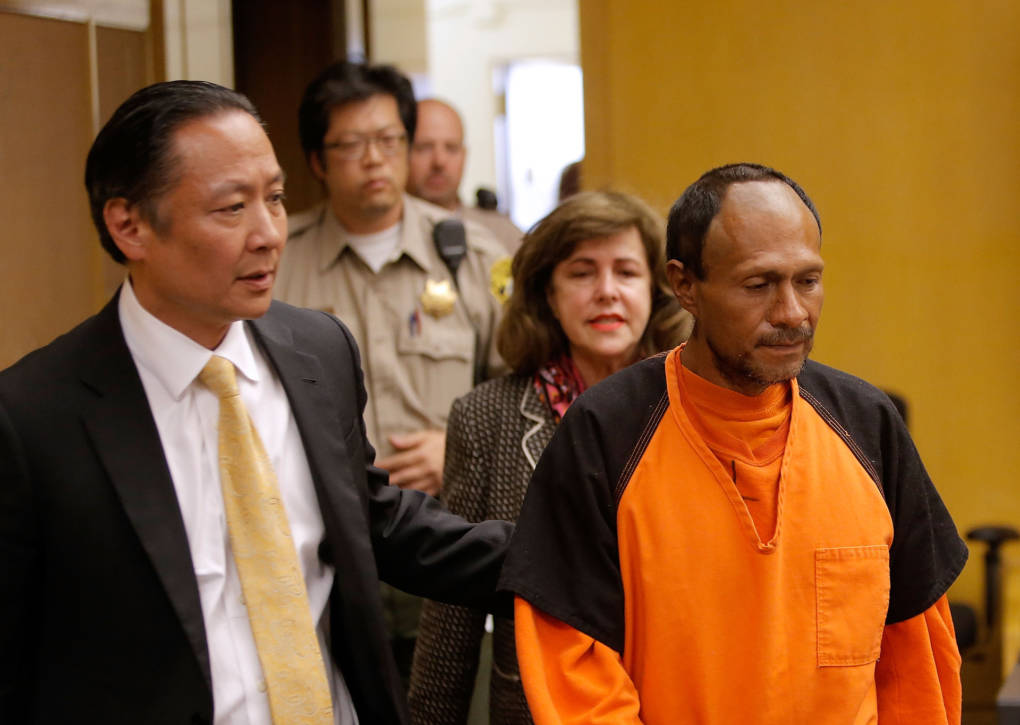
"caption": "Jose Inez Garcia Zarate (right), who was then known as Juan Francisco Lopez Sanchez, with San Francisco Public Defender Jeff Adachi on July 7, 2015.",
"description": "Juan Francisco Lopez Sanchez (right) with San Francisco Public Defender Jeff Adachi on July 7, 2015.",
"title": "RS15994_arraignment(2)-qut",
"credit": "Michael Macor-Pool/Getty Images",
"status": "inherit",
"isLoading": false,
"fetchFailed": false
},
"news_11595175": {
"type": "attachments",
"id": "news_11595175",
"meta": {
"index": "attachments_1716263798",
"site": "news",
"id": "11595175",
"found": true
},
"parent": 11595174,
"imgSizes": {
"small": {
"file": "https://ww2.kqed.org/app/uploads/sites/10/2017/07/gettyimages-634636308_wide-0351cda5c067551d680dce95bda7c25fcf136e1f-1-520x293.jpg",
"width": 520,
"mimeType": "image/jpeg",
"height": 293
},
"twentyfourteen-full-width": {
"file": "https://ww2.kqed.org/app/uploads/sites/10/2017/07/gettyimages-634636308_wide-0351cda5c067551d680dce95bda7c25fcf136e1f-1-1038x576.jpg",
"width": 1038,
"mimeType": "image/jpeg",
"height": 576
},
"thumbnail": {
"file": "https://ww2.kqed.org/app/uploads/sites/10/2017/07/gettyimages-634636308_wide-0351cda5c067551d680dce95bda7c25fcf136e1f-1-160x90.jpg",
"width": 160,
"mimeType": "image/jpeg",
"height": 90
},
"fd-sm": {
"file": "https://ww2.kqed.org/app/uploads/sites/10/2017/07/gettyimages-634636308_wide-0351cda5c067551d680dce95bda7c25fcf136e1f-1-960x540.jpg",
"width": 960,
"mimeType": "image/jpeg",
"height": 540
},
"post-thumbnail": {
"file": "https://ww2.kqed.org/app/uploads/sites/10/2017/07/gettyimages-634636308_wide-0351cda5c067551d680dce95bda7c25fcf136e1f-1-672x372.jpg",
"width": 672,
"mimeType": "image/jpeg",
"height": 372
},
"xsmall": {
"file": "https://ww2.kqed.org/app/uploads/sites/10/2017/07/gettyimages-634636308_wide-0351cda5c067551d680dce95bda7c25fcf136e1f-1-375x211.jpg",
"width": 375,
"mimeType": "image/jpeg",
"height": 211
},
"kqedFullSize": {
"file": "https://ww2.kqed.org/app/uploads/sites/10/2017/07/gettyimages-634636308_wide-0351cda5c067551d680dce95bda7c25fcf136e1f-1-e1501102378704.jpg",
"width": 1920,
"height": 1080
},
"large": {
"file": "https://ww2.kqed.org/app/uploads/sites/10/2017/07/gettyimages-634636308_wide-0351cda5c067551d680dce95bda7c25fcf136e1f-1-1020x574.jpg",
"width": 1020,
"mimeType": "image/jpeg",
"height": 574
},
"xlarge": {
"file": "https://ww2.kqed.org/app/uploads/sites/10/2017/07/gettyimages-634636308_wide-0351cda5c067551d680dce95bda7c25fcf136e1f-1-1180x664.jpg",
"width": 1180,
"mimeType": "image/jpeg",
"height": 664
},
"guest-author-50": {
"file": "https://ww2.kqed.org/app/uploads/sites/10/2017/07/gettyimages-634636308_wide-0351cda5c067551d680dce95bda7c25fcf136e1f-1-50x50.jpg",
"width": 50,
"mimeType": "image/jpeg",
"height": 50
},
"guest-author-96": {
"file": "https://ww2.kqed.org/app/uploads/sites/10/2017/07/gettyimages-634636308_wide-0351cda5c067551d680dce95bda7c25fcf136e1f-1-96x96.jpg",
"width": 96,
"mimeType": "image/jpeg",
"height": 96
},
"medium": {
"file": "https://ww2.kqed.org/app/uploads/sites/10/2017/07/gettyimages-634636308_wide-0351cda5c067551d680dce95bda7c25fcf136e1f-1-800x450.jpg",
"width": 800,
"mimeType": "image/jpeg",
"height": 450
},
"guest-author-64": {
"file": "https://ww2.kqed.org/app/uploads/sites/10/2017/07/gettyimages-634636308_wide-0351cda5c067551d680dce95bda7c25fcf136e1f-1-64x64.jpg",
"width": 64,
"mimeType": "image/jpeg",
"height": 64
},
"guest-author-32": {
"file": "https://ww2.kqed.org/app/uploads/sites/10/2017/07/gettyimages-634636308_wide-0351cda5c067551d680dce95bda7c25fcf136e1f-1-32x32.jpg",
"width": 32,
"mimeType": "image/jpeg",
"height": 32
},
"fd-lrg": {
"file": "https://ww2.kqed.org/app/uploads/sites/10/2017/07/gettyimages-634636308_wide-0351cda5c067551d680dce95bda7c25fcf136e1f-1-1920x1080.jpg",
"width": 1920,
"mimeType": "image/jpeg",
"height": 1080
},
"fd-med": {
"file": "https://ww2.kqed.org/app/uploads/sites/10/2017/07/gettyimages-634636308_wide-0351cda5c067551d680dce95bda7c25fcf136e1f-1-1180x664.jpg",
"width": 1180,
"mimeType": "image/jpeg",
"height": 664
},
"full-width": {
"file": "https://ww2.kqed.org/app/uploads/sites/10/2017/07/gettyimages-634636308_wide-0351cda5c067551d680dce95bda7c25fcf136e1f-1-1920x1080.jpg",
"width": 1920,
"mimeType": "image/jpeg",
"height": 1080
},
"detail": {
"file": "https://ww2.kqed.org/app/uploads/sites/10/2017/07/gettyimages-634636308_wide-0351cda5c067551d680dce95bda7c25fcf136e1f-1-150x150.jpg",
"width": 150,
"mimeType": "image/jpeg",
"height": 150
},
"guest-author-128": {
"file": "https://ww2.kqed.org/app/uploads/sites/10/2017/07/gettyimages-634636308_wide-0351cda5c067551d680dce95bda7c25fcf136e1f-1-128x128.jpg",
"width": 128,
"mimeType": "image/jpeg",
"height": 128
},
"xxsmall": {
"file": "https://ww2.kqed.org/app/uploads/sites/10/2017/07/gettyimages-634636308_wide-0351cda5c067551d680dce95bda7c25fcf136e1f-1-240x135.jpg",
"width": 240,
"mimeType": "image/jpeg",
"height": 135
}
},
"publishDate": 1501102275,
"modified": 1501102396,
"caption": "Customs and Border Protection agents at the San Ysidro Port of Entry in California earlier this year.",
"description": "Customs and Border Protection agents at the San Ysidro Port of Entry in California earlier this yea",
"title": "Customs and Border Protection agents at the San Ysidro Port of Entry in California earlier this year.",
"credit": "Sandy Huffacker/AFP/Getty Images",
"status": "inherit",
"isLoading": false,
"fetchFailed": false
},
"news_11591820": {
"type": "attachments",
"id": "news_11591820",
"meta": {
"index": "attachments_1716263798",
"site": "news",
"id": "11591820",
"found": true
},
"parent": 11591770,
"imgSizes": {
"small": {
"file": "https://ww2.kqed.org/app/uploads/sites/10/2017/07/RefugeeMom-520x347.jpg",
"width": 520,
"mimeType": "image/jpeg",
"height": 347
},
"twentyfourteen-full-width": {
"file": "https://ww2.kqed.org/app/uploads/sites/10/2017/07/RefugeeMom-1038x576.jpg",
"width": 1038,
"mimeType": "image/jpeg",
"height": 576
},
"thumbnail": {
"file": "https://ww2.kqed.org/app/uploads/sites/10/2017/07/RefugeeMom-160x107.jpg",
"width": 160,
"mimeType": "image/jpeg",
"height": 107
},
"fd-sm": {
"file": "https://ww2.kqed.org/app/uploads/sites/10/2017/07/RefugeeMom-960x640.jpg",
"width": 960,
"mimeType": "image/jpeg",
"height": 640
},
"post-thumbnail": {
"file": "https://ww2.kqed.org/app/uploads/sites/10/2017/07/RefugeeMom-672x372.jpg",
"width": 672,
"mimeType": "image/jpeg",
"height": 372
},
"xsmall": {
"file": "https://ww2.kqed.org/app/uploads/sites/10/2017/07/RefugeeMom-375x250.jpg",
"width": 375,
"mimeType": "image/jpeg",
"height": 250
},
"kqedFullSize": {
"file": "https://ww2.kqed.org/app/uploads/sites/10/2017/07/RefugeeMom.jpg",
"width": 1920,
"height": 1280
},
"large": {
"file": "https://ww2.kqed.org/app/uploads/sites/10/2017/07/RefugeeMom-1020x680.jpg",
"width": 1020,
"mimeType": "image/jpeg",
"height": 680
},
"xlarge": {
"file": "https://ww2.kqed.org/app/uploads/sites/10/2017/07/RefugeeMom-1180x787.jpg",
"width": 1180,
"mimeType": "image/jpeg",
"height": 787
},
"guest-author-50": {
"file": "https://ww2.kqed.org/app/uploads/sites/10/2017/07/RefugeeMom-50x50.jpg",
"width": 50,
"mimeType": "image/jpeg",
"height": 50
},
"guest-author-96": {
"file": "https://ww2.kqed.org/app/uploads/sites/10/2017/07/RefugeeMom-96x96.jpg",
"width": 96,
"mimeType": "image/jpeg",
"height": 96
},
"medium": {
"file": "https://ww2.kqed.org/app/uploads/sites/10/2017/07/RefugeeMom-800x533.jpg",
"width": 800,
"mimeType": "image/jpeg",
"height": 533
},
"guest-author-64": {
"file": "https://ww2.kqed.org/app/uploads/sites/10/2017/07/RefugeeMom-64x64.jpg",
"width": 64,
"mimeType": "image/jpeg",
"height": 64
},
"guest-author-32": {
"file": "https://ww2.kqed.org/app/uploads/sites/10/2017/07/RefugeeMom-32x32.jpg",
"width": 32,
"mimeType": "image/jpeg",
"height": 32
},
"fd-lrg": {
"file": "https://ww2.kqed.org/app/uploads/sites/10/2017/07/RefugeeMom-1920x1280.jpg",
"width": 1920,
"mimeType": "image/jpeg",
"height": 1280
},
"fd-med": {
"file": "https://ww2.kqed.org/app/uploads/sites/10/2017/07/RefugeeMom-1180x787.jpg",
"width": 1180,
"mimeType": "image/jpeg",
"height": 787
},
"full-width": {
"file": "https://ww2.kqed.org/app/uploads/sites/10/2017/07/RefugeeMom-1920x1280.jpg",
"width": 1920,
"mimeType": "image/jpeg",
"height": 1280
},
"detail": {
"file": "https://ww2.kqed.org/app/uploads/sites/10/2017/07/RefugeeMom-150x150.jpg",
"width": 150,
"mimeType": "image/jpeg",
"height": 150
},
"guest-author-128": {
"file": "https://ww2.kqed.org/app/uploads/sites/10/2017/07/RefugeeMom-128x128.jpg",
"width": 128,
"mimeType": "image/jpeg",
"height": 128
},
"xxsmall": {
"file": "https://ww2.kqed.org/app/uploads/sites/10/2017/07/RefugeeMom-240x160.jpg",
"width": 240,
"mimeType": "image/jpeg",
"height": 160
}
},
"publishDate": 1500929851,
"modified": 1500929897,
"caption": "Anisa Omar holds her friend's son while his mother dances at a picnic where primarily Congolese refugees celebrate completion of English classes.",
"description": "Anisa Omar holds her friend's son while his mother dances at a picnic where primarily Congolese refugees celebrate completion of English classes.",
"title": "RefugeeMom",
"credit": "Peggy Peattie/CALmatters",
"status": "inherit",
"isLoading": false,
"fetchFailed": false
},
"news_11579604": {
"type": "attachments",
"id": "news_11579604",
"meta": {
"index": "attachments_1716263798",
"site": "news",
"id": "11579604",
"found": true
},
"parent": 11579535,
"imgSizes": {
"small": {
"file": "https://ww2.kqed.org/app/uploads/sites/10/2018/07/RS25113_20170501_MayDay_credit_BertJohnson-2-qut-520x347.jpg",
"width": 520,
"mimeType": "image/jpeg",
"height": 347
},
"twentyfourteen-full-width": {
"file": "https://ww2.kqed.org/app/uploads/sites/10/2018/07/RS25113_20170501_MayDay_credit_BertJohnson-2-qut-1038x576.jpg",
"width": 1038,
"mimeType": "image/jpeg",
"height": 576
},
"thumbnail": {
"file": "https://ww2.kqed.org/app/uploads/sites/10/2018/07/RS25113_20170501_MayDay_credit_BertJohnson-2-qut-160x107.jpg",
"width": 160,
"mimeType": "image/jpeg",
"height": 107
},
"fd-sm": {
"file": "https://ww2.kqed.org/app/uploads/sites/10/2018/07/RS25113_20170501_MayDay_credit_BertJohnson-2-qut-960x640.jpg",
"width": 960,
"mimeType": "image/jpeg",
"height": 640
},
"post-thumbnail": {
"file": "https://ww2.kqed.org/app/uploads/sites/10/2018/07/RS25113_20170501_MayDay_credit_BertJohnson-2-qut-672x372.jpg",
"width": 672,
"mimeType": "image/jpeg",
"height": 372
},
"xsmall": {
"file": "https://ww2.kqed.org/app/uploads/sites/10/2018/07/RS25113_20170501_MayDay_credit_BertJohnson-2-qut-375x250.jpg",
"width": 375,
"mimeType": "image/jpeg",
"height": 250
},
"kqedFullSize": {
"file": "https://ww2.kqed.org/app/uploads/sites/10/2018/07/RS25113_20170501_MayDay_credit_BertJohnson-2-qut.jpg",
"width": 1920,
"height": 1280
},
"large": {
"file": "https://ww2.kqed.org/app/uploads/sites/10/2018/07/RS25113_20170501_MayDay_credit_BertJohnson-2-qut-1020x680.jpg",
"width": 1020,
"mimeType": "image/jpeg",
"height": 680
},
"xlarge": {
"file": "https://ww2.kqed.org/app/uploads/sites/10/2018/07/RS25113_20170501_MayDay_credit_BertJohnson-2-qut-1180x787.jpg",
"width": 1180,
"mimeType": "image/jpeg",
"height": 787
},
"guest-author-50": {
"file": "https://ww2.kqed.org/app/uploads/sites/10/2018/07/RS25113_20170501_MayDay_credit_BertJohnson-2-qut-50x50.jpg",
"width": 50,
"mimeType": "image/jpeg",
"height": 50
},
"guest-author-96": {
"file": "https://ww2.kqed.org/app/uploads/sites/10/2018/07/RS25113_20170501_MayDay_credit_BertJohnson-2-qut-96x96.jpg",
"width": 96,
"mimeType": "image/jpeg",
"height": 96
},
"medium": {
"file": "https://ww2.kqed.org/app/uploads/sites/10/2018/07/RS25113_20170501_MayDay_credit_BertJohnson-2-qut-800x533.jpg",
"width": 800,
"mimeType": "image/jpeg",
"height": 533
},
"guest-author-64": {
"file": "https://ww2.kqed.org/app/uploads/sites/10/2018/07/RS25113_20170501_MayDay_credit_BertJohnson-2-qut-64x64.jpg",
"width": 64,
"mimeType": "image/jpeg",
"height": 64
},
"guest-author-32": {
"file": "https://ww2.kqed.org/app/uploads/sites/10/2018/07/RS25113_20170501_MayDay_credit_BertJohnson-2-qut-32x32.jpg",
"width": 32,
"mimeType": "image/jpeg",
"height": 32
},
"fd-lrg": {
"file": "https://ww2.kqed.org/app/uploads/sites/10/2018/07/RS25113_20170501_MayDay_credit_BertJohnson-2-qut-1920x1280.jpg",
"width": 1920,
"mimeType": "image/jpeg",
"height": 1280
},
"fd-med": {
"file": "https://ww2.kqed.org/app/uploads/sites/10/2018/07/RS25113_20170501_MayDay_credit_BertJohnson-2-qut-1180x787.jpg",
"width": 1180,
"mimeType": "image/jpeg",
"height": 787
},
"full-width": {
"file": "https://ww2.kqed.org/app/uploads/sites/10/2018/07/RS25113_20170501_MayDay_credit_BertJohnson-2-qut-1920x1280.jpg",
"width": 1920,
"mimeType": "image/jpeg",
"height": 1280
},
"detail": {
"file": "https://ww2.kqed.org/app/uploads/sites/10/2018/07/RS25113_20170501_MayDay_credit_BertJohnson-2-qut-150x150.jpg",
"width": 150,
"mimeType": "image/jpeg",
"height": 150
},
"guest-author-128": {
"file": "https://ww2.kqed.org/app/uploads/sites/10/2018/07/RS25113_20170501_MayDay_credit_BertJohnson-2-qut-128x128.jpg",
"width": 128,
"mimeType": "image/jpeg",
"height": 128
},
"xxsmall": {
"file": "https://ww2.kqed.org/app/uploads/sites/10/2018/07/RS25113_20170501_MayDay_credit_BertJohnson-2-qut-240x160.jpg",
"width": 240,
"mimeType": "image/jpeg",
"height": 160
}
},
"publishDate": 1500667297,
"modified": 1500667387,
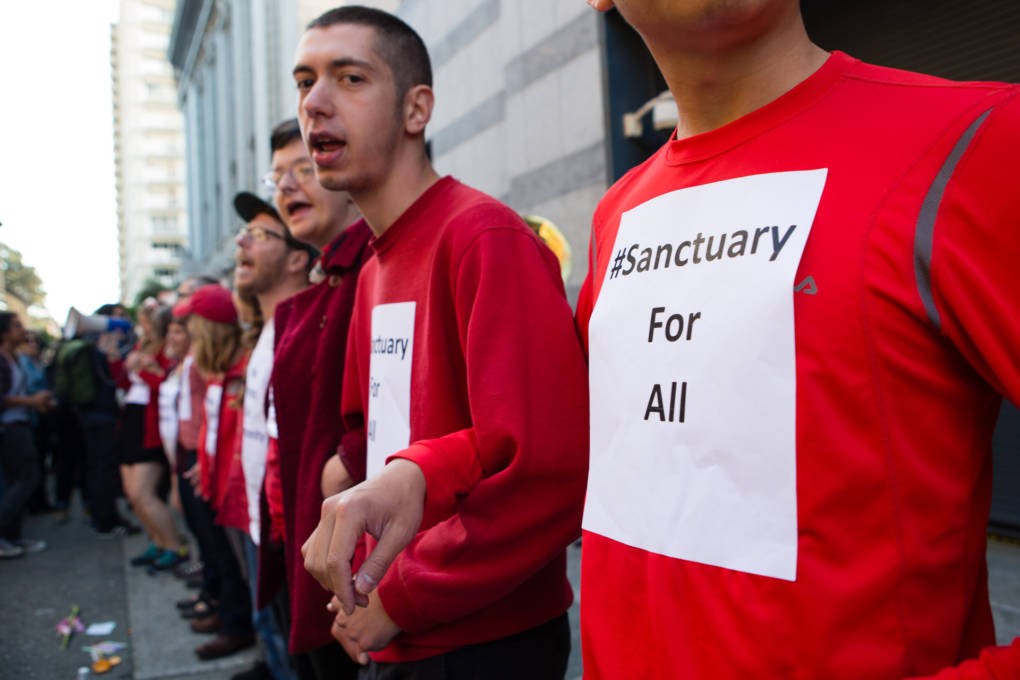
"caption": "Activists with the Bay Resistance coalition blocked the entrance to a parking lot behind the San Francisco ICE building during May Day protests on May 1, 2017. The day's events were called \"A Day Without Immigrants\" to highlight the pressures immigrant workers say they face under a Trump administration.",
"description": "Activists with the Bay Resistance coalition blocked the entrance to a parking lot behind the San Francisco ICE building during May Day protests on May 1, 2017. The day's events were called \"A Day Without Immigrants\" to highlight the pressures immigrant workers say they face under a Trump administration.",
"title": "RS25113_20170501_MayDay_credit_BertJohnson-2-qut",
"credit": "Bert Johnson/KQED",
"status": "inherit",
"isLoading": false,
"fetchFailed": false
},
"news_11285268": {
"type": "attachments",
"id": "news_11285268",
"meta": {
"index": "attachments_1716263798",
"site": "news",
"id": "11285268",
"found": true
},
"parent": 11285264,
"imgSizes": {
"small": {
"file": "https://ww2.kqed.org/app/uploads/sites/10/2017/01/Scotus-520x302.jpg",
"width": 520,
"mimeType": "image/jpeg",
"height": 302
},
"twentyfourteen-full-width": {
"file": "https://ww2.kqed.org/app/uploads/sites/10/2017/01/Scotus-1038x576.jpg",
"width": 1038,
"mimeType": "image/jpeg",
"height": 576
},
"thumbnail": {
"file": "https://ww2.kqed.org/app/uploads/sites/10/2017/01/Scotus-160x93.jpg",
"width": 160,
"mimeType": "image/jpeg",
"height": 93
},
"fd-sm": {
"file": "https://ww2.kqed.org/app/uploads/sites/10/2017/01/Scotus-960x558.jpg",
"width": 960,
"mimeType": "image/jpeg",
"height": 558
},
"post-thumbnail": {
"file": "https://ww2.kqed.org/app/uploads/sites/10/2017/01/Scotus-672x372.jpg",
"width": 672,
"mimeType": "image/jpeg",
"height": 372
},
"xsmall": {
"file": "https://ww2.kqed.org/app/uploads/sites/10/2017/01/Scotus-375x218.jpg",
"width": 375,
"mimeType": "image/jpeg",
"height": 218
},
"kqedFullSize": {
"file": "https://ww2.kqed.org/app/uploads/sites/10/2017/01/Scotus.jpg",
"width": 1920,
"height": 1115
},
"large": {
"file": "https://ww2.kqed.org/app/uploads/sites/10/2017/01/Scotus-1020x592.jpg",
"width": 1020,
"mimeType": "image/jpeg",
"height": 592
},
"xlarge": {
"file": "https://ww2.kqed.org/app/uploads/sites/10/2017/01/Scotus-1180x685.jpg",
"width": 1180,
"mimeType": "image/jpeg",
"height": 685
},
"guest-author-50": {
"file": "https://ww2.kqed.org/app/uploads/sites/10/2017/01/Scotus-50x50.jpg",
"width": 50,
"mimeType": "image/jpeg",
"height": 50
},
"guest-author-96": {
"file": "https://ww2.kqed.org/app/uploads/sites/10/2017/01/Scotus-96x96.jpg",
"width": 96,
"mimeType": "image/jpeg",
"height": 96
},
"medium": {
"file": "https://ww2.kqed.org/app/uploads/sites/10/2017/01/Scotus-800x465.jpg",
"width": 800,
"mimeType": "image/jpeg",
"height": 465
},
"guest-author-64": {
"file": "https://ww2.kqed.org/app/uploads/sites/10/2017/01/Scotus-64x64.jpg",
"width": 64,
"mimeType": "image/jpeg",
"height": 64
},
"guest-author-32": {
"file": "https://ww2.kqed.org/app/uploads/sites/10/2017/01/Scotus-32x32.jpg",
"width": 32,
"mimeType": "image/jpeg",
"height": 32
},
"jmtc-small-thumb": {
"file": "https://ww2.kqed.org/app/uploads/sites/10/2017/01/Scotus-280x150.jpg",
"width": 280,
"mimeType": "image/jpeg",
"height": 150
},
"fd-lrg": {
"file": "https://ww2.kqed.org/app/uploads/sites/10/2017/01/Scotus-1920x1115.jpg",
"width": 1920,
"mimeType": "image/jpeg",
"height": 1115
},
"fd-med": {
"file": "https://ww2.kqed.org/app/uploads/sites/10/2017/01/Scotus-1180x685.jpg",
"width": 1180,
"mimeType": "image/jpeg",
"height": 685
},
"full-width": {
"file": "https://ww2.kqed.org/app/uploads/sites/10/2017/01/Scotus-1920x1115.jpg",
"width": 1920,
"mimeType": "image/jpeg",
"height": 1115
},
"detail": {
"file": "https://ww2.kqed.org/app/uploads/sites/10/2017/01/Scotus-150x150.jpg",
"width": 150,
"mimeType": "image/jpeg",
"height": 150
},
"guest-author-128": {
"file": "https://ww2.kqed.org/app/uploads/sites/10/2017/01/Scotus-128x128.jpg",
"width": 128,
"mimeType": "image/jpeg",
"height": 128
},
"xxsmall": {
"file": "https://ww2.kqed.org/app/uploads/sites/10/2017/01/Scotus-240x139.jpg",
"width": 240,
"mimeType": "image/jpeg",
"height": 139
}
},
"publishDate": 1485310961,
"modified": 1485387052,
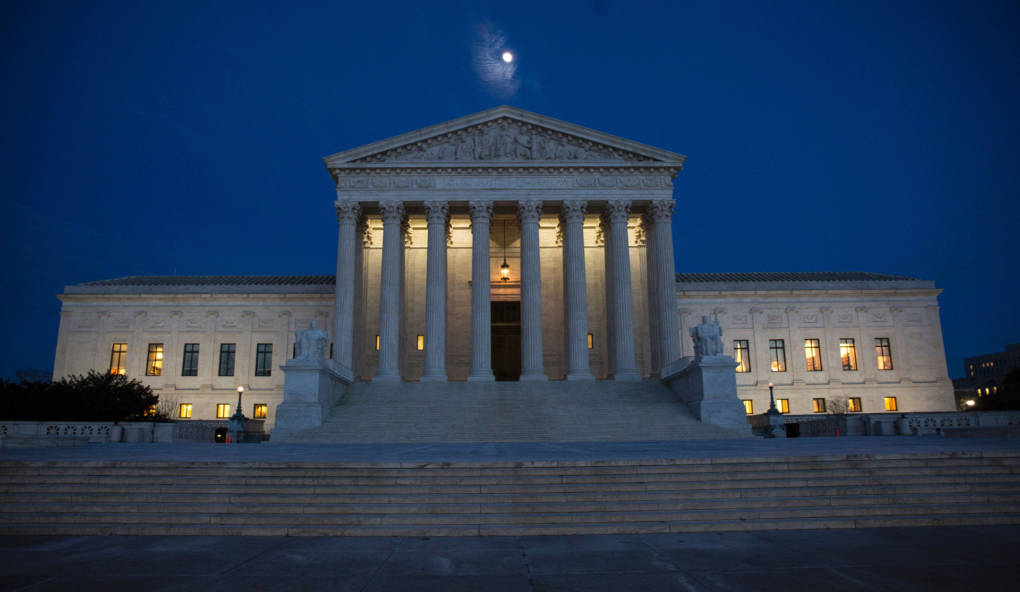
"caption": "The U.S. Supreme Court in Washington, D.C.",
"description": "The U.S. Supreme Court in Washington, D.C.",
"title": "Scotus",
"credit": "Zach Gibson/AFP/Getty Images",
"status": "inherit",
"isLoading": false,
"fetchFailed": false
},
"news_11573003": {
"type": "attachments",
"id": "news_11573003",
"meta": {
"index": "attachments_1716263798",
"site": "news",
"id": "11573003",
"found": true
},
"parent": 11559762,
"imgSizes": {
"small": {
"file": "https://ww2.kqed.org/app/uploads/sites/10/2017/07/Johnson800-520x374.jpg",
"width": 520,
"mimeType": "image/jpeg",
"height": 374
},
"twentyfourteen-full-width": {
"file": "https://ww2.kqed.org/app/uploads/sites/10/2017/07/Johnson800-800x576.jpg",
"width": 800,
"mimeType": "image/jpeg",
"height": 576
},
"thumbnail": {
"file": "https://ww2.kqed.org/app/uploads/sites/10/2017/07/Johnson800-160x115.jpg",
"width": 160,
"mimeType": "image/jpeg",
"height": 115
},
"post-thumbnail": {
"file": "https://ww2.kqed.org/app/uploads/sites/10/2017/07/Johnson800-672x372.jpg",
"width": 672,
"mimeType": "image/jpeg",
"height": 372
},
"xsmall": {
"file": "https://ww2.kqed.org/app/uploads/sites/10/2017/07/Johnson800-375x270.jpg",
"width": 375,
"mimeType": "image/jpeg",
"height": 270
},
"kqedFullSize": {
"file": "https://ww2.kqed.org/app/uploads/sites/10/2017/07/Johnson800.jpg",
"width": 800,
"height": 576
},
"guest-author-50": {
"file": "https://ww2.kqed.org/app/uploads/sites/10/2017/07/Johnson800-50x50.jpg",
"width": 50,
"mimeType": "image/jpeg",
"height": 50
},
"guest-author-96": {
"file": "https://ww2.kqed.org/app/uploads/sites/10/2017/07/Johnson800-96x96.jpg",
"width": 96,
"mimeType": "image/jpeg",
"height": 96
},
"medium": {
"file": "https://ww2.kqed.org/app/uploads/sites/10/2017/07/Johnson800-800x576.jpg",
"width": 800,
"mimeType": "image/jpeg",
"height": 576
},
"guest-author-64": {
"file": "https://ww2.kqed.org/app/uploads/sites/10/2017/07/Johnson800-64x64.jpg",
"width": 64,
"mimeType": "image/jpeg",
"height": 64
},
"guest-author-32": {
"file": "https://ww2.kqed.org/app/uploads/sites/10/2017/07/Johnson800-32x32.jpg",
"width": 32,
"mimeType": "image/jpeg",
"height": 32
},
"detail": {
"file": "https://ww2.kqed.org/app/uploads/sites/10/2017/07/Johnson800-150x150.jpg",
"width": 150,
"mimeType": "image/jpeg",
"height": 150
},
"guest-author-128": {
"file": "https://ww2.kqed.org/app/uploads/sites/10/2017/07/Johnson800-128x128.jpg",
"width": 128,
"mimeType": "image/jpeg",
"height": 128
},
"xxsmall": {
"file": "https://ww2.kqed.org/app/uploads/sites/10/2017/07/Johnson800-240x173.jpg",
"width": 240,
"mimeType": "image/jpeg",
"height": 173
}
},
"publishDate": 1500327506,
"modified": 1500327555,
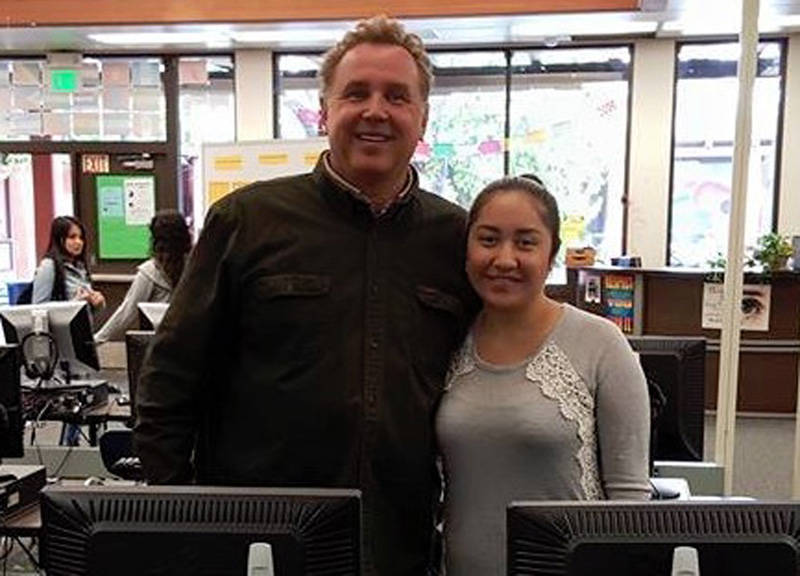
"caption": "Brandon Johnson with a former student who's now a teacher for recently arrived immigrant children.",
"description": "Brandon Johnson with a former student who's now a teacher for recently arrived immigrant children.",
"title": "Johnson800",
"credit": "Courtesy Brandon Johnson",
"status": "inherit",
"isLoading": false,
"fetchFailed": false
}
},
"audioPlayerReducer": {
"postId": "stream_live",
"isPaused": true,
"isPlaying": false,
"pfsActive": false,
"pledgeModalIsOpen": true,
"playerDrawerIsOpen": false,
"liveAudioPlayStartedAt": 0,
"liveAudioPlayContext": ""
},
"authorsReducer": {
"byline_news_11607801": {
"type": "authors",
"id": "byline_news_11607801",
"meta": {
"override": true
},
"slug": "byline_news_11607801",
"name": "Brian Naylor",
"isLoading": false
},
"byline_news_11606378": {
"type": "authors",
"id": "byline_news_11606378",
"meta": {
"override": true
},
"slug": "byline_news_11606378",
"name": "Colin Dwyer",
"isLoading": false
},
"byline_news_11595174": {
"type": "authors",
"id": "byline_news_11595174",
"meta": {
"override": true
},
"slug": "byline_news_11595174",
"name": "Richard Gonzales",
"isLoading": false
},
"byline_news_11591770": {
"type": "authors",
"id": "byline_news_11591770",
"meta": {
"override": true
},
"slug": "byline_news_11591770",
"name": "\u003cstrong>\u003ca href=\"https://calmatters.org/articles/author/elizabeth-aguilera/\">Elizabeth Aguilera\u003c/a>\u003c/strong>",
"isLoading": false
},
"byline_news_11579535": {
"type": "authors",
"id": "byline_news_11579535",
"meta": {
"override": true
},
"slug": "byline_news_11579535",
"name": "\u003cstrong>Bill Chappell\u003c/strong>",
"isLoading": false
},
"byline_news_11576015": {
"type": "authors",
"id": "byline_news_11576015",
"meta": {
"override": true
},
"slug": "byline_news_11576015",
"name": "Merrit Kennedy",
"isLoading": false
},
"lisapickoffwhite-2": {
"type": "authors",
"id": "199",
"meta": {
"index": "authors_1716337520",
"id": "199",
"found": true
},
"name": "Lisa Pickoff-White",
"firstName": "Lisa",
"lastName": "Pickoff-White",
"slug": "lisapickoffwhite-2",
"email": "lpickoffwhite@kqed.org",
"display_author_email": false,
"staff_mastheads": [
"news"
],
"title": "Data Journalist, Senior Producer",
"bio": "Lisa Pickoff-White is KQED's data reporter. Lisa specializes in simplifying complex topics and bringing them to life through compelling visuals, including photography and data visualizations. She previously has worked at the Center for Investigative Reporting and other national outlets. Her work has been honored with awards from the Online News Association, Investigative Reporters and Editors, the Society of Professional Journalists and SXSW Interactive. \u003cstrong> \u003c/strong>",
"avatar": "https://secure.gravatar.com/avatar/5513c5f3967df792aa65bee2501e84d6?s=600&d=blank&r=g",
"twitter": "pickoffwhite",
"facebook": null,
"instagram": null,
"linkedin": null,
"sites": [
{
"site": "",
"roles": [
"editor"
]
},
{
"site": "arts",
"roles": []
},
{
"site": "news",
"roles": [
"administrator"
]
},
{
"site": "about",
"roles": [
"editor"
]
},
{
"site": "stateofhealth",
"roles": [
"administrator"
]
},
{
"site": "science",
"roles": [
"editor"
]
},
{
"site": "quest",
"roles": [
"editor"
]
},
{
"site": "forum",
"roles": [
"editor"
]
}
],
"headData": {
"title": "Lisa Pickoff-White | KQED",
"description": "Data Journalist, Senior Producer",
"ogImgSrc": "https://secure.gravatar.com/avatar/5513c5f3967df792aa65bee2501e84d6?s=600&d=blank&r=g",
"twImgSrc": "https://secure.gravatar.com/avatar/5513c5f3967df792aa65bee2501e84d6?s=600&d=blank&r=g"
},
"isLoading": false,
"link": "/author/lisapickoffwhite-2"
},
"aemslie": {
"type": "authors",
"id": "3206",
"meta": {
"index": "authors_1716337520",
"id": "3206",
"found": true
},
"name": "Alex Emslie",
"firstName": "Alex",
"lastName": "Emslie",
"slug": "aemslie",
"email": "aemslie@kqed.org",
"display_author_email": true,
"staff_mastheads": [
"news"
],
"title": "KQED Senior Editor",
"bio": "Alex Emslie is senior editor of talent and development at KQED, where he manages dozens of early career journalists and oversees news department internships.\r\n\r\nHe is a former carpenter and proud graduate of City College of San Francisco and San Francisco State University, where he studied journalism and criminal justice before joining KQED in 2013.\r\n\r\nAlex produced investigative journalism focused on \u003ca href=\"https://www.kqed.org/news/11667594/the-trials-of-marvin-mutch-video\">criminal justice\u003c/a> and policing for most of a decade. He has broken major stories about \u003ca href=\"https://www.kqed.org/news/135682/amid-a-series-of-vallejo-police-shootings-one-officers-name-stands-out\">police use of deadly force\u003c/a>, \u003ca href=\"https://www.kqed.org/news/10454955/racist-texts-prompt-sfpd-internal-investigation\">officer misconduct\u003c/a> and \u003ca href=\"https://www.kqed.org/news/11712239/terrorist-or-troll-judge-to-weigh-whether-oakland-man-really-intended-to-attack-bay-area\">other\u003c/a> \u003ca href=\"https://www.kqed.org/news/11221414/hayward-paid-159000-to-husband-of-retired-police-chief-documents-show\">high\u003c/a>-\u003ca href=\"https://www.kqed.org/news/10622762/the-forgotten-tracking-two-homicides-in-san-francisco-public-housing\">profile\u003c/a> \u003ca href=\"https://www.kqed.org/news/11624516/federal-agency-promoted-ranger-just-months-after-his-gun-was-stolen-and-used-in-steinle-killing\">cases\u003c/a>. He co-founded the \u003ca href=\"https://projects.scpr.org/california-reporting-project/\">California Reporting Project\u003c/a> in 2019 to obtain and report on previously confidential police internal investigations. The effort produced well over 100 original stories and changed the course of multiple criminal cases.\r\n\r\nHis work has been recognized with numerous journalism awards, including a national Edward R. Murrow award for several years of \u003ca href=\"https://www.kqed.org/news/11688481/sfpd-officers-in-mario-woods-case-recount-shooting-in-newly-filed-depositions\">reporting\u003c/a> on the San Francisco Police shooting of Mario Woods. His \u003ca href=\"https://www.kqed.org/news/147854/half-of-those-killed-by-san-francisco-police-are-mentally-ill\">reporting\u003c/a> on police killings of people in psychiatric crisis was cited in amicus briefs before the U.S. Supreme Court.\r\n\r\nAlex now enjoys mentoring the next generation of journalists at KQED.",
"avatar": "https://secure.gravatar.com/avatar/e691e65209f20e9da202bd730ead5663?s=600&d=blank&r=g",
"twitter": "SFNewsReporter",
"facebook": null,
"instagram": null,
"linkedin": null,
"sites": [
{
"site": "arts",
"roles": [
"editor"
]
},
{
"site": "news",
"roles": [
"editor"
]
},
{
"site": "mindshift",
"roles": [
"editor"
]
},
{
"site": "stateofhealth",
"roles": [
"editor"
]
},
{
"site": "science",
"roles": [
"administrator"
]
}
],
"headData": {
"title": "Alex Emslie | KQED",
"description": "KQED Senior Editor",
"ogImgSrc": "https://secure.gravatar.com/avatar/e691e65209f20e9da202bd730ead5663?s=600&d=blank&r=g",
"twImgSrc": "https://secure.gravatar.com/avatar/e691e65209f20e9da202bd730ead5663?s=600&d=blank&r=g"
},
"isLoading": false,
"link": "/author/aemslie"
},
"markfiore": {
"type": "authors",
"id": "3236",
"meta": {
"index": "authors_1716337520",
"id": "3236",
"found": true
},
"name": "Mark Fiore",
"firstName": "Mark",
"lastName": "Fiore",
"slug": "markfiore",
"email": "mark@markfiore.com",
"display_author_email": false,
"staff_mastheads": [
"news"
],
"title": "KQED News Cartoonist",
"bio": "\u003ca href=\"http://www.MarkFiore.com\">MarkFiore.com\u003c/a> | \u003ca href=\"https://twitter.com/markfiore\">Follow on Twitter\u003c/a> | \u003ca href=\"https://www.facebook.com/pages/Mark-Fiore-Animated-Political-Cartoons/94451707396?ref=bookmarks\">Facebook\u003c/a> | \u003ca href=\"mailto:mark@markfiore.com\">email\u003c/a>\r\n\r\nPulitzer Prize-winner, Mark Fiore, who the Wall Street Journal has called “the undisputed guru of the form,” creates animated political cartoons in San Francisco, where his work has been featured regularly on the San Francisco Chronicle’s web site, SFGate.com. His work has appeared on Newsweek.com, Slate.com, CBSNews.com, MotherJones.com, DailyKos.com and NPR’s web site. Fiore’s political animation has appeared on CNN, Frontline, Bill Moyers Journal, Salon.com and cable and broadcast outlets across the globe.\r\n\r\nBeginning his professional life by drawing traditional political cartoons for newspapers, Fiore’s work appeared in publications ranging from the Washington Post to the Los Angeles Times. In the late 1990s, he began to experiment with animating political cartoons and, after a short stint at the San Jose Mercury News as their staff cartoonist, Fiore devoted all his energies to animation.\r\nGrowing up in California, Fiore also spent a good portion of his life in the backwoods of Idaho. It was this combination that shaped him politically. Mark majored in political science at Colorado College, where, in a perfect send-off for a cartoonist, he received his diploma in 1991 as commencement speaker Dick Cheney smiled approvingly.\r\nMark Fiore was awarded the Pulitzer Prize for political cartooning in 2010, a Robert F. Kennedy Journalism Award in 2004 and has twice received an Online Journalism Award for commentary from the Online News Association (2002, 2008). Fiore has received two awards for his work in new media from the National Cartoonists Society (2001, 2002), and in 2006 received The James Madison Freedom of Information Award from The Society of Professional Journalists.",
"avatar": "https://secure.gravatar.com/avatar/fc4e2a612b15b67bad0c6f0e1db4ca9b?s=600&d=blank&r=g",
"twitter": "MarkFiore",
"facebook": null,
"instagram": "https://www.instagram.com/markfiore/?hl=en",
"linkedin": null,
"sites": [
{
"site": "arts",
"roles": [
"contributor"
]
},
{
"site": "news",
"roles": [
"editor"
]
},
{
"site": "futureofyou",
"roles": [
"editor"
]
},
{
"site": "science",
"roles": [
"editor"
]
}
],
"headData": {
"title": "Mark Fiore | KQED",
"description": "KQED News Cartoonist",
"ogImgSrc": "https://secure.gravatar.com/avatar/fc4e2a612b15b67bad0c6f0e1db4ca9b?s=600&d=blank&r=g",
"twImgSrc": "https://secure.gravatar.com/avatar/fc4e2a612b15b67bad0c6f0e1db4ca9b?s=600&d=blank&r=g"
},
"isLoading": false,
"link": "/author/markfiore"
},
"jsmall": {
"type": "authors",
"id": "6625",
"meta": {
"index": "authors_1716337520",
"id": "6625",
"found": true
},
"name": "Julie Small",
"firstName": "Julie",
"lastName": "Small",
"slug": "jsmall",
"email": "jsmall@kqed.org",
"display_author_email": true,
"staff_mastheads": [
"news"
],
"title": "KQED Contributor",
"bio": "Julie Small reports on criminal justice and immigration.\r\n\r\nShe was part of a team at KQED awarded a regional 2019 Edward R. Murrow award for continuing coverage of the Trump Administration's family separation policy.\r\n\r\nThe Society for Professional Journalists recognized Julie's 2018 \u003ca href=\"https://www.kqed.org/news/11636262/the-officer-tased-him-31-times-the-sheriff-called-his-death-an-accident\">reporting\u003c/a> on the San Joaquin County Sheriff's \u003ca href=\"https://www.kqed.org/news/11634689/autopsy-doctors-sheriff-overrode-death-findings-to-protect-law-enforcement\">interference\u003c/a> in death investigations with an Excellence in Journalism Award for Ongoing Coverage.\r\n\r\nJulie's\u003ca href=\"https://www.kqed.org/news/11039666/two-mentally-ill-inmates-died-one-month-in-santa-clara\"> reporting\u003c/a> with Lisa Pickoff-White on the treatment of mentally ill offenders in California jails earned a 2017 regional Edward R. Murrow Award for news reporting and an investigative reporting award from the SPJ of Northern California.\r\n\r\nBefore joining KQED, Julie covered government and politics in Sacramento for Southern California Public Radio (SCPR). Her 2010 \u003ca href=\"https://www.scpr.org/specials/prisonmedical/\">series\u003c/a> on lapses in California’s prison medical care also won a regional Edward R. Murrow Award for investigative reporting and a Golden Mic Award from the RTNDA of Southern California.\r\n\r\nJulie began her career in journalism in 2000 as the deputy foreign editor for public radio's \u003cem>Marketplace, \u003c/em>while earning her master's degree in journalism from USC’s Annenberg School of Communication.",
"avatar": "https://secure.gravatar.com/avatar/4baedf201468df97be97c2a9dd7585d0?s=600&d=blank&r=g",
"twitter": "@SmallRadio2",
"facebook": null,
"instagram": null,
"linkedin": null,
"sites": [
{
"site": "news",
"roles": [
"editor"
]
},
{
"site": "stateofhealth",
"roles": [
"author"
]
},
{
"site": "science",
"roles": [
"author"
]
}
],
"headData": {
"title": "Julie Small | KQED",
"description": "KQED Contributor",
"ogImgSrc": "https://secure.gravatar.com/avatar/4baedf201468df97be97c2a9dd7585d0?s=600&d=blank&r=g",
"twImgSrc": "https://secure.gravatar.com/avatar/4baedf201468df97be97c2a9dd7585d0?s=600&d=blank&r=g"
},
"isLoading": false,
"link": "/author/jsmall"
},
"rlevi": {
"type": "authors",
"id": "11260",
"meta": {
"index": "authors_1716337520",
"id": "11260",
"found": true
},
"name": "Ryan Levi",
"firstName": "Ryan",
"lastName": "Levi",
"slug": "rlevi",
"email": "rlevi@KQED.org",
"display_author_email": false,
"staff_mastheads": [],
"title": "KQED Contributor",
"bio": "Ryan Levi was a reporter and podcast producer at KQED News from 2016-2019. He worked on \u003ca href=\"https://www.kqed.org/news/series/baycurious\">Bay Curious\u003c/a>, \u003ca href=\"https://www.kqed.org/news/tag/the-bay/\">The Bay, \u003c/a>and \u003ca href=\"https://podcasts.apple.com/us/podcast/the-california-report-magazine/id1314750545\">The California Report Magazine\u003c/a>, as well as hosting and producing the weekly \u003ca href=\"https://www.kqed.org/news/program/qedup/\">Q'ed Up podcast. \u003c/a>He also helped inaugurate KQED's weekend news coverage in 2017 as one of two original digital producers. Ryan holds degrees in multimedia journalism and Spanish from the University of Missouri.",
"avatar": "https://secure.gravatar.com/avatar/4cb2ddd028ac8807d1adf09609c5555d?s=600&d=blank&r=g",
"twitter": "ryan_levi",
"facebook": null,
"instagram": null,
"linkedin": null,
"sites": [
{
"site": "arts",
"roles": [
"editor"
]
},
{
"site": "news",
"roles": [
"subscriber"
]
},
{
"site": "stateofhealth",
"roles": [
"editor"
]
},
{
"site": "science",
"roles": [
"editor"
]
},
{
"site": "forum",
"roles": [
"administrator"
]
},
{
"site": "perspectives",
"roles": [
"administrator"
]
}
],
"headData": {
"title": "Ryan Levi | KQED",
"description": "KQED Contributor",
"ogImgSrc": "https://secure.gravatar.com/avatar/4cb2ddd028ac8807d1adf09609c5555d?s=600&d=blank&r=g",
"twImgSrc": "https://secure.gravatar.com/avatar/4cb2ddd028ac8807d1adf09609c5555d?s=600&d=blank&r=g"
},
"isLoading": false,
"link": "/author/rlevi"
},
"mleitsinger": {
"type": "authors",
"id": "11310",
"meta": {
"index": "authors_1716337520",
"id": "11310",
"found": true
},
"name": "Miranda Leitsinger",
"firstName": "Miranda",
"lastName": "Leitsinger",
"slug": "mleitsinger",
"email": "mleitsinger@KQED.org",
"display_author_email": false,
"staff_mastheads": [
"news"
],
"title": "KQED Contributor",
"bio": "Miranda Leitsinger has worked in journalism as a reporter and editor since 2000, including seven years at The Associated Press in locales such as Cambodia and Puerto Rico, four years at NBC News Digital in New York and 2.5 years at CNN.com International in Hong Kong. Major stories she has covered included sexual abuse in the yoga community, the rise of women in local politics post-2016 election, the struggle over LGBTQ inclusion in the Boy Scouts, aftermath of the 2004 and 2011 tsunamis, the Aurora movie theater attack, the Newtown school shooting, Superstorm Sandy and the Boston Marathon bombing.",
"avatar": "https://secure.gravatar.com/avatar/cdd00de7be92aab3b7fd3d915e02033d?s=600&d=blank&r=g",
"twitter": "mimileitsinger",
"facebook": null,
"instagram": null,
"linkedin": null,
"sites": [
{
"site": "arts",
"roles": [
"author"
]
},
{
"site": "news",
"roles": [
"subscriber"
]
},
{
"site": "futureofyou",
"roles": [
"editor"
]
},
{
"site": "stateofhealth",
"roles": [
"editor"
]
}
],
"headData": {
"title": "Miranda Leitsinger | KQED",
"description": "KQED Contributor",
"ogImgSrc": "https://secure.gravatar.com/avatar/cdd00de7be92aab3b7fd3d915e02033d?s=600&d=blank&r=g",
"twImgSrc": "https://secure.gravatar.com/avatar/cdd00de7be92aab3b7fd3d915e02033d?s=600&d=blank&r=g"
},
"isLoading": false,
"link": "/author/mleitsinger"
}
},
"pagesReducer": {
"news_category_immigration": {
"type": "terms",
"id": "news_1169",
"meta": {
"index": "terms_1716263798",
"site": "news",
"id": "1169",
"score": 10.910194
},
"featImg": null,
"name": "Immigration",
"description": null,
"taxonomy": "category",
"headData": {
"twImgId": null,
"twTitle": null,
"ogTitle": null,
"ogImgId": null,
"twDescription": null,
"description": null,
"title": "Immigration Archives | KQED News",
"ogDescription": null
},
"ttid": 1180,
"slug": "immigration",
"isLoading": false,
"title": "Immigration",
"pageMeta": {
"site": "news",
"WpPageTemplate": "page-topic-editorial",
"currentPage": 157
},
"blocks": [
{
"blockName": "kqed/post-list",
"attrs": {
"layout": "cardArticle2",
"query": "posts/news?category=immigration",
"seeMore": false,
"paginated": true,
"page": 157
}
},
{
"blockName": "kqed/ad"
}
]
}
},
"pfsSessionReducer": {},
"postsReducer": {
"stream_live": {
"type": "live",
"id": "stream_live",
"audioUrl": "https://streams.kqed.org/kqedradio",
"title": "Live Stream",
"excerpt": "Live Stream information currently unavailable.",
"link": "/radio",
"featImg": "",
"label": {
"name": "KQED Live",
"link": "/"
}
},
"stream_kqedNewscast": {
"type": "posts",
"id": "stream_kqedNewscast",
"audioUrl": "https://www.kqed.org/.stream/anon/radio/RDnews/newscast.mp3?_=1",
"title": "KQED Newscast",
"featImg": "",
"label": {
"name": "88.5 FM",
"link": "/"
}
},
"news_11606456": {
"type": "posts",
"id": "news_11606456",
"meta": {
"index": "posts_1716263798",
"site": "news",
"id": "11606456",
"score": null,
"sort": [
1501803943000
]
},
"parent": 0,
"labelTerm": {
"site": "news",
"term": 72
},
"blocks": [],
"publishDate": 1501803943,
"format": "standard",
"disqusTitle": "KQED Wants to Share Your Vietnam-Era Story",
"title": "KQED Wants to Share Your Vietnam-Era Story",
"headTitle": "The California Report | KQED News",
"content": "\u003cp>To mark the broadcast premiere of PBS’ \"The Vietnam War,\" a 10-part documentary series on Sunday, Sept. 17, we’d like to hear from Californians about how this monumental conflict impacted their lives.\u003c/p>\n\u003cp>If you're a veteran who served (or a conscientious objector who didn’t), a refugee who fled, an activist who marched, an artist who created art around the conflict, an everyday person who became involved in politics because of it -- or have seen you or your family's lives otherwise affected by the conflict that tore the country apart -- we want to hear from you.\u003c/p>\n\u003cp>We’re looking for all stories about the war and its impact, and you can share your own, or as a group (a family, or with a friend). We’d also like to know if you have photos of yourself from that era -- be it in uniform, at a protest, as a refugee and more.\u003c/p>\n\u003ch4>\u003cstrong>Share your story \u003ca href=\"http://bit.ly/kqedvietnamwarform\">here\u003c/a>.\u003c/strong>\u003c/h4>\n\u003cp> \u003c/p>\n\u003cp>[ad fullwidth]\u003c/p>\u003cp>\u003c/p>\n",
"disqusIdentifier": "11606456 https://ww2.kqed.org/news/?p=11606456",
"disqusUrl": "https://ww2.kqed.org/news/2017/08/03/kqed-wants-to-share-your-vietnam-war-story/",
"stats": {
"hasVideo": false,
"hasChartOrMap": false,
"hasAudio": false,
"hasPolis": false,
"wordCount": 167,
"hasGoogleForm": false,
"hasGallery": false,
"hasHearkenModule": false,
"iframeSrcs": [],
"paragraphCount": 5
},
"modified": 1502842318,
"excerpt": null,
"headData": {
"twImgId": "",
"twTitle": "",
"ogTitle": "",
"ogImgId": "",
"twDescription": "",
"description": "To mark the broadcast premiere of PBS’ "The Vietnam War," a 10-part documentary series on Sunday, Sept. 17, we’d like to hear from Californians about how this monumental conflict impacted their lives. If you're a veteran who served (or a conscientious objector who didn’t), a refugee who fled, an activist who marched, an artist who",
"title": "KQED Wants to Share Your Vietnam-Era Story | KQED",
"ogDescription": "",
"schema": {
"@context": "https://schema.org",
"@type": "NewsArticle",
"headline": "KQED Wants to Share Your Vietnam-Era Story",
"datePublished": "2017-08-03T16:45:43-07:00",
"dateModified": "2017-08-15T17:11:58-07:00",
"image": "https://cdn.kqed.org/wp-content/uploads/2020/02/KQED-OG-Image@1x.png",
"isAccessibleForFree": "True",
"publisher": {
"@type": "NewsMediaOrganization",
"@id": "https://www.kqed.org/#organization",
"name": "KQED",
"logo": "https://cdn.kqed.org/wp-content/uploads/2020/02/KQED-OG-Image@1x.png",
"url": "https://www.kqed.org",
"sameAs": [
"https://www.facebook.com/KQED",
"https://twitter.com/KQED",
"https://www.instagram.com/kqed/",
"https://www.tiktok.com/@kqedofficial",
"https://www.linkedin.com/company/kqed",
"https://www.youtube.com/channel/UCeC0IOo7i1P_61zVUWbJ4nw"
]
}
}
},
"guestAuthors": [],
"slug": "kqed-wants-to-share-your-vietnam-war-story",
"status": "publish",
"path": "/news/11606456/kqed-wants-to-share-your-vietnam-war-story",
"audioTrackLength": null,
"parsedContent": [
{
"type": "contentString",
"content": "\u003cdiv class=\"post-body\">\u003cp>\u003cp>To mark the broadcast premiere of PBS’ \"The Vietnam War,\" a 10-part documentary series on Sunday, Sept. 17, we’d like to hear from Californians about how this monumental conflict impacted their lives.\u003c/p>\n\u003cp>If you're a veteran who served (or a conscientious objector who didn’t), a refugee who fled, an activist who marched, an artist who created art around the conflict, an everyday person who became involved in politics because of it -- or have seen you or your family's lives otherwise affected by the conflict that tore the country apart -- we want to hear from you.\u003c/p>\n\u003cp>We’re looking for all stories about the war and its impact, and you can share your own, or as a group (a family, or with a friend). We’d also like to know if you have photos of yourself from that era -- be it in uniform, at a protest, as a refugee and more.\u003c/p>\n\u003ch4>\u003cstrong>Share your story \u003ca href=\"http://bit.ly/kqedvietnamwarform\">here\u003c/a>.\u003c/strong>\u003c/h4>\n\u003cp> \u003c/p>\n\u003cp>\u003c/p>\u003c/div>",
"attributes": {
"named": {},
"numeric": []
}
},
{
"type": "component",
"content": "",
"name": "ad",
"attributes": {
"named": {
"label": "fullwidth"
},
"numeric": [
"fullwidth"
]
}
},
{
"type": "contentString",
"content": "\u003cdiv class=\"post-body\">\u003cp>\u003c/p>\u003cp>\u003c/p>\n\u003c/div>\u003c/p>",
"attributes": {
"named": {},
"numeric": []
}
}
],
"link": "/news/11606456/kqed-wants-to-share-your-vietnam-war-story",
"authors": [
"11310"
],
"programs": [
"news_6944",
"news_72"
],
"categories": [
"news_223",
"news_457",
"news_1169",
"news_8",
"news_13"
],
"tags": [
"news_19133",
"news_18538",
"news_19006",
"news_237",
"news_5067"
],
"featImg": "news_11610057",
"label": "news_72"
},
"news_11609703": {
"type": "posts",
"id": "news_11609703",
"meta": {
"index": "posts_1716263798",
"site": "news",
"id": "11609703",
"score": null,
"sort": [
1501794842000
]
},
"guestAuthors": [],
"slug": "poem-politics",
"title": "Statue of Liberty Poem Politics",
"publishDate": 1501794842,
"format": "standard",
"headTitle": "Statue of Liberty Poem Politics | KQED",
"labelTerm": {
"term": 18515,
"site": "news"
},
"content": "\u003cp>In defending the \u003ca href=\"https://ww2.kqed.org/news/2017/08/02/trump-unveils-legislation-limiting-legal-immigration/\">Trump administration’s support for legislation that cuts legal immigration\u003c/a>, senior policy adviser Stephen Miller \u003ca href=\"http://www.latimes.com/politics/washington/la-na-essential-washington-updates-watch-cnn-s-jim-acosta-and-white-house-1501704278-htmlstory.html\" target=\"_blank\" rel=\"noopener\">dismissed\u003c/a> the famous Statue of Liberty poem by Emma Lazarus since it was added after the statue was completed. \u003c/p>\n\u003cp>The RAISE Act (for Reforming American Immigration for a Strong Economy), would dramatically cut legal immigration to the United States — including cutting the number of refugees allowed in the country by half.\u003c/p>\n\u003cp>To refresh your memory, here are the words of Emma Lazarus’ poem, inscribed in bronze at the base of the Statue of Liberty:\u003c/p>\n\u003cblockquote>\u003cp>Not like the brazen giant of Greek fame,\u003cbr>\nWith conquering limbs astride from land to land;\u003cbr>\nHere at our sea-washed, sunset gates shall stand\u003cbr>\nA mighty woman with a torch, whose flame\u003cbr>\nIs the imprisoned lightning, and her name\u003cbr>\nMother of Exiles. From her beacon-hand\u003cbr>\nGlows world-wide welcome; her mild eyes command\u003cbr>\nThe air-bridged harbor that twin cities frame.\u003cbr>\n“Keep, ancient lands, your storied pomp!” cries she\u003cbr>\nWith silent lips. “Give me your tired, your poor,\u003cbr>\nYour huddled masses yearning to breathe free,\u003cbr>\nThe wretched refuse of your teeming shore.\u003cbr>\nSend these, the homeless, tempest-tost to me,\u003cbr>\nI lift my lamp beside the golden door!”\u003c/p>\u003c/blockquote>\n\u003cp>[ad fullwidth]\u003c/p>\u003cp>\u003c/p>\n",
"blocks": [],
"excerpt": "In defending the Trump Administration's support for legislation that cuts legal immigration, senior policy adviser Stephen Miller dismissed the famous Statue of Liberty poem by Emma Lazarus.",
"status": "publish",
"parent": 0,
"modified": 1738109488,
"stats": {
"hasAudio": false,
"hasVideo": false,
"hasChartOrMap": false,
"iframeSrcs": [],
"hasGoogleForm": false,
"hasGallery": false,
"hasHearkenModule": false,
"hasPolis": false,
"paragraphCount": 6,
"wordCount": 211
},
"headData": {
"title": "Statue of Liberty Poem Politics | KQED",
"description": "In defending the Trump Administration's support for legislation that cuts legal immigration, senior policy adviser Stephen Miller dismissed the famous Statue of Liberty poem by Emma Lazarus.",
"ogTitle": "",
"ogDescription": "",
"ogImgId": "",
"twTitle": "",
"twDescription": "",
"twImgId": "",
"schema": {
"@context": "https://schema.org",
"@type": "NewsArticle",
"headline": "Statue of Liberty Poem Politics",
"datePublished": "2017-08-03T14:14:02-07:00",
"dateModified": "2025-01-28T16:11:28-08:00",
"image": "https://cdn.kqed.org/wp-content/uploads/2020/02/KQED-OG-Image@1x.png",
"isAccessibleForFree": "True",
"publisher": {
"@type": "NewsMediaOrganization",
"@id": "https://www.kqed.org/#organization",
"name": "KQED",
"logo": "https://cdn.kqed.org/wp-content/uploads/2020/02/KQED-OG-Image@1x.png",
"url": "https://www.kqed.org",
"sameAs": [
"https://www.facebook.com/KQED",
"https://twitter.com/KQED",
"https://www.instagram.com/kqed/",
"https://www.tiktok.com/@kqedofficial",
"https://www.linkedin.com/company/kqed",
"https://www.youtube.com/channel/UCeC0IOo7i1P_61zVUWbJ4nw"
]
}
}
},
"sticky": false,
"path": "/news/11609703/poem-politics",
"audioTrackLength": null,
"parsedContent": [
{
"type": "contentString",
"content": "\u003cdiv class=\"post-body\">\u003cp>\u003cp>In defending the \u003ca href=\"https://ww2.kqed.org/news/2017/08/02/trump-unveils-legislation-limiting-legal-immigration/\">Trump administration’s support for legislation that cuts legal immigration\u003c/a>, senior policy adviser Stephen Miller \u003ca href=\"http://www.latimes.com/politics/washington/la-na-essential-washington-updates-watch-cnn-s-jim-acosta-and-white-house-1501704278-htmlstory.html\" target=\"_blank\" rel=\"noopener\">dismissed\u003c/a> the famous Statue of Liberty poem by Emma Lazarus since it was added after the statue was completed. \u003c/p>\n\u003cp>The RAISE Act (for Reforming American Immigration for a Strong Economy), would dramatically cut legal immigration to the United States — including cutting the number of refugees allowed in the country by half.\u003c/p>\n\u003cp>To refresh your memory, here are the words of Emma Lazarus’ poem, inscribed in bronze at the base of the Statue of Liberty:\u003c/p>\n\u003cblockquote>\u003cp>Not like the brazen giant of Greek fame,\u003cbr>\nWith conquering limbs astride from land to land;\u003cbr>\nHere at our sea-washed, sunset gates shall stand\u003cbr>\nA mighty woman with a torch, whose flame\u003cbr>\nIs the imprisoned lightning, and her name\u003cbr>\nMother of Exiles. From her beacon-hand\u003cbr>\nGlows world-wide welcome; her mild eyes command\u003cbr>\nThe air-bridged harbor that twin cities frame.\u003cbr>\n“Keep, ancient lands, your storied pomp!” cries she\u003cbr>\nWith silent lips. “Give me your tired, your poor,\u003cbr>\nYour huddled masses yearning to breathe free,\u003cbr>\nThe wretched refuse of your teeming shore.\u003cbr>\nSend these, the homeless, tempest-tost to me,\u003cbr>\nI lift my lamp beside the golden door!”\u003c/p>\u003c/blockquote>\n\u003cp>\u003c/p>\u003c/div>",
"attributes": {
"named": {},
"numeric": []
}
},
{
"type": "component",
"content": "",
"name": "ad",
"attributes": {
"named": {
"label": "fullwidth"
},
"numeric": [
"fullwidth"
]
}
},
{
"type": "contentString",
"content": "\u003cdiv class=\"post-body\">\u003cp>\u003c/p>\u003cp>\u003c/p>\n\u003c/div>\u003c/p>",
"attributes": {
"named": {},
"numeric": []
}
}
],
"link": "/news/11609703/poem-politics",
"authors": [
"3236"
],
"series": [
"news_18515"
],
"categories": [
"news_223",
"news_1169",
"news_6188",
"news_8",
"news_13"
],
"tags": [
"news_1323",
"news_20150",
"news_20202",
"news_20949",
"news_17968"
],
"featImg": "news_11609789",
"label": "news_18515"
},
"news_11607801": {
"type": "posts",
"id": "news_11607801",
"meta": {
"index": "posts_1716263798",
"site": "news",
"id": "11607801",
"score": null,
"sort": [
1501693380000
]
},
"parent": 0,
"labelTerm": {},
"blocks": [],
"publishDate": 1501693380,
"format": "standard",
"disqusTitle": "Trump Unveils Legislation Limiting Legal Immigration",
"title": "Trump Unveils Legislation Limiting Legal Immigration",
"headTitle": "The California Report | KQED News",
"content": "\u003cp>\u003cstrong>Updated at 2:25 p.m. ET\u003c/strong>\u003c/p>\n\u003cp>President Trump unveiled controversial legislation on Wednesday that would sharply curtail legal immigration to the United States.\u003c/p>\n\u003cp>The president met at the White House with two Republican senators pushing the legislation, Tom Cotton of Arkansas and David Perdue of Georgia.\u003c/p>\n\u003cp>One of Trump's campaign promises was to reduce immigration, illegal and legal. The Cotton-Perdue legislation, also known as the RAISE Act (for Reforming American Immigration for a Strong Economy), would cut by half the number of legal immigrants accepted into the U.S. each year.\u003c/p>\n\u003cp>As \u003ca href=\"http://www.npr.org/2017/02/07/513957928/republican-lawmakers-propose-new-law-to-reduce-legal-immigration\">NPR's John Burnett reported,\u003c/a>\u003c/p>\n\u003cblockquote>\u003cp>\"Their bill would do three things: First, limit the number of foreign nationals who are able to get green cards to reunite with their families already in the U.S. — currently the largest category of legal immigrants; second, cut the number of refugees in half; third, eliminate the diversity visa lottery — a program that gives visas to countries with low rates of immigration to the United States.\u003c/p>\n\u003cp>\"Cotton says the number of green cards awarded each year — about a million — is excessive.\u003c/p>\n\u003cp>\" 'In one year, this would reduce it to around 600,000,' Cotton says. 'Over the span of the 10-year window, it would fall to about 500,000.' \"\u003c/p>\u003c/blockquote>\n\u003cp>Trump said the measure \"will reduce poverty, increase wages and save taxpayers billions and billions of dollars.\" The current system, Trump said, \"has not been fair to our people, to our citizens, to our workers.\" He said the new system would favor applicants \"who can speak English, financially support themselves and their families, and demonstrate skills that will contribute to our economy.\" It would also prevent new arrivals from collecting welfare.\u003c/p>\n\u003cp>[ad fullwidth]\u003c/p>\n\u003cp>A White House official, speaking on background, says that the current immigration system \"is outdated, and doesn't meet the diverse needs of our economy,\" and that the legislation being unveiled Wednesday \"is aimed at creating a skills-based immigration system that will make America more competitive, raise wages for American workers and create jobs.\"\u003c/p>\n\u003cp>Attorney General Jeff Sessions said in a statement the proposal would \"help the Department of Justice perform its duties to uphold our nation's immigration law and end the unlawful abuse of our public benefits program that undermine U.S. taxpayers.\"\u003c/p>\n\u003cp>Limiting legal immigration is opposed by business groups, which rely on low-skilled workers for agriculture and other jobs. And economists point to the low unemployment rate, 4.4 percent last month, as evidence that there are relatively few Americans who are without jobs now and that, as baby boomers retire, there will be a labor shortage.\u003c/p>\n\u003cp>But backers of stricter immigration limits say allowing unskilled people into the country keeps wages low, especially for workers with only a high school diploma or less.\u003c/p>\n\u003cp>A group of 1,470 economists released \u003ca href=\"http://www.newamericaneconomy.org/feature/an-open-letter-from-1470-economists-on-immigration/\">a letter to the president\u003c/a>, saying that \"the benefits that immigration brings to society far outweigh their costs, and smart immigration policy could better maximize the benefits of immigration while reducing the costs.\"\u003c/p>\n\u003cp>It's not clear how much support there is in the Senate for such a bill. Republicans such as Lindsey Graham of South Carolina and John McCain of Arizona are likely opponents, and there's little enthusiasm among Democrats.\u003c/p>\n\u003cp>\u003c/p>\n\u003cp>Still, on the heels of last week's collapse of efforts to repeal and replace the Affordable Care Act, Trump is looking for a legislative victory, and with strong support inside the White House from advisers Steve Bannon and Stephen Miller, there is likely to be a strong push for the measure in the weeks and months ahead.\u003c/p>\n\u003cdiv class=\"fullattribution\">Copyright 2017 NPR. To see more, visit http://www.npr.org/.\u003cimg src=\"https://www.google-analytics.com/__utm.gif?utmac=UA-5828686-4&utmdt=Trump+Unveils+Legislation+Limiting+Legal+Immigration&utme=8(APIKey)9(MDAxOTAwOTE4MDEyMTkxMDAzNjczZDljZA004)\">\u003c/div>\n\n",
"disqusIdentifier": "11607801 https://ww2.kqed.org/news/?p=11607801",
"disqusUrl": "https://ww2.kqed.org/news/2017/08/02/trump-unveils-legislation-limiting-legal-immigration/",
"stats": {
"hasVideo": false,
"hasChartOrMap": false,
"hasAudio": false,
"hasPolis": false,
"wordCount": 616,
"hasGoogleForm": false,
"hasGallery": false,
"hasHearkenModule": false,
"iframeSrcs": [],
"paragraphCount": 18
},
"modified": 1501794405,
"excerpt": "There has been a huge debate about immigrants who are in the U.S. illegally, but the administration is looking to cut the number of \u003cem>legal\u003c/em> immigrants allowed into the country by half.",
"headData": {
"twImgId": "",
"twTitle": "",
"ogTitle": "",
"ogImgId": "",
"twDescription": "",
"description": "There has been a huge debate about immigrants who are in the U.S. illegally, but the administration is looking to cut the number of legal immigrants allowed into the country by half.",
"title": "Trump Unveils Legislation Limiting Legal Immigration | KQED",
"ogDescription": "",
"schema": {
"@context": "https://schema.org",
"@type": "NewsArticle",
"headline": "Trump Unveils Legislation Limiting Legal Immigration",
"datePublished": "2017-08-02T10:03:00-07:00",
"dateModified": "2017-08-03T14:06:45-07:00",
"image": "https://cdn.kqed.org/wp-content/uploads/2020/02/KQED-OG-Image@1x.png",
"isAccessibleForFree": "True",
"publisher": {
"@type": "NewsMediaOrganization",
"@id": "https://www.kqed.org/#organization",
"name": "KQED",
"logo": "https://cdn.kqed.org/wp-content/uploads/2020/02/KQED-OG-Image@1x.png",
"url": "https://www.kqed.org",
"sameAs": [
"https://www.facebook.com/KQED",
"https://twitter.com/KQED",
"https://www.instagram.com/kqed/",
"https://www.tiktok.com/@kqedofficial",
"https://www.linkedin.com/company/kqed",
"https://www.youtube.com/channel/UCeC0IOo7i1P_61zVUWbJ4nw"
]
}
}
},
"guestAuthors": [],
"slug": "trump-unveils-legislation-limiting-legal-immigration",
"status": "publish",
"sourceUrl": "www.npr.org",
"nprApiLink": "http://api.npr.org/query?id=541104795&apiKey=MDAxOTAwOTE4MDEyMTkxMDAzNjczZDljZA004",
"nprByline": "Brian Naylor",
"nprStoryDate": "Wed, 02 Aug 2017 10:03:00 -0400",
"nprLastModifiedDate": "Wed, 02 Aug 2017 14:26:09 -0400",
"nprHtmlLink": "http://www.npr.org/2017/08/02/541104795/trump-to-unveil-legislation-limiting-legal-immigration?ft=nprml&f=541104795",
"nprImageAgency": "Getty Images",
"nprImageCredit": "Mark Wilson",
"source": "NPR",
"nprStoryId": "541104795",
"nprRetrievedStory": "1",
"nprPubDate": "Wed, 02 Aug 2017 14:26:00 -0400",
"path": "/news/11607801/trump-unveils-legislation-limiting-legal-immigration",
"audioTrackLength": null,
"parsedContent": [
{
"type": "contentString",
"content": "\u003cdiv class=\"post-body\">\u003cp>\u003cp>\u003cstrong>Updated at 2:25 p.m. ET\u003c/strong>\u003c/p>\n\u003cp>President Trump unveiled controversial legislation on Wednesday that would sharply curtail legal immigration to the United States.\u003c/p>\n\u003cp>The president met at the White House with two Republican senators pushing the legislation, Tom Cotton of Arkansas and David Perdue of Georgia.\u003c/p>\n\u003cp>One of Trump's campaign promises was to reduce immigration, illegal and legal. The Cotton-Perdue legislation, also known as the RAISE Act (for Reforming American Immigration for a Strong Economy), would cut by half the number of legal immigrants accepted into the U.S. each year.\u003c/p>\n\u003cp>As \u003ca href=\"http://www.npr.org/2017/02/07/513957928/republican-lawmakers-propose-new-law-to-reduce-legal-immigration\">NPR's John Burnett reported,\u003c/a>\u003c/p>\n\u003cblockquote>\u003cp>\"Their bill would do three things: First, limit the number of foreign nationals who are able to get green cards to reunite with their families already in the U.S. — currently the largest category of legal immigrants; second, cut the number of refugees in half; third, eliminate the diversity visa lottery — a program that gives visas to countries with low rates of immigration to the United States.\u003c/p>\n\u003cp>\"Cotton says the number of green cards awarded each year — about a million — is excessive.\u003c/p>\n\u003cp>\" 'In one year, this would reduce it to around 600,000,' Cotton says. 'Over the span of the 10-year window, it would fall to about 500,000.' \"\u003c/p>\u003c/blockquote>\n\u003cp>Trump said the measure \"will reduce poverty, increase wages and save taxpayers billions and billions of dollars.\" The current system, Trump said, \"has not been fair to our people, to our citizens, to our workers.\" He said the new system would favor applicants \"who can speak English, financially support themselves and their families, and demonstrate skills that will contribute to our economy.\" It would also prevent new arrivals from collecting welfare.\u003c/p>\n\u003cp>\u003c/p>\u003c/div>",
"attributes": {
"named": {},
"numeric": []
}
},
{
"type": "component",
"content": "",
"name": "ad",
"attributes": {
"named": {
"label": "fullwidth"
},
"numeric": [
"fullwidth"
]
}
},
{
"type": "contentString",
"content": "\u003cdiv class=\"post-body\">\u003cp>\u003c/p>\n\u003cp>A White House official, speaking on background, says that the current immigration system \"is outdated, and doesn't meet the diverse needs of our economy,\" and that the legislation being unveiled Wednesday \"is aimed at creating a skills-based immigration system that will make America more competitive, raise wages for American workers and create jobs.\"\u003c/p>\n\u003cp>Attorney General Jeff Sessions said in a statement the proposal would \"help the Department of Justice perform its duties to uphold our nation's immigration law and end the unlawful abuse of our public benefits program that undermine U.S. taxpayers.\"\u003c/p>\n\u003cp>Limiting legal immigration is opposed by business groups, which rely on low-skilled workers for agriculture and other jobs. And economists point to the low unemployment rate, 4.4 percent last month, as evidence that there are relatively few Americans who are without jobs now and that, as baby boomers retire, there will be a labor shortage.\u003c/p>\n\u003cp>But backers of stricter immigration limits say allowing unskilled people into the country keeps wages low, especially for workers with only a high school diploma or less.\u003c/p>\n\u003cp>A group of 1,470 economists released \u003ca href=\"http://www.newamericaneconomy.org/feature/an-open-letter-from-1470-economists-on-immigration/\">a letter to the president\u003c/a>, saying that \"the benefits that immigration brings to society far outweigh their costs, and smart immigration policy could better maximize the benefits of immigration while reducing the costs.\"\u003c/p>\n\u003cp>It's not clear how much support there is in the Senate for such a bill. Republicans such as Lindsey Graham of South Carolina and John McCain of Arizona are likely opponents, and there's little enthusiasm among Democrats.\u003c/p>\n\u003cp>\u003c/p>\n\u003cp>Still, on the heels of last week's collapse of efforts to repeal and replace the Affordable Care Act, Trump is looking for a legislative victory, and with strong support inside the White House from advisers Steve Bannon and Stephen Miller, there is likely to be a strong push for the measure in the weeks and months ahead.\u003c/p>\n\u003cdiv class=\"fullattribution\">Copyright 2017 NPR. To see more, visit http://www.npr.org/.\u003cimg src=\"https://www.google-analytics.com/__utm.gif?utmac=UA-5828686-4&utmdt=Trump+Unveils+Legislation+Limiting+Legal+Immigration&utme=8(APIKey)9(MDAxOTAwOTE4MDEyMTkxMDAzNjczZDljZA004)\">\u003c/div>\n\n\u003c/div>\u003c/p>",
"attributes": {
"named": {},
"numeric": []
}
}
],
"link": "/news/11607801/trump-unveils-legislation-limiting-legal-immigration",
"authors": [
"byline_news_11607801"
],
"programs": [
"news_6944",
"news_72"
],
"categories": [
"news_1169",
"news_8",
"news_13"
],
"tags": [
"news_1323"
],
"featImg": "news_11607802",
"label": "source_news_11607801"
},
"news_11597341": {
"type": "posts",
"id": "news_11597341",
"meta": {
"index": "posts_1716263798",
"site": "news",
"id": "11597341",
"score": null,
"sort": [
1501678802000
]
},
"parent": 0,
"labelTerm": {
"site": "news",
"term": 72
},
"blocks": [],
"publishDate": 1501678802,
"format": "image",
"disqusTitle": "Jailing Immigrants Means Money and Jobs for Poor Areas. Is This Deal Humane?",
"title": "Jailing Immigrants Means Money and Jobs for Poor Areas. Is This Deal Humane?",
"headTitle": "The California Report | KQED News",
"content": "\u003cp>[dropcap]I[/dropcap]nside his cell in the Yuba County Jail, Rafael was vomiting again, too weak and dizzy to stand. He is HIV-positive and has hepatitis C. Without treatment, the two can be a deadly combination. But Rafael, 27, had not been treated for hepatitis C in six months, his medical records show.\u003c/p>\n\u003cp>KQED agreed not to use Rafael’s real name, to protect his medical privacy. More than once, Rafael says, he has been the target of violence as a result of the stigma of his illness.\u003c/p>\n\u003cp>By March, Rafael had been held in the jail for half a year, waiting to find out if he would be deported to Mexico, the country of his birth. He tried to tune out the arguments of the other inmates over what to watch on television -- a struggle between criminal defendants and immigration detainees, orange uniforms versus red ones. He tried to ignore the flooded bathroom sinks. He tried to ignore the nausea. More than anything else, he thought about seeing a regular doctor rather than the jail's medical staff, who seemed to dismiss his worsening condition.\u003c/p>\n\u003cp>[audio src=\"http://www.kqed.org/.stream/anon/radio/tcrmag/2017/08/TCRPM8417.mp3\" Image=\"https://u.s.kqed.net/2017/08/04/YubaJail.jpg\" Title=\"Jailing Immigrants Means Money and Jobs for Poor Areas. Is This Deal Humane?\" program=\"The California Report\"]\u003c/p>\n\u003cp>Rafael is one of roughly 200 men and women held by Immigration and Customs Enforcement at the Yuba jail on any given day. They make up about half of the jail population here in this rural county in the Sacramento Valley.\u003c/p>\n\u003cp>[ad fullwidth]\u003c/p>\n\u003cp>As the Trump administration moves to vastly expand the deportation of immigrants, county jails across the country could be increasingly put to use to detain them because ICE facilities have simply \u003ca href=\"https://ww2.kqed.org/news/2017/03/08/how-trump-could-detain-more-immigrants-in-california/\">run out of room\u003c/a>. But ICE itself has repeatedly faulted Yuba County -- and other jails where immigrant detainees are held -- for inadequate conditions that fail to meet ICE's own standards. Yuba also faces a lawsuit over what inmate advocates call “negligent” care.\u003c/p>\n\u003cp>[contextly_sidebar id=\"aH4OLFJMmfQXMe7RbpEM4sdPwSXBXKoO\"]\u003c/p>\n\u003cp>The concern over a lack of safe and humane conditions at Yuba, and across ICE's already strained detention system, is propelling some California lawmakers to try to disentangle the state from Trump's deportation push.\u003c/p>\n\u003cp>Three bills moving through the California Legislature could alter -- or end -- the ability of cities and counties to enter into detention contracts with ICE. But Yuba officials say that could spell disaster for their county’s finances.\u003c/p>\n\u003ch4>Expanding Detention and Deportation\u003c/h4>\n\u003cp>Yuba County is among about 200 U.S. cities and counties that hold ICE detainees in local jails and private prisons under multimillion-dollar contracts with the federal government. Nationally, an average of 37,706 people a day are locked up, facing deportation. That’s 17 percent more than in fiscal year 2016, according to ICE data.\u003c/p>\n\u003cp>The Yuba jail began detaining immigrants for the federal government in 1994. These days, the arrangement generates close to $6 million a year. That money supports half of the sheriff’s operations, according to a recent \u003ca href=\"http://www.co.yuba.ca.us/Departments/CAO/Budget/15-16/default.aspx\" target=\"_blank\" rel=\"noopener noreferrer\">county budget proposal\u003c/a>.\u003c/p>\n\u003cp>“You come to rely upon that,” said county spokesman Russ Brown. “We make no bones about that. We've been able to find some level of stability.”\u003c/p>\n\u003cp>Brown said Yuba County and other local governments that have held ICE contracts for decades are now caught in a political crossfire.\u003c/p>\n\u003cp>“Yuba County is conducting a service and (we) have been for years, and then because of a political battle Yuba County could very well see public safety fall off the map,\" Brown said.\u003c/p>\n\u003cfigure id=\"attachment_11599246\" class=\"wp-caption aligncenter\" style=\"max-width: 800px\">\u003cimg class=\"size-medium wp-image-11599246\" src=\"https://ww2.kqed.org/news/wp-content/uploads/sites/10/2019/07/women-detainees-800x555.jpg\" alt=\"\" width=\"800\" height=\"555\" srcset=\"https://ww2.kqed.org/app/uploads/sites/10/2019/07/women-detainees-800x555.jpg 800w, https://ww2.kqed.org/app/uploads/sites/10/2019/07/women-detainees-160x111.jpg 160w, https://ww2.kqed.org/app/uploads/sites/10/2019/07/women-detainees-1020x708.jpg 1020w, https://ww2.kqed.org/app/uploads/sites/10/2019/07/women-detainees.jpg 1920w, https://ww2.kqed.org/app/uploads/sites/10/2019/07/women-detainees-1180x819.jpg 1180w, https://ww2.kqed.org/app/uploads/sites/10/2019/07/women-detainees-960x667.jpg 960w, https://ww2.kqed.org/app/uploads/sites/10/2019/07/women-detainees-240x167.jpg 240w, https://ww2.kqed.org/app/uploads/sites/10/2019/07/women-detainees-375x260.jpg 375w, https://ww2.kqed.org/app/uploads/sites/10/2019/07/women-detainees-520x361.jpg 520w\" sizes=\"(max-width: 800px) 100vw, 800px\">\u003cfigcaption class=\"wp-caption-text\">Immigrant detainees help a sheriff's deputy carry items to a truck outside the Yuba County Jail. \u003ccite>(Lisa Pickoff-White/KQED)\u003c/cite>\u003c/figcaption>\u003c/figure>\n\u003ch4>Fleeing the Stigma of HIV\u003c/h4>\n\u003cp>Rafael was 6 months old when he came with his parents to the Bay Area from Mexico. He went to school in San Francisco and all of his family lives here, he says. As a kid he’d rent out local driveways and parking lots for 49ers football games. He punctuates every few words with “like” or “you know.” It wasn’t until he was in high school that he discovered he didn’t have legal status in the United States. That’s when his parents took him to meet an immigration lawyer after he was a victim of a crime.*\u003c/p>\n\u003cp>But before getting protection, he was arrested for drug possession and deported in 2010. In Mexico he discovered he was HIV-positive. That began a cycle of re-entries and deportations.\u003c/p>\n\u003cp>Rafael said he was physically threatened while seeking treatment for HIV in Mexico. He and his lawyers say he suffered even more traumatic incidents there. KQED agreed not to disclose them because he hasn’t shared what happened with his family. But he said he feared for his life, and fled back to the United States.\u003c/p>\n\u003cp>By 2016, Rafael had been diagnosed with hepatitis C, depression and post-traumatic stress disorder, along with HIV.\u003c/p>\n\u003cp>[contextly_sidebar id=\"0NJTy2xDyi95AQeLIu4cHmoSGupAD8wS\"]Last September, he was convicted of driving under the influence and served 42 days at an Alameda County jail. As he was being released, Rafael was apprehended in the jail lobby by two immigration officers who sent him to ICE detention near Sacramento, ICE records show.\u003c/p>\n\u003cp>This time, Rafael tried to get an attorney to fight his deportation. He composed letters to lawyers outlining his fears and his medical conditions. He hid them under his mattress, the only private place he could find. One day, he returned from court to the cell he shared with several other men and saw his private papers out in the open, spread on top of his bed.\u003c/p>\n\u003cp>“Usually everybody came in and greeted me, just said, ‘How’s it going?’ But that day everybody was just looking at me,” Rafael said. He described the incident later in a phone call from jail, speaking softly so other inmates wouldn’t overhear.\u003c/p>\n\u003cp>As the confrontation unfolded, Rafael said, a friend warned him that his cellmates had read his letters and were threatening to harm him if he didn’t leave the jail.\u003c/p>\n\u003cp>“Everybody thought that they were going to get my infections, through me sitting down on the toilet and stuff like that,” Rafael said. “So everybody just decided that I had to go.”\u003c/p>\n\u003cp>Rafael grabbed his belongings and rushed to the common area, where he pressed an emergency button to summon the guards.\u003c/p>\n\u003cp>For his safety, ICE transferred Rafael from Sacramento to the Yuba County Jail in Marysville on Oct. 27.\u003c/p>\n\u003ch4>Waiting for Treatment\u003c/h4>\n\u003cp>When ICE moves a detainee, the agency is supposed to transfer all of the person’s medical records. But documents show that Yuba County Jail staff didn’t know at first that Rafael had hepatitis C. Even after they had confirmed his diagnosis, they still did not treat him.\u003c/p>\n\u003cp>“They weren't trying to give me my medicine, and I had symptoms,” he said in an interview from the jail. “I always put (in) my request to see the doctors and all they do is just give me, like, just Tums,” he said.\u003c/p>\n\u003cfigure id=\"attachment_11599250\" class=\"wp-caption alignright\" style=\"max-width: 800px\">\u003cimg class=\"size-medium wp-image-11599250\" src=\"https://ww2.kqed.org/news/wp-content/uploads/sites/10/2019/07/kelly-engel-wells-800x1200.jpg\" alt=\"\" width=\"800\" height=\"1200\" srcset=\"https://ww2.kqed.org/app/uploads/sites/10/2019/07/kelly-engel-wells-800x1200.jpg 800w, https://ww2.kqed.org/app/uploads/sites/10/2019/07/kelly-engel-wells-160x240.jpg 160w, https://ww2.kqed.org/app/uploads/sites/10/2019/07/kelly-engel-wells-1020x1530.jpg 1020w, https://ww2.kqed.org/app/uploads/sites/10/2019/07/kelly-engel-wells-1180x1770.jpg 1180w, https://ww2.kqed.org/app/uploads/sites/10/2019/07/kelly-engel-wells-960x1440.jpg 960w, https://ww2.kqed.org/app/uploads/sites/10/2019/07/kelly-engel-wells-240x360.jpg 240w, https://ww2.kqed.org/app/uploads/sites/10/2019/07/kelly-engel-wells-375x563.jpg 375w, https://ww2.kqed.org/app/uploads/sites/10/2019/07/kelly-engel-wells-520x780.jpg 520w, https://ww2.kqed.org/app/uploads/sites/10/2019/07/kelly-engel-wells.jpg 1280w\" sizes=\"(max-width: 800px) 100vw, 800px\">\u003cfigcaption class=\"wp-caption-text\">Kelly Wells works in the small office she shares with other immigration attorneys at Dolores Street Community Services in San Francisco, California. \u003ccite>(Lisa Pickoff-White/KQED)\u003c/cite>\u003c/figcaption>\u003c/figure>\n\u003cp>Kelly Wells, an immigration attorney with \u003ca href=\"http://www.dscs.org/\" target=\"_blank\" rel=\"noopener noreferrer\">Dolores Street Community Services\u003c/a>, took on Rafael’s deportation case. But she said she ended up spending a lot of her time pushing jail officials to provide proper medical care.\u003c/p>\n\u003cp>“Hep C, HIV co-infection can proceed within a matter of months to liver failure and death. So obviously we had a lot of concerns. He was exhibiting symptoms at the time, too -- symptoms that we don’t know what they were, as lawyers,” Wells says. “What we know is, he needs to see a real doctor who knows hep C.”\u003c/p>\n\u003cp>Both Rafael and his attorneys, Wells and Frances Kreimer, submitted requests for him to see a specialist as he became more ill.\u003c/p>\n\u003cp>“They don't treat you like a human being (in jail),” Rafael said. “It’s really different outside. My doctors would stay and explain to me, you know, details and stuff like that. They would do blood work and they would do all kinds of stuff to make sure that I didn't have anything else, you know, [a] complication. But in here, they don't do none of that. I have to ask for, like, blood work. My lawyers have to call them.”\u003c/p>\n\u003cp>KQED requested an interview with Yuba County’s sheriff (and a tour inside the jail) many times over the course of five months. Sheriff Steven L. Durfor declined to speak with us, citing many reasons, including the lawsuit challenging jail conditions.\u003c/p>\n\u003cp>However in \u003ca href=\"https://www.documentcloud.org/documents/3898770-Dkt-180-Defs-Opp-to-Pls-MTE-1-18-17-1255-1.html\" target=\"_blank\" rel=\"noopener noreferrer\">court documents\u003c/a>, the Yuba County counsel wrote that jail guards and medical staff are appropriately trained, have passed inspections and successfully “balance the legitimate interests of the jail with the rights of inmates.”\u003c/p>\n\u003ch4>How Yuba County Got Entwined With ICE\u003c/h4>\n\u003cp>It’s not as if Yuba County set out to become so reliant on immigration detention.\u003c/p>\n\u003cp>County spokesman Russ Brown, who also handles legislative affairs, said the county’s financial dependence on ICE has grown over the years, largely due to elemental forces that eroded the local economy.\u003c/p>\n\u003cfigure id=\"attachment_11599241\" class=\"wp-caption alignleft\" style=\"max-width: 800px\">\u003cimg class=\"size-medium wp-image-11599241\" src=\"https://ww2.kqed.org/news/wp-content/uploads/sites/10/2019/07/russ-levee-800x513.jpg\" alt=\"\" width=\"800\" height=\"513\" srcset=\"https://ww2.kqed.org/app/uploads/sites/10/2019/07/russ-levee-800x513.jpg 800w, https://ww2.kqed.org/app/uploads/sites/10/2019/07/russ-levee-160x103.jpg 160w, https://ww2.kqed.org/app/uploads/sites/10/2019/07/russ-levee-1020x655.jpg 1020w, https://ww2.kqed.org/app/uploads/sites/10/2019/07/russ-levee.jpg 1920w, https://ww2.kqed.org/app/uploads/sites/10/2019/07/russ-levee-1180x757.jpg 1180w, https://ww2.kqed.org/app/uploads/sites/10/2019/07/russ-levee-960x616.jpg 960w, https://ww2.kqed.org/app/uploads/sites/10/2019/07/russ-levee-240x154.jpg 240w, https://ww2.kqed.org/app/uploads/sites/10/2019/07/russ-levee-375x241.jpg 375w, https://ww2.kqed.org/app/uploads/sites/10/2019/07/russ-levee-520x334.jpg 520w\" sizes=\"(max-width: 800px) 100vw, 800px\">\u003cfigcaption class=\"wp-caption-text\">County spokesman Russ Brown stands where a levee broke in 1986, leading to a devastating flood of the nearby towns of Olivehurst and Linda. \u003ccite>(Lisa Pickoff-White/KQED)\u003c/cite>\u003c/figcaption>\u003c/figure>\n\u003cp>Most people in Yuba County live and work near the confluence of the Feather and Yuba rivers -- an area prone to flooding.\u003c/p>\n\u003cp>Brown said a catastrophic flood in 1986 started a downward spiral.\u003c/p>\n\u003cp>That February, following a series of severe winter storms, a levee on the Yuba River collapsed, opening a 30-foot-wide gap that allowed water to engulf the towns of Linda and Olivehurst.\u003c/p>\n\u003cp>Aerial photographs of the flood show whole neighborhoods submerged in water, with only the rooftops of houses showing.\u003c/p>\n\u003cp>The flooding covered more than 30 square miles, killing one person, destroying nearly 900 homes and causing $95 million in damage, according to the \u003ca href=\"http://www.bepreparedyuba.org/pages/prepare/history.aspx\" target=\"_blank\" rel=\"noopener noreferrer\">Yuba County Office of Emergency Services\u003c/a>.\u003c/p>\n\u003cp>“It was one of those events,” Brown said. “It changes the status of a community overnight.”\u003c/p>\n\u003cfigure id=\"attachment_11604786\" class=\"wp-caption aligncenter\" style=\"max-width: 800px\">\u003cimg class=\"size-medium wp-image-11604786\" src=\"https://ww2.kqed.org/news/wp-content/uploads/sites/10/2017/08/yuba_vertical_final01-2-800x1360.png\" alt=\"\" width=\"800\" height=\"1360\" srcset=\"https://ww2.kqed.org/app/uploads/sites/10/2017/08/yuba_vertical_final01-2-800x1360.png 800w, https://ww2.kqed.org/app/uploads/sites/10/2017/08/yuba_vertical_final01-2-160x272.png 160w, https://ww2.kqed.org/app/uploads/sites/10/2017/08/yuba_vertical_final01-2-1020x1734.png 1020w, https://ww2.kqed.org/app/uploads/sites/10/2017/08/yuba_vertical_final01-2-1180x2006.png 1180w, https://ww2.kqed.org/app/uploads/sites/10/2017/08/yuba_vertical_final01-2-960x1632.png 960w, https://ww2.kqed.org/app/uploads/sites/10/2017/08/yuba_vertical_final01-2-240x408.png 240w, https://ww2.kqed.org/app/uploads/sites/10/2017/08/yuba_vertical_final01-2-375x638.png 375w, https://ww2.kqed.org/app/uploads/sites/10/2017/08/yuba_vertical_final01-2-520x884.png 520w, https://ww2.kqed.org/app/uploads/sites/10/2017/08/yuba_vertical_final01-2.png 1500w\" sizes=\"(max-width: 800px) 100vw, 800px\">\u003cfigcaption class=\"wp-caption-text\">Yuba County \u003ccite>(Mark Fiore/KQED)\u003c/cite>\u003c/figcaption>\u003c/figure>\n\u003cp>The flood also destroyed a vital economic driver for the county: the Peach Tree Mall in Linda.\u003c/p>\n\u003cp>Mary Jane Griego, a former Yuba County supervisor who owns and runs the popular \u003ca href=\"https://www.yelp.com/biz/dukes-diner-olivehurst\" target=\"_blank\" rel=\"noopener noreferrer\">Duke’s Diner\u003c/a> in Olivehurst, remembers she was driving right by the mall that evening in 1986 when a sheriff’s deputy stopped her.\u003c/p>\n\u003cp>“There was a deputy that skidded into the intersection,” Griego recalled, “And he said, ‘Lady, the levee broke and here comes the water!’ And I looked over there and this wall of water is coming right towards the mall and towards us.”\u003c/p>\n\u003cp>She tore off in her car and drove to higher ground.\u003c/p>\n\u003cp>The water rose to nearly the top of the mall, forcing people inside to escape to the roof, to be airlifted to safety.\u003c/p>\n\u003cfigure id=\"attachment_11599225\" class=\"wp-caption aligncenter\" style=\"max-width: 800px\">\u003cimg class=\"size-medium wp-image-11599225\" src=\"https://ww2.kqed.org/news/wp-content/uploads/sites/10/2019/07/USGS-peachtree-mall-flood-800x560.jpg\" alt=\"After a levee broke water rose almost to the top of the Peach Tree Mall. More than 30 years later the mall still sits empty.\" width=\"800\" height=\"560\" srcset=\"https://ww2.kqed.org/app/uploads/sites/10/2019/07/USGS-peachtree-mall-flood-800x560.jpg 800w, https://ww2.kqed.org/app/uploads/sites/10/2019/07/USGS-peachtree-mall-flood-160x112.jpg 160w, https://ww2.kqed.org/app/uploads/sites/10/2019/07/USGS-peachtree-mall-flood-1020x714.jpg 1020w, https://ww2.kqed.org/app/uploads/sites/10/2019/07/USGS-peachtree-mall-flood.jpg 1920w, https://ww2.kqed.org/app/uploads/sites/10/2019/07/USGS-peachtree-mall-flood-1180x826.jpg 1180w, https://ww2.kqed.org/app/uploads/sites/10/2019/07/USGS-peachtree-mall-flood-960x672.jpg 960w, https://ww2.kqed.org/app/uploads/sites/10/2019/07/USGS-peachtree-mall-flood-240x168.jpg 240w, https://ww2.kqed.org/app/uploads/sites/10/2019/07/USGS-peachtree-mall-flood-375x263.jpg 375w, https://ww2.kqed.org/app/uploads/sites/10/2019/07/USGS-peachtree-mall-flood-520x364.jpg 520w\" sizes=\"(max-width: 800px) 100vw, 800px\">\u003cfigcaption class=\"wp-caption-text\">After a levee broke, water rose almost to the top of the Peach Tree Mall. More than 30 years later, the mall still sits empty. \u003ccite>(Michael J. Nevins/U.S. Army Corps of Engineers)\u003c/cite>\u003c/figcaption>\u003c/figure>\n\u003ch4>ICE Contract Helps Yuba County Weather Economic Downturns\u003c/h4>\n\u003cp>Griego sees the destruction of the mall as an economic blow from which Yuba County has yet to recover, even three decades later.\u003c/p>\n\u003cp>When the Peach Tree Mall opened in the 1970s it held a movie theater, an arcade, and plenty of shops and eateries.\u003c/p>\n\u003cp>“That’s where all the kids hung out.” Griego recalled, “Either you were working there at the Orange Julius, meeting your friends there, or stopping by J.C. Penney’s to pick up some clothes for school. It was the place to be at!”\u003c/p>\n\u003cp>Today the Peach Tree Mall sits with boarded-up windows and doors chained shut. It’s too far gone to renovate, and too expensive to remove.\u003c/p>\n\u003cfigure id=\"attachment_11599231\" class=\"wp-caption aligncenter\" style=\"max-width: 800px\">\u003cimg class=\"size-medium wp-image-11599231\" src=\"https://ww2.kqed.org/news/wp-content/uploads/sites/10/2019/07/peachtreemall1-800x473.jpg\" alt=\"\" width=\"800\" height=\"473\" srcset=\"https://ww2.kqed.org/app/uploads/sites/10/2019/07/peachtreemall1-800x473.jpg 800w, https://ww2.kqed.org/app/uploads/sites/10/2019/07/peachtreemall1-160x95.jpg 160w, https://ww2.kqed.org/app/uploads/sites/10/2019/07/peachtreemall1-1020x604.jpg 1020w, https://ww2.kqed.org/app/uploads/sites/10/2019/07/peachtreemall1.jpg 1920w, https://ww2.kqed.org/app/uploads/sites/10/2019/07/peachtreemall1-1180x698.jpg 1180w, https://ww2.kqed.org/app/uploads/sites/10/2019/07/peachtreemall1-960x568.jpg 960w, https://ww2.kqed.org/app/uploads/sites/10/2019/07/peachtreemall1-240x142.jpg 240w, https://ww2.kqed.org/app/uploads/sites/10/2019/07/peachtreemall1-375x222.jpg 375w, https://ww2.kqed.org/app/uploads/sites/10/2019/07/peachtreemall1-520x308.jpg 520w\" sizes=\"(max-width: 800px) 100vw, 800px\">\u003cfigcaption class=\"wp-caption-text\">County officials tried moving government offices into the husk of the Peach Tree Mall. But it was too moldy for habitation. \u003ccite>(Lisa Pickoff-White/KQED)\u003c/cite>\u003c/figcaption>\u003c/figure>\n\u003cp>“It’s depressing to look at,” Griego said. “All 57 businesses left and not one of them came back.”\u003c/p>\n\u003cp>Most of those businesses relocated to a mall just across the Feather River in neighboring Sutter County, and most Yuba residents now cross the bridge to shop there.\u003c/p>\n\u003cp>Watching that sales tax revenue pour into another county, Griego said, makes her “resentful, mad, angry.”\u003c/p>\n\u003cp>Another catastrophic flood in 1997 caused an additional $300 million in economic losses.\u003c/p>\n\u003cp>Griego was first elected to the Board of Supervisors in 2000. She said the economy was in bad shape, forcing county officials to cut back vital services for residents.\u003c/p>\n\u003cp>“We cut a lot,” Griego recalled. “I mean we cut to the bone, and then we cut to the bone marrow after that. And then there was nothing left to cut.”\u003c/p>\n\u003cp>The hardship for Yuba residents would have been even worse, she said, had it not been for the revenue from the contract to detain immigrants for ICE.\u003c/p>\n\u003cp>In 2008, the Board of Supervisors approved an expansion of the contract to lease up to 220 jail beds -- more than half of the entire jail -- to ICE.\u003c/p>\n\u003ch4>Yuba County's History of Immigration\u003c/h4>\n\u003cp>[gallery type=\"slideshow\" link=\"file\" ids=\"11599331,11599327,11599330,11599236,11599326,11599316\"]\u003c/p>\n\u003ch4>Ongoing Allegations Over Negligent Medical Care\u003c/h4>\n\u003cp>While the contract has helped the county, inmates and their advocates say the funds from the ICE contract haven't led to improved jail conditions -- for immigration detainees or the rest of the jail population.\u003c/p>\n\u003cp>Grand juries, human rights advocates and lawyers for inmates -- along with ICE auditors and county officials -- all have documented problems, ranging from inadequate medical and mental health care to overcrowding.\u003c/p>\n\u003cp>The Yuba County Jail can hold up to 433 inmates, and it’s usually close to full, ICE audits and state data show. The jail shares a cramped building, originally built in 1962, with the courthouse, county records and part of the sheriff’s department.\u003c/p>\n\u003cp>KQED was not permitted inside the jail, but a view of the conditions can be gained from government records and photographs taken by lawyers. The cells have bars with flaking paint. The jail’s medical facilities are underground. A May 2015 \u003ca href=\"https://www.documentcloud.org/documents/3898574-Yuba-Grand-Jury-Report-2014.html\" target=\"_blank\" rel=\"noopener noreferrer\">grand jury report\u003c/a> noted that staff call part of the facility the “dungeon.” But the grand jury was more concerned with the lengthy delays for some inmates to see a doctor, or even a nurse.\u003c/p>\n\u003cfigure id=\"attachment_11599319\" class=\"wp-caption alignleft\" style=\"max-width: 390px\">\u003cimg class=\"size-full wp-image-11599319\" src=\"https://ww2.kqed.org/news/wp-content/uploads/sites/10/2019/07/yuba-29.jpg\" alt=\"\" width=\"390\" height=\"296\" srcset=\"https://ww2.kqed.org/app/uploads/sites/10/2019/07/yuba-29.jpg 390w, https://ww2.kqed.org/app/uploads/sites/10/2019/07/yuba-29-160x121.jpg 160w, https://ww2.kqed.org/app/uploads/sites/10/2019/07/yuba-29-240x182.jpg 240w, https://ww2.kqed.org/app/uploads/sites/10/2019/07/yuba-29-375x285.jpg 375w\" sizes=\"(max-width: 390px) 100vw, 390px\">\u003cfigcaption class=\"wp-caption-text\">One room houses Yuba County Jail's medical exam area, a telepsychiatry space and offices for medical staff. \u003ccite>(Photo from Yuba County's application to the Board of State and Community Corrections)\u003c/cite>\u003c/figcaption>\u003c/figure>\n\u003cp>The Yuba County Jail’s medical staff struggles to function in a small space, county officials wrote in \u003ca href=\"https://www.documentcloud.org/documents/3898590-Yuba-County-BSCC-Proposal.html\" target=\"_blank\" rel=\"noopener noreferrer\">a grant application\u003c/a> to the state. Staff members use a single room for medical exams, psychiatry appointments and as an office.\u003c/p>\n\u003cp>Rafael described the lack of privacy. “They take you in with a bunch of inmates, and other inmates are waiting for their appointment,” he said. “Everybody can hear clearly what you're talking about.”\u003c/p>\n\u003cp>Rafael said he wrote notes to the doctor as a way to explain his concerns privately. But then the doctor read the notes aloud.\u003c/p>\n\u003cp>“I’m still scared, you know,” he said. “I don’t like people finding out my medical situation.”\u003c/p>\n\u003cp>ICE’s \u003ca href=\"https://www.ice.gov/doclib/dro/detention-standards/pdf/medical_care.pdf\" target=\"_blank\" rel=\"noopener noreferrer\">medical policy\u003c/a> specifically requires facilities to ensure patient confidentiality, especially for people with HIV. In several reports ICE criticized the Yuba jail’s policy of allowing jail guards to read inmates’ medical requests.\u003c/p>\n\u003cp>Some inmates say they’ve suffered much more egregious problems with guards at the Yuba County Jail. Orsay Alegria-Simuta told KQED that he was beaten by a jail guard earlier this year while having an epileptic seizure. He said the staff denied him his prescribed medication and placed him in isolation for three days.\u003c/p>\n\u003cp>“I am not a criminal,” said Alegria-Simuta, who was held by ICE for months while in deportation proceedings. “I simply wanted my pills that day.”\u003c/p>\n\u003cp>Alegria-Simuta, a native of Mexico*, is no longer locked up. But he said his right hand remains damaged from the beating. ICE is investigating the incident. The jail guard resigned.\u003c/p>\n\u003cp>ICE officials say Yuba County does a poor job of monitoring its own jail. In recent audits ICE found that the facility did not properly investigate \u003ca href=\"https://www.documentcloud.org/documents/3898587-Yuba-County-Jail-August-2014-Inspection.html\" target=\"_blank\" rel=\"noopener noreferrer\">sexual assaults\u003c/a> or guards’ \u003ca href=\"https://www.documentcloud.org/documents/3898586-Yuba-County-Jail-April-2012-Inspection.html\" target=\"_blank\" rel=\"noopener noreferrer\">use of force\u003c/a>. Jail officials did not medically screen inmates after such incidents, and failed to inform ICE about what occurred, the audits found. County officials did not respond in writing to ICE audits.\u003c/p>\n\u003ch4>Attorneys Sue Over Jail Conditions\u003c/h4>\n\u003cp>Conditions at the jail have been notorious for so long that the county has been under \u003ca href=\"https://www.documentcloud.org/documents/3898596-Dkt-163-6-PROP-Order-Granting-MTE-CD-for-Further.html\" target=\"_blank\" rel=\"noopener noreferrer\">court order\u003c/a> to improve them for 38 years. Attorney Jennifer Stark, who helped with a lawsuit to enforce the order, has toured the jail several times and has spoken with immigrant detainees and other inmates.\u003c/p>\n\u003cp>Stark described an October 2014 incident in which a man attempted to hang himself in the shower, using a sheet. Other inmates found the man, but because there was no emergency call button they had to scream for several minutes to get the guards’ attention, she said. When the guards arrived, they weren’t carrying the proper masks to conduct CPR, so it was the inmates who worked to revive the man.\u003c/p>\n\u003cfigure id=\"attachment_11599237\" class=\"wp-caption alignright\" style=\"max-width: 640px\">\u003cimg class=\"size-full wp-image-11599237\" src=\"https://ww2.kqed.org/news/wp-content/uploads/sites/10/2019/07/G-H-I-Hallways-rec_d-11-10-15.jpg\" alt=\"\" width=\"640\" height=\"427\" srcset=\"https://ww2.kqed.org/app/uploads/sites/10/2019/07/G-H-I-Hallways-rec_d-11-10-15.jpg 640w, https://ww2.kqed.org/app/uploads/sites/10/2019/07/G-H-I-Hallways-rec_d-11-10-15-160x107.jpg 160w, https://ww2.kqed.org/app/uploads/sites/10/2019/07/G-H-I-Hallways-rec_d-11-10-15-240x160.jpg 240w, https://ww2.kqed.org/app/uploads/sites/10/2019/07/G-H-I-Hallways-rec_d-11-10-15-375x250.jpg 375w, https://ww2.kqed.org/app/uploads/sites/10/2019/07/G-H-I-Hallways-rec_d-11-10-15-520x347.jpg 520w\" sizes=\"(max-width: 640px) 100vw, 640px\">\u003cfigcaption class=\"wp-caption-text\">The hallway leading to sections of the jail, including the H-tank. \u003ccite>(Courtesy Rosen Bien Galvan & Grunfeld LLP)\u003c/cite>\u003c/figcaption>\u003c/figure>\n\u003cp>“The jail knew about this problem and did nothing,” said Stark. “No emergency call buttons were put into the old jail. … A few months later the very person who had been attempting CPR on his friend attempted to hang himself in the H-tank shower in the exact same way.”\u003c/p>\n\u003cp>In \u003ca href=\"https://www.documentcloud.org/documents/3898770-Dkt-180-Defs-Opp-to-Pls-MTE-1-18-17-1255-1.html\" target=\"_blank\" rel=\"noopener noreferrer\">court documents\u003c/a>, the Yuba County counsel called the concerns about suicide “exaggerated and misconceived.” The county noted that no inmates have died of suicide in the last 10 years and that “acts of self-harm do not equate a suicide attempt.” Court documents also show that, starting in March 2015, the jail added 16 emergency buttons and 13 security cameras, and is in the process of eliminating pipes that inmates could use to hang themselves.\u003c/p>\n\u003cp>However, a \u003ca href=\"https://www.documentcloud.org/documents/3898574-Yuba-Grand-Jury-Report-2014.html\" target=\"_blank\" rel=\"noopener noreferrer\">recent grand jury\u003c/a> was worried that inmates were unable to access psychiatric help, and when they did it was mainly through videoconferencing. When inmates told staff that they were having a mental health crisis, they were sometimes placed in isolation for days at a time, the \u003ca href=\"https://www.documentcloud.org/documents/3898574-Yuba-Grand-Jury-Report-2014.html\" target=\"_blank\" rel=\"noopener noreferrer\">grand jury\u003c/a> and \u003ca href=\"https://www.documentcloud.org/documents/3898587-Yuba-County-Jail-August-2014-Inspection.html\" target=\"_blank\" rel=\"noopener noreferrer\">ICE\u003c/a> found.\u003c/p>\n\u003cp>Rafael’s lawyer, Kelly Wells, told KQED that she had been representing Rafael for several months before he admitted he was having suicidal thoughts at Yuba.\u003c/p>\n\u003cp>“He told me that he hadn't revealed them to ICE specifically because he was afraid that he would be put into some kind of worse conditions,” Wells said.\u003c/p>\n\u003cp>A $20 million grant from the state will help pay for a new medical wing, scheduled to open in 2020, with more space for confidential treatment. In the meantime, jail officials have increased group therapy with a crisis counselor.\u003c/p>\n\u003cp>The most recent grand jury also \u003ca href=\"https://www.documentcloud.org/documents/3898576-Yuba-Grand-Jury-Report-2015-16.html\" target=\"_blank\" rel=\"noopener noreferrer\">noted \u003c/a>that despite problems, “overall, the Jail runs very effectively given their limited budget.“\u003c/p>\n\u003cp>In \u003ca href=\"https://www.documentcloud.org/documents/3898590-Yuba-County-BSCC-Proposal.html\" target=\"_blank\" rel=\"noopener noreferrer\">an application\u003c/a> for the grant to build the new medical and mental health wing for the jail, county officials wrote that “the existing mental health and medical treatment, dental treatment, medical holding, medical and mental health beds, inmate programs, staff support, and laundry spaces are all deficient or non-existent in this facility.”\u003c/p>\n\u003ch4>Conditions of Detention Spur State Response\u003c/h4>\n\u003cp>Ongoing reports of inadequate care for immigrant detainees in California jails and private prisons prompted several state lawmakers to try to overhaul the state’s role in ICE detention.\u003c/p>\n\u003cfigure id=\"attachment_11599240\" class=\"wp-caption alignright\" style=\"max-width: 800px\">\u003cimg class=\"size-medium wp-image-11599240\" src=\"https://ww2.kqed.org/news/wp-content/uploads/sites/10/2019/07/de-leon-1-800x1238.jpg\" alt=\"\" width=\"800\" height=\"1238\" srcset=\"https://ww2.kqed.org/app/uploads/sites/10/2019/07/de-leon-1-800x1238.jpg 800w, https://ww2.kqed.org/app/uploads/sites/10/2019/07/de-leon-1-160x248.jpg 160w, https://ww2.kqed.org/app/uploads/sites/10/2019/07/de-leon-1-1020x1578.jpg 1020w, https://ww2.kqed.org/app/uploads/sites/10/2019/07/de-leon-1.jpg 1920w, https://ww2.kqed.org/app/uploads/sites/10/2019/07/de-leon-1-1180x1826.jpg 1180w, https://ww2.kqed.org/app/uploads/sites/10/2019/07/de-leon-1-960x1486.jpg 960w, https://ww2.kqed.org/app/uploads/sites/10/2019/07/de-leon-1-240x371.jpg 240w, https://ww2.kqed.org/app/uploads/sites/10/2019/07/de-leon-1-375x580.jpg 375w, https://ww2.kqed.org/app/uploads/sites/10/2019/07/de-leon-1-520x805.jpg 520w\" sizes=\"(max-width: 800px) 100vw, 800px\">\u003cfigcaption class=\"wp-caption-text\">Senate President Pro Tem Kevin \u003cspan class=\"il\">de\u003c/span> \u003cspan class=\"il\">León\u003c/span> (D-Los Angeles) in his office in Sacramento. \u003ccite>(Lisa Pickoff-White/KQED)\u003c/cite>\u003c/figcaption>\u003c/figure>\n\u003cp>President Trump’s promise to deport millions more undocumented people added to the urgency.\u003c/p>\n\u003cp>Senate President Pro Tem Kevin \u003cspan class=\"il\">de\u003c/span> \u003cspan class=\"il\">León\u003c/span> (D-Los Angeles) introduced a bill this year that would prohibit local agencies from using resources “to investigate, interrogate, detain, detect, or arrest” people for immigration purposes.\u003c/p>\n\u003cp>“It begs some ethical questions: whether counties should be profiteering on a very polarizing and polemic issue, which is the issue of immigration,” \u003cspan class=\"il\">de\u003c/span> \u003cspan class=\"il\">León\u003c/span> says.\u003c/p>\n\u003cp>While \u003ca href=\"https://leginfo.legislature.ca.gov/faces/billNavClient.xhtml?bill_id=201720180SB54\" target=\"_blank\" rel=\"noopener noreferrer\">SB 54\u003c/a> does not explicitly target the ICE contracts of a dozen California cities and counties, including Yuba County, a \u003ca href=\"https://www.documentcloud.org/documents/3898594-2017-2018-SB54-Senate-Floor-Analyses.html\" target=\"_blank\" rel=\"noopener noreferrer\">legislative staff analysis\u003c/a> observes “prohibitions in the bill would make local law enforcement agencies legally unable to continue to carry out such a contract.”\u003c/p>\n\u003cp>Two other measures could also impact local jails.\u003c/p>\n\u003cp>\u003ca href=\"https://leginfo.legislature.ca.gov/faces/billNavClient.xhtml?bill_id=201720180SB29\" target=\"_blank\" rel=\"noopener noreferrer\">SB 29\u003c/a>, introduced by state Sen. Ricardo Lara (D-Los Angeles), would require local jails with ICE detainees to provide a higher standard of care and subject them to a new layer of scrutiny. The attorney general would also be able to sue counties and cities and private prisons for any gross violations.\u003c/p>\n\u003cp>\u003ca href=\"https://leginfo.legislature.ca.gov/faces/billNavClient.xhtml?bill_id=201720180SB630\" target=\"_blank\" rel=\"noopener noreferrer\">SB 630\u003c/a>, introduced by state Sen. Nancy Skinner (D-Berkeley), would withhold state funds for jail construction from counties, including Yuba, Orange and Contra Costa, that hold people for ICE.\u003c/p>\n\u003cp>All three bills have passed the state Senate. The Assembly will vote on them later this summer. If they pass it’s unclear whether Gov. Jerry Brown will sign them.\u003c/p>\n\u003ch4>Yuba Braces for Loss of Funds\u003c/h4>\n\u003cp>Sacramento’s legislative backlash against the Trump administration’s immigration agenda frustrates officials in Yuba County. They say struggling local governments, not the state, will pay for it.\u003c/p>\n\u003cp>County spokesman Brown said federal funds for detaining immigrants are now so closely intertwined with the general budget that any loss could force the county to shut down vital services.\u003c/p>\n\u003cp>“It will decimate the budget of this sheriff's department, it will cause severe problems in terms of how they're able to serve our residents,” Brown said.\u003c/p>\n\u003cp>The sheriff could be forced to cut deputies patrolling the streets -- or find other ways to economize, Brown says. \u003c/p>\n\u003cp>Ultimately Yuba County leaders fear they might have to shut down the jail.\u003c/p>\n\u003cfigure id=\"attachment_11599341\" class=\"wp-caption aligncenter\" style=\"max-width: 800px\">\u003cimg class=\"wp-image-11599341 size-medium\" src=\"https://ww2.kqed.org/news/wp-content/uploads/sites/10/2019/07/yuba-25-800x533.jpg\" alt=\"\" width=\"800\" height=\"533\" srcset=\"https://ww2.kqed.org/app/uploads/sites/10/2019/07/yuba-25-800x533.jpg 800w, https://ww2.kqed.org/app/uploads/sites/10/2019/07/yuba-25-160x107.jpg 160w, https://ww2.kqed.org/app/uploads/sites/10/2019/07/yuba-25-1020x680.jpg 1020w, https://ww2.kqed.org/app/uploads/sites/10/2019/07/yuba-25-1920x1280.jpg 1920w, https://ww2.kqed.org/app/uploads/sites/10/2019/07/yuba-25-1180x787.jpg 1180w, https://ww2.kqed.org/app/uploads/sites/10/2019/07/yuba-25-960x640.jpg 960w, https://ww2.kqed.org/app/uploads/sites/10/2019/07/yuba-25-240x160.jpg 240w, https://ww2.kqed.org/app/uploads/sites/10/2019/07/yuba-25-375x250.jpg 375w, https://ww2.kqed.org/app/uploads/sites/10/2019/07/yuba-25-520x347.jpg 520w\" sizes=\"(max-width: 800px) 100vw, 800px\">\u003cfigcaption class=\"wp-caption-text\">Sheriff's deputies drive through Marysville, California, the seat of Yuba County. \u003ccite>(Lisa Pickoff-White/KQED)\u003c/cite>\u003c/figcaption>\u003c/figure>\n\u003ch4>Rafael Gets His Day in Court\u003c/h4>\n\u003cp>None of these changes will directly impact Rafael. He was released from the Yuba County Jail in April after being locked up for eight months. The medical staff finally began giving him his hepatitis C medication in the last three weeks of his incarceration. At his final immigration hearing, a judge found that Rafael has a legitimate fear of persecution if he were deported to Mexico, and granted him “withholding of removal.” It allows him to stay in the United States legally, but does not provide a path to citizenship.\u003c/p>\n\u003cp>“I was really relieved for him because honestly, by that point, I had really started to lose faith in the immigration system,” said Rafael’s lawyer, Wells. “I've seen cases drag out and clients remain detained for so long for no reason.”\u003c/p>\n\u003cp>Just a few months after winning his freedom, Rafael found a new home and a new job in the Bay Area. Wells said Rafael is excited to spend more time with his two young children, who are both U.S. citizens. She’s currently helping him get health insurance so that he can see a doctor.\u003c/p>\n\u003cp>KQED asked Rafael for an interview after he was freed, but he declined. He said he doesn’t want to relive everything he’s been through.\u003c/p>\n\u003cp>[yubaDox]\u003c/p>\n\u003cp>[ad floatright]\u003c/p>\n\u003cp>\u003cem>*Note that this piece has been updated to clarify Rafael's first immigration consultation. We have also updated the story to state that Orsay Alegria-Simuta's is from Mexico.\u003c/em>\u003c/p>\n\n",
"disqusIdentifier": "11597341 https://ww2.kqed.org/news/?p=11597341",
"disqusUrl": "https://ww2.kqed.org/news/2017/08/02/these-immigrants-and-their-county-jailer-need-each-other-to-survive-will-they-make-it/",
"stats": {
"hasVideo": false,
"hasChartOrMap": false,
"hasAudio": true,
"hasPolis": false,
"wordCount": 4138,
"hasGoogleForm": false,
"hasGallery": true,
"hasHearkenModule": false,
"iframeSrcs": [],
"paragraphCount": 103
},
"modified": 1501889192,
"excerpt": "Federal dollars help keep rural Yuba County in the black, but critics say the jail is failing when it comes to inmates' medical needs.",
"headData": {
"twImgId": "",
"twTitle": "",
"ogTitle": "",
"ogImgId": "",
"twDescription": "",
"description": "Federal dollars help keep rural Yuba County in the black, but critics say the jail is failing when it comes to inmates' medical needs.",
"title": "Jailing Immigrants Means Money and Jobs for Poor Areas. Is This Deal Humane? | KQED",
"ogDescription": "",
"schema": {
"@context": "https://schema.org",
"@type": "NewsArticle",
"headline": "Jailing Immigrants Means Money and Jobs for Poor Areas. Is This Deal Humane?",
"datePublished": "2017-08-02T06:00:02-07:00",
"dateModified": "2017-08-04T16:26:32-07:00",
"image": "https://cdn.kqed.org/wp-content/uploads/2020/02/KQED-OG-Image@1x.png",
"isAccessibleForFree": "True",
"publisher": {
"@type": "NewsMediaOrganization",
"@id": "https://www.kqed.org/#organization",
"name": "KQED",
"logo": "https://cdn.kqed.org/wp-content/uploads/2020/02/KQED-OG-Image@1x.png",
"url": "https://www.kqed.org",
"sameAs": [
"https://www.facebook.com/KQED",
"https://twitter.com/KQED",
"https://www.instagram.com/kqed/",
"https://www.tiktok.com/@kqedofficial",
"https://www.linkedin.com/company/kqed",
"https://www.youtube.com/channel/UCeC0IOo7i1P_61zVUWbJ4nw"
]
}
}
},
"guestAuthors": [],
"slug": "these-immigrants-and-their-county-jailer-need-each-other-to-survive-will-they-make-it",
"status": "publish",
"path": "/news/11597341/these-immigrants-and-their-county-jailer-need-each-other-to-survive-will-they-make-it",
"audioTrackLength": null,
"parsedContent": [
{
"type": "contentString",
"content": "\u003cdiv class=\"post-body\">\u003cp>\u003cp>\u003c/p>\u003cp>\u003cspan class=\"utils-parseShortcode-shortcodes-__dropcapShortcode__dropcap\">I\u003c/span>\u003c/p>\u003cp>nside his cell in the Yuba County Jail, Rafael was vomiting again, too weak and dizzy to stand. He is HIV-positive and has hepatitis C. Without treatment, the two can be a deadly combination. But Rafael, 27, had not been treated for hepatitis C in six months, his medical records show.\u003c/p>\n\u003cp>KQED agreed not to use Rafael’s real name, to protect his medical privacy. More than once, Rafael says, he has been the target of violence as a result of the stigma of his illness.\u003c/p>\n\u003cp>By March, Rafael had been held in the jail for half a year, waiting to find out if he would be deported to Mexico, the country of his birth. He tried to tune out the arguments of the other inmates over what to watch on television -- a struggle between criminal defendants and immigration detainees, orange uniforms versus red ones. He tried to ignore the flooded bathroom sinks. He tried to ignore the nausea. More than anything else, he thought about seeing a regular doctor rather than the jail's medical staff, who seemed to dismiss his worsening condition.\u003c/p>\n\u003cp>\u003c/p>\u003c/div>",
"attributes": {
"named": {},
"numeric": []
}
},
{
"type": "component",
"content": "",
"name": "audio",
"attributes": {
"named": {
"src": "http://www.kqed.org/.stream/anon/radio/tcrmag/2017/08/TCRPM8417.mp3",
"image": "https://u.s.kqed.net/2017/08/04/YubaJail.jpg",
"title": "Jailing Immigrants Means Money and Jobs for Poor Areas. Is This Deal Humane?",
"program": "The California Report",
"label": ""
},
"numeric": []
}
},
{
"type": "contentString",
"content": "\u003cdiv class=\"post-body\">\u003cp>\u003c/p>\n\u003cp>Rafael is one of roughly 200 men and women held by Immigration and Customs Enforcement at the Yuba jail on any given day. They make up about half of the jail population here in this rural county in the Sacramento Valley.\u003c/p>\n\u003cp>\u003c/p>\u003c/div>",
"attributes": {
"named": {},
"numeric": []
}
},
{
"type": "component",
"content": "",
"name": "ad",
"attributes": {
"named": {
"label": "fullwidth"
},
"numeric": [
"fullwidth"
]
}
},
{
"type": "contentString",
"content": "\u003cdiv class=\"post-body\">\u003cp>\u003c/p>\n\u003cp>As the Trump administration moves to vastly expand the deportation of immigrants, county jails across the country could be increasingly put to use to detain them because ICE facilities have simply \u003ca href=\"https://ww2.kqed.org/news/2017/03/08/how-trump-could-detain-more-immigrants-in-california/\">run out of room\u003c/a>. But ICE itself has repeatedly faulted Yuba County -- and other jails where immigrant detainees are held -- for inadequate conditions that fail to meet ICE's own standards. Yuba also faces a lawsuit over what inmate advocates call “negligent” care.\u003c/p>\n\u003cp>\u003c/p>\u003cp>\u003c/p>\u003cp>\u003c/p>\n\u003cp>The concern over a lack of safe and humane conditions at Yuba, and across ICE's already strained detention system, is propelling some California lawmakers to try to disentangle the state from Trump's deportation push.\u003c/p>\n\u003cp>Three bills moving through the California Legislature could alter -- or end -- the ability of cities and counties to enter into detention contracts with ICE. But Yuba officials say that could spell disaster for their county’s finances.\u003c/p>\n\u003ch4>Expanding Detention and Deportation\u003c/h4>\n\u003cp>Yuba County is among about 200 U.S. cities and counties that hold ICE detainees in local jails and private prisons under multimillion-dollar contracts with the federal government. Nationally, an average of 37,706 people a day are locked up, facing deportation. That’s 17 percent more than in fiscal year 2016, according to ICE data.\u003c/p>\n\u003cp>The Yuba jail began detaining immigrants for the federal government in 1994. These days, the arrangement generates close to $6 million a year. That money supports half of the sheriff’s operations, according to a recent \u003ca href=\"http://www.co.yuba.ca.us/Departments/CAO/Budget/15-16/default.aspx\" target=\"_blank\" rel=\"noopener noreferrer\">county budget proposal\u003c/a>.\u003c/p>\n\u003cp>“You come to rely upon that,” said county spokesman Russ Brown. “We make no bones about that. We've been able to find some level of stability.”\u003c/p>\n\u003cp>Brown said Yuba County and other local governments that have held ICE contracts for decades are now caught in a political crossfire.\u003c/p>\n\u003cp>“Yuba County is conducting a service and (we) have been for years, and then because of a political battle Yuba County could very well see public safety fall off the map,\" Brown said.\u003c/p>\n\u003cfigure id=\"attachment_11599246\" class=\"wp-caption aligncenter\" style=\"max-width: 800px\">\u003cimg class=\"size-medium wp-image-11599246\" src=\"https://ww2.kqed.org/news/wp-content/uploads/sites/10/2019/07/women-detainees-800x555.jpg\" alt=\"\" width=\"800\" height=\"555\" srcset=\"https://ww2.kqed.org/app/uploads/sites/10/2019/07/women-detainees-800x555.jpg 800w, https://ww2.kqed.org/app/uploads/sites/10/2019/07/women-detainees-160x111.jpg 160w, https://ww2.kqed.org/app/uploads/sites/10/2019/07/women-detainees-1020x708.jpg 1020w, https://ww2.kqed.org/app/uploads/sites/10/2019/07/women-detainees.jpg 1920w, https://ww2.kqed.org/app/uploads/sites/10/2019/07/women-detainees-1180x819.jpg 1180w, https://ww2.kqed.org/app/uploads/sites/10/2019/07/women-detainees-960x667.jpg 960w, https://ww2.kqed.org/app/uploads/sites/10/2019/07/women-detainees-240x167.jpg 240w, https://ww2.kqed.org/app/uploads/sites/10/2019/07/women-detainees-375x260.jpg 375w, https://ww2.kqed.org/app/uploads/sites/10/2019/07/women-detainees-520x361.jpg 520w\" sizes=\"(max-width: 800px) 100vw, 800px\">\u003cfigcaption class=\"wp-caption-text\">Immigrant detainees help a sheriff's deputy carry items to a truck outside the Yuba County Jail. \u003ccite>(Lisa Pickoff-White/KQED)\u003c/cite>\u003c/figcaption>\u003c/figure>\n\u003ch4>Fleeing the Stigma of HIV\u003c/h4>\n\u003cp>Rafael was 6 months old when he came with his parents to the Bay Area from Mexico. He went to school in San Francisco and all of his family lives here, he says. As a kid he’d rent out local driveways and parking lots for 49ers football games. He punctuates every few words with “like” or “you know.” It wasn’t until he was in high school that he discovered he didn’t have legal status in the United States. That’s when his parents took him to meet an immigration lawyer after he was a victim of a crime.*\u003c/p>\n\u003cp>But before getting protection, he was arrested for drug possession and deported in 2010. In Mexico he discovered he was HIV-positive. That began a cycle of re-entries and deportations.\u003c/p>\n\u003cp>Rafael said he was physically threatened while seeking treatment for HIV in Mexico. He and his lawyers say he suffered even more traumatic incidents there. KQED agreed not to disclose them because he hasn’t shared what happened with his family. But he said he feared for his life, and fled back to the United States.\u003c/p>\n\u003cp>By 2016, Rafael had been diagnosed with hepatitis C, depression and post-traumatic stress disorder, along with HIV.\u003c/p>\n\u003cp>\u003c/p>\u003cp>\u003c/p>\u003cp>Last September, he was convicted of driving under the influence and served 42 days at an Alameda County jail. As he was being released, Rafael was apprehended in the jail lobby by two immigration officers who sent him to ICE detention near Sacramento, ICE records show.\u003c/p>\n\u003cp>This time, Rafael tried to get an attorney to fight his deportation. He composed letters to lawyers outlining his fears and his medical conditions. He hid them under his mattress, the only private place he could find. One day, he returned from court to the cell he shared with several other men and saw his private papers out in the open, spread on top of his bed.\u003c/p>\n\u003cp>“Usually everybody came in and greeted me, just said, ‘How’s it going?’ But that day everybody was just looking at me,” Rafael said. He described the incident later in a phone call from jail, speaking softly so other inmates wouldn’t overhear.\u003c/p>\n\u003cp>As the confrontation unfolded, Rafael said, a friend warned him that his cellmates had read his letters and were threatening to harm him if he didn’t leave the jail.\u003c/p>\n\u003cp>“Everybody thought that they were going to get my infections, through me sitting down on the toilet and stuff like that,” Rafael said. “So everybody just decided that I had to go.”\u003c/p>\n\u003cp>Rafael grabbed his belongings and rushed to the common area, where he pressed an emergency button to summon the guards.\u003c/p>\n\u003cp>For his safety, ICE transferred Rafael from Sacramento to the Yuba County Jail in Marysville on Oct. 27.\u003c/p>\n\u003ch4>Waiting for Treatment\u003c/h4>\n\u003cp>When ICE moves a detainee, the agency is supposed to transfer all of the person’s medical records. But documents show that Yuba County Jail staff didn’t know at first that Rafael had hepatitis C. Even after they had confirmed his diagnosis, they still did not treat him.\u003c/p>\n\u003cp>“They weren't trying to give me my medicine, and I had symptoms,” he said in an interview from the jail. “I always put (in) my request to see the doctors and all they do is just give me, like, just Tums,” he said.\u003c/p>\n\u003cfigure id=\"attachment_11599250\" class=\"wp-caption alignright\" style=\"max-width: 800px\">\u003cimg class=\"size-medium wp-image-11599250\" src=\"https://ww2.kqed.org/news/wp-content/uploads/sites/10/2019/07/kelly-engel-wells-800x1200.jpg\" alt=\"\" width=\"800\" height=\"1200\" srcset=\"https://ww2.kqed.org/app/uploads/sites/10/2019/07/kelly-engel-wells-800x1200.jpg 800w, https://ww2.kqed.org/app/uploads/sites/10/2019/07/kelly-engel-wells-160x240.jpg 160w, https://ww2.kqed.org/app/uploads/sites/10/2019/07/kelly-engel-wells-1020x1530.jpg 1020w, https://ww2.kqed.org/app/uploads/sites/10/2019/07/kelly-engel-wells-1180x1770.jpg 1180w, https://ww2.kqed.org/app/uploads/sites/10/2019/07/kelly-engel-wells-960x1440.jpg 960w, https://ww2.kqed.org/app/uploads/sites/10/2019/07/kelly-engel-wells-240x360.jpg 240w, https://ww2.kqed.org/app/uploads/sites/10/2019/07/kelly-engel-wells-375x563.jpg 375w, https://ww2.kqed.org/app/uploads/sites/10/2019/07/kelly-engel-wells-520x780.jpg 520w, https://ww2.kqed.org/app/uploads/sites/10/2019/07/kelly-engel-wells.jpg 1280w\" sizes=\"(max-width: 800px) 100vw, 800px\">\u003cfigcaption class=\"wp-caption-text\">Kelly Wells works in the small office she shares with other immigration attorneys at Dolores Street Community Services in San Francisco, California. \u003ccite>(Lisa Pickoff-White/KQED)\u003c/cite>\u003c/figcaption>\u003c/figure>\n\u003cp>Kelly Wells, an immigration attorney with \u003ca href=\"http://www.dscs.org/\" target=\"_blank\" rel=\"noopener noreferrer\">Dolores Street Community Services\u003c/a>, took on Rafael’s deportation case. But she said she ended up spending a lot of her time pushing jail officials to provide proper medical care.\u003c/p>\n\u003cp>“Hep C, HIV co-infection can proceed within a matter of months to liver failure and death. So obviously we had a lot of concerns. He was exhibiting symptoms at the time, too -- symptoms that we don’t know what they were, as lawyers,” Wells says. “What we know is, he needs to see a real doctor who knows hep C.”\u003c/p>\n\u003cp>Both Rafael and his attorneys, Wells and Frances Kreimer, submitted requests for him to see a specialist as he became more ill.\u003c/p>\n\u003cp>“They don't treat you like a human being (in jail),” Rafael said. “It’s really different outside. My doctors would stay and explain to me, you know, details and stuff like that. They would do blood work and they would do all kinds of stuff to make sure that I didn't have anything else, you know, [a] complication. But in here, they don't do none of that. I have to ask for, like, blood work. My lawyers have to call them.”\u003c/p>\n\u003cp>KQED requested an interview with Yuba County’s sheriff (and a tour inside the jail) many times over the course of five months. Sheriff Steven L. Durfor declined to speak with us, citing many reasons, including the lawsuit challenging jail conditions.\u003c/p>\n\u003cp>However in \u003ca href=\"https://www.documentcloud.org/documents/3898770-Dkt-180-Defs-Opp-to-Pls-MTE-1-18-17-1255-1.html\" target=\"_blank\" rel=\"noopener noreferrer\">court documents\u003c/a>, the Yuba County counsel wrote that jail guards and medical staff are appropriately trained, have passed inspections and successfully “balance the legitimate interests of the jail with the rights of inmates.”\u003c/p>\n\u003ch4>How Yuba County Got Entwined With ICE\u003c/h4>\n\u003cp>It’s not as if Yuba County set out to become so reliant on immigration detention.\u003c/p>\n\u003cp>County spokesman Russ Brown, who also handles legislative affairs, said the county’s financial dependence on ICE has grown over the years, largely due to elemental forces that eroded the local economy.\u003c/p>\n\u003cfigure id=\"attachment_11599241\" class=\"wp-caption alignleft\" style=\"max-width: 800px\">\u003cimg class=\"size-medium wp-image-11599241\" src=\"https://ww2.kqed.org/news/wp-content/uploads/sites/10/2019/07/russ-levee-800x513.jpg\" alt=\"\" width=\"800\" height=\"513\" srcset=\"https://ww2.kqed.org/app/uploads/sites/10/2019/07/russ-levee-800x513.jpg 800w, https://ww2.kqed.org/app/uploads/sites/10/2019/07/russ-levee-160x103.jpg 160w, https://ww2.kqed.org/app/uploads/sites/10/2019/07/russ-levee-1020x655.jpg 1020w, https://ww2.kqed.org/app/uploads/sites/10/2019/07/russ-levee.jpg 1920w, https://ww2.kqed.org/app/uploads/sites/10/2019/07/russ-levee-1180x757.jpg 1180w, https://ww2.kqed.org/app/uploads/sites/10/2019/07/russ-levee-960x616.jpg 960w, https://ww2.kqed.org/app/uploads/sites/10/2019/07/russ-levee-240x154.jpg 240w, https://ww2.kqed.org/app/uploads/sites/10/2019/07/russ-levee-375x241.jpg 375w, https://ww2.kqed.org/app/uploads/sites/10/2019/07/russ-levee-520x334.jpg 520w\" sizes=\"(max-width: 800px) 100vw, 800px\">\u003cfigcaption class=\"wp-caption-text\">County spokesman Russ Brown stands where a levee broke in 1986, leading to a devastating flood of the nearby towns of Olivehurst and Linda. \u003ccite>(Lisa Pickoff-White/KQED)\u003c/cite>\u003c/figcaption>\u003c/figure>\n\u003cp>Most people in Yuba County live and work near the confluence of the Feather and Yuba rivers -- an area prone to flooding.\u003c/p>\n\u003cp>Brown said a catastrophic flood in 1986 started a downward spiral.\u003c/p>\n\u003cp>That February, following a series of severe winter storms, a levee on the Yuba River collapsed, opening a 30-foot-wide gap that allowed water to engulf the towns of Linda and Olivehurst.\u003c/p>\n\u003cp>Aerial photographs of the flood show whole neighborhoods submerged in water, with only the rooftops of houses showing.\u003c/p>\n\u003cp>The flooding covered more than 30 square miles, killing one person, destroying nearly 900 homes and causing $95 million in damage, according to the \u003ca href=\"http://www.bepreparedyuba.org/pages/prepare/history.aspx\" target=\"_blank\" rel=\"noopener noreferrer\">Yuba County Office of Emergency Services\u003c/a>.\u003c/p>\n\u003cp>“It was one of those events,” Brown said. “It changes the status of a community overnight.”\u003c/p>\n\u003cfigure id=\"attachment_11604786\" class=\"wp-caption aligncenter\" style=\"max-width: 800px\">\u003cimg class=\"size-medium wp-image-11604786\" src=\"https://ww2.kqed.org/news/wp-content/uploads/sites/10/2017/08/yuba_vertical_final01-2-800x1360.png\" alt=\"\" width=\"800\" height=\"1360\" srcset=\"https://ww2.kqed.org/app/uploads/sites/10/2017/08/yuba_vertical_final01-2-800x1360.png 800w, https://ww2.kqed.org/app/uploads/sites/10/2017/08/yuba_vertical_final01-2-160x272.png 160w, https://ww2.kqed.org/app/uploads/sites/10/2017/08/yuba_vertical_final01-2-1020x1734.png 1020w, https://ww2.kqed.org/app/uploads/sites/10/2017/08/yuba_vertical_final01-2-1180x2006.png 1180w, https://ww2.kqed.org/app/uploads/sites/10/2017/08/yuba_vertical_final01-2-960x1632.png 960w, https://ww2.kqed.org/app/uploads/sites/10/2017/08/yuba_vertical_final01-2-240x408.png 240w, https://ww2.kqed.org/app/uploads/sites/10/2017/08/yuba_vertical_final01-2-375x638.png 375w, https://ww2.kqed.org/app/uploads/sites/10/2017/08/yuba_vertical_final01-2-520x884.png 520w, https://ww2.kqed.org/app/uploads/sites/10/2017/08/yuba_vertical_final01-2.png 1500w\" sizes=\"(max-width: 800px) 100vw, 800px\">\u003cfigcaption class=\"wp-caption-text\">Yuba County \u003ccite>(Mark Fiore/KQED)\u003c/cite>\u003c/figcaption>\u003c/figure>\n\u003cp>The flood also destroyed a vital economic driver for the county: the Peach Tree Mall in Linda.\u003c/p>\n\u003cp>Mary Jane Griego, a former Yuba County supervisor who owns and runs the popular \u003ca href=\"https://www.yelp.com/biz/dukes-diner-olivehurst\" target=\"_blank\" rel=\"noopener noreferrer\">Duke’s Diner\u003c/a> in Olivehurst, remembers she was driving right by the mall that evening in 1986 when a sheriff’s deputy stopped her.\u003c/p>\n\u003cp>“There was a deputy that skidded into the intersection,” Griego recalled, “And he said, ‘Lady, the levee broke and here comes the water!’ And I looked over there and this wall of water is coming right towards the mall and towards us.”\u003c/p>\n\u003cp>She tore off in her car and drove to higher ground.\u003c/p>\n\u003cp>The water rose to nearly the top of the mall, forcing people inside to escape to the roof, to be airlifted to safety.\u003c/p>\n\u003cfigure id=\"attachment_11599225\" class=\"wp-caption aligncenter\" style=\"max-width: 800px\">\u003cimg class=\"size-medium wp-image-11599225\" src=\"https://ww2.kqed.org/news/wp-content/uploads/sites/10/2019/07/USGS-peachtree-mall-flood-800x560.jpg\" alt=\"After a levee broke water rose almost to the top of the Peach Tree Mall. More than 30 years later the mall still sits empty.\" width=\"800\" height=\"560\" srcset=\"https://ww2.kqed.org/app/uploads/sites/10/2019/07/USGS-peachtree-mall-flood-800x560.jpg 800w, https://ww2.kqed.org/app/uploads/sites/10/2019/07/USGS-peachtree-mall-flood-160x112.jpg 160w, https://ww2.kqed.org/app/uploads/sites/10/2019/07/USGS-peachtree-mall-flood-1020x714.jpg 1020w, https://ww2.kqed.org/app/uploads/sites/10/2019/07/USGS-peachtree-mall-flood.jpg 1920w, https://ww2.kqed.org/app/uploads/sites/10/2019/07/USGS-peachtree-mall-flood-1180x826.jpg 1180w, https://ww2.kqed.org/app/uploads/sites/10/2019/07/USGS-peachtree-mall-flood-960x672.jpg 960w, https://ww2.kqed.org/app/uploads/sites/10/2019/07/USGS-peachtree-mall-flood-240x168.jpg 240w, https://ww2.kqed.org/app/uploads/sites/10/2019/07/USGS-peachtree-mall-flood-375x263.jpg 375w, https://ww2.kqed.org/app/uploads/sites/10/2019/07/USGS-peachtree-mall-flood-520x364.jpg 520w\" sizes=\"(max-width: 800px) 100vw, 800px\">\u003cfigcaption class=\"wp-caption-text\">After a levee broke, water rose almost to the top of the Peach Tree Mall. More than 30 years later, the mall still sits empty. \u003ccite>(Michael J. Nevins/U.S. Army Corps of Engineers)\u003c/cite>\u003c/figcaption>\u003c/figure>\n\u003ch4>ICE Contract Helps Yuba County Weather Economic Downturns\u003c/h4>\n\u003cp>Griego sees the destruction of the mall as an economic blow from which Yuba County has yet to recover, even three decades later.\u003c/p>\n\u003cp>When the Peach Tree Mall opened in the 1970s it held a movie theater, an arcade, and plenty of shops and eateries.\u003c/p>\n\u003cp>“That’s where all the kids hung out.” Griego recalled, “Either you were working there at the Orange Julius, meeting your friends there, or stopping by J.C. Penney’s to pick up some clothes for school. It was the place to be at!”\u003c/p>\n\u003cp>Today the Peach Tree Mall sits with boarded-up windows and doors chained shut. It’s too far gone to renovate, and too expensive to remove.\u003c/p>\n\u003cfigure id=\"attachment_11599231\" class=\"wp-caption aligncenter\" style=\"max-width: 800px\">\u003cimg class=\"size-medium wp-image-11599231\" src=\"https://ww2.kqed.org/news/wp-content/uploads/sites/10/2019/07/peachtreemall1-800x473.jpg\" alt=\"\" width=\"800\" height=\"473\" srcset=\"https://ww2.kqed.org/app/uploads/sites/10/2019/07/peachtreemall1-800x473.jpg 800w, https://ww2.kqed.org/app/uploads/sites/10/2019/07/peachtreemall1-160x95.jpg 160w, https://ww2.kqed.org/app/uploads/sites/10/2019/07/peachtreemall1-1020x604.jpg 1020w, https://ww2.kqed.org/app/uploads/sites/10/2019/07/peachtreemall1.jpg 1920w, https://ww2.kqed.org/app/uploads/sites/10/2019/07/peachtreemall1-1180x698.jpg 1180w, https://ww2.kqed.org/app/uploads/sites/10/2019/07/peachtreemall1-960x568.jpg 960w, https://ww2.kqed.org/app/uploads/sites/10/2019/07/peachtreemall1-240x142.jpg 240w, https://ww2.kqed.org/app/uploads/sites/10/2019/07/peachtreemall1-375x222.jpg 375w, https://ww2.kqed.org/app/uploads/sites/10/2019/07/peachtreemall1-520x308.jpg 520w\" sizes=\"(max-width: 800px) 100vw, 800px\">\u003cfigcaption class=\"wp-caption-text\">County officials tried moving government offices into the husk of the Peach Tree Mall. But it was too moldy for habitation. \u003ccite>(Lisa Pickoff-White/KQED)\u003c/cite>\u003c/figcaption>\u003c/figure>\n\u003cp>“It’s depressing to look at,” Griego said. “All 57 businesses left and not one of them came back.”\u003c/p>\n\u003cp>Most of those businesses relocated to a mall just across the Feather River in neighboring Sutter County, and most Yuba residents now cross the bridge to shop there.\u003c/p>\n\u003cp>Watching that sales tax revenue pour into another county, Griego said, makes her “resentful, mad, angry.”\u003c/p>\n\u003cp>Another catastrophic flood in 1997 caused an additional $300 million in economic losses.\u003c/p>\n\u003cp>Griego was first elected to the Board of Supervisors in 2000. She said the economy was in bad shape, forcing county officials to cut back vital services for residents.\u003c/p>\n\u003cp>“We cut a lot,” Griego recalled. “I mean we cut to the bone, and then we cut to the bone marrow after that. And then there was nothing left to cut.”\u003c/p>\n\u003cp>The hardship for Yuba residents would have been even worse, she said, had it not been for the revenue from the contract to detain immigrants for ICE.\u003c/p>\n\u003cp>In 2008, the Board of Supervisors approved an expansion of the contract to lease up to 220 jail beds -- more than half of the entire jail -- to ICE.\u003c/p>\n\u003ch4>Yuba County's History of Immigration\u003c/h4>\n\u003cp>\u003c/p>\u003c/div>",
"attributes": {
"named": {},
"numeric": []
}
},
{
"type": "component",
"content": "",
"name": "gallery",
"attributes": {
"named": {
"type": "slideshow",
"link": "file",
"ids": "11599331,11599327,11599330,11599236,11599326,11599316",
"label": ""
},
"numeric": []
}
},
{
"type": "contentString",
"content": "\u003cdiv class=\"post-body\">\u003cp>\u003c/p>\n\u003ch4>Ongoing Allegations Over Negligent Medical Care\u003c/h4>\n\u003cp>While the contract has helped the county, inmates and their advocates say the funds from the ICE contract haven't led to improved jail conditions -- for immigration detainees or the rest of the jail population.\u003c/p>\n\u003cp>Grand juries, human rights advocates and lawyers for inmates -- along with ICE auditors and county officials -- all have documented problems, ranging from inadequate medical and mental health care to overcrowding.\u003c/p>\n\u003cp>The Yuba County Jail can hold up to 433 inmates, and it’s usually close to full, ICE audits and state data show. The jail shares a cramped building, originally built in 1962, with the courthouse, county records and part of the sheriff’s department.\u003c/p>\n\u003cp>KQED was not permitted inside the jail, but a view of the conditions can be gained from government records and photographs taken by lawyers. The cells have bars with flaking paint. The jail’s medical facilities are underground. A May 2015 \u003ca href=\"https://www.documentcloud.org/documents/3898574-Yuba-Grand-Jury-Report-2014.html\" target=\"_blank\" rel=\"noopener noreferrer\">grand jury report\u003c/a> noted that staff call part of the facility the “dungeon.” But the grand jury was more concerned with the lengthy delays for some inmates to see a doctor, or even a nurse.\u003c/p>\n\u003cfigure id=\"attachment_11599319\" class=\"wp-caption alignleft\" style=\"max-width: 390px\">\u003cimg class=\"size-full wp-image-11599319\" src=\"https://ww2.kqed.org/news/wp-content/uploads/sites/10/2019/07/yuba-29.jpg\" alt=\"\" width=\"390\" height=\"296\" srcset=\"https://ww2.kqed.org/app/uploads/sites/10/2019/07/yuba-29.jpg 390w, https://ww2.kqed.org/app/uploads/sites/10/2019/07/yuba-29-160x121.jpg 160w, https://ww2.kqed.org/app/uploads/sites/10/2019/07/yuba-29-240x182.jpg 240w, https://ww2.kqed.org/app/uploads/sites/10/2019/07/yuba-29-375x285.jpg 375w\" sizes=\"(max-width: 390px) 100vw, 390px\">\u003cfigcaption class=\"wp-caption-text\">One room houses Yuba County Jail's medical exam area, a telepsychiatry space and offices for medical staff. \u003ccite>(Photo from Yuba County's application to the Board of State and Community Corrections)\u003c/cite>\u003c/figcaption>\u003c/figure>\n\u003cp>The Yuba County Jail’s medical staff struggles to function in a small space, county officials wrote in \u003ca href=\"https://www.documentcloud.org/documents/3898590-Yuba-County-BSCC-Proposal.html\" target=\"_blank\" rel=\"noopener noreferrer\">a grant application\u003c/a> to the state. Staff members use a single room for medical exams, psychiatry appointments and as an office.\u003c/p>\n\u003cp>Rafael described the lack of privacy. “They take you in with a bunch of inmates, and other inmates are waiting for their appointment,” he said. “Everybody can hear clearly what you're talking about.”\u003c/p>\n\u003cp>Rafael said he wrote notes to the doctor as a way to explain his concerns privately. But then the doctor read the notes aloud.\u003c/p>\n\u003cp>“I’m still scared, you know,” he said. “I don’t like people finding out my medical situation.”\u003c/p>\n\u003cp>ICE’s \u003ca href=\"https://www.ice.gov/doclib/dro/detention-standards/pdf/medical_care.pdf\" target=\"_blank\" rel=\"noopener noreferrer\">medical policy\u003c/a> specifically requires facilities to ensure patient confidentiality, especially for people with HIV. In several reports ICE criticized the Yuba jail’s policy of allowing jail guards to read inmates’ medical requests.\u003c/p>\n\u003cp>Some inmates say they’ve suffered much more egregious problems with guards at the Yuba County Jail. Orsay Alegria-Simuta told KQED that he was beaten by a jail guard earlier this year while having an epileptic seizure. He said the staff denied him his prescribed medication and placed him in isolation for three days.\u003c/p>\n\u003cp>“I am not a criminal,” said Alegria-Simuta, who was held by ICE for months while in deportation proceedings. “I simply wanted my pills that day.”\u003c/p>\n\u003cp>Alegria-Simuta, a native of Mexico*, is no longer locked up. But he said his right hand remains damaged from the beating. ICE is investigating the incident. The jail guard resigned.\u003c/p>\n\u003cp>ICE officials say Yuba County does a poor job of monitoring its own jail. In recent audits ICE found that the facility did not properly investigate \u003ca href=\"https://www.documentcloud.org/documents/3898587-Yuba-County-Jail-August-2014-Inspection.html\" target=\"_blank\" rel=\"noopener noreferrer\">sexual assaults\u003c/a> or guards’ \u003ca href=\"https://www.documentcloud.org/documents/3898586-Yuba-County-Jail-April-2012-Inspection.html\" target=\"_blank\" rel=\"noopener noreferrer\">use of force\u003c/a>. Jail officials did not medically screen inmates after such incidents, and failed to inform ICE about what occurred, the audits found. County officials did not respond in writing to ICE audits.\u003c/p>\n\u003ch4>Attorneys Sue Over Jail Conditions\u003c/h4>\n\u003cp>Conditions at the jail have been notorious for so long that the county has been under \u003ca href=\"https://www.documentcloud.org/documents/3898596-Dkt-163-6-PROP-Order-Granting-MTE-CD-for-Further.html\" target=\"_blank\" rel=\"noopener noreferrer\">court order\u003c/a> to improve them for 38 years. Attorney Jennifer Stark, who helped with a lawsuit to enforce the order, has toured the jail several times and has spoken with immigrant detainees and other inmates.\u003c/p>\n\u003cp>Stark described an October 2014 incident in which a man attempted to hang himself in the shower, using a sheet. Other inmates found the man, but because there was no emergency call button they had to scream for several minutes to get the guards’ attention, she said. When the guards arrived, they weren’t carrying the proper masks to conduct CPR, so it was the inmates who worked to revive the man.\u003c/p>\n\u003cfigure id=\"attachment_11599237\" class=\"wp-caption alignright\" style=\"max-width: 640px\">\u003cimg class=\"size-full wp-image-11599237\" src=\"https://ww2.kqed.org/news/wp-content/uploads/sites/10/2019/07/G-H-I-Hallways-rec_d-11-10-15.jpg\" alt=\"\" width=\"640\" height=\"427\" srcset=\"https://ww2.kqed.org/app/uploads/sites/10/2019/07/G-H-I-Hallways-rec_d-11-10-15.jpg 640w, https://ww2.kqed.org/app/uploads/sites/10/2019/07/G-H-I-Hallways-rec_d-11-10-15-160x107.jpg 160w, https://ww2.kqed.org/app/uploads/sites/10/2019/07/G-H-I-Hallways-rec_d-11-10-15-240x160.jpg 240w, https://ww2.kqed.org/app/uploads/sites/10/2019/07/G-H-I-Hallways-rec_d-11-10-15-375x250.jpg 375w, https://ww2.kqed.org/app/uploads/sites/10/2019/07/G-H-I-Hallways-rec_d-11-10-15-520x347.jpg 520w\" sizes=\"(max-width: 640px) 100vw, 640px\">\u003cfigcaption class=\"wp-caption-text\">The hallway leading to sections of the jail, including the H-tank. \u003ccite>(Courtesy Rosen Bien Galvan & Grunfeld LLP)\u003c/cite>\u003c/figcaption>\u003c/figure>\n\u003cp>“The jail knew about this problem and did nothing,” said Stark. “No emergency call buttons were put into the old jail. … A few months later the very person who had been attempting CPR on his friend attempted to hang himself in the H-tank shower in the exact same way.”\u003c/p>\n\u003cp>In \u003ca href=\"https://www.documentcloud.org/documents/3898770-Dkt-180-Defs-Opp-to-Pls-MTE-1-18-17-1255-1.html\" target=\"_blank\" rel=\"noopener noreferrer\">court documents\u003c/a>, the Yuba County counsel called the concerns about suicide “exaggerated and misconceived.” The county noted that no inmates have died of suicide in the last 10 years and that “acts of self-harm do not equate a suicide attempt.” Court documents also show that, starting in March 2015, the jail added 16 emergency buttons and 13 security cameras, and is in the process of eliminating pipes that inmates could use to hang themselves.\u003c/p>\n\u003cp>However, a \u003ca href=\"https://www.documentcloud.org/documents/3898574-Yuba-Grand-Jury-Report-2014.html\" target=\"_blank\" rel=\"noopener noreferrer\">recent grand jury\u003c/a> was worried that inmates were unable to access psychiatric help, and when they did it was mainly through videoconferencing. When inmates told staff that they were having a mental health crisis, they were sometimes placed in isolation for days at a time, the \u003ca href=\"https://www.documentcloud.org/documents/3898574-Yuba-Grand-Jury-Report-2014.html\" target=\"_blank\" rel=\"noopener noreferrer\">grand jury\u003c/a> and \u003ca href=\"https://www.documentcloud.org/documents/3898587-Yuba-County-Jail-August-2014-Inspection.html\" target=\"_blank\" rel=\"noopener noreferrer\">ICE\u003c/a> found.\u003c/p>\n\u003cp>Rafael’s lawyer, Kelly Wells, told KQED that she had been representing Rafael for several months before he admitted he was having suicidal thoughts at Yuba.\u003c/p>\n\u003cp>“He told me that he hadn't revealed them to ICE specifically because he was afraid that he would be put into some kind of worse conditions,” Wells said.\u003c/p>\n\u003cp>A $20 million grant from the state will help pay for a new medical wing, scheduled to open in 2020, with more space for confidential treatment. In the meantime, jail officials have increased group therapy with a crisis counselor.\u003c/p>\n\u003cp>The most recent grand jury also \u003ca href=\"https://www.documentcloud.org/documents/3898576-Yuba-Grand-Jury-Report-2015-16.html\" target=\"_blank\" rel=\"noopener noreferrer\">noted \u003c/a>that despite problems, “overall, the Jail runs very effectively given their limited budget.“\u003c/p>\n\u003cp>In \u003ca href=\"https://www.documentcloud.org/documents/3898590-Yuba-County-BSCC-Proposal.html\" target=\"_blank\" rel=\"noopener noreferrer\">an application\u003c/a> for the grant to build the new medical and mental health wing for the jail, county officials wrote that “the existing mental health and medical treatment, dental treatment, medical holding, medical and mental health beds, inmate programs, staff support, and laundry spaces are all deficient or non-existent in this facility.”\u003c/p>\n\u003ch4>Conditions of Detention Spur State Response\u003c/h4>\n\u003cp>Ongoing reports of inadequate care for immigrant detainees in California jails and private prisons prompted several state lawmakers to try to overhaul the state’s role in ICE detention.\u003c/p>\n\u003cfigure id=\"attachment_11599240\" class=\"wp-caption alignright\" style=\"max-width: 800px\">\u003cimg class=\"size-medium wp-image-11599240\" src=\"https://ww2.kqed.org/news/wp-content/uploads/sites/10/2019/07/de-leon-1-800x1238.jpg\" alt=\"\" width=\"800\" height=\"1238\" srcset=\"https://ww2.kqed.org/app/uploads/sites/10/2019/07/de-leon-1-800x1238.jpg 800w, https://ww2.kqed.org/app/uploads/sites/10/2019/07/de-leon-1-160x248.jpg 160w, https://ww2.kqed.org/app/uploads/sites/10/2019/07/de-leon-1-1020x1578.jpg 1020w, https://ww2.kqed.org/app/uploads/sites/10/2019/07/de-leon-1.jpg 1920w, https://ww2.kqed.org/app/uploads/sites/10/2019/07/de-leon-1-1180x1826.jpg 1180w, https://ww2.kqed.org/app/uploads/sites/10/2019/07/de-leon-1-960x1486.jpg 960w, https://ww2.kqed.org/app/uploads/sites/10/2019/07/de-leon-1-240x371.jpg 240w, https://ww2.kqed.org/app/uploads/sites/10/2019/07/de-leon-1-375x580.jpg 375w, https://ww2.kqed.org/app/uploads/sites/10/2019/07/de-leon-1-520x805.jpg 520w\" sizes=\"(max-width: 800px) 100vw, 800px\">\u003cfigcaption class=\"wp-caption-text\">Senate President Pro Tem Kevin \u003cspan class=\"il\">de\u003c/span> \u003cspan class=\"il\">León\u003c/span> (D-Los Angeles) in his office in Sacramento. \u003ccite>(Lisa Pickoff-White/KQED)\u003c/cite>\u003c/figcaption>\u003c/figure>\n\u003cp>President Trump’s promise to deport millions more undocumented people added to the urgency.\u003c/p>\n\u003cp>Senate President Pro Tem Kevin \u003cspan class=\"il\">de\u003c/span> \u003cspan class=\"il\">León\u003c/span> (D-Los Angeles) introduced a bill this year that would prohibit local agencies from using resources “to investigate, interrogate, detain, detect, or arrest” people for immigration purposes.\u003c/p>\n\u003cp>“It begs some ethical questions: whether counties should be profiteering on a very polarizing and polemic issue, which is the issue of immigration,” \u003cspan class=\"il\">de\u003c/span> \u003cspan class=\"il\">León\u003c/span> says.\u003c/p>\n\u003cp>While \u003ca href=\"https://leginfo.legislature.ca.gov/faces/billNavClient.xhtml?bill_id=201720180SB54\" target=\"_blank\" rel=\"noopener noreferrer\">SB 54\u003c/a> does not explicitly target the ICE contracts of a dozen California cities and counties, including Yuba County, a \u003ca href=\"https://www.documentcloud.org/documents/3898594-2017-2018-SB54-Senate-Floor-Analyses.html\" target=\"_blank\" rel=\"noopener noreferrer\">legislative staff analysis\u003c/a> observes “prohibitions in the bill would make local law enforcement agencies legally unable to continue to carry out such a contract.”\u003c/p>\n\u003cp>Two other measures could also impact local jails.\u003c/p>\n\u003cp>\u003ca href=\"https://leginfo.legislature.ca.gov/faces/billNavClient.xhtml?bill_id=201720180SB29\" target=\"_blank\" rel=\"noopener noreferrer\">SB 29\u003c/a>, introduced by state Sen. Ricardo Lara (D-Los Angeles), would require local jails with ICE detainees to provide a higher standard of care and subject them to a new layer of scrutiny. The attorney general would also be able to sue counties and cities and private prisons for any gross violations.\u003c/p>\n\u003cp>\u003ca href=\"https://leginfo.legislature.ca.gov/faces/billNavClient.xhtml?bill_id=201720180SB630\" target=\"_blank\" rel=\"noopener noreferrer\">SB 630\u003c/a>, introduced by state Sen. Nancy Skinner (D-Berkeley), would withhold state funds for jail construction from counties, including Yuba, Orange and Contra Costa, that hold people for ICE.\u003c/p>\n\u003cp>All three bills have passed the state Senate. The Assembly will vote on them later this summer. If they pass it’s unclear whether Gov. Jerry Brown will sign them.\u003c/p>\n\u003ch4>Yuba Braces for Loss of Funds\u003c/h4>\n\u003cp>Sacramento’s legislative backlash against the Trump administration’s immigration agenda frustrates officials in Yuba County. They say struggling local governments, not the state, will pay for it.\u003c/p>\n\u003cp>County spokesman Brown said federal funds for detaining immigrants are now so closely intertwined with the general budget that any loss could force the county to shut down vital services.\u003c/p>\n\u003cp>“It will decimate the budget of this sheriff's department, it will cause severe problems in terms of how they're able to serve our residents,” Brown said.\u003c/p>\n\u003cp>The sheriff could be forced to cut deputies patrolling the streets -- or find other ways to economize, Brown says. \u003c/p>\n\u003cp>Ultimately Yuba County leaders fear they might have to shut down the jail.\u003c/p>\n\u003cfigure id=\"attachment_11599341\" class=\"wp-caption aligncenter\" style=\"max-width: 800px\">\u003cimg class=\"wp-image-11599341 size-medium\" src=\"https://ww2.kqed.org/news/wp-content/uploads/sites/10/2019/07/yuba-25-800x533.jpg\" alt=\"\" width=\"800\" height=\"533\" srcset=\"https://ww2.kqed.org/app/uploads/sites/10/2019/07/yuba-25-800x533.jpg 800w, https://ww2.kqed.org/app/uploads/sites/10/2019/07/yuba-25-160x107.jpg 160w, https://ww2.kqed.org/app/uploads/sites/10/2019/07/yuba-25-1020x680.jpg 1020w, https://ww2.kqed.org/app/uploads/sites/10/2019/07/yuba-25-1920x1280.jpg 1920w, https://ww2.kqed.org/app/uploads/sites/10/2019/07/yuba-25-1180x787.jpg 1180w, https://ww2.kqed.org/app/uploads/sites/10/2019/07/yuba-25-960x640.jpg 960w, https://ww2.kqed.org/app/uploads/sites/10/2019/07/yuba-25-240x160.jpg 240w, https://ww2.kqed.org/app/uploads/sites/10/2019/07/yuba-25-375x250.jpg 375w, https://ww2.kqed.org/app/uploads/sites/10/2019/07/yuba-25-520x347.jpg 520w\" sizes=\"(max-width: 800px) 100vw, 800px\">\u003cfigcaption class=\"wp-caption-text\">Sheriff's deputies drive through Marysville, California, the seat of Yuba County. \u003ccite>(Lisa Pickoff-White/KQED)\u003c/cite>\u003c/figcaption>\u003c/figure>\n\u003ch4>Rafael Gets His Day in Court\u003c/h4>\n\u003cp>None of these changes will directly impact Rafael. He was released from the Yuba County Jail in April after being locked up for eight months. The medical staff finally began giving him his hepatitis C medication in the last three weeks of his incarceration. At his final immigration hearing, a judge found that Rafael has a legitimate fear of persecution if he were deported to Mexico, and granted him “withholding of removal.” It allows him to stay in the United States legally, but does not provide a path to citizenship.\u003c/p>\n\u003cp>“I was really relieved for him because honestly, by that point, I had really started to lose faith in the immigration system,” said Rafael’s lawyer, Wells. “I've seen cases drag out and clients remain detained for so long for no reason.”\u003c/p>\n\u003cp>Just a few months after winning his freedom, Rafael found a new home and a new job in the Bay Area. Wells said Rafael is excited to spend more time with his two young children, who are both U.S. citizens. She’s currently helping him get health insurance so that he can see a doctor.\u003c/p>\n\u003cp>KQED asked Rafael for an interview after he was freed, but he declined. He said he doesn’t want to relive everything he’s been through.\u003c/p>\n\u003cp>[yubaDox]\u003c/p>\n\u003cp>\u003c/p>\u003c/div>",
"attributes": {
"named": {},
"numeric": []
}
},
{
"type": "component",
"content": "",
"name": "ad",
"attributes": {
"named": {
"label": "floatright"
},
"numeric": [
"floatright"
]
}
},
{
"type": "contentString",
"content": "\u003cdiv class=\"post-body\">\u003cp>\u003c/p>\n\u003cp>\u003cem>*Note that this piece has been updated to clarify Rafael's first immigration consultation. We have also updated the story to state that Orsay Alegria-Simuta's is from Mexico.\u003c/em>\u003c/p>\n\n\u003c/div>\u003c/p>",
"attributes": {
"named": {},
"numeric": []
}
}
],
"link": "/news/11597341/these-immigrants-and-their-county-jailer-need-each-other-to-survive-will-they-make-it",
"authors": [
"199",
"6625"
],
"programs": [
"news_6944",
"news_72"
],
"categories": [
"news_457",
"news_1169",
"news_6188",
"news_8",
"news_13"
],
"tags": [
"news_19542",
"news_20584",
"news_17286",
"news_17041",
"news_20529",
"news_21355"
],
"featImg": "news_11598747",
"label": "news_72"
},
"news_11606390": {
"type": "posts",
"id": "news_11606390",
"meta": {
"index": "posts_1716263798",
"site": "news",
"id": "11606390",
"score": null,
"sort": [
1501678659000
]
},
"parent": 0,
"labelTerm": {
"site": "news",
"term": 72
},
"blocks": [],
"publishDate": 1501678659,
"format": "aside",
"title": "MAP: Where ICE Detains Immigrants",
"headTitle": "MAP: Where ICE Detains Immigrants | KQED",
"content": "\u003cp>This fiscal year immigration officials are detaining more people across the country in local jails and private prisons than they did last year.\u003c/p>\n\u003cp>Typically, the government must detain people before deporting them. The average number of people in immigration detention on any given day nationally increased by 17 percent from fiscal year 2016 to fiscal year 2017, according to data obtained by KQED through a Freedom of Information Act request. Data are only available for the first part of fiscal year 2017 from October 3, 2016 to March 20, 2017. The federal government’s fiscal year begins in October.\u003c/p>\n\u003cp>[contextly_sidebar id=”fOflMiW9vi8YxT1LjQiwyZhUnL4XMrRO”]Immigration and Customs Enforcement relies on a network of more than 200 locally operated jails (purple), private prisons (blue) and their own facilities (yellow) to hold all these people.\u003c/p>\n\u003cp>\u003ca href=\"https://ww2.kqed.org/app/uploads/sites/10/2017/08/Screen-Shot-2023-06-21-at-3.38.27-PM.png\">\u003cimg decoding=\"async\" loading=\"lazy\" src=\"https://ww2.kqed.org/app/uploads/sites/10/2017/08/Screen-Shot-2023-06-21-at-3.38.27-PM.png\" alt=\"\" width=\"1482\" height=\"1120\" class=\"alignnone size-full wp-image-11953646\" srcset=\"https://ww2.kqed.org/app/uploads/sites/10/2017/08/Screen-Shot-2023-06-21-at-3.38.27-PM.png 1482w, https://ww2.kqed.org/app/uploads/sites/10/2017/08/Screen-Shot-2023-06-21-at-3.38.27-PM-800x605.png 800w, https://ww2.kqed.org/app/uploads/sites/10/2017/08/Screen-Shot-2023-06-21-at-3.38.27-PM-1020x771.png 1020w, https://ww2.kqed.org/app/uploads/sites/10/2017/08/Screen-Shot-2023-06-21-at-3.38.27-PM-160x121.png 160w\" sizes=\"(max-width: 1482px) 100vw, 1482px\">\u003c/a>\u003cbr>\n\u003cspan style=\"font-size: 0.6255em;float: right;\">Lisa Pickoff-White/KQED\u003c/span>\u003cbr>\n\n\n\u003c/p>\u003cp>We can see that ICE has far more contracts with local county and city jails to hold people than with private companies. However, jails can hold only so many people because they’re often smaller than private prisons, and regular jail populations can vary drastically. So, although there are more local jails holding detainees, there are far more detainees in privately operated prisons. When we adjust for population, we can see how many more detainees are in private prisons.\u003c/p>\n\u003cp>[ad fullwidth]\u003c/p>\n\u003cp>Data show that over the last few months ICE has increasingly relied on private detention, where it’s generally cheaper to incarcerate people.\u003c/p>\n\u003cp>Between October 2016 and March 2017 the government signed additional contracts to detain people in eight new private facilities, seven new county jails and one new city jail. It also ended 28 contracts. However, most of those were with county jails that had not held detainees for years.\u003c/p>\n\u003cp>In March, ICE had contracts to hold people in:\u003c/p>\n\u003cul>\n\u003cli>44 private prisons\u003c/li>\n\u003cli>153 local jails\u003c/li>\n\u003cli>Five of its own facilities\u003c/li>\n\u003c/ul>\n\u003cp>As of March 20, 2017, about two-thirds of detainees were held in privately operated prisons.\u003c/p>\n\u003cdiv class=\"noborder callout aligncenter\">\n\u003cp>\u003c!-- iframe plugin v.4.3 wordpress.org/plugins/iframe/ -->\u003cbr>\n\u003ciframe loading=\"lazy\" id=\"datawrapper-chart-9PmdQ\" src=\"//datawrapper.dwcdn.net/9PmdQ/3/\" width=\"100%\" height=\"500\" scrolling=\"yes\" class=\"iframe-class\" frameborder=\"0\">\u003c/iframe>\u003cbr>\n\u003cscript type=\"text/javascript\">if(\"undefined\"==typeof window.datawrapper)window.datawrapper={};window.datawrapper[\"9PmdQ\"]={},window.datawrapper[\"9PmdQ\"].embedDeltas={\"100\":757,\"200\":571,\"300\":473,\"400\":456,\"500\":417,\"600\":400,\"700\":400,\"800\":400,\"900\":400,\"1000\":400},window.datawrapper[\"9PmdQ\"].iframe=document.getElementById(\"datawrapper-chart-9PmdQ\"),window.datawrapper[\"9PmdQ\"].iframe.style.height=window.datawrapper[\"9PmdQ\"].embedDeltas[Math.min(1e3,Math.max(100*Math.floor(window.datawrapper[\"9PmdQ\"].iframe.offsetWidth/100),100))]+\"px\",window.addEventListener(\"message\",function(a){if(\"undefined\"!=typeof a.data[\"datawrapper-height\"])for(var b in a.data[\"datawrapper-height\"])if(\"9PmdQ\"==b)window.datawrapper[\"9PmdQ\"].iframe.style.height=a.data[\"datawrapper-height\"][b]+\"px\"});\u003c/script>\u003cbr>\n\u003cspan style=\"font-size: 0.6255em;float: right;\">Lisa Pickoff-White/KQED\u003c/span>\u003cbr>\n\u003c/p>\u003c/div>\n\u003cp>The number of detainees is also increasing because of new policies to automatically detain more people. And those people are being detained longer, as more people go into immigration court.\u003c/p>\n\u003cp>Despite hiring \u003ca href=\"https://www.justice.gov/eoir/news-and-information\" target=\"_blank\" rel=\"noopener noreferrer\">45 new immigration judges\u003c/a> since January, the court’s backlog continues to grow, according to data from \u003ca href=\"http://trac.syr.edu/phptools/immigration/court_backlog/\" target=\"_blank\" rel=\"noopener noreferrer\">Syracuse University’s Transactional Records Access Clearinghouse\u003c/a>. As of June, it took an average of 667 days to close a case.\u003c/p>\n\u003cdiv class=\"callout noborder aligncenter\">\n\u003cp>\u003c!-- iframe plugin v.4.3 wordpress.org/plugins/iframe/ -->\u003cbr>\n\u003ciframe loading=\"lazy\" id=\"datawrapper-chart-WWuK4\" src=\"//datawrapper.dwcdn.net/WWuK4/2/\" width=\"100%\" height=\"500\" scrolling=\"yes\" class=\"iframe-class\" frameborder=\"0\">\u003c/iframe>\u003cbr>\n\u003cscript type=\"text/javascript\">if(\"undefined\"==typeof window.datawrapper)window.datawrapper={};window.datawrapper[\"WWuK4\"]={},window.datawrapper[\"WWuK4\"].embedDeltas={\"100\":410,\"200\":337,\"300\":312,\"400\":295,\"500\":295,\"600\":295,\"700\":295,\"800\":295,\"900\":295,\"1000\":295},window.datawrapper[\"WWuK4\"].iframe=document.getElementById(\"datawrapper-chart-WWuK4\"),window.datawrapper[\"WWuK4\"].iframe.style.height=window.datawrapper[\"WWuK4\"].embedDeltas[Math.min(1e3,Math.max(100*Math.floor(window.datawrapper[\"WWuK4\"].iframe.offsetWidth/100),100))]+\"px\",window.addEventListener(\"message\",function(a){if(\"undefined\"!=typeof a.data[\"datawrapper-height\"])for(var b in a.data[\"datawrapper-height\"])if(\"WWuK4\"==b)window.datawrapper[\"WWuK4\"].iframe.style.height=a.data[\"datawrapper-height\"][b]+\"px\"});\u003c/script>\u003cbr>\n\u003cspan style=\"font-size: 0.6255em; float:right;\">Lisa Pickoff-White/KQED\u003c/span>\n\u003c/p>\u003c/div>\n\u003cp>In the first four months of the Trump presidency, immigration officers \u003ca href=\"https://ww2.kqed.org/news/2017/05/17/immigration-arrests-climb-by-almost-40-percent-under-trump/\" target=\"_blank\" rel=\"noopener noreferrer\">arrested 38 percent more people\u003c/a> than in the same period last year.\u003c/p>\n\u003cp>Both immigration officials and advocates expect detention populations to continue to increase as more people are arrested, more people are automatically detained and the immigration court backlog increases.\u003c/p>\n\u003cp>\u003c/p>\n\u003cp>\u003cem>Julie Small contributed to this report.\u003c/em>\u003c/p>\n\n",
"stats": {
"hasVideo": false,
"hasChartOrMap": true,
"hasAudio": false,
"hasPolis": false,
"wordCount": 676,
"hasGoogleForm": false,
"hasGallery": false,
"hasHearkenModule": false,
"iframeSrcs": [
"//datawrapper.dwcdn.net/9PmdQ/3/",
"//datawrapper.dwcdn.net/WWuK4/2/"
],
"paragraphCount": 18
},
"modified": 1687380032,
"excerpt": "About two-thirds of detainees were held in privately operated prisons.",
"headData": {
"twImgId": "",
"twTitle": "",
"ogTitle": "",
"ogImgId": "",
"twDescription": "",
"description": "About two-thirds of detainees were held in privately operated prisons.",
"title": "MAP: Where ICE Detains Immigrants | KQED",
"ogDescription": "",
"schema": {
"@context": "https://schema.org",
"@type": "NewsArticle",
"headline": "MAP: Where ICE Detains Immigrants",
"datePublished": "2017-08-02T05:57:39-07:00",
"dateModified": "2023-06-21T13:40:32-07:00",
"image": "https://cdn.kqed.org/wp-content/uploads/2020/02/KQED-OG-Image@1x.png",
"isAccessibleForFree": "True",
"publisher": {
"@type": "NewsMediaOrganization",
"@id": "https://www.kqed.org/#organization",
"name": "KQED",
"logo": "https://cdn.kqed.org/wp-content/uploads/2020/02/KQED-OG-Image@1x.png",
"url": "https://www.kqed.org",
"sameAs": [
"https://www.facebook.com/KQED",
"https://twitter.com/KQED",
"https://www.instagram.com/kqed/",
"https://www.tiktok.com/@kqedofficial",
"https://www.linkedin.com/company/kqed",
"https://www.youtube.com/channel/UCeC0IOo7i1P_61zVUWbJ4nw"
]
}
}
},
"guestAuthors": [],
"slug": "map-where-ice-detains-people",
"status": "publish",
"excludeFromSiteSearch": "Include",
"articleAge": "0",
"path": "/news/11606390/map-where-ice-detains-people",
"audioTrackLength": null,
"parsedContent": [
{
"type": "contentString",
"content": "\u003cdiv class=\"post-body\">\u003cp>\u003cp>This fiscal year immigration officials are detaining more people across the country in local jails and private prisons than they did last year.\u003c/p>\n\u003cp>Typically, the government must detain people before deporting them. The average number of people in immigration detention on any given day nationally increased by 17 percent from fiscal year 2016 to fiscal year 2017, according to data obtained by KQED through a Freedom of Information Act request. Data are only available for the first part of fiscal year 2017 from October 3, 2016 to March 20, 2017. The federal government’s fiscal year begins in October.\u003c/p>\n\u003cp>\u003c/p>\u003cp>\u003c/p>\u003cp>Immigration and Customs Enforcement relies on a network of more than 200 locally operated jails (purple), private prisons (blue) and their own facilities (yellow) to hold all these people.\u003c/p>\n\u003cp>\u003ca href=\"https://ww2.kqed.org/app/uploads/sites/10/2017/08/Screen-Shot-2023-06-21-at-3.38.27-PM.png\">\u003cimg decoding=\"async\" loading=\"lazy\" src=\"https://ww2.kqed.org/app/uploads/sites/10/2017/08/Screen-Shot-2023-06-21-at-3.38.27-PM.png\" alt=\"\" width=\"1482\" height=\"1120\" class=\"alignnone size-full wp-image-11953646\" srcset=\"https://ww2.kqed.org/app/uploads/sites/10/2017/08/Screen-Shot-2023-06-21-at-3.38.27-PM.png 1482w, https://ww2.kqed.org/app/uploads/sites/10/2017/08/Screen-Shot-2023-06-21-at-3.38.27-PM-800x605.png 800w, https://ww2.kqed.org/app/uploads/sites/10/2017/08/Screen-Shot-2023-06-21-at-3.38.27-PM-1020x771.png 1020w, https://ww2.kqed.org/app/uploads/sites/10/2017/08/Screen-Shot-2023-06-21-at-3.38.27-PM-160x121.png 160w\" sizes=\"(max-width: 1482px) 100vw, 1482px\">\u003c/a>\u003cbr>\n\u003cspan style=\"font-size: 0.6255em;float: right;\">Lisa Pickoff-White/KQED\u003c/span>\u003cbr>\n\n\n\u003c/p>\u003cp>We can see that ICE has far more contracts with local county and city jails to hold people than with private companies. However, jails can hold only so many people because they’re often smaller than private prisons, and regular jail populations can vary drastically. So, although there are more local jails holding detainees, there are far more detainees in privately operated prisons. When we adjust for population, we can see how many more detainees are in private prisons.\u003c/p>\n\u003cp>\u003c/p>\u003c/div>",
"attributes": {
"named": {},
"numeric": []
}
},
{
"type": "component",
"content": "",
"name": "ad",
"attributes": {
"named": {
"label": "fullwidth"
},
"numeric": [
"fullwidth"
]
}
},
{
"type": "contentString",
"content": "\u003cdiv class=\"post-body\">\u003cp>\u003c/p>\n\u003cp>Data show that over the last few months ICE has increasingly relied on private detention, where it’s generally cheaper to incarcerate people.\u003c/p>\n\u003cp>Between October 2016 and March 2017 the government signed additional contracts to detain people in eight new private facilities, seven new county jails and one new city jail. It also ended 28 contracts. However, most of those were with county jails that had not held detainees for years.\u003c/p>\n\u003cp>In March, ICE had contracts to hold people in:\u003c/p>\n\u003cul>\n\u003cli>44 private prisons\u003c/li>\n\u003cli>153 local jails\u003c/li>\n\u003cli>Five of its own facilities\u003c/li>\n\u003c/ul>\n\u003cp>As of March 20, 2017, about two-thirds of detainees were held in privately operated prisons.\u003c/p>\n\u003cdiv class=\"noborder callout aligncenter\">\n\u003cp>\u003c!-- iframe plugin v.4.3 wordpress.org/plugins/iframe/ -->\u003cbr>\n\u003ciframe loading=\"lazy\" id=\"datawrapper-chart-9PmdQ\" src=\"//datawrapper.dwcdn.net/9PmdQ/3/\" width=\"100%\" height=\"500\" scrolling=\"yes\" class=\"iframe-class\" frameborder=\"0\">\u003c/iframe>\u003cbr>\n\u003cscript type=\"text/javascript\">if(\"undefined\"==typeof window.datawrapper)window.datawrapper={};window.datawrapper[\"9PmdQ\"]={},window.datawrapper[\"9PmdQ\"].embedDeltas={\"100\":757,\"200\":571,\"300\":473,\"400\":456,\"500\":417,\"600\":400,\"700\":400,\"800\":400,\"900\":400,\"1000\":400},window.datawrapper[\"9PmdQ\"].iframe=document.getElementById(\"datawrapper-chart-9PmdQ\"),window.datawrapper[\"9PmdQ\"].iframe.style.height=window.datawrapper[\"9PmdQ\"].embedDeltas[Math.min(1e3,Math.max(100*Math.floor(window.datawrapper[\"9PmdQ\"].iframe.offsetWidth/100),100))]+\"px\",window.addEventListener(\"message\",function(a){if(\"undefined\"!=typeof a.data[\"datawrapper-height\"])for(var b in a.data[\"datawrapper-height\"])if(\"9PmdQ\"==b)window.datawrapper[\"9PmdQ\"].iframe.style.height=a.data[\"datawrapper-height\"][b]+\"px\"});\u003c/script>\u003cbr>\n\u003cspan style=\"font-size: 0.6255em;float: right;\">Lisa Pickoff-White/KQED\u003c/span>\u003cbr>\n\u003c/p>\u003c/div>\n\u003cp>The number of detainees is also increasing because of new policies to automatically detain more people. And those people are being detained longer, as more people go into immigration court.\u003c/p>\n\u003cp>Despite hiring \u003ca href=\"https://www.justice.gov/eoir/news-and-information\" target=\"_blank\" rel=\"noopener noreferrer\">45 new immigration judges\u003c/a> since January, the court’s backlog continues to grow, according to data from \u003ca href=\"http://trac.syr.edu/phptools/immigration/court_backlog/\" target=\"_blank\" rel=\"noopener noreferrer\">Syracuse University’s Transactional Records Access Clearinghouse\u003c/a>. As of June, it took an average of 667 days to close a case.\u003c/p>\n\u003cdiv class=\"callout noborder aligncenter\">\n\u003cp>\u003c!-- iframe plugin v.4.3 wordpress.org/plugins/iframe/ -->\u003cbr>\n\u003ciframe loading=\"lazy\" id=\"datawrapper-chart-WWuK4\" src=\"//datawrapper.dwcdn.net/WWuK4/2/\" width=\"100%\" height=\"500\" scrolling=\"yes\" class=\"iframe-class\" frameborder=\"0\">\u003c/iframe>\u003cbr>\n\u003cscript type=\"text/javascript\">if(\"undefined\"==typeof window.datawrapper)window.datawrapper={};window.datawrapper[\"WWuK4\"]={},window.datawrapper[\"WWuK4\"].embedDeltas={\"100\":410,\"200\":337,\"300\":312,\"400\":295,\"500\":295,\"600\":295,\"700\":295,\"800\":295,\"900\":295,\"1000\":295},window.datawrapper[\"WWuK4\"].iframe=document.getElementById(\"datawrapper-chart-WWuK4\"),window.datawrapper[\"WWuK4\"].iframe.style.height=window.datawrapper[\"WWuK4\"].embedDeltas[Math.min(1e3,Math.max(100*Math.floor(window.datawrapper[\"WWuK4\"].iframe.offsetWidth/100),100))]+\"px\",window.addEventListener(\"message\",function(a){if(\"undefined\"!=typeof a.data[\"datawrapper-height\"])for(var b in a.data[\"datawrapper-height\"])if(\"WWuK4\"==b)window.datawrapper[\"WWuK4\"].iframe.style.height=a.data[\"datawrapper-height\"][b]+\"px\"});\u003c/script>\u003cbr>\n\u003cspan style=\"font-size: 0.6255em; float:right;\">Lisa Pickoff-White/KQED\u003c/span>\n\u003c/p>\u003c/div>\n\u003cp>In the first four months of the Trump presidency, immigration officers \u003ca href=\"https://ww2.kqed.org/news/2017/05/17/immigration-arrests-climb-by-almost-40-percent-under-trump/\" target=\"_blank\" rel=\"noopener noreferrer\">arrested 38 percent more people\u003c/a> than in the same period last year.\u003c/p>\n\u003cp>Both immigration officials and advocates expect detention populations to continue to increase as more people are arrested, more people are automatically detained and the immigration court backlog increases.\u003c/p>\n\u003cp>\u003c/p>\n\u003cp>\u003cem>Julie Small contributed to this report.\u003c/em>\u003c/p>\n\n\u003c/div>\u003c/p>",
"attributes": {
"named": {},
"numeric": []
}
}
],
"link": "/news/11606390/map-where-ice-detains-people",
"authors": [
"199"
],
"programs": [
"news_6944",
"news_72"
],
"categories": [
"news_1169",
"news_6188",
"news_8",
"news_13"
],
"tags": [
"news_6883",
"news_20584",
"news_17286",
"news_20529"
],
"featImg": "news_11606640",
"label": "news_72"
},
"news_11606378": {
"type": "posts",
"id": "news_11606378",
"meta": {
"index": "posts_1716263798",
"site": "news",
"id": "11606378",
"score": null,
"sort": [
1501620503000
]
},
"parent": 0,
"labelTerm": {},
"blocks": [],
"publishDate": 1501620503,
"format": "image",
"disqusTitle": "Homeland Security to Waive Environmental Rules on Border Wall Projects",
"title": "Homeland Security to Waive Environmental Rules on Border Wall Projects",
"headTitle": "The California Report | KQED News",
"content": "\u003cp>\u003cstrong>Updated at 4:31 p.m. ET\u003c/strong>\u003c/p>\n\u003cp>The Department of Homeland Security \u003ca href=\"https://www.dhs.gov/news/2017/08/01/dhs-issues-waiver-expedite-border-construction-projects-san-diego-area\">announced Tuesday\u003c/a> that it will use its authority to bypass environmental laws and other regulations to \"ensure the expeditious construction of barriers and roads\" near the U.S.-Mexico border south of San Diego.\u003c/p>\n\u003cp>\"The sector remains an area of high illegal entry for which there is an immediate need to improve current infrastructure and construct additional border barriers and roads,\" the agency \u003ca href=\"https://www.dhs.gov/news/2017/08/01/dhs-issues-waiver-expedite-border-construction-projects-san-diego-area\">said in a statement\u003c/a>. \"To begin to meet the need for additional border infrastructure in this area, DHS will implement various border infrastructure projects.\"\u003c/p>\n\u003cp>The waiver, which focuses on 15 miles of contiguous land stretching eastward from the Pacific Ocean, would make it easier for the agency to embark on those \"infrastructure projects,\" which include building \u003ca href=\"http://www.npr.org/sections/thetwo-way/2017/04/05/522712279/photos-the-many-possible-shapes-of-trumps-border-wall\">several prototypes\u003c/a> of the border wall President Trump called for in a \u003ca href=\"http://www.npr.org/sections/thetwo-way/2017/01/25/511565740/trump-expected-to-order-building-of-u-s-mexico-wall-wednesday\">January executive action\u003c/a>. The agency also plans to replace sections of the fence that stands in the area.\u003c/p>\n\u003cp>[contextly_sidebar id=\"RdqYOtsdfDg9KNmSPm0JZwJ5CwXtoMky\"]\u003c/p>\n\u003cp>By using the waiver, it would be able to avoid the legal requirement to complete an environmental impact study before building on public lands. In fact, the agency says it has \"the authority to waive all legal requirements\" the Homeland Security secretary deems necessary \"to deter illegal crossings in areas of high illegal entry into the United States.\"\u003c/p>\n\u003cp>[ad fullwidth]\u003c/p>\n\u003cp>And Homeland Security spokesman David Lapan tells NPR's Eric Westervelt this portion of the border could certainly be described as one of those areas.\u003c/p>\n\u003cp>\"Last fiscal year 2016, Customs and Border Patrol apprehended more than 31,000 illegal aliens and seized about 1,300 pounds of cocaine just in the San Diego sector alone,\" Lapan explains.\u003c/p>\n\u003cp>Lapan also says it's not the first time the agency has used such a waiver, noting the department under Michael Chertoff, a homeland security secretary in George W. Bush's administration, invoked it five times.\u003c/p>\n\u003cp>Nevertheless, the move is likely to anger environmental activists, who have already lodged significant protests against Trump's proposed border wall project.\u003c/p>\n\u003cp>Member station \u003ca href=\"http://www.kpbs.org/news/2017/jul/14/trumps-border-wall-project-san-diego-faces-environ/\">KPBS points out\u003c/a> that the nonprofit Center for Biological Diversity already sued the federal government last month for failing \"to prepare and publish legally required environmental impact analyses for the border wall.\"\u003c/p>\n\u003cp>\"The proposed construction of the replacement border wall in San Diego, like many areas along the border lands, has a high concentration of endangered species,\" Brian Segee, the group's senior attorney, tells NPR. \"There are a lot of impacts that can occur to the environment — especially in the absence of prior environmental studies.\"\u003c/p>\n\u003cp>[contextly_sidebar id=\"5RQ2lTDBjUVHulWE5xGDPKjrg6fi0d5Z\"]\u003c/p>\n\u003cp>\"And that's exactly what these waivers do,\" Segee adds. \"They create a lawless situation whereby DHS and CPB will undertake this massive boondoggle of a border wall project, and they will do it without the benefit of key environmental laws like the National Environmental Policy Act, the Endangered Species Act, the Clean Water Act — the list goes on and on.\"\u003c/p>\n\u003cp>Still, DHS plans to forge ahead, on the replacement fencing at least.\u003c/p>\n\u003cp>Lapan says building of the prototypes has been delayed by another set of protests — this time lodged against the department by some of the contractors whose bids were not selected. One of those protests remains under consideration by the Government Accountability Office.\u003c/p>\n\u003cp>\u003c/p>\n\u003cp>Lapan expects that work on the prototypes themselves might get underway as late as November.\u003c/p>\n\u003cdiv class=\"fullattribution\">Copyright 2017 NPR. To see more, visit http://www.npr.org/.\u003cimg src=\"https://www.google-analytics.com/__utm.gif?utmac=UA-5828686-4&utmdt=Homeland+Security+To+Waive+Environmental+Rules+On+Border+Wall+Projects&utme=8(APIKey)9(MDAxOTAwOTE4MDEyMTkxMDAzNjczZDljZA004)\">\u003c/div>\n\n",
"disqusIdentifier": "11606378 https://ww2.kqed.org/news/?p=11606378",
"disqusUrl": "https://ww2.kqed.org/news/2017/08/01/homeland-security-to-waive-environmental-rules-on-border-wall-projects/",
"stats": {
"hasVideo": false,
"hasChartOrMap": false,
"hasAudio": false,
"hasPolis": false,
"wordCount": 574,
"hasGoogleForm": false,
"hasGallery": false,
"hasHearkenModule": false,
"iframeSrcs": [],
"paragraphCount": 19
},
"modified": 1501622751,
"excerpt": "The agency says it will bypass rules requiring studies before building, hoping to ease the construction of prototypes for Trump's proposed border wall.",
"headData": {
"twImgId": "",
"twTitle": "",
"ogTitle": "",
"ogImgId": "",
"twDescription": "",
"description": "The agency says it will bypass rules requiring studies before building, hoping to ease the construction of prototypes for Trump's proposed border wall.",
"title": "Homeland Security to Waive Environmental Rules on Border Wall Projects | KQED",
"ogDescription": "",
"schema": {
"@context": "https://schema.org",
"@type": "NewsArticle",
"headline": "Homeland Security to Waive Environmental Rules on Border Wall Projects",
"datePublished": "2017-08-01T13:48:23-07:00",
"dateModified": "2017-08-01T14:25:51-07:00",
"image": "https://cdn.kqed.org/wp-content/uploads/2020/02/KQED-OG-Image@1x.png",
"isAccessibleForFree": "True",
"publisher": {
"@type": "NewsMediaOrganization",
"@id": "https://www.kqed.org/#organization",
"name": "KQED",
"logo": "https://cdn.kqed.org/wp-content/uploads/2020/02/KQED-OG-Image@1x.png",
"url": "https://www.kqed.org",
"sameAs": [
"https://www.facebook.com/KQED",
"https://twitter.com/KQED",
"https://www.instagram.com/kqed/",
"https://www.tiktok.com/@kqedofficial",
"https://www.linkedin.com/company/kqed",
"https://www.youtube.com/channel/UCeC0IOo7i1P_61zVUWbJ4nw"
]
}
}
},
"guestAuthors": [],
"slug": "homeland-security-to-waive-environmental-rules-on-border-wall-projects",
"status": "publish",
"sourceUrl": "http://www.npr.org/",
"nprApiLink": "http://api.npr.org/query?id=540892890&apiKey=MDAxOTAwOTE4MDEyMTkxMDAzNjczZDljZA004",
"nprByline": "Colin Dwyer",
"nprStoryDate": "Tue, 01 Aug 2017 14:29:00 -0400",
"nprLastModifiedDate": "Tue, 01 Aug 2017 16:34:08 -0400",
"nprHtmlLink": "http://www.npr.org/sections/thetwo-way/2017/08/01/540892890/homeland-security-to-waive-environmental-rules-on-border-wall-projects?ft=nprml&f=540892890",
"nprImageAgency": "AFP/Getty Images",
"nprImageCredit": "Sandy Huffaker",
"source": "NPR",
"nprStoryId": "540892890",
"nprRetrievedStory": "1",
"nprPubDate": "Tue, 01 Aug 2017 16:34:00 -0400",
"path": "/news/11606378/homeland-security-to-waive-environmental-rules-on-border-wall-projects",
"audioTrackLength": null,
"parsedContent": [
{
"type": "contentString",
"content": "\u003cdiv class=\"post-body\">\u003cp>\u003cp>\u003cstrong>Updated at 4:31 p.m. ET\u003c/strong>\u003c/p>\n\u003cp>The Department of Homeland Security \u003ca href=\"https://www.dhs.gov/news/2017/08/01/dhs-issues-waiver-expedite-border-construction-projects-san-diego-area\">announced Tuesday\u003c/a> that it will use its authority to bypass environmental laws and other regulations to \"ensure the expeditious construction of barriers and roads\" near the U.S.-Mexico border south of San Diego.\u003c/p>\n\u003cp>\"The sector remains an area of high illegal entry for which there is an immediate need to improve current infrastructure and construct additional border barriers and roads,\" the agency \u003ca href=\"https://www.dhs.gov/news/2017/08/01/dhs-issues-waiver-expedite-border-construction-projects-san-diego-area\">said in a statement\u003c/a>. \"To begin to meet the need for additional border infrastructure in this area, DHS will implement various border infrastructure projects.\"\u003c/p>\n\u003cp>The waiver, which focuses on 15 miles of contiguous land stretching eastward from the Pacific Ocean, would make it easier for the agency to embark on those \"infrastructure projects,\" which include building \u003ca href=\"http://www.npr.org/sections/thetwo-way/2017/04/05/522712279/photos-the-many-possible-shapes-of-trumps-border-wall\">several prototypes\u003c/a> of the border wall President Trump called for in a \u003ca href=\"http://www.npr.org/sections/thetwo-way/2017/01/25/511565740/trump-expected-to-order-building-of-u-s-mexico-wall-wednesday\">January executive action\u003c/a>. The agency also plans to replace sections of the fence that stands in the area.\u003c/p>\n\u003cp>\u003c/p>\u003cp>\u003c/p>\u003cp>\u003c/p>\n\u003cp>By using the waiver, it would be able to avoid the legal requirement to complete an environmental impact study before building on public lands. In fact, the agency says it has \"the authority to waive all legal requirements\" the Homeland Security secretary deems necessary \"to deter illegal crossings in areas of high illegal entry into the United States.\"\u003c/p>\n\u003cp>\u003c/p>\u003c/div>",
"attributes": {
"named": {},
"numeric": []
}
},
{
"type": "component",
"content": "",
"name": "ad",
"attributes": {
"named": {
"label": "fullwidth"
},
"numeric": [
"fullwidth"
]
}
},
{
"type": "contentString",
"content": "\u003cdiv class=\"post-body\">\u003cp>\u003c/p>\n\u003cp>And Homeland Security spokesman David Lapan tells NPR's Eric Westervelt this portion of the border could certainly be described as one of those areas.\u003c/p>\n\u003cp>\"Last fiscal year 2016, Customs and Border Patrol apprehended more than 31,000 illegal aliens and seized about 1,300 pounds of cocaine just in the San Diego sector alone,\" Lapan explains.\u003c/p>\n\u003cp>Lapan also says it's not the first time the agency has used such a waiver, noting the department under Michael Chertoff, a homeland security secretary in George W. Bush's administration, invoked it five times.\u003c/p>\n\u003cp>Nevertheless, the move is likely to anger environmental activists, who have already lodged significant protests against Trump's proposed border wall project.\u003c/p>\n\u003cp>Member station \u003ca href=\"http://www.kpbs.org/news/2017/jul/14/trumps-border-wall-project-san-diego-faces-environ/\">KPBS points out\u003c/a> that the nonprofit Center for Biological Diversity already sued the federal government last month for failing \"to prepare and publish legally required environmental impact analyses for the border wall.\"\u003c/p>\n\u003cp>\"The proposed construction of the replacement border wall in San Diego, like many areas along the border lands, has a high concentration of endangered species,\" Brian Segee, the group's senior attorney, tells NPR. \"There are a lot of impacts that can occur to the environment — especially in the absence of prior environmental studies.\"\u003c/p>\n\u003cp>\u003c/p>\u003cp>\u003c/p>\u003cp>\u003c/p>\n\u003cp>\"And that's exactly what these waivers do,\" Segee adds. \"They create a lawless situation whereby DHS and CPB will undertake this massive boondoggle of a border wall project, and they will do it without the benefit of key environmental laws like the National Environmental Policy Act, the Endangered Species Act, the Clean Water Act — the list goes on and on.\"\u003c/p>\n\u003cp>Still, DHS plans to forge ahead, on the replacement fencing at least.\u003c/p>\n\u003cp>Lapan says building of the prototypes has been delayed by another set of protests — this time lodged against the department by some of the contractors whose bids were not selected. One of those protests remains under consideration by the Government Accountability Office.\u003c/p>\n\u003cp>\u003c/p>\n\u003cp>Lapan expects that work on the prototypes themselves might get underway as late as November.\u003c/p>\n\u003cdiv class=\"fullattribution\">Copyright 2017 NPR. To see more, visit http://www.npr.org/.\u003cimg src=\"https://www.google-analytics.com/__utm.gif?utmac=UA-5828686-4&utmdt=Homeland+Security+To+Waive+Environmental+Rules+On+Border+Wall+Projects&utme=8(APIKey)9(MDAxOTAwOTE4MDEyMTkxMDAzNjczZDljZA004)\">\u003c/div>\n\n\u003c/div>\u003c/p>",
"attributes": {
"named": {},
"numeric": []
}
}
],
"link": "/news/11606378/homeland-security-to-waive-environmental-rules-on-border-wall-projects",
"authors": [
"byline_news_11606378"
],
"programs": [
"news_6944",
"news_72"
],
"categories": [
"news_19906",
"news_1169",
"news_8",
"news_13",
"news_356"
],
"tags": [
"news_20446",
"news_17286",
"news_21038"
],
"affiliates": [
"news_253"
],
"featImg": "news_11606379",
"label": "source_news_11606378"
},
"news_11598653": {
"type": "posts",
"id": "news_11598653",
"meta": {
"index": "posts_1716263798",
"site": "news",
"id": "11598653",
"score": null,
"sort": [
1501274905000
]
},
"parent": 0,
"labelTerm": {
"site": "news",
"term": 6944
},
"blocks": [],
"publishDate": 1501274905,
"format": "standard",
"disqusTitle": "BLM Ranger to Testify in Steinle Murder Trial",
"title": "BLM Ranger to Testify in Steinle Murder Trial",
"headTitle": "News Fix | KQED News",
"content": "\u003cp>A ranger with the federal Bureau of Land Management will testify in an upcoming trial charging a Mexican national with murder for the slaying of Kathryn Steinle in San Francisco two years ago. This marks a change in the U.S. government's initial position that federal employees cannot be subpoenaed to testify in state court cases.\u003c/p>\n\u003cp>The agreement between defense attorneys representing Juan Francisco Lopez Sanchez and lawyers with the federal government was announced in San Francisco Superior Court on Friday. It appears to end about a month of legal wrangling that reached its peak last week with a local prosecutor \u003ca href=\"https://ww2.kqed.org/news/2017/07/21/prosecution-seeks-to-seal-witness-list-in-steinle-murder-trial-after-kqeds-publication-of-rangers-name/\" target=\"_blank\" rel=\"noopener noreferrer\">accusing defense attorneys\u003c/a> of \"publicizing\" BLM ranger John Woychowski's name and using \"underhanded tactics that caused public humiliation of an officer who happened to be the victim of an auto burglary that is still an open police investigation.\"\u003c/p>\n\u003cfigure id=\"attachment_11553719\" class=\"wp-caption alignright\" style=\"max-width: 640px\">\u003cimg class=\"size-full wp-image-11553719\" src=\"https://ww2.kqed.org/news/wp-content/uploads/sites/10/2017/07/Woychowski.jpg\" alt=\"Bureau of Land Management Ranger John Woychowski was named El Centro Field Office 'Ranger of the Year' in 2011.\" width=\"640\" height=\"465\" srcset=\"https://ww2.kqed.org/app/uploads/sites/10/2017/07/Woychowski.jpg 640w, https://ww2.kqed.org/app/uploads/sites/10/2017/07/Woychowski-160x116.jpg 160w, https://ww2.kqed.org/app/uploads/sites/10/2017/07/Woychowski-240x174.jpg 240w, https://ww2.kqed.org/app/uploads/sites/10/2017/07/Woychowski-375x272.jpg 375w, https://ww2.kqed.org/app/uploads/sites/10/2017/07/Woychowski-520x378.jpg 520w\" sizes=\"(max-width: 640px) 100vw, 640px\">\u003cfigcaption class=\"wp-caption-text\">Bureau of Land Management Ranger John Woychowski was named El Centro Field Office 'Ranger of the Year' in 2011. \u003ccite>(Bureau of Land Management California via Internet Archive)\u003c/cite>\u003c/figcaption>\u003c/figure>\n\u003cp>Steinle's killing received national attention after then-presidential candidate Donald Trump and congressional Republicans seized on the case as an example of violent crime committed by people living in the U.S. illegally and blamed San Francisco's \"sanctuary\" ordinance for Lopez Sanchez's release from county jail.\u003c/p>\n\u003cp>The origin of the weapon used to kill Steinle on Pier 14 received less attention, but California legislators passed a \u003ca href=\"https://leginfo.legislature.ca.gov/faces/billTextClient.xhtml?bill_id=201520160SB869\" target=\"_blank\" rel=\"noopener noreferrer\">state law\u003c/a> in 2016 that made it an infraction for law enforcement officers to leave their guns unsecured.\u003c/p>\n\u003cp>Woychowski's gun was stolen after he \u003ca href=\"http://www.sfgate.com/crime/article/S-F-police-didn-t-investigate-gun-theft-before-6376393.php\" target=\"_blank\" rel=\"noopener noreferrer\">reportedly\u003c/a> left it in a backpack in a parked car when he stopped for dinner in San Francisco, four days before Steinle's death on July 1, 2015. Lopez Sanchez was never accused, nor charged, with the auto burglary, and his defense attorneys are arguing that he found Woychowski's Sig Sauer handgun shortly before the shooting, wrapped in a T-shirt. They say the gun fired accidentally as Lopez Sanchez handled it, before he knew what it was.\u003cbr>\n[contextly_sidebar id=\"OFlKH6D3MM2i4U7G1AyN3fL6z9XFZi1j\"]\u003cbr>\n\"The weapon was pointed at the ground at the time of discharge,\" said Francisco Ugarte, a deputy public defender who represents Lopez Sanchez.\u003c/p>\n\u003cp>[ad fullwidth]\u003c/p>\n\u003cp>Testimony at the preliminary hearing in the case established the bullet traveled about 12 feet before it ricocheted off the concrete pier, then another 78 feet before it struck Steinle in the back.\u003c/p>\n\u003cp>Prosecutors have repeatedly said they fail to see how Woychowski's testimony is relevant.\u003c/p>\n\u003cp>\"The defendant is charged with murder and as such the issues that are presented are did he pull the trigger? And when he did so, if he did so, did he do so with implied malice?\" San Francisco District Attorney's Office spokesman Max Szabo said. \"Whether or not this ranger’s testimony is relevant, being as though the defendant is not charged with, for example, auto burglary, remains to be seen.\"\u003c/p>\n\u003cp>Although the federal government agreed to produce Woychowski for the trial, according to Superior Court Judge Richard Loftus, the exact scope of his testimony will be determined by the judge presiding over the trial, who has yet to be selected.\u003c/p>\n\u003cp>Attorneys with the U.S. Department of the Interior and the Department of Justice have attended court for the past two weeks. They declined repeated requests for comment.\u003c/p>\n\u003cfigure id=\"attachment_11598847\" class=\"wp-caption alignright\" style=\"max-width: 800px\">\u003cimg class=\"size-medium wp-image-11598847\" src=\"https://ww2.kqed.org/news/wp-content/uploads/sites/10/2017/07/RS26097_20170722_144909-qut-800x600.jpg\" alt=\"A bench with a plaque commemorating Kathryn Steinle is seen near San Francisco's Pier 14 on July 22, 2017.\" width=\"800\" height=\"600\" srcset=\"https://ww2.kqed.org/app/uploads/sites/10/2017/07/RS26097_20170722_144909-qut-800x600.jpg 800w, https://ww2.kqed.org/app/uploads/sites/10/2017/07/RS26097_20170722_144909-qut-160x120.jpg 160w, https://ww2.kqed.org/app/uploads/sites/10/2017/07/RS26097_20170722_144909-qut-1020x765.jpg 1020w, https://ww2.kqed.org/app/uploads/sites/10/2017/07/RS26097_20170722_144909-qut.jpg 1920w, https://ww2.kqed.org/app/uploads/sites/10/2017/07/RS26097_20170722_144909-qut-1180x885.jpg 1180w, https://ww2.kqed.org/app/uploads/sites/10/2017/07/RS26097_20170722_144909-qut-960x720.jpg 960w, https://ww2.kqed.org/app/uploads/sites/10/2017/07/RS26097_20170722_144909-qut-240x180.jpg 240w, https://ww2.kqed.org/app/uploads/sites/10/2017/07/RS26097_20170722_144909-qut-375x281.jpg 375w, https://ww2.kqed.org/app/uploads/sites/10/2017/07/RS26097_20170722_144909-qut-520x390.jpg 520w\" sizes=\"(max-width: 800px) 100vw, 800px\">\u003cfigcaption class=\"wp-caption-text\">A bench with a plaque commemorating Kathryn Steinle is seen near San Francisco's Pier 14 on July 22, 2017. \u003ccite>(Alex Emslie/KQED)\u003c/cite>\u003c/figcaption>\u003c/figure>\n\u003cp>Lopez Sanchez's defense attorneys say Woychowski was the last known person to have possession of the gun before their client found it near the pier.\u003c/p>\n\u003cp>\"The physical traits of the discharge appear to be an accident. The condition of the weapon itself, the trigger pull, the history, whether it was loaded -- all of those issues are relevant,\" Ugarte said.\u003c/p>\n\u003cp>An attorney representing the Department of the Interior, which oversees the Bureau of Land Management, wrote to Lopez Sanchez's defense attorneys on July 13 that they should provide a written request outlining the exact testimony they expected from Woychowski. State and federal attorneys speaking on condition of anonymity said such requests are routine in cases seeking a federal employee's testimony.\u003c/p>\n\u003cp>\u003c/p>\n\u003cp>\"The BLM wanted to try to restrict the areas that he could testify in,\" said Chief Deputy Public Defender Matt Gonzalez, who also represents Lopez Sanchez. \"We made it clear to this court that the trial judge would get to decide that, not the BLM.\"\u003c/p>\n\n",
"disqusIdentifier": "11598653 https://ww2.kqed.org/news/?p=11598653",
"disqusUrl": "https://ww2.kqed.org/news/2017/07/28/blm-ranger-to-testify-in-steinle-murder-trial/",
"stats": {
"hasVideo": false,
"hasChartOrMap": false,
"hasAudio": false,
"hasPolis": false,
"wordCount": 747,
"hasGoogleForm": false,
"hasGallery": false,
"hasHearkenModule": false,
"iframeSrcs": [],
"paragraphCount": 16
},
"modified": 1501277980,
"excerpt": "Agreement announced in court Friday marks the end of legal wrangling over John Woychowski's testimony.",
"headData": {
"twImgId": "",
"twTitle": "",
"ogTitle": "",
"ogImgId": "",
"twDescription": "",
"description": "Agreement announced in court Friday marks the end of legal wrangling over John Woychowski's testimony.",
"title": "BLM Ranger to Testify in Steinle Murder Trial | KQED",
"ogDescription": "",
"schema": {
"@context": "https://schema.org",
"@type": "NewsArticle",
"headline": "BLM Ranger to Testify in Steinle Murder Trial",
"datePublished": "2017-07-28T13:48:25-07:00",
"dateModified": "2017-07-28T14:39:40-07:00",
"image": "https://cdn.kqed.org/wp-content/uploads/2020/02/KQED-OG-Image@1x.png",
"isAccessibleForFree": "True",
"publisher": {
"@type": "NewsMediaOrganization",
"@id": "https://www.kqed.org/#organization",
"name": "KQED",
"logo": "https://cdn.kqed.org/wp-content/uploads/2020/02/KQED-OG-Image@1x.png",
"url": "https://www.kqed.org",
"sameAs": [
"https://www.facebook.com/KQED",
"https://twitter.com/KQED",
"https://www.instagram.com/kqed/",
"https://www.tiktok.com/@kqedofficial",
"https://www.linkedin.com/company/kqed",
"https://www.youtube.com/channel/UCeC0IOo7i1P_61zVUWbJ4nw"
]
}
}
},
"guestAuthors": [],
"slug": "blm-ranger-to-testify-in-steinle-murder-trial",
"status": "publish",
"path": "/news/11598653/blm-ranger-to-testify-in-steinle-murder-trial",
"audioTrackLength": null,
"parsedContent": [
{
"type": "contentString",
"content": "\u003cdiv class=\"post-body\">\u003cp>\u003cp>A ranger with the federal Bureau of Land Management will testify in an upcoming trial charging a Mexican national with murder for the slaying of Kathryn Steinle in San Francisco two years ago. This marks a change in the U.S. government's initial position that federal employees cannot be subpoenaed to testify in state court cases.\u003c/p>\n\u003cp>The agreement between defense attorneys representing Juan Francisco Lopez Sanchez and lawyers with the federal government was announced in San Francisco Superior Court on Friday. It appears to end about a month of legal wrangling that reached its peak last week with a local prosecutor \u003ca href=\"https://ww2.kqed.org/news/2017/07/21/prosecution-seeks-to-seal-witness-list-in-steinle-murder-trial-after-kqeds-publication-of-rangers-name/\" target=\"_blank\" rel=\"noopener noreferrer\">accusing defense attorneys\u003c/a> of \"publicizing\" BLM ranger John Woychowski's name and using \"underhanded tactics that caused public humiliation of an officer who happened to be the victim of an auto burglary that is still an open police investigation.\"\u003c/p>\n\u003cfigure id=\"attachment_11553719\" class=\"wp-caption alignright\" style=\"max-width: 640px\">\u003cimg class=\"size-full wp-image-11553719\" src=\"https://ww2.kqed.org/news/wp-content/uploads/sites/10/2017/07/Woychowski.jpg\" alt=\"Bureau of Land Management Ranger John Woychowski was named El Centro Field Office 'Ranger of the Year' in 2011.\" width=\"640\" height=\"465\" srcset=\"https://ww2.kqed.org/app/uploads/sites/10/2017/07/Woychowski.jpg 640w, https://ww2.kqed.org/app/uploads/sites/10/2017/07/Woychowski-160x116.jpg 160w, https://ww2.kqed.org/app/uploads/sites/10/2017/07/Woychowski-240x174.jpg 240w, https://ww2.kqed.org/app/uploads/sites/10/2017/07/Woychowski-375x272.jpg 375w, https://ww2.kqed.org/app/uploads/sites/10/2017/07/Woychowski-520x378.jpg 520w\" sizes=\"(max-width: 640px) 100vw, 640px\">\u003cfigcaption class=\"wp-caption-text\">Bureau of Land Management Ranger John Woychowski was named El Centro Field Office 'Ranger of the Year' in 2011. \u003ccite>(Bureau of Land Management California via Internet Archive)\u003c/cite>\u003c/figcaption>\u003c/figure>\n\u003cp>Steinle's killing received national attention after then-presidential candidate Donald Trump and congressional Republicans seized on the case as an example of violent crime committed by people living in the U.S. illegally and blamed San Francisco's \"sanctuary\" ordinance for Lopez Sanchez's release from county jail.\u003c/p>\n\u003cp>The origin of the weapon used to kill Steinle on Pier 14 received less attention, but California legislators passed a \u003ca href=\"https://leginfo.legislature.ca.gov/faces/billTextClient.xhtml?bill_id=201520160SB869\" target=\"_blank\" rel=\"noopener noreferrer\">state law\u003c/a> in 2016 that made it an infraction for law enforcement officers to leave their guns unsecured.\u003c/p>\n\u003cp>Woychowski's gun was stolen after he \u003ca href=\"http://www.sfgate.com/crime/article/S-F-police-didn-t-investigate-gun-theft-before-6376393.php\" target=\"_blank\" rel=\"noopener noreferrer\">reportedly\u003c/a> left it in a backpack in a parked car when he stopped for dinner in San Francisco, four days before Steinle's death on July 1, 2015. Lopez Sanchez was never accused, nor charged, with the auto burglary, and his defense attorneys are arguing that he found Woychowski's Sig Sauer handgun shortly before the shooting, wrapped in a T-shirt. They say the gun fired accidentally as Lopez Sanchez handled it, before he knew what it was.\u003cbr>\n\u003c/p>\u003cp>\u003c/p>\u003cp>\u003cbr>\n\"The weapon was pointed at the ground at the time of discharge,\" said Francisco Ugarte, a deputy public defender who represents Lopez Sanchez.\u003c/p>\n\u003cp>\u003c/p>\u003c/div>",
"attributes": {
"named": {},
"numeric": []
}
},
{
"type": "component",
"content": "",
"name": "ad",
"attributes": {
"named": {
"label": "fullwidth"
},
"numeric": [
"fullwidth"
]
}
},
{
"type": "contentString",
"content": "\u003cdiv class=\"post-body\">\u003cp>\u003c/p>\n\u003cp>Testimony at the preliminary hearing in the case established the bullet traveled about 12 feet before it ricocheted off the concrete pier, then another 78 feet before it struck Steinle in the back.\u003c/p>\n\u003cp>Prosecutors have repeatedly said they fail to see how Woychowski's testimony is relevant.\u003c/p>\n\u003cp>\"The defendant is charged with murder and as such the issues that are presented are did he pull the trigger? And when he did so, if he did so, did he do so with implied malice?\" San Francisco District Attorney's Office spokesman Max Szabo said. \"Whether or not this ranger’s testimony is relevant, being as though the defendant is not charged with, for example, auto burglary, remains to be seen.\"\u003c/p>\n\u003cp>Although the federal government agreed to produce Woychowski for the trial, according to Superior Court Judge Richard Loftus, the exact scope of his testimony will be determined by the judge presiding over the trial, who has yet to be selected.\u003c/p>\n\u003cp>Attorneys with the U.S. Department of the Interior and the Department of Justice have attended court for the past two weeks. They declined repeated requests for comment.\u003c/p>\n\u003cfigure id=\"attachment_11598847\" class=\"wp-caption alignright\" style=\"max-width: 800px\">\u003cimg class=\"size-medium wp-image-11598847\" src=\"https://ww2.kqed.org/news/wp-content/uploads/sites/10/2017/07/RS26097_20170722_144909-qut-800x600.jpg\" alt=\"A bench with a plaque commemorating Kathryn Steinle is seen near San Francisco's Pier 14 on July 22, 2017.\" width=\"800\" height=\"600\" srcset=\"https://ww2.kqed.org/app/uploads/sites/10/2017/07/RS26097_20170722_144909-qut-800x600.jpg 800w, https://ww2.kqed.org/app/uploads/sites/10/2017/07/RS26097_20170722_144909-qut-160x120.jpg 160w, https://ww2.kqed.org/app/uploads/sites/10/2017/07/RS26097_20170722_144909-qut-1020x765.jpg 1020w, https://ww2.kqed.org/app/uploads/sites/10/2017/07/RS26097_20170722_144909-qut.jpg 1920w, https://ww2.kqed.org/app/uploads/sites/10/2017/07/RS26097_20170722_144909-qut-1180x885.jpg 1180w, https://ww2.kqed.org/app/uploads/sites/10/2017/07/RS26097_20170722_144909-qut-960x720.jpg 960w, https://ww2.kqed.org/app/uploads/sites/10/2017/07/RS26097_20170722_144909-qut-240x180.jpg 240w, https://ww2.kqed.org/app/uploads/sites/10/2017/07/RS26097_20170722_144909-qut-375x281.jpg 375w, https://ww2.kqed.org/app/uploads/sites/10/2017/07/RS26097_20170722_144909-qut-520x390.jpg 520w\" sizes=\"(max-width: 800px) 100vw, 800px\">\u003cfigcaption class=\"wp-caption-text\">A bench with a plaque commemorating Kathryn Steinle is seen near San Francisco's Pier 14 on July 22, 2017. \u003ccite>(Alex Emslie/KQED)\u003c/cite>\u003c/figcaption>\u003c/figure>\n\u003cp>Lopez Sanchez's defense attorneys say Woychowski was the last known person to have possession of the gun before their client found it near the pier.\u003c/p>\n\u003cp>\"The physical traits of the discharge appear to be an accident. The condition of the weapon itself, the trigger pull, the history, whether it was loaded -- all of those issues are relevant,\" Ugarte said.\u003c/p>\n\u003cp>An attorney representing the Department of the Interior, which oversees the Bureau of Land Management, wrote to Lopez Sanchez's defense attorneys on July 13 that they should provide a written request outlining the exact testimony they expected from Woychowski. State and federal attorneys speaking on condition of anonymity said such requests are routine in cases seeking a federal employee's testimony.\u003c/p>\n\u003cp>\u003c/p>\n\u003cp>\"The BLM wanted to try to restrict the areas that he could testify in,\" said Chief Deputy Public Defender Matt Gonzalez, who also represents Lopez Sanchez. \"We made it clear to this court that the trial judge would get to decide that, not the BLM.\"\u003c/p>\n\n\u003c/div>\u003c/p>",
"attributes": {
"named": {},
"numeric": []
}
}
],
"link": "/news/11598653/blm-ranger-to-testify-in-steinle-murder-trial",
"authors": [
"3206"
],
"programs": [
"news_6944"
],
"categories": [
"news_1169",
"news_6188",
"news_8"
],
"tags": [
"news_18310",
"news_18308"
],
"featImg": "news_11598690",
"label": "news_6944"
},
"news_11595174": {
"type": "posts",
"id": "news_11595174",
"meta": {
"index": "posts_1716263798",
"site": "news",
"id": "11595174",
"score": null,
"sort": [
1501105926000
]
},
"parent": 0,
"labelTerm": {},
"blocks": [],
"publishDate": 1501105926,
"format": "standard",
"disqusTitle": "Advocates Say Agents Are Unlawfully Turning Away Asylum Seekers at the Border",
"title": "Advocates Say Agents Are Unlawfully Turning Away Asylum Seekers at the Border",
"headTitle": "The California Report | KQED News",
"content": "\u003cp>Human rights groups have complained for months that border agents are wrongfully turning away people seeking asylum in the U.S. Many are fleeing gang violence and persecution in Mexico and Central America.\u003c/p>\n\u003cp>Border officials say they are following policy. But activists say the problem has gotten worse under President Trump. They recently sued, alleging violations of U.S. and international law.\u003c/p>\n\u003cp>In an audio recording of the San Ysidro port of entry in California, volunteers accompany a Honduran family of five who want to seek asylum in the United States from a murderous gang.\u003c/p>\n\u003cp>An agent with Customs and Border Protection tells the family in English and Spanish that they can't be processed until they first register with Mexican immigration authorities at the Instituto Nacional de Migracion, or INM.\u003c/p>\n\u003cp>The sound was recorded in February by two volunteers from an immigrant shelter in Mexico and obtained by the New York-based group, Human Rights First.\u003c/p>\n\u003cp>[ad fullwidth]\u003c/p>\n\u003cp>\"They, they got to go to INM and register first,\" the agent says on the tape. \"They can't come in here. Once they go to INM, we get them from INM.\"\u003c/p>\n\u003cp>One of the advocates objects, saying the Honduran family already checked with Mexican authorities, who said they could do nothing for them.\u003c/p>\n\u003cp>And, he adds \"I've read the law and there's zero parts of the law that states that an asylum seeker from Honduras has to go talk to a Mexican immigration official to be able to request asylum in the United States. Are you denying them the ability to request asylum in the United States?\"\u003c/p>\n\u003cp>Another border agent insists the family contact Mexican authorities. She says U.S. officials are understaffed and overwhelmed by the number of asylum seekers. So they established an arrangement with Mexico to regulate the flow.\u003c/p>\n\u003cp>Then, after talking to another supervisor, she relents.\u003c/p>\n\u003cp>\"We're going to process them,\" she says. \"How about that? All right?\"\u003c/p>\n\u003cp>https://www.youtube.com/watch?v=H0AHt6y6Fjs\u003c/p>\n\u003cp>Human Rights First said it did not participate in the making of the recording but released it publicly and posted it on YouTube. The group said it had worked with the volunteers before. It did not release their names, or the names of the family members and border agents.\u003c/p>\n\u003cp>There are a few gaps in the 20-minute recording, representing time the volunteers said they were waiting to talk with various border agents.\u003c/p>\n\u003cp>\"Such advocacy should not be required,\" says Shaw Drake, a lawyer working for Human Rights First. He said the Honduran family likely would have been turned away — like so many others — if the volunteers hadn't been there to advocate for them.\u003c/p>\n\u003cp>\"It is not practical to assume that every asylum seeker approaching the border that are in need of immediate protection would have such advocates there to assist them,\" he said.\u003c/p>\n\u003cp>[contextly_sidebar id=\"bPybEDFHX8mvZQUM3bjv5MW2aeYl7Rco\"]\u003c/p>\n\u003cp>Carlos Diaz, a spokesman for Customs and Border Protection, declined to comment on the audio recording. But he said that the agency \"enforces the law humanely, respectfully and with professionalism.\"\u003c/p>\n\u003cp>The exchange at the port of entry highlights what human rights activists contend is a pattern of American officials making it more difficult for asylum seekers.\u003c/p>\n\u003cp>Activists say U.S. border agents are telling asylum seekers that they'll need a visa before they can apply. Or that they'll be separated from their children. Or, more recently, that Donald Trump has eliminated asylum.\u003c/p>\n\u003cp>\"These things are simply untrue,\" says Melissa Crow, legal director at the D.C.-based American Immigration Council. Her group and others have filed a class-action lawsuit against the Department of Homeland Security, challenging those alleged practices.\u003c/p>\n\u003cp>\"All of these tactics serve to deny bona fide asylum seekers the opportunity to pursue their claims,\" she says.\u003c/p>\n\u003cp>Diaz, from Customs and Border Protection, declined to comment on the litigation. He said that the agency \"has not changed any policies affecting asylum procedures.\"\u003c/p>\n\u003cp>\u003c/p>\n\u003cp>Anyone seeking asylum in the U.S. must be granted an interview to determine if they have a credible fear of returning home. The Trump administration has imposed stricter controls on that process. Citing rampant fraud, Trump has instructed Homeland Security to tighten that screening process for anyone seeking asylum.\u003c/p>\n\u003cdiv class=\"fullattribution\">Copyright 2017 NPR. To see more, visit http://www.npr.org/.\u003cimg src=\"https://www.google-analytics.com/__utm.gif?utmac=UA-5828686-4&utmdt=Advocates+Say+Agents+Are+Unlawfully+Turning+Away+Asylum+Seekers+At+The+Border&utme=8(APIKey)9(MDAxOTAwOTE4MDEyMTkxMDAzNjczZDljZA004)\">\u003c/div>\n\n",
"disqusIdentifier": "11595174 https://ww2.kqed.org/news/?p=11595174",
"disqusUrl": "https://ww2.kqed.org/news/2017/07/26/advocates-say-agents-are-unlawfully-turning-away-asylum-seekers-at-the-border/",
"stats": {
"hasVideo": true,
"hasChartOrMap": false,
"hasAudio": false,
"hasPolis": false,
"wordCount": 719,
"hasGoogleForm": false,
"hasGallery": false,
"hasHearkenModule": false,
"iframeSrcs": [],
"paragraphCount": 25
},
"modified": 1501107901,
"excerpt": "A spokesman for Customs and Border Protection says the agency 'has not changed any policies affecting asylum procedures.'",
"headData": {
"twImgId": "",
"twTitle": "",
"ogTitle": "",
"ogImgId": "",
"twDescription": "",
"description": "A spokesman for Customs and Border Protection says the agency 'has not changed any policies affecting asylum procedures.'",
"title": "Advocates Say Agents Are Unlawfully Turning Away Asylum Seekers at the Border | KQED",
"ogDescription": "",
"schema": {
"@context": "https://schema.org",
"@type": "NewsArticle",
"headline": "Advocates Say Agents Are Unlawfully Turning Away Asylum Seekers at the Border",
"datePublished": "2017-07-26T14:52:06-07:00",
"dateModified": "2017-07-26T15:25:01-07:00",
"image": "https://cdn.kqed.org/wp-content/uploads/2020/02/KQED-OG-Image@1x.png",
"isAccessibleForFree": "True",
"publisher": {
"@type": "NewsMediaOrganization",
"@id": "https://www.kqed.org/#organization",
"name": "KQED",
"logo": "https://cdn.kqed.org/wp-content/uploads/2020/02/KQED-OG-Image@1x.png",
"url": "https://www.kqed.org",
"sameAs": [
"https://www.facebook.com/KQED",
"https://twitter.com/KQED",
"https://www.instagram.com/kqed/",
"https://www.tiktok.com/@kqedofficial",
"https://www.linkedin.com/company/kqed",
"https://www.youtube.com/channel/UCeC0IOo7i1P_61zVUWbJ4nw"
]
}
}
},
"guestAuthors": [],
"slug": "advocates-say-agents-are-unlawfully-turning-away-asylum-seekers-at-the-border",
"status": "publish",
"sourceUrl": "http://www.npr.org/",
"nprApiLink": "http://api.npr.org/query?id=539496312&apiKey=MDAxOTAwOTE4MDEyMTkxMDAzNjczZDljZA004",
"nprByline": "Richard Gonzales",
"nprStoryDate": "Wed, 26 Jul 2017 12:16:49 -0400",
"nprLastModifiedDate": "Wed, 26 Jul 2017 15:15:20 -0400",
"nprHtmlLink": "http://www.npr.org/2017/07/26/539496312/advocates-say-agents-are-unlawfully-turning-away-asylum-seekers-at-the-border?ft=nprml&f=539496312",
"nprImageAgency": "AFP/Getty Images",
"nprImageCredit": "Sandy Huffacker",
"source": "NPR",
"nprStoryId": "539496312",
"nprRetrievedStory": "1",
"nprPubDate": "Wed, 26 Jul 2017 15:15:00 -0400",
"path": "/news/11595174/advocates-say-agents-are-unlawfully-turning-away-asylum-seekers-at-the-border",
"audioTrackLength": null,
"parsedContent": [
{
"type": "contentString",
"content": "\u003cdiv class=\"post-body\">\u003cp>\u003cp>Human rights groups have complained for months that border agents are wrongfully turning away people seeking asylum in the U.S. Many are fleeing gang violence and persecution in Mexico and Central America.\u003c/p>\n\u003cp>Border officials say they are following policy. But activists say the problem has gotten worse under President Trump. They recently sued, alleging violations of U.S. and international law.\u003c/p>\n\u003cp>In an audio recording of the San Ysidro port of entry in California, volunteers accompany a Honduran family of five who want to seek asylum in the United States from a murderous gang.\u003c/p>\n\u003cp>An agent with Customs and Border Protection tells the family in English and Spanish that they can't be processed until they first register with Mexican immigration authorities at the Instituto Nacional de Migracion, or INM.\u003c/p>\n\u003cp>The sound was recorded in February by two volunteers from an immigrant shelter in Mexico and obtained by the New York-based group, Human Rights First.\u003c/p>\n\u003cp>\u003c/p>\u003c/div>",
"attributes": {
"named": {},
"numeric": []
}
},
{
"type": "component",
"content": "",
"name": "ad",
"attributes": {
"named": {
"label": "fullwidth"
},
"numeric": [
"fullwidth"
]
}
},
{
"type": "contentString",
"content": "\u003cdiv class=\"post-body\">\u003cp>\u003c/p>\n\u003cp>\"They, they got to go to INM and register first,\" the agent says on the tape. \"They can't come in here. Once they go to INM, we get them from INM.\"\u003c/p>\n\u003cp>One of the advocates objects, saying the Honduran family already checked with Mexican authorities, who said they could do nothing for them.\u003c/p>\n\u003cp>And, he adds \"I've read the law and there's zero parts of the law that states that an asylum seeker from Honduras has to go talk to a Mexican immigration official to be able to request asylum in the United States. Are you denying them the ability to request asylum in the United States?\"\u003c/p>\n\u003cp>Another border agent insists the family contact Mexican authorities. She says U.S. officials are understaffed and overwhelmed by the number of asylum seekers. So they established an arrangement with Mexico to regulate the flow.\u003c/p>\n\u003cp>Then, after talking to another supervisor, she relents.\u003c/p>\n\u003cp>\"We're going to process them,\" she says. \"How about that? All right?\"\u003c/p>\u003c/p>\u003cp>\u003cspan class='utils-parseShortcode-shortcodes-__youtubeShortcode__embedYoutube'>\n \u003cspan class='utils-parseShortcode-shortcodes-__youtubeShortcode__embedYoutubeInside'>\n \u003ciframe\n loading='lazy'\n class='utils-parseShortcode-shortcodes-__youtubeShortcode__youtubePlayer'\n type='text/html'\n src='//www.youtube.com/embed/H0AHt6y6Fjs'\n title='//www.youtube.com/embed/H0AHt6y6Fjs'\n allowfullscreen='true'\n style='border:0;'>\u003c/iframe>\n \u003c/span>\n \u003c/span>\u003c/p>\u003cp>\u003cp>Human Rights First said it did not participate in the making of the recording but released it publicly and posted it on YouTube. The group said it had worked with the volunteers before. It did not release their names, or the names of the family members and border agents.\u003c/p>\n\u003cp>There are a few gaps in the 20-minute recording, representing time the volunteers said they were waiting to talk with various border agents.\u003c/p>\n\u003cp>\"Such advocacy should not be required,\" says Shaw Drake, a lawyer working for Human Rights First. He said the Honduran family likely would have been turned away — like so many others — if the volunteers hadn't been there to advocate for them.\u003c/p>\n\u003cp>\"It is not practical to assume that every asylum seeker approaching the border that are in need of immediate protection would have such advocates there to assist them,\" he said.\u003c/p>\n\u003cp>\u003c/p>\u003cp>\u003c/p>\u003cp>\u003c/p>\n\u003cp>Carlos Diaz, a spokesman for Customs and Border Protection, declined to comment on the audio recording. But he said that the agency \"enforces the law humanely, respectfully and with professionalism.\"\u003c/p>\n\u003cp>The exchange at the port of entry highlights what human rights activists contend is a pattern of American officials making it more difficult for asylum seekers.\u003c/p>\n\u003cp>Activists say U.S. border agents are telling asylum seekers that they'll need a visa before they can apply. Or that they'll be separated from their children. Or, more recently, that Donald Trump has eliminated asylum.\u003c/p>\n\u003cp>\"These things are simply untrue,\" says Melissa Crow, legal director at the D.C.-based American Immigration Council. Her group and others have filed a class-action lawsuit against the Department of Homeland Security, challenging those alleged practices.\u003c/p>\n\u003cp>\"All of these tactics serve to deny bona fide asylum seekers the opportunity to pursue their claims,\" she says.\u003c/p>\n\u003cp>Diaz, from Customs and Border Protection, declined to comment on the litigation. He said that the agency \"has not changed any policies affecting asylum procedures.\"\u003c/p>\n\u003cp>\u003c/p>\n\u003cp>Anyone seeking asylum in the U.S. must be granted an interview to determine if they have a credible fear of returning home. The Trump administration has imposed stricter controls on that process. Citing rampant fraud, Trump has instructed Homeland Security to tighten that screening process for anyone seeking asylum.\u003c/p>\n\u003cdiv class=\"fullattribution\">Copyright 2017 NPR. To see more, visit http://www.npr.org/.\u003cimg src=\"https://www.google-analytics.com/__utm.gif?utmac=UA-5828686-4&utmdt=Advocates+Say+Agents+Are+Unlawfully+Turning+Away+Asylum+Seekers+At+The+Border&utme=8(APIKey)9(MDAxOTAwOTE4MDEyMTkxMDAzNjczZDljZA004)\">\u003c/div>\n\n\u003c/div>\u003c/p>",
"attributes": {
"named": {},
"numeric": []
}
}
],
"link": "/news/11595174/advocates-say-agents-are-unlawfully-turning-away-asylum-seekers-at-the-border",
"authors": [
"byline_news_11595174"
],
"programs": [
"news_6944",
"news_72"
],
"categories": [
"news_1169",
"news_6188",
"news_8",
"news_13"
],
"tags": [
"news_21200",
"news_17286"
],
"affiliates": [
"news_253"
],
"featImg": "news_11595175",
"label": "source_news_11595174"
},
"news_11591770": {
"type": "posts",
"id": "news_11591770",
"meta": {
"index": "posts_1716263798",
"site": "news",
"id": "11591770",
"score": null,
"sort": [
1500934198000
]
},
"parent": 0,
"labelTerm": {},
"blocks": [],
"publishDate": 1500934198,
"format": "image",
"disqusTitle": "San Diego Welcomes More Refugees Than Any Other California County",
"title": "San Diego Welcomes More Refugees Than Any Other California County",
"headTitle": "The California Report | KQED News",
"content": "\u003cp>Zawadi Namagazuzyo was about 12 when she was forced to flee her native Congo. Her mother and many family members were dead. Her father wanted her to live.\u003c/p>\n\u003cp>“There was fighting, a lot of fighting,” she said, recalling how the two of them ended up at a refugee camp in Zambia. She grew up there for 13 years -- getting married, giving birth and always waiting to be resettled somewhere else in the world.\u003c/p>\n\u003cp>Then 10 months ago, Namagazuzyo and her family were resettled in San Diego County, where her father had been living for a few months. And under a brilliant sun on a recent Friday, she joined other refugees at a picnic to celebrate their graduation from a 12-week English intensive class. Drumming reverberated through the park, Congolese and Somali dishes were spread out alongside pizza -- and a red, white and blue cake anchored the dessert section.\u003c/p>\n\u003cp>\"I ask questions about the life in San Diego, about the rent, bills, electricity,” said Namagazuzyo, who was surprised to find so many fellow African immigrants in her new home. “We speak together the language, we are many in San Diego. I feel good.\"\u003c/p>\n\u003caside class=\"pullquote alignright\">'They've had to flee some of the most horrific things human beings have to offer.'\u003ccite>David Murphy, International Rescue Committee\u003c/cite>\u003c/aside>\n\u003cp>For nearly a decade, no California county has received more refugees than San Diego County, followed by Los Angeles and Sacramento, according to state and federal data. A large number of refugees are assigned to San Diego because of its concentration of four resettlement agencies and the existence of several rooted immigrant communities already in the area. The trend dates back to the Vietnam War, when hundreds of thousands of Southeast Asians landed at Camp Pendleton for U.S. resettlement. Many stayed, helping make the area a beacon for people fleeing from violence, hunger and instability.\u003c/p>\n\u003cp>[ad fullwidth]\u003c/p>\n\u003cp>“San Diego historically has been a very welcoming county,” said David Murphy, executive director of the International Rescue Committee there that resettled Namagazuzyo’s family and hosted the English class. “There is now a vibrant multicultural population living in San Diego.”\u003c/p>\n\u003cp>At a time when President Trump cites terrorism as justification to crack down on immigration -- the U.S. Supreme Court on Wednesday \u003ca href=\"https://www.nytimes.com/2017/07/19/us/politics/trump-travel-ban-supreme-court.html\">upheld\u003c/a>, for now, key provisions of his ban on refugees -- California lawmakers are working to extend the Golden State’s welcome to the world’s displaced people. Democratic legislators from counties with significant refugee populations are pushing bills to help with education and employment, and secured a $10 million budget \u003ca href=\"https://leginfo.legislature.ca.gov/faces/billTextClient.xhtml?bill_id=201720180AB99\">allocation\u003c/a> to help refugee children.\u003c/p>\n\u003cp>“We are a warm place and not just the weather but our hearts, and the legacy of that continues,” said Democratic Assemblyman Kevin McCarty of Sacramento, lead author of the refugee bills. “We welcome refugees who are escaping war and persecution.”\u003c/p>\n\u003cfigure id=\"attachment_11591864\" class=\"wp-caption aligncenter\" style=\"max-width: 800px\">\u003cimg class=\"size-medium wp-image-11591864\" src=\"https://ww2.kqed.org/news/wp-content/uploads/sites/10/2017/07/RefugeesDance-800x613.jpg\" alt=\"Ramazani Ali leads refugees in a graduation dance at a San Diego park. His wife, Zawadi, is behind him in a yellow headscarf.\" width=\"800\" height=\"613\" srcset=\"https://ww2.kqed.org/app/uploads/sites/10/2017/07/RefugeesDance-800x613.jpg 800w, https://ww2.kqed.org/app/uploads/sites/10/2017/07/RefugeesDance-160x123.jpg 160w, https://ww2.kqed.org/app/uploads/sites/10/2017/07/RefugeesDance-1020x781.jpg 1020w, https://ww2.kqed.org/app/uploads/sites/10/2017/07/RefugeesDance.jpg 1920w, https://ww2.kqed.org/app/uploads/sites/10/2017/07/RefugeesDance-1180x904.jpg 1180w, https://ww2.kqed.org/app/uploads/sites/10/2017/07/RefugeesDance-960x736.jpg 960w, https://ww2.kqed.org/app/uploads/sites/10/2017/07/RefugeesDance-240x184.jpg 240w, https://ww2.kqed.org/app/uploads/sites/10/2017/07/RefugeesDance-375x287.jpg 375w, https://ww2.kqed.org/app/uploads/sites/10/2017/07/RefugeesDance-520x398.jpg 520w\" sizes=\"(max-width: 800px) 100vw, 800px\">\u003cfigcaption class=\"wp-caption-text\">Ramazani Ali leads refugees in a graduation dance at a San Diego park. His wife, Zawadi, is behind him in a yellow headscarf. \u003ccite>(Peggy Peattie/CALmatters)\u003c/cite>\u003c/figcaption>\u003c/figure>\n\u003cp>Trump’s current \u003ca href=\"https://www.whitehouse.gov/the-press-office/2017/03/06/executive-order-protecting-nation-foreign-terrorist-entry-united-states\">executive order\u003c/a> states that more than 300 people who entered the United States as refugees are currently under FBI counterterrorism investigation, and cites two examples of convictions -- including a Somali man brought to the U.S. as a child refugee and sentenced to 30 years in prison for his role in the plot to bomb a Christmas tree lighting ceremony in Portland, Oregon. It also would cut the number of refugees admitted this fiscal year from 110,000 to no more than 50,000, saying any more would be “detrimental” to the country.\u003c/p>\n\u003cp>It’s unclear what that means for refugees from countries that the order singled out for a broader ban: Iran, Syria, Libya, Sudan, Yemen and Somalia. The U.S. Supreme Court will hear challenges to the order this fall.\u003c/p>\n\u003cp>“They’ve had to flee some of the most horrific things human beings have to offer, they are escaping war, they are escaping terrorists, they are escaping ISIS, they have been vetted and now we are putting them through another merry-go-round of uncertainty,” Murphy said.\u003c/p>\n\u003cp>[contextly_sidebar id=\"ZG3UCstOqgnLGmQ6OQ4oNOa9X0feli30\"]\u003c/p>\n\u003cp>Last year the U.S. admitted nearly 85,000 refugees. More than half went to just 10 states, including Texas and New York, but the largest group, \u003ca href=\"http://www.cdss.ca.gov/Portals/9/Refugee/Arrivals/Arrivals2016_by_county.pdf?ver=2017-03-08-154727-590\">7,908 refugees\u003c/a>, settled in California, according to a Pew Research \u003ca href=\"http://www.pewresearch.org/fact-tank/2016/12/06/just-10-states-resettled-more-than-half-of-recent-refugees-to-u-s/\">study\u003c/a>.\u003c/p>\n\u003cp>And 3,100 of those landed in San Diego County, along with another 520 military interpreters on special immigrant visas, who are also classified as refugees.\u003c/p>\n\u003cp>Since the end of the Vietnam War, California has \u003ca href=\"http://www.cdss.ca.gov/Portals/9/Refugee/Arrivals/arrivals_by_county_and_year_since_1975.pdf?ver=2017-03-08-144555-390\">welcomed\u003c/a> 732,000 refugees, according to state data. During that time, San Diego resettled more than 85,000 refugees -- roughly equal to the entire population of cities such as Chico or Newport Beach.\u003c/p>\n\u003cfigure id=\"attachment_11591866\" class=\"wp-caption aligncenter\" style=\"max-width: 800px\">\u003cimg class=\"size-medium wp-image-11591866\" src=\"https://ww2.kqed.org/news/wp-content/uploads/sites/10/2017/07/BoyDrum-800x524.jpg\" alt=\"Mazani Ali, age 2, takes to the drums at a picnic in San Diego, home to the state’s largest cluster of refugees.\" width=\"800\" height=\"524\" srcset=\"https://ww2.kqed.org/app/uploads/sites/10/2017/07/BoyDrum-800x524.jpg 800w, https://ww2.kqed.org/app/uploads/sites/10/2017/07/BoyDrum-160x105.jpg 160w, https://ww2.kqed.org/app/uploads/sites/10/2017/07/BoyDrum-1020x668.jpg 1020w, https://ww2.kqed.org/app/uploads/sites/10/2017/07/BoyDrum.jpg 1920w, https://ww2.kqed.org/app/uploads/sites/10/2017/07/BoyDrum-1180x773.jpg 1180w, https://ww2.kqed.org/app/uploads/sites/10/2017/07/BoyDrum-960x629.jpg 960w, https://ww2.kqed.org/app/uploads/sites/10/2017/07/BoyDrum-240x157.jpg 240w, https://ww2.kqed.org/app/uploads/sites/10/2017/07/BoyDrum-375x246.jpg 375w, https://ww2.kqed.org/app/uploads/sites/10/2017/07/BoyDrum-520x340.jpg 520w\" sizes=\"(max-width: 800px) 100vw, 800px\">\u003cfigcaption class=\"wp-caption-text\">Mazani Ali, age 2, takes to the drums at a picnic in San Diego, home to the state’s largest cluster of refugees. \u003ccite>(Peggy Peattie/CALmatters)\u003c/cite>\u003c/figcaption>\u003c/figure>\n\u003cp>You see it, hear it and feel it as you walk the streets of the City Heights neighborhood east of downtown San Diego, where shoppers throng Somali, Ethiopian and assorted Asian restaurants and a cacophony of languages ricochets in the air. In the nearby city of El Cajon, where Arabic speakers do a brisk business in shops along Main Street, Iraqi Christians known as Chaldeans number an estimated 60,000. Many arrived as refugees.\u003c/p>\n\u003cp>“San Diego has the fault of having the best weather in the world,” said Bishop Bawai Soro of St. Peter Chaldean Catholic Church, which is now looking for a third location in which to hold its overflow services. Soro himself arrived in Chicago as a refugee 40 years ago, and today he ministers to the infusion of Iraqi refugees in San Diego.\u003c/p>\n\u003cp>“The wars that took place in Iraq didn’t just destroy buildings and bridges and infrastructure -- they destroyed the human soul as well,” he said. “These Iraqis are the luckiest people in the world because they came to America.”\u003c/p>\n\u003cp>The office of the \u003ca href=\"http://www.unhcr.org/en-us/history-of-unhcr.html\">United Nations High Commission\u003c/a>\u003ca href=\"http://www.unhcr.org/en-us/history-of-unhcr.html\">er\u003c/a> \u003ca href=\"http://www.unhcr.org/en-us/history-of-unhcr.html\">for \u003c/a>\u003ca href=\"http://www.unhcr.org/en-us/history-of-unhcr.html\">Refugees\u003c/a> defines a refugee as someone who has “been forced to flee his or her country because of persecution, war, or violence.” The U.S. government further defines a refugee as someone who may “face persecution based on religion, political opinion, race, nationality or membership in a particular social group.” As a result, waves of refugees tend to reflect global conflict zones.\u003c/p>\n\u003cp>Once refugees have \u003ca href=\"https://www.state.gov/j/prm/releases/factsheets/2017/266447.htm\">applied\u003c/a> for refugee status from the U.N., the agency, the U.S. Embassy or other nongovernmental agencies may refer refugees for resettlement in the U.S. That referral kicks off an application process that can take years.\u003c/p>\n\u003cp>The average wait time in a refugee camp is 17 years.\u003c/p>\n\u003cp>https://infogram.com/top_10_refugee_receiving_states\u003c/p>\n\u003cp>When considering a refugee, the U.S. conducts one of the most \u003ca href=\"https://www.state.gov/j/prm/releases/factsheets/2017/266447.htm\">rigorous\u003c/a> vetting processes of any person allowed into the country, according to the U.S. Department of State. Accepted refugees have little say about to which state or county they will be sent. Two factors play a role: if a refugee has family members in a certain locale, and if a large community of refugees from the same country has already settled in a given area. The idea, Murphy said, is to provide a home where refugees will find support and a network to help them settle in.\u003c/p>\n\u003cp>More than two-thirds of refugees, he said, do have some sort of family connection in the States.\u003c/p>\n\u003cp>Refugees enter the U.S. on refugee status and after a year they must apply to become a legal permanent resident, which grants them a green card. After five years in the U.S. they can apply for citizenship.\u003c/p>\n\u003cp>In San Diego, the majority of recent refugees are from Iraq and Afghanistan, according to the \u003ca href=\"http://www.sdrefugeeforum.org/\">San Diego Refugee Forum\u003c/a>, a collaboration between the four resettlement agencies in the county -- IRC, Catholic Charities, Jewish Family Services, and the Alliance for African Assistance.\u003c/p>\n\u003cp>“We want California to put out the welcome mat for refugees, many of whom assisted our military as interpreters overseas, to help them normalize their lives and be more productive members of our communities,” said Assemblywoman Lorena Gonzalez Fletcher, a Democrat from San Diego and co-author of the refugee bills currently being considered in the state Capitol.\u003c/p>\n\u003cp>https://infogram.com/refugees_resettled_in_california\u003c/p>\n\u003cp>The legislators have claimed one victory already -- the final state budget approved in June allocates $10 million to be used over three years for high-refugee-population school districts to help support and integrate refugee children.\u003c/p>\n\u003cp>“Many of these kids come from heartbreaking and extreme trauma-filled circumstances,” said McCarty, the assemblyman from Sacramento. “Certainly counseling and mental health support is critical, and most school districts need extra translation services.”\u003c/p>\n\u003cp>The federal government funds the bulk of refugee costs, funneled through resettlement agencies. This year $37 million of that came to California. The funds pay for initial housing costs and then provide cash aid for the refugees for about 90 days, until refugees must begin paying their own expenses. Refugees are required to pay back the organization that transports them for the travel expenses incurred in getting them to the U.S.\u003c/p>\n\u003cp>[contextly_sidebar id=\"JmdlcvLRQllU5KDDnJV9jw1oap43B23x\"]\u003c/p>\n\u003cp>In addition, refugees may receive help from programs such as CalWORKs (cash and food assistance) and Medi-Cal (health care) that are funded by both the state and the federal government, according to the state Social Services Department. The agency does not keep data specifically on what those costs are for this group.\u003c/p>\n\u003cp>One of the \u003ca href=\"http://leginfo.legislature.ca.gov/faces/billTextClient.xhtml?bill_id=201720180AB343\">bills\u003c/a> would allow refugees and special immigrant visa holders to pay in-state tuition rates upon arrival at public colleges. No one voted against it in the Assembly, although 15 members skipped the vote, and it’s now before the Senate Appropriations Committee.\u003c/p>\n\u003cp>Another \u003ca href=\"http://leginfo.legislature.ca.gov/faces/billNavClient.xhtml?bill_id=201720180AB349\">proposal\u003c/a> would allow special immigrant visa holders who pass certain tests to move to the top of hiring lists for particular government jobs. It’s on hold until next year, McCarty says, while sponsors work out details. Among opponents: the Service Employees International Union Local 1000, which complained that it went too far by offering refugees special consideration otherwise reserved exclusively for U.S. veterans.\u003c/p>\n\u003cp>Critics, such as the organization \u003ca href=\"https://refugeeresettlementwatch.wordpress.com/\">Refugee Resettlement Watch\u003c/a>, insist the program disregards the impact refugees have on U.S. natural resources. They also contend that it’s wrong for the U.S. to welcome refugees that will provide cheap labor for certain industries and end up receiving welfare and other taxpayer-funded aid.\u003c/p>\n\u003cfigure id=\"attachment_11591879\" class=\"wp-caption aligncenter\" style=\"max-width: 800px\">\u003cimg class=\"size-medium wp-image-11591879\" src=\"https://ww2.kqed.org/news/wp-content/uploads/sites/10/2017/07/PickingGreesRefugees-800x516.jpg\" alt=\"In the community garden down the street from the International Rescue Committee, Idzai Mubaiwa, originally from Zimbabwe, harvests collard greens, batching them for sale the following day at a street market. \" width=\"800\" height=\"516\" srcset=\"https://ww2.kqed.org/app/uploads/sites/10/2017/07/PickingGreesRefugees-800x516.jpg 800w, https://ww2.kqed.org/app/uploads/sites/10/2017/07/PickingGreesRefugees-160x103.jpg 160w, https://ww2.kqed.org/app/uploads/sites/10/2017/07/PickingGreesRefugees-1020x658.jpg 1020w, https://ww2.kqed.org/app/uploads/sites/10/2017/07/PickingGreesRefugees.jpg 1920w, https://ww2.kqed.org/app/uploads/sites/10/2017/07/PickingGreesRefugees-1180x761.jpg 1180w, https://ww2.kqed.org/app/uploads/sites/10/2017/07/PickingGreesRefugees-960x619.jpg 960w, https://ww2.kqed.org/app/uploads/sites/10/2017/07/PickingGreesRefugees-240x155.jpg 240w, https://ww2.kqed.org/app/uploads/sites/10/2017/07/PickingGreesRefugees-375x242.jpg 375w, https://ww2.kqed.org/app/uploads/sites/10/2017/07/PickingGreesRefugees-520x335.jpg 520w\" sizes=\"(max-width: 800px) 100vw, 800px\">\u003cfigcaption class=\"wp-caption-text\">In the community garden down the street from the International Rescue Committee, Idzai Mubaiwa, originally from Zimbabwe, harvests collard greens, batching them for sale the following day at a street market. \u003ccite>(Peggy Peattie/CALmatters)\u003c/cite>\u003c/figcaption>\u003c/figure>\n\u003cp>When refugees arrive in the U.S., resettlement agencies work with them for an intense 90 days to help them find jobs, open bank accounts, register their children for school and set up their lives. After that, the agencies offer other services that refugees can apply for, such as auto and business loans.\u003c/p>\n\u003cp>Back in City Heights at IRC’s New Roots Community Garden, where mainly refugees tend some 95 plots, the greenhouses are filled with edibles rustling in the breeze.\u003c/p>\n\u003cp>Idzai Mubaiwa, 51, stretches her arms out over her three lush plots, bursting with kale, collard greens and sugar cane stalks. She arrived in San Diego 15 years ago from Zimbabwe, and remembers being the newbie absorbing the cultural shocks of American life, such as how children don’t have to wear school uniforms. Now her daughters are graduates of or are in college -- one on a scholarship at Vassar.\u003c/p>\n\u003cp>“The moment I got this garden it was gold for me. It just brings me close to home,” she said. “It made a huge difference because this is part of my income, it helps me sustain my family.”\u003c/p>\n\u003cp>She grows corn as her family’s chief food source, but the rest of the rows she plants to sell at local farmers markets under the name African Sisters Produce. She picked up on what people are looking for. Kale has been hot. And that’s why this year she’s finally trying her green thumb on a California staple: strawberries.\u003c/p>\n\u003cp>[ad floatright]\u003c/p>\n\u003cp>\u003cem>CALmatters.org is a nonprofit, nonpartisan media venture explaining California policies and politics.\u003c/em>\u003c/p>\n\n",
"disqusIdentifier": "11591770 https://ww2.kqed.org/news/?p=11591770",
"disqusUrl": "https://ww2.kqed.org/news/2017/07/24/san-diego-welcomes-more-refugees-than-any-other-california-county/",
"stats": {
"hasVideo": false,
"hasChartOrMap": false,
"hasAudio": false,
"hasPolis": false,
"wordCount": 2116,
"hasGoogleForm": false,
"hasGallery": false,
"hasHearkenModule": false,
"iframeSrcs": [],
"paragraphCount": 42
},
"modified": 1500945144,
"excerpt": "Since the Vietnam War, the city has resettled over 85,000 refugees -- roughly equal to the entire population of cities such as Chico or Newport Beach.",
"headData": {
"twImgId": "",
"twTitle": "",
"ogTitle": "",
"ogImgId": "",
"twDescription": "",
"description": "Since the Vietnam War, the city has resettled over 85,000 refugees -- roughly equal to the entire population of cities such as Chico or Newport Beach.",
"title": "San Diego Welcomes More Refugees Than Any Other California County | KQED",
"ogDescription": "",
"schema": {
"@context": "https://schema.org",
"@type": "NewsArticle",
"headline": "San Diego Welcomes More Refugees Than Any Other California County",
"datePublished": "2017-07-24T15:09:58-07:00",
"dateModified": "2017-07-24T18:12:24-07:00",
"image": "https://cdn.kqed.org/wp-content/uploads/2020/02/KQED-OG-Image@1x.png",
"isAccessibleForFree": "True",
"publisher": {
"@type": "NewsMediaOrganization",
"@id": "https://www.kqed.org/#organization",
"name": "KQED",
"logo": "https://cdn.kqed.org/wp-content/uploads/2020/02/KQED-OG-Image@1x.png",
"url": "https://www.kqed.org",
"sameAs": [
"https://www.facebook.com/KQED",
"https://twitter.com/KQED",
"https://www.instagram.com/kqed/",
"https://www.tiktok.com/@kqedofficial",
"https://www.linkedin.com/company/kqed",
"https://www.youtube.com/channel/UCeC0IOo7i1P_61zVUWbJ4nw"
]
}
}
},
"guestAuthors": [],
"slug": "san-diego-welcomes-more-refugees-than-any-other-california-county",
"status": "publish",
"sourceUrl": "https://calmatters.org/",
"nprByline": "\u003cstrong>\u003ca href=\"https://calmatters.org/articles/author/elizabeth-aguilera/\">Elizabeth Aguilera\u003c/a>\u003c/strong>",
"source": "CALmatters",
"path": "/news/11591770/san-diego-welcomes-more-refugees-than-any-other-california-county",
"audioTrackLength": null,
"parsedContent": [
{
"type": "contentString",
"content": "\u003cdiv class=\"post-body\">\u003cp>\u003cp>Zawadi Namagazuzyo was about 12 when she was forced to flee her native Congo. Her mother and many family members were dead. Her father wanted her to live.\u003c/p>\n\u003cp>“There was fighting, a lot of fighting,” she said, recalling how the two of them ended up at a refugee camp in Zambia. She grew up there for 13 years -- getting married, giving birth and always waiting to be resettled somewhere else in the world.\u003c/p>\n\u003cp>Then 10 months ago, Namagazuzyo and her family were resettled in San Diego County, where her father had been living for a few months. And under a brilliant sun on a recent Friday, she joined other refugees at a picnic to celebrate their graduation from a 12-week English intensive class. Drumming reverberated through the park, Congolese and Somali dishes were spread out alongside pizza -- and a red, white and blue cake anchored the dessert section.\u003c/p>\n\u003cp>\"I ask questions about the life in San Diego, about the rent, bills, electricity,” said Namagazuzyo, who was surprised to find so many fellow African immigrants in her new home. “We speak together the language, we are many in San Diego. I feel good.\"\u003c/p>\n\u003caside class=\"pullquote alignright\">'They've had to flee some of the most horrific things human beings have to offer.'\u003ccite>David Murphy, International Rescue Committee\u003c/cite>\u003c/aside>\n\u003cp>For nearly a decade, no California county has received more refugees than San Diego County, followed by Los Angeles and Sacramento, according to state and federal data. A large number of refugees are assigned to San Diego because of its concentration of four resettlement agencies and the existence of several rooted immigrant communities already in the area. The trend dates back to the Vietnam War, when hundreds of thousands of Southeast Asians landed at Camp Pendleton for U.S. resettlement. Many stayed, helping make the area a beacon for people fleeing from violence, hunger and instability.\u003c/p>\n\u003cp>\u003c/p>\u003c/div>",
"attributes": {
"named": {},
"numeric": []
}
},
{
"type": "component",
"content": "",
"name": "ad",
"attributes": {
"named": {
"label": "fullwidth"
},
"numeric": [
"fullwidth"
]
}
},
{
"type": "contentString",
"content": "\u003cdiv class=\"post-body\">\u003cp>\u003c/p>\n\u003cp>“San Diego historically has been a very welcoming county,” said David Murphy, executive director of the International Rescue Committee there that resettled Namagazuzyo’s family and hosted the English class. “There is now a vibrant multicultural population living in San Diego.”\u003c/p>\n\u003cp>At a time when President Trump cites terrorism as justification to crack down on immigration -- the U.S. Supreme Court on Wednesday \u003ca href=\"https://www.nytimes.com/2017/07/19/us/politics/trump-travel-ban-supreme-court.html\">upheld\u003c/a>, for now, key provisions of his ban on refugees -- California lawmakers are working to extend the Golden State’s welcome to the world’s displaced people. Democratic legislators from counties with significant refugee populations are pushing bills to help with education and employment, and secured a $10 million budget \u003ca href=\"https://leginfo.legislature.ca.gov/faces/billTextClient.xhtml?bill_id=201720180AB99\">allocation\u003c/a> to help refugee children.\u003c/p>\n\u003cp>“We are a warm place and not just the weather but our hearts, and the legacy of that continues,” said Democratic Assemblyman Kevin McCarty of Sacramento, lead author of the refugee bills. “We welcome refugees who are escaping war and persecution.”\u003c/p>\n\u003cfigure id=\"attachment_11591864\" class=\"wp-caption aligncenter\" style=\"max-width: 800px\">\u003cimg class=\"size-medium wp-image-11591864\" src=\"https://ww2.kqed.org/news/wp-content/uploads/sites/10/2017/07/RefugeesDance-800x613.jpg\" alt=\"Ramazani Ali leads refugees in a graduation dance at a San Diego park. His wife, Zawadi, is behind him in a yellow headscarf.\" width=\"800\" height=\"613\" srcset=\"https://ww2.kqed.org/app/uploads/sites/10/2017/07/RefugeesDance-800x613.jpg 800w, https://ww2.kqed.org/app/uploads/sites/10/2017/07/RefugeesDance-160x123.jpg 160w, https://ww2.kqed.org/app/uploads/sites/10/2017/07/RefugeesDance-1020x781.jpg 1020w, https://ww2.kqed.org/app/uploads/sites/10/2017/07/RefugeesDance.jpg 1920w, https://ww2.kqed.org/app/uploads/sites/10/2017/07/RefugeesDance-1180x904.jpg 1180w, https://ww2.kqed.org/app/uploads/sites/10/2017/07/RefugeesDance-960x736.jpg 960w, https://ww2.kqed.org/app/uploads/sites/10/2017/07/RefugeesDance-240x184.jpg 240w, https://ww2.kqed.org/app/uploads/sites/10/2017/07/RefugeesDance-375x287.jpg 375w, https://ww2.kqed.org/app/uploads/sites/10/2017/07/RefugeesDance-520x398.jpg 520w\" sizes=\"(max-width: 800px) 100vw, 800px\">\u003cfigcaption class=\"wp-caption-text\">Ramazani Ali leads refugees in a graduation dance at a San Diego park. His wife, Zawadi, is behind him in a yellow headscarf. \u003ccite>(Peggy Peattie/CALmatters)\u003c/cite>\u003c/figcaption>\u003c/figure>\n\u003cp>Trump’s current \u003ca href=\"https://www.whitehouse.gov/the-press-office/2017/03/06/executive-order-protecting-nation-foreign-terrorist-entry-united-states\">executive order\u003c/a> states that more than 300 people who entered the United States as refugees are currently under FBI counterterrorism investigation, and cites two examples of convictions -- including a Somali man brought to the U.S. as a child refugee and sentenced to 30 years in prison for his role in the plot to bomb a Christmas tree lighting ceremony in Portland, Oregon. It also would cut the number of refugees admitted this fiscal year from 110,000 to no more than 50,000, saying any more would be “detrimental” to the country.\u003c/p>\n\u003cp>It’s unclear what that means for refugees from countries that the order singled out for a broader ban: Iran, Syria, Libya, Sudan, Yemen and Somalia. The U.S. Supreme Court will hear challenges to the order this fall.\u003c/p>\n\u003cp>“They’ve had to flee some of the most horrific things human beings have to offer, they are escaping war, they are escaping terrorists, they are escaping ISIS, they have been vetted and now we are putting them through another merry-go-round of uncertainty,” Murphy said.\u003c/p>\n\u003cp>\u003c/p>\u003cp>\u003c/p>\u003cp>\u003c/p>\n\u003cp>Last year the U.S. admitted nearly 85,000 refugees. More than half went to just 10 states, including Texas and New York, but the largest group, \u003ca href=\"http://www.cdss.ca.gov/Portals/9/Refugee/Arrivals/Arrivals2016_by_county.pdf?ver=2017-03-08-154727-590\">7,908 refugees\u003c/a>, settled in California, according to a Pew Research \u003ca href=\"http://www.pewresearch.org/fact-tank/2016/12/06/just-10-states-resettled-more-than-half-of-recent-refugees-to-u-s/\">study\u003c/a>.\u003c/p>\n\u003cp>And 3,100 of those landed in San Diego County, along with another 520 military interpreters on special immigrant visas, who are also classified as refugees.\u003c/p>\n\u003cp>Since the end of the Vietnam War, California has \u003ca href=\"http://www.cdss.ca.gov/Portals/9/Refugee/Arrivals/arrivals_by_county_and_year_since_1975.pdf?ver=2017-03-08-144555-390\">welcomed\u003c/a> 732,000 refugees, according to state data. During that time, San Diego resettled more than 85,000 refugees -- roughly equal to the entire population of cities such as Chico or Newport Beach.\u003c/p>\n\u003cfigure id=\"attachment_11591866\" class=\"wp-caption aligncenter\" style=\"max-width: 800px\">\u003cimg class=\"size-medium wp-image-11591866\" src=\"https://ww2.kqed.org/news/wp-content/uploads/sites/10/2017/07/BoyDrum-800x524.jpg\" alt=\"Mazani Ali, age 2, takes to the drums at a picnic in San Diego, home to the state’s largest cluster of refugees.\" width=\"800\" height=\"524\" srcset=\"https://ww2.kqed.org/app/uploads/sites/10/2017/07/BoyDrum-800x524.jpg 800w, https://ww2.kqed.org/app/uploads/sites/10/2017/07/BoyDrum-160x105.jpg 160w, https://ww2.kqed.org/app/uploads/sites/10/2017/07/BoyDrum-1020x668.jpg 1020w, https://ww2.kqed.org/app/uploads/sites/10/2017/07/BoyDrum.jpg 1920w, https://ww2.kqed.org/app/uploads/sites/10/2017/07/BoyDrum-1180x773.jpg 1180w, https://ww2.kqed.org/app/uploads/sites/10/2017/07/BoyDrum-960x629.jpg 960w, https://ww2.kqed.org/app/uploads/sites/10/2017/07/BoyDrum-240x157.jpg 240w, https://ww2.kqed.org/app/uploads/sites/10/2017/07/BoyDrum-375x246.jpg 375w, https://ww2.kqed.org/app/uploads/sites/10/2017/07/BoyDrum-520x340.jpg 520w\" sizes=\"(max-width: 800px) 100vw, 800px\">\u003cfigcaption class=\"wp-caption-text\">Mazani Ali, age 2, takes to the drums at a picnic in San Diego, home to the state’s largest cluster of refugees. \u003ccite>(Peggy Peattie/CALmatters)\u003c/cite>\u003c/figcaption>\u003c/figure>\n\u003cp>You see it, hear it and feel it as you walk the streets of the City Heights neighborhood east of downtown San Diego, where shoppers throng Somali, Ethiopian and assorted Asian restaurants and a cacophony of languages ricochets in the air. In the nearby city of El Cajon, where Arabic speakers do a brisk business in shops along Main Street, Iraqi Christians known as Chaldeans number an estimated 60,000. Many arrived as refugees.\u003c/p>\n\u003cp>“San Diego has the fault of having the best weather in the world,” said Bishop Bawai Soro of St. Peter Chaldean Catholic Church, which is now looking for a third location in which to hold its overflow services. Soro himself arrived in Chicago as a refugee 40 years ago, and today he ministers to the infusion of Iraqi refugees in San Diego.\u003c/p>\n\u003cp>“The wars that took place in Iraq didn’t just destroy buildings and bridges and infrastructure -- they destroyed the human soul as well,” he said. “These Iraqis are the luckiest people in the world because they came to America.”\u003c/p>\n\u003cp>The office of the \u003ca href=\"http://www.unhcr.org/en-us/history-of-unhcr.html\">United Nations High Commission\u003c/a>\u003ca href=\"http://www.unhcr.org/en-us/history-of-unhcr.html\">er\u003c/a> \u003ca href=\"http://www.unhcr.org/en-us/history-of-unhcr.html\">for \u003c/a>\u003ca href=\"http://www.unhcr.org/en-us/history-of-unhcr.html\">Refugees\u003c/a> defines a refugee as someone who has “been forced to flee his or her country because of persecution, war, or violence.” The U.S. government further defines a refugee as someone who may “face persecution based on religion, political opinion, race, nationality or membership in a particular social group.” As a result, waves of refugees tend to reflect global conflict zones.\u003c/p>\n\u003cp>Once refugees have \u003ca href=\"https://www.state.gov/j/prm/releases/factsheets/2017/266447.htm\">applied\u003c/a> for refugee status from the U.N., the agency, the U.S. Embassy or other nongovernmental agencies may refer refugees for resettlement in the U.S. That referral kicks off an application process that can take years.\u003c/p>\n\u003cp>The average wait time in a refugee camp is 17 years.\u003c/p>\n\u003cp>https://infogram.com/top_10_refugee_receiving_states\u003c/p>\n\u003cp>When considering a refugee, the U.S. conducts one of the most \u003ca href=\"https://www.state.gov/j/prm/releases/factsheets/2017/266447.htm\">rigorous\u003c/a> vetting processes of any person allowed into the country, according to the U.S. Department of State. Accepted refugees have little say about to which state or county they will be sent. Two factors play a role: if a refugee has family members in a certain locale, and if a large community of refugees from the same country has already settled in a given area. The idea, Murphy said, is to provide a home where refugees will find support and a network to help them settle in.\u003c/p>\n\u003cp>More than two-thirds of refugees, he said, do have some sort of family connection in the States.\u003c/p>\n\u003cp>Refugees enter the U.S. on refugee status and after a year they must apply to become a legal permanent resident, which grants them a green card. After five years in the U.S. they can apply for citizenship.\u003c/p>\n\u003cp>In San Diego, the majority of recent refugees are from Iraq and Afghanistan, according to the \u003ca href=\"http://www.sdrefugeeforum.org/\">San Diego Refugee Forum\u003c/a>, a collaboration between the four resettlement agencies in the county -- IRC, Catholic Charities, Jewish Family Services, and the Alliance for African Assistance.\u003c/p>\n\u003cp>“We want California to put out the welcome mat for refugees, many of whom assisted our military as interpreters overseas, to help them normalize their lives and be more productive members of our communities,” said Assemblywoman Lorena Gonzalez Fletcher, a Democrat from San Diego and co-author of the refugee bills currently being considered in the state Capitol.\u003c/p>\n\u003cp>https://infogram.com/refugees_resettled_in_california\u003c/p>\n\u003cp>The legislators have claimed one victory already -- the final state budget approved in June allocates $10 million to be used over three years for high-refugee-population school districts to help support and integrate refugee children.\u003c/p>\n\u003cp>“Many of these kids come from heartbreaking and extreme trauma-filled circumstances,” said McCarty, the assemblyman from Sacramento. “Certainly counseling and mental health support is critical, and most school districts need extra translation services.”\u003c/p>\n\u003cp>The federal government funds the bulk of refugee costs, funneled through resettlement agencies. This year $37 million of that came to California. The funds pay for initial housing costs and then provide cash aid for the refugees for about 90 days, until refugees must begin paying their own expenses. Refugees are required to pay back the organization that transports them for the travel expenses incurred in getting them to the U.S.\u003c/p>\n\u003cp>\u003c/p>\u003cp>\u003c/p>\u003cp>\u003c/p>\n\u003cp>In addition, refugees may receive help from programs such as CalWORKs (cash and food assistance) and Medi-Cal (health care) that are funded by both the state and the federal government, according to the state Social Services Department. The agency does not keep data specifically on what those costs are for this group.\u003c/p>\n\u003cp>One of the \u003ca href=\"http://leginfo.legislature.ca.gov/faces/billTextClient.xhtml?bill_id=201720180AB343\">bills\u003c/a> would allow refugees and special immigrant visa holders to pay in-state tuition rates upon arrival at public colleges. No one voted against it in the Assembly, although 15 members skipped the vote, and it’s now before the Senate Appropriations Committee.\u003c/p>\n\u003cp>Another \u003ca href=\"http://leginfo.legislature.ca.gov/faces/billNavClient.xhtml?bill_id=201720180AB349\">proposal\u003c/a> would allow special immigrant visa holders who pass certain tests to move to the top of hiring lists for particular government jobs. It’s on hold until next year, McCarty says, while sponsors work out details. Among opponents: the Service Employees International Union Local 1000, which complained that it went too far by offering refugees special consideration otherwise reserved exclusively for U.S. veterans.\u003c/p>\n\u003cp>Critics, such as the organization \u003ca href=\"https://refugeeresettlementwatch.wordpress.com/\">Refugee Resettlement Watch\u003c/a>, insist the program disregards the impact refugees have on U.S. natural resources. They also contend that it’s wrong for the U.S. to welcome refugees that will provide cheap labor for certain industries and end up receiving welfare and other taxpayer-funded aid.\u003c/p>\n\u003cfigure id=\"attachment_11591879\" class=\"wp-caption aligncenter\" style=\"max-width: 800px\">\u003cimg class=\"size-medium wp-image-11591879\" src=\"https://ww2.kqed.org/news/wp-content/uploads/sites/10/2017/07/PickingGreesRefugees-800x516.jpg\" alt=\"In the community garden down the street from the International Rescue Committee, Idzai Mubaiwa, originally from Zimbabwe, harvests collard greens, batching them for sale the following day at a street market. \" width=\"800\" height=\"516\" srcset=\"https://ww2.kqed.org/app/uploads/sites/10/2017/07/PickingGreesRefugees-800x516.jpg 800w, https://ww2.kqed.org/app/uploads/sites/10/2017/07/PickingGreesRefugees-160x103.jpg 160w, https://ww2.kqed.org/app/uploads/sites/10/2017/07/PickingGreesRefugees-1020x658.jpg 1020w, https://ww2.kqed.org/app/uploads/sites/10/2017/07/PickingGreesRefugees.jpg 1920w, https://ww2.kqed.org/app/uploads/sites/10/2017/07/PickingGreesRefugees-1180x761.jpg 1180w, https://ww2.kqed.org/app/uploads/sites/10/2017/07/PickingGreesRefugees-960x619.jpg 960w, https://ww2.kqed.org/app/uploads/sites/10/2017/07/PickingGreesRefugees-240x155.jpg 240w, https://ww2.kqed.org/app/uploads/sites/10/2017/07/PickingGreesRefugees-375x242.jpg 375w, https://ww2.kqed.org/app/uploads/sites/10/2017/07/PickingGreesRefugees-520x335.jpg 520w\" sizes=\"(max-width: 800px) 100vw, 800px\">\u003cfigcaption class=\"wp-caption-text\">In the community garden down the street from the International Rescue Committee, Idzai Mubaiwa, originally from Zimbabwe, harvests collard greens, batching them for sale the following day at a street market. \u003ccite>(Peggy Peattie/CALmatters)\u003c/cite>\u003c/figcaption>\u003c/figure>\n\u003cp>When refugees arrive in the U.S., resettlement agencies work with them for an intense 90 days to help them find jobs, open bank accounts, register their children for school and set up their lives. After that, the agencies offer other services that refugees can apply for, such as auto and business loans.\u003c/p>\n\u003cp>Back in City Heights at IRC’s New Roots Community Garden, where mainly refugees tend some 95 plots, the greenhouses are filled with edibles rustling in the breeze.\u003c/p>\n\u003cp>Idzai Mubaiwa, 51, stretches her arms out over her three lush plots, bursting with kale, collard greens and sugar cane stalks. She arrived in San Diego 15 years ago from Zimbabwe, and remembers being the newbie absorbing the cultural shocks of American life, such as how children don’t have to wear school uniforms. Now her daughters are graduates of or are in college -- one on a scholarship at Vassar.\u003c/p>\n\u003cp>“The moment I got this garden it was gold for me. It just brings me close to home,” she said. “It made a huge difference because this is part of my income, it helps me sustain my family.”\u003c/p>\n\u003cp>She grows corn as her family’s chief food source, but the rest of the rows she plants to sell at local farmers markets under the name African Sisters Produce. She picked up on what people are looking for. Kale has been hot. And that’s why this year she’s finally trying her green thumb on a California staple: strawberries.\u003c/p>\n\u003cp>\u003c/p>\u003c/div>",
"attributes": {
"named": {},
"numeric": []
}
},
{
"type": "component",
"content": "",
"name": "ad",
"attributes": {
"named": {
"label": "floatright"
},
"numeric": [
"floatright"
]
}
},
{
"type": "contentString",
"content": "\u003cdiv class=\"post-body\">\u003cp>\u003c/p>\n\u003cp>\u003cem>CALmatters.org is a nonprofit, nonpartisan media venture explaining California policies and politics.\u003c/em>\u003c/p>\n\n\u003c/div>\u003c/p>",
"attributes": {
"named": {},
"numeric": []
}
}
],
"link": "/news/11591770/san-diego-welcomes-more-refugees-than-any-other-california-county",
"authors": [
"byline_news_11591770"
],
"programs": [
"news_6944",
"news_72"
],
"categories": [
"news_1169",
"news_8",
"news_13"
],
"tags": [
"news_19006",
"news_4486",
"news_17286",
"news_17041"
],
"affiliates": [
"news_18481"
],
"featImg": "news_11591820",
"label": "source_news_11591770"
},
"news_11579535": {
"type": "posts",
"id": "news_11579535",
"meta": {
"index": "posts_1716263798",
"site": "news",
"id": "11579535",
"score": null,
"sort": [
1500665344000
]
},
"guestAuthors": [],
"slug": "california-urges-trump-to-affirm-american-values-keep-daca",
"title": "California Urges Trump To 'Affirm American Values,' Keep DACA",
"publishDate": 1500665344,
"format": "standard",
"headTitle": "California Urges Trump To ‘Affirm American Values,’ Keep DACA | KQED",
"labelTerm": {},
"content": "\u003cp>Citing concern for the nearly 800,000 young immigrants who have been granted protections under the Deferred Action for Childhood Arrivals program, California Attorney General Xavier Becerra and 19 of his colleagues are asking President Trump to keep the program running.\u003c/p>\n\u003cp>In \u003ca href=\"https://oag.ca.gov/system/files/attachments/press_releases/7-21-17%20%20Letter%20from%20State%20AGs%20to%20President%20Trump%20re%20DACA.final_.pdf\">a letter to the president\u003c/a>, Becerra and the other attorneys general are urging Trump to refuse a request from Texas and nine other states that wrote to Attorney General Jeff Sessions, asking the Trump administration to rescind DACA, which was established by President Barack Obama in a June 15, 2012, memorandum.\u003c/p>\n\u003cp>Instead, the state officials say, the president should defend the program that benefits “Dreamers” — people brought to the U.S. illegally as children — by providing a legal framework for them to live and work in the country. More than 200,000 DACA grantees live in California.\u003c/p>\n\u003cp>Becerra wrote to Trump:\u003c/p>\n\u003cblockquote>\u003cp>“You have repeatedly expressed your support for Dreamers. Today, we join together to urge you not to capitulate to the demands Texas and nine other states set forth in their June 29, 2017, letter to Attorney General Jeff Sessions. That letter demands, under threat of litigation, that your Administration end the DACA initiative. The arguments set forth in that letter are wrong as a matter of law and policy.”\u003c/p>\u003c/blockquote>\n\u003cp>In that \u003ca href=\"https://www.texasattorneygeneral.gov/files/epress/DACA_letter_6_29_2017.pdf?cachebuster:5\">June 29 letter\u003c/a>, Texas Attorney General Ken Paxton said the DACA program is unlawful, writing that it “covers over one million otherwise unlawfully present aliens.”\u003c/p>\n\u003cp>[ad fullwidth]\u003c/p>\n\u003cp>Paxton and his allies from Tennessee, Louisiana and other states sent the letter after Trump made headlines by \u003ca href=\"http://www.npr.org/2017/06/16/533255575/trump-allows-dreamers-to-stay-removes-protections-for-parents\">reversing himself on a campaign promise\u003c/a> to dismantle DACA. In June, the Department of Homeland Security revoked DAPA — the similar Obama-era program that protected the parents of U.S. citizens and legal residents — but the agency left DACA intact.\u003c/p>\n\u003cp>“We’re going to take care of everybody,” Trump told ABC at the time. “But I will tell you, we’re looking at this, the whole immigration situation, we’re looking at it with great heart.”\u003c/p>\n\u003cp>In the letter Becerra sent to the White House on Friday, he wrote:\u003c/p>\n\u003cblockquote>\u003cp>“Mr. President, now is the time to affirm the commitment you made, both to the ‘incredible kids’ who benefit from DACA and to their families and our communities, to handle this issue ‘with heart.’ You said Dreamers should ‘rest easy.’ We urge you to affirm America’s values and tradition as a nation of immigrants and make clear that you will not only continue DACA, but that you will defend it.”\u003c/p>\u003c/blockquote>\n\u003cp>Becerra was joined by attorneys general from Connecticut, Delaware, Hawaii, Illinois, Iowa, Maine, Maryland, Massachusetts, Minnesota, New Mexico, New York, North Carolina, Oregon, Pennsylvania, Rhode Island, Virginia, Vermont, Washington and Washington, D.C.\u003c/p>\n\u003cfigure id=\"attachment_11579539\" class=\"wp-caption alignright\" style=\"max-width: 800px\">\u003cimg loading=\"lazy\" decoding=\"async\" class=\"size-medium wp-image-11579539\" src=\"https://ww2.kqed.org/news/wp-content/uploads/sites/10/2017/07/RS25430_20170515_StateCapitol_AG_XavierBecerra_credit_BertJohnson-3-qut-800x533.jpg\" alt=\"California Attorney General Xavier Becerra spoke to journalists in Sacramento on May 15, 2017.\" width=\"800\" height=\"533\" srcset=\"https://cdn.kqed.org/wp-content/uploads/sites/10/2017/07/RS25430_20170515_StateCapitol_AG_XavierBecerra_credit_BertJohnson-3-qut-800x533.jpg 800w, https://cdn.kqed.org/wp-content/uploads/sites/10/2017/07/RS25430_20170515_StateCapitol_AG_XavierBecerra_credit_BertJohnson-3-qut-160x107.jpg 160w, https://cdn.kqed.org/wp-content/uploads/sites/10/2017/07/RS25430_20170515_StateCapitol_AG_XavierBecerra_credit_BertJohnson-3-qut-1020x680.jpg 1020w, https://cdn.kqed.org/wp-content/uploads/sites/10/2017/07/RS25430_20170515_StateCapitol_AG_XavierBecerra_credit_BertJohnson-3-qut.jpg 1920w, https://cdn.kqed.org/wp-content/uploads/sites/10/2017/07/RS25430_20170515_StateCapitol_AG_XavierBecerra_credit_BertJohnson-3-qut-1180x787.jpg 1180w, https://cdn.kqed.org/wp-content/uploads/sites/10/2017/07/RS25430_20170515_StateCapitol_AG_XavierBecerra_credit_BertJohnson-3-qut-960x640.jpg 960w, https://cdn.kqed.org/wp-content/uploads/sites/10/2017/07/RS25430_20170515_StateCapitol_AG_XavierBecerra_credit_BertJohnson-3-qut-240x160.jpg 240w, https://cdn.kqed.org/wp-content/uploads/sites/10/2017/07/RS25430_20170515_StateCapitol_AG_XavierBecerra_credit_BertJohnson-3-qut-375x250.jpg 375w, https://cdn.kqed.org/wp-content/uploads/sites/10/2017/07/RS25430_20170515_StateCapitol_AG_XavierBecerra_credit_BertJohnson-3-qut-520x347.jpg 520w\" sizes=\"auto, (max-width: 800px) 100vw, 800px\">\u003cfigcaption class=\"wp-caption-text\">California Attorney General Xavier Becerra spoke to journalists in Sacramento on May 15, 2017. \u003ccite>(Bert Johnson/KQED)\u003c/cite>\u003c/figcaption>\u003c/figure>\n\u003cp>The issue is also the subject of new legislation on Capitol Hill. On Thursday, the bipartisan “Dream Act” was \u003ca href=\"https://www.washingtonpost.com/local/immigration/durbin-graham-file-dream-act-hoping-to-ward-off-legal-challenge-to-daca/2017/07/20/19ade326-6cd4-11e7-b9e2-2056e768a7e5_story.html?utm_term=.7e0eab467776\">introduced in the Senate\u003c/a> by Sen. Richard Durbin, D-Ill., and Sen. Lindsey Graham, R-S.C., who want to offer a path to permanent legal status to people who arrived in the U.S. as children, can pass a background check, and otherwise fit the DACA criteria.\u003c/p>\n\u003cp>Graham also said he’s unsure how a federal court might rule on the legal challenge to the president’s power to grant legal residency to hundreds of thousands of immigrants. But, he said, “These DACA kids have come out of the shadows at the invitation of their government.”\u003c/p>\n\u003cp>\u003c/p>\n\u003cp>Saying those young people deserve to be treated fairly, Graham added, “If you told them to go back home, they would go to where they were raised. They’re no more connected with a foreign country than I am.”\u003c/p>\n\n",
"blocks": [],
"excerpt": "\"You have repeatedly expressed your support for Dreamers. Today, we join together to urge you not to capitulate,\" California AG Xavier Becerra tells President Trump.",
"status": "publish",
"parent": 0,
"modified": 1738180342,
"stats": {
"hasAudio": false,
"hasVideo": false,
"hasChartOrMap": false,
"iframeSrcs": [],
"hasGoogleForm": false,
"hasGallery": false,
"hasHearkenModule": false,
"hasPolis": false,
"paragraphCount": 16,
"wordCount": 659
},
"headData": {
"title": "California Urges Trump To 'Affirm American Values,' Keep DACA | KQED",
"description": ""You have repeatedly expressed your support for Dreamers. Today, we join together to urge you not to capitulate," California AG Xavier Becerra tells President Trump.",
"ogTitle": "",
"ogDescription": "",
"ogImgId": "",
"twTitle": "",
"twDescription": "",
"twImgId": "",
"schema": {
"@context": "https://schema.org",
"@type": "NewsArticle",
"headline": "California Urges Trump To 'Affirm American Values,' Keep DACA",
"datePublished": "2017-07-21T12:29:04-07:00",
"dateModified": "2025-01-29T11:52:22-08:00",
"image": "https://cdn.kqed.org/wp-content/uploads/2020/02/KQED-OG-Image@1x.png",
"isAccessibleForFree": "True",
"publisher": {
"@type": "NewsMediaOrganization",
"@id": "https://www.kqed.org/#organization",
"name": "KQED",
"logo": "https://cdn.kqed.org/wp-content/uploads/2020/02/KQED-OG-Image@1x.png",
"url": "https://www.kqed.org",
"sameAs": [
"https://www.facebook.com/KQED",
"https://twitter.com/KQED",
"https://www.instagram.com/kqed/",
"https://www.tiktok.com/@kqedofficial",
"https://www.linkedin.com/company/kqed",
"https://www.youtube.com/channel/UCeC0IOo7i1P_61zVUWbJ4nw"
]
}
}
},
"source": "NPR",
"sourceUrl": "http://www.npr.org",
"sticky": false,
"nprByline": "\u003cstrong>Bill Chappell\u003c/strong>",
"nprStoryId": "538583044",
"nprApiLink": "http://api.npr.org/query?id=538583044&apiKey=MDAxOTAwOTE4MDEyMTkxMDAzNjczZDljZA004",
"nprHtmlLink": "http://www.npr.org/sections/thetwo-way/2017/07/21/538583044/20-attorneys-general-write-to-trump-urging-him-to-keep-daca?ft=nprml&f=538583044",
"nprRetrievedStory": "1",
"nprPubDate": "Fri, 21 Jul 2017 15:13:00 -0400",
"nprStoryDate": "Fri, 21 Jul 2017 14:27:00 -0400",
"nprLastModifiedDate": "Fri, 21 Jul 2017 15:13:58 -0400",
"path": "/news/11579535/california-urges-trump-to-affirm-american-values-keep-daca",
"audioTrackLength": null,
"parsedContent": [
{
"type": "contentString",
"content": "\u003cdiv class=\"post-body\">\u003cp>\u003cp>Citing concern for the nearly 800,000 young immigrants who have been granted protections under the Deferred Action for Childhood Arrivals program, California Attorney General Xavier Becerra and 19 of his colleagues are asking President Trump to keep the program running.\u003c/p>\n\u003cp>In \u003ca href=\"https://oag.ca.gov/system/files/attachments/press_releases/7-21-17%20%20Letter%20from%20State%20AGs%20to%20President%20Trump%20re%20DACA.final_.pdf\">a letter to the president\u003c/a>, Becerra and the other attorneys general are urging Trump to refuse a request from Texas and nine other states that wrote to Attorney General Jeff Sessions, asking the Trump administration to rescind DACA, which was established by President Barack Obama in a June 15, 2012, memorandum.\u003c/p>\n\u003cp>Instead, the state officials say, the president should defend the program that benefits “Dreamers” — people brought to the U.S. illegally as children — by providing a legal framework for them to live and work in the country. More than 200,000 DACA grantees live in California.\u003c/p>\n\u003cp>Becerra wrote to Trump:\u003c/p>\n\u003cblockquote>\u003cp>“You have repeatedly expressed your support for Dreamers. Today, we join together to urge you not to capitulate to the demands Texas and nine other states set forth in their June 29, 2017, letter to Attorney General Jeff Sessions. That letter demands, under threat of litigation, that your Administration end the DACA initiative. The arguments set forth in that letter are wrong as a matter of law and policy.”\u003c/p>\u003c/blockquote>\n\u003cp>In that \u003ca href=\"https://www.texasattorneygeneral.gov/files/epress/DACA_letter_6_29_2017.pdf?cachebuster:5\">June 29 letter\u003c/a>, Texas Attorney General Ken Paxton said the DACA program is unlawful, writing that it “covers over one million otherwise unlawfully present aliens.”\u003c/p>\n\u003cp>\u003c/p>\u003c/div>",
"attributes": {
"named": {},
"numeric": []
}
},
{
"type": "component",
"content": "",
"name": "ad",
"attributes": {
"named": {
"label": "fullwidth"
},
"numeric": [
"fullwidth"
]
}
},
{
"type": "contentString",
"content": "\u003cdiv class=\"post-body\">\u003cp>\u003c/p>\n\u003cp>Paxton and his allies from Tennessee, Louisiana and other states sent the letter after Trump made headlines by \u003ca href=\"http://www.npr.org/2017/06/16/533255575/trump-allows-dreamers-to-stay-removes-protections-for-parents\">reversing himself on a campaign promise\u003c/a> to dismantle DACA. In June, the Department of Homeland Security revoked DAPA — the similar Obama-era program that protected the parents of U.S. citizens and legal residents — but the agency left DACA intact.\u003c/p>\n\u003cp>“We’re going to take care of everybody,” Trump told ABC at the time. “But I will tell you, we’re looking at this, the whole immigration situation, we’re looking at it with great heart.”\u003c/p>\n\u003cp>In the letter Becerra sent to the White House on Friday, he wrote:\u003c/p>\n\u003cblockquote>\u003cp>“Mr. President, now is the time to affirm the commitment you made, both to the ‘incredible kids’ who benefit from DACA and to their families and our communities, to handle this issue ‘with heart.’ You said Dreamers should ‘rest easy.’ We urge you to affirm America’s values and tradition as a nation of immigrants and make clear that you will not only continue DACA, but that you will defend it.”\u003c/p>\u003c/blockquote>\n\u003cp>Becerra was joined by attorneys general from Connecticut, Delaware, Hawaii, Illinois, Iowa, Maine, Maryland, Massachusetts, Minnesota, New Mexico, New York, North Carolina, Oregon, Pennsylvania, Rhode Island, Virginia, Vermont, Washington and Washington, D.C.\u003c/p>\n\u003cfigure id=\"attachment_11579539\" class=\"wp-caption alignright\" style=\"max-width: 800px\">\u003cimg loading=\"lazy\" decoding=\"async\" class=\"size-medium wp-image-11579539\" src=\"https://ww2.kqed.org/news/wp-content/uploads/sites/10/2017/07/RS25430_20170515_StateCapitol_AG_XavierBecerra_credit_BertJohnson-3-qut-800x533.jpg\" alt=\"California Attorney General Xavier Becerra spoke to journalists in Sacramento on May 15, 2017.\" width=\"800\" height=\"533\" srcset=\"https://cdn.kqed.org/wp-content/uploads/sites/10/2017/07/RS25430_20170515_StateCapitol_AG_XavierBecerra_credit_BertJohnson-3-qut-800x533.jpg 800w, https://cdn.kqed.org/wp-content/uploads/sites/10/2017/07/RS25430_20170515_StateCapitol_AG_XavierBecerra_credit_BertJohnson-3-qut-160x107.jpg 160w, https://cdn.kqed.org/wp-content/uploads/sites/10/2017/07/RS25430_20170515_StateCapitol_AG_XavierBecerra_credit_BertJohnson-3-qut-1020x680.jpg 1020w, https://cdn.kqed.org/wp-content/uploads/sites/10/2017/07/RS25430_20170515_StateCapitol_AG_XavierBecerra_credit_BertJohnson-3-qut.jpg 1920w, https://cdn.kqed.org/wp-content/uploads/sites/10/2017/07/RS25430_20170515_StateCapitol_AG_XavierBecerra_credit_BertJohnson-3-qut-1180x787.jpg 1180w, https://cdn.kqed.org/wp-content/uploads/sites/10/2017/07/RS25430_20170515_StateCapitol_AG_XavierBecerra_credit_BertJohnson-3-qut-960x640.jpg 960w, https://cdn.kqed.org/wp-content/uploads/sites/10/2017/07/RS25430_20170515_StateCapitol_AG_XavierBecerra_credit_BertJohnson-3-qut-240x160.jpg 240w, https://cdn.kqed.org/wp-content/uploads/sites/10/2017/07/RS25430_20170515_StateCapitol_AG_XavierBecerra_credit_BertJohnson-3-qut-375x250.jpg 375w, https://cdn.kqed.org/wp-content/uploads/sites/10/2017/07/RS25430_20170515_StateCapitol_AG_XavierBecerra_credit_BertJohnson-3-qut-520x347.jpg 520w\" sizes=\"auto, (max-width: 800px) 100vw, 800px\">\u003cfigcaption class=\"wp-caption-text\">California Attorney General Xavier Becerra spoke to journalists in Sacramento on May 15, 2017. \u003ccite>(Bert Johnson/KQED)\u003c/cite>\u003c/figcaption>\u003c/figure>\n\u003cp>The issue is also the subject of new legislation on Capitol Hill. On Thursday, the bipartisan “Dream Act” was \u003ca href=\"https://www.washingtonpost.com/local/immigration/durbin-graham-file-dream-act-hoping-to-ward-off-legal-challenge-to-daca/2017/07/20/19ade326-6cd4-11e7-b9e2-2056e768a7e5_story.html?utm_term=.7e0eab467776\">introduced in the Senate\u003c/a> by Sen. Richard Durbin, D-Ill., and Sen. Lindsey Graham, R-S.C., who want to offer a path to permanent legal status to people who arrived in the U.S. as children, can pass a background check, and otherwise fit the DACA criteria.\u003c/p>\n\u003cp>Graham also said he’s unsure how a federal court might rule on the legal challenge to the president’s power to grant legal residency to hundreds of thousands of immigrants. But, he said, “These DACA kids have come out of the shadows at the invitation of their government.”\u003c/p>\n\u003cp>\u003c/p>\n\u003cp>Saying those young people deserve to be treated fairly, Graham added, “If you told them to go back home, they would go to where they were raised. They’re no more connected with a foreign country than I am.”\u003c/p>\n\n\u003c/div>\u003c/p>",
"attributes": {
"named": {},
"numeric": []
}
}
],
"link": "/news/11579535/california-urges-trump-to-affirm-american-values-keep-daca",
"authors": [
"byline_news_11579535"
],
"programs": [
"news_6944",
"news_72"
],
"categories": [
"news_1169",
"news_6188",
"news_8",
"news_33520",
"news_13"
],
"tags": [
"news_20226",
"news_1323",
"news_278",
"news_20202",
"news_17968",
"news_17286",
"news_20378"
],
"featImg": "news_11579604",
"label": "source_news_11579535"
},
"news_11576015": {
"type": "posts",
"id": "news_11576015",
"meta": {
"index": "posts_1716263798",
"site": "news",
"id": "11576015",
"score": null,
"sort": [
1500491139000
]
},
"parent": 0,
"labelTerm": {
"site": "news",
"term": 72
},
"blocks": [],
"publishDate": 1500491139,
"format": "standard",
"disqusTitle": "Supreme Court Upholds 'Grandparent' Exemption to Trump Travel Ban",
"title": "Supreme Court Upholds 'Grandparent' Exemption to Trump Travel Ban",
"headTitle": "The California Report | KQED News",
"content": "\u003cp>The Supreme Court \u003ca href=\"https://www.supremecourt.gov/orders/courtorders/071917zr_o7jp.pdf\" target=\"_blank\" rel=\"noopener noreferrer\">has upheld parts\u003c/a> of a lower court order that widened the definition of which citizens from the six Muslim-majority countries covered by the Trump administration's travel ban are still eligible to travel to the U.S.\u003c/p>\n\u003cp>The order leaves in place the action of a U.S. District Court judge in Hawaii who broadened the definition of close family to include categories such as the grandparents and cousins of a person in the U.S.\u003c/p>\n\u003cp>However, the Supreme Court blocked another part of the lower court order, which said that citizens with formal assurances from a U.S. refugee resettlement agency are eligible.\u003c/p>\n\u003cp>Since the travel ban was introduced, defining which citizens from the six countries are exempted has been redefined multiple times.\u003c/p>\n\u003cp>Last month, \u003ca href=\"http://www.npr.org/sections/thetwo-way/2017/06/26/533934989/supreme-court-will-hear-cases-on-president-trumps-travel-ban\" target=\"_blank\" rel=\"noopener noreferrer\">as we reported\u003c/a>, the Supreme Court ruled that parts of the Trump administration's ban can take effect while the justices prepare to hear oral arguments on the case later this year.\u003c/p>\n\u003cp>[ad fullwidth]\u003c/p>\n\u003cp>But the court said travelers from the six countries -- Iran, Libya, Somalia, Sudan, Syria and Yemen -- can be exempted from the ban if they have a \"bona fide relationship\" with a person in the U.S., including close family members.\u003c/p>\n\u003cp>The legal question here is centered on how to define a \"bona fide relationship.\" \u003ca href=\"http://www.npr.org/sections/thetwo-way/2017/07/14/537159288/hawaii-judge-exempts-grandparents-and-other-relatives-from-trump-travel-ban\" target=\"_blank\" rel=\"noopener noreferrer\">As we reported\u003c/a>, the Trump administration argued that assurances from a refugee agency are \"not sufficient\" to constitute this relationship.\u003c/p>\n\u003cp>However, the judge in Hawaii rejected this argument. \"An assurance from a United States refugee resettlement agency, in fact, meets each of the Supreme Court's touchstones: it is formal, it is a documented contract, it is binding, it triggers responsibilities and obligations,\" federal District Court Judge Derrick Watson wrote. \"Bona fide does not get any more bona fide than that.\"\u003c/p>\n\u003cp>The Supreme Court justices, however, stayed that portion of the Hawaii judge's order, without elaborating. It sent the case back to the 9th Circuit for a ruling. The Trump administration had asked the high court to settle the dispute, leapfrogging the 9th Circuit, which the justices denied without comment.\u003c/p>\n\u003cp>The order said that Justices Clarence Thomas, Samuel Alito and Neil Gorsuch would have stayed the entire lower court order, including the broadening of close family categories.\u003c/p>\n\u003cp>Naureen Shah, Amnesty International USA senior director of campaigns, stated that today's order \"jeopardizes the safety of thousands of people across the world, including vulnerable families fleeing war and violence.\"\u003c/p>\n\u003cp>Earlier this week, \u003ca href=\"http://www.npr.org/sections/thetwo-way/2017/07/17/537764480/grandparents-eligible-for-visas-under-expanded-instructions-on-travel-ban\">the State Department released\u003c/a> new instructions to U.S. embassies and consulates, instructing them to implement the Hawaii court's order expanding the definition of close family to include grandparents, grandchildren, brothers-in-law, sisters-in-law, aunts and uncles, nephews and nieces, and cousins.\u003c/p>\n\u003cp>\u003c/p>\n\u003cp>Copyright 2017 NPR. To see more, visit http://www.npr.org/.\u003c/p>\n\n",
"disqusIdentifier": "11576015 https://ww2.kqed.org/news/?p=11576015",
"disqusUrl": "https://ww2.kqed.org/news/2017/07/19/supreme-court-upholds-grandparent-exemption-to-trump-travel-ban/",
"stats": {
"hasVideo": false,
"hasChartOrMap": false,
"hasAudio": false,
"hasPolis": false,
"wordCount": 466,
"hasGoogleForm": false,
"hasGallery": false,
"hasHearkenModule": false,
"iframeSrcs": [],
"paragraphCount": 15
},
"modified": 1500504647,
"excerpt": "The high court upheld a lower court order that said grandparents and other relatives qualify as close family and are exempted from the Trump travel ban for citizens of six Muslim-majority countries.",
"headData": {
"twImgId": "",
"twTitle": "",
"ogTitle": "",
"ogImgId": "",
"twDescription": "",
"description": "The high court upheld a lower court order that said grandparents and other relatives qualify as close family and are exempted from the Trump travel ban for citizens of six Muslim-majority countries.",
"title": "Supreme Court Upholds 'Grandparent' Exemption to Trump Travel Ban | KQED",
"ogDescription": "",
"schema": {
"@context": "https://schema.org",
"@type": "NewsArticle",
"headline": "Supreme Court Upholds 'Grandparent' Exemption to Trump Travel Ban",
"datePublished": "2017-07-19T12:05:39-07:00",
"dateModified": "2017-07-19T15:50:47-07:00",
"image": "https://cdn.kqed.org/wp-content/uploads/2020/02/KQED-OG-Image@1x.png",
"isAccessibleForFree": "True",
"publisher": {
"@type": "NewsMediaOrganization",
"@id": "https://www.kqed.org/#organization",
"name": "KQED",
"logo": "https://cdn.kqed.org/wp-content/uploads/2020/02/KQED-OG-Image@1x.png",
"url": "https://www.kqed.org",
"sameAs": [
"https://www.facebook.com/KQED",
"https://twitter.com/KQED",
"https://www.instagram.com/kqed/",
"https://www.tiktok.com/@kqedofficial",
"https://www.linkedin.com/company/kqed",
"https://www.youtube.com/channel/UCeC0IOo7i1P_61zVUWbJ4nw"
]
}
}
},
"guestAuthors": [],
"slug": "supreme-court-upholds-grandparent-exemption-to-trump-travel-ban",
"status": "publish",
"nprApiLink": "http://api.npr.org/query?id=538115295&apiKey=MDAxOTAwOTE4MDEyMTkxMDAzNjczZDljZA004",
"nprByline": "Merrit Kennedy",
"nprStoryDate": "Wed, 19 Jul 2017 14:30:00 -0400",
"nprLastModifiedDate": "Wed, 19 Jul 2017 14:36:18 -0400",
"nprHtmlLink": "http://www.npr.org/sections/thetwo-way/2017/07/19/538115295/supreme-court-upholds-grandparent-exemption-to-trump-travel-ban?ft=nprml&f=538115295",
"nprImageAgency": "AP",
"nprImageCredit": "J. Scott Applewhite",
"nprStoryId": "538115295",
"nprRetrievedStory": "1",
"nprPubDate": "Wed, 19 Jul 2017 14:36:00 -0400",
"path": "/news/11576015/supreme-court-upholds-grandparent-exemption-to-trump-travel-ban",
"audioTrackLength": null,
"parsedContent": [
{
"type": "contentString",
"content": "\u003cdiv class=\"post-body\">\u003cp>\u003cp>The Supreme Court \u003ca href=\"https://www.supremecourt.gov/orders/courtorders/071917zr_o7jp.pdf\" target=\"_blank\" rel=\"noopener noreferrer\">has upheld parts\u003c/a> of a lower court order that widened the definition of which citizens from the six Muslim-majority countries covered by the Trump administration's travel ban are still eligible to travel to the U.S.\u003c/p>\n\u003cp>The order leaves in place the action of a U.S. District Court judge in Hawaii who broadened the definition of close family to include categories such as the grandparents and cousins of a person in the U.S.\u003c/p>\n\u003cp>However, the Supreme Court blocked another part of the lower court order, which said that citizens with formal assurances from a U.S. refugee resettlement agency are eligible.\u003c/p>\n\u003cp>Since the travel ban was introduced, defining which citizens from the six countries are exempted has been redefined multiple times.\u003c/p>\n\u003cp>Last month, \u003ca href=\"http://www.npr.org/sections/thetwo-way/2017/06/26/533934989/supreme-court-will-hear-cases-on-president-trumps-travel-ban\" target=\"_blank\" rel=\"noopener noreferrer\">as we reported\u003c/a>, the Supreme Court ruled that parts of the Trump administration's ban can take effect while the justices prepare to hear oral arguments on the case later this year.\u003c/p>\n\u003cp>\u003c/p>\u003c/div>",
"attributes": {
"named": {},
"numeric": []
}
},
{
"type": "component",
"content": "",
"name": "ad",
"attributes": {
"named": {
"label": "fullwidth"
},
"numeric": [
"fullwidth"
]
}
},
{
"type": "contentString",
"content": "\u003cdiv class=\"post-body\">\u003cp>\u003c/p>\n\u003cp>But the court said travelers from the six countries -- Iran, Libya, Somalia, Sudan, Syria and Yemen -- can be exempted from the ban if they have a \"bona fide relationship\" with a person in the U.S., including close family members.\u003c/p>\n\u003cp>The legal question here is centered on how to define a \"bona fide relationship.\" \u003ca href=\"http://www.npr.org/sections/thetwo-way/2017/07/14/537159288/hawaii-judge-exempts-grandparents-and-other-relatives-from-trump-travel-ban\" target=\"_blank\" rel=\"noopener noreferrer\">As we reported\u003c/a>, the Trump administration argued that assurances from a refugee agency are \"not sufficient\" to constitute this relationship.\u003c/p>\n\u003cp>However, the judge in Hawaii rejected this argument. \"An assurance from a United States refugee resettlement agency, in fact, meets each of the Supreme Court's touchstones: it is formal, it is a documented contract, it is binding, it triggers responsibilities and obligations,\" federal District Court Judge Derrick Watson wrote. \"Bona fide does not get any more bona fide than that.\"\u003c/p>\n\u003cp>The Supreme Court justices, however, stayed that portion of the Hawaii judge's order, without elaborating. It sent the case back to the 9th Circuit for a ruling. The Trump administration had asked the high court to settle the dispute, leapfrogging the 9th Circuit, which the justices denied without comment.\u003c/p>\n\u003cp>The order said that Justices Clarence Thomas, Samuel Alito and Neil Gorsuch would have stayed the entire lower court order, including the broadening of close family categories.\u003c/p>\n\u003cp>Naureen Shah, Amnesty International USA senior director of campaigns, stated that today's order \"jeopardizes the safety of thousands of people across the world, including vulnerable families fleeing war and violence.\"\u003c/p>\n\u003cp>Earlier this week, \u003ca href=\"http://www.npr.org/sections/thetwo-way/2017/07/17/537764480/grandparents-eligible-for-visas-under-expanded-instructions-on-travel-ban\">the State Department released\u003c/a> new instructions to U.S. embassies and consulates, instructing them to implement the Hawaii court's order expanding the definition of close family to include grandparents, grandchildren, brothers-in-law, sisters-in-law, aunts and uncles, nephews and nieces, and cousins.\u003c/p>\n\u003cp>\u003c/p>\n\u003cp>Copyright 2017 NPR. To see more, visit http://www.npr.org/.\u003c/p>\n\n\u003c/div>\u003c/p>",
"attributes": {
"named": {},
"numeric": []
}
}
],
"link": "/news/11576015/supreme-court-upholds-grandparent-exemption-to-trump-travel-ban",
"authors": [
"byline_news_11576015"
],
"programs": [
"news_6944",
"news_72"
],
"categories": [
"news_1169",
"news_6188",
"news_8"
],
"tags": [
"news_1323",
"news_20467"
],
"featImg": "news_11285268",
"label": "news_72"
},
"news_11559762": {
"type": "posts",
"id": "news_11559762",
"meta": {
"index": "posts_1716263798",
"site": "news",
"id": "11559762",
"score": null,
"sort": [
1500341429000
]
},
"parent": 0,
"labelTerm": {
"site": "news",
"term": 72
},
"blocks": [],
"publishDate": 1500341429,
"format": "standard",
"disqusTitle": "Despite Political Differences, Two High School Teachers Find Common Ground",
"title": "Despite Political Differences, Two High School Teachers Find Common Ground",
"headTitle": "Start the Conversation | The California Report | KQED News",
"content": "\u003cp>\u003cem>For our series \u003ca href=\"https://ww2.kqed.org/news/series/start-the-conversation/\">Start the Conversation\u003c/a>, we’ve been bringing people together who sit on different sides of a political or cultural divide, to talk about the issues that are important to them.\u003c/em>\u003c/p>\n\u003cp>\u003cem>They’re civil dialogues, not debates -- and we hope they’re a way to try to bridge some of the divisions between us in this politically charged time.\u003c/em>\u003c/p>\n\u003cp>\u003cem>Two teachers -- Brandon Johnson and Ysidro Valenzuela -- talk about the intersection of politics and education.\u003c/em>\u003c/p>\n\u003cp>Brandon Johnson and Ysidro Valenzuela both took roundabout paths to their current jobs as high school teachers.\u003c/p>\n\u003cfigure id=\"attachment_11567925\" class=\"wp-caption alignright\" style=\"max-width: 434px\">\u003cimg class=\"size-full wp-image-11567925\" src=\"https://ww2.kqed.org/news/wp-content/uploads/sites/10/2017/07/RS25994_Ysidro-qut.jpg\" alt=\"\" width=\"434\" height=\"443\" srcset=\"https://ww2.kqed.org/app/uploads/sites/10/2017/07/RS25994_Ysidro-qut.jpg 434w, https://ww2.kqed.org/app/uploads/sites/10/2017/07/RS25994_Ysidro-qut-160x163.jpg 160w, https://ww2.kqed.org/app/uploads/sites/10/2017/07/RS25994_Ysidro-qut-240x245.jpg 240w, https://ww2.kqed.org/app/uploads/sites/10/2017/07/RS25994_Ysidro-qut-375x383.jpg 375w, https://ww2.kqed.org/app/uploads/sites/10/2017/07/RS25994_Ysidro-qut-32x32.jpg 32w, https://ww2.kqed.org/app/uploads/sites/10/2017/07/RS25994_Ysidro-qut-50x50.jpg 50w, https://ww2.kqed.org/app/uploads/sites/10/2017/07/RS25994_Ysidro-qut-64x64.jpg 64w\" sizes=\"(max-width: 434px) 100vw, 434px\">\u003cfigcaption class=\"wp-caption-text\">Ysidro Valenzuela teaches History and Race and Social Justice at Fresno High School. \u003ccite>(Courtesy of Ysidro Valenzuela )\u003c/cite>\u003c/figcaption>\u003c/figure>\n\u003cp>Johnson spent years working in the corporate world \"chasing the dollar,\" but found himself unhappy. He'd been a Boy Scout leader for 15 years and enjoyed working with kids, so he decided to move into teaching. He currently teaches social studies and Spanish at Skyline High School in Oakland.\u003c/p>\n\u003cp>[ad fullwidth]\u003c/p>\n\u003cp>Ysidro Valenzuela didn't know what he wanted to do with his life when he was in college, and it took him 10 years to get his first four-year college degree. Now he teaches history and social justice classes at Fresno High School.\u003c/p>\n\u003cp>While they share a circuitous route to teaching, they differ when it comes to politics. Johnson is a former Marine who identifies as conservative and is part of a small minority in the Bay Area that voted for Donald Trump. Ysidro, on the other hand, is a \"lifelong liberal\" and member of the Democratic Party. He supported Bernie Sanders, though he lives in the more politically conservative Central Valley.\u003c/p>\n\u003cp>But when they came together to talk, they found themselves finding a lot of common ground, especially when it came to their students.\u003c/p>\n\u003cp>[audio src=\"http://www.kqed.org/.stream/anon/radio/tcrmag/2017/07/TeacherConvo.mp3\" Image=\"https://ww2.kqed.org/news/wp-content/uploads/sites/10/2017/07/Johnson800.jpg\" Title=\"Despite Political Differences, Two High School Teachers Find Common Ground\" program=\"The California Report\"]\u003c/p>\n\u003cp>Here are some highlights from their conversation:\u003c/p>\n\u003ch3>On their immigrant students:\u003c/h3>\n\u003cp>\u003cstrong>Brandon Johnson\u003c/strong>: A large percentage of my students are first- and second-generation immigrants from all over the world, and they do heroic things with big goals and big dreams, and we send them off to major universities. When you think about especially the individual kids for me and many of my colleagues, it brings tears to your eyes. You know what they overcome, and they still stay. And I think that's what makes me proud as an American.\u003c/p>\n\u003cp>\u003cstrong>Ysidro Valenzuela\u003c/strong>: I think it's fantastic to compare the American Dream [to immigrant students] as you just did. I completely agree with you. That's patriotism, right? It comes in many forms, and when I watch [immigrant students] overcome their own obstacles and do the best they possibly can, that's just about as an American Dream as you can get.\u003c/p>\n\u003ch3>On talking politics with their students:\u003c/h3>\n\u003cp>\u003cstrong>Johnson\u003c/strong>: I kind of have an interesting position because in Oakland we try to have both sides of every issue. It's kind of a district mandate that when you have a guest speaker, you need to have somebody [from the other side]. And because most teachers didn't know any other conservatives, I became the token counter guy. I'm a conservative. I explain to them why I voted the way I did, and yes, I voted for Trump, not that I am a Trump fan.\u003c/p>\n\u003cp>[contextly_sidebar id=\"G0X8H6nWRMKV1TEQD9jsQCeJfmm0ONq6\"]\u003cbr>\n\u003cstrong>Valenzuela\u003c/strong>: One of the things that students, especially the curious students, ask a lot is, \"Well, what do you think, Mr. Valenzuela?\" When it comes to politics, when students ask, I answer them. I'm a lifelong liberal. I have been a member of the Democratic Party for some time. I try to make sure we present both sides, but when they ask me a personal question, I certainly answer, especially when it comes to things like immigration.\u003c/p>\n\u003ch3>On politics today:\u003c/h3>\n\u003cp>\u003cstrong>Johnson\u003c/strong>: To be honest, I'm totally disappointed with both parties. It used to be the Democratic Party was about social justice and helping the poor and jobs and unions. Where has that gotten [the country]? Look at the systems it has established. And the Republican Party, it's money for grabs. They're both the same, and hence the outsiders. You liked Bernie, I like Trump. I think there needs to be a housecleaning.\u003c/p>\n\u003cp>\u003cstrong>Valenzuela\u003c/strong>: I think what makes me hopeful is that we're seeing more civic activism. I know it seems like we're in divisive times, but it's also an opportunity to see the best of us, to see what makes us Americans.\u003c/p>\n\u003cp>\u003c/p>\n\u003cp>Every day I have a student who comes in, and they ask a question about something going on in the headlines. \"What does this mean? How do I find out more about that?\" And then it leads to another question and then another question. And that's education, right? You talk about a teachable moment. Every day these days is a teachable moment for students.\u003c/p>\n\n",
"disqusIdentifier": "11559762 https://ww2.kqed.org/news/?p=11559762",
"disqusUrl": "https://ww2.kqed.org/news/2017/07/17/despite-political-differences-two-high-school-teachers-find-common-ground/",
"stats": {
"hasVideo": false,
"hasChartOrMap": false,
"hasAudio": true,
"hasPolis": false,
"wordCount": 862,
"hasGoogleForm": false,
"hasGallery": false,
"hasHearkenModule": false,
"iframeSrcs": [],
"paragraphCount": 18
},
"modified": 1500401253,
"excerpt": "One is liberal, the other conservative -- but Brandon Johnson and Ysidro Valenzuela both share a faith in their students.",
"headData": {
"twImgId": "",
"twTitle": "",
"ogTitle": "",
"ogImgId": "",
"twDescription": "",
"description": "One is liberal, the other conservative -- but Brandon Johnson and Ysidro Valenzuela both share a faith in their students.",
"title": "Despite Political Differences, Two High School Teachers Find Common Ground | KQED",
"ogDescription": "",
"schema": {
"@context": "https://schema.org",
"@type": "NewsArticle",
"headline": "Despite Political Differences, Two High School Teachers Find Common Ground",
"datePublished": "2017-07-17T18:30:29-07:00",
"dateModified": "2017-07-18T11:07:33-07:00",
"image": "https://cdn.kqed.org/wp-content/uploads/2020/02/KQED-OG-Image@1x.png",
"isAccessibleForFree": "True",
"publisher": {
"@type": "NewsMediaOrganization",
"@id": "https://www.kqed.org/#organization",
"name": "KQED",
"logo": "https://cdn.kqed.org/wp-content/uploads/2020/02/KQED-OG-Image@1x.png",
"url": "https://www.kqed.org",
"sameAs": [
"https://www.facebook.com/KQED",
"https://twitter.com/KQED",
"https://www.instagram.com/kqed/",
"https://www.tiktok.com/@kqedofficial",
"https://www.linkedin.com/company/kqed",
"https://www.youtube.com/channel/UCeC0IOo7i1P_61zVUWbJ4nw"
]
}
}
},
"guestAuthors": [],
"slug": "despite-political-differences-two-high-school-teachers-find-common-ground",
"status": "publish",
"audioUrl": "http://www.kqed.org/.stream/anon/radio/tcrmag/2017/07/TeacherConvo.mp3",
"guestFields": "0",
"path": "/news/11559762/despite-political-differences-two-high-school-teachers-find-common-ground",
"audioTrackLength": null,
"parsedContent": [
{
"type": "contentString",
"content": "\u003cdiv class=\"post-body\">\u003cp>\u003cp>\u003cem>For our series \u003ca href=\"https://ww2.kqed.org/news/series/start-the-conversation/\">Start the Conversation\u003c/a>, we’ve been bringing people together who sit on different sides of a political or cultural divide, to talk about the issues that are important to them.\u003c/em>\u003c/p>\n\u003cp>\u003cem>They’re civil dialogues, not debates -- and we hope they’re a way to try to bridge some of the divisions between us in this politically charged time.\u003c/em>\u003c/p>\n\u003cp>\u003cem>Two teachers -- Brandon Johnson and Ysidro Valenzuela -- talk about the intersection of politics and education.\u003c/em>\u003c/p>\n\u003cp>Brandon Johnson and Ysidro Valenzuela both took roundabout paths to their current jobs as high school teachers.\u003c/p>\n\u003cfigure id=\"attachment_11567925\" class=\"wp-caption alignright\" style=\"max-width: 434px\">\u003cimg class=\"size-full wp-image-11567925\" src=\"https://ww2.kqed.org/news/wp-content/uploads/sites/10/2017/07/RS25994_Ysidro-qut.jpg\" alt=\"\" width=\"434\" height=\"443\" srcset=\"https://ww2.kqed.org/app/uploads/sites/10/2017/07/RS25994_Ysidro-qut.jpg 434w, https://ww2.kqed.org/app/uploads/sites/10/2017/07/RS25994_Ysidro-qut-160x163.jpg 160w, https://ww2.kqed.org/app/uploads/sites/10/2017/07/RS25994_Ysidro-qut-240x245.jpg 240w, https://ww2.kqed.org/app/uploads/sites/10/2017/07/RS25994_Ysidro-qut-375x383.jpg 375w, https://ww2.kqed.org/app/uploads/sites/10/2017/07/RS25994_Ysidro-qut-32x32.jpg 32w, https://ww2.kqed.org/app/uploads/sites/10/2017/07/RS25994_Ysidro-qut-50x50.jpg 50w, https://ww2.kqed.org/app/uploads/sites/10/2017/07/RS25994_Ysidro-qut-64x64.jpg 64w\" sizes=\"(max-width: 434px) 100vw, 434px\">\u003cfigcaption class=\"wp-caption-text\">Ysidro Valenzuela teaches History and Race and Social Justice at Fresno High School. \u003ccite>(Courtesy of Ysidro Valenzuela )\u003c/cite>\u003c/figcaption>\u003c/figure>\n\u003cp>Johnson spent years working in the corporate world \"chasing the dollar,\" but found himself unhappy. He'd been a Boy Scout leader for 15 years and enjoyed working with kids, so he decided to move into teaching. He currently teaches social studies and Spanish at Skyline High School in Oakland.\u003c/p>\n\u003cp>\u003c/p>\u003c/div>",
"attributes": {
"named": {},
"numeric": []
}
},
{
"type": "component",
"content": "",
"name": "ad",
"attributes": {
"named": {
"label": "fullwidth"
},
"numeric": [
"fullwidth"
]
}
},
{
"type": "contentString",
"content": "\u003cdiv class=\"post-body\">\u003cp>\u003c/p>\n\u003cp>Ysidro Valenzuela didn't know what he wanted to do with his life when he was in college, and it took him 10 years to get his first four-year college degree. Now he teaches history and social justice classes at Fresno High School.\u003c/p>\n\u003cp>While they share a circuitous route to teaching, they differ when it comes to politics. Johnson is a former Marine who identifies as conservative and is part of a small minority in the Bay Area that voted for Donald Trump. Ysidro, on the other hand, is a \"lifelong liberal\" and member of the Democratic Party. He supported Bernie Sanders, though he lives in the more politically conservative Central Valley.\u003c/p>\n\u003cp>But when they came together to talk, they found themselves finding a lot of common ground, especially when it came to their students.\u003c/p>\n\u003cp>\u003c/p>\u003c/div>",
"attributes": {
"named": {},
"numeric": []
}
},
{
"type": "component",
"content": "",
"name": "audio",
"attributes": {
"named": {
"src": "http://www.kqed.org/.stream/anon/radio/tcrmag/2017/07/TeacherConvo.mp3",
"image": "https://ww2.kqed.org/news/wp-content/uploads/sites/10/2017/07/Johnson800.jpg",
"title": "Despite Political Differences, Two High School Teachers Find Common Ground",
"program": "The California Report",
"label": ""
},
"numeric": []
}
},
{
"type": "contentString",
"content": "\u003cdiv class=\"post-body\">\u003cp>\u003c/p>\n\u003cp>Here are some highlights from their conversation:\u003c/p>\n\u003ch3>On their immigrant students:\u003c/h3>\n\u003cp>\u003cstrong>Brandon Johnson\u003c/strong>: A large percentage of my students are first- and second-generation immigrants from all over the world, and they do heroic things with big goals and big dreams, and we send them off to major universities. When you think about especially the individual kids for me and many of my colleagues, it brings tears to your eyes. You know what they overcome, and they still stay. And I think that's what makes me proud as an American.\u003c/p>\n\u003cp>\u003cstrong>Ysidro Valenzuela\u003c/strong>: I think it's fantastic to compare the American Dream [to immigrant students] as you just did. I completely agree with you. That's patriotism, right? It comes in many forms, and when I watch [immigrant students] overcome their own obstacles and do the best they possibly can, that's just about as an American Dream as you can get.\u003c/p>\n\u003ch3>On talking politics with their students:\u003c/h3>\n\u003cp>\u003cstrong>Johnson\u003c/strong>: I kind of have an interesting position because in Oakland we try to have both sides of every issue. It's kind of a district mandate that when you have a guest speaker, you need to have somebody [from the other side]. And because most teachers didn't know any other conservatives, I became the token counter guy. I'm a conservative. I explain to them why I voted the way I did, and yes, I voted for Trump, not that I am a Trump fan.\u003c/p>\n\u003cp>\u003c/p>\u003cp>\u003c/p>\u003cp>\u003cbr>\n\u003cstrong>Valenzuela\u003c/strong>: One of the things that students, especially the curious students, ask a lot is, \"Well, what do you think, Mr. Valenzuela?\" When it comes to politics, when students ask, I answer them. I'm a lifelong liberal. I have been a member of the Democratic Party for some time. I try to make sure we present both sides, but when they ask me a personal question, I certainly answer, especially when it comes to things like immigration.\u003c/p>\n\u003ch3>On politics today:\u003c/h3>\n\u003cp>\u003cstrong>Johnson\u003c/strong>: To be honest, I'm totally disappointed with both parties. It used to be the Democratic Party was about social justice and helping the poor and jobs and unions. Where has that gotten [the country]? Look at the systems it has established. And the Republican Party, it's money for grabs. They're both the same, and hence the outsiders. You liked Bernie, I like Trump. I think there needs to be a housecleaning.\u003c/p>\n\u003cp>\u003cstrong>Valenzuela\u003c/strong>: I think what makes me hopeful is that we're seeing more civic activism. I know it seems like we're in divisive times, but it's also an opportunity to see the best of us, to see what makes us Americans.\u003c/p>\n\u003cp>\u003c/p>\n\u003cp>Every day I have a student who comes in, and they ask a question about something going on in the headlines. \"What does this mean? How do I find out more about that?\" And then it leads to another question and then another question. And that's education, right? You talk about a teachable moment. Every day these days is a teachable moment for students.\u003c/p>\n\n\u003c/div>\u003c/p>",
"attributes": {
"named": {},
"numeric": []
}
}
],
"link": "/news/11559762/despite-political-differences-two-high-school-teachers-find-common-ground",
"authors": [
"11260"
],
"programs": [
"news_72"
],
"series": [
"news_20558"
],
"categories": [
"news_18540",
"news_1169",
"news_8",
"news_13"
],
"tags": [
"news_17286",
"news_4398"
],
"featImg": "news_11573003",
"label": "news_72"
}
},
"podcastsReducer": {
"isFetching": false,
"fetchFailed": false,
"hasFetched": false,
"podcasts": {}
},
"radioProgramsReducer": {
"isFetching": false,
"fetchFailed": false,
"hasFetched": false,
"radioPrograms": {}
},
"radioSearchSegmentsReducer": {},
"programsReducer": {
"all-things-considered": {
"id": "all-things-considered",
"title": "All Things Considered",
"info": "Every weekday, \u003cem>All Things Considered\u003c/em> hosts Robert Siegel, Audie Cornish, Ari Shapiro, and Kelly McEvers present the program's trademark mix of news, interviews, commentaries, reviews, and offbeat features. Michel Martin hosts on the weekends.",
"airtime": "MON-FRI 1pm-2pm, 4:30pm-6:30pm\u003cbr />SAT-SUN 5pm-6pm",
"imageSrc": "https://cdn.kqed.org/wp-content/uploads/2024/04/All-Things-Considered-Podcast-Tile-360x360-1.jpg",
"officialWebsiteLink": "https://www.npr.org/programs/all-things-considered/",
"meta": {
"site": "news",
"source": "npr"
},
"link": "/radio/program/all-things-considered"
},
"american-suburb-podcast": {
"id": "american-suburb-podcast",
"title": "American Suburb: The Podcast",
"tagline": "The flip side of gentrification, told through one town",
"info": "Gentrification is changing cities across America, forcing people from neighborhoods they have long called home. Call them the displaced. Now those priced out of the Bay Area are looking for a better life in an unlikely place. American Suburb follows this migration to one California town along the Delta, 45 miles from San Francisco. But is this once sleepy suburb ready for them?",
"imageSrc": "https://cdn.kqed.org/wp-content/uploads/2024/04/American-Suburb-Podcast-Tile-703x703-1.jpg",
"officialWebsiteLink": "/news/series/american-suburb-podcast",
"meta": {
"site": "news",
"source": "kqed",
"order": 19
},
"link": "/news/series/american-suburb-podcast/",
"subscribe": {
"npr": "https://rpb3r.app.goo.gl/RBrW",
"apple": "https://itunes.apple.com/WebObjects/MZStore.woa/wa/viewPodcast?mt=2&id=1287748328",
"tuneIn": "https://tunein.com/radio/American-Suburb-p1086805/",
"rss": "https://ww2.kqed.org/news/series/american-suburb-podcast/feed/podcast",
"google": "https://podcasts.google.com/feed/aHR0cHM6Ly9mZWVkcy5tZWdhcGhvbmUuZm0vS1FJTkMzMDExODgxNjA5"
}
},
"baycurious": {
"id": "baycurious",
"title": "Bay Curious",
"tagline": "Exploring the Bay Area, one question at a time",
"info": "KQED’s new podcast, Bay Curious, gets to the bottom of the mysteries — both profound and peculiar — that give the Bay Area its unique identity. And we’ll do it with your help! You ask the questions. You decide what Bay Curious investigates. And you join us on the journey to find the answers.",
"imageSrc": "https://cdn.kqed.org/wp-content/uploads/2024/04/Bay-Curious-Podcast-Tile-703x703-1.jpg",
"imageAlt": "KQED Bay Curious",
"officialWebsiteLink": "/news/series/baycurious",
"meta": {
"site": "news",
"source": "kqed",
"order": 3
},
"link": "/podcasts/baycurious",
"subscribe": {
"apple": "https://podcasts.apple.com/us/podcast/bay-curious/id1172473406",
"npr": "https://www.npr.org/podcasts/500557090/bay-curious",
"rss": "https://ww2.kqed.org/news/category/bay-curious-podcast/feed/podcast",
"amazon": "https://music.amazon.com/podcasts/9a90d476-aa04-455d-9a4c-0871ed6216d4/bay-curious",
"stitcher": "https://www.stitcher.com/podcast/kqed/bay-curious",
"spotify": "https://open.spotify.com/show/6O76IdmhixfijmhTZLIJ8k"
}
},
"bbc-world-service": {
"id": "bbc-world-service",
"title": "BBC World Service",
"info": "The day's top stories from BBC News compiled twice daily in the week, once at weekends.",
"airtime": "MON-FRI 9pm-10pm, TUE-FRI 1am-2am",
"imageSrc": "https://cdn.kqed.org/wp-content/uploads/2024/04/BBC-World-Service-Podcast-Tile-360x360-1.jpg",
"officialWebsiteLink": "https://www.bbc.co.uk/sounds/play/live:bbc_world_service",
"meta": {
"site": "news",
"source": "BBC World Service"
},
"link": "/radio/program/bbc-world-service",
"subscribe": {
"apple": "https://itunes.apple.com/us/podcast/global-news-podcast/id135067274?mt=2",
"tuneIn": "https://tunein.com/radio/BBC-World-Service-p455581/",
"rss": "https://podcasts.files.bbci.co.uk/p02nq0gn.rss"
}
},
"californiareport": {
"id": "californiareport",
"title": "The California Report",
"tagline": "California, day by day",
"info": "KQED’s statewide radio news program providing daily coverage of issues, trends and public policy decisions.",
"imageSrc": "https://cdn.kqed.org/wp-content/uploads/2024/04/The-California-Report-Podcast-Tile-703x703-1.jpg",
"imageAlt": "KQED The California Report",
"officialWebsiteLink": "/californiareport",
"meta": {
"site": "news",
"source": "kqed",
"order": 8
},
"link": "/californiareport",
"subscribe": {
"apple": "https://podcasts.apple.com/us/podcast/kqeds-the-california-report/id79681292",
"amazon": "https://music.amazon.com/podcasts/26099305-72af-4542-9dde-ac1807fe36d5/kqed-s-the-california-report",
"npr": "https://www.npr.org/podcasts/432285393/the-california-report",
"stitcher": "https://www.stitcher.com/podcast/kqedfm-kqeds-the-california-report-podcast-8838",
"rss": "https://ww2.kqed.org/news/tag/tcram/feed/podcast"
}
},
"californiareportmagazine": {
"id": "californiareportmagazine",
"title": "The California Report Magazine",
"tagline": "Your state, your stories",
"info": "Every week, The California Report Magazine takes you on a road trip for the ears: to visit the places and meet the people who make California unique. The in-depth storytelling podcast from the California Report.",
"airtime": "FRI 4:30pm-5pm, 6:30pm-7pm, 11pm-11:30pm",
"imageSrc": "https://cdn.kqed.org/wp-content/uploads/2024/04/The-California-Report-Magazine-Podcast-Tile-703x703-1.jpg",
"imageAlt": "KQED The California Report Magazine",
"officialWebsiteLink": "/californiareportmagazine",
"meta": {
"site": "news",
"source": "kqed",
"order": 10
},
"link": "/californiareportmagazine",
"subscribe": {
"apple": "https://podcasts.apple.com/us/podcast/the-california-report-magazine/id1314750545",
"google": "https://podcasts.google.com/feed/aHR0cHM6Ly9mZWVkcy5tZWdhcGhvbmUuZm0vS1FJTkM3NjkwNjk1OTAz",
"npr": "https://www.npr.org/podcasts/564733126/the-california-report-magazine",
"stitcher": "https://www.stitcher.com/podcast/kqed/the-california-report-magazine",
"rss": "https://ww2.kqed.org/news/tag/tcrmag/feed/podcast"
}
},
"city-arts": {
"id": "city-arts",
"title": "City Arts & Lectures",
"info": "A one-hour radio program to hear celebrated writers, artists and thinkers address contemporary ideas and values, often discussing the creative process. Please note: tapes or transcripts are not available",
"imageSrc": "https://ww2.kqed.org/radio/wp-content/uploads/sites/50/2018/05/cityartsandlecture-300x300.jpg",
"officialWebsiteLink": "https://www.cityarts.net/",
"airtime": "SUN 1pm-2pm, TUE 10pm, WED 1am",
"meta": {
"site": "news",
"source": "City Arts & Lectures"
},
"link": "https://www.cityarts.net",
"subscribe": {
"tuneIn": "https://tunein.com/radio/City-Arts-and-Lectures-p692/",
"rss": "https://www.cityarts.net/feed/"
}
},
"closealltabs": {
"id": "closealltabs",
"title": "Close All Tabs",
"tagline": "Your irreverent guide to the trends redefining our world",
"info": "Close All Tabs breaks down how digital culture shapes our world through thoughtful insights and irreverent humor.",
"imageSrc": "https://cdn.kqed.org/wp-content/uploads/2025/02/CAT_2_Tile-scaled.jpg",
"imageAlt": "KQED Close All Tabs",
"officialWebsiteLink": "/podcasts/closealltabs",
"meta": {
"site": "news",
"source": "kqed",
"order": 1
},
"link": "/podcasts/closealltabs",
"subscribe": {
"apple": "https://podcasts.apple.com/us/podcast/close-all-tabs/id214663465",
"rss": "https://feeds.megaphone.fm/KQINC6993880386",
"amazon": "https://music.amazon.com/podcasts/92d9d4ac-67a3-4eed-b10a-fb45d45b1ef2/close-all-tabs",
"spotify": "https://open.spotify.com/show/6LAJFHnGK1pYXYzv6SIol6?si=deb0cae19813417c"
}
},
"code-switch-life-kit": {
"id": "code-switch-life-kit",
"title": "Code Switch / Life Kit",
"info": "\u003cem>Code Switch\u003c/em>, which listeners will hear in the first part of the hour, has fearless and much-needed conversations about race. Hosted by journalists of color, the show tackles the subject of race head-on, exploring how it impacts every part of society — from politics and pop culture to history, sports and more.\u003cbr />\u003cbr />\u003cem>Life Kit\u003c/em>, which will be in the second part of the hour, guides you through spaces and feelings no one prepares you for — from finances to mental health, from workplace microaggressions to imposter syndrome, from relationships to parenting. The show features experts with real world experience and shares their knowledge. Because everyone needs a little help being human.\u003cbr />\u003cbr />\u003ca href=\"https://www.npr.org/podcasts/510312/codeswitch\">\u003cem>Code Switch\u003c/em> offical site and podcast\u003c/a>\u003cbr />\u003ca href=\"https://www.npr.org/lifekit\">\u003cem>Life Kit\u003c/em> offical site and podcast\u003c/a>\u003cbr />",
"airtime": "SUN 9pm-10pm",
"imageSrc": "https://cdn.kqed.org/wp-content/uploads/2024/04/Code-Switch-Life-Kit-Podcast-Tile-360x360-1.jpg",
"meta": {
"site": "radio",
"source": "npr"
},
"link": "/radio/program/code-switch-life-kit",
"subscribe": {
"apple": "https://podcasts.apple.com/podcast/1112190608?mt=2&at=11l79Y&ct=nprdirectory",
"google": "https://podcasts.google.com/feed/aHR0cHM6Ly93d3cubnByLm9yZy9yc3MvcG9kY2FzdC5waHA_aWQ9NTEwMzEy",
"spotify": "https://open.spotify.com/show/3bExJ9JQpkwNhoHvaIIuyV",
"rss": "https://feeds.npr.org/510312/podcast.xml"
}
},
"commonwealth-club": {
"id": "commonwealth-club",
"title": "Commonwealth Club of California Podcast",
"info": "The Commonwealth Club of California is the nation's oldest and largest public affairs forum. As a non-partisan forum, The Club brings to the public airwaves diverse viewpoints on important topics. The Club's weekly radio broadcast - the oldest in the U.S., dating back to 1924 - is carried across the nation on public radio stations and is now podcasting. Our website archive features audio of our recent programs, as well as selected speeches from our long and distinguished history. This podcast feed is usually updated twice a week and is always un-edited.",
"airtime": "THU 10pm, FRI 1am",
"imageSrc": "https://cdn.kqed.org/wp-content/uploads/2024/04/Commonwealth-Club-Podcast-Tile-360x360-1.jpg",
"officialWebsiteLink": "https://www.commonwealthclub.org/podcasts",
"meta": {
"site": "news",
"source": "Commonwealth Club of California"
},
"link": "/radio/program/commonwealth-club",
"subscribe": {
"apple": "https://itunes.apple.com/us/podcast/commonwealth-club-of-california-podcast/id976334034?mt=2",
"google": "https://podcasts.google.com/feed/aHR0cDovL3d3dy5jb21tb253ZWFsdGhjbHViLm9yZy9hdWRpby9wb2RjYXN0L3dlZWtseS54bWw",
"tuneIn": "https://tunein.com/radio/Commonwealth-Club-of-California-p1060/"
}
},
"forum": {
"id": "forum",
"title": "Forum",
"tagline": "The conversation starts here",
"info": "KQED’s live call-in program discussing local, state, national and international issues, as well as in-depth interviews.",
"airtime": "MON-FRI 9am-11am, 10pm-11pm",
"imageSrc": "https://cdn.kqed.org/wp-content/uploads/2024/04/Forum-Podcast-Tile-703x703-1.jpg",
"imageAlt": "KQED Forum with Mina Kim and Alexis Madrigal",
"officialWebsiteLink": "/forum",
"meta": {
"site": "news",
"source": "kqed",
"order": 9
},
"link": "/forum",
"subscribe": {
"apple": "https://podcasts.apple.com/us/podcast/kqeds-forum/id73329719",
"google": "https://podcasts.google.com/feed/aHR0cHM6Ly9mZWVkcy5tZWdhcGhvbmUuZm0vS1FJTkM5NTU3MzgxNjMz",
"npr": "https://www.npr.org/podcasts/432307980/forum",
"stitcher": "https://www.stitcher.com/podcast/kqedfm-kqeds-forum-podcast",
"rss": "https://feeds.megaphone.fm/KQINC9557381633"
}
},
"freakonomics-radio": {
"id": "freakonomics-radio",
"title": "Freakonomics Radio",
"info": "Freakonomics Radio is a one-hour award-winning podcast and public-radio project hosted by Stephen Dubner, with co-author Steve Levitt as a regular guest. It is produced in partnership with WNYC.",
"imageSrc": "https://ww2.kqed.org/news/wp-content/uploads/sites/10/2018/05/freakonomicsRadio.png",
"officialWebsiteLink": "http://freakonomics.com/",
"airtime": "SUN 1am-2am, SAT 3pm-4pm",
"meta": {
"site": "radio",
"source": "WNYC"
},
"link": "/radio/program/freakonomics-radio",
"subscribe": {
"npr": "https://rpb3r.app.goo.gl/4s8b",
"apple": "https://itunes.apple.com/us/podcast/freakonomics-radio/id354668519",
"tuneIn": "https://tunein.com/podcasts/WNYC-Podcasts/Freakonomics-Radio-p272293/",
"rss": "https://feeds.feedburner.com/freakonomicsradio"
}
},
"fresh-air": {
"id": "fresh-air",
"title": "Fresh Air",
"info": "Hosted by Terry Gross, \u003cem>Fresh Air from WHYY\u003c/em> is the Peabody Award-winning weekday magazine of contemporary arts and issues. One of public radio's most popular programs, Fresh Air features intimate conversations with today's biggest luminaries.",
"airtime": "MON-FRI 7pm-8pm",
"imageSrc": "https://cdn.kqed.org/wp-content/uploads/2024/04/Fresh-Air-Podcast-Tile-360x360-1.jpg",
"officialWebsiteLink": "https://www.npr.org/programs/fresh-air/",
"meta": {
"site": "radio",
"source": "npr"
},
"link": "/radio/program/fresh-air",
"subscribe": {
"npr": "https://rpb3r.app.goo.gl/4s8b",
"apple": "https://itunes.apple.com/WebObjects/MZStore.woa/wa/viewPodcast?s=143441&mt=2&id=214089682&at=11l79Y&ct=nprdirectory",
"tuneIn": "https://tunein.com/radio/Fresh-Air-p17/",
"rss": "https://feeds.npr.org/381444908/podcast.xml"
}
},
"here-and-now": {
"id": "here-and-now",
"title": "Here & Now",
"info": "A live production of NPR and WBUR Boston, in collaboration with stations across the country, Here & Now reflects the fluid world of news as it's happening in the middle of the day, with timely, in-depth news, interviews and conversation. Hosted by Robin Young, Jeremy Hobson and Tonya Mosley.",
"airtime": "MON-THU 11am-12pm",
"imageSrc": "https://cdn.kqed.org/wp-content/uploads/2024/04/Here-And-Now-Podcast-Tile-360x360-1.jpg",
"officialWebsiteLink": "http://www.wbur.org/hereandnow",
"meta": {
"site": "news",
"source": "npr"
},
"link": "/radio/program/here-and-now",
"subsdcribe": {
"apple": "https://itunes.apple.com/WebObjects/MZStore.woa/wa/viewPodcast?mt=2&id=426698661",
"tuneIn": "https://tunein.com/radio/Here--Now-p211/",
"rss": "https://feeds.npr.org/510051/podcast.xml"
}
},
"hidden-brain": {
"id": "hidden-brain",
"title": "Hidden Brain",
"info": "Shankar Vedantam uses science and storytelling to reveal the unconscious patterns that drive human behavior, shape our choices and direct our relationships.",
"imageSrc": "https://ww2.kqed.org/radio/wp-content/uploads/sites/50/2018/05/hiddenbrain.jpg",
"officialWebsiteLink": "https://www.npr.org/series/423302056/hidden-brain",
"airtime": "SUN 7pm-8pm",
"meta": {
"site": "news",
"source": "NPR"
},
"link": "/radio/program/hidden-brain",
"subscribe": {
"apple": "https://itunes.apple.com/us/podcast/hidden-brain/id1028908750?mt=2",
"tuneIn": "https://tunein.com/podcasts/Science-Podcasts/Hidden-Brain-p787503/",
"rss": "https://feeds.npr.org/510308/podcast.xml"
}
},
"how-i-built-this": {
"id": "how-i-built-this",
"title": "How I Built This with Guy Raz",
"info": "Guy Raz dives into the stories behind some of the world's best known companies. How I Built This weaves a narrative journey about innovators, entrepreneurs and idealists—and the movements they built.",
"imageSrc": "https://ww2.kqed.org/news/wp-content/uploads/sites/10/2018/05/howIBuiltThis.png",
"officialWebsiteLink": "https://www.npr.org/podcasts/510313/how-i-built-this",
"airtime": "SUN 7:30pm-8pm",
"meta": {
"site": "news",
"source": "npr"
},
"link": "/radio/program/how-i-built-this",
"subscribe": {
"npr": "https://rpb3r.app.goo.gl/3zxy",
"apple": "https://itunes.apple.com/us/podcast/how-i-built-this-with-guy-raz/id1150510297?mt=2",
"tuneIn": "https://tunein.com/podcasts/Arts--Culture-Podcasts/How-I-Built-This-p910896/",
"rss": "https://feeds.npr.org/510313/podcast.xml"
}
},
"hyphenacion": {
"id": "hyphenacion",
"title": "Hyphenación",
"tagline": "Where conversation and cultura meet",
"info": "What kind of no sabo word is Hyphenación? For us, it’s about living within a hyphenation. Like being a third-gen Mexican-American from the Texas border now living that Bay Area Chicano life. Like Xorje! Each week we bring together a couple of hyphenated Latinos to talk all about personal life choices: family, careers, relationships, belonging … everything is on the table. ",
"imageSrc": "https://cdn.kqed.org/wp-content/uploads/2025/03/Hyphenacion_FinalAssets_PodcastTile.png",
"imageAlt": "KQED Hyphenación",
"officialWebsiteLink": "/podcasts/hyphenacion",
"meta": {
"site": "news",
"source": "kqed",
"order": 15
},
"link": "/podcasts/hyphenacion",
"subscribe": {
"apple": "https://podcasts.apple.com/us/podcast/hyphenaci%C3%B3n/id1191591838",
"spotify": "https://open.spotify.com/show/2p3Fifq96nw9BPcmFdIq0o?si=39209f7b25774f38",
"youtube": "https://www.youtube.com/c/kqedarts",
"amazon": "https://music.amazon.com/podcasts/6c3dd23c-93fb-4aab-97ba-1725fa6315f1/hyphenaci%C3%B3n",
"rss": "https://feeds.megaphone.fm/KQINC2275451163"
}
},
"jerrybrown": {
"id": "jerrybrown",
"title": "The Political Mind of Jerry Brown",
"tagline": "Lessons from a lifetime in politics",
"info": "The Political Mind of Jerry Brown brings listeners the wisdom of the former Governor, Mayor, and presidential candidate. Scott Shafer interviewed Brown for more than 40 hours, covering the former governor's life and half-century in the political game – and Brown has some lessons he'd like to share. ",
"imageSrc": "https://cdn.kqed.org/wp-content/uploads/2024/04/The-Political-Mind-of-Jerry-Brown-Podcast-Tile-703x703-1.jpg",
"imageAlt": "KQED The Political Mind of Jerry Brown",
"officialWebsiteLink": "/podcasts/jerrybrown",
"meta": {
"site": "news",
"source": "kqed",
"order": 18
},
"link": "/podcasts/jerrybrown",
"subscribe": {
"npr": "https://www.npr.org/podcasts/790253322/the-political-mind-of-jerry-brown",
"apple": "https://itunes.apple.com/us/podcast/id1492194549",
"rss": "https://ww2.kqed.org/news/series/jerrybrown/feed/podcast/",
"tuneIn": "http://tun.in/pjGcK",
"stitcher": "https://www.stitcher.com/podcast/kqed/the-political-mind-of-jerry-brown",
"spotify": "https://open.spotify.com/show/54C1dmuyFyKMFttY6X2j6r?si=K8SgRCoISNK6ZbjpXrX5-w",
"amazon": "https://music.amazon.com/podcasts/44420f75-3b0e-4301-ab3b-16da6b09e543/the-political-mind-of-jerry-brown"
}
},
"latino-usa": {
"id": "latino-usa",
"title": "Latino USA",
"airtime": "MON 1am-2am, SUN 6pm-7pm",
"info": "Latino USA, the radio journal of news and culture, is the only national, English-language radio program produced from a Latino perspective.",
"imageSrc": "https://ww2.kqed.org/radio/wp-content/uploads/sites/50/2018/04/latinoUsa.jpg",
"officialWebsiteLink": "http://latinousa.org/",
"meta": {
"site": "news",
"source": "npr"
},
"link": "/radio/program/latino-usa",
"subscribe": {
"npr": "https://rpb3r.app.goo.gl/xtTd",
"apple": "https://itunes.apple.com/WebObjects/MZStore.woa/wa/viewPodcast?s=143441&mt=2&id=79681317&at=11l79Y&ct=nprdirectory",
"tuneIn": "https://tunein.com/radio/Latino-USA-p621/",
"rss": "https://feeds.npr.org/510016/podcast.xml"
}
},
"marketplace": {
"id": "marketplace",
"title": "Marketplace",
"info": "Our flagship program, helmed by Kai Ryssdal, examines what the day in money delivered, through stories, conversations, newsworthy numbers and more. Updated Monday through Friday at about 3:30 p.m. PT.",
"airtime": "MON-FRI 4pm-4:30pm, MON-WED 6:30pm-7pm",
"imageSrc": "https://cdn.kqed.org/wp-content/uploads/2024/04/Marketplace-Podcast-Tile-360x360-1.jpg",
"officialWebsiteLink": "https://www.marketplace.org/",
"meta": {
"site": "news",
"source": "American Public Media"
},
"link": "/radio/program/marketplace",
"subscribe": {
"apple": "https://itunes.apple.com/WebObjects/MZStore.woa/wa/viewPodcast?s=143441&mt=2&id=201853034&at=11l79Y&ct=nprdirectory",
"tuneIn": "https://tunein.com/radio/APM-Marketplace-p88/",
"rss": "https://feeds.publicradio.org/public_feeds/marketplace-pm/rss/rss"
}
},
"masters-of-scale": {
"id": "masters-of-scale",
"title": "Masters of Scale",
"info": "Masters of Scale is an original podcast in which LinkedIn co-founder and Greylock Partner Reid Hoffman sets out to describe and prove theories that explain how great entrepreneurs take their companies from zero to a gazillion in ingenious fashion.",
"airtime": "Every other Wednesday June 12 through October 16 at 8pm (repeats Thursdays at 2am)",
"imageSrc": "https://cdn.kqed.org/wp-content/uploads/2024/04/Masters-of-Scale-Podcast-Tile-360x360-1.jpg",
"officialWebsiteLink": "https://mastersofscale.com/",
"meta": {
"site": "radio",
"source": "WaitWhat"
},
"link": "/radio/program/masters-of-scale",
"subscribe": {
"apple": "http://mastersofscale.app.link/",
"rss": "https://rss.art19.com/masters-of-scale"
}
},
"mindshift": {
"id": "mindshift",
"title": "MindShift",
"tagline": "A podcast about the future of learning and how we raise our kids",
"info": "The MindShift podcast explores the innovations in education that are shaping how kids learn. Hosts Ki Sung and Katrina Schwartz introduce listeners to educators, researchers, parents and students who are developing effective ways to improve how kids learn. We cover topics like how fed-up administrators are developing surprising tactics to deal with classroom disruptions; how listening to podcasts are helping kids develop reading skills; the consequences of overparenting; and why interdisciplinary learning can engage students on all ends of the traditional achievement spectrum. This podcast is part of the MindShift education site, a division of KQED News. KQED is an NPR/PBS member station based in San Francisco. You can also visit the MindShift website for episodes and supplemental blog posts or tweet us \u003ca href=\"https://twitter.com/MindShiftKQED\">@MindShiftKQED\u003c/a> or visit us at \u003ca href=\"/mindshift\">MindShift.KQED.org\u003c/a>",
"imageSrc": "https://cdn.kqed.org/wp-content/uploads/2024/04/Mindshift-Podcast-Tile-703x703-1.jpg",
"imageAlt": "KQED MindShift: How We Will Learn",
"officialWebsiteLink": "/mindshift/",
"meta": {
"site": "news",
"source": "kqed",
"order": 12
},
"link": "/podcasts/mindshift",
"subscribe": {
"apple": "https://podcasts.apple.com/us/podcast/mindshift-podcast/id1078765985",
"google": "https://podcasts.google.com/feed/aHR0cHM6Ly9mZWVkcy5tZWdhcGhvbmUuZm0vS1FJTkM1NzY0NjAwNDI5",
"npr": "https://www.npr.org/podcasts/464615685/mind-shift-podcast",
"stitcher": "https://www.stitcher.com/podcast/kqed/stories-teachers-share",
"spotify": "https://open.spotify.com/show/0MxSpNYZKNprFLCl7eEtyx"
}
},
"morning-edition": {
"id": "morning-edition",
"title": "Morning Edition",
"info": "\u003cem>Morning Edition\u003c/em> takes listeners around the country and the world with multi-faceted stories and commentaries every weekday. Hosts Steve Inskeep, David Greene and Rachel Martin bring you the latest breaking news and features to prepare you for the day.",
"airtime": "MON-FRI 3am-9am",
"imageSrc": "https://cdn.kqed.org/wp-content/uploads/2024/04/Morning-Edition-Podcast-Tile-360x360-1.jpg",
"officialWebsiteLink": "https://www.npr.org/programs/morning-edition/",
"meta": {
"site": "news",
"source": "npr"
},
"link": "/radio/program/morning-edition"
},
"onourwatch": {
"id": "onourwatch",
"title": "On Our Watch",
"tagline": "Deeply-reported investigative journalism",
"info": "For decades, the process for how police police themselves has been inconsistent – if not opaque. In some states, like California, these proceedings were completely hidden. After a new police transparency law unsealed scores of internal affairs files, our reporters set out to examine these cases and the shadow world of police discipline. On Our Watch brings listeners into the rooms where officers are questioned and witnesses are interrogated to find out who this system is really protecting. Is it the officers, or the public they've sworn to serve?",
"imageSrc": "https://cdn.kqed.org/wp-content/uploads/2024/04/On-Our-Watch-Podcast-Tile-703x703-1.jpg",
"imageAlt": "On Our Watch from NPR and KQED",
"officialWebsiteLink": "/podcasts/onourwatch",
"meta": {
"site": "news",
"source": "kqed",
"order": 11
},
"link": "/podcasts/onourwatch",
"subscribe": {
"apple": "https://podcasts.apple.com/podcast/id1567098962",
"google": "https://podcasts.google.com/feed/aHR0cHM6Ly9mZWVkcy5ucHIub3JnLzUxMDM2MC9wb2RjYXN0LnhtbD9zYz1nb29nbGVwb2RjYXN0cw",
"npr": "https://rpb3r.app.goo.gl/onourwatch",
"spotify": "https://open.spotify.com/show/0OLWoyizopu6tY1XiuX70x",
"tuneIn": "https://tunein.com/radio/On-Our-Watch-p1436229/",
"stitcher": "https://www.stitcher.com/show/on-our-watch",
"rss": "https://feeds.npr.org/510360/podcast.xml"
}
},
"on-the-media": {
"id": "on-the-media",
"title": "On The Media",
"info": "Our weekly podcast explores how the media 'sausage' is made, casts an incisive eye on fluctuations in the marketplace of ideas, and examines threats to the freedom of information and expression in America and abroad. For one hour a week, the show tries to lift the veil from the process of \"making media,\" especially news media, because it's through that lens that we see the world and the world sees us",
"airtime": "SUN 2pm-3pm, MON 12am-1am",
"imageSrc": "https://ww2.kqed.org/radio/wp-content/uploads/sites/50/2018/04/onTheMedia.png",
"officialWebsiteLink": "https://www.wnycstudios.org/shows/otm",
"meta": {
"site": "news",
"source": "wnyc"
},
"link": "/radio/program/on-the-media",
"subscribe": {
"apple": "https://itunes.apple.com/us/podcast/on-the-media/id73330715?mt=2",
"tuneIn": "https://tunein.com/radio/On-the-Media-p69/",
"rss": "http://feeds.wnyc.org/onthemedia"
}
},
"pbs-newshour": {
"id": "pbs-newshour",
"title": "PBS NewsHour",
"info": "Analysis, background reports and updates from the PBS NewsHour putting today's news in context.",
"airtime": "MON-FRI 3pm-4pm",
"imageSrc": "https://cdn.kqed.org/wp-content/uploads/2024/04/PBS-News-Hour-Podcast-Tile-360x360-1.jpg",
"officialWebsiteLink": "https://www.pbs.org/newshour/",
"meta": {
"site": "news",
"source": "pbs"
},
"link": "/radio/program/pbs-newshour",
"subscribe": {
"apple": "https://itunes.apple.com/us/podcast/pbs-newshour-full-show/id394432287?mt=2",
"tuneIn": "https://tunein.com/radio/PBS-NewsHour---Full-Show-p425698/",
"rss": "https://www.pbs.org/newshour/feeds/rss/podcasts/show"
}
},
"perspectives": {
"id": "perspectives",
"title": "Perspectives",
"tagline": "KQED's series of daily listener commentaries since 1991",
"info": "KQED's series of daily listener commentaries since 1991.",
"imageSrc": "https://cdn.kqed.org/wp-content/uploads/2025/01/Perspectives_Tile_Final.jpg",
"imageAlt": "KQED Perspectives",
"officialWebsiteLink": "/perspectives/",
"meta": {
"site": "radio",
"source": "kqed",
"order": 14
},
"link": "/perspectives",
"subscribe": {
"apple": "https://podcasts.apple.com/us/podcast/id73801135",
"npr": "https://www.npr.org/podcasts/432309616/perspectives",
"rss": "https://ww2.kqed.org/perspectives/category/perspectives/feed/",
"google": "https://podcasts.google.com/feed/aHR0cHM6Ly93dzIua3FlZC5vcmcvcGVyc3BlY3RpdmVzL2NhdGVnb3J5L3BlcnNwZWN0aXZlcy9mZWVkLw"
}
},
"planet-money": {
"id": "planet-money",
"title": "Planet Money",
"info": "The economy explained. Imagine you could call up a friend and say, Meet me at the bar and tell me what's going on with the economy. Now imagine that's actually a fun evening.",
"airtime": "SUN 3pm-4pm",
"imageSrc": "https://ww2.kqed.org/radio/wp-content/uploads/sites/50/2018/04/planetmoney.jpg",
"officialWebsiteLink": "https://www.npr.org/sections/money/",
"meta": {
"site": "news",
"source": "npr"
},
"link": "/radio/program/planet-money",
"subscribe": {
"npr": "https://rpb3r.app.goo.gl/M4f5",
"apple": "https://itunes.apple.com/us/podcast/planet-money/id290783428?mt=2",
"tuneIn": "https://tunein.com/podcasts/Business--Economics-Podcasts/Planet-Money-p164680/",
"rss": "https://feeds.npr.org/510289/podcast.xml"
}
},
"politicalbreakdown": {
"id": "politicalbreakdown",
"title": "Political Breakdown",
"tagline": "Politics from a personal perspective",
"info": "Political Breakdown is a new series that explores the political intersection of California and the nation. Each week hosts Scott Shafer and Marisa Lagos are joined with a new special guest to unpack politics -- with personality — and offer an insider’s glimpse at how politics happens.",
"airtime": "THU 6:30pm-7pm",
"imageSrc": "https://cdn.kqed.org/wp-content/uploads/2024/04/Political-Breakdown-2024-Podcast-Tile-703x703-1.jpg",
"imageAlt": "KQED Political Breakdown",
"officialWebsiteLink": "/podcasts/politicalbreakdown",
"meta": {
"site": "radio",
"source": "kqed",
"order": 5
},
"link": "/podcasts/politicalbreakdown",
"subscribe": {
"apple": "https://podcasts.apple.com/us/podcast/political-breakdown/id1327641087",
"amazon": "https://music.amazon.com/podcasts/e0c2d153-ad36-4c8d-901d-f1da6a724824/political-breakdown",
"npr": "https://www.npr.org/podcasts/572155894/political-breakdown",
"stitcher": "https://www.stitcher.com/podcast/kqed/political-breakdown",
"spotify": "https://open.spotify.com/show/07RVyIjIdk2WDuVehvBMoN",
"rss": "https://ww2.kqed.org/news/tag/political-breakdown/feed/podcast"
}
},
"possible": {
"id": "possible",
"title": "Possible",
"info": "Possible is hosted by entrepreneur Reid Hoffman and writer Aria Finger. Together in Possible, Hoffman and Finger lead enlightening discussions about building a brighter collective future. The show features interviews with visionary guests like Trevor Noah, Sam Altman and Janette Sadik-Khan. Possible paints an optimistic portrait of the world we can create through science, policy, business, art and our shared humanity. It asks: What if everything goes right for once? How can we get there? Each episode also includes a short fiction story generated by advanced AI GPT-4, serving as a thought-provoking springboard to speculate how humanity could leverage technology for good.",
"airtime": "SUN 2pm",
"imageSrc": "https://cdn.kqed.org/wp-content/uploads/2024/04/Possible-Podcast-Tile-360x360-1.jpg",
"officialWebsiteLink": "https://www.possible.fm/",
"meta": {
"site": "news",
"source": "Possible"
},
"link": "/radio/program/possible",
"subscribe": {
"apple": "https://podcasts.apple.com/us/podcast/possible/id1677184070",
"spotify": "https://open.spotify.com/show/730YpdUSNlMyPQwNnyjp4k"
}
},
"pri-the-world": {
"id": "pri-the-world",
"title": "PRI's The World: Latest Edition",
"info": "Each weekday, host Marco Werman and his team of producers bring you the world's most interesting stories in an hour of radio that reminds us just how small our planet really is.",
"airtime": "MON-FRI 2pm-3pm",
"imageSrc": "https://cdn.kqed.org/wp-content/uploads/2024/04/The-World-Podcast-Tile-360x360-1.jpg",
"officialWebsiteLink": "https://www.pri.org/programs/the-world",
"meta": {
"site": "news",
"source": "PRI"
},
"link": "/radio/program/pri-the-world",
"subscribe": {
"apple": "https://itunes.apple.com/us/podcast/pris-the-world-latest-edition/id278196007?mt=2",
"tuneIn": "https://tunein.com/podcasts/News--Politics-Podcasts/PRIs-The-World-p24/",
"rss": "http://feeds.feedburner.com/pri/theworld"
}
},
"radiolab": {
"id": "radiolab",
"title": "Radiolab",
"info": "A two-time Peabody Award-winner, Radiolab is an investigation told through sounds and stories, and centered around one big idea. In the Radiolab world, information sounds like music and science and culture collide. Hosted by Jad Abumrad and Robert Krulwich, the show is designed for listeners who demand skepticism, but appreciate wonder. WNYC Studios is the producer of other leading podcasts including Freakonomics Radio, Death, Sex & Money, On the Media and many more.",
"airtime": "SUN 12am-1am, SAT 2pm-3pm",
"imageSrc": "https://ww2.kqed.org/radio/wp-content/uploads/sites/50/2018/04/radiolab1400.png",
"officialWebsiteLink": "https://www.wnycstudios.org/shows/radiolab/",
"meta": {
"site": "science",
"source": "WNYC"
},
"link": "/radio/program/radiolab",
"subscribe": {
"apple": "https://itunes.apple.com/us/podcast/radiolab/id152249110?mt=2",
"tuneIn": "https://tunein.com/radio/RadioLab-p68032/",
"rss": "https://feeds.wnyc.org/radiolab"
}
},
"reveal": {
"id": "reveal",
"title": "Reveal",
"info": "Created by The Center for Investigative Reporting and PRX, Reveal is public radios first one-hour weekly radio show and podcast dedicated to investigative reporting. Credible, fact based and without a partisan agenda, Reveal combines the power and artistry of driveway moment storytelling with data-rich reporting on critically important issues. The result is stories that inform and inspire, arming our listeners with information to right injustices, hold the powerful accountable and improve lives.Reveal is hosted by Al Letson and showcases the award-winning work of CIR and newsrooms large and small across the nation. In a radio and podcast market crowded with choices, Reveal focuses on important and often surprising stories that illuminate the world for our listeners.",
"airtime": "SAT 4pm-5pm",
"imageSrc": "https://ww2.kqed.org/radio/wp-content/uploads/sites/50/2018/04/reveal300px.png",
"officialWebsiteLink": "https://www.revealnews.org/episodes/",
"meta": {
"site": "news",
"source": "npr"
},
"link": "/radio/program/reveal",
"subscribe": {
"apple": "https://itunes.apple.com/us/podcast/reveal/id886009669",
"tuneIn": "https://tunein.com/radio/Reveal-p679597/",
"rss": "http://feeds.revealradio.org/revealpodcast"
}
},
"rightnowish": {
"id": "rightnowish",
"title": "Rightnowish",
"tagline": "Art is where you find it",
"info": "Rightnowish digs into life in the Bay Area right now… ish. Journalist Pendarvis Harshaw takes us to galleries painted on the sides of liquor stores in West Oakland. We'll dance in warehouses in the Bayview, make smoothies with kids in South Berkeley, and listen to classical music in a 1984 Cutlass Supreme in Richmond. Every week, Pen talks to movers and shakers about how the Bay Area shapes what they create, and how they shape the place we call home.",
"imageSrc": "https://cdn.kqed.org/wp-content/uploads/2024/04/Rightnowish-Podcast-Tile-500x500-1.jpg",
"imageAlt": "KQED Rightnowish with Pendarvis Harshaw",
"officialWebsiteLink": "/podcasts/rightnowish",
"meta": {
"site": "arts",
"source": "kqed",
"order": 16
},
"link": "/podcasts/rightnowish",
"subscribe": {
"npr": "https://www.npr.org/podcasts/721590300/rightnowish",
"rss": "https://ww2.kqed.org/arts/programs/rightnowish/feed/podcast",
"apple": "https://podcasts.apple.com/us/podcast/rightnowish/id1482187648",
"stitcher": "https://www.stitcher.com/podcast/kqed/rightnowish",
"google": "https://podcasts.google.com/feed/aHR0cHM6Ly9mZWVkcy5tZWdhcGhvbmUuZm0vS1FJTkMxMjU5MTY3NDc4",
"spotify": "https://open.spotify.com/show/7kEJuafTzTVan7B78ttz1I"
}
},
"science-friday": {
"id": "science-friday",
"title": "Science Friday",
"info": "Science Friday is a weekly science talk show, broadcast live over public radio stations nationwide. Each week, the show focuses on science topics that are in the news and tries to bring an educated, balanced discussion to bear on the scientific issues at hand. Panels of expert guests join host Ira Flatow, a veteran science journalist, to discuss science and to take questions from listeners during the call-in portion of the program.",
"airtime": "FRI 11am-1pm",
"imageSrc": "https://cdn.kqed.org/wp-content/uploads/2024/04/Science-Friday-Podcast-Tile-360x360-1.jpg",
"officialWebsiteLink": "https://www.wnycstudios.org/shows/science-friday",
"meta": {
"site": "news",
"source": "npr"
},
"link": "/radio/program/science-friday",
"subscribe": {
"apple": "https://itunes.apple.com/WebObjects/MZStore.woa/wa/viewPodcast?s=143441&mt=2&id=73329284&at=11l79Y&ct=nprdirectory",
"tuneIn": "https://tunein.com/radio/Science-Friday-p394/",
"rss": "http://feeds.wnyc.org/science-friday"
}
},
"snap-judgment": {
"id": "snap-judgment",
"title": "Snap Judgment",
"tagline": "Real stories with killer beats",
"info": "The Snap Judgment radio show and podcast mixes real stories with killer beats to produce cinematic, dramatic radio. Snap's musical brand of storytelling dares listeners to see the world through the eyes of another. This is storytelling... with a BEAT!! Snap first aired on public radio stations nationwide in July 2010. Today, Snap Judgment airs on over 450 public radio stations and is brought to the airwaves by KQED & PRX.",
"airtime": "SAT 1pm-2pm, 9pm-10pm",
"imageSrc": "https://cdn.kqed.org/wp-content/uploads/2024/05/Snap-Judgment-Podcast-Tile-703x703-1.jpg",
"imageAlt": "KQED Snap Judgment",
"officialWebsiteLink": "https://snapjudgment.org",
"meta": {
"site": "arts",
"source": "kqed",
"order": 4
},
"link": "https://snapjudgment.org",
"subscribe": {
"apple": "https://podcasts.apple.com/us/podcast/snap-judgment/id283657561",
"npr": "https://www.npr.org/podcasts/449018144/snap-judgment",
"stitcher": "https://www.pandora.com/podcast/snap-judgment/PC:241?source=stitcher-sunset",
"spotify": "https://open.spotify.com/show/3Cct7ZWmxHNAtLgBTqjC5v",
"rss": "https://snap.feed.snapjudgment.org/"
}
},
"soldout": {
"id": "soldout",
"title": "SOLD OUT: Rethinking Housing in America",
"tagline": "A new future for housing",
"info": "Sold Out: Rethinking Housing in America",
"imageSrc": "https://cdn.kqed.org/wp-content/uploads/2024/04/Sold-Out-Podcast-Tile-703x703-1.jpg",
"imageAlt": "KQED Sold Out: Rethinking Housing in America",
"officialWebsiteLink": "/podcasts/soldout",
"meta": {
"site": "news",
"source": "kqed",
"order": 13
},
"link": "/podcasts/soldout",
"subscribe": {
"npr": "https://www.npr.org/podcasts/911586047/s-o-l-d-o-u-t-a-new-future-for-housing",
"apple": "https://podcasts.apple.com/us/podcast/introducing-sold-out-rethinking-housing-in-america/id1531354937",
"rss": "https://feeds.megaphone.fm/soldout",
"spotify": "https://open.spotify.com/show/38dTBSk2ISFoPiyYNoKn1X",
"stitcher": "https://www.stitcher.com/podcast/kqed/sold-out-rethinking-housing-in-america",
"tunein": "https://tunein.com/radio/SOLD-OUT-Rethinking-Housing-in-America-p1365871/"
}
},
"spooked": {
"id": "spooked",
"title": "Spooked",
"tagline": "True-life supernatural stories",
"info": "",
"imageSrc": "https://cdn.kqed.org/wp-content/uploads/2024/10/Spooked-Podcast-Tile-703x703-1.jpg",
"imageAlt": "KQED Spooked",
"officialWebsiteLink": "https://spookedpodcast.org/",
"meta": {
"site": "news",
"source": "kqed",
"order": 7
},
"link": "https://spookedpodcast.org/",
"subscribe": {
"apple": "https://podcasts.apple.com/us/podcast/spooked/id1279361017",
"npr": "https://www.npr.org/podcasts/549547848/snap-judgment-presents-spooked",
"spotify": "https://open.spotify.com/show/76571Rfl3m7PLJQZKQIGCT",
"rss": "https://feeds.simplecast.com/TBotaapn"
}
},
"tech-nation": {
"id": "tech-nation",
"title": "Tech Nation Radio Podcast",
"info": "Tech Nation is a weekly public radio program, hosted by Dr. Moira Gunn. Founded in 1993, it has grown from a simple interview show to a multi-faceted production, featuring conversations with noted technology and science leaders, and a weekly science and technology-related commentary.",
"airtime": "FRI 10pm",
"imageSrc": "https://cdn.kqed.org/wp-content/uploads/2024/04/Tech-Nation-Radio-Podcast-Tile-360x360-1.jpg",
"officialWebsiteLink": "http://technation.podomatic.com/",
"meta": {
"site": "science",
"source": "Tech Nation Media"
},
"link": "/radio/program/tech-nation",
"subscribe": {
"rss": "https://technation.podomatic.com/rss2.xml"
}
},
"ted-radio-hour": {
"id": "ted-radio-hour",
"title": "TED Radio Hour",
"info": "The TED Radio Hour is a journey through fascinating ideas, astonishing inventions, fresh approaches to old problems, and new ways to think and create.",
"airtime": "SUN 3pm-4pm, SAT 10pm-11pm",
"imageSrc": "https://ww2.kqed.org/radio/wp-content/uploads/sites/50/2018/04/tedRadioHour.jpg",
"officialWebsiteLink": "https://www.npr.org/programs/ted-radio-hour/?showDate=2018-06-22",
"meta": {
"site": "news",
"source": "npr"
},
"link": "/radio/program/ted-radio-hour",
"subscribe": {
"npr": "https://rpb3r.app.goo.gl/8vsS",
"apple": "https://itunes.apple.com/WebObjects/MZStore.woa/wa/viewPodcast?s=143441&mt=2&id=523121474&at=11l79Y&ct=nprdirectory",
"tuneIn": "https://tunein.com/radio/TED-Radio-Hour-p418021/",
"rss": "https://feeds.npr.org/510298/podcast.xml"
}
},
"thebay": {
"id": "thebay",
"title": "The Bay",
"tagline": "Local news to keep you rooted",
"info": "Host Devin Katayama walks you through the biggest story of the day with reporters and newsmakers.",
"imageSrc": "https://cdn.kqed.org/wp-content/uploads/2024/04/The-Bay-Podcast-Tile-703x703-1.jpg",
"imageAlt": "KQED The Bay",
"officialWebsiteLink": "/podcasts/thebay",
"meta": {
"site": "radio",
"source": "kqed",
"order": 2
},
"link": "/podcasts/thebay",
"subscribe": {
"apple": "https://podcasts.apple.com/us/podcast/the-bay/id1350043452",
"amazon": "https://music.amazon.com/podcasts/d800ea4c-7a2c-42f2-b861-edaf78a5db0b/the-bay",
"npr": "https://www.npr.org/podcasts/586725995/the-bay",
"stitcher": "https://www.stitcher.com/podcast/kqed/the-bay",
"spotify": "https://open.spotify.com/show/4BIKBKIujizLHlIlBNaAqQ",
"rss": "https://feeds.megaphone.fm/KQINC8259786327"
}
},
"thelatest": {
"id": "thelatest",
"title": "The Latest",
"tagline": "Trusted local news in real time",
"info": "",
"imageSrc": "https://cdn.kqed.org/wp-content/uploads/2025/05/The-Latest-2025-Podcast-Tile-703x703-1.jpg",
"imageAlt": "KQED The Latest",
"officialWebsiteLink": "/thelatest",
"meta": {
"site": "news",
"source": "kqed",
"order": 6
},
"link": "/thelatest",
"subscribe": {
"apple": "https://podcasts.apple.com/us/podcast/the-latest-from-kqed/id1197721799",
"npr": "https://www.npr.org/podcasts/1257949365/the-latest-from-k-q-e-d",
"spotify": "https://open.spotify.com/show/5KIIXMgM9GTi5AepwOYvIZ?si=bd3053fec7244dba",
"rss": "https://feeds.megaphone.fm/KQINC9137121918"
}
},
"theleap": {
"id": "theleap",
"title": "The Leap",
"tagline": "What if you closed your eyes, and jumped?",
"info": "Stories about people making dramatic, risky changes, told by award-winning public radio reporter Judy Campbell.",
"imageSrc": "https://cdn.kqed.org/wp-content/uploads/2024/04/The-Leap-Podcast-Tile-703x703-1.jpg",
"imageAlt": "KQED The Leap",
"officialWebsiteLink": "/podcasts/theleap",
"meta": {
"site": "news",
"source": "kqed",
"order": 17
},
"link": "/podcasts/theleap",
"subscribe": {
"apple": "https://podcasts.apple.com/us/podcast/the-leap/id1046668171",
"npr": "https://www.npr.org/podcasts/447248267/the-leap",
"stitcher": "https://www.stitcher.com/podcast/kqed/the-leap",
"spotify": "https://open.spotify.com/show/3sSlVHHzU0ytLwuGs1SD1U",
"rss": "https://ww2.kqed.org/news/programs/the-leap/feed/podcast"
}
},
"the-moth-radio-hour": {
"id": "the-moth-radio-hour",
"title": "The Moth Radio Hour",
"info": "Since its launch in 1997, The Moth has presented thousands of true stories, told live and without notes, to standing-room-only crowds worldwide. Moth storytellers stand alone, under a spotlight, with only a microphone and a roomful of strangers. The storyteller and the audience embark on a high-wire act of shared experience which is both terrifying and exhilarating. Since 2008, The Moth podcast has featured many of our favorite stories told live on Moth stages around the country. For information on all of our programs and live events, visit themoth.org.",
"airtime": "SAT 8pm-9pm and SUN 11am-12pm",
"imageSrc": "https://ww2.kqed.org/radio/wp-content/uploads/sites/50/2018/04/theMoth.jpg",
"officialWebsiteLink": "https://themoth.org/",
"meta": {
"site": "arts",
"source": "prx"
},
"link": "/radio/program/the-moth-radio-hour",
"subscribe": {
"apple": "https://itunes.apple.com/us/podcast/the-moth-podcast/id275699983?mt=2",
"tuneIn": "https://tunein.com/radio/The-Moth-p273888/",
"rss": "http://feeds.themoth.org/themothpodcast"
}
},
"the-new-yorker-radio-hour": {
"id": "the-new-yorker-radio-hour",
"title": "The New Yorker Radio Hour",
"info": "The New Yorker Radio Hour is a weekly program presented by the magazine's editor, David Remnick, and produced by WNYC Studios and The New Yorker. Each episode features a diverse mix of interviews, profiles, storytelling, and an occasional burst of humor inspired by the magazine, and shaped by its writers, artists, and editors. This isn't a radio version of a magazine, but something all its own, reflecting the rich possibilities of audio storytelling and conversation. Theme music for the show was composed and performed by Merrill Garbus of tUnE-YArDs.",
"airtime": "SAT 10am-11am",
"imageSrc": "https://cdn.kqed.org/wp-content/uploads/2024/04/The-New-Yorker-Podcast-Tile-360x360-1.jpg",
"officialWebsiteLink": "https://www.wnycstudios.org/shows/tnyradiohour",
"meta": {
"site": "arts",
"source": "WNYC"
},
"link": "/radio/program/the-new-yorker-radio-hour",
"subscribe": {
"apple": "https://itunes.apple.com/us/podcast/id1050430296",
"tuneIn": "https://tunein.com/podcasts/WNYC-Podcasts/New-Yorker-Radio-Hour-p803804/",
"rss": "https://feeds.feedburner.com/newyorkerradiohour"
}
},
"the-sam-sanders-show": {
"id": "the-sam-sanders-show",
"title": "The Sam Sanders Show",
"info": "One of public radio's most dynamic voices, Sam Sanders helped launch The NPR Politics Podcast and hosted NPR's hit show It's Been A Minute. Now, the award-winning host returns with something brand new, The Sam Sanders Show. Every week, Sam Sanders and friends dig into the culture that shapes our lives: what's driving the biggest trends, how artists really think, and even the memes you can't stop scrolling past. Sam is beloved for his way of unpacking the world and bringing you up close to fresh currents and engaging conversations. The Sam Sanders Show is smart, funny and always a good time.",
"airtime": "FRI 12-1pm AND SAT 11am-12pm",
"imageSrc": "https://cdn.kqed.org/wp-content/uploads/2025/11/The-Sam-Sanders-Show-Podcast-Tile-400x400-1.jpg",
"officialWebsiteLink": "https://www.kcrw.com/shows/the-sam-sanders-show/latest",
"meta": {
"site": "arts",
"source": "KCRW"
},
"link": "https://www.kcrw.com/shows/the-sam-sanders-show/latest",
"subscribe": {
"rss": "https://feed.cdnstream1.com/zjb/feed/download/ac/28/59/ac28594c-e1d0-4231-8728-61865cdc80e8.xml"
}
},
"the-splendid-table": {
"id": "the-splendid-table",
"title": "The Splendid Table",
"info": "\u003cem>The Splendid Table\u003c/em> hosts our nation's conversations about cooking, sustainability and food culture.",
"imageSrc": "https://cdn.kqed.org/wp-content/uploads/2024/04/The-Splendid-Table-Podcast-Tile-360x360-1.jpg",
"officialWebsiteLink": "https://www.splendidtable.org/",
"airtime": "SUN 10-11 pm",
"meta": {
"site": "radio",
"source": "npr"
},
"link": "/radio/program/the-splendid-table"
},
"this-american-life": {
"id": "this-american-life",
"title": "This American Life",
"info": "This American Life is a weekly public radio show, heard by 2.2 million people on more than 500 stations. Another 2.5 million people download the weekly podcast. It is hosted by Ira Glass, produced in collaboration with Chicago Public Media, delivered to stations by PRX The Public Radio Exchange, and has won all of the major broadcasting awards.",
"airtime": "SAT 12pm-1pm, 7pm-8pm",
"imageSrc": "https://ww2.kqed.org/radio/wp-content/uploads/sites/50/2018/04/thisAmericanLife.png",
"officialWebsiteLink": "https://www.thisamericanlife.org/",
"meta": {
"site": "news",
"source": "wbez"
},
"link": "/radio/program/this-american-life",
"subscribe": {
"apple": "https://itunes.apple.com/WebObjects/MZStore.woa/wa/viewPodcast?s=143441&mt=2&id=201671138&at=11l79Y&ct=nprdirectory",
"rss": "https://www.thisamericanlife.org/podcast/rss.xml"
}
},
"tinydeskradio": {
"id": "tinydeskradio",
"title": "Tiny Desk Radio",
"info": "We're bringing the best of Tiny Desk to the airwaves, only on public radio.",
"airtime": "SUN 8pm and SAT 9pm",
"imageSrc": "https://cdn.kqed.org/wp-content/uploads/2025/04/300x300-For-Member-Station-Logo-Tiny-Desk-Radio-@2x.png",
"officialWebsiteLink": "https://www.npr.org/series/g-s1-52030/tiny-desk-radio",
"meta": {
"site": "news",
"source": "npr"
},
"link": "/radio/program/tinydeskradio",
"subscribe": {
"rss": "https://feeds.npr.org/g-s1-52030/rss.xml"
}
},
"wait-wait-dont-tell-me": {
"id": "wait-wait-dont-tell-me",
"title": "Wait Wait... Don't Tell Me!",
"info": "Peter Sagal and Bill Kurtis host the weekly NPR News quiz show alongside some of the best and brightest news and entertainment personalities.",
"airtime": "SUN 10am-11am, SAT 11am-12pm, SAT 6pm-7pm",
"imageSrc": "https://cdn.kqed.org/wp-content/uploads/2024/04/Wait-Wait-Podcast-Tile-300x300-1.jpg",
"officialWebsiteLink": "https://www.npr.org/programs/wait-wait-dont-tell-me/",
"meta": {
"site": "news",
"source": "npr"
},
"link": "/radio/program/wait-wait-dont-tell-me",
"subscribe": {
"npr": "https://rpb3r.app.goo.gl/Xogv",
"apple": "https://itunes.apple.com/WebObjects/MZStore.woa/wa/viewPodcast?s=143441&mt=2&id=121493804&at=11l79Y&ct=nprdirectory",
"tuneIn": "https://tunein.com/radio/Wait-Wait-Dont-Tell-Me-p46/",
"rss": "https://feeds.npr.org/344098539/podcast.xml"
}
},
"weekend-edition-saturday": {
"id": "weekend-edition-saturday",
"title": "Weekend Edition Saturday",
"info": "Weekend Edition Saturday wraps up the week's news and offers a mix of analysis and features on a wide range of topics, including arts, sports, entertainment, and human interest stories. The two-hour program is hosted by NPR's Peabody Award-winning Scott Simon.",
"airtime": "SAT 5am-10am",
"imageSrc": "https://cdn.kqed.org/wp-content/uploads/2024/04/Weekend-Edition-Podcast-Tile-360x360-1.jpg",
"officialWebsiteLink": "https://www.npr.org/programs/weekend-edition-saturday/",
"meta": {
"site": "news",
"source": "npr"
},
"link": "/radio/program/weekend-edition-saturday"
},
"weekend-edition-sunday": {
"id": "weekend-edition-sunday",
"title": "Weekend Edition Sunday",
"info": "Weekend Edition Sunday features interviews with newsmakers, artists, scientists, politicians, musicians, writers, theologians and historians. The program has covered news events from Nelson Mandela's 1990 release from a South African prison to the capture of Saddam Hussein.",
"airtime": "SUN 5am-10am",
"imageSrc": "https://cdn.kqed.org/wp-content/uploads/2024/04/Weekend-Edition-Podcast-Tile-360x360-1.jpg",
"officialWebsiteLink": "https://www.npr.org/programs/weekend-edition-sunday/",
"meta": {
"site": "news",
"source": "npr"
},
"link": "/radio/program/weekend-edition-sunday"
}
},
"racesReducer": {},
"racesGenElectionReducer": {},
"racesGenElection2026Reducer": {},
"racesGenElection2026PresidentialReducer": {},
"radioSchedulesReducer": {},
"listsReducer": {
"posts/news?category=immigration": {
"isFetching": false,
"latestQuery": {
"from": 1872,
"size": 12
},
"vitalsOnly": false,
"totalRequested": 12,
"isLoading": false,
"isLoadingMore": true,
"total": {
"value": 2388,
"relation": "eq"
},
"items": [
"news_11606456",
"news_11609703",
"news_11607801",
"news_11597341",
"news_11606390",
"news_11606378",
"news_11598653",
"news_11595174",
"news_11591770",
"news_11579535",
"news_11576015",
"news_11559762"
],
"complete": true
}
},
"recallGuideReducer": {
"intros": {},
"policy": {},
"candidates": {}
},
"savedArticleReducer": {
"articles": [],
"status": {}
},
"newslettersReducer": {
"isFetching": false,
"fetchFailed": false,
"hasFetched": false,
"newsletters": {},
"isSubscribing": false,
"isUnsubscribing": false,
"subscribedNewsletters": {}
},
"termsReducer": {
"about": {
"name": "About",
"type": "terms",
"id": "about",
"slug": "about",
"link": "/about",
"taxonomy": "site"
},
"arts": {
"name": "Arts & Culture",
"grouping": [
"arts",
"pop",
"trulyca"
],
"description": "KQED Arts provides daily in-depth coverage of the Bay Area's music, art, film, performing arts, literature and arts news, as well as cultural commentary and criticism.",
"type": "terms",
"id": "arts",
"slug": "arts",
"link": "/arts",
"taxonomy": "site"
},
"artschool": {
"name": "Art School",
"parent": "arts",
"type": "terms",
"id": "artschool",
"slug": "artschool",
"link": "/artschool",
"taxonomy": "site"
},
"bayareabites": {
"name": "KQED food",
"grouping": [
"food",
"bayareabites",
"checkplease"
],
"parent": "food",
"type": "terms",
"id": "bayareabites",
"slug": "bayareabites",
"link": "/food",
"taxonomy": "site"
},
"bayareahiphop": {
"name": "Bay Area Hiphop",
"type": "terms",
"id": "bayareahiphop",
"slug": "bayareahiphop",
"link": "/bayareahiphop",
"taxonomy": "site"
},
"campaign21": {
"name": "Campaign 21",
"type": "terms",
"id": "campaign21",
"slug": "campaign21",
"link": "/campaign21",
"taxonomy": "site"
},
"careers": {
"name": "Careers",
"type": "terms",
"id": "careers",
"slug": "careers",
"link": "/careers",
"taxonomy": "site"
},
"checkplease": {
"name": "KQED food",
"grouping": [
"food",
"bayareabites",
"checkplease"
],
"parent": "food",
"type": "terms",
"id": "checkplease",
"slug": "checkplease",
"link": "/food",
"taxonomy": "site"
},
"education": {
"name": "Education",
"grouping": [
"education"
],
"type": "terms",
"id": "education",
"slug": "education",
"link": "/education",
"taxonomy": "site"
},
"elections": {
"name": "Elections",
"type": "terms",
"id": "elections",
"slug": "elections",
"link": "/elections",
"taxonomy": "site"
},
"events": {
"name": "Events",
"type": "terms",
"id": "events",
"slug": "events",
"link": "/events",
"taxonomy": "site"
},
"event": {
"name": "Event",
"alias": "events",
"type": "terms",
"id": "event",
"slug": "event",
"link": "/event",
"taxonomy": "site"
},
"filmschoolshorts": {
"name": "Film School Shorts",
"type": "terms",
"id": "filmschoolshorts",
"slug": "filmschoolshorts",
"link": "/filmschoolshorts",
"taxonomy": "site"
},
"food": {
"name": "KQED food",
"grouping": [
"food",
"bayareabites",
"checkplease"
],
"type": "terms",
"id": "food",
"slug": "food",
"link": "/food",
"taxonomy": "site"
},
"forum": {
"name": "Forum",
"relatedContentQuery": "posts/forum?",
"parent": "news",
"type": "terms",
"id": "forum",
"slug": "forum",
"link": "/forum",
"taxonomy": "site"
},
"futureofyou": {
"name": "Future of You",
"grouping": [
"science",
"futureofyou"
],
"parent": "science",
"type": "terms",
"id": "futureofyou",
"slug": "futureofyou",
"link": "/futureofyou",
"taxonomy": "site"
},
"jpepinheart": {
"name": "KQED food",
"relatedContentQuery": "posts/food,bayareabites,checkplease",
"parent": "food",
"type": "terms",
"id": "jpepinheart",
"slug": "jpepinheart",
"link": "/food",
"taxonomy": "site"
},
"liveblog": {
"name": "Live Blog",
"type": "terms",
"id": "liveblog",
"slug": "liveblog",
"link": "/liveblog",
"taxonomy": "site"
},
"livetv": {
"name": "Live TV",
"parent": "tv",
"type": "terms",
"id": "livetv",
"slug": "livetv",
"link": "/livetv",
"taxonomy": "site"
},
"lowdown": {
"name": "The Lowdown",
"relatedContentQuery": "posts/lowdown?",
"parent": "news",
"type": "terms",
"id": "lowdown",
"slug": "lowdown",
"link": "/lowdown",
"taxonomy": "site"
},
"mindshift": {
"name": "Mindshift",
"parent": "news",
"description": "MindShift explores the future of education by highlighting the innovative – and sometimes counterintuitive – ways educators and parents are helping all children succeed.",
"type": "terms",
"id": "mindshift",
"slug": "mindshift",
"link": "/mindshift",
"taxonomy": "site"
},
"news": {
"name": "News",
"grouping": [
"news",
"forum"
],
"type": "terms",
"id": "news",
"slug": "news",
"link": "/news",
"taxonomy": "site"
},
"newsletters": {
"name": "newsletters",
"type": "terms",
"id": "newsletters",
"slug": "newsletters",
"link": "/newsletters",
"taxonomy": "site"
},
"perspectives": {
"name": "Perspectives",
"parent": "radio",
"type": "terms",
"id": "perspectives",
"slug": "perspectives",
"link": "/perspectives",
"taxonomy": "site"
},
"podcasts": {
"name": "Podcasts",
"type": "terms",
"id": "podcasts",
"slug": "podcasts",
"link": "/podcasts",
"taxonomy": "site"
},
"pop": {
"name": "Pop",
"parent": "arts",
"type": "terms",
"id": "pop",
"slug": "pop",
"link": "/pop",
"taxonomy": "site"
},
"pressroom": {
"name": "Pressroom",
"type": "terms",
"id": "pressroom",
"slug": "pressroom",
"link": "/pressroom",
"taxonomy": "site"
},
"quest": {
"name": "Quest",
"parent": "science",
"type": "terms",
"id": "quest",
"slug": "quest",
"link": "/quest",
"taxonomy": "site"
},
"radio": {
"name": "Radio",
"grouping": [
"forum",
"perspectives"
],
"description": "Listen to KQED Public Radio – home of Forum and The California Report – on 88.5 FM in San Francisco, 89.3 FM in Sacramento, 88.3 FM in Santa Rosa and 88.1 FM in Martinez.",
"type": "terms",
"id": "radio",
"slug": "radio",
"link": "/radio",
"taxonomy": "site"
},
"root": {
"name": "KQED",
"image": "https://ww2.kqed.org/app/uploads/2020/02/KQED-OG-Image@1x.png",
"imageWidth": 1200,
"imageHeight": 630,
"headData": {
"title": "KQED | News, Radio, Podcasts, TV | Public Media for Northern California",
"description": "KQED provides public radio, television, and independent reporting on issues that matter to the Bay Area. We’re the NPR and PBS member station for Northern California."
},
"type": "terms",
"id": "root",
"slug": "root",
"link": "/root",
"taxonomy": "site"
},
"science": {
"name": "Science",
"grouping": [
"science",
"futureofyou"
],
"description": "KQED Science brings you award-winning science and environment coverage from the Bay Area and beyond.",
"type": "terms",
"id": "science",
"slug": "science",
"link": "/science",
"taxonomy": "site"
},
"stateofhealth": {
"name": "State of Health",
"parent": "science",
"type": "terms",
"id": "stateofhealth",
"slug": "stateofhealth",
"link": "/stateofhealth",
"taxonomy": "site"
},
"support": {
"name": "Support",
"type": "terms",
"id": "support",
"slug": "support",
"link": "/support",
"taxonomy": "site"
},
"thedolist": {
"name": "The Do List",
"parent": "arts",
"type": "terms",
"id": "thedolist",
"slug": "thedolist",
"link": "/thedolist",
"taxonomy": "site"
},
"trulyca": {
"name": "Truly CA",
"grouping": [
"arts",
"pop",
"trulyca"
],
"parent": "arts",
"type": "terms",
"id": "trulyca",
"slug": "trulyca",
"link": "/trulyca",
"taxonomy": "site"
},
"tv": {
"name": "TV",
"type": "terms",
"id": "tv",
"slug": "tv",
"link": "/tv",
"taxonomy": "site"
},
"voterguide": {
"name": "Voter Guide",
"parent": "elections",
"alias": "elections",
"type": "terms",
"id": "voterguide",
"slug": "voterguide",
"link": "/voterguide",
"taxonomy": "site"
},
"guiaelectoral": {
"name": "Guia Electoral",
"parent": "elections",
"alias": "elections",
"type": "terms",
"id": "guiaelectoral",
"slug": "guiaelectoral",
"link": "/guiaelectoral",
"taxonomy": "site"
},
"news_category_immigration": {
"isLoading": true
},
"news_1169": {
"type": "terms",
"id": "news_1169",
"meta": {
"index": "terms_1716263798",
"site": "news",
"id": "1169",
"found": true
},
"relationships": {},
"featImg": null,
"name": "Immigration",
"description": null,
"taxonomy": "category",
"headData": {
"twImgId": null,
"twTitle": null,
"ogTitle": null,
"ogImgId": null,
"twDescription": null,
"description": null,
"title": "Immigration Archives | KQED News",
"ogDescription": null
},
"ttid": 1180,
"slug": "immigration",
"isLoading": false,
"link": "/news/category/immigration"
},
"source_news_11607801": {
"type": "terms",
"id": "source_news_11607801",
"meta": {
"override": true
},
"name": "NPR",
"link": "www.npr.org",
"isLoading": false
},
"source_news_11606378": {
"type": "terms",
"id": "source_news_11606378",
"meta": {
"override": true
},
"name": "NPR",
"link": "http://www.npr.org/",
"isLoading": false
},
"source_news_11595174": {
"type": "terms",
"id": "source_news_11595174",
"meta": {
"override": true
},
"name": "NPR",
"link": "http://www.npr.org/",
"isLoading": false
},
"source_news_11591770": {
"type": "terms",
"id": "source_news_11591770",
"meta": {
"override": true
},
"name": "CALmatters",
"link": "https://calmatters.org/",
"isLoading": false
},
"source_news_11579535": {
"type": "terms",
"id": "source_news_11579535",
"meta": {
"override": true
},
"name": "NPR",
"link": "http://www.npr.org",
"isLoading": false
},
"news_6944": {
"type": "terms",
"id": "news_6944",
"meta": {
"index": "terms_1716263798",
"site": "news",
"id": "6944",
"found": true
},
"relationships": {},
"featImg": "https://ww2.kqed.org/app/uploads/sites/10/2014/10/News-Fix-Logo-Web-Banners-04.png",
"name": "News Fix",
"description": null,
"taxonomy": "program",
"headData": {
"twImgId": null,
"twTitle": null,
"ogTitle": null,
"ogImgId": null,
"twDescription": null,
"description": "The News Fix is a daily news podcast from KQED that breaks down the latest headlines and provides in-depth analysis of the stories that matter to the Bay Area.",
"title": "News Fix - Daily Dose of Bay Area News | KQED",
"ogDescription": null
},
"ttid": 6968,
"slug": "news-fix",
"isLoading": false,
"link": "/news/program/news-fix"
},
"news_72": {
"type": "terms",
"id": "news_72",
"meta": {
"index": "terms_1716263798",
"site": "news",
"id": "72",
"found": true
},
"relationships": {},
"featImg": "https://ww2.kqed.org/app/uploads/sites/10/2014/10/TCR-2-Logo-Web-Banners-03.png",
"name": "The California Report",
"description": null,
"taxonomy": "program",
"headData": {
"twImgId": null,
"twTitle": null,
"ogTitle": null,
"ogImgId": null,
"twDescription": null,
"description": null,
"title": "The California Report Archives | KQED News",
"ogDescription": null
},
"ttid": 6969,
"slug": "the-california-report",
"isLoading": false,
"link": "/news/program/the-california-report"
},
"news_223": {
"type": "terms",
"id": "news_223",
"meta": {
"index": "terms_1716263798",
"site": "news",
"id": "223",
"found": true
},
"relationships": {},
"featImg": null,
"name": "Arts and Culture",
"description": null,
"taxonomy": "category",
"headData": {
"twImgId": null,
"twTitle": null,
"ogTitle": null,
"ogImgId": null,
"twDescription": null,
"description": null,
"title": "Arts and Culture Archives | KQED News",
"ogDescription": null
},
"ttid": 231,
"slug": "arts-and-culture",
"isLoading": false,
"link": "/news/category/arts-and-culture"
},
"news_457": {
"type": "terms",
"id": "news_457",
"meta": {
"index": "terms_1716263798",
"site": "news",
"id": "457",
"found": true
},
"relationships": {},
"featImg": null,
"name": "Health",
"description": null,
"taxonomy": "category",
"headData": {
"twImgId": null,
"twTitle": null,
"ogTitle": null,
"ogImgId": null,
"twDescription": null,
"description": null,
"title": "Health Archives | KQED News",
"ogDescription": null
},
"ttid": 16998,
"slug": "health",
"isLoading": false,
"link": "/news/category/health"
},
"news_8": {
"type": "terms",
"id": "news_8",
"meta": {
"index": "terms_1716263798",
"site": "news",
"id": "8",
"found": true
},
"relationships": {},
"featImg": null,
"name": "News",
"description": null,
"taxonomy": "category",
"headData": {
"twImgId": null,
"twTitle": null,
"ogTitle": null,
"ogImgId": null,
"twDescription": null,
"description": null,
"title": "News Archives | KQED News",
"ogDescription": null
},
"ttid": 8,
"slug": "news",
"isLoading": false,
"link": "/news/category/news"
},
"news_13": {
"type": "terms",
"id": "news_13",
"meta": {
"index": "terms_1716263798",
"site": "news",
"id": "13",
"found": true
},
"relationships": {},
"name": "Politics",
"slug": "politics",
"taxonomy": "category",
"description": null,
"featImg": null,
"headData": {
"title": "Politics | KQED News",
"description": null,
"ogTitle": null,
"ogDescription": null,
"ogImgId": null,
"twTitle": null,
"twDescription": null,
"twImgId": null
},
"ttid": 13,
"isLoading": false,
"link": "/news/category/politics"
},
"news_19133": {
"type": "terms",
"id": "news_19133",
"meta": {
"index": "terms_1716263798",
"site": "news",
"id": "19133",
"found": true
},
"relationships": {},
"featImg": null,
"name": "Arts",
"description": null,
"taxonomy": "tag",
"headData": {
"twImgId": null,
"twTitle": null,
"ogTitle": null,
"ogImgId": null,
"twDescription": null,
"description": null,
"title": "Arts Archives | KQED News",
"ogDescription": null
},
"ttid": 19150,
"slug": "arts",
"isLoading": false,
"link": "/news/tag/arts"
},
"news_18538": {
"type": "terms",
"id": "news_18538",
"meta": {
"index": "terms_1716263798",
"site": "news",
"id": "18538",
"found": true
},
"relationships": {},
"featImg": null,
"name": "California",
"description": null,
"taxonomy": "tag",
"headData": {
"twImgId": null,
"twTitle": null,
"ogTitle": null,
"ogImgId": null,
"twDescription": null,
"description": null,
"title": "California Archives | KQED News",
"ogDescription": null
},
"ttid": 31,
"slug": "california",
"isLoading": false,
"link": "/news/tag/california"
},
"news_19006": {
"type": "terms",
"id": "news_19006",
"meta": {
"index": "terms_1716263798",
"site": "news",
"id": "19006",
"found": true
},
"relationships": {},
"featImg": null,
"name": "refugees",
"description": null,
"taxonomy": "tag",
"headData": {
"twImgId": null,
"twTitle": null,
"ogTitle": null,
"ogImgId": null,
"twDescription": null,
"description": null,
"title": "refugees Archives | KQED News",
"ogDescription": null
},
"ttid": 19023,
"slug": "refugees",
"isLoading": false,
"link": "/news/tag/refugees"
},
"news_237": {
"type": "terms",
"id": "news_237",
"meta": {
"index": "terms_1716263798",
"site": "news",
"id": "237",
"found": true
},
"relationships": {},
"featImg": null,
"name": "veterans",
"description": null,
"taxonomy": "tag",
"headData": {
"twImgId": null,
"twTitle": null,
"ogTitle": null,
"ogImgId": null,
"twDescription": null,
"description": null,
"title": "veterans Archives | KQED News",
"ogDescription": null
},
"ttid": 245,
"slug": "veterans",
"isLoading": false,
"link": "/news/tag/veterans"
},
"news_5067": {
"type": "terms",
"id": "news_5067",
"meta": {
"index": "terms_1716263798",
"site": "news",
"id": "5067",
"found": true
},
"relationships": {},
"featImg": null,
"name": "Vietnam War",
"description": null,
"taxonomy": "tag",
"headData": {
"twImgId": null,
"twTitle": null,
"ogTitle": null,
"ogImgId": null,
"twDescription": null,
"description": null,
"title": "Vietnam War Archives | KQED News",
"ogDescription": null
},
"ttid": 5088,
"slug": "vietnam-war",
"isLoading": false,
"link": "/news/tag/vietnam-war"
},
"news_18515": {
"type": "terms",
"id": "news_18515",
"meta": {
"index": "terms_1716263798",
"site": "news",
"id": "18515",
"found": true
},
"relationships": {},
"featImg": "https://ww2.kqed.org/app/uploads/sites/10/2015/09/DrawnBayHeader.jpg",
"name": "Mark Fiore: Drawn to the Bay",
"description": "\"Mark Fiore: Drawn to the Bay\" is a look at the Bay Area through the eyes of a longtime local cartoonist. Sometimes current, sometimes quirky, always interesting and engaging, you can find Drawn to the Bay here and on KQED’s Facebook, Twitter and Instagram feeds Monday through Friday. Mark Fiore is a Pulitzer Prize-winning political animator and cartoonist who hatched in California before the Intertubes were even invented.\r\n",
"taxonomy": "series",
"headData": {
"twImgId": null,
"twTitle": null,
"ogTitle": null,
"ogImgId": null,
"twDescription": null,
"description": "\"Mark Fiore: Drawn to the Bay\" is a look at the Bay Area through the eyes of a longtime local cartoonist. Sometimes current, sometimes quirky, always interesting and engaging, you can find Drawn to the Bay here and on KQED’s Facebook, Twitter and Instagram feeds Monday through Friday. Mark Fiore is a Pulitzer Prize-winning political animator and cartoonist who hatched in California before the Intertubes were even invented.",
"title": "Mark Fiore: Drawn to the Bay Archives | KQED News",
"ogDescription": null
},
"ttid": 18549,
"slug": "mark-fiore-drawn-to-the-bay",
"isLoading": false,
"link": "/news/series/mark-fiore-drawn-to-the-bay"
},
"news_6188": {
"type": "terms",
"id": "news_6188",
"meta": {
"index": "terms_1716263798",
"site": "news",
"id": "6188",
"found": true
},
"relationships": {},
"featImg": null,
"name": "Law and Justice",
"description": null,
"taxonomy": "category",
"headData": {
"twImgId": null,
"twTitle": null,
"ogTitle": null,
"ogImgId": null,
"twDescription": null,
"description": null,
"title": "Law and Justice Archives | KQED News",
"ogDescription": null
},
"ttid": 6212,
"slug": "law-and-justice",
"isLoading": false,
"link": "/news/category/law-and-justice"
},
"news_1323": {
"type": "terms",
"id": "news_1323",
"meta": {
"index": "terms_1716263798",
"site": "news",
"id": "1323",
"found": true
},
"relationships": {},
"featImg": null,
"name": "Donald Trump",
"description": null,
"taxonomy": "tag",
"headData": {
"twImgId": null,
"twTitle": null,
"ogTitle": null,
"ogImgId": null,
"twDescription": null,
"description": null,
"title": "Donald Trump Archives | KQED News",
"ogDescription": null
},
"ttid": 1335,
"slug": "donald-trump",
"isLoading": false,
"link": "/news/tag/donald-trump"
},
"news_20150": {
"type": "terms",
"id": "news_20150",
"meta": {
"index": "terms_1716263798",
"site": "news",
"id": "20150",
"found": true
},
"relationships": {},
"featImg": null,
"name": "exclude",
"description": null,
"taxonomy": "tag",
"headData": {
"twImgId": null,
"twTitle": null,
"ogTitle": null,
"ogImgId": null,
"twDescription": null,
"description": null,
"title": "exclude Archives | KQED News",
"ogDescription": null
},
"ttid": 20167,
"slug": "exclude",
"isLoading": false,
"link": "/news/tag/exclude"
},
"news_20202": {
"type": "terms",
"id": "news_20202",
"meta": {
"index": "terms_1716263798",
"site": "news",
"id": "20202",
"found": true
},
"relationships": {},
"featImg": null,
"name": "immigration",
"description": null,
"taxonomy": "tag",
"headData": {
"twImgId": null,
"twTitle": null,
"ogTitle": null,
"ogImgId": null,
"twDescription": null,
"description": null,
"title": "immigration Archives | KQED News",
"ogDescription": null
},
"ttid": 20219,
"slug": "immigration",
"isLoading": false,
"link": "/news/tag/immigration"
},
"news_20949": {
"type": "terms",
"id": "news_20949",
"meta": {
"index": "terms_1716263798",
"site": "news",
"id": "20949",
"found": true
},
"relationships": {},
"featImg": null,
"name": "mark-fiore-drawn-to-the-bay-featured",
"description": null,
"taxonomy": "tag",
"headData": {
"twImgId": null,
"twTitle": null,
"ogTitle": null,
"ogImgId": null,
"twDescription": null,
"description": null,
"title": "mark-fiore-drawn-to-the-bay-featured Archives | KQED News",
"ogDescription": null
},
"ttid": 20966,
"slug": "mark-fiore-drawn-to-the-bay-featured",
"isLoading": false,
"link": "/news/tag/mark-fiore-drawn-to-the-bay-featured"
},
"news_17968": {
"type": "terms",
"id": "news_17968",
"meta": {
"index": "terms_1716263798",
"site": "news",
"id": "17968",
"found": true
},
"relationships": {},
"name": "Politics",
"slug": "politics",
"taxonomy": "tag",
"description": null,
"featImg": null,
"headData": {
"title": "Politics | KQED News",
"description": null,
"ogTitle": null,
"ogDescription": null,
"ogImgId": null,
"twTitle": null,
"twDescription": null,
"twImgId": null
},
"ttid": 18002,
"isLoading": false,
"link": "/news/tag/politics"
},
"news_19542": {
"type": "terms",
"id": "news_19542",
"meta": {
"index": "terms_1716263798",
"site": "news",
"id": "19542",
"found": true
},
"relationships": {},
"featImg": null,
"name": "featured",
"description": null,
"taxonomy": "tag",
"headData": {
"twImgId": null,
"twTitle": null,
"ogTitle": null,
"ogImgId": null,
"twDescription": null,
"description": null,
"title": "featured Archives | KQED News",
"ogDescription": null
},
"ttid": 19559,
"slug": "featured",
"isLoading": false,
"link": "/news/tag/featured"
},
"news_20584": {
"type": "terms",
"id": "news_20584",
"meta": {
"index": "terms_1716263798",
"site": "news",
"id": "20584",
"found": true
},
"relationships": {},
"featImg": null,
"name": "immigration detention",
"description": null,
"taxonomy": "tag",
"headData": {
"twImgId": null,
"twTitle": null,
"ogTitle": null,
"ogImgId": null,
"twDescription": null,
"description": null,
"title": "immigration detention Archives | KQED News",
"ogDescription": null
},
"ttid": 20601,
"slug": "immigration-detention",
"isLoading": false,
"link": "/news/tag/immigration-detention"
},
"news_17286": {
"type": "terms",
"id": "news_17286",
"meta": {
"index": "terms_1716263798",
"site": "news",
"id": "17286",
"found": true
},
"relationships": {},
"featImg": null,
"name": "tcr",
"description": null,
"taxonomy": "tag",
"headData": {
"twImgId": null,
"twTitle": null,
"ogTitle": null,
"ogImgId": null,
"twDescription": null,
"description": null,
"title": "tcr Archives | KQED News",
"ogDescription": null
},
"ttid": 17318,
"slug": "tcr",
"isLoading": false,
"link": "/news/tag/tcr"
},
"news_17041": {
"type": "terms",
"id": "news_17041",
"meta": {
"index": "terms_1716263798",
"site": "news",
"id": "17041",
"found": true
},
"relationships": {},
"featImg": null,
"name": "the-california-report-featured",
"description": null,
"taxonomy": "tag",
"headData": {
"twImgId": null,
"twTitle": null,
"ogTitle": null,
"ogImgId": null,
"twDescription": null,
"description": null,
"title": "the-california-report-featured Archives | KQED News",
"ogDescription": null
},
"ttid": 17067,
"slug": "the-california-report-featured",
"isLoading": false,
"link": "/news/tag/the-california-report-featured"
},
"news_20529": {
"type": "terms",
"id": "news_20529",
"meta": {
"index": "terms_1716263798",
"site": "news",
"id": "20529",
"found": true
},
"relationships": {},
"featImg": null,
"name": "U.S. Immigration and Customs Enforcement",
"description": null,
"taxonomy": "tag",
"headData": {
"twImgId": null,
"twTitle": null,
"ogTitle": null,
"ogImgId": null,
"twDescription": null,
"description": null,
"title": "U.S. Immigration and Customs Enforcement Archives | KQED News",
"ogDescription": null
},
"ttid": 20546,
"slug": "u-s-immigration-and-customs-enforcement",
"isLoading": false,
"link": "/news/tag/u-s-immigration-and-customs-enforcement"
},
"news_21355": {
"type": "terms",
"id": "news_21355",
"meta": {
"index": "terms_1716263798",
"site": "news",
"id": "21355",
"found": true
},
"relationships": {},
"name": "Yuba County",
"slug": "yuba-county",
"taxonomy": "tag",
"description": null,
"featImg": null,
"headData": {
"title": "Yuba County | KQED News",
"description": null,
"ogTitle": null,
"ogDescription": null,
"ogImgId": null,
"twTitle": null,
"twDescription": null,
"twImgId": null,
"metaRobotsNoIndex": "noindex"
},
"ttid": 21372,
"isLoading": false,
"link": "/news/tag/yuba-county"
},
"news_6883": {
"type": "terms",
"id": "news_6883",
"meta": {
"index": "terms_1716263798",
"site": "news",
"id": "6883",
"found": true
},
"relationships": {},
"featImg": null,
"name": "immigration courts",
"description": null,
"taxonomy": "tag",
"headData": {
"twImgId": null,
"twTitle": null,
"ogTitle": null,
"ogImgId": null,
"twDescription": null,
"description": null,
"title": "immigration courts Archives | KQED News",
"ogDescription": null
},
"ttid": 6907,
"slug": "immigration-courts",
"isLoading": false,
"link": "/news/tag/immigration-courts"
},
"news_19906": {
"type": "terms",
"id": "news_19906",
"meta": {
"index": "terms_1716263798",
"site": "news",
"id": "19906",
"found": true
},
"relationships": {},
"featImg": null,
"name": "Environment",
"description": null,
"taxonomy": "category",
"headData": {
"twImgId": null,
"twTitle": null,
"ogTitle": null,
"ogImgId": null,
"twDescription": null,
"description": null,
"title": "Environment Archives | KQED News",
"ogDescription": null
},
"ttid": 19923,
"slug": "environment",
"isLoading": false,
"link": "/news/category/environment"
},
"news_356": {
"type": "terms",
"id": "news_356",
"meta": {
"index": "terms_1716263798",
"site": "news",
"id": "356",
"found": true
},
"relationships": {},
"featImg": null,
"name": "Science",
"description": null,
"taxonomy": "category",
"headData": {
"twImgId": null,
"twTitle": null,
"ogTitle": null,
"ogImgId": null,
"twDescription": null,
"description": null,
"title": "Science Archives | KQED News",
"ogDescription": null
},
"ttid": 364,
"slug": "science",
"isLoading": false,
"link": "/news/category/science"
},
"news_20446": {
"type": "terms",
"id": "news_20446",
"meta": {
"index": "terms_1716263798",
"site": "news",
"id": "20446",
"found": true
},
"relationships": {},
"featImg": null,
"name": "Border Wall",
"description": null,
"taxonomy": "tag",
"headData": {
"twImgId": null,
"twTitle": null,
"ogTitle": null,
"ogImgId": null,
"twDescription": null,
"description": null,
"title": "Border Wall Archives | KQED News",
"ogDescription": null
},
"ttid": 20463,
"slug": "border-wall",
"isLoading": false,
"link": "/news/tag/border-wall"
},
"news_21038": {
"type": "terms",
"id": "news_21038",
"meta": {
"index": "terms_1716263798",
"site": "news",
"id": "21038",
"found": true
},
"relationships": {},
"featImg": null,
"name": "U.S. Mexico border",
"description": null,
"taxonomy": "tag",
"headData": {
"twImgId": null,
"twTitle": null,
"ogTitle": null,
"ogImgId": null,
"twDescription": null,
"description": null,
"title": "U.S. Mexico border Archives | KQED News",
"ogDescription": null
},
"ttid": 21055,
"slug": "u-s-mexico-border",
"isLoading": false,
"link": "/news/tag/u-s-mexico-border"
},
"news_253": {
"type": "terms",
"id": "news_253",
"meta": {
"index": "terms_1716263798",
"site": "news",
"id": "253",
"found": true
},
"relationships": {},
"featImg": null,
"name": "NPR",
"description": null,
"taxonomy": "affiliate",
"headData": {
"twImgId": null,
"twTitle": null,
"ogTitle": null,
"ogImgId": null,
"twDescription": null,
"description": "KQED is the NPR station for the Bay Area, providing award-winning news, programming, and community engagement.",
"title": "NPR Archives - Get the Latest News and Reports from California | KQED",
"ogDescription": null
},
"ttid": 7083,
"slug": "npr",
"isLoading": false,
"link": "/news/affiliate/npr"
},
"news_18310": {
"type": "terms",
"id": "news_18310",
"meta": {
"index": "terms_1716263798",
"site": "news",
"id": "18310",
"found": true
},
"relationships": {},
"featImg": null,
"name": "Juan Francisco Lopez-Sanchez",
"description": null,
"taxonomy": "tag",
"headData": {
"twImgId": null,
"twTitle": null,
"ogTitle": null,
"ogImgId": null,
"twDescription": null,
"description": null,
"title": "Juan Francisco Lopez-Sanchez Archives | KQED News",
"ogDescription": null
},
"ttid": 18344,
"slug": "juan-francisco-lopez-sanchez",
"isLoading": false,
"link": "/news/tag/juan-francisco-lopez-sanchez"
},
"news_18308": {
"type": "terms",
"id": "news_18308",
"meta": {
"index": "terms_1716263798",
"site": "news",
"id": "18308",
"found": true
},
"relationships": {},
"featImg": null,
"name": "Kathryn Steinle",
"description": null,
"taxonomy": "tag",
"headData": {
"twImgId": null,
"twTitle": null,
"ogTitle": null,
"ogImgId": null,
"twDescription": null,
"description": null,
"title": "Kathryn Steinle Archives | KQED News",
"ogDescription": null
},
"ttid": 18342,
"slug": "kathryn-steinle",
"isLoading": false,
"link": "/news/tag/kathryn-steinle"
},
"news_21200": {
"type": "terms",
"id": "news_21200",
"meta": {
"index": "terms_1716263798",
"site": "news",
"id": "21200",
"found": true
},
"relationships": {},
"featImg": null,
"name": "Customs and Border Protection",
"description": null,
"taxonomy": "tag",
"headData": {
"twImgId": null,
"twTitle": null,
"ogTitle": null,
"ogImgId": null,
"twDescription": null,
"description": null,
"title": "Customs and Border Protection Archives | KQED News",
"ogDescription": null
},
"ttid": 21217,
"slug": "customs-and-border-protection",
"isLoading": false,
"link": "/news/tag/customs-and-border-protection"
},
"news_4486": {
"type": "terms",
"id": "news_4486",
"meta": {
"index": "terms_1716263798",
"site": "news",
"id": "4486",
"found": true
},
"relationships": {},
"featImg": null,
"name": "San Diego",
"description": null,
"taxonomy": "tag",
"headData": {
"twImgId": null,
"twTitle": null,
"ogTitle": null,
"ogImgId": null,
"twDescription": null,
"description": null,
"title": "San Diego Archives | KQED News",
"ogDescription": null
},
"ttid": 4505,
"slug": "san-diego",
"isLoading": false,
"link": "/news/tag/san-diego"
},
"news_18481": {
"type": "terms",
"id": "news_18481",
"meta": {
"index": "terms_1716263798",
"site": "news",
"id": "18481",
"found": true
},
"relationships": {},
"featImg": null,
"name": "CALmatters",
"description": null,
"taxonomy": "affiliate",
"headData": {
"twImgId": null,
"twTitle": null,
"ogTitle": null,
"ogImgId": null,
"twDescription": null,
"description": null,
"title": "CALmatters Archives | KQED Arts",
"ogDescription": null
},
"ttid": 18515,
"slug": "calmatters",
"isLoading": false,
"link": "/news/affiliate/calmatters"
},
"news_33520": {
"type": "terms",
"id": "news_33520",
"meta": {
"index": "terms_1716263798",
"site": "news",
"id": "33520",
"found": true
},
"relationships": {},
"featImg": null,
"name": "Podcast",
"description": null,
"taxonomy": "category",
"headData": {
"twImgId": null,
"twTitle": null,
"ogTitle": null,
"ogImgId": null,
"twDescription": null,
"description": null,
"title": "Podcast Archives | KQED News",
"ogDescription": null
},
"ttid": 33537,
"slug": "podcast",
"isLoading": false,
"link": "/news/category/podcast"
},
"news_20226": {
"type": "terms",
"id": "news_20226",
"meta": {
"index": "terms_1716263798",
"site": "news",
"id": "20226",
"found": true
},
"relationships": {},
"featImg": null,
"name": "DACA",
"description": null,
"taxonomy": "tag",
"headData": {
"twImgId": null,
"twTitle": null,
"ogTitle": null,
"ogImgId": null,
"twDescription": null,
"description": null,
"title": "DACA Archives | KQED News",
"ogDescription": null
},
"ttid": 20243,
"slug": "daca",
"isLoading": false,
"link": "/news/tag/daca"
},
"news_278": {
"type": "terms",
"id": "news_278",
"meta": {
"index": "terms_1716263798",
"site": "news",
"id": "278",
"found": true
},
"relationships": {},
"featImg": null,
"name": "DREAM Act",
"description": null,
"taxonomy": "tag",
"headData": {
"twImgId": null,
"twTitle": null,
"ogTitle": null,
"ogImgId": null,
"twDescription": null,
"description": null,
"title": "DREAM Act Archives | KQED News",
"ogDescription": null
},
"ttid": 286,
"slug": "dream-act",
"isLoading": false,
"link": "/news/tag/dream-act"
},
"news_20378": {
"type": "terms",
"id": "news_20378",
"meta": {
"index": "terms_1716263798",
"site": "news",
"id": "20378",
"found": true
},
"relationships": {},
"featImg": null,
"name": "Xavier Becerra",
"description": null,
"taxonomy": "tag",
"headData": {
"twImgId": null,
"twTitle": null,
"ogTitle": null,
"ogImgId": null,
"twDescription": null,
"description": null,
"title": "Xavier Becerra Archives | KQED News",
"ogDescription": null
},
"ttid": 20395,
"slug": "xavier-becerra",
"isLoading": false,
"link": "/news/tag/xavier-becerra"
},
"news_20467": {
"type": "terms",
"id": "news_20467",
"meta": {
"index": "terms_1716263798",
"site": "news",
"id": "20467",
"found": true
},
"relationships": {},
"featImg": null,
"name": "Travel Ban",
"description": null,
"taxonomy": "tag",
"headData": {
"twImgId": null,
"twTitle": null,
"ogTitle": null,
"ogImgId": null,
"twDescription": null,
"description": null,
"title": "Travel Ban Archives | KQED News",
"ogDescription": null
},
"ttid": 20484,
"slug": "travel-ban",
"isLoading": false,
"link": "/news/tag/travel-ban"
},
"news_20558": {
"type": "terms",
"id": "news_20558",
"meta": {
"index": "terms_1716263798",
"site": "news",
"id": "20558",
"found": true
},
"relationships": {},
"featImg": null,
"name": "Start the Conversation",
"description": null,
"taxonomy": "series",
"headData": {
"twImgId": null,
"twTitle": null,
"ogTitle": null,
"ogImgId": null,
"twDescription": null,
"description": null,
"title": "Start the Conversation Archives | KQED News",
"ogDescription": null
},
"ttid": 20575,
"slug": "start-the-conversation",
"isLoading": false,
"link": "/news/series/start-the-conversation"
},
"news_18540": {
"type": "terms",
"id": "news_18540",
"meta": {
"index": "terms_1716263798",
"site": "news",
"id": "18540",
"found": true
},
"relationships": {},
"featImg": null,
"name": "Education",
"description": null,
"taxonomy": "category",
"headData": {
"twImgId": null,
"twTitle": null,
"ogTitle": null,
"ogImgId": null,
"twDescription": null,
"description": null,
"title": "Education Archives | KQED News",
"ogDescription": null
},
"ttid": 2595,
"slug": "education",
"isLoading": false,
"link": "/news/category/education"
},
"news_4398": {
"type": "terms",
"id": "news_4398",
"meta": {
"index": "terms_1716263798",
"site": "news",
"id": "4398",
"found": true
},
"relationships": {},
"featImg": null,
"name": "Teaching",
"description": null,
"taxonomy": "tag",
"headData": {
"twImgId": null,
"twTitle": null,
"ogTitle": null,
"ogImgId": null,
"twDescription": null,
"description": null,
"title": "Teaching Archives | KQED News",
"ogDescription": null
},
"ttid": 4417,
"slug": "teaching",
"isLoading": false,
"link": "/news/tag/teaching"
}
},
"userPermissionsReducer": {
"wpLoggedIn": false
},
"eventsReducer": {},
"fssReducer": {},
"tvDailyScheduleReducer": {},
"tvWeeklyScheduleReducer": {},
"tvPrimetimeScheduleReducer": {},
"tvMonthlyScheduleReducer": {},
"userAccountReducer": {
"user": {
"email": null,
"emailStatus": "EMAIL_UNVALIDATED",
"loggedStatus": "LOGGED_OUT",
"loggingChecked": false,
"articles": [],
"firstName": null,
"lastName": null,
"phoneNumber": null,
"fetchingMembership": false,
"membershipError": false,
"memberships": [
{
"id": null,
"startDate": null,
"firstName": null,
"lastName": null,
"familyNumber": null,
"memberNumber": null,
"memberSince": null,
"expirationDate": null,
"pfsEligible": false,
"isSustaining": false,
"membershipLevel": "Prospect",
"membershipStatus": "Non Member",
"lastGiftDate": null,
"renewalDate": null,
"lastDonationAmount": null
}
]
},
"authModal": {
"isOpen": false,
"view": "LANDING_VIEW"
},
"error": null
},
"youthMediaReducer": {},
"checkPleaseReducer": {
"filterData": {
"region": {
"key": "Restaurant Region",
"filters": [
"Any Region"
]
},
"cuisine": {
"key": "Restaurant Cuisine",
"filters": [
"Any Cuisine"
]
}
},
"restaurantDataById": {},
"restaurantIdsSorted": [],
"error": null
},
"userAgentReducer": {
"userAgent": "Mozilla/5.0 AppleWebKit/537.36 (KHTML, like Gecko; compatible; ClaudeBot/1.0; +claudebot@anthropic.com)",
"isBot": true
},
"requestOutcomesReducer": {
"notFound": []
}
}