window.__IS_SSR__=true
window.__INITIAL_STATE__={
"attachmentsReducer": {
"audio_0": {
"type": "attachments",
"id": "audio_0",
"imgSizes": {
"kqedFullSize": {
"file": "https://ww2.kqed.org/news/wp-content/themes/KQED-unified/img/audio_bgs/background0.jpg"
}
}
},
"audio_1": {
"type": "attachments",
"id": "audio_1",
"imgSizes": {
"kqedFullSize": {
"file": "https://ww2.kqed.org/news/wp-content/themes/KQED-unified/img/audio_bgs/background1.jpg"
}
}
},
"audio_2": {
"type": "attachments",
"id": "audio_2",
"imgSizes": {
"kqedFullSize": {
"file": "https://ww2.kqed.org/news/wp-content/themes/KQED-unified/img/audio_bgs/background2.jpg"
}
}
},
"audio_3": {
"type": "attachments",
"id": "audio_3",
"imgSizes": {
"kqedFullSize": {
"file": "https://ww2.kqed.org/news/wp-content/themes/KQED-unified/img/audio_bgs/background3.jpg"
}
}
},
"audio_4": {
"type": "attachments",
"id": "audio_4",
"imgSizes": {
"kqedFullSize": {
"file": "https://ww2.kqed.org/news/wp-content/themes/KQED-unified/img/audio_bgs/background4.jpg"
}
}
},
"placeholder": {
"type": "attachments",
"id": "placeholder",
"imgSizes": {
"thumbnail": {
"file": "https://cdn.kqed.org/wp-content/uploads/2024/12/KQED-Default-Image-816638274-2000x1333-1-160x107.jpg",
"width": 160,
"height": 107,
"mimeType": "image/jpeg"
},
"medium": {
"file": "https://cdn.kqed.org/wp-content/uploads/2024/12/KQED-Default-Image-816638274-2000x1333-1-800x533.jpg",
"width": 800,
"height": 533,
"mimeType": "image/jpeg"
},
"medium_large": {
"file": "https://cdn.kqed.org/wp-content/uploads/2024/12/KQED-Default-Image-816638274-2000x1333-1-768x512.jpg",
"width": 768,
"height": 512,
"mimeType": "image/jpeg"
},
"large": {
"file": "https://cdn.kqed.org/wp-content/uploads/2024/12/KQED-Default-Image-816638274-2000x1333-1-1020x680.jpg",
"width": 1020,
"height": 680,
"mimeType": "image/jpeg"
},
"1536x1536": {
"file": "https://cdn.kqed.org/wp-content/uploads/2024/12/KQED-Default-Image-816638274-2000x1333-1-1536x1024.jpg",
"width": 1536,
"height": 1024,
"mimeType": "image/jpeg"
},
"fd-lrg": {
"file": "https://cdn.kqed.org/wp-content/uploads/2024/12/KQED-Default-Image-816638274-2000x1333-1-1536x1024.jpg",
"width": 1536,
"height": 1024,
"mimeType": "image/jpeg"
},
"fd-med": {
"file": "https://cdn.kqed.org/wp-content/uploads/2024/12/KQED-Default-Image-816638274-2000x1333-1-1020x680.jpg",
"width": 1020,
"height": 680,
"mimeType": "image/jpeg"
},
"fd-sm": {
"file": "https://cdn.kqed.org/wp-content/uploads/2024/12/KQED-Default-Image-816638274-2000x1333-1-800x533.jpg",
"width": 800,
"height": 533,
"mimeType": "image/jpeg"
},
"post-thumbnail": {
"file": "https://cdn.kqed.org/wp-content/uploads/2024/12/KQED-Default-Image-816638274-2000x1333-1-672x372.jpg",
"width": 672,
"height": 372,
"mimeType": "image/jpeg"
},
"twentyfourteen-full-width": {
"file": "https://cdn.kqed.org/wp-content/uploads/2024/12/KQED-Default-Image-816638274-2000x1333-1-1038x576.jpg",
"width": 1038,
"height": 576,
"mimeType": "image/jpeg"
},
"xxsmall": {
"file": "https://cdn.kqed.org/wp-content/uploads/2024/12/KQED-Default-Image-816638274-2000x1333-1-160x107.jpg",
"width": 160,
"height": 107,
"mimeType": "image/jpeg"
},
"xsmall": {
"file": "https://cdn.kqed.org/wp-content/uploads/2024/12/KQED-Default-Image-816638274-2000x1333-1-672x372.jpg",
"width": 672,
"height": 372,
"mimeType": "image/jpeg"
},
"small": {
"file": "https://cdn.kqed.org/wp-content/uploads/2024/12/KQED-Default-Image-816638274-2000x1333-1-672x372.jpg",
"width": 672,
"height": 372,
"mimeType": "image/jpeg"
},
"xlarge": {
"file": "https://cdn.kqed.org/wp-content/uploads/2024/12/KQED-Default-Image-816638274-2000x1333-1-1020x680.jpg",
"width": 1020,
"height": 680,
"mimeType": "image/jpeg"
},
"full-width": {
"file": "https://cdn.kqed.org/wp-content/uploads/2024/12/KQED-Default-Image-816638274-2000x1333-1-1920x1280.jpg",
"width": 1920,
"height": 1280,
"mimeType": "image/jpeg"
},
"guest-author-32": {
"file": "https://cdn.kqed.org/wp-content/uploads/2025/01/KQED-Default-Image-816638274-1333x1333-1-160x160.jpg",
"width": 32,
"height": 32,
"mimeType": "image/jpeg"
},
"guest-author-50": {
"file": "https://cdn.kqed.org/wp-content/uploads/2025/01/KQED-Default-Image-816638274-1333x1333-1-160x160.jpg",
"width": 50,
"height": 50,
"mimeType": "image/jpeg"
},
"guest-author-64": {
"file": "https://cdn.kqed.org/wp-content/uploads/2025/01/KQED-Default-Image-816638274-1333x1333-1-160x160.jpg",
"width": 64,
"height": 64,
"mimeType": "image/jpeg"
},
"guest-author-96": {
"file": "https://cdn.kqed.org/wp-content/uploads/2025/01/KQED-Default-Image-816638274-1333x1333-1-160x160.jpg",
"width": 96,
"height": 96,
"mimeType": "image/jpeg"
},
"guest-author-128": {
"file": "https://cdn.kqed.org/wp-content/uploads/2025/01/KQED-Default-Image-816638274-1333x1333-1-160x160.jpg",
"width": 128,
"height": 128,
"mimeType": "image/jpeg"
},
"detail": {
"file": "https://cdn.kqed.org/wp-content/uploads/2025/01/KQED-Default-Image-816638274-1333x1333-1-160x160.jpg",
"width": 160,
"height": 160,
"mimeType": "image/jpeg"
},
"kqedFullSize": {
"file": "https://cdn.kqed.org/wp-content/uploads/2024/12/KQED-Default-Image-816638274-2000x1333-1.jpg",
"width": 2000,
"height": 1333
}
}
},
"news_11634235": {
"type": "attachments",
"id": "news_11634235",
"meta": {
"index": "attachments_1716263798",
"site": "news",
"id": "11634235",
"found": true
},
"parent": 11634201,
"imgSizes": {
"small": {
"file": "https://ww2.kqed.org/app/uploads/sites/10/2017/11/ZarateArraign-520x347.jpg",
"width": 520,
"mimeType": "image/jpeg",
"height": 347
},
"twentyfourteen-full-width": {
"file": "https://ww2.kqed.org/app/uploads/sites/10/2017/11/ZarateArraign-1038x576.jpg",
"width": 1038,
"mimeType": "image/jpeg",
"height": 576
},
"thumbnail": {
"file": "https://ww2.kqed.org/app/uploads/sites/10/2017/11/ZarateArraign-160x107.jpg",
"width": 160,
"mimeType": "image/jpeg",
"height": 107
},
"fd-sm": {
"file": "https://ww2.kqed.org/app/uploads/sites/10/2017/11/ZarateArraign-960x640.jpg",
"width": 960,
"mimeType": "image/jpeg",
"height": 640
},
"post-thumbnail": {
"file": "https://ww2.kqed.org/app/uploads/sites/10/2017/11/ZarateArraign-672x372.jpg",
"width": 672,
"mimeType": "image/jpeg",
"height": 372
},
"xsmall": {
"file": "https://ww2.kqed.org/app/uploads/sites/10/2017/11/ZarateArraign-375x250.jpg",
"width": 375,
"mimeType": "image/jpeg",
"height": 250
},
"kqedFullSize": {
"file": "https://ww2.kqed.org/app/uploads/sites/10/2017/11/ZarateArraign.jpg",
"width": 1920,
"height": 1280
},
"large": {
"file": "https://ww2.kqed.org/app/uploads/sites/10/2017/11/ZarateArraign-1020x680.jpg",
"width": 1020,
"mimeType": "image/jpeg",
"height": 680
},
"xlarge": {
"file": "https://ww2.kqed.org/app/uploads/sites/10/2017/11/ZarateArraign-1180x787.jpg",
"width": 1180,
"mimeType": "image/jpeg",
"height": 787
},
"guest-author-50": {
"file": "https://ww2.kqed.org/app/uploads/sites/10/2017/11/ZarateArraign-50x50.jpg",
"width": 50,
"mimeType": "image/jpeg",
"height": 50
},
"guest-author-96": {
"file": "https://ww2.kqed.org/app/uploads/sites/10/2017/11/ZarateArraign-96x96.jpg",
"width": 96,
"mimeType": "image/jpeg",
"height": 96
},
"medium": {
"file": "https://ww2.kqed.org/app/uploads/sites/10/2017/11/ZarateArraign-800x533.jpg",
"width": 800,
"mimeType": "image/jpeg",
"height": 533
},
"guest-author-64": {
"file": "https://ww2.kqed.org/app/uploads/sites/10/2017/11/ZarateArraign-64x64.jpg",
"width": 64,
"mimeType": "image/jpeg",
"height": 64
},
"guest-author-32": {
"file": "https://ww2.kqed.org/app/uploads/sites/10/2017/11/ZarateArraign-32x32.jpg",
"width": 32,
"mimeType": "image/jpeg",
"height": 32
},
"fd-lrg": {
"file": "https://ww2.kqed.org/app/uploads/sites/10/2017/11/ZarateArraign-1920x1280.jpg",
"width": 1920,
"mimeType": "image/jpeg",
"height": 1280
},
"fd-med": {
"file": "https://ww2.kqed.org/app/uploads/sites/10/2017/11/ZarateArraign-1180x787.jpg",
"width": 1180,
"mimeType": "image/jpeg",
"height": 787
},
"full-width": {
"file": "https://ww2.kqed.org/app/uploads/sites/10/2017/11/ZarateArraign-1920x1280.jpg",
"width": 1920,
"mimeType": "image/jpeg",
"height": 1280
},
"detail": {
"file": "https://ww2.kqed.org/app/uploads/sites/10/2017/11/ZarateArraign-150x150.jpg",
"width": 150,
"mimeType": "image/jpeg",
"height": 150
},
"guest-author-128": {
"file": "https://ww2.kqed.org/app/uploads/sites/10/2017/11/ZarateArraign-128x128.jpg",
"width": 128,
"mimeType": "image/jpeg",
"height": 128
},
"xxsmall": {
"file": "https://ww2.kqed.org/app/uploads/sites/10/2017/11/ZarateArraign-240x160.jpg",
"width": 240,
"mimeType": "image/jpeg",
"height": 160
}
},
"publishDate": 1512097449,
"modified": 1512097519,
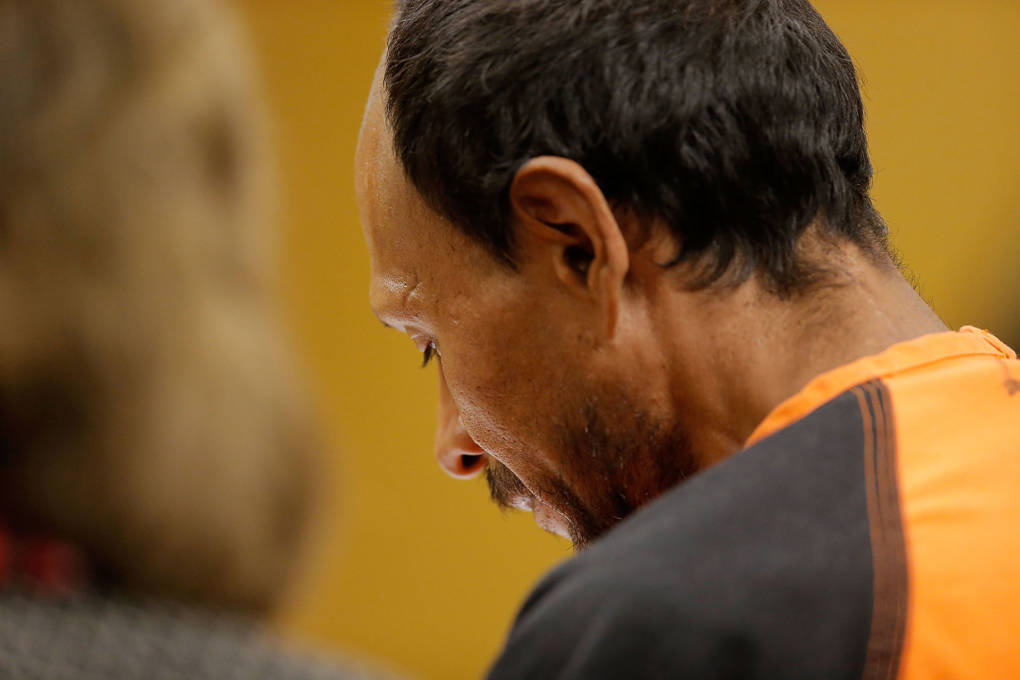
"caption": "Defendant Jose Ines Garcia Zarate, who is also known as Juan Francisco Lopez Sanchez, at his arraignment on July 7, 2015, in San Francisco.",
"description": "Defendant Jose Ines Garcia Zarate, who is also known as Juan Francisco Lopez Sanchez, at his arraignment on July 7, 2015, in San Francisco.",
"title": "ZarateArraign",
"credit": "Michael Macor-Pool/Getty Images",
"status": "inherit",
"isLoading": false,
"fetchFailed": false
},
"news_11633872": {
"type": "attachments",
"id": "news_11633872",
"meta": {
"index": "attachments_1716263798",
"site": "news",
"id": "11633872",
"found": true
},
"parent": 11633869,
"imgSizes": {
"small": {
"file": "https://ww2.kqed.org/app/uploads/sites/10/2017/11/Barajas-520x385.jpg",
"width": 520,
"mimeType": "image/jpeg",
"height": 385
},
"twentyfourteen-full-width": {
"file": "https://ww2.kqed.org/app/uploads/sites/10/2017/11/Barajas-1038x576.jpg",
"width": 1038,
"mimeType": "image/jpeg",
"height": 576
},
"thumbnail": {
"file": "https://ww2.kqed.org/app/uploads/sites/10/2017/11/Barajas-160x119.jpg",
"width": 160,
"mimeType": "image/jpeg",
"height": 119
},
"fd-sm": {
"file": "https://ww2.kqed.org/app/uploads/sites/10/2017/11/Barajas-960x712.jpg",
"width": 960,
"mimeType": "image/jpeg",
"height": 712
},
"post-thumbnail": {
"file": "https://ww2.kqed.org/app/uploads/sites/10/2017/11/Barajas-672x372.jpg",
"width": 672,
"mimeType": "image/jpeg",
"height": 372
},
"xsmall": {
"file": "https://ww2.kqed.org/app/uploads/sites/10/2017/11/Barajas-375x278.jpg",
"width": 375,
"mimeType": "image/jpeg",
"height": 278
},
"kqedFullSize": {
"file": "https://ww2.kqed.org/app/uploads/sites/10/2017/11/Barajas.jpg",
"width": 1920,
"height": 1423
},
"large": {
"file": "https://ww2.kqed.org/app/uploads/sites/10/2017/11/Barajas-1020x756.jpg",
"width": 1020,
"mimeType": "image/jpeg",
"height": 756
},
"xlarge": {
"file": "https://ww2.kqed.org/app/uploads/sites/10/2017/11/Barajas-1180x875.jpg",
"width": 1180,
"mimeType": "image/jpeg",
"height": 875
},
"guest-author-50": {
"file": "https://ww2.kqed.org/app/uploads/sites/10/2017/11/Barajas-50x50.jpg",
"width": 50,
"mimeType": "image/jpeg",
"height": 50
},
"guest-author-96": {
"file": "https://ww2.kqed.org/app/uploads/sites/10/2017/11/Barajas-96x96.jpg",
"width": 96,
"mimeType": "image/jpeg",
"height": 96
},
"medium": {
"file": "https://ww2.kqed.org/app/uploads/sites/10/2017/11/Barajas-800x593.jpg",
"width": 800,
"mimeType": "image/jpeg",
"height": 593
},
"guest-author-64": {
"file": "https://ww2.kqed.org/app/uploads/sites/10/2017/11/Barajas-64x64.jpg",
"width": 64,
"mimeType": "image/jpeg",
"height": 64
},
"guest-author-32": {
"file": "https://ww2.kqed.org/app/uploads/sites/10/2017/11/Barajas-32x32.jpg",
"width": 32,
"mimeType": "image/jpeg",
"height": 32
},
"fd-lrg": {
"file": "https://ww2.kqed.org/app/uploads/sites/10/2017/11/Barajas-1920x1423.jpg",
"width": 1920,
"mimeType": "image/jpeg",
"height": 1423
},
"fd-med": {
"file": "https://ww2.kqed.org/app/uploads/sites/10/2017/11/Barajas-1180x875.jpg",
"width": 1180,
"mimeType": "image/jpeg",
"height": 875
},
"full-width": {
"file": "https://ww2.kqed.org/app/uploads/sites/10/2017/11/Barajas-1920x1423.jpg",
"width": 1920,
"mimeType": "image/jpeg",
"height": 1423
},
"detail": {
"file": "https://ww2.kqed.org/app/uploads/sites/10/2017/11/Barajas-150x150.jpg",
"width": 150,
"mimeType": "image/jpeg",
"height": 150
},
"guest-author-128": {
"file": "https://ww2.kqed.org/app/uploads/sites/10/2017/11/Barajas-128x128.jpg",
"width": 128,
"mimeType": "image/jpeg",
"height": 128
},
"xxsmall": {
"file": "https://ww2.kqed.org/app/uploads/sites/10/2017/11/Barajas-240x178.jpg",
"width": 240,
"mimeType": "image/jpeg",
"height": 178
}
},
"publishDate": 1511987273,
"modified": 1512007032,
"caption": "Zuleyma Barajas, 27, (R) and her mother, Maria Eugenia Galvan, face an uncertain future as the clock ticks down on the Deferred Action for Childhood Arrivals program, or DACA. Barajas and her younger sister have DACA work permits and deportation protection that will eventually expire unless Congress acts.",
"description": "Zuleyma Barajas, 27 (R) and her mother, Maria Eugenia Galvan, face an uncertain future as the clock ticks down on the Deferred Action for Childhood Arrivals program, or DACA. Barajas and her younger sister have DACA work permits and deportation protection that will eventually expire unless Congress acts.",
"title": "Barajas",
"credit": "Leslie Berestein Rojas/KPCC",
"status": "inherit",
"isLoading": false,
"fetchFailed": false
},
"news_11466982": {
"type": "attachments",
"id": "news_11466982",
"meta": {
"index": "attachments_1716263798",
"site": "news",
"id": "11466982",
"found": true
},
"parent": 11466901,
"imgSizes": {
"small": {
"file": "https://ww2.kqed.org/app/uploads/sites/10/2017/05/CCC_OfficeOfSheriff_Sheriff-at-podiumt-520x402.jpg",
"width": 520,
"mimeType": "image/jpeg",
"height": 402
},
"twentyfourteen-full-width": {
"file": "https://ww2.kqed.org/app/uploads/sites/10/2017/05/CCC_OfficeOfSheriff_Sheriff-at-podiumt-1038x576.jpg",
"width": 1038,
"mimeType": "image/jpeg",
"height": 576
},
"thumbnail": {
"file": "https://ww2.kqed.org/app/uploads/sites/10/2017/05/CCC_OfficeOfSheriff_Sheriff-at-podiumt-160x124.jpg",
"width": 160,
"mimeType": "image/jpeg",
"height": 124
},
"fd-sm": {
"file": "https://ww2.kqed.org/app/uploads/sites/10/2017/05/CCC_OfficeOfSheriff_Sheriff-at-podiumt-960x742.jpg",
"width": 960,
"mimeType": "image/jpeg",
"height": 742
},
"post-thumbnail": {
"file": "https://ww2.kqed.org/app/uploads/sites/10/2017/05/CCC_OfficeOfSheriff_Sheriff-at-podiumt-672x372.jpg",
"width": 672,
"mimeType": "image/jpeg",
"height": 372
},
"xsmall": {
"file": "https://ww2.kqed.org/app/uploads/sites/10/2017/05/CCC_OfficeOfSheriff_Sheriff-at-podiumt-375x290.jpg",
"width": 375,
"mimeType": "image/jpeg",
"height": 290
},
"kqedFullSize": {
"file": "https://ww2.kqed.org/app/uploads/sites/10/2017/05/CCC_OfficeOfSheriff_Sheriff-at-podiumt-e1495234961251.jpg",
"width": 1920,
"height": 1484
},
"large": {
"file": "https://ww2.kqed.org/app/uploads/sites/10/2017/05/CCC_OfficeOfSheriff_Sheriff-at-podiumt-1020x788.jpg",
"width": 1020,
"mimeType": "image/jpeg",
"height": 788
},
"xlarge": {
"file": "https://ww2.kqed.org/app/uploads/sites/10/2017/05/CCC_OfficeOfSheriff_Sheriff-at-podiumt-1180x912.jpg",
"width": 1180,
"mimeType": "image/jpeg",
"height": 912
},
"guest-author-50": {
"file": "https://ww2.kqed.org/app/uploads/sites/10/2017/05/CCC_OfficeOfSheriff_Sheriff-at-podiumt-50x50.jpg",
"width": 50,
"mimeType": "image/jpeg",
"height": 50
},
"guest-author-96": {
"file": "https://ww2.kqed.org/app/uploads/sites/10/2017/05/CCC_OfficeOfSheriff_Sheriff-at-podiumt-96x96.jpg",
"width": 96,
"mimeType": "image/jpeg",
"height": 96
},
"medium": {
"file": "https://ww2.kqed.org/app/uploads/sites/10/2017/05/CCC_OfficeOfSheriff_Sheriff-at-podiumt-800x618.jpg",
"width": 800,
"mimeType": "image/jpeg",
"height": 618
},
"guest-author-64": {
"file": "https://ww2.kqed.org/app/uploads/sites/10/2017/05/CCC_OfficeOfSheriff_Sheriff-at-podiumt-64x64.jpg",
"width": 64,
"mimeType": "image/jpeg",
"height": 64
},
"guest-author-32": {
"file": "https://ww2.kqed.org/app/uploads/sites/10/2017/05/CCC_OfficeOfSheriff_Sheriff-at-podiumt-32x32.jpg",
"width": 32,
"mimeType": "image/jpeg",
"height": 32
},
"fd-lrg": {
"file": "https://ww2.kqed.org/app/uploads/sites/10/2017/05/CCC_OfficeOfSheriff_Sheriff-at-podiumt-1920x1484.jpg",
"width": 1920,
"mimeType": "image/jpeg",
"height": 1484
},
"fd-med": {
"file": "https://ww2.kqed.org/app/uploads/sites/10/2017/05/CCC_OfficeOfSheriff_Sheriff-at-podiumt-1180x912.jpg",
"width": 1180,
"mimeType": "image/jpeg",
"height": 912
},
"full-width": {
"file": "https://ww2.kqed.org/app/uploads/sites/10/2017/05/CCC_OfficeOfSheriff_Sheriff-at-podiumt-1920x1484.jpg",
"width": 1920,
"mimeType": "image/jpeg",
"height": 1484
},
"detail": {
"file": "https://ww2.kqed.org/app/uploads/sites/10/2017/05/CCC_OfficeOfSheriff_Sheriff-at-podiumt-150x150.jpg",
"width": 150,
"mimeType": "image/jpeg",
"height": 150
},
"guest-author-128": {
"file": "https://ww2.kqed.org/app/uploads/sites/10/2017/05/CCC_OfficeOfSheriff_Sheriff-at-podiumt-128x128.jpg",
"width": 128,
"mimeType": "image/jpeg",
"height": 128
},
"xxsmall": {
"file": "https://ww2.kqed.org/app/uploads/sites/10/2017/05/CCC_OfficeOfSheriff_Sheriff-at-podiumt-240x186.jpg",
"width": 240,
"mimeType": "image/jpeg",
"height": 186
}
},
"publishDate": 1495224134,
"modified": 1578583842,
"caption": "Contra Costa County Sheriff David Livingston",
"description": null,
"title": "Contra Costa County Sheriff David Livingston",
"credit": "Courtesy of Contra Costa County Office of the Sheriff",
"status": "inherit",
"isLoading": false,
"fetchFailed": false
},
"news_11633343": {
"type": "attachments",
"id": "news_11633343",
"meta": {
"index": "attachments_1716263798",
"site": "news",
"id": "11633343",
"found": true
},
"parent": 11633326,
"imgSizes": {
"small": {
"file": "https://ww2.kqed.org/app/uploads/sites/10/2017/11/FarmworkerLettuce-1-520x319.jpg",
"width": 520,
"mimeType": "image/jpeg",
"height": 319
},
"twentyfourteen-full-width": {
"file": "https://ww2.kqed.org/app/uploads/sites/10/2017/11/FarmworkerLettuce-1-1038x576.jpg",
"width": 1038,
"mimeType": "image/jpeg",
"height": 576
},
"thumbnail": {
"file": "https://ww2.kqed.org/app/uploads/sites/10/2017/11/FarmworkerLettuce-1-160x98.jpg",
"width": 160,
"mimeType": "image/jpeg",
"height": 98
},
"fd-sm": {
"file": "https://ww2.kqed.org/app/uploads/sites/10/2017/11/FarmworkerLettuce-1-960x589.jpg",
"width": 960,
"mimeType": "image/jpeg",
"height": 589
},
"post-thumbnail": {
"file": "https://ww2.kqed.org/app/uploads/sites/10/2017/11/FarmworkerLettuce-1-672x372.jpg",
"width": 672,
"mimeType": "image/jpeg",
"height": 372
},
"xsmall": {
"file": "https://ww2.kqed.org/app/uploads/sites/10/2017/11/FarmworkerLettuce-1-375x230.jpg",
"width": 375,
"mimeType": "image/jpeg",
"height": 230
},
"kqedFullSize": {
"file": "https://ww2.kqed.org/app/uploads/sites/10/2017/11/FarmworkerLettuce-1.jpg",
"width": 1920,
"height": 1177
},
"large": {
"file": "https://ww2.kqed.org/app/uploads/sites/10/2017/11/FarmworkerLettuce-1-1020x625.jpg",
"width": 1020,
"mimeType": "image/jpeg",
"height": 625
},
"xlarge": {
"file": "https://ww2.kqed.org/app/uploads/sites/10/2017/11/FarmworkerLettuce-1-1180x723.jpg",
"width": 1180,
"mimeType": "image/jpeg",
"height": 723
},
"guest-author-50": {
"file": "https://ww2.kqed.org/app/uploads/sites/10/2017/11/FarmworkerLettuce-1-50x50.jpg",
"width": 50,
"mimeType": "image/jpeg",
"height": 50
},
"guest-author-96": {
"file": "https://ww2.kqed.org/app/uploads/sites/10/2017/11/FarmworkerLettuce-1-96x96.jpg",
"width": 96,
"mimeType": "image/jpeg",
"height": 96
},
"medium": {
"file": "https://ww2.kqed.org/app/uploads/sites/10/2017/11/FarmworkerLettuce-1-800x490.jpg",
"width": 800,
"mimeType": "image/jpeg",
"height": 490
},
"guest-author-64": {
"file": "https://ww2.kqed.org/app/uploads/sites/10/2017/11/FarmworkerLettuce-1-64x64.jpg",
"width": 64,
"mimeType": "image/jpeg",
"height": 64
},
"guest-author-32": {
"file": "https://ww2.kqed.org/app/uploads/sites/10/2017/11/FarmworkerLettuce-1-32x32.jpg",
"width": 32,
"mimeType": "image/jpeg",
"height": 32
},
"fd-lrg": {
"file": "https://ww2.kqed.org/app/uploads/sites/10/2017/11/FarmworkerLettuce-1-1920x1177.jpg",
"width": 1920,
"mimeType": "image/jpeg",
"height": 1177
},
"fd-med": {
"file": "https://ww2.kqed.org/app/uploads/sites/10/2017/11/FarmworkerLettuce-1-1180x723.jpg",
"width": 1180,
"mimeType": "image/jpeg",
"height": 723
},
"full-width": {
"file": "https://ww2.kqed.org/app/uploads/sites/10/2017/11/FarmworkerLettuce-1-1920x1177.jpg",
"width": 1920,
"mimeType": "image/jpeg",
"height": 1177
},
"detail": {
"file": "https://ww2.kqed.org/app/uploads/sites/10/2017/11/FarmworkerLettuce-1-150x150.jpg",
"width": 150,
"mimeType": "image/jpeg",
"height": 150
},
"guest-author-128": {
"file": "https://ww2.kqed.org/app/uploads/sites/10/2017/11/FarmworkerLettuce-1-128x128.jpg",
"width": 128,
"mimeType": "image/jpeg",
"height": 128
},
"xxsmall": {
"file": "https://ww2.kqed.org/app/uploads/sites/10/2017/11/FarmworkerLettuce-1-240x147.jpg",
"width": 240,
"mimeType": "image/jpeg",
"height": 147
}
},
"publishDate": 1511813794,
"modified": 1511813820,
"caption": "A farmworker harvests lettuce near Calexico.",
"description": "A farmworker harvests lettuce near Calexico.",
"title": "FarmworkerLettuce",
"credit": "HECTOR MATA/AFP/Getty Images",
"status": "inherit",
"isLoading": false,
"fetchFailed": false
},
"news_11632581": {
"type": "attachments",
"id": "news_11632581",
"meta": {
"index": "attachments_1716263798",
"site": "news",
"id": "11632581",
"found": true
},
"parent": 11632578,
"imgSizes": {
"small": {
"file": "https://ww2.kqed.org/app/uploads/sites/10/2017/11/Rufino-photo-520x390.jpg",
"width": 520,
"mimeType": "image/jpeg",
"height": 390
},
"twentyfourteen-full-width": {
"file": "https://ww2.kqed.org/app/uploads/sites/10/2017/11/Rufino-photo-1038x576.jpg",
"width": 1038,
"mimeType": "image/jpeg",
"height": 576
},
"thumbnail": {
"file": "https://ww2.kqed.org/app/uploads/sites/10/2017/11/Rufino-photo-160x120.jpg",
"width": 160,
"mimeType": "image/jpeg",
"height": 120
},
"fd-sm": {
"file": "https://ww2.kqed.org/app/uploads/sites/10/2017/11/Rufino-photo-960x720.jpg",
"width": 960,
"mimeType": "image/jpeg",
"height": 720
},
"post-thumbnail": {
"file": "https://ww2.kqed.org/app/uploads/sites/10/2017/11/Rufino-photo-672x372.jpg",
"width": 672,
"mimeType": "image/jpeg",
"height": 372
},
"xsmall": {
"file": "https://ww2.kqed.org/app/uploads/sites/10/2017/11/Rufino-photo-375x281.jpg",
"width": 375,
"mimeType": "image/jpeg",
"height": 281
},
"kqedFullSize": {
"file": "https://ww2.kqed.org/app/uploads/sites/10/2017/11/Rufino-photo.jpg",
"width": 1600,
"height": 1200
},
"large": {
"file": "https://ww2.kqed.org/app/uploads/sites/10/2017/11/Rufino-photo-1020x765.jpg",
"width": 1020,
"mimeType": "image/jpeg",
"height": 765
},
"xlarge": {
"file": "https://ww2.kqed.org/app/uploads/sites/10/2017/11/Rufino-photo-1180x885.jpg",
"width": 1180,
"mimeType": "image/jpeg",
"height": 885
},
"guest-author-50": {
"file": "https://ww2.kqed.org/app/uploads/sites/10/2017/11/Rufino-photo-50x50.jpg",
"width": 50,
"mimeType": "image/jpeg",
"height": 50
},
"guest-author-96": {
"file": "https://ww2.kqed.org/app/uploads/sites/10/2017/11/Rufino-photo-96x96.jpg",
"width": 96,
"mimeType": "image/jpeg",
"height": 96
},
"medium": {
"file": "https://ww2.kqed.org/app/uploads/sites/10/2017/11/Rufino-photo-800x600.jpg",
"width": 800,
"mimeType": "image/jpeg",
"height": 600
},
"guest-author-64": {
"file": "https://ww2.kqed.org/app/uploads/sites/10/2017/11/Rufino-photo-64x64.jpg",
"width": 64,
"mimeType": "image/jpeg",
"height": 64
},
"guest-author-32": {
"file": "https://ww2.kqed.org/app/uploads/sites/10/2017/11/Rufino-photo-32x32.jpg",
"width": 32,
"mimeType": "image/jpeg",
"height": 32
},
"fd-med": {
"file": "https://ww2.kqed.org/app/uploads/sites/10/2017/11/Rufino-photo-1180x885.jpg",
"width": 1180,
"mimeType": "image/jpeg",
"height": 885
},
"detail": {
"file": "https://ww2.kqed.org/app/uploads/sites/10/2017/11/Rufino-photo-150x150.jpg",
"width": 150,
"mimeType": "image/jpeg",
"height": 150
},
"guest-author-128": {
"file": "https://ww2.kqed.org/app/uploads/sites/10/2017/11/Rufino-photo-128x128.jpg",
"width": 128,
"mimeType": "image/jpeg",
"height": 128
},
"xxsmall": {
"file": "https://ww2.kqed.org/app/uploads/sites/10/2017/11/Rufino-photo-240x180.jpg",
"width": 240,
"mimeType": "image/jpeg",
"height": 180
}
},
"publishDate": 1511287291,
"modified": 1511294948,
"caption": "A portrait of Rufino Dominguez-Santos.",
"description": null,
"title": "Rufino photo",
"credit": "Courtesy Centro Binacional para el Desarollo Indigena Oaxaqueno",
"status": "inherit",
"isLoading": false,
"fetchFailed": false
},
"news_11286494": {
"type": "attachments",
"id": "news_11286494",
"meta": {
"index": "attachments_1716263798",
"site": "news",
"id": "11286494",
"found": true
},
"parent": 11286488,
"imgSizes": {
"small": {
"file": "https://ww2.kqed.org/app/uploads/sites/10/2017/01/RS23854_GettyImages-632685470-qut-520x347.jpg",
"width": 520,
"mimeType": "image/jpeg",
"height": 347
},
"twentyfourteen-full-width": {
"file": "https://ww2.kqed.org/app/uploads/sites/10/2017/01/RS23854_GettyImages-632685470-qut-1038x576.jpg",
"width": 1038,
"mimeType": "image/jpeg",
"height": 576
},
"thumbnail": {
"file": "https://ww2.kqed.org/app/uploads/sites/10/2017/01/RS23854_GettyImages-632685470-qut-160x107.jpg",
"width": 160,
"mimeType": "image/jpeg",
"height": 107
},
"fd-sm": {
"file": "https://ww2.kqed.org/app/uploads/sites/10/2017/01/RS23854_GettyImages-632685470-qut-960x640.jpg",
"width": 960,
"mimeType": "image/jpeg",
"height": 640
},
"post-thumbnail": {
"file": "https://ww2.kqed.org/app/uploads/sites/10/2017/01/RS23854_GettyImages-632685470-qut-672x372.jpg",
"width": 672,
"mimeType": "image/jpeg",
"height": 372
},
"xsmall": {
"file": "https://ww2.kqed.org/app/uploads/sites/10/2017/01/RS23854_GettyImages-632685470-qut-375x250.jpg",
"width": 375,
"mimeType": "image/jpeg",
"height": 250
},
"kqedFullSize": {
"file": "https://ww2.kqed.org/app/uploads/sites/10/2017/01/RS23854_GettyImages-632685470-qut.jpg",
"width": 1920,
"height": 1280
},
"large": {
"file": "https://ww2.kqed.org/app/uploads/sites/10/2017/01/RS23854_GettyImages-632685470-qut-1020x680.jpg",
"width": 1020,
"mimeType": "image/jpeg",
"height": 680
},
"xlarge": {
"file": "https://ww2.kqed.org/app/uploads/sites/10/2017/01/RS23854_GettyImages-632685470-qut-1180x787.jpg",
"width": 1180,
"mimeType": "image/jpeg",
"height": 787
},
"guest-author-50": {
"file": "https://ww2.kqed.org/app/uploads/sites/10/2017/01/RS23854_GettyImages-632685470-qut-50x50.jpg",
"width": 50,
"mimeType": "image/jpeg",
"height": 50
},
"guest-author-96": {
"file": "https://ww2.kqed.org/app/uploads/sites/10/2017/01/RS23854_GettyImages-632685470-qut-96x96.jpg",
"width": 96,
"mimeType": "image/jpeg",
"height": 96
},
"medium": {
"file": "https://ww2.kqed.org/app/uploads/sites/10/2017/01/RS23854_GettyImages-632685470-qut-800x533.jpg",
"width": 800,
"mimeType": "image/jpeg",
"height": 533
},
"guest-author-64": {
"file": "https://ww2.kqed.org/app/uploads/sites/10/2017/01/RS23854_GettyImages-632685470-qut-64x64.jpg",
"width": 64,
"mimeType": "image/jpeg",
"height": 64
},
"guest-author-32": {
"file": "https://ww2.kqed.org/app/uploads/sites/10/2017/01/RS23854_GettyImages-632685470-qut-32x32.jpg",
"width": 32,
"mimeType": "image/jpeg",
"height": 32
},
"jmtc-small-thumb": {
"file": "https://ww2.kqed.org/app/uploads/sites/10/2017/01/RS23854_GettyImages-632685470-qut-280x150.jpg",
"width": 280,
"mimeType": "image/jpeg",
"height": 150
},
"fd-lrg": {
"file": "https://ww2.kqed.org/app/uploads/sites/10/2017/01/RS23854_GettyImages-632685470-qut-1920x1280.jpg",
"width": 1920,
"mimeType": "image/jpeg",
"height": 1280
},
"fd-med": {
"file": "https://ww2.kqed.org/app/uploads/sites/10/2017/01/RS23854_GettyImages-632685470-qut-1180x787.jpg",
"width": 1180,
"mimeType": "image/jpeg",
"height": 787
},
"full-width": {
"file": "https://ww2.kqed.org/app/uploads/sites/10/2017/01/RS23854_GettyImages-632685470-qut-1920x1280.jpg",
"width": 1920,
"mimeType": "image/jpeg",
"height": 1280
},
"detail": {
"file": "https://ww2.kqed.org/app/uploads/sites/10/2017/01/RS23854_GettyImages-632685470-qut-150x150.jpg",
"width": 150,
"mimeType": "image/jpeg",
"height": 150
},
"guest-author-128": {
"file": "https://ww2.kqed.org/app/uploads/sites/10/2017/01/RS23854_GettyImages-632685470-qut-128x128.jpg",
"width": 128,
"mimeType": "image/jpeg",
"height": 128
},
"xxsmall": {
"file": "https://ww2.kqed.org/app/uploads/sites/10/2017/01/RS23854_GettyImages-632685470-qut-240x160.jpg",
"width": 240,
"mimeType": "image/jpeg",
"height": 160
}
},
"publishDate": 1485387460,
"modified": 1511309574,
"caption": "U.S. President Trump displays one of the two executive orders on immigration he signed during a visit to the Department of Homeland Security in January. ",
"description": " U.S. President Donald Trump displays one of the two executive orders on immigration he signed during a visit to the Department of Homeland Security Jan. 25, 2017 in Washington.",
"title": "Donald Trump-Executive Orders",
"credit": " Chip Somodevilla/Getty Images",
"status": "inherit",
"isLoading": false,
"fetchFailed": false
},
"news_11632358": {
"type": "attachments",
"id": "news_11632358",
"meta": {
"index": "attachments_1716263798",
"site": "news",
"id": "11632358",
"found": true
},
"parent": 11632356,
"imgSizes": {
"small": {
"file": "https://ww2.kqed.org/app/uploads/sites/10/2017/11/GettyImages-876055376-520x347.jpg",
"width": 520,
"mimeType": "image/jpeg",
"height": 347
},
"twentyfourteen-full-width": {
"file": "https://ww2.kqed.org/app/uploads/sites/10/2017/11/GettyImages-876055376-1038x576.jpg",
"width": 1038,
"mimeType": "image/jpeg",
"height": 576
},
"thumbnail": {
"file": "https://ww2.kqed.org/app/uploads/sites/10/2017/11/GettyImages-876055376-160x107.jpg",
"width": 160,
"mimeType": "image/jpeg",
"height": 107
},
"fd-sm": {
"file": "https://ww2.kqed.org/app/uploads/sites/10/2017/11/GettyImages-876055376-960x640.jpg",
"width": 960,
"mimeType": "image/jpeg",
"height": 640
},
"post-thumbnail": {
"file": "https://ww2.kqed.org/app/uploads/sites/10/2017/11/GettyImages-876055376-672x372.jpg",
"width": 672,
"mimeType": "image/jpeg",
"height": 372
},
"xsmall": {
"file": "https://ww2.kqed.org/app/uploads/sites/10/2017/11/GettyImages-876055376-375x250.jpg",
"width": 375,
"mimeType": "image/jpeg",
"height": 250
},
"kqedFullSize": {
"file": "https://ww2.kqed.org/app/uploads/sites/10/2017/11/GettyImages-876055376.jpg",
"width": 2048,
"height": 1365
},
"large": {
"file": "https://ww2.kqed.org/app/uploads/sites/10/2017/11/GettyImages-876055376-1020x680.jpg",
"width": 1020,
"mimeType": "image/jpeg",
"height": 680
},
"xlarge": {
"file": "https://ww2.kqed.org/app/uploads/sites/10/2017/11/GettyImages-876055376-1180x787.jpg",
"width": 1180,
"mimeType": "image/jpeg",
"height": 787
},
"guest-author-50": {
"file": "https://ww2.kqed.org/app/uploads/sites/10/2017/11/GettyImages-876055376-50x50.jpg",
"width": 50,
"mimeType": "image/jpeg",
"height": 50
},
"guest-author-96": {
"file": "https://ww2.kqed.org/app/uploads/sites/10/2017/11/GettyImages-876055376-96x96.jpg",
"width": 96,
"mimeType": "image/jpeg",
"height": 96
},
"medium": {
"file": "https://ww2.kqed.org/app/uploads/sites/10/2017/11/GettyImages-876055376-800x533.jpg",
"width": 800,
"mimeType": "image/jpeg",
"height": 533
},
"guest-author-64": {
"file": "https://ww2.kqed.org/app/uploads/sites/10/2017/11/GettyImages-876055376-64x64.jpg",
"width": 64,
"mimeType": "image/jpeg",
"height": 64
},
"guest-author-32": {
"file": "https://ww2.kqed.org/app/uploads/sites/10/2017/11/GettyImages-876055376-32x32.jpg",
"width": 32,
"mimeType": "image/jpeg",
"height": 32
},
"fd-lrg": {
"file": "https://ww2.kqed.org/app/uploads/sites/10/2017/11/GettyImages-876055376-1920x1280.jpg",
"width": 1920,
"mimeType": "image/jpeg",
"height": 1280
},
"fd-med": {
"file": "https://ww2.kqed.org/app/uploads/sites/10/2017/11/GettyImages-876055376-1180x787.jpg",
"width": 1180,
"mimeType": "image/jpeg",
"height": 787
},
"full-width": {
"file": "https://ww2.kqed.org/app/uploads/sites/10/2017/11/GettyImages-876055376-1920x1280.jpg",
"width": 1920,
"mimeType": "image/jpeg",
"height": 1280
},
"detail": {
"file": "https://ww2.kqed.org/app/uploads/sites/10/2017/11/GettyImages-876055376-150x150.jpg",
"width": 150,
"mimeType": "image/jpeg",
"height": 150
},
"guest-author-128": {
"file": "https://ww2.kqed.org/app/uploads/sites/10/2017/11/GettyImages-876055376-128x128.jpg",
"width": 128,
"mimeType": "image/jpeg",
"height": 128
},
"xxsmall": {
"file": "https://ww2.kqed.org/app/uploads/sites/10/2017/11/GettyImages-876055376-240x160.jpg",
"width": 240,
"mimeType": "image/jpeg",
"height": 160
}
},
"publishDate": 1511201092,
"modified": 1511227442,
"caption": "Bride Evelia Reyes and groom Brian Houston, living on different sides of the U.S.-Mexico border, stand for a family portrait after getting married during the \"Opening the Door of Hope\" event at the border fence on Nov. 18, 2017. ",
"description": null,
"title": "TOPSHOT-MEXICO-US-BORDER-MIGRANTS",
"credit": "GUILLERMO ARIAS/AFP/Getty Images",
"status": "inherit",
"isLoading": false,
"fetchFailed": false
},
"news_11631850": {
"type": "attachments",
"id": "news_11631850",
"meta": {
"index": "attachments_1716263798",
"site": "news",
"id": "11631850",
"found": true
},
"parent": 11631849,
"imgSizes": {
"small": {
"file": "https://ww2.kqed.org/app/uploads/sites/10/2017/11/gettyimages-150318941_wide-daeb9e8c68e1a33f698ea186f75776493b1519ed-520x292.jpg",
"width": 520,
"mimeType": "image/jpeg",
"height": 292
},
"twentyfourteen-full-width": {
"file": "https://ww2.kqed.org/app/uploads/sites/10/2017/11/gettyimages-150318941_wide-daeb9e8c68e1a33f698ea186f75776493b1519ed-1038x576.jpg",
"width": 1038,
"mimeType": "image/jpeg",
"height": 576
},
"thumbnail": {
"file": "https://ww2.kqed.org/app/uploads/sites/10/2017/11/gettyimages-150318941_wide-daeb9e8c68e1a33f698ea186f75776493b1519ed-160x90.jpg",
"width": 160,
"mimeType": "image/jpeg",
"height": 90
},
"fd-sm": {
"file": "https://ww2.kqed.org/app/uploads/sites/10/2017/11/gettyimages-150318941_wide-daeb9e8c68e1a33f698ea186f75776493b1519ed-960x540.jpg",
"width": 960,
"mimeType": "image/jpeg",
"height": 540
},
"post-thumbnail": {
"file": "https://ww2.kqed.org/app/uploads/sites/10/2017/11/gettyimages-150318941_wide-daeb9e8c68e1a33f698ea186f75776493b1519ed-672x372.jpg",
"width": 672,
"mimeType": "image/jpeg",
"height": 372
},
"xsmall": {
"file": "https://ww2.kqed.org/app/uploads/sites/10/2017/11/gettyimages-150318941_wide-daeb9e8c68e1a33f698ea186f75776493b1519ed-375x211.jpg",
"width": 375,
"mimeType": "image/jpeg",
"height": 211
},
"kqedFullSize": {
"file": "https://ww2.kqed.org/app/uploads/sites/10/2017/11/gettyimages-150318941_wide-daeb9e8c68e1a33f698ea186f75776493b1519ed-e1510948250982.jpg",
"width": 1920,
"height": 1080
},
"large": {
"file": "https://ww2.kqed.org/app/uploads/sites/10/2017/11/gettyimages-150318941_wide-daeb9e8c68e1a33f698ea186f75776493b1519ed-1020x574.jpg",
"width": 1020,
"mimeType": "image/jpeg",
"height": 574
},
"xlarge": {
"file": "https://ww2.kqed.org/app/uploads/sites/10/2017/11/gettyimages-150318941_wide-daeb9e8c68e1a33f698ea186f75776493b1519ed-1180x664.jpg",
"width": 1180,
"mimeType": "image/jpeg",
"height": 664
},
"guest-author-50": {
"file": "https://ww2.kqed.org/app/uploads/sites/10/2017/11/gettyimages-150318941_wide-daeb9e8c68e1a33f698ea186f75776493b1519ed-50x50.jpg",
"width": 50,
"mimeType": "image/jpeg",
"height": 50
},
"guest-author-96": {
"file": "https://ww2.kqed.org/app/uploads/sites/10/2017/11/gettyimages-150318941_wide-daeb9e8c68e1a33f698ea186f75776493b1519ed-96x96.jpg",
"width": 96,
"mimeType": "image/jpeg",
"height": 96
},
"medium": {
"file": "https://ww2.kqed.org/app/uploads/sites/10/2017/11/gettyimages-150318941_wide-daeb9e8c68e1a33f698ea186f75776493b1519ed-800x450.jpg",
"width": 800,
"mimeType": "image/jpeg",
"height": 450
},
"guest-author-64": {
"file": "https://ww2.kqed.org/app/uploads/sites/10/2017/11/gettyimages-150318941_wide-daeb9e8c68e1a33f698ea186f75776493b1519ed-64x64.jpg",
"width": 64,
"mimeType": "image/jpeg",
"height": 64
},
"guest-author-32": {
"file": "https://ww2.kqed.org/app/uploads/sites/10/2017/11/gettyimages-150318941_wide-daeb9e8c68e1a33f698ea186f75776493b1519ed-32x32.jpg",
"width": 32,
"mimeType": "image/jpeg",
"height": 32
},
"fd-lrg": {
"file": "https://ww2.kqed.org/app/uploads/sites/10/2017/11/gettyimages-150318941_wide-daeb9e8c68e1a33f698ea186f75776493b1519ed-1920x1080.jpg",
"width": 1920,
"mimeType": "image/jpeg",
"height": 1080
},
"fd-med": {
"file": "https://ww2.kqed.org/app/uploads/sites/10/2017/11/gettyimages-150318941_wide-daeb9e8c68e1a33f698ea186f75776493b1519ed-1180x664.jpg",
"width": 1180,
"mimeType": "image/jpeg",
"height": 664
},
"full-width": {
"file": "https://ww2.kqed.org/app/uploads/sites/10/2017/11/gettyimages-150318941_wide-daeb9e8c68e1a33f698ea186f75776493b1519ed-1920x1080.jpg",
"width": 1920,
"mimeType": "image/jpeg",
"height": 1080
},
"detail": {
"file": "https://ww2.kqed.org/app/uploads/sites/10/2017/11/gettyimages-150318941_wide-daeb9e8c68e1a33f698ea186f75776493b1519ed-150x150.jpg",
"width": 150,
"mimeType": "image/jpeg",
"height": 150
},
"guest-author-128": {
"file": "https://ww2.kqed.org/app/uploads/sites/10/2017/11/gettyimages-150318941_wide-daeb9e8c68e1a33f698ea186f75776493b1519ed-128x128.jpg",
"width": 128,
"mimeType": "image/jpeg",
"height": 128
},
"xxsmall": {
"file": "https://ww2.kqed.org/app/uploads/sites/10/2017/11/gettyimages-150318941_wide-daeb9e8c68e1a33f698ea186f75776493b1519ed-240x135.jpg",
"width": 240,
"mimeType": "image/jpeg",
"height": 135
}
},
"publishDate": 1510948089,
"modified": 1510958634,
"caption": "People attend an orientation class in filing out their application for the Deferred Action for Childhood Arrivals program.",
"description": "People attend an orientation class in filing out their application for Deferred Action for Childhood Arrivals program.",
"title": "People attend an orientation class in filing up their application for Deferred Action for Childhood Arrivals program.",
"credit": "Kevork Djansezian/Getty Images",
"status": "inherit",
"isLoading": false,
"fetchFailed": false
},
"news_11630842": {
"type": "attachments",
"id": "news_11630842",
"meta": {
"index": "attachments_1716263798",
"site": "news",
"id": "11630842",
"found": true
},
"parent": 11630641,
"imgSizes": {
"small": {
"file": "https://ww2.kqed.org/app/uploads/sites/10/2017/11/BorderAgentWall-520x428.jpg",
"width": 520,
"mimeType": "image/jpeg",
"height": 428
},
"twentyfourteen-full-width": {
"file": "https://ww2.kqed.org/app/uploads/sites/10/2017/11/BorderAgentWall-1038x576.jpg",
"width": 1038,
"mimeType": "image/jpeg",
"height": 576
},
"thumbnail": {
"file": "https://ww2.kqed.org/app/uploads/sites/10/2017/11/BorderAgentWall-160x132.jpg",
"width": 160,
"mimeType": "image/jpeg",
"height": 132
},
"fd-sm": {
"file": "https://ww2.kqed.org/app/uploads/sites/10/2017/11/BorderAgentWall-960x790.jpg",
"width": 960,
"mimeType": "image/jpeg",
"height": 790
},
"post-thumbnail": {
"file": "https://ww2.kqed.org/app/uploads/sites/10/2017/11/BorderAgentWall-672x372.jpg",
"width": 672,
"mimeType": "image/jpeg",
"height": 372
},
"xsmall": {
"file": "https://ww2.kqed.org/app/uploads/sites/10/2017/11/BorderAgentWall-375x309.jpg",
"width": 375,
"mimeType": "image/jpeg",
"height": 309
},
"kqedFullSize": {
"file": "https://ww2.kqed.org/app/uploads/sites/10/2017/11/BorderAgentWall.jpg",
"width": 1920,
"height": 1580
},
"large": {
"file": "https://ww2.kqed.org/app/uploads/sites/10/2017/11/BorderAgentWall-1020x839.jpg",
"width": 1020,
"mimeType": "image/jpeg",
"height": 839
},
"xlarge": {
"file": "https://ww2.kqed.org/app/uploads/sites/10/2017/11/BorderAgentWall-1180x971.jpg",
"width": 1180,
"mimeType": "image/jpeg",
"height": 971
},
"guest-author-50": {
"file": "https://ww2.kqed.org/app/uploads/sites/10/2017/11/BorderAgentWall-50x50.jpg",
"width": 50,
"mimeType": "image/jpeg",
"height": 50
},
"guest-author-96": {
"file": "https://ww2.kqed.org/app/uploads/sites/10/2017/11/BorderAgentWall-96x96.jpg",
"width": 96,
"mimeType": "image/jpeg",
"height": 96
},
"medium": {
"file": "https://ww2.kqed.org/app/uploads/sites/10/2017/11/BorderAgentWall-800x658.jpg",
"width": 800,
"mimeType": "image/jpeg",
"height": 658
},
"guest-author-64": {
"file": "https://ww2.kqed.org/app/uploads/sites/10/2017/11/BorderAgentWall-64x64.jpg",
"width": 64,
"mimeType": "image/jpeg",
"height": 64
},
"guest-author-32": {
"file": "https://ww2.kqed.org/app/uploads/sites/10/2017/11/BorderAgentWall-32x32.jpg",
"width": 32,
"mimeType": "image/jpeg",
"height": 32
},
"fd-lrg": {
"file": "https://ww2.kqed.org/app/uploads/sites/10/2017/11/BorderAgentWall-1920x1580.jpg",
"width": 1920,
"mimeType": "image/jpeg",
"height": 1580
},
"fd-med": {
"file": "https://ww2.kqed.org/app/uploads/sites/10/2017/11/BorderAgentWall-1180x971.jpg",
"width": 1180,
"mimeType": "image/jpeg",
"height": 971
},
"full-width": {
"file": "https://ww2.kqed.org/app/uploads/sites/10/2017/11/BorderAgentWall-1920x1580.jpg",
"width": 1920,
"mimeType": "image/jpeg",
"height": 1580
},
"detail": {
"file": "https://ww2.kqed.org/app/uploads/sites/10/2017/11/BorderAgentWall-150x150.jpg",
"width": 150,
"mimeType": "image/jpeg",
"height": 150
},
"guest-author-128": {
"file": "https://ww2.kqed.org/app/uploads/sites/10/2017/11/BorderAgentWall-128x128.jpg",
"width": 128,
"mimeType": "image/jpeg",
"height": 128
},
"xxsmall": {
"file": "https://ww2.kqed.org/app/uploads/sites/10/2017/11/BorderAgentWall-240x198.jpg",
"width": 240,
"mimeType": "image/jpeg",
"height": 198
}
},
"publishDate": 1510693774,
"modified": 1510693813,
"caption": "A U.S. Border Patrol agent stands next to the U.S.-Mexico border.",
"description": "A U.S. Border Patrol agent stands next to the U.S.-Mexico border.",
"title": "BorderAgentWall",
"credit": "Brandon Quester/inewsource",
"status": "inherit",
"isLoading": false,
"fetchFailed": false
},
"news_11630709": {
"type": "attachments",
"id": "news_11630709",
"meta": {
"index": "attachments_1716263798",
"site": "news",
"id": "11630709",
"found": true
},
"parent": 11630705,
"imgSizes": {
"small": {
"file": "https://ww2.kqed.org/app/uploads/sites/10/2017/11/GettyImages-803682698-520x347.jpg",
"width": 520,
"mimeType": "image/jpeg",
"height": 347
},
"twentyfourteen-full-width": {
"file": "https://ww2.kqed.org/app/uploads/sites/10/2017/11/GettyImages-803682698-1038x576.jpg",
"width": 1038,
"mimeType": "image/jpeg",
"height": 576
},
"thumbnail": {
"file": "https://ww2.kqed.org/app/uploads/sites/10/2017/11/GettyImages-803682698-160x107.jpg",
"width": 160,
"mimeType": "image/jpeg",
"height": 107
},
"fd-sm": {
"file": "https://ww2.kqed.org/app/uploads/sites/10/2017/11/GettyImages-803682698-960x640.jpg",
"width": 960,
"mimeType": "image/jpeg",
"height": 640
},
"post-thumbnail": {
"file": "https://ww2.kqed.org/app/uploads/sites/10/2017/11/GettyImages-803682698-672x372.jpg",
"width": 672,
"mimeType": "image/jpeg",
"height": 372
},
"xsmall": {
"file": "https://ww2.kqed.org/app/uploads/sites/10/2017/11/GettyImages-803682698-375x250.jpg",
"width": 375,
"mimeType": "image/jpeg",
"height": 250
},
"kqedFullSize": {
"file": "https://ww2.kqed.org/app/uploads/sites/10/2017/11/GettyImages-803682698-e1510681748444.jpg",
"width": 1920,
"height": 1280
},
"large": {
"file": "https://ww2.kqed.org/app/uploads/sites/10/2017/11/GettyImages-803682698-1020x680.jpg",
"width": 1020,
"mimeType": "image/jpeg",
"height": 680
},
"xlarge": {
"file": "https://ww2.kqed.org/app/uploads/sites/10/2017/11/GettyImages-803682698-1180x787.jpg",
"width": 1180,
"mimeType": "image/jpeg",
"height": 787
},
"guest-author-50": {
"file": "https://ww2.kqed.org/app/uploads/sites/10/2017/11/GettyImages-803682698-50x50.jpg",
"width": 50,
"mimeType": "image/jpeg",
"height": 50
},
"guest-author-96": {
"file": "https://ww2.kqed.org/app/uploads/sites/10/2017/11/GettyImages-803682698-96x96.jpg",
"width": 96,
"mimeType": "image/jpeg",
"height": 96
},
"medium": {
"file": "https://ww2.kqed.org/app/uploads/sites/10/2017/11/GettyImages-803682698-800x533.jpg",
"width": 800,
"mimeType": "image/jpeg",
"height": 533
},
"guest-author-64": {
"file": "https://ww2.kqed.org/app/uploads/sites/10/2017/11/GettyImages-803682698-64x64.jpg",
"width": 64,
"mimeType": "image/jpeg",
"height": 64
},
"guest-author-32": {
"file": "https://ww2.kqed.org/app/uploads/sites/10/2017/11/GettyImages-803682698-32x32.jpg",
"width": 32,
"mimeType": "image/jpeg",
"height": 32
},
"fd-lrg": {
"file": "https://ww2.kqed.org/app/uploads/sites/10/2017/11/GettyImages-803682698-1920x1280.jpg",
"width": 1920,
"mimeType": "image/jpeg",
"height": 1280
},
"fd-med": {
"file": "https://ww2.kqed.org/app/uploads/sites/10/2017/11/GettyImages-803682698-1180x787.jpg",
"width": 1180,
"mimeType": "image/jpeg",
"height": 787
},
"full-width": {
"file": "https://ww2.kqed.org/app/uploads/sites/10/2017/11/GettyImages-803682698-1920x1280.jpg",
"width": 1920,
"mimeType": "image/jpeg",
"height": 1280
},
"detail": {
"file": "https://ww2.kqed.org/app/uploads/sites/10/2017/11/GettyImages-803682698-150x150.jpg",
"width": 150,
"mimeType": "image/jpeg",
"height": 150
},
"guest-author-128": {
"file": "https://ww2.kqed.org/app/uploads/sites/10/2017/11/GettyImages-803682698-128x128.jpg",
"width": 128,
"mimeType": "image/jpeg",
"height": 128
},
"xxsmall": {
"file": "https://ww2.kqed.org/app/uploads/sites/10/2017/11/GettyImages-803682698-240x160.jpg",
"width": 240,
"mimeType": "image/jpeg",
"height": 160
}
},
"publishDate": 1510681661,
"modified": 1510682022,
"caption": "John Wider carries a welcome sign near arriving Sikh travelers on the first day of the the partial reinstatement of the Trump travel ban, temporarily barring travelers from six Muslim-majority nations from entering the U.S., at Los Angeles International Airport (LAX) on June 29, 2017 in Los Angeles, California. Under a Supreme Court order, foreigners who do not have a so-called \"bona fide relationship\" with a person or entity in the United States can be banned. ",
"description": null,
"title": "President Trump's Revised Travel Ban Goes Into Effect, After Supreme Court Partially Revives It",
"credit": "David McNew/Getty Images",
"status": "inherit",
"isLoading": false,
"fetchFailed": false
},
"news_11630098": {
"type": "attachments",
"id": "news_11630098",
"meta": {
"index": "attachments_1716263798",
"site": "news",
"id": "11630098",
"found": true
},
"parent": 11629549,
"imgSizes": {
"small": {
"file": "https://ww2.kqed.org/app/uploads/sites/10/2017/11/RS27951_968E66C0-7F05-4A61-9987-4FDCFDC7C5AE-qut-e1510431562425-520x308.jpg",
"width": 520,
"mimeType": "image/jpeg",
"height": 308
},
"twentyfourteen-full-width": {
"file": "https://ww2.kqed.org/app/uploads/sites/10/2017/11/RS27951_968E66C0-7F05-4A61-9987-4FDCFDC7C5AE-qut-e1510431562425-1038x576.jpg",
"width": 1038,
"mimeType": "image/jpeg",
"height": 576
},
"thumbnail": {
"file": "https://ww2.kqed.org/app/uploads/sites/10/2017/11/RS27951_968E66C0-7F05-4A61-9987-4FDCFDC7C5AE-qut-e1510431562425-160x95.jpg",
"width": 160,
"mimeType": "image/jpeg",
"height": 95
},
"fd-sm": {
"file": "https://ww2.kqed.org/app/uploads/sites/10/2017/11/RS27951_968E66C0-7F05-4A61-9987-4FDCFDC7C5AE-qut-e1510431562425-960x570.jpg",
"width": 960,
"mimeType": "image/jpeg",
"height": 570
},
"post-thumbnail": {
"file": "https://ww2.kqed.org/app/uploads/sites/10/2017/11/RS27951_968E66C0-7F05-4A61-9987-4FDCFDC7C5AE-qut-e1510431562425-672x372.jpg",
"width": 672,
"mimeType": "image/jpeg",
"height": 372
},
"xsmall": {
"file": "https://ww2.kqed.org/app/uploads/sites/10/2017/11/RS27951_968E66C0-7F05-4A61-9987-4FDCFDC7C5AE-qut-e1510431562425-375x222.jpg",
"width": 375,
"mimeType": "image/jpeg",
"height": 222
},
"kqedFullSize": {
"file": "https://ww2.kqed.org/app/uploads/sites/10/2017/11/RS27951_968E66C0-7F05-4A61-9987-4FDCFDC7C5AE-qut-e1510431562425.jpg",
"width": 1920,
"height": 1139
},
"large": {
"file": "https://ww2.kqed.org/app/uploads/sites/10/2017/11/RS27951_968E66C0-7F05-4A61-9987-4FDCFDC7C5AE-qut-e1510431562425-1020x605.jpg",
"width": 1020,
"mimeType": "image/jpeg",
"height": 605
},
"xlarge": {
"file": "https://ww2.kqed.org/app/uploads/sites/10/2017/11/RS27951_968E66C0-7F05-4A61-9987-4FDCFDC7C5AE-qut-e1510431562425-1180x700.jpg",
"width": 1180,
"mimeType": "image/jpeg",
"height": 700
},
"guest-author-50": {
"file": "https://ww2.kqed.org/app/uploads/sites/10/2017/11/RS27951_968E66C0-7F05-4A61-9987-4FDCFDC7C5AE-qut-e1510431562425-50x50.jpg",
"width": 50,
"mimeType": "image/jpeg",
"height": 50
},
"guest-author-96": {
"file": "https://ww2.kqed.org/app/uploads/sites/10/2017/11/RS27951_968E66C0-7F05-4A61-9987-4FDCFDC7C5AE-qut-e1510431562425-96x96.jpg",
"width": 96,
"mimeType": "image/jpeg",
"height": 96
},
"medium": {
"file": "https://ww2.kqed.org/app/uploads/sites/10/2017/11/RS27951_968E66C0-7F05-4A61-9987-4FDCFDC7C5AE-qut-e1510431562425-800x475.jpg",
"width": 800,
"mimeType": "image/jpeg",
"height": 475
},
"guest-author-64": {
"file": "https://ww2.kqed.org/app/uploads/sites/10/2017/11/RS27951_968E66C0-7F05-4A61-9987-4FDCFDC7C5AE-qut-e1510431562425-64x64.jpg",
"width": 64,
"mimeType": "image/jpeg",
"height": 64
},
"guest-author-32": {
"file": "https://ww2.kqed.org/app/uploads/sites/10/2017/11/RS27951_968E66C0-7F05-4A61-9987-4FDCFDC7C5AE-qut-e1510431562425-32x32.jpg",
"width": 32,
"mimeType": "image/jpeg",
"height": 32
},
"fd-lrg": {
"file": "https://ww2.kqed.org/app/uploads/sites/10/2017/11/RS27951_968E66C0-7F05-4A61-9987-4FDCFDC7C5AE-qut-e1510431562425-1920x1139.jpg",
"width": 1920,
"mimeType": "image/jpeg",
"height": 1139
},
"fd-med": {
"file": "https://ww2.kqed.org/app/uploads/sites/10/2017/11/RS27951_968E66C0-7F05-4A61-9987-4FDCFDC7C5AE-qut-e1510431562425-1180x700.jpg",
"width": 1180,
"mimeType": "image/jpeg",
"height": 700
},
"full-width": {
"file": "https://ww2.kqed.org/app/uploads/sites/10/2017/11/RS27951_968E66C0-7F05-4A61-9987-4FDCFDC7C5AE-qut-e1510431562425-1920x1139.jpg",
"width": 1920,
"mimeType": "image/jpeg",
"height": 1139
},
"detail": {
"file": "https://ww2.kqed.org/app/uploads/sites/10/2017/11/RS27951_968E66C0-7F05-4A61-9987-4FDCFDC7C5AE-qut-e1510431562425-150x150.jpg",
"width": 150,
"mimeType": "image/jpeg",
"height": 150
},
"guest-author-128": {
"file": "https://ww2.kqed.org/app/uploads/sites/10/2017/11/RS27951_968E66C0-7F05-4A61-9987-4FDCFDC7C5AE-qut-e1510431562425-128x128.jpg",
"width": 128,
"mimeType": "image/jpeg",
"height": 128
},
"xxsmall": {
"file": "https://ww2.kqed.org/app/uploads/sites/10/2017/11/RS27951_968E66C0-7F05-4A61-9987-4FDCFDC7C5AE-qut-e1510431562425-240x142.jpg",
"width": 240,
"mimeType": "image/jpeg",
"height": 142
}
},
"publishDate": 1510431475,
"modified": 1510431531,
"caption": "Cheol \"Charlie\" Ryu pours through computer code at his home in Rancho Palos Verdes. He says he is studying to become a software engineer.",
"description": "Cheol \"Charlie\" Ryu pours through computer code at his home in Rancho Palos Verdes. He says he is studying to become a software engineer.",
"title": "RS27951_968E66C0-7F05-4A61-9987-4FDCFDC7C5AE-qut",
"credit": "Benjamin Gottlieb/KQED",
"status": "inherit",
"isLoading": false,
"fetchFailed": false
},
"news_11629935": {
"type": "attachments",
"id": "news_11629935",
"meta": {
"index": "attachments_1716263798",
"site": "news",
"id": "11629935",
"found": true
},
"parent": 11629661,
"imgSizes": {
"small": {
"file": "https://ww2.kqed.org/app/uploads/sites/10/2017/11/IMG_0164-520x390.jpg",
"width": 520,
"mimeType": "image/jpeg",
"height": 390
},
"twentyfourteen-full-width": {
"file": "https://ww2.kqed.org/app/uploads/sites/10/2017/11/IMG_0164-1038x576.jpg",
"width": 1038,
"mimeType": "image/jpeg",
"height": 576
},
"thumbnail": {
"file": "https://ww2.kqed.org/app/uploads/sites/10/2017/11/IMG_0164-160x120.jpg",
"width": 160,
"mimeType": "image/jpeg",
"height": 120
},
"fd-sm": {
"file": "https://ww2.kqed.org/app/uploads/sites/10/2017/11/IMG_0164-960x720.jpg",
"width": 960,
"mimeType": "image/jpeg",
"height": 720
},
"post-thumbnail": {
"file": "https://ww2.kqed.org/app/uploads/sites/10/2017/11/IMG_0164-672x372.jpg",
"width": 672,
"mimeType": "image/jpeg",
"height": 372
},
"xsmall": {
"file": "https://ww2.kqed.org/app/uploads/sites/10/2017/11/IMG_0164-375x281.jpg",
"width": 375,
"mimeType": "image/jpeg",
"height": 281
},
"kqedFullSize": {
"file": "https://ww2.kqed.org/app/uploads/sites/10/2017/11/IMG_0164.jpg",
"width": 4032,
"height": 3024
},
"large": {
"file": "https://ww2.kqed.org/app/uploads/sites/10/2017/11/IMG_0164-1020x765.jpg",
"width": 1020,
"mimeType": "image/jpeg",
"height": 765
},
"xlarge": {
"file": "https://ww2.kqed.org/app/uploads/sites/10/2017/11/IMG_0164-1180x885.jpg",
"width": 1180,
"mimeType": "image/jpeg",
"height": 885
},
"guest-author-50": {
"file": "https://ww2.kqed.org/app/uploads/sites/10/2017/11/IMG_0164-50x50.jpg",
"width": 50,
"mimeType": "image/jpeg",
"height": 50
},
"guest-author-96": {
"file": "https://ww2.kqed.org/app/uploads/sites/10/2017/11/IMG_0164-96x96.jpg",
"width": 96,
"mimeType": "image/jpeg",
"height": 96
},
"medium": {
"file": "https://ww2.kqed.org/app/uploads/sites/10/2017/11/IMG_0164-800x600.jpg",
"width": 800,
"mimeType": "image/jpeg",
"height": 600
},
"guest-author-64": {
"file": "https://ww2.kqed.org/app/uploads/sites/10/2017/11/IMG_0164-64x64.jpg",
"width": 64,
"mimeType": "image/jpeg",
"height": 64
},
"guest-author-32": {
"file": "https://ww2.kqed.org/app/uploads/sites/10/2017/11/IMG_0164-32x32.jpg",
"width": 32,
"mimeType": "image/jpeg",
"height": 32
},
"fd-lrg": {
"file": "https://ww2.kqed.org/app/uploads/sites/10/2017/11/IMG_0164-1920x1440.jpg",
"width": 1920,
"mimeType": "image/jpeg",
"height": 1440
},
"fd-med": {
"file": "https://ww2.kqed.org/app/uploads/sites/10/2017/11/IMG_0164-1180x885.jpg",
"width": 1180,
"mimeType": "image/jpeg",
"height": 885
},
"full-width": {
"file": "https://ww2.kqed.org/app/uploads/sites/10/2017/11/IMG_0164-1920x1440.jpg",
"width": 1920,
"mimeType": "image/jpeg",
"height": 1440
},
"detail": {
"file": "https://ww2.kqed.org/app/uploads/sites/10/2017/11/IMG_0164-150x150.jpg",
"width": 150,
"mimeType": "image/jpeg",
"height": 150
},
"guest-author-128": {
"file": "https://ww2.kqed.org/app/uploads/sites/10/2017/11/IMG_0164-128x128.jpg",
"width": 128,
"mimeType": "image/jpeg",
"height": 128
},
"xxsmall": {
"file": "https://ww2.kqed.org/app/uploads/sites/10/2017/11/IMG_0164-240x180.jpg",
"width": 240,
"mimeType": "image/jpeg",
"height": 180
}
},
"publishDate": 1510279643,
"modified": 1510280008,
"caption": "Jose Cardenas, 67, stands at U.S.-Mexico border fence in Tijuana that has been painted with the names of deported U.S. veterans. Cardenas was drafted into the U.S. Army in 1970, served seven years in the U.S. military and was deported in 2009 after a drug conviction. ",
"description": null,
"title": "IMG_0164",
"credit": "Erika Aguilar/KQED News",
"status": "inherit",
"isLoading": false,
"fetchFailed": false
}
},
"audioPlayerReducer": {
"postId": "stream_live",
"isPaused": true,
"isPlaying": false,
"pfsActive": false,
"pledgeModalIsOpen": true,
"playerDrawerIsOpen": false,
"liveAudioPlayStartedAt": 0,
"liveAudioPlayContext": ""
},
"authorsReducer": {
"byline_news_11633869": {
"type": "authors",
"id": "byline_news_11633869",
"meta": {
"override": true
},
"slug": "byline_news_11633869",
"name": "\u003cstrong>\u003ca href=\"https://www.scpr.org/about/people/staff/leslie-berestein-rojas\">Leslie Berestein Rojas\u003c/a>\u003c/strong>",
"isLoading": false
},
"byline_news_11633326": {
"type": "authors",
"id": "byline_news_11633326",
"meta": {
"override": true
},
"slug": "byline_news_11633326",
"name": "Sudhin Thanawala \u003cbr> Associated Press",
"isLoading": false
},
"byline_news_11632576": {
"type": "authors",
"id": "byline_news_11632576",
"meta": {
"override": true
},
"slug": "byline_news_11632576",
"name": "Sudhin Thanawala\u003cbr>\u003cstrong>Associated Press\u003c/strong>",
"isLoading": false
},
"byline_news_11632356": {
"type": "authors",
"id": "byline_news_11632356",
"meta": {
"override": true
},
"slug": "byline_news_11632356",
"name": "\u003cstrong>Associated Press\u003c/strong>",
"isLoading": false
},
"byline_news_11631849": {
"type": "authors",
"id": "byline_news_11631849",
"meta": {
"override": true
},
"slug": "byline_news_11631849",
"name": "\u003cstrong/>Joel Rose\u003c/strong>",
"isLoading": false
},
"byline_news_11630641": {
"type": "authors",
"id": "byline_news_11630641",
"meta": {
"override": true
},
"slug": "byline_news_11630641",
"name": "\u003cstrong>\u003ca href=\"http://www.kpbs.org/staff/jean-guerrero/\">Jean Guerrero\u003c/a>\u003c/strong> and \u003cstrong>\u003ca href=\"http://www.kpbs.org/staff/leo-castaneda/\">Leonardo Castañeda\u003c/a>\u003c/strong>",
"isLoading": false
},
"byline_news_11630705": {
"type": "authors",
"id": "byline_news_11630705",
"meta": {
"override": true
},
"slug": "byline_news_11630705",
"name": "\u003cstrong/>Richard Gonzales\u003cstrong>",
"isLoading": false
},
"byline_news_11629549": {
"type": "authors",
"id": "byline_news_11629549",
"meta": {
"override": true
},
"slug": "byline_news_11629549",
"name": "\u003cstrong>\u003ca href=\"https://www.kcrw.com/people/benjamin-gottlieb\">Benjamin Gottlieb\u003c/a>\u003c/strong>",
"isLoading": false
},
"scottshafer": {
"type": "authors",
"id": "255",
"meta": {
"index": "authors_1716337520",
"id": "255",
"found": true
},
"name": "Scott Shafer",
"firstName": "Scott",
"lastName": "Shafer",
"slug": "scottshafer",
"email": "sshafer@kqed.org",
"display_author_email": false,
"staff_mastheads": [
"news"
],
"title": "KQED Contributor",
"bio": "Scott Shafer is a senior editor with the KQED Politics and Government desk. He is co-host of Political Breakdown, the award-winning radio show and podcast with a personal take on the world of politics. Scott came to KQED in 1998 to host the statewide\u003cem> California Report\u003c/em>. Prior to that he had extended stints in politics and government\u003cem>.\u003c/em> He uses that inside experience at KQED in his, reporting, hosting and analysis for the politics desk. Scott collaborated \u003cem>Political Breakdown a\u003c/em>nd on \u003cem>The Political Mind of Jerry Brown, \u003c/em>an eight-part series about the life and extraordinary political career of the former governor. For fun, he plays water polo with the San Francisco Tsunami.",
"avatar": "https://secure.gravatar.com/avatar/a62ebae45b79d7aed1a39a0e3bf68104?s=600&d=blank&r=g",
"twitter": "scottshafer",
"bluesky": null,
"facebook": null,
"instagram": null,
"linkedin": null,
"sites": [
{
"site": "news",
"roles": [
"editor"
]
},
{
"site": "stateofhealth",
"roles": [
"author"
]
},
{
"site": "science",
"roles": [
"author"
]
},
{
"site": "forum",
"roles": [
"subscriber"
]
},
{
"site": "liveblog",
"roles": [
"author"
]
}
],
"headData": {
"title": "Scott Shafer | KQED",
"description": "KQED Contributor",
"ogImgSrc": "https://secure.gravatar.com/avatar/a62ebae45b79d7aed1a39a0e3bf68104?s=600&d=blank&r=g",
"twImgSrc": "https://secure.gravatar.com/avatar/a62ebae45b79d7aed1a39a0e3bf68104?s=600&d=blank&r=g"
},
"isLoading": false,
"link": "/author/scottshafer"
},
"tgoldberg": {
"type": "authors",
"id": "258",
"meta": {
"index": "authors_1716337520",
"id": "258",
"found": true
},
"name": "Ted Goldberg",
"firstName": "Ted",
"lastName": "Goldberg",
"slug": "tgoldberg",
"email": "tgoldberg@kqed.org",
"display_author_email": true,
"staff_mastheads": [
"news"
],
"title": "KQED Managing Editor, News and Newscasts",
"bio": "Ted Goldberg is Managing Editor of News and Newscasts at KQED. His main reporting beat is the Bay Area's oil refining industry.\r\n\r\nPrior to joining KQED in 2014, Ted worked at CBS News and WCBS AM in New York and Bay City News and KCBS Radio in San Francisco. He graduated from Oberlin College in Ohio in 1998.",
"avatar": "https://secure.gravatar.com/avatar/30ce2e4fe89135e104f89be2394d16225b9d36c121b5b3cb7651ce642978b96f?s=600&d=blank&r=g",
"twitter": "TedrickG",
"bluesky": null,
"facebook": null,
"instagram": null,
"linkedin": null,
"sites": [
{
"site": "news",
"roles": [
"editor"
]
},
{
"site": "science",
"roles": [
"editor"
]
}
],
"headData": {
"title": "Ted Goldberg | KQED",
"description": "KQED Managing Editor, News and Newscasts",
"ogImgSrc": "https://secure.gravatar.com/avatar/30ce2e4fe89135e104f89be2394d16225b9d36c121b5b3cb7651ce642978b96f?s=600&d=blank&r=g",
"twImgSrc": "https://secure.gravatar.com/avatar/30ce2e4fe89135e104f89be2394d16225b9d36c121b5b3cb7651ce642978b96f?s=600&d=blank&r=g"
},
"isLoading": false,
"link": "/author/tgoldberg"
},
"vrancano": {
"type": "authors",
"id": "11276",
"meta": {
"index": "authors_1716337520",
"id": "11276",
"found": true
},
"name": "Vanessa Rancaño",
"firstName": "Vanessa",
"lastName": "Rancaño",
"slug": "vrancano",
"email": "vrancano@kqed.org",
"display_author_email": false,
"staff_mastheads": [
"news"
],
"title": "Reporter",
"bio": "Vanessa Rancaño is a features reporter for KQED. She’s also covered homelessness and education for the station and reported from the Central Valley. Her work has aired across public radio, from flagship national news shows to longform narrative podcasts. Before taking up a mic, she worked as a freelance print journalist. She’s been recognized with a number of national and regional awards. Vanessa grew up in California's Central Valley. She's a former NPR Kroc Fellow, and a graduate of the UC Berkeley Graduate School of Journalism.",
"avatar": "https://secure.gravatar.com/avatar/b3a383dfb0e7ee1c17568f2cf067904ab654d6e3de9743fc661f3c788ade1bed?s=600&d=blank&r=g",
"twitter": "vanessarancano",
"bluesky": null,
"facebook": null,
"instagram": null,
"linkedin": null,
"sites": [
{
"site": "arts",
"roles": [
"editor"
]
},
{
"site": "news",
"roles": [
"editor"
]
},
{
"site": "liveblog",
"roles": [
"contributor"
]
}
],
"headData": {
"title": "Vanessa Rancaño | KQED",
"description": "Reporter",
"ogImgSrc": "https://secure.gravatar.com/avatar/b3a383dfb0e7ee1c17568f2cf067904ab654d6e3de9743fc661f3c788ade1bed?s=600&d=blank&r=g",
"twImgSrc": "https://secure.gravatar.com/avatar/b3a383dfb0e7ee1c17568f2cf067904ab654d6e3de9743fc661f3c788ade1bed?s=600&d=blank&r=g"
},
"isLoading": false,
"link": "/author/vrancano"
},
"eaguilar": {
"type": "authors",
"id": "11382",
"meta": {
"index": "authors_1716337520",
"id": "11382",
"found": true
},
"name": "Erika Aguilar",
"firstName": "Erika",
"lastName": "Aguilar",
"slug": "eaguilar",
"email": "eaa712@gmail.com",
"display_author_email": false,
"staff_mastheads": [],
"title": "KQED Contributor",
"bio": "Erika Aguilar was the director of podcasts at KQED. She was in charge of KQED's portfolio of original podcasts and teams, and sets strategic plans for production and engagement.\r\n\r\nErika helped establish KQED's new housing affordability desk as senior editor. She was also a producer and editor for KQED's local news podcast called \u003cem>The Bay, \u003c/em>and wrote stories about housing in the Bay Area as a reporter for KQED News.\r\n\r\nErika joined KQED in 2017 after producing independent audio projects and podcasts in Southern California. She spent more than a dozen years reporting stories about law enforcement, breaking news, homelessness, government and the environment for KPCC in Los Angeles and KUT in Austin. She also volunteers as an editor and mentor for various journalism training programs.\r\n\r\nErika Aguilar is a proud Tejana from San Antonio. She believes in compromise, optimism and Selena.",
"avatar": "https://secure.gravatar.com/avatar/85bf7bb8dd9af4136525d94cef00f026?s=600&d=blank&r=g",
"twitter": "erikaaaguilar",
"facebook": null,
"instagram": null,
"linkedin": null,
"sites": [
{
"site": "",
"roles": [
"editor"
]
},
{
"site": "news",
"roles": [
"subscriber"
]
},
{
"site": "podcasts",
"roles": [
"editor"
]
}
],
"headData": {
"title": "Erika Aguilar | KQED",
"description": "KQED Contributor",
"ogImgSrc": "https://secure.gravatar.com/avatar/85bf7bb8dd9af4136525d94cef00f026?s=600&d=blank&r=g",
"twImgSrc": "https://secure.gravatar.com/avatar/85bf7bb8dd9af4136525d94cef00f026?s=600&d=blank&r=g"
},
"isLoading": false,
"link": "/author/eaguilar"
}
},
"pagesReducer": {
"news_category_immigration": {
"type": "terms",
"id": "news_1169",
"meta": {
"index": "terms_1716263798",
"site": "news",
"id": "1169",
"score": 10.910406
},
"featImg": null,
"name": "Immigration",
"description": null,
"taxonomy": "category",
"headData": {
"twImgId": null,
"twTitle": null,
"ogTitle": null,
"ogImgId": null,
"twDescription": null,
"description": null,
"title": "Immigration Archives | KQED News",
"ogDescription": null
},
"ttid": 1180,
"slug": "immigration",
"isLoading": false,
"title": "Immigration",
"pageMeta": {
"site": "news",
"WpPageTemplate": "page-topic-editorial",
"currentPage": 149
},
"blocks": [
{
"blockName": "kqed/post-list",
"attrs": {
"layout": "cardArticle2",
"query": "posts/news?category=immigration",
"seeMore": false,
"paginated": true,
"page": 149
}
},
{
"blockName": "kqed/ad"
}
]
}
},
"pfsSessionReducer": {},
"postsReducer": {
"stream_live": {
"type": "live",
"id": "stream_live",
"audioUrl": "https://streams.kqed.org/kqedradio",
"title": "Live Stream",
"excerpt": "Live Stream information currently unavailable.",
"link": "/radio",
"featImg": "",
"label": {
"name": "KQED Live",
"link": "/"
}
},
"stream_kqedNewscast": {
"type": "posts",
"id": "stream_kqedNewscast",
"audioUrl": "https://www.kqed.org/.stream/anon/radio/RDnews/newscast.mp3?_=1",
"title": "KQED Newscast",
"featImg": "",
"label": {
"name": "88.5 FM",
"link": "/"
}
},
"news_11634201": {
"type": "posts",
"id": "news_11634201",
"meta": {
"index": "posts_1716263798",
"site": "news",
"id": "11634201",
"score": null,
"sort": [
1512098376000
]
},
"parent": 0,
"labelTerm": {
"site": "news",
"term": 72
},
"blocks": [],
"publishDate": 1512098376,
"format": "standard",
"disqusTitle": "How the Steinle Verdict Could Alter the Political Landscape",
"title": "How the Steinle Verdict Could Alter the Political Landscape",
"headTitle": "The California Report | KQED News",
"content": "\u003cp>Minutes after a San Francisco jury \u003ca href=\"https://ww2.kqed.org/news/2017/11/30/steinle-trial-verdict/\" target=\"_blank\" rel=\"noopener\">acquitted an undocumented immigrant\u003c/a> of murder and manslaughter in the death of Kathryn Steinle, his defense attorney, Matt Gonzalez, suggested that President Trump and Attorney General Jeff Sessions reflect upon the fact that everyone -- including them -- is entitled to the presumption of innocence until found guilty.\u003c/p>\n\u003cp>Gonzalez said he hoped \"they would reflect on that before they comment or disparage the verdict.\"\u003c/p>\n\u003cp>Minutes later, Sessions issued a dire statement.\u003c/p>\n\u003cp>“San Francisco’s decision to protect criminal aliens led to the preventable and heartbreaking death of Kate Steinle,\" he said.\u003c/p>\n\u003cp>In a reference to San Francisco's sanctuary city policy, Sessions added: \"I urge the leaders of the nation’s communities to reflect on the outcome of this case and consider carefully the harm they are doing to their citizens by refusing to cooperate with federal law enforcement officers.”\u003c/p>\n\u003cp>[ad fullwidth]\u003c/p>\n\u003cp>[contextly_sidebar id=\"1CTCAkwjDIasLxnFWALVfvyQkqk1GTOX\"]\u003c/p>\n\u003cp>San Francisco is one of dozens of so-called sanctuary cities in a state that just enacted its own \"sanctuary\" policy, limiting local law enforcement cooperation with federal immigration authorities.\u003c/p>\n\u003cp>UC Hastings law professor Rory Little said he wasn't surprised by the jury's not guilty verdict from a legal perspective.\u003c/p>\n\u003cp>\"There was not evidence beyond reasonable doubt that the defendant intended to shoot [Steinle] or that he intended to shoot the gun at all,\" Little said.\u003c/p>\n\u003cp>That said, Little believes \"it’s likely to be perceived as, 'Oh, that liberal San Francisco let a killer loose.' \"\u003c/p>\n\u003cp>Conservatives \u003ca href=\"https://ww2.kqed.org/news/2017/10/19/how-a-san-francisco-killing-became-part-of-the-u-s-immigration-debate/\" target=\"_blank\" rel=\"noopener\">seized on Steinle's death\u003c/a> as proof that cities like San Francisco are shielding dangerous criminals, a sentiment Trump echoed in a tweet a few hours after what he called \"a disgraceful verdict,\" adding \"no wonder the people of our Country are so angry with illegal immigration.\"\u003c/p>\n\u003cp>But defenders of the city's policy note that defendant Jose Ines Garcia Zarate didn't have a violent past and that he had been in the custody of federal officials before being sent to San Francisco a few months prior to the shooting.\u003c/p>\n\u003cp>So, in this hyperpartisan era, how will the verdict and sanctuary policies play out in state and national races next year?\u003c/p>\n\u003cp>\"This goes to the heart of the sanctuary city movement,\" said Republican consultant Sean Walsh.\u003c/p>\n\u003cp>Walsh believes what's needed now is a thoughtful discussion about border security and immigration, but he doubts that will happen.\u003c/p>\n\u003cp>\"It gives the real extremists on the anti-immigration side a lot of ammunition,\" Walsh said. \"A lot of people will be appalled by this verdict, I can tell you that.\"\u003c/p>\n\u003cfigure id=\"attachment_11634240\" class=\"wp-caption aligncenter\" style=\"max-width: 800px\">\u003cimg class=\"size-medium wp-image-11634240\" src=\"https://ww2.kqed.org/news/wp-content/uploads/sites/10/2017/11/SteinleFlowers-800x532.jpg\" alt=\"A well-wisher drops off flowers at the site where 32-year-old Kathryn Steinle was killed on July 6, 2015 in San Francisco.\" width=\"800\" height=\"532\" srcset=\"https://ww2.kqed.org/app/uploads/sites/10/2017/11/SteinleFlowers-800x532.jpg 800w, https://ww2.kqed.org/app/uploads/sites/10/2017/11/SteinleFlowers-160x106.jpg 160w, https://ww2.kqed.org/app/uploads/sites/10/2017/11/SteinleFlowers-1020x678.jpg 1020w, https://ww2.kqed.org/app/uploads/sites/10/2017/11/SteinleFlowers.jpg 1920w, https://ww2.kqed.org/app/uploads/sites/10/2017/11/SteinleFlowers-1180x784.jpg 1180w, https://ww2.kqed.org/app/uploads/sites/10/2017/11/SteinleFlowers-960x638.jpg 960w, https://ww2.kqed.org/app/uploads/sites/10/2017/11/SteinleFlowers-240x160.jpg 240w, https://ww2.kqed.org/app/uploads/sites/10/2017/11/SteinleFlowers-375x249.jpg 375w, https://ww2.kqed.org/app/uploads/sites/10/2017/11/SteinleFlowers-520x346.jpg 520w\" sizes=\"(max-width: 800px) 100vw, 800px\">\u003cfigcaption class=\"wp-caption-text\">A well-wisher drops off flowers at the site where 32-year-old Kathryn Steinle was killed on July 1, 2015, in San Francisco. \u003ccite>(Justin Sullivan/Getty Images)\u003c/cite>\u003c/figcaption>\u003c/figure>\n\u003cp>Consultant Mike Madrid, a Republican who is helping Democrat Antonio Villaraigosa's campaign for governor, says the verdict \"brings up old issues and old wounds\" from immigration wars in California during the 1990s.\u003c/p>\n\u003cp>\"California fought these culture wars 20 years ago and they’re mostly decided now,\" Madrid said.\u003c/p>\n\u003cp>In fact, a \u003ca href=\"http://www.ppic.org/publication/ppic-statewide-survey-californians-and-their-government-december-2017\" target=\"_blank\" rel=\"noopener\">new poll\u003c/a> from the Public Policy Institute of California found that 86 percent of Californians favor a path to citizenship for people in the U.S. illegally, if certain conditions are met.\u003c/p>\n\u003cp>However, Madrid notes, \"a lot of polling suggest sanctuary cities are not as popular in California as people believe.\"\u003c/p>\n\u003cp>Walsh, the Republican consultant, said Thursday's verdict could provide an opening for Villaraigosa.\u003c/p>\n\u003cp>\"He’s very supportive of having people come out of the shadows, Walsh said. \"But he’s also very hard on criminal aliens.\"\u003c/p>\n\u003cp>[contextly_sidebar id=\"toItvKL4S4xgfOwFzT5Ii0AoCa4FLgib\"]\u003c/p>\n\u003cp>\"It took Nixon to go to China and maybe it will take the first Latino governor in more than 100 years in California to push back on those who support unreasonable policies like not incarcerating or expelling criminal aliens,\" Walsh added.\u003c/p>\n\u003cp>Roger Salazar, a Democratic political consultant, said the president and other hard-line immigration Republicans outside California will certainly try to paint the case as a byproduct of San Francisco's liberal politics.\u003c/p>\n\u003cp>\"There is obviously nothing good about a tragic situation like this -- and I think what's even more unfortunate is that Trump and the White House will use the verdict to further try and divide people,\" Salazar said.\u003c/p>\n\u003cp>Immigration advocates in California also argued that the public and politicians now face a critical choice. Angela Chan, policy director and senior staff attorney at the Asian Law Caucus, has helped write many of the sanctuary policies and laws in California.\u003c/p>\n\u003cp>Chan said she hopes politicians \"will not allow this terrible tragedy to be used to further an extremist agenda.\"\u003c/p>\n\u003cp>\"Instead, we hope that people from all walks of life will be able to come together amidst the grief to advance our deepest values as a society,\" she said.\u003c/p>\n\u003cp>\u003c/p>\n\u003cp>\"Immigrants are a fundamental part of our communities. We need 'sanctuary' policies in order to protect residents from troubling abuses of federal power, limit racial profiling, and address persistent issues of confidence in law enforcement -- including making sure victims and witnesses can seek help without fear of deportation.\"\u003c/p>\n\n",
"disqusIdentifier": "11634201 https://ww2.kqed.org/news/?p=11634201",
"disqusUrl": "https://ww2.kqed.org/news/2017/11/30/how-the-steinle-verdict-could-alter-the-political-landscape/",
"stats": {
"hasVideo": false,
"hasChartOrMap": false,
"hasAudio": false,
"hasPolis": false,
"wordCount": 857,
"hasGoogleForm": false,
"hasGallery": false,
"hasHearkenModule": false,
"iframeSrcs": [],
"paragraphCount": 32
},
"modified": 1512175130,
"excerpt": "Will a controversial 'not guilty' verdict in the murder trial of an undocumented immigrant have political repercussions in California?",
"headData": {
"twImgId": "",
"twTitle": "",
"ogTitle": "",
"ogImgId": "",
"twDescription": "",
"description": "Will a controversial 'not guilty' verdict in the murder trial of an undocumented immigrant have political repercussions in California?",
"title": "How the Steinle Verdict Could Alter the Political Landscape | KQED",
"ogDescription": "",
"schema": {
"@context": "https://schema.org",
"@type": "NewsArticle",
"headline": "How the Steinle Verdict Could Alter the Political Landscape",
"datePublished": "2017-11-30T19:19:36-08:00",
"dateModified": "2017-12-01T16:38:50-08:00",
"image": "https://cdn.kqed.org/wp-content/uploads/2020/02/KQED-OG-Image@1x.png",
"isAccessibleForFree": "True",
"publisher": {
"@type": "NewsMediaOrganization",
"@id": "https://www.kqed.org/#organization",
"name": "KQED",
"logo": "https://cdn.kqed.org/wp-content/uploads/2020/02/KQED-OG-Image@1x.png",
"url": "https://www.kqed.org",
"sameAs": [
"https://www.facebook.com/KQED",
"https://twitter.com/KQED",
"https://www.instagram.com/kqed/",
"https://www.tiktok.com/@kqedofficial",
"https://www.linkedin.com/company/kqed",
"https://www.youtube.com/channel/UCeC0IOo7i1P_61zVUWbJ4nw"
]
}
}
},
"guestAuthors": [],
"slug": "how-the-steinle-verdict-could-alter-the-political-landscape",
"status": "publish",
"path": "/news/11634201/how-the-steinle-verdict-could-alter-the-political-landscape",
"audioTrackLength": null,
"parsedContent": [
{
"type": "contentString",
"content": "\u003cdiv class=\"post-body\">\u003cp>\u003cp>Minutes after a San Francisco jury \u003ca href=\"https://ww2.kqed.org/news/2017/11/30/steinle-trial-verdict/\" target=\"_blank\" rel=\"noopener\">acquitted an undocumented immigrant\u003c/a> of murder and manslaughter in the death of Kathryn Steinle, his defense attorney, Matt Gonzalez, suggested that President Trump and Attorney General Jeff Sessions reflect upon the fact that everyone -- including them -- is entitled to the presumption of innocence until found guilty.\u003c/p>\n\u003cp>Gonzalez said he hoped \"they would reflect on that before they comment or disparage the verdict.\"\u003c/p>\n\u003cp>Minutes later, Sessions issued a dire statement.\u003c/p>\n\u003cp>“San Francisco’s decision to protect criminal aliens led to the preventable and heartbreaking death of Kate Steinle,\" he said.\u003c/p>\n\u003cp>In a reference to San Francisco's sanctuary city policy, Sessions added: \"I urge the leaders of the nation’s communities to reflect on the outcome of this case and consider carefully the harm they are doing to their citizens by refusing to cooperate with federal law enforcement officers.”\u003c/p>\n\u003cp>\u003c/p>\u003c/div>",
"attributes": {
"named": {},
"numeric": []
}
},
{
"type": "component",
"content": "",
"name": "ad",
"attributes": {
"named": {
"label": "fullwidth"
},
"numeric": [
"fullwidth"
]
}
},
{
"type": "contentString",
"content": "\u003cdiv class=\"post-body\">\u003cp>\u003c/p>\n\u003cp>\u003c/p>\u003cp>\u003c/p>\u003cp>\u003c/p>\n\u003cp>San Francisco is one of dozens of so-called sanctuary cities in a state that just enacted its own \"sanctuary\" policy, limiting local law enforcement cooperation with federal immigration authorities.\u003c/p>\n\u003cp>UC Hastings law professor Rory Little said he wasn't surprised by the jury's not guilty verdict from a legal perspective.\u003c/p>\n\u003cp>\"There was not evidence beyond reasonable doubt that the defendant intended to shoot [Steinle] or that he intended to shoot the gun at all,\" Little said.\u003c/p>\n\u003cp>That said, Little believes \"it’s likely to be perceived as, 'Oh, that liberal San Francisco let a killer loose.' \"\u003c/p>\n\u003cp>Conservatives \u003ca href=\"https://ww2.kqed.org/news/2017/10/19/how-a-san-francisco-killing-became-part-of-the-u-s-immigration-debate/\" target=\"_blank\" rel=\"noopener\">seized on Steinle's death\u003c/a> as proof that cities like San Francisco are shielding dangerous criminals, a sentiment Trump echoed in a tweet a few hours after what he called \"a disgraceful verdict,\" adding \"no wonder the people of our Country are so angry with illegal immigration.\"\u003c/p>\n\u003cp>But defenders of the city's policy note that defendant Jose Ines Garcia Zarate didn't have a violent past and that he had been in the custody of federal officials before being sent to San Francisco a few months prior to the shooting.\u003c/p>\n\u003cp>So, in this hyperpartisan era, how will the verdict and sanctuary policies play out in state and national races next year?\u003c/p>\n\u003cp>\"This goes to the heart of the sanctuary city movement,\" said Republican consultant Sean Walsh.\u003c/p>\n\u003cp>Walsh believes what's needed now is a thoughtful discussion about border security and immigration, but he doubts that will happen.\u003c/p>\n\u003cp>\"It gives the real extremists on the anti-immigration side a lot of ammunition,\" Walsh said. \"A lot of people will be appalled by this verdict, I can tell you that.\"\u003c/p>\n\u003cfigure id=\"attachment_11634240\" class=\"wp-caption aligncenter\" style=\"max-width: 800px\">\u003cimg class=\"size-medium wp-image-11634240\" src=\"https://ww2.kqed.org/news/wp-content/uploads/sites/10/2017/11/SteinleFlowers-800x532.jpg\" alt=\"A well-wisher drops off flowers at the site where 32-year-old Kathryn Steinle was killed on July 6, 2015 in San Francisco.\" width=\"800\" height=\"532\" srcset=\"https://ww2.kqed.org/app/uploads/sites/10/2017/11/SteinleFlowers-800x532.jpg 800w, https://ww2.kqed.org/app/uploads/sites/10/2017/11/SteinleFlowers-160x106.jpg 160w, https://ww2.kqed.org/app/uploads/sites/10/2017/11/SteinleFlowers-1020x678.jpg 1020w, https://ww2.kqed.org/app/uploads/sites/10/2017/11/SteinleFlowers.jpg 1920w, https://ww2.kqed.org/app/uploads/sites/10/2017/11/SteinleFlowers-1180x784.jpg 1180w, https://ww2.kqed.org/app/uploads/sites/10/2017/11/SteinleFlowers-960x638.jpg 960w, https://ww2.kqed.org/app/uploads/sites/10/2017/11/SteinleFlowers-240x160.jpg 240w, https://ww2.kqed.org/app/uploads/sites/10/2017/11/SteinleFlowers-375x249.jpg 375w, https://ww2.kqed.org/app/uploads/sites/10/2017/11/SteinleFlowers-520x346.jpg 520w\" sizes=\"(max-width: 800px) 100vw, 800px\">\u003cfigcaption class=\"wp-caption-text\">A well-wisher drops off flowers at the site where 32-year-old Kathryn Steinle was killed on July 1, 2015, in San Francisco. \u003ccite>(Justin Sullivan/Getty Images)\u003c/cite>\u003c/figcaption>\u003c/figure>\n\u003cp>Consultant Mike Madrid, a Republican who is helping Democrat Antonio Villaraigosa's campaign for governor, says the verdict \"brings up old issues and old wounds\" from immigration wars in California during the 1990s.\u003c/p>\n\u003cp>\"California fought these culture wars 20 years ago and they’re mostly decided now,\" Madrid said.\u003c/p>\n\u003cp>In fact, a \u003ca href=\"http://www.ppic.org/publication/ppic-statewide-survey-californians-and-their-government-december-2017\" target=\"_blank\" rel=\"noopener\">new poll\u003c/a> from the Public Policy Institute of California found that 86 percent of Californians favor a path to citizenship for people in the U.S. illegally, if certain conditions are met.\u003c/p>\n\u003cp>However, Madrid notes, \"a lot of polling suggest sanctuary cities are not as popular in California as people believe.\"\u003c/p>\n\u003cp>Walsh, the Republican consultant, said Thursday's verdict could provide an opening for Villaraigosa.\u003c/p>\n\u003cp>\"He’s very supportive of having people come out of the shadows, Walsh said. \"But he’s also very hard on criminal aliens.\"\u003c/p>\n\u003cp>\u003c/p>\u003cp>\u003c/p>\u003cp>\u003c/p>\n\u003cp>\"It took Nixon to go to China and maybe it will take the first Latino governor in more than 100 years in California to push back on those who support unreasonable policies like not incarcerating or expelling criminal aliens,\" Walsh added.\u003c/p>\n\u003cp>Roger Salazar, a Democratic political consultant, said the president and other hard-line immigration Republicans outside California will certainly try to paint the case as a byproduct of San Francisco's liberal politics.\u003c/p>\n\u003cp>\"There is obviously nothing good about a tragic situation like this -- and I think what's even more unfortunate is that Trump and the White House will use the verdict to further try and divide people,\" Salazar said.\u003c/p>\n\u003cp>Immigration advocates in California also argued that the public and politicians now face a critical choice. Angela Chan, policy director and senior staff attorney at the Asian Law Caucus, has helped write many of the sanctuary policies and laws in California.\u003c/p>\n\u003cp>Chan said she hopes politicians \"will not allow this terrible tragedy to be used to further an extremist agenda.\"\u003c/p>\n\u003cp>\"Instead, we hope that people from all walks of life will be able to come together amidst the grief to advance our deepest values as a society,\" she said.\u003c/p>\n\u003cp>\u003c/p>\n\u003cp>\"Immigrants are a fundamental part of our communities. We need 'sanctuary' policies in order to protect residents from troubling abuses of federal power, limit racial profiling, and address persistent issues of confidence in law enforcement -- including making sure victims and witnesses can seek help without fear of deportation.\"\u003c/p>\n\n\u003c/div>\u003c/p>",
"attributes": {
"named": {},
"numeric": []
}
}
],
"link": "/news/11634201/how-the-steinle-verdict-could-alter-the-political-landscape",
"authors": [
"255"
],
"programs": [
"news_6944",
"news_72"
],
"categories": [
"news_1169",
"news_6188",
"news_8",
"news_13"
],
"tags": [
"news_18308",
"news_20445",
"news_17286",
"news_244"
],
"featImg": "news_11634235",
"label": "news_72"
},
"news_11633869": {
"type": "posts",
"id": "news_11633869",
"meta": {
"index": "posts_1716263798",
"site": "news",
"id": "11633869",
"score": null,
"sort": [
1511996930000
]
},
"parent": 0,
"labelTerm": {},
"blocks": [],
"publishDate": 1511996930,
"format": "standard",
"disqusTitle": "Young DACA Immigrants Grapple With What's Next as Hope of Federal Fix Dwindles",
"title": "Young DACA Immigrants Grapple With What's Next as Hope of Federal Fix Dwindles",
"headTitle": "The California Report | KQED News",
"content": "\u003cp>As Congress begins wrapping up its work for the year and hope fades for action to resolve the status of young unauthorized immigrants, the possibility is dawning for many of them that they could face deportation.\u003c/p>\n\u003cp>Since 2012, DACA has provided roughly 800,000 young immigrants, who arrived as children in the U.S., with temporary work permits and protection from deportation. These were renewable every two years.\u003c/p>\n\u003cp>In September, the Trump administration rescinded the program and called on Congress to find a solution to the young immigrants' status. But there is still no legislative compromise in sight.\u003c/p>\n\u003cp>DACA recipients' permits will begin to expire in March, depending on when the young immigrants last received renewals of their status.\u003c/p>\n\u003cp>As the year draws to an end, these young immigrants are at different stages of accepting what could happen next if Congress does not act.\u003c/p>\n\u003cp>[ad fullwidth]\u003c/p>\n\u003cp>[audio src=\"https://www.kqed.org/.stream/anon/radio/tcr/2017/11/DACARecipientsBeresteinRojas.mp3\" Image=\"https://ww2.kqed.org/news/wp-content/uploads/sites/10/2017/11/Barajas-1180x875.jpg\" Title=\"Young DACA Immigrants Grapple With What's Next as Hope of Federal Fix Dwindles\" program=\"The California Report\"]\u003c/p>\n\u003cp>Twenty-seven-year-old Zuleyma Barajas, visiting her mother in Van Nuys one recent morning, cast her eyes on a couple of posters in the apartment window. One features brown and black faces with the words, “We Are Here to Stay.”\u003c/p>\n\u003cp>“For me, these represent everything we are fighting for,\" said Barajas, who arrived in the U.S. with her family at age 10. Her mom, Maria Eugenia Galvan, agrees they need to stay strong.\u003c/p>\n\u003cp>\"I want to show the people don't be afraid, stay together, stay as a family,\" Galvan said.\u003c/p>\n\u003cp>Both women want federal legislation that would allow Barajas and her 25-year-old younger sister to keep their deportation protection and work permits under the Deferred Action for Childhood Arrivals program, known as DACA.\u003c/p>\n\u003cp>For Barajas and her sister, their status expires a year from now.\u003c/p>\n\u003cp>[contextly_sidebar id=\"IOpBMXaYeaUMW222ubBFkYWSGpqG8qTp\"]\u003c/p>\n\u003cp>At first, when she talks about the future, Barajas seems fired up and hopeful.\u003c/p>\n\u003cp>“I’m not planning on what I’m going to do when that time comes, that I’m left without anything,\" she said. \"I’m focused on doing what we need to do now, to make sure that doesn’t happen.”\u003c/p>\n\u003cp>She talked about a recent trip to Washington, D.C., where she and other young immigrants lobbied Congress members for what they call a “clean Dream Act,” a bill that would protect them, without targeting others, especially their parents, for immigration enforcement.\u003c/p>\n\u003cp>Barajas is also working on her career as a freelance photographer, something she decided to focus on after being laid off last year from a bank job. She would not need a work permit if she freelances.\u003c/p>\n\u003cp>Her mother fully supports her daughter's efforts. Galvan is an unauthorized immigrant, too, and like Barajas has been involved in efforts to pass a bill that would benefit the young immigrants.\u003c/p>\n\u003cp>But after talking for a while, the harsh reality of their situation takes hold, and Galvan breaks down.\u003c/p>\n\u003cp>“We’ve talked about this, my husband and me,\" she said through tears in Spanish. \"We came here for them. And if they give them permits, and [if] they say they will criminalize \u003cem>us\u003c/em> -- we will go.\"\u003c/p>\n\u003cp>[contextly_sidebar id=\"Q9yDjnk6KKidm5nBJeNN8dMv2jSiBSed\"]\u003c/p>\n\u003cp>Galvan said she and her husband have already spoken with others in a similar predicament. They have talked of possibly investing together in a house near the U.S.-Mexico border, where if they do have to leave, they could at least be relatively close to their children.\u003c/p>\n\u003cp>\"We've talked about going to Rosarito or Tijuana, so they can come see us on the weekends,\" said Galvan, a native of Mexico City. \"We just want for them to be OK.\"\u003c/p>\n\u003cp>As her mother spoke of leaving, Barajas was visibly shaken.\u003c/p>\n\u003cp>\"It's very hard to hear that,\" she said. \"I hate to say this, because it is the thing we are fighting for, something permanent. But if something came, and it was permanent — and it was at the cost of not being with my parents — I wouldn't stay.\"\u003c/p>\n\u003cp>Their conversation gets at the question that many DACA recipients and their families are asking: What do we do now?\u003c/p>\n\u003ch2>Time Running Out\u003c/h2>\n\u003cp>Several bills are pending in Congress that would address the DACA recipients' status, but Congress is far from acting on them.\u003c/p>\n\u003cp>The possibility of a legislative deal contracted last month, after the Trump administration released a list of requirements for any compromise. It included stricter enforcement, money for a border wall and federal funding cuts for \"sanctuary\" cities, all opposed by Democrats.\u003c/p>\n\u003cp>More recently, Trump and Senate Republican leaders agreed that legislation to benefit young immigrants would not be attached to a broader federal spending bill, and that further reduced the chances of a resolution by year's end.\u003c/p>\n\u003cp>Those who are politically active say no matter how impossible, they’ll keep pushing for a bill to keep the young immigrants in the country legally.\u003c/p>\n\u003cp>[contextly_sidebar id=\"V7bqaCrvI3ldu921O2CdOD3UWIXS3w5y\"]\u003c/p>\n\u003cp>Nancy Meza is one of them. Last month, she was among several young people who blocked a Westside intersection to protest the end of DACA. She and a handful of protesters were cited.\u003c/p>\n\u003cp>\"We've been here before; this is basically where we were in 2010,\" Meza said. \"The narrative that we see now is that DACA was something that was given, when the reality is that DACA was something that was fought for tooth and nail.\"\u003c/p>\n\u003cp>Years ago, Meza was among the college students who rallied in caps and gowns to pressure the Obama administration for a solution to their status. Then as now, their goal was legislation that would give them a path to legal residency. That didn't happen, but the pressure from the young activists ultimately helped lead to DACA, she said.\u003c/p>\n\u003cp>Meza, now 30, said she’s not going anywhere.\u003c/p>\n\u003caside class=\"pullquote alignright\">'I think they are going to start to ... deport us.'\u003ccite>Jungwoo Kim, DACA recipient\u003c/cite>\u003c/aside>\n\u003cp>“I made a commitment in 2010 to say that I was undocumented and unafraid, and for me, although Trump is in office, I’m not going to go back into the shadows,\" she said.\u003c/p>\n\u003cp>But she’s also being practical. Her first job after DACA was working in public relations for an affordable housing developer. Lately, she’s been polishing her freelance portfolio so that she can work self-employed jobs within the law once her DACA permit expires.\u003c/p>\n\u003cp>“Knowing that DACA is not going to be around for long, for me, it was really important to focus on building my own business, being able to continue doing marketing and communications on my own ...,\" Meza said.\u003c/p>\n\u003cp>[contextly_sidebar id=\"rvW0dSqTm13piLmIkaS28kPcHr7kPIbK\"]\u003c/p>\n\u003cp>Jungwoo Kim says he’s not sure what he’ll do for a living when his DACA permit expires in a little over a year and a half. Kim works for a community nonprofit in Koreatown. He’s 33 now, and the idea of returning to under-the-table jobs seems daunting.\u003c/p>\n\u003cp>So far, he prefers to stay optimistic. He has become increasingly active in pushing for a Dream Act bill.\u003c/p>\n\u003cp>“I have a really good feeling that we can really pass it this year. We have to pass it before December,\" he said, then laughed. \"Because all I want for Christmas is the Dream Act!\"\u003c/p>\n\u003cp>There is no point in hiding, he said. Because he submitted a DACA application and subsequent renewals, the government already has his information, including his home address, and this worries him. “I think they are going to start to … deport us,\" Kim said quietly.\u003c/p>\n\u003cp>He’s not the only one who worries. One young woman who had spoken with KPCC in the past declined an interview for this story.\u003c/p>\n\u003cp>[ad floatright]\u003c/p>\n\u003cp>She texted: “I hope you understand.\"\u003c/p>\n\n",
"disqusIdentifier": "11633869 https://ww2.kqed.org/news/?p=11633869",
"disqusUrl": "https://ww2.kqed.org/news/2017/11/29/young-daca-immigrants-grapple-with-whats-next-as-hope-of-federal-fix-dwindles/",
"stats": {
"hasVideo": false,
"hasChartOrMap": false,
"hasAudio": true,
"hasPolis": false,
"wordCount": 1352,
"hasGoogleForm": false,
"hasGallery": false,
"hasHearkenModule": false,
"iframeSrcs": [],
"paragraphCount": 45
},
"modified": 1512007043,
"excerpt": "As hope fades for congressional action to resolve the status of young unauthorized immigrants, the possibility is dawning on many of them that they could face deportation.",
"headData": {
"twImgId": "",
"twTitle": "",
"ogTitle": "",
"ogImgId": "",
"twDescription": "",
"description": "As hope fades for congressional action to resolve the status of young unauthorized immigrants, the possibility is dawning on many of them that they could face deportation.",
"title": "Young DACA Immigrants Grapple With What's Next as Hope of Federal Fix Dwindles | KQED",
"ogDescription": "",
"schema": {
"@context": "https://schema.org",
"@type": "NewsArticle",
"headline": "Young DACA Immigrants Grapple With What's Next as Hope of Federal Fix Dwindles",
"datePublished": "2017-11-29T15:08:50-08:00",
"dateModified": "2017-11-29T17:57:23-08:00",
"image": "https://cdn.kqed.org/wp-content/uploads/2020/02/KQED-OG-Image@1x.png",
"isAccessibleForFree": "True",
"publisher": {
"@type": "NewsMediaOrganization",
"@id": "https://www.kqed.org/#organization",
"name": "KQED",
"logo": "https://cdn.kqed.org/wp-content/uploads/2020/02/KQED-OG-Image@1x.png",
"url": "https://www.kqed.org",
"sameAs": [
"https://www.facebook.com/KQED",
"https://twitter.com/KQED",
"https://www.instagram.com/kqed/",
"https://www.tiktok.com/@kqedofficial",
"https://www.linkedin.com/company/kqed",
"https://www.youtube.com/channel/UCeC0IOo7i1P_61zVUWbJ4nw"
]
}
}
},
"guestAuthors": [],
"slug": "young-daca-immigrants-grapple-with-whats-next-as-hope-of-federal-fix-dwindles",
"status": "publish",
"sourceUrl": "https://www.scpr.org/",
"nprByline": "\u003cstrong>\u003ca href=\"https://www.scpr.org/about/people/staff/leslie-berestein-rojas\">Leslie Berestein Rojas\u003c/a>\u003c/strong>",
"source": "KPCC",
"path": "/news/11633869/young-daca-immigrants-grapple-with-whats-next-as-hope-of-federal-fix-dwindles",
"audioUrl": "https://www.kqed.org/.stream/anon/radio/tcr/2017/11/DACARecipientsBeresteinRojas.mp3",
"audioDuration": 151000,
"audioTrackLength": null,
"parsedContent": [
{
"type": "contentString",
"content": "\u003cdiv class=\"post-body\">\u003cp>\u003cp>As Congress begins wrapping up its work for the year and hope fades for action to resolve the status of young unauthorized immigrants, the possibility is dawning for many of them that they could face deportation.\u003c/p>\n\u003cp>Since 2012, DACA has provided roughly 800,000 young immigrants, who arrived as children in the U.S., with temporary work permits and protection from deportation. These were renewable every two years.\u003c/p>\n\u003cp>In September, the Trump administration rescinded the program and called on Congress to find a solution to the young immigrants' status. But there is still no legislative compromise in sight.\u003c/p>\n\u003cp>DACA recipients' permits will begin to expire in March, depending on when the young immigrants last received renewals of their status.\u003c/p>\n\u003cp>As the year draws to an end, these young immigrants are at different stages of accepting what could happen next if Congress does not act.\u003c/p>\n\u003cp>\u003c/p>\u003c/div>",
"attributes": {
"named": {},
"numeric": []
}
},
{
"type": "component",
"content": "",
"name": "ad",
"attributes": {
"named": {
"label": "fullwidth"
},
"numeric": [
"fullwidth"
]
}
},
{
"type": "contentString",
"content": "\u003cdiv class=\"post-body\">\u003cp>\u003c/p>\n\u003cp>\u003c/p>\u003c/div>",
"attributes": {
"named": {},
"numeric": []
}
},
{
"type": "component",
"content": "",
"name": "audio",
"attributes": {
"named": {
"src": "https://www.kqed.org/.stream/anon/radio/tcr/2017/11/DACARecipientsBeresteinRojas.mp3",
"image": "https://ww2.kqed.org/news/wp-content/uploads/sites/10/2017/11/Barajas-1180x875.jpg",
"title": "Young DACA Immigrants Grapple With What's Next as Hope of Federal Fix Dwindles",
"program": "The California Report",
"label": ""
},
"numeric": []
}
},
{
"type": "contentString",
"content": "\u003cdiv class=\"post-body\">\u003cp>\u003c/p>\n\u003cp>Twenty-seven-year-old Zuleyma Barajas, visiting her mother in Van Nuys one recent morning, cast her eyes on a couple of posters in the apartment window. One features brown and black faces with the words, “We Are Here to Stay.”\u003c/p>\n\u003cp>“For me, these represent everything we are fighting for,\" said Barajas, who arrived in the U.S. with her family at age 10. Her mom, Maria Eugenia Galvan, agrees they need to stay strong.\u003c/p>\n\u003cp>\"I want to show the people don't be afraid, stay together, stay as a family,\" Galvan said.\u003c/p>\n\u003cp>Both women want federal legislation that would allow Barajas and her 25-year-old younger sister to keep their deportation protection and work permits under the Deferred Action for Childhood Arrivals program, known as DACA.\u003c/p>\n\u003cp>For Barajas and her sister, their status expires a year from now.\u003c/p>\n\u003cp>\u003c/p>\u003cp>\u003c/p>\u003cp>\u003c/p>\n\u003cp>At first, when she talks about the future, Barajas seems fired up and hopeful.\u003c/p>\n\u003cp>“I’m not planning on what I’m going to do when that time comes, that I’m left without anything,\" she said. \"I’m focused on doing what we need to do now, to make sure that doesn’t happen.”\u003c/p>\n\u003cp>She talked about a recent trip to Washington, D.C., where she and other young immigrants lobbied Congress members for what they call a “clean Dream Act,” a bill that would protect them, without targeting others, especially their parents, for immigration enforcement.\u003c/p>\n\u003cp>Barajas is also working on her career as a freelance photographer, something she decided to focus on after being laid off last year from a bank job. She would not need a work permit if she freelances.\u003c/p>\n\u003cp>Her mother fully supports her daughter's efforts. Galvan is an unauthorized immigrant, too, and like Barajas has been involved in efforts to pass a bill that would benefit the young immigrants.\u003c/p>\n\u003cp>But after talking for a while, the harsh reality of their situation takes hold, and Galvan breaks down.\u003c/p>\n\u003cp>“We’ve talked about this, my husband and me,\" she said through tears in Spanish. \"We came here for them. And if they give them permits, and [if] they say they will criminalize \u003cem>us\u003c/em> -- we will go.\"\u003c/p>\n\u003cp>\u003c/p>\u003cp>\u003c/p>\u003cp>\u003c/p>\n\u003cp>Galvan said she and her husband have already spoken with others in a similar predicament. They have talked of possibly investing together in a house near the U.S.-Mexico border, where if they do have to leave, they could at least be relatively close to their children.\u003c/p>\n\u003cp>\"We've talked about going to Rosarito or Tijuana, so they can come see us on the weekends,\" said Galvan, a native of Mexico City. \"We just want for them to be OK.\"\u003c/p>\n\u003cp>As her mother spoke of leaving, Barajas was visibly shaken.\u003c/p>\n\u003cp>\"It's very hard to hear that,\" she said. \"I hate to say this, because it is the thing we are fighting for, something permanent. But if something came, and it was permanent — and it was at the cost of not being with my parents — I wouldn't stay.\"\u003c/p>\n\u003cp>Their conversation gets at the question that many DACA recipients and their families are asking: What do we do now?\u003c/p>\n\u003ch2>Time Running Out\u003c/h2>\n\u003cp>Several bills are pending in Congress that would address the DACA recipients' status, but Congress is far from acting on them.\u003c/p>\n\u003cp>The possibility of a legislative deal contracted last month, after the Trump administration released a list of requirements for any compromise. It included stricter enforcement, money for a border wall and federal funding cuts for \"sanctuary\" cities, all opposed by Democrats.\u003c/p>\n\u003cp>More recently, Trump and Senate Republican leaders agreed that legislation to benefit young immigrants would not be attached to a broader federal spending bill, and that further reduced the chances of a resolution by year's end.\u003c/p>\n\u003cp>Those who are politically active say no matter how impossible, they’ll keep pushing for a bill to keep the young immigrants in the country legally.\u003c/p>\n\u003cp>\u003c/p>\u003cp>\u003c/p>\u003cp>\u003c/p>\n\u003cp>Nancy Meza is one of them. Last month, she was among several young people who blocked a Westside intersection to protest the end of DACA. She and a handful of protesters were cited.\u003c/p>\n\u003cp>\"We've been here before; this is basically where we were in 2010,\" Meza said. \"The narrative that we see now is that DACA was something that was given, when the reality is that DACA was something that was fought for tooth and nail.\"\u003c/p>\n\u003cp>Years ago, Meza was among the college students who rallied in caps and gowns to pressure the Obama administration for a solution to their status. Then as now, their goal was legislation that would give them a path to legal residency. That didn't happen, but the pressure from the young activists ultimately helped lead to DACA, she said.\u003c/p>\n\u003cp>Meza, now 30, said she’s not going anywhere.\u003c/p>\n\u003caside class=\"pullquote alignright\">'I think they are going to start to ... deport us.'\u003ccite>Jungwoo Kim, DACA recipient\u003c/cite>\u003c/aside>\n\u003cp>“I made a commitment in 2010 to say that I was undocumented and unafraid, and for me, although Trump is in office, I’m not going to go back into the shadows,\" she said.\u003c/p>\n\u003cp>But she’s also being practical. Her first job after DACA was working in public relations for an affordable housing developer. Lately, she’s been polishing her freelance portfolio so that she can work self-employed jobs within the law once her DACA permit expires.\u003c/p>\n\u003cp>“Knowing that DACA is not going to be around for long, for me, it was really important to focus on building my own business, being able to continue doing marketing and communications on my own ...,\" Meza said.\u003c/p>\n\u003cp>\u003c/p>\u003cp>\u003c/p>\u003cp>\u003c/p>\n\u003cp>Jungwoo Kim says he’s not sure what he’ll do for a living when his DACA permit expires in a little over a year and a half. Kim works for a community nonprofit in Koreatown. He’s 33 now, and the idea of returning to under-the-table jobs seems daunting.\u003c/p>\n\u003cp>So far, he prefers to stay optimistic. He has become increasingly active in pushing for a Dream Act bill.\u003c/p>\n\u003cp>“I have a really good feeling that we can really pass it this year. We have to pass it before December,\" he said, then laughed. \"Because all I want for Christmas is the Dream Act!\"\u003c/p>\n\u003cp>There is no point in hiding, he said. Because he submitted a DACA application and subsequent renewals, the government already has his information, including his home address, and this worries him. “I think they are going to start to … deport us,\" Kim said quietly.\u003c/p>\n\u003cp>He’s not the only one who worries. One young woman who had spoken with KPCC in the past declined an interview for this story.\u003c/p>\n\u003cp>\u003c/p>\u003c/div>",
"attributes": {
"named": {},
"numeric": []
}
},
{
"type": "component",
"content": "",
"name": "ad",
"attributes": {
"named": {
"label": "floatright"
},
"numeric": [
"floatright"
]
}
},
{
"type": "contentString",
"content": "\u003cdiv class=\"post-body\">\u003cp>\u003c/p>\n\u003cp>She texted: “I hope you understand.\"\u003c/p>\n\n\u003c/div>\u003c/p>",
"attributes": {
"named": {},
"numeric": []
}
}
],
"link": "/news/11633869/young-daca-immigrants-grapple-with-whats-next-as-hope-of-federal-fix-dwindles",
"authors": [
"byline_news_11633869"
],
"programs": [
"news_6944",
"news_72"
],
"categories": [
"news_1169",
"news_6188",
"news_8",
"news_13"
],
"tags": [
"news_20226",
"news_17286",
"news_17041",
"news_244"
],
"affiliates": [
"news_7055"
],
"featImg": "news_11633872",
"label": "source_news_11633869"
},
"news_11633375": {
"type": "posts",
"id": "news_11633375",
"meta": {
"index": "posts_1716263798",
"site": "news",
"id": "11633375",
"score": null,
"sort": [
1511834676000
]
},
"parent": 0,
"labelTerm": {
"site": "news",
"term": 6944
},
"blocks": [],
"publishDate": 1511834676,
"format": "standard",
"disqusTitle": "East Bay Congressman Wants Federal Probe of ICE Detainee Abuse Claims at Contra Costa Jail",
"title": "East Bay Congressman Wants Federal Probe of ICE Detainee Abuse Claims at Contra Costa Jail",
"headTitle": "News Fix | KQED News",
"content": "\u003cp>\u003cem>Updated Nov. 29, 2017 at 10:10 a.m.\u003c/em>\u003c/p>\n\u003cp>Rep. Mark DeSaulnier (D-Concord) has asked the U.S. Department of Justice to investigate claims that federal immigration detainees at a Contra Costa County jail have been mistreated.\u003c/p>\n\u003cp>DeSaulnier toured the \u003ca href=\"http://www.cocosheriff.org/bureaus/custody_services/west_county.htm\" target=\"_blank\" rel=\"noopener noreferrer\">West County Detention Facility\u003c/a> in Richmond on Monday after allegations surfaced that inmates detained there on behalf of U.S. Immigration and Customs Enforcement were being confined to their cells for 23 hours a day, and in some cases prevented from using the restroom.\u003c/p>\n\u003cp>\"Are there incidents when I'm not there, the sheriff's not there, that are not appropriate?\" DeSaulnier said in an interview hours after the tour. \"Is there unusual use of excessive force? That's why you need a third party to go in and investigate.\"\u003c/p>\n\u003cp>The county leases beds at the jail to ICE to hold undocumented immigrants under a \u003ca href=\"https://ww2.kqed.org/news/2017/05/19/how-the-contra-costa-county-sheriff-works-with-ice/\" target=\"_blank\" rel=\"noopener noreferrer\">$6 million contract\u003c/a>.\u003c/p>\n\u003cp>[ad fullwidth]\u003c/p>\n\u003cp>Several weeks ago DeSaulnier asked California Attorney General Xavier Becerra to look into the ICE detainee claims.\u003c/p>\n\u003cp>Earlier this month an advocacy group released a letter signed by 27 ICE detainees at the jail, alleging inhumane conditions. That came after supporters of female inmates said they were confined to cells with no toilets, had to wait for jail staff to let them use a shared bathroom at a scheduled time or relieve themselves in plastic bags.\u003c/p>\n\u003cp>The San Francisco Chronicle reported that after the letter was released, inmates claimed \u003ca href=\"http://www.sfchronicle.com/news/article/Conditions-worsen-for-some-ICE-detainees-at-12346066.php?utm_campaign=sfgate&utm_source=article&utm_medium=http%3A%2F%2Fwww.sfgate.com%2Fbayarea%2Farticle%2FContra-Costa-sheriff-investigating-complaints-by-12350162.php\" target=\"_blank\" rel=\"noopener noreferrer\">their treatment\u003c/a> got worse.\u003c/p>\n\u003cp>The Contra Costa County Sheriff's Office \u003ca href=\"https://www.facebook.com/CONTRA-COSTA-SHERIFF-OFFICIAL-PAGE-224837426560/\" target=\"_blank\" rel=\"noopener noreferrer\">disputes \u003c/a>the ICE detainee claims and on Monday Sheriff David Livingston pushed back even harder, reiterating that the department's own investigation into the allegations is already underway.\u003c/p>\n\u003cp>\"Congressman DeSaulnier toured our facility and was invited to view any area he wished to visit and speak to any detainee he liked,\" Livingston said in an emailed statement through a spokesman. \"He can now publicly call for any additional investigation he wants.\u003c/p>\n\u003cp>\"However, as the political rhetoric from some around this issue continues to boil, we remain undeterred in providing professional and diligent custody services of our county inmates and federal detainees. We are responsible for over 1,600 inmates every day, day-in and day-out, and the allegations of the few ICE female detainees are a fraction of this number.\"\u003c/p>\n\u003cp>A Justice Department spokesman declined to comment on DeSaulnier's concerns.\u003c/p>\n\u003cp>An ICE spokesman has said the jails that hold immigration detainees are subject to rigorous standards and regular inspections.\u003c/p>\n\u003cp>\"I wanted to see for myself,\" DeSaulnier said.\u003c/p>\n\u003cp>Livingston took the congressman on a 90-minute tour of the facility, along with two other high-ranking officials with the department. DeSaulnier met afterward with inmate advocacy groups.\u003c/p>\n\u003cp>\"It was a first look,\" DeSaulnier said. \"Just by going through physically one time, you can't tell what might have happened, individually.\"\u003c/p>\n\u003cp>\"I'm looking forward to getting to the bottom of it,\" he said. \"If something's gone wrong, people will be held accountable.\"\u003c/p>\n\u003cp>Read Rep. DeSaulnier's letter to U.S. Attorney General Jeff Sessions below:\u003c/p>\n\u003cp>\u003c/p>\n\u003cp>[documentcloud url=\"https://www.documentcloud.org/documents/4312373-LETTER-West-County-Jail-Issues-to-AG-Sessions-17\" notes=\"true\" text=\"true\" search=\"true\" sidebar=\"true\" pdf=\"true\" responsive=\"true\" page=\"1\"]\u003c/p>\n\n",
"disqusIdentifier": "11633375 https://ww2.kqed.org/news/?p=11633375",
"disqusUrl": "https://ww2.kqed.org/news/2017/11/27/east-bay-congressman-wants-federal-probe-of-ice-detainee-abuse-claims-at-contra-costa-jail/",
"stats": {
"hasVideo": false,
"hasChartOrMap": false,
"hasAudio": false,
"hasPolis": false,
"wordCount": 541,
"hasGoogleForm": false,
"hasGallery": false,
"hasHearkenModule": false,
"iframeSrcs": [],
"paragraphCount": 21
},
"modified": 1618877991,
"excerpt": " 'I wanted to see for myself,' said East Bay congressman Mark Desaulnier after taking a tourof the West County Detention Facility in Richmond.",
"headData": {
"twImgId": "",
"twTitle": "",
"ogTitle": "",
"ogImgId": "",
"twDescription": "",
"description": " 'I wanted to see for myself,' said East Bay congressman Mark Desaulnier after taking a tourof the West County Detention Facility in Richmond.",
"title": "East Bay Congressman Wants Federal Probe of ICE Detainee Abuse Claims at Contra Costa Jail | KQED",
"ogDescription": "",
"schema": {
"@context": "https://schema.org",
"@type": "NewsArticle",
"headline": "East Bay Congressman Wants Federal Probe of ICE Detainee Abuse Claims at Contra Costa Jail",
"datePublished": "2017-11-27T18:04:36-08:00",
"dateModified": "2021-04-19T17:19:51-07:00",
"image": "https://cdn.kqed.org/wp-content/uploads/2020/02/KQED-OG-Image@1x.png",
"isAccessibleForFree": "True",
"publisher": {
"@type": "NewsMediaOrganization",
"@id": "https://www.kqed.org/#organization",
"name": "KQED",
"logo": "https://cdn.kqed.org/wp-content/uploads/2020/02/KQED-OG-Image@1x.png",
"url": "https://www.kqed.org",
"sameAs": [
"https://www.facebook.com/KQED",
"https://twitter.com/KQED",
"https://www.instagram.com/kqed/",
"https://www.tiktok.com/@kqedofficial",
"https://www.linkedin.com/company/kqed",
"https://www.youtube.com/channel/UCeC0IOo7i1P_61zVUWbJ4nw"
]
}
}
},
"guestAuthors": [],
"slug": "east-bay-congressman-wants-federal-probe-of-ice-detainee-abuse-claims-at-contra-costa-jail",
"status": "publish",
"templateType": "standard",
"featuredImageType": "standard",
"path": "/news/11633375/east-bay-congressman-wants-federal-probe-of-ice-detainee-abuse-claims-at-contra-costa-jail",
"audioTrackLength": null,
"parsedContent": [
{
"type": "contentString",
"content": "\u003cdiv class=\"post-body\">\u003cp>\u003cp>\u003cem>Updated Nov. 29, 2017 at 10:10 a.m.\u003c/em>\u003c/p>\n\u003cp>Rep. Mark DeSaulnier (D-Concord) has asked the U.S. Department of Justice to investigate claims that federal immigration detainees at a Contra Costa County jail have been mistreated.\u003c/p>\n\u003cp>DeSaulnier toured the \u003ca href=\"http://www.cocosheriff.org/bureaus/custody_services/west_county.htm\" target=\"_blank\" rel=\"noopener noreferrer\">West County Detention Facility\u003c/a> in Richmond on Monday after allegations surfaced that inmates detained there on behalf of U.S. Immigration and Customs Enforcement were being confined to their cells for 23 hours a day, and in some cases prevented from using the restroom.\u003c/p>\n\u003cp>\"Are there incidents when I'm not there, the sheriff's not there, that are not appropriate?\" DeSaulnier said in an interview hours after the tour. \"Is there unusual use of excessive force? That's why you need a third party to go in and investigate.\"\u003c/p>\n\u003cp>The county leases beds at the jail to ICE to hold undocumented immigrants under a \u003ca href=\"https://ww2.kqed.org/news/2017/05/19/how-the-contra-costa-county-sheriff-works-with-ice/\" target=\"_blank\" rel=\"noopener noreferrer\">$6 million contract\u003c/a>.\u003c/p>\n\u003cp>\u003c/p>\u003c/div>",
"attributes": {
"named": {},
"numeric": []
}
},
{
"type": "component",
"content": "",
"name": "ad",
"attributes": {
"named": {
"label": "fullwidth"
},
"numeric": [
"fullwidth"
]
}
},
{
"type": "contentString",
"content": "\u003cdiv class=\"post-body\">\u003cp>\u003c/p>\n\u003cp>Several weeks ago DeSaulnier asked California Attorney General Xavier Becerra to look into the ICE detainee claims.\u003c/p>\n\u003cp>Earlier this month an advocacy group released a letter signed by 27 ICE detainees at the jail, alleging inhumane conditions. That came after supporters of female inmates said they were confined to cells with no toilets, had to wait for jail staff to let them use a shared bathroom at a scheduled time or relieve themselves in plastic bags.\u003c/p>\n\u003cp>The San Francisco Chronicle reported that after the letter was released, inmates claimed \u003ca href=\"http://www.sfchronicle.com/news/article/Conditions-worsen-for-some-ICE-detainees-at-12346066.php?utm_campaign=sfgate&utm_source=article&utm_medium=http%3A%2F%2Fwww.sfgate.com%2Fbayarea%2Farticle%2FContra-Costa-sheriff-investigating-complaints-by-12350162.php\" target=\"_blank\" rel=\"noopener noreferrer\">their treatment\u003c/a> got worse.\u003c/p>\n\u003cp>The Contra Costa County Sheriff's Office \u003ca href=\"https://www.facebook.com/CONTRA-COSTA-SHERIFF-OFFICIAL-PAGE-224837426560/\" target=\"_blank\" rel=\"noopener noreferrer\">disputes \u003c/a>the ICE detainee claims and on Monday Sheriff David Livingston pushed back even harder, reiterating that the department's own investigation into the allegations is already underway.\u003c/p>\n\u003cp>\"Congressman DeSaulnier toured our facility and was invited to view any area he wished to visit and speak to any detainee he liked,\" Livingston said in an emailed statement through a spokesman. \"He can now publicly call for any additional investigation he wants.\u003c/p>\n\u003cp>\"However, as the political rhetoric from some around this issue continues to boil, we remain undeterred in providing professional and diligent custody services of our county inmates and federal detainees. We are responsible for over 1,600 inmates every day, day-in and day-out, and the allegations of the few ICE female detainees are a fraction of this number.\"\u003c/p>\n\u003cp>A Justice Department spokesman declined to comment on DeSaulnier's concerns.\u003c/p>\n\u003cp>An ICE spokesman has said the jails that hold immigration detainees are subject to rigorous standards and regular inspections.\u003c/p>\n\u003cp>\"I wanted to see for myself,\" DeSaulnier said.\u003c/p>\n\u003cp>Livingston took the congressman on a 90-minute tour of the facility, along with two other high-ranking officials with the department. DeSaulnier met afterward with inmate advocacy groups.\u003c/p>\n\u003cp>\"It was a first look,\" DeSaulnier said. \"Just by going through physically one time, you can't tell what might have happened, individually.\"\u003c/p>\n\u003cp>\"I'm looking forward to getting to the bottom of it,\" he said. \"If something's gone wrong, people will be held accountable.\"\u003c/p>\n\u003cp>Read Rep. DeSaulnier's letter to U.S. Attorney General Jeff Sessions below:\u003c/p>\n\u003cp>\u003c/p>\n\u003cp>\u003c/p>\u003c/div>",
"attributes": {
"named": {},
"numeric": []
}
},
{
"type": "component",
"content": "",
"name": "documentcloud",
"attributes": {
"named": {
"url": "https://www.documentcloud.org/documents/4312373-LETTER-West-County-Jail-Issues-to-AG-Sessions-17",
"notes": "true",
"text": "true",
"search": "true",
"sidebar": "true",
"pdf": "true",
"responsive": "true",
"page": "1",
"label": ""
},
"numeric": []
}
},
{
"type": "contentString",
"content": "\u003cdiv class=\"post-body\">\u003cp>\u003c/p>\n\n\u003c/div>\u003c/p>",
"attributes": {
"named": {},
"numeric": []
}
}
],
"link": "/news/11633375/east-bay-congressman-wants-federal-probe-of-ice-detainee-abuse-claims-at-contra-costa-jail",
"authors": [
"258"
],
"programs": [
"news_6944"
],
"categories": [
"news_1169",
"news_6188",
"news_8",
"news_13"
],
"tags": [
"news_1467",
"news_20529"
],
"featImg": "news_11466982",
"label": "news_6944"
},
"news_11633326": {
"type": "posts",
"id": "news_11633326",
"meta": {
"index": "posts_1716263798",
"site": "news",
"id": "11633326",
"score": null,
"sort": [
1511814547000
]
},
"parent": 0,
"labelTerm": {
"site": "news",
"term": 72
},
"blocks": [],
"publishDate": 1511814547,
"format": "image",
"disqusTitle": "California Farmworker Unions Win Battle to Ensure Contracts",
"title": "California Farmworker Unions Win Battle to Ensure Contracts",
"headTitle": "The California Report | KQED News",
"content": "\u003cp>The California Supreme Court handed a victory to organized farm labor Monday in a lawsuit that pitted the union launched by iconic labor leader Cesar Chavez against one of the largest U.S. fruit farms.\u003c/p>\n\u003cp>In a unanimous ruling in San Francisco, the court upheld a law that aims to get labor contracts for farmworkers whose unions and employers do not agree on wages and other working conditions.\u003c/p>\n\u003cp>The decision maintains the power of farmworker unions by ensuring contracts that guarantee wages, hours, vacation time and other terms that could otherwise be decided by employers. The California justices said the 2002 law did not violate the state Constitution.\u003c/p>\n\u003cp>Labor activists said the law is key to helping farmworkers improve working conditions by preventing employers from stalling contract talks with unions to avoid a deal. If there is an impasse, the mediator can impose a labor contract on the employer.\u003c/p>\n\u003cp>Opponents called the law government overreach that deprived agricultural employers and workers of any say over the terms of employment.\u003c/p>\n\u003cp>[ad fullwidth]\u003c/p>\n\u003cp>[contextly_sidebar id=\"uDjSGnwiUQUxC5WmsyUOb2r7BqU2Peku\"]\u003c/p>\n\u003cp>The law allows the California Agricultural Labor Relations Board to order mediation to achieve a contract and gives mediators the authority to set the terms of the agreement if there is a stalemate.\u003c/p>\n\u003cp>Unions can seek mediation 90 days after demanding to bargain on behalf of workers — even if the vote to unionize occurred decades earlier in some cases.\u003c/p>\n\u003cp>\"The argument when it was enacted was that workers would get all fired up about having a union to represent them, and they would vote for the union, but then the employer would delay, and the workers would lose their enthusiasm,\" said Philip Martin, a farm labor expert at UC Davis.\u003c/p>\n\u003cp>In court documents, the United Farm Workers of America, co-founded by Chavez, said a previous law had failed to achieve California's goal of providing millions of farmworkers the right to collective bargaining.\u003c/p>\n\u003cp>When the law was enacted in 2002, fewer than half of farm employers whose workers voted to join a union since 1975 had agreed to a labor contract, according to the UFW.\u003c/p>\n\u003cp>[contextly_sidebar id=\"eNLnCPHYEoEZSuXUOCgs4GXVq4fDzc7h\"]\u003c/p>\n\u003cp>The union won the right to represent workers of Gerawan Farming in 1990, but the sides did not agree to a contract. At UFW's request, the California agricultural relations board in 2013 ordered Gerawan and the union to enter mediation, and the mediator eventually crafted a contract that was approved by the board.\u003c/p>\n\u003cp>An appeals court ruled two years ago that the law was unconstitutional because it failed to provide mediators with any policy goals or standards and would result in a different set of rules for different employers.\u003c/p>\n\u003cp>\u003c/p>\n\u003cp>\"This is literally government stepping in and determining the wages and working conditions of a business and enforcing it on the employer and employees without any say whatsoever,\" Dan Gerawan, who runs Gerawan Farming in California's Central Valley, one of the nation's most productive farming regions, said before the high court overturned the lower court decision.\u003c/p>\n\n",
"disqusIdentifier": "11633326 https://ww2.kqed.org/news/?p=11633326",
"disqusUrl": "https://ww2.kqed.org/news/2017/11/27/california-farmworker-unions-win-battle-to-ensure-contracts/",
"stats": {
"hasVideo": false,
"hasChartOrMap": false,
"hasAudio": false,
"hasPolis": false,
"wordCount": 502,
"hasGoogleForm": false,
"hasGallery": false,
"hasHearkenModule": false,
"iframeSrcs": [],
"paragraphCount": 17
},
"modified": 1511822880,
"excerpt": "The state Supreme Court handed a victory to organized farm labor Monday in a lawsuit that pitted the union launched by Cesar Chavez against one of the largest U.S. fruit farms.",
"headData": {
"twImgId": "",
"twTitle": "",
"ogTitle": "",
"ogImgId": "",
"twDescription": "",
"description": "The state Supreme Court handed a victory to organized farm labor Monday in a lawsuit that pitted the union launched by Cesar Chavez against one of the largest U.S. fruit farms.",
"title": "California Farmworker Unions Win Battle to Ensure Contracts | KQED",
"ogDescription": "",
"schema": {
"@context": "https://schema.org",
"@type": "NewsArticle",
"headline": "California Farmworker Unions Win Battle to Ensure Contracts",
"datePublished": "2017-11-27T12:29:07-08:00",
"dateModified": "2017-11-27T14:48:00-08:00",
"image": "https://cdn.kqed.org/wp-content/uploads/2020/02/KQED-OG-Image@1x.png",
"isAccessibleForFree": "True",
"publisher": {
"@type": "NewsMediaOrganization",
"@id": "https://www.kqed.org/#organization",
"name": "KQED",
"logo": "https://cdn.kqed.org/wp-content/uploads/2020/02/KQED-OG-Image@1x.png",
"url": "https://www.kqed.org",
"sameAs": [
"https://www.facebook.com/KQED",
"https://twitter.com/KQED",
"https://www.instagram.com/kqed/",
"https://www.tiktok.com/@kqedofficial",
"https://www.linkedin.com/company/kqed",
"https://www.youtube.com/channel/UCeC0IOo7i1P_61zVUWbJ4nw"
]
}
}
},
"guestAuthors": [],
"slug": "california-farmworker-unions-win-battle-to-ensure-contracts",
"status": "publish",
"nprByline": "Sudhin Thanawala \u003cbr> Associated Press",
"path": "/news/11633326/california-farmworker-unions-win-battle-to-ensure-contracts",
"audioTrackLength": null,
"parsedContent": [
{
"type": "contentString",
"content": "\u003cdiv class=\"post-body\">\u003cp>\u003cp>The California Supreme Court handed a victory to organized farm labor Monday in a lawsuit that pitted the union launched by iconic labor leader Cesar Chavez against one of the largest U.S. fruit farms.\u003c/p>\n\u003cp>In a unanimous ruling in San Francisco, the court upheld a law that aims to get labor contracts for farmworkers whose unions and employers do not agree on wages and other working conditions.\u003c/p>\n\u003cp>The decision maintains the power of farmworker unions by ensuring contracts that guarantee wages, hours, vacation time and other terms that could otherwise be decided by employers. The California justices said the 2002 law did not violate the state Constitution.\u003c/p>\n\u003cp>Labor activists said the law is key to helping farmworkers improve working conditions by preventing employers from stalling contract talks with unions to avoid a deal. If there is an impasse, the mediator can impose a labor contract on the employer.\u003c/p>\n\u003cp>Opponents called the law government overreach that deprived agricultural employers and workers of any say over the terms of employment.\u003c/p>\n\u003cp>\u003c/p>\u003c/div>",
"attributes": {
"named": {},
"numeric": []
}
},
{
"type": "component",
"content": "",
"name": "ad",
"attributes": {
"named": {
"label": "fullwidth"
},
"numeric": [
"fullwidth"
]
}
},
{
"type": "contentString",
"content": "\u003cdiv class=\"post-body\">\u003cp>\u003c/p>\n\u003cp>\u003c/p>\u003cp>\u003c/p>\u003cp>\u003c/p>\n\u003cp>The law allows the California Agricultural Labor Relations Board to order mediation to achieve a contract and gives mediators the authority to set the terms of the agreement if there is a stalemate.\u003c/p>\n\u003cp>Unions can seek mediation 90 days after demanding to bargain on behalf of workers — even if the vote to unionize occurred decades earlier in some cases.\u003c/p>\n\u003cp>\"The argument when it was enacted was that workers would get all fired up about having a union to represent them, and they would vote for the union, but then the employer would delay, and the workers would lose their enthusiasm,\" said Philip Martin, a farm labor expert at UC Davis.\u003c/p>\n\u003cp>In court documents, the United Farm Workers of America, co-founded by Chavez, said a previous law had failed to achieve California's goal of providing millions of farmworkers the right to collective bargaining.\u003c/p>\n\u003cp>When the law was enacted in 2002, fewer than half of farm employers whose workers voted to join a union since 1975 had agreed to a labor contract, according to the UFW.\u003c/p>\n\u003cp>\u003c/p>\u003cp>\u003c/p>\u003cp>\u003c/p>\n\u003cp>The union won the right to represent workers of Gerawan Farming in 1990, but the sides did not agree to a contract. At UFW's request, the California agricultural relations board in 2013 ordered Gerawan and the union to enter mediation, and the mediator eventually crafted a contract that was approved by the board.\u003c/p>\n\u003cp>An appeals court ruled two years ago that the law was unconstitutional because it failed to provide mediators with any policy goals or standards and would result in a different set of rules for different employers.\u003c/p>\n\u003cp>\u003c/p>\n\u003cp>\"This is literally government stepping in and determining the wages and working conditions of a business and enforcing it on the employer and employees without any say whatsoever,\" Dan Gerawan, who runs Gerawan Farming in California's Central Valley, one of the nation's most productive farming regions, said before the high court overturned the lower court decision.\u003c/p>\n\n\u003c/div>\u003c/p>",
"attributes": {
"named": {},
"numeric": []
}
}
],
"link": "/news/11633326/california-farmworker-unions-win-battle-to-ensure-contracts",
"authors": [
"byline_news_11633326"
],
"programs": [
"news_6944",
"news_72"
],
"categories": [
"news_1169",
"news_6188",
"news_8"
],
"tags": [
"news_18269",
"news_333",
"news_19904",
"news_17286",
"news_794"
],
"featImg": "news_11633343",
"label": "news_72"
},
"news_11632578": {
"type": "posts",
"id": "news_11632578",
"meta": {
"index": "posts_1716263798",
"site": "news",
"id": "11632578",
"score": null,
"sort": [
1511296489000
]
},
"parent": 0,
"labelTerm": {
"site": "news",
"term": 72
},
"blocks": [],
"publishDate": 1511296489,
"format": "standard",
"disqusTitle": "Indigenous Immigrants in California Mourn the Loss of a Leader",
"title": "Indigenous Immigrants in California Mourn the Loss of a Leader",
"headTitle": "The California Report | KQED News",
"content": "\u003cp>Indigenous communities in Oaxaca and California are grieving; they’ve lost a leader.\u003c/p>\n\u003cp>\u003ca href=\"http://www.vidaenelvalle.com/news/state/california/fresno/article185341648.html\" target=\"_blank\" rel=\"noopener\">Rufino Dominguez-Santos\u003c/a> was born in a small village in Oaxaca in the 1960s. He began organizing in his community at a young age. He later immigrated to California.\u003c/p>\n\u003cp>[audio src=\"https://www.kqed.org/.stream/anon/radio/tcr/2017/11/RufinoDominguezSantosRancano.mp3\" Image=\"https://ww2.kqed.org/news/wp-content/uploads/sites/10/2017/11/Rufino-photo.jpg\" Title=\"Indigenous Immigrants in California Mourn the Loss of a Leader\" program=\"The California Report\"]\u003c/p>\n\u003cp>Fellow community activist \u003ca href=\"http://centrobinacional.org/quienes-somos/contacto/\" target=\"_blank\" rel=\"noopener\">Leoncio Vasquez Santos\u003c/a> says when Dominguez-Santos first got here he was like other farm workers, except \"he saw the injustices against the immigrant communities, especially the indigenous people, and he didn’t just watch as other people will do and be quiet.\"\u003c/p>\n\u003cp>Dominguez-Santos began working with \u003ca href=\"http://www.crla.org/\" target=\"_blank\" rel=\"noopener\">California Rural Legal Assistance\u003c/a>. He taught indigenous workers the importance of not being afraid to organize,\u003cb> \u003c/b>Vasquez Santos says, and \"of not being ashamed of speaking our language, and learning about labor rights, our rights as immigrants.\"\u003c/p>\n\u003cp>[ad fullwidth]\u003c/p>\n\u003cp>He was diagnosed with brain cancer last year and died at home on Nov. 11. He was 53 years old.\u003c/p>\n\u003cp>\"Wherever Rufino is right now,\" Vasquez Santos says, \"[he can] rest assured that we will continue his work, that we will continue his legacy.\"\u003c/p>\n\u003cp>\u003c/p>\n\u003cp>Dominguez-Santos will be buried in Oaxaca.\u003c/p>\n\n",
"disqusIdentifier": "11632578 https://ww2.kqed.org/news/?p=11632578",
"disqusUrl": "https://ww2.kqed.org/news/2017/11/21/indigenous-immigrants-in-california-mourn-the-loss-of-a-leader/",
"stats": {
"hasVideo": false,
"hasChartOrMap": false,
"hasAudio": true,
"hasPolis": false,
"wordCount": 232,
"hasGoogleForm": false,
"hasGallery": false,
"hasHearkenModule": false,
"iframeSrcs": [],
"paragraphCount": 9
},
"modified": 1511316664,
"excerpt": "Rufino Dominguez-Santos fought for the rights of indigenous people on both sides of the border.",
"headData": {
"twImgId": "",
"twTitle": "",
"ogTitle": "",
"ogImgId": "",
"twDescription": "",
"description": "Rufino Dominguez-Santos fought for the rights of indigenous people on both sides of the border.",
"title": "Indigenous Immigrants in California Mourn the Loss of a Leader | KQED",
"ogDescription": "",
"schema": {
"@context": "https://schema.org",
"@type": "NewsArticle",
"headline": "Indigenous Immigrants in California Mourn the Loss of a Leader",
"datePublished": "2017-11-21T12:34:49-08:00",
"dateModified": "2017-11-21T18:11:04-08:00",
"image": "https://cdn.kqed.org/wp-content/uploads/2020/02/KQED-OG-Image@1x.png",
"isAccessibleForFree": "True",
"publisher": {
"@type": "NewsMediaOrganization",
"@id": "https://www.kqed.org/#organization",
"name": "KQED",
"logo": "https://cdn.kqed.org/wp-content/uploads/2020/02/KQED-OG-Image@1x.png",
"url": "https://www.kqed.org",
"sameAs": [
"https://www.facebook.com/KQED",
"https://twitter.com/KQED",
"https://www.instagram.com/kqed/",
"https://www.tiktok.com/@kqedofficial",
"https://www.linkedin.com/company/kqed",
"https://www.youtube.com/channel/UCeC0IOo7i1P_61zVUWbJ4nw"
]
}
}
},
"guestAuthors": [],
"slug": "indigenous-immigrants-in-california-mourn-the-loss-of-a-leader",
"status": "publish",
"path": "/news/11632578/indigenous-immigrants-in-california-mourn-the-loss-of-a-leader",
"audioTrackLength": null,
"parsedContent": [
{
"type": "contentString",
"content": "\u003cdiv class=\"post-body\">\u003cp>\u003cp>Indigenous communities in Oaxaca and California are grieving; they’ve lost a leader.\u003c/p>\n\u003cp>\u003ca href=\"http://www.vidaenelvalle.com/news/state/california/fresno/article185341648.html\" target=\"_blank\" rel=\"noopener\">Rufino Dominguez-Santos\u003c/a> was born in a small village in Oaxaca in the 1960s. He began organizing in his community at a young age. He later immigrated to California.\u003c/p>\n\u003cp>\u003c/p>\u003c/div>",
"attributes": {
"named": {},
"numeric": []
}
},
{
"type": "component",
"content": "",
"name": "audio",
"attributes": {
"named": {
"src": "https://www.kqed.org/.stream/anon/radio/tcr/2017/11/RufinoDominguezSantosRancano.mp3",
"image": "https://ww2.kqed.org/news/wp-content/uploads/sites/10/2017/11/Rufino-photo.jpg",
"title": "Indigenous Immigrants in California Mourn the Loss of a Leader",
"program": "The California Report",
"label": ""
},
"numeric": []
}
},
{
"type": "contentString",
"content": "\u003cdiv class=\"post-body\">\u003cp>\u003c/p>\n\u003cp>Fellow community activist \u003ca href=\"http://centrobinacional.org/quienes-somos/contacto/\" target=\"_blank\" rel=\"noopener\">Leoncio Vasquez Santos\u003c/a> says when Dominguez-Santos first got here he was like other farm workers, except \"he saw the injustices against the immigrant communities, especially the indigenous people, and he didn’t just watch as other people will do and be quiet.\"\u003c/p>\n\u003cp>Dominguez-Santos began working with \u003ca href=\"http://www.crla.org/\" target=\"_blank\" rel=\"noopener\">California Rural Legal Assistance\u003c/a>. He taught indigenous workers the importance of not being afraid to organize,\u003cb> \u003c/b>Vasquez Santos says, and \"of not being ashamed of speaking our language, and learning about labor rights, our rights as immigrants.\"\u003c/p>\n\u003cp>\u003c/p>\u003c/div>",
"attributes": {
"named": {},
"numeric": []
}
},
{
"type": "component",
"content": "",
"name": "ad",
"attributes": {
"named": {
"label": "fullwidth"
},
"numeric": [
"fullwidth"
]
}
},
{
"type": "contentString",
"content": "\u003cdiv class=\"post-body\">\u003cp>\u003c/p>\n\u003cp>He was diagnosed with brain cancer last year and died at home on Nov. 11. He was 53 years old.\u003c/p>\n\u003cp>\"Wherever Rufino is right now,\" Vasquez Santos says, \"[he can] rest assured that we will continue his work, that we will continue his legacy.\"\u003c/p>\n\u003cp>\u003c/p>\n\u003cp>Dominguez-Santos will be buried in Oaxaca.\u003c/p>\n\n\u003c/div>\u003c/p>",
"attributes": {
"named": {},
"numeric": []
}
}
],
"link": "/news/11632578/indigenous-immigrants-in-california-mourn-the-loss-of-a-leader",
"authors": [
"11276"
],
"programs": [
"news_72"
],
"categories": [
"news_1169",
"news_8"
],
"tags": [
"news_18269",
"news_17286"
],
"featImg": "news_11632581",
"label": "news_72"
},
"news_11632576": {
"type": "posts",
"id": "news_11632576",
"meta": {
"index": "posts_1716263798",
"site": "news",
"id": "11632576",
"score": null,
"sort": [
1511286879000
]
},
"parent": 0,
"labelTerm": {
"site": "news",
"term": 72
},
"blocks": [],
"publishDate": 1511286879,
"format": "standard",
"disqusTitle": "Judge Permanently Blocks Trump Sanctuary Cities Order",
"title": "Judge Permanently Blocks Trump Sanctuary Cities Order",
"headTitle": "The California Report | KQED News",
"content": "\u003cp>A federal judge on Monday permanently blocked President Trump's executive order to cut funding from cities that limit cooperation with U.S. immigration authorities.\u003c/p>\n\u003cp>U.S. District Court Judge William Orrick rejected the administration's argument that the executive order applies only to a relatively small pot of money and said Trump cannot set new conditions on spending approved by Congress.\u003c/p>\n\u003cp>\u003ca href=\"https://ww2.kqed.org/news/2017/04/25/federal-judge-blocks-trump-order-on-sanctuary-city-funding/\" target=\"_blank\" rel=\"noopener\">The judge had previously made the same arguments in a ruling\u003c/a> that put a temporary hold on the executive order targeting so-called sanctuary cities. The Trump administration has appealed that decision to the 9th U.S. Circuit Court of Appeals.\u003c/p>\n\u003cp>\"The District Court exceeded its authority today when it barred the President from instructing his cabinet members to enforce existing law,\" said Department of Justice spokesman Devin O'Malley in a statement late Monday. \"The Justice Department will vindicate the President's lawful authority to direct the executive branch.\"\u003c/p>\n\u003cp>[contextly_sidebar id=\"ytCvOKr5VYy6NFS2m6JOAoXVIvlxjEsJ\"]Orrick's ruling came in lawsuits brought by two California counties, San Francisco and Santa Clara.\u003c/p>\n\u003cp>[ad fullwidth]\u003c/p>\n\u003cp>San Francisco City Attorney Dennis Herrera said the ruling was \"a victory for the American people and the rule of law.\"\u003c/p>\n\u003cp>\"President Trump might be able to tweet whatever comes to mind, but he can't grant himself new authority because he feels like it,\" he said in a statement.\u003c/p>\n\u003cp>A lawyer for the DOJ argued during a hearing before Orrick in April that the executive order applied to only a few grants that would affect less than $1 million for Santa Clara County and possibly no money for San Francisco.\u003c/p>\n\u003cp>But the judge disagreed, saying in his rulings that the order was written broadly to \"reach all federal grants\" and potentially jeopardized hundreds of millions of dollars in funding to San Francisco and Santa Clara.\u003c/p>\n\u003cp>He cited comments by the president and Attorney General Jeff Sessions as evidence that the order was intended to target a wide array of federal funding. And he said the president himself had called it a \"weapon\" to use against recalcitrant cities.\u003c/p>\n\u003cp>\u003c/p>\n\u003cp>The Trump administration separately has also moved to withhold one particular law enforcement grant from sanctuary cities, prompting \u003ca href=\"https://ww2.kqed.org/news/2017/08/14/s-f-and-california-attorney-general-announce-lawsuit-challenging-latest-trump-sanctuary-city-policies/\" target=\"_blank\" rel=\"noopener\">a new round of lawsuits\u003c/a> that are still pending.\u003c/p>\n\n",
"disqusIdentifier": "11632576 https://ww2.kqed.org/news/?p=11632576",
"disqusUrl": "https://ww2.kqed.org/news/2017/11/21/judge-permanently-blocks-trump-sanctuary-cities-order/",
"stats": {
"hasVideo": false,
"hasChartOrMap": false,
"hasAudio": false,
"hasPolis": false,
"wordCount": 368,
"hasGoogleForm": false,
"hasGallery": false,
"hasHearkenModule": false,
"iframeSrcs": [],
"paragraphCount": 13
},
"modified": 1511309588,
"excerpt": "The judge's ruling came in lawsuits brought by San Francisco and Santa Clara counties. There are still other suits pending.",
"headData": {
"twImgId": "",
"twTitle": "",
"ogTitle": "",
"ogImgId": "",
"twDescription": "",
"description": "The judge's ruling came in lawsuits brought by San Francisco and Santa Clara counties. There are still other suits pending.",
"title": "Judge Permanently Blocks Trump Sanctuary Cities Order | KQED",
"ogDescription": "",
"schema": {
"@context": "https://schema.org",
"@type": "NewsArticle",
"headline": "Judge Permanently Blocks Trump Sanctuary Cities Order",
"datePublished": "2017-11-21T09:54:39-08:00",
"dateModified": "2017-11-21T16:13:08-08:00",
"image": "https://cdn.kqed.org/wp-content/uploads/2020/02/KQED-OG-Image@1x.png",
"isAccessibleForFree": "True",
"publisher": {
"@type": "NewsMediaOrganization",
"@id": "https://www.kqed.org/#organization",
"name": "KQED",
"logo": "https://cdn.kqed.org/wp-content/uploads/2020/02/KQED-OG-Image@1x.png",
"url": "https://www.kqed.org",
"sameAs": [
"https://www.facebook.com/KQED",
"https://twitter.com/KQED",
"https://www.instagram.com/kqed/",
"https://www.tiktok.com/@kqedofficial",
"https://www.linkedin.com/company/kqed",
"https://www.youtube.com/channel/UCeC0IOo7i1P_61zVUWbJ4nw"
]
}
}
},
"guestAuthors": [],
"slug": "judge-permanently-blocks-trump-sanctuary-cities-order",
"status": "publish",
"sourceUrl": "Associated Press",
"nprByline": "Sudhin Thanawala\u003cbr>\u003cstrong>Associated Press\u003c/strong>",
"path": "/news/11632576/judge-permanently-blocks-trump-sanctuary-cities-order",
"audioTrackLength": null,
"parsedContent": [
{
"type": "contentString",
"content": "\u003cdiv class=\"post-body\">\u003cp>\u003cp>A federal judge on Monday permanently blocked President Trump's executive order to cut funding from cities that limit cooperation with U.S. immigration authorities.\u003c/p>\n\u003cp>U.S. District Court Judge William Orrick rejected the administration's argument that the executive order applies only to a relatively small pot of money and said Trump cannot set new conditions on spending approved by Congress.\u003c/p>\n\u003cp>\u003ca href=\"https://ww2.kqed.org/news/2017/04/25/federal-judge-blocks-trump-order-on-sanctuary-city-funding/\" target=\"_blank\" rel=\"noopener\">The judge had previously made the same arguments in a ruling\u003c/a> that put a temporary hold on the executive order targeting so-called sanctuary cities. The Trump administration has appealed that decision to the 9th U.S. Circuit Court of Appeals.\u003c/p>\n\u003cp>\"The District Court exceeded its authority today when it barred the President from instructing his cabinet members to enforce existing law,\" said Department of Justice spokesman Devin O'Malley in a statement late Monday. \"The Justice Department will vindicate the President's lawful authority to direct the executive branch.\"\u003c/p>\n\u003cp>\u003c/p>\u003cp>\u003c/p>\u003cp>Orrick's ruling came in lawsuits brought by two California counties, San Francisco and Santa Clara.\u003c/p>\n\u003cp>\u003c/p>\u003c/div>",
"attributes": {
"named": {},
"numeric": []
}
},
{
"type": "component",
"content": "",
"name": "ad",
"attributes": {
"named": {
"label": "fullwidth"
},
"numeric": [
"fullwidth"
]
}
},
{
"type": "contentString",
"content": "\u003cdiv class=\"post-body\">\u003cp>\u003c/p>\n\u003cp>San Francisco City Attorney Dennis Herrera said the ruling was \"a victory for the American people and the rule of law.\"\u003c/p>\n\u003cp>\"President Trump might be able to tweet whatever comes to mind, but he can't grant himself new authority because he feels like it,\" he said in a statement.\u003c/p>\n\u003cp>A lawyer for the DOJ argued during a hearing before Orrick in April that the executive order applied to only a few grants that would affect less than $1 million for Santa Clara County and possibly no money for San Francisco.\u003c/p>\n\u003cp>But the judge disagreed, saying in his rulings that the order was written broadly to \"reach all federal grants\" and potentially jeopardized hundreds of millions of dollars in funding to San Francisco and Santa Clara.\u003c/p>\n\u003cp>He cited comments by the president and Attorney General Jeff Sessions as evidence that the order was intended to target a wide array of federal funding. And he said the president himself had called it a \"weapon\" to use against recalcitrant cities.\u003c/p>\n\u003cp>\u003c/p>\n\u003cp>The Trump administration separately has also moved to withhold one particular law enforcement grant from sanctuary cities, prompting \u003ca href=\"https://ww2.kqed.org/news/2017/08/14/s-f-and-california-attorney-general-announce-lawsuit-challenging-latest-trump-sanctuary-city-policies/\" target=\"_blank\" rel=\"noopener\">a new round of lawsuits\u003c/a> that are still pending.\u003c/p>\n\n\u003c/div>\u003c/p>",
"attributes": {
"named": {},
"numeric": []
}
}
],
"link": "/news/11632576/judge-permanently-blocks-trump-sanctuary-cities-order",
"authors": [
"byline_news_11632576"
],
"programs": [
"news_6944",
"news_72"
],
"categories": [
"news_1169",
"news_6188",
"news_8",
"news_13"
],
"tags": [
"news_1323",
"news_18775",
"news_17041"
],
"featImg": "news_11286494",
"label": "news_72"
},
"news_11632356": {
"type": "posts",
"id": "news_11632356",
"meta": {
"index": "posts_1716263798",
"site": "news",
"id": "11632356",
"score": null,
"sort": [
1511202563000
]
},
"parent": 0,
"labelTerm": {
"site": "news",
"term": 72
},
"blocks": [],
"publishDate": 1511202563,
"format": "standard",
"disqusTitle": "Cross-Border Wedding a First at Annual 'Door of Hope' Opening",
"title": "Cross-Border Wedding a First at Annual 'Door of Hope' Opening",
"headTitle": "The California Report | KQED News",
"content": "\u003cp>The doors of a steel border gate opened for about an hour on Saturday, allowing short reunions and a wedding. An American man and a Mexican woman wed between the doors, which open briefly every year.\u003c/p>\n\u003cp>Saturday's wedding at Border Field State Park in San Diego was a first for the gate, known as the Door of Hope. Evelia Reyes, wearing a white wedding dress with train and veil, embraced Brian Houston of San Diego after signing marriage documents.\u003c/p>\n\u003cp>\"It's a statement that love has no borders,\" Houston told \u003ca href=\"http://www.sandiegouniontribune.com/news/watchdog/sd-me-border-gate-20171118-story.html\" target=\"_blank\" rel=\"noopener\">the San Diego Union-Tribune\u003c/a>. \"Even though we are divided by a giant fence here, we can still love each other on both sides of the fence.\"\u003c/p>\n\u003cp>Houston, a U.S. citizen, said he couldn't go into Tijuana for reasons he declined to explain, but spoke daily with his bride. The couple has an attorney who is trying to obtain a green card for Reyes to join Houston in the U.S., he said, although that could take more than a year.\u003c/p>\n\u003cp>Border Patrol agents opened the gate at noon for an hour, allowing waiting family members from the U.S. to walk partly through and meet and embrace relatives in Mexico for just three minutes each before tearfully saying goodbye.\u003c/p>\n\u003cp>[ad fullwidth]\u003c/p>\n\u003cp>It was the sixth time that the gate has opened since 2013, allowing people from the U.S. and Mexico who cannot legally cross the border to visit without fear of deportation. At other times, families can talk but not touch through the steel fencing.\u003c/p>\n\u003cfigure id=\"attachment_11632359\" class=\"wp-caption aligncenter\" style=\"max-width: 2000px\">\u003ca href=\"https://ww2.kqed.org/news/wp-content/uploads/sites/10/2017/11/GettyImages-875978202.jpg\">\u003cimg class=\"wp-image-11632359\" src=\"https://ww2.kqed.org/news/wp-content/uploads/sites/10/2017/11/GettyImages-875978202.jpg\" alt=\"\" width=\"2000\" height=\"1334\" srcset=\"https://ww2.kqed.org/app/uploads/sites/10/2017/11/GettyImages-875978202.jpg 2048w, https://ww2.kqed.org/app/uploads/sites/10/2017/11/GettyImages-875978202-160x107.jpg 160w, https://ww2.kqed.org/app/uploads/sites/10/2017/11/GettyImages-875978202-800x534.jpg 800w, https://ww2.kqed.org/app/uploads/sites/10/2017/11/GettyImages-875978202-1020x680.jpg 1020w, https://ww2.kqed.org/app/uploads/sites/10/2017/11/GettyImages-875978202-1920x1281.jpg 1920w, https://ww2.kqed.org/app/uploads/sites/10/2017/11/GettyImages-875978202-1180x787.jpg 1180w, https://ww2.kqed.org/app/uploads/sites/10/2017/11/GettyImages-875978202-960x640.jpg 960w, https://ww2.kqed.org/app/uploads/sites/10/2017/11/GettyImages-875978202-240x160.jpg 240w, https://ww2.kqed.org/app/uploads/sites/10/2017/11/GettyImages-875978202-375x250.jpg 375w, https://ww2.kqed.org/app/uploads/sites/10/2017/11/GettyImages-875978202-520x347.jpg 520w\" sizes=\"(max-width: 2000px) 100vw, 2000px\">\u003c/a>\u003cfigcaption class=\"wp-caption-text\">Brian Houston, who lives in San Diego, kisses his new bride, Evelia Reyes, who lives in Mexico with her daughter, Alexis, while Border Patrol agents look on. \u003ccite>(Sandy Huffaker/Getty Images)\u003c/cite>\u003c/figcaption>\u003c/figure>\n\u003cp>To arrange the wedding, the couple worked with Enrique Morones, executive director of the Border Angels group that organizes the gate openings. Morones said the group gets many meeting requests from families and forward the names to the State Department, which conducts checks and makes the final decision on who will be allowed to briefly reunite.\u003c/p>\n\u003cp>\u003c/p>\n\u003cp>The gate opening took place about 15 miles west of where \u003ca href=\"https://ww2.kqed.org/news/2017/10/19/30-foot-border-wall-prototypes-erected-in-san-diego-borderlands/\" target=\"_blank\" rel=\"noopener\">the eight prototypes for President Trump's proposed border wall have been built\u003c/a>. \"While some people want to build walls, we want to open doors,\" said Morones.\u003c/p>\n\n",
"disqusIdentifier": "11632356 https://ww2.kqed.org/news/?p=11632356",
"disqusUrl": "https://ww2.kqed.org/news/2017/11/20/cross-border-wedding-a-first-at-annual-door-of-hope-opening/",
"stats": {
"hasVideo": false,
"hasChartOrMap": false,
"hasAudio": false,
"hasPolis": false,
"wordCount": 385,
"hasGoogleForm": false,
"hasGallery": false,
"hasHearkenModule": false,
"iframeSrcs": [],
"paragraphCount": 10
},
"modified": 1511227499,
"excerpt": "This was the sixth time the border gate has opened since 2013, allowing people to visit without fear of deportation. ",
"headData": {
"twImgId": "",
"twTitle": "",
"ogTitle": "",
"ogImgId": "",
"twDescription": "",
"description": "This was the sixth time the border gate has opened since 2013, allowing people to visit without fear of deportation. ",
"title": "Cross-Border Wedding a First at Annual 'Door of Hope' Opening | KQED",
"ogDescription": "",
"schema": {
"@context": "https://schema.org",
"@type": "NewsArticle",
"headline": "Cross-Border Wedding a First at Annual 'Door of Hope' Opening",
"datePublished": "2017-11-20T10:29:23-08:00",
"dateModified": "2017-11-20T17:24:59-08:00",
"image": "https://cdn.kqed.org/wp-content/uploads/2020/02/KQED-OG-Image@1x.png",
"isAccessibleForFree": "True",
"publisher": {
"@type": "NewsMediaOrganization",
"@id": "https://www.kqed.org/#organization",
"name": "KQED",
"logo": "https://cdn.kqed.org/wp-content/uploads/2020/02/KQED-OG-Image@1x.png",
"url": "https://www.kqed.org",
"sameAs": [
"https://www.facebook.com/KQED",
"https://twitter.com/KQED",
"https://www.instagram.com/kqed/",
"https://www.tiktok.com/@kqedofficial",
"https://www.linkedin.com/company/kqed",
"https://www.youtube.com/channel/UCeC0IOo7i1P_61zVUWbJ4nw"
]
}
}
},
"guestAuthors": [],
"slug": "cross-border-wedding-a-first-at-annual-door-of-hope-opening",
"status": "publish",
"sourceUrl": "Associated Press",
"nprByline": "\u003cstrong>Associated Press\u003c/strong>",
"path": "/news/11632356/cross-border-wedding-a-first-at-annual-door-of-hope-opening",
"audioTrackLength": null,
"parsedContent": [
{
"type": "contentString",
"content": "\u003cdiv class=\"post-body\">\u003cp>\u003cp>The doors of a steel border gate opened for about an hour on Saturday, allowing short reunions and a wedding. An American man and a Mexican woman wed between the doors, which open briefly every year.\u003c/p>\n\u003cp>Saturday's wedding at Border Field State Park in San Diego was a first for the gate, known as the Door of Hope. Evelia Reyes, wearing a white wedding dress with train and veil, embraced Brian Houston of San Diego after signing marriage documents.\u003c/p>\n\u003cp>\"It's a statement that love has no borders,\" Houston told \u003ca href=\"http://www.sandiegouniontribune.com/news/watchdog/sd-me-border-gate-20171118-story.html\" target=\"_blank\" rel=\"noopener\">the San Diego Union-Tribune\u003c/a>. \"Even though we are divided by a giant fence here, we can still love each other on both sides of the fence.\"\u003c/p>\n\u003cp>Houston, a U.S. citizen, said he couldn't go into Tijuana for reasons he declined to explain, but spoke daily with his bride. The couple has an attorney who is trying to obtain a green card for Reyes to join Houston in the U.S., he said, although that could take more than a year.\u003c/p>\n\u003cp>Border Patrol agents opened the gate at noon for an hour, allowing waiting family members from the U.S. to walk partly through and meet and embrace relatives in Mexico for just three minutes each before tearfully saying goodbye.\u003c/p>\n\u003cp>\u003c/p>\u003c/div>",
"attributes": {
"named": {},
"numeric": []
}
},
{
"type": "component",
"content": "",
"name": "ad",
"attributes": {
"named": {
"label": "fullwidth"
},
"numeric": [
"fullwidth"
]
}
},
{
"type": "contentString",
"content": "\u003cdiv class=\"post-body\">\u003cp>\u003c/p>\n\u003cp>It was the sixth time that the gate has opened since 2013, allowing people from the U.S. and Mexico who cannot legally cross the border to visit without fear of deportation. At other times, families can talk but not touch through the steel fencing.\u003c/p>\n\u003cfigure id=\"attachment_11632359\" class=\"wp-caption aligncenter\" style=\"max-width: 2000px\">\u003ca href=\"https://ww2.kqed.org/news/wp-content/uploads/sites/10/2017/11/GettyImages-875978202.jpg\">\u003cimg class=\"wp-image-11632359\" src=\"https://ww2.kqed.org/news/wp-content/uploads/sites/10/2017/11/GettyImages-875978202.jpg\" alt=\"\" width=\"2000\" height=\"1334\" srcset=\"https://ww2.kqed.org/app/uploads/sites/10/2017/11/GettyImages-875978202.jpg 2048w, https://ww2.kqed.org/app/uploads/sites/10/2017/11/GettyImages-875978202-160x107.jpg 160w, https://ww2.kqed.org/app/uploads/sites/10/2017/11/GettyImages-875978202-800x534.jpg 800w, https://ww2.kqed.org/app/uploads/sites/10/2017/11/GettyImages-875978202-1020x680.jpg 1020w, https://ww2.kqed.org/app/uploads/sites/10/2017/11/GettyImages-875978202-1920x1281.jpg 1920w, https://ww2.kqed.org/app/uploads/sites/10/2017/11/GettyImages-875978202-1180x787.jpg 1180w, https://ww2.kqed.org/app/uploads/sites/10/2017/11/GettyImages-875978202-960x640.jpg 960w, https://ww2.kqed.org/app/uploads/sites/10/2017/11/GettyImages-875978202-240x160.jpg 240w, https://ww2.kqed.org/app/uploads/sites/10/2017/11/GettyImages-875978202-375x250.jpg 375w, https://ww2.kqed.org/app/uploads/sites/10/2017/11/GettyImages-875978202-520x347.jpg 520w\" sizes=\"(max-width: 2000px) 100vw, 2000px\">\u003c/a>\u003cfigcaption class=\"wp-caption-text\">Brian Houston, who lives in San Diego, kisses his new bride, Evelia Reyes, who lives in Mexico with her daughter, Alexis, while Border Patrol agents look on. \u003ccite>(Sandy Huffaker/Getty Images)\u003c/cite>\u003c/figcaption>\u003c/figure>\n\u003cp>To arrange the wedding, the couple worked with Enrique Morones, executive director of the Border Angels group that organizes the gate openings. Morones said the group gets many meeting requests from families and forward the names to the State Department, which conducts checks and makes the final decision on who will be allowed to briefly reunite.\u003c/p>\n\u003cp>\u003c/p>\n\u003cp>The gate opening took place about 15 miles west of where \u003ca href=\"https://ww2.kqed.org/news/2017/10/19/30-foot-border-wall-prototypes-erected-in-san-diego-borderlands/\" target=\"_blank\" rel=\"noopener\">the eight prototypes for President Trump's proposed border wall have been built\u003c/a>. \"While some people want to build walls, we want to open doors,\" said Morones.\u003c/p>\n\n\u003c/div>\u003c/p>",
"attributes": {
"named": {},
"numeric": []
}
}
],
"link": "/news/11632356/cross-border-wedding-a-first-at-annual-door-of-hope-opening",
"authors": [
"byline_news_11632356"
],
"programs": [
"news_72"
],
"categories": [
"news_1169",
"news_8"
],
"tags": [
"news_20446",
"news_20202",
"news_17286",
"news_17041",
"news_21038"
],
"featImg": "news_11632358",
"label": "news_72"
},
"news_11631849": {
"type": "posts",
"id": "news_11631849",
"meta": {
"index": "posts_1716263798",
"site": "news",
"id": "11631849",
"score": null,
"sort": [
1510948481000
]
},
"guestAuthors": [],
"slug": "oops-we-lost-your-daca-application",
"title": "Oops, We Lost Your DACA Application",
"publishDate": 1510948481,
"format": "standard",
"headTitle": "Oops, We Lost Your DACA Application | KQED",
"labelTerm": {},
"content": "\u003cp>Thousands of Dreamers thought they had met the final deadline to renew their DACA status last month. But some of those applications got stuck in the mail.\u003c/p>\n\u003cp>The Trump administration plans to end the program formally known as Deferred Action for Childhood Arrivals, which protects nearly 700,000 young immigrants in the country illegally from deportation, starting next year.\u003c/p>\n\u003cp>The administration now says it will reconsider some applications that incorrectly were rejected, even though they were mailed before the deadline.\u003c/p>\n\u003cp>According to U.S. Citizenship and Immigration Services — the agency that processes DACA renewals — at least 4,000 applications were rejected for barely missing the deadline, out of more than 130,000 renewal applications.\u003c/p>\n\u003cp>It’s not clear how many of those applications were rejected incorrectly. Immigrant rights advocates say they’ve encountered dozens of cases, but the real number could be in the thousands.\u003c/p>\n\u003cp>[ad fullwidth]\u003c/p>\n\u003cp>Varlene Cooper, a DACA recipient who came to the U.S. from Grenada 20 years ago, lives in Brooklyn with her two kids, who are U.S. citizens. Cooper says she mailed her DACA renewal and the application fee more than a week before the deadline of Oct. 5. And then she held her breath.\u003c/p>\n\u003cp>“To DACA recipients, it’s our lives — this is our entire lives, hanging in the balance,” she said.\u003c/p>\n\u003cp>Cooper’s application — and an unknown number of others — were sitting in a post office box on Oct. 5. Federal bureaucrats didn’t pick them up until the next day. The U.S. Postal Service failed to deliver another batch of applications until days after the deadline. All were rejected for being late.\u003c/p>\n\u003cp>At first, USCIS said the people whose applications were rejected were essentially out of luck. But in a \u003ca href=\"https://www.uscis.gov/news/alerts/uscis-guidance-daca-renewal-requests-affected-mail-service-issues\" target=\"_blank\" rel=\"noopener\">memo issued late Wednesday night\u003c/a>, the agency changed course.\u003c/p>\n\u003cp>USCIS now says it will reconsider renewal applications that were rejected — provided the applicant can show “individualized proof” that the application arrived late as “the result of USPS mail service error.”\u003c/p>\n\u003cp>In cases where the rejected application arrived at the post office box on time, USCIS says it will “proactively reach out” to the applicants to let them resubmit.\u003c/p>\n\u003cp>The memo from the agency came just hours before a court hearing in Brooklyn, in a case where a coalition of immigration and civil rights lawyers are challenging the Trump administration’s plan to end DACA. Lawyers in that case say the reported problems with rejected applications were predictable.\u003c/p>\n\u003cp>“The simplest way that this could’ve been avoided would’ve been for the government to apply the rule that it applies in many other circumstances, which is called the mailbox rule, which goes by the date of the postmark,” said Joshua Rosenthal, a staff attorney at the National Immigration Law Center. Instead, the Trump administration required that all renewal applications be received by the Oct. 5 deadline.\u003c/p>\n\u003cp>Lawyers representing DACA applicants say deadline snafus weren’t the only problem. They say there were clerical mistakes, too — including one application that was rejected because a bureaucrat thought the applicant wrote 2012 on her check instead of 2017.\u003c/p>\n\u003cp>At Thursday’s hearing, Judge Nicholas Garaufis urged lawyers for the government and the DACA applicants to resolve problems with rejected applications on their own. But if they can’t, Rosenthal said the plaintiffs would seek to add the wrongly rejected applicants to their lawsuit.\u003c/p>\n\u003cp>After the hearing, DACA recipient Varlene Cooper seemed hopeful.\u003c/p>\n\u003cp>\u003c/p>\n\u003cp>“I was really happy that they said they would reconsider,” Cooper said. “It’s not our fault — we did everything you asked of us. And to have that thrown in our face, that hurt.”\u003c/p>\n\u003cdiv class=\"fullattribution\">Copyright 2017 NPR. To see more, visit http://www.npr.org/.\u003cimg decoding=\"async\" src=\"https://www.google-analytics.com/__utm.gif?utmac=UA-5828686-4&utmdt=Oops%2C+We+Lost+Your+DACA+Application+&utme=8(APIKey)9(MDAxOTAwOTE4MDEyMTkxMDAzNjczZDljZA004)\">\u003c/div>\n\n",
"blocks": [],
"excerpt": "Immigrants rights groups say thousands of DACA renewal applications may have been wrongly rejected for being late.",
"status": "publish",
"parent": 0,
"modified": 1738180244,
"stats": {
"hasAudio": false,
"hasVideo": false,
"hasChartOrMap": false,
"iframeSrcs": [],
"hasGoogleForm": false,
"hasGallery": false,
"hasHearkenModule": false,
"hasPolis": false,
"paragraphCount": 19,
"wordCount": 648
},
"headData": {
"title": "Oops, We Lost Your DACA Application | KQED",
"description": "Immigrants rights groups say thousands of DACA renewal applications may have been wrongly rejected for being late.",
"ogTitle": "",
"ogDescription": "",
"ogImgId": "",
"twTitle": "",
"twDescription": "",
"twImgId": "",
"schema": {
"@context": "https://schema.org",
"@type": "NewsArticle",
"headline": "Oops, We Lost Your DACA Application",
"datePublished": "2017-11-17T11:54:41-08:00",
"dateModified": "2025-01-29T11:50:44-08:00",
"image": "https://cdn.kqed.org/wp-content/uploads/2020/02/KQED-OG-Image@1x.png",
"isAccessibleForFree": "True",
"publisher": {
"@type": "NewsMediaOrganization",
"@id": "https://www.kqed.org/#organization",
"name": "KQED",
"logo": "https://cdn.kqed.org/wp-content/uploads/2020/02/KQED-OG-Image@1x.png",
"url": "https://www.kqed.org",
"sameAs": [
"https://www.facebook.com/KQED",
"https://twitter.com/KQED",
"https://www.instagram.com/kqed/",
"https://www.tiktok.com/@kqedofficial",
"https://www.linkedin.com/company/kqed",
"https://www.youtube.com/channel/UCeC0IOo7i1P_61zVUWbJ4nw"
]
}
}
},
"source": "NPR",
"sourceUrl": "www.npr.org",
"sticky": false,
"nprImageCredit": "Kevork Djansezian",
"nprByline": "\u003cstrong/>Joel Rose\u003c/strong>",
"nprImageAgency": "Getty Images",
"nprStoryId": "564655140",
"nprApiLink": "http://api.npr.org/query?id=564655140&apiKey=MDAxOTAwOTE4MDEyMTkxMDAzNjczZDljZA004",
"nprHtmlLink": "https://www.npr.org/2017/11/16/564655140/oops-we-lost-your-daca-application?ft=nprml&f=564655140",
"nprRetrievedStory": "1",
"nprPubDate": "Fri, 17 Nov 2017 08:11:00 -0500",
"nprStoryDate": "Thu, 16 Nov 2017 22:19:00 -0500",
"nprLastModifiedDate": "Fri, 17 Nov 2017 10:58:24 -0500",
"nprAudio": "https://ondemand.npr.org/anon.npr-mp3/npr/me/2017/11/20171117_me_oops_we_lost_your_daca_application_.mp3?orgId=1&topicId=1003&d=140&p=3&story=564655140&ft=nprml&f=564655140",
"nprAudioM3u": "http://api.npr.org/m3u/1564752475-7bbd76.m3u?orgId=1&topicId=1003&d=140&p=3&story=564655140&ft=nprml&f=564655140",
"path": "/news/11631849/oops-we-lost-your-daca-application",
"audioUrl": "https://ondemand.npr.org/anon.npr-mp3/npr/me/2017/11/20171117_me_oops_we_lost_your_daca_application_.mp3?orgId=1&topicId=1003&d=140&p=3&story=564655140&ft=nprml&f=564655140",
"audioTrackLength": null,
"parsedContent": [
{
"type": "contentString",
"content": "\u003cdiv class=\"post-body\">\u003cp>\u003cp>Thousands of Dreamers thought they had met the final deadline to renew their DACA status last month. But some of those applications got stuck in the mail.\u003c/p>\n\u003cp>The Trump administration plans to end the program formally known as Deferred Action for Childhood Arrivals, which protects nearly 700,000 young immigrants in the country illegally from deportation, starting next year.\u003c/p>\n\u003cp>The administration now says it will reconsider some applications that incorrectly were rejected, even though they were mailed before the deadline.\u003c/p>\n\u003cp>According to U.S. Citizenship and Immigration Services — the agency that processes DACA renewals — at least 4,000 applications were rejected for barely missing the deadline, out of more than 130,000 renewal applications.\u003c/p>\n\u003cp>It’s not clear how many of those applications were rejected incorrectly. Immigrant rights advocates say they’ve encountered dozens of cases, but the real number could be in the thousands.\u003c/p>\n\u003cp>\u003c/p>\u003c/div>",
"attributes": {
"named": {},
"numeric": []
}
},
{
"type": "component",
"content": "",
"name": "ad",
"attributes": {
"named": {
"label": "fullwidth"
},
"numeric": [
"fullwidth"
]
}
},
{
"type": "contentString",
"content": "\u003cdiv class=\"post-body\">\u003cp>\u003c/p>\n\u003cp>Varlene Cooper, a DACA recipient who came to the U.S. from Grenada 20 years ago, lives in Brooklyn with her two kids, who are U.S. citizens. Cooper says she mailed her DACA renewal and the application fee more than a week before the deadline of Oct. 5. And then she held her breath.\u003c/p>\n\u003cp>“To DACA recipients, it’s our lives — this is our entire lives, hanging in the balance,” she said.\u003c/p>\n\u003cp>Cooper’s application — and an unknown number of others — were sitting in a post office box on Oct. 5. Federal bureaucrats didn’t pick them up until the next day. The U.S. Postal Service failed to deliver another batch of applications until days after the deadline. All were rejected for being late.\u003c/p>\n\u003cp>At first, USCIS said the people whose applications were rejected were essentially out of luck. But in a \u003ca href=\"https://www.uscis.gov/news/alerts/uscis-guidance-daca-renewal-requests-affected-mail-service-issues\" target=\"_blank\" rel=\"noopener\">memo issued late Wednesday night\u003c/a>, the agency changed course.\u003c/p>\n\u003cp>USCIS now says it will reconsider renewal applications that were rejected — provided the applicant can show “individualized proof” that the application arrived late as “the result of USPS mail service error.”\u003c/p>\n\u003cp>In cases where the rejected application arrived at the post office box on time, USCIS says it will “proactively reach out” to the applicants to let them resubmit.\u003c/p>\n\u003cp>The memo from the agency came just hours before a court hearing in Brooklyn, in a case where a coalition of immigration and civil rights lawyers are challenging the Trump administration’s plan to end DACA. Lawyers in that case say the reported problems with rejected applications were predictable.\u003c/p>\n\u003cp>“The simplest way that this could’ve been avoided would’ve been for the government to apply the rule that it applies in many other circumstances, which is called the mailbox rule, which goes by the date of the postmark,” said Joshua Rosenthal, a staff attorney at the National Immigration Law Center. Instead, the Trump administration required that all renewal applications be received by the Oct. 5 deadline.\u003c/p>\n\u003cp>Lawyers representing DACA applicants say deadline snafus weren’t the only problem. They say there were clerical mistakes, too — including one application that was rejected because a bureaucrat thought the applicant wrote 2012 on her check instead of 2017.\u003c/p>\n\u003cp>At Thursday’s hearing, Judge Nicholas Garaufis urged lawyers for the government and the DACA applicants to resolve problems with rejected applications on their own. But if they can’t, Rosenthal said the plaintiffs would seek to add the wrongly rejected applicants to their lawsuit.\u003c/p>\n\u003cp>After the hearing, DACA recipient Varlene Cooper seemed hopeful.\u003c/p>\n\u003cp>\u003c/p>\n\u003cp>“I was really happy that they said they would reconsider,” Cooper said. “It’s not our fault — we did everything you asked of us. And to have that thrown in our face, that hurt.”\u003c/p>\n\u003cdiv class=\"fullattribution\">Copyright 2017 NPR. To see more, visit http://www.npr.org/.\u003cimg decoding=\"async\" src=\"https://www.google-analytics.com/__utm.gif?utmac=UA-5828686-4&utmdt=Oops%2C+We+Lost+Your+DACA+Application+&utme=8(APIKey)9(MDAxOTAwOTE4MDEyMTkxMDAzNjczZDljZA004)\">\u003c/div>\n\n\u003c/div>\u003c/p>",
"attributes": {
"named": {},
"numeric": []
}
}
],
"link": "/news/11631849/oops-we-lost-your-daca-application",
"authors": [
"byline_news_11631849"
],
"programs": [
"news_6944",
"news_72"
],
"categories": [
"news_1169",
"news_6188",
"news_8",
"news_33520"
],
"tags": [
"news_20226",
"news_21021",
"news_1323",
"news_17286"
],
"affiliates": [
"news_253"
],
"featImg": "news_11631850",
"label": "source_news_11631849"
},
"news_11630641": {
"type": "posts",
"id": "news_11630641",
"meta": {
"index": "posts_1716263798",
"site": "news",
"id": "11630641",
"score": null,
"sort": [
1510693904000
]
},
"parent": 0,
"labelTerm": {},
"blocks": [],
"publishDate": 1510693904,
"format": "standard",
"disqusTitle": "America's Wall: The Decades-Long Struggle to Secure the U.S.-Mexico Border",
"title": "America's Wall: The Decades-Long Struggle to Secure the U.S.-Mexico Border",
"headTitle": "The California Report | KQED News",
"content": "\u003cp>Before President Donald Trump’s promises of an “impenetrable” wall at the U.S.-Mexico border, there was America’s wall.\u003c/p>\n\u003cp>As it stands today, the wall is imperfect. It is a hodgepodge of steel gates, concrete pillars, hip-high vehicle barricades and other materials. It is marred with cuts and patches; bypassed beneath by tunnels and overhead by drug-delivering catapults and drones; interrupted by long stretches of desert where thousands of people have died trying to enter the U.S. illegally on foot; and cradled on the east and the west by vast expanses of water where people swim, scuba dive and sail around the border.\u003c/p>\n\u003cp>It’s also new. Almost 90 percent of what is there today was built in the past 12 years under Republican President George W. Bush and Democratic President Barack Obama.\u003c/p>\n\u003cp>[audio src=\"https://www.kqed.org/.stream/anon/radio/tcr/2017/11/BorderWall2way.mp3\" Image=\"https://ww2.kqed.org/news/wp-content/uploads/sites/10/2017/11/BorderAgentWall-1180x971.jpg\" Title=\"America's Wall: The Decades-Long Struggle to Secure the U.S.-Mexico Border\" program=\"The California Report\"]\u003c/p>\n\u003cp>Trump plans to begin his wall by \u003ca href=\"http://www.kpbs.org/news/2017/oct/20/trumps-border-wall-models-take-shape-san-diego/\">removing and replacing 14 miles of fencing in San Diego\u003c/a>, beginning at the coast, a U.S. Customs and Border Protection spokesman said. So far, the administration has secured $102 million for that replacement project, but if the president can get more funding he aims to lengthen America’s wall.\u003c/p>\n\u003cp>[ad fullwidth]\u003c/p>\n\u003cp>The goal of building walls and fences at the U.S.-Mexico border has always been to curtail illegal immigration and drug trafficking. So, has the wall done its job? Will a new one do it better? \u003c/p>\n\u003cp>This border wall that stretches from California through Texas has been covered exhaustively by media the world over. But in this \u003ca href=\"http://www.kpbs.org/news/2017/nov/13/americas-wall/\">story of America’s wall\u003c/a>, a collaboration of \u003ca href=\"http://www.kpbs.org/\">KPBS\u003c/a> and \u003ca href=\"https://inewsource.org/\">\u003ci>inewsource\u003c/i>\u003c/a>, we were able to demonstrate with data what has previously been shown only through approximations and anecdotes: the impact of the wall over time.\u003c/p>\n\u003cp>Using newly disclosed details obtained from Customs and Border Protection, we created an interactive map showing every piece of existing fencing and when it was built. By layering that with more data, we connected the dots to show how construction of America’s wall is intertwined with the ongoing story of illegal immigration.\u003c/p>\n\u003cp>\u003c!-- iframe plugin v.4.3 wordpress.org/plugins/iframe/ -->\u003cbr>\n\u003ciframe style=\"border: none;\" src=\"https://dataprocessing.inewsource.org/border-wall\" width=\"100%\" height=\"1170px\" align=\"center\" scrolling=\"yes\" class=\"iframe-class\" frameborder=\"0\">\u003c/iframe>\u003c/p>\n\u003cp>The mapping data shows America’s wall stretches for 653 discontinuous miles along the 1,954-mile U.S.-Mexico border. The strength of that wall varies. Some 37 miles of the main wall are backed up by a secondary fence. The most heavily fortified states are California, Arizona and New Mexico. In Texas, hundreds of miles separate sections of fencing.\u003c/p>\n\u003cp>Our most conspicuous finding is a pattern we identified in the history of America’s wall: As it became stronger and longer, illegal cross-border flows of people plummeted wherever the barriers were built. But they didn’t stop. Instead, migrants and drug smugglers took different paths -- into the desert, into the ocean, into the sky and underground.\u003c/p>\n\u003cp>To read the full special report, go to \u003ca href=\"http://www.kpbs.org/\">KPBS\u003c/a> or \u003ca href=\"https://inewsource.org/\">\u003ci>inewsource\u003c/i>\u003c/a>.\u003c/p>\n\u003cp>\u003c/p>\n\u003cp>https://www.youtube.com/watch?v=8HffD_gd5lg\u003c/p>\n\n",
"disqusIdentifier": "11630641 https://ww2.kqed.org/news/?p=11630641",
"disqusUrl": "https://ww2.kqed.org/news/2017/11/14/americas-wall-the-decades-long-struggle-to-secure-the-u-s-mexico-border/",
"stats": {
"hasVideo": true,
"hasChartOrMap": false,
"hasAudio": true,
"hasPolis": false,
"wordCount": 540,
"hasGoogleForm": false,
"hasGallery": false,
"hasHearkenModule": false,
"iframeSrcs": [],
"paragraphCount": 13
},
"modified": 1510699038,
"excerpt": "As the existing border wall became stronger and longer, illegal cross-border flows of people plummeted wherever the barriers were built. But they didn’t stop.",
"headData": {
"twImgId": "",
"twTitle": "",
"ogTitle": "",
"ogImgId": "",
"twDescription": "",
"description": "As the existing border wall became stronger and longer, illegal cross-border flows of people plummeted wherever the barriers were built. But they didn’t stop.",
"title": "America's Wall: The Decades-Long Struggle to Secure the U.S.-Mexico Border | KQED",
"ogDescription": "",
"schema": {
"@context": "https://schema.org",
"@type": "NewsArticle",
"headline": "America's Wall: The Decades-Long Struggle to Secure the U.S.-Mexico Border",
"datePublished": "2017-11-14T13:11:44-08:00",
"dateModified": "2017-11-14T14:37:18-08:00",
"image": "https://cdn.kqed.org/wp-content/uploads/2020/02/KQED-OG-Image@1x.png",
"isAccessibleForFree": "True",
"publisher": {
"@type": "NewsMediaOrganization",
"@id": "https://www.kqed.org/#organization",
"name": "KQED",
"logo": "https://cdn.kqed.org/wp-content/uploads/2020/02/KQED-OG-Image@1x.png",
"url": "https://www.kqed.org",
"sameAs": [
"https://www.facebook.com/KQED",
"https://twitter.com/KQED",
"https://www.instagram.com/kqed/",
"https://www.tiktok.com/@kqedofficial",
"https://www.linkedin.com/company/kqed",
"https://www.youtube.com/channel/UCeC0IOo7i1P_61zVUWbJ4nw"
]
}
}
},
"guestAuthors": [],
"slug": "americas-wall-the-decades-long-struggle-to-secure-the-u-s-mexico-border",
"status": "publish",
"sourceUrl": "http://www.kpbs.org/news/2017/nov/13/about-americas-wall/",
"audioUrl": "https://www.kqed.org/.stream/anon/radio/tcr/2017/11/BorderWall2way.mp3",
"nprByline": "\u003cstrong>\u003ca href=\"http://www.kpbs.org/staff/jean-guerrero/\">Jean Guerrero\u003c/a>\u003c/strong> and \u003cstrong>\u003ca href=\"http://www.kpbs.org/staff/leo-castaneda/\">Leonardo Castañeda\u003c/a>\u003c/strong>",
"source": "KPBS",
"path": "/news/11630641/americas-wall-the-decades-long-struggle-to-secure-the-u-s-mexico-border",
"audioDuration": 241000,
"audioTrackLength": null,
"parsedContent": [
{
"type": "contentString",
"content": "\u003cdiv class=\"post-body\">\u003cp>\u003cp>Before President Donald Trump’s promises of an “impenetrable” wall at the U.S.-Mexico border, there was America’s wall.\u003c/p>\n\u003cp>As it stands today, the wall is imperfect. It is a hodgepodge of steel gates, concrete pillars, hip-high vehicle barricades and other materials. It is marred with cuts and patches; bypassed beneath by tunnels and overhead by drug-delivering catapults and drones; interrupted by long stretches of desert where thousands of people have died trying to enter the U.S. illegally on foot; and cradled on the east and the west by vast expanses of water where people swim, scuba dive and sail around the border.\u003c/p>\n\u003cp>It’s also new. Almost 90 percent of what is there today was built in the past 12 years under Republican President George W. Bush and Democratic President Barack Obama.\u003c/p>\n\u003cp>\u003c/p>\u003c/div>",
"attributes": {
"named": {},
"numeric": []
}
},
{
"type": "component",
"content": "",
"name": "audio",
"attributes": {
"named": {
"src": "https://www.kqed.org/.stream/anon/radio/tcr/2017/11/BorderWall2way.mp3",
"image": "https://ww2.kqed.org/news/wp-content/uploads/sites/10/2017/11/BorderAgentWall-1180x971.jpg",
"title": "America's Wall: The Decades-Long Struggle to Secure the U.S.-Mexico Border",
"program": "The California Report",
"label": ""
},
"numeric": []
}
},
{
"type": "contentString",
"content": "\u003cdiv class=\"post-body\">\u003cp>\u003c/p>\n\u003cp>Trump plans to begin his wall by \u003ca href=\"http://www.kpbs.org/news/2017/oct/20/trumps-border-wall-models-take-shape-san-diego/\">removing and replacing 14 miles of fencing in San Diego\u003c/a>, beginning at the coast, a U.S. Customs and Border Protection spokesman said. So far, the administration has secured $102 million for that replacement project, but if the president can get more funding he aims to lengthen America’s wall.\u003c/p>\n\u003cp>\u003c/p>\u003c/div>",
"attributes": {
"named": {},
"numeric": []
}
},
{
"type": "component",
"content": "",
"name": "ad",
"attributes": {
"named": {
"label": "fullwidth"
},
"numeric": [
"fullwidth"
]
}
},
{
"type": "contentString",
"content": "\u003cdiv class=\"post-body\">\u003cp>\u003c/p>\n\u003cp>The goal of building walls and fences at the U.S.-Mexico border has always been to curtail illegal immigration and drug trafficking. So, has the wall done its job? Will a new one do it better? \u003c/p>\n\u003cp>This border wall that stretches from California through Texas has been covered exhaustively by media the world over. But in this \u003ca href=\"http://www.kpbs.org/news/2017/nov/13/americas-wall/\">story of America’s wall\u003c/a>, a collaboration of \u003ca href=\"http://www.kpbs.org/\">KPBS\u003c/a> and \u003ca href=\"https://inewsource.org/\">\u003ci>inewsource\u003c/i>\u003c/a>, we were able to demonstrate with data what has previously been shown only through approximations and anecdotes: the impact of the wall over time.\u003c/p>\n\u003cp>Using newly disclosed details obtained from Customs and Border Protection, we created an interactive map showing every piece of existing fencing and when it was built. By layering that with more data, we connected the dots to show how construction of America’s wall is intertwined with the ongoing story of illegal immigration.\u003c/p>\n\u003cp>\u003c!-- iframe plugin v.4.3 wordpress.org/plugins/iframe/ -->\u003cbr>\n\u003ciframe style=\"border: none;\" src=\"https://dataprocessing.inewsource.org/border-wall\" width=\"100%\" height=\"1170px\" align=\"center\" scrolling=\"yes\" class=\"iframe-class\" frameborder=\"0\">\u003c/iframe>\u003c/p>\n\u003cp>The mapping data shows America’s wall stretches for 653 discontinuous miles along the 1,954-mile U.S.-Mexico border. The strength of that wall varies. Some 37 miles of the main wall are backed up by a secondary fence. The most heavily fortified states are California, Arizona and New Mexico. In Texas, hundreds of miles separate sections of fencing.\u003c/p>\n\u003cp>Our most conspicuous finding is a pattern we identified in the history of America’s wall: As it became stronger and longer, illegal cross-border flows of people plummeted wherever the barriers were built. But they didn’t stop. Instead, migrants and drug smugglers took different paths -- into the desert, into the ocean, into the sky and underground.\u003c/p>\n\u003cp>To read the full special report, go to \u003ca href=\"http://www.kpbs.org/\">KPBS\u003c/a> or \u003ca href=\"https://inewsource.org/\">\u003ci>inewsource\u003c/i>\u003c/a>.\u003c/p>\n\u003cp>\u003c/p>\u003c/p>\u003cp>\u003cspan class='utils-parseShortcode-shortcodes-__youtubeShortcode__embedYoutube'>\n \u003cspan class='utils-parseShortcode-shortcodes-__youtubeShortcode__embedYoutubeInside'>\n \u003ciframe\n loading='lazy'\n class='utils-parseShortcode-shortcodes-__youtubeShortcode__youtubePlayer'\n type='text/html'\n src='//www.youtube.com/embed/8HffD_gd5lg'\n title='//www.youtube.com/embed/8HffD_gd5lg'\n allowfullscreen='true'\n style='border:0;'>\u003c/iframe>\n \u003c/span>\n \u003c/span>\u003c/p>\u003cp>\n\u003c/div>\u003c/p>",
"attributes": {
"named": {},
"numeric": []
}
}
],
"link": "/news/11630641/americas-wall-the-decades-long-struggle-to-secure-the-u-s-mexico-border",
"authors": [
"byline_news_11630641"
],
"programs": [
"news_6944",
"news_72"
],
"categories": [
"news_1169",
"news_6188",
"news_8",
"news_13"
],
"tags": [
"news_20446",
"news_1323",
"news_17286",
"news_21038"
],
"affiliates": [
"news_7054"
],
"featImg": "news_11630842",
"label": "source_news_11630641"
},
"news_11630705": {
"type": "posts",
"id": "news_11630705",
"meta": {
"index": "posts_1716263798",
"site": "news",
"id": "11630705",
"score": null,
"sort": [
1510682086000
]
},
"parent": 0,
"labelTerm": {},
"blocks": [],
"publishDate": 1510682086,
"format": "standard",
"disqusTitle": "Trump Travel Ban Allowed to Take Partial Effect",
"title": "Trump Travel Ban Allowed to Take Partial Effect",
"headTitle": "The California Report | KQED News",
"content": "\u003cp>A federal appeals court in California has \u003ca href=\"http://cdn.ca9.uscourts.gov/datastore/general/2017/11/13/17-17168%20order%2011-13.pdf\" target=\"_blank\" rel=\"noopener\">ruled\u003c/a> that the Trump administration's long-delayed travel ban can go into partial effect, allowing the government to temporarily keep travelers from six Muslim-majority countries from entering the United States.\u003c/p>\n\u003cp>A three-judge panel of the U.S. Court of Appeals for the Ninth Circuit puts on hold a lower court ruling \u003ca href=\"https://www.npr.org/sections/thetwo-way/2017/10/17/558354914/federal-judge-in-hawaii-blocks-trumps-third-attempt-at-travel-ban\" target=\"_blank\" rel=\"noopener\">last month\u003c/a> that blocked the administration's ban against travelers from Syria, Iran, Libya, Yemen, Somalia, and Chad.\u003c/p>\n\u003cp>The appellate panel, all Clinton appointees, ruled that a preliminary injunction issued by District Judge Derrick Watson in Honolulu may not go into full effect. But it would allow \"foreign nationals who have a credible claim of a bona fide relationship with a person or entity in the United States.\" The panel said that would include \"grandparents, grandchildren, brothers-in-law, sisters-in-law, aunts, uncles, nieces, nephews, and cousins.\"\u003c/p>\n\u003cp>[contextly_sidebar id=\"GKT6Y2IvLApUZGbpwEn2jAX3kMdqiCyU\"]\u003c/p>\n\u003cp>Judge Watson's ruling came in response to a challenge filed by the state of Hawaii. Neither the appellate nor the lower court rulings affect travelers from North Korea and Venezuela. In his preliminary injunction, Watson did not include people from those two countries.\u003c/p>\n\u003cp>[ad fullwidth]\u003c/p>\n\u003cp>In a statement, Hawaii Attorney General Douglas Chin said, \"Today's decision today closely tracks guidance previously issued by the Supreme Court. I'm pleased that family ties to the U. S., including grandparents, will be respected.\"\u003c/p>\n\u003cp>A spokesperson for the Department of Justice, Lauren Ehrsam, said, \"We are reviewing the court's order and the government will begin enforcing the travel proclamation consistent with the partial stay. We believe that the proclamation should be allowed to take effect in its entirety.\"\u003c/p>\n\u003cp>[contextly_sidebar id=\"DyFDcqq5j5aNqpKfTUDfUP4N2iaIzmT3\"]\u003c/p>\n\u003cp>This latest legal development tests whether Trump Travel Ban 3.0 will withstand judicial scrutiny. The first was blocked by the courts and the second expired before it could win court approval.\u003c/p>\n\u003cp>There is a \u003ca href=\"https://www.washingtonpost.com/world/national-security/second-judge-rules-against-latest-travel-ban-saying-trumps-own-words-show-it-was-aimed-at-muslims/2017/10/18/5ecdaa44-b3ed-11e7-9e58-e6288544af98_story.html?tid=a_inl&utm_term=.7a751170267a\" target=\"_blank\" rel=\"noopener\">parallel case\u003c/a> winding through the federal court in Maryland where a judge also blocked Trump's travel ban in mid-October. U.S. District Judge Theodore D. Chuang's order was less sweeping, although it also favored travelers with a \"bona fide\" relationship with a person or entity in the United States.\u003c/p>\n\u003cp>As the Two-Way \u003ca href=\"https://www.npr.org/sections/thetwo-way/2017/10/18/558501163/federal-judge-in-maryland-blocks-trumps-latest-travel-ban-attempt\" target=\"_blank\" rel=\"noopener\">reported\u003c/a>, \"In his ruling, Chuang wrote that President Trump's own tweets helped convince him that the latest policy is an 'inextricable re-animation of the twice-enjoined Muslim ban' that Trump called for on the campaign trail and is therefore likely to be found unconstitutional.\"\u003c/p>\n\u003cp>[contextly_sidebar id=\"IdFM26GxoKcL4hsQQCAyijP5Mipmttxy\"]\u003c/p>\n\u003cp>An appeal of that ruling will be heard by the U.S. Court of Appeals for the 4th Circuit on December 8.\u003c/p>\n\u003cp>The 9th Circuit Appeals Court will reexamine the case on December 6.\u003c/p>\n\u003cp>\u003c/p>\n\u003cp>As the Washington Post \u003ca href=\"https://www.washingtonpost.com/world/national-security/federal-appeals-court-allows-trumps-third-travel-ban-partially-to-take-effect/2017/11/13/c3c15cf4-c89a-11e7-aa96-54417592cf72_story.html?utm_term=.e5d436988dac\" target=\"_blank\" rel=\"noopener\">points out\u003c/a>, in order to survive, the travel ban would need a green light from both appeals courts.\u003c/p>\n\u003cdiv class=\"fullattribution\">Copyright 2017 NPR. To see more, visit http://www.npr.org/.\u003cimg src=\"https://www.google-analytics.com/__utm.gif?utmac=UA-5828686-4&utmdt=Trump+Travel+Ban+Allowed+To+Take+Partial+Effect&utme=8(APIKey)9(MDAxOTAwOTE4MDEyMTkxMDAzNjczZDljZA004)\">\u003c/div>\n\n",
"disqusIdentifier": "11630705 https://ww2.kqed.org/news/?p=11630705",
"disqusUrl": "https://ww2.kqed.org/news/2017/11/14/trump-travel-ban-allowed-to-take-partial-effect/",
"stats": {
"hasVideo": false,
"hasChartOrMap": false,
"hasAudio": false,
"hasPolis": false,
"wordCount": 489,
"hasGoogleForm": false,
"hasGallery": false,
"hasHearkenModule": false,
"iframeSrcs": [],
"paragraphCount": 17
},
"modified": 1510682334,
"excerpt": "Travelers from six Muslim-majority nations may be temporarily barred entry into the U.S. without a \"bona fide relationship with a person or entity in this country.\"",
"headData": {
"twImgId": "",
"twTitle": "",
"ogTitle": "",
"ogImgId": "",
"twDescription": "",
"description": "Travelers from six Muslim-majority nations may be temporarily barred entry into the U.S. without a "bona fide relationship with a person or entity in this country."",
"title": "Trump Travel Ban Allowed to Take Partial Effect | KQED",
"ogDescription": "",
"schema": {
"@context": "https://schema.org",
"@type": "NewsArticle",
"headline": "Trump Travel Ban Allowed to Take Partial Effect",
"datePublished": "2017-11-14T09:54:46-08:00",
"dateModified": "2017-11-14T09:58:54-08:00",
"image": "https://cdn.kqed.org/wp-content/uploads/2020/02/KQED-OG-Image@1x.png",
"isAccessibleForFree": "True",
"publisher": {
"@type": "NewsMediaOrganization",
"@id": "https://www.kqed.org/#organization",
"name": "KQED",
"logo": "https://cdn.kqed.org/wp-content/uploads/2020/02/KQED-OG-Image@1x.png",
"url": "https://www.kqed.org",
"sameAs": [
"https://www.facebook.com/KQED",
"https://twitter.com/KQED",
"https://www.instagram.com/kqed/",
"https://www.tiktok.com/@kqedofficial",
"https://www.linkedin.com/company/kqed",
"https://www.youtube.com/channel/UCeC0IOo7i1P_61zVUWbJ4nw"
]
}
}
},
"guestAuthors": [],
"slug": "trump-travel-ban-allowed-to-take-partial-effect",
"status": "publish",
"nprApiLink": "http://api.npr.org/query?id=563923136&apiKey=MDAxOTAwOTE4MDEyMTkxMDAzNjczZDljZA004",
"nprStoryDate": "Mon, 13 Nov 2017 18:51:00 -0500",
"nprLastModifiedDate": "Tue, 14 Nov 2017 10:31:30 -0500",
"nprHtmlLink": "https://www.npr.org/sections/thetwo-way/2017/11/13/563923136/trump-travel-ban-allowed-to-take-partial-effect?ft=nprml&f=563923136",
"nprAudio": "https://ondemand.npr.org/anon.npr-mp3/npr/me/2017/11/20171114_me_trump_travel_ban_allowed_to_take_partial_effect.mp3?orgId=1&topicId=1070&d=125&p=3&story=563923136&ft=nprml&f=563923136",
"nprImageAgency": "AP",
"source": "NPR",
"nprAudioM3u": "http://api.npr.org/m3u/1564006508-350bc0.m3u?orgId=1&topicId=1070&d=125&p=3&story=563923136&ft=nprml&f=563923136",
"nprStoryId": "563923136",
"sourceUrl": "www.npr.org",
"nprByline": "\u003cstrong/>Richard Gonzales\u003cstrong>",
"nprImageCredit": "Manuel Balce Ceneta",
"nprRetrievedStory": "1",
"nprPubDate": "Tue, 14 Nov 2017 07:51:00 -0500",
"path": "/news/11630705/trump-travel-ban-allowed-to-take-partial-effect",
"audioUrl": "https://ondemand.npr.org/anon.npr-mp3/npr/me/2017/11/20171114_me_trump_travel_ban_allowed_to_take_partial_effect.mp3?orgId=1&topicId=1070&d=125&p=3&story=563923136&ft=nprml&f=563923136",
"audioTrackLength": null,
"parsedContent": [
{
"type": "contentString",
"content": "\u003cdiv class=\"post-body\">\u003cp>\u003cp>A federal appeals court in California has \u003ca href=\"http://cdn.ca9.uscourts.gov/datastore/general/2017/11/13/17-17168%20order%2011-13.pdf\" target=\"_blank\" rel=\"noopener\">ruled\u003c/a> that the Trump administration's long-delayed travel ban can go into partial effect, allowing the government to temporarily keep travelers from six Muslim-majority countries from entering the United States.\u003c/p>\n\u003cp>A three-judge panel of the U.S. Court of Appeals for the Ninth Circuit puts on hold a lower court ruling \u003ca href=\"https://www.npr.org/sections/thetwo-way/2017/10/17/558354914/federal-judge-in-hawaii-blocks-trumps-third-attempt-at-travel-ban\" target=\"_blank\" rel=\"noopener\">last month\u003c/a> that blocked the administration's ban against travelers from Syria, Iran, Libya, Yemen, Somalia, and Chad.\u003c/p>\n\u003cp>The appellate panel, all Clinton appointees, ruled that a preliminary injunction issued by District Judge Derrick Watson in Honolulu may not go into full effect. But it would allow \"foreign nationals who have a credible claim of a bona fide relationship with a person or entity in the United States.\" The panel said that would include \"grandparents, grandchildren, brothers-in-law, sisters-in-law, aunts, uncles, nieces, nephews, and cousins.\"\u003c/p>\n\u003cp>\u003c/p>\u003cp>\u003c/p>\u003cp>\u003c/p>\n\u003cp>Judge Watson's ruling came in response to a challenge filed by the state of Hawaii. Neither the appellate nor the lower court rulings affect travelers from North Korea and Venezuela. In his preliminary injunction, Watson did not include people from those two countries.\u003c/p>\n\u003cp>\u003c/p>\u003c/div>",
"attributes": {
"named": {},
"numeric": []
}
},
{
"type": "component",
"content": "",
"name": "ad",
"attributes": {
"named": {
"label": "fullwidth"
},
"numeric": [
"fullwidth"
]
}
},
{
"type": "contentString",
"content": "\u003cdiv class=\"post-body\">\u003cp>\u003c/p>\n\u003cp>In a statement, Hawaii Attorney General Douglas Chin said, \"Today's decision today closely tracks guidance previously issued by the Supreme Court. I'm pleased that family ties to the U. S., including grandparents, will be respected.\"\u003c/p>\n\u003cp>A spokesperson for the Department of Justice, Lauren Ehrsam, said, \"We are reviewing the court's order and the government will begin enforcing the travel proclamation consistent with the partial stay. We believe that the proclamation should be allowed to take effect in its entirety.\"\u003c/p>\n\u003cp>\u003c/p>\u003cp>\u003c/p>\u003cp>\u003c/p>\n\u003cp>This latest legal development tests whether Trump Travel Ban 3.0 will withstand judicial scrutiny. The first was blocked by the courts and the second expired before it could win court approval.\u003c/p>\n\u003cp>There is a \u003ca href=\"https://www.washingtonpost.com/world/national-security/second-judge-rules-against-latest-travel-ban-saying-trumps-own-words-show-it-was-aimed-at-muslims/2017/10/18/5ecdaa44-b3ed-11e7-9e58-e6288544af98_story.html?tid=a_inl&utm_term=.7a751170267a\" target=\"_blank\" rel=\"noopener\">parallel case\u003c/a> winding through the federal court in Maryland where a judge also blocked Trump's travel ban in mid-October. U.S. District Judge Theodore D. Chuang's order was less sweeping, although it also favored travelers with a \"bona fide\" relationship with a person or entity in the United States.\u003c/p>\n\u003cp>As the Two-Way \u003ca href=\"https://www.npr.org/sections/thetwo-way/2017/10/18/558501163/federal-judge-in-maryland-blocks-trumps-latest-travel-ban-attempt\" target=\"_blank\" rel=\"noopener\">reported\u003c/a>, \"In his ruling, Chuang wrote that President Trump's own tweets helped convince him that the latest policy is an 'inextricable re-animation of the twice-enjoined Muslim ban' that Trump called for on the campaign trail and is therefore likely to be found unconstitutional.\"\u003c/p>\n\u003cp>\u003c/p>\u003cp>\u003c/p>\u003cp>\u003c/p>\n\u003cp>An appeal of that ruling will be heard by the U.S. Court of Appeals for the 4th Circuit on December 8.\u003c/p>\n\u003cp>The 9th Circuit Appeals Court will reexamine the case on December 6.\u003c/p>\n\u003cp>\u003c/p>\n\u003cp>As the Washington Post \u003ca href=\"https://www.washingtonpost.com/world/national-security/federal-appeals-court-allows-trumps-third-travel-ban-partially-to-take-effect/2017/11/13/c3c15cf4-c89a-11e7-aa96-54417592cf72_story.html?utm_term=.e5d436988dac\" target=\"_blank\" rel=\"noopener\">points out\u003c/a>, in order to survive, the travel ban would need a green light from both appeals courts.\u003c/p>\n\u003cdiv class=\"fullattribution\">Copyright 2017 NPR. To see more, visit http://www.npr.org/.\u003cimg src=\"https://www.google-analytics.com/__utm.gif?utmac=UA-5828686-4&utmdt=Trump+Travel+Ban+Allowed+To+Take+Partial+Effect&utme=8(APIKey)9(MDAxOTAwOTE4MDEyMTkxMDAzNjczZDljZA004)\">\u003c/div>\n\n\u003c/div>\u003c/p>",
"attributes": {
"named": {},
"numeric": []
}
}
],
"link": "/news/11630705/trump-travel-ban-allowed-to-take-partial-effect",
"authors": [
"byline_news_11630705"
],
"programs": [
"news_6944",
"news_72"
],
"categories": [
"news_1169",
"news_6188",
"news_8"
],
"tags": [
"news_1323",
"news_19006",
"news_17286",
"news_20467"
],
"featImg": "news_11630709",
"label": "source_news_11630705"
},
"news_11629549": {
"type": "posts",
"id": "news_11629549",
"meta": {
"index": "posts_1716263798",
"site": "news",
"id": "11629549",
"score": null,
"sort": [
1510432516000
]
},
"guestAuthors": [],
"slug": "north-korean-refugee-recalls-harrowing-journey-to-new-life-in-california",
"title": "North Korean Refugee Recalls Harrowing Journey to New Life in California",
"publishDate": 1510432516,
"format": "audio",
"headTitle": "North Korean Refugee Recalls Harrowing Journey to New Life in California | KQED",
"labelTerm": {
"term": 72,
"site": "news"
},
"content": "\u003cp>Cheol W. Ryu says he will never forget the first time he thought about defecting from North Korea.\u003c/p>\n\u003cp>The country was consumed by famine, he says, and his mother had recently died of starvation. He was just 11 years old. His father left his family years prior to her death and so Charlie – as his friends call him – went to live with his aunt.\u003c/p>\n\u003cp>“It was really difficult because there was not enough food for their family,” Charlie says. “So I got kicked out every night. And then I would spend the night, winter cold, outside, so I was always alone and being homeless.”\u003c/p>\n\u003cp>He is now 23, and living in the southern California community of Rancho Palos Verdes. He has a head of thick black hair and a broad smile that fills his face. If you didn’t ask him, it would be tough to tell that he has stared death in the face on multiple occasions and refused to give in.\u003cbr>\n[contextly_sidebar id=”2CSaF13jB1d0esTBmuTSJX2xeG2A45Og”]\u003cbr>\n“There was one day that I was working on the side of the road, and then I saw when people vomit on the street,” Charlie recalls. “And it was so hot that the vomit was dried out. And there [were] pieces of rice. And I remember picking up the pieces of rice.”\u003c/p>\n\u003cp>Charlie escaped from North Korea twice. The first time, in 2008, he went to his father’s house in nearby China, where he says his father has Chinese citizenship.\u003c/p>\n\u003cp>[ad fullwidth]\u003c/p>\n\u003cp>But soon after, neighbors informed the local authorities, and Charlie was sent back to North Korea, where the regime put him into a labor camp.\u003c/p>\n\u003cp>“I was really hungry,” he says, recalling his time at the camp. “I couldn’t even think that I am going to escape this labor camp because I was really hungry and couldn’t run.”\u003c/p>\n\u003cp>At one point, Charlie says he was so weak that the guards at the camp left him to die. But he survived.\u003c/p>\n\u003cp>He would later find a job at a coal mine near his hometown. It is the first time, he says, in his life that he could expect three meals a day. Despite that level of relative comfort, Charlie says he could see how his life would end up if he stayed at the mine.\u003c/p>\n\u003cp>“I saw a lot of people dying…smashed into the rocks, losing their arms, legs, accidents, everything,” he says. “And I couldn’t help thinking, ‘That is going to be me one day.’ That’s what [made] me escape again.”\u003c/p>\n\u003cfigure id=\"attachment_11630099\" class=\"wp-caption alignright\" style=\"max-width: 800px\">\u003ca href=\"https://ww2.kqed.org/news/wp-content/uploads/sites/10/2017/11/RS27952_83C1AB9A-7C61-4F5C-8FDE-E5344BB77CA0-qut.jpg\">\u003cimg loading=\"lazy\" decoding=\"async\" src=\"https://ww2.kqed.org/news/wp-content/uploads/sites/10/2017/11/RS27952_83C1AB9A-7C61-4F5C-8FDE-E5344BB77CA0-qut-800x1067.jpg\" alt='In the offices of LiNK (Liberty in North Korea), Cheol \"Charlie\" Ryu points at the approximate spot, on the Chinese-North Korean border, where he crossed the Yalu River to defect.' width=\"800\" height=\"1067\" class=\"size-medium wp-image-11630099\" srcset=\"https://cdn.kqed.org/wp-content/uploads/sites/10/2017/11/RS27952_83C1AB9A-7C61-4F5C-8FDE-E5344BB77CA0-qut-800x1067.jpg 800w, https://cdn.kqed.org/wp-content/uploads/sites/10/2017/11/RS27952_83C1AB9A-7C61-4F5C-8FDE-E5344BB77CA0-qut-160x213.jpg 160w, https://cdn.kqed.org/wp-content/uploads/sites/10/2017/11/RS27952_83C1AB9A-7C61-4F5C-8FDE-E5344BB77CA0-qut-1020x1360.jpg 1020w, https://cdn.kqed.org/wp-content/uploads/sites/10/2017/11/RS27952_83C1AB9A-7C61-4F5C-8FDE-E5344BB77CA0-qut.jpg 1920w, https://cdn.kqed.org/wp-content/uploads/sites/10/2017/11/RS27952_83C1AB9A-7C61-4F5C-8FDE-E5344BB77CA0-qut-1180x1573.jpg 1180w, https://cdn.kqed.org/wp-content/uploads/sites/10/2017/11/RS27952_83C1AB9A-7C61-4F5C-8FDE-E5344BB77CA0-qut-960x1280.jpg 960w, https://cdn.kqed.org/wp-content/uploads/sites/10/2017/11/RS27952_83C1AB9A-7C61-4F5C-8FDE-E5344BB77CA0-qut-240x320.jpg 240w, https://cdn.kqed.org/wp-content/uploads/sites/10/2017/11/RS27952_83C1AB9A-7C61-4F5C-8FDE-E5344BB77CA0-qut-375x500.jpg 375w, https://cdn.kqed.org/wp-content/uploads/sites/10/2017/11/RS27952_83C1AB9A-7C61-4F5C-8FDE-E5344BB77CA0-qut-520x693.jpg 520w\" sizes=\"auto, (max-width: 800px) 100vw, 800px\">\u003c/a>\u003cfigcaption class=\"wp-caption-text\">In the offices of LiNK (Liberty in North Korea), Cheol “Charlie” Ryu points at the approximate spot, on the Chinese-North Korean border, where he crossed the Yalu River to defect. \u003ccite>(Benjamin Gottlieb/KQED)\u003c/cite>\u003c/figcaption>\u003c/figure>\n\u003cp>He escaped from the coal mine and made his way to the Yalu River, which runs along the Chinese‐North Korean border.\u003c/p>\n\u003cp>“There are guards that are posted [there], looking for people trying to defect,” says Hannah Song, the director of \u003ca href=\"https://www.libertyinnorthkorea.org/\" target=\"_blank\" rel=\"noopener\">Liberty in North Korea, \u003c/a>which helps North Korean refugees escape. “They have every opportunity to shoot on sight if they see someone trying to defect across the river there.”\u003c/p>\n\u003cp>While he was crossing the river, Charlie says he felt a bright light shine over his head.\u003c/p>\n\u003cp>“I heard screaming like, ‘Hey, you! Come back here. I will shoot you,’” he recalls. “And I was terrified, but at the same time I was really like, ‘I want to keep going. It doesn’t matter, I am going to keep going. If you shoot me, whatever.’”\u003c/p>\n\u003cp>That guard never fired his weapon.\u003c/p>\n\u003cp>Charlie made it across the Yalu and into neighboring China where he would soon begin the long journey from northern China to Thailand. In Thailand he was granted refugee status, which eventually allowed him to come to the U.S.\u003c/p>\n\u003caside class=\"pullquote alignright\">\n“I heard screaming like, ‘Hey, you! Come back here. I will shoot you.’”\u003cbr>\n\u003ccite>Cheol “Charlie” Ryu, recalling his second escape from North Korea\u003c/cite>\u003cbr>\n\u003c/aside>\n\u003cp>Most North Korean defectors resettle in South Korea – an \u003ca href=\"https://www.nytimes.com/2017/08/05/world/asia/north-korea-defector-south-korea.html?_r=1\" target=\"_blank\" rel=\"noopener\">estimated 30,000 \u003c/a>– because the language is very similar and, at least culturally, it’s an easier transition. But because of some family issues involving his father and other relatives, the government in Seoul would not accept Charlie.\u003c/p>\n\u003cp>That’s when he says another refugee suggested he should try his luck with the United States, where the number of refugees trying to enter is not nearly as high.\u003c/p>\n\u003cp>Song says there are between 200 and 250 North Korean refugees that have resettled in the U.S. legally and another 1,000 or so that have come to the country illegally, most often by overstaying their visas. When Charlie came to the U.S. in 2012 at the age of 17, he was \u003ca href=\"http://www.mercurynews.com/2017/05/06/refugee-youth-archbishop-mitty-teens-find-unity-on-the-soccer-field/\" target=\"_blank\" rel=\"noopener\">settled in the Bay Area, \u003c/a>where the local chapter of \u003ca href=\"https://www.catholiccharitiesscc.org/sites/default/files/VOH_September2017.pdf\" target=\"_blank\" rel=\"noopener\">Catholic Charities\u003c/a> set him up with a foster family.\u003c/p>\n\u003cfigure id=\"attachment_11630100\" class=\"wp-caption aligncenter\" style=\"max-width: 800px\">\u003ca href=\"https://ww2.kqed.org/news/wp-content/uploads/sites/10/2017/11/RS27950_A3636F2B-3942-47C2-8FCB-54120B626BB3-qut-e1510432235334.jpg\">\u003cimg loading=\"lazy\" decoding=\"async\" src=\"https://ww2.kqed.org/news/wp-content/uploads/sites/10/2017/11/RS27950_A3636F2B-3942-47C2-8FCB-54120B626BB3-qut-e1510432235334-800x749.jpg\" alt='Cheol \"Charlie\" Ryu gets teased by one of his housemates in Rancho Palos Verdes. He lives there with a group of college-aged adults that work at LiNK (Liberty in North Korea), which helps refugees escape from North Korea.' width=\"800\" height=\"749\" class=\"size-medium wp-image-11630100\" srcset=\"https://cdn.kqed.org/wp-content/uploads/sites/10/2017/11/RS27950_A3636F2B-3942-47C2-8FCB-54120B626BB3-qut-e1510432235334-800x749.jpg 800w, https://cdn.kqed.org/wp-content/uploads/sites/10/2017/11/RS27950_A3636F2B-3942-47C2-8FCB-54120B626BB3-qut-e1510432235334-160x150.jpg 160w, https://cdn.kqed.org/wp-content/uploads/sites/10/2017/11/RS27950_A3636F2B-3942-47C2-8FCB-54120B626BB3-qut-e1510432235334-1020x955.jpg 1020w, https://cdn.kqed.org/wp-content/uploads/sites/10/2017/11/RS27950_A3636F2B-3942-47C2-8FCB-54120B626BB3-qut-e1510432235334.jpg 1920w, https://cdn.kqed.org/wp-content/uploads/sites/10/2017/11/RS27950_A3636F2B-3942-47C2-8FCB-54120B626BB3-qut-e1510432235334-1180x1105.jpg 1180w, https://cdn.kqed.org/wp-content/uploads/sites/10/2017/11/RS27950_A3636F2B-3942-47C2-8FCB-54120B626BB3-qut-e1510432235334-960x899.jpg 960w, https://cdn.kqed.org/wp-content/uploads/sites/10/2017/11/RS27950_A3636F2B-3942-47C2-8FCB-54120B626BB3-qut-e1510432235334-240x225.jpg 240w, https://cdn.kqed.org/wp-content/uploads/sites/10/2017/11/RS27950_A3636F2B-3942-47C2-8FCB-54120B626BB3-qut-e1510432235334-375x351.jpg 375w, https://cdn.kqed.org/wp-content/uploads/sites/10/2017/11/RS27950_A3636F2B-3942-47C2-8FCB-54120B626BB3-qut-e1510432235334-520x487.jpg 520w\" sizes=\"auto, (max-width: 800px) 100vw, 800px\">\u003c/a>\u003cfigcaption class=\"wp-caption-text\">Cheol “Charlie” Ryu gets teased by one of his housemates in Rancho Palos Verdes. He lives there with a group of college-aged adults that work at LiNK (Liberty in North Korea), which helps refugees escape from North Korea. \u003ccite>(Benjamin Gottlieb/KQED)\u003c/cite>\u003c/figcaption>\u003c/figure>\n\u003cp>As remarkable as Charlie’s story is, he says there are thousands more just like him still suffering in his home country.\u003c/p>\n\u003cp>“We haven’t accepted any North Korean refugees since January,” says David Kang, Director of Korean Studies Institute at the University of Southern California. “So the numbers are very small and, now, they are vanishingly small, that come to the United States.”\u003c/p>\n\u003cp>The Trump administration \u003ca href=\"https://www.whitehouse.gov/the-press-office/2017/10/24/presidential-executive-order-resuming-united-states-refugee-admissions\" target=\"_blank\" rel=\"noopener\">put a hold \u003c/a>on the nation’s refugee program when it first came to power, and 11 nations are now on a list of those \u003ca href=\"https://www.nytimes.com/2017/10/24/us/politics/trump-lifts-refugee-suspension.html?_r=0\" target=\"_blank\" rel=\"noopener\">being reviewed \u003c/a>even further. That list includes North Korea.\u003c/p>\n\u003cp>According to the new executive order, refugee admissions from those nations will only be allowed on a case‐by‐case basis, and only if that person’s entry is in the U.S. national interest.\u003c/p>\n\u003cp>It is a tough pill to swallow for Charlie, when he thinks about all of his friends that he left behind in North Korea.\u003c/p>\n\u003cp>[ad floatright]\u003c/p>\n\u003cp>“I want to see all those North Korean people,” he says. “My friends that are in North Korea, starving to death, going to military and abused, beat to death, and froze to death all those friends that I had and still going through those hardships in North Korea. I want them to be free.”\u003c/p>\n\n",
"blocks": [],
"excerpt": "Cheol W. Ryu escaped North Korea twice and traveled thousands of miles before finding a home in California. ",
"status": "publish",
"parent": 0,
"modified": 1738180249,
"stats": {
"hasAudio": false,
"hasVideo": false,
"hasChartOrMap": false,
"iframeSrcs": [],
"hasGoogleForm": false,
"hasGallery": false,
"hasHearkenModule": false,
"hasPolis": false,
"paragraphCount": 27,
"wordCount": 1144
},
"headData": {
"title": "North Korean Refugee Recalls Harrowing Journey to New Life in California | KQED",
"description": "Cheol W. Ryu escaped North Korea twice and traveled thousands of miles before finding a home in California. ",
"ogTitle": "",
"ogDescription": "",
"ogImgId": "",
"twTitle": "",
"twDescription": "",
"twImgId": "",
"schema": {
"@context": "https://schema.org",
"@type": "NewsArticle",
"headline": "North Korean Refugee Recalls Harrowing Journey to New Life in California",
"datePublished": "2017-11-11T12:35:16-08:00",
"dateModified": "2025-01-29T11:50:49-08:00",
"image": "https://cdn.kqed.org/wp-content/uploads/2020/02/KQED-OG-Image@1x.png",
"isAccessibleForFree": "True",
"publisher": {
"@type": "NewsMediaOrganization",
"@id": "https://www.kqed.org/#organization",
"name": "KQED",
"logo": "https://cdn.kqed.org/wp-content/uploads/2020/02/KQED-OG-Image@1x.png",
"url": "https://www.kqed.org",
"sameAs": [
"https://www.facebook.com/KQED",
"https://twitter.com/KQED",
"https://www.instagram.com/kqed/",
"https://www.tiktok.com/@kqedofficial",
"https://www.linkedin.com/company/kqed",
"https://www.youtube.com/channel/UCeC0IOo7i1P_61zVUWbJ4nw"
]
}
}
},
"audioUrl": "https://www.kqed.org/.stream/anon/radio/tcrmag/2017/11/NorthKoreanRefugee.mp3",
"sticky": false,
"nprByline": "\u003cstrong>\u003ca href=\"https://www.kcrw.com/people/benjamin-gottlieb\">Benjamin Gottlieb\u003c/a>\u003c/strong>",
"path": "/news/11629549/north-korean-refugee-recalls-harrowing-journey-to-new-life-in-california",
"audioTrackLength": null,
"parsedContent": [
{
"type": "contentString",
"content": "\u003cdiv class=\"post-body\">\u003cp>\u003cp>Cheol W. Ryu says he will never forget the first time he thought about defecting from North Korea.\u003c/p>\n\u003cp>The country was consumed by famine, he says, and his mother had recently died of starvation. He was just 11 years old. His father left his family years prior to her death and so Charlie – as his friends call him – went to live with his aunt.\u003c/p>\n\u003cp>“It was really difficult because there was not enough food for their family,” Charlie says. “So I got kicked out every night. And then I would spend the night, winter cold, outside, so I was always alone and being homeless.”\u003c/p>\n\u003cp>He is now 23, and living in the southern California community of Rancho Palos Verdes. He has a head of thick black hair and a broad smile that fills his face. If you didn’t ask him, it would be tough to tell that he has stared death in the face on multiple occasions and refused to give in.\u003cbr>\n\u003c/p>\u003cp>\u003c/p>\u003cp>\u003cbr>\n“There was one day that I was working on the side of the road, and then I saw when people vomit on the street,” Charlie recalls. “And it was so hot that the vomit was dried out. And there [were] pieces of rice. And I remember picking up the pieces of rice.”\u003c/p>\n\u003cp>Charlie escaped from North Korea twice. The first time, in 2008, he went to his father’s house in nearby China, where he says his father has Chinese citizenship.\u003c/p>\n\u003cp>\u003c/p>\u003c/div>",
"attributes": {
"named": {},
"numeric": []
}
},
{
"type": "component",
"content": "",
"name": "ad",
"attributes": {
"named": {
"label": "fullwidth"
},
"numeric": [
"fullwidth"
]
}
},
{
"type": "contentString",
"content": "\u003cdiv class=\"post-body\">\u003cp>\u003c/p>\n\u003cp>But soon after, neighbors informed the local authorities, and Charlie was sent back to North Korea, where the regime put him into a labor camp.\u003c/p>\n\u003cp>“I was really hungry,” he says, recalling his time at the camp. “I couldn’t even think that I am going to escape this labor camp because I was really hungry and couldn’t run.”\u003c/p>\n\u003cp>At one point, Charlie says he was so weak that the guards at the camp left him to die. But he survived.\u003c/p>\n\u003cp>He would later find a job at a coal mine near his hometown. It is the first time, he says, in his life that he could expect three meals a day. Despite that level of relative comfort, Charlie says he could see how his life would end up if he stayed at the mine.\u003c/p>\n\u003cp>“I saw a lot of people dying…smashed into the rocks, losing their arms, legs, accidents, everything,” he says. “And I couldn’t help thinking, ‘That is going to be me one day.’ That’s what [made] me escape again.”\u003c/p>\n\u003cfigure id=\"attachment_11630099\" class=\"wp-caption alignright\" style=\"max-width: 800px\">\u003ca href=\"https://ww2.kqed.org/news/wp-content/uploads/sites/10/2017/11/RS27952_83C1AB9A-7C61-4F5C-8FDE-E5344BB77CA0-qut.jpg\">\u003cimg loading=\"lazy\" decoding=\"async\" src=\"https://ww2.kqed.org/news/wp-content/uploads/sites/10/2017/11/RS27952_83C1AB9A-7C61-4F5C-8FDE-E5344BB77CA0-qut-800x1067.jpg\" alt='In the offices of LiNK (Liberty in North Korea), Cheol \"Charlie\" Ryu points at the approximate spot, on the Chinese-North Korean border, where he crossed the Yalu River to defect.' width=\"800\" height=\"1067\" class=\"size-medium wp-image-11630099\" srcset=\"https://cdn.kqed.org/wp-content/uploads/sites/10/2017/11/RS27952_83C1AB9A-7C61-4F5C-8FDE-E5344BB77CA0-qut-800x1067.jpg 800w, https://cdn.kqed.org/wp-content/uploads/sites/10/2017/11/RS27952_83C1AB9A-7C61-4F5C-8FDE-E5344BB77CA0-qut-160x213.jpg 160w, https://cdn.kqed.org/wp-content/uploads/sites/10/2017/11/RS27952_83C1AB9A-7C61-4F5C-8FDE-E5344BB77CA0-qut-1020x1360.jpg 1020w, https://cdn.kqed.org/wp-content/uploads/sites/10/2017/11/RS27952_83C1AB9A-7C61-4F5C-8FDE-E5344BB77CA0-qut.jpg 1920w, https://cdn.kqed.org/wp-content/uploads/sites/10/2017/11/RS27952_83C1AB9A-7C61-4F5C-8FDE-E5344BB77CA0-qut-1180x1573.jpg 1180w, https://cdn.kqed.org/wp-content/uploads/sites/10/2017/11/RS27952_83C1AB9A-7C61-4F5C-8FDE-E5344BB77CA0-qut-960x1280.jpg 960w, https://cdn.kqed.org/wp-content/uploads/sites/10/2017/11/RS27952_83C1AB9A-7C61-4F5C-8FDE-E5344BB77CA0-qut-240x320.jpg 240w, https://cdn.kqed.org/wp-content/uploads/sites/10/2017/11/RS27952_83C1AB9A-7C61-4F5C-8FDE-E5344BB77CA0-qut-375x500.jpg 375w, https://cdn.kqed.org/wp-content/uploads/sites/10/2017/11/RS27952_83C1AB9A-7C61-4F5C-8FDE-E5344BB77CA0-qut-520x693.jpg 520w\" sizes=\"auto, (max-width: 800px) 100vw, 800px\">\u003c/a>\u003cfigcaption class=\"wp-caption-text\">In the offices of LiNK (Liberty in North Korea), Cheol “Charlie” Ryu points at the approximate spot, on the Chinese-North Korean border, where he crossed the Yalu River to defect. \u003ccite>(Benjamin Gottlieb/KQED)\u003c/cite>\u003c/figcaption>\u003c/figure>\n\u003cp>He escaped from the coal mine and made his way to the Yalu River, which runs along the Chinese‐North Korean border.\u003c/p>\n\u003cp>“There are guards that are posted [there], looking for people trying to defect,” says Hannah Song, the director of \u003ca href=\"https://www.libertyinnorthkorea.org/\" target=\"_blank\" rel=\"noopener\">Liberty in North Korea, \u003c/a>which helps North Korean refugees escape. “They have every opportunity to shoot on sight if they see someone trying to defect across the river there.”\u003c/p>\n\u003cp>While he was crossing the river, Charlie says he felt a bright light shine over his head.\u003c/p>\n\u003cp>“I heard screaming like, ‘Hey, you! Come back here. I will shoot you,’” he recalls. “And I was terrified, but at the same time I was really like, ‘I want to keep going. It doesn’t matter, I am going to keep going. If you shoot me, whatever.’”\u003c/p>\n\u003cp>That guard never fired his weapon.\u003c/p>\n\u003cp>Charlie made it across the Yalu and into neighboring China where he would soon begin the long journey from northern China to Thailand. In Thailand he was granted refugee status, which eventually allowed him to come to the U.S.\u003c/p>\n\u003caside class=\"pullquote alignright\">\n“I heard screaming like, ‘Hey, you! Come back here. I will shoot you.’”\u003cbr>\n\u003ccite>Cheol “Charlie” Ryu, recalling his second escape from North Korea\u003c/cite>\u003cbr>\n\u003c/aside>\n\u003cp>Most North Korean defectors resettle in South Korea – an \u003ca href=\"https://www.nytimes.com/2017/08/05/world/asia/north-korea-defector-south-korea.html?_r=1\" target=\"_blank\" rel=\"noopener\">estimated 30,000 \u003c/a>– because the language is very similar and, at least culturally, it’s an easier transition. But because of some family issues involving his father and other relatives, the government in Seoul would not accept Charlie.\u003c/p>\n\u003cp>That’s when he says another refugee suggested he should try his luck with the United States, where the number of refugees trying to enter is not nearly as high.\u003c/p>\n\u003cp>Song says there are between 200 and 250 North Korean refugees that have resettled in the U.S. legally and another 1,000 or so that have come to the country illegally, most often by overstaying their visas. When Charlie came to the U.S. in 2012 at the age of 17, he was \u003ca href=\"http://www.mercurynews.com/2017/05/06/refugee-youth-archbishop-mitty-teens-find-unity-on-the-soccer-field/\" target=\"_blank\" rel=\"noopener\">settled in the Bay Area, \u003c/a>where the local chapter of \u003ca href=\"https://www.catholiccharitiesscc.org/sites/default/files/VOH_September2017.pdf\" target=\"_blank\" rel=\"noopener\">Catholic Charities\u003c/a> set him up with a foster family.\u003c/p>\n\u003cfigure id=\"attachment_11630100\" class=\"wp-caption aligncenter\" style=\"max-width: 800px\">\u003ca href=\"https://ww2.kqed.org/news/wp-content/uploads/sites/10/2017/11/RS27950_A3636F2B-3942-47C2-8FCB-54120B626BB3-qut-e1510432235334.jpg\">\u003cimg loading=\"lazy\" decoding=\"async\" src=\"https://ww2.kqed.org/news/wp-content/uploads/sites/10/2017/11/RS27950_A3636F2B-3942-47C2-8FCB-54120B626BB3-qut-e1510432235334-800x749.jpg\" alt='Cheol \"Charlie\" Ryu gets teased by one of his housemates in Rancho Palos Verdes. He lives there with a group of college-aged adults that work at LiNK (Liberty in North Korea), which helps refugees escape from North Korea.' width=\"800\" height=\"749\" class=\"size-medium wp-image-11630100\" srcset=\"https://cdn.kqed.org/wp-content/uploads/sites/10/2017/11/RS27950_A3636F2B-3942-47C2-8FCB-54120B626BB3-qut-e1510432235334-800x749.jpg 800w, https://cdn.kqed.org/wp-content/uploads/sites/10/2017/11/RS27950_A3636F2B-3942-47C2-8FCB-54120B626BB3-qut-e1510432235334-160x150.jpg 160w, https://cdn.kqed.org/wp-content/uploads/sites/10/2017/11/RS27950_A3636F2B-3942-47C2-8FCB-54120B626BB3-qut-e1510432235334-1020x955.jpg 1020w, https://cdn.kqed.org/wp-content/uploads/sites/10/2017/11/RS27950_A3636F2B-3942-47C2-8FCB-54120B626BB3-qut-e1510432235334.jpg 1920w, https://cdn.kqed.org/wp-content/uploads/sites/10/2017/11/RS27950_A3636F2B-3942-47C2-8FCB-54120B626BB3-qut-e1510432235334-1180x1105.jpg 1180w, https://cdn.kqed.org/wp-content/uploads/sites/10/2017/11/RS27950_A3636F2B-3942-47C2-8FCB-54120B626BB3-qut-e1510432235334-960x899.jpg 960w, https://cdn.kqed.org/wp-content/uploads/sites/10/2017/11/RS27950_A3636F2B-3942-47C2-8FCB-54120B626BB3-qut-e1510432235334-240x225.jpg 240w, https://cdn.kqed.org/wp-content/uploads/sites/10/2017/11/RS27950_A3636F2B-3942-47C2-8FCB-54120B626BB3-qut-e1510432235334-375x351.jpg 375w, https://cdn.kqed.org/wp-content/uploads/sites/10/2017/11/RS27950_A3636F2B-3942-47C2-8FCB-54120B626BB3-qut-e1510432235334-520x487.jpg 520w\" sizes=\"auto, (max-width: 800px) 100vw, 800px\">\u003c/a>\u003cfigcaption class=\"wp-caption-text\">Cheol “Charlie” Ryu gets teased by one of his housemates in Rancho Palos Verdes. He lives there with a group of college-aged adults that work at LiNK (Liberty in North Korea), which helps refugees escape from North Korea. \u003ccite>(Benjamin Gottlieb/KQED)\u003c/cite>\u003c/figcaption>\u003c/figure>\n\u003cp>As remarkable as Charlie’s story is, he says there are thousands more just like him still suffering in his home country.\u003c/p>\n\u003cp>“We haven’t accepted any North Korean refugees since January,” says David Kang, Director of Korean Studies Institute at the University of Southern California. “So the numbers are very small and, now, they are vanishingly small, that come to the United States.”\u003c/p>\n\u003cp>The Trump administration \u003ca href=\"https://www.whitehouse.gov/the-press-office/2017/10/24/presidential-executive-order-resuming-united-states-refugee-admissions\" target=\"_blank\" rel=\"noopener\">put a hold \u003c/a>on the nation’s refugee program when it first came to power, and 11 nations are now on a list of those \u003ca href=\"https://www.nytimes.com/2017/10/24/us/politics/trump-lifts-refugee-suspension.html?_r=0\" target=\"_blank\" rel=\"noopener\">being reviewed \u003c/a>even further. That list includes North Korea.\u003c/p>\n\u003cp>According to the new executive order, refugee admissions from those nations will only be allowed on a case‐by‐case basis, and only if that person’s entry is in the U.S. national interest.\u003c/p>\n\u003cp>It is a tough pill to swallow for Charlie, when he thinks about all of his friends that he left behind in North Korea.\u003c/p>\n\u003cp>\u003c/p>\u003c/div>",
"attributes": {
"named": {},
"numeric": []
}
},
{
"type": "component",
"content": "",
"name": "ad",
"attributes": {
"named": {
"label": "floatright"
},
"numeric": [
"floatright"
]
}
},
{
"type": "contentString",
"content": "\u003cdiv class=\"post-body\">\u003cp>\u003c/p>\n\u003cp>“I want to see all those North Korean people,” he says. “My friends that are in North Korea, starving to death, going to military and abused, beat to death, and froze to death all those friends that I had and still going through those hardships in North Korea. I want them to be free.”\u003c/p>\n\n\u003c/div>\u003c/p>",
"attributes": {
"named": {},
"numeric": []
}
}
],
"link": "/news/11629549/north-korean-refugee-recalls-harrowing-journey-to-new-life-in-california",
"authors": [
"byline_news_11629549"
],
"programs": [
"news_6944",
"news_72"
],
"categories": [
"news_1169",
"news_8",
"news_33520",
"news_13"
],
"tags": [
"news_1323",
"news_20202",
"news_2166",
"news_19006",
"news_856",
"news_6148",
"news_17286"
],
"featImg": "news_11630098",
"label": "news_72"
},
"news_11629661": {
"type": "posts",
"id": "news_11629661",
"meta": {
"index": "posts_1716263798",
"site": "news",
"id": "11629661",
"score": null,
"sort": [
1510349219000
]
},
"parent": 0,
"labelTerm": {
"site": "news",
"term": 72
},
"blocks": [],
"publishDate": 1510349219,
"format": "image",
"disqusTitle": "He Served in the U.S. Military, But That Didn't Stop His Deportation",
"title": "He Served in the U.S. Military, But That Didn't Stop His Deportation",
"headTitle": "The California Report | KQED News",
"content": "\u003cp>Jose Cardenas always wanted to serve in the military.\u003c/p>\n\u003cp>The 67-year-old Cardenas was born in Mexico but moved to the United States when he was seven years old. He joined the ROTC in high school in San Diego in hopes of following in the footsteps of his stepdad, an American citizen who sponsored him to become a permanent resident.\u003c/p>\n\u003cp>“I was preparing myself because I knew I was going to get drafted,\" Cardenas says. He was drafted and served in the Army's 82nd Airborne division between 1970 and 1972. He was never sent into combat, but after his two years were up, he joined the Army Reserves and then the National Guard for a total of seven years of military service.\u003c/p>\n\u003cp>While he was in the military, Cardenas applied for U.S. citizenship, but he says his application was never processed.\u003cbr>\n[audio src=\"https://www.kqed.org/.stream/anon/radio/tcrmag/2017/11/DeportedVet.mp3\" Image=\"https://ww2.kqed.org/news/wp-content/uploads/sites/10/2017/11/IMG_0162.jpg\" Title=\"He Served in the U.S. Military, But That Didn't Stop His Deportation\" program=\"The California Report\"]\u003c/p>\n\u003cp>In 1999, police caught him driving a meth dealer around, and he was convicted of drug conspiracy. He had been in a bad way since his oldest son was killed in a gang shooting.\u003c/p>\n\u003cp>[ad fullwidth]\u003c/p>\n\u003cp>\"I went into a depression,\" he says. \"I lost my job and everything, so I didn't have nothing.\"\u003c/p>\n\u003cp>Because his citizenship application never went through, Cardenas was deported to Mexico after serving 10 years in federal prison.\u003c/p>\n\u003cp>“When I got deported I didn’t even know where I was,\" Cardenas says. He hadn't lived in Mexico since he left when he was seven years old, and he spoke little Spanish.\u003c/p>\n\u003cp>Cardenas says he was deported to somewhere near the U.S.-Texas border, far from his birthplace in southern Mexico town of Tecomán in the state of Colima. He made his way to Playas de Tijuana, where he's been living alone, along with many other deported U.S. veterans.\u003c/p>\n\u003cfigure id=\"attachment_11629939\" class=\"wp-caption aligncenter\" style=\"max-width: 800px\">\u003cimg class=\"wp-image-11629939 size-medium\" src=\"https://ww2.kqed.org/news/wp-content/uploads/sites/10/2017/11/IMG_0160-800x600.jpg\" alt=\"\" width=\"800\" height=\"600\" srcset=\"https://ww2.kqed.org/app/uploads/sites/10/2017/11/IMG_0160-800x600.jpg 800w, https://ww2.kqed.org/app/uploads/sites/10/2017/11/IMG_0160-160x120.jpg 160w, https://ww2.kqed.org/app/uploads/sites/10/2017/11/IMG_0160-1020x765.jpg 1020w, https://ww2.kqed.org/app/uploads/sites/10/2017/11/IMG_0160-1920x1440.jpg 1920w, https://ww2.kqed.org/app/uploads/sites/10/2017/11/IMG_0160-1180x885.jpg 1180w, https://ww2.kqed.org/app/uploads/sites/10/2017/11/IMG_0160-960x720.jpg 960w, https://ww2.kqed.org/app/uploads/sites/10/2017/11/IMG_0160-240x180.jpg 240w, https://ww2.kqed.org/app/uploads/sites/10/2017/11/IMG_0160-375x281.jpg 375w, https://ww2.kqed.org/app/uploads/sites/10/2017/11/IMG_0160-520x390.jpg 520w\" sizes=\"(max-width: 800px) 100vw, 800px\">\u003cfigcaption class=\"wp-caption-text\">This is the U.S.-Mexico border fence at Friendship Park in Tijuana that divides California from Mexico. Separated families come here on weekends to see each other. (Erika Aguilar/KQED News) \u003ccite>(Erika Aguilar/KQED News)\u003c/cite>\u003c/figcaption>\u003c/figure>\n\u003cp>\"The life out there and the life in here is totally different,\" he says of living in Mexico. \"They do kind of make fun of us because we don’t speak the language. They call us \u003cem>pochos\u003c/em> sometimes.\"\u003c/p>\n\u003cp>He says Tijuana is almost like living in the United States because there are many Americans there, but there's one big difference: Cardenas can't see his family, who lives just across the border in San Diego, his home of more than 50 years. Just across that border are great grandkids he's never met, his two daughters and a son who also served in the U.S. military in Kosovo and Iraq, he says.\u003c/p>\n\u003cp>\"Sometimes he wakes up and he goes crazy,\" Cardenas says of his son. \"He thinks he’s out there still, so someone needs to be there to kind of calm him down and stuff. And that hurts me because I can’t do that.\"\u003c/p>\n\u003cp>Cardenas says one of his grandsons just joined the military, too.\u003c/p>\n\u003cp>\"It worries me because you never know what’s going to happen, and you can’t do nothing here,\" he says. \"All you can do is just hope that everything goes okay and that’s it.”\u003c/p>\n\u003cp>But Cardenas isn't just sitting around and hoping. He's fighting to get back to the country he and his family have served for decades.\u003c/p>\n\u003cp>He's rallied, marched and met with California politicians \u003ca href=\"https://www.facebook.com/VeteransWithoutBorders/videos/911620425649261/\">as part of a group of deported veterans lobbying the government to allow them to return to the U.S.\u003c/a> based on their military service. His group painted a section of the border fence in Tijuana red, white and blue with the names of deported veterans.\u003c/p>\n\u003cp>For now, Cardenas says there is one other way deported veterans like him can eventually get back to the United States. Veterans who leave active military duty with an honorable discharge are\u003ca href=\"https://www.cem.va.gov/cem/burial_benefits/eligible.asp\" target=\"_blank\" rel=\"noopener\"> eligible for a burial spot\u003c/a> in a Veterans Administration national cemetery.\u003c/p>\n\u003cfigure id=\"attachment_11629940\" class=\"wp-caption aligncenter\" style=\"max-width: 800px\">\u003cimg class=\"wp-image-11629940 size-medium\" src=\"https://ww2.kqed.org/news/wp-content/uploads/sites/10/2017/11/IMG_0162-800x600.jpg\" alt=\"\" width=\"800\" height=\"600\" srcset=\"https://ww2.kqed.org/app/uploads/sites/10/2017/11/IMG_0162-800x600.jpg 800w, https://ww2.kqed.org/app/uploads/sites/10/2017/11/IMG_0162-160x120.jpg 160w, https://ww2.kqed.org/app/uploads/sites/10/2017/11/IMG_0162-1020x765.jpg 1020w, https://ww2.kqed.org/app/uploads/sites/10/2017/11/IMG_0162-1920x1440.jpg 1920w, https://ww2.kqed.org/app/uploads/sites/10/2017/11/IMG_0162-1180x885.jpg 1180w, https://ww2.kqed.org/app/uploads/sites/10/2017/11/IMG_0162-960x720.jpg 960w, https://ww2.kqed.org/app/uploads/sites/10/2017/11/IMG_0162-240x180.jpg 240w, https://ww2.kqed.org/app/uploads/sites/10/2017/11/IMG_0162-375x281.jpg 375w, https://ww2.kqed.org/app/uploads/sites/10/2017/11/IMG_0162-520x390.jpg 520w\" sizes=\"(max-width: 800px) 100vw, 800px\">\u003cfigcaption class=\"wp-caption-text\">Jose Cardenas, 67, was born in Colima, Texas and brought by his parents to San Diego when he was seven years old. He served seven years in the U.S. military and was deported in 2009 for a drug conviction. \"Sometimes they ask how can they deport a veteran, but they do,\" he said. (Erika Aguilar/KQED News) \u003ccite>(Erika Aguilar/KQED)\u003c/cite>\u003c/figcaption>\u003c/figure>\n\u003cp>\u003c/p>\n\u003cp class=\"textbox\" dir=\"ltr\">\u003cem>The International Women’s Media Foundation supported Erika Aguilar's reporting from Tijuana, Mexico as part of the \u003ca href=\"https://www.iwmf.org/programs/adelante/about-adelante/\" target=\"_blank\" rel=\"noopener\">Adelante Latin America Reporting Initiative.\u003c/a>\u003c/em>\u003c/p>\n\n",
"disqusIdentifier": "11629661 https://ww2.kqed.org/news/?p=11629661",
"disqusUrl": "https://ww2.kqed.org/news/2017/11/10/he-served-in-the-u-s-military-but-that-didnt-stop-his-deportation/",
"stats": {
"hasVideo": false,
"hasChartOrMap": false,
"hasAudio": true,
"hasPolis": false,
"wordCount": 814,
"hasGoogleForm": false,
"hasGallery": false,
"hasHearkenModule": false,
"iframeSrcs": [],
"paragraphCount": 19
},
"modified": 1510449440,
"excerpt": "Hundreds of U.S. military veterans have been deported from the United States. Now, they're trying to come back.",
"headData": {
"twImgId": "",
"twTitle": "",
"ogTitle": "",
"ogImgId": "",
"twDescription": "",
"description": "Hundreds of U.S. military veterans have been deported from the United States. Now, they're trying to come back.",
"title": "He Served in the U.S. Military, But That Didn't Stop His Deportation | KQED",
"ogDescription": "",
"schema": {
"@context": "https://schema.org",
"@type": "NewsArticle",
"headline": "He Served in the U.S. Military, But That Didn't Stop His Deportation",
"datePublished": "2017-11-10T13:26:59-08:00",
"dateModified": "2017-11-11T17:17:20-08:00",
"image": "https://cdn.kqed.org/wp-content/uploads/2020/02/KQED-OG-Image@1x.png",
"isAccessibleForFree": "True",
"publisher": {
"@type": "NewsMediaOrganization",
"@id": "https://www.kqed.org/#organization",
"name": "KQED",
"logo": "https://cdn.kqed.org/wp-content/uploads/2020/02/KQED-OG-Image@1x.png",
"url": "https://www.kqed.org",
"sameAs": [
"https://www.facebook.com/KQED",
"https://twitter.com/KQED",
"https://www.instagram.com/kqed/",
"https://www.tiktok.com/@kqedofficial",
"https://www.linkedin.com/company/kqed",
"https://www.youtube.com/channel/UCeC0IOo7i1P_61zVUWbJ4nw"
]
}
}
},
"guestAuthors": [],
"slug": "he-served-in-the-u-s-military-but-that-didnt-stop-his-deportation",
"status": "publish",
"path": "/news/11629661/he-served-in-the-u-s-military-but-that-didnt-stop-his-deportation",
"audioTrackLength": null,
"parsedContent": [
{
"type": "contentString",
"content": "\u003cdiv class=\"post-body\">\u003cp>\u003cp>Jose Cardenas always wanted to serve in the military.\u003c/p>\n\u003cp>The 67-year-old Cardenas was born in Mexico but moved to the United States when he was seven years old. He joined the ROTC in high school in San Diego in hopes of following in the footsteps of his stepdad, an American citizen who sponsored him to become a permanent resident.\u003c/p>\n\u003cp>“I was preparing myself because I knew I was going to get drafted,\" Cardenas says. He was drafted and served in the Army's 82nd Airborne division between 1970 and 1972. He was never sent into combat, but after his two years were up, he joined the Army Reserves and then the National Guard for a total of seven years of military service.\u003c/p>\n\u003cp>While he was in the military, Cardenas applied for U.S. citizenship, but he says his application was never processed.\u003cbr>\n\u003c/p>\u003c/div>",
"attributes": {
"named": {},
"numeric": []
}
},
{
"type": "component",
"content": "",
"name": "audio",
"attributes": {
"named": {
"src": "https://www.kqed.org/.stream/anon/radio/tcrmag/2017/11/DeportedVet.mp3",
"image": "https://ww2.kqed.org/news/wp-content/uploads/sites/10/2017/11/IMG_0162.jpg",
"title": "He Served in the U.S. Military, But That Didn't Stop His Deportation",
"program": "The California Report",
"label": ""
},
"numeric": []
}
},
{
"type": "contentString",
"content": "\u003cdiv class=\"post-body\">\u003cp>\u003c/p>\n\u003cp>In 1999, police caught him driving a meth dealer around, and he was convicted of drug conspiracy. He had been in a bad way since his oldest son was killed in a gang shooting.\u003c/p>\n\u003cp>\u003c/p>\u003c/div>",
"attributes": {
"named": {},
"numeric": []
}
},
{
"type": "component",
"content": "",
"name": "ad",
"attributes": {
"named": {
"label": "fullwidth"
},
"numeric": [
"fullwidth"
]
}
},
{
"type": "contentString",
"content": "\u003cdiv class=\"post-body\">\u003cp>\u003c/p>\n\u003cp>\"I went into a depression,\" he says. \"I lost my job and everything, so I didn't have nothing.\"\u003c/p>\n\u003cp>Because his citizenship application never went through, Cardenas was deported to Mexico after serving 10 years in federal prison.\u003c/p>\n\u003cp>“When I got deported I didn’t even know where I was,\" Cardenas says. He hadn't lived in Mexico since he left when he was seven years old, and he spoke little Spanish.\u003c/p>\n\u003cp>Cardenas says he was deported to somewhere near the U.S.-Texas border, far from his birthplace in southern Mexico town of Tecomán in the state of Colima. He made his way to Playas de Tijuana, where he's been living alone, along with many other deported U.S. veterans.\u003c/p>\n\u003cfigure id=\"attachment_11629939\" class=\"wp-caption aligncenter\" style=\"max-width: 800px\">\u003cimg class=\"wp-image-11629939 size-medium\" src=\"https://ww2.kqed.org/news/wp-content/uploads/sites/10/2017/11/IMG_0160-800x600.jpg\" alt=\"\" width=\"800\" height=\"600\" srcset=\"https://ww2.kqed.org/app/uploads/sites/10/2017/11/IMG_0160-800x600.jpg 800w, https://ww2.kqed.org/app/uploads/sites/10/2017/11/IMG_0160-160x120.jpg 160w, https://ww2.kqed.org/app/uploads/sites/10/2017/11/IMG_0160-1020x765.jpg 1020w, https://ww2.kqed.org/app/uploads/sites/10/2017/11/IMG_0160-1920x1440.jpg 1920w, https://ww2.kqed.org/app/uploads/sites/10/2017/11/IMG_0160-1180x885.jpg 1180w, https://ww2.kqed.org/app/uploads/sites/10/2017/11/IMG_0160-960x720.jpg 960w, https://ww2.kqed.org/app/uploads/sites/10/2017/11/IMG_0160-240x180.jpg 240w, https://ww2.kqed.org/app/uploads/sites/10/2017/11/IMG_0160-375x281.jpg 375w, https://ww2.kqed.org/app/uploads/sites/10/2017/11/IMG_0160-520x390.jpg 520w\" sizes=\"(max-width: 800px) 100vw, 800px\">\u003cfigcaption class=\"wp-caption-text\">This is the U.S.-Mexico border fence at Friendship Park in Tijuana that divides California from Mexico. Separated families come here on weekends to see each other. (Erika Aguilar/KQED News) \u003ccite>(Erika Aguilar/KQED News)\u003c/cite>\u003c/figcaption>\u003c/figure>\n\u003cp>\"The life out there and the life in here is totally different,\" he says of living in Mexico. \"They do kind of make fun of us because we don’t speak the language. They call us \u003cem>pochos\u003c/em> sometimes.\"\u003c/p>\n\u003cp>He says Tijuana is almost like living in the United States because there are many Americans there, but there's one big difference: Cardenas can't see his family, who lives just across the border in San Diego, his home of more than 50 years. Just across that border are great grandkids he's never met, his two daughters and a son who also served in the U.S. military in Kosovo and Iraq, he says.\u003c/p>\n\u003cp>\"Sometimes he wakes up and he goes crazy,\" Cardenas says of his son. \"He thinks he’s out there still, so someone needs to be there to kind of calm him down and stuff. And that hurts me because I can’t do that.\"\u003c/p>\n\u003cp>Cardenas says one of his grandsons just joined the military, too.\u003c/p>\n\u003cp>\"It worries me because you never know what’s going to happen, and you can’t do nothing here,\" he says. \"All you can do is just hope that everything goes okay and that’s it.”\u003c/p>\n\u003cp>But Cardenas isn't just sitting around and hoping. He's fighting to get back to the country he and his family have served for decades.\u003c/p>\n\u003cp>He's rallied, marched and met with California politicians \u003ca href=\"https://www.facebook.com/VeteransWithoutBorders/videos/911620425649261/\">as part of a group of deported veterans lobbying the government to allow them to return to the U.S.\u003c/a> based on their military service. His group painted a section of the border fence in Tijuana red, white and blue with the names of deported veterans.\u003c/p>\n\u003cp>For now, Cardenas says there is one other way deported veterans like him can eventually get back to the United States. Veterans who leave active military duty with an honorable discharge are\u003ca href=\"https://www.cem.va.gov/cem/burial_benefits/eligible.asp\" target=\"_blank\" rel=\"noopener\"> eligible for a burial spot\u003c/a> in a Veterans Administration national cemetery.\u003c/p>\n\u003cfigure id=\"attachment_11629940\" class=\"wp-caption aligncenter\" style=\"max-width: 800px\">\u003cimg class=\"wp-image-11629940 size-medium\" src=\"https://ww2.kqed.org/news/wp-content/uploads/sites/10/2017/11/IMG_0162-800x600.jpg\" alt=\"\" width=\"800\" height=\"600\" srcset=\"https://ww2.kqed.org/app/uploads/sites/10/2017/11/IMG_0162-800x600.jpg 800w, https://ww2.kqed.org/app/uploads/sites/10/2017/11/IMG_0162-160x120.jpg 160w, https://ww2.kqed.org/app/uploads/sites/10/2017/11/IMG_0162-1020x765.jpg 1020w, https://ww2.kqed.org/app/uploads/sites/10/2017/11/IMG_0162-1920x1440.jpg 1920w, https://ww2.kqed.org/app/uploads/sites/10/2017/11/IMG_0162-1180x885.jpg 1180w, https://ww2.kqed.org/app/uploads/sites/10/2017/11/IMG_0162-960x720.jpg 960w, https://ww2.kqed.org/app/uploads/sites/10/2017/11/IMG_0162-240x180.jpg 240w, https://ww2.kqed.org/app/uploads/sites/10/2017/11/IMG_0162-375x281.jpg 375w, https://ww2.kqed.org/app/uploads/sites/10/2017/11/IMG_0162-520x390.jpg 520w\" sizes=\"(max-width: 800px) 100vw, 800px\">\u003cfigcaption class=\"wp-caption-text\">Jose Cardenas, 67, was born in Colima, Texas and brought by his parents to San Diego when he was seven years old. He served seven years in the U.S. military and was deported in 2009 for a drug conviction. \"Sometimes they ask how can they deport a veteran, but they do,\" he said. (Erika Aguilar/KQED News) \u003ccite>(Erika Aguilar/KQED)\u003c/cite>\u003c/figcaption>\u003c/figure>\n\u003cp>\u003c/p>\n\u003cp class=\"textbox\" dir=\"ltr\">\u003cem>The International Women’s Media Foundation supported Erika Aguilar's reporting from Tijuana, Mexico as part of the \u003ca href=\"https://www.iwmf.org/programs/adelante/about-adelante/\" target=\"_blank\" rel=\"noopener\">Adelante Latin America Reporting Initiative.\u003c/a>\u003c/em>\u003c/p>\n\n\u003c/div>\u003c/p>",
"attributes": {
"named": {},
"numeric": []
}
}
],
"link": "/news/11629661/he-served-in-the-u-s-military-but-that-didnt-stop-his-deportation",
"authors": [
"11382"
],
"programs": [
"news_72"
],
"categories": [
"news_1169",
"news_6188",
"news_8",
"news_13"
],
"tags": [
"news_20446",
"news_18123",
"news_4486",
"news_17286",
"news_18121"
],
"featImg": "news_11629935",
"label": "news_72"
}
},
"podcastsReducer": {
"isFetching": false,
"fetchFailed": false,
"hasFetched": false,
"podcasts": {}
},
"radioProgramsReducer": {
"isFetching": false,
"fetchFailed": false,
"hasFetched": false,
"radioPrograms": {}
},
"radioSearchSegmentsReducer": {},
"programsReducer": {
"all-things-considered": {
"id": "all-things-considered",
"title": "All Things Considered",
"info": "Every weekday, \u003cem>All Things Considered\u003c/em> hosts Robert Siegel, Audie Cornish, Ari Shapiro, and Kelly McEvers present the program's trademark mix of news, interviews, commentaries, reviews, and offbeat features. Michel Martin hosts on the weekends.",
"airtime": "MON-FRI 1pm-2pm, 4:30pm-6:30pm\u003cbr />SAT-SUN 5pm-6pm",
"imageSrc": "https://cdn.kqed.org/wp-content/uploads/2024/04/All-Things-Considered-Podcast-Tile-360x360-1.jpg",
"officialWebsiteLink": "https://www.npr.org/programs/all-things-considered/",
"meta": {
"site": "news",
"source": "npr"
},
"link": "/radio/program/all-things-considered"
},
"american-suburb-podcast": {
"id": "american-suburb-podcast",
"title": "American Suburb: The Podcast",
"tagline": "The flip side of gentrification, told through one town",
"info": "Gentrification is changing cities across America, forcing people from neighborhoods they have long called home. Call them the displaced. Now those priced out of the Bay Area are looking for a better life in an unlikely place. American Suburb follows this migration to one California town along the Delta, 45 miles from San Francisco. But is this once sleepy suburb ready for them?",
"imageSrc": "https://cdn.kqed.org/wp-content/uploads/2024/04/American-Suburb-Podcast-Tile-703x703-1.jpg",
"officialWebsiteLink": "/news/series/american-suburb-podcast",
"meta": {
"site": "news",
"source": "kqed",
"order": 19
},
"link": "/news/series/american-suburb-podcast/",
"subscribe": {
"npr": "https://rpb3r.app.goo.gl/RBrW",
"apple": "https://itunes.apple.com/WebObjects/MZStore.woa/wa/viewPodcast?mt=2&id=1287748328",
"tuneIn": "https://tunein.com/radio/American-Suburb-p1086805/",
"rss": "https://ww2.kqed.org/news/series/american-suburb-podcast/feed/podcast",
"google": "https://podcasts.google.com/feed/aHR0cHM6Ly9mZWVkcy5tZWdhcGhvbmUuZm0vS1FJTkMzMDExODgxNjA5"
}
},
"baycurious": {
"id": "baycurious",
"title": "Bay Curious",
"tagline": "Exploring the Bay Area, one question at a time",
"info": "KQED’s new podcast, Bay Curious, gets to the bottom of the mysteries — both profound and peculiar — that give the Bay Area its unique identity. And we’ll do it with your help! You ask the questions. You decide what Bay Curious investigates. And you join us on the journey to find the answers.",
"imageSrc": "https://cdn.kqed.org/wp-content/uploads/2024/04/Bay-Curious-Podcast-Tile-703x703-1.jpg",
"imageAlt": "KQED Bay Curious",
"officialWebsiteLink": "/news/series/baycurious",
"meta": {
"site": "news",
"source": "kqed",
"order": 3
},
"link": "/podcasts/baycurious",
"subscribe": {
"apple": "https://podcasts.apple.com/us/podcast/bay-curious/id1172473406",
"npr": "https://www.npr.org/podcasts/500557090/bay-curious",
"rss": "https://ww2.kqed.org/news/category/bay-curious-podcast/feed/podcast",
"amazon": "https://music.amazon.com/podcasts/9a90d476-aa04-455d-9a4c-0871ed6216d4/bay-curious",
"stitcher": "https://www.stitcher.com/podcast/kqed/bay-curious",
"spotify": "https://open.spotify.com/show/6O76IdmhixfijmhTZLIJ8k"
}
},
"bbc-world-service": {
"id": "bbc-world-service",
"title": "BBC World Service",
"info": "The day's top stories from BBC News compiled twice daily in the week, once at weekends.",
"airtime": "MON-FRI 9pm-10pm, TUE-FRI 1am-2am",
"imageSrc": "https://cdn.kqed.org/wp-content/uploads/2024/04/BBC-World-Service-Podcast-Tile-360x360-1.jpg",
"officialWebsiteLink": "https://www.bbc.co.uk/sounds/play/live:bbc_world_service",
"meta": {
"site": "news",
"source": "BBC World Service"
},
"link": "/radio/program/bbc-world-service",
"subscribe": {
"apple": "https://itunes.apple.com/us/podcast/global-news-podcast/id135067274?mt=2",
"tuneIn": "https://tunein.com/radio/BBC-World-Service-p455581/",
"rss": "https://podcasts.files.bbci.co.uk/p02nq0gn.rss"
}
},
"californiareport": {
"id": "californiareport",
"title": "The California Report",
"tagline": "California, day by day",
"info": "KQED’s statewide radio news program providing daily coverage of issues, trends and public policy decisions.",
"imageSrc": "https://cdn.kqed.org/wp-content/uploads/2024/04/The-California-Report-Podcast-Tile-703x703-1.jpg",
"imageAlt": "KQED The California Report",
"officialWebsiteLink": "/californiareport",
"meta": {
"site": "news",
"source": "kqed",
"order": 8
},
"link": "/californiareport",
"subscribe": {
"apple": "https://podcasts.apple.com/us/podcast/kqeds-the-california-report/id79681292",
"amazon": "https://music.amazon.com/podcasts/26099305-72af-4542-9dde-ac1807fe36d5/kqed-s-the-california-report",
"npr": "https://www.npr.org/podcasts/432285393/the-california-report",
"stitcher": "https://www.stitcher.com/podcast/kqedfm-kqeds-the-california-report-podcast-8838",
"rss": "https://ww2.kqed.org/news/tag/tcram/feed/podcast"
}
},
"californiareportmagazine": {
"id": "californiareportmagazine",
"title": "The California Report Magazine",
"tagline": "Your state, your stories",
"info": "Every week, The California Report Magazine takes you on a road trip for the ears: to visit the places and meet the people who make California unique. The in-depth storytelling podcast from the California Report.",
"airtime": "FRI 4:30pm-5pm, 6:30pm-7pm, 11pm-11:30pm",
"imageSrc": "https://cdn.kqed.org/wp-content/uploads/2024/04/The-California-Report-Magazine-Podcast-Tile-703x703-1.jpg",
"imageAlt": "KQED The California Report Magazine",
"officialWebsiteLink": "/californiareportmagazine",
"meta": {
"site": "news",
"source": "kqed",
"order": 10
},
"link": "/californiareportmagazine",
"subscribe": {
"apple": "https://podcasts.apple.com/us/podcast/the-california-report-magazine/id1314750545",
"google": "https://podcasts.google.com/feed/aHR0cHM6Ly9mZWVkcy5tZWdhcGhvbmUuZm0vS1FJTkM3NjkwNjk1OTAz",
"npr": "https://www.npr.org/podcasts/564733126/the-california-report-magazine",
"stitcher": "https://www.stitcher.com/podcast/kqed/the-california-report-magazine",
"rss": "https://ww2.kqed.org/news/tag/tcrmag/feed/podcast"
}
},
"city-arts": {
"id": "city-arts",
"title": "City Arts & Lectures",
"info": "A one-hour radio program to hear celebrated writers, artists and thinkers address contemporary ideas and values, often discussing the creative process. Please note: tapes or transcripts are not available",
"imageSrc": "https://ww2.kqed.org/radio/wp-content/uploads/sites/50/2018/05/cityartsandlecture-300x300.jpg",
"officialWebsiteLink": "https://www.cityarts.net/",
"airtime": "SUN 1pm-2pm, TUE 10pm, WED 1am",
"meta": {
"site": "news",
"source": "City Arts & Lectures"
},
"link": "https://www.cityarts.net",
"subscribe": {
"tuneIn": "https://tunein.com/radio/City-Arts-and-Lectures-p692/",
"rss": "https://www.cityarts.net/feed/"
}
},
"closealltabs": {
"id": "closealltabs",
"title": "Close All Tabs",
"tagline": "Your irreverent guide to the trends redefining our world",
"info": "Close All Tabs breaks down how digital culture shapes our world through thoughtful insights and irreverent humor.",
"imageSrc": "https://cdn.kqed.org/wp-content/uploads/2025/02/CAT_2_Tile-scaled.jpg",
"imageAlt": "KQED Close All Tabs",
"officialWebsiteLink": "/podcasts/closealltabs",
"meta": {
"site": "news",
"source": "kqed",
"order": 1
},
"link": "/podcasts/closealltabs",
"subscribe": {
"apple": "https://podcasts.apple.com/us/podcast/close-all-tabs/id214663465",
"rss": "https://feeds.megaphone.fm/KQINC6993880386",
"amazon": "https://music.amazon.com/podcasts/92d9d4ac-67a3-4eed-b10a-fb45d45b1ef2/close-all-tabs",
"spotify": "https://open.spotify.com/show/6LAJFHnGK1pYXYzv6SIol6?si=deb0cae19813417c"
}
},
"code-switch-life-kit": {
"id": "code-switch-life-kit",
"title": "Code Switch / Life Kit",
"info": "\u003cem>Code Switch\u003c/em>, which listeners will hear in the first part of the hour, has fearless and much-needed conversations about race. Hosted by journalists of color, the show tackles the subject of race head-on, exploring how it impacts every part of society — from politics and pop culture to history, sports and more.\u003cbr />\u003cbr />\u003cem>Life Kit\u003c/em>, which will be in the second part of the hour, guides you through spaces and feelings no one prepares you for — from finances to mental health, from workplace microaggressions to imposter syndrome, from relationships to parenting. The show features experts with real world experience and shares their knowledge. Because everyone needs a little help being human.\u003cbr />\u003cbr />\u003ca href=\"https://www.npr.org/podcasts/510312/codeswitch\">\u003cem>Code Switch\u003c/em> offical site and podcast\u003c/a>\u003cbr />\u003ca href=\"https://www.npr.org/lifekit\">\u003cem>Life Kit\u003c/em> offical site and podcast\u003c/a>\u003cbr />",
"airtime": "SUN 9pm-10pm",
"imageSrc": "https://cdn.kqed.org/wp-content/uploads/2024/04/Code-Switch-Life-Kit-Podcast-Tile-360x360-1.jpg",
"meta": {
"site": "radio",
"source": "npr"
},
"link": "/radio/program/code-switch-life-kit",
"subscribe": {
"apple": "https://podcasts.apple.com/podcast/1112190608?mt=2&at=11l79Y&ct=nprdirectory",
"google": "https://podcasts.google.com/feed/aHR0cHM6Ly93d3cubnByLm9yZy9yc3MvcG9kY2FzdC5waHA_aWQ9NTEwMzEy",
"spotify": "https://open.spotify.com/show/3bExJ9JQpkwNhoHvaIIuyV",
"rss": "https://feeds.npr.org/510312/podcast.xml"
}
},
"commonwealth-club": {
"id": "commonwealth-club",
"title": "Commonwealth Club of California Podcast",
"info": "The Commonwealth Club of California is the nation's oldest and largest public affairs forum. As a non-partisan forum, The Club brings to the public airwaves diverse viewpoints on important topics. The Club's weekly radio broadcast - the oldest in the U.S., dating back to 1924 - is carried across the nation on public radio stations and is now podcasting. Our website archive features audio of our recent programs, as well as selected speeches from our long and distinguished history. This podcast feed is usually updated twice a week and is always un-edited.",
"airtime": "THU 10pm, FRI 1am",
"imageSrc": "https://cdn.kqed.org/wp-content/uploads/2024/04/Commonwealth-Club-Podcast-Tile-360x360-1.jpg",
"officialWebsiteLink": "https://www.commonwealthclub.org/podcasts",
"meta": {
"site": "news",
"source": "Commonwealth Club of California"
},
"link": "/radio/program/commonwealth-club",
"subscribe": {
"apple": "https://itunes.apple.com/us/podcast/commonwealth-club-of-california-podcast/id976334034?mt=2",
"google": "https://podcasts.google.com/feed/aHR0cDovL3d3dy5jb21tb253ZWFsdGhjbHViLm9yZy9hdWRpby9wb2RjYXN0L3dlZWtseS54bWw",
"tuneIn": "https://tunein.com/radio/Commonwealth-Club-of-California-p1060/"
}
},
"forum": {
"id": "forum",
"title": "Forum",
"tagline": "The conversation starts here",
"info": "KQED’s live call-in program discussing local, state, national and international issues, as well as in-depth interviews.",
"airtime": "MON-FRI 9am-11am, 10pm-11pm",
"imageSrc": "https://cdn.kqed.org/wp-content/uploads/2024/04/Forum-Podcast-Tile-703x703-1.jpg",
"imageAlt": "KQED Forum with Mina Kim and Alexis Madrigal",
"officialWebsiteLink": "/forum",
"meta": {
"site": "news",
"source": "kqed",
"order": 9
},
"link": "/forum",
"subscribe": {
"apple": "https://podcasts.apple.com/us/podcast/kqeds-forum/id73329719",
"google": "https://podcasts.google.com/feed/aHR0cHM6Ly9mZWVkcy5tZWdhcGhvbmUuZm0vS1FJTkM5NTU3MzgxNjMz",
"npr": "https://www.npr.org/podcasts/432307980/forum",
"stitcher": "https://www.stitcher.com/podcast/kqedfm-kqeds-forum-podcast",
"rss": "https://feeds.megaphone.fm/KQINC9557381633"
}
},
"freakonomics-radio": {
"id": "freakonomics-radio",
"title": "Freakonomics Radio",
"info": "Freakonomics Radio is a one-hour award-winning podcast and public-radio project hosted by Stephen Dubner, with co-author Steve Levitt as a regular guest. It is produced in partnership with WNYC.",
"imageSrc": "https://ww2.kqed.org/news/wp-content/uploads/sites/10/2018/05/freakonomicsRadio.png",
"officialWebsiteLink": "http://freakonomics.com/",
"airtime": "SUN 1am-2am, SAT 3pm-4pm",
"meta": {
"site": "radio",
"source": "WNYC"
},
"link": "/radio/program/freakonomics-radio",
"subscribe": {
"npr": "https://rpb3r.app.goo.gl/4s8b",
"apple": "https://itunes.apple.com/us/podcast/freakonomics-radio/id354668519",
"tuneIn": "https://tunein.com/podcasts/WNYC-Podcasts/Freakonomics-Radio-p272293/",
"rss": "https://feeds.feedburner.com/freakonomicsradio"
}
},
"fresh-air": {
"id": "fresh-air",
"title": "Fresh Air",
"info": "Hosted by Terry Gross, \u003cem>Fresh Air from WHYY\u003c/em> is the Peabody Award-winning weekday magazine of contemporary arts and issues. One of public radio's most popular programs, Fresh Air features intimate conversations with today's biggest luminaries.",
"airtime": "MON-FRI 7pm-8pm",
"imageSrc": "https://cdn.kqed.org/wp-content/uploads/2024/04/Fresh-Air-Podcast-Tile-360x360-1.jpg",
"officialWebsiteLink": "https://www.npr.org/programs/fresh-air/",
"meta": {
"site": "radio",
"source": "npr"
},
"link": "/radio/program/fresh-air",
"subscribe": {
"npr": "https://rpb3r.app.goo.gl/4s8b",
"apple": "https://itunes.apple.com/WebObjects/MZStore.woa/wa/viewPodcast?s=143441&mt=2&id=214089682&at=11l79Y&ct=nprdirectory",
"tuneIn": "https://tunein.com/radio/Fresh-Air-p17/",
"rss": "https://feeds.npr.org/381444908/podcast.xml"
}
},
"here-and-now": {
"id": "here-and-now",
"title": "Here & Now",
"info": "A live production of NPR and WBUR Boston, in collaboration with stations across the country, Here & Now reflects the fluid world of news as it's happening in the middle of the day, with timely, in-depth news, interviews and conversation. Hosted by Robin Young, Jeremy Hobson and Tonya Mosley.",
"airtime": "MON-THU 11am-12pm",
"imageSrc": "https://cdn.kqed.org/wp-content/uploads/2024/04/Here-And-Now-Podcast-Tile-360x360-1.jpg",
"officialWebsiteLink": "http://www.wbur.org/hereandnow",
"meta": {
"site": "news",
"source": "npr"
},
"link": "/radio/program/here-and-now",
"subsdcribe": {
"apple": "https://itunes.apple.com/WebObjects/MZStore.woa/wa/viewPodcast?mt=2&id=426698661",
"tuneIn": "https://tunein.com/radio/Here--Now-p211/",
"rss": "https://feeds.npr.org/510051/podcast.xml"
}
},
"hidden-brain": {
"id": "hidden-brain",
"title": "Hidden Brain",
"info": "Shankar Vedantam uses science and storytelling to reveal the unconscious patterns that drive human behavior, shape our choices and direct our relationships.",
"imageSrc": "https://ww2.kqed.org/radio/wp-content/uploads/sites/50/2018/05/hiddenbrain.jpg",
"officialWebsiteLink": "https://www.npr.org/series/423302056/hidden-brain",
"airtime": "SUN 7pm-8pm",
"meta": {
"site": "news",
"source": "NPR"
},
"link": "/radio/program/hidden-brain",
"subscribe": {
"apple": "https://itunes.apple.com/us/podcast/hidden-brain/id1028908750?mt=2",
"tuneIn": "https://tunein.com/podcasts/Science-Podcasts/Hidden-Brain-p787503/",
"rss": "https://feeds.npr.org/510308/podcast.xml"
}
},
"how-i-built-this": {
"id": "how-i-built-this",
"title": "How I Built This with Guy Raz",
"info": "Guy Raz dives into the stories behind some of the world's best known companies. How I Built This weaves a narrative journey about innovators, entrepreneurs and idealists—and the movements they built.",
"imageSrc": "https://ww2.kqed.org/news/wp-content/uploads/sites/10/2018/05/howIBuiltThis.png",
"officialWebsiteLink": "https://www.npr.org/podcasts/510313/how-i-built-this",
"airtime": "SUN 7:30pm-8pm",
"meta": {
"site": "news",
"source": "npr"
},
"link": "/radio/program/how-i-built-this",
"subscribe": {
"npr": "https://rpb3r.app.goo.gl/3zxy",
"apple": "https://itunes.apple.com/us/podcast/how-i-built-this-with-guy-raz/id1150510297?mt=2",
"tuneIn": "https://tunein.com/podcasts/Arts--Culture-Podcasts/How-I-Built-This-p910896/",
"rss": "https://feeds.npr.org/510313/podcast.xml"
}
},
"hyphenacion": {
"id": "hyphenacion",
"title": "Hyphenación",
"tagline": "Where conversation and cultura meet",
"info": "What kind of no sabo word is Hyphenación? For us, it’s about living within a hyphenation. Like being a third-gen Mexican-American from the Texas border now living that Bay Area Chicano life. Like Xorje! Each week we bring together a couple of hyphenated Latinos to talk all about personal life choices: family, careers, relationships, belonging … everything is on the table. ",
"imageSrc": "https://cdn.kqed.org/wp-content/uploads/2025/03/Hyphenacion_FinalAssets_PodcastTile.png",
"imageAlt": "KQED Hyphenación",
"officialWebsiteLink": "/podcasts/hyphenacion",
"meta": {
"site": "news",
"source": "kqed",
"order": 15
},
"link": "/podcasts/hyphenacion",
"subscribe": {
"apple": "https://podcasts.apple.com/us/podcast/hyphenaci%C3%B3n/id1191591838",
"spotify": "https://open.spotify.com/show/2p3Fifq96nw9BPcmFdIq0o?si=39209f7b25774f38",
"youtube": "https://www.youtube.com/c/kqedarts",
"amazon": "https://music.amazon.com/podcasts/6c3dd23c-93fb-4aab-97ba-1725fa6315f1/hyphenaci%C3%B3n",
"rss": "https://feeds.megaphone.fm/KQINC2275451163"
}
},
"jerrybrown": {
"id": "jerrybrown",
"title": "The Political Mind of Jerry Brown",
"tagline": "Lessons from a lifetime in politics",
"info": "The Political Mind of Jerry Brown brings listeners the wisdom of the former Governor, Mayor, and presidential candidate. Scott Shafer interviewed Brown for more than 40 hours, covering the former governor's life and half-century in the political game – and Brown has some lessons he'd like to share. ",
"imageSrc": "https://cdn.kqed.org/wp-content/uploads/2024/04/The-Political-Mind-of-Jerry-Brown-Podcast-Tile-703x703-1.jpg",
"imageAlt": "KQED The Political Mind of Jerry Brown",
"officialWebsiteLink": "/podcasts/jerrybrown",
"meta": {
"site": "news",
"source": "kqed",
"order": 18
},
"link": "/podcasts/jerrybrown",
"subscribe": {
"npr": "https://www.npr.org/podcasts/790253322/the-political-mind-of-jerry-brown",
"apple": "https://itunes.apple.com/us/podcast/id1492194549",
"rss": "https://ww2.kqed.org/news/series/jerrybrown/feed/podcast/",
"tuneIn": "http://tun.in/pjGcK",
"stitcher": "https://www.stitcher.com/podcast/kqed/the-political-mind-of-jerry-brown",
"spotify": "https://open.spotify.com/show/54C1dmuyFyKMFttY6X2j6r?si=K8SgRCoISNK6ZbjpXrX5-w",
"amazon": "https://music.amazon.com/podcasts/44420f75-3b0e-4301-ab3b-16da6b09e543/the-political-mind-of-jerry-brown"
}
},
"latino-usa": {
"id": "latino-usa",
"title": "Latino USA",
"airtime": "MON 1am-2am, SUN 6pm-7pm",
"info": "Latino USA, the radio journal of news and culture, is the only national, English-language radio program produced from a Latino perspective.",
"imageSrc": "https://ww2.kqed.org/radio/wp-content/uploads/sites/50/2018/04/latinoUsa.jpg",
"officialWebsiteLink": "http://latinousa.org/",
"meta": {
"site": "news",
"source": "npr"
},
"link": "/radio/program/latino-usa",
"subscribe": {
"npr": "https://rpb3r.app.goo.gl/xtTd",
"apple": "https://itunes.apple.com/WebObjects/MZStore.woa/wa/viewPodcast?s=143441&mt=2&id=79681317&at=11l79Y&ct=nprdirectory",
"tuneIn": "https://tunein.com/radio/Latino-USA-p621/",
"rss": "https://feeds.npr.org/510016/podcast.xml"
}
},
"marketplace": {
"id": "marketplace",
"title": "Marketplace",
"info": "Our flagship program, helmed by Kai Ryssdal, examines what the day in money delivered, through stories, conversations, newsworthy numbers and more. Updated Monday through Friday at about 3:30 p.m. PT.",
"airtime": "MON-FRI 4pm-4:30pm, MON-WED 6:30pm-7pm",
"imageSrc": "https://cdn.kqed.org/wp-content/uploads/2024/04/Marketplace-Podcast-Tile-360x360-1.jpg",
"officialWebsiteLink": "https://www.marketplace.org/",
"meta": {
"site": "news",
"source": "American Public Media"
},
"link": "/radio/program/marketplace",
"subscribe": {
"apple": "https://itunes.apple.com/WebObjects/MZStore.woa/wa/viewPodcast?s=143441&mt=2&id=201853034&at=11l79Y&ct=nprdirectory",
"tuneIn": "https://tunein.com/radio/APM-Marketplace-p88/",
"rss": "https://feeds.publicradio.org/public_feeds/marketplace-pm/rss/rss"
}
},
"masters-of-scale": {
"id": "masters-of-scale",
"title": "Masters of Scale",
"info": "Masters of Scale is an original podcast in which LinkedIn co-founder and Greylock Partner Reid Hoffman sets out to describe and prove theories that explain how great entrepreneurs take their companies from zero to a gazillion in ingenious fashion.",
"airtime": "Every other Wednesday June 12 through October 16 at 8pm (repeats Thursdays at 2am)",
"imageSrc": "https://cdn.kqed.org/wp-content/uploads/2024/04/Masters-of-Scale-Podcast-Tile-360x360-1.jpg",
"officialWebsiteLink": "https://mastersofscale.com/",
"meta": {
"site": "radio",
"source": "WaitWhat"
},
"link": "/radio/program/masters-of-scale",
"subscribe": {
"apple": "http://mastersofscale.app.link/",
"rss": "https://rss.art19.com/masters-of-scale"
}
},
"mindshift": {
"id": "mindshift",
"title": "MindShift",
"tagline": "A podcast about the future of learning and how we raise our kids",
"info": "The MindShift podcast explores the innovations in education that are shaping how kids learn. Hosts Ki Sung and Katrina Schwartz introduce listeners to educators, researchers, parents and students who are developing effective ways to improve how kids learn. We cover topics like how fed-up administrators are developing surprising tactics to deal with classroom disruptions; how listening to podcasts are helping kids develop reading skills; the consequences of overparenting; and why interdisciplinary learning can engage students on all ends of the traditional achievement spectrum. This podcast is part of the MindShift education site, a division of KQED News. KQED is an NPR/PBS member station based in San Francisco. You can also visit the MindShift website for episodes and supplemental blog posts or tweet us \u003ca href=\"https://twitter.com/MindShiftKQED\">@MindShiftKQED\u003c/a> or visit us at \u003ca href=\"/mindshift\">MindShift.KQED.org\u003c/a>",
"imageSrc": "https://cdn.kqed.org/wp-content/uploads/2024/04/Mindshift-Podcast-Tile-703x703-1.jpg",
"imageAlt": "KQED MindShift: How We Will Learn",
"officialWebsiteLink": "/mindshift/",
"meta": {
"site": "news",
"source": "kqed",
"order": 12
},
"link": "/podcasts/mindshift",
"subscribe": {
"apple": "https://podcasts.apple.com/us/podcast/mindshift-podcast/id1078765985",
"google": "https://podcasts.google.com/feed/aHR0cHM6Ly9mZWVkcy5tZWdhcGhvbmUuZm0vS1FJTkM1NzY0NjAwNDI5",
"npr": "https://www.npr.org/podcasts/464615685/mind-shift-podcast",
"stitcher": "https://www.stitcher.com/podcast/kqed/stories-teachers-share",
"spotify": "https://open.spotify.com/show/0MxSpNYZKNprFLCl7eEtyx"
}
},
"morning-edition": {
"id": "morning-edition",
"title": "Morning Edition",
"info": "\u003cem>Morning Edition\u003c/em> takes listeners around the country and the world with multi-faceted stories and commentaries every weekday. Hosts Steve Inskeep, David Greene and Rachel Martin bring you the latest breaking news and features to prepare you for the day.",
"airtime": "MON-FRI 3am-9am",
"imageSrc": "https://cdn.kqed.org/wp-content/uploads/2024/04/Morning-Edition-Podcast-Tile-360x360-1.jpg",
"officialWebsiteLink": "https://www.npr.org/programs/morning-edition/",
"meta": {
"site": "news",
"source": "npr"
},
"link": "/radio/program/morning-edition"
},
"onourwatch": {
"id": "onourwatch",
"title": "On Our Watch",
"tagline": "Deeply-reported investigative journalism",
"info": "For decades, the process for how police police themselves has been inconsistent – if not opaque. In some states, like California, these proceedings were completely hidden. After a new police transparency law unsealed scores of internal affairs files, our reporters set out to examine these cases and the shadow world of police discipline. On Our Watch brings listeners into the rooms where officers are questioned and witnesses are interrogated to find out who this system is really protecting. Is it the officers, or the public they've sworn to serve?",
"imageSrc": "https://cdn.kqed.org/wp-content/uploads/2024/04/On-Our-Watch-Podcast-Tile-703x703-1.jpg",
"imageAlt": "On Our Watch from NPR and KQED",
"officialWebsiteLink": "/podcasts/onourwatch",
"meta": {
"site": "news",
"source": "kqed",
"order": 11
},
"link": "/podcasts/onourwatch",
"subscribe": {
"apple": "https://podcasts.apple.com/podcast/id1567098962",
"google": "https://podcasts.google.com/feed/aHR0cHM6Ly9mZWVkcy5ucHIub3JnLzUxMDM2MC9wb2RjYXN0LnhtbD9zYz1nb29nbGVwb2RjYXN0cw",
"npr": "https://rpb3r.app.goo.gl/onourwatch",
"spotify": "https://open.spotify.com/show/0OLWoyizopu6tY1XiuX70x",
"tuneIn": "https://tunein.com/radio/On-Our-Watch-p1436229/",
"stitcher": "https://www.stitcher.com/show/on-our-watch",
"rss": "https://feeds.npr.org/510360/podcast.xml"
}
},
"on-the-media": {
"id": "on-the-media",
"title": "On The Media",
"info": "Our weekly podcast explores how the media 'sausage' is made, casts an incisive eye on fluctuations in the marketplace of ideas, and examines threats to the freedom of information and expression in America and abroad. For one hour a week, the show tries to lift the veil from the process of \"making media,\" especially news media, because it's through that lens that we see the world and the world sees us",
"airtime": "SUN 2pm-3pm, MON 12am-1am",
"imageSrc": "https://ww2.kqed.org/radio/wp-content/uploads/sites/50/2018/04/onTheMedia.png",
"officialWebsiteLink": "https://www.wnycstudios.org/shows/otm",
"meta": {
"site": "news",
"source": "wnyc"
},
"link": "/radio/program/on-the-media",
"subscribe": {
"apple": "https://itunes.apple.com/us/podcast/on-the-media/id73330715?mt=2",
"tuneIn": "https://tunein.com/radio/On-the-Media-p69/",
"rss": "http://feeds.wnyc.org/onthemedia"
}
},
"pbs-newshour": {
"id": "pbs-newshour",
"title": "PBS NewsHour",
"info": "Analysis, background reports and updates from the PBS NewsHour putting today's news in context.",
"airtime": "MON-FRI 3pm-4pm",
"imageSrc": "https://cdn.kqed.org/wp-content/uploads/2024/04/PBS-News-Hour-Podcast-Tile-360x360-1.jpg",
"officialWebsiteLink": "https://www.pbs.org/newshour/",
"meta": {
"site": "news",
"source": "pbs"
},
"link": "/radio/program/pbs-newshour",
"subscribe": {
"apple": "https://itunes.apple.com/us/podcast/pbs-newshour-full-show/id394432287?mt=2",
"tuneIn": "https://tunein.com/radio/PBS-NewsHour---Full-Show-p425698/",
"rss": "https://www.pbs.org/newshour/feeds/rss/podcasts/show"
}
},
"perspectives": {
"id": "perspectives",
"title": "Perspectives",
"tagline": "KQED's series of daily listener commentaries since 1991",
"info": "KQED's series of daily listener commentaries since 1991.",
"imageSrc": "https://cdn.kqed.org/wp-content/uploads/2025/01/Perspectives_Tile_Final.jpg",
"imageAlt": "KQED Perspectives",
"officialWebsiteLink": "/perspectives/",
"meta": {
"site": "radio",
"source": "kqed",
"order": 14
},
"link": "/perspectives",
"subscribe": {
"apple": "https://podcasts.apple.com/us/podcast/id73801135",
"npr": "https://www.npr.org/podcasts/432309616/perspectives",
"rss": "https://ww2.kqed.org/perspectives/category/perspectives/feed/",
"google": "https://podcasts.google.com/feed/aHR0cHM6Ly93dzIua3FlZC5vcmcvcGVyc3BlY3RpdmVzL2NhdGVnb3J5L3BlcnNwZWN0aXZlcy9mZWVkLw"
}
},
"planet-money": {
"id": "planet-money",
"title": "Planet Money",
"info": "The economy explained. Imagine you could call up a friend and say, Meet me at the bar and tell me what's going on with the economy. Now imagine that's actually a fun evening.",
"airtime": "SUN 3pm-4pm",
"imageSrc": "https://ww2.kqed.org/radio/wp-content/uploads/sites/50/2018/04/planetmoney.jpg",
"officialWebsiteLink": "https://www.npr.org/sections/money/",
"meta": {
"site": "news",
"source": "npr"
},
"link": "/radio/program/planet-money",
"subscribe": {
"npr": "https://rpb3r.app.goo.gl/M4f5",
"apple": "https://itunes.apple.com/us/podcast/planet-money/id290783428?mt=2",
"tuneIn": "https://tunein.com/podcasts/Business--Economics-Podcasts/Planet-Money-p164680/",
"rss": "https://feeds.npr.org/510289/podcast.xml"
}
},
"politicalbreakdown": {
"id": "politicalbreakdown",
"title": "Political Breakdown",
"tagline": "Politics from a personal perspective",
"info": "Political Breakdown is a new series that explores the political intersection of California and the nation. Each week hosts Scott Shafer and Marisa Lagos are joined with a new special guest to unpack politics -- with personality — and offer an insider’s glimpse at how politics happens.",
"airtime": "THU 6:30pm-7pm",
"imageSrc": "https://cdn.kqed.org/wp-content/uploads/2024/04/Political-Breakdown-2024-Podcast-Tile-703x703-1.jpg",
"imageAlt": "KQED Political Breakdown",
"officialWebsiteLink": "/podcasts/politicalbreakdown",
"meta": {
"site": "radio",
"source": "kqed",
"order": 5
},
"link": "/podcasts/politicalbreakdown",
"subscribe": {
"apple": "https://podcasts.apple.com/us/podcast/political-breakdown/id1327641087",
"amazon": "https://music.amazon.com/podcasts/e0c2d153-ad36-4c8d-901d-f1da6a724824/political-breakdown",
"npr": "https://www.npr.org/podcasts/572155894/political-breakdown",
"stitcher": "https://www.stitcher.com/podcast/kqed/political-breakdown",
"spotify": "https://open.spotify.com/show/07RVyIjIdk2WDuVehvBMoN",
"rss": "https://ww2.kqed.org/news/tag/political-breakdown/feed/podcast"
}
},
"possible": {
"id": "possible",
"title": "Possible",
"info": "Possible is hosted by entrepreneur Reid Hoffman and writer Aria Finger. Together in Possible, Hoffman and Finger lead enlightening discussions about building a brighter collective future. The show features interviews with visionary guests like Trevor Noah, Sam Altman and Janette Sadik-Khan. Possible paints an optimistic portrait of the world we can create through science, policy, business, art and our shared humanity. It asks: What if everything goes right for once? How can we get there? Each episode also includes a short fiction story generated by advanced AI GPT-4, serving as a thought-provoking springboard to speculate how humanity could leverage technology for good.",
"airtime": "SUN 2pm",
"imageSrc": "https://cdn.kqed.org/wp-content/uploads/2024/04/Possible-Podcast-Tile-360x360-1.jpg",
"officialWebsiteLink": "https://www.possible.fm/",
"meta": {
"site": "news",
"source": "Possible"
},
"link": "/radio/program/possible",
"subscribe": {
"apple": "https://podcasts.apple.com/us/podcast/possible/id1677184070",
"spotify": "https://open.spotify.com/show/730YpdUSNlMyPQwNnyjp4k"
}
},
"pri-the-world": {
"id": "pri-the-world",
"title": "PRI's The World: Latest Edition",
"info": "Each weekday, host Marco Werman and his team of producers bring you the world's most interesting stories in an hour of radio that reminds us just how small our planet really is.",
"airtime": "MON-FRI 2pm-3pm",
"imageSrc": "https://cdn.kqed.org/wp-content/uploads/2024/04/The-World-Podcast-Tile-360x360-1.jpg",
"officialWebsiteLink": "https://www.pri.org/programs/the-world",
"meta": {
"site": "news",
"source": "PRI"
},
"link": "/radio/program/pri-the-world",
"subscribe": {
"apple": "https://itunes.apple.com/us/podcast/pris-the-world-latest-edition/id278196007?mt=2",
"tuneIn": "https://tunein.com/podcasts/News--Politics-Podcasts/PRIs-The-World-p24/",
"rss": "http://feeds.feedburner.com/pri/theworld"
}
},
"radiolab": {
"id": "radiolab",
"title": "Radiolab",
"info": "A two-time Peabody Award-winner, Radiolab is an investigation told through sounds and stories, and centered around one big idea. In the Radiolab world, information sounds like music and science and culture collide. Hosted by Jad Abumrad and Robert Krulwich, the show is designed for listeners who demand skepticism, but appreciate wonder. WNYC Studios is the producer of other leading podcasts including Freakonomics Radio, Death, Sex & Money, On the Media and many more.",
"airtime": "SUN 12am-1am, SAT 2pm-3pm",
"imageSrc": "https://ww2.kqed.org/radio/wp-content/uploads/sites/50/2018/04/radiolab1400.png",
"officialWebsiteLink": "https://www.wnycstudios.org/shows/radiolab/",
"meta": {
"site": "science",
"source": "WNYC"
},
"link": "/radio/program/radiolab",
"subscribe": {
"apple": "https://itunes.apple.com/us/podcast/radiolab/id152249110?mt=2",
"tuneIn": "https://tunein.com/radio/RadioLab-p68032/",
"rss": "https://feeds.wnyc.org/radiolab"
}
},
"reveal": {
"id": "reveal",
"title": "Reveal",
"info": "Created by The Center for Investigative Reporting and PRX, Reveal is public radios first one-hour weekly radio show and podcast dedicated to investigative reporting. Credible, fact based and without a partisan agenda, Reveal combines the power and artistry of driveway moment storytelling with data-rich reporting on critically important issues. The result is stories that inform and inspire, arming our listeners with information to right injustices, hold the powerful accountable and improve lives.Reveal is hosted by Al Letson and showcases the award-winning work of CIR and newsrooms large and small across the nation. In a radio and podcast market crowded with choices, Reveal focuses on important and often surprising stories that illuminate the world for our listeners.",
"airtime": "SAT 4pm-5pm",
"imageSrc": "https://ww2.kqed.org/radio/wp-content/uploads/sites/50/2018/04/reveal300px.png",
"officialWebsiteLink": "https://www.revealnews.org/episodes/",
"meta": {
"site": "news",
"source": "npr"
},
"link": "/radio/program/reveal",
"subscribe": {
"apple": "https://itunes.apple.com/us/podcast/reveal/id886009669",
"tuneIn": "https://tunein.com/radio/Reveal-p679597/",
"rss": "http://feeds.revealradio.org/revealpodcast"
}
},
"rightnowish": {
"id": "rightnowish",
"title": "Rightnowish",
"tagline": "Art is where you find it",
"info": "Rightnowish digs into life in the Bay Area right now… ish. Journalist Pendarvis Harshaw takes us to galleries painted on the sides of liquor stores in West Oakland. We'll dance in warehouses in the Bayview, make smoothies with kids in South Berkeley, and listen to classical music in a 1984 Cutlass Supreme in Richmond. Every week, Pen talks to movers and shakers about how the Bay Area shapes what they create, and how they shape the place we call home.",
"imageSrc": "https://cdn.kqed.org/wp-content/uploads/2024/04/Rightnowish-Podcast-Tile-500x500-1.jpg",
"imageAlt": "KQED Rightnowish with Pendarvis Harshaw",
"officialWebsiteLink": "/podcasts/rightnowish",
"meta": {
"site": "arts",
"source": "kqed",
"order": 16
},
"link": "/podcasts/rightnowish",
"subscribe": {
"npr": "https://www.npr.org/podcasts/721590300/rightnowish",
"rss": "https://ww2.kqed.org/arts/programs/rightnowish/feed/podcast",
"apple": "https://podcasts.apple.com/us/podcast/rightnowish/id1482187648",
"stitcher": "https://www.stitcher.com/podcast/kqed/rightnowish",
"google": "https://podcasts.google.com/feed/aHR0cHM6Ly9mZWVkcy5tZWdhcGhvbmUuZm0vS1FJTkMxMjU5MTY3NDc4",
"spotify": "https://open.spotify.com/show/7kEJuafTzTVan7B78ttz1I"
}
},
"science-friday": {
"id": "science-friday",
"title": "Science Friday",
"info": "Science Friday is a weekly science talk show, broadcast live over public radio stations nationwide. Each week, the show focuses on science topics that are in the news and tries to bring an educated, balanced discussion to bear on the scientific issues at hand. Panels of expert guests join host Ira Flatow, a veteran science journalist, to discuss science and to take questions from listeners during the call-in portion of the program.",
"airtime": "FRI 11am-1pm",
"imageSrc": "https://cdn.kqed.org/wp-content/uploads/2024/04/Science-Friday-Podcast-Tile-360x360-1.jpg",
"officialWebsiteLink": "https://www.wnycstudios.org/shows/science-friday",
"meta": {
"site": "news",
"source": "npr"
},
"link": "/radio/program/science-friday",
"subscribe": {
"apple": "https://itunes.apple.com/WebObjects/MZStore.woa/wa/viewPodcast?s=143441&mt=2&id=73329284&at=11l79Y&ct=nprdirectory",
"tuneIn": "https://tunein.com/radio/Science-Friday-p394/",
"rss": "http://feeds.wnyc.org/science-friday"
}
},
"snap-judgment": {
"id": "snap-judgment",
"title": "Snap Judgment",
"tagline": "Real stories with killer beats",
"info": "The Snap Judgment radio show and podcast mixes real stories with killer beats to produce cinematic, dramatic radio. Snap's musical brand of storytelling dares listeners to see the world through the eyes of another. This is storytelling... with a BEAT!! Snap first aired on public radio stations nationwide in July 2010. Today, Snap Judgment airs on over 450 public radio stations and is brought to the airwaves by KQED & PRX.",
"airtime": "SAT 1pm-2pm, 9pm-10pm",
"imageSrc": "https://cdn.kqed.org/wp-content/uploads/2024/05/Snap-Judgment-Podcast-Tile-703x703-1.jpg",
"imageAlt": "KQED Snap Judgment",
"officialWebsiteLink": "https://snapjudgment.org",
"meta": {
"site": "arts",
"source": "kqed",
"order": 4
},
"link": "https://snapjudgment.org",
"subscribe": {
"apple": "https://podcasts.apple.com/us/podcast/snap-judgment/id283657561",
"npr": "https://www.npr.org/podcasts/449018144/snap-judgment",
"stitcher": "https://www.pandora.com/podcast/snap-judgment/PC:241?source=stitcher-sunset",
"spotify": "https://open.spotify.com/show/3Cct7ZWmxHNAtLgBTqjC5v",
"rss": "https://snap.feed.snapjudgment.org/"
}
},
"soldout": {
"id": "soldout",
"title": "SOLD OUT: Rethinking Housing in America",
"tagline": "A new future for housing",
"info": "Sold Out: Rethinking Housing in America",
"imageSrc": "https://cdn.kqed.org/wp-content/uploads/2024/04/Sold-Out-Podcast-Tile-703x703-1.jpg",
"imageAlt": "KQED Sold Out: Rethinking Housing in America",
"officialWebsiteLink": "/podcasts/soldout",
"meta": {
"site": "news",
"source": "kqed",
"order": 13
},
"link": "/podcasts/soldout",
"subscribe": {
"npr": "https://www.npr.org/podcasts/911586047/s-o-l-d-o-u-t-a-new-future-for-housing",
"apple": "https://podcasts.apple.com/us/podcast/introducing-sold-out-rethinking-housing-in-america/id1531354937",
"rss": "https://feeds.megaphone.fm/soldout",
"spotify": "https://open.spotify.com/show/38dTBSk2ISFoPiyYNoKn1X",
"stitcher": "https://www.stitcher.com/podcast/kqed/sold-out-rethinking-housing-in-america",
"tunein": "https://tunein.com/radio/SOLD-OUT-Rethinking-Housing-in-America-p1365871/"
}
},
"spooked": {
"id": "spooked",
"title": "Spooked",
"tagline": "True-life supernatural stories",
"info": "",
"imageSrc": "https://cdn.kqed.org/wp-content/uploads/2024/10/Spooked-Podcast-Tile-703x703-1.jpg",
"imageAlt": "KQED Spooked",
"officialWebsiteLink": "https://spookedpodcast.org/",
"meta": {
"site": "news",
"source": "kqed",
"order": 7
},
"link": "https://spookedpodcast.org/",
"subscribe": {
"apple": "https://podcasts.apple.com/us/podcast/spooked/id1279361017",
"npr": "https://www.npr.org/podcasts/549547848/snap-judgment-presents-spooked",
"spotify": "https://open.spotify.com/show/76571Rfl3m7PLJQZKQIGCT",
"rss": "https://feeds.simplecast.com/TBotaapn"
}
},
"tech-nation": {
"id": "tech-nation",
"title": "Tech Nation Radio Podcast",
"info": "Tech Nation is a weekly public radio program, hosted by Dr. Moira Gunn. Founded in 1993, it has grown from a simple interview show to a multi-faceted production, featuring conversations with noted technology and science leaders, and a weekly science and technology-related commentary.",
"airtime": "FRI 10pm",
"imageSrc": "https://cdn.kqed.org/wp-content/uploads/2024/04/Tech-Nation-Radio-Podcast-Tile-360x360-1.jpg",
"officialWebsiteLink": "http://technation.podomatic.com/",
"meta": {
"site": "science",
"source": "Tech Nation Media"
},
"link": "/radio/program/tech-nation",
"subscribe": {
"rss": "https://technation.podomatic.com/rss2.xml"
}
},
"ted-radio-hour": {
"id": "ted-radio-hour",
"title": "TED Radio Hour",
"info": "The TED Radio Hour is a journey through fascinating ideas, astonishing inventions, fresh approaches to old problems, and new ways to think and create.",
"airtime": "SUN 3pm-4pm, SAT 10pm-11pm",
"imageSrc": "https://ww2.kqed.org/radio/wp-content/uploads/sites/50/2018/04/tedRadioHour.jpg",
"officialWebsiteLink": "https://www.npr.org/programs/ted-radio-hour/?showDate=2018-06-22",
"meta": {
"site": "news",
"source": "npr"
},
"link": "/radio/program/ted-radio-hour",
"subscribe": {
"npr": "https://rpb3r.app.goo.gl/8vsS",
"apple": "https://itunes.apple.com/WebObjects/MZStore.woa/wa/viewPodcast?s=143441&mt=2&id=523121474&at=11l79Y&ct=nprdirectory",
"tuneIn": "https://tunein.com/radio/TED-Radio-Hour-p418021/",
"rss": "https://feeds.npr.org/510298/podcast.xml"
}
},
"thebay": {
"id": "thebay",
"title": "The Bay",
"tagline": "Local news to keep you rooted",
"info": "Host Devin Katayama walks you through the biggest story of the day with reporters and newsmakers.",
"imageSrc": "https://cdn.kqed.org/wp-content/uploads/2024/04/The-Bay-Podcast-Tile-703x703-1.jpg",
"imageAlt": "KQED The Bay",
"officialWebsiteLink": "/podcasts/thebay",
"meta": {
"site": "radio",
"source": "kqed",
"order": 2
},
"link": "/podcasts/thebay",
"subscribe": {
"apple": "https://podcasts.apple.com/us/podcast/the-bay/id1350043452",
"amazon": "https://music.amazon.com/podcasts/d800ea4c-7a2c-42f2-b861-edaf78a5db0b/the-bay",
"npr": "https://www.npr.org/podcasts/586725995/the-bay",
"stitcher": "https://www.stitcher.com/podcast/kqed/the-bay",
"spotify": "https://open.spotify.com/show/4BIKBKIujizLHlIlBNaAqQ",
"rss": "https://feeds.megaphone.fm/KQINC8259786327"
}
},
"thelatest": {
"id": "thelatest",
"title": "The Latest",
"tagline": "Trusted local news in real time",
"info": "",
"imageSrc": "https://cdn.kqed.org/wp-content/uploads/2025/05/The-Latest-2025-Podcast-Tile-703x703-1.jpg",
"imageAlt": "KQED The Latest",
"officialWebsiteLink": "/thelatest",
"meta": {
"site": "news",
"source": "kqed",
"order": 6
},
"link": "/thelatest",
"subscribe": {
"apple": "https://podcasts.apple.com/us/podcast/the-latest-from-kqed/id1197721799",
"npr": "https://www.npr.org/podcasts/1257949365/the-latest-from-k-q-e-d",
"spotify": "https://open.spotify.com/show/5KIIXMgM9GTi5AepwOYvIZ?si=bd3053fec7244dba",
"rss": "https://feeds.megaphone.fm/KQINC9137121918"
}
},
"theleap": {
"id": "theleap",
"title": "The Leap",
"tagline": "What if you closed your eyes, and jumped?",
"info": "Stories about people making dramatic, risky changes, told by award-winning public radio reporter Judy Campbell.",
"imageSrc": "https://cdn.kqed.org/wp-content/uploads/2024/04/The-Leap-Podcast-Tile-703x703-1.jpg",
"imageAlt": "KQED The Leap",
"officialWebsiteLink": "/podcasts/theleap",
"meta": {
"site": "news",
"source": "kqed",
"order": 17
},
"link": "/podcasts/theleap",
"subscribe": {
"apple": "https://podcasts.apple.com/us/podcast/the-leap/id1046668171",
"npr": "https://www.npr.org/podcasts/447248267/the-leap",
"stitcher": "https://www.stitcher.com/podcast/kqed/the-leap",
"spotify": "https://open.spotify.com/show/3sSlVHHzU0ytLwuGs1SD1U",
"rss": "https://ww2.kqed.org/news/programs/the-leap/feed/podcast"
}
},
"the-moth-radio-hour": {
"id": "the-moth-radio-hour",
"title": "The Moth Radio Hour",
"info": "Since its launch in 1997, The Moth has presented thousands of true stories, told live and without notes, to standing-room-only crowds worldwide. Moth storytellers stand alone, under a spotlight, with only a microphone and a roomful of strangers. The storyteller and the audience embark on a high-wire act of shared experience which is both terrifying and exhilarating. Since 2008, The Moth podcast has featured many of our favorite stories told live on Moth stages around the country. For information on all of our programs and live events, visit themoth.org.",
"airtime": "SAT 8pm-9pm and SUN 11am-12pm",
"imageSrc": "https://ww2.kqed.org/radio/wp-content/uploads/sites/50/2018/04/theMoth.jpg",
"officialWebsiteLink": "https://themoth.org/",
"meta": {
"site": "arts",
"source": "prx"
},
"link": "/radio/program/the-moth-radio-hour",
"subscribe": {
"apple": "https://itunes.apple.com/us/podcast/the-moth-podcast/id275699983?mt=2",
"tuneIn": "https://tunein.com/radio/The-Moth-p273888/",
"rss": "http://feeds.themoth.org/themothpodcast"
}
},
"the-new-yorker-radio-hour": {
"id": "the-new-yorker-radio-hour",
"title": "The New Yorker Radio Hour",
"info": "The New Yorker Radio Hour is a weekly program presented by the magazine's editor, David Remnick, and produced by WNYC Studios and The New Yorker. Each episode features a diverse mix of interviews, profiles, storytelling, and an occasional burst of humor inspired by the magazine, and shaped by its writers, artists, and editors. This isn't a radio version of a magazine, but something all its own, reflecting the rich possibilities of audio storytelling and conversation. Theme music for the show was composed and performed by Merrill Garbus of tUnE-YArDs.",
"airtime": "SAT 10am-11am",
"imageSrc": "https://cdn.kqed.org/wp-content/uploads/2024/04/The-New-Yorker-Podcast-Tile-360x360-1.jpg",
"officialWebsiteLink": "https://www.wnycstudios.org/shows/tnyradiohour",
"meta": {
"site": "arts",
"source": "WNYC"
},
"link": "/radio/program/the-new-yorker-radio-hour",
"subscribe": {
"apple": "https://itunes.apple.com/us/podcast/id1050430296",
"tuneIn": "https://tunein.com/podcasts/WNYC-Podcasts/New-Yorker-Radio-Hour-p803804/",
"rss": "https://feeds.feedburner.com/newyorkerradiohour"
}
},
"the-sam-sanders-show": {
"id": "the-sam-sanders-show",
"title": "The Sam Sanders Show",
"info": "One of public radio's most dynamic voices, Sam Sanders helped launch The NPR Politics Podcast and hosted NPR's hit show It's Been A Minute. Now, the award-winning host returns with something brand new, The Sam Sanders Show. Every week, Sam Sanders and friends dig into the culture that shapes our lives: what's driving the biggest trends, how artists really think, and even the memes you can't stop scrolling past. Sam is beloved for his way of unpacking the world and bringing you up close to fresh currents and engaging conversations. The Sam Sanders Show is smart, funny and always a good time.",
"airtime": "FRI 12-1pm AND SAT 11am-12pm",
"imageSrc": "https://cdn.kqed.org/wp-content/uploads/2025/11/The-Sam-Sanders-Show-Podcast-Tile-400x400-1.jpg",
"officialWebsiteLink": "https://www.kcrw.com/shows/the-sam-sanders-show/latest",
"meta": {
"site": "arts",
"source": "KCRW"
},
"link": "https://www.kcrw.com/shows/the-sam-sanders-show/latest",
"subscribe": {
"rss": "https://feed.cdnstream1.com/zjb/feed/download/ac/28/59/ac28594c-e1d0-4231-8728-61865cdc80e8.xml"
}
},
"the-splendid-table": {
"id": "the-splendid-table",
"title": "The Splendid Table",
"info": "\u003cem>The Splendid Table\u003c/em> hosts our nation's conversations about cooking, sustainability and food culture.",
"imageSrc": "https://cdn.kqed.org/wp-content/uploads/2024/04/The-Splendid-Table-Podcast-Tile-360x360-1.jpg",
"officialWebsiteLink": "https://www.splendidtable.org/",
"airtime": "SUN 10-11 pm",
"meta": {
"site": "radio",
"source": "npr"
},
"link": "/radio/program/the-splendid-table"
},
"this-american-life": {
"id": "this-american-life",
"title": "This American Life",
"info": "This American Life is a weekly public radio show, heard by 2.2 million people on more than 500 stations. Another 2.5 million people download the weekly podcast. It is hosted by Ira Glass, produced in collaboration with Chicago Public Media, delivered to stations by PRX The Public Radio Exchange, and has won all of the major broadcasting awards.",
"airtime": "SAT 12pm-1pm, 7pm-8pm",
"imageSrc": "https://ww2.kqed.org/radio/wp-content/uploads/sites/50/2018/04/thisAmericanLife.png",
"officialWebsiteLink": "https://www.thisamericanlife.org/",
"meta": {
"site": "news",
"source": "wbez"
},
"link": "/radio/program/this-american-life",
"subscribe": {
"apple": "https://itunes.apple.com/WebObjects/MZStore.woa/wa/viewPodcast?s=143441&mt=2&id=201671138&at=11l79Y&ct=nprdirectory",
"rss": "https://www.thisamericanlife.org/podcast/rss.xml"
}
},
"tinydeskradio": {
"id": "tinydeskradio",
"title": "Tiny Desk Radio",
"info": "We're bringing the best of Tiny Desk to the airwaves, only on public radio.",
"airtime": "SUN 8pm and SAT 9pm",
"imageSrc": "https://cdn.kqed.org/wp-content/uploads/2025/04/300x300-For-Member-Station-Logo-Tiny-Desk-Radio-@2x.png",
"officialWebsiteLink": "https://www.npr.org/series/g-s1-52030/tiny-desk-radio",
"meta": {
"site": "news",
"source": "npr"
},
"link": "/radio/program/tinydeskradio",
"subscribe": {
"rss": "https://feeds.npr.org/g-s1-52030/rss.xml"
}
},
"wait-wait-dont-tell-me": {
"id": "wait-wait-dont-tell-me",
"title": "Wait Wait... Don't Tell Me!",
"info": "Peter Sagal and Bill Kurtis host the weekly NPR News quiz show alongside some of the best and brightest news and entertainment personalities.",
"airtime": "SUN 10am-11am, SAT 11am-12pm, SAT 6pm-7pm",
"imageSrc": "https://cdn.kqed.org/wp-content/uploads/2024/04/Wait-Wait-Podcast-Tile-300x300-1.jpg",
"officialWebsiteLink": "https://www.npr.org/programs/wait-wait-dont-tell-me/",
"meta": {
"site": "news",
"source": "npr"
},
"link": "/radio/program/wait-wait-dont-tell-me",
"subscribe": {
"npr": "https://rpb3r.app.goo.gl/Xogv",
"apple": "https://itunes.apple.com/WebObjects/MZStore.woa/wa/viewPodcast?s=143441&mt=2&id=121493804&at=11l79Y&ct=nprdirectory",
"tuneIn": "https://tunein.com/radio/Wait-Wait-Dont-Tell-Me-p46/",
"rss": "https://feeds.npr.org/344098539/podcast.xml"
}
},
"weekend-edition-saturday": {
"id": "weekend-edition-saturday",
"title": "Weekend Edition Saturday",
"info": "Weekend Edition Saturday wraps up the week's news and offers a mix of analysis and features on a wide range of topics, including arts, sports, entertainment, and human interest stories. The two-hour program is hosted by NPR's Peabody Award-winning Scott Simon.",
"airtime": "SAT 5am-10am",
"imageSrc": "https://cdn.kqed.org/wp-content/uploads/2024/04/Weekend-Edition-Podcast-Tile-360x360-1.jpg",
"officialWebsiteLink": "https://www.npr.org/programs/weekend-edition-saturday/",
"meta": {
"site": "news",
"source": "npr"
},
"link": "/radio/program/weekend-edition-saturday"
},
"weekend-edition-sunday": {
"id": "weekend-edition-sunday",
"title": "Weekend Edition Sunday",
"info": "Weekend Edition Sunday features interviews with newsmakers, artists, scientists, politicians, musicians, writers, theologians and historians. The program has covered news events from Nelson Mandela's 1990 release from a South African prison to the capture of Saddam Hussein.",
"airtime": "SUN 5am-10am",
"imageSrc": "https://cdn.kqed.org/wp-content/uploads/2024/04/Weekend-Edition-Podcast-Tile-360x360-1.jpg",
"officialWebsiteLink": "https://www.npr.org/programs/weekend-edition-sunday/",
"meta": {
"site": "news",
"source": "npr"
},
"link": "/radio/program/weekend-edition-sunday"
}
},
"racesReducer": {},
"racesGenElectionReducer": {},
"racesGenElection2026Reducer": {},
"racesGenElection2026PresidentialReducer": {},
"radioSchedulesReducer": {},
"listsReducer": {
"posts/news?category=immigration": {
"isFetching": false,
"latestQuery": {
"from": 1776,
"size": 12
},
"vitalsOnly": false,
"totalRequested": 12,
"isLoading": false,
"isLoadingMore": true,
"total": {
"value": 2388,
"relation": "eq"
},
"items": [
"news_11634201",
"news_11633869",
"news_11633375",
"news_11633326",
"news_11632578",
"news_11632576",
"news_11632356",
"news_11631849",
"news_11630641",
"news_11630705",
"news_11629549",
"news_11629661"
],
"complete": true
}
},
"recallGuideReducer": {
"intros": {},
"policy": {},
"candidates": {}
},
"savedArticleReducer": {
"articles": [],
"status": {}
},
"newslettersReducer": {
"isFetching": false,
"fetchFailed": false,
"hasFetched": false,
"newsletters": {},
"isSubscribing": false,
"isUnsubscribing": false,
"subscribedNewsletters": {}
},
"termsReducer": {
"about": {
"name": "About",
"type": "terms",
"id": "about",
"slug": "about",
"link": "/about",
"taxonomy": "site"
},
"arts": {
"name": "Arts & Culture",
"grouping": [
"arts",
"pop",
"trulyca"
],
"description": "KQED Arts provides daily in-depth coverage of the Bay Area's music, art, film, performing arts, literature and arts news, as well as cultural commentary and criticism.",
"type": "terms",
"id": "arts",
"slug": "arts",
"link": "/arts",
"taxonomy": "site"
},
"artschool": {
"name": "Art School",
"parent": "arts",
"type": "terms",
"id": "artschool",
"slug": "artschool",
"link": "/artschool",
"taxonomy": "site"
},
"bayareabites": {
"name": "KQED food",
"grouping": [
"food",
"bayareabites",
"checkplease"
],
"parent": "food",
"type": "terms",
"id": "bayareabites",
"slug": "bayareabites",
"link": "/food",
"taxonomy": "site"
},
"bayareahiphop": {
"name": "Bay Area Hiphop",
"type": "terms",
"id": "bayareahiphop",
"slug": "bayareahiphop",
"link": "/bayareahiphop",
"taxonomy": "site"
},
"campaign21": {
"name": "Campaign 21",
"type": "terms",
"id": "campaign21",
"slug": "campaign21",
"link": "/campaign21",
"taxonomy": "site"
},
"careers": {
"name": "Careers",
"type": "terms",
"id": "careers",
"slug": "careers",
"link": "/careers",
"taxonomy": "site"
},
"checkplease": {
"name": "KQED food",
"grouping": [
"food",
"bayareabites",
"checkplease"
],
"parent": "food",
"type": "terms",
"id": "checkplease",
"slug": "checkplease",
"link": "/food",
"taxonomy": "site"
},
"education": {
"name": "Education",
"grouping": [
"education"
],
"type": "terms",
"id": "education",
"slug": "education",
"link": "/education",
"taxonomy": "site"
},
"elections": {
"name": "Elections",
"type": "terms",
"id": "elections",
"slug": "elections",
"link": "/elections",
"taxonomy": "site"
},
"events": {
"name": "Events",
"type": "terms",
"id": "events",
"slug": "events",
"link": "/events",
"taxonomy": "site"
},
"event": {
"name": "Event",
"alias": "events",
"type": "terms",
"id": "event",
"slug": "event",
"link": "/event",
"taxonomy": "site"
},
"filmschoolshorts": {
"name": "Film School Shorts",
"type": "terms",
"id": "filmschoolshorts",
"slug": "filmschoolshorts",
"link": "/filmschoolshorts",
"taxonomy": "site"
},
"food": {
"name": "KQED food",
"grouping": [
"food",
"bayareabites",
"checkplease"
],
"type": "terms",
"id": "food",
"slug": "food",
"link": "/food",
"taxonomy": "site"
},
"forum": {
"name": "Forum",
"relatedContentQuery": "posts/forum?",
"parent": "news",
"type": "terms",
"id": "forum",
"slug": "forum",
"link": "/forum",
"taxonomy": "site"
},
"futureofyou": {
"name": "Future of You",
"grouping": [
"science",
"futureofyou"
],
"parent": "science",
"type": "terms",
"id": "futureofyou",
"slug": "futureofyou",
"link": "/futureofyou",
"taxonomy": "site"
},
"jpepinheart": {
"name": "KQED food",
"relatedContentQuery": "posts/food,bayareabites,checkplease",
"parent": "food",
"type": "terms",
"id": "jpepinheart",
"slug": "jpepinheart",
"link": "/food",
"taxonomy": "site"
},
"liveblog": {
"name": "Live Blog",
"type": "terms",
"id": "liveblog",
"slug": "liveblog",
"link": "/liveblog",
"taxonomy": "site"
},
"livetv": {
"name": "Live TV",
"parent": "tv",
"type": "terms",
"id": "livetv",
"slug": "livetv",
"link": "/livetv",
"taxonomy": "site"
},
"lowdown": {
"name": "The Lowdown",
"relatedContentQuery": "posts/lowdown?",
"parent": "news",
"type": "terms",
"id": "lowdown",
"slug": "lowdown",
"link": "/lowdown",
"taxonomy": "site"
},
"mindshift": {
"name": "Mindshift",
"parent": "news",
"description": "MindShift explores the future of education by highlighting the innovative – and sometimes counterintuitive – ways educators and parents are helping all children succeed.",
"type": "terms",
"id": "mindshift",
"slug": "mindshift",
"link": "/mindshift",
"taxonomy": "site"
},
"news": {
"name": "News",
"grouping": [
"news",
"forum"
],
"type": "terms",
"id": "news",
"slug": "news",
"link": "/news",
"taxonomy": "site"
},
"newsletters": {
"name": "newsletters",
"type": "terms",
"id": "newsletters",
"slug": "newsletters",
"link": "/newsletters",
"taxonomy": "site"
},
"perspectives": {
"name": "Perspectives",
"parent": "radio",
"type": "terms",
"id": "perspectives",
"slug": "perspectives",
"link": "/perspectives",
"taxonomy": "site"
},
"podcasts": {
"name": "Podcasts",
"type": "terms",
"id": "podcasts",
"slug": "podcasts",
"link": "/podcasts",
"taxonomy": "site"
},
"pop": {
"name": "Pop",
"parent": "arts",
"type": "terms",
"id": "pop",
"slug": "pop",
"link": "/pop",
"taxonomy": "site"
},
"pressroom": {
"name": "Pressroom",
"type": "terms",
"id": "pressroom",
"slug": "pressroom",
"link": "/pressroom",
"taxonomy": "site"
},
"quest": {
"name": "Quest",
"parent": "science",
"type": "terms",
"id": "quest",
"slug": "quest",
"link": "/quest",
"taxonomy": "site"
},
"radio": {
"name": "Radio",
"grouping": [
"forum",
"perspectives"
],
"description": "Listen to KQED Public Radio – home of Forum and The California Report – on 88.5 FM in San Francisco, 89.3 FM in Sacramento, 88.3 FM in Santa Rosa and 88.1 FM in Martinez.",
"type": "terms",
"id": "radio",
"slug": "radio",
"link": "/radio",
"taxonomy": "site"
},
"root": {
"name": "KQED",
"image": "https://ww2.kqed.org/app/uploads/2020/02/KQED-OG-Image@1x.png",
"imageWidth": 1200,
"imageHeight": 630,
"headData": {
"title": "KQED | News, Radio, Podcasts, TV | Public Media for Northern California",
"description": "KQED provides public radio, television, and independent reporting on issues that matter to the Bay Area. We’re the NPR and PBS member station for Northern California."
},
"type": "terms",
"id": "root",
"slug": "root",
"link": "/root",
"taxonomy": "site"
},
"science": {
"name": "Science",
"grouping": [
"science",
"futureofyou"
],
"description": "KQED Science brings you award-winning science and environment coverage from the Bay Area and beyond.",
"type": "terms",
"id": "science",
"slug": "science",
"link": "/science",
"taxonomy": "site"
},
"stateofhealth": {
"name": "State of Health",
"parent": "science",
"type": "terms",
"id": "stateofhealth",
"slug": "stateofhealth",
"link": "/stateofhealth",
"taxonomy": "site"
},
"support": {
"name": "Support",
"type": "terms",
"id": "support",
"slug": "support",
"link": "/support",
"taxonomy": "site"
},
"thedolist": {
"name": "The Do List",
"parent": "arts",
"type": "terms",
"id": "thedolist",
"slug": "thedolist",
"link": "/thedolist",
"taxonomy": "site"
},
"trulyca": {
"name": "Truly CA",
"grouping": [
"arts",
"pop",
"trulyca"
],
"parent": "arts",
"type": "terms",
"id": "trulyca",
"slug": "trulyca",
"link": "/trulyca",
"taxonomy": "site"
},
"tv": {
"name": "TV",
"type": "terms",
"id": "tv",
"slug": "tv",
"link": "/tv",
"taxonomy": "site"
},
"voterguide": {
"name": "Voter Guide",
"parent": "elections",
"alias": "elections",
"type": "terms",
"id": "voterguide",
"slug": "voterguide",
"link": "/voterguide",
"taxonomy": "site"
},
"guiaelectoral": {
"name": "Guia Electoral",
"parent": "elections",
"alias": "elections",
"type": "terms",
"id": "guiaelectoral",
"slug": "guiaelectoral",
"link": "/guiaelectoral",
"taxonomy": "site"
},
"news_category_immigration": {
"isLoading": true
},
"news_1169": {
"type": "terms",
"id": "news_1169",
"meta": {
"index": "terms_1716263798",
"site": "news",
"id": "1169",
"found": true
},
"relationships": {},
"featImg": null,
"name": "Immigration",
"description": null,
"taxonomy": "category",
"headData": {
"twImgId": null,
"twTitle": null,
"ogTitle": null,
"ogImgId": null,
"twDescription": null,
"description": null,
"title": "Immigration Archives | KQED News",
"ogDescription": null
},
"ttid": 1180,
"slug": "immigration",
"isLoading": false,
"link": "/news/category/immigration"
},
"source_news_11633869": {
"type": "terms",
"id": "source_news_11633869",
"meta": {
"override": true
},
"name": "KPCC",
"link": "https://www.scpr.org/",
"isLoading": false
},
"source_news_11631849": {
"type": "terms",
"id": "source_news_11631849",
"meta": {
"override": true
},
"name": "NPR",
"link": "www.npr.org",
"isLoading": false
},
"source_news_11630641": {
"type": "terms",
"id": "source_news_11630641",
"meta": {
"override": true
},
"name": "KPBS",
"link": "http://www.kpbs.org/news/2017/nov/13/about-americas-wall/",
"isLoading": false
},
"source_news_11630705": {
"type": "terms",
"id": "source_news_11630705",
"meta": {
"override": true
},
"name": "NPR",
"link": "www.npr.org",
"isLoading": false
},
"news_6944": {
"type": "terms",
"id": "news_6944",
"meta": {
"index": "terms_1716263798",
"site": "news",
"id": "6944",
"found": true
},
"relationships": {},
"featImg": "https://ww2.kqed.org/app/uploads/sites/10/2014/10/News-Fix-Logo-Web-Banners-04.png",
"name": "News Fix",
"description": null,
"taxonomy": "program",
"headData": {
"twImgId": null,
"twTitle": null,
"ogTitle": null,
"ogImgId": null,
"twDescription": null,
"description": "The News Fix is a daily news podcast from KQED that breaks down the latest headlines and provides in-depth analysis of the stories that matter to the Bay Area.",
"title": "News Fix - Daily Dose of Bay Area News | KQED",
"ogDescription": null
},
"ttid": 6968,
"slug": "news-fix",
"isLoading": false,
"link": "/news/program/news-fix"
},
"news_72": {
"type": "terms",
"id": "news_72",
"meta": {
"index": "terms_1716263798",
"site": "news",
"id": "72",
"found": true
},
"relationships": {},
"featImg": "https://ww2.kqed.org/app/uploads/sites/10/2014/10/TCR-2-Logo-Web-Banners-03.png",
"name": "The California Report",
"description": null,
"taxonomy": "program",
"headData": {
"twImgId": null,
"twTitle": null,
"ogTitle": null,
"ogImgId": null,
"twDescription": null,
"description": null,
"title": "The California Report Archives | KQED News",
"ogDescription": null
},
"ttid": 6969,
"slug": "the-california-report",
"isLoading": false,
"link": "/news/program/the-california-report"
},
"news_6188": {
"type": "terms",
"id": "news_6188",
"meta": {
"index": "terms_1716263798",
"site": "news",
"id": "6188",
"found": true
},
"relationships": {},
"featImg": null,
"name": "Law and Justice",
"description": null,
"taxonomy": "category",
"headData": {
"twImgId": null,
"twTitle": null,
"ogTitle": null,
"ogImgId": null,
"twDescription": null,
"description": null,
"title": "Law and Justice Archives | KQED News",
"ogDescription": null
},
"ttid": 6212,
"slug": "law-and-justice",
"isLoading": false,
"link": "/news/category/law-and-justice"
},
"news_8": {
"type": "terms",
"id": "news_8",
"meta": {
"index": "terms_1716263798",
"site": "news",
"id": "8",
"found": true
},
"relationships": {},
"featImg": null,
"name": "News",
"description": null,
"taxonomy": "category",
"headData": {
"twImgId": null,
"twTitle": null,
"ogTitle": null,
"ogImgId": null,
"twDescription": null,
"description": null,
"title": "News Archives | KQED News",
"ogDescription": null
},
"ttid": 8,
"slug": "news",
"isLoading": false,
"link": "/news/category/news"
},
"news_13": {
"type": "terms",
"id": "news_13",
"meta": {
"index": "terms_1716263798",
"site": "news",
"id": "13",
"found": true
},
"relationships": {},
"name": "Politics",
"slug": "politics",
"taxonomy": "category",
"description": null,
"featImg": null,
"headData": {
"title": "Politics | KQED News",
"description": null,
"ogTitle": null,
"ogDescription": null,
"ogImgId": null,
"twTitle": null,
"twDescription": null,
"twImgId": null
},
"ttid": 13,
"isLoading": false,
"link": "/news/category/politics"
},
"news_18308": {
"type": "terms",
"id": "news_18308",
"meta": {
"index": "terms_1716263798",
"site": "news",
"id": "18308",
"found": true
},
"relationships": {},
"featImg": null,
"name": "Kathryn Steinle",
"description": null,
"taxonomy": "tag",
"headData": {
"twImgId": null,
"twTitle": null,
"ogTitle": null,
"ogImgId": null,
"twDescription": null,
"description": null,
"title": "Kathryn Steinle Archives | KQED News",
"ogDescription": null
},
"ttid": 18342,
"slug": "kathryn-steinle",
"isLoading": false,
"link": "/news/tag/kathryn-steinle"
},
"news_20445": {
"type": "terms",
"id": "news_20445",
"meta": {
"index": "terms_1716263798",
"site": "news",
"id": "20445",
"found": true
},
"relationships": {},
"featImg": null,
"name": "Sanctuary Cities",
"description": null,
"taxonomy": "tag",
"headData": {
"twImgId": null,
"twTitle": null,
"ogTitle": null,
"ogImgId": null,
"twDescription": null,
"description": null,
"title": "Sanctuary Cities Archives | KQED News",
"ogDescription": null
},
"ttid": 20462,
"slug": "sanctuary-cities",
"isLoading": false,
"link": "/news/tag/sanctuary-cities"
},
"news_17286": {
"type": "terms",
"id": "news_17286",
"meta": {
"index": "terms_1716263798",
"site": "news",
"id": "17286",
"found": true
},
"relationships": {},
"featImg": null,
"name": "tcr",
"description": null,
"taxonomy": "tag",
"headData": {
"twImgId": null,
"twTitle": null,
"ogTitle": null,
"ogImgId": null,
"twDescription": null,
"description": null,
"title": "tcr Archives | KQED News",
"ogDescription": null
},
"ttid": 17318,
"slug": "tcr",
"isLoading": false,
"link": "/news/tag/tcr"
},
"news_244": {
"type": "terms",
"id": "news_244",
"meta": {
"index": "terms_1716263798",
"site": "news",
"id": "244",
"found": true
},
"relationships": {},
"featImg": null,
"name": "undocumented immigrants",
"description": null,
"taxonomy": "tag",
"headData": {
"twImgId": null,
"twTitle": null,
"ogTitle": null,
"ogImgId": null,
"twDescription": null,
"description": null,
"title": "undocumented immigrants Archives | KQED News",
"ogDescription": null
},
"ttid": 252,
"slug": "undocumented-immigrants",
"isLoading": false,
"link": "/news/tag/undocumented-immigrants"
},
"news_20226": {
"type": "terms",
"id": "news_20226",
"meta": {
"index": "terms_1716263798",
"site": "news",
"id": "20226",
"found": true
},
"relationships": {},
"featImg": null,
"name": "DACA",
"description": null,
"taxonomy": "tag",
"headData": {
"twImgId": null,
"twTitle": null,
"ogTitle": null,
"ogImgId": null,
"twDescription": null,
"description": null,
"title": "DACA Archives | KQED News",
"ogDescription": null
},
"ttid": 20243,
"slug": "daca",
"isLoading": false,
"link": "/news/tag/daca"
},
"news_17041": {
"type": "terms",
"id": "news_17041",
"meta": {
"index": "terms_1716263798",
"site": "news",
"id": "17041",
"found": true
},
"relationships": {},
"featImg": null,
"name": "the-california-report-featured",
"description": null,
"taxonomy": "tag",
"headData": {
"twImgId": null,
"twTitle": null,
"ogTitle": null,
"ogImgId": null,
"twDescription": null,
"description": null,
"title": "the-california-report-featured Archives | KQED News",
"ogDescription": null
},
"ttid": 17067,
"slug": "the-california-report-featured",
"isLoading": false,
"link": "/news/tag/the-california-report-featured"
},
"news_7055": {
"type": "terms",
"id": "news_7055",
"meta": {
"index": "terms_1716263798",
"site": "news",
"id": "7055",
"found": true
},
"relationships": {},
"featImg": null,
"name": "KPCC",
"description": null,
"taxonomy": "affiliate",
"headData": {
"twImgId": null,
"twTitle": null,
"ogTitle": null,
"ogImgId": null,
"twDescription": null,
"description": null,
"title": "KPCC Archives | KQED Arts",
"ogDescription": null
},
"ttid": 7082,
"slug": "kpcc",
"isLoading": false,
"link": "/news/affiliate/kpcc"
},
"news_1467": {
"type": "terms",
"id": "news_1467",
"meta": {
"index": "terms_1716263798",
"site": "news",
"id": "1467",
"found": true
},
"relationships": {},
"featImg": null,
"name": "Contra Costa County",
"description": null,
"taxonomy": "tag",
"headData": {
"twImgId": null,
"twTitle": null,
"ogTitle": null,
"ogImgId": null,
"twDescription": null,
"description": null,
"title": "Contra Costa County Archives | KQED News",
"ogDescription": null
},
"ttid": 1479,
"slug": "contra-costa-county",
"isLoading": false,
"link": "/news/tag/contra-costa-county"
},
"news_20529": {
"type": "terms",
"id": "news_20529",
"meta": {
"index": "terms_1716263798",
"site": "news",
"id": "20529",
"found": true
},
"relationships": {},
"featImg": null,
"name": "U.S. Immigration and Customs Enforcement",
"description": null,
"taxonomy": "tag",
"headData": {
"twImgId": null,
"twTitle": null,
"ogTitle": null,
"ogImgId": null,
"twDescription": null,
"description": null,
"title": "U.S. Immigration and Customs Enforcement Archives | KQED News",
"ogDescription": null
},
"ttid": 20546,
"slug": "u-s-immigration-and-customs-enforcement",
"isLoading": false,
"link": "/news/tag/u-s-immigration-and-customs-enforcement"
},
"news_18269": {
"type": "terms",
"id": "news_18269",
"meta": {
"index": "terms_1716263798",
"site": "news",
"id": "18269",
"found": true
},
"relationships": {},
"featImg": null,
"name": "farmworkers",
"description": null,
"taxonomy": "tag",
"headData": {
"twImgId": null,
"twTitle": null,
"ogTitle": null,
"ogImgId": null,
"twDescription": null,
"description": null,
"title": "farmworkers Archives | KQED News",
"ogDescription": null
},
"ttid": 18303,
"slug": "farmworkers",
"isLoading": false,
"link": "/news/tag/farmworkers"
},
"news_333": {
"type": "terms",
"id": "news_333",
"meta": {
"index": "terms_1716263798",
"site": "news",
"id": "333",
"found": true
},
"relationships": {},
"featImg": null,
"name": "Food",
"description": null,
"taxonomy": "tag",
"headData": {
"twImgId": null,
"twTitle": null,
"ogTitle": null,
"ogImgId": null,
"twDescription": null,
"description": null,
"title": "Food Archives | KQED News",
"ogDescription": null
},
"ttid": 341,
"slug": "food",
"isLoading": false,
"link": "/news/tag/food"
},
"news_19904": {
"type": "terms",
"id": "news_19904",
"meta": {
"index": "terms_1716263798",
"site": "news",
"id": "19904",
"found": true
},
"relationships": {},
"name": "Labor",
"slug": "labor",
"taxonomy": "tag",
"description": null,
"featImg": null,
"headData": {
"title": "Labor | KQED News",
"description": null,
"ogTitle": null,
"ogDescription": null,
"ogImgId": null,
"twTitle": null,
"twDescription": null,
"twImgId": null
},
"ttid": 19921,
"isLoading": false,
"link": "/news/tag/labor"
},
"news_794": {
"type": "terms",
"id": "news_794",
"meta": {
"index": "terms_1716263798",
"site": "news",
"id": "794",
"found": true
},
"relationships": {},
"name": "Unions",
"slug": "unions",
"taxonomy": "tag",
"description": null,
"featImg": null,
"headData": {
"title": "Unions | KQED News",
"description": null,
"ogTitle": null,
"ogDescription": null,
"ogImgId": null,
"twTitle": null,
"twDescription": null,
"twImgId": null
},
"ttid": 804,
"isLoading": false,
"link": "/news/tag/unions"
},
"news_1323": {
"type": "terms",
"id": "news_1323",
"meta": {
"index": "terms_1716263798",
"site": "news",
"id": "1323",
"found": true
},
"relationships": {},
"featImg": null,
"name": "Donald Trump",
"description": null,
"taxonomy": "tag",
"headData": {
"twImgId": null,
"twTitle": null,
"ogTitle": null,
"ogImgId": null,
"twDescription": null,
"description": null,
"title": "Donald Trump Archives | KQED News",
"ogDescription": null
},
"ttid": 1335,
"slug": "donald-trump",
"isLoading": false,
"link": "/news/tag/donald-trump"
},
"news_18775": {
"type": "terms",
"id": "news_18775",
"meta": {
"index": "terms_1716263798",
"site": "news",
"id": "18775",
"found": true
},
"relationships": {},
"featImg": null,
"name": "sanctuary city",
"description": null,
"taxonomy": "tag",
"headData": {
"twImgId": null,
"twTitle": null,
"ogTitle": null,
"ogImgId": null,
"twDescription": null,
"description": null,
"title": "sanctuary city Archives | KQED News",
"ogDescription": null
},
"ttid": 18792,
"slug": "sanctuary-city",
"isLoading": false,
"link": "/news/tag/sanctuary-city"
},
"news_20446": {
"type": "terms",
"id": "news_20446",
"meta": {
"index": "terms_1716263798",
"site": "news",
"id": "20446",
"found": true
},
"relationships": {},
"featImg": null,
"name": "Border Wall",
"description": null,
"taxonomy": "tag",
"headData": {
"twImgId": null,
"twTitle": null,
"ogTitle": null,
"ogImgId": null,
"twDescription": null,
"description": null,
"title": "Border Wall Archives | KQED News",
"ogDescription": null
},
"ttid": 20463,
"slug": "border-wall",
"isLoading": false,
"link": "/news/tag/border-wall"
},
"news_20202": {
"type": "terms",
"id": "news_20202",
"meta": {
"index": "terms_1716263798",
"site": "news",
"id": "20202",
"found": true
},
"relationships": {},
"featImg": null,
"name": "immigration",
"description": null,
"taxonomy": "tag",
"headData": {
"twImgId": null,
"twTitle": null,
"ogTitle": null,
"ogImgId": null,
"twDescription": null,
"description": null,
"title": "immigration Archives | KQED News",
"ogDescription": null
},
"ttid": 20219,
"slug": "immigration",
"isLoading": false,
"link": "/news/tag/immigration"
},
"news_21038": {
"type": "terms",
"id": "news_21038",
"meta": {
"index": "terms_1716263798",
"site": "news",
"id": "21038",
"found": true
},
"relationships": {},
"featImg": null,
"name": "U.S. Mexico border",
"description": null,
"taxonomy": "tag",
"headData": {
"twImgId": null,
"twTitle": null,
"ogTitle": null,
"ogImgId": null,
"twDescription": null,
"description": null,
"title": "U.S. Mexico border Archives | KQED News",
"ogDescription": null
},
"ttid": 21055,
"slug": "u-s-mexico-border",
"isLoading": false,
"link": "/news/tag/u-s-mexico-border"
},
"news_33520": {
"type": "terms",
"id": "news_33520",
"meta": {
"index": "terms_1716263798",
"site": "news",
"id": "33520",
"found": true
},
"relationships": {},
"featImg": null,
"name": "Podcast",
"description": null,
"taxonomy": "category",
"headData": {
"twImgId": null,
"twTitle": null,
"ogTitle": null,
"ogImgId": null,
"twDescription": null,
"description": null,
"title": "Podcast Archives | KQED News",
"ogDescription": null
},
"ttid": 33537,
"slug": "podcast",
"isLoading": false,
"link": "/news/category/podcast"
},
"news_21021": {
"type": "terms",
"id": "news_21021",
"meta": {
"index": "terms_1716263798",
"site": "news",
"id": "21021",
"found": true
},
"relationships": {},
"featImg": null,
"name": "Deferred Action for Childhood Arrivals",
"description": null,
"taxonomy": "tag",
"headData": {
"twImgId": null,
"twTitle": null,
"ogTitle": null,
"ogImgId": null,
"twDescription": null,
"description": null,
"title": "Deferred Action for Childhood Arrivals Archives | KQED News",
"ogDescription": null
},
"ttid": 21038,
"slug": "deferred-action-for-childhood-arrivals",
"isLoading": false,
"link": "/news/tag/deferred-action-for-childhood-arrivals"
},
"news_253": {
"type": "terms",
"id": "news_253",
"meta": {
"index": "terms_1716263798",
"site": "news",
"id": "253",
"found": true
},
"relationships": {},
"featImg": null,
"name": "NPR",
"description": null,
"taxonomy": "affiliate",
"headData": {
"twImgId": null,
"twTitle": null,
"ogTitle": null,
"ogImgId": null,
"twDescription": null,
"description": "KQED is the NPR station for the Bay Area, providing award-winning news, programming, and community engagement.",
"title": "NPR Archives - Get the Latest News and Reports from California | KQED",
"ogDescription": null
},
"ttid": 7083,
"slug": "npr",
"isLoading": false,
"link": "/news/affiliate/npr"
},
"news_7054": {
"type": "terms",
"id": "news_7054",
"meta": {
"index": "terms_1716263798",
"site": "news",
"id": "7054",
"found": true
},
"relationships": {},
"featImg": null,
"name": "KPBS",
"description": null,
"taxonomy": "affiliate",
"headData": {
"twImgId": null,
"twTitle": null,
"ogTitle": null,
"ogImgId": null,
"twDescription": null,
"description": null,
"title": "KPBS Archives | KQED Arts",
"ogDescription": null
},
"ttid": 7081,
"slug": "kpbs",
"isLoading": false,
"link": "/news/affiliate/kpbs"
},
"news_19006": {
"type": "terms",
"id": "news_19006",
"meta": {
"index": "terms_1716263798",
"site": "news",
"id": "19006",
"found": true
},
"relationships": {},
"featImg": null,
"name": "refugees",
"description": null,
"taxonomy": "tag",
"headData": {
"twImgId": null,
"twTitle": null,
"ogTitle": null,
"ogImgId": null,
"twDescription": null,
"description": null,
"title": "refugees Archives | KQED News",
"ogDescription": null
},
"ttid": 19023,
"slug": "refugees",
"isLoading": false,
"link": "/news/tag/refugees"
},
"news_20467": {
"type": "terms",
"id": "news_20467",
"meta": {
"index": "terms_1716263798",
"site": "news",
"id": "20467",
"found": true
},
"relationships": {},
"featImg": null,
"name": "Travel Ban",
"description": null,
"taxonomy": "tag",
"headData": {
"twImgId": null,
"twTitle": null,
"ogTitle": null,
"ogImgId": null,
"twDescription": null,
"description": null,
"title": "Travel Ban Archives | KQED News",
"ogDescription": null
},
"ttid": 20484,
"slug": "travel-ban",
"isLoading": false,
"link": "/news/tag/travel-ban"
},
"news_2166": {
"type": "terms",
"id": "news_2166",
"meta": {
"index": "terms_1716263798",
"site": "news",
"id": "2166",
"found": true
},
"relationships": {},
"featImg": null,
"name": "North Korea",
"description": null,
"taxonomy": "tag",
"headData": {
"twImgId": null,
"twTitle": null,
"ogTitle": null,
"ogImgId": null,
"twDescription": null,
"description": null,
"title": "North Korea Archives | KQED News",
"ogDescription": null
},
"ttid": 2181,
"slug": "north-korea",
"isLoading": false,
"link": "/news/tag/north-korea"
},
"news_856": {
"type": "terms",
"id": "news_856",
"meta": {
"index": "terms_1716263798",
"site": "news",
"id": "856",
"found": true
},
"relationships": {},
"featImg": null,
"name": "Religion",
"description": null,
"taxonomy": "tag",
"headData": {
"twImgId": null,
"twTitle": null,
"ogTitle": null,
"ogImgId": null,
"twDescription": null,
"description": null,
"title": "Religion Archives | KQED News",
"ogDescription": null
},
"ttid": 866,
"slug": "religion",
"isLoading": false,
"link": "/news/tag/religion"
},
"news_6148": {
"type": "terms",
"id": "news_6148",
"meta": {
"index": "terms_1716263798",
"site": "news",
"id": "6148",
"found": true
},
"relationships": {},
"featImg": null,
"name": "South Korea",
"description": null,
"taxonomy": "tag",
"headData": {
"twImgId": null,
"twTitle": null,
"ogTitle": null,
"ogImgId": null,
"twDescription": null,
"description": null,
"title": "South Korea Archives | KQED News",
"ogDescription": null
},
"ttid": 6172,
"slug": "south-korea",
"isLoading": false,
"link": "/news/tag/south-korea"
},
"news_18123": {
"type": "terms",
"id": "news_18123",
"meta": {
"index": "terms_1716263798",
"site": "news",
"id": "18123",
"found": true
},
"relationships": {},
"featImg": null,
"name": "deportation",
"description": null,
"taxonomy": "tag",
"headData": {
"twImgId": null,
"twTitle": null,
"ogTitle": null,
"ogImgId": null,
"twDescription": null,
"description": null,
"title": "deportation Archives | KQED News",
"ogDescription": null
},
"ttid": 18157,
"slug": "deportation",
"isLoading": false,
"link": "/news/tag/deportation"
},
"news_4486": {
"type": "terms",
"id": "news_4486",
"meta": {
"index": "terms_1716263798",
"site": "news",
"id": "4486",
"found": true
},
"relationships": {},
"featImg": null,
"name": "San Diego",
"description": null,
"taxonomy": "tag",
"headData": {
"twImgId": null,
"twTitle": null,
"ogTitle": null,
"ogImgId": null,
"twDescription": null,
"description": null,
"title": "San Diego Archives | KQED News",
"ogDescription": null
},
"ttid": 4505,
"slug": "san-diego",
"isLoading": false,
"link": "/news/tag/san-diego"
},
"news_18121": {
"type": "terms",
"id": "news_18121",
"meta": {
"index": "terms_1716263798",
"site": "news",
"id": "18121",
"found": true
},
"relationships": {},
"featImg": null,
"name": "Tijuana",
"description": null,
"taxonomy": "tag",
"headData": {
"twImgId": null,
"twTitle": null,
"ogTitle": null,
"ogImgId": null,
"twDescription": null,
"description": null,
"title": "Tijuana Archives | KQED News",
"ogDescription": null
},
"ttid": 18155,
"slug": "tijuana",
"isLoading": false,
"link": "/news/tag/tijuana"
}
},
"userPermissionsReducer": {
"wpLoggedIn": false
},
"eventsReducer": {},
"fssReducer": {},
"tvDailyScheduleReducer": {},
"tvWeeklyScheduleReducer": {},
"tvPrimetimeScheduleReducer": {},
"tvMonthlyScheduleReducer": {},
"userAccountReducer": {
"user": {
"email": null,
"emailStatus": "EMAIL_UNVALIDATED",
"loggedStatus": "LOGGED_OUT",
"loggingChecked": false,
"articles": [],
"firstName": null,
"lastName": null,
"phoneNumber": null,
"fetchingMembership": false,
"membershipError": false,
"memberships": [
{
"id": null,
"startDate": null,
"firstName": null,
"lastName": null,
"familyNumber": null,
"memberNumber": null,
"memberSince": null,
"expirationDate": null,
"pfsEligible": false,
"isSustaining": false,
"membershipLevel": "Prospect",
"membershipStatus": "Non Member",
"lastGiftDate": null,
"renewalDate": null,
"lastDonationAmount": null
}
]
},
"authModal": {
"isOpen": false,
"view": "LANDING_VIEW"
},
"error": null
},
"youthMediaReducer": {},
"checkPleaseReducer": {
"filterData": {
"region": {
"key": "Restaurant Region",
"filters": [
"Any Region"
]
},
"cuisine": {
"key": "Restaurant Cuisine",
"filters": [
"Any Cuisine"
]
}
},
"restaurantDataById": {},
"restaurantIdsSorted": [],
"error": null
},
"userAgentReducer": {
"userAgent": "Mozilla/5.0 AppleWebKit/537.36 (KHTML, like Gecko; compatible; ClaudeBot/1.0; +claudebot@anthropic.com)",
"isBot": true
},
"requestOutcomesReducer": {
"notFound": []
}
}