window.__IS_SSR__=true
window.__INITIAL_STATE__={
"attachmentsReducer": {
"audio_0": {
"type": "attachments",
"id": "audio_0",
"imgSizes": {
"kqedFullSize": {
"file": "https://ww2.kqed.org/news/wp-content/themes/KQED-unified/img/audio_bgs/background0.jpg"
}
}
},
"audio_1": {
"type": "attachments",
"id": "audio_1",
"imgSizes": {
"kqedFullSize": {
"file": "https://ww2.kqed.org/news/wp-content/themes/KQED-unified/img/audio_bgs/background1.jpg"
}
}
},
"audio_2": {
"type": "attachments",
"id": "audio_2",
"imgSizes": {
"kqedFullSize": {
"file": "https://ww2.kqed.org/news/wp-content/themes/KQED-unified/img/audio_bgs/background2.jpg"
}
}
},
"audio_3": {
"type": "attachments",
"id": "audio_3",
"imgSizes": {
"kqedFullSize": {
"file": "https://ww2.kqed.org/news/wp-content/themes/KQED-unified/img/audio_bgs/background3.jpg"
}
}
},
"audio_4": {
"type": "attachments",
"id": "audio_4",
"imgSizes": {
"kqedFullSize": {
"file": "https://ww2.kqed.org/news/wp-content/themes/KQED-unified/img/audio_bgs/background4.jpg"
}
}
},
"placeholder": {
"type": "attachments",
"id": "placeholder",
"imgSizes": {
"thumbnail": {
"file": "https://cdn.kqed.org/wp-content/uploads/2024/12/KQED-Default-Image-816638274-2000x1333-1-160x107.jpg",
"width": 160,
"height": 107,
"mimeType": "image/jpeg"
},
"medium": {
"file": "https://cdn.kqed.org/wp-content/uploads/2024/12/KQED-Default-Image-816638274-2000x1333-1-800x533.jpg",
"width": 800,
"height": 533,
"mimeType": "image/jpeg"
},
"medium_large": {
"file": "https://cdn.kqed.org/wp-content/uploads/2024/12/KQED-Default-Image-816638274-2000x1333-1-768x512.jpg",
"width": 768,
"height": 512,
"mimeType": "image/jpeg"
},
"large": {
"file": "https://cdn.kqed.org/wp-content/uploads/2024/12/KQED-Default-Image-816638274-2000x1333-1-1020x680.jpg",
"width": 1020,
"height": 680,
"mimeType": "image/jpeg"
},
"1536x1536": {
"file": "https://cdn.kqed.org/wp-content/uploads/2024/12/KQED-Default-Image-816638274-2000x1333-1-1536x1024.jpg",
"width": 1536,
"height": 1024,
"mimeType": "image/jpeg"
},
"fd-lrg": {
"file": "https://cdn.kqed.org/wp-content/uploads/2024/12/KQED-Default-Image-816638274-2000x1333-1-1536x1024.jpg",
"width": 1536,
"height": 1024,
"mimeType": "image/jpeg"
},
"fd-med": {
"file": "https://cdn.kqed.org/wp-content/uploads/2024/12/KQED-Default-Image-816638274-2000x1333-1-1020x680.jpg",
"width": 1020,
"height": 680,
"mimeType": "image/jpeg"
},
"fd-sm": {
"file": "https://cdn.kqed.org/wp-content/uploads/2024/12/KQED-Default-Image-816638274-2000x1333-1-800x533.jpg",
"width": 800,
"height": 533,
"mimeType": "image/jpeg"
},
"post-thumbnail": {
"file": "https://cdn.kqed.org/wp-content/uploads/2024/12/KQED-Default-Image-816638274-2000x1333-1-672x372.jpg",
"width": 672,
"height": 372,
"mimeType": "image/jpeg"
},
"twentyfourteen-full-width": {
"file": "https://cdn.kqed.org/wp-content/uploads/2024/12/KQED-Default-Image-816638274-2000x1333-1-1038x576.jpg",
"width": 1038,
"height": 576,
"mimeType": "image/jpeg"
},
"xxsmall": {
"file": "https://cdn.kqed.org/wp-content/uploads/2024/12/KQED-Default-Image-816638274-2000x1333-1-160x107.jpg",
"width": 160,
"height": 107,
"mimeType": "image/jpeg"
},
"xsmall": {
"file": "https://cdn.kqed.org/wp-content/uploads/2024/12/KQED-Default-Image-816638274-2000x1333-1-672x372.jpg",
"width": 672,
"height": 372,
"mimeType": "image/jpeg"
},
"small": {
"file": "https://cdn.kqed.org/wp-content/uploads/2024/12/KQED-Default-Image-816638274-2000x1333-1-672x372.jpg",
"width": 672,
"height": 372,
"mimeType": "image/jpeg"
},
"xlarge": {
"file": "https://cdn.kqed.org/wp-content/uploads/2024/12/KQED-Default-Image-816638274-2000x1333-1-1020x680.jpg",
"width": 1020,
"height": 680,
"mimeType": "image/jpeg"
},
"full-width": {
"file": "https://cdn.kqed.org/wp-content/uploads/2024/12/KQED-Default-Image-816638274-2000x1333-1-1920x1280.jpg",
"width": 1920,
"height": 1280,
"mimeType": "image/jpeg"
},
"guest-author-32": {
"file": "https://cdn.kqed.org/wp-content/uploads/2025/01/KQED-Default-Image-816638274-1333x1333-1-160x160.jpg",
"width": 32,
"height": 32,
"mimeType": "image/jpeg"
},
"guest-author-50": {
"file": "https://cdn.kqed.org/wp-content/uploads/2025/01/KQED-Default-Image-816638274-1333x1333-1-160x160.jpg",
"width": 50,
"height": 50,
"mimeType": "image/jpeg"
},
"guest-author-64": {
"file": "https://cdn.kqed.org/wp-content/uploads/2025/01/KQED-Default-Image-816638274-1333x1333-1-160x160.jpg",
"width": 64,
"height": 64,
"mimeType": "image/jpeg"
},
"guest-author-96": {
"file": "https://cdn.kqed.org/wp-content/uploads/2025/01/KQED-Default-Image-816638274-1333x1333-1-160x160.jpg",
"width": 96,
"height": 96,
"mimeType": "image/jpeg"
},
"guest-author-128": {
"file": "https://cdn.kqed.org/wp-content/uploads/2025/01/KQED-Default-Image-816638274-1333x1333-1-160x160.jpg",
"width": 128,
"height": 128,
"mimeType": "image/jpeg"
},
"detail": {
"file": "https://cdn.kqed.org/wp-content/uploads/2025/01/KQED-Default-Image-816638274-1333x1333-1-160x160.jpg",
"width": 160,
"height": 160,
"mimeType": "image/jpeg"
},
"kqedFullSize": {
"file": "https://cdn.kqed.org/wp-content/uploads/2024/12/KQED-Default-Image-816638274-2000x1333-1.jpg",
"width": 2000,
"height": 1333
}
}
},
"news_12076630": {
"type": "attachments",
"id": "news_12076630",
"meta": {
"index": "attachments_1716263798",
"site": "news",
"id": "12076630",
"found": true
},
"title": "California Gov. Newsom Leads Democratic Redistricting Plan In The State",
"publishDate": 1773699476,
"status": "inherit",
"parent": 12076626,
"modified": 1787499102,
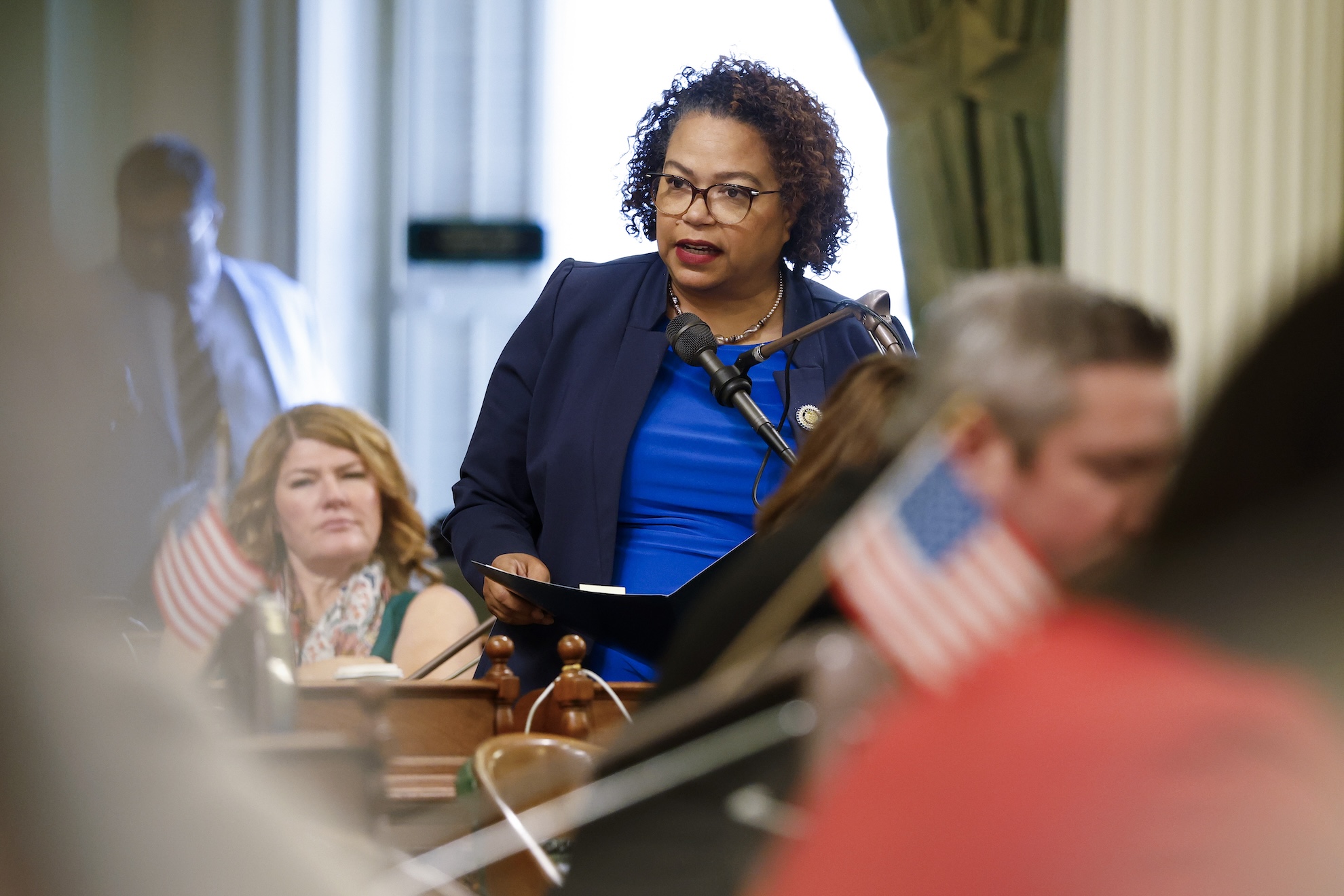
"caption": "Democratic Assembly Member Mia Bonta speaks during a meeting of the California State Assembly on Aug. 21, 2025, in Sacramento, California. Bonta introduced a bill Tuesday aimed at guaranteeing legal representation for all California residents facing deportation, a proposal that could make California the first state to commit to providing counsel in immigration proceedings, pending funding.",
"credit": "Justin Sullivan/Getty Images",
"altTag": null,
"description": null,
"imgSizes": {
"thumbnail": {
"file": "https://cdn.kqed.org/wp-content/uploads/sites/10/2026/03/GettyImages-2231342596-160x107.jpg",
"width": 160,
"height": 107,
"mimeType": "image/jpeg"
},
"1536x1536": {
"file": "https://cdn.kqed.org/wp-content/uploads/sites/10/2026/03/GettyImages-2231342596-1536x1024.jpg",
"width": 1536,
"height": 1024,
"mimeType": "image/jpeg"
},
"post-thumbnail": {
"file": "https://cdn.kqed.org/wp-content/uploads/sites/10/2026/03/GettyImages-2231342596-672x372.jpg",
"width": 672,
"height": 372,
"mimeType": "image/jpeg"
},
"twentyfourteen-full-width": {
"file": "https://cdn.kqed.org/wp-content/uploads/sites/10/2026/03/GettyImages-2231342596-1038x576.jpg",
"width": 1038,
"height": 576,
"mimeType": "image/jpeg"
},
"npr-cds-wide": {
"file": "https://cdn.kqed.org/wp-content/uploads/sites/10/2026/03/GettyImages-2231342596-1200x675.jpg",
"width": 1200,
"height": 675,
"mimeType": "image/jpeg"
},
"kqedFullSize": {
"file": "https://cdn.kqed.org/wp-content/uploads/sites/10/2026/03/GettyImages-2231342596.jpg",
"width": 1980,
"height": 1320
}
},
"isLoading": false,
"fetchFailed": false
},
"news_12076453": {
"type": "attachments",
"id": "news_12076453",
"meta": {
"index": "attachments_1716263798",
"site": "news",
"id": "12076453",
"found": true
},
"title": "HaywardFamilyDeportation1",
"publishDate": 1773427265,
"status": "inherit",
"parent": 12076370,
"modified": 1773427650,
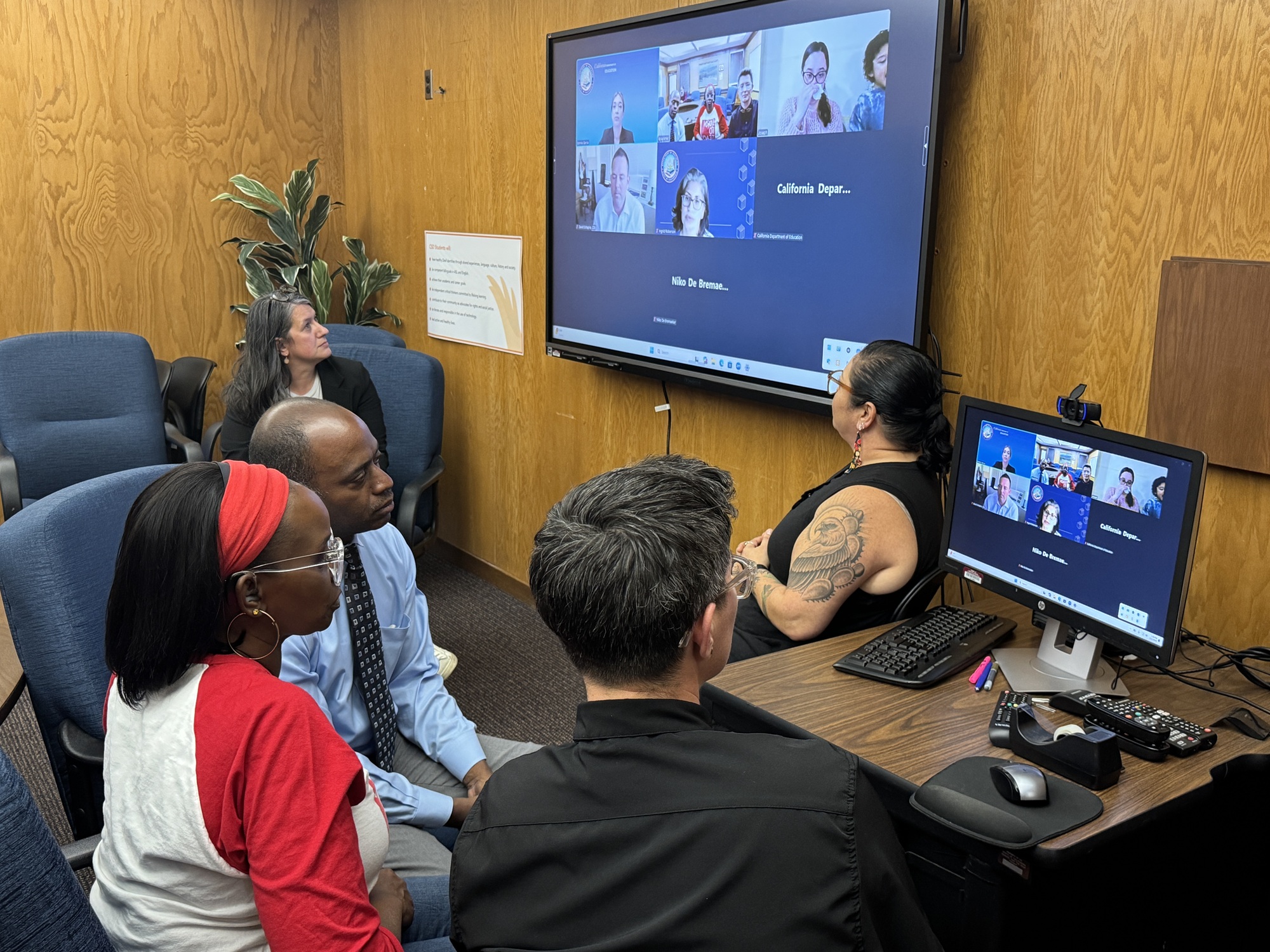
"caption": "Staff at California School for the Deaf in Fremont meet virtually with Joseph Londono Rodriguez and his mother, Lesly Rodriguez Gutierrez, now in hiding in Colombia, on Thursday, March 12, 2026. From left are teacher Tanisha Cotton, Superintendent Amy Novotny, State Superintendent of Public Instruction Tony Thurmond, ASL interpreter Jacelia Washington and family educator Vanessa Sandez. Staff interpret in ASL and speak English and Spanish so everyone can communicate.",
"credit": "Courtesy of State Superintendent Tony Thurmond's Office",
"altTag": null,
"description": null,
"imgSizes": {
"thumbnail": {
"file": "https://cdn.kqed.org/wp-content/uploads/sites/10/2026/03/HaywardFamilyDeportation1-160x120.jpg",
"width": 160,
"height": 120,
"mimeType": "image/jpeg"
},
"1536x1536": {
"file": "https://cdn.kqed.org/wp-content/uploads/sites/10/2026/03/HaywardFamilyDeportation1-1536x1152.jpg",
"width": 1536,
"height": 1152,
"mimeType": "image/jpeg"
},
"post-thumbnail": {
"file": "https://cdn.kqed.org/wp-content/uploads/sites/10/2026/03/HaywardFamilyDeportation1-672x372.jpg",
"width": 672,
"height": 372,
"mimeType": "image/jpeg"
},
"twentyfourteen-full-width": {
"file": "https://cdn.kqed.org/wp-content/uploads/sites/10/2026/03/HaywardFamilyDeportation1-1038x576.jpg",
"width": 1038,
"height": 576,
"mimeType": "image/jpeg"
},
"npr-cds-wide": {
"file": "https://cdn.kqed.org/wp-content/uploads/sites/10/2026/03/HaywardFamilyDeportation1-1200x675.jpg",
"width": 1200,
"height": 675,
"mimeType": "image/jpeg"
},
"kqedFullSize": {
"file": "https://cdn.kqed.org/wp-content/uploads/sites/10/2026/03/HaywardFamilyDeportation1.jpg",
"width": 2000,
"height": 1500
}
},
"isLoading": false,
"fetchFailed": false
},
"news_12075844": {
"type": "attachments",
"id": "news_12075844",
"meta": {
"index": "attachments_1716263798",
"site": "news",
"id": "12075844",
"found": true
},
"title": "260309-K ONDA MARCH-01",
"publishDate": 1773091810,
"status": "inherit",
"parent": 0,
"modified": 1773091833,
"caption": "Jimmy Smits (right) in Arthur Miller’s \"All My Sons\" performing at Berkeley Rep’s Roda Theatre. ",
"credit": null,
"altTag": null,
"description": null,
"imgSizes": {
"thumbnail": {
"file": "https://cdn.kqed.org/wp-content/uploads/sites/10/2026/03/260309-K-ONDA-MARCH-01-160x106.jpg",
"width": 160,
"height": 106,
"mimeType": "image/jpeg"
},
"1536x1536": {
"file": "https://cdn.kqed.org/wp-content/uploads/sites/10/2026/03/260309-K-ONDA-MARCH-01-1536x1022.jpg",
"width": 1536,
"height": 1022,
"mimeType": "image/jpeg"
},
"post-thumbnail": {
"file": "https://cdn.kqed.org/wp-content/uploads/sites/10/2026/03/260309-K-ONDA-MARCH-01-672x372.jpg",
"width": 672,
"height": 372,
"mimeType": "image/jpeg"
},
"twentyfourteen-full-width": {
"file": "https://cdn.kqed.org/wp-content/uploads/sites/10/2026/03/260309-K-ONDA-MARCH-01-1038x576.jpg",
"width": 1038,
"height": 576,
"mimeType": "image/jpeg"
},
"npr-cds-wide": {
"file": "https://cdn.kqed.org/wp-content/uploads/sites/10/2026/03/260309-K-ONDA-MARCH-01-1200x675.jpg",
"width": 1200,
"height": 675,
"mimeType": "image/jpeg"
},
"kqedFullSize": {
"file": "https://cdn.kqed.org/wp-content/uploads/sites/10/2026/03/260309-K-ONDA-MARCH-01.jpg",
"width": 2000,
"height": 1331
}
},
"isLoading": false,
"fetchFailed": false
},
"news_12075781": {
"type": "attachments",
"id": "news_12075781",
"meta": {
"index": "attachments_1716263798",
"site": "news",
"id": "12075781",
"found": true
},
"title": "260309-DEAF DEPORTEE-MD-01-KQED",
"publishDate": 1773078570,
"status": "inherit",
"parent": 0,
"modified": 1773178874,
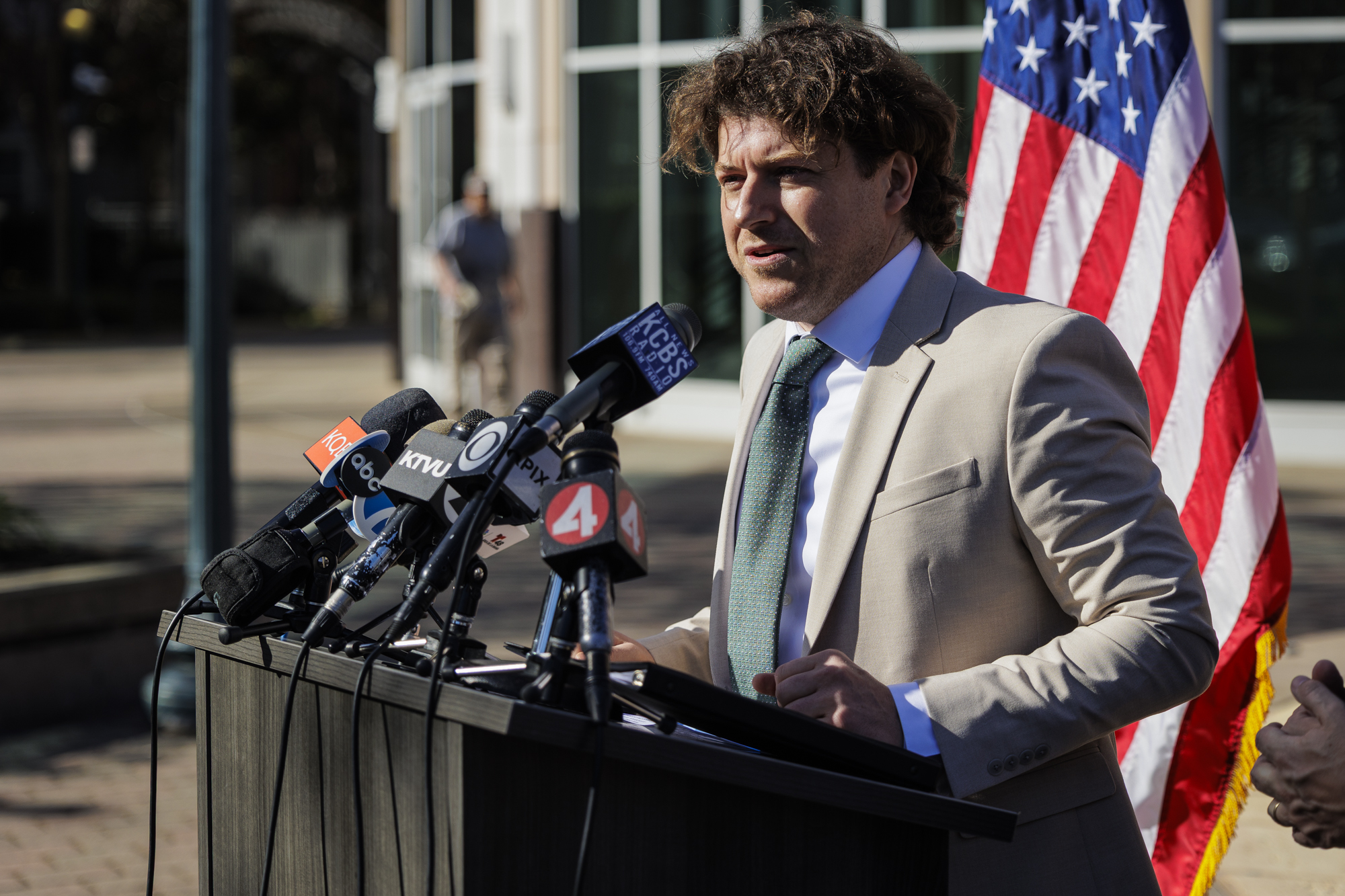
"caption": "Nikolas De Bremaeker addresses the press in Hayward on Mar. 9, 2026.",
"credit": "Martin do Nascimento/KQED",
"altTag": null,
"description": null,
"imgSizes": {
"thumbnail": {
"file": "https://cdn.kqed.org/wp-content/uploads/sites/10/2026/03/260309-DEAF-DEPORTEE-MD-01-KQED-160x107.jpg",
"width": 160,
"height": 107,
"mimeType": "image/jpeg"
},
"1536x1536": {
"file": "https://cdn.kqed.org/wp-content/uploads/sites/10/2026/03/260309-DEAF-DEPORTEE-MD-01-KQED-1536x1024.jpg",
"width": 1536,
"height": 1024,
"mimeType": "image/jpeg"
},
"post-thumbnail": {
"file": "https://cdn.kqed.org/wp-content/uploads/sites/10/2026/03/260309-DEAF-DEPORTEE-MD-01-KQED-672x372.jpg",
"width": 672,
"height": 372,
"mimeType": "image/jpeg"
},
"twentyfourteen-full-width": {
"file": "https://cdn.kqed.org/wp-content/uploads/sites/10/2026/03/260309-DEAF-DEPORTEE-MD-01-KQED-1038x576.jpg",
"width": 1038,
"height": 576,
"mimeType": "image/jpeg"
},
"npr-cds-wide": {
"file": "https://cdn.kqed.org/wp-content/uploads/sites/10/2026/03/260309-DEAF-DEPORTEE-MD-01-KQED-1200x675.jpg",
"width": 1200,
"height": 675,
"mimeType": "image/jpeg"
},
"kqedFullSize": {
"file": "https://cdn.kqed.org/wp-content/uploads/sites/10/2026/03/260309-DEAF-DEPORTEE-MD-01-KQED.jpg",
"width": 2000,
"height": 1333
}
},
"isLoading": false,
"fetchFailed": false
},
"news_12075685": {
"type": "attachments",
"id": "news_12075685",
"meta": {
"index": "attachments_1716263798",
"site": "news",
"id": "12075685",
"found": true
},
"title": "260306-Child Deportation-01-KQED",
"publishDate": 1772839616,
"status": "inherit",
"parent": 12075826,
"modified": 1773091874,
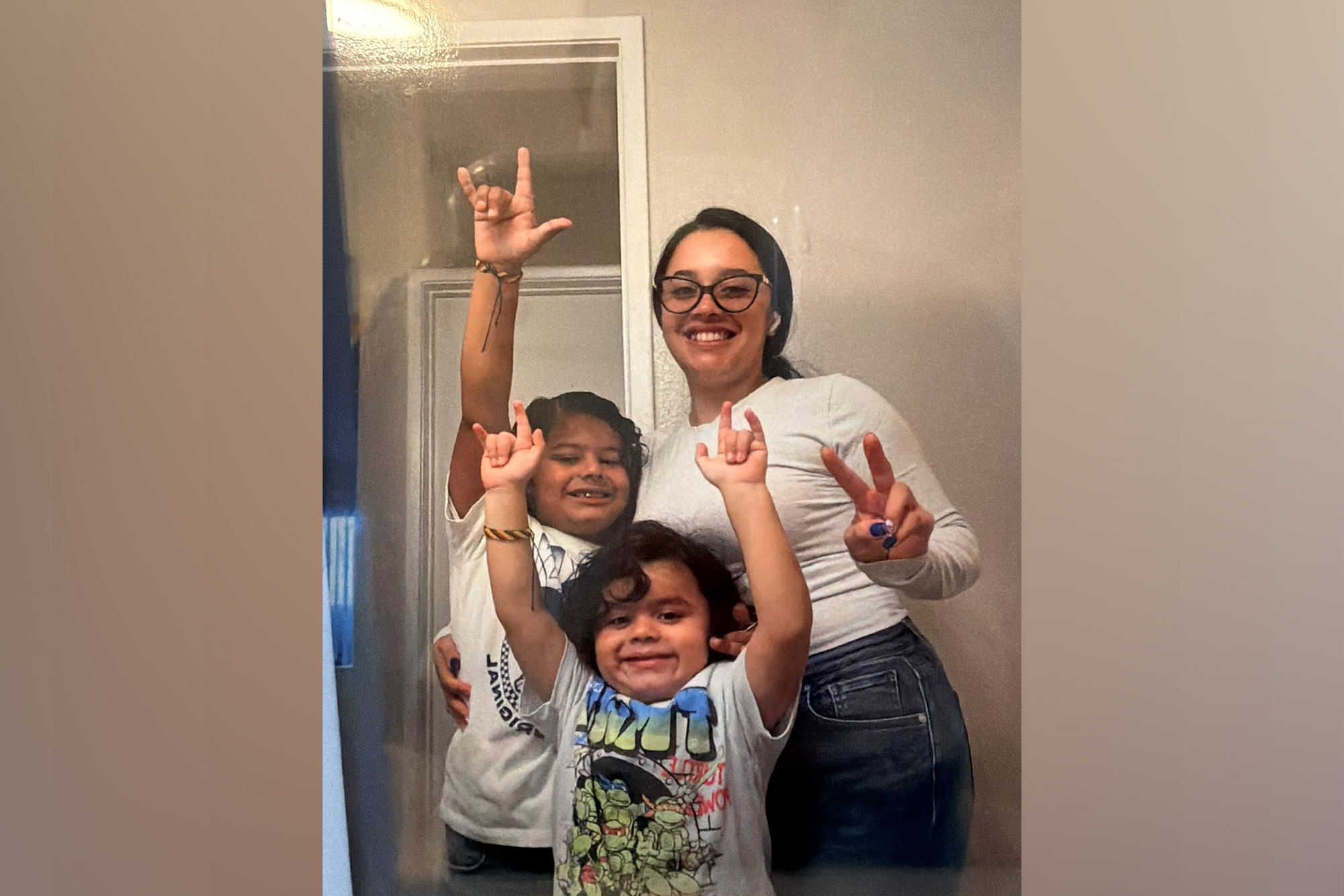
"caption": "Lesly Rodriguez Gutierrez and her two sons were deported following an asylum check-in appointment in San Francisco on Tuesday.",
"credit": "Courtesy of Centro Legal de la Raza",
"altTag": null,
"description": null,
"imgSizes": {
"thumbnail": {
"file": "https://cdn.kqed.org/wp-content/uploads/sites/10/2026/03/260306-Child-Deportation-01-KQED-160x107.jpg",
"width": 160,
"height": 107,
"mimeType": "image/jpeg"
},
"1536x1536": {
"file": "https://cdn.kqed.org/wp-content/uploads/sites/10/2026/03/260306-Child-Deportation-01-KQED-1536x1025.jpg",
"width": 1536,
"height": 1025,
"mimeType": "image/jpeg"
},
"post-thumbnail": {
"file": "https://cdn.kqed.org/wp-content/uploads/sites/10/2026/03/260306-Child-Deportation-01-KQED-672x372.jpg",
"width": 672,
"height": 372,
"mimeType": "image/jpeg"
},
"twentyfourteen-full-width": {
"file": "https://cdn.kqed.org/wp-content/uploads/sites/10/2026/03/260306-Child-Deportation-01-KQED-1038x576.jpg",
"width": 1038,
"height": 576,
"mimeType": "image/jpeg"
},
"npr-cds-wide": {
"file": "https://cdn.kqed.org/wp-content/uploads/sites/10/2026/03/260306-Child-Deportation-01-KQED-1200x675.jpg",
"width": 1200,
"height": 675,
"mimeType": "image/jpeg"
},
"kqedFullSize": {
"file": "https://cdn.kqed.org/wp-content/uploads/sites/10/2026/03/260306-Child-Deportation-01-KQED.jpg",
"width": 2000,
"height": 1334
}
},
"isLoading": false,
"fetchFailed": false
},
"news_12074622": {
"type": "attachments",
"id": "news_12074622",
"meta": {
"index": "attachments_1716263798",
"site": "news",
"id": "12074622",
"found": true
},
"title": "260219-SUNNYVALEDEPORTED-12-BL-KQED",
"publishDate": 1772053538,
"status": "inherit",
"parent": 12089337,
"modified": 1783032167,
"caption": "Aby Peña holds a photo of herself and her husband, Ulises Peña Lopez, at her home in Sunnyvale on Feb. 19, 2026. Peña Lopez was deported to Mexico after being taken into ICE custody outside their home in February 2025, leaving his wife and young daughter in the Bay Area.",
"credit": "Beth LaBerge/KQED",
"altTag": null,
"description": null,
"imgSizes": {
"thumbnail": {
"file": "https://cdn.kqed.org/wp-content/uploads/sites/10/2026/02/260219-SUNNYVALEDEPORTED-12-BL-KQED-160x107.jpg",
"width": 160,
"height": 107,
"mimeType": "image/jpeg"
},
"1536x1536": {
"file": "https://cdn.kqed.org/wp-content/uploads/sites/10/2026/02/260219-SUNNYVALEDEPORTED-12-BL-KQED-1536x1024.jpg",
"width": 1536,
"height": 1024,
"mimeType": "image/jpeg"
},
"post-thumbnail": {
"file": "https://cdn.kqed.org/wp-content/uploads/sites/10/2026/02/260219-SUNNYVALEDEPORTED-12-BL-KQED-672x372.jpg",
"width": 672,
"height": 372,
"mimeType": "image/jpeg"
},
"twentyfourteen-full-width": {
"file": "https://cdn.kqed.org/wp-content/uploads/sites/10/2026/02/260219-SUNNYVALEDEPORTED-12-BL-KQED-1038x576.jpg",
"width": 1038,
"height": 576,
"mimeType": "image/jpeg"
},
"npr-cds-wide": {
"file": "https://cdn.kqed.org/wp-content/uploads/sites/10/2026/02/260219-SUNNYVALEDEPORTED-12-BL-KQED-1200x675.jpg",
"width": 1200,
"height": 675,
"mimeType": "image/jpeg"
},
"kqedFullSize": {
"file": "https://cdn.kqed.org/wp-content/uploads/sites/10/2026/02/260219-SUNNYVALEDEPORTED-12-BL-KQED.jpg",
"width": 2000,
"height": 1333
}
},
"isLoading": false,
"fetchFailed": false
},
"news_12075026": {
"type": "attachments",
"id": "news_12075026",
"meta": {
"index": "attachments_1716263798",
"site": "news",
"id": "12075026",
"found": true
},
"title": "IRS BUILDING EXTERIOR",
"publishDate": 1772407383,
"status": "inherit",
"parent": 12075025,
"modified": 1772407412,
"caption": "El edificio del Servicio de Impuestos Internos (IRS) en Washington, D.C. Un juez federal ha bloqueado temporalmente el acuerdo que anteriormente permitía al IRS compartir con el ICE la información personal de los contribuyentes no ciudadanos. Esto es lo que los expertos nos dijeron que los contribuyentes deben saber antes de presentar su declaración.",
"credit": "Zach Gibson/Getty Images",
"altTag": null,
"description": null,
"imgSizes": {
"thumbnail": {
"file": "https://cdn.kqed.org/wp-content/uploads/sites/10/2026/03/IRS-BUILDING-EXTERIOR-160x107.jpg",
"width": 160,
"height": 107,
"mimeType": "image/jpeg"
},
"post-thumbnail": {
"file": "https://cdn.kqed.org/wp-content/uploads/sites/10/2026/03/IRS-BUILDING-EXTERIOR-672x372.jpg",
"width": 672,
"height": 372,
"mimeType": "image/jpeg"
},
"twentyfourteen-full-width": {
"file": "https://cdn.kqed.org/wp-content/uploads/sites/10/2026/03/IRS-BUILDING-EXTERIOR-1020x576.jpg",
"width": 1020,
"height": 576,
"mimeType": "image/jpeg"
},
"npr-cds-wide": {
"file": "https://cdn.kqed.org/wp-content/uploads/sites/10/2026/03/IRS-BUILDING-EXTERIOR-1020x675.jpg",
"width": 1020,
"height": 675,
"mimeType": "image/jpeg"
},
"kqedFullSize": {
"file": "https://cdn.kqed.org/wp-content/uploads/sites/10/2026/03/IRS-BUILDING-EXTERIOR.jpg",
"width": 1020,
"height": 680
}
},
"isLoading": false,
"fetchFailed": false
},
"news_12059883": {
"type": "attachments",
"id": "news_12059883",
"meta": {
"index": "attachments_1716263798",
"site": "news",
"id": "12059883",
"found": true
},
"title": "251014-ANTIFAROUNDTABLEFOLO-20-BL-KQED",
"publishDate": 1760467783,
"status": "inherit",
"parent": 12059840,
"modified": 1760570040,
"caption": "Ernesto Reyes holds a sign outside the San Francisco Immigration Court in downtown San Francisco on Oct. 14, 2025.",
"credit": "Beth LaBerge/KQED",
"altTag": null,
"description": null,
"imgSizes": {
"thumbnail": {
"file": "https://cdn.kqed.org/wp-content/uploads/sites/10/2025/10/251014-ANTIFAROUNDTABLEFOLO-20-BL-KQED-160x107.jpg",
"width": 160,
"height": 107,
"mimeType": "image/jpeg"
},
"1536x1536": {
"file": "https://cdn.kqed.org/wp-content/uploads/sites/10/2025/10/251014-ANTIFAROUNDTABLEFOLO-20-BL-KQED-1536x1024.jpg",
"width": 1536,
"height": 1024,
"mimeType": "image/jpeg"
},
"post-thumbnail": {
"file": "https://cdn.kqed.org/wp-content/uploads/sites/10/2025/10/251014-ANTIFAROUNDTABLEFOLO-20-BL-KQED-672x372.jpg",
"width": 672,
"height": 372,
"mimeType": "image/jpeg"
},
"twentyfourteen-full-width": {
"file": "https://cdn.kqed.org/wp-content/uploads/sites/10/2025/10/251014-ANTIFAROUNDTABLEFOLO-20-BL-KQED-1038x576.jpg",
"width": 1038,
"height": 576,
"mimeType": "image/jpeg"
},
"kqedFullSize": {
"file": "https://cdn.kqed.org/wp-content/uploads/sites/10/2025/10/251014-ANTIFAROUNDTABLEFOLO-20-BL-KQED.jpg",
"width": 2000,
"height": 1333
}
},
"isLoading": false,
"fetchFailed": false
},
"news_12074813": {
"type": "attachments",
"id": "news_12074813",
"meta": {
"index": "attachments_1716263798",
"site": "news",
"id": "12074813",
"found": true
},
"title": "Sikh Truckers",
"publishDate": 1772147085,
"status": "inherit",
"parent": 12074694,
"modified": 1772147116,
"caption": "Freight trucks travel northbound on Interstate 5 Highway, Wednesday, Sept. 3, 2025, in Tracy, California.",
"credit": "Godofredo A. Vásquez/AP Photo",
"altTag": null,
"description": null,
"imgSizes": {
"thumbnail": {
"file": "https://cdn.kqed.org/wp-content/uploads/sites/10/2026/02/ImmigrantTruckLicensesAP-160x107.jpg",
"width": 160,
"height": 107,
"mimeType": "image/jpeg"
},
"1536x1536": {
"file": "https://cdn.kqed.org/wp-content/uploads/sites/10/2026/02/ImmigrantTruckLicensesAP-1536x1024.jpg",
"width": 1536,
"height": 1024,
"mimeType": "image/jpeg"
},
"post-thumbnail": {
"file": "https://cdn.kqed.org/wp-content/uploads/sites/10/2026/02/ImmigrantTruckLicensesAP-672x372.jpg",
"width": 672,
"height": 372,
"mimeType": "image/jpeg"
},
"twentyfourteen-full-width": {
"file": "https://cdn.kqed.org/wp-content/uploads/sites/10/2026/02/ImmigrantTruckLicensesAP-1038x576.jpg",
"width": 1038,
"height": 576,
"mimeType": "image/jpeg"
},
"npr-cds-wide": {
"file": "https://cdn.kqed.org/wp-content/uploads/sites/10/2026/02/ImmigrantTruckLicensesAP-1200x675.jpg",
"width": 1200,
"height": 675,
"mimeType": "image/jpeg"
},
"kqedFullSize": {
"file": "https://cdn.kqed.org/wp-content/uploads/sites/10/2026/02/ImmigrantTruckLicensesAP.jpg",
"width": 2000,
"height": 1333
}
},
"isLoading": false,
"fetchFailed": false
},
"news_12074663": {
"type": "attachments",
"id": "news_12074663",
"meta": {
"index": "attachments_1716263798",
"site": "news",
"id": "12074663",
"found": true
},
"title": "DAYBOOK 3",
"publishDate": 1772058547,
"status": "inherit",
"parent": 12074658,
"modified": 1772058594,
"caption": "Daybook Terrace in Temecula on Thursday, Feb. 19, 2026. Riverside County prosecutors charged a man claiming to be a federal immigration officer with assault after he pulled a gun on a 17-year-old in this neighborhood last November.",
"credit": "Anthony Victoria/KVCR",
"altTag": null,
"description": null,
"imgSizes": {
"thumbnail": {
"file": "https://cdn.kqed.org/wp-content/uploads/sites/10/2026/02/DAYBOOK-3-160x107.jpg",
"width": 160,
"height": 107,
"mimeType": "image/jpeg"
},
"1536x1536": {
"file": "https://cdn.kqed.org/wp-content/uploads/sites/10/2026/02/DAYBOOK-3-1536x1025.jpg",
"width": 1536,
"height": 1025,
"mimeType": "image/jpeg"
},
"post-thumbnail": {
"file": "https://cdn.kqed.org/wp-content/uploads/sites/10/2026/02/DAYBOOK-3-672x372.jpg",
"width": 672,
"height": 372,
"mimeType": "image/jpeg"
},
"twentyfourteen-full-width": {
"file": "https://cdn.kqed.org/wp-content/uploads/sites/10/2026/02/DAYBOOK-3-1038x576.jpg",
"width": 1038,
"height": 576,
"mimeType": "image/jpeg"
},
"npr-cds-wide": {
"file": "https://cdn.kqed.org/wp-content/uploads/sites/10/2026/02/DAYBOOK-3-1200x675.jpg",
"width": 1200,
"height": 675,
"mimeType": "image/jpeg"
},
"kqedFullSize": {
"file": "https://cdn.kqed.org/wp-content/uploads/sites/10/2026/02/DAYBOOK-3.jpg",
"width": 1920,
"height": 1281
}
},
"isLoading": false,
"fetchFailed": false
},
"news_12034522": {
"type": "attachments",
"id": "news_12034522",
"meta": {
"index": "attachments_1716263798",
"site": "news",
"id": "12034522",
"found": true
},
"title": "Warm Weather In The UK",
"publishDate": 1743787017,
"status": "inherit",
"parent": 12018848,
"modified": 1772050098,
"caption": "Tower Bridge on the River Thames in London, England, on Feb. 21, 2019.",
"credit": "John Keeble/Getty Images",
"altTag": null,
"description": null,
"imgSizes": {
"medium": {
"file": "https://cdn.kqed.org/wp-content/uploads/sites/10/2025/04/GETTYIMAGES-1133971962-KQED-800x534.jpg",
"width": 800,
"height": 534,
"mimeType": "image/jpeg"
},
"large": {
"file": "https://cdn.kqed.org/wp-content/uploads/sites/10/2025/04/GETTYIMAGES-1133971962-KQED-1020x681.jpg",
"width": 1020,
"height": 681,
"mimeType": "image/jpeg"
},
"thumbnail": {
"file": "https://cdn.kqed.org/wp-content/uploads/sites/10/2025/04/GETTYIMAGES-1133971962-KQED-160x107.jpg",
"width": 160,
"height": 107,
"mimeType": "image/jpeg"
},
"1536x1536": {
"file": "https://cdn.kqed.org/wp-content/uploads/sites/10/2025/04/GETTYIMAGES-1133971962-KQED-1536x1025.jpg",
"width": 1536,
"height": 1025,
"mimeType": "image/jpeg"
},
"post-thumbnail": {
"file": "https://cdn.kqed.org/wp-content/uploads/sites/10/2025/04/GETTYIMAGES-1133971962-KQED-672x372.jpg",
"width": 672,
"height": 372,
"mimeType": "image/jpeg"
},
"twentyfourteen-full-width": {
"file": "https://cdn.kqed.org/wp-content/uploads/sites/10/2025/04/GETTYIMAGES-1133971962-KQED-1038x576.jpg",
"width": 1038,
"height": 576,
"mimeType": "image/jpeg"
},
"full-width": {
"file": "https://cdn.kqed.org/wp-content/uploads/sites/10/2025/04/GETTYIMAGES-1133971962-KQED-1920x1282.jpg",
"width": 1920,
"height": 1282,
"mimeType": "image/jpeg"
},
"kqedFullSize": {
"file": "https://cdn.kqed.org/wp-content/uploads/sites/10/2025/04/GETTYIMAGES-1133971962-KQED.jpg",
"width": 2000,
"height": 1335
}
},
"isLoading": false,
"fetchFailed": false
},
"news_12071073": {
"type": "attachments",
"id": "news_12071073",
"meta": {
"index": "attachments_1716263798",
"site": "news",
"id": "12071073",
"found": true
},
"title": "260123-ITALIANNORTHBEACH-06-BL-KQED",
"publishDate": 1769458784,
"status": "inherit",
"parent": 12074121,
"modified": 1771625125,
"caption": "Businesses line Green Street in the North Beach neighborhood of San Francisco on Jan. 23, 2026.",
"credit": "Beth LaBerge/KQED",
"altTag": null,
"description": null,
"imgSizes": {
"thumbnail": {
"file": "https://cdn.kqed.org/wp-content/uploads/sites/10/2026/01/260123-ITALIANNORTHBEACH-06-BL-KQED-160x107.jpg",
"width": 160,
"height": 107,
"mimeType": "image/jpeg"
},
"1536x1536": {
"file": "https://cdn.kqed.org/wp-content/uploads/sites/10/2026/01/260123-ITALIANNORTHBEACH-06-BL-KQED-1536x1024.jpg",
"width": 1536,
"height": 1024,
"mimeType": "image/jpeg"
},
"post-thumbnail": {
"file": "https://cdn.kqed.org/wp-content/uploads/sites/10/2026/01/260123-ITALIANNORTHBEACH-06-BL-KQED-672x372.jpg",
"width": 672,
"height": 372,
"mimeType": "image/jpeg"
},
"twentyfourteen-full-width": {
"file": "https://cdn.kqed.org/wp-content/uploads/sites/10/2026/01/260123-ITALIANNORTHBEACH-06-BL-KQED-1038x576.jpg",
"width": 1038,
"height": 576,
"mimeType": "image/jpeg"
},
"npr-cds-wide": {
"file": "https://cdn.kqed.org/wp-content/uploads/sites/10/2026/01/260123-ITALIANNORTHBEACH-06-BL-KQED-1200x675.jpg",
"width": 1200,
"height": 675,
"mimeType": "image/jpeg"
},
"kqedFullSize": {
"file": "https://cdn.kqed.org/wp-content/uploads/sites/10/2026/01/260123-ITALIANNORTHBEACH-06-BL-KQED.jpg",
"width": 2000,
"height": 1333
}
},
"isLoading": false,
"fetchFailed": false
}
},
"audioPlayerReducer": {
"postId": "stream_live",
"isPaused": true,
"isPlaying": false,
"pfsActive": false,
"pledgeModalIsOpen": true,
"playerDrawerIsOpen": false,
"liveAudioPlayStartedAt": 0,
"liveAudioPlayContext": ""
},
"authorsReducer": {
"byline_news_12074658": {
"type": "authors",
"id": "byline_news_12074658",
"meta": {
"override": true
},
"slug": "byline_news_12074658",
"name": "Anthony Victoria",
"isLoading": false
},
"tychehendricks": {
"type": "authors",
"id": "259",
"meta": {
"index": "authors_1716337520",
"id": "259",
"found": true
},
"name": "Tyche Hendricks",
"firstName": "Tyche",
"lastName": "Hendricks",
"slug": "tychehendricks",
"email": "thendricks@kqed.org",
"display_author_email": true,
"staff_mastheads": [
"news"
],
"title": "KQED Senior Editor, Immigration",
"bio": "\u003cspan style=\"font-weight: 400;\">Tyche Hendricks is KQED’s senior editor for immigration, leading coverage of the policy and politics that affect California’s immigrant communities. Her work for KQED’s radio and online audiences is also carried on NPR and other national outlets. She has been recognized with awards from the Radio and Television News Directors Association, the Society for Professional Journalists; the Education Writers Association; the Best of the West and the National Federation of Community Broadcasters. Before joining KQED in 2010, Tyche spent more than a dozen years as a newspaper reporter, notably at the \u003c/span>\u003ci>\u003cspan style=\"font-weight: 400;\">San Francisco Chronicle\u003c/span>\u003c/i>\u003cspan style=\"font-weight: 400;\">. At different times she has covered criminal justice, government and politics and urban planning. Tyche has taught in the MFA Creative Writing program at the University of San Francisco and at UC Berkeley’s Graduate School of Journalism, where she was co-director of a national immigration symposium for professional journalists. She is the author of \u003c/span>\u003ci>\u003cspan style=\"font-weight: 400;\">The Wind Doesn't Need a Passport: Stories from the U.S.-Mexico Borderlands\u003c/span>\u003c/i>\u003cspan style=\"font-weight: 400;\"> (University of California Press). \u003c/span>",
"avatar": "https://secure.gravatar.com/avatar/b8ee458e2731c2d43df86882ce17267e?s=600&d=blank&r=g",
"twitter": "tychehendricks",
"facebook": null,
"instagram": null,
"linkedin": null,
"sites": [
{
"site": "news",
"roles": [
"editor"
]
},
{
"site": "stateofhealth",
"roles": [
"editor"
]
}
],
"headData": {
"title": "Tyche Hendricks | KQED",
"description": "KQED Senior Editor, Immigration",
"ogImgSrc": "https://secure.gravatar.com/avatar/b8ee458e2731c2d43df86882ce17267e?s=600&d=blank&r=g",
"twImgSrc": "https://secure.gravatar.com/avatar/b8ee458e2731c2d43df86882ce17267e?s=600&d=blank&r=g"
},
"isLoading": false,
"link": "/author/tychehendricks"
},
"carlysevern": {
"type": "authors",
"id": "3243",
"meta": {
"index": "authors_1716337520",
"id": "3243",
"found": true
},
"name": "Carly Severn",
"firstName": "Carly",
"lastName": "Severn",
"slug": "carlysevern",
"email": "csevern@kqed.org",
"display_author_email": false,
"staff_mastheads": [
"news"
],
"title": "Senior Editor, Audience News ",
"bio": "Carly is KQED's Senior Editor of Audience News on the Digital News team, and has reported for the California Report Magazine, Bay Curious and KQED Arts. She's formerly the host of \u003ca href=\"http://ww2.kqed.org/pop/category/the-cooler/\" rel=\"noopener noreferrer\">The Cooler\u003c/a> podcast.",
"avatar": "https://secure.gravatar.com/avatar/54037bf5c128fe678f0ef26cec97a93f2e7f220a22d7285703328f12c42c1b1d?s=600&d=blank&r=g",
"twitter": "teacupinthebay",
"bluesky": null,
"facebook": null,
"instagram": null,
"linkedin": null,
"sites": [
{
"site": "",
"roles": [
"editor"
]
},
{
"site": "arts",
"roles": [
"editor"
]
},
{
"site": "news",
"roles": [
"administrator"
]
},
{
"site": "pop",
"roles": [
"editor"
]
},
{
"site": "futureofyou",
"roles": [
"editor"
]
},
{
"site": "about",
"roles": [
"administrator"
]
},
{
"site": "mindshift",
"roles": [
"editor"
]
},
{
"site": "bayareabites",
"roles": [
"editor"
]
},
{
"site": "stateofhealth",
"roles": [
"editor"
]
},
{
"site": "science",
"roles": [
"editor"
]
},
{
"site": "food",
"roles": [
"contributor"
]
},
{
"site": "forum",
"roles": [
"editor"
]
},
{
"site": "perspectives",
"roles": [
"administrator"
]
},
{
"site": "liveblog",
"roles": [
"editor"
]
}
],
"headData": {
"title": "Carly Severn | KQED",
"description": "Senior Editor, Audience News ",
"ogImgSrc": "https://secure.gravatar.com/avatar/54037bf5c128fe678f0ef26cec97a93f2e7f220a22d7285703328f12c42c1b1d?s=600&d=blank&r=g",
"twImgSrc": "https://secure.gravatar.com/avatar/54037bf5c128fe678f0ef26cec97a93f2e7f220a22d7285703328f12c42c1b1d?s=600&d=blank&r=g"
},
"isLoading": false,
"link": "/author/carlysevern"
},
"ecruzguevarra": {
"type": "authors",
"id": "8654",
"meta": {
"index": "authors_1716337520",
"id": "8654",
"found": true
},
"name": "Ericka Cruz Guevarra",
"firstName": "Ericka",
"lastName": "Cruz Guevarra",
"slug": "ecruzguevarra",
"email": "ecruzguevarra@kqed.org",
"display_author_email": true,
"staff_mastheads": [
"news"
],
"title": "Producer, The Bay Podcast",
"bio": "Ericka Cruz Guevarra is host of \u003ca href=\"https://www.kqed.org/podcasts/thebay\">\u003cem>The Bay\u003c/em>\u003c/a> podcast at KQED. Before host, she was the show’s producer. Her work in that capacity includes a three-part reported series on policing in Vallejo, which won a 2020 excellence in journalism award from the Society of Professional Journalists. Ericka has worked as a breaking news reporter at Oregon Public Broadcasting, helped produce the Code Switch podcast, and was KQED’s inaugural Raul Ramirez Diversity Fund intern. She’s also an alumna of NPR’s Next Generation Radio program. Send her an email if you have strong feelings about whether Fairfield and Suisun City are the Bay. Ericka is represented by SAG-AFTRA.",
"avatar": "https://secure.gravatar.com/avatar/accefc1de4bafc7e234b69bcb9b6f6536c130fd84709bc3069ef11a78787e1bb?s=600&d=blank&r=g",
"twitter": "NotoriousECG",
"bluesky": null,
"facebook": null,
"instagram": null,
"linkedin": null,
"sites": [
{
"site": "arts",
"roles": [
"subscriber"
]
},
{
"site": "news",
"roles": [
"editor",
"manage_categories"
]
},
{
"site": "futureofyou",
"roles": [
"subscriber"
]
},
{
"site": "stateofhealth",
"roles": [
"subscriber"
]
},
{
"site": "science",
"roles": [
"editor"
]
},
{
"site": "forum",
"roles": [
"subscriber"
]
}
],
"headData": {
"title": "Ericka Cruz Guevarra | KQED",
"description": "Producer, The Bay Podcast",
"ogImgSrc": "https://secure.gravatar.com/avatar/accefc1de4bafc7e234b69bcb9b6f6536c130fd84709bc3069ef11a78787e1bb?s=600&d=blank&r=g",
"twImgSrc": "https://secure.gravatar.com/avatar/accefc1de4bafc7e234b69bcb9b6f6536c130fd84709bc3069ef11a78787e1bb?s=600&d=blank&r=g"
},
"isLoading": false,
"link": "/author/ecruzguevarra"
},
"fjhabvala": {
"type": "authors",
"id": "8659",
"meta": {
"index": "authors_1716337520",
"id": "8659",
"found": true
},
"name": "Farida Jhabvala Romero",
"firstName": "Farida",
"lastName": "Jhabvala Romero",
"slug": "fjhabvala",
"email": "fjhabvala@kqed.org",
"display_author_email": true,
"staff_mastheads": [
"news"
],
"title": "KQED Contributor",
"bio": "Farida Jhabvala Romero is a Labor Correspondent for KQED. She previously covered immigration. Farida was \u003ca href=\"https://www.ccnma.org/2022-most-influential-latina-journalists\">named\u003c/a> one of the 10 Most Influential Latina Journalists in California in 2022 by the California Chicano News Media Association. Her work has won awards from the Society of Professional Journalists (Northern California), as well as a national and regional Edward M. Murrow Award for the collaborative reporting projects “Dangerous Air” and “Graying California.” Before joining KQED, Farida worked as a producer at Radio Bilingüe, a national public radio network. Farida earned her master’s degree in journalism from Stanford University.",
"avatar": "https://secure.gravatar.com/avatar/f9f022d4e2609741874222a1e9d41f48fea74011aa7c615eef91d9a50c944ebe?s=600&d=blank&r=g",
"twitter": "FaridaJhabvala",
"bluesky": null,
"facebook": null,
"instagram": null,
"linkedin": "https://www.linkedin.com/in/faridajhabvala/",
"sites": [
{
"site": "news",
"roles": [
"editor"
]
},
{
"site": "stateofhealth",
"roles": [
"author"
]
},
{
"site": "liveblog",
"roles": [
"author"
]
}
],
"headData": {
"title": "Farida Jhabvala Romero | KQED",
"description": "KQED Contributor",
"ogImgSrc": "https://secure.gravatar.com/avatar/f9f022d4e2609741874222a1e9d41f48fea74011aa7c615eef91d9a50c944ebe?s=600&d=blank&r=g",
"twImgSrc": "https://secure.gravatar.com/avatar/f9f022d4e2609741874222a1e9d41f48fea74011aa7c615eef91d9a50c944ebe?s=600&d=blank&r=g"
},
"isLoading": false,
"link": "/author/fjhabvala"
},
"amontecillo": {
"type": "authors",
"id": "11649",
"meta": {
"index": "authors_1716337520",
"id": "11649",
"found": true
},
"name": "Alan Montecillo",
"firstName": "Alan",
"lastName": "Montecillo",
"slug": "amontecillo",
"email": "amontecillo@kqed.org",
"display_author_email": false,
"staff_mastheads": [
"news"
],
"title": "KQED Contributor",
"bio": "Alan Montecillo is the senior editor of \u003cem>\u003ca href=\"http://kqed.org/thebay\">The Bay\u003c/a>, \u003c/em> KQED's local news podcast. Before moving to the Bay Area, he worked as a senior talk show producer for WILL in Champaign-Urbana, Illinois and at Oregon Public Broadcasting in Portland, Oregon. He has won journalism awards from the Society of Professional Journalists Northern California, the Public Media Journalists Association, The Signal Awards, and has also received a regional Edward R. Murrow award. Alan is a Filipino American from Hong Kong and a graduate of Reed College.",
"avatar": "https://secure.gravatar.com/avatar/268f53a2066899ea9efdd8a5900218b17c822d9862cbc9326cccec53ef41d349?s=600&d=blank&r=g",
"twitter": "alanmontecillo",
"bluesky": null,
"facebook": null,
"instagram": null,
"linkedin": null,
"sites": [
{
"site": "",
"roles": [
"editor"
]
},
{
"site": "news",
"roles": [
"editor",
"manage_categories"
]
}
],
"headData": {
"title": "Alan Montecillo | KQED",
"description": "KQED Contributor",
"ogImgSrc": "https://secure.gravatar.com/avatar/268f53a2066899ea9efdd8a5900218b17c822d9862cbc9326cccec53ef41d349?s=600&d=blank&r=g",
"twImgSrc": "https://secure.gravatar.com/avatar/268f53a2066899ea9efdd8a5900218b17c822d9862cbc9326cccec53ef41d349?s=600&d=blank&r=g"
},
"isLoading": false,
"link": "/author/amontecillo"
},
"btorres": {
"type": "authors",
"id": "11666",
"meta": {
"index": "authors_1716337520",
"id": "11666",
"found": true
},
"name": "Blanca Torres",
"firstName": "Blanca",
"lastName": "Torres",
"slug": "btorres",
"email": "btorres@kqed.org",
"display_author_email": true,
"staff_mastheads": [
"news"
],
"title": "Producer, Forum",
"bio": "Blanca Torres brings sharp news judgement and keen sense of lively conversation to her work as producer for Forum. She loves producing shows that leave listeners feeling like they heard distinctive voices, learned something new and gained a fresh perspective.\r\n\r\nShe joined KQED in January of 2020 after 16 years of working as a newspaper reporter most recently at the \u003cem>San Francisco Business Times,\u003c/em> where she wrote about real estate and economic development. Before that, she covered a variety of beats including crime, education, retail, workplace, the economy, consumer issues, and small business for the \u003cem>Contra Costa Times, Baltimore Sun\u003c/em> and\u003cem> The Seattle Times\u003c/em>. In addition to reporting, she worked as an editorial writer and columnist for the \u003cem>Seattle Times\u003c/em>. From 2017 to 2020, Blanca won a total of ten awards from the National Association of Real Estate Editors and won first place for land use reporting from the California News Publishers Association two years in a row. She is also a member and former board member for the National Association of Hispanic Journalists.\r\n\r\nA native of the Pacific Northwest, Blanca earned her bachelor's degree from Vanderbilt University in Nashville and a master's in fine arts in creative writing at Mills College. She lives in the East Bay with her family.",
"avatar": "https://secure.gravatar.com/avatar/50b49d19b14a1eed34f26ebf4681152cdd81574ed21851100871ccd29e578cdc?s=600&d=blank&r=g",
"twitter": "@blancawrites",
"bluesky": null,
"facebook": null,
"instagram": null,
"linkedin": null,
"sites": [
{
"site": "arts",
"roles": [
"editor"
]
},
{
"site": "news",
"roles": [
"editor"
]
},
{
"site": "forum",
"roles": [
"editor"
]
}
],
"headData": {
"title": "Blanca Torres | KQED",
"description": "Producer, Forum",
"ogImgSrc": "https://secure.gravatar.com/avatar/50b49d19b14a1eed34f26ebf4681152cdd81574ed21851100871ccd29e578cdc?s=600&d=blank&r=g",
"twImgSrc": "https://secure.gravatar.com/avatar/50b49d19b14a1eed34f26ebf4681152cdd81574ed21851100871ccd29e578cdc?s=600&d=blank&r=g"
},
"isLoading": false,
"link": "/author/btorres"
},
"ccabreralomeli": {
"type": "authors",
"id": "11708",
"meta": {
"index": "authors_1716337520",
"id": "11708",
"found": true
},
"name": "Carlos Cabrera-Lomelí",
"firstName": "Carlos",
"lastName": "Cabrera-Lomelí",
"slug": "ccabreralomeli",
"email": "ccabreralomeli@KQED.org",
"display_author_email": true,
"staff_mastheads": [
"news"
],
"title": "Community Reporter",
"bio": "Carlos Cabrera-Lomelí is a community reporter with KQED's digital engagement team. He also reports and co-produces for KQED's bilingual news hub KQED en Español. He grew up in San Francisco's Mission District and has previously worked with Univision, 48 Hills and REFORMA in Mexico City.",
"avatar": "https://secure.gravatar.com/avatar/c309be9665e484f887b818c89e273ecc673004f426f36b24d00a4d813a2e0518?s=600&d=blank&r=g",
"twitter": "@LomeliCabrera",
"bluesky": null,
"facebook": null,
"instagram": null,
"linkedin": null,
"sites": [
{
"site": "arts",
"roles": [
"editor"
]
},
{
"site": "news",
"roles": [
"editor"
]
},
{
"site": "about",
"roles": [
"editor"
]
},
{
"site": "science",
"roles": [
"editor"
]
},
{
"site": "perspectives",
"roles": [
"editor"
]
},
{
"site": "elections",
"roles": [
"editor"
]
},
{
"site": "liveblog",
"roles": [
"contributor"
]
}
],
"headData": {
"title": "Carlos Cabrera-Lomelí | KQED",
"description": "Community Reporter",
"ogImgSrc": "https://secure.gravatar.com/avatar/c309be9665e484f887b818c89e273ecc673004f426f36b24d00a4d813a2e0518?s=600&d=blank&r=g",
"twImgSrc": "https://secure.gravatar.com/avatar/c309be9665e484f887b818c89e273ecc673004f426f36b24d00a4d813a2e0518?s=600&d=blank&r=g"
},
"isLoading": false,
"link": "/author/ccabreralomeli"
},
"jessicakariisa": {
"type": "authors",
"id": "11831",
"meta": {
"index": "authors_1716337520",
"id": "11831",
"found": true
},
"name": "Jessica Kariisa",
"firstName": "Jessica",
"lastName": "Kariisa",
"slug": "jessicakariisa",
"email": "jkariisa@kqed.org",
"display_author_email": false,
"staff_mastheads": [],
"title": "Producer, The Bay",
"bio": "Jessica Kariisa is the producer of The Bay. She first joined KQED as an intern for The California Report Magazine, after which she became an on-call producer. She reported a Bay Curious episode on the use of rap lyrics in criminal trials which won a Society of Professional Journalists award in 2023 for Excellence in Features Journalism and the 2023 Signal Award for Best Conversation Starter. She’s worked on podcasts for Snap Judgment and American Public Media. Before embarking on her audio career, she was a music journalist.\r\n\r\nJessica Kariisa is represented by SAG-AFTRA.",
"avatar": "https://secure.gravatar.com/avatar/522e97b28ac0b3d411621c0fde8f3419c7b71ea2c5c262c57c4bb600963f328c?s=600&d=blank&r=g",
"twitter": null,
"bluesky": null,
"facebook": null,
"instagram": null,
"linkedin": null,
"sites": [
{
"site": "arts",
"roles": [
"author"
]
},
{
"site": "news",
"roles": [
"editor",
"manage_categories"
]
}
],
"headData": {
"title": "Jessica Kariisa | KQED",
"description": "Producer, The Bay",
"ogImgSrc": "https://secure.gravatar.com/avatar/522e97b28ac0b3d411621c0fde8f3419c7b71ea2c5c262c57c4bb600963f328c?s=600&d=blank&r=g",
"twImgSrc": "https://secure.gravatar.com/avatar/522e97b28ac0b3d411621c0fde8f3419c7b71ea2c5c262c57c4bb600963f328c?s=600&d=blank&r=g"
},
"isLoading": false,
"link": "/author/jessicakariisa"
},
"pbartolone": {
"type": "authors",
"id": "11879",
"meta": {
"index": "authors_1716337520",
"id": "11879",
"found": true
},
"name": "Pauline Bartolone",
"firstName": "Pauline",
"lastName": "Bartolone",
"slug": "pbartolone",
"email": "pbartolone@kqed.org",
"display_author_email": false,
"staff_mastheads": [],
"title": "KQED Contributor",
"bio": "Pauline Bartolone has been a journalist for two decades, specializing in longform audio storytelling. Before editing and producing for podcasts like Bay Curious, she was a health care journalist for public radio and print outlets such as CalMatters and Kaiser Health News. Her reporting has won several regional Edward R. Murrow awards, national recognition from the Society of Professional Journalists and a first-place prize from the Association of Health Care Journalists.\r\n\r\nPauline’s work has aired frequently on National Public Radio, and bylines have appeared in The Los Angeles Times, CNN.com, Washingtonpost.com, USA Today and Scientific American.\r\n\r\nPauline has lived in Northern California for 20 years. Her other passions are crafts (now done in collaboration with her daughter) and the Brazilian martial art of capoeira.",
"avatar": "https://secure.gravatar.com/avatar/95001c30374b0d3878007af9cf1e120a?s=600&d=blank&r=g",
"twitter": "pbartolone",
"facebook": null,
"instagram": null,
"linkedin": null,
"sites": [
{
"site": "news",
"roles": [
"editor"
]
},
{
"site": "podcasts",
"roles": [
"subscriber"
]
}
],
"headData": {
"title": "Pauline Bartolone | KQED",
"description": "KQED Contributor",
"ogImgSrc": "https://secure.gravatar.com/avatar/95001c30374b0d3878007af9cf1e120a?s=600&d=blank&r=g",
"twImgSrc": "https://secure.gravatar.com/avatar/95001c30374b0d3878007af9cf1e120a?s=600&d=blank&r=g"
},
"isLoading": false,
"link": "/author/pbartolone"
},
"kdebenedetti": {
"type": "authors",
"id": "11913",
"meta": {
"index": "authors_1716337520",
"id": "11913",
"found": true
},
"name": "Katie DeBenedetti",
"firstName": "Katie",
"lastName": "DeBenedetti",
"slug": "kdebenedetti",
"email": "kdebenedetti@kqed.org",
"display_author_email": false,
"staff_mastheads": [
"news",
"science"
],
"title": "KQED Contributor",
"bio": "Katie DeBenedetti is a digital reporter covering daily news for the Express Desk. Prior to joining KQED as a culture reporting intern in January 2024, she covered education and city government for the Napa Valley Register.",
"avatar": "https://secure.gravatar.com/avatar/6e31073cb8f7e4214ab03f42771d0f45?s=600&d=blank&r=g",
"twitter": null,
"facebook": null,
"instagram": null,
"linkedin": null,
"sites": [
{
"site": "news",
"roles": [
"author"
]
},
{
"site": "science",
"roles": [
"author"
]
},
{
"site": "liveblog",
"roles": [
"author"
]
}
],
"headData": {
"title": "Katie DeBenedetti | KQED",
"description": "KQED Contributor",
"ogImgSrc": "https://secure.gravatar.com/avatar/6e31073cb8f7e4214ab03f42771d0f45?s=600&d=blank&r=g",
"twImgSrc": "https://secure.gravatar.com/avatar/6e31073cb8f7e4214ab03f42771d0f45?s=600&d=blank&r=g"
},
"isLoading": false,
"link": "/author/kdebenedetti"
}
},
"pagesReducer": {
"news_category_immigration": {
"type": "terms",
"id": "news_1169",
"meta": {
"index": "terms_1716263798",
"site": "news",
"id": "1169",
"score": 10.909687
},
"featImg": null,
"name": "Immigration",
"description": null,
"taxonomy": "category",
"headData": {
"twImgId": null,
"twTitle": null,
"ogTitle": null,
"ogImgId": null,
"twDescription": null,
"description": null,
"title": "Immigration Archives | KQED News",
"ogDescription": null
},
"ttid": 1180,
"slug": "immigration",
"isLoading": false,
"title": "Immigration",
"pageMeta": {
"site": "news",
"WpPageTemplate": "page-topic-editorial",
"currentPage": 10
},
"blocks": [
{
"blockName": "kqed/post-list",
"attrs": {
"layout": "cardArticle2",
"query": "posts/news?category=immigration",
"seeMore": false,
"paginated": true,
"page": 10
}
},
{
"blockName": "kqed/ad"
}
]
}
},
"pfsSessionReducer": {},
"postsReducer": {
"stream_live": {
"type": "live",
"id": "stream_live",
"audioUrl": "https://streams.kqed.org/kqedradio",
"title": "Live Stream",
"excerpt": "Live Stream information currently unavailable.",
"link": "/radio",
"featImg": "",
"label": {
"name": "KQED Live",
"link": "/"
}
},
"stream_kqedNewscast": {
"type": "posts",
"id": "stream_kqedNewscast",
"audioUrl": "https://www.kqed.org/.stream/anon/radio/RDnews/newscast.mp3?_=1",
"title": "KQED Newscast",
"featImg": "",
"label": {
"name": "88.5 FM",
"link": "/"
}
},
"news_12076626": {
"type": "posts",
"id": "news_12076626",
"meta": {
"index": "posts_1716263798",
"site": "news",
"id": "12076626",
"score": null,
"sort": [
1773767338000
]
},
"guestAuthors": [],
"slug": "new-bill-aims-to-ensure-legal-help-for-immigrants-facing-deportation",
"title": "New Bill Aims to Ensure Legal Help for Immigrants Facing Deportation",
"publishDate": 1773767338,
"format": "standard",
"headTitle": "New Bill Aims to Ensure Legal Help for Immigrants Facing Deportation | KQED",
"labelTerm": {
"site": "news"
},
"content": "\u003cp>A group of Democratic lawmakers, led by East Bay Assemblymember Mia Bonta, is rolling out a bill on Tuesday that they hope will pave the way to ensuring legal representation for every California resident \u003ca href=\"https://www.kqed.org/news/12075670/california-officials-demand-ice-return-family-to-us-after-arrest-and-deportation\">facing deportation\u003c/a>.\u003c/p>\n\u003cp>If passed, the measure would make California the second state to commit to providing counsel (subject to funding) for everyone in immigration proceedings.\u003c/p>\n\u003cp>The move comes in response to the Trump administration’s mass deportation campaign, which led to a \u003ca href=\"https://deportationdata.org/analysis/immigration-enforcement-first-nine-months-trump.html\">quadrupling\u003c/a> of immigration arrests nationally in the first nine months of last year. In Northern California, arrests more than doubled, even though a planned surge of federal immigration agents \u003ca href=\"http://federal\">was averted\u003c/a> at the last minute.\u003c/p>\n\u003cp>[ad fullwidth]\u003c/p>\n\u003cp>“People are literally being scooped up without due process rights, being separated from their families,” Bonta said. “And we have a record number of people in detention centers.”\u003c/p>\n\u003cp>California already has relatively robust legal aid for immigrants, channeling tens of millions of dollars in public funds to legal service providers, including a one-time $25 million approved by the legislature last year.\u003c/p>\n\u003cp>That has meant that \u003ca href=\"https://tracreports.org/phptools/immigration/addressrep/\">70% of Californians\u003c/a> with pending immigration cases had an attorney as of the end of December, the highest rate of any state except Hawaii (which had 84% representation but just 1,435 cases total). Even so, more than 100,000 California immigrants fighting deportation did not have a lawyer’s help.\u003c/p>\n\u003cfigure id=\"attachment_12070623\" class=\"wp-caption aligncenter\" style=\"max-width: 2000px\">\u003cimg loading=\"lazy\" decoding=\"async\" class=\"size-full wp-image-12070623\" src=\"https://cdn.kqed.org/wp-content/uploads/sites/10/2026/01/AP26020826398216-KQED.jpg\" alt=\"\" width=\"2000\" height=\"1333\" srcset=\"https://cdn.kqed.org/wp-content/uploads/sites/10/2026/01/AP26020826398216-KQED.jpg 2000w, https://cdn.kqed.org/wp-content/uploads/sites/10/2026/01/AP26020826398216-KQED-160x107.jpg 160w, https://cdn.kqed.org/wp-content/uploads/sites/10/2026/01/AP26020826398216-KQED-1536x1024.jpg 1536w\" sizes=\"auto, (max-width: 2000px) 100vw, 2000px\">\u003cfigcaption class=\"wp-caption-text\">A guard walks to the entrance of an immigration detention center during a visit by California Democrats Sen. Adam Schiff and Sen. Alex Padilla, on Jan. 20, 2026, in California City, California. \u003ccite>(Marcio Jose Sanchez/AP Photo)\u003c/cite>\u003c/figcaption>\u003c/figure>\n\u003cp>Bonta’s bill, AB 2600, aims to close that gap. It does not obligate a specific dollar amount to immigrant legal aid, but creates a framework to channel funds when the money is there. It builds off a state law passed last year that provides a right to counsel for children in immigration proceedings, expanding that to people of all ages, with priority for those in immigration detention.\u003c/p>\n\u003cp>The proposed language reads: “Subject to the availability of state funding, the state shall provide legal counsel to every covered individual that is not otherwise being provided counsel.”\u003c/p>\n\u003cp>That pledge to provide counsel should be a prod to put the necessary funding in the budget — not only for California lawmakers, but also for other states, said Liz Kenney, associate director at the Vera Institute of Justice in New York, who advocates for universal representation around the country.\u003c/p>\n\u003cp>“Given California’s leadership on funding and supporting legal representation for immigrants, it’s an incredibly significant next step,” she said. “States across the country have always looked to California for leadership on this issue, so passing a right to counsel in California would significantly impact what other states are interested in exploring.”[aside postID=news_12076370 hero='https://cdn.kqed.org/wp-content/uploads/sites/10/2026/03/HaywardFamilyDeportation1.jpg']For a decade, New York City has invested in \u003ca href=\"https://comptroller.nyc.gov/reports/economic-benefits-of-immigration-legal-services/\">universal representation\u003c/a> for residents in immigration detention. And several California counties are \u003ca href=\"https://calmatters.org/justice/2026/02/city-immigrant-legal-defense/\">putting extra resources\u003c/a> into deportation defense. Lawmakers in both New York state and Congress have tried to pass such laws, but so far without success. In 2022, Illinois passed a law establishing a right to legal representation in immigration proceedings, but it has not yet been implemented.\u003c/p>\n\u003cp>The U.S. Constitution guarantees legal counsel for every person facing criminal charges, at government expense if necessary. However, for people fighting deportation in immigration court, federal law provides a \u003ca href=\"https://uscode.house.gov/view.xhtml?req=granuleid:USC-prelim-title8-section1362&num=0&edition=prelim\">right to counsel\u003c/a>, but only if they can supply their own attorney. In practice, that means more than half — 57% at the end of 2025 — did not have a lawyer.\u003c/p>\n\u003cp>Data compiled by the Transactional Records Access Clearinghouse at Syracuse University shows that in nearly 1 million \u003ca href=\"https://tracreports.org/phptools/immigration/asylum/\">asylum cases\u003c/a> decided in the first quarter of this century, immigrants with an attorney won asylum nearly 45% of the time, while those who were unrepresented won less than 15% of the time.\u003c/p>\n\u003cp>And immigration enforcement affects not only undocumented immigrants in California, said Bruno Huizar, supervising policy manager with the California Immigrant Policy Center. It has become a broad public safety concern, as legal immigrants and U.S. citizens have been arrested and even shot by immigration agents.\u003c/p>\n\u003cp>“Legal representation is a lifeline,” Huizar said. “We have seen people based on the color of their skin, the language they speak … federal agents are taking them, no matter their immigration status. So this is an incredibly urgent political issue.”\u003c/p>\n\u003cp>But Huizar, who advised Bonta’s office on the bill, acknowledged that new financial obligations are a heavy lift at a time when California policymakers are contending with a budget shortfall of between $3 billion and $18 billion.\u003c/p>\n\u003cfigure id=\"attachment_12060144\" class=\"wp-caption aligncenter\" style=\"max-width: 2000px\">\u003cimg loading=\"lazy\" decoding=\"async\" class=\"wp-image-12060144 size-full\" src=\"https://cdn.kqed.org/wp-content/uploads/sites/10/2025/10/FamilySeparationGetty2.jpg\" alt=\"\" width=\"2000\" height=\"1403\" srcset=\"https://cdn.kqed.org/wp-content/uploads/sites/10/2025/10/FamilySeparationGetty2.jpg 2000w, https://cdn.kqed.org/wp-content/uploads/sites/10/2025/10/FamilySeparationGetty2-160x112.jpg 160w, https://cdn.kqed.org/wp-content/uploads/sites/10/2025/10/FamilySeparationGetty2-1536x1078.jpg 1536w\" sizes=\"auto, (max-width: 2000px) 100vw, 2000px\">\u003cfigcaption class=\"wp-caption-text\">Protesters stand outside the James A. Musick Facility, a detention center that houses unauthorized immigrants, to protest President Trump’s immigration policies and demand that children be reunited with their families in Irvine on June 30, 2018. \u003ccite>(Kevin Sullivan/Orange County Register via Getty Images)\u003c/cite>\u003c/figcaption>\u003c/figure>\n\u003cp>“Given the budget deficit, [this bill] does not mandate funding,” he said. “Our hope is that we can pass this right here in the state of California, and year after year, build the political support we need to continue scaling up investments.”\u003c/p>\n\u003cp>Some state budget observers say California can’t afford to add additional spending obligations, at least without finding cuts in other areas. Wayne Winegarden, a senior fellow with the Pacific Research Institute, a free-market think tank, said lawmakers should look at the state budget holistically, rather than pushing individual items in isolation.\u003c/p>\n\u003cp>\u003cem>“\u003c/em>Where my concern comes is not on this project per se, which in my own personal values I probably would prioritize highly,” he said. “But is this going to become another justification to further increase the tax burden here in the state, which is already excessive compared to the rest of the country, and which I think is already having a lot of deleterious impacts on our growth and our prosperity.”\u003c/p>\n\u003cp>But Bonta said expanding legal defense is not only the humane thing to do, but it’s also a way to ensure prosperity in a state where a third of the workforce is foreign-born.\u003c/p>\n\u003cp>“Our immigrant community is the economic lifeblood of not only the state of California, but the country,” she said. \u003cstrong>“\u003c/strong>So it’s incredibly important that we preserve that economic engine.”\u003c/p>\n\u003cp>[ad floatright]\u003c/p>\n",
"blocks": [],
"excerpt": "East Bay Assemblymember Mia Bonta introduced the proposal on Tuesday.",
"status": "publish",
"parent": 0,
"modified": 1773775960,
"stats": {
"hasAudio": false,
"hasVideo": false,
"hasChartOrMap": false,
"iframeSrcs": [],
"hasGoogleForm": false,
"hasGallery": false,
"hasHearkenModule": false,
"hasPolis": false,
"paragraphCount": 22,
"wordCount": 1102
},
"headData": {
"title": "New Bill Aims to Ensure Legal Help for Immigrants Facing Deportation | KQED",
"description": "East Bay Assemblymember Mia Bonta introduced the proposal on Tuesday.",
"ogTitle": "",
"ogDescription": "",
"ogImgId": "",
"twTitle": "",
"twDescription": "",
"twImgId": "",
"schema": {
"@context": "https://schema.org",
"@type": "NewsArticle",
"headline": "New Bill Aims to Ensure Legal Help for Immigrants Facing Deportation",
"datePublished": "2026-03-17T10:08:58-07:00",
"dateModified": "2026-03-17T12:32:40-07:00",
"image": "https://cdn.kqed.org/wp-content/uploads/2020/02/KQED-OG-Image@1x.png",
"isAccessibleForFree": "True",
"publisher": {
"@type": "NewsMediaOrganization",
"@id": "https://www.kqed.org/#organization",
"name": "KQED",
"logo": "https://cdn.kqed.org/wp-content/uploads/2020/02/KQED-OG-Image@1x.png",
"url": "https://www.kqed.org",
"sameAs": [
"https://www.facebook.com/KQED",
"https://twitter.com/KQED",
"https://www.instagram.com/kqed/",
"https://www.tiktok.com/@kqedofficial",
"https://www.linkedin.com/company/kqed",
"https://www.youtube.com/channel/UCeC0IOo7i1P_61zVUWbJ4nw"
]
}
}
},
"primaryCategory": {
"termId": 1169,
"slug": "immigration",
"name": "Immigration"
},
"audioUrl": "https://traffic.omny.fm/d/clips/0af137ef-751e-4b19-a055-aaef00d2d578/ffca7e9f-6831-41c5-bcaf-aaef00f5a073/dd44884b-22b4-4835-bc2e-b410011c07e6/audio.mp3",
"sticky": false,
"nprStoryId": "kqed-12076626",
"templateType": "standard",
"featuredImageType": "standard",
"excludeFromSiteSearch": "Include",
"articleAge": "0",
"path": "/news/12076626/new-bill-aims-to-ensure-legal-help-for-immigrants-facing-deportation",
"audioTrackLength": null,
"parsedContent": [
{
"type": "contentString",
"content": "\u003cdiv class=\"post-body\">\u003cp>\u003cp>A group of Democratic lawmakers, led by East Bay Assemblymember Mia Bonta, is rolling out a bill on Tuesday that they hope will pave the way to ensuring legal representation for every California resident \u003ca href=\"https://www.kqed.org/news/12075670/california-officials-demand-ice-return-family-to-us-after-arrest-and-deportation\">facing deportation\u003c/a>.\u003c/p>\n\u003cp>If passed, the measure would make California the second state to commit to providing counsel (subject to funding) for everyone in immigration proceedings.\u003c/p>\n\u003cp>The move comes in response to the Trump administration’s mass deportation campaign, which led to a \u003ca href=\"https://deportationdata.org/analysis/immigration-enforcement-first-nine-months-trump.html\">quadrupling\u003c/a> of immigration arrests nationally in the first nine months of last year. In Northern California, arrests more than doubled, even though a planned surge of federal immigration agents \u003ca href=\"http://federal\">was averted\u003c/a> at the last minute.\u003c/p>\n\u003cp>\u003c/p>\u003c/div>",
"attributes": {
"named": {},
"numeric": []
}
},
{
"type": "component",
"content": "",
"name": "ad",
"attributes": {
"named": {
"label": "fullwidth"
},
"numeric": [
"fullwidth"
]
}
},
{
"type": "contentString",
"content": "\u003cdiv class=\"post-body\">\u003cp>\u003c/p>\n\u003cp>“People are literally being scooped up without due process rights, being separated from their families,” Bonta said. “And we have a record number of people in detention centers.”\u003c/p>\n\u003cp>California already has relatively robust legal aid for immigrants, channeling tens of millions of dollars in public funds to legal service providers, including a one-time $25 million approved by the legislature last year.\u003c/p>\n\u003cp>That has meant that \u003ca href=\"https://tracreports.org/phptools/immigration/addressrep/\">70% of Californians\u003c/a> with pending immigration cases had an attorney as of the end of December, the highest rate of any state except Hawaii (which had 84% representation but just 1,435 cases total). Even so, more than 100,000 California immigrants fighting deportation did not have a lawyer’s help.\u003c/p>\n\u003cfigure id=\"attachment_12070623\" class=\"wp-caption aligncenter\" style=\"max-width: 2000px\">\u003cimg loading=\"lazy\" decoding=\"async\" class=\"size-full wp-image-12070623\" src=\"https://cdn.kqed.org/wp-content/uploads/sites/10/2026/01/AP26020826398216-KQED.jpg\" alt=\"\" width=\"2000\" height=\"1333\" srcset=\"https://cdn.kqed.org/wp-content/uploads/sites/10/2026/01/AP26020826398216-KQED.jpg 2000w, https://cdn.kqed.org/wp-content/uploads/sites/10/2026/01/AP26020826398216-KQED-160x107.jpg 160w, https://cdn.kqed.org/wp-content/uploads/sites/10/2026/01/AP26020826398216-KQED-1536x1024.jpg 1536w\" sizes=\"auto, (max-width: 2000px) 100vw, 2000px\">\u003cfigcaption class=\"wp-caption-text\">A guard walks to the entrance of an immigration detention center during a visit by California Democrats Sen. Adam Schiff and Sen. Alex Padilla, on Jan. 20, 2026, in California City, California. \u003ccite>(Marcio Jose Sanchez/AP Photo)\u003c/cite>\u003c/figcaption>\u003c/figure>\n\u003cp>Bonta’s bill, AB 2600, aims to close that gap. It does not obligate a specific dollar amount to immigrant legal aid, but creates a framework to channel funds when the money is there. It builds off a state law passed last year that provides a right to counsel for children in immigration proceedings, expanding that to people of all ages, with priority for those in immigration detention.\u003c/p>\n\u003cp>The proposed language reads: “Subject to the availability of state funding, the state shall provide legal counsel to every covered individual that is not otherwise being provided counsel.”\u003c/p>\n\u003cp>That pledge to provide counsel should be a prod to put the necessary funding in the budget — not only for California lawmakers, but also for other states, said Liz Kenney, associate director at the Vera Institute of Justice in New York, who advocates for universal representation around the country.\u003c/p>\n\u003cp>“Given California’s leadership on funding and supporting legal representation for immigrants, it’s an incredibly significant next step,” she said. “States across the country have always looked to California for leadership on this issue, so passing a right to counsel in California would significantly impact what other states are interested in exploring.”\u003c/p>\u003c/div>",
"attributes": {
"named": {},
"numeric": []
}
},
{
"type": "component",
"content": "",
"name": "aside",
"attributes": {
"named": {
"postid": "news_12076370",
"hero": "https://cdn.kqed.org/wp-content/uploads/sites/10/2026/03/HaywardFamilyDeportation1.jpg",
"label": ""
},
"numeric": []
}
},
{
"type": "contentString",
"content": "\u003cdiv class=\"post-body\">\u003cp>For a decade, New York City has invested in \u003ca href=\"https://comptroller.nyc.gov/reports/economic-benefits-of-immigration-legal-services/\">universal representation\u003c/a> for residents in immigration detention. And several California counties are \u003ca href=\"https://calmatters.org/justice/2026/02/city-immigrant-legal-defense/\">putting extra resources\u003c/a> into deportation defense. Lawmakers in both New York state and Congress have tried to pass such laws, but so far without success. In 2022, Illinois passed a law establishing a right to legal representation in immigration proceedings, but it has not yet been implemented.\u003c/p>\n\u003cp>The U.S. Constitution guarantees legal counsel for every person facing criminal charges, at government expense if necessary. However, for people fighting deportation in immigration court, federal law provides a \u003ca href=\"https://uscode.house.gov/view.xhtml?req=granuleid:USC-prelim-title8-section1362&num=0&edition=prelim\">right to counsel\u003c/a>, but only if they can supply their own attorney. In practice, that means more than half — 57% at the end of 2025 — did not have a lawyer.\u003c/p>\n\u003cp>Data compiled by the Transactional Records Access Clearinghouse at Syracuse University shows that in nearly 1 million \u003ca href=\"https://tracreports.org/phptools/immigration/asylum/\">asylum cases\u003c/a> decided in the first quarter of this century, immigrants with an attorney won asylum nearly 45% of the time, while those who were unrepresented won less than 15% of the time.\u003c/p>\n\u003cp>And immigration enforcement affects not only undocumented immigrants in California, said Bruno Huizar, supervising policy manager with the California Immigrant Policy Center. It has become a broad public safety concern, as legal immigrants and U.S. citizens have been arrested and even shot by immigration agents.\u003c/p>\n\u003cp>“Legal representation is a lifeline,” Huizar said. “We have seen people based on the color of their skin, the language they speak … federal agents are taking them, no matter their immigration status. So this is an incredibly urgent political issue.”\u003c/p>\n\u003cp>But Huizar, who advised Bonta’s office on the bill, acknowledged that new financial obligations are a heavy lift at a time when California policymakers are contending with a budget shortfall of between $3 billion and $18 billion.\u003c/p>\n\u003cfigure id=\"attachment_12060144\" class=\"wp-caption aligncenter\" style=\"max-width: 2000px\">\u003cimg loading=\"lazy\" decoding=\"async\" class=\"wp-image-12060144 size-full\" src=\"https://cdn.kqed.org/wp-content/uploads/sites/10/2025/10/FamilySeparationGetty2.jpg\" alt=\"\" width=\"2000\" height=\"1403\" srcset=\"https://cdn.kqed.org/wp-content/uploads/sites/10/2025/10/FamilySeparationGetty2.jpg 2000w, https://cdn.kqed.org/wp-content/uploads/sites/10/2025/10/FamilySeparationGetty2-160x112.jpg 160w, https://cdn.kqed.org/wp-content/uploads/sites/10/2025/10/FamilySeparationGetty2-1536x1078.jpg 1536w\" sizes=\"auto, (max-width: 2000px) 100vw, 2000px\">\u003cfigcaption class=\"wp-caption-text\">Protesters stand outside the James A. Musick Facility, a detention center that houses unauthorized immigrants, to protest President Trump’s immigration policies and demand that children be reunited with their families in Irvine on June 30, 2018. \u003ccite>(Kevin Sullivan/Orange County Register via Getty Images)\u003c/cite>\u003c/figcaption>\u003c/figure>\n\u003cp>“Given the budget deficit, [this bill] does not mandate funding,” he said. “Our hope is that we can pass this right here in the state of California, and year after year, build the political support we need to continue scaling up investments.”\u003c/p>\n\u003cp>Some state budget observers say California can’t afford to add additional spending obligations, at least without finding cuts in other areas. Wayne Winegarden, a senior fellow with the Pacific Research Institute, a free-market think tank, said lawmakers should look at the state budget holistically, rather than pushing individual items in isolation.\u003c/p>\n\u003cp>\u003cem>“\u003c/em>Where my concern comes is not on this project per se, which in my own personal values I probably would prioritize highly,” he said. “But is this going to become another justification to further increase the tax burden here in the state, which is already excessive compared to the rest of the country, and which I think is already having a lot of deleterious impacts on our growth and our prosperity.”\u003c/p>\n\u003cp>But Bonta said expanding legal defense is not only the humane thing to do, but it’s also a way to ensure prosperity in a state where a third of the workforce is foreign-born.\u003c/p>\n\u003cp>“Our immigrant community is the economic lifeblood of not only the state of California, but the country,” she said. \u003cstrong>“\u003c/strong>So it’s incredibly important that we preserve that economic engine.”\u003c/p>\n\u003cp>\u003c/p>\u003c/div>",
"attributes": {
"named": {},
"numeric": []
}
},
{
"type": "component",
"content": "",
"name": "ad",
"attributes": {
"named": {
"label": "floatright"
},
"numeric": [
"floatright"
]
}
},
{
"type": "contentString",
"content": "\u003cdiv class=\"post-body\">\u003cp>\u003c/p>\n\u003c/div>\u003c/p>",
"attributes": {
"named": {},
"numeric": []
}
}
],
"link": "/news/12076626/new-bill-aims-to-ensure-legal-help-for-immigrants-facing-deportation",
"authors": [
"259"
],
"categories": [
"news_31795",
"news_1169",
"news_6188",
"news_8"
],
"tags": [
"news_18538",
"news_27240",
"news_35701",
"news_6884",
"news_20579",
"news_17708",
"news_20202",
"news_19954",
"news_35547",
"news_29347",
"news_20529"
],
"featImg": "news_12076630",
"label": "news"
},
"news_12076370": {
"type": "posts",
"id": "news_12076370",
"meta": {
"index": "posts_1716263798",
"site": "news",
"id": "12076370",
"score": null,
"sort": [
1773434635000
]
},
"guestAuthors": [],
"slug": "state-schools-leader-urges-ice-to-return-deported-deaf-child-to-california",
"title": "State Schools Leader Urges ICE to Return Deported Deaf Child to California",
"publishDate": 1773434635,
"format": "standard",
"headTitle": "State Schools Leader Urges ICE to Return Deported Deaf Child to California | KQED",
"labelTerm": {
"site": "news"
},
"content": "\u003cp>California’s Superintendent of Public Instruction Tony Thurmond is calling for the Trump administration to bring back a deaf child and his family, who were \u003ca href=\"https://www.kqed.org/news/12075826/immigration-attorney-says-ice-violated-hayward-familys-due-process-before-deportation\">deported\u003c/a> to Colombia last week.\u003c/p>\n\u003cp>Thurmond on Thursday sent a \u003ca href=\"https://cdn.kqed.org/wp-content/uploads/sites/10/2026/03/Thurmond-Letter-of-Support-JALR-3-12-26-for-press.pdf\">letter\u003c/a> to White House officials, stressing the need for 6-year-old Joseph Londoño Rodríguez to resume his education at the California School for the Deaf in Fremont, where he was enrolled before being deported.\u003c/p>\n\u003cp>For the past three years, Joseph attended the state school, founded in 1860, becoming part of a community of 300 other deaf students — from infants to college age — and their families.\u003c/p>\n\u003cp>[ad fullwidth]\u003c/p>\n\u003cp>Speaking at the school on Thursday, with an American Sign Language interpreter at his side, Thurmond said Joseph has been isolated and depressed since his abrupt deportation. But Thurmond said that he saw the boy crack a big smile when he was able to speak in ASL with his teacher on a video call earlier in the day.\u003c/p>\n\u003cp>“Joseph said: ‘I want to come back to school,’” Thurmond said, adding that “no one should be treated the way he and his family have been treated.”\u003c/p>\n\u003cfigure id=\"attachment_12075685\" class=\"wp-caption aligncenter\" style=\"max-width: 2000px\">\u003cimg loading=\"lazy\" decoding=\"async\" class=\"size-full wp-image-12075685\" src=\"https://cdn.kqed.org/wp-content/uploads/sites/10/2026/03/260306-Child-Deportation-01-KQED.jpg\" alt=\"\" width=\"2000\" height=\"1334\" srcset=\"https://cdn.kqed.org/wp-content/uploads/sites/10/2026/03/260306-Child-Deportation-01-KQED.jpg 2000w, https://cdn.kqed.org/wp-content/uploads/sites/10/2026/03/260306-Child-Deportation-01-KQED-160x107.jpg 160w, https://cdn.kqed.org/wp-content/uploads/sites/10/2026/03/260306-Child-Deportation-01-KQED-1536x1025.jpg 1536w\" sizes=\"auto, (max-width: 2000px) 100vw, 2000px\">\u003cfigcaption class=\"wp-caption-text\">Lesly Rodriguez Gutierrez and her two sons were deported following an asylum check-in appointment in San Francisco on Tuesday. \u003ccite>(Courtesy of Centro Legal de la Raza)\u003c/cite>\u003c/figcaption>\u003c/figure>\n\u003cp>Lawyers with the Alameda County Immigration Legal and Education Partnership, or ACILEP — the county’s rapid response network for immigration legal aid — said that on March 3, Joseph, his little brother and their mother, Lesly Rodríguez Gutiérrez, were summoned to a check-in at the San Francisco office of U.S. Immigration and Customs Enforcement, ostensibly to update photos of the children.\u003c/p>\n\u003cp>But at the appointment, ICE arrested the family. According to the family’s attorney, Nikolas De Bremaeker of Centro Legal de la Raza, they were not permitted to retrieve Joseph’s hearing devices, which a relative had in the car outside, or to make contact with lawyers. They were deported on March 5.\u003c/p>\n\u003cp>“They were not given a chance to seek humanitarian protection, which they should have under the law and under the Constitution,” De Bremaeker said. He said that ICE “misled us at every turn,” and he slammed the agency for denying Joseph access to his assistive devices.[aside postID=news_12075826 hero='https://cdn.kqed.org/wp-content/uploads/sites/10/2026/03/260309-DEAF-DEPORTEE-MD-01-KQED.jpg']Not only did ICE’s conduct violate the Constitution, De Bremaeker said, “it shocks the conscience.”\u003c/p>\n\u003cp>A DHS spokesperson, who would not give their name, told KQED that Rodríguez Gutiérrez “received full due process,” and that an immigration judge ordered her family’s deportation on Nov. 25, 2024.\u003c/p>\n\u003cp>The spokesperson said Rodríguez Gutiérrez was given an opportunity to designate a guardian with whom to leave her children in the U.S., but she “chose to be removed with her children.”\u003c/p>\n\u003cp>De Bremaeker said Rodríguez Gutiérrez had come to the U.S. with her sons in 2022 to seek asylum, fleeing severe gender-based violence in Colombia. She did not have a lawyer to help with her asylum case, and it was denied.\u003c/p>\n\u003cp>However, he said, as long as she was in the U.S., there were still avenues to seek protection. De Bremaeker added that after their arrest, ICE thwarted lawyers’ efforts to locate the family and file legal claims on their behalf.\u003c/p>\n\u003cp>Lawyers filed an emergency petition for humanitarian parole with the Department of Homeland Security early Thursday morning, according to De Bremaeker, so the family can return lawfully and Joseph can continue to attend the deaf school. The petition asked the department to return them to the U.S. by March 18.\u003c/p>\n\u003cfigure id=\"attachment_12075687\" class=\"wp-caption alignleft\" style=\"max-width: 1500px\">\u003cimg loading=\"lazy\" decoding=\"async\" class=\"size-full wp-image-12075687\" src=\"https://cdn.kqed.org/wp-content/uploads/sites/10/2026/03/260306-CHILD-DEPORTATION-02-KQED.jpg\" alt=\"\" width=\"1500\" height=\"2000\" srcset=\"https://cdn.kqed.org/wp-content/uploads/sites/10/2026/03/260306-CHILD-DEPORTATION-02-KQED.jpg 1500w, https://cdn.kqed.org/wp-content/uploads/sites/10/2026/03/260306-CHILD-DEPORTATION-02-KQED-160x213.jpg 160w, https://cdn.kqed.org/wp-content/uploads/sites/10/2026/03/260306-CHILD-DEPORTATION-02-KQED-1152x1536.jpg 1152w\" sizes=\"auto, (max-width: 1500px) 100vw, 1500px\">\u003cfigcaption class=\"wp-caption-text\">Rodriguez Gutierrez’s two sons, who are 4 and 6 years old. \u003ccite>(Courtesy of Centro Legal de la Raza)\u003c/cite>\u003c/figcaption>\u003c/figure>\n\u003cp>The family is currently in hiding in Colombia, De Bremaeker said, because the threats that caused Rodríguez Gutiérrez to flee are still present. He added that without the medical care Joseph had been receiving in California, his health would be at risk.\u003c/p>\n\u003cp>According to Joseph’s doctors, because of his cochlear implants, he needs ongoing care, or else he faces “risk of infection, meningitis,” De Bremaeker said. “It’s very serious.”\u003c/p>\n\u003cp>At the press conference, teachers and administrators at the California School for the Deaf gathered to show support.\u003c/p>\n\u003cp>Speaking in ASL through an interpreter, school superintendent Amy Novotny told KQED the school provides a “critical mass” of ASL speakers, allowing students like Joseph to express themselves and develop relationships with other children and adults. She said Joseph belongs at the school.\u003c/p>\n\u003cp>ASL is Joseph’s only language, officials said. His mother had only begun to learn it, leaving Joseph cut off in Colombia. He cannot communicate in Spanish or Colombian Sign Language.\u003c/p>\n\u003cp>In his letter to DHS, Thurmond wrote that “remaining in an environment where ASL is the primary language of instruction is essential for his continued language development and academic progress and overall well-being.”\u003c/p>\n\u003cp>He added that Joseph is a “joyful student” who has thrived at the school, where he “enjoys dancing, playing with his friends and participating in classroom activities.”\u003c/p>\n\u003cp>Without this support system, Thurmond warned, Joseph faces language loss, learning delays and social and emotional difficulties. He urged Bay Area residents to contact their elected officials if they are concerned.\u003c/p>\n\u003cfigure id=\"attachment_12075783\" class=\"wp-caption aligncenter\" style=\"max-width: 2000px\">\u003cimg loading=\"lazy\" decoding=\"async\" class=\"size-full wp-image-12075783\" src=\"https://cdn.kqed.org/wp-content/uploads/sites/10/2026/03/260309-DEAF-DEPORTEE-MD-02-KQED.jpg\" alt=\"\" width=\"2000\" height=\"1333\" srcset=\"https://cdn.kqed.org/wp-content/uploads/sites/10/2026/03/260309-DEAF-DEPORTEE-MD-02-KQED.jpg 2000w, https://cdn.kqed.org/wp-content/uploads/sites/10/2026/03/260309-DEAF-DEPORTEE-MD-02-KQED-160x107.jpg 160w, https://cdn.kqed.org/wp-content/uploads/sites/10/2026/03/260309-DEAF-DEPORTEE-MD-02-KQED-1536x1024.jpg 1536w\" sizes=\"auto, (max-width: 2000px) 100vw, 2000px\">\u003cfigcaption class=\"wp-caption-text\">Rep. Eric Swalwell addresses the press in Hayward on March 9, 2026. \u003ccite>(Martin do Nascimento/KQED)\u003c/cite>\u003c/figcaption>\u003c/figure>\n\u003cp>Thurmond, who is running for governor, said he is working with East Bay Congressional Rep. Eric Swalwell, \u003ca href=\"https://www.kqed.org/news/12075156/californias-governors-race-is-breaking-an-80-year-political-mold\">another gubernatorial candidate\u003c/a>, Rep. Lateefah Simon and Sens. Alex Padilla and Adam Schiff, to pressure the administration to bring the family back.\u003c/p>\n\u003cp>“If ever there was a case for this administration to walk back these actions,” he said, “this certainly would be the case.”\u003c/p>\n\u003cp>Thurmond stressed Joseph’s health risks and the language deprivation that he is currently struggling with. “There is no one who can communicate with him,” he said. “No one.”\u003c/p>\n\u003cp>\u003c/p>\n",
"blocks": [],
"excerpt": "Superintendent Tony Thurmond told the Trump administration it’s “essential” that the 6-year-old boy return to the California School for the Deaf, as he faces health and learning risks in Colombia.",
"status": "publish",
"parent": 0,
"modified": 1773443687,
"stats": {
"hasAudio": false,
"hasVideo": false,
"hasChartOrMap": false,
"iframeSrcs": [],
"hasGoogleForm": false,
"hasGallery": false,
"hasHearkenModule": false,
"hasPolis": false,
"paragraphCount": 26,
"wordCount": 1069
},
"headData": {
"title": "State Schools Leader Urges ICE to Return Deported Deaf Child to California | KQED",
"description": "Superintendent Tony Thurmond told the Trump administration it’s “essential” that the 6-year-old boy return to the California School for the Deaf, as he faces health and learning risks in Colombia.",
"ogTitle": "",
"ogDescription": "",
"ogImgId": "",
"twTitle": "",
"twDescription": "",
"twImgId": "",
"schema": {
"@context": "https://schema.org",
"@type": "NewsArticle",
"headline": "State Schools Leader Urges ICE to Return Deported Deaf Child to California",
"datePublished": "2026-03-13T13:43:55-07:00",
"dateModified": "2026-03-13T16:14:47-07:00",
"image": "https://cdn.kqed.org/wp-content/uploads/2020/02/KQED-OG-Image@1x.png",
"isAccessibleForFree": "True",
"publisher": {
"@type": "NewsMediaOrganization",
"@id": "https://www.kqed.org/#organization",
"name": "KQED",
"logo": "https://cdn.kqed.org/wp-content/uploads/2020/02/KQED-OG-Image@1x.png",
"url": "https://www.kqed.org",
"sameAs": [
"https://www.facebook.com/KQED",
"https://twitter.com/KQED",
"https://www.instagram.com/kqed/",
"https://www.tiktok.com/@kqedofficial",
"https://www.linkedin.com/company/kqed",
"https://www.youtube.com/channel/UCeC0IOo7i1P_61zVUWbJ4nw"
]
}
}
},
"primaryCategory": {
"termId": 1169,
"slug": "immigration",
"name": "Immigration"
},
"audioUrl": "https://traffic.omny.fm/d/clips/0af137ef-751e-4b19-a055-aaef00d2d578/ffca7e9f-6831-41c5-bcaf-aaef00f5a073/f3af1978-0dc7-454c-8161-b40c01150e85/audio.mp3",
"sticky": false,
"nprStoryId": "kqed-12076370",
"templateType": "standard",
"featuredImageType": "standard",
"excludeFromSiteSearch": "Include",
"articleAge": "0",
"path": "/news/12076370/state-schools-leader-urges-ice-to-return-deported-deaf-child-to-california",
"audioTrackLength": null,
"parsedContent": [
{
"type": "contentString",
"content": "\u003cdiv class=\"post-body\">\u003cp>\u003cp>California’s Superintendent of Public Instruction Tony Thurmond is calling for the Trump administration to bring back a deaf child and his family, who were \u003ca href=\"https://www.kqed.org/news/12075826/immigration-attorney-says-ice-violated-hayward-familys-due-process-before-deportation\">deported\u003c/a> to Colombia last week.\u003c/p>\n\u003cp>Thurmond on Thursday sent a \u003ca href=\"https://cdn.kqed.org/wp-content/uploads/sites/10/2026/03/Thurmond-Letter-of-Support-JALR-3-12-26-for-press.pdf\">letter\u003c/a> to White House officials, stressing the need for 6-year-old Joseph Londoño Rodríguez to resume his education at the California School for the Deaf in Fremont, where he was enrolled before being deported.\u003c/p>\n\u003cp>For the past three years, Joseph attended the state school, founded in 1860, becoming part of a community of 300 other deaf students — from infants to college age — and their families.\u003c/p>\n\u003cp>\u003c/p>\u003c/div>",
"attributes": {
"named": {},
"numeric": []
}
},
{
"type": "component",
"content": "",
"name": "ad",
"attributes": {
"named": {
"label": "fullwidth"
},
"numeric": [
"fullwidth"
]
}
},
{
"type": "contentString",
"content": "\u003cdiv class=\"post-body\">\u003cp>\u003c/p>\n\u003cp>Speaking at the school on Thursday, with an American Sign Language interpreter at his side, Thurmond said Joseph has been isolated and depressed since his abrupt deportation. But Thurmond said that he saw the boy crack a big smile when he was able to speak in ASL with his teacher on a video call earlier in the day.\u003c/p>\n\u003cp>“Joseph said: ‘I want to come back to school,’” Thurmond said, adding that “no one should be treated the way he and his family have been treated.”\u003c/p>\n\u003cfigure id=\"attachment_12075685\" class=\"wp-caption aligncenter\" style=\"max-width: 2000px\">\u003cimg loading=\"lazy\" decoding=\"async\" class=\"size-full wp-image-12075685\" src=\"https://cdn.kqed.org/wp-content/uploads/sites/10/2026/03/260306-Child-Deportation-01-KQED.jpg\" alt=\"\" width=\"2000\" height=\"1334\" srcset=\"https://cdn.kqed.org/wp-content/uploads/sites/10/2026/03/260306-Child-Deportation-01-KQED.jpg 2000w, https://cdn.kqed.org/wp-content/uploads/sites/10/2026/03/260306-Child-Deportation-01-KQED-160x107.jpg 160w, https://cdn.kqed.org/wp-content/uploads/sites/10/2026/03/260306-Child-Deportation-01-KQED-1536x1025.jpg 1536w\" sizes=\"auto, (max-width: 2000px) 100vw, 2000px\">\u003cfigcaption class=\"wp-caption-text\">Lesly Rodriguez Gutierrez and her two sons were deported following an asylum check-in appointment in San Francisco on Tuesday. \u003ccite>(Courtesy of Centro Legal de la Raza)\u003c/cite>\u003c/figcaption>\u003c/figure>\n\u003cp>Lawyers with the Alameda County Immigration Legal and Education Partnership, or ACILEP — the county’s rapid response network for immigration legal aid — said that on March 3, Joseph, his little brother and their mother, Lesly Rodríguez Gutiérrez, were summoned to a check-in at the San Francisco office of U.S. Immigration and Customs Enforcement, ostensibly to update photos of the children.\u003c/p>\n\u003cp>But at the appointment, ICE arrested the family. According to the family’s attorney, Nikolas De Bremaeker of Centro Legal de la Raza, they were not permitted to retrieve Joseph’s hearing devices, which a relative had in the car outside, or to make contact with lawyers. They were deported on March 5.\u003c/p>\n\u003cp>“They were not given a chance to seek humanitarian protection, which they should have under the law and under the Constitution,” De Bremaeker said. He said that ICE “misled us at every turn,” and he slammed the agency for denying Joseph access to his assistive devices.\u003c/p>\u003c/div>",
"attributes": {
"named": {},
"numeric": []
}
},
{
"type": "component",
"content": "",
"name": "aside",
"attributes": {
"named": {
"postid": "news_12075826",
"hero": "https://cdn.kqed.org/wp-content/uploads/sites/10/2026/03/260309-DEAF-DEPORTEE-MD-01-KQED.jpg",
"label": ""
},
"numeric": []
}
},
{
"type": "contentString",
"content": "\u003cdiv class=\"post-body\">\u003cp>Not only did ICE’s conduct violate the Constitution, De Bremaeker said, “it shocks the conscience.”\u003c/p>\n\u003cp>A DHS spokesperson, who would not give their name, told KQED that Rodríguez Gutiérrez “received full due process,” and that an immigration judge ordered her family’s deportation on Nov. 25, 2024.\u003c/p>\n\u003cp>The spokesperson said Rodríguez Gutiérrez was given an opportunity to designate a guardian with whom to leave her children in the U.S., but she “chose to be removed with her children.”\u003c/p>\n\u003cp>De Bremaeker said Rodríguez Gutiérrez had come to the U.S. with her sons in 2022 to seek asylum, fleeing severe gender-based violence in Colombia. She did not have a lawyer to help with her asylum case, and it was denied.\u003c/p>\n\u003cp>However, he said, as long as she was in the U.S., there were still avenues to seek protection. De Bremaeker added that after their arrest, ICE thwarted lawyers’ efforts to locate the family and file legal claims on their behalf.\u003c/p>\n\u003cp>Lawyers filed an emergency petition for humanitarian parole with the Department of Homeland Security early Thursday morning, according to De Bremaeker, so the family can return lawfully and Joseph can continue to attend the deaf school. The petition asked the department to return them to the U.S. by March 18.\u003c/p>\n\u003cfigure id=\"attachment_12075687\" class=\"wp-caption alignleft\" style=\"max-width: 1500px\">\u003cimg loading=\"lazy\" decoding=\"async\" class=\"size-full wp-image-12075687\" src=\"https://cdn.kqed.org/wp-content/uploads/sites/10/2026/03/260306-CHILD-DEPORTATION-02-KQED.jpg\" alt=\"\" width=\"1500\" height=\"2000\" srcset=\"https://cdn.kqed.org/wp-content/uploads/sites/10/2026/03/260306-CHILD-DEPORTATION-02-KQED.jpg 1500w, https://cdn.kqed.org/wp-content/uploads/sites/10/2026/03/260306-CHILD-DEPORTATION-02-KQED-160x213.jpg 160w, https://cdn.kqed.org/wp-content/uploads/sites/10/2026/03/260306-CHILD-DEPORTATION-02-KQED-1152x1536.jpg 1152w\" sizes=\"auto, (max-width: 1500px) 100vw, 1500px\">\u003cfigcaption class=\"wp-caption-text\">Rodriguez Gutierrez’s two sons, who are 4 and 6 years old. \u003ccite>(Courtesy of Centro Legal de la Raza)\u003c/cite>\u003c/figcaption>\u003c/figure>\n\u003cp>The family is currently in hiding in Colombia, De Bremaeker said, because the threats that caused Rodríguez Gutiérrez to flee are still present. He added that without the medical care Joseph had been receiving in California, his health would be at risk.\u003c/p>\n\u003cp>According to Joseph’s doctors, because of his cochlear implants, he needs ongoing care, or else he faces “risk of infection, meningitis,” De Bremaeker said. “It’s very serious.”\u003c/p>\n\u003cp>At the press conference, teachers and administrators at the California School for the Deaf gathered to show support.\u003c/p>\n\u003cp>Speaking in ASL through an interpreter, school superintendent Amy Novotny told KQED the school provides a “critical mass” of ASL speakers, allowing students like Joseph to express themselves and develop relationships with other children and adults. She said Joseph belongs at the school.\u003c/p>\n\u003cp>ASL is Joseph’s only language, officials said. His mother had only begun to learn it, leaving Joseph cut off in Colombia. He cannot communicate in Spanish or Colombian Sign Language.\u003c/p>\n\u003cp>In his letter to DHS, Thurmond wrote that “remaining in an environment where ASL is the primary language of instruction is essential for his continued language development and academic progress and overall well-being.”\u003c/p>\n\u003cp>He added that Joseph is a “joyful student” who has thrived at the school, where he “enjoys dancing, playing with his friends and participating in classroom activities.”\u003c/p>\n\u003cp>Without this support system, Thurmond warned, Joseph faces language loss, learning delays and social and emotional difficulties. He urged Bay Area residents to contact their elected officials if they are concerned.\u003c/p>\n\u003cfigure id=\"attachment_12075783\" class=\"wp-caption aligncenter\" style=\"max-width: 2000px\">\u003cimg loading=\"lazy\" decoding=\"async\" class=\"size-full wp-image-12075783\" src=\"https://cdn.kqed.org/wp-content/uploads/sites/10/2026/03/260309-DEAF-DEPORTEE-MD-02-KQED.jpg\" alt=\"\" width=\"2000\" height=\"1333\" srcset=\"https://cdn.kqed.org/wp-content/uploads/sites/10/2026/03/260309-DEAF-DEPORTEE-MD-02-KQED.jpg 2000w, https://cdn.kqed.org/wp-content/uploads/sites/10/2026/03/260309-DEAF-DEPORTEE-MD-02-KQED-160x107.jpg 160w, https://cdn.kqed.org/wp-content/uploads/sites/10/2026/03/260309-DEAF-DEPORTEE-MD-02-KQED-1536x1024.jpg 1536w\" sizes=\"auto, (max-width: 2000px) 100vw, 2000px\">\u003cfigcaption class=\"wp-caption-text\">Rep. Eric Swalwell addresses the press in Hayward on March 9, 2026. \u003ccite>(Martin do Nascimento/KQED)\u003c/cite>\u003c/figcaption>\u003c/figure>\n\u003cp>Thurmond, who is running for governor, said he is working with East Bay Congressional Rep. Eric Swalwell, \u003ca href=\"https://www.kqed.org/news/12075156/californias-governors-race-is-breaking-an-80-year-political-mold\">another gubernatorial candidate\u003c/a>, Rep. Lateefah Simon and Sens. Alex Padilla and Adam Schiff, to pressure the administration to bring the family back.\u003c/p>\n\u003cp>“If ever there was a case for this administration to walk back these actions,” he said, “this certainly would be the case.”\u003c/p>\n\u003cp>Thurmond stressed Joseph’s health risks and the language deprivation that he is currently struggling with. “There is no one who can communicate with him,” he said. “No one.”\u003c/p>\n\u003cp>\u003c/p>\n\u003c/div>\u003c/p>",
"attributes": {
"named": {},
"numeric": []
}
}
],
"link": "/news/12076370/state-schools-leader-urges-ice-to-return-deported-deaf-child-to-california",
"authors": [
"259"
],
"categories": [
"news_1169",
"news_6188",
"news_8"
],
"tags": [
"news_1386",
"news_18538",
"news_34258",
"news_3716",
"news_18123",
"news_20202",
"news_20857",
"news_38",
"news_36465",
"news_23313",
"news_20529"
],
"featImg": "news_12076453",
"label": "news"
},
"news_12075725": {
"type": "posts",
"id": "news_12075725",
"meta": {
"index": "posts_1716263798",
"site": "news",
"id": "12075725",
"score": null,
"sort": [
1773147619000
]
},
"guestAuthors": [],
"slug": "how-jimmy-smits-and-wanda-de-jesus-help-reimagine-all-my-sons-at-berkeley-rep",
"title": "How Jimmy Smits and Wanda De Jesús Help Reimagine ‘All My Sons’ at Berkeley Rep",
"publishDate": 1773147619,
"format": "standard",
"headTitle": "How Jimmy Smits and Wanda De Jesús Help Reimagine ‘All My Sons’ at Berkeley Rep | KQED",
"labelTerm": {},
"content": "\u003cp>\u003cem>This story was reported for K Onda KQED, a monthly newsletter focused on the Bay Area’s Latinx community. \u003ca href=\"https://www.kqed.org/newsletters/k-onda\">Click here to subscribe\u003c/a>\u003c/em>.\u003c/p>\n\u003cp>I have to admit, meeting celebrities is an awkward part of my job as a journalist. Still, when actors Jimmy Smits and Wanda De Jesús came to KQED’s studios recently for \u003ca href=\"https://www.kqed.org/forum/2010101913094/real-life-couple-jimmy-smits-and-wanda-de-jesus-play-husband-and-wife-in-berkeley-reps-all-my-sons\">an interview on Forum\u003c/a> about a production of \u003cem>All My Sons\u003c/em> in which they are starring for Berkeley Rep, I wasn’t sure what to expect.\u003c/p>\n\u003cp>Smits became a household name in the 1980s thanks to his appearances on hit TV shows, including \u003cem>L.A. Law\u003c/em> and \u003cem>NYPD Blue\u003c/em>. I first noticed him in \u003cem>My Family\u003c/em>, a 1995 hit that is considered a seminal Latino film. De Jesús has starred in dozens of movies and television shows, including \u003cem>CSI: Miami\u003c/em>, \u003cem>Gentefied\u003c/em> and \u003cem>RoboCop 2.\u003c/em>\u003c/p>\n\u003cp>[ad fullwidth]\u003c/p>\n\u003cp>Seeing Smits, De Jesús, his costar and real-life partner, and the play’s director, David Mendizábal, all hanging out before the interview, I experienced a moment of awe from being in the presence of three powerhouse Latine artists and realized this is what true representation looks like. Mendizábal was the behind-the-scenes mastermind who created a space for two brilliant actors to shine.\u003c/p>\n\u003cp>\u003cem>All My Sons\u003c/em> tells the story of a father whose success in business allows him to attain the American Dream, but at a high cost to himself and everyone around him. Legendary playwright Arthur Miller wrote it in 1947 with all-white characters, but when Mendizábal studied it in high school, they imagined a different cast.\u003c/p>\n\u003cp>“It’s a play that I always wanted to do since I first read it. I immediately saw my family in it, even though it wasn’t written for them,” they said. “I grew up in a time when I had to see myself in the stories of white people. You like this thing, but you can’t find yourself in it, so how can you imagine yourself in it?”\u003c/p>\n\u003cp>https://www.instagram.com/reel/DVkmbG4DUUM/?utm_source=ig_web_copy_link&igsh=MzRlODBiNWFlZA==\u003c/p>\n\u003cp>In their role as associate artistic director at Berkeley Rep, Mendizábal, now 41, is in a position to make their vision and version of a story into reality. They reimagined the main characters as Puerto Rican and brought in Black and Latino actors for other roles while keeping the script and characters’ names intact.\u003c/p>\n\u003cp>“What really piqued my interest was David’s take on what he wanted to say with this particular piece,” Smits said during his interview on Forum. “And, how, on a cultural level, we can brushstroke in the importance of the piece itself in 1947 and add these other touches without changing the basic tenets of the play.”[aside postID=news_12073361 hero='https://cdn.kqed.org/wp-content/uploads/sites/10/2026/01/DULCETRICOLOR-22-JL-012526-KQED.jpg']Mendizábal grew up in Orlando, Fla., where they were raised by a father from Ecuador and a mother from Puerto Rico. They learned about the art of performing from watching their father, an immigration attorney, defend his clients in court.\u003c/p>\n\u003cp>“It was like watching a play, like an actor telling people’s stories,” they said. “It showed me the power of performance and how the power of someone’s story could change lives.”\u003c/p>\n\u003cp>Mendizábal’s high school drama program set them on a trajectory to study theater at New York University. They stayed in New York working for various theater companies, including The Movement Theatre Company, where they worked for 15 years before joining Berkeley Rep in 2022.\u003c/p>\n\u003cp>While New York is the epicenter of American theater, Berkeley Rep offered Mendizábal an opportunity to stage larger, more ambitious projects. Their previous productions for Berkeley Rep include \u003cem>Mexodus\u003c/em>, \u003cem>Mother Road\u003c/em> and \u003cem>Sanctuary City\u003c/em>, all of which were written by playwrights of color and featured diverse casts.\u003c/p>\n\u003cp>Mendizábal’s goal is to produce great art that incorporates their values of promoting social justice, radical inclusion, and anti-racism. They recalled that their mother discouraged them from pursuing a career in theater, not because she didn’t believe in them, but because she couldn’t see a path forward for them.\u003c/p>\n\u003cfigure id=\"attachment_12075845\" class=\"wp-caption aligncenter\" style=\"max-width: 2000px\">\u003cimg loading=\"lazy\" decoding=\"async\" class=\"size-full wp-image-12075845\" src=\"https://cdn.kqed.org/wp-content/uploads/sites/10/2026/03/260309-K-ONDA-MARCH-02.jpg\" alt=\"\" width=\"2000\" height=\"1429\" srcset=\"https://cdn.kqed.org/wp-content/uploads/sites/10/2026/03/260309-K-ONDA-MARCH-02.jpg 2000w, https://cdn.kqed.org/wp-content/uploads/sites/10/2026/03/260309-K-ONDA-MARCH-02-160x114.jpg 160w, https://cdn.kqed.org/wp-content/uploads/sites/10/2026/03/260309-K-ONDA-MARCH-02-1536x1097.jpg 1536w\" sizes=\"auto, (max-width: 2000px) 100vw, 2000px\">\u003cfigcaption class=\"wp-caption-text\">David Mendizábal, associate artistic director at Berkeley Rep, directed the theater company’s production of “All My Sons,” starring Jimmy Smits and Wanda De Jesús. \u003ccite>(Courtesy of Ben Krantz)\u003c/cite>\u003c/figcaption>\u003c/figure>\n\u003cp>Mendizábal realized early that they didn’t want to be an actor or a writer. Instead, they wanted to focus on working behind the scenes to shape stories and bring productions to life.\u003c/p>\n\u003cp>“The reality in arts and entertainment is who are the ones making the decisions — it’s not the actors,” they said. “There’s real power in being the one who gets to invite people in the room to do the thing they love.”\u003c/p>\n\u003cp>When it came time to cast \u003cem>All My Sons\u003c/em>, Mendizábal immediately thought of Smits, even though it felt aspirational despite Berkeley Rep’s reputation for attracting big-name actors.\u003c/p>\n\u003cp>Mendizábal had seen Smits in \u003cem>Anna in the Tropics\u003c/em> more than 20 years ago in a rare all-Latino cast in a Broadway play. It turned out Smits and De Jesús had costarred in the Berkeley Rep production of \u003cem>The Guys\u003c/em> in 2003, so they were interested.\u003c/p>\n\u003cp>When I saw the play with my mother, I was captivated by the entire cast and the storytelling. One of the plotlines involves two brothers who fought in World War II. One brother disappears, and the other returns home and wants to marry his brother’s former girlfriend, which felt very telenovela-like to my mom and me. The play’s themes are universal, Mendizábal said, which is why it makes sense to bring a new lens to the characters.\u003c/p>\n\u003cp>Experiencing live theater, especially when it includes actors like Smits and De Jesús, who you are used to seeing on a screen, was awe-inspiring.\u003c/p>\n\u003cp>Even as the entertainment industry continues to sideline Latino actors and stories, meeting Mendizábal, Smits and De Jesús reminded me of the amazing art our people produce and why it’s so important to support them, especially this close to home.\u003c/p>\n\u003cp>It’s no small feat for Smits, 70, and De Jesús, 68, to have sustained decadeslong careers in acting, a notoriously challenging field, especially for Latine artists.\u003c/p>\n\u003cp>“There is a demonization of all things Latino, the culture. Unfortunately, this (presidential) administration has made half of the country afraid of the other and what it represents,” De Jesús told me. “Our culture informs us, but we are creative human beings. And working with David, he comes from the same mindset. He is Latino and proud of it, but his imagination as a creator, he works with people that can think beyond the tropes and beyond the stereotypes and that’s what is so exciting. His future voice is very important in the theater.”\u003c/p>\n\u003cp>\u003cem>All My Sons at Berkeley Repertory Theatre runs through March 29 at Roda Theatre, 2025 Addison St., Berkeley. Tickets cost $25-$135.\u003c/em>\u003c/p>\n\u003cp>[ad floatright]\u003c/p>\n",
"blocks": [],
"excerpt": "Jimmy Smits and Wanda De Jesús star in a new Berkeley Rep production of Arthur Miller’s “All My Sons,” as director David Mendizábal reimagines the classic play with Latino actors and a fresh cultural lens.",
"status": "publish",
"parent": 0,
"modified": 1773100143,
"stats": {
"hasAudio": false,
"hasVideo": false,
"hasChartOrMap": false,
"iframeSrcs": [],
"hasGoogleForm": false,
"hasGallery": false,
"hasHearkenModule": false,
"hasPolis": false,
"paragraphCount": 24,
"wordCount": 1261
},
"headData": {
"title": "How Jimmy Smits and Wanda De Jesús Help Reimagine ‘All My Sons’ at Berkeley Rep | KQED",
"description": "Jimmy Smits and Wanda De Jesús star in a new Berkeley Rep production of Arthur Miller’s “All My Sons,” as director David Mendizábal reimagines the classic play with Latino actors and a fresh cultural lens.",
"ogTitle": "",
"ogDescription": "",
"ogImgId": "",
"twTitle": "",
"twDescription": "",
"twImgId": "",
"schema": {
"@context": "https://schema.org",
"@type": "NewsArticle",
"headline": "How Jimmy Smits and Wanda De Jesús Help Reimagine ‘All My Sons’ at Berkeley Rep",
"datePublished": "2026-03-10T06:00:19-07:00",
"dateModified": "2026-03-09T16:49:03-07:00",
"image": "https://cdn.kqed.org/wp-content/uploads/2020/02/KQED-OG-Image@1x.png",
"isAccessibleForFree": "True",
"publisher": {
"@type": "NewsMediaOrganization",
"@id": "https://www.kqed.org/#organization",
"name": "KQED",
"logo": "https://cdn.kqed.org/wp-content/uploads/2020/02/KQED-OG-Image@1x.png",
"url": "https://www.kqed.org",
"sameAs": [
"https://www.facebook.com/KQED",
"https://twitter.com/KQED",
"https://www.instagram.com/kqed/",
"https://www.tiktok.com/@kqedofficial",
"https://www.linkedin.com/company/kqed",
"https://www.youtube.com/channel/UCeC0IOo7i1P_61zVUWbJ4nw"
]
}
}
},
"primaryCategory": {
"termId": 223,
"slug": "arts-and-culture",
"name": "Arts and Culture"
},
"source": "COMMENTARY",
"sticky": false,
"templateType": "standard",
"featuredImageType": "standard",
"excludeFromSiteSearch": "Include",
"articleAge": "0",
"path": "/news/12075725/how-jimmy-smits-and-wanda-de-jesus-help-reimagine-all-my-sons-at-berkeley-rep",
"audioTrackLength": null,
"parsedContent": [
{
"type": "contentString",
"content": "\u003cdiv class=\"post-body\">\u003cp>\u003cp>\u003cem>This story was reported for K Onda KQED, a monthly newsletter focused on the Bay Area’s Latinx community. \u003ca href=\"https://www.kqed.org/newsletters/k-onda\">Click here to subscribe\u003c/a>\u003c/em>.\u003c/p>\n\u003cp>I have to admit, meeting celebrities is an awkward part of my job as a journalist. Still, when actors Jimmy Smits and Wanda De Jesús came to KQED’s studios recently for \u003ca href=\"https://www.kqed.org/forum/2010101913094/real-life-couple-jimmy-smits-and-wanda-de-jesus-play-husband-and-wife-in-berkeley-reps-all-my-sons\">an interview on Forum\u003c/a> about a production of \u003cem>All My Sons\u003c/em> in which they are starring for Berkeley Rep, I wasn’t sure what to expect.\u003c/p>\n\u003cp>Smits became a household name in the 1980s thanks to his appearances on hit TV shows, including \u003cem>L.A. Law\u003c/em> and \u003cem>NYPD Blue\u003c/em>. I first noticed him in \u003cem>My Family\u003c/em>, a 1995 hit that is considered a seminal Latino film. De Jesús has starred in dozens of movies and television shows, including \u003cem>CSI: Miami\u003c/em>, \u003cem>Gentefied\u003c/em> and \u003cem>RoboCop 2.\u003c/em>\u003c/p>\n\u003cp>\u003c/p>\u003c/div>",
"attributes": {
"named": {},
"numeric": []
}
},
{
"type": "component",
"content": "",
"name": "ad",
"attributes": {
"named": {
"label": "fullwidth"
},
"numeric": [
"fullwidth"
]
}
},
{
"type": "contentString",
"content": "\u003cdiv class=\"post-body\">\u003cp>\u003c/p>\n\u003cp>Seeing Smits, De Jesús, his costar and real-life partner, and the play’s director, David Mendizábal, all hanging out before the interview, I experienced a moment of awe from being in the presence of three powerhouse Latine artists and realized this is what true representation looks like. Mendizábal was the behind-the-scenes mastermind who created a space for two brilliant actors to shine.\u003c/p>\n\u003cp>\u003cem>All My Sons\u003c/em> tells the story of a father whose success in business allows him to attain the American Dream, but at a high cost to himself and everyone around him. Legendary playwright Arthur Miller wrote it in 1947 with all-white characters, but when Mendizábal studied it in high school, they imagined a different cast.\u003c/p>\n\u003cp>“It’s a play that I always wanted to do since I first read it. I immediately saw my family in it, even though it wasn’t written for them,” they said. “I grew up in a time when I had to see myself in the stories of white people. You like this thing, but you can’t find yourself in it, so how can you imagine yourself in it?”\u003c/p>\u003c/p>\u003c/div>",
"attributes": {
"named": {},
"numeric": []
}
},
{
"type": "component",
"content": "",
"name": "instagramLink",
"attributes": {
"named": {
"instagramUrl": "https://www.instagram.com/reel/DVkmbG4DUUM/?utm_source=ig_web_copy_link&igsh=MzRlODBiNWFlZA=="
},
"numeric": []
}
},
{
"type": "contentString",
"content": "\u003cdiv class=\"post-body\">\u003cp>\u003cp>In their role as associate artistic director at Berkeley Rep, Mendizábal, now 41, is in a position to make their vision and version of a story into reality. They reimagined the main characters as Puerto Rican and brought in Black and Latino actors for other roles while keeping the script and characters’ names intact.\u003c/p>\n\u003cp>“What really piqued my interest was David’s take on what he wanted to say with this particular piece,” Smits said during his interview on Forum. “And, how, on a cultural level, we can brushstroke in the importance of the piece itself in 1947 and add these other touches without changing the basic tenets of the play.”\u003c/p>\u003c/div>",
"attributes": {
"named": {},
"numeric": []
}
},
{
"type": "component",
"content": "",
"name": "aside",
"attributes": {
"named": {
"postid": "news_12073361",
"hero": "https://cdn.kqed.org/wp-content/uploads/sites/10/2026/01/DULCETRICOLOR-22-JL-012526-KQED.jpg",
"label": ""
},
"numeric": []
}
},
{
"type": "contentString",
"content": "\u003cdiv class=\"post-body\">\u003cp>Mendizábal grew up in Orlando, Fla., where they were raised by a father from Ecuador and a mother from Puerto Rico. They learned about the art of performing from watching their father, an immigration attorney, defend his clients in court.\u003c/p>\n\u003cp>“It was like watching a play, like an actor telling people’s stories,” they said. “It showed me the power of performance and how the power of someone’s story could change lives.”\u003c/p>\n\u003cp>Mendizábal’s high school drama program set them on a trajectory to study theater at New York University. They stayed in New York working for various theater companies, including The Movement Theatre Company, where they worked for 15 years before joining Berkeley Rep in 2022.\u003c/p>\n\u003cp>While New York is the epicenter of American theater, Berkeley Rep offered Mendizábal an opportunity to stage larger, more ambitious projects. Their previous productions for Berkeley Rep include \u003cem>Mexodus\u003c/em>, \u003cem>Mother Road\u003c/em> and \u003cem>Sanctuary City\u003c/em>, all of which were written by playwrights of color and featured diverse casts.\u003c/p>\n\u003cp>Mendizábal’s goal is to produce great art that incorporates their values of promoting social justice, radical inclusion, and anti-racism. They recalled that their mother discouraged them from pursuing a career in theater, not because she didn’t believe in them, but because she couldn’t see a path forward for them.\u003c/p>\n\u003cfigure id=\"attachment_12075845\" class=\"wp-caption aligncenter\" style=\"max-width: 2000px\">\u003cimg loading=\"lazy\" decoding=\"async\" class=\"size-full wp-image-12075845\" src=\"https://cdn.kqed.org/wp-content/uploads/sites/10/2026/03/260309-K-ONDA-MARCH-02.jpg\" alt=\"\" width=\"2000\" height=\"1429\" srcset=\"https://cdn.kqed.org/wp-content/uploads/sites/10/2026/03/260309-K-ONDA-MARCH-02.jpg 2000w, https://cdn.kqed.org/wp-content/uploads/sites/10/2026/03/260309-K-ONDA-MARCH-02-160x114.jpg 160w, https://cdn.kqed.org/wp-content/uploads/sites/10/2026/03/260309-K-ONDA-MARCH-02-1536x1097.jpg 1536w\" sizes=\"auto, (max-width: 2000px) 100vw, 2000px\">\u003cfigcaption class=\"wp-caption-text\">David Mendizábal, associate artistic director at Berkeley Rep, directed the theater company’s production of “All My Sons,” starring Jimmy Smits and Wanda De Jesús. \u003ccite>(Courtesy of Ben Krantz)\u003c/cite>\u003c/figcaption>\u003c/figure>\n\u003cp>Mendizábal realized early that they didn’t want to be an actor or a writer. Instead, they wanted to focus on working behind the scenes to shape stories and bring productions to life.\u003c/p>\n\u003cp>“The reality in arts and entertainment is who are the ones making the decisions — it’s not the actors,” they said. “There’s real power in being the one who gets to invite people in the room to do the thing they love.”\u003c/p>\n\u003cp>When it came time to cast \u003cem>All My Sons\u003c/em>, Mendizábal immediately thought of Smits, even though it felt aspirational despite Berkeley Rep’s reputation for attracting big-name actors.\u003c/p>\n\u003cp>Mendizábal had seen Smits in \u003cem>Anna in the Tropics\u003c/em> more than 20 years ago in a rare all-Latino cast in a Broadway play. It turned out Smits and De Jesús had costarred in the Berkeley Rep production of \u003cem>The Guys\u003c/em> in 2003, so they were interested.\u003c/p>\n\u003cp>When I saw the play with my mother, I was captivated by the entire cast and the storytelling. One of the plotlines involves two brothers who fought in World War II. One brother disappears, and the other returns home and wants to marry his brother’s former girlfriend, which felt very telenovela-like to my mom and me. The play’s themes are universal, Mendizábal said, which is why it makes sense to bring a new lens to the characters.\u003c/p>\n\u003cp>Experiencing live theater, especially when it includes actors like Smits and De Jesús, who you are used to seeing on a screen, was awe-inspiring.\u003c/p>\n\u003cp>Even as the entertainment industry continues to sideline Latino actors and stories, meeting Mendizábal, Smits and De Jesús reminded me of the amazing art our people produce and why it’s so important to support them, especially this close to home.\u003c/p>\n\u003cp>It’s no small feat for Smits, 70, and De Jesús, 68, to have sustained decadeslong careers in acting, a notoriously challenging field, especially for Latine artists.\u003c/p>\n\u003cp>“There is a demonization of all things Latino, the culture. Unfortunately, this (presidential) administration has made half of the country afraid of the other and what it represents,” De Jesús told me. “Our culture informs us, but we are creative human beings. And working with David, he comes from the same mindset. He is Latino and proud of it, but his imagination as a creator, he works with people that can think beyond the tropes and beyond the stereotypes and that’s what is so exciting. His future voice is very important in the theater.”\u003c/p>\n\u003cp>\u003cem>All My Sons at Berkeley Repertory Theatre runs through March 29 at Roda Theatre, 2025 Addison St., Berkeley. Tickets cost $25-$135.\u003c/em>\u003c/p>\n\u003cp>\u003c/p>\u003c/div>",
"attributes": {
"named": {},
"numeric": []
}
},
{
"type": "component",
"content": "",
"name": "ad",
"attributes": {
"named": {
"label": "floatright"
},
"numeric": [
"floatright"
]
}
},
{
"type": "contentString",
"content": "\u003cdiv class=\"post-body\">\u003cp>\u003c/p>\n\u003c/div>\u003c/p>",
"attributes": {
"named": {},
"numeric": []
}
}
],
"link": "/news/12075725/how-jimmy-smits-and-wanda-de-jesus-help-reimagine-all-my-sons-at-berkeley-rep",
"authors": [
"11666"
],
"categories": [
"news_223",
"news_31795",
"news_1169",
"news_8"
],
"tags": [
"news_1386",
"news_129",
"news_18538",
"news_27626",
"news_20202",
"news_20605"
],
"featImg": "news_12075844",
"label": "source_news_12075725"
},
"news_12075826": {
"type": "posts",
"id": "news_12075826",
"meta": {
"index": "posts_1716263798",
"site": "news",
"id": "12075826",
"score": null,
"sort": [
1773091943000
]
},
"guestAuthors": [],
"slug": "immigration-attorney-says-ice-violated-hayward-familys-due-process-before-deportation",
"title": "Immigration Attorney Says ICE Violated Hayward Family’s Due Process Before Deportation",
"publishDate": 1773091943,
"format": "standard",
"headTitle": "Immigration Attorney Says ICE Violated Hayward Family’s Due Process Before Deportation | KQED",
"labelTerm": {
"site": "news"
},
"content": "\u003cp>Advocates and officials said Monday that U.S. immigration officers violated the due process rights of a \u003ca href=\"https://www.kqed.org/news/12075670/california-officials-demand-ice-return-family-to-us-after-arrest-and-deportation\">Hayward mother seeking asylum\u003c/a> when she was deported last week to Colombia along with her two young children, one of whom has severe disabilities.\u003c/p>\n\u003cp>At a press conference in Hayward, Rep. Eric Swalwell said his staff was able to deliver hearing aids to the 6-year-old child, who is deaf and was deported without the necessary medical hearing devices.\u003c/p>\n\u003cp>“My staff has just landed in Colombia and is placing the hearing devices back in the boy’s ear,” he told reporters. “We are also working with the family’s counsel on returning the family back to the United States under what’s called humanitarian parole, so he can return to his school for the deaf, which is where he belongs.”\u003c/p>\n\u003cp>[ad fullwidth]\u003c/p>\n\u003cp>The child attends the California School for the Deaf in Fremont, but was with his mother, Lesly Rodriguez Gutierrez, 28, at a U.S. Immigration and Customs Enforcement office at 478 Tehama St. in San Francisco on Tuesday.\u003c/p>\n\u003cp>Rodriguez Gutierrez reported for what she believed was a “routine check-in,” because officials said they needed to renew photos of the children, ages 4 and 6, on file, according to Nikolas De Bremaeker, an attorney with Centro Legal De La Raza.\u003c/p>\n\u003cfigure id=\"attachment_12075685\" class=\"wp-caption aligncenter\" style=\"max-width: 2000px\">\u003cimg loading=\"lazy\" decoding=\"async\" class=\"size-full wp-image-12075685\" src=\"https://cdn.kqed.org/wp-content/uploads/sites/10/2026/03/260306-Child-Deportation-01-KQED.jpg\" alt=\"\" width=\"2000\" height=\"1334\" srcset=\"https://cdn.kqed.org/wp-content/uploads/sites/10/2026/03/260306-Child-Deportation-01-KQED.jpg 2000w, https://cdn.kqed.org/wp-content/uploads/sites/10/2026/03/260306-Child-Deportation-01-KQED-160x107.jpg 160w, https://cdn.kqed.org/wp-content/uploads/sites/10/2026/03/260306-Child-Deportation-01-KQED-1536x1025.jpg 1536w\" sizes=\"auto, (max-width: 2000px) 100vw, 2000px\">\u003cfigcaption class=\"wp-caption-text\">Lesly Rodriguez Gutierrez and her two sons were deported following an asylum check-in appointment in San Francisco on Tuesday. \u003ccite>(Courtesy of Centro Legal de la Raza)\u003c/cite>\u003c/figcaption>\u003c/figure>\n\u003cp>He said Monday that the family was detained after ICE t officials took photos and fingerprints of the children. Rodriguez Gutierrez migrated to the U.S. from Colombia four years ago and had no criminal record, according to De Bremaeker.\u003c/p>\n\u003cp>In a statement on Friday, a spokesperson for the Department of Homeland Security told KQED that Rodriguez Gutierrez was issued a final order of removal in November 2024. The department said she was given a choice to leave her children with a designated person or be deported with them, and “chose to be removed with her children.”\u003c/p>\n\u003cp>But De Bremaeker said Rodriguez Gutierrez was not given that choice. At the appointment, he said, she was pressured to sign a document she could not understand, and when she refused, she and her two children were put into a van and arrested.[aside postID=news_12075152 hero='https://cdn.kqed.org/wp-content/uploads/sites/10/2026/02/260219-SUNNYVALEDEPORTED-12-BL-KQED.jpg']“ICE at no point explained to Ms. Rodriguez Gutierrez what was happening,” he told reporters on Monday.\u003c/p>\n\u003cp>De Bremaeker said that throughout the arrest, Rodriguez Gutierrez had pleaded with officials to allow her to get medical equipment the 6-year-old needed from another family member who was outside of the ICE office but was denied.\u003c/p>\n\u003cp>“It’s incredibly cruel to rip a child, as they are thriving and not only using the assistive devices that they need … out of this incredibly brave and strong progress that he has made,” De Bremaeker said Friday, noting that sign language in Colombia is different from the American Sign Language the young student had been learning here.\u003c/p>\n\u003cp>He said that in the days following their detention, ICE violated the family’s due process rights by repeatedly misleading immigration attorneys about their whereabouts. De Bremaeker was not able to locate the family until Friday, when he spoke with Rodriguez Gutierrez and confirmed that she had been deported to Colombia.\u003c/p>\n\u003cp>“We were told at every point that the family was at a different location, and even up to last night when I spoke with ICE, they told me a different location than where they actually were,” he told reporters last week.\u003c/p>\n\u003cfigure id=\"attachment_12075788\" class=\"wp-caption aligncenter\" style=\"max-width: 2000px\">\u003cimg loading=\"lazy\" decoding=\"async\" class=\"wp-image-12075788 size-full\" src=\"https://cdn.kqed.org/wp-content/uploads/sites/10/2026/03/260309-DEAF-DEPORTEE-MD-04-KQED.jpg\" alt=\"\" width=\"2000\" height=\"1334\" srcset=\"https://cdn.kqed.org/wp-content/uploads/sites/10/2026/03/260309-DEAF-DEPORTEE-MD-04-KQED.jpg 2000w, https://cdn.kqed.org/wp-content/uploads/sites/10/2026/03/260309-DEAF-DEPORTEE-MD-04-KQED-160x107.jpg 160w, https://cdn.kqed.org/wp-content/uploads/sites/10/2026/03/260309-DEAF-DEPORTEE-MD-04-KQED-1536x1025.jpg 1536w\" sizes=\"auto, (max-width: 2000px) 100vw, 2000px\">\u003cfigcaption class=\"wp-caption-text\">Rep. Eric Swalwell addresses the press in Hayward on March 9, 2026. \u003ccite>(Martin do Nascimento/KQED)\u003c/cite>\u003c/figcaption>\u003c/figure>\n\u003cp>He said Monday that the confusion prevented attorneys from filing emergency motions to stop their deportation in the right jurisdiction, and that Rodriguez Gutierrez was also blocked from invoking humanitarian protections that could have stopped the deportation of her deaf son.\u003c/p>\n\u003cp>He called on Congress to launch an inquiry into the due process violations and compel DHS to bring the family home.\u003c/p>\n\u003cp>“They promised that they would deport violent criminals. Now, they are deporting kids with disabilities,” Swalwell said. “If you want to deport a cartel boss, everyone here will help you pack their bags. But if you’re coming for a 6-year-old, you have to go through us. We will not stand by why ICE tears our families apart and endangers innocent children.\u003c/p>\n\u003cp>“What happened here was not about public safety … It makes the country darker,” he said.\u003c/p>\n\u003cp>\u003cem>KQED’s \u003c/em>\u003ca href=\"https://www.kqed.org/author/jlara\">\u003cem>Juan Carlos Lara\u003c/em>\u003c/a>\u003cem> contributed to this report.\u003c/em>\u003c/p>\n\u003cp>\u003c/p>\n",
"blocks": [],
"excerpt": "A Bay Area mother and her two young children, one of whom has severe disabilities, were arrested by federal immigration officers in San Francisco last week and deported. ",
"status": "publish",
"parent": 0,
"modified": 1773153748,
"stats": {
"hasAudio": false,
"hasVideo": false,
"hasChartOrMap": false,
"iframeSrcs": [],
"hasGoogleForm": false,
"hasGallery": false,
"hasHearkenModule": false,
"hasPolis": false,
"paragraphCount": 19,
"wordCount": 808
},
"headData": {
"title": "Immigration Attorney Says ICE Violated Hayward Family’s Due Process Before Deportation | KQED",
"description": "A Bay Area mother and her two young children, one of whom has severe disabilities, were arrested by federal immigration officers in San Francisco last week and deported. ",
"ogTitle": "",
"ogDescription": "",
"ogImgId": "",
"twTitle": "",
"twDescription": "",
"twImgId": "",
"schema": {
"@context": "https://schema.org",
"@type": "NewsArticle",
"headline": "Immigration Attorney Says ICE Violated Hayward Family’s Due Process Before Deportation",
"datePublished": "2026-03-09T14:32:23-07:00",
"dateModified": "2026-03-10T07:42:28-07:00",
"image": "https://cdn.kqed.org/wp-content/uploads/2020/02/KQED-OG-Image@1x.png",
"isAccessibleForFree": "True",
"publisher": {
"@type": "NewsMediaOrganization",
"@id": "https://www.kqed.org/#organization",
"name": "KQED",
"logo": "https://cdn.kqed.org/wp-content/uploads/2020/02/KQED-OG-Image@1x.png",
"url": "https://www.kqed.org",
"sameAs": [
"https://www.facebook.com/KQED",
"https://twitter.com/KQED",
"https://www.instagram.com/kqed/",
"https://www.tiktok.com/@kqedofficial",
"https://www.linkedin.com/company/kqed",
"https://www.youtube.com/channel/UCeC0IOo7i1P_61zVUWbJ4nw"
]
}
}
},
"primaryCategory": {
"termId": 1169,
"slug": "immigration",
"name": "Immigration"
},
"sticky": false,
"nprStoryId": "kqed-12075826",
"templateType": "standard",
"featuredImageType": "standard",
"excludeFromSiteSearch": "Include",
"articleAge": "0",
"path": "/news/12075826/immigration-attorney-says-ice-violated-hayward-familys-due-process-before-deportation",
"audioTrackLength": null,
"parsedContent": [
{
"type": "contentString",
"content": "\u003cdiv class=\"post-body\">\u003cp>\u003cp>Advocates and officials said Monday that U.S. immigration officers violated the due process rights of a \u003ca href=\"https://www.kqed.org/news/12075670/california-officials-demand-ice-return-family-to-us-after-arrest-and-deportation\">Hayward mother seeking asylum\u003c/a> when she was deported last week to Colombia along with her two young children, one of whom has severe disabilities.\u003c/p>\n\u003cp>At a press conference in Hayward, Rep. Eric Swalwell said his staff was able to deliver hearing aids to the 6-year-old child, who is deaf and was deported without the necessary medical hearing devices.\u003c/p>\n\u003cp>“My staff has just landed in Colombia and is placing the hearing devices back in the boy’s ear,” he told reporters. “We are also working with the family’s counsel on returning the family back to the United States under what’s called humanitarian parole, so he can return to his school for the deaf, which is where he belongs.”\u003c/p>\n\u003cp>\u003c/p>\u003c/div>",
"attributes": {
"named": {},
"numeric": []
}
},
{
"type": "component",
"content": "",
"name": "ad",
"attributes": {
"named": {
"label": "fullwidth"
},
"numeric": [
"fullwidth"
]
}
},
{
"type": "contentString",
"content": "\u003cdiv class=\"post-body\">\u003cp>\u003c/p>\n\u003cp>The child attends the California School for the Deaf in Fremont, but was with his mother, Lesly Rodriguez Gutierrez, 28, at a U.S. Immigration and Customs Enforcement office at 478 Tehama St. in San Francisco on Tuesday.\u003c/p>\n\u003cp>Rodriguez Gutierrez reported for what she believed was a “routine check-in,” because officials said they needed to renew photos of the children, ages 4 and 6, on file, according to Nikolas De Bremaeker, an attorney with Centro Legal De La Raza.\u003c/p>\n\u003cfigure id=\"attachment_12075685\" class=\"wp-caption aligncenter\" style=\"max-width: 2000px\">\u003cimg loading=\"lazy\" decoding=\"async\" class=\"size-full wp-image-12075685\" src=\"https://cdn.kqed.org/wp-content/uploads/sites/10/2026/03/260306-Child-Deportation-01-KQED.jpg\" alt=\"\" width=\"2000\" height=\"1334\" srcset=\"https://cdn.kqed.org/wp-content/uploads/sites/10/2026/03/260306-Child-Deportation-01-KQED.jpg 2000w, https://cdn.kqed.org/wp-content/uploads/sites/10/2026/03/260306-Child-Deportation-01-KQED-160x107.jpg 160w, https://cdn.kqed.org/wp-content/uploads/sites/10/2026/03/260306-Child-Deportation-01-KQED-1536x1025.jpg 1536w\" sizes=\"auto, (max-width: 2000px) 100vw, 2000px\">\u003cfigcaption class=\"wp-caption-text\">Lesly Rodriguez Gutierrez and her two sons were deported following an asylum check-in appointment in San Francisco on Tuesday. \u003ccite>(Courtesy of Centro Legal de la Raza)\u003c/cite>\u003c/figcaption>\u003c/figure>\n\u003cp>He said Monday that the family was detained after ICE t officials took photos and fingerprints of the children. Rodriguez Gutierrez migrated to the U.S. from Colombia four years ago and had no criminal record, according to De Bremaeker.\u003c/p>\n\u003cp>In a statement on Friday, a spokesperson for the Department of Homeland Security told KQED that Rodriguez Gutierrez was issued a final order of removal in November 2024. The department said she was given a choice to leave her children with a designated person or be deported with them, and “chose to be removed with her children.”\u003c/p>\n\u003cp>But De Bremaeker said Rodriguez Gutierrez was not given that choice. At the appointment, he said, she was pressured to sign a document she could not understand, and when she refused, she and her two children were put into a van and arrested.\u003c/p>\u003c/div>",
"attributes": {
"named": {},
"numeric": []
}
},
{
"type": "component",
"content": "",
"name": "aside",
"attributes": {
"named": {
"postid": "news_12075152",
"hero": "https://cdn.kqed.org/wp-content/uploads/sites/10/2026/02/260219-SUNNYVALEDEPORTED-12-BL-KQED.jpg",
"label": ""
},
"numeric": []
}
},
{
"type": "contentString",
"content": "\u003cdiv class=\"post-body\">\u003cp>“ICE at no point explained to Ms. Rodriguez Gutierrez what was happening,” he told reporters on Monday.\u003c/p>\n\u003cp>De Bremaeker said that throughout the arrest, Rodriguez Gutierrez had pleaded with officials to allow her to get medical equipment the 6-year-old needed from another family member who was outside of the ICE office but was denied.\u003c/p>\n\u003cp>“It’s incredibly cruel to rip a child, as they are thriving and not only using the assistive devices that they need … out of this incredibly brave and strong progress that he has made,” De Bremaeker said Friday, noting that sign language in Colombia is different from the American Sign Language the young student had been learning here.\u003c/p>\n\u003cp>He said that in the days following their detention, ICE violated the family’s due process rights by repeatedly misleading immigration attorneys about their whereabouts. De Bremaeker was not able to locate the family until Friday, when he spoke with Rodriguez Gutierrez and confirmed that she had been deported to Colombia.\u003c/p>\n\u003cp>“We were told at every point that the family was at a different location, and even up to last night when I spoke with ICE, they told me a different location than where they actually were,” he told reporters last week.\u003c/p>\n\u003cfigure id=\"attachment_12075788\" class=\"wp-caption aligncenter\" style=\"max-width: 2000px\">\u003cimg loading=\"lazy\" decoding=\"async\" class=\"wp-image-12075788 size-full\" src=\"https://cdn.kqed.org/wp-content/uploads/sites/10/2026/03/260309-DEAF-DEPORTEE-MD-04-KQED.jpg\" alt=\"\" width=\"2000\" height=\"1334\" srcset=\"https://cdn.kqed.org/wp-content/uploads/sites/10/2026/03/260309-DEAF-DEPORTEE-MD-04-KQED.jpg 2000w, https://cdn.kqed.org/wp-content/uploads/sites/10/2026/03/260309-DEAF-DEPORTEE-MD-04-KQED-160x107.jpg 160w, https://cdn.kqed.org/wp-content/uploads/sites/10/2026/03/260309-DEAF-DEPORTEE-MD-04-KQED-1536x1025.jpg 1536w\" sizes=\"auto, (max-width: 2000px) 100vw, 2000px\">\u003cfigcaption class=\"wp-caption-text\">Rep. Eric Swalwell addresses the press in Hayward on March 9, 2026. \u003ccite>(Martin do Nascimento/KQED)\u003c/cite>\u003c/figcaption>\u003c/figure>\n\u003cp>He said Monday that the confusion prevented attorneys from filing emergency motions to stop their deportation in the right jurisdiction, and that Rodriguez Gutierrez was also blocked from invoking humanitarian protections that could have stopped the deportation of her deaf son.\u003c/p>\n\u003cp>He called on Congress to launch an inquiry into the due process violations and compel DHS to bring the family home.\u003c/p>\n\u003cp>“They promised that they would deport violent criminals. Now, they are deporting kids with disabilities,” Swalwell said. “If you want to deport a cartel boss, everyone here will help you pack their bags. But if you’re coming for a 6-year-old, you have to go through us. We will not stand by why ICE tears our families apart and endangers innocent children.\u003c/p>\n\u003cp>“What happened here was not about public safety … It makes the country darker,” he said.\u003c/p>\n\u003cp>\u003cem>KQED’s \u003c/em>\u003ca href=\"https://www.kqed.org/author/jlara\">\u003cem>Juan Carlos Lara\u003c/em>\u003c/a>\u003cem> contributed to this report.\u003c/em>\u003c/p>\n\u003cp>\u003c/p>\n\u003c/div>\u003c/p>",
"attributes": {
"named": {},
"numeric": []
}
}
],
"link": "/news/12075826/immigration-attorney-says-ice-violated-hayward-familys-due-process-before-deportation",
"authors": [
"11913"
],
"categories": [
"news_31795",
"news_1169",
"news_8"
],
"tags": [
"news_18123",
"news_18352",
"news_27626",
"news_20202",
"news_20857",
"news_17996"
],
"featImg": "news_12075781",
"label": "news"
},
"news_12075670": {
"type": "posts",
"id": "news_12075670",
"meta": {
"index": "posts_1716263798",
"site": "news",
"id": "12075670",
"score": null,
"sort": [
1772844596000
]
},
"guestAuthors": [],
"slug": "california-officials-demand-ice-return-family-to-us-after-arrest-and-deportation",
"title": "California Officials Demand ICE Return Family to US After Arrest and Deportation",
"publishDate": 1772844596,
"format": "standard",
"headTitle": "California Officials Demand ICE Return Family to US After Arrest and Deportation | KQED",
"labelTerm": {
"site": "news"
},
"content": "\u003cp>\u003ca href=\"https://www.kqed.org/news/tag/california\">California\u003c/a> officials and immigration attorneys are calling on the U.S. government to return a Bay Area mother and her two young children, one of whom has severe disabilities, after they were detained in San Francisco and deported this week.\u003c/p>\n\u003cp>Lesly Rodriguez Gutierrez, 28, and her two sons, who are 4 and 6 years old, were arrested on Tuesday as she attended a routine asylum check-in appointment in the city, state Superintendent Tony Thurmond said during a press conference on Friday.\u003c/p>\n\u003cp>He said at the time of their detention, the 6-year-old, who is deaf, did not have his hearing aids and remains without access to necessary medical devices.\u003c/p>\n\u003cp>[ad fullwidth]\u003c/p>\n\u003cp>“We are calling for the immediate return of this young man and his family,” Thurmond said. “This is a student who needs access to medical devices, hearing aids, and he needs to be in a program where he can receive support and care — not in some detention center, not in some cell living in squalor and poor conditions.”\u003c/p>\n\u003cp>Nikolas De Bremaeker, an attorney with Centro Legal De La Raza, said that in the days since their arrest, advocates have been trying to locate the family and have been misled about their whereabouts by Immigration and Customs Enforcement officials.\u003c/p>\n\u003cfigure id=\"attachment_12075687\" class=\"wp-caption alignleft\" style=\"max-width: 1500px\">\u003cimg loading=\"lazy\" decoding=\"async\" class=\"wp-image-12075687 size-full\" src=\"https://cdn.kqed.org/wp-content/uploads/sites/10/2026/03/260306-CHILD-DEPORTATION-02-KQED.jpg\" alt=\"\" width=\"1500\" height=\"2000\" srcset=\"https://cdn.kqed.org/wp-content/uploads/sites/10/2026/03/260306-CHILD-DEPORTATION-02-KQED.jpg 1500w, https://cdn.kqed.org/wp-content/uploads/sites/10/2026/03/260306-CHILD-DEPORTATION-02-KQED-160x213.jpg 160w, https://cdn.kqed.org/wp-content/uploads/sites/10/2026/03/260306-CHILD-DEPORTATION-02-KQED-1152x1536.jpg 1152w\" sizes=\"auto, (max-width: 1500px) 100vw, 1500px\">\u003cfigcaption class=\"wp-caption-text\">Rodriguez Gutierrez’s two sons, who are 4 and 6 years old. \u003ccite>(Courtesy of Centro Legal de la Raza)\u003c/cite>\u003c/figcaption>\u003c/figure>\n\u003cp>“We were told at every point that the family was at a different location, and even up to last night when I spoke with ICE, they told me a different location than where they actually were,” he told reporters. “This is no way for a democracy to work. This is a complete obstruction of access to council.”\u003c/p>\n\u003cp>On Friday, De Bremaeker said he was able to speak with Rodriguez Gutierrez and confirm that she and her sons were deported to Colombia. Gutierrez migrated to the U.S from Colombia four years ago. She had no criminal record, according to De Bremaeker.\u003c/p>\n\u003cp>De Bremaeker said that when they were arrested, another family member was located outside of the ICE office on 478 Tehama St. in San Francisco with the medical equipment that Rodriguez Gutierrez’s son needed, but was prevented from delivering it.\u003c/p>\n\u003cp>“It’s inhumane, it’s illegal, and it’s unconstitutional for this to happen,” he said Friday, adding that sign language in Colombia is different from the American Sign Language that the young student had been learning here. The child attends the California School for the Deaf in Fremont, and had been homesick on Tuesday.\u003c/p>\n\u003cp>“It’s incredibly cruel to rip a child, as they are thriving and not only using the assistive devices that they need … out of this incredibly brave and strong progress that he has made,” De Bremaeker said.\u003c/p>\n\u003cp>On Friday, Thurmond called on Sen. Markwayne Mullin, R-Oklahoma, President Donald Trump’s newly announced nominee for Homeland Security secretary, to demand the family’s return.\u003c/p>\n\u003cp>“Lesly did exactly what the government asked of her — she showed up to a scheduled immigration check-in in good faith and instead was taken away into custody along with her children,” said Jeannette Zanipatin, director of policy, advocacy and litigation at the Coalition for Humane Immigrant Rights of Los Angeles. “That is not enforcement. It is plain cruelty.”\u003c/p>\n\u003cp>\u003cem>KQED’s \u003c/em>\u003ca href=\"https://www.kqed.org/author/aaliahmad\">\u003cem>Ayah Ali-Ahmad\u003c/em>\u003c/a>\u003cem> contributed to this report.\u003c/em>\u003c/p>\n\u003cp>\u003c/p>\n",
"blocks": [],
"excerpt": "A mother and her two children, one of whom is deaf, were detained in San Francisco and deported this week.",
"status": "publish",
"parent": 0,
"modified": 1772845583,
"stats": {
"hasAudio": false,
"hasVideo": false,
"hasChartOrMap": false,
"iframeSrcs": [],
"hasGoogleForm": false,
"hasGallery": false,
"hasHearkenModule": false,
"hasPolis": false,
"paragraphCount": 15,
"wordCount": 587
},
"headData": {
"title": "California Officials Demand ICE Return Family to US After Arrest and Deportation | KQED",
"description": "A mother and her two children, one of whom is deaf, were detained in San Francisco and deported this week.",
"ogTitle": "",
"ogDescription": "",
"ogImgId": "",
"twTitle": "",
"twDescription": "",
"twImgId": "",
"schema": {
"@context": "https://schema.org",
"@type": "NewsArticle",
"headline": "California Officials Demand ICE Return Family to US After Arrest and Deportation",
"datePublished": "2026-03-06T16:49:56-08:00",
"dateModified": "2026-03-06T17:06:23-08:00",
"image": "https://cdn.kqed.org/wp-content/uploads/2020/02/KQED-OG-Image@1x.png",
"isAccessibleForFree": "True",
"publisher": {
"@type": "NewsMediaOrganization",
"@id": "https://www.kqed.org/#organization",
"name": "KQED",
"logo": "https://cdn.kqed.org/wp-content/uploads/2020/02/KQED-OG-Image@1x.png",
"url": "https://www.kqed.org",
"sameAs": [
"https://www.facebook.com/KQED",
"https://twitter.com/KQED",
"https://www.instagram.com/kqed/",
"https://www.tiktok.com/@kqedofficial",
"https://www.linkedin.com/company/kqed",
"https://www.youtube.com/channel/UCeC0IOo7i1P_61zVUWbJ4nw"
]
}
}
},
"primaryCategory": {
"termId": 1169,
"slug": "immigration",
"name": "Immigration"
},
"sticky": false,
"nprStoryId": "kqed-12075670",
"templateType": "standard",
"featuredImageType": "standard",
"excludeFromSiteSearch": "Include",
"articleAge": "0",
"path": "/news/12075670/california-officials-demand-ice-return-family-to-us-after-arrest-and-deportation",
"audioTrackLength": null,
"parsedContent": [
{
"type": "contentString",
"content": "\u003cdiv class=\"post-body\">\u003cp>\u003cp>\u003ca href=\"https://www.kqed.org/news/tag/california\">California\u003c/a> officials and immigration attorneys are calling on the U.S. government to return a Bay Area mother and her two young children, one of whom has severe disabilities, after they were detained in San Francisco and deported this week.\u003c/p>\n\u003cp>Lesly Rodriguez Gutierrez, 28, and her two sons, who are 4 and 6 years old, were arrested on Tuesday as she attended a routine asylum check-in appointment in the city, state Superintendent Tony Thurmond said during a press conference on Friday.\u003c/p>\n\u003cp>He said at the time of their detention, the 6-year-old, who is deaf, did not have his hearing aids and remains without access to necessary medical devices.\u003c/p>\n\u003cp>\u003c/p>\u003c/div>",
"attributes": {
"named": {},
"numeric": []
}
},
{
"type": "component",
"content": "",
"name": "ad",
"attributes": {
"named": {
"label": "fullwidth"
},
"numeric": [
"fullwidth"
]
}
},
{
"type": "contentString",
"content": "\u003cdiv class=\"post-body\">\u003cp>\u003c/p>\n\u003cp>“We are calling for the immediate return of this young man and his family,” Thurmond said. “This is a student who needs access to medical devices, hearing aids, and he needs to be in a program where he can receive support and care — not in some detention center, not in some cell living in squalor and poor conditions.”\u003c/p>\n\u003cp>Nikolas De Bremaeker, an attorney with Centro Legal De La Raza, said that in the days since their arrest, advocates have been trying to locate the family and have been misled about their whereabouts by Immigration and Customs Enforcement officials.\u003c/p>\n\u003cfigure id=\"attachment_12075687\" class=\"wp-caption alignleft\" style=\"max-width: 1500px\">\u003cimg loading=\"lazy\" decoding=\"async\" class=\"wp-image-12075687 size-full\" src=\"https://cdn.kqed.org/wp-content/uploads/sites/10/2026/03/260306-CHILD-DEPORTATION-02-KQED.jpg\" alt=\"\" width=\"1500\" height=\"2000\" srcset=\"https://cdn.kqed.org/wp-content/uploads/sites/10/2026/03/260306-CHILD-DEPORTATION-02-KQED.jpg 1500w, https://cdn.kqed.org/wp-content/uploads/sites/10/2026/03/260306-CHILD-DEPORTATION-02-KQED-160x213.jpg 160w, https://cdn.kqed.org/wp-content/uploads/sites/10/2026/03/260306-CHILD-DEPORTATION-02-KQED-1152x1536.jpg 1152w\" sizes=\"auto, (max-width: 1500px) 100vw, 1500px\">\u003cfigcaption class=\"wp-caption-text\">Rodriguez Gutierrez’s two sons, who are 4 and 6 years old. \u003ccite>(Courtesy of Centro Legal de la Raza)\u003c/cite>\u003c/figcaption>\u003c/figure>\n\u003cp>“We were told at every point that the family was at a different location, and even up to last night when I spoke with ICE, they told me a different location than where they actually were,” he told reporters. “This is no way for a democracy to work. This is a complete obstruction of access to council.”\u003c/p>\n\u003cp>On Friday, De Bremaeker said he was able to speak with Rodriguez Gutierrez and confirm that she and her sons were deported to Colombia. Gutierrez migrated to the U.S from Colombia four years ago. She had no criminal record, according to De Bremaeker.\u003c/p>\n\u003cp>De Bremaeker said that when they were arrested, another family member was located outside of the ICE office on 478 Tehama St. in San Francisco with the medical equipment that Rodriguez Gutierrez’s son needed, but was prevented from delivering it.\u003c/p>\n\u003cp>“It’s inhumane, it’s illegal, and it’s unconstitutional for this to happen,” he said Friday, adding that sign language in Colombia is different from the American Sign Language that the young student had been learning here. The child attends the California School for the Deaf in Fremont, and had been homesick on Tuesday.\u003c/p>\n\u003cp>“It’s incredibly cruel to rip a child, as they are thriving and not only using the assistive devices that they need … out of this incredibly brave and strong progress that he has made,” De Bremaeker said.\u003c/p>\n\u003cp>On Friday, Thurmond called on Sen. Markwayne Mullin, R-Oklahoma, President Donald Trump’s newly announced nominee for Homeland Security secretary, to demand the family’s return.\u003c/p>\n\u003cp>“Lesly did exactly what the government asked of her — she showed up to a scheduled immigration check-in in good faith and instead was taken away into custody along with her children,” said Jeannette Zanipatin, director of policy, advocacy and litigation at the Coalition for Humane Immigrant Rights of Los Angeles. “That is not enforcement. It is plain cruelty.”\u003c/p>\n\u003cp>\u003cem>KQED’s \u003c/em>\u003ca href=\"https://www.kqed.org/author/aaliahmad\">\u003cem>Ayah Ali-Ahmad\u003c/em>\u003c/a>\u003cem> contributed to this report.\u003c/em>\u003c/p>\n\u003cp>\u003c/p>\n\u003c/div>\u003c/p>",
"attributes": {
"named": {},
"numeric": []
}
}
],
"link": "/news/12075670/california-officials-demand-ice-return-family-to-us-after-arrest-and-deportation",
"authors": [
"11913"
],
"categories": [
"news_1169",
"news_28250",
"news_8"
],
"tags": [
"news_2043",
"news_18123",
"news_1323",
"news_27626",
"news_6904",
"news_20202",
"news_38"
],
"featImg": "news_12075685",
"label": "news"
},
"news_12075152": {
"type": "posts",
"id": "news_12075152",
"meta": {
"index": "posts_1716263798",
"site": "news",
"id": "12075152",
"score": null,
"sort": [
1772640041000
]
},
"guestAuthors": [],
"slug": "a-year-after-ice-detained-south-bay-immigrant-family-trauma-lingers",
"title": "A Year After ICE Detained South Bay Immigrant, Family Trauma Lingers",
"publishDate": 1772640041,
"format": "standard",
"headTitle": "A Year After ICE Detained South Bay Immigrant, Family Trauma Lingers | KQED",
"labelTerm": {
"site": "news"
},
"content": "\u003cp>SUNNYVALE — Sitting on the sofa in her \u003ca href=\"https://www.kqed.org/news/tag/sunnyvale\">Sunnyvale\u003c/a> apartment, Aby Peña blew a kiss into her pink cellphone as she said goodbye to her husband, Ulises Peña López, 2,000 miles away in Uruapan, Mexico. It wasn’t their first call of the day, and it wouldn’t be their last. They’ve talked often since Ulises, 31, was deported in October.\u003c/p>\n\u003cp>It’s been a year since the couple woke up together in this apartment and began what they thought would be a mundane morning of family errands. Ulises, a carpenter, went downstairs to warm up the car, while Aby got their then-3-year-old daughter Emily ready.\u003c/p>\n\u003cp>An hour later, Ulises would be \u003ca href=\"https://www.kqed.org/news/12028303/ice-arrest-left-bay-area-man-hospitalized-struggling-breathe-attorney-says\">in the emergency room\u003c/a> at El Camino Health in Mountain View, barely conscious, with U.S. Immigration and Customs Enforcement officers stationed near his bed. His lawyers would later tell a court that ICE agents had beaten Ulises so severely he suffered a heart attack and a stroke, allegations the agency has denied.\u003c/p>\n\u003cp>Meanwhile, Aby would be on the phone with the local Rapid Response Network, frantically trying to locate her husband while soothing her wailing daughter, who had watched from the window as the agents forced her father from the car at gunpoint, wrestled him into handcuffs and drove away.\u003c/p>\n\u003cp>[ad fullwidth]\u003c/p>\n\u003cp>What happened that February day, in the early weeks of President Donald Trump’s second term, prefigured the \u003ca href=\"https://www.npr.org/2025/10/13/nx-s1-5566785/ice-dhs-immigration-tactics-more-violent\">often-violent immigration arrests\u003c/a> that have unfolded across the country over the past year. And the lasting trauma, upheaval and financial strain for this one Bay Area family is an early example of how Trump’s campaign of mass deportation has upended life for countless American children and families in the months that followed.\u003c/p>\n\u003cp>“Today, the right side of my body is paralyzed. I’ve lost vision and hearing and sensation,” Ulises said by phone from Mexico. “Before that day, I was a normal person working in construction.”\u003c/p>\n\u003cp>Nearly 400,000 people were arrested by ICE last year, \u003ca href=\"https://www.migrationpolicy.org/article/trump-2-immigration-1st-year\">more than four times\u003c/a> the number in 2024. Public attention has focused on the crackdown in cities like Los Angeles and Minneapolis, where federal agents have killed at least two people and observers have documented their use of aggressive tactics. But even in Northern California, where a \u003ca href=\"https://www.kqed.org/news/12061294/federal-immigration-agents-in-the-bay-what-we-know-and-dont-know\">planned Border Patrol\u003c/a> surge was called off at the last minute last fall, immigration arrests have more than doubled. Ulises’ detention was just one of them.\u003c/p>\n\u003cfigure id=\"attachment_12074619\" class=\"wp-caption aligncenter\" style=\"max-width: 2000px\">\u003cimg loading=\"lazy\" decoding=\"async\" class=\"size-full wp-image-12074619\" src=\"https://cdn.kqed.org/wp-content/uploads/sites/10/2026/02/260219-SUNNYVALEDEPORTED-04-BL-KQED.jpg\" alt=\"\" width=\"2000\" height=\"1333\" srcset=\"https://cdn.kqed.org/wp-content/uploads/sites/10/2026/02/260219-SUNNYVALEDEPORTED-04-BL-KQED.jpg 2000w, https://cdn.kqed.org/wp-content/uploads/sites/10/2026/02/260219-SUNNYVALEDEPORTED-04-BL-KQED-160x107.jpg 160w, https://cdn.kqed.org/wp-content/uploads/sites/10/2026/02/260219-SUNNYVALEDEPORTED-04-BL-KQED-1536x1024.jpg 1536w\" sizes=\"auto, (max-width: 2000px) 100vw, 2000px\">\u003cfigcaption class=\"wp-caption-text\">Aby Peña leaves her husband’s belongings as he left them at their home in Sunnyvale on Feb. 19, 2026. Her husband, Ulises Peña Lopez, was deported to Mexico after being taken into ICE custody outside their home in February 2025, leaving his wife and young daughter in the Bay Area. \u003ccite>(Beth LaBerge/KQED)\u003c/cite>\u003c/figcaption>\u003c/figure>\n\u003cp>With the help of pro bono lawyers, Ulises has appealed his deportation and the family has filed personal injury claims against ICE. KQED reviewed legal filings in those cases, as well as government documents, and interviewed Ulises, Aby, their lawyers and outside experts about what the last year has been like for the family and how it illustrates \u003ca href=\"https://www.npr.org/2025/12/25/nx-s1-5645006/how-trumps-mass-deportation-efforts-have-affected-families-this-year#:~:text=Transcript-,The%20centerpiece%20of%20the%20Trump%20administration's%20second%20term%20has%20been,Good%20morning.\">what is now unfolding\u003c/a> for tens of thousands of other families across the country.\u003c/p>\n\u003cp>Under previous administrations, ICE sometimes violated the civil rights of immigrants — and its own policies — said Elena Hodges, an immigration attorney with Pangea Legal Services who’s part of the team representing Ulises. But now the intensity is escalating, she said.\u003c/p>\n\u003cp>“This level of violence is becoming more common and is increasingly embraced as just the routine course of operations,” she said. “High-profile harms to people, where they end up in the hospital, their car window is smashed … that tracks with a new level of political acceptance and encouragement that we’re seeing from the Trump administration.”\u003c/p>\n\u003cp>Over the past year, the administration has \u003ca href=\"https://www.epi.org/policywatch/trump-administration-closes-three-dhs-offices-focused-on-civil-rights-and-oversight/\">dismantled\u003c/a> many of the internal watchdog offices at the Department of Homeland Security, enabling agents to act with impunity, said Doris Meissner, a senior fellow at the non-partisan Migration Policy Institute in Washington, D.C.\u003c/p>\n\u003cp>“So we are seeing them be more aggressive and less likely to be called to account,” Meissner said.\u003c/p>\n\u003ch2>The arrest\u003c/h2>\n\u003cp>It was a little after 7 a.m. on Feb. 21, 2025. Ulises was in the carport starting up his red Ford Explorer when unmarked SUVs suddenly blocked him in and armed men surrounded the car, shouting.\u003c/p>\n\u003cp>“That’s when it all started,” Ulises said. He said officers yelled racist epithets, pushed him to the ground, kicked him, then yanked him up and handcuffed him.\u003c/p>\n\u003cp>He said they did not show a warrant (the administrative warrant ICE eventually produced was dated four days after the arrest).\u003c/p>\n\u003cfigure id=\"attachment_12074621\" class=\"wp-caption aligncenter\" style=\"max-width: 2000px\">\u003cimg loading=\"lazy\" decoding=\"async\" class=\"size-full wp-image-12074621\" src=\"https://cdn.kqed.org/wp-content/uploads/sites/10/2026/02/260219-SUNNYVALEDEPORTED-09-BL-KQED.jpg\" alt=\"\" width=\"2000\" height=\"1333\" srcset=\"https://cdn.kqed.org/wp-content/uploads/sites/10/2026/02/260219-SUNNYVALEDEPORTED-09-BL-KQED.jpg 2000w, https://cdn.kqed.org/wp-content/uploads/sites/10/2026/02/260219-SUNNYVALEDEPORTED-09-BL-KQED-160x107.jpg 160w, https://cdn.kqed.org/wp-content/uploads/sites/10/2026/02/260219-SUNNYVALEDEPORTED-09-BL-KQED-1536x1024.jpg 1536w\" sizes=\"auto, (max-width: 2000px) 100vw, 2000px\">\u003cfigcaption class=\"wp-caption-text\">Aby Peña sits in the kitchen at her home in Sunnyvale on Feb. 19, 2026. \u003ccite>(Beth LaBerge/KQED)\u003c/cite>\u003c/figcaption>\u003c/figure>\n\u003cp>Aby looked on in horror from the terrace outside their second-floor apartment as her daughter watched from the window.\u003c/p>\n\u003cp>“I just remember seeing him shaking really bad,” she said. “I didn’t know, was it a panic attack or what was happening.”\u003c/p>\n\u003cp>Aby said she screamed to the agents that Ulises had a life-threatening medical condition and an important appointment the following day. Doctors had recently diagnosed a tear inside an artery in his neck that put him at risk of a stroke, court filings show. They were treating him with medications and closely monitoring him, Aby said. As the arrest was unfolding, she ran to the bathroom, threw his prescriptions in a plastic bag and handed them to an officer.[aside postID=news_12073728 hero='https://cdn.kqed.org/wp-content/uploads/sites/10/2026/02/260218-George-Retes-01-KQED.jpg']Ulises said officers drove him to a nearby alley and beat him again, his hands still cuffed behind his back.\u003c/p>\n\u003cp>“I thought they were going to kill me,” he said. “Suddenly, I couldn’t feel anything. I couldn’t see anything.”\u003c/p>\n\u003cp>He came to with an officer pressing on his chest, performing CPR. He heard another man call an ambulance. The next thing he knew, he was in the hospital, hooked up to tubes and wires and handcuffed to the bed.\u003c/p>\n\u003cp>ICE’s arrest report tells the story differently. There’s no mention of officers striking Ulises. The report said they handcuffed him without incident, but once he was in the ICE vehicle, Ulises told them he had a heart condition and “appeared to be panicking.” They gave him a pill from one of the prescription bottles, but he started coughing and spitting out pill fragments.\u003c/p>\n\u003cp>ICE said Ulises threw up a red substance and began convulsing, at which point officers uncuffed him and laid him on the ground. He began “violently coughing up phlegm and grabbing his chest,” ICE said. When he lost consciousness, they performed chest compressions until an ambulance arrived, the report said.\u003c/p>\n\u003cp>ICE did not reply to requests for comment for this story. Last year, shortly after the arrest, ICE \u003ca href=\"https://www.kqed.org/news/12028303/ice-arrest-left-bay-area-man-hospitalized-struggling-breathe-attorney-says\">responded\u003c/a> to KQED and denied mistreating Ulises. At the time, an ICE spokesperson called the allegation that Ulises was beaten by officers “absolutely inaccurate.”\u003c/p>\n\u003ch2>The aftermath\u003c/h2>\n\u003cp>At the hospital, according to Ulises’ appeal to the Ninth U.S. Circuit Court of Appeals, “his hands and arms were bandaged, his face was swollen, and he could not move his right arm or hand.” A doctor indicated that Ulises had had a heart attack, the brief said.\u003c/p>\n\u003cp>Hodges, the attorney, said she waited many hours before ICE allowed her to see her client at the hospital — briefly, with armed officers present. Likewise, she said, ICE prevented him from speaking privately with doctors or his wife. When Aby was finally allowed 30 minutes with him the next morning, ICE officers took her cellphone away so she couldn’t photograph him, she said.\u003c/p>\n\u003cp>Soon after, Ulises was transported to Golden State Annex, a privately run immigration jail in northern Kern County, where his lawyers say he didn’t receive consistent medication or meaningful follow-up care.\u003c/p>\n\u003cfigure id=\"attachment_12074623\" class=\"wp-caption aligncenter\" style=\"max-width: 2000px\">\u003cimg loading=\"lazy\" decoding=\"async\" class=\"size-full wp-image-12074623\" src=\"https://cdn.kqed.org/wp-content/uploads/sites/10/2026/02/260219-SUNNYVALEDEPORTED-14-BL-KQED.jpg\" alt=\"\" width=\"2000\" height=\"1333\" srcset=\"https://cdn.kqed.org/wp-content/uploads/sites/10/2026/02/260219-SUNNYVALEDEPORTED-14-BL-KQED.jpg 2000w, https://cdn.kqed.org/wp-content/uploads/sites/10/2026/02/260219-SUNNYVALEDEPORTED-14-BL-KQED-160x107.jpg 160w, https://cdn.kqed.org/wp-content/uploads/sites/10/2026/02/260219-SUNNYVALEDEPORTED-14-BL-KQED-1536x1024.jpg 1536w\" sizes=\"auto, (max-width: 2000px) 100vw, 2000px\">\u003cfigcaption class=\"wp-caption-text\">Family photos hang on the wall at Aby Peña and Ulises Peña Lopez’s home in Sunnyvale on Feb. 19, 2026. Peña Lopez was deported to Mexico after being taken into ICE custody outside their home in February 2025, leaving his wife and young daughter in the Bay Area. \u003ccite>(Beth LaBerge/KQED)\u003c/cite>\u003c/figcaption>\u003c/figure>\n\u003cp>In the following days, ICE took Ulises to a local emergency room twice, for chest pain, trouble breathing and neurological symptoms. “A CT scan confirmed that he had had a stroke — either that day or during his arrest, or both,” according to his legal brief.\u003c/p>\n\u003cp>During the nearly eight months Ulises spent in ICE detention, first at Golden State Annex and then east of Bakersfield at the California City Detention Center, his pain and neurological symptoms worsened, Hodges said. He suffered nightmares and flashbacks to the assault.\u003c/p>\n\u003cp>The ICE officers’ physical assaults and verbal abuse during the arrest, “shock the conscience,” according to his claim for damages under the Federal Tort Claims Act. And California Democrats, including Silicon Valley Rep. Ro Khanna, have recently \u003ca href=\"https://www.kqed.org/news/12069220/south-bay-rep-ro-khanna-horrified-after-visit-to-california-city-ice-detention-center\">called out deplorable conditions\u003c/a> at ICE detention centers, including at California City.\u003c/p>\n\u003cp>Today, Ulises said, he walks with a cane, still in pain. Unable to work, he has no health insurance in Mexico. An aunt took him in. And Aby sends some money. But the doctors he needs are expensive, and a two-hour bus ride away in Morelia, the capital of Michoacan.\u003c/p>\n\u003cp>“I’m certain that if I had gotten adequate medical attention at the time, I wouldn’t be suffering like this now,” he said. “It would be a totally different story if I’d gotten care.”\u003c/p>\n\u003ch2>Those left behind\u003c/h2>\n\u003cp>It’s not only the physical ailments that linger. Aggressive immigration enforcement not only harms immigrants, but their family members, many of whom — like Aby and Emily — are U.S.-born citizens.\u003c/p>\n\u003cp>Abrupt family separations are \u003ca href=\"https://www.kqed.org/mindshift/66102/how-immigration-raids-traumatize-even-the-youngest-children\">traumatic for children\u003c/a>, said Dr. Lisa Fortuna, who chairs the psychiatry department at UC Riverside. But when a young child like Emily watches the violent arrest of a parent, the experience can leave lasting scars.\u003c/p>\n\u003cp>“Providing treatment early and effectively can really help children,” Fortuna said. “But it is an emotional injury nonetheless, and it’s quite serious.”\u003c/p>\n\u003cfigure id=\"attachment_12074620\" class=\"wp-caption aligncenter\" style=\"max-width: 2000px\">\u003cimg loading=\"lazy\" decoding=\"async\" class=\"size-full wp-image-12074620\" src=\"https://cdn.kqed.org/wp-content/uploads/sites/10/2026/02/260219-SUNNYVALEDEPORTED-07-BL-KQED.jpg\" alt=\"\" width=\"2000\" height=\"1333\" srcset=\"https://cdn.kqed.org/wp-content/uploads/sites/10/2026/02/260219-SUNNYVALEDEPORTED-07-BL-KQED.jpg 2000w, https://cdn.kqed.org/wp-content/uploads/sites/10/2026/02/260219-SUNNYVALEDEPORTED-07-BL-KQED-160x107.jpg 160w, https://cdn.kqed.org/wp-content/uploads/sites/10/2026/02/260219-SUNNYVALEDEPORTED-07-BL-KQED-1536x1024.jpg 1536w\" sizes=\"auto, (max-width: 2000px) 100vw, 2000px\">\u003cfigcaption class=\"wp-caption-text\">Aby Peña holds a pink dress she bought for her daughter’s next birthday at her home in Sunnyvale on Feb. 19, 2026. Her husband, Ulises Peña Lopez, was deported to Mexico after being taken into ICE custody outside their home in February 2025, leaving his wife and young daughter in the Bay Area. \u003ccite>(Beth LaBerge/KQED)\u003c/cite>\u003c/figcaption>\u003c/figure>\n\u003cp>Unlike many children who witness immigration arrests, Emily sees a therapist. But the little girl who used to sleep peacefully now wakes up screaming nightly. She’s fearful of strangers and jumpy when a car door slams. A year on, she is still replaying the event in her mind.\u003c/p>\n\u003cp>“We did a video call just two days ago, and my daughter asked, ‘Papi, are the men going to come back and hit you again? Does it still hurt?’” Ulises said. “That just broke me.”\u003c/p>\n\u003cp>The dislocation in Emily’s life only compounded after her father’s arrest. Aby, 32, who’d been a stay-at-home mom, had to go back to work as a licensed vocational nurse. Needing child care on an unpredictable schedule, she moved Emily in with her parents in Chico. Aby typically works three 14-hour shifts, then drives the four hours north to spend a couple of days with her daughter before starting the work week again.\u003c/p>\n\u003cp>“She doesn’t have me or her dad nearby now,” Aby said.\u003c/p>\n\u003cp>The arrangement runs counter to therapists’ suggestion that Emily’s recovery depends on a predictable routine, she said.\u003c/p>\n\u003cp>“She’s always having to say goodbye,” Aby said.\u003c/p>\n\u003cp>When Aby is home in Sunnyvale, the apartment feels empty. Her daughter’s closet is still full of toys and small pink dresses. Her husband’s watch is still on his nightstand, his razor in the bathroom – comforting reminders of the life they used to share.\u003c/p>\n\u003cp>The pair met a decade ago when she went to a restaurant where he was working. She was in nursing school, and he was training with the carpenters’ union. She admired that he was a hard worker and was happy to find that he loved to cook. When Emily was born, and Aby was recovering from a difficult pregnancy, Ulises soothed the baby to sleep on his chest.\u003c/p>\n\u003ch2>The future\u003c/h2>\n\u003cp>Ulises was 18 when he came to the U.S. in 2013. According to his appeal to the Ninth Circuit, he was fleeing the Jalisco Cartel after its members extorted his family and beat him, then — when he reported it to the police — murdered his uncle and cousins. Lawyer Priya Patel, with the California Collaborative for Immigrant Justice, believes Ulises should have been considered for asylum at the time. Instead, he was swiftly deported under an expedited removal order. He crossed the border again, undetected, came to the Bay Area and built a life, unaware of that deportation order or the fact that it could be reinstated at any time.\u003c/p>\n\u003cp>Federal documents show that early last year, ICE’s Law Enforcement Support Center flagged Ulises’ whereabouts for the San Francisco field office. The ICE arrest report mentions several misdemeanor convictions from his 20s. The most serious is a 2019 assault. Patel said Ulises pleaded no contest, following a verbal fight with his wife after he’d been out drinking. He was given a suspended sentence, she said.\u003c/p>\n\u003cfigure id=\"attachment_12074618\" class=\"wp-caption aligncenter\" style=\"max-width: 2000px\">\u003cimg loading=\"lazy\" decoding=\"async\" class=\"size-full wp-image-12074618\" src=\"https://cdn.kqed.org/wp-content/uploads/sites/10/2026/02/260219-SUNNYVALEDEPORTED-02-BL-KQED.jpg\" alt=\"\" width=\"2000\" height=\"1333\" srcset=\"https://cdn.kqed.org/wp-content/uploads/sites/10/2026/02/260219-SUNNYVALEDEPORTED-02-BL-KQED.jpg 2000w, https://cdn.kqed.org/wp-content/uploads/sites/10/2026/02/260219-SUNNYVALEDEPORTED-02-BL-KQED-160x107.jpg 160w, https://cdn.kqed.org/wp-content/uploads/sites/10/2026/02/260219-SUNNYVALEDEPORTED-02-BL-KQED-1536x1024.jpg 1536w\" sizes=\"auto, (max-width: 2000px) 100vw, 2000px\">\u003cfigcaption class=\"wp-caption-text\">Aby Peña speaks by phone with her husband, Ulises Peña Lopez, from their home in Sunnyvale on Feb. 19, 2026. Peña Lopez was deported to Mexico after being taken into ICE custody outside their home in February 2025, leaving his wife and young daughter in the Bay Area. \u003ccite>(Beth LaBerge/KQED)\u003c/cite>\u003c/figcaption>\u003c/figure>\n\u003cp>“There are four convictions, none of them resulted in jail time, other than one day,” Patel said. “And none of it involved physical violence.”\u003c/p>\n\u003cp>Nevertheless, the convictions may have marked Ulises as a target for ICE, under priorities spelled out by Trump’s border czar Tom Homan early last year to focus on convicted criminals.\u003c/p>\n\u003cp>Homan’s pledge to stay focused on the “worst of the worst” \u003ca href=\"https://www.kqed.org/news/12071374/under-trump-ice-is-far-more-likely-to-arrest-people-with-no-criminal-record-data-shows\">buckled\u003c/a> in the face of Trump’s call for a million deportations in his first year, though. As of Jan. 6, just \u003ca href=\"https://www.migrationpolicy.org/article/trump-2-immigration-1st-year\">one in four people\u003c/a> in ICE detention had a criminal conviction, according to the Migration Policy Institute. Ulises’ misdemeanors put him in that category.[aside postID=news_12073215 hero='https://cdn.kqed.org/wp-content/uploads/sites/10/2025/06/CORECIVICCALCITY2-KQED.jpg']That’s likely to make his appeal harder. But his lawyers hope to convince the judges of the Ninth Circuit that Ulises was deported without due consideration of the risk of persecution he faced in Mexico.\u003c/p>\n\u003cp>For now, Aby keeps working to support her daughter and herself and help Ulises get the medical care he needs in Mexico. She wonders if she should move to Chico to be with Emily. And then she wonders if she and Emily should move to Mexico to be with Ulises — though he doesn’t want his daughter to grow up there. Mostly, she’s hoping against hope that her husband will someday be able to return to California.\u003c/p>\n\u003cp>The trauma and strain Aby, Ulises and Emily are experiencing, a year after the arrest, is multiplied thousands of times across the country, as the government’s mass deportation campaign continues, said Fortuna, the psychiatry professor.\u003c/p>\n\u003cp>“This is a public health issue,” she said. “It’s creating psychological distress, at minimum, for youth and children and families and whole communities.”\u003c/p>\n\u003cp>With the future uncertain, Aby and Ulises try to stay connected through frequent calls and — when his internet connection is strong enough — video chats. And both agree, their prime motivation is ensuring Emily gets well and has a bright future.\u003c/p>\n\u003cp>“Whenever I call them, I can hear their smiles,” Ulises said. “I know what it means to be a parent: Your children are the engine that drives you, and you never give up. And that’s how it is for my wife and me. Whatever happens, we’re not giving up.”\u003c/p>\n\u003cp>[ad floatright]\u003c/p>\n",
"blocks": [],
"excerpt": "A Sunnyvale carpenter who was deported to Mexico with arrest-related injuries is fighting to return to the Bay Area.",
"status": "publish",
"parent": 0,
"modified": 1773075701,
"stats": {
"hasAudio": false,
"hasVideo": false,
"hasChartOrMap": false,
"iframeSrcs": [],
"hasGoogleForm": false,
"hasGallery": false,
"hasHearkenModule": false,
"hasPolis": false,
"paragraphCount": 54,
"wordCount": 2860
},
"headData": {
"title": "A Year After ICE Detained South Bay Immigrant, Family Trauma Lingers | KQED",
"description": "A Sunnyvale carpenter who was deported to Mexico with arrest-related injuries is fighting to return to the Bay Area.",
"ogTitle": "",
"ogDescription": "",
"ogImgId": "",
"twTitle": "",
"twDescription": "",
"twImgId": "",
"schema": {
"@context": "https://schema.org",
"@type": "NewsArticle",
"headline": "A Year After ICE Detained South Bay Immigrant, Family Trauma Lingers",
"datePublished": "2026-03-04T08:00:41-08:00",
"dateModified": "2026-03-09T10:01:41-07:00",
"image": "https://cdn.kqed.org/wp-content/uploads/2020/02/KQED-OG-Image@1x.png",
"isAccessibleForFree": "True",
"publisher": {
"@type": "NewsMediaOrganization",
"@id": "https://www.kqed.org/#organization",
"name": "KQED",
"logo": "https://cdn.kqed.org/wp-content/uploads/2020/02/KQED-OG-Image@1x.png",
"url": "https://www.kqed.org",
"sameAs": [
"https://www.facebook.com/KQED",
"https://twitter.com/KQED",
"https://www.instagram.com/kqed/",
"https://www.tiktok.com/@kqedofficial",
"https://www.linkedin.com/company/kqed",
"https://www.youtube.com/channel/UCeC0IOo7i1P_61zVUWbJ4nw"
]
}
}
},
"primaryCategory": {
"termId": 1169,
"slug": "immigration",
"name": "Immigration"
},
"audioUrl": "https://traffic.omny.fm/d/clips/0af137ef-751e-4b19-a055-aaef00d2d578/ffca7e9f-6831-41c5-bcaf-aaef00f5a073/82373241-6486-41ab-9a0b-b4080114371e/audio.mp3",
"sticky": false,
"nprStoryId": "kqed-12075152",
"templateType": "standard",
"featuredImageType": "standard",
"excludeFromSiteSearch": "Include",
"articleAge": "0",
"path": "/news/12075152/a-year-after-ice-detained-south-bay-immigrant-family-trauma-lingers",
"audioTrackLength": null,
"parsedContent": [
{
"type": "contentString",
"content": "\u003cdiv class=\"post-body\">\u003cp>\u003cp>SUNNYVALE — Sitting on the sofa in her \u003ca href=\"https://www.kqed.org/news/tag/sunnyvale\">Sunnyvale\u003c/a> apartment, Aby Peña blew a kiss into her pink cellphone as she said goodbye to her husband, Ulises Peña López, 2,000 miles away in Uruapan, Mexico. It wasn’t their first call of the day, and it wouldn’t be their last. They’ve talked often since Ulises, 31, was deported in October.\u003c/p>\n\u003cp>It’s been a year since the couple woke up together in this apartment and began what they thought would be a mundane morning of family errands. Ulises, a carpenter, went downstairs to warm up the car, while Aby got their then-3-year-old daughter Emily ready.\u003c/p>\n\u003cp>An hour later, Ulises would be \u003ca href=\"https://www.kqed.org/news/12028303/ice-arrest-left-bay-area-man-hospitalized-struggling-breathe-attorney-says\">in the emergency room\u003c/a> at El Camino Health in Mountain View, barely conscious, with U.S. Immigration and Customs Enforcement officers stationed near his bed. His lawyers would later tell a court that ICE agents had beaten Ulises so severely he suffered a heart attack and a stroke, allegations the agency has denied.\u003c/p>\n\u003cp>Meanwhile, Aby would be on the phone with the local Rapid Response Network, frantically trying to locate her husband while soothing her wailing daughter, who had watched from the window as the agents forced her father from the car at gunpoint, wrestled him into handcuffs and drove away.\u003c/p>\n\u003cp>\u003c/p>\u003c/div>",
"attributes": {
"named": {},
"numeric": []
}
},
{
"type": "component",
"content": "",
"name": "ad",
"attributes": {
"named": {
"label": "fullwidth"
},
"numeric": [
"fullwidth"
]
}
},
{
"type": "contentString",
"content": "\u003cdiv class=\"post-body\">\u003cp>\u003c/p>\n\u003cp>What happened that February day, in the early weeks of President Donald Trump’s second term, prefigured the \u003ca href=\"https://www.npr.org/2025/10/13/nx-s1-5566785/ice-dhs-immigration-tactics-more-violent\">often-violent immigration arrests\u003c/a> that have unfolded across the country over the past year. And the lasting trauma, upheaval and financial strain for this one Bay Area family is an early example of how Trump’s campaign of mass deportation has upended life for countless American children and families in the months that followed.\u003c/p>\n\u003cp>“Today, the right side of my body is paralyzed. I’ve lost vision and hearing and sensation,” Ulises said by phone from Mexico. “Before that day, I was a normal person working in construction.”\u003c/p>\n\u003cp>Nearly 400,000 people were arrested by ICE last year, \u003ca href=\"https://www.migrationpolicy.org/article/trump-2-immigration-1st-year\">more than four times\u003c/a> the number in 2024. Public attention has focused on the crackdown in cities like Los Angeles and Minneapolis, where federal agents have killed at least two people and observers have documented their use of aggressive tactics. But even in Northern California, where a \u003ca href=\"https://www.kqed.org/news/12061294/federal-immigration-agents-in-the-bay-what-we-know-and-dont-know\">planned Border Patrol\u003c/a> surge was called off at the last minute last fall, immigration arrests have more than doubled. Ulises’ detention was just one of them.\u003c/p>\n\u003cfigure id=\"attachment_12074619\" class=\"wp-caption aligncenter\" style=\"max-width: 2000px\">\u003cimg loading=\"lazy\" decoding=\"async\" class=\"size-full wp-image-12074619\" src=\"https://cdn.kqed.org/wp-content/uploads/sites/10/2026/02/260219-SUNNYVALEDEPORTED-04-BL-KQED.jpg\" alt=\"\" width=\"2000\" height=\"1333\" srcset=\"https://cdn.kqed.org/wp-content/uploads/sites/10/2026/02/260219-SUNNYVALEDEPORTED-04-BL-KQED.jpg 2000w, https://cdn.kqed.org/wp-content/uploads/sites/10/2026/02/260219-SUNNYVALEDEPORTED-04-BL-KQED-160x107.jpg 160w, https://cdn.kqed.org/wp-content/uploads/sites/10/2026/02/260219-SUNNYVALEDEPORTED-04-BL-KQED-1536x1024.jpg 1536w\" sizes=\"auto, (max-width: 2000px) 100vw, 2000px\">\u003cfigcaption class=\"wp-caption-text\">Aby Peña leaves her husband’s belongings as he left them at their home in Sunnyvale on Feb. 19, 2026. Her husband, Ulises Peña Lopez, was deported to Mexico after being taken into ICE custody outside their home in February 2025, leaving his wife and young daughter in the Bay Area. \u003ccite>(Beth LaBerge/KQED)\u003c/cite>\u003c/figcaption>\u003c/figure>\n\u003cp>With the help of pro bono lawyers, Ulises has appealed his deportation and the family has filed personal injury claims against ICE. KQED reviewed legal filings in those cases, as well as government documents, and interviewed Ulises, Aby, their lawyers and outside experts about what the last year has been like for the family and how it illustrates \u003ca href=\"https://www.npr.org/2025/12/25/nx-s1-5645006/how-trumps-mass-deportation-efforts-have-affected-families-this-year#:~:text=Transcript-,The%20centerpiece%20of%20the%20Trump%20administration's%20second%20term%20has%20been,Good%20morning.\">what is now unfolding\u003c/a> for tens of thousands of other families across the country.\u003c/p>\n\u003cp>Under previous administrations, ICE sometimes violated the civil rights of immigrants — and its own policies — said Elena Hodges, an immigration attorney with Pangea Legal Services who’s part of the team representing Ulises. But now the intensity is escalating, she said.\u003c/p>\n\u003cp>“This level of violence is becoming more common and is increasingly embraced as just the routine course of operations,” she said. “High-profile harms to people, where they end up in the hospital, their car window is smashed … that tracks with a new level of political acceptance and encouragement that we’re seeing from the Trump administration.”\u003c/p>\n\u003cp>Over the past year, the administration has \u003ca href=\"https://www.epi.org/policywatch/trump-administration-closes-three-dhs-offices-focused-on-civil-rights-and-oversight/\">dismantled\u003c/a> many of the internal watchdog offices at the Department of Homeland Security, enabling agents to act with impunity, said Doris Meissner, a senior fellow at the non-partisan Migration Policy Institute in Washington, D.C.\u003c/p>\n\u003cp>“So we are seeing them be more aggressive and less likely to be called to account,” Meissner said.\u003c/p>\n\u003ch2>The arrest\u003c/h2>\n\u003cp>It was a little after 7 a.m. on Feb. 21, 2025. Ulises was in the carport starting up his red Ford Explorer when unmarked SUVs suddenly blocked him in and armed men surrounded the car, shouting.\u003c/p>\n\u003cp>“That’s when it all started,” Ulises said. He said officers yelled racist epithets, pushed him to the ground, kicked him, then yanked him up and handcuffed him.\u003c/p>\n\u003cp>He said they did not show a warrant (the administrative warrant ICE eventually produced was dated four days after the arrest).\u003c/p>\n\u003cfigure id=\"attachment_12074621\" class=\"wp-caption aligncenter\" style=\"max-width: 2000px\">\u003cimg loading=\"lazy\" decoding=\"async\" class=\"size-full wp-image-12074621\" src=\"https://cdn.kqed.org/wp-content/uploads/sites/10/2026/02/260219-SUNNYVALEDEPORTED-09-BL-KQED.jpg\" alt=\"\" width=\"2000\" height=\"1333\" srcset=\"https://cdn.kqed.org/wp-content/uploads/sites/10/2026/02/260219-SUNNYVALEDEPORTED-09-BL-KQED.jpg 2000w, https://cdn.kqed.org/wp-content/uploads/sites/10/2026/02/260219-SUNNYVALEDEPORTED-09-BL-KQED-160x107.jpg 160w, https://cdn.kqed.org/wp-content/uploads/sites/10/2026/02/260219-SUNNYVALEDEPORTED-09-BL-KQED-1536x1024.jpg 1536w\" sizes=\"auto, (max-width: 2000px) 100vw, 2000px\">\u003cfigcaption class=\"wp-caption-text\">Aby Peña sits in the kitchen at her home in Sunnyvale on Feb. 19, 2026. \u003ccite>(Beth LaBerge/KQED)\u003c/cite>\u003c/figcaption>\u003c/figure>\n\u003cp>Aby looked on in horror from the terrace outside their second-floor apartment as her daughter watched from the window.\u003c/p>\n\u003cp>“I just remember seeing him shaking really bad,” she said. “I didn’t know, was it a panic attack or what was happening.”\u003c/p>\n\u003cp>Aby said she screamed to the agents that Ulises had a life-threatening medical condition and an important appointment the following day. Doctors had recently diagnosed a tear inside an artery in his neck that put him at risk of a stroke, court filings show. They were treating him with medications and closely monitoring him, Aby said. As the arrest was unfolding, she ran to the bathroom, threw his prescriptions in a plastic bag and handed them to an officer.\u003c/p>\u003c/div>",
"attributes": {
"named": {},
"numeric": []
}
},
{
"type": "component",
"content": "",
"name": "aside",
"attributes": {
"named": {
"postid": "news_12073728",
"hero": "https://cdn.kqed.org/wp-content/uploads/sites/10/2026/02/260218-George-Retes-01-KQED.jpg",
"label": ""
},
"numeric": []
}
},
{
"type": "contentString",
"content": "\u003cdiv class=\"post-body\">\u003cp>Ulises said officers drove him to a nearby alley and beat him again, his hands still cuffed behind his back.\u003c/p>\n\u003cp>“I thought they were going to kill me,” he said. “Suddenly, I couldn’t feel anything. I couldn’t see anything.”\u003c/p>\n\u003cp>He came to with an officer pressing on his chest, performing CPR. He heard another man call an ambulance. The next thing he knew, he was in the hospital, hooked up to tubes and wires and handcuffed to the bed.\u003c/p>\n\u003cp>ICE’s arrest report tells the story differently. There’s no mention of officers striking Ulises. The report said they handcuffed him without incident, but once he was in the ICE vehicle, Ulises told them he had a heart condition and “appeared to be panicking.” They gave him a pill from one of the prescription bottles, but he started coughing and spitting out pill fragments.\u003c/p>\n\u003cp>ICE said Ulises threw up a red substance and began convulsing, at which point officers uncuffed him and laid him on the ground. He began “violently coughing up phlegm and grabbing his chest,” ICE said. When he lost consciousness, they performed chest compressions until an ambulance arrived, the report said.\u003c/p>\n\u003cp>ICE did not reply to requests for comment for this story. Last year, shortly after the arrest, ICE \u003ca href=\"https://www.kqed.org/news/12028303/ice-arrest-left-bay-area-man-hospitalized-struggling-breathe-attorney-says\">responded\u003c/a> to KQED and denied mistreating Ulises. At the time, an ICE spokesperson called the allegation that Ulises was beaten by officers “absolutely inaccurate.”\u003c/p>\n\u003ch2>The aftermath\u003c/h2>\n\u003cp>At the hospital, according to Ulises’ appeal to the Ninth U.S. Circuit Court of Appeals, “his hands and arms were bandaged, his face was swollen, and he could not move his right arm or hand.” A doctor indicated that Ulises had had a heart attack, the brief said.\u003c/p>\n\u003cp>Hodges, the attorney, said she waited many hours before ICE allowed her to see her client at the hospital — briefly, with armed officers present. Likewise, she said, ICE prevented him from speaking privately with doctors or his wife. When Aby was finally allowed 30 minutes with him the next morning, ICE officers took her cellphone away so she couldn’t photograph him, she said.\u003c/p>\n\u003cp>Soon after, Ulises was transported to Golden State Annex, a privately run immigration jail in northern Kern County, where his lawyers say he didn’t receive consistent medication or meaningful follow-up care.\u003c/p>\n\u003cfigure id=\"attachment_12074623\" class=\"wp-caption aligncenter\" style=\"max-width: 2000px\">\u003cimg loading=\"lazy\" decoding=\"async\" class=\"size-full wp-image-12074623\" src=\"https://cdn.kqed.org/wp-content/uploads/sites/10/2026/02/260219-SUNNYVALEDEPORTED-14-BL-KQED.jpg\" alt=\"\" width=\"2000\" height=\"1333\" srcset=\"https://cdn.kqed.org/wp-content/uploads/sites/10/2026/02/260219-SUNNYVALEDEPORTED-14-BL-KQED.jpg 2000w, https://cdn.kqed.org/wp-content/uploads/sites/10/2026/02/260219-SUNNYVALEDEPORTED-14-BL-KQED-160x107.jpg 160w, https://cdn.kqed.org/wp-content/uploads/sites/10/2026/02/260219-SUNNYVALEDEPORTED-14-BL-KQED-1536x1024.jpg 1536w\" sizes=\"auto, (max-width: 2000px) 100vw, 2000px\">\u003cfigcaption class=\"wp-caption-text\">Family photos hang on the wall at Aby Peña and Ulises Peña Lopez’s home in Sunnyvale on Feb. 19, 2026. Peña Lopez was deported to Mexico after being taken into ICE custody outside their home in February 2025, leaving his wife and young daughter in the Bay Area. \u003ccite>(Beth LaBerge/KQED)\u003c/cite>\u003c/figcaption>\u003c/figure>\n\u003cp>In the following days, ICE took Ulises to a local emergency room twice, for chest pain, trouble breathing and neurological symptoms. “A CT scan confirmed that he had had a stroke — either that day or during his arrest, or both,” according to his legal brief.\u003c/p>\n\u003cp>During the nearly eight months Ulises spent in ICE detention, first at Golden State Annex and then east of Bakersfield at the California City Detention Center, his pain and neurological symptoms worsened, Hodges said. He suffered nightmares and flashbacks to the assault.\u003c/p>\n\u003cp>The ICE officers’ physical assaults and verbal abuse during the arrest, “shock the conscience,” according to his claim for damages under the Federal Tort Claims Act. And California Democrats, including Silicon Valley Rep. Ro Khanna, have recently \u003ca href=\"https://www.kqed.org/news/12069220/south-bay-rep-ro-khanna-horrified-after-visit-to-california-city-ice-detention-center\">called out deplorable conditions\u003c/a> at ICE detention centers, including at California City.\u003c/p>\n\u003cp>Today, Ulises said, he walks with a cane, still in pain. Unable to work, he has no health insurance in Mexico. An aunt took him in. And Aby sends some money. But the doctors he needs are expensive, and a two-hour bus ride away in Morelia, the capital of Michoacan.\u003c/p>\n\u003cp>“I’m certain that if I had gotten adequate medical attention at the time, I wouldn’t be suffering like this now,” he said. “It would be a totally different story if I’d gotten care.”\u003c/p>\n\u003ch2>Those left behind\u003c/h2>\n\u003cp>It’s not only the physical ailments that linger. Aggressive immigration enforcement not only harms immigrants, but their family members, many of whom — like Aby and Emily — are U.S.-born citizens.\u003c/p>\n\u003cp>Abrupt family separations are \u003ca href=\"https://www.kqed.org/mindshift/66102/how-immigration-raids-traumatize-even-the-youngest-children\">traumatic for children\u003c/a>, said Dr. Lisa Fortuna, who chairs the psychiatry department at UC Riverside. But when a young child like Emily watches the violent arrest of a parent, the experience can leave lasting scars.\u003c/p>\n\u003cp>“Providing treatment early and effectively can really help children,” Fortuna said. “But it is an emotional injury nonetheless, and it’s quite serious.”\u003c/p>\n\u003cfigure id=\"attachment_12074620\" class=\"wp-caption aligncenter\" style=\"max-width: 2000px\">\u003cimg loading=\"lazy\" decoding=\"async\" class=\"size-full wp-image-12074620\" src=\"https://cdn.kqed.org/wp-content/uploads/sites/10/2026/02/260219-SUNNYVALEDEPORTED-07-BL-KQED.jpg\" alt=\"\" width=\"2000\" height=\"1333\" srcset=\"https://cdn.kqed.org/wp-content/uploads/sites/10/2026/02/260219-SUNNYVALEDEPORTED-07-BL-KQED.jpg 2000w, https://cdn.kqed.org/wp-content/uploads/sites/10/2026/02/260219-SUNNYVALEDEPORTED-07-BL-KQED-160x107.jpg 160w, https://cdn.kqed.org/wp-content/uploads/sites/10/2026/02/260219-SUNNYVALEDEPORTED-07-BL-KQED-1536x1024.jpg 1536w\" sizes=\"auto, (max-width: 2000px) 100vw, 2000px\">\u003cfigcaption class=\"wp-caption-text\">Aby Peña holds a pink dress she bought for her daughter’s next birthday at her home in Sunnyvale on Feb. 19, 2026. Her husband, Ulises Peña Lopez, was deported to Mexico after being taken into ICE custody outside their home in February 2025, leaving his wife and young daughter in the Bay Area. \u003ccite>(Beth LaBerge/KQED)\u003c/cite>\u003c/figcaption>\u003c/figure>\n\u003cp>Unlike many children who witness immigration arrests, Emily sees a therapist. But the little girl who used to sleep peacefully now wakes up screaming nightly. She’s fearful of strangers and jumpy when a car door slams. A year on, she is still replaying the event in her mind.\u003c/p>\n\u003cp>“We did a video call just two days ago, and my daughter asked, ‘Papi, are the men going to come back and hit you again? Does it still hurt?’” Ulises said. “That just broke me.”\u003c/p>\n\u003cp>The dislocation in Emily’s life only compounded after her father’s arrest. Aby, 32, who’d been a stay-at-home mom, had to go back to work as a licensed vocational nurse. Needing child care on an unpredictable schedule, she moved Emily in with her parents in Chico. Aby typically works three 14-hour shifts, then drives the four hours north to spend a couple of days with her daughter before starting the work week again.\u003c/p>\n\u003cp>“She doesn’t have me or her dad nearby now,” Aby said.\u003c/p>\n\u003cp>The arrangement runs counter to therapists’ suggestion that Emily’s recovery depends on a predictable routine, she said.\u003c/p>\n\u003cp>“She’s always having to say goodbye,” Aby said.\u003c/p>\n\u003cp>When Aby is home in Sunnyvale, the apartment feels empty. Her daughter’s closet is still full of toys and small pink dresses. Her husband’s watch is still on his nightstand, his razor in the bathroom – comforting reminders of the life they used to share.\u003c/p>\n\u003cp>The pair met a decade ago when she went to a restaurant where he was working. She was in nursing school, and he was training with the carpenters’ union. She admired that he was a hard worker and was happy to find that he loved to cook. When Emily was born, and Aby was recovering from a difficult pregnancy, Ulises soothed the baby to sleep on his chest.\u003c/p>\n\u003ch2>The future\u003c/h2>\n\u003cp>Ulises was 18 when he came to the U.S. in 2013. According to his appeal to the Ninth Circuit, he was fleeing the Jalisco Cartel after its members extorted his family and beat him, then — when he reported it to the police — murdered his uncle and cousins. Lawyer Priya Patel, with the California Collaborative for Immigrant Justice, believes Ulises should have been considered for asylum at the time. Instead, he was swiftly deported under an expedited removal order. He crossed the border again, undetected, came to the Bay Area and built a life, unaware of that deportation order or the fact that it could be reinstated at any time.\u003c/p>\n\u003cp>Federal documents show that early last year, ICE’s Law Enforcement Support Center flagged Ulises’ whereabouts for the San Francisco field office. The ICE arrest report mentions several misdemeanor convictions from his 20s. The most serious is a 2019 assault. Patel said Ulises pleaded no contest, following a verbal fight with his wife after he’d been out drinking. He was given a suspended sentence, she said.\u003c/p>\n\u003cfigure id=\"attachment_12074618\" class=\"wp-caption aligncenter\" style=\"max-width: 2000px\">\u003cimg loading=\"lazy\" decoding=\"async\" class=\"size-full wp-image-12074618\" src=\"https://cdn.kqed.org/wp-content/uploads/sites/10/2026/02/260219-SUNNYVALEDEPORTED-02-BL-KQED.jpg\" alt=\"\" width=\"2000\" height=\"1333\" srcset=\"https://cdn.kqed.org/wp-content/uploads/sites/10/2026/02/260219-SUNNYVALEDEPORTED-02-BL-KQED.jpg 2000w, https://cdn.kqed.org/wp-content/uploads/sites/10/2026/02/260219-SUNNYVALEDEPORTED-02-BL-KQED-160x107.jpg 160w, https://cdn.kqed.org/wp-content/uploads/sites/10/2026/02/260219-SUNNYVALEDEPORTED-02-BL-KQED-1536x1024.jpg 1536w\" sizes=\"auto, (max-width: 2000px) 100vw, 2000px\">\u003cfigcaption class=\"wp-caption-text\">Aby Peña speaks by phone with her husband, Ulises Peña Lopez, from their home in Sunnyvale on Feb. 19, 2026. Peña Lopez was deported to Mexico after being taken into ICE custody outside their home in February 2025, leaving his wife and young daughter in the Bay Area. \u003ccite>(Beth LaBerge/KQED)\u003c/cite>\u003c/figcaption>\u003c/figure>\n\u003cp>“There are four convictions, none of them resulted in jail time, other than one day,” Patel said. “And none of it involved physical violence.”\u003c/p>\n\u003cp>Nevertheless, the convictions may have marked Ulises as a target for ICE, under priorities spelled out by Trump’s border czar Tom Homan early last year to focus on convicted criminals.\u003c/p>\n\u003cp>Homan’s pledge to stay focused on the “worst of the worst” \u003ca href=\"https://www.kqed.org/news/12071374/under-trump-ice-is-far-more-likely-to-arrest-people-with-no-criminal-record-data-shows\">buckled\u003c/a> in the face of Trump’s call for a million deportations in his first year, though. As of Jan. 6, just \u003ca href=\"https://www.migrationpolicy.org/article/trump-2-immigration-1st-year\">one in four people\u003c/a> in ICE detention had a criminal conviction, according to the Migration Policy Institute. Ulises’ misdemeanors put him in that category.\u003c/p>\u003c/div>",
"attributes": {
"named": {},
"numeric": []
}
},
{
"type": "component",
"content": "",
"name": "aside",
"attributes": {
"named": {
"postid": "news_12073215",
"hero": "https://cdn.kqed.org/wp-content/uploads/sites/10/2025/06/CORECIVICCALCITY2-KQED.jpg",
"label": ""
},
"numeric": []
}
},
{
"type": "contentString",
"content": "\u003cdiv class=\"post-body\">\u003cp>That’s likely to make his appeal harder. But his lawyers hope to convince the judges of the Ninth Circuit that Ulises was deported without due consideration of the risk of persecution he faced in Mexico.\u003c/p>\n\u003cp>For now, Aby keeps working to support her daughter and herself and help Ulises get the medical care he needs in Mexico. She wonders if she should move to Chico to be with Emily. And then she wonders if she and Emily should move to Mexico to be with Ulises — though he doesn’t want his daughter to grow up there. Mostly, she’s hoping against hope that her husband will someday be able to return to California.\u003c/p>\n\u003cp>The trauma and strain Aby, Ulises and Emily are experiencing, a year after the arrest, is multiplied thousands of times across the country, as the government’s mass deportation campaign continues, said Fortuna, the psychiatry professor.\u003c/p>\n\u003cp>“This is a public health issue,” she said. “It’s creating psychological distress, at minimum, for youth and children and families and whole communities.”\u003c/p>\n\u003cp>With the future uncertain, Aby and Ulises try to stay connected through frequent calls and — when his internet connection is strong enough — video chats. And both agree, their prime motivation is ensuring Emily gets well and has a bright future.\u003c/p>\n\u003cp>“Whenever I call them, I can hear their smiles,” Ulises said. “I know what it means to be a parent: Your children are the engine that drives you, and you never give up. And that’s how it is for my wife and me. Whatever happens, we’re not giving up.”\u003c/p>\n\u003cp>\u003c/p>\u003c/div>",
"attributes": {
"named": {},
"numeric": []
}
},
{
"type": "component",
"content": "",
"name": "ad",
"attributes": {
"named": {
"label": "floatright"
},
"numeric": [
"floatright"
]
}
},
{
"type": "contentString",
"content": "\u003cdiv class=\"post-body\">\u003cp>\u003c/p>\n\u003c/div>\u003c/p>",
"attributes": {
"named": {},
"numeric": []
}
}
],
"link": "/news/12075152/a-year-after-ice-detained-south-bay-immigrant-family-trauma-lingers",
"authors": [
"259"
],
"categories": [
"news_31795",
"news_1169",
"news_8"
],
"tags": [
"news_18538",
"news_18123",
"news_1323",
"news_27626",
"news_20202",
"news_2403",
"news_21285",
"news_23930",
"news_20529"
],
"featImg": "news_12074622",
"label": "news"
},
"news_12075025": {
"type": "posts",
"id": "news_12075025",
"meta": {
"index": "posts_1716263798",
"site": "news",
"id": "12075025",
"score": null,
"sort": [
1772568056000
]
},
"guestAuthors": [],
"slug": "tiene-itin-intercambio-datos-irs-ice-inmigracion-trump-impuestos",
"title": "¿El IRS sigue compartiendo datos con ICE? Si tiene ITIN, qué saber antes de presentar sus impuestos",
"publishDate": 1772568056,
"format": "standard",
"headTitle": "¿El IRS sigue compartiendo datos con ICE? Si tiene ITIN, qué saber antes de presentar sus impuestos | KQED",
"labelTerm": {},
"content": "\u003cp>\u003cem>\u003ca href=\"https://www.kqed.org/news/12073445/tax-day-filing-2026-ice-irs-trump-itin-number-no-social-security-number\">Read in English\u003c/a>\u003c/em>\u003c/p>\n\u003cp>Varios tribunales federales han dictaminado que el Servicio de Rentas Internas (IRS, por sus siglas en inglés) no puede compartir la información personal de los contribuyentes que presentan sus declaraciones con un número de identificación fiscal individual (ITIN, por sus siglas en inglés) con \u003ca href=\"https://www.kqed.org/immigration\">las agencias de control de inmigración\u003c/a>.\u003c/p>\n\u003cp>Ahora que millones depersonas comienzan a presentar sus declaraciones de impuestos, el gobirno del presidente Donald Trump ha solicitado acceso a los datos del IRS de los titulares de ITIN, que suelen ser inmigrantes que se encuentran en el país sin número del Seguro Social y que presentan sus declaraciones de impuestos con la esperanza de mejorar sus posibilidades de obtener algún día un estatus migratorio legal.\u003c/p>\n\u003cp>El año pasado, el Departamento de Seguridad Nacional (DHS, por sus siglas en inglés), que supervisa el Servicio de Inmigración y Control de Aduanas (ICE, por sus siglas en inglés), firmó un \u003ca href=\"https://www.kqed.org/news/12035735/what-we-now-know-about-the-irs-ice-tax-data-deal\">acuerdo de intercambio de datos con el IRS\u003c/a>, lo que abrió la puerta a ICE para solicitar \u003ca href=\"https://apnews.com/article/treasury-irs-ice-tax-immigration-5ab68bb8c96609aaf46f0e71f1610b14\">la información personal\u003c/a> de 1.28 millones de personas. El DHS comunicó a KQED que solicita esta información “para identificar a quiénes se encuentran en nuestro país, incluidos los delincuentes violentos”.\u003c/p>\n\u003cp>Pero el mes pasado, la jueza federal Indira Talwani \u003ca href=\"https://cdn.craft.cloud/5cd1c590-65ba-4ad2-a52c-b55e67f8f04b/assets/media/Programs/Workers-Rights/ICE_IRS_PreliminaryInjunction_260205_WR.pdf\">bloqueó este acuerdo de 2025\u003c/a> y prohibió a los agentes de ICE el acceso a cualquier dato de los contribuyentes.\u003cbr>\n[ad fullwidth]\u003cbr>\n“La orden de la jueza Talwani deja muy claro que ICE no puede basarse en ninguno de los acuerdos de intercambio de información fiscal que ha firmado con el IRS ni utilizar ninguna información que ya haya recibido del IRS”, afirmó Dorothy Chang, abogada en Asian Law Caucus, uno de los grupos que llevó al gobierno federal a los tribunales por este acuerdo.\u003c/p>\n\u003cp>Talwani es \u003ca href=\"https://www.politico.com/news/2026/02/05/second-judge-blocks-irs-from-sharing-taxpayer-information-with-ice-00768196\">la segunda jueza federal\u003c/a> que bloquea el acuerdo entre ICE y el IRS a medida que esta batalla legal avanza por el sistema judicial. El 24 de febrero, un tribunal de apelaciones de Washington D.C. (el siguiente escalón en la jerarquía judicial), \u003ca href=\"https://apnews.com/article/treasury-irs-ice-tax-immigration-5ab68bb8c96609aaf46f0e71f1610b14\">se negó\u003c/a> a emitir una orden judicial preliminar contra el gobierno federal, pero los expertos jurídicos subrayan que esta decisión no elimina la orden anterior de Talwani.\u003c/p>\n\u003cfigure id=\"attachment_12075027\" class=\"wp-caption aligncenter\" style=\"max-width: 1536px\">\u003cimg loading=\"lazy\" decoding=\"async\" class=\"size-full wp-image-12075027\" src=\"https://cdn.kqed.org/wp-content/uploads/sites/10/2026/03/ICE-BUILDING-SF.jpg\" alt=\"\" width=\"1536\" height=\"1024\" srcset=\"https://cdn.kqed.org/wp-content/uploads/sites/10/2026/03/ICE-BUILDING-SF.jpg 1536w, https://cdn.kqed.org/wp-content/uploads/sites/10/2026/03/ICE-BUILDING-SF-160x107.jpg 160w\" sizes=\"auto, (max-width: 1536px) 100vw, 1536px\">\u003cfigcaption class=\"wp-caption-text\">El 14 de octubre de 2025, varias personas hacen fila frente a la oficina local de ICE en el centro de San Francisco con respecto a las citas programadas y citas relacionadas con la inmigración. \u003ccite>(Beth LaBerge/KQED)\u003c/cite>\u003c/figcaption>\u003c/figure>\n\u003cp>“Los tribunales en los otros dos casos han determinado que el IRS y ICE no cumplieron con la ley”, dijo Josh Rosenthal, también abogado en Asian Law Caucus. “Siguen vigentes esas dos órdenes judiciales que impiden a las agencias realizar transferencias masivas de información de los contribuyentes y a ICE de actuar sobre cualquier dato del IRS que tenga en su poder”.\u003c/p>\n\u003cp>Varias organizaciones comunitarias en varias partes de California informaron a KQED que siguen recibiendo preguntas de los contribuyentes con respecto a quién tiene acceso a su información personal y si es posible que ICE pueda volver a acceder a los datos de los contribuyentes en el futuro.\u003c/p>\n\u003cp>Siga leyendo para conocer lo que los expertos legales y fiscales saben en este momento sobre esta situación en rápida evolución.\u003c/p>\n\u003ch2>¿Qué dice exactamente la orden de la jueza Talwani?\u003c/h2>\n\u003cp>En su fallo, Talwani, nombrada por el presidente Barack Obama para el tribunal federal de Boston en 2014, se mostró muy crítica con las acciones de la administración Trump.\u003c/p>\n\u003cp>Talwani destacó que el sistema fiscal federal depende de la confianza de los contribuyentes y afirmó que la implementación de acuerdos de intercambio de datos “daña esa base y socava el interés público en un sistema fiscal que funcione”.\u003c/p>\n\u003cfigure id=\"attachment_12075028\" class=\"wp-caption aligncenter\" style=\"max-width: 1536px\">\u003cimg loading=\"lazy\" decoding=\"async\" class=\"size-full wp-image-12075028\" src=\"https://cdn.kqed.org/wp-content/uploads/sites/10/2026/03/NOEM-AT-PODIUM.jpg\" alt=\"\" width=\"1536\" height=\"1024\" srcset=\"https://cdn.kqed.org/wp-content/uploads/sites/10/2026/03/NOEM-AT-PODIUM.jpg 1536w, https://cdn.kqed.org/wp-content/uploads/sites/10/2026/03/NOEM-AT-PODIUM-160x107.jpg 160w\" sizes=\"auto, (max-width: 1536px) 100vw, 1536px\">\u003cfigcaption class=\"wp-caption-text\">La secretaria de Seguridad Nacional, Kristi Noem, habla en una rueda de prensa con respecto a la situación en Brownsville, Texas, el 7 de enero de 2026. \u003ccite>(Michael Gonzalez/Getty Images)\u003c/cite>\u003c/figcaption>\u003c/figure>\n\u003cp>Ahora, la orden de Talwani prohíbe a la Secretaria del DHS, Kristi Noem, y a cualquier agente de ICE “inspeccionar, ver, utilizar, copiar, distribuir, basarse con respecto a cualquier información fiscal obtenida o revelada por el IRS”.\u003c/p>\n\u003cp>El IRS confirmó ante el tribunal que ya había compartido las direcciones de aproximadamente 47 mil contribuyentes quienes no ciudadanos. Esta información se encuentra almacenada en una computadora gubernamental de un empleado del DHS. Talwani mencionó específicamente que este trabajador federal también está sujeto a su orden.\u003c/p>\n\u003ch2>¿Esta sentencia anula definitivamente el acuerdo entre el IRS y ICE?\u003c/h2>\n\u003cp>No. Se trata solo de una suspensión temporal, que impide al IRS y al ICE colaborar mientras los tribunales toman una decisión definitiva con respecto a si este acuerdo es constitucional o no.\u003c/p>\n\u003ch2>¿Cómo ha respondido la administración Trump a la sentencia?\u003c/h2>\n\u003cp>En una declaración escrita, el DHS no respondió directamente a la pregunta de KQED con respecto a cómo actuará la agencia para cumplir con la orden judicial.\u003c/p>\n\u003cp>Sin embargo, un portavoz del DHS defendió el acuerdo con el IRS y dijo a KQED por correo electrónico que el gobierno federal sigue enfocado “en aplicar leyes penales que han sido descuidadas durante mucho tiempo que se aplican a los inmigrantes indocumentados, pero que la administración Biden ignoró”.\u003c/p>\n\u003cfigure id=\"attachment_12075029\" class=\"wp-caption aligncenter\" style=\"max-width: 1536px\">\u003cimg loading=\"lazy\" decoding=\"async\" class=\"size-full wp-image-12075029\" src=\"https://cdn.kqed.org/wp-content/uploads/sites/10/2026/03/PROTESTERS-AT-ICE-BUILDING.jpg\" alt=\"\" width=\"1536\" height=\"1024\" srcset=\"https://cdn.kqed.org/wp-content/uploads/sites/10/2026/03/PROTESTERS-AT-ICE-BUILDING.jpg 1536w, https://cdn.kqed.org/wp-content/uploads/sites/10/2026/03/PROTESTERS-AT-ICE-BUILDING-160x107.jpg 160w\" sizes=\"auto, (max-width: 1536px) 100vw, 1536px\">\u003cfigcaption class=\"wp-caption-text\">Agentes del Departamento de Seguridad Nacional detienen a manifestantes frente a las oficinas locales de ICE en San Francisco el 16 de diciembre de 2025, con respecto a la detención de manifestantes. \u003ccite>(Beth LaBerge/KQED)\u003c/cite>\u003c/figcaption>\u003c/figure>\n\u003ch2>¿Qué dicen los defensores de los inmigrantes sobre esta sentencia?\u003c/h2>\n\u003cp>Los defensores de los inmigrantes han aplaudido la decisión de Talwani. “Cuando presentamos nuestras declaraciones de impuestos, hay datos realmente delicados”, dijo Chang, abogada en Asian Law Caucus.\u003c/p>\n\u003cp>“Si tomamos información personal que está protegida y la utilizamos para perseguir a los inmigrantes, eso destruye por completo la confianza que la gente deposita en el gobierno federal para que haga lo correcto con la información de los contribuyentes”, agregó.\u003c/p>\n\u003cp>Chang añadió que los empleados del IRS deben seguir normas muy estrictas al manejar los datos de los contribuyentes, tal y como establece el \u003ca href=\"https://www.law.cornell.edu/uscode/text/26/6103\">Código de Rentas Internas\u003c/a>, creado por el Congreso en 1939.[aside label='Más en español' tag='kqed-en-espanol']Estas normas solo permiten al IRS compartir información en circunstancias muy limitadas, como una auditoría o determinadas investigaciones penales, por ejemplo, las relacionadas con amenazas terroristas.\u003c/p>\n\u003cp>Ni siquiera el presidente puede acceder directamente a los datos del IRS.\u003c/p>\n\u003cp>En 1976, el Congreso \u003ca href=\"https://www.law.berkeley.edu/center-article/the-future-of-tax-privacy/\">reforzó las normas de privacidad\u003c/a> del Código de Rentas Internas después de que varios empleados de la Casa Blanca admitieran que habían intentado obtener información fiscal sobre personas que el entonces presidente Richard Nixon \u003ca href=\"https://www.forbes.com/sites/taxnotes/2023/03/13/timelines-in-tax-history-nixon-aide-tried-to-weaponize-the-irs-by-pressuring-the-commissioner/\">consideraba sus enemigos\u003c/a>.\u003c/p>\n\u003cp>El uso del IRS como herramienta política sería más tarde una de las acusaciones a las que se enfrentó Nixon por parte de los legisladores que buscaban \u003ca href=\"https://www.nytimes.com/1974/06/14/archives/an-explanation-the-allegatoins-of-nixons-irs-interference-many.html\">destituirlo\u003c/a>.\u003c/p>\n\u003ch2>¿Qué va a pasar ahora en esta batalla legal?\u003c/h2>\n\u003cp>La administración Trump sigue defendiendo el acuerdo entre el IRS y ICE en diferentes batallas legales en todo el país.\u003c/p>\n\u003cp>Otro caso presentado por el Centro de Trabajadores Unidos, con sede en Chicago, ha llegado al tribunal de apelaciones en Washington, D.C. el paso previo a la Corte Suprema. En ese proceso, los jueces se han negado a dictar una orden judicial preliminar contra el gobierno federal, ya que consideran que la información que comparten las agencias no está cubierta por la ley de privacidad del IRS.\u003c/p>\n\u003cp>Otros medios de comunicación \u003ca href=\"https://apnews.com/article/treasury-irs-ice-tax-immigration-5ab68bb8c96609aaf46f0e71f1610b14\">han reportado\u003c/a> que esta última actualización del tribunal ha dado el visto bueno al IRS para reanudar el intercambio de datos fiscales de inmigrantes con ICE.\u003c/p>\n\u003cp>Sin embargo, las órdenes de los jueces Talwani y Colleen Kollar-Kotelly, quien fue la primera en bloquear el acuerdo entre ICE y el IRS el pasado mes de noviembre, siguen vigentes. Para que ICE recupere el acceso a los datos del IRS, un juez de más alto rango tendría que anular las órdenes de Talwani y Kollar-Kotelly, según Chang, del Asian Law Caucus.\u003c/p>\n\u003cp>Ni siquiera expertos jurídicos saben cómo será el resultado de estas batallas legales. Actualizaremos esta guía a medida que recibamos nueva información de los tribunales.\u003c/p>\n\u003ch2>¿Qué recomiendan los expertos fiscales a los contribuyentes?\u003c/h2>\n\u003cp>Varias organizaciones comunitarias que ofrecen \u003ca href=\"https://www.kqed.org/news/11909786/how-to-find-free-tax-help-near-you-and-prepare-everything-you-need-for-your-appointment\">servicios fiscales gratuitos\u003c/a> siguen escuchando las preocupaciones de personas con ITIN, quienes temen que presentar su declaración de impuestos este año pueda suponer un gran riesgo personal.\u003c/p>\n\u003cp>“Les hacemos saber que seguimos ayudándoles a presentar sus declaraciones de impuestos”, afirma Lindsay Rojas, directora de ayuda fiscal gratuita de \u003ca href=\"https://uwba.org/what-we-do/free-tax-help/\">United Way Bay Area\u003c/a>. “Y si tienen alguna pregunta o duda, deben \u003ca href=\"https://www.kqed.org/news/12013522/free-legal-aid-in-the-bay-area-how-it-works-where-to-find-it\">consultar a un abogado de inmigración\u003c/a> sobre su caso”.\u003c/p>\n\u003cp>Rojas subrayó que, en lugar de dar un consejo universal, se trata de una decisión que cada persona “debe tomar en base a sus circunstancias familiares” y personales. Las familias que viven en el Área de la Bahía pueden llamar al 211 para encontrar ayuda gratuita para presentar sus impuestos o ser conectadas con un abogado especializado en inmigración.\u003c/p>\n\u003cfigure id=\"attachment_12075031\" class=\"wp-caption aligncenter\" style=\"max-width: 1536px\">\u003cimg loading=\"lazy\" decoding=\"async\" class=\"size-full wp-image-12075031\" src=\"https://cdn.kqed.org/wp-content/uploads/sites/10/2026/03/MEDA-STAFF.jpg\" alt=\"\" width=\"1536\" height=\"1024\" srcset=\"https://cdn.kqed.org/wp-content/uploads/sites/10/2026/03/MEDA-STAFF.jpg 1536w, https://cdn.kqed.org/wp-content/uploads/sites/10/2026/03/MEDA-STAFF-160x107.jpg 160w\" sizes=\"auto, (max-width: 1536px) 100vw, 1536px\">\u003cfigcaption class=\"wp-caption-text\">El miembro del personal de MEDA, Dairo Romero, trabaja en el segundo piso del Mission Food Hub en San Francisco el 19 de mayo de 2021, donde se reúne con las familias para ayudarlas a presentar sus declaraciones de impuestos. \u003ccite>(Beth LaBerge)\u003c/cite>\u003c/figcaption>\u003c/figure>\n\u003cp>Otros grupos que prestan asistencia fiscal confirmaron a KQED que también aconsejan a los contribuyentes que consulten primero con un abogado especializado en inmigración si les preocupa la privacidad de sus datos. Es importante mencionar que si alguien ha presentado su declaración con un ITIN durante varios años, el IRS \u003ca href=\"https://www.irs.gov/es/privacy-disclosure/irs-privacy-policy\">ya ha recibido\u003c/a> su información personal de declaraciones anteriores.\u003c/p>\n\u003cp>Se debe mencionar que existen posibles consecuencias para quienes no presentan su declaración de impuestos, dijo Minnie Sage, directora de programas de \u003ca href=\"http://tax-aid.org/\">Tax-Aid\u003c/a>, con sede en San Francisco. “La declaración de impuestos es a menudo un requisito para acreditar los ingresos, en casos como la vivienda, la educación y \u003ca href=\"https://www.kqed.org/news/tag/fafsa\">los préstamos federales como FAFSA\u003c/a>“, dijo. “También ayuda a evitar costos adicionales y sanciones”.\u003c/p>\n\u003cp>Sandra Argueta-Bonneville, directora de operaciones de \u003ca href=\"https://laccnp.org/\">Central City Neighborhood Partners\u003c/a>, con sede en Los Ángeles, dijo que su equipo fiscal sigue viendo a gente que quiere presentar su declaración con un ITIN. “Realmente pensábamos que estas cifras iban a caer bajar drásticamente”, dijo, antes de añadir que muchos miembros de la comunidad siguen sintiendo una gran responsabilidad de pagar impuestos y tienen la esperanza de que cumplir con este compromiso les ayude en su proceso de inmigración en el futuro.\u003c/p>\n\u003ch2>¿Qué más deben quienes tienen ITIN?\u003c/h2>\n\u003cp>El verano pasado, el Congreso aprobó el plan masivo de gastos e impuestos conocido en inglés como \u003ca href=\"https://www.npr.org/2025/06/28/g-s1-74388/senate-big-beautiful-bill\">‘One Big Beautiful Bill’\u003c/a>, lo que limita considerablemente los créditos fiscales a los que pueden acceder los titulares de un ITIN\u003c/p>\n\u003cp>Si un hogar no tiene al menos un contribuyente que presente su declaración de impuestos de 2025 con un número del Seguro Social, las familias no tendrán derecho al crédito fiscal federal por hijos ni al crédito fiscal por ingresos del trabajo. Los hijos declarados como dependientes también deberán tener un número del Seguro Social para poder recibir el crédito fiscal por hijos.\u003c/p>\n\u003cfigure id=\"attachment_12075032\" class=\"wp-caption aligncenter\" style=\"max-width: 1536px\">\u003cimg loading=\"lazy\" decoding=\"async\" class=\"wp-image-12075032 size-full\" src=\"https://cdn.kqed.org/wp-content/uploads/sites/10/2026/03/FAMILY-OF-FOUR-STOCK.jpg\" alt=\"Familia de cuatro personas saltando por una calle mojada, tomados de la mano.\" width=\"1536\" height=\"1026\" srcset=\"https://cdn.kqed.org/wp-content/uploads/sites/10/2026/03/FAMILY-OF-FOUR-STOCK.jpg 1536w, https://cdn.kqed.org/wp-content/uploads/sites/10/2026/03/FAMILY-OF-FOUR-STOCK-160x107.jpg 160w\" sizes=\"auto, (max-width: 1536px) 100vw, 1536px\">\u003cfigcaption class=\"wp-caption-text\">Un hogar debe tener al menos un contribuyente que presente su declaración de impuestos de 2025 con un número del Seguro Social para recibir ciertos créditos fiscales. \u003ccite>(Emma Bauso/Pexels)\u003c/cite>\u003c/figcaption>\u003c/figure>\n\u003cp>Sin estos créditos, las familias inmigrantes podrían recibir un reembolso mucho más pequeño, quizás miles de dólares menos de lo que recibieron el año pasado, dijo Argueta-Bonneville.\u003c/p>\n\u003cp>“Muchas de nuestras familias dependen de los créditos y reembolsos para poder invertir en sí mismas, en sus hijos, y también están invirtiendo en la comunidad”, añadió.\u003c/p>\n\u003cp>Sin embargo, las familias que presentan su declaración con un ITIN siguen teniendo derecho al \u003ca href=\"https://www.ftb.ca.gov/file/personal/credits/caleitc/eligibility-and-credit-information.html\">Crédito por Ingreso del Trabajo\u003c/a> de California, y si tienen hijos menores de 6 años, también pueden recibir el \u003ca href=\"https://www.ftb.ca.gov/file/personal/credits/young-child-tax-credit.html\">Crédito Fiscal por Hijos Pequeños\u003c/a> del estado.\u003c/p>\n\u003chr>\n\u003cp>\u003cem>Este artículo fue traducido por la periodista \u003ca href=\"https://www.kqed.org/author/mpena/\">María Peña\u003c/a> y esa traducción fue editada por el periodista \u003ca href=\"https://www.kqed.org/author/ccabreralomeli\">Carlos Cabrera-Lomelí\u003c/a>.\u003c/em>\u003c/p>\n\u003cp>[ad fullwidth]\u003c/p>\n\u003cp>[ad floatright]\u003c/p>\n",
"blocks": [],
"excerpt": "Una jueza federal bloqueó temporalmente el acuerdo que permitía al IRS compartir con ICE la información personal de contribuyentes que no son ciudadanos. Expertos legales nos dicen quién tiene acceso ahora a la información de inmigrantes con ITIN.",
"status": "publish",
"parent": 0,
"modified": 1772649230,
"stats": {
"hasAudio": false,
"hasVideo": false,
"hasChartOrMap": false,
"iframeSrcs": [],
"hasGoogleForm": false,
"hasGallery": false,
"hasHearkenModule": false,
"hasPolis": false,
"paragraphCount": 41,
"wordCount": 2349
},
"headData": {
"title": "¿El IRS sigue compartiendo datos con ICE? Si tiene ITIN, qué saber antes de presentar sus impuestos | KQED",
"description": "Una jueza federal bloqueó temporalmente el acuerdo que permitía al IRS compartir con ICE la información personal de contribuyentes que no son ciudadanos. Expertos legales nos dicen quién tiene acceso ahora a la información de inmigrantes con ITIN.",
"ogTitle": "",
"ogDescription": "",
"ogImgId": "",
"twTitle": "",
"twDescription": "",
"twImgId": "",
"translatedArticles": [
{
"path": "/news/12073445/tax-day-filing-2026-ice-irs-trump-itin-number-no-social-security-number",
"lang": "en"
},
{
"path": "/news/12075025/tiene-itin-intercambio-datos-irs-ice-inmigracion-trump-impuestos",
"lang": "es"
}
],
"schema": {
"@context": "https://schema.org",
"@type": "NewsArticle",
"headline": "¿El IRS sigue compartiendo datos con ICE? Si tiene ITIN, qué saber antes de presentar sus impuestos",
"datePublished": "2026-03-03T12:00:56-08:00",
"dateModified": "2026-03-04T10:33:50-08:00",
"image": "https://cdn.kqed.org/wp-content/uploads/2020/02/KQED-OG-Image@1x.png",
"isAccessibleForFree": "True",
"publisher": {
"@type": "NewsMediaOrganization",
"@id": "https://www.kqed.org/#organization",
"name": "KQED",
"logo": "https://cdn.kqed.org/wp-content/uploads/2020/02/KQED-OG-Image@1x.png",
"url": "https://www.kqed.org",
"sameAs": [
"https://www.facebook.com/KQED",
"https://twitter.com/KQED",
"https://www.instagram.com/kqed/",
"https://www.tiktok.com/@kqedofficial",
"https://www.linkedin.com/company/kqed",
"https://www.youtube.com/channel/UCeC0IOo7i1P_61zVUWbJ4nw"
]
}
}
},
"primaryCategory": {
"termId": 28523,
"slug": "kqed-en-espanol",
"name": "KQED en Español"
},
"source": "KQED en Español",
"sourceUrl": "https://www.kqed.org/kqedenespanol",
"sticky": false,
"nprStoryId": "kqed-12075025",
"templateType": "standard",
"featuredImageType": "standard",
"excludeFromSiteSearch": "Include",
"articleAge": "0",
"path": "/news/12075025/tiene-itin-intercambio-datos-irs-ice-inmigracion-trump-impuestos",
"audioTrackLength": null,
"parsedContent": [
{
"type": "contentString",
"content": "\u003cdiv class=\"post-body\">\u003cp>\u003cp>\u003cem>\u003ca href=\"https://www.kqed.org/news/12073445/tax-day-filing-2026-ice-irs-trump-itin-number-no-social-security-number\">Read in English\u003c/a>\u003c/em>\u003c/p>\n\u003cp>Varios tribunales federales han dictaminado que el Servicio de Rentas Internas (IRS, por sus siglas en inglés) no puede compartir la información personal de los contribuyentes que presentan sus declaraciones con un número de identificación fiscal individual (ITIN, por sus siglas en inglés) con \u003ca href=\"https://www.kqed.org/immigration\">las agencias de control de inmigración\u003c/a>.\u003c/p>\n\u003cp>Ahora que millones depersonas comienzan a presentar sus declaraciones de impuestos, el gobirno del presidente Donald Trump ha solicitado acceso a los datos del IRS de los titulares de ITIN, que suelen ser inmigrantes que se encuentran en el país sin número del Seguro Social y que presentan sus declaraciones de impuestos con la esperanza de mejorar sus posibilidades de obtener algún día un estatus migratorio legal.\u003c/p>\n\u003cp>El año pasado, el Departamento de Seguridad Nacional (DHS, por sus siglas en inglés), que supervisa el Servicio de Inmigración y Control de Aduanas (ICE, por sus siglas en inglés), firmó un \u003ca href=\"https://www.kqed.org/news/12035735/what-we-now-know-about-the-irs-ice-tax-data-deal\">acuerdo de intercambio de datos con el IRS\u003c/a>, lo que abrió la puerta a ICE para solicitar \u003ca href=\"https://apnews.com/article/treasury-irs-ice-tax-immigration-5ab68bb8c96609aaf46f0e71f1610b14\">la información personal\u003c/a> de 1.28 millones de personas. El DHS comunicó a KQED que solicita esta información “para identificar a quiénes se encuentran en nuestro país, incluidos los delincuentes violentos”.\u003c/p>\n\u003cp>Pero el mes pasado, la jueza federal Indira Talwani \u003ca href=\"https://cdn.craft.cloud/5cd1c590-65ba-4ad2-a52c-b55e67f8f04b/assets/media/Programs/Workers-Rights/ICE_IRS_PreliminaryInjunction_260205_WR.pdf\">bloqueó este acuerdo de 2025\u003c/a> y prohibió a los agentes de ICE el acceso a cualquier dato de los contribuyentes.\u003cbr>\n\u003c/p>\u003c/div>",
"attributes": {
"named": {},
"numeric": []
}
},
{
"type": "component",
"content": "",
"name": "ad",
"attributes": {
"named": {
"label": "fullwidth"
},
"numeric": [
"fullwidth"
]
}
},
{
"type": "contentString",
"content": "\u003cdiv class=\"post-body\">\u003cp>\u003cbr>\n“La orden de la jueza Talwani deja muy claro que ICE no puede basarse en ninguno de los acuerdos de intercambio de información fiscal que ha firmado con el IRS ni utilizar ninguna información que ya haya recibido del IRS”, afirmó Dorothy Chang, abogada en Asian Law Caucus, uno de los grupos que llevó al gobierno federal a los tribunales por este acuerdo.\u003c/p>\n\u003cp>Talwani es \u003ca href=\"https://www.politico.com/news/2026/02/05/second-judge-blocks-irs-from-sharing-taxpayer-information-with-ice-00768196\">la segunda jueza federal\u003c/a> que bloquea el acuerdo entre ICE y el IRS a medida que esta batalla legal avanza por el sistema judicial. El 24 de febrero, un tribunal de apelaciones de Washington D.C. (el siguiente escalón en la jerarquía judicial), \u003ca href=\"https://apnews.com/article/treasury-irs-ice-tax-immigration-5ab68bb8c96609aaf46f0e71f1610b14\">se negó\u003c/a> a emitir una orden judicial preliminar contra el gobierno federal, pero los expertos jurídicos subrayan que esta decisión no elimina la orden anterior de Talwani.\u003c/p>\n\u003cfigure id=\"attachment_12075027\" class=\"wp-caption aligncenter\" style=\"max-width: 1536px\">\u003cimg loading=\"lazy\" decoding=\"async\" class=\"size-full wp-image-12075027\" src=\"https://cdn.kqed.org/wp-content/uploads/sites/10/2026/03/ICE-BUILDING-SF.jpg\" alt=\"\" width=\"1536\" height=\"1024\" srcset=\"https://cdn.kqed.org/wp-content/uploads/sites/10/2026/03/ICE-BUILDING-SF.jpg 1536w, https://cdn.kqed.org/wp-content/uploads/sites/10/2026/03/ICE-BUILDING-SF-160x107.jpg 160w\" sizes=\"auto, (max-width: 1536px) 100vw, 1536px\">\u003cfigcaption class=\"wp-caption-text\">El 14 de octubre de 2025, varias personas hacen fila frente a la oficina local de ICE en el centro de San Francisco con respecto a las citas programadas y citas relacionadas con la inmigración. \u003ccite>(Beth LaBerge/KQED)\u003c/cite>\u003c/figcaption>\u003c/figure>\n\u003cp>“Los tribunales en los otros dos casos han determinado que el IRS y ICE no cumplieron con la ley”, dijo Josh Rosenthal, también abogado en Asian Law Caucus. “Siguen vigentes esas dos órdenes judiciales que impiden a las agencias realizar transferencias masivas de información de los contribuyentes y a ICE de actuar sobre cualquier dato del IRS que tenga en su poder”.\u003c/p>\n\u003cp>Varias organizaciones comunitarias en varias partes de California informaron a KQED que siguen recibiendo preguntas de los contribuyentes con respecto a quién tiene acceso a su información personal y si es posible que ICE pueda volver a acceder a los datos de los contribuyentes en el futuro.\u003c/p>\n\u003cp>Siga leyendo para conocer lo que los expertos legales y fiscales saben en este momento sobre esta situación en rápida evolución.\u003c/p>\n\u003ch2>¿Qué dice exactamente la orden de la jueza Talwani?\u003c/h2>\n\u003cp>En su fallo, Talwani, nombrada por el presidente Barack Obama para el tribunal federal de Boston en 2014, se mostró muy crítica con las acciones de la administración Trump.\u003c/p>\n\u003cp>Talwani destacó que el sistema fiscal federal depende de la confianza de los contribuyentes y afirmó que la implementación de acuerdos de intercambio de datos “daña esa base y socava el interés público en un sistema fiscal que funcione”.\u003c/p>\n\u003cfigure id=\"attachment_12075028\" class=\"wp-caption aligncenter\" style=\"max-width: 1536px\">\u003cimg loading=\"lazy\" decoding=\"async\" class=\"size-full wp-image-12075028\" src=\"https://cdn.kqed.org/wp-content/uploads/sites/10/2026/03/NOEM-AT-PODIUM.jpg\" alt=\"\" width=\"1536\" height=\"1024\" srcset=\"https://cdn.kqed.org/wp-content/uploads/sites/10/2026/03/NOEM-AT-PODIUM.jpg 1536w, https://cdn.kqed.org/wp-content/uploads/sites/10/2026/03/NOEM-AT-PODIUM-160x107.jpg 160w\" sizes=\"auto, (max-width: 1536px) 100vw, 1536px\">\u003cfigcaption class=\"wp-caption-text\">La secretaria de Seguridad Nacional, Kristi Noem, habla en una rueda de prensa con respecto a la situación en Brownsville, Texas, el 7 de enero de 2026. \u003ccite>(Michael Gonzalez/Getty Images)\u003c/cite>\u003c/figcaption>\u003c/figure>\n\u003cp>Ahora, la orden de Talwani prohíbe a la Secretaria del DHS, Kristi Noem, y a cualquier agente de ICE “inspeccionar, ver, utilizar, copiar, distribuir, basarse con respecto a cualquier información fiscal obtenida o revelada por el IRS”.\u003c/p>\n\u003cp>El IRS confirmó ante el tribunal que ya había compartido las direcciones de aproximadamente 47 mil contribuyentes quienes no ciudadanos. Esta información se encuentra almacenada en una computadora gubernamental de un empleado del DHS. Talwani mencionó específicamente que este trabajador federal también está sujeto a su orden.\u003c/p>\n\u003ch2>¿Esta sentencia anula definitivamente el acuerdo entre el IRS y ICE?\u003c/h2>\n\u003cp>No. Se trata solo de una suspensión temporal, que impide al IRS y al ICE colaborar mientras los tribunales toman una decisión definitiva con respecto a si este acuerdo es constitucional o no.\u003c/p>\n\u003ch2>¿Cómo ha respondido la administración Trump a la sentencia?\u003c/h2>\n\u003cp>En una declaración escrita, el DHS no respondió directamente a la pregunta de KQED con respecto a cómo actuará la agencia para cumplir con la orden judicial.\u003c/p>\n\u003cp>Sin embargo, un portavoz del DHS defendió el acuerdo con el IRS y dijo a KQED por correo electrónico que el gobierno federal sigue enfocado “en aplicar leyes penales que han sido descuidadas durante mucho tiempo que se aplican a los inmigrantes indocumentados, pero que la administración Biden ignoró”.\u003c/p>\n\u003cfigure id=\"attachment_12075029\" class=\"wp-caption aligncenter\" style=\"max-width: 1536px\">\u003cimg loading=\"lazy\" decoding=\"async\" class=\"size-full wp-image-12075029\" src=\"https://cdn.kqed.org/wp-content/uploads/sites/10/2026/03/PROTESTERS-AT-ICE-BUILDING.jpg\" alt=\"\" width=\"1536\" height=\"1024\" srcset=\"https://cdn.kqed.org/wp-content/uploads/sites/10/2026/03/PROTESTERS-AT-ICE-BUILDING.jpg 1536w, https://cdn.kqed.org/wp-content/uploads/sites/10/2026/03/PROTESTERS-AT-ICE-BUILDING-160x107.jpg 160w\" sizes=\"auto, (max-width: 1536px) 100vw, 1536px\">\u003cfigcaption class=\"wp-caption-text\">Agentes del Departamento de Seguridad Nacional detienen a manifestantes frente a las oficinas locales de ICE en San Francisco el 16 de diciembre de 2025, con respecto a la detención de manifestantes. \u003ccite>(Beth LaBerge/KQED)\u003c/cite>\u003c/figcaption>\u003c/figure>\n\u003ch2>¿Qué dicen los defensores de los inmigrantes sobre esta sentencia?\u003c/h2>\n\u003cp>Los defensores de los inmigrantes han aplaudido la decisión de Talwani. “Cuando presentamos nuestras declaraciones de impuestos, hay datos realmente delicados”, dijo Chang, abogada en Asian Law Caucus.\u003c/p>\n\u003cp>“Si tomamos información personal que está protegida y la utilizamos para perseguir a los inmigrantes, eso destruye por completo la confianza que la gente deposita en el gobierno federal para que haga lo correcto con la información de los contribuyentes”, agregó.\u003c/p>\n\u003cp>Chang añadió que los empleados del IRS deben seguir normas muy estrictas al manejar los datos de los contribuyentes, tal y como establece el \u003ca href=\"https://www.law.cornell.edu/uscode/text/26/6103\">Código de Rentas Internas\u003c/a>, creado por el Congreso en 1939.\u003c/p>\u003c/div>",
"attributes": {
"named": {},
"numeric": []
}
},
{
"type": "component",
"content": "",
"name": "aside",
"attributes": {
"named": {
"label": "Más en español ",
"tag": "kqed-en-espanol"
},
"numeric": []
}
},
{
"type": "contentString",
"content": "\u003cdiv class=\"post-body\">\u003cp>Estas normas solo permiten al IRS compartir información en circunstancias muy limitadas, como una auditoría o determinadas investigaciones penales, por ejemplo, las relacionadas con amenazas terroristas.\u003c/p>\n\u003cp>Ni siquiera el presidente puede acceder directamente a los datos del IRS.\u003c/p>\n\u003cp>En 1976, el Congreso \u003ca href=\"https://www.law.berkeley.edu/center-article/the-future-of-tax-privacy/\">reforzó las normas de privacidad\u003c/a> del Código de Rentas Internas después de que varios empleados de la Casa Blanca admitieran que habían intentado obtener información fiscal sobre personas que el entonces presidente Richard Nixon \u003ca href=\"https://www.forbes.com/sites/taxnotes/2023/03/13/timelines-in-tax-history-nixon-aide-tried-to-weaponize-the-irs-by-pressuring-the-commissioner/\">consideraba sus enemigos\u003c/a>.\u003c/p>\n\u003cp>El uso del IRS como herramienta política sería más tarde una de las acusaciones a las que se enfrentó Nixon por parte de los legisladores que buscaban \u003ca href=\"https://www.nytimes.com/1974/06/14/archives/an-explanation-the-allegatoins-of-nixons-irs-interference-many.html\">destituirlo\u003c/a>.\u003c/p>\n\u003ch2>¿Qué va a pasar ahora en esta batalla legal?\u003c/h2>\n\u003cp>La administración Trump sigue defendiendo el acuerdo entre el IRS y ICE en diferentes batallas legales en todo el país.\u003c/p>\n\u003cp>Otro caso presentado por el Centro de Trabajadores Unidos, con sede en Chicago, ha llegado al tribunal de apelaciones en Washington, D.C. el paso previo a la Corte Suprema. En ese proceso, los jueces se han negado a dictar una orden judicial preliminar contra el gobierno federal, ya que consideran que la información que comparten las agencias no está cubierta por la ley de privacidad del IRS.\u003c/p>\n\u003cp>Otros medios de comunicación \u003ca href=\"https://apnews.com/article/treasury-irs-ice-tax-immigration-5ab68bb8c96609aaf46f0e71f1610b14\">han reportado\u003c/a> que esta última actualización del tribunal ha dado el visto bueno al IRS para reanudar el intercambio de datos fiscales de inmigrantes con ICE.\u003c/p>\n\u003cp>Sin embargo, las órdenes de los jueces Talwani y Colleen Kollar-Kotelly, quien fue la primera en bloquear el acuerdo entre ICE y el IRS el pasado mes de noviembre, siguen vigentes. Para que ICE recupere el acceso a los datos del IRS, un juez de más alto rango tendría que anular las órdenes de Talwani y Kollar-Kotelly, según Chang, del Asian Law Caucus.\u003c/p>\n\u003cp>Ni siquiera expertos jurídicos saben cómo será el resultado de estas batallas legales. Actualizaremos esta guía a medida que recibamos nueva información de los tribunales.\u003c/p>\n\u003ch2>¿Qué recomiendan los expertos fiscales a los contribuyentes?\u003c/h2>\n\u003cp>Varias organizaciones comunitarias que ofrecen \u003ca href=\"https://www.kqed.org/news/11909786/how-to-find-free-tax-help-near-you-and-prepare-everything-you-need-for-your-appointment\">servicios fiscales gratuitos\u003c/a> siguen escuchando las preocupaciones de personas con ITIN, quienes temen que presentar su declaración de impuestos este año pueda suponer un gran riesgo personal.\u003c/p>\n\u003cp>“Les hacemos saber que seguimos ayudándoles a presentar sus declaraciones de impuestos”, afirma Lindsay Rojas, directora de ayuda fiscal gratuita de \u003ca href=\"https://uwba.org/what-we-do/free-tax-help/\">United Way Bay Area\u003c/a>. “Y si tienen alguna pregunta o duda, deben \u003ca href=\"https://www.kqed.org/news/12013522/free-legal-aid-in-the-bay-area-how-it-works-where-to-find-it\">consultar a un abogado de inmigración\u003c/a> sobre su caso”.\u003c/p>\n\u003cp>Rojas subrayó que, en lugar de dar un consejo universal, se trata de una decisión que cada persona “debe tomar en base a sus circunstancias familiares” y personales. Las familias que viven en el Área de la Bahía pueden llamar al 211 para encontrar ayuda gratuita para presentar sus impuestos o ser conectadas con un abogado especializado en inmigración.\u003c/p>\n\u003cfigure id=\"attachment_12075031\" class=\"wp-caption aligncenter\" style=\"max-width: 1536px\">\u003cimg loading=\"lazy\" decoding=\"async\" class=\"size-full wp-image-12075031\" src=\"https://cdn.kqed.org/wp-content/uploads/sites/10/2026/03/MEDA-STAFF.jpg\" alt=\"\" width=\"1536\" height=\"1024\" srcset=\"https://cdn.kqed.org/wp-content/uploads/sites/10/2026/03/MEDA-STAFF.jpg 1536w, https://cdn.kqed.org/wp-content/uploads/sites/10/2026/03/MEDA-STAFF-160x107.jpg 160w\" sizes=\"auto, (max-width: 1536px) 100vw, 1536px\">\u003cfigcaption class=\"wp-caption-text\">El miembro del personal de MEDA, Dairo Romero, trabaja en el segundo piso del Mission Food Hub en San Francisco el 19 de mayo de 2021, donde se reúne con las familias para ayudarlas a presentar sus declaraciones de impuestos. \u003ccite>(Beth LaBerge)\u003c/cite>\u003c/figcaption>\u003c/figure>\n\u003cp>Otros grupos que prestan asistencia fiscal confirmaron a KQED que también aconsejan a los contribuyentes que consulten primero con un abogado especializado en inmigración si les preocupa la privacidad de sus datos. Es importante mencionar que si alguien ha presentado su declaración con un ITIN durante varios años, el IRS \u003ca href=\"https://www.irs.gov/es/privacy-disclosure/irs-privacy-policy\">ya ha recibido\u003c/a> su información personal de declaraciones anteriores.\u003c/p>\n\u003cp>Se debe mencionar que existen posibles consecuencias para quienes no presentan su declaración de impuestos, dijo Minnie Sage, directora de programas de \u003ca href=\"http://tax-aid.org/\">Tax-Aid\u003c/a>, con sede en San Francisco. “La declaración de impuestos es a menudo un requisito para acreditar los ingresos, en casos como la vivienda, la educación y \u003ca href=\"https://www.kqed.org/news/tag/fafsa\">los préstamos federales como FAFSA\u003c/a>“, dijo. “También ayuda a evitar costos adicionales y sanciones”.\u003c/p>\n\u003cp>Sandra Argueta-Bonneville, directora de operaciones de \u003ca href=\"https://laccnp.org/\">Central City Neighborhood Partners\u003c/a>, con sede en Los Ángeles, dijo que su equipo fiscal sigue viendo a gente que quiere presentar su declaración con un ITIN. “Realmente pensábamos que estas cifras iban a caer bajar drásticamente”, dijo, antes de añadir que muchos miembros de la comunidad siguen sintiendo una gran responsabilidad de pagar impuestos y tienen la esperanza de que cumplir con este compromiso les ayude en su proceso de inmigración en el futuro.\u003c/p>\n\u003ch2>¿Qué más deben quienes tienen ITIN?\u003c/h2>\n\u003cp>El verano pasado, el Congreso aprobó el plan masivo de gastos e impuestos conocido en inglés como \u003ca href=\"https://www.npr.org/2025/06/28/g-s1-74388/senate-big-beautiful-bill\">‘One Big Beautiful Bill’\u003c/a>, lo que limita considerablemente los créditos fiscales a los que pueden acceder los titulares de un ITIN\u003c/p>\n\u003cp>Si un hogar no tiene al menos un contribuyente que presente su declaración de impuestos de 2025 con un número del Seguro Social, las familias no tendrán derecho al crédito fiscal federal por hijos ni al crédito fiscal por ingresos del trabajo. Los hijos declarados como dependientes también deberán tener un número del Seguro Social para poder recibir el crédito fiscal por hijos.\u003c/p>\n\u003cfigure id=\"attachment_12075032\" class=\"wp-caption aligncenter\" style=\"max-width: 1536px\">\u003cimg loading=\"lazy\" decoding=\"async\" class=\"wp-image-12075032 size-full\" src=\"https://cdn.kqed.org/wp-content/uploads/sites/10/2026/03/FAMILY-OF-FOUR-STOCK.jpg\" alt=\"Familia de cuatro personas saltando por una calle mojada, tomados de la mano.\" width=\"1536\" height=\"1026\" srcset=\"https://cdn.kqed.org/wp-content/uploads/sites/10/2026/03/FAMILY-OF-FOUR-STOCK.jpg 1536w, https://cdn.kqed.org/wp-content/uploads/sites/10/2026/03/FAMILY-OF-FOUR-STOCK-160x107.jpg 160w\" sizes=\"auto, (max-width: 1536px) 100vw, 1536px\">\u003cfigcaption class=\"wp-caption-text\">Un hogar debe tener al menos un contribuyente que presente su declaración de impuestos de 2025 con un número del Seguro Social para recibir ciertos créditos fiscales. \u003ccite>(Emma Bauso/Pexels)\u003c/cite>\u003c/figcaption>\u003c/figure>\n\u003cp>Sin estos créditos, las familias inmigrantes podrían recibir un reembolso mucho más pequeño, quizás miles de dólares menos de lo que recibieron el año pasado, dijo Argueta-Bonneville.\u003c/p>\n\u003cp>“Muchas de nuestras familias dependen de los créditos y reembolsos para poder invertir en sí mismas, en sus hijos, y también están invirtiendo en la comunidad”, añadió.\u003c/p>\n\u003cp>Sin embargo, las familias que presentan su declaración con un ITIN siguen teniendo derecho al \u003ca href=\"https://www.ftb.ca.gov/file/personal/credits/caleitc/eligibility-and-credit-information.html\">Crédito por Ingreso del Trabajo\u003c/a> de California, y si tienen hijos menores de 6 años, también pueden recibir el \u003ca href=\"https://www.ftb.ca.gov/file/personal/credits/young-child-tax-credit.html\">Crédito Fiscal por Hijos Pequeños\u003c/a> del estado.\u003c/p>\n\u003chr>\n\u003cp>\u003cem>Este artículo fue traducido por la periodista \u003ca href=\"https://www.kqed.org/author/mpena/\">María Peña\u003c/a> y esa traducción fue editada por el periodista \u003ca href=\"https://www.kqed.org/author/ccabreralomeli\">Carlos Cabrera-Lomelí\u003c/a>.\u003c/em>\u003c/p>\n\u003cp>\u003c/p>\u003c/div>",
"attributes": {
"named": {},
"numeric": []
}
},
{
"type": "component",
"content": "",
"name": "ad",
"attributes": {
"named": {
"label": "fullwidth"
},
"numeric": [
"fullwidth"
]
}
},
{
"type": "contentString",
"content": "\u003cdiv class=\"post-body\">\u003cp>\u003c/p>\n\u003cp>\u003c/p>\u003c/div>",
"attributes": {
"named": {},
"numeric": []
}
},
{
"type": "component",
"content": "",
"name": "ad",
"attributes": {
"named": {
"label": "floatright"
},
"numeric": [
"floatright"
]
}
},
{
"type": "contentString",
"content": "\u003cdiv class=\"post-body\">\u003cp>\u003c/p>\n\u003c/div>\u003c/p>",
"attributes": {
"named": {},
"numeric": []
}
}
],
"link": "/news/12075025/tiene-itin-intercambio-datos-irs-ice-inmigracion-trump-impuestos",
"authors": [
"11708"
],
"categories": [
"news_34168",
"news_1169",
"news_28523"
],
"tags": [
"news_32707",
"news_28586",
"news_30152",
"news_20857",
"news_25464",
"news_27775",
"news_26702",
"news_28444",
"news_423",
"news_244"
],
"featImg": "news_12075026",
"label": "source_news_12075025"
},
"news_12074891": {
"type": "posts",
"id": "news_12074891",
"meta": {
"index": "posts_1716263798",
"site": "news",
"id": "12074891",
"score": null,
"sort": [
1772449231000
]
},
"guestAuthors": [],
"slug": "san-francisco-immigration-courts-death-by-a-thousand-cuts",
"title": "San Francisco Immigration Court’s Death by a Thousand Cuts",
"publishDate": 1772449231,
"format": "audio",
"headTitle": "San Francisco Immigration Court’s Death by a Thousand Cuts | KQED",
"labelTerm": {},
"content": "\u003cp>San Francisco’s immigration courts are being hollowed out by the Trump Administration, with plans to close one of the courts downtown by the end of the year. Mission Local’s Clara-Sophia Daly explains how day to day operations — including asylum hearings — have changed.\u003c/p>\n\u003cp>\u003cstrong>Links:\u003c/strong>\u003c/p>\n\u003cul>\n\u003cli>\u003ca href=\"https://missionlocal.org/2026/02/sf-immigration-court-asylum-seekers/\">Inside San Francisco’s hollowed-out immigration court, where asylum is ‘essentially over’\u003c/a>\u003c/li>\n\u003c/ul>\n\u003cp>\u003c!-- iframe plugin v.4.3 wordpress.org/plugins/iframe/ -->\u003cbr>\n\u003ciframe loading=\"lazy\" frameborder=\"0\" height=\"200\" scrolling=\"no\" src=\"https://playlist.megaphone.fm?e=KQINC6286163923&light=true\" width=\"100%\" class=\"iframe-class\">\u003c/iframe>\u003c/p>\n\u003cp>\u003ci>Some members of the KQED podcast team are represented by The Screen Actors Guild, American Federation of Television and Radio Artists, San Francisco-Northern California Local.\u003c/i>\u003c/p>\n\u003cp>\u003cstrong>Ericka Cruz Guevarra \u003c/strong>[00:01:46] So for people who maybe don’t know how this process works, can you sort of trace an asylum seekers path from their home country to San Francisco immigration court? Like what does it take to sort of end up there?\u003c/p>\n\u003cp>[ad fullwidth]\u003c/p>\n\u003cp>\u003cstrong>Clara-Sophia Daly \u003c/strong>[00:01:56] It’s a very complicated process and it can depend. Generally, an asylum seeker will cross the border and they have a reasonable fear interview before they go to immigration court and then present themselves to the U.S. Government seeking asylum and then essentially it is up to them to prove to the United States government that they have high level of fear and that they are unsafe to return to their home country. A lot of asylum seekers have been in the process to try and legalize their status for a huge number of years. There are a lot of the asylum seekers from Colombia, a lot asylum seekers from Honduras, Mexico, Venezuela, Haiti. It’s interesting because with immigration law, there is obviously some subjectivity in regards to how a judge understands the law and how he or she implements it. San Francisco traditionally has been one of the immigration courts across the country that has the highest approval rates for asylum seekers. I think for a lot of immigrants that was a great thing, but also with that came a spotlight on that court and sort of the understanding that maybe these judges are not enforcing the law as they should from the perspective of some people and they’re being too lenient.\u003c/p>\n\u003cp>\u003cstrong>Ericka Cruz Guevarra \u003c/strong>[00:03:35] Some people, like the Trump administration. So I mean, it sounds like these two immigration courts in San Francisco played a pretty huge role, especially when it came to immigrants coming here to the Bay Area. But it’s also increasingly being gutted since the Trump Administration began its second term. What has changed at these courts, exactly?\u003c/p>\n\u003cp>\u003cstrong>Clara-Sophia Daly \u003c/strong>[00:03:59] A lot of the courtrooms are just empty. A huge number of judges have been fired, and they’re planning to close down one of the immigration courts downtown, the Montgomery Street Court, by the end of this year. Asylum seekers are confused. Attorneys are struggling to keep up with all these rulings and understand which immigration court takes precedent, who to listen to. Judges are confused, they’re getting fired, they are getting locked out of their emails.\u003c/p>\n\u003cp>\u003cstrong>Ericka Cruz Guevarra \u003c/strong>[00:04:29] Oh, wow.\u003c/p>\n\u003cp>\u003cstrong>Clara-Sophia Daly \u003c/strong>[00:04:30] It’s, it’s a mess. And it’s, I think, from a lot of the immigration advocates that I’ve spoken to, an intentional confusion and disruption of the system and kind of a way, again, to try and encourage immigrants living in the United States to go back to their home countries, which the federal government has made very clear is their goal.\u003c/p>\n\u003cp>\u003cstrong>Ericka Cruz Guevarra \u003c/strong>[00:05:05] I know you spent a whole day and some time at one of these immigration court buildings in San Francisco. And I’m so curious what you saw, like what is the impact of this gutting of the courts having on the day-to-day operations when you even like go to these courts?\u003c/p>\n\u003cp>\u003cstrong>Clara-Sophia Daly \u003c/strong>[00:05:23] The majority of asylum seekers are not getting what’s known as an individual hearing, where they are presenting the evidence for their case and asking the judge for asylum. I was present in the courtroom while the Department of Homeland Security was doing these, they call them pre-termination. What happens at those hearings is the Department of Homeland security basically is saying, this asylum seeker should go to a third country, with which the United States has an agreement. And that they should essentially hear their asylum case in that third country instead of in the United States.\u003c/p>\n\u003cp>\u003cstrong>Ericka Cruz Guevarra \u003c/strong>[00:06:00] And these third countries they’re being sent to, they’re not even necessarily like countries that these folks have any connection.\u003c/p>\n\u003cp>\u003cstrong>Clara-Sophia Daly \u003c/strong>[00:06:07] Correct. So that includes Guatemala, Honduras, El Salvador. There’s even Uganda, Rwanda, South Sudan, a huge number of countries that are on this list. And what’s also complicated and nuanced and interesting here is that we haven’t seen very many people actually go through the process and get sent to these third countries. And this whole process is also being questioned by courts. But the Department of Homeland Security is really just kind of using this to rapidly close out cases and convince asylum seekers to take a voluntary departure or give up on their case. The time period in which asylum seekers have to appeal this pre-termination has just been changed from 30 days to 10 days. So again, just so many small steps forward that the federal government is using to limit immigrants’ ability to legalize their status.\u003c/p>\n\u003cp>\u003cstrong>Ericka Cruz Guevarra \u003c/strong>[00:07:18] I’m curious what you heard from just people out there waiting for their turn to get asylum in the United States. I mean, any conversations that really stood out to you or people who stood out?\u003c/p>\n\u003cp>\u003cstrong>Clara-Sophia Daly \u003c/strong>[00:07:33] There was one guy who I remember was standing in line and he was shaking and I’m looking around. It’s not that cold out. He was shaking. He was so scared. And the reason a lot of these people waiting for their ICE check-ins were so fearful was that just a couple months ago, a huge number of people in the San Francisco court who went to their ICE Check-ins, were arrested. There was also another immigrant asylum seeker in the courtroom whose case was pre-terminated and he was offered these other countries to like quote unquote go half his case, or half his cases sent to. And he, I remember asked the judge, he said, well can I have some more time because I can’t find an immigration attorney. It’s so expensive to get an immigration attorney and the judge basically said, you know. You’ve had time, sorry. Like, I’m not gonna give you an extension there.\u003c/p>\n\u003cp>\u003cstrong>Ericka Cruz Guevarra \u003c/strong>[00:08:38] I mean, you mentioned earlier that at least one of these courthouses is slated to close. I mean yeah, what is the timeline on that and what can happen from here when it comes to immigration court in the Bay Area?\u003c/p>\n\u003cp>\u003cstrong>Clara-Sophia Daly \u003c/strong>[00:08:53] By mid-March, there will be just two judges left in person at the immigration courts downtown. And it’s still unclear exactly what’s going to happen. There has been some conversations about military judges coming in to replace some of these immigration judges, but I don’t have any updates on that from my sources. You know, maybe they will hire new judges. There’s been conversations of some judges moving to the conquered immigration court. So everything is still constantly changing day by day, week by week. It just means that San Francisco will no longer be this place where immigrants have the opportunity to stand before a judge and make their case.\u003c/p>\n\u003cp>\u003cstrong>Ericka Cruz Guevarra \u003c/strong>[00:09:44] You know, I’ve been thinking, Clara-Sophia, about how there’s been just so much talk about illegal immigration, but seeking asylum and immigrant coming to the Bay Area to seek asylum, coming into these courthouses, has always been a legal pathway to staying here. And this just seems like one less sort of legal pathway that’s also being taken away. For folks, for immigrants who are trying to come here legally.\u003c/p>\n\u003cp>[ad floatright]\u003c/p>\n\u003cp>\u003cstrong>Clara-Sophia Daly \u003c/strong>[00:10:17] Definitely. I think the majority of asylum seekers, they want to legalize their status. They want to do the right thing, and they try to do so. It’s no surprise or nothing new that there is long waits, right, to go through that process. But yes, it’s just becoming more and more difficult, if not next to impossible, for immigrants seeking legal status to get some type of permanent residency in the United States.\u003c/p>\n\n",
"blocks": [],
"excerpt": "Mission Local’s Clara-Sophia Daly explains how day to day operations — including asylum hearings — have changed. ",
"status": "publish",
"parent": 0,
"modified": 1772479451,
"stats": {
"hasAudio": true,
"hasVideo": false,
"hasChartOrMap": false,
"iframeSrcs": [],
"hasGoogleForm": false,
"hasGallery": false,
"hasHearkenModule": false,
"hasPolis": false,
"paragraphCount": 22,
"wordCount": 1520
},
"headData": {
"title": "San Francisco Immigration Court’s Death by a Thousand Cuts | KQED",
"description": "Mission Local’s Clara-Sophia Daly explains how day to day operations — including asylum hearings — have changed. ",
"ogTitle": "",
"ogDescription": "",
"ogImgId": "",
"twTitle": "",
"twDescription": "",
"twImgId": "",
"schema": {
"@context": "https://schema.org",
"@type": "NewsArticle",
"headline": "San Francisco Immigration Court’s Death by a Thousand Cuts",
"datePublished": "2026-03-02T03:00:31-08:00",
"dateModified": "2026-03-02T11:24:11-08:00",
"image": "https://cdn.kqed.org/wp-content/uploads/2020/02/KQED-OG-Image@1x.png",
"isAccessibleForFree": "True",
"publisher": {
"@type": "NewsMediaOrganization",
"@id": "https://www.kqed.org/#organization",
"name": "KQED",
"logo": "https://cdn.kqed.org/wp-content/uploads/2020/02/KQED-OG-Image@1x.png",
"url": "https://www.kqed.org",
"sameAs": [
"https://www.facebook.com/KQED",
"https://twitter.com/KQED",
"https://www.instagram.com/kqed/",
"https://www.tiktok.com/@kqedofficial",
"https://www.linkedin.com/company/kqed",
"https://www.youtube.com/channel/UCeC0IOo7i1P_61zVUWbJ4nw"
]
}
}
},
"primaryCategory": {
"termId": 1169,
"slug": "immigration",
"name": "Immigration"
},
"source": "The Bay",
"sourceUrl": "https://www.kqed.org/podcasts/thebay",
"audioUrl": "https://www.podtrac.com/pts/redirect.mp3/traffic.megaphone.fm/KQINC6286163923.mp3",
"sticky": false,
"nprStoryId": "kqed-12074891",
"templateType": "standard",
"featuredImageType": "standard",
"excludeFromSiteSearch": "Include",
"articleAge": "0",
"path": "/news/12074891/san-francisco-immigration-courts-death-by-a-thousand-cuts",
"audioTrackLength": null,
"parsedContent": [
{
"type": "contentString",
"content": "\u003cdiv class=\"post-body\">\u003cp>\u003cp>San Francisco’s immigration courts are being hollowed out by the Trump Administration, with plans to close one of the courts downtown by the end of the year. Mission Local’s Clara-Sophia Daly explains how day to day operations — including asylum hearings — have changed.\u003c/p>\n\u003cp>\u003cstrong>Links:\u003c/strong>\u003c/p>\n\u003cul>\n\u003cli>\u003ca href=\"https://missionlocal.org/2026/02/sf-immigration-court-asylum-seekers/\">Inside San Francisco’s hollowed-out immigration court, where asylum is ‘essentially over’\u003c/a>\u003c/li>\n\u003c/ul>\n\u003cp>\u003c!-- iframe plugin v.4.3 wordpress.org/plugins/iframe/ -->\u003cbr>\n\u003ciframe loading=\"lazy\" frameborder=\"0\" height=\"200\" scrolling=\"no\" src=\"https://playlist.megaphone.fm?e=KQINC6286163923&light=true\" width=\"100%\" class=\"iframe-class\">\u003c/iframe>\u003c/p>\n\u003cp>\u003ci>Some members of the KQED podcast team are represented by The Screen Actors Guild, American Federation of Television and Radio Artists, San Francisco-Northern California Local.\u003c/i>\u003c/p>\n\u003cp>\u003cstrong>Ericka Cruz Guevarra \u003c/strong>[00:01:46] So for people who maybe don’t know how this process works, can you sort of trace an asylum seekers path from their home country to San Francisco immigration court? Like what does it take to sort of end up there?\u003c/p>\n\u003cp>\u003c/p>\u003c/div>",
"attributes": {
"named": {},
"numeric": []
}
},
{
"type": "component",
"content": "",
"name": "ad",
"attributes": {
"named": {
"label": "fullwidth"
},
"numeric": [
"fullwidth"
]
}
},
{
"type": "contentString",
"content": "\u003cdiv class=\"post-body\">\u003cp>\u003c/p>\n\u003cp>\u003cstrong>Clara-Sophia Daly \u003c/strong>[00:01:56] It’s a very complicated process and it can depend. Generally, an asylum seeker will cross the border and they have a reasonable fear interview before they go to immigration court and then present themselves to the U.S. Government seeking asylum and then essentially it is up to them to prove to the United States government that they have high level of fear and that they are unsafe to return to their home country. A lot of asylum seekers have been in the process to try and legalize their status for a huge number of years. There are a lot of the asylum seekers from Colombia, a lot asylum seekers from Honduras, Mexico, Venezuela, Haiti. It’s interesting because with immigration law, there is obviously some subjectivity in regards to how a judge understands the law and how he or she implements it. San Francisco traditionally has been one of the immigration courts across the country that has the highest approval rates for asylum seekers. I think for a lot of immigrants that was a great thing, but also with that came a spotlight on that court and sort of the understanding that maybe these judges are not enforcing the law as they should from the perspective of some people and they’re being too lenient.\u003c/p>\n\u003cp>\u003cstrong>Ericka Cruz Guevarra \u003c/strong>[00:03:35] Some people, like the Trump administration. So I mean, it sounds like these two immigration courts in San Francisco played a pretty huge role, especially when it came to immigrants coming here to the Bay Area. But it’s also increasingly being gutted since the Trump Administration began its second term. What has changed at these courts, exactly?\u003c/p>\n\u003cp>\u003cstrong>Clara-Sophia Daly \u003c/strong>[00:03:59] A lot of the courtrooms are just empty. A huge number of judges have been fired, and they’re planning to close down one of the immigration courts downtown, the Montgomery Street Court, by the end of this year. Asylum seekers are confused. Attorneys are struggling to keep up with all these rulings and understand which immigration court takes precedent, who to listen to. Judges are confused, they’re getting fired, they are getting locked out of their emails.\u003c/p>\n\u003cp>\u003cstrong>Ericka Cruz Guevarra \u003c/strong>[00:04:29] Oh, wow.\u003c/p>\n\u003cp>\u003cstrong>Clara-Sophia Daly \u003c/strong>[00:04:30] It’s, it’s a mess. And it’s, I think, from a lot of the immigration advocates that I’ve spoken to, an intentional confusion and disruption of the system and kind of a way, again, to try and encourage immigrants living in the United States to go back to their home countries, which the federal government has made very clear is their goal.\u003c/p>\n\u003cp>\u003cstrong>Ericka Cruz Guevarra \u003c/strong>[00:05:05] I know you spent a whole day and some time at one of these immigration court buildings in San Francisco. And I’m so curious what you saw, like what is the impact of this gutting of the courts having on the day-to-day operations when you even like go to these courts?\u003c/p>\n\u003cp>\u003cstrong>Clara-Sophia Daly \u003c/strong>[00:05:23] The majority of asylum seekers are not getting what’s known as an individual hearing, where they are presenting the evidence for their case and asking the judge for asylum. I was present in the courtroom while the Department of Homeland Security was doing these, they call them pre-termination. What happens at those hearings is the Department of Homeland security basically is saying, this asylum seeker should go to a third country, with which the United States has an agreement. And that they should essentially hear their asylum case in that third country instead of in the United States.\u003c/p>\n\u003cp>\u003cstrong>Ericka Cruz Guevarra \u003c/strong>[00:06:00] And these third countries they’re being sent to, they’re not even necessarily like countries that these folks have any connection.\u003c/p>\n\u003cp>\u003cstrong>Clara-Sophia Daly \u003c/strong>[00:06:07] Correct. So that includes Guatemala, Honduras, El Salvador. There’s even Uganda, Rwanda, South Sudan, a huge number of countries that are on this list. And what’s also complicated and nuanced and interesting here is that we haven’t seen very many people actually go through the process and get sent to these third countries. And this whole process is also being questioned by courts. But the Department of Homeland Security is really just kind of using this to rapidly close out cases and convince asylum seekers to take a voluntary departure or give up on their case. The time period in which asylum seekers have to appeal this pre-termination has just been changed from 30 days to 10 days. So again, just so many small steps forward that the federal government is using to limit immigrants’ ability to legalize their status.\u003c/p>\n\u003cp>\u003cstrong>Ericka Cruz Guevarra \u003c/strong>[00:07:18] I’m curious what you heard from just people out there waiting for their turn to get asylum in the United States. I mean, any conversations that really stood out to you or people who stood out?\u003c/p>\n\u003cp>\u003cstrong>Clara-Sophia Daly \u003c/strong>[00:07:33] There was one guy who I remember was standing in line and he was shaking and I’m looking around. It’s not that cold out. He was shaking. He was so scared. And the reason a lot of these people waiting for their ICE check-ins were so fearful was that just a couple months ago, a huge number of people in the San Francisco court who went to their ICE Check-ins, were arrested. There was also another immigrant asylum seeker in the courtroom whose case was pre-terminated and he was offered these other countries to like quote unquote go half his case, or half his cases sent to. And he, I remember asked the judge, he said, well can I have some more time because I can’t find an immigration attorney. It’s so expensive to get an immigration attorney and the judge basically said, you know. You’ve had time, sorry. Like, I’m not gonna give you an extension there.\u003c/p>\n\u003cp>\u003cstrong>Ericka Cruz Guevarra \u003c/strong>[00:08:38] I mean, you mentioned earlier that at least one of these courthouses is slated to close. I mean yeah, what is the timeline on that and what can happen from here when it comes to immigration court in the Bay Area?\u003c/p>\n\u003cp>\u003cstrong>Clara-Sophia Daly \u003c/strong>[00:08:53] By mid-March, there will be just two judges left in person at the immigration courts downtown. And it’s still unclear exactly what’s going to happen. There has been some conversations about military judges coming in to replace some of these immigration judges, but I don’t have any updates on that from my sources. You know, maybe they will hire new judges. There’s been conversations of some judges moving to the conquered immigration court. So everything is still constantly changing day by day, week by week. It just means that San Francisco will no longer be this place where immigrants have the opportunity to stand before a judge and make their case.\u003c/p>\n\u003cp>\u003cstrong>Ericka Cruz Guevarra \u003c/strong>[00:09:44] You know, I’ve been thinking, Clara-Sophia, about how there’s been just so much talk about illegal immigration, but seeking asylum and immigrant coming to the Bay Area to seek asylum, coming into these courthouses, has always been a legal pathway to staying here. And this just seems like one less sort of legal pathway that’s also being taken away. For folks, for immigrants who are trying to come here legally.\u003c/p>\n\u003cp>\u003c/p>\u003c/div>",
"attributes": {
"named": {},
"numeric": []
}
},
{
"type": "component",
"content": "",
"name": "ad",
"attributes": {
"named": {
"label": "floatright"
},
"numeric": [
"floatright"
]
}
},
{
"type": "contentString",
"content": "\u003cdiv class=\"post-body\">\u003cp>\u003c/p>\n\u003cp>\u003cstrong>Clara-Sophia Daly \u003c/strong>[00:10:17] Definitely. I think the majority of asylum seekers, they want to legalize their status. They want to do the right thing, and they try to do so. It’s no surprise or nothing new that there is long waits, right, to go through that process. But yes, it’s just becoming more and more difficult, if not next to impossible, for immigrants seeking legal status to get some type of permanent residency in the United States.\u003c/p>\n\n\u003c/div>\u003c/p>",
"attributes": {
"named": {},
"numeric": []
}
}
],
"link": "/news/12074891/san-francisco-immigration-courts-death-by-a-thousand-cuts",
"authors": [
"8654",
"11831",
"11649"
],
"categories": [
"news_1169",
"news_8"
],
"tags": [
"news_1323",
"news_20202",
"news_33812",
"news_38",
"news_22598"
],
"featImg": "news_12059883",
"label": "source_news_12074891"
},
"news_12074694": {
"type": "posts",
"id": "news_12074694",
"meta": {
"index": "posts_1716263798",
"site": "news",
"id": "12074694",
"score": null,
"sort": [
1772147449000
]
},
"guestAuthors": [],
"slug": "judge-says-california-must-allow-20000-immigrant-drivers-to-reapply-for-commercial-licenses",
"title": "Judge Says California Must Allow 20,000 Immigrant Drivers to Reapply for Commercial Licenses",
"publishDate": 1772147449,
"format": "standard",
"headTitle": "Judge Says California Must Allow 20,000 Immigrant Drivers to Reapply for Commercial Licenses | KQED",
"labelTerm": {
"site": "news"
},
"content": "\u003cp>A \u003ca href=\"https://www.kqed.org/news/tag/california\">California\u003c/a> judge said on Wednesday the state’s Department of Motor Vehicles must allow about 20,000 immigrants to reapply for commercial driver’s licenses that were set to be canceled next week under pressure from the Trump administration.\u003c/p>\n\u003cp>The agency planned to revoke the licenses held by bus, truck, and delivery drivers on March 6 after the federal government found issues regarding \u003ca href=\"https://www.kqed.org/news/12067557/california-plans-to-reissue-contested-drivers-licenses-to-thousands-of-immigrants\">expiration dates last fall\u003c/a>, caused by DMV clerical errors. The state \u003ca href=\"https://www.kqed.org/news/12068027/california-delays-plan-to-reissue-commercial-licenses-drivers-mired-in-uncertainty\">paused a plan \u003c/a>to reissue the non-domiciled licenses in December, after sending 60-day cancellation notices.\u003c/p>\n\u003cp>The cancellations threatened the livelihoods of drivers through no fault of their own, according to lawyers for several license holders who sued the DMV in Alameda County Superior Court. Judge Karin Schwartz is expected to issue an official ruling in the coming days.\u003c/p>\n\u003cp>[ad fullwidth]\u003c/p>\n\u003cp>Many of those who received cancellation letters are Sikh asylum seekers from Punjab, India, who said they have valid work permits.\u003c/p>\n\u003cp>“We’re heartened. This is great news,” said plaintiff attorney Munmeeth Kaur Soni, with the Sikh Coalition, a New York-based national civil rights and advocacy organization, after the court hearing on Wednesday. “It’s a relief that a state court judge recognized that we need to hold our state agencies accountable.”\u003cem> \u003c/em>\u003c/p>\n\u003cp>Drivers and unions separately \u003ca href=\"https://www.citizen.org/news/new-lawsuit-challenges-punitive-trump-rule-against-immigrants-lawfully-holding-commercial-drivers-licenses/\">sued to block\u003c/a> a federal rule that aims to exclude an estimated 190,000 asylum seekers, refugees and other noncitizens from holding commercial licenses. The U.S. Department of Transportation argues its \u003ca href=\"https://www.fmcsa.dot.gov/newsroom/trumps-transportation-secretary-sean-p-duffy-puts-safety-first-finalizes-rule-stop\">regulation\u003c/a>, published this month, will improve public safety after a series of fatal highway accidents involving non-domiciled immigrant drivers. A panel of federal judges put an earlier, similar rule \u003ca href=\"https://www.fmcsa.dot.gov/newsroom/interim-final-ruling-restoring-integrity-issuance-non-domiciled-drivers-licenses-cdl\">on hold\u003c/a> last November.\u003c/p>\n\u003cfigure id=\"attachment_12067538\" class=\"wp-caption aligncenter\" style=\"max-width: 2000px\">\u003cimg loading=\"lazy\" decoding=\"async\" class=\"size-full wp-image-12067538\" src=\"https://cdn.kqed.org/wp-content/uploads/sites/10/2025/12/20251216_REVOKE-OF-COMMERCIAL-DRIVERS-LICENSES_DECEMBER_GH-9-KQED.jpg\" alt=\"\" width=\"2000\" height=\"1333\" srcset=\"https://cdn.kqed.org/wp-content/uploads/sites/10/2025/12/20251216_REVOKE-OF-COMMERCIAL-DRIVERS-LICENSES_DECEMBER_GH-9-KQED.jpg 2000w, https://cdn.kqed.org/wp-content/uploads/sites/10/2025/12/20251216_REVOKE-OF-COMMERCIAL-DRIVERS-LICENSES_DECEMBER_GH-9-KQED-160x107.jpg 160w, https://cdn.kqed.org/wp-content/uploads/sites/10/2025/12/20251216_REVOKE-OF-COMMERCIAL-DRIVERS-LICENSES_DECEMBER_GH-9-KQED-1536x1024.jpg 1536w\" sizes=\"auto, (max-width: 2000px) 100vw, 2000px\">\u003cfigcaption class=\"wp-caption-text\">The view from inside Amarjit Singh’s truck in Livermore, on Dec. 16, 2025. \u003ccite>(Gustavo Hernandez/KQED)\u003c/cite>\u003c/figcaption>\u003c/figure>\n\u003cp>In the State of the Union address on Tuesday, President Donald Trump highlighted a June 2024 accident in which an 18-wheeler crashed into a stopped car, severely injuring 5-year-old Dalilah Coleman. Trump, who said the driver was an undocumented person licensed in California, called on Congress to pass a law “barring any state from granting commercial driver’s licenses to illegal aliens.”\u003c/p>\n\u003cp>“Many, if not most, illegal aliens do not speak English and cannot read even the most basic road signs as to direction, speed, danger or location,” Trump said.\u003c/p>\n\u003cp>Industry experts doubt reliable evidence links safe driving with immigration status. They point instead to often grueling job conditions fueling driver fatigue as a contributor to truck collisions — especially in long-haul trucking, an industry that employs many drivers without permanent residence in the U.S.\u003c/p>\n\u003cp>Before the Trump administration changes, states issued non-domiciled commercial driver’s licenses to noncitizens who passed knowledge and skills tests and presented federally valid work authorization, but who did not have a green card.[aside postID=news_12068027 hero='https://cdn.kqed.org/wp-content/uploads/sites/10/2025/12/20251216_REVOKE-OF-COMMERCIAL-DRIVERS-LICENSES_DECEMBER_GH-5-KQED.jpg']At the court hearing in Oakland, state lawyers representing the DMV argued that its hands are tied. Federal transportation officials prohibited the agency in December from issuing non-domiciled licenses, saying the DMV had not complied with regulations.\u003c/p>\n\u003cp>The Federal Motor Carrier Safety Administration has threatened to decertify California’s entire commercial license program if it defies that directive, which could impact hundreds of thousands of drivers, according to the respondent’s brief.\u003c/p>\n\u003cp>“FMCSA has placed DMV in an impossible position,” attorneys for the state agency said. “Either stand by while thousands of eligible drivers have their non-domiciled CDLs cancelled, or expire, without being able to issue corrected or renewal licenses, or instead resume issuing these licenses and risk disenfranchising even more commercial drivers.”\u003c/p>\n\u003cp>The DMV initially said it would revoke about 17,300 of the licenses with expiration date errors in early January, and an additional 2,700 in mid-February. But after public outcry, it extended the deadline to March 6, to give federal officials more time to review corrective actions the state agency said it had taken.\u003c/p>\n\u003cp>Transportation Secretary Sean Duffy responded by announcing his agency would withhold \u003ca href=\"https://www.kqed.org/news/12069236/retribution-bay-area-lawmakers-slam-160-million-loss-in-federal-highway-funds\">$158 million\u003c/a> of highway safety funds, a decision the DMV is \u003ca href=\"https://www.courtlistener.com/docket/72239726/california-department-of-motor-vehicles-v-dot/\">fighting in court\u003c/a>.\u003c/p>\n\u003cp>Schwartz said the DMV must give drivers impacted by cancellations an opportunity to reapply, according to state law. The details of how the agency plans to issue those licenses in a reasonable time, while taking into account federal threats, should be worked out by the two parties ahead of the March 6 deadline, she said.\u003c/p>\n\u003cfigure id=\"attachment_12052396\" class=\"wp-caption aligncenter\" style=\"max-width: 2000px\">\u003cimg loading=\"lazy\" decoding=\"async\" class=\"size-full wp-image-12052396\" src=\"https://cdn.kqed.org/wp-content/uploads/sites/10/2025/08/230928-EAGLE-ROCK-SETTLE-MD-07_qed.jpg\" alt=\"\" width=\"2000\" height=\"1333\" srcset=\"https://cdn.kqed.org/wp-content/uploads/sites/10/2025/08/230928-EAGLE-ROCK-SETTLE-MD-07_qed.jpg 2000w, https://cdn.kqed.org/wp-content/uploads/sites/10/2025/08/230928-EAGLE-ROCK-SETTLE-MD-07_qed-160x107.jpg 160w, https://cdn.kqed.org/wp-content/uploads/sites/10/2025/08/230928-EAGLE-ROCK-SETTLE-MD-07_qed-1536x1024.jpg 1536w\" sizes=\"auto, (max-width: 2000px) 100vw, 2000px\">\u003cfigcaption class=\"wp-caption-text\">Trucks leave the Port of Oakland on Sept. 28, 2023. \u003ccite>(Martin do Nascimento/KQED)\u003c/cite>\u003c/figcaption>\u003c/figure>\n\u003cp>Federal officials “have repeatedly threatened to decertify California or take away its funds. The court cannot ignore that,” Schwartz told the packed courtroom proceeding, attended by several Sikh business owners and community leaders from the Bay Area and Central Valley.\u003c/p>\n\u003cp>After the hearing, some said they felt hopeful, after months of stress and uncertainty for relatives and friends who feared losing jobs in the trucking and logistics industry, a major source of employment for the Sikh community.\u003c/p>\n\u003cp>Rajinder Singh said his trucking company stood to lose about 20 of 30 drivers who received DMV cancellation letters, including three cousins. The employees support families and owe loans for homes and trucks they’ve purchased, he said.\u003c/p>\n\u003cp>“If they don’t have a license, how can they work and make payments for the trucks, for the homes? It’s hard,” said Singh, who owns Flying Eagle Xpress, based in Tracy.\u003c/p>\n\u003cp>\u003c/p>\n",
"blocks": [],
"excerpt": "Under pressure from the Trump administration, California planned to revoke the licenses next week. A state court’s ruling, expected in the coming days, will likely offer drivers a way to keep their licenses.",
"status": "publish",
"parent": 0,
"modified": 1772150856,
"stats": {
"hasAudio": false,
"hasVideo": false,
"hasChartOrMap": false,
"iframeSrcs": [],
"hasGoogleForm": false,
"hasGallery": false,
"hasHearkenModule": false,
"hasPolis": false,
"paragraphCount": 21,
"wordCount": 947
},
"headData": {
"title": "Judge Says California Must Allow 20,000 Immigrant Drivers to Reapply for Commercial Licenses | KQED",
"description": "Under pressure from the Trump administration, California planned to revoke the licenses next week. A state court’s ruling, expected in the coming days, will likely offer drivers a way to keep their licenses.",
"ogTitle": "",
"ogDescription": "",
"ogImgId": "",
"twTitle": "",
"twDescription": "",
"twImgId": "",
"schema": {
"@context": "https://schema.org",
"@type": "NewsArticle",
"headline": "Judge Says California Must Allow 20,000 Immigrant Drivers to Reapply for Commercial Licenses",
"datePublished": "2026-02-26T15:10:49-08:00",
"dateModified": "2026-02-26T16:07:36-08:00",
"image": "https://cdn.kqed.org/wp-content/uploads/2020/02/KQED-OG-Image@1x.png",
"isAccessibleForFree": "True",
"publisher": {
"@type": "NewsMediaOrganization",
"@id": "https://www.kqed.org/#organization",
"name": "KQED",
"logo": "https://cdn.kqed.org/wp-content/uploads/2020/02/KQED-OG-Image@1x.png",
"url": "https://www.kqed.org",
"sameAs": [
"https://www.facebook.com/KQED",
"https://twitter.com/KQED",
"https://www.instagram.com/kqed/",
"https://www.tiktok.com/@kqedofficial",
"https://www.linkedin.com/company/kqed",
"https://www.youtube.com/channel/UCeC0IOo7i1P_61zVUWbJ4nw"
]
}
}
},
"primaryCategory": {
"termId": 34551,
"slug": "labor",
"name": "Labor"
},
"audioUrl": "https://traffic.omny.fm/d/clips/0af137ef-751e-4b19-a055-aaef00d2d578/ffca7e9f-6831-41c5-bcaf-aaef00f5a073/9f5c822d-9dc3-4a73-b4c7-b3fd0121537c/audio.mp3",
"sticky": false,
"nprStoryId": "kqed-12074694",
"templateType": "standard",
"featuredImageType": "standard",
"excludeFromSiteSearch": "Include",
"articleAge": "0",
"path": "/news/12074694/judge-says-california-must-allow-20000-immigrant-drivers-to-reapply-for-commercial-licenses",
"audioTrackLength": null,
"parsedContent": [
{
"type": "contentString",
"content": "\u003cdiv class=\"post-body\">\u003cp>\u003cp>A \u003ca href=\"https://www.kqed.org/news/tag/california\">California\u003c/a> judge said on Wednesday the state’s Department of Motor Vehicles must allow about 20,000 immigrants to reapply for commercial driver’s licenses that were set to be canceled next week under pressure from the Trump administration.\u003c/p>\n\u003cp>The agency planned to revoke the licenses held by bus, truck, and delivery drivers on March 6 after the federal government found issues regarding \u003ca href=\"https://www.kqed.org/news/12067557/california-plans-to-reissue-contested-drivers-licenses-to-thousands-of-immigrants\">expiration dates last fall\u003c/a>, caused by DMV clerical errors. The state \u003ca href=\"https://www.kqed.org/news/12068027/california-delays-plan-to-reissue-commercial-licenses-drivers-mired-in-uncertainty\">paused a plan \u003c/a>to reissue the non-domiciled licenses in December, after sending 60-day cancellation notices.\u003c/p>\n\u003cp>The cancellations threatened the livelihoods of drivers through no fault of their own, according to lawyers for several license holders who sued the DMV in Alameda County Superior Court. Judge Karin Schwartz is expected to issue an official ruling in the coming days.\u003c/p>\n\u003cp>\u003c/p>\u003c/div>",
"attributes": {
"named": {},
"numeric": []
}
},
{
"type": "component",
"content": "",
"name": "ad",
"attributes": {
"named": {
"label": "fullwidth"
},
"numeric": [
"fullwidth"
]
}
},
{
"type": "contentString",
"content": "\u003cdiv class=\"post-body\">\u003cp>\u003c/p>\n\u003cp>Many of those who received cancellation letters are Sikh asylum seekers from Punjab, India, who said they have valid work permits.\u003c/p>\n\u003cp>“We’re heartened. This is great news,” said plaintiff attorney Munmeeth Kaur Soni, with the Sikh Coalition, a New York-based national civil rights and advocacy organization, after the court hearing on Wednesday. “It’s a relief that a state court judge recognized that we need to hold our state agencies accountable.”\u003cem> \u003c/em>\u003c/p>\n\u003cp>Drivers and unions separately \u003ca href=\"https://www.citizen.org/news/new-lawsuit-challenges-punitive-trump-rule-against-immigrants-lawfully-holding-commercial-drivers-licenses/\">sued to block\u003c/a> a federal rule that aims to exclude an estimated 190,000 asylum seekers, refugees and other noncitizens from holding commercial licenses. The U.S. Department of Transportation argues its \u003ca href=\"https://www.fmcsa.dot.gov/newsroom/trumps-transportation-secretary-sean-p-duffy-puts-safety-first-finalizes-rule-stop\">regulation\u003c/a>, published this month, will improve public safety after a series of fatal highway accidents involving non-domiciled immigrant drivers. A panel of federal judges put an earlier, similar rule \u003ca href=\"https://www.fmcsa.dot.gov/newsroom/interim-final-ruling-restoring-integrity-issuance-non-domiciled-drivers-licenses-cdl\">on hold\u003c/a> last November.\u003c/p>\n\u003cfigure id=\"attachment_12067538\" class=\"wp-caption aligncenter\" style=\"max-width: 2000px\">\u003cimg loading=\"lazy\" decoding=\"async\" class=\"size-full wp-image-12067538\" src=\"https://cdn.kqed.org/wp-content/uploads/sites/10/2025/12/20251216_REVOKE-OF-COMMERCIAL-DRIVERS-LICENSES_DECEMBER_GH-9-KQED.jpg\" alt=\"\" width=\"2000\" height=\"1333\" srcset=\"https://cdn.kqed.org/wp-content/uploads/sites/10/2025/12/20251216_REVOKE-OF-COMMERCIAL-DRIVERS-LICENSES_DECEMBER_GH-9-KQED.jpg 2000w, https://cdn.kqed.org/wp-content/uploads/sites/10/2025/12/20251216_REVOKE-OF-COMMERCIAL-DRIVERS-LICENSES_DECEMBER_GH-9-KQED-160x107.jpg 160w, https://cdn.kqed.org/wp-content/uploads/sites/10/2025/12/20251216_REVOKE-OF-COMMERCIAL-DRIVERS-LICENSES_DECEMBER_GH-9-KQED-1536x1024.jpg 1536w\" sizes=\"auto, (max-width: 2000px) 100vw, 2000px\">\u003cfigcaption class=\"wp-caption-text\">The view from inside Amarjit Singh’s truck in Livermore, on Dec. 16, 2025. \u003ccite>(Gustavo Hernandez/KQED)\u003c/cite>\u003c/figcaption>\u003c/figure>\n\u003cp>In the State of the Union address on Tuesday, President Donald Trump highlighted a June 2024 accident in which an 18-wheeler crashed into a stopped car, severely injuring 5-year-old Dalilah Coleman. Trump, who said the driver was an undocumented person licensed in California, called on Congress to pass a law “barring any state from granting commercial driver’s licenses to illegal aliens.”\u003c/p>\n\u003cp>“Many, if not most, illegal aliens do not speak English and cannot read even the most basic road signs as to direction, speed, danger or location,” Trump said.\u003c/p>\n\u003cp>Industry experts doubt reliable evidence links safe driving with immigration status. They point instead to often grueling job conditions fueling driver fatigue as a contributor to truck collisions — especially in long-haul trucking, an industry that employs many drivers without permanent residence in the U.S.\u003c/p>\n\u003cp>Before the Trump administration changes, states issued non-domiciled commercial driver’s licenses to noncitizens who passed knowledge and skills tests and presented federally valid work authorization, but who did not have a green card.\u003c/p>\u003c/div>",
"attributes": {
"named": {},
"numeric": []
}
},
{
"type": "component",
"content": "",
"name": "aside",
"attributes": {
"named": {
"postid": "news_12068027",
"hero": "https://cdn.kqed.org/wp-content/uploads/sites/10/2025/12/20251216_REVOKE-OF-COMMERCIAL-DRIVERS-LICENSES_DECEMBER_GH-5-KQED.jpg",
"label": ""
},
"numeric": []
}
},
{
"type": "contentString",
"content": "\u003cdiv class=\"post-body\">\u003cp>At the court hearing in Oakland, state lawyers representing the DMV argued that its hands are tied. Federal transportation officials prohibited the agency in December from issuing non-domiciled licenses, saying the DMV had not complied with regulations.\u003c/p>\n\u003cp>The Federal Motor Carrier Safety Administration has threatened to decertify California’s entire commercial license program if it defies that directive, which could impact hundreds of thousands of drivers, according to the respondent’s brief.\u003c/p>\n\u003cp>“FMCSA has placed DMV in an impossible position,” attorneys for the state agency said. “Either stand by while thousands of eligible drivers have their non-domiciled CDLs cancelled, or expire, without being able to issue corrected or renewal licenses, or instead resume issuing these licenses and risk disenfranchising even more commercial drivers.”\u003c/p>\n\u003cp>The DMV initially said it would revoke about 17,300 of the licenses with expiration date errors in early January, and an additional 2,700 in mid-February. But after public outcry, it extended the deadline to March 6, to give federal officials more time to review corrective actions the state agency said it had taken.\u003c/p>\n\u003cp>Transportation Secretary Sean Duffy responded by announcing his agency would withhold \u003ca href=\"https://www.kqed.org/news/12069236/retribution-bay-area-lawmakers-slam-160-million-loss-in-federal-highway-funds\">$158 million\u003c/a> of highway safety funds, a decision the DMV is \u003ca href=\"https://www.courtlistener.com/docket/72239726/california-department-of-motor-vehicles-v-dot/\">fighting in court\u003c/a>.\u003c/p>\n\u003cp>Schwartz said the DMV must give drivers impacted by cancellations an opportunity to reapply, according to state law. The details of how the agency plans to issue those licenses in a reasonable time, while taking into account federal threats, should be worked out by the two parties ahead of the March 6 deadline, she said.\u003c/p>\n\u003cfigure id=\"attachment_12052396\" class=\"wp-caption aligncenter\" style=\"max-width: 2000px\">\u003cimg loading=\"lazy\" decoding=\"async\" class=\"size-full wp-image-12052396\" src=\"https://cdn.kqed.org/wp-content/uploads/sites/10/2025/08/230928-EAGLE-ROCK-SETTLE-MD-07_qed.jpg\" alt=\"\" width=\"2000\" height=\"1333\" srcset=\"https://cdn.kqed.org/wp-content/uploads/sites/10/2025/08/230928-EAGLE-ROCK-SETTLE-MD-07_qed.jpg 2000w, https://cdn.kqed.org/wp-content/uploads/sites/10/2025/08/230928-EAGLE-ROCK-SETTLE-MD-07_qed-160x107.jpg 160w, https://cdn.kqed.org/wp-content/uploads/sites/10/2025/08/230928-EAGLE-ROCK-SETTLE-MD-07_qed-1536x1024.jpg 1536w\" sizes=\"auto, (max-width: 2000px) 100vw, 2000px\">\u003cfigcaption class=\"wp-caption-text\">Trucks leave the Port of Oakland on Sept. 28, 2023. \u003ccite>(Martin do Nascimento/KQED)\u003c/cite>\u003c/figcaption>\u003c/figure>\n\u003cp>Federal officials “have repeatedly threatened to decertify California or take away its funds. The court cannot ignore that,” Schwartz told the packed courtroom proceeding, attended by several Sikh business owners and community leaders from the Bay Area and Central Valley.\u003c/p>\n\u003cp>After the hearing, some said they felt hopeful, after months of stress and uncertainty for relatives and friends who feared losing jobs in the trucking and logistics industry, a major source of employment for the Sikh community.\u003c/p>\n\u003cp>Rajinder Singh said his trucking company stood to lose about 20 of 30 drivers who received DMV cancellation letters, including three cousins. The employees support families and owe loans for homes and trucks they’ve purchased, he said.\u003c/p>\n\u003cp>“If they don’t have a license, how can they work and make payments for the trucks, for the homes? It’s hard,” said Singh, who owns Flying Eagle Xpress, based in Tracy.\u003c/p>\n\u003cp>\u003c/p>\n\u003c/div>\u003c/p>",
"attributes": {
"named": {},
"numeric": []
}
}
],
"link": "/news/12074694/judge-says-california-must-allow-20000-immigrant-drivers-to-reapply-for-commercial-licenses",
"authors": [
"8659"
],
"categories": [
"news_31795",
"news_1169",
"news_34551",
"news_8"
],
"tags": [
"news_18538",
"news_36266",
"news_1323",
"news_17940",
"news_20202",
"news_19904",
"news_36249"
],
"featImg": "news_12074813",
"label": "news"
},
"news_12074658": {
"type": "posts",
"id": "news_12074658",
"meta": {
"index": "posts_1716263798",
"site": "news",
"id": "12074658",
"score": null,
"sort": [
1772125239000
]
},
"guestAuthors": [],
"slug": "riverside-county-case-highlights-accountability-for-federal-immigration-agents",
"title": "Riverside County Case Highlights Accountability for Federal Immigration Agents",
"publishDate": 1772125239,
"format": "standard",
"headTitle": "Riverside County Case Highlights Accountability for Federal Immigration Agents | KQED",
"labelTerm": {
"site": "news"
},
"content": "\u003cp>\u003cstrong>\u003cem>This story, \u003c/em>\u003c/strong>\u003ca href=\"https://www.kvcrnews.org/local-news/2026-02-23/alleged-federal-immigration-agents-arrest-after-pointing-gun-at-riverside-county-teen-considered-extraordinary-legal-expert-says\">\u003cstrong>\u003cem>originally published by KVCR\u003c/em>\u003c/strong>\u003c/a>\u003cstrong>\u003cem>, contains language that may be inappropriate for young or sensitive readers.\u003c/em>\u003c/strong>\u003c/p>\n\u003cp>\u003ca href=\"https://www.kqed.org/news/tag/riverside-county\">Riverside County\u003c/a> prosecutors charged a man claiming to be a federal immigration officer with assault after he pulled a gun on a 17-year-old last November.\u003c/p>\n\u003cp>Gerardo Rodriguez, 46, was arrested after the incident by Riverside County Sheriff’s deputies at his home near Temecula’s wine country.\u003c/p>\n\u003cp>The case is moving through the courts as national scrutiny grows over how difficult it is to hold federal agents accountable. Experts claim legal actions in the last decade have curtailed people’s ability to sue, while the teenager’s attorney remains optimistic about holding Rodriguez accountable.\u003c/p>\n\u003cp>[ad fullwidth]\u003c/p>\n\u003ch2>‘He’s just a kid’\u003c/h2>\n\u003cp>In-home surveillance video obtained by independent news outlet \u003ca href=\"https://lataco.com/gerardo-rodriguez-ice-arrested\">\u003cem>L.A. Taco\u003c/em>\u003c/a> shows Rodriguez walking in the middle of the block on Daybrook Terrace in Temecula, pointing his gun at an incoming pickup truck.\u003c/p>\n\u003cp>“Stop, stop, slow down,” Rodriguez yells to the truck’s driver on video. “Freeze, police! Put the car in fucking park.”\u003c/p>\n\u003cp>Deputies said Rodriguez wore a badge around his neck and identified himself as law enforcement. On video, Rodriguez is seen commanding the truck’s driver to get out of the car and sit on the curb.\u003c/p>\n\u003cp>\u003c!-- iframe plugin v.4.3 wordpress.org/plugins/iframe/ -->\u003cbr>\n\u003ciframe loading=\"lazy\" width=\"560\" height=\"315\" src=\"https://www.youtube.com/embed/XkqJbD_BrUY?si=Axwp9uIFdB4o7jeF\" title=\"YouTube video player\" frameborder=\"0\" allow=\"accelerometer; autoplay; clipboard-write; encrypted-media; gyroscope; picture-in-picture; web-share\" referrerpolicy=\"strict-origin-when-cross-origin\" scrolling=\"yes\" class=\"iframe-class\">\u003c/iframe>\u003c/p>\n\u003cp>“You’re speeding in the fucking neighborhood. Come over here, sit down. Sit your ass down,” Rodriguez said. “Do you have a driver’s license?”\u003c/p>\n\u003cp>Greg Kirakosian, a civil rights attorney based in Los Angeles, said the driver of the truck is his client — a 17-year-old boy who was driving home from a house party nearby.\u003c/p>\n\u003cp>Kirakosian said witnesses on scene identified Rodriguez as a federal immigration agent, either with Immigration and Customs Enforcement or Customs and Border Protection. Riverside County Sheriff’s deputies said Rodriguez was wearing a badge in a prepared statement, which was shared in November but has since been deleted.\u003c/p>\n\u003cfigure id=\"attachment_12074665\" class=\"wp-caption alignleft\" style=\"max-width: 473px\">\u003cimg loading=\"lazy\" decoding=\"async\" class=\"size-full wp-image-12074665\" src=\"https://cdn.kqed.org/wp-content/uploads/sites/10/2026/02/GerardoRodriguez-Video-screenshot-1.jpg\" alt=\"\" width=\"473\" height=\"229\" srcset=\"https://cdn.kqed.org/wp-content/uploads/sites/10/2026/02/GerardoRodriguez-Video-screenshot-1.jpg 473w, https://cdn.kqed.org/wp-content/uploads/sites/10/2026/02/GerardoRodriguez-Video-screenshot-1-160x77.jpg 160w\" sizes=\"auto, (max-width: 473px) 100vw, 473px\">\u003cfigcaption class=\"wp-caption-text\">In-home surveillance video: Gerardo Rodriguez is seen pointing a gun at a pickup truck. The driver of that truck is a 17-year-old, whose attorney said was on his way back home from a party nearby. \u003ccite>(Screenshot via Kirakosian Law)\u003c/cite>\u003c/figcaption>\u003c/figure>\n\u003cp>Kirakosian said neighbors stepped in and told Rodriguez to let the boy go, and the sheriff’s press release confirmed that the boy’s father told deputies on scene that Rodriguez stopped his son.\u003c/p>\n\u003cp>The boy’s parents rushed to the scene with his passport because they feared the encounter was immigration related, Kirakosian added.\u003c/p>\n\u003cp>“‘You know, why are you doing that? He’s just a kid. He was from down there. Leave him alone,’” Kirakosian said. “And you know, that adrenaline, I guess, wears off, and Rodriguez finally decides that, yeah, he probably shouldn’t be doing what he’s doing and just lets the boy go home.”\u003c/p>\n\u003cp>The Riverside County Sheriff’s Department arrested Rodriguez at his home after investigators obtained a search warrant and collected evidence related to the incident.\u003c/p>\n\u003cp>Rodriguez was arraigned in December, according to records obtained by KVCR, where he was charged with assault with a deadly weapon, child endangerment and false imprisonment. Rodriguez pleaded not guilty, and his private attorney, Michael Scaffidi, did not return calls requesting comment.\u003c/p>\n\u003cp>U.S. Customs and Border Protection said the case is still under investigation. The agency would not confirm or deny that Rodriguez was employed by the Department of Homeland Security, which oversees both ICE and Border Protection. ICE officials have told multiple media outlets that Rodriguez was not employed by their agency.\u003c/p>\n\u003ch2>Acting under the ‘color of law’\u003c/h2>\n\u003cp>Before Border Patrol and ICE agents carried out \u003ca href=\"https://www.mprnews.org/story/2026/02/16/more-than-80-minnesotans-detail-useofforce-intimidation-by-ice-agents-in-lawsuit\">widespread raids in Minnesota\u003c/a> this winter, the Department of Homeland Security carried out similar operations across Southern California, including in the Inland Empire. Last August, Mexican immigrant Francisco Longoria had his \u003ca href=\"https://www.kvcrnews.org/local-news/2025-08-22/attorneys-seek-answers-after-border-patrol-shoots-at-san-bernardino-mans-truck\">windows shot out\u003c/a> by Border Patrol agents in San Bernardino.\u003c/p>\n\u003cp>In Ontario, just two months later, 24-year-old U.S. citizen Carlos Jimenez \u003ca href=\"https://www.kvcrnews.org/local-news/2025-10-30/federal-immigration-agents-say-driver-tried-to-run-them-over-before-shooting-in-ontario\">was shot in his shoulder\u003c/a> by federal agents during an encounter near a school bus stop. Immigrant rights groups and lawyers are \u003ca href=\"https://www.kvcrnews.org/local-news/2025-11-15/attorneys-say-ontario-ice-shooting-fits-pattern-of-aggressive-enforcement\">calling for accountability\u003c/a> for the agents involved in the shootings.\u003c/p>\n\u003cp>Meanwhile, Kirakosian said he considers the incident involving Rodriguez and his client a standout case. He believes Rodriguez acted under \u003ca href=\"https://www.justice.gov/crt/deprivation-rights-under-color-law\">“the color of law”\u003c/a> — a federal civil rights statute that protects citizens from officers using their official authority to violate a person’s Constitutional rights. The rule applies to officers at all times, even if they are off duty or acting outside of their jurisdiction.\u003c/p>\n\u003cfigure id=\"attachment_12074668\" class=\"wp-caption aligncenter\" style=\"max-width: 2000px\">\u003cimg loading=\"lazy\" decoding=\"async\" class=\"wp-image-12074668 size-full\" src=\"https://cdn.kqed.org/wp-content/uploads/sites/10/2026/02/DAYBROOK-SIGN-2-scaled-e1772059119331.jpeg\" alt=\"\" width=\"2000\" height=\"1334\">\u003cfigcaption class=\"wp-caption-text\">Daybook Terrace in Temecula on Thursday, Feb. 19, 2026. \u003ccite>(Anthony Victoria/KVCR)\u003c/cite>\u003c/figcaption>\u003c/figure>\n\u003cp>“He stopped an individual when he had no right to,” Kirakosian said. “Pulled that individual out and detained him when he had no right to … no justification, no suspicion of any criminal activity … with threats of violence if he didn’t comply with his unlawful commands. I mean, it doesn’t get more of a Fourth Amendment violation than that.”\u003c/p>\n\u003cp>A spokesperson with the Riverside County District Attorney’s office told KVCR that their decision to charge Rodriguez is based solely on the “evidence, not a person’s position or profession” and that accountability under the law is essential to maintaining public trust.\u003c/p>\n\u003cp>The DA’s office also said Rodriguez was initially charged with assault by a public officer when the sheriff’s department booked him, but that charge was later dropped due to insufficient evidence.\u003c/p>\n\u003ch2>‘Difficult to prove’\u003c/h2>\n\u003cp>Kevin Johnson is the dean of the UC Davis School of Law, who considers Rodriguez’s situation an “extraordinary case.” “It’s really rare for a state prosecutor’s office or a county prosecutor’s office to bring these kinds of charges against a federal law enforcement officer,” Johnson said. “And I assume at some point, there’ll be efforts to dismiss it before there’s any plea.”\u003c/p>\n\u003cp>Johnson, an expert on immigration law, said that state court cases involving federal agents are often moved to federal court to be resolved. He added that in many cases, the federal government attempts to intervene to defend its employees.\u003c/p>\n\u003cp>Johnson also said citizens could attempt to file grievances against federal officers through \u003ca href=\"https://www.law.cornell.edu/wex/bivens_action\">Bivens action\u003c/a>, which are lawsuits that can be pursued by anyone, regardless of immigration status, who has had their Fourth, Fifth or Eighth Amendment rights violated by a federal agent. However, in 2022, the Supreme Court made a decision on a Border Patrol-related case that \u003ca href=\"https://www.vox.com/23159672/supreme-court-egbert-boule-bivens-law-enforcement-border-patrol-immunity\">many lawyers argue\u003c/a> provided DHS agents immunity from civil suits.\u003c/p>\n\u003cfigure id=\"attachment_12074669\" class=\"wp-caption aligncenter\" style=\"max-width: 1920px\">\u003cimg loading=\"lazy\" decoding=\"async\" class=\"size-full wp-image-12074669\" src=\"https://cdn.kqed.org/wp-content/uploads/sites/10/2026/02/DAYBROOK-1.jpg\" alt=\"\" width=\"1920\" height=\"1281\" srcset=\"https://cdn.kqed.org/wp-content/uploads/sites/10/2026/02/DAYBROOK-1.jpg 1920w, https://cdn.kqed.org/wp-content/uploads/sites/10/2026/02/DAYBROOK-1-160x107.jpg 160w, https://cdn.kqed.org/wp-content/uploads/sites/10/2026/02/DAYBROOK-1-1536x1025.jpg 1536w\" sizes=\"auto, (max-width: 1920px) 100vw, 1920px\">\u003cfigcaption class=\"wp-caption-text\">Daybrook Terrace in Temecula on Feb. 19, 2026. Gerardo Rodriguez was arrested after holding a teenager at gunpoint in this neighborhood last November, and witnesses said he identified himself as a federal immigration officer. \u003ccite>(Anthony Victoria/KVCR)\u003c/cite>\u003c/figcaption>\u003c/figure>\n\u003cp>“[The decision] held that cases against immigration enforcement officers are difficult to prove, in no small part, because those officers are engaged in protecting the national security of the United States,” Johnson said.\u003c/p>\n\u003cp>He added that Rodriguez appeared to be acting in his personal capacity and may not be shielded by the recent 2022 Bivens court ruling, meaning Rodriguez could be held liable in a civil court. Johnson also said he’s not surprised that a U.S. attorney is not representing Rodriguez.\u003c/p>\n\u003cp>“I think that his interests, since he’s being prosecuted individually, are separate and distinct from the U.S. government’s interests,” Johnson said. “I think it’s not unheard of for an individual officer in this kind of situation to get private counsel, counsel that’s responsive to him and directed by him.”\u003c/p>\n\u003cp>The arrest was also notable because Riverside County Sheriff Chad Bianco, a candidate for California governor, is an \u003ca href=\"https://www.youtube.com/watch?v=kYPGFaElxeg&t=412s\">outspoken supporter\u003c/a> of the Trump administration’s immigration policies. Johnson said he assumes that the sheriff’s arrest of Rodriguez — and the follow-up charges from the DA’s office — could be connected to the growing concern from the public over immigration enforcement actions.[aside postID=news_12073728 hero='https://cdn.kqed.org/wp-content/uploads/sites/10/2026/02/260218-George-Retes-01-KQED.jpg']“I think some conservatives are worried about government overreach,” he said. “The false imprisonment of a 17-year-old is the kind of a citizen who’s not subject to immigration enforcement is the kind of thing that would rile people up who feel, this is our community. We shouldn’t be treating citizens in our community like that.”\u003c/p>\n\u003cp>Kirakosian, the civil rights attorney representing the 17-year-old boy Rodriguez pulled over, said his client preferred not to speak to members of the media about the incident.\u003c/p>\n\u003cp>“It’s been a tornado for the whole family,” Kirakosian said. “I don’t know how else to put it.”\u003c/p>\n\u003cp>He added that he was “pleasantly surprised” by the sheriff’s arrest of Rodriguez, but doesn’t expect Rodriguez to be prosecuted, especially as the Trump administration continues to back the actions of federal agents. “I wish that was the trend we were going to start seeing increase with this case,” Kirakosian said.\u003c/p>\n\u003cp>And he added that he considers the young boy to be lucky.\u003c/p>\n\u003cp>“Because he was one wrong move away from this ending very differently,” Kirakosian said, “And [Rodriguez] would have said ‘I was scared for my life, and I had to take him down for my own safety.’ And you know, that’s what we’re seeing everywhere else with these agents.”\u003c/p>\n\u003cp>Rodriguez is scheduled to appear for a pretrial hearing on Feb. 27 at the Southwest Justice Center in Murrieta.\u003c/p>\n\u003cp>\u003cem>This story was edited with support from\u003c/em>\u003ca href=\"https://www.kqed.org/californianewsroom\">\u003cem> The California Newsroom\u003c/em>\u003c/a>\u003cem>, a collaboration of public media outlets throughout the state.\u003c/em>\u003c/p>\n\u003cp>[ad floatright]\u003c/p>\n",
"blocks": [],
"excerpt": "A Temecula man was charged after allegedly impersonating a federal immigration officer and threatening a 17-year-old, shining a spotlight on the limits of accountability for federal agents — a debate echoing across California.",
"status": "publish",
"parent": 0,
"modified": 1782153915,
"stats": {
"hasAudio": false,
"hasVideo": true,
"hasChartOrMap": false,
"iframeSrcs": [],
"hasGoogleForm": false,
"hasGallery": false,
"hasHearkenModule": false,
"hasPolis": false,
"paragraphCount": 39,
"wordCount": 1709
},
"headData": {
"title": "Riverside County Case Highlights Accountability for Federal Immigration Agents | KQED",
"description": "A Temecula man was charged after allegedly impersonating a federal immigration officer and threatening a 17-year-old, shining a spotlight on the limits of accountability for federal agents — a debate echoing across California.",
"ogTitle": "",
"ogDescription": "",
"ogImgId": "",
"twTitle": "",
"twDescription": "",
"twImgId": "",
"schema": {
"@context": "https://schema.org",
"@type": "NewsArticle",
"headline": "Riverside County Case Highlights Accountability for Federal Immigration Agents",
"datePublished": "2026-02-26T09:00:39-08:00",
"dateModified": "2026-06-22T11:45:15-07:00",
"image": "https://cdn.kqed.org/wp-content/uploads/2020/02/KQED-OG-Image@1x.png",
"isAccessibleForFree": "True",
"publisher": {
"@type": "NewsMediaOrganization",
"@id": "https://www.kqed.org/#organization",
"name": "KQED",
"logo": "https://cdn.kqed.org/wp-content/uploads/2020/02/KQED-OG-Image@1x.png",
"url": "https://www.kqed.org",
"sameAs": [
"https://www.facebook.com/KQED",
"https://twitter.com/KQED",
"https://www.instagram.com/kqed/",
"https://www.tiktok.com/@kqedofficial",
"https://www.linkedin.com/company/kqed",
"https://www.youtube.com/channel/UCeC0IOo7i1P_61zVUWbJ4nw"
]
}
}
},
"primaryCategory": {
"termId": 1169,
"slug": "immigration",
"name": "Immigration"
},
"sticky": false,
"nprByline": "Anthony Victoria",
"nprStoryId": "kqed-12074658",
"templateType": "standard",
"featuredImageType": "standard",
"excludeFromSiteSearch": "Include",
"showOnAuthorArchivePages": "No",
"articleAge": "0",
"path": "/news/12074658/riverside-county-case-highlights-accountability-for-federal-immigration-agents",
"audioTrackLength": null,
"parsedContent": [
{
"type": "contentString",
"content": "\u003cdiv class=\"post-body\">\u003cp>\u003cp>\u003cstrong>\u003cem>This story, \u003c/em>\u003c/strong>\u003ca href=\"https://www.kvcrnews.org/local-news/2026-02-23/alleged-federal-immigration-agents-arrest-after-pointing-gun-at-riverside-county-teen-considered-extraordinary-legal-expert-says\">\u003cstrong>\u003cem>originally published by KVCR\u003c/em>\u003c/strong>\u003c/a>\u003cstrong>\u003cem>, contains language that may be inappropriate for young or sensitive readers.\u003c/em>\u003c/strong>\u003c/p>\n\u003cp>\u003ca href=\"https://www.kqed.org/news/tag/riverside-county\">Riverside County\u003c/a> prosecutors charged a man claiming to be a federal immigration officer with assault after he pulled a gun on a 17-year-old last November.\u003c/p>\n\u003cp>Gerardo Rodriguez, 46, was arrested after the incident by Riverside County Sheriff’s deputies at his home near Temecula’s wine country.\u003c/p>\n\u003cp>The case is moving through the courts as national scrutiny grows over how difficult it is to hold federal agents accountable. Experts claim legal actions in the last decade have curtailed people’s ability to sue, while the teenager’s attorney remains optimistic about holding Rodriguez accountable.\u003c/p>\n\u003cp>\u003c/p>\u003c/div>",
"attributes": {
"named": {},
"numeric": []
}
},
{
"type": "component",
"content": "",
"name": "ad",
"attributes": {
"named": {
"label": "fullwidth"
},
"numeric": [
"fullwidth"
]
}
},
{
"type": "contentString",
"content": "\u003cdiv class=\"post-body\">\u003cp>\u003c/p>\n\u003ch2>‘He’s just a kid’\u003c/h2>\n\u003cp>In-home surveillance video obtained by independent news outlet \u003ca href=\"https://lataco.com/gerardo-rodriguez-ice-arrested\">\u003cem>L.A. Taco\u003c/em>\u003c/a> shows Rodriguez walking in the middle of the block on Daybrook Terrace in Temecula, pointing his gun at an incoming pickup truck.\u003c/p>\n\u003cp>“Stop, stop, slow down,” Rodriguez yells to the truck’s driver on video. “Freeze, police! Put the car in fucking park.”\u003c/p>\n\u003cp>Deputies said Rodriguez wore a badge around his neck and identified himself as law enforcement. On video, Rodriguez is seen commanding the truck’s driver to get out of the car and sit on the curb.\u003c/p>\n\u003cp>\u003c!-- iframe plugin v.4.3 wordpress.org/plugins/iframe/ -->\u003cbr>\n\u003ciframe loading=\"lazy\" width=\"560\" height=\"315\" src=\"https://www.youtube.com/embed/XkqJbD_BrUY?si=Axwp9uIFdB4o7jeF\" title=\"YouTube video player\" frameborder=\"0\" allow=\"accelerometer; autoplay; clipboard-write; encrypted-media; gyroscope; picture-in-picture; web-share\" referrerpolicy=\"strict-origin-when-cross-origin\" scrolling=\"yes\" class=\"iframe-class\">\u003c/iframe>\u003c/p>\n\u003cp>“You’re speeding in the fucking neighborhood. Come over here, sit down. Sit your ass down,” Rodriguez said. “Do you have a driver’s license?”\u003c/p>\n\u003cp>Greg Kirakosian, a civil rights attorney based in Los Angeles, said the driver of the truck is his client — a 17-year-old boy who was driving home from a house party nearby.\u003c/p>\n\u003cp>Kirakosian said witnesses on scene identified Rodriguez as a federal immigration agent, either with Immigration and Customs Enforcement or Customs and Border Protection. Riverside County Sheriff’s deputies said Rodriguez was wearing a badge in a prepared statement, which was shared in November but has since been deleted.\u003c/p>\n\u003cfigure id=\"attachment_12074665\" class=\"wp-caption alignleft\" style=\"max-width: 473px\">\u003cimg loading=\"lazy\" decoding=\"async\" class=\"size-full wp-image-12074665\" src=\"https://cdn.kqed.org/wp-content/uploads/sites/10/2026/02/GerardoRodriguez-Video-screenshot-1.jpg\" alt=\"\" width=\"473\" height=\"229\" srcset=\"https://cdn.kqed.org/wp-content/uploads/sites/10/2026/02/GerardoRodriguez-Video-screenshot-1.jpg 473w, https://cdn.kqed.org/wp-content/uploads/sites/10/2026/02/GerardoRodriguez-Video-screenshot-1-160x77.jpg 160w\" sizes=\"auto, (max-width: 473px) 100vw, 473px\">\u003cfigcaption class=\"wp-caption-text\">In-home surveillance video: Gerardo Rodriguez is seen pointing a gun at a pickup truck. The driver of that truck is a 17-year-old, whose attorney said was on his way back home from a party nearby. \u003ccite>(Screenshot via Kirakosian Law)\u003c/cite>\u003c/figcaption>\u003c/figure>\n\u003cp>Kirakosian said neighbors stepped in and told Rodriguez to let the boy go, and the sheriff’s press release confirmed that the boy’s father told deputies on scene that Rodriguez stopped his son.\u003c/p>\n\u003cp>The boy’s parents rushed to the scene with his passport because they feared the encounter was immigration related, Kirakosian added.\u003c/p>\n\u003cp>“‘You know, why are you doing that? He’s just a kid. He was from down there. Leave him alone,’” Kirakosian said. “And you know, that adrenaline, I guess, wears off, and Rodriguez finally decides that, yeah, he probably shouldn’t be doing what he’s doing and just lets the boy go home.”\u003c/p>\n\u003cp>The Riverside County Sheriff’s Department arrested Rodriguez at his home after investigators obtained a search warrant and collected evidence related to the incident.\u003c/p>\n\u003cp>Rodriguez was arraigned in December, according to records obtained by KVCR, where he was charged with assault with a deadly weapon, child endangerment and false imprisonment. Rodriguez pleaded not guilty, and his private attorney, Michael Scaffidi, did not return calls requesting comment.\u003c/p>\n\u003cp>U.S. Customs and Border Protection said the case is still under investigation. The agency would not confirm or deny that Rodriguez was employed by the Department of Homeland Security, which oversees both ICE and Border Protection. ICE officials have told multiple media outlets that Rodriguez was not employed by their agency.\u003c/p>\n\u003ch2>Acting under the ‘color of law’\u003c/h2>\n\u003cp>Before Border Patrol and ICE agents carried out \u003ca href=\"https://www.mprnews.org/story/2026/02/16/more-than-80-minnesotans-detail-useofforce-intimidation-by-ice-agents-in-lawsuit\">widespread raids in Minnesota\u003c/a> this winter, the Department of Homeland Security carried out similar operations across Southern California, including in the Inland Empire. Last August, Mexican immigrant Francisco Longoria had his \u003ca href=\"https://www.kvcrnews.org/local-news/2025-08-22/attorneys-seek-answers-after-border-patrol-shoots-at-san-bernardino-mans-truck\">windows shot out\u003c/a> by Border Patrol agents in San Bernardino.\u003c/p>\n\u003cp>In Ontario, just two months later, 24-year-old U.S. citizen Carlos Jimenez \u003ca href=\"https://www.kvcrnews.org/local-news/2025-10-30/federal-immigration-agents-say-driver-tried-to-run-them-over-before-shooting-in-ontario\">was shot in his shoulder\u003c/a> by federal agents during an encounter near a school bus stop. Immigrant rights groups and lawyers are \u003ca href=\"https://www.kvcrnews.org/local-news/2025-11-15/attorneys-say-ontario-ice-shooting-fits-pattern-of-aggressive-enforcement\">calling for accountability\u003c/a> for the agents involved in the shootings.\u003c/p>\n\u003cp>Meanwhile, Kirakosian said he considers the incident involving Rodriguez and his client a standout case. He believes Rodriguez acted under \u003ca href=\"https://www.justice.gov/crt/deprivation-rights-under-color-law\">“the color of law”\u003c/a> — a federal civil rights statute that protects citizens from officers using their official authority to violate a person’s Constitutional rights. The rule applies to officers at all times, even if they are off duty or acting outside of their jurisdiction.\u003c/p>\n\u003cfigure id=\"attachment_12074668\" class=\"wp-caption aligncenter\" style=\"max-width: 2000px\">\u003cimg loading=\"lazy\" decoding=\"async\" class=\"wp-image-12074668 size-full\" src=\"https://cdn.kqed.org/wp-content/uploads/sites/10/2026/02/DAYBROOK-SIGN-2-scaled-e1772059119331.jpeg\" alt=\"\" width=\"2000\" height=\"1334\">\u003cfigcaption class=\"wp-caption-text\">Daybook Terrace in Temecula on Thursday, Feb. 19, 2026. \u003ccite>(Anthony Victoria/KVCR)\u003c/cite>\u003c/figcaption>\u003c/figure>\n\u003cp>“He stopped an individual when he had no right to,” Kirakosian said. “Pulled that individual out and detained him when he had no right to … no justification, no suspicion of any criminal activity … with threats of violence if he didn’t comply with his unlawful commands. I mean, it doesn’t get more of a Fourth Amendment violation than that.”\u003c/p>\n\u003cp>A spokesperson with the Riverside County District Attorney’s office told KVCR that their decision to charge Rodriguez is based solely on the “evidence, not a person’s position or profession” and that accountability under the law is essential to maintaining public trust.\u003c/p>\n\u003cp>The DA’s office also said Rodriguez was initially charged with assault by a public officer when the sheriff’s department booked him, but that charge was later dropped due to insufficient evidence.\u003c/p>\n\u003ch2>‘Difficult to prove’\u003c/h2>\n\u003cp>Kevin Johnson is the dean of the UC Davis School of Law, who considers Rodriguez’s situation an “extraordinary case.” “It’s really rare for a state prosecutor’s office or a county prosecutor’s office to bring these kinds of charges against a federal law enforcement officer,” Johnson said. “And I assume at some point, there’ll be efforts to dismiss it before there’s any plea.”\u003c/p>\n\u003cp>Johnson, an expert on immigration law, said that state court cases involving federal agents are often moved to federal court to be resolved. He added that in many cases, the federal government attempts to intervene to defend its employees.\u003c/p>\n\u003cp>Johnson also said citizens could attempt to file grievances against federal officers through \u003ca href=\"https://www.law.cornell.edu/wex/bivens_action\">Bivens action\u003c/a>, which are lawsuits that can be pursued by anyone, regardless of immigration status, who has had their Fourth, Fifth or Eighth Amendment rights violated by a federal agent. However, in 2022, the Supreme Court made a decision on a Border Patrol-related case that \u003ca href=\"https://www.vox.com/23159672/supreme-court-egbert-boule-bivens-law-enforcement-border-patrol-immunity\">many lawyers argue\u003c/a> provided DHS agents immunity from civil suits.\u003c/p>\n\u003cfigure id=\"attachment_12074669\" class=\"wp-caption aligncenter\" style=\"max-width: 1920px\">\u003cimg loading=\"lazy\" decoding=\"async\" class=\"size-full wp-image-12074669\" src=\"https://cdn.kqed.org/wp-content/uploads/sites/10/2026/02/DAYBROOK-1.jpg\" alt=\"\" width=\"1920\" height=\"1281\" srcset=\"https://cdn.kqed.org/wp-content/uploads/sites/10/2026/02/DAYBROOK-1.jpg 1920w, https://cdn.kqed.org/wp-content/uploads/sites/10/2026/02/DAYBROOK-1-160x107.jpg 160w, https://cdn.kqed.org/wp-content/uploads/sites/10/2026/02/DAYBROOK-1-1536x1025.jpg 1536w\" sizes=\"auto, (max-width: 1920px) 100vw, 1920px\">\u003cfigcaption class=\"wp-caption-text\">Daybrook Terrace in Temecula on Feb. 19, 2026. Gerardo Rodriguez was arrested after holding a teenager at gunpoint in this neighborhood last November, and witnesses said he identified himself as a federal immigration officer. \u003ccite>(Anthony Victoria/KVCR)\u003c/cite>\u003c/figcaption>\u003c/figure>\n\u003cp>“[The decision] held that cases against immigration enforcement officers are difficult to prove, in no small part, because those officers are engaged in protecting the national security of the United States,” Johnson said.\u003c/p>\n\u003cp>He added that Rodriguez appeared to be acting in his personal capacity and may not be shielded by the recent 2022 Bivens court ruling, meaning Rodriguez could be held liable in a civil court. Johnson also said he’s not surprised that a U.S. attorney is not representing Rodriguez.\u003c/p>\n\u003cp>“I think that his interests, since he’s being prosecuted individually, are separate and distinct from the U.S. government’s interests,” Johnson said. “I think it’s not unheard of for an individual officer in this kind of situation to get private counsel, counsel that’s responsive to him and directed by him.”\u003c/p>\n\u003cp>The arrest was also notable because Riverside County Sheriff Chad Bianco, a candidate for California governor, is an \u003ca href=\"https://www.youtube.com/watch?v=kYPGFaElxeg&t=412s\">outspoken supporter\u003c/a> of the Trump administration’s immigration policies. Johnson said he assumes that the sheriff’s arrest of Rodriguez — and the follow-up charges from the DA’s office — could be connected to the growing concern from the public over immigration enforcement actions.\u003c/p>\u003c/div>",
"attributes": {
"named": {},
"numeric": []
}
},
{
"type": "component",
"content": "",
"name": "aside",
"attributes": {
"named": {
"postid": "news_12073728",
"hero": "https://cdn.kqed.org/wp-content/uploads/sites/10/2026/02/260218-George-Retes-01-KQED.jpg",
"label": ""
},
"numeric": []
}
},
{
"type": "contentString",
"content": "\u003cdiv class=\"post-body\">\u003cp>“I think some conservatives are worried about government overreach,” he said. “The false imprisonment of a 17-year-old is the kind of a citizen who’s not subject to immigration enforcement is the kind of thing that would rile people up who feel, this is our community. We shouldn’t be treating citizens in our community like that.”\u003c/p>\n\u003cp>Kirakosian, the civil rights attorney representing the 17-year-old boy Rodriguez pulled over, said his client preferred not to speak to members of the media about the incident.\u003c/p>\n\u003cp>“It’s been a tornado for the whole family,” Kirakosian said. “I don’t know how else to put it.”\u003c/p>\n\u003cp>He added that he was “pleasantly surprised” by the sheriff’s arrest of Rodriguez, but doesn’t expect Rodriguez to be prosecuted, especially as the Trump administration continues to back the actions of federal agents. “I wish that was the trend we were going to start seeing increase with this case,” Kirakosian said.\u003c/p>\n\u003cp>And he added that he considers the young boy to be lucky.\u003c/p>\n\u003cp>“Because he was one wrong move away from this ending very differently,” Kirakosian said, “And [Rodriguez] would have said ‘I was scared for my life, and I had to take him down for my own safety.’ And you know, that’s what we’re seeing everywhere else with these agents.”\u003c/p>\n\u003cp>Rodriguez is scheduled to appear for a pretrial hearing on Feb. 27 at the Southwest Justice Center in Murrieta.\u003c/p>\n\u003cp>\u003cem>This story was edited with support from\u003c/em>\u003ca href=\"https://www.kqed.org/californianewsroom\">\u003cem> The California Newsroom\u003c/em>\u003c/a>\u003cem>, a collaboration of public media outlets throughout the state.\u003c/em>\u003c/p>\n\u003cp>\u003c/p>\u003c/div>",
"attributes": {
"named": {},
"numeric": []
}
},
{
"type": "component",
"content": "",
"name": "ad",
"attributes": {
"named": {
"label": "floatright"
},
"numeric": [
"floatright"
]
}
},
{
"type": "contentString",
"content": "\u003cdiv class=\"post-body\">\u003cp>\u003c/p>\n\u003c/div>\u003c/p>",
"attributes": {
"named": {},
"numeric": []
}
}
],
"link": "/news/12074658/riverside-county-case-highlights-accountability-for-federal-immigration-agents",
"authors": [
"byline_news_12074658"
],
"categories": [
"news_31795",
"news_34167",
"news_1169",
"news_8"
],
"tags": [
"news_18538",
"news_36765",
"news_17626",
"news_17725",
"news_36003",
"news_20202",
"news_22732",
"news_20859",
"news_34141",
"news_20529"
],
"featImg": "news_12074663",
"label": "news"
},
"news_12018848": {
"type": "posts",
"id": "news_12018848",
"meta": {
"index": "posts_1716263798",
"site": "news",
"id": "12018848",
"score": null,
"sort": [
1772041248000
]
},
"guestAuthors": [],
"slug": "travel-europe-uk-england-visa-etias-eta-2025-2026-authorization",
"title": "Want to Visit Europe Soon? Here’s Who Needs to Apply for New Travel Authorization",
"publishDate": 1772041248,
"format": "standard",
"headTitle": "Want to Visit Europe Soon? Here’s Who Needs to Apply for New Travel Authorization | KQED",
"labelTerm": {
"site": "news"
},
"content": "\u003cp>Before last year, United States citizens visiting the United Kingdom and Europe didn’t need a visa waiver or travel authorization to enter these countries.\u003c/p>\n\u003cp>But that all changed, as \u003ca href=\"https://www.kqed.org/news/12018848/want-to-visit-europe-in-2025-youll-need-to-apply-for-new-travel-authorization#apply-uk-eta\">the U.K. now requires an electronic travel authorization (ETA) \u003c/a>for visitors from countries including the U.S., Canada, Australia and New Zealand. (Jump straight to \u003ca href=\"https://www.kqed.org/news/12018848/want-to-visit-europe-in-2025-youll-need-to-apply-for-new-travel-authorization#apply-uk-eta\">how to apply for an ETA to visit the U.K.)\u003c/a>\u003c/p>\n\u003cp>And later in 2026, \u003ca href=\"https://www.kqed.org/news/12018848/want-to-visit-europe-in-2025-youll-need-to-apply-for-new-travel-authorization#apply-europe-etias\">the European Union also plans to introduce its own visa waiver document called an ETIAS\u003c/a> for visitors, including U.S. citizens. The ETA and the ETIAS processes are separate, as \u003ca href=\"https://www.bbc.com/news/uk-politics-32810887\">the U.K. officially left the European Union in 2020\u003c/a>.\u003c/p>\n\u003cp>[ad fullwidth]\u003c/p>\n\u003cp>A few recent developments to know if you’re planning to travel to Europe in 2026:\u003c/p>\n\u003ch2>\u003cstrong>The UK is now enforcing ETA rules\u003c/strong>\u003c/h2>\n\u003cp>As of Feb. 25, visitors from 85 countries that require an ETA “will not be able to legally travel to the UK” without securing this document in advance, \u003ca href=\"https://www.gov.uk/government/news/no-permission-no-travel-uk-set-to-enforce-eta-scheme\">according to the U.K. Home Office\u003c/a>.\u003c/p>\n\u003cp>The ETA system was originally \u003ca href=\"https://www.gov.uk/government/news/uk-opens-pre-travel-requirement-to-non-europeans\">rolled out to non-Europeans in January 2025\u003c/a>, but “was not strictly enforced, to give visitors ample time to adjust to the new requirement,” the British government said.\u003c/p>\n\u003ch2>\u003cstrong>There’s still no firm launch date for ETIAS \u003c/strong>\u003c/h2>\n\u003cp>The European Travel Information and Authorization System (ETIAS) was originally scheduled to take effect sometime in mid-2025. But in March 2025, \u003ca href=\"https://travel-europe.europa.eu/revised-timeline-ees-and-etias-2025-03-07_en\">the EU announced that ETIAS had been postponed until “the last quarter of 2026.”\u003c/a>\u003c/p>\n\u003cp>But if you’re already making plans to travel into the European Union starting Oct. 1, 2026, you should know: there still is no firm date for the ETIAS launch, and advance applications aren’t open. The EU said that officials will announce a specific opening date “several months prior” to the system’s launch, and that “no action is required from travelers at this point.” We’ll update this guide with more information when we know it.\u003c/p>\n\u003ch2>\u003cstrong>Rising fees for tourists to Europe\u003c/strong>\u003c/h2>\n\u003cp>In 2025, just a few months after the program rolled out for travelers including American citizens, the U.K. raised the cost of an ETA by 60%: from £10 (around $13.50 at the current exchange rate) to its new cost of £16 (almost $22.)\u003c/p>\n\u003cp>Now,\u003ca href=\"https://ec.europa.eu/commission/presscorner/detail/en/mex_25_1879\"> the European Union has announced that it plans to similarly raise fees\u003c/a> by almost triple for its own ETIAS visitor application, from €7 (around $8) to €20 (around $23.)\u003c/p>\n\u003cp>The good news? The online process for obtaining permission to travel to these areas should be fairly simple — and speedy.\u003c/p>\n\u003cp>So, if you’re hoping to visit Europe in 2026, keep reading for everything you need to know about obtaining the right travel authorization before your visit.\u003c/p>\n\u003cul>\n\u003cli>\u003cstrong>Jump straight to: \u003c/strong>\u003cstrong>\u003ca href=\"#apply-europe-etias\">What permissions will U.S. citizens need to visit Europe?\u003c/a>\u003c/strong>\u003c/li>\n\u003c/ul>\n\u003ch2>\u003ca id=\"apply-uk-eta\">\u003c/a>New travel rules for U.S. citizens visiting the UK in 2026\u003c/h2>\n\u003cp>\u003cstrong>What will change in 2026 about travel to the U.K.?\u003c/strong>\u003c/p>\n\u003cp>If you’re a U.S. citizen visiting the U.K., you’ll need to apply online for an Electronic Travel Authorization (ETA) for any travel to (and through) that country. Starting Feb. 25, \u003ca href=\"https://www.gov.uk/government/news/no-permission-no-travel-uk-set-to-enforce-eta-scheme\">this requirement will be strictly enforced\u003c/a>, and the U.K. government says that unless you’re exempt, \u003ca href=\"https://homeofficemedia.blog.gov.uk/electronic-travel-authorisation-eta-factsheet-february-2026/\">you won’t be able to board\u003c/a> your flight without an ETA. [aside postID=news_11970450 hero='https://cdn.kqed.org/wp-content/uploads/sites/10/2023/12/230925-TaxiDriver-001-BL-qut.jpg']The new rules include any children who are traveling.\u003c/p>\n\u003cp>After applying, you’ll receive an email confirmation, so check your spam folder if you don’t see anything. This authorization will be digitally linked to the passport you applied with and will last for two years — during which time “\u003ca href=\"https://www.gov.uk/guidance/apply-for-an-electronic-travel-authorisation-eta\">you can travel to the U.K. \u003c/a>as many times as you want,” according to the U.K. government website.\u003c/p>\n\u003cp>\u003ca href=\"https://www.gov.uk/guidance/apply-for-an-electronic-travel-authorisation-eta\">Dual citizens who have British or Irish citizenship \u003c/a>do not need to apply for an ETA and must enter the U.K. using their British or Irish passport (or \u003ca href=\"https://www.gov.uk/guidance/electronic-travel-authorisation-eta-guide-for-dual-citizens\">a certificate of entitlement\u003c/a>) as proof of their exemption.\u003c/p>\n\u003cp>European visitors to the U.K. also\u003ca href=\"https://www.gov.uk/government/news/uk-to-extend-electronic-travel-to-european-visitors\"> now need to apply\u003c/a> for an ETA.\u003c/p>\n\u003cp>\u003cstrong>If I’m just transiting through a U.K. airport, do I still need an ETA?\u003c/strong>\u003c/p>\n\u003cp>If you have a connecting flight that takes you to the U.K., and you’ll pass through U.K. passport control at the airport to catch your next flight, the British government says \u003ca href=\"https://homeofficemedia.blog.gov.uk/electronic-travel-authorisation-eta-factsheet-february-2026/\">you’ll need an ETA\u003c/a>.\u003c/p>\n\u003cp>However, “those transiting through Heathrow and Manchester airports who do not go through U.K. passport control do not currently need an ETA,” says the U.K Home Office. Consider checking directly with your airline to be sure of your entry requirements.\u003c/p>\n\u003cp>\u003cstrong>How do I apply for an ETA?\u003c/strong>\u003c/p>\n\u003cp>The Home Office recommends that you apply for your ETA \u003ca href=\"https://www.youtube.com/watch?v=EQVvTTbHIu4\">\u003cem>before\u003c/em> booking your travel to the U.K.\u003c/a>\u003c/p>\n\u003cp>U.S. citizens can apply for an ETA via:\u003c/p>\n\u003cul>\n\u003cli>\u003ca href=\"https://www.gov.uk/guidance/using-the-uk-eta-app\">The official U.K. ETA app for iPhone or Android\u003c/a> or\u003c/li>\n\u003cli>\u003ca href=\"https://apply-for-an-eta.homeoffice.gov.uk/apply/electronic-travel-authorisation/how-to-apply\">The official gov.uk website\u003c/a>\u003c/li>\n\u003c/ul>\n\u003cfigure id=\"attachment_12018960\" class=\"wp-caption alignnone\" style=\"max-width: 1920px\">\u003cimg loading=\"lazy\" decoding=\"async\" class=\"wp-image-12018960 size-full\" style=\"font-weight: bold; background-color: transparent; color: #767676;\" src=\"https://cdn.kqed.org/wp-content/uploads/sites/10/2024/12/scotland-tourism.png\" alt=\"\" width=\"1920\" height=\"1080\" srcset=\"https://cdn.kqed.org/wp-content/uploads/sites/10/2024/12/scotland-tourism.png 1920w, https://cdn.kqed.org/wp-content/uploads/sites/10/2024/12/scotland-tourism-800x450.png 800w, https://cdn.kqed.org/wp-content/uploads/sites/10/2024/12/scotland-tourism-1020x574.png 1020w, https://cdn.kqed.org/wp-content/uploads/sites/10/2024/12/scotland-tourism-160x90.png 160w, https://cdn.kqed.org/wp-content/uploads/sites/10/2024/12/scotland-tourism-1536x864.png 1536w\" sizes=\"auto, (max-width: 1920px) 100vw, 1920px\">\u003cfigcaption class=\"wp-caption-text\">U.S. citizens thinking about making travel plans to a European city like Edinburgh, Scotland, should be aware of the big travel changes to the U.K. and Europe in 2025 and 2026. \u003ccite>(Guven Ozdemir/Getty Images)\u003c/cite>\u003c/figcaption>\u003c/figure>\n\u003cp>The U.K. government strongly recommends applying via the app and \u003ca href=\"https://www.gov.uk/guidance/using-the-uk-eta-app\">has a detailed guide to applying for an ETA this way\u003c/a>. However,\u003ca href=\"https://www.gov.uk/guidance/apply-for-an-electronic-travel-authorisation-eta\"> if you’re applying for someone else who is not with you in person during the application\u003c/a> — for example, a member of your travel party — they advise applying online rather than using the app.\u003c/p>\n\u003cp>To apply, you’ll need to upload a photo of your passport and, for travelers age 10 and over, your face. You’ll then be asked several questions and pay the cost of the application, which is now £16 (almost $22.)\u003c/p>\n\u003cp>Beware of any third-party website seeking to charge you more for processing your ETA application.\u003c/p>\n\u003cp>\u003cstrong>How long will getting an ETA take?\u003c/strong>\u003c/p>\n\u003cp>The U.K. government said that the ETA app “enables most applicants to receive a decision in hours” and that applicants will “usually get a decision within 3 working days, but you may get a quicker decision.”\u003c/p>\n\u003cp>However, the Home Office warns that it may “occasionally” take longer than three working days. So make sure you apply for your ETA well ahead of your departure date.\u003c/p>\n\u003cp>You can \u003ca href=\"https://www.gov.uk/check-eta\">check the status of your ETA online on gov.uk.\u003c/a>\u003c/p>\n\u003cp>\u003cstrong>What if my ETA application is unsuccessful?\u003c/strong>\u003c/p>\n\u003cp>The U.K. Home Office said that \u003ca href=\"https://homeofficemedia.blog.gov.uk/electronic-travel-authorisation-eta-factsheet-february-2026/\">if your ETA application is “rejected,” you’ll be informed of the reason and can apply again\u003c/a>.\u003c/p>\n\u003cp>But if your ETA application is “refused,” you won’t be able to apply again, and you can’t appeal the decision. Instead, you’ll have to apply for a visa to visit the U.K.\u003c/p>\n\u003ch2>\u003ca id=\"apply-europe-etias\">\u003c/a>New travel rules for U.S. citizens visiting Europe in 2026\u003c/h2>\n\u003cp>\u003cstrong>What do I need to know about visiting Europe as a U.S. citizen in the next few years?\u003c/strong>\u003c/p>\n\u003cp>In 2024, European Union officials announced that U.S. citizens visiting 30 European countries would soon need to apply online for travel authorization through the European Travel Information and Authorization System (ETIAS).\u003c/p>\n\u003cp>ETIAS was originally scheduled to come into effect sometime in mid-2025. But in March that year, \u003ca href=\"https://travel-europe.europa.eu/revised-timeline-ees-and-etias-2025-03-07_en\">the EU announced that ETIAS had been postponed until “the last quarter of 2026.”\u003c/a>\u003c/p>\n\u003cp>There is still no firm 2026 date for ETIAS travel authorizations taking effect, and applications aren’t open. The EU said that officials will announce a specific opening date “several months prior” to the system’s launch, and that “no action is required from travelers at this point.”\u003c/p>\n\u003cp>When ETIAS \u003cem>does\u003c/em> launch, which could be any time starting Oct. 1, this new requirement will include any children who are traveling and will also apply to travelers who are transiting through these countries. You’ll apply for ETIAS online, after which you’ll receive an email confirming your ETIAS travel authorization has been successful. This authorization will then be digitally linked to the passport you applied with and \u003ca href=\"https://travel-europe.europa.eu/etias/faqs-etias_en#validity-and-renewal\">will last for three years or until your passport expires\u003c/a> — whichever comes first.\u003c/p>\n\u003cp>Remember, the ETA and the ETIAS processes are separate, as \u003ca href=\"https://www.bbc.com/news/uk-politics-32810887\">the U.K. officially left the European Union in 2020\u003c/a>, so even if you have a valid ETA to visit the U.K., you’ll still need an ETIAS to enter Europe when the system is implemented.\u003c/p>\n\u003cfigure id=\"attachment_12018959\" class=\"wp-caption alignnone\" style=\"max-width: 1920px\">\u003cimg loading=\"lazy\" decoding=\"async\" class=\"size-full wp-image-12018959\" src=\"https://cdn.kqed.org/wp-content/uploads/sites/10/2024/12/italy-tourism.png\" alt=\"\" width=\"1920\" height=\"1280\" srcset=\"https://cdn.kqed.org/wp-content/uploads/sites/10/2024/12/italy-tourism.png 1920w, https://cdn.kqed.org/wp-content/uploads/sites/10/2024/12/italy-tourism-800x533.png 800w, https://cdn.kqed.org/wp-content/uploads/sites/10/2024/12/italy-tourism-1020x680.png 1020w, https://cdn.kqed.org/wp-content/uploads/sites/10/2024/12/italy-tourism-160x107.png 160w, https://cdn.kqed.org/wp-content/uploads/sites/10/2024/12/italy-tourism-1536x1024.png 1536w\" sizes=\"auto, (max-width: 1920px) 100vw, 1920px\">\u003cfigcaption class=\"wp-caption-text\">If you’re hoping to visit a European country like Italy in 2025, stay up-to-date with applications for the ETIAS travel authorization for U.S. citizens. \u003ccite>(Lorado/Getty Images)\u003c/cite>\u003c/figcaption>\u003c/figure>\n\u003cp>\u003cstrong>Which European countries will U.S. citizens need ETIAS travel authorization to visit in 2026?\u003c/strong>\u003c/p>\n\u003cp>\u003ca href=\"https://travel-europe.europa.eu/etias/who-should-apply_en#ETIAS-countries\">The full list of countries that U.S. citizens will need ETIAS travel authorization to visit in late 2026\u003c/a>: France, Italy, Spain, Germany, Portugal, Iceland, Croatia, Austria, Belgium, Bulgaria, Cyprus, Czech Republic, Denmark, Estonia, Finland, Greece, Hungary, Latvia, Liechtenstein, Lithuania, Luxembourg, Malta, Netherlands, Norway, Poland, Romania, Slovakia, Slovenia, Sweden and Switzerland.\u003c/p>\n\u003cp>U.S. citizens who also have European Union (EU) nationality will not need to apply for ETIAS travel authorization. \u003ca href=\"https://travel-europe.europa.eu/etias/faqs-etias_en\">See who else will be exempt from ETIAS travel authorization\u003c/a>.\u003c/p>\n\u003cp>\u003cstrong>How will I apply for ETIAS travel authorization when it comes into effect?\u003c/strong>\u003c/p>\n\u003cp>When applications finally open later in 2026, \u003ca href=\"https://travel-europe.europa.eu/etias_en\">you’ll apply online on the EU’s website\u003c/a>. Applications will cost €20 (almost $24), but those costs are waived for minors. \u003ca href=\"https://travel-europe.europa.eu/etias/faqs-etias_en#applying-for-an-etias-travel-authorisation\">Read more about the types of information you’ll be asked to provide in your application\u003c/a>.\u003c/p>\n\u003cp>One important thing if you’re planning to visit Europe in late 2026: To receive ETIAS travel authorization, \u003ca href=\"https://travel-europe.europa.eu/etias/faqs-etias_en#applying-for-an-etias-travel-authorisation\">your U.S. passport will need to be valid for more than three months after you \u003cem>leave\u003c/em> Europe\u003c/a>. Also, your passport can’t be more than 10 years old. So, if you were looking for a reason to renew your U.S. passport, now might be a good time.\u003c/p>\n\u003cp>When applications open, beware of any third-party website seeking to charge you more for processing your ETIAS travel authorization application.\u003c/p>\n\u003cp>\u003cstrong>How long will getting ETIAS travel authorization take?\u003c/strong>\u003c/p>\n\u003cp>The EU said that \u003ca href=\"https://travel-europe.europa.eu/etias/faqs-etias_en#applying-for-an-etias-travel-authorisation\">most ETIAS travel authorization applications “will be processed within minutes and at the latest within 96 hours”\u003c/a> — but warns that “some applicants may be asked to provide additional information or documentation or to participate in an interview with national authorities, which may take up to an additional 30 days.”\u003c/p>\n\u003cp>For this reason, “we strongly advise you to obtain the ETIAS travel authorization before you buy your tickets and book your hotels,” officials say. So, if you’re hoping to visit Europe in 2026, \u003ca href=\"https://travel-europe.europa.eu/etias_en\">it’s worth keeping an eye on the EU’s official ETIAS website for updates\u003c/a>.\u003c/p>\n\u003cp>\u003cstrong>What if my ETIAS travel authorization application is unsuccessful?\u003c/strong>\u003c/p>\n\u003cp>The EU lists \u003ca href=\"https://travel-europe.europa.eu/etias/faqs-etias_en#refusals-cancellations-and-appeals\">several reasons your ETIAS travel authorization could be denied\u003c/a>, including if you’re “considered to pose a security, illegal immigration or high epidemic risk.”\u003c/p>\n\u003cp>If you’re denied, you’ll be told the reason by email, which will also provide information about your options to appeal the decision.\u003c/p>\n\u003cp>[ad floatright]\u003c/p>\n",
"blocks": [],
"excerpt": "Making 2026 travel plans? What to know about the U.K.’s new entry rules, and when the European Union plans to launch its own requirements.",
"status": "publish",
"parent": 0,
"modified": 1772064230,
"stats": {
"hasAudio": false,
"hasVideo": false,
"hasChartOrMap": false,
"iframeSrcs": [],
"hasGoogleForm": false,
"hasGallery": false,
"hasHearkenModule": false,
"hasPolis": false,
"paragraphCount": 54,
"wordCount": 1955
},
"headData": {
"title": "Want to Visit Europe Soon? Here’s Who Needs to Apply for New Travel Authorization | KQED",
"description": "Making 2026 travel plans? What to know about the U.K.’s new entry rules, and when the European Union plans to launch its own requirements.",
"ogTitle": "",
"ogDescription": "",
"ogImgId": "",
"twTitle": "",
"twDescription": "",
"twImgId": "",
"schema": {
"@context": "https://schema.org",
"@type": "NewsArticle",
"headline": "Want to Visit Europe Soon? Here’s Who Needs to Apply for New Travel Authorization",
"datePublished": "2026-02-25T09:40:48-08:00",
"dateModified": "2026-02-25T16:03:50-08:00",
"image": "https://cdn.kqed.org/wp-content/uploads/2020/02/KQED-OG-Image@1x.png",
"isAccessibleForFree": "True",
"publisher": {
"@type": "NewsMediaOrganization",
"@id": "https://www.kqed.org/#organization",
"name": "KQED",
"logo": "https://cdn.kqed.org/wp-content/uploads/2020/02/KQED-OG-Image@1x.png",
"url": "https://www.kqed.org",
"sameAs": [
"https://www.facebook.com/KQED",
"https://twitter.com/KQED",
"https://www.instagram.com/kqed/",
"https://www.tiktok.com/@kqedofficial",
"https://www.linkedin.com/company/kqed",
"https://www.youtube.com/channel/UCeC0IOo7i1P_61zVUWbJ4nw"
]
}
}
},
"primaryCategory": {
"termId": 1169,
"slug": "immigration",
"name": "Immigration"
},
"sticky": false,
"WpOldSlug": "want-to-visit-europe-in-2025-youll-need-to-apply-for-new-travel-authorization",
"nprStoryId": "kqed-12018848",
"templateType": "standard",
"featuredImageType": "standard",
"excludeFromSiteSearch": "Include",
"articleAge": "0",
"path": "/news/12018848/travel-europe-uk-england-visa-etias-eta-2025-2026-authorization",
"audioTrackLength": null,
"parsedContent": [
{
"type": "contentString",
"content": "\u003cdiv class=\"post-body\">\u003cp>\u003cp>Before last year, United States citizens visiting the United Kingdom and Europe didn’t need a visa waiver or travel authorization to enter these countries.\u003c/p>\n\u003cp>But that all changed, as \u003ca href=\"https://www.kqed.org/news/12018848/want-to-visit-europe-in-2025-youll-need-to-apply-for-new-travel-authorization#apply-uk-eta\">the U.K. now requires an electronic travel authorization (ETA) \u003c/a>for visitors from countries including the U.S., Canada, Australia and New Zealand. (Jump straight to \u003ca href=\"https://www.kqed.org/news/12018848/want-to-visit-europe-in-2025-youll-need-to-apply-for-new-travel-authorization#apply-uk-eta\">how to apply for an ETA to visit the U.K.)\u003c/a>\u003c/p>\n\u003cp>And later in 2026, \u003ca href=\"https://www.kqed.org/news/12018848/want-to-visit-europe-in-2025-youll-need-to-apply-for-new-travel-authorization#apply-europe-etias\">the European Union also plans to introduce its own visa waiver document called an ETIAS\u003c/a> for visitors, including U.S. citizens. The ETA and the ETIAS processes are separate, as \u003ca href=\"https://www.bbc.com/news/uk-politics-32810887\">the U.K. officially left the European Union in 2020\u003c/a>.\u003c/p>\n\u003cp>\u003c/p>\u003c/div>",
"attributes": {
"named": {},
"numeric": []
}
},
{
"type": "component",
"content": "",
"name": "ad",
"attributes": {
"named": {
"label": "fullwidth"
},
"numeric": [
"fullwidth"
]
}
},
{
"type": "contentString",
"content": "\u003cdiv class=\"post-body\">\u003cp>\u003c/p>\n\u003cp>A few recent developments to know if you’re planning to travel to Europe in 2026:\u003c/p>\n\u003ch2>\u003cstrong>The UK is now enforcing ETA rules\u003c/strong>\u003c/h2>\n\u003cp>As of Feb. 25, visitors from 85 countries that require an ETA “will not be able to legally travel to the UK” without securing this document in advance, \u003ca href=\"https://www.gov.uk/government/news/no-permission-no-travel-uk-set-to-enforce-eta-scheme\">according to the U.K. Home Office\u003c/a>.\u003c/p>\n\u003cp>The ETA system was originally \u003ca href=\"https://www.gov.uk/government/news/uk-opens-pre-travel-requirement-to-non-europeans\">rolled out to non-Europeans in January 2025\u003c/a>, but “was not strictly enforced, to give visitors ample time to adjust to the new requirement,” the British government said.\u003c/p>\n\u003ch2>\u003cstrong>There’s still no firm launch date for ETIAS \u003c/strong>\u003c/h2>\n\u003cp>The European Travel Information and Authorization System (ETIAS) was originally scheduled to take effect sometime in mid-2025. But in March 2025, \u003ca href=\"https://travel-europe.europa.eu/revised-timeline-ees-and-etias-2025-03-07_en\">the EU announced that ETIAS had been postponed until “the last quarter of 2026.”\u003c/a>\u003c/p>\n\u003cp>But if you’re already making plans to travel into the European Union starting Oct. 1, 2026, you should know: there still is no firm date for the ETIAS launch, and advance applications aren’t open. The EU said that officials will announce a specific opening date “several months prior” to the system’s launch, and that “no action is required from travelers at this point.” We’ll update this guide with more information when we know it.\u003c/p>\n\u003ch2>\u003cstrong>Rising fees for tourists to Europe\u003c/strong>\u003c/h2>\n\u003cp>In 2025, just a few months after the program rolled out for travelers including American citizens, the U.K. raised the cost of an ETA by 60%: from £10 (around $13.50 at the current exchange rate) to its new cost of £16 (almost $22.)\u003c/p>\n\u003cp>Now,\u003ca href=\"https://ec.europa.eu/commission/presscorner/detail/en/mex_25_1879\"> the European Union has announced that it plans to similarly raise fees\u003c/a> by almost triple for its own ETIAS visitor application, from €7 (around $8) to €20 (around $23.)\u003c/p>\n\u003cp>The good news? The online process for obtaining permission to travel to these areas should be fairly simple — and speedy.\u003c/p>\n\u003cp>So, if you’re hoping to visit Europe in 2026, keep reading for everything you need to know about obtaining the right travel authorization before your visit.\u003c/p>\n\u003cul>\n\u003cli>\u003cstrong>Jump straight to: \u003c/strong>\u003cstrong>\u003ca href=\"#apply-europe-etias\">What permissions will U.S. citizens need to visit Europe?\u003c/a>\u003c/strong>\u003c/li>\n\u003c/ul>\n\u003ch2>\u003ca id=\"apply-uk-eta\">\u003c/a>New travel rules for U.S. citizens visiting the UK in 2026\u003c/h2>\n\u003cp>\u003cstrong>What will change in 2026 about travel to the U.K.?\u003c/strong>\u003c/p>\n\u003cp>If you’re a U.S. citizen visiting the U.K., you’ll need to apply online for an Electronic Travel Authorization (ETA) for any travel to (and through) that country. Starting Feb. 25, \u003ca href=\"https://www.gov.uk/government/news/no-permission-no-travel-uk-set-to-enforce-eta-scheme\">this requirement will be strictly enforced\u003c/a>, and the U.K. government says that unless you’re exempt, \u003ca href=\"https://homeofficemedia.blog.gov.uk/electronic-travel-authorisation-eta-factsheet-february-2026/\">you won’t be able to board\u003c/a> your flight without an ETA. \u003c/p>\u003c/div>",
"attributes": {
"named": {},
"numeric": []
}
},
{
"type": "component",
"content": "",
"name": "aside",
"attributes": {
"named": {
"postid": "news_11970450",
"hero": "https://cdn.kqed.org/wp-content/uploads/sites/10/2023/12/230925-TaxiDriver-001-BL-qut.jpg",
"label": ""
},
"numeric": []
}
},
{
"type": "contentString",
"content": "\u003cdiv class=\"post-body\">\u003cp>The new rules include any children who are traveling.\u003c/p>\n\u003cp>After applying, you’ll receive an email confirmation, so check your spam folder if you don’t see anything. This authorization will be digitally linked to the passport you applied with and will last for two years — during which time “\u003ca href=\"https://www.gov.uk/guidance/apply-for-an-electronic-travel-authorisation-eta\">you can travel to the U.K. \u003c/a>as many times as you want,” according to the U.K. government website.\u003c/p>\n\u003cp>\u003ca href=\"https://www.gov.uk/guidance/apply-for-an-electronic-travel-authorisation-eta\">Dual citizens who have British or Irish citizenship \u003c/a>do not need to apply for an ETA and must enter the U.K. using their British or Irish passport (or \u003ca href=\"https://www.gov.uk/guidance/electronic-travel-authorisation-eta-guide-for-dual-citizens\">a certificate of entitlement\u003c/a>) as proof of their exemption.\u003c/p>\n\u003cp>European visitors to the U.K. also\u003ca href=\"https://www.gov.uk/government/news/uk-to-extend-electronic-travel-to-european-visitors\"> now need to apply\u003c/a> for an ETA.\u003c/p>\n\u003cp>\u003cstrong>If I’m just transiting through a U.K. airport, do I still need an ETA?\u003c/strong>\u003c/p>\n\u003cp>If you have a connecting flight that takes you to the U.K., and you’ll pass through U.K. passport control at the airport to catch your next flight, the British government says \u003ca href=\"https://homeofficemedia.blog.gov.uk/electronic-travel-authorisation-eta-factsheet-february-2026/\">you’ll need an ETA\u003c/a>.\u003c/p>\n\u003cp>However, “those transiting through Heathrow and Manchester airports who do not go through U.K. passport control do not currently need an ETA,” says the U.K Home Office. Consider checking directly with your airline to be sure of your entry requirements.\u003c/p>\n\u003cp>\u003cstrong>How do I apply for an ETA?\u003c/strong>\u003c/p>\n\u003cp>The Home Office recommends that you apply for your ETA \u003ca href=\"https://www.youtube.com/watch?v=EQVvTTbHIu4\">\u003cem>before\u003c/em> booking your travel to the U.K.\u003c/a>\u003c/p>\n\u003cp>U.S. citizens can apply for an ETA via:\u003c/p>\n\u003cul>\n\u003cli>\u003ca href=\"https://www.gov.uk/guidance/using-the-uk-eta-app\">The official U.K. ETA app for iPhone or Android\u003c/a> or\u003c/li>\n\u003cli>\u003ca href=\"https://apply-for-an-eta.homeoffice.gov.uk/apply/electronic-travel-authorisation/how-to-apply\">The official gov.uk website\u003c/a>\u003c/li>\n\u003c/ul>\n\u003cfigure id=\"attachment_12018960\" class=\"wp-caption alignnone\" style=\"max-width: 1920px\">\u003cimg loading=\"lazy\" decoding=\"async\" class=\"wp-image-12018960 size-full\" style=\"font-weight: bold; background-color: transparent; color: #767676;\" src=\"https://cdn.kqed.org/wp-content/uploads/sites/10/2024/12/scotland-tourism.png\" alt=\"\" width=\"1920\" height=\"1080\" srcset=\"https://cdn.kqed.org/wp-content/uploads/sites/10/2024/12/scotland-tourism.png 1920w, https://cdn.kqed.org/wp-content/uploads/sites/10/2024/12/scotland-tourism-800x450.png 800w, https://cdn.kqed.org/wp-content/uploads/sites/10/2024/12/scotland-tourism-1020x574.png 1020w, https://cdn.kqed.org/wp-content/uploads/sites/10/2024/12/scotland-tourism-160x90.png 160w, https://cdn.kqed.org/wp-content/uploads/sites/10/2024/12/scotland-tourism-1536x864.png 1536w\" sizes=\"auto, (max-width: 1920px) 100vw, 1920px\">\u003cfigcaption class=\"wp-caption-text\">U.S. citizens thinking about making travel plans to a European city like Edinburgh, Scotland, should be aware of the big travel changes to the U.K. and Europe in 2025 and 2026. \u003ccite>(Guven Ozdemir/Getty Images)\u003c/cite>\u003c/figcaption>\u003c/figure>\n\u003cp>The U.K. government strongly recommends applying via the app and \u003ca href=\"https://www.gov.uk/guidance/using-the-uk-eta-app\">has a detailed guide to applying for an ETA this way\u003c/a>. However,\u003ca href=\"https://www.gov.uk/guidance/apply-for-an-electronic-travel-authorisation-eta\"> if you’re applying for someone else who is not with you in person during the application\u003c/a> — for example, a member of your travel party — they advise applying online rather than using the app.\u003c/p>\n\u003cp>To apply, you’ll need to upload a photo of your passport and, for travelers age 10 and over, your face. You’ll then be asked several questions and pay the cost of the application, which is now £16 (almost $22.)\u003c/p>\n\u003cp>Beware of any third-party website seeking to charge you more for processing your ETA application.\u003c/p>\n\u003cp>\u003cstrong>How long will getting an ETA take?\u003c/strong>\u003c/p>\n\u003cp>The U.K. government said that the ETA app “enables most applicants to receive a decision in hours” and that applicants will “usually get a decision within 3 working days, but you may get a quicker decision.”\u003c/p>\n\u003cp>However, the Home Office warns that it may “occasionally” take longer than three working days. So make sure you apply for your ETA well ahead of your departure date.\u003c/p>\n\u003cp>You can \u003ca href=\"https://www.gov.uk/check-eta\">check the status of your ETA online on gov.uk.\u003c/a>\u003c/p>\n\u003cp>\u003cstrong>What if my ETA application is unsuccessful?\u003c/strong>\u003c/p>\n\u003cp>The U.K. Home Office said that \u003ca href=\"https://homeofficemedia.blog.gov.uk/electronic-travel-authorisation-eta-factsheet-february-2026/\">if your ETA application is “rejected,” you’ll be informed of the reason and can apply again\u003c/a>.\u003c/p>\n\u003cp>But if your ETA application is “refused,” you won’t be able to apply again, and you can’t appeal the decision. Instead, you’ll have to apply for a visa to visit the U.K.\u003c/p>\n\u003ch2>\u003ca id=\"apply-europe-etias\">\u003c/a>New travel rules for U.S. citizens visiting Europe in 2026\u003c/h2>\n\u003cp>\u003cstrong>What do I need to know about visiting Europe as a U.S. citizen in the next few years?\u003c/strong>\u003c/p>\n\u003cp>In 2024, European Union officials announced that U.S. citizens visiting 30 European countries would soon need to apply online for travel authorization through the European Travel Information and Authorization System (ETIAS).\u003c/p>\n\u003cp>ETIAS was originally scheduled to come into effect sometime in mid-2025. But in March that year, \u003ca href=\"https://travel-europe.europa.eu/revised-timeline-ees-and-etias-2025-03-07_en\">the EU announced that ETIAS had been postponed until “the last quarter of 2026.”\u003c/a>\u003c/p>\n\u003cp>There is still no firm 2026 date for ETIAS travel authorizations taking effect, and applications aren’t open. The EU said that officials will announce a specific opening date “several months prior” to the system’s launch, and that “no action is required from travelers at this point.”\u003c/p>\n\u003cp>When ETIAS \u003cem>does\u003c/em> launch, which could be any time starting Oct. 1, this new requirement will include any children who are traveling and will also apply to travelers who are transiting through these countries. You’ll apply for ETIAS online, after which you’ll receive an email confirming your ETIAS travel authorization has been successful. This authorization will then be digitally linked to the passport you applied with and \u003ca href=\"https://travel-europe.europa.eu/etias/faqs-etias_en#validity-and-renewal\">will last for three years or until your passport expires\u003c/a> — whichever comes first.\u003c/p>\n\u003cp>Remember, the ETA and the ETIAS processes are separate, as \u003ca href=\"https://www.bbc.com/news/uk-politics-32810887\">the U.K. officially left the European Union in 2020\u003c/a>, so even if you have a valid ETA to visit the U.K., you’ll still need an ETIAS to enter Europe when the system is implemented.\u003c/p>\n\u003cfigure id=\"attachment_12018959\" class=\"wp-caption alignnone\" style=\"max-width: 1920px\">\u003cimg loading=\"lazy\" decoding=\"async\" class=\"size-full wp-image-12018959\" src=\"https://cdn.kqed.org/wp-content/uploads/sites/10/2024/12/italy-tourism.png\" alt=\"\" width=\"1920\" height=\"1280\" srcset=\"https://cdn.kqed.org/wp-content/uploads/sites/10/2024/12/italy-tourism.png 1920w, https://cdn.kqed.org/wp-content/uploads/sites/10/2024/12/italy-tourism-800x533.png 800w, https://cdn.kqed.org/wp-content/uploads/sites/10/2024/12/italy-tourism-1020x680.png 1020w, https://cdn.kqed.org/wp-content/uploads/sites/10/2024/12/italy-tourism-160x107.png 160w, https://cdn.kqed.org/wp-content/uploads/sites/10/2024/12/italy-tourism-1536x1024.png 1536w\" sizes=\"auto, (max-width: 1920px) 100vw, 1920px\">\u003cfigcaption class=\"wp-caption-text\">If you’re hoping to visit a European country like Italy in 2025, stay up-to-date with applications for the ETIAS travel authorization for U.S. citizens. \u003ccite>(Lorado/Getty Images)\u003c/cite>\u003c/figcaption>\u003c/figure>\n\u003cp>\u003cstrong>Which European countries will U.S. citizens need ETIAS travel authorization to visit in 2026?\u003c/strong>\u003c/p>\n\u003cp>\u003ca href=\"https://travel-europe.europa.eu/etias/who-should-apply_en#ETIAS-countries\">The full list of countries that U.S. citizens will need ETIAS travel authorization to visit in late 2026\u003c/a>: France, Italy, Spain, Germany, Portugal, Iceland, Croatia, Austria, Belgium, Bulgaria, Cyprus, Czech Republic, Denmark, Estonia, Finland, Greece, Hungary, Latvia, Liechtenstein, Lithuania, Luxembourg, Malta, Netherlands, Norway, Poland, Romania, Slovakia, Slovenia, Sweden and Switzerland.\u003c/p>\n\u003cp>U.S. citizens who also have European Union (EU) nationality will not need to apply for ETIAS travel authorization. \u003ca href=\"https://travel-europe.europa.eu/etias/faqs-etias_en\">See who else will be exempt from ETIAS travel authorization\u003c/a>.\u003c/p>\n\u003cp>\u003cstrong>How will I apply for ETIAS travel authorization when it comes into effect?\u003c/strong>\u003c/p>\n\u003cp>When applications finally open later in 2026, \u003ca href=\"https://travel-europe.europa.eu/etias_en\">you’ll apply online on the EU’s website\u003c/a>. Applications will cost €20 (almost $24), but those costs are waived for minors. \u003ca href=\"https://travel-europe.europa.eu/etias/faqs-etias_en#applying-for-an-etias-travel-authorisation\">Read more about the types of information you’ll be asked to provide in your application\u003c/a>.\u003c/p>\n\u003cp>One important thing if you’re planning to visit Europe in late 2026: To receive ETIAS travel authorization, \u003ca href=\"https://travel-europe.europa.eu/etias/faqs-etias_en#applying-for-an-etias-travel-authorisation\">your U.S. passport will need to be valid for more than three months after you \u003cem>leave\u003c/em> Europe\u003c/a>. Also, your passport can’t be more than 10 years old. So, if you were looking for a reason to renew your U.S. passport, now might be a good time.\u003c/p>\n\u003cp>When applications open, beware of any third-party website seeking to charge you more for processing your ETIAS travel authorization application.\u003c/p>\n\u003cp>\u003cstrong>How long will getting ETIAS travel authorization take?\u003c/strong>\u003c/p>\n\u003cp>The EU said that \u003ca href=\"https://travel-europe.europa.eu/etias/faqs-etias_en#applying-for-an-etias-travel-authorisation\">most ETIAS travel authorization applications “will be processed within minutes and at the latest within 96 hours”\u003c/a> — but warns that “some applicants may be asked to provide additional information or documentation or to participate in an interview with national authorities, which may take up to an additional 30 days.”\u003c/p>\n\u003cp>For this reason, “we strongly advise you to obtain the ETIAS travel authorization before you buy your tickets and book your hotels,” officials say. So, if you’re hoping to visit Europe in 2026, \u003ca href=\"https://travel-europe.europa.eu/etias_en\">it’s worth keeping an eye on the EU’s official ETIAS website for updates\u003c/a>.\u003c/p>\n\u003cp>\u003cstrong>What if my ETIAS travel authorization application is unsuccessful?\u003c/strong>\u003c/p>\n\u003cp>The EU lists \u003ca href=\"https://travel-europe.europa.eu/etias/faqs-etias_en#refusals-cancellations-and-appeals\">several reasons your ETIAS travel authorization could be denied\u003c/a>, including if you’re “considered to pose a security, illegal immigration or high epidemic risk.”\u003c/p>\n\u003cp>If you’re denied, you’ll be told the reason by email, which will also provide information about your options to appeal the decision.\u003c/p>\n\u003cp>\u003c/p>\u003c/div>",
"attributes": {
"named": {},
"numeric": []
}
},
{
"type": "component",
"content": "",
"name": "ad",
"attributes": {
"named": {
"label": "floatright"
},
"numeric": [
"floatright"
]
}
},
{
"type": "contentString",
"content": "\u003cdiv class=\"post-body\">\u003cp>\u003c/p>\n\u003c/div>\u003c/p>",
"attributes": {
"named": {},
"numeric": []
}
}
],
"link": "/news/12018848/travel-europe-uk-england-visa-etias-eta-2025-2026-authorization",
"authors": [
"3243"
],
"categories": [
"news_31795",
"news_1169"
],
"tags": [
"news_20281",
"news_32707",
"news_20202",
"news_1855"
],
"featImg": "news_12034522",
"label": "news"
},
"news_12074121": {
"type": "posts",
"id": "news_12074121",
"meta": {
"index": "posts_1716263798",
"site": "news",
"id": "12074121",
"score": null,
"sort": [
1771844449000
]
},
"guestAuthors": [],
"slug": "ciao-bella-do-italians-still-live-in-san-franciscos-north-beach",
"title": "Ciao Bella: Do Italians Still Live in San Francisco’s North Beach?",
"publishDate": 1771844449,
"format": "standard",
"headTitle": "Ciao Bella: Do Italians Still Live in San Francisco’s North Beach? | KQED",
"labelTerm": {},
"content": "\u003cp>\u003ca href=\"#episode-transcript\">\u003ci>View the full episode transcript.\u003c/i>\u003c/a>\u003c/p>\n\u003cp>Grant Strother loves a good caprese sandwich from North Beach. On weekdays, he walks to Molinari Delicatessen on Columbus Avenue from his job in San Francisco’sFinancial District during his lunch break.\u003c/p>\n\u003cp>“It’s such an easy walk,” he said. “Not too many hills to climb.”\u003c/p>\n\u003cp>One day, on a particularly meandering walk, Strother passed by Saints Peter and Paul Church on Washington Square. It still offers bilingual mass in Italian, he noticed.\u003c/p>\n\u003cp>[ad fullwidth]\u003c/p>\n\u003cp>He was intrigued. Are there still Italian speakers in the neighborhood?\u003c/p>\n\u003cp>“Immigration patterns have undoubtedly changed,” Strother said. Twenty years ago, he’d hear Italian spoken outside restaurants like Mario’s Bohemian Cafe and Caffe Trieste.\u003c/p>\n\u003cp>But nowadays, aside from all the restaurants, he wondered: “How Italian is it?”\u003c/p>\n\u003ch2>\u003cstrong>The history of Italians in North Beach\u003c/strong>\u003c/h2>\n\u003cp>Since the Gold Rush, Italian immigrants have come to San Francisco in waves. The\u003ca href=\"https://search.worldcat.org/title/The-Italian-American-community-of-San-Francisco-:-a-descriptive-study/oclc/1393057217\"> height\u003c/a> of the Italian population was in 1930, when the ethnic community numbered just under 60,000 and made up nine percent of the overall population of San Francisco\u003ca href=\"https://search.worldcat.org/title/The-Italian-American-community-of-San-Francisco-:-a-descriptive-study/oclc/1393057217\">.\u003c/a>\u003c/p>\n\u003cp>Northern Italians, from Liguria and Tuscany, first arrived in San Francisco, making up more than half of the ethnic enclave. Later, folks from southern regions like Sicily and Calabria started emigrating. Many Italians settled in North Beach, although the Excelsior District was also a cluster.\u003c/p>\n\u003cfigure id=\"attachment_12071066\" class=\"wp-caption aligncenter\" style=\"max-width: 2000px\">\u003ca href=\"https://cdn.kqed.org/wp-content/uploads/sites/10/2026/01/251118-HOWITALIANISNORTHBEACH-12-BL-KQED.jpg\">\u003cimg loading=\"lazy\" decoding=\"async\" class=\"size-full wp-image-12071066\" src=\"https://cdn.kqed.org/wp-content/uploads/sites/10/2026/01/251118-HOWITALIANISNORTHBEACH-12-BL-KQED.jpg\" alt=\"\" width=\"2000\" height=\"1333\" srcset=\"https://cdn.kqed.org/wp-content/uploads/sites/10/2026/01/251118-HOWITALIANISNORTHBEACH-12-BL-KQED.jpg 2000w, https://cdn.kqed.org/wp-content/uploads/sites/10/2026/01/251118-HOWITALIANISNORTHBEACH-12-BL-KQED-160x107.jpg 160w, https://cdn.kqed.org/wp-content/uploads/sites/10/2026/01/251118-HOWITALIANISNORTHBEACH-12-BL-KQED-1536x1024.jpg 1536w\" sizes=\"auto, (max-width: 2000px) 100vw, 2000px\">\u003c/a>\u003cfigcaption class=\"wp-caption-text\">Saints Peter and Paul Church, a Catholic church in San Francisco’s North Beach neighborhood, on Nov. 18, 2025. \u003ccite>(Beth LaBerge/KQED)\u003c/cite>\u003c/figcaption>\u003c/figure>\n\u003cp>Steve Leveroni, board president of \u003ca href=\"https://www.italiancs.org/\">Italian Community Services\u003c/a> in North Beach, vice president of the San Francisco Public Utilities Commission and an insurance businessman, has deep roots in North Beach. His great-great-grandfather, Luigi, emigrated from Genoa in Northern Italy in the 1860s. When Steve was growing up in North Beach in the 1960s, descendants of the Genovese lived on Green Street, from Mason Street to Grant Avenue, and Sts. Peter and Paul Church was their centerpoint.\u003c/p>\n\u003cp>“We all got baptized there, we all got married there, and unfortunately, our funerals are gonna be there,” Leveroni said.\u003c/p>\n\u003cp>The church still towers above Washington Square Park, where residents bask in the sun, play with dogs and practice tai chi.\u003c/p>\n\u003cp>Remnants of Italian culture are still all around the neighborhood. Liguria Bakery, on one corner of the park, has been going strong since 1911. Bay Area residents still flock there for mushroom or raisin focaccia.\u003c/p>\n\u003cp>“After every mass, we were given a few dollars, and our duty was to pick up the focaccia to bring back to the house for lunch,” Leveroni remembered.[aside postID=news_12063643 hero='https://cdn.kqed.org/wp-content/uploads/sites/10/2025/11/251008-GirlintheFishbowl-01-BL.jpg']Now, as Steve walks down Columbus Avenue, the neighborhood is much more multicultural.\u003c/p>\n\u003cp>\u003cstrong>“\u003c/strong>Now I can walk a block or two and not know somebody that I grew up with,” he said. And today, there’s no clear line between Chinatown and North Beach anymore. “At one time, Broadway Street, down here, was kind of the line of demarcation.”\u003c/p>\n\u003cp>Leveroni moved to the Richmond District on San Francisco’s West Side when he got married. While North Beach may not be where the descendants of Italian immigrants live anymore, he said, it’s where people come to celebrate and be with family.\u003c/p>\n\u003cp>“The North Beach area is the gathering place for all the Italians to come back to,” he said. “Where do they go? To the restaurants.”\u003c/p>\n\u003ch2>\u003cstrong>A changed neighborhood\u003c/strong>\u003c/h2>\n\u003cp>A look at the latest census data shows that only 4% of residents who reported ancestry in North Beach’s main ZIP code have any Italian roots.\u003c/p>\n\u003cp>In the 1950s, Italian Americans joined many other San Franciscans in flight to the suburbs. Since then, North Beach morphed into a hangout for the Beat Generation, new residence for the Chinese community and a thriving tourist destination.\u003c/p>\n\u003cfigure id=\"attachment_12071064\" class=\"wp-caption aligncenter\" style=\"max-width: 2000px\">\u003ca href=\"https://cdn.kqed.org/wp-content/uploads/sites/10/2026/01/251118-HOWITALIANISNORTHBEACH-08-BL-KQED.jpg\">\u003cimg loading=\"lazy\" decoding=\"async\" class=\"size-full wp-image-12071064\" src=\"https://cdn.kqed.org/wp-content/uploads/sites/10/2026/01/251118-HOWITALIANISNORTHBEACH-08-BL-KQED.jpg\" alt=\"\" width=\"2000\" height=\"1333\" srcset=\"https://cdn.kqed.org/wp-content/uploads/sites/10/2026/01/251118-HOWITALIANISNORTHBEACH-08-BL-KQED.jpg 2000w, https://cdn.kqed.org/wp-content/uploads/sites/10/2026/01/251118-HOWITALIANISNORTHBEACH-08-BL-KQED-160x107.jpg 160w, https://cdn.kqed.org/wp-content/uploads/sites/10/2026/01/251118-HOWITALIANISNORTHBEACH-08-BL-KQED-1536x1024.jpg 1536w\" sizes=\"auto, (max-width: 2000px) 100vw, 2000px\">\u003c/a>\u003cfigcaption class=\"wp-caption-text\">Michele Ferrante (center) sits with friends at Stella Pastry in San Francisco’s North Beach neighborhood on Nov. 18, 2025. \u003ccite>(Beth LaBerge/KQED)\u003c/cite>\u003c/figcaption>\u003c/figure>\n\u003cp>Nowadays, you have to look pretty hard to find old-time Italians in North Beach, but it’s not impossible.\u003c/p>\n\u003cp>Michele Ferrante and Frank Balistreri are two of a handful of Sicilians who gather at Stella Pastry & Cafe on Columbus Avenue every morning to drink espresso and talk sports and politics.\u003c/p>\n\u003cp>“[We] come out here and bullsh–t all day long,” said Balistreri, who used to own Portofino, a North Beach Italian restaurant. He speaks a Sicilian dialect with Ferrante, who also ran an Italian restaurant in North Beach.\u003c/p>\n\u003cp>Ferrante came to San Francisco as a young adult in the 1960s. He left Palermo for New York with his parents, but went further west by himself.\u003c/p>\n\u003cp>“I heard about the Fisherman’s Wharf full of restaurants, full of Italians, mostly Sicilians, the Aliotos and others,” Ferrante said. Having learned how to cook in the Army and being Sicilian, he figured, “I can go there and get a job.”[aside postID=news_12059962 hero='https://cdn.kqed.org/wp-content/uploads/sites/10/2025/10/Jello-Biafra-of-the-Dead-Kennedys-performing-at-the-Mabuhay-Gardens-.jpg']By the late 1960s, North Beach was already transforming. Beatnik culture was well established.\u003c/p>\n\u003cp>“Those were the days of the hippie generation,” Ferrante said. “There were clubs all over Broadway. All kinds of shows, performances. You could not even walk on Broadway.”\u003c/p>\n\u003cp>Beat artists and Italians \u003ca href=\"https://www.foundsf.org/The_Emergence_of_the_North_Beach_Beat_Scene\">got along\u003c/a> perhaps better than expected. Italian property owners reportedly kept rents low and poets liked the cafes.\u003c/p>\n\u003cp>In 1976, Lawrence Ferlinghetti, founder of City Lights Bookstore, took note of waning Italian culture in North Beach in his famous \u003ca href=\"https://www.scalponefamilytree.info/OldItaliansDyingPoem.htm\">poem\u003c/a>\u003cem> Old Italians are Dying\u003c/em>.\u003c/p>\n\u003cp>\u003cem>“For years the old Italians in faded felt hats have been sunning themselves and dying.\u003c/em>\u003c/p>\n\u003cp>\u003cem>You have seen them on the benches in the park in Washington Square \u003c/em>\u003c/p>\n\u003cp>\u003cem>The old Italians in their high button shoes \u003c/em>\u003c/p>\n\u003cp>\u003cem>The old men in their felt fedoras with stained hatbands have been dying and dying day by day. \u003c/em>\u003c/p>\n\u003cfigure id=\"attachment_12071071\" class=\"wp-caption aligncenter\" style=\"max-width: 2000px\">\u003ca href=\"https://cdn.kqed.org/wp-content/uploads/sites/10/2026/01/260123-ITALIANNORTHBEACH-02-BL-KQED.jpg\">\u003cimg loading=\"lazy\" decoding=\"async\" class=\"size-full wp-image-12071071\" src=\"https://cdn.kqed.org/wp-content/uploads/sites/10/2026/01/260123-ITALIANNORTHBEACH-02-BL-KQED.jpg\" alt=\"\" width=\"2000\" height=\"1333\" srcset=\"https://cdn.kqed.org/wp-content/uploads/sites/10/2026/01/260123-ITALIANNORTHBEACH-02-BL-KQED.jpg 2000w, https://cdn.kqed.org/wp-content/uploads/sites/10/2026/01/260123-ITALIANNORTHBEACH-02-BL-KQED-160x107.jpg 160w, https://cdn.kqed.org/wp-content/uploads/sites/10/2026/01/260123-ITALIANNORTHBEACH-02-BL-KQED-1536x1024.jpg 1536w\" sizes=\"auto, (max-width: 2000px) 100vw, 2000px\">\u003c/a>\u003cfigcaption class=\"wp-caption-text\">Clement Hudson plays the accordion on Columbus Avenue in the North Beach neighborhood of San Francisco on Jan. 23, 2026. \u003ccite>(Beth LaBerge/KQED)\u003c/cite>\u003c/figcaption>\u003c/figure>\n\u003cp>By the early 1980s, Ferrante said, North Beach didn’t feel like an Italian enclave anymore.\u003c/p>\n\u003cp>“They all moved to Burlingame, San Mateo, Napa, St. Helena, Sonoma,” he said.\u003c/p>\n\u003cp>“The way I was raised here, you knew who was Italian and who wasn’t,” said Balistreri. “Now you don’t know who’s who.”\u003c/p>\n\u003ch2>\u003cstrong>Preserving history is good business\u003c/strong>\u003c/h2>\n\u003cp>In the 1990s, the North Beach Chamber of Commerce kicked off a\u003ca href=\"https://www.proquest.com/docview/304187079?%20Theses&accountid=13802&parentSessionId=OAtwzKcX6YzQPUr6brPkGvuKr4%2FF9YEmAoAyrh9mrIo%3D&parentSessionId=PVrf0rGU7WE%2BjHgKUIi7mzkDXo%2B5u5jwDXRNQdxuNI0%3D&pq-origsite=primo&searchKeywords=North%20Beach%20San%20Francisco%20ethnic%20neighborhood&sourcetype=Dissertations%20\"> marketing\u003c/a> campaign called “Little Italy of the West.” Light poles were painted with Italian flag colors. People could buy t-shirts that read: “\u003ca href=\"https://www.proquest.com/docview/304187079?accountid=13802&parentSessionId=PVrf0rGU7WE%2BjHgKUIi7mzkDXo%2B5u5jwDXRNQdxuNI0%3D&pq-origsite=primo&searchKeywords=North%20Beach%20San%20Francisco%20ethnic%20neighborhood&sourcetype=Dissertations%20&%20Theses\">I’m proud to be half- Italian\u003c/a>.” After all,\u003ca href=\"https://pmc.ncbi.nlm.nih.gov/articles/PMC4287693/\"> research shows, \u003c/a>preserving a neighborhood’s ethnic identity is good for business.\u003c/p>\n\u003cp>Cultural groups, new and old, are coming up with new ways to keep Italian heritage alive in North Beach as well. The \u003ca href=\"https://www.sflittleitaly.us/\">San Francisco Little Italy Honor Walk\u003c/a> has installed five bronze plaques in the sidewalks around Washington Square that commemorate notable Italian immigrants in San Francisco, from Bank of America founder A.P. Giannini to former mayor George Moscone.\u003c/p>\n\u003cfigure id=\"attachment_12071072\" class=\"wp-caption aligncenter\" style=\"max-width: 2000px\">\u003ca href=\"https://cdn.kqed.org/wp-content/uploads/sites/10/2026/01/260123-ITALIANNORTHBEACH-05-BL-KQED.jpg\">\u003cimg loading=\"lazy\" decoding=\"async\" class=\"size-full wp-image-12071072\" src=\"https://cdn.kqed.org/wp-content/uploads/sites/10/2026/01/260123-ITALIANNORTHBEACH-05-BL-KQED.jpg\" alt=\"\" width=\"2000\" height=\"1333\" srcset=\"https://cdn.kqed.org/wp-content/uploads/sites/10/2026/01/260123-ITALIANNORTHBEACH-05-BL-KQED.jpg 2000w, https://cdn.kqed.org/wp-content/uploads/sites/10/2026/01/260123-ITALIANNORTHBEACH-05-BL-KQED-160x107.jpg 160w, https://cdn.kqed.org/wp-content/uploads/sites/10/2026/01/260123-ITALIANNORTHBEACH-05-BL-KQED-1536x1024.jpg 1536w\" sizes=\"auto, (max-width: 2000px) 100vw, 2000px\">\u003c/a>\u003cfigcaption class=\"wp-caption-text\">Businesses line Green Street in the North Beach neighborhood of San Francisco on Jan. 23, 2026. \u003ccite>(Beth LaBerge/KQED)\u003c/cite>\u003c/figcaption>\u003c/figure>\n\u003cp>“It is the first time that we have multigenerational Italian Americans here, part of one group,” said the organization’s president, Gina Von Esmarch, at a ceremony to unveil the plaques. She’s a relative of both former San Francisco Mayor Joseph Alioto and the owners of Alioto’s Restaurant on Fisherman’s Wharf.\u003c/p>\n\u003cp>Von Esmarch hopes the plaques will teach the next generation about the accomplishments of San Francisco’s early Italians. “Yes, it’s to pay homage or tribute,” she said, but the plaques will also be “a living classroom” to tourists and history buffs alike.\u003c/p>\n\u003cp>At the same time, new Italian immigrants are coming to San Francisco to work in\u003ca href=\"https://innovitsf.com/about/\"> tech\u003c/a>, and specifically to North Beach to open \u003ca href=\"https://www.sfchronicle.com/food/article/Italian-Homemade-Co-makes-S-F-s-only-piadine-6101783.php\">new\u003c/a> or take over \u003ca href=\"https://www.sfexaminer.com/news/the-city/reopened-north-beach-restaurant-thriving-under-new-ownership/article_dd5fdd67-94b5-4f01-86f0-1374ef5a9181.html\">old restaurants\u003c/a>. Von Esmarch said it’s part of a “re-gentrification” of North Beach.\u003c/p>\n\u003cp>The\u003ca href=\"https://www.sfiac.org/\"> San Francisco Italian Athletic Club\u003c/a> on Washington Square, open only to people with Italian heritage, said it has doubled membership in the past decade. The new crop is younger and is a mix of Italians from first to fourth generation.\u003c/p>\n\u003cp>While North Beach may not be home to as many Italians anymore, it’s still culturally at the heart of the community. Every year, people return for the Italian Heritage Parade on Columbus Avenue. But instead of living down the street, people commute here to enjoy pasta with friends and family — something everyone can enjoy.\u003c/p>\n\u003cfigure id=\"attachment_12071067\" class=\"wp-caption aligncenter\" style=\"max-width: 2000px\">\u003ca href=\"https://cdn.kqed.org/wp-content/uploads/sites/10/2026/01/251118-HOWITALIANISNORTHBEACH-20-BL-KQED.jpg\">\u003cimg loading=\"lazy\" decoding=\"async\" class=\"size-full wp-image-12071067\" src=\"https://cdn.kqed.org/wp-content/uploads/sites/10/2026/01/251118-HOWITALIANISNORTHBEACH-20-BL-KQED.jpg\" alt=\"\" width=\"2000\" height=\"1333\" srcset=\"https://cdn.kqed.org/wp-content/uploads/sites/10/2026/01/251118-HOWITALIANISNORTHBEACH-20-BL-KQED.jpg 2000w, https://cdn.kqed.org/wp-content/uploads/sites/10/2026/01/251118-HOWITALIANISNORTHBEACH-20-BL-KQED-160x107.jpg 160w, https://cdn.kqed.org/wp-content/uploads/sites/10/2026/01/251118-HOWITALIANISNORTHBEACH-20-BL-KQED-1536x1024.jpg 1536w\" sizes=\"auto, (max-width: 2000px) 100vw, 2000px\">\u003c/a>\u003cfigcaption class=\"wp-caption-text\">Steve Corbelli works at Liguria Bakery in San Francisco’s North Beach neighborhood, on Nov. 18, 2025. The long-standing bakery specializes in traditional focaccia. \u003ccite>(Beth LaBerge/KQED)\u003c/cite>\u003c/figcaption>\u003c/figure>\n\u003cp>\u003cem>Facts in this story were sourced from historian Rose Scherini, author of The Italian American Community of San Francisco: a Descriptive Study \u003c/em>\u003cem>and many other works, as well as historians Dino Cinel and Sebastian Fichera.\u003c/em>\u003cem> Special thanks to the library at San Francisco State University.\u003c/em>\u003c/p>\n\u003cp>[baycuriousquestion]\u003c/p>\n\u003ch2 id=\"episode-transcript\">Episode Transcript\u003c/h2>\n\u003cp>\u003cem>Parade sounds\u003c/em>\u003c/p>\n\u003cp>\u003cstrong>Olivia Allen-Price: \u003c/strong>San Francisco’s Italian Heritage parade creates a massive public party in North Beach every October. Streets are blocked off from Fisherman’s Wharf to Washington Square Park on Columbus Day weekend. Bystanders wave mini Italian flags and eat gelato as they watch the fancy floats and trolleys go by.\u003c/p>\n\u003cp>\u003cem>Parade music\u003c/em>\u003c/p>\n\u003cp>\u003cstrong>Olivia Allen-Price: \u003c/strong>At Saints Peter and Paul church, people play a salami toss game.\u003c/p>\n\u003cp>\u003cem>Salami toss sounds\u003c/em>\u003c/p>\n\u003cp>\u003cstrong>Olivia Allen-Price: \u003c/strong>Word is, this is the longest-running Italian parade in the country – started back in 1869. Our question asker this week, Grant Strother [STRUH-ther]], says, he’s not Italian, but he’s walked these streets since he was a teenager.\u003c/p>\n\u003cp>\u003cstrong>Grant Strother:\u003c/strong> I do remember in high school in the early 2000s, you would still hear some Italian conversations on the street. I remember like hearing that at Mario’s and Trieste.\u003c/p>\n\u003cp>\u003cstrong>Olivia Allen-Price: \u003c/strong>Now, as an adult, he works in the financial district and sometimes walks to North Beach for lunch, to grab a caprese sandwich at Molinari’s Deli. But during one of those walks, he wondered … Do Italian people still live in North Beach, or is it all just a tourist trap?\u003c/p>\n\u003cp>\u003cstrong>Grant Strother:\u003c/strong> Obviously, immigration patterns have undoubtedly changed since North Beach was populated. But I was just interested then in how Italian North Beach really is, aside from a lot of the restaurants that are still there.\u003c/p>\n\u003cp>\u003cstrong>Olivia Allen-Price: \u003c/strong>I’m Olivia Allen-Price, and today on Bay Curious, we’ll look at the Italian roots of North Beach, track how things have changed and learn about some of the efforts to keep this history alive.\u003c/p>\n\u003cp>\u003cem>Sponsor message\u003c/em>\u003c/p>\n\u003cp>\u003cstrong>Olivia Allen-Price: \u003c/strong>Located on San Francisco’s northeast side, North Beach is one of the oldest neighborhoods in the city and has been home to immigrants from many backgrounds over the years. It sits right next to Chinatown and where Little Manilatown used to be. Now, it’s teeming with Italian cafes, restaurants and bakeries. KQED’s Pauline Bartolone went to find out whether any Italians still live in this neighborhood.\u003c/p>\n\u003cp>\u003cem>Sound of Columbus Avenue\u003c/em>\u003c/p>\n\u003cp>\u003cstrong>Pauline Bartolone: \u003c/strong>Remnants of Italian culture are still all around North Beach, but to spot them, it helps to have a guide. Someone like Steve Leveroni, who grew up in North Beach in the 50s and 60s.\u003c/p>\n\u003cp>\u003cstrong>Steve Leveroni: \u003c/strong>Way back when… home of the Genoveses lived on Green street from Green and Mason all the way up to Green and Grant.\u003c/p>\n\u003cp>\u003cstrong>Pauline Bartolone: \u003c/strong>Steve gives me a tour of the neighborhood, his great-great-grandfather, Luigi, landed back in the 1860s. Like many Italian immigrants in North Beach, he came from Northern Italy, the Genoa region. In the decades that followed, other Italians came from Tuscany, Sicily and Calabria to escape poverty and seek new opportunities.\u003c/p>\n\u003cp>\u003cem>(Sound of walking up steps)\u003c/em>\u003c/p>\n\u003cp>\u003cstrong>Pauline Bartolone: \u003c/strong>They settled around the Italian Cathedral, Sts. Peter and Paul Church…still a center point for later generations.\u003c/p>\n\u003cp>\u003cstrong>Steve Leveroni: \u003c/strong>So this is where you come for your baptism, you come for marriage, you also come for your funeral.\u003c/p>\n\u003cp>\u003cstrong>Pauline Bartolone: \u003c/strong>The church towers above Washington Square Park, where residents bask in the sun, play with dogs, practice tai chi and blast music. Steve says when he was growing up, Italians used to hang out here.\u003c/p>\n\u003cp>\u003cstrong>\u003cem>Steve Leveroni: \u003c/em>\u003c/strong>You’d see groups sitting down of men and women and they would be speaking in Italian. So that is probably one thing that’s not as much.\u003c/p>\n\u003cp>\u003cstrong>Pauline Bartolone: \u003c/strong>You don’t hear Italian very much because not many Italians live here anymore. At its height in 1930, the Italian community numbered about 60,000 people, almost a tenth of the population of San Francisco. But as early as the 1950s, the Italians here joined many others in the flight to the suburbs. Now, only four percent of residents in North Beach’s main ZIP code have Italian heritage, that’s according to the latest census data of people who reported ancestry. But Steve says even if younger generations moved out of the city, they still come back to the neighborhood for celebrations.\u003c/p>\n\u003cp>\u003cstrong>\u003cem>Steve Leveroni: \u003c/em>\u003c/strong>The North Beach area is the gathering place for all the Italians to come back to. But where do they go? They come, you know, to the restaurants.\u003c/p>\n\u003cp>\u003cstrong>Pauline Bartolone: \u003c/strong>The restaurants of North Beach are now the most visible and lasting legacy of the Italian enclave here. Graffeo’s coffee on Columbus, since 1935. Molinari’s Deli, our question-asker’s spot, Italian-owned since 1896. Liguria Bakery known for its mushroom or raisin focaccia since 1911.\u003c/p>\n\u003cp>\u003cem>Restaurant sounds\u003c/em>\u003c/p>\n\u003cp>\u003cstrong>Pauline Bartolone: \u003c/strong>Steve wraps up our tour by taking me inside one of the city’s best seafood spots: Sotto Mare, owned by his grammar school friends.\u003c/p>\n\u003cp>\u003cstrong>Steve Leveroni: \u003c/strong>Their sauces are all, I can see all on the stovetop there, so we’re getting some aromas from that. And then probably one of those pots is their crab chipino, which is, which is excellent.\u003c/p>\n\u003cp>\u003cstrong>Pauline Bartolone: \u003c/strong>Nowadays, you have to look pretty hard to find Italian old-timers in the neighborhood, but it’s not impossible.\u003c/p>\n\u003cp>\u003cem>People speaking Sicilian\u003c/em>\u003c/p>\n\u003cp>\u003cstrong>Pauline Bartolone: \u003c/strong>After weeks of looking around, I finally heard some chatter at Stella’s pastry shop on Columbus Avenue.\u003c/p>\n\u003cp>\u003cstrong>Michele Ferrante:\u003c/strong> We come every morning, seven days a week. Just, you know, we just get a drink espresso and you know we talk Italian, Sicilian actually.\u003c/p>\n\u003cp>\u003cstrong>Frank Balistreri:\u003c/strong> It’s a meeting spot. Come out here and bullshit all day long. That’s it.\u003c/p>\n\u003cp>\u003cstrong>Pauline Bartolone: \u003c/strong>Michele Ferrante and Frank Balistreri both ran Italian restaurants in the neighborhood and still live here. They’re just two of the Sicilians who talk sports and politics here every morning.\u003c/p>\n\u003cp>\u003cstrong>Michele Ferrante:\u003c/strong> We are known as the peccatore. We are all sinners.\u003c/p>\n\u003cp>\u003cstrong>Frank Balistreri:\u003c/strong> Give him the Academy Award, please. Make him happy.\u003c/p>\n\u003cp>\u003cstrong>Pauline Bartolone: \u003c/strong>In fact, San Francisco’s Italian restaurants are what drew Michele here as a young adult in the 1960s. His parents left Palermo for New York, but Michele wanted to come further west.\u003c/p>\n\u003cp>\u003cstrong>Michele Ferrante: \u003c/strong>I told my father, my mother says, Arrivederci, I’m going to California. I heard about the Fisherman Wharf full of restaurants, full of Italians, mostly Sicilians, the Aliotos and others. And also because I was hearing so much about North Beach, and being Sicilian, and being a cook, so well, I can go there and get a job.\u003c/p>\n\u003cp>\u003cstrong>Pauline Bartolone: \u003c/strong>By the late 1960s, North Beach’s reputation was evolving beyond an Italian neighborhood. Beatnik culture was well established by then.\u003c/p>\n\u003cp>\u003cstrong>Michele Ferrante: \u003c/strong>Those were the days of the hippie generation, you know, ‘67 was the summer of love. Everything was going on. One of my favorite hangout was at La Rocca’s Corner, which is still here.\u003c/p>\n\u003cp>\u003cstrong>Pauline Bartolone: \u003c/strong>The beat culture, artists and Italians got along perhaps better than expected… Italian property owners reportedly kept rents low, and poets liked the cafes. In 1976, Lawrence Ferlinghetti, founder of City Lights Bookstore, took note of North Beach’s waning Italian culture in his famous poem “Old Italians are Dying.” Here’s a recording of him reading it.\u003c/p>\n\u003cp>\u003cstrong>Lawrence Ferlinghetti:\u003c/strong> For years the old Italians in faded felt hats have been sunning themselves and dying.\u003c/p>\n\u003cp>You have seen them on the benches in the park in Washington Square\u003c/p>\n\u003cp>The old Italians in their black high button shoes\u003c/p>\n\u003cp>The old men in their felt fedoras with stained hatbands have been dying and dying day by day.\u003c/p>\n\u003cp>\u003cstrong>Pauline Bartolone: \u003c/strong>By the early 1980s, Michele says, North Beach didn’t feel like an Italian enclave anymore.\u003c/p>\n\u003cp>\u003cstrong>Michele Ferrante: \u003c/strong>They all move, Burlingame, San Mateo, Napa, San Helena, Sonoma. San Francisco, not too many living here anymore, very little.\u003c/p>\n\u003cp>\u003cstrong>Frank Balistreri: \u003c/strong>Sure, we saw it change. There’s still some kind of flavor, but not originally what I grew up with. The way I was raised here, you knew who was Italian and who wasn’t. Now you don’t know who’s who. So, basically, you feel like nobody’s here.\u003c/p>\n\u003cp>\u003cstrong>Pauline Bartolone: \u003c/strong>That feeling of “no Italians” – didn’t sit well with the North Beach chamber of commerce. In the 1990s, they kicked off a marketing campaign for the neighborhood, “Little Italy of the West.” Light poles were painted with Italian flag colors. People could buy “I’m proud to be half Italian” t-shirts. Afterall, research shows, preserving a neighborhood’s ethnic identity is good for business.\u003c/p>\n\u003cp>\u003cem>Sounds of kids singing in Italian\u003c/em>\u003c/p>\n\u003cp>\u003cstrong>Pauline Bartolone: \u003c/strong>Now, new initiatives are popping up to keep Italian heritage alive, like the Little Italy Honor Walk, a series of bronze sidewalk squares that memorialize notable Italians in San Francisco history. Five have been installed around Washington Square Park, and there’s more on the way.\u003c/p>\n\u003cp>\u003cem>Singing fades out and sounds of Italian being spoken fade in\u003c/em>\u003c/p>\n\u003cp>\u003cstrong>Pauline Bartolone: \u003c/strong>Back at Stella’s pastry shop, Michele and Frank say remembering North Beach’s Italian history is important, but they don’t need monuments to remind them.\u003c/p>\n\u003cp>\u003cstrong>Frank Balistreri: \u003c/strong>Times change, things change, I don’t worry about it, as long as I’m here where I want to be. Italians are no Italians, I know who I am, right?\u003c/p>\n\u003cp>\u003cstrong>Pauline Bartolone: \u003c/strong>North Beach’s original Italian enclave may be long gone, but the neighborhood’s history and food will keep bringing tourists…and locals with Italians heritage… back for years to come.\u003c/p>\n\u003cp>\u003cstrong>Olivia Allen-Price:\u003c/strong> That story was brought to you by KQED reporter Pauline Bartolone. Special thanks to the San Francisco State University library where Pauline researched some of North Beach’s history. Thanks also to Jim McKee of EarWax Productions for the recording of Lawrence Ferlinghetti reading “Old Italians Are Dying.”\u003c/p>\n\u003cp>Today’s question came from Grant Strother, and you could be next! Submit your question about the Bay Area at BayCurious.org.\u003c/p>\n\u003cp>Bay Curious is made in San Francisco at member-supported KQED.\u003c/p>\n\u003cp>Our show is produced by Katrina Schwartz, Christopher Beale and me, Olivia Allen-Price.\u003c/p>\n\u003cp>With extra support from Maha Sanad, Katie Sprenger, Jen Chien, Ethan Toven-Lindsey and everyone on team KQED.\u003c/p>\n\u003cp>Some members of the KQED podcast team are represented by The Screen Actors Guild, American Federation of Television and Radio Artists. San Francisco Northern California Local.\u003c/p>\n\u003cp>I’m Olivia Allen-Price. Have a wonderful week.\u003c/p>\n\u003cp>[ad floatright]\u003c/p>\n",
"blocks": [],
"excerpt": "San Francisco’s North Beach neighborhood is known for its Italian restaurants, cafes and bakeries. But is it still an enclave for Northern California’s Italian immigrants?",
"status": "publish",
"parent": 0,
"modified": 1771886184,
"stats": {
"hasAudio": false,
"hasVideo": false,
"hasChartOrMap": false,
"iframeSrcs": [],
"hasGoogleForm": false,
"hasGallery": false,
"hasHearkenModule": true,
"hasPolis": false,
"paragraphCount": 106,
"wordCount": 3413
},
"headData": {
"title": "Ciao Bella: Do Italians Still Live in San Francisco’s North Beach? | KQED",
"description": "San Francisco’s North Beach neighborhood is known for its Italian restaurants, cafes and bakeries. But is it still an enclave for Northern California’s Italian immigrants?",
"ogTitle": "",
"ogDescription": "",
"ogImgId": "",
"twTitle": "",
"twDescription": "",
"twImgId": "",
"schema": {
"@context": "https://schema.org",
"@type": "NewsArticle",
"headline": "Ciao Bella: Do Italians Still Live in San Francisco’s North Beach?",
"datePublished": "2026-02-23T03:00:49-08:00",
"dateModified": "2026-02-23T14:36:24-08:00",
"image": "https://cdn.kqed.org/wp-content/uploads/2020/02/KQED-OG-Image@1x.png",
"isAccessibleForFree": "True",
"publisher": {
"@type": "NewsMediaOrganization",
"@id": "https://www.kqed.org/#organization",
"name": "KQED",
"logo": "https://cdn.kqed.org/wp-content/uploads/2020/02/KQED-OG-Image@1x.png",
"url": "https://www.kqed.org",
"sameAs": [
"https://www.facebook.com/KQED",
"https://twitter.com/KQED",
"https://www.instagram.com/kqed/",
"https://www.tiktok.com/@kqedofficial",
"https://www.linkedin.com/company/kqed",
"https://www.youtube.com/channel/UCeC0IOo7i1P_61zVUWbJ4nw"
]
}
}
},
"primaryCategory": {
"termId": 33520,
"slug": "podcast",
"name": "Podcast"
},
"source": "Bay Curious",
"sourceUrl": "https://www.kqed.org/podcasts/baycurious",
"audioUrl": "https://dcs-spotify.megaphone.fm/KQINC5970701654.mp3?key=c86ffe98e76701d64a483f32008284fe&request_event_id=5020fdb5-158f-4f8c-a52a-a993b63f558e&session_id=5020fdb5-158f-4f8c-a52a-a993b63f558e&timetoken=1771892785_D529CF3009906E83BB283B652B31F460",
"sticky": false,
"templateType": "standard",
"featuredImageType": "standard",
"excludeFromSiteSearch": "Include",
"articleAge": "0",
"path": "/news/12074121/ciao-bella-do-italians-still-live-in-san-franciscos-north-beach",
"audioTrackLength": null,
"parsedContent": [
{
"type": "contentString",
"content": "\u003cdiv class=\"post-body\">\u003cp>\u003cp>\u003ca href=\"#episode-transcript\">\u003ci>View the full episode transcript.\u003c/i>\u003c/a>\u003c/p>\n\u003cp>Grant Strother loves a good caprese sandwich from North Beach. On weekdays, he walks to Molinari Delicatessen on Columbus Avenue from his job in San Francisco’sFinancial District during his lunch break.\u003c/p>\n\u003cp>“It’s such an easy walk,” he said. “Not too many hills to climb.”\u003c/p>\n\u003cp>One day, on a particularly meandering walk, Strother passed by Saints Peter and Paul Church on Washington Square. It still offers bilingual mass in Italian, he noticed.\u003c/p>\n\u003cp>\u003c/p>\u003c/div>",
"attributes": {
"named": {},
"numeric": []
}
},
{
"type": "component",
"content": "",
"name": "ad",
"attributes": {
"named": {
"label": "fullwidth"
},
"numeric": [
"fullwidth"
]
}
},
{
"type": "contentString",
"content": "\u003cdiv class=\"post-body\">\u003cp>\u003c/p>\n\u003cp>He was intrigued. Are there still Italian speakers in the neighborhood?\u003c/p>\n\u003cp>“Immigration patterns have undoubtedly changed,” Strother said. Twenty years ago, he’d hear Italian spoken outside restaurants like Mario’s Bohemian Cafe and Caffe Trieste.\u003c/p>\n\u003cp>But nowadays, aside from all the restaurants, he wondered: “How Italian is it?”\u003c/p>\n\u003ch2>\u003cstrong>The history of Italians in North Beach\u003c/strong>\u003c/h2>\n\u003cp>Since the Gold Rush, Italian immigrants have come to San Francisco in waves. The\u003ca href=\"https://search.worldcat.org/title/The-Italian-American-community-of-San-Francisco-:-a-descriptive-study/oclc/1393057217\"> height\u003c/a> of the Italian population was in 1930, when the ethnic community numbered just under 60,000 and made up nine percent of the overall population of San Francisco\u003ca href=\"https://search.worldcat.org/title/The-Italian-American-community-of-San-Francisco-:-a-descriptive-study/oclc/1393057217\">.\u003c/a>\u003c/p>\n\u003cp>Northern Italians, from Liguria and Tuscany, first arrived in San Francisco, making up more than half of the ethnic enclave. Later, folks from southern regions like Sicily and Calabria started emigrating. Many Italians settled in North Beach, although the Excelsior District was also a cluster.\u003c/p>\n\u003cfigure id=\"attachment_12071066\" class=\"wp-caption aligncenter\" style=\"max-width: 2000px\">\u003ca href=\"https://cdn.kqed.org/wp-content/uploads/sites/10/2026/01/251118-HOWITALIANISNORTHBEACH-12-BL-KQED.jpg\">\u003cimg loading=\"lazy\" decoding=\"async\" class=\"size-full wp-image-12071066\" src=\"https://cdn.kqed.org/wp-content/uploads/sites/10/2026/01/251118-HOWITALIANISNORTHBEACH-12-BL-KQED.jpg\" alt=\"\" width=\"2000\" height=\"1333\" srcset=\"https://cdn.kqed.org/wp-content/uploads/sites/10/2026/01/251118-HOWITALIANISNORTHBEACH-12-BL-KQED.jpg 2000w, https://cdn.kqed.org/wp-content/uploads/sites/10/2026/01/251118-HOWITALIANISNORTHBEACH-12-BL-KQED-160x107.jpg 160w, https://cdn.kqed.org/wp-content/uploads/sites/10/2026/01/251118-HOWITALIANISNORTHBEACH-12-BL-KQED-1536x1024.jpg 1536w\" sizes=\"auto, (max-width: 2000px) 100vw, 2000px\">\u003c/a>\u003cfigcaption class=\"wp-caption-text\">Saints Peter and Paul Church, a Catholic church in San Francisco’s North Beach neighborhood, on Nov. 18, 2025. \u003ccite>(Beth LaBerge/KQED)\u003c/cite>\u003c/figcaption>\u003c/figure>\n\u003cp>Steve Leveroni, board president of \u003ca href=\"https://www.italiancs.org/\">Italian Community Services\u003c/a> in North Beach, vice president of the San Francisco Public Utilities Commission and an insurance businessman, has deep roots in North Beach. His great-great-grandfather, Luigi, emigrated from Genoa in Northern Italy in the 1860s. When Steve was growing up in North Beach in the 1960s, descendants of the Genovese lived on Green Street, from Mason Street to Grant Avenue, and Sts. Peter and Paul Church was their centerpoint.\u003c/p>\n\u003cp>“We all got baptized there, we all got married there, and unfortunately, our funerals are gonna be there,” Leveroni said.\u003c/p>\n\u003cp>The church still towers above Washington Square Park, where residents bask in the sun, play with dogs and practice tai chi.\u003c/p>\n\u003cp>Remnants of Italian culture are still all around the neighborhood. Liguria Bakery, on one corner of the park, has been going strong since 1911. Bay Area residents still flock there for mushroom or raisin focaccia.\u003c/p>\n\u003cp>“After every mass, we were given a few dollars, and our duty was to pick up the focaccia to bring back to the house for lunch,” Leveroni remembered.\u003c/p>\u003c/div>",
"attributes": {
"named": {},
"numeric": []
}
},
{
"type": "component",
"content": "",
"name": "aside",
"attributes": {
"named": {
"postid": "news_12063643",
"hero": "https://cdn.kqed.org/wp-content/uploads/sites/10/2025/11/251008-GirlintheFishbowl-01-BL.jpg",
"label": ""
},
"numeric": []
}
},
{
"type": "contentString",
"content": "\u003cdiv class=\"post-body\">\u003cp>Now, as Steve walks down Columbus Avenue, the neighborhood is much more multicultural.\u003c/p>\n\u003cp>\u003cstrong>“\u003c/strong>Now I can walk a block or two and not know somebody that I grew up with,” he said. And today, there’s no clear line between Chinatown and North Beach anymore. “At one time, Broadway Street, down here, was kind of the line of demarcation.”\u003c/p>\n\u003cp>Leveroni moved to the Richmond District on San Francisco’s West Side when he got married. While North Beach may not be where the descendants of Italian immigrants live anymore, he said, it’s where people come to celebrate and be with family.\u003c/p>\n\u003cp>“The North Beach area is the gathering place for all the Italians to come back to,” he said. “Where do they go? To the restaurants.”\u003c/p>\n\u003ch2>\u003cstrong>A changed neighborhood\u003c/strong>\u003c/h2>\n\u003cp>A look at the latest census data shows that only 4% of residents who reported ancestry in North Beach’s main ZIP code have any Italian roots.\u003c/p>\n\u003cp>In the 1950s, Italian Americans joined many other San Franciscans in flight to the suburbs. Since then, North Beach morphed into a hangout for the Beat Generation, new residence for the Chinese community and a thriving tourist destination.\u003c/p>\n\u003cfigure id=\"attachment_12071064\" class=\"wp-caption aligncenter\" style=\"max-width: 2000px\">\u003ca href=\"https://cdn.kqed.org/wp-content/uploads/sites/10/2026/01/251118-HOWITALIANISNORTHBEACH-08-BL-KQED.jpg\">\u003cimg loading=\"lazy\" decoding=\"async\" class=\"size-full wp-image-12071064\" src=\"https://cdn.kqed.org/wp-content/uploads/sites/10/2026/01/251118-HOWITALIANISNORTHBEACH-08-BL-KQED.jpg\" alt=\"\" width=\"2000\" height=\"1333\" srcset=\"https://cdn.kqed.org/wp-content/uploads/sites/10/2026/01/251118-HOWITALIANISNORTHBEACH-08-BL-KQED.jpg 2000w, https://cdn.kqed.org/wp-content/uploads/sites/10/2026/01/251118-HOWITALIANISNORTHBEACH-08-BL-KQED-160x107.jpg 160w, https://cdn.kqed.org/wp-content/uploads/sites/10/2026/01/251118-HOWITALIANISNORTHBEACH-08-BL-KQED-1536x1024.jpg 1536w\" sizes=\"auto, (max-width: 2000px) 100vw, 2000px\">\u003c/a>\u003cfigcaption class=\"wp-caption-text\">Michele Ferrante (center) sits with friends at Stella Pastry in San Francisco’s North Beach neighborhood on Nov. 18, 2025. \u003ccite>(Beth LaBerge/KQED)\u003c/cite>\u003c/figcaption>\u003c/figure>\n\u003cp>Nowadays, you have to look pretty hard to find old-time Italians in North Beach, but it’s not impossible.\u003c/p>\n\u003cp>Michele Ferrante and Frank Balistreri are two of a handful of Sicilians who gather at Stella Pastry & Cafe on Columbus Avenue every morning to drink espresso and talk sports and politics.\u003c/p>\n\u003cp>“[We] come out here and bullsh–t all day long,” said Balistreri, who used to own Portofino, a North Beach Italian restaurant. He speaks a Sicilian dialect with Ferrante, who also ran an Italian restaurant in North Beach.\u003c/p>\n\u003cp>Ferrante came to San Francisco as a young adult in the 1960s. He left Palermo for New York with his parents, but went further west by himself.\u003c/p>\n\u003cp>“I heard about the Fisherman’s Wharf full of restaurants, full of Italians, mostly Sicilians, the Aliotos and others,” Ferrante said. Having learned how to cook in the Army and being Sicilian, he figured, “I can go there and get a job.”\u003c/p>\u003c/div>",
"attributes": {
"named": {},
"numeric": []
}
},
{
"type": "component",
"content": "",
"name": "aside",
"attributes": {
"named": {
"postid": "news_12059962",
"hero": "https://cdn.kqed.org/wp-content/uploads/sites/10/2025/10/Jello-Biafra-of-the-Dead-Kennedys-performing-at-the-Mabuhay-Gardens-.jpg",
"label": ""
},
"numeric": []
}
},
{
"type": "contentString",
"content": "\u003cdiv class=\"post-body\">\u003cp>By the late 1960s, North Beach was already transforming. Beatnik culture was well established.\u003c/p>\n\u003cp>“Those were the days of the hippie generation,” Ferrante said. “There were clubs all over Broadway. All kinds of shows, performances. You could not even walk on Broadway.”\u003c/p>\n\u003cp>Beat artists and Italians \u003ca href=\"https://www.foundsf.org/The_Emergence_of_the_North_Beach_Beat_Scene\">got along\u003c/a> perhaps better than expected. Italian property owners reportedly kept rents low and poets liked the cafes.\u003c/p>\n\u003cp>In 1976, Lawrence Ferlinghetti, founder of City Lights Bookstore, took note of waning Italian culture in North Beach in his famous \u003ca href=\"https://www.scalponefamilytree.info/OldItaliansDyingPoem.htm\">poem\u003c/a>\u003cem> Old Italians are Dying\u003c/em>.\u003c/p>\n\u003cp>\u003cem>“For years the old Italians in faded felt hats have been sunning themselves and dying.\u003c/em>\u003c/p>\n\u003cp>\u003cem>You have seen them on the benches in the park in Washington Square \u003c/em>\u003c/p>\n\u003cp>\u003cem>The old Italians in their high button shoes \u003c/em>\u003c/p>\n\u003cp>\u003cem>The old men in their felt fedoras with stained hatbands have been dying and dying day by day. \u003c/em>\u003c/p>\n\u003cfigure id=\"attachment_12071071\" class=\"wp-caption aligncenter\" style=\"max-width: 2000px\">\u003ca href=\"https://cdn.kqed.org/wp-content/uploads/sites/10/2026/01/260123-ITALIANNORTHBEACH-02-BL-KQED.jpg\">\u003cimg loading=\"lazy\" decoding=\"async\" class=\"size-full wp-image-12071071\" src=\"https://cdn.kqed.org/wp-content/uploads/sites/10/2026/01/260123-ITALIANNORTHBEACH-02-BL-KQED.jpg\" alt=\"\" width=\"2000\" height=\"1333\" srcset=\"https://cdn.kqed.org/wp-content/uploads/sites/10/2026/01/260123-ITALIANNORTHBEACH-02-BL-KQED.jpg 2000w, https://cdn.kqed.org/wp-content/uploads/sites/10/2026/01/260123-ITALIANNORTHBEACH-02-BL-KQED-160x107.jpg 160w, https://cdn.kqed.org/wp-content/uploads/sites/10/2026/01/260123-ITALIANNORTHBEACH-02-BL-KQED-1536x1024.jpg 1536w\" sizes=\"auto, (max-width: 2000px) 100vw, 2000px\">\u003c/a>\u003cfigcaption class=\"wp-caption-text\">Clement Hudson plays the accordion on Columbus Avenue in the North Beach neighborhood of San Francisco on Jan. 23, 2026. \u003ccite>(Beth LaBerge/KQED)\u003c/cite>\u003c/figcaption>\u003c/figure>\n\u003cp>By the early 1980s, Ferrante said, North Beach didn’t feel like an Italian enclave anymore.\u003c/p>\n\u003cp>“They all moved to Burlingame, San Mateo, Napa, St. Helena, Sonoma,” he said.\u003c/p>\n\u003cp>“The way I was raised here, you knew who was Italian and who wasn’t,” said Balistreri. “Now you don’t know who’s who.”\u003c/p>\n\u003ch2>\u003cstrong>Preserving history is good business\u003c/strong>\u003c/h2>\n\u003cp>In the 1990s, the North Beach Chamber of Commerce kicked off a\u003ca href=\"https://www.proquest.com/docview/304187079?%20Theses&accountid=13802&parentSessionId=OAtwzKcX6YzQPUr6brPkGvuKr4%2FF9YEmAoAyrh9mrIo%3D&parentSessionId=PVrf0rGU7WE%2BjHgKUIi7mzkDXo%2B5u5jwDXRNQdxuNI0%3D&pq-origsite=primo&searchKeywords=North%20Beach%20San%20Francisco%20ethnic%20neighborhood&sourcetype=Dissertations%20\"> marketing\u003c/a> campaign called “Little Italy of the West.” Light poles were painted with Italian flag colors. People could buy t-shirts that read: “\u003ca href=\"https://www.proquest.com/docview/304187079?accountid=13802&parentSessionId=PVrf0rGU7WE%2BjHgKUIi7mzkDXo%2B5u5jwDXRNQdxuNI0%3D&pq-origsite=primo&searchKeywords=North%20Beach%20San%20Francisco%20ethnic%20neighborhood&sourcetype=Dissertations%20&%20Theses\">I’m proud to be half- Italian\u003c/a>.” After all,\u003ca href=\"https://pmc.ncbi.nlm.nih.gov/articles/PMC4287693/\"> research shows, \u003c/a>preserving a neighborhood’s ethnic identity is good for business.\u003c/p>\n\u003cp>Cultural groups, new and old, are coming up with new ways to keep Italian heritage alive in North Beach as well. The \u003ca href=\"https://www.sflittleitaly.us/\">San Francisco Little Italy Honor Walk\u003c/a> has installed five bronze plaques in the sidewalks around Washington Square that commemorate notable Italian immigrants in San Francisco, from Bank of America founder A.P. Giannini to former mayor George Moscone.\u003c/p>\n\u003cfigure id=\"attachment_12071072\" class=\"wp-caption aligncenter\" style=\"max-width: 2000px\">\u003ca href=\"https://cdn.kqed.org/wp-content/uploads/sites/10/2026/01/260123-ITALIANNORTHBEACH-05-BL-KQED.jpg\">\u003cimg loading=\"lazy\" decoding=\"async\" class=\"size-full wp-image-12071072\" src=\"https://cdn.kqed.org/wp-content/uploads/sites/10/2026/01/260123-ITALIANNORTHBEACH-05-BL-KQED.jpg\" alt=\"\" width=\"2000\" height=\"1333\" srcset=\"https://cdn.kqed.org/wp-content/uploads/sites/10/2026/01/260123-ITALIANNORTHBEACH-05-BL-KQED.jpg 2000w, https://cdn.kqed.org/wp-content/uploads/sites/10/2026/01/260123-ITALIANNORTHBEACH-05-BL-KQED-160x107.jpg 160w, https://cdn.kqed.org/wp-content/uploads/sites/10/2026/01/260123-ITALIANNORTHBEACH-05-BL-KQED-1536x1024.jpg 1536w\" sizes=\"auto, (max-width: 2000px) 100vw, 2000px\">\u003c/a>\u003cfigcaption class=\"wp-caption-text\">Businesses line Green Street in the North Beach neighborhood of San Francisco on Jan. 23, 2026. \u003ccite>(Beth LaBerge/KQED)\u003c/cite>\u003c/figcaption>\u003c/figure>\n\u003cp>“It is the first time that we have multigenerational Italian Americans here, part of one group,” said the organization’s president, Gina Von Esmarch, at a ceremony to unveil the plaques. She’s a relative of both former San Francisco Mayor Joseph Alioto and the owners of Alioto’s Restaurant on Fisherman’s Wharf.\u003c/p>\n\u003cp>Von Esmarch hopes the plaques will teach the next generation about the accomplishments of San Francisco’s early Italians. “Yes, it’s to pay homage or tribute,” she said, but the plaques will also be “a living classroom” to tourists and history buffs alike.\u003c/p>\n\u003cp>At the same time, new Italian immigrants are coming to San Francisco to work in\u003ca href=\"https://innovitsf.com/about/\"> tech\u003c/a>, and specifically to North Beach to open \u003ca href=\"https://www.sfchronicle.com/food/article/Italian-Homemade-Co-makes-S-F-s-only-piadine-6101783.php\">new\u003c/a> or take over \u003ca href=\"https://www.sfexaminer.com/news/the-city/reopened-north-beach-restaurant-thriving-under-new-ownership/article_dd5fdd67-94b5-4f01-86f0-1374ef5a9181.html\">old restaurants\u003c/a>. Von Esmarch said it’s part of a “re-gentrification” of North Beach.\u003c/p>\n\u003cp>The\u003ca href=\"https://www.sfiac.org/\"> San Francisco Italian Athletic Club\u003c/a> on Washington Square, open only to people with Italian heritage, said it has doubled membership in the past decade. The new crop is younger and is a mix of Italians from first to fourth generation.\u003c/p>\n\u003cp>While North Beach may not be home to as many Italians anymore, it’s still culturally at the heart of the community. Every year, people return for the Italian Heritage Parade on Columbus Avenue. But instead of living down the street, people commute here to enjoy pasta with friends and family — something everyone can enjoy.\u003c/p>\n\u003cfigure id=\"attachment_12071067\" class=\"wp-caption aligncenter\" style=\"max-width: 2000px\">\u003ca href=\"https://cdn.kqed.org/wp-content/uploads/sites/10/2026/01/251118-HOWITALIANISNORTHBEACH-20-BL-KQED.jpg\">\u003cimg loading=\"lazy\" decoding=\"async\" class=\"size-full wp-image-12071067\" src=\"https://cdn.kqed.org/wp-content/uploads/sites/10/2026/01/251118-HOWITALIANISNORTHBEACH-20-BL-KQED.jpg\" alt=\"\" width=\"2000\" height=\"1333\" srcset=\"https://cdn.kqed.org/wp-content/uploads/sites/10/2026/01/251118-HOWITALIANISNORTHBEACH-20-BL-KQED.jpg 2000w, https://cdn.kqed.org/wp-content/uploads/sites/10/2026/01/251118-HOWITALIANISNORTHBEACH-20-BL-KQED-160x107.jpg 160w, https://cdn.kqed.org/wp-content/uploads/sites/10/2026/01/251118-HOWITALIANISNORTHBEACH-20-BL-KQED-1536x1024.jpg 1536w\" sizes=\"auto, (max-width: 2000px) 100vw, 2000px\">\u003c/a>\u003cfigcaption class=\"wp-caption-text\">Steve Corbelli works at Liguria Bakery in San Francisco’s North Beach neighborhood, on Nov. 18, 2025. The long-standing bakery specializes in traditional focaccia. \u003ccite>(Beth LaBerge/KQED)\u003c/cite>\u003c/figcaption>\u003c/figure>\n\u003cp>\u003cem>Facts in this story were sourced from historian Rose Scherini, author of The Italian American Community of San Francisco: a Descriptive Study \u003c/em>\u003cem>and many other works, as well as historians Dino Cinel and Sebastian Fichera.\u003c/em>\u003cem> Special thanks to the library at San Francisco State University.\u003c/em>\u003c/p>\n\u003cp>\u003c/p>\u003c/div>",
"attributes": {
"named": {},
"numeric": []
}
},
{
"type": "component",
"content": "",
"name": "baycuriousquestion",
"attributes": {
"named": {
"label": ""
},
"numeric": []
}
},
{
"type": "contentString",
"content": "\u003cdiv class=\"post-body\">\u003c/div>",
"attributes": {
"named": {},
"numeric": []
}
},
{
"type": "contentString",
"content": "\u003cdiv class=\"post-content post-body\">\u003ch2 id=\"episode-transcript\">Episode Transcript\u003c/h2>\n\u003cp>\u003cem>Parade sounds\u003c/em>\u003c/p>\n\u003cp>\u003cstrong>Olivia Allen-Price: \u003c/strong>San Francisco’s Italian Heritage parade creates a massive public party in North Beach every October. Streets are blocked off from Fisherman’s Wharf to Washington Square Park on Columbus Day weekend. Bystanders wave mini Italian flags and eat gelato as they watch the fancy floats and trolleys go by.\u003c/p>\n\u003cp>\u003cem>Parade music\u003c/em>\u003c/p>\n\u003cp>\u003cstrong>Olivia Allen-Price: \u003c/strong>At Saints Peter and Paul church, people play a salami toss game.\u003c/p>\n\u003cp>\u003cem>Salami toss sounds\u003c/em>\u003c/p>\n\u003cp>\u003cstrong>Olivia Allen-Price: \u003c/strong>Word is, this is the longest-running Italian parade in the country – started back in 1869. Our question asker this week, Grant Strother [STRUH-ther]], says, he’s not Italian, but he’s walked these streets since he was a teenager.\u003c/p>\n\u003cp>\u003cstrong>Grant Strother:\u003c/strong> I do remember in high school in the early 2000s, you would still hear some Italian conversations on the street. I remember like hearing that at Mario’s and Trieste.\u003c/p>\n\u003cp>\u003cstrong>Olivia Allen-Price: \u003c/strong>Now, as an adult, he works in the financial district and sometimes walks to North Beach for lunch, to grab a caprese sandwich at Molinari’s Deli. But during one of those walks, he wondered … Do Italian people still live in North Beach, or is it all just a tourist trap?\u003c/p>\n\u003cp>\u003cstrong>Grant Strother:\u003c/strong> Obviously, immigration patterns have undoubtedly changed since North Beach was populated. But I was just interested then in how Italian North Beach really is, aside from a lot of the restaurants that are still there.\u003c/p>\n\u003cp>\u003cstrong>Olivia Allen-Price: \u003c/strong>I’m Olivia Allen-Price, and today on Bay Curious, we’ll look at the Italian roots of North Beach, track how things have changed and learn about some of the efforts to keep this history alive.\u003c/p>\n\u003cp>\u003cem>Sponsor message\u003c/em>\u003c/p>\n\u003cp>\u003cstrong>Olivia Allen-Price: \u003c/strong>Located on San Francisco’s northeast side, North Beach is one of the oldest neighborhoods in the city and has been home to immigrants from many backgrounds over the years. It sits right next to Chinatown and where Little Manilatown used to be. Now, it’s teeming with Italian cafes, restaurants and bakeries. KQED’s Pauline Bartolone went to find out whether any Italians still live in this neighborhood.\u003c/p>\n\u003cp>\u003cem>Sound of Columbus Avenue\u003c/em>\u003c/p>\n\u003cp>\u003cstrong>Pauline Bartolone: \u003c/strong>Remnants of Italian culture are still all around North Beach, but to spot them, it helps to have a guide. Someone like Steve Leveroni, who grew up in North Beach in the 50s and 60s.\u003c/p>\n\u003cp>\u003cstrong>Steve Leveroni: \u003c/strong>Way back when… home of the Genoveses lived on Green street from Green and Mason all the way up to Green and Grant.\u003c/p>\n\u003cp>\u003cstrong>Pauline Bartolone: \u003c/strong>Steve gives me a tour of the neighborhood, his great-great-grandfather, Luigi, landed back in the 1860s. Like many Italian immigrants in North Beach, he came from Northern Italy, the Genoa region. In the decades that followed, other Italians came from Tuscany, Sicily and Calabria to escape poverty and seek new opportunities.\u003c/p>\n\u003cp>\u003cem>(Sound of walking up steps)\u003c/em>\u003c/p>\n\u003cp>\u003cstrong>Pauline Bartolone: \u003c/strong>They settled around the Italian Cathedral, Sts. Peter and Paul Church…still a center point for later generations.\u003c/p>\n\u003cp>\u003cstrong>Steve Leveroni: \u003c/strong>So this is where you come for your baptism, you come for marriage, you also come for your funeral.\u003c/p>\n\u003cp>\u003cstrong>Pauline Bartolone: \u003c/strong>The church towers above Washington Square Park, where residents bask in the sun, play with dogs, practice tai chi and blast music. Steve says when he was growing up, Italians used to hang out here.\u003c/p>\n\u003cp>\u003cstrong>\u003cem>Steve Leveroni: \u003c/em>\u003c/strong>You’d see groups sitting down of men and women and they would be speaking in Italian. So that is probably one thing that’s not as much.\u003c/p>\n\u003cp>\u003cstrong>Pauline Bartolone: \u003c/strong>You don’t hear Italian very much because not many Italians live here anymore. At its height in 1930, the Italian community numbered about 60,000 people, almost a tenth of the population of San Francisco. But as early as the 1950s, the Italians here joined many others in the flight to the suburbs. Now, only four percent of residents in North Beach’s main ZIP code have Italian heritage, that’s according to the latest census data of people who reported ancestry. But Steve says even if younger generations moved out of the city, they still come back to the neighborhood for celebrations.\u003c/p>\n\u003cp>\u003cstrong>\u003cem>Steve Leveroni: \u003c/em>\u003c/strong>The North Beach area is the gathering place for all the Italians to come back to. But where do they go? They come, you know, to the restaurants.\u003c/p>\n\u003cp>\u003cstrong>Pauline Bartolone: \u003c/strong>The restaurants of North Beach are now the most visible and lasting legacy of the Italian enclave here. Graffeo’s coffee on Columbus, since 1935. Molinari’s Deli, our question-asker’s spot, Italian-owned since 1896. Liguria Bakery known for its mushroom or raisin focaccia since 1911.\u003c/p>\n\u003cp>\u003cem>Restaurant sounds\u003c/em>\u003c/p>\n\u003cp>\u003cstrong>Pauline Bartolone: \u003c/strong>Steve wraps up our tour by taking me inside one of the city’s best seafood spots: Sotto Mare, owned by his grammar school friends.\u003c/p>\n\u003cp>\u003cstrong>Steve Leveroni: \u003c/strong>Their sauces are all, I can see all on the stovetop there, so we’re getting some aromas from that. And then probably one of those pots is their crab chipino, which is, which is excellent.\u003c/p>\n\u003cp>\u003cstrong>Pauline Bartolone: \u003c/strong>Nowadays, you have to look pretty hard to find Italian old-timers in the neighborhood, but it’s not impossible.\u003c/p>\n\u003cp>\u003cem>People speaking Sicilian\u003c/em>\u003c/p>\n\u003cp>\u003cstrong>Pauline Bartolone: \u003c/strong>After weeks of looking around, I finally heard some chatter at Stella’s pastry shop on Columbus Avenue.\u003c/p>\n\u003cp>\u003cstrong>Michele Ferrante:\u003c/strong> We come every morning, seven days a week. Just, you know, we just get a drink espresso and you know we talk Italian, Sicilian actually.\u003c/p>\n\u003cp>\u003cstrong>Frank Balistreri:\u003c/strong> It’s a meeting spot. Come out here and bullshit all day long. That’s it.\u003c/p>\n\u003cp>\u003cstrong>Pauline Bartolone: \u003c/strong>Michele Ferrante and Frank Balistreri both ran Italian restaurants in the neighborhood and still live here. They’re just two of the Sicilians who talk sports and politics here every morning.\u003c/p>\n\u003cp>\u003cstrong>Michele Ferrante:\u003c/strong> We are known as the peccatore. We are all sinners.\u003c/p>\n\u003cp>\u003cstrong>Frank Balistreri:\u003c/strong> Give him the Academy Award, please. Make him happy.\u003c/p>\n\u003cp>\u003cstrong>Pauline Bartolone: \u003c/strong>In fact, San Francisco’s Italian restaurants are what drew Michele here as a young adult in the 1960s. His parents left Palermo for New York, but Michele wanted to come further west.\u003c/p>\n\u003cp>\u003cstrong>Michele Ferrante: \u003c/strong>I told my father, my mother says, Arrivederci, I’m going to California. I heard about the Fisherman Wharf full of restaurants, full of Italians, mostly Sicilians, the Aliotos and others. And also because I was hearing so much about North Beach, and being Sicilian, and being a cook, so well, I can go there and get a job.\u003c/p>\n\u003cp>\u003cstrong>Pauline Bartolone: \u003c/strong>By the late 1960s, North Beach’s reputation was evolving beyond an Italian neighborhood. Beatnik culture was well established by then.\u003c/p>\n\u003cp>\u003cstrong>Michele Ferrante: \u003c/strong>Those were the days of the hippie generation, you know, ‘67 was the summer of love. Everything was going on. One of my favorite hangout was at La Rocca’s Corner, which is still here.\u003c/p>\n\u003cp>\u003cstrong>Pauline Bartolone: \u003c/strong>The beat culture, artists and Italians got along perhaps better than expected… Italian property owners reportedly kept rents low, and poets liked the cafes. In 1976, Lawrence Ferlinghetti, founder of City Lights Bookstore, took note of North Beach’s waning Italian culture in his famous poem “Old Italians are Dying.” Here’s a recording of him reading it.\u003c/p>\n\u003cp>\u003cstrong>Lawrence Ferlinghetti:\u003c/strong> For years the old Italians in faded felt hats have been sunning themselves and dying.\u003c/p>\n\u003cp>You have seen them on the benches in the park in Washington Square\u003c/p>\n\u003cp>The old Italians in their black high button shoes\u003c/p>\n\u003cp>The old men in their felt fedoras with stained hatbands have been dying and dying day by day.\u003c/p>\n\u003cp>\u003cstrong>Pauline Bartolone: \u003c/strong>By the early 1980s, Michele says, North Beach didn’t feel like an Italian enclave anymore.\u003c/p>\n\u003cp>\u003cstrong>Michele Ferrante: \u003c/strong>They all move, Burlingame, San Mateo, Napa, San Helena, Sonoma. San Francisco, not too many living here anymore, very little.\u003c/p>\n\u003cp>\u003cstrong>Frank Balistreri: \u003c/strong>Sure, we saw it change. There’s still some kind of flavor, but not originally what I grew up with. The way I was raised here, you knew who was Italian and who wasn’t. Now you don’t know who’s who. So, basically, you feel like nobody’s here.\u003c/p>\n\u003cp>\u003cstrong>Pauline Bartolone: \u003c/strong>That feeling of “no Italians” – didn’t sit well with the North Beach chamber of commerce. In the 1990s, they kicked off a marketing campaign for the neighborhood, “Little Italy of the West.” Light poles were painted with Italian flag colors. People could buy “I’m proud to be half Italian” t-shirts. Afterall, research shows, preserving a neighborhood’s ethnic identity is good for business.\u003c/p>\n\u003cp>\u003cem>Sounds of kids singing in Italian\u003c/em>\u003c/p>\n\u003cp>\u003cstrong>Pauline Bartolone: \u003c/strong>Now, new initiatives are popping up to keep Italian heritage alive, like the Little Italy Honor Walk, a series of bronze sidewalk squares that memorialize notable Italians in San Francisco history. Five have been installed around Washington Square Park, and there’s more on the way.\u003c/p>\n\u003cp>\u003cem>Singing fades out and sounds of Italian being spoken fade in\u003c/em>\u003c/p>\n\u003cp>\u003cstrong>Pauline Bartolone: \u003c/strong>Back at Stella’s pastry shop, Michele and Frank say remembering North Beach’s Italian history is important, but they don’t need monuments to remind them.\u003c/p>\n\u003cp>\u003cstrong>Frank Balistreri: \u003c/strong>Times change, things change, I don’t worry about it, as long as I’m here where I want to be. Italians are no Italians, I know who I am, right?\u003c/p>\n\u003cp>\u003cstrong>Pauline Bartolone: \u003c/strong>North Beach’s original Italian enclave may be long gone, but the neighborhood’s history and food will keep bringing tourists…and locals with Italians heritage… back for years to come.\u003c/p>\n\u003cp>\u003cstrong>Olivia Allen-Price:\u003c/strong> That story was brought to you by KQED reporter Pauline Bartolone. Special thanks to the San Francisco State University library where Pauline researched some of North Beach’s history. Thanks also to Jim McKee of EarWax Productions for the recording of Lawrence Ferlinghetti reading “Old Italians Are Dying.”\u003c/p>\n\u003cp>Today’s question came from Grant Strother, and you could be next! Submit your question about the Bay Area at BayCurious.org.\u003c/p>\n\u003cp>Bay Curious is made in San Francisco at member-supported KQED.\u003c/p>\n\u003cp>Our show is produced by Katrina Schwartz, Christopher Beale and me, Olivia Allen-Price.\u003c/p>\n\u003cp>With extra support from Maha Sanad, Katie Sprenger, Jen Chien, Ethan Toven-Lindsey and everyone on team KQED.\u003c/p>\n\u003cp>Some members of the KQED podcast team are represented by The Screen Actors Guild, American Federation of Television and Radio Artists. San Francisco Northern California Local.\u003c/p>\n\u003cp>I’m Olivia Allen-Price. Have a wonderful week.\u003c/p>\n\u003cp>\u003c/p>\n\u003c/div>"
}
],
"link": "/news/12074121/ciao-bella-do-italians-still-live-in-san-franciscos-north-beach",
"authors": [
"11879"
],
"programs": [
"news_33523",
"news_34552"
],
"series": [
"news_17986"
],
"categories": [
"news_31795",
"news_24114",
"news_1169",
"news_8",
"news_33520"
],
"tags": [
"news_3631",
"news_18426",
"news_18538",
"news_27626",
"news_1198",
"news_38"
],
"featImg": "news_12071073",
"label": "source_news_12074121"
}
},
"podcastsReducer": {
"isFetching": false,
"fetchFailed": false,
"hasFetched": false,
"podcasts": {}
},
"radioProgramsReducer": {
"isFetching": false,
"fetchFailed": false,
"hasFetched": false,
"radioPrograms": {}
},
"radioSearchSegmentsReducer": {},
"programsReducer": {
"all-things-considered": {
"id": "all-things-considered",
"title": "All Things Considered",
"info": "Every weekday, \u003cem>All Things Considered\u003c/em> hosts Robert Siegel, Audie Cornish, Ari Shapiro, and Kelly McEvers present the program's trademark mix of news, interviews, commentaries, reviews, and offbeat features. Michel Martin hosts on the weekends.",
"airtime": "MON-FRI 1pm-2pm, 4:30pm-6:30pm\u003cbr />SAT-SUN 5pm-6pm",
"imageSrc": "https://cdn.kqed.org/wp-content/uploads/2024/04/All-Things-Considered-Podcast-Tile-360x360-1.jpg",
"officialWebsiteLink": "https://www.npr.org/programs/all-things-considered/",
"meta": {
"site": "news",
"source": "npr"
},
"link": "/radio/program/all-things-considered"
},
"american-suburb-podcast": {
"id": "american-suburb-podcast",
"title": "American Suburb: The Podcast",
"tagline": "The flip side of gentrification, told through one town",
"info": "Gentrification is changing cities across America, forcing people from neighborhoods they have long called home. Call them the displaced. Now those priced out of the Bay Area are looking for a better life in an unlikely place. American Suburb follows this migration to one California town along the Delta, 45 miles from San Francisco. But is this once sleepy suburb ready for them?",
"imageSrc": "https://cdn.kqed.org/wp-content/uploads/2024/04/American-Suburb-Podcast-Tile-703x703-1.jpg",
"officialWebsiteLink": "/news/series/american-suburb-podcast",
"meta": {
"site": "news",
"source": "kqed",
"order": 19
},
"link": "/news/series/american-suburb-podcast/",
"subscribe": {
"npr": "https://rpb3r.app.goo.gl/RBrW",
"apple": "https://itunes.apple.com/WebObjects/MZStore.woa/wa/viewPodcast?mt=2&id=1287748328",
"tuneIn": "https://tunein.com/radio/American-Suburb-p1086805/",
"rss": "https://ww2.kqed.org/news/series/american-suburb-podcast/feed/podcast",
"google": "https://podcasts.google.com/feed/aHR0cHM6Ly9mZWVkcy5tZWdhcGhvbmUuZm0vS1FJTkMzMDExODgxNjA5"
}
},
"baycurious": {
"id": "baycurious",
"title": "Bay Curious",
"tagline": "Exploring the Bay Area, one question at a time",
"info": "KQED’s new podcast, Bay Curious, gets to the bottom of the mysteries — both profound and peculiar — that give the Bay Area its unique identity. And we’ll do it with your help! You ask the questions. You decide what Bay Curious investigates. And you join us on the journey to find the answers.",
"imageSrc": "https://cdn.kqed.org/wp-content/uploads/2024/04/Bay-Curious-Podcast-Tile-703x703-1.jpg",
"imageAlt": "KQED Bay Curious",
"officialWebsiteLink": "/news/series/baycurious",
"meta": {
"site": "news",
"source": "kqed",
"order": 3
},
"link": "/podcasts/baycurious",
"subscribe": {
"apple": "https://podcasts.apple.com/us/podcast/bay-curious/id1172473406",
"npr": "https://www.npr.org/podcasts/500557090/bay-curious",
"rss": "https://ww2.kqed.org/news/category/bay-curious-podcast/feed/podcast",
"amazon": "https://music.amazon.com/podcasts/9a90d476-aa04-455d-9a4c-0871ed6216d4/bay-curious",
"stitcher": "https://www.stitcher.com/podcast/kqed/bay-curious",
"spotify": "https://open.spotify.com/show/6O76IdmhixfijmhTZLIJ8k"
}
},
"bbc-world-service": {
"id": "bbc-world-service",
"title": "BBC World Service",
"info": "The day's top stories from BBC News compiled twice daily in the week, once at weekends.",
"airtime": "MON-FRI 9pm-10pm, TUE-FRI 1am-2am",
"imageSrc": "https://cdn.kqed.org/wp-content/uploads/2024/04/BBC-World-Service-Podcast-Tile-360x360-1.jpg",
"officialWebsiteLink": "https://www.bbc.co.uk/sounds/play/live:bbc_world_service",
"meta": {
"site": "news",
"source": "BBC World Service"
},
"link": "/radio/program/bbc-world-service",
"subscribe": {
"apple": "https://itunes.apple.com/us/podcast/global-news-podcast/id135067274?mt=2",
"tuneIn": "https://tunein.com/radio/BBC-World-Service-p455581/",
"rss": "https://podcasts.files.bbci.co.uk/p02nq0gn.rss"
}
},
"californiareport": {
"id": "californiareport",
"title": "The California Report",
"tagline": "California, day by day",
"info": "KQED’s statewide radio news program providing daily coverage of issues, trends and public policy decisions.",
"imageSrc": "https://cdn.kqed.org/wp-content/uploads/2024/04/The-California-Report-Podcast-Tile-703x703-1.jpg",
"imageAlt": "KQED The California Report",
"officialWebsiteLink": "/californiareport",
"meta": {
"site": "news",
"source": "kqed",
"order": 8
},
"link": "/californiareport",
"subscribe": {
"apple": "https://podcasts.apple.com/us/podcast/kqeds-the-california-report/id79681292",
"amazon": "https://music.amazon.com/podcasts/26099305-72af-4542-9dde-ac1807fe36d5/kqed-s-the-california-report",
"npr": "https://www.npr.org/podcasts/432285393/the-california-report",
"stitcher": "https://www.stitcher.com/podcast/kqedfm-kqeds-the-california-report-podcast-8838",
"rss": "https://ww2.kqed.org/news/tag/tcram/feed/podcast"
}
},
"californiareportmagazine": {
"id": "californiareportmagazine",
"title": "The California Report Magazine",
"tagline": "Your state, your stories",
"info": "Every week, The California Report Magazine takes you on a road trip for the ears: to visit the places and meet the people who make California unique. The in-depth storytelling podcast from the California Report.",
"airtime": "FRI 4:30pm-5pm, 6:30pm-7pm, 11pm-11:30pm",
"imageSrc": "https://cdn.kqed.org/wp-content/uploads/2024/04/The-California-Report-Magazine-Podcast-Tile-703x703-1.jpg",
"imageAlt": "KQED The California Report Magazine",
"officialWebsiteLink": "/californiareportmagazine",
"meta": {
"site": "news",
"source": "kqed",
"order": 10
},
"link": "/californiareportmagazine",
"subscribe": {
"apple": "https://podcasts.apple.com/us/podcast/the-california-report-magazine/id1314750545",
"google": "https://podcasts.google.com/feed/aHR0cHM6Ly9mZWVkcy5tZWdhcGhvbmUuZm0vS1FJTkM3NjkwNjk1OTAz",
"npr": "https://www.npr.org/podcasts/564733126/the-california-report-magazine",
"stitcher": "https://www.stitcher.com/podcast/kqed/the-california-report-magazine",
"rss": "https://ww2.kqed.org/news/tag/tcrmag/feed/podcast"
}
},
"city-arts": {
"id": "city-arts",
"title": "City Arts & Lectures",
"info": "A one-hour radio program to hear celebrated writers, artists and thinkers address contemporary ideas and values, often discussing the creative process. Please note: tapes or transcripts are not available",
"imageSrc": "https://ww2.kqed.org/radio/wp-content/uploads/sites/50/2018/05/cityartsandlecture-300x300.jpg",
"officialWebsiteLink": "https://www.cityarts.net/",
"airtime": "SUN 1pm-2pm, TUE 10pm, WED 1am",
"meta": {
"site": "news",
"source": "City Arts & Lectures"
},
"link": "https://www.cityarts.net",
"subscribe": {
"tuneIn": "https://tunein.com/radio/City-Arts-and-Lectures-p692/",
"rss": "https://www.cityarts.net/feed/"
}
},
"closealltabs": {
"id": "closealltabs",
"title": "Close All Tabs",
"tagline": "Your irreverent guide to the trends redefining our world",
"info": "Close All Tabs breaks down how digital culture shapes our world through thoughtful insights and irreverent humor.",
"imageSrc": "https://cdn.kqed.org/wp-content/uploads/2025/02/CAT_2_Tile-scaled.jpg",
"imageAlt": "KQED Close All Tabs",
"officialWebsiteLink": "/podcasts/closealltabs",
"meta": {
"site": "news",
"source": "kqed",
"order": 1
},
"link": "/podcasts/closealltabs",
"subscribe": {
"apple": "https://podcasts.apple.com/us/podcast/close-all-tabs/id214663465",
"rss": "https://feeds.megaphone.fm/KQINC6993880386",
"amazon": "https://music.amazon.com/podcasts/92d9d4ac-67a3-4eed-b10a-fb45d45b1ef2/close-all-tabs",
"spotify": "https://open.spotify.com/show/6LAJFHnGK1pYXYzv6SIol6?si=deb0cae19813417c"
}
},
"code-switch-life-kit": {
"id": "code-switch-life-kit",
"title": "Code Switch / Life Kit",
"info": "\u003cem>Code Switch\u003c/em>, which listeners will hear in the first part of the hour, has fearless and much-needed conversations about race. Hosted by journalists of color, the show tackles the subject of race head-on, exploring how it impacts every part of society — from politics and pop culture to history, sports and more.\u003cbr />\u003cbr />\u003cem>Life Kit\u003c/em>, which will be in the second part of the hour, guides you through spaces and feelings no one prepares you for — from finances to mental health, from workplace microaggressions to imposter syndrome, from relationships to parenting. The show features experts with real world experience and shares their knowledge. Because everyone needs a little help being human.\u003cbr />\u003cbr />\u003ca href=\"https://www.npr.org/podcasts/510312/codeswitch\">\u003cem>Code Switch\u003c/em> offical site and podcast\u003c/a>\u003cbr />\u003ca href=\"https://www.npr.org/lifekit\">\u003cem>Life Kit\u003c/em> offical site and podcast\u003c/a>\u003cbr />",
"airtime": "SUN 9pm-10pm",
"imageSrc": "https://cdn.kqed.org/wp-content/uploads/2024/04/Code-Switch-Life-Kit-Podcast-Tile-360x360-1.jpg",
"meta": {
"site": "radio",
"source": "npr"
},
"link": "/radio/program/code-switch-life-kit",
"subscribe": {
"apple": "https://podcasts.apple.com/podcast/1112190608?mt=2&at=11l79Y&ct=nprdirectory",
"google": "https://podcasts.google.com/feed/aHR0cHM6Ly93d3cubnByLm9yZy9yc3MvcG9kY2FzdC5waHA_aWQ9NTEwMzEy",
"spotify": "https://open.spotify.com/show/3bExJ9JQpkwNhoHvaIIuyV",
"rss": "https://feeds.npr.org/510312/podcast.xml"
}
},
"commonwealth-club": {
"id": "commonwealth-club",
"title": "Commonwealth Club of California Podcast",
"info": "The Commonwealth Club of California is the nation's oldest and largest public affairs forum. As a non-partisan forum, The Club brings to the public airwaves diverse viewpoints on important topics. The Club's weekly radio broadcast - the oldest in the U.S., dating back to 1924 - is carried across the nation on public radio stations and is now podcasting. Our website archive features audio of our recent programs, as well as selected speeches from our long and distinguished history. This podcast feed is usually updated twice a week and is always un-edited.",
"airtime": "THU 10pm, FRI 1am",
"imageSrc": "https://cdn.kqed.org/wp-content/uploads/2024/04/Commonwealth-Club-Podcast-Tile-360x360-1.jpg",
"officialWebsiteLink": "https://www.commonwealthclub.org/podcasts",
"meta": {
"site": "news",
"source": "Commonwealth Club of California"
},
"link": "/radio/program/commonwealth-club",
"subscribe": {
"apple": "https://itunes.apple.com/us/podcast/commonwealth-club-of-california-podcast/id976334034?mt=2",
"google": "https://podcasts.google.com/feed/aHR0cDovL3d3dy5jb21tb253ZWFsdGhjbHViLm9yZy9hdWRpby9wb2RjYXN0L3dlZWtseS54bWw",
"tuneIn": "https://tunein.com/radio/Commonwealth-Club-of-California-p1060/"
}
},
"forum": {
"id": "forum",
"title": "Forum",
"tagline": "The conversation starts here",
"info": "KQED’s live call-in program discussing local, state, national and international issues, as well as in-depth interviews.",
"airtime": "MON-FRI 9am-11am, 10pm-11pm",
"imageSrc": "https://cdn.kqed.org/wp-content/uploads/2024/04/Forum-Podcast-Tile-703x703-1.jpg",
"imageAlt": "KQED Forum with Mina Kim and Alexis Madrigal",
"officialWebsiteLink": "/forum",
"meta": {
"site": "news",
"source": "kqed",
"order": 9
},
"link": "/forum",
"subscribe": {
"apple": "https://podcasts.apple.com/us/podcast/kqeds-forum/id73329719",
"google": "https://podcasts.google.com/feed/aHR0cHM6Ly9mZWVkcy5tZWdhcGhvbmUuZm0vS1FJTkM5NTU3MzgxNjMz",
"npr": "https://www.npr.org/podcasts/432307980/forum",
"stitcher": "https://www.stitcher.com/podcast/kqedfm-kqeds-forum-podcast",
"rss": "https://feeds.megaphone.fm/KQINC9557381633"
}
},
"freakonomics-radio": {
"id": "freakonomics-radio",
"title": "Freakonomics Radio",
"info": "Freakonomics Radio is a one-hour award-winning podcast and public-radio project hosted by Stephen Dubner, with co-author Steve Levitt as a regular guest. It is produced in partnership with WNYC.",
"imageSrc": "https://ww2.kqed.org/news/wp-content/uploads/sites/10/2018/05/freakonomicsRadio.png",
"officialWebsiteLink": "http://freakonomics.com/",
"airtime": "SUN 1am-2am, SAT 3pm-4pm",
"meta": {
"site": "radio",
"source": "WNYC"
},
"link": "/radio/program/freakonomics-radio",
"subscribe": {
"npr": "https://rpb3r.app.goo.gl/4s8b",
"apple": "https://itunes.apple.com/us/podcast/freakonomics-radio/id354668519",
"tuneIn": "https://tunein.com/podcasts/WNYC-Podcasts/Freakonomics-Radio-p272293/",
"rss": "https://feeds.feedburner.com/freakonomicsradio"
}
},
"fresh-air": {
"id": "fresh-air",
"title": "Fresh Air",
"info": "Hosted by Terry Gross, \u003cem>Fresh Air from WHYY\u003c/em> is the Peabody Award-winning weekday magazine of contemporary arts and issues. One of public radio's most popular programs, Fresh Air features intimate conversations with today's biggest luminaries.",
"airtime": "MON-FRI 7pm-8pm",
"imageSrc": "https://cdn.kqed.org/wp-content/uploads/2024/04/Fresh-Air-Podcast-Tile-360x360-1.jpg",
"officialWebsiteLink": "https://www.npr.org/programs/fresh-air/",
"meta": {
"site": "radio",
"source": "npr"
},
"link": "/radio/program/fresh-air",
"subscribe": {
"npr": "https://rpb3r.app.goo.gl/4s8b",
"apple": "https://itunes.apple.com/WebObjects/MZStore.woa/wa/viewPodcast?s=143441&mt=2&id=214089682&at=11l79Y&ct=nprdirectory",
"tuneIn": "https://tunein.com/radio/Fresh-Air-p17/",
"rss": "https://feeds.npr.org/381444908/podcast.xml"
}
},
"here-and-now": {
"id": "here-and-now",
"title": "Here & Now",
"info": "A live production of NPR and WBUR Boston, in collaboration with stations across the country, Here & Now reflects the fluid world of news as it's happening in the middle of the day, with timely, in-depth news, interviews and conversation. Hosted by Robin Young, Jeremy Hobson and Tonya Mosley.",
"airtime": "MON-THU 11am-12pm",
"imageSrc": "https://cdn.kqed.org/wp-content/uploads/2024/04/Here-And-Now-Podcast-Tile-360x360-1.jpg",
"officialWebsiteLink": "http://www.wbur.org/hereandnow",
"meta": {
"site": "news",
"source": "npr"
},
"link": "/radio/program/here-and-now",
"subsdcribe": {
"apple": "https://itunes.apple.com/WebObjects/MZStore.woa/wa/viewPodcast?mt=2&id=426698661",
"tuneIn": "https://tunein.com/radio/Here--Now-p211/",
"rss": "https://feeds.npr.org/510051/podcast.xml"
}
},
"hidden-brain": {
"id": "hidden-brain",
"title": "Hidden Brain",
"info": "Shankar Vedantam uses science and storytelling to reveal the unconscious patterns that drive human behavior, shape our choices and direct our relationships.",
"imageSrc": "https://ww2.kqed.org/radio/wp-content/uploads/sites/50/2018/05/hiddenbrain.jpg",
"officialWebsiteLink": "https://www.npr.org/series/423302056/hidden-brain",
"airtime": "SUN 7pm-8pm",
"meta": {
"site": "news",
"source": "NPR"
},
"link": "/radio/program/hidden-brain",
"subscribe": {
"apple": "https://itunes.apple.com/us/podcast/hidden-brain/id1028908750?mt=2",
"tuneIn": "https://tunein.com/podcasts/Science-Podcasts/Hidden-Brain-p787503/",
"rss": "https://feeds.npr.org/510308/podcast.xml"
}
},
"how-i-built-this": {
"id": "how-i-built-this",
"title": "How I Built This with Guy Raz",
"info": "Guy Raz dives into the stories behind some of the world's best known companies. How I Built This weaves a narrative journey about innovators, entrepreneurs and idealists—and the movements they built.",
"imageSrc": "https://ww2.kqed.org/news/wp-content/uploads/sites/10/2018/05/howIBuiltThis.png",
"officialWebsiteLink": "https://www.npr.org/podcasts/510313/how-i-built-this",
"airtime": "SUN 7:30pm-8pm",
"meta": {
"site": "news",
"source": "npr"
},
"link": "/radio/program/how-i-built-this",
"subscribe": {
"npr": "https://rpb3r.app.goo.gl/3zxy",
"apple": "https://itunes.apple.com/us/podcast/how-i-built-this-with-guy-raz/id1150510297?mt=2",
"tuneIn": "https://tunein.com/podcasts/Arts--Culture-Podcasts/How-I-Built-This-p910896/",
"rss": "https://feeds.npr.org/510313/podcast.xml"
}
},
"hyphenacion": {
"id": "hyphenacion",
"title": "Hyphenación",
"tagline": "Where conversation and cultura meet",
"info": "What kind of no sabo word is Hyphenación? For us, it’s about living within a hyphenation. Like being a third-gen Mexican-American from the Texas border now living that Bay Area Chicano life. Like Xorje! Each week we bring together a couple of hyphenated Latinos to talk all about personal life choices: family, careers, relationships, belonging … everything is on the table. ",
"imageSrc": "https://cdn.kqed.org/wp-content/uploads/2025/03/Hyphenacion_FinalAssets_PodcastTile.png",
"imageAlt": "KQED Hyphenación",
"officialWebsiteLink": "/podcasts/hyphenacion",
"meta": {
"site": "news",
"source": "kqed",
"order": 15
},
"link": "/podcasts/hyphenacion",
"subscribe": {
"apple": "https://podcasts.apple.com/us/podcast/hyphenaci%C3%B3n/id1191591838",
"spotify": "https://open.spotify.com/show/2p3Fifq96nw9BPcmFdIq0o?si=39209f7b25774f38",
"youtube": "https://www.youtube.com/c/kqedarts",
"amazon": "https://music.amazon.com/podcasts/6c3dd23c-93fb-4aab-97ba-1725fa6315f1/hyphenaci%C3%B3n",
"rss": "https://feeds.megaphone.fm/KQINC2275451163"
}
},
"jerrybrown": {
"id": "jerrybrown",
"title": "The Political Mind of Jerry Brown",
"tagline": "Lessons from a lifetime in politics",
"info": "The Political Mind of Jerry Brown brings listeners the wisdom of the former Governor, Mayor, and presidential candidate. Scott Shafer interviewed Brown for more than 40 hours, covering the former governor's life and half-century in the political game – and Brown has some lessons he'd like to share. ",
"imageSrc": "https://cdn.kqed.org/wp-content/uploads/2024/04/The-Political-Mind-of-Jerry-Brown-Podcast-Tile-703x703-1.jpg",
"imageAlt": "KQED The Political Mind of Jerry Brown",
"officialWebsiteLink": "/podcasts/jerrybrown",
"meta": {
"site": "news",
"source": "kqed",
"order": 18
},
"link": "/podcasts/jerrybrown",
"subscribe": {
"npr": "https://www.npr.org/podcasts/790253322/the-political-mind-of-jerry-brown",
"apple": "https://itunes.apple.com/us/podcast/id1492194549",
"rss": "https://ww2.kqed.org/news/series/jerrybrown/feed/podcast/",
"tuneIn": "http://tun.in/pjGcK",
"stitcher": "https://www.stitcher.com/podcast/kqed/the-political-mind-of-jerry-brown",
"spotify": "https://open.spotify.com/show/54C1dmuyFyKMFttY6X2j6r?si=K8SgRCoISNK6ZbjpXrX5-w",
"amazon": "https://music.amazon.com/podcasts/44420f75-3b0e-4301-ab3b-16da6b09e543/the-political-mind-of-jerry-brown"
}
},
"latino-usa": {
"id": "latino-usa",
"title": "Latino USA",
"airtime": "MON 1am-2am, SUN 6pm-7pm",
"info": "Latino USA, the radio journal of news and culture, is the only national, English-language radio program produced from a Latino perspective.",
"imageSrc": "https://ww2.kqed.org/radio/wp-content/uploads/sites/50/2018/04/latinoUsa.jpg",
"officialWebsiteLink": "http://latinousa.org/",
"meta": {
"site": "news",
"source": "npr"
},
"link": "/radio/program/latino-usa",
"subscribe": {
"npr": "https://rpb3r.app.goo.gl/xtTd",
"apple": "https://itunes.apple.com/WebObjects/MZStore.woa/wa/viewPodcast?s=143441&mt=2&id=79681317&at=11l79Y&ct=nprdirectory",
"tuneIn": "https://tunein.com/radio/Latino-USA-p621/",
"rss": "https://feeds.npr.org/510016/podcast.xml"
}
},
"marketplace": {
"id": "marketplace",
"title": "Marketplace",
"info": "Our flagship program, helmed by Kai Ryssdal, examines what the day in money delivered, through stories, conversations, newsworthy numbers and more. Updated Monday through Friday at about 3:30 p.m. PT.",
"airtime": "MON-FRI 4pm-4:30pm, MON-WED 6:30pm-7pm",
"imageSrc": "https://cdn.kqed.org/wp-content/uploads/2024/04/Marketplace-Podcast-Tile-360x360-1.jpg",
"officialWebsiteLink": "https://www.marketplace.org/",
"meta": {
"site": "news",
"source": "American Public Media"
},
"link": "/radio/program/marketplace",
"subscribe": {
"apple": "https://itunes.apple.com/WebObjects/MZStore.woa/wa/viewPodcast?s=143441&mt=2&id=201853034&at=11l79Y&ct=nprdirectory",
"tuneIn": "https://tunein.com/radio/APM-Marketplace-p88/",
"rss": "https://feeds.publicradio.org/public_feeds/marketplace-pm/rss/rss"
}
},
"masters-of-scale": {
"id": "masters-of-scale",
"title": "Masters of Scale",
"info": "Masters of Scale is an original podcast in which LinkedIn co-founder and Greylock Partner Reid Hoffman sets out to describe and prove theories that explain how great entrepreneurs take their companies from zero to a gazillion in ingenious fashion.",
"airtime": "Every other Wednesday June 12 through October 16 at 8pm (repeats Thursdays at 2am)",
"imageSrc": "https://cdn.kqed.org/wp-content/uploads/2024/04/Masters-of-Scale-Podcast-Tile-360x360-1.jpg",
"officialWebsiteLink": "https://mastersofscale.com/",
"meta": {
"site": "radio",
"source": "WaitWhat"
},
"link": "/radio/program/masters-of-scale",
"subscribe": {
"apple": "http://mastersofscale.app.link/",
"rss": "https://rss.art19.com/masters-of-scale"
}
},
"mindshift": {
"id": "mindshift",
"title": "MindShift",
"tagline": "A podcast about the future of learning and how we raise our kids",
"info": "The MindShift podcast explores the innovations in education that are shaping how kids learn. Hosts Ki Sung and Katrina Schwartz introduce listeners to educators, researchers, parents and students who are developing effective ways to improve how kids learn. We cover topics like how fed-up administrators are developing surprising tactics to deal with classroom disruptions; how listening to podcasts are helping kids develop reading skills; the consequences of overparenting; and why interdisciplinary learning can engage students on all ends of the traditional achievement spectrum. This podcast is part of the MindShift education site, a division of KQED News. KQED is an NPR/PBS member station based in San Francisco. You can also visit the MindShift website for episodes and supplemental blog posts or tweet us \u003ca href=\"https://twitter.com/MindShiftKQED\">@MindShiftKQED\u003c/a> or visit us at \u003ca href=\"/mindshift\">MindShift.KQED.org\u003c/a>",
"imageSrc": "https://cdn.kqed.org/wp-content/uploads/2024/04/Mindshift-Podcast-Tile-703x703-1.jpg",
"imageAlt": "KQED MindShift: How We Will Learn",
"officialWebsiteLink": "/mindshift/",
"meta": {
"site": "news",
"source": "kqed",
"order": 12
},
"link": "/podcasts/mindshift",
"subscribe": {
"apple": "https://podcasts.apple.com/us/podcast/mindshift-podcast/id1078765985",
"google": "https://podcasts.google.com/feed/aHR0cHM6Ly9mZWVkcy5tZWdhcGhvbmUuZm0vS1FJTkM1NzY0NjAwNDI5",
"npr": "https://www.npr.org/podcasts/464615685/mind-shift-podcast",
"stitcher": "https://www.stitcher.com/podcast/kqed/stories-teachers-share",
"spotify": "https://open.spotify.com/show/0MxSpNYZKNprFLCl7eEtyx"
}
},
"morning-edition": {
"id": "morning-edition",
"title": "Morning Edition",
"info": "\u003cem>Morning Edition\u003c/em> takes listeners around the country and the world with multi-faceted stories and commentaries every weekday. Hosts Steve Inskeep, David Greene and Rachel Martin bring you the latest breaking news and features to prepare you for the day.",
"airtime": "MON-FRI 3am-9am",
"imageSrc": "https://cdn.kqed.org/wp-content/uploads/2024/04/Morning-Edition-Podcast-Tile-360x360-1.jpg",
"officialWebsiteLink": "https://www.npr.org/programs/morning-edition/",
"meta": {
"site": "news",
"source": "npr"
},
"link": "/radio/program/morning-edition"
},
"onourwatch": {
"id": "onourwatch",
"title": "On Our Watch",
"tagline": "Deeply-reported investigative journalism",
"info": "For decades, the process for how police police themselves has been inconsistent – if not opaque. In some states, like California, these proceedings were completely hidden. After a new police transparency law unsealed scores of internal affairs files, our reporters set out to examine these cases and the shadow world of police discipline. On Our Watch brings listeners into the rooms where officers are questioned and witnesses are interrogated to find out who this system is really protecting. Is it the officers, or the public they've sworn to serve?",
"imageSrc": "https://cdn.kqed.org/wp-content/uploads/2024/04/On-Our-Watch-Podcast-Tile-703x703-1.jpg",
"imageAlt": "On Our Watch from NPR and KQED",
"officialWebsiteLink": "/podcasts/onourwatch",
"meta": {
"site": "news",
"source": "kqed",
"order": 11
},
"link": "/podcasts/onourwatch",
"subscribe": {
"apple": "https://podcasts.apple.com/podcast/id1567098962",
"google": "https://podcasts.google.com/feed/aHR0cHM6Ly9mZWVkcy5ucHIub3JnLzUxMDM2MC9wb2RjYXN0LnhtbD9zYz1nb29nbGVwb2RjYXN0cw",
"npr": "https://rpb3r.app.goo.gl/onourwatch",
"spotify": "https://open.spotify.com/show/0OLWoyizopu6tY1XiuX70x",
"tuneIn": "https://tunein.com/radio/On-Our-Watch-p1436229/",
"stitcher": "https://www.stitcher.com/show/on-our-watch",
"rss": "https://feeds.npr.org/510360/podcast.xml"
}
},
"on-the-media": {
"id": "on-the-media",
"title": "On The Media",
"info": "Our weekly podcast explores how the media 'sausage' is made, casts an incisive eye on fluctuations in the marketplace of ideas, and examines threats to the freedom of information and expression in America and abroad. For one hour a week, the show tries to lift the veil from the process of \"making media,\" especially news media, because it's through that lens that we see the world and the world sees us",
"airtime": "SUN 2pm-3pm, MON 12am-1am",
"imageSrc": "https://ww2.kqed.org/radio/wp-content/uploads/sites/50/2018/04/onTheMedia.png",
"officialWebsiteLink": "https://www.wnycstudios.org/shows/otm",
"meta": {
"site": "news",
"source": "wnyc"
},
"link": "/radio/program/on-the-media",
"subscribe": {
"apple": "https://itunes.apple.com/us/podcast/on-the-media/id73330715?mt=2",
"tuneIn": "https://tunein.com/radio/On-the-Media-p69/",
"rss": "http://feeds.wnyc.org/onthemedia"
}
},
"pbs-newshour": {
"id": "pbs-newshour",
"title": "PBS NewsHour",
"info": "Analysis, background reports and updates from the PBS NewsHour putting today's news in context.",
"airtime": "MON-FRI 3pm-4pm",
"imageSrc": "https://cdn.kqed.org/wp-content/uploads/2024/04/PBS-News-Hour-Podcast-Tile-360x360-1.jpg",
"officialWebsiteLink": "https://www.pbs.org/newshour/",
"meta": {
"site": "news",
"source": "pbs"
},
"link": "/radio/program/pbs-newshour",
"subscribe": {
"apple": "https://itunes.apple.com/us/podcast/pbs-newshour-full-show/id394432287?mt=2",
"tuneIn": "https://tunein.com/radio/PBS-NewsHour---Full-Show-p425698/",
"rss": "https://www.pbs.org/newshour/feeds/rss/podcasts/show"
}
},
"perspectives": {
"id": "perspectives",
"title": "Perspectives",
"tagline": "KQED's series of daily listener commentaries since 1991",
"info": "KQED's series of daily listener commentaries since 1991.",
"imageSrc": "https://cdn.kqed.org/wp-content/uploads/2025/01/Perspectives_Tile_Final.jpg",
"imageAlt": "KQED Perspectives",
"officialWebsiteLink": "/perspectives/",
"meta": {
"site": "radio",
"source": "kqed",
"order": 14
},
"link": "/perspectives",
"subscribe": {
"apple": "https://podcasts.apple.com/us/podcast/id73801135",
"npr": "https://www.npr.org/podcasts/432309616/perspectives",
"rss": "https://ww2.kqed.org/perspectives/category/perspectives/feed/",
"google": "https://podcasts.google.com/feed/aHR0cHM6Ly93dzIua3FlZC5vcmcvcGVyc3BlY3RpdmVzL2NhdGVnb3J5L3BlcnNwZWN0aXZlcy9mZWVkLw"
}
},
"planet-money": {
"id": "planet-money",
"title": "Planet Money",
"info": "The economy explained. Imagine you could call up a friend and say, Meet me at the bar and tell me what's going on with the economy. Now imagine that's actually a fun evening.",
"airtime": "SUN 3pm-4pm",
"imageSrc": "https://ww2.kqed.org/radio/wp-content/uploads/sites/50/2018/04/planetmoney.jpg",
"officialWebsiteLink": "https://www.npr.org/sections/money/",
"meta": {
"site": "news",
"source": "npr"
},
"link": "/radio/program/planet-money",
"subscribe": {
"npr": "https://rpb3r.app.goo.gl/M4f5",
"apple": "https://itunes.apple.com/us/podcast/planet-money/id290783428?mt=2",
"tuneIn": "https://tunein.com/podcasts/Business--Economics-Podcasts/Planet-Money-p164680/",
"rss": "https://feeds.npr.org/510289/podcast.xml"
}
},
"politicalbreakdown": {
"id": "politicalbreakdown",
"title": "Political Breakdown",
"tagline": "Politics from a personal perspective",
"info": "Political Breakdown is a new series that explores the political intersection of California and the nation. Each week hosts Scott Shafer and Marisa Lagos are joined with a new special guest to unpack politics -- with personality — and offer an insider’s glimpse at how politics happens.",
"airtime": "THU 6:30pm-7pm",
"imageSrc": "https://cdn.kqed.org/wp-content/uploads/2024/04/Political-Breakdown-2024-Podcast-Tile-703x703-1.jpg",
"imageAlt": "KQED Political Breakdown",
"officialWebsiteLink": "/podcasts/politicalbreakdown",
"meta": {
"site": "radio",
"source": "kqed",
"order": 5
},
"link": "/podcasts/politicalbreakdown",
"subscribe": {
"apple": "https://podcasts.apple.com/us/podcast/political-breakdown/id1327641087",
"amazon": "https://music.amazon.com/podcasts/e0c2d153-ad36-4c8d-901d-f1da6a724824/political-breakdown",
"npr": "https://www.npr.org/podcasts/572155894/political-breakdown",
"stitcher": "https://www.stitcher.com/podcast/kqed/political-breakdown",
"spotify": "https://open.spotify.com/show/07RVyIjIdk2WDuVehvBMoN",
"rss": "https://ww2.kqed.org/news/tag/political-breakdown/feed/podcast"
}
},
"possible": {
"id": "possible",
"title": "Possible",
"info": "Possible is hosted by entrepreneur Reid Hoffman and writer Aria Finger. Together in Possible, Hoffman and Finger lead enlightening discussions about building a brighter collective future. The show features interviews with visionary guests like Trevor Noah, Sam Altman and Janette Sadik-Khan. Possible paints an optimistic portrait of the world we can create through science, policy, business, art and our shared humanity. It asks: What if everything goes right for once? How can we get there? Each episode also includes a short fiction story generated by advanced AI GPT-4, serving as a thought-provoking springboard to speculate how humanity could leverage technology for good.",
"airtime": "SUN 2pm",
"imageSrc": "https://cdn.kqed.org/wp-content/uploads/2024/04/Possible-Podcast-Tile-360x360-1.jpg",
"officialWebsiteLink": "https://www.possible.fm/",
"meta": {
"site": "news",
"source": "Possible"
},
"link": "/radio/program/possible",
"subscribe": {
"apple": "https://podcasts.apple.com/us/podcast/possible/id1677184070",
"spotify": "https://open.spotify.com/show/730YpdUSNlMyPQwNnyjp4k"
}
},
"pri-the-world": {
"id": "pri-the-world",
"title": "PRI's The World: Latest Edition",
"info": "Each weekday, host Marco Werman and his team of producers bring you the world's most interesting stories in an hour of radio that reminds us just how small our planet really is.",
"airtime": "MON-FRI 2pm-3pm",
"imageSrc": "https://cdn.kqed.org/wp-content/uploads/2024/04/The-World-Podcast-Tile-360x360-1.jpg",
"officialWebsiteLink": "https://www.pri.org/programs/the-world",
"meta": {
"site": "news",
"source": "PRI"
},
"link": "/radio/program/pri-the-world",
"subscribe": {
"apple": "https://itunes.apple.com/us/podcast/pris-the-world-latest-edition/id278196007?mt=2",
"tuneIn": "https://tunein.com/podcasts/News--Politics-Podcasts/PRIs-The-World-p24/",
"rss": "http://feeds.feedburner.com/pri/theworld"
}
},
"radiolab": {
"id": "radiolab",
"title": "Radiolab",
"info": "A two-time Peabody Award-winner, Radiolab is an investigation told through sounds and stories, and centered around one big idea. In the Radiolab world, information sounds like music and science and culture collide. Hosted by Jad Abumrad and Robert Krulwich, the show is designed for listeners who demand skepticism, but appreciate wonder. WNYC Studios is the producer of other leading podcasts including Freakonomics Radio, Death, Sex & Money, On the Media and many more.",
"airtime": "SUN 12am-1am, SAT 2pm-3pm",
"imageSrc": "https://ww2.kqed.org/radio/wp-content/uploads/sites/50/2018/04/radiolab1400.png",
"officialWebsiteLink": "https://www.wnycstudios.org/shows/radiolab/",
"meta": {
"site": "science",
"source": "WNYC"
},
"link": "/radio/program/radiolab",
"subscribe": {
"apple": "https://itunes.apple.com/us/podcast/radiolab/id152249110?mt=2",
"tuneIn": "https://tunein.com/radio/RadioLab-p68032/",
"rss": "https://feeds.wnyc.org/radiolab"
}
},
"reveal": {
"id": "reveal",
"title": "Reveal",
"info": "Created by The Center for Investigative Reporting and PRX, Reveal is public radios first one-hour weekly radio show and podcast dedicated to investigative reporting. Credible, fact based and without a partisan agenda, Reveal combines the power and artistry of driveway moment storytelling with data-rich reporting on critically important issues. The result is stories that inform and inspire, arming our listeners with information to right injustices, hold the powerful accountable and improve lives.Reveal is hosted by Al Letson and showcases the award-winning work of CIR and newsrooms large and small across the nation. In a radio and podcast market crowded with choices, Reveal focuses on important and often surprising stories that illuminate the world for our listeners.",
"airtime": "SAT 4pm-5pm",
"imageSrc": "https://ww2.kqed.org/radio/wp-content/uploads/sites/50/2018/04/reveal300px.png",
"officialWebsiteLink": "https://www.revealnews.org/episodes/",
"meta": {
"site": "news",
"source": "npr"
},
"link": "/radio/program/reveal",
"subscribe": {
"apple": "https://itunes.apple.com/us/podcast/reveal/id886009669",
"tuneIn": "https://tunein.com/radio/Reveal-p679597/",
"rss": "http://feeds.revealradio.org/revealpodcast"
}
},
"rightnowish": {
"id": "rightnowish",
"title": "Rightnowish",
"tagline": "Art is where you find it",
"info": "Rightnowish digs into life in the Bay Area right now… ish. Journalist Pendarvis Harshaw takes us to galleries painted on the sides of liquor stores in West Oakland. We'll dance in warehouses in the Bayview, make smoothies with kids in South Berkeley, and listen to classical music in a 1984 Cutlass Supreme in Richmond. Every week, Pen talks to movers and shakers about how the Bay Area shapes what they create, and how they shape the place we call home.",
"imageSrc": "https://cdn.kqed.org/wp-content/uploads/2024/04/Rightnowish-Podcast-Tile-500x500-1.jpg",
"imageAlt": "KQED Rightnowish with Pendarvis Harshaw",
"officialWebsiteLink": "/podcasts/rightnowish",
"meta": {
"site": "arts",
"source": "kqed",
"order": 16
},
"link": "/podcasts/rightnowish",
"subscribe": {
"npr": "https://www.npr.org/podcasts/721590300/rightnowish",
"rss": "https://ww2.kqed.org/arts/programs/rightnowish/feed/podcast",
"apple": "https://podcasts.apple.com/us/podcast/rightnowish/id1482187648",
"stitcher": "https://www.stitcher.com/podcast/kqed/rightnowish",
"google": "https://podcasts.google.com/feed/aHR0cHM6Ly9mZWVkcy5tZWdhcGhvbmUuZm0vS1FJTkMxMjU5MTY3NDc4",
"spotify": "https://open.spotify.com/show/7kEJuafTzTVan7B78ttz1I"
}
},
"science-friday": {
"id": "science-friday",
"title": "Science Friday",
"info": "Science Friday is a weekly science talk show, broadcast live over public radio stations nationwide. Each week, the show focuses on science topics that are in the news and tries to bring an educated, balanced discussion to bear on the scientific issues at hand. Panels of expert guests join host Ira Flatow, a veteran science journalist, to discuss science and to take questions from listeners during the call-in portion of the program.",
"airtime": "FRI 11am-1pm",
"imageSrc": "https://cdn.kqed.org/wp-content/uploads/2024/04/Science-Friday-Podcast-Tile-360x360-1.jpg",
"officialWebsiteLink": "https://www.wnycstudios.org/shows/science-friday",
"meta": {
"site": "news",
"source": "npr"
},
"link": "/radio/program/science-friday",
"subscribe": {
"apple": "https://itunes.apple.com/WebObjects/MZStore.woa/wa/viewPodcast?s=143441&mt=2&id=73329284&at=11l79Y&ct=nprdirectory",
"tuneIn": "https://tunein.com/radio/Science-Friday-p394/",
"rss": "http://feeds.wnyc.org/science-friday"
}
},
"snap-judgment": {
"id": "snap-judgment",
"title": "Snap Judgment",
"tagline": "Real stories with killer beats",
"info": "The Snap Judgment radio show and podcast mixes real stories with killer beats to produce cinematic, dramatic radio. Snap's musical brand of storytelling dares listeners to see the world through the eyes of another. This is storytelling... with a BEAT!! Snap first aired on public radio stations nationwide in July 2010. Today, Snap Judgment airs on over 450 public radio stations and is brought to the airwaves by KQED & PRX.",
"airtime": "SAT 1pm-2pm, 9pm-10pm",
"imageSrc": "https://cdn.kqed.org/wp-content/uploads/2024/05/Snap-Judgment-Podcast-Tile-703x703-1.jpg",
"imageAlt": "KQED Snap Judgment",
"officialWebsiteLink": "https://snapjudgment.org",
"meta": {
"site": "arts",
"source": "kqed",
"order": 4
},
"link": "https://snapjudgment.org",
"subscribe": {
"apple": "https://podcasts.apple.com/us/podcast/snap-judgment/id283657561",
"npr": "https://www.npr.org/podcasts/449018144/snap-judgment",
"stitcher": "https://www.pandora.com/podcast/snap-judgment/PC:241?source=stitcher-sunset",
"spotify": "https://open.spotify.com/show/3Cct7ZWmxHNAtLgBTqjC5v",
"rss": "https://snap.feed.snapjudgment.org/"
}
},
"soldout": {
"id": "soldout",
"title": "SOLD OUT: Rethinking Housing in America",
"tagline": "A new future for housing",
"info": "Sold Out: Rethinking Housing in America",
"imageSrc": "https://cdn.kqed.org/wp-content/uploads/2024/04/Sold-Out-Podcast-Tile-703x703-1.jpg",
"imageAlt": "KQED Sold Out: Rethinking Housing in America",
"officialWebsiteLink": "/podcasts/soldout",
"meta": {
"site": "news",
"source": "kqed",
"order": 13
},
"link": "/podcasts/soldout",
"subscribe": {
"npr": "https://www.npr.org/podcasts/911586047/s-o-l-d-o-u-t-a-new-future-for-housing",
"apple": "https://podcasts.apple.com/us/podcast/introducing-sold-out-rethinking-housing-in-america/id1531354937",
"rss": "https://feeds.megaphone.fm/soldout",
"spotify": "https://open.spotify.com/show/38dTBSk2ISFoPiyYNoKn1X",
"stitcher": "https://www.stitcher.com/podcast/kqed/sold-out-rethinking-housing-in-america",
"tunein": "https://tunein.com/radio/SOLD-OUT-Rethinking-Housing-in-America-p1365871/"
}
},
"spooked": {
"id": "spooked",
"title": "Spooked",
"tagline": "True-life supernatural stories",
"info": "",
"imageSrc": "https://cdn.kqed.org/wp-content/uploads/2024/10/Spooked-Podcast-Tile-703x703-1.jpg",
"imageAlt": "KQED Spooked",
"officialWebsiteLink": "https://spookedpodcast.org/",
"meta": {
"site": "news",
"source": "kqed",
"order": 7
},
"link": "https://spookedpodcast.org/",
"subscribe": {
"apple": "https://podcasts.apple.com/us/podcast/spooked/id1279361017",
"npr": "https://www.npr.org/podcasts/549547848/snap-judgment-presents-spooked",
"spotify": "https://open.spotify.com/show/76571Rfl3m7PLJQZKQIGCT",
"rss": "https://feeds.simplecast.com/TBotaapn"
}
},
"tech-nation": {
"id": "tech-nation",
"title": "Tech Nation Radio Podcast",
"info": "Tech Nation is a weekly public radio program, hosted by Dr. Moira Gunn. Founded in 1993, it has grown from a simple interview show to a multi-faceted production, featuring conversations with noted technology and science leaders, and a weekly science and technology-related commentary.",
"airtime": "FRI 10pm",
"imageSrc": "https://cdn.kqed.org/wp-content/uploads/2024/04/Tech-Nation-Radio-Podcast-Tile-360x360-1.jpg",
"officialWebsiteLink": "http://technation.podomatic.com/",
"meta": {
"site": "science",
"source": "Tech Nation Media"
},
"link": "/radio/program/tech-nation",
"subscribe": {
"rss": "https://technation.podomatic.com/rss2.xml"
}
},
"ted-radio-hour": {
"id": "ted-radio-hour",
"title": "TED Radio Hour",
"info": "The TED Radio Hour is a journey through fascinating ideas, astonishing inventions, fresh approaches to old problems, and new ways to think and create.",
"airtime": "SUN 3pm-4pm, SAT 10pm-11pm",
"imageSrc": "https://ww2.kqed.org/radio/wp-content/uploads/sites/50/2018/04/tedRadioHour.jpg",
"officialWebsiteLink": "https://www.npr.org/programs/ted-radio-hour/?showDate=2018-06-22",
"meta": {
"site": "news",
"source": "npr"
},
"link": "/radio/program/ted-radio-hour",
"subscribe": {
"npr": "https://rpb3r.app.goo.gl/8vsS",
"apple": "https://itunes.apple.com/WebObjects/MZStore.woa/wa/viewPodcast?s=143441&mt=2&id=523121474&at=11l79Y&ct=nprdirectory",
"tuneIn": "https://tunein.com/radio/TED-Radio-Hour-p418021/",
"rss": "https://feeds.npr.org/510298/podcast.xml"
}
},
"thebay": {
"id": "thebay",
"title": "The Bay",
"tagline": "Local news to keep you rooted",
"info": "Host Devin Katayama walks you through the biggest story of the day with reporters and newsmakers.",
"imageSrc": "https://cdn.kqed.org/wp-content/uploads/2024/04/The-Bay-Podcast-Tile-703x703-1.jpg",
"imageAlt": "KQED The Bay",
"officialWebsiteLink": "/podcasts/thebay",
"meta": {
"site": "radio",
"source": "kqed",
"order": 2
},
"link": "/podcasts/thebay",
"subscribe": {
"apple": "https://podcasts.apple.com/us/podcast/the-bay/id1350043452",
"amazon": "https://music.amazon.com/podcasts/d800ea4c-7a2c-42f2-b861-edaf78a5db0b/the-bay",
"npr": "https://www.npr.org/podcasts/586725995/the-bay",
"stitcher": "https://www.stitcher.com/podcast/kqed/the-bay",
"spotify": "https://open.spotify.com/show/4BIKBKIujizLHlIlBNaAqQ",
"rss": "https://feeds.megaphone.fm/KQINC8259786327"
}
},
"thelatest": {
"id": "thelatest",
"title": "The Latest",
"tagline": "Trusted local news in real time",
"info": "",
"imageSrc": "https://cdn.kqed.org/wp-content/uploads/2025/05/The-Latest-2025-Podcast-Tile-703x703-1.jpg",
"imageAlt": "KQED The Latest",
"officialWebsiteLink": "/thelatest",
"meta": {
"site": "news",
"source": "kqed",
"order": 6
},
"link": "/thelatest",
"subscribe": {
"apple": "https://podcasts.apple.com/us/podcast/the-latest-from-kqed/id1197721799",
"npr": "https://www.npr.org/podcasts/1257949365/the-latest-from-k-q-e-d",
"spotify": "https://open.spotify.com/show/5KIIXMgM9GTi5AepwOYvIZ?si=bd3053fec7244dba",
"rss": "https://feeds.megaphone.fm/KQINC9137121918"
}
},
"theleap": {
"id": "theleap",
"title": "The Leap",
"tagline": "What if you closed your eyes, and jumped?",
"info": "Stories about people making dramatic, risky changes, told by award-winning public radio reporter Judy Campbell.",
"imageSrc": "https://cdn.kqed.org/wp-content/uploads/2024/04/The-Leap-Podcast-Tile-703x703-1.jpg",
"imageAlt": "KQED The Leap",
"officialWebsiteLink": "/podcasts/theleap",
"meta": {
"site": "news",
"source": "kqed",
"order": 17
},
"link": "/podcasts/theleap",
"subscribe": {
"apple": "https://podcasts.apple.com/us/podcast/the-leap/id1046668171",
"npr": "https://www.npr.org/podcasts/447248267/the-leap",
"stitcher": "https://www.stitcher.com/podcast/kqed/the-leap",
"spotify": "https://open.spotify.com/show/3sSlVHHzU0ytLwuGs1SD1U",
"rss": "https://ww2.kqed.org/news/programs/the-leap/feed/podcast"
}
},
"the-moth-radio-hour": {
"id": "the-moth-radio-hour",
"title": "The Moth Radio Hour",
"info": "Since its launch in 1997, The Moth has presented thousands of true stories, told live and without notes, to standing-room-only crowds worldwide. Moth storytellers stand alone, under a spotlight, with only a microphone and a roomful of strangers. The storyteller and the audience embark on a high-wire act of shared experience which is both terrifying and exhilarating. Since 2008, The Moth podcast has featured many of our favorite stories told live on Moth stages around the country. For information on all of our programs and live events, visit themoth.org.",
"airtime": "SAT 8pm-9pm and SUN 11am-12pm",
"imageSrc": "https://ww2.kqed.org/radio/wp-content/uploads/sites/50/2018/04/theMoth.jpg",
"officialWebsiteLink": "https://themoth.org/",
"meta": {
"site": "arts",
"source": "prx"
},
"link": "/radio/program/the-moth-radio-hour",
"subscribe": {
"apple": "https://itunes.apple.com/us/podcast/the-moth-podcast/id275699983?mt=2",
"tuneIn": "https://tunein.com/radio/The-Moth-p273888/",
"rss": "http://feeds.themoth.org/themothpodcast"
}
},
"the-new-yorker-radio-hour": {
"id": "the-new-yorker-radio-hour",
"title": "The New Yorker Radio Hour",
"info": "The New Yorker Radio Hour is a weekly program presented by the magazine's editor, David Remnick, and produced by WNYC Studios and The New Yorker. Each episode features a diverse mix of interviews, profiles, storytelling, and an occasional burst of humor inspired by the magazine, and shaped by its writers, artists, and editors. This isn't a radio version of a magazine, but something all its own, reflecting the rich possibilities of audio storytelling and conversation. Theme music for the show was composed and performed by Merrill Garbus of tUnE-YArDs.",
"airtime": "SAT 10am-11am",
"imageSrc": "https://cdn.kqed.org/wp-content/uploads/2024/04/The-New-Yorker-Podcast-Tile-360x360-1.jpg",
"officialWebsiteLink": "https://www.wnycstudios.org/shows/tnyradiohour",
"meta": {
"site": "arts",
"source": "WNYC"
},
"link": "/radio/program/the-new-yorker-radio-hour",
"subscribe": {
"apple": "https://itunes.apple.com/us/podcast/id1050430296",
"tuneIn": "https://tunein.com/podcasts/WNYC-Podcasts/New-Yorker-Radio-Hour-p803804/",
"rss": "https://feeds.feedburner.com/newyorkerradiohour"
}
},
"the-sam-sanders-show": {
"id": "the-sam-sanders-show",
"title": "The Sam Sanders Show",
"info": "One of public radio's most dynamic voices, Sam Sanders helped launch The NPR Politics Podcast and hosted NPR's hit show It's Been A Minute. Now, the award-winning host returns with something brand new, The Sam Sanders Show. Every week, Sam Sanders and friends dig into the culture that shapes our lives: what's driving the biggest trends, how artists really think, and even the memes you can't stop scrolling past. Sam is beloved for his way of unpacking the world and bringing you up close to fresh currents and engaging conversations. The Sam Sanders Show is smart, funny and always a good time.",
"airtime": "FRI 12-1pm AND SAT 11am-12pm",
"imageSrc": "https://cdn.kqed.org/wp-content/uploads/2025/11/The-Sam-Sanders-Show-Podcast-Tile-400x400-1.jpg",
"officialWebsiteLink": "https://www.kcrw.com/shows/the-sam-sanders-show/latest",
"meta": {
"site": "arts",
"source": "KCRW"
},
"link": "https://www.kcrw.com/shows/the-sam-sanders-show/latest",
"subscribe": {
"rss": "https://feed.cdnstream1.com/zjb/feed/download/ac/28/59/ac28594c-e1d0-4231-8728-61865cdc80e8.xml"
}
},
"the-splendid-table": {
"id": "the-splendid-table",
"title": "The Splendid Table",
"info": "\u003cem>The Splendid Table\u003c/em> hosts our nation's conversations about cooking, sustainability and food culture.",
"imageSrc": "https://cdn.kqed.org/wp-content/uploads/2024/04/The-Splendid-Table-Podcast-Tile-360x360-1.jpg",
"officialWebsiteLink": "https://www.splendidtable.org/",
"airtime": "SUN 10-11 pm",
"meta": {
"site": "radio",
"source": "npr"
},
"link": "/radio/program/the-splendid-table"
},
"this-american-life": {
"id": "this-american-life",
"title": "This American Life",
"info": "This American Life is a weekly public radio show, heard by 2.2 million people on more than 500 stations. Another 2.5 million people download the weekly podcast. It is hosted by Ira Glass, produced in collaboration with Chicago Public Media, delivered to stations by PRX The Public Radio Exchange, and has won all of the major broadcasting awards.",
"airtime": "SAT 12pm-1pm, 7pm-8pm",
"imageSrc": "https://ww2.kqed.org/radio/wp-content/uploads/sites/50/2018/04/thisAmericanLife.png",
"officialWebsiteLink": "https://www.thisamericanlife.org/",
"meta": {
"site": "news",
"source": "wbez"
},
"link": "/radio/program/this-american-life",
"subscribe": {
"apple": "https://itunes.apple.com/WebObjects/MZStore.woa/wa/viewPodcast?s=143441&mt=2&id=201671138&at=11l79Y&ct=nprdirectory",
"rss": "https://www.thisamericanlife.org/podcast/rss.xml"
}
},
"tinydeskradio": {
"id": "tinydeskradio",
"title": "Tiny Desk Radio",
"info": "We're bringing the best of Tiny Desk to the airwaves, only on public radio.",
"airtime": "SUN 8pm and SAT 9pm",
"imageSrc": "https://cdn.kqed.org/wp-content/uploads/2025/04/300x300-For-Member-Station-Logo-Tiny-Desk-Radio-@2x.png",
"officialWebsiteLink": "https://www.npr.org/series/g-s1-52030/tiny-desk-radio",
"meta": {
"site": "news",
"source": "npr"
},
"link": "/radio/program/tinydeskradio",
"subscribe": {
"rss": "https://feeds.npr.org/g-s1-52030/rss.xml"
}
},
"wait-wait-dont-tell-me": {
"id": "wait-wait-dont-tell-me",
"title": "Wait Wait... Don't Tell Me!",
"info": "Peter Sagal and Bill Kurtis host the weekly NPR News quiz show alongside some of the best and brightest news and entertainment personalities.",
"airtime": "SUN 10am-11am, SAT 11am-12pm, SAT 6pm-7pm",
"imageSrc": "https://cdn.kqed.org/wp-content/uploads/2024/04/Wait-Wait-Podcast-Tile-300x300-1.jpg",
"officialWebsiteLink": "https://www.npr.org/programs/wait-wait-dont-tell-me/",
"meta": {
"site": "news",
"source": "npr"
},
"link": "/radio/program/wait-wait-dont-tell-me",
"subscribe": {
"npr": "https://rpb3r.app.goo.gl/Xogv",
"apple": "https://itunes.apple.com/WebObjects/MZStore.woa/wa/viewPodcast?s=143441&mt=2&id=121493804&at=11l79Y&ct=nprdirectory",
"tuneIn": "https://tunein.com/radio/Wait-Wait-Dont-Tell-Me-p46/",
"rss": "https://feeds.npr.org/344098539/podcast.xml"
}
},
"weekend-edition-saturday": {
"id": "weekend-edition-saturday",
"title": "Weekend Edition Saturday",
"info": "Weekend Edition Saturday wraps up the week's news and offers a mix of analysis and features on a wide range of topics, including arts, sports, entertainment, and human interest stories. The two-hour program is hosted by NPR's Peabody Award-winning Scott Simon.",
"airtime": "SAT 5am-10am",
"imageSrc": "https://cdn.kqed.org/wp-content/uploads/2024/04/Weekend-Edition-Podcast-Tile-360x360-1.jpg",
"officialWebsiteLink": "https://www.npr.org/programs/weekend-edition-saturday/",
"meta": {
"site": "news",
"source": "npr"
},
"link": "/radio/program/weekend-edition-saturday"
},
"weekend-edition-sunday": {
"id": "weekend-edition-sunday",
"title": "Weekend Edition Sunday",
"info": "Weekend Edition Sunday features interviews with newsmakers, artists, scientists, politicians, musicians, writers, theologians and historians. The program has covered news events from Nelson Mandela's 1990 release from a South African prison to the capture of Saddam Hussein.",
"airtime": "SUN 5am-10am",
"imageSrc": "https://cdn.kqed.org/wp-content/uploads/2024/04/Weekend-Edition-Podcast-Tile-360x360-1.jpg",
"officialWebsiteLink": "https://www.npr.org/programs/weekend-edition-sunday/",
"meta": {
"site": "news",
"source": "npr"
},
"link": "/radio/program/weekend-edition-sunday"
}
},
"racesReducer": {},
"racesGenElectionReducer": {},
"racesGenElection2026Reducer": {},
"racesGenElection2026PresidentialReducer": {},
"radioSchedulesReducer": {},
"listsReducer": {
"posts/news?category=immigration": {
"isFetching": false,
"latestQuery": {
"from": 108,
"size": 12
},
"vitalsOnly": false,
"totalRequested": 12,
"isLoading": false,
"isLoadingMore": true,
"total": {
"value": 2386,
"relation": "eq"
},
"items": [
"news_12076626",
"news_12076370",
"news_12075725",
"news_12075826",
"news_12075670",
"news_12075152",
"news_12075025",
"news_12074891",
"news_12074694",
"news_12074658",
"news_12018848",
"news_12074121"
],
"complete": true
}
},
"recallGuideReducer": {
"intros": {},
"policy": {},
"candidates": {}
},
"savedArticleReducer": {
"articles": [],
"status": {}
},
"newslettersReducer": {
"isFetching": false,
"fetchFailed": false,
"hasFetched": false,
"newsletters": {},
"isSubscribing": false,
"isUnsubscribing": false,
"subscribedNewsletters": {}
},
"termsReducer": {
"about": {
"name": "About",
"type": "terms",
"id": "about",
"slug": "about",
"link": "/about",
"taxonomy": "site"
},
"arts": {
"name": "Arts & Culture",
"grouping": [
"arts",
"pop",
"trulyca"
],
"description": "KQED Arts provides daily in-depth coverage of the Bay Area's music, art, film, performing arts, literature and arts news, as well as cultural commentary and criticism.",
"type": "terms",
"id": "arts",
"slug": "arts",
"link": "/arts",
"taxonomy": "site"
},
"artschool": {
"name": "Art School",
"parent": "arts",
"type": "terms",
"id": "artschool",
"slug": "artschool",
"link": "/artschool",
"taxonomy": "site"
},
"bayareabites": {
"name": "KQED food",
"grouping": [
"food",
"bayareabites",
"checkplease"
],
"parent": "food",
"type": "terms",
"id": "bayareabites",
"slug": "bayareabites",
"link": "/food",
"taxonomy": "site"
},
"bayareahiphop": {
"name": "Bay Area Hiphop",
"type": "terms",
"id": "bayareahiphop",
"slug": "bayareahiphop",
"link": "/bayareahiphop",
"taxonomy": "site"
},
"campaign21": {
"name": "Campaign 21",
"type": "terms",
"id": "campaign21",
"slug": "campaign21",
"link": "/campaign21",
"taxonomy": "site"
},
"careers": {
"name": "Careers",
"type": "terms",
"id": "careers",
"slug": "careers",
"link": "/careers",
"taxonomy": "site"
},
"checkplease": {
"name": "KQED food",
"grouping": [
"food",
"bayareabites",
"checkplease"
],
"parent": "food",
"type": "terms",
"id": "checkplease",
"slug": "checkplease",
"link": "/food",
"taxonomy": "site"
},
"education": {
"name": "Education",
"grouping": [
"education"
],
"type": "terms",
"id": "education",
"slug": "education",
"link": "/education",
"taxonomy": "site"
},
"elections": {
"name": "Elections",
"type": "terms",
"id": "elections",
"slug": "elections",
"link": "/elections",
"taxonomy": "site"
},
"events": {
"name": "Events",
"type": "terms",
"id": "events",
"slug": "events",
"link": "/events",
"taxonomy": "site"
},
"event": {
"name": "Event",
"alias": "events",
"type": "terms",
"id": "event",
"slug": "event",
"link": "/event",
"taxonomy": "site"
},
"filmschoolshorts": {
"name": "Film School Shorts",
"type": "terms",
"id": "filmschoolshorts",
"slug": "filmschoolshorts",
"link": "/filmschoolshorts",
"taxonomy": "site"
},
"food": {
"name": "KQED food",
"grouping": [
"food",
"bayareabites",
"checkplease"
],
"type": "terms",
"id": "food",
"slug": "food",
"link": "/food",
"taxonomy": "site"
},
"forum": {
"name": "Forum",
"relatedContentQuery": "posts/forum?",
"parent": "news",
"type": "terms",
"id": "forum",
"slug": "forum",
"link": "/forum",
"taxonomy": "site"
},
"futureofyou": {
"name": "Future of You",
"grouping": [
"science",
"futureofyou"
],
"parent": "science",
"type": "terms",
"id": "futureofyou",
"slug": "futureofyou",
"link": "/futureofyou",
"taxonomy": "site"
},
"jpepinheart": {
"name": "KQED food",
"relatedContentQuery": "posts/food,bayareabites,checkplease",
"parent": "food",
"type": "terms",
"id": "jpepinheart",
"slug": "jpepinheart",
"link": "/food",
"taxonomy": "site"
},
"liveblog": {
"name": "Live Blog",
"type": "terms",
"id": "liveblog",
"slug": "liveblog",
"link": "/liveblog",
"taxonomy": "site"
},
"livetv": {
"name": "Live TV",
"parent": "tv",
"type": "terms",
"id": "livetv",
"slug": "livetv",
"link": "/livetv",
"taxonomy": "site"
},
"lowdown": {
"name": "The Lowdown",
"relatedContentQuery": "posts/lowdown?",
"parent": "news",
"type": "terms",
"id": "lowdown",
"slug": "lowdown",
"link": "/lowdown",
"taxonomy": "site"
},
"mindshift": {
"name": "Mindshift",
"parent": "news",
"description": "MindShift explores the future of education by highlighting the innovative – and sometimes counterintuitive – ways educators and parents are helping all children succeed.",
"type": "terms",
"id": "mindshift",
"slug": "mindshift",
"link": "/mindshift",
"taxonomy": "site"
},
"news": {
"name": "News",
"grouping": [
"news",
"forum"
],
"type": "terms",
"id": "news",
"slug": "news",
"link": "/news",
"taxonomy": "site"
},
"newsletters": {
"name": "newsletters",
"type": "terms",
"id": "newsletters",
"slug": "newsletters",
"link": "/newsletters",
"taxonomy": "site"
},
"perspectives": {
"name": "Perspectives",
"parent": "radio",
"type": "terms",
"id": "perspectives",
"slug": "perspectives",
"link": "/perspectives",
"taxonomy": "site"
},
"podcasts": {
"name": "Podcasts",
"type": "terms",
"id": "podcasts",
"slug": "podcasts",
"link": "/podcasts",
"taxonomy": "site"
},
"pop": {
"name": "Pop",
"parent": "arts",
"type": "terms",
"id": "pop",
"slug": "pop",
"link": "/pop",
"taxonomy": "site"
},
"pressroom": {
"name": "Pressroom",
"type": "terms",
"id": "pressroom",
"slug": "pressroom",
"link": "/pressroom",
"taxonomy": "site"
},
"quest": {
"name": "Quest",
"parent": "science",
"type": "terms",
"id": "quest",
"slug": "quest",
"link": "/quest",
"taxonomy": "site"
},
"radio": {
"name": "Radio",
"grouping": [
"forum",
"perspectives"
],
"description": "Listen to KQED Public Radio – home of Forum and The California Report – on 88.5 FM in San Francisco, 89.3 FM in Sacramento, 88.3 FM in Santa Rosa and 88.1 FM in Martinez.",
"type": "terms",
"id": "radio",
"slug": "radio",
"link": "/radio",
"taxonomy": "site"
},
"root": {
"name": "KQED",
"image": "https://ww2.kqed.org/app/uploads/2020/02/KQED-OG-Image@1x.png",
"imageWidth": 1200,
"imageHeight": 630,
"headData": {
"title": "KQED | News, Radio, Podcasts, TV | Public Media for Northern California",
"description": "KQED provides public radio, television, and independent reporting on issues that matter to the Bay Area. We’re the NPR and PBS member station for Northern California."
},
"type": "terms",
"id": "root",
"slug": "root",
"link": "/root",
"taxonomy": "site"
},
"science": {
"name": "Science",
"grouping": [
"science",
"futureofyou"
],
"description": "KQED Science brings you award-winning science and environment coverage from the Bay Area and beyond.",
"type": "terms",
"id": "science",
"slug": "science",
"link": "/science",
"taxonomy": "site"
},
"stateofhealth": {
"name": "State of Health",
"parent": "science",
"type": "terms",
"id": "stateofhealth",
"slug": "stateofhealth",
"link": "/stateofhealth",
"taxonomy": "site"
},
"support": {
"name": "Support",
"type": "terms",
"id": "support",
"slug": "support",
"link": "/support",
"taxonomy": "site"
},
"thedolist": {
"name": "The Do List",
"parent": "arts",
"type": "terms",
"id": "thedolist",
"slug": "thedolist",
"link": "/thedolist",
"taxonomy": "site"
},
"trulyca": {
"name": "Truly CA",
"grouping": [
"arts",
"pop",
"trulyca"
],
"parent": "arts",
"type": "terms",
"id": "trulyca",
"slug": "trulyca",
"link": "/trulyca",
"taxonomy": "site"
},
"tv": {
"name": "TV",
"type": "terms",
"id": "tv",
"slug": "tv",
"link": "/tv",
"taxonomy": "site"
},
"voterguide": {
"name": "Voter Guide",
"parent": "elections",
"alias": "elections",
"type": "terms",
"id": "voterguide",
"slug": "voterguide",
"link": "/voterguide",
"taxonomy": "site"
},
"guiaelectoral": {
"name": "Guia Electoral",
"parent": "elections",
"alias": "elections",
"type": "terms",
"id": "guiaelectoral",
"slug": "guiaelectoral",
"link": "/guiaelectoral",
"taxonomy": "site"
},
"news_category_immigration": {
"isLoading": true
},
"news_1169": {
"type": "terms",
"id": "news_1169",
"meta": {
"index": "terms_1716263798",
"site": "news",
"id": "1169",
"found": true
},
"relationships": {},
"featImg": null,
"name": "Immigration",
"description": null,
"taxonomy": "category",
"headData": {
"twImgId": null,
"twTitle": null,
"ogTitle": null,
"ogImgId": null,
"twDescription": null,
"description": null,
"title": "Immigration Archives | KQED News",
"ogDescription": null
},
"ttid": 1180,
"slug": "immigration",
"isLoading": false,
"link": "/news/category/immigration"
},
"source_news_12075725": {
"type": "terms",
"id": "source_news_12075725",
"meta": {
"override": true
},
"name": "COMMENTARY",
"isLoading": false
},
"source_news_12075025": {
"type": "terms",
"id": "source_news_12075025",
"meta": {
"override": true
},
"name": "KQED en Español",
"link": "https://www.kqed.org/kqedenespanol",
"isLoading": false
},
"source_news_12074891": {
"type": "terms",
"id": "source_news_12074891",
"meta": {
"override": true
},
"name": "The Bay",
"link": "https://www.kqed.org/podcasts/thebay",
"isLoading": false
},
"source_news_12074121": {
"type": "terms",
"id": "source_news_12074121",
"meta": {
"override": true
},
"name": "Bay Curious",
"link": "https://www.kqed.org/podcasts/baycurious",
"isLoading": false
},
"news_31795": {
"type": "terms",
"id": "news_31795",
"meta": {
"index": "terms_1716263798",
"site": "news",
"id": "31795",
"found": true
},
"relationships": {},
"featImg": null,
"name": "California",
"description": null,
"taxonomy": "category",
"headData": {
"twImgId": null,
"twTitle": null,
"ogTitle": null,
"ogImgId": null,
"twDescription": null,
"description": null,
"title": "California Archives | KQED News",
"ogDescription": null
},
"ttid": 31812,
"slug": "california",
"isLoading": false,
"link": "/news/category/california"
},
"news_6188": {
"type": "terms",
"id": "news_6188",
"meta": {
"index": "terms_1716263798",
"site": "news",
"id": "6188",
"found": true
},
"relationships": {},
"featImg": null,
"name": "Law and Justice",
"description": null,
"taxonomy": "category",
"headData": {
"twImgId": null,
"twTitle": null,
"ogTitle": null,
"ogImgId": null,
"twDescription": null,
"description": null,
"title": "Law and Justice Archives | KQED News",
"ogDescription": null
},
"ttid": 6212,
"slug": "law-and-justice",
"isLoading": false,
"link": "/news/category/law-and-justice"
},
"news_8": {
"type": "terms",
"id": "news_8",
"meta": {
"index": "terms_1716263798",
"site": "news",
"id": "8",
"found": true
},
"relationships": {},
"featImg": null,
"name": "News",
"description": null,
"taxonomy": "category",
"headData": {
"twImgId": null,
"twTitle": null,
"ogTitle": null,
"ogImgId": null,
"twDescription": null,
"description": null,
"title": "News Archives | KQED News",
"ogDescription": null
},
"ttid": 8,
"slug": "news",
"isLoading": false,
"link": "/news/category/news"
},
"news_18538": {
"type": "terms",
"id": "news_18538",
"meta": {
"index": "terms_1716263798",
"site": "news",
"id": "18538",
"found": true
},
"relationships": {},
"featImg": null,
"name": "California",
"description": null,
"taxonomy": "tag",
"headData": {
"twImgId": null,
"twTitle": null,
"ogTitle": null,
"ogImgId": null,
"twDescription": null,
"description": null,
"title": "California Archives | KQED News",
"ogDescription": null
},
"ttid": 31,
"slug": "california",
"isLoading": false,
"link": "/news/tag/california"
},
"news_27240": {
"type": "terms",
"id": "news_27240",
"meta": {
"index": "terms_1716263798",
"site": "news",
"id": "27240",
"found": true
},
"relationships": {},
"featImg": null,
"name": "detention centers",
"description": null,
"taxonomy": "tag",
"headData": {
"twImgId": null,
"twTitle": null,
"ogTitle": null,
"ogImgId": null,
"twDescription": null,
"description": null,
"title": "detention centers Archives | KQED News",
"ogDescription": null
},
"ttid": 27257,
"slug": "detention-centers",
"isLoading": false,
"link": "/news/tag/detention-centers"
},
"news_35701": {
"type": "terms",
"id": "news_35701",
"meta": {
"index": "terms_1716263798",
"site": "news",
"id": "35701",
"found": true
},
"relationships": {},
"name": "detention facilities",
"slug": "detention-facilities",
"taxonomy": "tag",
"description": null,
"featImg": null,
"headData": {
"title": "detention facilities | KQED News",
"description": null,
"ogTitle": null,
"ogDescription": null,
"ogImgId": null,
"twTitle": null,
"twDescription": null,
"twImgId": null
},
"ttid": 35718,
"isLoading": false,
"link": "/news/tag/detention-facilities"
},
"news_6884": {
"type": "terms",
"id": "news_6884",
"meta": {
"index": "terms_1716263798",
"site": "news",
"id": "6884",
"found": true
},
"relationships": {},
"featImg": null,
"name": "ICE detention",
"description": null,
"taxonomy": "tag",
"headData": {
"twImgId": null,
"twTitle": null,
"ogTitle": null,
"ogImgId": null,
"twDescription": null,
"description": null,
"title": "ICE detention Archives | KQED News",
"ogDescription": null
},
"ttid": 6908,
"slug": "ice-detention",
"isLoading": false,
"link": "/news/tag/ice-detention"
},
"news_20579": {
"type": "terms",
"id": "news_20579",
"meta": {
"index": "terms_1716263798",
"site": "news",
"id": "20579",
"found": true
},
"relationships": {},
"featImg": null,
"name": "immigrant rights",
"description": null,
"taxonomy": "tag",
"headData": {
"twImgId": null,
"twTitle": null,
"ogTitle": null,
"ogImgId": null,
"twDescription": null,
"description": null,
"title": "immigrant rights Archives | KQED News",
"ogDescription": null
},
"ttid": 20596,
"slug": "immigrant-rights",
"isLoading": false,
"link": "/news/tag/immigrant-rights"
},
"news_17708": {
"type": "terms",
"id": "news_17708",
"meta": {
"index": "terms_1716263798",
"site": "news",
"id": "17708",
"found": true
},
"relationships": {},
"featImg": null,
"name": "immigrants",
"description": null,
"taxonomy": "tag",
"headData": {
"twImgId": null,
"twTitle": null,
"ogTitle": null,
"ogImgId": null,
"twDescription": null,
"description": null,
"title": "immigrants Archives | KQED News",
"ogDescription": null
},
"ttid": 17742,
"slug": "immigrants",
"isLoading": false,
"link": "/news/tag/immigrants"
},
"news_20202": {
"type": "terms",
"id": "news_20202",
"meta": {
"index": "terms_1716263798",
"site": "news",
"id": "20202",
"found": true
},
"relationships": {},
"featImg": null,
"name": "immigration",
"description": null,
"taxonomy": "tag",
"headData": {
"twImgId": null,
"twTitle": null,
"ogTitle": null,
"ogImgId": null,
"twDescription": null,
"description": null,
"title": "immigration Archives | KQED News",
"ogDescription": null
},
"ttid": 20219,
"slug": "immigration",
"isLoading": false,
"link": "/news/tag/immigration"
},
"news_19954": {
"type": "terms",
"id": "news_19954",
"meta": {
"index": "terms_1716263798",
"site": "news",
"id": "19954",
"found": true
},
"relationships": {},
"featImg": null,
"name": "Law and Justice",
"description": null,
"taxonomy": "tag",
"headData": {
"twImgId": null,
"twTitle": null,
"ogTitle": null,
"ogImgId": null,
"twDescription": null,
"description": null,
"title": "Law and Justice Archives | KQED News",
"ogDescription": null
},
"ttid": 19971,
"slug": "law-and-justice",
"isLoading": false,
"link": "/news/tag/law-and-justice"
},
"news_35547": {
"type": "terms",
"id": "news_35547",
"meta": {
"index": "terms_1716263798",
"site": "news",
"id": "35547",
"found": true
},
"relationships": {},
"name": "legal aid",
"slug": "legal-aid",
"taxonomy": "tag",
"description": null,
"featImg": null,
"headData": {
"title": "legal aid | KQED News",
"description": null,
"ogTitle": null,
"ogDescription": null,
"ogImgId": null,
"twTitle": null,
"twDescription": null,
"twImgId": null
},
"ttid": 35564,
"isLoading": false,
"link": "/news/tag/legal-aid"
},
"news_29347": {
"type": "terms",
"id": "news_29347",
"meta": {
"index": "terms_1716263798",
"site": "news",
"id": "29347",
"found": true
},
"relationships": {},
"featImg": null,
"name": "Mia Bonta",
"description": null,
"taxonomy": "tag",
"headData": {
"twImgId": null,
"twTitle": null,
"ogTitle": null,
"ogImgId": null,
"twDescription": null,
"description": null,
"title": "Mia Bonta Archives | KQED News",
"ogDescription": null
},
"ttid": 29364,
"slug": "mia-bonta",
"isLoading": false,
"link": "/news/tag/mia-bonta"
},
"news_20529": {
"type": "terms",
"id": "news_20529",
"meta": {
"index": "terms_1716263798",
"site": "news",
"id": "20529",
"found": true
},
"relationships": {},
"featImg": null,
"name": "U.S. Immigration and Customs Enforcement",
"description": null,
"taxonomy": "tag",
"headData": {
"twImgId": null,
"twTitle": null,
"ogTitle": null,
"ogImgId": null,
"twDescription": null,
"description": null,
"title": "U.S. Immigration and Customs Enforcement Archives | KQED News",
"ogDescription": null
},
"ttid": 20546,
"slug": "u-s-immigration-and-customs-enforcement",
"isLoading": false,
"link": "/news/tag/u-s-immigration-and-customs-enforcement"
},
"news_33748": {
"type": "terms",
"id": "news_33748",
"meta": {
"index": "terms_1716263798",
"site": "news",
"id": "33748",
"found": true
},
"relationships": {},
"featImg": null,
"name": "Immigration",
"description": null,
"taxonomy": "interest",
"headData": {
"twImgId": null,
"twTitle": null,
"ogTitle": null,
"ogImgId": null,
"twDescription": null,
"description": null,
"title": "Immigration Archives | KQED News",
"ogDescription": null
},
"ttid": 33765,
"slug": "immigration",
"isLoading": false,
"link": "/news/interest/immigration"
},
"news_33734": {
"type": "terms",
"id": "news_33734",
"meta": {
"index": "terms_1716263798",
"site": "news",
"id": "33734",
"found": true
},
"relationships": {},
"featImg": null,
"name": "Local Politics",
"description": null,
"taxonomy": "interest",
"headData": {
"twImgId": null,
"twTitle": null,
"ogTitle": null,
"ogImgId": null,
"twDescription": null,
"description": null,
"title": "Local Politics Archives | KQED News",
"ogDescription": null
},
"ttid": 33751,
"slug": "local-politics",
"isLoading": false,
"link": "/news/interest/local-politics"
},
"news_33733": {
"type": "terms",
"id": "news_33733",
"meta": {
"index": "terms_1716263798",
"site": "news",
"id": "33733",
"found": true
},
"relationships": {},
"featImg": null,
"name": "News",
"description": null,
"taxonomy": "interest",
"headData": {
"twImgId": null,
"twTitle": null,
"ogTitle": null,
"ogImgId": null,
"twDescription": null,
"description": null,
"title": "News Archives | KQED News",
"ogDescription": null
},
"ttid": 33750,
"slug": "news",
"isLoading": false,
"link": "/news/interest/news"
},
"news_1386": {
"type": "terms",
"id": "news_1386",
"meta": {
"index": "terms_1716263798",
"site": "news",
"id": "1386",
"found": true
},
"relationships": {},
"featImg": null,
"name": "Bay Area",
"description": null,
"taxonomy": "tag",
"headData": {
"twImgId": null,
"twTitle": null,
"ogTitle": null,
"ogImgId": null,
"twDescription": null,
"description": null,
"title": "Bay Area Archives | KQED News",
"ogDescription": null
},
"ttid": 1398,
"slug": "bay-area",
"isLoading": false,
"link": "/news/tag/bay-area"
},
"news_34258": {
"type": "terms",
"id": "news_34258",
"meta": {
"index": "terms_1716263798",
"site": "news",
"id": "34258",
"found": true
},
"relationships": {},
"name": "Colombia",
"slug": "colombia",
"taxonomy": "tag",
"description": null,
"featImg": null,
"headData": {
"title": "Colombia | KQED News",
"description": null,
"ogTitle": null,
"ogDescription": null,
"ogImgId": null,
"twTitle": null,
"twDescription": null,
"twImgId": null,
"metaRobotsNoIndex": "noindex"
},
"ttid": 34275,
"isLoading": false,
"link": "/news/tag/colombia"
},
"news_3716": {
"type": "terms",
"id": "news_3716",
"meta": {
"index": "terms_1716263798",
"site": "news",
"id": "3716",
"found": true
},
"relationships": {},
"featImg": null,
"name": "Department of Homeland Security",
"description": null,
"taxonomy": "tag",
"headData": {
"twImgId": null,
"twTitle": null,
"ogTitle": null,
"ogImgId": null,
"twDescription": null,
"description": null,
"title": "Department of Homeland Security Archives | KQED News",
"ogDescription": null
},
"ttid": 3734,
"slug": "department-of-homeland-security",
"isLoading": false,
"link": "/news/tag/department-of-homeland-security"
},
"news_18123": {
"type": "terms",
"id": "news_18123",
"meta": {
"index": "terms_1716263798",
"site": "news",
"id": "18123",
"found": true
},
"relationships": {},
"featImg": null,
"name": "deportation",
"description": null,
"taxonomy": "tag",
"headData": {
"twImgId": null,
"twTitle": null,
"ogTitle": null,
"ogImgId": null,
"twDescription": null,
"description": null,
"title": "deportation Archives | KQED News",
"ogDescription": null
},
"ttid": 18157,
"slug": "deportation",
"isLoading": false,
"link": "/news/tag/deportation"
},
"news_20857": {
"type": "terms",
"id": "news_20857",
"meta": {
"index": "terms_1716263798",
"site": "news",
"id": "20857",
"found": true
},
"relationships": {},
"featImg": null,
"name": "Immigration Customs and Enforcement",
"description": null,
"taxonomy": "tag",
"headData": {
"twImgId": null,
"twTitle": null,
"ogTitle": null,
"ogImgId": null,
"twDescription": null,
"description": null,
"title": "Immigration Customs and Enforcement Archives | KQED News",
"ogDescription": null
},
"ttid": 20874,
"slug": "immigration-customs-and-enforcement",
"isLoading": false,
"link": "/news/tag/immigration-customs-and-enforcement"
},
"news_38": {
"type": "terms",
"id": "news_38",
"meta": {
"index": "terms_1716263798",
"site": "news",
"id": "38",
"found": true
},
"relationships": {},
"featImg": null,
"name": "San Francisco",
"description": null,
"taxonomy": "tag",
"headData": {
"twImgId": null,
"twTitle": null,
"ogTitle": null,
"ogImgId": null,
"twDescription": null,
"description": null,
"title": "San Francisco Archives | KQED News",
"ogDescription": null
},
"ttid": 58,
"slug": "san-francisco",
"isLoading": false,
"link": "/news/tag/san-francisco"
},
"news_36465": {
"type": "terms",
"id": "news_36465",
"meta": {
"index": "terms_1716263798",
"site": "news",
"id": "36465",
"found": true
},
"relationships": {},
"name": "sign language",
"slug": "sign-language",
"taxonomy": "tag",
"description": null,
"featImg": null,
"headData": {
"title": "sign language | KQED News",
"description": null,
"ogTitle": null,
"ogDescription": null,
"ogImgId": null,
"twTitle": null,
"twDescription": null,
"twImgId": null
},
"ttid": 36482,
"isLoading": false,
"link": "/news/tag/sign-language"
},
"news_23313": {
"type": "terms",
"id": "news_23313",
"meta": {
"index": "terms_1716263798",
"site": "news",
"id": "23313",
"found": true
},
"relationships": {},
"featImg": null,
"name": "Tony Thurmond",
"description": null,
"taxonomy": "tag",
"headData": {
"twImgId": null,
"twTitle": null,
"ogTitle": null,
"ogImgId": null,
"twDescription": null,
"description": null,
"title": "Tony Thurmond Archives | KQED News",
"ogDescription": null
},
"ttid": 23330,
"slug": "tony-thurmond",
"isLoading": false,
"link": "/news/tag/tony-thurmond"
},
"news_33738": {
"type": "terms",
"id": "news_33738",
"meta": {
"index": "terms_1716263798",
"site": "news",
"id": "33738",
"found": true
},
"relationships": {},
"featImg": null,
"name": "California",
"description": null,
"taxonomy": "interest",
"headData": {
"twImgId": null,
"twTitle": null,
"ogTitle": null,
"ogImgId": null,
"twDescription": null,
"description": null,
"title": "California Archives | KQED News",
"ogDescription": null
},
"ttid": 33755,
"slug": "california",
"isLoading": false,
"link": "/news/interest/california"
},
"news_33741": {
"type": "terms",
"id": "news_33741",
"meta": {
"index": "terms_1716263798",
"site": "news",
"id": "33741",
"found": true
},
"relationships": {},
"featImg": null,
"name": "East Bay",
"description": null,
"taxonomy": "interest",
"headData": {
"twImgId": null,
"twTitle": null,
"ogTitle": null,
"ogImgId": null,
"twDescription": null,
"description": null,
"title": "East Bay Archives | KQED News",
"ogDescription": null
},
"ttid": 33758,
"slug": "east-bay",
"isLoading": false,
"link": "/news/interest/east-bay"
},
"news_223": {
"type": "terms",
"id": "news_223",
"meta": {
"index": "terms_1716263798",
"site": "news",
"id": "223",
"found": true
},
"relationships": {},
"featImg": null,
"name": "Arts and Culture",
"description": null,
"taxonomy": "category",
"headData": {
"twImgId": null,
"twTitle": null,
"ogTitle": null,
"ogImgId": null,
"twDescription": null,
"description": null,
"title": "Arts and Culture Archives | KQED News",
"ogDescription": null
},
"ttid": 231,
"slug": "arts-and-culture",
"isLoading": false,
"link": "/news/category/arts-and-culture"
},
"news_129": {
"type": "terms",
"id": "news_129",
"meta": {
"index": "terms_1716263798",
"site": "news",
"id": "129",
"found": true
},
"relationships": {},
"featImg": null,
"name": "Berkeley",
"description": null,
"taxonomy": "tag",
"headData": {
"twImgId": null,
"twTitle": null,
"ogTitle": null,
"ogImgId": null,
"twDescription": null,
"description": null,
"title": "Berkeley Archives | KQED News",
"ogDescription": null
},
"ttid": 133,
"slug": "berkeley",
"isLoading": false,
"link": "/news/tag/berkeley"
},
"news_27626": {
"type": "terms",
"id": "news_27626",
"meta": {
"index": "terms_1716263798",
"site": "news",
"id": "27626",
"found": true
},
"relationships": {},
"featImg": null,
"name": "featured-news",
"description": null,
"taxonomy": "tag",
"headData": {
"twImgId": null,
"twTitle": null,
"ogTitle": null,
"ogImgId": null,
"twDescription": null,
"description": null,
"title": "featured-news Archives | KQED News",
"ogDescription": null
},
"ttid": 27643,
"slug": "featured-news",
"isLoading": false,
"link": "/news/tag/featured-news"
},
"news_20605": {
"type": "terms",
"id": "news_20605",
"meta": {
"index": "terms_1716263798",
"site": "news",
"id": "20605",
"found": true
},
"relationships": {},
"featImg": null,
"name": "Latino",
"description": null,
"taxonomy": "tag",
"headData": {
"twImgId": null,
"twTitle": null,
"ogTitle": null,
"ogImgId": null,
"twDescription": null,
"description": null,
"title": "Latino Archives | KQED News",
"ogDescription": null
},
"ttid": 20622,
"slug": "latino",
"isLoading": false,
"link": "/news/tag/latino"
},
"news_33742": {
"type": "terms",
"id": "news_33742",
"meta": {
"index": "terms_1716263798",
"site": "news",
"id": "33742",
"found": true
},
"relationships": {},
"featImg": null,
"name": "Berkeley",
"description": null,
"taxonomy": "interest",
"headData": {
"twImgId": null,
"twTitle": null,
"ogTitle": null,
"ogImgId": null,
"twDescription": null,
"description": null,
"title": "Berkeley Archives | KQED News",
"ogDescription": null
},
"ttid": 33759,
"slug": "berkeley",
"isLoading": false,
"link": "/news/interest/berkeley"
},
"news_18352": {
"type": "terms",
"id": "news_18352",
"meta": {
"index": "terms_1716263798",
"site": "news",
"id": "18352",
"found": true
},
"relationships": {},
"featImg": null,
"name": "East Bay",
"description": null,
"taxonomy": "tag",
"headData": {
"twImgId": null,
"twTitle": null,
"ogTitle": null,
"ogImgId": null,
"twDescription": null,
"description": null,
"title": "East Bay Archives | KQED News",
"ogDescription": null
},
"ttid": 18386,
"slug": "east-bay",
"isLoading": false,
"link": "/news/tag/east-bay"
},
"news_17996": {
"type": "terms",
"id": "news_17996",
"meta": {
"index": "terms_1716263798",
"site": "news",
"id": "17996",
"found": true
},
"relationships": {},
"featImg": null,
"name": "News",
"description": null,
"taxonomy": "tag",
"headData": {
"twImgId": null,
"twTitle": null,
"ogTitle": null,
"ogImgId": null,
"twDescription": null,
"description": null,
"title": "News Archives | KQED News",
"ogDescription": null
},
"ttid": 18030,
"slug": "news",
"isLoading": false,
"link": "/news/tag/news"
},
"news_28250": {
"type": "terms",
"id": "news_28250",
"meta": {
"index": "terms_1716263798",
"site": "news",
"id": "28250",
"found": true
},
"relationships": {},
"featImg": null,
"name": "Local",
"description": null,
"taxonomy": "category",
"headData": {
"twImgId": null,
"twTitle": null,
"ogTitle": null,
"ogImgId": null,
"twDescription": null,
"description": null,
"title": "Local Archives | KQED News",
"ogDescription": null
},
"ttid": 28267,
"slug": "local",
"isLoading": false,
"link": "/news/category/local"
},
"news_2043": {
"type": "terms",
"id": "news_2043",
"meta": {
"index": "terms_1716263798",
"site": "news",
"id": "2043",
"found": true
},
"relationships": {},
"featImg": null,
"name": "children",
"description": null,
"taxonomy": "tag",
"headData": {
"twImgId": null,
"twTitle": null,
"ogTitle": null,
"ogImgId": null,
"twDescription": null,
"description": null,
"title": "children Archives | KQED News",
"ogDescription": null
},
"ttid": 2058,
"slug": "children",
"isLoading": false,
"link": "/news/tag/children"
},
"news_1323": {
"type": "terms",
"id": "news_1323",
"meta": {
"index": "terms_1716263798",
"site": "news",
"id": "1323",
"found": true
},
"relationships": {},
"featImg": null,
"name": "Donald Trump",
"description": null,
"taxonomy": "tag",
"headData": {
"twImgId": null,
"twTitle": null,
"ogTitle": null,
"ogImgId": null,
"twDescription": null,
"description": null,
"title": "Donald Trump Archives | KQED News",
"ogDescription": null
},
"ttid": 1335,
"slug": "donald-trump",
"isLoading": false,
"link": "/news/tag/donald-trump"
},
"news_6904": {
"type": "terms",
"id": "news_6904",
"meta": {
"index": "terms_1716263798",
"site": "news",
"id": "6904",
"found": true
},
"relationships": {},
"featImg": null,
"name": "immigrant children",
"description": null,
"taxonomy": "tag",
"headData": {
"twImgId": null,
"twTitle": null,
"ogTitle": null,
"ogImgId": null,
"twDescription": null,
"description": null,
"title": "immigrant children Archives | KQED News",
"ogDescription": null
},
"ttid": 6928,
"slug": "immigrant-children",
"isLoading": false,
"link": "/news/tag/immigrant-children"
},
"news_33729": {
"type": "terms",
"id": "news_33729",
"meta": {
"index": "terms_1716263798",
"site": "news",
"id": "33729",
"found": true
},
"relationships": {},
"featImg": null,
"name": "San Francisco",
"description": null,
"taxonomy": "interest",
"headData": {
"twImgId": null,
"twTitle": null,
"ogTitle": null,
"ogImgId": null,
"twDescription": null,
"description": null,
"title": "San Francisco Archives | KQED News",
"ogDescription": null
},
"ttid": 33746,
"slug": "san-francisco",
"isLoading": false,
"link": "/news/interest/san-francisco"
},
"news_2403": {
"type": "terms",
"id": "news_2403",
"meta": {
"index": "terms_1716263798",
"site": "news",
"id": "2403",
"found": true
},
"relationships": {},
"featImg": null,
"name": "Mexico",
"description": null,
"taxonomy": "tag",
"headData": {
"twImgId": null,
"twTitle": null,
"ogTitle": null,
"ogImgId": null,
"twDescription": null,
"description": null,
"title": "Mexico Archives | KQED News",
"ogDescription": null
},
"ttid": 2418,
"slug": "mexico",
"isLoading": false,
"link": "/news/tag/mexico"
},
"news_21285": {
"type": "terms",
"id": "news_21285",
"meta": {
"index": "terms_1716263798",
"site": "news",
"id": "21285",
"found": true
},
"relationships": {},
"featImg": null,
"name": "South Bay",
"description": null,
"taxonomy": "tag",
"headData": {
"twImgId": null,
"twTitle": null,
"ogTitle": null,
"ogImgId": null,
"twDescription": null,
"description": null,
"title": "South Bay Archives | KQED News",
"ogDescription": null
},
"ttid": 21302,
"slug": "south-bay",
"isLoading": false,
"link": "/news/tag/south-bay"
},
"news_23930": {
"type": "terms",
"id": "news_23930",
"meta": {
"index": "terms_1716263798",
"site": "news",
"id": "23930",
"found": true
},
"relationships": {},
"featImg": null,
"name": "Sunnyvale",
"description": null,
"taxonomy": "tag",
"headData": {
"twImgId": null,
"twTitle": null,
"ogTitle": null,
"ogImgId": null,
"twDescription": null,
"description": null,
"title": "Sunnyvale Archives | KQED News",
"ogDescription": null
},
"ttid": 23947,
"slug": "sunnyvale",
"isLoading": false,
"link": "/news/tag/sunnyvale"
},
"news_34168": {
"type": "terms",
"id": "news_34168",
"meta": {
"index": "terms_1716263798",
"site": "news",
"id": "34168",
"found": true
},
"relationships": {},
"name": "Guides and Explainers",
"slug": "guides-and-explainers",
"taxonomy": "category",
"description": null,
"featImg": null,
"headData": {
"title": "Guides and Explainers Archives | KQED News",
"description": null,
"ogTitle": null,
"ogDescription": null,
"ogImgId": null,
"twTitle": null,
"twDescription": null,
"twImgId": null
},
"ttid": 34185,
"isLoading": false,
"link": "/news/category/guides-and-explainers"
},
"news_28523": {
"type": "terms",
"id": "news_28523",
"meta": {
"index": "terms_1716263798",
"site": "news",
"id": "28523",
"found": true
},
"relationships": {},
"featImg": null,
"name": "KQED en Español",
"description": null,
"taxonomy": "category",
"headData": {
"twImgId": null,
"twTitle": null,
"ogTitle": null,
"ogImgId": null,
"twDescription": null,
"description": null,
"title": "KQED en Español Archives | KQED News",
"ogDescription": null
},
"ttid": 28540,
"slug": "kqed-en-espanol",
"isLoading": false,
"link": "/news/category/kqed-en-espanol"
},
"news_32707": {
"type": "terms",
"id": "news_32707",
"meta": {
"index": "terms_1716263798",
"site": "news",
"id": "32707",
"found": true
},
"relationships": {},
"featImg": null,
"name": "audience-news",
"description": null,
"taxonomy": "tag",
"headData": {
"twImgId": null,
"twTitle": null,
"ogTitle": null,
"ogImgId": null,
"twDescription": null,
"description": null,
"title": "audience-news Archives | KQED News",
"ogDescription": null
},
"ttid": 32724,
"slug": "audience-news",
"isLoading": false,
"link": "/news/tag/audience-news"
},
"news_28586": {
"type": "terms",
"id": "news_28586",
"meta": {
"index": "terms_1716263798",
"site": "news",
"id": "28586",
"found": true
},
"relationships": {},
"featImg": null,
"name": "en español",
"description": null,
"taxonomy": "tag",
"headData": {
"twImgId": null,
"twTitle": null,
"ogTitle": null,
"ogImgId": null,
"twDescription": null,
"description": null,
"title": "en español Archives | KQED News",
"ogDescription": null
},
"ttid": 28603,
"slug": "en-espanol",
"isLoading": false,
"link": "/news/tag/en-espanol"
},
"news_30152": {
"type": "terms",
"id": "news_30152",
"meta": {
"index": "terms_1716263798",
"site": "news",
"id": "30152",
"found": true
},
"relationships": {},
"featImg": null,
"name": "guías de KQED",
"description": null,
"taxonomy": "tag",
"headData": {
"twImgId": null,
"twTitle": null,
"ogTitle": null,
"ogImgId": null,
"twDescription": null,
"description": null,
"title": "guías de KQED Archives | KQED News",
"ogDescription": null
},
"ttid": 30169,
"slug": "guias-de-kqed",
"isLoading": false,
"link": "/news/tag/guias-de-kqed"
},
"news_25464": {
"type": "terms",
"id": "news_25464",
"meta": {
"index": "terms_1716263798",
"site": "news",
"id": "25464",
"found": true
},
"relationships": {},
"featImg": null,
"name": "IRS",
"description": null,
"taxonomy": "tag",
"headData": {
"twImgId": null,
"twTitle": null,
"ogTitle": null,
"ogImgId": null,
"twDescription": null,
"description": null,
"title": "IRS Archives | KQED News",
"ogDescription": null
},
"ttid": 25481,
"slug": "irs",
"isLoading": false,
"link": "/news/tag/irs"
},
"news_27775": {
"type": "terms",
"id": "news_27775",
"meta": {
"index": "terms_1716263798",
"site": "news",
"id": "27775",
"found": true
},
"relationships": {},
"featImg": null,
"name": "kqed en español",
"description": null,
"taxonomy": "tag",
"headData": {
"twImgId": null,
"twTitle": null,
"ogTitle": null,
"ogImgId": null,
"twDescription": null,
"description": null,
"title": "kqed en español Archives | KQED News",
"ogDescription": null
},
"ttid": 27792,
"slug": "kqed-en-espanol",
"isLoading": false,
"link": "/news/tag/kqed-en-espanol"
},
"news_26702": {
"type": "terms",
"id": "news_26702",
"meta": {
"index": "terms_1716263798",
"site": "news",
"id": "26702",
"found": true
},
"relationships": {},
"featImg": null,
"name": "KQED guides",
"description": null,
"taxonomy": "tag",
"headData": {
"twImgId": null,
"twTitle": null,
"ogTitle": null,
"ogImgId": null,
"twDescription": null,
"description": null,
"title": "KQED guides Archives | KQED News",
"ogDescription": null
},
"ttid": 26719,
"slug": "kqed-guides",
"isLoading": false,
"link": "/news/tag/kqed-guides"
},
"news_28444": {
"type": "terms",
"id": "news_28444",
"meta": {
"index": "terms_1716263798",
"site": "news",
"id": "28444",
"found": true
},
"relationships": {},
"featImg": null,
"name": "kqedenespanol",
"description": null,
"taxonomy": "tag",
"headData": {
"twImgId": null,
"twTitle": null,
"ogTitle": null,
"ogImgId": null,
"twDescription": null,
"description": null,
"title": "kqedenespanol Archives | KQED News",
"ogDescription": null
},
"ttid": 28461,
"slug": "kqedenespanol",
"isLoading": false,
"link": "/news/tag/kqedenespanol"
},
"news_423": {
"type": "terms",
"id": "news_423",
"meta": {
"index": "terms_1716263798",
"site": "news",
"id": "423",
"found": true
},
"relationships": {},
"featImg": null,
"name": "taxes",
"description": null,
"taxonomy": "tag",
"headData": {
"twImgId": null,
"twTitle": null,
"ogTitle": null,
"ogImgId": null,
"twDescription": null,
"description": null,
"title": "taxes Archives | KQED News",
"ogDescription": null
},
"ttid": 432,
"slug": "taxes",
"isLoading": false,
"link": "/news/tag/taxes"
},
"news_244": {
"type": "terms",
"id": "news_244",
"meta": {
"index": "terms_1716263798",
"site": "news",
"id": "244",
"found": true
},
"relationships": {},
"featImg": null,
"name": "undocumented immigrants",
"description": null,
"taxonomy": "tag",
"headData": {
"twImgId": null,
"twTitle": null,
"ogTitle": null,
"ogImgId": null,
"twDescription": null,
"description": null,
"title": "undocumented immigrants Archives | KQED News",
"ogDescription": null
},
"ttid": 252,
"slug": "undocumented-immigrants",
"isLoading": false,
"link": "/news/tag/undocumented-immigrants"
},
"news_33812": {
"type": "terms",
"id": "news_33812",
"meta": {
"index": "terms_1716263798",
"site": "news",
"id": "33812",
"found": true
},
"relationships": {},
"featImg": null,
"name": "Interests",
"description": null,
"taxonomy": "tag",
"headData": {
"twImgId": null,
"twTitle": null,
"ogTitle": null,
"ogImgId": null,
"twDescription": null,
"description": null,
"title": "Interests Archives | KQED News",
"ogDescription": null
},
"ttid": 33829,
"slug": "interests",
"isLoading": false,
"link": "/news/tag/interests"
},
"news_22598": {
"type": "terms",
"id": "news_22598",
"meta": {
"index": "terms_1716263798",
"site": "news",
"id": "22598",
"found": true
},
"relationships": {},
"featImg": null,
"name": "The Bay",
"description": "\u003cimg class=\"alignnone size-medium wp-image-11638190\" src=\"https://ww2.kqed.org/news/wp-content/uploads/sites/10/2018/02/TheBay_1200x6301.png\" alt=\"\" />\r\n\u003cbr/>\r\n\r\nEvery good story starts local. So that’s where we start. \u003ci>The Bay\u003c/i> is storytelling for daily news. KQED host Devin Katayama talks with reporters to help us make sense of what’s happening in the Bay Area. One story. One conversation. One idea.\r\n\r\n\u003cstrong>Subscribe to The Bay:\u003c/strong>\r\n\r\n\u003ca href=\"https://itunes.apple.com/us/podcast/the-bay/id1350043452?mt=2\">\u003cimg src=\"https://ww2.kqed.org/news/wp-content/uploads/sites/10/2018/01/Listen_on_Apple_Podcasts_sRGB_US-e1515635079510.png\" />\u003c/a>",
"taxonomy": "tag",
"headData": {
"twImgId": null,
"twTitle": null,
"ogTitle": null,
"ogImgId": null,
"twDescription": null,
"description": "Every good story starts local. So that’s where we start. The Bay is storytelling for daily news. KQED host Devin Katayama talks with reporters to help us make sense of what’s happening in the Bay Area. One story. One conversation. One idea. Subscribe to The Bay:",
"title": "The Bay Archives | KQED News",
"ogDescription": null
},
"ttid": 22615,
"slug": "the-bay",
"isLoading": false,
"link": "/news/tag/the-bay"
},
"news_34551": {
"type": "terms",
"id": "news_34551",
"meta": {
"index": "terms_1716263798",
"site": "news",
"id": "34551",
"found": true
},
"relationships": {},
"name": "Labor",
"slug": "labor",
"taxonomy": "category",
"description": "We examine worker safety, workplace regulation, employment trends and union organizing.",
"featImg": null,
"headData": {
"title": "Labor | KQED News",
"description": "We examine worker safety, workplace regulation, employment trends and union organizing.",
"ogTitle": null,
"ogDescription": null,
"ogImgId": null,
"twTitle": null,
"twDescription": null,
"twImgId": null
},
"ttid": 34568,
"isLoading": false,
"link": "/news/category/labor"
},
"news_36266": {
"type": "terms",
"id": "news_36266",
"meta": {
"index": "terms_1716263798",
"site": "news",
"id": "36266",
"found": true
},
"relationships": {},
"name": "commercial driver's licenses",
"slug": "commercial-drivers-licenses",
"taxonomy": "tag",
"description": null,
"featImg": null,
"headData": {
"title": "commercial driver's licenses | KQED News",
"description": null,
"ogTitle": null,
"ogDescription": null,
"ogImgId": null,
"twTitle": null,
"twDescription": null,
"twImgId": null
},
"ttid": 36283,
"isLoading": false,
"link": "/news/tag/commercial-drivers-licenses"
},
"news_17940": {
"type": "terms",
"id": "news_17940",
"meta": {
"index": "terms_1716263798",
"site": "news",
"id": "17940",
"found": true
},
"relationships": {},
"featImg": null,
"name": "Drivers' Licenses",
"description": null,
"taxonomy": "tag",
"headData": {
"twImgId": null,
"twTitle": null,
"ogTitle": null,
"ogImgId": null,
"twDescription": null,
"description": null,
"title": "Drivers' Licenses Archives | KQED News",
"ogDescription": null
},
"ttid": 17974,
"slug": "drivers-licenses",
"isLoading": false,
"link": "/news/tag/drivers-licenses"
},
"news_19904": {
"type": "terms",
"id": "news_19904",
"meta": {
"index": "terms_1716263798",
"site": "news",
"id": "19904",
"found": true
},
"relationships": {},
"name": "Labor",
"slug": "labor",
"taxonomy": "tag",
"description": null,
"featImg": null,
"headData": {
"title": "Labor | KQED News",
"description": null,
"ogTitle": null,
"ogDescription": null,
"ogImgId": null,
"twTitle": null,
"twDescription": null,
"twImgId": null
},
"ttid": 19921,
"isLoading": false,
"link": "/news/tag/labor"
},
"news_36249": {
"type": "terms",
"id": "news_36249",
"meta": {
"index": "terms_1716263798",
"site": "news",
"id": "36249",
"found": true
},
"relationships": {},
"name": "truckers",
"slug": "truckers",
"taxonomy": "tag",
"description": null,
"featImg": null,
"headData": {
"title": "truckers | KQED News",
"description": null,
"ogTitle": null,
"ogDescription": null,
"ogImgId": null,
"twTitle": null,
"twDescription": null,
"twImgId": null
},
"ttid": 36266,
"isLoading": false,
"link": "/news/tag/truckers"
},
"news_34167": {
"type": "terms",
"id": "news_34167",
"meta": {
"index": "terms_1716263798",
"site": "news",
"id": "34167",
"found": true
},
"relationships": {},
"name": "Criminal Justice",
"slug": "criminal-justice",
"taxonomy": "category",
"description": null,
"featImg": null,
"headData": {
"title": "Criminal Justice Archives | KQED News",
"description": null,
"ogTitle": null,
"ogDescription": null,
"ogImgId": null,
"twTitle": null,
"twDescription": null,
"twImgId": null
},
"ttid": 34184,
"isLoading": false,
"link": "/news/category/criminal-justice"
},
"news_36765": {
"type": "terms",
"id": "news_36765",
"meta": {
"index": "terms_1716263798",
"site": "news",
"id": "36765",
"found": true
},
"relationships": {},
"name": "California Newsroom",
"slug": "california-newsroom",
"taxonomy": "tag",
"description": "Tag that will file all California Newsroom-related stories to the California Newsroom landing page.",
"featImg": null,
"headData": {
"title": "California Newsroom | KQED News",
"description": "Tag that will file all California Newsroom-related stories to the California Newsroom landing page.",
"ogTitle": null,
"ogDescription": null,
"ogImgId": null,
"twTitle": null,
"twDescription": null,
"twImgId": null
},
"ttid": 36782,
"isLoading": false,
"link": "/news/tag/california-newsroom"
},
"news_17626": {
"type": "terms",
"id": "news_17626",
"meta": {
"index": "terms_1716263798",
"site": "news",
"id": "17626",
"found": true
},
"relationships": {},
"featImg": null,
"name": "crime",
"description": null,
"taxonomy": "tag",
"headData": {
"twImgId": null,
"twTitle": null,
"ogTitle": null,
"ogImgId": null,
"twDescription": null,
"description": null,
"title": "crime Archives | KQED News",
"ogDescription": null
},
"ttid": 17660,
"slug": "crime",
"isLoading": false,
"link": "/news/tag/crime"
},
"news_17725": {
"type": "terms",
"id": "news_17725",
"meta": {
"index": "terms_1716263798",
"site": "news",
"id": "17725",
"found": true
},
"relationships": {},
"featImg": null,
"name": "criminal justice",
"description": null,
"taxonomy": "tag",
"headData": {
"twImgId": null,
"twTitle": null,
"ogTitle": null,
"ogImgId": null,
"twDescription": null,
"description": null,
"title": "criminal justice Archives | KQED News",
"ogDescription": null
},
"ttid": 17759,
"slug": "criminal-justice",
"isLoading": false,
"link": "/news/tag/criminal-justice"
},
"news_36003": {
"type": "terms",
"id": "news_36003",
"meta": {
"index": "terms_1716263798",
"site": "news",
"id": "36003",
"found": true
},
"relationships": {},
"name": "federal agents",
"slug": "federal-agents",
"taxonomy": "tag",
"description": null,
"featImg": null,
"headData": {
"title": "federal agents | KQED News",
"description": null,
"ogTitle": null,
"ogDescription": null,
"ogImgId": null,
"twTitle": null,
"twDescription": null,
"twImgId": null
},
"ttid": 36020,
"isLoading": false,
"link": "/news/tag/federal-agents"
},
"news_22732": {
"type": "terms",
"id": "news_22732",
"meta": {
"index": "terms_1716263798",
"site": "news",
"id": "22732",
"found": true
},
"relationships": {},
"featImg": null,
"name": "Riverside",
"description": null,
"taxonomy": "tag",
"headData": {
"twImgId": null,
"twTitle": null,
"ogTitle": null,
"ogImgId": null,
"twDescription": null,
"description": null,
"title": "Riverside Archives | KQED News",
"ogDescription": null
},
"ttid": 22749,
"slug": "riverside",
"isLoading": false,
"link": "/news/tag/riverside"
},
"news_20859": {
"type": "terms",
"id": "news_20859",
"meta": {
"index": "terms_1716263798",
"site": "news",
"id": "20859",
"found": true
},
"relationships": {},
"featImg": null,
"name": "Riverside County",
"description": null,
"taxonomy": "tag",
"headData": {
"twImgId": null,
"twTitle": null,
"ogTitle": null,
"ogImgId": null,
"twDescription": null,
"description": null,
"title": "Riverside County Archives | KQED News",
"ogDescription": null
},
"ttid": 20876,
"slug": "riverside-county",
"isLoading": false,
"link": "/news/tag/riverside-county"
},
"news_34141": {
"type": "terms",
"id": "news_34141",
"meta": {
"index": "terms_1716263798",
"site": "news",
"id": "34141",
"found": true
},
"relationships": {},
"name": "Temecula",
"slug": "temecula",
"taxonomy": "tag",
"description": null,
"featImg": null,
"headData": {
"title": "Temecula Archives | KQED News",
"description": null,
"ogTitle": null,
"ogDescription": null,
"ogImgId": null,
"twTitle": null,
"twDescription": null,
"twImgId": null
},
"ttid": 34158,
"isLoading": false,
"link": "/news/tag/temecula"
},
"news_33745": {
"type": "terms",
"id": "news_33745",
"meta": {
"index": "terms_1716263798",
"site": "news",
"id": "33745",
"found": true
},
"relationships": {},
"featImg": null,
"name": "Criminal Justice",
"description": null,
"taxonomy": "interest",
"headData": {
"twImgId": null,
"twTitle": null,
"ogTitle": null,
"ogImgId": null,
"twDescription": null,
"description": null,
"title": "Criminal Justice Archives | KQED News",
"ogDescription": null
},
"ttid": 33762,
"slug": "criminal-justice",
"isLoading": false,
"link": "/news/interest/criminal-justice"
},
"news_20281": {
"type": "terms",
"id": "news_20281",
"meta": {
"index": "terms_1716263798",
"site": "news",
"id": "20281",
"found": true
},
"relationships": {},
"featImg": null,
"name": "air travel",
"description": null,
"taxonomy": "tag",
"headData": {
"twImgId": null,
"twTitle": null,
"ogTitle": null,
"ogImgId": null,
"twDescription": null,
"description": null,
"title": "air travel Archives | KQED News",
"ogDescription": null
},
"ttid": 20298,
"slug": "air-travel",
"isLoading": false,
"link": "/news/tag/air-travel"
},
"news_1855": {
"type": "terms",
"id": "news_1855",
"meta": {
"index": "terms_1716263798",
"site": "news",
"id": "1855",
"found": true
},
"relationships": {},
"featImg": null,
"name": "travel",
"description": null,
"taxonomy": "tag",
"headData": {
"twImgId": null,
"twTitle": null,
"ogTitle": null,
"ogImgId": null,
"twDescription": null,
"description": null,
"title": "travel Archives | KQED News",
"ogDescription": null
},
"ttid": 1870,
"slug": "travel",
"isLoading": false,
"link": "/news/tag/travel"
},
"news_33523": {
"type": "terms",
"id": "news_33523",
"meta": {
"index": "terms_1716263798",
"site": "news",
"id": "33523",
"found": true
},
"relationships": {},
"featImg": null,
"name": "Bay Curious",
"description": null,
"taxonomy": "program",
"headData": {
"twImgId": null,
"twTitle": null,
"ogTitle": null,
"ogImgId": null,
"twDescription": null,
"description": null,
"title": "Bay Curious Archives | KQED News",
"ogDescription": null
},
"ttid": 33540,
"slug": "bay-curious",
"isLoading": false,
"link": "/news/program/bay-curious"
},
"news_34552": {
"type": "terms",
"id": "news_34552",
"meta": {
"index": "terms_1716263798",
"site": "news",
"id": "34552",
"found": true
},
"relationships": {},
"name": "baycurious",
"slug": "baycurious",
"taxonomy": "program",
"description": null,
"featImg": null,
"headData": {
"title": "baycurious | KQED News",
"description": null,
"ogTitle": null,
"ogDescription": null,
"ogImgId": null,
"twTitle": null,
"twDescription": null,
"twImgId": null
},
"ttid": 34569,
"isLoading": false,
"link": "/news/program/baycurious"
},
"news_17986": {
"type": "terms",
"id": "news_17986",
"meta": {
"index": "terms_1716263798",
"site": "news",
"id": "17986",
"found": true
},
"relationships": {},
"featImg": "https://ww2.kqed.org/app/uploads/sites/10/2016/11/BayCuriousLogoFinal01-e1493662037229.png",
"name": "Bay Curious",
"description": "\u003ch2>A podcast exploring the Bay Area one question at a time\u003c/h2>\r\n\r\n\u003caside>\r\n\u003cdiv style=\"width: 100%; padding-right: 20px;\">\r\n\r\nKQED’s \u003cstrong>Bay Curious\u003c/strong> gets to the bottom of the mysteries — both profound and peculiar — that give the Bay Area its unique identity. And we’ll do it with your help! You ask the questions. You decide what Bay Curious investigates. And you join us on the journey to find the answers.\r\n\u003cbr />\r\n\u003cspan class=\"alignleft\">\u003ca href=\"https://itunes.apple.com/us/podcast/id1172473406\">\u003cimg width=\"75px\" src=\"https://ww2.kqed.org/news/wp-content/uploads/sites/10/2016/11/DownloadOniTunes_100x100.png\">\u003c/a> \u003ca href=\"https://goo.gl/app/playmusic?ibi=com.google.PlayMusic&isi=691797987&ius=googleplaymusic&link=https://play.google.com/music/m/Ipi2mc5aqfen4nr2daayiziiyuy?t%3DBay_Curious\">\u003cimg width=\"75px\" src=\"https://ww2.kqed.org/news/wp-content/uploads/sites/10/2016/11/Google_Play_100x100.png\">\u003c/a>\u003c/span>\u003c/div>\r\n\u003c/aside> \r\n\u003ch2>What's your question?\u003c/h2>\r\n\u003cdiv id=\"huxq6\" class=\"curiosity-module\" data-pym-src=\"//modules.wearehearken.com/kqed/curiosity_modules/133\">\u003c/div>\r\n\u003cscript src=\"//assets.wearehearken.com/production/thirdparty/p.m.js\">\u003c/script>\r\n\u003ch2>Bay Curious monthly newsletter\u003c/h2>\r\nWe're launching it soon! \u003ca href=\"https://docs.google.com/forms/d/e/1FAIpQLSdEtzbyNbSQkRHCCAkKhoGiAl3Bd0zWxhk0ZseJ1KH_o_ZDjQ/viewform\" target=\"_blank\">Sign up\u003c/a> so you don't miss it when it drops.\r\n",
"taxonomy": "series",
"headData": {
"twImgId": null,
"twTitle": null,
"ogTitle": null,
"ogImgId": null,
"twDescription": null,
"description": "A podcast exploring the Bay Area one question at a time KQED’s Bay Curious gets to the bottom of the mysteries — both profound and peculiar — that give the Bay Area its unique identity. And we’ll do it with your help! You ask the questions. You decide what Bay Curious investigates. And you join us on the journey to find the answers. What's your question? Bay Curious monthly newsletter We're launching it soon! Sign up so you don't miss it when it drops.",
"title": "Bay Curious Archives | KQED News",
"ogDescription": null
},
"ttid": 18020,
"slug": "baycurious",
"isLoading": false,
"link": "/news/series/baycurious"
},
"news_24114": {
"type": "terms",
"id": "news_24114",
"meta": {
"index": "terms_1716263798",
"site": "news",
"id": "24114",
"found": true
},
"relationships": {},
"featImg": null,
"name": "Food",
"description": null,
"taxonomy": "category",
"headData": {
"twImgId": null,
"twTitle": null,
"ogTitle": null,
"ogImgId": null,
"twDescription": null,
"description": null,
"title": "Food Archives | KQED News",
"ogDescription": null
},
"ttid": 24131,
"slug": "food",
"isLoading": false,
"link": "/news/category/food"
},
"news_33520": {
"type": "terms",
"id": "news_33520",
"meta": {
"index": "terms_1716263798",
"site": "news",
"id": "33520",
"found": true
},
"relationships": {},
"featImg": null,
"name": "Podcast",
"description": null,
"taxonomy": "category",
"headData": {
"twImgId": null,
"twTitle": null,
"ogTitle": null,
"ogImgId": null,
"twDescription": null,
"description": null,
"title": "Podcast Archives | KQED News",
"ogDescription": null
},
"ttid": 33537,
"slug": "podcast",
"isLoading": false,
"link": "/news/category/podcast"
},
"news_3631": {
"type": "terms",
"id": "news_3631",
"meta": {
"index": "terms_1716263798",
"site": "news",
"id": "3631",
"found": true
},
"relationships": {},
"featImg": null,
"name": "Bay Area History",
"description": null,
"taxonomy": "tag",
"headData": {
"twImgId": null,
"twTitle": null,
"ogTitle": null,
"ogImgId": null,
"twDescription": null,
"description": null,
"title": "Bay Area History Archives | KQED News",
"ogDescription": null
},
"ttid": 3649,
"slug": "bay-area-history",
"isLoading": false,
"link": "/news/tag/bay-area-history"
},
"news_18426": {
"type": "terms",
"id": "news_18426",
"meta": {
"index": "terms_1716263798",
"site": "news",
"id": "18426",
"found": true
},
"relationships": {},
"featImg": null,
"name": "Bay Curious",
"description": null,
"taxonomy": "tag",
"headData": {
"twImgId": null,
"twTitle": null,
"ogTitle": null,
"ogImgId": null,
"twDescription": null,
"description": null,
"title": "Bay Curious Archives | KQED News",
"ogDescription": null
},
"ttid": 18460,
"slug": "bay-curious",
"isLoading": false,
"link": "/news/tag/bay-curious"
},
"news_1198": {
"type": "terms",
"id": "news_1198",
"meta": {
"index": "terms_1716263798",
"site": "news",
"id": "1198",
"found": true
},
"relationships": {},
"featImg": null,
"name": "North Beach",
"description": null,
"taxonomy": "tag",
"headData": {
"twImgId": null,
"twTitle": null,
"ogTitle": null,
"ogImgId": null,
"twDescription": null,
"description": null,
"title": "North Beach Archives | KQED News",
"ogDescription": null
},
"ttid": 1210,
"slug": "north-beach",
"isLoading": false,
"link": "/news/tag/north-beach"
}
},
"userPermissionsReducer": {
"wpLoggedIn": false
},
"eventsReducer": {},
"fssReducer": {},
"tvDailyScheduleReducer": {},
"tvWeeklyScheduleReducer": {},
"tvPrimetimeScheduleReducer": {},
"tvMonthlyScheduleReducer": {},
"userAccountReducer": {
"user": {
"email": null,
"emailStatus": "EMAIL_UNVALIDATED",
"loggedStatus": "LOGGED_OUT",
"loggingChecked": false,
"articles": [],
"firstName": null,
"lastName": null,
"phoneNumber": null,
"fetchingMembership": false,
"membershipError": false,
"memberships": [
{
"id": null,
"startDate": null,
"firstName": null,
"lastName": null,
"familyNumber": null,
"memberNumber": null,
"memberSince": null,
"expirationDate": null,
"pfsEligible": false,
"isSustaining": false,
"membershipLevel": "Prospect",
"membershipStatus": "Non Member",
"lastGiftDate": null,
"renewalDate": null,
"lastDonationAmount": null
}
]
},
"authModal": {
"isOpen": false,
"view": "LANDING_VIEW"
},
"error": null
},
"youthMediaReducer": {},
"checkPleaseReducer": {
"filterData": {
"region": {
"key": "Restaurant Region",
"filters": [
"Any Region"
]
},
"cuisine": {
"key": "Restaurant Cuisine",
"filters": [
"Any Cuisine"
]
}
},
"restaurantDataById": {},
"restaurantIdsSorted": [],
"error": null
},
"userAgentReducer": {
"userAgent": "Mozilla/5.0 AppleWebKit/537.36 (KHTML, like Gecko; compatible; ClaudeBot/1.0; +claudebot@anthropic.com)",
"isBot": true
},
"requestOutcomesReducer": {
"notFound": []
}
}