window.__IS_SSR__=true
window.__INITIAL_STATE__={
"attachmentsReducer": {
"audio_0": {
"type": "attachments",
"id": "audio_0",
"imgSizes": {
"kqedFullSize": {
"file": "https://ww2.kqed.org/news/wp-content/themes/KQED-unified/img/audio_bgs/background0.jpg"
}
}
},
"audio_1": {
"type": "attachments",
"id": "audio_1",
"imgSizes": {
"kqedFullSize": {
"file": "https://ww2.kqed.org/news/wp-content/themes/KQED-unified/img/audio_bgs/background1.jpg"
}
}
},
"audio_2": {
"type": "attachments",
"id": "audio_2",
"imgSizes": {
"kqedFullSize": {
"file": "https://ww2.kqed.org/news/wp-content/themes/KQED-unified/img/audio_bgs/background2.jpg"
}
}
},
"audio_3": {
"type": "attachments",
"id": "audio_3",
"imgSizes": {
"kqedFullSize": {
"file": "https://ww2.kqed.org/news/wp-content/themes/KQED-unified/img/audio_bgs/background3.jpg"
}
}
},
"audio_4": {
"type": "attachments",
"id": "audio_4",
"imgSizes": {
"kqedFullSize": {
"file": "https://ww2.kqed.org/news/wp-content/themes/KQED-unified/img/audio_bgs/background4.jpg"
}
}
},
"placeholder": {
"type": "attachments",
"id": "placeholder",
"imgSizes": {
"thumbnail": {
"file": "https://cdn.kqed.org/wp-content/uploads/2024/12/KQED-Default-Image-816638274-2000x1333-1-160x107.jpg",
"width": 160,
"height": 107,
"mimeType": "image/jpeg"
},
"medium": {
"file": "https://cdn.kqed.org/wp-content/uploads/2024/12/KQED-Default-Image-816638274-2000x1333-1-800x533.jpg",
"width": 800,
"height": 533,
"mimeType": "image/jpeg"
},
"medium_large": {
"file": "https://cdn.kqed.org/wp-content/uploads/2024/12/KQED-Default-Image-816638274-2000x1333-1-768x512.jpg",
"width": 768,
"height": 512,
"mimeType": "image/jpeg"
},
"large": {
"file": "https://cdn.kqed.org/wp-content/uploads/2024/12/KQED-Default-Image-816638274-2000x1333-1-1020x680.jpg",
"width": 1020,
"height": 680,
"mimeType": "image/jpeg"
},
"1536x1536": {
"file": "https://cdn.kqed.org/wp-content/uploads/2024/12/KQED-Default-Image-816638274-2000x1333-1-1536x1024.jpg",
"width": 1536,
"height": 1024,
"mimeType": "image/jpeg"
},
"fd-lrg": {
"file": "https://cdn.kqed.org/wp-content/uploads/2024/12/KQED-Default-Image-816638274-2000x1333-1-1536x1024.jpg",
"width": 1536,
"height": 1024,
"mimeType": "image/jpeg"
},
"fd-med": {
"file": "https://cdn.kqed.org/wp-content/uploads/2024/12/KQED-Default-Image-816638274-2000x1333-1-1020x680.jpg",
"width": 1020,
"height": 680,
"mimeType": "image/jpeg"
},
"fd-sm": {
"file": "https://cdn.kqed.org/wp-content/uploads/2024/12/KQED-Default-Image-816638274-2000x1333-1-800x533.jpg",
"width": 800,
"height": 533,
"mimeType": "image/jpeg"
},
"post-thumbnail": {
"file": "https://cdn.kqed.org/wp-content/uploads/2024/12/KQED-Default-Image-816638274-2000x1333-1-672x372.jpg",
"width": 672,
"height": 372,
"mimeType": "image/jpeg"
},
"twentyfourteen-full-width": {
"file": "https://cdn.kqed.org/wp-content/uploads/2024/12/KQED-Default-Image-816638274-2000x1333-1-1038x576.jpg",
"width": 1038,
"height": 576,
"mimeType": "image/jpeg"
},
"xxsmall": {
"file": "https://cdn.kqed.org/wp-content/uploads/2024/12/KQED-Default-Image-816638274-2000x1333-1-160x107.jpg",
"width": 160,
"height": 107,
"mimeType": "image/jpeg"
},
"xsmall": {
"file": "https://cdn.kqed.org/wp-content/uploads/2024/12/KQED-Default-Image-816638274-2000x1333-1-672x372.jpg",
"width": 672,
"height": 372,
"mimeType": "image/jpeg"
},
"small": {
"file": "https://cdn.kqed.org/wp-content/uploads/2024/12/KQED-Default-Image-816638274-2000x1333-1-672x372.jpg",
"width": 672,
"height": 372,
"mimeType": "image/jpeg"
},
"xlarge": {
"file": "https://cdn.kqed.org/wp-content/uploads/2024/12/KQED-Default-Image-816638274-2000x1333-1-1020x680.jpg",
"width": 1020,
"height": 680,
"mimeType": "image/jpeg"
},
"full-width": {
"file": "https://cdn.kqed.org/wp-content/uploads/2024/12/KQED-Default-Image-816638274-2000x1333-1-1920x1280.jpg",
"width": 1920,
"height": 1280,
"mimeType": "image/jpeg"
},
"guest-author-32": {
"file": "https://cdn.kqed.org/wp-content/uploads/2025/01/KQED-Default-Image-816638274-1333x1333-1-160x160.jpg",
"width": 32,
"height": 32,
"mimeType": "image/jpeg"
},
"guest-author-50": {
"file": "https://cdn.kqed.org/wp-content/uploads/2025/01/KQED-Default-Image-816638274-1333x1333-1-160x160.jpg",
"width": 50,
"height": 50,
"mimeType": "image/jpeg"
},
"guest-author-64": {
"file": "https://cdn.kqed.org/wp-content/uploads/2025/01/KQED-Default-Image-816638274-1333x1333-1-160x160.jpg",
"width": 64,
"height": 64,
"mimeType": "image/jpeg"
},
"guest-author-96": {
"file": "https://cdn.kqed.org/wp-content/uploads/2025/01/KQED-Default-Image-816638274-1333x1333-1-160x160.jpg",
"width": 96,
"height": 96,
"mimeType": "image/jpeg"
},
"guest-author-128": {
"file": "https://cdn.kqed.org/wp-content/uploads/2025/01/KQED-Default-Image-816638274-1333x1333-1-160x160.jpg",
"width": 128,
"height": 128,
"mimeType": "image/jpeg"
},
"detail": {
"file": "https://cdn.kqed.org/wp-content/uploads/2025/01/KQED-Default-Image-816638274-1333x1333-1-160x160.jpg",
"width": 160,
"height": 160,
"mimeType": "image/jpeg"
},
"kqedFullSize": {
"file": "https://cdn.kqed.org/wp-content/uploads/2024/12/KQED-Default-Image-816638274-2000x1333-1.jpg",
"width": 2000,
"height": 1333
}
}
},
"news_12073778": {
"type": "attachments",
"id": "news_12073778",
"meta": {
"index": "attachments_1716263798",
"site": "news",
"id": "12073778",
"found": true
},
"title": "260218-George Retes-01-KQED",
"publishDate": 1771461486,
"status": "inherit",
"parent": 0,
"modified": 1771462887,
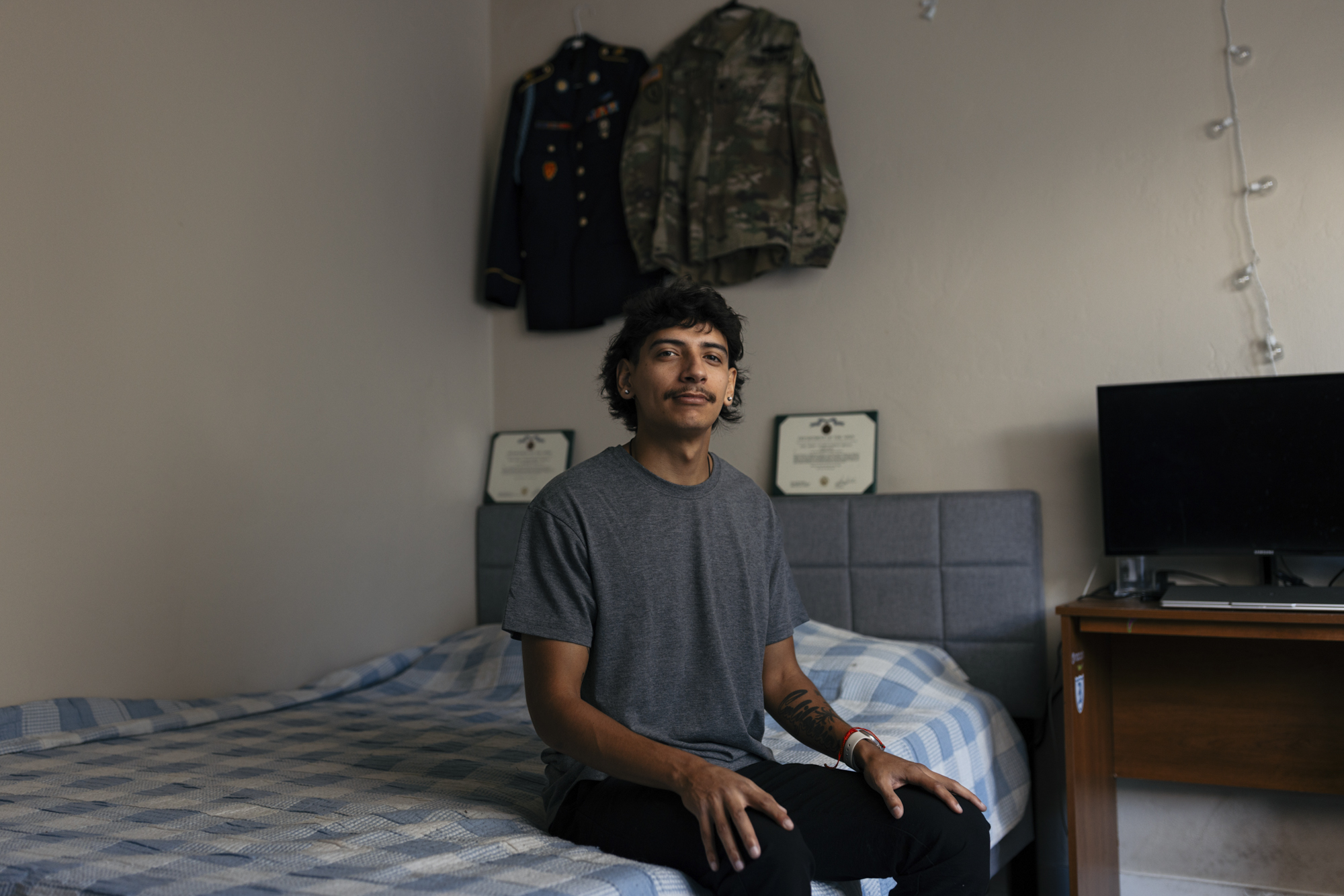
"caption": "Army veteran George Retes sits for a portrait. He filed suit against the United States government this week alleging they illegally detained him for three days after an immigration raid at his worksite.",
"credit": "Courtesy of Institute for Justice",
"altTag": null,
"description": null,
"imgSizes": {
"thumbnail": {
"file": "https://cdn.kqed.org/wp-content/uploads/sites/10/2026/02/260218-George-Retes-01-KQED-160x107.jpg",
"width": 160,
"height": 107,
"mimeType": "image/jpeg"
},
"1536x1536": {
"file": "https://cdn.kqed.org/wp-content/uploads/sites/10/2026/02/260218-George-Retes-01-KQED-1536x1025.jpg",
"width": 1536,
"height": 1025,
"mimeType": "image/jpeg"
},
"post-thumbnail": {
"file": "https://cdn.kqed.org/wp-content/uploads/sites/10/2026/02/260218-George-Retes-01-KQED-672x372.jpg",
"width": 672,
"height": 372,
"mimeType": "image/jpeg"
},
"twentyfourteen-full-width": {
"file": "https://cdn.kqed.org/wp-content/uploads/sites/10/2026/02/260218-George-Retes-01-KQED-1038x576.jpg",
"width": 1038,
"height": 576,
"mimeType": "image/jpeg"
},
"npr-cds-wide": {
"file": "https://cdn.kqed.org/wp-content/uploads/sites/10/2026/02/260218-George-Retes-01-KQED-1200x675.jpg",
"width": 1200,
"height": 675,
"mimeType": "image/jpeg"
},
"kqedFullSize": {
"file": "https://cdn.kqed.org/wp-content/uploads/sites/10/2026/02/260218-George-Retes-01-KQED.jpg",
"width": 2000,
"height": 1334
}
},
"isLoading": false,
"fetchFailed": false
},
"news_11997597": {
"type": "attachments",
"id": "news_11997597",
"meta": {
"index": "attachments_1716263798",
"site": "news",
"id": "11997597",
"found": true
},
"title": "240408-FCIDublin-012-BL_qed",
"publishDate": 1722023695,
"status": "inherit",
"parent": 11997595,
"modified": 1766015393,
"caption": "A sign for the Federal Correctional Institution, Dublin, a former prison for women, in Dublin on April 8, 2024.",
"credit": "Beth LaBerge/KQED",
"altTag": null,
"description": null,
"imgSizes": {
"medium": {
"file": "https://cdn.kqed.org/wp-content/uploads/sites/10/2024/07/240408-FCIDublin-012-BL_qed-800x533.jpg",
"width": 800,
"height": 533,
"mimeType": "image/jpeg"
},
"large": {
"file": "https://cdn.kqed.org/wp-content/uploads/sites/10/2024/07/240408-FCIDublin-012-BL_qed-1020x680.jpg",
"width": 1020,
"height": 680,
"mimeType": "image/jpeg"
},
"thumbnail": {
"file": "https://cdn.kqed.org/wp-content/uploads/sites/10/2024/07/240408-FCIDublin-012-BL_qed-160x107.jpg",
"width": 160,
"height": 107,
"mimeType": "image/jpeg"
},
"1536x1536": {
"file": "https://cdn.kqed.org/wp-content/uploads/sites/10/2024/07/240408-FCIDublin-012-BL_qed-1536x1024.jpg",
"width": 1536,
"height": 1024,
"mimeType": "image/jpeg"
},
"post-thumbnail": {
"file": "https://cdn.kqed.org/wp-content/uploads/sites/10/2024/07/240408-FCIDublin-012-BL_qed-672x372.jpg",
"width": 672,
"height": 372,
"mimeType": "image/jpeg"
},
"twentyfourteen-full-width": {
"file": "https://cdn.kqed.org/wp-content/uploads/sites/10/2024/07/240408-FCIDublin-012-BL_qed-1038x576.jpg",
"width": 1038,
"height": 576,
"mimeType": "image/jpeg"
},
"full-width": {
"file": "https://cdn.kqed.org/wp-content/uploads/sites/10/2024/07/240408-FCIDublin-012-BL_qed-1920x1280.jpg",
"width": 1920,
"height": 1280,
"mimeType": "image/jpeg"
},
"kqedFullSize": {
"file": "https://cdn.kqed.org/wp-content/uploads/sites/10/2024/07/240408-FCIDublin-012-BL_qed.jpg",
"width": 2000,
"height": 1333
}
},
"isLoading": false,
"fetchFailed": false
},
"news_12035739": {
"type": "attachments",
"id": "news_12035739",
"meta": {
"index": "attachments_1716263798",
"site": "news",
"id": "12035739",
"found": true
},
"title": "Americans File Their Returns On Tax Day 2019",
"publishDate": 1744407995,
"status": "inherit",
"parent": 12035735,
"modified": 1771020890,
"caption": "The Internal Revenue Service (IRS) building in Washington, D.C. ",
"credit": "Zach Gibson/Getty Images",
"altTag": null,
"description": null,
"imgSizes": {
"medium": {
"file": "https://cdn.kqed.org/wp-content/uploads/sites/10/2025/04/internal-revenue-service_qed-800x533.jpg",
"width": 800,
"height": 533,
"mimeType": "image/jpeg"
},
"large": {
"file": "https://cdn.kqed.org/wp-content/uploads/sites/10/2025/04/internal-revenue-service_qed-1020x680.jpg",
"width": 1020,
"height": 680,
"mimeType": "image/jpeg"
},
"thumbnail": {
"file": "https://cdn.kqed.org/wp-content/uploads/sites/10/2025/04/internal-revenue-service_qed-160x107.jpg",
"width": 160,
"height": 107,
"mimeType": "image/jpeg"
},
"1536x1536": {
"file": "https://cdn.kqed.org/wp-content/uploads/sites/10/2025/04/internal-revenue-service_qed-1536x1024.jpg",
"width": 1536,
"height": 1024,
"mimeType": "image/jpeg"
},
"post-thumbnail": {
"file": "https://cdn.kqed.org/wp-content/uploads/sites/10/2025/04/internal-revenue-service_qed-672x372.jpg",
"width": 672,
"height": 372,
"mimeType": "image/jpeg"
},
"twentyfourteen-full-width": {
"file": "https://cdn.kqed.org/wp-content/uploads/sites/10/2025/04/internal-revenue-service_qed-1038x576.jpg",
"width": 1038,
"height": 576,
"mimeType": "image/jpeg"
},
"full-width": {
"file": "https://cdn.kqed.org/wp-content/uploads/sites/10/2025/04/internal-revenue-service_qed-1920x1280.jpg",
"width": 1920,
"height": 1280,
"mimeType": "image/jpeg"
},
"kqedFullSize": {
"file": "https://cdn.kqed.org/wp-content/uploads/sites/10/2025/04/internal-revenue-service_qed.jpg",
"width": 2000,
"height": 1333
}
},
"isLoading": false,
"fetchFailed": false
},
"news_12046565": {
"type": "attachments",
"id": "news_12046565",
"meta": {
"index": "attachments_1716263798",
"site": "news",
"id": "12046565",
"found": true
},
"title": "The Core Civic detention facility in California City on June 28, 2025.",
"publishDate": 1751305002,
"status": "inherit",
"parent": 0,
"modified": 1751305043,
"caption": "The Core Civic detention facility in California City on June 28, 2025.",
"credit": "Saul Gonzalez/KQED",
"altTag": null,
"description": null,
"imgSizes": {
"thumbnail": {
"file": "https://cdn.kqed.org/wp-content/uploads/sites/10/2025/06/CORECIVICCALCITY2-KQED-160x107.jpg",
"width": 160,
"height": 107,
"mimeType": "image/jpeg"
},
"1536x1536": {
"file": "https://cdn.kqed.org/wp-content/uploads/sites/10/2025/06/CORECIVICCALCITY2-KQED-1536x1024.jpg",
"width": 1536,
"height": 1024,
"mimeType": "image/jpeg"
},
"post-thumbnail": {
"file": "https://cdn.kqed.org/wp-content/uploads/sites/10/2025/06/CORECIVICCALCITY2-KQED-672x372.jpg",
"width": 672,
"height": 372,
"mimeType": "image/jpeg"
},
"twentyfourteen-full-width": {
"file": "https://cdn.kqed.org/wp-content/uploads/sites/10/2025/06/CORECIVICCALCITY2-KQED-1038x576.jpg",
"width": 1038,
"height": 576,
"mimeType": "image/jpeg"
},
"kqedFullSize": {
"file": "https://cdn.kqed.org/wp-content/uploads/sites/10/2025/06/CORECIVICCALCITY2-KQED.jpg",
"width": 2000,
"height": 1333
}
},
"isLoading": false,
"fetchFailed": false
},
"news_12073071": {
"type": "attachments",
"id": "news_12073071",
"meta": {
"index": "attachments_1716263798",
"site": "news",
"id": "12073071",
"found": true
},
"title": "20251105_URBANSTRATEGY_PL_01-KQED",
"publishDate": 1770762003,
"status": "inherit",
"parent": 0,
"modified": 1770762068,
"caption": "The Trump administration is sending pregnant unaccompanied minors to a Texas shelter, shown above, that has been flagged as medically inadequate. The facility is run by the for-profit contractor Urban Strategies, whose founder and president, Lisa Cummins, has said the company is “deeply committed to the care and well-being of the children we serve.” Sources familiar with the facility dispute that characterization.",
"credit": "Patricia Lim/KUT News",
"altTag": null,
"description": null,
"imgSizes": {
"thumbnail": {
"file": "https://cdn.kqed.org/wp-content/uploads/sites/10/2026/02/20251105_URBANSTRATEGY_PL_01-KQED-160x107.jpg",
"width": 160,
"height": 107,
"mimeType": "image/jpeg"
},
"1536x1536": {
"file": "https://cdn.kqed.org/wp-content/uploads/sites/10/2026/02/20251105_URBANSTRATEGY_PL_01-KQED-1536x1024.jpg",
"width": 1536,
"height": 1024,
"mimeType": "image/jpeg"
},
"post-thumbnail": {
"file": "https://cdn.kqed.org/wp-content/uploads/sites/10/2026/02/20251105_URBANSTRATEGY_PL_01-KQED-672x372.jpg",
"width": 672,
"height": 372,
"mimeType": "image/jpeg"
},
"twentyfourteen-full-width": {
"file": "https://cdn.kqed.org/wp-content/uploads/sites/10/2026/02/20251105_URBANSTRATEGY_PL_01-KQED-1038x576.jpg",
"width": 1038,
"height": 576,
"mimeType": "image/jpeg"
},
"npr-cds-wide": {
"file": "https://cdn.kqed.org/wp-content/uploads/sites/10/2026/02/20251105_URBANSTRATEGY_PL_01-KQED-1200x675.jpg",
"width": 1200,
"height": 675,
"mimeType": "image/jpeg"
},
"kqedFullSize": {
"file": "https://cdn.kqed.org/wp-content/uploads/sites/10/2026/02/20251105_URBANSTRATEGY_PL_01-KQED.jpg",
"width": 1600,
"height": 1067
}
},
"isLoading": false,
"fetchFailed": false
},
"news_12071040": {
"type": "attachments",
"id": "news_12071040",
"meta": {
"index": "attachments_1716263798",
"site": "news",
"id": "12071040",
"found": true
},
"title": "DULCETRICOLOR-10-JL-012526-KQED",
"publishDate": 1769457247,
"status": "inherit",
"parent": 0,
"modified": 1770677217,
"caption": "Michelle Paulin dances while instructing youth at the Dulce Tricolor Venezolano dance group at the Ariel Dance Studio in Campbell on Jan. 25, 2026.",
"credit": "Josie Lepe for KQED",
"altTag": null,
"description": null,
"imgSizes": {
"thumbnail": {
"file": "https://cdn.kqed.org/wp-content/uploads/sites/10/2026/01/DULCETRICOLOR-10-JL-012526-KQED-160x107.jpg",
"width": 160,
"height": 107,
"mimeType": "image/jpeg"
},
"1536x1536": {
"file": "https://cdn.kqed.org/wp-content/uploads/sites/10/2026/01/DULCETRICOLOR-10-JL-012526-KQED-1536x1025.jpg",
"width": 1536,
"height": 1025,
"mimeType": "image/jpeg"
},
"post-thumbnail": {
"file": "https://cdn.kqed.org/wp-content/uploads/sites/10/2026/01/DULCETRICOLOR-10-JL-012526-KQED-672x372.jpg",
"width": 672,
"height": 372,
"mimeType": "image/jpeg"
},
"twentyfourteen-full-width": {
"file": "https://cdn.kqed.org/wp-content/uploads/sites/10/2026/01/DULCETRICOLOR-10-JL-012526-KQED-1038x576.jpg",
"width": 1038,
"height": 576,
"mimeType": "image/jpeg"
},
"npr-cds-wide": {
"file": "https://cdn.kqed.org/wp-content/uploads/sites/10/2026/01/DULCETRICOLOR-10-JL-012526-KQED-1200x675.jpg",
"width": 1200,
"height": 675,
"mimeType": "image/jpeg"
},
"kqedFullSize": {
"file": "https://cdn.kqed.org/wp-content/uploads/sites/10/2026/01/DULCETRICOLOR-10-JL-012526-KQED.jpg",
"width": 2000,
"height": 1334
}
},
"isLoading": false,
"fetchFailed": false
},
"news_12072944": {
"type": "attachments",
"id": "news_12072944",
"meta": {
"index": "attachments_1716263798",
"site": "news",
"id": "12072944",
"found": true
},
"title": "Trump Mask Lawsuit",
"publishDate": 1770681137,
"status": "inherit",
"parent": 12072927,
"modified": 1770681204,
"caption": "Law enforcement officers stand guard during a protest on June 14, 2025, in Los Angeles. ",
"credit": "Ethan Swope/AP Photo",
"altTag": null,
"description": null,
"imgSizes": {
"thumbnail": {
"file": "https://cdn.kqed.org/wp-content/uploads/sites/10/2026/02/FederalOfficersMasksAP-160x107.jpg",
"width": 160,
"height": 107,
"mimeType": "image/jpeg"
},
"1536x1536": {
"file": "https://cdn.kqed.org/wp-content/uploads/sites/10/2026/02/FederalOfficersMasksAP-1536x1024.jpg",
"width": 1536,
"height": 1024,
"mimeType": "image/jpeg"
},
"post-thumbnail": {
"file": "https://cdn.kqed.org/wp-content/uploads/sites/10/2026/02/FederalOfficersMasksAP-672x372.jpg",
"width": 672,
"height": 372,
"mimeType": "image/jpeg"
},
"twentyfourteen-full-width": {
"file": "https://cdn.kqed.org/wp-content/uploads/sites/10/2026/02/FederalOfficersMasksAP-1038x576.jpg",
"width": 1038,
"height": 576,
"mimeType": "image/jpeg"
},
"npr-cds-wide": {
"file": "https://cdn.kqed.org/wp-content/uploads/sites/10/2026/02/FederalOfficersMasksAP-1200x675.jpg",
"width": 1200,
"height": 675,
"mimeType": "image/jpeg"
},
"kqedFullSize": {
"file": "https://cdn.kqed.org/wp-content/uploads/sites/10/2026/02/FederalOfficersMasksAP.jpg",
"width": 2000,
"height": 1333
}
},
"isLoading": false,
"fetchFailed": false
},
"news_12054610": {
"type": "attachments",
"id": "news_12054610",
"meta": {
"index": "attachments_1716263798",
"site": "news",
"id": "12054610",
"found": true
},
"title": "US-POLITICS-IMMIGRATION",
"publishDate": 1757005960,
"status": "inherit",
"parent": 12054544,
"modified": 1770343220,
"caption": "The CoreCivic, Inc. California City Immigration Processing Center stands in the Kern County desert awaiting reopening as a federal immigrant detention facility under contract with the US Immigration and Customs Enforcement (ICE) in California City, California, on July 10, 2025. ",
"credit": "Patrick T. Fallon/AFP via Getty Images",
"altTag": null,
"description": null,
"imgSizes": {
"thumbnail": {
"file": "https://cdn.kqed.org/wp-content/uploads/sites/10/2025/09/CoreCivicKernCountyGetty-160x107.jpg",
"width": 160,
"height": 107,
"mimeType": "image/jpeg"
},
"1536x1536": {
"file": "https://cdn.kqed.org/wp-content/uploads/sites/10/2025/09/CoreCivicKernCountyGetty-1536x1024.jpg",
"width": 1536,
"height": 1024,
"mimeType": "image/jpeg"
},
"post-thumbnail": {
"file": "https://cdn.kqed.org/wp-content/uploads/sites/10/2025/09/CoreCivicKernCountyGetty-672x372.jpg",
"width": 672,
"height": 372,
"mimeType": "image/jpeg"
},
"twentyfourteen-full-width": {
"file": "https://cdn.kqed.org/wp-content/uploads/sites/10/2025/09/CoreCivicKernCountyGetty-1038x576.jpg",
"width": 1038,
"height": 576,
"mimeType": "image/jpeg"
},
"kqedFullSize": {
"file": "https://cdn.kqed.org/wp-content/uploads/sites/10/2025/09/CoreCivicKernCountyGetty.jpg",
"width": 2000,
"height": 1333
}
},
"isLoading": false,
"fetchFailed": false
},
"news_12072495": {
"type": "attachments",
"id": "news_12072495",
"meta": {
"index": "attachments_1716263798",
"site": "news",
"id": "12072495",
"found": true
},
"title": "Super Bowl LX Pregame & Apple Music Super Bowl LX Halftime Show Press Conference",
"publishDate": 1770328555,
"status": "inherit",
"parent": 12072492,
"modified": 1770328555,
"caption": "SAN FRANCISCO, CALIFORNIA - FEBRUARY 05: Bad Bunny speaks onstage during the Super Bowl LX Pregame & Apple Music Super Bowl LX Halftime Show Press Conference at Moscone Center West on February 05, 2026 in San Francisco, California. (Photo by Mike Coppola/Getty Images)",
"credit": null,
"altTag": null,
"description": null,
"imgSizes": {
"thumbnail": {
"file": "https://cdn.kqed.org/wp-content/uploads/sites/10/2026/02/GettyImages-2260093274-160x107.jpg",
"width": 160,
"height": 107,
"mimeType": "image/jpeg"
},
"post-thumbnail": {
"file": "https://cdn.kqed.org/wp-content/uploads/sites/10/2026/02/GettyImages-2260093274-672x372.jpg",
"width": 672,
"height": 372,
"mimeType": "image/jpeg"
},
"twentyfourteen-full-width": {
"file": "https://cdn.kqed.org/wp-content/uploads/sites/10/2026/02/GettyImages-2260093274-1024x576.jpg",
"width": 1024,
"height": 576,
"mimeType": "image/jpeg"
},
"npr-cds-wide": {
"file": "https://cdn.kqed.org/wp-content/uploads/sites/10/2026/02/GettyImages-2260093274-1024x675.jpg",
"width": 1024,
"height": 675,
"mimeType": "image/jpeg"
},
"kqedFullSize": {
"file": "https://cdn.kqed.org/wp-content/uploads/sites/10/2026/02/GettyImages-2260093274.jpg",
"width": 1024,
"height": 683
}
},
"isLoading": false,
"fetchFailed": false
},
"news_12064810": {
"type": "attachments",
"id": "news_12064810",
"meta": {
"index": "attachments_1716263798",
"site": "news",
"id": "12064810",
"found": true
},
"title": "U.S. Customs and Border Protection Agent",
"publishDate": 1763595140,
"status": "inherit",
"parent": 12064801,
"modified": 1763595174,
"caption": "A U.S. Customs and Border Protection logo is seen on a vest worn by an agent at MCAS Miramar on Sept. 26, 2025, in San Diego, California.",
"credit": "Kevin Carter/Getty Images",
"altTag": null,
"description": null,
"imgSizes": {
"thumbnail": {
"file": "https://cdn.kqed.org/wp-content/uploads/sites/10/2025/11/ICEGetty-160x107.jpg",
"width": 160,
"height": 107,
"mimeType": "image/jpeg"
},
"1536x1536": {
"file": "https://cdn.kqed.org/wp-content/uploads/sites/10/2025/11/ICEGetty-1536x1024.jpg",
"width": 1536,
"height": 1024,
"mimeType": "image/jpeg"
},
"post-thumbnail": {
"file": "https://cdn.kqed.org/wp-content/uploads/sites/10/2025/11/ICEGetty-672x372.jpg",
"width": 672,
"height": 372,
"mimeType": "image/jpeg"
},
"twentyfourteen-full-width": {
"file": "https://cdn.kqed.org/wp-content/uploads/sites/10/2025/11/ICEGetty-1038x576.jpg",
"width": 1038,
"height": 576,
"mimeType": "image/jpeg"
},
"npr-cds-wide": {
"file": "https://cdn.kqed.org/wp-content/uploads/sites/10/2025/11/ICEGetty-1200x675.jpg",
"width": 1200,
"height": 675,
"mimeType": "image/jpeg"
},
"kqedFullSize": {
"file": "https://cdn.kqed.org/wp-content/uploads/sites/10/2025/11/ICEGetty.jpg",
"width": 2000,
"height": 1333
}
},
"isLoading": false,
"fetchFailed": false
},
"news_12071631": {
"type": "attachments",
"id": "news_12071631",
"meta": {
"index": "attachments_1716263798",
"site": "news",
"id": "12071631",
"found": true
},
"title": "260128-SUPERBOWLVENDORS00339_TV-KQED",
"publishDate": 1769730545,
"status": "inherit",
"parent": 0,
"modified": 1770232214,
"caption": "Israel García poses for a portrait at Antojitos Y Birria Estilo Jalisco in San José on Jan. 28, 2026. Vendors from the Berryessa Flea Market share their thoughts on balancing the economic opportunity the Super Bowl presents with fears about immigration enforcement.",
"credit": "Tâm Vũ/KQED",
"altTag": null,
"description": null,
"imgSizes": {
"thumbnail": {
"file": "https://cdn.kqed.org/wp-content/uploads/sites/10/2026/01/260128-SUPERBOWLVENDORS00339_TV-KQED-160x107.jpg",
"width": 160,
"height": 107,
"mimeType": "image/jpeg"
},
"1536x1536": {
"file": "https://cdn.kqed.org/wp-content/uploads/sites/10/2026/01/260128-SUPERBOWLVENDORS00339_TV-KQED-1536x1024.jpg",
"width": 1536,
"height": 1024,
"mimeType": "image/jpeg"
},
"post-thumbnail": {
"file": "https://cdn.kqed.org/wp-content/uploads/sites/10/2026/01/260128-SUPERBOWLVENDORS00339_TV-KQED-672x372.jpg",
"width": 672,
"height": 372,
"mimeType": "image/jpeg"
},
"twentyfourteen-full-width": {
"file": "https://cdn.kqed.org/wp-content/uploads/sites/10/2026/01/260128-SUPERBOWLVENDORS00339_TV-KQED-1038x576.jpg",
"width": 1038,
"height": 576,
"mimeType": "image/jpeg"
},
"npr-cds-wide": {
"file": "https://cdn.kqed.org/wp-content/uploads/sites/10/2026/01/260128-SUPERBOWLVENDORS00339_TV-KQED-1200x675.jpg",
"width": 1200,
"height": 675,
"mimeType": "image/jpeg"
},
"kqedFullSize": {
"file": "https://cdn.kqed.org/wp-content/uploads/sites/10/2026/01/260128-SUPERBOWLVENDORS00339_TV-KQED.jpg",
"width": 2000,
"height": 1333
}
},
"isLoading": false,
"fetchFailed": false
},
"news_12072249": {
"type": "attachments",
"id": "news_12072249",
"meta": {
"index": "attachments_1716263798",
"site": "news",
"id": "12072249",
"found": true
},
"title": "Immigration Enforcement Minnesota",
"publishDate": 1770231024,
"status": "inherit",
"parent": 12072244,
"modified": 1770231091,
"caption": "Rep. Ro Khanna, D-California, visits the scene where 37-year-old Alex Pretti was fatally shot by a U.S. Border Patrol officer over the weekend, on Monday, Jan. 26, 2026, in Minneapolis, Minnesota.",
"credit": "Adam Gray/AP Photo",
"altTag": null,
"description": null,
"imgSizes": {
"thumbnail": {
"file": "https://cdn.kqed.org/wp-content/uploads/sites/10/2026/02/RoKhannaAP-160x107.jpg",
"width": 160,
"height": 107,
"mimeType": "image/jpeg"
},
"1536x1536": {
"file": "https://cdn.kqed.org/wp-content/uploads/sites/10/2026/02/RoKhannaAP-1536x1024.jpg",
"width": 1536,
"height": 1024,
"mimeType": "image/jpeg"
},
"post-thumbnail": {
"file": "https://cdn.kqed.org/wp-content/uploads/sites/10/2026/02/RoKhannaAP-672x372.jpg",
"width": 672,
"height": 372,
"mimeType": "image/jpeg"
},
"twentyfourteen-full-width": {
"file": "https://cdn.kqed.org/wp-content/uploads/sites/10/2026/02/RoKhannaAP-1038x576.jpg",
"width": 1038,
"height": 576,
"mimeType": "image/jpeg"
},
"npr-cds-wide": {
"file": "https://cdn.kqed.org/wp-content/uploads/sites/10/2026/02/RoKhannaAP-1200x675.jpg",
"width": 1200,
"height": 675,
"mimeType": "image/jpeg"
},
"kqedFullSize": {
"file": "https://cdn.kqed.org/wp-content/uploads/sites/10/2026/02/RoKhannaAP.jpg",
"width": 2000,
"height": 1333
}
},
"isLoading": false,
"fetchFailed": false
}
},
"audioPlayerReducer": {
"postId": "stream_live",
"isPaused": true,
"isPlaying": false,
"pfsActive": false,
"pledgeModalIsOpen": true,
"playerDrawerIsOpen": false,
"liveAudioPlayStartedAt": 0,
"liveAudioPlayContext": ""
},
"authorsReducer": {
"byline_news_12072843": {
"type": "authors",
"id": "byline_news_12072843",
"meta": {
"override": true
},
"slug": "byline_news_12072843",
"name": "Mark Betancourt The California Newsroom, The Texas Newsroom",
"isLoading": false
},
"scottshafer": {
"type": "authors",
"id": "255",
"meta": {
"index": "authors_1716337520",
"id": "255",
"found": true
},
"name": "Scott Shafer",
"firstName": "Scott",
"lastName": "Shafer",
"slug": "scottshafer",
"email": "sshafer@kqed.org",
"display_author_email": false,
"staff_mastheads": [
"news"
],
"title": "KQED Contributor",
"bio": "Scott Shafer is a senior editor with the KQED Politics and Government desk. He is co-host of Political Breakdown, the award-winning radio show and podcast with a personal take on the world of politics. Scott came to KQED in 1998 to host the statewide\u003cem> California Report\u003c/em>. Prior to that he had extended stints in politics and government\u003cem>.\u003c/em> He uses that inside experience at KQED in his, reporting, hosting and analysis for the politics desk. Scott collaborated \u003cem>Political Breakdown a\u003c/em>nd on \u003cem>The Political Mind of Jerry Brown, \u003c/em>an eight-part series about the life and extraordinary political career of the former governor. For fun, he plays water polo with the San Francisco Tsunami.",
"avatar": "https://secure.gravatar.com/avatar/a62ebae45b79d7aed1a39a0e3bf68104?s=600&d=blank&r=g",
"twitter": "scottshafer",
"bluesky": null,
"facebook": null,
"instagram": null,
"linkedin": null,
"sites": [
{
"site": "news",
"roles": [
"editor"
]
},
{
"site": "stateofhealth",
"roles": [
"author"
]
},
{
"site": "science",
"roles": [
"author"
]
},
{
"site": "forum",
"roles": [
"subscriber"
]
},
{
"site": "liveblog",
"roles": [
"author"
]
}
],
"headData": {
"title": "Scott Shafer | KQED",
"description": "KQED Contributor",
"ogImgSrc": "https://secure.gravatar.com/avatar/a62ebae45b79d7aed1a39a0e3bf68104?s=600&d=blank&r=g",
"twImgSrc": "https://secure.gravatar.com/avatar/a62ebae45b79d7aed1a39a0e3bf68104?s=600&d=blank&r=g"
},
"isLoading": false,
"link": "/author/scottshafer"
},
"tychehendricks": {
"type": "authors",
"id": "259",
"meta": {
"index": "authors_1716337520",
"id": "259",
"found": true
},
"name": "Tyche Hendricks",
"firstName": "Tyche",
"lastName": "Hendricks",
"slug": "tychehendricks",
"email": "thendricks@kqed.org",
"display_author_email": true,
"staff_mastheads": [
"news"
],
"title": "KQED Senior Editor, Immigration",
"bio": "\u003cspan style=\"font-weight: 400;\">Tyche Hendricks is KQED’s senior editor for immigration, leading coverage of the policy and politics that affect California’s immigrant communities. Her work for KQED’s radio and online audiences is also carried on NPR and other national outlets. She has been recognized with awards from the Radio and Television News Directors Association, the Society for Professional Journalists; the Education Writers Association; the Best of the West and the National Federation of Community Broadcasters. Before joining KQED in 2010, Tyche spent more than a dozen years as a newspaper reporter, notably at the \u003c/span>\u003ci>\u003cspan style=\"font-weight: 400;\">San Francisco Chronicle\u003c/span>\u003c/i>\u003cspan style=\"font-weight: 400;\">. At different times she has covered criminal justice, government and politics and urban planning. Tyche has taught in the MFA Creative Writing program at the University of San Francisco and at UC Berkeley’s Graduate School of Journalism, where she was co-director of a national immigration symposium for professional journalists. She is the author of \u003c/span>\u003ci>\u003cspan style=\"font-weight: 400;\">The Wind Doesn't Need a Passport: Stories from the U.S.-Mexico Borderlands\u003c/span>\u003c/i>\u003cspan style=\"font-weight: 400;\"> (University of California Press). \u003c/span>",
"avatar": "https://secure.gravatar.com/avatar/b8ee458e2731c2d43df86882ce17267e?s=600&d=blank&r=g",
"twitter": "tychehendricks",
"facebook": null,
"instagram": null,
"linkedin": null,
"sites": [
{
"site": "news",
"roles": [
"editor"
]
},
{
"site": "stateofhealth",
"roles": [
"editor"
]
}
],
"headData": {
"title": "Tyche Hendricks | KQED",
"description": "KQED Senior Editor, Immigration",
"ogImgSrc": "https://secure.gravatar.com/avatar/b8ee458e2731c2d43df86882ce17267e?s=600&d=blank&r=g",
"twImgSrc": "https://secure.gravatar.com/avatar/b8ee458e2731c2d43df86882ce17267e?s=600&d=blank&r=g"
},
"isLoading": false,
"link": "/author/tychehendricks"
},
"mlagos": {
"type": "authors",
"id": "3239",
"meta": {
"index": "authors_1716337520",
"id": "3239",
"found": true
},
"name": "Marisa Lagos",
"firstName": "Marisa",
"lastName": "Lagos",
"slug": "mlagos",
"email": "mlagos@kqed.org",
"display_author_email": false,
"staff_mastheads": [
"news"
],
"title": "KQED Contributor",
"bio": "Marisa Lagos is a correspondent for KQED’s California Politics and Government Desk and co-hosts the award-winning show and podcast, Political Breakdown. At KQED, Lagos also conducts reporting, analysis and investigations into state, local and national politics for radio, TV, online and onstage. In 2022, she and co-host, Scott Shafer, moderated the only gubernatorial debate in California. In 2020, the \u003ci>Washington Post\u003c/i> named her one of the top political journalists in California; she was nominated for a Peabody and won several other awards for her work investigating the 2017 California wildfires. She has worked at the \u003ci>San Francisco Chronicle\u003c/i>, \u003ci>San Francisco Examiner\u003c/i> and \u003ci>Los Angeles Times\u003c/i>. A UC Santa Barbara graduate, she lives in San Francisco with her two sons and husband.",
"avatar": "https://secure.gravatar.com/avatar/a261a0d3696fc066871ef96b85b5e7d2?s=600&d=blank&r=g",
"twitter": "@mlagos",
"facebook": null,
"instagram": null,
"linkedin": null,
"sites": [
{
"site": "arts",
"roles": [
"author"
]
},
{
"site": "news",
"roles": [
"editor"
]
},
{
"site": "science",
"roles": [
"editor"
]
},
{
"site": "forum",
"roles": [
"author"
]
},
{
"site": "liveblog",
"roles": [
"author"
]
}
],
"headData": {
"title": "Marisa Lagos | KQED",
"description": "KQED Contributor",
"ogImgSrc": "https://secure.gravatar.com/avatar/a261a0d3696fc066871ef96b85b5e7d2?s=600&d=blank&r=g",
"twImgSrc": "https://secure.gravatar.com/avatar/a261a0d3696fc066871ef96b85b5e7d2?s=600&d=blank&r=g"
},
"isLoading": false,
"link": "/author/mlagos"
},
"ecruzguevarra": {
"type": "authors",
"id": "8654",
"meta": {
"index": "authors_1716337520",
"id": "8654",
"found": true
},
"name": "Ericka Cruz Guevarra",
"firstName": "Ericka",
"lastName": "Cruz Guevarra",
"slug": "ecruzguevarra",
"email": "ecruzguevarra@kqed.org",
"display_author_email": true,
"staff_mastheads": [
"news"
],
"title": "Producer, The Bay Podcast",
"bio": "Ericka Cruz Guevarra is host of \u003ca href=\"https://www.kqed.org/podcasts/thebay\">\u003cem>The Bay\u003c/em>\u003c/a> podcast at KQED. Before host, she was the show’s producer. Her work in that capacity includes a three-part reported series on policing in Vallejo, which won a 2020 excellence in journalism award from the Society of Professional Journalists. Ericka has worked as a breaking news reporter at Oregon Public Broadcasting, helped produce the Code Switch podcast, and was KQED’s inaugural Raul Ramirez Diversity Fund intern. She’s also an alumna of NPR’s Next Generation Radio program. Send her an email if you have strong feelings about whether Fairfield and Suisun City are the Bay. Ericka is represented by SAG-AFTRA.",
"avatar": "https://secure.gravatar.com/avatar/accefc1de4bafc7e234b69bcb9b6f6536c130fd84709bc3069ef11a78787e1bb?s=600&d=blank&r=g",
"twitter": "NotoriousECG",
"bluesky": null,
"facebook": null,
"instagram": null,
"linkedin": null,
"sites": [
{
"site": "arts",
"roles": [
"subscriber"
]
},
{
"site": "news",
"roles": [
"editor",
"manage_categories"
]
},
{
"site": "futureofyou",
"roles": [
"subscriber"
]
},
{
"site": "stateofhealth",
"roles": [
"subscriber"
]
},
{
"site": "science",
"roles": [
"editor"
]
},
{
"site": "forum",
"roles": [
"subscriber"
]
}
],
"headData": {
"title": "Ericka Cruz Guevarra | KQED",
"description": "Producer, The Bay Podcast",
"ogImgSrc": "https://secure.gravatar.com/avatar/accefc1de4bafc7e234b69bcb9b6f6536c130fd84709bc3069ef11a78787e1bb?s=600&d=blank&r=g",
"twImgSrc": "https://secure.gravatar.com/avatar/accefc1de4bafc7e234b69bcb9b6f6536c130fd84709bc3069ef11a78787e1bb?s=600&d=blank&r=g"
},
"isLoading": false,
"link": "/author/ecruzguevarra"
},
"amontecillo": {
"type": "authors",
"id": "11649",
"meta": {
"index": "authors_1716337520",
"id": "11649",
"found": true
},
"name": "Alan Montecillo",
"firstName": "Alan",
"lastName": "Montecillo",
"slug": "amontecillo",
"email": "amontecillo@kqed.org",
"display_author_email": false,
"staff_mastheads": [
"news"
],
"title": "KQED Contributor",
"bio": "Alan Montecillo is the senior editor of \u003cem>\u003ca href=\"http://kqed.org/thebay\">The Bay\u003c/a>, \u003c/em> KQED's local news podcast. Before moving to the Bay Area, he worked as a senior talk show producer for WILL in Champaign-Urbana, Illinois and at Oregon Public Broadcasting in Portland, Oregon. He has won journalism awards from the Society of Professional Journalists Northern California, the Public Media Journalists Association, The Signal Awards, and has also received a regional Edward R. Murrow award. Alan is a Filipino American from Hong Kong and a graduate of Reed College.",
"avatar": "https://secure.gravatar.com/avatar/268f53a2066899ea9efdd8a5900218b17c822d9862cbc9326cccec53ef41d349?s=600&d=blank&r=g",
"twitter": "alanmontecillo",
"bluesky": null,
"facebook": null,
"instagram": null,
"linkedin": null,
"sites": [
{
"site": "",
"roles": [
"editor"
]
},
{
"site": "news",
"roles": [
"editor",
"manage_categories"
]
}
],
"headData": {
"title": "Alan Montecillo | KQED",
"description": "KQED Contributor",
"ogImgSrc": "https://secure.gravatar.com/avatar/268f53a2066899ea9efdd8a5900218b17c822d9862cbc9326cccec53ef41d349?s=600&d=blank&r=g",
"twImgSrc": "https://secure.gravatar.com/avatar/268f53a2066899ea9efdd8a5900218b17c822d9862cbc9326cccec53ef41d349?s=600&d=blank&r=g"
},
"isLoading": false,
"link": "/author/amontecillo"
},
"btorres": {
"type": "authors",
"id": "11666",
"meta": {
"index": "authors_1716337520",
"id": "11666",
"found": true
},
"name": "Blanca Torres",
"firstName": "Blanca",
"lastName": "Torres",
"slug": "btorres",
"email": "btorres@kqed.org",
"display_author_email": true,
"staff_mastheads": [
"news"
],
"title": "Producer, Forum",
"bio": "Blanca Torres brings sharp news judgement and keen sense of lively conversation to her work as producer for Forum. She loves producing shows that leave listeners feeling like they heard distinctive voices, learned something new and gained a fresh perspective.\r\n\r\nShe joined KQED in January of 2020 after 16 years of working as a newspaper reporter most recently at the \u003cem>San Francisco Business Times,\u003c/em> where she wrote about real estate and economic development. Before that, she covered a variety of beats including crime, education, retail, workplace, the economy, consumer issues, and small business for the \u003cem>Contra Costa Times, Baltimore Sun\u003c/em> and\u003cem> The Seattle Times\u003c/em>. In addition to reporting, she worked as an editorial writer and columnist for the \u003cem>Seattle Times\u003c/em>. From 2017 to 2020, Blanca won a total of ten awards from the National Association of Real Estate Editors and won first place for land use reporting from the California News Publishers Association two years in a row. She is also a member and former board member for the National Association of Hispanic Journalists.\r\n\r\nA native of the Pacific Northwest, Blanca earned her bachelor's degree from Vanderbilt University in Nashville and a master's in fine arts in creative writing at Mills College. She lives in the East Bay with her family.",
"avatar": "https://secure.gravatar.com/avatar/50b49d19b14a1eed34f26ebf4681152cdd81574ed21851100871ccd29e578cdc?s=600&d=blank&r=g",
"twitter": "@blancawrites",
"bluesky": null,
"facebook": null,
"instagram": null,
"linkedin": null,
"sites": [
{
"site": "arts",
"roles": [
"editor"
]
},
{
"site": "news",
"roles": [
"editor"
]
},
{
"site": "forum",
"roles": [
"editor"
]
}
],
"headData": {
"title": "Blanca Torres | KQED",
"description": "Producer, Forum",
"ogImgSrc": "https://secure.gravatar.com/avatar/50b49d19b14a1eed34f26ebf4681152cdd81574ed21851100871ccd29e578cdc?s=600&d=blank&r=g",
"twImgSrc": "https://secure.gravatar.com/avatar/50b49d19b14a1eed34f26ebf4681152cdd81574ed21851100871ccd29e578cdc?s=600&d=blank&r=g"
},
"isLoading": false,
"link": "/author/btorres"
},
"ccabreralomeli": {
"type": "authors",
"id": "11708",
"meta": {
"index": "authors_1716337520",
"id": "11708",
"found": true
},
"name": "Carlos Cabrera-Lomelí",
"firstName": "Carlos",
"lastName": "Cabrera-Lomelí",
"slug": "ccabreralomeli",
"email": "ccabreralomeli@KQED.org",
"display_author_email": true,
"staff_mastheads": [
"news"
],
"title": "Community Reporter",
"bio": "Carlos Cabrera-Lomelí is a community reporter with KQED's digital engagement team. He also reports and co-produces for KQED's bilingual news hub KQED en Español. He grew up in San Francisco's Mission District and has previously worked with Univision, 48 Hills and REFORMA in Mexico City.",
"avatar": "https://secure.gravatar.com/avatar/c309be9665e484f887b818c89e273ecc673004f426f36b24d00a4d813a2e0518?s=600&d=blank&r=g",
"twitter": "@LomeliCabrera",
"bluesky": null,
"facebook": null,
"instagram": null,
"linkedin": null,
"sites": [
{
"site": "arts",
"roles": [
"editor"
]
},
{
"site": "news",
"roles": [
"editor"
]
},
{
"site": "about",
"roles": [
"editor"
]
},
{
"site": "science",
"roles": [
"editor"
]
},
{
"site": "perspectives",
"roles": [
"editor"
]
},
{
"site": "elections",
"roles": [
"editor"
]
},
{
"site": "liveblog",
"roles": [
"contributor"
]
}
],
"headData": {
"title": "Carlos Cabrera-Lomelí | KQED",
"description": "Community Reporter",
"ogImgSrc": "https://secure.gravatar.com/avatar/c309be9665e484f887b818c89e273ecc673004f426f36b24d00a4d813a2e0518?s=600&d=blank&r=g",
"twImgSrc": "https://secure.gravatar.com/avatar/c309be9665e484f887b818c89e273ecc673004f426f36b24d00a4d813a2e0518?s=600&d=blank&r=g"
},
"isLoading": false,
"link": "/author/ccabreralomeli"
},
"jessicakariisa": {
"type": "authors",
"id": "11831",
"meta": {
"index": "authors_1716337520",
"id": "11831",
"found": true
},
"name": "Jessica Kariisa",
"firstName": "Jessica",
"lastName": "Kariisa",
"slug": "jessicakariisa",
"email": "jkariisa@kqed.org",
"display_author_email": false,
"staff_mastheads": [],
"title": "Producer, The Bay",
"bio": "Jessica Kariisa is the producer of The Bay. She first joined KQED as an intern for The California Report Magazine, after which she became an on-call producer. She reported a Bay Curious episode on the use of rap lyrics in criminal trials which won a Society of Professional Journalists award in 2023 for Excellence in Features Journalism and the 2023 Signal Award for Best Conversation Starter. She’s worked on podcasts for Snap Judgment and American Public Media. Before embarking on her audio career, she was a music journalist.\r\n\r\nJessica Kariisa is represented by SAG-AFTRA.",
"avatar": "https://secure.gravatar.com/avatar/522e97b28ac0b3d411621c0fde8f3419c7b71ea2c5c262c57c4bb600963f328c?s=600&d=blank&r=g",
"twitter": null,
"bluesky": null,
"facebook": null,
"instagram": null,
"linkedin": null,
"sites": [
{
"site": "arts",
"roles": [
"author"
]
},
{
"site": "news",
"roles": [
"editor",
"manage_categories"
]
}
],
"headData": {
"title": "Jessica Kariisa | KQED",
"description": "Producer, The Bay",
"ogImgSrc": "https://secure.gravatar.com/avatar/522e97b28ac0b3d411621c0fde8f3419c7b71ea2c5c262c57c4bb600963f328c?s=600&d=blank&r=g",
"twImgSrc": "https://secure.gravatar.com/avatar/522e97b28ac0b3d411621c0fde8f3419c7b71ea2c5c262c57c4bb600963f328c?s=600&d=blank&r=g"
},
"isLoading": false,
"link": "/author/jessicakariisa"
},
"jgeha": {
"type": "authors",
"id": "11906",
"meta": {
"index": "authors_1716337520",
"id": "11906",
"found": true
},
"name": "Joseph Geha",
"firstName": "Joseph",
"lastName": "Geha",
"slug": "jgeha",
"email": "jgeha@kqed.org",
"display_author_email": false,
"staff_mastheads": [
"news",
"science"
],
"title": "KQED Contributor",
"bio": null,
"avatar": "https://secure.gravatar.com/avatar/ea84d2b6dd93d6369d453edf19dd583f117cd1759d2d9c9c92f9de77017354fe?s=600&d=blank&r=g",
"twitter": null,
"bluesky": null,
"facebook": null,
"instagram": null,
"linkedin": null,
"sites": [
{
"site": "news",
"roles": [
"editor"
]
},
{
"site": "liveblog",
"roles": [
"author"
]
}
],
"headData": {
"title": "Joseph Geha | KQED",
"description": "KQED Contributor",
"ogImgSrc": "https://secure.gravatar.com/avatar/ea84d2b6dd93d6369d453edf19dd583f117cd1759d2d9c9c92f9de77017354fe?s=600&d=blank&r=g",
"twImgSrc": "https://secure.gravatar.com/avatar/ea84d2b6dd93d6369d453edf19dd583f117cd1759d2d9c9c92f9de77017354fe?s=600&d=blank&r=g"
},
"isLoading": false,
"link": "/author/jgeha"
},
"emanoukian": {
"type": "authors",
"id": "11925",
"meta": {
"index": "authors_1716337520",
"id": "11925",
"found": true
},
"name": "Elize Manoukian",
"firstName": "Elize",
"lastName": "Manoukian",
"slug": "emanoukian",
"email": "emanoukian@KQED.org",
"display_author_email": false,
"staff_mastheads": [
"news"
],
"title": "Digital News Editor",
"bio": "Elize Manoukian is an award-winning audio producer and Senior Editor on the Express Desk, KQED's digital news platform. Her work has appeared on KPFA, Interlochen Public Radio, Oregon Public Broadcast, the New York Daily News, LA Times and the San Diego Union-Tribune.",
"avatar": "https://secure.gravatar.com/avatar/4525f1a8e46ccb30933b32653d9772064cfefe3fa655eb45b3b3a80341f6bdad?s=600&d=blank&r=g",
"twitter": null,
"bluesky": null,
"facebook": null,
"instagram": null,
"linkedin": null,
"sites": [
{
"site": "arts",
"roles": [
"editor"
]
},
{
"site": "news",
"roles": [
"editor"
]
},
{
"site": "science",
"roles": [
"editor"
]
}
],
"headData": {
"title": "Elize Manoukian | KQED",
"description": "Digital News Editor",
"ogImgSrc": "https://secure.gravatar.com/avatar/4525f1a8e46ccb30933b32653d9772064cfefe3fa655eb45b3b3a80341f6bdad?s=600&d=blank&r=g",
"twImgSrc": "https://secure.gravatar.com/avatar/4525f1a8e46ccb30933b32653d9772064cfefe3fa655eb45b3b3a80341f6bdad?s=600&d=blank&r=g"
},
"isLoading": false,
"link": "/author/emanoukian"
}
},
"pagesReducer": {
"news_category_immigration": {
"type": "terms",
"id": "news_1169",
"meta": {
"index": "terms_1716263798",
"site": "news",
"id": "1169",
"score": 10.909731
},
"featImg": null,
"name": "Immigration",
"description": null,
"taxonomy": "category",
"headData": {
"twImgId": null,
"twTitle": null,
"ogTitle": null,
"ogImgId": null,
"twDescription": null,
"description": null,
"title": "Immigration Archives | KQED News",
"ogDescription": null
},
"ttid": 1180,
"slug": "immigration",
"isLoading": false,
"title": "Immigration",
"pageMeta": {
"site": "news",
"WpPageTemplate": "page-topic-editorial",
"currentPage": 11
},
"blocks": [
{
"blockName": "kqed/post-list",
"attrs": {
"layout": "cardArticle2",
"query": "posts/news?category=immigration",
"seeMore": false,
"paginated": true,
"page": 11
}
},
{
"blockName": "kqed/ad"
}
]
}
},
"pfsSessionReducer": {},
"postsReducer": {
"stream_live": {
"type": "live",
"id": "stream_live",
"audioUrl": "https://streams.kqed.org/kqedradio",
"title": "Live Stream",
"excerpt": "Live Stream information currently unavailable.",
"link": "/radio",
"featImg": "",
"label": {
"name": "KQED Live",
"link": "/"
}
},
"stream_kqedNewscast": {
"type": "posts",
"id": "stream_kqedNewscast",
"audioUrl": "https://www.kqed.org/.stream/anon/radio/RDnews/newscast.mp3?_=1",
"title": "KQED Newscast",
"featImg": "",
"label": {
"name": "88.5 FM",
"link": "/"
}
},
"news_12073728": {
"type": "posts",
"id": "news_12073728",
"meta": {
"index": "posts_1716263798",
"site": "news",
"id": "12073728",
"score": null,
"sort": [
1771509650000
]
},
"guestAuthors": [],
"slug": "us-citizen-army-veteran-detained-by-ice-sues-for-damages-in-federal-court",
"title": "US Citizen, Army Veteran Detained by ICE Sues for Damages in Federal Court",
"publishDate": 1771509650,
"format": "standard",
"headTitle": "US Citizen, Army Veteran Detained by ICE Sues for Damages in Federal Court | KQED",
"labelTerm": {
"site": "news"
},
"content": "\u003cp>A U.S. citizen and Army veteran who was detained by federal \u003ca href=\"https://www.kqed.org/news/tag/immigration\">immigration\u003c/a> authorities for three days last summer in Southern California filed a civil rights suit against the federal government on Wednesday.\u003c/p>\n\u003cp>The lawsuit, filed in California’s Central District, alleges that the U.S. government and individual federal officers violated George Retes’ constitutional rights as well as numerous state laws during his arrest and detention, which began during a \u003ca href=\"https://www.kqed.org/news/12047753/authorities-say-about-200-immigrants-were-arrested-in-raids-on-2-southern-california-farms\">July immigration raid\u003c/a> at the Ventura County cannabis farm where Retes worked.\u003c/p>\n\u003cp>“At base, a central promise of our justice system is that innocent people like George are entitled to be free from arbitrary imprisonment, and inhumane conditions at the hands of federal agents,” states the lawsuit, which lawyers from the Institute for Justice, a nonprofit public interest law firm, filed. “George brings this case seeking accountability for his unconstitutional and tortious treatment by federal officers.”\u003c/p>\n\u003cp>[ad fullwidth]\u003c/p>\n\u003cp>It’s likely to be an uphill battle for Retes, because federal law and court precedent both limit the ability of American citizens to hold federal officials civilly accountable for constitutional violations that have already occurred — and because Retes’ lawyers have not yet been able to identify the individual officers involved in his detention.\u003c/p>\n\u003cp>But California lawmakers, along with legislators in nine other states, are \u003ca href=\"https://www.kqed.org/news/12071198/california-senate-approves-bill-making-it-easier-to-sue-ice-agents\">considering legislation aimed at making these sorts of lawsuits\u003c/a> easier for plaintiffs like Retes. The California proposal, if enacted, would be retroactive to the spring of 2025 and potentially relevant to Retes’ lawsuit.\u003c/p>\n\u003cp>As KQED has previously \u003ca href=\"https://www.kqed.org/news/12058936/masking-bill-fuels-california-legal-battle-over-federal-immigration-agents\">reported\u003c/a>, Retes said he tried to comply with immigration agents’ orders as he approached the farm in his vehicle last summer. But he said federal agents gave him contradictory commands before using tear gas, smashing his car window, pepper-spraying his face, pulling him out of the car and pinning him to the ground with their knees.\u003c/p>\n\u003cfigure id=\"attachment_12073780\" class=\"wp-caption aligncenter\" style=\"max-width: 2000px\">\u003cimg loading=\"lazy\" decoding=\"async\" class=\"size-full wp-image-12073780\" src=\"https://cdn.kqed.org/wp-content/uploads/sites/10/2026/02/GETTYIMAGES-2224603707-KQED.jpg\" alt=\"\" width=\"2000\" height=\"1351\" srcset=\"https://cdn.kqed.org/wp-content/uploads/sites/10/2026/02/GETTYIMAGES-2224603707-KQED.jpg 2000w, https://cdn.kqed.org/wp-content/uploads/sites/10/2026/02/GETTYIMAGES-2224603707-KQED-160x108.jpg 160w, https://cdn.kqed.org/wp-content/uploads/sites/10/2026/02/GETTYIMAGES-2224603707-KQED-1536x1038.jpg 1536w\" sizes=\"auto, (max-width: 2000px) 100vw, 2000px\">\u003cfigcaption class=\"wp-caption-text\">Federal agents at an immigration raid on July 10, 2025, near Camarillo, California. \u003ccite>(Mario Tama/Getty Images)\u003c/cite>\u003c/figcaption>\u003c/figure>\n\u003cp>“George did not resist. Using his military training to stay calm, he voluntarily placed his arms behind his back to show compliance. Still, officers knelt on his back and neck, zip-tied his hands, and detained him for hours at the farm — without ever telling him what he was accused of,” the lawsuit states.\u003c/p>\n\u003cp>Included in the lawsuit are photos that show Retes lying face down on the ground, surrounded by more than a dozen federal officers as his hands are tied behind his back. The suit goes on to detail his treatment at Naval Base Ventura County in Port Hueneme, then the Metropolitan Detention Center in Los Angeles, where he was held for three days.\u003c/p>\n\u003cp>At no time, according to the lawsuit, did authorities obtain a warrant, probable cause, or offer any legitimate explanation for Retes’ treatment or detention.\u003c/p>\n\u003cp>“He was strip-searched, deprived of his belongings, and held incommunicado for three days and three nights. He was never brought before a judge and was never charged with any offense,” the suit states. “Over the three days [approximately 72 hours] he spent in custody, he was deprived of basic rights that even suspected criminals receive. He was not allowed a phone call, access to counsel, or a hearing. He was also subjected to inhumane treatment, not being allowed a shower to wash chemical irritants off his body.”[aside postID=news_12073633 hero='https://cdn.kqed.org/wp-content/uploads/sites/10/2024/07/240408-FCIDublin-012-BL_qed-1020x680.jpg']The lawsuit relies on the U.S. Constitution’s Fourth Amendment protections against unreasonable searches and seizures and Fifth Amendment protections against deprivation of liberty and property. But it also cites California law, including the Tom Bane Civil Rights Act, which allows a person to sue another person for interfering with their rights by threat, intimidation or coercion.\u003c/p>\n\u003cp>It’s not clear whether the courts will allow a claim like Retes’ to move forward under that state law, said Harrison Stark, senior counsel at the University of Wisconsin Law School’s State Democracy Research Initiative.\u003c/p>\n\u003cp>Stark said there is a long history in the U.S. of states asserting their power to protect residents from federal constitutional overreach, dating back to Northern states’ response to the Fugitive Slave Act before the Civil War.\u003c/p>\n\u003cp>But, he added, a series of federal laws and court decisions in recent decades have limited the rights of Americans to sue federal officials for violations of civil rights that already occurred. By contrast, both the federal government and individuals have the right to sue states over past constitutional violations.\u003c/p>\n\u003cp>[ad fullwidth]\u003c/p>\n\u003cp>“It is unfortunately probably harder today than at any other point in the history of the nation to sue a federal official for money damages if they’ve violated your constitutional rights,” Stark said.\u003c/p>\n\u003cp>Stark said that’s why states like California are considering laws aimed at reclaiming those rights. But even without that law, he said, it’s still worth suing in Retes’ case.\u003c/p>\n\u003cfigure id=\"attachment_12055636\" class=\"wp-caption aligncenter\" style=\"max-width: 2000px\">\u003cimg loading=\"lazy\" decoding=\"async\" class=\"size-full wp-image-12055636\" src=\"https://cdn.kqed.org/wp-content/uploads/sites/10/2025/09/USImmigrationCustomsEnforcementHQGetty.jpg\" alt=\"\" width=\"2000\" height=\"1333\" srcset=\"https://cdn.kqed.org/wp-content/uploads/sites/10/2025/09/USImmigrationCustomsEnforcementHQGetty.jpg 2000w, https://cdn.kqed.org/wp-content/uploads/sites/10/2025/09/USImmigrationCustomsEnforcementHQGetty-160x107.jpg 160w, https://cdn.kqed.org/wp-content/uploads/sites/10/2025/09/USImmigrationCustomsEnforcementHQGetty-1536x1024.jpg 1536w\" sizes=\"auto, (max-width: 2000px) 100vw, 2000px\">\u003cfigcaption class=\"wp-caption-text\">The U.S. Immigration and Customs Enforcement (ICE) headquarters on April 14, 2025, in Washington, D.C. \u003ccite>(Pete Kiehart/The Washington Post via Getty Images)\u003c/cite>\u003c/figcaption>\u003c/figure>\n\u003cp>“I think folks who are experiencing these constitutional violations are entirely reasonably pulling every lever they can to get redress,” he said.\u003c/p>\n\u003cp>Retes’ suit names the United States of America, Immigration and Customs Enforcement, the Navy, the Federal Bureau of Investigation, and Customs and Border Protection, as well as the individual unnamed officers.\u003c/p>\n\u003cp>It asks for damages against individual, unnamed federal officers and the U.S. government, as well as attorneys’ fees and a declaration that Retes’ rights under California tort law and the Constitution were violated.\u003c/p>\n\u003cp>“George missed work, lost professional standing with his employer, and missed his daughter’s third birthday party. The traumatic experience exacerbated injuries he had sustained during his military service,” the lawsuit states. “And throughout his detention, no federal officer could provide an answer to the simplest question: Why am I here?”\u003c/p>\n\u003cp>\u003c/p>\n",
"blocks": [],
"excerpt": "George Retes alleges his constitutional rights were violated when he was held for three days after a raid on his Southern California workplace.",
"status": "publish",
"parent": 0,
"modified": 1771619632,
"stats": {
"hasAudio": false,
"hasVideo": false,
"hasChartOrMap": false,
"iframeSrcs": [],
"hasGoogleForm": false,
"hasGallery": false,
"hasHearkenModule": false,
"hasPolis": false,
"paragraphCount": 22,
"wordCount": 1027
},
"headData": {
"title": "US Citizen, Army Veteran Detained by ICE Sues for Damages in Federal Court | KQED",
"description": "George Retes alleges his constitutional rights were violated when he was held for three days after a raid on his Southern California workplace.",
"ogTitle": "",
"ogDescription": "",
"ogImgId": "",
"twTitle": "",
"twDescription": "",
"twImgId": "",
"schema": {
"@context": "https://schema.org",
"@type": "NewsArticle",
"headline": "US Citizen, Army Veteran Detained by ICE Sues for Damages in Federal Court",
"datePublished": "2026-02-19T06:00:50-08:00",
"dateModified": "2026-02-20T12:33:52-08:00",
"image": "https://cdn.kqed.org/wp-content/uploads/2020/02/KQED-OG-Image@1x.png",
"isAccessibleForFree": "True",
"publisher": {
"@type": "NewsMediaOrganization",
"@id": "https://www.kqed.org/#organization",
"name": "KQED",
"logo": "https://cdn.kqed.org/wp-content/uploads/2020/02/KQED-OG-Image@1x.png",
"url": "https://www.kqed.org",
"sameAs": [
"https://www.facebook.com/KQED",
"https://twitter.com/KQED",
"https://www.instagram.com/kqed/",
"https://www.tiktok.com/@kqedofficial",
"https://www.linkedin.com/company/kqed",
"https://www.youtube.com/channel/UCeC0IOo7i1P_61zVUWbJ4nw"
]
}
}
},
"primaryCategory": {
"termId": 13,
"slug": "politics",
"name": "Politics"
},
"sticky": false,
"nprStoryId": "kqed-12073728",
"templateType": "standard",
"featuredImageType": "standard",
"excludeFromSiteSearch": "Include",
"articleAge": "0",
"path": "/news/12073728/us-citizen-army-veteran-detained-by-ice-sues-for-damages-in-federal-court",
"audioTrackLength": null,
"parsedContent": [
{
"type": "contentString",
"content": "\u003cdiv class=\"post-body\">\u003cp>\u003cp>A U.S. citizen and Army veteran who was detained by federal \u003ca href=\"https://www.kqed.org/news/tag/immigration\">immigration\u003c/a> authorities for three days last summer in Southern California filed a civil rights suit against the federal government on Wednesday.\u003c/p>\n\u003cp>The lawsuit, filed in California’s Central District, alleges that the U.S. government and individual federal officers violated George Retes’ constitutional rights as well as numerous state laws during his arrest and detention, which began during a \u003ca href=\"https://www.kqed.org/news/12047753/authorities-say-about-200-immigrants-were-arrested-in-raids-on-2-southern-california-farms\">July immigration raid\u003c/a> at the Ventura County cannabis farm where Retes worked.\u003c/p>\n\u003cp>“At base, a central promise of our justice system is that innocent people like George are entitled to be free from arbitrary imprisonment, and inhumane conditions at the hands of federal agents,” states the lawsuit, which lawyers from the Institute for Justice, a nonprofit public interest law firm, filed. “George brings this case seeking accountability for his unconstitutional and tortious treatment by federal officers.”\u003c/p>\n\u003cp>\u003c/p>\u003c/div>",
"attributes": {
"named": {},
"numeric": []
}
},
{
"type": "component",
"content": "",
"name": "ad",
"attributes": {
"named": {
"label": "fullwidth"
},
"numeric": [
"fullwidth"
]
}
},
{
"type": "contentString",
"content": "\u003cdiv class=\"post-body\">\u003cp>\u003c/p>\n\u003cp>It’s likely to be an uphill battle for Retes, because federal law and court precedent both limit the ability of American citizens to hold federal officials civilly accountable for constitutional violations that have already occurred — and because Retes’ lawyers have not yet been able to identify the individual officers involved in his detention.\u003c/p>\n\u003cp>But California lawmakers, along with legislators in nine other states, are \u003ca href=\"https://www.kqed.org/news/12071198/california-senate-approves-bill-making-it-easier-to-sue-ice-agents\">considering legislation aimed at making these sorts of lawsuits\u003c/a> easier for plaintiffs like Retes. The California proposal, if enacted, would be retroactive to the spring of 2025 and potentially relevant to Retes’ lawsuit.\u003c/p>\n\u003cp>As KQED has previously \u003ca href=\"https://www.kqed.org/news/12058936/masking-bill-fuels-california-legal-battle-over-federal-immigration-agents\">reported\u003c/a>, Retes said he tried to comply with immigration agents’ orders as he approached the farm in his vehicle last summer. But he said federal agents gave him contradictory commands before using tear gas, smashing his car window, pepper-spraying his face, pulling him out of the car and pinning him to the ground with their knees.\u003c/p>\n\u003cfigure id=\"attachment_12073780\" class=\"wp-caption aligncenter\" style=\"max-width: 2000px\">\u003cimg loading=\"lazy\" decoding=\"async\" class=\"size-full wp-image-12073780\" src=\"https://cdn.kqed.org/wp-content/uploads/sites/10/2026/02/GETTYIMAGES-2224603707-KQED.jpg\" alt=\"\" width=\"2000\" height=\"1351\" srcset=\"https://cdn.kqed.org/wp-content/uploads/sites/10/2026/02/GETTYIMAGES-2224603707-KQED.jpg 2000w, https://cdn.kqed.org/wp-content/uploads/sites/10/2026/02/GETTYIMAGES-2224603707-KQED-160x108.jpg 160w, https://cdn.kqed.org/wp-content/uploads/sites/10/2026/02/GETTYIMAGES-2224603707-KQED-1536x1038.jpg 1536w\" sizes=\"auto, (max-width: 2000px) 100vw, 2000px\">\u003cfigcaption class=\"wp-caption-text\">Federal agents at an immigration raid on July 10, 2025, near Camarillo, California. \u003ccite>(Mario Tama/Getty Images)\u003c/cite>\u003c/figcaption>\u003c/figure>\n\u003cp>“George did not resist. Using his military training to stay calm, he voluntarily placed his arms behind his back to show compliance. Still, officers knelt on his back and neck, zip-tied his hands, and detained him for hours at the farm — without ever telling him what he was accused of,” the lawsuit states.\u003c/p>\n\u003cp>Included in the lawsuit are photos that show Retes lying face down on the ground, surrounded by more than a dozen federal officers as his hands are tied behind his back. The suit goes on to detail his treatment at Naval Base Ventura County in Port Hueneme, then the Metropolitan Detention Center in Los Angeles, where he was held for three days.\u003c/p>\n\u003cp>At no time, according to the lawsuit, did authorities obtain a warrant, probable cause, or offer any legitimate explanation for Retes’ treatment or detention.\u003c/p>\n\u003cp>“He was strip-searched, deprived of his belongings, and held incommunicado for three days and three nights. He was never brought before a judge and was never charged with any offense,” the suit states. “Over the three days [approximately 72 hours] he spent in custody, he was deprived of basic rights that even suspected criminals receive. He was not allowed a phone call, access to counsel, or a hearing. He was also subjected to inhumane treatment, not being allowed a shower to wash chemical irritants off his body.”\u003c/p>\u003c/div>",
"attributes": {
"named": {},
"numeric": []
}
},
{
"type": "component",
"content": "",
"name": "aside",
"attributes": {
"named": {
"postid": "news_12073633",
"hero": "https://cdn.kqed.org/wp-content/uploads/sites/10/2024/07/240408-FCIDublin-012-BL_qed-1020x680.jpg",
"label": ""
},
"numeric": []
}
},
{
"type": "contentString",
"content": "\u003cdiv class=\"post-body\">\u003cp>The lawsuit relies on the U.S. Constitution’s Fourth Amendment protections against unreasonable searches and seizures and Fifth Amendment protections against deprivation of liberty and property. But it also cites California law, including the Tom Bane Civil Rights Act, which allows a person to sue another person for interfering with their rights by threat, intimidation or coercion.\u003c/p>\n\u003cp>It’s not clear whether the courts will allow a claim like Retes’ to move forward under that state law, said Harrison Stark, senior counsel at the University of Wisconsin Law School’s State Democracy Research Initiative.\u003c/p>\n\u003cp>Stark said there is a long history in the U.S. of states asserting their power to protect residents from federal constitutional overreach, dating back to Northern states’ response to the Fugitive Slave Act before the Civil War.\u003c/p>\n\u003cp>But, he added, a series of federal laws and court decisions in recent decades have limited the rights of Americans to sue federal officials for violations of civil rights that already occurred. By contrast, both the federal government and individuals have the right to sue states over past constitutional violations.\u003c/p>\n\u003cp>\u003c/p>\u003c/div>",
"attributes": {
"named": {},
"numeric": []
}
},
{
"type": "component",
"content": "",
"name": "ad",
"attributes": {
"named": {
"label": "fullwidth"
},
"numeric": [
"fullwidth"
]
}
},
{
"type": "contentString",
"content": "\u003cdiv class=\"post-body\">\u003cp>\u003c/p>\n\u003cp>“It is unfortunately probably harder today than at any other point in the history of the nation to sue a federal official for money damages if they’ve violated your constitutional rights,” Stark said.\u003c/p>\n\u003cp>Stark said that’s why states like California are considering laws aimed at reclaiming those rights. But even without that law, he said, it’s still worth suing in Retes’ case.\u003c/p>\n\u003cfigure id=\"attachment_12055636\" class=\"wp-caption aligncenter\" style=\"max-width: 2000px\">\u003cimg loading=\"lazy\" decoding=\"async\" class=\"size-full wp-image-12055636\" src=\"https://cdn.kqed.org/wp-content/uploads/sites/10/2025/09/USImmigrationCustomsEnforcementHQGetty.jpg\" alt=\"\" width=\"2000\" height=\"1333\" srcset=\"https://cdn.kqed.org/wp-content/uploads/sites/10/2025/09/USImmigrationCustomsEnforcementHQGetty.jpg 2000w, https://cdn.kqed.org/wp-content/uploads/sites/10/2025/09/USImmigrationCustomsEnforcementHQGetty-160x107.jpg 160w, https://cdn.kqed.org/wp-content/uploads/sites/10/2025/09/USImmigrationCustomsEnforcementHQGetty-1536x1024.jpg 1536w\" sizes=\"auto, (max-width: 2000px) 100vw, 2000px\">\u003cfigcaption class=\"wp-caption-text\">The U.S. Immigration and Customs Enforcement (ICE) headquarters on April 14, 2025, in Washington, D.C. \u003ccite>(Pete Kiehart/The Washington Post via Getty Images)\u003c/cite>\u003c/figcaption>\u003c/figure>\n\u003cp>“I think folks who are experiencing these constitutional violations are entirely reasonably pulling every lever they can to get redress,” he said.\u003c/p>\n\u003cp>Retes’ suit names the United States of America, Immigration and Customs Enforcement, the Navy, the Federal Bureau of Investigation, and Customs and Border Protection, as well as the individual unnamed officers.\u003c/p>\n\u003cp>It asks for damages against individual, unnamed federal officers and the U.S. government, as well as attorneys’ fees and a declaration that Retes’ rights under California tort law and the Constitution were violated.\u003c/p>\n\u003cp>“George missed work, lost professional standing with his employer, and missed his daughter’s third birthday party. The traumatic experience exacerbated injuries he had sustained during his military service,” the lawsuit states. “And throughout his detention, no federal officer could provide an answer to the simplest question: Why am I here?”\u003c/p>\n\u003cp>\u003c/p>\n\u003c/div>\u003c/p>",
"attributes": {
"named": {},
"numeric": []
}
}
],
"link": "/news/12073728/us-citizen-army-veteran-detained-by-ice-sues-for-damages-in-federal-court",
"authors": [
"3239"
],
"categories": [
"news_1169",
"news_6188",
"news_8",
"news_13"
],
"tags": [
"news_18538",
"news_27240",
"news_35701",
"news_27626",
"news_34377",
"news_20202",
"news_21891",
"news_17968",
"news_237"
],
"featImg": "news_12073778",
"label": "news"
},
"news_12073633": {
"type": "posts",
"id": "news_12073633",
"meta": {
"index": "posts_1716263798",
"site": "news",
"id": "12073633",
"score": null,
"sort": [
1771423239000
]
},
"guestAuthors": [],
"slug": "california-democrats-ask-kristi-noem-to-not-reopen-fci-dublin-as-an-immigration-jail",
"title": "California Democrats Ask Kristi Noem Not to Reopen FCI Dublin as an Immigration Jail",
"publishDate": 1771423239,
"format": "standard",
"headTitle": "California Democrats Ask Kristi Noem Not to Reopen FCI Dublin as an Immigration Jail | KQED",
"labelTerm": {
"site": "news"
},
"content": "\u003cp>Three California Democrats are speaking out against the idea that the Trump administration could \u003ca href=\"https://www.kqed.org/news/12067566/dublin-council-takes-stand-against-turning-closed-prison-into-ice-detention\">turn a shuttered women’s prison\u003c/a> in Alameda County into a new immigration detention facility.\u003c/p>\n\u003cp>Sens. Alex Padilla and Adam Schiff and East Bay Rep. Mark DeSaulnier, whose district includes the former Federal Correctional Institution in Dublin, sent a letter late Tuesday to Homeland Security Secretary Kristi Noem voicing strong opposition to repurposing the facility as an immigration jail and asking pointed questions about whether there are plans in the works.\u003c/p>\n\u003cp>Though they did not cite specific new evidence that DHS is moving to open the facility, the members expressed a mounting sense of urgency to block the expansion of U.S. Immigration and Customs Enforcement detention at a time when in-custody deaths are spiking, and watchdog groups and state officials have described conditions as \u003ca href=\"https://www.kqed.org/news/12062774/conditions-at-massive-new-california-immigration-facility-are-alarming-report-finds\">“alarming”\u003c/a> and \u003ca href=\"https://oag.ca.gov/news/press-releases/attorney-general-bonta-warns-dangerous-conditions-california-city-detention\">“dangerous.”\u003c/a>\u003c/p>\n\u003cp>[ad fullwidth]\u003c/p>\n\u003cp>In an emailed statement to KQED on Feb. 18, an unnamed ICE spokesperson said: “ICE does \u003cstrong>not\u003c/strong> have plans to use the FCI Dublin for immigration detention.”\u003c/p>\n\u003cp>With funding for ICE in last summer’s One Big Beautiful Bill Act, Secretary Noem “aims to work with officials on both sides of the aisle to expand detention space to help ICE law enforcement carry out the largest deportation effort in American history,” the statement reads.\u003c/p>\n\u003cp>Padilla and Schiff \u003ca href=\"https://www.kqed.org/news/12070519/california-senators-visit-immigration-jail-ahead-of-looming-ice-funding-bill-deadline\">recently visited\u003c/a> the California City Detention Facility, a privately run operation that ICE opened in late August, and said they spoke to detainees who described inadequate medical and mental health care.\u003c/p>\n\u003cfigure id=\"attachment_12034002\" class=\"wp-caption aligncenter\" style=\"max-width: 2000px\">\u003cimg loading=\"lazy\" decoding=\"async\" class=\"size-full wp-image-12034002\" src=\"https://cdn.kqed.org/wp-content/uploads/sites/10/2025/04/034_SanFrancisco_AlexPadillaMissionKids_06012021_qed-1.jpg\" alt=\"\" width=\"2000\" height=\"1333\" srcset=\"https://cdn.kqed.org/wp-content/uploads/sites/10/2025/04/034_SanFrancisco_AlexPadillaMissionKids_06012021_qed-1.jpg 2000w, https://cdn.kqed.org/wp-content/uploads/sites/10/2025/04/034_SanFrancisco_AlexPadillaMissionKids_06012021_qed-1-800x533.jpg 800w, https://cdn.kqed.org/wp-content/uploads/sites/10/2025/04/034_SanFrancisco_AlexPadillaMissionKids_06012021_qed-1-1020x680.jpg 1020w, https://cdn.kqed.org/wp-content/uploads/sites/10/2025/04/034_SanFrancisco_AlexPadillaMissionKids_06012021_qed-1-160x107.jpg 160w, https://cdn.kqed.org/wp-content/uploads/sites/10/2025/04/034_SanFrancisco_AlexPadillaMissionKids_06012021_qed-1-1536x1024.jpg 1536w, https://cdn.kqed.org/wp-content/uploads/sites/10/2025/04/034_SanFrancisco_AlexPadillaMissionKids_06012021_qed-1-1920x1280.jpg 1920w\" sizes=\"auto, (max-width: 2000px) 100vw, 2000px\">\u003cfigcaption class=\"wp-caption-text\">Sen. Alex Padilla speaks at a press briefing in San Francisco on June 1, 2021. \u003ccite>(Beth LaBerge/KQED)\u003c/cite>\u003c/figcaption>\u003c/figure>\n\u003cp>Padilla told KQED on Tuesday he believes conditions there and in other facilities across the country are “deplorable.”\u003c/p>\n\u003cp>“DHS has no business expanding their detention capacity while the currently operating detention facilities have been so problematic,” Padilla said Tuesday. “A federal \u003ca href=\"https://www.kqed.org/news/12073215/judge-orders-ice-to-provide-medical-care-in-largest-immigration-jail-in-california\">judge recently ordered DHS\u003c/a> and the operators to comply with the minimum standards. We’re talking about basic things like clean water, like timely medical attention. A federal judge shouldn’t have to require this of an administration. It’s the law.”\u003c/p>\n\u003cp>ICE has previously denied that conditions in detention are insufficient.\u003c/p>\n\u003cp>“Ensuring the safety, security, and well-being of individuals in our custody is a top priority at ICE,” spokeswoman Tricia McLaughlin said in a recent statement. “ICE has higher detention standards than most U.S. prisons that hold actual U.S. citizens.”\u003c/p>\n\u003cp>In December, the Dublin City Council voted unanimously to oppose reopening \u003ca href=\"https://www.kqed.org/news/tag/federal-correctional-institution-in-dublin\">the shuttered prison\u003c/a> for any purpose, including as an immigration jail. FCI Dublin \u003ca href=\"https://www.kqed.org/news/11984115/women-forced-to-relocate-from-fci-dublin-prison-report-traumatizing-journey-seek-compassionate-release\">closed in scandal\u003c/a> in 2024 amid allegations of rampant sexual assault and mistreatment of inmates by staff. The facility also reportedly has serious infrastructure problems, including asbestos and mold.\u003c/p>\n\u003cp>Following \u003ca href=\"https://www.ktvu.com/news/prison-union-concerned-fci-dublin-could-be-turned-ice-detention-center\">reports\u003c/a> that ICE officials had toured the facility last February, community members rallied against a potential pivot and urged local officials to take preemptive measures.[aside postID=news_12070519 hero='https://cdn.kqed.org/wp-content/uploads/sites/10/2026/01/AlexPadillaAdamSchiffAP.jpg']In the letter to Noem, the lawmakers said the Dublin prison “is not suitable to be reopened for any purpose and would endanger the lives of both detainees and staff.”\u003c/p>\n\u003cp>They went on: “Although [Federal Bureau of Prisons] Director William K. Marshall III reportedly guaranteed that there are no plans to transfer use of FCI Dublin’s facilities to ICE, President Trump’s mass deportation agenda coupled with reporting that indicates ICE’s interest in the facility have left us gravely concerned that this facility could be utilized to detain individuals in unsafe conditions.”\u003c/p>\n\u003cp>They asked Noem to detail whether ICE is considering — or has considered — using the prison for immigration detention, and whether it has done a cost analysis, toured the site or received briefings on reopening requirements.\u003c/p>\n\u003cp>At the time of the Dublin City Council vote in December, DHS told KQED it had “nothing to announce about new detention facilities.” But the federal Bureau of Prisons, which owns the property, told the council that it plans to turn the Dublin facility over to the U.S. General Services Administration, which handles federal real estate, because the property is too expensive to keep up.\u003c/p>\n\u003cp>Community advocates said at the time they feared that could be the first step in handing the property over to ICE or a private prison company to run it as an immigration detention center.\u003c/p>\n\u003cp>Padilla told KQED his concern is heightened because DHS has not been transparent in how it is spending the unprecedented infusion of funds it received in the \u003ca href=\"https://www.kqed.org/news/12047037/a-betrayal-bay-area-leaders-react-to-us-house-passing-trumps-tax-and-welfare-cuts\">One Big Beautiful Bill Act\u003c/a> last summer.\u003c/p>\n\u003cfigure id=\"attachment_12069309\" class=\"wp-caption aligncenter\" style=\"max-width: 2000px\">\u003cimg loading=\"lazy\" decoding=\"async\" class=\"size-full wp-image-12069309\" src=\"https://cdn.kqed.org/wp-content/uploads/sites/10/2026/01/KristiNoemGetty.jpg\" alt=\"\" width=\"2000\" height=\"1333\" srcset=\"https://cdn.kqed.org/wp-content/uploads/sites/10/2026/01/KristiNoemGetty.jpg 2000w, https://cdn.kqed.org/wp-content/uploads/sites/10/2026/01/KristiNoemGetty-160x107.jpg 160w, https://cdn.kqed.org/wp-content/uploads/sites/10/2026/01/KristiNoemGetty-1536x1024.jpg 1536w\" sizes=\"auto, (max-width: 2000px) 100vw, 2000px\">\u003cfigcaption class=\"wp-caption-text\">Secretary of Homeland Security Kristi Noem speaks at a news conference on Jan. 7, 2026, in Brownsville, Texas. \u003ccite>(Michael Gonzalez/Getty Images)\u003c/cite>\u003c/figcaption>\u003c/figure>\n\u003cp>He said Noem refused to testify last year before the Senate Judiciary Committee, of which he and Schiff are members, as part of Congress’s regular oversight of DHS.\u003c/p>\n\u003cp>“They’ve been anything but transparent and forthcoming,” Padilla said Tuesday. “When Republican Sen. Chuck Grassley, R-Iowa, the chairman of the Judiciary committee, complains that she has not accepted his invitations to come before the committee, that just tells you how afraid they are of oversight and having to answer for their conduct.”\u003c/p>\n\u003cp>Grassley’s office recently announced that Noem would appear before the committee on March 3.\u003c/p>\n\u003cp>The Democrats’ letter comes at a time when ICE is rapidly expanding detention, holding a record of roughly 70,000 people in immigration jails, up from about 39,000 when President Donald Trump took office.\u003c/p>\n\u003cfigure id=\"attachment_12046564\" class=\"wp-caption aligncenter\" style=\"max-width: 2000px\">\u003cimg loading=\"lazy\" decoding=\"async\" class=\"size-full wp-image-12046564\" src=\"https://cdn.kqed.org/wp-content/uploads/sites/10/2025/06/CORECIVICCALCITY1-KQED.jpg\" alt=\"\" width=\"2000\" height=\"1333\" srcset=\"https://cdn.kqed.org/wp-content/uploads/sites/10/2025/06/CORECIVICCALCITY1-KQED.jpg 2000w, https://cdn.kqed.org/wp-content/uploads/sites/10/2025/06/CORECIVICCALCITY1-KQED-160x107.jpg 160w, https://cdn.kqed.org/wp-content/uploads/sites/10/2025/06/CORECIVICCALCITY1-KQED-1536x1024.jpg 1536w\" sizes=\"auto, (max-width: 2000px) 100vw, 2000px\">\u003cfigcaption class=\"wp-caption-text\">The Core Civic detention facility in California City on June 28, 2025. \u003ccite>(Saul Gonzalez/KQED)\u003c/cite>\u003c/figcaption>\u003c/figure>\n\u003cp>In recent months, ICE has bought warehouses to turn them into “mega” detention centers, has opened a massive tent camp on the Fort Bliss U.S. Army base, near El Paso, Texas, and has expanded contracts with private prison companies, such as CoreCivic, the operator of the California City facility.\u003c/p>\n\u003cp>All of that has been facilitated by a $45 billion, four-year appropriation in last summer’s reconciliation bill, which effectively quadrupled ICE’s annual detention budget.\u003c/p>\n\u003cp>Meanwhile, Congressional Democrats have refused to fund a regular budget appropriation for DHS, leading to a partial shutdown last week, without reforms to how ICE and Customs and Border Protection agents carry out immigration enforcement, such as wearing body cameras and not wearing masks.\u003c/p>\n\u003cp>Padilla also sent a separate \u003ca href=\"https://www.judiciary.senate.gov/imo/media/doc/2026-02-13%20Letter%20to%20DHS%20ICE%20re%20Deaths%20in%20Detention.pdf\">letter\u003c/a> to Noem on Tuesday, along with 20 other Senate Democrats, raising alarms over the steep increase in deaths in ICE detention — including 32 deaths in 2025, a two-decade record, and six so far this year.\u003c/p>\n\u003cp>[ad floatright]\u003c/p>\n",
"blocks": [],
"excerpt": "The lawmakers, including East Bay Rep. Mark DeSaulnier, said they were concerned about detention center conditions and deaths in ICE custody.",
"status": "publish",
"parent": 0,
"modified": 1771464813,
"stats": {
"hasAudio": false,
"hasVideo": false,
"hasChartOrMap": false,
"iframeSrcs": [],
"hasGoogleForm": false,
"hasGallery": false,
"hasHearkenModule": false,
"hasPolis": false,
"paragraphCount": 27,
"wordCount": 1147
},
"headData": {
"title": "California Democrats Ask Kristi Noem Not to Reopen FCI Dublin as an Immigration Jail | KQED",
"description": "The lawmakers, including East Bay Rep. Mark DeSaulnier, said they were concerned about detention center conditions and deaths in ICE custody.",
"ogTitle": "",
"ogDescription": "",
"ogImgId": "",
"twTitle": "",
"twDescription": "",
"twImgId": "",
"schema": {
"@context": "https://schema.org",
"@type": "NewsArticle",
"headline": "California Democrats Ask Kristi Noem Not to Reopen FCI Dublin as an Immigration Jail",
"datePublished": "2026-02-18T06:00:39-08:00",
"dateModified": "2026-02-18T17:33:33-08:00",
"image": "https://cdn.kqed.org/wp-content/uploads/2020/02/KQED-OG-Image@1x.png",
"isAccessibleForFree": "True",
"publisher": {
"@type": "NewsMediaOrganization",
"@id": "https://www.kqed.org/#organization",
"name": "KQED",
"logo": "https://cdn.kqed.org/wp-content/uploads/2020/02/KQED-OG-Image@1x.png",
"url": "https://www.kqed.org",
"sameAs": [
"https://www.facebook.com/KQED",
"https://twitter.com/KQED",
"https://www.instagram.com/kqed/",
"https://www.tiktok.com/@kqedofficial",
"https://www.linkedin.com/company/kqed",
"https://www.youtube.com/channel/UCeC0IOo7i1P_61zVUWbJ4nw"
]
}
}
},
"primaryCategory": {
"termId": 1169,
"slug": "immigration",
"name": "Immigration"
},
"audioUrl": "https://traffic.omny.fm/d/clips/0af137ef-751e-4b19-a055-aaef00d2d578/ffca7e9f-6831-41c5-bcaf-aaef00f5a073/f3e28d90-f0be-43a8-a6ff-b3f5011c144a/audio.mp3",
"sticky": false,
"nprStoryId": "kqed-12073633",
"templateType": "standard",
"featuredImageType": "standard",
"excludeFromSiteSearch": "Include",
"articleAge": "0",
"path": "/news/12073633/california-democrats-ask-kristi-noem-to-not-reopen-fci-dublin-as-an-immigration-jail",
"audioTrackLength": null,
"parsedContent": [
{
"type": "contentString",
"content": "\u003cdiv class=\"post-body\">\u003cp>\u003cp>Three California Democrats are speaking out against the idea that the Trump administration could \u003ca href=\"https://www.kqed.org/news/12067566/dublin-council-takes-stand-against-turning-closed-prison-into-ice-detention\">turn a shuttered women’s prison\u003c/a> in Alameda County into a new immigration detention facility.\u003c/p>\n\u003cp>Sens. Alex Padilla and Adam Schiff and East Bay Rep. Mark DeSaulnier, whose district includes the former Federal Correctional Institution in Dublin, sent a letter late Tuesday to Homeland Security Secretary Kristi Noem voicing strong opposition to repurposing the facility as an immigration jail and asking pointed questions about whether there are plans in the works.\u003c/p>\n\u003cp>Though they did not cite specific new evidence that DHS is moving to open the facility, the members expressed a mounting sense of urgency to block the expansion of U.S. Immigration and Customs Enforcement detention at a time when in-custody deaths are spiking, and watchdog groups and state officials have described conditions as \u003ca href=\"https://www.kqed.org/news/12062774/conditions-at-massive-new-california-immigration-facility-are-alarming-report-finds\">“alarming”\u003c/a> and \u003ca href=\"https://oag.ca.gov/news/press-releases/attorney-general-bonta-warns-dangerous-conditions-california-city-detention\">“dangerous.”\u003c/a>\u003c/p>\n\u003cp>\u003c/p>\u003c/div>",
"attributes": {
"named": {},
"numeric": []
}
},
{
"type": "component",
"content": "",
"name": "ad",
"attributes": {
"named": {
"label": "fullwidth"
},
"numeric": [
"fullwidth"
]
}
},
{
"type": "contentString",
"content": "\u003cdiv class=\"post-body\">\u003cp>\u003c/p>\n\u003cp>In an emailed statement to KQED on Feb. 18, an unnamed ICE spokesperson said: “ICE does \u003cstrong>not\u003c/strong> have plans to use the FCI Dublin for immigration detention.”\u003c/p>\n\u003cp>With funding for ICE in last summer’s One Big Beautiful Bill Act, Secretary Noem “aims to work with officials on both sides of the aisle to expand detention space to help ICE law enforcement carry out the largest deportation effort in American history,” the statement reads.\u003c/p>\n\u003cp>Padilla and Schiff \u003ca href=\"https://www.kqed.org/news/12070519/california-senators-visit-immigration-jail-ahead-of-looming-ice-funding-bill-deadline\">recently visited\u003c/a> the California City Detention Facility, a privately run operation that ICE opened in late August, and said they spoke to detainees who described inadequate medical and mental health care.\u003c/p>\n\u003cfigure id=\"attachment_12034002\" class=\"wp-caption aligncenter\" style=\"max-width: 2000px\">\u003cimg loading=\"lazy\" decoding=\"async\" class=\"size-full wp-image-12034002\" src=\"https://cdn.kqed.org/wp-content/uploads/sites/10/2025/04/034_SanFrancisco_AlexPadillaMissionKids_06012021_qed-1.jpg\" alt=\"\" width=\"2000\" height=\"1333\" srcset=\"https://cdn.kqed.org/wp-content/uploads/sites/10/2025/04/034_SanFrancisco_AlexPadillaMissionKids_06012021_qed-1.jpg 2000w, https://cdn.kqed.org/wp-content/uploads/sites/10/2025/04/034_SanFrancisco_AlexPadillaMissionKids_06012021_qed-1-800x533.jpg 800w, https://cdn.kqed.org/wp-content/uploads/sites/10/2025/04/034_SanFrancisco_AlexPadillaMissionKids_06012021_qed-1-1020x680.jpg 1020w, https://cdn.kqed.org/wp-content/uploads/sites/10/2025/04/034_SanFrancisco_AlexPadillaMissionKids_06012021_qed-1-160x107.jpg 160w, https://cdn.kqed.org/wp-content/uploads/sites/10/2025/04/034_SanFrancisco_AlexPadillaMissionKids_06012021_qed-1-1536x1024.jpg 1536w, https://cdn.kqed.org/wp-content/uploads/sites/10/2025/04/034_SanFrancisco_AlexPadillaMissionKids_06012021_qed-1-1920x1280.jpg 1920w\" sizes=\"auto, (max-width: 2000px) 100vw, 2000px\">\u003cfigcaption class=\"wp-caption-text\">Sen. Alex Padilla speaks at a press briefing in San Francisco on June 1, 2021. \u003ccite>(Beth LaBerge/KQED)\u003c/cite>\u003c/figcaption>\u003c/figure>\n\u003cp>Padilla told KQED on Tuesday he believes conditions there and in other facilities across the country are “deplorable.”\u003c/p>\n\u003cp>“DHS has no business expanding their detention capacity while the currently operating detention facilities have been so problematic,” Padilla said Tuesday. “A federal \u003ca href=\"https://www.kqed.org/news/12073215/judge-orders-ice-to-provide-medical-care-in-largest-immigration-jail-in-california\">judge recently ordered DHS\u003c/a> and the operators to comply with the minimum standards. We’re talking about basic things like clean water, like timely medical attention. A federal judge shouldn’t have to require this of an administration. It’s the law.”\u003c/p>\n\u003cp>ICE has previously denied that conditions in detention are insufficient.\u003c/p>\n\u003cp>“Ensuring the safety, security, and well-being of individuals in our custody is a top priority at ICE,” spokeswoman Tricia McLaughlin said in a recent statement. “ICE has higher detention standards than most U.S. prisons that hold actual U.S. citizens.”\u003c/p>\n\u003cp>In December, the Dublin City Council voted unanimously to oppose reopening \u003ca href=\"https://www.kqed.org/news/tag/federal-correctional-institution-in-dublin\">the shuttered prison\u003c/a> for any purpose, including as an immigration jail. FCI Dublin \u003ca href=\"https://www.kqed.org/news/11984115/women-forced-to-relocate-from-fci-dublin-prison-report-traumatizing-journey-seek-compassionate-release\">closed in scandal\u003c/a> in 2024 amid allegations of rampant sexual assault and mistreatment of inmates by staff. The facility also reportedly has serious infrastructure problems, including asbestos and mold.\u003c/p>\n\u003cp>Following \u003ca href=\"https://www.ktvu.com/news/prison-union-concerned-fci-dublin-could-be-turned-ice-detention-center\">reports\u003c/a> that ICE officials had toured the facility last February, community members rallied against a potential pivot and urged local officials to take preemptive measures.\u003c/p>\u003c/div>",
"attributes": {
"named": {},
"numeric": []
}
},
{
"type": "component",
"content": "",
"name": "aside",
"attributes": {
"named": {
"postid": "news_12070519",
"hero": "https://cdn.kqed.org/wp-content/uploads/sites/10/2026/01/AlexPadillaAdamSchiffAP.jpg",
"label": ""
},
"numeric": []
}
},
{
"type": "contentString",
"content": "\u003cdiv class=\"post-body\">\u003cp>In the letter to Noem, the lawmakers said the Dublin prison “is not suitable to be reopened for any purpose and would endanger the lives of both detainees and staff.”\u003c/p>\n\u003cp>They went on: “Although [Federal Bureau of Prisons] Director William K. Marshall III reportedly guaranteed that there are no plans to transfer use of FCI Dublin’s facilities to ICE, President Trump’s mass deportation agenda coupled with reporting that indicates ICE’s interest in the facility have left us gravely concerned that this facility could be utilized to detain individuals in unsafe conditions.”\u003c/p>\n\u003cp>They asked Noem to detail whether ICE is considering — or has considered — using the prison for immigration detention, and whether it has done a cost analysis, toured the site or received briefings on reopening requirements.\u003c/p>\n\u003cp>At the time of the Dublin City Council vote in December, DHS told KQED it had “nothing to announce about new detention facilities.” But the federal Bureau of Prisons, which owns the property, told the council that it plans to turn the Dublin facility over to the U.S. General Services Administration, which handles federal real estate, because the property is too expensive to keep up.\u003c/p>\n\u003cp>Community advocates said at the time they feared that could be the first step in handing the property over to ICE or a private prison company to run it as an immigration detention center.\u003c/p>\n\u003cp>Padilla told KQED his concern is heightened because DHS has not been transparent in how it is spending the unprecedented infusion of funds it received in the \u003ca href=\"https://www.kqed.org/news/12047037/a-betrayal-bay-area-leaders-react-to-us-house-passing-trumps-tax-and-welfare-cuts\">One Big Beautiful Bill Act\u003c/a> last summer.\u003c/p>\n\u003cfigure id=\"attachment_12069309\" class=\"wp-caption aligncenter\" style=\"max-width: 2000px\">\u003cimg loading=\"lazy\" decoding=\"async\" class=\"size-full wp-image-12069309\" src=\"https://cdn.kqed.org/wp-content/uploads/sites/10/2026/01/KristiNoemGetty.jpg\" alt=\"\" width=\"2000\" height=\"1333\" srcset=\"https://cdn.kqed.org/wp-content/uploads/sites/10/2026/01/KristiNoemGetty.jpg 2000w, https://cdn.kqed.org/wp-content/uploads/sites/10/2026/01/KristiNoemGetty-160x107.jpg 160w, https://cdn.kqed.org/wp-content/uploads/sites/10/2026/01/KristiNoemGetty-1536x1024.jpg 1536w\" sizes=\"auto, (max-width: 2000px) 100vw, 2000px\">\u003cfigcaption class=\"wp-caption-text\">Secretary of Homeland Security Kristi Noem speaks at a news conference on Jan. 7, 2026, in Brownsville, Texas. \u003ccite>(Michael Gonzalez/Getty Images)\u003c/cite>\u003c/figcaption>\u003c/figure>\n\u003cp>He said Noem refused to testify last year before the Senate Judiciary Committee, of which he and Schiff are members, as part of Congress’s regular oversight of DHS.\u003c/p>\n\u003cp>“They’ve been anything but transparent and forthcoming,” Padilla said Tuesday. “When Republican Sen. Chuck Grassley, R-Iowa, the chairman of the Judiciary committee, complains that she has not accepted his invitations to come before the committee, that just tells you how afraid they are of oversight and having to answer for their conduct.”\u003c/p>\n\u003cp>Grassley’s office recently announced that Noem would appear before the committee on March 3.\u003c/p>\n\u003cp>The Democrats’ letter comes at a time when ICE is rapidly expanding detention, holding a record of roughly 70,000 people in immigration jails, up from about 39,000 when President Donald Trump took office.\u003c/p>\n\u003cfigure id=\"attachment_12046564\" class=\"wp-caption aligncenter\" style=\"max-width: 2000px\">\u003cimg loading=\"lazy\" decoding=\"async\" class=\"size-full wp-image-12046564\" src=\"https://cdn.kqed.org/wp-content/uploads/sites/10/2025/06/CORECIVICCALCITY1-KQED.jpg\" alt=\"\" width=\"2000\" height=\"1333\" srcset=\"https://cdn.kqed.org/wp-content/uploads/sites/10/2025/06/CORECIVICCALCITY1-KQED.jpg 2000w, https://cdn.kqed.org/wp-content/uploads/sites/10/2025/06/CORECIVICCALCITY1-KQED-160x107.jpg 160w, https://cdn.kqed.org/wp-content/uploads/sites/10/2025/06/CORECIVICCALCITY1-KQED-1536x1024.jpg 1536w\" sizes=\"auto, (max-width: 2000px) 100vw, 2000px\">\u003cfigcaption class=\"wp-caption-text\">The Core Civic detention facility in California City on June 28, 2025. \u003ccite>(Saul Gonzalez/KQED)\u003c/cite>\u003c/figcaption>\u003c/figure>\n\u003cp>In recent months, ICE has bought warehouses to turn them into “mega” detention centers, has opened a massive tent camp on the Fort Bliss U.S. Army base, near El Paso, Texas, and has expanded contracts with private prison companies, such as CoreCivic, the operator of the California City facility.\u003c/p>\n\u003cp>All of that has been facilitated by a $45 billion, four-year appropriation in last summer’s reconciliation bill, which effectively quadrupled ICE’s annual detention budget.\u003c/p>\n\u003cp>Meanwhile, Congressional Democrats have refused to fund a regular budget appropriation for DHS, leading to a partial shutdown last week, without reforms to how ICE and Customs and Border Protection agents carry out immigration enforcement, such as wearing body cameras and not wearing masks.\u003c/p>\n\u003cp>Padilla also sent a separate \u003ca href=\"https://www.judiciary.senate.gov/imo/media/doc/2026-02-13%20Letter%20to%20DHS%20ICE%20re%20Deaths%20in%20Detention.pdf\">letter\u003c/a> to Noem on Tuesday, along with 20 other Senate Democrats, raising alarms over the steep increase in deaths in ICE detention — including 32 deaths in 2025, a two-decade record, and six so far this year.\u003c/p>\n\u003cp>\u003c/p>\u003c/div>",
"attributes": {
"named": {},
"numeric": []
}
},
{
"type": "component",
"content": "",
"name": "ad",
"attributes": {
"named": {
"label": "floatright"
},
"numeric": [
"floatright"
]
}
},
{
"type": "contentString",
"content": "\u003cdiv class=\"post-body\">\u003cp>\u003c/p>\n\u003c/div>\u003c/p>",
"attributes": {
"named": {},
"numeric": []
}
}
],
"link": "/news/12073633/california-democrats-ask-kristi-noem-to-not-reopen-fci-dublin-as-an-immigration-jail",
"authors": [
"259"
],
"categories": [
"news_31795",
"news_1169",
"news_8"
],
"tags": [
"news_20716",
"news_260",
"news_19112",
"news_27240",
"news_35701",
"news_1323",
"news_18352",
"news_33723",
"news_27626",
"news_33888",
"news_20202",
"news_36181",
"news_21729"
],
"featImg": "news_11997597",
"label": "news"
},
"news_12073445": {
"type": "posts",
"id": "news_12073445",
"meta": {
"index": "posts_1716263798",
"site": "news",
"id": "12073445",
"score": null,
"sort": [
1771070424000
]
},
"guestAuthors": [],
"slug": "tax-day-filing-2026-ice-irs-trump-itin-number-no-social-security-number",
"title": "File Your Taxes With an ITIN? What We Know Right Now About the IRS-ICE Data Agreement",
"publishDate": 1771070424,
"format": "standard",
"headTitle": "File Your Taxes With an ITIN? What We Know Right Now About the IRS-ICE Data Agreement | KQED",
"labelTerm": {
"site": "news"
},
"content": "\u003cp>\u003ca href=\"https://www.kqed.org/news/12075025/tiene-itin-intercambio-datos-irs-ice-inmigracion-trump-impuestos\">\u003cem>Leer en español\u003c/em>\u003c/a>\u003c/p>\n\u003cp>Multiple federal courts have now ruled that the Internal Revenue Service cannot share the personal information of taxpayers who file using an Individual Taxpayer Identification Number with \u003ca href=\"https://www.kqed.org/immigration\">immigration enforcement agencies\u003c/a>.\u003c/p>\n\u003cp>As millions of taxpayers nationwide begin to file their yearly taxes, the Trump administration has sought access to the IRS data of ITIN holders — usually immigrants who are in the country without a Social Security number, and who file taxes with the hope of potentially improving their chances of one day securing a legal immigration status.\u003c/p>\n\u003cp>Last April, the Department of Homeland Security, which oversees Immigration and Customs Enforcement, secured \u003ca href=\"https://www.kqed.org/news/12035735/what-we-now-know-about-the-irs-ice-tax-data-deal\">a data-sharing agreement\u003c/a> with the IRS, opening the door for ICE to request \u003ca href=\"https://apnews.com/article/treasury-irs-ice-tax-immigration-5ab68bb8c96609aaf46f0e71f1610b14\">the personal information\u003c/a> of 1.28 million people. DHS told KQED in a statement that it seeks this information “to identify who is in our country, including violent criminals.”\u003c/p>\n\u003cp>[ad fullwidth]\u003c/p>\n\u003cp>But earlier this month, U.S. District Judge Indira Talwani \u003ca href=\"https://cdn.craft.cloud/5cd1c590-65ba-4ad2-a52c-b55e67f8f04b/assets/media/Programs/Workers-Rights/ICE_IRS_PreliminaryInjunction_260205_WR.pdf\">blocked this 2025 arrangement\u003c/a> — and prohibited ICE agents from viewing any taxpayer data.\u003c/p>\n\u003cp>“Judge Talwani’s order makes it very clear that ICE cannot rely on any of the tax-sharing agreements that it entered into with the IRS or use any information that it already received from the IRS,” said Dorothy Chang, managing attorney for workers’ rights at the Asian Law Caucus, one of the groups that took the federal government to court over the agreement.\u003c/p>\n\u003cp>Talwani is the \u003ca href=\"https://www.politico.com/news/2026/02/05/second-judge-blocks-irs-from-sharing-taxpayer-information-with-ice-00768196\">second federal judge\u003c/a> to block the IRS-ICE agreement as this legal battle moves through the judicial system. On Feb. 24, a Court of Appeals in Washington, D.C. — the next rung in the judicial hierarchy — \u003ca href=\"https://apnews.com/article/treasury-irs-ice-tax-immigration-5ab68bb8c96609aaf46f0e71f1610b14\">declined\u003c/a> to issue a preliminary injunction against the federal government, but legal experts stress that this decision does \u003cem>not \u003c/em>eliminate Talwani’s earlier order.\u003c/p>\n\u003cfigure id=\"attachment_12059882\" class=\"wp-caption aligncenter\" style=\"max-width: 2000px\">\u003cimg loading=\"lazy\" decoding=\"async\" class=\"size-full wp-image-12059882\" src=\"https://cdn.kqed.org/wp-content/uploads/sites/10/2025/10/251014-ANTIFAROUNDTABLEFOLO-19-BL-KQED.jpg\" alt=\"\" width=\"2000\" height=\"1333\" srcset=\"https://cdn.kqed.org/wp-content/uploads/sites/10/2025/10/251014-ANTIFAROUNDTABLEFOLO-19-BL-KQED.jpg 2000w, https://cdn.kqed.org/wp-content/uploads/sites/10/2025/10/251014-ANTIFAROUNDTABLEFOLO-19-BL-KQED-160x107.jpg 160w, https://cdn.kqed.org/wp-content/uploads/sites/10/2025/10/251014-ANTIFAROUNDTABLEFOLO-19-BL-KQED-1536x1024.jpg 1536w\" sizes=\"auto, (max-width: 2000px) 100vw, 2000px\">\u003cfigcaption class=\"wp-caption-text\">People line up outside the ICE Field Office in downtown San Francisco on Oct. 14, 2025, for scheduled check-ins and immigration-related appointments. \u003ccite>(Beth LaBerge/KQED)\u003c/cite>\u003c/figcaption>\u003c/figure>\n\u003cp>“The courts in the two other cases have found that the IRS and ICE did not follow the law,” said Josh Rosenthal, an attorney also with the Asian Law Caucus. “Those two court orders blocking the agencies from massive transfers of taxpayer information and ICE from acting upon any IRS data in its possession are still in place.”\u003c/p>\n\u003cp>Community tax clinics across California told KQED they’re still hearing questions from filers on who has access to their personal information — and if there’s still a possibility that ICE will be able to access taxpayer data again in the future.\u003c/p>\n\u003cp>Keep reading to learn what legal and tax experts know right now about this rapidly changing situation.\u003c/p>\n\u003ch2>What exactly is in Judge Talwani’s order?\u003c/h2>\n\u003cp>In her ruling, Talwani — appointed by President Barack Obama to the U.S. District Court in Boston in 2014 — was highly critical of the Trump administration’s actions.\u003c/p>\n\u003cp>Emphasizing the federal tax system depends on taxpayer trust, Talwaini said that implementing data-sharing agreements “erodes that foundation and undermines the public interest in a functioning tax system.”\u003c/p>\n\u003cfigure id=\"attachment_12069309\" class=\"wp-caption aligncenter\" style=\"max-width: 2000px\">\u003cimg loading=\"lazy\" decoding=\"async\" class=\"size-full wp-image-12069309\" src=\"https://cdn.kqed.org/wp-content/uploads/sites/10/2026/01/KristiNoemGetty.jpg\" alt=\"\" width=\"2000\" height=\"1333\" srcset=\"https://cdn.kqed.org/wp-content/uploads/sites/10/2026/01/KristiNoemGetty.jpg 2000w, https://cdn.kqed.org/wp-content/uploads/sites/10/2026/01/KristiNoemGetty-160x107.jpg 160w, https://cdn.kqed.org/wp-content/uploads/sites/10/2026/01/KristiNoemGetty-1536x1024.jpg 1536w\" sizes=\"auto, (max-width: 2000px) 100vw, 2000px\">\u003cfigcaption class=\"wp-caption-text\">Secretary of Homeland Security Kristi Noem speaks at a news conference on Jan. 7, 2026, in Brownsville, Texas. \u003ccite>(Michael Gonzalez/Getty Images)\u003c/cite>\u003c/figcaption>\u003c/figure>\n\u003cp>Talwani’s order now bars DHS Secretary Kristi Noem, — and any agent from ICE — “from inspecting, viewing, using, copying, distributing, relying on, or otherwise acting upon any return information that had been obtained from or disclosed by the IRS.”\u003c/p>\n\u003cp>The IRS confirmed with the court that it had already shared the addresses of roughly 47,000 noncitizen taxpayers, all of which were stored in the government-issued computer of a single DHS employee. Talwani specifically mentioned that this federal worker is also bound by her order.\u003c/p>\n\u003ch2>Does this ruling permanently strike down the IRS-ICE agreement?\u003c/h2>\n\u003cp>No. This is only a temporary stay, which blocks the IRS and ICE from working together while the courts make a final decision on whether this arrangement is constitutional or not.\u003c/p>\n\u003ch2>How has the Trump administration responded to the ruling?\u003c/h2>\n\u003cp>In a written statement, DHS did not directly respond to KQED’s question on how the agency will act to comply with the judicial order.\u003c/p>\n\u003cp>However, a DHS spokesperson defended seeking IRS data, telling KQED by email that “With the IRS information specifically, DHS plans to focus on enforcing long-neglected criminal laws that apply to illegal aliens but which the Biden Administration ignored.”\u003c/p>\n\u003cfigure id=\"attachment_12067431\" class=\"wp-caption aligncenter\" style=\"max-width: 2000px\">\u003cimg loading=\"lazy\" decoding=\"async\" class=\"size-full wp-image-12067431\" src=\"https://cdn.kqed.org/wp-content/uploads/sites/10/2025/12/251216-ICEPROTEST-33-BL-KQED.jpg\" alt=\"\" width=\"2000\" height=\"1333\" srcset=\"https://cdn.kqed.org/wp-content/uploads/sites/10/2025/12/251216-ICEPROTEST-33-BL-KQED.jpg 2000w, https://cdn.kqed.org/wp-content/uploads/sites/10/2025/12/251216-ICEPROTEST-33-BL-KQED-160x107.jpg 160w, https://cdn.kqed.org/wp-content/uploads/sites/10/2025/12/251216-ICEPROTEST-33-BL-KQED-1536x1024.jpg 1536w\" sizes=\"auto, (max-width: 2000px) 100vw, 2000px\">\u003cfigcaption class=\"wp-caption-text\">Department of Homeland Security officers detain demonstrators outside of the ICE field offices in San Francisco on Dec. 16, 2025. \u003ccite>(Beth LaBerge/KQED)\u003c/cite>\u003c/figcaption>\u003c/figure>\n\u003cp>In direct opposition to Talwani’s statements, the agency spokesperson said that sharing information across agencies was “essential to identify who is in our country, including violent criminals, determine what public safety and terror threats may exist so we can neutralize them, scrub these individuals from voter rolls, and identify what public benefits these aliens are using at taxpayer expense.”\u003c/p>\n\u003ch2>What are advocates telling immigrants about this ruling?\u003c/h2>\n\u003cp>Immigrant advocates have applauded Talwani’s decision. “When we file our taxes, there is really sensitive data in there,” said Chang from Asian Law Caucus.\u003c/p>\n\u003cp>“If we take personal sensitive information that’s protected and use it to hunt down immigrants, that completely undoes the trust that people are placing in the federal government to do the right thing with our taxpayer information,” she said.[aside postID=news_12070260 hero='https://cdn.kqed.org/wp-content/uploads/sites/10/2025/10/AP25278748416734-2000x1333.jpg']Chang added that IRS employees have to follow very strict rules when handling taxpayer data — as established by the \u003ca href=\"https://www.law.cornell.edu/uscode/text/26/6103\">Internal Revenue Code\u003c/a>, created by Congress in 1939.\u003c/p>\n\u003cp>These rules only allow the IRS to share information in \u003cem>very \u003c/em>limited circumstances, including an audit or certain criminal investigations — like those involving a terrorist threat.\u003c/p>\n\u003cp>Even the president is blocked from directly accessing IRS data.\u003c/p>\n\u003cp>In 1976, Congress \u003ca href=\"https://www.law.berkeley.edu/center-article/the-future-of-tax-privacy/\">strengthened the privacy rules \u003c/a>in the Internal Revenue Code after White House employees admitted they had tried to obtain tax information about individuals who then-President Richard Nixon \u003ca href=\"https://www.forbes.com/sites/taxnotes/2023/03/13/timelines-in-tax-history-nixon-aide-tried-to-weaponize-the-irs-by-pressuring-the-commissioner/\">considered to be his enemies\u003c/a>.\u003c/p>\n\u003cp>Using the IRS as a political tool would later be one of the accusations Nixon faced from lawmakers who sought to \u003ca href=\"https://www.nytimes.com/1974/06/14/archives/an-explanation-the-allegatoins-of-nixons-irs-interference-many.html\">impeach him\u003c/a>.\u003c/p>\n\u003ch2>What’s next in this legal battle?\u003c/h2>\n\u003cp>The Trump administration continues to defend the IRS-ICE agreement in different legal battles across the country.\u003c/p>\n\u003cp>A separate case presented by Chicago-based Centro de Trabajadores Unidos has reached the U.S. Court of Appeals for the D.C. Circuit — the step right before the Supreme Court. In those proceedings, judges have declined to issue a preliminary injunction against the federal government, as they believe that the information agencies are sharing isn’t covered by the IRS privacy statute.\u003c/p>\n\u003cfigure id=\"attachment_12073510\" class=\"wp-caption aligncenter\" style=\"max-width: 2000px\">\u003cimg loading=\"lazy\" decoding=\"async\" class=\"wp-image-12073510 size-full\" src=\"https://cdn.kqed.org/wp-content/uploads/sites/10/2026/02/iStock_000026330737_Large_qed.jpg\" alt=\"\" width=\"2000\" height=\"1324\" srcset=\"https://cdn.kqed.org/wp-content/uploads/sites/10/2026/02/iStock_000026330737_Large_qed.jpg 2000w, https://cdn.kqed.org/wp-content/uploads/sites/10/2026/02/iStock_000026330737_Large_qed-160x106.jpg 160w, https://cdn.kqed.org/wp-content/uploads/sites/10/2026/02/iStock_000026330737_Large_qed-1536x1017.jpg 1536w\" sizes=\"auto, (max-width: 2000px) 100vw, 2000px\">\u003cfigcaption class=\"wp-caption-text\">IRS tax auditor reviewing filings. \u003ccite>(Getty Images)\u003c/cite>\u003c/figcaption>\u003c/figure>\n\u003cp>Some news outlets have published \u003ca href=\"https://apnews.com/article/treasury-irs-ice-tax-immigration-5ab68bb8c96609aaf46f0e71f1610b14\">stories\u003c/a> that describe this latest update as the Court of Appeals giving the IRS the greenlight to resume sharing immigrants’ taxpayer data with ICE.\u003c/p>\n\u003cp>However, the orders from judges Talwani and Colleen Kollar-Kotelly — who was the first to block the IRS-ICE agreement last November — remain in place. For ICE to regain access to IRS data, a higher-ranking judge would need to overrule Talwani and Kollar-Kotelly, said Asian Law Caucus’s Chang.\u003c/p>\n\u003cp>Ultimately, the outcome of these legal battles remains unclear, even for legal experts. We’ll update this guide as new information comes in from the courts.\u003c/p>\n\u003ch2>What are tax experts recommending to filers?\u003c/h2>\n\u003cp>As the future of the IRS-ICE agreement remains uncertain, community organizations that provide \u003ca href=\"https://www.kqed.org/news/11909786/how-to-find-free-tax-help-near-you-and-prepare-everything-you-need-for-your-appointment\">free tax services \u003c/a>say they’re still hearing worries from ITIN holders — who are afraid that filing their taxes this year could come at great personal risk.\u003c/p>\n\u003cp>“We let them know that we’re still helping them file taxes,” said Lindsay Rojas, director of free tax help at \u003ca href=\"https://uwba.org/what-we-do/free-tax-help/\">United Way Bay Area\u003c/a>. “And if they have any questions or doubts, they should \u003ca href=\"https://www.kqed.org/news/12013522/free-legal-aid-in-the-bay-area-how-it-works-where-to-find-it\">consult an immigration attorney\u003c/a> for their case.”\u003c/p>\n\u003cp>Rojas stressed that rather than there being any one-size-fits-all advice, this is a decision a person “should make based on their household” and their individual circumstances. Families living in the Bay Area can call 211 to find free tax filing services and an immigration attorney referral.\u003c/p>\n\u003cfigure id=\"attachment_12073511\" class=\"wp-caption aligncenter\" style=\"max-width: 2000px\">\u003cimg loading=\"lazy\" decoding=\"async\" class=\"size-full wp-image-12073511\" src=\"https://cdn.kqed.org/wp-content/uploads/sites/10/2026/02/005_SanFrancisco_MEDADairoRomero_05192021_qed.jpg\" alt=\"\" width=\"2000\" height=\"1333\" srcset=\"https://cdn.kqed.org/wp-content/uploads/sites/10/2026/02/005_SanFrancisco_MEDADairoRomero_05192021_qed.jpg 2000w, https://cdn.kqed.org/wp-content/uploads/sites/10/2026/02/005_SanFrancisco_MEDADairoRomero_05192021_qed-160x107.jpg 160w, https://cdn.kqed.org/wp-content/uploads/sites/10/2026/02/005_SanFrancisco_MEDADairoRomero_05192021_qed-1536x1024.jpg 1536w\" sizes=\"auto, (max-width: 2000px) 100vw, 2000px\">\u003cfigcaption class=\"wp-caption-text\">MEDA staff member Dairo Romero works on the second floor of the Mission Food Hub in San Francisco on May 19, 2021, where he meets with families to help them file their taxes. \u003ccite>(Beth LaBerge)\u003c/cite>\u003c/figcaption>\u003c/figure>\n\u003cp>Other groups that provide tax aid confirmed with KQED that they’re also advising filers to check in first with an immigration attorney if they are concerned about their data privacy. It’s also important to mention that if someone has filed with an ITIN for several years already, the IRS \u003ca href=\"https://www.irs.gov/privacy-disclosure/irs-privacy-policy\">has already received\u003c/a> their personal information for past filings.\u003c/p>\n\u003cp>It’s also important to take into account the potential consequences of not filing taxes, said Minnie Sage, program director of San Francisco-based \u003ca href=\"https://tax-aid.org/\">Tax-Aid\u003c/a>. “A tax return is oftentimes a requirement for proof of income, with things like housing, education and \u003ca href=\"https://www.kqed.org/news/tag/fafsa\">federal loans like FAFSA\u003c/a>,” she said. “It also helps avoid additional costs and penalties.”\u003c/p>\n\u003cp>Sandra Argueta-Bonneville, director of operations for the Los Angeles-based \u003ca href=\"https://laccnp.org/\">Central City Neighborhood Partners\u003c/a>, said her tax team is still seeing folks come in wanting to file with an ITIN. “We really thought that these numbers were going to plummet,” she said — before adding that many community members still feel a strong responsibility to pay taxes and have the hope that fulfilling this commitment will help their immigration process in the future.\u003c/p>\n\u003ch2>What else should ITIN holders know?\u003c/h2>\n\u003cp>Last summer, Congress passed the massive spending and tax plan known as the \u003ca href=\"https://www.npr.org/2025/06/28/g-s1-74388/senate-big-beautiful-bill\">One Big Beautiful Bill\u003c/a>, which severely limited the tax credits ITIN holders qualify for.\u003c/p>\n\u003cp>If a household does not have at least one taxpayer who’s filing their 2025 taxes with a Social Security number, that family will not qualify for the federal Child Tax Credit or the Earned Income Tax Credit. Children claimed as dependents will also need to have a Social Security Number in order to receive the Child Tax Credit.\u003c/p>\n\u003cfigure id=\"attachment_11943501\" class=\"wp-caption aligncenter\" style=\"max-width: 1920px\">\u003cimg loading=\"lazy\" decoding=\"async\" class=\"size-full wp-image-11943501\" src=\"https://cdn.kqed.org/wp-content/uploads/sites/10/2023/03/pexels-emma-bauso-2253879.jpg\" alt=\"A family of four -- two adult parents or caregivers, and two children -- are photographed skipping along a wet street, holding hands.\" width=\"1920\" height=\"1282\" srcset=\"https://cdn.kqed.org/wp-content/uploads/sites/10/2023/03/pexels-emma-bauso-2253879.jpg 1920w, https://cdn.kqed.org/wp-content/uploads/sites/10/2023/03/pexels-emma-bauso-2253879-800x534.jpg 800w, https://cdn.kqed.org/wp-content/uploads/sites/10/2023/03/pexels-emma-bauso-2253879-1020x681.jpg 1020w, https://cdn.kqed.org/wp-content/uploads/sites/10/2023/03/pexels-emma-bauso-2253879-160x107.jpg 160w, https://cdn.kqed.org/wp-content/uploads/sites/10/2023/03/pexels-emma-bauso-2253879-1536x1026.jpg 1536w\" sizes=\"auto, (max-width: 1920px) 100vw, 1920px\">\u003cfigcaption class=\"wp-caption-text\">A family of four skipping along a wet street, holding hands. \u003ccite>(Emma Bauso/Pexels)\u003c/cite>\u003c/figcaption>\u003c/figure>\n\u003cp>Not receiving these credits could now mean a refund that’s thousands of dollars smaller than what families previously received, Argueta-Bonneville said.\u003c/p>\n\u003cp>“A lot of our families really depend on the credits and refunds to be able to reinvest in themselves, their children, and they’re also reinvesting into the community,” she added.\u003c/p>\n\u003cp>However, families filing with an ITIN are still eligible for California’s \u003ca href=\"https://www.ftb.ca.gov/file/personal/credits/caleitc/eligibility-and-credit-information.html\">Earned Income Tax Credit\u003c/a> — and if they have children under 6 years old, they can also receive the state’s \u003ca href=\"https://www.ftb.ca.gov/file/personal/credits/young-child-tax-credit.html\">Young Child Tax Credit\u003c/a>.\u003c/p>\n\u003cp>[ad floatright]\u003c/p>\n",
"blocks": [],
"excerpt": "A federal judge has temporarily blocked the agreement that previously allowed the IRS to share with ICE the personal information of noncitizen taxpayers. This is what experts told us taxpayers should know ahead of filing.",
"status": "publish",
"parent": 0,
"modified": 1772583764,
"stats": {
"hasAudio": false,
"hasVideo": false,
"hasChartOrMap": false,
"iframeSrcs": [],
"hasGoogleForm": false,
"hasGallery": false,
"hasHearkenModule": false,
"hasPolis": false,
"paragraphCount": 42,
"wordCount": 1868
},
"headData": {
"title": "File Your Taxes With an ITIN? What We Know Right Now About the IRS-ICE Data Agreement | KQED",
"description": "A federal judge has temporarily blocked the agreement that previously allowed the IRS to share with ICE the personal information of noncitizen taxpayers. This is what experts told us taxpayers should know ahead of filing.",
"ogTitle": "",
"ogDescription": "",
"ogImgId": "",
"twTitle": "",
"twDescription": "",
"twImgId": "",
"translatedArticles": [
{
"path": "/news/12073445/tax-day-filing-2026-ice-irs-trump-itin-number-no-social-security-number",
"lang": "en"
},
{
"path": "/news/12075025/tiene-itin-intercambio-datos-irs-ice-inmigracion-trump-impuestos",
"lang": "es"
}
],
"schema": {
"@context": "https://schema.org",
"@type": "NewsArticle",
"headline": "File Your Taxes With an ITIN? What We Know Right Now About the IRS-ICE Data Agreement",
"datePublished": "2026-02-14T04:00:24-08:00",
"dateModified": "2026-03-03T16:22:44-08:00",
"image": "https://cdn.kqed.org/wp-content/uploads/2020/02/KQED-OG-Image@1x.png",
"isAccessibleForFree": "True",
"publisher": {
"@type": "NewsMediaOrganization",
"@id": "https://www.kqed.org/#organization",
"name": "KQED",
"logo": "https://cdn.kqed.org/wp-content/uploads/2020/02/KQED-OG-Image@1x.png",
"url": "https://www.kqed.org",
"sameAs": [
"https://www.facebook.com/KQED",
"https://twitter.com/KQED",
"https://www.instagram.com/kqed/",
"https://www.tiktok.com/@kqedofficial",
"https://www.linkedin.com/company/kqed",
"https://www.youtube.com/channel/UCeC0IOo7i1P_61zVUWbJ4nw"
]
}
}
},
"primaryCategory": {
"termId": 34168,
"slug": "guides-and-explainers",
"name": "Guides and Explainers"
},
"sticky": false,
"nprStoryId": "kqed-12073445",
"templateType": "standard",
"featuredImageType": "standard",
"excludeFromSiteSearch": "Include",
"articleAge": "0",
"path": "/news/12073445/tax-day-filing-2026-ice-irs-trump-itin-number-no-social-security-number",
"audioTrackLength": null,
"parsedContent": [
{
"type": "contentString",
"content": "\u003cdiv class=\"post-body\">\u003cp>\u003cp>\u003ca href=\"https://www.kqed.org/news/12075025/tiene-itin-intercambio-datos-irs-ice-inmigracion-trump-impuestos\">\u003cem>Leer en español\u003c/em>\u003c/a>\u003c/p>\n\u003cp>Multiple federal courts have now ruled that the Internal Revenue Service cannot share the personal information of taxpayers who file using an Individual Taxpayer Identification Number with \u003ca href=\"https://www.kqed.org/immigration\">immigration enforcement agencies\u003c/a>.\u003c/p>\n\u003cp>As millions of taxpayers nationwide begin to file their yearly taxes, the Trump administration has sought access to the IRS data of ITIN holders — usually immigrants who are in the country without a Social Security number, and who file taxes with the hope of potentially improving their chances of one day securing a legal immigration status.\u003c/p>\n\u003cp>Last April, the Department of Homeland Security, which oversees Immigration and Customs Enforcement, secured \u003ca href=\"https://www.kqed.org/news/12035735/what-we-now-know-about-the-irs-ice-tax-data-deal\">a data-sharing agreement\u003c/a> with the IRS, opening the door for ICE to request \u003ca href=\"https://apnews.com/article/treasury-irs-ice-tax-immigration-5ab68bb8c96609aaf46f0e71f1610b14\">the personal information\u003c/a> of 1.28 million people. DHS told KQED in a statement that it seeks this information “to identify who is in our country, including violent criminals.”\u003c/p>\n\u003cp>\u003c/p>\u003c/div>",
"attributes": {
"named": {},
"numeric": []
}
},
{
"type": "component",
"content": "",
"name": "ad",
"attributes": {
"named": {
"label": "fullwidth"
},
"numeric": [
"fullwidth"
]
}
},
{
"type": "contentString",
"content": "\u003cdiv class=\"post-body\">\u003cp>\u003c/p>\n\u003cp>But earlier this month, U.S. District Judge Indira Talwani \u003ca href=\"https://cdn.craft.cloud/5cd1c590-65ba-4ad2-a52c-b55e67f8f04b/assets/media/Programs/Workers-Rights/ICE_IRS_PreliminaryInjunction_260205_WR.pdf\">blocked this 2025 arrangement\u003c/a> — and prohibited ICE agents from viewing any taxpayer data.\u003c/p>\n\u003cp>“Judge Talwani’s order makes it very clear that ICE cannot rely on any of the tax-sharing agreements that it entered into with the IRS or use any information that it already received from the IRS,” said Dorothy Chang, managing attorney for workers’ rights at the Asian Law Caucus, one of the groups that took the federal government to court over the agreement.\u003c/p>\n\u003cp>Talwani is the \u003ca href=\"https://www.politico.com/news/2026/02/05/second-judge-blocks-irs-from-sharing-taxpayer-information-with-ice-00768196\">second federal judge\u003c/a> to block the IRS-ICE agreement as this legal battle moves through the judicial system. On Feb. 24, a Court of Appeals in Washington, D.C. — the next rung in the judicial hierarchy — \u003ca href=\"https://apnews.com/article/treasury-irs-ice-tax-immigration-5ab68bb8c96609aaf46f0e71f1610b14\">declined\u003c/a> to issue a preliminary injunction against the federal government, but legal experts stress that this decision does \u003cem>not \u003c/em>eliminate Talwani’s earlier order.\u003c/p>\n\u003cfigure id=\"attachment_12059882\" class=\"wp-caption aligncenter\" style=\"max-width: 2000px\">\u003cimg loading=\"lazy\" decoding=\"async\" class=\"size-full wp-image-12059882\" src=\"https://cdn.kqed.org/wp-content/uploads/sites/10/2025/10/251014-ANTIFAROUNDTABLEFOLO-19-BL-KQED.jpg\" alt=\"\" width=\"2000\" height=\"1333\" srcset=\"https://cdn.kqed.org/wp-content/uploads/sites/10/2025/10/251014-ANTIFAROUNDTABLEFOLO-19-BL-KQED.jpg 2000w, https://cdn.kqed.org/wp-content/uploads/sites/10/2025/10/251014-ANTIFAROUNDTABLEFOLO-19-BL-KQED-160x107.jpg 160w, https://cdn.kqed.org/wp-content/uploads/sites/10/2025/10/251014-ANTIFAROUNDTABLEFOLO-19-BL-KQED-1536x1024.jpg 1536w\" sizes=\"auto, (max-width: 2000px) 100vw, 2000px\">\u003cfigcaption class=\"wp-caption-text\">People line up outside the ICE Field Office in downtown San Francisco on Oct. 14, 2025, for scheduled check-ins and immigration-related appointments. \u003ccite>(Beth LaBerge/KQED)\u003c/cite>\u003c/figcaption>\u003c/figure>\n\u003cp>“The courts in the two other cases have found that the IRS and ICE did not follow the law,” said Josh Rosenthal, an attorney also with the Asian Law Caucus. “Those two court orders blocking the agencies from massive transfers of taxpayer information and ICE from acting upon any IRS data in its possession are still in place.”\u003c/p>\n\u003cp>Community tax clinics across California told KQED they’re still hearing questions from filers on who has access to their personal information — and if there’s still a possibility that ICE will be able to access taxpayer data again in the future.\u003c/p>\n\u003cp>Keep reading to learn what legal and tax experts know right now about this rapidly changing situation.\u003c/p>\n\u003ch2>What exactly is in Judge Talwani’s order?\u003c/h2>\n\u003cp>In her ruling, Talwani — appointed by President Barack Obama to the U.S. District Court in Boston in 2014 — was highly critical of the Trump administration’s actions.\u003c/p>\n\u003cp>Emphasizing the federal tax system depends on taxpayer trust, Talwaini said that implementing data-sharing agreements “erodes that foundation and undermines the public interest in a functioning tax system.”\u003c/p>\n\u003cfigure id=\"attachment_12069309\" class=\"wp-caption aligncenter\" style=\"max-width: 2000px\">\u003cimg loading=\"lazy\" decoding=\"async\" class=\"size-full wp-image-12069309\" src=\"https://cdn.kqed.org/wp-content/uploads/sites/10/2026/01/KristiNoemGetty.jpg\" alt=\"\" width=\"2000\" height=\"1333\" srcset=\"https://cdn.kqed.org/wp-content/uploads/sites/10/2026/01/KristiNoemGetty.jpg 2000w, https://cdn.kqed.org/wp-content/uploads/sites/10/2026/01/KristiNoemGetty-160x107.jpg 160w, https://cdn.kqed.org/wp-content/uploads/sites/10/2026/01/KristiNoemGetty-1536x1024.jpg 1536w\" sizes=\"auto, (max-width: 2000px) 100vw, 2000px\">\u003cfigcaption class=\"wp-caption-text\">Secretary of Homeland Security Kristi Noem speaks at a news conference on Jan. 7, 2026, in Brownsville, Texas. \u003ccite>(Michael Gonzalez/Getty Images)\u003c/cite>\u003c/figcaption>\u003c/figure>\n\u003cp>Talwani’s order now bars DHS Secretary Kristi Noem, — and any agent from ICE — “from inspecting, viewing, using, copying, distributing, relying on, or otherwise acting upon any return information that had been obtained from or disclosed by the IRS.”\u003c/p>\n\u003cp>The IRS confirmed with the court that it had already shared the addresses of roughly 47,000 noncitizen taxpayers, all of which were stored in the government-issued computer of a single DHS employee. Talwani specifically mentioned that this federal worker is also bound by her order.\u003c/p>\n\u003ch2>Does this ruling permanently strike down the IRS-ICE agreement?\u003c/h2>\n\u003cp>No. This is only a temporary stay, which blocks the IRS and ICE from working together while the courts make a final decision on whether this arrangement is constitutional or not.\u003c/p>\n\u003ch2>How has the Trump administration responded to the ruling?\u003c/h2>\n\u003cp>In a written statement, DHS did not directly respond to KQED’s question on how the agency will act to comply with the judicial order.\u003c/p>\n\u003cp>However, a DHS spokesperson defended seeking IRS data, telling KQED by email that “With the IRS information specifically, DHS plans to focus on enforcing long-neglected criminal laws that apply to illegal aliens but which the Biden Administration ignored.”\u003c/p>\n\u003cfigure id=\"attachment_12067431\" class=\"wp-caption aligncenter\" style=\"max-width: 2000px\">\u003cimg loading=\"lazy\" decoding=\"async\" class=\"size-full wp-image-12067431\" src=\"https://cdn.kqed.org/wp-content/uploads/sites/10/2025/12/251216-ICEPROTEST-33-BL-KQED.jpg\" alt=\"\" width=\"2000\" height=\"1333\" srcset=\"https://cdn.kqed.org/wp-content/uploads/sites/10/2025/12/251216-ICEPROTEST-33-BL-KQED.jpg 2000w, https://cdn.kqed.org/wp-content/uploads/sites/10/2025/12/251216-ICEPROTEST-33-BL-KQED-160x107.jpg 160w, https://cdn.kqed.org/wp-content/uploads/sites/10/2025/12/251216-ICEPROTEST-33-BL-KQED-1536x1024.jpg 1536w\" sizes=\"auto, (max-width: 2000px) 100vw, 2000px\">\u003cfigcaption class=\"wp-caption-text\">Department of Homeland Security officers detain demonstrators outside of the ICE field offices in San Francisco on Dec. 16, 2025. \u003ccite>(Beth LaBerge/KQED)\u003c/cite>\u003c/figcaption>\u003c/figure>\n\u003cp>In direct opposition to Talwani’s statements, the agency spokesperson said that sharing information across agencies was “essential to identify who is in our country, including violent criminals, determine what public safety and terror threats may exist so we can neutralize them, scrub these individuals from voter rolls, and identify what public benefits these aliens are using at taxpayer expense.”\u003c/p>\n\u003ch2>What are advocates telling immigrants about this ruling?\u003c/h2>\n\u003cp>Immigrant advocates have applauded Talwani’s decision. “When we file our taxes, there is really sensitive data in there,” said Chang from Asian Law Caucus.\u003c/p>\n\u003cp>“If we take personal sensitive information that’s protected and use it to hunt down immigrants, that completely undoes the trust that people are placing in the federal government to do the right thing with our taxpayer information,” she said.\u003c/p>\u003c/div>",
"attributes": {
"named": {},
"numeric": []
}
},
{
"type": "component",
"content": "",
"name": "aside",
"attributes": {
"named": {
"postid": "news_12070260",
"hero": "https://cdn.kqed.org/wp-content/uploads/sites/10/2025/10/AP25278748416734-2000x1333.jpg",
"label": ""
},
"numeric": []
}
},
{
"type": "contentString",
"content": "\u003cdiv class=\"post-body\">\u003cp>Chang added that IRS employees have to follow very strict rules when handling taxpayer data — as established by the \u003ca href=\"https://www.law.cornell.edu/uscode/text/26/6103\">Internal Revenue Code\u003c/a>, created by Congress in 1939.\u003c/p>\n\u003cp>These rules only allow the IRS to share information in \u003cem>very \u003c/em>limited circumstances, including an audit or certain criminal investigations — like those involving a terrorist threat.\u003c/p>\n\u003cp>Even the president is blocked from directly accessing IRS data.\u003c/p>\n\u003cp>In 1976, Congress \u003ca href=\"https://www.law.berkeley.edu/center-article/the-future-of-tax-privacy/\">strengthened the privacy rules \u003c/a>in the Internal Revenue Code after White House employees admitted they had tried to obtain tax information about individuals who then-President Richard Nixon \u003ca href=\"https://www.forbes.com/sites/taxnotes/2023/03/13/timelines-in-tax-history-nixon-aide-tried-to-weaponize-the-irs-by-pressuring-the-commissioner/\">considered to be his enemies\u003c/a>.\u003c/p>\n\u003cp>Using the IRS as a political tool would later be one of the accusations Nixon faced from lawmakers who sought to \u003ca href=\"https://www.nytimes.com/1974/06/14/archives/an-explanation-the-allegatoins-of-nixons-irs-interference-many.html\">impeach him\u003c/a>.\u003c/p>\n\u003ch2>What’s next in this legal battle?\u003c/h2>\n\u003cp>The Trump administration continues to defend the IRS-ICE agreement in different legal battles across the country.\u003c/p>\n\u003cp>A separate case presented by Chicago-based Centro de Trabajadores Unidos has reached the U.S. Court of Appeals for the D.C. Circuit — the step right before the Supreme Court. In those proceedings, judges have declined to issue a preliminary injunction against the federal government, as they believe that the information agencies are sharing isn’t covered by the IRS privacy statute.\u003c/p>\n\u003cfigure id=\"attachment_12073510\" class=\"wp-caption aligncenter\" style=\"max-width: 2000px\">\u003cimg loading=\"lazy\" decoding=\"async\" class=\"wp-image-12073510 size-full\" src=\"https://cdn.kqed.org/wp-content/uploads/sites/10/2026/02/iStock_000026330737_Large_qed.jpg\" alt=\"\" width=\"2000\" height=\"1324\" srcset=\"https://cdn.kqed.org/wp-content/uploads/sites/10/2026/02/iStock_000026330737_Large_qed.jpg 2000w, https://cdn.kqed.org/wp-content/uploads/sites/10/2026/02/iStock_000026330737_Large_qed-160x106.jpg 160w, https://cdn.kqed.org/wp-content/uploads/sites/10/2026/02/iStock_000026330737_Large_qed-1536x1017.jpg 1536w\" sizes=\"auto, (max-width: 2000px) 100vw, 2000px\">\u003cfigcaption class=\"wp-caption-text\">IRS tax auditor reviewing filings. \u003ccite>(Getty Images)\u003c/cite>\u003c/figcaption>\u003c/figure>\n\u003cp>Some news outlets have published \u003ca href=\"https://apnews.com/article/treasury-irs-ice-tax-immigration-5ab68bb8c96609aaf46f0e71f1610b14\">stories\u003c/a> that describe this latest update as the Court of Appeals giving the IRS the greenlight to resume sharing immigrants’ taxpayer data with ICE.\u003c/p>\n\u003cp>However, the orders from judges Talwani and Colleen Kollar-Kotelly — who was the first to block the IRS-ICE agreement last November — remain in place. For ICE to regain access to IRS data, a higher-ranking judge would need to overrule Talwani and Kollar-Kotelly, said Asian Law Caucus’s Chang.\u003c/p>\n\u003cp>Ultimately, the outcome of these legal battles remains unclear, even for legal experts. We’ll update this guide as new information comes in from the courts.\u003c/p>\n\u003ch2>What are tax experts recommending to filers?\u003c/h2>\n\u003cp>As the future of the IRS-ICE agreement remains uncertain, community organizations that provide \u003ca href=\"https://www.kqed.org/news/11909786/how-to-find-free-tax-help-near-you-and-prepare-everything-you-need-for-your-appointment\">free tax services \u003c/a>say they’re still hearing worries from ITIN holders — who are afraid that filing their taxes this year could come at great personal risk.\u003c/p>\n\u003cp>“We let them know that we’re still helping them file taxes,” said Lindsay Rojas, director of free tax help at \u003ca href=\"https://uwba.org/what-we-do/free-tax-help/\">United Way Bay Area\u003c/a>. “And if they have any questions or doubts, they should \u003ca href=\"https://www.kqed.org/news/12013522/free-legal-aid-in-the-bay-area-how-it-works-where-to-find-it\">consult an immigration attorney\u003c/a> for their case.”\u003c/p>\n\u003cp>Rojas stressed that rather than there being any one-size-fits-all advice, this is a decision a person “should make based on their household” and their individual circumstances. Families living in the Bay Area can call 211 to find free tax filing services and an immigration attorney referral.\u003c/p>\n\u003cfigure id=\"attachment_12073511\" class=\"wp-caption aligncenter\" style=\"max-width: 2000px\">\u003cimg loading=\"lazy\" decoding=\"async\" class=\"size-full wp-image-12073511\" src=\"https://cdn.kqed.org/wp-content/uploads/sites/10/2026/02/005_SanFrancisco_MEDADairoRomero_05192021_qed.jpg\" alt=\"\" width=\"2000\" height=\"1333\" srcset=\"https://cdn.kqed.org/wp-content/uploads/sites/10/2026/02/005_SanFrancisco_MEDADairoRomero_05192021_qed.jpg 2000w, https://cdn.kqed.org/wp-content/uploads/sites/10/2026/02/005_SanFrancisco_MEDADairoRomero_05192021_qed-160x107.jpg 160w, https://cdn.kqed.org/wp-content/uploads/sites/10/2026/02/005_SanFrancisco_MEDADairoRomero_05192021_qed-1536x1024.jpg 1536w\" sizes=\"auto, (max-width: 2000px) 100vw, 2000px\">\u003cfigcaption class=\"wp-caption-text\">MEDA staff member Dairo Romero works on the second floor of the Mission Food Hub in San Francisco on May 19, 2021, where he meets with families to help them file their taxes. \u003ccite>(Beth LaBerge)\u003c/cite>\u003c/figcaption>\u003c/figure>\n\u003cp>Other groups that provide tax aid confirmed with KQED that they’re also advising filers to check in first with an immigration attorney if they are concerned about their data privacy. It’s also important to mention that if someone has filed with an ITIN for several years already, the IRS \u003ca href=\"https://www.irs.gov/privacy-disclosure/irs-privacy-policy\">has already received\u003c/a> their personal information for past filings.\u003c/p>\n\u003cp>It’s also important to take into account the potential consequences of not filing taxes, said Minnie Sage, program director of San Francisco-based \u003ca href=\"https://tax-aid.org/\">Tax-Aid\u003c/a>. “A tax return is oftentimes a requirement for proof of income, with things like housing, education and \u003ca href=\"https://www.kqed.org/news/tag/fafsa\">federal loans like FAFSA\u003c/a>,” she said. “It also helps avoid additional costs and penalties.”\u003c/p>\n\u003cp>Sandra Argueta-Bonneville, director of operations for the Los Angeles-based \u003ca href=\"https://laccnp.org/\">Central City Neighborhood Partners\u003c/a>, said her tax team is still seeing folks come in wanting to file with an ITIN. “We really thought that these numbers were going to plummet,” she said — before adding that many community members still feel a strong responsibility to pay taxes and have the hope that fulfilling this commitment will help their immigration process in the future.\u003c/p>\n\u003ch2>What else should ITIN holders know?\u003c/h2>\n\u003cp>Last summer, Congress passed the massive spending and tax plan known as the \u003ca href=\"https://www.npr.org/2025/06/28/g-s1-74388/senate-big-beautiful-bill\">One Big Beautiful Bill\u003c/a>, which severely limited the tax credits ITIN holders qualify for.\u003c/p>\n\u003cp>If a household does not have at least one taxpayer who’s filing their 2025 taxes with a Social Security number, that family will not qualify for the federal Child Tax Credit or the Earned Income Tax Credit. Children claimed as dependents will also need to have a Social Security Number in order to receive the Child Tax Credit.\u003c/p>\n\u003cfigure id=\"attachment_11943501\" class=\"wp-caption aligncenter\" style=\"max-width: 1920px\">\u003cimg loading=\"lazy\" decoding=\"async\" class=\"size-full wp-image-11943501\" src=\"https://cdn.kqed.org/wp-content/uploads/sites/10/2023/03/pexels-emma-bauso-2253879.jpg\" alt=\"A family of four -- two adult parents or caregivers, and two children -- are photographed skipping along a wet street, holding hands.\" width=\"1920\" height=\"1282\" srcset=\"https://cdn.kqed.org/wp-content/uploads/sites/10/2023/03/pexels-emma-bauso-2253879.jpg 1920w, https://cdn.kqed.org/wp-content/uploads/sites/10/2023/03/pexels-emma-bauso-2253879-800x534.jpg 800w, https://cdn.kqed.org/wp-content/uploads/sites/10/2023/03/pexels-emma-bauso-2253879-1020x681.jpg 1020w, https://cdn.kqed.org/wp-content/uploads/sites/10/2023/03/pexels-emma-bauso-2253879-160x107.jpg 160w, https://cdn.kqed.org/wp-content/uploads/sites/10/2023/03/pexels-emma-bauso-2253879-1536x1026.jpg 1536w\" sizes=\"auto, (max-width: 1920px) 100vw, 1920px\">\u003cfigcaption class=\"wp-caption-text\">A family of four skipping along a wet street, holding hands. \u003ccite>(Emma Bauso/Pexels)\u003c/cite>\u003c/figcaption>\u003c/figure>\n\u003cp>Not receiving these credits could now mean a refund that’s thousands of dollars smaller than what families previously received, Argueta-Bonneville said.\u003c/p>\n\u003cp>“A lot of our families really depend on the credits and refunds to be able to reinvest in themselves, their children, and they’re also reinvesting into the community,” she added.\u003c/p>\n\u003cp>However, families filing with an ITIN are still eligible for California’s \u003ca href=\"https://www.ftb.ca.gov/file/personal/credits/caleitc/eligibility-and-credit-information.html\">Earned Income Tax Credit\u003c/a> — and if they have children under 6 years old, they can also receive the state’s \u003ca href=\"https://www.ftb.ca.gov/file/personal/credits/young-child-tax-credit.html\">Young Child Tax Credit\u003c/a>.\u003c/p>\n\u003cp>\u003c/p>\u003c/div>",
"attributes": {
"named": {},
"numeric": []
}
},
{
"type": "component",
"content": "",
"name": "ad",
"attributes": {
"named": {
"label": "floatright"
},
"numeric": [
"floatright"
]
}
},
{
"type": "contentString",
"content": "\u003cdiv class=\"post-body\">\u003cp>\u003c/p>\n\u003c/div>\u003c/p>",
"attributes": {
"named": {},
"numeric": []
}
}
],
"link": "/news/12073445/tax-day-filing-2026-ice-irs-trump-itin-number-no-social-security-number",
"authors": [
"11708"
],
"categories": [
"news_34168",
"news_1169",
"news_8",
"news_13"
],
"tags": [
"news_1323",
"news_20857",
"news_25464",
"news_17996",
"news_423",
"news_244"
],
"featImg": "news_12035739",
"label": "news"
},
"news_12073215": {
"type": "posts",
"id": "news_12073215",
"meta": {
"index": "posts_1716263798",
"site": "news",
"id": "12073215",
"score": null,
"sort": [
1770850961000
]
},
"guestAuthors": [],
"slug": "judge-orders-ice-to-provide-medical-care-in-largest-immigration-jail-in-california",
"title": "Judge Orders ICE to Provide Medical Care in Largest Immigration Jail in California",
"publishDate": 1770850961,
"format": "standard",
"headTitle": "Judge Orders ICE to Provide Medical Care in Largest Immigration Jail in California | KQED",
"labelTerm": {
"site": "news"
},
"content": "\u003cp>A federal judge on Tuesday ordered the Trump administration to provide constitutionally adequate health care to people detained in the \u003ca href=\"https://www.kqed.org/news/12072450/immigrants-suing-ice-over-detention-conditions-get-their-day-in-court-in-sf\">largest immigration jail\u003c/a> in California.\u003c/p>\n\u003cp>In her \u003ca href=\"https://www.aclu.org/cases/gomez-ruiz-et-al-v-ice?document=PI-Order\">preliminary injunction\u003c/a>, District Judge Maxine Chesney also called for an independent third-party monitor to ensure U.S. Immigration and Customs Enforcement meets constitutional requirements for care. And she ordered ICE to allow the monitor to access the facility for at least 120 days, inspect conditions, review medical records and interview staff and patients.\u003c/p>\n\u003cp>The ruling followed a \u003ca href=\"https://www.aclu.org/cases/gomez-ruiz-et-al-v-ice\">lawsuit\u003c/a> on behalf of seven detained individuals alleging brutal conditions at the California City Detention Facility, a remote, privately operated center deep in the Mojave Desert. Chesney’s order applies to all current and future California City detainees, though she has not so far granted class status to all detainees for the lawsuit as a whole.\u003c/p>\n\u003cp>[ad fullwidth]\u003c/p>\n\u003cp>“I would characterize the conditions in this facility as truly crisis-level. It is an emergency, what’s happening inside,” said Margot Mendelson, executive director of the Prison Law Office, which brought the lawsuit alongside the American Civil Liberties Union, the California Collaborative for Immigrant Justice and the law firm Keker, Van Nest & Peters.\u003c/p>\n\u003cp>Loba Lovos Mendez, a California City detainee who has been in ICE custody for two years as she fights deportation, said she’s grateful to the court for the ruling.\u003c/p>\n\u003cp>“People’s lives depend on it,” she said. “It is outrageous that it took a lawsuit to say that we deserve adequate medical care while ICE holds us here.”\u003c/p>\n\u003cp>Chesney also ordered ICE to guarantee access to legal representation and to provide detained people with temperature-appropriate blankets and clothing, as well as daily recreational outdoor time.\u003c/p>\n\u003cfigure id=\"attachment_12054617\" class=\"wp-caption aligncenter\" style=\"max-width: 2000px\">\u003cimg loading=\"lazy\" decoding=\"async\" class=\"size-full wp-image-12054617\" src=\"https://cdn.kqed.org/wp-content/uploads/sites/10/2025/09/CoreCivicKQED3.jpg\" alt=\"\" width=\"2000\" height=\"1125\" srcset=\"https://cdn.kqed.org/wp-content/uploads/sites/10/2025/09/CoreCivicKQED3.jpg 2000w, https://cdn.kqed.org/wp-content/uploads/sites/10/2025/09/CoreCivicKQED3-160x90.jpg 160w, https://cdn.kqed.org/wp-content/uploads/sites/10/2025/09/CoreCivicKQED3-1536x864.jpg 1536w\" sizes=\"auto, (max-width: 2000px) 100vw, 2000px\">\u003cfigcaption class=\"wp-caption-text\">The CoreCivic Inc. California City Immigration Processing Center in California City, California, in June 2025. \u003ccite>(Saul Gonzalez/KQED)\u003c/cite>\u003c/figcaption>\u003c/figure>\n\u003cp>The 2,560-bed facility is owned and operated by the private, for-profit prison company CoreCivic. Formerly operated as a state prison, the California City immigration jail opened in late August, under a two-year, $130 million contract with ICE. Since then, the detainee population has climbed to more than 1,000, and the company has \u003ca href=\"https://ir.corecivic.com/node/24926/pdf\">said \u003c/a>it expects to fill the place early this year.\u003c/p>\n\u003cp>“We work closely with our government partner to ensure we are providing all required services and meeting applicable standards,” Ryan Gustin, a spokesman for CoreCivic, told KQED.\u003c/p>\n\u003cp>Gustin referred all questions about the court order to ICE and its parent agency, the Department of Homeland Security.\u003c/p>\n\u003cp>In a statement, ICE spokeswoman Tricia McLaughlin told KQED that the agency is already exceeding the requirements set out by the court.\u003c/p>\n\u003cp>“Judge Chesney’s order in this case was unnecessary and superfluous given DHS’s medical policy goes above and beyond her nominal ‘order,’” she said. “This is the best healthcare that many aliens have received in their lives.”\u003c/p>\n\u003cp>The immigration jail \u003ca href=\"https://www.kqed.org/news/12070519/california-senators-visit-immigration-jail-ahead-of-looming-ice-funding-bill-deadline\">gained notoriety after recent visits from U.S. lawmakers\u003c/a>, who said they witnessed punishing, inhumane conditions.[aside postID=news_12072927 hero='https://cdn.kqed.org/wp-content/uploads/sites/10/2026/02/FederalOfficersMasksAP.jpg']Plaintiffs, who described insect-infested, sewage-contaminated housing and threats of violence and solitary confinement by officers, also alleged a broken medical care system in their complaint.\u003c/p>\n\u003cp>Fernando Gomez Ruiz, a father of two who had lived in Los Angeles for 22 years before he was arrested, told attorneys he had been denied regular doses of insulin since arriving at California City, leading to elevated blood sugar levels and a mistreated ulcer on his foot.\u003c/p>\n\u003cp>“Mr. Gomez Ruiz knows that his diabetes can lead to serious infection and is worried that his foot will require amputation in the absence of the medical care he needs,” the suit reads. “Because of the facility’s restrictions on legal calls, he has been unable to discuss his medical needs in adequate detail with his attorney.”\u003c/p>\n\u003cp>ICE and DHS have disputed such allegations in the past. In court filings, they argued that the law does not require them to treat detainees better than prisoners and say the California City facility has an experienced warden who follows ICE’s detention standards.\u003c/p>\n\u003cp>Chesney issued an emergency order last month on behalf of two other detained men with life-threatening conditions, directing ICE to ensure timely access to outside doctors and treatment. But in court last Friday, the attorney for ICE acknowledged that California City staff failed to take one of those men to get his prostate cancer biopsy results on Feb. 2 because they hadn’t properly entered the appointment in their scheduling system.\u003c/p>\n\u003cfigure id=\"attachment_12046564\" class=\"wp-caption aligncenter\" style=\"max-width: 2000px\">\u003cimg loading=\"lazy\" decoding=\"async\" class=\"size-full wp-image-12046564\" src=\"https://cdn.kqed.org/wp-content/uploads/sites/10/2025/06/CORECIVICCALCITY1-KQED.jpg\" alt=\"\" width=\"2000\" height=\"1333\" srcset=\"https://cdn.kqed.org/wp-content/uploads/sites/10/2025/06/CORECIVICCALCITY1-KQED.jpg 2000w, https://cdn.kqed.org/wp-content/uploads/sites/10/2025/06/CORECIVICCALCITY1-KQED-160x107.jpg 160w, https://cdn.kqed.org/wp-content/uploads/sites/10/2025/06/CORECIVICCALCITY1-KQED-1536x1024.jpg 1536w\" sizes=\"auto, (max-width: 2000px) 100vw, 2000px\">\u003cfigcaption class=\"wp-caption-text\">The Core Civic detention facility in California City on June 28, 2025. \u003ccite>(Saul Gonzalez/KQED)\u003c/cite>\u003c/figcaption>\u003c/figure>\n\u003cp>The man, Fernando Viera Reyes, has been waiting months for care, has lost 25 pounds since he arrived in California City and is in excruciating pain, according to court records. The appointment was rescheduled for March 3.\u003c/p>\n\u003cp>“I am concerned about this particular detainee because I know people who died of prostate cancer, and it’s not pretty,” Chesney told the lawyers. “I am concerned he get the care he needs.”\u003c/p>\n\u003cp>Chesney indicated at the Friday hearing that she would grant the government’s request to transfer the case to the Eastern District of California, closer to the detention center, which is in southern Kern County, 75 miles east of Bakersfield. Attorneys for the detainees oppose the plan, saying ICE’s San Francisco field office is in charge of the facility. Chesney has not yet issued an order to move the case.\u003c/p>\n\u003cp>\u003c/p>\n",
"blocks": [],
"excerpt": "An attorney who sued the federal government alleged “crisis-level” conditions for the more than 1,000 people detained at the California City ICE facility.",
"status": "publish",
"parent": 0,
"modified": 1770936806,
"stats": {
"hasAudio": false,
"hasVideo": false,
"hasChartOrMap": false,
"iframeSrcs": [],
"hasGoogleForm": false,
"hasGallery": false,
"hasHearkenModule": false,
"hasPolis": false,
"paragraphCount": 22,
"wordCount": 951
},
"headData": {
"title": "Judge Orders ICE to Provide Medical Care in Largest Immigration Jail in California | KQED",
"description": "An attorney who sued the federal government alleged “crisis-level” conditions for the more than 1,000 people detained at the California City ICE facility.",
"ogTitle": "",
"ogDescription": "",
"ogImgId": "",
"twTitle": "",
"twDescription": "",
"twImgId": "",
"schema": {
"@context": "https://schema.org",
"@type": "NewsArticle",
"headline": "Judge Orders ICE to Provide Medical Care in Largest Immigration Jail in California",
"datePublished": "2026-02-11T15:02:41-08:00",
"dateModified": "2026-02-12T14:53:26-08:00",
"image": "https://cdn.kqed.org/wp-content/uploads/2020/02/KQED-OG-Image@1x.png",
"isAccessibleForFree": "True",
"publisher": {
"@type": "NewsMediaOrganization",
"@id": "https://www.kqed.org/#organization",
"name": "KQED",
"logo": "https://cdn.kqed.org/wp-content/uploads/2020/02/KQED-OG-Image@1x.png",
"url": "https://www.kqed.org",
"sameAs": [
"https://www.facebook.com/KQED",
"https://twitter.com/KQED",
"https://www.instagram.com/kqed/",
"https://www.tiktok.com/@kqedofficial",
"https://www.linkedin.com/company/kqed",
"https://www.youtube.com/channel/UCeC0IOo7i1P_61zVUWbJ4nw"
]
}
}
},
"primaryCategory": {
"termId": 1169,
"slug": "immigration",
"name": "Immigration"
},
"audioUrl": "https://traffic.omny.fm/d/clips/0af137ef-751e-4b19-a055-aaef00d2d578/ffca7e9f-6831-4[%E2%80%A6]f-aaef00f5a073/632eb2e9-6a21-4ed9-b95a-b3ef0007962a/audio.mp3",
"sticky": false,
"nprStoryId": "kqed-12073215",
"templateType": "standard",
"featuredImageType": "standard",
"excludeFromSiteSearch": "Include",
"articleAge": "0",
"path": "/news/12073215/judge-orders-ice-to-provide-medical-care-in-largest-immigration-jail-in-california",
"audioTrackLength": null,
"parsedContent": [
{
"type": "contentString",
"content": "\u003cdiv class=\"post-body\">\u003cp>\u003cp>A federal judge on Tuesday ordered the Trump administration to provide constitutionally adequate health care to people detained in the \u003ca href=\"https://www.kqed.org/news/12072450/immigrants-suing-ice-over-detention-conditions-get-their-day-in-court-in-sf\">largest immigration jail\u003c/a> in California.\u003c/p>\n\u003cp>In her \u003ca href=\"https://www.aclu.org/cases/gomez-ruiz-et-al-v-ice?document=PI-Order\">preliminary injunction\u003c/a>, District Judge Maxine Chesney also called for an independent third-party monitor to ensure U.S. Immigration and Customs Enforcement meets constitutional requirements for care. And she ordered ICE to allow the monitor to access the facility for at least 120 days, inspect conditions, review medical records and interview staff and patients.\u003c/p>\n\u003cp>The ruling followed a \u003ca href=\"https://www.aclu.org/cases/gomez-ruiz-et-al-v-ice\">lawsuit\u003c/a> on behalf of seven detained individuals alleging brutal conditions at the California City Detention Facility, a remote, privately operated center deep in the Mojave Desert. Chesney’s order applies to all current and future California City detainees, though she has not so far granted class status to all detainees for the lawsuit as a whole.\u003c/p>\n\u003cp>\u003c/p>\u003c/div>",
"attributes": {
"named": {},
"numeric": []
}
},
{
"type": "component",
"content": "",
"name": "ad",
"attributes": {
"named": {
"label": "fullwidth"
},
"numeric": [
"fullwidth"
]
}
},
{
"type": "contentString",
"content": "\u003cdiv class=\"post-body\">\u003cp>\u003c/p>\n\u003cp>“I would characterize the conditions in this facility as truly crisis-level. It is an emergency, what’s happening inside,” said Margot Mendelson, executive director of the Prison Law Office, which brought the lawsuit alongside the American Civil Liberties Union, the California Collaborative for Immigrant Justice and the law firm Keker, Van Nest & Peters.\u003c/p>\n\u003cp>Loba Lovos Mendez, a California City detainee who has been in ICE custody for two years as she fights deportation, said she’s grateful to the court for the ruling.\u003c/p>\n\u003cp>“People’s lives depend on it,” she said. “It is outrageous that it took a lawsuit to say that we deserve adequate medical care while ICE holds us here.”\u003c/p>\n\u003cp>Chesney also ordered ICE to guarantee access to legal representation and to provide detained people with temperature-appropriate blankets and clothing, as well as daily recreational outdoor time.\u003c/p>\n\u003cfigure id=\"attachment_12054617\" class=\"wp-caption aligncenter\" style=\"max-width: 2000px\">\u003cimg loading=\"lazy\" decoding=\"async\" class=\"size-full wp-image-12054617\" src=\"https://cdn.kqed.org/wp-content/uploads/sites/10/2025/09/CoreCivicKQED3.jpg\" alt=\"\" width=\"2000\" height=\"1125\" srcset=\"https://cdn.kqed.org/wp-content/uploads/sites/10/2025/09/CoreCivicKQED3.jpg 2000w, https://cdn.kqed.org/wp-content/uploads/sites/10/2025/09/CoreCivicKQED3-160x90.jpg 160w, https://cdn.kqed.org/wp-content/uploads/sites/10/2025/09/CoreCivicKQED3-1536x864.jpg 1536w\" sizes=\"auto, (max-width: 2000px) 100vw, 2000px\">\u003cfigcaption class=\"wp-caption-text\">The CoreCivic Inc. California City Immigration Processing Center in California City, California, in June 2025. \u003ccite>(Saul Gonzalez/KQED)\u003c/cite>\u003c/figcaption>\u003c/figure>\n\u003cp>The 2,560-bed facility is owned and operated by the private, for-profit prison company CoreCivic. Formerly operated as a state prison, the California City immigration jail opened in late August, under a two-year, $130 million contract with ICE. Since then, the detainee population has climbed to more than 1,000, and the company has \u003ca href=\"https://ir.corecivic.com/node/24926/pdf\">said \u003c/a>it expects to fill the place early this year.\u003c/p>\n\u003cp>“We work closely with our government partner to ensure we are providing all required services and meeting applicable standards,” Ryan Gustin, a spokesman for CoreCivic, told KQED.\u003c/p>\n\u003cp>Gustin referred all questions about the court order to ICE and its parent agency, the Department of Homeland Security.\u003c/p>\n\u003cp>In a statement, ICE spokeswoman Tricia McLaughlin told KQED that the agency is already exceeding the requirements set out by the court.\u003c/p>\n\u003cp>“Judge Chesney’s order in this case was unnecessary and superfluous given DHS’s medical policy goes above and beyond her nominal ‘order,’” she said. “This is the best healthcare that many aliens have received in their lives.”\u003c/p>\n\u003cp>The immigration jail \u003ca href=\"https://www.kqed.org/news/12070519/california-senators-visit-immigration-jail-ahead-of-looming-ice-funding-bill-deadline\">gained notoriety after recent visits from U.S. lawmakers\u003c/a>, who said they witnessed punishing, inhumane conditions.\u003c/p>\u003c/div>",
"attributes": {
"named": {},
"numeric": []
}
},
{
"type": "component",
"content": "",
"name": "aside",
"attributes": {
"named": {
"postid": "news_12072927",
"hero": "https://cdn.kqed.org/wp-content/uploads/sites/10/2026/02/FederalOfficersMasksAP.jpg",
"label": ""
},
"numeric": []
}
},
{
"type": "contentString",
"content": "\u003cdiv class=\"post-body\">\u003cp>Plaintiffs, who described insect-infested, sewage-contaminated housing and threats of violence and solitary confinement by officers, also alleged a broken medical care system in their complaint.\u003c/p>\n\u003cp>Fernando Gomez Ruiz, a father of two who had lived in Los Angeles for 22 years before he was arrested, told attorneys he had been denied regular doses of insulin since arriving at California City, leading to elevated blood sugar levels and a mistreated ulcer on his foot.\u003c/p>\n\u003cp>“Mr. Gomez Ruiz knows that his diabetes can lead to serious infection and is worried that his foot will require amputation in the absence of the medical care he needs,” the suit reads. “Because of the facility’s restrictions on legal calls, he has been unable to discuss his medical needs in adequate detail with his attorney.”\u003c/p>\n\u003cp>ICE and DHS have disputed such allegations in the past. In court filings, they argued that the law does not require them to treat detainees better than prisoners and say the California City facility has an experienced warden who follows ICE’s detention standards.\u003c/p>\n\u003cp>Chesney issued an emergency order last month on behalf of two other detained men with life-threatening conditions, directing ICE to ensure timely access to outside doctors and treatment. But in court last Friday, the attorney for ICE acknowledged that California City staff failed to take one of those men to get his prostate cancer biopsy results on Feb. 2 because they hadn’t properly entered the appointment in their scheduling system.\u003c/p>\n\u003cfigure id=\"attachment_12046564\" class=\"wp-caption aligncenter\" style=\"max-width: 2000px\">\u003cimg loading=\"lazy\" decoding=\"async\" class=\"size-full wp-image-12046564\" src=\"https://cdn.kqed.org/wp-content/uploads/sites/10/2025/06/CORECIVICCALCITY1-KQED.jpg\" alt=\"\" width=\"2000\" height=\"1333\" srcset=\"https://cdn.kqed.org/wp-content/uploads/sites/10/2025/06/CORECIVICCALCITY1-KQED.jpg 2000w, https://cdn.kqed.org/wp-content/uploads/sites/10/2025/06/CORECIVICCALCITY1-KQED-160x107.jpg 160w, https://cdn.kqed.org/wp-content/uploads/sites/10/2025/06/CORECIVICCALCITY1-KQED-1536x1024.jpg 1536w\" sizes=\"auto, (max-width: 2000px) 100vw, 2000px\">\u003cfigcaption class=\"wp-caption-text\">The Core Civic detention facility in California City on June 28, 2025. \u003ccite>(Saul Gonzalez/KQED)\u003c/cite>\u003c/figcaption>\u003c/figure>\n\u003cp>The man, Fernando Viera Reyes, has been waiting months for care, has lost 25 pounds since he arrived in California City and is in excruciating pain, according to court records. The appointment was rescheduled for March 3.\u003c/p>\n\u003cp>“I am concerned about this particular detainee because I know people who died of prostate cancer, and it’s not pretty,” Chesney told the lawyers. “I am concerned he get the care he needs.”\u003c/p>\n\u003cp>Chesney indicated at the Friday hearing that she would grant the government’s request to transfer the case to the Eastern District of California, closer to the detention center, which is in southern Kern County, 75 miles east of Bakersfield. Attorneys for the detainees oppose the plan, saying ICE’s San Francisco field office is in charge of the facility. Chesney has not yet issued an order to move the case.\u003c/p>\n\u003cp>\u003c/p>\n\u003c/div>\u003c/p>",
"attributes": {
"named": {},
"numeric": []
}
}
],
"link": "/news/12073215/judge-orders-ice-to-provide-medical-care-in-largest-immigration-jail-in-california",
"authors": [
"259",
"11925"
],
"categories": [
"news_31795",
"news_1169",
"news_8"
],
"tags": [
"news_35600",
"news_36430",
"news_35598",
"news_36479",
"news_1323",
"news_20606",
"news_20579",
"news_20202",
"news_21891"
],
"featImg": "news_12046565",
"label": "news"
},
"news_12072843": {
"type": "posts",
"id": "news_12072843",
"meta": {
"index": "posts_1716263798",
"site": "news",
"id": "12072843",
"score": null,
"sort": [
1770827422000
]
},
"guestAuthors": [],
"slug": "texas-trump-immigration-pregnant-migrants-shelter",
"title": "Trump Administration Sends Pregnant Unaccompanied Minors to Texas Shelter Flagged as Medically Inadequate",
"publishDate": 1770827422,
"format": "standard",
"headTitle": "Trump Administration Sends Pregnant Unaccompanied Minors to Texas Shelter Flagged as Medically Inadequate | KQED",
"labelTerm": {
"site": "news"
},
"content": "\u003cp>The \u003ca href=\"https://www.kqed.org/news/tag/donald-trump\">Trump\u003c/a> administration is sending all pregnant unaccompanied minors apprehended by immigration enforcement to a single group shelter in South Texas. The decision was made over urgent objections from the government’s own health and child welfare officials, who say both the facility and the region lack the specialized care the girls need.\u003c/p>\n\u003cp>That’s according to seven sources who work at the Office of Refugee Resettlement within the U.S. Department of Health and Human Services, which handles the custody and care of children who cross the border without a parent or legal guardian, or are separated from family by immigration authorities. All of the sources declined to be named for fear of retaliation.\u003c/p>\n\u003cp>Since late July, more than a dozen pregnant minors have been placed at the Texas facility, which is located in the small border city of San Benito. Some were as young as 13, and at least half of those taken in so far became pregnant as a result of rape, sources said. Their pregnancies are considered\u003ca href=\"https://www.sciencedirect.com/science/article/pii/S1877575625000722\"> high risk\u003c/a> by definition, particularly for the\u003ca href=\"https://utswmed.org/medblog/early-teen-pregnancy-health-risks/\"> youngest\u003c/a> girls.\u003c/p>\n\u003cp>[ad fullwidth]\u003c/p>\n\u003cp>“This group of kids is clearly recognized as our most vulnerable,” one of the sources said. Rank-and-file staff, the source said, are “losing sleep over it, wondering if kids are going to be placed in programs where they’re not going to have access to the care they need.”\u003c/p>\n\u003cp>The move marks a sharp departure from longstanding federal practice, which placed pregnant, unaccompanied migrant children in ORR shelters or foster homes around the country that are equipped to handle high-risk pregnancies. ORR sources, along with more than a dozen former government officials, health care professionals, migrant advocates and civil rights attorneys, said they worry the Trump administration is putting children in danger at the San Benito shelter to advance an ideological goal: denying them access to abortion by placing them in a state where it’s virtually banned.\u003c/p>\n\u003cfigure id=\"attachment_12073141\" class=\"wp-caption aligncenter\" style=\"max-width: 1600px\">\u003cimg loading=\"lazy\" decoding=\"async\" class=\"wp-image-12073141 size-full\" src=\"https://cdn.kqed.org/wp-content/uploads/sites/10/2026/02/20251104_GlobalX_PL_03.jpg\" alt=\"\" width=\"1600\" height=\"1067\" srcset=\"https://cdn.kqed.org/wp-content/uploads/sites/10/2026/02/20251104_GlobalX_PL_03.jpg 1600w, https://cdn.kqed.org/wp-content/uploads/sites/10/2026/02/20251104_GlobalX_PL_03-160x107.jpg 160w, https://cdn.kqed.org/wp-content/uploads/sites/10/2026/02/20251104_GlobalX_PL_03-1536x1024.jpg 1536w\" sizes=\"auto, (max-width: 1600px) 100vw, 1600px\">\u003cfigcaption class=\"wp-caption-text\">A Global X plane sits on a runway near Valley International Airport in Harlington, Texas, on Nov. 4, 2025. The Charter airline operates most deportation flights for U.S. Immigration and Customs Enforcement, transporting migrants across the country and abroad. \u003ccite>(Patricia Lim/KUT News)\u003c/cite>\u003c/figcaption>\u003c/figure>\n\u003cp>“This is 100% and exclusively about abortion,” said Jonathan White, a longtime federal health official who ran ORR’s unaccompanied children program for part of President Donald Trump’s first term. White, who recently retired from the government, said the administration tried and failed to restrict abortion access for unaccompanied minors in 2017. “Now they casually roll out what they brutally fought to accomplish last time and didn’t.”\u003c/p>\n\u003cp>Asked via email why the administration is sending pregnant children to San Benito, an HHS spokesperson who asked not to be named wrote that “ORR’s placement decisions are guided by child welfare best practices and are designed to ensure each child is housed in the safest, most developmentally appropriate setting, including for children who are pregnant or parenting.”\u003c/p>\n\u003cp>But several of the ORR officials took issue with the agency’s statement. “ORR is supposed to be a child welfare organization,” one of them said. “Putting pregnant kids in San Benito is not a decision you make when you care about children’s safety.”\u003c/p>\n\u003cp>ORR’s acting director, Angie Salazar, instructed agency staff to send “any pregnant children” to San Benito beginning July 22, 2025, according to an internal email obtained as part of a six-month investigation by The California Newsroom and The Texas Newsroom, public media collaboratives that worked together to produce this story.\u003c/p>\n\u003cfigure id=\"attachment_12073165\" class=\"wp-caption aligncenter\" style=\"max-width: 1920px\">\u003cimg loading=\"lazy\" decoding=\"async\" class=\"size-full wp-image-12073165\" src=\"https://cdn.kqed.org/wp-content/uploads/sites/10/2026/02/KQED-Email-2.jpg\" alt=\"\" width=\"1920\" height=\"700\" srcset=\"https://cdn.kqed.org/wp-content/uploads/sites/10/2026/02/KQED-Email-2.jpg 1920w, https://cdn.kqed.org/wp-content/uploads/sites/10/2026/02/KQED-Email-2-160x58.jpg 160w, https://cdn.kqed.org/wp-content/uploads/sites/10/2026/02/KQED-Email-2-1536x560.jpg 1536w\" sizes=\"auto, (max-width: 1920px) 100vw, 1920px\">\u003cfigcaption class=\"wp-caption-text\">A screenshot of a July 22, 2025, email notifying ORR supervisors of a directive to send pregnant unaccompanied minors to a single shelter in San Benito, Texas, despite objections from the government’s own health and child welfare officials.\u003c/figcaption>\u003c/figure>\n\u003cp>Several sources said a handful of pregnant girls have mistakenly been placed in other shelters because immigration authorities didn’t know they were pregnant when they were transferred to ORR custody.\u003c/p>\n\u003cp>Since the July order, none of the pregnant girls at the San Benito facility have experienced major medical problems, according to ORR sources and Aimee Korolev, deputy director of ProBAR, an organization that provides legal services to children there. They said several of the girls have given birth and are detained with their infants.\u003c/p>\n\u003cp>But officials interviewed for this story said they worry the shelter is only one high-risk pregnancy away from catastrophe.\u003c/p>\n\u003cp>“I feel like we’re just waiting for something terrible to happen,” one of the ORR sources said.\u003c/p>\n\u003ch2>‘Blown away by the level of risk’\u003c/h2>\n\u003cp>There are dozens of ORR shelters or foster homes across the country that are designated to care for pregnant unaccompanied children, according to ORR officials, with 14 in California alone. None of the officials could recall a time when all of the pregnant minors in the agency’s custody were concentrated in one shelter.\u003c/p>\n\u003cp>Detaining them in San Benito, Texas, doctors and public health experts said, is a dangerous gambit.\u003c/p>\n\u003cfigure id=\"attachment_12073147\" class=\"wp-caption aligncenter\" style=\"max-width: 1600px\">\u003cimg loading=\"lazy\" decoding=\"async\" class=\"wp-image-12073147 size-full\" src=\"https://cdn.kqed.org/wp-content/uploads/sites/10/2026/02/20251105_UrbanStrategy_PL_06.jpg\" alt=\"\" width=\"1600\" height=\"1067\" srcset=\"https://cdn.kqed.org/wp-content/uploads/sites/10/2026/02/20251105_UrbanStrategy_PL_06.jpg 1600w, https://cdn.kqed.org/wp-content/uploads/sites/10/2026/02/20251105_UrbanStrategy_PL_06-160x107.jpg 160w, https://cdn.kqed.org/wp-content/uploads/sites/10/2026/02/20251105_UrbanStrategy_PL_06-1536x1024.jpg 1536w\" sizes=\"auto, (max-width: 1600px) 100vw, 1600px\">\u003cfigcaption class=\"wp-caption-text\">Parked white vans inside a gated building at Urban Strategies, a facility that holds unaccompanied minor immigrants under contract with the US Office of Refugee Resettlement, in San Benito, Texas, on Nov. 5, 2025. Refugio San Benito is a facility operated by the group Urban Strategies. \u003ccite>(Patricia Lim/KUT News)\u003c/cite>\u003c/figcaption>\u003c/figure>\n\u003cp>“It’s not good to be a pregnant person in Texas, no matter who you are,” said Annie Leone, a nurse midwife who recently spent five years caring for pregnant and postpartum migrant women and girls at a large family shelter not far from San Benito. “So, to put pregnant migrant kids in Texas, and then in one of the worst health care regions of Texas, is not good at all.”\u003c/p>\n\u003cp>The specialized obstetric care that exists in Texas is mostly available \u003ca href=\"https://www.smfm.org/find-an-mfm?MapView=true&Address=San%20Benito%2C%20TX%2C%20USA&Latitude=26.132576&Longitude=-97.6311006&Radius=100\">in its larger cities\u003c/a>, hours from San Benito. And several factors, including \u003ca href=\"https://www.npr.org/sections/shots-health-news/2025/09/16/nx-s1-5542408/health-insurance-obbba-texas-uninsurance-rates\">the high number of uninsured patients\u003c/a>, have eroded the availability of \u003ca href=\"https://www.commonwealthfund.org/publications/scorecard/2024/jul/2024-state-scorecard-womens-health-and-reproductive-care\">health care across the state\u003c/a>.\u003c/p>\n\u003cp>Furthermore, Texas’ near-ban on abortion has been \u003ca href=\"https://www.propublica.org/article/high-risk-pregnancies-chronic-conditions-abortion-bans\">especially devastating to obstetric care\u003c/a>. The law allows an exception in cases where the mother’s life is in danger or one of her bodily functions is at risk, but doctors have been confused as to what that means.\u003c/p>\n\u003cp>Many doctors have \u003ca href=\"https://19thnews.org/2023/06/abortion-gender-affirming-care-bans-doctors-leaving-texas/\">left to practice elsewhere\u003c/a>, and those who’ve stayed are often \u003ca href=\"https://assets-us-01.kc-usercontent.com/9fd8e81d-74db-00ef-d0b1-5d17c12fdda9/34392fc8-1c9a-48a2-be8f-3f79d8a4a7d5/FINAL-TX-OBGYN-Workforce-Study_2024-10_f.pdf\">scared\u003c/a> to perform procedures they worry could come with criminal charges. While Texas passed a law \u003ca href=\"https://www.npr.org/2025/07/19/nx-s1-5445143/texas-abortion-life-of-mother\">clarifying the exceptions\u003c/a> last year, experts \u003ca href=\"https://www.propublica.org/article/texas-medical-board-abortion-training-doctors\">have said\u003c/a> it may not be enough to assuage doctors’ fears.[aside postID=news_12067561 hero='https://cdn.kqed.org/wp-content/uploads/sites/10/2025/12/MexicoBorderChildrenGetty.jpg']Several maternal health experts described a sobering list of dangers for the girls at the San Benito shelter: If one of them develops an \u003ca href=\"https://www.acog.org/advocacy/facts-are-important/understanding-ectopic-pregnancy\">ectopic pregnancy\u003c/a> (where the fertilized egg implants outside the uterus), if she \u003ca href=\"https://www.ncbi.nlm.nih.gov/search/research-news/16798/\">miscarries\u003c/a> or if her \u003ca href=\"https://www.reuters.com/article/fact-check/termination-of-pregnancy-can-be-necessary-to-save-a-womans-life-experts-say-idUSL1N2TC0VD/\">water breaks too early\u003c/a> and she gets an infection, the\u003ca href=\"https://www.acog.org/news/news-releases/2019/09/abortion-can-be-medically-necessary\"> emergency care she needs\u003c/a> could be \u003ca href=\"https://www.propublica.org/series/life-of-the-mother\">delayed or denied by doctors\u003c/a> wary of the abortion ban.\u003c/p>\n\u003cp>Getting the care that is available could take too long to save her life or the baby’s, they added.\u003c/p>\n\u003cp>Adolescents are also more likely to give birth early, which can be life-threatening for both mother and baby. The youngest face complications during labor and delivery because their pelvises aren’t fully developed, said Dr. Anne-Marie Amies Oelschlager, an obstetrician in Washington state who specializes in adolescent pregnancy.\u003c/p>\n\u003cp>“These are young adolescents who are still going through puberty,” she said. “Their bodies are still changing.”\u003c/p>\n\u003cp>Pregnant girls who recently endured the often harrowing journey to the U.S. face even more risk, obstetrics experts said. Many \u003ca href=\"https://pmc.ncbi.nlm.nih.gov/articles/PMC6752644/\">have been raped\u003c/a> along the way and have sexually transmitted infections that can be dangerous during pregnancy. Add to that \u003ca href=\"https://www.projecthope.org/wp-content/uploads/2024/04/Project-Hope-Mexico-NEW-FINAL-1_19_23.pdf\">little to no access to prenatal care\u003c/a> or \u003ca href=\"https://www.borderreport.com/hot-topics/immigration/many-migrants-arriving-at-border-malnourished-health-experts-say/\">proper nourishment\u003c/a>, and then the trauma of \u003ca href=\"https://pmc.ncbi.nlm.nih.gov/articles/PMC8570101/\">being detained\u003c/a>.\u003c/p>\n\u003cp>“You couldn’t set up a worse scenario,” said Dr. Blair Cushing, who runs a women’s health clinic in McAllen, about 45 minutes from San Benito. “I’m kind of blown away by the level of risk that they’re concentrating in this facility.”\u003c/p>\n\u003ch2>A history of problems\u003c/h2>\n\u003cp>The San Benito shelter is owned and operated by Urban Strategies, a for-profit company that has contracted with the federal government to care for unaccompanied children for more than a decade, according to \u003ca href=\"http://usaspending.gov\">USAspending.gov\u003c/a>.\u003c/p>\n\u003cp>The main building, an old tan brick Baptist Church, occupies a city block in downtown San Benito, a quiet town of about 25,000. The church was converted to a migrant shelter in 2015 and was managed by two other contractors before Urban Strategies \u003ca href=\"https://www.federalregister.gov/documents/2021/11/30/2021-25971/announcement-of-intent-to-issue-replacement-award-to-provide-residential-services-shelter\">took it over in 2021\u003c/a>.\u003c/p>\n\u003cp>On a fall day last year, there were no signs of activity at the facility, though children’s lawn toys and playground equipment were visible behind a wooden fence. A guard was stationed at one of the entrances.\u003c/p>\n\u003cfigure id=\"attachment_12073070\" class=\"wp-caption aligncenter\" style=\"max-width: 1600px\">\u003cimg loading=\"lazy\" decoding=\"async\" class=\"size-full wp-image-12073070\" src=\"https://cdn.kqed.org/wp-content/uploads/sites/10/2026/02/20251104_MELIZA_PL_01-KQED.jpg\" alt=\"\" width=\"1600\" height=\"1067\" srcset=\"https://cdn.kqed.org/wp-content/uploads/sites/10/2026/02/20251104_MELIZA_PL_01-KQED.jpg 1600w, https://cdn.kqed.org/wp-content/uploads/sites/10/2026/02/20251104_MELIZA_PL_01-KQED-160x107.jpg 160w, https://cdn.kqed.org/wp-content/uploads/sites/10/2026/02/20251104_MELIZA_PL_01-KQED-1536x1024.jpg 1536w\" sizes=\"auto, (max-width: 1600px) 100vw, 1600px\">\u003cfigcaption class=\"wp-caption-text\">Meliza Fonseca lives across the street from the San Benito shelter. She said she occasionally sees children in the yard on weekends, “but for the most part, you don’t see them.” \u003ccite>(Patricia Lim/KUT)\u003c/cite>\u003c/figcaption>\u003c/figure>\n\u003cp>“It’s pretty quiet, just like it is today,” said Meliza Fonseca, who lives nearby. “That’s the way it is every day.”\u003c/p>\n\u003cp>She said she occasionally sees kids playing in the yard on weekends, “but for the most part, you don’t see them.”\u003c/p>\n\u003cp>Reached by email, the founder and president of Urban Strategies, Lisa Cummins, wrote that the company is “deeply committed to the care and well-being of the children we serve,” but directed any questions about ORR-contracted shelters to the federal agency.\u003c/p>\n\u003cp>When asked about the San Benito facility, the ORR spokesperson wrote that “Urban Strategies has a long-standing record of delivering high-quality care to pregnant unaccompanied minors, with a consistently low staff turnover.”\u003c/p>\n\u003cfigure id=\"attachment_12073142\" class=\"wp-caption aligncenter\" style=\"max-width: 1600px\">\u003cimg loading=\"lazy\" decoding=\"async\" class=\"size-full wp-image-12073142\" src=\"https://cdn.kqed.org/wp-content/uploads/sites/10/2026/02/20251105_UrbanStrategy_PL_04.jpg\" alt=\"\" width=\"1600\" height=\"1067\" srcset=\"https://cdn.kqed.org/wp-content/uploads/sites/10/2026/02/20251105_UrbanStrategy_PL_04.jpg 1600w, https://cdn.kqed.org/wp-content/uploads/sites/10/2026/02/20251105_UrbanStrategy_PL_04-160x107.jpg 160w, https://cdn.kqed.org/wp-content/uploads/sites/10/2026/02/20251105_UrbanStrategy_PL_04-1536x1024.jpg 1536w\" sizes=\"auto, (max-width: 1600px) 100vw, 1600px\">\u003cfigcaption class=\"wp-caption-text\">A gated building at Urban Strategies, a facility that holds unaccompanied minor immigrants under contract with the U.S. Office of Refugee Resettlement, in San Benito, Texas, on Nov. 5, 2025. \u003ccite>(Patricia Lim/KUT News)\u003c/cite>\u003c/figcaption>\u003c/figure>\n\u003cp>But agency sources who spoke with the newsrooms said that as recently as 2024, staff members at the shelter failed to arrange timely medical appointments for pregnant girls or immediately share critical health information with the federal agency and discharged them without arrangements to continue their medical care.\u003c/p>\n\u003cp>ORR temporarily barred the shelter from receiving pregnant girls while Urban Strategies implemented a remediation plan, but the plan did not add staff or enhance their qualifications, the sources said.\u003c/p>\n\u003cp>[ad fullwidth]\u003c/p>\n\u003cp>Several sources inside the agency said its leadership was provided with a list of shelters that are better prepared to handle children with high-risk pregnancies. All of those shelters are located outside of Texas, in regions where the full range of necessary medical care is available. Yet the directive to place them at San Benito remains.\u003c/p>\n\u003cp>“It’s cruel, it’s just cruel,” one of the officials said. “They don’t care about any of these kids. They’re playing politics with children’s health.”\u003c/p>\n\u003ch2>‘A dress rehearsal’\u003c/h2>\n\u003cp>Jonathan White, who ran ORR’s unaccompanied children program from January of 2017 to March of 2018, said he wasn’t surprised to learn that the new administration is moving pregnant unaccompanied children to Texas.\u003c/p>\n\u003cp>“I’ve been expecting this since Trump returned to office,” White said in an interview.\u003c/p>\n\u003cp>He said he views the San Benito order as a continuation of an anti-abortion policy shift that began in 2017, which “ultimately proved to be a dress rehearsal for the current administration.”\u003c/p>\n\u003cfigure id=\"attachment_12073151\" class=\"wp-caption aligncenter\" style=\"max-width: 1600px\">\u003cimg loading=\"lazy\" decoding=\"async\" class=\"wp-image-12073151 size-full\" src=\"https://cdn.kqed.org/wp-content/uploads/sites/10/2026/02/20251105_RioGrande_PL_02.jpg\" alt=\"\" width=\"1600\" height=\"1067\" srcset=\"https://cdn.kqed.org/wp-content/uploads/sites/10/2026/02/20251105_RioGrande_PL_02.jpg 1600w, https://cdn.kqed.org/wp-content/uploads/sites/10/2026/02/20251105_RioGrande_PL_02-160x107.jpg 160w, https://cdn.kqed.org/wp-content/uploads/sites/10/2026/02/20251105_RioGrande_PL_02-1536x1024.jpg 1536w\" sizes=\"auto, (max-width: 1600px) 100vw, 1600px\">\u003cfigcaption class=\"wp-caption-text\">The Rio Grande is seen near the Old Hidalgo Pumphouse Museum in Hidalgo, Texas, on Nov. 5, 2025. Migrants often cross the river en route to the United States. \u003ccite>(Patricia Lim/KUT News)\u003c/cite>\u003c/figcaption>\u003c/figure>\n\u003cp>Scott Lloyd, the agency’s director at the time, denied girls in ORR custody permission to end their pregnancies, \u003ca href=\"https://www.acludc.org/cases/jd-v-azar-formerly-garza-v-azar-and-garza-v-hargan-challenging-trump-administrations-refusal/\">court records show\u003c/a>. Lloyd also required the girls to get counseling about the benefits of motherhood and the harms of abortion and personally pleaded with some of them to reconsider.\u003c/p>\n\u003cp>“I worked to treat all of the children in ORR care with dignity, including the unborn children,” Lloyd told the newsrooms in an email.\u003c/p>\n\u003cp>In the fall of 2017, the American Civil Liberties Union filed a \u003ca href=\"https://www.aclu.org/cases/garza-v-hargan-challenge-trump-administrations-attempts-block-abortions-young-immigrant-women\">class action lawsuit\u003c/a> against Lloyd and the Trump administration on behalf of pregnant girls in ORR custody. The ACLU argued that denying the girls abortions violated their constitutional rights, established by the Supreme Court in its 1973 Roe v. Wade decision.[aside postID=news_12071297 hero='https://cdn.kqed.org/wp-content/uploads/sites/10/2026/01/AP26020826398216-KQED.jpg']Not long after the lawsuit was filed, White said he received a late-night phone call from Lloyd, who had a request. He wanted White to transfer an unaccompanied pregnant girl who was seeking an abortion to a migrant shelter in Texas, where, under state law, it would have been too late for her to terminate her pregnancy.\u003c/p>\n\u003cp>White believed following the order would have been unlawful because it might have denied the girl access to legal relief under the lawsuit, so he refused. The girl was not transferred.\u003c/p>\n\u003cp>Lloyd, who has since left the government, told the newsrooms he didn’t believe his request was illegal.\u003c/p>\n\u003cp>The class action lawsuit was \u003ca href=\"https://www.aclu.org/press-releases/result-aclu-litigation-trump-administration-ends-policy-prohibiting-immigrant-minors\">settled in 2020\u003c/a>; the first Trump administration agreed not to interfere with abortion access for migrant youth in federal custody going forward. Four years later, the Biden administration cemented the deal in official\u003ca href=\"https://www.govinfo.gov/content/pkg/FR-2024-04-30/pdf/2024-08329.pdf#page=219\"> regulations\u003c/a>: If a child who wanted to terminate her pregnancy was detained in a state where it was not legal, ORR had to move them to a state where it was.\u003c/p>\n\u003cp>That rule remains in place, and the agency appears to be following it; ORR has transferred two pregnant girls out of Texas since July, though agency sources said one of them chose not to terminate her pregnancy.\u003c/p>\n\u003cp>But now that Trump is back in office, his administration is working to kill the policy.\u003c/p>\n\u003ch2>‘Elegant and simple’\u003c/h2>\n\u003cp>Even before Trump won reelection, policymakers in his circle were planning a renewed attempt to restrict abortion rights for unaccompanied minors.\u003c/p>\n\u003cp>Project 2025, the Heritage Foundation’s blueprint for a politically conservative overhaul of the federal government, \u003ca href=\"https://static.heritage.org/project2025/2025_MandateForLeadership_FULL.pdf#page=510\">called for\u003c/a> ORR to stop facilitating abortions for children in its care. The plan advised the government not to detain unaccompanied children in states where abortion is available.\u003c/p>\n\u003cp>Such a change is now possible, Project 2025 argued, because Roe v. Wade is no longer an obstacle. Since the Supreme Court overturned the landmark decision in 2022, there is no longer a federal right to abortion.\u003c/p>\n\u003cfigure id=\"attachment_11918029\" class=\"wp-caption aligncenter\" style=\"max-width: 2000px\">\u003cimg loading=\"lazy\" decoding=\"async\" class=\"size-full wp-image-11918029\" src=\"https://cdn.kqed.org/wp-content/uploads/sites/10/2022/06/gettyimages-1241510158_wide-618b2eab892ca9097bca6e83bd698df2d7f47782-scaled-e1770775479336.jpg\" alt=\"A sign that reads 'We Dissent' is held up in the foreground. The Supreme Court can be seen in the background.\" width=\"2000\" height=\"1125\">\u003cfigcaption class=\"wp-caption-text\">Abortion rights activists rally outside of the U.S. Supreme Court after the overturning of Roe Vs. Wade, in Washington, D.C., on June 24, 2022. \u003ccite>(Mandel Ngan/AFP/Getty Images)\u003c/cite>\u003c/figcaption>\u003c/figure>\n\u003cp>Upon returning to office, Trump signed an \u003ca href=\"https://www.whitehouse.gov/presidential-actions/2025/01/enforcing-the-hyde-amendment/\">executive order\u003c/a> “to end the forced use of Federal taxpayer dollars to fund or promote elective abortion.”\u003c/p>\n\u003cp>Then, in early July, the Department of Justice \u003ca href=\"https://www.justice.gov/olc/media/1408241/dl\">reconsidered a longstanding federal law\u003c/a> governing the use of taxpayer money for abortion. The DOJ concluded that the government cannot pay to transport detainees from one state to another to facilitate abortion access, except in cases of rape or incest or to save the life of the mother.\u003c/p>\n\u003cp>And now, ORR is working to rescind the Biden-era requirement that pregnant girls requesting an abortion be moved to states where it’s available. On Jan. 23, the agency \u003ca href=\"https://www.reginfo.gov/public/do/eoDetails?rrid=1252114\">submitted the proposed change\u003c/a> for government approval, though it has not yet published the details.[aside postID=news_12071206 hero='https://cdn.kqed.org/wp-content/uploads/sites/10/2026/01/260122-STEVE-HILTON-ON-PB-MD-04-KQED-1.jpg']Several of the ORR officials who spoke with the newsrooms said it’s unclear whether children in the agency’s custody who have been raped or need emergency medical care will still be allowed to get abortions.\u003c/p>\n\u003cp>“HHS does not comment on pending or pre-decisional rulemaking,” the agency’s spokesperson wrote when asked for details of the regulatory change. “ORR will continue to comply with all applicable federal laws, including requirements for providing necessary medical care to children in ORR custody.”\u003c/p>\n\u003cp>But the day the change was submitted, an unnamed Health and Human Services spokesperson told \u003ca href=\"https://www.dailysignal.com/2026/01/23/exclusive-hhs-advances-rule-ending-taxpayer-funded-abortion-travel-for-alien-children/\">\u003cem>The Daily Signal\u003c/em>\u003c/a>, a conservative news site, “Our goal is to save lives both for these young children that are coming across the border, that are pregnant, and to save the lives of their unborn babies.”\u003c/p>\n\u003cp>Like other experts who spoke with the newsrooms, White, the former head of ORR’s unaccompanied children program, said he thinks the San Benito directive and the anti-abortion rule change are meant to work hand in hand: Once pregnant children are placed at the San Benito shelter, the new regulations could mean they cannot be moved out of Texas to get abortions — even if keeping them there puts them at risk.\u003c/p>\n\u003cp>“It’s so elegant and simple,” White said. “All they have to do is send them to Texas.”\u003c/p>\n\u003cp>\u003cem>Mose Buchele with The Texas Newsroom contributed reporting.\u003c/em>\u003c/p>\n\u003cp>\u003cem>This story was produced by \u003c/em>\u003ca href=\"https://www.kqed.org/californianewsroom\">\u003cem>The California Newsroom\u003c/em>\u003c/a>\u003cem> and \u003c/em>\u003ca href=\"https://www.kut.org/texasnewsroom\">\u003cem>The Texas Newsroom\u003c/em>\u003c/a>\u003cem>. The California Newsroom is a collaboration of public media outlets that includes NPR, CalMatters, KQED (San Francisco), LAist and KCRW (Los Angeles), KPBS (San Diego) and other stations across the state. The Texas Newsroom is a public radio journalism collaboration that includes NPR, KERA (North Texas), Houston Public Media, KUT (Austin), Texas Public Radio (San Antonio) and other stations across the state.\u003c/em>\u003c/p>\n\u003cp>[ad floatright]\u003c/p>\n",
"blocks": [],
"excerpt": "Government sources and advocates for migrant children worry the administration is concentrating pregnant unaccompanied minors in Texas to restrict their access to abortion.",
"status": "publish",
"parent": 0,
"modified": 1782154227,
"stats": {
"hasAudio": false,
"hasVideo": false,
"hasChartOrMap": false,
"iframeSrcs": [],
"hasGoogleForm": false,
"hasGallery": false,
"hasHearkenModule": false,
"hasPolis": false,
"paragraphCount": 61,
"wordCount": 3046
},
"headData": {
"title": "Trump Administration Sends Pregnant Unaccompanied Minors to Texas Shelter Flagged as Medically Inadequate | KQED",
"description": "Government sources and advocates for migrant children worry the administration is concentrating pregnant unaccompanied minors in Texas to restrict their access to abortion.",
"ogTitle": "",
"ogDescription": "",
"ogImgId": "",
"twTitle": "",
"twDescription": "",
"twImgId": "",
"schema": {
"@context": "https://schema.org",
"@type": "NewsArticle",
"headline": "Trump Administration Sends Pregnant Unaccompanied Minors to Texas Shelter Flagged as Medically Inadequate",
"datePublished": "2026-02-11T08:30:22-08:00",
"dateModified": "2026-06-22T11:50:27-07:00",
"image": "https://cdn.kqed.org/wp-content/uploads/2020/02/KQED-OG-Image@1x.png",
"isAccessibleForFree": "True",
"publisher": {
"@type": "NewsMediaOrganization",
"@id": "https://www.kqed.org/#organization",
"name": "KQED",
"logo": "https://cdn.kqed.org/wp-content/uploads/2020/02/KQED-OG-Image@1x.png",
"url": "https://www.kqed.org",
"sameAs": [
"https://www.facebook.com/KQED",
"https://twitter.com/KQED",
"https://www.instagram.com/kqed/",
"https://www.tiktok.com/@kqedofficial",
"https://www.linkedin.com/company/kqed",
"https://www.youtube.com/channel/UCeC0IOo7i1P_61zVUWbJ4nw"
]
}
}
},
"primaryCategory": {
"termId": 1169,
"slug": "immigration",
"name": "Immigration"
},
"sticky": false,
"nprByline": "Mark Betancourt The California Newsroom, The Texas Newsroom",
"nprStoryId": "kqed-12072843",
"templateType": "standard",
"featuredImageType": "standard",
"excludeFromSiteSearch": "Include",
"showOnAuthorArchivePages": "No",
"articleAge": "0",
"path": "/news/12072843/texas-trump-immigration-pregnant-migrants-shelter",
"audioTrackLength": null,
"parsedContent": [
{
"type": "contentString",
"content": "\u003cdiv class=\"post-body\">\u003cp>\u003cp>The \u003ca href=\"https://www.kqed.org/news/tag/donald-trump\">Trump\u003c/a> administration is sending all pregnant unaccompanied minors apprehended by immigration enforcement to a single group shelter in South Texas. The decision was made over urgent objections from the government’s own health and child welfare officials, who say both the facility and the region lack the specialized care the girls need.\u003c/p>\n\u003cp>That’s according to seven sources who work at the Office of Refugee Resettlement within the U.S. Department of Health and Human Services, which handles the custody and care of children who cross the border without a parent or legal guardian, or are separated from family by immigration authorities. All of the sources declined to be named for fear of retaliation.\u003c/p>\n\u003cp>Since late July, more than a dozen pregnant minors have been placed at the Texas facility, which is located in the small border city of San Benito. Some were as young as 13, and at least half of those taken in so far became pregnant as a result of rape, sources said. Their pregnancies are considered\u003ca href=\"https://www.sciencedirect.com/science/article/pii/S1877575625000722\"> high risk\u003c/a> by definition, particularly for the\u003ca href=\"https://utswmed.org/medblog/early-teen-pregnancy-health-risks/\"> youngest\u003c/a> girls.\u003c/p>\n\u003cp>\u003c/p>\u003c/div>",
"attributes": {
"named": {},
"numeric": []
}
},
{
"type": "component",
"content": "",
"name": "ad",
"attributes": {
"named": {
"label": "fullwidth"
},
"numeric": [
"fullwidth"
]
}
},
{
"type": "contentString",
"content": "\u003cdiv class=\"post-body\">\u003cp>\u003c/p>\n\u003cp>“This group of kids is clearly recognized as our most vulnerable,” one of the sources said. Rank-and-file staff, the source said, are “losing sleep over it, wondering if kids are going to be placed in programs where they’re not going to have access to the care they need.”\u003c/p>\n\u003cp>The move marks a sharp departure from longstanding federal practice, which placed pregnant, unaccompanied migrant children in ORR shelters or foster homes around the country that are equipped to handle high-risk pregnancies. ORR sources, along with more than a dozen former government officials, health care professionals, migrant advocates and civil rights attorneys, said they worry the Trump administration is putting children in danger at the San Benito shelter to advance an ideological goal: denying them access to abortion by placing them in a state where it’s virtually banned.\u003c/p>\n\u003cfigure id=\"attachment_12073141\" class=\"wp-caption aligncenter\" style=\"max-width: 1600px\">\u003cimg loading=\"lazy\" decoding=\"async\" class=\"wp-image-12073141 size-full\" src=\"https://cdn.kqed.org/wp-content/uploads/sites/10/2026/02/20251104_GlobalX_PL_03.jpg\" alt=\"\" width=\"1600\" height=\"1067\" srcset=\"https://cdn.kqed.org/wp-content/uploads/sites/10/2026/02/20251104_GlobalX_PL_03.jpg 1600w, https://cdn.kqed.org/wp-content/uploads/sites/10/2026/02/20251104_GlobalX_PL_03-160x107.jpg 160w, https://cdn.kqed.org/wp-content/uploads/sites/10/2026/02/20251104_GlobalX_PL_03-1536x1024.jpg 1536w\" sizes=\"auto, (max-width: 1600px) 100vw, 1600px\">\u003cfigcaption class=\"wp-caption-text\">A Global X plane sits on a runway near Valley International Airport in Harlington, Texas, on Nov. 4, 2025. The Charter airline operates most deportation flights for U.S. Immigration and Customs Enforcement, transporting migrants across the country and abroad. \u003ccite>(Patricia Lim/KUT News)\u003c/cite>\u003c/figcaption>\u003c/figure>\n\u003cp>“This is 100% and exclusively about abortion,” said Jonathan White, a longtime federal health official who ran ORR’s unaccompanied children program for part of President Donald Trump’s first term. White, who recently retired from the government, said the administration tried and failed to restrict abortion access for unaccompanied minors in 2017. “Now they casually roll out what they brutally fought to accomplish last time and didn’t.”\u003c/p>\n\u003cp>Asked via email why the administration is sending pregnant children to San Benito, an HHS spokesperson who asked not to be named wrote that “ORR’s placement decisions are guided by child welfare best practices and are designed to ensure each child is housed in the safest, most developmentally appropriate setting, including for children who are pregnant or parenting.”\u003c/p>\n\u003cp>But several of the ORR officials took issue with the agency’s statement. “ORR is supposed to be a child welfare organization,” one of them said. “Putting pregnant kids in San Benito is not a decision you make when you care about children’s safety.”\u003c/p>\n\u003cp>ORR’s acting director, Angie Salazar, instructed agency staff to send “any pregnant children” to San Benito beginning July 22, 2025, according to an internal email obtained as part of a six-month investigation by The California Newsroom and The Texas Newsroom, public media collaboratives that worked together to produce this story.\u003c/p>\n\u003cfigure id=\"attachment_12073165\" class=\"wp-caption aligncenter\" style=\"max-width: 1920px\">\u003cimg loading=\"lazy\" decoding=\"async\" class=\"size-full wp-image-12073165\" src=\"https://cdn.kqed.org/wp-content/uploads/sites/10/2026/02/KQED-Email-2.jpg\" alt=\"\" width=\"1920\" height=\"700\" srcset=\"https://cdn.kqed.org/wp-content/uploads/sites/10/2026/02/KQED-Email-2.jpg 1920w, https://cdn.kqed.org/wp-content/uploads/sites/10/2026/02/KQED-Email-2-160x58.jpg 160w, https://cdn.kqed.org/wp-content/uploads/sites/10/2026/02/KQED-Email-2-1536x560.jpg 1536w\" sizes=\"auto, (max-width: 1920px) 100vw, 1920px\">\u003cfigcaption class=\"wp-caption-text\">A screenshot of a July 22, 2025, email notifying ORR supervisors of a directive to send pregnant unaccompanied minors to a single shelter in San Benito, Texas, despite objections from the government’s own health and child welfare officials.\u003c/figcaption>\u003c/figure>\n\u003cp>Several sources said a handful of pregnant girls have mistakenly been placed in other shelters because immigration authorities didn’t know they were pregnant when they were transferred to ORR custody.\u003c/p>\n\u003cp>Since the July order, none of the pregnant girls at the San Benito facility have experienced major medical problems, according to ORR sources and Aimee Korolev, deputy director of ProBAR, an organization that provides legal services to children there. They said several of the girls have given birth and are detained with their infants.\u003c/p>\n\u003cp>But officials interviewed for this story said they worry the shelter is only one high-risk pregnancy away from catastrophe.\u003c/p>\n\u003cp>“I feel like we’re just waiting for something terrible to happen,” one of the ORR sources said.\u003c/p>\n\u003ch2>‘Blown away by the level of risk’\u003c/h2>\n\u003cp>There are dozens of ORR shelters or foster homes across the country that are designated to care for pregnant unaccompanied children, according to ORR officials, with 14 in California alone. None of the officials could recall a time when all of the pregnant minors in the agency’s custody were concentrated in one shelter.\u003c/p>\n\u003cp>Detaining them in San Benito, Texas, doctors and public health experts said, is a dangerous gambit.\u003c/p>\n\u003cfigure id=\"attachment_12073147\" class=\"wp-caption aligncenter\" style=\"max-width: 1600px\">\u003cimg loading=\"lazy\" decoding=\"async\" class=\"wp-image-12073147 size-full\" src=\"https://cdn.kqed.org/wp-content/uploads/sites/10/2026/02/20251105_UrbanStrategy_PL_06.jpg\" alt=\"\" width=\"1600\" height=\"1067\" srcset=\"https://cdn.kqed.org/wp-content/uploads/sites/10/2026/02/20251105_UrbanStrategy_PL_06.jpg 1600w, https://cdn.kqed.org/wp-content/uploads/sites/10/2026/02/20251105_UrbanStrategy_PL_06-160x107.jpg 160w, https://cdn.kqed.org/wp-content/uploads/sites/10/2026/02/20251105_UrbanStrategy_PL_06-1536x1024.jpg 1536w\" sizes=\"auto, (max-width: 1600px) 100vw, 1600px\">\u003cfigcaption class=\"wp-caption-text\">Parked white vans inside a gated building at Urban Strategies, a facility that holds unaccompanied minor immigrants under contract with the US Office of Refugee Resettlement, in San Benito, Texas, on Nov. 5, 2025. Refugio San Benito is a facility operated by the group Urban Strategies. \u003ccite>(Patricia Lim/KUT News)\u003c/cite>\u003c/figcaption>\u003c/figure>\n\u003cp>“It’s not good to be a pregnant person in Texas, no matter who you are,” said Annie Leone, a nurse midwife who recently spent five years caring for pregnant and postpartum migrant women and girls at a large family shelter not far from San Benito. “So, to put pregnant migrant kids in Texas, and then in one of the worst health care regions of Texas, is not good at all.”\u003c/p>\n\u003cp>The specialized obstetric care that exists in Texas is mostly available \u003ca href=\"https://www.smfm.org/find-an-mfm?MapView=true&Address=San%20Benito%2C%20TX%2C%20USA&Latitude=26.132576&Longitude=-97.6311006&Radius=100\">in its larger cities\u003c/a>, hours from San Benito. And several factors, including \u003ca href=\"https://www.npr.org/sections/shots-health-news/2025/09/16/nx-s1-5542408/health-insurance-obbba-texas-uninsurance-rates\">the high number of uninsured patients\u003c/a>, have eroded the availability of \u003ca href=\"https://www.commonwealthfund.org/publications/scorecard/2024/jul/2024-state-scorecard-womens-health-and-reproductive-care\">health care across the state\u003c/a>.\u003c/p>\n\u003cp>Furthermore, Texas’ near-ban on abortion has been \u003ca href=\"https://www.propublica.org/article/high-risk-pregnancies-chronic-conditions-abortion-bans\">especially devastating to obstetric care\u003c/a>. The law allows an exception in cases where the mother’s life is in danger or one of her bodily functions is at risk, but doctors have been confused as to what that means.\u003c/p>\n\u003cp>Many doctors have \u003ca href=\"https://19thnews.org/2023/06/abortion-gender-affirming-care-bans-doctors-leaving-texas/\">left to practice elsewhere\u003c/a>, and those who’ve stayed are often \u003ca href=\"https://assets-us-01.kc-usercontent.com/9fd8e81d-74db-00ef-d0b1-5d17c12fdda9/34392fc8-1c9a-48a2-be8f-3f79d8a4a7d5/FINAL-TX-OBGYN-Workforce-Study_2024-10_f.pdf\">scared\u003c/a> to perform procedures they worry could come with criminal charges. While Texas passed a law \u003ca href=\"https://www.npr.org/2025/07/19/nx-s1-5445143/texas-abortion-life-of-mother\">clarifying the exceptions\u003c/a> last year, experts \u003ca href=\"https://www.propublica.org/article/texas-medical-board-abortion-training-doctors\">have said\u003c/a> it may not be enough to assuage doctors’ fears.\u003c/p>\u003c/div>",
"attributes": {
"named": {},
"numeric": []
}
},
{
"type": "component",
"content": "",
"name": "aside",
"attributes": {
"named": {
"postid": "news_12067561",
"hero": "https://cdn.kqed.org/wp-content/uploads/sites/10/2025/12/MexicoBorderChildrenGetty.jpg",
"label": ""
},
"numeric": []
}
},
{
"type": "contentString",
"content": "\u003cdiv class=\"post-body\">\u003cp>Several maternal health experts described a sobering list of dangers for the girls at the San Benito shelter: If one of them develops an \u003ca href=\"https://www.acog.org/advocacy/facts-are-important/understanding-ectopic-pregnancy\">ectopic pregnancy\u003c/a> (where the fertilized egg implants outside the uterus), if she \u003ca href=\"https://www.ncbi.nlm.nih.gov/search/research-news/16798/\">miscarries\u003c/a> or if her \u003ca href=\"https://www.reuters.com/article/fact-check/termination-of-pregnancy-can-be-necessary-to-save-a-womans-life-experts-say-idUSL1N2TC0VD/\">water breaks too early\u003c/a> and she gets an infection, the\u003ca href=\"https://www.acog.org/news/news-releases/2019/09/abortion-can-be-medically-necessary\"> emergency care she needs\u003c/a> could be \u003ca href=\"https://www.propublica.org/series/life-of-the-mother\">delayed or denied by doctors\u003c/a> wary of the abortion ban.\u003c/p>\n\u003cp>Getting the care that is available could take too long to save her life or the baby’s, they added.\u003c/p>\n\u003cp>Adolescents are also more likely to give birth early, which can be life-threatening for both mother and baby. The youngest face complications during labor and delivery because their pelvises aren’t fully developed, said Dr. Anne-Marie Amies Oelschlager, an obstetrician in Washington state who specializes in adolescent pregnancy.\u003c/p>\n\u003cp>“These are young adolescents who are still going through puberty,” she said. “Their bodies are still changing.”\u003c/p>\n\u003cp>Pregnant girls who recently endured the often harrowing journey to the U.S. face even more risk, obstetrics experts said. Many \u003ca href=\"https://pmc.ncbi.nlm.nih.gov/articles/PMC6752644/\">have been raped\u003c/a> along the way and have sexually transmitted infections that can be dangerous during pregnancy. Add to that \u003ca href=\"https://www.projecthope.org/wp-content/uploads/2024/04/Project-Hope-Mexico-NEW-FINAL-1_19_23.pdf\">little to no access to prenatal care\u003c/a> or \u003ca href=\"https://www.borderreport.com/hot-topics/immigration/many-migrants-arriving-at-border-malnourished-health-experts-say/\">proper nourishment\u003c/a>, and then the trauma of \u003ca href=\"https://pmc.ncbi.nlm.nih.gov/articles/PMC8570101/\">being detained\u003c/a>.\u003c/p>\n\u003cp>“You couldn’t set up a worse scenario,” said Dr. Blair Cushing, who runs a women’s health clinic in McAllen, about 45 minutes from San Benito. “I’m kind of blown away by the level of risk that they’re concentrating in this facility.”\u003c/p>\n\u003ch2>A history of problems\u003c/h2>\n\u003cp>The San Benito shelter is owned and operated by Urban Strategies, a for-profit company that has contracted with the federal government to care for unaccompanied children for more than a decade, according to \u003ca href=\"http://usaspending.gov\">USAspending.gov\u003c/a>.\u003c/p>\n\u003cp>The main building, an old tan brick Baptist Church, occupies a city block in downtown San Benito, a quiet town of about 25,000. The church was converted to a migrant shelter in 2015 and was managed by two other contractors before Urban Strategies \u003ca href=\"https://www.federalregister.gov/documents/2021/11/30/2021-25971/announcement-of-intent-to-issue-replacement-award-to-provide-residential-services-shelter\">took it over in 2021\u003c/a>.\u003c/p>\n\u003cp>On a fall day last year, there were no signs of activity at the facility, though children’s lawn toys and playground equipment were visible behind a wooden fence. A guard was stationed at one of the entrances.\u003c/p>\n\u003cfigure id=\"attachment_12073070\" class=\"wp-caption aligncenter\" style=\"max-width: 1600px\">\u003cimg loading=\"lazy\" decoding=\"async\" class=\"size-full wp-image-12073070\" src=\"https://cdn.kqed.org/wp-content/uploads/sites/10/2026/02/20251104_MELIZA_PL_01-KQED.jpg\" alt=\"\" width=\"1600\" height=\"1067\" srcset=\"https://cdn.kqed.org/wp-content/uploads/sites/10/2026/02/20251104_MELIZA_PL_01-KQED.jpg 1600w, https://cdn.kqed.org/wp-content/uploads/sites/10/2026/02/20251104_MELIZA_PL_01-KQED-160x107.jpg 160w, https://cdn.kqed.org/wp-content/uploads/sites/10/2026/02/20251104_MELIZA_PL_01-KQED-1536x1024.jpg 1536w\" sizes=\"auto, (max-width: 1600px) 100vw, 1600px\">\u003cfigcaption class=\"wp-caption-text\">Meliza Fonseca lives across the street from the San Benito shelter. She said she occasionally sees children in the yard on weekends, “but for the most part, you don’t see them.” \u003ccite>(Patricia Lim/KUT)\u003c/cite>\u003c/figcaption>\u003c/figure>\n\u003cp>“It’s pretty quiet, just like it is today,” said Meliza Fonseca, who lives nearby. “That’s the way it is every day.”\u003c/p>\n\u003cp>She said she occasionally sees kids playing in the yard on weekends, “but for the most part, you don’t see them.”\u003c/p>\n\u003cp>Reached by email, the founder and president of Urban Strategies, Lisa Cummins, wrote that the company is “deeply committed to the care and well-being of the children we serve,” but directed any questions about ORR-contracted shelters to the federal agency.\u003c/p>\n\u003cp>When asked about the San Benito facility, the ORR spokesperson wrote that “Urban Strategies has a long-standing record of delivering high-quality care to pregnant unaccompanied minors, with a consistently low staff turnover.”\u003c/p>\n\u003cfigure id=\"attachment_12073142\" class=\"wp-caption aligncenter\" style=\"max-width: 1600px\">\u003cimg loading=\"lazy\" decoding=\"async\" class=\"size-full wp-image-12073142\" src=\"https://cdn.kqed.org/wp-content/uploads/sites/10/2026/02/20251105_UrbanStrategy_PL_04.jpg\" alt=\"\" width=\"1600\" height=\"1067\" srcset=\"https://cdn.kqed.org/wp-content/uploads/sites/10/2026/02/20251105_UrbanStrategy_PL_04.jpg 1600w, https://cdn.kqed.org/wp-content/uploads/sites/10/2026/02/20251105_UrbanStrategy_PL_04-160x107.jpg 160w, https://cdn.kqed.org/wp-content/uploads/sites/10/2026/02/20251105_UrbanStrategy_PL_04-1536x1024.jpg 1536w\" sizes=\"auto, (max-width: 1600px) 100vw, 1600px\">\u003cfigcaption class=\"wp-caption-text\">A gated building at Urban Strategies, a facility that holds unaccompanied minor immigrants under contract with the U.S. Office of Refugee Resettlement, in San Benito, Texas, on Nov. 5, 2025. \u003ccite>(Patricia Lim/KUT News)\u003c/cite>\u003c/figcaption>\u003c/figure>\n\u003cp>But agency sources who spoke with the newsrooms said that as recently as 2024, staff members at the shelter failed to arrange timely medical appointments for pregnant girls or immediately share critical health information with the federal agency and discharged them without arrangements to continue their medical care.\u003c/p>\n\u003cp>ORR temporarily barred the shelter from receiving pregnant girls while Urban Strategies implemented a remediation plan, but the plan did not add staff or enhance their qualifications, the sources said.\u003c/p>\n\u003cp>\u003c/p>\u003c/div>",
"attributes": {
"named": {},
"numeric": []
}
},
{
"type": "component",
"content": "",
"name": "ad",
"attributes": {
"named": {
"label": "fullwidth"
},
"numeric": [
"fullwidth"
]
}
},
{
"type": "contentString",
"content": "\u003cdiv class=\"post-body\">\u003cp>\u003c/p>\n\u003cp>Several sources inside the agency said its leadership was provided with a list of shelters that are better prepared to handle children with high-risk pregnancies. All of those shelters are located outside of Texas, in regions where the full range of necessary medical care is available. Yet the directive to place them at San Benito remains.\u003c/p>\n\u003cp>“It’s cruel, it’s just cruel,” one of the officials said. “They don’t care about any of these kids. They’re playing politics with children’s health.”\u003c/p>\n\u003ch2>‘A dress rehearsal’\u003c/h2>\n\u003cp>Jonathan White, who ran ORR’s unaccompanied children program from January of 2017 to March of 2018, said he wasn’t surprised to learn that the new administration is moving pregnant unaccompanied children to Texas.\u003c/p>\n\u003cp>“I’ve been expecting this since Trump returned to office,” White said in an interview.\u003c/p>\n\u003cp>He said he views the San Benito order as a continuation of an anti-abortion policy shift that began in 2017, which “ultimately proved to be a dress rehearsal for the current administration.”\u003c/p>\n\u003cfigure id=\"attachment_12073151\" class=\"wp-caption aligncenter\" style=\"max-width: 1600px\">\u003cimg loading=\"lazy\" decoding=\"async\" class=\"wp-image-12073151 size-full\" src=\"https://cdn.kqed.org/wp-content/uploads/sites/10/2026/02/20251105_RioGrande_PL_02.jpg\" alt=\"\" width=\"1600\" height=\"1067\" srcset=\"https://cdn.kqed.org/wp-content/uploads/sites/10/2026/02/20251105_RioGrande_PL_02.jpg 1600w, https://cdn.kqed.org/wp-content/uploads/sites/10/2026/02/20251105_RioGrande_PL_02-160x107.jpg 160w, https://cdn.kqed.org/wp-content/uploads/sites/10/2026/02/20251105_RioGrande_PL_02-1536x1024.jpg 1536w\" sizes=\"auto, (max-width: 1600px) 100vw, 1600px\">\u003cfigcaption class=\"wp-caption-text\">The Rio Grande is seen near the Old Hidalgo Pumphouse Museum in Hidalgo, Texas, on Nov. 5, 2025. Migrants often cross the river en route to the United States. \u003ccite>(Patricia Lim/KUT News)\u003c/cite>\u003c/figcaption>\u003c/figure>\n\u003cp>Scott Lloyd, the agency’s director at the time, denied girls in ORR custody permission to end their pregnancies, \u003ca href=\"https://www.acludc.org/cases/jd-v-azar-formerly-garza-v-azar-and-garza-v-hargan-challenging-trump-administrations-refusal/\">court records show\u003c/a>. Lloyd also required the girls to get counseling about the benefits of motherhood and the harms of abortion and personally pleaded with some of them to reconsider.\u003c/p>\n\u003cp>“I worked to treat all of the children in ORR care with dignity, including the unborn children,” Lloyd told the newsrooms in an email.\u003c/p>\n\u003cp>In the fall of 2017, the American Civil Liberties Union filed a \u003ca href=\"https://www.aclu.org/cases/garza-v-hargan-challenge-trump-administrations-attempts-block-abortions-young-immigrant-women\">class action lawsuit\u003c/a> against Lloyd and the Trump administration on behalf of pregnant girls in ORR custody. The ACLU argued that denying the girls abortions violated their constitutional rights, established by the Supreme Court in its 1973 Roe v. Wade decision.\u003c/p>\u003c/div>",
"attributes": {
"named": {},
"numeric": []
}
},
{
"type": "component",
"content": "",
"name": "aside",
"attributes": {
"named": {
"postid": "news_12071297",
"hero": "https://cdn.kqed.org/wp-content/uploads/sites/10/2026/01/AP26020826398216-KQED.jpg",
"label": ""
},
"numeric": []
}
},
{
"type": "contentString",
"content": "\u003cdiv class=\"post-body\">\u003cp>Not long after the lawsuit was filed, White said he received a late-night phone call from Lloyd, who had a request. He wanted White to transfer an unaccompanied pregnant girl who was seeking an abortion to a migrant shelter in Texas, where, under state law, it would have been too late for her to terminate her pregnancy.\u003c/p>\n\u003cp>White believed following the order would have been unlawful because it might have denied the girl access to legal relief under the lawsuit, so he refused. The girl was not transferred.\u003c/p>\n\u003cp>Lloyd, who has since left the government, told the newsrooms he didn’t believe his request was illegal.\u003c/p>\n\u003cp>The class action lawsuit was \u003ca href=\"https://www.aclu.org/press-releases/result-aclu-litigation-trump-administration-ends-policy-prohibiting-immigrant-minors\">settled in 2020\u003c/a>; the first Trump administration agreed not to interfere with abortion access for migrant youth in federal custody going forward. Four years later, the Biden administration cemented the deal in official\u003ca href=\"https://www.govinfo.gov/content/pkg/FR-2024-04-30/pdf/2024-08329.pdf#page=219\"> regulations\u003c/a>: If a child who wanted to terminate her pregnancy was detained in a state where it was not legal, ORR had to move them to a state where it was.\u003c/p>\n\u003cp>That rule remains in place, and the agency appears to be following it; ORR has transferred two pregnant girls out of Texas since July, though agency sources said one of them chose not to terminate her pregnancy.\u003c/p>\n\u003cp>But now that Trump is back in office, his administration is working to kill the policy.\u003c/p>\n\u003ch2>‘Elegant and simple’\u003c/h2>\n\u003cp>Even before Trump won reelection, policymakers in his circle were planning a renewed attempt to restrict abortion rights for unaccompanied minors.\u003c/p>\n\u003cp>Project 2025, the Heritage Foundation’s blueprint for a politically conservative overhaul of the federal government, \u003ca href=\"https://static.heritage.org/project2025/2025_MandateForLeadership_FULL.pdf#page=510\">called for\u003c/a> ORR to stop facilitating abortions for children in its care. The plan advised the government not to detain unaccompanied children in states where abortion is available.\u003c/p>\n\u003cp>Such a change is now possible, Project 2025 argued, because Roe v. Wade is no longer an obstacle. Since the Supreme Court overturned the landmark decision in 2022, there is no longer a federal right to abortion.\u003c/p>\n\u003cfigure id=\"attachment_11918029\" class=\"wp-caption aligncenter\" style=\"max-width: 2000px\">\u003cimg loading=\"lazy\" decoding=\"async\" class=\"size-full wp-image-11918029\" src=\"https://cdn.kqed.org/wp-content/uploads/sites/10/2022/06/gettyimages-1241510158_wide-618b2eab892ca9097bca6e83bd698df2d7f47782-scaled-e1770775479336.jpg\" alt=\"A sign that reads 'We Dissent' is held up in the foreground. The Supreme Court can be seen in the background.\" width=\"2000\" height=\"1125\">\u003cfigcaption class=\"wp-caption-text\">Abortion rights activists rally outside of the U.S. Supreme Court after the overturning of Roe Vs. Wade, in Washington, D.C., on June 24, 2022. \u003ccite>(Mandel Ngan/AFP/Getty Images)\u003c/cite>\u003c/figcaption>\u003c/figure>\n\u003cp>Upon returning to office, Trump signed an \u003ca href=\"https://www.whitehouse.gov/presidential-actions/2025/01/enforcing-the-hyde-amendment/\">executive order\u003c/a> “to end the forced use of Federal taxpayer dollars to fund or promote elective abortion.”\u003c/p>\n\u003cp>Then, in early July, the Department of Justice \u003ca href=\"https://www.justice.gov/olc/media/1408241/dl\">reconsidered a longstanding federal law\u003c/a> governing the use of taxpayer money for abortion. The DOJ concluded that the government cannot pay to transport detainees from one state to another to facilitate abortion access, except in cases of rape or incest or to save the life of the mother.\u003c/p>\n\u003cp>And now, ORR is working to rescind the Biden-era requirement that pregnant girls requesting an abortion be moved to states where it’s available. On Jan. 23, the agency \u003ca href=\"https://www.reginfo.gov/public/do/eoDetails?rrid=1252114\">submitted the proposed change\u003c/a> for government approval, though it has not yet published the details.\u003c/p>\u003c/div>",
"attributes": {
"named": {},
"numeric": []
}
},
{
"type": "component",
"content": "",
"name": "aside",
"attributes": {
"named": {
"postid": "news_12071206",
"hero": "https://cdn.kqed.org/wp-content/uploads/sites/10/2026/01/260122-STEVE-HILTON-ON-PB-MD-04-KQED-1.jpg",
"label": ""
},
"numeric": []
}
},
{
"type": "contentString",
"content": "\u003cdiv class=\"post-body\">\u003cp>Several of the ORR officials who spoke with the newsrooms said it’s unclear whether children in the agency’s custody who have been raped or need emergency medical care will still be allowed to get abortions.\u003c/p>\n\u003cp>“HHS does not comment on pending or pre-decisional rulemaking,” the agency’s spokesperson wrote when asked for details of the regulatory change. “ORR will continue to comply with all applicable federal laws, including requirements for providing necessary medical care to children in ORR custody.”\u003c/p>\n\u003cp>But the day the change was submitted, an unnamed Health and Human Services spokesperson told \u003ca href=\"https://www.dailysignal.com/2026/01/23/exclusive-hhs-advances-rule-ending-taxpayer-funded-abortion-travel-for-alien-children/\">\u003cem>The Daily Signal\u003c/em>\u003c/a>, a conservative news site, “Our goal is to save lives both for these young children that are coming across the border, that are pregnant, and to save the lives of their unborn babies.”\u003c/p>\n\u003cp>Like other experts who spoke with the newsrooms, White, the former head of ORR’s unaccompanied children program, said he thinks the San Benito directive and the anti-abortion rule change are meant to work hand in hand: Once pregnant children are placed at the San Benito shelter, the new regulations could mean they cannot be moved out of Texas to get abortions — even if keeping them there puts them at risk.\u003c/p>\n\u003cp>“It’s so elegant and simple,” White said. “All they have to do is send them to Texas.”\u003c/p>\n\u003cp>\u003cem>Mose Buchele with The Texas Newsroom contributed reporting.\u003c/em>\u003c/p>\n\u003cp>\u003cem>This story was produced by \u003c/em>\u003ca href=\"https://www.kqed.org/californianewsroom\">\u003cem>The California Newsroom\u003c/em>\u003c/a>\u003cem> and \u003c/em>\u003ca href=\"https://www.kut.org/texasnewsroom\">\u003cem>The Texas Newsroom\u003c/em>\u003c/a>\u003cem>. The California Newsroom is a collaboration of public media outlets that includes NPR, CalMatters, KQED (San Francisco), LAist and KCRW (Los Angeles), KPBS (San Diego) and other stations across the state. The Texas Newsroom is a public radio journalism collaboration that includes NPR, KERA (North Texas), Houston Public Media, KUT (Austin), Texas Public Radio (San Antonio) and other stations across the state.\u003c/em>\u003c/p>\n\u003cp>\u003c/p>\u003c/div>",
"attributes": {
"named": {},
"numeric": []
}
},
{
"type": "component",
"content": "",
"name": "ad",
"attributes": {
"named": {
"label": "floatright"
},
"numeric": [
"floatright"
]
}
},
{
"type": "contentString",
"content": "\u003cdiv class=\"post-body\">\u003cp>\u003c/p>\n\u003c/div>\u003c/p>",
"attributes": {
"named": {},
"numeric": []
}
}
],
"link": "/news/12072843/texas-trump-immigration-pregnant-migrants-shelter",
"authors": [
"byline_news_12072843"
],
"categories": [
"news_31795",
"news_457",
"news_1169",
"news_8",
"news_13"
],
"tags": [
"news_30251",
"news_22880",
"news_34389",
"news_18538",
"news_36765",
"news_1323",
"news_18543",
"news_35118",
"news_20202",
"news_21771",
"news_21540",
"news_6886",
"news_18077",
"news_1917"
],
"featImg": "news_12073071",
"label": "news"
},
"news_12072776": {
"type": "posts",
"id": "news_12072776",
"meta": {
"index": "posts_1716263798",
"site": "news",
"id": "12072776",
"score": null,
"sort": [
1770732022000
]
},
"guestAuthors": [],
"slug": "venezuelan-dance-group-in-the-bay-area-keeps-culture-alive-for-a-new-generation",
"title": "Venezuelan Dance Group in the Bay Area Keeps Culture Alive for a New Generation",
"publishDate": 1770732022,
"format": "standard",
"headTitle": "Venezuelan Dance Group in the Bay Area Keeps Culture Alive for a New Generation | KQED",
"labelTerm": {},
"content": "\u003cp>\u003cem>This story was reported for K Onda KQED, a monthly newsletter focused on the Bay Area’s Latinx community. \u003ca href=\"https://www.kqed.org/newsletters/k-onda\">Click here to subscribe\u003c/a>.\u003c/em>\u003c/p>\n\u003cp>On a recent Sunday afternoon in a Campbell dance studio, Michille Paulin and Carolina Meneses were busy trying to explain to a group of young kids their roles in a dance routine based on El Calypso de Callao, a festival from \u003ca href=\"https://www.kqed.org/news/12068663/a-really-confusing-moment-bay-area-venezuelans-struggle-to-make-sense-of-us-attack\">Venezuela\u003c/a>.\u003c/p>\n\u003cp>The dancers will wear a lot of gold for the performance, the women tell the children, because the routine celebrates El Callao, a city in Venezuela where people from the Caribbean nation of Trinidad moved to work in gold mines centuries ago.\u003c/p>\n\u003cp>[ad fullwidth]\u003c/p>\n\u003cp>“Are they millionaires?” one child asks, astonished.\u003c/p>\n\u003cp>“Oh yes,” Meneses replies. “There’s a lot of gold in El Callao.”\u003c/p>\n\u003cp>The lesson was part choreography, part history and culture class. Paulin and Meneses are co-founders of Dulce Tricolor, a group they founded in 2019, focused on teaching traditional folk dances from Venezuela.\u003c/p>\n\u003cfigure id=\"attachment_12071043\" class=\"wp-caption aligncenter\" style=\"max-width: 2000px\">\u003cimg loading=\"lazy\" decoding=\"async\" class=\"size-full wp-image-12071043\" src=\"https://cdn.kqed.org/wp-content/uploads/sites/10/2026/01/DULCETRICOLOR-22-JL-012526-KQED.jpg\" alt=\"\" width=\"2000\" height=\"1334\" srcset=\"https://cdn.kqed.org/wp-content/uploads/sites/10/2026/01/DULCETRICOLOR-22-JL-012526-KQED.jpg 2000w, https://cdn.kqed.org/wp-content/uploads/sites/10/2026/01/DULCETRICOLOR-22-JL-012526-KQED-160x107.jpg 160w, https://cdn.kqed.org/wp-content/uploads/sites/10/2026/01/DULCETRICOLOR-22-JL-012526-KQED-1536x1025.jpg 1536w\" sizes=\"auto, (max-width: 2000px) 100vw, 2000px\">\u003cfigcaption class=\"wp-caption-text\">Carolina Meneses (center) speaks with a student during morning lessons at the Dulce Tricolor Venezolano dance group at the Ariel Dance Studio in Campbell on Jan. 25, 2026. \u003ccite>(Josie Lepe for KQED)\u003c/cite>\u003c/figcaption>\u003c/figure>\n\u003cp>The group’s mission of celebrating Venezuelan culture feels even more relevant now, as the country’s political woes are making headlines with the U.S. government’s \u003ca href=\"https://www.kqed.org/news/12069211/after-maduros-capture-venezuela-faces-old-u-s-shadows-and-uncertain-future\">capture of the country’s leader\u003c/a>, Nicolás Maduro.\u003c/p>\n\u003cp>“I’ve been in the U.S. for 23 years, and I feel that I’m very well acculturated to the U.S., but I miss my roots, I miss my traditions, I miss my country,” said Paulin, 46.\u003c/p>\n\u003cp>“This was a way to keep it alive for me, for my kids, for our community and then most importantly to share with the Bay Area what Venezuela is. And to make sure that everybody knows that we are more than what they see these days on the news.”\u003c/p>\n\u003cfigure id=\"attachment_12071041\" class=\"wp-caption aligncenter\" style=\"max-width: 2000px\">\u003cimg loading=\"lazy\" decoding=\"async\" class=\"size-full wp-image-12071041\" src=\"https://cdn.kqed.org/wp-content/uploads/sites/10/2026/01/DULCETRICOLOR-12-JL-012526-KQED.jpg\" alt=\"\" width=\"2000\" height=\"1334\" srcset=\"https://cdn.kqed.org/wp-content/uploads/sites/10/2026/01/DULCETRICOLOR-12-JL-012526-KQED.jpg 2000w, https://cdn.kqed.org/wp-content/uploads/sites/10/2026/01/DULCETRICOLOR-12-JL-012526-KQED-160x107.jpg 160w, https://cdn.kqed.org/wp-content/uploads/sites/10/2026/01/DULCETRICOLOR-12-JL-012526-KQED-1536x1025.jpg 1536w\" sizes=\"auto, (max-width: 2000px) 100vw, 2000px\">\u003cfigcaption class=\"wp-caption-text\">Students participate in youth morning lessons at the Dulce Tricolor Venezolano dance group at the Ariel Dance Studio in Campbell on Jan. 25, 2026. \u003ccite>(Josie Lepe for KQED)\u003c/cite>\u003c/figcaption>\u003c/figure>\n\u003cp>The future of Venezuela is unclear, but its political and economic instability has plagued the South American nation for nearly two decades, forcing a quarter of the population to emigrate.\u003c/p>\n\u003cp>Still, Americans have little understanding of the Venezuelan people or culture.\u003c/p>\n\u003cp>The Venezuelan diaspora in the Bay Area is relatively small. An estimated 770,000 Venezuelan natives lived in the United States in 2024, with 3%, or about 23,000, in California, according to the Migration Policy Institute.[aside postID=news_12069211 hero='https://cdn.kqed.org/wp-content/uploads/sites/10/2026/01/GettyImages-2254673550.jpg']I wanted to find out more about the Venezuelan community in the Bay Area, so I reached out to Paulin to learn about Dulce Tricolor.\u003c/p>\n\u003cp>The group, formed in 2019, obtained nonprofit status and now has about two dozen members who perform at events all over the Bay Area, including an annual Christmas showcase in December.\u003c/p>\n\u003cp>The group is divided into age groups — ages 4 to 7, 8 to 15, and 15 and up — that practice every Sunday at a dance studio tucked away in a strip mall.\u003c/p>\n\u003cp>After moving to the Bay Area in 2017, Paulin struggled to expose her three kids to Venezuelan culture here.\u003c/p>\n\u003cp>“Although we speak Spanish at home and we eat arepas and all the stuff, having something more structured was better,” Paulin said.\u003c/p>\n\u003cp>Seven years ago, she was shopping in a grocery store when a woman overheard her speaking, recognized her accent and invited her to join a WhatsApp group for Venezuelan women in the Bay Area. That chance encounter led to the formation of Dulce Tricolor.\u003c/p>\n\u003cfigure id=\"attachment_12071039\" class=\"wp-caption aligncenter\" style=\"max-width: 2000px\">\u003cimg loading=\"lazy\" decoding=\"async\" class=\"size-full wp-image-12071039\" src=\"https://cdn.kqed.org/wp-content/uploads/sites/10/2026/01/DULCETRICOLOR-01-JL-012526-KQED.jpg\" alt=\"\" width=\"2000\" height=\"1334\" srcset=\"https://cdn.kqed.org/wp-content/uploads/sites/10/2026/01/DULCETRICOLOR-01-JL-012526-KQED.jpg 2000w, https://cdn.kqed.org/wp-content/uploads/sites/10/2026/01/DULCETRICOLOR-01-JL-012526-KQED-160x107.jpg 160w, https://cdn.kqed.org/wp-content/uploads/sites/10/2026/01/DULCETRICOLOR-01-JL-012526-KQED-1536x1025.jpg 1536w\" sizes=\"auto, (max-width: 2000px) 100vw, 2000px\">\u003cfigcaption class=\"wp-caption-text\">Students participate in morning lessons for youth ages 4 to 7 at the Dulce Tricolor Venezolano dance group at the Ariel Dance Studio in Campbell, California, on Jan. 25, 2026. \u003ccite>(Josie Lepe for KQED)\u003c/cite>\u003c/figcaption>\u003c/figure>\n\u003cp>“I have friends from everywhere, but being close to Venezuelans gives me a special fulfillment I get out of being with people that speak the same language and the same culture,” Paulin said. “It was very exciting to find this group.”\u003c/p>\n\u003cp>For Paulin and Meneses, preserving and sharing Venezuelan traditions has been a lifeline in their adopted homes.\u003c/p>\n\u003cp>“It has been amazing because at first there were not too many Venezuela people,” said Meneses, who left Venezuela in 2010 and now lives in Campbell. “In these last few years, a lot of people that came from Venezuela and that is good for one part, but it’s not for another part because a lot of people are leaving our country for the situation. But, also, we have been building a very beautiful community.”\u003c/p>\n\u003cp>When I asked the young dancers what they took from being part of Dulce Tricolor, they said things like “confidence,” “community,” and a “fun time with my friends.”\u003c/p>\n\u003cfigure id=\"attachment_12071042\" class=\"wp-caption aligncenter\" style=\"max-width: 2000px\">\u003cimg loading=\"lazy\" decoding=\"async\" class=\"size-full wp-image-12071042\" src=\"https://cdn.kqed.org/wp-content/uploads/sites/10/2026/01/DULCETRICOLOR-15-JL-012526-KQED.jpg\" alt=\"\" width=\"2000\" height=\"1334\" srcset=\"https://cdn.kqed.org/wp-content/uploads/sites/10/2026/01/DULCETRICOLOR-15-JL-012526-KQED.jpg 2000w, https://cdn.kqed.org/wp-content/uploads/sites/10/2026/01/DULCETRICOLOR-15-JL-012526-KQED-160x107.jpg 160w, https://cdn.kqed.org/wp-content/uploads/sites/10/2026/01/DULCETRICOLOR-15-JL-012526-KQED-1536x1025.jpg 1536w\" sizes=\"auto, (max-width: 2000px) 100vw, 2000px\">\u003cfigcaption class=\"wp-caption-text\">Carolina Meneses, left, and Michelle Paulin, center, instruct youth during morning lessons at the Dulce Tricolor Venezolano dance group at the Ariel Dance Studio in Campbell on Jan. 25, 2026. \u003ccite>(Josie Lepe for KQED)\u003c/cite>\u003c/figcaption>\u003c/figure>\n\u003cp>Watching the kids practice reminded me of the years I spent learning and performing traditional Mexican folklorico dances when I was in elementary school. Looking back, those were some of the most formative experiences of my childhood because they reinforced pride, appreciation and understanding of my Mexican roots.\u003c/p>\n\u003cp>It’s empowering to not just be exposed to a cultural tradition, but to embody it and act as a representative.[aside postID=arts_13986280 hero='https://cdn.kqed.org/wp-content/uploads/sites/2/2026/02/012026_BadBunnyBayArea_GH_019_qed.jpg']The group’s next performance is slated for March 1 at Fuego Sports Bar in Sunnyvale that will feature music, live performances, food and a community forum.\u003c/p>\n\u003cp>The idea, Paulin said, is to combine tradition and celebration with taking time for Venezuelans to process the current moment with each other.\u003c/p>\n\u003cp>\u003cspan style=\"background-color: transparent\">“We don’t know what the future will bring. We don’t really know if the future will be better or not, based on what happened recently,” Paulin said.\u003c/span>\u003c/p>\n\u003cp>The event is about “giving that space for people to express, let the feelings flow, because it’s conflicting right now. Some people are happy, some people are not happy, people are stressed, some are feeling many different things.”\u003c/p>\n\u003cp>The day I visited the group’s rehearsal, a group of adults assembled in the back parking lot to practice for the March 1 event. They wanted to play the music live, even though they are amateur musicians, and were horrified when they realized my recorder was on while they played.\u003c/p>\n\u003cfigure id=\"attachment_12072923\" class=\"wp-caption aligncenter\" style=\"max-width: 1999px\">\u003cimg loading=\"lazy\" decoding=\"async\" class=\"size-full wp-image-12072923\" src=\"https://cdn.kqed.org/wp-content/uploads/sites/10/2026/02/DulceTricolor-14-JL-012526_qed.jpg\" alt=\"\" width=\"1999\" height=\"1333\" srcset=\"https://cdn.kqed.org/wp-content/uploads/sites/10/2026/02/DulceTricolor-14-JL-012526_qed.jpg 1999w, https://cdn.kqed.org/wp-content/uploads/sites/10/2026/02/DulceTricolor-14-JL-012526_qed-160x107.jpg 160w, https://cdn.kqed.org/wp-content/uploads/sites/10/2026/02/DulceTricolor-14-JL-012526_qed-1536x1024.jpg 1536w\" sizes=\"auto, (max-width: 1999px) 100vw, 1999px\">\u003cfigcaption class=\"wp-caption-text\">Samantha Leon, 4, reacts during morning youth lessons at the Dulce Tricolor Venezolano dance group at the Ariel Dance Studio in Campbell, California, on Jan. 25, 2026. \u003ccite>(Josie Lepe for KQED)\u003c/cite>\u003c/figcaption>\u003c/figure>\n\u003cp>Among the songs they plan to play are “Mis Ilusiones,” about hope for a better future, and “Venezuela,” which Paulin described as an unofficial national anthem.\u003c/p>\n\u003cp>Paulin said hearing the music of her homeland gives her hope that, despite the uncertainty of the current moment, there might be a time soon when more Venezuelans can hear it in person at home.\u003c/p>\n\u003cp>“I still have the hope that things are going to change,” she said. “The way we feel that we support Venezuelans at home, being here in the U.S., is by keeping Venezuela alive and making sure that people don’t only listen to the bad side of the news, but also to know what Venezuela was, and hopefully will be soon enough.”\u003c/p>\n\u003cp>[ad floatright]\u003c/p>\n",
"blocks": [],
"excerpt": "Dulce Tricolor, a Bay Area Venezuelan dance group founded in 2019, teaches children traditional folk dances while preserving culture, building community and offering a sense of home amid Venezuela’s ongoing political and economic crisis.",
"status": "publish",
"parent": 0,
"modified": 1770755407,
"stats": {
"hasAudio": false,
"hasVideo": false,
"hasChartOrMap": false,
"iframeSrcs": [],
"hasGoogleForm": false,
"hasGallery": false,
"hasHearkenModule": false,
"hasPolis": false,
"paragraphCount": 32,
"wordCount": 1314
},
"headData": {
"title": "Venezuelan Dance Group in the Bay Area Keeps Culture Alive for a New Generation | KQED",
"description": "Dulce Tricolor, a Bay Area Venezuelan dance group founded in 2019, teaches children traditional folk dances while preserving culture, building community and offering a sense of home amid Venezuela’s ongoing political and economic crisis.",
"ogTitle": "",
"ogDescription": "",
"ogImgId": "",
"twTitle": "",
"twDescription": "",
"twImgId": "",
"schema": {
"@context": "https://schema.org",
"@type": "NewsArticle",
"headline": "Venezuelan Dance Group in the Bay Area Keeps Culture Alive for a New Generation",
"datePublished": "2026-02-10T06:00:22-08:00",
"dateModified": "2026-02-10T12:30:07-08:00",
"image": "https://cdn.kqed.org/wp-content/uploads/2020/02/KQED-OG-Image@1x.png",
"isAccessibleForFree": "True",
"publisher": {
"@type": "NewsMediaOrganization",
"@id": "https://www.kqed.org/#organization",
"name": "KQED",
"logo": "https://cdn.kqed.org/wp-content/uploads/2020/02/KQED-OG-Image@1x.png",
"url": "https://www.kqed.org",
"sameAs": [
"https://www.facebook.com/KQED",
"https://twitter.com/KQED",
"https://www.instagram.com/kqed/",
"https://www.tiktok.com/@kqedofficial",
"https://www.linkedin.com/company/kqed",
"https://www.youtube.com/channel/UCeC0IOo7i1P_61zVUWbJ4nw"
]
}
}
},
"primaryCategory": {
"termId": 1169,
"slug": "immigration",
"name": "Immigration"
},
"source": "COMMENTARY",
"sticky": false,
"nprStoryId": "kqed-12072776",
"templateType": "standard",
"featuredImageType": "standard",
"excludeFromSiteSearch": "Include",
"articleAge": "0",
"path": "/news/12072776/venezuelan-dance-group-in-the-bay-area-keeps-culture-alive-for-a-new-generation",
"audioTrackLength": null,
"parsedContent": [
{
"type": "contentString",
"content": "\u003cdiv class=\"post-body\">\u003cp>\u003cp>\u003cem>This story was reported for K Onda KQED, a monthly newsletter focused on the Bay Area’s Latinx community. \u003ca href=\"https://www.kqed.org/newsletters/k-onda\">Click here to subscribe\u003c/a>.\u003c/em>\u003c/p>\n\u003cp>On a recent Sunday afternoon in a Campbell dance studio, Michille Paulin and Carolina Meneses were busy trying to explain to a group of young kids their roles in a dance routine based on El Calypso de Callao, a festival from \u003ca href=\"https://www.kqed.org/news/12068663/a-really-confusing-moment-bay-area-venezuelans-struggle-to-make-sense-of-us-attack\">Venezuela\u003c/a>.\u003c/p>\n\u003cp>The dancers will wear a lot of gold for the performance, the women tell the children, because the routine celebrates El Callao, a city in Venezuela where people from the Caribbean nation of Trinidad moved to work in gold mines centuries ago.\u003c/p>\n\u003cp>\u003c/p>\u003c/div>",
"attributes": {
"named": {},
"numeric": []
}
},
{
"type": "component",
"content": "",
"name": "ad",
"attributes": {
"named": {
"label": "fullwidth"
},
"numeric": [
"fullwidth"
]
}
},
{
"type": "contentString",
"content": "\u003cdiv class=\"post-body\">\u003cp>\u003c/p>\n\u003cp>“Are they millionaires?” one child asks, astonished.\u003c/p>\n\u003cp>“Oh yes,” Meneses replies. “There’s a lot of gold in El Callao.”\u003c/p>\n\u003cp>The lesson was part choreography, part history and culture class. Paulin and Meneses are co-founders of Dulce Tricolor, a group they founded in 2019, focused on teaching traditional folk dances from Venezuela.\u003c/p>\n\u003cfigure id=\"attachment_12071043\" class=\"wp-caption aligncenter\" style=\"max-width: 2000px\">\u003cimg loading=\"lazy\" decoding=\"async\" class=\"size-full wp-image-12071043\" src=\"https://cdn.kqed.org/wp-content/uploads/sites/10/2026/01/DULCETRICOLOR-22-JL-012526-KQED.jpg\" alt=\"\" width=\"2000\" height=\"1334\" srcset=\"https://cdn.kqed.org/wp-content/uploads/sites/10/2026/01/DULCETRICOLOR-22-JL-012526-KQED.jpg 2000w, https://cdn.kqed.org/wp-content/uploads/sites/10/2026/01/DULCETRICOLOR-22-JL-012526-KQED-160x107.jpg 160w, https://cdn.kqed.org/wp-content/uploads/sites/10/2026/01/DULCETRICOLOR-22-JL-012526-KQED-1536x1025.jpg 1536w\" sizes=\"auto, (max-width: 2000px) 100vw, 2000px\">\u003cfigcaption class=\"wp-caption-text\">Carolina Meneses (center) speaks with a student during morning lessons at the Dulce Tricolor Venezolano dance group at the Ariel Dance Studio in Campbell on Jan. 25, 2026. \u003ccite>(Josie Lepe for KQED)\u003c/cite>\u003c/figcaption>\u003c/figure>\n\u003cp>The group’s mission of celebrating Venezuelan culture feels even more relevant now, as the country’s political woes are making headlines with the U.S. government’s \u003ca href=\"https://www.kqed.org/news/12069211/after-maduros-capture-venezuela-faces-old-u-s-shadows-and-uncertain-future\">capture of the country’s leader\u003c/a>, Nicolás Maduro.\u003c/p>\n\u003cp>“I’ve been in the U.S. for 23 years, and I feel that I’m very well acculturated to the U.S., but I miss my roots, I miss my traditions, I miss my country,” said Paulin, 46.\u003c/p>\n\u003cp>“This was a way to keep it alive for me, for my kids, for our community and then most importantly to share with the Bay Area what Venezuela is. And to make sure that everybody knows that we are more than what they see these days on the news.”\u003c/p>\n\u003cfigure id=\"attachment_12071041\" class=\"wp-caption aligncenter\" style=\"max-width: 2000px\">\u003cimg loading=\"lazy\" decoding=\"async\" class=\"size-full wp-image-12071041\" src=\"https://cdn.kqed.org/wp-content/uploads/sites/10/2026/01/DULCETRICOLOR-12-JL-012526-KQED.jpg\" alt=\"\" width=\"2000\" height=\"1334\" srcset=\"https://cdn.kqed.org/wp-content/uploads/sites/10/2026/01/DULCETRICOLOR-12-JL-012526-KQED.jpg 2000w, https://cdn.kqed.org/wp-content/uploads/sites/10/2026/01/DULCETRICOLOR-12-JL-012526-KQED-160x107.jpg 160w, https://cdn.kqed.org/wp-content/uploads/sites/10/2026/01/DULCETRICOLOR-12-JL-012526-KQED-1536x1025.jpg 1536w\" sizes=\"auto, (max-width: 2000px) 100vw, 2000px\">\u003cfigcaption class=\"wp-caption-text\">Students participate in youth morning lessons at the Dulce Tricolor Venezolano dance group at the Ariel Dance Studio in Campbell on Jan. 25, 2026. \u003ccite>(Josie Lepe for KQED)\u003c/cite>\u003c/figcaption>\u003c/figure>\n\u003cp>The future of Venezuela is unclear, but its political and economic instability has plagued the South American nation for nearly two decades, forcing a quarter of the population to emigrate.\u003c/p>\n\u003cp>Still, Americans have little understanding of the Venezuelan people or culture.\u003c/p>\n\u003cp>The Venezuelan diaspora in the Bay Area is relatively small. An estimated 770,000 Venezuelan natives lived in the United States in 2024, with 3%, or about 23,000, in California, according to the Migration Policy Institute.\u003c/p>\u003c/div>",
"attributes": {
"named": {},
"numeric": []
}
},
{
"type": "component",
"content": "",
"name": "aside",
"attributes": {
"named": {
"postid": "news_12069211",
"hero": "https://cdn.kqed.org/wp-content/uploads/sites/10/2026/01/GettyImages-2254673550.jpg",
"label": ""
},
"numeric": []
}
},
{
"type": "contentString",
"content": "\u003cdiv class=\"post-body\">\u003cp>I wanted to find out more about the Venezuelan community in the Bay Area, so I reached out to Paulin to learn about Dulce Tricolor.\u003c/p>\n\u003cp>The group, formed in 2019, obtained nonprofit status and now has about two dozen members who perform at events all over the Bay Area, including an annual Christmas showcase in December.\u003c/p>\n\u003cp>The group is divided into age groups — ages 4 to 7, 8 to 15, and 15 and up — that practice every Sunday at a dance studio tucked away in a strip mall.\u003c/p>\n\u003cp>After moving to the Bay Area in 2017, Paulin struggled to expose her three kids to Venezuelan culture here.\u003c/p>\n\u003cp>“Although we speak Spanish at home and we eat arepas and all the stuff, having something more structured was better,” Paulin said.\u003c/p>\n\u003cp>Seven years ago, she was shopping in a grocery store when a woman overheard her speaking, recognized her accent and invited her to join a WhatsApp group for Venezuelan women in the Bay Area. That chance encounter led to the formation of Dulce Tricolor.\u003c/p>\n\u003cfigure id=\"attachment_12071039\" class=\"wp-caption aligncenter\" style=\"max-width: 2000px\">\u003cimg loading=\"lazy\" decoding=\"async\" class=\"size-full wp-image-12071039\" src=\"https://cdn.kqed.org/wp-content/uploads/sites/10/2026/01/DULCETRICOLOR-01-JL-012526-KQED.jpg\" alt=\"\" width=\"2000\" height=\"1334\" srcset=\"https://cdn.kqed.org/wp-content/uploads/sites/10/2026/01/DULCETRICOLOR-01-JL-012526-KQED.jpg 2000w, https://cdn.kqed.org/wp-content/uploads/sites/10/2026/01/DULCETRICOLOR-01-JL-012526-KQED-160x107.jpg 160w, https://cdn.kqed.org/wp-content/uploads/sites/10/2026/01/DULCETRICOLOR-01-JL-012526-KQED-1536x1025.jpg 1536w\" sizes=\"auto, (max-width: 2000px) 100vw, 2000px\">\u003cfigcaption class=\"wp-caption-text\">Students participate in morning lessons for youth ages 4 to 7 at the Dulce Tricolor Venezolano dance group at the Ariel Dance Studio in Campbell, California, on Jan. 25, 2026. \u003ccite>(Josie Lepe for KQED)\u003c/cite>\u003c/figcaption>\u003c/figure>\n\u003cp>“I have friends from everywhere, but being close to Venezuelans gives me a special fulfillment I get out of being with people that speak the same language and the same culture,” Paulin said. “It was very exciting to find this group.”\u003c/p>\n\u003cp>For Paulin and Meneses, preserving and sharing Venezuelan traditions has been a lifeline in their adopted homes.\u003c/p>\n\u003cp>“It has been amazing because at first there were not too many Venezuela people,” said Meneses, who left Venezuela in 2010 and now lives in Campbell. “In these last few years, a lot of people that came from Venezuela and that is good for one part, but it’s not for another part because a lot of people are leaving our country for the situation. But, also, we have been building a very beautiful community.”\u003c/p>\n\u003cp>When I asked the young dancers what they took from being part of Dulce Tricolor, they said things like “confidence,” “community,” and a “fun time with my friends.”\u003c/p>\n\u003cfigure id=\"attachment_12071042\" class=\"wp-caption aligncenter\" style=\"max-width: 2000px\">\u003cimg loading=\"lazy\" decoding=\"async\" class=\"size-full wp-image-12071042\" src=\"https://cdn.kqed.org/wp-content/uploads/sites/10/2026/01/DULCETRICOLOR-15-JL-012526-KQED.jpg\" alt=\"\" width=\"2000\" height=\"1334\" srcset=\"https://cdn.kqed.org/wp-content/uploads/sites/10/2026/01/DULCETRICOLOR-15-JL-012526-KQED.jpg 2000w, https://cdn.kqed.org/wp-content/uploads/sites/10/2026/01/DULCETRICOLOR-15-JL-012526-KQED-160x107.jpg 160w, https://cdn.kqed.org/wp-content/uploads/sites/10/2026/01/DULCETRICOLOR-15-JL-012526-KQED-1536x1025.jpg 1536w\" sizes=\"auto, (max-width: 2000px) 100vw, 2000px\">\u003cfigcaption class=\"wp-caption-text\">Carolina Meneses, left, and Michelle Paulin, center, instruct youth during morning lessons at the Dulce Tricolor Venezolano dance group at the Ariel Dance Studio in Campbell on Jan. 25, 2026. \u003ccite>(Josie Lepe for KQED)\u003c/cite>\u003c/figcaption>\u003c/figure>\n\u003cp>Watching the kids practice reminded me of the years I spent learning and performing traditional Mexican folklorico dances when I was in elementary school. Looking back, those were some of the most formative experiences of my childhood because they reinforced pride, appreciation and understanding of my Mexican roots.\u003c/p>\n\u003cp>It’s empowering to not just be exposed to a cultural tradition, but to embody it and act as a representative.\u003c/p>\u003c/div>",
"attributes": {
"named": {},
"numeric": []
}
},
{
"type": "component",
"content": "",
"name": "aside",
"attributes": {
"named": {
"postid": "arts_13986280",
"hero": "https://cdn.kqed.org/wp-content/uploads/sites/2/2026/02/012026_BadBunnyBayArea_GH_019_qed.jpg",
"label": ""
},
"numeric": []
}
},
{
"type": "contentString",
"content": "\u003cdiv class=\"post-body\">\u003cp>The group’s next performance is slated for March 1 at Fuego Sports Bar in Sunnyvale that will feature music, live performances, food and a community forum.\u003c/p>\n\u003cp>The idea, Paulin said, is to combine tradition and celebration with taking time for Venezuelans to process the current moment with each other.\u003c/p>\n\u003cp>\u003cspan style=\"background-color: transparent\">“We don’t know what the future will bring. We don’t really know if the future will be better or not, based on what happened recently,” Paulin said.\u003c/span>\u003c/p>\n\u003cp>The event is about “giving that space for people to express, let the feelings flow, because it’s conflicting right now. Some people are happy, some people are not happy, people are stressed, some are feeling many different things.”\u003c/p>\n\u003cp>The day I visited the group’s rehearsal, a group of adults assembled in the back parking lot to practice for the March 1 event. They wanted to play the music live, even though they are amateur musicians, and were horrified when they realized my recorder was on while they played.\u003c/p>\n\u003cfigure id=\"attachment_12072923\" class=\"wp-caption aligncenter\" style=\"max-width: 1999px\">\u003cimg loading=\"lazy\" decoding=\"async\" class=\"size-full wp-image-12072923\" src=\"https://cdn.kqed.org/wp-content/uploads/sites/10/2026/02/DulceTricolor-14-JL-012526_qed.jpg\" alt=\"\" width=\"1999\" height=\"1333\" srcset=\"https://cdn.kqed.org/wp-content/uploads/sites/10/2026/02/DulceTricolor-14-JL-012526_qed.jpg 1999w, https://cdn.kqed.org/wp-content/uploads/sites/10/2026/02/DulceTricolor-14-JL-012526_qed-160x107.jpg 160w, https://cdn.kqed.org/wp-content/uploads/sites/10/2026/02/DulceTricolor-14-JL-012526_qed-1536x1024.jpg 1536w\" sizes=\"auto, (max-width: 1999px) 100vw, 1999px\">\u003cfigcaption class=\"wp-caption-text\">Samantha Leon, 4, reacts during morning youth lessons at the Dulce Tricolor Venezolano dance group at the Ariel Dance Studio in Campbell, California, on Jan. 25, 2026. \u003ccite>(Josie Lepe for KQED)\u003c/cite>\u003c/figcaption>\u003c/figure>\n\u003cp>Among the songs they plan to play are “Mis Ilusiones,” about hope for a better future, and “Venezuela,” which Paulin described as an unofficial national anthem.\u003c/p>\n\u003cp>Paulin said hearing the music of her homeland gives her hope that, despite the uncertainty of the current moment, there might be a time soon when more Venezuelans can hear it in person at home.\u003c/p>\n\u003cp>“I still have the hope that things are going to change,” she said. “The way we feel that we support Venezuelans at home, being here in the U.S., is by keeping Venezuela alive and making sure that people don’t only listen to the bad side of the news, but also to know what Venezuela was, and hopefully will be soon enough.”\u003c/p>\n\u003cp>\u003c/p>\u003c/div>",
"attributes": {
"named": {},
"numeric": []
}
},
{
"type": "component",
"content": "",
"name": "ad",
"attributes": {
"named": {
"label": "floatright"
},
"numeric": [
"floatright"
]
}
},
{
"type": "contentString",
"content": "\u003cdiv class=\"post-body\">\u003cp>\u003c/p>\n\u003c/div>\u003c/p>",
"attributes": {
"named": {},
"numeric": []
}
}
],
"link": "/news/12072776/venezuelan-dance-group-in-the-bay-area-keeps-culture-alive-for-a-new-generation",
"authors": [
"11666"
],
"categories": [
"news_1169",
"news_28250",
"news_8"
],
"tags": [
"news_1386",
"news_2043",
"news_18192",
"news_27626",
"news_25409",
"news_17996",
"news_36321"
],
"featImg": "news_12071040",
"label": "source_news_12072776"
},
"news_12072927": {
"type": "posts",
"id": "news_12072927",
"meta": {
"index": "posts_1716263798",
"site": "news",
"id": "12072927",
"score": null,
"sort": [
1770686930000
]
},
"guestAuthors": [],
"slug": "after-us-judge-blocks-californias-ice-mask-ban-scott-wiener-says-he-will-make-it-enforceable",
"title": "After US Judge Blocks California’s ICE Mask Ban, Scott Wiener Says He Will Make It Enforceable",
"publishDate": 1770686930,
"format": "standard",
"headTitle": "After US Judge Blocks California’s ICE Mask Ban, Scott Wiener Says He Will Make It Enforceable | KQED",
"labelTerm": {
"site": "news"
},
"content": "\u003cp>A federal court blocked enforcement of a California\u003ca href=\"https://www.kqed.org/news/12058936/masking-bill-fuels-california-legal-battle-over-federal-immigration-agents\"> law barring federal and local officers\u003c/a> from wearing masks, while finding that the state’s ban is not inherently unconstitutional — a ruling the law’s Democratic author framed as a win.\u003c/p>\n\u003cp>U.S. District Court Judge Christina Snyder \u003ca href=\"https://storage.courtlistener.com/recap/gov.uscourts.cacd.995805/gov.uscourts.cacd.995805.63.0_29.pdf\">ruled\u003c/a> in her preliminary injunction that by excluding California law enforcement agents from its ban on masking, \u003ca href=\"https://leginfo.legislature.ca.gov/faces/billNavClient.xhtml?bill_id=202520260SB627\">SB 627\u003c/a> likely violates a federal doctrine that prohibits state laws from discriminating against the federal government.\u003c/p>\n\u003cp>In response, state Sen. Scott Wiener — \u003ca href=\"https://www.kqed.org/news/12044570/california-bill-would-prohibit-ice-officers-from-wearing-masks-in-the-state\">who wrote the original bill \u003c/a>— immediately announced new legislation to add state law enforcement officers to the masking ban. Wiener removed state officers from SB 627 at the request of Gov. Gavin Newsom last year, but said he believes the politics have changed as public backlash has grown to President Donald Trump’s deportation push.\u003c/p>\n\u003cp>[ad fullwidth]\u003c/p>\n\u003cp>“This court ruling is a huge win, because the federal court ruled that California has the power to ban federal agents, including ICE, from wearing masks and that we simply have to add state police back into the law to make it enforceable,” Wiener said.\u003c/p>\n\u003cp>The Trump administration sued over the masking ban in November, and also took aim at another bill, \u003ca href=\"https://leginfo.legislature.ca.gov/faces/billNavClient.xhtml?bill_id=202520260SB805\">SB 805\u003c/a>, requiring law enforcement agents to visibly display their agency and a name or badge number. In a win for California, Snyder on Monday ruled that the state can enforce the identification provision.\u003c/p>\n\u003cfigure id=\"attachment_12013975\" class=\"wp-caption aligncenter\" style=\"max-width: 2000px\">\u003ca href=\"https://cdn.kqed.org/wp-content/uploads/sites/10/2024/11/02_060622-ICE-Immigration-AP-CM.jpg\">\u003cimg loading=\"lazy\" decoding=\"async\" class=\"size-full wp-image-12013975\" src=\"https://cdn.kqed.org/wp-content/uploads/sites/10/2024/11/02_060622-ICE-Immigration-AP-CM.jpg\" alt=\"A person in jeans and a t-shirt stands while someone with a vest and gun ties something around them.\" width=\"2000\" height=\"1333\" srcset=\"https://cdn.kqed.org/wp-content/uploads/sites/10/2024/11/02_060622-ICE-Immigration-AP-CM.jpg 2000w, https://cdn.kqed.org/wp-content/uploads/sites/10/2024/11/02_060622-ICE-Immigration-AP-CM-800x533.jpg 800w, https://cdn.kqed.org/wp-content/uploads/sites/10/2024/11/02_060622-ICE-Immigration-AP-CM-1020x680.jpg 1020w, https://cdn.kqed.org/wp-content/uploads/sites/10/2024/11/02_060622-ICE-Immigration-AP-CM-160x107.jpg 160w, https://cdn.kqed.org/wp-content/uploads/sites/10/2024/11/02_060622-ICE-Immigration-AP-CM-1536x1024.jpg 1536w, https://cdn.kqed.org/wp-content/uploads/sites/10/2024/11/02_060622-ICE-Immigration-AP-CM-1920x1280.jpg 1920w\" sizes=\"auto, (max-width: 2000px) 100vw, 2000px\">\u003c/a>\u003cfigcaption class=\"wp-caption-text\">U.S. Immigration and Customs Enforcement agents transfer an immigrant after an early morning raid on June 6, 2022. \u003ccite>(Damian Dovarganes/AP Photo)\u003c/cite>\u003c/figcaption>\u003c/figure>\n\u003cp>The 30-page ruling from Snyder, appointed by former President Bill Clinton, comes as public outrage grows over how U.S. Immigration and Customs Enforcement and Border Patrol agents conduct themselves — anger that has spread in the wake of the killings of two American citizens by federal agents in Minneapolis.\u003c/p>\n\u003cp>The state of \u003ca href=\"https://www.kuow.org/stories/washington-state-senate-passes-mask-ban-to-curb-federal-immigration-enforcement-tactics\">Washington\u003c/a> passed its own mask ban last month, and similar bans are being considered by other Democratic-led states, like\u003ca href=\"https://newjerseymonitor.com/2025/12/12/nj-bill-bans-masks-for-ice-agents/\"> New Jersey\u003c/a>,\u003ca href=\"https://www.opb.org/article/2026/01/14/oregon-lawmakers-consider-disputed-penalites-federal-agents-masking/\"> Oregon\u003c/a>,\u003ca href=\"https://gothamist.com/news/ny-bill-would-ban-ice-and-other-officers-from-wearing-masks-heres-what-to-know\"> New York\u003c/a> and\u003ca href=\"https://www.fox32chicago.com/news/illinois-lawmakers-push-to-unmask-ice-agents-in-new-bill\"> Illinois\u003c/a>.\u003c/p>\n\u003cp>Democrats in Congress have also seized on the issue, refusing to fund the Department of Homeland Security without reforms and greater accountability. Among their demands: a ban on masking by federal agents.\u003c/p>\n\u003cp>Wiener said that while constitutional experts had advised him that SB 627 would pass constitutional muster even without including state law enforcement, he respects the court’s contrary stance. Wiener said he believes there will be support in the California Legislature to add state law enforcement back in.\u003c/p>\n\u003cp>“We are in a very different world right now than we were in the summer of 2025,” he said. “Things were bad last year, but they have only gotten worse since then, particularly given what happened in Minneapolis.”[aside postID=news_12058936 hero='https://cdn.kqed.org/wp-content/uploads/sites/10/2025/10/BorderPatrolAgentsGetty.jpg']He continued: “People do not want masked law enforcement in their communities, people want to be able to see who is patrolling their communities, people understand that if ICE and any other law enforcement wear ski masks, that creates an atmosphere of impunity and terror, and prevents accountability.”\u003c/p>\n\u003cp>But it’s not clear if Newsom would sign such a bill. In response to the ruling, his press office \u003ca href=\"https://x.com/govpressoffice/status/2021016512677675504?s=46\">wrote\u003c/a> on social media, “Mr. Wiener rejected our proposed fixes to his bill — language that was later included in the identification bill the court upheld today. He chose a different approach, and today the court found his approach unlawful.”\u003c/p>\n\u003cp>U.S. Attorney General Pam Bondi \u003ca href=\"https://x.com/AGPamBondi/status/2020987402882515174?s=20\">celebrated\u003c/a> the ruling on X, calling it “ANOTHER key court victory.”\u003c/p>\n\u003cp>“Following our arguments, a district court in California BLOCKED the enforcement of a law that would have banned federal agents from wearing masks to protect their identities,” Bondi wrote. “We will continue fighting and winning in court for President Trump’s law-and-order agenda.”\u003c/p>\n\u003cp>In court on Monday, Snyder dismissed several arguments the Trump administration has made to justify why agents should be allowed to mask.\u003c/p>\n\u003cp>She noted that there are no federal laws or regulations that require federal law enforcement officers to wear facial coverings or conceal their identity, and “in fact, some federal laws and regulations require visible identification in certain circumstances.”\u003c/p>\n\u003cp>Historically, she noted, federal officers have not been masked.\u003c/p>\n\u003cp>Snyder also found that the federal government “has not met its burden to show that enforcement of the challenged provisions … would interfere with or take control of federal law enforcement operations,” — comparing them to traffic laws that dictate how a federal officer may drive on state roads.\u003c/p>\n\u003cp>And she rejected the argument that bills will put officers at risk of attacks and physical harm, noting that the potential harms cited in court — including doxing, threats and assault — are all crimes themselves.\u003c/p>\n\u003cp>“A rule that prohibits law enforcement officers from wearing masks or requires them to have visible identification does not facilitate or enable criminals to harm law enforcement officers,” she wrote. To the contrary, she added later, the “presence of masked and unidentifiable individuals, including law enforcement, is more likely to heighten the sense of insecurity for all.”\u003c/p>\n\u003cp>And in a clear rebuke to statements made by \u003ca href=\"https://www.kqed.org/news/12070101/california-prosecutors-push-back-on-ice-immunity-claims\">Vice President JD Vance and others\u003c/a> after the Minneapolis shootings, Snyder noted that, “The law is clear that federal officers do not have absolute immunity from state prosecution.”\u003c/p>\n\u003cp>\u003c/p>\n",
"blocks": [],
"excerpt": "While a partial win for the Trump administration, the court left room for California to make the mask ban constitutional.",
"status": "publish",
"parent": 0,
"modified": 1770764599,
"stats": {
"hasAudio": false,
"hasVideo": false,
"hasChartOrMap": false,
"iframeSrcs": [],
"hasGoogleForm": false,
"hasGallery": false,
"hasHearkenModule": false,
"hasPolis": false,
"paragraphCount": 22,
"wordCount": 931
},
"headData": {
"title": "After US Judge Blocks California’s ICE Mask Ban, Scott Wiener Says He Will Make It Enforceable | KQED",
"description": "While a partial win for the Trump administration, the court left room for California to make the mask ban constitutional.",
"ogTitle": "",
"ogDescription": "",
"ogImgId": "",
"twTitle": "",
"twDescription": "",
"twImgId": "",
"schema": {
"@context": "https://schema.org",
"@type": "NewsArticle",
"headline": "After US Judge Blocks California’s ICE Mask Ban, Scott Wiener Says He Will Make It Enforceable",
"datePublished": "2026-02-09T17:28:50-08:00",
"dateModified": "2026-02-10T15:03:19-08:00",
"image": "https://cdn.kqed.org/wp-content/uploads/2020/02/KQED-OG-Image@1x.png",
"isAccessibleForFree": "True",
"publisher": {
"@type": "NewsMediaOrganization",
"@id": "https://www.kqed.org/#organization",
"name": "KQED",
"logo": "https://cdn.kqed.org/wp-content/uploads/2020/02/KQED-OG-Image@1x.png",
"url": "https://www.kqed.org",
"sameAs": [
"https://www.facebook.com/KQED",
"https://twitter.com/KQED",
"https://www.instagram.com/kqed/",
"https://www.tiktok.com/@kqedofficial",
"https://www.linkedin.com/company/kqed",
"https://www.youtube.com/channel/UCeC0IOo7i1P_61zVUWbJ4nw"
]
}
}
},
"primaryCategory": {
"termId": 1169,
"slug": "immigration",
"name": "Immigration"
},
"audioUrl": "https://traffic.omny.fm/d/clips/0af137ef-751e-4b19-a055-aaef00d2d578/ffca7e9f-6831-41c5-bcaf-aaef00f5a073/bdbc2481-e31b-4f16-b2c4-b3ed0123132f/audio.mp3",
"sticky": false,
"nprStoryId": "kqed-12072927",
"templateType": "standard",
"featuredImageType": "standard",
"excludeFromSiteSearch": "Include",
"articleAge": "0",
"path": "/news/12072927/after-us-judge-blocks-californias-ice-mask-ban-scott-wiener-says-he-will-make-it-enforceable",
"audioTrackLength": null,
"parsedContent": [
{
"type": "contentString",
"content": "\u003cdiv class=\"post-body\">\u003cp>\u003cp>A federal court blocked enforcement of a California\u003ca href=\"https://www.kqed.org/news/12058936/masking-bill-fuels-california-legal-battle-over-federal-immigration-agents\"> law barring federal and local officers\u003c/a> from wearing masks, while finding that the state’s ban is not inherently unconstitutional — a ruling the law’s Democratic author framed as a win.\u003c/p>\n\u003cp>U.S. District Court Judge Christina Snyder \u003ca href=\"https://storage.courtlistener.com/recap/gov.uscourts.cacd.995805/gov.uscourts.cacd.995805.63.0_29.pdf\">ruled\u003c/a> in her preliminary injunction that by excluding California law enforcement agents from its ban on masking, \u003ca href=\"https://leginfo.legislature.ca.gov/faces/billNavClient.xhtml?bill_id=202520260SB627\">SB 627\u003c/a> likely violates a federal doctrine that prohibits state laws from discriminating against the federal government.\u003c/p>\n\u003cp>In response, state Sen. Scott Wiener — \u003ca href=\"https://www.kqed.org/news/12044570/california-bill-would-prohibit-ice-officers-from-wearing-masks-in-the-state\">who wrote the original bill \u003c/a>— immediately announced new legislation to add state law enforcement officers to the masking ban. Wiener removed state officers from SB 627 at the request of Gov. Gavin Newsom last year, but said he believes the politics have changed as public backlash has grown to President Donald Trump’s deportation push.\u003c/p>\n\u003cp>\u003c/p>\u003c/div>",
"attributes": {
"named": {},
"numeric": []
}
},
{
"type": "component",
"content": "",
"name": "ad",
"attributes": {
"named": {
"label": "fullwidth"
},
"numeric": [
"fullwidth"
]
}
},
{
"type": "contentString",
"content": "\u003cdiv class=\"post-body\">\u003cp>\u003c/p>\n\u003cp>“This court ruling is a huge win, because the federal court ruled that California has the power to ban federal agents, including ICE, from wearing masks and that we simply have to add state police back into the law to make it enforceable,” Wiener said.\u003c/p>\n\u003cp>The Trump administration sued over the masking ban in November, and also took aim at another bill, \u003ca href=\"https://leginfo.legislature.ca.gov/faces/billNavClient.xhtml?bill_id=202520260SB805\">SB 805\u003c/a>, requiring law enforcement agents to visibly display their agency and a name or badge number. In a win for California, Snyder on Monday ruled that the state can enforce the identification provision.\u003c/p>\n\u003cfigure id=\"attachment_12013975\" class=\"wp-caption aligncenter\" style=\"max-width: 2000px\">\u003ca href=\"https://cdn.kqed.org/wp-content/uploads/sites/10/2024/11/02_060622-ICE-Immigration-AP-CM.jpg\">\u003cimg loading=\"lazy\" decoding=\"async\" class=\"size-full wp-image-12013975\" src=\"https://cdn.kqed.org/wp-content/uploads/sites/10/2024/11/02_060622-ICE-Immigration-AP-CM.jpg\" alt=\"A person in jeans and a t-shirt stands while someone with a vest and gun ties something around them.\" width=\"2000\" height=\"1333\" srcset=\"https://cdn.kqed.org/wp-content/uploads/sites/10/2024/11/02_060622-ICE-Immigration-AP-CM.jpg 2000w, https://cdn.kqed.org/wp-content/uploads/sites/10/2024/11/02_060622-ICE-Immigration-AP-CM-800x533.jpg 800w, https://cdn.kqed.org/wp-content/uploads/sites/10/2024/11/02_060622-ICE-Immigration-AP-CM-1020x680.jpg 1020w, https://cdn.kqed.org/wp-content/uploads/sites/10/2024/11/02_060622-ICE-Immigration-AP-CM-160x107.jpg 160w, https://cdn.kqed.org/wp-content/uploads/sites/10/2024/11/02_060622-ICE-Immigration-AP-CM-1536x1024.jpg 1536w, https://cdn.kqed.org/wp-content/uploads/sites/10/2024/11/02_060622-ICE-Immigration-AP-CM-1920x1280.jpg 1920w\" sizes=\"auto, (max-width: 2000px) 100vw, 2000px\">\u003c/a>\u003cfigcaption class=\"wp-caption-text\">U.S. Immigration and Customs Enforcement agents transfer an immigrant after an early morning raid on June 6, 2022. \u003ccite>(Damian Dovarganes/AP Photo)\u003c/cite>\u003c/figcaption>\u003c/figure>\n\u003cp>The 30-page ruling from Snyder, appointed by former President Bill Clinton, comes as public outrage grows over how U.S. Immigration and Customs Enforcement and Border Patrol agents conduct themselves — anger that has spread in the wake of the killings of two American citizens by federal agents in Minneapolis.\u003c/p>\n\u003cp>The state of \u003ca href=\"https://www.kuow.org/stories/washington-state-senate-passes-mask-ban-to-curb-federal-immigration-enforcement-tactics\">Washington\u003c/a> passed its own mask ban last month, and similar bans are being considered by other Democratic-led states, like\u003ca href=\"https://newjerseymonitor.com/2025/12/12/nj-bill-bans-masks-for-ice-agents/\"> New Jersey\u003c/a>,\u003ca href=\"https://www.opb.org/article/2026/01/14/oregon-lawmakers-consider-disputed-penalites-federal-agents-masking/\"> Oregon\u003c/a>,\u003ca href=\"https://gothamist.com/news/ny-bill-would-ban-ice-and-other-officers-from-wearing-masks-heres-what-to-know\"> New York\u003c/a> and\u003ca href=\"https://www.fox32chicago.com/news/illinois-lawmakers-push-to-unmask-ice-agents-in-new-bill\"> Illinois\u003c/a>.\u003c/p>\n\u003cp>Democrats in Congress have also seized on the issue, refusing to fund the Department of Homeland Security without reforms and greater accountability. Among their demands: a ban on masking by federal agents.\u003c/p>\n\u003cp>Wiener said that while constitutional experts had advised him that SB 627 would pass constitutional muster even without including state law enforcement, he respects the court’s contrary stance. Wiener said he believes there will be support in the California Legislature to add state law enforcement back in.\u003c/p>\n\u003cp>“We are in a very different world right now than we were in the summer of 2025,” he said. “Things were bad last year, but they have only gotten worse since then, particularly given what happened in Minneapolis.”\u003c/p>\u003c/div>",
"attributes": {
"named": {},
"numeric": []
}
},
{
"type": "component",
"content": "",
"name": "aside",
"attributes": {
"named": {
"postid": "news_12058936",
"hero": "https://cdn.kqed.org/wp-content/uploads/sites/10/2025/10/BorderPatrolAgentsGetty.jpg",
"label": ""
},
"numeric": []
}
},
{
"type": "contentString",
"content": "\u003cdiv class=\"post-body\">\u003cp>He continued: “People do not want masked law enforcement in their communities, people want to be able to see who is patrolling their communities, people understand that if ICE and any other law enforcement wear ski masks, that creates an atmosphere of impunity and terror, and prevents accountability.”\u003c/p>\n\u003cp>But it’s not clear if Newsom would sign such a bill. In response to the ruling, his press office \u003ca href=\"https://x.com/govpressoffice/status/2021016512677675504?s=46\">wrote\u003c/a> on social media, “Mr. Wiener rejected our proposed fixes to his bill — language that was later included in the identification bill the court upheld today. He chose a different approach, and today the court found his approach unlawful.”\u003c/p>\n\u003cp>U.S. Attorney General Pam Bondi \u003ca href=\"https://x.com/AGPamBondi/status/2020987402882515174?s=20\">celebrated\u003c/a> the ruling on X, calling it “ANOTHER key court victory.”\u003c/p>\n\u003cp>“Following our arguments, a district court in California BLOCKED the enforcement of a law that would have banned federal agents from wearing masks to protect their identities,” Bondi wrote. “We will continue fighting and winning in court for President Trump’s law-and-order agenda.”\u003c/p>\n\u003cp>In court on Monday, Snyder dismissed several arguments the Trump administration has made to justify why agents should be allowed to mask.\u003c/p>\n\u003cp>She noted that there are no federal laws or regulations that require federal law enforcement officers to wear facial coverings or conceal their identity, and “in fact, some federal laws and regulations require visible identification in certain circumstances.”\u003c/p>\n\u003cp>Historically, she noted, federal officers have not been masked.\u003c/p>\n\u003cp>Snyder also found that the federal government “has not met its burden to show that enforcement of the challenged provisions … would interfere with or take control of federal law enforcement operations,” — comparing them to traffic laws that dictate how a federal officer may drive on state roads.\u003c/p>\n\u003cp>And she rejected the argument that bills will put officers at risk of attacks and physical harm, noting that the potential harms cited in court — including doxing, threats and assault — are all crimes themselves.\u003c/p>\n\u003cp>“A rule that prohibits law enforcement officers from wearing masks or requires them to have visible identification does not facilitate or enable criminals to harm law enforcement officers,” she wrote. To the contrary, she added later, the “presence of masked and unidentifiable individuals, including law enforcement, is more likely to heighten the sense of insecurity for all.”\u003c/p>\n\u003cp>And in a clear rebuke to statements made by \u003ca href=\"https://www.kqed.org/news/12070101/california-prosecutors-push-back-on-ice-immunity-claims\">Vice President JD Vance and others\u003c/a> after the Minneapolis shootings, Snyder noted that, “The law is clear that federal officers do not have absolute immunity from state prosecution.”\u003c/p>\n\u003cp>\u003c/p>\n\u003c/div>\u003c/p>",
"attributes": {
"named": {},
"numeric": []
}
}
],
"link": "/news/12072927/after-us-judge-blocks-californias-ice-mask-ban-scott-wiener-says-he-will-make-it-enforceable",
"authors": [
"3239"
],
"categories": [
"news_31795",
"news_1169",
"news_8",
"news_13"
],
"tags": [
"news_18538",
"news_22307",
"news_20202",
"news_21791",
"news_17968",
"news_38",
"news_1217",
"news_20529"
],
"featImg": "news_12072944",
"label": "news"
},
"news_12072450": {
"type": "posts",
"id": "news_12072450",
"meta": {
"index": "posts_1716263798",
"site": "news",
"id": "12072450",
"score": null,
"sort": [
1770379214000
]
},
"guestAuthors": [],
"slug": "immigrants-suing-ice-over-detention-conditions-get-their-day-in-court-in-sf",
"title": "Immigrants Suing ICE Over Detention Conditions Get Their Day in Court in SF",
"publishDate": 1770379214,
"format": "standard",
"headTitle": "Immigrants Suing ICE Over Detention Conditions Get Their Day in Court in SF | KQED",
"labelTerm": {
"site": "news"
},
"content": "\u003cp>A group of detained immigrants who say their rights are being violated at the \u003ca href=\"https://www.kqed.org/news/12070519/california-senators-visit-immigration-jail-ahead-of-looming-ice-funding-bill-deadline\">California City immigration detention facility\u003c/a> in the Mojave Desert will get their first day in court on Friday before a federal judge in San Francisco.\u003c/p>\n\u003cp>Their \u003ca href=\"https://www.aclu.org/cases/gomez-ruiz-et-al-v-ice\">lawsuit\u003c/a> alleges that \u003ca href=\"https://www.kqed.org/news/12071297/bay-area-congressman-ramps-up-push-to-bring-ice-detention-conditions-to-light\">conditions at the 2,560-bed immigration jail\u003c/a> operated by a for-profit contractor are so bad that they violate the Constitution and a law meant to protect people with disabilities. It points to meager medical care, inadequate access to lawyers and an environment so punishing it’s worse than a high-security prison.\u003c/p>\n\u003cp>The suit comes as a record number of people are being held in U.S. Immigration and Customs Enforcement detention — more than 70,000 as of late January — and a growing number of them are dying. There were 32 deaths in 2025, the highest in two decades, and ICE has reported that six people have died in custody since the start of this year.\u003c/p>\n\u003cp>[ad fullwidth]\u003c/p>\n\u003cp>The detainees are asking U.S. District Judge Maxine Chesney to order ICE to ensure that conditions improve so they comply with the Rehabilitation Act and the 1st and 5th amendments to the Constitution. They’re also asking her to make the case a class action to cover everyone held at the California City facility.\u003c/p>\n\u003cp>Nearly three-quarters of the roughly 1,000 people held at the detention center, 100 miles north of Los Angeles and 75 miles east of Bakersfield, have no criminal conviction. And in any case, immigration detention is a civil matter, not a sentence for a crime.\u003c/p>\n\u003cp>Yet Cody Harris, a partner at Keker, Van Nest & Peters, who’s part of a team representing the detainees, said people are locked in their cells facing the wall for headcounts four times a day and are not allowed contact visits where they can hug their children or other loved ones. He called it draconian and cruel.\u003c/p>\n\u003cfigure id=\"attachment_12054617\" class=\"wp-caption aligncenter\" style=\"max-width: 2000px\">\u003cimg loading=\"lazy\" decoding=\"async\" class=\"size-full wp-image-12054617\" src=\"https://cdn.kqed.org/wp-content/uploads/sites/10/2025/09/CoreCivicKQED3.jpg\" alt=\"\" width=\"2000\" height=\"1125\" srcset=\"https://cdn.kqed.org/wp-content/uploads/sites/10/2025/09/CoreCivicKQED3.jpg 2000w, https://cdn.kqed.org/wp-content/uploads/sites/10/2025/09/CoreCivicKQED3-160x90.jpg 160w, https://cdn.kqed.org/wp-content/uploads/sites/10/2025/09/CoreCivicKQED3-1536x864.jpg 1536w\" sizes=\"auto, (max-width: 2000px) 100vw, 2000px\">\u003cfigcaption class=\"wp-caption-text\">The CoreCivic Inc. California City Immigration Processing Center in California City, California, in June 2025. \u003ccite>(Saul Gonzalez/KQED)\u003c/cite>\u003c/figcaption>\u003c/figure>\n\u003cp>“These are people who went out to the doctor, or went to get food at a restaurant, and they were apprehended,” Harris said. “They’ve never been in a jail, they’ve never been in a prison, and then suddenly they’re finding themselves in this remote facility with barbed wire everywhere and they’re being treated worse than the highest-security criminals.”\u003c/p>\n\u003cp>The suit also alleges a dire lack of medical care, even for life-threatening conditions.\u003c/p>\n\u003cp>In late December, Chesney intervened for two men — one with a serious heart condition, the other with symptoms of cancer — who had been waiting months for care. The judge, who was appointed to the bench by President Bill Clinton, ordered ICE to ensure the men see specialists and get treatment promptly.\u003c/p>\n\u003cp>Harris said ICE and CoreCivic, the company that owns and operates the former prison in California City, \u003ca href=\"https://www.kqed.org/news/12054544/californias-newest-immigration-facility-is-also-its-biggest-is-it-operating-legally\">opened it in haste last August\u003c/a>, unprepared to handle even routine medical needs, let alone serious ones.[aside postID=news_12070519 hero='https://cdn.kqed.org/wp-content/uploads/sites/10/2026/01/AlexPadillaAdamSchiffAP.jpg']“Their staffing was not ready, their training was not ready, the facility itself wasn’t ready,” he said. “They set out to make this the biggest immigration detention facility in the entire state … and they just weren’t ready to do that.”\u003c/p>\n\u003cp>ICE and the Department of Homeland Security dispute the allegations. In court filings, they argue that the law does not require them to treat detainees better than prisoners and say the California City facility has an experienced warden who follows ICE’s detention standards.\u003c/p>\n\u003cp>They say plaintiffs’ complaints about health care reflect isolated lapses, not systemic problems, and that the staff now meets medical needs in a timely way. And they say they allow detainees access to legal counsel, subject to the facility’s “operational limits.”\u003c/p>\n\u003cp>ICE generally does not comment on pending litigation, but in this case, DHS sent KQED a statement from spokesperson Tricia McLaughlin that reads in part: “Any claims there are subprime conditions at the California City detention center are FALSE…. This type of garbage about ICE facilities is contributing to our officers facing an 8000% increase in death threats against them.”\u003c/p>\n\u003cp>McLaughlin has cited the 8,000% figure repeatedly in recent months, but DHS has not offered publicly verifiable data to support the claim.\u003c/p>\n\u003cp>McLaughlin said detainees get nutritious meals, access to phones to contact family and lawyers, and disability accommodations. She said comprehensive medical care is provided “from the moment an alien enters ICE custody.” She added: “The average illegal alien gets far more due process than most Americans.”\u003c/p>\n\u003cfigure id=\"attachment_11869381\" class=\"wp-caption aligncenter\" style=\"max-width: 2560px\">\u003cimg loading=\"lazy\" decoding=\"async\" class=\"size-full wp-image-11869381\" src=\"https://cdn.kqed.org/wp-content/uploads/sites/10/2021/04/GettyImages-450371267-1-scaled.jpg\" alt=\"\" width=\"2560\" height=\"1707\" srcset=\"https://cdn.kqed.org/wp-content/uploads/sites/10/2021/04/GettyImages-450371267-1-scaled.jpg 2560w, https://cdn.kqed.org/wp-content/uploads/sites/10/2021/04/GettyImages-450371267-1-800x533.jpg 800w, https://cdn.kqed.org/wp-content/uploads/sites/10/2021/04/GettyImages-450371267-1-1020x680.jpg 1020w, https://cdn.kqed.org/wp-content/uploads/sites/10/2021/04/GettyImages-450371267-1-160x107.jpg 160w, https://cdn.kqed.org/wp-content/uploads/sites/10/2021/04/GettyImages-450371267-1-1536x1024.jpg 1536w, https://cdn.kqed.org/wp-content/uploads/sites/10/2021/04/GettyImages-450371267-1-2048x1365.jpg 2048w, https://cdn.kqed.org/wp-content/uploads/sites/10/2021/04/GettyImages-450371267-1-1920x1280.jpg 1920w\" sizes=\"auto, (max-width: 2560px) 100vw, 2560px\">\u003cfigcaption class=\"wp-caption-text\">The Adelanto Detention Facility is the largest U.S. Immigration and Customs Enforcement detention center in California. The private GEO Group manages the facility. Organizers signal that distrust of for-profit prison operators like GEO Group and Core Civic among detained migrants could complicate the process to vaccinate this population. \u003ccite>(John Moore/Getty Images)\u003c/cite>\u003c/figcaption>\u003c/figure>\n\u003cp>Meanwhile, the government is also asking that the case be moved from San Francisco to a court in the Eastern District of California, which includes Kern County, where the California City facility is located.\u003c/p>\n\u003cp>Lawyers for the detainees say the case should stay in San Francisco because the ICE field office that sends arrested immigrants to California City is located here, and the Eastern District has a severe shortage of judges, which could delay the case.\u003c/p>\n\u003cp>Last week, detainees at another California ICE facility, the Adelanto ICE Processing Center in San Bernardino County, \u003ca href=\"https://publiccounsel.org/press-releases/adelanto-detainees-file-federal-lawsuit-challenging-inhumane-conditions-at-adelanto-ice-processing-center/\">filed a similar lawsuit\u003c/a>. That suit alleges ICE denies critical medical care, adequate nutrition and sanitation, and abuses solitary confinement at Adelanto. Two men died in ICE custody at Adelanto last fall.\u003c/p>\n\u003cp>Harris said, regardless of how Americans feel about immigration, he hoped they could agree that the government has a legal and moral duty to treat people in custody with human dignity.\u003c/p>\n\u003cp>“The federal government can’t just lock people up and treat them however it likes and throw away the key until it deports them. It has some basic obligations,” he said. “How you treat people you’re detaining says a lot about your values as a country. And right now, what’s being said is pretty ugly.”\u003c/p>\n\u003cp>[ad floatright]\u003c/p>\n",
"blocks": [],
"excerpt": "A lawsuit being heard in federal court in San Francisco alleges meager medical care, inadequate access to lawyers and punishing treatment at the detention center in California City.",
"status": "publish",
"parent": 0,
"modified": 1770402538,
"stats": {
"hasAudio": false,
"hasVideo": false,
"hasChartOrMap": false,
"iframeSrcs": [],
"hasGoogleForm": false,
"hasGallery": false,
"hasHearkenModule": false,
"hasPolis": false,
"paragraphCount": 22,
"wordCount": 1087
},
"headData": {
"title": "Immigrants Suing ICE Over Detention Conditions Get Their Day in Court in SF | KQED",
"description": "A lawsuit being heard in federal court in San Francisco alleges meager medical care, inadequate access to lawyers and punishing treatment at the detention center in California City.",
"ogTitle": "",
"ogDescription": "",
"ogImgId": "",
"twTitle": "",
"twDescription": "",
"twImgId": "",
"schema": {
"@context": "https://schema.org",
"@type": "NewsArticle",
"headline": "Immigrants Suing ICE Over Detention Conditions Get Their Day in Court in SF",
"datePublished": "2026-02-06T04:00:14-08:00",
"dateModified": "2026-02-06T10:28:58-08:00",
"image": "https://cdn.kqed.org/wp-content/uploads/2020/02/KQED-OG-Image@1x.png",
"isAccessibleForFree": "True",
"publisher": {
"@type": "NewsMediaOrganization",
"@id": "https://www.kqed.org/#organization",
"name": "KQED",
"logo": "https://cdn.kqed.org/wp-content/uploads/2020/02/KQED-OG-Image@1x.png",
"url": "https://www.kqed.org",
"sameAs": [
"https://www.facebook.com/KQED",
"https://twitter.com/KQED",
"https://www.instagram.com/kqed/",
"https://www.tiktok.com/@kqedofficial",
"https://www.linkedin.com/company/kqed",
"https://www.youtube.com/channel/UCeC0IOo7i1P_61zVUWbJ4nw"
]
}
}
},
"primaryCategory": {
"termId": 1169,
"slug": "immigration",
"name": "Immigration"
},
"audioUrl": "https://traffic.omny.fm/d/clips/0af137ef-751e-4b19-a055-aaef00d2d578/ffca7e9f-6831-41c5-bcaf-aaef00f5a073/509bf70e-2fed-4514-bf48-b3e90125f056/audio.mp3",
"sticky": false,
"nprStoryId": "kqed-12072450",
"templateType": "standard",
"featuredImageType": "standard",
"excludeFromSiteSearch": "Include",
"articleAge": "0",
"path": "/news/12072450/immigrants-suing-ice-over-detention-conditions-get-their-day-in-court-in-sf",
"audioTrackLength": null,
"parsedContent": [
{
"type": "contentString",
"content": "\u003cdiv class=\"post-body\">\u003cp>\u003cp>A group of detained immigrants who say their rights are being violated at the \u003ca href=\"https://www.kqed.org/news/12070519/california-senators-visit-immigration-jail-ahead-of-looming-ice-funding-bill-deadline\">California City immigration detention facility\u003c/a> in the Mojave Desert will get their first day in court on Friday before a federal judge in San Francisco.\u003c/p>\n\u003cp>Their \u003ca href=\"https://www.aclu.org/cases/gomez-ruiz-et-al-v-ice\">lawsuit\u003c/a> alleges that \u003ca href=\"https://www.kqed.org/news/12071297/bay-area-congressman-ramps-up-push-to-bring-ice-detention-conditions-to-light\">conditions at the 2,560-bed immigration jail\u003c/a> operated by a for-profit contractor are so bad that they violate the Constitution and a law meant to protect people with disabilities. It points to meager medical care, inadequate access to lawyers and an environment so punishing it’s worse than a high-security prison.\u003c/p>\n\u003cp>The suit comes as a record number of people are being held in U.S. Immigration and Customs Enforcement detention — more than 70,000 as of late January — and a growing number of them are dying. There were 32 deaths in 2025, the highest in two decades, and ICE has reported that six people have died in custody since the start of this year.\u003c/p>\n\u003cp>\u003c/p>\u003c/div>",
"attributes": {
"named": {},
"numeric": []
}
},
{
"type": "component",
"content": "",
"name": "ad",
"attributes": {
"named": {
"label": "fullwidth"
},
"numeric": [
"fullwidth"
]
}
},
{
"type": "contentString",
"content": "\u003cdiv class=\"post-body\">\u003cp>\u003c/p>\n\u003cp>The detainees are asking U.S. District Judge Maxine Chesney to order ICE to ensure that conditions improve so they comply with the Rehabilitation Act and the 1st and 5th amendments to the Constitution. They’re also asking her to make the case a class action to cover everyone held at the California City facility.\u003c/p>\n\u003cp>Nearly three-quarters of the roughly 1,000 people held at the detention center, 100 miles north of Los Angeles and 75 miles east of Bakersfield, have no criminal conviction. And in any case, immigration detention is a civil matter, not a sentence for a crime.\u003c/p>\n\u003cp>Yet Cody Harris, a partner at Keker, Van Nest & Peters, who’s part of a team representing the detainees, said people are locked in their cells facing the wall for headcounts four times a day and are not allowed contact visits where they can hug their children or other loved ones. He called it draconian and cruel.\u003c/p>\n\u003cfigure id=\"attachment_12054617\" class=\"wp-caption aligncenter\" style=\"max-width: 2000px\">\u003cimg loading=\"lazy\" decoding=\"async\" class=\"size-full wp-image-12054617\" src=\"https://cdn.kqed.org/wp-content/uploads/sites/10/2025/09/CoreCivicKQED3.jpg\" alt=\"\" width=\"2000\" height=\"1125\" srcset=\"https://cdn.kqed.org/wp-content/uploads/sites/10/2025/09/CoreCivicKQED3.jpg 2000w, https://cdn.kqed.org/wp-content/uploads/sites/10/2025/09/CoreCivicKQED3-160x90.jpg 160w, https://cdn.kqed.org/wp-content/uploads/sites/10/2025/09/CoreCivicKQED3-1536x864.jpg 1536w\" sizes=\"auto, (max-width: 2000px) 100vw, 2000px\">\u003cfigcaption class=\"wp-caption-text\">The CoreCivic Inc. California City Immigration Processing Center in California City, California, in June 2025. \u003ccite>(Saul Gonzalez/KQED)\u003c/cite>\u003c/figcaption>\u003c/figure>\n\u003cp>“These are people who went out to the doctor, or went to get food at a restaurant, and they were apprehended,” Harris said. “They’ve never been in a jail, they’ve never been in a prison, and then suddenly they’re finding themselves in this remote facility with barbed wire everywhere and they’re being treated worse than the highest-security criminals.”\u003c/p>\n\u003cp>The suit also alleges a dire lack of medical care, even for life-threatening conditions.\u003c/p>\n\u003cp>In late December, Chesney intervened for two men — one with a serious heart condition, the other with symptoms of cancer — who had been waiting months for care. The judge, who was appointed to the bench by President Bill Clinton, ordered ICE to ensure the men see specialists and get treatment promptly.\u003c/p>\n\u003cp>Harris said ICE and CoreCivic, the company that owns and operates the former prison in California City, \u003ca href=\"https://www.kqed.org/news/12054544/californias-newest-immigration-facility-is-also-its-biggest-is-it-operating-legally\">opened it in haste last August\u003c/a>, unprepared to handle even routine medical needs, let alone serious ones.\u003c/p>\u003c/div>",
"attributes": {
"named": {},
"numeric": []
}
},
{
"type": "component",
"content": "",
"name": "aside",
"attributes": {
"named": {
"postid": "news_12070519",
"hero": "https://cdn.kqed.org/wp-content/uploads/sites/10/2026/01/AlexPadillaAdamSchiffAP.jpg",
"label": ""
},
"numeric": []
}
},
{
"type": "contentString",
"content": "\u003cdiv class=\"post-body\">\u003cp>“Their staffing was not ready, their training was not ready, the facility itself wasn’t ready,” he said. “They set out to make this the biggest immigration detention facility in the entire state … and they just weren’t ready to do that.”\u003c/p>\n\u003cp>ICE and the Department of Homeland Security dispute the allegations. In court filings, they argue that the law does not require them to treat detainees better than prisoners and say the California City facility has an experienced warden who follows ICE’s detention standards.\u003c/p>\n\u003cp>They say plaintiffs’ complaints about health care reflect isolated lapses, not systemic problems, and that the staff now meets medical needs in a timely way. And they say they allow detainees access to legal counsel, subject to the facility’s “operational limits.”\u003c/p>\n\u003cp>ICE generally does not comment on pending litigation, but in this case, DHS sent KQED a statement from spokesperson Tricia McLaughlin that reads in part: “Any claims there are subprime conditions at the California City detention center are FALSE…. This type of garbage about ICE facilities is contributing to our officers facing an 8000% increase in death threats against them.”\u003c/p>\n\u003cp>McLaughlin has cited the 8,000% figure repeatedly in recent months, but DHS has not offered publicly verifiable data to support the claim.\u003c/p>\n\u003cp>McLaughlin said detainees get nutritious meals, access to phones to contact family and lawyers, and disability accommodations. She said comprehensive medical care is provided “from the moment an alien enters ICE custody.” She added: “The average illegal alien gets far more due process than most Americans.”\u003c/p>\n\u003cfigure id=\"attachment_11869381\" class=\"wp-caption aligncenter\" style=\"max-width: 2560px\">\u003cimg loading=\"lazy\" decoding=\"async\" class=\"size-full wp-image-11869381\" src=\"https://cdn.kqed.org/wp-content/uploads/sites/10/2021/04/GettyImages-450371267-1-scaled.jpg\" alt=\"\" width=\"2560\" height=\"1707\" srcset=\"https://cdn.kqed.org/wp-content/uploads/sites/10/2021/04/GettyImages-450371267-1-scaled.jpg 2560w, https://cdn.kqed.org/wp-content/uploads/sites/10/2021/04/GettyImages-450371267-1-800x533.jpg 800w, https://cdn.kqed.org/wp-content/uploads/sites/10/2021/04/GettyImages-450371267-1-1020x680.jpg 1020w, https://cdn.kqed.org/wp-content/uploads/sites/10/2021/04/GettyImages-450371267-1-160x107.jpg 160w, https://cdn.kqed.org/wp-content/uploads/sites/10/2021/04/GettyImages-450371267-1-1536x1024.jpg 1536w, https://cdn.kqed.org/wp-content/uploads/sites/10/2021/04/GettyImages-450371267-1-2048x1365.jpg 2048w, https://cdn.kqed.org/wp-content/uploads/sites/10/2021/04/GettyImages-450371267-1-1920x1280.jpg 1920w\" sizes=\"auto, (max-width: 2560px) 100vw, 2560px\">\u003cfigcaption class=\"wp-caption-text\">The Adelanto Detention Facility is the largest U.S. Immigration and Customs Enforcement detention center in California. The private GEO Group manages the facility. Organizers signal that distrust of for-profit prison operators like GEO Group and Core Civic among detained migrants could complicate the process to vaccinate this population. \u003ccite>(John Moore/Getty Images)\u003c/cite>\u003c/figcaption>\u003c/figure>\n\u003cp>Meanwhile, the government is also asking that the case be moved from San Francisco to a court in the Eastern District of California, which includes Kern County, where the California City facility is located.\u003c/p>\n\u003cp>Lawyers for the detainees say the case should stay in San Francisco because the ICE field office that sends arrested immigrants to California City is located here, and the Eastern District has a severe shortage of judges, which could delay the case.\u003c/p>\n\u003cp>Last week, detainees at another California ICE facility, the Adelanto ICE Processing Center in San Bernardino County, \u003ca href=\"https://publiccounsel.org/press-releases/adelanto-detainees-file-federal-lawsuit-challenging-inhumane-conditions-at-adelanto-ice-processing-center/\">filed a similar lawsuit\u003c/a>. That suit alleges ICE denies critical medical care, adequate nutrition and sanitation, and abuses solitary confinement at Adelanto. Two men died in ICE custody at Adelanto last fall.\u003c/p>\n\u003cp>Harris said, regardless of how Americans feel about immigration, he hoped they could agree that the government has a legal and moral duty to treat people in custody with human dignity.\u003c/p>\n\u003cp>“The federal government can’t just lock people up and treat them however it likes and throw away the key until it deports them. It has some basic obligations,” he said. “How you treat people you’re detaining says a lot about your values as a country. And right now, what’s being said is pretty ugly.”\u003c/p>\n\u003cp>\u003c/p>\u003c/div>",
"attributes": {
"named": {},
"numeric": []
}
},
{
"type": "component",
"content": "",
"name": "ad",
"attributes": {
"named": {
"label": "floatright"
},
"numeric": [
"floatright"
]
}
},
{
"type": "contentString",
"content": "\u003cdiv class=\"post-body\">\u003cp>\u003c/p>\n\u003c/div>\u003c/p>",
"attributes": {
"named": {},
"numeric": []
}
}
],
"link": "/news/12072450/immigrants-suing-ice-over-detention-conditions-get-their-day-in-court-in-sf",
"authors": [
"259"
],
"categories": [
"news_1169",
"news_6188",
"news_8"
],
"tags": [
"news_35600",
"news_4750",
"news_27240",
"news_35701",
"news_27626",
"news_6884",
"news_36429",
"news_20579",
"news_20202",
"news_21891",
"news_20529"
],
"featImg": "news_12054610",
"label": "news"
},
"news_12072492": {
"type": "posts",
"id": "news_12072492",
"meta": {
"index": "posts_1716263798",
"site": "news",
"id": "12072492",
"score": null,
"sort": [
1770375650000
]
},
"guestAuthors": [],
"slug": "bad-bunny-at-the-super-bowl-fans-feel-pride-but-also-fears-of-ice",
"title": "Bad Bunny at the Super Bowl: Fans Feel Pride, but Also Fears of ICE",
"publishDate": 1770375650,
"format": "audio",
"headTitle": "Bad Bunny at the Super Bowl: Fans Feel Pride, but Also Fears of ICE | KQED",
"labelTerm": {},
"content": "\u003cp>\u003cspan data-slate-fragment=\"JTVCJTdCJTIydHlwZSUyMiUzQSUyMnBhcmFncmFwaCUyMiUyQyUyMmNoaWxkcmVuJTIyJTNBJTVCJTdCJTIydGV4dCUyMiUzQSUyMlRoZSUyMEJheSUyMEFyZWElMjBpcyUyMGdlYXJpbmclMjB1cCUyMGZvciUyMCVFMiU4MCU5OEJlbml0byUyMEJvd2wlMkMlRTIlODAlOTklMjBBS0ElMjBCYWQlMjBCdW5ueSVFMiU4MCU5OXMlMjBTdXBlciUyMEJvd2wlMjBoYWxmdGltZSUyMHNob3clMjBwZXJmb3JtYW5jZSUyQyUyMHdpdGglMjB3YXRjaCUyMHBhcnRpZXMlMjBwbGFubmVkJTIwYWNyb3NzJTIwdGhlJTIwQmF5LiUyMEJ1dCUyMGhpcyUyMHBlcmZvcm1hbmNlJTIwY29tZXMlMjBhdCUyMGElMjB0aW1lJTIwd2hlbiUyMGZhbnMlMjBpbiUyMGltbWlncmFudCUyMGNvbW11bml0aWVzJTIwYXJlJTIwd29ycmllZCUyMGFib3V0JTIwaW1taWdyYXRpb24lMjBlbmZvcmNlbWVudCUyMGFjdGlvbnMlMjBhcm91bmQlMjB0aGUlMjBTdXBlciUyMEJvd2wlMjBpbiUyMFNhbnRhJTIwQ2xhcmElMkMlMjBkZXNwaXRlJTIwcmVhc3N1cmFuY2VzJTIwZnJvbSUyMHRoZSUyME5GTCUyMGFuZCUyMGxvY2FsJTIwcG9saWNlLiUyMiU3RCU1RCU3RCU1RA==\">The Bay Area is gearing up for ‘Benito Bowl,’ AKA Bad Bunny’s Super Bowl halftime show performance, with watch parties planned across the Bay. But his performance comes at a time when fans in immigrant communities are worried about immigration enforcement actions around the Super Bowl in Santa Clara, despite reassurances from the NFL and local police.\u003c/span>\u003c/p>\n\u003cp>\u003cstrong>Links:\u003c/strong>\u003c/p>\n\u003cul>\n\u003cli>\u003ca href=\"https://www.kqed.org/news/12071704/ice-super-bowl-immigration-enforcement-santa-clara-san-francisco-bay-area-2026\">ICE at the Super Bowl: What We Know Right Now\u003c/a>\u003c/li>\n\u003cli>\u003ca href=\"https://www.kqed.org/arts/13986280/bad-bunny-bay-area-imoact-sol-food-mural-pinatas-super-bowl-mission-district\">How’s Bad Bunny Left His Mark on the Bay Area? Let Us Count the Ways\u003c/a>\u003c/li>\n\u003cli>\u003ca href=\"https://www.kqed.org/news/12071370/as-bay-area-gears-up-to-host-super-bowl-lx-and-bad-bunny-halftime-show-fears-of-ice-loom\">As Bay Area Gears Up to Host Super Bowl LX and Bad Bunny Halftime Show, Fears of ICE Loom | KQED\u003c/a>\u003c/li>\n\u003c/ul>\n\u003cp>\u003c!-- iframe plugin v.4.3 wordpress.org/plugins/iframe/ -->\u003cbr>\n\u003ciframe loading=\"lazy\" frameborder=\"0\" height=\"200\" scrolling=\"no\" src=\"https://playlist.megaphone.fm?e=KQINC9839800951\" width=\"100%\" class=\"iframe-class\">\u003c/iframe>\u003c/p>\n\u003cp>\u003ci>Some members of the KQED podcast team are represented by The Screen Actors Guild, American Federation of Television and Radio Artists, San Francisco-Northern California Local.\u003c/i>\u003c/p>\n\u003cp>[ad fullwidth]\u003c/p>\u003cp>\u003c/p>\n",
"blocks": [],
"excerpt": "The Bay Area is gearing up for ‘Benito Bowl,’ AKA Bad Bunny’s Super Bowl halftime show performance, with watch parties planned across the Bay.",
"status": "publish",
"parent": 0,
"modified": 1770397730,
"stats": {
"hasAudio": true,
"hasVideo": false,
"hasChartOrMap": false,
"iframeSrcs": [],
"hasGoogleForm": false,
"hasGallery": false,
"hasHearkenModule": false,
"hasPolis": false,
"paragraphCount": 6,
"wordCount": 137
},
"headData": {
"title": "Bad Bunny at the Super Bowl: Fans Feel Pride, but Also Fears of ICE | KQED",
"description": "The Bay Area is gearing up for ‘Benito Bowl,’ AKA Bad Bunny’s Super Bowl halftime show performance, with watch parties planned across the Bay.",
"ogTitle": "",
"ogDescription": "",
"ogImgId": "",
"twTitle": "",
"twDescription": "",
"twImgId": "",
"schema": {
"@context": "https://schema.org",
"@type": "NewsArticle",
"headline": "Bad Bunny at the Super Bowl: Fans Feel Pride, but Also Fears of ICE",
"datePublished": "2026-02-06T03:00:50-08:00",
"dateModified": "2026-02-06T09:08:50-08:00",
"image": "https://cdn.kqed.org/wp-content/uploads/2020/02/KQED-OG-Image@1x.png",
"isAccessibleForFree": "True",
"publisher": {
"@type": "NewsMediaOrganization",
"@id": "https://www.kqed.org/#organization",
"name": "KQED",
"logo": "https://cdn.kqed.org/wp-content/uploads/2020/02/KQED-OG-Image@1x.png",
"url": "https://www.kqed.org",
"sameAs": [
"https://www.facebook.com/KQED",
"https://twitter.com/KQED",
"https://www.instagram.com/kqed/",
"https://www.tiktok.com/@kqedofficial",
"https://www.linkedin.com/company/kqed",
"https://www.youtube.com/channel/UCeC0IOo7i1P_61zVUWbJ4nw"
]
}
}
},
"primaryCategory": {
"termId": 1169,
"slug": "immigration",
"name": "Immigration"
},
"source": "The Bay",
"sourceUrl": "https://www.kqed.org/podcasts/thebay",
"audioUrl": "https://www.podtrac.com/pts/redirect.mp3/traffic.megaphone.fm/KQINC9839800951.mp3",
"sticky": false,
"nprStoryId": "kqed-12072492",
"templateType": "standard",
"featuredImageType": "standard",
"excludeFromSiteSearch": "Include",
"articleAge": "0",
"path": "/news/12072492/bad-bunny-at-the-super-bowl-fans-feel-pride-but-also-fears-of-ice",
"audioTrackLength": null,
"parsedContent": [
{
"type": "contentString",
"content": "\u003cdiv class=\"post-body\">\u003cp>\u003cp>\u003cspan data-slate-fragment=\"JTVCJTdCJTIydHlwZSUyMiUzQSUyMnBhcmFncmFwaCUyMiUyQyUyMmNoaWxkcmVuJTIyJTNBJTVCJTdCJTIydGV4dCUyMiUzQSUyMlRoZSUyMEJheSUyMEFyZWElMjBpcyUyMGdlYXJpbmclMjB1cCUyMGZvciUyMCVFMiU4MCU5OEJlbml0byUyMEJvd2wlMkMlRTIlODAlOTklMjBBS0ElMjBCYWQlMjBCdW5ueSVFMiU4MCU5OXMlMjBTdXBlciUyMEJvd2wlMjBoYWxmdGltZSUyMHNob3clMjBwZXJmb3JtYW5jZSUyQyUyMHdpdGglMjB3YXRjaCUyMHBhcnRpZXMlMjBwbGFubmVkJTIwYWNyb3NzJTIwdGhlJTIwQmF5LiUyMEJ1dCUyMGhpcyUyMHBlcmZvcm1hbmNlJTIwY29tZXMlMjBhdCUyMGElMjB0aW1lJTIwd2hlbiUyMGZhbnMlMjBpbiUyMGltbWlncmFudCUyMGNvbW11bml0aWVzJTIwYXJlJTIwd29ycmllZCUyMGFib3V0JTIwaW1taWdyYXRpb24lMjBlbmZvcmNlbWVudCUyMGFjdGlvbnMlMjBhcm91bmQlMjB0aGUlMjBTdXBlciUyMEJvd2wlMjBpbiUyMFNhbnRhJTIwQ2xhcmElMkMlMjBkZXNwaXRlJTIwcmVhc3N1cmFuY2VzJTIwZnJvbSUyMHRoZSUyME5GTCUyMGFuZCUyMGxvY2FsJTIwcG9saWNlLiUyMiU3RCU1RCU3RCU1RA==\">The Bay Area is gearing up for ‘Benito Bowl,’ AKA Bad Bunny’s Super Bowl halftime show performance, with watch parties planned across the Bay. But his performance comes at a time when fans in immigrant communities are worried about immigration enforcement actions around the Super Bowl in Santa Clara, despite reassurances from the NFL and local police.\u003c/span>\u003c/p>\n\u003cp>\u003cstrong>Links:\u003c/strong>\u003c/p>\n\u003cul>\n\u003cli>\u003ca href=\"https://www.kqed.org/news/12071704/ice-super-bowl-immigration-enforcement-santa-clara-san-francisco-bay-area-2026\">ICE at the Super Bowl: What We Know Right Now\u003c/a>\u003c/li>\n\u003cli>\u003ca href=\"https://www.kqed.org/arts/13986280/bad-bunny-bay-area-imoact-sol-food-mural-pinatas-super-bowl-mission-district\">How’s Bad Bunny Left His Mark on the Bay Area? Let Us Count the Ways\u003c/a>\u003c/li>\n\u003cli>\u003ca href=\"https://www.kqed.org/news/12071370/as-bay-area-gears-up-to-host-super-bowl-lx-and-bad-bunny-halftime-show-fears-of-ice-loom\">As Bay Area Gears Up to Host Super Bowl LX and Bad Bunny Halftime Show, Fears of ICE Loom | KQED\u003c/a>\u003c/li>\n\u003c/ul>\n\u003cp>\u003c!-- iframe plugin v.4.3 wordpress.org/plugins/iframe/ -->\u003cbr>\n\u003ciframe loading=\"lazy\" frameborder=\"0\" height=\"200\" scrolling=\"no\" src=\"https://playlist.megaphone.fm?e=KQINC9839800951\" width=\"100%\" class=\"iframe-class\">\u003c/iframe>\u003c/p>\n\u003cp>\u003ci>Some members of the KQED podcast team are represented by The Screen Actors Guild, American Federation of Television and Radio Artists, San Francisco-Northern California Local.\u003c/i>\u003c/p>\n\u003cp>\u003c/p>\u003c/div>",
"attributes": {
"named": {},
"numeric": []
}
},
{
"type": "component",
"content": "",
"name": "ad",
"attributes": {
"named": {
"label": "fullwidth"
},
"numeric": [
"fullwidth"
]
}
},
{
"type": "contentString",
"content": "\u003cdiv class=\"post-body\">\u003cp>\u003c/p>\u003cp>\u003c/p>\n\u003c/div>\u003c/p>",
"attributes": {
"named": {},
"numeric": []
}
}
],
"link": "/news/12072492/bad-bunny-at-the-super-bowl-fans-feel-pride-but-also-fears-of-ice",
"authors": [
"8654",
"11708",
"11649",
"11831"
],
"categories": [
"news_1169",
"news_8"
],
"tags": [
"news_36445",
"news_20202",
"news_33812",
"news_1425",
"news_783",
"news_22598",
"news_20529"
],
"featImg": "news_12072495",
"label": "source_news_12072492"
},
"news_12072339": {
"type": "posts",
"id": "news_12072339",
"meta": {
"index": "posts_1716263798",
"site": "news",
"id": "12072339",
"score": null,
"sort": [
1770332970000
]
},
"guestAuthors": [],
"slug": "police-investigate-anonymous-letter-to-sonoma-county-gop-threatening-violence-against-ice",
"title": "Police Investigate Anonymous Letter to Sonoma County GOP Threatening Violence Against ICE",
"publishDate": 1770332970,
"format": "standard",
"headTitle": "Police Investigate Anonymous Letter to Sonoma County GOP Threatening Violence Against ICE | KQED",
"labelTerm": {
"site": "news"
},
"content": "\u003cp>\u003ca href=\"https://www.kqed.org/news/tag/santa-rosa\">Santa Rosa\u003c/a> police are investigating the origins of a graphic 12-page letter that was mailed to the Sonoma County Republican Party headquarters with threats of violence against Immigration and Customs Enforcement officers.\u003c/p>\n\u003cp>Party chair Debbie LeBoy said she found a stamped manila envelope on Jan. 20 in the mailbox of the party’s offices on Guerneville Road in Santa Rosa. The letter inside, which KQED reviewed, called for a “war” to be brought against ICE and its agents amid the Trump administration’s immigration crackdown roiling American cities.\u003c/p>\n\u003cp>The screed — titled “A Real American Response to Foreign Terrorist Invasions” — and mocks “low-IQ” federal agents for “living out their \u003cem>Call of Duty\u003c/em> fantasy army roles, only with real assault weapons,” and argues that agents should be sent home “in body bags.”\u003c/p>\n\u003cp>[ad fullwidth]\u003c/p>\n\u003cp>A section of the letter also contains diagrams with detailed instructions for building homemade explosive devices to launch at federal agents, “shredding body parts and terrorizing domestic ICE terrorists.”\u003c/p>\n\u003cp>Beyond the printed address on the envelope’s label, there was no other mention of the Sonoma County GOP. LeBoy said while the party’s offices have been broken into and received anonymous hate mail in the past, the letter has made the party feel like a target.\u003c/p>\n\u003cp>“Our board met last night and we’ve been working on some security measures,” she said Thursday. “They chose to mail this to us, but we don’t know what the next step might be.”[aside postID=news_12072244 hero='https://cdn.kqed.org/wp-content/uploads/sites/10/2026/02/RoKhannaAP.jpg']Santa Rosa Police Sgt. Patricia Seffens confirmed to KQED that the letter mailed to the North Bay Republicans was related to a separate one sent to “an out-of-state private organization that has some association with ICE.”\u003c/p>\n\u003cp>LeBoy said on Jan. 27, she received a call from Geo Group, \u003ca href=\"https://www.kqed.org/news/12063220/sf-supervisors-press-geo-group-halfway-house-operator-about-july-death-of-resident\">a global private prison company\u003c/a> based in Florida that operates immigration detention facilities, alerting her that the letter sent to the company had the Sonoma County Republican Party offices listed as the return address.\u003c/p>\n\u003cp>While Santa Rosa police have not identified the person or organization that sent the manifesto, officers from the department’s Violent Crimes Investigations Team are working with the United States Postal Inspector to track its source.\u003c/p>\n\u003cp>“We are also examining that letter for any forensic evidence, such as trace DNA that may have been left on the envelope or paper, anything like that,” Seffens said.\u003c/p>\n\u003cp>In Minneapolis, “Operation Metro Surge” has drawn broad condemnation for excessive force used by federal agents, who fatally shot two protesters in January, and spurred calls across the aisle for more accountability and funding restrictions for the Department of Homeland Security.\u003c/p>\n\u003cp>\u003cem>KQED’s \u003c/em>\u003ca href=\"https://www.kqed.org/author/shossaini\">\u003cem>Sara Hossaini \u003c/em>\u003c/a>\u003cem>contributed to this report.\u003c/em>\u003c/p>\n\u003cp>\u003c/p>\n",
"blocks": [],
"excerpt": "A second letter was mailed to an out-of-state private prison company that operates immigration jails and detention centers, the North Bay Republicans said.",
"status": "publish",
"parent": 0,
"modified": 1770333990,
"stats": {
"hasAudio": false,
"hasVideo": false,
"hasChartOrMap": false,
"iframeSrcs": [],
"hasGoogleForm": false,
"hasGallery": false,
"hasHearkenModule": false,
"hasPolis": false,
"paragraphCount": 13,
"wordCount": 493
},
"headData": {
"title": "Police Investigate Anonymous Letter to Sonoma County GOP Threatening Violence Against ICE | KQED",
"description": "A second letter was mailed to an out-of-state private prison company that operates immigration jails and detention centers, the North Bay Republicans said.",
"ogTitle": "",
"ogDescription": "",
"ogImgId": "",
"twTitle": "",
"twDescription": "",
"twImgId": "",
"schema": {
"@context": "https://schema.org",
"@type": "NewsArticle",
"headline": "Police Investigate Anonymous Letter to Sonoma County GOP Threatening Violence Against ICE",
"datePublished": "2026-02-05T15:09:30-08:00",
"dateModified": "2026-02-05T15:26:30-08:00",
"image": "https://cdn.kqed.org/wp-content/uploads/2020/02/KQED-OG-Image@1x.png",
"isAccessibleForFree": "True",
"publisher": {
"@type": "NewsMediaOrganization",
"@id": "https://www.kqed.org/#organization",
"name": "KQED",
"logo": "https://cdn.kqed.org/wp-content/uploads/2020/02/KQED-OG-Image@1x.png",
"url": "https://www.kqed.org",
"sameAs": [
"https://www.facebook.com/KQED",
"https://twitter.com/KQED",
"https://www.instagram.com/kqed/",
"https://www.tiktok.com/@kqedofficial",
"https://www.linkedin.com/company/kqed",
"https://www.youtube.com/channel/UCeC0IOo7i1P_61zVUWbJ4nw"
]
}
}
},
"primaryCategory": {
"termId": 1169,
"slug": "immigration",
"name": "Immigration"
},
"sticky": false,
"nprStoryId": "kqed-12072339",
"templateType": "standard",
"featuredImageType": "standard",
"excludeFromSiteSearch": "Include",
"articleAge": "0",
"path": "/news/12072339/police-investigate-anonymous-letter-to-sonoma-county-gop-threatening-violence-against-ice",
"audioTrackLength": null,
"parsedContent": [
{
"type": "contentString",
"content": "\u003cdiv class=\"post-body\">\u003cp>\u003cp>\u003ca href=\"https://www.kqed.org/news/tag/santa-rosa\">Santa Rosa\u003c/a> police are investigating the origins of a graphic 12-page letter that was mailed to the Sonoma County Republican Party headquarters with threats of violence against Immigration and Customs Enforcement officers.\u003c/p>\n\u003cp>Party chair Debbie LeBoy said she found a stamped manila envelope on Jan. 20 in the mailbox of the party’s offices on Guerneville Road in Santa Rosa. The letter inside, which KQED reviewed, called for a “war” to be brought against ICE and its agents amid the Trump administration’s immigration crackdown roiling American cities.\u003c/p>\n\u003cp>The screed — titled “A Real American Response to Foreign Terrorist Invasions” — and mocks “low-IQ” federal agents for “living out their \u003cem>Call of Duty\u003c/em> fantasy army roles, only with real assault weapons,” and argues that agents should be sent home “in body bags.”\u003c/p>\n\u003cp>\u003c/p>\u003c/div>",
"attributes": {
"named": {},
"numeric": []
}
},
{
"type": "component",
"content": "",
"name": "ad",
"attributes": {
"named": {
"label": "fullwidth"
},
"numeric": [
"fullwidth"
]
}
},
{
"type": "contentString",
"content": "\u003cdiv class=\"post-body\">\u003cp>\u003c/p>\n\u003cp>A section of the letter also contains diagrams with detailed instructions for building homemade explosive devices to launch at federal agents, “shredding body parts and terrorizing domestic ICE terrorists.”\u003c/p>\n\u003cp>Beyond the printed address on the envelope’s label, there was no other mention of the Sonoma County GOP. LeBoy said while the party’s offices have been broken into and received anonymous hate mail in the past, the letter has made the party feel like a target.\u003c/p>\n\u003cp>“Our board met last night and we’ve been working on some security measures,” she said Thursday. “They chose to mail this to us, but we don’t know what the next step might be.”\u003c/p>\u003c/div>",
"attributes": {
"named": {},
"numeric": []
}
},
{
"type": "component",
"content": "",
"name": "aside",
"attributes": {
"named": {
"postid": "news_12072244",
"hero": "https://cdn.kqed.org/wp-content/uploads/sites/10/2026/02/RoKhannaAP.jpg",
"label": ""
},
"numeric": []
}
},
{
"type": "contentString",
"content": "\u003cdiv class=\"post-body\">\u003cp>Santa Rosa Police Sgt. Patricia Seffens confirmed to KQED that the letter mailed to the North Bay Republicans was related to a separate one sent to “an out-of-state private organization that has some association with ICE.”\u003c/p>\n\u003cp>LeBoy said on Jan. 27, she received a call from Geo Group, \u003ca href=\"https://www.kqed.org/news/12063220/sf-supervisors-press-geo-group-halfway-house-operator-about-july-death-of-resident\">a global private prison company\u003c/a> based in Florida that operates immigration detention facilities, alerting her that the letter sent to the company had the Sonoma County Republican Party offices listed as the return address.\u003c/p>\n\u003cp>While Santa Rosa police have not identified the person or organization that sent the manifesto, officers from the department’s Violent Crimes Investigations Team are working with the United States Postal Inspector to track its source.\u003c/p>\n\u003cp>“We are also examining that letter for any forensic evidence, such as trace DNA that may have been left on the envelope or paper, anything like that,” Seffens said.\u003c/p>\n\u003cp>In Minneapolis, “Operation Metro Surge” has drawn broad condemnation for excessive force used by federal agents, who fatally shot two protesters in January, and spurred calls across the aisle for more accountability and funding restrictions for the Department of Homeland Security.\u003c/p>\n\u003cp>\u003cem>KQED’s \u003c/em>\u003ca href=\"https://www.kqed.org/author/shossaini\">\u003cem>Sara Hossaini \u003c/em>\u003c/a>\u003cem>contributed to this report.\u003c/em>\u003c/p>\n\u003cp>\u003c/p>\n\u003c/div>\u003c/p>",
"attributes": {
"named": {},
"numeric": []
}
}
],
"link": "/news/12072339/police-investigate-anonymous-letter-to-sonoma-county-gop-threatening-violence-against-ice",
"authors": [
"11925"
],
"categories": [
"news_1169",
"news_8"
],
"tags": [
"news_1386",
"news_20202",
"news_474",
"news_4981",
"news_20529"
],
"featImg": "news_12064810",
"label": "news"
},
"news_12072256": {
"type": "posts",
"id": "news_12072256",
"meta": {
"index": "posts_1716263798",
"site": "news",
"id": "12072256",
"score": null,
"sort": [
1770314666000
]
},
"guestAuthors": [],
"slug": "immigration-fears-stilt-vendors-trying-to-make-money-during-super-bowl",
"title": "ICE Fears ‘Put a Damper’ on Super Bowl for San José Businesses",
"publishDate": 1770314666,
"format": "standard",
"headTitle": "ICE Fears ‘Put a Damper’ on Super Bowl for San José Businesses | KQED",
"labelTerm": {
"site": "news"
},
"content": "\u003cp>Businesses and entrepreneurs of all kinds are hoping to earn a piece of the \u003ca href=\"https://www.kqed.org/news/12071211/super-bowl-lx-promises-big-bucks-for-the-bay-area-cities-are-trying-to-cash-in\">financial pie\u003c/a> that \u003ca href=\"https://www.kqed.org/news/tag/super-bowl\">Super Bowl\u003c/a> organizers say the big game at Levi’s Stadium will deliver to the Bay Area this weekend.\u003c/p>\n\u003cp>But for some, the allure is clouded by constant concern over \u003ca href=\"https://www.kqed.org/news/12071704/ice-super-bowl-immigration-enforcement-santa-clara-san-francisco-bay-area-2026\">immigration enforcement threats\u003c/a> from President Donald Trump’s administration, adding a layer of fear and instability for those weighing whether to try to tap into the event to earn more income in pricey Silicon Valley.\u003c/p>\n\u003cp>“Maybe the Super Bowl could have helped bring in some business, but with all this fear-mongering, I definitely think it’s put a damper on things,” said Liz Hernandez, who runs a longstanding boot business, Zapatería La Mexicana, with her family at the San José Flea Market in the Berryessa neighborhood.\u003c/p>\n\u003cp>[ad fullwidth]\u003c/p>\n\u003cp>The huge East San José marketplace, home to hundreds of vendor stalls that have served locals and tourists alike for 65 years, is known affectionately as “La Pulga.” It’s long been a popular destination for shoppers and families looking for entertainment, toys, clothes and produce, along with snacks like churros, hot dogs or tacos, and games for children.\u003c/p>\n\u003cp>But Hernandez and other vendors said the market’s attendance has dropped significantly since Trump began his second term, as its biggest customer base, the large Latino community in the South Bay, has tried to navigate daily life while on the receiving end of an immigration campaign built on fear and intimidation.\u003c/p>\n\u003cp>“They are just trying to scare people more than anything and show their dominance. It’s just terrible to see what it’s done to the community, people’s spirits overall, the way that people are being attacked,” Hernandez said.\u003c/p>\n\u003cfigure id=\"attachment_12071632\" class=\"wp-caption aligncenter\" style=\"max-width: 2000px\">\u003cimg loading=\"lazy\" decoding=\"async\" class=\"size-full wp-image-12071632\" src=\"https://cdn.kqed.org/wp-content/uploads/sites/10/2026/01/260128-SUPERBOWLVENDORS00378_TV-KQED.jpg\" alt=\"\" width=\"2000\" height=\"1333\" srcset=\"https://cdn.kqed.org/wp-content/uploads/sites/10/2026/01/260128-SUPERBOWLVENDORS00378_TV-KQED.jpg 2000w, https://cdn.kqed.org/wp-content/uploads/sites/10/2026/01/260128-SUPERBOWLVENDORS00378_TV-KQED-160x107.jpg 160w, https://cdn.kqed.org/wp-content/uploads/sites/10/2026/01/260128-SUPERBOWLVENDORS00378_TV-KQED-1536x1024.jpg 1536w\" sizes=\"auto, (max-width: 2000px) 100vw, 2000px\">\u003cfigcaption class=\"wp-caption-text\">Customers shop at the Berryessa Flea Market in San José on Jan. 28, 2026. Vendors from the Berryessa Flea Market share their thoughts on balancing the economic opportunity the Super Bowl presents with fears about immigration enforcement. \u003ccite>(Tâm Vũ/KQED)\u003c/cite>\u003c/figcaption>\u003c/figure>\n\u003cp>While there was initially some hope the Super Bowl would bring a boom in business to the market, and to other diverse local business corridors in East San José, like Alum Rock, where her family also owns a brick-and-mortar store, Red Rock Western Wear, she said that optimism has faded in recent weeks.\u003c/p>\n\u003cp>“I don’t think the local community is going to show out,” Hernandez said, standing in front of stacks of boxed leather cowboy boots.\u003c/p>\n\u003cp>Even as NFL officials said at a press conference this week that there are no planned immigration enforcement actions at the game or during any related events, the threats from Trump to send a surge of federal agents into the Bay Area months ago, and vague statements from Department of Homeland Security officials more recently, have loomed over the festivities.\u003c/p>\n\u003cp>Jimmy Hernandez, a flea market vendor selling records, fashion accessories and art for 35 years, who is not related to Liz Hernandez, said he doesn’t oppose Trump’s stated goal of removing violent criminals, but that hasn’t been the reality.\u003c/p>\n\u003cfigure id=\"attachment_12071635\" class=\"wp-caption aligncenter\" style=\"max-width: 2000px\">\u003cimg loading=\"lazy\" decoding=\"async\" class=\"size-full wp-image-12071635\" src=\"https://cdn.kqed.org/wp-content/uploads/sites/10/2026/01/260128-SUPERBOWLVENDORS00438_TV-KQED.jpg\" alt=\"\" width=\"2000\" height=\"1333\" srcset=\"https://cdn.kqed.org/wp-content/uploads/sites/10/2026/01/260128-SUPERBOWLVENDORS00438_TV-KQED.jpg 2000w, https://cdn.kqed.org/wp-content/uploads/sites/10/2026/01/260128-SUPERBOWLVENDORS00438_TV-KQED-160x107.jpg 160w, https://cdn.kqed.org/wp-content/uploads/sites/10/2026/01/260128-SUPERBOWLVENDORS00438_TV-KQED-1536x1024.jpg 1536w\" sizes=\"auto, (max-width: 2000px) 100vw, 2000px\">\u003cfigcaption class=\"wp-caption-text\">Business owner of Time Warp, Jimmy Hernandez, poses for a portrait at the Berryessa Flea Market in San José on Jan. 28, 2026. Vendors from the Berryessa Flea Market share their thoughts on balancing the economic opportunity the Super Bowl presents with fears about immigration enforcement. \u003ccite>(Tâm Vũ/KQED)\u003c/cite>\u003c/figcaption>\u003c/figure>\n\u003cp>“You’re going after the working people that built this place. And ironically, that’s probably some of the people that shop here, too. Because this is a family tradition, coming to the flea market,” he said.\u003c/p>\n\u003cp>Roberto González, head of the San José Flea Market Vendors Association, said he’s disappointed San José, the NFL and the Bay Area Host Committee haven’t done more to creatively promote the market and its vendors to Super Bowl visitors from near and far.\u003c/p>\n\u003cp>He said a small number of vendors from the market were recruited by local influencer group Sanjosefoos, as they are known on Instagram, to take part in larger city events near downtown, but otherwise, there has been little outreach.\u003c/p>\n\u003cp>“How great would it be that the city and the Super Bowl work together to have vendors out there at the event?” he said.[aside postID=news_12038600 hero='https://cdn.kqed.org/wp-content/uploads/sites/10/2025/04/250424-DANGERDOGS-10-BL-KQED-1020x680.jpg']With the NFL enacting a four-mile “clean zone” around Levi’s Stadium in Santa Clara during the game and in the week leading up to it, many vendors who might have wanted to get close to the stadium to sell their wares will be unable to do so, with the restrictions even booting out longtime vendors who regularly sell there.\u003c/p>\n\u003cp>“It’s definitely a class war, where billionaires and these large corporations are able to set whatever they want to set up,” González said. “They have the golden road laid out for them.”\u003c/p>\n\u003cp>“And then it’s just dribbles for the rest of the folks. Or you have to put yourself, maybe in a compromising position, to even be able to try and make an extra buck,” he added, noting that some immigrants may choose to brave the area around the clean zone to sell merchandise or crafts even if they are worried.\u003c/p>\n\u003cp>San José has perhaps done more than any other South Bay city to ensure it is not shortchanged, as much of the money flowing through the region went to San Francisco when Levi’s hosted the big game a decade ago.\u003c/p>\n\u003cp>The city, with promotional help from Mayor Matt Mahan, has raised about $5 million from companies and sponsors to help put on a series of events the week of the game, including a concert series in front of City Hall and events at other popular outposts, like San Pedro Square and tony Santana Row.\u003c/p>\n\u003cp>González thinks there should be more of a balance, with the city promoting immigrant-rich shopping and cultural hubs that make San José special.\u003c/p>\n\u003cp>Besides the flea market, González noted the Willow Street corridor, known as Calle Willow, a hub of Latino businesses south of downtown, as well as Little Saigon, along Story Road, where many of the city’s most well-known and internet-famous Vietnamese American restaurants and cafes are located.\u003c/p>\n\u003cfigure id=\"attachment_12072430\" class=\"wp-caption aligncenter\" style=\"max-width: 2000px\">\u003cimg loading=\"lazy\" decoding=\"async\" class=\"size-full wp-image-12072430\" src=\"https://cdn.kqed.org/wp-content/uploads/sites/10/2026/02/251208-SJ2026BIZ-JG-1_qed.jpg\" alt=\"\" width=\"2000\" height=\"1333\" srcset=\"https://cdn.kqed.org/wp-content/uploads/sites/10/2026/02/251208-SJ2026BIZ-JG-1_qed.jpg 2000w, https://cdn.kqed.org/wp-content/uploads/sites/10/2026/02/251208-SJ2026BIZ-JG-1_qed-160x107.jpg 160w, https://cdn.kqed.org/wp-content/uploads/sites/10/2026/02/251208-SJ2026BIZ-JG-1_qed-1536x1024.jpg 1536w\" sizes=\"auto, (max-width: 2000px) 100vw, 2000px\">\u003cfigcaption class=\"wp-caption-text\">Jen Baker, the director of economic development for the city of San José, speaks during the SJ2026 Eastside Small Business Town Hall at Mexican Heritage Plaza on Dec. 8, 2025. \u003ccite>(Joseph Geha/KQED)\u003c/cite>\u003c/figcaption>\u003c/figure>\n\u003cp>Jen Baker, the director of economic development for San José, said the city has been using its social media channels to promote businesses around the city, including those planning Super Bowl-centric special menus and parties.\u003c/p>\n\u003cp>The city also held an information and panel discussion meeting for small businesses at Mexican Heritage Plaza in East San José in early December.\u003c/p>\n\u003cp>“Creating those avenues, building relationships for smaller businesses to get technical assistance with marketing and finance so that they can position themselves to be responsive to some of the vendor opportunities,” Baker said.\u003cstrong> \u003c/strong>\u003c/p>\n\u003cp>Zaileen Janmohamed, president and CEO of the Bay Area Host Committee, said the organization, in partnership with the NFL, launched a program called “Source LX,” that “ensures that contracts around this event go to small businesses and businesses that are based locally.”\u003c/p>\n\u003cp>She called the program, with over 1,000 applicants, a success.\u003c/p>\n\u003cfigure id=\"attachment_12071634\" class=\"wp-caption aligncenter\" style=\"max-width: 2000px\">\u003cimg loading=\"lazy\" decoding=\"async\" class=\"size-full wp-image-12071634\" src=\"https://cdn.kqed.org/wp-content/uploads/sites/10/2026/01/260128-SUPERBOWLVENDORS00415_TV-KQED.jpg\" alt=\"\" width=\"2000\" height=\"1333\" srcset=\"https://cdn.kqed.org/wp-content/uploads/sites/10/2026/01/260128-SUPERBOWLVENDORS00415_TV-KQED.jpg 2000w, https://cdn.kqed.org/wp-content/uploads/sites/10/2026/01/260128-SUPERBOWLVENDORS00415_TV-KQED-160x107.jpg 160w, https://cdn.kqed.org/wp-content/uploads/sites/10/2026/01/260128-SUPERBOWLVENDORS00415_TV-KQED-1536x1024.jpg 1536w\" sizes=\"auto, (max-width: 2000px) 100vw, 2000px\">\u003cfigcaption class=\"wp-caption-text\">Businesses remain mostly empty on a Wednesday at the Berryessa Flea Market in San José on Jan. 28, 2026. \u003ccite>(Tâm Vũ/KQED)\u003c/cite>\u003c/figcaption>\u003c/figure>\n\u003cp>However, applications were only accepted for a short time, and the program closed its application portal about a year ago.\u003c/p>\n\u003cp>Business owners and vendors interviewed for this story had not heard of Source LX.\u003c/p>\n\u003cp>For Israel García and Alma González, who run Antojitos y Birria Estilo Jalisco food truck in the Spartan Keyes neighborhood of San José, strict restrictions on where and how they can operate deterred them from trying to get involved with the big game.\u003c/p>\n\u003cp>The couple consulted a city councilmember about requirements and considered relocating their truck to Santa Clara for game day. But ultimately, the wide reach of the clean zone meant it wouldn’t be worth it to leave their normal spot, where regular customers come each week or even daily for lunch.\u003c/p>\n\u003cp>The couple gets up in the middle of the night six days a week to go to a commissary kitchen and prepare about 20 pounds of beef for their truck’s birria tacos and quesadillas, as well as a large quantity of their rich consomé, redolent of warm spices and topped with fresh cilantro and onion.\u003c/p>\n\u003cfigure id=\"attachment_12071629\" class=\"wp-caption aligncenter\" style=\"max-width: 2000px\">\u003cimg loading=\"lazy\" decoding=\"async\" class=\"wp-image-12071629 size-full\" src=\"https://cdn.kqed.org/wp-content/uploads/sites/10/2026/01/260128-SUPERBOWLVENDORS00214_TV-KQED.jpg\" alt=\"\" width=\"2000\" height=\"1333\" srcset=\"https://cdn.kqed.org/wp-content/uploads/sites/10/2026/01/260128-SUPERBOWLVENDORS00214_TV-KQED.jpg 2000w, https://cdn.kqed.org/wp-content/uploads/sites/10/2026/01/260128-SUPERBOWLVENDORS00214_TV-KQED-160x107.jpg 160w, https://cdn.kqed.org/wp-content/uploads/sites/10/2026/01/260128-SUPERBOWLVENDORS00214_TV-KQED-1536x1024.jpg 1536w\" sizes=\"auto, (max-width: 2000px) 100vw, 2000px\">\u003cfigcaption class=\"wp-caption-text\">The couple Alma González (left) and Israel García (right) operate their food truck Antojitos Y Birria Estilo Jalisco in San José on Jan. 28, 2026. \u003ccite>(Tâm Vũ/KQED)\u003c/cite>\u003c/figcaption>\u003c/figure>\n\u003cp>Alma’s father started the business 15 years ago, and now he does the grocery shopping for the business. The couple also runs a stand at the flea market, selling handmade and custom crafts, such as papier mache and crocheted items, often imprinted with pictures of customers’ family members or pets.\u003c/p>\n\u003cp>García, speaking Spanish translated by his wife, said the items they sell are all handcrafted, often made by his sister or mother, and they are proud to share pieces of their Mexican heritage with customers, who often become their friends.\u003c/p>\n\u003cp>González said business has slowed in recent weeks, as aggressive immigration agents wreak havoc in other parts of the country.\u003c/p>\n\u003cp>“Everybody right now is kind of nervous. Because of what they are doing in the other states, everybody is scared. Even if you are a citizen or a non-citizen, it doesn’t matter. I think everyone is nervous about it, and I think we are anxious,” she said. “Maybe they will come, maybe they won’t, but right now … everybody is like, what’s going on?”\u003c/p>\n\u003cp>Despite those fears, some advocates say the harshly expensive realities of the region mean the chance to boost business or sales during a major event is a necessity.\u003c/p>\n\u003cfigure id=\"attachment_12071636\" class=\"wp-caption aligncenter\" style=\"max-width: 2000px\">\u003cimg loading=\"lazy\" decoding=\"async\" class=\"size-full wp-image-12071636\" src=\"https://cdn.kqed.org/wp-content/uploads/sites/10/2026/01/260128-SUPERBOWLVENDORS00475_TV-KQED.jpg\" alt=\"\" width=\"2000\" height=\"1333\" srcset=\"https://cdn.kqed.org/wp-content/uploads/sites/10/2026/01/260128-SUPERBOWLVENDORS00475_TV-KQED.jpg 2000w, https://cdn.kqed.org/wp-content/uploads/sites/10/2026/01/260128-SUPERBOWLVENDORS00475_TV-KQED-160x107.jpg 160w, https://cdn.kqed.org/wp-content/uploads/sites/10/2026/01/260128-SUPERBOWLVENDORS00475_TV-KQED-1536x1024.jpg 1536w\" sizes=\"auto, (max-width: 2000px) 100vw, 2000px\">\u003cfigcaption class=\"wp-caption-text\">Businesses remain mostly empty on a Wednesday at the Berryessa Flea Market in San José on Jan. 28, 2026. \u003ccite>(Tâm Vũ/KQED)\u003c/cite>\u003c/figcaption>\u003c/figure>\n\u003cp>“The economic disparities between folks who can afford a home and folks who are stuck renting and barely able to afford rent, those disparities are really high,” said Socorro Montaño, the co-director and organizing coordinator for nonprofit Latinos United for a New America.\u003c/p>\n\u003cp>“Yet our immigrant community is so strong here, and part of that is a really, really strong work ethic and commitment to making their lives better for their families and future generations,” Montaño said.\u003c/p>\n\u003cblockquote>\u003cp>\u003cstrong>\u003cem>California is an expensive place to live. Are you feeling the pinch? \u003ca href=\"#Shareyourstory\">Share your story\u003c/a> with KQED by leaving us a voicemail at \u003ca href=\"tel:4155532115\">415-553-2115\u003c/a> or \u003ca href=\"https://docs.google.com/forms/d/e/1FAIpQLSe5v6Atf-zIWjJr8ZXgyOmDSRVu2kSdv4_RdPTIWLdBmnVoXg/viewform?usp=header\">clicking here\u003c/a>.\u003c/em>\u003c/strong>\u003c/p>\u003c/blockquote>\n\u003cp>Montaño hopes vendors are aware of the tools and groups working to protect immigrants, such as the Rapid Response Network of Santa Clara County, and other nonprofits like LUNA.\u003c/p>\n\u003cp>The Community Service Organization is working to put together an “Adopt a Vendor” program, in which volunteers trained by the Rapid Response Network would accompany vendors who are selling food, crafts or other items around the South Bay, as an extra layer of support and another pair of eyes.\u003c/p>\n\u003cfigure id=\"attachment_12071627\" class=\"wp-caption aligncenter\" style=\"max-width: 2000px\">\u003cimg loading=\"lazy\" decoding=\"async\" class=\"size-full wp-image-12071627\" src=\"https://cdn.kqed.org/wp-content/uploads/sites/10/2026/01/260128-SUPERBOWLVENDORS00050_TV-KQED.jpg\" alt=\"\" width=\"2000\" height=\"1333\" srcset=\"https://cdn.kqed.org/wp-content/uploads/sites/10/2026/01/260128-SUPERBOWLVENDORS00050_TV-KQED.jpg 2000w, https://cdn.kqed.org/wp-content/uploads/sites/10/2026/01/260128-SUPERBOWLVENDORS00050_TV-KQED-160x107.jpg 160w, https://cdn.kqed.org/wp-content/uploads/sites/10/2026/01/260128-SUPERBOWLVENDORS00050_TV-KQED-1536x1024.jpg 1536w\" sizes=\"auto, (max-width: 2000px) 100vw, 2000px\">\u003cfigcaption class=\"wp-caption-text\">Customers order from Antojitos Y Birria Estilo Jalisco, a food truck, in San José on Jan. 28, 2026. \u003ccite>(Tâm Vũ/KQED)\u003c/cite>\u003c/figcaption>\u003c/figure>\n\u003cp>“At these entertainment events, nobody, regardless of their immigration status, should have any fear … during this time, which shouldn’t have anything to do with discrimination or racist profiling,” said Uriel Magdaleno, a leader with CSO.\u003c/p>\n\u003cp>Magdaleno said the program is a necessary step as part of a broader resistance effort to what he described as “ICE brutalization” of immigrants.\u003c/p>\n\u003cp>Liz Hernandez, the flea market vendor, said even after the Super Bowl is long gone, the crackdown from federal agencies could continue to hurt immigrants and the San José community as a whole.\u003c/p>\n\u003cp>“They’re such a value to the community and just seeing everything that’s happening is so heartbreaking because they’re such an asset and they don’t deserve to be hindered this way or accused of being terrible people,” she said. They’ve shown up in ways that other people haven’t.”\u003c/p>\n\u003ch2>\u003ca id=\"Shareyourstory\">\u003c/a>California is expensive. Share your story of how you get by\u003c/h2>\n\u003cp>https://docs.google.com/forms/d/e/1FAIpQLSe5v6Atf-zIWjJr8ZXgyOmDSRVu2kSdv4_RdPTIWLdBmnVoXg/viewform?usp=header\u003c/p>\n\u003cp>[ad floatright]\u003c/p>\n",
"blocks": [],
"excerpt": "Vendors and business owners trying to earn extra money during the Super Bowl this week are balancing the opportunity against their fears of immigration crackdowns.",
"status": "publish",
"parent": 0,
"modified": 1770421075,
"stats": {
"hasAudio": false,
"hasVideo": false,
"hasChartOrMap": false,
"iframeSrcs": [],
"hasGoogleForm": true,
"hasGallery": false,
"hasHearkenModule": false,
"hasPolis": false,
"paragraphCount": 46,
"wordCount": 2210
},
"headData": {
"title": "ICE Fears ‘Put a Damper’ on Super Bowl for San José Businesses | KQED",
"description": "Vendors and business owners trying to earn extra money during the Super Bowl this week are balancing the opportunity against their fears of immigration crackdowns.",
"ogTitle": "",
"ogDescription": "",
"ogImgId": "",
"twTitle": "",
"twDescription": "",
"twImgId": "",
"schema": {
"@context": "https://schema.org",
"@type": "NewsArticle",
"headline": "ICE Fears ‘Put a Damper’ on Super Bowl for San José Businesses",
"datePublished": "2026-02-05T10:04:26-08:00",
"dateModified": "2026-02-06T15:37:55-08:00",
"image": "https://cdn.kqed.org/wp-content/uploads/2020/02/KQED-OG-Image@1x.png",
"isAccessibleForFree": "True",
"publisher": {
"@type": "NewsMediaOrganization",
"@id": "https://www.kqed.org/#organization",
"name": "KQED",
"logo": "https://cdn.kqed.org/wp-content/uploads/2020/02/KQED-OG-Image@1x.png",
"url": "https://www.kqed.org",
"sameAs": [
"https://www.facebook.com/KQED",
"https://twitter.com/KQED",
"https://www.instagram.com/kqed/",
"https://www.tiktok.com/@kqedofficial",
"https://www.linkedin.com/company/kqed",
"https://www.youtube.com/channel/UCeC0IOo7i1P_61zVUWbJ4nw"
]
}
}
},
"primaryCategory": {
"termId": 1169,
"slug": "immigration",
"name": "Immigration"
},
"sticky": false,
"nprStoryId": "kqed-12072256",
"templateType": "standard",
"featuredImageType": "standard",
"excludeFromSiteSearch": "Include",
"articleAge": "0",
"path": "/news/12072256/immigration-fears-stilt-vendors-trying-to-make-money-during-super-bowl",
"audioTrackLength": null,
"parsedContent": [
{
"type": "contentString",
"content": "\u003cdiv class=\"post-body\">\u003cp>\u003cp>Businesses and entrepreneurs of all kinds are hoping to earn a piece of the \u003ca href=\"https://www.kqed.org/news/12071211/super-bowl-lx-promises-big-bucks-for-the-bay-area-cities-are-trying-to-cash-in\">financial pie\u003c/a> that \u003ca href=\"https://www.kqed.org/news/tag/super-bowl\">Super Bowl\u003c/a> organizers say the big game at Levi’s Stadium will deliver to the Bay Area this weekend.\u003c/p>\n\u003cp>But for some, the allure is clouded by constant concern over \u003ca href=\"https://www.kqed.org/news/12071704/ice-super-bowl-immigration-enforcement-santa-clara-san-francisco-bay-area-2026\">immigration enforcement threats\u003c/a> from President Donald Trump’s administration, adding a layer of fear and instability for those weighing whether to try to tap into the event to earn more income in pricey Silicon Valley.\u003c/p>\n\u003cp>“Maybe the Super Bowl could have helped bring in some business, but with all this fear-mongering, I definitely think it’s put a damper on things,” said Liz Hernandez, who runs a longstanding boot business, Zapatería La Mexicana, with her family at the San José Flea Market in the Berryessa neighborhood.\u003c/p>\n\u003cp>\u003c/p>\u003c/div>",
"attributes": {
"named": {},
"numeric": []
}
},
{
"type": "component",
"content": "",
"name": "ad",
"attributes": {
"named": {
"label": "fullwidth"
},
"numeric": [
"fullwidth"
]
}
},
{
"type": "contentString",
"content": "\u003cdiv class=\"post-body\">\u003cp>\u003c/p>\n\u003cp>The huge East San José marketplace, home to hundreds of vendor stalls that have served locals and tourists alike for 65 years, is known affectionately as “La Pulga.” It’s long been a popular destination for shoppers and families looking for entertainment, toys, clothes and produce, along with snacks like churros, hot dogs or tacos, and games for children.\u003c/p>\n\u003cp>But Hernandez and other vendors said the market’s attendance has dropped significantly since Trump began his second term, as its biggest customer base, the large Latino community in the South Bay, has tried to navigate daily life while on the receiving end of an immigration campaign built on fear and intimidation.\u003c/p>\n\u003cp>“They are just trying to scare people more than anything and show their dominance. It’s just terrible to see what it’s done to the community, people’s spirits overall, the way that people are being attacked,” Hernandez said.\u003c/p>\n\u003cfigure id=\"attachment_12071632\" class=\"wp-caption aligncenter\" style=\"max-width: 2000px\">\u003cimg loading=\"lazy\" decoding=\"async\" class=\"size-full wp-image-12071632\" src=\"https://cdn.kqed.org/wp-content/uploads/sites/10/2026/01/260128-SUPERBOWLVENDORS00378_TV-KQED.jpg\" alt=\"\" width=\"2000\" height=\"1333\" srcset=\"https://cdn.kqed.org/wp-content/uploads/sites/10/2026/01/260128-SUPERBOWLVENDORS00378_TV-KQED.jpg 2000w, https://cdn.kqed.org/wp-content/uploads/sites/10/2026/01/260128-SUPERBOWLVENDORS00378_TV-KQED-160x107.jpg 160w, https://cdn.kqed.org/wp-content/uploads/sites/10/2026/01/260128-SUPERBOWLVENDORS00378_TV-KQED-1536x1024.jpg 1536w\" sizes=\"auto, (max-width: 2000px) 100vw, 2000px\">\u003cfigcaption class=\"wp-caption-text\">Customers shop at the Berryessa Flea Market in San José on Jan. 28, 2026. Vendors from the Berryessa Flea Market share their thoughts on balancing the economic opportunity the Super Bowl presents with fears about immigration enforcement. \u003ccite>(Tâm Vũ/KQED)\u003c/cite>\u003c/figcaption>\u003c/figure>\n\u003cp>While there was initially some hope the Super Bowl would bring a boom in business to the market, and to other diverse local business corridors in East San José, like Alum Rock, where her family also owns a brick-and-mortar store, Red Rock Western Wear, she said that optimism has faded in recent weeks.\u003c/p>\n\u003cp>“I don’t think the local community is going to show out,” Hernandez said, standing in front of stacks of boxed leather cowboy boots.\u003c/p>\n\u003cp>Even as NFL officials said at a press conference this week that there are no planned immigration enforcement actions at the game or during any related events, the threats from Trump to send a surge of federal agents into the Bay Area months ago, and vague statements from Department of Homeland Security officials more recently, have loomed over the festivities.\u003c/p>\n\u003cp>Jimmy Hernandez, a flea market vendor selling records, fashion accessories and art for 35 years, who is not related to Liz Hernandez, said he doesn’t oppose Trump’s stated goal of removing violent criminals, but that hasn’t been the reality.\u003c/p>\n\u003cfigure id=\"attachment_12071635\" class=\"wp-caption aligncenter\" style=\"max-width: 2000px\">\u003cimg loading=\"lazy\" decoding=\"async\" class=\"size-full wp-image-12071635\" src=\"https://cdn.kqed.org/wp-content/uploads/sites/10/2026/01/260128-SUPERBOWLVENDORS00438_TV-KQED.jpg\" alt=\"\" width=\"2000\" height=\"1333\" srcset=\"https://cdn.kqed.org/wp-content/uploads/sites/10/2026/01/260128-SUPERBOWLVENDORS00438_TV-KQED.jpg 2000w, https://cdn.kqed.org/wp-content/uploads/sites/10/2026/01/260128-SUPERBOWLVENDORS00438_TV-KQED-160x107.jpg 160w, https://cdn.kqed.org/wp-content/uploads/sites/10/2026/01/260128-SUPERBOWLVENDORS00438_TV-KQED-1536x1024.jpg 1536w\" sizes=\"auto, (max-width: 2000px) 100vw, 2000px\">\u003cfigcaption class=\"wp-caption-text\">Business owner of Time Warp, Jimmy Hernandez, poses for a portrait at the Berryessa Flea Market in San José on Jan. 28, 2026. Vendors from the Berryessa Flea Market share their thoughts on balancing the economic opportunity the Super Bowl presents with fears about immigration enforcement. \u003ccite>(Tâm Vũ/KQED)\u003c/cite>\u003c/figcaption>\u003c/figure>\n\u003cp>“You’re going after the working people that built this place. And ironically, that’s probably some of the people that shop here, too. Because this is a family tradition, coming to the flea market,” he said.\u003c/p>\n\u003cp>Roberto González, head of the San José Flea Market Vendors Association, said he’s disappointed San José, the NFL and the Bay Area Host Committee haven’t done more to creatively promote the market and its vendors to Super Bowl visitors from near and far.\u003c/p>\n\u003cp>He said a small number of vendors from the market were recruited by local influencer group Sanjosefoos, as they are known on Instagram, to take part in larger city events near downtown, but otherwise, there has been little outreach.\u003c/p>\n\u003cp>“How great would it be that the city and the Super Bowl work together to have vendors out there at the event?” he said.\u003c/p>\u003c/div>",
"attributes": {
"named": {},
"numeric": []
}
},
{
"type": "component",
"content": "",
"name": "aside",
"attributes": {
"named": {
"postid": "news_12038600",
"hero": "https://cdn.kqed.org/wp-content/uploads/sites/10/2025/04/250424-DANGERDOGS-10-BL-KQED-1020x680.jpg",
"label": ""
},
"numeric": []
}
},
{
"type": "contentString",
"content": "\u003cdiv class=\"post-body\">\u003cp>With the NFL enacting a four-mile “clean zone” around Levi’s Stadium in Santa Clara during the game and in the week leading up to it, many vendors who might have wanted to get close to the stadium to sell their wares will be unable to do so, with the restrictions even booting out longtime vendors who regularly sell there.\u003c/p>\n\u003cp>“It’s definitely a class war, where billionaires and these large corporations are able to set whatever they want to set up,” González said. “They have the golden road laid out for them.”\u003c/p>\n\u003cp>“And then it’s just dribbles for the rest of the folks. Or you have to put yourself, maybe in a compromising position, to even be able to try and make an extra buck,” he added, noting that some immigrants may choose to brave the area around the clean zone to sell merchandise or crafts even if they are worried.\u003c/p>\n\u003cp>San José has perhaps done more than any other South Bay city to ensure it is not shortchanged, as much of the money flowing through the region went to San Francisco when Levi’s hosted the big game a decade ago.\u003c/p>\n\u003cp>The city, with promotional help from Mayor Matt Mahan, has raised about $5 million from companies and sponsors to help put on a series of events the week of the game, including a concert series in front of City Hall and events at other popular outposts, like San Pedro Square and tony Santana Row.\u003c/p>\n\u003cp>González thinks there should be more of a balance, with the city promoting immigrant-rich shopping and cultural hubs that make San José special.\u003c/p>\n\u003cp>Besides the flea market, González noted the Willow Street corridor, known as Calle Willow, a hub of Latino businesses south of downtown, as well as Little Saigon, along Story Road, where many of the city’s most well-known and internet-famous Vietnamese American restaurants and cafes are located.\u003c/p>\n\u003cfigure id=\"attachment_12072430\" class=\"wp-caption aligncenter\" style=\"max-width: 2000px\">\u003cimg loading=\"lazy\" decoding=\"async\" class=\"size-full wp-image-12072430\" src=\"https://cdn.kqed.org/wp-content/uploads/sites/10/2026/02/251208-SJ2026BIZ-JG-1_qed.jpg\" alt=\"\" width=\"2000\" height=\"1333\" srcset=\"https://cdn.kqed.org/wp-content/uploads/sites/10/2026/02/251208-SJ2026BIZ-JG-1_qed.jpg 2000w, https://cdn.kqed.org/wp-content/uploads/sites/10/2026/02/251208-SJ2026BIZ-JG-1_qed-160x107.jpg 160w, https://cdn.kqed.org/wp-content/uploads/sites/10/2026/02/251208-SJ2026BIZ-JG-1_qed-1536x1024.jpg 1536w\" sizes=\"auto, (max-width: 2000px) 100vw, 2000px\">\u003cfigcaption class=\"wp-caption-text\">Jen Baker, the director of economic development for the city of San José, speaks during the SJ2026 Eastside Small Business Town Hall at Mexican Heritage Plaza on Dec. 8, 2025. \u003ccite>(Joseph Geha/KQED)\u003c/cite>\u003c/figcaption>\u003c/figure>\n\u003cp>Jen Baker, the director of economic development for San José, said the city has been using its social media channels to promote businesses around the city, including those planning Super Bowl-centric special menus and parties.\u003c/p>\n\u003cp>The city also held an information and panel discussion meeting for small businesses at Mexican Heritage Plaza in East San José in early December.\u003c/p>\n\u003cp>“Creating those avenues, building relationships for smaller businesses to get technical assistance with marketing and finance so that they can position themselves to be responsive to some of the vendor opportunities,” Baker said.\u003cstrong> \u003c/strong>\u003c/p>\n\u003cp>Zaileen Janmohamed, president and CEO of the Bay Area Host Committee, said the organization, in partnership with the NFL, launched a program called “Source LX,” that “ensures that contracts around this event go to small businesses and businesses that are based locally.”\u003c/p>\n\u003cp>She called the program, with over 1,000 applicants, a success.\u003c/p>\n\u003cfigure id=\"attachment_12071634\" class=\"wp-caption aligncenter\" style=\"max-width: 2000px\">\u003cimg loading=\"lazy\" decoding=\"async\" class=\"size-full wp-image-12071634\" src=\"https://cdn.kqed.org/wp-content/uploads/sites/10/2026/01/260128-SUPERBOWLVENDORS00415_TV-KQED.jpg\" alt=\"\" width=\"2000\" height=\"1333\" srcset=\"https://cdn.kqed.org/wp-content/uploads/sites/10/2026/01/260128-SUPERBOWLVENDORS00415_TV-KQED.jpg 2000w, https://cdn.kqed.org/wp-content/uploads/sites/10/2026/01/260128-SUPERBOWLVENDORS00415_TV-KQED-160x107.jpg 160w, https://cdn.kqed.org/wp-content/uploads/sites/10/2026/01/260128-SUPERBOWLVENDORS00415_TV-KQED-1536x1024.jpg 1536w\" sizes=\"auto, (max-width: 2000px) 100vw, 2000px\">\u003cfigcaption class=\"wp-caption-text\">Businesses remain mostly empty on a Wednesday at the Berryessa Flea Market in San José on Jan. 28, 2026. \u003ccite>(Tâm Vũ/KQED)\u003c/cite>\u003c/figcaption>\u003c/figure>\n\u003cp>However, applications were only accepted for a short time, and the program closed its application portal about a year ago.\u003c/p>\n\u003cp>Business owners and vendors interviewed for this story had not heard of Source LX.\u003c/p>\n\u003cp>For Israel García and Alma González, who run Antojitos y Birria Estilo Jalisco food truck in the Spartan Keyes neighborhood of San José, strict restrictions on where and how they can operate deterred them from trying to get involved with the big game.\u003c/p>\n\u003cp>The couple consulted a city councilmember about requirements and considered relocating their truck to Santa Clara for game day. But ultimately, the wide reach of the clean zone meant it wouldn’t be worth it to leave their normal spot, where regular customers come each week or even daily for lunch.\u003c/p>\n\u003cp>The couple gets up in the middle of the night six days a week to go to a commissary kitchen and prepare about 20 pounds of beef for their truck’s birria tacos and quesadillas, as well as a large quantity of their rich consomé, redolent of warm spices and topped with fresh cilantro and onion.\u003c/p>\n\u003cfigure id=\"attachment_12071629\" class=\"wp-caption aligncenter\" style=\"max-width: 2000px\">\u003cimg loading=\"lazy\" decoding=\"async\" class=\"wp-image-12071629 size-full\" src=\"https://cdn.kqed.org/wp-content/uploads/sites/10/2026/01/260128-SUPERBOWLVENDORS00214_TV-KQED.jpg\" alt=\"\" width=\"2000\" height=\"1333\" srcset=\"https://cdn.kqed.org/wp-content/uploads/sites/10/2026/01/260128-SUPERBOWLVENDORS00214_TV-KQED.jpg 2000w, https://cdn.kqed.org/wp-content/uploads/sites/10/2026/01/260128-SUPERBOWLVENDORS00214_TV-KQED-160x107.jpg 160w, https://cdn.kqed.org/wp-content/uploads/sites/10/2026/01/260128-SUPERBOWLVENDORS00214_TV-KQED-1536x1024.jpg 1536w\" sizes=\"auto, (max-width: 2000px) 100vw, 2000px\">\u003cfigcaption class=\"wp-caption-text\">The couple Alma González (left) and Israel García (right) operate their food truck Antojitos Y Birria Estilo Jalisco in San José on Jan. 28, 2026. \u003ccite>(Tâm Vũ/KQED)\u003c/cite>\u003c/figcaption>\u003c/figure>\n\u003cp>Alma’s father started the business 15 years ago, and now he does the grocery shopping for the business. The couple also runs a stand at the flea market, selling handmade and custom crafts, such as papier mache and crocheted items, often imprinted with pictures of customers’ family members or pets.\u003c/p>\n\u003cp>García, speaking Spanish translated by his wife, said the items they sell are all handcrafted, often made by his sister or mother, and they are proud to share pieces of their Mexican heritage with customers, who often become their friends.\u003c/p>\n\u003cp>González said business has slowed in recent weeks, as aggressive immigration agents wreak havoc in other parts of the country.\u003c/p>\n\u003cp>“Everybody right now is kind of nervous. Because of what they are doing in the other states, everybody is scared. Even if you are a citizen or a non-citizen, it doesn’t matter. I think everyone is nervous about it, and I think we are anxious,” she said. “Maybe they will come, maybe they won’t, but right now … everybody is like, what’s going on?”\u003c/p>\n\u003cp>Despite those fears, some advocates say the harshly expensive realities of the region mean the chance to boost business or sales during a major event is a necessity.\u003c/p>\n\u003cfigure id=\"attachment_12071636\" class=\"wp-caption aligncenter\" style=\"max-width: 2000px\">\u003cimg loading=\"lazy\" decoding=\"async\" class=\"size-full wp-image-12071636\" src=\"https://cdn.kqed.org/wp-content/uploads/sites/10/2026/01/260128-SUPERBOWLVENDORS00475_TV-KQED.jpg\" alt=\"\" width=\"2000\" height=\"1333\" srcset=\"https://cdn.kqed.org/wp-content/uploads/sites/10/2026/01/260128-SUPERBOWLVENDORS00475_TV-KQED.jpg 2000w, https://cdn.kqed.org/wp-content/uploads/sites/10/2026/01/260128-SUPERBOWLVENDORS00475_TV-KQED-160x107.jpg 160w, https://cdn.kqed.org/wp-content/uploads/sites/10/2026/01/260128-SUPERBOWLVENDORS00475_TV-KQED-1536x1024.jpg 1536w\" sizes=\"auto, (max-width: 2000px) 100vw, 2000px\">\u003cfigcaption class=\"wp-caption-text\">Businesses remain mostly empty on a Wednesday at the Berryessa Flea Market in San José on Jan. 28, 2026. \u003ccite>(Tâm Vũ/KQED)\u003c/cite>\u003c/figcaption>\u003c/figure>\n\u003cp>“The economic disparities between folks who can afford a home and folks who are stuck renting and barely able to afford rent, those disparities are really high,” said Socorro Montaño, the co-director and organizing coordinator for nonprofit Latinos United for a New America.\u003c/p>\n\u003cp>“Yet our immigrant community is so strong here, and part of that is a really, really strong work ethic and commitment to making their lives better for their families and future generations,” Montaño said.\u003c/p>\n\u003cblockquote>\u003cp>\u003cstrong>\u003cem>California is an expensive place to live. Are you feeling the pinch? \u003ca href=\"#Shareyourstory\">Share your story\u003c/a> with KQED by leaving us a voicemail at \u003ca href=\"tel:4155532115\">415-553-2115\u003c/a> or \u003ca href=\"https://docs.google.com/forms/d/e/1FAIpQLSe5v6Atf-zIWjJr8ZXgyOmDSRVu2kSdv4_RdPTIWLdBmnVoXg/viewform?usp=header\">clicking here\u003c/a>.\u003c/em>\u003c/strong>\u003c/p>\u003c/blockquote>\n\u003cp>Montaño hopes vendors are aware of the tools and groups working to protect immigrants, such as the Rapid Response Network of Santa Clara County, and other nonprofits like LUNA.\u003c/p>\n\u003cp>The Community Service Organization is working to put together an “Adopt a Vendor” program, in which volunteers trained by the Rapid Response Network would accompany vendors who are selling food, crafts or other items around the South Bay, as an extra layer of support and another pair of eyes.\u003c/p>\n\u003cfigure id=\"attachment_12071627\" class=\"wp-caption aligncenter\" style=\"max-width: 2000px\">\u003cimg loading=\"lazy\" decoding=\"async\" class=\"size-full wp-image-12071627\" src=\"https://cdn.kqed.org/wp-content/uploads/sites/10/2026/01/260128-SUPERBOWLVENDORS00050_TV-KQED.jpg\" alt=\"\" width=\"2000\" height=\"1333\" srcset=\"https://cdn.kqed.org/wp-content/uploads/sites/10/2026/01/260128-SUPERBOWLVENDORS00050_TV-KQED.jpg 2000w, https://cdn.kqed.org/wp-content/uploads/sites/10/2026/01/260128-SUPERBOWLVENDORS00050_TV-KQED-160x107.jpg 160w, https://cdn.kqed.org/wp-content/uploads/sites/10/2026/01/260128-SUPERBOWLVENDORS00050_TV-KQED-1536x1024.jpg 1536w\" sizes=\"auto, (max-width: 2000px) 100vw, 2000px\">\u003cfigcaption class=\"wp-caption-text\">Customers order from Antojitos Y Birria Estilo Jalisco, a food truck, in San José on Jan. 28, 2026. \u003ccite>(Tâm Vũ/KQED)\u003c/cite>\u003c/figcaption>\u003c/figure>\n\u003cp>“At these entertainment events, nobody, regardless of their immigration status, should have any fear … during this time, which shouldn’t have anything to do with discrimination or racist profiling,” said Uriel Magdaleno, a leader with CSO.\u003c/p>\n\u003cp>Magdaleno said the program is a necessary step as part of a broader resistance effort to what he described as “ICE brutalization” of immigrants.\u003c/p>\n\u003cp>Liz Hernandez, the flea market vendor, said even after the Super Bowl is long gone, the crackdown from federal agencies could continue to hurt immigrants and the San José community as a whole.\u003c/p>\n\u003cp>“They’re such a value to the community and just seeing everything that’s happening is so heartbreaking because they’re such an asset and they don’t deserve to be hindered this way or accused of being terrible people,” she said. They’ve shown up in ways that other people haven’t.”\u003c/p>\n\u003ch2>\u003ca id=\"Shareyourstory\">\u003c/a>California is expensive. Share your story of how you get by\u003c/h2>\u003c/p>\u003cp>\u003cdiv class='utils-parseShortcode-shortcodes-__shortcodes__shortcodeWrapper'>\n \u003ciframe\n src='https://docs.google.com/forms/d/e/1FAIpQLSe5v6Atf-zIWjJr8ZXgyOmDSRVu2kSdv4_RdPTIWLdBmnVoXg/viewform?usp=header?embedded=true'\n title='https://docs.google.com/forms/d/e/1FAIpQLSe5v6Atf-zIWjJr8ZXgyOmDSRVu2kSdv4_RdPTIWLdBmnVoXg/viewform?usp=header'\n width='760' height='500'\n frameborder='0'\n marginheight='0' marginwidth='0'>\u003c/iframe>\u003c/div>\u003c/p>\u003cp>\u003cp>\u003c/p>\u003c/div>",
"attributes": {
"named": {},
"numeric": []
}
},
{
"type": "component",
"content": "",
"name": "ad",
"attributes": {
"named": {
"label": "floatright"
},
"numeric": [
"floatright"
]
}
},
{
"type": "contentString",
"content": "\u003cdiv class=\"post-body\">\u003cp>\u003c/p>\n\u003c/div>\u003c/p>",
"attributes": {
"named": {},
"numeric": []
}
}
],
"link": "/news/12072256/immigration-fears-stilt-vendors-trying-to-make-money-during-super-bowl",
"authors": [
"11906"
],
"categories": [
"news_1758",
"news_24114",
"news_1169",
"news_8"
],
"tags": [
"news_3651",
"news_18545",
"news_35825",
"news_20202",
"news_27734",
"news_21285",
"news_34287",
"news_783"
],
"featImg": "news_12071631",
"label": "news"
},
"news_12072244": {
"type": "posts",
"id": "news_12072244",
"meta": {
"index": "posts_1716263798",
"site": "news",
"id": "12072244",
"score": null,
"sort": [
1770238272000
]
},
"guestAuthors": [],
"slug": "no-ice-at-super-bowl-democrats-demand-as-rumors-swirl",
"title": "No ICE at Super Bowl, Democrats Demand as Rumors Swirl",
"publishDate": 1770238272,
"format": "standard",
"headTitle": "No ICE at Super Bowl, Democrats Demand as Rumors Swirl | KQED",
"labelTerm": {
"site": "news"
},
"content": "\u003cp>As the Bay Area gears up for Sunday’s \u003ca href=\"https://www.kqed.org/news/tag/super-bowl\">Super Bowl\u003c/a> in Santa Clara, South Bay Rep. Ro Khanna and other California Democrats are demanding that no immigration enforcement operations occur at the game.\u003c/p>\n\u003cp>Khanna, whose district includes Levi’s Stadium, where the game between the Seattle Seahawks and the New England Patriots will take place, sent \u003ca href=\"https://cdn.kqed.org/wp-content/uploads/sites/10/2026/02/SUPER-bowl-letter.pdf\" target=\"_blank\" rel=\"noopener\">a letter\u003c/a> to Homeland Security Secretary Kristi Noem on Tuesday seeking assurances that no such plans are in the works to send Immigration and Customs Enforcement or other immigration officers.\u003c/p>\n\u003cp>“Having ICE at the Super Bowl would undermine public safety, disrupt communities, and threaten the peaceful enjoyment this event should bring to the region and nation,” Khanna wrote.\u003c/p>\n\u003cp>[ad fullwidth]\u003c/p>\n\u003cp>The demands follow \u003ca href=\"https://www.kqed.org/news/12071746/thousands-gather-in-san-francisco-businesses-close-as-part-of-nationwide-ice-out-protest\">nationwide protests\u003c/a> over the fatal shootings of two U.S. citizens by Border Patrol agents in Minneapolis in recent weeks amid what Khanna called “aggressive and often indiscriminate ICE operations [that] have caused real harm.”\u003c/p>\n\u003cp>The letter was signed by 21 other Democratic House members from California, including Reps. Nancy Pelosi of San Francisco and Zoe Lofgren of San José.\u003c/p>\n\u003cp>On Wednesday morning, Khanna’s office said it had not received a response to the letter from the Department of Homeland Security.\u003c/p>\n\u003cfigure id=\"attachment_12071720\" class=\"wp-caption aligncenter\" style=\"max-width: 2000px\">\u003cimg loading=\"lazy\" decoding=\"async\" class=\"size-full wp-image-12071720\" src=\"https://cdn.kqed.org/wp-content/uploads/sites/10/2026/01/260128-superbowlfile00030_TV_qed.jpg\" alt=\"\" width=\"2000\" height=\"1333\" srcset=\"https://cdn.kqed.org/wp-content/uploads/sites/10/2026/01/260128-superbowlfile00030_TV_qed.jpg 2000w, https://cdn.kqed.org/wp-content/uploads/sites/10/2026/01/260128-superbowlfile00030_TV_qed-160x107.jpg 160w, https://cdn.kqed.org/wp-content/uploads/sites/10/2026/01/260128-superbowlfile00030_TV_qed-1536x1024.jpg 1536w\" sizes=\"auto, (max-width: 2000px) 100vw, 2000px\">\u003cfigcaption class=\"wp-caption-text\">A Super Bowl Banner decorates the exterior of Levi’s Stadium in San José on Jan. 28, 2026. \u003ccite>(Tâm Vũ/KQED)\u003c/cite>\u003c/figcaption>\u003c/figure>\n\u003cp>In a statement to KQED, DHS Assistant Secretary Tricia McLaughlin said the department is working with local and federal agencies as it does for every major sporting event.\u003c/p>\n\u003cp>“We will not disclose future operations or discuss personnel. Super Bowl security will entail a whole-of-government response conducted in line with the U.S. Constitution,” McLaughlin said. “Those who are here legally and are not breaking other laws have nothing to fear.”\u003c/p>\n\u003cp>In October, after \u003ca href=\"https://www.kqed.org/arts/13986280/bad-bunny-bay-area-imoact-sol-food-mural-pinatas-super-bowl-mission-district\">Puerto Rican singer Bad Bunny\u003c/a> was announced as the Super Bowl halftime show’s headline entertainment, Noem said ICE would be “all over” the Super Bowl, advising that the only people who should attend the game are “law-abiding Americans who love this country.”\u003c/p>\n\u003cp>Upping the ante Sunday, Bad Bunny \u003ca href=\"https://www.kqed.org/news/12072216/bad-bunnys-super-bowl-halftime-show-comes-at-politically-charged-time\">said “ICE out”\u003c/a> during his acceptance speech at the Grammy Awards in Los Angeles. “We’re not aliens,” he said before a live television audience upon accepting the Best Música Urbana award for his album \u003cem>Debí Tirar Más Fotos.\u003c/em> “We are humans, and we are Americans,” he added.[aside postID=news_12071704 hero='https://cdn.kqed.org/wp-content/uploads/sites/10/2026/01/ICEAgentsMinnesotaGetty.jpg']In response, White House press secretary Karoline Leavitt criticized the singer for “trying to demonize law enforcement.”\u003c/p>\n\u003cp>But at its annual pre-Super Bowl public safety press conference on Tuesday, NFL chief security officer Cathy Lanier said, “There are no planned ICE enforcement activities.”\u003c/p>\n\u003cp>Still, Khanna said, “We’ve \u003ca href=\"https://www.kqed.org/news/12071704/ice-super-bowl-immigration-enforcement-santa-clara-san-francisco-bay-area-2026\">heard rumors\u003c/a> that ICE was thinking of doing something at the Super Bowl, but nothing alarming or confirmed, but I wanted to be proactive in making sure that we keep ICE out.”\u003c/p>\n\u003cp>A memo this week from the Bay Area Host Committee, which works to bring major sporting events to the region, stated, “There are no planned ICE immigration enforcement operations associated with [the Super Bowl]. In coordination with NFL security and local law enforcement, DHS will have federal agents at the Super Bowl to keep fans safe.”\u003c/p>\n\u003cp>The message goes on to say the federal presence “is consistent with past Super Bowls.”\u003c/p>\n\u003cp>“I mean, this is a national event,” Khanna told KQED. “We have the world’s attention. The last thing we need is ICE raids, harassing people or creating conflict that will disrupt one of the great American traditions.”\u003c/p>\n\u003cp>The Super Bowl comes amid rising tension between Democrats and the White House over ICE tactics.\u003c/p>\n\u003cfigure id=\"attachment_12070880\" class=\"wp-caption aligncenter\" style=\"max-width: 2000px\">\u003cimg loading=\"lazy\" decoding=\"async\" class=\"size-full wp-image-12070880\" src=\"https://cdn.kqed.org/wp-content/uploads/sites/10/2026/01/GettyImages-2255009703-scaled-e1769191193398.jpg\" alt=\"\" width=\"2000\" height=\"1334\">\u003cfigcaption class=\"wp-caption-text\">An aerial view of Levi’s Stadium on Dec.3, 2025, in Santa Clara, California. \u003ccite>(Kirby Lee/Getty Images)\u003c/cite>\u003c/figcaption>\u003c/figure>\n\u003cp>A bill to fund DHS has been held up while changes to ICE tactics are negotiated. Among the things Democrats are demanding: a ban on face masks for ICE officers; a requirement to obtain judicial warrants before taking people out of their homes, cars or workplaces; an explicit prohibition on ICE detaining or deporting U.S. citizens; and guarantees of independent, transparent investigations into excessive use of force by ICE agents.\u003c/p>\n\u003cp>Noem already announced this week that DHS field officers, including ICE, would have body cameras, starting with those in Minnesota, another demand by Democrats.\u003c/p>\n\u003cp>And earlier Wednesday, Tom Homan, Trump’s “border czar,” who was sent to Minnesota after the killing of ICU nurse Alex Pretti by federal agents, said 700 immigration agents would be pulled from Minnesota, leaving about 2,000 federal officers in the state.\u003c/p>\n\u003cp>The controversy comes as the NFL is expanding its footprint internationally, with nine games planned for outside the U.S next season. At a press event this week, NFL Commissioner Roger Goodell said, “We have a really big announcement from my standpoint, [which] is we’re heading back to Mexico City in December, which I think is wonderful for our fans in Mexico.”\u003c/p>\n\u003cp>Goodell, known as a shrewd marketer of football, must know that a controversial immigration enforcement action by ICE agents at the Super Bowl would not go over well south of the border — or in the U.S.\u003c/p>\n\u003cp>\u003c/p>\n",
"blocks": [],
"excerpt": "South Bay Rep. Ro Khanna and others are seeking assurances from the Department of Homeland Security. He said Democrats have “heard rumors … but nothing alarming or confirmed.”",
"status": "publish",
"parent": 0,
"modified": 1770241876,
"stats": {
"hasAudio": false,
"hasVideo": false,
"hasChartOrMap": false,
"iframeSrcs": [],
"hasGoogleForm": false,
"hasGallery": false,
"hasHearkenModule": false,
"hasPolis": false,
"paragraphCount": 23,
"wordCount": 934
},
"headData": {
"title": "No ICE at Super Bowl, Democrats Demand as Rumors Swirl | KQED",
"description": "South Bay Rep. Ro Khanna and others are seeking assurances from the Department of Homeland Security. He said Democrats have “heard rumors … but nothing alarming or confirmed.”",
"ogTitle": "",
"ogDescription": "",
"ogImgId": "",
"twTitle": "",
"twDescription": "",
"twImgId": "",
"schema": {
"@context": "https://schema.org",
"@type": "NewsArticle",
"headline": "No ICE at Super Bowl, Democrats Demand as Rumors Swirl",
"datePublished": "2026-02-04T12:51:12-08:00",
"dateModified": "2026-02-04T13:51:16-08:00",
"image": "https://cdn.kqed.org/wp-content/uploads/2020/02/KQED-OG-Image@1x.png",
"isAccessibleForFree": "True",
"publisher": {
"@type": "NewsMediaOrganization",
"@id": "https://www.kqed.org/#organization",
"name": "KQED",
"logo": "https://cdn.kqed.org/wp-content/uploads/2020/02/KQED-OG-Image@1x.png",
"url": "https://www.kqed.org",
"sameAs": [
"https://www.facebook.com/KQED",
"https://twitter.com/KQED",
"https://www.instagram.com/kqed/",
"https://www.tiktok.com/@kqedofficial",
"https://www.linkedin.com/company/kqed",
"https://www.youtube.com/channel/UCeC0IOo7i1P_61zVUWbJ4nw"
]
}
}
},
"primaryCategory": {
"termId": 13,
"slug": "politics",
"name": "Politics"
},
"sticky": false,
"nprStoryId": "kqed-12072244",
"templateType": "standard",
"featuredImageType": "standard",
"excludeFromSiteSearch": "Include",
"articleAge": "0",
"path": "/news/12072244/no-ice-at-super-bowl-democrats-demand-as-rumors-swirl",
"audioTrackLength": null,
"parsedContent": [
{
"type": "contentString",
"content": "\u003cdiv class=\"post-body\">\u003cp>\u003cp>As the Bay Area gears up for Sunday’s \u003ca href=\"https://www.kqed.org/news/tag/super-bowl\">Super Bowl\u003c/a> in Santa Clara, South Bay Rep. Ro Khanna and other California Democrats are demanding that no immigration enforcement operations occur at the game.\u003c/p>\n\u003cp>Khanna, whose district includes Levi’s Stadium, where the game between the Seattle Seahawks and the New England Patriots will take place, sent \u003ca href=\"https://cdn.kqed.org/wp-content/uploads/sites/10/2026/02/SUPER-bowl-letter.pdf\" target=\"_blank\" rel=\"noopener\">a letter\u003c/a> to Homeland Security Secretary Kristi Noem on Tuesday seeking assurances that no such plans are in the works to send Immigration and Customs Enforcement or other immigration officers.\u003c/p>\n\u003cp>“Having ICE at the Super Bowl would undermine public safety, disrupt communities, and threaten the peaceful enjoyment this event should bring to the region and nation,” Khanna wrote.\u003c/p>\n\u003cp>\u003c/p>\u003c/div>",
"attributes": {
"named": {},
"numeric": []
}
},
{
"type": "component",
"content": "",
"name": "ad",
"attributes": {
"named": {
"label": "fullwidth"
},
"numeric": [
"fullwidth"
]
}
},
{
"type": "contentString",
"content": "\u003cdiv class=\"post-body\">\u003cp>\u003c/p>\n\u003cp>The demands follow \u003ca href=\"https://www.kqed.org/news/12071746/thousands-gather-in-san-francisco-businesses-close-as-part-of-nationwide-ice-out-protest\">nationwide protests\u003c/a> over the fatal shootings of two U.S. citizens by Border Patrol agents in Minneapolis in recent weeks amid what Khanna called “aggressive and often indiscriminate ICE operations [that] have caused real harm.”\u003c/p>\n\u003cp>The letter was signed by 21 other Democratic House members from California, including Reps. Nancy Pelosi of San Francisco and Zoe Lofgren of San José.\u003c/p>\n\u003cp>On Wednesday morning, Khanna’s office said it had not received a response to the letter from the Department of Homeland Security.\u003c/p>\n\u003cfigure id=\"attachment_12071720\" class=\"wp-caption aligncenter\" style=\"max-width: 2000px\">\u003cimg loading=\"lazy\" decoding=\"async\" class=\"size-full wp-image-12071720\" src=\"https://cdn.kqed.org/wp-content/uploads/sites/10/2026/01/260128-superbowlfile00030_TV_qed.jpg\" alt=\"\" width=\"2000\" height=\"1333\" srcset=\"https://cdn.kqed.org/wp-content/uploads/sites/10/2026/01/260128-superbowlfile00030_TV_qed.jpg 2000w, https://cdn.kqed.org/wp-content/uploads/sites/10/2026/01/260128-superbowlfile00030_TV_qed-160x107.jpg 160w, https://cdn.kqed.org/wp-content/uploads/sites/10/2026/01/260128-superbowlfile00030_TV_qed-1536x1024.jpg 1536w\" sizes=\"auto, (max-width: 2000px) 100vw, 2000px\">\u003cfigcaption class=\"wp-caption-text\">A Super Bowl Banner decorates the exterior of Levi’s Stadium in San José on Jan. 28, 2026. \u003ccite>(Tâm Vũ/KQED)\u003c/cite>\u003c/figcaption>\u003c/figure>\n\u003cp>In a statement to KQED, DHS Assistant Secretary Tricia McLaughlin said the department is working with local and federal agencies as it does for every major sporting event.\u003c/p>\n\u003cp>“We will not disclose future operations or discuss personnel. Super Bowl security will entail a whole-of-government response conducted in line with the U.S. Constitution,” McLaughlin said. “Those who are here legally and are not breaking other laws have nothing to fear.”\u003c/p>\n\u003cp>In October, after \u003ca href=\"https://www.kqed.org/arts/13986280/bad-bunny-bay-area-imoact-sol-food-mural-pinatas-super-bowl-mission-district\">Puerto Rican singer Bad Bunny\u003c/a> was announced as the Super Bowl halftime show’s headline entertainment, Noem said ICE would be “all over” the Super Bowl, advising that the only people who should attend the game are “law-abiding Americans who love this country.”\u003c/p>\n\u003cp>Upping the ante Sunday, Bad Bunny \u003ca href=\"https://www.kqed.org/news/12072216/bad-bunnys-super-bowl-halftime-show-comes-at-politically-charged-time\">said “ICE out”\u003c/a> during his acceptance speech at the Grammy Awards in Los Angeles. “We’re not aliens,” he said before a live television audience upon accepting the Best Música Urbana award for his album \u003cem>Debí Tirar Más Fotos.\u003c/em> “We are humans, and we are Americans,” he added.\u003c/p>\u003c/div>",
"attributes": {
"named": {},
"numeric": []
}
},
{
"type": "component",
"content": "",
"name": "aside",
"attributes": {
"named": {
"postid": "news_12071704",
"hero": "https://cdn.kqed.org/wp-content/uploads/sites/10/2026/01/ICEAgentsMinnesotaGetty.jpg",
"label": ""
},
"numeric": []
}
},
{
"type": "contentString",
"content": "\u003cdiv class=\"post-body\">\u003cp>In response, White House press secretary Karoline Leavitt criticized the singer for “trying to demonize law enforcement.”\u003c/p>\n\u003cp>But at its annual pre-Super Bowl public safety press conference on Tuesday, NFL chief security officer Cathy Lanier said, “There are no planned ICE enforcement activities.”\u003c/p>\n\u003cp>Still, Khanna said, “We’ve \u003ca href=\"https://www.kqed.org/news/12071704/ice-super-bowl-immigration-enforcement-santa-clara-san-francisco-bay-area-2026\">heard rumors\u003c/a> that ICE was thinking of doing something at the Super Bowl, but nothing alarming or confirmed, but I wanted to be proactive in making sure that we keep ICE out.”\u003c/p>\n\u003cp>A memo this week from the Bay Area Host Committee, which works to bring major sporting events to the region, stated, “There are no planned ICE immigration enforcement operations associated with [the Super Bowl]. In coordination with NFL security and local law enforcement, DHS will have federal agents at the Super Bowl to keep fans safe.”\u003c/p>\n\u003cp>The message goes on to say the federal presence “is consistent with past Super Bowls.”\u003c/p>\n\u003cp>“I mean, this is a national event,” Khanna told KQED. “We have the world’s attention. The last thing we need is ICE raids, harassing people or creating conflict that will disrupt one of the great American traditions.”\u003c/p>\n\u003cp>The Super Bowl comes amid rising tension between Democrats and the White House over ICE tactics.\u003c/p>\n\u003cfigure id=\"attachment_12070880\" class=\"wp-caption aligncenter\" style=\"max-width: 2000px\">\u003cimg loading=\"lazy\" decoding=\"async\" class=\"size-full wp-image-12070880\" src=\"https://cdn.kqed.org/wp-content/uploads/sites/10/2026/01/GettyImages-2255009703-scaled-e1769191193398.jpg\" alt=\"\" width=\"2000\" height=\"1334\">\u003cfigcaption class=\"wp-caption-text\">An aerial view of Levi’s Stadium on Dec.3, 2025, in Santa Clara, California. \u003ccite>(Kirby Lee/Getty Images)\u003c/cite>\u003c/figcaption>\u003c/figure>\n\u003cp>A bill to fund DHS has been held up while changes to ICE tactics are negotiated. Among the things Democrats are demanding: a ban on face masks for ICE officers; a requirement to obtain judicial warrants before taking people out of their homes, cars or workplaces; an explicit prohibition on ICE detaining or deporting U.S. citizens; and guarantees of independent, transparent investigations into excessive use of force by ICE agents.\u003c/p>\n\u003cp>Noem already announced this week that DHS field officers, including ICE, would have body cameras, starting with those in Minnesota, another demand by Democrats.\u003c/p>\n\u003cp>And earlier Wednesday, Tom Homan, Trump’s “border czar,” who was sent to Minnesota after the killing of ICU nurse Alex Pretti by federal agents, said 700 immigration agents would be pulled from Minnesota, leaving about 2,000 federal officers in the state.\u003c/p>\n\u003cp>The controversy comes as the NFL is expanding its footprint internationally, with nine games planned for outside the U.S next season. At a press event this week, NFL Commissioner Roger Goodell said, “We have a really big announcement from my standpoint, [which] is we’re heading back to Mexico City in December, which I think is wonderful for our fans in Mexico.”\u003c/p>\n\u003cp>Goodell, known as a shrewd marketer of football, must know that a controversial immigration enforcement action by ICE agents at the Super Bowl would not go over well south of the border — or in the U.S.\u003c/p>\n\u003cp>\u003c/p>\n\u003c/div>\u003c/p>",
"attributes": {
"named": {},
"numeric": []
}
}
],
"link": "/news/12072244/no-ice-at-super-bowl-democrats-demand-as-rumors-swirl",
"authors": [
"255"
],
"categories": [
"news_1169",
"news_8",
"news_13"
],
"tags": [
"news_34377",
"news_20202",
"news_36181",
"news_17968",
"news_6238",
"news_783",
"news_20529"
],
"featImg": "news_12072249",
"label": "news"
}
},
"podcastsReducer": {
"isFetching": false,
"fetchFailed": false,
"hasFetched": false,
"podcasts": {}
},
"radioProgramsReducer": {
"isFetching": false,
"fetchFailed": false,
"hasFetched": false,
"radioPrograms": {}
},
"radioSearchSegmentsReducer": {},
"programsReducer": {
"all-things-considered": {
"id": "all-things-considered",
"title": "All Things Considered",
"info": "Every weekday, \u003cem>All Things Considered\u003c/em> hosts Robert Siegel, Audie Cornish, Ari Shapiro, and Kelly McEvers present the program's trademark mix of news, interviews, commentaries, reviews, and offbeat features. Michel Martin hosts on the weekends.",
"airtime": "MON-FRI 1pm-2pm, 4:30pm-6:30pm\u003cbr />SAT-SUN 5pm-6pm",
"imageSrc": "https://cdn.kqed.org/wp-content/uploads/2024/04/All-Things-Considered-Podcast-Tile-360x360-1.jpg",
"officialWebsiteLink": "https://www.npr.org/programs/all-things-considered/",
"meta": {
"site": "news",
"source": "npr"
},
"link": "/radio/program/all-things-considered"
},
"american-suburb-podcast": {
"id": "american-suburb-podcast",
"title": "American Suburb: The Podcast",
"tagline": "The flip side of gentrification, told through one town",
"info": "Gentrification is changing cities across America, forcing people from neighborhoods they have long called home. Call them the displaced. Now those priced out of the Bay Area are looking for a better life in an unlikely place. American Suburb follows this migration to one California town along the Delta, 45 miles from San Francisco. But is this once sleepy suburb ready for them?",
"imageSrc": "https://cdn.kqed.org/wp-content/uploads/2024/04/American-Suburb-Podcast-Tile-703x703-1.jpg",
"officialWebsiteLink": "/news/series/american-suburb-podcast",
"meta": {
"site": "news",
"source": "kqed",
"order": 19
},
"link": "/news/series/american-suburb-podcast/",
"subscribe": {
"npr": "https://rpb3r.app.goo.gl/RBrW",
"apple": "https://itunes.apple.com/WebObjects/MZStore.woa/wa/viewPodcast?mt=2&id=1287748328",
"tuneIn": "https://tunein.com/radio/American-Suburb-p1086805/",
"rss": "https://ww2.kqed.org/news/series/american-suburb-podcast/feed/podcast",
"google": "https://podcasts.google.com/feed/aHR0cHM6Ly9mZWVkcy5tZWdhcGhvbmUuZm0vS1FJTkMzMDExODgxNjA5"
}
},
"baycurious": {
"id": "baycurious",
"title": "Bay Curious",
"tagline": "Exploring the Bay Area, one question at a time",
"info": "KQED’s new podcast, Bay Curious, gets to the bottom of the mysteries — both profound and peculiar — that give the Bay Area its unique identity. And we’ll do it with your help! You ask the questions. You decide what Bay Curious investigates. And you join us on the journey to find the answers.",
"imageSrc": "https://cdn.kqed.org/wp-content/uploads/2024/04/Bay-Curious-Podcast-Tile-703x703-1.jpg",
"imageAlt": "KQED Bay Curious",
"officialWebsiteLink": "/news/series/baycurious",
"meta": {
"site": "news",
"source": "kqed",
"order": 3
},
"link": "/podcasts/baycurious",
"subscribe": {
"apple": "https://podcasts.apple.com/us/podcast/bay-curious/id1172473406",
"npr": "https://www.npr.org/podcasts/500557090/bay-curious",
"rss": "https://ww2.kqed.org/news/category/bay-curious-podcast/feed/podcast",
"amazon": "https://music.amazon.com/podcasts/9a90d476-aa04-455d-9a4c-0871ed6216d4/bay-curious",
"stitcher": "https://www.stitcher.com/podcast/kqed/bay-curious",
"spotify": "https://open.spotify.com/show/6O76IdmhixfijmhTZLIJ8k"
}
},
"bbc-world-service": {
"id": "bbc-world-service",
"title": "BBC World Service",
"info": "The day's top stories from BBC News compiled twice daily in the week, once at weekends.",
"airtime": "MON-FRI 9pm-10pm, TUE-FRI 1am-2am",
"imageSrc": "https://cdn.kqed.org/wp-content/uploads/2024/04/BBC-World-Service-Podcast-Tile-360x360-1.jpg",
"officialWebsiteLink": "https://www.bbc.co.uk/sounds/play/live:bbc_world_service",
"meta": {
"site": "news",
"source": "BBC World Service"
},
"link": "/radio/program/bbc-world-service",
"subscribe": {
"apple": "https://itunes.apple.com/us/podcast/global-news-podcast/id135067274?mt=2",
"tuneIn": "https://tunein.com/radio/BBC-World-Service-p455581/",
"rss": "https://podcasts.files.bbci.co.uk/p02nq0gn.rss"
}
},
"californiareport": {
"id": "californiareport",
"title": "The California Report",
"tagline": "California, day by day",
"info": "KQED’s statewide radio news program providing daily coverage of issues, trends and public policy decisions.",
"imageSrc": "https://cdn.kqed.org/wp-content/uploads/2024/04/The-California-Report-Podcast-Tile-703x703-1.jpg",
"imageAlt": "KQED The California Report",
"officialWebsiteLink": "/californiareport",
"meta": {
"site": "news",
"source": "kqed",
"order": 8
},
"link": "/californiareport",
"subscribe": {
"apple": "https://podcasts.apple.com/us/podcast/kqeds-the-california-report/id79681292",
"amazon": "https://music.amazon.com/podcasts/26099305-72af-4542-9dde-ac1807fe36d5/kqed-s-the-california-report",
"npr": "https://www.npr.org/podcasts/432285393/the-california-report",
"stitcher": "https://www.stitcher.com/podcast/kqedfm-kqeds-the-california-report-podcast-8838",
"rss": "https://ww2.kqed.org/news/tag/tcram/feed/podcast"
}
},
"californiareportmagazine": {
"id": "californiareportmagazine",
"title": "The California Report Magazine",
"tagline": "Your state, your stories",
"info": "Every week, The California Report Magazine takes you on a road trip for the ears: to visit the places and meet the people who make California unique. The in-depth storytelling podcast from the California Report.",
"airtime": "FRI 4:30pm-5pm, 6:30pm-7pm, 11pm-11:30pm",
"imageSrc": "https://cdn.kqed.org/wp-content/uploads/2024/04/The-California-Report-Magazine-Podcast-Tile-703x703-1.jpg",
"imageAlt": "KQED The California Report Magazine",
"officialWebsiteLink": "/californiareportmagazine",
"meta": {
"site": "news",
"source": "kqed",
"order": 10
},
"link": "/californiareportmagazine",
"subscribe": {
"apple": "https://podcasts.apple.com/us/podcast/the-california-report-magazine/id1314750545",
"google": "https://podcasts.google.com/feed/aHR0cHM6Ly9mZWVkcy5tZWdhcGhvbmUuZm0vS1FJTkM3NjkwNjk1OTAz",
"npr": "https://www.npr.org/podcasts/564733126/the-california-report-magazine",
"stitcher": "https://www.stitcher.com/podcast/kqed/the-california-report-magazine",
"rss": "https://ww2.kqed.org/news/tag/tcrmag/feed/podcast"
}
},
"city-arts": {
"id": "city-arts",
"title": "City Arts & Lectures",
"info": "A one-hour radio program to hear celebrated writers, artists and thinkers address contemporary ideas and values, often discussing the creative process. Please note: tapes or transcripts are not available",
"imageSrc": "https://ww2.kqed.org/radio/wp-content/uploads/sites/50/2018/05/cityartsandlecture-300x300.jpg",
"officialWebsiteLink": "https://www.cityarts.net/",
"airtime": "SUN 1pm-2pm, TUE 10pm, WED 1am",
"meta": {
"site": "news",
"source": "City Arts & Lectures"
},
"link": "https://www.cityarts.net",
"subscribe": {
"tuneIn": "https://tunein.com/radio/City-Arts-and-Lectures-p692/",
"rss": "https://www.cityarts.net/feed/"
}
},
"closealltabs": {
"id": "closealltabs",
"title": "Close All Tabs",
"tagline": "Your irreverent guide to the trends redefining our world",
"info": "Close All Tabs breaks down how digital culture shapes our world through thoughtful insights and irreverent humor.",
"imageSrc": "https://cdn.kqed.org/wp-content/uploads/2025/02/CAT_2_Tile-scaled.jpg",
"imageAlt": "KQED Close All Tabs",
"officialWebsiteLink": "/podcasts/closealltabs",
"meta": {
"site": "news",
"source": "kqed",
"order": 1
},
"link": "/podcasts/closealltabs",
"subscribe": {
"apple": "https://podcasts.apple.com/us/podcast/close-all-tabs/id214663465",
"rss": "https://feeds.megaphone.fm/KQINC6993880386",
"amazon": "https://music.amazon.com/podcasts/92d9d4ac-67a3-4eed-b10a-fb45d45b1ef2/close-all-tabs",
"spotify": "https://open.spotify.com/show/6LAJFHnGK1pYXYzv6SIol6?si=deb0cae19813417c"
}
},
"code-switch-life-kit": {
"id": "code-switch-life-kit",
"title": "Code Switch / Life Kit",
"info": "\u003cem>Code Switch\u003c/em>, which listeners will hear in the first part of the hour, has fearless and much-needed conversations about race. Hosted by journalists of color, the show tackles the subject of race head-on, exploring how it impacts every part of society — from politics and pop culture to history, sports and more.\u003cbr />\u003cbr />\u003cem>Life Kit\u003c/em>, which will be in the second part of the hour, guides you through spaces and feelings no one prepares you for — from finances to mental health, from workplace microaggressions to imposter syndrome, from relationships to parenting. The show features experts with real world experience and shares their knowledge. Because everyone needs a little help being human.\u003cbr />\u003cbr />\u003ca href=\"https://www.npr.org/podcasts/510312/codeswitch\">\u003cem>Code Switch\u003c/em> offical site and podcast\u003c/a>\u003cbr />\u003ca href=\"https://www.npr.org/lifekit\">\u003cem>Life Kit\u003c/em> offical site and podcast\u003c/a>\u003cbr />",
"airtime": "SUN 9pm-10pm",
"imageSrc": "https://cdn.kqed.org/wp-content/uploads/2024/04/Code-Switch-Life-Kit-Podcast-Tile-360x360-1.jpg",
"meta": {
"site": "radio",
"source": "npr"
},
"link": "/radio/program/code-switch-life-kit",
"subscribe": {
"apple": "https://podcasts.apple.com/podcast/1112190608?mt=2&at=11l79Y&ct=nprdirectory",
"google": "https://podcasts.google.com/feed/aHR0cHM6Ly93d3cubnByLm9yZy9yc3MvcG9kY2FzdC5waHA_aWQ9NTEwMzEy",
"spotify": "https://open.spotify.com/show/3bExJ9JQpkwNhoHvaIIuyV",
"rss": "https://feeds.npr.org/510312/podcast.xml"
}
},
"commonwealth-club": {
"id": "commonwealth-club",
"title": "Commonwealth Club of California Podcast",
"info": "The Commonwealth Club of California is the nation's oldest and largest public affairs forum. As a non-partisan forum, The Club brings to the public airwaves diverse viewpoints on important topics. The Club's weekly radio broadcast - the oldest in the U.S., dating back to 1924 - is carried across the nation on public radio stations and is now podcasting. Our website archive features audio of our recent programs, as well as selected speeches from our long and distinguished history. This podcast feed is usually updated twice a week and is always un-edited.",
"airtime": "THU 10pm, FRI 1am",
"imageSrc": "https://cdn.kqed.org/wp-content/uploads/2024/04/Commonwealth-Club-Podcast-Tile-360x360-1.jpg",
"officialWebsiteLink": "https://www.commonwealthclub.org/podcasts",
"meta": {
"site": "news",
"source": "Commonwealth Club of California"
},
"link": "/radio/program/commonwealth-club",
"subscribe": {
"apple": "https://itunes.apple.com/us/podcast/commonwealth-club-of-california-podcast/id976334034?mt=2",
"google": "https://podcasts.google.com/feed/aHR0cDovL3d3dy5jb21tb253ZWFsdGhjbHViLm9yZy9hdWRpby9wb2RjYXN0L3dlZWtseS54bWw",
"tuneIn": "https://tunein.com/radio/Commonwealth-Club-of-California-p1060/"
}
},
"forum": {
"id": "forum",
"title": "Forum",
"tagline": "The conversation starts here",
"info": "KQED’s live call-in program discussing local, state, national and international issues, as well as in-depth interviews.",
"airtime": "MON-FRI 9am-11am, 10pm-11pm",
"imageSrc": "https://cdn.kqed.org/wp-content/uploads/2024/04/Forum-Podcast-Tile-703x703-1.jpg",
"imageAlt": "KQED Forum with Mina Kim and Alexis Madrigal",
"officialWebsiteLink": "/forum",
"meta": {
"site": "news",
"source": "kqed",
"order": 9
},
"link": "/forum",
"subscribe": {
"apple": "https://podcasts.apple.com/us/podcast/kqeds-forum/id73329719",
"google": "https://podcasts.google.com/feed/aHR0cHM6Ly9mZWVkcy5tZWdhcGhvbmUuZm0vS1FJTkM5NTU3MzgxNjMz",
"npr": "https://www.npr.org/podcasts/432307980/forum",
"stitcher": "https://www.stitcher.com/podcast/kqedfm-kqeds-forum-podcast",
"rss": "https://feeds.megaphone.fm/KQINC9557381633"
}
},
"freakonomics-radio": {
"id": "freakonomics-radio",
"title": "Freakonomics Radio",
"info": "Freakonomics Radio is a one-hour award-winning podcast and public-radio project hosted by Stephen Dubner, with co-author Steve Levitt as a regular guest. It is produced in partnership with WNYC.",
"imageSrc": "https://ww2.kqed.org/news/wp-content/uploads/sites/10/2018/05/freakonomicsRadio.png",
"officialWebsiteLink": "http://freakonomics.com/",
"airtime": "SUN 1am-2am, SAT 3pm-4pm",
"meta": {
"site": "radio",
"source": "WNYC"
},
"link": "/radio/program/freakonomics-radio",
"subscribe": {
"npr": "https://rpb3r.app.goo.gl/4s8b",
"apple": "https://itunes.apple.com/us/podcast/freakonomics-radio/id354668519",
"tuneIn": "https://tunein.com/podcasts/WNYC-Podcasts/Freakonomics-Radio-p272293/",
"rss": "https://feeds.feedburner.com/freakonomicsradio"
}
},
"fresh-air": {
"id": "fresh-air",
"title": "Fresh Air",
"info": "Hosted by Terry Gross, \u003cem>Fresh Air from WHYY\u003c/em> is the Peabody Award-winning weekday magazine of contemporary arts and issues. One of public radio's most popular programs, Fresh Air features intimate conversations with today's biggest luminaries.",
"airtime": "MON-FRI 7pm-8pm",
"imageSrc": "https://cdn.kqed.org/wp-content/uploads/2024/04/Fresh-Air-Podcast-Tile-360x360-1.jpg",
"officialWebsiteLink": "https://www.npr.org/programs/fresh-air/",
"meta": {
"site": "radio",
"source": "npr"
},
"link": "/radio/program/fresh-air",
"subscribe": {
"npr": "https://rpb3r.app.goo.gl/4s8b",
"apple": "https://itunes.apple.com/WebObjects/MZStore.woa/wa/viewPodcast?s=143441&mt=2&id=214089682&at=11l79Y&ct=nprdirectory",
"tuneIn": "https://tunein.com/radio/Fresh-Air-p17/",
"rss": "https://feeds.npr.org/381444908/podcast.xml"
}
},
"here-and-now": {
"id": "here-and-now",
"title": "Here & Now",
"info": "A live production of NPR and WBUR Boston, in collaboration with stations across the country, Here & Now reflects the fluid world of news as it's happening in the middle of the day, with timely, in-depth news, interviews and conversation. Hosted by Robin Young, Jeremy Hobson and Tonya Mosley.",
"airtime": "MON-THU 11am-12pm",
"imageSrc": "https://cdn.kqed.org/wp-content/uploads/2024/04/Here-And-Now-Podcast-Tile-360x360-1.jpg",
"officialWebsiteLink": "http://www.wbur.org/hereandnow",
"meta": {
"site": "news",
"source": "npr"
},
"link": "/radio/program/here-and-now",
"subsdcribe": {
"apple": "https://itunes.apple.com/WebObjects/MZStore.woa/wa/viewPodcast?mt=2&id=426698661",
"tuneIn": "https://tunein.com/radio/Here--Now-p211/",
"rss": "https://feeds.npr.org/510051/podcast.xml"
}
},
"hidden-brain": {
"id": "hidden-brain",
"title": "Hidden Brain",
"info": "Shankar Vedantam uses science and storytelling to reveal the unconscious patterns that drive human behavior, shape our choices and direct our relationships.",
"imageSrc": "https://ww2.kqed.org/radio/wp-content/uploads/sites/50/2018/05/hiddenbrain.jpg",
"officialWebsiteLink": "https://www.npr.org/series/423302056/hidden-brain",
"airtime": "SUN 7pm-8pm",
"meta": {
"site": "news",
"source": "NPR"
},
"link": "/radio/program/hidden-brain",
"subscribe": {
"apple": "https://itunes.apple.com/us/podcast/hidden-brain/id1028908750?mt=2",
"tuneIn": "https://tunein.com/podcasts/Science-Podcasts/Hidden-Brain-p787503/",
"rss": "https://feeds.npr.org/510308/podcast.xml"
}
},
"how-i-built-this": {
"id": "how-i-built-this",
"title": "How I Built This with Guy Raz",
"info": "Guy Raz dives into the stories behind some of the world's best known companies. How I Built This weaves a narrative journey about innovators, entrepreneurs and idealists—and the movements they built.",
"imageSrc": "https://ww2.kqed.org/news/wp-content/uploads/sites/10/2018/05/howIBuiltThis.png",
"officialWebsiteLink": "https://www.npr.org/podcasts/510313/how-i-built-this",
"airtime": "SUN 7:30pm-8pm",
"meta": {
"site": "news",
"source": "npr"
},
"link": "/radio/program/how-i-built-this",
"subscribe": {
"npr": "https://rpb3r.app.goo.gl/3zxy",
"apple": "https://itunes.apple.com/us/podcast/how-i-built-this-with-guy-raz/id1150510297?mt=2",
"tuneIn": "https://tunein.com/podcasts/Arts--Culture-Podcasts/How-I-Built-This-p910896/",
"rss": "https://feeds.npr.org/510313/podcast.xml"
}
},
"hyphenacion": {
"id": "hyphenacion",
"title": "Hyphenación",
"tagline": "Where conversation and cultura meet",
"info": "What kind of no sabo word is Hyphenación? For us, it’s about living within a hyphenation. Like being a third-gen Mexican-American from the Texas border now living that Bay Area Chicano life. Like Xorje! Each week we bring together a couple of hyphenated Latinos to talk all about personal life choices: family, careers, relationships, belonging … everything is on the table. ",
"imageSrc": "https://cdn.kqed.org/wp-content/uploads/2025/03/Hyphenacion_FinalAssets_PodcastTile.png",
"imageAlt": "KQED Hyphenación",
"officialWebsiteLink": "/podcasts/hyphenacion",
"meta": {
"site": "news",
"source": "kqed",
"order": 15
},
"link": "/podcasts/hyphenacion",
"subscribe": {
"apple": "https://podcasts.apple.com/us/podcast/hyphenaci%C3%B3n/id1191591838",
"spotify": "https://open.spotify.com/show/2p3Fifq96nw9BPcmFdIq0o?si=39209f7b25774f38",
"youtube": "https://www.youtube.com/c/kqedarts",
"amazon": "https://music.amazon.com/podcasts/6c3dd23c-93fb-4aab-97ba-1725fa6315f1/hyphenaci%C3%B3n",
"rss": "https://feeds.megaphone.fm/KQINC2275451163"
}
},
"jerrybrown": {
"id": "jerrybrown",
"title": "The Political Mind of Jerry Brown",
"tagline": "Lessons from a lifetime in politics",
"info": "The Political Mind of Jerry Brown brings listeners the wisdom of the former Governor, Mayor, and presidential candidate. Scott Shafer interviewed Brown for more than 40 hours, covering the former governor's life and half-century in the political game – and Brown has some lessons he'd like to share. ",
"imageSrc": "https://cdn.kqed.org/wp-content/uploads/2024/04/The-Political-Mind-of-Jerry-Brown-Podcast-Tile-703x703-1.jpg",
"imageAlt": "KQED The Political Mind of Jerry Brown",
"officialWebsiteLink": "/podcasts/jerrybrown",
"meta": {
"site": "news",
"source": "kqed",
"order": 18
},
"link": "/podcasts/jerrybrown",
"subscribe": {
"npr": "https://www.npr.org/podcasts/790253322/the-political-mind-of-jerry-brown",
"apple": "https://itunes.apple.com/us/podcast/id1492194549",
"rss": "https://ww2.kqed.org/news/series/jerrybrown/feed/podcast/",
"tuneIn": "http://tun.in/pjGcK",
"stitcher": "https://www.stitcher.com/podcast/kqed/the-political-mind-of-jerry-brown",
"spotify": "https://open.spotify.com/show/54C1dmuyFyKMFttY6X2j6r?si=K8SgRCoISNK6ZbjpXrX5-w",
"amazon": "https://music.amazon.com/podcasts/44420f75-3b0e-4301-ab3b-16da6b09e543/the-political-mind-of-jerry-brown"
}
},
"latino-usa": {
"id": "latino-usa",
"title": "Latino USA",
"airtime": "MON 1am-2am, SUN 6pm-7pm",
"info": "Latino USA, the radio journal of news and culture, is the only national, English-language radio program produced from a Latino perspective.",
"imageSrc": "https://ww2.kqed.org/radio/wp-content/uploads/sites/50/2018/04/latinoUsa.jpg",
"officialWebsiteLink": "http://latinousa.org/",
"meta": {
"site": "news",
"source": "npr"
},
"link": "/radio/program/latino-usa",
"subscribe": {
"npr": "https://rpb3r.app.goo.gl/xtTd",
"apple": "https://itunes.apple.com/WebObjects/MZStore.woa/wa/viewPodcast?s=143441&mt=2&id=79681317&at=11l79Y&ct=nprdirectory",
"tuneIn": "https://tunein.com/radio/Latino-USA-p621/",
"rss": "https://feeds.npr.org/510016/podcast.xml"
}
},
"marketplace": {
"id": "marketplace",
"title": "Marketplace",
"info": "Our flagship program, helmed by Kai Ryssdal, examines what the day in money delivered, through stories, conversations, newsworthy numbers and more. Updated Monday through Friday at about 3:30 p.m. PT.",
"airtime": "MON-FRI 4pm-4:30pm, MON-WED 6:30pm-7pm",
"imageSrc": "https://cdn.kqed.org/wp-content/uploads/2024/04/Marketplace-Podcast-Tile-360x360-1.jpg",
"officialWebsiteLink": "https://www.marketplace.org/",
"meta": {
"site": "news",
"source": "American Public Media"
},
"link": "/radio/program/marketplace",
"subscribe": {
"apple": "https://itunes.apple.com/WebObjects/MZStore.woa/wa/viewPodcast?s=143441&mt=2&id=201853034&at=11l79Y&ct=nprdirectory",
"tuneIn": "https://tunein.com/radio/APM-Marketplace-p88/",
"rss": "https://feeds.publicradio.org/public_feeds/marketplace-pm/rss/rss"
}
},
"masters-of-scale": {
"id": "masters-of-scale",
"title": "Masters of Scale",
"info": "Masters of Scale is an original podcast in which LinkedIn co-founder and Greylock Partner Reid Hoffman sets out to describe and prove theories that explain how great entrepreneurs take their companies from zero to a gazillion in ingenious fashion.",
"airtime": "Every other Wednesday June 12 through October 16 at 8pm (repeats Thursdays at 2am)",
"imageSrc": "https://cdn.kqed.org/wp-content/uploads/2024/04/Masters-of-Scale-Podcast-Tile-360x360-1.jpg",
"officialWebsiteLink": "https://mastersofscale.com/",
"meta": {
"site": "radio",
"source": "WaitWhat"
},
"link": "/radio/program/masters-of-scale",
"subscribe": {
"apple": "http://mastersofscale.app.link/",
"rss": "https://rss.art19.com/masters-of-scale"
}
},
"mindshift": {
"id": "mindshift",
"title": "MindShift",
"tagline": "A podcast about the future of learning and how we raise our kids",
"info": "The MindShift podcast explores the innovations in education that are shaping how kids learn. Hosts Ki Sung and Katrina Schwartz introduce listeners to educators, researchers, parents and students who are developing effective ways to improve how kids learn. We cover topics like how fed-up administrators are developing surprising tactics to deal with classroom disruptions; how listening to podcasts are helping kids develop reading skills; the consequences of overparenting; and why interdisciplinary learning can engage students on all ends of the traditional achievement spectrum. This podcast is part of the MindShift education site, a division of KQED News. KQED is an NPR/PBS member station based in San Francisco. You can also visit the MindShift website for episodes and supplemental blog posts or tweet us \u003ca href=\"https://twitter.com/MindShiftKQED\">@MindShiftKQED\u003c/a> or visit us at \u003ca href=\"/mindshift\">MindShift.KQED.org\u003c/a>",
"imageSrc": "https://cdn.kqed.org/wp-content/uploads/2024/04/Mindshift-Podcast-Tile-703x703-1.jpg",
"imageAlt": "KQED MindShift: How We Will Learn",
"officialWebsiteLink": "/mindshift/",
"meta": {
"site": "news",
"source": "kqed",
"order": 12
},
"link": "/podcasts/mindshift",
"subscribe": {
"apple": "https://podcasts.apple.com/us/podcast/mindshift-podcast/id1078765985",
"google": "https://podcasts.google.com/feed/aHR0cHM6Ly9mZWVkcy5tZWdhcGhvbmUuZm0vS1FJTkM1NzY0NjAwNDI5",
"npr": "https://www.npr.org/podcasts/464615685/mind-shift-podcast",
"stitcher": "https://www.stitcher.com/podcast/kqed/stories-teachers-share",
"spotify": "https://open.spotify.com/show/0MxSpNYZKNprFLCl7eEtyx"
}
},
"morning-edition": {
"id": "morning-edition",
"title": "Morning Edition",
"info": "\u003cem>Morning Edition\u003c/em> takes listeners around the country and the world with multi-faceted stories and commentaries every weekday. Hosts Steve Inskeep, David Greene and Rachel Martin bring you the latest breaking news and features to prepare you for the day.",
"airtime": "MON-FRI 3am-9am",
"imageSrc": "https://cdn.kqed.org/wp-content/uploads/2024/04/Morning-Edition-Podcast-Tile-360x360-1.jpg",
"officialWebsiteLink": "https://www.npr.org/programs/morning-edition/",
"meta": {
"site": "news",
"source": "npr"
},
"link": "/radio/program/morning-edition"
},
"onourwatch": {
"id": "onourwatch",
"title": "On Our Watch",
"tagline": "Deeply-reported investigative journalism",
"info": "For decades, the process for how police police themselves has been inconsistent – if not opaque. In some states, like California, these proceedings were completely hidden. After a new police transparency law unsealed scores of internal affairs files, our reporters set out to examine these cases and the shadow world of police discipline. On Our Watch brings listeners into the rooms where officers are questioned and witnesses are interrogated to find out who this system is really protecting. Is it the officers, or the public they've sworn to serve?",
"imageSrc": "https://cdn.kqed.org/wp-content/uploads/2024/04/On-Our-Watch-Podcast-Tile-703x703-1.jpg",
"imageAlt": "On Our Watch from NPR and KQED",
"officialWebsiteLink": "/podcasts/onourwatch",
"meta": {
"site": "news",
"source": "kqed",
"order": 11
},
"link": "/podcasts/onourwatch",
"subscribe": {
"apple": "https://podcasts.apple.com/podcast/id1567098962",
"google": "https://podcasts.google.com/feed/aHR0cHM6Ly9mZWVkcy5ucHIub3JnLzUxMDM2MC9wb2RjYXN0LnhtbD9zYz1nb29nbGVwb2RjYXN0cw",
"npr": "https://rpb3r.app.goo.gl/onourwatch",
"spotify": "https://open.spotify.com/show/0OLWoyizopu6tY1XiuX70x",
"tuneIn": "https://tunein.com/radio/On-Our-Watch-p1436229/",
"stitcher": "https://www.stitcher.com/show/on-our-watch",
"rss": "https://feeds.npr.org/510360/podcast.xml"
}
},
"on-the-media": {
"id": "on-the-media",
"title": "On The Media",
"info": "Our weekly podcast explores how the media 'sausage' is made, casts an incisive eye on fluctuations in the marketplace of ideas, and examines threats to the freedom of information and expression in America and abroad. For one hour a week, the show tries to lift the veil from the process of \"making media,\" especially news media, because it's through that lens that we see the world and the world sees us",
"airtime": "SUN 2pm-3pm, MON 12am-1am",
"imageSrc": "https://ww2.kqed.org/radio/wp-content/uploads/sites/50/2018/04/onTheMedia.png",
"officialWebsiteLink": "https://www.wnycstudios.org/shows/otm",
"meta": {
"site": "news",
"source": "wnyc"
},
"link": "/radio/program/on-the-media",
"subscribe": {
"apple": "https://itunes.apple.com/us/podcast/on-the-media/id73330715?mt=2",
"tuneIn": "https://tunein.com/radio/On-the-Media-p69/",
"rss": "http://feeds.wnyc.org/onthemedia"
}
},
"pbs-newshour": {
"id": "pbs-newshour",
"title": "PBS NewsHour",
"info": "Analysis, background reports and updates from the PBS NewsHour putting today's news in context.",
"airtime": "MON-FRI 3pm-4pm",
"imageSrc": "https://cdn.kqed.org/wp-content/uploads/2024/04/PBS-News-Hour-Podcast-Tile-360x360-1.jpg",
"officialWebsiteLink": "https://www.pbs.org/newshour/",
"meta": {
"site": "news",
"source": "pbs"
},
"link": "/radio/program/pbs-newshour",
"subscribe": {
"apple": "https://itunes.apple.com/us/podcast/pbs-newshour-full-show/id394432287?mt=2",
"tuneIn": "https://tunein.com/radio/PBS-NewsHour---Full-Show-p425698/",
"rss": "https://www.pbs.org/newshour/feeds/rss/podcasts/show"
}
},
"perspectives": {
"id": "perspectives",
"title": "Perspectives",
"tagline": "KQED's series of daily listener commentaries since 1991",
"info": "KQED's series of daily listener commentaries since 1991.",
"imageSrc": "https://cdn.kqed.org/wp-content/uploads/2025/01/Perspectives_Tile_Final.jpg",
"imageAlt": "KQED Perspectives",
"officialWebsiteLink": "/perspectives/",
"meta": {
"site": "radio",
"source": "kqed",
"order": 14
},
"link": "/perspectives",
"subscribe": {
"apple": "https://podcasts.apple.com/us/podcast/id73801135",
"npr": "https://www.npr.org/podcasts/432309616/perspectives",
"rss": "https://ww2.kqed.org/perspectives/category/perspectives/feed/",
"google": "https://podcasts.google.com/feed/aHR0cHM6Ly93dzIua3FlZC5vcmcvcGVyc3BlY3RpdmVzL2NhdGVnb3J5L3BlcnNwZWN0aXZlcy9mZWVkLw"
}
},
"planet-money": {
"id": "planet-money",
"title": "Planet Money",
"info": "The economy explained. Imagine you could call up a friend and say, Meet me at the bar and tell me what's going on with the economy. Now imagine that's actually a fun evening.",
"airtime": "SUN 3pm-4pm",
"imageSrc": "https://ww2.kqed.org/radio/wp-content/uploads/sites/50/2018/04/planetmoney.jpg",
"officialWebsiteLink": "https://www.npr.org/sections/money/",
"meta": {
"site": "news",
"source": "npr"
},
"link": "/radio/program/planet-money",
"subscribe": {
"npr": "https://rpb3r.app.goo.gl/M4f5",
"apple": "https://itunes.apple.com/us/podcast/planet-money/id290783428?mt=2",
"tuneIn": "https://tunein.com/podcasts/Business--Economics-Podcasts/Planet-Money-p164680/",
"rss": "https://feeds.npr.org/510289/podcast.xml"
}
},
"politicalbreakdown": {
"id": "politicalbreakdown",
"title": "Political Breakdown",
"tagline": "Politics from a personal perspective",
"info": "Political Breakdown is a new series that explores the political intersection of California and the nation. Each week hosts Scott Shafer and Marisa Lagos are joined with a new special guest to unpack politics -- with personality — and offer an insider’s glimpse at how politics happens.",
"airtime": "THU 6:30pm-7pm",
"imageSrc": "https://cdn.kqed.org/wp-content/uploads/2024/04/Political-Breakdown-2024-Podcast-Tile-703x703-1.jpg",
"imageAlt": "KQED Political Breakdown",
"officialWebsiteLink": "/podcasts/politicalbreakdown",
"meta": {
"site": "radio",
"source": "kqed",
"order": 5
},
"link": "/podcasts/politicalbreakdown",
"subscribe": {
"apple": "https://podcasts.apple.com/us/podcast/political-breakdown/id1327641087",
"amazon": "https://music.amazon.com/podcasts/e0c2d153-ad36-4c8d-901d-f1da6a724824/political-breakdown",
"npr": "https://www.npr.org/podcasts/572155894/political-breakdown",
"stitcher": "https://www.stitcher.com/podcast/kqed/political-breakdown",
"spotify": "https://open.spotify.com/show/07RVyIjIdk2WDuVehvBMoN",
"rss": "https://ww2.kqed.org/news/tag/political-breakdown/feed/podcast"
}
},
"possible": {
"id": "possible",
"title": "Possible",
"info": "Possible is hosted by entrepreneur Reid Hoffman and writer Aria Finger. Together in Possible, Hoffman and Finger lead enlightening discussions about building a brighter collective future. The show features interviews with visionary guests like Trevor Noah, Sam Altman and Janette Sadik-Khan. Possible paints an optimistic portrait of the world we can create through science, policy, business, art and our shared humanity. It asks: What if everything goes right for once? How can we get there? Each episode also includes a short fiction story generated by advanced AI GPT-4, serving as a thought-provoking springboard to speculate how humanity could leverage technology for good.",
"airtime": "SUN 2pm",
"imageSrc": "https://cdn.kqed.org/wp-content/uploads/2024/04/Possible-Podcast-Tile-360x360-1.jpg",
"officialWebsiteLink": "https://www.possible.fm/",
"meta": {
"site": "news",
"source": "Possible"
},
"link": "/radio/program/possible",
"subscribe": {
"apple": "https://podcasts.apple.com/us/podcast/possible/id1677184070",
"spotify": "https://open.spotify.com/show/730YpdUSNlMyPQwNnyjp4k"
}
},
"pri-the-world": {
"id": "pri-the-world",
"title": "PRI's The World: Latest Edition",
"info": "Each weekday, host Marco Werman and his team of producers bring you the world's most interesting stories in an hour of radio that reminds us just how small our planet really is.",
"airtime": "MON-FRI 2pm-3pm",
"imageSrc": "https://cdn.kqed.org/wp-content/uploads/2024/04/The-World-Podcast-Tile-360x360-1.jpg",
"officialWebsiteLink": "https://www.pri.org/programs/the-world",
"meta": {
"site": "news",
"source": "PRI"
},
"link": "/radio/program/pri-the-world",
"subscribe": {
"apple": "https://itunes.apple.com/us/podcast/pris-the-world-latest-edition/id278196007?mt=2",
"tuneIn": "https://tunein.com/podcasts/News--Politics-Podcasts/PRIs-The-World-p24/",
"rss": "http://feeds.feedburner.com/pri/theworld"
}
},
"radiolab": {
"id": "radiolab",
"title": "Radiolab",
"info": "A two-time Peabody Award-winner, Radiolab is an investigation told through sounds and stories, and centered around one big idea. In the Radiolab world, information sounds like music and science and culture collide. Hosted by Jad Abumrad and Robert Krulwich, the show is designed for listeners who demand skepticism, but appreciate wonder. WNYC Studios is the producer of other leading podcasts including Freakonomics Radio, Death, Sex & Money, On the Media and many more.",
"airtime": "SUN 12am-1am, SAT 2pm-3pm",
"imageSrc": "https://ww2.kqed.org/radio/wp-content/uploads/sites/50/2018/04/radiolab1400.png",
"officialWebsiteLink": "https://www.wnycstudios.org/shows/radiolab/",
"meta": {
"site": "science",
"source": "WNYC"
},
"link": "/radio/program/radiolab",
"subscribe": {
"apple": "https://itunes.apple.com/us/podcast/radiolab/id152249110?mt=2",
"tuneIn": "https://tunein.com/radio/RadioLab-p68032/",
"rss": "https://feeds.wnyc.org/radiolab"
}
},
"reveal": {
"id": "reveal",
"title": "Reveal",
"info": "Created by The Center for Investigative Reporting and PRX, Reveal is public radios first one-hour weekly radio show and podcast dedicated to investigative reporting. Credible, fact based and without a partisan agenda, Reveal combines the power and artistry of driveway moment storytelling with data-rich reporting on critically important issues. The result is stories that inform and inspire, arming our listeners with information to right injustices, hold the powerful accountable and improve lives.Reveal is hosted by Al Letson and showcases the award-winning work of CIR and newsrooms large and small across the nation. In a radio and podcast market crowded with choices, Reveal focuses on important and often surprising stories that illuminate the world for our listeners.",
"airtime": "SAT 4pm-5pm",
"imageSrc": "https://ww2.kqed.org/radio/wp-content/uploads/sites/50/2018/04/reveal300px.png",
"officialWebsiteLink": "https://www.revealnews.org/episodes/",
"meta": {
"site": "news",
"source": "npr"
},
"link": "/radio/program/reveal",
"subscribe": {
"apple": "https://itunes.apple.com/us/podcast/reveal/id886009669",
"tuneIn": "https://tunein.com/radio/Reveal-p679597/",
"rss": "http://feeds.revealradio.org/revealpodcast"
}
},
"rightnowish": {
"id": "rightnowish",
"title": "Rightnowish",
"tagline": "Art is where you find it",
"info": "Rightnowish digs into life in the Bay Area right now… ish. Journalist Pendarvis Harshaw takes us to galleries painted on the sides of liquor stores in West Oakland. We'll dance in warehouses in the Bayview, make smoothies with kids in South Berkeley, and listen to classical music in a 1984 Cutlass Supreme in Richmond. Every week, Pen talks to movers and shakers about how the Bay Area shapes what they create, and how they shape the place we call home.",
"imageSrc": "https://cdn.kqed.org/wp-content/uploads/2024/04/Rightnowish-Podcast-Tile-500x500-1.jpg",
"imageAlt": "KQED Rightnowish with Pendarvis Harshaw",
"officialWebsiteLink": "/podcasts/rightnowish",
"meta": {
"site": "arts",
"source": "kqed",
"order": 16
},
"link": "/podcasts/rightnowish",
"subscribe": {
"npr": "https://www.npr.org/podcasts/721590300/rightnowish",
"rss": "https://ww2.kqed.org/arts/programs/rightnowish/feed/podcast",
"apple": "https://podcasts.apple.com/us/podcast/rightnowish/id1482187648",
"stitcher": "https://www.stitcher.com/podcast/kqed/rightnowish",
"google": "https://podcasts.google.com/feed/aHR0cHM6Ly9mZWVkcy5tZWdhcGhvbmUuZm0vS1FJTkMxMjU5MTY3NDc4",
"spotify": "https://open.spotify.com/show/7kEJuafTzTVan7B78ttz1I"
}
},
"science-friday": {
"id": "science-friday",
"title": "Science Friday",
"info": "Science Friday is a weekly science talk show, broadcast live over public radio stations nationwide. Each week, the show focuses on science topics that are in the news and tries to bring an educated, balanced discussion to bear on the scientific issues at hand. Panels of expert guests join host Ira Flatow, a veteran science journalist, to discuss science and to take questions from listeners during the call-in portion of the program.",
"airtime": "FRI 11am-1pm",
"imageSrc": "https://cdn.kqed.org/wp-content/uploads/2024/04/Science-Friday-Podcast-Tile-360x360-1.jpg",
"officialWebsiteLink": "https://www.wnycstudios.org/shows/science-friday",
"meta": {
"site": "news",
"source": "npr"
},
"link": "/radio/program/science-friday",
"subscribe": {
"apple": "https://itunes.apple.com/WebObjects/MZStore.woa/wa/viewPodcast?s=143441&mt=2&id=73329284&at=11l79Y&ct=nprdirectory",
"tuneIn": "https://tunein.com/radio/Science-Friday-p394/",
"rss": "http://feeds.wnyc.org/science-friday"
}
},
"snap-judgment": {
"id": "snap-judgment",
"title": "Snap Judgment",
"tagline": "Real stories with killer beats",
"info": "The Snap Judgment radio show and podcast mixes real stories with killer beats to produce cinematic, dramatic radio. Snap's musical brand of storytelling dares listeners to see the world through the eyes of another. This is storytelling... with a BEAT!! Snap first aired on public radio stations nationwide in July 2010. Today, Snap Judgment airs on over 450 public radio stations and is brought to the airwaves by KQED & PRX.",
"airtime": "SAT 1pm-2pm, 9pm-10pm",
"imageSrc": "https://cdn.kqed.org/wp-content/uploads/2024/05/Snap-Judgment-Podcast-Tile-703x703-1.jpg",
"imageAlt": "KQED Snap Judgment",
"officialWebsiteLink": "https://snapjudgment.org",
"meta": {
"site": "arts",
"source": "kqed",
"order": 4
},
"link": "https://snapjudgment.org",
"subscribe": {
"apple": "https://podcasts.apple.com/us/podcast/snap-judgment/id283657561",
"npr": "https://www.npr.org/podcasts/449018144/snap-judgment",
"stitcher": "https://www.pandora.com/podcast/snap-judgment/PC:241?source=stitcher-sunset",
"spotify": "https://open.spotify.com/show/3Cct7ZWmxHNAtLgBTqjC5v",
"rss": "https://snap.feed.snapjudgment.org/"
}
},
"soldout": {
"id": "soldout",
"title": "SOLD OUT: Rethinking Housing in America",
"tagline": "A new future for housing",
"info": "Sold Out: Rethinking Housing in America",
"imageSrc": "https://cdn.kqed.org/wp-content/uploads/2024/04/Sold-Out-Podcast-Tile-703x703-1.jpg",
"imageAlt": "KQED Sold Out: Rethinking Housing in America",
"officialWebsiteLink": "/podcasts/soldout",
"meta": {
"site": "news",
"source": "kqed",
"order": 13
},
"link": "/podcasts/soldout",
"subscribe": {
"npr": "https://www.npr.org/podcasts/911586047/s-o-l-d-o-u-t-a-new-future-for-housing",
"apple": "https://podcasts.apple.com/us/podcast/introducing-sold-out-rethinking-housing-in-america/id1531354937",
"rss": "https://feeds.megaphone.fm/soldout",
"spotify": "https://open.spotify.com/show/38dTBSk2ISFoPiyYNoKn1X",
"stitcher": "https://www.stitcher.com/podcast/kqed/sold-out-rethinking-housing-in-america",
"tunein": "https://tunein.com/radio/SOLD-OUT-Rethinking-Housing-in-America-p1365871/"
}
},
"spooked": {
"id": "spooked",
"title": "Spooked",
"tagline": "True-life supernatural stories",
"info": "",
"imageSrc": "https://cdn.kqed.org/wp-content/uploads/2024/10/Spooked-Podcast-Tile-703x703-1.jpg",
"imageAlt": "KQED Spooked",
"officialWebsiteLink": "https://spookedpodcast.org/",
"meta": {
"site": "news",
"source": "kqed",
"order": 7
},
"link": "https://spookedpodcast.org/",
"subscribe": {
"apple": "https://podcasts.apple.com/us/podcast/spooked/id1279361017",
"npr": "https://www.npr.org/podcasts/549547848/snap-judgment-presents-spooked",
"spotify": "https://open.spotify.com/show/76571Rfl3m7PLJQZKQIGCT",
"rss": "https://feeds.simplecast.com/TBotaapn"
}
},
"tech-nation": {
"id": "tech-nation",
"title": "Tech Nation Radio Podcast",
"info": "Tech Nation is a weekly public radio program, hosted by Dr. Moira Gunn. Founded in 1993, it has grown from a simple interview show to a multi-faceted production, featuring conversations with noted technology and science leaders, and a weekly science and technology-related commentary.",
"airtime": "FRI 10pm",
"imageSrc": "https://cdn.kqed.org/wp-content/uploads/2024/04/Tech-Nation-Radio-Podcast-Tile-360x360-1.jpg",
"officialWebsiteLink": "http://technation.podomatic.com/",
"meta": {
"site": "science",
"source": "Tech Nation Media"
},
"link": "/radio/program/tech-nation",
"subscribe": {
"rss": "https://technation.podomatic.com/rss2.xml"
}
},
"ted-radio-hour": {
"id": "ted-radio-hour",
"title": "TED Radio Hour",
"info": "The TED Radio Hour is a journey through fascinating ideas, astonishing inventions, fresh approaches to old problems, and new ways to think and create.",
"airtime": "SUN 3pm-4pm, SAT 10pm-11pm",
"imageSrc": "https://ww2.kqed.org/radio/wp-content/uploads/sites/50/2018/04/tedRadioHour.jpg",
"officialWebsiteLink": "https://www.npr.org/programs/ted-radio-hour/?showDate=2018-06-22",
"meta": {
"site": "news",
"source": "npr"
},
"link": "/radio/program/ted-radio-hour",
"subscribe": {
"npr": "https://rpb3r.app.goo.gl/8vsS",
"apple": "https://itunes.apple.com/WebObjects/MZStore.woa/wa/viewPodcast?s=143441&mt=2&id=523121474&at=11l79Y&ct=nprdirectory",
"tuneIn": "https://tunein.com/radio/TED-Radio-Hour-p418021/",
"rss": "https://feeds.npr.org/510298/podcast.xml"
}
},
"thebay": {
"id": "thebay",
"title": "The Bay",
"tagline": "Local news to keep you rooted",
"info": "Host Devin Katayama walks you through the biggest story of the day with reporters and newsmakers.",
"imageSrc": "https://cdn.kqed.org/wp-content/uploads/2024/04/The-Bay-Podcast-Tile-703x703-1.jpg",
"imageAlt": "KQED The Bay",
"officialWebsiteLink": "/podcasts/thebay",
"meta": {
"site": "radio",
"source": "kqed",
"order": 2
},
"link": "/podcasts/thebay",
"subscribe": {
"apple": "https://podcasts.apple.com/us/podcast/the-bay/id1350043452",
"amazon": "https://music.amazon.com/podcasts/d800ea4c-7a2c-42f2-b861-edaf78a5db0b/the-bay",
"npr": "https://www.npr.org/podcasts/586725995/the-bay",
"stitcher": "https://www.stitcher.com/podcast/kqed/the-bay",
"spotify": "https://open.spotify.com/show/4BIKBKIujizLHlIlBNaAqQ",
"rss": "https://feeds.megaphone.fm/KQINC8259786327"
}
},
"thelatest": {
"id": "thelatest",
"title": "The Latest",
"tagline": "Trusted local news in real time",
"info": "",
"imageSrc": "https://cdn.kqed.org/wp-content/uploads/2025/05/The-Latest-2025-Podcast-Tile-703x703-1.jpg",
"imageAlt": "KQED The Latest",
"officialWebsiteLink": "/thelatest",
"meta": {
"site": "news",
"source": "kqed",
"order": 6
},
"link": "/thelatest",
"subscribe": {
"apple": "https://podcasts.apple.com/us/podcast/the-latest-from-kqed/id1197721799",
"npr": "https://www.npr.org/podcasts/1257949365/the-latest-from-k-q-e-d",
"spotify": "https://open.spotify.com/show/5KIIXMgM9GTi5AepwOYvIZ?si=bd3053fec7244dba",
"rss": "https://feeds.megaphone.fm/KQINC9137121918"
}
},
"theleap": {
"id": "theleap",
"title": "The Leap",
"tagline": "What if you closed your eyes, and jumped?",
"info": "Stories about people making dramatic, risky changes, told by award-winning public radio reporter Judy Campbell.",
"imageSrc": "https://cdn.kqed.org/wp-content/uploads/2024/04/The-Leap-Podcast-Tile-703x703-1.jpg",
"imageAlt": "KQED The Leap",
"officialWebsiteLink": "/podcasts/theleap",
"meta": {
"site": "news",
"source": "kqed",
"order": 17
},
"link": "/podcasts/theleap",
"subscribe": {
"apple": "https://podcasts.apple.com/us/podcast/the-leap/id1046668171",
"npr": "https://www.npr.org/podcasts/447248267/the-leap",
"stitcher": "https://www.stitcher.com/podcast/kqed/the-leap",
"spotify": "https://open.spotify.com/show/3sSlVHHzU0ytLwuGs1SD1U",
"rss": "https://ww2.kqed.org/news/programs/the-leap/feed/podcast"
}
},
"the-moth-radio-hour": {
"id": "the-moth-radio-hour",
"title": "The Moth Radio Hour",
"info": "Since its launch in 1997, The Moth has presented thousands of true stories, told live and without notes, to standing-room-only crowds worldwide. Moth storytellers stand alone, under a spotlight, with only a microphone and a roomful of strangers. The storyteller and the audience embark on a high-wire act of shared experience which is both terrifying and exhilarating. Since 2008, The Moth podcast has featured many of our favorite stories told live on Moth stages around the country. For information on all of our programs and live events, visit themoth.org.",
"airtime": "SAT 8pm-9pm and SUN 11am-12pm",
"imageSrc": "https://ww2.kqed.org/radio/wp-content/uploads/sites/50/2018/04/theMoth.jpg",
"officialWebsiteLink": "https://themoth.org/",
"meta": {
"site": "arts",
"source": "prx"
},
"link": "/radio/program/the-moth-radio-hour",
"subscribe": {
"apple": "https://itunes.apple.com/us/podcast/the-moth-podcast/id275699983?mt=2",
"tuneIn": "https://tunein.com/radio/The-Moth-p273888/",
"rss": "http://feeds.themoth.org/themothpodcast"
}
},
"the-new-yorker-radio-hour": {
"id": "the-new-yorker-radio-hour",
"title": "The New Yorker Radio Hour",
"info": "The New Yorker Radio Hour is a weekly program presented by the magazine's editor, David Remnick, and produced by WNYC Studios and The New Yorker. Each episode features a diverse mix of interviews, profiles, storytelling, and an occasional burst of humor inspired by the magazine, and shaped by its writers, artists, and editors. This isn't a radio version of a magazine, but something all its own, reflecting the rich possibilities of audio storytelling and conversation. Theme music for the show was composed and performed by Merrill Garbus of tUnE-YArDs.",
"airtime": "SAT 10am-11am",
"imageSrc": "https://cdn.kqed.org/wp-content/uploads/2024/04/The-New-Yorker-Podcast-Tile-360x360-1.jpg",
"officialWebsiteLink": "https://www.wnycstudios.org/shows/tnyradiohour",
"meta": {
"site": "arts",
"source": "WNYC"
},
"link": "/radio/program/the-new-yorker-radio-hour",
"subscribe": {
"apple": "https://itunes.apple.com/us/podcast/id1050430296",
"tuneIn": "https://tunein.com/podcasts/WNYC-Podcasts/New-Yorker-Radio-Hour-p803804/",
"rss": "https://feeds.feedburner.com/newyorkerradiohour"
}
},
"the-sam-sanders-show": {
"id": "the-sam-sanders-show",
"title": "The Sam Sanders Show",
"info": "One of public radio's most dynamic voices, Sam Sanders helped launch The NPR Politics Podcast and hosted NPR's hit show It's Been A Minute. Now, the award-winning host returns with something brand new, The Sam Sanders Show. Every week, Sam Sanders and friends dig into the culture that shapes our lives: what's driving the biggest trends, how artists really think, and even the memes you can't stop scrolling past. Sam is beloved for his way of unpacking the world and bringing you up close to fresh currents and engaging conversations. The Sam Sanders Show is smart, funny and always a good time.",
"airtime": "FRI 12-1pm AND SAT 11am-12pm",
"imageSrc": "https://cdn.kqed.org/wp-content/uploads/2025/11/The-Sam-Sanders-Show-Podcast-Tile-400x400-1.jpg",
"officialWebsiteLink": "https://www.kcrw.com/shows/the-sam-sanders-show/latest",
"meta": {
"site": "arts",
"source": "KCRW"
},
"link": "https://www.kcrw.com/shows/the-sam-sanders-show/latest",
"subscribe": {
"rss": "https://feed.cdnstream1.com/zjb/feed/download/ac/28/59/ac28594c-e1d0-4231-8728-61865cdc80e8.xml"
}
},
"the-splendid-table": {
"id": "the-splendid-table",
"title": "The Splendid Table",
"info": "\u003cem>The Splendid Table\u003c/em> hosts our nation's conversations about cooking, sustainability and food culture.",
"imageSrc": "https://cdn.kqed.org/wp-content/uploads/2024/04/The-Splendid-Table-Podcast-Tile-360x360-1.jpg",
"officialWebsiteLink": "https://www.splendidtable.org/",
"airtime": "SUN 10-11 pm",
"meta": {
"site": "radio",
"source": "npr"
},
"link": "/radio/program/the-splendid-table"
},
"this-american-life": {
"id": "this-american-life",
"title": "This American Life",
"info": "This American Life is a weekly public radio show, heard by 2.2 million people on more than 500 stations. Another 2.5 million people download the weekly podcast. It is hosted by Ira Glass, produced in collaboration with Chicago Public Media, delivered to stations by PRX The Public Radio Exchange, and has won all of the major broadcasting awards.",
"airtime": "SAT 12pm-1pm, 7pm-8pm",
"imageSrc": "https://ww2.kqed.org/radio/wp-content/uploads/sites/50/2018/04/thisAmericanLife.png",
"officialWebsiteLink": "https://www.thisamericanlife.org/",
"meta": {
"site": "news",
"source": "wbez"
},
"link": "/radio/program/this-american-life",
"subscribe": {
"apple": "https://itunes.apple.com/WebObjects/MZStore.woa/wa/viewPodcast?s=143441&mt=2&id=201671138&at=11l79Y&ct=nprdirectory",
"rss": "https://www.thisamericanlife.org/podcast/rss.xml"
}
},
"tinydeskradio": {
"id": "tinydeskradio",
"title": "Tiny Desk Radio",
"info": "We're bringing the best of Tiny Desk to the airwaves, only on public radio.",
"airtime": "SUN 8pm and SAT 9pm",
"imageSrc": "https://cdn.kqed.org/wp-content/uploads/2025/04/300x300-For-Member-Station-Logo-Tiny-Desk-Radio-@2x.png",
"officialWebsiteLink": "https://www.npr.org/series/g-s1-52030/tiny-desk-radio",
"meta": {
"site": "news",
"source": "npr"
},
"link": "/radio/program/tinydeskradio",
"subscribe": {
"rss": "https://feeds.npr.org/g-s1-52030/rss.xml"
}
},
"wait-wait-dont-tell-me": {
"id": "wait-wait-dont-tell-me",
"title": "Wait Wait... Don't Tell Me!",
"info": "Peter Sagal and Bill Kurtis host the weekly NPR News quiz show alongside some of the best and brightest news and entertainment personalities.",
"airtime": "SUN 10am-11am, SAT 11am-12pm, SAT 6pm-7pm",
"imageSrc": "https://cdn.kqed.org/wp-content/uploads/2024/04/Wait-Wait-Podcast-Tile-300x300-1.jpg",
"officialWebsiteLink": "https://www.npr.org/programs/wait-wait-dont-tell-me/",
"meta": {
"site": "news",
"source": "npr"
},
"link": "/radio/program/wait-wait-dont-tell-me",
"subscribe": {
"npr": "https://rpb3r.app.goo.gl/Xogv",
"apple": "https://itunes.apple.com/WebObjects/MZStore.woa/wa/viewPodcast?s=143441&mt=2&id=121493804&at=11l79Y&ct=nprdirectory",
"tuneIn": "https://tunein.com/radio/Wait-Wait-Dont-Tell-Me-p46/",
"rss": "https://feeds.npr.org/344098539/podcast.xml"
}
},
"weekend-edition-saturday": {
"id": "weekend-edition-saturday",
"title": "Weekend Edition Saturday",
"info": "Weekend Edition Saturday wraps up the week's news and offers a mix of analysis and features on a wide range of topics, including arts, sports, entertainment, and human interest stories. The two-hour program is hosted by NPR's Peabody Award-winning Scott Simon.",
"airtime": "SAT 5am-10am",
"imageSrc": "https://cdn.kqed.org/wp-content/uploads/2024/04/Weekend-Edition-Podcast-Tile-360x360-1.jpg",
"officialWebsiteLink": "https://www.npr.org/programs/weekend-edition-saturday/",
"meta": {
"site": "news",
"source": "npr"
},
"link": "/radio/program/weekend-edition-saturday"
},
"weekend-edition-sunday": {
"id": "weekend-edition-sunday",
"title": "Weekend Edition Sunday",
"info": "Weekend Edition Sunday features interviews with newsmakers, artists, scientists, politicians, musicians, writers, theologians and historians. The program has covered news events from Nelson Mandela's 1990 release from a South African prison to the capture of Saddam Hussein.",
"airtime": "SUN 5am-10am",
"imageSrc": "https://cdn.kqed.org/wp-content/uploads/2024/04/Weekend-Edition-Podcast-Tile-360x360-1.jpg",
"officialWebsiteLink": "https://www.npr.org/programs/weekend-edition-sunday/",
"meta": {
"site": "news",
"source": "npr"
},
"link": "/radio/program/weekend-edition-sunday"
}
},
"racesReducer": {},
"racesGenElectionReducer": {},
"racesGenElection2026Reducer": {},
"racesGenElection2026PresidentialReducer": {},
"radioSchedulesReducer": {},
"listsReducer": {
"posts/news?category=immigration": {
"isFetching": false,
"latestQuery": {
"from": 120,
"size": 12
},
"vitalsOnly": false,
"totalRequested": 12,
"isLoading": false,
"isLoadingMore": true,
"total": {
"value": 2386,
"relation": "eq"
},
"items": [
"news_12073728",
"news_12073633",
"news_12073445",
"news_12073215",
"news_12072843",
"news_12072776",
"news_12072927",
"news_12072450",
"news_12072492",
"news_12072339",
"news_12072256",
"news_12072244"
],
"complete": true
}
},
"recallGuideReducer": {
"intros": {},
"policy": {},
"candidates": {}
},
"savedArticleReducer": {
"articles": [],
"status": {}
},
"newslettersReducer": {
"isFetching": false,
"fetchFailed": false,
"hasFetched": false,
"newsletters": {},
"isSubscribing": false,
"isUnsubscribing": false,
"subscribedNewsletters": {}
},
"termsReducer": {
"about": {
"name": "About",
"type": "terms",
"id": "about",
"slug": "about",
"link": "/about",
"taxonomy": "site"
},
"arts": {
"name": "Arts & Culture",
"grouping": [
"arts",
"pop",
"trulyca"
],
"description": "KQED Arts provides daily in-depth coverage of the Bay Area's music, art, film, performing arts, literature and arts news, as well as cultural commentary and criticism.",
"type": "terms",
"id": "arts",
"slug": "arts",
"link": "/arts",
"taxonomy": "site"
},
"artschool": {
"name": "Art School",
"parent": "arts",
"type": "terms",
"id": "artschool",
"slug": "artschool",
"link": "/artschool",
"taxonomy": "site"
},
"bayareabites": {
"name": "KQED food",
"grouping": [
"food",
"bayareabites",
"checkplease"
],
"parent": "food",
"type": "terms",
"id": "bayareabites",
"slug": "bayareabites",
"link": "/food",
"taxonomy": "site"
},
"bayareahiphop": {
"name": "Bay Area Hiphop",
"type": "terms",
"id": "bayareahiphop",
"slug": "bayareahiphop",
"link": "/bayareahiphop",
"taxonomy": "site"
},
"campaign21": {
"name": "Campaign 21",
"type": "terms",
"id": "campaign21",
"slug": "campaign21",
"link": "/campaign21",
"taxonomy": "site"
},
"careers": {
"name": "Careers",
"type": "terms",
"id": "careers",
"slug": "careers",
"link": "/careers",
"taxonomy": "site"
},
"checkplease": {
"name": "KQED food",
"grouping": [
"food",
"bayareabites",
"checkplease"
],
"parent": "food",
"type": "terms",
"id": "checkplease",
"slug": "checkplease",
"link": "/food",
"taxonomy": "site"
},
"education": {
"name": "Education",
"grouping": [
"education"
],
"type": "terms",
"id": "education",
"slug": "education",
"link": "/education",
"taxonomy": "site"
},
"elections": {
"name": "Elections",
"type": "terms",
"id": "elections",
"slug": "elections",
"link": "/elections",
"taxonomy": "site"
},
"events": {
"name": "Events",
"type": "terms",
"id": "events",
"slug": "events",
"link": "/events",
"taxonomy": "site"
},
"event": {
"name": "Event",
"alias": "events",
"type": "terms",
"id": "event",
"slug": "event",
"link": "/event",
"taxonomy": "site"
},
"filmschoolshorts": {
"name": "Film School Shorts",
"type": "terms",
"id": "filmschoolshorts",
"slug": "filmschoolshorts",
"link": "/filmschoolshorts",
"taxonomy": "site"
},
"food": {
"name": "KQED food",
"grouping": [
"food",
"bayareabites",
"checkplease"
],
"type": "terms",
"id": "food",
"slug": "food",
"link": "/food",
"taxonomy": "site"
},
"forum": {
"name": "Forum",
"relatedContentQuery": "posts/forum?",
"parent": "news",
"type": "terms",
"id": "forum",
"slug": "forum",
"link": "/forum",
"taxonomy": "site"
},
"futureofyou": {
"name": "Future of You",
"grouping": [
"science",
"futureofyou"
],
"parent": "science",
"type": "terms",
"id": "futureofyou",
"slug": "futureofyou",
"link": "/futureofyou",
"taxonomy": "site"
},
"jpepinheart": {
"name": "KQED food",
"relatedContentQuery": "posts/food,bayareabites,checkplease",
"parent": "food",
"type": "terms",
"id": "jpepinheart",
"slug": "jpepinheart",
"link": "/food",
"taxonomy": "site"
},
"liveblog": {
"name": "Live Blog",
"type": "terms",
"id": "liveblog",
"slug": "liveblog",
"link": "/liveblog",
"taxonomy": "site"
},
"livetv": {
"name": "Live TV",
"parent": "tv",
"type": "terms",
"id": "livetv",
"slug": "livetv",
"link": "/livetv",
"taxonomy": "site"
},
"lowdown": {
"name": "The Lowdown",
"relatedContentQuery": "posts/lowdown?",
"parent": "news",
"type": "terms",
"id": "lowdown",
"slug": "lowdown",
"link": "/lowdown",
"taxonomy": "site"
},
"mindshift": {
"name": "Mindshift",
"parent": "news",
"description": "MindShift explores the future of education by highlighting the innovative – and sometimes counterintuitive – ways educators and parents are helping all children succeed.",
"type": "terms",
"id": "mindshift",
"slug": "mindshift",
"link": "/mindshift",
"taxonomy": "site"
},
"news": {
"name": "News",
"grouping": [
"news",
"forum"
],
"type": "terms",
"id": "news",
"slug": "news",
"link": "/news",
"taxonomy": "site"
},
"newsletters": {
"name": "newsletters",
"type": "terms",
"id": "newsletters",
"slug": "newsletters",
"link": "/newsletters",
"taxonomy": "site"
},
"perspectives": {
"name": "Perspectives",
"parent": "radio",
"type": "terms",
"id": "perspectives",
"slug": "perspectives",
"link": "/perspectives",
"taxonomy": "site"
},
"podcasts": {
"name": "Podcasts",
"type": "terms",
"id": "podcasts",
"slug": "podcasts",
"link": "/podcasts",
"taxonomy": "site"
},
"pop": {
"name": "Pop",
"parent": "arts",
"type": "terms",
"id": "pop",
"slug": "pop",
"link": "/pop",
"taxonomy": "site"
},
"pressroom": {
"name": "Pressroom",
"type": "terms",
"id": "pressroom",
"slug": "pressroom",
"link": "/pressroom",
"taxonomy": "site"
},
"quest": {
"name": "Quest",
"parent": "science",
"type": "terms",
"id": "quest",
"slug": "quest",
"link": "/quest",
"taxonomy": "site"
},
"radio": {
"name": "Radio",
"grouping": [
"forum",
"perspectives"
],
"description": "Listen to KQED Public Radio – home of Forum and The California Report – on 88.5 FM in San Francisco, 89.3 FM in Sacramento, 88.3 FM in Santa Rosa and 88.1 FM in Martinez.",
"type": "terms",
"id": "radio",
"slug": "radio",
"link": "/radio",
"taxonomy": "site"
},
"root": {
"name": "KQED",
"image": "https://ww2.kqed.org/app/uploads/2020/02/KQED-OG-Image@1x.png",
"imageWidth": 1200,
"imageHeight": 630,
"headData": {
"title": "KQED | News, Radio, Podcasts, TV | Public Media for Northern California",
"description": "KQED provides public radio, television, and independent reporting on issues that matter to the Bay Area. We’re the NPR and PBS member station for Northern California."
},
"type": "terms",
"id": "root",
"slug": "root",
"link": "/root",
"taxonomy": "site"
},
"science": {
"name": "Science",
"grouping": [
"science",
"futureofyou"
],
"description": "KQED Science brings you award-winning science and environment coverage from the Bay Area and beyond.",
"type": "terms",
"id": "science",
"slug": "science",
"link": "/science",
"taxonomy": "site"
},
"stateofhealth": {
"name": "State of Health",
"parent": "science",
"type": "terms",
"id": "stateofhealth",
"slug": "stateofhealth",
"link": "/stateofhealth",
"taxonomy": "site"
},
"support": {
"name": "Support",
"type": "terms",
"id": "support",
"slug": "support",
"link": "/support",
"taxonomy": "site"
},
"thedolist": {
"name": "The Do List",
"parent": "arts",
"type": "terms",
"id": "thedolist",
"slug": "thedolist",
"link": "/thedolist",
"taxonomy": "site"
},
"trulyca": {
"name": "Truly CA",
"grouping": [
"arts",
"pop",
"trulyca"
],
"parent": "arts",
"type": "terms",
"id": "trulyca",
"slug": "trulyca",
"link": "/trulyca",
"taxonomy": "site"
},
"tv": {
"name": "TV",
"type": "terms",
"id": "tv",
"slug": "tv",
"link": "/tv",
"taxonomy": "site"
},
"voterguide": {
"name": "Voter Guide",
"parent": "elections",
"alias": "elections",
"type": "terms",
"id": "voterguide",
"slug": "voterguide",
"link": "/voterguide",
"taxonomy": "site"
},
"guiaelectoral": {
"name": "Guia Electoral",
"parent": "elections",
"alias": "elections",
"type": "terms",
"id": "guiaelectoral",
"slug": "guiaelectoral",
"link": "/guiaelectoral",
"taxonomy": "site"
},
"news_category_immigration": {
"isLoading": true
},
"news_1169": {
"type": "terms",
"id": "news_1169",
"meta": {
"index": "terms_1716263798",
"site": "news",
"id": "1169",
"found": true
},
"relationships": {},
"featImg": null,
"name": "Immigration",
"description": null,
"taxonomy": "category",
"headData": {
"twImgId": null,
"twTitle": null,
"ogTitle": null,
"ogImgId": null,
"twDescription": null,
"description": null,
"title": "Immigration Archives | KQED News",
"ogDescription": null
},
"ttid": 1180,
"slug": "immigration",
"isLoading": false,
"link": "/news/category/immigration"
},
"source_news_12072776": {
"type": "terms",
"id": "source_news_12072776",
"meta": {
"override": true
},
"name": "COMMENTARY",
"isLoading": false
},
"source_news_12072492": {
"type": "terms",
"id": "source_news_12072492",
"meta": {
"override": true
},
"name": "The Bay",
"link": "https://www.kqed.org/podcasts/thebay",
"isLoading": false
},
"news_6188": {
"type": "terms",
"id": "news_6188",
"meta": {
"index": "terms_1716263798",
"site": "news",
"id": "6188",
"found": true
},
"relationships": {},
"featImg": null,
"name": "Law and Justice",
"description": null,
"taxonomy": "category",
"headData": {
"twImgId": null,
"twTitle": null,
"ogTitle": null,
"ogImgId": null,
"twDescription": null,
"description": null,
"title": "Law and Justice Archives | KQED News",
"ogDescription": null
},
"ttid": 6212,
"slug": "law-and-justice",
"isLoading": false,
"link": "/news/category/law-and-justice"
},
"news_8": {
"type": "terms",
"id": "news_8",
"meta": {
"index": "terms_1716263798",
"site": "news",
"id": "8",
"found": true
},
"relationships": {},
"featImg": null,
"name": "News",
"description": null,
"taxonomy": "category",
"headData": {
"twImgId": null,
"twTitle": null,
"ogTitle": null,
"ogImgId": null,
"twDescription": null,
"description": null,
"title": "News Archives | KQED News",
"ogDescription": null
},
"ttid": 8,
"slug": "news",
"isLoading": false,
"link": "/news/category/news"
},
"news_13": {
"type": "terms",
"id": "news_13",
"meta": {
"index": "terms_1716263798",
"site": "news",
"id": "13",
"found": true
},
"relationships": {},
"name": "Politics",
"slug": "politics",
"taxonomy": "category",
"description": null,
"featImg": null,
"headData": {
"title": "Politics | KQED News",
"description": null,
"ogTitle": null,
"ogDescription": null,
"ogImgId": null,
"twTitle": null,
"twDescription": null,
"twImgId": null
},
"ttid": 13,
"isLoading": false,
"link": "/news/category/politics"
},
"news_18538": {
"type": "terms",
"id": "news_18538",
"meta": {
"index": "terms_1716263798",
"site": "news",
"id": "18538",
"found": true
},
"relationships": {},
"featImg": null,
"name": "California",
"description": null,
"taxonomy": "tag",
"headData": {
"twImgId": null,
"twTitle": null,
"ogTitle": null,
"ogImgId": null,
"twDescription": null,
"description": null,
"title": "California Archives | KQED News",
"ogDescription": null
},
"ttid": 31,
"slug": "california",
"isLoading": false,
"link": "/news/tag/california"
},
"news_27240": {
"type": "terms",
"id": "news_27240",
"meta": {
"index": "terms_1716263798",
"site": "news",
"id": "27240",
"found": true
},
"relationships": {},
"featImg": null,
"name": "detention centers",
"description": null,
"taxonomy": "tag",
"headData": {
"twImgId": null,
"twTitle": null,
"ogTitle": null,
"ogImgId": null,
"twDescription": null,
"description": null,
"title": "detention centers Archives | KQED News",
"ogDescription": null
},
"ttid": 27257,
"slug": "detention-centers",
"isLoading": false,
"link": "/news/tag/detention-centers"
},
"news_35701": {
"type": "terms",
"id": "news_35701",
"meta": {
"index": "terms_1716263798",
"site": "news",
"id": "35701",
"found": true
},
"relationships": {},
"name": "detention facilities",
"slug": "detention-facilities",
"taxonomy": "tag",
"description": null,
"featImg": null,
"headData": {
"title": "detention facilities | KQED News",
"description": null,
"ogTitle": null,
"ogDescription": null,
"ogImgId": null,
"twTitle": null,
"twDescription": null,
"twImgId": null
},
"ttid": 35718,
"isLoading": false,
"link": "/news/tag/detention-facilities"
},
"news_27626": {
"type": "terms",
"id": "news_27626",
"meta": {
"index": "terms_1716263798",
"site": "news",
"id": "27626",
"found": true
},
"relationships": {},
"featImg": null,
"name": "featured-news",
"description": null,
"taxonomy": "tag",
"headData": {
"twImgId": null,
"twTitle": null,
"ogTitle": null,
"ogImgId": null,
"twDescription": null,
"description": null,
"title": "featured-news Archives | KQED News",
"ogDescription": null
},
"ttid": 27643,
"slug": "featured-news",
"isLoading": false,
"link": "/news/tag/featured-news"
},
"news_34377": {
"type": "terms",
"id": "news_34377",
"meta": {
"index": "terms_1716263798",
"site": "news",
"id": "34377",
"found": true
},
"relationships": {},
"name": "featured-politics",
"slug": "featured-politics",
"taxonomy": "tag",
"description": null,
"featImg": null,
"headData": {
"title": "featured-politics Archives | KQED News",
"description": null,
"ogTitle": null,
"ogDescription": null,
"ogImgId": null,
"twTitle": null,
"twDescription": null,
"twImgId": null
},
"ttid": 34394,
"isLoading": false,
"link": "/news/tag/featured-politics"
},
"news_20202": {
"type": "terms",
"id": "news_20202",
"meta": {
"index": "terms_1716263798",
"site": "news",
"id": "20202",
"found": true
},
"relationships": {},
"featImg": null,
"name": "immigration",
"description": null,
"taxonomy": "tag",
"headData": {
"twImgId": null,
"twTitle": null,
"ogTitle": null,
"ogImgId": null,
"twDescription": null,
"description": null,
"title": "immigration Archives | KQED News",
"ogDescription": null
},
"ttid": 20219,
"slug": "immigration",
"isLoading": false,
"link": "/news/tag/immigration"
},
"news_21891": {
"type": "terms",
"id": "news_21891",
"meta": {
"index": "terms_1716263798",
"site": "news",
"id": "21891",
"found": true
},
"relationships": {},
"featImg": null,
"name": "lawsuits",
"description": null,
"taxonomy": "tag",
"headData": {
"twImgId": null,
"twTitle": null,
"ogTitle": null,
"ogImgId": null,
"twDescription": null,
"description": null,
"title": "lawsuits Archives | KQED News",
"ogDescription": null
},
"ttid": 21908,
"slug": "lawsuits",
"isLoading": false,
"link": "/news/tag/lawsuits"
},
"news_17968": {
"type": "terms",
"id": "news_17968",
"meta": {
"index": "terms_1716263798",
"site": "news",
"id": "17968",
"found": true
},
"relationships": {},
"name": "Politics",
"slug": "politics",
"taxonomy": "tag",
"description": null,
"featImg": null,
"headData": {
"title": "Politics | KQED News",
"description": null,
"ogTitle": null,
"ogDescription": null,
"ogImgId": null,
"twTitle": null,
"twDescription": null,
"twImgId": null
},
"ttid": 18002,
"isLoading": false,
"link": "/news/tag/politics"
},
"news_237": {
"type": "terms",
"id": "news_237",
"meta": {
"index": "terms_1716263798",
"site": "news",
"id": "237",
"found": true
},
"relationships": {},
"featImg": null,
"name": "veterans",
"description": null,
"taxonomy": "tag",
"headData": {
"twImgId": null,
"twTitle": null,
"ogTitle": null,
"ogImgId": null,
"twDescription": null,
"description": null,
"title": "veterans Archives | KQED News",
"ogDescription": null
},
"ttid": 245,
"slug": "veterans",
"isLoading": false,
"link": "/news/tag/veterans"
},
"news_33748": {
"type": "terms",
"id": "news_33748",
"meta": {
"index": "terms_1716263798",
"site": "news",
"id": "33748",
"found": true
},
"relationships": {},
"featImg": null,
"name": "Immigration",
"description": null,
"taxonomy": "interest",
"headData": {
"twImgId": null,
"twTitle": null,
"ogTitle": null,
"ogImgId": null,
"twDescription": null,
"description": null,
"title": "Immigration Archives | KQED News",
"ogDescription": null
},
"ttid": 33765,
"slug": "immigration",
"isLoading": false,
"link": "/news/interest/immigration"
},
"news_33734": {
"type": "terms",
"id": "news_33734",
"meta": {
"index": "terms_1716263798",
"site": "news",
"id": "33734",
"found": true
},
"relationships": {},
"featImg": null,
"name": "Local Politics",
"description": null,
"taxonomy": "interest",
"headData": {
"twImgId": null,
"twTitle": null,
"ogTitle": null,
"ogImgId": null,
"twDescription": null,
"description": null,
"title": "Local Politics Archives | KQED News",
"ogDescription": null
},
"ttid": 33751,
"slug": "local-politics",
"isLoading": false,
"link": "/news/interest/local-politics"
},
"news_33733": {
"type": "terms",
"id": "news_33733",
"meta": {
"index": "terms_1716263798",
"site": "news",
"id": "33733",
"found": true
},
"relationships": {},
"featImg": null,
"name": "News",
"description": null,
"taxonomy": "interest",
"headData": {
"twImgId": null,
"twTitle": null,
"ogTitle": null,
"ogImgId": null,
"twDescription": null,
"description": null,
"title": "News Archives | KQED News",
"ogDescription": null
},
"ttid": 33750,
"slug": "news",
"isLoading": false,
"link": "/news/interest/news"
},
"news_31795": {
"type": "terms",
"id": "news_31795",
"meta": {
"index": "terms_1716263798",
"site": "news",
"id": "31795",
"found": true
},
"relationships": {},
"featImg": null,
"name": "California",
"description": null,
"taxonomy": "category",
"headData": {
"twImgId": null,
"twTitle": null,
"ogTitle": null,
"ogImgId": null,
"twDescription": null,
"description": null,
"title": "California Archives | KQED News",
"ogDescription": null
},
"ttid": 31812,
"slug": "california",
"isLoading": false,
"link": "/news/category/california"
},
"news_20716": {
"type": "terms",
"id": "news_20716",
"meta": {
"index": "terms_1716263798",
"site": "news",
"id": "20716",
"found": true
},
"relationships": {},
"featImg": null,
"name": "Adam Schiff",
"description": null,
"taxonomy": "tag",
"headData": {
"twImgId": null,
"twTitle": null,
"ogTitle": null,
"ogImgId": null,
"twDescription": null,
"description": null,
"title": "Adam Schiff Archives | KQED News",
"ogDescription": null
},
"ttid": 20733,
"slug": "adam-schiff",
"isLoading": false,
"link": "/news/tag/adam-schiff"
},
"news_260": {
"type": "terms",
"id": "news_260",
"meta": {
"index": "terms_1716263798",
"site": "news",
"id": "260",
"found": true
},
"relationships": {},
"featImg": null,
"name": "Alameda County",
"description": null,
"taxonomy": "tag",
"headData": {
"twImgId": null,
"twTitle": null,
"ogTitle": null,
"ogImgId": null,
"twDescription": null,
"description": null,
"title": "Alameda County Archives | KQED News",
"ogDescription": null
},
"ttid": 268,
"slug": "alameda-county",
"isLoading": false,
"link": "/news/tag/alameda-county"
},
"news_19112": {
"type": "terms",
"id": "news_19112",
"meta": {
"index": "terms_1716263798",
"site": "news",
"id": "19112",
"found": true
},
"relationships": {},
"featImg": null,
"name": "Alex Padilla",
"description": null,
"taxonomy": "tag",
"headData": {
"twImgId": null,
"twTitle": null,
"ogTitle": null,
"ogImgId": null,
"twDescription": null,
"description": null,
"title": "Alex Padilla Archives | KQED News",
"ogDescription": null
},
"ttid": 19129,
"slug": "alex-padilla",
"isLoading": false,
"link": "/news/tag/alex-padilla"
},
"news_1323": {
"type": "terms",
"id": "news_1323",
"meta": {
"index": "terms_1716263798",
"site": "news",
"id": "1323",
"found": true
},
"relationships": {},
"featImg": null,
"name": "Donald Trump",
"description": null,
"taxonomy": "tag",
"headData": {
"twImgId": null,
"twTitle": null,
"ogTitle": null,
"ogImgId": null,
"twDescription": null,
"description": null,
"title": "Donald Trump Archives | KQED News",
"ogDescription": null
},
"ttid": 1335,
"slug": "donald-trump",
"isLoading": false,
"link": "/news/tag/donald-trump"
},
"news_18352": {
"type": "terms",
"id": "news_18352",
"meta": {
"index": "terms_1716263798",
"site": "news",
"id": "18352",
"found": true
},
"relationships": {},
"featImg": null,
"name": "East Bay",
"description": null,
"taxonomy": "tag",
"headData": {
"twImgId": null,
"twTitle": null,
"ogTitle": null,
"ogImgId": null,
"twDescription": null,
"description": null,
"title": "East Bay Archives | KQED News",
"ogDescription": null
},
"ttid": 18386,
"slug": "east-bay",
"isLoading": false,
"link": "/news/tag/east-bay"
},
"news_33723": {
"type": "terms",
"id": "news_33723",
"meta": {
"index": "terms_1716263798",
"site": "news",
"id": "33723",
"found": true
},
"relationships": {},
"featImg": null,
"name": "fci dublin",
"description": null,
"taxonomy": "tag",
"headData": {
"twImgId": null,
"twTitle": null,
"ogTitle": null,
"ogImgId": null,
"twDescription": null,
"description": null,
"title": "fci dublin Archives | KQED News",
"ogDescription": null
},
"ttid": 33740,
"slug": "fci-dublin",
"isLoading": false,
"link": "/news/tag/fci-dublin"
},
"news_33888": {
"type": "terms",
"id": "news_33888",
"meta": {
"index": "terms_1716263798",
"site": "news",
"id": "33888",
"found": true
},
"relationships": {},
"featImg": null,
"name": "Federal Correctional Institution in Dublin",
"description": null,
"taxonomy": "tag",
"headData": {
"twImgId": null,
"twTitle": null,
"ogTitle": null,
"ogImgId": null,
"twDescription": null,
"description": null,
"title": "Federal Correctional Institution in Dublin Archives | KQED News",
"ogDescription": null
},
"ttid": 33905,
"slug": "federal-correctional-institution-in-dublin",
"isLoading": false,
"link": "/news/tag/federal-correctional-institution-in-dublin"
},
"news_36181": {
"type": "terms",
"id": "news_36181",
"meta": {
"index": "terms_1716263798",
"site": "news",
"id": "36181",
"found": true
},
"relationships": {},
"name": "kristi noem",
"slug": "kristi-noem",
"taxonomy": "tag",
"description": null,
"featImg": null,
"headData": {
"title": "kristi noem | KQED News",
"description": null,
"ogTitle": null,
"ogDescription": null,
"ogImgId": null,
"twTitle": null,
"twDescription": null,
"twImgId": null
},
"ttid": 36198,
"isLoading": false,
"link": "/news/tag/kristi-noem"
},
"news_21729": {
"type": "terms",
"id": "news_21729",
"meta": {
"index": "terms_1716263798",
"site": "news",
"id": "21729",
"found": true
},
"relationships": {},
"featImg": null,
"name": "Mark DeSaulnier",
"description": null,
"taxonomy": "tag",
"headData": {
"twImgId": null,
"twTitle": null,
"ogTitle": null,
"ogImgId": null,
"twDescription": null,
"description": null,
"title": "Mark DeSaulnier Archives | KQED News",
"ogDescription": null
},
"ttid": 21746,
"slug": "mark-desaulnier",
"isLoading": false,
"link": "/news/tag/mark-desaulnier"
},
"news_34168": {
"type": "terms",
"id": "news_34168",
"meta": {
"index": "terms_1716263798",
"site": "news",
"id": "34168",
"found": true
},
"relationships": {},
"name": "Guides and Explainers",
"slug": "guides-and-explainers",
"taxonomy": "category",
"description": null,
"featImg": null,
"headData": {
"title": "Guides and Explainers Archives | KQED News",
"description": null,
"ogTitle": null,
"ogDescription": null,
"ogImgId": null,
"twTitle": null,
"twDescription": null,
"twImgId": null
},
"ttid": 34185,
"isLoading": false,
"link": "/news/category/guides-and-explainers"
},
"news_20857": {
"type": "terms",
"id": "news_20857",
"meta": {
"index": "terms_1716263798",
"site": "news",
"id": "20857",
"found": true
},
"relationships": {},
"featImg": null,
"name": "Immigration Customs and Enforcement",
"description": null,
"taxonomy": "tag",
"headData": {
"twImgId": null,
"twTitle": null,
"ogTitle": null,
"ogImgId": null,
"twDescription": null,
"description": null,
"title": "Immigration Customs and Enforcement Archives | KQED News",
"ogDescription": null
},
"ttid": 20874,
"slug": "immigration-customs-and-enforcement",
"isLoading": false,
"link": "/news/tag/immigration-customs-and-enforcement"
},
"news_25464": {
"type": "terms",
"id": "news_25464",
"meta": {
"index": "terms_1716263798",
"site": "news",
"id": "25464",
"found": true
},
"relationships": {},
"featImg": null,
"name": "IRS",
"description": null,
"taxonomy": "tag",
"headData": {
"twImgId": null,
"twTitle": null,
"ogTitle": null,
"ogImgId": null,
"twDescription": null,
"description": null,
"title": "IRS Archives | KQED News",
"ogDescription": null
},
"ttid": 25481,
"slug": "irs",
"isLoading": false,
"link": "/news/tag/irs"
},
"news_17996": {
"type": "terms",
"id": "news_17996",
"meta": {
"index": "terms_1716263798",
"site": "news",
"id": "17996",
"found": true
},
"relationships": {},
"featImg": null,
"name": "News",
"description": null,
"taxonomy": "tag",
"headData": {
"twImgId": null,
"twTitle": null,
"ogTitle": null,
"ogImgId": null,
"twDescription": null,
"description": null,
"title": "News Archives | KQED News",
"ogDescription": null
},
"ttid": 18030,
"slug": "news",
"isLoading": false,
"link": "/news/tag/news"
},
"news_423": {
"type": "terms",
"id": "news_423",
"meta": {
"index": "terms_1716263798",
"site": "news",
"id": "423",
"found": true
},
"relationships": {},
"featImg": null,
"name": "taxes",
"description": null,
"taxonomy": "tag",
"headData": {
"twImgId": null,
"twTitle": null,
"ogTitle": null,
"ogImgId": null,
"twDescription": null,
"description": null,
"title": "taxes Archives | KQED News",
"ogDescription": null
},
"ttid": 432,
"slug": "taxes",
"isLoading": false,
"link": "/news/tag/taxes"
},
"news_244": {
"type": "terms",
"id": "news_244",
"meta": {
"index": "terms_1716263798",
"site": "news",
"id": "244",
"found": true
},
"relationships": {},
"featImg": null,
"name": "undocumented immigrants",
"description": null,
"taxonomy": "tag",
"headData": {
"twImgId": null,
"twTitle": null,
"ogTitle": null,
"ogImgId": null,
"twDescription": null,
"description": null,
"title": "undocumented immigrants Archives | KQED News",
"ogDescription": null
},
"ttid": 252,
"slug": "undocumented-immigrants",
"isLoading": false,
"link": "/news/tag/undocumented-immigrants"
},
"news_35600": {
"type": "terms",
"id": "news_35600",
"meta": {
"index": "terms_1716263798",
"site": "news",
"id": "35600",
"found": true
},
"relationships": {},
"name": "California City",
"slug": "california-city",
"taxonomy": "tag",
"description": null,
"featImg": null,
"headData": {
"title": "California City | KQED News",
"description": null,
"ogTitle": null,
"ogDescription": null,
"ogImgId": null,
"twTitle": null,
"twDescription": null,
"twImgId": null
},
"ttid": 35617,
"isLoading": false,
"link": "/news/tag/california-city"
},
"news_36430": {
"type": "terms",
"id": "news_36430",
"meta": {
"index": "terms_1716263798",
"site": "news",
"id": "36430",
"found": true
},
"relationships": {},
"name": "California City detention facility",
"slug": "california-city-detention-facility",
"taxonomy": "tag",
"description": null,
"featImg": null,
"headData": {
"title": "California City detention facility | KQED News",
"description": null,
"ogTitle": null,
"ogDescription": null,
"ogImgId": null,
"twTitle": null,
"twDescription": null,
"twImgId": null
},
"ttid": 36447,
"isLoading": false,
"link": "/news/tag/california-city-detention-facility"
},
"news_35598": {
"type": "terms",
"id": "news_35598",
"meta": {
"index": "terms_1716263798",
"site": "news",
"id": "35598",
"found": true
},
"relationships": {},
"name": "CoreCivic",
"slug": "corecivic",
"taxonomy": "tag",
"description": null,
"featImg": null,
"headData": {
"title": "CoreCivic | KQED News",
"description": null,
"ogTitle": null,
"ogDescription": null,
"ogImgId": null,
"twTitle": null,
"twDescription": null,
"twImgId": null
},
"ttid": 35615,
"isLoading": false,
"link": "/news/tag/corecivic"
},
"news_36479": {
"type": "terms",
"id": "news_36479",
"meta": {
"index": "terms_1716263798",
"site": "news",
"id": "36479",
"found": true
},
"relationships": {},
"name": "detained immigrants",
"slug": "detained-immigrants",
"taxonomy": "tag",
"description": null,
"featImg": null,
"headData": {
"title": "detained immigrants | KQED News",
"description": null,
"ogTitle": null,
"ogDescription": null,
"ogImgId": null,
"twTitle": null,
"twDescription": null,
"twImgId": null
},
"ttid": 36496,
"isLoading": false,
"link": "/news/tag/detained-immigrants"
},
"news_20606": {
"type": "terms",
"id": "news_20606",
"meta": {
"index": "terms_1716263798",
"site": "news",
"id": "20606",
"found": true
},
"relationships": {},
"featImg": null,
"name": "immigrant detainees",
"description": null,
"taxonomy": "tag",
"headData": {
"twImgId": null,
"twTitle": null,
"ogTitle": null,
"ogImgId": null,
"twDescription": null,
"description": null,
"title": "immigrant detainees Archives | KQED News",
"ogDescription": null
},
"ttid": 20623,
"slug": "immigrant-detainees",
"isLoading": false,
"link": "/news/tag/immigrant-detainees"
},
"news_20579": {
"type": "terms",
"id": "news_20579",
"meta": {
"index": "terms_1716263798",
"site": "news",
"id": "20579",
"found": true
},
"relationships": {},
"featImg": null,
"name": "immigrant rights",
"description": null,
"taxonomy": "tag",
"headData": {
"twImgId": null,
"twTitle": null,
"ogTitle": null,
"ogImgId": null,
"twDescription": null,
"description": null,
"title": "immigrant rights Archives | KQED News",
"ogDescription": null
},
"ttid": 20596,
"slug": "immigrant-rights",
"isLoading": false,
"link": "/news/tag/immigrant-rights"
},
"news_33738": {
"type": "terms",
"id": "news_33738",
"meta": {
"index": "terms_1716263798",
"site": "news",
"id": "33738",
"found": true
},
"relationships": {},
"featImg": null,
"name": "California",
"description": null,
"taxonomy": "interest",
"headData": {
"twImgId": null,
"twTitle": null,
"ogTitle": null,
"ogImgId": null,
"twDescription": null,
"description": null,
"title": "California Archives | KQED News",
"ogDescription": null
},
"ttid": 33755,
"slug": "california",
"isLoading": false,
"link": "/news/interest/california"
},
"news_457": {
"type": "terms",
"id": "news_457",
"meta": {
"index": "terms_1716263798",
"site": "news",
"id": "457",
"found": true
},
"relationships": {},
"featImg": null,
"name": "Health",
"description": null,
"taxonomy": "category",
"headData": {
"twImgId": null,
"twTitle": null,
"ogTitle": null,
"ogImgId": null,
"twDescription": null,
"description": null,
"title": "Health Archives | KQED News",
"ogDescription": null
},
"ttid": 16998,
"slug": "health",
"isLoading": false,
"link": "/news/category/health"
},
"news_30251": {
"type": "terms",
"id": "news_30251",
"meta": {
"index": "terms_1716263798",
"site": "news",
"id": "30251",
"found": true
},
"relationships": {},
"featImg": null,
"name": "abortion access",
"description": null,
"taxonomy": "tag",
"headData": {
"twImgId": null,
"twTitle": null,
"ogTitle": null,
"ogImgId": null,
"twDescription": null,
"description": null,
"title": "abortion access Archives | KQED News",
"ogDescription": null
},
"ttid": 30268,
"slug": "abortion-access",
"isLoading": false,
"link": "/news/tag/abortion-access"
},
"news_22880": {
"type": "terms",
"id": "news_22880",
"meta": {
"index": "terms_1716263798",
"site": "news",
"id": "22880",
"found": true
},
"relationships": {},
"featImg": null,
"name": "abortion rights",
"description": null,
"taxonomy": "tag",
"headData": {
"twImgId": null,
"twTitle": null,
"ogTitle": null,
"ogImgId": null,
"twDescription": null,
"description": null,
"title": "abortion rights Archives | KQED News",
"ogDescription": null
},
"ttid": 22897,
"slug": "abortion-rights",
"isLoading": false,
"link": "/news/tag/abortion-rights"
},
"news_34389": {
"type": "terms",
"id": "news_34389",
"meta": {
"index": "terms_1716263798",
"site": "news",
"id": "34389",
"found": true
},
"relationships": {},
"name": "abortions",
"slug": "abortions",
"taxonomy": "tag",
"description": null,
"featImg": null,
"headData": {
"title": "abortions | KQED News",
"description": null,
"ogTitle": null,
"ogDescription": null,
"ogImgId": null,
"twTitle": null,
"twDescription": null,
"twImgId": null,
"metaRobotsNoIndex": "noindex"
},
"ttid": 34406,
"isLoading": false,
"link": "/news/tag/abortions"
},
"news_36765": {
"type": "terms",
"id": "news_36765",
"meta": {
"index": "terms_1716263798",
"site": "news",
"id": "36765",
"found": true
},
"relationships": {},
"name": "California Newsroom",
"slug": "california-newsroom",
"taxonomy": "tag",
"description": "Tag that will file all California Newsroom-related stories to the California Newsroom landing page.",
"featImg": null,
"headData": {
"title": "California Newsroom | KQED News",
"description": "Tag that will file all California Newsroom-related stories to the California Newsroom landing page.",
"ogTitle": null,
"ogDescription": null,
"ogImgId": null,
"twTitle": null,
"twDescription": null,
"twImgId": null
},
"ttid": 36782,
"isLoading": false,
"link": "/news/tag/california-newsroom"
},
"news_18543": {
"type": "terms",
"id": "news_18543",
"meta": {
"index": "terms_1716263798",
"site": "news",
"id": "18543",
"found": true
},
"relationships": {},
"featImg": null,
"name": "Health",
"description": null,
"taxonomy": "tag",
"headData": {
"twImgId": null,
"twTitle": null,
"ogTitle": null,
"ogImgId": null,
"twDescription": null,
"description": null,
"title": "Health Archives | KQED News",
"ogDescription": null
},
"ttid": 466,
"slug": "health",
"isLoading": false,
"link": "/news/tag/health"
},
"news_35118": {
"type": "terms",
"id": "news_35118",
"meta": {
"index": "terms_1716263798",
"site": "news",
"id": "35118",
"found": true
},
"relationships": {},
"name": "health care",
"slug": "health-care",
"taxonomy": "tag",
"description": null,
"featImg": null,
"headData": {
"title": "health care | KQED News",
"description": null,
"ogTitle": null,
"ogDescription": null,
"ogImgId": null,
"twTitle": null,
"twDescription": null,
"twImgId": null
},
"ttid": 35135,
"isLoading": false,
"link": "/news/tag/health-care"
},
"news_21771": {
"type": "terms",
"id": "news_21771",
"meta": {
"index": "terms_1716263798",
"site": "news",
"id": "21771",
"found": true
},
"relationships": {},
"featImg": null,
"name": "pregnancy",
"description": null,
"taxonomy": "tag",
"headData": {
"twImgId": null,
"twTitle": null,
"ogTitle": null,
"ogImgId": null,
"twDescription": null,
"description": null,
"title": "pregnancy Archives | KQED News",
"ogDescription": null
},
"ttid": 21788,
"slug": "pregnancy",
"isLoading": false,
"link": "/news/tag/pregnancy"
},
"news_21540": {
"type": "terms",
"id": "news_21540",
"meta": {
"index": "terms_1716263798",
"site": "news",
"id": "21540",
"found": true
},
"relationships": {},
"featImg": null,
"name": "Texas",
"description": null,
"taxonomy": "tag",
"headData": {
"twImgId": null,
"twTitle": null,
"ogTitle": null,
"ogImgId": null,
"twDescription": null,
"description": null,
"title": "Texas Archives | KQED News",
"ogDescription": null
},
"ttid": 21557,
"slug": "texas",
"isLoading": false,
"link": "/news/tag/texas"
},
"news_6886": {
"type": "terms",
"id": "news_6886",
"meta": {
"index": "terms_1716263798",
"site": "news",
"id": "6886",
"found": true
},
"relationships": {},
"featImg": null,
"name": "unaccompanied minors",
"description": null,
"taxonomy": "tag",
"headData": {
"twImgId": null,
"twTitle": null,
"ogTitle": null,
"ogImgId": null,
"twDescription": null,
"description": null,
"title": "unaccompanied minors Archives | KQED News",
"ogDescription": null
},
"ttid": 6910,
"slug": "unaccompanied-minors",
"isLoading": false,
"link": "/news/tag/unaccompanied-minors"
},
"news_18077": {
"type": "terms",
"id": "news_18077",
"meta": {
"index": "terms_1716263798",
"site": "news",
"id": "18077",
"found": true
},
"relationships": {},
"featImg": null,
"name": "Women's Health",
"description": null,
"taxonomy": "tag",
"headData": {
"twImgId": null,
"twTitle": null,
"ogTitle": null,
"ogImgId": null,
"twDescription": null,
"description": null,
"title": "Women's Health Archives | KQED News",
"ogDescription": null
},
"ttid": 18111,
"slug": "womens-health",
"isLoading": false,
"link": "/news/tag/womens-health"
},
"news_1917": {
"type": "terms",
"id": "news_1917",
"meta": {
"index": "terms_1716263798",
"site": "news",
"id": "1917",
"found": true
},
"relationships": {},
"featImg": null,
"name": "women's rights",
"description": null,
"taxonomy": "tag",
"headData": {
"twImgId": null,
"twTitle": null,
"ogTitle": null,
"ogImgId": null,
"twDescription": null,
"description": null,
"title": "women's rights Archives | KQED News",
"ogDescription": null
},
"ttid": 1932,
"slug": "womens-rights",
"isLoading": false,
"link": "/news/tag/womens-rights"
},
"news_33747": {
"type": "terms",
"id": "news_33747",
"meta": {
"index": "terms_1716263798",
"site": "news",
"id": "33747",
"found": true
},
"relationships": {},
"featImg": null,
"name": "Health",
"description": null,
"taxonomy": "interest",
"headData": {
"twImgId": null,
"twTitle": null,
"ogTitle": null,
"ogImgId": null,
"twDescription": null,
"description": null,
"title": "Health Archives | KQED News",
"ogDescription": null
},
"ttid": 33764,
"slug": "health",
"isLoading": false,
"link": "/news/interest/health"
},
"news_28250": {
"type": "terms",
"id": "news_28250",
"meta": {
"index": "terms_1716263798",
"site": "news",
"id": "28250",
"found": true
},
"relationships": {},
"featImg": null,
"name": "Local",
"description": null,
"taxonomy": "category",
"headData": {
"twImgId": null,
"twTitle": null,
"ogTitle": null,
"ogImgId": null,
"twDescription": null,
"description": null,
"title": "Local Archives | KQED News",
"ogDescription": null
},
"ttid": 28267,
"slug": "local",
"isLoading": false,
"link": "/news/category/local"
},
"news_1386": {
"type": "terms",
"id": "news_1386",
"meta": {
"index": "terms_1716263798",
"site": "news",
"id": "1386",
"found": true
},
"relationships": {},
"featImg": null,
"name": "Bay Area",
"description": null,
"taxonomy": "tag",
"headData": {
"twImgId": null,
"twTitle": null,
"ogTitle": null,
"ogImgId": null,
"twDescription": null,
"description": null,
"title": "Bay Area Archives | KQED News",
"ogDescription": null
},
"ttid": 1398,
"slug": "bay-area",
"isLoading": false,
"link": "/news/tag/bay-area"
},
"news_2043": {
"type": "terms",
"id": "news_2043",
"meta": {
"index": "terms_1716263798",
"site": "news",
"id": "2043",
"found": true
},
"relationships": {},
"featImg": null,
"name": "children",
"description": null,
"taxonomy": "tag",
"headData": {
"twImgId": null,
"twTitle": null,
"ogTitle": null,
"ogImgId": null,
"twDescription": null,
"description": null,
"title": "children Archives | KQED News",
"ogDescription": null
},
"ttid": 2058,
"slug": "children",
"isLoading": false,
"link": "/news/tag/children"
},
"news_18192": {
"type": "terms",
"id": "news_18192",
"meta": {
"index": "terms_1716263798",
"site": "news",
"id": "18192",
"found": true
},
"relationships": {},
"featImg": null,
"name": "dance",
"description": null,
"taxonomy": "tag",
"headData": {
"twImgId": null,
"twTitle": null,
"ogTitle": null,
"ogImgId": null,
"twDescription": null,
"description": null,
"title": "dance Archives | KQED News",
"ogDescription": null
},
"ttid": 18226,
"slug": "dance",
"isLoading": false,
"link": "/news/tag/dance"
},
"news_25409": {
"type": "terms",
"id": "news_25409",
"meta": {
"index": "terms_1716263798",
"site": "news",
"id": "25409",
"found": true
},
"relationships": {},
"featImg": null,
"name": "Latinx",
"description": null,
"taxonomy": "tag",
"headData": {
"twImgId": null,
"twTitle": null,
"ogTitle": null,
"ogImgId": null,
"twDescription": null,
"description": null,
"title": "Latinx Archives | KQED News",
"ogDescription": null
},
"ttid": 25426,
"slug": "latinx",
"isLoading": false,
"link": "/news/tag/latinx"
},
"news_36321": {
"type": "terms",
"id": "news_36321",
"meta": {
"index": "terms_1716263798",
"site": "news",
"id": "36321",
"found": true
},
"relationships": {},
"name": "venezuela",
"slug": "venezuela",
"taxonomy": "tag",
"description": null,
"featImg": null,
"headData": {
"title": "venezuela | KQED News",
"description": null,
"ogTitle": null,
"ogDescription": null,
"ogImgId": null,
"twTitle": null,
"twDescription": null,
"twImgId": null
},
"ttid": 36338,
"isLoading": false,
"link": "/news/tag/venezuela"
},
"news_33744": {
"type": "terms",
"id": "news_33744",
"meta": {
"index": "terms_1716263798",
"site": "news",
"id": "33744",
"found": true
},
"relationships": {},
"featImg": null,
"name": "Peninsula",
"description": null,
"taxonomy": "interest",
"headData": {
"twImgId": null,
"twTitle": null,
"ogTitle": null,
"ogImgId": null,
"twDescription": null,
"description": null,
"title": "Peninsula Archives | KQED News",
"ogDescription": null
},
"ttid": 33761,
"slug": "peninsula",
"isLoading": false,
"link": "/news/interest/peninsula"
},
"news_33731": {
"type": "terms",
"id": "news_33731",
"meta": {
"index": "terms_1716263798",
"site": "news",
"id": "33731",
"found": true
},
"relationships": {},
"featImg": null,
"name": "South Bay",
"description": null,
"taxonomy": "interest",
"headData": {
"twImgId": null,
"twTitle": null,
"ogTitle": null,
"ogImgId": null,
"twDescription": null,
"description": null,
"title": "South Bay Archives | KQED News",
"ogDescription": null
},
"ttid": 33748,
"slug": "south-bay",
"isLoading": false,
"link": "/news/interest/south-bay"
},
"news_22307": {
"type": "terms",
"id": "news_22307",
"meta": {
"index": "terms_1716263798",
"site": "news",
"id": "22307",
"found": true
},
"relationships": {},
"featImg": null,
"name": "california laws",
"description": null,
"taxonomy": "tag",
"headData": {
"twImgId": null,
"twTitle": null,
"ogTitle": null,
"ogImgId": null,
"twDescription": null,
"description": null,
"title": "california laws Archives | KQED News",
"ogDescription": null
},
"ttid": 22324,
"slug": "california-laws",
"isLoading": false,
"link": "/news/tag/california-laws"
},
"news_21791": {
"type": "terms",
"id": "news_21791",
"meta": {
"index": "terms_1716263798",
"site": "news",
"id": "21791",
"found": true
},
"relationships": {},
"featImg": null,
"name": "immigration enforcement",
"description": null,
"taxonomy": "tag",
"headData": {
"twImgId": null,
"twTitle": null,
"ogTitle": null,
"ogImgId": null,
"twDescription": null,
"description": null,
"title": "immigration enforcement Archives | KQED News",
"ogDescription": null
},
"ttid": 21808,
"slug": "immigration-enforcement",
"isLoading": false,
"link": "/news/tag/immigration-enforcement"
},
"news_38": {
"type": "terms",
"id": "news_38",
"meta": {
"index": "terms_1716263798",
"site": "news",
"id": "38",
"found": true
},
"relationships": {},
"featImg": null,
"name": "San Francisco",
"description": null,
"taxonomy": "tag",
"headData": {
"twImgId": null,
"twTitle": null,
"ogTitle": null,
"ogImgId": null,
"twDescription": null,
"description": null,
"title": "San Francisco Archives | KQED News",
"ogDescription": null
},
"ttid": 58,
"slug": "san-francisco",
"isLoading": false,
"link": "/news/tag/san-francisco"
},
"news_1217": {
"type": "terms",
"id": "news_1217",
"meta": {
"index": "terms_1716263798",
"site": "news",
"id": "1217",
"found": true
},
"relationships": {},
"featImg": null,
"name": "Scott Wiener",
"description": null,
"taxonomy": "tag",
"headData": {
"twImgId": null,
"twTitle": null,
"ogTitle": null,
"ogImgId": null,
"twDescription": null,
"description": null,
"title": "Scott Wiener Archives | KQED News",
"ogDescription": null
},
"ttid": 1229,
"slug": "scott-wiener",
"isLoading": false,
"link": "/news/tag/scott-wiener"
},
"news_20529": {
"type": "terms",
"id": "news_20529",
"meta": {
"index": "terms_1716263798",
"site": "news",
"id": "20529",
"found": true
},
"relationships": {},
"featImg": null,
"name": "U.S. Immigration and Customs Enforcement",
"description": null,
"taxonomy": "tag",
"headData": {
"twImgId": null,
"twTitle": null,
"ogTitle": null,
"ogImgId": null,
"twDescription": null,
"description": null,
"title": "U.S. Immigration and Customs Enforcement Archives | KQED News",
"ogDescription": null
},
"ttid": 20546,
"slug": "u-s-immigration-and-customs-enforcement",
"isLoading": false,
"link": "/news/tag/u-s-immigration-and-customs-enforcement"
},
"news_4750": {
"type": "terms",
"id": "news_4750",
"meta": {
"index": "terms_1716263798",
"site": "news",
"id": "4750",
"found": true
},
"relationships": {},
"featImg": null,
"name": "civil rights",
"description": null,
"taxonomy": "tag",
"headData": {
"twImgId": null,
"twTitle": null,
"ogTitle": null,
"ogImgId": null,
"twDescription": null,
"description": null,
"title": "civil rights Archives | KQED News",
"ogDescription": null
},
"ttid": 4769,
"slug": "civil-rights",
"isLoading": false,
"link": "/news/tag/civil-rights"
},
"news_6884": {
"type": "terms",
"id": "news_6884",
"meta": {
"index": "terms_1716263798",
"site": "news",
"id": "6884",
"found": true
},
"relationships": {},
"featImg": null,
"name": "ICE detention",
"description": null,
"taxonomy": "tag",
"headData": {
"twImgId": null,
"twTitle": null,
"ogTitle": null,
"ogImgId": null,
"twDescription": null,
"description": null,
"title": "ICE detention Archives | KQED News",
"ogDescription": null
},
"ttid": 6908,
"slug": "ice-detention",
"isLoading": false,
"link": "/news/tag/ice-detention"
},
"news_36429": {
"type": "terms",
"id": "news_36429",
"meta": {
"index": "terms_1716263798",
"site": "news",
"id": "36429",
"found": true
},
"relationships": {},
"name": "ICE facility",
"slug": "ice-facility",
"taxonomy": "tag",
"description": null,
"featImg": null,
"headData": {
"title": "ICE facility | KQED News",
"description": null,
"ogTitle": null,
"ogDescription": null,
"ogImgId": null,
"twTitle": null,
"twDescription": null,
"twImgId": null
},
"ttid": 36446,
"isLoading": false,
"link": "/news/tag/ice-facility"
},
"news_33745": {
"type": "terms",
"id": "news_33745",
"meta": {
"index": "terms_1716263798",
"site": "news",
"id": "33745",
"found": true
},
"relationships": {},
"featImg": null,
"name": "Criminal Justice",
"description": null,
"taxonomy": "interest",
"headData": {
"twImgId": null,
"twTitle": null,
"ogTitle": null,
"ogImgId": null,
"twDescription": null,
"description": null,
"title": "Criminal Justice Archives | KQED News",
"ogDescription": null
},
"ttid": 33762,
"slug": "criminal-justice",
"isLoading": false,
"link": "/news/interest/criminal-justice"
},
"news_36445": {
"type": "terms",
"id": "news_36445",
"meta": {
"index": "terms_1716263798",
"site": "news",
"id": "36445",
"found": true
},
"relationships": {},
"name": "Bad Bunny",
"slug": "bad-bunny",
"taxonomy": "tag",
"description": null,
"featImg": null,
"headData": {
"title": "Bad Bunny | KQED News",
"description": null,
"ogTitle": null,
"ogDescription": null,
"ogImgId": null,
"twTitle": null,
"twDescription": null,
"twImgId": null
},
"ttid": 36462,
"isLoading": false,
"link": "/news/tag/bad-bunny"
},
"news_33812": {
"type": "terms",
"id": "news_33812",
"meta": {
"index": "terms_1716263798",
"site": "news",
"id": "33812",
"found": true
},
"relationships": {},
"featImg": null,
"name": "Interests",
"description": null,
"taxonomy": "tag",
"headData": {
"twImgId": null,
"twTitle": null,
"ogTitle": null,
"ogImgId": null,
"twDescription": null,
"description": null,
"title": "Interests Archives | KQED News",
"ogDescription": null
},
"ttid": 33829,
"slug": "interests",
"isLoading": false,
"link": "/news/tag/interests"
},
"news_1425": {
"type": "terms",
"id": "news_1425",
"meta": {
"index": "terms_1716263798",
"site": "news",
"id": "1425",
"found": true
},
"relationships": {},
"featImg": null,
"name": "music",
"description": null,
"taxonomy": "tag",
"headData": {
"twImgId": null,
"twTitle": null,
"ogTitle": null,
"ogImgId": null,
"twDescription": null,
"description": null,
"title": "music Archives | KQED News",
"ogDescription": null
},
"ttid": 1437,
"slug": "music",
"isLoading": false,
"link": "/news/tag/music"
},
"news_783": {
"type": "terms",
"id": "news_783",
"meta": {
"index": "terms_1716263798",
"site": "news",
"id": "783",
"found": true
},
"relationships": {},
"featImg": null,
"name": "Super Bowl",
"description": null,
"taxonomy": "tag",
"headData": {
"twImgId": null,
"twTitle": null,
"ogTitle": null,
"ogImgId": null,
"twDescription": null,
"description": null,
"title": "Super Bowl Archives | KQED News",
"ogDescription": null
},
"ttid": 792,
"slug": "super-bowl",
"isLoading": false,
"link": "/news/tag/super-bowl"
},
"news_22598": {
"type": "terms",
"id": "news_22598",
"meta": {
"index": "terms_1716263798",
"site": "news",
"id": "22598",
"found": true
},
"relationships": {},
"featImg": null,
"name": "The Bay",
"description": "\u003cimg class=\"alignnone size-medium wp-image-11638190\" src=\"https://ww2.kqed.org/news/wp-content/uploads/sites/10/2018/02/TheBay_1200x6301.png\" alt=\"\" />\r\n\u003cbr/>\r\n\r\nEvery good story starts local. So that’s where we start. \u003ci>The Bay\u003c/i> is storytelling for daily news. KQED host Devin Katayama talks with reporters to help us make sense of what’s happening in the Bay Area. One story. One conversation. One idea.\r\n\r\n\u003cstrong>Subscribe to The Bay:\u003c/strong>\r\n\r\n\u003ca href=\"https://itunes.apple.com/us/podcast/the-bay/id1350043452?mt=2\">\u003cimg src=\"https://ww2.kqed.org/news/wp-content/uploads/sites/10/2018/01/Listen_on_Apple_Podcasts_sRGB_US-e1515635079510.png\" />\u003c/a>",
"taxonomy": "tag",
"headData": {
"twImgId": null,
"twTitle": null,
"ogTitle": null,
"ogImgId": null,
"twDescription": null,
"description": "Every good story starts local. So that’s where we start. The Bay is storytelling for daily news. KQED host Devin Katayama talks with reporters to help us make sense of what’s happening in the Bay Area. One story. One conversation. One idea. Subscribe to The Bay:",
"title": "The Bay Archives | KQED News",
"ogDescription": null
},
"ttid": 22615,
"slug": "the-bay",
"isLoading": false,
"link": "/news/tag/the-bay"
},
"news_474": {
"type": "terms",
"id": "news_474",
"meta": {
"index": "terms_1716263798",
"site": "news",
"id": "474",
"found": true
},
"relationships": {},
"featImg": null,
"name": "Santa Rosa",
"description": null,
"taxonomy": "tag",
"headData": {
"twImgId": null,
"twTitle": null,
"ogTitle": null,
"ogImgId": null,
"twDescription": null,
"description": null,
"title": "Santa Rosa Archives | KQED News",
"ogDescription": null
},
"ttid": 483,
"slug": "santa-rosa",
"isLoading": false,
"link": "/news/tag/santa-rosa"
},
"news_4981": {
"type": "terms",
"id": "news_4981",
"meta": {
"index": "terms_1716263798",
"site": "news",
"id": "4981",
"found": true
},
"relationships": {},
"featImg": null,
"name": "Sonoma County",
"description": null,
"taxonomy": "tag",
"headData": {
"twImgId": null,
"twTitle": null,
"ogTitle": null,
"ogImgId": null,
"twDescription": null,
"description": null,
"title": "Sonoma County Archives | KQED News",
"ogDescription": null
},
"ttid": 5000,
"slug": "sonoma-county",
"isLoading": false,
"link": "/news/tag/sonoma-county"
},
"news_1758": {
"type": "terms",
"id": "news_1758",
"meta": {
"index": "terms_1716263798",
"site": "news",
"id": "1758",
"found": true
},
"relationships": {},
"featImg": null,
"name": "Economy",
"description": null,
"taxonomy": "category",
"headData": {
"twImgId": null,
"twTitle": null,
"ogTitle": null,
"ogImgId": null,
"twDescription": null,
"description": "Full coverage of the economy",
"title": "Economy Archives | KQED News",
"ogDescription": null
},
"ttid": 2648,
"slug": "economy",
"isLoading": false,
"link": "/news/category/economy"
},
"news_24114": {
"type": "terms",
"id": "news_24114",
"meta": {
"index": "terms_1716263798",
"site": "news",
"id": "24114",
"found": true
},
"relationships": {},
"featImg": null,
"name": "Food",
"description": null,
"taxonomy": "category",
"headData": {
"twImgId": null,
"twTitle": null,
"ogTitle": null,
"ogImgId": null,
"twDescription": null,
"description": null,
"title": "Food Archives | KQED News",
"ogDescription": null
},
"ttid": 24131,
"slug": "food",
"isLoading": false,
"link": "/news/category/food"
},
"news_3651": {
"type": "terms",
"id": "news_3651",
"meta": {
"index": "terms_1716263798",
"site": "news",
"id": "3651",
"found": true
},
"relationships": {},
"featImg": null,
"name": "California economy",
"description": null,
"taxonomy": "tag",
"headData": {
"twImgId": null,
"twTitle": null,
"ogTitle": null,
"ogImgId": null,
"twDescription": null,
"description": null,
"title": "California economy Archives | KQED News",
"ogDescription": null
},
"ttid": 3669,
"slug": "california-economy",
"isLoading": false,
"link": "/news/tag/california-economy"
},
"news_18545": {
"type": "terms",
"id": "news_18545",
"meta": {
"index": "terms_1716263798",
"site": "news",
"id": "18545",
"found": true
},
"relationships": {},
"featImg": null,
"name": "Economy",
"description": null,
"taxonomy": "tag",
"headData": {
"twImgId": null,
"twTitle": null,
"ogTitle": null,
"ogImgId": null,
"twDescription": null,
"description": null,
"title": "Economy Archives | KQED News",
"ogDescription": null
},
"ttid": 1771,
"slug": "economy",
"isLoading": false,
"link": "/news/tag/economy"
},
"news_35825": {
"type": "terms",
"id": "news_35825",
"meta": {
"index": "terms_1716263798",
"site": "news",
"id": "35825",
"found": true
},
"relationships": {},
"name": "immigrant workers",
"slug": "immigrant-workers",
"taxonomy": "tag",
"description": null,
"featImg": null,
"headData": {
"title": "immigrant workers | KQED News",
"description": null,
"ogTitle": null,
"ogDescription": null,
"ogImgId": null,
"twTitle": null,
"twDescription": null,
"twImgId": null
},
"ttid": 35842,
"isLoading": false,
"link": "/news/tag/immigrant-workers"
},
"news_27734": {
"type": "terms",
"id": "news_27734",
"meta": {
"index": "terms_1716263798",
"site": "news",
"id": "27734",
"found": true
},
"relationships": {},
"featImg": null,
"name": "small businesses",
"description": null,
"taxonomy": "tag",
"headData": {
"twImgId": null,
"twTitle": null,
"ogTitle": null,
"ogImgId": null,
"twDescription": null,
"description": null,
"title": "small businesses Archives | KQED News",
"ogDescription": null
},
"ttid": 27751,
"slug": "small-businesses",
"isLoading": false,
"link": "/news/tag/small-businesses"
},
"news_21285": {
"type": "terms",
"id": "news_21285",
"meta": {
"index": "terms_1716263798",
"site": "news",
"id": "21285",
"found": true
},
"relationships": {},
"featImg": null,
"name": "South Bay",
"description": null,
"taxonomy": "tag",
"headData": {
"twImgId": null,
"twTitle": null,
"ogTitle": null,
"ogImgId": null,
"twDescription": null,
"description": null,
"title": "South Bay Archives | KQED News",
"ogDescription": null
},
"ttid": 21302,
"slug": "south-bay",
"isLoading": false,
"link": "/news/tag/south-bay"
},
"news_34287": {
"type": "terms",
"id": "news_34287",
"meta": {
"index": "terms_1716263798",
"site": "news",
"id": "34287",
"found": true
},
"relationships": {},
"name": "street vendors",
"slug": "street-vendors",
"taxonomy": "tag",
"description": null,
"featImg": null,
"headData": {
"title": "street vendors Archives | KQED News",
"description": null,
"ogTitle": null,
"ogDescription": null,
"ogImgId": null,
"twTitle": null,
"twDescription": null,
"twImgId": null
},
"ttid": 34304,
"isLoading": false,
"link": "/news/tag/street-vendors"
},
"news_6238": {
"type": "terms",
"id": "news_6238",
"meta": {
"index": "terms_1716263798",
"site": "news",
"id": "6238",
"found": true
},
"relationships": {},
"featImg": null,
"name": "Ro Khanna",
"description": null,
"taxonomy": "tag",
"headData": {
"twImgId": null,
"twTitle": null,
"ogTitle": null,
"ogImgId": null,
"twDescription": null,
"description": null,
"title": "Ro Khanna Archives | KQED News",
"ogDescription": null
},
"ttid": 6262,
"slug": "ro-khanna",
"isLoading": false,
"link": "/news/tag/ro-khanna"
}
},
"userPermissionsReducer": {
"wpLoggedIn": false
},
"eventsReducer": {},
"fssReducer": {},
"tvDailyScheduleReducer": {},
"tvWeeklyScheduleReducer": {},
"tvPrimetimeScheduleReducer": {},
"tvMonthlyScheduleReducer": {},
"userAccountReducer": {
"user": {
"email": null,
"emailStatus": "EMAIL_UNVALIDATED",
"loggedStatus": "LOGGED_OUT",
"loggingChecked": false,
"articles": [],
"firstName": null,
"lastName": null,
"phoneNumber": null,
"fetchingMembership": false,
"membershipError": false,
"memberships": [
{
"id": null,
"startDate": null,
"firstName": null,
"lastName": null,
"familyNumber": null,
"memberNumber": null,
"memberSince": null,
"expirationDate": null,
"pfsEligible": false,
"isSustaining": false,
"membershipLevel": "Prospect",
"membershipStatus": "Non Member",
"lastGiftDate": null,
"renewalDate": null,
"lastDonationAmount": null
}
]
},
"authModal": {
"isOpen": false,
"view": "LANDING_VIEW"
},
"error": null
},
"youthMediaReducer": {},
"checkPleaseReducer": {
"filterData": {
"region": {
"key": "Restaurant Region",
"filters": [
"Any Region"
]
},
"cuisine": {
"key": "Restaurant Cuisine",
"filters": [
"Any Cuisine"
]
}
},
"restaurantDataById": {},
"restaurantIdsSorted": [],
"error": null
},
"userAgentReducer": {
"userAgent": "Mozilla/5.0 AppleWebKit/537.36 (KHTML, like Gecko; compatible; ClaudeBot/1.0; +claudebot@anthropic.com)",
"isBot": true
},
"requestOutcomesReducer": {
"notFound": []
}
}