window.__IS_SSR__=true
window.__INITIAL_STATE__={
"attachmentsReducer": {
"audio_0": {
"type": "attachments",
"id": "audio_0",
"imgSizes": {
"kqedFullSize": {
"file": "https://ww2.kqed.org/news/wp-content/themes/KQED-unified/img/audio_bgs/background0.jpg"
}
}
},
"audio_1": {
"type": "attachments",
"id": "audio_1",
"imgSizes": {
"kqedFullSize": {
"file": "https://ww2.kqed.org/news/wp-content/themes/KQED-unified/img/audio_bgs/background1.jpg"
}
}
},
"audio_2": {
"type": "attachments",
"id": "audio_2",
"imgSizes": {
"kqedFullSize": {
"file": "https://ww2.kqed.org/news/wp-content/themes/KQED-unified/img/audio_bgs/background2.jpg"
}
}
},
"audio_3": {
"type": "attachments",
"id": "audio_3",
"imgSizes": {
"kqedFullSize": {
"file": "https://ww2.kqed.org/news/wp-content/themes/KQED-unified/img/audio_bgs/background3.jpg"
}
}
},
"audio_4": {
"type": "attachments",
"id": "audio_4",
"imgSizes": {
"kqedFullSize": {
"file": "https://ww2.kqed.org/news/wp-content/themes/KQED-unified/img/audio_bgs/background4.jpg"
}
}
},
"placeholder": {
"type": "attachments",
"id": "placeholder",
"imgSizes": {
"thumbnail": {
"file": "https://cdn.kqed.org/wp-content/uploads/2024/12/KQED-Default-Image-816638274-2000x1333-1-160x107.jpg",
"width": 160,
"height": 107,
"mimeType": "image/jpeg"
},
"medium": {
"file": "https://cdn.kqed.org/wp-content/uploads/2024/12/KQED-Default-Image-816638274-2000x1333-1-800x533.jpg",
"width": 800,
"height": 533,
"mimeType": "image/jpeg"
},
"medium_large": {
"file": "https://cdn.kqed.org/wp-content/uploads/2024/12/KQED-Default-Image-816638274-2000x1333-1-768x512.jpg",
"width": 768,
"height": 512,
"mimeType": "image/jpeg"
},
"large": {
"file": "https://cdn.kqed.org/wp-content/uploads/2024/12/KQED-Default-Image-816638274-2000x1333-1-1020x680.jpg",
"width": 1020,
"height": 680,
"mimeType": "image/jpeg"
},
"1536x1536": {
"file": "https://cdn.kqed.org/wp-content/uploads/2024/12/KQED-Default-Image-816638274-2000x1333-1-1536x1024.jpg",
"width": 1536,
"height": 1024,
"mimeType": "image/jpeg"
},
"fd-lrg": {
"file": "https://cdn.kqed.org/wp-content/uploads/2024/12/KQED-Default-Image-816638274-2000x1333-1-1536x1024.jpg",
"width": 1536,
"height": 1024,
"mimeType": "image/jpeg"
},
"fd-med": {
"file": "https://cdn.kqed.org/wp-content/uploads/2024/12/KQED-Default-Image-816638274-2000x1333-1-1020x680.jpg",
"width": 1020,
"height": 680,
"mimeType": "image/jpeg"
},
"fd-sm": {
"file": "https://cdn.kqed.org/wp-content/uploads/2024/12/KQED-Default-Image-816638274-2000x1333-1-800x533.jpg",
"width": 800,
"height": 533,
"mimeType": "image/jpeg"
},
"post-thumbnail": {
"file": "https://cdn.kqed.org/wp-content/uploads/2024/12/KQED-Default-Image-816638274-2000x1333-1-672x372.jpg",
"width": 672,
"height": 372,
"mimeType": "image/jpeg"
},
"twentyfourteen-full-width": {
"file": "https://cdn.kqed.org/wp-content/uploads/2024/12/KQED-Default-Image-816638274-2000x1333-1-1038x576.jpg",
"width": 1038,
"height": 576,
"mimeType": "image/jpeg"
},
"xxsmall": {
"file": "https://cdn.kqed.org/wp-content/uploads/2024/12/KQED-Default-Image-816638274-2000x1333-1-160x107.jpg",
"width": 160,
"height": 107,
"mimeType": "image/jpeg"
},
"xsmall": {
"file": "https://cdn.kqed.org/wp-content/uploads/2024/12/KQED-Default-Image-816638274-2000x1333-1-672x372.jpg",
"width": 672,
"height": 372,
"mimeType": "image/jpeg"
},
"small": {
"file": "https://cdn.kqed.org/wp-content/uploads/2024/12/KQED-Default-Image-816638274-2000x1333-1-672x372.jpg",
"width": 672,
"height": 372,
"mimeType": "image/jpeg"
},
"xlarge": {
"file": "https://cdn.kqed.org/wp-content/uploads/2024/12/KQED-Default-Image-816638274-2000x1333-1-1020x680.jpg",
"width": 1020,
"height": 680,
"mimeType": "image/jpeg"
},
"full-width": {
"file": "https://cdn.kqed.org/wp-content/uploads/2024/12/KQED-Default-Image-816638274-2000x1333-1-1920x1280.jpg",
"width": 1920,
"height": 1280,
"mimeType": "image/jpeg"
},
"guest-author-32": {
"file": "https://cdn.kqed.org/wp-content/uploads/2025/01/KQED-Default-Image-816638274-1333x1333-1-160x160.jpg",
"width": 32,
"height": 32,
"mimeType": "image/jpeg"
},
"guest-author-50": {
"file": "https://cdn.kqed.org/wp-content/uploads/2025/01/KQED-Default-Image-816638274-1333x1333-1-160x160.jpg",
"width": 50,
"height": 50,
"mimeType": "image/jpeg"
},
"guest-author-64": {
"file": "https://cdn.kqed.org/wp-content/uploads/2025/01/KQED-Default-Image-816638274-1333x1333-1-160x160.jpg",
"width": 64,
"height": 64,
"mimeType": "image/jpeg"
},
"guest-author-96": {
"file": "https://cdn.kqed.org/wp-content/uploads/2025/01/KQED-Default-Image-816638274-1333x1333-1-160x160.jpg",
"width": 96,
"height": 96,
"mimeType": "image/jpeg"
},
"guest-author-128": {
"file": "https://cdn.kqed.org/wp-content/uploads/2025/01/KQED-Default-Image-816638274-1333x1333-1-160x160.jpg",
"width": 128,
"height": 128,
"mimeType": "image/jpeg"
},
"detail": {
"file": "https://cdn.kqed.org/wp-content/uploads/2025/01/KQED-Default-Image-816638274-1333x1333-1-160x160.jpg",
"width": 160,
"height": 160,
"mimeType": "image/jpeg"
},
"kqedFullSize": {
"file": "https://cdn.kqed.org/wp-content/uploads/2024/12/KQED-Default-Image-816638274-2000x1333-1.jpg",
"width": 2000,
"height": 1333
}
}
},
"news_12072222": {
"type": "attachments",
"id": "news_12072222",
"meta": {
"index": "attachments_1716263798",
"site": "news",
"id": "12072222",
"found": true
},
"title": "031124-Dolphin-Trucking-School-ZS-CM-8",
"publishDate": 1770226199,
"status": "inherit",
"parent": 12072221,
"modified": 1770226227,
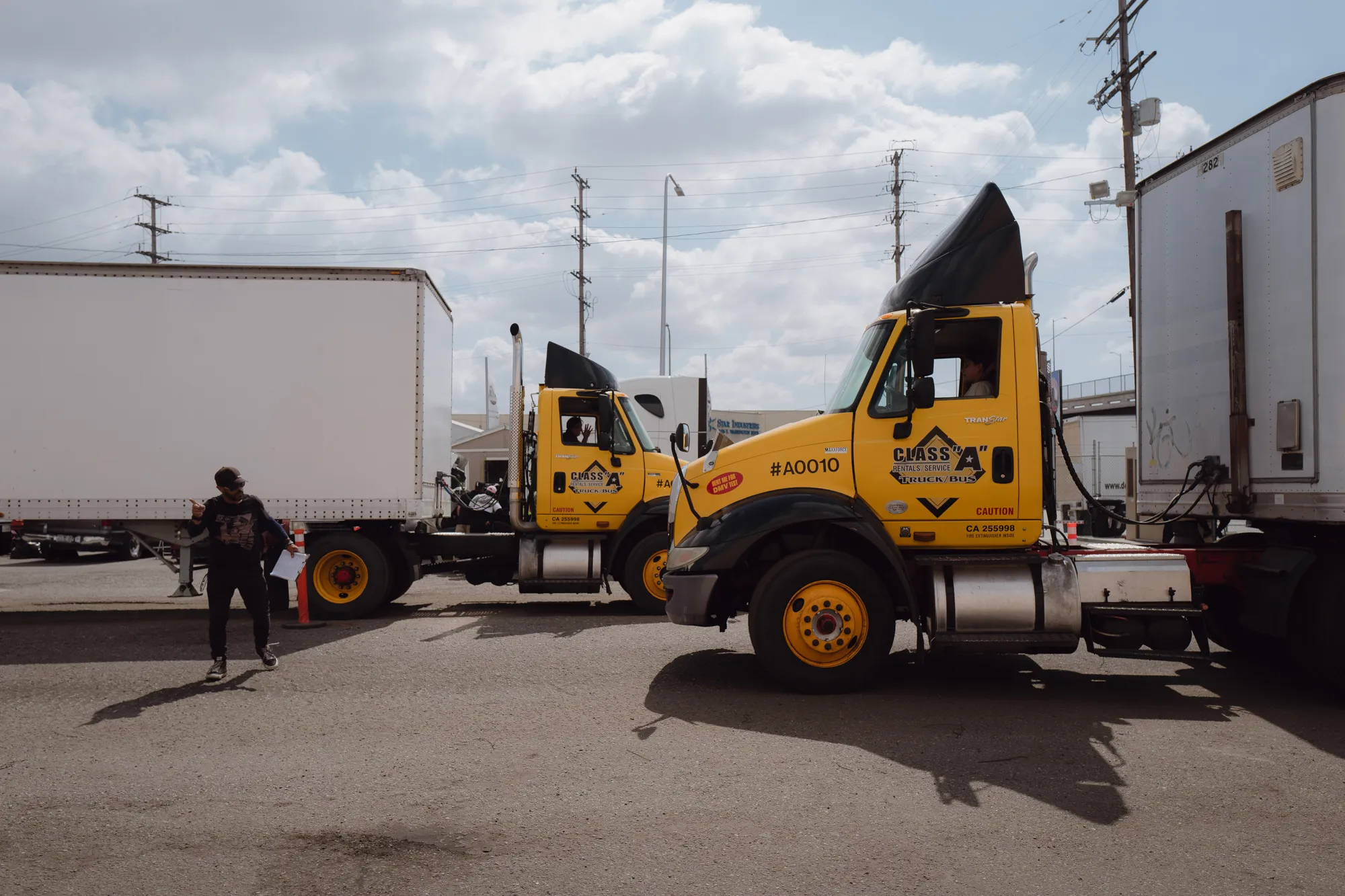
"caption": "An instructor teaches students about air brake releases at Dolphin Trucking School in the city of Vernon on March 11, 2024. ",
"credit": "Photo by Zaydee Sanchez/CalMatters",
"altTag": null,
"description": null,
"imgSizes": {
"thumbnail": {
"file": "https://cdn.kqed.org/wp-content/uploads/sites/10/2026/02/031124-Dolphin-Trucking-School-ZS-CM-8-160x107.jpeg",
"width": 160,
"height": 107,
"mimeType": "image/jpeg"
},
"1536x1536": {
"file": "https://cdn.kqed.org/wp-content/uploads/sites/10/2026/02/031124-Dolphin-Trucking-School-ZS-CM-8-1536x1024.jpeg",
"width": 1536,
"height": 1024,
"mimeType": "image/jpeg"
},
"post-thumbnail": {
"file": "https://cdn.kqed.org/wp-content/uploads/sites/10/2026/02/031124-Dolphin-Trucking-School-ZS-CM-8-672x372.jpeg",
"width": 672,
"height": 372,
"mimeType": "image/jpeg"
},
"twentyfourteen-full-width": {
"file": "https://cdn.kqed.org/wp-content/uploads/sites/10/2026/02/031124-Dolphin-Trucking-School-ZS-CM-8-1038x576.jpeg",
"width": 1038,
"height": 576,
"mimeType": "image/jpeg"
},
"npr-cds-wide": {
"file": "https://cdn.kqed.org/wp-content/uploads/sites/10/2026/02/031124-Dolphin-Trucking-School-ZS-CM-8-1200x675.jpeg",
"width": 1200,
"height": 675,
"mimeType": "image/jpeg"
},
"kqedFullSize": {
"file": "https://cdn.kqed.org/wp-content/uploads/sites/10/2026/02/031124-Dolphin-Trucking-School-ZS-CM-8.jpeg",
"width": 2000,
"height": 1333
}
},
"isLoading": false,
"fetchFailed": false
},
"news_12071999": {
"type": "attachments",
"id": "news_12071999",
"meta": {
"index": "attachments_1716263798",
"site": "news",
"id": "12071999",
"found": true
},
"title": "ice agents",
"publishDate": 1770129512,
"status": "inherit",
"parent": 12071997,
"modified": 1770129581,
"caption": "Agentes del alguacil vigilan a los manifestantes que bloquean la entrada al edificio federal Bishop Henry Whipple en Minneapolis, Minnesota, el 30 de enero de 2026. Mientras Santa Clara se prepara para acoger el Super Tazón LX, aumenta la preocupación sobre la posible presencia del ICE en el área de la bahía. ¿Qué sabemos al respecto?",
"credit": "Roberto Schmidt/AFP vía Getty Images",
"altTag": null,
"description": null,
"imgSizes": {
"thumbnail": {
"file": "https://cdn.kqed.org/wp-content/uploads/sites/10/2026/02/ICE-AGENTS-PIC-160x107.jpg",
"width": 160,
"height": 107,
"mimeType": "image/jpeg"
},
"1536x1536": {
"file": "https://cdn.kqed.org/wp-content/uploads/sites/10/2026/02/ICE-AGENTS-PIC-1536x1024.jpg",
"width": 1536,
"height": 1024,
"mimeType": "image/jpeg"
},
"post-thumbnail": {
"file": "https://cdn.kqed.org/wp-content/uploads/sites/10/2026/02/ICE-AGENTS-PIC-672x372.jpg",
"width": 672,
"height": 372,
"mimeType": "image/jpeg"
},
"twentyfourteen-full-width": {
"file": "https://cdn.kqed.org/wp-content/uploads/sites/10/2026/02/ICE-AGENTS-PIC-1038x576.jpg",
"width": 1038,
"height": 576,
"mimeType": "image/jpeg"
},
"npr-cds-wide": {
"file": "https://cdn.kqed.org/wp-content/uploads/sites/10/2026/02/ICE-AGENTS-PIC-1200x675.jpg",
"width": 1200,
"height": 675,
"mimeType": "image/jpeg"
},
"kqedFullSize": {
"file": "https://cdn.kqed.org/wp-content/uploads/sites/10/2026/02/ICE-AGENTS-PIC.jpg",
"width": 2000,
"height": 1333
}
},
"isLoading": false,
"fetchFailed": false
},
"news_12071896": {
"type": "attachments",
"id": "news_12071896",
"meta": {
"index": "attachments_1716263798",
"site": "news",
"id": "12071896",
"found": true
},
"title": "121319_BurntRanchElementary_DW_12-CM",
"publishDate": 1770054179,
"status": "inherit",
"parent": 12071892,
"modified": 1770054215,
"caption": "An empty classroom for pre-K and kindergarten students in Burnt Ranch on Dec. 13, 2019.",
"credit": "Dave Woody/CalMatters",
"altTag": null,
"description": null,
"imgSizes": {
"thumbnail": {
"file": "https://cdn.kqed.org/wp-content/uploads/sites/10/2026/02/121319_BurntRanchElementary_DW_12-CM-160x107.jpeg",
"width": 160,
"height": 107,
"mimeType": "image/jpeg"
},
"1536x1536": {
"file": "https://cdn.kqed.org/wp-content/uploads/sites/10/2026/02/121319_BurntRanchElementary_DW_12-CM-1536x1026.jpeg",
"width": 1536,
"height": 1026,
"mimeType": "image/jpeg"
},
"post-thumbnail": {
"file": "https://cdn.kqed.org/wp-content/uploads/sites/10/2026/02/121319_BurntRanchElementary_DW_12-CM-672x372.jpeg",
"width": 672,
"height": 372,
"mimeType": "image/jpeg"
},
"twentyfourteen-full-width": {
"file": "https://cdn.kqed.org/wp-content/uploads/sites/10/2026/02/121319_BurntRanchElementary_DW_12-CM-1038x576.jpeg",
"width": 1038,
"height": 576,
"mimeType": "image/jpeg"
},
"npr-cds-wide": {
"file": "https://cdn.kqed.org/wp-content/uploads/sites/10/2026/02/121319_BurntRanchElementary_DW_12-CM-1200x675.jpeg",
"width": 1200,
"height": 675,
"mimeType": "image/jpeg"
},
"kqedFullSize": {
"file": "https://cdn.kqed.org/wp-content/uploads/sites/10/2026/02/121319_BurntRanchElementary_DW_12-CM.jpeg",
"width": 2000,
"height": 1336
}
},
"isLoading": false,
"fetchFailed": false
},
"news_12071786": {
"type": "attachments",
"id": "news_12071786",
"meta": {
"index": "attachments_1716263798",
"site": "news",
"id": "12071786",
"found": true
},
"title": "260130-ICEOutProtest-04-BL",
"publishDate": 1769811921,
"status": "inherit",
"parent": 0,
"modified": 1769811936,
"caption": "Crowds fill Dolores Park as part of the ICE Out rally in San Francisco on Jan. 30, 2026.",
"credit": "Beth LaBerge/KQED",
"altTag": null,
"description": null,
"imgSizes": {
"thumbnail": {
"file": "https://cdn.kqed.org/wp-content/uploads/sites/10/2026/01/260130-ICEOutProtest-04-BL-160x107.jpg",
"width": 160,
"height": 107,
"mimeType": "image/jpeg"
},
"1536x1536": {
"file": "https://cdn.kqed.org/wp-content/uploads/sites/10/2026/01/260130-ICEOutProtest-04-BL-1536x1024.jpg",
"width": 1536,
"height": 1024,
"mimeType": "image/jpeg"
},
"post-thumbnail": {
"file": "https://cdn.kqed.org/wp-content/uploads/sites/10/2026/01/260130-ICEOutProtest-04-BL-672x372.jpg",
"width": 672,
"height": 372,
"mimeType": "image/jpeg"
},
"twentyfourteen-full-width": {
"file": "https://cdn.kqed.org/wp-content/uploads/sites/10/2026/01/260130-ICEOutProtest-04-BL-1038x576.jpg",
"width": 1038,
"height": 576,
"mimeType": "image/jpeg"
},
"npr-cds-wide": {
"file": "https://cdn.kqed.org/wp-content/uploads/sites/10/2026/01/260130-ICEOutProtest-04-BL-1200x675.jpg",
"width": 1200,
"height": 675,
"mimeType": "image/jpeg"
},
"kqedFullSize": {
"file": "https://cdn.kqed.org/wp-content/uploads/sites/10/2026/01/260130-ICEOutProtest-04-BL.jpg",
"width": 2000,
"height": 1333
}
},
"isLoading": false,
"fetchFailed": false
},
"news_12071739": {
"type": "attachments",
"id": "news_12071739",
"meta": {
"index": "attachments_1716263798",
"site": "news",
"id": "12071739",
"found": true
},
"title": "PlacerCM",
"publishDate": 1769801460,
"status": "inherit",
"parent": 12071732,
"modified": 1769801481,
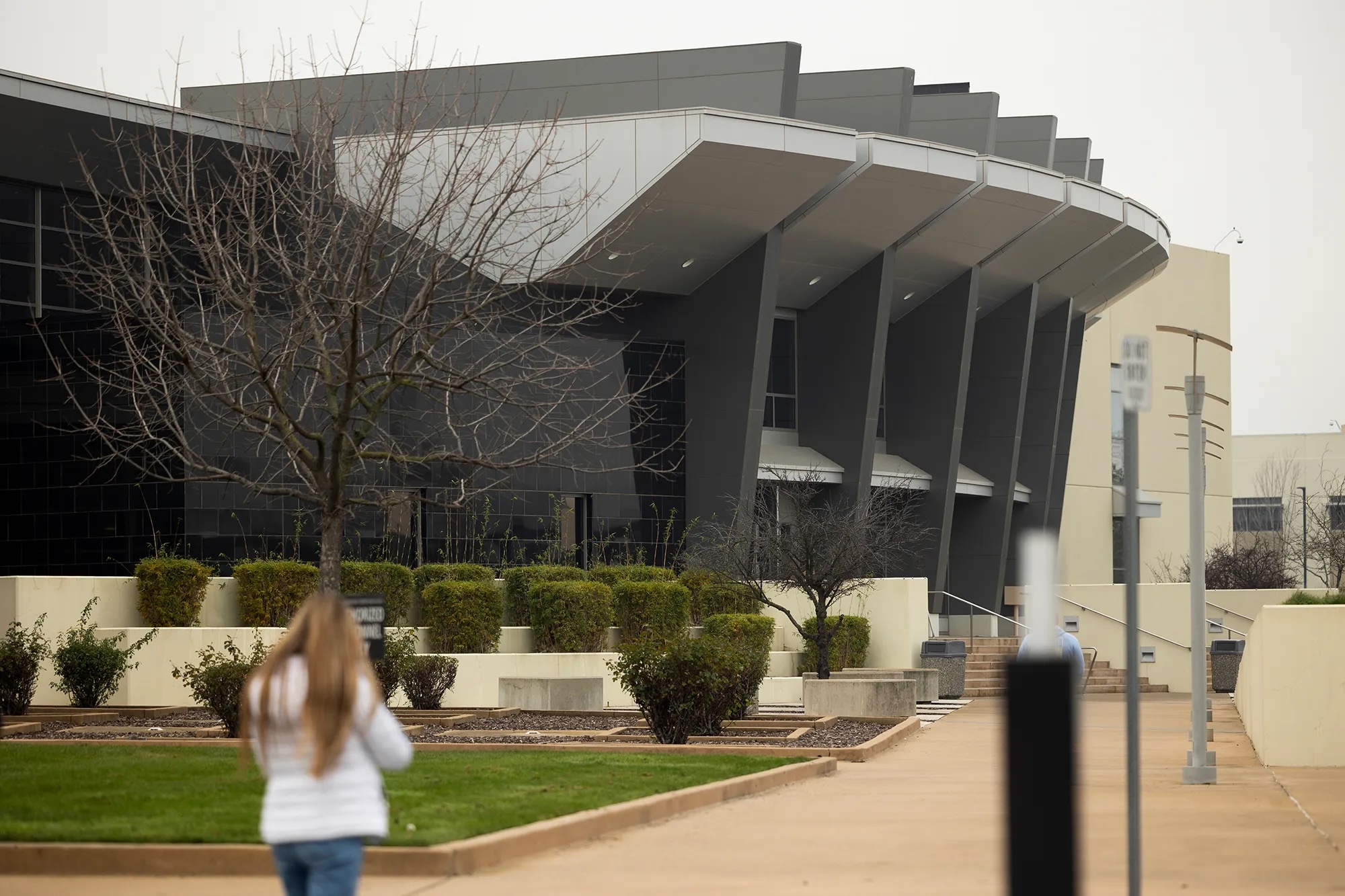
"caption": "The Placer County Superior Court in Roseville on Jan. 23, 2026. ",
"credit": "Photo by Miguel Gutierrez Jr., CalMatters",
"altTag": null,
"description": null,
"imgSizes": {
"thumbnail": {
"file": "https://cdn.kqed.org/wp-content/uploads/sites/10/2026/01/PlacerCM-160x107.jpg",
"width": 160,
"height": 107,
"mimeType": "image/jpeg"
},
"1536x1536": {
"file": "https://cdn.kqed.org/wp-content/uploads/sites/10/2026/01/PlacerCM-1536x1024.jpg",
"width": 1536,
"height": 1024,
"mimeType": "image/jpeg"
},
"post-thumbnail": {
"file": "https://cdn.kqed.org/wp-content/uploads/sites/10/2026/01/PlacerCM-672x372.jpg",
"width": 672,
"height": 372,
"mimeType": "image/jpeg"
},
"twentyfourteen-full-width": {
"file": "https://cdn.kqed.org/wp-content/uploads/sites/10/2026/01/PlacerCM-1038x576.jpg",
"width": 1038,
"height": 576,
"mimeType": "image/jpeg"
},
"npr-cds-wide": {
"file": "https://cdn.kqed.org/wp-content/uploads/sites/10/2026/01/PlacerCM-1200x675.jpg",
"width": 1200,
"height": 675,
"mimeType": "image/jpeg"
},
"kqedFullSize": {
"file": "https://cdn.kqed.org/wp-content/uploads/sites/10/2026/01/PlacerCM.jpg",
"width": 2000,
"height": 1333
}
},
"isLoading": false,
"fetchFailed": false
},
"news_12071712": {
"type": "attachments",
"id": "news_12071712",
"meta": {
"index": "attachments_1716263798",
"site": "news",
"id": "12071712",
"found": true
},
"title": "US-IMMIGRATION-ICE-SHOOTING",
"publishDate": 1769798778,
"status": "inherit",
"parent": 12071704,
"modified": 1769806507,
"caption": "Sheriff's deputies keep an eye on protesters blocking the entrance to the Bishop Henry Whipple Federal Building in Minneapolis, Minnesota, on Jan. 30, 2026. Donald Trump's border chief said on Jan. 29, 2026, that some federal agents could be withdrawn from Minneapolis, the northern U.S. city that has become the flashpoint for the president's immigration crackdown. The Trump administration, facing a public backlash over the shooting deaths of two Americans by federal agents in Minneapolis, also eased immigration operations in the northeastern state of Maine. ",
"credit": "Roberto Schmidt/AFP via Getty Images",
"altTag": null,
"description": null,
"imgSizes": {
"thumbnail": {
"file": "https://cdn.kqed.org/wp-content/uploads/sites/10/2026/01/ICEAgentsMinnesotaGetty-160x107.jpg",
"width": 160,
"height": 107,
"mimeType": "image/jpeg"
},
"1536x1536": {
"file": "https://cdn.kqed.org/wp-content/uploads/sites/10/2026/01/ICEAgentsMinnesotaGetty-1536x1024.jpg",
"width": 1536,
"height": 1024,
"mimeType": "image/jpeg"
},
"post-thumbnail": {
"file": "https://cdn.kqed.org/wp-content/uploads/sites/10/2026/01/ICEAgentsMinnesotaGetty-672x372.jpg",
"width": 672,
"height": 372,
"mimeType": "image/jpeg"
},
"twentyfourteen-full-width": {
"file": "https://cdn.kqed.org/wp-content/uploads/sites/10/2026/01/ICEAgentsMinnesotaGetty-1038x576.jpg",
"width": 1038,
"height": 576,
"mimeType": "image/jpeg"
},
"npr-cds-wide": {
"file": "https://cdn.kqed.org/wp-content/uploads/sites/10/2026/01/ICEAgentsMinnesotaGetty-1200x675.jpg",
"width": 1200,
"height": 675,
"mimeType": "image/jpeg"
},
"kqedFullSize": {
"file": "https://cdn.kqed.org/wp-content/uploads/sites/10/2026/01/ICEAgentsMinnesotaGetty.jpg",
"width": 2000,
"height": 1333
}
},
"isLoading": false,
"fetchFailed": false
},
"news_12071492": {
"type": "attachments",
"id": "news_12071492",
"meta": {
"index": "attachments_1716263798",
"site": "news",
"id": "12071492",
"found": true
},
"title": "260128-SUPERBOWLFILE00037_TV-KQED",
"publishDate": 1769706969,
"status": "inherit",
"parent": 0,
"modified": 1769733356,
"caption": "A Super Bowl banner decorates the exterior of Levi’s Stadium in San Jose on Jan. 28, 2026.",
"credit": "Tâm Vũ/KQED",
"altTag": null,
"description": null,
"imgSizes": {
"thumbnail": {
"file": "https://cdn.kqed.org/wp-content/uploads/sites/10/2026/01/260128-SUPERBOWLFILE00037_TV-KQED-160x107.jpg",
"width": 160,
"height": 107,
"mimeType": "image/jpeg"
},
"1536x1536": {
"file": "https://cdn.kqed.org/wp-content/uploads/sites/10/2026/01/260128-SUPERBOWLFILE00037_TV-KQED-1536x1024.jpg",
"width": 1536,
"height": 1024,
"mimeType": "image/jpeg"
},
"post-thumbnail": {
"file": "https://cdn.kqed.org/wp-content/uploads/sites/10/2026/01/260128-SUPERBOWLFILE00037_TV-KQED-672x372.jpg",
"width": 672,
"height": 372,
"mimeType": "image/jpeg"
},
"twentyfourteen-full-width": {
"file": "https://cdn.kqed.org/wp-content/uploads/sites/10/2026/01/260128-SUPERBOWLFILE00037_TV-KQED-1038x576.jpg",
"width": 1038,
"height": 576,
"mimeType": "image/jpeg"
},
"npr-cds-wide": {
"file": "https://cdn.kqed.org/wp-content/uploads/sites/10/2026/01/260128-SUPERBOWLFILE00037_TV-KQED-1200x675.jpg",
"width": 1200,
"height": 675,
"mimeType": "image/jpeg"
},
"kqedFullSize": {
"file": "https://cdn.kqed.org/wp-content/uploads/sites/10/2026/01/260128-SUPERBOWLFILE00037_TV-KQED.jpg",
"width": 2000,
"height": 1333
}
},
"isLoading": false,
"fetchFailed": false
},
"news_12071512": {
"type": "attachments",
"id": "news_12071512",
"meta": {
"index": "attachments_1716263798",
"site": "news",
"id": "12071512",
"found": true
},
"title": "US-POLITICS-JUSTICE-IMMIGRATION-PRISON",
"publishDate": 1769710421,
"status": "inherit",
"parent": 12071511,
"modified": 1769716937,
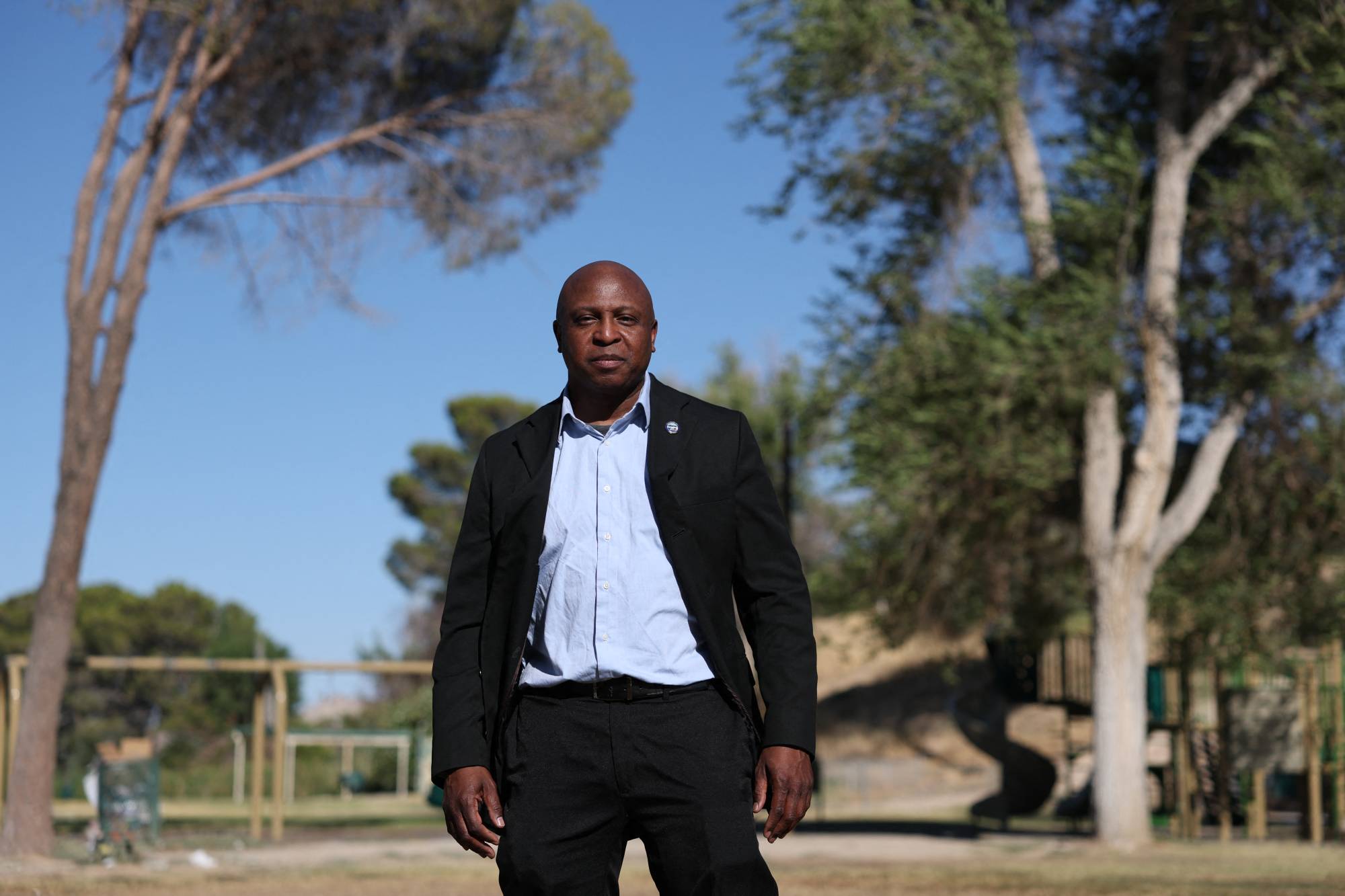
"caption": "Mayor Marquette Hawkins stands for a portrait at Central Park in California City on July 10, 2025. ",
"credit": "Patrick T. Fallon/AFP via Getty Images",
"altTag": null,
"description": null,
"imgSizes": {
"medium": {
"file": "https://cdn.kqed.org/wp-content/uploads/sites/10/2026/01/GettyImages-2226391255-2000x1333.jpg",
"width": 2000,
"height": 1333,
"mimeType": "image/jpeg"
},
"large": {
"file": "https://cdn.kqed.org/wp-content/uploads/sites/10/2026/01/GettyImages-2226391255-2000x1333.jpg",
"width": 2000,
"height": 1333,
"mimeType": "image/jpeg"
},
"thumbnail": {
"file": "https://cdn.kqed.org/wp-content/uploads/sites/10/2026/01/GettyImages-2226391255-160x107.jpg",
"width": 160,
"height": 107,
"mimeType": "image/jpeg"
},
"1536x1536": {
"file": "https://cdn.kqed.org/wp-content/uploads/sites/10/2026/01/GettyImages-2226391255-1536x1024.jpg",
"width": 1536,
"height": 1024,
"mimeType": "image/jpeg"
},
"2048x2048": {
"file": "https://cdn.kqed.org/wp-content/uploads/sites/10/2026/01/GettyImages-2226391255-2048x1365.jpg",
"width": 2048,
"height": 1365,
"mimeType": "image/jpeg"
},
"post-thumbnail": {
"file": "https://cdn.kqed.org/wp-content/uploads/sites/10/2026/01/GettyImages-2226391255-672x372.jpg",
"width": 672,
"height": 372,
"mimeType": "image/jpeg"
},
"twentyfourteen-full-width": {
"file": "https://cdn.kqed.org/wp-content/uploads/sites/10/2026/01/GettyImages-2226391255-1038x576.jpg",
"width": 1038,
"height": 576,
"mimeType": "image/jpeg"
},
"full-width": {
"file": "https://cdn.kqed.org/wp-content/uploads/sites/10/2026/01/GettyImages-2226391255-2000x1333.jpg",
"width": 2000,
"height": 1333,
"mimeType": "image/jpeg"
},
"npr-cds-wide": {
"file": "https://cdn.kqed.org/wp-content/uploads/sites/10/2026/01/GettyImages-2226391255-1200x675.jpg",
"width": 1200,
"height": 675,
"mimeType": "image/jpeg"
},
"kqedFullSize": {
"file": "https://cdn.kqed.org/wp-content/uploads/sites/10/2026/01/GettyImages-2226391255-scaled.jpg",
"width": 2560,
"height": 1707
}
},
"isLoading": false,
"fetchFailed": false
},
"news_12071574": {
"type": "attachments",
"id": "news_12071574",
"meta": {
"index": "attachments_1716263798",
"site": "news",
"id": "12071574",
"found": true
},
"title": "The Inauguration Of Donald J. Trump As The 47th President",
"publishDate": 1769720316,
"status": "inherit",
"parent": 12071559,
"modified": 1781212491,
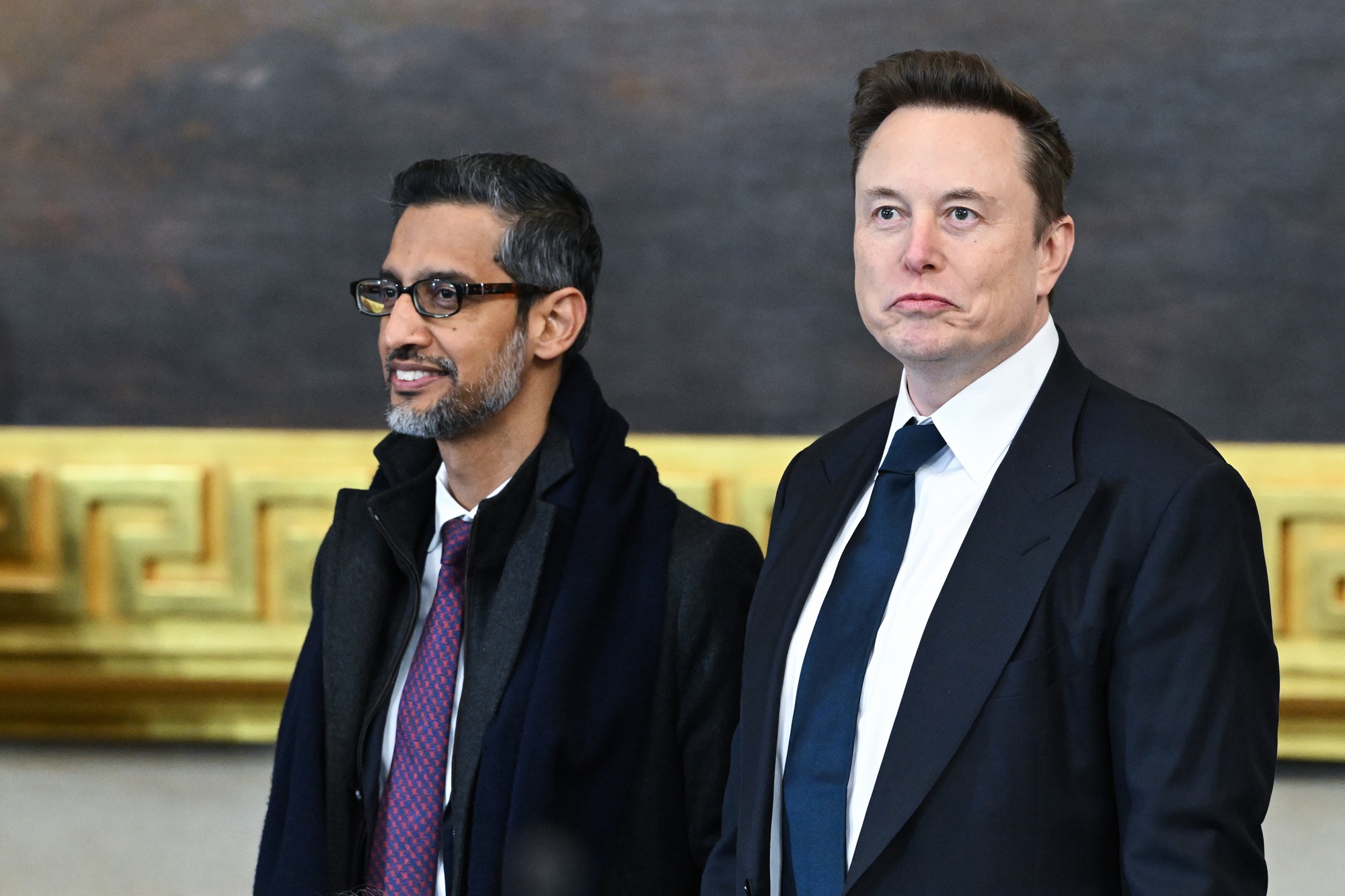
"caption": "Google CEO Sundar Pichai (left) and Tesla and SpaceX CEO Elon Musk attend the inauguration of Donald Trump in the U.S. Capitol Rotunda on Jan. 20, 2025, in Washington, D.C. ",
"credit": "Saul Loeb-Pool/Getty Images",
"altTag": null,
"description": null,
"imgSizes": {
"thumbnail": {
"file": "https://cdn.kqed.org/wp-content/uploads/sites/10/2026/01/ElonMuskInaugurationTechGetty-160x107.jpg",
"width": 160,
"height": 107,
"mimeType": "image/jpeg"
},
"1536x1536": {
"file": "https://cdn.kqed.org/wp-content/uploads/sites/10/2026/01/ElonMuskInaugurationTechGetty-1536x1024.jpg",
"width": 1536,
"height": 1024,
"mimeType": "image/jpeg"
},
"post-thumbnail": {
"file": "https://cdn.kqed.org/wp-content/uploads/sites/10/2026/01/ElonMuskInaugurationTechGetty-672x372.jpg",
"width": 672,
"height": 372,
"mimeType": "image/jpeg"
},
"twentyfourteen-full-width": {
"file": "https://cdn.kqed.org/wp-content/uploads/sites/10/2026/01/ElonMuskInaugurationTechGetty-1038x576.jpg",
"width": 1038,
"height": 576,
"mimeType": "image/jpeg"
},
"npr-cds-wide": {
"file": "https://cdn.kqed.org/wp-content/uploads/sites/10/2026/01/ElonMuskInaugurationTechGetty-1200x675.jpg",
"width": 1200,
"height": 675,
"mimeType": "image/jpeg"
},
"kqedFullSize": {
"file": "https://cdn.kqed.org/wp-content/uploads/sites/10/2026/01/ElonMuskInaugurationTechGetty.jpg",
"width": 2000,
"height": 1333
}
},
"isLoading": false,
"fetchFailed": false
},
"news_11891235": {
"type": "attachments",
"id": "news_11891235",
"meta": {
"index": "attachments_1716263798",
"site": "news",
"id": "11891235",
"found": true
},
"title": "ICE Holds Immigrants At Adelanto Detention Facility",
"publishDate": 1633541835,
"status": "inherit",
"parent": 11891221,
"modified": 1633551042,
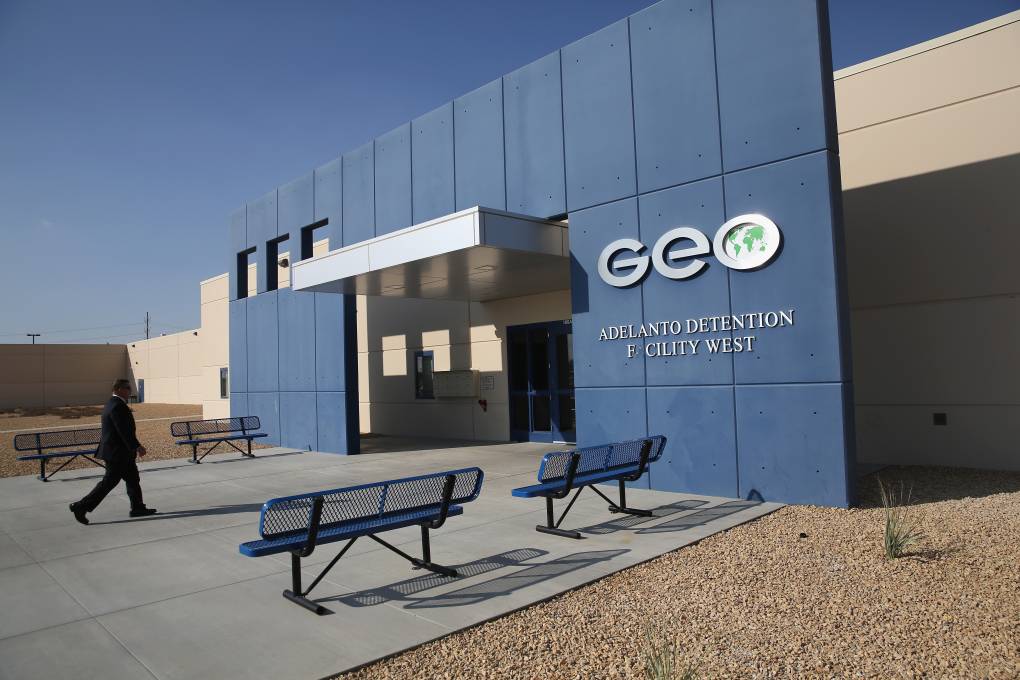
"caption": "This U.S. immigration processing center in Adelanto, California, is operated by GEO Group, a Florida-based company specializing in privatized corrections.",
"credit": "John Moore/Getty Images",
"altTag": "On a modern, low-slung building with no windows, a big sign reading 'GEO' hangs on an exterior wall.",
"description": "Field office director Dave Marin walks into the Adelanto Detention Facility on November 15, 2013 in Adelanto, California. The facility, the largest and newest Immigration and Customs Enforcement (ICE), detention center in California, houses an average of 1,100 immigrants in custody pending a decision in their immigration cases or awaiting deportation.",
"imgSizes": {
"medium": {
"file": "https://cdn.kqed.org/wp-content/uploads/sites/10/2021/10/GettyImages-450371215-800x533.jpg",
"width": 800,
"height": 533,
"mimeType": "image/jpeg"
},
"large": {
"file": "https://cdn.kqed.org/wp-content/uploads/sites/10/2021/10/GettyImages-450371215-1020x680.jpg",
"width": 1020,
"height": 680,
"mimeType": "image/jpeg"
},
"thumbnail": {
"file": "https://cdn.kqed.org/wp-content/uploads/sites/10/2021/10/GettyImages-450371215-160x107.jpg",
"width": 160,
"height": 107,
"mimeType": "image/jpeg"
},
"1536x1536": {
"file": "https://cdn.kqed.org/wp-content/uploads/sites/10/2021/10/GettyImages-450371215-1536x1024.jpg",
"width": 1536,
"height": 1024,
"mimeType": "image/jpeg"
},
"2048x2048": {
"file": "https://cdn.kqed.org/wp-content/uploads/sites/10/2021/10/GettyImages-450371215-2048x1365.jpg",
"width": 2048,
"height": 1365,
"mimeType": "image/jpeg"
},
"post-thumbnail": {
"file": "https://cdn.kqed.org/wp-content/uploads/sites/10/2021/10/GettyImages-450371215-672x372.jpg",
"width": 672,
"height": 372,
"mimeType": "image/jpeg"
},
"twentyfourteen-full-width": {
"file": "https://cdn.kqed.org/wp-content/uploads/sites/10/2021/10/GettyImages-450371215-1038x576.jpg",
"width": 1038,
"height": 576,
"mimeType": "image/jpeg"
},
"full-width": {
"file": "https://cdn.kqed.org/wp-content/uploads/sites/10/2021/10/GettyImages-450371215-1920x1280.jpg",
"width": 1920,
"height": 1280,
"mimeType": "image/jpeg"
},
"kqedFullSize": {
"file": "https://cdn.kqed.org/wp-content/uploads/sites/10/2021/10/GettyImages-450371215-scaled-e1769711263847.jpg",
"width": 2000,
"height": 1334
}
},
"isLoading": false,
"fetchFailed": false
},
"news_12043007": {
"type": "attachments",
"id": "news_12043007",
"meta": {
"index": "attachments_1716263798",
"site": "news",
"id": "12043007",
"found": true
},
"title": "npr.brightspotcdn copy",
"publishDate": 1749166683,
"status": "inherit",
"parent": 12043004,
"modified": 1749166704,
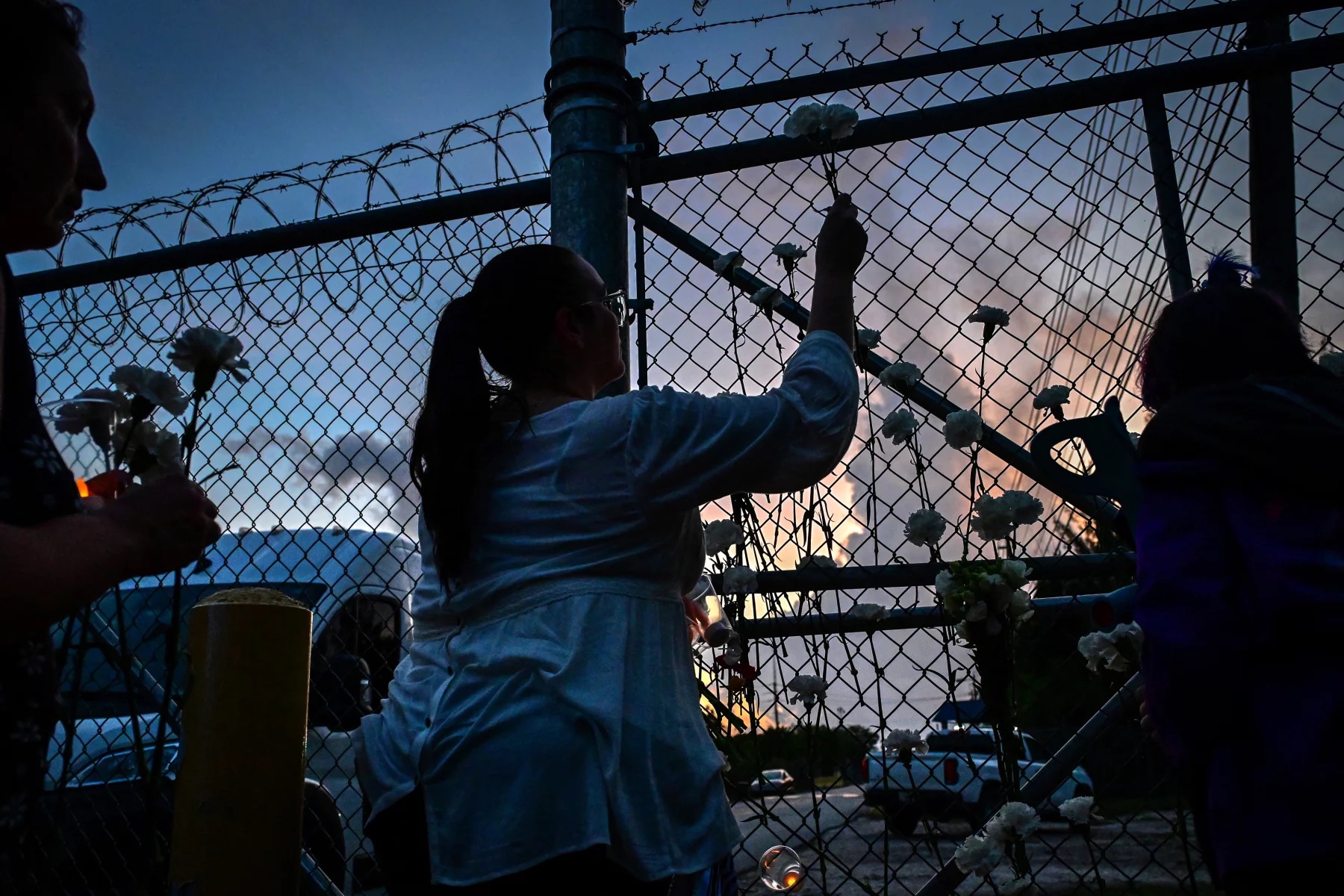
"caption": "People place white carnation flowers on the fence of the Krome Detention Center during a vigil protesting US Immigration and Customs Enforcement custody and mass deportations in Miami on May 24, 2025.",
"credit": "Giorgio Viera/AFP via Getty Images",
"altTag": null,
"description": null,
"imgSizes": {
"thumbnail": {
"file": "https://cdn.kqed.org/wp-content/uploads/sites/10/2025/06/npr.brightspotcdn-copy-1-160x107.jpg",
"width": 160,
"height": 107,
"mimeType": "image/jpeg"
},
"1536x1536": {
"file": "https://cdn.kqed.org/wp-content/uploads/sites/10/2025/06/npr.brightspotcdn-copy-1-1536x1024.jpg",
"width": 1536,
"height": 1024,
"mimeType": "image/jpeg"
},
"post-thumbnail": {
"file": "https://cdn.kqed.org/wp-content/uploads/sites/10/2025/06/npr.brightspotcdn-copy-1-672x372.jpg",
"width": 672,
"height": 372,
"mimeType": "image/jpeg"
},
"twentyfourteen-full-width": {
"file": "https://cdn.kqed.org/wp-content/uploads/sites/10/2025/06/npr.brightspotcdn-copy-1-1038x576.jpg",
"width": 1038,
"height": 576,
"mimeType": "image/jpeg"
},
"kqedFullSize": {
"file": "https://cdn.kqed.org/wp-content/uploads/sites/10/2025/06/npr.brightspotcdn-copy-1.jpg",
"width": 1800,
"height": 1200
}
},
"isLoading": false,
"fetchFailed": false
},
"news_12070623": {
"type": "attachments",
"id": "news_12070623",
"meta": {
"index": "attachments_1716263798",
"site": "news",
"id": "12070623",
"found": true
},
"title": "Adam Schiff,Alex Padilla",
"publishDate": 1769027855,
"status": "inherit",
"parent": 12070519,
"modified": 1769045859,
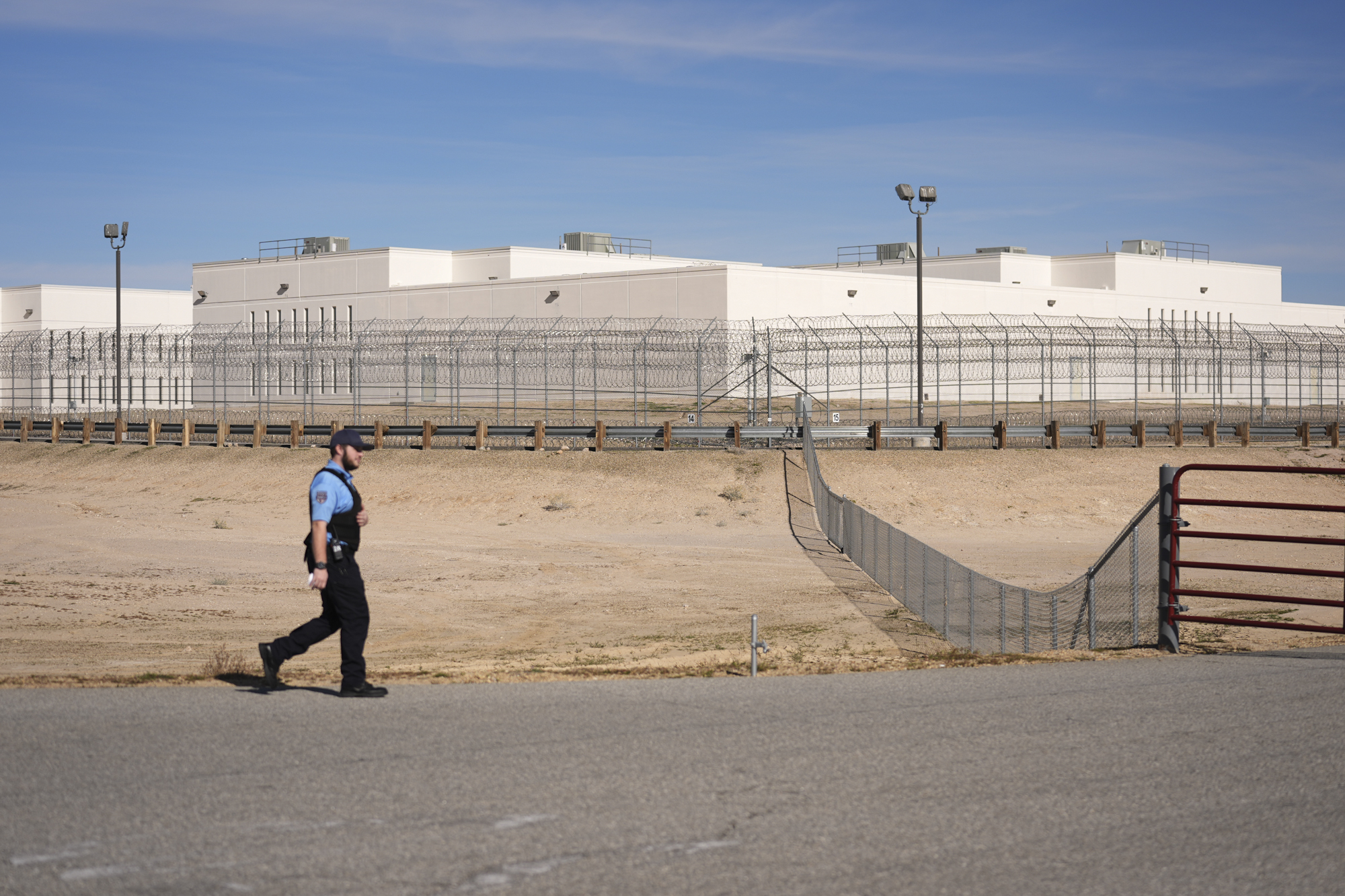
"caption": "A guard walks to the entrance of an immigration detention center during a visit by California Democrats Sen. Adam Schiff and Sen. Alex Padilla, on Jan. 20, 2026, in California City, California.",
"credit": "Marcio Jose Sanchez/AP Photo",
"altTag": null,
"description": null,
"imgSizes": {
"thumbnail": {
"file": "https://cdn.kqed.org/wp-content/uploads/sites/10/2026/01/AP26020826398216-KQED-160x107.jpg",
"width": 160,
"height": 107,
"mimeType": "image/jpeg"
},
"1536x1536": {
"file": "https://cdn.kqed.org/wp-content/uploads/sites/10/2026/01/AP26020826398216-KQED-1536x1024.jpg",
"width": 1536,
"height": 1024,
"mimeType": "image/jpeg"
},
"post-thumbnail": {
"file": "https://cdn.kqed.org/wp-content/uploads/sites/10/2026/01/AP26020826398216-KQED-672x372.jpg",
"width": 672,
"height": 372,
"mimeType": "image/jpeg"
},
"twentyfourteen-full-width": {
"file": "https://cdn.kqed.org/wp-content/uploads/sites/10/2026/01/AP26020826398216-KQED-1038x576.jpg",
"width": 1038,
"height": 576,
"mimeType": "image/jpeg"
},
"npr-cds-wide": {
"file": "https://cdn.kqed.org/wp-content/uploads/sites/10/2026/01/AP26020826398216-KQED-1200x675.jpg",
"width": 1200,
"height": 675,
"mimeType": "image/jpeg"
},
"kqedFullSize": {
"file": "https://cdn.kqed.org/wp-content/uploads/sites/10/2026/01/AP26020826398216-KQED.jpg",
"width": 2000,
"height": 1333
}
},
"isLoading": false,
"fetchFailed": false
}
},
"audioPlayerReducer": {
"postId": "stream_live",
"isPaused": true,
"isPlaying": false,
"pfsActive": false,
"pledgeModalIsOpen": true,
"playerDrawerIsOpen": false,
"liveAudioPlayStartedAt": 0,
"liveAudioPlayContext": ""
},
"authorsReducer": {
"byline_news_12072221": {
"type": "authors",
"id": "byline_news_12072221",
"meta": {
"override": true
},
"slug": "byline_news_12072221",
"name": "\u003ca href=\"https://calmatters.org/author/adam-echelman/\">Adam Echelman\u003c/a>, \u003ca href=\"https://calmatters.org/author/ericayee/\">Erica Yee\u003c/a>, CalMatters",
"isLoading": false
},
"byline_news_12071892": {
"type": "authors",
"id": "byline_news_12071892",
"meta": {
"override": true
},
"slug": "byline_news_12071892",
"name": "Carolyn Jones, CalMatters",
"isLoading": false
},
"byline_news_12071732": {
"type": "authors",
"id": "byline_news_12071732",
"meta": {
"override": true
},
"slug": "byline_news_12071732",
"name": "Cayla Mihalovich, CalMatters",
"isLoading": false
},
"rachael-myrow": {
"type": "authors",
"id": "251",
"meta": {
"index": "authors_1716337520",
"id": "251",
"found": true
},
"name": "Rachael Myrow",
"firstName": "Rachael",
"lastName": "Myrow",
"slug": "rachael-myrow",
"email": "rmyrow@kqed.org",
"display_author_email": true,
"staff_mastheads": [
"news"
],
"title": "Senior Editor of KQED's Silicon Valley News Desk",
"bio": "• I write and edit stories about how Silicon Valley power and policies shape everyday life in California. I’m also passionate about making Bay Area history and culture more accessible to a broad public. • I’ve been a journalist for most of my life, starting in high school with The Franklin Press in Los Angeles, where I grew up. While earning my first degree in English at UC Berkeley, I got my start in public radio at KALX-FM. After completing a second degree in journalism at Cal, I landed my first professional job at Marketplace, then moved on to KPCC (now LAist), and then KQED, where I hosted The California Report for more than seven years. • My reporting has appeared on NPR, The World, WBUR’s \u003ci>Here & Now\u003c/i>, and the BBC. I also guest host for KQED’s \u003ci>Forum\u003c/i>, as well as the Commonwealth Club in San Francisco. • I speak periodically on media, democracy and technology issues, and do voiceover work for documentaries and educational video projects. • Outside of the studio, you'll find me hiking Bay Area trails and whipping up Insta-ready meals in my kitchen. • I do not accept gifts, money, or favors from anyone connected to my reporting, I don't pay people for information, and I do not support or donate to political causes. • I strive to treat the people I report on with fairness, honesty, and respect. I also recognize there are often multiple sides to a story and work to verify information through multiple sources and documentation. If I get something wrong, I correct it.",
"avatar": "https://secure.gravatar.com/avatar/3ed8a3c5f26025e4a805ba634cda8cd764906b97438a6d9ce216b044e340da4e?s=600&d=blank&r=g",
"twitter": "rachaelmyrow",
"bluesky": null,
"facebook": null,
"instagram": null,
"linkedin": "https://www.linkedin.com/in/rachaelmyrow/",
"sites": [
{
"site": "arts",
"roles": [
"administrator"
]
},
{
"site": "news",
"roles": [
"edit_others_posts",
"editor"
]
},
{
"site": "futureofyou",
"roles": [
"editor"
]
},
{
"site": "bayareabites",
"roles": [
"editor"
]
},
{
"site": "stateofhealth",
"roles": [
"editor"
]
},
{
"site": "science",
"roles": [
"editor"
]
},
{
"site": "food",
"roles": [
"editor"
]
},
{
"site": "forum",
"roles": [
"editor"
]
},
{
"site": "liveblog",
"roles": [
"author"
]
}
],
"headData": {
"title": "Rachael Myrow | KQED",
"description": "Senior Editor of KQED's Silicon Valley News Desk",
"ogImgSrc": "https://secure.gravatar.com/avatar/3ed8a3c5f26025e4a805ba634cda8cd764906b97438a6d9ce216b044e340da4e?s=600&d=blank&r=g",
"twImgSrc": "https://secure.gravatar.com/avatar/3ed8a3c5f26025e4a805ba634cda8cd764906b97438a6d9ce216b044e340da4e?s=600&d=blank&r=g"
},
"isLoading": false,
"link": "/author/rachael-myrow"
},
"scottshafer": {
"type": "authors",
"id": "255",
"meta": {
"index": "authors_1716337520",
"id": "255",
"found": true
},
"name": "Scott Shafer",
"firstName": "Scott",
"lastName": "Shafer",
"slug": "scottshafer",
"email": "sshafer@kqed.org",
"display_author_email": false,
"staff_mastheads": [
"news"
],
"title": "KQED Contributor",
"bio": "Scott Shafer is a senior editor with the KQED Politics and Government desk. He is co-host of Political Breakdown, the award-winning radio show and podcast with a personal take on the world of politics. Scott came to KQED in 1998 to host the statewide\u003cem> California Report\u003c/em>. Prior to that he had extended stints in politics and government\u003cem>.\u003c/em> He uses that inside experience at KQED in his, reporting, hosting and analysis for the politics desk. Scott collaborated \u003cem>Political Breakdown a\u003c/em>nd on \u003cem>The Political Mind of Jerry Brown, \u003c/em>an eight-part series about the life and extraordinary political career of the former governor. For fun, he plays water polo with the San Francisco Tsunami.",
"avatar": "https://secure.gravatar.com/avatar/a62ebae45b79d7aed1a39a0e3bf68104?s=600&d=blank&r=g",
"twitter": "scottshafer",
"bluesky": null,
"facebook": null,
"instagram": null,
"linkedin": null,
"sites": [
{
"site": "news",
"roles": [
"editor"
]
},
{
"site": "stateofhealth",
"roles": [
"author"
]
},
{
"site": "science",
"roles": [
"author"
]
},
{
"site": "forum",
"roles": [
"subscriber"
]
},
{
"site": "liveblog",
"roles": [
"author"
]
}
],
"headData": {
"title": "Scott Shafer | KQED",
"description": "KQED Contributor",
"ogImgSrc": "https://secure.gravatar.com/avatar/a62ebae45b79d7aed1a39a0e3bf68104?s=600&d=blank&r=g",
"twImgSrc": "https://secure.gravatar.com/avatar/a62ebae45b79d7aed1a39a0e3bf68104?s=600&d=blank&r=g"
},
"isLoading": false,
"link": "/author/scottshafer"
},
"tychehendricks": {
"type": "authors",
"id": "259",
"meta": {
"index": "authors_1716337520",
"id": "259",
"found": true
},
"name": "Tyche Hendricks",
"firstName": "Tyche",
"lastName": "Hendricks",
"slug": "tychehendricks",
"email": "thendricks@kqed.org",
"display_author_email": true,
"staff_mastheads": [
"news"
],
"title": "KQED Senior Editor, Immigration",
"bio": "\u003cspan style=\"font-weight: 400;\">Tyche Hendricks is KQED’s senior editor for immigration, leading coverage of the policy and politics that affect California’s immigrant communities. Her work for KQED’s radio and online audiences is also carried on NPR and other national outlets. She has been recognized with awards from the Radio and Television News Directors Association, the Society for Professional Journalists; the Education Writers Association; the Best of the West and the National Federation of Community Broadcasters. Before joining KQED in 2010, Tyche spent more than a dozen years as a newspaper reporter, notably at the \u003c/span>\u003ci>\u003cspan style=\"font-weight: 400;\">San Francisco Chronicle\u003c/span>\u003c/i>\u003cspan style=\"font-weight: 400;\">. At different times she has covered criminal justice, government and politics and urban planning. Tyche has taught in the MFA Creative Writing program at the University of San Francisco and at UC Berkeley’s Graduate School of Journalism, where she was co-director of a national immigration symposium for professional journalists. She is the author of \u003c/span>\u003ci>\u003cspan style=\"font-weight: 400;\">The Wind Doesn't Need a Passport: Stories from the U.S.-Mexico Borderlands\u003c/span>\u003c/i>\u003cspan style=\"font-weight: 400;\"> (University of California Press). \u003c/span>",
"avatar": "https://secure.gravatar.com/avatar/b8ee458e2731c2d43df86882ce17267e?s=600&d=blank&r=g",
"twitter": "tychehendricks",
"facebook": null,
"instagram": null,
"linkedin": null,
"sites": [
{
"site": "news",
"roles": [
"editor"
]
},
{
"site": "stateofhealth",
"roles": [
"editor"
]
}
],
"headData": {
"title": "Tyche Hendricks | KQED",
"description": "KQED Senior Editor, Immigration",
"ogImgSrc": "https://secure.gravatar.com/avatar/b8ee458e2731c2d43df86882ce17267e?s=600&d=blank&r=g",
"twImgSrc": "https://secure.gravatar.com/avatar/b8ee458e2731c2d43df86882ce17267e?s=600&d=blank&r=g"
},
"isLoading": false,
"link": "/author/tychehendricks"
},
"mlagos": {
"type": "authors",
"id": "3239",
"meta": {
"index": "authors_1716337520",
"id": "3239",
"found": true
},
"name": "Marisa Lagos",
"firstName": "Marisa",
"lastName": "Lagos",
"slug": "mlagos",
"email": "mlagos@kqed.org",
"display_author_email": false,
"staff_mastheads": [
"news"
],
"title": "KQED Contributor",
"bio": "Marisa Lagos is a correspondent for KQED’s California Politics and Government Desk and co-hosts the award-winning show and podcast, Political Breakdown. At KQED, Lagos also conducts reporting, analysis and investigations into state, local and national politics for radio, TV, online and onstage. In 2022, she and co-host, Scott Shafer, moderated the only gubernatorial debate in California. In 2020, the \u003ci>Washington Post\u003c/i> named her one of the top political journalists in California; she was nominated for a Peabody and won several other awards for her work investigating the 2017 California wildfires. She has worked at the \u003ci>San Francisco Chronicle\u003c/i>, \u003ci>San Francisco Examiner\u003c/i> and \u003ci>Los Angeles Times\u003c/i>. A UC Santa Barbara graduate, she lives in San Francisco with her two sons and husband.",
"avatar": "https://secure.gravatar.com/avatar/a261a0d3696fc066871ef96b85b5e7d2?s=600&d=blank&r=g",
"twitter": "@mlagos",
"facebook": null,
"instagram": null,
"linkedin": null,
"sites": [
{
"site": "arts",
"roles": [
"author"
]
},
{
"site": "news",
"roles": [
"editor"
]
},
{
"site": "science",
"roles": [
"editor"
]
},
{
"site": "forum",
"roles": [
"author"
]
},
{
"site": "liveblog",
"roles": [
"author"
]
}
],
"headData": {
"title": "Marisa Lagos | KQED",
"description": "KQED Contributor",
"ogImgSrc": "https://secure.gravatar.com/avatar/a261a0d3696fc066871ef96b85b5e7d2?s=600&d=blank&r=g",
"twImgSrc": "https://secure.gravatar.com/avatar/a261a0d3696fc066871ef96b85b5e7d2?s=600&d=blank&r=g"
},
"isLoading": false,
"link": "/author/mlagos"
},
"carlysevern": {
"type": "authors",
"id": "3243",
"meta": {
"index": "authors_1716337520",
"id": "3243",
"found": true
},
"name": "Carly Severn",
"firstName": "Carly",
"lastName": "Severn",
"slug": "carlysevern",
"email": "csevern@kqed.org",
"display_author_email": false,
"staff_mastheads": [
"news"
],
"title": "Senior Editor, Audience News ",
"bio": "Carly is KQED's Senior Editor of Audience News on the Digital News team, and has reported for the California Report Magazine, Bay Curious and KQED Arts. She's formerly the host of \u003ca href=\"http://ww2.kqed.org/pop/category/the-cooler/\" rel=\"noopener noreferrer\">The Cooler\u003c/a> podcast.",
"avatar": "https://secure.gravatar.com/avatar/54037bf5c128fe678f0ef26cec97a93f2e7f220a22d7285703328f12c42c1b1d?s=600&d=blank&r=g",
"twitter": "teacupinthebay",
"bluesky": null,
"facebook": null,
"instagram": null,
"linkedin": null,
"sites": [
{
"site": "",
"roles": [
"editor"
]
},
{
"site": "arts",
"roles": [
"editor"
]
},
{
"site": "news",
"roles": [
"administrator"
]
},
{
"site": "pop",
"roles": [
"editor"
]
},
{
"site": "futureofyou",
"roles": [
"editor"
]
},
{
"site": "about",
"roles": [
"administrator"
]
},
{
"site": "mindshift",
"roles": [
"editor"
]
},
{
"site": "bayareabites",
"roles": [
"editor"
]
},
{
"site": "stateofhealth",
"roles": [
"editor"
]
},
{
"site": "science",
"roles": [
"editor"
]
},
{
"site": "food",
"roles": [
"contributor"
]
},
{
"site": "forum",
"roles": [
"editor"
]
},
{
"site": "perspectives",
"roles": [
"administrator"
]
},
{
"site": "liveblog",
"roles": [
"editor"
]
}
],
"headData": {
"title": "Carly Severn | KQED",
"description": "Senior Editor, Audience News ",
"ogImgSrc": "https://secure.gravatar.com/avatar/54037bf5c128fe678f0ef26cec97a93f2e7f220a22d7285703328f12c42c1b1d?s=600&d=blank&r=g",
"twImgSrc": "https://secure.gravatar.com/avatar/54037bf5c128fe678f0ef26cec97a93f2e7f220a22d7285703328f12c42c1b1d?s=600&d=blank&r=g"
},
"isLoading": false,
"link": "/author/carlysevern"
},
"fjhabvala": {
"type": "authors",
"id": "8659",
"meta": {
"index": "authors_1716337520",
"id": "8659",
"found": true
},
"name": "Farida Jhabvala Romero",
"firstName": "Farida",
"lastName": "Jhabvala Romero",
"slug": "fjhabvala",
"email": "fjhabvala@kqed.org",
"display_author_email": true,
"staff_mastheads": [
"news"
],
"title": "KQED Contributor",
"bio": "Farida Jhabvala Romero is a Labor Correspondent for KQED. She previously covered immigration. Farida was \u003ca href=\"https://www.ccnma.org/2022-most-influential-latina-journalists\">named\u003c/a> one of the 10 Most Influential Latina Journalists in California in 2022 by the California Chicano News Media Association. Her work has won awards from the Society of Professional Journalists (Northern California), as well as a national and regional Edward M. Murrow Award for the collaborative reporting projects “Dangerous Air” and “Graying California.” Before joining KQED, Farida worked as a producer at Radio Bilingüe, a national public radio network. Farida earned her master’s degree in journalism from Stanford University.",
"avatar": "https://secure.gravatar.com/avatar/f9f022d4e2609741874222a1e9d41f48fea74011aa7c615eef91d9a50c944ebe?s=600&d=blank&r=g",
"twitter": "FaridaJhabvala",
"bluesky": null,
"facebook": null,
"instagram": null,
"linkedin": "https://www.linkedin.com/in/faridajhabvala/",
"sites": [
{
"site": "news",
"roles": [
"editor"
]
},
{
"site": "stateofhealth",
"roles": [
"author"
]
},
{
"site": "liveblog",
"roles": [
"author"
]
}
],
"headData": {
"title": "Farida Jhabvala Romero | KQED",
"description": "KQED Contributor",
"ogImgSrc": "https://secure.gravatar.com/avatar/f9f022d4e2609741874222a1e9d41f48fea74011aa7c615eef91d9a50c944ebe?s=600&d=blank&r=g",
"twImgSrc": "https://secure.gravatar.com/avatar/f9f022d4e2609741874222a1e9d41f48fea74011aa7c615eef91d9a50c944ebe?s=600&d=blank&r=g"
},
"isLoading": false,
"link": "/author/fjhabvala"
},
"ccabreralomeli": {
"type": "authors",
"id": "11708",
"meta": {
"index": "authors_1716337520",
"id": "11708",
"found": true
},
"name": "Carlos Cabrera-Lomelí",
"firstName": "Carlos",
"lastName": "Cabrera-Lomelí",
"slug": "ccabreralomeli",
"email": "ccabreralomeli@KQED.org",
"display_author_email": true,
"staff_mastheads": [
"news"
],
"title": "Community Reporter",
"bio": "Carlos Cabrera-Lomelí is a community reporter with KQED's digital engagement team. He also reports and co-produces for KQED's bilingual news hub KQED en Español. He grew up in San Francisco's Mission District and has previously worked with Univision, 48 Hills and REFORMA in Mexico City.",
"avatar": "https://secure.gravatar.com/avatar/c309be9665e484f887b818c89e273ecc673004f426f36b24d00a4d813a2e0518?s=600&d=blank&r=g",
"twitter": "@LomeliCabrera",
"bluesky": null,
"facebook": null,
"instagram": null,
"linkedin": null,
"sites": [
{
"site": "arts",
"roles": [
"editor"
]
},
{
"site": "news",
"roles": [
"editor"
]
},
{
"site": "about",
"roles": [
"editor"
]
},
{
"site": "science",
"roles": [
"editor"
]
},
{
"site": "perspectives",
"roles": [
"editor"
]
},
{
"site": "elections",
"roles": [
"editor"
]
},
{
"site": "liveblog",
"roles": [
"contributor"
]
}
],
"headData": {
"title": "Carlos Cabrera-Lomelí | KQED",
"description": "Community Reporter",
"ogImgSrc": "https://secure.gravatar.com/avatar/c309be9665e484f887b818c89e273ecc673004f426f36b24d00a4d813a2e0518?s=600&d=blank&r=g",
"twImgSrc": "https://secure.gravatar.com/avatar/c309be9665e484f887b818c89e273ecc673004f426f36b24d00a4d813a2e0518?s=600&d=blank&r=g"
},
"isLoading": false,
"link": "/author/ccabreralomeli"
},
"jlara": {
"type": "authors",
"id": "11761",
"meta": {
"index": "authors_1716337520",
"id": "11761",
"found": true
},
"name": "Juan Carlos Lara",
"firstName": "Juan Carlos",
"lastName": "Lara",
"slug": "jlara",
"email": "jlara@kqed.org",
"display_author_email": false,
"staff_mastheads": [],
"title": "KQED Contributor",
"bio": null,
"avatar": "https://secure.gravatar.com/avatar/19e2052b9b05657c5ff2af2121846e9c?s=600&d=blank&r=g",
"twitter": null,
"facebook": null,
"instagram": null,
"linkedin": null,
"sites": [
{
"site": "arts",
"roles": [
"editor"
]
},
{
"site": "news",
"roles": [
"editor"
]
},
{
"site": "forum",
"roles": [
"editor"
]
},
{
"site": "liveblog",
"roles": [
"contributor"
]
}
],
"headData": {
"title": "Juan Carlos Lara | KQED",
"description": "KQED Contributor",
"ogImgSrc": "https://secure.gravatar.com/avatar/19e2052b9b05657c5ff2af2121846e9c?s=600&d=blank&r=g",
"twImgSrc": "https://secure.gravatar.com/avatar/19e2052b9b05657c5ff2af2121846e9c?s=600&d=blank&r=g"
},
"isLoading": false,
"link": "/author/jlara"
},
"kdebenedetti": {
"type": "authors",
"id": "11913",
"meta": {
"index": "authors_1716337520",
"id": "11913",
"found": true
},
"name": "Katie DeBenedetti",
"firstName": "Katie",
"lastName": "DeBenedetti",
"slug": "kdebenedetti",
"email": "kdebenedetti@kqed.org",
"display_author_email": false,
"staff_mastheads": [
"news",
"science"
],
"title": "KQED Contributor",
"bio": "Katie DeBenedetti is a digital reporter covering daily news for the Express Desk. Prior to joining KQED as a culture reporting intern in January 2024, she covered education and city government for the Napa Valley Register.",
"avatar": "https://secure.gravatar.com/avatar/6e31073cb8f7e4214ab03f42771d0f45?s=600&d=blank&r=g",
"twitter": null,
"facebook": null,
"instagram": null,
"linkedin": null,
"sites": [
{
"site": "news",
"roles": [
"author"
]
},
{
"site": "science",
"roles": [
"author"
]
},
{
"site": "liveblog",
"roles": [
"author"
]
}
],
"headData": {
"title": "Katie DeBenedetti | KQED",
"description": "KQED Contributor",
"ogImgSrc": "https://secure.gravatar.com/avatar/6e31073cb8f7e4214ab03f42771d0f45?s=600&d=blank&r=g",
"twImgSrc": "https://secure.gravatar.com/avatar/6e31073cb8f7e4214ab03f42771d0f45?s=600&d=blank&r=g"
},
"isLoading": false,
"link": "/author/kdebenedetti"
}
},
"pagesReducer": {
"news_category_immigration": {
"type": "terms",
"id": "news_1169",
"meta": {
"index": "terms_1716263798",
"site": "news",
"id": "1169",
"score": 10.909731
},
"featImg": null,
"name": "Immigration",
"description": null,
"taxonomy": "category",
"headData": {
"twImgId": null,
"twTitle": null,
"ogTitle": null,
"ogImgId": null,
"twDescription": null,
"description": null,
"title": "Immigration Archives | KQED News",
"ogDescription": null
},
"ttid": 1180,
"slug": "immigration",
"isLoading": false,
"title": "Immigration",
"pageMeta": {
"site": "news",
"WpPageTemplate": "page-topic-editorial",
"currentPage": 12
},
"blocks": [
{
"blockName": "kqed/post-list",
"attrs": {
"layout": "cardArticle2",
"query": "posts/news?category=immigration",
"seeMore": false,
"paginated": true,
"page": 12
}
},
{
"blockName": "kqed/ad"
}
]
}
},
"pfsSessionReducer": {},
"postsReducer": {
"stream_live": {
"type": "live",
"id": "stream_live",
"audioUrl": "https://streams.kqed.org/kqedradio",
"title": "Live Stream",
"excerpt": "Live Stream information currently unavailable.",
"link": "/radio",
"featImg": "",
"label": {
"name": "KQED Live",
"link": "/"
}
},
"stream_kqedNewscast": {
"type": "posts",
"id": "stream_kqedNewscast",
"audioUrl": "https://www.kqed.org/.stream/anon/radio/RDnews/newscast.mp3?_=1",
"title": "KQED Newscast",
"featImg": "",
"label": {
"name": "88.5 FM",
"link": "/"
}
},
"news_12072221": {
"type": "posts",
"id": "news_12072221",
"meta": {
"index": "posts_1716263798",
"site": "news",
"id": "12072221",
"score": null,
"sort": [
1770228047000
]
},
"guestAuthors": [],
"slug": "these-california-trucking-schools-broke-state-laws-regulators-couldnt-do-anything-about-it",
"title": "These California Trucking Schools Broke State Laws. Regulators Couldn’t Do Anything About It",
"publishDate": 1770228047,
"format": "standard",
"headTitle": "These California Trucking Schools Broke State Laws. Regulators Couldn’t Do Anything About It | KQED",
"labelTerm": {
"term": 18481,
"site": "news"
},
"content": "\u003cp>\u003cem>This story was originally published by \u003ca href=\"https://calmatters.org/\">CalMatters\u003c/a>. \u003ca href=\"https://calmatters.org/subscribe-to-calmatters/\">Sign up\u003c/a> for their newsletters.\u003c/em>\u003c/p>\n\u003cp>When commercial truck drivers are speeding down \u003ca href=\"https://www.kqed.org/news/tag/california\">California’s\u003c/a> highways and interstates with thousands of pounds of cargo in tow, a single mistake can be catastrophic.\u003c/p>\n\u003cp>Yet California fails to regulate most of the schools that train truck drivers, allowing nearly 200 unlicensed schools to operate with effectively no oversight, according to a CalMatters analysis of state and federal records. And when the state has tried to use its limited authority to discipline schools for shortchanging students or flouting the law, its regulators are often powerless, according to the analysis.\u003c/p>\n\u003cp>Without regulatory oversight, industry experts say there is no way to know whether students coming out of those schools are prepared to operate a big rig safely.\u003c/p>\n\u003cp>[ad fullwidth]\u003c/p>\n\u003cp>All aspiring truckers are required to attend specialized driving schools, where they study a dense curriculum — learning what to do, for instance, in the event of a skid or when the trailer swings out uncontrollably from the cab. Only then can they take the necessary exams at the California Department of Motor Vehicles.\u003c/p>\n\u003cp>Both the federal government and the state of California have systems for regulating trucking schools, making sure that they adhere to the curriculum, that the tuition costs are fair and that students are ultimately prepared to get behind the wheel of a truck.\u003c/p>\n\u003cfigure id=\"attachment_12067538\" class=\"wp-caption aligncenter\" style=\"max-width: 2000px\">\u003ca href=\"https://cdn.kqed.org/wp-content/uploads/sites/10/2025/12/20251216_REVOKE-OF-COMMERCIAL-DRIVERS-LICENSES_DECEMBER_GH-9-KQED.jpg\">\u003cimg loading=\"lazy\" decoding=\"async\" class=\"size-full wp-image-12067538\" src=\"https://cdn.kqed.org/wp-content/uploads/sites/10/2025/12/20251216_REVOKE-OF-COMMERCIAL-DRIVERS-LICENSES_DECEMBER_GH-9-KQED.jpg\" alt=\"\" width=\"2000\" height=\"1333\" srcset=\"https://cdn.kqed.org/wp-content/uploads/sites/10/2025/12/20251216_REVOKE-OF-COMMERCIAL-DRIVERS-LICENSES_DECEMBER_GH-9-KQED.jpg 2000w, https://cdn.kqed.org/wp-content/uploads/sites/10/2025/12/20251216_REVOKE-OF-COMMERCIAL-DRIVERS-LICENSES_DECEMBER_GH-9-KQED-160x107.jpg 160w, https://cdn.kqed.org/wp-content/uploads/sites/10/2025/12/20251216_REVOKE-OF-COMMERCIAL-DRIVERS-LICENSES_DECEMBER_GH-9-KQED-1536x1024.jpg 1536w\" sizes=\"auto, (max-width: 2000px) 100vw, 2000px\">\u003c/a>\u003cfigcaption class=\"wp-caption-text\">The view from inside Amarjit Singh’s truck in Livermore, on Dec. 16, 2025. Advocates are calling on California officials to halt the planned license revocations. \u003ccite>(Gustavo Hernandez/KQED)\u003c/cite>\u003c/figcaption>\u003c/figure>\n\u003cp>But in California there is a loophole: Private trucking schools that charge students $2,500 or less don’t need state licenses, effectively exempting them from oversight.\u003c/p>\n\u003cp>When the state has tried to discipline schools, some reduced their tuition to $2,500 or less, at which point they no longer needed to heed the state’s orders. Other schools just disregarded the state’s orders altogether, the analysis shows.\u003c/p>\n\u003cp>The state has “more limited” tools for pursuing disciplinary action against trucking schools once they claim an exemption, said Monica Vargas, a spokesperson for California’s Bureau for Private Postsecondary Education, which is in charge of monitoring most private trade schools. She said the bureau can fine schools for violations, but if they refuse to pay, the state has no additional leverage beyond sending the fine to a collections agency.\u003c/p>\n\u003cp>The bureau told the Legislature in a report last year that it gave licenses to 42 trucking schools. The total number of trucking schools could be roughly three times that, the bureau said, and Vargas later clarified that “exact numbers could not be known.”\u003c/p>\n\u003cp>To determine a more accurate estimate of schools, CalMatters used a \u003ca href=\"https://tpr.fmcsa.dot.gov/\">federal database\u003c/a> that lists all trucking schools, regardless of their tuition rate. But it’s not clear how accurate or comprehensive that list is. The federal government asks schools to self-register, and it doesn’t “approve or certify” the information that schools provide.\u003c/p>\n\u003cp>Using the federal list, CalMatters found at least 184 California trucking schools that are not regulated by the state, including at least nine schools the bureau has tried — and failed — to regulate or shut down.\u003c/p>\n\u003cfigure>\u003cimg decoding=\"async\" src=\"https://calmatters.org/wp-content/uploads/2026/01/100124-Floor-Session-FG-63-CM-1024x683.jpg\" alt=\"A close-up view of a lawmaker wearing a black suit and red tie as he smiles and looks towards another person off-frame.\">\u003cfigcaption>Lawmaker Mike Fong before the start of an Assembly floor session at the state Capitol in Sacramento on Oct. 1, 2024. Photo by Fred Greaves for CalMatters\u003c/figcaption>\u003c/figure>\n\u003cp>Last year, \u003ca href=\"https://calmatters.digitaldemocracy.org/legislators/mike-fong-165455\">Assemblymember Mike Fong\u003c/a>, an Alhambra Democrat, proposed \u003ca href=\"https://calmatters.digitaldemocracy.org/bills/ca_202520260ab714\">a bill\u003c/a> to close the state’s tuition loophole for trucking schools. In his testimony for the bill, Fong said increased regulation of exempt trucking schools could make California’s highways safer for everyone. He cited federal data showing \u003ca href=\"https://crashstats.nhtsa.dot.gov/Api/Public/ViewPublication/813588.pdf\">more than 400 people died\u003c/a> on California’s roads in truck-related crashes in 2022 but in an interview, he acknowledged that there’s “no data to directly correlate” any of those crashes with the volume of unlicensed schools.\u003c/p>\n\u003cp>The exemptions to licensing laws were intended for companies offering SAT or LSAT test prep courses, Fong said in an interview — those that “do not affect public safety,” he added. “This bill is really to close a loophole in current law.”\u003c/p>\n\u003cp>Steve Gold, the founder and CEO of 160 Driving Academy, a chain of trucking schools, was a leader behind the development of the bill. “Because I’m (bureau) certified, my curriculum is on file. I have a surety bond in the state of California. I can’t rip you off as a student. I have insurance. The state of California has approved and walked my site,” he said in an interview with CalMatters, noting that approval took 18 months. Gold said his commercial trucking programs charge $6,000 and require about four weeks or 160 hours of training, a far cry from unlicensed programs that tell students they can finish in as little as 15 hours.\u003c/p>\n\u003cp>“Unsuspecting everyday drivers have no idea the 80,000 pound truck on the highway is operated by an individual who’s not properly trained,” said Gold during his testimony for the bill last year. The California Association of Highway Patrolmen, a labor union representing CHP officers, also spoke in support.\u003c/p>\n\u003cp>The bill failed, though no one publicly opposed it.\u003c/p>\n\u003ch2>‘Fly-by-night’ schools\u003c/h2>\n\u003cp>Most of the unlicensed trucking schools consist of just a parking lot, a few trucks that students can practice on and a room or two for self-study. Some trucking school owners call these unlicensed programs “fly-by-night” schools — because they are small and unlicensed they can open anywhere or suddenly close and change owners or names with little notice.\u003c/p>\n\u003cp>That’s what happened with the Truck Nation School in Modesto. On Aug. 19, Ricardo Chavez, who was enrolled at the school, was headed there to prepare for his DMV exam, scheduled just two days later. He showed up to find the gates to the parking lot locked and a sign that simply said the school had shut down.[aside postID=news_12069236 hero='https://cdn.kqed.org/wp-content/uploads/sites/10/2026/01/SoCalHwyAP.jpg']The sudden closure derailed his career plans. A trucking job was a path forward, he said, a way to earn a better living than his current rotation of gig jobs, such as putting up blinds and detailing cars. He had quit working, paid about $2,000 in tuition and fees to attend the trucking school and was hiring a babysitter to take care of his two kids so he could attend class for a few hours each day.\u003c/p>\n\u003cp>In the days after the school closed, he failed the DMV exam and failed it again on the second try. He finally passed on the third attempt, almost three weeks later and after paying about $300 to a different school, but he still doesn’t have a trucking job.\u003c/p>\n\u003cp>The state has a special program designed to refund students who lose their money when a school abruptly closes, but to qualify the student must attend a school licensed by the bureau. Since it charged $2,500 or less, the Truck Nation School was exempt.\u003c/p>\n\u003cp>“It’s been horrible,” said Chavez, who was planning to work as an agricultural truck driver. Because it took him so long to get the license, he said he missed the window to work during the peak of harvest season.\u003c/p>\n\u003cp>Repeated attempts to reach representatives of Truck Nation for comment were unsuccessful.\u003c/p>\n\u003cp>Vargas, the state spokesperson, said the bureau investigates an exempt school if someone files a complaint about it or if there’s an “internal tip.” Citations are rare. In the 2024-25 academic year, Vargas said the bureau issued citations to 15 unlicensed trucking schools.\u003c/p>\n\u003ch2>How trucking schools avoid discipline\u003c/h2>\n\u003cp>Even when schools are licensed, state enforcement is limited. A 2024 CalMatters investigation found that state employees and contractors were referring students to Dolphin Trucking School, which received tuition subsidies through a federal job training program. While the Los Angeles school was \u003ca href=\"https://calmatters.org/economy/2024/08/job-training-california-for-profit-schools/\">pocketing thousands of dollars in subsidies \u003c/a>for many of its students, it was in the midst of a state investigation that included accusations of unqualified teachers and hazardous learning conditions.\u003c/p>\n\u003cp>The bureau stripped the school of its license in August 2024 following inquiries from CalMatters, but now the family that owned it is operating a new school, \u003ca href=\"https://www.dtstechnicalcollege.com/\">“DTS Technical, Inc.,”\u003c/a> with the same office location. The logo even has a dolphin on it, a nod to its former name. On its website, DTS Technical, Inc. lists tuition at $2,500, plus a required $500 fee, for its comprehensive commercial driver’s license course and says that students can use public subsidies from the state’s Department of Rehabilitation to pay tuition.\u003c/p>\n\u003cfigure>\n\u003cfigure>\u003cimg decoding=\"async\" src=\"https://calmatters.org/wp-content/uploads/2024/08/031124-Dolphin-Trucking-School-ZS-CM-30-1024x682.jpg\" alt=\"From behind a driver and passenger seat, the driver's hand is on the vehicle's gear stick while another arm in a yellow safety jacket extends out to guide the gear stick.\">\u003c/figure>\n\u003cfigure>\u003cimg decoding=\"async\" src=\"https://calmatters.org/wp-content/uploads/2024/08/031124-Dolphin-Trucking-School-ZS-CM-4-1024x682.jpg\" alt=\"A person wearing black pants and a yellow sweater looks towards a yellow and black semi-trailer pulling a white cargo trailer.\">\u003c/figure>\u003cfigcaption>\u003cstrong>First:\u003c/strong> A Dolphin Trucking School instructor guides a student through a gear shift. \u003cstrong>Last: \u003c/strong>Orange cones divide the yard at Dolphin Trucking School in Vernon, where students practice driving trucks on March 11, 2024. Photos by Zaydee Sanchez for CalMatters\u003c/figcaption>\u003c/figure>\n\u003cfigure>\u003cimg decoding=\"async\" src=\"https://calmatters.org/wp-content/uploads/2024/08/031124-Dolphin-Trucking-School-ZS-CM-11-1024x682.jpg\" alt=\"A person dressed in a green and orange safety vest stands next to the engine compartment of a semi-trailer while addressing students as they look-on.\">\u003cfigcaption>Students at Dolphin Trucking School listen attentively as their instructor reviews the truck’s engine parts in Vernon on March 11, 2024. Photo by Zaydee Sanchez for CalMatters\u003c/figcaption>\u003c/figure>\n\u003cp>Carla Galvez, the owner of the now-closed Dolphin Trucking School, said she has no affiliation with DTS Technical, Inc. and refused to answer any questions on behalf of the family members who are listed as the owners of the new school. CalMatters called and emailed DTS, Technical Inc. but received no response.\u003c/p>\n\u003cp>In another instance, the state issued a letter to El Monte Truck Driving School in the San Gabriel Valley in April 2021, telling it to cease operations for failing to document tuition costs and keep appropriate records, among other violations. The school kept operating anyway. More than three years later, the state issued another order to close and fined the school $100,000 for disregarding the previous order. The only way it can stay open and continue operating, the state wrote, is if it qualifies for an exemption, such as charging $2,500 or less.\u003c/p>\n\u003cp>The school is still operating as of this month and charges students $4,000, according to the school’s secretary, who spoke to CalMatters on the phone. She refused to answer other questions, such as whether the school qualifies for another exemption. Certain religious schools, nonprofit organizations and apprenticeship programs are exempt from state oversight.\u003c/p>\n\u003cp>Vargas, the state spokesperson, said El Monte Truck Driving School is making payments on a payment plan for the $100,000 fine.\u003c/p>\n\u003cp>In some cases federal officials have gone after trucking schools for criminal activity. In a series of cases dating back to 2011, the U.S. Attorney General’s Office prosecuted 20 trucking school owners, California DMV employees, and intermediaries who conspired to give trucking licenses to unqualified drivers, many of whom never took a DMV exam. In an announcement in 2022, the attorney general stated the school owners bribed DMV employees to help “failing or unqualified students” get their licenses. “In total, hundreds of fraudulent commercial driver license permits and licenses were issued as a part of \u003ca href=\"https://www.justice.gov/usao-edca/pr/eastern-district-california-completes-prosecution-20-defendants-dmv-corruption-cases\">these schemes\u003c/a>, jeopardizing public safety,” the office wrote in its statement.\u003c/p>\n\u003ch2>Are schools properly training tomorrow’s truck drivers?\u003c/h2>\n\u003cp>The state exemptions and the lack of federal vetting mean there are few records on whether schools are adequately preparing drivers. Along with DMV exams, California state law says that trucking students need to spend \u003ca href=\"https://law.justia.com/codes/california/code-veh/division-6/chapter-7/article-5/section-15250-1/\">at least 15 hours\u003c/a> behind the wheel of a truck before they can receive a license. Since 2022, federal law also \u003ca href=\"https://www.ecfr.gov/current/title-49/subtitle-B/chapter-III/subchapter-B/part-380#se49.5.380_1703\">requires\u003c/a> trucking schools to teach a specific curriculum that involves learning the parts of a truck and ways to operate it safely.\u003c/p>\n\u003cp>Students at some exempt schools interviewed by CalMatters said they struggled to get time behind the wheel and that they often had to teach themselves.[aside postID=news_12071380 hero='https://cdn.kqed.org/wp-content/uploads/sites/10/2021/10/GettyImages-450371215-1020x680.jpg']Aramis Andrews told CalMatters he paid more than $3,000 to attend Premier Trucking School in Red Bluff, which is unlicensed. Andrews said the instructor expected him to teach himself online before attending class, after which he was promised 20 hours of behind-the-wheel practice. But when he showed up to the school, the instructor was upset that Andrews wasn’t more prepared and kicked him out of the program on the second day. “He (the instructor) wanted me to go to the school and already know everything and just drive around some and make sure I was good at it,” Andrews said. “I feel like it was just a scam to be honest.”\u003c/p>\n\u003cp>Joe German, the school’s owner, said he kicked Andrews out because he “didn’t take the course seriously.” German said he gave Andrews a refund for the remainder of the program, which Andrews disputes.\u003c/p>\n\u003cp>In December, the bureau fined Premier Trucking School $12,500 for \u003ca href=\"https://www.bppe.ca.gov/enforcement/actions/settl_of_affir_cit_premier_trucking_school_20251229.pdf\">operating without a license\u003c/a> or a valid exemption. German said he paid the fine, though he denied any intentional wrongdoing. He said he was unaware of the bureau’s rules and that the full licensing process “would bankrupt us.” The bureau “is set up for universities or big, big schools,” he said, “not a school that’s one or two trucks.”\u003c/p>\n\u003cp>For Gold, the CEO of 160 Driving Academy, the lack of regulation is the main reason for the poor training some students receive. “These schools do not have a comprehensive approved training curriculum and there’s no way they are compliant with the federal rules. Who knows the level of training they are conducting?” he said during his testimony for Fong’s bill last year. “The unsuspecting consumer has no idea.”\u003c/p>\n\u003cp>Fong said he would not comment on why his bill did not pass, but he noted the state had a “tough budget last year.” The bill died in the Assembly Appropriations Committee, where fiscal matters are addressed. One estimate by the Bureau for Private Postsecondary Education said it would cost more than $800,000 a year to hire five new staff members to regulate all trucking schools, though registration fees paid by the schools could recoup roughly half of those costs. The Legislature is considering the bill again this year.\u003c/p>\n\u003ch2>The trucking school ‘mill’\u003c/h2>\n\u003cp>U.S. Transportation Secretary Sean Duffy, appointed by President Donald Trump, has made cracking down on trucking schools a central piece of his agenda. He argues — with \u003ca href=\"https://calmatters.org/economy/2025/11/immigrant-drivers/\">only anecdotal evidence\u003c/a> — that many schools, especially those in California, are graduating immigrants who don’t speak English and who drive more dangerously than other truckers.\u003c/p>\n\u003cp>In December, Duffy said the department \u003ca href=\"https://www.transportation.gov/briefing-room/trumps-transportation-secretary-sean-p-duffy-cracks-down-illegal-providers-commercial\">had removed\u003c/a> nearly 3,000 trucking schools from its national registry for falsifying data, neglecting the federally required curriculum or refusing to provide certain records. The department also notified an additional 4,500 schools about “potential noncompliance,” though it did not respond to CalMatters questions about the specifics of those violations. Duffy has said repeatedly that some trucking schools are “mills,” helping students receive driver’s licenses even when they \u003ca href=\"https://www.youtube.com/watch?v=ib2u4mDnH6E\">lack the qualifications\u003c/a>.\u003c/p>\n\u003cfigure>\u003cimg decoding=\"async\" src=\"https://calmatters.org/wp-content/uploads/2026/01/011526-Trucking-School-Modesto-LV-15-CM-1024x682.jpg\" alt=\"A semi-truck with a trailer reading “The Truck Master School” drives out the gated driveway of a parking lot to a trucking school with a giant banner on the gate.\">\u003cfigcaption>A truck drives out of the practice lot of The Truck Master School in Modesto on Jan. 15, 2026. Photo by Larry Valenzuela, CalMatters\u003c/figcaption>\u003c/figure>\n\u003cp>Despite Duffy’s efforts, institutions with repeated violations still appear on the national registry. The Fresno Truck Driving School Inc. was inspected six times in the last two years, with the U.S. Transportation Department repeatedly finding that the emergency brakes on its trucks weren’t properly operating. It also reported that the school had a driver who could not “read or speak the English language sufficiently to respond to official inquiries.”\u003c/p>\n\u003cp>“If you’re getting an inspection (from the federal government), that means something has gone terribly wrong,” said Zach Cahalan, the executive director of the Truck Safety Coalition, which advocates for truck safety and the victims of truck-related crashes. Still, he said trucks often are cited for multiple violations before the federal government tries to shut down the carrier.\u003c/p>\n\u003cp>The transportation department proposed removing Premier Trucking School from its registry, and the school is now closed. DTS Technical, Inc. is still on the federal list. So is the Truck Nation School in Modesto, even though it’s been closed for months.\u003c/p>\n\u003cp>A different school, the Truck Master School, took over the lease of Truck Nation, where Chavez used to practice. Truck Master charges just under $2,500, and like its predecessor, it’s exempt from state oversight.\u003c/p>\n\u003ch2>About the data\u003c/h2>\n\u003cp>To estimate the number of trucking schools that are not regulated by California’s Bureau for Private Postsecondary Education, CalMatters cross-checked state and federal datasets. The Federal Motor Carrier Safety Administration maintains the \u003ca href=\"https://tpr.fmcsa.dot.gov/Search\">Training Provider Registry\u003c/a>, which allows providers to self-certify they meet federal and state requirements. The registry also allows students to find commercial driver’s license training. But the department \u003ca href=\"https://tpr.fmcsa.dot.gov/Provider\">specifies\u003c/a> it does not “approve or certify” those providers.\u003c/p>\n\u003cp>In order to compile a comparable list of providers that may also be under the purview of the state bureau, CalMatters cleaned a list of 2,676 locations found in the federal database where providers conducted training in California as of Jan. 8, 2026.\u003c/p>\n\u003cp>CalMatters first filtered out providers registered as “private enrollment only” (such as employer-based training programs). We then manually filtered out providers whose names and online presence indicated they were likely one of the following and not primarily a commercial driver training school that charges tuition:\u003c/p>\n\u003cul>\n\u003cli>Public school district;\u003c/li>\n\u003cli>Community college;\u003c/li>\n\u003cli>Municipal, utility, state or federal agency;\u003c/li>\n\u003cli>Individual instructor;\u003c/li>\n\u003cli>Chauffeur, logistics or similar company.\u003c/li>\n\u003c/ul>\n\u003cp>Because the federal database lists all locations separately, CalMatters consolidated branch locations of the same school based on name and contact information. We then matched schools to the state bureau’s list of approved private postsecondary educational institutions based on name, location and contact information.\u003c/p>\n\u003cp>After compiling a comparable list, our analysis found at least 184 training providers listed on the federal registry that appear to be primarily operating as private trucking schools but were not approved by California’s Bureau for Private Postsecondary Education to operate as of Jan. 8, 2026. To confirm whether a school is still operating, we used recent reviews and online listings, though some listings may be outdated, or we contacted the school directly.\u003c/p>\n\u003cp>\u003ca href=\"https://github.com/CalMatters/data-trucking-schools\">\u003cem>See the list of schools\u003c/em>\u003c/a>.\u003c/p>\n\u003cp>\u003cem>This article was \u003ca href=\"https://calmatters.org/education/2026/02/child-care-california-2/\">originally published on CalMatters\u003c/a> and was republished under the \u003ca href=\"https://creativecommons.org/licenses/by-nc-nd/4.0/\">Creative Commons Attribution-NonCommercial-NoDerivatives\u003c/a> license.\u003c/em>\u003c/p>\n\u003cp>[ad floatright]\u003c/p>\n",
"blocks": [],
"excerpt": "In California, almost 40% of the workforce is foreign-born and more than a million parents — immigrant and otherwise — rely on child care providers so they can go to work.\r\n\r\n",
"status": "publish",
"parent": 0,
"modified": 1770230409,
"stats": {
"hasAudio": false,
"hasVideo": false,
"hasChartOrMap": false,
"iframeSrcs": [],
"hasGoogleForm": false,
"hasGallery": false,
"hasHearkenModule": false,
"hasPolis": false,
"paragraphCount": 52,
"wordCount": 3161
},
"headData": {
"title": "These California Trucking Schools Broke State Laws. Regulators Couldn’t Do Anything About It | KQED",
"description": "In California, almost 40% of the workforce is foreign-born and more than a million parents — immigrant and otherwise — rely on child care providers so they can go to work.\r\n\r\n",
"ogTitle": "",
"ogDescription": "",
"ogImgId": "",
"twTitle": "",
"twDescription": "",
"twImgId": "",
"schema": {
"@context": "https://schema.org",
"@type": "NewsArticle",
"headline": "These California Trucking Schools Broke State Laws. Regulators Couldn’t Do Anything About It",
"datePublished": "2026-02-04T10:00:47-08:00",
"dateModified": "2026-02-04T10:40:09-08:00",
"image": "https://cdn.kqed.org/wp-content/uploads/2020/02/KQED-OG-Image@1x.png",
"isAccessibleForFree": "True",
"publisher": {
"@type": "NewsMediaOrganization",
"@id": "https://www.kqed.org/#organization",
"name": "KQED",
"logo": "https://cdn.kqed.org/wp-content/uploads/2020/02/KQED-OG-Image@1x.png",
"url": "https://www.kqed.org",
"sameAs": [
"https://www.facebook.com/KQED",
"https://twitter.com/KQED",
"https://www.instagram.com/kqed/",
"https://www.tiktok.com/@kqedofficial",
"https://www.linkedin.com/company/kqed",
"https://www.youtube.com/channel/UCeC0IOo7i1P_61zVUWbJ4nw"
]
}
}
},
"primaryCategory": {
"termId": 1169,
"slug": "immigration",
"name": "Immigration"
},
"sticky": false,
"nprByline": "\u003ca href=\"https://calmatters.org/author/adam-echelman/\">Adam Echelman\u003c/a>, \u003ca href=\"https://calmatters.org/author/ericayee/\">Erica Yee\u003c/a>, CalMatters",
"nprStoryId": "kqed-12072221",
"templateType": "standard",
"featuredImageType": "standard",
"excludeFromSiteSearch": "Include",
"showOnAuthorArchivePages": "No",
"articleAge": "0",
"path": "/news/12072221/these-california-trucking-schools-broke-state-laws-regulators-couldnt-do-anything-about-it",
"audioTrackLength": null,
"parsedContent": [
{
"type": "contentString",
"content": "\u003cdiv class=\"post-body\">\u003cp>\u003cp>\u003cem>This story was originally published by \u003ca href=\"https://calmatters.org/\">CalMatters\u003c/a>. \u003ca href=\"https://calmatters.org/subscribe-to-calmatters/\">Sign up\u003c/a> for their newsletters.\u003c/em>\u003c/p>\n\u003cp>When commercial truck drivers are speeding down \u003ca href=\"https://www.kqed.org/news/tag/california\">California’s\u003c/a> highways and interstates with thousands of pounds of cargo in tow, a single mistake can be catastrophic.\u003c/p>\n\u003cp>Yet California fails to regulate most of the schools that train truck drivers, allowing nearly 200 unlicensed schools to operate with effectively no oversight, according to a CalMatters analysis of state and federal records. And when the state has tried to use its limited authority to discipline schools for shortchanging students or flouting the law, its regulators are often powerless, according to the analysis.\u003c/p>\n\u003cp>Without regulatory oversight, industry experts say there is no way to know whether students coming out of those schools are prepared to operate a big rig safely.\u003c/p>\n\u003cp>\u003c/p>\u003c/div>",
"attributes": {
"named": {},
"numeric": []
}
},
{
"type": "component",
"content": "",
"name": "ad",
"attributes": {
"named": {
"label": "fullwidth"
},
"numeric": [
"fullwidth"
]
}
},
{
"type": "contentString",
"content": "\u003cdiv class=\"post-body\">\u003cp>\u003c/p>\n\u003cp>All aspiring truckers are required to attend specialized driving schools, where they study a dense curriculum — learning what to do, for instance, in the event of a skid or when the trailer swings out uncontrollably from the cab. Only then can they take the necessary exams at the California Department of Motor Vehicles.\u003c/p>\n\u003cp>Both the federal government and the state of California have systems for regulating trucking schools, making sure that they adhere to the curriculum, that the tuition costs are fair and that students are ultimately prepared to get behind the wheel of a truck.\u003c/p>\n\u003cfigure id=\"attachment_12067538\" class=\"wp-caption aligncenter\" style=\"max-width: 2000px\">\u003ca href=\"https://cdn.kqed.org/wp-content/uploads/sites/10/2025/12/20251216_REVOKE-OF-COMMERCIAL-DRIVERS-LICENSES_DECEMBER_GH-9-KQED.jpg\">\u003cimg loading=\"lazy\" decoding=\"async\" class=\"size-full wp-image-12067538\" src=\"https://cdn.kqed.org/wp-content/uploads/sites/10/2025/12/20251216_REVOKE-OF-COMMERCIAL-DRIVERS-LICENSES_DECEMBER_GH-9-KQED.jpg\" alt=\"\" width=\"2000\" height=\"1333\" srcset=\"https://cdn.kqed.org/wp-content/uploads/sites/10/2025/12/20251216_REVOKE-OF-COMMERCIAL-DRIVERS-LICENSES_DECEMBER_GH-9-KQED.jpg 2000w, https://cdn.kqed.org/wp-content/uploads/sites/10/2025/12/20251216_REVOKE-OF-COMMERCIAL-DRIVERS-LICENSES_DECEMBER_GH-9-KQED-160x107.jpg 160w, https://cdn.kqed.org/wp-content/uploads/sites/10/2025/12/20251216_REVOKE-OF-COMMERCIAL-DRIVERS-LICENSES_DECEMBER_GH-9-KQED-1536x1024.jpg 1536w\" sizes=\"auto, (max-width: 2000px) 100vw, 2000px\">\u003c/a>\u003cfigcaption class=\"wp-caption-text\">The view from inside Amarjit Singh’s truck in Livermore, on Dec. 16, 2025. Advocates are calling on California officials to halt the planned license revocations. \u003ccite>(Gustavo Hernandez/KQED)\u003c/cite>\u003c/figcaption>\u003c/figure>\n\u003cp>But in California there is a loophole: Private trucking schools that charge students $2,500 or less don’t need state licenses, effectively exempting them from oversight.\u003c/p>\n\u003cp>When the state has tried to discipline schools, some reduced their tuition to $2,500 or less, at which point they no longer needed to heed the state’s orders. Other schools just disregarded the state’s orders altogether, the analysis shows.\u003c/p>\n\u003cp>The state has “more limited” tools for pursuing disciplinary action against trucking schools once they claim an exemption, said Monica Vargas, a spokesperson for California’s Bureau for Private Postsecondary Education, which is in charge of monitoring most private trade schools. She said the bureau can fine schools for violations, but if they refuse to pay, the state has no additional leverage beyond sending the fine to a collections agency.\u003c/p>\n\u003cp>The bureau told the Legislature in a report last year that it gave licenses to 42 trucking schools. The total number of trucking schools could be roughly three times that, the bureau said, and Vargas later clarified that “exact numbers could not be known.”\u003c/p>\n\u003cp>To determine a more accurate estimate of schools, CalMatters used a \u003ca href=\"https://tpr.fmcsa.dot.gov/\">federal database\u003c/a> that lists all trucking schools, regardless of their tuition rate. But it’s not clear how accurate or comprehensive that list is. The federal government asks schools to self-register, and it doesn’t “approve or certify” the information that schools provide.\u003c/p>\n\u003cp>Using the federal list, CalMatters found at least 184 California trucking schools that are not regulated by the state, including at least nine schools the bureau has tried — and failed — to regulate or shut down.\u003c/p>\n\u003cfigure>\u003cimg decoding=\"async\" src=\"https://calmatters.org/wp-content/uploads/2026/01/100124-Floor-Session-FG-63-CM-1024x683.jpg\" alt=\"A close-up view of a lawmaker wearing a black suit and red tie as he smiles and looks towards another person off-frame.\">\u003cfigcaption>Lawmaker Mike Fong before the start of an Assembly floor session at the state Capitol in Sacramento on Oct. 1, 2024. Photo by Fred Greaves for CalMatters\u003c/figcaption>\u003c/figure>\n\u003cp>Last year, \u003ca href=\"https://calmatters.digitaldemocracy.org/legislators/mike-fong-165455\">Assemblymember Mike Fong\u003c/a>, an Alhambra Democrat, proposed \u003ca href=\"https://calmatters.digitaldemocracy.org/bills/ca_202520260ab714\">a bill\u003c/a> to close the state’s tuition loophole for trucking schools. In his testimony for the bill, Fong said increased regulation of exempt trucking schools could make California’s highways safer for everyone. He cited federal data showing \u003ca href=\"https://crashstats.nhtsa.dot.gov/Api/Public/ViewPublication/813588.pdf\">more than 400 people died\u003c/a> on California’s roads in truck-related crashes in 2022 but in an interview, he acknowledged that there’s “no data to directly correlate” any of those crashes with the volume of unlicensed schools.\u003c/p>\n\u003cp>The exemptions to licensing laws were intended for companies offering SAT or LSAT test prep courses, Fong said in an interview — those that “do not affect public safety,” he added. “This bill is really to close a loophole in current law.”\u003c/p>\n\u003cp>Steve Gold, the founder and CEO of 160 Driving Academy, a chain of trucking schools, was a leader behind the development of the bill. “Because I’m (bureau) certified, my curriculum is on file. I have a surety bond in the state of California. I can’t rip you off as a student. I have insurance. The state of California has approved and walked my site,” he said in an interview with CalMatters, noting that approval took 18 months. Gold said his commercial trucking programs charge $6,000 and require about four weeks or 160 hours of training, a far cry from unlicensed programs that tell students they can finish in as little as 15 hours.\u003c/p>\n\u003cp>“Unsuspecting everyday drivers have no idea the 80,000 pound truck on the highway is operated by an individual who’s not properly trained,” said Gold during his testimony for the bill last year. The California Association of Highway Patrolmen, a labor union representing CHP officers, also spoke in support.\u003c/p>\n\u003cp>The bill failed, though no one publicly opposed it.\u003c/p>\n\u003ch2>‘Fly-by-night’ schools\u003c/h2>\n\u003cp>Most of the unlicensed trucking schools consist of just a parking lot, a few trucks that students can practice on and a room or two for self-study. Some trucking school owners call these unlicensed programs “fly-by-night” schools — because they are small and unlicensed they can open anywhere or suddenly close and change owners or names with little notice.\u003c/p>\n\u003cp>That’s what happened with the Truck Nation School in Modesto. On Aug. 19, Ricardo Chavez, who was enrolled at the school, was headed there to prepare for his DMV exam, scheduled just two days later. He showed up to find the gates to the parking lot locked and a sign that simply said the school had shut down.\u003c/p>\u003c/div>",
"attributes": {
"named": {},
"numeric": []
}
},
{
"type": "component",
"content": "",
"name": "aside",
"attributes": {
"named": {
"postid": "news_12069236",
"hero": "https://cdn.kqed.org/wp-content/uploads/sites/10/2026/01/SoCalHwyAP.jpg",
"label": ""
},
"numeric": []
}
},
{
"type": "contentString",
"content": "\u003cdiv class=\"post-body\">\u003cp>The sudden closure derailed his career plans. A trucking job was a path forward, he said, a way to earn a better living than his current rotation of gig jobs, such as putting up blinds and detailing cars. He had quit working, paid about $2,000 in tuition and fees to attend the trucking school and was hiring a babysitter to take care of his two kids so he could attend class for a few hours each day.\u003c/p>\n\u003cp>In the days after the school closed, he failed the DMV exam and failed it again on the second try. He finally passed on the third attempt, almost three weeks later and after paying about $300 to a different school, but he still doesn’t have a trucking job.\u003c/p>\n\u003cp>The state has a special program designed to refund students who lose their money when a school abruptly closes, but to qualify the student must attend a school licensed by the bureau. Since it charged $2,500 or less, the Truck Nation School was exempt.\u003c/p>\n\u003cp>“It’s been horrible,” said Chavez, who was planning to work as an agricultural truck driver. Because it took him so long to get the license, he said he missed the window to work during the peak of harvest season.\u003c/p>\n\u003cp>Repeated attempts to reach representatives of Truck Nation for comment were unsuccessful.\u003c/p>\n\u003cp>Vargas, the state spokesperson, said the bureau investigates an exempt school if someone files a complaint about it or if there’s an “internal tip.” Citations are rare. In the 2024-25 academic year, Vargas said the bureau issued citations to 15 unlicensed trucking schools.\u003c/p>\n\u003ch2>How trucking schools avoid discipline\u003c/h2>\n\u003cp>Even when schools are licensed, state enforcement is limited. A 2024 CalMatters investigation found that state employees and contractors were referring students to Dolphin Trucking School, which received tuition subsidies through a federal job training program. While the Los Angeles school was \u003ca href=\"https://calmatters.org/economy/2024/08/job-training-california-for-profit-schools/\">pocketing thousands of dollars in subsidies \u003c/a>for many of its students, it was in the midst of a state investigation that included accusations of unqualified teachers and hazardous learning conditions.\u003c/p>\n\u003cp>The bureau stripped the school of its license in August 2024 following inquiries from CalMatters, but now the family that owned it is operating a new school, \u003ca href=\"https://www.dtstechnicalcollege.com/\">“DTS Technical, Inc.,”\u003c/a> with the same office location. The logo even has a dolphin on it, a nod to its former name. On its website, DTS Technical, Inc. lists tuition at $2,500, plus a required $500 fee, for its comprehensive commercial driver’s license course and says that students can use public subsidies from the state’s Department of Rehabilitation to pay tuition.\u003c/p>\n\u003cfigure>\n\u003cfigure>\u003cimg decoding=\"async\" src=\"https://calmatters.org/wp-content/uploads/2024/08/031124-Dolphin-Trucking-School-ZS-CM-30-1024x682.jpg\" alt=\"From behind a driver and passenger seat, the driver's hand is on the vehicle's gear stick while another arm in a yellow safety jacket extends out to guide the gear stick.\">\u003c/figure>\n\u003cfigure>\u003cimg decoding=\"async\" src=\"https://calmatters.org/wp-content/uploads/2024/08/031124-Dolphin-Trucking-School-ZS-CM-4-1024x682.jpg\" alt=\"A person wearing black pants and a yellow sweater looks towards a yellow and black semi-trailer pulling a white cargo trailer.\">\u003c/figure>\u003cfigcaption>\u003cstrong>First:\u003c/strong> A Dolphin Trucking School instructor guides a student through a gear shift. \u003cstrong>Last: \u003c/strong>Orange cones divide the yard at Dolphin Trucking School in Vernon, where students practice driving trucks on March 11, 2024. Photos by Zaydee Sanchez for CalMatters\u003c/figcaption>\u003c/figure>\n\u003cfigure>\u003cimg decoding=\"async\" src=\"https://calmatters.org/wp-content/uploads/2024/08/031124-Dolphin-Trucking-School-ZS-CM-11-1024x682.jpg\" alt=\"A person dressed in a green and orange safety vest stands next to the engine compartment of a semi-trailer while addressing students as they look-on.\">\u003cfigcaption>Students at Dolphin Trucking School listen attentively as their instructor reviews the truck’s engine parts in Vernon on March 11, 2024. Photo by Zaydee Sanchez for CalMatters\u003c/figcaption>\u003c/figure>\n\u003cp>Carla Galvez, the owner of the now-closed Dolphin Trucking School, said she has no affiliation with DTS Technical, Inc. and refused to answer any questions on behalf of the family members who are listed as the owners of the new school. CalMatters called and emailed DTS, Technical Inc. but received no response.\u003c/p>\n\u003cp>In another instance, the state issued a letter to El Monte Truck Driving School in the San Gabriel Valley in April 2021, telling it to cease operations for failing to document tuition costs and keep appropriate records, among other violations. The school kept operating anyway. More than three years later, the state issued another order to close and fined the school $100,000 for disregarding the previous order. The only way it can stay open and continue operating, the state wrote, is if it qualifies for an exemption, such as charging $2,500 or less.\u003c/p>\n\u003cp>The school is still operating as of this month and charges students $4,000, according to the school’s secretary, who spoke to CalMatters on the phone. She refused to answer other questions, such as whether the school qualifies for another exemption. Certain religious schools, nonprofit organizations and apprenticeship programs are exempt from state oversight.\u003c/p>\n\u003cp>Vargas, the state spokesperson, said El Monte Truck Driving School is making payments on a payment plan for the $100,000 fine.\u003c/p>\n\u003cp>In some cases federal officials have gone after trucking schools for criminal activity. In a series of cases dating back to 2011, the U.S. Attorney General’s Office prosecuted 20 trucking school owners, California DMV employees, and intermediaries who conspired to give trucking licenses to unqualified drivers, many of whom never took a DMV exam. In an announcement in 2022, the attorney general stated the school owners bribed DMV employees to help “failing or unqualified students” get their licenses. “In total, hundreds of fraudulent commercial driver license permits and licenses were issued as a part of \u003ca href=\"https://www.justice.gov/usao-edca/pr/eastern-district-california-completes-prosecution-20-defendants-dmv-corruption-cases\">these schemes\u003c/a>, jeopardizing public safety,” the office wrote in its statement.\u003c/p>\n\u003ch2>Are schools properly training tomorrow’s truck drivers?\u003c/h2>\n\u003cp>The state exemptions and the lack of federal vetting mean there are few records on whether schools are adequately preparing drivers. Along with DMV exams, California state law says that trucking students need to spend \u003ca href=\"https://law.justia.com/codes/california/code-veh/division-6/chapter-7/article-5/section-15250-1/\">at least 15 hours\u003c/a> behind the wheel of a truck before they can receive a license. Since 2022, federal law also \u003ca href=\"https://www.ecfr.gov/current/title-49/subtitle-B/chapter-III/subchapter-B/part-380#se49.5.380_1703\">requires\u003c/a> trucking schools to teach a specific curriculum that involves learning the parts of a truck and ways to operate it safely.\u003c/p>\n\u003cp>Students at some exempt schools interviewed by CalMatters said they struggled to get time behind the wheel and that they often had to teach themselves.\u003c/p>\u003c/div>",
"attributes": {
"named": {},
"numeric": []
}
},
{
"type": "component",
"content": "",
"name": "aside",
"attributes": {
"named": {
"postid": "news_12071380",
"hero": "https://cdn.kqed.org/wp-content/uploads/sites/10/2021/10/GettyImages-450371215-1020x680.jpg",
"label": ""
},
"numeric": []
}
},
{
"type": "contentString",
"content": "\u003cdiv class=\"post-body\">\u003cp>Aramis Andrews told CalMatters he paid more than $3,000 to attend Premier Trucking School in Red Bluff, which is unlicensed. Andrews said the instructor expected him to teach himself online before attending class, after which he was promised 20 hours of behind-the-wheel practice. But when he showed up to the school, the instructor was upset that Andrews wasn’t more prepared and kicked him out of the program on the second day. “He (the instructor) wanted me to go to the school and already know everything and just drive around some and make sure I was good at it,” Andrews said. “I feel like it was just a scam to be honest.”\u003c/p>\n\u003cp>Joe German, the school’s owner, said he kicked Andrews out because he “didn’t take the course seriously.” German said he gave Andrews a refund for the remainder of the program, which Andrews disputes.\u003c/p>\n\u003cp>In December, the bureau fined Premier Trucking School $12,500 for \u003ca href=\"https://www.bppe.ca.gov/enforcement/actions/settl_of_affir_cit_premier_trucking_school_20251229.pdf\">operating without a license\u003c/a> or a valid exemption. German said he paid the fine, though he denied any intentional wrongdoing. He said he was unaware of the bureau’s rules and that the full licensing process “would bankrupt us.” The bureau “is set up for universities or big, big schools,” he said, “not a school that’s one or two trucks.”\u003c/p>\n\u003cp>For Gold, the CEO of 160 Driving Academy, the lack of regulation is the main reason for the poor training some students receive. “These schools do not have a comprehensive approved training curriculum and there’s no way they are compliant with the federal rules. Who knows the level of training they are conducting?” he said during his testimony for Fong’s bill last year. “The unsuspecting consumer has no idea.”\u003c/p>\n\u003cp>Fong said he would not comment on why his bill did not pass, but he noted the state had a “tough budget last year.” The bill died in the Assembly Appropriations Committee, where fiscal matters are addressed. One estimate by the Bureau for Private Postsecondary Education said it would cost more than $800,000 a year to hire five new staff members to regulate all trucking schools, though registration fees paid by the schools could recoup roughly half of those costs. The Legislature is considering the bill again this year.\u003c/p>\n\u003ch2>The trucking school ‘mill’\u003c/h2>\n\u003cp>U.S. Transportation Secretary Sean Duffy, appointed by President Donald Trump, has made cracking down on trucking schools a central piece of his agenda. He argues — with \u003ca href=\"https://calmatters.org/economy/2025/11/immigrant-drivers/\">only anecdotal evidence\u003c/a> — that many schools, especially those in California, are graduating immigrants who don’t speak English and who drive more dangerously than other truckers.\u003c/p>\n\u003cp>In December, Duffy said the department \u003ca href=\"https://www.transportation.gov/briefing-room/trumps-transportation-secretary-sean-p-duffy-cracks-down-illegal-providers-commercial\">had removed\u003c/a> nearly 3,000 trucking schools from its national registry for falsifying data, neglecting the federally required curriculum or refusing to provide certain records. The department also notified an additional 4,500 schools about “potential noncompliance,” though it did not respond to CalMatters questions about the specifics of those violations. Duffy has said repeatedly that some trucking schools are “mills,” helping students receive driver’s licenses even when they \u003ca href=\"https://www.youtube.com/watch?v=ib2u4mDnH6E\">lack the qualifications\u003c/a>.\u003c/p>\n\u003cfigure>\u003cimg decoding=\"async\" src=\"https://calmatters.org/wp-content/uploads/2026/01/011526-Trucking-School-Modesto-LV-15-CM-1024x682.jpg\" alt=\"A semi-truck with a trailer reading “The Truck Master School” drives out the gated driveway of a parking lot to a trucking school with a giant banner on the gate.\">\u003cfigcaption>A truck drives out of the practice lot of The Truck Master School in Modesto on Jan. 15, 2026. Photo by Larry Valenzuela, CalMatters\u003c/figcaption>\u003c/figure>\n\u003cp>Despite Duffy’s efforts, institutions with repeated violations still appear on the national registry. The Fresno Truck Driving School Inc. was inspected six times in the last two years, with the U.S. Transportation Department repeatedly finding that the emergency brakes on its trucks weren’t properly operating. It also reported that the school had a driver who could not “read or speak the English language sufficiently to respond to official inquiries.”\u003c/p>\n\u003cp>“If you’re getting an inspection (from the federal government), that means something has gone terribly wrong,” said Zach Cahalan, the executive director of the Truck Safety Coalition, which advocates for truck safety and the victims of truck-related crashes. Still, he said trucks often are cited for multiple violations before the federal government tries to shut down the carrier.\u003c/p>\n\u003cp>The transportation department proposed removing Premier Trucking School from its registry, and the school is now closed. DTS Technical, Inc. is still on the federal list. So is the Truck Nation School in Modesto, even though it’s been closed for months.\u003c/p>\n\u003cp>A different school, the Truck Master School, took over the lease of Truck Nation, where Chavez used to practice. Truck Master charges just under $2,500, and like its predecessor, it’s exempt from state oversight.\u003c/p>\n\u003ch2>About the data\u003c/h2>\n\u003cp>To estimate the number of trucking schools that are not regulated by California’s Bureau for Private Postsecondary Education, CalMatters cross-checked state and federal datasets. The Federal Motor Carrier Safety Administration maintains the \u003ca href=\"https://tpr.fmcsa.dot.gov/Search\">Training Provider Registry\u003c/a>, which allows providers to self-certify they meet federal and state requirements. The registry also allows students to find commercial driver’s license training. But the department \u003ca href=\"https://tpr.fmcsa.dot.gov/Provider\">specifies\u003c/a> it does not “approve or certify” those providers.\u003c/p>\n\u003cp>In order to compile a comparable list of providers that may also be under the purview of the state bureau, CalMatters cleaned a list of 2,676 locations found in the federal database where providers conducted training in California as of Jan. 8, 2026.\u003c/p>\n\u003cp>CalMatters first filtered out providers registered as “private enrollment only” (such as employer-based training programs). We then manually filtered out providers whose names and online presence indicated they were likely one of the following and not primarily a commercial driver training school that charges tuition:\u003c/p>\n\u003cul>\n\u003cli>Public school district;\u003c/li>\n\u003cli>Community college;\u003c/li>\n\u003cli>Municipal, utility, state or federal agency;\u003c/li>\n\u003cli>Individual instructor;\u003c/li>\n\u003cli>Chauffeur, logistics or similar company.\u003c/li>\n\u003c/ul>\n\u003cp>Because the federal database lists all locations separately, CalMatters consolidated branch locations of the same school based on name and contact information. We then matched schools to the state bureau’s list of approved private postsecondary educational institutions based on name, location and contact information.\u003c/p>\n\u003cp>After compiling a comparable list, our analysis found at least 184 training providers listed on the federal registry that appear to be primarily operating as private trucking schools but were not approved by California’s Bureau for Private Postsecondary Education to operate as of Jan. 8, 2026. To confirm whether a school is still operating, we used recent reviews and online listings, though some listings may be outdated, or we contacted the school directly.\u003c/p>\n\u003cp>\u003ca href=\"https://github.com/CalMatters/data-trucking-schools\">\u003cem>See the list of schools\u003c/em>\u003c/a>.\u003c/p>\n\u003cp>\u003cem>This article was \u003ca href=\"https://calmatters.org/education/2026/02/child-care-california-2/\">originally published on CalMatters\u003c/a> and was republished under the \u003ca href=\"https://creativecommons.org/licenses/by-nc-nd/4.0/\">Creative Commons Attribution-NonCommercial-NoDerivatives\u003c/a> license.\u003c/em>\u003c/p>\n\u003cp>\u003c/p>\u003c/div>",
"attributes": {
"named": {},
"numeric": []
}
},
{
"type": "component",
"content": "",
"name": "ad",
"attributes": {
"named": {
"label": "floatright"
},
"numeric": [
"floatright"
]
}
},
{
"type": "contentString",
"content": "\u003cdiv class=\"post-body\">\u003cp>\u003c/p>\n\u003c/div>\u003c/p>",
"attributes": {
"named": {},
"numeric": []
}
}
],
"link": "/news/12072221/these-california-trucking-schools-broke-state-laws-regulators-couldnt-do-anything-about-it",
"authors": [
"byline_news_12072221"
],
"categories": [
"news_31795",
"news_18540",
"news_1169",
"news_8",
"news_13"
],
"tags": [
"news_22772",
"news_20013",
"news_36267",
"news_20202"
],
"affiliates": [
"news_18481"
],
"featImg": "news_12072222",
"label": "news_18481"
},
"news_12071997": {
"type": "posts",
"id": "news_12071997",
"meta": {
"index": "posts_1716263798",
"site": "news",
"id": "12071997",
"score": null,
"sort": [
1770141622000
]
},
"guestAuthors": [],
"slug": "ice-en-el-super-bowl-santa-clara-area-de-la-bahia",
"title": "¿ICE estará en el Super Bowl? Lo que se sabe hasta ahora",
"publishDate": 1770141622,
"format": "standard",
"headTitle": "¿ICE estará en el Super Bowl? Lo que se sabe hasta ahora | KQED",
"labelTerm": {},
"content": "\u003cp>\u003ca href=\"https://www.kqed.org/news/12071704/ice-super-bowl-immigration-enforcement-santa-clara-san-francisco-bay-area-2026\">\u003cem>Read in English\u003c/em>\u003c/a>\u003c/p>\n\u003cp>El domingo 8 de febrero, el Área de la Bahía será la sede \u003ca href=\"https://www.kqed.org/news/12071370/as-bay-area-gears-up-to-host-super-bowl-lx-and-bad-bunny-halftime-show-fears-of-ice-loom\">del Super Bowl LX\u003c/a> en el estadio Levi’s de Santa Clara.\u003c/p>\n\u003cp>Y tras los actos de violencia por parte de los agentes del Servicio de Inmigración y Control de Aduanas (o ICE, por sus siglas en inglés) contra los residentes de Minnesota, incluidos \u003ca href=\"https://www.pbs.org/newshour/nation/a-look-at-shootings-by-federal-immigration-officers\">dos tiroteos mortales\u003c/a> en las últimas semanas, se siente una gran inquietud en la región sobre la posible presencia de ICE.\u003c/p>\n\u003cp>Pero a pocos días del Super Bowl, qué exactamente se sabe sobre cualquier posible operativo de ICE en el Área de la Bahía?\u003c/p>\n\u003cp>\u003cstrong>Ahorita lo más importante:\u003c/strong> En una \u003ca href=\"https://www.youtube.com/live/JWSMxTeFLkk\">rueda de prensa\u003c/a> el martes, la directora de seguridad de la NFL dijo que no se tiene planeado un operativo de ICE u otra agencia migratoria durante el domingo del partido o en otros eventos en la zona relacionados con el Super Bowl.\u003c/p>\n\u003cp>Siga leyendo para saber lo que sabemos hasta ahora sobre ICE y el Super Bowl, y también cómo se puede evitar difundir información errónea sobre operativos migratorios.\u003c/p>\n\u003cp>\u003cstrong>\u003cem>Ir directamente a:\u003c/em>\u003c/strong>\u003c/p>\n\u003cul>\n\u003cli>\u003ca href=\"#Trump\">\u003cstrong>¿Estará el presidente Donald Trump en el Super Bowl?\u003c/strong>\u003c/a>\u003c/li>\n\u003cli>\u003ca href=\"#ICE\">\u003cstrong>¿Cómo puedo saber si los rumores sobre la presencia del ICE en el Área de la Bahía son verídicos?\u003c/strong>\u003c/a>\u003c/li>\n\u003cli>\u003ca href=\"#grabarlos\">\u003cstrong>Si veo a agentes de ICE, ¿puedo grabarlos?\u003c/strong>\u003c/a>\u003c/li>\n\u003c/ul>\n\u003cp>[ad fullwidth]\u003c/p>\n\u003ch2>\u003cstrong>¿Qué sabemos sobre una posible presencia de ICE en el Super Bowl?\u003c/strong>\u003c/h2>\n\u003cp>La administración Trump ha enviado mensajes contradictorios sobre si agentes de ICE formarán parte de la estrategia de seguridad del Super Bowl este año.\u003c/p>\n\u003cp>Cuando el podcaster Benny Johnson le preguntó en octubre si habría operativos de ICE en el partido, la secretaria del Departamento de Seguridad Nacional de Estados Unidos (o DHS, por sus siglas en inglés), Kristi Noem, respondió: “Los habrá, porque el Departamento de Seguridad Nacional es responsable de mantenerlo seguro”. Agregó en la misma entrevista que “la gente no debería venir al Super Bowl a menos que sean estadounidenses que respeten la ley y amen este país”.\u003c/p>\n\u003cfigure id=\"attachment_12072000\" class=\"wp-caption aligncenter\" style=\"max-width: 1536px\">\u003cimg loading=\"lazy\" decoding=\"async\" class=\"size-full wp-image-12072000\" src=\"https://cdn.kqed.org/wp-content/uploads/sites/10/2026/02/KRISTY-NOEM-PODIUM.jpg\" alt=\"\" width=\"1536\" height=\"1024\" srcset=\"https://cdn.kqed.org/wp-content/uploads/sites/10/2026/02/KRISTY-NOEM-PODIUM.jpg 1536w, https://cdn.kqed.org/wp-content/uploads/sites/10/2026/02/KRISTY-NOEM-PODIUM-160x107.jpg 160w\" sizes=\"auto, (max-width: 1536px) 100vw, 1536px\">\u003cfigcaption class=\"wp-caption-text\">La secretaria de Seguridad Nacional, Kristi Noem, habla en una rueda de prensa el 7 de enero de 2026 en Brownsville, Texas. Noem anunció que el Gobierno federal instalaría 500 millas de barreras acuáticas en el río Grande. \u003ccite>(Michael Gonzalez/Getty Images)\u003c/cite>\u003c/figcaption>\u003c/figure>\n\u003cp>En otro episodio del podcast de Johnson a finales de ese mismo mes, el asesor del DHS, Corey Lewandowski, reiteró el plan de la administración de enviar agentes de ICE al evento, calificando la medida como una “directiva del presidente”.\u003c/p>\n\u003cp>Pero cuando KQED solicitó confirmación al DHS a principios de esta semana, los funcionarios de la agencia se mostraron mucho más vagos.\u003c/p>\n\u003cp>“No revelaremos operaciones futuras ni hablaremos del personaL”, dijo la subsecretaria Tricia McLaughlin en un correo electrónico a KQED. “La seguridad de la Super Bowl implicará una respuesta de todo el Gobierno llevada a cabo de acuerdo con la Constitución de los Estados Unidos. Aquellos que están aquí legalmente y no infringen otras leyes no tienen nada que temer”. El miércoles, KQED solicitó a esa agencia nueva información pero no recibió una respuesta.\u003c/p>\n\u003cp>En una rueda de prensa el martes, la directora de seguridad de la NFL Cathy Lanier dijo: “No se tiene planeado un operativo de ICE u otra agencia migratoria en la zona del Super Bowl o en otros eventos en la relacionados con el Super Bowl.”\u003c/p>\n\u003cp>Lanier no se vio preocupada por la posibilidad de que el gobierno de Trump despliegue agentes de ICE al Super Bowl sin dar previo aviso a la NFL, y dijo a la prensa que la NFL tiene “una excelente relación con nuestros socios federales” y que se reunió con líderes del DHS la semana pasada.\u003c/p>\n\u003cp>“Estoy segura que nuestra relación es fuerte y que estamos aquí por motivos de seguridad pública, y en eso es en lo que se centran todos los que están aquí,” dijo Lanier.\u003c/p>\n\u003cp>La oficina del gobernador Gavin Newsom declaró a \u003ca href=\"https://www.sfgate.com/bayarea/article/super-bowl-ice-trump-21321255.php\">SFGATE\u003c/a> que “no prevemos ninguna actividad inusual por parte de ICE” en el Super Bowl, y que el estado “colaborará con las autoridades estatales y locales para garantizar la seguridad de todos”.\u003c/p>\n\u003cp>“Esperamos que nuestros socios federales mantengan la seguridad, transparencia y confianza”, dijo la portavoz de Newsom, Diana Crofts-Pelayo.\u003c/p>\n\u003ch2>¿Qué opinan los líderes locales sobre la posible presencia de ICE en el Super Bowl?\u003c/h2>\n\u003cp>En el Área de la Bahía, los líderes locales han tomado en cuentra el pánico entre los residentes causado por la falta de información clara sobre si ICE o CBP estarán en la región.\u003c/p>\n\u003cp>El martes, la alcalde de Santa Clara Lisa Gillmor publicó un comunicado escrito en el cual casi repite lo que han dicho representantes de la NFL esta semana. “No se tiene planeado un operativo de ICE u otra agencia migratoria en los eventos del Super Bowl en Santa Clara,” dijo, y luego agregó: “Cualquier actividad federal que los visitantes o residentes vean en esta semana del Super Bowl son procedimientos de seguridad estándar”.\u003c/p>\n\u003cp>El viernes, el alcalde de San José, Matt Mahan, \u003ca href=\"https://x.com/MattMahanSJ/status/2017329892707447136\">publicó en las redes sociales\u003c/a> que habló con la Liga Nacional de Fútbol Americano (o NFL, por sus siglas en inglés), y que, según él, “nos dijo que todas las fuerzas del orden que vendrán al Área de la Bahía para el Super Bowl se centrarán en un solo objetivo: nuestra seguridad”.\u003c/p>\n\u003cp>Mahan reconoció los “rumores que circulan desde hace meses sobre un aumento de las medidas de control inmigratorio” y afirmó: “Nos han dicho que esos rumores son falsos”.\u003c/p>\n\u003cp>En una \u003ca href=\"https://x.com/MattMahanSJ/status/2015642306540609688\">declaración anterior del 25 de enero\u003c/a>, Mahan afirmó que los agentes de policía de su ciudad “no pueden ni van a interrumpir ni colaborar con las medidas legales de control inmigratorio, pero protegerán a los ciudadanos, sus libertades y nuestra ciudad”.\u003c/p>\n\u003cp>Sin embargo, las autoridades también reconocen que, para que el Área de la Bahía pueda acoger grandes eventos deportivos, como el Super Bowl y la Copa Mundial de la FIFA a lo largo de este año, deben cooperar en cierta medida con la administración Trump.\u003c/p>\n\u003cfigure id=\"attachment_12072001\" class=\"wp-caption aligncenter\" style=\"max-width: 1536px\">\u003cimg loading=\"lazy\" decoding=\"async\" class=\"size-full wp-image-12072001\" src=\"https://cdn.kqed.org/wp-content/uploads/sites/10/2026/02/levis-stadium.jpg\" alt=\"\" width=\"1536\" height=\"1024\" srcset=\"https://cdn.kqed.org/wp-content/uploads/sites/10/2026/02/levis-stadium.jpg 1536w, https://cdn.kqed.org/wp-content/uploads/sites/10/2026/02/levis-stadium-160x107.jpg 160w\" sizes=\"auto, (max-width: 1536px) 100vw, 1536px\">\u003cfigcaption class=\"wp-caption-text\">Una pancarta del Super Bowl decora el exterior del Levi’s Stadium en San José el 28 de enero de 2026. \u003ccite>(Tâm Vũ/KQED)\u003c/cite>\u003c/figcaption>\u003c/figure>\n\u003cp>Eso no significa que no haya límites a las acciones de los agentes federales, afirmó el martes Otto Lee, supervisor del condado de Santa Clara. “Nadie está por encima de la ley. No existe la inmunidad absoluta ni la autorización para matar” afirmó en referencia a los agentes de ICE.\u003c/p>\n\u003cp>“Si alguien entra en nuestro condado enmascarado, sembrando el terror, infringiendo las leyes y amenazando a nuestros residentes”, dijo, “será detenido por los agentes del alguacil y los agentes de policía y se le hará rendir cuentas con todo el peso de la ley federal y estatal”.\u003c/p>\n\u003cp>Y el jueves, el alguacil del condado de Santa Clara, Robert Jonsen, les recordó a los residentes que los agentes de su propio departamento no se cubren el rostro mientras están cumpliendo con su deber.\u003c/p>\n\u003cp>“Si están enmascarados y tratan de ocultar su identidad, entonces alguien ha dejado de comunicarse con nosotros”, dijo, “porque hemos dejado muy claro a nuestros oficiales que nuestra fuerza laboral debe ser abierta, transparente y comprometida con esta comunidad””.\u003c/p>\n\u003ch2>¿Qué dicen los defensores de inmigrantes del Área de la Bahía?\u003c/h2>\n\u003cp>En medio de esta incertidumbre sobre el verdadero papel de ICE en el Súper Bowl, \u003ca href=\"https://www.instagram.com/scc_rapidresponsenetwork/\">la Red de Respuesta Rápida del condado de Santa Clara\u003c/a>, una coalición de cientos de voluntarios que trabajan \u003ca href=\"https://www.kqed.org/news/12051668/la-red-de-respuesta-rapida-en-el-condado-de-santa-clara\">las 24 horas del día\u003c/a> para verificar posibles avistamientos de ICE, recomienda a las familias vulnerables que no bajen la guardia.\u003c/p>\n\u003cp>“No estamos seguros de si ICE vendrá, cuándo lo hará ni cuántos agentes enviará”, dijo Socorro Montaño, quien forma parte de la red. “Lo que sí sabemos es que ICE siempre está presente en nuestra comunidad”.\u003c/p>\n\u003cfigure id=\"attachment_12072002\" class=\"wp-caption aligncenter\" style=\"max-width: 1536px\">\u003cimg loading=\"lazy\" decoding=\"async\" class=\"size-full wp-image-12072002\" src=\"https://cdn.kqed.org/wp-content/uploads/sites/10/2026/02/yellow-card-RRN.jpg\" alt=\"\" width=\"1536\" height=\"1024\" srcset=\"https://cdn.kqed.org/wp-content/uploads/sites/10/2026/02/yellow-card-RRN.jpg 1536w, https://cdn.kqed.org/wp-content/uploads/sites/10/2026/02/yellow-card-RRN-160x107.jpg 160w\" sizes=\"auto, (max-width: 1536px) 100vw, 1536px\">\u003cfigcaption class=\"wp-caption-text\">Socorro Montaño, coordinadora principal de la Red de Respuesta Rápida, habla con el propietario de un negocio sobre cómo informar de las actividades de ICE y los esfuerzos de la red para verificar los avistamientos en San José el 21 de julio de 2025. \u003ccite>(Beth LaBerge/KQED)\u003c/cite>\u003c/figcaption>\u003c/figure>\n\u003cp>“Esta amenaza no es nada nuevo, así que no hace falta volver a empezar desde cero”, dijo. “Lo que sabemos es que tenemos que estar preparados para no tener que volver a prepararnos para proteger a nuestra comunidad”.\u003c/p>\n\u003cp>El domingo del Super Bowl, la coalición va a reunir cerca del estadio Levi’s a un grupo de observadores legales entrenados para identificar a oficiales federales de inmigración. Montaño también confirmó que la red ha estado en comunicación con los sindicatos que representan a los trabajadores del estadio.\u003c/p>\n\u003cp>Los defensores también recomiendan que los residentes \u003ca href=\"https://www.ilrc.org/redcards\">se informen\u003c/a> sobre sus derechos \u003ca href=\"https://www.kqed.org/news/12026143/que-hacer-si-se-topa-con-ice\">cuando se crucen con un agente federal\u003c/a> y que guarden en su teléfono la información de contacto de \u003ca href=\"https://www.ccijustice.org/es/carrn\">la red de respuesta rápida de su condado\u003c/a>.\u003c/p>\n\u003cp>Obtenga más información sobre cómo \u003ca href=\"https://www.kqed.org/news/12071704/ice-super-bowl-immigration-enforcement-santa-clara-san-francisco-bay-area-2026#HowdoIknowwhenrumorsofICEintheBayAreaarereal\">verificar los rumores sobre ICE en el Área de la Bahía\u003c/a>.\u003c/p>\n\u003ch2>\u003ca id=\"Trump\">\u003c/a>¿Asistirá el presidente Donald Trump al Super Bowl?\u003c/h2>\n\u003cp>Según las propias declaraciones del presidente, no. En una entrevista el sábado con la publicación de \u003ca href=\"https://nypost.com/2026/01/24/us-news/trump-tells-the-post-hes-skipping-the-super-bowl-slams-halftime-performers-bad-bunny-and-green-day/\">\u003cem>el New York Post\u003c/em>\u003c/a>, Trump dijo que el partido de Santa Clara estaba “demasiado lejos”.\u003c/p>\n\u003cp>También criticó la contratación de Bad Bunny y Green Day como artistas musicales del evento, calificándola de “una pésima elección”. Ambos artistas han criticado a Trump y a su administración.\u003c/p>\n\u003ch2>¿Cómo ha sido la presencia de ICE en los Super Bowl de años anteriores?\u003c/h2>\n\u003cp>La presencia de ICE en el Super Bowl no es algo nuevo ni sin precedentes.\u003c/p>\n\u003cp>En el Super Bowl del año pasado, \u003ca href=\"https://www.ice.gov/es\">se enviaron agentes de ICE a Nueva Orleans\u003c/a>, una decisión que el gobierno federal describió como una colaboración “con la NFL y las agencias policiales federales, estatales y locales para garantizar la seguridad del estadio, los trabajadores, los voluntarios, los atletas y los espectadores”.\u003c/p>\n\u003cp>Tanto en las anteriores administraciones demócratas como en las republicanas, \u003ca href=\"https://www.dhs.gov/archive/news/2023/02/07/dhs-teams-state-and-local-officials-secure-super-bowl-lvii\">la DHS ha participado\u003c/a> de alguna manera en la seguridad del Super Bowl, \u003ca href=\"https://www.dhs.gov/archive/news/2024/02/07/dhs-works-nfl-nevada-and-las-vegas-partners-secure-super-bowl-lviii\">afirmando anteriormente\u003c/a> que el partido tiene “una importancia nacional y/o internacional significativa”. Sin embargo, la inclusión de agentes de inmigración como parte de la estrategia de seguridad del evento es una medida exclusiva de la administración Trump.\u003c/p>\n\u003ch2>\u003ca id=\"ICE\">\u003c/a>¿Cómo puedo saber si los rumores sobre la presencia de ICE en el Área de la Bahía son ciertos?\u003c/h2>\n\u003cp>Es normal sentir miedo ante la posibilidad de que ICE aparezca en su comunidad, dijo Huy Tran, director ejecutivo de Services, Immigrant Rights and Education Network (o SIREN, por sus siglas en inglés), a KQED en 2025.\u003c/p>\n\u003cp>“Entiendo el deseo de querer hacer algo, de compartir información de inmediato”, dijo Tran, cuya organización ofrece asistencia legal, capacitación y desarrollo de liderazgo a las comunidades de inmigrantes en sus oficinas de San José y Fresno.\u003c/p>\n\u003cp>Pero el miedo también dificulta que las personas distingan la información veraz de la falsa, y el pánico puede llevar a la gente a compartir rápidamente publicaciones en línea sin verificarlas.\u003c/p>\n\u003cp>“La ansiedad y el miedo se propagan con increíble rapidez”, dijo Tran. “Cuando la gente envía información a estas enormes redes, se difunde por todas partes, de forma extensa y rápida”.\u003c/p>\n\u003cp>Por lo tanto, si cree que ha visto a ICE en su vecindario o ve que se ha informado de la presencia de ICE en las redes sociales, los defensores aconsejan llamarlos en lugar de difundir cualquier cosa en línea.\u003c/p>\n\u003cp>Tran recomienda que primero se ponga en contacto con \u003ca href=\"https://www.ccijustice.org/es/carrn\">su red local de respuesta rápida\u003c/a>, una coalición de voluntarios, organizaciones y abogados que trabajan juntos para confirmar los avistamientos de ICE y poner en contacto a las personas que ICE ha detenido con representación legal. Puede ponerse en contacto con \u003ca href=\"https://pactsj.org/\">la línea directa de la Red de Respuesta Rápida del condado de Santa Clara\u003c/a> llamando al (408) 290-1144.\u003c/p>\n\u003cp>\u003ca href=\"https://www.kqed.org/news/12025026/ice-redadas-desinformacion\">Lea más sobre cómo verificar los rumores sobre ICE en Internet y cómo no difundir accidentalmente información errónea\u003c/a>.\u003c/p>\n\u003ch2>\u003ca id=\"grabarlos\">\u003c/a>Si veo a agentes de ICE, ¿puedo grabarlos?\u003c/h2>\n\u003cp>“Tomar fotografías y grabar vídeos de cosas que son claramente visibles en espacios públicos \u003ca href=\"https://www.aclu.org/issues/free-speech/photographers-rights/filming-and-photographing-police\">es un derecho constitucional\u003c/a>, y eso incluye a la policía y otros funcionarios del gobierno que desempeñan sus funciones”, afirma la Unión Estadounidense por las Libertades Civiles (o ACLU, por sus siglas en inglés).\u003c/p>\n\u003cp>Y aunque no existe una sentencia del Tribunal Supremo sobre el derecho inequívoco de la Primera Enmienda de la Constitución a grabar a los agentes del orden, “los siete tribunales federales de circuito de EE.UU. que han examinado la cuestión han \u003ca href=\"https://www.kqed.org/news/12069590/are-you-allowed-to-record-ice\">dicho prácticamente que existe el derecho de la Primera Enmienda\u003c/a> a grabar y observar a la policía”, declaró este mes el reportero de justicia penal \u003ca href=\"https://reason.com/people/cj-ciaramella/\">C.J. Ciaramella\u003c/a>, de Reason, en el podcast Close All Tabs de KQED.\u003c/p>\n\u003cfigure id=\"attachment_12072003\" class=\"wp-caption aligncenter\" style=\"max-width: 1536px\">\u003cimg loading=\"lazy\" decoding=\"async\" class=\"size-full wp-image-12072003\" src=\"https://cdn.kqed.org/wp-content/uploads/sites/10/2026/02/ice-agents-barrier.png\" alt=\"\" width=\"1536\" height=\"864\" srcset=\"https://cdn.kqed.org/wp-content/uploads/sites/10/2026/02/ice-agents-barrier.png 1536w, https://cdn.kqed.org/wp-content/uploads/sites/10/2026/02/ice-agents-barrier-160x90.png 160w, https://cdn.kqed.org/wp-content/uploads/sites/10/2026/02/ice-agents-barrier-1200x675.png 1200w\" sizes=\"auto, (max-width: 1536px) 100vw, 1536px\">\u003cfigcaption class=\"wp-caption-text\">Agentes de la Patrulla Fronteriza de EE. UU. montan guardia en el edificio federal Bishop Henry Whipple en Minneapolis, Minnesota, el 8 de enero de 2026. Un agente del Servicio de Inmigración y Control de Aduanas de EE. UU. (ICE) disparó y mató a una mujer estadounidense, Renée Nicole Good, en las calles de Minneapolis el 7 de enero. \u003ccite>(Charly Triballeau/AFP a través de Getty Images)\u003c/cite>\u003c/figcaption>\u003c/figure>\n\u003cp>Los vídeos grabados por testigos también \u003ca href=\"https://www.kqed.org/news/11871951/grabar-a-la-policia-lo-que-hay-que-saber-y-como-estar-seguro-al-hacerlo\">proporcionan importantes contraargumentos\u003c/a> a las versiones oficiales de las fuerzas del orden. Tras el fatal tiroteo de Alex Pretti por parte de agentes de ICE, los funcionarios de la administración Trump afirmaron inmediatamente que Pretti era un “terrorista nacional” que pretendía “masacrar” a los agentes, \u003ca href=\"https://www.npr.org/2026/01/25/nx-s1-5687875/minneapolis-shooting-minnesota-ice-alex-pretti-dhs-investigation\">afirmaciones que contradicen los múltiples vídeos de testigos presenciales\u003c/a> que grabaron el asesinato.\u003c/p>\n\u003cp>Sin embargo, los funcionarios de la administración Trump \u003ca href=\"https://abc3340.com/news/nation-world/secretary-kristi-noem-addresses-surge-in-attacks-on-ice-agents-in-tampa-dhs-us-immigration-and-customs-enforcement-agents-florida-department-of-homeland-security-july-13-2025\">han calificado la filmación de ICE como “violencia”\u003c/a> y \u003ca href=\"https://prospect.org/2025/09/09/2025-09-09-dhs-claims-videotaping-ice-raids-is-violence/\">“doxing”\u003c/a>, y los estadounidenses \u003ca href=\"https://www.kqed.org/news/12069590/are-you-allowed-to-record-ice\">se han enfrentado a detenciones\u003c/a> por parte de ICE \u003ca href=\"https://www.fox9.com/news/ice-detains-woodbury-man-filming-agents\">después de grabarlos\u003c/a>.\u003c/p>\n\u003cp>Por lo tanto, aunque grabar a ICE puede ser un derecho constitucional, también conlleva riesgos cada vez mayores.\u003c/p>\n\u003cp>\u003ca href=\"https://www.kqed.org/news/11871951/grabar-a-la-policia-lo-que-hay-que-saber-y-como-estar-seguro-al-hacerlo\">Lea más sobre la logística y los riesgos de grabar a agentes de las fuerzas del orden como los agentes de ICE\u003c/a>.\u003c/p>\n\u003chr>\n\u003cp>\u003cem>Este artículo fue traducido por la periodista \u003ca href=\"https://www.kqed.org/author/mpena/\">María Peña\u003c/a> y esa traducción fue editada por el periodista \u003ca href=\"https://www.kqed.org/author/ccabreralomeli\">Carlos Cabrera-Lomelí\u003c/a>.\u003c/em>\u003c/p>\n\u003cp>[ad fullwidth]\u003c/p>\n\u003cp>[ad floatright]\u003c/p>\n",
"blocks": [],
"excerpt": "Faltan pocos días para que el Super Bowl llegue al Área de la Bahía y sigue la incertidumbre sobre el posible papel de ICE en la seguridad del evento. Hemos cuestionado a funcionarios locales y federales para saber más.",
"status": "publish",
"parent": 0,
"modified": 1770339238,
"stats": {
"hasAudio": false,
"hasVideo": false,
"hasChartOrMap": false,
"iframeSrcs": [],
"hasGoogleForm": false,
"hasGallery": false,
"hasHearkenModule": false,
"hasPolis": false,
"paragraphCount": 55,
"wordCount": 2825
},
"headData": {
"title": "¿ICE estará en el Super Bowl? Lo que se sabe hasta ahora | KQED",
"description": "Faltan pocos días para que el Super Bowl llegue al Área de la Bahía y sigue la incertidumbre sobre el posible papel de ICE en la seguridad del evento. Hemos cuestionado a funcionarios locales y federales para saber más.",
"ogTitle": "",
"ogDescription": "",
"ogImgId": "",
"twTitle": "",
"twDescription": "",
"twImgId": "",
"translatedArticles": [
{
"path": "/news/12071997/ice-en-el-super-bowl-santa-clara-area-de-la-bahia",
"lang": "es"
},
{
"path": "/news/12071704/ice-super-bowl-immigration-enforcement-santa-clara-san-francisco-bay-area-2026",
"lang": "en"
}
],
"schema": {
"@context": "https://schema.org",
"@type": "NewsArticle",
"headline": "¿ICE estará en el Super Bowl? Lo que se sabe hasta ahora",
"datePublished": "2026-02-03T10:00:22-08:00",
"dateModified": "2026-02-05T16:53:58-08:00",
"image": "https://cdn.kqed.org/wp-content/uploads/2020/02/KQED-OG-Image@1x.png",
"isAccessibleForFree": "True",
"publisher": {
"@type": "NewsMediaOrganization",
"@id": "https://www.kqed.org/#organization",
"name": "KQED",
"logo": "https://cdn.kqed.org/wp-content/uploads/2020/02/KQED-OG-Image@1x.png",
"url": "https://www.kqed.org",
"sameAs": [
"https://www.facebook.com/KQED",
"https://twitter.com/KQED",
"https://www.instagram.com/kqed/",
"https://www.tiktok.com/@kqedofficial",
"https://www.linkedin.com/company/kqed",
"https://www.youtube.com/channel/UCeC0IOo7i1P_61zVUWbJ4nw"
]
}
}
},
"primaryCategory": {
"termId": 28523,
"slug": "kqed-en-espanol",
"name": "KQED en Español"
},
"source": "KQED en Español",
"sourceUrl": "https://www.kqed.org/kqedenespanol",
"sticky": false,
"nprStoryId": "kqed-12071997",
"templateType": "standard",
"featuredImageType": "standard",
"excludeFromSiteSearch": "Include",
"articleAge": "0",
"path": "/news/12071997/ice-en-el-super-bowl-santa-clara-area-de-la-bahia",
"audioTrackLength": null,
"parsedContent": [
{
"type": "contentString",
"content": "\u003cdiv class=\"post-body\">\u003cp>\u003cp>\u003ca href=\"https://www.kqed.org/news/12071704/ice-super-bowl-immigration-enforcement-santa-clara-san-francisco-bay-area-2026\">\u003cem>Read in English\u003c/em>\u003c/a>\u003c/p>\n\u003cp>El domingo 8 de febrero, el Área de la Bahía será la sede \u003ca href=\"https://www.kqed.org/news/12071370/as-bay-area-gears-up-to-host-super-bowl-lx-and-bad-bunny-halftime-show-fears-of-ice-loom\">del Super Bowl LX\u003c/a> en el estadio Levi’s de Santa Clara.\u003c/p>\n\u003cp>Y tras los actos de violencia por parte de los agentes del Servicio de Inmigración y Control de Aduanas (o ICE, por sus siglas en inglés) contra los residentes de Minnesota, incluidos \u003ca href=\"https://www.pbs.org/newshour/nation/a-look-at-shootings-by-federal-immigration-officers\">dos tiroteos mortales\u003c/a> en las últimas semanas, se siente una gran inquietud en la región sobre la posible presencia de ICE.\u003c/p>\n\u003cp>Pero a pocos días del Super Bowl, qué exactamente se sabe sobre cualquier posible operativo de ICE en el Área de la Bahía?\u003c/p>\n\u003cp>\u003cstrong>Ahorita lo más importante:\u003c/strong> En una \u003ca href=\"https://www.youtube.com/live/JWSMxTeFLkk\">rueda de prensa\u003c/a> el martes, la directora de seguridad de la NFL dijo que no se tiene planeado un operativo de ICE u otra agencia migratoria durante el domingo del partido o en otros eventos en la zona relacionados con el Super Bowl.\u003c/p>\n\u003cp>Siga leyendo para saber lo que sabemos hasta ahora sobre ICE y el Super Bowl, y también cómo se puede evitar difundir información errónea sobre operativos migratorios.\u003c/p>\n\u003cp>\u003cstrong>\u003cem>Ir directamente a:\u003c/em>\u003c/strong>\u003c/p>\n\u003cul>\n\u003cli>\u003ca href=\"#Trump\">\u003cstrong>¿Estará el presidente Donald Trump en el Super Bowl?\u003c/strong>\u003c/a>\u003c/li>\n\u003cli>\u003ca href=\"#ICE\">\u003cstrong>¿Cómo puedo saber si los rumores sobre la presencia del ICE en el Área de la Bahía son verídicos?\u003c/strong>\u003c/a>\u003c/li>\n\u003cli>\u003ca href=\"#grabarlos\">\u003cstrong>Si veo a agentes de ICE, ¿puedo grabarlos?\u003c/strong>\u003c/a>\u003c/li>\n\u003c/ul>\n\u003cp>\u003c/p>\u003c/div>",
"attributes": {
"named": {},
"numeric": []
}
},
{
"type": "component",
"content": "",
"name": "ad",
"attributes": {
"named": {
"label": "fullwidth"
},
"numeric": [
"fullwidth"
]
}
},
{
"type": "contentString",
"content": "\u003cdiv class=\"post-body\">\u003cp>\u003c/p>\n\u003ch2>\u003cstrong>¿Qué sabemos sobre una posible presencia de ICE en el Super Bowl?\u003c/strong>\u003c/h2>\n\u003cp>La administración Trump ha enviado mensajes contradictorios sobre si agentes de ICE formarán parte de la estrategia de seguridad del Super Bowl este año.\u003c/p>\n\u003cp>Cuando el podcaster Benny Johnson le preguntó en octubre si habría operativos de ICE en el partido, la secretaria del Departamento de Seguridad Nacional de Estados Unidos (o DHS, por sus siglas en inglés), Kristi Noem, respondió: “Los habrá, porque el Departamento de Seguridad Nacional es responsable de mantenerlo seguro”. Agregó en la misma entrevista que “la gente no debería venir al Super Bowl a menos que sean estadounidenses que respeten la ley y amen este país”.\u003c/p>\n\u003cfigure id=\"attachment_12072000\" class=\"wp-caption aligncenter\" style=\"max-width: 1536px\">\u003cimg loading=\"lazy\" decoding=\"async\" class=\"size-full wp-image-12072000\" src=\"https://cdn.kqed.org/wp-content/uploads/sites/10/2026/02/KRISTY-NOEM-PODIUM.jpg\" alt=\"\" width=\"1536\" height=\"1024\" srcset=\"https://cdn.kqed.org/wp-content/uploads/sites/10/2026/02/KRISTY-NOEM-PODIUM.jpg 1536w, https://cdn.kqed.org/wp-content/uploads/sites/10/2026/02/KRISTY-NOEM-PODIUM-160x107.jpg 160w\" sizes=\"auto, (max-width: 1536px) 100vw, 1536px\">\u003cfigcaption class=\"wp-caption-text\">La secretaria de Seguridad Nacional, Kristi Noem, habla en una rueda de prensa el 7 de enero de 2026 en Brownsville, Texas. Noem anunció que el Gobierno federal instalaría 500 millas de barreras acuáticas en el río Grande. \u003ccite>(Michael Gonzalez/Getty Images)\u003c/cite>\u003c/figcaption>\u003c/figure>\n\u003cp>En otro episodio del podcast de Johnson a finales de ese mismo mes, el asesor del DHS, Corey Lewandowski, reiteró el plan de la administración de enviar agentes de ICE al evento, calificando la medida como una “directiva del presidente”.\u003c/p>\n\u003cp>Pero cuando KQED solicitó confirmación al DHS a principios de esta semana, los funcionarios de la agencia se mostraron mucho más vagos.\u003c/p>\n\u003cp>“No revelaremos operaciones futuras ni hablaremos del personaL”, dijo la subsecretaria Tricia McLaughlin en un correo electrónico a KQED. “La seguridad de la Super Bowl implicará una respuesta de todo el Gobierno llevada a cabo de acuerdo con la Constitución de los Estados Unidos. Aquellos que están aquí legalmente y no infringen otras leyes no tienen nada que temer”. El miércoles, KQED solicitó a esa agencia nueva información pero no recibió una respuesta.\u003c/p>\n\u003cp>En una rueda de prensa el martes, la directora de seguridad de la NFL Cathy Lanier dijo: “No se tiene planeado un operativo de ICE u otra agencia migratoria en la zona del Super Bowl o en otros eventos en la relacionados con el Super Bowl.”\u003c/p>\n\u003cp>Lanier no se vio preocupada por la posibilidad de que el gobierno de Trump despliegue agentes de ICE al Super Bowl sin dar previo aviso a la NFL, y dijo a la prensa que la NFL tiene “una excelente relación con nuestros socios federales” y que se reunió con líderes del DHS la semana pasada.\u003c/p>\n\u003cp>“Estoy segura que nuestra relación es fuerte y que estamos aquí por motivos de seguridad pública, y en eso es en lo que se centran todos los que están aquí,” dijo Lanier.\u003c/p>\n\u003cp>La oficina del gobernador Gavin Newsom declaró a \u003ca href=\"https://www.sfgate.com/bayarea/article/super-bowl-ice-trump-21321255.php\">SFGATE\u003c/a> que “no prevemos ninguna actividad inusual por parte de ICE” en el Super Bowl, y que el estado “colaborará con las autoridades estatales y locales para garantizar la seguridad de todos”.\u003c/p>\n\u003cp>“Esperamos que nuestros socios federales mantengan la seguridad, transparencia y confianza”, dijo la portavoz de Newsom, Diana Crofts-Pelayo.\u003c/p>\n\u003ch2>¿Qué opinan los líderes locales sobre la posible presencia de ICE en el Super Bowl?\u003c/h2>\n\u003cp>En el Área de la Bahía, los líderes locales han tomado en cuentra el pánico entre los residentes causado por la falta de información clara sobre si ICE o CBP estarán en la región.\u003c/p>\n\u003cp>El martes, la alcalde de Santa Clara Lisa Gillmor publicó un comunicado escrito en el cual casi repite lo que han dicho representantes de la NFL esta semana. “No se tiene planeado un operativo de ICE u otra agencia migratoria en los eventos del Super Bowl en Santa Clara,” dijo, y luego agregó: “Cualquier actividad federal que los visitantes o residentes vean en esta semana del Super Bowl son procedimientos de seguridad estándar”.\u003c/p>\n\u003cp>El viernes, el alcalde de San José, Matt Mahan, \u003ca href=\"https://x.com/MattMahanSJ/status/2017329892707447136\">publicó en las redes sociales\u003c/a> que habló con la Liga Nacional de Fútbol Americano (o NFL, por sus siglas en inglés), y que, según él, “nos dijo que todas las fuerzas del orden que vendrán al Área de la Bahía para el Super Bowl se centrarán en un solo objetivo: nuestra seguridad”.\u003c/p>\n\u003cp>Mahan reconoció los “rumores que circulan desde hace meses sobre un aumento de las medidas de control inmigratorio” y afirmó: “Nos han dicho que esos rumores son falsos”.\u003c/p>\n\u003cp>En una \u003ca href=\"https://x.com/MattMahanSJ/status/2015642306540609688\">declaración anterior del 25 de enero\u003c/a>, Mahan afirmó que los agentes de policía de su ciudad “no pueden ni van a interrumpir ni colaborar con las medidas legales de control inmigratorio, pero protegerán a los ciudadanos, sus libertades y nuestra ciudad”.\u003c/p>\n\u003cp>Sin embargo, las autoridades también reconocen que, para que el Área de la Bahía pueda acoger grandes eventos deportivos, como el Super Bowl y la Copa Mundial de la FIFA a lo largo de este año, deben cooperar en cierta medida con la administración Trump.\u003c/p>\n\u003cfigure id=\"attachment_12072001\" class=\"wp-caption aligncenter\" style=\"max-width: 1536px\">\u003cimg loading=\"lazy\" decoding=\"async\" class=\"size-full wp-image-12072001\" src=\"https://cdn.kqed.org/wp-content/uploads/sites/10/2026/02/levis-stadium.jpg\" alt=\"\" width=\"1536\" height=\"1024\" srcset=\"https://cdn.kqed.org/wp-content/uploads/sites/10/2026/02/levis-stadium.jpg 1536w, https://cdn.kqed.org/wp-content/uploads/sites/10/2026/02/levis-stadium-160x107.jpg 160w\" sizes=\"auto, (max-width: 1536px) 100vw, 1536px\">\u003cfigcaption class=\"wp-caption-text\">Una pancarta del Super Bowl decora el exterior del Levi’s Stadium en San José el 28 de enero de 2026. \u003ccite>(Tâm Vũ/KQED)\u003c/cite>\u003c/figcaption>\u003c/figure>\n\u003cp>Eso no significa que no haya límites a las acciones de los agentes federales, afirmó el martes Otto Lee, supervisor del condado de Santa Clara. “Nadie está por encima de la ley. No existe la inmunidad absoluta ni la autorización para matar” afirmó en referencia a los agentes de ICE.\u003c/p>\n\u003cp>“Si alguien entra en nuestro condado enmascarado, sembrando el terror, infringiendo las leyes y amenazando a nuestros residentes”, dijo, “será detenido por los agentes del alguacil y los agentes de policía y se le hará rendir cuentas con todo el peso de la ley federal y estatal”.\u003c/p>\n\u003cp>Y el jueves, el alguacil del condado de Santa Clara, Robert Jonsen, les recordó a los residentes que los agentes de su propio departamento no se cubren el rostro mientras están cumpliendo con su deber.\u003c/p>\n\u003cp>“Si están enmascarados y tratan de ocultar su identidad, entonces alguien ha dejado de comunicarse con nosotros”, dijo, “porque hemos dejado muy claro a nuestros oficiales que nuestra fuerza laboral debe ser abierta, transparente y comprometida con esta comunidad””.\u003c/p>\n\u003ch2>¿Qué dicen los defensores de inmigrantes del Área de la Bahía?\u003c/h2>\n\u003cp>En medio de esta incertidumbre sobre el verdadero papel de ICE en el Súper Bowl, \u003ca href=\"https://www.instagram.com/scc_rapidresponsenetwork/\">la Red de Respuesta Rápida del condado de Santa Clara\u003c/a>, una coalición de cientos de voluntarios que trabajan \u003ca href=\"https://www.kqed.org/news/12051668/la-red-de-respuesta-rapida-en-el-condado-de-santa-clara\">las 24 horas del día\u003c/a> para verificar posibles avistamientos de ICE, recomienda a las familias vulnerables que no bajen la guardia.\u003c/p>\n\u003cp>“No estamos seguros de si ICE vendrá, cuándo lo hará ni cuántos agentes enviará”, dijo Socorro Montaño, quien forma parte de la red. “Lo que sí sabemos es que ICE siempre está presente en nuestra comunidad”.\u003c/p>\n\u003cfigure id=\"attachment_12072002\" class=\"wp-caption aligncenter\" style=\"max-width: 1536px\">\u003cimg loading=\"lazy\" decoding=\"async\" class=\"size-full wp-image-12072002\" src=\"https://cdn.kqed.org/wp-content/uploads/sites/10/2026/02/yellow-card-RRN.jpg\" alt=\"\" width=\"1536\" height=\"1024\" srcset=\"https://cdn.kqed.org/wp-content/uploads/sites/10/2026/02/yellow-card-RRN.jpg 1536w, https://cdn.kqed.org/wp-content/uploads/sites/10/2026/02/yellow-card-RRN-160x107.jpg 160w\" sizes=\"auto, (max-width: 1536px) 100vw, 1536px\">\u003cfigcaption class=\"wp-caption-text\">Socorro Montaño, coordinadora principal de la Red de Respuesta Rápida, habla con el propietario de un negocio sobre cómo informar de las actividades de ICE y los esfuerzos de la red para verificar los avistamientos en San José el 21 de julio de 2025. \u003ccite>(Beth LaBerge/KQED)\u003c/cite>\u003c/figcaption>\u003c/figure>\n\u003cp>“Esta amenaza no es nada nuevo, así que no hace falta volver a empezar desde cero”, dijo. “Lo que sabemos es que tenemos que estar preparados para no tener que volver a prepararnos para proteger a nuestra comunidad”.\u003c/p>\n\u003cp>El domingo del Super Bowl, la coalición va a reunir cerca del estadio Levi’s a un grupo de observadores legales entrenados para identificar a oficiales federales de inmigración. Montaño también confirmó que la red ha estado en comunicación con los sindicatos que representan a los trabajadores del estadio.\u003c/p>\n\u003cp>Los defensores también recomiendan que los residentes \u003ca href=\"https://www.ilrc.org/redcards\">se informen\u003c/a> sobre sus derechos \u003ca href=\"https://www.kqed.org/news/12026143/que-hacer-si-se-topa-con-ice\">cuando se crucen con un agente federal\u003c/a> y que guarden en su teléfono la información de contacto de \u003ca href=\"https://www.ccijustice.org/es/carrn\">la red de respuesta rápida de su condado\u003c/a>.\u003c/p>\n\u003cp>Obtenga más información sobre cómo \u003ca href=\"https://www.kqed.org/news/12071704/ice-super-bowl-immigration-enforcement-santa-clara-san-francisco-bay-area-2026#HowdoIknowwhenrumorsofICEintheBayAreaarereal\">verificar los rumores sobre ICE en el Área de la Bahía\u003c/a>.\u003c/p>\n\u003ch2>\u003ca id=\"Trump\">\u003c/a>¿Asistirá el presidente Donald Trump al Super Bowl?\u003c/h2>\n\u003cp>Según las propias declaraciones del presidente, no. En una entrevista el sábado con la publicación de \u003ca href=\"https://nypost.com/2026/01/24/us-news/trump-tells-the-post-hes-skipping-the-super-bowl-slams-halftime-performers-bad-bunny-and-green-day/\">\u003cem>el New York Post\u003c/em>\u003c/a>, Trump dijo que el partido de Santa Clara estaba “demasiado lejos”.\u003c/p>\n\u003cp>También criticó la contratación de Bad Bunny y Green Day como artistas musicales del evento, calificándola de “una pésima elección”. Ambos artistas han criticado a Trump y a su administración.\u003c/p>\n\u003ch2>¿Cómo ha sido la presencia de ICE en los Super Bowl de años anteriores?\u003c/h2>\n\u003cp>La presencia de ICE en el Super Bowl no es algo nuevo ni sin precedentes.\u003c/p>\n\u003cp>En el Super Bowl del año pasado, \u003ca href=\"https://www.ice.gov/es\">se enviaron agentes de ICE a Nueva Orleans\u003c/a>, una decisión que el gobierno federal describió como una colaboración “con la NFL y las agencias policiales federales, estatales y locales para garantizar la seguridad del estadio, los trabajadores, los voluntarios, los atletas y los espectadores”.\u003c/p>\n\u003cp>Tanto en las anteriores administraciones demócratas como en las republicanas, \u003ca href=\"https://www.dhs.gov/archive/news/2023/02/07/dhs-teams-state-and-local-officials-secure-super-bowl-lvii\">la DHS ha participado\u003c/a> de alguna manera en la seguridad del Super Bowl, \u003ca href=\"https://www.dhs.gov/archive/news/2024/02/07/dhs-works-nfl-nevada-and-las-vegas-partners-secure-super-bowl-lviii\">afirmando anteriormente\u003c/a> que el partido tiene “una importancia nacional y/o internacional significativa”. Sin embargo, la inclusión de agentes de inmigración como parte de la estrategia de seguridad del evento es una medida exclusiva de la administración Trump.\u003c/p>\n\u003ch2>\u003ca id=\"ICE\">\u003c/a>¿Cómo puedo saber si los rumores sobre la presencia de ICE en el Área de la Bahía son ciertos?\u003c/h2>\n\u003cp>Es normal sentir miedo ante la posibilidad de que ICE aparezca en su comunidad, dijo Huy Tran, director ejecutivo de Services, Immigrant Rights and Education Network (o SIREN, por sus siglas en inglés), a KQED en 2025.\u003c/p>\n\u003cp>“Entiendo el deseo de querer hacer algo, de compartir información de inmediato”, dijo Tran, cuya organización ofrece asistencia legal, capacitación y desarrollo de liderazgo a las comunidades de inmigrantes en sus oficinas de San José y Fresno.\u003c/p>\n\u003cp>Pero el miedo también dificulta que las personas distingan la información veraz de la falsa, y el pánico puede llevar a la gente a compartir rápidamente publicaciones en línea sin verificarlas.\u003c/p>\n\u003cp>“La ansiedad y el miedo se propagan con increíble rapidez”, dijo Tran. “Cuando la gente envía información a estas enormes redes, se difunde por todas partes, de forma extensa y rápida”.\u003c/p>\n\u003cp>Por lo tanto, si cree que ha visto a ICE en su vecindario o ve que se ha informado de la presencia de ICE en las redes sociales, los defensores aconsejan llamarlos en lugar de difundir cualquier cosa en línea.\u003c/p>\n\u003cp>Tran recomienda que primero se ponga en contacto con \u003ca href=\"https://www.ccijustice.org/es/carrn\">su red local de respuesta rápida\u003c/a>, una coalición de voluntarios, organizaciones y abogados que trabajan juntos para confirmar los avistamientos de ICE y poner en contacto a las personas que ICE ha detenido con representación legal. Puede ponerse en contacto con \u003ca href=\"https://pactsj.org/\">la línea directa de la Red de Respuesta Rápida del condado de Santa Clara\u003c/a> llamando al (408) 290-1144.\u003c/p>\n\u003cp>\u003ca href=\"https://www.kqed.org/news/12025026/ice-redadas-desinformacion\">Lea más sobre cómo verificar los rumores sobre ICE en Internet y cómo no difundir accidentalmente información errónea\u003c/a>.\u003c/p>\n\u003ch2>\u003ca id=\"grabarlos\">\u003c/a>Si veo a agentes de ICE, ¿puedo grabarlos?\u003c/h2>\n\u003cp>“Tomar fotografías y grabar vídeos de cosas que son claramente visibles en espacios públicos \u003ca href=\"https://www.aclu.org/issues/free-speech/photographers-rights/filming-and-photographing-police\">es un derecho constitucional\u003c/a>, y eso incluye a la policía y otros funcionarios del gobierno que desempeñan sus funciones”, afirma la Unión Estadounidense por las Libertades Civiles (o ACLU, por sus siglas en inglés).\u003c/p>\n\u003cp>Y aunque no existe una sentencia del Tribunal Supremo sobre el derecho inequívoco de la Primera Enmienda de la Constitución a grabar a los agentes del orden, “los siete tribunales federales de circuito de EE.UU. que han examinado la cuestión han \u003ca href=\"https://www.kqed.org/news/12069590/are-you-allowed-to-record-ice\">dicho prácticamente que existe el derecho de la Primera Enmienda\u003c/a> a grabar y observar a la policía”, declaró este mes el reportero de justicia penal \u003ca href=\"https://reason.com/people/cj-ciaramella/\">C.J. Ciaramella\u003c/a>, de Reason, en el podcast Close All Tabs de KQED.\u003c/p>\n\u003cfigure id=\"attachment_12072003\" class=\"wp-caption aligncenter\" style=\"max-width: 1536px\">\u003cimg loading=\"lazy\" decoding=\"async\" class=\"size-full wp-image-12072003\" src=\"https://cdn.kqed.org/wp-content/uploads/sites/10/2026/02/ice-agents-barrier.png\" alt=\"\" width=\"1536\" height=\"864\" srcset=\"https://cdn.kqed.org/wp-content/uploads/sites/10/2026/02/ice-agents-barrier.png 1536w, https://cdn.kqed.org/wp-content/uploads/sites/10/2026/02/ice-agents-barrier-160x90.png 160w, https://cdn.kqed.org/wp-content/uploads/sites/10/2026/02/ice-agents-barrier-1200x675.png 1200w\" sizes=\"auto, (max-width: 1536px) 100vw, 1536px\">\u003cfigcaption class=\"wp-caption-text\">Agentes de la Patrulla Fronteriza de EE. UU. montan guardia en el edificio federal Bishop Henry Whipple en Minneapolis, Minnesota, el 8 de enero de 2026. Un agente del Servicio de Inmigración y Control de Aduanas de EE. UU. (ICE) disparó y mató a una mujer estadounidense, Renée Nicole Good, en las calles de Minneapolis el 7 de enero. \u003ccite>(Charly Triballeau/AFP a través de Getty Images)\u003c/cite>\u003c/figcaption>\u003c/figure>\n\u003cp>Los vídeos grabados por testigos también \u003ca href=\"https://www.kqed.org/news/11871951/grabar-a-la-policia-lo-que-hay-que-saber-y-como-estar-seguro-al-hacerlo\">proporcionan importantes contraargumentos\u003c/a> a las versiones oficiales de las fuerzas del orden. Tras el fatal tiroteo de Alex Pretti por parte de agentes de ICE, los funcionarios de la administración Trump afirmaron inmediatamente que Pretti era un “terrorista nacional” que pretendía “masacrar” a los agentes, \u003ca href=\"https://www.npr.org/2026/01/25/nx-s1-5687875/minneapolis-shooting-minnesota-ice-alex-pretti-dhs-investigation\">afirmaciones que contradicen los múltiples vídeos de testigos presenciales\u003c/a> que grabaron el asesinato.\u003c/p>\n\u003cp>Sin embargo, los funcionarios de la administración Trump \u003ca href=\"https://abc3340.com/news/nation-world/secretary-kristi-noem-addresses-surge-in-attacks-on-ice-agents-in-tampa-dhs-us-immigration-and-customs-enforcement-agents-florida-department-of-homeland-security-july-13-2025\">han calificado la filmación de ICE como “violencia”\u003c/a> y \u003ca href=\"https://prospect.org/2025/09/09/2025-09-09-dhs-claims-videotaping-ice-raids-is-violence/\">“doxing”\u003c/a>, y los estadounidenses \u003ca href=\"https://www.kqed.org/news/12069590/are-you-allowed-to-record-ice\">se han enfrentado a detenciones\u003c/a> por parte de ICE \u003ca href=\"https://www.fox9.com/news/ice-detains-woodbury-man-filming-agents\">después de grabarlos\u003c/a>.\u003c/p>\n\u003cp>Por lo tanto, aunque grabar a ICE puede ser un derecho constitucional, también conlleva riesgos cada vez mayores.\u003c/p>\n\u003cp>\u003ca href=\"https://www.kqed.org/news/11871951/grabar-a-la-policia-lo-que-hay-que-saber-y-como-estar-seguro-al-hacerlo\">Lea más sobre la logística y los riesgos de grabar a agentes de las fuerzas del orden como los agentes de ICE\u003c/a>.\u003c/p>\n\u003chr>\n\u003cp>\u003cem>Este artículo fue traducido por la periodista \u003ca href=\"https://www.kqed.org/author/mpena/\">María Peña\u003c/a> y esa traducción fue editada por el periodista \u003ca href=\"https://www.kqed.org/author/ccabreralomeli\">Carlos Cabrera-Lomelí\u003c/a>.\u003c/em>\u003c/p>\n\u003cp>\u003c/p>\u003c/div>",
"attributes": {
"named": {},
"numeric": []
}
},
{
"type": "component",
"content": "",
"name": "ad",
"attributes": {
"named": {
"label": "fullwidth"
},
"numeric": [
"fullwidth"
]
}
},
{
"type": "contentString",
"content": "\u003cdiv class=\"post-body\">\u003cp>\u003c/p>\n\u003cp>\u003c/p>\u003c/div>",
"attributes": {
"named": {},
"numeric": []
}
},
{
"type": "component",
"content": "",
"name": "ad",
"attributes": {
"named": {
"label": "floatright"
},
"numeric": [
"floatright"
]
}
},
{
"type": "contentString",
"content": "\u003cdiv class=\"post-body\">\u003cp>\u003c/p>\n\u003c/div>\u003c/p>",
"attributes": {
"named": {},
"numeric": []
}
}
],
"link": "/news/12071997/ice-en-el-super-bowl-santa-clara-area-de-la-bahia",
"authors": [
"11708",
"3243"
],
"categories": [
"news_1169",
"news_28523",
"news_8"
],
"tags": [
"news_32707",
"news_28586",
"news_30152",
"news_20202",
"news_27775",
"news_28444",
"news_783",
"news_20529"
],
"featImg": "news_12071999",
"label": "source_news_12071997"
},
"news_12071892": {
"type": "posts",
"id": "news_12071892",
"meta": {
"index": "posts_1716263798",
"site": "news",
"id": "12071892",
"score": null,
"sort": [
1770066010000
]
},
"guestAuthors": [],
"slug": "child-care-in-california-was-already-hard-to-find-the-immigration-crackdown-has-made-it-worse",
"title": "Child Care in California Was Already Hard to Find — the Immigration Crackdown Has Made It Worse",
"publishDate": 1770066010,
"format": "standard",
"headTitle": "Child Care in California Was Already Hard to Find — the Immigration Crackdown Has Made It Worse | KQED",
"labelTerm": {
"term": 18481,
"site": "news"
},
"content": "\u003cp>\u003cem>This story was originally published by \u003ca href=\"https://calmatters.org/\">CalMatters\u003c/a>. \u003ca href=\"https://calmatters.org/subscribe-to-calmatters/\">Sign up\u003c/a> for their newsletters.\u003c/em>\u003c/p>\n\u003cp>On a recent weekday morning in Los Angeles, a young mother dropped off her 2-year-old and 4-year-old at a child care center located in a neighbor’s home. It was the 2-year-old’s birthday, so she also brought a treat for the staff and kids: a “Cars”-themed red velvet cake, the child’s favorite.\u003c/p>\n\u003cp>Then she went off to her job as an office cleaner. The child care provider never saw her again.\u003c/p>\n\u003cp>“She was picked up,” said the provider, Adriana, who asked to be identified only by her first name because although she is a legal resident of the U.S. she fears wrongful deportation. She also asked not to name the mother and children. “The kids were saying, ‘Where’s mommy? Where’s mommy?’ It was hard for us providers to explain. It was heartbreaking.”\u003c/p>\n\u003cp>[ad fullwidth]\u003c/p>\n\u003cp>The Trump administration’s sweeping crackdown on immigrants has taken a particularly high toll on the child care industry – both for families and providers. In California, \u003ca href=\"https://cscce.berkeley.edu/publications/blog/nearly-half-a-million-early-childhood-educators-are-immigrants/\">almost 40%\u003c/a> of the workforce is foreign-born and more than a million parents — immigrant and otherwise — rely on child care providers so they can go to work.\u003c/p>\n\u003ch2>Absenteeism and empty classrooms\u003c/h2>\n\u003cp>Several recent reports have found that since Trump beefed up immigration enforcement, child care centers have lost staff — immigrants who are afraid to come to work — as well as immigrant parents who are afraid to drop their children off for fear of being arrested and separated from their children.\u003c/p>\n\u003cp>\u003ca href=\"https://cscce.berkeley.edu/publications/brief/immigration-policies-harm-ece/\">One study\u003c/a>, from the Center for Study of Child Care Employment at UC Berkeley, found the effects to be wide-ranging.\u003c/p>\n\u003cfigure id=\"attachment_12071645\" class=\"wp-caption aligncenter\" style=\"max-width: 2000px\">\u003ca href=\"https://cdn.kqed.org/wp-content/uploads/sites/10/2026/01/231002-ChildCareLaborMovement-011-BL_qed.jpg\">\u003cimg loading=\"lazy\" decoding=\"async\" class=\"size-full wp-image-12071645\" src=\"https://cdn.kqed.org/wp-content/uploads/sites/10/2026/01/231002-ChildCareLaborMovement-011-BL_qed.jpg\" alt=\"\" width=\"2000\" height=\"1333\" srcset=\"https://cdn.kqed.org/wp-content/uploads/sites/10/2026/01/231002-ChildCareLaborMovement-011-BL_qed.jpg 2000w, https://cdn.kqed.org/wp-content/uploads/sites/10/2026/01/231002-ChildCareLaborMovement-011-BL_qed-160x107.jpg 160w, https://cdn.kqed.org/wp-content/uploads/sites/10/2026/01/231002-ChildCareLaborMovement-011-BL_qed-1536x1024.jpg 1536w\" sizes=\"auto, (max-width: 2000px) 100vw, 2000px\">\u003c/a>\u003cfigcaption class=\"wp-caption-text\">A daycare worker hugs a child in a play room at her child care facility in San José on Oct. 2, 2023. \u003ccite>(Beth LaBerge/KQED)\u003c/cite>\u003c/figcaption>\u003c/figure>\n\u003cp>“The administration’s policies targeting immigrant populations not only harm the immigrant (early childhood education) workforce, they also have the potential to destabilize the already-fragile ECE system that immigrant and nonimmigrant children, families, and ECE professionals rely on,” the authors wrote.\u003c/p>\n\u003cp>The loss of staff and revenue has \u003ca href=\"https://d1y8sb8igg2f8e.cloudfront.net/documents/ICE_and_Child_Care__Media_1-Pager.pdf\">affected all families\u003c/a>, not just immigrants, because it means the already-tight child care market has shrunk even further, according to New America, a left-leaning think tank based in Washington, D.C.\u003c/p>\n\u003cp>“Aggressive immigration enforcement has already caused closures, empty classrooms, and absenteeism in day care centers in some communities,” \u003ca href=\"https://www.americanimmigrationcouncil.org/report/immigrant-workers-childcare-crisis/\">according to a report \u003c/a>by the American Immigration Council, a research and advocacy organization.\u003c/p>\n\u003ch2>‘Bigger than we can imagine’\u003c/h2>\n\u003cp>California is home to about 1.7 million babies and toddlers, the vast majority of whom spend at least some time in child care while their parents work. Some are enrolled in licensed day care centers, some have nannies, and others have informal arrangements with neighbors or family members.\u003c/p>\n\u003cp>The tightening of the child care industry has been an extra burden on families who are already juggling the demands of work and home life. Child care is \u003ca href=\"https://calbudgetcenter.org/resources/californias-child-care-crisis-high-unmet-need-and-regional-disparities/\">expensive and hard to find\u003c/a> in California — the immigration crackdown has made it even harder.[aside postID=news_12070762 hero='https://cdn.kqed.org/wp-content/uploads/sites/10/2026/01/240911-CHILDCARE-REAX-MD-01_qed.jpg']“The impact, especially on women, is bigger than we can imagine,” said Patricia Lozano, executive director of Early Edge California, which advocates for early childhood education.\u003c/p>\n\u003cp>But it’s the children who might suffer the most, she said. Not only are some missing their regular child care providers, but those with immigrant parents may be experiencing stress at home and a disruption of their routine.\u003c/p>\n\u003cp>“Kids benefit from going to child care. That’s a healthy, safe place for them to be,” Lozano said.\u003c/p>\n\u003cp>Lozano’s group encourages immigrant families to make a plan for their children in case a parent is arrested, and inform the child care provider. The group also reminds child care providers they shouldn’t allow immigration enforcement officers into a child care center unless the agents have a signed judicial warrant. Early Edge California and other groups have published a website, \u003ca href=\"https://allinforhealth.org/safe-schools/\">All in for Safe Schools\u003c/a>, that offers guidance to schools and child care centers on how to help immigrant families and LGBTQ students. In addition, the Service Employees International Union, which represents more than 30,000 chid care providers in California, also provides resources for immigrants.\u003c/p>\n\u003cp>“Know your rights, have a plan, be prepared,” Lozano said. “And talk to your kids about it in a way they can understand.”\u003c/p>\n\u003ch2>Locked doors, pulled shades\u003c/h2>\n\u003cp>In Alameda County, where 34% of the population is foreign-born, the immigration crackdown has had a noticeable effect on families and child care providers, even though the county has not seen significant immigration enforcement compared to other regions, said Kym Johnson, chief executive officer of BANANAS, a nonprofit child care referral and family resource service in Oakland.\u003c/p>\n\u003cp>Some child care providers are avoiding public places, such as parks and playgrounds, while some immigrant families have dropped out of playgroups or kept their children home from day care when immigration agents are spotted in the neighborhood, Johnson said.[aside postID=news_12069711 hero='https://cdn.kqed.org/wp-content/uploads/sites/10/2026/01/260115-SFCHILDCARESUBSIDIES00057_TV-KQED.jpg']At one playgroup in East Oakland, organizers started locking the door and closing the blinds to make families feel safe. At another playgroup, located at a library, staff helped families create safety plans in case immigration agents arrived.\u003c/p>\n\u003cp>Bananas used to hold monthly diaper give-aways in a parking lot that would regularly attract 200 families. Fewer people started showing up after Trump took office, Johnson said, so now the group holds the giveaways several times a month, attracting smaller crowds, and moved the event indoors, so families can’t be seen from the street.\u003c/p>\n\u003cp>“People have been trying to stay under the radar when they can,” Johnson said. “We do what we can to help people, because so many of these families don’t have a voice. And the kiddos especially don’t have a voice.”\u003c/p>\n\u003ch2>‘They’re targeting everyone’\u003c/h2>\n\u003cp>Adriana, the child care provider in Los Angeles, has been in the child care business for 23 years. She tends to a dozen or so children in her home and is also raising her own four children. The day of the 2-year-old’s “Cars”-themed birthday, Adriana called the children’s grandmother after the mother didn’t arrive to pick them up.\u003c/p>\n\u003cp>Alarmed, the grandmother tried unsuccessfully to reach the children’s mother and then brought the children to her house. Eventually the family learned what happened: Both the children’s parents plus their uncle were arrested and deported to Colombia. After a few weeks, the grandmother and children moved to Colombia, as well, so the family could be united.\u003c/p>\n\u003cp>Meanwhile, Adriana started bringing her passport everywhere she went. She also started locking both gates at her house, not opening the front door unless she knows who’s ringing the bell, and working with parents — even those with legal status — to create back-up plans in case they’re arrested.\u003c/p>\n\u003cp>“I’m here legally, but they’re targeting everyone,” she said. “I’m just scared. What if my kids are in school and I can’t call? I try not to let it affect me, but it’s always in the back of my mind.”\u003c/p>\n\u003cp>She often feels frustrated and helpless, but tries to create a safe, welcoming environment for the children in her care so they can focus on having fun — and find some relief from the anxiety they may be feeling at home.\u003c/p>\n\u003cp>“It’s sad. (Immigration agents) are targeting hard-working people, not criminals,” she said. “People who are just trying to make ends meet for their families. But my job is to take care of children. So we try not to put that fear onto the kids.”\u003c/p>\n\u003cp>\u003cem>This article was \u003ca href=\"https://calmatters.org/education/2026/02/child-care-california-2/\">originally published on CalMatters\u003c/a> and was republished under the \u003ca href=\"https://creativecommons.org/licenses/by-nc-nd/4.0/\">Creative Commons Attribution-NonCommercial-NoDerivatives\u003c/a> license.\u003c/em>\u003c/p>\n\u003cp>[ad floatright]\u003c/p>\n",
"blocks": [],
"excerpt": "In California, almost 40% of the workforce is foreign-born and more than a million parents — immigrant and otherwise — rely on child care providers so they can go to work.\r\n\r\n",
"status": "publish",
"parent": 0,
"modified": 1770054554,
"stats": {
"hasAudio": false,
"hasVideo": false,
"hasChartOrMap": false,
"iframeSrcs": [],
"hasGoogleForm": false,
"hasGallery": false,
"hasHearkenModule": false,
"hasPolis": false,
"paragraphCount": 29,
"wordCount": 1420
},
"headData": {
"title": "Child Care in California Was Already Hard to Find — the Immigration Crackdown Has Made It Worse | KQED",
"description": "In California, almost 40% of the workforce is foreign-born and more than a million parents — immigrant and otherwise — rely on child care providers so they can go to work.\r\n\r\n",
"ogTitle": "",
"ogDescription": "",
"ogImgId": "",
"twTitle": "",
"twDescription": "",
"twImgId": "",
"schema": {
"@context": "https://schema.org",
"@type": "NewsArticle",
"headline": "Child Care in California Was Already Hard to Find — the Immigration Crackdown Has Made It Worse",
"datePublished": "2026-02-02T13:00:10-08:00",
"dateModified": "2026-02-02T09:49:14-08:00",
"image": "https://cdn.kqed.org/wp-content/uploads/2020/02/KQED-OG-Image@1x.png",
"isAccessibleForFree": "True",
"publisher": {
"@type": "NewsMediaOrganization",
"@id": "https://www.kqed.org/#organization",
"name": "KQED",
"logo": "https://cdn.kqed.org/wp-content/uploads/2020/02/KQED-OG-Image@1x.png",
"url": "https://www.kqed.org",
"sameAs": [
"https://www.facebook.com/KQED",
"https://twitter.com/KQED",
"https://www.instagram.com/kqed/",
"https://www.tiktok.com/@kqedofficial",
"https://www.linkedin.com/company/kqed",
"https://www.youtube.com/channel/UCeC0IOo7i1P_61zVUWbJ4nw"
]
}
}
},
"primaryCategory": {
"termId": 1169,
"slug": "immigration",
"name": "Immigration"
},
"sticky": false,
"nprByline": "Carolyn Jones, CalMatters",
"nprStoryId": "kqed-12071647",
"templateType": "standard",
"featuredImageType": "standard",
"excludeFromSiteSearch": "Include",
"showOnAuthorArchivePages": "No",
"articleAge": "0",
"path": "/news/12071892/child-care-in-california-was-already-hard-to-find-the-immigration-crackdown-has-made-it-worse",
"audioTrackLength": null,
"parsedContent": [
{
"type": "contentString",
"content": "\u003cdiv class=\"post-body\">\u003cp>\u003cp>\u003cem>This story was originally published by \u003ca href=\"https://calmatters.org/\">CalMatters\u003c/a>. \u003ca href=\"https://calmatters.org/subscribe-to-calmatters/\">Sign up\u003c/a> for their newsletters.\u003c/em>\u003c/p>\n\u003cp>On a recent weekday morning in Los Angeles, a young mother dropped off her 2-year-old and 4-year-old at a child care center located in a neighbor’s home. It was the 2-year-old’s birthday, so she also brought a treat for the staff and kids: a “Cars”-themed red velvet cake, the child’s favorite.\u003c/p>\n\u003cp>Then she went off to her job as an office cleaner. The child care provider never saw her again.\u003c/p>\n\u003cp>“She was picked up,” said the provider, Adriana, who asked to be identified only by her first name because although she is a legal resident of the U.S. she fears wrongful deportation. She also asked not to name the mother and children. “The kids were saying, ‘Where’s mommy? Where’s mommy?’ It was hard for us providers to explain. It was heartbreaking.”\u003c/p>\n\u003cp>\u003c/p>\u003c/div>",
"attributes": {
"named": {},
"numeric": []
}
},
{
"type": "component",
"content": "",
"name": "ad",
"attributes": {
"named": {
"label": "fullwidth"
},
"numeric": [
"fullwidth"
]
}
},
{
"type": "contentString",
"content": "\u003cdiv class=\"post-body\">\u003cp>\u003c/p>\n\u003cp>The Trump administration’s sweeping crackdown on immigrants has taken a particularly high toll on the child care industry – both for families and providers. In California, \u003ca href=\"https://cscce.berkeley.edu/publications/blog/nearly-half-a-million-early-childhood-educators-are-immigrants/\">almost 40%\u003c/a> of the workforce is foreign-born and more than a million parents — immigrant and otherwise — rely on child care providers so they can go to work.\u003c/p>\n\u003ch2>Absenteeism and empty classrooms\u003c/h2>\n\u003cp>Several recent reports have found that since Trump beefed up immigration enforcement, child care centers have lost staff — immigrants who are afraid to come to work — as well as immigrant parents who are afraid to drop their children off for fear of being arrested and separated from their children.\u003c/p>\n\u003cp>\u003ca href=\"https://cscce.berkeley.edu/publications/brief/immigration-policies-harm-ece/\">One study\u003c/a>, from the Center for Study of Child Care Employment at UC Berkeley, found the effects to be wide-ranging.\u003c/p>\n\u003cfigure id=\"attachment_12071645\" class=\"wp-caption aligncenter\" style=\"max-width: 2000px\">\u003ca href=\"https://cdn.kqed.org/wp-content/uploads/sites/10/2026/01/231002-ChildCareLaborMovement-011-BL_qed.jpg\">\u003cimg loading=\"lazy\" decoding=\"async\" class=\"size-full wp-image-12071645\" src=\"https://cdn.kqed.org/wp-content/uploads/sites/10/2026/01/231002-ChildCareLaborMovement-011-BL_qed.jpg\" alt=\"\" width=\"2000\" height=\"1333\" srcset=\"https://cdn.kqed.org/wp-content/uploads/sites/10/2026/01/231002-ChildCareLaborMovement-011-BL_qed.jpg 2000w, https://cdn.kqed.org/wp-content/uploads/sites/10/2026/01/231002-ChildCareLaborMovement-011-BL_qed-160x107.jpg 160w, https://cdn.kqed.org/wp-content/uploads/sites/10/2026/01/231002-ChildCareLaborMovement-011-BL_qed-1536x1024.jpg 1536w\" sizes=\"auto, (max-width: 2000px) 100vw, 2000px\">\u003c/a>\u003cfigcaption class=\"wp-caption-text\">A daycare worker hugs a child in a play room at her child care facility in San José on Oct. 2, 2023. \u003ccite>(Beth LaBerge/KQED)\u003c/cite>\u003c/figcaption>\u003c/figure>\n\u003cp>“The administration’s policies targeting immigrant populations not only harm the immigrant (early childhood education) workforce, they also have the potential to destabilize the already-fragile ECE system that immigrant and nonimmigrant children, families, and ECE professionals rely on,” the authors wrote.\u003c/p>\n\u003cp>The loss of staff and revenue has \u003ca href=\"https://d1y8sb8igg2f8e.cloudfront.net/documents/ICE_and_Child_Care__Media_1-Pager.pdf\">affected all families\u003c/a>, not just immigrants, because it means the already-tight child care market has shrunk even further, according to New America, a left-leaning think tank based in Washington, D.C.\u003c/p>\n\u003cp>“Aggressive immigration enforcement has already caused closures, empty classrooms, and absenteeism in day care centers in some communities,” \u003ca href=\"https://www.americanimmigrationcouncil.org/report/immigrant-workers-childcare-crisis/\">according to a report \u003c/a>by the American Immigration Council, a research and advocacy organization.\u003c/p>\n\u003ch2>‘Bigger than we can imagine’\u003c/h2>\n\u003cp>California is home to about 1.7 million babies and toddlers, the vast majority of whom spend at least some time in child care while their parents work. Some are enrolled in licensed day care centers, some have nannies, and others have informal arrangements with neighbors or family members.\u003c/p>\n\u003cp>The tightening of the child care industry has been an extra burden on families who are already juggling the demands of work and home life. Child care is \u003ca href=\"https://calbudgetcenter.org/resources/californias-child-care-crisis-high-unmet-need-and-regional-disparities/\">expensive and hard to find\u003c/a> in California — the immigration crackdown has made it even harder.\u003c/p>\u003c/div>",
"attributes": {
"named": {},
"numeric": []
}
},
{
"type": "component",
"content": "",
"name": "aside",
"attributes": {
"named": {
"postid": "news_12070762",
"hero": "https://cdn.kqed.org/wp-content/uploads/sites/10/2026/01/240911-CHILDCARE-REAX-MD-01_qed.jpg",
"label": ""
},
"numeric": []
}
},
{
"type": "contentString",
"content": "\u003cdiv class=\"post-body\">\u003cp>“The impact, especially on women, is bigger than we can imagine,” said Patricia Lozano, executive director of Early Edge California, which advocates for early childhood education.\u003c/p>\n\u003cp>But it’s the children who might suffer the most, she said. Not only are some missing their regular child care providers, but those with immigrant parents may be experiencing stress at home and a disruption of their routine.\u003c/p>\n\u003cp>“Kids benefit from going to child care. That’s a healthy, safe place for them to be,” Lozano said.\u003c/p>\n\u003cp>Lozano’s group encourages immigrant families to make a plan for their children in case a parent is arrested, and inform the child care provider. The group also reminds child care providers they shouldn’t allow immigration enforcement officers into a child care center unless the agents have a signed judicial warrant. Early Edge California and other groups have published a website, \u003ca href=\"https://allinforhealth.org/safe-schools/\">All in for Safe Schools\u003c/a>, that offers guidance to schools and child care centers on how to help immigrant families and LGBTQ students. In addition, the Service Employees International Union, which represents more than 30,000 chid care providers in California, also provides resources for immigrants.\u003c/p>\n\u003cp>“Know your rights, have a plan, be prepared,” Lozano said. “And talk to your kids about it in a way they can understand.”\u003c/p>\n\u003ch2>Locked doors, pulled shades\u003c/h2>\n\u003cp>In Alameda County, where 34% of the population is foreign-born, the immigration crackdown has had a noticeable effect on families and child care providers, even though the county has not seen significant immigration enforcement compared to other regions, said Kym Johnson, chief executive officer of BANANAS, a nonprofit child care referral and family resource service in Oakland.\u003c/p>\n\u003cp>Some child care providers are avoiding public places, such as parks and playgrounds, while some immigrant families have dropped out of playgroups or kept their children home from day care when immigration agents are spotted in the neighborhood, Johnson said.\u003c/p>\u003c/div>",
"attributes": {
"named": {},
"numeric": []
}
},
{
"type": "component",
"content": "",
"name": "aside",
"attributes": {
"named": {
"postid": "news_12069711",
"hero": "https://cdn.kqed.org/wp-content/uploads/sites/10/2026/01/260115-SFCHILDCARESUBSIDIES00057_TV-KQED.jpg",
"label": ""
},
"numeric": []
}
},
{
"type": "contentString",
"content": "\u003cdiv class=\"post-body\">\u003cp>At one playgroup in East Oakland, organizers started locking the door and closing the blinds to make families feel safe. At another playgroup, located at a library, staff helped families create safety plans in case immigration agents arrived.\u003c/p>\n\u003cp>Bananas used to hold monthly diaper give-aways in a parking lot that would regularly attract 200 families. Fewer people started showing up after Trump took office, Johnson said, so now the group holds the giveaways several times a month, attracting smaller crowds, and moved the event indoors, so families can’t be seen from the street.\u003c/p>\n\u003cp>“People have been trying to stay under the radar when they can,” Johnson said. “We do what we can to help people, because so many of these families don’t have a voice. And the kiddos especially don’t have a voice.”\u003c/p>\n\u003ch2>‘They’re targeting everyone’\u003c/h2>\n\u003cp>Adriana, the child care provider in Los Angeles, has been in the child care business for 23 years. She tends to a dozen or so children in her home and is also raising her own four children. The day of the 2-year-old’s “Cars”-themed birthday, Adriana called the children’s grandmother after the mother didn’t arrive to pick them up.\u003c/p>\n\u003cp>Alarmed, the grandmother tried unsuccessfully to reach the children’s mother and then brought the children to her house. Eventually the family learned what happened: Both the children’s parents plus their uncle were arrested and deported to Colombia. After a few weeks, the grandmother and children moved to Colombia, as well, so the family could be united.\u003c/p>\n\u003cp>Meanwhile, Adriana started bringing her passport everywhere she went. She also started locking both gates at her house, not opening the front door unless she knows who’s ringing the bell, and working with parents — even those with legal status — to create back-up plans in case they’re arrested.\u003c/p>\n\u003cp>“I’m here legally, but they’re targeting everyone,” she said. “I’m just scared. What if my kids are in school and I can’t call? I try not to let it affect me, but it’s always in the back of my mind.”\u003c/p>\n\u003cp>She often feels frustrated and helpless, but tries to create a safe, welcoming environment for the children in her care so they can focus on having fun — and find some relief from the anxiety they may be feeling at home.\u003c/p>\n\u003cp>“It’s sad. (Immigration agents) are targeting hard-working people, not criminals,” she said. “People who are just trying to make ends meet for their families. But my job is to take care of children. So we try not to put that fear onto the kids.”\u003c/p>\n\u003cp>\u003cem>This article was \u003ca href=\"https://calmatters.org/education/2026/02/child-care-california-2/\">originally published on CalMatters\u003c/a> and was republished under the \u003ca href=\"https://creativecommons.org/licenses/by-nc-nd/4.0/\">Creative Commons Attribution-NonCommercial-NoDerivatives\u003c/a> license.\u003c/em>\u003c/p>\n\u003cp>\u003c/p>\u003c/div>",
"attributes": {
"named": {},
"numeric": []
}
},
{
"type": "component",
"content": "",
"name": "ad",
"attributes": {
"named": {
"label": "floatright"
},
"numeric": [
"floatright"
]
}
},
{
"type": "contentString",
"content": "\u003cdiv class=\"post-body\">\u003cp>\u003c/p>\n\u003c/div>\u003c/p>",
"attributes": {
"named": {},
"numeric": []
}
}
],
"link": "/news/12071892/child-care-in-california-was-already-hard-to-find-the-immigration-crackdown-has-made-it-worse",
"authors": [
"byline_news_12071892"
],
"categories": [
"news_31795",
"news_18540",
"news_1169",
"news_8",
"news_13"
],
"tags": [
"news_22772",
"news_20754",
"news_29460",
"news_20202"
],
"affiliates": [
"news_18481"
],
"featImg": "news_12071896",
"label": "news_18481"
},
"news_12071746": {
"type": "posts",
"id": "news_12071746",
"meta": {
"index": "posts_1716263798",
"site": "news",
"id": "12071746",
"score": null,
"sort": [
1769815610000
]
},
"guestAuthors": [],
"slug": "thousands-gather-in-san-francisco-businesses-close-as-part-of-nationwide-ice-out-protest",
"title": "Thousands Gather in San Francisco, Businesses Close as Part of Nationwide ‘ICE Out’ Protest",
"publishDate": 1769815610,
"format": "standard",
"headTitle": "Thousands Gather in San Francisco, Businesses Close as Part of Nationwide ‘ICE Out’ Protest | KQED",
"labelTerm": {
"site": "news"
},
"content": "\u003cp>\u003ca href=\"https://www.kqed.org/news/tag/bay-area\">Bay Area\u003c/a> residents and businesses joined in a nationwide day of action protesting the fatal shootings of Alex Pretti and Renee Good in Minneapolis by immigration officers during the Trump administration’s escalating immigration crackdown.\u003c/p>\n\u003cp>“ICE Out” organizers in the Bay Area encouraged participants to abstain from shopping and going to school or work today as part of a “National Shutdown” in solidarity with Twin Cities residents. In San Francisco on Friday, dozens of local businesses closed their doors, students walked off school grounds and thousands of people flooded into Mission Dolores Park, where an afternoon protest gathered.\u003c/p>\n\u003cp>By 1 p.m., the Mission District park’s central walkway was covered by a sea of protesters waving banners, signs and a few upside-down American flags. On the sidewalks surrounding the park, people knelt over homemade posters, writing “Crush ICE” and “Abolish ICE.”\u003c/p>\n\u003cp>[ad fullwidth]\u003c/p>\n\u003cp>Many students from across the city joined the park protest on Friday. San Francisco Unified School District, which said it expected wide student participation, said it granted excused absences for students who notified schools ahead of time. In San José and the East Bay, hundreds more students stayed home from school or participated in similar actions.\u003c/p>\n\u003cp>Yajaira Cuapio, a San Francisco educator, said the message of the protest was clear: “We want ICE out, we want the ICE terror to end.”\u003c/p>\n\u003cfigure id=\"attachment_12071797\" class=\"wp-caption aligncenter\" style=\"max-width: 1616px\">\u003cimg loading=\"lazy\" decoding=\"async\" class=\"size-full wp-image-12071797\" src=\"https://cdn.kqed.org/wp-content/uploads/sites/10/2026/01/250130-ICE-Out-SF-AC-07.jpg\" alt=\"\" width=\"1616\" height=\"1080\" srcset=\"https://cdn.kqed.org/wp-content/uploads/sites/10/2026/01/250130-ICE-Out-SF-AC-07.jpg 1616w, https://cdn.kqed.org/wp-content/uploads/sites/10/2026/01/250130-ICE-Out-SF-AC-07-160x107.jpg 160w, https://cdn.kqed.org/wp-content/uploads/sites/10/2026/01/250130-ICE-Out-SF-AC-07-1536x1027.jpg 1536w\" sizes=\"auto, (max-width: 1616px) 100vw, 1616px\">\u003cfigcaption class=\"wp-caption-text\">Young protestors in Dolores Park as part of the ICE Out rally in San Francisco on Jan. 30, 2026. \u003ccite>(Aryk Copley for KQED)\u003c/cite>\u003c/figcaption>\u003c/figure>\n\u003cp>Friday’s protest, which has also been described as a general strike, comes after a similar effort last week in Minneapolis. Local organizers and residents aimed to bring economic activity to a halt for a day as a show of broad opposition to the surge of enforcement that has enveloped the Twin Cities, and led to thousands of \u003ca href=\"https://www.nytimes.com/2026/01/23/us/minnesota-businesses-protest-ice.html\">arrests\u003c/a> of immigrants — \u003ca href=\"https://www.nbcnews.com/news/us-news/deportations-immigration-street-arrests-up-no-criminal-convictions-rcna256187\">many\u003c/a> of whom have no criminal records.\u003c/p>\n\u003cp>In recent weeks, immigration officials conducted raids targeting Somali-owned businesses and near schools, detained children as young as two, and fatally shot two protesting U.S. citizens. The deaths of Pretti and Good sparked new waves of demonstrations and prompted \u003ca href=\"https://www.kqed.org/news/12071018/california-governor-candidates-denounce-ice-at-san-francisco-forum\">public outcry from officials\u003c/a> and \u003ca href=\"https://www.kqed.org/news/12071559/growing-wave-of-silicon-valley-workers-condemns-ice-as-c-suites-split-over-fear-of-trump\">advocates across the country\u003c/a>.\u003c/p>\n\u003cp>“Last Friday, tens of thousands of people taking to the streets and disrupting the economy, with huge support from the local community and even some segments of the business community, seemed to have an immediate effect,” said John Logan, a professor of labor and employment studies at San Francisco State. “It emboldened politicians in the Democratic Party and even some Republicans. It emboldened national labor leaders to speak out against what had been happening in Minneapolis.”[aside postID=news_12071704 hero='https://cdn.kqed.org/wp-content/uploads/sites/10/2026/01/ICEAgentsMinnesotaGetty.jpg']Some Republican lawmakers have \u003ca href=\"https://www.axios.com/2026/01/27/republicans-trump-immigration-dhs-noem-minnesota\">begun\u003c/a> to break with the Trump administration over its “surges” in U.S. cities, targeting Minneapolis, Portland, Los Angeles, Washington and Chicago since the summer.\u003c/p>\n\u003cp>Sens. Lisa Murkowski (R-Alaska) and Thom Tillis (R–North Carolina) both publicly called for Secretary of Homeland Security Kristi Noem’s ouster.\u003c/p>\n\u003cp>Murkowski \u003ca href=\"https://x.com/lisamurkowski/status/2015511814025404442\">wrote\u003c/a> on social media: “The tragedy and chaos the country is witnessing in Minneapolis is shocking. ICE agents do not have carte blanche in carrying out their duties.”\u003c/p>\n\u003cp>General strikes are infrequently organized in the U.S., because they’re difficult to coordinate, according to Bill Gould, a professor emeritus at Stanford Law. In 1934, 150,000 workers in San Francisco went on \u003ca href=\"https://www.foundsf.org/The_General_Strike_of_1934#:~:text=The%20San%20Francisco%20General%20Strike%20of%201934,hours%20*%20Union%20control%20of%20hiring%20halls\">strike\u003c/a> for four days after police shot into a crowd of picketing workers, killing three and injuring more than 100.\u003c/p>\n\u003cp>The following year, the National Labor Relations Act passed, guaranteeing private sector workers the right to unionize and creating the National Labor Relations Board.\u003c/p>\n\u003cfigure id=\"attachment_12071838\" class=\"wp-caption aligncenter\" style=\"max-width: 2000px\">\u003cimg loading=\"lazy\" decoding=\"async\" class=\"size-full wp-image-12071838\" src=\"https://cdn.kqed.org/wp-content/uploads/sites/10/2026/01/IMG_4328.jpeg\" alt=\"\" width=\"2000\" height=\"1333\" srcset=\"https://cdn.kqed.org/wp-content/uploads/sites/10/2026/01/IMG_4328.jpeg 2000w, https://cdn.kqed.org/wp-content/uploads/sites/10/2026/01/IMG_4328-160x107.jpeg 160w, https://cdn.kqed.org/wp-content/uploads/sites/10/2026/01/IMG_4328-1536x1024.jpeg 1536w\" sizes=\"auto, (max-width: 2000px) 100vw, 2000px\">\u003cfigcaption class=\"wp-caption-text\">Demonstrators fill Dolores Park in San Francisco on Jan. 30, 2026, during a nationwide day of action to protest immigration enforcement operations. \u003ccite>(Beth LaBerge/KQED)\u003c/cite>\u003c/figcaption>\u003c/figure>\n\u003cp>Gould said that such a protest on the national level, though, is relatively unprecedented. He said if it manages to draw wide involvement, Friday’s action could be “pioneering.”\u003c/p>\n\u003cp>“It is very unusual, and I think it reflects a sense of outrage that so many in the public feel about the behavior of ICE in dealing with what, for the most part, are peaceful protests,” he said. “The very violent and, as we can see, homicidal conduct of ICE in some circumstances — I think there is a general sense of outrage throughout the country about this.”\u003c/p>\n\u003cp>Gould said that the national shutdown aims to get the attention of the business community and political leaders.\u003c/p>\n\u003cfigure id=\"attachment_12071839\" class=\"wp-caption aligncenter\" style=\"max-width: 1999px\">\u003cimg loading=\"lazy\" decoding=\"async\" class=\"size-full wp-image-12071839\" src=\"https://cdn.kqed.org/wp-content/uploads/sites/10/2026/01/IMG_4329.jpeg\" alt=\"\" width=\"1999\" height=\"1333\" srcset=\"https://cdn.kqed.org/wp-content/uploads/sites/10/2026/01/IMG_4329.jpeg 1999w, https://cdn.kqed.org/wp-content/uploads/sites/10/2026/01/IMG_4329-160x107.jpeg 160w, https://cdn.kqed.org/wp-content/uploads/sites/10/2026/01/IMG_4329-1536x1024.jpeg 1536w\" sizes=\"auto, (max-width: 1999px) 100vw, 1999px\">\u003cfigcaption class=\"wp-caption-text\">Demonstrators fill Dolores Park in San Francisco on Jan. 30, 2026, during a nationwide day of action to protest immigration enforcement operations. \u003ccite>(Beth LaBerge/KQED)\u003c/cite>\u003c/figcaption>\u003c/figure>\n\u003cp>“If it affects business substantially, business, in turn, will turn to political leaders seeking to get those political leaders to reform what workers are grieving about,” Gould said.\u003c/p>\n\u003cp>Many Bay Area union chapters told KQED they weren’t formally organizing actions in line with Friday’s strike, but some members may be participating in an individual capacity.\u003c/p>\n\u003cp>The California Faculty Association, which represents educators at California State University campuses, wrote on social media: “We encourage all of our members to show support however and wherever they can. We must band together with Minnesota by forcefully condemning and putting an end to ICE’s reign of terror.”\u003c/p>\n\u003cfigure id=\"attachment_12071792\" class=\"wp-caption alignleft\" style=\"max-width: 1080px\">\u003cimg loading=\"lazy\" decoding=\"async\" class=\"size-full wp-image-12071792\" src=\"https://cdn.kqed.org/wp-content/uploads/sites/10/2026/01/250130-ICE-Out-SF-AC-02.jpg\" alt=\"\" width=\"1080\" height=\"1616\" srcset=\"https://cdn.kqed.org/wp-content/uploads/sites/10/2026/01/250130-ICE-Out-SF-AC-02.jpg 1080w, https://cdn.kqed.org/wp-content/uploads/sites/10/2026/01/250130-ICE-Out-SF-AC-02-160x239.jpg 160w, https://cdn.kqed.org/wp-content/uploads/sites/10/2026/01/250130-ICE-Out-SF-AC-02-1027x1536.jpg 1027w\" sizes=\"auto, (max-width: 1080px) 100vw, 1080px\">\u003cfigcaption class=\"wp-caption-text\">Protestors hang from a traffic light near Dolores Park as part of the ICE Out rally in San Francisco on Jan. 30, 2026. \u003ccite>(Aryk Copley for KQED)\u003c/cite>\u003c/figcaption>\u003c/figure>\n\u003cp>Troy Goode attended the Dolores Park protest with his middle-school-aged daughter.\u003c/p>\n\u003cp>“I’ll be honest, while I’m very supportive of the movement here, I probably wouldn’t have come if it wasn’t for my daughter,” he told KQED. “I really appreciate all these kids who are helping active not only themselves for the first time politically but also helping activate some of us that might’ve needed an extra boost to get off the couch.”\u003c/p>\n\u003cp>Meanwhile, at least 70 local coffee shops, restaurants and businesses have shut their doors or vowed solidarity with the action, according to a growing list compiled by \u003ca href=\"https://missionlocal.org/2026/01/sf-ice-out-strike-businesses/\">\u003cem>Mission Local\u003c/em>\u003c/a>\u003cem>.\u003c/em>\u003c/p>\n\u003cp>“We are closed because, as a group and as a store, that feels like the clearest way to communicate our support with Minnesota and the way that we feel that we need to engage with the crisis that we’re all living through right now,” said Camden Emery, the co-owner and lead buyer for Booksmith bookstore in the Upper Haight neighborhood.\u003c/p>\n\u003cp>“So much of how we’re living right now is existing in a state where individual actors feel powerless against authoritarianism, against the state and to be able to show up in the street literally to see other people standing beside you is incredibly powerful,” he continued. “The function of the strike in that sense is to build solidarity, provide hope, provide more of a sense that we might find our way out of this thing.”\u003c/p>\n\u003cp>San Francisco-based Andytown Coffee Roasters confirmed on social media that several of its locations in the city and Menlo Park are closed.\u003c/p>\n\u003cp>“Andytown is immigrant-founded, we support our team’s First Amendment rights, and we only like ice when it is in our Snowy Plovers,” the company wrote on social media, referring to their signature iced-coffee drink.\u003c/p>\n\u003cfigure id=\"attachment_12071824\" class=\"wp-caption aligncenter\" style=\"max-width: 2000px\">\u003cimg loading=\"lazy\" decoding=\"async\" class=\"size-full wp-image-12071824\" src=\"https://cdn.kqed.org/wp-content/uploads/sites/10/2026/01/250130-ICE-Out-SF-AC-10-KQED.jpg\" alt=\"\" width=\"2000\" height=\"1333\" srcset=\"https://cdn.kqed.org/wp-content/uploads/sites/10/2026/01/250130-ICE-Out-SF-AC-10-KQED.jpg 2000w, https://cdn.kqed.org/wp-content/uploads/sites/10/2026/01/250130-ICE-Out-SF-AC-10-KQED-160x107.jpg 160w, https://cdn.kqed.org/wp-content/uploads/sites/10/2026/01/250130-ICE-Out-SF-AC-10-KQED-1536x1024.jpg 1536w\" sizes=\"auto, (max-width: 2000px) 100vw, 2000px\">\u003cfigcaption class=\"wp-caption-text\">Crowds march through San Francisco as part of the ICE Out rally in San Francisco on Jan. 30, 2026. \u003ccite>(Aryk Copley for KQED)\u003c/cite>\u003c/figcaption>\u003c/figure>\n\u003cp>Some restaurants and stores that say they cannot afford to close, or have chosen to remain open because their employees need the work, said they’ll be donating proceeds to immigration nonprofits, and are offering free or discounted goods and gathering spaces to protestors.\u003c/p>\n\u003cp>Green Apple Books in the Richmond District said it would remain open and hand out whistles to people headed to the protest. The store said on social media that profits made on Friday would go to the Immigrant Law Center of Minnesota.\u003c/p>\n\u003cp>“We are keeping our doors open to serve as a place of engagement, whether that be solitary, meditative engagement with a book, or engaging with booksellers and fellow neighbors about our cultural moment and ICE violence in Minnesota and beyond,” the store wrote.\u003c/p>\n\u003cp>City Lights Bookstore in North Beach closed and urged people to protest.\u003c/p>\n\u003cp>“Hope to see you in the streets,” the store wrote on social media.\u003c/p>\n\u003cp>[ad floatright]\u003c/p>\n",
"blocks": [],
"excerpt": "Demonstrations took aim at the Trump administration’s immigration operations in Minneapolis, which have led to thousands of arrests and detentions and the deaths of two U.S. citizens.",
"status": "publish",
"parent": 0,
"modified": 1769820805,
"stats": {
"hasAudio": false,
"hasVideo": false,
"hasChartOrMap": false,
"iframeSrcs": [],
"hasGoogleForm": false,
"hasGallery": false,
"hasHearkenModule": false,
"hasPolis": false,
"paragraphCount": 32,
"wordCount": 1468
},
"headData": {
"title": "Thousands Gather in San Francisco, Businesses Close as Part of Nationwide ‘ICE Out’ Protest | KQED",
"description": "Demonstrations took aim at the Trump administration’s immigration operations in Minneapolis, which have led to thousands of arrests and detentions and the deaths of two U.S. citizens.",
"ogTitle": "",
"ogDescription": "",
"ogImgId": "",
"twTitle": "",
"twDescription": "",
"twImgId": "",
"schema": {
"@context": "https://schema.org",
"@type": "NewsArticle",
"headline": "Thousands Gather in San Francisco, Businesses Close as Part of Nationwide ‘ICE Out’ Protest",
"datePublished": "2026-01-30T15:26:50-08:00",
"dateModified": "2026-01-30T16:53:25-08:00",
"image": "https://cdn.kqed.org/wp-content/uploads/2020/02/KQED-OG-Image@1x.png",
"isAccessibleForFree": "True",
"publisher": {
"@type": "NewsMediaOrganization",
"@id": "https://www.kqed.org/#organization",
"name": "KQED",
"logo": "https://cdn.kqed.org/wp-content/uploads/2020/02/KQED-OG-Image@1x.png",
"url": "https://www.kqed.org",
"sameAs": [
"https://www.facebook.com/KQED",
"https://twitter.com/KQED",
"https://www.instagram.com/kqed/",
"https://www.tiktok.com/@kqedofficial",
"https://www.linkedin.com/company/kqed",
"https://www.youtube.com/channel/UCeC0IOo7i1P_61zVUWbJ4nw"
]
}
}
},
"primaryCategory": {
"termId": 1169,
"slug": "immigration",
"name": "Immigration"
},
"sticky": false,
"nprStoryId": "kqed-12071746",
"templateType": "standard",
"featuredImageType": "standard",
"excludeFromSiteSearch": "Include",
"articleAge": "0",
"path": "/news/12071746/thousands-gather-in-san-francisco-businesses-close-as-part-of-nationwide-ice-out-protest",
"audioTrackLength": null,
"parsedContent": [
{
"type": "contentString",
"content": "\u003cdiv class=\"post-body\">\u003cp>\u003cp>\u003ca href=\"https://www.kqed.org/news/tag/bay-area\">Bay Area\u003c/a> residents and businesses joined in a nationwide day of action protesting the fatal shootings of Alex Pretti and Renee Good in Minneapolis by immigration officers during the Trump administration’s escalating immigration crackdown.\u003c/p>\n\u003cp>“ICE Out” organizers in the Bay Area encouraged participants to abstain from shopping and going to school or work today as part of a “National Shutdown” in solidarity with Twin Cities residents. In San Francisco on Friday, dozens of local businesses closed their doors, students walked off school grounds and thousands of people flooded into Mission Dolores Park, where an afternoon protest gathered.\u003c/p>\n\u003cp>By 1 p.m., the Mission District park’s central walkway was covered by a sea of protesters waving banners, signs and a few upside-down American flags. On the sidewalks surrounding the park, people knelt over homemade posters, writing “Crush ICE” and “Abolish ICE.”\u003c/p>\n\u003cp>\u003c/p>\u003c/div>",
"attributes": {
"named": {},
"numeric": []
}
},
{
"type": "component",
"content": "",
"name": "ad",
"attributes": {
"named": {
"label": "fullwidth"
},
"numeric": [
"fullwidth"
]
}
},
{
"type": "contentString",
"content": "\u003cdiv class=\"post-body\">\u003cp>\u003c/p>\n\u003cp>Many students from across the city joined the park protest on Friday. San Francisco Unified School District, which said it expected wide student participation, said it granted excused absences for students who notified schools ahead of time. In San José and the East Bay, hundreds more students stayed home from school or participated in similar actions.\u003c/p>\n\u003cp>Yajaira Cuapio, a San Francisco educator, said the message of the protest was clear: “We want ICE out, we want the ICE terror to end.”\u003c/p>\n\u003cfigure id=\"attachment_12071797\" class=\"wp-caption aligncenter\" style=\"max-width: 1616px\">\u003cimg loading=\"lazy\" decoding=\"async\" class=\"size-full wp-image-12071797\" src=\"https://cdn.kqed.org/wp-content/uploads/sites/10/2026/01/250130-ICE-Out-SF-AC-07.jpg\" alt=\"\" width=\"1616\" height=\"1080\" srcset=\"https://cdn.kqed.org/wp-content/uploads/sites/10/2026/01/250130-ICE-Out-SF-AC-07.jpg 1616w, https://cdn.kqed.org/wp-content/uploads/sites/10/2026/01/250130-ICE-Out-SF-AC-07-160x107.jpg 160w, https://cdn.kqed.org/wp-content/uploads/sites/10/2026/01/250130-ICE-Out-SF-AC-07-1536x1027.jpg 1536w\" sizes=\"auto, (max-width: 1616px) 100vw, 1616px\">\u003cfigcaption class=\"wp-caption-text\">Young protestors in Dolores Park as part of the ICE Out rally in San Francisco on Jan. 30, 2026. \u003ccite>(Aryk Copley for KQED)\u003c/cite>\u003c/figcaption>\u003c/figure>\n\u003cp>Friday’s protest, which has also been described as a general strike, comes after a similar effort last week in Minneapolis. Local organizers and residents aimed to bring economic activity to a halt for a day as a show of broad opposition to the surge of enforcement that has enveloped the Twin Cities, and led to thousands of \u003ca href=\"https://www.nytimes.com/2026/01/23/us/minnesota-businesses-protest-ice.html\">arrests\u003c/a> of immigrants — \u003ca href=\"https://www.nbcnews.com/news/us-news/deportations-immigration-street-arrests-up-no-criminal-convictions-rcna256187\">many\u003c/a> of whom have no criminal records.\u003c/p>\n\u003cp>In recent weeks, immigration officials conducted raids targeting Somali-owned businesses and near schools, detained children as young as two, and fatally shot two protesting U.S. citizens. The deaths of Pretti and Good sparked new waves of demonstrations and prompted \u003ca href=\"https://www.kqed.org/news/12071018/california-governor-candidates-denounce-ice-at-san-francisco-forum\">public outcry from officials\u003c/a> and \u003ca href=\"https://www.kqed.org/news/12071559/growing-wave-of-silicon-valley-workers-condemns-ice-as-c-suites-split-over-fear-of-trump\">advocates across the country\u003c/a>.\u003c/p>\n\u003cp>“Last Friday, tens of thousands of people taking to the streets and disrupting the economy, with huge support from the local community and even some segments of the business community, seemed to have an immediate effect,” said John Logan, a professor of labor and employment studies at San Francisco State. “It emboldened politicians in the Democratic Party and even some Republicans. It emboldened national labor leaders to speak out against what had been happening in Minneapolis.”\u003c/p>\u003c/div>",
"attributes": {
"named": {},
"numeric": []
}
},
{
"type": "component",
"content": "",
"name": "aside",
"attributes": {
"named": {
"postid": "news_12071704",
"hero": "https://cdn.kqed.org/wp-content/uploads/sites/10/2026/01/ICEAgentsMinnesotaGetty.jpg",
"label": ""
},
"numeric": []
}
},
{
"type": "contentString",
"content": "\u003cdiv class=\"post-body\">\u003cp>Some Republican lawmakers have \u003ca href=\"https://www.axios.com/2026/01/27/republicans-trump-immigration-dhs-noem-minnesota\">begun\u003c/a> to break with the Trump administration over its “surges” in U.S. cities, targeting Minneapolis, Portland, Los Angeles, Washington and Chicago since the summer.\u003c/p>\n\u003cp>Sens. Lisa Murkowski (R-Alaska) and Thom Tillis (R–North Carolina) both publicly called for Secretary of Homeland Security Kristi Noem’s ouster.\u003c/p>\n\u003cp>Murkowski \u003ca href=\"https://x.com/lisamurkowski/status/2015511814025404442\">wrote\u003c/a> on social media: “The tragedy and chaos the country is witnessing in Minneapolis is shocking. ICE agents do not have carte blanche in carrying out their duties.”\u003c/p>\n\u003cp>General strikes are infrequently organized in the U.S., because they’re difficult to coordinate, according to Bill Gould, a professor emeritus at Stanford Law. In 1934, 150,000 workers in San Francisco went on \u003ca href=\"https://www.foundsf.org/The_General_Strike_of_1934#:~:text=The%20San%20Francisco%20General%20Strike%20of%201934,hours%20*%20Union%20control%20of%20hiring%20halls\">strike\u003c/a> for four days after police shot into a crowd of picketing workers, killing three and injuring more than 100.\u003c/p>\n\u003cp>The following year, the National Labor Relations Act passed, guaranteeing private sector workers the right to unionize and creating the National Labor Relations Board.\u003c/p>\n\u003cfigure id=\"attachment_12071838\" class=\"wp-caption aligncenter\" style=\"max-width: 2000px\">\u003cimg loading=\"lazy\" decoding=\"async\" class=\"size-full wp-image-12071838\" src=\"https://cdn.kqed.org/wp-content/uploads/sites/10/2026/01/IMG_4328.jpeg\" alt=\"\" width=\"2000\" height=\"1333\" srcset=\"https://cdn.kqed.org/wp-content/uploads/sites/10/2026/01/IMG_4328.jpeg 2000w, https://cdn.kqed.org/wp-content/uploads/sites/10/2026/01/IMG_4328-160x107.jpeg 160w, https://cdn.kqed.org/wp-content/uploads/sites/10/2026/01/IMG_4328-1536x1024.jpeg 1536w\" sizes=\"auto, (max-width: 2000px) 100vw, 2000px\">\u003cfigcaption class=\"wp-caption-text\">Demonstrators fill Dolores Park in San Francisco on Jan. 30, 2026, during a nationwide day of action to protest immigration enforcement operations. \u003ccite>(Beth LaBerge/KQED)\u003c/cite>\u003c/figcaption>\u003c/figure>\n\u003cp>Gould said that such a protest on the national level, though, is relatively unprecedented. He said if it manages to draw wide involvement, Friday’s action could be “pioneering.”\u003c/p>\n\u003cp>“It is very unusual, and I think it reflects a sense of outrage that so many in the public feel about the behavior of ICE in dealing with what, for the most part, are peaceful protests,” he said. “The very violent and, as we can see, homicidal conduct of ICE in some circumstances — I think there is a general sense of outrage throughout the country about this.”\u003c/p>\n\u003cp>Gould said that the national shutdown aims to get the attention of the business community and political leaders.\u003c/p>\n\u003cfigure id=\"attachment_12071839\" class=\"wp-caption aligncenter\" style=\"max-width: 1999px\">\u003cimg loading=\"lazy\" decoding=\"async\" class=\"size-full wp-image-12071839\" src=\"https://cdn.kqed.org/wp-content/uploads/sites/10/2026/01/IMG_4329.jpeg\" alt=\"\" width=\"1999\" height=\"1333\" srcset=\"https://cdn.kqed.org/wp-content/uploads/sites/10/2026/01/IMG_4329.jpeg 1999w, https://cdn.kqed.org/wp-content/uploads/sites/10/2026/01/IMG_4329-160x107.jpeg 160w, https://cdn.kqed.org/wp-content/uploads/sites/10/2026/01/IMG_4329-1536x1024.jpeg 1536w\" sizes=\"auto, (max-width: 1999px) 100vw, 1999px\">\u003cfigcaption class=\"wp-caption-text\">Demonstrators fill Dolores Park in San Francisco on Jan. 30, 2026, during a nationwide day of action to protest immigration enforcement operations. \u003ccite>(Beth LaBerge/KQED)\u003c/cite>\u003c/figcaption>\u003c/figure>\n\u003cp>“If it affects business substantially, business, in turn, will turn to political leaders seeking to get those political leaders to reform what workers are grieving about,” Gould said.\u003c/p>\n\u003cp>Many Bay Area union chapters told KQED they weren’t formally organizing actions in line with Friday’s strike, but some members may be participating in an individual capacity.\u003c/p>\n\u003cp>The California Faculty Association, which represents educators at California State University campuses, wrote on social media: “We encourage all of our members to show support however and wherever they can. We must band together with Minnesota by forcefully condemning and putting an end to ICE’s reign of terror.”\u003c/p>\n\u003cfigure id=\"attachment_12071792\" class=\"wp-caption alignleft\" style=\"max-width: 1080px\">\u003cimg loading=\"lazy\" decoding=\"async\" class=\"size-full wp-image-12071792\" src=\"https://cdn.kqed.org/wp-content/uploads/sites/10/2026/01/250130-ICE-Out-SF-AC-02.jpg\" alt=\"\" width=\"1080\" height=\"1616\" srcset=\"https://cdn.kqed.org/wp-content/uploads/sites/10/2026/01/250130-ICE-Out-SF-AC-02.jpg 1080w, https://cdn.kqed.org/wp-content/uploads/sites/10/2026/01/250130-ICE-Out-SF-AC-02-160x239.jpg 160w, https://cdn.kqed.org/wp-content/uploads/sites/10/2026/01/250130-ICE-Out-SF-AC-02-1027x1536.jpg 1027w\" sizes=\"auto, (max-width: 1080px) 100vw, 1080px\">\u003cfigcaption class=\"wp-caption-text\">Protestors hang from a traffic light near Dolores Park as part of the ICE Out rally in San Francisco on Jan. 30, 2026. \u003ccite>(Aryk Copley for KQED)\u003c/cite>\u003c/figcaption>\u003c/figure>\n\u003cp>Troy Goode attended the Dolores Park protest with his middle-school-aged daughter.\u003c/p>\n\u003cp>“I’ll be honest, while I’m very supportive of the movement here, I probably wouldn’t have come if it wasn’t for my daughter,” he told KQED. “I really appreciate all these kids who are helping active not only themselves for the first time politically but also helping activate some of us that might’ve needed an extra boost to get off the couch.”\u003c/p>\n\u003cp>Meanwhile, at least 70 local coffee shops, restaurants and businesses have shut their doors or vowed solidarity with the action, according to a growing list compiled by \u003ca href=\"https://missionlocal.org/2026/01/sf-ice-out-strike-businesses/\">\u003cem>Mission Local\u003c/em>\u003c/a>\u003cem>.\u003c/em>\u003c/p>\n\u003cp>“We are closed because, as a group and as a store, that feels like the clearest way to communicate our support with Minnesota and the way that we feel that we need to engage with the crisis that we’re all living through right now,” said Camden Emery, the co-owner and lead buyer for Booksmith bookstore in the Upper Haight neighborhood.\u003c/p>\n\u003cp>“So much of how we’re living right now is existing in a state where individual actors feel powerless against authoritarianism, against the state and to be able to show up in the street literally to see other people standing beside you is incredibly powerful,” he continued. “The function of the strike in that sense is to build solidarity, provide hope, provide more of a sense that we might find our way out of this thing.”\u003c/p>\n\u003cp>San Francisco-based Andytown Coffee Roasters confirmed on social media that several of its locations in the city and Menlo Park are closed.\u003c/p>\n\u003cp>“Andytown is immigrant-founded, we support our team’s First Amendment rights, and we only like ice when it is in our Snowy Plovers,” the company wrote on social media, referring to their signature iced-coffee drink.\u003c/p>\n\u003cfigure id=\"attachment_12071824\" class=\"wp-caption aligncenter\" style=\"max-width: 2000px\">\u003cimg loading=\"lazy\" decoding=\"async\" class=\"size-full wp-image-12071824\" src=\"https://cdn.kqed.org/wp-content/uploads/sites/10/2026/01/250130-ICE-Out-SF-AC-10-KQED.jpg\" alt=\"\" width=\"2000\" height=\"1333\" srcset=\"https://cdn.kqed.org/wp-content/uploads/sites/10/2026/01/250130-ICE-Out-SF-AC-10-KQED.jpg 2000w, https://cdn.kqed.org/wp-content/uploads/sites/10/2026/01/250130-ICE-Out-SF-AC-10-KQED-160x107.jpg 160w, https://cdn.kqed.org/wp-content/uploads/sites/10/2026/01/250130-ICE-Out-SF-AC-10-KQED-1536x1024.jpg 1536w\" sizes=\"auto, (max-width: 2000px) 100vw, 2000px\">\u003cfigcaption class=\"wp-caption-text\">Crowds march through San Francisco as part of the ICE Out rally in San Francisco on Jan. 30, 2026. \u003ccite>(Aryk Copley for KQED)\u003c/cite>\u003c/figcaption>\u003c/figure>\n\u003cp>Some restaurants and stores that say they cannot afford to close, or have chosen to remain open because their employees need the work, said they’ll be donating proceeds to immigration nonprofits, and are offering free or discounted goods and gathering spaces to protestors.\u003c/p>\n\u003cp>Green Apple Books in the Richmond District said it would remain open and hand out whistles to people headed to the protest. The store said on social media that profits made on Friday would go to the Immigrant Law Center of Minnesota.\u003c/p>\n\u003cp>“We are keeping our doors open to serve as a place of engagement, whether that be solitary, meditative engagement with a book, or engaging with booksellers and fellow neighbors about our cultural moment and ICE violence in Minnesota and beyond,” the store wrote.\u003c/p>\n\u003cp>City Lights Bookstore in North Beach closed and urged people to protest.\u003c/p>\n\u003cp>“Hope to see you in the streets,” the store wrote on social media.\u003c/p>\n\u003cp>\u003c/p>\u003c/div>",
"attributes": {
"named": {},
"numeric": []
}
},
{
"type": "component",
"content": "",
"name": "ad",
"attributes": {
"named": {
"label": "floatright"
},
"numeric": [
"floatright"
]
}
},
{
"type": "contentString",
"content": "\u003cdiv class=\"post-body\">\u003cp>\u003c/p>\n\u003c/div>\u003c/p>",
"attributes": {
"named": {},
"numeric": []
}
}
],
"link": "/news/12071746/thousands-gather-in-san-francisco-businesses-close-as-part-of-nationwide-ice-out-protest",
"authors": [
"11761",
"11913"
],
"categories": [
"news_1169",
"news_28250",
"news_8"
],
"tags": [
"news_1386",
"news_18538",
"news_27626",
"news_35957",
"news_20202",
"news_38",
"news_20529"
],
"featImg": "news_12071786",
"label": "news"
},
"news_12071732": {
"type": "posts",
"id": "news_12071732",
"meta": {
"index": "posts_1716263798",
"site": "news",
"id": "12071732",
"score": null,
"sort": [
1769806827000
]
},
"guestAuthors": [],
"slug": "california-chief-justice-steps-up-monitoring-of-immigration-arrests-at-courthouses",
"title": "California Chief Justice Steps Up Monitoring of Immigration Arrests at Courthouses",
"publishDate": 1769806827,
"format": "standard",
"headTitle": "California Chief Justice Steps Up Monitoring of Immigration Arrests at Courthouses | KQED",
"labelTerm": {
"term": 18481,
"site": "news"
},
"content": "\u003cp>\u003cem>This story was originally published by \u003ca href=\"https://calmatters.org/\">CalMatters\u003c/a>. \u003ca href=\"https://calmatters.org/subscribe-to-calmatters/\">Sign up\u003c/a> for their newsletters.\u003c/em>\u003c/p>\n\u003cp>\u003ca href=\"https://www.kqed.org/news/tag/california-supreme-court\">California Supreme Court\u003c/a> Chief Justice Patricia Guerrero said she is taking a more proactive stance to preserve access to the judicial system as the Trump administration continues to make arrests in courthouses.\u003c/p>\n\u003cp>At a press conference on Thursday, Guerrero — the high court’s first Latina chief — expressed concern over the “chilling effects” of federal \u003ca href=\"https://www.kqed.org/news/12066492/us-judge-hears-lawsuits-over-ice-arrests-at-courthouses-immigration-check-ins\">immigration enforcement in California courthouses\u003c/a> and said the Judicial Council has been closely monitoring the situation.\u003c/p>\n\u003cp>“The type of immigration enforcement action that we’ve seen instills fear in witnesses, litigants that creates problems for them being able to access the courts,” she said.\u003c/p>\n\u003cp>[ad fullwidth]\u003c/p>\n\u003cp>Immigration enforcement agencies in general did not make arrests in courthouses during the Biden administration, a policy meant to ensure that people would feel safe participating in the judicial system.\u003c/p>\n\u003cp>That changed when President Donald Trump took office. The Republican administration has allowed agents to arrest people in and around courthouses.\u003c/p>\n\u003cp>Guerrero’s office has documented immigration enforcement incidents in 17 courthouses, with the most activity reported by the Superior Court of Shasta County. The data tracking has been informal so far, she said, but the Judicial Council will \u003ca href=\"https://courts.ca.gov/system/files/itc/sp25-05.pdf\">consider a proposal to formalize it on April 24\u003c/a>. That would require courts to regularly submit data to the Judicial Council on civil arrests in and around superior courthouses.[aside postID=news_12068969 hero='https://cdn.kqed.org/wp-content/uploads/sites/10/2026/01/250820-ICEActivity-05_qed.jpg']“The proposal will help ensure consistent and coordinated statewide collection and reporting of data to better assess broader implications for access to justice,” wrote the Trial Court Presiding Judges Advisory Committee and Court Executives Advisory Committee in their proposal.\u003c/p>\n\u003cp>Guerrero said the monitoring is passed onto the attorney general’s office and serves to “be better prepared to take any additional further actions.”\u003c/p>\n\u003cp>“The president is not going to listen to me if I try to tell him what to do, so what really is the point of that?” she said. “I’m less interested in making statements, trying to tell people what they’re doing wrong, and instead trying to find a way forward so that our courts are informed — that we are available.”\u003c/p>\n\u003cp>That means looking for ways for state courts to assert their authority, she said. She pointed to remote hearings, educating the branch about its legal authority, and connecting the public with resources so they can pursue additional remedies.\u003c/p>\n\u003cp>California Democratic senators this month \u003ca href=\"https://calmatters.org/politics/2026/01/democrats-immigration-legislation/\">introduced new efforts\u003c/a> to bolster protections in courthouse. Sen. Susan Rubio, a Democrat from West Covina, introduced a bill that would allow remote courthouse appearances for the majority of civil or criminal state court hearings, trials or conferences until January 2029. Sen. Eloise Gómez Reyes, a Democrat from San Bernardino, introduced legislation to prevent federal immigration agents from making “unannounced and indiscriminate” arrests in courthouses.\u003c/p>\n\u003cp>\u003cem>Cayla Mihalovich is a California Local News fellow.\u003c/em>\u003c/p>\n\u003cp>\u003cem>This article was \u003ca href=\"https://calmatters.org/justice/2026/01/chief-justice-immigration-arrests/\">originally published on CalMatters\u003c/a> and was republished under the \u003ca href=\"https://creativecommons.org/licenses/by-nc-nd/4.0/\">Creative Commons Attribution-NonCommercial-NoDerivatives\u003c/a> license.\u003c/em>\u003c/p>\n\u003cp> \u003c/p>\n\u003cp>\u003c/p>\n",
"blocks": [],
"excerpt": "California’s top judge wants to deter immigration agents from making arrests in courthouses, a practice that she says instills fear in witnesses and litigants.\r\n\r\n",
"status": "publish",
"parent": 0,
"modified": 1769801631,
"stats": {
"hasAudio": false,
"hasVideo": false,
"hasChartOrMap": false,
"iframeSrcs": [],
"hasGoogleForm": false,
"hasGallery": false,
"hasHearkenModule": false,
"hasPolis": false,
"paragraphCount": 15,
"wordCount": 534
},
"headData": {
"title": "California Chief Justice Steps Up Monitoring of Immigration Arrests at Courthouses | KQED",
"description": "California’s top judge wants to deter immigration agents from making arrests in courthouses, a practice that she says instills fear in witnesses and litigants.\r\n\r\n",
"ogTitle": "",
"ogDescription": "",
"ogImgId": "",
"twTitle": "",
"twDescription": "",
"twImgId": "",
"schema": {
"@context": "https://schema.org",
"@type": "NewsArticle",
"headline": "California Chief Justice Steps Up Monitoring of Immigration Arrests at Courthouses",
"datePublished": "2026-01-30T13:00:27-08:00",
"dateModified": "2026-01-30T11:33:51-08:00",
"image": "https://cdn.kqed.org/wp-content/uploads/2020/02/KQED-OG-Image@1x.png",
"isAccessibleForFree": "True",
"publisher": {
"@type": "NewsMediaOrganization",
"@id": "https://www.kqed.org/#organization",
"name": "KQED",
"logo": "https://cdn.kqed.org/wp-content/uploads/2020/02/KQED-OG-Image@1x.png",
"url": "https://www.kqed.org",
"sameAs": [
"https://www.facebook.com/KQED",
"https://twitter.com/KQED",
"https://www.instagram.com/kqed/",
"https://www.tiktok.com/@kqedofficial",
"https://www.linkedin.com/company/kqed",
"https://www.youtube.com/channel/UCeC0IOo7i1P_61zVUWbJ4nw"
]
}
}
},
"primaryCategory": {
"termId": 1169,
"slug": "immigration",
"name": "Immigration"
},
"sticky": false,
"nprByline": "Cayla Mihalovich, CalMatters",
"nprStoryId": "kqed-12071647",
"templateType": "standard",
"featuredImageType": "standard",
"excludeFromSiteSearch": "Include",
"showOnAuthorArchivePages": "No",
"articleAge": "0",
"path": "/news/12071732/california-chief-justice-steps-up-monitoring-of-immigration-arrests-at-courthouses",
"audioTrackLength": null,
"parsedContent": [
{
"type": "contentString",
"content": "\u003cdiv class=\"post-body\">\u003cp>\u003cp>\u003cem>This story was originally published by \u003ca href=\"https://calmatters.org/\">CalMatters\u003c/a>. \u003ca href=\"https://calmatters.org/subscribe-to-calmatters/\">Sign up\u003c/a> for their newsletters.\u003c/em>\u003c/p>\n\u003cp>\u003ca href=\"https://www.kqed.org/news/tag/california-supreme-court\">California Supreme Court\u003c/a> Chief Justice Patricia Guerrero said she is taking a more proactive stance to preserve access to the judicial system as the Trump administration continues to make arrests in courthouses.\u003c/p>\n\u003cp>At a press conference on Thursday, Guerrero — the high court’s first Latina chief — expressed concern over the “chilling effects” of federal \u003ca href=\"https://www.kqed.org/news/12066492/us-judge-hears-lawsuits-over-ice-arrests-at-courthouses-immigration-check-ins\">immigration enforcement in California courthouses\u003c/a> and said the Judicial Council has been closely monitoring the situation.\u003c/p>\n\u003cp>“The type of immigration enforcement action that we’ve seen instills fear in witnesses, litigants that creates problems for them being able to access the courts,” she said.\u003c/p>\n\u003cp>\u003c/p>\u003c/div>",
"attributes": {
"named": {},
"numeric": []
}
},
{
"type": "component",
"content": "",
"name": "ad",
"attributes": {
"named": {
"label": "fullwidth"
},
"numeric": [
"fullwidth"
]
}
},
{
"type": "contentString",
"content": "\u003cdiv class=\"post-body\">\u003cp>\u003c/p>\n\u003cp>Immigration enforcement agencies in general did not make arrests in courthouses during the Biden administration, a policy meant to ensure that people would feel safe participating in the judicial system.\u003c/p>\n\u003cp>That changed when President Donald Trump took office. The Republican administration has allowed agents to arrest people in and around courthouses.\u003c/p>\n\u003cp>Guerrero’s office has documented immigration enforcement incidents in 17 courthouses, with the most activity reported by the Superior Court of Shasta County. The data tracking has been informal so far, she said, but the Judicial Council will \u003ca href=\"https://courts.ca.gov/system/files/itc/sp25-05.pdf\">consider a proposal to formalize it on April 24\u003c/a>. That would require courts to regularly submit data to the Judicial Council on civil arrests in and around superior courthouses.\u003c/p>\u003c/div>",
"attributes": {
"named": {},
"numeric": []
}
},
{
"type": "component",
"content": "",
"name": "aside",
"attributes": {
"named": {
"postid": "news_12068969",
"hero": "https://cdn.kqed.org/wp-content/uploads/sites/10/2026/01/250820-ICEActivity-05_qed.jpg",
"label": ""
},
"numeric": []
}
},
{
"type": "contentString",
"content": "\u003cdiv class=\"post-body\">\u003cp>“The proposal will help ensure consistent and coordinated statewide collection and reporting of data to better assess broader implications for access to justice,” wrote the Trial Court Presiding Judges Advisory Committee and Court Executives Advisory Committee in their proposal.\u003c/p>\n\u003cp>Guerrero said the monitoring is passed onto the attorney general’s office and serves to “be better prepared to take any additional further actions.”\u003c/p>\n\u003cp>“The president is not going to listen to me if I try to tell him what to do, so what really is the point of that?” she said. “I’m less interested in making statements, trying to tell people what they’re doing wrong, and instead trying to find a way forward so that our courts are informed — that we are available.”\u003c/p>\n\u003cp>That means looking for ways for state courts to assert their authority, she said. She pointed to remote hearings, educating the branch about its legal authority, and connecting the public with resources so they can pursue additional remedies.\u003c/p>\n\u003cp>California Democratic senators this month \u003ca href=\"https://calmatters.org/politics/2026/01/democrats-immigration-legislation/\">introduced new efforts\u003c/a> to bolster protections in courthouse. Sen. Susan Rubio, a Democrat from West Covina, introduced a bill that would allow remote courthouse appearances for the majority of civil or criminal state court hearings, trials or conferences until January 2029. Sen. Eloise Gómez Reyes, a Democrat from San Bernardino, introduced legislation to prevent federal immigration agents from making “unannounced and indiscriminate” arrests in courthouses.\u003c/p>\n\u003cp>\u003cem>Cayla Mihalovich is a California Local News fellow.\u003c/em>\u003c/p>\n\u003cp>\u003cem>This article was \u003ca href=\"https://calmatters.org/justice/2026/01/chief-justice-immigration-arrests/\">originally published on CalMatters\u003c/a> and was republished under the \u003ca href=\"https://creativecommons.org/licenses/by-nc-nd/4.0/\">Creative Commons Attribution-NonCommercial-NoDerivatives\u003c/a> license.\u003c/em>\u003c/p>\n\u003cp> \u003c/p>\n\u003cp>\u003c/p>\n\u003c/div>\u003c/p>",
"attributes": {
"named": {},
"numeric": []
}
}
],
"link": "/news/12071732/california-chief-justice-steps-up-monitoring-of-immigration-arrests-at-courthouses",
"authors": [
"byline_news_12071732"
],
"categories": [
"news_31795",
"news_1169",
"news_6188",
"news_8"
],
"tags": [
"news_22772",
"news_20202"
],
"affiliates": [
"news_18481"
],
"featImg": "news_12071739",
"label": "news_18481"
},
"news_12071704": {
"type": "posts",
"id": "news_12071704",
"meta": {
"index": "posts_1716263798",
"site": "news",
"id": "12071704",
"score": null,
"sort": [
1769801597000
]
},
"guestAuthors": [],
"slug": "ice-super-bowl-immigration-enforcement-santa-clara-san-francisco-bay-area-2026",
"title": "ICE at the Super Bowl: What We Know Right Now",
"publishDate": 1769801597,
"format": "standard",
"headTitle": "ICE at the Super Bowl: What We Know Right Now | KQED",
"labelTerm": {
"site": "news"
},
"content": "\u003cp>\u003ca href=\"https://www.kqed.org/news/12071997/ice-en-el-super-bowl-santa-clara-area-de-la-bahia\">\u003cem>Leer en español\u003c/em>\u003c/a>\u003c/p>\n\u003cp>On Sunday, Feb. 8, \u003ca href=\"https://www.kqed.org/news/12071370/as-bay-area-gears-up-to-host-super-bowl-lx-and-bad-bunny-halftime-show-fears-of-ice-loom\">the Bay Area will host Super Bowl LX \u003c/a>at Levi’s Stadium in Santa Clara.\u003c/p>\n\u003cp>And after widespread violence from Immigration and Customs Enforcement agents against Minnesota residents, including \u003ca href=\"https://www.pbs.org/newshour/nation/a-look-at-shootings-by-federal-immigration-officers\">two fatal shootings \u003c/a>these last weeks, \u003ca href=\"https://www.kqed.org/news/12060893/south-bay-leaders-aim-to-create-ice-free-zones\">longstanding anxieties about potential ICE presence in the South Bay\u003c/a> have only grown, stoked by public comments late last year from members of President Donald Trump’s administration.\u003c/p>\n\u003cp>But as the Super Bowl draws closer, what do we actually know about potential plans to send ICE to the Bay Area?\u003c/p>\n\u003cp>[ad fullwidth]\u003c/p>\n\u003cp>The latest update to know: In a \u003ca href=\"https://www.youtube.com/live/JWSMxTeFLkk\">Tuesday\u003c/a> press conference, the National Football League’s head of security said there were no planned ICE or immigration enforcement operations scheduled around the Super Bowl or any events related to the game.\u003c/p>\n\u003cp>Keep reading for what we know about ICE and the Super Bowl right now, including how you can avoid accidentally spreading misinformation about immigration enforcement sightings in the region.\u003c/p>\n\u003cp>\u003cstrong>Jump straight to:\u003c/strong>\u003c/p>\n\u003cul>\n\u003cli>\u003cstrong>\u003ca href=\"#WillPresidentDonaldTrumpbeattheSuperBowl\">Will President Donald Trump be at the Super Bowl?\u003c/a>\u003c/strong>\u003c/li>\n\u003cli>\u003cstrong>\u003ca href=\"#HowdoIknowwhenrumorsofICEintheBayAreaarereal\">How do I know when rumors of ICE in the Bay Area are real?\u003c/a>\u003c/strong>\u003c/li>\n\u003cli>\u003cstrong>\u003ca href=\"#IfIseeICEagentscanIfilmthem\">If I see ICE agents, can I film them?\u003c/a>\u003c/strong>\u003c/li>\n\u003c/ul>\n\u003ch2>What do we know about possible ICE presence at the Super Bowl?\u003c/h2>\n\u003cp>The Trump administration has sent mixed messages on whether ICE will be part of this year’s Super Bowl safety strategy — following initial strong statements of intent last year to deploy agents to the game.\u003c/p>\n\u003cp>When asked by right-wing podcaster Benny Johnson \u003ca href=\"https://x.com/bennyjohnson/status/1974212740807078303\">in October\u003c/a> if there would be ICE enforcement at the game, U.S. Department of Homeland Security Secretary Kristi Noem said, “There will be, because the Department of Homeland Security is responsible for keeping it safe.” She added in the same interview that “people should not be coming to the Super Bowl unless they’re law-abiding Americans who love this country.”\u003c/p>\n\u003cfigure id=\"attachment_12069309\" class=\"wp-caption aligncenter\" style=\"max-width: 2000px\">\u003cimg loading=\"lazy\" decoding=\"async\" class=\"wp-image-12069309 size-full\" src=\"https://cdn.kqed.org/wp-content/uploads/sites/10/2026/01/KristiNoemGetty.jpg\" alt=\"\" width=\"2000\" height=\"1333\" srcset=\"https://cdn.kqed.org/wp-content/uploads/sites/10/2026/01/KristiNoemGetty.jpg 2000w, https://cdn.kqed.org/wp-content/uploads/sites/10/2026/01/KristiNoemGetty-160x107.jpg 160w, https://cdn.kqed.org/wp-content/uploads/sites/10/2026/01/KristiNoemGetty-1536x1024.jpg 1536w\" sizes=\"auto, (max-width: 2000px) 100vw, 2000px\">\u003cfigcaption class=\"wp-caption-text\">Secretary of Homeland Security Kristi Noem speaks at a news conference on Jan. 7, 2026, in Brownsville, Texas. Noem announced that the federal government would be deploying 500 miles of water barriers in the Rio Grande River. \u003ccite>(Michael Gonzalez/Getty Images)\u003c/cite>\u003c/figcaption>\u003c/figure>\n\u003cp>On another episode of Johnson’s \u003ca href=\"https://www.youtube.com/watch?v=EY4Zdsm3Zp8\">podcast\u003c/a> later that month, DHS adviser Corey Lewandowski echoed the administration’s plan to send ICE to the event, calling the enforcement a “directive from the president.”\u003c/p>\n\u003cp>But when KQED sought confirmation from DHS last week, agency officials were much vaguer.\u003c/p>\n\u003cp>“We will not disclose future operations or discuss personnel,” Assistant Secretary Tricia McLaughlin said in an email to KQED. “Super Bowl security will entail a whole-of-government response conducted in line with the U.S. Constitution. Those who are here legally and are not breaking other laws have nothing to fear.” On Wednesday, KQED requested an updated comment from DHS.[aside postID=news_12071370 hero='https://cdn.kqed.org/wp-content/uploads/sites/10/2026/01/260128-BAD-BUNNY-FANS-MD-04-KQED-1-1536x1025.jpg']In a \u003ca href=\"http://%5Baside%20postID=news_12071370%20hero='https://cdn.kqed.org/wp-content/uploads/sites/10/2026/01/260128-BAD-BUNNY-FANS-MD-04-KQED-1-1536x1025.jpg'%5D\">Tuesday\u003c/a> press conference, the National Football League chief security officer Cathy Lanier said: “There are no planned ICE or immigration enforcement operations that are scheduled around the Super Bowl or any of the Super Bowl related events.”\u003c/p>\n\u003cp>Lanier also appeared to downplay suggestions that the Trump administration could potentially deploy ICE agents to the Super Bowl without giving advance warning, telling reporters that the NFL had “a great relationship with our federal partners” and had met with DHS leadership “in the last week.”\u003c/p>\n\u003cp>“I’m confident that this partnership is strong and that we’re here for that public safety mission, and that’s what everybody that’s here is focused on,” said Lanier.\u003c/p>\n\u003cp>Last week, Gov. Gavin Newsom’s office told \u003cem>\u003ca href=\"https://www.sfgate.com/bayarea/article/super-bowl-ice-trump-21321255.php\">SFGATE \u003c/a>\u003c/em>that “we don’t anticipate unusual ICE activity” at the Super Bowl, and that the state would “work with state and local officials to ensure everyone’s safety.”\u003c/p>\n\u003cp>“We expect our federal partners to uphold safety, transparency and trust,” Newsom spokesperson Diana Crofts-Pelayo said.\u003c/p>\n\u003ch2>What are South Bay elected officials saying about ICE at the Super Bowl?\u003c/h2>\n\u003cp>Since the killing of \u003ca href=\"https://www.mprnews.org/story/2026/01/09/renee-goods-wife-releases-statement-about-ice-shooting\">Renée Macklin Good\u003c/a> and \u003ca href=\"https://www.npr.org/2026/01/26/nx-s1-5688898/alex-pretti-remembered-as-friend-nurse-and-dog-dad\">Alex Pretti\u003c/a> by immigration enforcement agents in Minneapolis, state and local officials in California have ramped up their criticism of DHS leadership. Gov. Gavin Newsom, along with Sens. Alex Padilla and Adam Schiff, \u003ca href=\"https://x.com/gavinnewsom/status/2015240929465307474\">has called\u003c/a> for Noem’s resignation.\u003c/p>\n\u003cp>In the Bay Area, local leaders have acknowledged the panic among residents caused by the lack of clear information on whether ICE or CBP will be in the region.\u003c/p>\n\u003cp>In a Tuesday statement, Santa Clara Mayor Lisa Gillmor echoed the NFL’s assurances, saying, “There are no planned ICE immigration enforcement operations associated with Super Bowl events in Santa Clara” and that “any federal presence that visitors or residents may see during Super Bowl week is standard event security.”\u003c/p>\n\u003cp>On Friday, San José Mayor Matt Mahan acknowledged the “rumors swirling for months about heightened immigration enforcement” at the Super Bowl, stating that in a conversation with NFL representatives, “We have been told those rumors are false.”\u003c/p>\n\u003cp>https://twitter.com/MattMahanSJ/status/2017329892707447136\u003c/p>\n\u003cp>In an earlier \u003ca href=\"https://x.com/MattMahanSJ/status/2015642306540609688\">statement on Jan. 25\u003c/a>, Mahan said his city’s police officers “cannot and will not interrupt or assist with legal immigration enforcement — but they will protect you, your freedoms and our city.”\u003c/p>\n\u003cp>But officials also acknowledge that for the Bay Area to host major sporting events, such as the Super Bowl and the FIFA World Cup later this year, they must cooperate at some level with the Trump administration. (Jump to: \u003ca href=\"#WhathasICEspresenceattheSuperBowllookedlikeinpreviousyears\">What has ICE’s presence at the Super Bowl looked like in previous years?\u003c/a>)\u003c/p>\n\u003cfigure id=\"attachment_12071720\" class=\"wp-caption aligncenter\" style=\"max-width: 2000px\">\u003cimg loading=\"lazy\" decoding=\"async\" class=\"size-full wp-image-12071720\" src=\"https://cdn.kqed.org/wp-content/uploads/sites/10/2026/01/260128-superbowlfile00030_TV_qed.jpg\" alt=\"\" width=\"2000\" height=\"1333\" srcset=\"https://cdn.kqed.org/wp-content/uploads/sites/10/2026/01/260128-superbowlfile00030_TV_qed.jpg 2000w, https://cdn.kqed.org/wp-content/uploads/sites/10/2026/01/260128-superbowlfile00030_TV_qed-160x107.jpg 160w, https://cdn.kqed.org/wp-content/uploads/sites/10/2026/01/260128-superbowlfile00030_TV_qed-1536x1024.jpg 1536w\" sizes=\"auto, (max-width: 2000px) 100vw, 2000px\">\u003cfigcaption class=\"wp-caption-text\">A Super Bowl banner decorates the exterior of Levi’s Stadium in San José on Jan. 28, 2026. \u003ccite>(Tâm Vũ/KQED)\u003c/cite>\u003c/figcaption>\u003c/figure>\n\u003cp>That doesn’t mean there aren’t limits to what federal agents can do, Santa Clara County Supervisor Otto Lee said last week. “No one is above the law. There is no absolute immunity, and there is no license to kill,” he said of ICE officers.\u003c/p>\n\u003cp>“If anyone comes into our County masked, spreading terror, breaking laws and threatening our residents,” he said, “they will be arrested by our Sheriff’s deputies and police officers and held accountable under the full force of federal and state law.”\u003c/p>\n\u003cp>Last week, Santa Clara County Sheriff Robert Jonsen reminded residents that his own department’s deputies do not cover their faces while on duty.\u003c/p>\n\u003cp>“If they’re masked and they’re trying to hide their identity, then somebody hasn’t communicated with us,” he said, “because we’ve made it very clear to our officers, our workforce is to be open, transparent and engaged with this community.”\u003c/p>\n\u003ch2>ICE and the Super Bowl: What are advocates in the South Bay saying?\u003c/h2>\n\u003cp>Amidst this uncertainty about the true scale of possible ICE activity at the Super Bowl, the \u003ca href=\"https://www.instagram.com/scc_rapidresponsenetwork/\">Rapid Response Network in Santa Clara County\u003c/a> — a coalition of hundreds of volunteers working \u003ca href=\"https://www.kqed.org/news/12050993/a-day-in-the-life-of-san-joses-rapid-response-network-built-to-resist-ice-fear\">around the clock\u003c/a> to verify possible ICE sightings — have recommended that vulnerable families do not let their guard down.\u003c/p>\n\u003cp>“We’re not sure if ICE is coming and when they’ll be here and how many agents they’ll be sharing,” said Socorro Montaño, a member of the network, at a press conference on Thursday. “What we do know is that ICE is always present in our community.”\u003c/p>\n\u003cfigure id=\"attachment_12049160\" class=\"wp-caption aligncenter\" style=\"max-width: 2000px\">\u003cimg loading=\"lazy\" decoding=\"async\" class=\"size-full wp-image-12049160\" src=\"https://cdn.kqed.org/wp-content/uploads/sites/10/2025/07/250718-RIDEALONGRAPIDRESPONSE-08-BL-KQED.jpg\" alt=\"\" width=\"2000\" height=\"1333\" srcset=\"https://cdn.kqed.org/wp-content/uploads/sites/10/2025/07/250718-RIDEALONGRAPIDRESPONSE-08-BL-KQED.jpg 2000w, https://cdn.kqed.org/wp-content/uploads/sites/10/2025/07/250718-RIDEALONGRAPIDRESPONSE-08-BL-KQED-160x107.jpg 160w, https://cdn.kqed.org/wp-content/uploads/sites/10/2025/07/250718-RIDEALONGRAPIDRESPONSE-08-BL-KQED-1536x1024.jpg 1536w\" sizes=\"auto, (max-width: 2000px) 100vw, 2000px\">\u003cfigcaption class=\"wp-caption-text\">Socorro Montaño, lead dispatcher for the Rapid Response Network, speaks with a business owner about how to report ICE activity and the network’s efforts to verify sightings in San José on July 21, 2025. \u003ccite>(Beth LaBerge/KQED)\u003c/cite>\u003c/figcaption>\u003c/figure>\n\u003cp>“This threat is not new, so we don’t need to reinvent the wheel,” they said. “What we know is we need to stay ready so we don’t have to get ready to protect our community.”\u003c/p>\n\u003cp>On Super Bowl Sunday, the coalition will mobilize near Levi’s Stadium teams of legal observers trained to identify federal immigration agents and who can also send out alerts to the community if ICE or CBP agents are spotted. Montaño also confirmed that the network has been in communication with the unions representing stadium workers.\u003c/p>\n\u003cp>Advocates are also recommending that residents \u003ca href=\"https://www.ilrc.org/redcards\">inform themselves\u003c/a> of \u003ca href=\"https://www.kqed.org/news/12025647/what-to-do-if-you-encounter-ice\">their rights when crossing paths with a federal officer \u003c/a>and also save the contact information of \u003ca href=\"https://www.ccijustice.org/carrn\">their county’s rapid response network\u003c/a> to their phone.\u003c/p>\n\u003cp>Jump to more information \u003ca href=\"#HowdoIknowwhenrumorsofICEintheBayAreaarereal\">about verifying ICE rumors in the Bay Area\u003c/a>.\u003c/p>\n\u003ch2>\u003ca id=\"WillPresidentDonaldTrumpbeattheSuperBowl\">\u003c/a>Will President Donald Trump be at the Super Bowl?\u003c/h2>\n\u003cp>According to the president’s own statements, no. In an interview on Saturday with \u003ca href=\"https://nypost.com/2026/01/24/us-news/trump-tells-the-post-hes-skipping-the-super-bowl-slams-halftime-performers-bad-bunny-and-green-day/\">the \u003cem>New York Post\u003c/em>\u003c/a>, Trump said the Santa Clara game was “just too far away.”\u003c/p>\n\u003cp>He also criticized the choice of Bad Bunny and Green Day as the event’s musical acts, calling their booking “a terrible choice.” Both acts have been critical of Trump and his administration.\u003c/p>\n\u003ch2>\u003ca id=\"WhathasICEspresenceattheSuperBowllookedlikeinpreviousyears\">\u003c/a>What has ICE’s presence at the Super Bowl looked like in previous years?\u003c/h2>\n\u003cp>The presence itself of the Department of Homeland Security at the Super Bowl is not new or unprecedented.\u003c/p>\n\u003cp>At last year’s Super Bowl, agents from Homeland Security Investigations — a \u003ca href=\"https://www.ice.gov/about-ice/hsi\">directive\u003c/a> within ICE — were \u003ca href=\"https://www.ice.gov/about-ice/hsi/news/hsi-insider/strategic-safety-operations/super-bowl-lix\">deployed\u003c/a> to New Orleans, in a decision the federal government described as a partnership “with the NFL and federal, state and local law enforcement agencies to ensure the sports arena, workers, volunteers, athletes and spectators are safe and secure.”\u003c/p>\n\u003cp>In both previous Democratic and Republican administrations, \u003ca href=\"https://www.dhs.gov/archive/news/2023/02/07/dhs-teams-state-and-local-officials-secure-super-bowl-lvii\">DHS has been involved\u003c/a> in some capacity with Super Bowl security, \u003ca href=\"https://www.dhs.gov/archive/news/2024/02/07/dhs-works-nfl-nevada-and-las-vegas-partners-secure-super-bowl-lviii\">previously stating\u003c/a> that the game has “significant national and/or international importance.” Including immigration enforcement as part of the event’s security strategy, however, would be a development unique to Trump’s time in the White House.\u003c/p>\n\u003ch2>\u003ca id=\"HowdoIknowwhenrumorsofICEintheBayAreaarereal\">\u003c/a>How do I know when rumors of ICE presence in the Bay Area \u003cem>are\u003c/em> real?\u003c/h2>\n\u003cp>It’s normal to feel scared about ICE showing up in your community, Huy Tran — executive director of Services, Immigrant Rights and Education Network (SIREN) — told KQED in 2025.\u003c/p>\n\u003cp>“I understand the desire to want to do something, to share information right away,” said Tran, whose organization’s San José and Fresno offices offer legal aid, training and leadership development to immigrant communities.[aside postID=news_12071347 hero='https://cdn.kqed.org/wp-content/uploads/sites/10/2026/01/Moscone_Super_Bowl_closures.jpg']But fear also makes it hard for people to sort bad information from good, and panic can lead folks to quickly share online posts without verifying them.\u003c/p>\n\u003cp>“Anxiety, fear, it spreads incredibly quickly,” Tran said. “When people send information out to these huge networks, it spreads far, wide and fast.”\u003c/p>\n\u003cp>So if you think you see ICE in your neighborhood or see ICE reported nearby on social media, advocates advise that you call them instead of circulating anything online.\u003c/p>\n\u003cp>Tran recommends you should first reach out to \u003ca href=\"https://www.ccijustice.org/find-your-local-rr-hotline\">your local rapid response network\u003c/a> — a coalition of volunteers, organizations and attorneys that work together to confirm ICE sightings and connect people who ICE has detained to legal representation. \u003ca href=\"https://pactsj.org/\">Santa Clara County’s own Rapid Response Network hotline \u003c/a>can be reached at 408-290-1144.\u003c/p>\n\u003cp>\u003ca href=\"https://www.kqed.org/news/12024332/ice-raids-in-california-how-to-sort-fact-from-rumor-online\">Read more about verifying ICE rumors online — and how to not accidentally spread misinformation.\u003c/a>\u003c/p>\n\u003ch2>\u003ca id=\"IfIseeICEagentscanIfilmthem\">\u003c/a>If I do see ICE in the Bay Area, can I film them?\u003c/h2>\n\u003cp>“Taking photographs and video of things that are plainly visible in public spaces is \u003ca href=\"https://www.aclu.org/issues/free-speech/photographers-rights/filming-and-photographing-police\">a constitutional right\u003c/a> — and that includes police and other government officials carrying out their duties,” the ACLU said.\u003c/p>\n\u003cp>And while there’s no Supreme Court ruling on an unambiguous First Amendment right to film law enforcement officers, “all of the seven U.S. Federal Circuit Courts that have considered the issue have\u003ca href=\"https://www.kqed.org/news/12069590/are-you-allowed-to-record-ice\"> pretty much said there is a First Amendment right\u003c/a> to record the police and observe the police,” criminal justice reporter \u003ca href=\"https://reason.com/people/cj-ciaramella/\">C.J. Ciaramella\u003c/a> at Reason told KQED’s Close All Tabs podcast this month.\u003c/p>\n\u003cfigure id=\"attachment_12069591\" class=\"wp-caption aligncenter\" style=\"max-width: 1920px\">\u003cimg loading=\"lazy\" decoding=\"async\" class=\"wp-image-12069591 size-full\" src=\"https://cdn.kqed.org/wp-content/uploads/sites/10/2026/01/Recording-ICE_webimg.png\" alt=\"A line of U.S. Border Patrol agents wearing helmets, tactical vests, and face coverings stand shoulder to shoulder behind a metal crowd-control barrier, obscuring their identities, as they block a street during a law enforcement operation.\" width=\"1920\" height=\"1080\" srcset=\"https://cdn.kqed.org/wp-content/uploads/sites/10/2026/01/Recording-ICE_webimg.png 1920w, https://cdn.kqed.org/wp-content/uploads/sites/10/2026/01/Recording-ICE_webimg-160x90.png 160w, https://cdn.kqed.org/wp-content/uploads/sites/10/2026/01/Recording-ICE_webimg-1536x864.png 1536w, https://cdn.kqed.org/wp-content/uploads/sites/10/2026/01/Recording-ICE_webimg-1200x675.png 1200w\" sizes=\"auto, (max-width: 1920px) 100vw, 1920px\">\u003cfigcaption class=\"wp-caption-text\">U.S. Border Patrol agents stand guard at the Bishop Henry Whipple Federal Building in Minneapolis, Minnesota, on Jan. 8, 2026. A U.S. Immigration and Customs Enforcement (ICE) agent shot and killed an American woman, Renée Nicole Good, on the streets of Minneapolis on Jan. 7. \u003ccite>(Charly Triballeau/AFP via Getty Images)\u003c/cite>\u003c/figcaption>\u003c/figure>\n\u003cp>\u003ca href=\"https://www.kqed.org/news/11871364/recording-the-police-what-to-know-and-how-to-stay-safe-doing-it\">Bystander videos also provide important counternarratives\u003c/a> to official law enforcement accounts. After the fatal shooting of Alex Pretti by ICE officers, Trump administration officials immediately claimed Pretti was a “domestic terrorist” intending to “massacre” officers —\u003ca href=\"https://www.npr.org/2026/01/25/nx-s1-5687875/minneapolis-shooting-minnesota-ice-alex-pretti-dhs-investigation\"> claims contradicted by the multiple eyewitness videos\u003c/a> taken of the killing.\u003c/p>\n\u003cp>Officials with the Trump administration have, however,\u003ca href=\"https://abc3340.com/news/nation-world/secretary-kristi-noem-addresses-surge-in-attacks-on-ice-agents-in-tampa-dhs-us-immigration-and-customs-enforcement-agents-florida-department-of-homeland-security-july-13-2025\"> characterized filming ICE as “violence”\u003c/a> and \u003ca href=\"https://prospect.org/2025/09/09/2025-09-09-dhs-claims-videotaping-ice-raids-is-violence/\">“doxing,”\u003c/a> and \u003ca href=\"https://www.kqed.org/news/12069590/are-you-allowed-to-record-ice\">Americans have faced detention\u003c/a> from ICE \u003ca href=\"https://www.fox9.com/news/ice-detains-woodbury-man-filming-agents\">after filming them.\u003c/a>\u003c/p>\n\u003cp>So while recording ICE might be your constitutional right, it also brings increasing risks.\u003c/p>\n\u003cp>\u003ca href=\"https://www.kqed.org/news/11871364/recording-the-police-what-to-know-and-how-to-stay-safe-doing-it\">Read more about the logistics — and risks — of recording law enforcement officers like ICE agents.\u003c/a>\u003c/p>\n\u003cp>[ad floatright]\u003c/p>\n",
"blocks": [],
"excerpt": "As Santa Clara prepares to host Super Bowl LX, anxieties about possible ICE presence in the Bay Area have grown. What do we actually know?",
"status": "publish",
"parent": 0,
"modified": 1770226993,
"stats": {
"hasAudio": false,
"hasVideo": false,
"hasChartOrMap": false,
"iframeSrcs": [],
"hasGoogleForm": false,
"hasGallery": false,
"hasHearkenModule": false,
"hasPolis": false,
"paragraphCount": 51,
"wordCount": 2269
},
"headData": {
"title": "ICE at the Super Bowl: What We Know Right Now | KQED",
"description": "As Santa Clara prepares to host Super Bowl LX, anxieties about possible ICE presence in the Bay Area have grown. What do we actually know?",
"ogTitle": "",
"ogDescription": "",
"ogImgId": "",
"twTitle": "",
"twDescription": "",
"twImgId": "",
"translatedArticles": [
{
"path": "/news/12071997/ice-en-el-super-bowl-santa-clara-area-de-la-bahia",
"lang": "es"
},
{
"path": "/news/12071704/ice-super-bowl-immigration-enforcement-santa-clara-san-francisco-bay-area-2026",
"lang": "en"
}
],
"schema": {
"@context": "https://schema.org",
"@type": "NewsArticle",
"headline": "ICE at the Super Bowl: What We Know Right Now",
"datePublished": "2026-01-30T11:33:17-08:00",
"dateModified": "2026-02-04T09:43:13-08:00",
"image": "https://cdn.kqed.org/wp-content/uploads/2020/02/KQED-OG-Image@1x.png",
"isAccessibleForFree": "True",
"publisher": {
"@type": "NewsMediaOrganization",
"@id": "https://www.kqed.org/#organization",
"name": "KQED",
"logo": "https://cdn.kqed.org/wp-content/uploads/2020/02/KQED-OG-Image@1x.png",
"url": "https://www.kqed.org",
"sameAs": [
"https://www.facebook.com/KQED",
"https://twitter.com/KQED",
"https://www.instagram.com/kqed/",
"https://www.tiktok.com/@kqedofficial",
"https://www.linkedin.com/company/kqed",
"https://www.youtube.com/channel/UCeC0IOo7i1P_61zVUWbJ4nw"
]
}
}
},
"primaryCategory": {
"termId": 1169,
"slug": "immigration",
"name": "Immigration"
},
"sticky": false,
"nprStoryId": "kqed-12071704",
"templateType": "standard",
"featuredImageType": "standard",
"excludeFromSiteSearch": "Include",
"articleAge": "0",
"path": "/news/12071704/ice-super-bowl-immigration-enforcement-santa-clara-san-francisco-bay-area-2026",
"audioTrackLength": null,
"parsedContent": [
{
"type": "contentString",
"content": "\u003cdiv class=\"post-body\">\u003cp>\u003cp>\u003ca href=\"https://www.kqed.org/news/12071997/ice-en-el-super-bowl-santa-clara-area-de-la-bahia\">\u003cem>Leer en español\u003c/em>\u003c/a>\u003c/p>\n\u003cp>On Sunday, Feb. 8, \u003ca href=\"https://www.kqed.org/news/12071370/as-bay-area-gears-up-to-host-super-bowl-lx-and-bad-bunny-halftime-show-fears-of-ice-loom\">the Bay Area will host Super Bowl LX \u003c/a>at Levi’s Stadium in Santa Clara.\u003c/p>\n\u003cp>And after widespread violence from Immigration and Customs Enforcement agents against Minnesota residents, including \u003ca href=\"https://www.pbs.org/newshour/nation/a-look-at-shootings-by-federal-immigration-officers\">two fatal shootings \u003c/a>these last weeks, \u003ca href=\"https://www.kqed.org/news/12060893/south-bay-leaders-aim-to-create-ice-free-zones\">longstanding anxieties about potential ICE presence in the South Bay\u003c/a> have only grown, stoked by public comments late last year from members of President Donald Trump’s administration.\u003c/p>\n\u003cp>But as the Super Bowl draws closer, what do we actually know about potential plans to send ICE to the Bay Area?\u003c/p>\n\u003cp>\u003c/p>\u003c/div>",
"attributes": {
"named": {},
"numeric": []
}
},
{
"type": "component",
"content": "",
"name": "ad",
"attributes": {
"named": {
"label": "fullwidth"
},
"numeric": [
"fullwidth"
]
}
},
{
"type": "contentString",
"content": "\u003cdiv class=\"post-body\">\u003cp>\u003c/p>\n\u003cp>The latest update to know: In a \u003ca href=\"https://www.youtube.com/live/JWSMxTeFLkk\">Tuesday\u003c/a> press conference, the National Football League’s head of security said there were no planned ICE or immigration enforcement operations scheduled around the Super Bowl or any events related to the game.\u003c/p>\n\u003cp>Keep reading for what we know about ICE and the Super Bowl right now, including how you can avoid accidentally spreading misinformation about immigration enforcement sightings in the region.\u003c/p>\n\u003cp>\u003cstrong>Jump straight to:\u003c/strong>\u003c/p>\n\u003cul>\n\u003cli>\u003cstrong>\u003ca href=\"#WillPresidentDonaldTrumpbeattheSuperBowl\">Will President Donald Trump be at the Super Bowl?\u003c/a>\u003c/strong>\u003c/li>\n\u003cli>\u003cstrong>\u003ca href=\"#HowdoIknowwhenrumorsofICEintheBayAreaarereal\">How do I know when rumors of ICE in the Bay Area are real?\u003c/a>\u003c/strong>\u003c/li>\n\u003cli>\u003cstrong>\u003ca href=\"#IfIseeICEagentscanIfilmthem\">If I see ICE agents, can I film them?\u003c/a>\u003c/strong>\u003c/li>\n\u003c/ul>\n\u003ch2>What do we know about possible ICE presence at the Super Bowl?\u003c/h2>\n\u003cp>The Trump administration has sent mixed messages on whether ICE will be part of this year’s Super Bowl safety strategy — following initial strong statements of intent last year to deploy agents to the game.\u003c/p>\n\u003cp>When asked by right-wing podcaster Benny Johnson \u003ca href=\"https://x.com/bennyjohnson/status/1974212740807078303\">in October\u003c/a> if there would be ICE enforcement at the game, U.S. Department of Homeland Security Secretary Kristi Noem said, “There will be, because the Department of Homeland Security is responsible for keeping it safe.” She added in the same interview that “people should not be coming to the Super Bowl unless they’re law-abiding Americans who love this country.”\u003c/p>\n\u003cfigure id=\"attachment_12069309\" class=\"wp-caption aligncenter\" style=\"max-width: 2000px\">\u003cimg loading=\"lazy\" decoding=\"async\" class=\"wp-image-12069309 size-full\" src=\"https://cdn.kqed.org/wp-content/uploads/sites/10/2026/01/KristiNoemGetty.jpg\" alt=\"\" width=\"2000\" height=\"1333\" srcset=\"https://cdn.kqed.org/wp-content/uploads/sites/10/2026/01/KristiNoemGetty.jpg 2000w, https://cdn.kqed.org/wp-content/uploads/sites/10/2026/01/KristiNoemGetty-160x107.jpg 160w, https://cdn.kqed.org/wp-content/uploads/sites/10/2026/01/KristiNoemGetty-1536x1024.jpg 1536w\" sizes=\"auto, (max-width: 2000px) 100vw, 2000px\">\u003cfigcaption class=\"wp-caption-text\">Secretary of Homeland Security Kristi Noem speaks at a news conference on Jan. 7, 2026, in Brownsville, Texas. Noem announced that the federal government would be deploying 500 miles of water barriers in the Rio Grande River. \u003ccite>(Michael Gonzalez/Getty Images)\u003c/cite>\u003c/figcaption>\u003c/figure>\n\u003cp>On another episode of Johnson’s \u003ca href=\"https://www.youtube.com/watch?v=EY4Zdsm3Zp8\">podcast\u003c/a> later that month, DHS adviser Corey Lewandowski echoed the administration’s plan to send ICE to the event, calling the enforcement a “directive from the president.”\u003c/p>\n\u003cp>But when KQED sought confirmation from DHS last week, agency officials were much vaguer.\u003c/p>\n\u003cp>“We will not disclose future operations or discuss personnel,” Assistant Secretary Tricia McLaughlin said in an email to KQED. “Super Bowl security will entail a whole-of-government response conducted in line with the U.S. Constitution. Those who are here legally and are not breaking other laws have nothing to fear.” On Wednesday, KQED requested an updated comment from DHS.\u003c/p>\u003c/div>",
"attributes": {
"named": {},
"numeric": []
}
},
{
"type": "component",
"content": "",
"name": "aside",
"attributes": {
"named": {
"postid": "news_12071370",
"hero": "https://cdn.kqed.org/wp-content/uploads/sites/10/2026/01/260128-BAD-BUNNY-FANS-MD-04-KQED-1-1536x1025.jpg",
"label": ""
},
"numeric": []
}
},
{
"type": "contentString",
"content": "\u003cdiv class=\"post-body\">\u003cp>In a \u003ca href=\"http://%5Baside%20postID=news_12071370%20hero='https://cdn.kqed.org/wp-content/uploads/sites/10/2026/01/260128-BAD-BUNNY-FANS-MD-04-KQED-1-1536x1025.jpg'%5D\">Tuesday\u003c/a> press conference, the National Football League chief security officer Cathy Lanier said: “There are no planned ICE or immigration enforcement operations that are scheduled around the Super Bowl or any of the Super Bowl related events.”\u003c/p>\n\u003cp>Lanier also appeared to downplay suggestions that the Trump administration could potentially deploy ICE agents to the Super Bowl without giving advance warning, telling reporters that the NFL had “a great relationship with our federal partners” and had met with DHS leadership “in the last week.”\u003c/p>\n\u003cp>“I’m confident that this partnership is strong and that we’re here for that public safety mission, and that’s what everybody that’s here is focused on,” said Lanier.\u003c/p>\n\u003cp>Last week, Gov. Gavin Newsom’s office told \u003cem>\u003ca href=\"https://www.sfgate.com/bayarea/article/super-bowl-ice-trump-21321255.php\">SFGATE \u003c/a>\u003c/em>that “we don’t anticipate unusual ICE activity” at the Super Bowl, and that the state would “work with state and local officials to ensure everyone’s safety.”\u003c/p>\n\u003cp>“We expect our federal partners to uphold safety, transparency and trust,” Newsom spokesperson Diana Crofts-Pelayo said.\u003c/p>\n\u003ch2>What are South Bay elected officials saying about ICE at the Super Bowl?\u003c/h2>\n\u003cp>Since the killing of \u003ca href=\"https://www.mprnews.org/story/2026/01/09/renee-goods-wife-releases-statement-about-ice-shooting\">Renée Macklin Good\u003c/a> and \u003ca href=\"https://www.npr.org/2026/01/26/nx-s1-5688898/alex-pretti-remembered-as-friend-nurse-and-dog-dad\">Alex Pretti\u003c/a> by immigration enforcement agents in Minneapolis, state and local officials in California have ramped up their criticism of DHS leadership. Gov. Gavin Newsom, along with Sens. Alex Padilla and Adam Schiff, \u003ca href=\"https://x.com/gavinnewsom/status/2015240929465307474\">has called\u003c/a> for Noem’s resignation.\u003c/p>\n\u003cp>In the Bay Area, local leaders have acknowledged the panic among residents caused by the lack of clear information on whether ICE or CBP will be in the region.\u003c/p>\n\u003cp>In a Tuesday statement, Santa Clara Mayor Lisa Gillmor echoed the NFL’s assurances, saying, “There are no planned ICE immigration enforcement operations associated with Super Bowl events in Santa Clara” and that “any federal presence that visitors or residents may see during Super Bowl week is standard event security.”\u003c/p>\n\u003cp>On Friday, San José Mayor Matt Mahan acknowledged the “rumors swirling for months about heightened immigration enforcement” at the Super Bowl, stating that in a conversation with NFL representatives, “We have been told those rumors are false.”\u003c/p>\u003c/p>\u003c/div>",
"attributes": {
"named": {},
"numeric": []
}
},
{
"type": "component",
"content": "",
"name": "singleTwitterStatus",
"attributes": {
"named": {
"id": "2017329892707447136"
},
"numeric": []
}
},
{
"type": "contentString",
"content": "\u003cdiv class=\"post-body\">\u003cp>\n\u003cp>In an earlier \u003ca href=\"https://x.com/MattMahanSJ/status/2015642306540609688\">statement on Jan. 25\u003c/a>, Mahan said his city’s police officers “cannot and will not interrupt or assist with legal immigration enforcement — but they will protect you, your freedoms and our city.”\u003c/p>\n\u003cp>But officials also acknowledge that for the Bay Area to host major sporting events, such as the Super Bowl and the FIFA World Cup later this year, they must cooperate at some level with the Trump administration. (Jump to: \u003ca href=\"#WhathasICEspresenceattheSuperBowllookedlikeinpreviousyears\">What has ICE’s presence at the Super Bowl looked like in previous years?\u003c/a>)\u003c/p>\n\u003cfigure id=\"attachment_12071720\" class=\"wp-caption aligncenter\" style=\"max-width: 2000px\">\u003cimg loading=\"lazy\" decoding=\"async\" class=\"size-full wp-image-12071720\" src=\"https://cdn.kqed.org/wp-content/uploads/sites/10/2026/01/260128-superbowlfile00030_TV_qed.jpg\" alt=\"\" width=\"2000\" height=\"1333\" srcset=\"https://cdn.kqed.org/wp-content/uploads/sites/10/2026/01/260128-superbowlfile00030_TV_qed.jpg 2000w, https://cdn.kqed.org/wp-content/uploads/sites/10/2026/01/260128-superbowlfile00030_TV_qed-160x107.jpg 160w, https://cdn.kqed.org/wp-content/uploads/sites/10/2026/01/260128-superbowlfile00030_TV_qed-1536x1024.jpg 1536w\" sizes=\"auto, (max-width: 2000px) 100vw, 2000px\">\u003cfigcaption class=\"wp-caption-text\">A Super Bowl banner decorates the exterior of Levi’s Stadium in San José on Jan. 28, 2026. \u003ccite>(Tâm Vũ/KQED)\u003c/cite>\u003c/figcaption>\u003c/figure>\n\u003cp>That doesn’t mean there aren’t limits to what federal agents can do, Santa Clara County Supervisor Otto Lee said last week. “No one is above the law. There is no absolute immunity, and there is no license to kill,” he said of ICE officers.\u003c/p>\n\u003cp>“If anyone comes into our County masked, spreading terror, breaking laws and threatening our residents,” he said, “they will be arrested by our Sheriff’s deputies and police officers and held accountable under the full force of federal and state law.”\u003c/p>\n\u003cp>Last week, Santa Clara County Sheriff Robert Jonsen reminded residents that his own department’s deputies do not cover their faces while on duty.\u003c/p>\n\u003cp>“If they’re masked and they’re trying to hide their identity, then somebody hasn’t communicated with us,” he said, “because we’ve made it very clear to our officers, our workforce is to be open, transparent and engaged with this community.”\u003c/p>\n\u003ch2>ICE and the Super Bowl: What are advocates in the South Bay saying?\u003c/h2>\n\u003cp>Amidst this uncertainty about the true scale of possible ICE activity at the Super Bowl, the \u003ca href=\"https://www.instagram.com/scc_rapidresponsenetwork/\">Rapid Response Network in Santa Clara County\u003c/a> — a coalition of hundreds of volunteers working \u003ca href=\"https://www.kqed.org/news/12050993/a-day-in-the-life-of-san-joses-rapid-response-network-built-to-resist-ice-fear\">around the clock\u003c/a> to verify possible ICE sightings — have recommended that vulnerable families do not let their guard down.\u003c/p>\n\u003cp>“We’re not sure if ICE is coming and when they’ll be here and how many agents they’ll be sharing,” said Socorro Montaño, a member of the network, at a press conference on Thursday. “What we do know is that ICE is always present in our community.”\u003c/p>\n\u003cfigure id=\"attachment_12049160\" class=\"wp-caption aligncenter\" style=\"max-width: 2000px\">\u003cimg loading=\"lazy\" decoding=\"async\" class=\"size-full wp-image-12049160\" src=\"https://cdn.kqed.org/wp-content/uploads/sites/10/2025/07/250718-RIDEALONGRAPIDRESPONSE-08-BL-KQED.jpg\" alt=\"\" width=\"2000\" height=\"1333\" srcset=\"https://cdn.kqed.org/wp-content/uploads/sites/10/2025/07/250718-RIDEALONGRAPIDRESPONSE-08-BL-KQED.jpg 2000w, https://cdn.kqed.org/wp-content/uploads/sites/10/2025/07/250718-RIDEALONGRAPIDRESPONSE-08-BL-KQED-160x107.jpg 160w, https://cdn.kqed.org/wp-content/uploads/sites/10/2025/07/250718-RIDEALONGRAPIDRESPONSE-08-BL-KQED-1536x1024.jpg 1536w\" sizes=\"auto, (max-width: 2000px) 100vw, 2000px\">\u003cfigcaption class=\"wp-caption-text\">Socorro Montaño, lead dispatcher for the Rapid Response Network, speaks with a business owner about how to report ICE activity and the network’s efforts to verify sightings in San José on July 21, 2025. \u003ccite>(Beth LaBerge/KQED)\u003c/cite>\u003c/figcaption>\u003c/figure>\n\u003cp>“This threat is not new, so we don’t need to reinvent the wheel,” they said. “What we know is we need to stay ready so we don’t have to get ready to protect our community.”\u003c/p>\n\u003cp>On Super Bowl Sunday, the coalition will mobilize near Levi’s Stadium teams of legal observers trained to identify federal immigration agents and who can also send out alerts to the community if ICE or CBP agents are spotted. Montaño also confirmed that the network has been in communication with the unions representing stadium workers.\u003c/p>\n\u003cp>Advocates are also recommending that residents \u003ca href=\"https://www.ilrc.org/redcards\">inform themselves\u003c/a> of \u003ca href=\"https://www.kqed.org/news/12025647/what-to-do-if-you-encounter-ice\">their rights when crossing paths with a federal officer \u003c/a>and also save the contact information of \u003ca href=\"https://www.ccijustice.org/carrn\">their county’s rapid response network\u003c/a> to their phone.\u003c/p>\n\u003cp>Jump to more information \u003ca href=\"#HowdoIknowwhenrumorsofICEintheBayAreaarereal\">about verifying ICE rumors in the Bay Area\u003c/a>.\u003c/p>\n\u003ch2>\u003ca id=\"WillPresidentDonaldTrumpbeattheSuperBowl\">\u003c/a>Will President Donald Trump be at the Super Bowl?\u003c/h2>\n\u003cp>According to the president’s own statements, no. In an interview on Saturday with \u003ca href=\"https://nypost.com/2026/01/24/us-news/trump-tells-the-post-hes-skipping-the-super-bowl-slams-halftime-performers-bad-bunny-and-green-day/\">the \u003cem>New York Post\u003c/em>\u003c/a>, Trump said the Santa Clara game was “just too far away.”\u003c/p>\n\u003cp>He also criticized the choice of Bad Bunny and Green Day as the event’s musical acts, calling their booking “a terrible choice.” Both acts have been critical of Trump and his administration.\u003c/p>\n\u003ch2>\u003ca id=\"WhathasICEspresenceattheSuperBowllookedlikeinpreviousyears\">\u003c/a>What has ICE’s presence at the Super Bowl looked like in previous years?\u003c/h2>\n\u003cp>The presence itself of the Department of Homeland Security at the Super Bowl is not new or unprecedented.\u003c/p>\n\u003cp>At last year’s Super Bowl, agents from Homeland Security Investigations — a \u003ca href=\"https://www.ice.gov/about-ice/hsi\">directive\u003c/a> within ICE — were \u003ca href=\"https://www.ice.gov/about-ice/hsi/news/hsi-insider/strategic-safety-operations/super-bowl-lix\">deployed\u003c/a> to New Orleans, in a decision the federal government described as a partnership “with the NFL and federal, state and local law enforcement agencies to ensure the sports arena, workers, volunteers, athletes and spectators are safe and secure.”\u003c/p>\n\u003cp>In both previous Democratic and Republican administrations, \u003ca href=\"https://www.dhs.gov/archive/news/2023/02/07/dhs-teams-state-and-local-officials-secure-super-bowl-lvii\">DHS has been involved\u003c/a> in some capacity with Super Bowl security, \u003ca href=\"https://www.dhs.gov/archive/news/2024/02/07/dhs-works-nfl-nevada-and-las-vegas-partners-secure-super-bowl-lviii\">previously stating\u003c/a> that the game has “significant national and/or international importance.” Including immigration enforcement as part of the event’s security strategy, however, would be a development unique to Trump’s time in the White House.\u003c/p>\n\u003ch2>\u003ca id=\"HowdoIknowwhenrumorsofICEintheBayAreaarereal\">\u003c/a>How do I know when rumors of ICE presence in the Bay Area \u003cem>are\u003c/em> real?\u003c/h2>\n\u003cp>It’s normal to feel scared about ICE showing up in your community, Huy Tran — executive director of Services, Immigrant Rights and Education Network (SIREN) — told KQED in 2025.\u003c/p>\n\u003cp>“I understand the desire to want to do something, to share information right away,” said Tran, whose organization’s San José and Fresno offices offer legal aid, training and leadership development to immigrant communities.\u003c/p>\u003c/div>",
"attributes": {
"named": {},
"numeric": []
}
},
{
"type": "component",
"content": "",
"name": "aside",
"attributes": {
"named": {
"postid": "news_12071347",
"hero": "https://cdn.kqed.org/wp-content/uploads/sites/10/2026/01/Moscone_Super_Bowl_closures.jpg",
"label": ""
},
"numeric": []
}
},
{
"type": "contentString",
"content": "\u003cdiv class=\"post-body\">\u003cp>But fear also makes it hard for people to sort bad information from good, and panic can lead folks to quickly share online posts without verifying them.\u003c/p>\n\u003cp>“Anxiety, fear, it spreads incredibly quickly,” Tran said. “When people send information out to these huge networks, it spreads far, wide and fast.”\u003c/p>\n\u003cp>So if you think you see ICE in your neighborhood or see ICE reported nearby on social media, advocates advise that you call them instead of circulating anything online.\u003c/p>\n\u003cp>Tran recommends you should first reach out to \u003ca href=\"https://www.ccijustice.org/find-your-local-rr-hotline\">your local rapid response network\u003c/a> — a coalition of volunteers, organizations and attorneys that work together to confirm ICE sightings and connect people who ICE has detained to legal representation. \u003ca href=\"https://pactsj.org/\">Santa Clara County’s own Rapid Response Network hotline \u003c/a>can be reached at 408-290-1144.\u003c/p>\n\u003cp>\u003ca href=\"https://www.kqed.org/news/12024332/ice-raids-in-california-how-to-sort-fact-from-rumor-online\">Read more about verifying ICE rumors online — and how to not accidentally spread misinformation.\u003c/a>\u003c/p>\n\u003ch2>\u003ca id=\"IfIseeICEagentscanIfilmthem\">\u003c/a>If I do see ICE in the Bay Area, can I film them?\u003c/h2>\n\u003cp>“Taking photographs and video of things that are plainly visible in public spaces is \u003ca href=\"https://www.aclu.org/issues/free-speech/photographers-rights/filming-and-photographing-police\">a constitutional right\u003c/a> — and that includes police and other government officials carrying out their duties,” the ACLU said.\u003c/p>\n\u003cp>And while there’s no Supreme Court ruling on an unambiguous First Amendment right to film law enforcement officers, “all of the seven U.S. Federal Circuit Courts that have considered the issue have\u003ca href=\"https://www.kqed.org/news/12069590/are-you-allowed-to-record-ice\"> pretty much said there is a First Amendment right\u003c/a> to record the police and observe the police,” criminal justice reporter \u003ca href=\"https://reason.com/people/cj-ciaramella/\">C.J. Ciaramella\u003c/a> at Reason told KQED’s Close All Tabs podcast this month.\u003c/p>\n\u003cfigure id=\"attachment_12069591\" class=\"wp-caption aligncenter\" style=\"max-width: 1920px\">\u003cimg loading=\"lazy\" decoding=\"async\" class=\"wp-image-12069591 size-full\" src=\"https://cdn.kqed.org/wp-content/uploads/sites/10/2026/01/Recording-ICE_webimg.png\" alt=\"A line of U.S. Border Patrol agents wearing helmets, tactical vests, and face coverings stand shoulder to shoulder behind a metal crowd-control barrier, obscuring their identities, as they block a street during a law enforcement operation.\" width=\"1920\" height=\"1080\" srcset=\"https://cdn.kqed.org/wp-content/uploads/sites/10/2026/01/Recording-ICE_webimg.png 1920w, https://cdn.kqed.org/wp-content/uploads/sites/10/2026/01/Recording-ICE_webimg-160x90.png 160w, https://cdn.kqed.org/wp-content/uploads/sites/10/2026/01/Recording-ICE_webimg-1536x864.png 1536w, https://cdn.kqed.org/wp-content/uploads/sites/10/2026/01/Recording-ICE_webimg-1200x675.png 1200w\" sizes=\"auto, (max-width: 1920px) 100vw, 1920px\">\u003cfigcaption class=\"wp-caption-text\">U.S. Border Patrol agents stand guard at the Bishop Henry Whipple Federal Building in Minneapolis, Minnesota, on Jan. 8, 2026. A U.S. Immigration and Customs Enforcement (ICE) agent shot and killed an American woman, Renée Nicole Good, on the streets of Minneapolis on Jan. 7. \u003ccite>(Charly Triballeau/AFP via Getty Images)\u003c/cite>\u003c/figcaption>\u003c/figure>\n\u003cp>\u003ca href=\"https://www.kqed.org/news/11871364/recording-the-police-what-to-know-and-how-to-stay-safe-doing-it\">Bystander videos also provide important counternarratives\u003c/a> to official law enforcement accounts. After the fatal shooting of Alex Pretti by ICE officers, Trump administration officials immediately claimed Pretti was a “domestic terrorist” intending to “massacre” officers —\u003ca href=\"https://www.npr.org/2026/01/25/nx-s1-5687875/minneapolis-shooting-minnesota-ice-alex-pretti-dhs-investigation\"> claims contradicted by the multiple eyewitness videos\u003c/a> taken of the killing.\u003c/p>\n\u003cp>Officials with the Trump administration have, however,\u003ca href=\"https://abc3340.com/news/nation-world/secretary-kristi-noem-addresses-surge-in-attacks-on-ice-agents-in-tampa-dhs-us-immigration-and-customs-enforcement-agents-florida-department-of-homeland-security-july-13-2025\"> characterized filming ICE as “violence”\u003c/a> and \u003ca href=\"https://prospect.org/2025/09/09/2025-09-09-dhs-claims-videotaping-ice-raids-is-violence/\">“doxing,”\u003c/a> and \u003ca href=\"https://www.kqed.org/news/12069590/are-you-allowed-to-record-ice\">Americans have faced detention\u003c/a> from ICE \u003ca href=\"https://www.fox9.com/news/ice-detains-woodbury-man-filming-agents\">after filming them.\u003c/a>\u003c/p>\n\u003cp>So while recording ICE might be your constitutional right, it also brings increasing risks.\u003c/p>\n\u003cp>\u003ca href=\"https://www.kqed.org/news/11871364/recording-the-police-what-to-know-and-how-to-stay-safe-doing-it\">Read more about the logistics — and risks — of recording law enforcement officers like ICE agents.\u003c/a>\u003c/p>\n\u003cp>\u003c/p>\u003c/div>",
"attributes": {
"named": {},
"numeric": []
}
},
{
"type": "component",
"content": "",
"name": "ad",
"attributes": {
"named": {
"label": "floatright"
},
"numeric": [
"floatright"
]
}
},
{
"type": "contentString",
"content": "\u003cdiv class=\"post-body\">\u003cp>\u003c/p>\n\u003c/div>\u003c/p>",
"attributes": {
"named": {},
"numeric": []
}
}
],
"link": "/news/12071704/ice-super-bowl-immigration-enforcement-santa-clara-san-francisco-bay-area-2026",
"authors": [
"11708",
"3243"
],
"categories": [
"news_1169",
"news_8",
"news_10"
],
"tags": [
"news_32707",
"news_1386",
"news_4750",
"news_2231",
"news_35957",
"news_20202",
"news_5379",
"news_499",
"news_21285",
"news_34078",
"news_783",
"news_20529"
],
"featImg": "news_12071712",
"label": "news"
},
"news_12071370": {
"type": "posts",
"id": "news_12071370",
"meta": {
"index": "posts_1716263798",
"site": "news",
"id": "12071370",
"score": null,
"sort": [
1769785231000
]
},
"guestAuthors": [],
"slug": "as-bay-area-gears-up-to-host-super-bowl-lx-and-bad-bunny-halftime-show-fears-of-ice-loom",
"title": "As Bay Area Gears Up to Host Super Bowl LX and Bad Bunny Halftime Show, Fears of ICE Loom",
"publishDate": 1769785231,
"format": "standard",
"headTitle": "As Bay Area Gears Up to Host Super Bowl LX and Bad Bunny Halftime Show, Fears of ICE Loom | KQED",
"labelTerm": {
"site": "news"
},
"content": "\u003cp>Diego Jiménez said he listens to Bad Bunny’s music almost every day. So when he heard that the Puerto Rican star would be performing at \u003ca href=\"https://www.kqed.org/news/tag/super-bowl\">this year’s Super Bowl\u003c/a> halftime show at Levi’s Stadium in Santa Clara, he was hyped.\u003c/p>\n\u003cp>Jiménez lives in San José, only a short drive from the stadium, and started to make plans with friends to hear the performance from outside. The 29-year-old, among many young Latinos in the Bay Area, looked forward to celebrating reggaeton taking center stage during the most-watched event on American television.\u003c/p>\n\u003cp>But for Jiménez and others in his community, this excitement has been overshadowed by the threat of federal immigration enforcement, similar to the violent operations carried out in Minneapolis by U.S. Immigration and Customs Enforcement, along with Customs and Border Protection, in recent weeks.\u003c/p>\n\u003cp>[ad fullwidth]\u003c/p>\n\u003cp>“Because of how things are now, I feel like I run the risk of being interrogated or detained, regardless of my status,” Jiménez said.\u003c/p>\n\u003cp>More than 40% of San José’s population \u003ca href=\"https://data.census.gov/profile/San_Jose_CCD,_Santa_Clara_County,_California?g=060XX00US0608592830\">is foreign-born\u003c/a>, a percentage higher than both San Francisco and New York City, and the city is home to thousands of Asian and Latino families.\u003c/p>\n\u003cp>Since the Trump administration launched a nationwide mass deportation campaign last year, social media has filled up with videos of ICE agents using force to pull parents away from their children, and most recently, the footage capturing \u003ca href=\"https://www.npr.org/2026/01/26/nx-s1-5686473/senate-democrats-to-vote-against-dhs-funding-setting-up-potential-partial-shutdown\">the deadly shootings\u003c/a> of Renée Macklin Good and Alex Pretti in Minneapolis.\u003c/p>\n\u003cfigure id=\"attachment_12071468\" class=\"wp-caption aligncenter\" style=\"max-width: 2000px\">\u003cimg loading=\"lazy\" decoding=\"async\" class=\"size-full wp-image-12071468\" src=\"https://cdn.kqed.org/wp-content/uploads/sites/10/2026/01/260128-BAD-BUNNY-FANS-MD-04-KQED-1.jpg\" alt=\"\" width=\"2000\" height=\"1334\" srcset=\"https://cdn.kqed.org/wp-content/uploads/sites/10/2026/01/260128-BAD-BUNNY-FANS-MD-04-KQED-1.jpg 2000w, https://cdn.kqed.org/wp-content/uploads/sites/10/2026/01/260128-BAD-BUNNY-FANS-MD-04-KQED-1-160x107.jpg 160w, https://cdn.kqed.org/wp-content/uploads/sites/10/2026/01/260128-BAD-BUNNY-FANS-MD-04-KQED-1-1536x1025.jpg 1536w\" sizes=\"auto, (max-width: 2000px) 100vw, 2000px\">\u003cfigcaption class=\"wp-caption-text\">UC Berkeley student Vanessa Arriaga-Rodríguez on campus in Berkeley on Jan. 28, 2026. \u003ccite>(Martin do Nascimento/KQED)\u003c/cite>\u003c/figcaption>\u003c/figure>\n\u003cp>“I think what ICE has come to is insane,” said Vanessa Arriaga-Rodríguez, a student at UC Berkeley, who grew up in Half Moon Bay and has helped lead \u003ca href=\"https://www.instagram.com/p/DFvxMi2z2P9/\">anti-deportation protests\u003c/a> in San Mateo County. “You have all of these tax dollars that are funding all of this hatred and violence, and it’s really scary.”\u003c/p>\n\u003cp>In a September interview \u003ca href=\"https://i-d.co/article/bad-bunny-puerto-rico-residency-issue-375-cover/\">with \u003cem>i-D Magazine\u003c/em>\u003c/a>, Bad Bunny shared that he’s performing less in the U.S. because of his team’s concerns about potential ICE activity outside his concerts. A few weeks later, the NFL announced that he would headline the Super Bowl halftime show — a decision that President Donald Trump \u003ca href=\"https://www.politico.com/news/2025/10/07/donald-trump-bad-bunny-super-bowl-halftime-show-crazy-00595886\">blasted as “ridiculous.”\u003c/a>\u003c/p>\n\u003cp>The administration has not been clear on what role ICE will have in Super Bowl security. In October, when conservative podcaster Benny Johnson \u003ca href=\"https://x.com/bennyjohnson/status/1974212740807078303\">interviewed\u003c/a> Secretary of Homeland Security Kristi Noem, she said, “There will be, because the Department of Homeland Security is responsible for keeping it safe,” before adding: “People should not be coming to the Super Bowl unless they’re law-abiding Americans who love this country.”\u003c/p>\n\u003cp>But earlier this week, DHS said in a statement to KQED that it “will not disclose future operations or discuss personnel,” and that “Super Bowl security will entail a whole of government response conducted in line with the U.S. Constitution. Those who are here legally and are not breaking other laws have nothing to fear.”[aside postID=\"news_12050993\" hero=\"https://ww2.kqed.org/app/uploads/sites/10/2025/07/250718-RIDEALONGRAPIDRESPONSE-10-BL-KQED.jpg\"]Democrats have strongly criticized the Trump administration’s aggressive immigration enforcement in Minneapolis. Gov. Gavin Newsom has called\u003ca href=\"https://www.kqed.org/news/12071074/heres-what-california-leaders-said-about-latest-minneapolis-killing\"> for Noem’s resignation\u003c/a>, and San José Mayor Matt Mahan on Sunday \u003ca href=\"https://x.com/MattMahanSJ/status/2015642306540609688\">acknowledged\u003c/a> the possibility of ICE operating during the Super Bowl. On social media, he affirmed that his city’s police officers “cannot and will not interrupt or assist with legal immigration enforcement — but they will protect you, your freedoms and our city.”\u003c/p>\n\u003cp>Local officials, however, have also acknowledged that for the Bay Area to host major sporting events, such as the Super Bowl and the FIFA World Cup later this year, they must cooperate at some level with the federal government.\u003c/p>\n\u003cp>“But let me be clear — no one is above the law,” Santa Clara County Supervisor Otto Lee said Tuesday. “If anyone comes into our County masked, spreading terror, breaking laws, and threatening our residents, they will be arrested by our Sheriff’s deputies and police officers.”\u003c/p>\n\u003cp>In response to this uncertainty, the region’s immigrant defense groups have been ramping up their efforts. The \u003ca href=\"https://www.instagram.com/scc_rapidresponsenetwork/\">Rapid Response Network \u003c/a>in Santa Clara County — a coalition of hundreds of volunteers \u003ca href=\"https://www.kqed.org/news/12050993/a-day-in-the-life-of-san-joses-rapid-response-network-built-to-resist-ice-fear\">working around the clock\u003c/a> to verify possible ICE sightings — confirmed Thursday that it will have legal observers near the stadium to quickly spot any deportation efforts.\u003c/p>\n\u003cp>“We don’t know or have any confirmation that ICE will be present,” said Mariam Arif, an organizer with Services, Immigrant Rights and Education Network, a group that’s part of the county’s Rapid Response Network. “But there’s no harm in contingency planning because what we saw in Los Angeles and what we’re seeing in Minneapolis give us all a reason to prepare for the worst-case scenario.”\u003c/p>\n\u003cp>Rapid Response Network members are training immigrant families on their constitutional rights, protected under the Fourth Amendment, which limits when government officials can detain someone or enter their home. Legal scholars have expressed concern that ICE leadership has previously \u003ca href=\"https://www.cbsnews.com/minnesota/news/legal-scholars-concerns-ice-policy-homes-warrants/\">directed\u003c/a> officers to enter a home without a warrant signed by a judge — which could be a violation of the Fourth Amendment.\u003c/p>\n\u003cfigure id=\"attachment_12049160\" class=\"wp-caption aligncenter\" style=\"max-width: 2000px\">\u003cimg loading=\"lazy\" decoding=\"async\" class=\"wp-image-12049160 size-full\" src=\"https://cdn.kqed.org/wp-content/uploads/sites/10/2025/07/250718-RIDEALONGRAPIDRESPONSE-08-BL-KQED.jpg\" alt=\"\" width=\"2000\" height=\"1333\" srcset=\"https://cdn.kqed.org/wp-content/uploads/sites/10/2025/07/250718-RIDEALONGRAPIDRESPONSE-08-BL-KQED.jpg 2000w, https://cdn.kqed.org/wp-content/uploads/sites/10/2025/07/250718-RIDEALONGRAPIDRESPONSE-08-BL-KQED-160x107.jpg 160w, https://cdn.kqed.org/wp-content/uploads/sites/10/2025/07/250718-RIDEALONGRAPIDRESPONSE-08-BL-KQED-1536x1024.jpg 1536w\" sizes=\"auto, (max-width: 2000px) 100vw, 2000px\">\u003cfigcaption class=\"wp-caption-text\">A lead dispatcher for the Rapid Response Network speaks with a business owner about how to report ICE activity and the network’s efforts to verify sightings in San José on July 21, 2025. \u003ccite>(Beth LaBerge/KQED)\u003c/cite>\u003c/figcaption>\u003c/figure>\n\u003cp>“Anywhere that you are approached, it’s important to ask for that warrant,” Arif said.\u003c/p>\n\u003cp>If ICE \u003cem>does\u003c/em> mobilize during the Super Bowl, Arif said residents can alert the region’s \u003ca href=\"https://www.ccijustice.org/carrn\">many \u003c/a>rapid response networks, so trained volunteers can verify if federal agents are actually present, and that way, also prevent the spread of misinformation on social media.\u003c/p>\n\u003cp>“We don’t want ICE in our community during the Super Bowl or at any time for that matter,” Arif said.\u003c/p>\n\u003cp>In San Francisco, almost 50 miles north of Levi’s Stadium, organizers of Super Bowl-related events say they’re taking extra steps to protect guests, which include offering cards that list people’s rights during encounters with federal immigration agents.\u003c/p>\n\u003cp>“I know that a lot of places offer these cards, but it’s better to have more than less,” said Óscar Delgado, who’s helping organize a Bad Bunny-themed dance party in the city’s Mission District. “Let’s make sure they’re everywhere, and if you haven’t read them, take time to know your rights, especially now.”\u003c/p>\n\u003cp>Jiménez, the Bad Bunny fan in San José, said he now plans to stay home to watch the big game.\u003c/p>\n\u003cp>“I’m creating a plan with family members in case the worst happens,” he said. “Before, we didn’t have to do that. And I don’t think that we ever should.”\u003c/p>\n\u003cp>[ad floatright]\u003c/p>\n",
"blocks": [],
"excerpt": "With no clear confirmation on what role federal immigration agents will play during the game, immigrants and allies in the South Bay are preparing for the worst-case scenario.",
"status": "publish",
"parent": 0,
"modified": 1769735751,
"stats": {
"hasAudio": false,
"hasVideo": false,
"hasChartOrMap": false,
"iframeSrcs": [],
"hasGoogleForm": false,
"hasGallery": false,
"hasHearkenModule": false,
"hasPolis": false,
"paragraphCount": 24,
"wordCount": 1244
},
"headData": {
"title": "As Bay Area Gears Up to Host Super Bowl LX and Bad Bunny Halftime Show, Fears of ICE Loom | KQED",
"description": "With no clear confirmation on what role federal immigration agents will play during the game, immigrants and allies in the South Bay are preparing for the worst-case scenario.",
"ogTitle": "",
"ogDescription": "",
"ogImgId": "",
"twTitle": "",
"twDescription": "",
"twImgId": "",
"schema": {
"@context": "https://schema.org",
"@type": "NewsArticle",
"headline": "As Bay Area Gears Up to Host Super Bowl LX and Bad Bunny Halftime Show, Fears of ICE Loom",
"datePublished": "2026-01-30T07:00:31-08:00",
"dateModified": "2026-01-29T17:15:51-08:00",
"image": "https://cdn.kqed.org/wp-content/uploads/2020/02/KQED-OG-Image@1x.png",
"isAccessibleForFree": "True",
"publisher": {
"@type": "NewsMediaOrganization",
"@id": "https://www.kqed.org/#organization",
"name": "KQED",
"logo": "https://cdn.kqed.org/wp-content/uploads/2020/02/KQED-OG-Image@1x.png",
"url": "https://www.kqed.org",
"sameAs": [
"https://www.facebook.com/KQED",
"https://twitter.com/KQED",
"https://www.instagram.com/kqed/",
"https://www.tiktok.com/@kqedofficial",
"https://www.linkedin.com/company/kqed",
"https://www.youtube.com/channel/UCeC0IOo7i1P_61zVUWbJ4nw"
]
}
}
},
"primaryCategory": {
"termId": 1169,
"slug": "immigration",
"name": "Immigration"
},
"sticky": false,
"templateType": "standard",
"featuredImageType": "standard",
"excludeFromSiteSearch": "Include",
"articleAge": "0",
"path": "/news/12071370/as-bay-area-gears-up-to-host-super-bowl-lx-and-bad-bunny-halftime-show-fears-of-ice-loom",
"audioTrackLength": null,
"parsedContent": [
{
"type": "contentString",
"content": "\u003cdiv class=\"post-body\">\u003cp>\u003cp>Diego Jiménez said he listens to Bad Bunny’s music almost every day. So when he heard that the Puerto Rican star would be performing at \u003ca href=\"https://www.kqed.org/news/tag/super-bowl\">this year’s Super Bowl\u003c/a> halftime show at Levi’s Stadium in Santa Clara, he was hyped.\u003c/p>\n\u003cp>Jiménez lives in San José, only a short drive from the stadium, and started to make plans with friends to hear the performance from outside. The 29-year-old, among many young Latinos in the Bay Area, looked forward to celebrating reggaeton taking center stage during the most-watched event on American television.\u003c/p>\n\u003cp>But for Jiménez and others in his community, this excitement has been overshadowed by the threat of federal immigration enforcement, similar to the violent operations carried out in Minneapolis by U.S. Immigration and Customs Enforcement, along with Customs and Border Protection, in recent weeks.\u003c/p>\n\u003cp>\u003c/p>\u003c/div>",
"attributes": {
"named": {},
"numeric": []
}
},
{
"type": "component",
"content": "",
"name": "ad",
"attributes": {
"named": {
"label": "fullwidth"
},
"numeric": [
"fullwidth"
]
}
},
{
"type": "contentString",
"content": "\u003cdiv class=\"post-body\">\u003cp>\u003c/p>\n\u003cp>“Because of how things are now, I feel like I run the risk of being interrogated or detained, regardless of my status,” Jiménez said.\u003c/p>\n\u003cp>More than 40% of San José’s population \u003ca href=\"https://data.census.gov/profile/San_Jose_CCD,_Santa_Clara_County,_California?g=060XX00US0608592830\">is foreign-born\u003c/a>, a percentage higher than both San Francisco and New York City, and the city is home to thousands of Asian and Latino families.\u003c/p>\n\u003cp>Since the Trump administration launched a nationwide mass deportation campaign last year, social media has filled up with videos of ICE agents using force to pull parents away from their children, and most recently, the footage capturing \u003ca href=\"https://www.npr.org/2026/01/26/nx-s1-5686473/senate-democrats-to-vote-against-dhs-funding-setting-up-potential-partial-shutdown\">the deadly shootings\u003c/a> of Renée Macklin Good and Alex Pretti in Minneapolis.\u003c/p>\n\u003cfigure id=\"attachment_12071468\" class=\"wp-caption aligncenter\" style=\"max-width: 2000px\">\u003cimg loading=\"lazy\" decoding=\"async\" class=\"size-full wp-image-12071468\" src=\"https://cdn.kqed.org/wp-content/uploads/sites/10/2026/01/260128-BAD-BUNNY-FANS-MD-04-KQED-1.jpg\" alt=\"\" width=\"2000\" height=\"1334\" srcset=\"https://cdn.kqed.org/wp-content/uploads/sites/10/2026/01/260128-BAD-BUNNY-FANS-MD-04-KQED-1.jpg 2000w, https://cdn.kqed.org/wp-content/uploads/sites/10/2026/01/260128-BAD-BUNNY-FANS-MD-04-KQED-1-160x107.jpg 160w, https://cdn.kqed.org/wp-content/uploads/sites/10/2026/01/260128-BAD-BUNNY-FANS-MD-04-KQED-1-1536x1025.jpg 1536w\" sizes=\"auto, (max-width: 2000px) 100vw, 2000px\">\u003cfigcaption class=\"wp-caption-text\">UC Berkeley student Vanessa Arriaga-Rodríguez on campus in Berkeley on Jan. 28, 2026. \u003ccite>(Martin do Nascimento/KQED)\u003c/cite>\u003c/figcaption>\u003c/figure>\n\u003cp>“I think what ICE has come to is insane,” said Vanessa Arriaga-Rodríguez, a student at UC Berkeley, who grew up in Half Moon Bay and has helped lead \u003ca href=\"https://www.instagram.com/p/DFvxMi2z2P9/\">anti-deportation protests\u003c/a> in San Mateo County. “You have all of these tax dollars that are funding all of this hatred and violence, and it’s really scary.”\u003c/p>\n\u003cp>In a September interview \u003ca href=\"https://i-d.co/article/bad-bunny-puerto-rico-residency-issue-375-cover/\">with \u003cem>i-D Magazine\u003c/em>\u003c/a>, Bad Bunny shared that he’s performing less in the U.S. because of his team’s concerns about potential ICE activity outside his concerts. A few weeks later, the NFL announced that he would headline the Super Bowl halftime show — a decision that President Donald Trump \u003ca href=\"https://www.politico.com/news/2025/10/07/donald-trump-bad-bunny-super-bowl-halftime-show-crazy-00595886\">blasted as “ridiculous.”\u003c/a>\u003c/p>\n\u003cp>The administration has not been clear on what role ICE will have in Super Bowl security. In October, when conservative podcaster Benny Johnson \u003ca href=\"https://x.com/bennyjohnson/status/1974212740807078303\">interviewed\u003c/a> Secretary of Homeland Security Kristi Noem, she said, “There will be, because the Department of Homeland Security is responsible for keeping it safe,” before adding: “People should not be coming to the Super Bowl unless they’re law-abiding Americans who love this country.”\u003c/p>\n\u003cp>But earlier this week, DHS said in a statement to KQED that it “will not disclose future operations or discuss personnel,” and that “Super Bowl security will entail a whole of government response conducted in line with the U.S. Constitution. Those who are here legally and are not breaking other laws have nothing to fear.”\u003c/p>\u003c/div>",
"attributes": {
"named": {},
"numeric": []
}
},
{
"type": "component",
"content": "",
"name": "aside",
"attributes": {
"named": {
"postid": "news_12050993",
"hero": "https://ww2.kqed.org/app/uploads/sites/10/2025/07/250718-RIDEALONGRAPIDRESPONSE-10-BL-KQED.jpg",
"label": ""
},
"numeric": []
}
},
{
"type": "contentString",
"content": "\u003cdiv class=\"post-body\">\u003cp>Democrats have strongly criticized the Trump administration’s aggressive immigration enforcement in Minneapolis. Gov. Gavin Newsom has called\u003ca href=\"https://www.kqed.org/news/12071074/heres-what-california-leaders-said-about-latest-minneapolis-killing\"> for Noem’s resignation\u003c/a>, and San José Mayor Matt Mahan on Sunday \u003ca href=\"https://x.com/MattMahanSJ/status/2015642306540609688\">acknowledged\u003c/a> the possibility of ICE operating during the Super Bowl. On social media, he affirmed that his city’s police officers “cannot and will not interrupt or assist with legal immigration enforcement — but they will protect you, your freedoms and our city.”\u003c/p>\n\u003cp>Local officials, however, have also acknowledged that for the Bay Area to host major sporting events, such as the Super Bowl and the FIFA World Cup later this year, they must cooperate at some level with the federal government.\u003c/p>\n\u003cp>“But let me be clear — no one is above the law,” Santa Clara County Supervisor Otto Lee said Tuesday. “If anyone comes into our County masked, spreading terror, breaking laws, and threatening our residents, they will be arrested by our Sheriff’s deputies and police officers.”\u003c/p>\n\u003cp>In response to this uncertainty, the region’s immigrant defense groups have been ramping up their efforts. The \u003ca href=\"https://www.instagram.com/scc_rapidresponsenetwork/\">Rapid Response Network \u003c/a>in Santa Clara County — a coalition of hundreds of volunteers \u003ca href=\"https://www.kqed.org/news/12050993/a-day-in-the-life-of-san-joses-rapid-response-network-built-to-resist-ice-fear\">working around the clock\u003c/a> to verify possible ICE sightings — confirmed Thursday that it will have legal observers near the stadium to quickly spot any deportation efforts.\u003c/p>\n\u003cp>“We don’t know or have any confirmation that ICE will be present,” said Mariam Arif, an organizer with Services, Immigrant Rights and Education Network, a group that’s part of the county’s Rapid Response Network. “But there’s no harm in contingency planning because what we saw in Los Angeles and what we’re seeing in Minneapolis give us all a reason to prepare for the worst-case scenario.”\u003c/p>\n\u003cp>Rapid Response Network members are training immigrant families on their constitutional rights, protected under the Fourth Amendment, which limits when government officials can detain someone or enter their home. Legal scholars have expressed concern that ICE leadership has previously \u003ca href=\"https://www.cbsnews.com/minnesota/news/legal-scholars-concerns-ice-policy-homes-warrants/\">directed\u003c/a> officers to enter a home without a warrant signed by a judge — which could be a violation of the Fourth Amendment.\u003c/p>\n\u003cfigure id=\"attachment_12049160\" class=\"wp-caption aligncenter\" style=\"max-width: 2000px\">\u003cimg loading=\"lazy\" decoding=\"async\" class=\"wp-image-12049160 size-full\" src=\"https://cdn.kqed.org/wp-content/uploads/sites/10/2025/07/250718-RIDEALONGRAPIDRESPONSE-08-BL-KQED.jpg\" alt=\"\" width=\"2000\" height=\"1333\" srcset=\"https://cdn.kqed.org/wp-content/uploads/sites/10/2025/07/250718-RIDEALONGRAPIDRESPONSE-08-BL-KQED.jpg 2000w, https://cdn.kqed.org/wp-content/uploads/sites/10/2025/07/250718-RIDEALONGRAPIDRESPONSE-08-BL-KQED-160x107.jpg 160w, https://cdn.kqed.org/wp-content/uploads/sites/10/2025/07/250718-RIDEALONGRAPIDRESPONSE-08-BL-KQED-1536x1024.jpg 1536w\" sizes=\"auto, (max-width: 2000px) 100vw, 2000px\">\u003cfigcaption class=\"wp-caption-text\">A lead dispatcher for the Rapid Response Network speaks with a business owner about how to report ICE activity and the network’s efforts to verify sightings in San José on July 21, 2025. \u003ccite>(Beth LaBerge/KQED)\u003c/cite>\u003c/figcaption>\u003c/figure>\n\u003cp>“Anywhere that you are approached, it’s important to ask for that warrant,” Arif said.\u003c/p>\n\u003cp>If ICE \u003cem>does\u003c/em> mobilize during the Super Bowl, Arif said residents can alert the region’s \u003ca href=\"https://www.ccijustice.org/carrn\">many \u003c/a>rapid response networks, so trained volunteers can verify if federal agents are actually present, and that way, also prevent the spread of misinformation on social media.\u003c/p>\n\u003cp>“We don’t want ICE in our community during the Super Bowl or at any time for that matter,” Arif said.\u003c/p>\n\u003cp>In San Francisco, almost 50 miles north of Levi’s Stadium, organizers of Super Bowl-related events say they’re taking extra steps to protect guests, which include offering cards that list people’s rights during encounters with federal immigration agents.\u003c/p>\n\u003cp>“I know that a lot of places offer these cards, but it’s better to have more than less,” said Óscar Delgado, who’s helping organize a Bad Bunny-themed dance party in the city’s Mission District. “Let’s make sure they’re everywhere, and if you haven’t read them, take time to know your rights, especially now.”\u003c/p>\n\u003cp>Jiménez, the Bad Bunny fan in San José, said he now plans to stay home to watch the big game.\u003c/p>\n\u003cp>“I’m creating a plan with family members in case the worst happens,” he said. “Before, we didn’t have to do that. And I don’t think that we ever should.”\u003c/p>\n\u003cp>\u003c/p>\u003c/div>",
"attributes": {
"named": {},
"numeric": []
}
},
{
"type": "component",
"content": "",
"name": "ad",
"attributes": {
"named": {
"label": "floatright"
},
"numeric": [
"floatright"
]
}
},
{
"type": "contentString",
"content": "\u003cdiv class=\"post-body\">\u003cp>\u003c/p>\n\u003c/div>\u003c/p>",
"attributes": {
"named": {},
"numeric": []
}
}
],
"link": "/news/12071370/as-bay-area-gears-up-to-host-super-bowl-lx-and-bad-bunny-halftime-show-fears-of-ice-loom",
"authors": [
"11708"
],
"categories": [
"news_1169",
"news_8",
"news_10"
],
"tags": [
"news_32707",
"news_1323",
"news_27626",
"news_2231",
"news_35957",
"news_35606",
"news_20202",
"news_5379",
"news_499",
"news_21285",
"news_34078",
"news_783",
"news_20529"
],
"featImg": "news_12071492",
"label": "news"
},
"news_12071511": {
"type": "posts",
"id": "news_12071511",
"meta": {
"index": "posts_1716263798",
"site": "news",
"id": "12071511",
"score": null,
"sort": [
1769732380000
]
},
"guestAuthors": [],
"slug": "california-citys-mayor-is-torn-over-new-ice-detention-center",
"title": "California City’s Mayor is Torn Over New ICE Detention Center",
"publishDate": 1769732380,
"format": "audio",
"headTitle": "California City’s Mayor is Torn Over New ICE Detention Center | KQED",
"labelTerm": {},
"content": "\u003cp>A city in California’s Mojave Desert is at the center of a growing U.S. Immigration and Customs Enforcement controversy. A privately-owned former prison has been revived by ICE and is poised to become the largest immigration detention facility on the West Coast.\u003c/p>\n\u003cp>Since opening in August, the facility has sparked ongoing protests and \u003ca href=\"https://www.kqed.org/news/12070519/california-senators-visit-immigration-jail-ahead-of-looming-ice-funding-bill-deadline\">drawn serious allegations\u003c/a> of neglect and inadequate medical care, along with questions about whether it is operating legally.\u003c/p>\n\u003cp>Marisa and Scott are joined by KQED’s senior immigration editor Tyche Hendricks to break down the allegations and legal concerns surrounding the facility. Then, they talk to California City Marquette Hawkins about his stance on the detention facility and what it’s like leading a city at the center of a national debate.\u003c/p>\n\u003cp>\u003cspan data-slate-node=\"text\">\u003cspan class=\"sc-dhKdcB cgUUbz\" data-slate-leaf=\"true\">Check out \u003c/span>\u003c/span>\u003ca class=\"e-91036-text-link e-91036-baseline e-91036-overflow-wrap-anywhere encore-internal-color-text-announcement e-91036-text-link--use-focus sc-cwHptR fShHsZ\" href=\"https://www.kqed.org/newsletters/political-breakdown\" data-encore-id=\"textLink\" data-slate-node=\"element\" data-slate-inline=\"true\">\u003cspan data-slate-node=\"text\">\u003cspan class=\"sc-dhKdcB cgUUbz\" data-slate-leaf=\"true\">Political Breakdown’s weekly newsletter\u003c/span>\u003c/span>\u003c/a>\u003cspan data-slate-node=\"text\">\u003cspan class=\"sc-dhKdcB cgUUbz\" data-slate-leaf=\"true\">, delivered straight to your inbox.\u003c/span>\u003c/span>\u003c/p>\n\u003cp>[ad fullwidth]\u003c/p>\u003cp>\u003c/p>\n",
"blocks": [],
"excerpt": "Mayor Marquette Hawkins has mixed feelings on the ICE detention center that opened in his town last summer. ",
"status": "publish",
"parent": 0,
"modified": 1769732380,
"stats": {
"hasAudio": false,
"hasVideo": false,
"hasChartOrMap": false,
"iframeSrcs": [],
"hasGoogleForm": false,
"hasGallery": false,
"hasHearkenModule": false,
"hasPolis": false,
"paragraphCount": 6,
"wordCount": 151
},
"headData": {
"title": "California City’s Mayor is Torn Over New ICE Detention Center | KQED",
"description": "Mayor Marquette Hawkins has mixed feelings on the ICE detention center that opened in his town last summer. ",
"ogTitle": "",
"ogDescription": "",
"ogImgId": "",
"twTitle": "",
"twDescription": "",
"twImgId": "",
"schema": {
"@context": "https://schema.org",
"@type": "NewsArticle",
"headline": "California City’s Mayor is Torn Over New ICE Detention Center",
"datePublished": "2026-01-29T16:19:40-08:00",
"dateModified": "2026-01-29T16:19:40-08:00",
"image": "https://cdn.kqed.org/wp-content/uploads/2020/02/KQED-OG-Image@1x.png",
"isAccessibleForFree": "True",
"publisher": {
"@type": "NewsMediaOrganization",
"@id": "https://www.kqed.org/#organization",
"name": "KQED",
"logo": "https://cdn.kqed.org/wp-content/uploads/2020/02/KQED-OG-Image@1x.png",
"url": "https://www.kqed.org",
"sameAs": [
"https://www.facebook.com/KQED",
"https://twitter.com/KQED",
"https://www.instagram.com/kqed/",
"https://www.tiktok.com/@kqedofficial",
"https://www.linkedin.com/company/kqed",
"https://www.youtube.com/channel/UCeC0IOo7i1P_61zVUWbJ4nw"
]
}
}
},
"primaryCategory": {
"termId": 13,
"slug": "politics",
"name": "Politics"
},
"source": "Political Breakdown",
"audioUrl": "https://www.podtrac.com/pts/redirect.mp3/traffic.megaphone.fm/KQINC9717734099.mp3",
"sticky": false,
"nprStoryId": "kqed-12071511",
"templateType": "standard",
"featuredImageType": "standard",
"excludeFromSiteSearch": "Include",
"articleAge": "0",
"path": "/news/12071511/california-citys-mayor-is-torn-over-new-ice-detention-center",
"audioTrackLength": null,
"parsedContent": [
{
"type": "contentString",
"content": "\u003cdiv class=\"post-body\">\u003cp>\u003cp>A city in California’s Mojave Desert is at the center of a growing U.S. Immigration and Customs Enforcement controversy. A privately-owned former prison has been revived by ICE and is poised to become the largest immigration detention facility on the West Coast.\u003c/p>\n\u003cp>Since opening in August, the facility has sparked ongoing protests and \u003ca href=\"https://www.kqed.org/news/12070519/california-senators-visit-immigration-jail-ahead-of-looming-ice-funding-bill-deadline\">drawn serious allegations\u003c/a> of neglect and inadequate medical care, along with questions about whether it is operating legally.\u003c/p>\n\u003cp>Marisa and Scott are joined by KQED’s senior immigration editor Tyche Hendricks to break down the allegations and legal concerns surrounding the facility. Then, they talk to California City Marquette Hawkins about his stance on the detention facility and what it’s like leading a city at the center of a national debate.\u003c/p>\n\u003cp>\u003cspan data-slate-node=\"text\">\u003cspan class=\"sc-dhKdcB cgUUbz\" data-slate-leaf=\"true\">Check out \u003c/span>\u003c/span>\u003ca class=\"e-91036-text-link e-91036-baseline e-91036-overflow-wrap-anywhere encore-internal-color-text-announcement e-91036-text-link--use-focus sc-cwHptR fShHsZ\" href=\"https://www.kqed.org/newsletters/political-breakdown\" data-encore-id=\"textLink\" data-slate-node=\"element\" data-slate-inline=\"true\">\u003cspan data-slate-node=\"text\">\u003cspan class=\"sc-dhKdcB cgUUbz\" data-slate-leaf=\"true\">Political Breakdown’s weekly newsletter\u003c/span>\u003c/span>\u003c/a>\u003cspan data-slate-node=\"text\">\u003cspan class=\"sc-dhKdcB cgUUbz\" data-slate-leaf=\"true\">, delivered straight to your inbox.\u003c/span>\u003c/span>\u003c/p>\n\u003cp>\u003c/p>\u003c/div>",
"attributes": {
"named": {},
"numeric": []
}
},
{
"type": "component",
"content": "",
"name": "ad",
"attributes": {
"named": {
"label": "fullwidth"
},
"numeric": [
"fullwidth"
]
}
},
{
"type": "contentString",
"content": "\u003cdiv class=\"post-body\">\u003cp>\u003c/p>\u003cp>\u003c/p>\n\u003c/div>\u003c/p>",
"attributes": {
"named": {},
"numeric": []
}
}
],
"link": "/news/12071511/california-citys-mayor-is-torn-over-new-ice-detention-center",
"authors": [
"3239",
"255",
"259"
],
"programs": [
"news_33544"
],
"categories": [
"news_1169",
"news_8",
"news_13"
],
"tags": [
"news_35600",
"news_34377",
"news_20202",
"news_22235",
"news_17968"
],
"featImg": "news_12071512",
"label": "source_news_12071511"
},
"news_12071559": {
"type": "posts",
"id": "news_12071559",
"meta": {
"index": "posts_1716263798",
"site": "news",
"id": "12071559",
"score": null,
"sort": [
1769721315000
]
},
"guestAuthors": [],
"slug": "growing-wave-of-silicon-valley-workers-condemns-ice-as-c-suites-split-over-fear-of-trump",
"title": "Growing Wave of Silicon Valley Workers Condemns ICE as C-Suites Split Over Fear of Trump",
"publishDate": 1769721315,
"format": "audio",
"headTitle": "Growing Wave of Silicon Valley Workers Condemns ICE as C-Suites Split Over Fear of Trump | KQED",
"labelTerm": {
"site": "news"
},
"content": "\u003cp>After \u003ca href=\"https://www.kqed.org/news/12071074/heres-what-california-leaders-said-about-latest-minneapolis-killing\">two killings in Minneapolis\u003c/a>, a group of employees at Google’s parent company added their voices this week to a growing wave of tech workers speaking out and demanding their industry condemn \u003ca href=\"https://www.kqed.org/forum/2010101912777/whats-the-endgame-in-dhs-brutality\">violence by federal immigration officers\u003c/a>, even as many executives who spent the past year cozying up to President Donald Trump remain silent.\u003c/p>\n\u003cp>The Alphabet Workers Union, which represents roughly 1,400 North American employees, said in a statement on Wednesday that it stands in solidarity with immigrant communities and working people “\u003ca href=\"https://www.alphabetworkersunion.org/press/alphabet-workers-union-statement-condemning-ice\">standing up to ICE terror across the country\u003c/a>.”\u003c/p>\n\u003cp>“While President Donald Trump and parts of his administration have attempted to smear [Renee] Good and [Alex] Pretti as ‘terrorists,’ we all have seen the footage and know the truth: these citizens were executed in broad daylight while protesting mass deportation, an activity protected under the First Amendment,” the statement said.\u003c/p>\n\u003cp>[ad fullwidth]\u003c/p>\n\u003cp>For much of the second Trump administration, however, such political speech among more progressive rank-and-file tech workers has been chilled as many Silicon Valley leaders have publicly drawn closer to the White House — and as their companies sign lucrative contracts with agencies like Immigration and Customs Enforcement.\u003c/p>\n\u003cp>“Even though I don’t directly work on the things that power things like ICE, I feel like I have to stand up and represent and be a force of good where I can,” Alphabet software engineer and AWU member Daniel Freedman said.\u003c/p>\n\u003cp>He added that many of his colleagues fear Google might fire them for speaking out publicly as the union has. Some employees who protested Google’s \u003ca href=\"https://www.kqed.org/news/11969898/protesters-outside-google-in-san-francisco-call-for-immediate-end-to-project-nimbus\">$1.2 billion contract\u003c/a> with the Israeli government and military have since been let go.\u003c/p>\n\u003cfigure id=\"attachment_12055857\" class=\"wp-caption aligncenter\" style=\"max-width: 2000px\">\u003cimg loading=\"lazy\" decoding=\"async\" class=\"wp-image-12055857 size-full\" src=\"https://cdn.kqed.org/wp-content/uploads/sites/10/2025/09/111215_Google-Campus_AP_CM_01.jpg\" alt=\"\" width=\"2000\" height=\"1333\" srcset=\"https://cdn.kqed.org/wp-content/uploads/sites/10/2025/09/111215_Google-Campus_AP_CM_01.jpg 2000w, https://cdn.kqed.org/wp-content/uploads/sites/10/2025/09/111215_Google-Campus_AP_CM_01-160x107.jpg 160w, https://cdn.kqed.org/wp-content/uploads/sites/10/2025/09/111215_Google-Campus_AP_CM_01-1536x1024.jpg 1536w\" sizes=\"auto, (max-width: 2000px) 100vw, 2000px\">\u003cfigcaption class=\"wp-caption-text\">Many more progressive rank-and-file tech workers stopped speaking out after the 2024 election as executives cozied up to Trump. For some, the recent killings in Minneapolis by federal agents mark a turning point. \u003ccite>(Jeff Chiu/AP Photo)\u003c/cite>\u003c/figcaption>\u003c/figure>\n\u003cp>Google did not respond to KQED’s request for comment about the AWU statement. According to Freedman and reporting from Wired, Chief Executive Officer Sundar Pichai and other senior leaders have remained silent, even internally, about the killings in Minneapolis.\u003c/p>\n\u003cp>That’s not true for every Silicon Valley c-suiter. In contrast to Pichai, for instance, Apple CEO Tim Cook wrote a \u003ca href=\"https://www.bloomberg.com/news/articles/2026-01-28/apple-s-cook-calls-for-deescalation-after-latest-ice-shooting\">memo\u003c/a> to employees saying he’s “heartbroken” by the events in Minneapolis, but then said he “had a good conversation with the president” and spoke about a need for “deescalation,” mirroring language used by Trump.\u003c/p>\n\u003cp>Other leaders were never friendly with Trump and don’t appear likely to start being so. Vinod Khosla, one of Silicon Valley’s most prominent venture capitalists, \u003ca href=\"https://x.com/vkhosla/status/2015647215642186008\">wrote on the social media platform X\u003c/a>, “The video was sickening to watch and the storytelling without facts or with invented fictitious facts by authorities almost unimaginable in a civilized society.”[aside postID=news_12070405 hero='https://cdn.kqed.org/wp-content/uploads/sites/10/2026/01/CloseAllTabsDataPrivacy.jpg']Former Block executive Mike Brock, who now writes the Substack \u003ca href=\"https://www.notesfromthecircus.com/?utm_source=beehiiv&utm_medium=email&utm_campaign=newsletter-in-the-loop\">Notes from the Circus\u003c/a>, wrote that many tech workers stopped speaking out after the 2024 presidential election because “they understand they’ll lose their job.”\u003c/p>\n\u003cp>In the wake of the killings in Minnesota, that wary discretion is evaporating in favor of open rage and upset.\u003c/p>\n\u003cp>Last week, more than 200 Silicon Valley staffers \u003ca href=\"https://iceout.tech\">published an open letter\u003c/a> urging tech leaders to use their platforms to call for ICE’s removal from U.S. cities. As of this story’s publication, the letter has roughly 1,000 signatories, including employees from Google, Amazon and TikTok — although many declined to list more than their job titles.\u003c/p>\n\u003cp>“The killings of Renee Good and Alex Pretti were a breaking point,” wrote tech executive Lisa Conn, a signatory of the \u003ca href=\"https://url.us.m.mimecastprotect.com/s/rdbGCmZEBgFk1OMyCGfwHRw-kk?domain=iceout.tech\" target=\"_blank\" rel=\"noopener noreferrer\">ICEout.tech\u003c/a> letter. “And, this isn’t one corner of the industry. Signers include engineers, VPs, startup founders, and people at AI labs — many who’ve never been politically active before.”\u003c/p>\n\u003cp>Industry watchers say there are two key factors reflected in this new agitation among Silicon Valley workers.\u003c/p>\n\u003cp>“Workers know that many of them and their coworkers could be targets and/or be affected by dramatic changes to the immigration system — including the implementation of new fees and restrictions \u003ca href=\"https://www.kqed.org/news/12058586/silicon-valley-dreams-at-risk-current-h-1bs-sidestep-trumps-100k-fee-for-now\">associated with H1B visas\u003c/a>,” UC Irvine law professor Veena Dubal wrote to KQED.\u003c/p>\n\u003cfigure id=\"attachment_11932363\" class=\"wp-caption aligncenter\" style=\"max-width: 2000px\">\u003cimg loading=\"lazy\" decoding=\"async\" class=\"wp-image-11932363 size-full\" src=\"https://cdn.kqed.org/wp-content/uploads/sites/10/2022/11/ap22234766150296-38718ea7ac763e322f50108cf25682a33d4e9fcd-scaled-e1769721170277.jpg\" alt=\"the outside of an Amazon building\" width=\"2000\" height=\"1500\">\u003cfigcaption class=\"wp-caption-text\">Last week, more than 200 Silicon Valley workers published an open letter urging tech leaders to use their platforms to call for ICE’s removal from U.S. cities. By publication, the letter had drawn roughly 1,000 signatures, including from employees at Google, Amazon and TikTok, though many signatories listed only their job titles. \u003ccite>(Michel Spingler/AP)\u003c/cite>\u003c/figcaption>\u003c/figure>\n\u003cp>“Perhaps more importantly, it is a collective moral recognition about how their own labor may be contributing to the horrors of family separation, detention, deportation, and recent assaults on protestors,” Dubal said. “The reality is that ICE could not engage in their operations without technologies supplied to them through contracts with Palantir, Amazon, and Microsoft.”\u003c/p>\n\u003cp>For all the energizing impact of organizing among rank-and-file employees, ICEOut.Tech and the Alphabet Workers Union both call for Silicon Valley leaders to use their political leverage, too.\u003c/p>\n\u003cp>“When CEOs called the White House in October over the National Guard threat to SF, Trump backed down,” Conn wrote. “We’re asking them to use that access to do the right thing now.”\u003c/p>\n\u003cp>And it’s not just the groups making those calls.\u003c/p>\n\u003cp>James Dyett, an executive at OpenAI, chided his peers on X over the weekend. “There is far more outrage from tech leaders over a wealth tax than masked ICE agents terrorizing communities and executing civilians in the streets,” he\u003ca href=\"https://x.com/dyett/status/2015193525273743447\"> wrote\u003c/a>, referring to California’s \u003ca href=\"https://www.kqed.org/news/12070052/proposal-to-tax-billionaires-ignites-a-political-fight-in-california\">proposed tax on billionaires\u003c/a> that’s prompted some Silicon Valley tech moguls to publicly warn they’d rather leave the state than pay the tax. “Tells you what you need to know about the values of our industry.”\u003c/p>\n\u003cp>\u003c/p>\n",
"blocks": [],
"excerpt": "Many more progressive rank-and-file tech workers stopped speaking out after the 2024 election as executives cozied up to Trump. For some, the recent killings in Minneapolis by federal agents mark a turning point.",
"status": "publish",
"parent": 0,
"modified": 1769796125,
"stats": {
"hasAudio": false,
"hasVideo": false,
"hasChartOrMap": false,
"iframeSrcs": [],
"hasGoogleForm": false,
"hasGallery": false,
"hasHearkenModule": false,
"hasPolis": false,
"paragraphCount": 21,
"wordCount": 1045
},
"headData": {
"title": "Growing Wave of Silicon Valley Workers Condemns ICE as C-Suites Split Over Fear of Trump | KQED",
"description": "Many more progressive rank-and-file tech workers stopped speaking out after the 2024 election as executives cozied up to Trump. For some, the recent killings in Minneapolis by federal agents mark a turning point.",
"ogTitle": "",
"ogDescription": "",
"ogImgId": "",
"twTitle": "",
"twDescription": "",
"twImgId": "",
"schema": {
"@context": "https://schema.org",
"@type": "NewsArticle",
"headline": "Growing Wave of Silicon Valley Workers Condemns ICE as C-Suites Split Over Fear of Trump",
"datePublished": "2026-01-29T13:15:15-08:00",
"dateModified": "2026-01-30T10:02:05-08:00",
"image": "https://cdn.kqed.org/wp-content/uploads/2020/02/KQED-OG-Image@1x.png",
"isAccessibleForFree": "True",
"publisher": {
"@type": "NewsMediaOrganization",
"@id": "https://www.kqed.org/#organization",
"name": "KQED",
"logo": "https://cdn.kqed.org/wp-content/uploads/2020/02/KQED-OG-Image@1x.png",
"url": "https://www.kqed.org",
"sameAs": [
"https://www.facebook.com/KQED",
"https://twitter.com/KQED",
"https://www.instagram.com/kqed/",
"https://www.tiktok.com/@kqedofficial",
"https://www.linkedin.com/company/kqed",
"https://www.youtube.com/channel/UCeC0IOo7i1P_61zVUWbJ4nw"
]
}
}
},
"primaryCategory": {
"termId": 1169,
"slug": "immigration",
"name": "Immigration"
},
"audioUrl": "https://traffic.omny.fm/d/clips/0af137ef-751e-4b19-a055-aaef00d2d578/ffca7e9f-6831-4[…]f-aaef00f5a073/6b832052-e10e-49f2-a9e5-b3e2011ed4fa/audio.mp3",
"sticky": false,
"nprStoryId": "kqed-12071559",
"templateType": "standard",
"featuredImageType": "standard",
"excludeFromSiteSearch": "Include",
"articleAge": "0",
"path": "/news/12071559/growing-wave-of-silicon-valley-workers-condemns-ice-as-c-suites-split-over-fear-of-trump",
"audioTrackLength": null,
"parsedContent": [
{
"type": "contentString",
"content": "\u003cdiv class=\"post-body\">\u003cp>\u003cp>After \u003ca href=\"https://www.kqed.org/news/12071074/heres-what-california-leaders-said-about-latest-minneapolis-killing\">two killings in Minneapolis\u003c/a>, a group of employees at Google’s parent company added their voices this week to a growing wave of tech workers speaking out and demanding their industry condemn \u003ca href=\"https://www.kqed.org/forum/2010101912777/whats-the-endgame-in-dhs-brutality\">violence by federal immigration officers\u003c/a>, even as many executives who spent the past year cozying up to President Donald Trump remain silent.\u003c/p>\n\u003cp>The Alphabet Workers Union, which represents roughly 1,400 North American employees, said in a statement on Wednesday that it stands in solidarity with immigrant communities and working people “\u003ca href=\"https://www.alphabetworkersunion.org/press/alphabet-workers-union-statement-condemning-ice\">standing up to ICE terror across the country\u003c/a>.”\u003c/p>\n\u003cp>“While President Donald Trump and parts of his administration have attempted to smear [Renee] Good and [Alex] Pretti as ‘terrorists,’ we all have seen the footage and know the truth: these citizens were executed in broad daylight while protesting mass deportation, an activity protected under the First Amendment,” the statement said.\u003c/p>\n\u003cp>\u003c/p>\u003c/div>",
"attributes": {
"named": {},
"numeric": []
}
},
{
"type": "component",
"content": "",
"name": "ad",
"attributes": {
"named": {
"label": "fullwidth"
},
"numeric": [
"fullwidth"
]
}
},
{
"type": "contentString",
"content": "\u003cdiv class=\"post-body\">\u003cp>\u003c/p>\n\u003cp>For much of the second Trump administration, however, such political speech among more progressive rank-and-file tech workers has been chilled as many Silicon Valley leaders have publicly drawn closer to the White House — and as their companies sign lucrative contracts with agencies like Immigration and Customs Enforcement.\u003c/p>\n\u003cp>“Even though I don’t directly work on the things that power things like ICE, I feel like I have to stand up and represent and be a force of good where I can,” Alphabet software engineer and AWU member Daniel Freedman said.\u003c/p>\n\u003cp>He added that many of his colleagues fear Google might fire them for speaking out publicly as the union has. Some employees who protested Google’s \u003ca href=\"https://www.kqed.org/news/11969898/protesters-outside-google-in-san-francisco-call-for-immediate-end-to-project-nimbus\">$1.2 billion contract\u003c/a> with the Israeli government and military have since been let go.\u003c/p>\n\u003cfigure id=\"attachment_12055857\" class=\"wp-caption aligncenter\" style=\"max-width: 2000px\">\u003cimg loading=\"lazy\" decoding=\"async\" class=\"wp-image-12055857 size-full\" src=\"https://cdn.kqed.org/wp-content/uploads/sites/10/2025/09/111215_Google-Campus_AP_CM_01.jpg\" alt=\"\" width=\"2000\" height=\"1333\" srcset=\"https://cdn.kqed.org/wp-content/uploads/sites/10/2025/09/111215_Google-Campus_AP_CM_01.jpg 2000w, https://cdn.kqed.org/wp-content/uploads/sites/10/2025/09/111215_Google-Campus_AP_CM_01-160x107.jpg 160w, https://cdn.kqed.org/wp-content/uploads/sites/10/2025/09/111215_Google-Campus_AP_CM_01-1536x1024.jpg 1536w\" sizes=\"auto, (max-width: 2000px) 100vw, 2000px\">\u003cfigcaption class=\"wp-caption-text\">Many more progressive rank-and-file tech workers stopped speaking out after the 2024 election as executives cozied up to Trump. For some, the recent killings in Minneapolis by federal agents mark a turning point. \u003ccite>(Jeff Chiu/AP Photo)\u003c/cite>\u003c/figcaption>\u003c/figure>\n\u003cp>Google did not respond to KQED’s request for comment about the AWU statement. According to Freedman and reporting from Wired, Chief Executive Officer Sundar Pichai and other senior leaders have remained silent, even internally, about the killings in Minneapolis.\u003c/p>\n\u003cp>That’s not true for every Silicon Valley c-suiter. In contrast to Pichai, for instance, Apple CEO Tim Cook wrote a \u003ca href=\"https://www.bloomberg.com/news/articles/2026-01-28/apple-s-cook-calls-for-deescalation-after-latest-ice-shooting\">memo\u003c/a> to employees saying he’s “heartbroken” by the events in Minneapolis, but then said he “had a good conversation with the president” and spoke about a need for “deescalation,” mirroring language used by Trump.\u003c/p>\n\u003cp>Other leaders were never friendly with Trump and don’t appear likely to start being so. Vinod Khosla, one of Silicon Valley’s most prominent venture capitalists, \u003ca href=\"https://x.com/vkhosla/status/2015647215642186008\">wrote on the social media platform X\u003c/a>, “The video was sickening to watch and the storytelling without facts or with invented fictitious facts by authorities almost unimaginable in a civilized society.”\u003c/p>\u003c/div>",
"attributes": {
"named": {},
"numeric": []
}
},
{
"type": "component",
"content": "",
"name": "aside",
"attributes": {
"named": {
"postid": "news_12070405",
"hero": "https://cdn.kqed.org/wp-content/uploads/sites/10/2026/01/CloseAllTabsDataPrivacy.jpg",
"label": ""
},
"numeric": []
}
},
{
"type": "contentString",
"content": "\u003cdiv class=\"post-body\">\u003cp>Former Block executive Mike Brock, who now writes the Substack \u003ca href=\"https://www.notesfromthecircus.com/?utm_source=beehiiv&utm_medium=email&utm_campaign=newsletter-in-the-loop\">Notes from the Circus\u003c/a>, wrote that many tech workers stopped speaking out after the 2024 presidential election because “they understand they’ll lose their job.”\u003c/p>\n\u003cp>In the wake of the killings in Minnesota, that wary discretion is evaporating in favor of open rage and upset.\u003c/p>\n\u003cp>Last week, more than 200 Silicon Valley staffers \u003ca href=\"https://iceout.tech\">published an open letter\u003c/a> urging tech leaders to use their platforms to call for ICE’s removal from U.S. cities. As of this story’s publication, the letter has roughly 1,000 signatories, including employees from Google, Amazon and TikTok — although many declined to list more than their job titles.\u003c/p>\n\u003cp>“The killings of Renee Good and Alex Pretti were a breaking point,” wrote tech executive Lisa Conn, a signatory of the \u003ca href=\"https://url.us.m.mimecastprotect.com/s/rdbGCmZEBgFk1OMyCGfwHRw-kk?domain=iceout.tech\" target=\"_blank\" rel=\"noopener noreferrer\">ICEout.tech\u003c/a> letter. “And, this isn’t one corner of the industry. Signers include engineers, VPs, startup founders, and people at AI labs — many who’ve never been politically active before.”\u003c/p>\n\u003cp>Industry watchers say there are two key factors reflected in this new agitation among Silicon Valley workers.\u003c/p>\n\u003cp>“Workers know that many of them and their coworkers could be targets and/or be affected by dramatic changes to the immigration system — including the implementation of new fees and restrictions \u003ca href=\"https://www.kqed.org/news/12058586/silicon-valley-dreams-at-risk-current-h-1bs-sidestep-trumps-100k-fee-for-now\">associated with H1B visas\u003c/a>,” UC Irvine law professor Veena Dubal wrote to KQED.\u003c/p>\n\u003cfigure id=\"attachment_11932363\" class=\"wp-caption aligncenter\" style=\"max-width: 2000px\">\u003cimg loading=\"lazy\" decoding=\"async\" class=\"wp-image-11932363 size-full\" src=\"https://cdn.kqed.org/wp-content/uploads/sites/10/2022/11/ap22234766150296-38718ea7ac763e322f50108cf25682a33d4e9fcd-scaled-e1769721170277.jpg\" alt=\"the outside of an Amazon building\" width=\"2000\" height=\"1500\">\u003cfigcaption class=\"wp-caption-text\">Last week, more than 200 Silicon Valley workers published an open letter urging tech leaders to use their platforms to call for ICE’s removal from U.S. cities. By publication, the letter had drawn roughly 1,000 signatures, including from employees at Google, Amazon and TikTok, though many signatories listed only their job titles. \u003ccite>(Michel Spingler/AP)\u003c/cite>\u003c/figcaption>\u003c/figure>\n\u003cp>“Perhaps more importantly, it is a collective moral recognition about how their own labor may be contributing to the horrors of family separation, detention, deportation, and recent assaults on protestors,” Dubal said. “The reality is that ICE could not engage in their operations without technologies supplied to them through contracts with Palantir, Amazon, and Microsoft.”\u003c/p>\n\u003cp>For all the energizing impact of organizing among rank-and-file employees, ICEOut.Tech and the Alphabet Workers Union both call for Silicon Valley leaders to use their political leverage, too.\u003c/p>\n\u003cp>“When CEOs called the White House in October over the National Guard threat to SF, Trump backed down,” Conn wrote. “We’re asking them to use that access to do the right thing now.”\u003c/p>\n\u003cp>And it’s not just the groups making those calls.\u003c/p>\n\u003cp>James Dyett, an executive at OpenAI, chided his peers on X over the weekend. “There is far more outrage from tech leaders over a wealth tax than masked ICE agents terrorizing communities and executing civilians in the streets,” he\u003ca href=\"https://x.com/dyett/status/2015193525273743447\"> wrote\u003c/a>, referring to California’s \u003ca href=\"https://www.kqed.org/news/12070052/proposal-to-tax-billionaires-ignites-a-political-fight-in-california\">proposed tax on billionaires\u003c/a> that’s prompted some Silicon Valley tech moguls to publicly warn they’d rather leave the state than pay the tax. “Tells you what you need to know about the values of our industry.”\u003c/p>\n\u003cp>\u003c/p>\n\u003c/div>\u003c/p>",
"attributes": {
"named": {},
"numeric": []
}
}
],
"link": "/news/12071559/growing-wave-of-silicon-valley-workers-condemns-ice-as-c-suites-split-over-fear-of-trump",
"authors": [
"251"
],
"categories": [
"news_1169",
"news_8",
"news_248"
],
"tags": [
"news_93",
"news_36298",
"news_20202",
"news_34586",
"news_21285",
"news_1631"
],
"featImg": "news_12071574",
"label": "news"
},
"news_12071380": {
"type": "posts",
"id": "news_12071380",
"meta": {
"index": "posts_1716263798",
"site": "news",
"id": "12071380",
"score": null,
"sort": [
1769712784000
]
},
"guestAuthors": [],
"slug": "california-lawmakers-want-to-raise-taxes-on-for-profit-immigrant-detention-operators",
"title": "California Lawmakers Want to Raise Taxes on For-Profit Immigrant Detention Operators",
"publishDate": 1769712784,
"format": "standard",
"headTitle": "California Lawmakers Want to Raise Taxes on For-Profit Immigrant Detention Operators | KQED",
"labelTerm": {
"site": "news"
},
"content": "\u003cp>\u003ca href=\"https://www.kqed.org/news/tag/california\">California\u003c/a> lawmakers are seeking to target the deep pockets of for-profit contractors key to the Trump administration’s growing deportation campaign, amid outrage over the killing of U.S. citizens by federal \u003ca href=\"https://www.kqed.org/news/tag/immigration\">immigration\u003c/a> agents in Minneapolis.\u003c/p>\n\u003cp>A new state bill would raise taxes on companies that contract with the federal government to run immigration detention facilities, which hold thousands of men and women in California. \u003ca href=\"https://leginfo.legislature.ca.gov/faces/billNavClient.xhtml?bill_id=202520260AB1633\">AB-1633\u003c/a>, introduced by Assemblymember Matt Haney, D-San Francisco, on Tuesday, would tax operators’ detention contract revenue by 50% annually and reinvest those funds into services supporting immigrant communities.\u003c/p>\n\u003cp>The first-in-the-nation bill aims to mitigate economic, emotional and social harms caused to the state as immigration authorities detain more residents, businesses lose workers and students skip school due to deportation fears, Haney said during a press conference on the bill on Wednesday.\u003c/p>\n\u003cp>[ad fullwidth]\u003c/p>\n\u003cp>“We will not allow these for-profit corporations to make hundreds of millions of dollars off of human suffering and family separation,” Haney said, flanked by Democratic lawmakers, gubernatorial candidate Tony Thurmond and immigrant advocates. “If you are going to impose this kind of terror on our state and on our people, we are going to tax you for the pain and harm that you’re causing.”\u003c/p>\n\u003cp>This comes as the fatal shootings of protesters Alex Pretti, an intensive care unit nurse, and Renee Macklin Good, a mother of three, have\u003ca href=\"https://www.kqed.org/news/12071018/california-governor-candidates-denounce-ice-at-san-francisco-forum\"> generated intense backlash\u003c/a> in spaces as varied as professional basketball games, social media influencers’ baking feeds and Trump\u003ca href=\"https://www.npr.org/transcripts/nx-s1-5688870\"> voter\u003c/a> surveys.\u003c/p>\n\u003cp>U.S. Immigration and Customs Enforcement contracts with three private prison companies — Geo Group, CoreCivic and Management & Training Corporation — for about $560 million per year to run detention centers in the state, according to the California Immigrant Policy Center, a bill sponsor. The seven facilities currently jail more than 6,200 immigrants, ICE’s most recent \u003ca href=\"https://www.ice.gov/detain/detention-management#stats\">figures\u003c/a> show.\u003c/p>\n\u003cfigure id=\"attachment_12065169\" class=\"wp-caption aligncenter\" style=\"max-width: 2000px\">\u003cimg loading=\"lazy\" decoding=\"async\" class=\"size-full wp-image-12065169\" src=\"https://cdn.kqed.org/wp-content/uploads/sites/10/2025/11/GettyImages-2240148392-scaled-e1769712035624.jpg\" alt=\"\" width=\"2000\" height=\"1334\">\u003cfigcaption class=\"wp-caption-text\">Fences and barbed wire surround the CoreCivic Otay Mesa Detention Center on Oct. 4, 2025, in San Diego, California. \u003ccite>(Kevin Carter/Getty Images)\u003c/cite>\u003c/figcaption>\u003c/figure>\n\u003cp>For years, detainees and immigrant advocates, as well as the \u003ca href=\"https://oag.ca.gov/news/press-releases/attorney-general-bonta-warns-dangerous-conditions-california-city-detention\">California Attorney General,\u003c/a> have reported that the facilities have failed to meet ICE’s own detention standards, with substandard medical care, unsanitary living spaces, inadequate access to food and other serious problems. Last year, 32 people died in ICE custody nationwide, the most in two decades. So far this year, six more detainees have died.\u003c/p>\n\u003cp>Alexandra Wilkes, a spokeswoman for the Day 1 Alliance — a trade organization representing Geo Group, CoreCivic and MTC — declined to comment on the new proposed tax, but defended the companies’ records.\u003c/p>\n\u003cp>“For more than 30 years, contractors have partnered with both Democratic and Republican administrations to provide vital services at their request, including safe, humane housing, quality medical and mental health care, and respectful, dignified care for individuals navigating the U.S. immigration system,” Wilkes said in a statement.\u003c/p>\n\u003cp>Without the contractors’ critical services, she added, more immigrants would likely be held in overcrowded local jails, alongside potentially dangerous individuals.[aside postID=news_12069688 hero='https://cdn.kqed.org/wp-content/uploads/sites/10/2025/09/KernCountyICEDetentionGetty.jpg']“Contractors do not make arrests, do not decide the length of detention, and play no role in determining the legal status of individuals in their care,” she said.\u003c/p>\n\u003cp>Under President Donald Trump, the federal government approved last summer an unprecedented \u003ca href=\"https://www.kqed.org/news/12069220/south-bay-rep-ro-khanna-horrified-after-visit-to-california-city-ice-detention-center\">$170 billion\u003c/a> over four years for the Department of Homeland Security, which oversees ICE, Border Patrol and other agencies. Those funds include $45 billion for building new immigration detention centers and $30 billion to boost enforcement and deportation operations. The \u003ca href=\"https://www.kqed.org/news/12070519/california-senators-visit-immigration-jail-ahead-of-looming-ice-funding-bill-deadline\">Senate is now considering\u003c/a> a House-approved package that would send additional funding to DHS. The measure is largely opposed by Democrats, who are demanding more guardrails for ICE.\u003c/p>\n\u003cp>Kimberly Woo, a Bay Area community organizer, said her elderly family members were apprehended by ICE during their final interview to apply for permanent residency, after 20 years of living in the U.S. They were locked up in the state’s \u003ca href=\"https://www.kqed.org/news/12062774/conditions-at-massive-new-california-immigration-facility-are-alarming-report-finds\">largest and newest detention center\u003c/a> in the Mojave Desert, she said.\u003c/p>\n\u003cp>“Words cannot describe what visceral pain of seeing your elder relative who immigrated to this country to build a better life for our family, break down crying behind a glass screen window where it’s impossible to hug them and hold their hand,” said Woo, who works at the nonprofit Services, Immigrant Rights and Education Network. “No one deserves to experience the same inhumane pain, suffering, and loneliness that my loved one felt every day in that prison.”\u003c/p>\n\u003cp>California legislation previously tried to phase out all for-profit prisons and private detention facilities, but was blocked by the courts. Still, the state has broad authority to tax businesses as it sees fit, including contractors enabling detentions, Haney said.\u003c/p>\n\u003cfigure id=\"attachment_12027566\" class=\"wp-caption aligncenter\" style=\"max-width: 2000px\">\u003cimg loading=\"lazy\" decoding=\"async\" class=\"wp-image-12027566 size-full\" src=\"https://cdn.kqed.org/wp-content/uploads/sites/10/2025/02/250218-SFDowntown-14-BL.jpg\" alt=\"\" width=\"2000\" height=\"1333\" srcset=\"https://cdn.kqed.org/wp-content/uploads/sites/10/2025/02/250218-SFDowntown-14-BL.jpg 2000w, https://cdn.kqed.org/wp-content/uploads/sites/10/2025/02/250218-SFDowntown-14-BL-800x533.jpg 800w, https://cdn.kqed.org/wp-content/uploads/sites/10/2025/02/250218-SFDowntown-14-BL-1020x680.jpg 1020w, https://cdn.kqed.org/wp-content/uploads/sites/10/2025/02/250218-SFDowntown-14-BL-160x107.jpg 160w, https://cdn.kqed.org/wp-content/uploads/sites/10/2025/02/250218-SFDowntown-14-BL-1536x1024.jpg 1536w, https://cdn.kqed.org/wp-content/uploads/sites/10/2025/02/250218-SFDowntown-14-BL-1920x1280.jpg 1920w\" sizes=\"auto, (max-width: 2000px) 100vw, 2000px\">\u003cfigcaption class=\"wp-caption-text\">Assemblymember Matt Haney speaks during a press conference in Union Square, San Francisco, on Feb. 18, 2025. \u003ccite>(Beth LaBerge/KQED)\u003c/cite>\u003c/figcaption>\u003c/figure>\n\u003cp>He acknowledged the proposed 50% tax on the gross receipts from detention contracts (before operating expenses) would be much larger than most state taxes, and could threaten the companies’ ability to operate in the state. California’s corporate income tax is 8.84% on profits.\u003c/p>\n\u003cp>“If they look at this tax and they say, ‘That’s too high for us to pay,’ then they can leave,” Haney said. “And certainly, we’re not going to shed any tears if that’s the outcome.”\u003c/p>\n\u003cp>States may not impose taxes directly on the federal government, but can tax the income of federal employees and contractors. In addition, taxes are often targeted to activities perceived as causing social harm to discourage the taxpayer from creating additional harm or to mitigate it, said UC Davis law professor Darien Shanske, who teaches tax law.[aside postID=news_12071374 hero='https://cdn.kqed.org/wp-content/uploads/sites/10/2025/06/npr.brightspotcdn-copy-1.jpg']“You can use the tax system to express values. And so, if you tax alcohol or tobacco or cannabis, maybe you accept that they’re going to be legal, but you have concerns about them,” said Shanske, who specializes in state and local taxation. “To the extent that California wants to express strong disapprobation … using the tax system to do that is not unprecedented or inappropriate.”\u003c/p>\n\u003cp>If AB-1633 is signed into law, the impacted companies would likely challenge it in court, as the tax would represent a significant blow to their business, Shanske said. The contractors may argue that the tax is in effect targeting federal agencies to curb the administration’s immigration crackdown.\u003c/p>\n\u003cp>Assemblymember Liz Ortega, D-San Leandro, said that while the killings of Pretti and Good were caught on widely circulated bystander cellphone videos, detention centers have continued to operate in relative obscurity, largely away from the public’s gaze. Most immigrants held by ICE have no criminal records.\u003c/p>\n\u003cp>“My question is, what is happening to the innocent people inside these detention centers where it’s dark, where there are no cell phones,” Ortega, a cosponsor of AB-1633, said. “This bill will continue to go along the path of holding these corporations accountable and ensuring that if we’re going to use our taxpayer dollars to continue this reign of terror, that they also pay their taxes.”\u003c/p>\n\u003cp>A separate California bill that Assemblymember Alex Lee, D-Milpitas, plans to introduce next week would eliminate state tax breaks for businesses that contract with DHS to provide goods or services, such as software companies, armed security services and transportation providers.\u003c/p>\n\u003cp>[ad floatright]\u003c/p>\n",
"blocks": [],
"excerpt": "A new bill would impose a 50% tax on the detention contract revenues of companies that run immigration jails for the federal government, and reinvest those funds back into immigrant communities.",
"status": "publish",
"parent": 0,
"modified": 1769714648,
"stats": {
"hasAudio": false,
"hasVideo": false,
"hasChartOrMap": false,
"iframeSrcs": [],
"hasGoogleForm": false,
"hasGallery": false,
"hasHearkenModule": false,
"hasPolis": false,
"paragraphCount": 23,
"wordCount": 1304
},
"headData": {
"title": "California Lawmakers Want to Raise Taxes on For-Profit Immigrant Detention Operators | KQED",
"description": "A new bill would impose a 50% tax on the detention contract revenues of companies that run immigration jails for the federal government, and reinvest those funds back into immigrant communities.",
"ogTitle": "",
"ogDescription": "",
"ogImgId": "",
"twTitle": "",
"twDescription": "",
"twImgId": "",
"schema": {
"@context": "https://schema.org",
"@type": "NewsArticle",
"headline": "California Lawmakers Want to Raise Taxes on For-Profit Immigrant Detention Operators",
"datePublished": "2026-01-29T10:53:04-08:00",
"dateModified": "2026-01-29T11:24:08-08:00",
"image": "https://cdn.kqed.org/wp-content/uploads/2020/02/KQED-OG-Image@1x.png",
"isAccessibleForFree": "True",
"publisher": {
"@type": "NewsMediaOrganization",
"@id": "https://www.kqed.org/#organization",
"name": "KQED",
"logo": "https://cdn.kqed.org/wp-content/uploads/2020/02/KQED-OG-Image@1x.png",
"url": "https://www.kqed.org",
"sameAs": [
"https://www.facebook.com/KQED",
"https://twitter.com/KQED",
"https://www.instagram.com/kqed/",
"https://www.tiktok.com/@kqedofficial",
"https://www.linkedin.com/company/kqed",
"https://www.youtube.com/channel/UCeC0IOo7i1P_61zVUWbJ4nw"
]
}
}
},
"primaryCategory": {
"termId": 1169,
"slug": "immigration",
"name": "Immigration"
},
"audioUrl": "https://traffic.omny.fm/d/clips/0af137ef-751e-4b19-a055-aaef00d2d578/ffca7e9f-6831-4[…]f-aaef00f5a073/e10e7b78-88a8-4a4b-8eb9-b3e1011e2fd7/audio.mp3",
"sticky": false,
"nprStoryId": "kqed-12071380",
"templateType": "standard",
"featuredImageType": "standard",
"excludeFromSiteSearch": "Include",
"articleAge": "0",
"path": "/news/12071380/california-lawmakers-want-to-raise-taxes-on-for-profit-immigrant-detention-operators",
"audioTrackLength": null,
"parsedContent": [
{
"type": "contentString",
"content": "\u003cdiv class=\"post-body\">\u003cp>\u003cp>\u003ca href=\"https://www.kqed.org/news/tag/california\">California\u003c/a> lawmakers are seeking to target the deep pockets of for-profit contractors key to the Trump administration’s growing deportation campaign, amid outrage over the killing of U.S. citizens by federal \u003ca href=\"https://www.kqed.org/news/tag/immigration\">immigration\u003c/a> agents in Minneapolis.\u003c/p>\n\u003cp>A new state bill would raise taxes on companies that contract with the federal government to run immigration detention facilities, which hold thousands of men and women in California. \u003ca href=\"https://leginfo.legislature.ca.gov/faces/billNavClient.xhtml?bill_id=202520260AB1633\">AB-1633\u003c/a>, introduced by Assemblymember Matt Haney, D-San Francisco, on Tuesday, would tax operators’ detention contract revenue by 50% annually and reinvest those funds into services supporting immigrant communities.\u003c/p>\n\u003cp>The first-in-the-nation bill aims to mitigate economic, emotional and social harms caused to the state as immigration authorities detain more residents, businesses lose workers and students skip school due to deportation fears, Haney said during a press conference on the bill on Wednesday.\u003c/p>\n\u003cp>\u003c/p>\u003c/div>",
"attributes": {
"named": {},
"numeric": []
}
},
{
"type": "component",
"content": "",
"name": "ad",
"attributes": {
"named": {
"label": "fullwidth"
},
"numeric": [
"fullwidth"
]
}
},
{
"type": "contentString",
"content": "\u003cdiv class=\"post-body\">\u003cp>\u003c/p>\n\u003cp>“We will not allow these for-profit corporations to make hundreds of millions of dollars off of human suffering and family separation,” Haney said, flanked by Democratic lawmakers, gubernatorial candidate Tony Thurmond and immigrant advocates. “If you are going to impose this kind of terror on our state and on our people, we are going to tax you for the pain and harm that you’re causing.”\u003c/p>\n\u003cp>This comes as the fatal shootings of protesters Alex Pretti, an intensive care unit nurse, and Renee Macklin Good, a mother of three, have\u003ca href=\"https://www.kqed.org/news/12071018/california-governor-candidates-denounce-ice-at-san-francisco-forum\"> generated intense backlash\u003c/a> in spaces as varied as professional basketball games, social media influencers’ baking feeds and Trump\u003ca href=\"https://www.npr.org/transcripts/nx-s1-5688870\"> voter\u003c/a> surveys.\u003c/p>\n\u003cp>U.S. Immigration and Customs Enforcement contracts with three private prison companies — Geo Group, CoreCivic and Management & Training Corporation — for about $560 million per year to run detention centers in the state, according to the California Immigrant Policy Center, a bill sponsor. The seven facilities currently jail more than 6,200 immigrants, ICE’s most recent \u003ca href=\"https://www.ice.gov/detain/detention-management#stats\">figures\u003c/a> show.\u003c/p>\n\u003cfigure id=\"attachment_12065169\" class=\"wp-caption aligncenter\" style=\"max-width: 2000px\">\u003cimg loading=\"lazy\" decoding=\"async\" class=\"size-full wp-image-12065169\" src=\"https://cdn.kqed.org/wp-content/uploads/sites/10/2025/11/GettyImages-2240148392-scaled-e1769712035624.jpg\" alt=\"\" width=\"2000\" height=\"1334\">\u003cfigcaption class=\"wp-caption-text\">Fences and barbed wire surround the CoreCivic Otay Mesa Detention Center on Oct. 4, 2025, in San Diego, California. \u003ccite>(Kevin Carter/Getty Images)\u003c/cite>\u003c/figcaption>\u003c/figure>\n\u003cp>For years, detainees and immigrant advocates, as well as the \u003ca href=\"https://oag.ca.gov/news/press-releases/attorney-general-bonta-warns-dangerous-conditions-california-city-detention\">California Attorney General,\u003c/a> have reported that the facilities have failed to meet ICE’s own detention standards, with substandard medical care, unsanitary living spaces, inadequate access to food and other serious problems. Last year, 32 people died in ICE custody nationwide, the most in two decades. So far this year, six more detainees have died.\u003c/p>\n\u003cp>Alexandra Wilkes, a spokeswoman for the Day 1 Alliance — a trade organization representing Geo Group, CoreCivic and MTC — declined to comment on the new proposed tax, but defended the companies’ records.\u003c/p>\n\u003cp>“For more than 30 years, contractors have partnered with both Democratic and Republican administrations to provide vital services at their request, including safe, humane housing, quality medical and mental health care, and respectful, dignified care for individuals navigating the U.S. immigration system,” Wilkes said in a statement.\u003c/p>\n\u003cp>Without the contractors’ critical services, she added, more immigrants would likely be held in overcrowded local jails, alongside potentially dangerous individuals.\u003c/p>\u003c/div>",
"attributes": {
"named": {},
"numeric": []
}
},
{
"type": "component",
"content": "",
"name": "aside",
"attributes": {
"named": {
"postid": "news_12069688",
"hero": "https://cdn.kqed.org/wp-content/uploads/sites/10/2025/09/KernCountyICEDetentionGetty.jpg",
"label": ""
},
"numeric": []
}
},
{
"type": "contentString",
"content": "\u003cdiv class=\"post-body\">\u003cp>“Contractors do not make arrests, do not decide the length of detention, and play no role in determining the legal status of individuals in their care,” she said.\u003c/p>\n\u003cp>Under President Donald Trump, the federal government approved last summer an unprecedented \u003ca href=\"https://www.kqed.org/news/12069220/south-bay-rep-ro-khanna-horrified-after-visit-to-california-city-ice-detention-center\">$170 billion\u003c/a> over four years for the Department of Homeland Security, which oversees ICE, Border Patrol and other agencies. Those funds include $45 billion for building new immigration detention centers and $30 billion to boost enforcement and deportation operations. The \u003ca href=\"https://www.kqed.org/news/12070519/california-senators-visit-immigration-jail-ahead-of-looming-ice-funding-bill-deadline\">Senate is now considering\u003c/a> a House-approved package that would send additional funding to DHS. The measure is largely opposed by Democrats, who are demanding more guardrails for ICE.\u003c/p>\n\u003cp>Kimberly Woo, a Bay Area community organizer, said her elderly family members were apprehended by ICE during their final interview to apply for permanent residency, after 20 years of living in the U.S. They were locked up in the state’s \u003ca href=\"https://www.kqed.org/news/12062774/conditions-at-massive-new-california-immigration-facility-are-alarming-report-finds\">largest and newest detention center\u003c/a> in the Mojave Desert, she said.\u003c/p>\n\u003cp>“Words cannot describe what visceral pain of seeing your elder relative who immigrated to this country to build a better life for our family, break down crying behind a glass screen window where it’s impossible to hug them and hold their hand,” said Woo, who works at the nonprofit Services, Immigrant Rights and Education Network. “No one deserves to experience the same inhumane pain, suffering, and loneliness that my loved one felt every day in that prison.”\u003c/p>\n\u003cp>California legislation previously tried to phase out all for-profit prisons and private detention facilities, but was blocked by the courts. Still, the state has broad authority to tax businesses as it sees fit, including contractors enabling detentions, Haney said.\u003c/p>\n\u003cfigure id=\"attachment_12027566\" class=\"wp-caption aligncenter\" style=\"max-width: 2000px\">\u003cimg loading=\"lazy\" decoding=\"async\" class=\"wp-image-12027566 size-full\" src=\"https://cdn.kqed.org/wp-content/uploads/sites/10/2025/02/250218-SFDowntown-14-BL.jpg\" alt=\"\" width=\"2000\" height=\"1333\" srcset=\"https://cdn.kqed.org/wp-content/uploads/sites/10/2025/02/250218-SFDowntown-14-BL.jpg 2000w, https://cdn.kqed.org/wp-content/uploads/sites/10/2025/02/250218-SFDowntown-14-BL-800x533.jpg 800w, https://cdn.kqed.org/wp-content/uploads/sites/10/2025/02/250218-SFDowntown-14-BL-1020x680.jpg 1020w, https://cdn.kqed.org/wp-content/uploads/sites/10/2025/02/250218-SFDowntown-14-BL-160x107.jpg 160w, https://cdn.kqed.org/wp-content/uploads/sites/10/2025/02/250218-SFDowntown-14-BL-1536x1024.jpg 1536w, https://cdn.kqed.org/wp-content/uploads/sites/10/2025/02/250218-SFDowntown-14-BL-1920x1280.jpg 1920w\" sizes=\"auto, (max-width: 2000px) 100vw, 2000px\">\u003cfigcaption class=\"wp-caption-text\">Assemblymember Matt Haney speaks during a press conference in Union Square, San Francisco, on Feb. 18, 2025. \u003ccite>(Beth LaBerge/KQED)\u003c/cite>\u003c/figcaption>\u003c/figure>\n\u003cp>He acknowledged the proposed 50% tax on the gross receipts from detention contracts (before operating expenses) would be much larger than most state taxes, and could threaten the companies’ ability to operate in the state. California’s corporate income tax is 8.84% on profits.\u003c/p>\n\u003cp>“If they look at this tax and they say, ‘That’s too high for us to pay,’ then they can leave,” Haney said. “And certainly, we’re not going to shed any tears if that’s the outcome.”\u003c/p>\n\u003cp>States may not impose taxes directly on the federal government, but can tax the income of federal employees and contractors. In addition, taxes are often targeted to activities perceived as causing social harm to discourage the taxpayer from creating additional harm or to mitigate it, said UC Davis law professor Darien Shanske, who teaches tax law.\u003c/p>\u003c/div>",
"attributes": {
"named": {},
"numeric": []
}
},
{
"type": "component",
"content": "",
"name": "aside",
"attributes": {
"named": {
"postid": "news_12071374",
"hero": "https://cdn.kqed.org/wp-content/uploads/sites/10/2025/06/npr.brightspotcdn-copy-1.jpg",
"label": ""
},
"numeric": []
}
},
{
"type": "contentString",
"content": "\u003cdiv class=\"post-body\">\u003cp>“You can use the tax system to express values. And so, if you tax alcohol or tobacco or cannabis, maybe you accept that they’re going to be legal, but you have concerns about them,” said Shanske, who specializes in state and local taxation. “To the extent that California wants to express strong disapprobation … using the tax system to do that is not unprecedented or inappropriate.”\u003c/p>\n\u003cp>If AB-1633 is signed into law, the impacted companies would likely challenge it in court, as the tax would represent a significant blow to their business, Shanske said. The contractors may argue that the tax is in effect targeting federal agencies to curb the administration’s immigration crackdown.\u003c/p>\n\u003cp>Assemblymember Liz Ortega, D-San Leandro, said that while the killings of Pretti and Good were caught on widely circulated bystander cellphone videos, detention centers have continued to operate in relative obscurity, largely away from the public’s gaze. Most immigrants held by ICE have no criminal records.\u003c/p>\n\u003cp>“My question is, what is happening to the innocent people inside these detention centers where it’s dark, where there are no cell phones,” Ortega, a cosponsor of AB-1633, said. “This bill will continue to go along the path of holding these corporations accountable and ensuring that if we’re going to use our taxpayer dollars to continue this reign of terror, that they also pay their taxes.”\u003c/p>\n\u003cp>A separate California bill that Assemblymember Alex Lee, D-Milpitas, plans to introduce next week would eliminate state tax breaks for businesses that contract with DHS to provide goods or services, such as software companies, armed security services and transportation providers.\u003c/p>\n\u003cp>\u003c/p>\u003c/div>",
"attributes": {
"named": {},
"numeric": []
}
},
{
"type": "component",
"content": "",
"name": "ad",
"attributes": {
"named": {
"label": "floatright"
},
"numeric": [
"floatright"
]
}
},
{
"type": "contentString",
"content": "\u003cdiv class=\"post-body\">\u003cp>\u003c/p>\n\u003c/div>\u003c/p>",
"attributes": {
"named": {},
"numeric": []
}
}
],
"link": "/news/12071380/california-lawmakers-want-to-raise-taxes-on-for-profit-immigrant-detention-operators",
"authors": [
"8659"
],
"categories": [
"news_31795",
"news_1758",
"news_1169",
"news_8",
"news_13"
],
"tags": [
"news_18538",
"news_22307",
"news_27240",
"news_22215",
"news_20202",
"news_25468",
"news_17996",
"news_34586",
"news_423",
"news_20529"
],
"featImg": "news_11891235",
"label": "news"
},
"news_12071374": {
"type": "posts",
"id": "news_12071374",
"meta": {
"index": "posts_1716263798",
"site": "news",
"id": "12071374",
"score": null,
"sort": [
1769642819000
]
},
"guestAuthors": [],
"slug": "under-trump-ice-is-far-more-likely-to-arrest-people-with-no-criminal-record-data-shows",
"title": "Under Trump, ICE Is Far More Likely to Arrest People With No Criminal Record, Data Shows",
"publishDate": 1769642819,
"format": "standard",
"headTitle": "Under Trump, ICE Is Far More Likely to Arrest People With No Criminal Record, Data Shows | KQED",
"labelTerm": {
"site": "news"
},
"content": "\u003cp>\u003ca href=\"https://www.kqed.org/immigration\">Immigration\u003c/a> arrests and deportations quadrupled in the first nine months of the Trump administration as it sent thousands of federal agents and officers into cities across the country, according to a new report from the Deportation Data Project.\u003c/p>\n\u003cp>The project, whose directors include a pair of University of California professors, found that federal immigration officers are now arresting vastly more people on the streets and are far more likely to arrest people who have not been convicted of any crime.\u003c/p>\n\u003cp>From January to October, arrests by Immigration and Customs Enforcement increased by a factor of four and the number of subsequent deportations grew 4.6 times due to expanded detention space and fewer releases, according to the report.\u003c/p>\n\u003cp>[ad fullwidth]\u003c/p>\n\u003cp>The increase appears to be driven by a sharp rise in arrests like those happening in cities such as Los Angeles, where President Trump sent \u003ca href=\"https://www.kqed.org/news/12043314/california-to-sue-trump-for-sending-national-guard-troops-into-la-after-ice-protests\">a surge of immigration officials last June\u003c/a>, and more recently, Minneapolis, where federal officers have spurred massive protests and \u003ca href=\"https://www.kqed.org/news/12071172/after-second-minneapolis-killing-is-trumps-deportation-strategy-at-a-turning-point\">killed two citizens\u003c/a>.\u003c/p>\n\u003cp>“The scale of arrests that is documented in these data does rise and fall with the obvious expansion across cities that is taking place,” said Graeme Blair, co-director of the Deportation Data Project and a professor of political science at UCLA.\u003c/p>\n\u003cfigure id=\"attachment_12071076\" class=\"wp-caption aligncenter\" style=\"max-width: 2000px\">\u003cimg loading=\"lazy\" decoding=\"async\" class=\"size-full wp-image-12071076\" src=\"https://cdn.kqed.org/wp-content/uploads/sites/10/2026/01/012426-LA-ICE-Protest-TS-CM-01.jpeg\" alt=\"\" width=\"2000\" height=\"1333\" srcset=\"https://cdn.kqed.org/wp-content/uploads/sites/10/2026/01/012426-LA-ICE-Protest-TS-CM-01.jpeg 2000w, https://cdn.kqed.org/wp-content/uploads/sites/10/2026/01/012426-LA-ICE-Protest-TS-CM-01-160x107.jpeg 160w, https://cdn.kqed.org/wp-content/uploads/sites/10/2026/01/012426-LA-ICE-Protest-TS-CM-01-1536x1024.jpeg 1536w\" sizes=\"auto, (max-width: 2000px) 100vw, 2000px\">\u003cfigcaption class=\"wp-caption-text\">Demonstrators, gathering in support of Minneapolis residents following recent ICE actions, hold a vigil and rally in Los Angeles on Jan. 24, 2026. \u003ccite>(Photo by Ted Soqui for CalMatters)\u003c/cite>\u003c/figcaption>\u003c/figure>\n\u003cp>“Street arrests,” or the arrests of immigrants within cities and towns at places like grocery stores and schools or in worksite raids, are up by a factor of 11.\u003c/p>\n\u003cp>Blair said the rapid expansion of that practice is relatively new; traditionally, the majority of ICE arrests involved transfers of noncitizens from jails or prisons into immigration custody.\u003c/p>\n\u003cp>The two biggest spikes in street arrests were recorded in June and October, when ICE launched its surge into Southern California and another in Portland, Ore., respectively.[aside postID=news_12071198 hero='https://cdn.kqed.org/wp-content/uploads/sites/10/2025/12/251216-ICEPROTEST-33-BL-KQED.jpg']The data, which the Deportation Data Project gathered through public records requests, does not cover the administration’s latest surge in Minneapolis and St. Paul.\u003c/p>\n\u003cp>The Department of Homeland Security has framed its escalations into urban areas as an effort to “\u003ca href=\"https://www.dhs.gov/news/2026/01/19/ice-continues-remove-worst-worst-minneapolis-streets-dhs-law-enforcement-marks-3000\">remove the worst of the worst\u003c/a>,” calling the immigrants it is focused on detaining “dangerous criminal illegal aliens.” But Blair said the data on detainees’ criminal records — and lack thereof — shows a different pattern.\u003c/p>\n\u003cp>The number of arrests of immigrants who have convictions for violent crimes has increased by about 30% from levels under the Biden administration, while arrests of people with nonviolent convictions rose 100% and arrests of those without any criminal records are up 600%.\u003c/p>\n\u003cp>“The administration is saying that it is targeting what it calls the ‘worst of the worst,’ and this is another data point showing that just simply doesn’t appear to be the case,” Blair told reporters on Tuesday. Meanwhile, the data shows that those who are arrested are far less likely to be released, while deportation rates are increasing.\u003c/p>\n\u003cfigure id=\"attachment_12055063\" class=\"wp-caption aligncenter\" style=\"max-width: 2000px\">\u003cimg loading=\"lazy\" decoding=\"async\" class=\"size-full wp-image-12055063\" src=\"https://cdn.kqed.org/wp-content/uploads/sites/10/2025/09/250903-ICETRAINING_01023_TV-KQED.jpg\" alt=\"\" width=\"2000\" height=\"1333\" srcset=\"https://cdn.kqed.org/wp-content/uploads/sites/10/2025/09/250903-ICETRAINING_01023_TV-KQED.jpg 2000w, https://cdn.kqed.org/wp-content/uploads/sites/10/2025/09/250903-ICETRAINING_01023_TV-KQED-160x107.jpg 160w, https://cdn.kqed.org/wp-content/uploads/sites/10/2025/09/250903-ICETRAINING_01023_TV-KQED-1536x1024.jpg 1536w\" sizes=\"auto, (max-width: 2000px) 100vw, 2000px\">\u003cfigcaption class=\"wp-caption-text\">Signs identify Taqueria La Gran Chiquita as a safe space for those at risk of deportation in Oakland on Sept. 3, 2025. Members of the Community of Fruitvale and East Bay Sanctuary Covenant gather to prepare for how to fight back against ICE. \u003ccite>(Tâm Vũ/KQED)\u003c/cite>\u003c/figcaption>\u003c/figure>\n\u003cp>Release within 60 days, which was already somewhat rare at 16%, has dropped to 3%, while deportation within that time period rose from 55% to 69%.\u003c/p>\n\u003cp>“The most likely reason for this is because the Trump administration has put in place new rules that have been challenged in court, often successfully, to bar release,” said David Hausman, another co-director of the Data Deportation Project and a UC Berkeley law professor.\u003c/p>\n\u003cp>The report said that the number of detention beds available has expanded as the administration opens new centers, like one in \u003ca href=\"https://www.kqed.org/news/12054544/californias-newest-immigration-facility-is-also-its-biggest-is-it-operating-legally\">California City\u003c/a> in the Mojave Desert, and the number of people arrested at the border actually decreases.\u003c/p>\n\u003cp>This decline — which began under the Biden administration — is driven both by fewer people attempting to cross into the U.S. and “because the new administration began expelling nearly everyone who did,” the report reads.\u003c/p>\n\u003cp>In July, ICE also issued new guidance stating that immigrants who cross the border illegally and are taken into custody aren’t eligible for a bond hearing. In September, the Board of Immigration Appeals issued a policy backing up that change.\u003c/p>\n\u003cfigure id=\"attachment_12070623\" class=\"wp-caption aligncenter\" style=\"max-width: 2000px\">\u003cimg loading=\"lazy\" decoding=\"async\" class=\"size-full wp-image-12070623\" src=\"https://cdn.kqed.org/wp-content/uploads/sites/10/2026/01/AP26020826398216-KQED.jpg\" alt=\"\" width=\"2000\" height=\"1333\" srcset=\"https://cdn.kqed.org/wp-content/uploads/sites/10/2026/01/AP26020826398216-KQED.jpg 2000w, https://cdn.kqed.org/wp-content/uploads/sites/10/2026/01/AP26020826398216-KQED-160x107.jpg 160w, https://cdn.kqed.org/wp-content/uploads/sites/10/2026/01/AP26020826398216-KQED-1536x1024.jpg 1536w\" sizes=\"auto, (max-width: 2000px) 100vw, 2000px\">\u003cfigcaption class=\"wp-caption-text\">A guard walks to the entrance of an immigration detention center during a visit by California Democrats Sen. Adam Schiff and Sen. Alex Padilla, on Jan. 20, 2026, in California City, California. \u003ccite>(Marcio Jose Sanchez/AP Photo)\u003c/cite>\u003c/figcaption>\u003c/figure>\n\u003cp>It has been challenged in court, and in November, a federal judge in California vacated the policy, but Blair said he doesn’t believe the administration has been abiding by that decision.\u003c/p>\n\u003cp>In some cases, immigration attorneys have been able to help clients get bond hearings and release by filing individual habeas petitions, but not all asylum seekers have access to representation, and the backlog of cases makes it difficult for attorneys to keep up.[aside postID=news_12070474 hero='https://cdn.kqed.org/wp-content/uploads/sites/10/2026/01/260120-SFPROTEST00401_TV-KQED.jpg']Hausman said these changes are likely responsible for another major shift: a 21-fold increase in voluntary departures.\u003c/p>\n\u003cp>“We think there’s some pretty good evidence that these no-release policies are causing people who might have won their cases instead to give up and accept deportation,” he said.\u003c/p>\n\u003cp>There’s also been increasing concern about the conditions within detention centers. Last year was the \u003ca href=\"https://www.npr.org/2025/10/23/nx-s1-5538090/ice-detention-custody-immigration-arrest-enforcement-dhs-trump\">deadliest on record\u003c/a> for people in ICE custody, and reports have detailed \u003ca href=\"https://www.npr.org/2025/06/05/nx-s1-5413364/concerns-over-conditions-in-u-s-immigration-detention-were-hearing-the-word-starving\">overcrowding and a lack of food\u003c/a> at some sites.\u003c/p>\n\u003cp>The Trump administration has also moved to expand capacity by opening new detention centers at former prison sites, many of which previously closed because of issues like \u003ca href=\"https://www.npr.org/2025/12/15/nx-s1-5591459/former-prison-ice-detention-centers-conditions\">inadequate staffing or abuse allegations\u003c/a>.\u003c/p>\n\u003cp>California representatives have repeatedly raised alarms about one of those new centers, which opened in California City in August, owned and operated by the private prison company CoreCivic under an ICE contract.\u003c/p>\n\u003cfigure id=\"attachment_12046564\" class=\"wp-caption aligncenter\" style=\"max-width: 2000px\">\u003cimg loading=\"lazy\" decoding=\"async\" class=\"size-full wp-image-12046564\" src=\"https://cdn.kqed.org/wp-content/uploads/sites/10/2025/06/CORECIVICCALCITY1-KQED.jpg\" alt=\"\" width=\"2000\" height=\"1333\" srcset=\"https://cdn.kqed.org/wp-content/uploads/sites/10/2025/06/CORECIVICCALCITY1-KQED.jpg 2000w, https://cdn.kqed.org/wp-content/uploads/sites/10/2025/06/CORECIVICCALCITY1-KQED-160x107.jpg 160w, https://cdn.kqed.org/wp-content/uploads/sites/10/2025/06/CORECIVICCALCITY1-KQED-1536x1024.jpg 1536w\" sizes=\"auto, (max-width: 2000px) 100vw, 2000px\">\u003cfigcaption class=\"wp-caption-text\">The Core Civic detention facility in California City on June 28, 2025. \u003ccite>(Saul Gonzalez/KQED)\u003c/cite>\u003c/figcaption>\u003c/figure>\n\u003cp>South Bay Rep. Ro Khanna said he saw \u003ca href=\"https://www.kqed.org/news/12069220/south-bay-rep-ro-khanna-horrified-after-visit-to-california-city-ice-detention-center\">“systemic neglect”\u003c/a> inside the facility when he toured earlier this month, and he has \u003ca href=\"https://www.kqed.org/news/12071297/bay-area-congressman-ramps-up-push-to-bring-ice-detention-conditions-to-light\">demanded a list of records\u003c/a> from DHS on health and safety conditions there.\u003c/p>\n\u003cp>Sen. Adam Schiff said \u003ca href=\"https://www.kqed.org/news/12070519/california-senators-visit-immigration-jail-ahead-of-looming-ice-funding-bill-deadline\">during a tour last week\u003c/a> that he heard from detainees who had been struggling to access health care for serious conditions, while Sen. Alex Padilla said he was walking away from the visit more concerned than when he arrived.\u003c/p>\n\u003cp>“These indiscriminate immigration raids — the heartbreak, the families separated from one another, the loss of life, as we saw in Minneapolis — that’s one trauma,” Schiff said after the visit. “When you walk inside these walls, you experience a different trauma. I am most particularly concerned about the medical issue, because that can be life or death.”\u003c/p>\n\u003cp>[ad floatright]\u003c/p>\n",
"blocks": [],
"excerpt": "Immigration arrests and deportations have quadrupled under the Trump administration, driven largely by street arrests and surges of ICE officers into cities, according to a new report.",
"status": "publish",
"parent": 0,
"modified": 1769646572,
"stats": {
"hasAudio": false,
"hasVideo": false,
"hasChartOrMap": false,
"iframeSrcs": [],
"hasGoogleForm": false,
"hasGallery": false,
"hasHearkenModule": false,
"hasPolis": false,
"paragraphCount": 27,
"wordCount": 1225
},
"headData": {
"title": "Under Trump, ICE Is Far More Likely to Arrest People With No Criminal Record, Data Shows | KQED",
"description": "Immigration arrests and deportations have quadrupled under the Trump administration, driven largely by street arrests and surges of ICE officers into cities, according to a new report.",
"ogTitle": "",
"ogDescription": "",
"ogImgId": "",
"twTitle": "",
"twDescription": "",
"twImgId": "",
"schema": {
"@context": "https://schema.org",
"@type": "NewsArticle",
"headline": "Under Trump, ICE Is Far More Likely to Arrest People With No Criminal Record, Data Shows",
"datePublished": "2026-01-28T15:26:59-08:00",
"dateModified": "2026-01-28T16:29:32-08:00",
"image": "https://cdn.kqed.org/wp-content/uploads/2020/02/KQED-OG-Image@1x.png",
"isAccessibleForFree": "True",
"publisher": {
"@type": "NewsMediaOrganization",
"@id": "https://www.kqed.org/#organization",
"name": "KQED",
"logo": "https://cdn.kqed.org/wp-content/uploads/2020/02/KQED-OG-Image@1x.png",
"url": "https://www.kqed.org",
"sameAs": [
"https://www.facebook.com/KQED",
"https://twitter.com/KQED",
"https://www.instagram.com/kqed/",
"https://www.tiktok.com/@kqedofficial",
"https://www.linkedin.com/company/kqed",
"https://www.youtube.com/channel/UCeC0IOo7i1P_61zVUWbJ4nw"
]
}
}
},
"primaryCategory": {
"termId": 1169,
"slug": "immigration",
"name": "Immigration"
},
"sticky": false,
"nprStoryId": "kqed-12071374",
"templateType": "standard",
"featuredImageType": "standard",
"excludeFromSiteSearch": "Include",
"articleAge": "0",
"path": "/news/12071374/under-trump-ice-is-far-more-likely-to-arrest-people-with-no-criminal-record-data-shows",
"audioTrackLength": null,
"parsedContent": [
{
"type": "contentString",
"content": "\u003cdiv class=\"post-body\">\u003cp>\u003cp>\u003ca href=\"https://www.kqed.org/immigration\">Immigration\u003c/a> arrests and deportations quadrupled in the first nine months of the Trump administration as it sent thousands of federal agents and officers into cities across the country, according to a new report from the Deportation Data Project.\u003c/p>\n\u003cp>The project, whose directors include a pair of University of California professors, found that federal immigration officers are now arresting vastly more people on the streets and are far more likely to arrest people who have not been convicted of any crime.\u003c/p>\n\u003cp>From January to October, arrests by Immigration and Customs Enforcement increased by a factor of four and the number of subsequent deportations grew 4.6 times due to expanded detention space and fewer releases, according to the report.\u003c/p>\n\u003cp>\u003c/p>\u003c/div>",
"attributes": {
"named": {},
"numeric": []
}
},
{
"type": "component",
"content": "",
"name": "ad",
"attributes": {
"named": {
"label": "fullwidth"
},
"numeric": [
"fullwidth"
]
}
},
{
"type": "contentString",
"content": "\u003cdiv class=\"post-body\">\u003cp>\u003c/p>\n\u003cp>The increase appears to be driven by a sharp rise in arrests like those happening in cities such as Los Angeles, where President Trump sent \u003ca href=\"https://www.kqed.org/news/12043314/california-to-sue-trump-for-sending-national-guard-troops-into-la-after-ice-protests\">a surge of immigration officials last June\u003c/a>, and more recently, Minneapolis, where federal officers have spurred massive protests and \u003ca href=\"https://www.kqed.org/news/12071172/after-second-minneapolis-killing-is-trumps-deportation-strategy-at-a-turning-point\">killed two citizens\u003c/a>.\u003c/p>\n\u003cp>“The scale of arrests that is documented in these data does rise and fall with the obvious expansion across cities that is taking place,” said Graeme Blair, co-director of the Deportation Data Project and a professor of political science at UCLA.\u003c/p>\n\u003cfigure id=\"attachment_12071076\" class=\"wp-caption aligncenter\" style=\"max-width: 2000px\">\u003cimg loading=\"lazy\" decoding=\"async\" class=\"size-full wp-image-12071076\" src=\"https://cdn.kqed.org/wp-content/uploads/sites/10/2026/01/012426-LA-ICE-Protest-TS-CM-01.jpeg\" alt=\"\" width=\"2000\" height=\"1333\" srcset=\"https://cdn.kqed.org/wp-content/uploads/sites/10/2026/01/012426-LA-ICE-Protest-TS-CM-01.jpeg 2000w, https://cdn.kqed.org/wp-content/uploads/sites/10/2026/01/012426-LA-ICE-Protest-TS-CM-01-160x107.jpeg 160w, https://cdn.kqed.org/wp-content/uploads/sites/10/2026/01/012426-LA-ICE-Protest-TS-CM-01-1536x1024.jpeg 1536w\" sizes=\"auto, (max-width: 2000px) 100vw, 2000px\">\u003cfigcaption class=\"wp-caption-text\">Demonstrators, gathering in support of Minneapolis residents following recent ICE actions, hold a vigil and rally in Los Angeles on Jan. 24, 2026. \u003ccite>(Photo by Ted Soqui for CalMatters)\u003c/cite>\u003c/figcaption>\u003c/figure>\n\u003cp>“Street arrests,” or the arrests of immigrants within cities and towns at places like grocery stores and schools or in worksite raids, are up by a factor of 11.\u003c/p>\n\u003cp>Blair said the rapid expansion of that practice is relatively new; traditionally, the majority of ICE arrests involved transfers of noncitizens from jails or prisons into immigration custody.\u003c/p>\n\u003cp>The two biggest spikes in street arrests were recorded in June and October, when ICE launched its surge into Southern California and another in Portland, Ore., respectively.\u003c/p>\u003c/div>",
"attributes": {
"named": {},
"numeric": []
}
},
{
"type": "component",
"content": "",
"name": "aside",
"attributes": {
"named": {
"postid": "news_12071198",
"hero": "https://cdn.kqed.org/wp-content/uploads/sites/10/2025/12/251216-ICEPROTEST-33-BL-KQED.jpg",
"label": ""
},
"numeric": []
}
},
{
"type": "contentString",
"content": "\u003cdiv class=\"post-body\">\u003cp>The data, which the Deportation Data Project gathered through public records requests, does not cover the administration’s latest surge in Minneapolis and St. Paul.\u003c/p>\n\u003cp>The Department of Homeland Security has framed its escalations into urban areas as an effort to “\u003ca href=\"https://www.dhs.gov/news/2026/01/19/ice-continues-remove-worst-worst-minneapolis-streets-dhs-law-enforcement-marks-3000\">remove the worst of the worst\u003c/a>,” calling the immigrants it is focused on detaining “dangerous criminal illegal aliens.” But Blair said the data on detainees’ criminal records — and lack thereof — shows a different pattern.\u003c/p>\n\u003cp>The number of arrests of immigrants who have convictions for violent crimes has increased by about 30% from levels under the Biden administration, while arrests of people with nonviolent convictions rose 100% and arrests of those without any criminal records are up 600%.\u003c/p>\n\u003cp>“The administration is saying that it is targeting what it calls the ‘worst of the worst,’ and this is another data point showing that just simply doesn’t appear to be the case,” Blair told reporters on Tuesday. Meanwhile, the data shows that those who are arrested are far less likely to be released, while deportation rates are increasing.\u003c/p>\n\u003cfigure id=\"attachment_12055063\" class=\"wp-caption aligncenter\" style=\"max-width: 2000px\">\u003cimg loading=\"lazy\" decoding=\"async\" class=\"size-full wp-image-12055063\" src=\"https://cdn.kqed.org/wp-content/uploads/sites/10/2025/09/250903-ICETRAINING_01023_TV-KQED.jpg\" alt=\"\" width=\"2000\" height=\"1333\" srcset=\"https://cdn.kqed.org/wp-content/uploads/sites/10/2025/09/250903-ICETRAINING_01023_TV-KQED.jpg 2000w, https://cdn.kqed.org/wp-content/uploads/sites/10/2025/09/250903-ICETRAINING_01023_TV-KQED-160x107.jpg 160w, https://cdn.kqed.org/wp-content/uploads/sites/10/2025/09/250903-ICETRAINING_01023_TV-KQED-1536x1024.jpg 1536w\" sizes=\"auto, (max-width: 2000px) 100vw, 2000px\">\u003cfigcaption class=\"wp-caption-text\">Signs identify Taqueria La Gran Chiquita as a safe space for those at risk of deportation in Oakland on Sept. 3, 2025. Members of the Community of Fruitvale and East Bay Sanctuary Covenant gather to prepare for how to fight back against ICE. \u003ccite>(Tâm Vũ/KQED)\u003c/cite>\u003c/figcaption>\u003c/figure>\n\u003cp>Release within 60 days, which was already somewhat rare at 16%, has dropped to 3%, while deportation within that time period rose from 55% to 69%.\u003c/p>\n\u003cp>“The most likely reason for this is because the Trump administration has put in place new rules that have been challenged in court, often successfully, to bar release,” said David Hausman, another co-director of the Data Deportation Project and a UC Berkeley law professor.\u003c/p>\n\u003cp>The report said that the number of detention beds available has expanded as the administration opens new centers, like one in \u003ca href=\"https://www.kqed.org/news/12054544/californias-newest-immigration-facility-is-also-its-biggest-is-it-operating-legally\">California City\u003c/a> in the Mojave Desert, and the number of people arrested at the border actually decreases.\u003c/p>\n\u003cp>This decline — which began under the Biden administration — is driven both by fewer people attempting to cross into the U.S. and “because the new administration began expelling nearly everyone who did,” the report reads.\u003c/p>\n\u003cp>In July, ICE also issued new guidance stating that immigrants who cross the border illegally and are taken into custody aren’t eligible for a bond hearing. In September, the Board of Immigration Appeals issued a policy backing up that change.\u003c/p>\n\u003cfigure id=\"attachment_12070623\" class=\"wp-caption aligncenter\" style=\"max-width: 2000px\">\u003cimg loading=\"lazy\" decoding=\"async\" class=\"size-full wp-image-12070623\" src=\"https://cdn.kqed.org/wp-content/uploads/sites/10/2026/01/AP26020826398216-KQED.jpg\" alt=\"\" width=\"2000\" height=\"1333\" srcset=\"https://cdn.kqed.org/wp-content/uploads/sites/10/2026/01/AP26020826398216-KQED.jpg 2000w, https://cdn.kqed.org/wp-content/uploads/sites/10/2026/01/AP26020826398216-KQED-160x107.jpg 160w, https://cdn.kqed.org/wp-content/uploads/sites/10/2026/01/AP26020826398216-KQED-1536x1024.jpg 1536w\" sizes=\"auto, (max-width: 2000px) 100vw, 2000px\">\u003cfigcaption class=\"wp-caption-text\">A guard walks to the entrance of an immigration detention center during a visit by California Democrats Sen. Adam Schiff and Sen. Alex Padilla, on Jan. 20, 2026, in California City, California. \u003ccite>(Marcio Jose Sanchez/AP Photo)\u003c/cite>\u003c/figcaption>\u003c/figure>\n\u003cp>It has been challenged in court, and in November, a federal judge in California vacated the policy, but Blair said he doesn’t believe the administration has been abiding by that decision.\u003c/p>\n\u003cp>In some cases, immigration attorneys have been able to help clients get bond hearings and release by filing individual habeas petitions, but not all asylum seekers have access to representation, and the backlog of cases makes it difficult for attorneys to keep up.\u003c/p>\u003c/div>",
"attributes": {
"named": {},
"numeric": []
}
},
{
"type": "component",
"content": "",
"name": "aside",
"attributes": {
"named": {
"postid": "news_12070474",
"hero": "https://cdn.kqed.org/wp-content/uploads/sites/10/2026/01/260120-SFPROTEST00401_TV-KQED.jpg",
"label": ""
},
"numeric": []
}
},
{
"type": "contentString",
"content": "\u003cdiv class=\"post-body\">\u003cp>Hausman said these changes are likely responsible for another major shift: a 21-fold increase in voluntary departures.\u003c/p>\n\u003cp>“We think there’s some pretty good evidence that these no-release policies are causing people who might have won their cases instead to give up and accept deportation,” he said.\u003c/p>\n\u003cp>There’s also been increasing concern about the conditions within detention centers. Last year was the \u003ca href=\"https://www.npr.org/2025/10/23/nx-s1-5538090/ice-detention-custody-immigration-arrest-enforcement-dhs-trump\">deadliest on record\u003c/a> for people in ICE custody, and reports have detailed \u003ca href=\"https://www.npr.org/2025/06/05/nx-s1-5413364/concerns-over-conditions-in-u-s-immigration-detention-were-hearing-the-word-starving\">overcrowding and a lack of food\u003c/a> at some sites.\u003c/p>\n\u003cp>The Trump administration has also moved to expand capacity by opening new detention centers at former prison sites, many of which previously closed because of issues like \u003ca href=\"https://www.npr.org/2025/12/15/nx-s1-5591459/former-prison-ice-detention-centers-conditions\">inadequate staffing or abuse allegations\u003c/a>.\u003c/p>\n\u003cp>California representatives have repeatedly raised alarms about one of those new centers, which opened in California City in August, owned and operated by the private prison company CoreCivic under an ICE contract.\u003c/p>\n\u003cfigure id=\"attachment_12046564\" class=\"wp-caption aligncenter\" style=\"max-width: 2000px\">\u003cimg loading=\"lazy\" decoding=\"async\" class=\"size-full wp-image-12046564\" src=\"https://cdn.kqed.org/wp-content/uploads/sites/10/2025/06/CORECIVICCALCITY1-KQED.jpg\" alt=\"\" width=\"2000\" height=\"1333\" srcset=\"https://cdn.kqed.org/wp-content/uploads/sites/10/2025/06/CORECIVICCALCITY1-KQED.jpg 2000w, https://cdn.kqed.org/wp-content/uploads/sites/10/2025/06/CORECIVICCALCITY1-KQED-160x107.jpg 160w, https://cdn.kqed.org/wp-content/uploads/sites/10/2025/06/CORECIVICCALCITY1-KQED-1536x1024.jpg 1536w\" sizes=\"auto, (max-width: 2000px) 100vw, 2000px\">\u003cfigcaption class=\"wp-caption-text\">The Core Civic detention facility in California City on June 28, 2025. \u003ccite>(Saul Gonzalez/KQED)\u003c/cite>\u003c/figcaption>\u003c/figure>\n\u003cp>South Bay Rep. Ro Khanna said he saw \u003ca href=\"https://www.kqed.org/news/12069220/south-bay-rep-ro-khanna-horrified-after-visit-to-california-city-ice-detention-center\">“systemic neglect”\u003c/a> inside the facility when he toured earlier this month, and he has \u003ca href=\"https://www.kqed.org/news/12071297/bay-area-congressman-ramps-up-push-to-bring-ice-detention-conditions-to-light\">demanded a list of records\u003c/a> from DHS on health and safety conditions there.\u003c/p>\n\u003cp>Sen. Adam Schiff said \u003ca href=\"https://www.kqed.org/news/12070519/california-senators-visit-immigration-jail-ahead-of-looming-ice-funding-bill-deadline\">during a tour last week\u003c/a> that he heard from detainees who had been struggling to access health care for serious conditions, while Sen. Alex Padilla said he was walking away from the visit more concerned than when he arrived.\u003c/p>\n\u003cp>“These indiscriminate immigration raids — the heartbreak, the families separated from one another, the loss of life, as we saw in Minneapolis — that’s one trauma,” Schiff said after the visit. “When you walk inside these walls, you experience a different trauma. I am most particularly concerned about the medical issue, because that can be life or death.”\u003c/p>\n\u003cp>\u003c/p>\u003c/div>",
"attributes": {
"named": {},
"numeric": []
}
},
{
"type": "component",
"content": "",
"name": "ad",
"attributes": {
"named": {
"label": "floatright"
},
"numeric": [
"floatright"
]
}
},
{
"type": "contentString",
"content": "\u003cdiv class=\"post-body\">\u003cp>\u003c/p>\n\u003c/div>\u003c/p>",
"attributes": {
"named": {},
"numeric": []
}
}
],
"link": "/news/12071374/under-trump-ice-is-far-more-likely-to-arrest-people-with-no-criminal-record-data-shows",
"authors": [
"11913"
],
"categories": [
"news_1169",
"news_8",
"news_13"
],
"tags": [
"news_18123",
"news_27626",
"news_36298",
"news_20202",
"news_20857",
"news_17996"
],
"featImg": "news_12043007",
"label": "news"
},
"news_12071297": {
"type": "posts",
"id": "news_12071297",
"meta": {
"index": "posts_1716263798",
"site": "news",
"id": "12071297",
"score": null,
"sort": [
1769632032000
]
},
"guestAuthors": [],
"slug": "bay-area-congressman-ramps-up-push-to-bring-ice-detention-conditions-to-light",
"title": "Bay Area Congressman Ramps Up Push to Bring ICE Detention Conditions to Light",
"publishDate": 1769632032,
"format": "standard",
"headTitle": "Bay Area Congressman Ramps Up Push to Bring ICE Detention Conditions to Light | KQED",
"labelTerm": {
"site": "news"
},
"content": "\u003cp>South Bay Rep. Ro Khanna is ramping up congressional Democrats’ push for accountability at the California City immigration detention facility in the Mojave Desert after making \u003ca href=\"https://www.kqed.org/news/12069220/south-bay-rep-ro-khanna-horrified-after-visit-to-california-city-ice-detention-center\">an oversight visit\u003c/a> this month that he described as “alarming.”\u003c/p>\n\u003cp>In a recent letter to Homeland Security Secretary Kristi Noem and acting Director of U.S. Immigration and Customs Enforcement Todd Lyons, Khanna demanded that the Trump administration turn over records on health and safety conditions at the former prison.\u003c/p>\n\u003cp>In an interview with KQED, Khanna echoed the widespread condemnation of the administration’s violent immigration enforcement escalation, which has swelled after the shooting of Alex Pretti, the second Minneapolis resident to be killed by DHS agents this month. Khanna said the behavior of immigration agents in Minneapolis and inside ICE detention centers — where a record 70,000 people are now detained — is two facets of the same problem.\u003c/p>\n\u003cp>[ad fullwidth]\u003c/p>\n\u003cp>“It’s lawlessness,” he said. “They’re mistreating immigrants on our streets, and they’re mistreating immigrants in detention. It’s violating the Constitution of the United States, and it’s violating our values.”\u003c/p>\n\u003cp>Six people have died in custody this month alone, according to ICE. That comes on top of 32 deaths in 2025, the highest number in two decades.\u003c/p>\n\u003cfigure id=\"attachment_12049483\" class=\"wp-caption aligncenter\" style=\"max-width: 2000px\">\u003cimg loading=\"lazy\" decoding=\"async\" class=\"size-full wp-image-12049483\" src=\"https://cdn.kqed.org/wp-content/uploads/sites/10/2025/07/250323-DEM-TOWN-HALLS-MD-19-KQED.jpg\" alt=\"\" width=\"2000\" height=\"1333\" srcset=\"https://cdn.kqed.org/wp-content/uploads/sites/10/2025/07/250323-DEM-TOWN-HALLS-MD-19-KQED.jpg 2000w, https://cdn.kqed.org/wp-content/uploads/sites/10/2025/07/250323-DEM-TOWN-HALLS-MD-19-KQED-160x107.jpg 160w, https://cdn.kqed.org/wp-content/uploads/sites/10/2025/07/250323-DEM-TOWN-HALLS-MD-19-KQED-1536x1024.jpg 1536w\" sizes=\"auto, (max-width: 2000px) 100vw, 2000px\">\u003cfigcaption class=\"wp-caption-text\">Rep. Ro Khanna holds a town hall meeting at the MLK Community Center in Bakersfield on March 23, 2025, the first of three town hall events Khanna was set to hold in Republican-held congressional districts across the state. \u003ccite>(Martin do Nascimento/KQED)\u003c/cite>\u003c/figcaption>\u003c/figure>\n\u003cp>In the \u003ca href=\"https://khanna.house.gov/sites/evo-subsites/khanna.house.gov/files/evo-media-document/ice-detention-letter-jan-22-2026-8.pdf\">letter\u003c/a> to Noem and Lyons, sent Jan. 22, Khanna demanded a list of records from DHS about \u003ca href=\"https://www.kqed.org/news/12054544/californias-newest-immigration-facility-is-also-its-biggest-is-it-operating-legally\">operations of the California City facility\u003c/a>, which is owned and run by the private prison company CoreCivic and began housing ICE detainees in late August. He gave them a deadline of Feb. 12 and specifically requested:\u003c/p>\n\u003cul>\n\u003cli>Contracts between ICE and CoreCivic and with medical providers;\u003c/li>\n\u003cli>Logs documenting how long it took to deliver medical care;\u003c/li>\n\u003cli>Logs documenting use of force and solitary confinement;\u003c/li>\n\u003cli>Logs documenting grievances filed by detainees;\u003c/li>\n\u003cli>Food safety and health inspection records;\u003c/li>\n\u003cli>Records of out-of-cell and recreation time.\u003c/li>\n\u003c/ul>\n\u003cp>As a member of the House Oversight Committee, Khanna said he has a “responsibility to tell the country about what’s going on” in detention facilities, which are generally hidden from public view. KQED’s request to visit the California City facility earlier this month was denied.\u003c/p>\n\u003cp>“I don’t think people understand the inhumanity,” said Khanna, who visited the facility after constituents in his Santa Clara County district raised concerns about family members who were held there. “I didn’t understand it myself until I went and saw it myself.”[aside postID=news_12070519 hero='https://cdn.kqed.org/wp-content/uploads/sites/10/2026/01/AlexPadillaAdamSchiffAP.jpg']In his letter to Noem and Lyons, Khanna said he was disturbed to see people held in civil detention treated as if they were “high-security prisoners.”\u003c/p>\n\u003cp>“Despite the fact that all visitors are subjected to invasive patdowns and escorts, detainees reported that everyone, even those classified as low-security, are required to meet lawyers and loved ones behind glass and treated as convicted prisoners,” he wrote.\u003c/p>\n\u003cp>“Most alarming,” he told the officials, “were the failures in medical care and grievance processing.\u003c/p>\n\u003cp>“Both a senior ICE official and facility staff admitted that urgent medical requests and grievances may sit unattended for weeks and are not reviewed on weekends or holidays,” he wrote. “Detainees described even longer delays and reported being placed in solitary confinement when they complained of medical needs — an extraordinarily troubling and punitive practice.”\u003c/p>\n\u003cp>ICE did not respond to KQED’s request for comment. The agency has consistently said it is detaining and deporting the “worst of the worst” violent criminals, highlighting specific people arrested in daily press releases. However, ICE’s own data show that, as of late December, just 26% of those in detention were convicted of any crime. Another 26% faced some sort of pending criminal charge, while 48% were accused of only a civil immigration violation.\u003c/p>\n\u003cp>Khanna’s oversight demands come as Democrats wage an all-out push to rein in DHS after the weekend killing of Pretti, who was filming immigration agents on a Minneapolis street.\u003c/p>\n\u003cfigure id=\"attachment_12023111\" class=\"wp-caption aligncenter\" style=\"max-width: 2000px\">\u003cimg loading=\"lazy\" decoding=\"async\" class=\"size-full wp-image-12023111\" src=\"https://cdn.kqed.org/wp-content/uploads/sites/10/2025/01/SchiffLofgrenCheneyAP.jpg\" alt=\"\" width=\"2000\" height=\"1333\" srcset=\"https://cdn.kqed.org/wp-content/uploads/sites/10/2025/01/SchiffLofgrenCheneyAP.jpg 2000w, https://cdn.kqed.org/wp-content/uploads/sites/10/2025/01/SchiffLofgrenCheneyAP-800x533.jpg 800w, https://cdn.kqed.org/wp-content/uploads/sites/10/2025/01/SchiffLofgrenCheneyAP-1020x680.jpg 1020w, https://cdn.kqed.org/wp-content/uploads/sites/10/2025/01/SchiffLofgrenCheneyAP-160x107.jpg 160w, https://cdn.kqed.org/wp-content/uploads/sites/10/2025/01/SchiffLofgrenCheneyAP-1536x1024.jpg 1536w, https://cdn.kqed.org/wp-content/uploads/sites/10/2025/01/SchiffLofgrenCheneyAP-1920x1280.jpg 1920w\" sizes=\"auto, (max-width: 2000px) 100vw, 2000px\">\u003cfigcaption class=\"wp-caption-text\">Rep. Adam Schiff, D-California, and Rep. Zoe Lofgren, D-California, right, speak with Vice Chair Liz Cheney, R-Wyoming, as the House select committee investigating the Jan. 6 attack on the U.S. Capitol holds its first public hearing to reveal the findings of a yearlong investigation, at the Capitol in Washington, D.C., on June 9, 2022. \u003ccite>(J. Scott Applewhite/AP Photo)\u003c/cite>\u003c/figcaption>\u003c/figure>\n\u003cp>Senate Democrats are vowing to vote against an appropriations bill that includes DHS funding, raising the prospect of a partial government shutdown by week’s end. Last week, all but seven House Democrats voted against the funding bill, but they lacked the votes to stop it.\u003c/p>\n\u003cp>Several Bay Area Democrats, including Reps. Zoe Lofgren, Eric Swalwell and Mike Thompson, have signed on to \u003ca href=\"https://www.congress.gov/bill/119th-congress/house-resolution/996/text\">articles of impeachment\u003c/a> against Noem.\u003c/p>\n\u003cp>Rep. Raul Ruiz, a Coachella Valley Democrat, tried to make an oversight visit to the Adelanto ICE Processing Center in San Bernardino County on Wednesday but was turned away. Ruiz said he requested the visit more than seven days in advance, following a recent ICE policy with which he disagrees. He said ICE also refused him entry to the Adelanto facility in July.\u003c/p>\n\u003cp>California Sen. Alex Padilla, who \u003ca href=\"https://www.kqed.org/news/12070519/california-senators-visit-immigration-jail-ahead-of-looming-ice-funding-bill-deadline\">made an oversight visit\u003c/a> with Sen. Adam Schiff to the California City detention facility last week, has introduced a bill to overhaul ICE detention and increase accountability. The bill, co-authored with Sen. Cory Booker, D-N.J., would:\u003c/p>\n\u003cul>\n\u003cli>End ICE family detention, where children are held;\u003c/li>\n\u003cli>Only allow DHS to detain people it can show are a threat to public safety or national security;\u003c/li>\n\u003cli>Require ICE facilities to meet the \u003ca href=\"https://www.americanbar.org/content/dam/aba/publications/commission_on_immigration/abaimmdetstds.pdf\">American Bar Association’s Civil Immigration Detention Standards\u003c/a>;\u003c/li>\n\u003cli>Mandate unannounced inspections by the DHS inspector general, along with meaningful penalties if standards are not met;\u003c/li>\n\u003cli>Phase out private detention facilities, run by for-profit companies;\u003c/li>\n\u003cli>End the use of solitary confinement in immigration detention.\u003c/li>\n\u003c/ul>\n\u003cfigure id=\"attachment_12070624\" class=\"wp-caption aligncenter\" style=\"max-width: 2000px\">\u003cimg loading=\"lazy\" decoding=\"async\" class=\"wp-image-12070624 size-full\" src=\"https://cdn.kqed.org/wp-content/uploads/sites/10/2026/01/AP26020827442794-KQED.jpg\" alt=\"\" width=\"2000\" height=\"1333\" srcset=\"https://cdn.kqed.org/wp-content/uploads/sites/10/2026/01/AP26020827442794-KQED.jpg 2000w, https://cdn.kqed.org/wp-content/uploads/sites/10/2026/01/AP26020827442794-KQED-160x107.jpg 160w, https://cdn.kqed.org/wp-content/uploads/sites/10/2026/01/AP26020827442794-KQED-1536x1024.jpg 1536w\" sizes=\"auto, (max-width: 2000px) 100vw, 2000px\">\u003cfigcaption class=\"wp-caption-text\">Sen. Adam Schiff, right, walks with Sen. Alex Padilla during a visit to an immigration detention center on Jan. 20, 2026, in California City, California. \u003ccite>(Marcio Jose Sanchez/AP Photo)\u003c/cite>\u003c/figcaption>\u003c/figure>\n\u003cp>ICE does set \u003ca href=\"https://www.ice.gov/detain/detention-management\">standards\u003c/a> for detention facilities, whether operated by the agency itself, a private-prison company or a county jail.\u003c/p>\n\u003cp>The agency is responsible for monitoring compliance with standards, and the DHS inspector general can also inspect. But compliance has long been inconsistent, and ICE has \u003ca href=\"https://www.americanimmigrationcouncil.org/fact-sheet/oversight-immigration-detention-overview/\">a history of issuing waivers\u003c/a> to facilities that fail inspections.\u003c/p>\n\u003cp>Khanna told KQED he’s considering introducing a bill to repeal $75 billion in ICE funding that was part of a July reconciliation package known as the One Big Beautiful Bill Act. And he said he would like to “tear down” ICE as an agency and replace it with something that’s more accountable.\u003c/p>\n\u003cp>[ad floatright]\u003c/p>\n",
"blocks": [],
"excerpt": "After an oversight visit to the privately run California City immigration detention facility, Rep. Ro Khanna is demanding a list of records from the Department of Homeland Security.",
"status": "publish",
"parent": 0,
"modified": 1769638766,
"stats": {
"hasAudio": false,
"hasVideo": false,
"hasChartOrMap": false,
"iframeSrcs": [],
"hasGoogleForm": false,
"hasGallery": false,
"hasHearkenModule": false,
"hasPolis": false,
"paragraphCount": 22,
"wordCount": 1210
},
"headData": {
"title": "Bay Area Congressman Ramps Up Push to Bring ICE Detention Conditions to Light | KQED",
"description": "After an oversight visit to the privately run California City immigration detention facility, Rep. Ro Khanna is demanding a list of records from the Department of Homeland Security.",
"ogTitle": "",
"ogDescription": "",
"ogImgId": "",
"twTitle": "",
"twDescription": "",
"twImgId": "",
"schema": {
"@context": "https://schema.org",
"@type": "NewsArticle",
"headline": "Bay Area Congressman Ramps Up Push to Bring ICE Detention Conditions to Light",
"datePublished": "2026-01-28T12:27:12-08:00",
"dateModified": "2026-01-28T14:19:26-08:00",
"image": "https://cdn.kqed.org/wp-content/uploads/2020/02/KQED-OG-Image@1x.png",
"isAccessibleForFree": "True",
"publisher": {
"@type": "NewsMediaOrganization",
"@id": "https://www.kqed.org/#organization",
"name": "KQED",
"logo": "https://cdn.kqed.org/wp-content/uploads/2020/02/KQED-OG-Image@1x.png",
"url": "https://www.kqed.org",
"sameAs": [
"https://www.facebook.com/KQED",
"https://twitter.com/KQED",
"https://www.instagram.com/kqed/",
"https://www.tiktok.com/@kqedofficial",
"https://www.linkedin.com/company/kqed",
"https://www.youtube.com/channel/UCeC0IOo7i1P_61zVUWbJ4nw"
]
}
}
},
"primaryCategory": {
"termId": 1169,
"slug": "immigration",
"name": "Immigration"
},
"audioUrl": "https://traffic.omny.fm/d/clips/0af137ef-751e-4b19-a055-aaef00d2d578/ffca7e9f-6831-4[…]f-aaef00f5a073/06e844e2-7b25-407e-9bcc-b3e0012118f1/audio.mp3",
"sticky": false,
"nprStoryId": "kqed-12071297",
"templateType": "standard",
"featuredImageType": "standard",
"excludeFromSiteSearch": "Include",
"articleAge": "0",
"path": "/news/12071297/bay-area-congressman-ramps-up-push-to-bring-ice-detention-conditions-to-light",
"audioTrackLength": null,
"parsedContent": [
{
"type": "contentString",
"content": "\u003cdiv class=\"post-body\">\u003cp>\u003cp>South Bay Rep. Ro Khanna is ramping up congressional Democrats’ push for accountability at the California City immigration detention facility in the Mojave Desert after making \u003ca href=\"https://www.kqed.org/news/12069220/south-bay-rep-ro-khanna-horrified-after-visit-to-california-city-ice-detention-center\">an oversight visit\u003c/a> this month that he described as “alarming.”\u003c/p>\n\u003cp>In a recent letter to Homeland Security Secretary Kristi Noem and acting Director of U.S. Immigration and Customs Enforcement Todd Lyons, Khanna demanded that the Trump administration turn over records on health and safety conditions at the former prison.\u003c/p>\n\u003cp>In an interview with KQED, Khanna echoed the widespread condemnation of the administration’s violent immigration enforcement escalation, which has swelled after the shooting of Alex Pretti, the second Minneapolis resident to be killed by DHS agents this month. Khanna said the behavior of immigration agents in Minneapolis and inside ICE detention centers — where a record 70,000 people are now detained — is two facets of the same problem.\u003c/p>\n\u003cp>\u003c/p>\u003c/div>",
"attributes": {
"named": {},
"numeric": []
}
},
{
"type": "component",
"content": "",
"name": "ad",
"attributes": {
"named": {
"label": "fullwidth"
},
"numeric": [
"fullwidth"
]
}
},
{
"type": "contentString",
"content": "\u003cdiv class=\"post-body\">\u003cp>\u003c/p>\n\u003cp>“It’s lawlessness,” he said. “They’re mistreating immigrants on our streets, and they’re mistreating immigrants in detention. It’s violating the Constitution of the United States, and it’s violating our values.”\u003c/p>\n\u003cp>Six people have died in custody this month alone, according to ICE. That comes on top of 32 deaths in 2025, the highest number in two decades.\u003c/p>\n\u003cfigure id=\"attachment_12049483\" class=\"wp-caption aligncenter\" style=\"max-width: 2000px\">\u003cimg loading=\"lazy\" decoding=\"async\" class=\"size-full wp-image-12049483\" src=\"https://cdn.kqed.org/wp-content/uploads/sites/10/2025/07/250323-DEM-TOWN-HALLS-MD-19-KQED.jpg\" alt=\"\" width=\"2000\" height=\"1333\" srcset=\"https://cdn.kqed.org/wp-content/uploads/sites/10/2025/07/250323-DEM-TOWN-HALLS-MD-19-KQED.jpg 2000w, https://cdn.kqed.org/wp-content/uploads/sites/10/2025/07/250323-DEM-TOWN-HALLS-MD-19-KQED-160x107.jpg 160w, https://cdn.kqed.org/wp-content/uploads/sites/10/2025/07/250323-DEM-TOWN-HALLS-MD-19-KQED-1536x1024.jpg 1536w\" sizes=\"auto, (max-width: 2000px) 100vw, 2000px\">\u003cfigcaption class=\"wp-caption-text\">Rep. Ro Khanna holds a town hall meeting at the MLK Community Center in Bakersfield on March 23, 2025, the first of three town hall events Khanna was set to hold in Republican-held congressional districts across the state. \u003ccite>(Martin do Nascimento/KQED)\u003c/cite>\u003c/figcaption>\u003c/figure>\n\u003cp>In the \u003ca href=\"https://khanna.house.gov/sites/evo-subsites/khanna.house.gov/files/evo-media-document/ice-detention-letter-jan-22-2026-8.pdf\">letter\u003c/a> to Noem and Lyons, sent Jan. 22, Khanna demanded a list of records from DHS about \u003ca href=\"https://www.kqed.org/news/12054544/californias-newest-immigration-facility-is-also-its-biggest-is-it-operating-legally\">operations of the California City facility\u003c/a>, which is owned and run by the private prison company CoreCivic and began housing ICE detainees in late August. He gave them a deadline of Feb. 12 and specifically requested:\u003c/p>\n\u003cul>\n\u003cli>Contracts between ICE and CoreCivic and with medical providers;\u003c/li>\n\u003cli>Logs documenting how long it took to deliver medical care;\u003c/li>\n\u003cli>Logs documenting use of force and solitary confinement;\u003c/li>\n\u003cli>Logs documenting grievances filed by detainees;\u003c/li>\n\u003cli>Food safety and health inspection records;\u003c/li>\n\u003cli>Records of out-of-cell and recreation time.\u003c/li>\n\u003c/ul>\n\u003cp>As a member of the House Oversight Committee, Khanna said he has a “responsibility to tell the country about what’s going on” in detention facilities, which are generally hidden from public view. KQED’s request to visit the California City facility earlier this month was denied.\u003c/p>\n\u003cp>“I don’t think people understand the inhumanity,” said Khanna, who visited the facility after constituents in his Santa Clara County district raised concerns about family members who were held there. “I didn’t understand it myself until I went and saw it myself.”\u003c/p>\u003c/div>",
"attributes": {
"named": {},
"numeric": []
}
},
{
"type": "component",
"content": "",
"name": "aside",
"attributes": {
"named": {
"postid": "news_12070519",
"hero": "https://cdn.kqed.org/wp-content/uploads/sites/10/2026/01/AlexPadillaAdamSchiffAP.jpg",
"label": ""
},
"numeric": []
}
},
{
"type": "contentString",
"content": "\u003cdiv class=\"post-body\">\u003cp>In his letter to Noem and Lyons, Khanna said he was disturbed to see people held in civil detention treated as if they were “high-security prisoners.”\u003c/p>\n\u003cp>“Despite the fact that all visitors are subjected to invasive patdowns and escorts, detainees reported that everyone, even those classified as low-security, are required to meet lawyers and loved ones behind glass and treated as convicted prisoners,” he wrote.\u003c/p>\n\u003cp>“Most alarming,” he told the officials, “were the failures in medical care and grievance processing.\u003c/p>\n\u003cp>“Both a senior ICE official and facility staff admitted that urgent medical requests and grievances may sit unattended for weeks and are not reviewed on weekends or holidays,” he wrote. “Detainees described even longer delays and reported being placed in solitary confinement when they complained of medical needs — an extraordinarily troubling and punitive practice.”\u003c/p>\n\u003cp>ICE did not respond to KQED’s request for comment. The agency has consistently said it is detaining and deporting the “worst of the worst” violent criminals, highlighting specific people arrested in daily press releases. However, ICE’s own data show that, as of late December, just 26% of those in detention were convicted of any crime. Another 26% faced some sort of pending criminal charge, while 48% were accused of only a civil immigration violation.\u003c/p>\n\u003cp>Khanna’s oversight demands come as Democrats wage an all-out push to rein in DHS after the weekend killing of Pretti, who was filming immigration agents on a Minneapolis street.\u003c/p>\n\u003cfigure id=\"attachment_12023111\" class=\"wp-caption aligncenter\" style=\"max-width: 2000px\">\u003cimg loading=\"lazy\" decoding=\"async\" class=\"size-full wp-image-12023111\" src=\"https://cdn.kqed.org/wp-content/uploads/sites/10/2025/01/SchiffLofgrenCheneyAP.jpg\" alt=\"\" width=\"2000\" height=\"1333\" srcset=\"https://cdn.kqed.org/wp-content/uploads/sites/10/2025/01/SchiffLofgrenCheneyAP.jpg 2000w, https://cdn.kqed.org/wp-content/uploads/sites/10/2025/01/SchiffLofgrenCheneyAP-800x533.jpg 800w, https://cdn.kqed.org/wp-content/uploads/sites/10/2025/01/SchiffLofgrenCheneyAP-1020x680.jpg 1020w, https://cdn.kqed.org/wp-content/uploads/sites/10/2025/01/SchiffLofgrenCheneyAP-160x107.jpg 160w, https://cdn.kqed.org/wp-content/uploads/sites/10/2025/01/SchiffLofgrenCheneyAP-1536x1024.jpg 1536w, https://cdn.kqed.org/wp-content/uploads/sites/10/2025/01/SchiffLofgrenCheneyAP-1920x1280.jpg 1920w\" sizes=\"auto, (max-width: 2000px) 100vw, 2000px\">\u003cfigcaption class=\"wp-caption-text\">Rep. Adam Schiff, D-California, and Rep. Zoe Lofgren, D-California, right, speak with Vice Chair Liz Cheney, R-Wyoming, as the House select committee investigating the Jan. 6 attack on the U.S. Capitol holds its first public hearing to reveal the findings of a yearlong investigation, at the Capitol in Washington, D.C., on June 9, 2022. \u003ccite>(J. Scott Applewhite/AP Photo)\u003c/cite>\u003c/figcaption>\u003c/figure>\n\u003cp>Senate Democrats are vowing to vote against an appropriations bill that includes DHS funding, raising the prospect of a partial government shutdown by week’s end. Last week, all but seven House Democrats voted against the funding bill, but they lacked the votes to stop it.\u003c/p>\n\u003cp>Several Bay Area Democrats, including Reps. Zoe Lofgren, Eric Swalwell and Mike Thompson, have signed on to \u003ca href=\"https://www.congress.gov/bill/119th-congress/house-resolution/996/text\">articles of impeachment\u003c/a> against Noem.\u003c/p>\n\u003cp>Rep. Raul Ruiz, a Coachella Valley Democrat, tried to make an oversight visit to the Adelanto ICE Processing Center in San Bernardino County on Wednesday but was turned away. Ruiz said he requested the visit more than seven days in advance, following a recent ICE policy with which he disagrees. He said ICE also refused him entry to the Adelanto facility in July.\u003c/p>\n\u003cp>California Sen. Alex Padilla, who \u003ca href=\"https://www.kqed.org/news/12070519/california-senators-visit-immigration-jail-ahead-of-looming-ice-funding-bill-deadline\">made an oversight visit\u003c/a> with Sen. Adam Schiff to the California City detention facility last week, has introduced a bill to overhaul ICE detention and increase accountability. The bill, co-authored with Sen. Cory Booker, D-N.J., would:\u003c/p>\n\u003cul>\n\u003cli>End ICE family detention, where children are held;\u003c/li>\n\u003cli>Only allow DHS to detain people it can show are a threat to public safety or national security;\u003c/li>\n\u003cli>Require ICE facilities to meet the \u003ca href=\"https://www.americanbar.org/content/dam/aba/publications/commission_on_immigration/abaimmdetstds.pdf\">American Bar Association’s Civil Immigration Detention Standards\u003c/a>;\u003c/li>\n\u003cli>Mandate unannounced inspections by the DHS inspector general, along with meaningful penalties if standards are not met;\u003c/li>\n\u003cli>Phase out private detention facilities, run by for-profit companies;\u003c/li>\n\u003cli>End the use of solitary confinement in immigration detention.\u003c/li>\n\u003c/ul>\n\u003cfigure id=\"attachment_12070624\" class=\"wp-caption aligncenter\" style=\"max-width: 2000px\">\u003cimg loading=\"lazy\" decoding=\"async\" class=\"wp-image-12070624 size-full\" src=\"https://cdn.kqed.org/wp-content/uploads/sites/10/2026/01/AP26020827442794-KQED.jpg\" alt=\"\" width=\"2000\" height=\"1333\" srcset=\"https://cdn.kqed.org/wp-content/uploads/sites/10/2026/01/AP26020827442794-KQED.jpg 2000w, https://cdn.kqed.org/wp-content/uploads/sites/10/2026/01/AP26020827442794-KQED-160x107.jpg 160w, https://cdn.kqed.org/wp-content/uploads/sites/10/2026/01/AP26020827442794-KQED-1536x1024.jpg 1536w\" sizes=\"auto, (max-width: 2000px) 100vw, 2000px\">\u003cfigcaption class=\"wp-caption-text\">Sen. Adam Schiff, right, walks with Sen. Alex Padilla during a visit to an immigration detention center on Jan. 20, 2026, in California City, California. \u003ccite>(Marcio Jose Sanchez/AP Photo)\u003c/cite>\u003c/figcaption>\u003c/figure>\n\u003cp>ICE does set \u003ca href=\"https://www.ice.gov/detain/detention-management\">standards\u003c/a> for detention facilities, whether operated by the agency itself, a private-prison company or a county jail.\u003c/p>\n\u003cp>The agency is responsible for monitoring compliance with standards, and the DHS inspector general can also inspect. But compliance has long been inconsistent, and ICE has \u003ca href=\"https://www.americanimmigrationcouncil.org/fact-sheet/oversight-immigration-detention-overview/\">a history of issuing waivers\u003c/a> to facilities that fail inspections.\u003c/p>\n\u003cp>Khanna told KQED he’s considering introducing a bill to repeal $75 billion in ICE funding that was part of a July reconciliation package known as the One Big Beautiful Bill Act. And he said he would like to “tear down” ICE as an agency and replace it with something that’s more accountable.\u003c/p>\n\u003cp>\u003c/p>\u003c/div>",
"attributes": {
"named": {},
"numeric": []
}
},
{
"type": "component",
"content": "",
"name": "ad",
"attributes": {
"named": {
"label": "floatright"
},
"numeric": [
"floatright"
]
}
},
{
"type": "contentString",
"content": "\u003cdiv class=\"post-body\">\u003cp>\u003c/p>\n\u003c/div>\u003c/p>",
"attributes": {
"named": {},
"numeric": []
}
}
],
"link": "/news/12071297/bay-area-congressman-ramps-up-push-to-bring-ice-detention-conditions-to-light",
"authors": [
"259"
],
"categories": [
"news_31795",
"news_1169",
"news_8",
"news_13"
],
"tags": [
"news_20716",
"news_19112",
"news_18538",
"news_35600",
"news_1323",
"news_27626",
"news_6884",
"news_34944",
"news_20202",
"news_6238",
"news_2013"
],
"featImg": "news_12070623",
"label": "news"
}
},
"podcastsReducer": {
"isFetching": false,
"fetchFailed": false,
"hasFetched": false,
"podcasts": {}
},
"radioProgramsReducer": {
"isFetching": false,
"fetchFailed": false,
"hasFetched": false,
"radioPrograms": {}
},
"radioSearchSegmentsReducer": {},
"programsReducer": {
"all-things-considered": {
"id": "all-things-considered",
"title": "All Things Considered",
"info": "Every weekday, \u003cem>All Things Considered\u003c/em> hosts Robert Siegel, Audie Cornish, Ari Shapiro, and Kelly McEvers present the program's trademark mix of news, interviews, commentaries, reviews, and offbeat features. Michel Martin hosts on the weekends.",
"airtime": "MON-FRI 1pm-2pm, 4:30pm-6:30pm\u003cbr />SAT-SUN 5pm-6pm",
"imageSrc": "https://cdn.kqed.org/wp-content/uploads/2024/04/All-Things-Considered-Podcast-Tile-360x360-1.jpg",
"officialWebsiteLink": "https://www.npr.org/programs/all-things-considered/",
"meta": {
"site": "news",
"source": "npr"
},
"link": "/radio/program/all-things-considered"
},
"american-suburb-podcast": {
"id": "american-suburb-podcast",
"title": "American Suburb: The Podcast",
"tagline": "The flip side of gentrification, told through one town",
"info": "Gentrification is changing cities across America, forcing people from neighborhoods they have long called home. Call them the displaced. Now those priced out of the Bay Area are looking for a better life in an unlikely place. American Suburb follows this migration to one California town along the Delta, 45 miles from San Francisco. But is this once sleepy suburb ready for them?",
"imageSrc": "https://cdn.kqed.org/wp-content/uploads/2024/04/American-Suburb-Podcast-Tile-703x703-1.jpg",
"officialWebsiteLink": "/news/series/american-suburb-podcast",
"meta": {
"site": "news",
"source": "kqed",
"order": 19
},
"link": "/news/series/american-suburb-podcast/",
"subscribe": {
"npr": "https://rpb3r.app.goo.gl/RBrW",
"apple": "https://itunes.apple.com/WebObjects/MZStore.woa/wa/viewPodcast?mt=2&id=1287748328",
"tuneIn": "https://tunein.com/radio/American-Suburb-p1086805/",
"rss": "https://ww2.kqed.org/news/series/american-suburb-podcast/feed/podcast",
"google": "https://podcasts.google.com/feed/aHR0cHM6Ly9mZWVkcy5tZWdhcGhvbmUuZm0vS1FJTkMzMDExODgxNjA5"
}
},
"baycurious": {
"id": "baycurious",
"title": "Bay Curious",
"tagline": "Exploring the Bay Area, one question at a time",
"info": "KQED’s new podcast, Bay Curious, gets to the bottom of the mysteries — both profound and peculiar — that give the Bay Area its unique identity. And we’ll do it with your help! You ask the questions. You decide what Bay Curious investigates. And you join us on the journey to find the answers.",
"imageSrc": "https://cdn.kqed.org/wp-content/uploads/2024/04/Bay-Curious-Podcast-Tile-703x703-1.jpg",
"imageAlt": "KQED Bay Curious",
"officialWebsiteLink": "/news/series/baycurious",
"meta": {
"site": "news",
"source": "kqed",
"order": 3
},
"link": "/podcasts/baycurious",
"subscribe": {
"apple": "https://podcasts.apple.com/us/podcast/bay-curious/id1172473406",
"npr": "https://www.npr.org/podcasts/500557090/bay-curious",
"rss": "https://ww2.kqed.org/news/category/bay-curious-podcast/feed/podcast",
"amazon": "https://music.amazon.com/podcasts/9a90d476-aa04-455d-9a4c-0871ed6216d4/bay-curious",
"stitcher": "https://www.stitcher.com/podcast/kqed/bay-curious",
"spotify": "https://open.spotify.com/show/6O76IdmhixfijmhTZLIJ8k"
}
},
"bbc-world-service": {
"id": "bbc-world-service",
"title": "BBC World Service",
"info": "The day's top stories from BBC News compiled twice daily in the week, once at weekends.",
"airtime": "MON-FRI 9pm-10pm, TUE-FRI 1am-2am",
"imageSrc": "https://cdn.kqed.org/wp-content/uploads/2024/04/BBC-World-Service-Podcast-Tile-360x360-1.jpg",
"officialWebsiteLink": "https://www.bbc.co.uk/sounds/play/live:bbc_world_service",
"meta": {
"site": "news",
"source": "BBC World Service"
},
"link": "/radio/program/bbc-world-service",
"subscribe": {
"apple": "https://itunes.apple.com/us/podcast/global-news-podcast/id135067274?mt=2",
"tuneIn": "https://tunein.com/radio/BBC-World-Service-p455581/",
"rss": "https://podcasts.files.bbci.co.uk/p02nq0gn.rss"
}
},
"californiareport": {
"id": "californiareport",
"title": "The California Report",
"tagline": "California, day by day",
"info": "KQED’s statewide radio news program providing daily coverage of issues, trends and public policy decisions.",
"imageSrc": "https://cdn.kqed.org/wp-content/uploads/2024/04/The-California-Report-Podcast-Tile-703x703-1.jpg",
"imageAlt": "KQED The California Report",
"officialWebsiteLink": "/californiareport",
"meta": {
"site": "news",
"source": "kqed",
"order": 8
},
"link": "/californiareport",
"subscribe": {
"apple": "https://podcasts.apple.com/us/podcast/kqeds-the-california-report/id79681292",
"amazon": "https://music.amazon.com/podcasts/26099305-72af-4542-9dde-ac1807fe36d5/kqed-s-the-california-report",
"npr": "https://www.npr.org/podcasts/432285393/the-california-report",
"stitcher": "https://www.stitcher.com/podcast/kqedfm-kqeds-the-california-report-podcast-8838",
"rss": "https://ww2.kqed.org/news/tag/tcram/feed/podcast"
}
},
"californiareportmagazine": {
"id": "californiareportmagazine",
"title": "The California Report Magazine",
"tagline": "Your state, your stories",
"info": "Every week, The California Report Magazine takes you on a road trip for the ears: to visit the places and meet the people who make California unique. The in-depth storytelling podcast from the California Report.",
"airtime": "FRI 4:30pm-5pm, 6:30pm-7pm, 11pm-11:30pm",
"imageSrc": "https://cdn.kqed.org/wp-content/uploads/2024/04/The-California-Report-Magazine-Podcast-Tile-703x703-1.jpg",
"imageAlt": "KQED The California Report Magazine",
"officialWebsiteLink": "/californiareportmagazine",
"meta": {
"site": "news",
"source": "kqed",
"order": 10
},
"link": "/californiareportmagazine",
"subscribe": {
"apple": "https://podcasts.apple.com/us/podcast/the-california-report-magazine/id1314750545",
"google": "https://podcasts.google.com/feed/aHR0cHM6Ly9mZWVkcy5tZWdhcGhvbmUuZm0vS1FJTkM3NjkwNjk1OTAz",
"npr": "https://www.npr.org/podcasts/564733126/the-california-report-magazine",
"stitcher": "https://www.stitcher.com/podcast/kqed/the-california-report-magazine",
"rss": "https://ww2.kqed.org/news/tag/tcrmag/feed/podcast"
}
},
"city-arts": {
"id": "city-arts",
"title": "City Arts & Lectures",
"info": "A one-hour radio program to hear celebrated writers, artists and thinkers address contemporary ideas and values, often discussing the creative process. Please note: tapes or transcripts are not available",
"imageSrc": "https://ww2.kqed.org/radio/wp-content/uploads/sites/50/2018/05/cityartsandlecture-300x300.jpg",
"officialWebsiteLink": "https://www.cityarts.net/",
"airtime": "SUN 1pm-2pm, TUE 10pm, WED 1am",
"meta": {
"site": "news",
"source": "City Arts & Lectures"
},
"link": "https://www.cityarts.net",
"subscribe": {
"tuneIn": "https://tunein.com/radio/City-Arts-and-Lectures-p692/",
"rss": "https://www.cityarts.net/feed/"
}
},
"closealltabs": {
"id": "closealltabs",
"title": "Close All Tabs",
"tagline": "Your irreverent guide to the trends redefining our world",
"info": "Close All Tabs breaks down how digital culture shapes our world through thoughtful insights and irreverent humor.",
"imageSrc": "https://cdn.kqed.org/wp-content/uploads/2025/02/CAT_2_Tile-scaled.jpg",
"imageAlt": "KQED Close All Tabs",
"officialWebsiteLink": "/podcasts/closealltabs",
"meta": {
"site": "news",
"source": "kqed",
"order": 1
},
"link": "/podcasts/closealltabs",
"subscribe": {
"apple": "https://podcasts.apple.com/us/podcast/close-all-tabs/id214663465",
"rss": "https://feeds.megaphone.fm/KQINC6993880386",
"amazon": "https://music.amazon.com/podcasts/92d9d4ac-67a3-4eed-b10a-fb45d45b1ef2/close-all-tabs",
"spotify": "https://open.spotify.com/show/6LAJFHnGK1pYXYzv6SIol6?si=deb0cae19813417c"
}
},
"code-switch-life-kit": {
"id": "code-switch-life-kit",
"title": "Code Switch / Life Kit",
"info": "\u003cem>Code Switch\u003c/em>, which listeners will hear in the first part of the hour, has fearless and much-needed conversations about race. Hosted by journalists of color, the show tackles the subject of race head-on, exploring how it impacts every part of society — from politics and pop culture to history, sports and more.\u003cbr />\u003cbr />\u003cem>Life Kit\u003c/em>, which will be in the second part of the hour, guides you through spaces and feelings no one prepares you for — from finances to mental health, from workplace microaggressions to imposter syndrome, from relationships to parenting. The show features experts with real world experience and shares their knowledge. Because everyone needs a little help being human.\u003cbr />\u003cbr />\u003ca href=\"https://www.npr.org/podcasts/510312/codeswitch\">\u003cem>Code Switch\u003c/em> offical site and podcast\u003c/a>\u003cbr />\u003ca href=\"https://www.npr.org/lifekit\">\u003cem>Life Kit\u003c/em> offical site and podcast\u003c/a>\u003cbr />",
"airtime": "SUN 9pm-10pm",
"imageSrc": "https://cdn.kqed.org/wp-content/uploads/2024/04/Code-Switch-Life-Kit-Podcast-Tile-360x360-1.jpg",
"meta": {
"site": "radio",
"source": "npr"
},
"link": "/radio/program/code-switch-life-kit",
"subscribe": {
"apple": "https://podcasts.apple.com/podcast/1112190608?mt=2&at=11l79Y&ct=nprdirectory",
"google": "https://podcasts.google.com/feed/aHR0cHM6Ly93d3cubnByLm9yZy9yc3MvcG9kY2FzdC5waHA_aWQ9NTEwMzEy",
"spotify": "https://open.spotify.com/show/3bExJ9JQpkwNhoHvaIIuyV",
"rss": "https://feeds.npr.org/510312/podcast.xml"
}
},
"commonwealth-club": {
"id": "commonwealth-club",
"title": "Commonwealth Club of California Podcast",
"info": "The Commonwealth Club of California is the nation's oldest and largest public affairs forum. As a non-partisan forum, The Club brings to the public airwaves diverse viewpoints on important topics. The Club's weekly radio broadcast - the oldest in the U.S., dating back to 1924 - is carried across the nation on public radio stations and is now podcasting. Our website archive features audio of our recent programs, as well as selected speeches from our long and distinguished history. This podcast feed is usually updated twice a week and is always un-edited.",
"airtime": "THU 10pm, FRI 1am",
"imageSrc": "https://cdn.kqed.org/wp-content/uploads/2024/04/Commonwealth-Club-Podcast-Tile-360x360-1.jpg",
"officialWebsiteLink": "https://www.commonwealthclub.org/podcasts",
"meta": {
"site": "news",
"source": "Commonwealth Club of California"
},
"link": "/radio/program/commonwealth-club",
"subscribe": {
"apple": "https://itunes.apple.com/us/podcast/commonwealth-club-of-california-podcast/id976334034?mt=2",
"google": "https://podcasts.google.com/feed/aHR0cDovL3d3dy5jb21tb253ZWFsdGhjbHViLm9yZy9hdWRpby9wb2RjYXN0L3dlZWtseS54bWw",
"tuneIn": "https://tunein.com/radio/Commonwealth-Club-of-California-p1060/"
}
},
"forum": {
"id": "forum",
"title": "Forum",
"tagline": "The conversation starts here",
"info": "KQED’s live call-in program discussing local, state, national and international issues, as well as in-depth interviews.",
"airtime": "MON-FRI 9am-11am, 10pm-11pm",
"imageSrc": "https://cdn.kqed.org/wp-content/uploads/2024/04/Forum-Podcast-Tile-703x703-1.jpg",
"imageAlt": "KQED Forum with Mina Kim and Alexis Madrigal",
"officialWebsiteLink": "/forum",
"meta": {
"site": "news",
"source": "kqed",
"order": 9
},
"link": "/forum",
"subscribe": {
"apple": "https://podcasts.apple.com/us/podcast/kqeds-forum/id73329719",
"google": "https://podcasts.google.com/feed/aHR0cHM6Ly9mZWVkcy5tZWdhcGhvbmUuZm0vS1FJTkM5NTU3MzgxNjMz",
"npr": "https://www.npr.org/podcasts/432307980/forum",
"stitcher": "https://www.stitcher.com/podcast/kqedfm-kqeds-forum-podcast",
"rss": "https://feeds.megaphone.fm/KQINC9557381633"
}
},
"freakonomics-radio": {
"id": "freakonomics-radio",
"title": "Freakonomics Radio",
"info": "Freakonomics Radio is a one-hour award-winning podcast and public-radio project hosted by Stephen Dubner, with co-author Steve Levitt as a regular guest. It is produced in partnership with WNYC.",
"imageSrc": "https://ww2.kqed.org/news/wp-content/uploads/sites/10/2018/05/freakonomicsRadio.png",
"officialWebsiteLink": "http://freakonomics.com/",
"airtime": "SUN 1am-2am, SAT 3pm-4pm",
"meta": {
"site": "radio",
"source": "WNYC"
},
"link": "/radio/program/freakonomics-radio",
"subscribe": {
"npr": "https://rpb3r.app.goo.gl/4s8b",
"apple": "https://itunes.apple.com/us/podcast/freakonomics-radio/id354668519",
"tuneIn": "https://tunein.com/podcasts/WNYC-Podcasts/Freakonomics-Radio-p272293/",
"rss": "https://feeds.feedburner.com/freakonomicsradio"
}
},
"fresh-air": {
"id": "fresh-air",
"title": "Fresh Air",
"info": "Hosted by Terry Gross, \u003cem>Fresh Air from WHYY\u003c/em> is the Peabody Award-winning weekday magazine of contemporary arts and issues. One of public radio's most popular programs, Fresh Air features intimate conversations with today's biggest luminaries.",
"airtime": "MON-FRI 7pm-8pm",
"imageSrc": "https://cdn.kqed.org/wp-content/uploads/2024/04/Fresh-Air-Podcast-Tile-360x360-1.jpg",
"officialWebsiteLink": "https://www.npr.org/programs/fresh-air/",
"meta": {
"site": "radio",
"source": "npr"
},
"link": "/radio/program/fresh-air",
"subscribe": {
"npr": "https://rpb3r.app.goo.gl/4s8b",
"apple": "https://itunes.apple.com/WebObjects/MZStore.woa/wa/viewPodcast?s=143441&mt=2&id=214089682&at=11l79Y&ct=nprdirectory",
"tuneIn": "https://tunein.com/radio/Fresh-Air-p17/",
"rss": "https://feeds.npr.org/381444908/podcast.xml"
}
},
"here-and-now": {
"id": "here-and-now",
"title": "Here & Now",
"info": "A live production of NPR and WBUR Boston, in collaboration with stations across the country, Here & Now reflects the fluid world of news as it's happening in the middle of the day, with timely, in-depth news, interviews and conversation. Hosted by Robin Young, Jeremy Hobson and Tonya Mosley.",
"airtime": "MON-THU 11am-12pm",
"imageSrc": "https://cdn.kqed.org/wp-content/uploads/2024/04/Here-And-Now-Podcast-Tile-360x360-1.jpg",
"officialWebsiteLink": "http://www.wbur.org/hereandnow",
"meta": {
"site": "news",
"source": "npr"
},
"link": "/radio/program/here-and-now",
"subsdcribe": {
"apple": "https://itunes.apple.com/WebObjects/MZStore.woa/wa/viewPodcast?mt=2&id=426698661",
"tuneIn": "https://tunein.com/radio/Here--Now-p211/",
"rss": "https://feeds.npr.org/510051/podcast.xml"
}
},
"hidden-brain": {
"id": "hidden-brain",
"title": "Hidden Brain",
"info": "Shankar Vedantam uses science and storytelling to reveal the unconscious patterns that drive human behavior, shape our choices and direct our relationships.",
"imageSrc": "https://ww2.kqed.org/radio/wp-content/uploads/sites/50/2018/05/hiddenbrain.jpg",
"officialWebsiteLink": "https://www.npr.org/series/423302056/hidden-brain",
"airtime": "SUN 7pm-8pm",
"meta": {
"site": "news",
"source": "NPR"
},
"link": "/radio/program/hidden-brain",
"subscribe": {
"apple": "https://itunes.apple.com/us/podcast/hidden-brain/id1028908750?mt=2",
"tuneIn": "https://tunein.com/podcasts/Science-Podcasts/Hidden-Brain-p787503/",
"rss": "https://feeds.npr.org/510308/podcast.xml"
}
},
"how-i-built-this": {
"id": "how-i-built-this",
"title": "How I Built This with Guy Raz",
"info": "Guy Raz dives into the stories behind some of the world's best known companies. How I Built This weaves a narrative journey about innovators, entrepreneurs and idealists—and the movements they built.",
"imageSrc": "https://ww2.kqed.org/news/wp-content/uploads/sites/10/2018/05/howIBuiltThis.png",
"officialWebsiteLink": "https://www.npr.org/podcasts/510313/how-i-built-this",
"airtime": "SUN 7:30pm-8pm",
"meta": {
"site": "news",
"source": "npr"
},
"link": "/radio/program/how-i-built-this",
"subscribe": {
"npr": "https://rpb3r.app.goo.gl/3zxy",
"apple": "https://itunes.apple.com/us/podcast/how-i-built-this-with-guy-raz/id1150510297?mt=2",
"tuneIn": "https://tunein.com/podcasts/Arts--Culture-Podcasts/How-I-Built-This-p910896/",
"rss": "https://feeds.npr.org/510313/podcast.xml"
}
},
"hyphenacion": {
"id": "hyphenacion",
"title": "Hyphenación",
"tagline": "Where conversation and cultura meet",
"info": "What kind of no sabo word is Hyphenación? For us, it’s about living within a hyphenation. Like being a third-gen Mexican-American from the Texas border now living that Bay Area Chicano life. Like Xorje! Each week we bring together a couple of hyphenated Latinos to talk all about personal life choices: family, careers, relationships, belonging … everything is on the table. ",
"imageSrc": "https://cdn.kqed.org/wp-content/uploads/2025/03/Hyphenacion_FinalAssets_PodcastTile.png",
"imageAlt": "KQED Hyphenación",
"officialWebsiteLink": "/podcasts/hyphenacion",
"meta": {
"site": "news",
"source": "kqed",
"order": 15
},
"link": "/podcasts/hyphenacion",
"subscribe": {
"apple": "https://podcasts.apple.com/us/podcast/hyphenaci%C3%B3n/id1191591838",
"spotify": "https://open.spotify.com/show/2p3Fifq96nw9BPcmFdIq0o?si=39209f7b25774f38",
"youtube": "https://www.youtube.com/c/kqedarts",
"amazon": "https://music.amazon.com/podcasts/6c3dd23c-93fb-4aab-97ba-1725fa6315f1/hyphenaci%C3%B3n",
"rss": "https://feeds.megaphone.fm/KQINC2275451163"
}
},
"jerrybrown": {
"id": "jerrybrown",
"title": "The Political Mind of Jerry Brown",
"tagline": "Lessons from a lifetime in politics",
"info": "The Political Mind of Jerry Brown brings listeners the wisdom of the former Governor, Mayor, and presidential candidate. Scott Shafer interviewed Brown for more than 40 hours, covering the former governor's life and half-century in the political game – and Brown has some lessons he'd like to share. ",
"imageSrc": "https://cdn.kqed.org/wp-content/uploads/2024/04/The-Political-Mind-of-Jerry-Brown-Podcast-Tile-703x703-1.jpg",
"imageAlt": "KQED The Political Mind of Jerry Brown",
"officialWebsiteLink": "/podcasts/jerrybrown",
"meta": {
"site": "news",
"source": "kqed",
"order": 18
},
"link": "/podcasts/jerrybrown",
"subscribe": {
"npr": "https://www.npr.org/podcasts/790253322/the-political-mind-of-jerry-brown",
"apple": "https://itunes.apple.com/us/podcast/id1492194549",
"rss": "https://ww2.kqed.org/news/series/jerrybrown/feed/podcast/",
"tuneIn": "http://tun.in/pjGcK",
"stitcher": "https://www.stitcher.com/podcast/kqed/the-political-mind-of-jerry-brown",
"spotify": "https://open.spotify.com/show/54C1dmuyFyKMFttY6X2j6r?si=K8SgRCoISNK6ZbjpXrX5-w",
"amazon": "https://music.amazon.com/podcasts/44420f75-3b0e-4301-ab3b-16da6b09e543/the-political-mind-of-jerry-brown"
}
},
"latino-usa": {
"id": "latino-usa",
"title": "Latino USA",
"airtime": "MON 1am-2am, SUN 6pm-7pm",
"info": "Latino USA, the radio journal of news and culture, is the only national, English-language radio program produced from a Latino perspective.",
"imageSrc": "https://ww2.kqed.org/radio/wp-content/uploads/sites/50/2018/04/latinoUsa.jpg",
"officialWebsiteLink": "http://latinousa.org/",
"meta": {
"site": "news",
"source": "npr"
},
"link": "/radio/program/latino-usa",
"subscribe": {
"npr": "https://rpb3r.app.goo.gl/xtTd",
"apple": "https://itunes.apple.com/WebObjects/MZStore.woa/wa/viewPodcast?s=143441&mt=2&id=79681317&at=11l79Y&ct=nprdirectory",
"tuneIn": "https://tunein.com/radio/Latino-USA-p621/",
"rss": "https://feeds.npr.org/510016/podcast.xml"
}
},
"marketplace": {
"id": "marketplace",
"title": "Marketplace",
"info": "Our flagship program, helmed by Kai Ryssdal, examines what the day in money delivered, through stories, conversations, newsworthy numbers and more. Updated Monday through Friday at about 3:30 p.m. PT.",
"airtime": "MON-FRI 4pm-4:30pm, MON-WED 6:30pm-7pm",
"imageSrc": "https://cdn.kqed.org/wp-content/uploads/2024/04/Marketplace-Podcast-Tile-360x360-1.jpg",
"officialWebsiteLink": "https://www.marketplace.org/",
"meta": {
"site": "news",
"source": "American Public Media"
},
"link": "/radio/program/marketplace",
"subscribe": {
"apple": "https://itunes.apple.com/WebObjects/MZStore.woa/wa/viewPodcast?s=143441&mt=2&id=201853034&at=11l79Y&ct=nprdirectory",
"tuneIn": "https://tunein.com/radio/APM-Marketplace-p88/",
"rss": "https://feeds.publicradio.org/public_feeds/marketplace-pm/rss/rss"
}
},
"masters-of-scale": {
"id": "masters-of-scale",
"title": "Masters of Scale",
"info": "Masters of Scale is an original podcast in which LinkedIn co-founder and Greylock Partner Reid Hoffman sets out to describe and prove theories that explain how great entrepreneurs take their companies from zero to a gazillion in ingenious fashion.",
"airtime": "Every other Wednesday June 12 through October 16 at 8pm (repeats Thursdays at 2am)",
"imageSrc": "https://cdn.kqed.org/wp-content/uploads/2024/04/Masters-of-Scale-Podcast-Tile-360x360-1.jpg",
"officialWebsiteLink": "https://mastersofscale.com/",
"meta": {
"site": "radio",
"source": "WaitWhat"
},
"link": "/radio/program/masters-of-scale",
"subscribe": {
"apple": "http://mastersofscale.app.link/",
"rss": "https://rss.art19.com/masters-of-scale"
}
},
"mindshift": {
"id": "mindshift",
"title": "MindShift",
"tagline": "A podcast about the future of learning and how we raise our kids",
"info": "The MindShift podcast explores the innovations in education that are shaping how kids learn. Hosts Ki Sung and Katrina Schwartz introduce listeners to educators, researchers, parents and students who are developing effective ways to improve how kids learn. We cover topics like how fed-up administrators are developing surprising tactics to deal with classroom disruptions; how listening to podcasts are helping kids develop reading skills; the consequences of overparenting; and why interdisciplinary learning can engage students on all ends of the traditional achievement spectrum. This podcast is part of the MindShift education site, a division of KQED News. KQED is an NPR/PBS member station based in San Francisco. You can also visit the MindShift website for episodes and supplemental blog posts or tweet us \u003ca href=\"https://twitter.com/MindShiftKQED\">@MindShiftKQED\u003c/a> or visit us at \u003ca href=\"/mindshift\">MindShift.KQED.org\u003c/a>",
"imageSrc": "https://cdn.kqed.org/wp-content/uploads/2024/04/Mindshift-Podcast-Tile-703x703-1.jpg",
"imageAlt": "KQED MindShift: How We Will Learn",
"officialWebsiteLink": "/mindshift/",
"meta": {
"site": "news",
"source": "kqed",
"order": 12
},
"link": "/podcasts/mindshift",
"subscribe": {
"apple": "https://podcasts.apple.com/us/podcast/mindshift-podcast/id1078765985",
"google": "https://podcasts.google.com/feed/aHR0cHM6Ly9mZWVkcy5tZWdhcGhvbmUuZm0vS1FJTkM1NzY0NjAwNDI5",
"npr": "https://www.npr.org/podcasts/464615685/mind-shift-podcast",
"stitcher": "https://www.stitcher.com/podcast/kqed/stories-teachers-share",
"spotify": "https://open.spotify.com/show/0MxSpNYZKNprFLCl7eEtyx"
}
},
"morning-edition": {
"id": "morning-edition",
"title": "Morning Edition",
"info": "\u003cem>Morning Edition\u003c/em> takes listeners around the country and the world with multi-faceted stories and commentaries every weekday. Hosts Steve Inskeep, David Greene and Rachel Martin bring you the latest breaking news and features to prepare you for the day.",
"airtime": "MON-FRI 3am-9am",
"imageSrc": "https://cdn.kqed.org/wp-content/uploads/2024/04/Morning-Edition-Podcast-Tile-360x360-1.jpg",
"officialWebsiteLink": "https://www.npr.org/programs/morning-edition/",
"meta": {
"site": "news",
"source": "npr"
},
"link": "/radio/program/morning-edition"
},
"onourwatch": {
"id": "onourwatch",
"title": "On Our Watch",
"tagline": "Deeply-reported investigative journalism",
"info": "For decades, the process for how police police themselves has been inconsistent – if not opaque. In some states, like California, these proceedings were completely hidden. After a new police transparency law unsealed scores of internal affairs files, our reporters set out to examine these cases and the shadow world of police discipline. On Our Watch brings listeners into the rooms where officers are questioned and witnesses are interrogated to find out who this system is really protecting. Is it the officers, or the public they've sworn to serve?",
"imageSrc": "https://cdn.kqed.org/wp-content/uploads/2024/04/On-Our-Watch-Podcast-Tile-703x703-1.jpg",
"imageAlt": "On Our Watch from NPR and KQED",
"officialWebsiteLink": "/podcasts/onourwatch",
"meta": {
"site": "news",
"source": "kqed",
"order": 11
},
"link": "/podcasts/onourwatch",
"subscribe": {
"apple": "https://podcasts.apple.com/podcast/id1567098962",
"google": "https://podcasts.google.com/feed/aHR0cHM6Ly9mZWVkcy5ucHIub3JnLzUxMDM2MC9wb2RjYXN0LnhtbD9zYz1nb29nbGVwb2RjYXN0cw",
"npr": "https://rpb3r.app.goo.gl/onourwatch",
"spotify": "https://open.spotify.com/show/0OLWoyizopu6tY1XiuX70x",
"tuneIn": "https://tunein.com/radio/On-Our-Watch-p1436229/",
"stitcher": "https://www.stitcher.com/show/on-our-watch",
"rss": "https://feeds.npr.org/510360/podcast.xml"
}
},
"on-the-media": {
"id": "on-the-media",
"title": "On The Media",
"info": "Our weekly podcast explores how the media 'sausage' is made, casts an incisive eye on fluctuations in the marketplace of ideas, and examines threats to the freedom of information and expression in America and abroad. For one hour a week, the show tries to lift the veil from the process of \"making media,\" especially news media, because it's through that lens that we see the world and the world sees us",
"airtime": "SUN 2pm-3pm, MON 12am-1am",
"imageSrc": "https://ww2.kqed.org/radio/wp-content/uploads/sites/50/2018/04/onTheMedia.png",
"officialWebsiteLink": "https://www.wnycstudios.org/shows/otm",
"meta": {
"site": "news",
"source": "wnyc"
},
"link": "/radio/program/on-the-media",
"subscribe": {
"apple": "https://itunes.apple.com/us/podcast/on-the-media/id73330715?mt=2",
"tuneIn": "https://tunein.com/radio/On-the-Media-p69/",
"rss": "http://feeds.wnyc.org/onthemedia"
}
},
"pbs-newshour": {
"id": "pbs-newshour",
"title": "PBS NewsHour",
"info": "Analysis, background reports and updates from the PBS NewsHour putting today's news in context.",
"airtime": "MON-FRI 3pm-4pm",
"imageSrc": "https://cdn.kqed.org/wp-content/uploads/2024/04/PBS-News-Hour-Podcast-Tile-360x360-1.jpg",
"officialWebsiteLink": "https://www.pbs.org/newshour/",
"meta": {
"site": "news",
"source": "pbs"
},
"link": "/radio/program/pbs-newshour",
"subscribe": {
"apple": "https://itunes.apple.com/us/podcast/pbs-newshour-full-show/id394432287?mt=2",
"tuneIn": "https://tunein.com/radio/PBS-NewsHour---Full-Show-p425698/",
"rss": "https://www.pbs.org/newshour/feeds/rss/podcasts/show"
}
},
"perspectives": {
"id": "perspectives",
"title": "Perspectives",
"tagline": "KQED's series of daily listener commentaries since 1991",
"info": "KQED's series of daily listener commentaries since 1991.",
"imageSrc": "https://cdn.kqed.org/wp-content/uploads/2025/01/Perspectives_Tile_Final.jpg",
"imageAlt": "KQED Perspectives",
"officialWebsiteLink": "/perspectives/",
"meta": {
"site": "radio",
"source": "kqed",
"order": 14
},
"link": "/perspectives",
"subscribe": {
"apple": "https://podcasts.apple.com/us/podcast/id73801135",
"npr": "https://www.npr.org/podcasts/432309616/perspectives",
"rss": "https://ww2.kqed.org/perspectives/category/perspectives/feed/",
"google": "https://podcasts.google.com/feed/aHR0cHM6Ly93dzIua3FlZC5vcmcvcGVyc3BlY3RpdmVzL2NhdGVnb3J5L3BlcnNwZWN0aXZlcy9mZWVkLw"
}
},
"planet-money": {
"id": "planet-money",
"title": "Planet Money",
"info": "The economy explained. Imagine you could call up a friend and say, Meet me at the bar and tell me what's going on with the economy. Now imagine that's actually a fun evening.",
"airtime": "SUN 3pm-4pm",
"imageSrc": "https://ww2.kqed.org/radio/wp-content/uploads/sites/50/2018/04/planetmoney.jpg",
"officialWebsiteLink": "https://www.npr.org/sections/money/",
"meta": {
"site": "news",
"source": "npr"
},
"link": "/radio/program/planet-money",
"subscribe": {
"npr": "https://rpb3r.app.goo.gl/M4f5",
"apple": "https://itunes.apple.com/us/podcast/planet-money/id290783428?mt=2",
"tuneIn": "https://tunein.com/podcasts/Business--Economics-Podcasts/Planet-Money-p164680/",
"rss": "https://feeds.npr.org/510289/podcast.xml"
}
},
"politicalbreakdown": {
"id": "politicalbreakdown",
"title": "Political Breakdown",
"tagline": "Politics from a personal perspective",
"info": "Political Breakdown is a new series that explores the political intersection of California and the nation. Each week hosts Scott Shafer and Marisa Lagos are joined with a new special guest to unpack politics -- with personality — and offer an insider’s glimpse at how politics happens.",
"airtime": "THU 6:30pm-7pm",
"imageSrc": "https://cdn.kqed.org/wp-content/uploads/2024/04/Political-Breakdown-2024-Podcast-Tile-703x703-1.jpg",
"imageAlt": "KQED Political Breakdown",
"officialWebsiteLink": "/podcasts/politicalbreakdown",
"meta": {
"site": "radio",
"source": "kqed",
"order": 5
},
"link": "/podcasts/politicalbreakdown",
"subscribe": {
"apple": "https://podcasts.apple.com/us/podcast/political-breakdown/id1327641087",
"amazon": "https://music.amazon.com/podcasts/e0c2d153-ad36-4c8d-901d-f1da6a724824/political-breakdown",
"npr": "https://www.npr.org/podcasts/572155894/political-breakdown",
"stitcher": "https://www.stitcher.com/podcast/kqed/political-breakdown",
"spotify": "https://open.spotify.com/show/07RVyIjIdk2WDuVehvBMoN",
"rss": "https://ww2.kqed.org/news/tag/political-breakdown/feed/podcast"
}
},
"possible": {
"id": "possible",
"title": "Possible",
"info": "Possible is hosted by entrepreneur Reid Hoffman and writer Aria Finger. Together in Possible, Hoffman and Finger lead enlightening discussions about building a brighter collective future. The show features interviews with visionary guests like Trevor Noah, Sam Altman and Janette Sadik-Khan. Possible paints an optimistic portrait of the world we can create through science, policy, business, art and our shared humanity. It asks: What if everything goes right for once? How can we get there? Each episode also includes a short fiction story generated by advanced AI GPT-4, serving as a thought-provoking springboard to speculate how humanity could leverage technology for good.",
"airtime": "SUN 2pm",
"imageSrc": "https://cdn.kqed.org/wp-content/uploads/2024/04/Possible-Podcast-Tile-360x360-1.jpg",
"officialWebsiteLink": "https://www.possible.fm/",
"meta": {
"site": "news",
"source": "Possible"
},
"link": "/radio/program/possible",
"subscribe": {
"apple": "https://podcasts.apple.com/us/podcast/possible/id1677184070",
"spotify": "https://open.spotify.com/show/730YpdUSNlMyPQwNnyjp4k"
}
},
"pri-the-world": {
"id": "pri-the-world",
"title": "PRI's The World: Latest Edition",
"info": "Each weekday, host Marco Werman and his team of producers bring you the world's most interesting stories in an hour of radio that reminds us just how small our planet really is.",
"airtime": "MON-FRI 2pm-3pm",
"imageSrc": "https://cdn.kqed.org/wp-content/uploads/2024/04/The-World-Podcast-Tile-360x360-1.jpg",
"officialWebsiteLink": "https://www.pri.org/programs/the-world",
"meta": {
"site": "news",
"source": "PRI"
},
"link": "/radio/program/pri-the-world",
"subscribe": {
"apple": "https://itunes.apple.com/us/podcast/pris-the-world-latest-edition/id278196007?mt=2",
"tuneIn": "https://tunein.com/podcasts/News--Politics-Podcasts/PRIs-The-World-p24/",
"rss": "http://feeds.feedburner.com/pri/theworld"
}
},
"radiolab": {
"id": "radiolab",
"title": "Radiolab",
"info": "A two-time Peabody Award-winner, Radiolab is an investigation told through sounds and stories, and centered around one big idea. In the Radiolab world, information sounds like music and science and culture collide. Hosted by Jad Abumrad and Robert Krulwich, the show is designed for listeners who demand skepticism, but appreciate wonder. WNYC Studios is the producer of other leading podcasts including Freakonomics Radio, Death, Sex & Money, On the Media and many more.",
"airtime": "SUN 12am-1am, SAT 2pm-3pm",
"imageSrc": "https://ww2.kqed.org/radio/wp-content/uploads/sites/50/2018/04/radiolab1400.png",
"officialWebsiteLink": "https://www.wnycstudios.org/shows/radiolab/",
"meta": {
"site": "science",
"source": "WNYC"
},
"link": "/radio/program/radiolab",
"subscribe": {
"apple": "https://itunes.apple.com/us/podcast/radiolab/id152249110?mt=2",
"tuneIn": "https://tunein.com/radio/RadioLab-p68032/",
"rss": "https://feeds.wnyc.org/radiolab"
}
},
"reveal": {
"id": "reveal",
"title": "Reveal",
"info": "Created by The Center for Investigative Reporting and PRX, Reveal is public radios first one-hour weekly radio show and podcast dedicated to investigative reporting. Credible, fact based and without a partisan agenda, Reveal combines the power and artistry of driveway moment storytelling with data-rich reporting on critically important issues. The result is stories that inform and inspire, arming our listeners with information to right injustices, hold the powerful accountable and improve lives.Reveal is hosted by Al Letson and showcases the award-winning work of CIR and newsrooms large and small across the nation. In a radio and podcast market crowded with choices, Reveal focuses on important and often surprising stories that illuminate the world for our listeners.",
"airtime": "SAT 4pm-5pm",
"imageSrc": "https://ww2.kqed.org/radio/wp-content/uploads/sites/50/2018/04/reveal300px.png",
"officialWebsiteLink": "https://www.revealnews.org/episodes/",
"meta": {
"site": "news",
"source": "npr"
},
"link": "/radio/program/reveal",
"subscribe": {
"apple": "https://itunes.apple.com/us/podcast/reveal/id886009669",
"tuneIn": "https://tunein.com/radio/Reveal-p679597/",
"rss": "http://feeds.revealradio.org/revealpodcast"
}
},
"rightnowish": {
"id": "rightnowish",
"title": "Rightnowish",
"tagline": "Art is where you find it",
"info": "Rightnowish digs into life in the Bay Area right now… ish. Journalist Pendarvis Harshaw takes us to galleries painted on the sides of liquor stores in West Oakland. We'll dance in warehouses in the Bayview, make smoothies with kids in South Berkeley, and listen to classical music in a 1984 Cutlass Supreme in Richmond. Every week, Pen talks to movers and shakers about how the Bay Area shapes what they create, and how they shape the place we call home.",
"imageSrc": "https://cdn.kqed.org/wp-content/uploads/2024/04/Rightnowish-Podcast-Tile-500x500-1.jpg",
"imageAlt": "KQED Rightnowish with Pendarvis Harshaw",
"officialWebsiteLink": "/podcasts/rightnowish",
"meta": {
"site": "arts",
"source": "kqed",
"order": 16
},
"link": "/podcasts/rightnowish",
"subscribe": {
"npr": "https://www.npr.org/podcasts/721590300/rightnowish",
"rss": "https://ww2.kqed.org/arts/programs/rightnowish/feed/podcast",
"apple": "https://podcasts.apple.com/us/podcast/rightnowish/id1482187648",
"stitcher": "https://www.stitcher.com/podcast/kqed/rightnowish",
"google": "https://podcasts.google.com/feed/aHR0cHM6Ly9mZWVkcy5tZWdhcGhvbmUuZm0vS1FJTkMxMjU5MTY3NDc4",
"spotify": "https://open.spotify.com/show/7kEJuafTzTVan7B78ttz1I"
}
},
"science-friday": {
"id": "science-friday",
"title": "Science Friday",
"info": "Science Friday is a weekly science talk show, broadcast live over public radio stations nationwide. Each week, the show focuses on science topics that are in the news and tries to bring an educated, balanced discussion to bear on the scientific issues at hand. Panels of expert guests join host Ira Flatow, a veteran science journalist, to discuss science and to take questions from listeners during the call-in portion of the program.",
"airtime": "FRI 11am-1pm",
"imageSrc": "https://cdn.kqed.org/wp-content/uploads/2024/04/Science-Friday-Podcast-Tile-360x360-1.jpg",
"officialWebsiteLink": "https://www.wnycstudios.org/shows/science-friday",
"meta": {
"site": "news",
"source": "npr"
},
"link": "/radio/program/science-friday",
"subscribe": {
"apple": "https://itunes.apple.com/WebObjects/MZStore.woa/wa/viewPodcast?s=143441&mt=2&id=73329284&at=11l79Y&ct=nprdirectory",
"tuneIn": "https://tunein.com/radio/Science-Friday-p394/",
"rss": "http://feeds.wnyc.org/science-friday"
}
},
"snap-judgment": {
"id": "snap-judgment",
"title": "Snap Judgment",
"tagline": "Real stories with killer beats",
"info": "The Snap Judgment radio show and podcast mixes real stories with killer beats to produce cinematic, dramatic radio. Snap's musical brand of storytelling dares listeners to see the world through the eyes of another. This is storytelling... with a BEAT!! Snap first aired on public radio stations nationwide in July 2010. Today, Snap Judgment airs on over 450 public radio stations and is brought to the airwaves by KQED & PRX.",
"airtime": "SAT 1pm-2pm, 9pm-10pm",
"imageSrc": "https://cdn.kqed.org/wp-content/uploads/2024/05/Snap-Judgment-Podcast-Tile-703x703-1.jpg",
"imageAlt": "KQED Snap Judgment",
"officialWebsiteLink": "https://snapjudgment.org",
"meta": {
"site": "arts",
"source": "kqed",
"order": 4
},
"link": "https://snapjudgment.org",
"subscribe": {
"apple": "https://podcasts.apple.com/us/podcast/snap-judgment/id283657561",
"npr": "https://www.npr.org/podcasts/449018144/snap-judgment",
"stitcher": "https://www.pandora.com/podcast/snap-judgment/PC:241?source=stitcher-sunset",
"spotify": "https://open.spotify.com/show/3Cct7ZWmxHNAtLgBTqjC5v",
"rss": "https://snap.feed.snapjudgment.org/"
}
},
"soldout": {
"id": "soldout",
"title": "SOLD OUT: Rethinking Housing in America",
"tagline": "A new future for housing",
"info": "Sold Out: Rethinking Housing in America",
"imageSrc": "https://cdn.kqed.org/wp-content/uploads/2024/04/Sold-Out-Podcast-Tile-703x703-1.jpg",
"imageAlt": "KQED Sold Out: Rethinking Housing in America",
"officialWebsiteLink": "/podcasts/soldout",
"meta": {
"site": "news",
"source": "kqed",
"order": 13
},
"link": "/podcasts/soldout",
"subscribe": {
"npr": "https://www.npr.org/podcasts/911586047/s-o-l-d-o-u-t-a-new-future-for-housing",
"apple": "https://podcasts.apple.com/us/podcast/introducing-sold-out-rethinking-housing-in-america/id1531354937",
"rss": "https://feeds.megaphone.fm/soldout",
"spotify": "https://open.spotify.com/show/38dTBSk2ISFoPiyYNoKn1X",
"stitcher": "https://www.stitcher.com/podcast/kqed/sold-out-rethinking-housing-in-america",
"tunein": "https://tunein.com/radio/SOLD-OUT-Rethinking-Housing-in-America-p1365871/"
}
},
"spooked": {
"id": "spooked",
"title": "Spooked",
"tagline": "True-life supernatural stories",
"info": "",
"imageSrc": "https://cdn.kqed.org/wp-content/uploads/2024/10/Spooked-Podcast-Tile-703x703-1.jpg",
"imageAlt": "KQED Spooked",
"officialWebsiteLink": "https://spookedpodcast.org/",
"meta": {
"site": "news",
"source": "kqed",
"order": 7
},
"link": "https://spookedpodcast.org/",
"subscribe": {
"apple": "https://podcasts.apple.com/us/podcast/spooked/id1279361017",
"npr": "https://www.npr.org/podcasts/549547848/snap-judgment-presents-spooked",
"spotify": "https://open.spotify.com/show/76571Rfl3m7PLJQZKQIGCT",
"rss": "https://feeds.simplecast.com/TBotaapn"
}
},
"tech-nation": {
"id": "tech-nation",
"title": "Tech Nation Radio Podcast",
"info": "Tech Nation is a weekly public radio program, hosted by Dr. Moira Gunn. Founded in 1993, it has grown from a simple interview show to a multi-faceted production, featuring conversations with noted technology and science leaders, and a weekly science and technology-related commentary.",
"airtime": "FRI 10pm",
"imageSrc": "https://cdn.kqed.org/wp-content/uploads/2024/04/Tech-Nation-Radio-Podcast-Tile-360x360-1.jpg",
"officialWebsiteLink": "http://technation.podomatic.com/",
"meta": {
"site": "science",
"source": "Tech Nation Media"
},
"link": "/radio/program/tech-nation",
"subscribe": {
"rss": "https://technation.podomatic.com/rss2.xml"
}
},
"ted-radio-hour": {
"id": "ted-radio-hour",
"title": "TED Radio Hour",
"info": "The TED Radio Hour is a journey through fascinating ideas, astonishing inventions, fresh approaches to old problems, and new ways to think and create.",
"airtime": "SUN 3pm-4pm, SAT 10pm-11pm",
"imageSrc": "https://ww2.kqed.org/radio/wp-content/uploads/sites/50/2018/04/tedRadioHour.jpg",
"officialWebsiteLink": "https://www.npr.org/programs/ted-radio-hour/?showDate=2018-06-22",
"meta": {
"site": "news",
"source": "npr"
},
"link": "/radio/program/ted-radio-hour",
"subscribe": {
"npr": "https://rpb3r.app.goo.gl/8vsS",
"apple": "https://itunes.apple.com/WebObjects/MZStore.woa/wa/viewPodcast?s=143441&mt=2&id=523121474&at=11l79Y&ct=nprdirectory",
"tuneIn": "https://tunein.com/radio/TED-Radio-Hour-p418021/",
"rss": "https://feeds.npr.org/510298/podcast.xml"
}
},
"thebay": {
"id": "thebay",
"title": "The Bay",
"tagline": "Local news to keep you rooted",
"info": "Host Devin Katayama walks you through the biggest story of the day with reporters and newsmakers.",
"imageSrc": "https://cdn.kqed.org/wp-content/uploads/2024/04/The-Bay-Podcast-Tile-703x703-1.jpg",
"imageAlt": "KQED The Bay",
"officialWebsiteLink": "/podcasts/thebay",
"meta": {
"site": "radio",
"source": "kqed",
"order": 2
},
"link": "/podcasts/thebay",
"subscribe": {
"apple": "https://podcasts.apple.com/us/podcast/the-bay/id1350043452",
"amazon": "https://music.amazon.com/podcasts/d800ea4c-7a2c-42f2-b861-edaf78a5db0b/the-bay",
"npr": "https://www.npr.org/podcasts/586725995/the-bay",
"stitcher": "https://www.stitcher.com/podcast/kqed/the-bay",
"spotify": "https://open.spotify.com/show/4BIKBKIujizLHlIlBNaAqQ",
"rss": "https://feeds.megaphone.fm/KQINC8259786327"
}
},
"thelatest": {
"id": "thelatest",
"title": "The Latest",
"tagline": "Trusted local news in real time",
"info": "",
"imageSrc": "https://cdn.kqed.org/wp-content/uploads/2025/05/The-Latest-2025-Podcast-Tile-703x703-1.jpg",
"imageAlt": "KQED The Latest",
"officialWebsiteLink": "/thelatest",
"meta": {
"site": "news",
"source": "kqed",
"order": 6
},
"link": "/thelatest",
"subscribe": {
"apple": "https://podcasts.apple.com/us/podcast/the-latest-from-kqed/id1197721799",
"npr": "https://www.npr.org/podcasts/1257949365/the-latest-from-k-q-e-d",
"spotify": "https://open.spotify.com/show/5KIIXMgM9GTi5AepwOYvIZ?si=bd3053fec7244dba",
"rss": "https://feeds.megaphone.fm/KQINC9137121918"
}
},
"theleap": {
"id": "theleap",
"title": "The Leap",
"tagline": "What if you closed your eyes, and jumped?",
"info": "Stories about people making dramatic, risky changes, told by award-winning public radio reporter Judy Campbell.",
"imageSrc": "https://cdn.kqed.org/wp-content/uploads/2024/04/The-Leap-Podcast-Tile-703x703-1.jpg",
"imageAlt": "KQED The Leap",
"officialWebsiteLink": "/podcasts/theleap",
"meta": {
"site": "news",
"source": "kqed",
"order": 17
},
"link": "/podcasts/theleap",
"subscribe": {
"apple": "https://podcasts.apple.com/us/podcast/the-leap/id1046668171",
"npr": "https://www.npr.org/podcasts/447248267/the-leap",
"stitcher": "https://www.stitcher.com/podcast/kqed/the-leap",
"spotify": "https://open.spotify.com/show/3sSlVHHzU0ytLwuGs1SD1U",
"rss": "https://ww2.kqed.org/news/programs/the-leap/feed/podcast"
}
},
"the-moth-radio-hour": {
"id": "the-moth-radio-hour",
"title": "The Moth Radio Hour",
"info": "Since its launch in 1997, The Moth has presented thousands of true stories, told live and without notes, to standing-room-only crowds worldwide. Moth storytellers stand alone, under a spotlight, with only a microphone and a roomful of strangers. The storyteller and the audience embark on a high-wire act of shared experience which is both terrifying and exhilarating. Since 2008, The Moth podcast has featured many of our favorite stories told live on Moth stages around the country. For information on all of our programs and live events, visit themoth.org.",
"airtime": "SAT 8pm-9pm and SUN 11am-12pm",
"imageSrc": "https://ww2.kqed.org/radio/wp-content/uploads/sites/50/2018/04/theMoth.jpg",
"officialWebsiteLink": "https://themoth.org/",
"meta": {
"site": "arts",
"source": "prx"
},
"link": "/radio/program/the-moth-radio-hour",
"subscribe": {
"apple": "https://itunes.apple.com/us/podcast/the-moth-podcast/id275699983?mt=2",
"tuneIn": "https://tunein.com/radio/The-Moth-p273888/",
"rss": "http://feeds.themoth.org/themothpodcast"
}
},
"the-new-yorker-radio-hour": {
"id": "the-new-yorker-radio-hour",
"title": "The New Yorker Radio Hour",
"info": "The New Yorker Radio Hour is a weekly program presented by the magazine's editor, David Remnick, and produced by WNYC Studios and The New Yorker. Each episode features a diverse mix of interviews, profiles, storytelling, and an occasional burst of humor inspired by the magazine, and shaped by its writers, artists, and editors. This isn't a radio version of a magazine, but something all its own, reflecting the rich possibilities of audio storytelling and conversation. Theme music for the show was composed and performed by Merrill Garbus of tUnE-YArDs.",
"airtime": "SAT 10am-11am",
"imageSrc": "https://cdn.kqed.org/wp-content/uploads/2024/04/The-New-Yorker-Podcast-Tile-360x360-1.jpg",
"officialWebsiteLink": "https://www.wnycstudios.org/shows/tnyradiohour",
"meta": {
"site": "arts",
"source": "WNYC"
},
"link": "/radio/program/the-new-yorker-radio-hour",
"subscribe": {
"apple": "https://itunes.apple.com/us/podcast/id1050430296",
"tuneIn": "https://tunein.com/podcasts/WNYC-Podcasts/New-Yorker-Radio-Hour-p803804/",
"rss": "https://feeds.feedburner.com/newyorkerradiohour"
}
},
"the-sam-sanders-show": {
"id": "the-sam-sanders-show",
"title": "The Sam Sanders Show",
"info": "One of public radio's most dynamic voices, Sam Sanders helped launch The NPR Politics Podcast and hosted NPR's hit show It's Been A Minute. Now, the award-winning host returns with something brand new, The Sam Sanders Show. Every week, Sam Sanders and friends dig into the culture that shapes our lives: what's driving the biggest trends, how artists really think, and even the memes you can't stop scrolling past. Sam is beloved for his way of unpacking the world and bringing you up close to fresh currents and engaging conversations. The Sam Sanders Show is smart, funny and always a good time.",
"airtime": "FRI 12-1pm AND SAT 11am-12pm",
"imageSrc": "https://cdn.kqed.org/wp-content/uploads/2025/11/The-Sam-Sanders-Show-Podcast-Tile-400x400-1.jpg",
"officialWebsiteLink": "https://www.kcrw.com/shows/the-sam-sanders-show/latest",
"meta": {
"site": "arts",
"source": "KCRW"
},
"link": "https://www.kcrw.com/shows/the-sam-sanders-show/latest",
"subscribe": {
"rss": "https://feed.cdnstream1.com/zjb/feed/download/ac/28/59/ac28594c-e1d0-4231-8728-61865cdc80e8.xml"
}
},
"the-splendid-table": {
"id": "the-splendid-table",
"title": "The Splendid Table",
"info": "\u003cem>The Splendid Table\u003c/em> hosts our nation's conversations about cooking, sustainability and food culture.",
"imageSrc": "https://cdn.kqed.org/wp-content/uploads/2024/04/The-Splendid-Table-Podcast-Tile-360x360-1.jpg",
"officialWebsiteLink": "https://www.splendidtable.org/",
"airtime": "SUN 10-11 pm",
"meta": {
"site": "radio",
"source": "npr"
},
"link": "/radio/program/the-splendid-table"
},
"this-american-life": {
"id": "this-american-life",
"title": "This American Life",
"info": "This American Life is a weekly public radio show, heard by 2.2 million people on more than 500 stations. Another 2.5 million people download the weekly podcast. It is hosted by Ira Glass, produced in collaboration with Chicago Public Media, delivered to stations by PRX The Public Radio Exchange, and has won all of the major broadcasting awards.",
"airtime": "SAT 12pm-1pm, 7pm-8pm",
"imageSrc": "https://ww2.kqed.org/radio/wp-content/uploads/sites/50/2018/04/thisAmericanLife.png",
"officialWebsiteLink": "https://www.thisamericanlife.org/",
"meta": {
"site": "news",
"source": "wbez"
},
"link": "/radio/program/this-american-life",
"subscribe": {
"apple": "https://itunes.apple.com/WebObjects/MZStore.woa/wa/viewPodcast?s=143441&mt=2&id=201671138&at=11l79Y&ct=nprdirectory",
"rss": "https://www.thisamericanlife.org/podcast/rss.xml"
}
},
"tinydeskradio": {
"id": "tinydeskradio",
"title": "Tiny Desk Radio",
"info": "We're bringing the best of Tiny Desk to the airwaves, only on public radio.",
"airtime": "SUN 8pm and SAT 9pm",
"imageSrc": "https://cdn.kqed.org/wp-content/uploads/2025/04/300x300-For-Member-Station-Logo-Tiny-Desk-Radio-@2x.png",
"officialWebsiteLink": "https://www.npr.org/series/g-s1-52030/tiny-desk-radio",
"meta": {
"site": "news",
"source": "npr"
},
"link": "/radio/program/tinydeskradio",
"subscribe": {
"rss": "https://feeds.npr.org/g-s1-52030/rss.xml"
}
},
"wait-wait-dont-tell-me": {
"id": "wait-wait-dont-tell-me",
"title": "Wait Wait... Don't Tell Me!",
"info": "Peter Sagal and Bill Kurtis host the weekly NPR News quiz show alongside some of the best and brightest news and entertainment personalities.",
"airtime": "SUN 10am-11am, SAT 11am-12pm, SAT 6pm-7pm",
"imageSrc": "https://cdn.kqed.org/wp-content/uploads/2024/04/Wait-Wait-Podcast-Tile-300x300-1.jpg",
"officialWebsiteLink": "https://www.npr.org/programs/wait-wait-dont-tell-me/",
"meta": {
"site": "news",
"source": "npr"
},
"link": "/radio/program/wait-wait-dont-tell-me",
"subscribe": {
"npr": "https://rpb3r.app.goo.gl/Xogv",
"apple": "https://itunes.apple.com/WebObjects/MZStore.woa/wa/viewPodcast?s=143441&mt=2&id=121493804&at=11l79Y&ct=nprdirectory",
"tuneIn": "https://tunein.com/radio/Wait-Wait-Dont-Tell-Me-p46/",
"rss": "https://feeds.npr.org/344098539/podcast.xml"
}
},
"weekend-edition-saturday": {
"id": "weekend-edition-saturday",
"title": "Weekend Edition Saturday",
"info": "Weekend Edition Saturday wraps up the week's news and offers a mix of analysis and features on a wide range of topics, including arts, sports, entertainment, and human interest stories. The two-hour program is hosted by NPR's Peabody Award-winning Scott Simon.",
"airtime": "SAT 5am-10am",
"imageSrc": "https://cdn.kqed.org/wp-content/uploads/2024/04/Weekend-Edition-Podcast-Tile-360x360-1.jpg",
"officialWebsiteLink": "https://www.npr.org/programs/weekend-edition-saturday/",
"meta": {
"site": "news",
"source": "npr"
},
"link": "/radio/program/weekend-edition-saturday"
},
"weekend-edition-sunday": {
"id": "weekend-edition-sunday",
"title": "Weekend Edition Sunday",
"info": "Weekend Edition Sunday features interviews with newsmakers, artists, scientists, politicians, musicians, writers, theologians and historians. The program has covered news events from Nelson Mandela's 1990 release from a South African prison to the capture of Saddam Hussein.",
"airtime": "SUN 5am-10am",
"imageSrc": "https://cdn.kqed.org/wp-content/uploads/2024/04/Weekend-Edition-Podcast-Tile-360x360-1.jpg",
"officialWebsiteLink": "https://www.npr.org/programs/weekend-edition-sunday/",
"meta": {
"site": "news",
"source": "npr"
},
"link": "/radio/program/weekend-edition-sunday"
}
},
"racesReducer": {},
"racesGenElectionReducer": {},
"racesGenElection2026Reducer": {},
"racesGenElection2026PresidentialReducer": {},
"radioSchedulesReducer": {},
"listsReducer": {
"posts/news?category=immigration": {
"isFetching": false,
"latestQuery": {
"from": 132,
"size": 12
},
"vitalsOnly": false,
"totalRequested": 12,
"isLoading": false,
"isLoadingMore": true,
"total": {
"value": 2386,
"relation": "eq"
},
"items": [
"news_12072221",
"news_12071997",
"news_12071892",
"news_12071746",
"news_12071732",
"news_12071704",
"news_12071370",
"news_12071511",
"news_12071559",
"news_12071380",
"news_12071374",
"news_12071297"
],
"complete": true
}
},
"recallGuideReducer": {
"intros": {},
"policy": {},
"candidates": {}
},
"savedArticleReducer": {
"articles": [],
"status": {}
},
"newslettersReducer": {
"isFetching": false,
"fetchFailed": false,
"hasFetched": false,
"newsletters": {},
"isSubscribing": false,
"isUnsubscribing": false,
"subscribedNewsletters": {}
},
"termsReducer": {
"about": {
"name": "About",
"type": "terms",
"id": "about",
"slug": "about",
"link": "/about",
"taxonomy": "site"
},
"arts": {
"name": "Arts & Culture",
"grouping": [
"arts",
"pop",
"trulyca"
],
"description": "KQED Arts provides daily in-depth coverage of the Bay Area's music, art, film, performing arts, literature and arts news, as well as cultural commentary and criticism.",
"type": "terms",
"id": "arts",
"slug": "arts",
"link": "/arts",
"taxonomy": "site"
},
"artschool": {
"name": "Art School",
"parent": "arts",
"type": "terms",
"id": "artschool",
"slug": "artschool",
"link": "/artschool",
"taxonomy": "site"
},
"bayareabites": {
"name": "KQED food",
"grouping": [
"food",
"bayareabites",
"checkplease"
],
"parent": "food",
"type": "terms",
"id": "bayareabites",
"slug": "bayareabites",
"link": "/food",
"taxonomy": "site"
},
"bayareahiphop": {
"name": "Bay Area Hiphop",
"type": "terms",
"id": "bayareahiphop",
"slug": "bayareahiphop",
"link": "/bayareahiphop",
"taxonomy": "site"
},
"campaign21": {
"name": "Campaign 21",
"type": "terms",
"id": "campaign21",
"slug": "campaign21",
"link": "/campaign21",
"taxonomy": "site"
},
"careers": {
"name": "Careers",
"type": "terms",
"id": "careers",
"slug": "careers",
"link": "/careers",
"taxonomy": "site"
},
"checkplease": {
"name": "KQED food",
"grouping": [
"food",
"bayareabites",
"checkplease"
],
"parent": "food",
"type": "terms",
"id": "checkplease",
"slug": "checkplease",
"link": "/food",
"taxonomy": "site"
},
"education": {
"name": "Education",
"grouping": [
"education"
],
"type": "terms",
"id": "education",
"slug": "education",
"link": "/education",
"taxonomy": "site"
},
"elections": {
"name": "Elections",
"type": "terms",
"id": "elections",
"slug": "elections",
"link": "/elections",
"taxonomy": "site"
},
"events": {
"name": "Events",
"type": "terms",
"id": "events",
"slug": "events",
"link": "/events",
"taxonomy": "site"
},
"event": {
"name": "Event",
"alias": "events",
"type": "terms",
"id": "event",
"slug": "event",
"link": "/event",
"taxonomy": "site"
},
"filmschoolshorts": {
"name": "Film School Shorts",
"type": "terms",
"id": "filmschoolshorts",
"slug": "filmschoolshorts",
"link": "/filmschoolshorts",
"taxonomy": "site"
},
"food": {
"name": "KQED food",
"grouping": [
"food",
"bayareabites",
"checkplease"
],
"type": "terms",
"id": "food",
"slug": "food",
"link": "/food",
"taxonomy": "site"
},
"forum": {
"name": "Forum",
"relatedContentQuery": "posts/forum?",
"parent": "news",
"type": "terms",
"id": "forum",
"slug": "forum",
"link": "/forum",
"taxonomy": "site"
},
"futureofyou": {
"name": "Future of You",
"grouping": [
"science",
"futureofyou"
],
"parent": "science",
"type": "terms",
"id": "futureofyou",
"slug": "futureofyou",
"link": "/futureofyou",
"taxonomy": "site"
},
"jpepinheart": {
"name": "KQED food",
"relatedContentQuery": "posts/food,bayareabites,checkplease",
"parent": "food",
"type": "terms",
"id": "jpepinheart",
"slug": "jpepinheart",
"link": "/food",
"taxonomy": "site"
},
"liveblog": {
"name": "Live Blog",
"type": "terms",
"id": "liveblog",
"slug": "liveblog",
"link": "/liveblog",
"taxonomy": "site"
},
"livetv": {
"name": "Live TV",
"parent": "tv",
"type": "terms",
"id": "livetv",
"slug": "livetv",
"link": "/livetv",
"taxonomy": "site"
},
"lowdown": {
"name": "The Lowdown",
"relatedContentQuery": "posts/lowdown?",
"parent": "news",
"type": "terms",
"id": "lowdown",
"slug": "lowdown",
"link": "/lowdown",
"taxonomy": "site"
},
"mindshift": {
"name": "Mindshift",
"parent": "news",
"description": "MindShift explores the future of education by highlighting the innovative – and sometimes counterintuitive – ways educators and parents are helping all children succeed.",
"type": "terms",
"id": "mindshift",
"slug": "mindshift",
"link": "/mindshift",
"taxonomy": "site"
},
"news": {
"name": "News",
"grouping": [
"news",
"forum"
],
"type": "terms",
"id": "news",
"slug": "news",
"link": "/news",
"taxonomy": "site"
},
"newsletters": {
"name": "newsletters",
"type": "terms",
"id": "newsletters",
"slug": "newsletters",
"link": "/newsletters",
"taxonomy": "site"
},
"perspectives": {
"name": "Perspectives",
"parent": "radio",
"type": "terms",
"id": "perspectives",
"slug": "perspectives",
"link": "/perspectives",
"taxonomy": "site"
},
"podcasts": {
"name": "Podcasts",
"type": "terms",
"id": "podcasts",
"slug": "podcasts",
"link": "/podcasts",
"taxonomy": "site"
},
"pop": {
"name": "Pop",
"parent": "arts",
"type": "terms",
"id": "pop",
"slug": "pop",
"link": "/pop",
"taxonomy": "site"
},
"pressroom": {
"name": "Pressroom",
"type": "terms",
"id": "pressroom",
"slug": "pressroom",
"link": "/pressroom",
"taxonomy": "site"
},
"quest": {
"name": "Quest",
"parent": "science",
"type": "terms",
"id": "quest",
"slug": "quest",
"link": "/quest",
"taxonomy": "site"
},
"radio": {
"name": "Radio",
"grouping": [
"forum",
"perspectives"
],
"description": "Listen to KQED Public Radio – home of Forum and The California Report – on 88.5 FM in San Francisco, 89.3 FM in Sacramento, 88.3 FM in Santa Rosa and 88.1 FM in Martinez.",
"type": "terms",
"id": "radio",
"slug": "radio",
"link": "/radio",
"taxonomy": "site"
},
"root": {
"name": "KQED",
"image": "https://ww2.kqed.org/app/uploads/2020/02/KQED-OG-Image@1x.png",
"imageWidth": 1200,
"imageHeight": 630,
"headData": {
"title": "KQED | News, Radio, Podcasts, TV | Public Media for Northern California",
"description": "KQED provides public radio, television, and independent reporting on issues that matter to the Bay Area. We’re the NPR and PBS member station for Northern California."
},
"type": "terms",
"id": "root",
"slug": "root",
"link": "/root",
"taxonomy": "site"
},
"science": {
"name": "Science",
"grouping": [
"science",
"futureofyou"
],
"description": "KQED Science brings you award-winning science and environment coverage from the Bay Area and beyond.",
"type": "terms",
"id": "science",
"slug": "science",
"link": "/science",
"taxonomy": "site"
},
"stateofhealth": {
"name": "State of Health",
"parent": "science",
"type": "terms",
"id": "stateofhealth",
"slug": "stateofhealth",
"link": "/stateofhealth",
"taxonomy": "site"
},
"support": {
"name": "Support",
"type": "terms",
"id": "support",
"slug": "support",
"link": "/support",
"taxonomy": "site"
},
"thedolist": {
"name": "The Do List",
"parent": "arts",
"type": "terms",
"id": "thedolist",
"slug": "thedolist",
"link": "/thedolist",
"taxonomy": "site"
},
"trulyca": {
"name": "Truly CA",
"grouping": [
"arts",
"pop",
"trulyca"
],
"parent": "arts",
"type": "terms",
"id": "trulyca",
"slug": "trulyca",
"link": "/trulyca",
"taxonomy": "site"
},
"tv": {
"name": "TV",
"type": "terms",
"id": "tv",
"slug": "tv",
"link": "/tv",
"taxonomy": "site"
},
"voterguide": {
"name": "Voter Guide",
"parent": "elections",
"alias": "elections",
"type": "terms",
"id": "voterguide",
"slug": "voterguide",
"link": "/voterguide",
"taxonomy": "site"
},
"guiaelectoral": {
"name": "Guia Electoral",
"parent": "elections",
"alias": "elections",
"type": "terms",
"id": "guiaelectoral",
"slug": "guiaelectoral",
"link": "/guiaelectoral",
"taxonomy": "site"
},
"news_category_immigration": {
"isLoading": true
},
"news_1169": {
"type": "terms",
"id": "news_1169",
"meta": {
"index": "terms_1716263798",
"site": "news",
"id": "1169",
"found": true
},
"relationships": {},
"featImg": null,
"name": "Immigration",
"description": null,
"taxonomy": "category",
"headData": {
"twImgId": null,
"twTitle": null,
"ogTitle": null,
"ogImgId": null,
"twDescription": null,
"description": null,
"title": "Immigration Archives | KQED News",
"ogDescription": null
},
"ttid": 1180,
"slug": "immigration",
"isLoading": false,
"link": "/news/category/immigration"
},
"source_news_12071997": {
"type": "terms",
"id": "source_news_12071997",
"meta": {
"override": true
},
"name": "KQED en Español",
"link": "https://www.kqed.org/kqedenespanol",
"isLoading": false
},
"source_news_12071511": {
"type": "terms",
"id": "source_news_12071511",
"meta": {
"override": true
},
"name": "Political Breakdown",
"isLoading": false
},
"news_31795": {
"type": "terms",
"id": "news_31795",
"meta": {
"index": "terms_1716263798",
"site": "news",
"id": "31795",
"found": true
},
"relationships": {},
"featImg": null,
"name": "California",
"description": null,
"taxonomy": "category",
"headData": {
"twImgId": null,
"twTitle": null,
"ogTitle": null,
"ogImgId": null,
"twDescription": null,
"description": null,
"title": "California Archives | KQED News",
"ogDescription": null
},
"ttid": 31812,
"slug": "california",
"isLoading": false,
"link": "/news/category/california"
},
"news_18540": {
"type": "terms",
"id": "news_18540",
"meta": {
"index": "terms_1716263798",
"site": "news",
"id": "18540",
"found": true
},
"relationships": {},
"featImg": null,
"name": "Education",
"description": null,
"taxonomy": "category",
"headData": {
"twImgId": null,
"twTitle": null,
"ogTitle": null,
"ogImgId": null,
"twDescription": null,
"description": null,
"title": "Education Archives | KQED News",
"ogDescription": null
},
"ttid": 2595,
"slug": "education",
"isLoading": false,
"link": "/news/category/education"
},
"news_8": {
"type": "terms",
"id": "news_8",
"meta": {
"index": "terms_1716263798",
"site": "news",
"id": "8",
"found": true
},
"relationships": {},
"featImg": null,
"name": "News",
"description": null,
"taxonomy": "category",
"headData": {
"twImgId": null,
"twTitle": null,
"ogTitle": null,
"ogImgId": null,
"twDescription": null,
"description": null,
"title": "News Archives | KQED News",
"ogDescription": null
},
"ttid": 8,
"slug": "news",
"isLoading": false,
"link": "/news/category/news"
},
"news_13": {
"type": "terms",
"id": "news_13",
"meta": {
"index": "terms_1716263798",
"site": "news",
"id": "13",
"found": true
},
"relationships": {},
"name": "Politics",
"slug": "politics",
"taxonomy": "category",
"description": null,
"featImg": null,
"headData": {
"title": "Politics | KQED News",
"description": null,
"ogTitle": null,
"ogDescription": null,
"ogImgId": null,
"twTitle": null,
"twDescription": null,
"twImgId": null
},
"ttid": 13,
"isLoading": false,
"link": "/news/category/politics"
},
"news_22772": {
"type": "terms",
"id": "news_22772",
"meta": {
"index": "terms_1716263798",
"site": "news",
"id": "22772",
"found": true
},
"relationships": {},
"featImg": null,
"name": "CALmatters",
"description": null,
"taxonomy": "tag",
"headData": {
"twImgId": null,
"twTitle": null,
"ogTitle": null,
"ogImgId": null,
"twDescription": null,
"description": null,
"title": "CALmatters Archives | KQED News",
"ogDescription": null
},
"ttid": 22789,
"slug": "calmatters",
"isLoading": false,
"link": "/news/tag/calmatters"
},
"news_20013": {
"type": "terms",
"id": "news_20013",
"meta": {
"index": "terms_1716263798",
"site": "news",
"id": "20013",
"found": true
},
"relationships": {},
"featImg": null,
"name": "education",
"description": null,
"taxonomy": "tag",
"headData": {
"twImgId": null,
"twTitle": null,
"ogTitle": null,
"ogImgId": null,
"twDescription": null,
"description": null,
"title": "education Archives | KQED News",
"ogDescription": null
},
"ttid": 20030,
"slug": "education",
"isLoading": false,
"link": "/news/tag/education"
},
"news_36267": {
"type": "terms",
"id": "news_36267",
"meta": {
"index": "terms_1716263798",
"site": "news",
"id": "36267",
"found": true
},
"relationships": {},
"name": "immigrant truck drivers",
"slug": "immigrant-truck-drivers",
"taxonomy": "tag",
"description": null,
"featImg": null,
"headData": {
"title": "immigrant truck drivers | KQED News",
"description": null,
"ogTitle": null,
"ogDescription": null,
"ogImgId": null,
"twTitle": null,
"twDescription": null,
"twImgId": null
},
"ttid": 36284,
"isLoading": false,
"link": "/news/tag/immigrant-truck-drivers"
},
"news_20202": {
"type": "terms",
"id": "news_20202",
"meta": {
"index": "terms_1716263798",
"site": "news",
"id": "20202",
"found": true
},
"relationships": {},
"featImg": null,
"name": "immigration",
"description": null,
"taxonomy": "tag",
"headData": {
"twImgId": null,
"twTitle": null,
"ogTitle": null,
"ogImgId": null,
"twDescription": null,
"description": null,
"title": "immigration Archives | KQED News",
"ogDescription": null
},
"ttid": 20219,
"slug": "immigration",
"isLoading": false,
"link": "/news/tag/immigration"
},
"news_18481": {
"type": "terms",
"id": "news_18481",
"meta": {
"index": "terms_1716263798",
"site": "news",
"id": "18481",
"found": true
},
"relationships": {},
"featImg": null,
"name": "CALmatters",
"description": null,
"taxonomy": "affiliate",
"headData": {
"twImgId": null,
"twTitle": null,
"ogTitle": null,
"ogImgId": null,
"twDescription": null,
"description": null,
"title": "CALmatters Archives | KQED Arts",
"ogDescription": null
},
"ttid": 18515,
"slug": "calmatters",
"isLoading": false,
"link": "/news/affiliate/calmatters"
},
"news_33738": {
"type": "terms",
"id": "news_33738",
"meta": {
"index": "terms_1716263798",
"site": "news",
"id": "33738",
"found": true
},
"relationships": {},
"featImg": null,
"name": "California",
"description": null,
"taxonomy": "interest",
"headData": {
"twImgId": null,
"twTitle": null,
"ogTitle": null,
"ogImgId": null,
"twDescription": null,
"description": null,
"title": "California Archives | KQED News",
"ogDescription": null
},
"ttid": 33755,
"slug": "california",
"isLoading": false,
"link": "/news/interest/california"
},
"news_33748": {
"type": "terms",
"id": "news_33748",
"meta": {
"index": "terms_1716263798",
"site": "news",
"id": "33748",
"found": true
},
"relationships": {},
"featImg": null,
"name": "Immigration",
"description": null,
"taxonomy": "interest",
"headData": {
"twImgId": null,
"twTitle": null,
"ogTitle": null,
"ogImgId": null,
"twDescription": null,
"description": null,
"title": "Immigration Archives | KQED News",
"ogDescription": null
},
"ttid": 33765,
"slug": "immigration",
"isLoading": false,
"link": "/news/interest/immigration"
},
"news_33733": {
"type": "terms",
"id": "news_33733",
"meta": {
"index": "terms_1716263798",
"site": "news",
"id": "33733",
"found": true
},
"relationships": {},
"featImg": null,
"name": "News",
"description": null,
"taxonomy": "interest",
"headData": {
"twImgId": null,
"twTitle": null,
"ogTitle": null,
"ogImgId": null,
"twDescription": null,
"description": null,
"title": "News Archives | KQED News",
"ogDescription": null
},
"ttid": 33750,
"slug": "news",
"isLoading": false,
"link": "/news/interest/news"
},
"news_28523": {
"type": "terms",
"id": "news_28523",
"meta": {
"index": "terms_1716263798",
"site": "news",
"id": "28523",
"found": true
},
"relationships": {},
"featImg": null,
"name": "KQED en Español",
"description": null,
"taxonomy": "category",
"headData": {
"twImgId": null,
"twTitle": null,
"ogTitle": null,
"ogImgId": null,
"twDescription": null,
"description": null,
"title": "KQED en Español Archives | KQED News",
"ogDescription": null
},
"ttid": 28540,
"slug": "kqed-en-espanol",
"isLoading": false,
"link": "/news/category/kqed-en-espanol"
},
"news_32707": {
"type": "terms",
"id": "news_32707",
"meta": {
"index": "terms_1716263798",
"site": "news",
"id": "32707",
"found": true
},
"relationships": {},
"featImg": null,
"name": "audience-news",
"description": null,
"taxonomy": "tag",
"headData": {
"twImgId": null,
"twTitle": null,
"ogTitle": null,
"ogImgId": null,
"twDescription": null,
"description": null,
"title": "audience-news Archives | KQED News",
"ogDescription": null
},
"ttid": 32724,
"slug": "audience-news",
"isLoading": false,
"link": "/news/tag/audience-news"
},
"news_28586": {
"type": "terms",
"id": "news_28586",
"meta": {
"index": "terms_1716263798",
"site": "news",
"id": "28586",
"found": true
},
"relationships": {},
"featImg": null,
"name": "en español",
"description": null,
"taxonomy": "tag",
"headData": {
"twImgId": null,
"twTitle": null,
"ogTitle": null,
"ogImgId": null,
"twDescription": null,
"description": null,
"title": "en español Archives | KQED News",
"ogDescription": null
},
"ttid": 28603,
"slug": "en-espanol",
"isLoading": false,
"link": "/news/tag/en-espanol"
},
"news_30152": {
"type": "terms",
"id": "news_30152",
"meta": {
"index": "terms_1716263798",
"site": "news",
"id": "30152",
"found": true
},
"relationships": {},
"featImg": null,
"name": "guías de KQED",
"description": null,
"taxonomy": "tag",
"headData": {
"twImgId": null,
"twTitle": null,
"ogTitle": null,
"ogImgId": null,
"twDescription": null,
"description": null,
"title": "guías de KQED Archives | KQED News",
"ogDescription": null
},
"ttid": 30169,
"slug": "guias-de-kqed",
"isLoading": false,
"link": "/news/tag/guias-de-kqed"
},
"news_27775": {
"type": "terms",
"id": "news_27775",
"meta": {
"index": "terms_1716263798",
"site": "news",
"id": "27775",
"found": true
},
"relationships": {},
"featImg": null,
"name": "kqed en español",
"description": null,
"taxonomy": "tag",
"headData": {
"twImgId": null,
"twTitle": null,
"ogTitle": null,
"ogImgId": null,
"twDescription": null,
"description": null,
"title": "kqed en español Archives | KQED News",
"ogDescription": null
},
"ttid": 27792,
"slug": "kqed-en-espanol",
"isLoading": false,
"link": "/news/tag/kqed-en-espanol"
},
"news_28444": {
"type": "terms",
"id": "news_28444",
"meta": {
"index": "terms_1716263798",
"site": "news",
"id": "28444",
"found": true
},
"relationships": {},
"featImg": null,
"name": "kqedenespanol",
"description": null,
"taxonomy": "tag",
"headData": {
"twImgId": null,
"twTitle": null,
"ogTitle": null,
"ogImgId": null,
"twDescription": null,
"description": null,
"title": "kqedenespanol Archives | KQED News",
"ogDescription": null
},
"ttid": 28461,
"slug": "kqedenespanol",
"isLoading": false,
"link": "/news/tag/kqedenespanol"
},
"news_783": {
"type": "terms",
"id": "news_783",
"meta": {
"index": "terms_1716263798",
"site": "news",
"id": "783",
"found": true
},
"relationships": {},
"featImg": null,
"name": "Super Bowl",
"description": null,
"taxonomy": "tag",
"headData": {
"twImgId": null,
"twTitle": null,
"ogTitle": null,
"ogImgId": null,
"twDescription": null,
"description": null,
"title": "Super Bowl Archives | KQED News",
"ogDescription": null
},
"ttid": 792,
"slug": "super-bowl",
"isLoading": false,
"link": "/news/tag/super-bowl"
},
"news_20529": {
"type": "terms",
"id": "news_20529",
"meta": {
"index": "terms_1716263798",
"site": "news",
"id": "20529",
"found": true
},
"relationships": {},
"featImg": null,
"name": "U.S. Immigration and Customs Enforcement",
"description": null,
"taxonomy": "tag",
"headData": {
"twImgId": null,
"twTitle": null,
"ogTitle": null,
"ogImgId": null,
"twDescription": null,
"description": null,
"title": "U.S. Immigration and Customs Enforcement Archives | KQED News",
"ogDescription": null
},
"ttid": 20546,
"slug": "u-s-immigration-and-customs-enforcement",
"isLoading": false,
"link": "/news/tag/u-s-immigration-and-customs-enforcement"
},
"news_20754": {
"type": "terms",
"id": "news_20754",
"meta": {
"index": "terms_1716263798",
"site": "news",
"id": "20754",
"found": true
},
"relationships": {},
"featImg": null,
"name": "child care",
"description": null,
"taxonomy": "tag",
"headData": {
"twImgId": null,
"twTitle": null,
"ogTitle": null,
"ogImgId": null,
"twDescription": null,
"description": null,
"title": "child care Archives | KQED News",
"ogDescription": null
},
"ttid": 20771,
"slug": "child-care",
"isLoading": false,
"link": "/news/tag/child-care"
},
"news_29460": {
"type": "terms",
"id": "news_29460",
"meta": {
"index": "terms_1716263798",
"site": "news",
"id": "29460",
"found": true
},
"relationships": {},
"featImg": null,
"name": "early education",
"description": null,
"taxonomy": "tag",
"headData": {
"twImgId": null,
"twTitle": null,
"ogTitle": null,
"ogImgId": null,
"twDescription": null,
"description": null,
"title": "early education Archives | KQED News",
"ogDescription": null
},
"ttid": 29477,
"slug": "early-education",
"isLoading": false,
"link": "/news/tag/early-education"
},
"news_28250": {
"type": "terms",
"id": "news_28250",
"meta": {
"index": "terms_1716263798",
"site": "news",
"id": "28250",
"found": true
},
"relationships": {},
"featImg": null,
"name": "Local",
"description": null,
"taxonomy": "category",
"headData": {
"twImgId": null,
"twTitle": null,
"ogTitle": null,
"ogImgId": null,
"twDescription": null,
"description": null,
"title": "Local Archives | KQED News",
"ogDescription": null
},
"ttid": 28267,
"slug": "local",
"isLoading": false,
"link": "/news/category/local"
},
"news_1386": {
"type": "terms",
"id": "news_1386",
"meta": {
"index": "terms_1716263798",
"site": "news",
"id": "1386",
"found": true
},
"relationships": {},
"featImg": null,
"name": "Bay Area",
"description": null,
"taxonomy": "tag",
"headData": {
"twImgId": null,
"twTitle": null,
"ogTitle": null,
"ogImgId": null,
"twDescription": null,
"description": null,
"title": "Bay Area Archives | KQED News",
"ogDescription": null
},
"ttid": 1398,
"slug": "bay-area",
"isLoading": false,
"link": "/news/tag/bay-area"
},
"news_18538": {
"type": "terms",
"id": "news_18538",
"meta": {
"index": "terms_1716263798",
"site": "news",
"id": "18538",
"found": true
},
"relationships": {},
"featImg": null,
"name": "California",
"description": null,
"taxonomy": "tag",
"headData": {
"twImgId": null,
"twTitle": null,
"ogTitle": null,
"ogImgId": null,
"twDescription": null,
"description": null,
"title": "California Archives | KQED News",
"ogDescription": null
},
"ttid": 31,
"slug": "california",
"isLoading": false,
"link": "/news/tag/california"
},
"news_27626": {
"type": "terms",
"id": "news_27626",
"meta": {
"index": "terms_1716263798",
"site": "news",
"id": "27626",
"found": true
},
"relationships": {},
"featImg": null,
"name": "featured-news",
"description": null,
"taxonomy": "tag",
"headData": {
"twImgId": null,
"twTitle": null,
"ogTitle": null,
"ogImgId": null,
"twDescription": null,
"description": null,
"title": "featured-news Archives | KQED News",
"ogDescription": null
},
"ttid": 27643,
"slug": "featured-news",
"isLoading": false,
"link": "/news/tag/featured-news"
},
"news_35957": {
"type": "terms",
"id": "news_35957",
"meta": {
"index": "terms_1716263798",
"site": "news",
"id": "35957",
"found": true
},
"relationships": {},
"name": "ICE agents",
"slug": "ice-agents",
"taxonomy": "tag",
"description": null,
"featImg": null,
"headData": {
"title": "ICE agents | KQED News",
"description": null,
"ogTitle": null,
"ogDescription": null,
"ogImgId": null,
"twTitle": null,
"twDescription": null,
"twImgId": null
},
"ttid": 35974,
"isLoading": false,
"link": "/news/tag/ice-agents"
},
"news_38": {
"type": "terms",
"id": "news_38",
"meta": {
"index": "terms_1716263798",
"site": "news",
"id": "38",
"found": true
},
"relationships": {},
"featImg": null,
"name": "San Francisco",
"description": null,
"taxonomy": "tag",
"headData": {
"twImgId": null,
"twTitle": null,
"ogTitle": null,
"ogImgId": null,
"twDescription": null,
"description": null,
"title": "San Francisco Archives | KQED News",
"ogDescription": null
},
"ttid": 58,
"slug": "san-francisco",
"isLoading": false,
"link": "/news/tag/san-francisco"
},
"news_33729": {
"type": "terms",
"id": "news_33729",
"meta": {
"index": "terms_1716263798",
"site": "news",
"id": "33729",
"found": true
},
"relationships": {},
"featImg": null,
"name": "San Francisco",
"description": null,
"taxonomy": "interest",
"headData": {
"twImgId": null,
"twTitle": null,
"ogTitle": null,
"ogImgId": null,
"twDescription": null,
"description": null,
"title": "San Francisco Archives | KQED News",
"ogDescription": null
},
"ttid": 33746,
"slug": "san-francisco",
"isLoading": false,
"link": "/news/interest/san-francisco"
},
"news_6188": {
"type": "terms",
"id": "news_6188",
"meta": {
"index": "terms_1716263798",
"site": "news",
"id": "6188",
"found": true
},
"relationships": {},
"featImg": null,
"name": "Law and Justice",
"description": null,
"taxonomy": "category",
"headData": {
"twImgId": null,
"twTitle": null,
"ogTitle": null,
"ogImgId": null,
"twDescription": null,
"description": null,
"title": "Law and Justice Archives | KQED News",
"ogDescription": null
},
"ttid": 6212,
"slug": "law-and-justice",
"isLoading": false,
"link": "/news/category/law-and-justice"
},
"news_10": {
"type": "terms",
"id": "news_10",
"meta": {
"index": "terms_1716263798",
"site": "news",
"id": "10",
"found": true
},
"relationships": {},
"featImg": null,
"name": "Sports",
"description": null,
"taxonomy": "category",
"headData": {
"twImgId": null,
"twTitle": null,
"ogTitle": null,
"ogImgId": null,
"twDescription": null,
"description": null,
"title": "Sports Archives | KQED News",
"ogDescription": null
},
"ttid": 10,
"slug": "sports",
"isLoading": false,
"link": "/news/category/sports"
},
"news_4750": {
"type": "terms",
"id": "news_4750",
"meta": {
"index": "terms_1716263798",
"site": "news",
"id": "4750",
"found": true
},
"relationships": {},
"featImg": null,
"name": "civil rights",
"description": null,
"taxonomy": "tag",
"headData": {
"twImgId": null,
"twTitle": null,
"ogTitle": null,
"ogImgId": null,
"twDescription": null,
"description": null,
"title": "civil rights Archives | KQED News",
"ogDescription": null
},
"ttid": 4769,
"slug": "civil-rights",
"isLoading": false,
"link": "/news/tag/civil-rights"
},
"news_2231": {
"type": "terms",
"id": "news_2231",
"meta": {
"index": "terms_1716263798",
"site": "news",
"id": "2231",
"found": true
},
"relationships": {},
"featImg": null,
"name": "Football",
"description": null,
"taxonomy": "tag",
"headData": {
"twImgId": null,
"twTitle": null,
"ogTitle": null,
"ogImgId": null,
"twDescription": null,
"description": null,
"title": "Football Archives | KQED News",
"ogDescription": null
},
"ttid": 2246,
"slug": "football",
"isLoading": false,
"link": "/news/tag/football"
},
"news_5379": {
"type": "terms",
"id": "news_5379",
"meta": {
"index": "terms_1716263798",
"site": "news",
"id": "5379",
"found": true
},
"relationships": {},
"featImg": null,
"name": "Levi's Stadium",
"description": null,
"taxonomy": "tag",
"headData": {
"twImgId": null,
"twTitle": null,
"ogTitle": null,
"ogImgId": null,
"twDescription": null,
"description": null,
"title": "Levi's Stadium Archives | KQED News",
"ogDescription": null
},
"ttid": 5402,
"slug": "levis-stadium",
"isLoading": false,
"link": "/news/tag/levis-stadium"
},
"news_499": {
"type": "terms",
"id": "news_499",
"meta": {
"index": "terms_1716263798",
"site": "news",
"id": "499",
"found": true
},
"relationships": {},
"featImg": null,
"name": "NFL",
"description": null,
"taxonomy": "tag",
"headData": {
"twImgId": null,
"twTitle": null,
"ogTitle": null,
"ogImgId": null,
"twDescription": null,
"description": null,
"title": "NFL Archives | KQED News",
"ogDescription": null
},
"ttid": 508,
"slug": "nfl",
"isLoading": false,
"link": "/news/tag/nfl"
},
"news_21285": {
"type": "terms",
"id": "news_21285",
"meta": {
"index": "terms_1716263798",
"site": "news",
"id": "21285",
"found": true
},
"relationships": {},
"featImg": null,
"name": "South Bay",
"description": null,
"taxonomy": "tag",
"headData": {
"twImgId": null,
"twTitle": null,
"ogTitle": null,
"ogImgId": null,
"twDescription": null,
"description": null,
"title": "South Bay Archives | KQED News",
"ogDescription": null
},
"ttid": 21302,
"slug": "south-bay",
"isLoading": false,
"link": "/news/tag/south-bay"
},
"news_34078": {
"type": "terms",
"id": "news_34078",
"meta": {
"index": "terms_1716263798",
"site": "news",
"id": "34078",
"found": true
},
"relationships": {},
"featImg": null,
"name": "sports",
"description": null,
"taxonomy": "tag",
"headData": {
"twImgId": null,
"twTitle": null,
"ogTitle": null,
"ogImgId": null,
"twDescription": null,
"description": null,
"title": "sports Archives | KQED News",
"ogDescription": null
},
"ttid": 34095,
"slug": "sports",
"isLoading": false,
"link": "/news/tag/sports"
},
"news_33731": {
"type": "terms",
"id": "news_33731",
"meta": {
"index": "terms_1716263798",
"site": "news",
"id": "33731",
"found": true
},
"relationships": {},
"featImg": null,
"name": "South Bay",
"description": null,
"taxonomy": "interest",
"headData": {
"twImgId": null,
"twTitle": null,
"ogTitle": null,
"ogImgId": null,
"twDescription": null,
"description": null,
"title": "South Bay Archives | KQED News",
"ogDescription": null
},
"ttid": 33748,
"slug": "south-bay",
"isLoading": false,
"link": "/news/interest/south-bay"
},
"news_1323": {
"type": "terms",
"id": "news_1323",
"meta": {
"index": "terms_1716263798",
"site": "news",
"id": "1323",
"found": true
},
"relationships": {},
"featImg": null,
"name": "Donald Trump",
"description": null,
"taxonomy": "tag",
"headData": {
"twImgId": null,
"twTitle": null,
"ogTitle": null,
"ogImgId": null,
"twDescription": null,
"description": null,
"title": "Donald Trump Archives | KQED News",
"ogDescription": null
},
"ttid": 1335,
"slug": "donald-trump",
"isLoading": false,
"link": "/news/tag/donald-trump"
},
"news_35606": {
"type": "terms",
"id": "news_35606",
"meta": {
"index": "terms_1716263798",
"site": "news",
"id": "35606",
"found": true
},
"relationships": {},
"name": "ICE raids",
"slug": "ice-raids",
"taxonomy": "tag",
"description": null,
"featImg": null,
"headData": {
"title": "ICE raids | KQED News",
"description": null,
"ogTitle": null,
"ogDescription": null,
"ogImgId": null,
"twTitle": null,
"twDescription": null,
"twImgId": null
},
"ttid": 35623,
"isLoading": false,
"link": "/news/tag/ice-raids"
},
"news_33544": {
"type": "terms",
"id": "news_33544",
"meta": {
"index": "terms_1716263798",
"site": "news",
"id": "33544",
"found": true
},
"relationships": {},
"featImg": null,
"name": "Political Breakdown",
"description": null,
"taxonomy": "program",
"headData": {
"twImgId": null,
"twTitle": null,
"ogTitle": null,
"ogImgId": null,
"twDescription": null,
"description": null,
"title": "Political Breakdown Archives | KQED News",
"ogDescription": null
},
"ttid": 33561,
"slug": "political-breakdown",
"isLoading": false,
"link": "/news/program/political-breakdown"
},
"news_35600": {
"type": "terms",
"id": "news_35600",
"meta": {
"index": "terms_1716263798",
"site": "news",
"id": "35600",
"found": true
},
"relationships": {},
"name": "California City",
"slug": "california-city",
"taxonomy": "tag",
"description": null,
"featImg": null,
"headData": {
"title": "California City | KQED News",
"description": null,
"ogTitle": null,
"ogDescription": null,
"ogImgId": null,
"twTitle": null,
"twDescription": null,
"twImgId": null
},
"ttid": 35617,
"isLoading": false,
"link": "/news/tag/california-city"
},
"news_34377": {
"type": "terms",
"id": "news_34377",
"meta": {
"index": "terms_1716263798",
"site": "news",
"id": "34377",
"found": true
},
"relationships": {},
"name": "featured-politics",
"slug": "featured-politics",
"taxonomy": "tag",
"description": null,
"featImg": null,
"headData": {
"title": "featured-politics Archives | KQED News",
"description": null,
"ogTitle": null,
"ogDescription": null,
"ogImgId": null,
"twTitle": null,
"twDescription": null,
"twImgId": null
},
"ttid": 34394,
"isLoading": false,
"link": "/news/tag/featured-politics"
},
"news_22235": {
"type": "terms",
"id": "news_22235",
"meta": {
"index": "terms_1716263798",
"site": "news",
"id": "22235",
"found": true
},
"relationships": {},
"featImg": null,
"name": "Political Breakdown",
"description": "\u003cimg class=\"alignnone size-medium wp-image-11638190\" src=\"https://ww2.kqed.org/news/wp-content/uploads/sites/10/2018/01/PB-for-FB-links.png\" alt=\"\" />\r\n\r\nJoin hosts\u003cstrong> Scott Shafer\u003c/strong> and \u003cstrong>Marisa Lagos\u003c/strong> as they unpack the week in politics with a California perspective. Featuring interviews with reporters and other insiders involved in the craft of politics—including elected officials, candidates, pollsters, campaign managers, fundraisers, and other political players—\u003ci>Political Breakdown \u003c/i>pulls back the curtain to offer an insider’s glimpse at how politics works today.\r\n\r\n\u003ca href=\"https://itunes.apple.com/us/podcast/political-breakdown/id1327641087?mt=2\">\u003cimg src=\"https://ww2.kqed.org/news/wp-content/uploads/sites/10/2018/01/Listen_on_Apple_Podcasts_sRGB_US-e1515635079510.png\" />\u003c/a>",
"taxonomy": "tag",
"headData": {
"twImgId": null,
"twTitle": null,
"ogTitle": null,
"ogImgId": null,
"twDescription": null,
"description": "Join hosts Scott Shafer and Marisa Lagos as they unpack the week in politics with a California perspective. Featuring interviews with reporters and other insiders involved in the craft of politics—including elected officials, candidates, pollsters, campaign managers, fundraisers, and other political players—Political Breakdown pulls back the curtain to offer an insider’s glimpse at how politics works today.",
"title": "Political Breakdown Archives | KQED News",
"ogDescription": null
},
"ttid": 22252,
"slug": "political-breakdown",
"isLoading": false,
"link": "/news/tag/political-breakdown"
},
"news_17968": {
"type": "terms",
"id": "news_17968",
"meta": {
"index": "terms_1716263798",
"site": "news",
"id": "17968",
"found": true
},
"relationships": {},
"name": "Politics",
"slug": "politics",
"taxonomy": "tag",
"description": null,
"featImg": null,
"headData": {
"title": "Politics | KQED News",
"description": null,
"ogTitle": null,
"ogDescription": null,
"ogImgId": null,
"twTitle": null,
"twDescription": null,
"twImgId": null
},
"ttid": 18002,
"isLoading": false,
"link": "/news/tag/politics"
},
"news_248": {
"type": "terms",
"id": "news_248",
"meta": {
"index": "terms_1716263798",
"site": "news",
"id": "248",
"found": true
},
"relationships": {},
"featImg": null,
"name": "Technology",
"description": null,
"taxonomy": "category",
"headData": {
"twImgId": null,
"twTitle": null,
"ogTitle": null,
"ogImgId": null,
"twDescription": null,
"description": null,
"title": "Technology Archives | KQED News",
"ogDescription": null
},
"ttid": 256,
"slug": "technology",
"isLoading": false,
"link": "/news/category/technology"
},
"news_93": {
"type": "terms",
"id": "news_93",
"meta": {
"index": "terms_1716263798",
"site": "news",
"id": "93",
"found": true
},
"relationships": {},
"featImg": null,
"name": "Google",
"description": null,
"taxonomy": "tag",
"headData": {
"twImgId": null,
"twTitle": null,
"ogTitle": null,
"ogImgId": null,
"twDescription": null,
"description": null,
"title": "Google Archives | KQED News",
"ogDescription": null
},
"ttid": 96,
"slug": "google",
"isLoading": false,
"link": "/news/tag/google"
},
"news_36298": {
"type": "terms",
"id": "news_36298",
"meta": {
"index": "terms_1716263798",
"site": "news",
"id": "36298",
"found": true
},
"relationships": {},
"name": "ICE arrests",
"slug": "ice-arrests",
"taxonomy": "tag",
"description": null,
"featImg": null,
"headData": {
"title": "ICE arrests | KQED News",
"description": null,
"ogTitle": null,
"ogDescription": null,
"ogImgId": null,
"twTitle": null,
"twDescription": null,
"twImgId": null
},
"ttid": 36315,
"isLoading": false,
"link": "/news/tag/ice-arrests"
},
"news_34586": {
"type": "terms",
"id": "news_34586",
"meta": {
"index": "terms_1716263798",
"site": "news",
"id": "34586",
"found": true
},
"relationships": {},
"name": "Silicon Valley",
"slug": "silicon-valley",
"taxonomy": "tag",
"description": null,
"featImg": null,
"headData": {
"title": "Silicon Valley | KQED News",
"description": null,
"ogTitle": null,
"ogDescription": null,
"ogImgId": null,
"twTitle": null,
"twDescription": null,
"twImgId": null
},
"ttid": 34603,
"isLoading": false,
"link": "/news/tag/silicon-valley"
},
"news_1631": {
"type": "terms",
"id": "news_1631",
"meta": {
"index": "terms_1716263798",
"site": "news",
"id": "1631",
"found": true
},
"relationships": {},
"name": "Technology",
"slug": "technology",
"taxonomy": "tag",
"description": null,
"featImg": null,
"headData": {
"title": "Technology | KQED News",
"description": null,
"ogTitle": null,
"ogDescription": null,
"ogImgId": null,
"twTitle": null,
"twDescription": null,
"twImgId": null
},
"ttid": 1643,
"isLoading": false,
"link": "/news/tag/technology"
},
"news_1758": {
"type": "terms",
"id": "news_1758",
"meta": {
"index": "terms_1716263798",
"site": "news",
"id": "1758",
"found": true
},
"relationships": {},
"featImg": null,
"name": "Economy",
"description": null,
"taxonomy": "category",
"headData": {
"twImgId": null,
"twTitle": null,
"ogTitle": null,
"ogImgId": null,
"twDescription": null,
"description": "Full coverage of the economy",
"title": "Economy Archives | KQED News",
"ogDescription": null
},
"ttid": 2648,
"slug": "economy",
"isLoading": false,
"link": "/news/category/economy"
},
"news_22307": {
"type": "terms",
"id": "news_22307",
"meta": {
"index": "terms_1716263798",
"site": "news",
"id": "22307",
"found": true
},
"relationships": {},
"featImg": null,
"name": "california laws",
"description": null,
"taxonomy": "tag",
"headData": {
"twImgId": null,
"twTitle": null,
"ogTitle": null,
"ogImgId": null,
"twDescription": null,
"description": null,
"title": "california laws Archives | KQED News",
"ogDescription": null
},
"ttid": 22324,
"slug": "california-laws",
"isLoading": false,
"link": "/news/tag/california-laws"
},
"news_27240": {
"type": "terms",
"id": "news_27240",
"meta": {
"index": "terms_1716263798",
"site": "news",
"id": "27240",
"found": true
},
"relationships": {},
"featImg": null,
"name": "detention centers",
"description": null,
"taxonomy": "tag",
"headData": {
"twImgId": null,
"twTitle": null,
"ogTitle": null,
"ogImgId": null,
"twDescription": null,
"description": null,
"title": "detention centers Archives | KQED News",
"ogDescription": null
},
"ttid": 27257,
"slug": "detention-centers",
"isLoading": false,
"link": "/news/tag/detention-centers"
},
"news_22215": {
"type": "terms",
"id": "news_22215",
"meta": {
"index": "terms_1716263798",
"site": "news",
"id": "22215",
"found": true
},
"relationships": {},
"featImg": null,
"name": "immigrant detention centers",
"description": null,
"taxonomy": "tag",
"headData": {
"twImgId": null,
"twTitle": null,
"ogTitle": null,
"ogImgId": null,
"twDescription": null,
"description": null,
"title": "immigrant detention centers Archives | KQED News",
"ogDescription": null
},
"ttid": 22232,
"slug": "immigrant-detention-centers",
"isLoading": false,
"link": "/news/tag/immigrant-detention-centers"
},
"news_25468": {
"type": "terms",
"id": "news_25468",
"meta": {
"index": "terms_1716263798",
"site": "news",
"id": "25468",
"found": true
},
"relationships": {},
"featImg": null,
"name": "Matt Haney",
"description": null,
"taxonomy": "tag",
"headData": {
"twImgId": null,
"twTitle": null,
"ogTitle": null,
"ogImgId": null,
"twDescription": null,
"description": null,
"title": "Matt Haney Archives | KQED News",
"ogDescription": null
},
"ttid": 25485,
"slug": "matt-haney",
"isLoading": false,
"link": "/news/tag/matt-haney"
},
"news_17996": {
"type": "terms",
"id": "news_17996",
"meta": {
"index": "terms_1716263798",
"site": "news",
"id": "17996",
"found": true
},
"relationships": {},
"featImg": null,
"name": "News",
"description": null,
"taxonomy": "tag",
"headData": {
"twImgId": null,
"twTitle": null,
"ogTitle": null,
"ogImgId": null,
"twDescription": null,
"description": null,
"title": "News Archives | KQED News",
"ogDescription": null
},
"ttid": 18030,
"slug": "news",
"isLoading": false,
"link": "/news/tag/news"
},
"news_423": {
"type": "terms",
"id": "news_423",
"meta": {
"index": "terms_1716263798",
"site": "news",
"id": "423",
"found": true
},
"relationships": {},
"featImg": null,
"name": "taxes",
"description": null,
"taxonomy": "tag",
"headData": {
"twImgId": null,
"twTitle": null,
"ogTitle": null,
"ogImgId": null,
"twDescription": null,
"description": null,
"title": "taxes Archives | KQED News",
"ogDescription": null
},
"ttid": 432,
"slug": "taxes",
"isLoading": false,
"link": "/news/tag/taxes"
},
"news_33734": {
"type": "terms",
"id": "news_33734",
"meta": {
"index": "terms_1716263798",
"site": "news",
"id": "33734",
"found": true
},
"relationships": {},
"featImg": null,
"name": "Local Politics",
"description": null,
"taxonomy": "interest",
"headData": {
"twImgId": null,
"twTitle": null,
"ogTitle": null,
"ogImgId": null,
"twDescription": null,
"description": null,
"title": "Local Politics Archives | KQED News",
"ogDescription": null
},
"ttid": 33751,
"slug": "local-politics",
"isLoading": false,
"link": "/news/interest/local-politics"
},
"news_18123": {
"type": "terms",
"id": "news_18123",
"meta": {
"index": "terms_1716263798",
"site": "news",
"id": "18123",
"found": true
},
"relationships": {},
"featImg": null,
"name": "deportation",
"description": null,
"taxonomy": "tag",
"headData": {
"twImgId": null,
"twTitle": null,
"ogTitle": null,
"ogImgId": null,
"twDescription": null,
"description": null,
"title": "deportation Archives | KQED News",
"ogDescription": null
},
"ttid": 18157,
"slug": "deportation",
"isLoading": false,
"link": "/news/tag/deportation"
},
"news_20857": {
"type": "terms",
"id": "news_20857",
"meta": {
"index": "terms_1716263798",
"site": "news",
"id": "20857",
"found": true
},
"relationships": {},
"featImg": null,
"name": "Immigration Customs and Enforcement",
"description": null,
"taxonomy": "tag",
"headData": {
"twImgId": null,
"twTitle": null,
"ogTitle": null,
"ogImgId": null,
"twDescription": null,
"description": null,
"title": "Immigration Customs and Enforcement Archives | KQED News",
"ogDescription": null
},
"ttid": 20874,
"slug": "immigration-customs-and-enforcement",
"isLoading": false,
"link": "/news/tag/immigration-customs-and-enforcement"
},
"news_20716": {
"type": "terms",
"id": "news_20716",
"meta": {
"index": "terms_1716263798",
"site": "news",
"id": "20716",
"found": true
},
"relationships": {},
"featImg": null,
"name": "Adam Schiff",
"description": null,
"taxonomy": "tag",
"headData": {
"twImgId": null,
"twTitle": null,
"ogTitle": null,
"ogImgId": null,
"twDescription": null,
"description": null,
"title": "Adam Schiff Archives | KQED News",
"ogDescription": null
},
"ttid": 20733,
"slug": "adam-schiff",
"isLoading": false,
"link": "/news/tag/adam-schiff"
},
"news_19112": {
"type": "terms",
"id": "news_19112",
"meta": {
"index": "terms_1716263798",
"site": "news",
"id": "19112",
"found": true
},
"relationships": {},
"featImg": null,
"name": "Alex Padilla",
"description": null,
"taxonomy": "tag",
"headData": {
"twImgId": null,
"twTitle": null,
"ogTitle": null,
"ogImgId": null,
"twDescription": null,
"description": null,
"title": "Alex Padilla Archives | KQED News",
"ogDescription": null
},
"ttid": 19129,
"slug": "alex-padilla",
"isLoading": false,
"link": "/news/tag/alex-padilla"
},
"news_6884": {
"type": "terms",
"id": "news_6884",
"meta": {
"index": "terms_1716263798",
"site": "news",
"id": "6884",
"found": true
},
"relationships": {},
"featImg": null,
"name": "ICE detention",
"description": null,
"taxonomy": "tag",
"headData": {
"twImgId": null,
"twTitle": null,
"ogTitle": null,
"ogImgId": null,
"twDescription": null,
"description": null,
"title": "ICE detention Archives | KQED News",
"ogDescription": null
},
"ttid": 6908,
"slug": "ice-detention",
"isLoading": false,
"link": "/news/tag/ice-detention"
},
"news_34944": {
"type": "terms",
"id": "news_34944",
"meta": {
"index": "terms_1716263798",
"site": "news",
"id": "34944",
"found": true
},
"relationships": {},
"name": "ICE detention facility",
"slug": "ice-detention-facility",
"taxonomy": "tag",
"description": null,
"featImg": null,
"headData": {
"title": "ICE detention facility | KQED News",
"description": null,
"ogTitle": null,
"ogDescription": null,
"ogImgId": null,
"twTitle": null,
"twDescription": null,
"twImgId": null
},
"ttid": 34961,
"isLoading": false,
"link": "/news/tag/ice-detention-facility"
},
"news_6238": {
"type": "terms",
"id": "news_6238",
"meta": {
"index": "terms_1716263798",
"site": "news",
"id": "6238",
"found": true
},
"relationships": {},
"featImg": null,
"name": "Ro Khanna",
"description": null,
"taxonomy": "tag",
"headData": {
"twImgId": null,
"twTitle": null,
"ogTitle": null,
"ogImgId": null,
"twDescription": null,
"description": null,
"title": "Ro Khanna Archives | KQED News",
"ogDescription": null
},
"ttid": 6262,
"slug": "ro-khanna",
"isLoading": false,
"link": "/news/tag/ro-khanna"
},
"news_2013": {
"type": "terms",
"id": "news_2013",
"meta": {
"index": "terms_1716263798",
"site": "news",
"id": "2013",
"found": true
},
"relationships": {},
"featImg": null,
"name": "Zoe Lofgren",
"description": null,
"taxonomy": "tag",
"headData": {
"twImgId": null,
"twTitle": null,
"ogTitle": null,
"ogImgId": null,
"twDescription": null,
"description": null,
"title": "Zoe Lofgren Archives | KQED News",
"ogDescription": null
},
"ttid": 2028,
"slug": "zoe-lofgren",
"isLoading": false,
"link": "/news/tag/zoe-lofgren"
}
},
"userPermissionsReducer": {
"wpLoggedIn": false
},
"eventsReducer": {},
"fssReducer": {},
"tvDailyScheduleReducer": {},
"tvWeeklyScheduleReducer": {},
"tvPrimetimeScheduleReducer": {},
"tvMonthlyScheduleReducer": {},
"userAccountReducer": {
"user": {
"email": null,
"emailStatus": "EMAIL_UNVALIDATED",
"loggedStatus": "LOGGED_OUT",
"loggingChecked": false,
"articles": [],
"firstName": null,
"lastName": null,
"phoneNumber": null,
"fetchingMembership": false,
"membershipError": false,
"memberships": [
{
"id": null,
"startDate": null,
"firstName": null,
"lastName": null,
"familyNumber": null,
"memberNumber": null,
"memberSince": null,
"expirationDate": null,
"pfsEligible": false,
"isSustaining": false,
"membershipLevel": "Prospect",
"membershipStatus": "Non Member",
"lastGiftDate": null,
"renewalDate": null,
"lastDonationAmount": null
}
]
},
"authModal": {
"isOpen": false,
"view": "LANDING_VIEW"
},
"error": null
},
"youthMediaReducer": {},
"checkPleaseReducer": {
"filterData": {
"region": {
"key": "Restaurant Region",
"filters": [
"Any Region"
]
},
"cuisine": {
"key": "Restaurant Cuisine",
"filters": [
"Any Cuisine"
]
}
},
"restaurantDataById": {},
"restaurantIdsSorted": [],
"error": null
},
"userAgentReducer": {
"userAgent": "Mozilla/5.0 AppleWebKit/537.36 (KHTML, like Gecko; compatible; ClaudeBot/1.0; +claudebot@anthropic.com)",
"isBot": true
},
"requestOutcomesReducer": {
"notFound": []
}
}