window.__IS_SSR__=true
window.__INITIAL_STATE__={
"attachmentsReducer": {
"audio_0": {
"type": "attachments",
"id": "audio_0",
"imgSizes": {
"kqedFullSize": {
"file": "https://ww2.kqed.org/news/wp-content/themes/KQED-unified/img/audio_bgs/background0.jpg"
}
}
},
"audio_1": {
"type": "attachments",
"id": "audio_1",
"imgSizes": {
"kqedFullSize": {
"file": "https://ww2.kqed.org/news/wp-content/themes/KQED-unified/img/audio_bgs/background1.jpg"
}
}
},
"audio_2": {
"type": "attachments",
"id": "audio_2",
"imgSizes": {
"kqedFullSize": {
"file": "https://ww2.kqed.org/news/wp-content/themes/KQED-unified/img/audio_bgs/background2.jpg"
}
}
},
"audio_3": {
"type": "attachments",
"id": "audio_3",
"imgSizes": {
"kqedFullSize": {
"file": "https://ww2.kqed.org/news/wp-content/themes/KQED-unified/img/audio_bgs/background3.jpg"
}
}
},
"audio_4": {
"type": "attachments",
"id": "audio_4",
"imgSizes": {
"kqedFullSize": {
"file": "https://ww2.kqed.org/news/wp-content/themes/KQED-unified/img/audio_bgs/background4.jpg"
}
}
},
"placeholder": {
"type": "attachments",
"id": "placeholder",
"imgSizes": {
"thumbnail": {
"file": "https://cdn.kqed.org/wp-content/uploads/2024/12/KQED-Default-Image-816638274-2000x1333-1-160x107.jpg",
"width": 160,
"height": 107,
"mimeType": "image/jpeg"
},
"medium": {
"file": "https://cdn.kqed.org/wp-content/uploads/2024/12/KQED-Default-Image-816638274-2000x1333-1-800x533.jpg",
"width": 800,
"height": 533,
"mimeType": "image/jpeg"
},
"medium_large": {
"file": "https://cdn.kqed.org/wp-content/uploads/2024/12/KQED-Default-Image-816638274-2000x1333-1-768x512.jpg",
"width": 768,
"height": 512,
"mimeType": "image/jpeg"
},
"large": {
"file": "https://cdn.kqed.org/wp-content/uploads/2024/12/KQED-Default-Image-816638274-2000x1333-1-1020x680.jpg",
"width": 1020,
"height": 680,
"mimeType": "image/jpeg"
},
"1536x1536": {
"file": "https://cdn.kqed.org/wp-content/uploads/2024/12/KQED-Default-Image-816638274-2000x1333-1-1536x1024.jpg",
"width": 1536,
"height": 1024,
"mimeType": "image/jpeg"
},
"fd-lrg": {
"file": "https://cdn.kqed.org/wp-content/uploads/2024/12/KQED-Default-Image-816638274-2000x1333-1-1536x1024.jpg",
"width": 1536,
"height": 1024,
"mimeType": "image/jpeg"
},
"fd-med": {
"file": "https://cdn.kqed.org/wp-content/uploads/2024/12/KQED-Default-Image-816638274-2000x1333-1-1020x680.jpg",
"width": 1020,
"height": 680,
"mimeType": "image/jpeg"
},
"fd-sm": {
"file": "https://cdn.kqed.org/wp-content/uploads/2024/12/KQED-Default-Image-816638274-2000x1333-1-800x533.jpg",
"width": 800,
"height": 533,
"mimeType": "image/jpeg"
},
"post-thumbnail": {
"file": "https://cdn.kqed.org/wp-content/uploads/2024/12/KQED-Default-Image-816638274-2000x1333-1-672x372.jpg",
"width": 672,
"height": 372,
"mimeType": "image/jpeg"
},
"twentyfourteen-full-width": {
"file": "https://cdn.kqed.org/wp-content/uploads/2024/12/KQED-Default-Image-816638274-2000x1333-1-1038x576.jpg",
"width": 1038,
"height": 576,
"mimeType": "image/jpeg"
},
"xxsmall": {
"file": "https://cdn.kqed.org/wp-content/uploads/2024/12/KQED-Default-Image-816638274-2000x1333-1-160x107.jpg",
"width": 160,
"height": 107,
"mimeType": "image/jpeg"
},
"xsmall": {
"file": "https://cdn.kqed.org/wp-content/uploads/2024/12/KQED-Default-Image-816638274-2000x1333-1-672x372.jpg",
"width": 672,
"height": 372,
"mimeType": "image/jpeg"
},
"small": {
"file": "https://cdn.kqed.org/wp-content/uploads/2024/12/KQED-Default-Image-816638274-2000x1333-1-672x372.jpg",
"width": 672,
"height": 372,
"mimeType": "image/jpeg"
},
"xlarge": {
"file": "https://cdn.kqed.org/wp-content/uploads/2024/12/KQED-Default-Image-816638274-2000x1333-1-1020x680.jpg",
"width": 1020,
"height": 680,
"mimeType": "image/jpeg"
},
"full-width": {
"file": "https://cdn.kqed.org/wp-content/uploads/2024/12/KQED-Default-Image-816638274-2000x1333-1-1920x1280.jpg",
"width": 1920,
"height": 1280,
"mimeType": "image/jpeg"
},
"guest-author-32": {
"file": "https://cdn.kqed.org/wp-content/uploads/2025/01/KQED-Default-Image-816638274-1333x1333-1-160x160.jpg",
"width": 32,
"height": 32,
"mimeType": "image/jpeg"
},
"guest-author-50": {
"file": "https://cdn.kqed.org/wp-content/uploads/2025/01/KQED-Default-Image-816638274-1333x1333-1-160x160.jpg",
"width": 50,
"height": 50,
"mimeType": "image/jpeg"
},
"guest-author-64": {
"file": "https://cdn.kqed.org/wp-content/uploads/2025/01/KQED-Default-Image-816638274-1333x1333-1-160x160.jpg",
"width": 64,
"height": 64,
"mimeType": "image/jpeg"
},
"guest-author-96": {
"file": "https://cdn.kqed.org/wp-content/uploads/2025/01/KQED-Default-Image-816638274-1333x1333-1-160x160.jpg",
"width": 96,
"height": 96,
"mimeType": "image/jpeg"
},
"guest-author-128": {
"file": "https://cdn.kqed.org/wp-content/uploads/2025/01/KQED-Default-Image-816638274-1333x1333-1-160x160.jpg",
"width": 128,
"height": 128,
"mimeType": "image/jpeg"
},
"detail": {
"file": "https://cdn.kqed.org/wp-content/uploads/2025/01/KQED-Default-Image-816638274-1333x1333-1-160x160.jpg",
"width": 160,
"height": 160,
"mimeType": "image/jpeg"
},
"kqedFullSize": {
"file": "https://cdn.kqed.org/wp-content/uploads/2024/12/KQED-Default-Image-816638274-2000x1333-1.jpg",
"width": 2000,
"height": 1333
}
}
},
"news_11789795": {
"type": "attachments",
"id": "news_11789795",
"meta": {
"index": "attachments_1716263798",
"site": "news",
"id": "11789795",
"found": true
},
"parent": 11789788,
"imgSizes": {
"apple_news_ca_landscape_5_5": {
"file": "https://ww2.kqed.org/app/uploads/sites/10/2019/12/airbnb-1920-1044x783.jpg",
"width": 1044,
"mimeType": "image/jpeg",
"height": 783
},
"apple_news_ca_square_4_0": {
"file": "https://ww2.kqed.org/app/uploads/sites/10/2019/12/airbnb-1920-470x470.jpg",
"width": 470,
"mimeType": "image/jpeg",
"height": 470
},
"twentyfourteen-full-width": {
"file": "https://ww2.kqed.org/app/uploads/sites/10/2019/12/airbnb-1920-1038x576.jpg",
"width": 1038,
"mimeType": "image/jpeg",
"height": 576
},
"thumbnail": {
"file": "https://ww2.kqed.org/app/uploads/sites/10/2019/12/airbnb-1920-160x107.jpg",
"width": 160,
"mimeType": "image/jpeg",
"height": 107
},
"post-thumbnail": {
"file": "https://ww2.kqed.org/app/uploads/sites/10/2019/12/airbnb-1920-672x372.jpg",
"width": 672,
"mimeType": "image/jpeg",
"height": 372
},
"kqedFullSize": {
"file": "https://ww2.kqed.org/app/uploads/sites/10/2019/12/airbnb-1920.jpg",
"width": 1920,
"height": 1280
},
"apple_news_ca_landscape_4_7": {
"file": "https://ww2.kqed.org/app/uploads/sites/10/2019/12/airbnb-1920-632x474.jpg",
"width": 632,
"mimeType": "image/jpeg",
"height": 474
},
"large": {
"file": "https://ww2.kqed.org/app/uploads/sites/10/2019/12/airbnb-1920-1020x680.jpg",
"width": 1020,
"mimeType": "image/jpeg",
"height": 680
},
"complete_open_graph": {
"file": "https://ww2.kqed.org/app/uploads/sites/10/2019/12/airbnb-1920-1200x800.jpg",
"width": 1200,
"mimeType": "image/jpeg",
"height": 800
},
"apple_news_ca_landscape_4_0": {
"file": "https://ww2.kqed.org/app/uploads/sites/10/2019/12/airbnb-1920-536x402.jpg",
"width": 536,
"mimeType": "image/jpeg",
"height": 402
},
"apple_news_ca_portrait_12_9": {
"file": "https://ww2.kqed.org/app/uploads/sites/10/2019/12/airbnb-1920-1122x1280.jpg",
"width": 1122,
"mimeType": "image/jpeg",
"height": 1280
},
"medium": {
"file": "https://ww2.kqed.org/app/uploads/sites/10/2019/12/airbnb-1920-800x533.jpg",
"width": 800,
"mimeType": "image/jpeg",
"height": 533
},
"apple_news_ca_portrait_4_0": {
"file": "https://ww2.kqed.org/app/uploads/sites/10/2019/12/airbnb-1920-354x472.jpg",
"width": 354,
"mimeType": "image/jpeg",
"height": 472
},
"apple_news_ca_portrait_9_7": {
"file": "https://ww2.kqed.org/app/uploads/sites/10/2019/12/airbnb-1920-840x1120.jpg",
"width": 840,
"mimeType": "image/jpeg",
"height": 1120
},
"apple_news_ca_landscape_12_9": {
"file": "https://ww2.kqed.org/app/uploads/sites/10/2019/12/airbnb-1920-1832x1280.jpg",
"width": 1832,
"mimeType": "image/jpeg",
"height": 1280
},
"apple_news_ca_square_9_7": {
"file": "https://ww2.kqed.org/app/uploads/sites/10/2019/12/airbnb-1920-1104x1104.jpg",
"width": 1104,
"mimeType": "image/jpeg",
"height": 1104
},
"apple_news_ca_portrait_4_7": {
"file": "https://ww2.kqed.org/app/uploads/sites/10/2019/12/airbnb-1920-414x552.jpg",
"width": 414,
"mimeType": "image/jpeg",
"height": 552
},
"apple_news_ca_square_12_9": {
"file": "https://ww2.kqed.org/app/uploads/sites/10/2019/12/airbnb-1920-1472x1280.jpg",
"width": 1472,
"mimeType": "image/jpeg",
"height": 1280
},
"apple_news_ca_portrait_5_5": {
"file": "https://ww2.kqed.org/app/uploads/sites/10/2019/12/airbnb-1920-687x916.jpg",
"width": 687,
"mimeType": "image/jpeg",
"height": 916
},
"full-width": {
"file": "https://ww2.kqed.org/app/uploads/sites/10/2019/12/airbnb-1920-1920x1280.jpg",
"width": 1920,
"mimeType": "image/jpeg",
"height": 1280
},
"apple_news_ca_square_4_7": {
"file": "https://ww2.kqed.org/app/uploads/sites/10/2019/12/airbnb-1920-550x550.jpg",
"width": 550,
"mimeType": "image/jpeg",
"height": 550
},
"apple_news_ca_landscape_9_7": {
"file": "https://ww2.kqed.org/app/uploads/sites/10/2019/12/airbnb-1920-1376x1032.jpg",
"width": 1376,
"mimeType": "image/jpeg",
"height": 1032
},
"apple_news_ca_square_5_5": {
"file": "https://ww2.kqed.org/app/uploads/sites/10/2019/12/airbnb-1920-912x912.jpg",
"width": 912,
"mimeType": "image/jpeg",
"height": 912
}
},
"publishDate": 1575571556,
"modified": 1575571619,
"caption": "The Airbnb logo is displayed on a computer screen on Aug. 3, 2016, in London.",
"description": "The Airbnb logo is displayed on a computer screen on Aug. 3, 2016, in London.",
"title": "airbnb-1920",
"credit": "Carl Court/Getty Images",
"status": "inherit",
"isLoading": false,
"fetchFailed": false
},
"news_123595": {
"type": "attachments",
"id": "news_123595",
"meta": {
"index": "attachments_1716263798",
"site": "news",
"id": "123595",
"found": true
},
"parent": 123584,
"imgSizes": {
"kqedFullSize": {
"file": "https://ww2.kqed.org/app/uploads/sites/10/2014/01/RS8142_006-hpf.jpg",
"width": 640,
"height": 427
}
},
"publishDate": 1389899305,
"modified": 1575335886,
"caption": "Demonstrators marched down Mission Street in January 2014 to protest a rise in evictions. ",
"description": "Demonstrators marched down Mission Street in January 2014 to protest a rise in evictions. ",
"title": "RS8142_006-hpf",
"credit": "(Deborah Svoboda/KQED)",
"status": "inherit",
"isLoading": false,
"fetchFailed": false
},
"news_11764382": {
"type": "attachments",
"id": "news_11764382",
"meta": {
"index": "attachments_1716263798",
"site": "news",
"id": "11764382",
"found": true
},
"parent": 11764275,
"imgSizes": {
"apple_news_ca_landscape_5_5": {
"file": "https://ww2.kqed.org/app/uploads/sites/10/2019/07/RS38251_FGF12332-qut-1044x783.jpg",
"width": 1044,
"mimeType": "image/jpeg",
"height": 783
},
"apple_news_ca_square_4_0": {
"file": "https://ww2.kqed.org/app/uploads/sites/10/2019/07/RS38251_FGF12332-qut-470x470.jpg",
"width": 470,
"mimeType": "image/jpeg",
"height": 470
},
"twentyfourteen-full-width": {
"file": "https://ww2.kqed.org/app/uploads/sites/10/2019/07/RS38251_FGF12332-qut-1038x576.jpg",
"width": 1038,
"mimeType": "image/jpeg",
"height": 576
},
"thumbnail": {
"file": "https://ww2.kqed.org/app/uploads/sites/10/2019/07/RS38251_FGF12332-qut-160x107.jpg",
"width": 160,
"mimeType": "image/jpeg",
"height": 107
},
"post-thumbnail": {
"file": "https://ww2.kqed.org/app/uploads/sites/10/2019/07/RS38251_FGF12332-qut-672x372.jpg",
"width": 672,
"mimeType": "image/jpeg",
"height": 372
},
"kqedFullSize": {
"file": "https://ww2.kqed.org/app/uploads/sites/10/2019/07/RS38251_FGF12332-qut.jpg",
"width": 1920,
"height": 1280
},
"apple_news_ca_landscape_4_7": {
"file": "https://ww2.kqed.org/app/uploads/sites/10/2019/07/RS38251_FGF12332-qut-632x474.jpg",
"width": 632,
"mimeType": "image/jpeg",
"height": 474
},
"large": {
"file": "https://ww2.kqed.org/app/uploads/sites/10/2019/07/RS38251_FGF12332-qut-1020x680.jpg",
"width": 1020,
"mimeType": "image/jpeg",
"height": 680
},
"complete_open_graph": {
"file": "https://ww2.kqed.org/app/uploads/sites/10/2019/07/RS38251_FGF12332-qut-1200x800.jpg",
"width": 1200,
"mimeType": "image/jpeg",
"height": 800
},
"apple_news_ca_landscape_4_0": {
"file": "https://ww2.kqed.org/app/uploads/sites/10/2019/07/RS38251_FGF12332-qut-536x402.jpg",
"width": 536,
"mimeType": "image/jpeg",
"height": 402
},
"apple_news_ca_portrait_12_9": {
"file": "https://ww2.kqed.org/app/uploads/sites/10/2019/07/RS38251_FGF12332-qut-1122x1280.jpg",
"width": 1122,
"mimeType": "image/jpeg",
"height": 1280
},
"medium": {
"file": "https://ww2.kqed.org/app/uploads/sites/10/2019/07/RS38251_FGF12332-qut-800x533.jpg",
"width": 800,
"mimeType": "image/jpeg",
"height": 533
},
"apple_news_ca_portrait_4_0": {
"file": "https://ww2.kqed.org/app/uploads/sites/10/2019/07/RS38251_FGF12332-qut-354x472.jpg",
"width": 354,
"mimeType": "image/jpeg",
"height": 472
},
"apple_news_ca_portrait_9_7": {
"file": "https://ww2.kqed.org/app/uploads/sites/10/2019/07/RS38251_FGF12332-qut-840x1120.jpg",
"width": 840,
"mimeType": "image/jpeg",
"height": 1120
},
"apple_news_ca_landscape_12_9": {
"file": "https://ww2.kqed.org/app/uploads/sites/10/2019/07/RS38251_FGF12332-qut-1832x1280.jpg",
"width": 1832,
"mimeType": "image/jpeg",
"height": 1280
},
"apple_news_ca_square_9_7": {
"file": "https://ww2.kqed.org/app/uploads/sites/10/2019/07/RS38251_FGF12332-qut-1104x1104.jpg",
"width": 1104,
"mimeType": "image/jpeg",
"height": 1104
},
"apple_news_ca_portrait_4_7": {
"file": "https://ww2.kqed.org/app/uploads/sites/10/2019/07/RS38251_FGF12332-qut-414x552.jpg",
"width": 414,
"mimeType": "image/jpeg",
"height": 552
},
"apple_news_ca_square_12_9": {
"file": "https://ww2.kqed.org/app/uploads/sites/10/2019/07/RS38251_FGF12332-qut-1472x1280.jpg",
"width": 1472,
"mimeType": "image/jpeg",
"height": 1280
},
"apple_news_ca_portrait_5_5": {
"file": "https://ww2.kqed.org/app/uploads/sites/10/2019/07/RS38251_FGF12332-qut-687x916.jpg",
"width": 687,
"mimeType": "image/jpeg",
"height": 916
},
"full-width": {
"file": "https://ww2.kqed.org/app/uploads/sites/10/2019/07/RS38251_FGF12332-qut-1920x1280.jpg",
"width": 1920,
"mimeType": "image/jpeg",
"height": 1280
},
"apple_news_ca_square_4_7": {
"file": "https://ww2.kqed.org/app/uploads/sites/10/2019/07/RS38251_FGF12332-qut-550x550.jpg",
"width": 550,
"mimeType": "image/jpeg",
"height": 550
},
"apple_news_ca_landscape_9_7": {
"file": "https://ww2.kqed.org/app/uploads/sites/10/2019/07/RS38251_FGF12332-qut-1376x1032.jpg",
"width": 1376,
"mimeType": "image/jpeg",
"height": 1032
},
"apple_news_ca_square_5_5": {
"file": "https://ww2.kqed.org/app/uploads/sites/10/2019/07/RS38251_FGF12332-qut-912x912.jpg",
"width": 912,
"mimeType": "image/jpeg",
"height": 912
}
},
"publishDate": 1564524934,
"modified": 1564534209,
"caption": "Robin Burton's search for her mother, presumed homeless in California, has morphed into a mission to serve as a guide for other families looking for their loved ones. She started a Facebook group called Missing & Homeless, followed by more than 60,000 people.",
"description": "Robin Burton's search for her mother, presumed homeless in California, has morphed into a mission to serve as a guide for other families looking for their loved ones. She started a Facebook group called \"Missing & Homeless\" followed by more than 60,000 people.",
"title": "RS38251_FGF12332-qut",
"credit": "Courtesy of Fritz Faerber",
"status": "inherit",
"isLoading": false,
"fetchFailed": false
},
"news_11788759": {
"type": "attachments",
"id": "news_11788759",
"meta": {
"index": "attachments_1716263798",
"site": "news",
"id": "11788759",
"found": true
},
"parent": 11788571,
"imgSizes": {
"apple_news_ca_square_4_0": {
"file": "https://ww2.kqed.org/app/uploads/sites/10/2019/11/C77E9FAC-E741-4CE4-9E6E-823C561FD8B2-470x470.jpeg",
"width": 470,
"mimeType": "image/jpeg",
"height": 470
},
"thumbnail": {
"file": "https://ww2.kqed.org/app/uploads/sites/10/2019/11/C77E9FAC-E741-4CE4-9E6E-823C561FD8B2-160x120.jpeg",
"width": 160,
"mimeType": "image/jpeg",
"height": 120
},
"post-thumbnail": {
"file": "https://ww2.kqed.org/app/uploads/sites/10/2019/11/C77E9FAC-E741-4CE4-9E6E-823C561FD8B2-640x372.jpeg",
"width": 640,
"mimeType": "image/jpeg",
"height": 372
},
"kqedFullSize": {
"file": "https://ww2.kqed.org/app/uploads/sites/10/2019/11/C77E9FAC-E741-4CE4-9E6E-823C561FD8B2.jpeg",
"width": 640,
"height": 480
},
"apple_news_ca_landscape_4_7": {
"file": "https://ww2.kqed.org/app/uploads/sites/10/2019/11/C77E9FAC-E741-4CE4-9E6E-823C561FD8B2-632x474.jpeg",
"width": 632,
"mimeType": "image/jpeg",
"height": 474
},
"apple_news_ca_portrait_4_7": {
"file": "https://ww2.kqed.org/app/uploads/sites/10/2019/11/C77E9FAC-E741-4CE4-9E6E-823C561FD8B2-414x480.jpeg",
"width": 414,
"mimeType": "image/jpeg",
"height": 480
},
"apple_news_ca_square_4_7": {
"file": "https://ww2.kqed.org/app/uploads/sites/10/2019/11/C77E9FAC-E741-4CE4-9E6E-823C561FD8B2-550x480.jpeg",
"width": 550,
"mimeType": "image/jpeg",
"height": 480
},
"apple_news_ca_landscape_4_0": {
"file": "https://ww2.kqed.org/app/uploads/sites/10/2019/11/C77E9FAC-E741-4CE4-9E6E-823C561FD8B2-536x402.jpeg",
"width": 536,
"mimeType": "image/jpeg",
"height": 402
},
"apple_news_ca_portrait_4_0": {
"file": "https://ww2.kqed.org/app/uploads/sites/10/2019/11/C77E9FAC-E741-4CE4-9E6E-823C561FD8B2-354x472.jpeg",
"width": 354,
"mimeType": "image/jpeg",
"height": 472
}
},
"publishDate": 1574833877,
"modified": 1574833987,
"caption": "A construction worker next to one of the new Embarcadero SAFE Navigation Center temporary buildings, in San Francisco's South Beach neighborhood. The city hopes to open the contested multiservice shelter by the end of the year.",
"description": null,
"title": "C77E9FAC-E741-4CE4-9E6E-823C561FD8B2",
"credit": "Matthew Green/KQED",
"status": "inherit",
"isLoading": false,
"fetchFailed": false
},
"news_11788475": {
"type": "attachments",
"id": "news_11788475",
"meta": {
"index": "attachments_1716263798",
"site": "news",
"id": "11788475",
"found": true
},
"parent": 0,
"imgSizes": {
"apple_news_ca_landscape_5_5": {
"file": "https://ww2.kqed.org/app/uploads/sites/10/2019/11/IMG_3798-1044x783.jpg",
"width": 1044,
"mimeType": "image/jpeg",
"height": 783
},
"apple_news_ca_square_4_0": {
"file": "https://ww2.kqed.org/app/uploads/sites/10/2019/11/IMG_3798-470x470.jpg",
"width": 470,
"mimeType": "image/jpeg",
"height": 470
},
"twentyfourteen-full-width": {
"file": "https://ww2.kqed.org/app/uploads/sites/10/2019/11/IMG_3798-1038x576.jpg",
"width": 1038,
"mimeType": "image/jpeg",
"height": 576
},
"thumbnail": {
"file": "https://ww2.kqed.org/app/uploads/sites/10/2019/11/IMG_3798-160x120.jpg",
"width": 160,
"mimeType": "image/jpeg",
"height": 120
},
"post-thumbnail": {
"file": "https://ww2.kqed.org/app/uploads/sites/10/2019/11/IMG_3798-672x372.jpg",
"width": 672,
"mimeType": "image/jpeg",
"height": 372
},
"kqedFullSize": {
"file": "https://ww2.kqed.org/app/uploads/sites/10/2019/11/IMG_3798.jpg",
"width": 1920,
"height": 1440
},
"apple_news_ca_landscape_4_7": {
"file": "https://ww2.kqed.org/app/uploads/sites/10/2019/11/IMG_3798-632x474.jpg",
"width": 632,
"mimeType": "image/jpeg",
"height": 474
},
"large": {
"file": "https://ww2.kqed.org/app/uploads/sites/10/2019/11/IMG_3798-1020x765.jpg",
"width": 1020,
"mimeType": "image/jpeg",
"height": 765
},
"complete_open_graph": {
"file": "https://ww2.kqed.org/app/uploads/sites/10/2019/11/IMG_3798-1200x900.jpg",
"width": 1200,
"mimeType": "image/jpeg",
"height": 900
},
"apple_news_ca_landscape_4_0": {
"file": "https://ww2.kqed.org/app/uploads/sites/10/2019/11/IMG_3798-536x402.jpg",
"width": 536,
"mimeType": "image/jpeg",
"height": 402
},
"apple_news_ca_portrait_12_9": {
"file": "https://ww2.kqed.org/app/uploads/sites/10/2019/11/IMG_3798-1122x1440.jpg",
"width": 1122,
"mimeType": "image/jpeg",
"height": 1440
},
"medium": {
"file": "https://ww2.kqed.org/app/uploads/sites/10/2019/11/IMG_3798-800x600.jpg",
"width": 800,
"mimeType": "image/jpeg",
"height": 600
},
"apple_news_ca_portrait_4_0": {
"file": "https://ww2.kqed.org/app/uploads/sites/10/2019/11/IMG_3798-354x472.jpg",
"width": 354,
"mimeType": "image/jpeg",
"height": 472
},
"apple_news_ca_portrait_9_7": {
"file": "https://ww2.kqed.org/app/uploads/sites/10/2019/11/IMG_3798-840x1120.jpg",
"width": 840,
"mimeType": "image/jpeg",
"height": 1120
},
"apple_news_ca_landscape_12_9": {
"file": "https://ww2.kqed.org/app/uploads/sites/10/2019/11/IMG_3798-1832x1374.jpg",
"width": 1832,
"mimeType": "image/jpeg",
"height": 1374
},
"apple_news_ca_square_9_7": {
"file": "https://ww2.kqed.org/app/uploads/sites/10/2019/11/IMG_3798-1104x1104.jpg",
"width": 1104,
"mimeType": "image/jpeg",
"height": 1104
},
"apple_news_ca_portrait_4_7": {
"file": "https://ww2.kqed.org/app/uploads/sites/10/2019/11/IMG_3798-414x552.jpg",
"width": 414,
"mimeType": "image/jpeg",
"height": 552
},
"apple_news_ca_square_12_9": {
"file": "https://ww2.kqed.org/app/uploads/sites/10/2019/11/IMG_3798-1472x1440.jpg",
"width": 1472,
"mimeType": "image/jpeg",
"height": 1440
},
"apple_news_ca_portrait_5_5": {
"file": "https://ww2.kqed.org/app/uploads/sites/10/2019/11/IMG_3798-687x916.jpg",
"width": 687,
"mimeType": "image/jpeg",
"height": 916
},
"full-width": {
"file": "https://ww2.kqed.org/app/uploads/sites/10/2019/11/IMG_3798-1920x1440.jpg",
"width": 1920,
"mimeType": "image/jpeg",
"height": 1440
},
"apple_news_ca_square_4_7": {
"file": "https://ww2.kqed.org/app/uploads/sites/10/2019/11/IMG_3798-550x550.jpg",
"width": 550,
"mimeType": "image/jpeg",
"height": 550
},
"apple_news_ca_landscape_9_7": {
"file": "https://ww2.kqed.org/app/uploads/sites/10/2019/11/IMG_3798-1376x1032.jpg",
"width": 1376,
"mimeType": "image/jpeg",
"height": 1032
},
"apple_news_ca_square_5_5": {
"file": "https://ww2.kqed.org/app/uploads/sites/10/2019/11/IMG_3798-912x912.jpg",
"width": 912,
"mimeType": "image/jpeg",
"height": 912
}
},
"publishDate": 1574642281,
"modified": 1574642518,
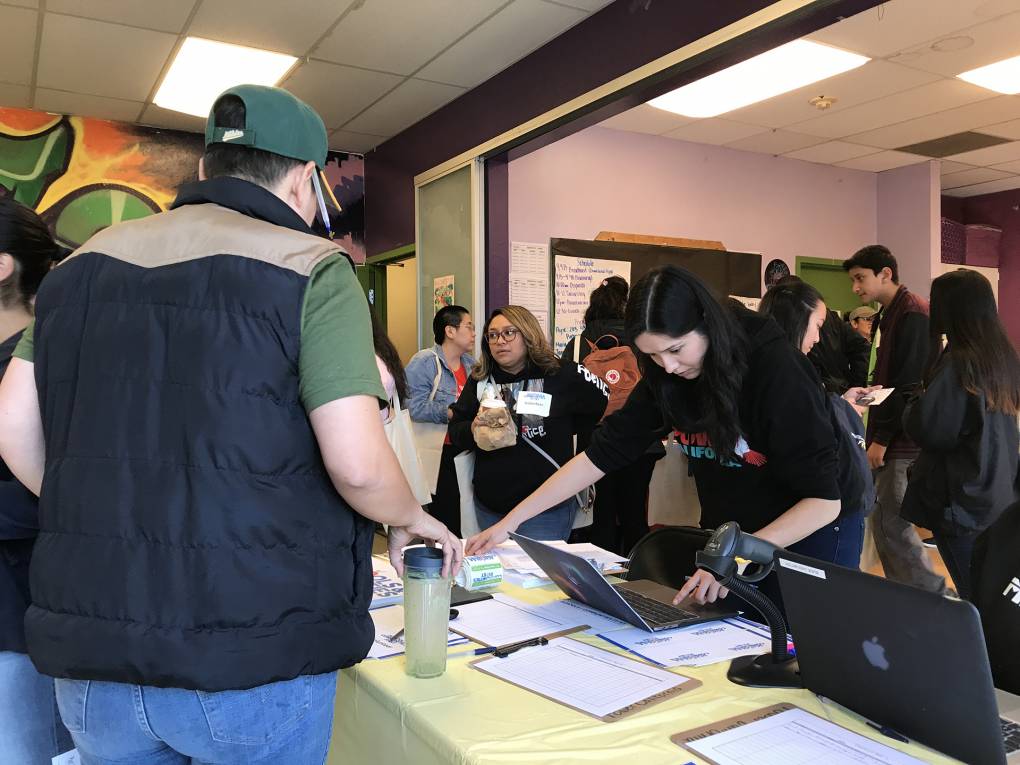
"caption": "Volunteers and organizers gathered inside the RYSE Center in Richmond for a Schools & Community First canvassing event.",
"description": "Volunteers and organizers gathered inside the RYSE Center in Richmond for a Schools & Community First canvassing event.",
"title": "Prop 13 Photo 4",
"credit": "Julie Chang/KQED",
"status": "inherit",
"isLoading": false,
"fetchFailed": false
},
"news_11788252": {
"type": "attachments",
"id": "news_11788252",
"meta": {
"index": "attachments_1716263798",
"site": "news",
"id": "11788252",
"found": true
},
"parent": 11788231,
"imgSizes": {
"apple_news_ca_landscape_5_5": {
"file": "https://ww2.kqed.org/app/uploads/sites/10/2019/11/homelesshouses_112219_final-1044x783.jpg",
"width": 1044,
"mimeType": "image/jpeg",
"height": 783
},
"apple_news_ca_square_4_0": {
"file": "https://ww2.kqed.org/app/uploads/sites/10/2019/11/homelesshouses_112219_final-470x470.jpg",
"width": 470,
"mimeType": "image/jpeg",
"height": 470
},
"twentyfourteen-full-width": {
"file": "https://ww2.kqed.org/app/uploads/sites/10/2019/11/homelesshouses_112219_final-1038x576.jpg",
"width": 1038,
"mimeType": "image/jpeg",
"height": 576
},
"thumbnail": {
"file": "https://ww2.kqed.org/app/uploads/sites/10/2019/11/homelesshouses_112219_final-160x105.jpg",
"width": 160,
"mimeType": "image/jpeg",
"height": 105
},
"post-thumbnail": {
"file": "https://ww2.kqed.org/app/uploads/sites/10/2019/11/homelesshouses_112219_final-672x372.jpg",
"width": 672,
"mimeType": "image/jpeg",
"height": 372
},
"kqedFullSize": {
"file": "https://ww2.kqed.org/app/uploads/sites/10/2019/11/homelesshouses_112219_final.jpg",
"width": 1920,
"height": 1257
},
"apple_news_ca_landscape_4_7": {
"file": "https://ww2.kqed.org/app/uploads/sites/10/2019/11/homelesshouses_112219_final-632x474.jpg",
"width": 632,
"mimeType": "image/jpeg",
"height": 474
},
"large": {
"file": "https://ww2.kqed.org/app/uploads/sites/10/2019/11/homelesshouses_112219_final-1020x668.jpg",
"width": 1020,
"mimeType": "image/jpeg",
"height": 668
},
"complete_open_graph": {
"file": "https://ww2.kqed.org/app/uploads/sites/10/2019/11/homelesshouses_112219_final-1200x786.jpg",
"width": 1200,
"mimeType": "image/jpeg",
"height": 786
},
"apple_news_ca_landscape_4_0": {
"file": "https://ww2.kqed.org/app/uploads/sites/10/2019/11/homelesshouses_112219_final-536x402.jpg",
"width": 536,
"mimeType": "image/jpeg",
"height": 402
},
"apple_news_ca_portrait_12_9": {
"file": "https://ww2.kqed.org/app/uploads/sites/10/2019/11/homelesshouses_112219_final-1122x1257.jpg",
"width": 1122,
"mimeType": "image/jpeg",
"height": 1257
},
"medium": {
"file": "https://ww2.kqed.org/app/uploads/sites/10/2019/11/homelesshouses_112219_final-800x524.jpg",
"width": 800,
"mimeType": "image/jpeg",
"height": 524
},
"apple_news_ca_portrait_4_0": {
"file": "https://ww2.kqed.org/app/uploads/sites/10/2019/11/homelesshouses_112219_final-354x472.jpg",
"width": 354,
"mimeType": "image/jpeg",
"height": 472
},
"apple_news_ca_portrait_9_7": {
"file": "https://ww2.kqed.org/app/uploads/sites/10/2019/11/homelesshouses_112219_final-840x1120.jpg",
"width": 840,
"mimeType": "image/jpeg",
"height": 1120
},
"apple_news_ca_landscape_12_9": {
"file": "https://ww2.kqed.org/app/uploads/sites/10/2019/11/homelesshouses_112219_final-1832x1257.jpg",
"width": 1832,
"mimeType": "image/jpeg",
"height": 1257
},
"apple_news_ca_square_9_7": {
"file": "https://ww2.kqed.org/app/uploads/sites/10/2019/11/homelesshouses_112219_final-1104x1104.jpg",
"width": 1104,
"mimeType": "image/jpeg",
"height": 1104
},
"apple_news_ca_portrait_4_7": {
"file": "https://ww2.kqed.org/app/uploads/sites/10/2019/11/homelesshouses_112219_final-414x552.jpg",
"width": 414,
"mimeType": "image/jpeg",
"height": 552
},
"apple_news_ca_square_12_9": {
"file": "https://ww2.kqed.org/app/uploads/sites/10/2019/11/homelesshouses_112219_final-1472x1257.jpg",
"width": 1472,
"mimeType": "image/jpeg",
"height": 1257
},
"apple_news_ca_portrait_5_5": {
"file": "https://ww2.kqed.org/app/uploads/sites/10/2019/11/homelesshouses_112219_final-687x916.jpg",
"width": 687,
"mimeType": "image/jpeg",
"height": 916
},
"full-width": {
"file": "https://ww2.kqed.org/app/uploads/sites/10/2019/11/homelesshouses_112219_final-1920x1257.jpg",
"width": 1920,
"mimeType": "image/jpeg",
"height": 1257
},
"apple_news_ca_square_4_7": {
"file": "https://ww2.kqed.org/app/uploads/sites/10/2019/11/homelesshouses_112219_final-550x550.jpg",
"width": 550,
"mimeType": "image/jpeg",
"height": 550
},
"apple_news_ca_landscape_9_7": {
"file": "https://ww2.kqed.org/app/uploads/sites/10/2019/11/homelesshouses_112219_final-1376x1032.jpg",
"width": 1376,
"mimeType": "image/jpeg",
"height": 1032
},
"apple_news_ca_square_5_5": {
"file": "https://ww2.kqed.org/app/uploads/sites/10/2019/11/homelesshouses_112219_final-912x912.jpg",
"width": 912,
"mimeType": "image/jpeg",
"height": 912
}
},
"publishDate": 1574466521,
"modified": 1574466554,
"caption": null,
"description": null,
"title": "homelesshouses_112219_final",
"credit": null,
"status": "inherit",
"isLoading": false,
"fetchFailed": false
},
"news_11787931": {
"type": "attachments",
"id": "news_11787931",
"meta": {
"index": "attachments_1716263798",
"site": "news",
"id": "11787931",
"found": true
},
"parent": 11787750,
"imgSizes": {
"apple_news_ca_landscape_5_5": {
"file": "https://ww2.kqed.org/app/uploads/sites/10/2019/11/IMG_1596-1044x783.jpg",
"width": 1044,
"mimeType": "image/jpeg",
"height": 783
},
"apple_news_ca_square_4_0": {
"file": "https://ww2.kqed.org/app/uploads/sites/10/2019/11/IMG_1596-470x470.jpg",
"width": 470,
"mimeType": "image/jpeg",
"height": 470
},
"twentyfourteen-full-width": {
"file": "https://ww2.kqed.org/app/uploads/sites/10/2019/11/IMG_1596-1038x576.jpg",
"width": 1038,
"mimeType": "image/jpeg",
"height": 576
},
"thumbnail": {
"file": "https://ww2.kqed.org/app/uploads/sites/10/2019/11/IMG_1596-160x120.jpg",
"width": 160,
"mimeType": "image/jpeg",
"height": 120
},
"post-thumbnail": {
"file": "https://ww2.kqed.org/app/uploads/sites/10/2019/11/IMG_1596-672x372.jpg",
"width": 672,
"mimeType": "image/jpeg",
"height": 372
},
"kqedFullSize": {
"file": "https://ww2.kqed.org/app/uploads/sites/10/2019/11/IMG_1596-e1574366936855.jpg",
"width": 1920,
"height": 1440
},
"apple_news_ca_landscape_4_7": {
"file": "https://ww2.kqed.org/app/uploads/sites/10/2019/11/IMG_1596-632x474.jpg",
"width": 632,
"mimeType": "image/jpeg",
"height": 474
},
"large": {
"file": "https://ww2.kqed.org/app/uploads/sites/10/2019/11/IMG_1596-1020x765.jpg",
"width": 1020,
"mimeType": "image/jpeg",
"height": 765
},
"complete_open_graph": {
"file": "https://ww2.kqed.org/app/uploads/sites/10/2019/11/IMG_1596-1200x900.jpg",
"width": 1200,
"mimeType": "image/jpeg",
"height": 900
},
"apple_news_ca_landscape_4_0": {
"file": "https://ww2.kqed.org/app/uploads/sites/10/2019/11/IMG_1596-536x402.jpg",
"width": 536,
"mimeType": "image/jpeg",
"height": 402
},
"apple_news_ca_portrait_12_9": {
"file": "https://ww2.kqed.org/app/uploads/sites/10/2019/11/IMG_1596-1122x1496.jpg",
"width": 1122,
"mimeType": "image/jpeg",
"height": 1496
},
"medium": {
"file": "https://ww2.kqed.org/app/uploads/sites/10/2019/11/IMG_1596-800x600.jpg",
"width": 800,
"mimeType": "image/jpeg",
"height": 600
},
"apple_news_ca_portrait_4_0": {
"file": "https://ww2.kqed.org/app/uploads/sites/10/2019/11/IMG_1596-354x472.jpg",
"width": 354,
"mimeType": "image/jpeg",
"height": 472
},
"apple_news_ca_portrait_9_7": {
"file": "https://ww2.kqed.org/app/uploads/sites/10/2019/11/IMG_1596-840x1120.jpg",
"width": 840,
"mimeType": "image/jpeg",
"height": 1120
},
"apple_news_ca_landscape_12_9": {
"file": "https://ww2.kqed.org/app/uploads/sites/10/2019/11/IMG_1596-1832x1374.jpg",
"width": 1832,
"mimeType": "image/jpeg",
"height": 1374
},
"apple_news_ca_square_9_7": {
"file": "https://ww2.kqed.org/app/uploads/sites/10/2019/11/IMG_1596-1104x1104.jpg",
"width": 1104,
"mimeType": "image/jpeg",
"height": 1104
},
"apple_news_ca_portrait_4_7": {
"file": "https://ww2.kqed.org/app/uploads/sites/10/2019/11/IMG_1596-414x552.jpg",
"width": 414,
"mimeType": "image/jpeg",
"height": 552
},
"apple_news_ca_square_12_9": {
"file": "https://ww2.kqed.org/app/uploads/sites/10/2019/11/IMG_1596-1472x1472.jpg",
"width": 1472,
"mimeType": "image/jpeg",
"height": 1472
},
"apple_news_ca_portrait_5_5": {
"file": "https://ww2.kqed.org/app/uploads/sites/10/2019/11/IMG_1596-687x916.jpg",
"width": 687,
"mimeType": "image/jpeg",
"height": 916
},
"full-width": {
"file": "https://ww2.kqed.org/app/uploads/sites/10/2019/11/IMG_1596-1920x1440.jpg",
"width": 1920,
"mimeType": "image/jpeg",
"height": 1440
},
"apple_news_ca_square_4_7": {
"file": "https://ww2.kqed.org/app/uploads/sites/10/2019/11/IMG_1596-550x550.jpg",
"width": 550,
"mimeType": "image/jpeg",
"height": 550
},
"apple_news_ca_landscape_9_7": {
"file": "https://ww2.kqed.org/app/uploads/sites/10/2019/11/IMG_1596-1376x1032.jpg",
"width": 1376,
"mimeType": "image/jpeg",
"height": 1032
},
"apple_news_ca_square_5_5": {
"file": "https://ww2.kqed.org/app/uploads/sites/10/2019/11/IMG_1596-912x912.jpg",
"width": 912,
"mimeType": "image/jpeg",
"height": 912
}
},
"publishDate": 1574366503,
"modified": 1574384969,
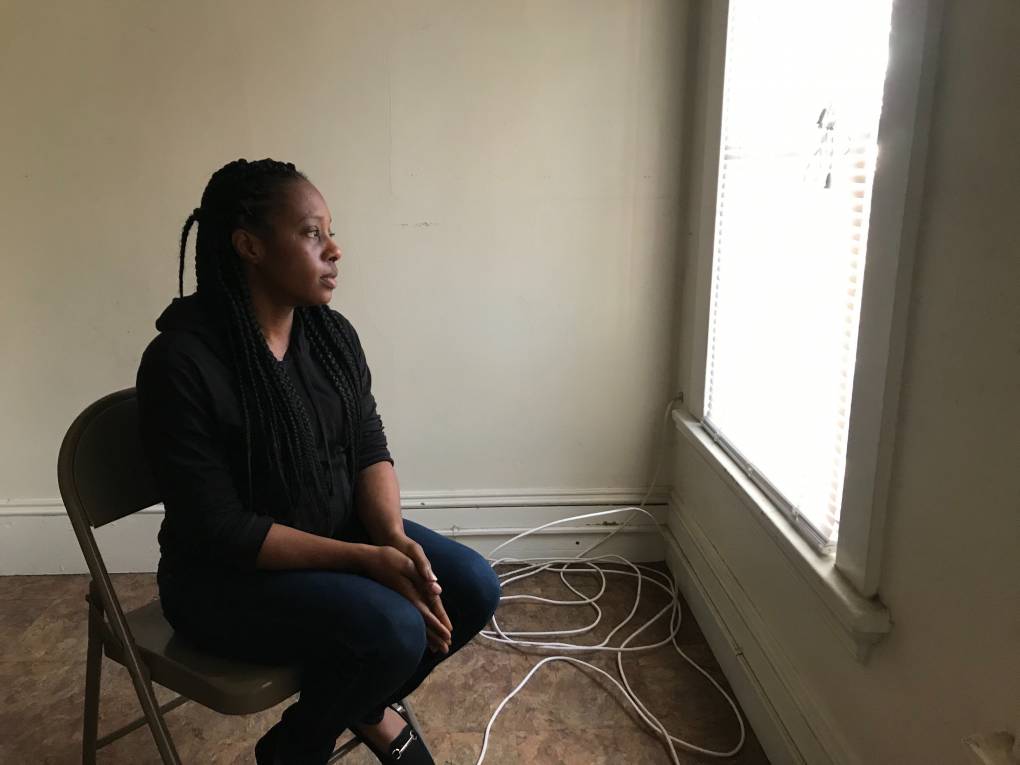
"caption": "Dominique Walker sits in a long vacant three-bedroom house in West Oakland that she and another homeless mother — part of a group called Moms 4 Housing — occupied on Monday. Walker became homeless when she moved back to Oakland with her daughters after fleeing a domestic violence situation in Mississippi.",
"description": null,
"title": "IMG_1596",
"credit": "Kate Wolffe/KQED",
"status": "inherit",
"isLoading": false,
"fetchFailed": false
}
},
"audioPlayerReducer": {
"postId": "stream_live",
"isPaused": true,
"isPlaying": false,
"pfsActive": false,
"pledgeModalIsOpen": true,
"playerDrawerIsOpen": false,
"liveAudioPlayStartedAt": 0,
"liveAudioPlayContext": ""
},
"authorsReducer": {
"byline_news_11789788": {
"type": "authors",
"id": "byline_news_11789788",
"meta": {
"override": true
},
"slug": "byline_news_11789788",
"name": "\u003cstrong>Dee-Ann Durbin\u003cbr />Associated Press\u003c/strong>",
"isLoading": false
},
"byline_news_11789210": {
"type": "authors",
"id": "byline_news_11789210",
"meta": {
"override": true
},
"slug": "byline_news_11789210",
"name": "\u003cstrong>Holly McDede\u003c/strong>",
"isLoading": false
},
"byline_news_11788771": {
"type": "authors",
"id": "byline_news_11788771",
"meta": {
"override": true
},
"slug": "byline_news_11788771",
"name": "Rachel Bujalski \u003cbr> \u003ca href=\"https://www.npr.org/people/776048102/rachel-treisman\"> Rachel Treisman \u003ca />",
"isLoading": false
},
"rachael-myrow": {
"type": "authors",
"id": "251",
"meta": {
"index": "authors_1716337520",
"id": "251",
"found": true
},
"name": "Rachael Myrow",
"firstName": "Rachael",
"lastName": "Myrow",
"slug": "rachael-myrow",
"email": "rmyrow@kqed.org",
"display_author_email": true,
"staff_mastheads": [
"news"
],
"title": "Senior Editor of KQED's Silicon Valley News Desk",
"bio": "• I write and edit stories about how Silicon Valley power and policies shape everyday life in California. I’m also passionate about making Bay Area history and culture more accessible to a broad public. • I’ve been a journalist for most of my life, starting in high school with The Franklin Press in Los Angeles, where I grew up. While earning my first degree in English at UC Berkeley, I got my start in public radio at KALX-FM. After completing a second degree in journalism at Cal, I landed my first professional job at Marketplace, then moved on to KPCC (now LAist), and then KQED, where I hosted The California Report for more than seven years. • My reporting has appeared on NPR, The World, WBUR’s \u003ci>Here & Now\u003c/i>, and the BBC. I also guest host for KQED’s \u003ci>Forum\u003c/i>, as well as the Commonwealth Club in San Francisco. • I speak periodically on media, democracy and technology issues, and do voiceover work for documentaries and educational video projects. • Outside of the studio, you'll find me hiking Bay Area trails and whipping up Insta-ready meals in my kitchen. • I do not accept gifts, money, or favors from anyone connected to my reporting, I don't pay people for information, and I do not support or donate to political causes. • I strive to treat the people I report on with fairness, honesty, and respect. I also recognize there are often multiple sides to a story and work to verify information through multiple sources and documentation. If I get something wrong, I correct it.",
"avatar": "https://secure.gravatar.com/avatar/3ed8a3c5f26025e4a805ba634cda8cd764906b97438a6d9ce216b044e340da4e?s=600&d=blank&r=g",
"twitter": "rachaelmyrow",
"bluesky": null,
"facebook": null,
"instagram": null,
"linkedin": "https://www.linkedin.com/in/rachaelmyrow/",
"sites": [
{
"site": "arts",
"roles": [
"administrator"
]
},
{
"site": "news",
"roles": [
"edit_others_posts",
"editor"
]
},
{
"site": "futureofyou",
"roles": [
"editor"
]
},
{
"site": "bayareabites",
"roles": [
"editor"
]
},
{
"site": "stateofhealth",
"roles": [
"editor"
]
},
{
"site": "science",
"roles": [
"editor"
]
},
{
"site": "food",
"roles": [
"editor"
]
},
{
"site": "forum",
"roles": [
"editor"
]
},
{
"site": "liveblog",
"roles": [
"author"
]
}
],
"headData": {
"title": "Rachael Myrow | KQED",
"description": "Senior Editor of KQED's Silicon Valley News Desk",
"ogImgSrc": "https://secure.gravatar.com/avatar/3ed8a3c5f26025e4a805ba634cda8cd764906b97438a6d9ce216b044e340da4e?s=600&d=blank&r=g",
"twImgSrc": "https://secure.gravatar.com/avatar/3ed8a3c5f26025e4a805ba634cda8cd764906b97438a6d9ce216b044e340da4e?s=600&d=blank&r=g"
},
"isLoading": false,
"link": "/author/rachael-myrow"
},
"matthewgreen": {
"type": "authors",
"id": "1263",
"meta": {
"index": "authors_1716337520",
"id": "1263",
"found": true
},
"name": "Matthew Green",
"firstName": "Matthew",
"lastName": "Green",
"slug": "matthewgreen",
"email": "mgreen@kqed.org",
"display_author_email": false,
"staff_mastheads": [],
"title": "KQED Editor/Reporter",
"bio": "Matthew Green is a digital media producer for KQED News. He previously produced \u003ca href=\"http://www.kqed.org/lowdown\">The Lowdown\u003c/a>, KQED’s multimedia news education blog. Matthew's written for numerous Bay Area publications, including the Oakland Tribune and San Francisco Chronicle. He also taught journalism classes at Fremont High School in East Oakland.\r\n\r\nEmail: mgreen@kqed.org; Twitter: @MGreenKQED",
"avatar": "https://secure.gravatar.com/avatar/3bf498d1267ca02c8494f33d8cfc575e?s=600&d=blank&r=g",
"twitter": "MGreenKQED",
"facebook": null,
"instagram": null,
"linkedin": null,
"sites": [
{
"site": "news",
"roles": []
},
{
"site": "lowdown",
"roles": []
},
{
"site": "science",
"roles": []
},
{
"site": "education",
"roles": []
},
{
"site": "quest",
"roles": []
},
{
"site": "liveblog",
"roles": []
}
],
"headData": {
"title": "Matthew Green | KQED",
"description": "KQED Editor/Reporter",
"ogImgSrc": "https://secure.gravatar.com/avatar/3bf498d1267ca02c8494f33d8cfc575e?s=600&d=blank&r=g",
"twImgSrc": "https://secure.gravatar.com/avatar/3bf498d1267ca02c8494f33d8cfc575e?s=600&d=blank&r=g"
},
"isLoading": false,
"link": "/author/matthewgreen"
},
"markfiore": {
"type": "authors",
"id": "3236",
"meta": {
"index": "authors_1716337520",
"id": "3236",
"found": true
},
"name": "Mark Fiore",
"firstName": "Mark",
"lastName": "Fiore",
"slug": "markfiore",
"email": "mark@markfiore.com",
"display_author_email": false,
"staff_mastheads": [
"news"
],
"title": "KQED News Cartoonist",
"bio": "\u003ca href=\"http://www.MarkFiore.com\">MarkFiore.com\u003c/a> | \u003ca href=\"https://twitter.com/markfiore\">Follow on Twitter\u003c/a> | \u003ca href=\"https://www.facebook.com/pages/Mark-Fiore-Animated-Political-Cartoons/94451707396?ref=bookmarks\">Facebook\u003c/a> | \u003ca href=\"mailto:mark@markfiore.com\">email\u003c/a>\r\n\r\nPulitzer Prize-winner, Mark Fiore, who the Wall Street Journal has called “the undisputed guru of the form,” creates animated political cartoons in San Francisco, where his work has been featured regularly on the San Francisco Chronicle’s web site, SFGate.com. His work has appeared on Newsweek.com, Slate.com, CBSNews.com, MotherJones.com, DailyKos.com and NPR’s web site. Fiore’s political animation has appeared on CNN, Frontline, Bill Moyers Journal, Salon.com and cable and broadcast outlets across the globe.\r\n\r\nBeginning his professional life by drawing traditional political cartoons for newspapers, Fiore’s work appeared in publications ranging from the Washington Post to the Los Angeles Times. In the late 1990s, he began to experiment with animating political cartoons and, after a short stint at the San Jose Mercury News as their staff cartoonist, Fiore devoted all his energies to animation.\r\nGrowing up in California, Fiore also spent a good portion of his life in the backwoods of Idaho. It was this combination that shaped him politically. Mark majored in political science at Colorado College, where, in a perfect send-off for a cartoonist, he received his diploma in 1991 as commencement speaker Dick Cheney smiled approvingly.\r\nMark Fiore was awarded the Pulitzer Prize for political cartooning in 2010, a Robert F. Kennedy Journalism Award in 2004 and has twice received an Online Journalism Award for commentary from the Online News Association (2002, 2008). Fiore has received two awards for his work in new media from the National Cartoonists Society (2001, 2002), and in 2006 received The James Madison Freedom of Information Award from The Society of Professional Journalists.",
"avatar": "https://secure.gravatar.com/avatar/fc4e2a612b15b67bad0c6f0e1db4ca9b?s=600&d=blank&r=g",
"twitter": "MarkFiore",
"facebook": null,
"instagram": "https://www.instagram.com/markfiore/?hl=en",
"linkedin": null,
"sites": [
{
"site": "arts",
"roles": [
"contributor"
]
},
{
"site": "news",
"roles": [
"editor"
]
},
{
"site": "futureofyou",
"roles": [
"editor"
]
},
{
"site": "science",
"roles": [
"editor"
]
}
],
"headData": {
"title": "Mark Fiore | KQED",
"description": "KQED News Cartoonist",
"ogImgSrc": "https://secure.gravatar.com/avatar/fc4e2a612b15b67bad0c6f0e1db4ca9b?s=600&d=blank&r=g",
"twImgSrc": "https://secure.gravatar.com/avatar/fc4e2a612b15b67bad0c6f0e1db4ca9b?s=600&d=blank&r=g"
},
"isLoading": false,
"link": "/author/markfiore"
},
"tcamhi": {
"type": "authors",
"id": "3251",
"meta": {
"index": "authors_1716337520",
"id": "3251",
"found": true
},
"name": "Tiffany Camhi",
"firstName": "Tiffany",
"lastName": "Camhi",
"slug": "tcamhi",
"email": "tiffanycamhi@gmail.com",
"display_author_email": false,
"staff_mastheads": [],
"title": "KQED Contributor",
"bio": null,
"avatar": "https://secure.gravatar.com/avatar/f8204ce351139205d3b3dc1581016a5e30d7d8b38cb2c139348c151ec14b792e?s=600&d=blank&r=g",
"twitter": null,
"bluesky": null,
"facebook": null,
"instagram": null,
"linkedin": null,
"sites": [
{
"site": "arts",
"roles": [
"subscriber"
]
},
{
"site": "news",
"roles": [
"subscriber"
]
}
],
"headData": {
"title": "Tiffany Camhi | KQED",
"description": "KQED Contributor",
"ogImgSrc": "https://secure.gravatar.com/avatar/f8204ce351139205d3b3dc1581016a5e30d7d8b38cb2c139348c151ec14b792e?s=600&d=blank&r=g",
"twImgSrc": "https://secure.gravatar.com/avatar/f8204ce351139205d3b3dc1581016a5e30d7d8b38cb2c139348c151ec14b792e?s=600&d=blank&r=g"
},
"isLoading": false,
"link": "/author/tcamhi"
},
"eaguilar": {
"type": "authors",
"id": "11382",
"meta": {
"index": "authors_1716337520",
"id": "11382",
"found": true
},
"name": "Erika Aguilar",
"firstName": "Erika",
"lastName": "Aguilar",
"slug": "eaguilar",
"email": "eaa712@gmail.com",
"display_author_email": false,
"staff_mastheads": [],
"title": "KQED Contributor",
"bio": "Erika Aguilar was the director of podcasts at KQED. She was in charge of KQED's portfolio of original podcasts and teams, and sets strategic plans for production and engagement.\r\n\r\nErika helped establish KQED's new housing affordability desk as senior editor. She was also a producer and editor for KQED's local news podcast called \u003cem>The Bay, \u003c/em>and wrote stories about housing in the Bay Area as a reporter for KQED News.\r\n\r\nErika joined KQED in 2017 after producing independent audio projects and podcasts in Southern California. She spent more than a dozen years reporting stories about law enforcement, breaking news, homelessness, government and the environment for KPCC in Los Angeles and KUT in Austin. She also volunteers as an editor and mentor for various journalism training programs.\r\n\r\nErika Aguilar is a proud Tejana from San Antonio. She believes in compromise, optimism and Selena.",
"avatar": "https://secure.gravatar.com/avatar/85bf7bb8dd9af4136525d94cef00f026?s=600&d=blank&r=g",
"twitter": "erikaaaguilar",
"facebook": null,
"instagram": null,
"linkedin": null,
"sites": [
{
"site": "",
"roles": [
"editor"
]
},
{
"site": "news",
"roles": [
"subscriber"
]
},
{
"site": "podcasts",
"roles": [
"editor"
]
}
],
"headData": {
"title": "Erika Aguilar | KQED",
"description": "KQED Contributor",
"ogImgSrc": "https://secure.gravatar.com/avatar/85bf7bb8dd9af4136525d94cef00f026?s=600&d=blank&r=g",
"twImgSrc": "https://secure.gravatar.com/avatar/85bf7bb8dd9af4136525d94cef00f026?s=600&d=blank&r=g"
},
"isLoading": false,
"link": "/author/eaguilar"
},
"katewolffe": {
"type": "authors",
"id": "11523",
"meta": {
"index": "authors_1716337520",
"id": "11523",
"found": true
},
"name": "Kate Wolffe",
"firstName": "Kate",
"lastName": "Wolffe",
"slug": "katewolffe",
"email": "kwolffe@kqed.org",
"display_author_email": true,
"staff_mastheads": [
"news"
],
"title": "KQED Reporter + Weekend Host",
"bio": "Kate Wolffe reports on local Bay Area happenings for KQED, and hosts the news on weekend afternoons. She joined KQED in 2018 as an intern on the Forum team, before moving to cover topics ranging from politics to criminal justice to homelessness. A Bay Area native and UC Berkeley graduate, Kate loves to discover new corners of the region.",
"avatar": "https://secure.gravatar.com/avatar/22455f14db824a03ee252f73052fe939?s=600&d=blank&r=g",
"twitter": "katewolffe",
"facebook": null,
"instagram": null,
"linkedin": null,
"sites": [
{
"site": "arts",
"roles": [
"editor"
]
},
{
"site": "news",
"roles": [
"author",
"edit_others_posts"
]
},
{
"site": "forum",
"roles": [
"editor"
]
}
],
"headData": {
"title": "Kate Wolffe | KQED",
"description": "KQED Reporter + Weekend Host",
"ogImgSrc": "https://secure.gravatar.com/avatar/22455f14db824a03ee252f73052fe939?s=600&d=blank&r=g",
"twImgSrc": "https://secure.gravatar.com/avatar/22455f14db824a03ee252f73052fe939?s=600&d=blank&r=g"
},
"isLoading": false,
"link": "/author/katewolffe"
},
"jchang": {
"type": "authors",
"id": "11642",
"meta": {
"index": "authors_1716337520",
"id": "11642",
"found": true
},
"name": "Julie Chang",
"firstName": "Julie",
"lastName": "Chang",
"slug": "jchang",
"email": "jchang@kqed.org",
"display_author_email": false,
"staff_mastheads": [
"news"
],
"title": "KQED Contributor",
"bio": "Julie Chang is a reporter and producer (and occasional anchor) with the radio and digital teams at KQED. Before KQED, she worked at WAMU 88.5 in Washington D.C. and 89.3 KPCC in Los Angeles County. Her work has been featured on NPR’s Morning Edition and All Things Considered, Here & Now, the New York Times, and more. Julie graduated from UC Berkeley’s Graduate School of Journalism. She previously taught English at Pasadena City College, Fullerton College and Cal Poly Pomona. Julie earned her M.A. in English from Cal Poly Pomona and her B.A. in English from UCI with a minor in criminology.",
"avatar": "https://secure.gravatar.com/avatar/a7afce94ef127082c5475116b4a3b77d?s=600&d=blank&r=g",
"twitter": "BayAreaJulie",
"facebook": null,
"instagram": null,
"linkedin": "https://www.linkedin.com/in/julieyc/",
"sites": [
{
"site": "",
"roles": [
"editor"
]
},
{
"site": "news",
"roles": [
"author"
]
},
{
"site": "science",
"roles": [
"editor"
]
}
],
"headData": {
"title": "Julie Chang | KQED",
"description": "KQED Contributor",
"ogImgSrc": "https://secure.gravatar.com/avatar/a7afce94ef127082c5475116b4a3b77d?s=600&d=blank&r=g",
"twImgSrc": "https://secure.gravatar.com/avatar/a7afce94ef127082c5475116b4a3b77d?s=600&d=blank&r=g"
},
"isLoading": false,
"link": "/author/jchang"
}
},
"pagesReducer": {
"news_category_housing": {
"type": "terms",
"id": "news_6266",
"meta": {
"index": "terms_1716263798",
"site": "news",
"id": "6266",
"score": 11.039913
},
"featImg": null,
"name": "Housing",
"description": null,
"taxonomy": "category",
"headData": {
"twImgId": null,
"twTitle": null,
"ogTitle": null,
"ogImgId": null,
"twDescription": null,
"description": null,
"title": "Housing Archives | KQED News",
"ogDescription": null
},
"ttid": 6290,
"slug": "housing",
"isLoading": false,
"title": "Housing",
"pageMeta": {
"site": "news",
"WpPageTemplate": "page-topic-editorial",
"currentPage": 89
},
"blocks": [
{
"blockName": "kqed/post-list",
"attrs": {
"layout": "cardArticle2",
"query": "posts/news?category=housing",
"seeMore": false,
"paginated": true,
"page": 89
}
},
{
"blockName": "kqed/ad"
}
]
}
},
"pfsSessionReducer": {},
"postsReducer": {
"stream_live": {
"type": "live",
"id": "stream_live",
"audioUrl": "https://streams.kqed.org/kqedradio",
"title": "Live Stream",
"excerpt": "Live Stream information currently unavailable.",
"link": "/radio",
"featImg": "",
"label": {
"name": "KQED Live",
"link": "/"
}
},
"stream_kqedNewscast": {
"type": "posts",
"id": "stream_kqedNewscast",
"audioUrl": "https://www.kqed.org/.stream/anon/radio/RDnews/newscast.mp3?_=1",
"title": "KQED Newscast",
"featImg": "",
"label": {
"name": "88.5 FM",
"link": "/"
}
},
"news_11790402": {
"type": "posts",
"id": "news_11790402",
"meta": {
"index": "posts_1716263798",
"site": "news",
"id": "11790402",
"score": null,
"sort": [
1575940289000
]
},
"guestAuthors": [],
"slug": "pge-seeks-to-lighten-its-bankruptcy-load",
"title": "PG&E Seeks to Lighten Its Bankruptcy Load",
"publishDate": 1575940289,
"format": "standard",
"headTitle": "PG&E Seeks to Lighten Its Bankruptcy Load | KQED",
"labelTerm": {
"term": 18515,
"site": "news"
},
"content": "\u003cp>PG&E’s stock climbed nearly 16% Monday after the utility provided more details about a $13.5 billion settlement with fire victims.\u003c/p>\n\u003cp>Even though that sounds like a lot of money, people who have suffered and lost homes or family members as a result of wildfires caused by PG&E equipment won’t immediately get a big check in the mail.\u003c/p>\n\u003cp>The company outlined a path out of bankruptcy that involves multiple payouts to victims that would take place over a few years.\u003c/p>\n\u003cp>The final tranche of the settlement would come in the form of PG&E stock which, if approved, would turn over a 21% stake of the company to fire victims.\u003c/p>\n\u003cp>[ad fullwidth]\u003c/p>\u003cp>\u003c/p>\n",
"blocks": [],
"excerpt": "PG&E's stock climbed nearly 16% Monday after the utility provided more details about a $13.5 billion settlement with wildfire victims.",
"status": "publish",
"parent": 0,
"modified": 1722638402,
"stats": {
"hasAudio": false,
"hasVideo": false,
"hasChartOrMap": false,
"iframeSrcs": [],
"hasGoogleForm": false,
"hasGallery": false,
"hasHearkenModule": false,
"hasPolis": false,
"paragraphCount": 6,
"wordCount": 121
},
"headData": {
"title": "PG&E Seeks to Lighten Its Bankruptcy Load | KQED",
"description": "PG&E's stock climbed nearly 16% Monday after the utility provided more details about a $13.5 billion settlement with wildfire victims.",
"ogTitle": "",
"ogDescription": "",
"ogImgId": "",
"twTitle": "",
"twDescription": "",
"twImgId": "",
"schema": {
"@context": "https://schema.org",
"@type": "NewsArticle",
"headline": "PG&E Seeks to Lighten Its Bankruptcy Load",
"datePublished": "2019-12-09T17:11:29-08:00",
"dateModified": "2024-08-02T15:40:02-07:00",
"image": "https://cdn.kqed.org/wp-content/uploads/2020/02/KQED-OG-Image@1x.png",
"isAccessibleForFree": "True",
"publisher": {
"@type": "NewsMediaOrganization",
"@id": "https://www.kqed.org/#organization",
"name": "KQED",
"logo": "https://cdn.kqed.org/wp-content/uploads/2020/02/KQED-OG-Image@1x.png",
"url": "https://www.kqed.org",
"sameAs": [
"https://www.facebook.com/KQED",
"https://twitter.com/KQED",
"https://www.instagram.com/kqed/",
"https://www.tiktok.com/@kqedofficial",
"https://www.linkedin.com/company/kqed",
"https://www.youtube.com/channel/UCeC0IOo7i1P_61zVUWbJ4nw"
]
}
}
},
"sticky": false,
"path": "/news/11790402/pge-seeks-to-lighten-its-bankruptcy-load",
"audioTrackLength": null,
"parsedContent": [
{
"type": "contentString",
"content": "\u003cdiv class=\"post-body\">\u003cp>\u003cp>PG&E’s stock climbed nearly 16% Monday after the utility provided more details about a $13.5 billion settlement with fire victims.\u003c/p>\n\u003cp>Even though that sounds like a lot of money, people who have suffered and lost homes or family members as a result of wildfires caused by PG&E equipment won’t immediately get a big check in the mail.\u003c/p>\n\u003cp>The company outlined a path out of bankruptcy that involves multiple payouts to victims that would take place over a few years.\u003c/p>\n\u003cp>The final tranche of the settlement would come in the form of PG&E stock which, if approved, would turn over a 21% stake of the company to fire victims.\u003c/p>\n\u003cp>\u003c/p>\u003c/div>",
"attributes": {
"named": {},
"numeric": []
}
},
{
"type": "component",
"content": "",
"name": "ad",
"attributes": {
"named": {
"label": "fullwidth"
},
"numeric": [
"fullwidth"
]
}
},
{
"type": "contentString",
"content": "\u003cdiv class=\"post-body\">\u003cp>\u003c/p>\u003cp>\u003c/p>\n\u003c/div>\u003c/p>",
"attributes": {
"named": {},
"numeric": []
}
}
],
"link": "/news/11790402/pge-seeks-to-lighten-its-bankruptcy-load",
"authors": [
"3236"
],
"series": [
"news_18515"
],
"categories": [
"news_6266",
"news_6188",
"news_8",
"news_13"
],
"tags": [
"news_20949",
"news_140",
"news_24802",
"news_27132",
"news_4463"
],
"featImg": "news_11790412",
"label": "news_18515"
},
"news_11789809": {
"type": "posts",
"id": "news_11789809",
"meta": {
"index": "posts_1716263798",
"site": "news",
"id": "11789809",
"score": null,
"sort": [
1575588814000
]
},
"guestAuthors": [],
"slug": "state-bans-insurers-from-dropping-homeowner-policies-in-areas-hit-by-wildfires",
"title": "State Bans Insurers From Dropping Homeowner Policies in Areas Hit by Wildfires",
"publishDate": 1575588814,
"format": "standard",
"headTitle": "State Bans Insurers From Dropping Homeowner Policies in Areas Hit by Wildfires | KQED",
"labelTerm": {
"term": 72,
"site": "news"
},
"content": "\u003cp>California is blocking the fire exits for home insurers.\u003c/p>\n\u003cp>Insurance Commissioner Ricardo Lara on Thursday announced a mandatory one-year rule barring insurers from cancelling or not renewing policies for homeowners who live in areas of the state that have been recently ravaged by wildfires.\u003c/p>\n\u003cp>“I’m hearing the same story again and again,” said Lara, who made the announcement in Oakland, at a home whose owners have struggled to find insurance. “People have been dropped by their insurance companies after decades of premium payment and loyalty.”\u003c/p>\n\u003cp>[pullquote size='medium' align='right' citation=\"Ricardo Lara, California insurance commissioner\"]‘This gives consumers temporary breathing room while we work on lasting solutions.’[/pullquote]\u003c/p>\n\u003cp>The mandatory one-year moratorium covers more than 800,000 residential policies in or around parts of the state declared wildfire disaster areas in 2019. Lara said his office is also asking insurers to voluntarily stop dropping any customers in California due to fire risk.\u003c/p>\n\u003cp>“If you live near one of the devastating fires, you now have an automatic year of protection if your home survived, and more importantly, if you suffered a total loss,” Lara said. “This gives consumers temporary breathing room while we work on lasting solutions.”\u003c/p>\n\u003cp>The state has the authority to impose such bans under \u003ca href=\"https://leginfo.legislature.ca.gov/faces/billNavClient.xhtml?bill_id=201720180SB824\" target=\"_blank\" rel=\"noopener noreferrer\">Senate Bill 824\u003c/a>, authored last year by Lara, then a state senator. This is the first time the department has invoked the law, which went into effect in January.\u003c/p>\n\u003cp>The action comes amid findings that insurance companies have increasingly dropped home coverage plans in areas across the state with high wildfire risk, and as blazes become more frequent and destructive.\u003c/p>\n\u003cp>The number of homeowners in high-risk fire areas who complained about getting dropped by their plans more than tripled between 2010 and 2016, while complaints about increased premiums rose by more than 200%, according to a state Department of Insurance \u003ca class=\"Link\" href=\"https://www.latimes.com/local/lanow/la-me-ln-wildfire-homeowners-insurance-20180830-story.html\" target=\"_blank\" rel=\"noopener noreferrer\">report released last year\u003c/a>.\u003c/p>\n\u003cp>And in August, the department \u003ca href=\"http://www.insurance.ca.gov/0400-news/0100-press-releases/2019/release063-2019.cfm?cachebusterTimestamp=1575584571736\" target=\"_blank\" rel=\"noopener noreferrer\">released data\u003c/a> showing that the number of nonrenewals rose by more than 10% last year in seven of the counties hardest hit by wildfires.\u003c/p>\n\u003cp>[aside label=\"Related coverage\" tag=\"fire-insurance\"]“As communities across California continue to recover from wildfires and natural disasters, insurance companies are critical partners in helping our communities rise up,” said Sonoma County Supervisor James Gore in a statement. “The inability to obtain insurance after disaster strikes impacts home values and tax revenues for emergency services that help ensure the integrity of California communities.”\u003c/p>\n\u003cp>Roughly 5 million California houses are located in the wildland-urban interface where wildfires are most likely to occur, according to the \u003ca href=\"https://www.fs.usda.gov/treesearch/pubs/48642\" target=\"_blank\" rel=\"noopener noreferrer\">U.S. Forest Service\u003c/a>.\u003c/p>\n\u003cp>Lara also noted that the number of households covered by California’s FAIR Plan — an insurer of last resort that provides limited coverage for wildfires exclusively — has surged in areas with high wildfire risk. That plan, he added, will offer expanded coverage before next summer, with full homeowners’ policies, higher policy limits and monthly payment plans.\u003c/p>\n\u003cp>\u003cb>\u003c/b>“Many people mistakenly believe this is a rural community issue,” he said. “I’m here to tell you that that is not true. This is a statewide issue that is affecting both rural and urban areas across the entire state of California.”\u003cb>\u003c/b>\u003c/p>\n\u003cp>[ad fullwidth]\u003c/p>\n\u003cp>For Rex Frazier, president of the Personal Insurance Federation of California, the new rule comes as little surprise.\u003c/p>\n\u003cp>“This is a straightforward implementation of SB 824,” he said, noting that state insurers participated in negotiations over the legislation and ultimately supported it. \u003c/p>\n\u003cp>But he challenges Lara’s assertion of it being a statewide problem. \u003c/p>\n\u003cp>“This isn’t really a statewide issue so far. It’s really confined to at most 10 counties,” Frazier said. \u003c/p>\n\u003cp>No models or mapping predicted the catastrophic wildfires of the last two years, he said. As a result, the state’s insurers have taken on an enormous level of risk without being able to raise rates accordingly.\u003c/p>\n\u003cp>“It’s a policy choice the state has made,” he said. “They wanted to protect consumers and hold rates down. Holding rates down worked as long as risk was low.”\u003c/p>\n\u003cp>But now, he said, in order to smooth things out for residents in higher-risk areas, statewide average rates need to increase so the burden can be more evenly shared.\u003c/p>\n\u003cp>“The question is: How do we have an insurance system that has enough money coming through it to pay for these losses?”\u003c/p>\n\u003cp>\u003c/p>\n",
"blocks": [],
"excerpt": "The moratorium temporarily protects at least 800,000 California households in 16 wildfire disaster zones across the state from losing their home insurance. ",
"status": "publish",
"parent": 0,
"modified": 1722632492,
"stats": {
"hasAudio": false,
"hasVideo": false,
"hasChartOrMap": false,
"iframeSrcs": [],
"hasGoogleForm": false,
"hasGallery": false,
"hasHearkenModule": false,
"hasPolis": false,
"paragraphCount": 24,
"wordCount": 766
},
"headData": {
"title": "State Bans Insurers From Dropping Homeowner Policies in Areas Hit by Wildfires | KQED",
"description": "The moratorium temporarily protects at least 800,000 California households in 16 wildfire disaster zones across the state from losing their home insurance. ",
"ogTitle": "",
"ogDescription": "",
"ogImgId": "",
"twTitle": "",
"twDescription": "",
"twImgId": "",
"schema": {
"@context": "https://schema.org",
"@type": "NewsArticle",
"headline": "State Bans Insurers From Dropping Homeowner Policies in Areas Hit by Wildfires",
"datePublished": "2019-12-05T15:33:34-08:00",
"dateModified": "2024-08-02T14:01:32-07:00",
"image": "https://cdn.kqed.org/wp-content/uploads/2020/02/KQED-OG-Image@1x.png",
"isAccessibleForFree": "True",
"publisher": {
"@type": "NewsMediaOrganization",
"@id": "https://www.kqed.org/#organization",
"name": "KQED",
"logo": "https://cdn.kqed.org/wp-content/uploads/2020/02/KQED-OG-Image@1x.png",
"url": "https://www.kqed.org",
"sameAs": [
"https://www.facebook.com/KQED",
"https://twitter.com/KQED",
"https://www.instagram.com/kqed/",
"https://www.tiktok.com/@kqedofficial",
"https://www.linkedin.com/company/kqed",
"https://www.youtube.com/channel/UCeC0IOo7i1P_61zVUWbJ4nw"
]
}
}
},
"sticky": false,
"path": "/news/11789809/state-bans-insurers-from-dropping-homeowner-policies-in-areas-hit-by-wildfires",
"audioTrackLength": null,
"parsedContent": [
{
"type": "contentString",
"content": "\u003cdiv class=\"post-body\">\u003cp>\u003cp>California is blocking the fire exits for home insurers.\u003c/p>\n\u003cp>Insurance Commissioner Ricardo Lara on Thursday announced a mandatory one-year rule barring insurers from cancelling or not renewing policies for homeowners who live in areas of the state that have been recently ravaged by wildfires.\u003c/p>\n\u003cp>“I’m hearing the same story again and again,” said Lara, who made the announcement in Oakland, at a home whose owners have struggled to find insurance. “People have been dropped by their insurance companies after decades of premium payment and loyalty.”\u003c/p>\n\u003cp>\u003c/p>\u003c/div>",
"attributes": {
"named": {},
"numeric": []
}
},
{
"type": "component",
"content": "‘This gives consumers temporary breathing room while we work on lasting solutions.’",
"name": "pullquote",
"attributes": {
"named": {
"size": "medium",
"align": "right",
"citation": "Ricardo Lara, California insurance commissioner",
"label": ""
},
"numeric": []
}
},
{
"type": "contentString",
"content": "\u003cdiv class=\"post-body\">\u003cp>\u003c/p>\n\u003cp>The mandatory one-year moratorium covers more than 800,000 residential policies in or around parts of the state declared wildfire disaster areas in 2019. Lara said his office is also asking insurers to voluntarily stop dropping any customers in California due to fire risk.\u003c/p>\n\u003cp>“If you live near one of the devastating fires, you now have an automatic year of protection if your home survived, and more importantly, if you suffered a total loss,” Lara said. “This gives consumers temporary breathing room while we work on lasting solutions.”\u003c/p>\n\u003cp>The state has the authority to impose such bans under \u003ca href=\"https://leginfo.legislature.ca.gov/faces/billNavClient.xhtml?bill_id=201720180SB824\" target=\"_blank\" rel=\"noopener noreferrer\">Senate Bill 824\u003c/a>, authored last year by Lara, then a state senator. This is the first time the department has invoked the law, which went into effect in January.\u003c/p>\n\u003cp>The action comes amid findings that insurance companies have increasingly dropped home coverage plans in areas across the state with high wildfire risk, and as blazes become more frequent and destructive.\u003c/p>\n\u003cp>The number of homeowners in high-risk fire areas who complained about getting dropped by their plans more than tripled between 2010 and 2016, while complaints about increased premiums rose by more than 200%, according to a state Department of Insurance \u003ca class=\"Link\" href=\"https://www.latimes.com/local/lanow/la-me-ln-wildfire-homeowners-insurance-20180830-story.html\" target=\"_blank\" rel=\"noopener noreferrer\">report released last year\u003c/a>.\u003c/p>\n\u003cp>And in August, the department \u003ca href=\"http://www.insurance.ca.gov/0400-news/0100-press-releases/2019/release063-2019.cfm?cachebusterTimestamp=1575584571736\" target=\"_blank\" rel=\"noopener noreferrer\">released data\u003c/a> showing that the number of nonrenewals rose by more than 10% last year in seven of the counties hardest hit by wildfires.\u003c/p>\n\u003cp>\u003c/p>\u003c/div>",
"attributes": {
"named": {},
"numeric": []
}
},
{
"type": "component",
"content": "",
"name": "aside",
"attributes": {
"named": {
"label": "Related coverage ",
"tag": "fire-insurance"
},
"numeric": []
}
},
{
"type": "contentString",
"content": "\u003cdiv class=\"post-body\">\u003cp>“As communities across California continue to recover from wildfires and natural disasters, insurance companies are critical partners in helping our communities rise up,” said Sonoma County Supervisor James Gore in a statement. “The inability to obtain insurance after disaster strikes impacts home values and tax revenues for emergency services that help ensure the integrity of California communities.”\u003c/p>\n\u003cp>Roughly 5 million California houses are located in the wildland-urban interface where wildfires are most likely to occur, according to the \u003ca href=\"https://www.fs.usda.gov/treesearch/pubs/48642\" target=\"_blank\" rel=\"noopener noreferrer\">U.S. Forest Service\u003c/a>.\u003c/p>\n\u003cp>Lara also noted that the number of households covered by California’s FAIR Plan — an insurer of last resort that provides limited coverage for wildfires exclusively — has surged in areas with high wildfire risk. That plan, he added, will offer expanded coverage before next summer, with full homeowners’ policies, higher policy limits and monthly payment plans.\u003c/p>\n\u003cp>\u003cb>\u003c/b>“Many people mistakenly believe this is a rural community issue,” he said. “I’m here to tell you that that is not true. This is a statewide issue that is affecting both rural and urban areas across the entire state of California.”\u003cb>\u003c/b>\u003c/p>\n\u003cp>\u003c/p>\u003c/div>",
"attributes": {
"named": {},
"numeric": []
}
},
{
"type": "component",
"content": "",
"name": "ad",
"attributes": {
"named": {
"label": "fullwidth"
},
"numeric": [
"fullwidth"
]
}
},
{
"type": "contentString",
"content": "\u003cdiv class=\"post-body\">\u003cp>\u003c/p>\n\u003cp>For Rex Frazier, president of the Personal Insurance Federation of California, the new rule comes as little surprise.\u003c/p>\n\u003cp>“This is a straightforward implementation of SB 824,” he said, noting that state insurers participated in negotiations over the legislation and ultimately supported it. \u003c/p>\n\u003cp>But he challenges Lara’s assertion of it being a statewide problem. \u003c/p>\n\u003cp>“This isn’t really a statewide issue so far. It’s really confined to at most 10 counties,” Frazier said. \u003c/p>\n\u003cp>No models or mapping predicted the catastrophic wildfires of the last two years, he said. As a result, the state’s insurers have taken on an enormous level of risk without being able to raise rates accordingly.\u003c/p>\n\u003cp>“It’s a policy choice the state has made,” he said. “They wanted to protect consumers and hold rates down. Holding rates down worked as long as risk was low.”\u003c/p>\n\u003cp>But now, he said, in order to smooth things out for residents in higher-risk areas, statewide average rates need to increase so the burden can be more evenly shared.\u003c/p>\n\u003cp>“The question is: How do we have an insurance system that has enough money coming through it to pay for these losses?”\u003c/p>\n\u003cp>\u003c/p>\n\u003c/div>\u003c/p>",
"attributes": {
"named": {},
"numeric": []
}
}
],
"link": "/news/11789809/state-bans-insurers-from-dropping-homeowner-policies-in-areas-hit-by-wildfires",
"authors": [
"1263"
],
"programs": [
"news_72"
],
"categories": [
"news_19906",
"news_6266",
"news_8",
"news_13",
"news_356"
],
"tags": [
"news_18159",
"news_22316",
"news_17041",
"news_4463"
],
"featImg": "news_11789816",
"label": "news_72"
},
"news_11789788": {
"type": "posts",
"id": "news_11789788",
"meta": {
"index": "posts_1716263798",
"site": "news",
"id": "11789788",
"score": null,
"sort": [
1575576021000
]
},
"guestAuthors": [],
"slug": "airbnb-bans-all-open-invite-parties-in-wake-of-orinda-shooting",
"title": "Airbnb Bans All ‘Open Invite’ Parties in Wake of Orinda Shooting",
"publishDate": 1575576021,
"format": "standard",
"headTitle": "Airbnb Bans All ‘Open Invite’ Parties in Wake of Orinda Shooting | KQED",
"labelTerm": {
"term": 72,
"site": "news"
},
"content": "\u003cp>Airbnb is taking more steps to crack down on parties and nuisance guests in the wake of a Halloween shooting at an Airbnb rental in Orinda that left five dead.\u003c/p>\n\u003cp>The company said Thursday it’s banning “open invite” parties at all of its accommodations. Those are parties open to anyone and advertised on social media, for example.\u003c/p>\n\u003cp>Airbnb says boutique hotels and professional event venues will be exempt from the new rule.\u003c/p>\n\u003cp>The San Francisco-based company is also banning large parties at apartment buildings and condos.\u003c/p>\n\u003cp>“This policy does not impact parties that are authorized by hosts and convened respectfully by guests,” the company said in a news release. “Instead, our goal with this new policy is to address the small number of guests who act irresponsibly and those rare hosts whose homes become persistent neighborhood nuisances.”\u003c/p>\n\u003cp>[ad fullwidth]\u003c/p>\n\u003cp>Airbnb says it’s in the process of identifying listings globally that may be violating the party house ban, including accommodations in Los Angeles, Miami Beach, London and Montreal. The company says it’s asking hosts to update their listings to comply with the “open invite” ban.\u003c/p>\n\u003cp>Airbnb is also issuing new guest behavior rules. In early 2020, guests will get a warning for one instance of excessive noise, unauthorized guests, unauthorized parking, unauthorized smoking or excessive messiness reported by a host or a neighbor. Further violations will result in account suspension or removal.\u003c/p>\n\u003cp>Airbnb CEO Brian Chesky announced last month that changes would be coming after five people were killed at a Halloween party shooting in Orinda. The owner of the Airbnb rental didn’t authorize the party, which had more than 100 guests.\u003c/p>\n\u003cp>[aside postID='news_11788155,news_11786775,news_11785057,news_11784625' label='Related Coverage']\u003c/p>\n\u003cp>Daniel Guttentag, an assistant professor in the department of hospitality and tourism management at the College of Charleston School of Business, said he thinks the new policies demonstrate Airbnb’s genuine intention to rid the platform of some of its most problematic activity. He thinks the rules could also help shield Airbnb from liability if a party goes awry.\u003c/p>\n\u003cp>“The challenge for Airbnb will be enforcing these rules, though, as its immense scale can make that difficult,” Guttentag said. Airbnb has more than 7 million listings worldwide.\u003c/p>\n\u003cp>Guttentag said it could also be hard for Airbnb to determine what is “too loud” and ensure that neighbors reporting a problem aren’t just trying to shut a rental down.\u003c/p>\n\u003cp>The company is under pressure to gain the trust of travelers, neighbors and lawmakers as it prepares for its planned initial public offering next year.\u003c/p>\n\u003cp>\u003c/p>\n\u003cp>Airbnb also said Thursday it’s establishing a dedicated hotline for mayors and city officials who have questions about its policies.\u003c/p>\n\n",
"blocks": [],
"excerpt": "The company said Thursday it’s banning 'open invite' parties at all of its accommodations. Those are parties open to anyone and advertised on social media, for example.",
"status": "publish",
"parent": 0,
"modified": 1721123576,
"stats": {
"hasAudio": false,
"hasVideo": false,
"hasChartOrMap": false,
"iframeSrcs": [],
"hasGoogleForm": false,
"hasGallery": false,
"hasHearkenModule": false,
"hasPolis": false,
"paragraphCount": 16,
"wordCount": 468
},
"headData": {
"title": "Airbnb Bans All ‘Open Invite’ Parties in Wake of Orinda Shooting | KQED",
"description": "The company said Thursday it’s banning 'open invite' parties at all of its accommodations. Those are parties open to anyone and advertised on social media, for example.",
"ogTitle": "",
"ogDescription": "",
"ogImgId": "",
"twTitle": "",
"twDescription": "",
"twImgId": "",
"schema": {
"@context": "https://schema.org",
"@type": "NewsArticle",
"headline": "Airbnb Bans All ‘Open Invite’ Parties in Wake of Orinda Shooting",
"datePublished": "2019-12-05T12:00:21-08:00",
"dateModified": "2024-07-16T02:52:56-07:00",
"image": "https://cdn.kqed.org/wp-content/uploads/2020/02/KQED-OG-Image@1x.png",
"isAccessibleForFree": "True",
"publisher": {
"@type": "NewsMediaOrganization",
"@id": "https://www.kqed.org/#organization",
"name": "KQED",
"logo": "https://cdn.kqed.org/wp-content/uploads/2020/02/KQED-OG-Image@1x.png",
"url": "https://www.kqed.org",
"sameAs": [
"https://www.facebook.com/KQED",
"https://twitter.com/KQED",
"https://www.instagram.com/kqed/",
"https://www.tiktok.com/@kqedofficial",
"https://www.linkedin.com/company/kqed",
"https://www.youtube.com/channel/UCeC0IOo7i1P_61zVUWbJ4nw"
]
}
}
},
"sticky": false,
"nprByline": "\u003cstrong>Dee-Ann Durbin\u003cbr />Associated Press\u003c/strong>",
"path": "/news/11789788/airbnb-bans-all-open-invite-parties-in-wake-of-orinda-shooting",
"audioTrackLength": null,
"parsedContent": [
{
"type": "contentString",
"content": "\u003cdiv class=\"post-body\">\u003cp>\u003cp>Airbnb is taking more steps to crack down on parties and nuisance guests in the wake of a Halloween shooting at an Airbnb rental in Orinda that left five dead.\u003c/p>\n\u003cp>The company said Thursday it’s banning “open invite” parties at all of its accommodations. Those are parties open to anyone and advertised on social media, for example.\u003c/p>\n\u003cp>Airbnb says boutique hotels and professional event venues will be exempt from the new rule.\u003c/p>\n\u003cp>The San Francisco-based company is also banning large parties at apartment buildings and condos.\u003c/p>\n\u003cp>“This policy does not impact parties that are authorized by hosts and convened respectfully by guests,” the company said in a news release. “Instead, our goal with this new policy is to address the small number of guests who act irresponsibly and those rare hosts whose homes become persistent neighborhood nuisances.”\u003c/p>\n\u003cp>\u003c/p>\u003c/div>",
"attributes": {
"named": {},
"numeric": []
}
},
{
"type": "component",
"content": "",
"name": "ad",
"attributes": {
"named": {
"label": "fullwidth"
},
"numeric": [
"fullwidth"
]
}
},
{
"type": "contentString",
"content": "\u003cdiv class=\"post-body\">\u003cp>\u003c/p>\n\u003cp>Airbnb says it’s in the process of identifying listings globally that may be violating the party house ban, including accommodations in Los Angeles, Miami Beach, London and Montreal. The company says it’s asking hosts to update their listings to comply with the “open invite” ban.\u003c/p>\n\u003cp>Airbnb is also issuing new guest behavior rules. In early 2020, guests will get a warning for one instance of excessive noise, unauthorized guests, unauthorized parking, unauthorized smoking or excessive messiness reported by a host or a neighbor. Further violations will result in account suspension or removal.\u003c/p>\n\u003cp>Airbnb CEO Brian Chesky announced last month that changes would be coming after five people were killed at a Halloween party shooting in Orinda. The owner of the Airbnb rental didn’t authorize the party, which had more than 100 guests.\u003c/p>\n\u003cp>\u003c/p>\u003c/div>",
"attributes": {
"named": {},
"numeric": []
}
},
{
"type": "component",
"content": "",
"name": "aside",
"attributes": {
"named": {
"postid": "news_11788155,news_11786775,news_11785057,news_11784625",
"label": "Related Coverage "
},
"numeric": []
}
},
{
"type": "contentString",
"content": "\u003cdiv class=\"post-body\">\u003cp>\u003c/p>\n\u003cp>Daniel Guttentag, an assistant professor in the department of hospitality and tourism management at the College of Charleston School of Business, said he thinks the new policies demonstrate Airbnb’s genuine intention to rid the platform of some of its most problematic activity. He thinks the rules could also help shield Airbnb from liability if a party goes awry.\u003c/p>\n\u003cp>“The challenge for Airbnb will be enforcing these rules, though, as its immense scale can make that difficult,” Guttentag said. Airbnb has more than 7 million listings worldwide.\u003c/p>\n\u003cp>Guttentag said it could also be hard for Airbnb to determine what is “too loud” and ensure that neighbors reporting a problem aren’t just trying to shut a rental down.\u003c/p>\n\u003cp>The company is under pressure to gain the trust of travelers, neighbors and lawmakers as it prepares for its planned initial public offering next year.\u003c/p>\n\u003cp>\u003c/p>\n\u003cp>Airbnb also said Thursday it’s establishing a dedicated hotline for mayors and city officials who have questions about its policies.\u003c/p>\n\n\u003c/div>\u003c/p>",
"attributes": {
"named": {},
"numeric": []
}
}
],
"link": "/news/11789788/airbnb-bans-all-open-invite-parties-in-wake-of-orinda-shooting",
"authors": [
"byline_news_11789788"
],
"programs": [
"news_72"
],
"categories": [
"news_6266",
"news_8"
],
"tags": [
"news_1735",
"news_26944",
"news_23074"
],
"featImg": "news_11789795",
"label": "news_72"
},
"news_11789210": {
"type": "posts",
"id": "news_11789210",
"meta": {
"index": "posts_1716263798",
"site": "news",
"id": "11789210",
"score": null,
"sort": [
1575337979000
]
},
"parent": 0,
"labelTerm": {
"site": "news"
},
"blocks": [],
"publishDate": 1575337979,
"format": "standard",
"disqusTitle": "Will San Francisco OK Further Limits on Evictions? Board of Supervisors to Decide",
"title": "Will San Francisco OK Further Limits on Evictions? Board of Supervisors to Decide",
"headTitle": "KQED News",
"content": "\u003cp>A proposal to limit evictions in San Francisco, which would expand just-cause requirements to all rental units in the city, was approved by a Board of Supervisors committee on Monday.\u003c/p>\n\u003cp>Housing advocates said the \u003ca href=\"https://sfgov.legistar.com/View.ashx?M=F&ID=7924403&GUID=F8F4F5B0-A886-4D9B-8E9C-8BD0659631C4\">measure\u003c/a> goes further than \u003ca href=\"https://www.kqed.org/news/11773508/california-senate-approves-bill-to-cap-rent-increases\">a new state law\u003c/a>, \u003ca href=\"https://leginfo.legislature.ca.gov/faces/billTextClient.xhtml?bill_id=201920200AB1482\">AB 1482\u003c/a>, which requires landlords to give \u003ca href=\"https://www.sftu.org/justcauses/\">just cause,\u003c/a> or a legitimate reason as defined by law, for evicting renters. AB 1482 applies only to housing built in the last 15 years.\u003c/p>\n\u003cp>San Francisco’s measure would apply to all rental units in the city — which number 35,000, including single room occupancies (or SROs) — regardless of when they were built. Today in San Francisco, only landlords with apartments built before 1979 must provide just cause for evicting tenants.\u003c/p>\n\u003cp>The measure limits the reasons for terminating a residential tenancy, offers more relocation funds and provides additional tenant protections. It’s the latest \u003ca href=\"https://sf.curbed.com/2018/6/7/17437548/san-francisco-prop-election-eviction-lawyer\">effort\u003c/a> to limit evictions in the last few years amid a growing affordable housing crisis, Supervisor Matt Haney and housing advocates say.\u003c/p>\n\u003cp>“Now is the time to correct this inequity and treat all units the same. This legislation will provide protections that will ensure that nobody is under threat of an arbitrary eviction in San Francisco,” said Haney, who drafted the legislation. “This is something activists have been fighting for.”\u003c/p>\n\u003cp>[ad fullwidth]\u003c/p>\n\u003cp>Haney said the ordinance would not affect Ellis Act evictions, which occur when landlords evict tenants if they want to leave the rental business.\u003c/p>\n\u003cp>Most cities in California don’t require landlords to give just cause before evicting tenants, according to \u003ca href=\"http://www.tenantstogether.org/resources/list-rent-control-ordinances-city\">Tenants Together\u003c/a>, a statewide coalition of local tenant organizations.\u003c/p>\n\u003cp>“In San Francisco, you see all these protests because tenants have some rights here. In most of the state, the landlord can evict you for any reason at any time,” said Sarah Sherburn-Zimmer, executive director of the Housing Rights Committee of San Francisco.\u003c/p>\n\u003cp>Fifteen percent of renters were threatened with eviction over a five-year period, according to a 2018 \u003ca href=\"https://default.sfplanning.org/publications_reports/Housing-Needs-and-Trends-Report-2018.pdf\">survey\u003c/a> by the San Francisco Planning Commission.\u003c/p>\n\u003cp>Several homeless and housing advocates spoke Monday before the Rules Committee of the Board of Supervisors in support of the measure.\u003c/p>\n\u003cp>[aside tag='evictions' label='Related Coverage']“Whether or not someone stays in their home should not depend on when that home is built,” said Cynthia Fong, a community organizer at the Housing Rights Committee of San Francisco. “Every single interaction in our tenant counseling clinic begins with: ‘What year was your home built?’ And that should not be the way that it is.”\u003c/p>\n\u003cp>Janan New, executive director of the San Francisco Apartment Association, said she questions whether the ordinance would hold up to legal scrutiny and thought the measure would likely make it more difficult for landlords to manage their properties.\u003c/p>\n\u003cp>Landlord groups have \u003ca href=\"https://www.kqed.org/news/11786677/evictions-continue-to-surge-as-tenants-wait-for-california-rent-cap-law-to-take-effect\">said\u003c/a> the state measure to curb evictions has made it more difficult for building owners to maintain and renovate their buildings.\u003c/p>\n\u003cp>\u003c/p>\n\u003cp>The full Board of Supervisors will vote on the measure on Dec. 10. If it passes and Mayor London Breed signs it into law, it is expected to go into effect 30 days later.\u003c/p>\n\n",
"disqusIdentifier": "11789210 https://ww2.kqed.org/news/?p=11789210",
"disqusUrl": "https://ww2.kqed.org/news/2019/12/02/will-san-francisco-ok-further-limits-on-evictions-board-of-supervisors-to-decide/",
"stats": {
"hasVideo": false,
"hasChartOrMap": false,
"hasAudio": false,
"hasPolis": false,
"wordCount": 533,
"hasGoogleForm": false,
"hasGallery": false,
"hasHearkenModule": false,
"iframeSrcs": [],
"paragraphCount": 16
},
"modified": 1576039481,
"excerpt": "Measure would expand just-cause requirements for evictions to all privately owned rental units in the city. It goes further than new state law that applies only to housing built in last 15 years.",
"headData": {
"twImgId": "",
"twTitle": "",
"ogTitle": "",
"ogImgId": "",
"twDescription": "",
"description": "Measure would expand just-cause requirements for evictions to all privately owned rental units in the city. It goes further than new state law that applies only to housing built in last 15 years.",
"title": "Will San Francisco OK Further Limits on Evictions? Board of Supervisors to Decide | KQED",
"ogDescription": "",
"schema": {
"@context": "https://schema.org",
"@type": "NewsArticle",
"headline": "Will San Francisco OK Further Limits on Evictions? Board of Supervisors to Decide",
"datePublished": "2019-12-02T17:52:59-08:00",
"dateModified": "2019-12-10T20:44:41-08:00",
"image": "https://cdn.kqed.org/wp-content/uploads/2020/02/KQED-OG-Image@1x.png",
"isAccessibleForFree": "True",
"publisher": {
"@type": "NewsMediaOrganization",
"@id": "https://www.kqed.org/#organization",
"name": "KQED",
"logo": "https://cdn.kqed.org/wp-content/uploads/2020/02/KQED-OG-Image@1x.png",
"url": "https://www.kqed.org",
"sameAs": [
"https://www.facebook.com/KQED",
"https://twitter.com/KQED",
"https://www.instagram.com/kqed/",
"https://www.tiktok.com/@kqedofficial",
"https://www.linkedin.com/company/kqed",
"https://www.youtube.com/channel/UCeC0IOo7i1P_61zVUWbJ4nw"
]
}
}
},
"guestAuthors": [],
"slug": "will-san-francisco-ok-further-limits-on-evictions-board-of-supervisors-to-decide",
"status": "publish",
"nprByline": "\u003cstrong>Holly McDede\u003c/strong>",
"path": "/news/11789210/will-san-francisco-ok-further-limits-on-evictions-board-of-supervisors-to-decide",
"audioTrackLength": null,
"parsedContent": [
{
"type": "contentString",
"content": "\u003cdiv class=\"post-body\">\u003cp>\u003cp>A proposal to limit evictions in San Francisco, which would expand just-cause requirements to all rental units in the city, was approved by a Board of Supervisors committee on Monday.\u003c/p>\n\u003cp>Housing advocates said the \u003ca href=\"https://sfgov.legistar.com/View.ashx?M=F&ID=7924403&GUID=F8F4F5B0-A886-4D9B-8E9C-8BD0659631C4\">measure\u003c/a> goes further than \u003ca href=\"https://www.kqed.org/news/11773508/california-senate-approves-bill-to-cap-rent-increases\">a new state law\u003c/a>, \u003ca href=\"https://leginfo.legislature.ca.gov/faces/billTextClient.xhtml?bill_id=201920200AB1482\">AB 1482\u003c/a>, which requires landlords to give \u003ca href=\"https://www.sftu.org/justcauses/\">just cause,\u003c/a> or a legitimate reason as defined by law, for evicting renters. AB 1482 applies only to housing built in the last 15 years.\u003c/p>\n\u003cp>San Francisco’s measure would apply to all rental units in the city — which number 35,000, including single room occupancies (or SROs) — regardless of when they were built. Today in San Francisco, only landlords with apartments built before 1979 must provide just cause for evicting tenants.\u003c/p>\n\u003cp>The measure limits the reasons for terminating a residential tenancy, offers more relocation funds and provides additional tenant protections. It’s the latest \u003ca href=\"https://sf.curbed.com/2018/6/7/17437548/san-francisco-prop-election-eviction-lawyer\">effort\u003c/a> to limit evictions in the last few years amid a growing affordable housing crisis, Supervisor Matt Haney and housing advocates say.\u003c/p>\n\u003cp>“Now is the time to correct this inequity and treat all units the same. This legislation will provide protections that will ensure that nobody is under threat of an arbitrary eviction in San Francisco,” said Haney, who drafted the legislation. “This is something activists have been fighting for.”\u003c/p>\n\u003cp>\u003c/p>\u003c/div>",
"attributes": {
"named": {},
"numeric": []
}
},
{
"type": "component",
"content": "",
"name": "ad",
"attributes": {
"named": {
"label": "fullwidth"
},
"numeric": [
"fullwidth"
]
}
},
{
"type": "contentString",
"content": "\u003cdiv class=\"post-body\">\u003cp>\u003c/p>\n\u003cp>Haney said the ordinance would not affect Ellis Act evictions, which occur when landlords evict tenants if they want to leave the rental business.\u003c/p>\n\u003cp>Most cities in California don’t require landlords to give just cause before evicting tenants, according to \u003ca href=\"http://www.tenantstogether.org/resources/list-rent-control-ordinances-city\">Tenants Together\u003c/a>, a statewide coalition of local tenant organizations.\u003c/p>\n\u003cp>“In San Francisco, you see all these protests because tenants have some rights here. In most of the state, the landlord can evict you for any reason at any time,” said Sarah Sherburn-Zimmer, executive director of the Housing Rights Committee of San Francisco.\u003c/p>\n\u003cp>Fifteen percent of renters were threatened with eviction over a five-year period, according to a 2018 \u003ca href=\"https://default.sfplanning.org/publications_reports/Housing-Needs-and-Trends-Report-2018.pdf\">survey\u003c/a> by the San Francisco Planning Commission.\u003c/p>\n\u003cp>Several homeless and housing advocates spoke Monday before the Rules Committee of the Board of Supervisors in support of the measure.\u003c/p>\n\u003cp>\u003c/p>\u003c/div>",
"attributes": {
"named": {},
"numeric": []
}
},
{
"type": "component",
"content": "",
"name": "aside",
"attributes": {
"named": {
"tag": "evictions",
"label": "Related Coverage "
},
"numeric": []
}
},
{
"type": "contentString",
"content": "\u003cdiv class=\"post-body\">\u003cp>“Whether or not someone stays in their home should not depend on when that home is built,” said Cynthia Fong, a community organizer at the Housing Rights Committee of San Francisco. “Every single interaction in our tenant counseling clinic begins with: ‘What year was your home built?’ And that should not be the way that it is.”\u003c/p>\n\u003cp>Janan New, executive director of the San Francisco Apartment Association, said she questions whether the ordinance would hold up to legal scrutiny and thought the measure would likely make it more difficult for landlords to manage their properties.\u003c/p>\n\u003cp>Landlord groups have \u003ca href=\"https://www.kqed.org/news/11786677/evictions-continue-to-surge-as-tenants-wait-for-california-rent-cap-law-to-take-effect\">said\u003c/a> the state measure to curb evictions has made it more difficult for building owners to maintain and renovate their buildings.\u003c/p>\n\u003cp>\u003c/p>\n\u003cp>The full Board of Supervisors will vote on the measure on Dec. 10. If it passes and Mayor London Breed signs it into law, it is expected to go into effect 30 days later.\u003c/p>\n\n\u003c/div>\u003c/p>",
"attributes": {
"named": {},
"numeric": []
}
}
],
"link": "/news/11789210/will-san-francisco-ok-further-limits-on-evictions-board-of-supervisors-to-decide",
"authors": [
"byline_news_11789210"
],
"categories": [
"news_6266",
"news_8",
"news_13"
],
"tags": [
"news_18372",
"news_19542",
"news_1775",
"news_38",
"news_6142"
],
"featImg": "news_123595",
"label": "news"
},
"news_11764275": {
"type": "posts",
"id": "news_11764275",
"meta": {
"index": "posts_1716263798",
"site": "news",
"id": "11764275",
"score": null,
"sort": [
1575066623000
]
},
"guestAuthors": [],
"slug": "how-one-womans-search-for-her-homeless-mother-became-a-mission-to-help-others",
"title": "How One Woman's Search for Her Homeless Mother Became a Mission to Help Others",
"publishDate": 1575066623,
"format": "audio",
"headTitle": "How One Woman’s Search for Her Homeless Mother Became a Mission to Help Others | KQED",
"labelTerm": {},
"content": "\u003cp>\u003cem>This story was originally published on July 31, 2019.\u003c/em>\u003c/p>\n\u003cp>[dropcap]G[/dropcap]rowing up, Robin Burton didn’t really know much about her mother, Cloudia Leslie Wells. “I was never told that my mom was mentally ill. My grandparents raised me, her mom and dad, and my mom would come home for a couple months and she’d be gone for a couple of years, and this was normal to me growing up,” she said.\u003c/p>\n\u003cp>[pullquote size='medium' align='right' citation='Robin Burton, founder of the Facebook group Missing & Homeless']‘The only thing that I want to say to my mom whenever I find her is, “I love you.” That means more to me than anything else in the world, is just for her to hear those three words: “I love you.”‘[/pullquote]\u003c/p>\n\u003cp>Burton was an adult by the time she learned her mom had been diagnosed with paranoid schizophrenia. That finally answered questions unanswered when her mom was breezing in and out of her life. Like many kids who don’t understand what they’re looking at when they’re looking at severe mental illness, little Robin came up with a story.\u003c/p>\n\u003cp>“I thought that she was living the life of the rich and famous, and didn’t have time for me. That was so far from the truth,” she said.\u003c/p>\n\u003cp>That was a sadness she learned to live with early in life. But when Burton was in her 20s, she lost her mom in a new and different way. First, her grandparents died. Then, when her mom swung through town, sometime around Christmas in 1994, and learned about their deaths, she left and didn’t come back. Ever.\u003c/p>\n\u003cp>“I was 23 whenever she went missing, and I’m 48 years old now,” Burton said.\u003c/p>\n\u003cp>Schizophrenia can be a debilitating disease. There’s no known cure, though medications can help. “We don’t know what it is. We don’t know what causes it. I don’t even know what the meaning of a cure would be,” said \u003ca href=\"https://medicine.yale.edu/psychiatry/people/robert_rosenheck.profile\" target=\"_blank\" rel=\"noopener noreferrer\">Robert Rosenheck\u003c/a>, professor of psychiatry and of health policy at the Yale School of Medicine.\u003c/p>\n\u003cfigure id=\"attachment_11764368\" class=\"wp-caption aligncenter\" style=\"max-width: 720px\">\u003cimg loading=\"lazy\" decoding=\"async\" class=\"size-full wp-image-11764368\" src=\"https://ww2.kqed.org/news/wp-content/uploads/sites/10/2019/07/FB_IMG_1558461841538.jpg\" alt=\"A rare family photo of young Robin Burton with her mother, Cloudia Leslie Wells.\" width=\"720\" height=\"540\" srcset=\"https://cdn.kqed.org/wp-content/uploads/sites/10/2019/07/FB_IMG_1558461841538.jpg 720w, https://cdn.kqed.org/wp-content/uploads/sites/10/2019/07/FB_IMG_1558461841538-160x120.jpg 160w, https://cdn.kqed.org/wp-content/uploads/sites/10/2019/07/FB_IMG_1558461841538-632x474.jpg 632w, https://cdn.kqed.org/wp-content/uploads/sites/10/2019/07/FB_IMG_1558461841538-536x402.jpg 536w\" sizes=\"auto, (max-width: 720px) 100vw, 720px\">\u003cfigcaption class=\"wp-caption-text\">A rare family photo of young Robin Burton with her mother, Cloudia Leslie Wells. \u003ccite>(Courtesy of Robin Burton)\u003c/cite>\u003c/figcaption>\u003c/figure>\n\u003cp>Scientists do know schizophrenia affects people of every race, culture and economic class. Common symptoms include delusions, social withdrawal and an inability to cope with strong emotions. “Schizophrenia interferes with all areas of mental life. It makes it hard to think clearly. It makes people fearful, angry sometimes, and sometimes numb,” Rosenheck added.\u003c/p>\n\u003cp>That’s why you see so many homeless people with schizophrenia. It’s hard for other people to connect with them and stay connected.\u003c/p>\n\u003cp>As the years wore on, Burton hired a private investigator to find Cloudia, though a lot of people told her to let it go. A lot of people tell her that now. But Burton won’t give up on the hope that Cloudia is still alive, and that there might be some benefit to seeing her again.\u003c/p>\n\u003cp>“I’m not here to judge my mom, and I’m not here to ask her any questions on why she didn’t come home, or where she’s been, because she has her own reasons. The only thing that I want to say to my mom whenever I find her is, ‘I love you.’ That means more to me than anything else in the world, is just for her to hear those three words: ‘I love you.’ ”\u003c/p>\n\u003cp>The question is, how to find her?\u003c/p>\n\u003ch2>The First Trip to California\u003c/h2>\n\u003cp>Burton lives in Collinsville, Illinois. “I work at Geico. I’m an insurance agent. I also bartend on the weekends,” at a popular local watering hole called Ardie and Tiny’s.\u003c/p>\n\u003cp>[pullquote size='medium' align='right' citation='Robin Burton, founder of the Facebook group Missing & Homeless']‘You know, the question that I get asked a lot, and most families do that are looking for their missing loved ones that are living homeless, is maybe they don’t want to be found.’[/pullquote]One evening, almost five years ago, Burton was working at that bar, “and it was a slow night, and I had a phone call from my private investigator, and he had told me that he doesn’t know how he missed it. But my mom’s Social Security number was used at a homeless shelter in 2013.”\u003c/p>\n\u003cp>It was a homeless shelter in Santa Monica, California, roughly 2,000 miles from Collinsville.\u003c/p>\n\u003cp>Burton explained, “I didn’t think a whole lot of it because I’ve been on wild goose chases before. I told a customer, just for small talk, about the phone call conversation. Unbeknownst to me, that customer went home and started Googling the Web. Two days later, he called me on the phone and he said, ‘Robin, I need your email address. There’s something I want you to look at.’ ”\u003c/p>\n\u003cp>It was a 2014 article from the Los Angeles Times, talking about the annual point-in-time count of the local homeless population. There was one photograph up top, of a homeless woman on the street. “I knew immediately that it was her. Because your eyes don’t change.”\u003c/p>\n\u003cp>Burton called up the L.A. Times, and the reporter put Burton in touch with the photographer, who said the photo was taken one year before the article was written.\u003c/p>\n\u003cp>“January 2013 in Santa Monica, California, the exact same place and area my mom’s Social Security number was used. In the same year. And that was all the confirmation I needed, ’cause I already knew it was her,” Burton said.\u003c/p>\n\u003cp>That tip was 2 years old, but she decided to chase it down anyway. She set up a Go Fund Me page to get help paying for a rental car to get to California, and for a motel room to stay in when she got there.\u003c/p>\n\u003cp>A local \u003ca href=\"https://fox2now.com/2015/02/17/collinsville-woman-heads-to-la-to-find-her-mother-after-spotting-her-in-la-times-picture/\" target=\"_blank\" rel=\"noopener noreferrer\">Fox News\u003c/a> outlet broadcast a set-up story the night before Burton left for L.A. By then, Burton had talked with a police officer at the LAPD, who told her Cloudia had been sighted on L.A.’s skid row. Burton told Fox, “I’m not scared of skid row. That’s not my biggest fear. My biggest fear is my mom not wanting to come back with me. Alls I know is I have to find her. I gotta let her know I love her.”\u003c/p>\n\u003ch2>Lessons Learned on Skid Row\u003c/h2>\n\u003cfigure id=\"attachment_11764385\" class=\"wp-caption aligncenter\" style=\"max-width: 1920px\">\u003cimg loading=\"lazy\" decoding=\"async\" class=\"wp-image-11764385 size-full\" src=\"https://ww2.kqed.org/news/wp-content/uploads/sites/10/2019/07/RS27189_GettyImages-691243686-qut.jpg\" alt=\"\" width=\"1920\" height=\"1280\" srcset=\"https://cdn.kqed.org/wp-content/uploads/sites/10/2019/07/RS27189_GettyImages-691243686-qut.jpg 1920w, https://cdn.kqed.org/wp-content/uploads/sites/10/2019/07/RS27189_GettyImages-691243686-qut-160x107.jpg 160w, https://cdn.kqed.org/wp-content/uploads/sites/10/2019/07/RS27189_GettyImages-691243686-qut-800x533.jpg 800w, https://cdn.kqed.org/wp-content/uploads/sites/10/2019/07/RS27189_GettyImages-691243686-qut-1020x680.jpg 1020w, https://cdn.kqed.org/wp-content/uploads/sites/10/2019/07/RS27189_GettyImages-691243686-qut-1200x800.jpg 1200w\" sizes=\"auto, (max-width: 1920px) 100vw, 1920px\">\u003cfigcaption class=\"wp-caption-text\">A woman passes a wheelchair-bound homeless man on Spring Street on May 1, 2017, in Los Angeles. The 2017 Greater Los Angeles Homeless Count indicated a dramatic jump of 20 percent in the city of Los Angeles, while Los Angeles County has spiked 23 percent. \u003ccite>(David McNew/Getty Images)\u003c/cite>\u003c/figcaption>\u003c/figure>\n\u003cp>There has been a skid row in Los Angeles since the late 19th century. There have been attempts to clear out the poverty and crime from this square mile in the heart of downtown since the 1950s.\u003c/p>\n\u003cp>But it’s never looked as bad as it does in modern times: a tent city of roughly 4,000 people has sprung up on these sun-baked concrete sidewalks, crawling with rats and bedbugs, reeking with the smell of human urine and feces.\u003c/p>\n\u003cp>Robin arrived in 2015 carrying a box of candy bars wrapped with her mom’s picture, but she made a critical mistake. She brought along another TV camera crew.\u003c/p>\n\u003cp>People on the streets were not happy to see that, or her. “The very first day out there was very scary and emotional for me. I broke down crying. I had to leave. I had to leave and I had to go back to my motel and take a deep breath and re-evaluate.”\u003c/p>\n\u003cp>Back in the motel room, Burton decided she needed to try again, in a different way. “Without the cameras, everything was so different. and it was actually the homeless that was helping me look for my mom. It was them that was telling me, ‘You know I wish I had somebody looking for me.’ ”\u003c/p>\n\u003cp>You could imagine Cloudia visiting a place like the \u003ca href=\"https://www.downtownwomenscenter.org\" target=\"_blank\" rel=\"noopener noreferrer\">Downtown Women’s Center\u003c/a>. Homeless and near-homeless women from all over Southern California come here looking for help for a range of problems.\u003c/p>\n\u003cp>“We serve about 4,000 women a year and it’s very fairly infrequent that we see them reunify. It’s really probably only about five a year,” said chief program officer Erika Hartman, who betrays in her voice a certain exhaustion at the very idea of what sounds like a much desired fairy-tale ending.\u003c/p>\n\u003cp>[pullquote size='medium' align='right' citation='Robin Burton, founder of the Facebook group Missing & Homeless']‘I was very, very angry at God. How could you send me a picture after 20 years? How could I go out there and not find her? And it wasn’t until I came home and I realized I’m not alone. There are other families just like me.’[/pullquote]“Usually, at the point that they have come to skid row, they have really run out of other connections that they can turn to. Sometimes, it’s because they’ve really exhausted their relationships with people who are trying support them. Or who have set boundaries due to substance use. Lots of women report experiencing shame about homelessness,” Hartman said.\u003c/p>\n\u003cp>Even with help, three weeks passed with no sign of Cloudia. Some people told Burton they believed Cloudia must be dead. Whatever the case, Burton needed to go back home and get back to work.\u003c/p>\n\u003cp>That spring, Burton started a Facebook group called \u003ca href=\"https://www.facebook.com/MissingHomelessOrg/\" target=\"_blank\" rel=\"noopener noreferrer\">Missing & Homeless\u003c/a>. The concept is simple: post a person’s story, with enough details and photos, in the hopes somebody in the group will recognize that missing person and help put them in touch with the family looking for them.\u003c/p>\n\u003cp>“They’re not a piece of garbage, you know. They’re somebody’s mother. They’re somebody son. They’re somebody’s sister.”\u003c/p>\n\u003cfigure id=\"attachment_11764316\" class=\"wp-caption aligncenter\" style=\"max-width: 742px\">\u003cimg loading=\"lazy\" decoding=\"async\" class=\"size-full wp-image-11764316\" src=\"https://ww2.kqed.org/news/wp-content/uploads/sites/10/2019/07/1485734303999.jpeg\" alt=\"One of numerous posters Robin Burton has drawn up over the years in the search for her mother, believed to be homeless somewhere in California.\" width=\"742\" height=\"960\" srcset=\"https://cdn.kqed.org/wp-content/uploads/sites/10/2019/07/1485734303999.jpeg 742w, https://cdn.kqed.org/wp-content/uploads/sites/10/2019/07/1485734303999-160x207.jpeg 160w\" sizes=\"auto, (max-width: 742px) 100vw, 742px\">\u003cfigcaption class=\"wp-caption-text\">One of numerous posters Robin Burton has drawn up over the years in the search for her mother, believed to be homeless somewhere in California. \u003ccite>(Courtesy of Robin Burton)\u003c/cite>\u003c/figcaption>\u003c/figure>\n\u003ch2>An Education in Finding People\u003c/h2>\n\u003cp>Robin said she functions like a reporter when a family contacts her for help. She presses them for more information. Where, exactly, did the person go missing? Are there any distinguishing characteristics, like eye color or tattoos? Do they suffer from mental illness or addiction?\u003c/p>\n\u003cp>The details make it easier to find somebody, but they also emotionally engage the Facebook group members. As opposed to say, some generic post about a Jane Doe.\u003c/p>\n\u003cp>“I had no idea when I started ‘Missing & Homeless’ what it was going to become, and how many followers and supporters that we were gonna have. Then we started finding people. Four years later, we have probably found 70 or 80 people,” Burton said.\u003c/p>\n\u003cp>It turns out a lot of the group’s 63,000 members are homeless themselves, typically logging into Facebook at public libraries — in part because they don’t have any barriers precluding them from getting involved.\u003c/p>\n\u003cp>[aside tag='homelessness' label='More on Homelessness']\u003c/p>\n\u003cp>Burton has had a number of frustrating conversations with health care providers and social service workers who won’t say boo about someone who friends and family are searching for.\u003c/p>\n\u003cp>“You can walk into a homeless shelter or a soup kitchen and they will not tell you if they’re there. My mom could be in the same building as me and I would never even know it. It’s heartbreaking, whenever you have a family member that is missing and living homeless, the lack of help that you get because of it,” Burton said.\u003c/p>\n\u003cp>There’s a very big reason why most social workers and health care providers would not tell Robin if her mom was in a particular building. It’s against federal law, specifically, the \u003ca href=\"https://www.hhs.gov/hipaa/for-professionals/privacy/laws-regulations/index.html\" target=\"_blank\" rel=\"noopener noreferrer\">Health Insurance Portability and Accountability Act of 1996\u003c/a>. HIPAA, as most people call it, has a provision that protects the privacy of individuals’ medical records, including the fact of a person’s presence in a facility.\u003c/p>\n\u003cp>Hartman of the Downtown Women’s Center explained staff are happy to take a message and pass it on. But it’s the homeless person’s choice whether to connect. Always. In part, because they can’t presume the best about people who say they’re searching for a loved one.\u003c/p>\n\u003cp>“We have women who have been trafficked or abused or exploited by family members,” Hartman said. “Many of them don’t list an emergency contact. We have women who pass and we don’t know how to find a next of kin.”\u003c/p>\n\u003cp>In other words, many of these women have good reasons they don’t want to be found. Burton gets that. She’s also seen enough to know some people are just too far gone into the abyss of mental illness, or addiction, or both.\u003c/p>\n\u003cp>“I had a lady that was looking for her son that was schizophrenic, and he was found after, after five or six years, and she didn’t recognize him at first. You know, because the streets weather you. You change drastically. He didn’t recognize her either, and he said, ‘You’re not my mom.’ He’s missing again,” Burton said.\u003c/p>\n\u003cp>So far, we’ve been presuming that the right homeless person has been correctly identified. Sometimes, people eager to help say they’ve seen someone they actually haven’t.\u003c/p>\n\u003cp>It happened to Burton, just weeks after she returned home from skid row that first time. A volunteer from the Downtown Women’s Center called Burton to say Cloudia was there.\u003c/p>\n\u003cp>Burton bought a plane ticket. She was sitting on that plane ahead of takeoff, when she got another call saying the volunteer was mistaken. The timing was such that Burton flew to L.A. and back: an expensive, useless and emotionally painful trip.\u003c/p>\n\u003cp>Now, that wouldn’t stop Burton from recommending families make every effort to file missing person reports, and take all the other recommended steps. Because the wins, when they happen, are so satisfying.\u003c/p>\n\u003cfigure id=\"attachment_11764346\" class=\"wp-caption aligncenter\" style=\"max-width: 1920px\">\u003cimg loading=\"lazy\" decoding=\"async\" class=\"size-full wp-image-11764346\" src=\"https://ww2.kqed.org/news/wp-content/uploads/sites/10/2019/07/RS38248_Corey-qut.jpg\" alt=\"A former workmate of Corey Abernathy's asked his parents for permission to post this on the Facebook group "Missing & Homeless." That's how a housemate of Abernathy's in San Francisco spotted it, and told him, and he called his parents after a radio silence of two years.\" width=\"1920\" height=\"1246\" srcset=\"https://cdn.kqed.org/wp-content/uploads/sites/10/2019/07/RS38248_Corey-qut.jpg 1920w, https://cdn.kqed.org/wp-content/uploads/sites/10/2019/07/RS38248_Corey-qut-160x104.jpg 160w, https://cdn.kqed.org/wp-content/uploads/sites/10/2019/07/RS38248_Corey-qut-800x519.jpg 800w, https://cdn.kqed.org/wp-content/uploads/sites/10/2019/07/RS38248_Corey-qut-1020x662.jpg 1020w, https://cdn.kqed.org/wp-content/uploads/sites/10/2019/07/RS38248_Corey-qut-1200x779.jpg 1200w\" sizes=\"auto, (max-width: 1920px) 100vw, 1920px\">\u003cfigcaption class=\"wp-caption-text\">A former workmate of Corey Abernathy asked his parents for permission to post this on the Facebook group “Missing & Homeless.” That’s how a housemate of Abernathy’s in San Francisco spotted it, and told him, and he called his parents after a radio silence of two years. \u003ccite>(Courtesy of Corey Abernathy)\u003c/cite>\u003c/figcaption>\u003c/figure>\n\u003ch2>A Win in San Francisco\u003c/h2>\n\u003cp>Corey Abernathy, and his parents, Cathy and Robert Abernathy, agreed to meet me on a bright, breezy day at one of his favorite haunts in San Francisco: Crissy Field. When he was homeless, Corey used to camp in the Presidio, not far from where tourists whiz by on their rented bicycles and children eat ice cream while wearing fleece jackets.\u003c/p>\n\u003cp>“I just thought too much about life. I felt a lot of pressure,” Corey said. He’s 5-foot-9. About 160 pounds. Hair and beard close-cropped. His blue eyes twinkle in the sun. He looks like he’s gotten a lot of sun in recent years, but nothing that seems out of the ordinary for an athletic white man in his early 30s.\u003c/p>\n\u003cp>Corey was 28 when he decided to throw on a backpack one day and leave his parents’ home in Willits in Mendocino County. With no warning, or explanation — though there were signs when the family looks back on it — that he wasn’t happy. That he was drifting.\u003c/p>\n\u003cp>“I just remember that there was like a weird amount of anxiety on me,” Abernathy said. “I always tried to make sense of everything. I put too much pressure on myself that wasn’t really there. Yeah, the way I dealt with it was just drinking a lot.”\u003c/p>\n\u003cp>He’d struggled with anxiety since childhood. He didn’t seem to have a strong idea for a career the way his older brother had. He dropped out of Sacramento State almost as soon as he got there. He lost a job in retail, then switched to a local casino. But there, he was surrounded by alcohol, and the consequences were predictable.\u003c/p>\n\u003cp>Corey started reading about people who dropped out of society for a different kind of life. “So it wasn’t like one single moment. It was something I was thinking about for probably like a year,” he explained.\u003c/p>\n\u003cp>Then Corey got a DUI, something he was really ashamed about. He thought to himself, if he had no money, he wouldn’t be able to buy alcohol. And if he had nothing to worry about, he wouldn’t want to buy alcohol.\u003c/p>\n\u003cp>He explained, “My car got towed and I just said, ‘I’m done.’ At the time, it was a good feeling. I don’t have to deal with problems I can’t figure out anymore.”\u003c/p>\n\u003cp>But remember, he was living with his parents at the time. And when he walked out that front door, he left no note. No explanation. His mom, Cathy, is a registered nurse. His dad, Robert, is a retired custom cabinetmaker.\u003c/p>\n\u003cp>His father recalled the day, “Got home and the house was empty. To me, it looked like he’d just walked out the door to go out for a walk. Everything was still in his room. Nothing disturbed. He just disappeared.”\u003c/p>\n\u003cp>They called the police and filed a missing person’s report. Only to discover the police in Mendocino County have a loose attitude about adults who disappear, given the local marijuana growing industry’s reliance on seasonal workers. In this business, pruning is called “trimming,” and many of the trimmers come and go.\u003c/p>\n\u003cp>“In Mendocino County, Sonoma County if a adult is missing, they’re out trimming,” Cathy said. “It was October and it was trimming season. They took the report, but they weren’t doing anything with it.”\u003c/p>\n\u003cp>So Robert and Cathy had to start looking on their own. Corey’s friends helped. A former workmate tacking up a poster in Ukiah met a homeless person who directed them to Fort Bragg, where Robert and Cathy found Corey in a park, about six weeks after he disappeared. But Corey wouldn’t come back.\u003c/p>\n\u003cp>“I wasn’t ready to see them,” he said.\u003c/p>\n\u003cp>[pullquote size='medium' align='right' citation='Corey Abernathy, building a new life for himself in San Francisco after more than three years homeless']‘I gave everything up, you know. It was like, I don’t know if I’m ever going to have a room again. I don’t know if I’m ever going to have a relationship again. I distinctively classified myself aside from society.’[/pullquote]\u003c/p>\n\u003cp>Robert described his thinking in that moment, “As much as I wanted to grab him and throw him in the car, I knew he’d be gone again. So that was the hardest decision I’ve ever had to make was to let him go.”\u003c/p>\n\u003cp>So they did, and Corey kept hitchhiking, to Point Arena, Gualala and finally San Francisco — where he proceeded to bounce from sleeping rough in the Presidio to side streets and shelters, sporadically sending his parents Facebook messages from public libraries. Until he stopped doing that. The last one was in February 2016.\u003c/p>\n\u003cp>“I felt regret and guilt. I knew I was going to have to figure out a way to speak to them, and yeah, apologize,” Corey said.\u003c/p>\n\u003cp>Every now and then, his parents would get a lead and take off to follow it, only to find it mistaken. Often, from somebody overcome with wishful thinking. A lot of guys on the street look like Corey. “OK, he’s here. He’s in Yuba City. He’s in Sacramento. Manteca. Denver. I mean, you name it, he was there,” Robert said.\u003c/p>\n\u003cp>Weeks turned into months, and then years. Corey’s last messages came from San Francisco. So Robert and Cathy drove south repeatedly to scour the city’s Tenderloin on foot. “He could be on the next block over headed in the opposite direction, and we’d never know it. You know, there were days when we walked 25 miles,” Robert said.\u003c/p>\n\u003cp>The night before Corey left his parents’ home in Willits, Cathy started having this recurring dream — nightmare, really.\u003c/p>\n\u003cp>In it, she keeps getting woken up by her nephew, Bobby, who committed suicide in 2010. It’s like he was a contact from the underworld, trying to tell her something about her son.\u003c/p>\n\u003cp>“He’d wake me up that, ‘We gotta get going.’ I was on the hard ground. I was cold. I wasn’t safe. I had to get moving. You know, we had to get moving,” she recalled.\u003c/p>\n\u003cp>Then, at some point, the nightmares abruptly stopped. Cathy had two theories about what happened to Corey. “Maybe, you know, he’s getting his life together. Or he wasn’t on this earth anymore. You know, it was one of the two.”\u003c/p>\n\u003cp>As it happened, this was right around the time Corey was ready for rehab. He got involved with \u003ca href=\"https://www.aa.org\" target=\"_blank\" rel=\"noopener noreferrer\">Alcoholics Anonymous\u003c/a>. He got into a sober living facility.\u003c/p>\n\u003cp>But he didn’t reconnect with his parents. And two years passed. That’s when, early this year, one of Corey’s old workmates posted on “Missing & Homeless.” And someone Corey lives with recognized him. And told Corey. And Corey called home.\u003c/p>\n\u003cp>[pullquote size='medium' align='right' citation='Robert Abernathy, whose son went missing for more than three years']‘You see the homeless. You hear about people missing family. And that’s supposed to happen to other people. It’s not supposed to happen to you. With Corey missing, I am much, much, much more aware of how it’s happening everywhere. Man, this is an epidemic.’[/pullquote]\u003c/p>\n\u003cp>“I don’t even remember the drive down here. You know, we sat down, and he talked about why — some of the things that made him leave. And him realizing that the DUI, everybody gets one and it’s nothing to run from, but this is something he’s been thinking about, and it’s something he needed to finish. And it’s like, he’s part of our family, and as I told him, he’s going to be my son forever, no matter what. I still love him,” Robert said.\u003c/p>\n\u003cp>These days, Robert and Cathy come down from Willits periodically to visit Corey in San Francisco.\u003c/p>\n\u003cp>Corey doesn’t have a strong answer as to why he didn’t call his parents before a prompt from the acquaintance who spotted him on “Missing & Homeless.” What Corey can say is that he was ready when he got the nudge.\u003c/p>\n\u003ch2>The Kind of Story Robin Burton Lives For\u003c/h2>\n\u003cp>“A lot of homeless are afraid to contact their family because they don’t know if they’re going to be turned away,” Burton said. “Some, you know, it’s just they’ve been gone for so long they don’t even know what to say to families anymore. Those are our miracle stories. There was a reason he was supposed to be found, and there was closure.”\u003c/p>\n\u003cp>The search for Cloudia morphed into something else for Burton. She’s found a mission, a purpose in life, as a guide for others in need. The story about Burton’s search for her mom has become an invitation for people to trust her. “The same people have probably heard it a thousand times. Well, now they’re coming to me for help and we’re finding their families.”\u003c/p>\n\u003cp>That’s not to say there haven’t been personal wins for Burton, too. She never knew who her father was. But this summer, she found him. She was told as a kid that her mom got pregnant at 17, and had her at 18. But her grandparents didn’t know who her father was.\u003c/p>\n\u003cp>Recently, Burton took a DNA test and it led to Kansas and her 71- year-old dad. He doesn’t profess to remember Cloudia, but has met with Burton once already — and she’s going to Kansas soon to spend some vacation time with him.\u003c/p>\n\u003cp>Burton’s got a new lead for Cloudia, by the way, from someone in San Francisco who thought they saw her back in June. She would be 66 years old now. White woman, round face that’s probably slouched somewhat with age, presumed shoulder-length gray hair. Might still answer to the name of Cloudia. Or Leslie. Or Diane. Or some other name we don’t know about. Yet.\u003c/p>\n\u003cp>[ad fullwidth]\u003c/p>\n\u003cp>[ad floatright]\u003c/p>\n",
"blocks": [],
"excerpt": "With the Missing & Homeless Facebook group, homeless people around the world help reunite families with their loved ones.",
"status": "publish",
"parent": 0,
"modified": 1740612077,
"stats": {
"hasAudio": false,
"hasVideo": false,
"hasChartOrMap": false,
"iframeSrcs": [],
"hasGoogleForm": false,
"hasGallery": false,
"hasHearkenModule": false,
"hasPolis": false,
"paragraphCount": 86,
"wordCount": 4392
},
"headData": {
"title": "How One Woman's Search for Her Homeless Mother Became a Mission to Help Others | KQED",
"description": "With the Missing & Homeless Facebook group, homeless people around the world help reunite families with their loved ones.",
"ogTitle": "",
"ogDescription": "",
"ogImgId": "",
"twTitle": "",
"twDescription": "",
"twImgId": "",
"schema": {
"@context": "https://schema.org",
"@type": "NewsArticle",
"headline": "How One Woman's Search for Her Homeless Mother Became a Mission to Help Others",
"datePublished": "2019-11-29T14:30:23-08:00",
"dateModified": "2025-02-26T15:21:17-08:00",
"image": "https://cdn.kqed.org/wp-content/uploads/2020/02/KQED-OG-Image@1x.png",
"isAccessibleForFree": "True",
"publisher": {
"@type": "NewsMediaOrganization",
"@id": "https://www.kqed.org/#organization",
"name": "KQED",
"logo": "https://cdn.kqed.org/wp-content/uploads/2020/02/KQED-OG-Image@1x.png",
"url": "https://www.kqed.org",
"sameAs": [
"https://www.facebook.com/KQED",
"https://twitter.com/KQED",
"https://www.instagram.com/kqed/",
"https://www.tiktok.com/@kqedofficial",
"https://www.linkedin.com/company/kqed",
"https://www.youtube.com/channel/UCeC0IOo7i1P_61zVUWbJ4nw"
]
}
}
},
"source": "News",
"sourceUrl": "https://www.kqed.org/news/",
"audioUrl": "https://www.kqed.org/.stream/anon/radio/tcrmag/2019/08/TCRMAG20190802.mp3",
"sticky": false,
"audioTrackLength": 436,
"path": "/news/11764275/how-one-womans-search-for-her-homeless-mother-became-a-mission-to-help-others",
"parsedContent": [
{
"type": "contentString",
"content": "\u003cdiv class=\"post-body\">\u003cp>\u003cp>\u003cem>This story was originally published on July 31, 2019.\u003c/em>\u003c/p>\n\u003cp>\u003c/p>\u003cp>\u003cspan class=\"utils-parseShortcode-shortcodes-__dropcapShortcode__dropcap\">G\u003c/span>\u003c/p>\u003cp>rowing up, Robin Burton didn’t really know much about her mother, Cloudia Leslie Wells. “I was never told that my mom was mentally ill. My grandparents raised me, her mom and dad, and my mom would come home for a couple months and she’d be gone for a couple of years, and this was normal to me growing up,” she said.\u003c/p>\n\u003cp>\u003c/p>\u003c/div>",
"attributes": {
"named": {},
"numeric": []
}
},
{
"type": "component",
"content": "‘The only thing that I want to say to my mom whenever I find her is, “I love you.” That means more to me than anything else in the world, is just for her to hear those three words: “I love you.”‘",
"name": "pullquote",
"attributes": {
"named": {
"size": "medium",
"align": "right",
"citation": "Robin Burton, founder of the Facebook group Missing & Homeless",
"label": ""
},
"numeric": []
}
},
{
"type": "contentString",
"content": "\u003cdiv class=\"post-body\">\u003cp>\u003c/p>\n\u003cp>Burton was an adult by the time she learned her mom had been diagnosed with paranoid schizophrenia. That finally answered questions unanswered when her mom was breezing in and out of her life. Like many kids who don’t understand what they’re looking at when they’re looking at severe mental illness, little Robin came up with a story.\u003c/p>\n\u003cp>“I thought that she was living the life of the rich and famous, and didn’t have time for me. That was so far from the truth,” she said.\u003c/p>\n\u003cp>That was a sadness she learned to live with early in life. But when Burton was in her 20s, she lost her mom in a new and different way. First, her grandparents died. Then, when her mom swung through town, sometime around Christmas in 1994, and learned about their deaths, she left and didn’t come back. Ever.\u003c/p>\n\u003cp>“I was 23 whenever she went missing, and I’m 48 years old now,” Burton said.\u003c/p>\n\u003cp>Schizophrenia can be a debilitating disease. There’s no known cure, though medications can help. “We don’t know what it is. We don’t know what causes it. I don’t even know what the meaning of a cure would be,” said \u003ca href=\"https://medicine.yale.edu/psychiatry/people/robert_rosenheck.profile\" target=\"_blank\" rel=\"noopener noreferrer\">Robert Rosenheck\u003c/a>, professor of psychiatry and of health policy at the Yale School of Medicine.\u003c/p>\n\u003cfigure id=\"attachment_11764368\" class=\"wp-caption aligncenter\" style=\"max-width: 720px\">\u003cimg loading=\"lazy\" decoding=\"async\" class=\"size-full wp-image-11764368\" src=\"https://ww2.kqed.org/news/wp-content/uploads/sites/10/2019/07/FB_IMG_1558461841538.jpg\" alt=\"A rare family photo of young Robin Burton with her mother, Cloudia Leslie Wells.\" width=\"720\" height=\"540\" srcset=\"https://cdn.kqed.org/wp-content/uploads/sites/10/2019/07/FB_IMG_1558461841538.jpg 720w, https://cdn.kqed.org/wp-content/uploads/sites/10/2019/07/FB_IMG_1558461841538-160x120.jpg 160w, https://cdn.kqed.org/wp-content/uploads/sites/10/2019/07/FB_IMG_1558461841538-632x474.jpg 632w, https://cdn.kqed.org/wp-content/uploads/sites/10/2019/07/FB_IMG_1558461841538-536x402.jpg 536w\" sizes=\"auto, (max-width: 720px) 100vw, 720px\">\u003cfigcaption class=\"wp-caption-text\">A rare family photo of young Robin Burton with her mother, Cloudia Leslie Wells. \u003ccite>(Courtesy of Robin Burton)\u003c/cite>\u003c/figcaption>\u003c/figure>\n\u003cp>Scientists do know schizophrenia affects people of every race, culture and economic class. Common symptoms include delusions, social withdrawal and an inability to cope with strong emotions. “Schizophrenia interferes with all areas of mental life. It makes it hard to think clearly. It makes people fearful, angry sometimes, and sometimes numb,” Rosenheck added.\u003c/p>\n\u003cp>That’s why you see so many homeless people with schizophrenia. It’s hard for other people to connect with them and stay connected.\u003c/p>\n\u003cp>As the years wore on, Burton hired a private investigator to find Cloudia, though a lot of people told her to let it go. A lot of people tell her that now. But Burton won’t give up on the hope that Cloudia is still alive, and that there might be some benefit to seeing her again.\u003c/p>\n\u003cp>“I’m not here to judge my mom, and I’m not here to ask her any questions on why she didn’t come home, or where she’s been, because she has her own reasons. The only thing that I want to say to my mom whenever I find her is, ‘I love you.’ That means more to me than anything else in the world, is just for her to hear those three words: ‘I love you.’ ”\u003c/p>\n\u003cp>The question is, how to find her?\u003c/p>\n\u003ch2>The First Trip to California\u003c/h2>\n\u003cp>Burton lives in Collinsville, Illinois. “I work at Geico. I’m an insurance agent. I also bartend on the weekends,” at a popular local watering hole called Ardie and Tiny’s.\u003c/p>\n\u003cp>\u003c/p>\u003c/div>",
"attributes": {
"named": {},
"numeric": []
}
},
{
"type": "component",
"content": "‘You know, the question that I get asked a lot, and most families do that are looking for their missing loved ones that are living homeless, is maybe they don’t want to be found.’",
"name": "pullquote",
"attributes": {
"named": {
"size": "medium",
"align": "right",
"citation": "Robin Burton, founder of the Facebook group Missing & Homeless",
"label": ""
},
"numeric": []
}
},
{
"type": "contentString",
"content": "\u003cdiv class=\"post-body\">\u003cp>One evening, almost five years ago, Burton was working at that bar, “and it was a slow night, and I had a phone call from my private investigator, and he had told me that he doesn’t know how he missed it. But my mom’s Social Security number was used at a homeless shelter in 2013.”\u003c/p>\n\u003cp>It was a homeless shelter in Santa Monica, California, roughly 2,000 miles from Collinsville.\u003c/p>\n\u003cp>Burton explained, “I didn’t think a whole lot of it because I’ve been on wild goose chases before. I told a customer, just for small talk, about the phone call conversation. Unbeknownst to me, that customer went home and started Googling the Web. Two days later, he called me on the phone and he said, ‘Robin, I need your email address. There’s something I want you to look at.’ ”\u003c/p>\n\u003cp>It was a 2014 article from the Los Angeles Times, talking about the annual point-in-time count of the local homeless population. There was one photograph up top, of a homeless woman on the street. “I knew immediately that it was her. Because your eyes don’t change.”\u003c/p>\n\u003cp>Burton called up the L.A. Times, and the reporter put Burton in touch with the photographer, who said the photo was taken one year before the article was written.\u003c/p>\n\u003cp>“January 2013 in Santa Monica, California, the exact same place and area my mom’s Social Security number was used. In the same year. And that was all the confirmation I needed, ’cause I already knew it was her,” Burton said.\u003c/p>\n\u003cp>That tip was 2 years old, but she decided to chase it down anyway. She set up a Go Fund Me page to get help paying for a rental car to get to California, and for a motel room to stay in when she got there.\u003c/p>\n\u003cp>A local \u003ca href=\"https://fox2now.com/2015/02/17/collinsville-woman-heads-to-la-to-find-her-mother-after-spotting-her-in-la-times-picture/\" target=\"_blank\" rel=\"noopener noreferrer\">Fox News\u003c/a> outlet broadcast a set-up story the night before Burton left for L.A. By then, Burton had talked with a police officer at the LAPD, who told her Cloudia had been sighted on L.A.’s skid row. Burton told Fox, “I’m not scared of skid row. That’s not my biggest fear. My biggest fear is my mom not wanting to come back with me. Alls I know is I have to find her. I gotta let her know I love her.”\u003c/p>\n\u003ch2>Lessons Learned on Skid Row\u003c/h2>\n\u003cfigure id=\"attachment_11764385\" class=\"wp-caption aligncenter\" style=\"max-width: 1920px\">\u003cimg loading=\"lazy\" decoding=\"async\" class=\"wp-image-11764385 size-full\" src=\"https://ww2.kqed.org/news/wp-content/uploads/sites/10/2019/07/RS27189_GettyImages-691243686-qut.jpg\" alt=\"\" width=\"1920\" height=\"1280\" srcset=\"https://cdn.kqed.org/wp-content/uploads/sites/10/2019/07/RS27189_GettyImages-691243686-qut.jpg 1920w, https://cdn.kqed.org/wp-content/uploads/sites/10/2019/07/RS27189_GettyImages-691243686-qut-160x107.jpg 160w, https://cdn.kqed.org/wp-content/uploads/sites/10/2019/07/RS27189_GettyImages-691243686-qut-800x533.jpg 800w, https://cdn.kqed.org/wp-content/uploads/sites/10/2019/07/RS27189_GettyImages-691243686-qut-1020x680.jpg 1020w, https://cdn.kqed.org/wp-content/uploads/sites/10/2019/07/RS27189_GettyImages-691243686-qut-1200x800.jpg 1200w\" sizes=\"auto, (max-width: 1920px) 100vw, 1920px\">\u003cfigcaption class=\"wp-caption-text\">A woman passes a wheelchair-bound homeless man on Spring Street on May 1, 2017, in Los Angeles. The 2017 Greater Los Angeles Homeless Count indicated a dramatic jump of 20 percent in the city of Los Angeles, while Los Angeles County has spiked 23 percent. \u003ccite>(David McNew/Getty Images)\u003c/cite>\u003c/figcaption>\u003c/figure>\n\u003cp>There has been a skid row in Los Angeles since the late 19th century. There have been attempts to clear out the poverty and crime from this square mile in the heart of downtown since the 1950s.\u003c/p>\n\u003cp>But it’s never looked as bad as it does in modern times: a tent city of roughly 4,000 people has sprung up on these sun-baked concrete sidewalks, crawling with rats and bedbugs, reeking with the smell of human urine and feces.\u003c/p>\n\u003cp>Robin arrived in 2015 carrying a box of candy bars wrapped with her mom’s picture, but she made a critical mistake. She brought along another TV camera crew.\u003c/p>\n\u003cp>People on the streets were not happy to see that, or her. “The very first day out there was very scary and emotional for me. I broke down crying. I had to leave. I had to leave and I had to go back to my motel and take a deep breath and re-evaluate.”\u003c/p>\n\u003cp>Back in the motel room, Burton decided she needed to try again, in a different way. “Without the cameras, everything was so different. and it was actually the homeless that was helping me look for my mom. It was them that was telling me, ‘You know I wish I had somebody looking for me.’ ”\u003c/p>\n\u003cp>You could imagine Cloudia visiting a place like the \u003ca href=\"https://www.downtownwomenscenter.org\" target=\"_blank\" rel=\"noopener noreferrer\">Downtown Women’s Center\u003c/a>. Homeless and near-homeless women from all over Southern California come here looking for help for a range of problems.\u003c/p>\n\u003cp>“We serve about 4,000 women a year and it’s very fairly infrequent that we see them reunify. It’s really probably only about five a year,” said chief program officer Erika Hartman, who betrays in her voice a certain exhaustion at the very idea of what sounds like a much desired fairy-tale ending.\u003c/p>\n\u003cp>\u003c/p>\u003c/div>",
"attributes": {
"named": {},
"numeric": []
}
},
{
"type": "component",
"content": "‘I was very, very angry at God. How could you send me a picture after 20 years? How could I go out there and not find her? And it wasn’t until I came home and I realized I’m not alone. There are other families just like me.’",
"name": "pullquote",
"attributes": {
"named": {
"size": "medium",
"align": "right",
"citation": "Robin Burton, founder of the Facebook group Missing & Homeless",
"label": ""
},
"numeric": []
}
},
{
"type": "contentString",
"content": "\u003cdiv class=\"post-body\">\u003cp>“Usually, at the point that they have come to skid row, they have really run out of other connections that they can turn to. Sometimes, it’s because they’ve really exhausted their relationships with people who are trying support them. Or who have set boundaries due to substance use. Lots of women report experiencing shame about homelessness,” Hartman said.\u003c/p>\n\u003cp>Even with help, three weeks passed with no sign of Cloudia. Some people told Burton they believed Cloudia must be dead. Whatever the case, Burton needed to go back home and get back to work.\u003c/p>\n\u003cp>That spring, Burton started a Facebook group called \u003ca href=\"https://www.facebook.com/MissingHomelessOrg/\" target=\"_blank\" rel=\"noopener noreferrer\">Missing & Homeless\u003c/a>. The concept is simple: post a person’s story, with enough details and photos, in the hopes somebody in the group will recognize that missing person and help put them in touch with the family looking for them.\u003c/p>\n\u003cp>“They’re not a piece of garbage, you know. They’re somebody’s mother. They’re somebody son. They’re somebody’s sister.”\u003c/p>\n\u003cfigure id=\"attachment_11764316\" class=\"wp-caption aligncenter\" style=\"max-width: 742px\">\u003cimg loading=\"lazy\" decoding=\"async\" class=\"size-full wp-image-11764316\" src=\"https://ww2.kqed.org/news/wp-content/uploads/sites/10/2019/07/1485734303999.jpeg\" alt=\"One of numerous posters Robin Burton has drawn up over the years in the search for her mother, believed to be homeless somewhere in California.\" width=\"742\" height=\"960\" srcset=\"https://cdn.kqed.org/wp-content/uploads/sites/10/2019/07/1485734303999.jpeg 742w, https://cdn.kqed.org/wp-content/uploads/sites/10/2019/07/1485734303999-160x207.jpeg 160w\" sizes=\"auto, (max-width: 742px) 100vw, 742px\">\u003cfigcaption class=\"wp-caption-text\">One of numerous posters Robin Burton has drawn up over the years in the search for her mother, believed to be homeless somewhere in California. \u003ccite>(Courtesy of Robin Burton)\u003c/cite>\u003c/figcaption>\u003c/figure>\n\u003ch2>An Education in Finding People\u003c/h2>\n\u003cp>Robin said she functions like a reporter when a family contacts her for help. She presses them for more information. Where, exactly, did the person go missing? Are there any distinguishing characteristics, like eye color or tattoos? Do they suffer from mental illness or addiction?\u003c/p>\n\u003cp>The details make it easier to find somebody, but they also emotionally engage the Facebook group members. As opposed to say, some generic post about a Jane Doe.\u003c/p>\n\u003cp>“I had no idea when I started ‘Missing & Homeless’ what it was going to become, and how many followers and supporters that we were gonna have. Then we started finding people. Four years later, we have probably found 70 or 80 people,” Burton said.\u003c/p>\n\u003cp>It turns out a lot of the group’s 63,000 members are homeless themselves, typically logging into Facebook at public libraries — in part because they don’t have any barriers precluding them from getting involved.\u003c/p>\n\u003cp>\u003c/p>\u003c/div>",
"attributes": {
"named": {},
"numeric": []
}
},
{
"type": "component",
"content": "",
"name": "aside",
"attributes": {
"named": {
"tag": "homelessness",
"label": "More on Homelessness "
},
"numeric": []
}
},
{
"type": "contentString",
"content": "\u003cdiv class=\"post-body\">\u003cp>\u003c/p>\n\u003cp>Burton has had a number of frustrating conversations with health care providers and social service workers who won’t say boo about someone who friends and family are searching for.\u003c/p>\n\u003cp>“You can walk into a homeless shelter or a soup kitchen and they will not tell you if they’re there. My mom could be in the same building as me and I would never even know it. It’s heartbreaking, whenever you have a family member that is missing and living homeless, the lack of help that you get because of it,” Burton said.\u003c/p>\n\u003cp>There’s a very big reason why most social workers and health care providers would not tell Robin if her mom was in a particular building. It’s against federal law, specifically, the \u003ca href=\"https://www.hhs.gov/hipaa/for-professionals/privacy/laws-regulations/index.html\" target=\"_blank\" rel=\"noopener noreferrer\">Health Insurance Portability and Accountability Act of 1996\u003c/a>. HIPAA, as most people call it, has a provision that protects the privacy of individuals’ medical records, including the fact of a person’s presence in a facility.\u003c/p>\n\u003cp>Hartman of the Downtown Women’s Center explained staff are happy to take a message and pass it on. But it’s the homeless person’s choice whether to connect. Always. In part, because they can’t presume the best about people who say they’re searching for a loved one.\u003c/p>\n\u003cp>“We have women who have been trafficked or abused or exploited by family members,” Hartman said. “Many of them don’t list an emergency contact. We have women who pass and we don’t know how to find a next of kin.”\u003c/p>\n\u003cp>In other words, many of these women have good reasons they don’t want to be found. Burton gets that. She’s also seen enough to know some people are just too far gone into the abyss of mental illness, or addiction, or both.\u003c/p>\n\u003cp>“I had a lady that was looking for her son that was schizophrenic, and he was found after, after five or six years, and she didn’t recognize him at first. You know, because the streets weather you. You change drastically. He didn’t recognize her either, and he said, ‘You’re not my mom.’ He’s missing again,” Burton said.\u003c/p>\n\u003cp>So far, we’ve been presuming that the right homeless person has been correctly identified. Sometimes, people eager to help say they’ve seen someone they actually haven’t.\u003c/p>\n\u003cp>It happened to Burton, just weeks after she returned home from skid row that first time. A volunteer from the Downtown Women’s Center called Burton to say Cloudia was there.\u003c/p>\n\u003cp>Burton bought a plane ticket. She was sitting on that plane ahead of takeoff, when she got another call saying the volunteer was mistaken. The timing was such that Burton flew to L.A. and back: an expensive, useless and emotionally painful trip.\u003c/p>\n\u003cp>Now, that wouldn’t stop Burton from recommending families make every effort to file missing person reports, and take all the other recommended steps. Because the wins, when they happen, are so satisfying.\u003c/p>\n\u003cfigure id=\"attachment_11764346\" class=\"wp-caption aligncenter\" style=\"max-width: 1920px\">\u003cimg loading=\"lazy\" decoding=\"async\" class=\"size-full wp-image-11764346\" src=\"https://ww2.kqed.org/news/wp-content/uploads/sites/10/2019/07/RS38248_Corey-qut.jpg\" alt=\"A former workmate of Corey Abernathy's asked his parents for permission to post this on the Facebook group "Missing & Homeless." That's how a housemate of Abernathy's in San Francisco spotted it, and told him, and he called his parents after a radio silence of two years.\" width=\"1920\" height=\"1246\" srcset=\"https://cdn.kqed.org/wp-content/uploads/sites/10/2019/07/RS38248_Corey-qut.jpg 1920w, https://cdn.kqed.org/wp-content/uploads/sites/10/2019/07/RS38248_Corey-qut-160x104.jpg 160w, https://cdn.kqed.org/wp-content/uploads/sites/10/2019/07/RS38248_Corey-qut-800x519.jpg 800w, https://cdn.kqed.org/wp-content/uploads/sites/10/2019/07/RS38248_Corey-qut-1020x662.jpg 1020w, https://cdn.kqed.org/wp-content/uploads/sites/10/2019/07/RS38248_Corey-qut-1200x779.jpg 1200w\" sizes=\"auto, (max-width: 1920px) 100vw, 1920px\">\u003cfigcaption class=\"wp-caption-text\">A former workmate of Corey Abernathy asked his parents for permission to post this on the Facebook group “Missing & Homeless.” That’s how a housemate of Abernathy’s in San Francisco spotted it, and told him, and he called his parents after a radio silence of two years. \u003ccite>(Courtesy of Corey Abernathy)\u003c/cite>\u003c/figcaption>\u003c/figure>\n\u003ch2>A Win in San Francisco\u003c/h2>\n\u003cp>Corey Abernathy, and his parents, Cathy and Robert Abernathy, agreed to meet me on a bright, breezy day at one of his favorite haunts in San Francisco: Crissy Field. When he was homeless, Corey used to camp in the Presidio, not far from where tourists whiz by on their rented bicycles and children eat ice cream while wearing fleece jackets.\u003c/p>\n\u003cp>“I just thought too much about life. I felt a lot of pressure,” Corey said. He’s 5-foot-9. About 160 pounds. Hair and beard close-cropped. His blue eyes twinkle in the sun. He looks like he’s gotten a lot of sun in recent years, but nothing that seems out of the ordinary for an athletic white man in his early 30s.\u003c/p>\n\u003cp>Corey was 28 when he decided to throw on a backpack one day and leave his parents’ home in Willits in Mendocino County. With no warning, or explanation — though there were signs when the family looks back on it — that he wasn’t happy. That he was drifting.\u003c/p>\n\u003cp>“I just remember that there was like a weird amount of anxiety on me,” Abernathy said. “I always tried to make sense of everything. I put too much pressure on myself that wasn’t really there. Yeah, the way I dealt with it was just drinking a lot.”\u003c/p>\n\u003cp>He’d struggled with anxiety since childhood. He didn’t seem to have a strong idea for a career the way his older brother had. He dropped out of Sacramento State almost as soon as he got there. He lost a job in retail, then switched to a local casino. But there, he was surrounded by alcohol, and the consequences were predictable.\u003c/p>\n\u003cp>Corey started reading about people who dropped out of society for a different kind of life. “So it wasn’t like one single moment. It was something I was thinking about for probably like a year,” he explained.\u003c/p>\n\u003cp>Then Corey got a DUI, something he was really ashamed about. He thought to himself, if he had no money, he wouldn’t be able to buy alcohol. And if he had nothing to worry about, he wouldn’t want to buy alcohol.\u003c/p>\n\u003cp>He explained, “My car got towed and I just said, ‘I’m done.’ At the time, it was a good feeling. I don’t have to deal with problems I can’t figure out anymore.”\u003c/p>\n\u003cp>But remember, he was living with his parents at the time. And when he walked out that front door, he left no note. No explanation. His mom, Cathy, is a registered nurse. His dad, Robert, is a retired custom cabinetmaker.\u003c/p>\n\u003cp>His father recalled the day, “Got home and the house was empty. To me, it looked like he’d just walked out the door to go out for a walk. Everything was still in his room. Nothing disturbed. He just disappeared.”\u003c/p>\n\u003cp>They called the police and filed a missing person’s report. Only to discover the police in Mendocino County have a loose attitude about adults who disappear, given the local marijuana growing industry’s reliance on seasonal workers. In this business, pruning is called “trimming,” and many of the trimmers come and go.\u003c/p>\n\u003cp>“In Mendocino County, Sonoma County if a adult is missing, they’re out trimming,” Cathy said. “It was October and it was trimming season. They took the report, but they weren’t doing anything with it.”\u003c/p>\n\u003cp>So Robert and Cathy had to start looking on their own. Corey’s friends helped. A former workmate tacking up a poster in Ukiah met a homeless person who directed them to Fort Bragg, where Robert and Cathy found Corey in a park, about six weeks after he disappeared. But Corey wouldn’t come back.\u003c/p>\n\u003cp>“I wasn’t ready to see them,” he said.\u003c/p>\n\u003cp>\u003c/p>\u003c/div>",
"attributes": {
"named": {},
"numeric": []
}
},
{
"type": "component",
"content": "‘I gave everything up, you know. It was like, I don’t know if I’m ever going to have a room again. I don’t know if I’m ever going to have a relationship again. I distinctively classified myself aside from society.’",
"name": "pullquote",
"attributes": {
"named": {
"size": "medium",
"align": "right",
"citation": "Corey Abernathy, building a new life for himself in San Francisco after more than three years homeless",
"label": ""
},
"numeric": []
}
},
{
"type": "contentString",
"content": "\u003cdiv class=\"post-body\">\u003cp>\u003c/p>\n\u003cp>Robert described his thinking in that moment, “As much as I wanted to grab him and throw him in the car, I knew he’d be gone again. So that was the hardest decision I’ve ever had to make was to let him go.”\u003c/p>\n\u003cp>So they did, and Corey kept hitchhiking, to Point Arena, Gualala and finally San Francisco — where he proceeded to bounce from sleeping rough in the Presidio to side streets and shelters, sporadically sending his parents Facebook messages from public libraries. Until he stopped doing that. The last one was in February 2016.\u003c/p>\n\u003cp>“I felt regret and guilt. I knew I was going to have to figure out a way to speak to them, and yeah, apologize,” Corey said.\u003c/p>\n\u003cp>Every now and then, his parents would get a lead and take off to follow it, only to find it mistaken. Often, from somebody overcome with wishful thinking. A lot of guys on the street look like Corey. “OK, he’s here. He’s in Yuba City. He’s in Sacramento. Manteca. Denver. I mean, you name it, he was there,” Robert said.\u003c/p>\n\u003cp>Weeks turned into months, and then years. Corey’s last messages came from San Francisco. So Robert and Cathy drove south repeatedly to scour the city’s Tenderloin on foot. “He could be on the next block over headed in the opposite direction, and we’d never know it. You know, there were days when we walked 25 miles,” Robert said.\u003c/p>\n\u003cp>The night before Corey left his parents’ home in Willits, Cathy started having this recurring dream — nightmare, really.\u003c/p>\n\u003cp>In it, she keeps getting woken up by her nephew, Bobby, who committed suicide in 2010. It’s like he was a contact from the underworld, trying to tell her something about her son.\u003c/p>\n\u003cp>“He’d wake me up that, ‘We gotta get going.’ I was on the hard ground. I was cold. I wasn’t safe. I had to get moving. You know, we had to get moving,” she recalled.\u003c/p>\n\u003cp>Then, at some point, the nightmares abruptly stopped. Cathy had two theories about what happened to Corey. “Maybe, you know, he’s getting his life together. Or he wasn’t on this earth anymore. You know, it was one of the two.”\u003c/p>\n\u003cp>As it happened, this was right around the time Corey was ready for rehab. He got involved with \u003ca href=\"https://www.aa.org\" target=\"_blank\" rel=\"noopener noreferrer\">Alcoholics Anonymous\u003c/a>. He got into a sober living facility.\u003c/p>\n\u003cp>But he didn’t reconnect with his parents. And two years passed. That’s when, early this year, one of Corey’s old workmates posted on “Missing & Homeless.” And someone Corey lives with recognized him. And told Corey. And Corey called home.\u003c/p>\n\u003cp>\u003c/p>\u003c/div>",
"attributes": {
"named": {},
"numeric": []
}
},
{
"type": "component",
"content": "‘You see the homeless. You hear about people missing family. And that’s supposed to happen to other people. It’s not supposed to happen to you. With Corey missing, I am much, much, much more aware of how it’s happening everywhere. Man, this is an epidemic.’",
"name": "pullquote",
"attributes": {
"named": {
"size": "medium",
"align": "right",
"citation": "Robert Abernathy, whose son went missing for more than three years",
"label": ""
},
"numeric": []
}
},
{
"type": "contentString",
"content": "\u003cdiv class=\"post-body\">\u003cp>\u003c/p>\n\u003cp>“I don’t even remember the drive down here. You know, we sat down, and he talked about why — some of the things that made him leave. And him realizing that the DUI, everybody gets one and it’s nothing to run from, but this is something he’s been thinking about, and it’s something he needed to finish. And it’s like, he’s part of our family, and as I told him, he’s going to be my son forever, no matter what. I still love him,” Robert said.\u003c/p>\n\u003cp>These days, Robert and Cathy come down from Willits periodically to visit Corey in San Francisco.\u003c/p>\n\u003cp>Corey doesn’t have a strong answer as to why he didn’t call his parents before a prompt from the acquaintance who spotted him on “Missing & Homeless.” What Corey can say is that he was ready when he got the nudge.\u003c/p>\n\u003ch2>The Kind of Story Robin Burton Lives For\u003c/h2>\n\u003cp>“A lot of homeless are afraid to contact their family because they don’t know if they’re going to be turned away,” Burton said. “Some, you know, it’s just they’ve been gone for so long they don’t even know what to say to families anymore. Those are our miracle stories. There was a reason he was supposed to be found, and there was closure.”\u003c/p>\n\u003cp>The search for Cloudia morphed into something else for Burton. She’s found a mission, a purpose in life, as a guide for others in need. The story about Burton’s search for her mom has become an invitation for people to trust her. “The same people have probably heard it a thousand times. Well, now they’re coming to me for help and we’re finding their families.”\u003c/p>\n\u003cp>That’s not to say there haven’t been personal wins for Burton, too. She never knew who her father was. But this summer, she found him. She was told as a kid that her mom got pregnant at 17, and had her at 18. But her grandparents didn’t know who her father was.\u003c/p>\n\u003cp>Recently, Burton took a DNA test and it led to Kansas and her 71- year-old dad. He doesn’t profess to remember Cloudia, but has met with Burton once already — and she’s going to Kansas soon to spend some vacation time with him.\u003c/p>\n\u003cp>Burton’s got a new lead for Cloudia, by the way, from someone in San Francisco who thought they saw her back in June. She would be 66 years old now. White woman, round face that’s probably slouched somewhat with age, presumed shoulder-length gray hair. Might still answer to the name of Cloudia. Or Leslie. Or Diane. Or some other name we don’t know about. Yet.\u003c/p>\n\u003cp>\u003c/p>\u003c/div>",
"attributes": {
"named": {},
"numeric": []
}
},
{
"type": "component",
"content": "",
"name": "ad",
"attributes": {
"named": {
"label": "fullwidth"
},
"numeric": [
"fullwidth"
]
}
},
{
"type": "contentString",
"content": "\u003cdiv class=\"post-body\">\u003cp>\u003c/p>\n\u003cp>\u003c/p>\u003c/div>",
"attributes": {
"named": {},
"numeric": []
}
},
{
"type": "component",
"content": "",
"name": "ad",
"attributes": {
"named": {
"label": "floatright"
},
"numeric": [
"floatright"
]
}
},
{
"type": "contentString",
"content": "\u003cdiv class=\"post-body\">\u003cp>\u003c/p>\n\u003c/div>\u003c/p>",
"attributes": {
"named": {},
"numeric": []
}
}
],
"link": "/news/11764275/how-one-womans-search-for-her-homeless-mother-became-a-mission-to-help-others",
"authors": [
"251"
],
"programs": [
"news_72"
],
"categories": [
"news_1758",
"news_457",
"news_6266",
"news_8",
"news_33520",
"news_248"
],
"tags": [
"news_249",
"news_18543",
"news_4020",
"news_4",
"news_2011",
"news_38",
"news_17954",
"news_3181"
],
"featImg": "news_11764382",
"label": "source_news_11764275"
},
"news_11788921": {
"type": "posts",
"id": "news_11788921",
"meta": {
"index": "posts_1716263798",
"site": "news",
"id": "11788921",
"score": null,
"sort": [
1574904805000
]
},
"guestAuthors": [],
"slug": "as-temperature-drops-bay-area-cities-scramble-to-expand-limited-shelter-capacity",
"title": "As Temperatures Drop, Bay Area Cities Scramble to Expand Limited Shelter Capacity",
"publishDate": 1574904805,
"format": "standard",
"headTitle": "As Temperatures Drop, Bay Area Cities Scramble to Expand Limited Shelter Capacity | KQED",
"labelTerm": {
"site": "news"
},
"content": "\u003cp>Winter came early to the Bay Area this week, with cold rain pelting the region on Tuesday and temperatures dropping dramatically, dipping into the mid-40s overnight.\u003c/p>\n\u003cp>Not exactly extreme weather by most measures, but brutal for those who don’t have homes. For the first time in months it was enough to force thousands of people sleeping in tents or vehicles to scramble to find places to stay warm, dry and nourished.\u003c/p>\n\u003cp>[pullquote size='medium' align='right' citation=\"Sharon Cornu, director of St. Mary's Center in Oakland\"]‘Most shelters have breaks during the day when they’re closed, but we’re trying to work around that.’[/pullquote]\u003c/p>\n\u003cp>On Tuesday, before the rain started, Shelby Wildeman, 52, picked up a piece of cardboard to slip under his sleeping bag in preparation for the wet night ahead, which he planned to spend outside San Francisco’s Mission Bay Library. The cardboard, he said, helps insulate from the cold concrete and soaks up some of the splashes when cars drive by.\u003c/p>\n\u003cp>Wildeman, two women and another man slept near each other in a small dry spot under the awning of a building. Asked why he hadn’t gone to one of the city’s shelters for the night, he said it’s often not worth waiting in line when there’s little guarantee of an available spot.\u003c/p>\n\u003cp>“I mean, you can wait in line and hope somebody decides they can’t wait no more and they leave,” he said. “But I find it’s better to make sure you have food than a shelter.”\u003c/p>\n\u003cp>Wildeman pointed out the irony that standing in line for a spot at a shelter often means getting even more wet. “There’s no shelter to be under to stay dry,” he said. “Everyone will get soaked while you’re waiting.”\u003c/p>\n\u003cp>With temperatures expected to dip into the low 40s through Friday, followed by a long stretch of rain, a handful of local agencies and nonprofits around the Bay Area are offering additional shelter beds and space in warming centers through the weekend.\u003c/p>\n\u003cfigure id=\"attachment_11788936\" class=\"wp-caption alignnone\" style=\"max-width: 1920px\">\u003ca href=\"https://ww2.kqed.org/app/uploads/sites/10/2019/11/IMG_20191127_153031-e1574906000177.jpg\">\u003cimg loading=\"lazy\" decoding=\"async\" class=\"size-full wp-image-11788936\" src=\"https://ww2.kqed.org/app/uploads/sites/10/2019/11/IMG_20191127_153031-e1574906000177.jpg\" alt=\"\" width=\"1920\" height=\"1510\">\u003c/a>\u003cfigcaption class=\"wp-caption-text\">Tents line Ellis Street in San Francisco’s Tenderloin District. \u003ccite>(Sruti Mamidanna/KQED)\u003c/cite>\u003c/figcaption>\u003c/figure>\n\u003cp>That includes San Francisco’s Department of Homelessness and Supportive Housing (HSH), which homeless advocates have \u003ca href=\"https://www.kqed.org/news/11731543/whats-san-francisco-doing-for-homeless-in-bad-weather-not-enough-critics-say\">criticized\u003c/a> in previous years for not providing adequate emergency services during periods of rough weather.\u003c/p>\n\u003cp>The agency said it’s \u003ca href=\"http://hsh.sfgov.org/services/inclement-weather/\">expanding\u003c/a> the city’s existing shelter system by an additional 75 sleeping mats through Dec. 3. This week, it also began a \u003ca href=\"http://hsh.sfgov.org/services/emergencyshelter/\">temporary winter shelter program\u003c/a>, run by a group of churches, that offers last-minute shelter and meals for up to seven days to those who can’t get into the existing system.\u003c/p>\n\u003cp>[aside label=\"Related Coverage\" tag=\"homelessness\"]“We wanted to lean forward and bring as many people as we can inside, given the weather,” said HSH director of strategy and external affairs Abigail Stewart-Kahn, adding that the city’s homeless outreach teams are also conducting additional wellness checks this week.\u003c/p>\n\u003cp>San Francisco’s year-round shelter system, which generally requires a reservation, provides homeless residents with beds for up to 90 days. Those shelters and the city’s six navigation centers can accommodate nearly 3,000 people each night. Even so, Stewart-Kahn said, there is a waitlist of about 1,000 people on any given night.\u003c/p>\n\u003cp>There are more than 8,000 homeless people in San Francisco, including 5,180 people living in unsheltered in tents,\u003cspan style=\"font-weight: 400\"> vehicles\u003c/span>, or on the sidewalk, according to the city’s \u003ca href=\"https://sfgov.org/scorecards/safety-net/homeless-population\">point-in-time homeless count\u003c/a>, conducted in January.\u003c/p>\n\u003cp>“We know that these expansions are [still] not meeting the need,” Stewart-Kahn said, noting that Mayor London Breed has pledged to add \u003ca href=\"https://www.sfchronicle.com/politics/article/Mayor-Breed-promised-1-000-new-shelter-beds-by-14072525.php\">1,000 new shelter beds\u003c/a> by the end of 2020.\u003c/p>\n\u003cp>But there are some beds available. She said there have been empty beds in the two shelters that just added more mats, as well as in the temporary church shelters. Those seeking shelter should call 3-1-1 or to go directly to the St. Vincent De Paul Society Multi-Service Center (525 5th Street) to find all available current vacancies and get free transportation to them, she added.\u003c/p>\n\u003cp>Service providers in other cities throughout the region, where homeless populations have also spiked in recent years, are facing a similar demand as temperatures drop.\u003c/p>\n\u003cfigure id=\"attachment_11788924\" class=\"wp-caption alignnone\" style=\"max-width: 1920px\">\u003ca href=\"https://ww2.kqed.org/app/uploads/sites/10/2019/11/00100lPORTRAIT_00100_BURST20191127150329837_COVER-e1574904482976.jpg\">\u003cimg loading=\"lazy\" decoding=\"async\" class=\"size-full wp-image-11788924\" src=\"https://ww2.kqed.org/app/uploads/sites/10/2019/11/00100lPORTRAIT_00100_BURST20191127150329837_COVER-e1574904482976.jpg\" alt=\"\" width=\"1920\" height=\"1440\">\u003c/a>\u003cfigcaption class=\"wp-caption-text\">Laval Briston, 52, has been homeless in San Francisco for seven months. “I drink to keep warm and help deal with the elements out here on these streets,” he said. \u003ccite>(Sruti Mamidanna/KQED)\u003c/cite>\u003c/figcaption>\u003c/figure>\n\u003cp>Like San Francisco, Santa Clara County \u003ca href=\"https://www.sccgov.org/sites/opa/newsroom/Pages/warming-centers-11-26-2019.aspx\">began offering\u003c/a> additional shelter beds and warming centers through the cold front.\u003c/p>\n\u003cp>And in Oakland, some privately run shelters are also expanding their hours and services.\u003c/p>\n\u003cp>“We see folks who have moderate health needs that are exacerbated by the time they spend without housing,” said Sharon Cornu, executive director of \u003ca href=\"http://stmaryscenter.org/\" rel=\"noopener noreferrer\">St. Mary’s Center\u003c/a> in Oakland, which offers winter emergency shelter for up to 30 seniors each night. The shelter opened on Nov. 18 this year, two weeks earlier than usual, because of the urgent need, she said.\u003c/p>\n\u003cp>“Most shelters have breaks during the day when they’re closed, but we’re trying to work around that.”\u003c/p>\n\u003cp>\u003cem>KQED’s Jeremy Siegel contributed reporting to this article. \u003c/em>\u003c/p>\n\u003cp>[ad fullwidth]\u003c/p>\n\u003cp>\u003c/p>\n",
"blocks": [],
"excerpt": "With temperatures dipping into the low-40s this week, a handful of Bay Area cities and counties are moderately increasing the capacity of their shelter systems.",
"status": "publish",
"parent": 0,
"modified": 1740521081,
"stats": {
"hasAudio": false,
"hasVideo": false,
"hasChartOrMap": false,
"iframeSrcs": [],
"hasGoogleForm": false,
"hasGallery": false,
"hasHearkenModule": false,
"hasPolis": false,
"paragraphCount": 23,
"wordCount": 927
},
"headData": {
"title": "As Temperatures Drop, Bay Area Cities Scramble to Expand Limited Shelter Capacity | KQED",
"description": "With temperatures dipping into the low-40s this week, a handful of Bay Area cities and counties are moderately increasing the capacity of their shelter systems.",
"ogTitle": "",
"ogDescription": "",
"ogImgId": "",
"twTitle": "",
"twDescription": "",
"twImgId": "",
"schema": {
"@context": "https://schema.org",
"@type": "NewsArticle",
"headline": "As Temperatures Drop, Bay Area Cities Scramble to Expand Limited Shelter Capacity",
"datePublished": "2019-11-27T17:33:25-08:00",
"dateModified": "2025-02-25T14:04:41-08:00",
"image": "https://cdn.kqed.org/wp-content/uploads/2020/02/KQED-OG-Image@1x.png",
"isAccessibleForFree": "True",
"publisher": {
"@type": "NewsMediaOrganization",
"@id": "https://www.kqed.org/#organization",
"name": "KQED",
"logo": "https://cdn.kqed.org/wp-content/uploads/2020/02/KQED-OG-Image@1x.png",
"url": "https://www.kqed.org",
"sameAs": [
"https://www.facebook.com/KQED",
"https://twitter.com/KQED",
"https://www.instagram.com/kqed/",
"https://www.tiktok.com/@kqedofficial",
"https://www.linkedin.com/company/kqed",
"https://www.youtube.com/channel/UCeC0IOo7i1P_61zVUWbJ4nw"
]
}
}
},
"sticky": false,
"excludeFromSiteSearch": "Include",
"path": "/news/11788921/as-temperature-drops-bay-area-cities-scramble-to-expand-limited-shelter-capacity",
"audioTrackLength": null,
"parsedContent": [
{
"type": "contentString",
"content": "\u003cdiv class=\"post-body\">\u003cp>\u003cp>Winter came early to the Bay Area this week, with cold rain pelting the region on Tuesday and temperatures dropping dramatically, dipping into the mid-40s overnight.\u003c/p>\n\u003cp>Not exactly extreme weather by most measures, but brutal for those who don’t have homes. For the first time in months it was enough to force thousands of people sleeping in tents or vehicles to scramble to find places to stay warm, dry and nourished.\u003c/p>\n\u003cp>\u003c/p>\u003c/div>",
"attributes": {
"named": {},
"numeric": []
}
},
{
"type": "component",
"content": "‘Most shelters have breaks during the day when they’re closed, but we’re trying to work around that.’",
"name": "pullquote",
"attributes": {
"named": {
"size": "medium",
"align": "right",
"citation": "Sharon Cornu, director of St. Mary's Center in Oakland",
"label": ""
},
"numeric": []
}
},
{
"type": "contentString",
"content": "\u003cdiv class=\"post-body\">\u003cp>\u003c/p>\n\u003cp>On Tuesday, before the rain started, Shelby Wildeman, 52, picked up a piece of cardboard to slip under his sleeping bag in preparation for the wet night ahead, which he planned to spend outside San Francisco’s Mission Bay Library. The cardboard, he said, helps insulate from the cold concrete and soaks up some of the splashes when cars drive by.\u003c/p>\n\u003cp>Wildeman, two women and another man slept near each other in a small dry spot under the awning of a building. Asked why he hadn’t gone to one of the city’s shelters for the night, he said it’s often not worth waiting in line when there’s little guarantee of an available spot.\u003c/p>\n\u003cp>“I mean, you can wait in line and hope somebody decides they can’t wait no more and they leave,” he said. “But I find it’s better to make sure you have food than a shelter.”\u003c/p>\n\u003cp>Wildeman pointed out the irony that standing in line for a spot at a shelter often means getting even more wet. “There’s no shelter to be under to stay dry,” he said. “Everyone will get soaked while you’re waiting.”\u003c/p>\n\u003cp>With temperatures expected to dip into the low 40s through Friday, followed by a long stretch of rain, a handful of local agencies and nonprofits around the Bay Area are offering additional shelter beds and space in warming centers through the weekend.\u003c/p>\n\u003cfigure id=\"attachment_11788936\" class=\"wp-caption alignnone\" style=\"max-width: 1920px\">\u003ca href=\"https://ww2.kqed.org/app/uploads/sites/10/2019/11/IMG_20191127_153031-e1574906000177.jpg\">\u003cimg loading=\"lazy\" decoding=\"async\" class=\"size-full wp-image-11788936\" src=\"https://ww2.kqed.org/app/uploads/sites/10/2019/11/IMG_20191127_153031-e1574906000177.jpg\" alt=\"\" width=\"1920\" height=\"1510\">\u003c/a>\u003cfigcaption class=\"wp-caption-text\">Tents line Ellis Street in San Francisco’s Tenderloin District. \u003ccite>(Sruti Mamidanna/KQED)\u003c/cite>\u003c/figcaption>\u003c/figure>\n\u003cp>That includes San Francisco’s Department of Homelessness and Supportive Housing (HSH), which homeless advocates have \u003ca href=\"https://www.kqed.org/news/11731543/whats-san-francisco-doing-for-homeless-in-bad-weather-not-enough-critics-say\">criticized\u003c/a> in previous years for not providing adequate emergency services during periods of rough weather.\u003c/p>\n\u003cp>The agency said it’s \u003ca href=\"http://hsh.sfgov.org/services/inclement-weather/\">expanding\u003c/a> the city’s existing shelter system by an additional 75 sleeping mats through Dec. 3. This week, it also began a \u003ca href=\"http://hsh.sfgov.org/services/emergencyshelter/\">temporary winter shelter program\u003c/a>, run by a group of churches, that offers last-minute shelter and meals for up to seven days to those who can’t get into the existing system.\u003c/p>\n\u003cp>\u003c/p>\u003c/div>",
"attributes": {
"named": {},
"numeric": []
}
},
{
"type": "component",
"content": "",
"name": "aside",
"attributes": {
"named": {
"label": "Related Coverage ",
"tag": "homelessness"
},
"numeric": []
}
},
{
"type": "contentString",
"content": "\u003cdiv class=\"post-body\">\u003cp>“We wanted to lean forward and bring as many people as we can inside, given the weather,” said HSH director of strategy and external affairs Abigail Stewart-Kahn, adding that the city’s homeless outreach teams are also conducting additional wellness checks this week.\u003c/p>\n\u003cp>San Francisco’s year-round shelter system, which generally requires a reservation, provides homeless residents with beds for up to 90 days. Those shelters and the city’s six navigation centers can accommodate nearly 3,000 people each night. Even so, Stewart-Kahn said, there is a waitlist of about 1,000 people on any given night.\u003c/p>\n\u003cp>There are more than 8,000 homeless people in San Francisco, including 5,180 people living in unsheltered in tents,\u003cspan style=\"font-weight: 400\"> vehicles\u003c/span>, or on the sidewalk, according to the city’s \u003ca href=\"https://sfgov.org/scorecards/safety-net/homeless-population\">point-in-time homeless count\u003c/a>, conducted in January.\u003c/p>\n\u003cp>“We know that these expansions are [still] not meeting the need,” Stewart-Kahn said, noting that Mayor London Breed has pledged to add \u003ca href=\"https://www.sfchronicle.com/politics/article/Mayor-Breed-promised-1-000-new-shelter-beds-by-14072525.php\">1,000 new shelter beds\u003c/a> by the end of 2020.\u003c/p>\n\u003cp>But there are some beds available. She said there have been empty beds in the two shelters that just added more mats, as well as in the temporary church shelters. Those seeking shelter should call 3-1-1 or to go directly to the St. Vincent De Paul Society Multi-Service Center (525 5th Street) to find all available current vacancies and get free transportation to them, she added.\u003c/p>\n\u003cp>Service providers in other cities throughout the region, where homeless populations have also spiked in recent years, are facing a similar demand as temperatures drop.\u003c/p>\n\u003cfigure id=\"attachment_11788924\" class=\"wp-caption alignnone\" style=\"max-width: 1920px\">\u003ca href=\"https://ww2.kqed.org/app/uploads/sites/10/2019/11/00100lPORTRAIT_00100_BURST20191127150329837_COVER-e1574904482976.jpg\">\u003cimg loading=\"lazy\" decoding=\"async\" class=\"size-full wp-image-11788924\" src=\"https://ww2.kqed.org/app/uploads/sites/10/2019/11/00100lPORTRAIT_00100_BURST20191127150329837_COVER-e1574904482976.jpg\" alt=\"\" width=\"1920\" height=\"1440\">\u003c/a>\u003cfigcaption class=\"wp-caption-text\">Laval Briston, 52, has been homeless in San Francisco for seven months. “I drink to keep warm and help deal with the elements out here on these streets,” he said. \u003ccite>(Sruti Mamidanna/KQED)\u003c/cite>\u003c/figcaption>\u003c/figure>\n\u003cp>Like San Francisco, Santa Clara County \u003ca href=\"https://www.sccgov.org/sites/opa/newsroom/Pages/warming-centers-11-26-2019.aspx\">began offering\u003c/a> additional shelter beds and warming centers through the cold front.\u003c/p>\n\u003cp>And in Oakland, some privately run shelters are also expanding their hours and services.\u003c/p>\n\u003cp>“We see folks who have moderate health needs that are exacerbated by the time they spend without housing,” said Sharon Cornu, executive director of \u003ca href=\"http://stmaryscenter.org/\" rel=\"noopener noreferrer\">St. Mary’s Center\u003c/a> in Oakland, which offers winter emergency shelter for up to 30 seniors each night. The shelter opened on Nov. 18 this year, two weeks earlier than usual, because of the urgent need, she said.\u003c/p>\n\u003cp>“Most shelters have breaks during the day when they’re closed, but we’re trying to work around that.”\u003c/p>\n\u003cp>\u003cem>KQED’s Jeremy Siegel contributed reporting to this article. \u003c/em>\u003c/p>\n\u003cp>\u003c/p>\u003c/div>",
"attributes": {
"named": {},
"numeric": []
}
},
{
"type": "component",
"content": "",
"name": "ad",
"attributes": {
"named": {
"label": "fullwidth"
},
"numeric": [
"fullwidth"
]
}
},
{
"type": "contentString",
"content": "\u003cdiv class=\"post-body\">\u003cp>\u003c/p>\n\u003cp>\u003c/p>\n\u003c/div>\u003c/p>",
"attributes": {
"named": {},
"numeric": []
}
}
],
"link": "/news/11788921/as-temperature-drops-bay-area-cities-scramble-to-expand-limited-shelter-capacity",
"authors": [
"11382",
"1263"
],
"categories": [
"news_6266",
"news_8"
],
"tags": [
"news_27081",
"news_27017",
"news_4020"
],
"featImg": "news_11788923",
"label": "news"
},
"news_11788730": {
"type": "posts",
"id": "news_11788730",
"meta": {
"index": "posts_1716263798",
"site": "news",
"id": "11788730",
"score": null,
"sort": [
1574897322000
]
},
"guestAuthors": [],
"slug": "nearly-two-years-after-coyote-creek-floods-lawsuit-drags-on",
"title": "Nearly Three Years After Coyote Creek Floods, Lawsuit Drags On",
"publishDate": 1574897322,
"format": "audio",
"headTitle": "Nearly Three Years After Coyote Creek Floods, Lawsuit Drags On | KQED",
"labelTerm": {
"site": "news"
},
"content": "\u003cp>While many welcomed the wet weather this week, for some people the heavy rain brought back unpleasant memories.\u003c/p>\n\u003cp>“Now I tend to be paranoid when it rains a lot,” says Teresa Pedrizco, whose home in San Jose flooded after Coyote Creek spilled over its banks in February 2017.\u003c/p>\n\u003cp>Before the flooding, San Jose residents had \u003ca href=\"https://www.kqed.org/news/11612712/the-san-jose-flood-what-went-wrong-and-how-the-city-plans-to-fix-it\">little to no warning\u003c/a> of the rising waters. About 14,000 people were evacuated and some had to rescued from their homes by boat. Hundreds of public and private structures were damaged to the tune of $73 million.\u003c/p>\n\u003cp>And for some, the recovery process has been slow. This September, as part of a deal with the Santa Clara Valley Water District, about 200 victims settled their claims and received up to $5,000 in partial compensation for damage done to their homes and property.\u003c/p>\n\u003cp>Lifelong San Jose resident Luis Rosas, who lives in a mobile home park along Oakland Road with his mother and brother, was one of those people.\u003c/p>\n\u003cp>[ad fullwidth]\u003c/p>\n\u003cp>“I didn’t think this day would come,” says Rosas, whose home has flooded three times since 1997. “This is the only time they’ve ever actually given us money for repairs.”\u003c/p>\n\u003cp>Most who settled with the water agency are from low-income and immigrant communities, according to a community group that helped file the claims. All of them filed claims without a lawyer.\u003c/p>\n\u003cp>While those who settled, like Rojas and his family, are moving on, other flood victims chose not to settle for the amount offered. They now feel stuck in a never-ending legal battle trying to recoup their losses. Many of those victims argue the city should have done more in the first place to prevent the flooding and that $5,000 won’t begin to cover the damage done to their properties.\u003c/p>\n\u003cp>Attorney Amanda Hawes \u003ca href=\"https://www.documentcloud.org/documents/6562119-Coyote-Creek-Flood-Lawsuit.html\">filed a lawsuit\u003c/a> two years ago against the water district, \u003ca href=\"https://www.valleywater.org/\">Valley Water\u003c/a>, and the city of San Jose on behalf of about 150 victims. The lawsuit claims the city and Valley Water should have taken more preventative action to protect them from a flood.\u003c/p>\n\u003cp>[aside postID=\"news_11612712,news_11617150\" label=\"Coyote Creek Flood\"]Hawes alleges that both the water district and the city knew flooding along Coyote Creek was imminent days before it occurred and yet they didn’t do enough to prevent it.\u003c/p>\n\u003cp>“A lot of clients have lost some degree of confidence in their representatives, in the agencies whose job is to protect the welfare of the community, protect the health of the community,” says Hawes.\u003c/p>\n\u003cp>Pedrizco, the San Jose homeowner, is part of the lawsuit. She remembers rushing to get sandbags that day, after her mother called her to say their neighborhood was flooding. But the sandbags were no match for the amount of water flowing out of the creek.\u003c/p>\n\u003cp>“The basement was totally full of water, about a foot and a half of water,” says Pedrizco. “[It] was enough to ruin our home.”\u003c/p>\n\u003cp>Pedrizco lives in San Jose’s Olinder neighborhood, near Coyote Creek. She shares her single-family, one-bedroom home with six other family members. The house suffered severe flood damage, but they still live there — even though the foundation and walls have cracked in places and there’s mold in the basement.\u003c/p>\n\u003cp>“That’s the only place we can afford to live,” says Pedrizco. “So whether it is safe or not, we’re there.”\u003c/p>\n\u003cp>Pedrizco estimates she’ll need at least $60,000 to fix the foundation and thousands more to fix the rest of the house.\u003c/p>\n\u003cp>Some flood victims, including some of those suing, received financial assistance from the city through Catholic Charities of Santa Clara or through individual donors. But Pedrizco says she hasn’t seen a penny of help from the city.\u003c/p>\n\u003cp>“I get really upset,” says Pedrizco. “The city has presented themselves somehow to say ‘Oh yeah, we help flood victims,’ but they haven’t.”\u003c/p>\n\u003cp>However, the lawyer, Hawes, says the settlement with the other flood victims, even for smaller amounts, is a step in the right direction. “It’s a good sign that the water district is willing to start making some reparations for harm done,” says Hawes.\u003c/p>\n\u003cfigure id=\"attachment_11612797\" class=\"wp-caption aligncenter\" style=\"max-width: 800px\">\u003ca href=\"https://ww2.kqed.org/app/uploads/sites/10/2017/08/CoyoteCreekFlood1Getty-e1503424526229.jpg\">\u003cimg loading=\"lazy\" decoding=\"async\" class=\"size-medium wp-image-11612797\" src=\"https://ww2.kqed.org/app/uploads/sites/10/2017/08/CoyoteCreekFlood1Getty-800x533.jpg\" alt=\"\" width=\"800\" height=\"533\">\u003c/a>\u003cfigcaption class=\"wp-caption-text\">A Ford Bronco rests in floodwaters on Feb. 22, 2017, in the Rock Springs neighborhood of San Jose. \u003ccite>(Noah Berger/AFP/Getty Images)\u003c/cite>\u003c/figcaption>\u003c/figure>\n\u003cp>In addition to compensation for flood damages, Pedrizco and the others in the lawsuit say they want accountability from the city and the water district, and they want to know a similar situation will not happen again.\u003c/p>\n\u003cp>Valley Water and San Jose declined to comment on the ongoing lawsuit.\u003c/p>\n\u003cp>San Jose Mayor Sam Liccardo has publicly apologized for the city’s emergency response. Since 2017, the city adopted a joint emergency action plan with the water district to improve flood response. Valley Water has repaired levees and is in the planning stages of a \u003ca href=\"https://www.valleywater.org/coyote-creek\">Coyote Creek flood protection project\u003c/a>. The water district began holding regular public meetings to discuss the project this month.\u003c/p>\n\u003cp>But Pedrizco says she feels like the city and the water district are dragging their feet to compensate those suing.\u003c/p>\n\u003cp>“They don’t have to create more obstacles for us. We already live in the flooded home,” says Pedrizco. “We are continually suffering.”\u003c/p>\n\u003cp>\u003c/p>\n\u003cp>A mediator was brought in this summer to help resolve the lawsuit from Pedrizco and the 150 other households. Hawes says if nothing comes from the mediation sessions, the case could go to trial in early 2021.\u003c/p>\n\n",
"blocks": [],
"excerpt": "Coyote Creek flood victims say they're forced to lived in damaged homes while waiting for compensation from the city and water district.",
"status": "publish",
"parent": 0,
"modified": 1721112052,
"stats": {
"hasAudio": false,
"hasVideo": false,
"hasChartOrMap": false,
"iframeSrcs": [],
"hasGoogleForm": false,
"hasGallery": false,
"hasHearkenModule": false,
"hasPolis": false,
"paragraphCount": 27,
"wordCount": 954
},
"headData": {
"title": "Nearly Three Years After Coyote Creek Floods, Lawsuit Drags On | KQED",
"description": "Coyote Creek flood victims say they're forced to lived in damaged homes while waiting for compensation from the city and water district.",
"ogTitle": "",
"ogDescription": "",
"ogImgId": "",
"twTitle": "",
"twDescription": "",
"twImgId": "",
"schema": {
"@context": "https://schema.org",
"@type": "NewsArticle",
"headline": "Nearly Three Years After Coyote Creek Floods, Lawsuit Drags On",
"datePublished": "2019-11-27T15:28:42-08:00",
"dateModified": "2024-07-15T23:40:52-07:00",
"image": "https://cdn.kqed.org/wp-content/uploads/2020/02/KQED-OG-Image@1x.png",
"isAccessibleForFree": "True",
"publisher": {
"@type": "NewsMediaOrganization",
"@id": "https://www.kqed.org/#organization",
"name": "KQED",
"logo": "https://cdn.kqed.org/wp-content/uploads/2020/02/KQED-OG-Image@1x.png",
"url": "https://www.kqed.org",
"sameAs": [
"https://www.facebook.com/KQED",
"https://twitter.com/KQED",
"https://www.instagram.com/kqed/",
"https://www.tiktok.com/@kqedofficial",
"https://www.linkedin.com/company/kqed",
"https://www.youtube.com/channel/UCeC0IOo7i1P_61zVUWbJ4nw"
]
}
}
},
"audioUrl": "https://www.kqed.org/.stream/anon/radio/RDnews/2019/11/CamhiCoyoteCreek.mp3",
"sticky": false,
"audioTrackLength": 287,
"path": "/news/11788730/nearly-two-years-after-coyote-creek-floods-lawsuit-drags-on",
"audioDuration": 287000,
"parsedContent": [
{
"type": "contentString",
"content": "\u003cdiv class=\"post-body\">\u003cp>\u003cp>While many welcomed the wet weather this week, for some people the heavy rain brought back unpleasant memories.\u003c/p>\n\u003cp>“Now I tend to be paranoid when it rains a lot,” says Teresa Pedrizco, whose home in San Jose flooded after Coyote Creek spilled over its banks in February 2017.\u003c/p>\n\u003cp>Before the flooding, San Jose residents had \u003ca href=\"https://www.kqed.org/news/11612712/the-san-jose-flood-what-went-wrong-and-how-the-city-plans-to-fix-it\">little to no warning\u003c/a> of the rising waters. About 14,000 people were evacuated and some had to rescued from their homes by boat. Hundreds of public and private structures were damaged to the tune of $73 million.\u003c/p>\n\u003cp>And for some, the recovery process has been slow. This September, as part of a deal with the Santa Clara Valley Water District, about 200 victims settled their claims and received up to $5,000 in partial compensation for damage done to their homes and property.\u003c/p>\n\u003cp>Lifelong San Jose resident Luis Rosas, who lives in a mobile home park along Oakland Road with his mother and brother, was one of those people.\u003c/p>\n\u003cp>\u003c/p>\u003c/div>",
"attributes": {
"named": {},
"numeric": []
}
},
{
"type": "component",
"content": "",
"name": "ad",
"attributes": {
"named": {
"label": "fullwidth"
},
"numeric": [
"fullwidth"
]
}
},
{
"type": "contentString",
"content": "\u003cdiv class=\"post-body\">\u003cp>\u003c/p>\n\u003cp>“I didn’t think this day would come,” says Rosas, whose home has flooded three times since 1997. “This is the only time they’ve ever actually given us money for repairs.”\u003c/p>\n\u003cp>Most who settled with the water agency are from low-income and immigrant communities, according to a community group that helped file the claims. All of them filed claims without a lawyer.\u003c/p>\n\u003cp>While those who settled, like Rojas and his family, are moving on, other flood victims chose not to settle for the amount offered. They now feel stuck in a never-ending legal battle trying to recoup their losses. Many of those victims argue the city should have done more in the first place to prevent the flooding and that $5,000 won’t begin to cover the damage done to their properties.\u003c/p>\n\u003cp>Attorney Amanda Hawes \u003ca href=\"https://www.documentcloud.org/documents/6562119-Coyote-Creek-Flood-Lawsuit.html\">filed a lawsuit\u003c/a> two years ago against the water district, \u003ca href=\"https://www.valleywater.org/\">Valley Water\u003c/a>, and the city of San Jose on behalf of about 150 victims. The lawsuit claims the city and Valley Water should have taken more preventative action to protect them from a flood.\u003c/p>\n\u003cp>\u003c/p>\u003c/div>",
"attributes": {
"named": {},
"numeric": []
}
},
{
"type": "component",
"content": "",
"name": "aside",
"attributes": {
"named": {
"postid": "news_11612712,news_11617150",
"label": "Coyote Creek Flood "
},
"numeric": []
}
},
{
"type": "contentString",
"content": "\u003cdiv class=\"post-body\">\u003cp>Hawes alleges that both the water district and the city knew flooding along Coyote Creek was imminent days before it occurred and yet they didn’t do enough to prevent it.\u003c/p>\n\u003cp>“A lot of clients have lost some degree of confidence in their representatives, in the agencies whose job is to protect the welfare of the community, protect the health of the community,” says Hawes.\u003c/p>\n\u003cp>Pedrizco, the San Jose homeowner, is part of the lawsuit. She remembers rushing to get sandbags that day, after her mother called her to say their neighborhood was flooding. But the sandbags were no match for the amount of water flowing out of the creek.\u003c/p>\n\u003cp>“The basement was totally full of water, about a foot and a half of water,” says Pedrizco. “[It] was enough to ruin our home.”\u003c/p>\n\u003cp>Pedrizco lives in San Jose’s Olinder neighborhood, near Coyote Creek. She shares her single-family, one-bedroom home with six other family members. The house suffered severe flood damage, but they still live there — even though the foundation and walls have cracked in places and there’s mold in the basement.\u003c/p>\n\u003cp>“That’s the only place we can afford to live,” says Pedrizco. “So whether it is safe or not, we’re there.”\u003c/p>\n\u003cp>Pedrizco estimates she’ll need at least $60,000 to fix the foundation and thousands more to fix the rest of the house.\u003c/p>\n\u003cp>Some flood victims, including some of those suing, received financial assistance from the city through Catholic Charities of Santa Clara or through individual donors. But Pedrizco says she hasn’t seen a penny of help from the city.\u003c/p>\n\u003cp>“I get really upset,” says Pedrizco. “The city has presented themselves somehow to say ‘Oh yeah, we help flood victims,’ but they haven’t.”\u003c/p>\n\u003cp>However, the lawyer, Hawes, says the settlement with the other flood victims, even for smaller amounts, is a step in the right direction. “It’s a good sign that the water district is willing to start making some reparations for harm done,” says Hawes.\u003c/p>\n\u003cfigure id=\"attachment_11612797\" class=\"wp-caption aligncenter\" style=\"max-width: 800px\">\u003ca href=\"https://ww2.kqed.org/app/uploads/sites/10/2017/08/CoyoteCreekFlood1Getty-e1503424526229.jpg\">\u003cimg loading=\"lazy\" decoding=\"async\" class=\"size-medium wp-image-11612797\" src=\"https://ww2.kqed.org/app/uploads/sites/10/2017/08/CoyoteCreekFlood1Getty-800x533.jpg\" alt=\"\" width=\"800\" height=\"533\">\u003c/a>\u003cfigcaption class=\"wp-caption-text\">A Ford Bronco rests in floodwaters on Feb. 22, 2017, in the Rock Springs neighborhood of San Jose. \u003ccite>(Noah Berger/AFP/Getty Images)\u003c/cite>\u003c/figcaption>\u003c/figure>\n\u003cp>In addition to compensation for flood damages, Pedrizco and the others in the lawsuit say they want accountability from the city and the water district, and they want to know a similar situation will not happen again.\u003c/p>\n\u003cp>Valley Water and San Jose declined to comment on the ongoing lawsuit.\u003c/p>\n\u003cp>San Jose Mayor Sam Liccardo has publicly apologized for the city’s emergency response. Since 2017, the city adopted a joint emergency action plan with the water district to improve flood response. Valley Water has repaired levees and is in the planning stages of a \u003ca href=\"https://www.valleywater.org/coyote-creek\">Coyote Creek flood protection project\u003c/a>. The water district began holding regular public meetings to discuss the project this month.\u003c/p>\n\u003cp>But Pedrizco says she feels like the city and the water district are dragging their feet to compensate those suing.\u003c/p>\n\u003cp>“They don’t have to create more obstacles for us. We already live in the flooded home,” says Pedrizco. “We are continually suffering.”\u003c/p>\n\u003cp>\u003c/p>\n\u003cp>A mediator was brought in this summer to help resolve the lawsuit from Pedrizco and the 150 other households. Hawes says if nothing comes from the mediation sessions, the case could go to trial in early 2021.\u003c/p>\n\n\u003c/div>\u003c/p>",
"attributes": {
"named": {},
"numeric": []
}
}
],
"link": "/news/11788730/nearly-two-years-after-coyote-creek-floods-lawsuit-drags-on",
"authors": [
"3251"
],
"categories": [
"news_6266",
"news_6188",
"news_8"
],
"tags": [
"news_20023",
"news_3431",
"news_18541"
],
"featImg": "news_11788870",
"label": "news"
},
"news_11788771": {
"type": "posts",
"id": "news_11788771",
"meta": {
"index": "posts_1716263798",
"site": "news",
"id": "11788771",
"score": null,
"sort": [
1574889440000
]
},
"parent": 0,
"labelTerm": {},
"blocks": [],
"publishDate": 1574889440,
"format": "standard",
"disqusTitle": "The Camp Fire Burned Their Home, But Strong Family Ties Kept Them In Paradise",
"title": "The Camp Fire Burned Their Home, But Strong Family Ties Kept Them In Paradise",
"headTitle": "The California Report | KQED News",
"content": "\u003cp>Chelsea and Noah Isaacs were busy new parents to twin daughters when they lost their home in the Camp Fire in Paradise. That same day — Nov. 8, 2018 — Chelsea discovered she was pregnant again; later she would learn it was with another set of twins.\u003c/p>\n\u003cp>\"All of those things kind of created this perfect storm of appreciation for what I've got, but then at the same time this feeling of 'how is this all going to work?' that was really overwhelming initially,\" Chelsea said.\u003c/p>\n\u003cfigure id=\"attachment_11788784\" class=\"wp-caption alignnone\" style=\"max-width: 1300px\">\u003cimg class=\"size-full wp-image-11788784\" src=\"https://ww2.kqed.org/app/uploads/sites/10/2019/11/49a9820_e_npr_custom-87b31035be8ef53e08d57cb5c4c5db07754ee401-s1300-c85.jpg\" alt=\"\" width=\"1300\" height=\"865\" srcset=\"https://ww2.kqed.org/app/uploads/sites/10/2019/11/49a9820_e_npr_custom-87b31035be8ef53e08d57cb5c4c5db07754ee401-s1300-c85.jpg 1300w, https://ww2.kqed.org/app/uploads/sites/10/2019/11/49a9820_e_npr_custom-87b31035be8ef53e08d57cb5c4c5db07754ee401-s1300-c85-160x106.jpg 160w, https://ww2.kqed.org/app/uploads/sites/10/2019/11/49a9820_e_npr_custom-87b31035be8ef53e08d57cb5c4c5db07754ee401-s1300-c85-800x532.jpg 800w, https://ww2.kqed.org/app/uploads/sites/10/2019/11/49a9820_e_npr_custom-87b31035be8ef53e08d57cb5c4c5db07754ee401-s1300-c85-1020x679.jpg 1020w, https://ww2.kqed.org/app/uploads/sites/10/2019/11/49a9820_e_npr_custom-87b31035be8ef53e08d57cb5c4c5db07754ee401-s1300-c85-1200x798.jpg 1200w\" sizes=\"(max-width: 1300px) 100vw, 1300px\">\u003cfigcaption class=\"wp-caption-text\">A view of the canyon on Aug. 1 in Magalia. Only a handful of homes in nearby Paradise have been rebuilt since the Camp Fire in November 2018. \u003ccite>(Rachel Bujalski/NPR)\u003c/cite>\u003c/figcaption>\u003c/figure>\n\u003cp>The family evacuated safely, but their home was destroyed. Noah said just two artifacts mysteriously survived unscathed: his 1956 Studebaker Commander, and the small patch of grass beneath it.\u003c/p>\n\u003cp>[aside tag=\"camp-fire\" label=\"Related coverage\"]\u003c/p>\n\u003cp>Chelsea's mom, Kim Schwartz, had been living on the Isaacs' land in a tiny house before the fire and was displaced alongside them. Together, the family stayed with friends and relatives in the weeks after the fire as they assessed their options: Should they rebuild or relocate?\u003c/p>\n\u003cp>Noah and Kim both work in Chico, a city about 15 miles away, and needed to stay in the area. Noah said he and Chelsea considered buying a home in a neighboring town, but it was costly and just didn't feel right. \u003ca href=\"https://www.npr.org/2019/05/29/724407043/after-paradise-living-with-fire-means-redefining-resilience\">Rebuilding a new house\u003c/a> on the same property ultimately proved the better option for insurance purposes, as they could build a bigger structure from scratch at a reasonable rate.\u003c/p>\n\u003cp>\"Really, as crappy as everything went ... when everything's said and done and we look back, we'll say that might have been one of the best things that's happened to us,\" Noah said. \"And I know a lot of people can't say that.\"\u003c/p>\n\u003cfigure id=\"attachment_11788835\" class=\"wp-caption alignnone\" style=\"max-width: 1300px\">\u003cimg class=\"wp-image-11788835 size-full\" src=\"https://ww2.kqed.org/app/uploads/sites/10/2019/11/49a9258_e_npr-edit_custom-4beec8ae0e36e9972cedd91968df28c5cc45b634-s1300-c85-1.jpg\" alt=\"\" width=\"1300\" height=\"865\" srcset=\"https://ww2.kqed.org/app/uploads/sites/10/2019/11/49a9258_e_npr-edit_custom-4beec8ae0e36e9972cedd91968df28c5cc45b634-s1300-c85-1.jpg 1300w, https://ww2.kqed.org/app/uploads/sites/10/2019/11/49a9258_e_npr-edit_custom-4beec8ae0e36e9972cedd91968df28c5cc45b634-s1300-c85-1-160x106.jpg 160w, https://ww2.kqed.org/app/uploads/sites/10/2019/11/49a9258_e_npr-edit_custom-4beec8ae0e36e9972cedd91968df28c5cc45b634-s1300-c85-1-800x532.jpg 800w, https://ww2.kqed.org/app/uploads/sites/10/2019/11/49a9258_e_npr-edit_custom-4beec8ae0e36e9972cedd91968df28c5cc45b634-s1300-c85-1-1020x679.jpg 1020w, https://ww2.kqed.org/app/uploads/sites/10/2019/11/49a9258_e_npr-edit_custom-4beec8ae0e36e9972cedd91968df28c5cc45b634-s1300-c85-1-1200x798.jpg 1200w\" sizes=\"(max-width: 1300px) 100vw, 1300px\">\u003cfigcaption class=\"wp-caption-text\">Chelsea holds her newborn twin boys, August and Bishop, while Noah watches Harper and Riley play outside their RV in August. Since the fire, Chelsea and Noah and Chelsea's mom decided to rebuild their home in Paradise, California, on their same piece of land. \u003ccite>(Rachel Bujalski/NPR)\u003c/cite>\u003c/figcaption>\u003c/figure>\n\u003cp>A year after the fire,\u003ca href=\"https://www.npr.org/2019/11/09/777801169/the-camp-fire-destroyed-11-000-homes-a-year-later-only-11-have-been-rebuilt\"> only 11 of the 11,000 homes destroyed\u003c/a> in Paradise have been rebuilt. Noah credited his cousin, a longtime general contractor, and Chelsea's grandfather, an architect, with respectively providing the industry knowledge and \"fair deal\" needed to jump-start the process efficiently.\u003c/p>\n\u003cp>The Isaacses place an enormous value on family. It's the reason they are able to rebuild in an area that was ravaged by fires, and the reason they want to stay there in the first place.\u003c/p>\n\u003cfigure id=\"attachment_11788836\" class=\"wp-caption alignnone\" style=\"max-width: 1300px\">\u003cimg class=\"size-full wp-image-11788836\" src=\"https://ww2.kqed.org/app/uploads/sites/10/2019/11/paradise-trio1_custom-cb9335b81755e71dff51926de77d3422cecfadd3-s1300-c85.jpg\" alt=\"\" width=\"1300\" height=\"1300\" srcset=\"https://ww2.kqed.org/app/uploads/sites/10/2019/11/paradise-trio1_custom-cb9335b81755e71dff51926de77d3422cecfadd3-s1300-c85.jpg 1300w, https://ww2.kqed.org/app/uploads/sites/10/2019/11/paradise-trio1_custom-cb9335b81755e71dff51926de77d3422cecfadd3-s1300-c85-160x160.jpg 160w, https://ww2.kqed.org/app/uploads/sites/10/2019/11/paradise-trio1_custom-cb9335b81755e71dff51926de77d3422cecfadd3-s1300-c85-800x800.jpg 800w, https://ww2.kqed.org/app/uploads/sites/10/2019/11/paradise-trio1_custom-cb9335b81755e71dff51926de77d3422cecfadd3-s1300-c85-1020x1020.jpg 1020w, https://ww2.kqed.org/app/uploads/sites/10/2019/11/paradise-trio1_custom-cb9335b81755e71dff51926de77d3422cecfadd3-s1300-c85-1200x1200.jpg 1200w, https://ww2.kqed.org/app/uploads/sites/10/2019/11/paradise-trio1_custom-cb9335b81755e71dff51926de77d3422cecfadd3-s1300-c85-1104x1104.jpg 1104w, https://ww2.kqed.org/app/uploads/sites/10/2019/11/paradise-trio1_custom-cb9335b81755e71dff51926de77d3422cecfadd3-s1300-c85-912x912.jpg 912w, https://ww2.kqed.org/app/uploads/sites/10/2019/11/paradise-trio1_custom-cb9335b81755e71dff51926de77d3422cecfadd3-s1300-c85-550x550.jpg 550w, https://ww2.kqed.org/app/uploads/sites/10/2019/11/paradise-trio1_custom-cb9335b81755e71dff51926de77d3422cecfadd3-s1300-c85-470x470.jpg 470w\" sizes=\"(max-width: 1300px) 100vw, 1300px\">\u003cfigcaption class=\"wp-caption-text\">Left: Noah holds 4-month-old Bishop in the bedroom of their RV in November. Right: Riley looks out the window of their RV. Bottom: Harper and Riley, 2, wake up in their cribs. The Isaacses place an enormous value on family. It's the reason they are able to rebuild in an area that was ravaged by fires, and the reason they want to stay there in the first place. \u003ccite>(Rachel Bujalski/NPR)\u003c/cite>\u003c/figcaption>\u003c/figure>\n\u003cp>\"I know we couldn't leave this area too far because we have everybody here, all our family's here and that's really important to us,\" Chelsea said. \"Noah has ... people who babysat him when he was a child that he still talks to, and stuff like that. I want my kids to have that.\"\u003c/p>\n\u003cp>Chelsea said thinking about her growing family helped her get through this period of uncertainty. The timing was \"kind of perfect,\" she said, because it gave her an opportunity to focus on something other than the fire. And it forced her to keep stress-induced habits, like eating junk food and smoking cigarettes, at bay.\u003c/p>\n\u003cfigure id=\"attachment_11788838\" class=\"wp-caption alignnone\" style=\"max-width: 1300px\">\u003cimg class=\"size-full wp-image-11788838\" src=\"https://ww2.kqed.org/app/uploads/sites/10/2019/11/49a4147_e_npr_custom-1722918fa907bd124e1a7e760433e58b74db8d3e-s1300-c85.jpg\" alt=\"\" width=\"1300\" height=\"865\" srcset=\"https://ww2.kqed.org/app/uploads/sites/10/2019/11/49a4147_e_npr_custom-1722918fa907bd124e1a7e760433e58b74db8d3e-s1300-c85.jpg 1300w, https://ww2.kqed.org/app/uploads/sites/10/2019/11/49a4147_e_npr_custom-1722918fa907bd124e1a7e760433e58b74db8d3e-s1300-c85-160x106.jpg 160w, https://ww2.kqed.org/app/uploads/sites/10/2019/11/49a4147_e_npr_custom-1722918fa907bd124e1a7e760433e58b74db8d3e-s1300-c85-800x532.jpg 800w, https://ww2.kqed.org/app/uploads/sites/10/2019/11/49a4147_e_npr_custom-1722918fa907bd124e1a7e760433e58b74db8d3e-s1300-c85-1020x679.jpg 1020w, https://ww2.kqed.org/app/uploads/sites/10/2019/11/49a4147_e_npr_custom-1722918fa907bd124e1a7e760433e58b74db8d3e-s1300-c85-1200x798.jpg 1200w\" sizes=\"(max-width: 1300px) 100vw, 1300px\">\u003cfigcaption class=\"wp-caption-text\">Chelsea's mom, Kim Schwartz, holds Bishop. Schwartz will move into a tract home on a piece of land next to Chelsea and Noah's house. She is excited to have her own place but still be near her four grandchildren, with whom she hopes to arrange monthly individual overnights for quality one-on-one time. \u003ccite>(Rachel Bujalski/NPR)\u003c/cite>\u003c/figcaption>\u003c/figure>\n\u003cp>With construction underway, Kim, Chelsea, Noah and their girls — who were less than 2 years old at the time — moved into a temporary home. They bought an RV and parked it on a friend's vacant lot in nearby Magalia. Two newborns boys joined them in July 2019.\u003c/p>\n\u003cp>Space in the trailer is limited but used efficiently. For example, Chelsea's mom, Kim Schwartz, says there is just enough room for two pack-and-play cribs at the back of the RV, and she sleeps in the loft.\u003c/p>\n\u003cfigure id=\"attachment_11788839\" class=\"wp-caption alignnone\" style=\"max-width: 1300px\">\u003cimg class=\"size-full wp-image-11788839\" src=\"https://ww2.kqed.org/app/uploads/sites/10/2019/11/49a3507_e_npr_custom-519af7e53870d7edef30e0bd930eb0bbac20d861-s1300-c85.jpg\" alt=\"\" width=\"1300\" height=\"865\" srcset=\"https://ww2.kqed.org/app/uploads/sites/10/2019/11/49a3507_e_npr_custom-519af7e53870d7edef30e0bd930eb0bbac20d861-s1300-c85.jpg 1300w, https://ww2.kqed.org/app/uploads/sites/10/2019/11/49a3507_e_npr_custom-519af7e53870d7edef30e0bd930eb0bbac20d861-s1300-c85-160x106.jpg 160w, https://ww2.kqed.org/app/uploads/sites/10/2019/11/49a3507_e_npr_custom-519af7e53870d7edef30e0bd930eb0bbac20d861-s1300-c85-800x532.jpg 800w, https://ww2.kqed.org/app/uploads/sites/10/2019/11/49a3507_e_npr_custom-519af7e53870d7edef30e0bd930eb0bbac20d861-s1300-c85-1020x679.jpg 1020w, https://ww2.kqed.org/app/uploads/sites/10/2019/11/49a3507_e_npr_custom-519af7e53870d7edef30e0bd930eb0bbac20d861-s1300-c85-1200x798.jpg 1200w\" sizes=\"(max-width: 1300px) 100vw, 1300px\">\u003cfigcaption class=\"wp-caption-text\">Noah and Chelsea take their kids to look at their new house they're rebuilding in Paradise. \u003ccite>(Rachel Bujalski/NPR)\u003c/cite>\u003c/figcaption>\u003c/figure>\n\u003cp>Schwartz says her family is \"exceptional at this situation.\" They have always been close, and have adapted to their new routine.\u003c/p>\n\u003cp>Still, \u003ca href=\"https://www.npr.org/2016/03/28/468172578/ready-for-a-road-trip-rvs-are-rolling-back-into-fashion\">life in the RV \u003c/a>has its challenges. Privacy is limited, the structure doesn't necessarily feel stable or safe, and it is parked in a relatively remote area surrounded by trees — a fire hazard that makes Chelsea nervous. Beyond that, when her daughters play inside, they shake the thin-walled structure and wake up their brothers, and Chelsea wishes she didn't have to tell them \"no\" so much.\u003c/p>\n\u003cfigure id=\"attachment_11788840\" class=\"wp-caption alignnone\" style=\"max-width: 1300px\">\u003cimg class=\"size-full wp-image-11788840\" src=\"https://ww2.kqed.org/app/uploads/sites/10/2019/11/49a3825_e_npr_custom-9ecc5405bbd34dc501672a1ea1a3136b8b320476-s1300-c85.jpg\" alt=\"\" width=\"1300\" height=\"865\" srcset=\"https://ww2.kqed.org/app/uploads/sites/10/2019/11/49a3825_e_npr_custom-9ecc5405bbd34dc501672a1ea1a3136b8b320476-s1300-c85.jpg 1300w, https://ww2.kqed.org/app/uploads/sites/10/2019/11/49a3825_e_npr_custom-9ecc5405bbd34dc501672a1ea1a3136b8b320476-s1300-c85-160x106.jpg 160w, https://ww2.kqed.org/app/uploads/sites/10/2019/11/49a3825_e_npr_custom-9ecc5405bbd34dc501672a1ea1a3136b8b320476-s1300-c85-800x532.jpg 800w, https://ww2.kqed.org/app/uploads/sites/10/2019/11/49a3825_e_npr_custom-9ecc5405bbd34dc501672a1ea1a3136b8b320476-s1300-c85-1020x679.jpg 1020w, https://ww2.kqed.org/app/uploads/sites/10/2019/11/49a3825_e_npr_custom-9ecc5405bbd34dc501672a1ea1a3136b8b320476-s1300-c85-1200x798.jpg 1200w\" sizes=\"(max-width: 1300px) 100vw, 1300px\">\u003cfigcaption class=\"wp-caption-text\">Chelsea takes her kids to the grocery store. The family won't miss the RV when it's time to move into their new home in January. They are looking forward to the big things, like making the house their own, and the little things, like having better water pressure. \u003ccite>(Rachel Bujalski/NPR)\u003c/cite>\u003c/figcaption>\u003c/figure>\n\u003cp>\"At least we have something that's ours again, we're regaining something,\" Chelsea said. \"But then having to adapt to how different our lives had become overnight was ... intense.\"\u003c/p>\n\u003cp>The family members say they are thankful for their time in the trailer. It gave them a place to call home in a time of extreme transition. And, as Noah says, it brought them literally and figuratively closer together.\u003c/p>\n\u003cfigure id=\"attachment_11788841\" class=\"wp-caption alignnone\" style=\"max-width: 1300px\">\u003cimg class=\"size-full wp-image-11788841\" src=\"https://ww2.kqed.org/app/uploads/sites/10/2019/11/49a2957_e_npr_custom-ae183c5c8b42e03a11291d28cd1d5809dcf5bec3-s1300-c85.jpg\" alt=\"\" width=\"1300\" height=\"865\" srcset=\"https://ww2.kqed.org/app/uploads/sites/10/2019/11/49a2957_e_npr_custom-ae183c5c8b42e03a11291d28cd1d5809dcf5bec3-s1300-c85.jpg 1300w, https://ww2.kqed.org/app/uploads/sites/10/2019/11/49a2957_e_npr_custom-ae183c5c8b42e03a11291d28cd1d5809dcf5bec3-s1300-c85-160x106.jpg 160w, https://ww2.kqed.org/app/uploads/sites/10/2019/11/49a2957_e_npr_custom-ae183c5c8b42e03a11291d28cd1d5809dcf5bec3-s1300-c85-800x532.jpg 800w, https://ww2.kqed.org/app/uploads/sites/10/2019/11/49a2957_e_npr_custom-ae183c5c8b42e03a11291d28cd1d5809dcf5bec3-s1300-c85-1020x679.jpg 1020w, https://ww2.kqed.org/app/uploads/sites/10/2019/11/49a2957_e_npr_custom-ae183c5c8b42e03a11291d28cd1d5809dcf5bec3-s1300-c85-1200x798.jpg 1200w\" sizes=\"(max-width: 1300px) 100vw, 1300px\">\u003cfigcaption class=\"wp-caption-text\">Chelsea watches her twin daughters, Harper and Riley, while her mom, Kim, plays with the twin boys, August and Bishop, in their RV. Noah and Chelsea don't know how it will feel to be back in their house, one of the first on their street to be rebuilt. \u003ccite>(Rachel Bujalski/NPR)\u003c/cite>\u003c/figcaption>\u003c/figure>\n\u003cp>But they won't miss it when it's time to move into their new home in January. They are looking forward to the big things, like making the house their own, and the little things, like having better water pressure.\u003c/p>\n\u003cp>\"I think I'll ... take the things that I've learned here, and the patience that I've had to gain with my kids and with Noah and with my mom, and I'll take those things and use them in the future and credit this time in the trailer to it,\" Chelsea said. \"But I don't know that I'll be like, 'Man, I wish I was ... standing under that trickling shower.' \"\u003c/p>\n\u003cp>Schwartz will move into a tract home on a piece of land next to Chelsea and Noah's house. She is excited to have her own place but still be near her four grandchildren, with whom she hopes to arrange monthly individual overnights for quality one-on-one time.\u003c/p>\n\u003cfigure id=\"attachment_11788842\" class=\"wp-caption alignnone\" style=\"max-width: 1300px\">\u003cimg class=\"size-full wp-image-11788842\" src=\"https://ww2.kqed.org/app/uploads/sites/10/2019/11/49a3715_e_npr_custom-c58d7a616039b7c4e0f218e5d446655b2936cf88-s1300-c85.jpg\" alt=\"\" width=\"1300\" height=\"865\" srcset=\"https://ww2.kqed.org/app/uploads/sites/10/2019/11/49a3715_e_npr_custom-c58d7a616039b7c4e0f218e5d446655b2936cf88-s1300-c85.jpg 1300w, https://ww2.kqed.org/app/uploads/sites/10/2019/11/49a3715_e_npr_custom-c58d7a616039b7c4e0f218e5d446655b2936cf88-s1300-c85-160x106.jpg 160w, https://ww2.kqed.org/app/uploads/sites/10/2019/11/49a3715_e_npr_custom-c58d7a616039b7c4e0f218e5d446655b2936cf88-s1300-c85-800x532.jpg 800w, https://ww2.kqed.org/app/uploads/sites/10/2019/11/49a3715_e_npr_custom-c58d7a616039b7c4e0f218e5d446655b2936cf88-s1300-c85-1020x679.jpg 1020w, https://ww2.kqed.org/app/uploads/sites/10/2019/11/49a3715_e_npr_custom-c58d7a616039b7c4e0f218e5d446655b2936cf88-s1300-c85-1200x798.jpg 1200w\" sizes=\"(max-width: 1300px) 100vw, 1300px\">\u003cfigcaption class=\"wp-caption-text\">Noah and Chelsea hug after taking their kids to look at their new house they are rebuilding in Paradise on Nov. 8. The family members say they are thankful for their time in the trailer. It gave them a place to call home in a time of extreme transition. \u003ccite>(Rachel Bujalski/NPR)\u003c/cite>\u003c/figcaption>\u003c/figure>\n\u003cp>Noah and Chelsea don't know how it will feel to be back in their house, one of the first on their street to be rebuilt. Grocery stores in Paradise won't have everything they need, and as far as they know their kids won't have others to play with in the neighborhood. But returning to their old property feels right, and Chelsea says that if that changes, they will reevaluate.\u003c/p>\n\u003cp>\"You wouldn't be able to pick our yard out of any other yard on the street because they're all the same, just dirt,\" she said. \"But that dirt felt like ours still. It still felt like we weren't done there yet, and it felt in a good way, like we need to be here.\"\u003c/p>\n\u003cp>[ad fullwidth]\u003c/p>\n\u003cp>\u003ca href=\"https://www.rachelbujalski.com/\">\u003cem>Rachel Bujalski\u003c/em>\u003c/a>\u003cem> is a documentary photographer based in San Francisco and Los Angeles.\u003c/em>\u003c/p>\n\u003cp>\u003cem>Rachel Treisman\u003c/em> \u003cem>is an intern on NPR's National Desk.\u003c/em>\u003c/p>\n\u003cdiv class=\"fullattribution\">\u003cem>Copyright 2019 NPR. To see more, visit \u003ca href=\"https://www.npr.org\" target=\"_blank\" rel=\"noopener noreferrer\">https://www.npr.org\u003c/a>.\u003cimg src=\"https://www.google-analytics.com/__utm.gif?utmac=UA-5828686-4&utmdt=The+Camp+Fire+Burned+Their+Home%2C+But+Strong+Family+Ties+Kept+Them+In+Paradise&utme=8(APIKey)9(MDAxOTAwOTE4MDEyMTkxMDAzNjczZDljZA004)\">\u003c/em>\u003c/div>\n\u003cp>[ad floatright]\u003c/p>\n",
"disqusIdentifier": "11788771 https://ww2.kqed.org/news/?p=11788771",
"disqusUrl": "https://ww2.kqed.org/news/2019/11/27/the-camp-fire-burned-their-home-but-strong-family-ties-kept-them-in-paradise/",
"stats": {
"hasVideo": false,
"hasChartOrMap": false,
"hasAudio": false,
"hasPolis": false,
"wordCount": 1456,
"hasGoogleForm": false,
"hasGallery": false,
"hasHearkenModule": false,
"iframeSrcs": [],
"paragraphCount": 26
},
"modified": 1574895001,
"excerpt": "The wildfire destroyed 11,000 homes, and the house owned by Chelsea and Noah Isaacs is one of the first on their street to be rebuilt. They committed to staying in Paradise because of their jobs and growing family.",
"headData": {
"twImgId": "",
"twTitle": "",
"ogTitle": "",
"ogImgId": "",
"twDescription": "",
"description": "The wildfire destroyed 11,000 homes, and the house owned by Chelsea and Noah Isaacs is one of the first on their street to be rebuilt. They committed to staying in Paradise because of their jobs and growing family.",
"title": "The Camp Fire Burned Their Home, But Strong Family Ties Kept Them In Paradise | KQED",
"ogDescription": "",
"schema": {
"@context": "https://schema.org",
"@type": "NewsArticle",
"headline": "The Camp Fire Burned Their Home, But Strong Family Ties Kept Them In Paradise",
"datePublished": "2019-11-27T13:17:20-08:00",
"dateModified": "2019-11-27T14:50:01-08:00",
"image": "https://cdn.kqed.org/wp-content/uploads/2020/02/KQED-OG-Image@1x.png",
"isAccessibleForFree": "True",
"publisher": {
"@type": "NewsMediaOrganization",
"@id": "https://www.kqed.org/#organization",
"name": "KQED",
"logo": "https://cdn.kqed.org/wp-content/uploads/2020/02/KQED-OG-Image@1x.png",
"url": "https://www.kqed.org",
"sameAs": [
"https://www.facebook.com/KQED",
"https://twitter.com/KQED",
"https://www.instagram.com/kqed/",
"https://www.tiktok.com/@kqedofficial",
"https://www.linkedin.com/company/kqed",
"https://www.youtube.com/channel/UCeC0IOo7i1P_61zVUWbJ4nw"
]
}
}
},
"guestAuthors": [],
"slug": "the-camp-fire-burned-their-home-but-strong-family-ties-kept-them-in-paradise",
"status": "publish",
"sourceUrl": "https://www.npr.org",
"nprApiLink": "http://api.npr.org/query?id=782591703&apiKey=MDAxOTAwOTE4MDEyMTkxMDAzNjczZDljZA004",
"nprByline": "Rachel Bujalski \u003cbr> \u003ca href=\"https://www.npr.org/people/776048102/rachel-treisman\"> Rachel Treisman \u003ca />",
"nprStoryDate": "Wed, 27 Nov 2019 05:45:00 -0500",
"nprLastModifiedDate": "Wed, 27 Nov 2019 10:03:19 -0500",
"nprHtmlLink": "https://www.npr.org/2019/11/27/782591703/the-camp-fire-burned-their-home-but-strong-family-ties-kept-them-in-paradise?ft=nprml&f=782591703",
"nprImageAgency": "Rachel Bujalski for NPR",
"source": "NPR",
"nprStoryId": "782591703",
"nprRetrievedStory": "1",
"nprPubDate": "Wed, 27 Nov 2019 10:03:00 -0500",
"path": "/news/11788771/the-camp-fire-burned-their-home-but-strong-family-ties-kept-them-in-paradise",
"audioTrackLength": null,
"parsedContent": [
{
"type": "contentString",
"content": "\u003cdiv class=\"post-body\">\u003cp>\u003cp>Chelsea and Noah Isaacs were busy new parents to twin daughters when they lost their home in the Camp Fire in Paradise. That same day — Nov. 8, 2018 — Chelsea discovered she was pregnant again; later she would learn it was with another set of twins.\u003c/p>\n\u003cp>\"All of those things kind of created this perfect storm of appreciation for what I've got, but then at the same time this feeling of 'how is this all going to work?' that was really overwhelming initially,\" Chelsea said.\u003c/p>\n\u003cfigure id=\"attachment_11788784\" class=\"wp-caption alignnone\" style=\"max-width: 1300px\">\u003cimg class=\"size-full wp-image-11788784\" src=\"https://ww2.kqed.org/app/uploads/sites/10/2019/11/49a9820_e_npr_custom-87b31035be8ef53e08d57cb5c4c5db07754ee401-s1300-c85.jpg\" alt=\"\" width=\"1300\" height=\"865\" srcset=\"https://ww2.kqed.org/app/uploads/sites/10/2019/11/49a9820_e_npr_custom-87b31035be8ef53e08d57cb5c4c5db07754ee401-s1300-c85.jpg 1300w, https://ww2.kqed.org/app/uploads/sites/10/2019/11/49a9820_e_npr_custom-87b31035be8ef53e08d57cb5c4c5db07754ee401-s1300-c85-160x106.jpg 160w, https://ww2.kqed.org/app/uploads/sites/10/2019/11/49a9820_e_npr_custom-87b31035be8ef53e08d57cb5c4c5db07754ee401-s1300-c85-800x532.jpg 800w, https://ww2.kqed.org/app/uploads/sites/10/2019/11/49a9820_e_npr_custom-87b31035be8ef53e08d57cb5c4c5db07754ee401-s1300-c85-1020x679.jpg 1020w, https://ww2.kqed.org/app/uploads/sites/10/2019/11/49a9820_e_npr_custom-87b31035be8ef53e08d57cb5c4c5db07754ee401-s1300-c85-1200x798.jpg 1200w\" sizes=\"(max-width: 1300px) 100vw, 1300px\">\u003cfigcaption class=\"wp-caption-text\">A view of the canyon on Aug. 1 in Magalia. Only a handful of homes in nearby Paradise have been rebuilt since the Camp Fire in November 2018. \u003ccite>(Rachel Bujalski/NPR)\u003c/cite>\u003c/figcaption>\u003c/figure>\n\u003cp>The family evacuated safely, but their home was destroyed. Noah said just two artifacts mysteriously survived unscathed: his 1956 Studebaker Commander, and the small patch of grass beneath it.\u003c/p>\n\u003cp>\u003c/p>\u003c/div>",
"attributes": {
"named": {},
"numeric": []
}
},
{
"type": "component",
"content": "",
"name": "aside",
"attributes": {
"named": {
"tag": "camp-fire",
"label": "Related coverage "
},
"numeric": []
}
},
{
"type": "contentString",
"content": "\u003cdiv class=\"post-body\">\u003cp>\u003c/p>\n\u003cp>Chelsea's mom, Kim Schwartz, had been living on the Isaacs' land in a tiny house before the fire and was displaced alongside them. Together, the family stayed with friends and relatives in the weeks after the fire as they assessed their options: Should they rebuild or relocate?\u003c/p>\n\u003cp>Noah and Kim both work in Chico, a city about 15 miles away, and needed to stay in the area. Noah said he and Chelsea considered buying a home in a neighboring town, but it was costly and just didn't feel right. \u003ca href=\"https://www.npr.org/2019/05/29/724407043/after-paradise-living-with-fire-means-redefining-resilience\">Rebuilding a new house\u003c/a> on the same property ultimately proved the better option for insurance purposes, as they could build a bigger structure from scratch at a reasonable rate.\u003c/p>\n\u003cp>\"Really, as crappy as everything went ... when everything's said and done and we look back, we'll say that might have been one of the best things that's happened to us,\" Noah said. \"And I know a lot of people can't say that.\"\u003c/p>\n\u003cfigure id=\"attachment_11788835\" class=\"wp-caption alignnone\" style=\"max-width: 1300px\">\u003cimg class=\"wp-image-11788835 size-full\" src=\"https://ww2.kqed.org/app/uploads/sites/10/2019/11/49a9258_e_npr-edit_custom-4beec8ae0e36e9972cedd91968df28c5cc45b634-s1300-c85-1.jpg\" alt=\"\" width=\"1300\" height=\"865\" srcset=\"https://ww2.kqed.org/app/uploads/sites/10/2019/11/49a9258_e_npr-edit_custom-4beec8ae0e36e9972cedd91968df28c5cc45b634-s1300-c85-1.jpg 1300w, https://ww2.kqed.org/app/uploads/sites/10/2019/11/49a9258_e_npr-edit_custom-4beec8ae0e36e9972cedd91968df28c5cc45b634-s1300-c85-1-160x106.jpg 160w, https://ww2.kqed.org/app/uploads/sites/10/2019/11/49a9258_e_npr-edit_custom-4beec8ae0e36e9972cedd91968df28c5cc45b634-s1300-c85-1-800x532.jpg 800w, https://ww2.kqed.org/app/uploads/sites/10/2019/11/49a9258_e_npr-edit_custom-4beec8ae0e36e9972cedd91968df28c5cc45b634-s1300-c85-1-1020x679.jpg 1020w, https://ww2.kqed.org/app/uploads/sites/10/2019/11/49a9258_e_npr-edit_custom-4beec8ae0e36e9972cedd91968df28c5cc45b634-s1300-c85-1-1200x798.jpg 1200w\" sizes=\"(max-width: 1300px) 100vw, 1300px\">\u003cfigcaption class=\"wp-caption-text\">Chelsea holds her newborn twin boys, August and Bishop, while Noah watches Harper and Riley play outside their RV in August. Since the fire, Chelsea and Noah and Chelsea's mom decided to rebuild their home in Paradise, California, on their same piece of land. \u003ccite>(Rachel Bujalski/NPR)\u003c/cite>\u003c/figcaption>\u003c/figure>\n\u003cp>A year after the fire,\u003ca href=\"https://www.npr.org/2019/11/09/777801169/the-camp-fire-destroyed-11-000-homes-a-year-later-only-11-have-been-rebuilt\"> only 11 of the 11,000 homes destroyed\u003c/a> in Paradise have been rebuilt. Noah credited his cousin, a longtime general contractor, and Chelsea's grandfather, an architect, with respectively providing the industry knowledge and \"fair deal\" needed to jump-start the process efficiently.\u003c/p>\n\u003cp>The Isaacses place an enormous value on family. It's the reason they are able to rebuild in an area that was ravaged by fires, and the reason they want to stay there in the first place.\u003c/p>\n\u003cfigure id=\"attachment_11788836\" class=\"wp-caption alignnone\" style=\"max-width: 1300px\">\u003cimg class=\"size-full wp-image-11788836\" src=\"https://ww2.kqed.org/app/uploads/sites/10/2019/11/paradise-trio1_custom-cb9335b81755e71dff51926de77d3422cecfadd3-s1300-c85.jpg\" alt=\"\" width=\"1300\" height=\"1300\" srcset=\"https://ww2.kqed.org/app/uploads/sites/10/2019/11/paradise-trio1_custom-cb9335b81755e71dff51926de77d3422cecfadd3-s1300-c85.jpg 1300w, https://ww2.kqed.org/app/uploads/sites/10/2019/11/paradise-trio1_custom-cb9335b81755e71dff51926de77d3422cecfadd3-s1300-c85-160x160.jpg 160w, https://ww2.kqed.org/app/uploads/sites/10/2019/11/paradise-trio1_custom-cb9335b81755e71dff51926de77d3422cecfadd3-s1300-c85-800x800.jpg 800w, https://ww2.kqed.org/app/uploads/sites/10/2019/11/paradise-trio1_custom-cb9335b81755e71dff51926de77d3422cecfadd3-s1300-c85-1020x1020.jpg 1020w, https://ww2.kqed.org/app/uploads/sites/10/2019/11/paradise-trio1_custom-cb9335b81755e71dff51926de77d3422cecfadd3-s1300-c85-1200x1200.jpg 1200w, https://ww2.kqed.org/app/uploads/sites/10/2019/11/paradise-trio1_custom-cb9335b81755e71dff51926de77d3422cecfadd3-s1300-c85-1104x1104.jpg 1104w, https://ww2.kqed.org/app/uploads/sites/10/2019/11/paradise-trio1_custom-cb9335b81755e71dff51926de77d3422cecfadd3-s1300-c85-912x912.jpg 912w, https://ww2.kqed.org/app/uploads/sites/10/2019/11/paradise-trio1_custom-cb9335b81755e71dff51926de77d3422cecfadd3-s1300-c85-550x550.jpg 550w, https://ww2.kqed.org/app/uploads/sites/10/2019/11/paradise-trio1_custom-cb9335b81755e71dff51926de77d3422cecfadd3-s1300-c85-470x470.jpg 470w\" sizes=\"(max-width: 1300px) 100vw, 1300px\">\u003cfigcaption class=\"wp-caption-text\">Left: Noah holds 4-month-old Bishop in the bedroom of their RV in November. Right: Riley looks out the window of their RV. Bottom: Harper and Riley, 2, wake up in their cribs. The Isaacses place an enormous value on family. It's the reason they are able to rebuild in an area that was ravaged by fires, and the reason they want to stay there in the first place. \u003ccite>(Rachel Bujalski/NPR)\u003c/cite>\u003c/figcaption>\u003c/figure>\n\u003cp>\"I know we couldn't leave this area too far because we have everybody here, all our family's here and that's really important to us,\" Chelsea said. \"Noah has ... people who babysat him when he was a child that he still talks to, and stuff like that. I want my kids to have that.\"\u003c/p>\n\u003cp>Chelsea said thinking about her growing family helped her get through this period of uncertainty. The timing was \"kind of perfect,\" she said, because it gave her an opportunity to focus on something other than the fire. And it forced her to keep stress-induced habits, like eating junk food and smoking cigarettes, at bay.\u003c/p>\n\u003cfigure id=\"attachment_11788838\" class=\"wp-caption alignnone\" style=\"max-width: 1300px\">\u003cimg class=\"size-full wp-image-11788838\" src=\"https://ww2.kqed.org/app/uploads/sites/10/2019/11/49a4147_e_npr_custom-1722918fa907bd124e1a7e760433e58b74db8d3e-s1300-c85.jpg\" alt=\"\" width=\"1300\" height=\"865\" srcset=\"https://ww2.kqed.org/app/uploads/sites/10/2019/11/49a4147_e_npr_custom-1722918fa907bd124e1a7e760433e58b74db8d3e-s1300-c85.jpg 1300w, https://ww2.kqed.org/app/uploads/sites/10/2019/11/49a4147_e_npr_custom-1722918fa907bd124e1a7e760433e58b74db8d3e-s1300-c85-160x106.jpg 160w, https://ww2.kqed.org/app/uploads/sites/10/2019/11/49a4147_e_npr_custom-1722918fa907bd124e1a7e760433e58b74db8d3e-s1300-c85-800x532.jpg 800w, https://ww2.kqed.org/app/uploads/sites/10/2019/11/49a4147_e_npr_custom-1722918fa907bd124e1a7e760433e58b74db8d3e-s1300-c85-1020x679.jpg 1020w, https://ww2.kqed.org/app/uploads/sites/10/2019/11/49a4147_e_npr_custom-1722918fa907bd124e1a7e760433e58b74db8d3e-s1300-c85-1200x798.jpg 1200w\" sizes=\"(max-width: 1300px) 100vw, 1300px\">\u003cfigcaption class=\"wp-caption-text\">Chelsea's mom, Kim Schwartz, holds Bishop. Schwartz will move into a tract home on a piece of land next to Chelsea and Noah's house. She is excited to have her own place but still be near her four grandchildren, with whom she hopes to arrange monthly individual overnights for quality one-on-one time. \u003ccite>(Rachel Bujalski/NPR)\u003c/cite>\u003c/figcaption>\u003c/figure>\n\u003cp>With construction underway, Kim, Chelsea, Noah and their girls — who were less than 2 years old at the time — moved into a temporary home. They bought an RV and parked it on a friend's vacant lot in nearby Magalia. Two newborns boys joined them in July 2019.\u003c/p>\n\u003cp>Space in the trailer is limited but used efficiently. For example, Chelsea's mom, Kim Schwartz, says there is just enough room for two pack-and-play cribs at the back of the RV, and she sleeps in the loft.\u003c/p>\n\u003cfigure id=\"attachment_11788839\" class=\"wp-caption alignnone\" style=\"max-width: 1300px\">\u003cimg class=\"size-full wp-image-11788839\" src=\"https://ww2.kqed.org/app/uploads/sites/10/2019/11/49a3507_e_npr_custom-519af7e53870d7edef30e0bd930eb0bbac20d861-s1300-c85.jpg\" alt=\"\" width=\"1300\" height=\"865\" srcset=\"https://ww2.kqed.org/app/uploads/sites/10/2019/11/49a3507_e_npr_custom-519af7e53870d7edef30e0bd930eb0bbac20d861-s1300-c85.jpg 1300w, https://ww2.kqed.org/app/uploads/sites/10/2019/11/49a3507_e_npr_custom-519af7e53870d7edef30e0bd930eb0bbac20d861-s1300-c85-160x106.jpg 160w, https://ww2.kqed.org/app/uploads/sites/10/2019/11/49a3507_e_npr_custom-519af7e53870d7edef30e0bd930eb0bbac20d861-s1300-c85-800x532.jpg 800w, https://ww2.kqed.org/app/uploads/sites/10/2019/11/49a3507_e_npr_custom-519af7e53870d7edef30e0bd930eb0bbac20d861-s1300-c85-1020x679.jpg 1020w, https://ww2.kqed.org/app/uploads/sites/10/2019/11/49a3507_e_npr_custom-519af7e53870d7edef30e0bd930eb0bbac20d861-s1300-c85-1200x798.jpg 1200w\" sizes=\"(max-width: 1300px) 100vw, 1300px\">\u003cfigcaption class=\"wp-caption-text\">Noah and Chelsea take their kids to look at their new house they're rebuilding in Paradise. \u003ccite>(Rachel Bujalski/NPR)\u003c/cite>\u003c/figcaption>\u003c/figure>\n\u003cp>Schwartz says her family is \"exceptional at this situation.\" They have always been close, and have adapted to their new routine.\u003c/p>\n\u003cp>Still, \u003ca href=\"https://www.npr.org/2016/03/28/468172578/ready-for-a-road-trip-rvs-are-rolling-back-into-fashion\">life in the RV \u003c/a>has its challenges. Privacy is limited, the structure doesn't necessarily feel stable or safe, and it is parked in a relatively remote area surrounded by trees — a fire hazard that makes Chelsea nervous. Beyond that, when her daughters play inside, they shake the thin-walled structure and wake up their brothers, and Chelsea wishes she didn't have to tell them \"no\" so much.\u003c/p>\n\u003cfigure id=\"attachment_11788840\" class=\"wp-caption alignnone\" style=\"max-width: 1300px\">\u003cimg class=\"size-full wp-image-11788840\" src=\"https://ww2.kqed.org/app/uploads/sites/10/2019/11/49a3825_e_npr_custom-9ecc5405bbd34dc501672a1ea1a3136b8b320476-s1300-c85.jpg\" alt=\"\" width=\"1300\" height=\"865\" srcset=\"https://ww2.kqed.org/app/uploads/sites/10/2019/11/49a3825_e_npr_custom-9ecc5405bbd34dc501672a1ea1a3136b8b320476-s1300-c85.jpg 1300w, https://ww2.kqed.org/app/uploads/sites/10/2019/11/49a3825_e_npr_custom-9ecc5405bbd34dc501672a1ea1a3136b8b320476-s1300-c85-160x106.jpg 160w, https://ww2.kqed.org/app/uploads/sites/10/2019/11/49a3825_e_npr_custom-9ecc5405bbd34dc501672a1ea1a3136b8b320476-s1300-c85-800x532.jpg 800w, https://ww2.kqed.org/app/uploads/sites/10/2019/11/49a3825_e_npr_custom-9ecc5405bbd34dc501672a1ea1a3136b8b320476-s1300-c85-1020x679.jpg 1020w, https://ww2.kqed.org/app/uploads/sites/10/2019/11/49a3825_e_npr_custom-9ecc5405bbd34dc501672a1ea1a3136b8b320476-s1300-c85-1200x798.jpg 1200w\" sizes=\"(max-width: 1300px) 100vw, 1300px\">\u003cfigcaption class=\"wp-caption-text\">Chelsea takes her kids to the grocery store. The family won't miss the RV when it's time to move into their new home in January. They are looking forward to the big things, like making the house their own, and the little things, like having better water pressure. \u003ccite>(Rachel Bujalski/NPR)\u003c/cite>\u003c/figcaption>\u003c/figure>\n\u003cp>\"At least we have something that's ours again, we're regaining something,\" Chelsea said. \"But then having to adapt to how different our lives had become overnight was ... intense.\"\u003c/p>\n\u003cp>The family members say they are thankful for their time in the trailer. It gave them a place to call home in a time of extreme transition. And, as Noah says, it brought them literally and figuratively closer together.\u003c/p>\n\u003cfigure id=\"attachment_11788841\" class=\"wp-caption alignnone\" style=\"max-width: 1300px\">\u003cimg class=\"size-full wp-image-11788841\" src=\"https://ww2.kqed.org/app/uploads/sites/10/2019/11/49a2957_e_npr_custom-ae183c5c8b42e03a11291d28cd1d5809dcf5bec3-s1300-c85.jpg\" alt=\"\" width=\"1300\" height=\"865\" srcset=\"https://ww2.kqed.org/app/uploads/sites/10/2019/11/49a2957_e_npr_custom-ae183c5c8b42e03a11291d28cd1d5809dcf5bec3-s1300-c85.jpg 1300w, https://ww2.kqed.org/app/uploads/sites/10/2019/11/49a2957_e_npr_custom-ae183c5c8b42e03a11291d28cd1d5809dcf5bec3-s1300-c85-160x106.jpg 160w, https://ww2.kqed.org/app/uploads/sites/10/2019/11/49a2957_e_npr_custom-ae183c5c8b42e03a11291d28cd1d5809dcf5bec3-s1300-c85-800x532.jpg 800w, https://ww2.kqed.org/app/uploads/sites/10/2019/11/49a2957_e_npr_custom-ae183c5c8b42e03a11291d28cd1d5809dcf5bec3-s1300-c85-1020x679.jpg 1020w, https://ww2.kqed.org/app/uploads/sites/10/2019/11/49a2957_e_npr_custom-ae183c5c8b42e03a11291d28cd1d5809dcf5bec3-s1300-c85-1200x798.jpg 1200w\" sizes=\"(max-width: 1300px) 100vw, 1300px\">\u003cfigcaption class=\"wp-caption-text\">Chelsea watches her twin daughters, Harper and Riley, while her mom, Kim, plays with the twin boys, August and Bishop, in their RV. Noah and Chelsea don't know how it will feel to be back in their house, one of the first on their street to be rebuilt. \u003ccite>(Rachel Bujalski/NPR)\u003c/cite>\u003c/figcaption>\u003c/figure>\n\u003cp>But they won't miss it when it's time to move into their new home in January. They are looking forward to the big things, like making the house their own, and the little things, like having better water pressure.\u003c/p>\n\u003cp>\"I think I'll ... take the things that I've learned here, and the patience that I've had to gain with my kids and with Noah and with my mom, and I'll take those things and use them in the future and credit this time in the trailer to it,\" Chelsea said. \"But I don't know that I'll be like, 'Man, I wish I was ... standing under that trickling shower.' \"\u003c/p>\n\u003cp>Schwartz will move into a tract home on a piece of land next to Chelsea and Noah's house. She is excited to have her own place but still be near her four grandchildren, with whom she hopes to arrange monthly individual overnights for quality one-on-one time.\u003c/p>\n\u003cfigure id=\"attachment_11788842\" class=\"wp-caption alignnone\" style=\"max-width: 1300px\">\u003cimg class=\"size-full wp-image-11788842\" src=\"https://ww2.kqed.org/app/uploads/sites/10/2019/11/49a3715_e_npr_custom-c58d7a616039b7c4e0f218e5d446655b2936cf88-s1300-c85.jpg\" alt=\"\" width=\"1300\" height=\"865\" srcset=\"https://ww2.kqed.org/app/uploads/sites/10/2019/11/49a3715_e_npr_custom-c58d7a616039b7c4e0f218e5d446655b2936cf88-s1300-c85.jpg 1300w, https://ww2.kqed.org/app/uploads/sites/10/2019/11/49a3715_e_npr_custom-c58d7a616039b7c4e0f218e5d446655b2936cf88-s1300-c85-160x106.jpg 160w, https://ww2.kqed.org/app/uploads/sites/10/2019/11/49a3715_e_npr_custom-c58d7a616039b7c4e0f218e5d446655b2936cf88-s1300-c85-800x532.jpg 800w, https://ww2.kqed.org/app/uploads/sites/10/2019/11/49a3715_e_npr_custom-c58d7a616039b7c4e0f218e5d446655b2936cf88-s1300-c85-1020x679.jpg 1020w, https://ww2.kqed.org/app/uploads/sites/10/2019/11/49a3715_e_npr_custom-c58d7a616039b7c4e0f218e5d446655b2936cf88-s1300-c85-1200x798.jpg 1200w\" sizes=\"(max-width: 1300px) 100vw, 1300px\">\u003cfigcaption class=\"wp-caption-text\">Noah and Chelsea hug after taking their kids to look at their new house they are rebuilding in Paradise on Nov. 8. The family members say they are thankful for their time in the trailer. It gave them a place to call home in a time of extreme transition. \u003ccite>(Rachel Bujalski/NPR)\u003c/cite>\u003c/figcaption>\u003c/figure>\n\u003cp>Noah and Chelsea don't know how it will feel to be back in their house, one of the first on their street to be rebuilt. Grocery stores in Paradise won't have everything they need, and as far as they know their kids won't have others to play with in the neighborhood. But returning to their old property feels right, and Chelsea says that if that changes, they will reevaluate.\u003c/p>\n\u003cp>\"You wouldn't be able to pick our yard out of any other yard on the street because they're all the same, just dirt,\" she said. \"But that dirt felt like ours still. It still felt like we weren't done there yet, and it felt in a good way, like we need to be here.\"\u003c/p>\n\u003cp>\u003c/p>\u003c/div>",
"attributes": {
"named": {},
"numeric": []
}
},
{
"type": "component",
"content": "",
"name": "ad",
"attributes": {
"named": {
"label": "fullwidth"
},
"numeric": [
"fullwidth"
]
}
},
{
"type": "contentString",
"content": "\u003cdiv class=\"post-body\">\u003cp>\u003c/p>\n\u003cp>\u003ca href=\"https://www.rachelbujalski.com/\">\u003cem>Rachel Bujalski\u003c/em>\u003c/a>\u003cem> is a documentary photographer based in San Francisco and Los Angeles.\u003c/em>\u003c/p>\n\u003cp>\u003cem>Rachel Treisman\u003c/em> \u003cem>is an intern on NPR's National Desk.\u003c/em>\u003c/p>\n\u003cdiv class=\"fullattribution\">\u003cem>Copyright 2019 NPR. To see more, visit \u003ca href=\"https://www.npr.org\" target=\"_blank\" rel=\"noopener noreferrer\">https://www.npr.org\u003c/a>.\u003cimg src=\"https://www.google-analytics.com/__utm.gif?utmac=UA-5828686-4&utmdt=The+Camp+Fire+Burned+Their+Home%2C+But+Strong+Family+Ties+Kept+Them+In+Paradise&utme=8(APIKey)9(MDAxOTAwOTE4MDEyMTkxMDAzNjczZDljZA004)\">\u003c/em>\u003c/div>\n\u003cp>\u003c/p>\u003c/div>",
"attributes": {
"named": {},
"numeric": []
}
},
{
"type": "component",
"content": "",
"name": "ad",
"attributes": {
"named": {
"label": "floatright"
},
"numeric": [
"floatright"
]
}
},
{
"type": "contentString",
"content": "\u003cdiv class=\"post-body\">\u003cp>\u003c/p>\n\u003c/div>\u003c/p>",
"attributes": {
"named": {},
"numeric": []
}
}
],
"link": "/news/11788771/the-camp-fire-burned-their-home-but-strong-family-ties-kept-them-in-paradise",
"authors": [
"byline_news_11788771"
],
"programs": [
"news_72"
],
"categories": [
"news_6266",
"news_8"
],
"tags": [
"news_24483",
"news_24512",
"news_4463"
],
"affiliates": [
"news_253"
],
"featImg": "news_11788783",
"label": "source_news_11788771"
},
"news_11788571": {
"type": "posts",
"id": "news_11788571",
"meta": {
"index": "posts_1716263798",
"site": "news",
"id": "11788571",
"score": null,
"sort": [
1574736240000
]
},
"guestAuthors": [],
"slug": "judge-rules-again-against-opponents-of-embarcadero-navigation-center-allowing-construction-to-proceed",
"title": "Judge Blocks Navigation Center Opponents (Again), Letting Construction Continue",
"publishDate": 1574736240,
"format": "audio",
"headTitle": "Judge Blocks Navigation Center Opponents (Again), Letting Construction Continue | KQED",
"labelTerm": {
"site": "news"
},
"content": "\u003cp>A San Francisco County Superior Court judge denied what appears to be the last remaining claim in a lawsuit challenging construction of a fiercely contested multiservice homeless shelter on the Embarcadero.[aside label=\"The Navigation Center\" tag=\"navigation-center\"]\u003c/p>\n\u003cp>The decision, announced Monday, clears the way for the 200-bed navigation center, on the 2.3-acre South Beach lot in the shadow of the Bay Bridge, where homeless residents will be able to receive round-the-clock supportive housing and rehabilitative services. The city broke ground on the project in August and has already erected multiple temporary buildings on the site, located at the end of Bryant Street. It hopes to open the shelter by the end of the year, the mayor’s office said.\u003c/p>\n\u003cp>“With these legal challenges put to rest, we can focus on what really matters — helping people get off the streets and into shelter and care,” Mayor London Breed said in a statement. “I’m committed to continuing on our progress so that we can open 1,000 new shelter beds by the end of next year.”\u003c/p>\n\u003cp>Since March, when Breed first proposed the facility, the project has faced intense pushback from a group of local residents who claim it will bring blight and crime to the tourist-heavy neighborhood and cause property values to plummet.\u003c/p>\n\u003cp>The group, Safe Embarcadero for All, appealed unsuccessfully to the Board of Supervisors to block the project, and then sued the city, alleging it had failed to get the necessary approvals from the state and had not conducted the appropriate public outreach and environmental review. The group also argued that crime in the neighborhood had increased since the project began moving forward.\u003c/p>\n\u003cfigure id=\"attachment_11788676\" class=\"wp-caption alignnone\" style=\"max-width: 1671px\">\u003ca href=\"https://ww2.kqed.org/app/uploads/sites/10/2019/11/4.jpg\">\u003cimg loading=\"lazy\" decoding=\"async\" class=\"size-full wp-image-11788676\" src=\"https://ww2.kqed.org/app/uploads/sites/10/2019/11/4.jpg\" alt=\"\" width=\"1671\" height=\"1187\" srcset=\"https://cdn.kqed.org/wp-content/uploads/sites/10/2019/11/4.jpg 1671w, https://cdn.kqed.org/wp-content/uploads/sites/10/2019/11/4-160x114.jpg 160w, https://cdn.kqed.org/wp-content/uploads/sites/10/2019/11/4-800x568.jpg 800w, https://cdn.kqed.org/wp-content/uploads/sites/10/2019/11/4-1020x725.jpg 1020w, https://cdn.kqed.org/wp-content/uploads/sites/10/2019/11/4-1200x852.jpg 1200w\" sizes=\"auto, (max-width: 1671px) 100vw, 1671px\">\u003c/a>\u003cfigcaption class=\"wp-caption-text\">The new navigation center, located on a 2.3-acre Embarcadero lot in the shadow of the Bay Bridge, consists of multiple temporary structures. \u003ccite>(Matthew Green/KQED)\u003c/cite>\u003c/figcaption>\u003c/figure>\n\u003cp>In September, Superior Court Judge Ethan Schulman denied the group’s request for a stay and temporary restraining order. He did, however, leave open the possibility that the city had failed to get the necessary approval from the state. Safe Embarcadero for All had “shown a likelihood of prevailing on the merits of one of its claims,” he wrote in the decision, prompting the group to file yet another legal motion in October.\u003c/p>\n\u003cp>In his \u003ca href=\"https://ww2.kqed.org/app/uploads/sites/10/2019/11/emb-nav-decision.pdf\" target=\"_blank\" rel=\"noopener noreferrer\">latest ruling\u003c/a>, however, Schulman decisively rejected that premise, identifying several pieces of state legislation that he said clearly lifted restrictions on the Embarcadero lot, obviating the need for further state approval.\u003c/p>\n\u003cp>“We’ve said from the beginning that this project has undergone all of the required review and all appropriate laws were followed,” City Attorney Dennis Herrera said in a statement on Monday. “We’re pleased that the court agrees. We’re looking forward to giving people a roof over their heads and a shot at a better life.”\u003c/p>\n\u003cp>Peter Prows, the group’s attorney, called the ruling “disappointing” and said his team planned to “evaluate their legal options.”\u003c/p>\n\u003cfigure id=\"attachment_11736635\" class=\"wp-caption alignnone\" style=\"max-width: 796px\">\u003ca href=\"https://ww2.kqed.org/app/uploads/sites/10/2019/03/Embarcadero-SAFE-Navigation-Center.jpg\">\u003cimg loading=\"lazy\" decoding=\"async\" class=\"size-full wp-image-11736635\" src=\"https://ww2.kqed.org/app/uploads/sites/10/2019/03/Embarcadero-SAFE-Navigation-Center.jpg\" alt=\"\" width=\"796\" height=\"508\" srcset=\"https://cdn.kqed.org/wp-content/uploads/sites/10/2019/03/Embarcadero-SAFE-Navigation-Center.jpg 796w, https://cdn.kqed.org/wp-content/uploads/sites/10/2019/03/Embarcadero-SAFE-Navigation-Center-160x102.jpg 160w\" sizes=\"auto, (max-width: 796px) 100vw, 796px\">\u003c/a>\u003cfigcaption class=\"wp-caption-text\">Seawall Lot 330, before the city began construction of the 2.3-acre site. \u003ccite>(Courtesy of SFGov)\u003c/cite>\u003c/figcaption>\u003c/figure>\n\u003cp>In late April, the San Francisco Port Commission \u003ca href=\"https://www.kqed.org/news/11741972/s-f-port-commission-approves-lease-for-controversial-embarcadero-navigation-center\" target=\"_blank\" rel=\"noopener noreferrer\">approved\u003c/a> leasing the lot to the city to build the center, a move that followed weeks of heated community meetings packed with adamant advocates for and against Breed’s plan.\u003c/p>\n\u003cp>The city plans to lease the port-owned land for two years for nearly $37,000 a month and will have the option of renewing for an additional two years if it can show the center has helped reduce homelessness. The port said it still intends to later develop the prime piece of real estate — Seawall Lot 330 — for longer-term, more profitable use.\u003c/p>\n\u003cp>San Francisco opened its first navigation center in 2015 and currently operates six throughout the city. Unlike traditional shelters, the centers offer a range of supportive services, allow occupants to bring their pets and don’t require them to leave in the morning.\u003c/p>\n\u003cp>[ad fullwidth]\u003c/p>\n\u003cp>\u003c/p>\n",
"blocks": [],
"excerpt": "The ruling allows San Francisco to keep building a multipurpose homeless shelter on the Embarcadero, with plans to open it by year's end.",
"status": "publish",
"parent": 0,
"modified": 1740517377,
"stats": {
"hasAudio": false,
"hasVideo": false,
"hasChartOrMap": false,
"iframeSrcs": [],
"hasGoogleForm": false,
"hasGallery": false,
"hasHearkenModule": false,
"hasPolis": false,
"paragraphCount": 14,
"wordCount": 684
},
"headData": {
"title": "Judge Blocks Navigation Center Opponents (Again), Letting Construction Continue | KQED",
"description": "The ruling allows San Francisco to keep building a multipurpose homeless shelter on the Embarcadero, with plans to open it by year's end.",
"ogTitle": "",
"ogDescription": "",
"ogImgId": "",
"twTitle": "",
"twDescription": "",
"twImgId": "",
"schema": {
"@context": "https://schema.org",
"@type": "NewsArticle",
"headline": "Judge Blocks Navigation Center Opponents (Again), Letting Construction Continue",
"datePublished": "2019-11-25T18:44:00-08:00",
"dateModified": "2025-02-25T13:02:57-08:00",
"image": "https://cdn.kqed.org/wp-content/uploads/2020/02/KQED-OG-Image@1x.png",
"isAccessibleForFree": "True",
"publisher": {
"@type": "NewsMediaOrganization",
"@id": "https://www.kqed.org/#organization",
"name": "KQED",
"logo": "https://cdn.kqed.org/wp-content/uploads/2020/02/KQED-OG-Image@1x.png",
"url": "https://www.kqed.org",
"sameAs": [
"https://www.facebook.com/KQED",
"https://twitter.com/KQED",
"https://www.instagram.com/kqed/",
"https://www.tiktok.com/@kqedofficial",
"https://www.linkedin.com/company/kqed",
"https://www.youtube.com/channel/UCeC0IOo7i1P_61zVUWbJ4nw"
]
}
}
},
"audioUrl": "https://www.kqed.org/.stream/anon/radio/RDnews/2019/11/RDRNavigationCenter.mp3",
"sticky": false,
"audioTrackLength": 52,
"path": "/news/11788571/judge-rules-again-against-opponents-of-embarcadero-navigation-center-allowing-construction-to-proceed",
"audioDuration": 52000,
"parsedContent": [
{
"type": "contentString",
"content": "\u003cdiv class=\"post-body\">\u003cp>\u003cp>A San Francisco County Superior Court judge denied what appears to be the last remaining claim in a lawsuit challenging construction of a fiercely contested multiservice homeless shelter on the Embarcadero.\u003c/p>\u003c/div>",
"attributes": {
"named": {},
"numeric": []
}
},
{
"type": "component",
"content": "",
"name": "aside",
"attributes": {
"named": {
"label": "The Navigation Center ",
"tag": "navigation-center"
},
"numeric": []
}
},
{
"type": "contentString",
"content": "\u003cdiv class=\"post-body\">\u003cp>\u003c/p>\n\u003cp>The decision, announced Monday, clears the way for the 200-bed navigation center, on the 2.3-acre South Beach lot in the shadow of the Bay Bridge, where homeless residents will be able to receive round-the-clock supportive housing and rehabilitative services. The city broke ground on the project in August and has already erected multiple temporary buildings on the site, located at the end of Bryant Street. It hopes to open the shelter by the end of the year, the mayor’s office said.\u003c/p>\n\u003cp>“With these legal challenges put to rest, we can focus on what really matters — helping people get off the streets and into shelter and care,” Mayor London Breed said in a statement. “I’m committed to continuing on our progress so that we can open 1,000 new shelter beds by the end of next year.”\u003c/p>\n\u003cp>Since March, when Breed first proposed the facility, the project has faced intense pushback from a group of local residents who claim it will bring blight and crime to the tourist-heavy neighborhood and cause property values to plummet.\u003c/p>\n\u003cp>The group, Safe Embarcadero for All, appealed unsuccessfully to the Board of Supervisors to block the project, and then sued the city, alleging it had failed to get the necessary approvals from the state and had not conducted the appropriate public outreach and environmental review. The group also argued that crime in the neighborhood had increased since the project began moving forward.\u003c/p>\n\u003cfigure id=\"attachment_11788676\" class=\"wp-caption alignnone\" style=\"max-width: 1671px\">\u003ca href=\"https://ww2.kqed.org/app/uploads/sites/10/2019/11/4.jpg\">\u003cimg loading=\"lazy\" decoding=\"async\" class=\"size-full wp-image-11788676\" src=\"https://ww2.kqed.org/app/uploads/sites/10/2019/11/4.jpg\" alt=\"\" width=\"1671\" height=\"1187\" srcset=\"https://cdn.kqed.org/wp-content/uploads/sites/10/2019/11/4.jpg 1671w, https://cdn.kqed.org/wp-content/uploads/sites/10/2019/11/4-160x114.jpg 160w, https://cdn.kqed.org/wp-content/uploads/sites/10/2019/11/4-800x568.jpg 800w, https://cdn.kqed.org/wp-content/uploads/sites/10/2019/11/4-1020x725.jpg 1020w, https://cdn.kqed.org/wp-content/uploads/sites/10/2019/11/4-1200x852.jpg 1200w\" sizes=\"auto, (max-width: 1671px) 100vw, 1671px\">\u003c/a>\u003cfigcaption class=\"wp-caption-text\">The new navigation center, located on a 2.3-acre Embarcadero lot in the shadow of the Bay Bridge, consists of multiple temporary structures. \u003ccite>(Matthew Green/KQED)\u003c/cite>\u003c/figcaption>\u003c/figure>\n\u003cp>In September, Superior Court Judge Ethan Schulman denied the group’s request for a stay and temporary restraining order. He did, however, leave open the possibility that the city had failed to get the necessary approval from the state. Safe Embarcadero for All had “shown a likelihood of prevailing on the merits of one of its claims,” he wrote in the decision, prompting the group to file yet another legal motion in October.\u003c/p>\n\u003cp>In his \u003ca href=\"https://ww2.kqed.org/app/uploads/sites/10/2019/11/emb-nav-decision.pdf\" target=\"_blank\" rel=\"noopener noreferrer\">latest ruling\u003c/a>, however, Schulman decisively rejected that premise, identifying several pieces of state legislation that he said clearly lifted restrictions on the Embarcadero lot, obviating the need for further state approval.\u003c/p>\n\u003cp>“We’ve said from the beginning that this project has undergone all of the required review and all appropriate laws were followed,” City Attorney Dennis Herrera said in a statement on Monday. “We’re pleased that the court agrees. We’re looking forward to giving people a roof over their heads and a shot at a better life.”\u003c/p>\n\u003cp>Peter Prows, the group’s attorney, called the ruling “disappointing” and said his team planned to “evaluate their legal options.”\u003c/p>\n\u003cfigure id=\"attachment_11736635\" class=\"wp-caption alignnone\" style=\"max-width: 796px\">\u003ca href=\"https://ww2.kqed.org/app/uploads/sites/10/2019/03/Embarcadero-SAFE-Navigation-Center.jpg\">\u003cimg loading=\"lazy\" decoding=\"async\" class=\"size-full wp-image-11736635\" src=\"https://ww2.kqed.org/app/uploads/sites/10/2019/03/Embarcadero-SAFE-Navigation-Center.jpg\" alt=\"\" width=\"796\" height=\"508\" srcset=\"https://cdn.kqed.org/wp-content/uploads/sites/10/2019/03/Embarcadero-SAFE-Navigation-Center.jpg 796w, https://cdn.kqed.org/wp-content/uploads/sites/10/2019/03/Embarcadero-SAFE-Navigation-Center-160x102.jpg 160w\" sizes=\"auto, (max-width: 796px) 100vw, 796px\">\u003c/a>\u003cfigcaption class=\"wp-caption-text\">Seawall Lot 330, before the city began construction of the 2.3-acre site. \u003ccite>(Courtesy of SFGov)\u003c/cite>\u003c/figcaption>\u003c/figure>\n\u003cp>In late April, the San Francisco Port Commission \u003ca href=\"https://www.kqed.org/news/11741972/s-f-port-commission-approves-lease-for-controversial-embarcadero-navigation-center\" target=\"_blank\" rel=\"noopener noreferrer\">approved\u003c/a> leasing the lot to the city to build the center, a move that followed weeks of heated community meetings packed with adamant advocates for and against Breed’s plan.\u003c/p>\n\u003cp>The city plans to lease the port-owned land for two years for nearly $37,000 a month and will have the option of renewing for an additional two years if it can show the center has helped reduce homelessness. The port said it still intends to later develop the prime piece of real estate — Seawall Lot 330 — for longer-term, more profitable use.\u003c/p>\n\u003cp>San Francisco opened its first navigation center in 2015 and currently operates six throughout the city. Unlike traditional shelters, the centers offer a range of supportive services, allow occupants to bring their pets and don’t require them to leave in the morning.\u003c/p>\n\u003cp>\u003c/p>\u003c/div>",
"attributes": {
"named": {},
"numeric": []
}
},
{
"type": "component",
"content": "",
"name": "ad",
"attributes": {
"named": {
"label": "fullwidth"
},
"numeric": [
"fullwidth"
]
}
},
{
"type": "contentString",
"content": "\u003cdiv class=\"post-body\">\u003cp>\u003c/p>\n\u003cp>\u003c/p>\n\u003c/div>\u003c/p>",
"attributes": {
"named": {},
"numeric": []
}
}
],
"link": "/news/11788571/judge-rules-again-against-opponents-of-embarcadero-navigation-center-allowing-construction-to-proceed",
"authors": [
"1263"
],
"categories": [
"news_6266",
"news_8",
"news_13"
],
"tags": [
"news_3921",
"news_19542",
"news_4020",
"news_6931",
"news_18229",
"news_38"
],
"featImg": "news_11788759",
"label": "news"
},
"news_11788381": {
"type": "posts",
"id": "news_11788381",
"meta": {
"index": "posts_1716263798",
"site": "news",
"id": "11788381",
"score": null,
"sort": [
1574647367000
]
},
"parent": 0,
"labelTerm": {
"site": "news"
},
"blocks": [],
"publishDate": 1574647367,
"format": "standard",
"disqusTitle": "The Battle Over the Future of Proposition 13 Is Underway",
"title": "The Battle Over the Future of Proposition 13 Is Underway",
"headTitle": "KQED News",
"content": "\u003cp>While some took the weekend as an opportunity to decompress from the workweek, others took it as a chance to get a jump start on what may be the largest political battle over state taxes in next year’s election: the future of Proposition 13.\u003c/p>\n\u003cp>On Saturday, dozens of people — including elected officials, members of community organizations, teachers and students — convened in Richmond and then spread across the city to collect petition signatures for an initiative aimed at reforming parts of the decades-old proposition.\u003c/p>\n\u003ch3>Quick-and-dirty: Proposition 13\u003c/h3>\n\u003cp>[aside tag='prop-13' label='More Coverage']This landmark proposition, passed in 1978, caps the amount of property tax a homeowner pays to 1% of the home’s market value when it sells and restricts increases in those values at 2% a year.\u003c/p>\n\u003cp>Simply put, a house that sold years ago at a much cheaper price pays significantly less in property taxes compared to a similar house sold at a much higher cost today. The law also applies to businesses.\u003c/p>\n\u003cp>But with \u003ca href=\"https://www.kqed.org/news/11727238/how-did-we-get-here-prop-13-explained\" target=\"_blank\" rel=\"noopener noreferrer\">less tax revenue coming in\u003c/a>, public schools and local governments took a hit. The year after Proposition 13 passed, property tax revenue dropped 60%.\u003c/p>\n\u003cp>Despite controversies surrounding the bill, a 2018 \u003ca href=\"https://calmatters.org/economy/2018/09/california-proposition-13-approval-rating/\" target=\"_blank\" rel=\"noopener noreferrer\">report by CalMatters\u003c/a> found that most residents still very much like Proposition 13. The report found that the approval rating for the proposition has remained consisted over the years — scoring above 50% since the early 2000s.\u003c/p>\n\u003ch3>What’s Happening Now?\u003c/h3>\n\u003cp>In an attempt to amass more funding, a coalition of over 400 groups and individuals launched a statewide campaign to revise parts of Proposition 13, known as the \u003ca href=\"https://www.schoolsandcommunitiesfirst.org/\" target=\"_blank\" rel=\"noopener noreferrer\">Schools & Communities First\u003c/a> initiative.\u003c/p>\n\u003cp>The initiative calls for amending language around commercial property, not private homes.\u003c/p>\n\u003cp>John Gioia, who chairs the Contra Costa County's Board of Supervisors and is a supporter of the new initiative, said current property tax laws give corporations favorable treatment. He added that this initiative would force corporations to \"pay their fair share\" and invest those extra dollars to education, public safety, health and social services.\u003c/p>\n\u003cp>If the measure passes, the coalition estimates it could raise $12 billion a year in tax revenue.\u003c/p>\n\u003cp>For the initiative to make it onto next year’s November ballot, the coalition leaders said they need to collect nearly one million signatures.\u003c/p>\n\u003ch3>Local Groups Taking To The Streets\u003c/h3>\n\u003cp>In an effort to get ahead of the March deadline, local organizations across the state have begun canvassing to rally support for the initiative, including the nonprofit \u003ca href=\"https://rysecenter.org/\" target=\"_blank\" rel=\"noopener noreferrer\">RYSE Youth Center\u003c/a> in Richmond.\u003c/p>\n\u003cp>“There's a community of folks who want to see this happen across the state,” said Jamileh Ebrahimi, the center's Youth Organizing Director.\u003c/p>\n\u003cfigure id=\"attachment_11788473\" class=\"wp-caption alignnone\" style=\"max-width: 800px\">\u003cimg class=\"size-medium wp-image-11788473\" src=\"https://ww2.kqed.org/app/uploads/sites/10/2019/11/IMG_3807-800x600.jpg\" alt=\"\" width=\"800\" height=\"600\">\u003cfigcaption class=\"wp-caption-text\">Jamileh Ebrahimi is standing in the center, holding a Schools & Communities First flyer at a canvassing event in Richmond's RYSE Center. Ebrahimi is the Youth Organizing Director at the RYSE Center. \u003ccite>(Julie Chang/KQED)\u003c/cite>\u003c/figcaption>\u003c/figure>\n\u003cp>On Saturday, the center partnered up with various other West Contra Costa groups to spread across Richmond and knock on doors.\u003c/p>\n\u003cp>“I want to be here and support [the campaign],” said high school junior Marlen Gonzalez. She’s one of the student fellows at the RYSE Center.\u003c/p>\n\u003cp>Gonzalez said she’d like the measure to pass so her school could have more mental health services and extracurriculars, like podcasting.\u003c/p>\n\u003cfigure id=\"attachment_11788476\" class=\"wp-caption alignnone\" style=\"max-width: 800px\">\u003cimg class=\"size-medium wp-image-11788476\" src=\"https://ww2.kqed.org/app/uploads/sites/10/2019/11/IMG_3803-800x600.jpg\" alt=\"\" width=\"800\" height=\"600\" srcset=\"https://ww2.kqed.org/app/uploads/sites/10/2019/11/IMG_3803-800x600.jpg 800w, https://ww2.kqed.org/app/uploads/sites/10/2019/11/IMG_3803-160x120.jpg 160w, https://ww2.kqed.org/app/uploads/sites/10/2019/11/IMG_3803-1020x765.jpg 1020w, https://ww2.kqed.org/app/uploads/sites/10/2019/11/IMG_3803-1200x900.jpg 1200w, https://ww2.kqed.org/app/uploads/sites/10/2019/11/IMG_3803.jpg 1920w, https://ww2.kqed.org/app/uploads/sites/10/2019/11/IMG_3803-1832x1374.jpg 1832w, https://ww2.kqed.org/app/uploads/sites/10/2019/11/IMG_3803-1376x1032.jpg 1376w, https://ww2.kqed.org/app/uploads/sites/10/2019/11/IMG_3803-1044x783.jpg 1044w, https://ww2.kqed.org/app/uploads/sites/10/2019/11/IMG_3803-632x474.jpg 632w, https://ww2.kqed.org/app/uploads/sites/10/2019/11/IMG_3803-536x402.jpg 536w\" sizes=\"(max-width: 800px) 100vw, 800px\">\u003cfigcaption class=\"wp-caption-text\">Marlen Gonzalez is standing in the center, holding a Schools & Communities First flyer at a canvassing event in Richmond's RYSE Center. Gonzalez is a fellow at the RYSE Center. \u003ccite>(Julie Chang/KQED)\u003c/cite>\u003c/figcaption>\u003c/figure>\n\u003ch3>\u003cstrong>Gearing Up For Battle\u003c/strong>\u003c/h3>\n\u003cp>But opponents argue that should this amendment pass, costs will go up for small businesses, consumers and possibly even homeowners.\u003c/p>\n\u003cp>The campaign calling on keeping Proposition 13 the way it is, known as the \u003ca href=\"https://stophigherpropertytaxes.org/\" target=\"_blank\" rel=\"noopener noreferrer\">Californians to Stop Higher Property Taxes\u003c/a>, says if taxes go up for businesses, consumers will be left to pick up the tab.\u003c/p>\n\u003cp>“If the landlord’s property rates go up ... the small business then has to pay more, then they have to charge their customers more,” said Robert Lapsley, president of the \u003ca href=\"https://www.cbrt.org/\" target=\"_blank\" rel=\"noopener noreferrer\">California Business Roundtable\u003c/a> and co-chair of the pro-Proposition 13 campaign.\u003c/p>\n\u003cp>“This is going to be a hard-fought campaign,” said Lapsley. “We are under no illusions about that ... so we are gearing up for that battle.”\u003c/p>\n\u003cp>[ad fullwidth]\u003c/p>\n\u003cp>\u003c/p>\n",
"disqusIdentifier": "11788381 https://ww2.kqed.org/news/?p=11788381",
"disqusUrl": "https://ww2.kqed.org/news/2019/11/24/the-battle-over-prop-13-is-underway/",
"stats": {
"hasVideo": false,
"hasChartOrMap": false,
"hasAudio": false,
"hasPolis": false,
"wordCount": 735,
"hasGoogleForm": false,
"hasGallery": false,
"hasHearkenModule": false,
"iframeSrcs": [],
"paragraphCount": 22
},
"modified": 1587414222,
"excerpt": "While some are fighting to rewrite parts of Proposition 13 concerning commercial property taxes, others are fighting to keep it as is.",
"headData": {
"twImgId": "",
"twTitle": "",
"ogTitle": "",
"ogImgId": "",
"twDescription": "",
"description": "While some are fighting to rewrite parts of Proposition 13 concerning commercial property taxes, others are fighting to keep it as is.",
"title": "The Battle Over the Future of Proposition 13 Is Underway | KQED",
"ogDescription": "",
"schema": {
"@context": "https://schema.org",
"@type": "NewsArticle",
"headline": "The Battle Over the Future of Proposition 13 Is Underway",
"datePublished": "2019-11-24T18:02:47-08:00",
"dateModified": "2020-04-20T13:23:42-07:00",
"image": "https://cdn.kqed.org/wp-content/uploads/2020/02/KQED-OG-Image@1x.png",
"isAccessibleForFree": "True",
"publisher": {
"@type": "NewsMediaOrganization",
"@id": "https://www.kqed.org/#organization",
"name": "KQED",
"logo": "https://cdn.kqed.org/wp-content/uploads/2020/02/KQED-OG-Image@1x.png",
"url": "https://www.kqed.org",
"sameAs": [
"https://www.facebook.com/KQED",
"https://twitter.com/KQED",
"https://www.instagram.com/kqed/",
"https://www.tiktok.com/@kqedofficial",
"https://www.linkedin.com/company/kqed",
"https://www.youtube.com/channel/UCeC0IOo7i1P_61zVUWbJ4nw"
]
}
}
},
"guestAuthors": [],
"slug": "the-battle-over-prop-13-is-underway",
"status": "publish",
"path": "/news/11788381/the-battle-over-prop-13-is-underway",
"audioTrackLength": null,
"parsedContent": [
{
"type": "contentString",
"content": "\u003cdiv class=\"post-body\">\u003cp>\u003cp>While some took the weekend as an opportunity to decompress from the workweek, others took it as a chance to get a jump start on what may be the largest political battle over state taxes in next year’s election: the future of Proposition 13.\u003c/p>\n\u003cp>On Saturday, dozens of people — including elected officials, members of community organizations, teachers and students — convened in Richmond and then spread across the city to collect petition signatures for an initiative aimed at reforming parts of the decades-old proposition.\u003c/p>\n\u003ch3>Quick-and-dirty: Proposition 13\u003c/h3>\n\u003cp>\u003c/p>\u003c/div>",
"attributes": {
"named": {},
"numeric": []
}
},
{
"type": "component",
"content": "",
"name": "aside",
"attributes": {
"named": {
"tag": "prop-13",
"label": "More Coverage "
},
"numeric": []
}
},
{
"type": "contentString",
"content": "\u003cdiv class=\"post-body\">\u003cp>This landmark proposition, passed in 1978, caps the amount of property tax a homeowner pays to 1% of the home’s market value when it sells and restricts increases in those values at 2% a year.\u003c/p>\n\u003cp>Simply put, a house that sold years ago at a much cheaper price pays significantly less in property taxes compared to a similar house sold at a much higher cost today. The law also applies to businesses.\u003c/p>\n\u003cp>But with \u003ca href=\"https://www.kqed.org/news/11727238/how-did-we-get-here-prop-13-explained\" target=\"_blank\" rel=\"noopener noreferrer\">less tax revenue coming in\u003c/a>, public schools and local governments took a hit. The year after Proposition 13 passed, property tax revenue dropped 60%.\u003c/p>\n\u003cp>Despite controversies surrounding the bill, a 2018 \u003ca href=\"https://calmatters.org/economy/2018/09/california-proposition-13-approval-rating/\" target=\"_blank\" rel=\"noopener noreferrer\">report by CalMatters\u003c/a> found that most residents still very much like Proposition 13. The report found that the approval rating for the proposition has remained consisted over the years — scoring above 50% since the early 2000s.\u003c/p>\n\u003ch3>What’s Happening Now?\u003c/h3>\n\u003cp>In an attempt to amass more funding, a coalition of over 400 groups and individuals launched a statewide campaign to revise parts of Proposition 13, known as the \u003ca href=\"https://www.schoolsandcommunitiesfirst.org/\" target=\"_blank\" rel=\"noopener noreferrer\">Schools & Communities First\u003c/a> initiative.\u003c/p>\n\u003cp>The initiative calls for amending language around commercial property, not private homes.\u003c/p>\n\u003cp>John Gioia, who chairs the Contra Costa County's Board of Supervisors and is a supporter of the new initiative, said current property tax laws give corporations favorable treatment. He added that this initiative would force corporations to \"pay their fair share\" and invest those extra dollars to education, public safety, health and social services.\u003c/p>\n\u003cp>If the measure passes, the coalition estimates it could raise $12 billion a year in tax revenue.\u003c/p>\n\u003cp>For the initiative to make it onto next year’s November ballot, the coalition leaders said they need to collect nearly one million signatures.\u003c/p>\n\u003ch3>Local Groups Taking To The Streets\u003c/h3>\n\u003cp>In an effort to get ahead of the March deadline, local organizations across the state have begun canvassing to rally support for the initiative, including the nonprofit \u003ca href=\"https://rysecenter.org/\" target=\"_blank\" rel=\"noopener noreferrer\">RYSE Youth Center\u003c/a> in Richmond.\u003c/p>\n\u003cp>“There's a community of folks who want to see this happen across the state,” said Jamileh Ebrahimi, the center's Youth Organizing Director.\u003c/p>\n\u003cfigure id=\"attachment_11788473\" class=\"wp-caption alignnone\" style=\"max-width: 800px\">\u003cimg class=\"size-medium wp-image-11788473\" src=\"https://ww2.kqed.org/app/uploads/sites/10/2019/11/IMG_3807-800x600.jpg\" alt=\"\" width=\"800\" height=\"600\">\u003cfigcaption class=\"wp-caption-text\">Jamileh Ebrahimi is standing in the center, holding a Schools & Communities First flyer at a canvassing event in Richmond's RYSE Center. Ebrahimi is the Youth Organizing Director at the RYSE Center. \u003ccite>(Julie Chang/KQED)\u003c/cite>\u003c/figcaption>\u003c/figure>\n\u003cp>On Saturday, the center partnered up with various other West Contra Costa groups to spread across Richmond and knock on doors.\u003c/p>\n\u003cp>“I want to be here and support [the campaign],” said high school junior Marlen Gonzalez. She’s one of the student fellows at the RYSE Center.\u003c/p>\n\u003cp>Gonzalez said she’d like the measure to pass so her school could have more mental health services and extracurriculars, like podcasting.\u003c/p>\n\u003cfigure id=\"attachment_11788476\" class=\"wp-caption alignnone\" style=\"max-width: 800px\">\u003cimg class=\"size-medium wp-image-11788476\" src=\"https://ww2.kqed.org/app/uploads/sites/10/2019/11/IMG_3803-800x600.jpg\" alt=\"\" width=\"800\" height=\"600\" srcset=\"https://ww2.kqed.org/app/uploads/sites/10/2019/11/IMG_3803-800x600.jpg 800w, https://ww2.kqed.org/app/uploads/sites/10/2019/11/IMG_3803-160x120.jpg 160w, https://ww2.kqed.org/app/uploads/sites/10/2019/11/IMG_3803-1020x765.jpg 1020w, https://ww2.kqed.org/app/uploads/sites/10/2019/11/IMG_3803-1200x900.jpg 1200w, https://ww2.kqed.org/app/uploads/sites/10/2019/11/IMG_3803.jpg 1920w, https://ww2.kqed.org/app/uploads/sites/10/2019/11/IMG_3803-1832x1374.jpg 1832w, https://ww2.kqed.org/app/uploads/sites/10/2019/11/IMG_3803-1376x1032.jpg 1376w, https://ww2.kqed.org/app/uploads/sites/10/2019/11/IMG_3803-1044x783.jpg 1044w, https://ww2.kqed.org/app/uploads/sites/10/2019/11/IMG_3803-632x474.jpg 632w, https://ww2.kqed.org/app/uploads/sites/10/2019/11/IMG_3803-536x402.jpg 536w\" sizes=\"(max-width: 800px) 100vw, 800px\">\u003cfigcaption class=\"wp-caption-text\">Marlen Gonzalez is standing in the center, holding a Schools & Communities First flyer at a canvassing event in Richmond's RYSE Center. Gonzalez is a fellow at the RYSE Center. \u003ccite>(Julie Chang/KQED)\u003c/cite>\u003c/figcaption>\u003c/figure>\n\u003ch3>\u003cstrong>Gearing Up For Battle\u003c/strong>\u003c/h3>\n\u003cp>But opponents argue that should this amendment pass, costs will go up for small businesses, consumers and possibly even homeowners.\u003c/p>\n\u003cp>The campaign calling on keeping Proposition 13 the way it is, known as the \u003ca href=\"https://stophigherpropertytaxes.org/\" target=\"_blank\" rel=\"noopener noreferrer\">Californians to Stop Higher Property Taxes\u003c/a>, says if taxes go up for businesses, consumers will be left to pick up the tab.\u003c/p>\n\u003cp>“If the landlord’s property rates go up ... the small business then has to pay more, then they have to charge their customers more,” said Robert Lapsley, president of the \u003ca href=\"https://www.cbrt.org/\" target=\"_blank\" rel=\"noopener noreferrer\">California Business Roundtable\u003c/a> and co-chair of the pro-Proposition 13 campaign.\u003c/p>\n\u003cp>“This is going to be a hard-fought campaign,” said Lapsley. “We are under no illusions about that ... so we are gearing up for that battle.”\u003c/p>\n\u003cp>\u003c/p>\u003c/div>",
"attributes": {
"named": {},
"numeric": []
}
},
{
"type": "component",
"content": "",
"name": "ad",
"attributes": {
"named": {
"label": "fullwidth"
},
"numeric": [
"fullwidth"
]
}
},
{
"type": "contentString",
"content": "\u003cdiv class=\"post-body\">\u003cp>\u003c/p>\n\u003cp>\u003c/p>\n\u003c/div>\u003c/p>",
"attributes": {
"named": {},
"numeric": []
}
}
],
"link": "/news/11788381/the-battle-over-prop-13-is-underway",
"authors": [
"11642"
],
"categories": [
"news_6266",
"news_6188",
"news_8",
"news_13"
],
"tags": [
"news_1386",
"news_1775",
"news_23484",
"news_725",
"news_579"
],
"featImg": "news_11788475",
"label": "news"
},
"news_11788231": {
"type": "posts",
"id": "news_11788231",
"meta": {
"index": "posts_1716263798",
"site": "news",
"id": "11788231",
"score": null,
"sort": [
1574469024000
]
},
"guestAuthors": [],
"slug": "about-those-empty-houses",
"title": "About Those Empty Houses . . .",
"publishDate": 1574469024,
"format": "standard",
"headTitle": "About Those Empty Houses . . . | KQED",
"labelTerm": {
"term": 18515,
"site": "news"
},
"content": "\u003cp>With thousands of vacant privately owned parcels in Oakland and thousands of homeless people living on the streets, two homeless mothers with “\u003ca href=\"https://moms4housing.org/\" target=\"_blank\" rel=\"noopener noreferrer\">Moms 4 Housing\u003c/a>” have \u003ca href=\"http://bit.ly/fiorehomelessmoms\" target=\"_blank\" rel=\"noopener noreferrer\">taken over a vacant house\u003c/a> in West Oakland.\u003c/p>\n\u003cp>We all know that homelessness has many causes, but it boggles the mind to think of houses just sitting vacant while real estate speculators await a fatter profit.\u003c/p>\n\u003cp>If I were homeless, I’d be tempted to take over one of those empty houses, too, while a distant corporation gambled on rising real estate values.\u003c/p>\n\u003cp>[ad fullwidth]\u003c/p>\n\u003cp>\u003c/p>\n",
"blocks": [],
"excerpt": "With thousands of vacant homes and undeveloped land parcels in Oakland, and thousands of homeless people living on the streets, two homeless mothers with 'Moms 4 Housing' have taken over a vacant house. ",
"status": "publish",
"parent": 0,
"modified": 1740517383,
"stats": {
"hasAudio": false,
"hasVideo": false,
"hasChartOrMap": false,
"iframeSrcs": [],
"hasGoogleForm": false,
"hasGallery": false,
"hasHearkenModule": false,
"hasPolis": false,
"paragraphCount": 5,
"wordCount": 94
},
"headData": {
"title": "About Those Empty Houses . . . | KQED",
"description": "With thousands of vacant homes and undeveloped land parcels in Oakland, and thousands of homeless people living on the streets, two homeless mothers with 'Moms 4 Housing' have taken over a vacant house. ",
"ogTitle": "",
"ogDescription": "",
"ogImgId": "",
"twTitle": "",
"twDescription": "",
"twImgId": "",
"schema": {
"@context": "https://schema.org",
"@type": "NewsArticle",
"headline": "About Those Empty Houses . . .",
"datePublished": "2019-11-22T16:30:24-08:00",
"dateModified": "2025-02-25T13:03:03-08:00",
"image": "https://cdn.kqed.org/wp-content/uploads/2020/02/KQED-OG-Image@1x.png",
"isAccessibleForFree": "True",
"publisher": {
"@type": "NewsMediaOrganization",
"@id": "https://www.kqed.org/#organization",
"name": "KQED",
"logo": "https://cdn.kqed.org/wp-content/uploads/2020/02/KQED-OG-Image@1x.png",
"url": "https://www.kqed.org",
"sameAs": [
"https://www.facebook.com/KQED",
"https://twitter.com/KQED",
"https://www.instagram.com/kqed/",
"https://www.tiktok.com/@kqedofficial",
"https://www.linkedin.com/company/kqed",
"https://www.youtube.com/channel/UCeC0IOo7i1P_61zVUWbJ4nw"
]
}
}
},
"sticky": false,
"path": "/news/11788231/about-those-empty-houses",
"audioTrackLength": null,
"parsedContent": [
{
"type": "contentString",
"content": "\u003cdiv class=\"post-body\">\u003cp>\u003cp>With thousands of vacant privately owned parcels in Oakland and thousands of homeless people living on the streets, two homeless mothers with “\u003ca href=\"https://moms4housing.org/\" target=\"_blank\" rel=\"noopener noreferrer\">Moms 4 Housing\u003c/a>” have \u003ca href=\"http://bit.ly/fiorehomelessmoms\" target=\"_blank\" rel=\"noopener noreferrer\">taken over a vacant house\u003c/a> in West Oakland.\u003c/p>\n\u003cp>We all know that homelessness has many causes, but it boggles the mind to think of houses just sitting vacant while real estate speculators await a fatter profit.\u003c/p>\n\u003cp>If I were homeless, I’d be tempted to take over one of those empty houses, too, while a distant corporation gambled on rising real estate values.\u003c/p>\n\u003cp>\u003c/p>\u003c/div>",
"attributes": {
"named": {},
"numeric": []
}
},
{
"type": "component",
"content": "",
"name": "ad",
"attributes": {
"named": {
"label": "fullwidth"
},
"numeric": [
"fullwidth"
]
}
},
{
"type": "contentString",
"content": "\u003cdiv class=\"post-body\">\u003cp>\u003c/p>\n\u003cp>\u003c/p>\n\u003c/div>\u003c/p>",
"attributes": {
"named": {},
"numeric": []
}
}
],
"link": "/news/11788231/about-those-empty-houses",
"authors": [
"3236"
],
"series": [
"news_18515"
],
"categories": [
"news_1758",
"news_18540",
"news_6266",
"news_6188",
"news_8",
"news_13"
],
"tags": [
"news_20013",
"news_4020",
"news_1775",
"news_21358",
"news_20949",
"news_27065",
"news_27055"
],
"featImg": "news_11788252",
"label": "news_18515"
},
"news_11787750": {
"type": "posts",
"id": "news_11787750",
"meta": {
"index": "posts_1716263798",
"site": "news",
"id": "11787750",
"score": null,
"sort": [
1574386289000
]
},
"guestAuthors": [],
"slug": "two-homeless-moms-occupy-vacant-house-to-protest-oakland-housing-crisis",
"title": "Two Homeless Moms Occupy Vacant House to Protest Oakland Housing Crisis",
"publishDate": 1574386289,
"format": "standard",
"headTitle": "Two Homeless Moms Occupy Vacant House to Protest Oakland Housing Crisis | KQED",
"labelTerm": {
"site": "news"
},
"content": "\u003cp>The two new occupants of a three-bedroom house on Magnolia Street in West Oakland were busy this week sprucing up the place — the blue cement front stairs still wet from a recent power wash.\u003c/p>\n\u003cp>But Dominique Walker, 34, and Sameerah Karim, 41, are not the legal tenants. On Monday, they occupied the long-vacant house, which is owned by a real estate investment firm, in a protest against housing speculation and Oakland’s growing homeless crisis.\u003c/p>\n\u003cp>[pullquote size='medium' align='right' citation=\"Dominique Walker\"]‘The only crime being committed here is the fact that we’re letting people sleep on the streets. That’s the biggest crime.’[/pullquote]\u003c/p>\n\u003cp>Walker and Karim, part of a newly formed small group called \u003ca href=\"https://moms4housing.org/\" target=\"_blank\" rel=\"noopener noreferrer\">Moms 4 Housing\u003c/a>, are not your typical squatters. For one, they’re being loud about it.\u003c/p>\n\u003cp>“We believe that housing is a human right and we’re going to fight for that,” Walker said on Monday, as she stood in front of the house to announce the occupation.\u003c/p>\n\u003cp>Walker grew up in Oakland, but moved to Mississippi for college. In April, she fled a domestic violence situation, returning to Oakland with her two young daughters. She’d already been burdened with student loans, and went even further into debt after the move, she said.\u003c/p>\n\u003cp>Back in Oakland, she said she was stymied by an extremely competitive and expensive housing market. Even when she could afford to pay the first and last month’s rent in a one-bedroom, her poor credit meant she’d have to pay landlords an “enormous” price to move in.\u003c/p>\n\u003cfigure id=\"attachment_11788062\" class=\"wp-caption alignnone\" style=\"max-width: 1200px\">\u003ca href=\"https://ww2.kqed.org/app/uploads/sites/10/2019/11/EJsOjHOUcAEPuqe.jpeg\">\u003cimg loading=\"lazy\" decoding=\"async\" class=\"size-full wp-image-11788062\" src=\"https://ww2.kqed.org/app/uploads/sites/10/2019/11/EJsOjHOUcAEPuqe.jpeg\" alt=\"\" width=\"1200\" height=\"1200\" srcset=\"https://cdn.kqed.org/wp-content/uploads/sites/10/2019/11/EJsOjHOUcAEPuqe.jpeg 1200w, https://cdn.kqed.org/wp-content/uploads/sites/10/2019/11/EJsOjHOUcAEPuqe-160x160.jpeg 160w, https://cdn.kqed.org/wp-content/uploads/sites/10/2019/11/EJsOjHOUcAEPuqe-800x800.jpeg 800w, https://cdn.kqed.org/wp-content/uploads/sites/10/2019/11/EJsOjHOUcAEPuqe-1020x1020.jpeg 1020w, https://cdn.kqed.org/wp-content/uploads/sites/10/2019/11/EJsOjHOUcAEPuqe-1104x1104.jpeg 1104w, https://cdn.kqed.org/wp-content/uploads/sites/10/2019/11/EJsOjHOUcAEPuqe-912x912.jpeg 912w, https://cdn.kqed.org/wp-content/uploads/sites/10/2019/11/EJsOjHOUcAEPuqe-550x550.jpeg 550w, https://cdn.kqed.org/wp-content/uploads/sites/10/2019/11/EJsOjHOUcAEPuqe-470x470.jpeg 470w\" sizes=\"(max-width: 1200px) 100vw, 1200px\">\u003c/a>\u003cfigcaption class=\"wp-caption-text\">Members of Moms 4 Housing in front of a vacant house in West Oakland that Dominique Walker (center) and Sameerah M. Karim (rear left) began to occupy this week. \u003ccite>(Courtesy of Moms 4 Housing, via Twitter)\u003c/cite>\u003c/figcaption>\u003c/figure>\n\u003cp>And so, despite working multiple jobs, Walker has been homeless since coming back to Oakland. She and her daughters have been bouncing between friends and family’s houses, and spending some nights in hotels.\u003c/p>\n\u003cp>Karim, a second-generation Oakland resident with one adult son, is an Oakland Tech graduate studying nursing at Merritt College while also working full time. She became homeless four years ago, she said, when she lost her Section 8 housing voucher after being unable to find a landlord who would accept it.\u003c/p>\n\u003cp>“I’m working 70 hours a week — I know I deserve a roof over my head,” Karim wrote on her group’s website. “I’m doing this so the generations that come after me don’t never have to fight for the right to live.”\u003c/p>\n\u003cp>When the two single moms learned that Oakland had thousands of vacant homes, they decided to take action, insisting that there are more than enough places to go around.\u003c/p>\n\u003cp>“We want to see all unhoused moms have shelter,” Walker said. Since then, Moms 4 Housing, which describes itself as a small collective of homeless and marginally housed mothers trying to “reclaim housing for the Oakland community from the big banks and real estate speculators,” has worked hard to make the Magnolia Street house livable, despite the distinct possibility of getting kicked out by its owners or the city.\u003c/p>\n\u003cp>“The only crime being committed here is the fact that we’re letting people sleep on the streets. That’s the biggest crime,” Walker said. “People deserve to be housed. This house being vacant is a crime when we’re facing a housing crisis.”\u003c/p>\n\u003cfigure id=\"attachment_11787930\" class=\"wp-caption alignnone\" style=\"max-width: 4032px\">\u003ca href=\"https://ww2.kqed.org/app/uploads/sites/10/2019/11/IMG_1588.jpg\">\u003cimg loading=\"lazy\" decoding=\"async\" class=\"wp-image-11787930 size-full\" src=\"https://ww2.kqed.org/app/uploads/sites/10/2019/11/IMG_1588.jpg\" alt=\"\" width=\"4032\" height=\"3024\" srcset=\"https://cdn.kqed.org/wp-content/uploads/sites/10/2019/11/IMG_1588.jpg 4032w, https://cdn.kqed.org/wp-content/uploads/sites/10/2019/11/IMG_1588-160x120.jpg 160w, https://cdn.kqed.org/wp-content/uploads/sites/10/2019/11/IMG_1588-800x600.jpg 800w, https://cdn.kqed.org/wp-content/uploads/sites/10/2019/11/IMG_1588-1020x765.jpg 1020w, https://cdn.kqed.org/wp-content/uploads/sites/10/2019/11/IMG_1588-1200x900.jpg 1200w, https://cdn.kqed.org/wp-content/uploads/sites/10/2019/11/IMG_1588-1920x1440.jpg 1920w, https://cdn.kqed.org/wp-content/uploads/sites/10/2019/11/IMG_1588-1832x1374.jpg 1832w, https://cdn.kqed.org/wp-content/uploads/sites/10/2019/11/IMG_1588-1376x1032.jpg 1376w, https://cdn.kqed.org/wp-content/uploads/sites/10/2019/11/IMG_1588-1044x783.jpg 1044w, https://cdn.kqed.org/wp-content/uploads/sites/10/2019/11/IMG_1588-632x474.jpg 632w, https://cdn.kqed.org/wp-content/uploads/sites/10/2019/11/IMG_1588-536x402.jpg 536w\" sizes=\"(max-width: 4032px) 100vw, 4032px\">\u003c/a>\u003cfigcaption class=\"wp-caption-text\">A cleaning person enters the West Oakland house that Dominique Walker and Sameerah Karim occupied on Monday. The two say the house has been vacant for more than two years, and are demanding that the real estate company that owns it either donate or sell it to them at an affordable price. \u003ccite>(Kate Wolffe/KQED)\u003c/cite>\u003c/figcaption>\u003c/figure>\n\u003cp>The house is owned by Catamount Properties 2018 LLC, a subsidiary of the Redondo Beach real estate investment firm Wedgewood Inc., according to Alameda County assessor records. On its website, Wedgewood describes itself as a “leading acquirer of distressed residential real estate.”\u003c/p>\n\u003cp>“These companies, they don’t live in these houses,” said Aaron Glantz, an investigative reporter with Reveal who has written extensively about the nationwide housing crisis and whose book “Homewreckers” was recently published. “They don’t live next door to these houses. They don’t live in Oakland. They’re just interested in realizing return on the investment of this property.”\u003c/p>\n\u003cp>The property manager of the home, who is employed by Wedgewood, did not respond to a request for comment.\u003c/p>\n\u003cp>Walker’s group, \u003ca href=\"https://www.motherjones.com/crime-justice/2018/04/retake-the-house/\" target=\"_blank\" rel=\"noopener noreferrer\">citing a 2018 Mother Jones article\u003c/a>, claims there are four empty homes for every one homeless person in Oakland.\u003c/p>\n\u003cp>[aside label=\"related coverage\" tag=\"affordable-housing\"]The \u003ca href=\"http://everyonehome.org/wp-content/uploads/2019/07/ExecutiveSummary_Alameda2019-1.pdf\" target=\"_blank\" rel=\"noopener noreferrer\">most recent federal homeless survey\u003c/a> counted \u003ca href=\"http://everyonehome.org/wp-content/uploads/2019/07/ExecutiveSummary_Alameda2019-1.pdf\">4,071 unhoused people\u003c/a> in Oakland. The city, meanwhile, found 4,366 \u003ca href=\"https://oakland.legistar.com/LegislationDetail.aspx?ID=4134930&GUID=23AE96D2-A4D9-4E2E-911C-DABCB7FDA1F7&Options=&Search=\">vacant privately owned parcels\u003c/a> —including houses and undeveloped land —according to a 2018 report.\u003c/p>\n\u003cp>Partly as a result of that discrepancy, Oakland voters last year approved a measure taxing owners of non-occupied properties, which goes into effect in 2020.\u003c/p>\n\u003cp>“We want to see the end of speculators in our community,” Walker said, claiming that the house has been vacant for more than two years. She hopes Wedgewood will sell it to them at an affordable price, or possibly even donate it. “We want vacant land that is owned by speculators to be given back to the community to which it belongs.”\u003c/p>\n\u003cp>Although rare, squatters have been able to take over houses in California through a complex and lengthy legal process called \u003ca href=\"https://homeguides.sfgate.com/procedure-making-claim-adverse-possession-81571.html\" target=\"_blank\" rel=\"noopener noreferrer\">adverse possession\u003c/a> — also known as “squatter’s rights.” But it’s only possible if the property owners don’t step forward, and requires the occupants to pay property taxes and remain in the property for at least five years.\u003c/p>\n\u003cp>[ad fullwidth]\u003c/p>\n\u003cp>In the meantime, the two women are in the process of moving into the Magnolia Street house. They’ve raised funds to pay for a cleaning company and a security guard, and about a dozen community volunteers have come by to help set up furniture and identify the necessary repairs.\u003c/p>\n\u003cp>Walker says she hopes to make the common areas into an assembly space for the community.\u003c/p>\n\u003cp>“We’re getting everything cleaned out, and then we’re going to get some nice area rugs, things to make the children and ourselves comfortable,” she said. “It’s mom’s house.”\u003c/p>\n\u003cp>[ad floatright]\u003c/p>\n",
"blocks": [],
"excerpt": "The two women say the house has been vacant for more than two years, and are demanding that the real estate investment firm that owns it either sell it to them at an affordable rate or donate it.",
"status": "publish",
"parent": 0,
"modified": 1721123764,
"stats": {
"hasAudio": false,
"hasVideo": false,
"hasChartOrMap": false,
"iframeSrcs": [],
"hasGoogleForm": false,
"hasGallery": false,
"hasHearkenModule": false,
"hasPolis": false,
"paragraphCount": 26,
"wordCount": 1131
},
"headData": {
"title": "Two Homeless Moms Occupy Vacant House to Protest Oakland Housing Crisis | KQED",
"description": "The two women say the house has been vacant for more than two years, and are demanding that the real estate investment firm that owns it either sell it to them at an affordable rate or donate it.",
"ogTitle": "",
"ogDescription": "",
"ogImgId": "",
"twTitle": "",
"twDescription": "",
"twImgId": "",
"schema": {
"@context": "https://schema.org",
"@type": "NewsArticle",
"headline": "Two Homeless Moms Occupy Vacant House to Protest Oakland Housing Crisis",
"datePublished": "2019-11-21T17:31:29-08:00",
"dateModified": "2024-07-16T02:56:04-07:00",
"image": "https://cdn.kqed.org/wp-content/uploads/2020/02/KQED-OG-Image@1x.png",
"isAccessibleForFree": "True",
"publisher": {
"@type": "NewsMediaOrganization",
"@id": "https://www.kqed.org/#organization",
"name": "KQED",
"logo": "https://cdn.kqed.org/wp-content/uploads/2020/02/KQED-OG-Image@1x.png",
"url": "https://www.kqed.org",
"sameAs": [
"https://www.facebook.com/KQED",
"https://twitter.com/KQED",
"https://www.instagram.com/kqed/",
"https://www.tiktok.com/@kqedofficial",
"https://www.linkedin.com/company/kqed",
"https://www.youtube.com/channel/UCeC0IOo7i1P_61zVUWbJ4nw"
]
}
}
},
"sticky": false,
"audioTrackLength": 164,
"path": "/news/11787750/two-homeless-moms-occupy-vacant-house-to-protest-oakland-housing-crisis",
"parsedContent": [
{
"type": "contentString",
"content": "\u003cdiv class=\"post-body\">\u003cp>\u003cp>The two new occupants of a three-bedroom house on Magnolia Street in West Oakland were busy this week sprucing up the place — the blue cement front stairs still wet from a recent power wash.\u003c/p>\n\u003cp>But Dominique Walker, 34, and Sameerah Karim, 41, are not the legal tenants. On Monday, they occupied the long-vacant house, which is owned by a real estate investment firm, in a protest against housing speculation and Oakland’s growing homeless crisis.\u003c/p>\n\u003cp>\u003c/p>\u003c/div>",
"attributes": {
"named": {},
"numeric": []
}
},
{
"type": "component",
"content": "‘The only crime being committed here is the fact that we’re letting people sleep on the streets. That’s the biggest crime.’",
"name": "pullquote",
"attributes": {
"named": {
"size": "medium",
"align": "right",
"citation": "Dominique Walker",
"label": ""
},
"numeric": []
}
},
{
"type": "contentString",
"content": "\u003cdiv class=\"post-body\">\u003cp>\u003c/p>\n\u003cp>Walker and Karim, part of a newly formed small group called \u003ca href=\"https://moms4housing.org/\" target=\"_blank\" rel=\"noopener noreferrer\">Moms 4 Housing\u003c/a>, are not your typical squatters. For one, they’re being loud about it.\u003c/p>\n\u003cp>“We believe that housing is a human right and we’re going to fight for that,” Walker said on Monday, as she stood in front of the house to announce the occupation.\u003c/p>\n\u003cp>Walker grew up in Oakland, but moved to Mississippi for college. In April, she fled a domestic violence situation, returning to Oakland with her two young daughters. She’d already been burdened with student loans, and went even further into debt after the move, she said.\u003c/p>\n\u003cp>Back in Oakland, she said she was stymied by an extremely competitive and expensive housing market. Even when she could afford to pay the first and last month’s rent in a one-bedroom, her poor credit meant she’d have to pay landlords an “enormous” price to move in.\u003c/p>\n\u003cfigure id=\"attachment_11788062\" class=\"wp-caption alignnone\" style=\"max-width: 1200px\">\u003ca href=\"https://ww2.kqed.org/app/uploads/sites/10/2019/11/EJsOjHOUcAEPuqe.jpeg\">\u003cimg loading=\"lazy\" decoding=\"async\" class=\"size-full wp-image-11788062\" src=\"https://ww2.kqed.org/app/uploads/sites/10/2019/11/EJsOjHOUcAEPuqe.jpeg\" alt=\"\" width=\"1200\" height=\"1200\" srcset=\"https://cdn.kqed.org/wp-content/uploads/sites/10/2019/11/EJsOjHOUcAEPuqe.jpeg 1200w, https://cdn.kqed.org/wp-content/uploads/sites/10/2019/11/EJsOjHOUcAEPuqe-160x160.jpeg 160w, https://cdn.kqed.org/wp-content/uploads/sites/10/2019/11/EJsOjHOUcAEPuqe-800x800.jpeg 800w, https://cdn.kqed.org/wp-content/uploads/sites/10/2019/11/EJsOjHOUcAEPuqe-1020x1020.jpeg 1020w, https://cdn.kqed.org/wp-content/uploads/sites/10/2019/11/EJsOjHOUcAEPuqe-1104x1104.jpeg 1104w, https://cdn.kqed.org/wp-content/uploads/sites/10/2019/11/EJsOjHOUcAEPuqe-912x912.jpeg 912w, https://cdn.kqed.org/wp-content/uploads/sites/10/2019/11/EJsOjHOUcAEPuqe-550x550.jpeg 550w, https://cdn.kqed.org/wp-content/uploads/sites/10/2019/11/EJsOjHOUcAEPuqe-470x470.jpeg 470w\" sizes=\"(max-width: 1200px) 100vw, 1200px\">\u003c/a>\u003cfigcaption class=\"wp-caption-text\">Members of Moms 4 Housing in front of a vacant house in West Oakland that Dominique Walker (center) and Sameerah M. Karim (rear left) began to occupy this week. \u003ccite>(Courtesy of Moms 4 Housing, via Twitter)\u003c/cite>\u003c/figcaption>\u003c/figure>\n\u003cp>And so, despite working multiple jobs, Walker has been homeless since coming back to Oakland. She and her daughters have been bouncing between friends and family’s houses, and spending some nights in hotels.\u003c/p>\n\u003cp>Karim, a second-generation Oakland resident with one adult son, is an Oakland Tech graduate studying nursing at Merritt College while also working full time. She became homeless four years ago, she said, when she lost her Section 8 housing voucher after being unable to find a landlord who would accept it.\u003c/p>\n\u003cp>“I’m working 70 hours a week — I know I deserve a roof over my head,” Karim wrote on her group’s website. “I’m doing this so the generations that come after me don’t never have to fight for the right to live.”\u003c/p>\n\u003cp>When the two single moms learned that Oakland had thousands of vacant homes, they decided to take action, insisting that there are more than enough places to go around.\u003c/p>\n\u003cp>“We want to see all unhoused moms have shelter,” Walker said. Since then, Moms 4 Housing, which describes itself as a small collective of homeless and marginally housed mothers trying to “reclaim housing for the Oakland community from the big banks and real estate speculators,” has worked hard to make the Magnolia Street house livable, despite the distinct possibility of getting kicked out by its owners or the city.\u003c/p>\n\u003cp>“The only crime being committed here is the fact that we’re letting people sleep on the streets. That’s the biggest crime,” Walker said. “People deserve to be housed. This house being vacant is a crime when we’re facing a housing crisis.”\u003c/p>\n\u003cfigure id=\"attachment_11787930\" class=\"wp-caption alignnone\" style=\"max-width: 4032px\">\u003ca href=\"https://ww2.kqed.org/app/uploads/sites/10/2019/11/IMG_1588.jpg\">\u003cimg loading=\"lazy\" decoding=\"async\" class=\"wp-image-11787930 size-full\" src=\"https://ww2.kqed.org/app/uploads/sites/10/2019/11/IMG_1588.jpg\" alt=\"\" width=\"4032\" height=\"3024\" srcset=\"https://cdn.kqed.org/wp-content/uploads/sites/10/2019/11/IMG_1588.jpg 4032w, https://cdn.kqed.org/wp-content/uploads/sites/10/2019/11/IMG_1588-160x120.jpg 160w, https://cdn.kqed.org/wp-content/uploads/sites/10/2019/11/IMG_1588-800x600.jpg 800w, https://cdn.kqed.org/wp-content/uploads/sites/10/2019/11/IMG_1588-1020x765.jpg 1020w, https://cdn.kqed.org/wp-content/uploads/sites/10/2019/11/IMG_1588-1200x900.jpg 1200w, https://cdn.kqed.org/wp-content/uploads/sites/10/2019/11/IMG_1588-1920x1440.jpg 1920w, https://cdn.kqed.org/wp-content/uploads/sites/10/2019/11/IMG_1588-1832x1374.jpg 1832w, https://cdn.kqed.org/wp-content/uploads/sites/10/2019/11/IMG_1588-1376x1032.jpg 1376w, https://cdn.kqed.org/wp-content/uploads/sites/10/2019/11/IMG_1588-1044x783.jpg 1044w, https://cdn.kqed.org/wp-content/uploads/sites/10/2019/11/IMG_1588-632x474.jpg 632w, https://cdn.kqed.org/wp-content/uploads/sites/10/2019/11/IMG_1588-536x402.jpg 536w\" sizes=\"(max-width: 4032px) 100vw, 4032px\">\u003c/a>\u003cfigcaption class=\"wp-caption-text\">A cleaning person enters the West Oakland house that Dominique Walker and Sameerah Karim occupied on Monday. The two say the house has been vacant for more than two years, and are demanding that the real estate company that owns it either donate or sell it to them at an affordable price. \u003ccite>(Kate Wolffe/KQED)\u003c/cite>\u003c/figcaption>\u003c/figure>\n\u003cp>The house is owned by Catamount Properties 2018 LLC, a subsidiary of the Redondo Beach real estate investment firm Wedgewood Inc., according to Alameda County assessor records. On its website, Wedgewood describes itself as a “leading acquirer of distressed residential real estate.”\u003c/p>\n\u003cp>“These companies, they don’t live in these houses,” said Aaron Glantz, an investigative reporter with Reveal who has written extensively about the nationwide housing crisis and whose book “Homewreckers” was recently published. “They don’t live next door to these houses. They don’t live in Oakland. They’re just interested in realizing return on the investment of this property.”\u003c/p>\n\u003cp>The property manager of the home, who is employed by Wedgewood, did not respond to a request for comment.\u003c/p>\n\u003cp>Walker’s group, \u003ca href=\"https://www.motherjones.com/crime-justice/2018/04/retake-the-house/\" target=\"_blank\" rel=\"noopener noreferrer\">citing a 2018 Mother Jones article\u003c/a>, claims there are four empty homes for every one homeless person in Oakland.\u003c/p>\n\u003cp>\u003c/p>\u003c/div>",
"attributes": {
"named": {},
"numeric": []
}
},
{
"type": "component",
"content": "",
"name": "aside",
"attributes": {
"named": {
"label": "related coverage ",
"tag": "affordable-housing"
},
"numeric": []
}
},
{
"type": "contentString",
"content": "\u003cdiv class=\"post-body\">\u003cp>The \u003ca href=\"http://everyonehome.org/wp-content/uploads/2019/07/ExecutiveSummary_Alameda2019-1.pdf\" target=\"_blank\" rel=\"noopener noreferrer\">most recent federal homeless survey\u003c/a> counted \u003ca href=\"http://everyonehome.org/wp-content/uploads/2019/07/ExecutiveSummary_Alameda2019-1.pdf\">4,071 unhoused people\u003c/a> in Oakland. The city, meanwhile, found 4,366 \u003ca href=\"https://oakland.legistar.com/LegislationDetail.aspx?ID=4134930&GUID=23AE96D2-A4D9-4E2E-911C-DABCB7FDA1F7&Options=&Search=\">vacant privately owned parcels\u003c/a> —including houses and undeveloped land —according to a 2018 report.\u003c/p>\n\u003cp>Partly as a result of that discrepancy, Oakland voters last year approved a measure taxing owners of non-occupied properties, which goes into effect in 2020.\u003c/p>\n\u003cp>“We want to see the end of speculators in our community,” Walker said, claiming that the house has been vacant for more than two years. She hopes Wedgewood will sell it to them at an affordable price, or possibly even donate it. “We want vacant land that is owned by speculators to be given back to the community to which it belongs.”\u003c/p>\n\u003cp>Although rare, squatters have been able to take over houses in California through a complex and lengthy legal process called \u003ca href=\"https://homeguides.sfgate.com/procedure-making-claim-adverse-possession-81571.html\" target=\"_blank\" rel=\"noopener noreferrer\">adverse possession\u003c/a> — also known as “squatter’s rights.” But it’s only possible if the property owners don’t step forward, and requires the occupants to pay property taxes and remain in the property for at least five years.\u003c/p>\n\u003cp>\u003c/p>\u003c/div>",
"attributes": {
"named": {},
"numeric": []
}
},
{
"type": "component",
"content": "",
"name": "ad",
"attributes": {
"named": {
"label": "fullwidth"
},
"numeric": [
"fullwidth"
]
}
},
{
"type": "contentString",
"content": "\u003cdiv class=\"post-body\">\u003cp>\u003c/p>\n\u003cp>In the meantime, the two women are in the process of moving into the Magnolia Street house. They’ve raised funds to pay for a cleaning company and a security guard, and about a dozen community volunteers have come by to help set up furniture and identify the necessary repairs.\u003c/p>\n\u003cp>Walker says she hopes to make the common areas into an assembly space for the community.\u003c/p>\n\u003cp>“We’re getting everything cleaned out, and then we’re going to get some nice area rugs, things to make the children and ourselves comfortable,” she said. “It’s mom’s house.”\u003c/p>\n\u003cp>\u003c/p>\u003c/div>",
"attributes": {
"named": {},
"numeric": []
}
},
{
"type": "component",
"content": "",
"name": "ad",
"attributes": {
"named": {
"label": "floatright"
},
"numeric": [
"floatright"
]
}
},
{
"type": "contentString",
"content": "\u003cdiv class=\"post-body\">\u003cp>\u003c/p>\n\u003c/div>\u003c/p>",
"attributes": {
"named": {},
"numeric": []
}
}
],
"link": "/news/11787750/two-homeless-moms-occupy-vacant-house-to-protest-oakland-housing-crisis",
"authors": [
"11523"
],
"categories": [
"news_6266",
"news_8"
],
"tags": [
"news_3921",
"news_4750",
"news_20013",
"news_4020",
"news_20265",
"news_26777",
"news_27055",
"news_17041"
],
"featImg": "news_11787931",
"label": "news"
}
},
"podcastsReducer": {
"isFetching": false,
"fetchFailed": false,
"hasFetched": false,
"podcasts": {}
},
"radioProgramsReducer": {
"isFetching": false,
"fetchFailed": false,
"hasFetched": false,
"radioPrograms": {}
},
"radioSearchSegmentsReducer": {},
"programsReducer": {
"all-things-considered": {
"id": "all-things-considered",
"title": "All Things Considered",
"info": "Every weekday, \u003cem>All Things Considered\u003c/em> hosts Robert Siegel, Audie Cornish, Ari Shapiro, and Kelly McEvers present the program's trademark mix of news, interviews, commentaries, reviews, and offbeat features. Michel Martin hosts on the weekends.",
"airtime": "MON-FRI 1pm-2pm, 4:30pm-6:30pm\u003cbr />SAT-SUN 5pm-6pm",
"imageSrc": "https://cdn.kqed.org/wp-content/uploads/2024/04/All-Things-Considered-Podcast-Tile-360x360-1.jpg",
"officialWebsiteLink": "https://www.npr.org/programs/all-things-considered/",
"meta": {
"site": "news",
"source": "npr"
},
"link": "/radio/program/all-things-considered"
},
"american-suburb-podcast": {
"id": "american-suburb-podcast",
"title": "American Suburb: The Podcast",
"tagline": "The flip side of gentrification, told through one town",
"info": "Gentrification is changing cities across America, forcing people from neighborhoods they have long called home. Call them the displaced. Now those priced out of the Bay Area are looking for a better life in an unlikely place. American Suburb follows this migration to one California town along the Delta, 45 miles from San Francisco. But is this once sleepy suburb ready for them?",
"imageSrc": "https://cdn.kqed.org/wp-content/uploads/2024/04/American-Suburb-Podcast-Tile-703x703-1.jpg",
"officialWebsiteLink": "/news/series/american-suburb-podcast",
"meta": {
"site": "news",
"source": "kqed",
"order": 19
},
"link": "/news/series/american-suburb-podcast/",
"subscribe": {
"npr": "https://rpb3r.app.goo.gl/RBrW",
"apple": "https://itunes.apple.com/WebObjects/MZStore.woa/wa/viewPodcast?mt=2&id=1287748328",
"tuneIn": "https://tunein.com/radio/American-Suburb-p1086805/",
"rss": "https://ww2.kqed.org/news/series/american-suburb-podcast/feed/podcast",
"google": "https://podcasts.google.com/feed/aHR0cHM6Ly9mZWVkcy5tZWdhcGhvbmUuZm0vS1FJTkMzMDExODgxNjA5"
}
},
"baycurious": {
"id": "baycurious",
"title": "Bay Curious",
"tagline": "Exploring the Bay Area, one question at a time",
"info": "KQED’s new podcast, Bay Curious, gets to the bottom of the mysteries — both profound and peculiar — that give the Bay Area its unique identity. And we’ll do it with your help! You ask the questions. You decide what Bay Curious investigates. And you join us on the journey to find the answers.",
"imageSrc": "https://cdn.kqed.org/wp-content/uploads/2024/04/Bay-Curious-Podcast-Tile-703x703-1.jpg",
"imageAlt": "KQED Bay Curious",
"officialWebsiteLink": "/news/series/baycurious",
"meta": {
"site": "news",
"source": "kqed",
"order": 3
},
"link": "/podcasts/baycurious",
"subscribe": {
"apple": "https://podcasts.apple.com/us/podcast/bay-curious/id1172473406",
"npr": "https://www.npr.org/podcasts/500557090/bay-curious",
"rss": "https://ww2.kqed.org/news/category/bay-curious-podcast/feed/podcast",
"amazon": "https://music.amazon.com/podcasts/9a90d476-aa04-455d-9a4c-0871ed6216d4/bay-curious",
"stitcher": "https://www.stitcher.com/podcast/kqed/bay-curious",
"spotify": "https://open.spotify.com/show/6O76IdmhixfijmhTZLIJ8k"
}
},
"bbc-world-service": {
"id": "bbc-world-service",
"title": "BBC World Service",
"info": "The day's top stories from BBC News compiled twice daily in the week, once at weekends.",
"airtime": "MON-FRI 9pm-10pm, TUE-FRI 1am-2am",
"imageSrc": "https://cdn.kqed.org/wp-content/uploads/2024/04/BBC-World-Service-Podcast-Tile-360x360-1.jpg",
"officialWebsiteLink": "https://www.bbc.co.uk/sounds/play/live:bbc_world_service",
"meta": {
"site": "news",
"source": "BBC World Service"
},
"link": "/radio/program/bbc-world-service",
"subscribe": {
"apple": "https://itunes.apple.com/us/podcast/global-news-podcast/id135067274?mt=2",
"tuneIn": "https://tunein.com/radio/BBC-World-Service-p455581/",
"rss": "https://podcasts.files.bbci.co.uk/p02nq0gn.rss"
}
},
"californiareport": {
"id": "californiareport",
"title": "The California Report",
"tagline": "California, day by day",
"info": "KQED’s statewide radio news program providing daily coverage of issues, trends and public policy decisions.",
"imageSrc": "https://cdn.kqed.org/wp-content/uploads/2024/04/The-California-Report-Podcast-Tile-703x703-1.jpg",
"imageAlt": "KQED The California Report",
"officialWebsiteLink": "/californiareport",
"meta": {
"site": "news",
"source": "kqed",
"order": 8
},
"link": "/californiareport",
"subscribe": {
"apple": "https://podcasts.apple.com/us/podcast/kqeds-the-california-report/id79681292",
"amazon": "https://music.amazon.com/podcasts/26099305-72af-4542-9dde-ac1807fe36d5/kqed-s-the-california-report",
"npr": "https://www.npr.org/podcasts/432285393/the-california-report",
"stitcher": "https://www.stitcher.com/podcast/kqedfm-kqeds-the-california-report-podcast-8838",
"rss": "https://ww2.kqed.org/news/tag/tcram/feed/podcast"
}
},
"californiareportmagazine": {
"id": "californiareportmagazine",
"title": "The California Report Magazine",
"tagline": "Your state, your stories",
"info": "Every week, The California Report Magazine takes you on a road trip for the ears: to visit the places and meet the people who make California unique. The in-depth storytelling podcast from the California Report.",
"airtime": "FRI 4:30pm-5pm, 6:30pm-7pm, 11pm-11:30pm",
"imageSrc": "https://cdn.kqed.org/wp-content/uploads/2024/04/The-California-Report-Magazine-Podcast-Tile-703x703-1.jpg",
"imageAlt": "KQED The California Report Magazine",
"officialWebsiteLink": "/californiareportmagazine",
"meta": {
"site": "news",
"source": "kqed",
"order": 10
},
"link": "/californiareportmagazine",
"subscribe": {
"apple": "https://podcasts.apple.com/us/podcast/the-california-report-magazine/id1314750545",
"google": "https://podcasts.google.com/feed/aHR0cHM6Ly9mZWVkcy5tZWdhcGhvbmUuZm0vS1FJTkM3NjkwNjk1OTAz",
"npr": "https://www.npr.org/podcasts/564733126/the-california-report-magazine",
"stitcher": "https://www.stitcher.com/podcast/kqed/the-california-report-magazine",
"rss": "https://ww2.kqed.org/news/tag/tcrmag/feed/podcast"
}
},
"city-arts": {
"id": "city-arts",
"title": "City Arts & Lectures",
"info": "A one-hour radio program to hear celebrated writers, artists and thinkers address contemporary ideas and values, often discussing the creative process. Please note: tapes or transcripts are not available",
"imageSrc": "https://ww2.kqed.org/radio/wp-content/uploads/sites/50/2018/05/cityartsandlecture-300x300.jpg",
"officialWebsiteLink": "https://www.cityarts.net/",
"airtime": "SUN 1pm-2pm, TUE 10pm, WED 1am",
"meta": {
"site": "news",
"source": "City Arts & Lectures"
},
"link": "https://www.cityarts.net",
"subscribe": {
"tuneIn": "https://tunein.com/radio/City-Arts-and-Lectures-p692/",
"rss": "https://www.cityarts.net/feed/"
}
},
"closealltabs": {
"id": "closealltabs",
"title": "Close All Tabs",
"tagline": "Your irreverent guide to the trends redefining our world",
"info": "Close All Tabs breaks down how digital culture shapes our world through thoughtful insights and irreverent humor.",
"imageSrc": "https://cdn.kqed.org/wp-content/uploads/2025/02/CAT_2_Tile-scaled.jpg",
"imageAlt": "KQED Close All Tabs",
"officialWebsiteLink": "/podcasts/closealltabs",
"meta": {
"site": "news",
"source": "kqed",
"order": 1
},
"link": "/podcasts/closealltabs",
"subscribe": {
"apple": "https://podcasts.apple.com/us/podcast/close-all-tabs/id214663465",
"rss": "https://feeds.megaphone.fm/KQINC6993880386",
"amazon": "https://music.amazon.com/podcasts/92d9d4ac-67a3-4eed-b10a-fb45d45b1ef2/close-all-tabs",
"spotify": "https://open.spotify.com/show/6LAJFHnGK1pYXYzv6SIol6?si=deb0cae19813417c"
}
},
"code-switch-life-kit": {
"id": "code-switch-life-kit",
"title": "Code Switch / Life Kit",
"info": "\u003cem>Code Switch\u003c/em>, which listeners will hear in the first part of the hour, has fearless and much-needed conversations about race. Hosted by journalists of color, the show tackles the subject of race head-on, exploring how it impacts every part of society — from politics and pop culture to history, sports and more.\u003cbr />\u003cbr />\u003cem>Life Kit\u003c/em>, which will be in the second part of the hour, guides you through spaces and feelings no one prepares you for — from finances to mental health, from workplace microaggressions to imposter syndrome, from relationships to parenting. The show features experts with real world experience and shares their knowledge. Because everyone needs a little help being human.\u003cbr />\u003cbr />\u003ca href=\"https://www.npr.org/podcasts/510312/codeswitch\">\u003cem>Code Switch\u003c/em> offical site and podcast\u003c/a>\u003cbr />\u003ca href=\"https://www.npr.org/lifekit\">\u003cem>Life Kit\u003c/em> offical site and podcast\u003c/a>\u003cbr />",
"airtime": "SUN 9pm-10pm",
"imageSrc": "https://cdn.kqed.org/wp-content/uploads/2024/04/Code-Switch-Life-Kit-Podcast-Tile-360x360-1.jpg",
"meta": {
"site": "radio",
"source": "npr"
},
"link": "/radio/program/code-switch-life-kit",
"subscribe": {
"apple": "https://podcasts.apple.com/podcast/1112190608?mt=2&at=11l79Y&ct=nprdirectory",
"google": "https://podcasts.google.com/feed/aHR0cHM6Ly93d3cubnByLm9yZy9yc3MvcG9kY2FzdC5waHA_aWQ9NTEwMzEy",
"spotify": "https://open.spotify.com/show/3bExJ9JQpkwNhoHvaIIuyV",
"rss": "https://feeds.npr.org/510312/podcast.xml"
}
},
"commonwealth-club": {
"id": "commonwealth-club",
"title": "Commonwealth Club of California Podcast",
"info": "The Commonwealth Club of California is the nation's oldest and largest public affairs forum. As a non-partisan forum, The Club brings to the public airwaves diverse viewpoints on important topics. The Club's weekly radio broadcast - the oldest in the U.S., dating back to 1924 - is carried across the nation on public radio stations and is now podcasting. Our website archive features audio of our recent programs, as well as selected speeches from our long and distinguished history. This podcast feed is usually updated twice a week and is always un-edited.",
"airtime": "THU 10pm, FRI 1am",
"imageSrc": "https://cdn.kqed.org/wp-content/uploads/2024/04/Commonwealth-Club-Podcast-Tile-360x360-1.jpg",
"officialWebsiteLink": "https://www.commonwealthclub.org/podcasts",
"meta": {
"site": "news",
"source": "Commonwealth Club of California"
},
"link": "/radio/program/commonwealth-club",
"subscribe": {
"apple": "https://itunes.apple.com/us/podcast/commonwealth-club-of-california-podcast/id976334034?mt=2",
"google": "https://podcasts.google.com/feed/aHR0cDovL3d3dy5jb21tb253ZWFsdGhjbHViLm9yZy9hdWRpby9wb2RjYXN0L3dlZWtseS54bWw",
"tuneIn": "https://tunein.com/radio/Commonwealth-Club-of-California-p1060/"
}
},
"forum": {
"id": "forum",
"title": "Forum",
"tagline": "The conversation starts here",
"info": "KQED’s live call-in program discussing local, state, national and international issues, as well as in-depth interviews.",
"airtime": "MON-FRI 9am-11am, 10pm-11pm",
"imageSrc": "https://cdn.kqed.org/wp-content/uploads/2024/04/Forum-Podcast-Tile-703x703-1.jpg",
"imageAlt": "KQED Forum with Mina Kim and Alexis Madrigal",
"officialWebsiteLink": "/forum",
"meta": {
"site": "news",
"source": "kqed",
"order": 9
},
"link": "/forum",
"subscribe": {
"apple": "https://podcasts.apple.com/us/podcast/kqeds-forum/id73329719",
"google": "https://podcasts.google.com/feed/aHR0cHM6Ly9mZWVkcy5tZWdhcGhvbmUuZm0vS1FJTkM5NTU3MzgxNjMz",
"npr": "https://www.npr.org/podcasts/432307980/forum",
"stitcher": "https://www.stitcher.com/podcast/kqedfm-kqeds-forum-podcast",
"rss": "https://feeds.megaphone.fm/KQINC9557381633"
}
},
"freakonomics-radio": {
"id": "freakonomics-radio",
"title": "Freakonomics Radio",
"info": "Freakonomics Radio is a one-hour award-winning podcast and public-radio project hosted by Stephen Dubner, with co-author Steve Levitt as a regular guest. It is produced in partnership with WNYC.",
"imageSrc": "https://ww2.kqed.org/news/wp-content/uploads/sites/10/2018/05/freakonomicsRadio.png",
"officialWebsiteLink": "http://freakonomics.com/",
"airtime": "SUN 1am-2am, SAT 3pm-4pm",
"meta": {
"site": "radio",
"source": "WNYC"
},
"link": "/radio/program/freakonomics-radio",
"subscribe": {
"npr": "https://rpb3r.app.goo.gl/4s8b",
"apple": "https://itunes.apple.com/us/podcast/freakonomics-radio/id354668519",
"tuneIn": "https://tunein.com/podcasts/WNYC-Podcasts/Freakonomics-Radio-p272293/",
"rss": "https://feeds.feedburner.com/freakonomicsradio"
}
},
"fresh-air": {
"id": "fresh-air",
"title": "Fresh Air",
"info": "Hosted by Terry Gross, \u003cem>Fresh Air from WHYY\u003c/em> is the Peabody Award-winning weekday magazine of contemporary arts and issues. One of public radio's most popular programs, Fresh Air features intimate conversations with today's biggest luminaries.",
"airtime": "MON-FRI 7pm-8pm",
"imageSrc": "https://cdn.kqed.org/wp-content/uploads/2024/04/Fresh-Air-Podcast-Tile-360x360-1.jpg",
"officialWebsiteLink": "https://www.npr.org/programs/fresh-air/",
"meta": {
"site": "radio",
"source": "npr"
},
"link": "/radio/program/fresh-air",
"subscribe": {
"npr": "https://rpb3r.app.goo.gl/4s8b",
"apple": "https://itunes.apple.com/WebObjects/MZStore.woa/wa/viewPodcast?s=143441&mt=2&id=214089682&at=11l79Y&ct=nprdirectory",
"tuneIn": "https://tunein.com/radio/Fresh-Air-p17/",
"rss": "https://feeds.npr.org/381444908/podcast.xml"
}
},
"here-and-now": {
"id": "here-and-now",
"title": "Here & Now",
"info": "A live production of NPR and WBUR Boston, in collaboration with stations across the country, Here & Now reflects the fluid world of news as it's happening in the middle of the day, with timely, in-depth news, interviews and conversation. Hosted by Robin Young, Jeremy Hobson and Tonya Mosley.",
"airtime": "MON-THU 11am-12pm",
"imageSrc": "https://cdn.kqed.org/wp-content/uploads/2024/04/Here-And-Now-Podcast-Tile-360x360-1.jpg",
"officialWebsiteLink": "http://www.wbur.org/hereandnow",
"meta": {
"site": "news",
"source": "npr"
},
"link": "/radio/program/here-and-now",
"subsdcribe": {
"apple": "https://itunes.apple.com/WebObjects/MZStore.woa/wa/viewPodcast?mt=2&id=426698661",
"tuneIn": "https://tunein.com/radio/Here--Now-p211/",
"rss": "https://feeds.npr.org/510051/podcast.xml"
}
},
"hidden-brain": {
"id": "hidden-brain",
"title": "Hidden Brain",
"info": "Shankar Vedantam uses science and storytelling to reveal the unconscious patterns that drive human behavior, shape our choices and direct our relationships.",
"imageSrc": "https://ww2.kqed.org/radio/wp-content/uploads/sites/50/2018/05/hiddenbrain.jpg",
"officialWebsiteLink": "https://www.npr.org/series/423302056/hidden-brain",
"airtime": "SUN 7pm-8pm",
"meta": {
"site": "news",
"source": "NPR"
},
"link": "/radio/program/hidden-brain",
"subscribe": {
"apple": "https://itunes.apple.com/us/podcast/hidden-brain/id1028908750?mt=2",
"tuneIn": "https://tunein.com/podcasts/Science-Podcasts/Hidden-Brain-p787503/",
"rss": "https://feeds.npr.org/510308/podcast.xml"
}
},
"how-i-built-this": {
"id": "how-i-built-this",
"title": "How I Built This with Guy Raz",
"info": "Guy Raz dives into the stories behind some of the world's best known companies. How I Built This weaves a narrative journey about innovators, entrepreneurs and idealists—and the movements they built.",
"imageSrc": "https://ww2.kqed.org/news/wp-content/uploads/sites/10/2018/05/howIBuiltThis.png",
"officialWebsiteLink": "https://www.npr.org/podcasts/510313/how-i-built-this",
"airtime": "SUN 7:30pm-8pm",
"meta": {
"site": "news",
"source": "npr"
},
"link": "/radio/program/how-i-built-this",
"subscribe": {
"npr": "https://rpb3r.app.goo.gl/3zxy",
"apple": "https://itunes.apple.com/us/podcast/how-i-built-this-with-guy-raz/id1150510297?mt=2",
"tuneIn": "https://tunein.com/podcasts/Arts--Culture-Podcasts/How-I-Built-This-p910896/",
"rss": "https://feeds.npr.org/510313/podcast.xml"
}
},
"hyphenacion": {
"id": "hyphenacion",
"title": "Hyphenación",
"tagline": "Where conversation and cultura meet",
"info": "What kind of no sabo word is Hyphenación? For us, it’s about living within a hyphenation. Like being a third-gen Mexican-American from the Texas border now living that Bay Area Chicano life. Like Xorje! Each week we bring together a couple of hyphenated Latinos to talk all about personal life choices: family, careers, relationships, belonging … everything is on the table. ",
"imageSrc": "https://cdn.kqed.org/wp-content/uploads/2025/03/Hyphenacion_FinalAssets_PodcastTile.png",
"imageAlt": "KQED Hyphenación",
"officialWebsiteLink": "/podcasts/hyphenacion",
"meta": {
"site": "news",
"source": "kqed",
"order": 15
},
"link": "/podcasts/hyphenacion",
"subscribe": {
"apple": "https://podcasts.apple.com/us/podcast/hyphenaci%C3%B3n/id1191591838",
"spotify": "https://open.spotify.com/show/2p3Fifq96nw9BPcmFdIq0o?si=39209f7b25774f38",
"youtube": "https://www.youtube.com/c/kqedarts",
"amazon": "https://music.amazon.com/podcasts/6c3dd23c-93fb-4aab-97ba-1725fa6315f1/hyphenaci%C3%B3n",
"rss": "https://feeds.megaphone.fm/KQINC2275451163"
}
},
"jerrybrown": {
"id": "jerrybrown",
"title": "The Political Mind of Jerry Brown",
"tagline": "Lessons from a lifetime in politics",
"info": "The Political Mind of Jerry Brown brings listeners the wisdom of the former Governor, Mayor, and presidential candidate. Scott Shafer interviewed Brown for more than 40 hours, covering the former governor's life and half-century in the political game – and Brown has some lessons he'd like to share. ",
"imageSrc": "https://cdn.kqed.org/wp-content/uploads/2024/04/The-Political-Mind-of-Jerry-Brown-Podcast-Tile-703x703-1.jpg",
"imageAlt": "KQED The Political Mind of Jerry Brown",
"officialWebsiteLink": "/podcasts/jerrybrown",
"meta": {
"site": "news",
"source": "kqed",
"order": 18
},
"link": "/podcasts/jerrybrown",
"subscribe": {
"npr": "https://www.npr.org/podcasts/790253322/the-political-mind-of-jerry-brown",
"apple": "https://itunes.apple.com/us/podcast/id1492194549",
"rss": "https://ww2.kqed.org/news/series/jerrybrown/feed/podcast/",
"tuneIn": "http://tun.in/pjGcK",
"stitcher": "https://www.stitcher.com/podcast/kqed/the-political-mind-of-jerry-brown",
"spotify": "https://open.spotify.com/show/54C1dmuyFyKMFttY6X2j6r?si=K8SgRCoISNK6ZbjpXrX5-w",
"amazon": "https://music.amazon.com/podcasts/44420f75-3b0e-4301-ab3b-16da6b09e543/the-political-mind-of-jerry-brown"
}
},
"latino-usa": {
"id": "latino-usa",
"title": "Latino USA",
"airtime": "MON 1am-2am, SUN 6pm-7pm",
"info": "Latino USA, the radio journal of news and culture, is the only national, English-language radio program produced from a Latino perspective.",
"imageSrc": "https://ww2.kqed.org/radio/wp-content/uploads/sites/50/2018/04/latinoUsa.jpg",
"officialWebsiteLink": "http://latinousa.org/",
"meta": {
"site": "news",
"source": "npr"
},
"link": "/radio/program/latino-usa",
"subscribe": {
"npr": "https://rpb3r.app.goo.gl/xtTd",
"apple": "https://itunes.apple.com/WebObjects/MZStore.woa/wa/viewPodcast?s=143441&mt=2&id=79681317&at=11l79Y&ct=nprdirectory",
"tuneIn": "https://tunein.com/radio/Latino-USA-p621/",
"rss": "https://feeds.npr.org/510016/podcast.xml"
}
},
"marketplace": {
"id": "marketplace",
"title": "Marketplace",
"info": "Our flagship program, helmed by Kai Ryssdal, examines what the day in money delivered, through stories, conversations, newsworthy numbers and more. Updated Monday through Friday at about 3:30 p.m. PT.",
"airtime": "MON-FRI 4pm-4:30pm, MON-WED 6:30pm-7pm",
"imageSrc": "https://cdn.kqed.org/wp-content/uploads/2024/04/Marketplace-Podcast-Tile-360x360-1.jpg",
"officialWebsiteLink": "https://www.marketplace.org/",
"meta": {
"site": "news",
"source": "American Public Media"
},
"link": "/radio/program/marketplace",
"subscribe": {
"apple": "https://itunes.apple.com/WebObjects/MZStore.woa/wa/viewPodcast?s=143441&mt=2&id=201853034&at=11l79Y&ct=nprdirectory",
"tuneIn": "https://tunein.com/radio/APM-Marketplace-p88/",
"rss": "https://feeds.publicradio.org/public_feeds/marketplace-pm/rss/rss"
}
},
"masters-of-scale": {
"id": "masters-of-scale",
"title": "Masters of Scale",
"info": "Masters of Scale is an original podcast in which LinkedIn co-founder and Greylock Partner Reid Hoffman sets out to describe and prove theories that explain how great entrepreneurs take their companies from zero to a gazillion in ingenious fashion.",
"airtime": "Every other Wednesday June 12 through October 16 at 8pm (repeats Thursdays at 2am)",
"imageSrc": "https://cdn.kqed.org/wp-content/uploads/2024/04/Masters-of-Scale-Podcast-Tile-360x360-1.jpg",
"officialWebsiteLink": "https://mastersofscale.com/",
"meta": {
"site": "radio",
"source": "WaitWhat"
},
"link": "/radio/program/masters-of-scale",
"subscribe": {
"apple": "http://mastersofscale.app.link/",
"rss": "https://rss.art19.com/masters-of-scale"
}
},
"mindshift": {
"id": "mindshift",
"title": "MindShift",
"tagline": "A podcast about the future of learning and how we raise our kids",
"info": "The MindShift podcast explores the innovations in education that are shaping how kids learn. Hosts Ki Sung and Katrina Schwartz introduce listeners to educators, researchers, parents and students who are developing effective ways to improve how kids learn. We cover topics like how fed-up administrators are developing surprising tactics to deal with classroom disruptions; how listening to podcasts are helping kids develop reading skills; the consequences of overparenting; and why interdisciplinary learning can engage students on all ends of the traditional achievement spectrum. This podcast is part of the MindShift education site, a division of KQED News. KQED is an NPR/PBS member station based in San Francisco. You can also visit the MindShift website for episodes and supplemental blog posts or tweet us \u003ca href=\"https://twitter.com/MindShiftKQED\">@MindShiftKQED\u003c/a> or visit us at \u003ca href=\"/mindshift\">MindShift.KQED.org\u003c/a>",
"imageSrc": "https://cdn.kqed.org/wp-content/uploads/2024/04/Mindshift-Podcast-Tile-703x703-1.jpg",
"imageAlt": "KQED MindShift: How We Will Learn",
"officialWebsiteLink": "/mindshift/",
"meta": {
"site": "news",
"source": "kqed",
"order": 12
},
"link": "/podcasts/mindshift",
"subscribe": {
"apple": "https://podcasts.apple.com/us/podcast/mindshift-podcast/id1078765985",
"google": "https://podcasts.google.com/feed/aHR0cHM6Ly9mZWVkcy5tZWdhcGhvbmUuZm0vS1FJTkM1NzY0NjAwNDI5",
"npr": "https://www.npr.org/podcasts/464615685/mind-shift-podcast",
"stitcher": "https://www.stitcher.com/podcast/kqed/stories-teachers-share",
"spotify": "https://open.spotify.com/show/0MxSpNYZKNprFLCl7eEtyx"
}
},
"morning-edition": {
"id": "morning-edition",
"title": "Morning Edition",
"info": "\u003cem>Morning Edition\u003c/em> takes listeners around the country and the world with multi-faceted stories and commentaries every weekday. Hosts Steve Inskeep, David Greene and Rachel Martin bring you the latest breaking news and features to prepare you for the day.",
"airtime": "MON-FRI 3am-9am",
"imageSrc": "https://cdn.kqed.org/wp-content/uploads/2024/04/Morning-Edition-Podcast-Tile-360x360-1.jpg",
"officialWebsiteLink": "https://www.npr.org/programs/morning-edition/",
"meta": {
"site": "news",
"source": "npr"
},
"link": "/radio/program/morning-edition"
},
"onourwatch": {
"id": "onourwatch",
"title": "On Our Watch",
"tagline": "Deeply-reported investigative journalism",
"info": "For decades, the process for how police police themselves has been inconsistent – if not opaque. In some states, like California, these proceedings were completely hidden. After a new police transparency law unsealed scores of internal affairs files, our reporters set out to examine these cases and the shadow world of police discipline. On Our Watch brings listeners into the rooms where officers are questioned and witnesses are interrogated to find out who this system is really protecting. Is it the officers, or the public they've sworn to serve?",
"imageSrc": "https://cdn.kqed.org/wp-content/uploads/2024/04/On-Our-Watch-Podcast-Tile-703x703-1.jpg",
"imageAlt": "On Our Watch from NPR and KQED",
"officialWebsiteLink": "/podcasts/onourwatch",
"meta": {
"site": "news",
"source": "kqed",
"order": 11
},
"link": "/podcasts/onourwatch",
"subscribe": {
"apple": "https://podcasts.apple.com/podcast/id1567098962",
"google": "https://podcasts.google.com/feed/aHR0cHM6Ly9mZWVkcy5ucHIub3JnLzUxMDM2MC9wb2RjYXN0LnhtbD9zYz1nb29nbGVwb2RjYXN0cw",
"npr": "https://rpb3r.app.goo.gl/onourwatch",
"spotify": "https://open.spotify.com/show/0OLWoyizopu6tY1XiuX70x",
"tuneIn": "https://tunein.com/radio/On-Our-Watch-p1436229/",
"stitcher": "https://www.stitcher.com/show/on-our-watch",
"rss": "https://feeds.npr.org/510360/podcast.xml"
}
},
"on-the-media": {
"id": "on-the-media",
"title": "On The Media",
"info": "Our weekly podcast explores how the media 'sausage' is made, casts an incisive eye on fluctuations in the marketplace of ideas, and examines threats to the freedom of information and expression in America and abroad. For one hour a week, the show tries to lift the veil from the process of \"making media,\" especially news media, because it's through that lens that we see the world and the world sees us",
"airtime": "SUN 2pm-3pm, MON 12am-1am",
"imageSrc": "https://ww2.kqed.org/radio/wp-content/uploads/sites/50/2018/04/onTheMedia.png",
"officialWebsiteLink": "https://www.wnycstudios.org/shows/otm",
"meta": {
"site": "news",
"source": "wnyc"
},
"link": "/radio/program/on-the-media",
"subscribe": {
"apple": "https://itunes.apple.com/us/podcast/on-the-media/id73330715?mt=2",
"tuneIn": "https://tunein.com/radio/On-the-Media-p69/",
"rss": "http://feeds.wnyc.org/onthemedia"
}
},
"pbs-newshour": {
"id": "pbs-newshour",
"title": "PBS NewsHour",
"info": "Analysis, background reports and updates from the PBS NewsHour putting today's news in context.",
"airtime": "MON-FRI 3pm-4pm",
"imageSrc": "https://cdn.kqed.org/wp-content/uploads/2024/04/PBS-News-Hour-Podcast-Tile-360x360-1.jpg",
"officialWebsiteLink": "https://www.pbs.org/newshour/",
"meta": {
"site": "news",
"source": "pbs"
},
"link": "/radio/program/pbs-newshour",
"subscribe": {
"apple": "https://itunes.apple.com/us/podcast/pbs-newshour-full-show/id394432287?mt=2",
"tuneIn": "https://tunein.com/radio/PBS-NewsHour---Full-Show-p425698/",
"rss": "https://www.pbs.org/newshour/feeds/rss/podcasts/show"
}
},
"perspectives": {
"id": "perspectives",
"title": "Perspectives",
"tagline": "KQED's series of daily listener commentaries since 1991",
"info": "KQED's series of daily listener commentaries since 1991.",
"imageSrc": "https://cdn.kqed.org/wp-content/uploads/2025/01/Perspectives_Tile_Final.jpg",
"imageAlt": "KQED Perspectives",
"officialWebsiteLink": "/perspectives/",
"meta": {
"site": "radio",
"source": "kqed",
"order": 14
},
"link": "/perspectives",
"subscribe": {
"apple": "https://podcasts.apple.com/us/podcast/id73801135",
"npr": "https://www.npr.org/podcasts/432309616/perspectives",
"rss": "https://ww2.kqed.org/perspectives/category/perspectives/feed/",
"google": "https://podcasts.google.com/feed/aHR0cHM6Ly93dzIua3FlZC5vcmcvcGVyc3BlY3RpdmVzL2NhdGVnb3J5L3BlcnNwZWN0aXZlcy9mZWVkLw"
}
},
"planet-money": {
"id": "planet-money",
"title": "Planet Money",
"info": "The economy explained. Imagine you could call up a friend and say, Meet me at the bar and tell me what's going on with the economy. Now imagine that's actually a fun evening.",
"airtime": "SUN 3pm-4pm",
"imageSrc": "https://ww2.kqed.org/radio/wp-content/uploads/sites/50/2018/04/planetmoney.jpg",
"officialWebsiteLink": "https://www.npr.org/sections/money/",
"meta": {
"site": "news",
"source": "npr"
},
"link": "/radio/program/planet-money",
"subscribe": {
"npr": "https://rpb3r.app.goo.gl/M4f5",
"apple": "https://itunes.apple.com/us/podcast/planet-money/id290783428?mt=2",
"tuneIn": "https://tunein.com/podcasts/Business--Economics-Podcasts/Planet-Money-p164680/",
"rss": "https://feeds.npr.org/510289/podcast.xml"
}
},
"politicalbreakdown": {
"id": "politicalbreakdown",
"title": "Political Breakdown",
"tagline": "Politics from a personal perspective",
"info": "Political Breakdown is a new series that explores the political intersection of California and the nation. Each week hosts Scott Shafer and Marisa Lagos are joined with a new special guest to unpack politics -- with personality — and offer an insider’s glimpse at how politics happens.",
"airtime": "THU 6:30pm-7pm",
"imageSrc": "https://cdn.kqed.org/wp-content/uploads/2024/04/Political-Breakdown-2024-Podcast-Tile-703x703-1.jpg",
"imageAlt": "KQED Political Breakdown",
"officialWebsiteLink": "/podcasts/politicalbreakdown",
"meta": {
"site": "radio",
"source": "kqed",
"order": 5
},
"link": "/podcasts/politicalbreakdown",
"subscribe": {
"apple": "https://podcasts.apple.com/us/podcast/political-breakdown/id1327641087",
"amazon": "https://music.amazon.com/podcasts/e0c2d153-ad36-4c8d-901d-f1da6a724824/political-breakdown",
"npr": "https://www.npr.org/podcasts/572155894/political-breakdown",
"stitcher": "https://www.stitcher.com/podcast/kqed/political-breakdown",
"spotify": "https://open.spotify.com/show/07RVyIjIdk2WDuVehvBMoN",
"rss": "https://ww2.kqed.org/news/tag/political-breakdown/feed/podcast"
}
},
"possible": {
"id": "possible",
"title": "Possible",
"info": "Possible is hosted by entrepreneur Reid Hoffman and writer Aria Finger. Together in Possible, Hoffman and Finger lead enlightening discussions about building a brighter collective future. The show features interviews with visionary guests like Trevor Noah, Sam Altman and Janette Sadik-Khan. Possible paints an optimistic portrait of the world we can create through science, policy, business, art and our shared humanity. It asks: What if everything goes right for once? How can we get there? Each episode also includes a short fiction story generated by advanced AI GPT-4, serving as a thought-provoking springboard to speculate how humanity could leverage technology for good.",
"airtime": "SUN 2pm",
"imageSrc": "https://cdn.kqed.org/wp-content/uploads/2024/04/Possible-Podcast-Tile-360x360-1.jpg",
"officialWebsiteLink": "https://www.possible.fm/",
"meta": {
"site": "news",
"source": "Possible"
},
"link": "/radio/program/possible",
"subscribe": {
"apple": "https://podcasts.apple.com/us/podcast/possible/id1677184070",
"spotify": "https://open.spotify.com/show/730YpdUSNlMyPQwNnyjp4k"
}
},
"pri-the-world": {
"id": "pri-the-world",
"title": "PRI's The World: Latest Edition",
"info": "Each weekday, host Marco Werman and his team of producers bring you the world's most interesting stories in an hour of radio that reminds us just how small our planet really is.",
"airtime": "MON-FRI 2pm-3pm",
"imageSrc": "https://cdn.kqed.org/wp-content/uploads/2024/04/The-World-Podcast-Tile-360x360-1.jpg",
"officialWebsiteLink": "https://www.pri.org/programs/the-world",
"meta": {
"site": "news",
"source": "PRI"
},
"link": "/radio/program/pri-the-world",
"subscribe": {
"apple": "https://itunes.apple.com/us/podcast/pris-the-world-latest-edition/id278196007?mt=2",
"tuneIn": "https://tunein.com/podcasts/News--Politics-Podcasts/PRIs-The-World-p24/",
"rss": "http://feeds.feedburner.com/pri/theworld"
}
},
"radiolab": {
"id": "radiolab",
"title": "Radiolab",
"info": "A two-time Peabody Award-winner, Radiolab is an investigation told through sounds and stories, and centered around one big idea. In the Radiolab world, information sounds like music and science and culture collide. Hosted by Jad Abumrad and Robert Krulwich, the show is designed for listeners who demand skepticism, but appreciate wonder. WNYC Studios is the producer of other leading podcasts including Freakonomics Radio, Death, Sex & Money, On the Media and many more.",
"airtime": "SUN 12am-1am, SAT 2pm-3pm",
"imageSrc": "https://ww2.kqed.org/radio/wp-content/uploads/sites/50/2018/04/radiolab1400.png",
"officialWebsiteLink": "https://www.wnycstudios.org/shows/radiolab/",
"meta": {
"site": "science",
"source": "WNYC"
},
"link": "/radio/program/radiolab",
"subscribe": {
"apple": "https://itunes.apple.com/us/podcast/radiolab/id152249110?mt=2",
"tuneIn": "https://tunein.com/radio/RadioLab-p68032/",
"rss": "https://feeds.wnyc.org/radiolab"
}
},
"reveal": {
"id": "reveal",
"title": "Reveal",
"info": "Created by The Center for Investigative Reporting and PRX, Reveal is public radios first one-hour weekly radio show and podcast dedicated to investigative reporting. Credible, fact based and without a partisan agenda, Reveal combines the power and artistry of driveway moment storytelling with data-rich reporting on critically important issues. The result is stories that inform and inspire, arming our listeners with information to right injustices, hold the powerful accountable and improve lives.Reveal is hosted by Al Letson and showcases the award-winning work of CIR and newsrooms large and small across the nation. In a radio and podcast market crowded with choices, Reveal focuses on important and often surprising stories that illuminate the world for our listeners.",
"airtime": "SAT 4pm-5pm",
"imageSrc": "https://ww2.kqed.org/radio/wp-content/uploads/sites/50/2018/04/reveal300px.png",
"officialWebsiteLink": "https://www.revealnews.org/episodes/",
"meta": {
"site": "news",
"source": "npr"
},
"link": "/radio/program/reveal",
"subscribe": {
"apple": "https://itunes.apple.com/us/podcast/reveal/id886009669",
"tuneIn": "https://tunein.com/radio/Reveal-p679597/",
"rss": "http://feeds.revealradio.org/revealpodcast"
}
},
"rightnowish": {
"id": "rightnowish",
"title": "Rightnowish",
"tagline": "Art is where you find it",
"info": "Rightnowish digs into life in the Bay Area right now… ish. Journalist Pendarvis Harshaw takes us to galleries painted on the sides of liquor stores in West Oakland. We'll dance in warehouses in the Bayview, make smoothies with kids in South Berkeley, and listen to classical music in a 1984 Cutlass Supreme in Richmond. Every week, Pen talks to movers and shakers about how the Bay Area shapes what they create, and how they shape the place we call home.",
"imageSrc": "https://cdn.kqed.org/wp-content/uploads/2024/04/Rightnowish-Podcast-Tile-500x500-1.jpg",
"imageAlt": "KQED Rightnowish with Pendarvis Harshaw",
"officialWebsiteLink": "/podcasts/rightnowish",
"meta": {
"site": "arts",
"source": "kqed",
"order": 16
},
"link": "/podcasts/rightnowish",
"subscribe": {
"npr": "https://www.npr.org/podcasts/721590300/rightnowish",
"rss": "https://ww2.kqed.org/arts/programs/rightnowish/feed/podcast",
"apple": "https://podcasts.apple.com/us/podcast/rightnowish/id1482187648",
"stitcher": "https://www.stitcher.com/podcast/kqed/rightnowish",
"google": "https://podcasts.google.com/feed/aHR0cHM6Ly9mZWVkcy5tZWdhcGhvbmUuZm0vS1FJTkMxMjU5MTY3NDc4",
"spotify": "https://open.spotify.com/show/7kEJuafTzTVan7B78ttz1I"
}
},
"science-friday": {
"id": "science-friday",
"title": "Science Friday",
"info": "Science Friday is a weekly science talk show, broadcast live over public radio stations nationwide. Each week, the show focuses on science topics that are in the news and tries to bring an educated, balanced discussion to bear on the scientific issues at hand. Panels of expert guests join host Ira Flatow, a veteran science journalist, to discuss science and to take questions from listeners during the call-in portion of the program.",
"airtime": "FRI 11am-1pm",
"imageSrc": "https://cdn.kqed.org/wp-content/uploads/2024/04/Science-Friday-Podcast-Tile-360x360-1.jpg",
"officialWebsiteLink": "https://www.wnycstudios.org/shows/science-friday",
"meta": {
"site": "news",
"source": "npr"
},
"link": "/radio/program/science-friday",
"subscribe": {
"apple": "https://itunes.apple.com/WebObjects/MZStore.woa/wa/viewPodcast?s=143441&mt=2&id=73329284&at=11l79Y&ct=nprdirectory",
"tuneIn": "https://tunein.com/radio/Science-Friday-p394/",
"rss": "http://feeds.wnyc.org/science-friday"
}
},
"snap-judgment": {
"id": "snap-judgment",
"title": "Snap Judgment",
"tagline": "Real stories with killer beats",
"info": "The Snap Judgment radio show and podcast mixes real stories with killer beats to produce cinematic, dramatic radio. Snap's musical brand of storytelling dares listeners to see the world through the eyes of another. This is storytelling... with a BEAT!! Snap first aired on public radio stations nationwide in July 2010. Today, Snap Judgment airs on over 450 public radio stations and is brought to the airwaves by KQED & PRX.",
"airtime": "SAT 1pm-2pm, 9pm-10pm",
"imageSrc": "https://cdn.kqed.org/wp-content/uploads/2024/05/Snap-Judgment-Podcast-Tile-703x703-1.jpg",
"imageAlt": "KQED Snap Judgment",
"officialWebsiteLink": "https://snapjudgment.org",
"meta": {
"site": "arts",
"source": "kqed",
"order": 4
},
"link": "https://snapjudgment.org",
"subscribe": {
"apple": "https://podcasts.apple.com/us/podcast/snap-judgment/id283657561",
"npr": "https://www.npr.org/podcasts/449018144/snap-judgment",
"stitcher": "https://www.pandora.com/podcast/snap-judgment/PC:241?source=stitcher-sunset",
"spotify": "https://open.spotify.com/show/3Cct7ZWmxHNAtLgBTqjC5v",
"rss": "https://snap.feed.snapjudgment.org/"
}
},
"soldout": {
"id": "soldout",
"title": "SOLD OUT: Rethinking Housing in America",
"tagline": "A new future for housing",
"info": "Sold Out: Rethinking Housing in America",
"imageSrc": "https://cdn.kqed.org/wp-content/uploads/2024/04/Sold-Out-Podcast-Tile-703x703-1.jpg",
"imageAlt": "KQED Sold Out: Rethinking Housing in America",
"officialWebsiteLink": "/podcasts/soldout",
"meta": {
"site": "news",
"source": "kqed",
"order": 13
},
"link": "/podcasts/soldout",
"subscribe": {
"npr": "https://www.npr.org/podcasts/911586047/s-o-l-d-o-u-t-a-new-future-for-housing",
"apple": "https://podcasts.apple.com/us/podcast/introducing-sold-out-rethinking-housing-in-america/id1531354937",
"rss": "https://feeds.megaphone.fm/soldout",
"spotify": "https://open.spotify.com/show/38dTBSk2ISFoPiyYNoKn1X",
"stitcher": "https://www.stitcher.com/podcast/kqed/sold-out-rethinking-housing-in-america",
"tunein": "https://tunein.com/radio/SOLD-OUT-Rethinking-Housing-in-America-p1365871/"
}
},
"spooked": {
"id": "spooked",
"title": "Spooked",
"tagline": "True-life supernatural stories",
"info": "",
"imageSrc": "https://cdn.kqed.org/wp-content/uploads/2024/10/Spooked-Podcast-Tile-703x703-1.jpg",
"imageAlt": "KQED Spooked",
"officialWebsiteLink": "https://spookedpodcast.org/",
"meta": {
"site": "news",
"source": "kqed",
"order": 7
},
"link": "https://spookedpodcast.org/",
"subscribe": {
"apple": "https://podcasts.apple.com/us/podcast/spooked/id1279361017",
"npr": "https://www.npr.org/podcasts/549547848/snap-judgment-presents-spooked",
"spotify": "https://open.spotify.com/show/76571Rfl3m7PLJQZKQIGCT",
"rss": "https://feeds.simplecast.com/TBotaapn"
}
},
"tech-nation": {
"id": "tech-nation",
"title": "Tech Nation Radio Podcast",
"info": "Tech Nation is a weekly public radio program, hosted by Dr. Moira Gunn. Founded in 1993, it has grown from a simple interview show to a multi-faceted production, featuring conversations with noted technology and science leaders, and a weekly science and technology-related commentary.",
"airtime": "FRI 10pm",
"imageSrc": "https://cdn.kqed.org/wp-content/uploads/2024/04/Tech-Nation-Radio-Podcast-Tile-360x360-1.jpg",
"officialWebsiteLink": "http://technation.podomatic.com/",
"meta": {
"site": "science",
"source": "Tech Nation Media"
},
"link": "/radio/program/tech-nation",
"subscribe": {
"rss": "https://technation.podomatic.com/rss2.xml"
}
},
"ted-radio-hour": {
"id": "ted-radio-hour",
"title": "TED Radio Hour",
"info": "The TED Radio Hour is a journey through fascinating ideas, astonishing inventions, fresh approaches to old problems, and new ways to think and create.",
"airtime": "SUN 3pm-4pm, SAT 10pm-11pm",
"imageSrc": "https://ww2.kqed.org/radio/wp-content/uploads/sites/50/2018/04/tedRadioHour.jpg",
"officialWebsiteLink": "https://www.npr.org/programs/ted-radio-hour/?showDate=2018-06-22",
"meta": {
"site": "news",
"source": "npr"
},
"link": "/radio/program/ted-radio-hour",
"subscribe": {
"npr": "https://rpb3r.app.goo.gl/8vsS",
"apple": "https://itunes.apple.com/WebObjects/MZStore.woa/wa/viewPodcast?s=143441&mt=2&id=523121474&at=11l79Y&ct=nprdirectory",
"tuneIn": "https://tunein.com/radio/TED-Radio-Hour-p418021/",
"rss": "https://feeds.npr.org/510298/podcast.xml"
}
},
"thebay": {
"id": "thebay",
"title": "The Bay",
"tagline": "Local news to keep you rooted",
"info": "Host Devin Katayama walks you through the biggest story of the day with reporters and newsmakers.",
"imageSrc": "https://cdn.kqed.org/wp-content/uploads/2024/04/The-Bay-Podcast-Tile-703x703-1.jpg",
"imageAlt": "KQED The Bay",
"officialWebsiteLink": "/podcasts/thebay",
"meta": {
"site": "radio",
"source": "kqed",
"order": 2
},
"link": "/podcasts/thebay",
"subscribe": {
"apple": "https://podcasts.apple.com/us/podcast/the-bay/id1350043452",
"amazon": "https://music.amazon.com/podcasts/d800ea4c-7a2c-42f2-b861-edaf78a5db0b/the-bay",
"npr": "https://www.npr.org/podcasts/586725995/the-bay",
"stitcher": "https://www.stitcher.com/podcast/kqed/the-bay",
"spotify": "https://open.spotify.com/show/4BIKBKIujizLHlIlBNaAqQ",
"rss": "https://feeds.megaphone.fm/KQINC8259786327"
}
},
"thelatest": {
"id": "thelatest",
"title": "The Latest",
"tagline": "Trusted local news in real time",
"info": "",
"imageSrc": "https://cdn.kqed.org/wp-content/uploads/2025/05/The-Latest-2025-Podcast-Tile-703x703-1.jpg",
"imageAlt": "KQED The Latest",
"officialWebsiteLink": "/thelatest",
"meta": {
"site": "news",
"source": "kqed",
"order": 6
},
"link": "/thelatest",
"subscribe": {
"apple": "https://podcasts.apple.com/us/podcast/the-latest-from-kqed/id1197721799",
"npr": "https://www.npr.org/podcasts/1257949365/the-latest-from-k-q-e-d",
"spotify": "https://open.spotify.com/show/5KIIXMgM9GTi5AepwOYvIZ?si=bd3053fec7244dba",
"rss": "https://feeds.megaphone.fm/KQINC9137121918"
}
},
"theleap": {
"id": "theleap",
"title": "The Leap",
"tagline": "What if you closed your eyes, and jumped?",
"info": "Stories about people making dramatic, risky changes, told by award-winning public radio reporter Judy Campbell.",
"imageSrc": "https://cdn.kqed.org/wp-content/uploads/2024/04/The-Leap-Podcast-Tile-703x703-1.jpg",
"imageAlt": "KQED The Leap",
"officialWebsiteLink": "/podcasts/theleap",
"meta": {
"site": "news",
"source": "kqed",
"order": 17
},
"link": "/podcasts/theleap",
"subscribe": {
"apple": "https://podcasts.apple.com/us/podcast/the-leap/id1046668171",
"npr": "https://www.npr.org/podcasts/447248267/the-leap",
"stitcher": "https://www.stitcher.com/podcast/kqed/the-leap",
"spotify": "https://open.spotify.com/show/3sSlVHHzU0ytLwuGs1SD1U",
"rss": "https://ww2.kqed.org/news/programs/the-leap/feed/podcast"
}
},
"the-moth-radio-hour": {
"id": "the-moth-radio-hour",
"title": "The Moth Radio Hour",
"info": "Since its launch in 1997, The Moth has presented thousands of true stories, told live and without notes, to standing-room-only crowds worldwide. Moth storytellers stand alone, under a spotlight, with only a microphone and a roomful of strangers. The storyteller and the audience embark on a high-wire act of shared experience which is both terrifying and exhilarating. Since 2008, The Moth podcast has featured many of our favorite stories told live on Moth stages around the country. For information on all of our programs and live events, visit themoth.org.",
"airtime": "SAT 8pm-9pm and SUN 11am-12pm",
"imageSrc": "https://ww2.kqed.org/radio/wp-content/uploads/sites/50/2018/04/theMoth.jpg",
"officialWebsiteLink": "https://themoth.org/",
"meta": {
"site": "arts",
"source": "prx"
},
"link": "/radio/program/the-moth-radio-hour",
"subscribe": {
"apple": "https://itunes.apple.com/us/podcast/the-moth-podcast/id275699983?mt=2",
"tuneIn": "https://tunein.com/radio/The-Moth-p273888/",
"rss": "http://feeds.themoth.org/themothpodcast"
}
},
"the-new-yorker-radio-hour": {
"id": "the-new-yorker-radio-hour",
"title": "The New Yorker Radio Hour",
"info": "The New Yorker Radio Hour is a weekly program presented by the magazine's editor, David Remnick, and produced by WNYC Studios and The New Yorker. Each episode features a diverse mix of interviews, profiles, storytelling, and an occasional burst of humor inspired by the magazine, and shaped by its writers, artists, and editors. This isn't a radio version of a magazine, but something all its own, reflecting the rich possibilities of audio storytelling and conversation. Theme music for the show was composed and performed by Merrill Garbus of tUnE-YArDs.",
"airtime": "SAT 10am-11am",
"imageSrc": "https://cdn.kqed.org/wp-content/uploads/2024/04/The-New-Yorker-Podcast-Tile-360x360-1.jpg",
"officialWebsiteLink": "https://www.wnycstudios.org/shows/tnyradiohour",
"meta": {
"site": "arts",
"source": "WNYC"
},
"link": "/radio/program/the-new-yorker-radio-hour",
"subscribe": {
"apple": "https://itunes.apple.com/us/podcast/id1050430296",
"tuneIn": "https://tunein.com/podcasts/WNYC-Podcasts/New-Yorker-Radio-Hour-p803804/",
"rss": "https://feeds.feedburner.com/newyorkerradiohour"
}
},
"the-sam-sanders-show": {
"id": "the-sam-sanders-show",
"title": "The Sam Sanders Show",
"info": "One of public radio's most dynamic voices, Sam Sanders helped launch The NPR Politics Podcast and hosted NPR's hit show It's Been A Minute. Now, the award-winning host returns with something brand new, The Sam Sanders Show. Every week, Sam Sanders and friends dig into the culture that shapes our lives: what's driving the biggest trends, how artists really think, and even the memes you can't stop scrolling past. Sam is beloved for his way of unpacking the world and bringing you up close to fresh currents and engaging conversations. The Sam Sanders Show is smart, funny and always a good time.",
"airtime": "FRI 12-1pm AND SAT 11am-12pm",
"imageSrc": "https://cdn.kqed.org/wp-content/uploads/2025/11/The-Sam-Sanders-Show-Podcast-Tile-400x400-1.jpg",
"officialWebsiteLink": "https://www.kcrw.com/shows/the-sam-sanders-show/latest",
"meta": {
"site": "arts",
"source": "KCRW"
},
"link": "https://www.kcrw.com/shows/the-sam-sanders-show/latest",
"subscribe": {
"rss": "https://feed.cdnstream1.com/zjb/feed/download/ac/28/59/ac28594c-e1d0-4231-8728-61865cdc80e8.xml"
}
},
"the-splendid-table": {
"id": "the-splendid-table",
"title": "The Splendid Table",
"info": "\u003cem>The Splendid Table\u003c/em> hosts our nation's conversations about cooking, sustainability and food culture.",
"imageSrc": "https://cdn.kqed.org/wp-content/uploads/2024/04/The-Splendid-Table-Podcast-Tile-360x360-1.jpg",
"officialWebsiteLink": "https://www.splendidtable.org/",
"airtime": "SUN 10-11 pm",
"meta": {
"site": "radio",
"source": "npr"
},
"link": "/radio/program/the-splendid-table"
},
"this-american-life": {
"id": "this-american-life",
"title": "This American Life",
"info": "This American Life is a weekly public radio show, heard by 2.2 million people on more than 500 stations. Another 2.5 million people download the weekly podcast. It is hosted by Ira Glass, produced in collaboration with Chicago Public Media, delivered to stations by PRX The Public Radio Exchange, and has won all of the major broadcasting awards.",
"airtime": "SAT 12pm-1pm, 7pm-8pm",
"imageSrc": "https://ww2.kqed.org/radio/wp-content/uploads/sites/50/2018/04/thisAmericanLife.png",
"officialWebsiteLink": "https://www.thisamericanlife.org/",
"meta": {
"site": "news",
"source": "wbez"
},
"link": "/radio/program/this-american-life",
"subscribe": {
"apple": "https://itunes.apple.com/WebObjects/MZStore.woa/wa/viewPodcast?s=143441&mt=2&id=201671138&at=11l79Y&ct=nprdirectory",
"rss": "https://www.thisamericanlife.org/podcast/rss.xml"
}
},
"tinydeskradio": {
"id": "tinydeskradio",
"title": "Tiny Desk Radio",
"info": "We're bringing the best of Tiny Desk to the airwaves, only on public radio.",
"airtime": "SUN 8pm and SAT 9pm",
"imageSrc": "https://cdn.kqed.org/wp-content/uploads/2025/04/300x300-For-Member-Station-Logo-Tiny-Desk-Radio-@2x.png",
"officialWebsiteLink": "https://www.npr.org/series/g-s1-52030/tiny-desk-radio",
"meta": {
"site": "news",
"source": "npr"
},
"link": "/radio/program/tinydeskradio",
"subscribe": {
"rss": "https://feeds.npr.org/g-s1-52030/rss.xml"
}
},
"wait-wait-dont-tell-me": {
"id": "wait-wait-dont-tell-me",
"title": "Wait Wait... Don't Tell Me!",
"info": "Peter Sagal and Bill Kurtis host the weekly NPR News quiz show alongside some of the best and brightest news and entertainment personalities.",
"airtime": "SUN 10am-11am, SAT 11am-12pm, SAT 6pm-7pm",
"imageSrc": "https://cdn.kqed.org/wp-content/uploads/2024/04/Wait-Wait-Podcast-Tile-300x300-1.jpg",
"officialWebsiteLink": "https://www.npr.org/programs/wait-wait-dont-tell-me/",
"meta": {
"site": "news",
"source": "npr"
},
"link": "/radio/program/wait-wait-dont-tell-me",
"subscribe": {
"npr": "https://rpb3r.app.goo.gl/Xogv",
"apple": "https://itunes.apple.com/WebObjects/MZStore.woa/wa/viewPodcast?s=143441&mt=2&id=121493804&at=11l79Y&ct=nprdirectory",
"tuneIn": "https://tunein.com/radio/Wait-Wait-Dont-Tell-Me-p46/",
"rss": "https://feeds.npr.org/344098539/podcast.xml"
}
},
"weekend-edition-saturday": {
"id": "weekend-edition-saturday",
"title": "Weekend Edition Saturday",
"info": "Weekend Edition Saturday wraps up the week's news and offers a mix of analysis and features on a wide range of topics, including arts, sports, entertainment, and human interest stories. The two-hour program is hosted by NPR's Peabody Award-winning Scott Simon.",
"airtime": "SAT 5am-10am",
"imageSrc": "https://cdn.kqed.org/wp-content/uploads/2024/04/Weekend-Edition-Podcast-Tile-360x360-1.jpg",
"officialWebsiteLink": "https://www.npr.org/programs/weekend-edition-saturday/",
"meta": {
"site": "news",
"source": "npr"
},
"link": "/radio/program/weekend-edition-saturday"
},
"weekend-edition-sunday": {
"id": "weekend-edition-sunday",
"title": "Weekend Edition Sunday",
"info": "Weekend Edition Sunday features interviews with newsmakers, artists, scientists, politicians, musicians, writers, theologians and historians. The program has covered news events from Nelson Mandela's 1990 release from a South African prison to the capture of Saddam Hussein.",
"airtime": "SUN 5am-10am",
"imageSrc": "https://cdn.kqed.org/wp-content/uploads/2024/04/Weekend-Edition-Podcast-Tile-360x360-1.jpg",
"officialWebsiteLink": "https://www.npr.org/programs/weekend-edition-sunday/",
"meta": {
"site": "news",
"source": "npr"
},
"link": "/radio/program/weekend-edition-sunday"
}
},
"racesReducer": {},
"racesGenElectionReducer": {},
"racesGenElection2026Reducer": {},
"racesGenElection2026PresidentialReducer": {},
"radioSchedulesReducer": {},
"listsReducer": {
"posts/news?category=housing": {
"isFetching": false,
"latestQuery": {
"from": 1056,
"size": 12
},
"vitalsOnly": false,
"totalRequested": 12,
"isLoading": false,
"isLoadingMore": true,
"total": {
"value": 2339,
"relation": "eq"
},
"items": [
"news_11790402",
"news_11789809",
"news_11789788",
"news_11789210",
"news_11764275",
"news_11788921",
"news_11788730",
"news_11788771",
"news_11788571",
"news_11788381",
"news_11788231",
"news_11787750"
],
"complete": true
}
},
"recallGuideReducer": {
"intros": {},
"policy": {},
"candidates": {}
},
"savedArticleReducer": {
"articles": [],
"status": {}
},
"newslettersReducer": {
"isFetching": false,
"fetchFailed": false,
"hasFetched": false,
"newsletters": {},
"isSubscribing": false,
"isUnsubscribing": false,
"subscribedNewsletters": {}
},
"termsReducer": {
"about": {
"name": "About",
"type": "terms",
"id": "about",
"slug": "about",
"link": "/about",
"taxonomy": "site"
},
"arts": {
"name": "Arts & Culture",
"grouping": [
"arts",
"pop",
"trulyca"
],
"description": "KQED Arts provides daily in-depth coverage of the Bay Area's music, art, film, performing arts, literature and arts news, as well as cultural commentary and criticism.",
"type": "terms",
"id": "arts",
"slug": "arts",
"link": "/arts",
"taxonomy": "site"
},
"artschool": {
"name": "Art School",
"parent": "arts",
"type": "terms",
"id": "artschool",
"slug": "artschool",
"link": "/artschool",
"taxonomy": "site"
},
"bayareabites": {
"name": "KQED food",
"grouping": [
"food",
"bayareabites",
"checkplease"
],
"parent": "food",
"type": "terms",
"id": "bayareabites",
"slug": "bayareabites",
"link": "/food",
"taxonomy": "site"
},
"bayareahiphop": {
"name": "Bay Area Hiphop",
"type": "terms",
"id": "bayareahiphop",
"slug": "bayareahiphop",
"link": "/bayareahiphop",
"taxonomy": "site"
},
"campaign21": {
"name": "Campaign 21",
"type": "terms",
"id": "campaign21",
"slug": "campaign21",
"link": "/campaign21",
"taxonomy": "site"
},
"careers": {
"name": "Careers",
"type": "terms",
"id": "careers",
"slug": "careers",
"link": "/careers",
"taxonomy": "site"
},
"checkplease": {
"name": "KQED food",
"grouping": [
"food",
"bayareabites",
"checkplease"
],
"parent": "food",
"type": "terms",
"id": "checkplease",
"slug": "checkplease",
"link": "/food",
"taxonomy": "site"
},
"education": {
"name": "Education",
"grouping": [
"education"
],
"type": "terms",
"id": "education",
"slug": "education",
"link": "/education",
"taxonomy": "site"
},
"elections": {
"name": "Elections",
"type": "terms",
"id": "elections",
"slug": "elections",
"link": "/elections",
"taxonomy": "site"
},
"events": {
"name": "Events",
"type": "terms",
"id": "events",
"slug": "events",
"link": "/events",
"taxonomy": "site"
},
"event": {
"name": "Event",
"alias": "events",
"type": "terms",
"id": "event",
"slug": "event",
"link": "/event",
"taxonomy": "site"
},
"filmschoolshorts": {
"name": "Film School Shorts",
"type": "terms",
"id": "filmschoolshorts",
"slug": "filmschoolshorts",
"link": "/filmschoolshorts",
"taxonomy": "site"
},
"food": {
"name": "KQED food",
"grouping": [
"food",
"bayareabites",
"checkplease"
],
"type": "terms",
"id": "food",
"slug": "food",
"link": "/food",
"taxonomy": "site"
},
"forum": {
"name": "Forum",
"relatedContentQuery": "posts/forum?",
"parent": "news",
"type": "terms",
"id": "forum",
"slug": "forum",
"link": "/forum",
"taxonomy": "site"
},
"futureofyou": {
"name": "Future of You",
"grouping": [
"science",
"futureofyou"
],
"parent": "science",
"type": "terms",
"id": "futureofyou",
"slug": "futureofyou",
"link": "/futureofyou",
"taxonomy": "site"
},
"jpepinheart": {
"name": "KQED food",
"relatedContentQuery": "posts/food,bayareabites,checkplease",
"parent": "food",
"type": "terms",
"id": "jpepinheart",
"slug": "jpepinheart",
"link": "/food",
"taxonomy": "site"
},
"liveblog": {
"name": "Live Blog",
"type": "terms",
"id": "liveblog",
"slug": "liveblog",
"link": "/liveblog",
"taxonomy": "site"
},
"livetv": {
"name": "Live TV",
"parent": "tv",
"type": "terms",
"id": "livetv",
"slug": "livetv",
"link": "/livetv",
"taxonomy": "site"
},
"lowdown": {
"name": "The Lowdown",
"relatedContentQuery": "posts/lowdown?",
"parent": "news",
"type": "terms",
"id": "lowdown",
"slug": "lowdown",
"link": "/lowdown",
"taxonomy": "site"
},
"mindshift": {
"name": "Mindshift",
"parent": "news",
"description": "MindShift explores the future of education by highlighting the innovative – and sometimes counterintuitive – ways educators and parents are helping all children succeed.",
"type": "terms",
"id": "mindshift",
"slug": "mindshift",
"link": "/mindshift",
"taxonomy": "site"
},
"news": {
"name": "News",
"grouping": [
"news",
"forum"
],
"type": "terms",
"id": "news",
"slug": "news",
"link": "/news",
"taxonomy": "site"
},
"newsletters": {
"name": "newsletters",
"type": "terms",
"id": "newsletters",
"slug": "newsletters",
"link": "/newsletters",
"taxonomy": "site"
},
"perspectives": {
"name": "Perspectives",
"parent": "radio",
"type": "terms",
"id": "perspectives",
"slug": "perspectives",
"link": "/perspectives",
"taxonomy": "site"
},
"podcasts": {
"name": "Podcasts",
"type": "terms",
"id": "podcasts",
"slug": "podcasts",
"link": "/podcasts",
"taxonomy": "site"
},
"pop": {
"name": "Pop",
"parent": "arts",
"type": "terms",
"id": "pop",
"slug": "pop",
"link": "/pop",
"taxonomy": "site"
},
"pressroom": {
"name": "Pressroom",
"type": "terms",
"id": "pressroom",
"slug": "pressroom",
"link": "/pressroom",
"taxonomy": "site"
},
"quest": {
"name": "Quest",
"parent": "science",
"type": "terms",
"id": "quest",
"slug": "quest",
"link": "/quest",
"taxonomy": "site"
},
"radio": {
"name": "Radio",
"grouping": [
"forum",
"perspectives"
],
"description": "Listen to KQED Public Radio – home of Forum and The California Report – on 88.5 FM in San Francisco, 89.3 FM in Sacramento, 88.3 FM in Santa Rosa and 88.1 FM in Martinez.",
"type": "terms",
"id": "radio",
"slug": "radio",
"link": "/radio",
"taxonomy": "site"
},
"root": {
"name": "KQED",
"image": "https://ww2.kqed.org/app/uploads/2020/02/KQED-OG-Image@1x.png",
"imageWidth": 1200,
"imageHeight": 630,
"headData": {
"title": "KQED | News, Radio, Podcasts, TV | Public Media for Northern California",
"description": "KQED provides public radio, television, and independent reporting on issues that matter to the Bay Area. We’re the NPR and PBS member station for Northern California."
},
"type": "terms",
"id": "root",
"slug": "root",
"link": "/root",
"taxonomy": "site"
},
"science": {
"name": "Science",
"grouping": [
"science",
"futureofyou"
],
"description": "KQED Science brings you award-winning science and environment coverage from the Bay Area and beyond.",
"type": "terms",
"id": "science",
"slug": "science",
"link": "/science",
"taxonomy": "site"
},
"stateofhealth": {
"name": "State of Health",
"parent": "science",
"type": "terms",
"id": "stateofhealth",
"slug": "stateofhealth",
"link": "/stateofhealth",
"taxonomy": "site"
},
"support": {
"name": "Support",
"type": "terms",
"id": "support",
"slug": "support",
"link": "/support",
"taxonomy": "site"
},
"thedolist": {
"name": "The Do List",
"parent": "arts",
"type": "terms",
"id": "thedolist",
"slug": "thedolist",
"link": "/thedolist",
"taxonomy": "site"
},
"trulyca": {
"name": "Truly CA",
"grouping": [
"arts",
"pop",
"trulyca"
],
"parent": "arts",
"type": "terms",
"id": "trulyca",
"slug": "trulyca",
"link": "/trulyca",
"taxonomy": "site"
},
"tv": {
"name": "TV",
"type": "terms",
"id": "tv",
"slug": "tv",
"link": "/tv",
"taxonomy": "site"
},
"voterguide": {
"name": "Voter Guide",
"parent": "elections",
"alias": "elections",
"type": "terms",
"id": "voterguide",
"slug": "voterguide",
"link": "/voterguide",
"taxonomy": "site"
},
"guiaelectoral": {
"name": "Guia Electoral",
"parent": "elections",
"alias": "elections",
"type": "terms",
"id": "guiaelectoral",
"slug": "guiaelectoral",
"link": "/guiaelectoral",
"taxonomy": "site"
},
"news_category_housing": {
"isLoading": true
},
"news_6266": {
"type": "terms",
"id": "news_6266",
"meta": {
"index": "terms_1716263798",
"site": "news",
"id": "6266",
"found": true
},
"relationships": {},
"featImg": null,
"name": "Housing",
"description": null,
"taxonomy": "category",
"headData": {
"twImgId": null,
"twTitle": null,
"ogTitle": null,
"ogImgId": null,
"twDescription": null,
"description": null,
"title": "Housing Archives | KQED News",
"ogDescription": null
},
"ttid": 6290,
"slug": "housing",
"isLoading": false,
"link": "/news/category/housing"
},
"source_news_11764275": {
"type": "terms",
"id": "source_news_11764275",
"meta": {
"override": true
},
"name": "News",
"link": "https://www.kqed.org/news/",
"isLoading": false
},
"source_news_11788771": {
"type": "terms",
"id": "source_news_11788771",
"meta": {
"override": true
},
"name": "NPR",
"link": "https://www.npr.org",
"isLoading": false
},
"news_18515": {
"type": "terms",
"id": "news_18515",
"meta": {
"index": "terms_1716263798",
"site": "news",
"id": "18515",
"found": true
},
"relationships": {},
"featImg": "https://ww2.kqed.org/app/uploads/sites/10/2015/09/DrawnBayHeader.jpg",
"name": "Mark Fiore: Drawn to the Bay",
"description": "\"Mark Fiore: Drawn to the Bay\" is a look at the Bay Area through the eyes of a longtime local cartoonist. Sometimes current, sometimes quirky, always interesting and engaging, you can find Drawn to the Bay here and on KQED’s Facebook, Twitter and Instagram feeds Monday through Friday. Mark Fiore is a Pulitzer Prize-winning political animator and cartoonist who hatched in California before the Intertubes were even invented.\r\n",
"taxonomy": "series",
"headData": {
"twImgId": null,
"twTitle": null,
"ogTitle": null,
"ogImgId": null,
"twDescription": null,
"description": "\"Mark Fiore: Drawn to the Bay\" is a look at the Bay Area through the eyes of a longtime local cartoonist. Sometimes current, sometimes quirky, always interesting and engaging, you can find Drawn to the Bay here and on KQED’s Facebook, Twitter and Instagram feeds Monday through Friday. Mark Fiore is a Pulitzer Prize-winning political animator and cartoonist who hatched in California before the Intertubes were even invented.",
"title": "Mark Fiore: Drawn to the Bay Archives | KQED News",
"ogDescription": null
},
"ttid": 18549,
"slug": "mark-fiore-drawn-to-the-bay",
"isLoading": false,
"link": "/news/series/mark-fiore-drawn-to-the-bay"
},
"news_6188": {
"type": "terms",
"id": "news_6188",
"meta": {
"index": "terms_1716263798",
"site": "news",
"id": "6188",
"found": true
},
"relationships": {},
"featImg": null,
"name": "Law and Justice",
"description": null,
"taxonomy": "category",
"headData": {
"twImgId": null,
"twTitle": null,
"ogTitle": null,
"ogImgId": null,
"twDescription": null,
"description": null,
"title": "Law and Justice Archives | KQED News",
"ogDescription": null
},
"ttid": 6212,
"slug": "law-and-justice",
"isLoading": false,
"link": "/news/category/law-and-justice"
},
"news_8": {
"type": "terms",
"id": "news_8",
"meta": {
"index": "terms_1716263798",
"site": "news",
"id": "8",
"found": true
},
"relationships": {},
"featImg": null,
"name": "News",
"description": null,
"taxonomy": "category",
"headData": {
"twImgId": null,
"twTitle": null,
"ogTitle": null,
"ogImgId": null,
"twDescription": null,
"description": null,
"title": "News Archives | KQED News",
"ogDescription": null
},
"ttid": 8,
"slug": "news",
"isLoading": false,
"link": "/news/category/news"
},
"news_13": {
"type": "terms",
"id": "news_13",
"meta": {
"index": "terms_1716263798",
"site": "news",
"id": "13",
"found": true
},
"relationships": {},
"name": "Politics",
"slug": "politics",
"taxonomy": "category",
"description": null,
"featImg": null,
"headData": {
"title": "Politics | KQED News",
"description": null,
"ogTitle": null,
"ogDescription": null,
"ogImgId": null,
"twTitle": null,
"twDescription": null,
"twImgId": null
},
"ttid": 13,
"isLoading": false,
"link": "/news/category/politics"
},
"news_20949": {
"type": "terms",
"id": "news_20949",
"meta": {
"index": "terms_1716263798",
"site": "news",
"id": "20949",
"found": true
},
"relationships": {},
"featImg": null,
"name": "mark-fiore-drawn-to-the-bay-featured",
"description": null,
"taxonomy": "tag",
"headData": {
"twImgId": null,
"twTitle": null,
"ogTitle": null,
"ogImgId": null,
"twDescription": null,
"description": null,
"title": "mark-fiore-drawn-to-the-bay-featured Archives | KQED News",
"ogDescription": null
},
"ttid": 20966,
"slug": "mark-fiore-drawn-to-the-bay-featured",
"isLoading": false,
"link": "/news/tag/mark-fiore-drawn-to-the-bay-featured"
},
"news_140": {
"type": "terms",
"id": "news_140",
"meta": {
"index": "terms_1716263798",
"site": "news",
"id": "140",
"found": true
},
"relationships": {},
"featImg": null,
"name": "PG&E",
"description": null,
"taxonomy": "tag",
"headData": {
"twImgId": null,
"twTitle": null,
"ogTitle": null,
"ogImgId": null,
"twDescription": null,
"description": null,
"title": "PG&E Archives | KQED News",
"ogDescription": null
},
"ttid": 144,
"slug": "pge",
"isLoading": false,
"link": "/news/tag/pge"
},
"news_24802": {
"type": "terms",
"id": "news_24802",
"meta": {
"index": "terms_1716263798",
"site": "news",
"id": "24802",
"found": true
},
"relationships": {},
"featImg": null,
"name": "PG&E bankruptcy",
"description": null,
"taxonomy": "tag",
"headData": {
"twImgId": null,
"twTitle": null,
"ogTitle": null,
"ogImgId": null,
"twDescription": null,
"description": null,
"title": "PG&E bankruptcy Archives | KQED News",
"ogDescription": null
},
"ttid": 24819,
"slug": "pge-bankruptcy",
"isLoading": false,
"link": "/news/tag/pge-bankruptcy"
},
"news_27132": {
"type": "terms",
"id": "news_27132",
"meta": {
"index": "terms_1716263798",
"site": "news",
"id": "27132",
"found": true
},
"relationships": {},
"featImg": null,
"name": "PG&E settlement",
"description": null,
"taxonomy": "tag",
"headData": {
"twImgId": null,
"twTitle": null,
"ogTitle": null,
"ogImgId": null,
"twDescription": null,
"description": null,
"title": "PG&E settlement Archives | KQED News",
"ogDescription": null
},
"ttid": 27149,
"slug": "pge-settlement",
"isLoading": false,
"link": "/news/tag/pge-settlement"
},
"news_4463": {
"type": "terms",
"id": "news_4463",
"meta": {
"index": "terms_1716263798",
"site": "news",
"id": "4463",
"found": true
},
"relationships": {},
"featImg": null,
"name": "wildfires",
"description": null,
"taxonomy": "tag",
"headData": {
"twImgId": null,
"twTitle": null,
"ogTitle": null,
"ogImgId": null,
"twDescription": null,
"description": null,
"title": "wildfires Archives | KQED News",
"ogDescription": null
},
"ttid": 4482,
"slug": "wildfires",
"isLoading": false,
"link": "/news/tag/wildfires"
},
"news_72": {
"type": "terms",
"id": "news_72",
"meta": {
"index": "terms_1716263798",
"site": "news",
"id": "72",
"found": true
},
"relationships": {},
"featImg": "https://ww2.kqed.org/app/uploads/sites/10/2014/10/TCR-2-Logo-Web-Banners-03.png",
"name": "The California Report",
"description": null,
"taxonomy": "program",
"headData": {
"twImgId": null,
"twTitle": null,
"ogTitle": null,
"ogImgId": null,
"twDescription": null,
"description": null,
"title": "The California Report Archives | KQED News",
"ogDescription": null
},
"ttid": 6969,
"slug": "the-california-report",
"isLoading": false,
"link": "/news/program/the-california-report"
},
"news_19906": {
"type": "terms",
"id": "news_19906",
"meta": {
"index": "terms_1716263798",
"site": "news",
"id": "19906",
"found": true
},
"relationships": {},
"featImg": null,
"name": "Environment",
"description": null,
"taxonomy": "category",
"headData": {
"twImgId": null,
"twTitle": null,
"ogTitle": null,
"ogImgId": null,
"twDescription": null,
"description": null,
"title": "Environment Archives | KQED News",
"ogDescription": null
},
"ttid": 19923,
"slug": "environment",
"isLoading": false,
"link": "/news/category/environment"
},
"news_356": {
"type": "terms",
"id": "news_356",
"meta": {
"index": "terms_1716263798",
"site": "news",
"id": "356",
"found": true
},
"relationships": {},
"featImg": null,
"name": "Science",
"description": null,
"taxonomy": "category",
"headData": {
"twImgId": null,
"twTitle": null,
"ogTitle": null,
"ogImgId": null,
"twDescription": null,
"description": null,
"title": "Science Archives | KQED News",
"ogDescription": null
},
"ttid": 364,
"slug": "science",
"isLoading": false,
"link": "/news/category/science"
},
"news_18159": {
"type": "terms",
"id": "news_18159",
"meta": {
"index": "terms_1716263798",
"site": "news",
"id": "18159",
"found": true
},
"relationships": {},
"featImg": null,
"name": "insurance",
"description": null,
"taxonomy": "tag",
"headData": {
"twImgId": null,
"twTitle": null,
"ogTitle": null,
"ogImgId": null,
"twDescription": null,
"description": null,
"title": "insurance Archives | KQED News",
"ogDescription": null
},
"ttid": 18193,
"slug": "insurance",
"isLoading": false,
"link": "/news/tag/insurance"
},
"news_22316": {
"type": "terms",
"id": "news_22316",
"meta": {
"index": "terms_1716263798",
"site": "news",
"id": "22316",
"found": true
},
"relationships": {},
"featImg": null,
"name": "Ricardo Lara",
"description": null,
"taxonomy": "tag",
"headData": {
"twImgId": null,
"twTitle": null,
"ogTitle": null,
"ogImgId": null,
"twDescription": null,
"description": null,
"title": "Ricardo Lara Archives | KQED News",
"ogDescription": null
},
"ttid": 22333,
"slug": "ricardo-lara",
"isLoading": false,
"link": "/news/tag/ricardo-lara"
},
"news_17041": {
"type": "terms",
"id": "news_17041",
"meta": {
"index": "terms_1716263798",
"site": "news",
"id": "17041",
"found": true
},
"relationships": {},
"featImg": null,
"name": "the-california-report-featured",
"description": null,
"taxonomy": "tag",
"headData": {
"twImgId": null,
"twTitle": null,
"ogTitle": null,
"ogImgId": null,
"twDescription": null,
"description": null,
"title": "the-california-report-featured Archives | KQED News",
"ogDescription": null
},
"ttid": 17067,
"slug": "the-california-report-featured",
"isLoading": false,
"link": "/news/tag/the-california-report-featured"
},
"news_1735": {
"type": "terms",
"id": "news_1735",
"meta": {
"index": "terms_1716263798",
"site": "news",
"id": "1735",
"found": true
},
"relationships": {},
"featImg": null,
"name": "Airbnb",
"description": null,
"taxonomy": "tag",
"headData": {
"twImgId": null,
"twTitle": null,
"ogTitle": null,
"ogImgId": null,
"twDescription": null,
"description": null,
"title": "Airbnb Archives | KQED News",
"ogDescription": null
},
"ttid": 1747,
"slug": "airbnb",
"isLoading": false,
"link": "/news/tag/airbnb"
},
"news_26944": {
"type": "terms",
"id": "news_26944",
"meta": {
"index": "terms_1716263798",
"site": "news",
"id": "26944",
"found": true
},
"relationships": {},
"featImg": null,
"name": "Orinda",
"description": null,
"taxonomy": "tag",
"headData": {
"twImgId": null,
"twTitle": null,
"ogTitle": null,
"ogImgId": null,
"twDescription": null,
"description": null,
"title": "Orinda Archives | KQED News",
"ogDescription": null
},
"ttid": 26961,
"slug": "orinda",
"isLoading": false,
"link": "/news/tag/orinda"
},
"news_23074": {
"type": "terms",
"id": "news_23074",
"meta": {
"index": "terms_1716263798",
"site": "news",
"id": "23074",
"found": true
},
"relationships": {},
"featImg": null,
"name": "shootings",
"description": null,
"taxonomy": "tag",
"headData": {
"twImgId": null,
"twTitle": null,
"ogTitle": null,
"ogImgId": null,
"twDescription": null,
"description": null,
"title": "shootings Archives | KQED News",
"ogDescription": null
},
"ttid": 23091,
"slug": "shootings",
"isLoading": false,
"link": "/news/tag/shootings"
},
"news_18372": {
"type": "terms",
"id": "news_18372",
"meta": {
"index": "terms_1716263798",
"site": "news",
"id": "18372",
"found": true
},
"relationships": {},
"featImg": null,
"name": "evictions",
"description": null,
"taxonomy": "tag",
"headData": {
"twImgId": null,
"twTitle": null,
"ogTitle": null,
"ogImgId": null,
"twDescription": null,
"description": null,
"title": "evictions Archives | KQED News",
"ogDescription": null
},
"ttid": 18406,
"slug": "evictions",
"isLoading": false,
"link": "/news/tag/evictions"
},
"news_19542": {
"type": "terms",
"id": "news_19542",
"meta": {
"index": "terms_1716263798",
"site": "news",
"id": "19542",
"found": true
},
"relationships": {},
"featImg": null,
"name": "featured",
"description": null,
"taxonomy": "tag",
"headData": {
"twImgId": null,
"twTitle": null,
"ogTitle": null,
"ogImgId": null,
"twDescription": null,
"description": null,
"title": "featured Archives | KQED News",
"ogDescription": null
},
"ttid": 19559,
"slug": "featured",
"isLoading": false,
"link": "/news/tag/featured"
},
"news_1775": {
"type": "terms",
"id": "news_1775",
"meta": {
"index": "terms_1716263798",
"site": "news",
"id": "1775",
"found": true
},
"relationships": {},
"featImg": null,
"name": "housing",
"description": null,
"taxonomy": "tag",
"headData": {
"twImgId": null,
"twTitle": null,
"ogTitle": null,
"ogImgId": null,
"twDescription": null,
"description": null,
"title": "housing Archives | KQED News",
"ogDescription": null
},
"ttid": 1790,
"slug": "housing",
"isLoading": false,
"link": "/news/tag/housing"
},
"news_38": {
"type": "terms",
"id": "news_38",
"meta": {
"index": "terms_1716263798",
"site": "news",
"id": "38",
"found": true
},
"relationships": {},
"featImg": null,
"name": "San Francisco",
"description": null,
"taxonomy": "tag",
"headData": {
"twImgId": null,
"twTitle": null,
"ogTitle": null,
"ogImgId": null,
"twDescription": null,
"description": null,
"title": "San Francisco Archives | KQED News",
"ogDescription": null
},
"ttid": 58,
"slug": "san-francisco",
"isLoading": false,
"link": "/news/tag/san-francisco"
},
"news_6142": {
"type": "terms",
"id": "news_6142",
"meta": {
"index": "terms_1716263798",
"site": "news",
"id": "6142",
"found": true
},
"relationships": {},
"featImg": null,
"name": "San Francisco evictions",
"description": null,
"taxonomy": "tag",
"headData": {
"twImgId": null,
"twTitle": null,
"ogTitle": null,
"ogImgId": null,
"twDescription": null,
"description": null,
"title": "San Francisco evictions Archives | KQED News",
"ogDescription": null
},
"ttid": 6166,
"slug": "san-francisco-evictions",
"isLoading": false,
"link": "/news/tag/san-francisco-evictions"
},
"news_1758": {
"type": "terms",
"id": "news_1758",
"meta": {
"index": "terms_1716263798",
"site": "news",
"id": "1758",
"found": true
},
"relationships": {},
"featImg": null,
"name": "Economy",
"description": null,
"taxonomy": "category",
"headData": {
"twImgId": null,
"twTitle": null,
"ogTitle": null,
"ogImgId": null,
"twDescription": null,
"description": "Full coverage of the economy",
"title": "Economy Archives | KQED News",
"ogDescription": null
},
"ttid": 2648,
"slug": "economy",
"isLoading": false,
"link": "/news/category/economy"
},
"news_457": {
"type": "terms",
"id": "news_457",
"meta": {
"index": "terms_1716263798",
"site": "news",
"id": "457",
"found": true
},
"relationships": {},
"featImg": null,
"name": "Health",
"description": null,
"taxonomy": "category",
"headData": {
"twImgId": null,
"twTitle": null,
"ogTitle": null,
"ogImgId": null,
"twDescription": null,
"description": null,
"title": "Health Archives | KQED News",
"ogDescription": null
},
"ttid": 16998,
"slug": "health",
"isLoading": false,
"link": "/news/category/health"
},
"news_33520": {
"type": "terms",
"id": "news_33520",
"meta": {
"index": "terms_1716263798",
"site": "news",
"id": "33520",
"found": true
},
"relationships": {},
"featImg": null,
"name": "Podcast",
"description": null,
"taxonomy": "category",
"headData": {
"twImgId": null,
"twTitle": null,
"ogTitle": null,
"ogImgId": null,
"twDescription": null,
"description": null,
"title": "Podcast Archives | KQED News",
"ogDescription": null
},
"ttid": 33537,
"slug": "podcast",
"isLoading": false,
"link": "/news/category/podcast"
},
"news_248": {
"type": "terms",
"id": "news_248",
"meta": {
"index": "terms_1716263798",
"site": "news",
"id": "248",
"found": true
},
"relationships": {},
"featImg": null,
"name": "Technology",
"description": null,
"taxonomy": "category",
"headData": {
"twImgId": null,
"twTitle": null,
"ogTitle": null,
"ogImgId": null,
"twDescription": null,
"description": null,
"title": "Technology Archives | KQED News",
"ogDescription": null
},
"ttid": 256,
"slug": "technology",
"isLoading": false,
"link": "/news/category/technology"
},
"news_249": {
"type": "terms",
"id": "news_249",
"meta": {
"index": "terms_1716263798",
"site": "news",
"id": "249",
"found": true
},
"relationships": {},
"featImg": null,
"name": "Facebook",
"description": null,
"taxonomy": "tag",
"headData": {
"twImgId": null,
"twTitle": null,
"ogTitle": null,
"ogImgId": null,
"twDescription": null,
"description": null,
"title": "Facebook Archives | KQED News",
"ogDescription": null
},
"ttid": 257,
"slug": "facebook",
"isLoading": false,
"link": "/news/tag/facebook"
},
"news_18543": {
"type": "terms",
"id": "news_18543",
"meta": {
"index": "terms_1716263798",
"site": "news",
"id": "18543",
"found": true
},
"relationships": {},
"featImg": null,
"name": "Health",
"description": null,
"taxonomy": "tag",
"headData": {
"twImgId": null,
"twTitle": null,
"ogTitle": null,
"ogImgId": null,
"twDescription": null,
"description": null,
"title": "Health Archives | KQED News",
"ogDescription": null
},
"ttid": 466,
"slug": "health",
"isLoading": false,
"link": "/news/tag/health"
},
"news_4020": {
"type": "terms",
"id": "news_4020",
"meta": {
"index": "terms_1716263798",
"site": "news",
"id": "4020",
"found": true
},
"relationships": {},
"name": "Homelessness",
"slug": "homelessness",
"taxonomy": "tag",
"description": null,
"featImg": null,
"headData": {
"title": "Homelessness | KQED News",
"description": null,
"ogTitle": null,
"ogDescription": null,
"ogImgId": null,
"twTitle": null,
"twDescription": null,
"twImgId": null,
"metaRobotsNoIndex": "index"
},
"ttid": 4039,
"isLoading": false,
"link": "/news/tag/homelessness"
},
"news_4": {
"type": "terms",
"id": "news_4",
"meta": {
"index": "terms_1716263798",
"site": "news",
"id": "4",
"found": true
},
"relationships": {},
"featImg": null,
"name": "los angeles",
"description": null,
"taxonomy": "tag",
"headData": {
"twImgId": null,
"twTitle": null,
"ogTitle": null,
"ogImgId": null,
"twDescription": null,
"description": null,
"title": "los angeles Archives | KQED News",
"ogDescription": null
},
"ttid": 4,
"slug": "los-angeles",
"isLoading": false,
"link": "/news/tag/los-angeles"
},
"news_2011": {
"type": "terms",
"id": "news_2011",
"meta": {
"index": "terms_1716263798",
"site": "news",
"id": "2011",
"found": true
},
"relationships": {},
"featImg": null,
"name": "Rachael Myrow",
"description": null,
"taxonomy": "tag",
"headData": {
"twImgId": null,
"twTitle": null,
"ogTitle": null,
"ogImgId": null,
"twDescription": null,
"description": null,
"title": "Rachael Myrow Archives | KQED News",
"ogDescription": null
},
"ttid": 2026,
"slug": "rachael-myrow-2",
"isLoading": false,
"link": "/news/tag/rachael-myrow-2"
},
"news_17954": {
"type": "terms",
"id": "news_17954",
"meta": {
"index": "terms_1716263798",
"site": "news",
"id": "17954",
"found": true
},
"relationships": {},
"featImg": null,
"name": "Skid Row",
"description": null,
"taxonomy": "tag",
"headData": {
"twImgId": null,
"twTitle": null,
"ogTitle": null,
"ogImgId": null,
"twDescription": null,
"description": null,
"title": "Skid Row Archives | KQED News",
"ogDescription": null
},
"ttid": 17988,
"slug": "skid-row",
"isLoading": false,
"link": "/news/tag/skid-row"
},
"news_3181": {
"type": "terms",
"id": "news_3181",
"meta": {
"index": "terms_1716263798",
"site": "news",
"id": "3181",
"found": true
},
"relationships": {},
"featImg": null,
"name": "Tenderloin",
"description": null,
"taxonomy": "tag",
"headData": {
"twImgId": null,
"twTitle": null,
"ogTitle": null,
"ogImgId": null,
"twDescription": null,
"description": null,
"title": "Tenderloin Archives | KQED News",
"ogDescription": null
},
"ttid": 3199,
"slug": "tenderloin",
"isLoading": false,
"link": "/news/tag/tenderloin"
},
"news_27081": {
"type": "terms",
"id": "news_27081",
"meta": {
"index": "terms_1716263798",
"site": "news",
"id": "27081",
"found": true
},
"relationships": {},
"featImg": null,
"name": "cold weather",
"description": null,
"taxonomy": "tag",
"headData": {
"twImgId": null,
"twTitle": null,
"ogTitle": null,
"ogImgId": null,
"twDescription": null,
"description": null,
"title": "cold weather Archives | KQED News",
"ogDescription": null
},
"ttid": 27098,
"slug": "cold-weather",
"isLoading": false,
"link": "/news/tag/cold-weather"
},
"news_27017": {
"type": "terms",
"id": "news_27017",
"meta": {
"index": "terms_1716263798",
"site": "news",
"id": "27017",
"found": true
},
"relationships": {},
"featImg": null,
"name": "emergency preparedness",
"description": null,
"taxonomy": "tag",
"headData": {
"twImgId": null,
"twTitle": null,
"ogTitle": null,
"ogImgId": null,
"twDescription": null,
"description": null,
"title": "emergency preparedness Archives | KQED News",
"ogDescription": null
},
"ttid": 27034,
"slug": "emergency-preparedness",
"isLoading": false,
"link": "/news/tag/emergency-preparedness"
},
"news_20023": {
"type": "terms",
"id": "news_20023",
"meta": {
"index": "terms_1716263798",
"site": "news",
"id": "20023",
"found": true
},
"relationships": {},
"featImg": null,
"name": "environment",
"description": null,
"taxonomy": "tag",
"headData": {
"twImgId": null,
"twTitle": null,
"ogTitle": null,
"ogImgId": null,
"twDescription": null,
"description": null,
"title": "environment Archives | KQED News",
"ogDescription": null
},
"ttid": 20040,
"slug": "environment",
"isLoading": false,
"link": "/news/tag/environment"
},
"news_3431": {
"type": "terms",
"id": "news_3431",
"meta": {
"index": "terms_1716263798",
"site": "news",
"id": "3431",
"found": true
},
"relationships": {},
"name": "Flooding",
"slug": "flooding",
"taxonomy": "tag",
"description": null,
"featImg": null,
"headData": {
"title": "Flooding | KQED News",
"description": null,
"ogTitle": null,
"ogDescription": null,
"ogImgId": null,
"twTitle": null,
"twDescription": null,
"twImgId": null
},
"ttid": 3449,
"isLoading": false,
"link": "/news/tag/flooding"
},
"news_18541": {
"type": "terms",
"id": "news_18541",
"meta": {
"index": "terms_1716263798",
"site": "news",
"id": "18541",
"found": true
},
"relationships": {},
"featImg": null,
"name": "San Jose",
"description": null,
"taxonomy": "tag",
"headData": {
"twImgId": null,
"twTitle": null,
"ogTitle": null,
"ogImgId": null,
"twDescription": null,
"description": null,
"title": "San Jose Archives | KQED News",
"ogDescription": null
},
"ttid": 91,
"slug": "san-jose",
"isLoading": false,
"link": "/news/tag/san-jose"
},
"news_24483": {
"type": "terms",
"id": "news_24483",
"meta": {
"index": "terms_1716263798",
"site": "news",
"id": "24483",
"found": true
},
"relationships": {},
"featImg": null,
"name": "Camp Fire",
"description": null,
"taxonomy": "tag",
"headData": {
"twImgId": null,
"twTitle": null,
"ogTitle": null,
"ogImgId": null,
"twDescription": null,
"description": null,
"title": "Camp Fire Archives | KQED News",
"ogDescription": null
},
"ttid": 24500,
"slug": "camp-fire",
"isLoading": false,
"link": "/news/tag/camp-fire"
},
"news_24512": {
"type": "terms",
"id": "news_24512",
"meta": {
"index": "terms_1716263798",
"site": "news",
"id": "24512",
"found": true
},
"relationships": {},
"featImg": null,
"name": "chico",
"description": null,
"taxonomy": "tag",
"headData": {
"twImgId": null,
"twTitle": null,
"ogTitle": null,
"ogImgId": null,
"twDescription": null,
"description": null,
"title": "chico Archives | KQED News",
"ogDescription": null
},
"ttid": 24529,
"slug": "chico",
"isLoading": false,
"link": "/news/tag/chico"
},
"news_253": {
"type": "terms",
"id": "news_253",
"meta": {
"index": "terms_1716263798",
"site": "news",
"id": "253",
"found": true
},
"relationships": {},
"featImg": null,
"name": "NPR",
"description": null,
"taxonomy": "affiliate",
"headData": {
"twImgId": null,
"twTitle": null,
"ogTitle": null,
"ogImgId": null,
"twDescription": null,
"description": "KQED is the NPR station for the Bay Area, providing award-winning news, programming, and community engagement.",
"title": "NPR Archives - Get the Latest News and Reports from California | KQED",
"ogDescription": null
},
"ttid": 7083,
"slug": "npr",
"isLoading": false,
"link": "/news/affiliate/npr"
},
"news_3921": {
"type": "terms",
"id": "news_3921",
"meta": {
"index": "terms_1716263798",
"site": "news",
"id": "3921",
"found": true
},
"relationships": {},
"featImg": null,
"name": "affordable housing",
"description": null,
"taxonomy": "tag",
"headData": {
"twImgId": null,
"twTitle": null,
"ogTitle": null,
"ogImgId": null,
"twDescription": null,
"description": null,
"title": "affordable housing Archives | KQED News",
"ogDescription": null
},
"ttid": 3940,
"slug": "affordable-housing",
"isLoading": false,
"link": "/news/tag/affordable-housing"
},
"news_6931": {
"type": "terms",
"id": "news_6931",
"meta": {
"index": "terms_1716263798",
"site": "news",
"id": "6931",
"found": true
},
"relationships": {},
"featImg": null,
"name": "London Breed",
"description": null,
"taxonomy": "tag",
"headData": {
"twImgId": null,
"twTitle": null,
"ogTitle": null,
"ogImgId": null,
"twDescription": null,
"description": null,
"title": "London Breed Archives | KQED News",
"ogDescription": null
},
"ttid": 6955,
"slug": "london-breed",
"isLoading": false,
"link": "/news/tag/london-breed"
},
"news_18229": {
"type": "terms",
"id": "news_18229",
"meta": {
"index": "terms_1716263798",
"site": "news",
"id": "18229",
"found": true
},
"relationships": {},
"featImg": null,
"name": "Navigation Center",
"description": null,
"taxonomy": "tag",
"headData": {
"twImgId": null,
"twTitle": null,
"ogTitle": null,
"ogImgId": null,
"twDescription": null,
"description": null,
"title": "Navigation Center Archives | KQED News",
"ogDescription": null
},
"ttid": 18263,
"slug": "navigation-center",
"isLoading": false,
"link": "/news/tag/navigation-center"
},
"news_1386": {
"type": "terms",
"id": "news_1386",
"meta": {
"index": "terms_1716263798",
"site": "news",
"id": "1386",
"found": true
},
"relationships": {},
"featImg": null,
"name": "Bay Area",
"description": null,
"taxonomy": "tag",
"headData": {
"twImgId": null,
"twTitle": null,
"ogTitle": null,
"ogImgId": null,
"twDescription": null,
"description": null,
"title": "Bay Area Archives | KQED News",
"ogDescription": null
},
"ttid": 1398,
"slug": "bay-area",
"isLoading": false,
"link": "/news/tag/bay-area"
},
"news_23484": {
"type": "terms",
"id": "news_23484",
"meta": {
"index": "terms_1716263798",
"site": "news",
"id": "23484",
"found": true
},
"relationships": {},
"featImg": null,
"name": "Prop 13",
"description": null,
"taxonomy": "tag",
"headData": {
"twImgId": null,
"twTitle": null,
"ogTitle": null,
"ogImgId": null,
"twDescription": null,
"description": null,
"title": "Prop 13 Archives | KQED News",
"ogDescription": null
},
"ttid": 23501,
"slug": "prop-13",
"isLoading": false,
"link": "/news/tag/prop-13"
},
"news_725": {
"type": "terms",
"id": "news_725",
"meta": {
"index": "terms_1716263798",
"site": "news",
"id": "725",
"found": true
},
"relationships": {},
"featImg": null,
"name": "Proposition 13",
"description": null,
"taxonomy": "tag",
"headData": {
"twImgId": null,
"twTitle": null,
"ogTitle": null,
"ogImgId": null,
"twDescription": null,
"description": null,
"title": "Proposition 13 Archives | KQED News",
"ogDescription": null
},
"ttid": 734,
"slug": "proposition-13",
"isLoading": false,
"link": "/news/tag/proposition-13"
},
"news_579": {
"type": "terms",
"id": "news_579",
"meta": {
"index": "terms_1716263798",
"site": "news",
"id": "579",
"found": true
},
"relationships": {},
"featImg": null,
"name": "Richmond",
"description": null,
"taxonomy": "tag",
"headData": {
"twImgId": null,
"twTitle": null,
"ogTitle": null,
"ogImgId": null,
"twDescription": null,
"description": null,
"title": "Richmond Archives | KQED News",
"ogDescription": null
},
"ttid": 2717,
"slug": "richmond",
"isLoading": false,
"link": "/news/tag/richmond"
},
"news_18540": {
"type": "terms",
"id": "news_18540",
"meta": {
"index": "terms_1716263798",
"site": "news",
"id": "18540",
"found": true
},
"relationships": {},
"featImg": null,
"name": "Education",
"description": null,
"taxonomy": "category",
"headData": {
"twImgId": null,
"twTitle": null,
"ogTitle": null,
"ogImgId": null,
"twDescription": null,
"description": null,
"title": "Education Archives | KQED News",
"ogDescription": null
},
"ttid": 2595,
"slug": "education",
"isLoading": false,
"link": "/news/category/education"
},
"news_20013": {
"type": "terms",
"id": "news_20013",
"meta": {
"index": "terms_1716263798",
"site": "news",
"id": "20013",
"found": true
},
"relationships": {},
"featImg": null,
"name": "education",
"description": null,
"taxonomy": "tag",
"headData": {
"twImgId": null,
"twTitle": null,
"ogTitle": null,
"ogImgId": null,
"twDescription": null,
"description": null,
"title": "education Archives | KQED News",
"ogDescription": null
},
"ttid": 20030,
"slug": "education",
"isLoading": false,
"link": "/news/tag/education"
},
"news_21358": {
"type": "terms",
"id": "news_21358",
"meta": {
"index": "terms_1716263798",
"site": "news",
"id": "21358",
"found": true
},
"relationships": {},
"featImg": null,
"name": "housing crisis",
"description": null,
"taxonomy": "tag",
"headData": {
"twImgId": null,
"twTitle": null,
"ogTitle": null,
"ogImgId": null,
"twDescription": null,
"description": null,
"title": "housing crisis Archives | KQED News",
"ogDescription": null
},
"ttid": 21375,
"slug": "housing-crisis",
"isLoading": false,
"link": "/news/tag/housing-crisis"
},
"news_27065": {
"type": "terms",
"id": "news_27065",
"meta": {
"index": "terms_1716263798",
"site": "news",
"id": "27065",
"found": true
},
"relationships": {},
"name": "real estate speculation",
"slug": "real-estate-speculation",
"taxonomy": "tag",
"description": null,
"featImg": null,
"headData": {
"title": "real estate speculation | KQED News",
"description": null,
"ogTitle": null,
"ogDescription": null,
"ogImgId": null,
"twTitle": null,
"twDescription": null,
"twImgId": null,
"metaRobotsNoIndex": "noindex"
},
"ttid": 27082,
"isLoading": false,
"link": "/news/tag/real-estate-speculation"
},
"news_27055": {
"type": "terms",
"id": "news_27055",
"meta": {
"index": "terms_1716263798",
"site": "news",
"id": "27055",
"found": true
},
"relationships": {},
"name": "squatter's rights",
"slug": "squatters-rights",
"taxonomy": "tag",
"description": null,
"featImg": null,
"headData": {
"title": "squatter's rights | KQED News",
"description": null,
"ogTitle": null,
"ogDescription": null,
"ogImgId": null,
"twTitle": null,
"twDescription": null,
"twImgId": null,
"metaRobotsNoIndex": "noindex"
},
"ttid": 27072,
"isLoading": false,
"link": "/news/tag/squatters-rights"
},
"news_4750": {
"type": "terms",
"id": "news_4750",
"meta": {
"index": "terms_1716263798",
"site": "news",
"id": "4750",
"found": true
},
"relationships": {},
"featImg": null,
"name": "civil rights",
"description": null,
"taxonomy": "tag",
"headData": {
"twImgId": null,
"twTitle": null,
"ogTitle": null,
"ogImgId": null,
"twDescription": null,
"description": null,
"title": "civil rights Archives | KQED News",
"ogDescription": null
},
"ttid": 4769,
"slug": "civil-rights",
"isLoading": false,
"link": "/news/tag/civil-rights"
},
"news_20265": {
"type": "terms",
"id": "news_20265",
"meta": {
"index": "terms_1716263798",
"site": "news",
"id": "20265",
"found": true
},
"relationships": {},
"featImg": null,
"name": "housing insecurity",
"description": null,
"taxonomy": "tag",
"headData": {
"twImgId": null,
"twTitle": null,
"ogTitle": null,
"ogImgId": null,
"twDescription": null,
"description": null,
"title": "housing insecurity Archives | KQED News",
"ogDescription": null
},
"ttid": 20282,
"slug": "housing-insecurity",
"isLoading": false,
"link": "/news/tag/housing-insecurity"
},
"news_26777": {
"type": "terms",
"id": "news_26777",
"meta": {
"index": "terms_1716263798",
"site": "news",
"id": "26777",
"found": true
},
"relationships": {},
"featImg": null,
"name": "SEG_B",
"description": null,
"taxonomy": "tag",
"headData": {
"twImgId": null,
"twTitle": null,
"ogTitle": null,
"ogImgId": null,
"twDescription": null,
"description": null,
"title": "SEG_B Archives | KQED News",
"ogDescription": null
},
"ttid": 26794,
"slug": "seg_b",
"isLoading": false,
"link": "/news/tag/seg_b"
}
},
"userPermissionsReducer": {
"wpLoggedIn": false
},
"eventsReducer": {},
"fssReducer": {},
"tvDailyScheduleReducer": {},
"tvWeeklyScheduleReducer": {},
"tvPrimetimeScheduleReducer": {},
"tvMonthlyScheduleReducer": {},
"userAccountReducer": {
"user": {
"email": null,
"emailStatus": "EMAIL_UNVALIDATED",
"loggedStatus": "LOGGED_OUT",
"loggingChecked": false,
"articles": [],
"firstName": null,
"lastName": null,
"phoneNumber": null,
"fetchingMembership": false,
"membershipError": false,
"memberships": [
{
"id": null,
"startDate": null,
"firstName": null,
"lastName": null,
"familyNumber": null,
"memberNumber": null,
"memberSince": null,
"expirationDate": null,
"pfsEligible": false,
"isSustaining": false,
"membershipLevel": "Prospect",
"membershipStatus": "Non Member",
"lastGiftDate": null,
"renewalDate": null,
"lastDonationAmount": null
}
]
},
"authModal": {
"isOpen": false,
"view": "LANDING_VIEW"
},
"error": null
},
"youthMediaReducer": {},
"checkPleaseReducer": {
"filterData": {
"region": {
"key": "Restaurant Region",
"filters": [
"Any Region"
]
},
"cuisine": {
"key": "Restaurant Cuisine",
"filters": [
"Any Cuisine"
]
}
},
"restaurantDataById": {},
"restaurantIdsSorted": [],
"error": null
},
"userAgentReducer": {
"userAgent": "Mozilla/5.0 AppleWebKit/537.36 (KHTML, like Gecko; compatible; ClaudeBot/1.0; +claudebot@anthropic.com)",
"isBot": true
},
"requestOutcomesReducer": {
"notFound": []
}
}