window.__IS_SSR__=true
window.__INITIAL_STATE__={
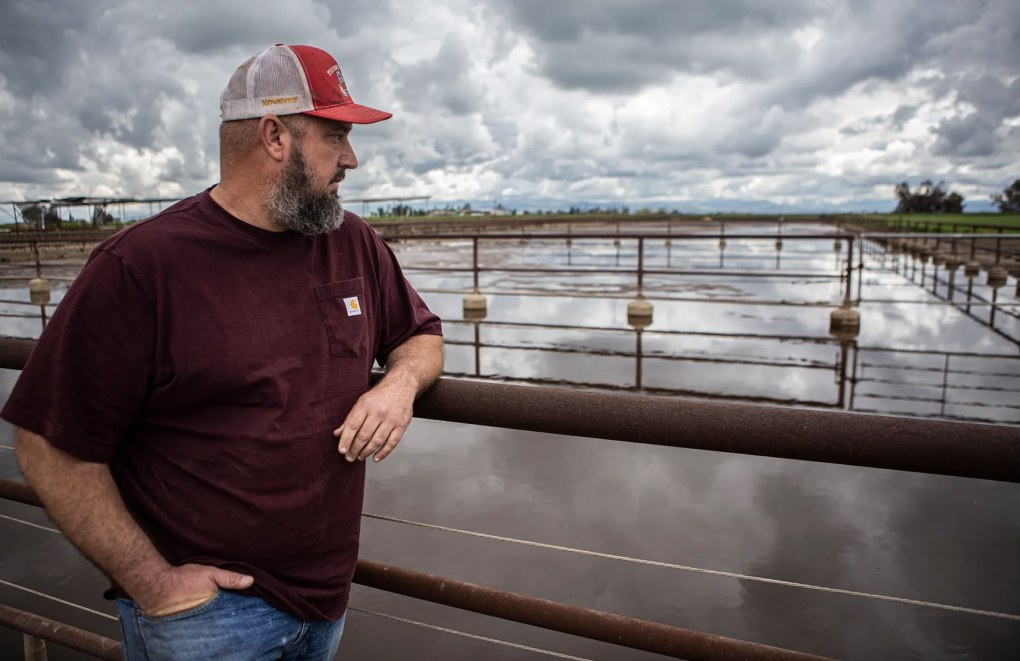
"attachmentsReducer": {
"audio_0": {
"type": "attachments",
"id": "audio_0",
"imgSizes": {
"kqedFullSize": {
"file": "https://ww2.kqed.org/news/wp-content/themes/KQED-unified/img/audio_bgs/background0.jpg"
}
}
},
"audio_1": {
"type": "attachments",
"id": "audio_1",
"imgSizes": {
"kqedFullSize": {
"file": "https://ww2.kqed.org/news/wp-content/themes/KQED-unified/img/audio_bgs/background1.jpg"
}
}
},
"audio_2": {
"type": "attachments",
"id": "audio_2",
"imgSizes": {
"kqedFullSize": {
"file": "https://ww2.kqed.org/news/wp-content/themes/KQED-unified/img/audio_bgs/background2.jpg"
}
}
},
"audio_3": {
"type": "attachments",
"id": "audio_3",
"imgSizes": {
"kqedFullSize": {
"file": "https://ww2.kqed.org/news/wp-content/themes/KQED-unified/img/audio_bgs/background3.jpg"
}
}
},
"audio_4": {
"type": "attachments",
"id": "audio_4",
"imgSizes": {
"kqedFullSize": {
"file": "https://ww2.kqed.org/news/wp-content/themes/KQED-unified/img/audio_bgs/background4.jpg"
}
}
},
"placeholder": {
"type": "attachments",
"id": "placeholder",
"imgSizes": {
"thumbnail": {
"file": "https://cdn.kqed.org/wp-content/uploads/2024/12/KQED-Default-Image-816638274-2000x1333-1-160x107.jpg",
"width": 160,
"height": 107,
"mimeType": "image/jpeg"
},
"medium": {
"file": "https://cdn.kqed.org/wp-content/uploads/2024/12/KQED-Default-Image-816638274-2000x1333-1-800x533.jpg",
"width": 800,
"height": 533,
"mimeType": "image/jpeg"
},
"medium_large": {
"file": "https://cdn.kqed.org/wp-content/uploads/2024/12/KQED-Default-Image-816638274-2000x1333-1-768x512.jpg",
"width": 768,
"height": 512,
"mimeType": "image/jpeg"
},
"large": {
"file": "https://cdn.kqed.org/wp-content/uploads/2024/12/KQED-Default-Image-816638274-2000x1333-1-1020x680.jpg",
"width": 1020,
"height": 680,
"mimeType": "image/jpeg"
},
"1536x1536": {
"file": "https://cdn.kqed.org/wp-content/uploads/2024/12/KQED-Default-Image-816638274-2000x1333-1-1536x1024.jpg",
"width": 1536,
"height": 1024,
"mimeType": "image/jpeg"
},
"fd-lrg": {
"file": "https://cdn.kqed.org/wp-content/uploads/2024/12/KQED-Default-Image-816638274-2000x1333-1-1536x1024.jpg",
"width": 1536,
"height": 1024,
"mimeType": "image/jpeg"
},
"fd-med": {
"file": "https://cdn.kqed.org/wp-content/uploads/2024/12/KQED-Default-Image-816638274-2000x1333-1-1020x680.jpg",
"width": 1020,
"height": 680,
"mimeType": "image/jpeg"
},
"fd-sm": {
"file": "https://cdn.kqed.org/wp-content/uploads/2024/12/KQED-Default-Image-816638274-2000x1333-1-800x533.jpg",
"width": 800,
"height": 533,
"mimeType": "image/jpeg"
},
"post-thumbnail": {
"file": "https://cdn.kqed.org/wp-content/uploads/2024/12/KQED-Default-Image-816638274-2000x1333-1-672x372.jpg",
"width": 672,
"height": 372,
"mimeType": "image/jpeg"
},
"twentyfourteen-full-width": {
"file": "https://cdn.kqed.org/wp-content/uploads/2024/12/KQED-Default-Image-816638274-2000x1333-1-1038x576.jpg",
"width": 1038,
"height": 576,
"mimeType": "image/jpeg"
},
"xxsmall": {
"file": "https://cdn.kqed.org/wp-content/uploads/2024/12/KQED-Default-Image-816638274-2000x1333-1-160x107.jpg",
"width": 160,
"height": 107,
"mimeType": "image/jpeg"
},
"xsmall": {
"file": "https://cdn.kqed.org/wp-content/uploads/2024/12/KQED-Default-Image-816638274-2000x1333-1-672x372.jpg",
"width": 672,
"height": 372,
"mimeType": "image/jpeg"
},
"small": {
"file": "https://cdn.kqed.org/wp-content/uploads/2024/12/KQED-Default-Image-816638274-2000x1333-1-672x372.jpg",
"width": 672,
"height": 372,
"mimeType": "image/jpeg"
},
"xlarge": {
"file": "https://cdn.kqed.org/wp-content/uploads/2024/12/KQED-Default-Image-816638274-2000x1333-1-1020x680.jpg",
"width": 1020,
"height": 680,
"mimeType": "image/jpeg"
},
"full-width": {
"file": "https://cdn.kqed.org/wp-content/uploads/2024/12/KQED-Default-Image-816638274-2000x1333-1-1920x1280.jpg",
"width": 1920,
"height": 1280,
"mimeType": "image/jpeg"
},
"guest-author-32": {
"file": "https://cdn.kqed.org/wp-content/uploads/2025/01/KQED-Default-Image-816638274-1333x1333-1-160x160.jpg",
"width": 32,
"height": 32,
"mimeType": "image/jpeg"
},
"guest-author-50": {
"file": "https://cdn.kqed.org/wp-content/uploads/2025/01/KQED-Default-Image-816638274-1333x1333-1-160x160.jpg",
"width": 50,
"height": 50,
"mimeType": "image/jpeg"
},
"guest-author-64": {
"file": "https://cdn.kqed.org/wp-content/uploads/2025/01/KQED-Default-Image-816638274-1333x1333-1-160x160.jpg",
"width": 64,
"height": 64,
"mimeType": "image/jpeg"
},
"guest-author-96": {
"file": "https://cdn.kqed.org/wp-content/uploads/2025/01/KQED-Default-Image-816638274-1333x1333-1-160x160.jpg",
"width": 96,
"height": 96,
"mimeType": "image/jpeg"
},
"guest-author-128": {
"file": "https://cdn.kqed.org/wp-content/uploads/2025/01/KQED-Default-Image-816638274-1333x1333-1-160x160.jpg",
"width": 128,
"height": 128,
"mimeType": "image/jpeg"
},
"detail": {
"file": "https://cdn.kqed.org/wp-content/uploads/2025/01/KQED-Default-Image-816638274-1333x1333-1-160x160.jpg",
"width": 160,
"height": 160,
"mimeType": "image/jpeg"
},
"kqedFullSize": {
"file": "https://cdn.kqed.org/wp-content/uploads/2024/12/KQED-Default-Image-816638274-2000x1333-1.jpg",
"width": 2000,
"height": 1333
}
}
},
"news_11946959": {
"type": "attachments",
"id": "news_11946959",
"meta": {
"index": "attachments_1716263798",
"site": "news",
"id": "11946959",
"found": true
},
"parent": 11946922,
"imgSizes": {
"twentyfourteen-full-width": {
"file": "https://ww2.kqed.org/app/uploads/sites/10/2023/04/Screenshot-2023-04-17-at-12.25.50-PM-1038x576.png",
"width": 1038,
"mimeType": "image/png",
"height": 576
},
"thumbnail": {
"file": "https://ww2.kqed.org/app/uploads/sites/10/2023/04/Screenshot-2023-04-17-at-12.25.50-PM-160x104.png",
"width": 160,
"mimeType": "image/png",
"height": 104
},
"post-thumbnail": {
"file": "https://ww2.kqed.org/app/uploads/sites/10/2023/04/Screenshot-2023-04-17-at-12.25.50-PM-672x372.png",
"width": 672,
"mimeType": "image/png",
"height": 372
},
"kqedFullSize": {
"file": "https://ww2.kqed.org/app/uploads/sites/10/2023/04/Screenshot-2023-04-17-at-12.25.50-PM.png",
"width": 2366,
"height": 1534
},
"2048x2048": {
"file": "https://ww2.kqed.org/app/uploads/sites/10/2023/04/Screenshot-2023-04-17-at-12.25.50-PM-2048x1328.png",
"width": 2048,
"mimeType": "image/png",
"height": 1328
},
"large": {
"file": "https://ww2.kqed.org/app/uploads/sites/10/2023/04/Screenshot-2023-04-17-at-12.25.50-PM-1020x661.png",
"width": 1020,
"mimeType": "image/png",
"height": 661
},
"1536x1536": {
"file": "https://ww2.kqed.org/app/uploads/sites/10/2023/04/Screenshot-2023-04-17-at-12.25.50-PM-1536x996.png",
"width": 1536,
"mimeType": "image/png",
"height": 996
},
"full-width": {
"file": "https://ww2.kqed.org/app/uploads/sites/10/2023/04/Screenshot-2023-04-17-at-12.25.50-PM-1920x1245.png",
"width": 1920,
"mimeType": "image/png",
"height": 1245
},
"medium": {
"file": "https://ww2.kqed.org/app/uploads/sites/10/2023/04/Screenshot-2023-04-17-at-12.25.50-PM-800x519.png",
"width": 800,
"mimeType": "image/png",
"height": 519
}
},
"publishDate": 1681760325,
"modified": 1681774775,
"caption": "Joseph Goni, owner of Lerda-Goni Farms, looks at his flooded heifer pen on his farm on March 23, 2023.",
"description": null,
"title": "Screenshot 2023-04-17 at 12.25.50 PM",
"credit": "Larry Valenzuela/CalMatters/CatchLight Local",
"status": "inherit",
"altTag": "A white man wearing a white and red hat and red shirt leans against a railing overlooking water.",
"isLoading": false,
"fetchFailed": false
},
"news_11946744": {
"type": "attachments",
"id": "news_11946744",
"meta": {
"index": "attachments_1716263798",
"site": "news",
"id": "11946744",
"found": true
},
"parent": 0,
"imgSizes": {
"twentyfourteen-full-width": {
"file": "https://ww2.kqed.org/app/uploads/sites/10/2023/04/CMUndergrads01-1038x576.jpg",
"width": 1038,
"mimeType": "image/jpeg",
"height": 576
},
"thumbnail": {
"file": "https://ww2.kqed.org/app/uploads/sites/10/2023/04/CMUndergrads01-160x107.jpg",
"width": 160,
"mimeType": "image/jpeg",
"height": 107
},
"post-thumbnail": {
"file": "https://ww2.kqed.org/app/uploads/sites/10/2023/04/CMUndergrads01-672x372.jpg",
"width": 672,
"mimeType": "image/jpeg",
"height": 372
},
"kqedFullSize": {
"file": "https://ww2.kqed.org/app/uploads/sites/10/2023/04/CMUndergrads01.jpg",
"width": 1920,
"height": 1280
},
"large": {
"file": "https://ww2.kqed.org/app/uploads/sites/10/2023/04/CMUndergrads01-1020x680.jpg",
"width": 1020,
"mimeType": "image/jpeg",
"height": 680
},
"1536x1536": {
"file": "https://ww2.kqed.org/app/uploads/sites/10/2023/04/CMUndergrads01-1536x1024.jpg",
"width": 1536,
"mimeType": "image/jpeg",
"height": 1024
},
"medium": {
"file": "https://ww2.kqed.org/app/uploads/sites/10/2023/04/CMUndergrads01-800x533.jpg",
"width": 800,
"mimeType": "image/jpeg",
"height": 533
}
},
"publishDate": 1681491084,
"modified": 1681505059,
"caption": "Delilah Mays-Triplett, 19, works from her workstation as a student assistant inside the Love Library Addition at San Diego State University in San Diego on April 12, 2023.",
"description": null,
"title": "CMUndergrads01",
"credit": "Pablo Unzueta/CalMatters",
"status": "inherit",
"altTag": "A young college student with long, brown hair and a black jacket sits at her desk inside an office. She is staring down at her silver laptop. Behind the laptop, is another adjustable computer screen and keyboard. In the background, a print and other office equipment are pictured. A wooden door is also ajar revealing another office space with gray filing cabinets stacked.",
"isLoading": false,
"fetchFailed": false
},
"news_11946633": {
"type": "attachments",
"id": "news_11946633",
"meta": {
"index": "attachments_1716263798",
"site": "news",
"id": "11946633",
"found": true
},
"parent": 0,
"imgSizes": {
"twentyfourteen-full-width": {
"file": "https://ww2.kqed.org/app/uploads/sites/10/2023/04/RS34524_GettyImages-494862297-qut-1038x576.jpg",
"width": 1038,
"mimeType": "image/jpeg",
"height": 576
},
"thumbnail": {
"file": "https://ww2.kqed.org/app/uploads/sites/10/2023/04/RS34524_GettyImages-494862297-qut-160x107.jpg",
"width": 160,
"mimeType": "image/jpeg",
"height": 107
},
"post-thumbnail": {
"file": "https://ww2.kqed.org/app/uploads/sites/10/2023/04/RS34524_GettyImages-494862297-qut-672x372.jpg",
"width": 672,
"mimeType": "image/jpeg",
"height": 372
},
"kqedFullSize": {
"file": "https://ww2.kqed.org/app/uploads/sites/10/2023/04/RS34524_GettyImages-494862297-qut.jpg",
"width": 1920,
"height": 1280
},
"large": {
"file": "https://ww2.kqed.org/app/uploads/sites/10/2023/04/RS34524_GettyImages-494862297-qut-1020x680.jpg",
"width": 1020,
"mimeType": "image/jpeg",
"height": 680
},
"1536x1536": {
"file": "https://ww2.kqed.org/app/uploads/sites/10/2023/04/RS34524_GettyImages-494862297-qut-1536x1024.jpg",
"width": 1536,
"mimeType": "image/jpeg",
"height": 1024
},
"medium": {
"file": "https://ww2.kqed.org/app/uploads/sites/10/2023/04/RS34524_GettyImages-494862297-qut-800x533.jpg",
"width": 800,
"mimeType": "image/jpeg",
"height": 533
}
},
"publishDate": 1681418691,
"modified": 1681423234,
"caption": "Students at a graduation ceremony at the David Geffen School of Medicine at UCLA on May 30, 2014, in Westwood.",
"description": null,
"title": "David Geffen Receives UCLA Medal Of Honor At David Geffen School Of Medicine At UCLA Graduation",
"credit": "Imeh Akpanudosen/Getty Images for UCLA",
"status": "inherit",
"altTag": "A sea of graduating college students have their back to the camera as they sit looking forward. They wear black caps and gowns with green sashes.",
"isLoading": false,
"fetchFailed": false
},
"news_11946427": {
"type": "attachments",
"id": "news_11946427",
"meta": {
"index": "attachments_1716263798",
"site": "news",
"id": "11946427",
"found": true
},
"parent": 0,
"imgSizes": {
"twentyfourteen-full-width": {
"file": "https://ww2.kqed.org/app/uploads/sites/10/2023/04/RiverBakersfield-1038x576.jpg",
"width": 1038,
"mimeType": "image/jpeg",
"height": 576
},
"thumbnail": {
"file": "https://ww2.kqed.org/app/uploads/sites/10/2023/04/RiverBakersfield-160x107.jpg",
"width": 160,
"mimeType": "image/jpeg",
"height": 107
},
"post-thumbnail": {
"file": "https://ww2.kqed.org/app/uploads/sites/10/2023/04/RiverBakersfield-672x372.jpg",
"width": 672,
"mimeType": "image/jpeg",
"height": 372
},
"kqedFullSize": {
"file": "https://ww2.kqed.org/app/uploads/sites/10/2023/04/RiverBakersfield.jpg",
"width": 1920,
"height": 1289
},
"large": {
"file": "https://ww2.kqed.org/app/uploads/sites/10/2023/04/RiverBakersfield-1020x685.jpg",
"width": 1020,
"mimeType": "image/jpeg",
"height": 685
},
"1536x1536": {
"file": "https://ww2.kqed.org/app/uploads/sites/10/2023/04/RiverBakersfield-1536x1031.jpg",
"width": 1536,
"mimeType": "image/jpeg",
"height": 1031
},
"medium": {
"file": "https://ww2.kqed.org/app/uploads/sites/10/2023/04/RiverBakersfield-800x537.jpg",
"width": 800,
"mimeType": "image/jpeg",
"height": 537
}
},
"publishDate": 1681258887,
"modified": 1681326794,
"caption": "Irrigation water flows through an almond grove on May 8, 2008, near Bakersfield. Much of California's water supply comes from the Colorado River.",
"description": null,
"title": "California Agriculture Faces Challenges As Drought Continues",
"credit": "David McNew/Getty Images",
"status": "inherit",
"altTag": "A mass of water feed an almond grove in the countryside.",
"isLoading": false,
"fetchFailed": false
},
"news_11946358": {
"type": "attachments",
"id": "news_11946358",
"meta": {
"index": "attachments_1716263798",
"site": "news",
"id": "11946358",
"found": true
},
"parent": 11946353,
"imgSizes": {
"twentyfourteen-full-width": {
"file": "https://ww2.kqed.org/app/uploads/sites/10/2023/04/GettyImages-1386305585-1024x576.jpg",
"width": 1024,
"mimeType": "image/jpeg",
"height": 576
},
"thumbnail": {
"file": "https://ww2.kqed.org/app/uploads/sites/10/2023/04/GettyImages-1386305585-160x107.jpg",
"width": 160,
"mimeType": "image/jpeg",
"height": 107
},
"post-thumbnail": {
"file": "https://ww2.kqed.org/app/uploads/sites/10/2023/04/GettyImages-1386305585-672x372.jpg",
"width": 672,
"mimeType": "image/jpeg",
"height": 372
},
"kqedFullSize": {
"file": "https://ww2.kqed.org/app/uploads/sites/10/2023/04/GettyImages-1386305585.jpg",
"width": 1024,
"height": 683
},
"large": {
"file": "https://ww2.kqed.org/app/uploads/sites/10/2023/04/GettyImages-1386305585-1020x680.jpg",
"width": 1020,
"mimeType": "image/jpeg",
"height": 680
},
"medium": {
"file": "https://ww2.kqed.org/app/uploads/sites/10/2023/04/GettyImages-1386305585-800x534.jpg",
"width": 800,
"mimeType": "image/jpeg",
"height": 534
}
},
"publishDate": 1681239718,
"modified": 1681265076,
"caption": "A 'Sale Pending' sign is posted in front of a home for sale on March 18, 2022, in San Rafael.",
"description": null,
"title": "Home Sales Drop 7.2 Percent In February And Mortgage Rates Top 4 Percent",
"credit": "Justin Sullivan/Getty Images",
"status": "inherit",
"altTag": "A 'sale pending' sign in front of a home with a lawn.",
"isLoading": false,
"fetchFailed": false
},
"news_11946283": {
"type": "attachments",
"id": "news_11946283",
"meta": {
"index": "attachments_1716263798",
"site": "news",
"id": "11946283",
"found": true
},
"parent": 0,
"imgSizes": {
"twentyfourteen-full-width": {
"file": "https://ww2.kqed.org/app/uploads/sites/10/2023/04/GettyImages-1241524154-1038x576.jpg",
"width": 1038,
"mimeType": "image/jpeg",
"height": 576
},
"thumbnail": {
"file": "https://ww2.kqed.org/app/uploads/sites/10/2023/04/GettyImages-1241524154-160x107.jpg",
"width": 160,
"mimeType": "image/jpeg",
"height": 107
},
"post-thumbnail": {
"file": "https://ww2.kqed.org/app/uploads/sites/10/2023/04/GettyImages-1241524154-672x372.jpg",
"width": 672,
"mimeType": "image/jpeg",
"height": 372
},
"kqedFullSize": {
"file": "https://ww2.kqed.org/app/uploads/sites/10/2023/04/GettyImages-1241524154-scaled.jpg",
"width": 2560,
"height": 1706
},
"2048x2048": {
"file": "https://ww2.kqed.org/app/uploads/sites/10/2023/04/GettyImages-1241524154-2048x1365.jpg",
"width": 2048,
"mimeType": "image/jpeg",
"height": 1365
},
"large": {
"file": "https://ww2.kqed.org/app/uploads/sites/10/2023/04/GettyImages-1241524154-1020x680.jpg",
"width": 1020,
"mimeType": "image/jpeg",
"height": 680
},
"1536x1536": {
"file": "https://ww2.kqed.org/app/uploads/sites/10/2023/04/GettyImages-1241524154-1536x1024.jpg",
"width": 1536,
"mimeType": "image/jpeg",
"height": 1024
},
"full-width": {
"file": "https://ww2.kqed.org/app/uploads/sites/10/2023/04/GettyImages-1241524154-1920x1280.jpg",
"width": 1920,
"mimeType": "image/jpeg",
"height": 1280
},
"medium": {
"file": "https://ww2.kqed.org/app/uploads/sites/10/2023/04/GettyImages-1241524154-800x533.jpg",
"width": 800,
"mimeType": "image/jpeg",
"height": 533
}
},
"publishDate": 1681166664,
"modified": 1681176463,
"caption": "On Friday, April 7, 2023, US District Judge Matthew J. Kacsmaryk ordered a hold on federal approval of the abortion medication mifepristone, which has been widely available for more than 20 years. Kacsmaryk's decision was quickly followed by US District Judge Thomas O. Rice essentially ordering the opposite and directing authorities not to make any changes that would restrict access to the drug.",
"description": null,
"title": "US-ABORTION-TEXAS-NEWMEXICO-CLINIC",
"credit": "Robyn Beck/AFP via Getty Images",
"status": "inherit",
"altTag": "A white pill bottle with a label that reads, \"misoprostol tablets 200 mcg\" lies on a wooden surface. To the right, three identical orange medicine boxes read, \"Mifeprez (Mifepristone) Tablets, 200 mg.\"",
"isLoading": false,
"fetchFailed": false
},
"news_11946008": {
"type": "attachments",
"id": "news_11946008",
"meta": {
"index": "attachments_1716263798",
"site": "news",
"id": "11946008",
"found": true
},
"parent": 0,
"imgSizes": {
"twentyfourteen-full-width": {
"file": "https://ww2.kqed.org/app/uploads/sites/10/2023/04/CMFosterYouth02-1038x576.jpg",
"width": 1038,
"mimeType": "image/jpeg",
"height": 576
},
"thumbnail": {
"file": "https://ww2.kqed.org/app/uploads/sites/10/2023/04/CMFosterYouth02-160x107.jpg",
"width": 160,
"mimeType": "image/jpeg",
"height": 107
},
"post-thumbnail": {
"file": "https://ww2.kqed.org/app/uploads/sites/10/2023/04/CMFosterYouth02-672x372.jpg",
"width": 672,
"mimeType": "image/jpeg",
"height": 372
},
"kqedFullSize": {
"file": "https://ww2.kqed.org/app/uploads/sites/10/2023/04/CMFosterYouth02.jpg",
"width": 2000,
"height": 1333
},
"large": {
"file": "https://ww2.kqed.org/app/uploads/sites/10/2023/04/CMFosterYouth02-1020x680.jpg",
"width": 1020,
"mimeType": "image/jpeg",
"height": 680
},
"1536x1536": {
"file": "https://ww2.kqed.org/app/uploads/sites/10/2023/04/CMFosterYouth02-1536x1024.jpg",
"width": 1536,
"mimeType": "image/jpeg",
"height": 1024
},
"full-width": {
"file": "https://ww2.kqed.org/app/uploads/sites/10/2023/04/CMFosterYouth02-1920x1280.jpg",
"width": 1920,
"mimeType": "image/jpeg",
"height": 1280
},
"medium": {
"file": "https://ww2.kqed.org/app/uploads/sites/10/2023/04/CMFosterYouth02-800x533.jpg",
"width": 800,
"mimeType": "image/jpeg",
"height": 533
}
},
"publishDate": 1680899512,
"modified": 1680911060,
"caption": "Amy and her adopted children inside their home in Pine Valley on April 1, 2023.",
"description": null,
"title": "CMFosterYouth02",
"credit": "Kristian Carreon/CalMatters",
"status": "inherit",
"altTag": "Inside a home: A woman with a green, knitted cardigan, white blouse and black pants stands in the foreground with a serious expression. She has short, brown hair and her arms rest at her sides. In the background, two girls in floral dresses stand with their backs to the camera as they look out the window into the sunshine.",
"isLoading": false,
"fetchFailed": false
},
"news_11945196": {
"type": "attachments",
"id": "news_11945196",
"meta": {
"index": "attachments_1716263798",
"site": "news",
"id": "11945196",
"found": true
},
"parent": 0,
"imgSizes": {
"twentyfourteen-full-width": {
"file": "https://ww2.kqed.org/app/uploads/sites/10/2023/03/CMTeachers01-1038x576.jpg",
"width": 1038,
"mimeType": "image/jpeg",
"height": 576
},
"thumbnail": {
"file": "https://ww2.kqed.org/app/uploads/sites/10/2023/03/CMTeachers01-160x107.jpg",
"width": 160,
"mimeType": "image/jpeg",
"height": 107
},
"post-thumbnail": {
"file": "https://ww2.kqed.org/app/uploads/sites/10/2023/03/CMTeachers01-672x372.jpg",
"width": 672,
"mimeType": "image/jpeg",
"height": 372
},
"kqedFullSize": {
"file": "https://ww2.kqed.org/app/uploads/sites/10/2023/03/CMTeachers01.jpg",
"width": 2000,
"height": 1334
},
"large": {
"file": "https://ww2.kqed.org/app/uploads/sites/10/2023/03/CMTeachers01-1020x680.jpg",
"width": 1020,
"mimeType": "image/jpeg",
"height": 680
},
"1536x1536": {
"file": "https://ww2.kqed.org/app/uploads/sites/10/2023/03/CMTeachers01-1536x1025.jpg",
"width": 1536,
"mimeType": "image/jpeg",
"height": 1025
},
"full-width": {
"file": "https://ww2.kqed.org/app/uploads/sites/10/2023/03/CMTeachers01-1920x1281.jpg",
"width": 1920,
"mimeType": "image/jpeg",
"height": 1281
},
"medium": {
"file": "https://ww2.kqed.org/app/uploads/sites/10/2023/03/CMTeachers01-800x534.jpg",
"width": 800,
"mimeType": "image/jpeg",
"height": 534
}
},
"publishDate": 1680196156,
"modified": 1680216916,
"caption": "Theresa Griffin, a sixth grade teacher at Stege Elementary School in Richmond, on Feb. 6, 2023.",
"description": null,
"title": "CMTeachers01",
"credit": "Shelby Knowles/CalMatters",
"status": "inherit",
"altTag": "A woman with long, brown and gray braids stands tall in a classroom. She's wearing a gray, zip-up sweatshirt and a blue T-shirt. A lanyard with her name and photo lies around her neck. Rows of desks and chairs are in the background as well as chalkboards and school posters.",
"isLoading": false,
"fetchFailed": false
},
"news_11945153": {
"type": "attachments",
"id": "news_11945153",
"meta": {
"index": "attachments_1716263798",
"site": "news",
"id": "11945153",
"found": true
},
"parent": 0,
"imgSizes": {
"twentyfourteen-full-width": {
"file": "https://ww2.kqed.org/app/uploads/sites/10/2023/03/032423-STOCKTON-LEVEES-MHN-09-CM-1038x576.jpg",
"width": 1038,
"mimeType": "image/jpeg",
"height": 576
},
"thumbnail": {
"file": "https://ww2.kqed.org/app/uploads/sites/10/2023/03/032423-STOCKTON-LEVEES-MHN-09-CM-160x107.jpg",
"width": 160,
"mimeType": "image/jpeg",
"height": 107
},
"post-thumbnail": {
"file": "https://ww2.kqed.org/app/uploads/sites/10/2023/03/032423-STOCKTON-LEVEES-MHN-09-CM-672x372.jpg",
"width": 672,
"mimeType": "image/jpeg",
"height": 372
},
"kqedFullSize": {
"file": "https://ww2.kqed.org/app/uploads/sites/10/2023/03/032423-STOCKTON-LEVEES-MHN-09-CM.jpg",
"width": 2000,
"height": 1333
},
"large": {
"file": "https://ww2.kqed.org/app/uploads/sites/10/2023/03/032423-STOCKTON-LEVEES-MHN-09-CM-1020x680.jpg",
"width": 1020,
"mimeType": "image/jpeg",
"height": 680
},
"1536x1536": {
"file": "https://ww2.kqed.org/app/uploads/sites/10/2023/03/032423-STOCKTON-LEVEES-MHN-09-CM-1536x1024.jpg",
"width": 1536,
"mimeType": "image/jpeg",
"height": 1024
},
"full-width": {
"file": "https://ww2.kqed.org/app/uploads/sites/10/2023/03/032423-STOCKTON-LEVEES-MHN-09-CM-1920x1280.jpg",
"width": 1920,
"mimeType": "image/jpeg",
"height": 1280
},
"medium": {
"file": "https://ww2.kqed.org/app/uploads/sites/10/2023/03/032423-STOCKTON-LEVEES-MHN-09-CM-800x533.jpg",
"width": 800,
"mimeType": "image/jpeg",
"height": 533
}
},
"publishDate": 1680133686,
"modified": 1680201282,
"caption": "Walker Slough and the East San Joaquin River levee in Stockton on March 25, 2023. These lower-income neighborhoods could flood as water backs up from the San Joaquin River.",
"description": null,
"title": "032423-STOCKTON-LEVEES-MHN-09-CM",
"credit": "Martin do Nascimento/CalMatters",
"status": "inherit",
"altTag": "A brown river snakes alongside a town that is seen in the near distance. A red building stands out among green fields and tall, lush trees.",
"isLoading": false,
"fetchFailed": false
},
"news_11944733": {
"type": "attachments",
"id": "news_11944733",
"meta": {
"index": "attachments_1716263798",
"site": "news",
"id": "11944733",
"found": true
},
"parent": 11944710,
"imgSizes": {
"twentyfourteen-full-width": {
"file": "https://ww2.kqed.org/app/uploads/sites/10/2023/03/GettyImages-1249266584-1024x576.jpg",
"width": 1024,
"mimeType": "image/jpeg",
"height": 576
},
"thumbnail": {
"file": "https://ww2.kqed.org/app/uploads/sites/10/2023/03/GettyImages-1249266584-160x107.jpg",
"width": 160,
"mimeType": "image/jpeg",
"height": 107
},
"post-thumbnail": {
"file": "https://ww2.kqed.org/app/uploads/sites/10/2023/03/GettyImages-1249266584-672x372.jpg",
"width": 672,
"mimeType": "image/jpeg",
"height": 372
},
"kqedFullSize": {
"file": "https://ww2.kqed.org/app/uploads/sites/10/2023/03/GettyImages-1249266584.jpg",
"width": 1024,
"height": 683
},
"large": {
"file": "https://ww2.kqed.org/app/uploads/sites/10/2023/03/GettyImages-1249266584-1020x680.jpg",
"width": 1020,
"mimeType": "image/jpeg",
"height": 680
},
"medium": {
"file": "https://ww2.kqed.org/app/uploads/sites/10/2023/03/GettyImages-1249266584-800x534.jpg",
"width": 800,
"mimeType": "image/jpeg",
"height": 534
}
},
"publishDate": 1679688513,
"modified": 1679688679,
"caption": "The City of Los Angeles Department of Water and Power Los Angeles Aquaduct south of Owens Lake in the Owens Valley on Wednesday, March 22, 2023 in Olancha. Water flow from the Eastern Sierras flooded the area damaging the aquaduct causing it to breach.",
"description": null,
"title": "Flash flooding along the eastern Sierra Nevada a week ago caused an unprecedented breach in the City of Los Angeles Department of Water and Power Los Angeles Aqueduct, as well as other damage.",
"credit": "Gary Coronado/Los Angeles Times via Getty Images",
"status": "inherit",
"altTag": "A view of an aquaduct full of water with snow-covered peaks in the distance and clouds overhead.",
"isLoading": false,
"fetchFailed": false
},
"news_11944534": {
"type": "attachments",
"id": "news_11944534",
"meta": {
"index": "attachments_1716263798",
"site": "news",
"id": "11944534",
"found": true
},
"parent": 0,
"imgSizes": {
"twentyfourteen-full-width": {
"file": "https://ww2.kqed.org/app/uploads/sites/10/2023/03/CMWorkers01-1038x576.jpg",
"width": 1038,
"mimeType": "image/jpeg",
"height": 576
},
"thumbnail": {
"file": "https://ww2.kqed.org/app/uploads/sites/10/2023/03/CMWorkers01-160x107.jpg",
"width": 160,
"mimeType": "image/jpeg",
"height": 107
},
"post-thumbnail": {
"file": "https://ww2.kqed.org/app/uploads/sites/10/2023/03/CMWorkers01-672x372.jpg",
"width": 672,
"mimeType": "image/jpeg",
"height": 372
},
"kqedFullSize": {
"file": "https://ww2.kqed.org/app/uploads/sites/10/2023/03/CMWorkers01.jpg",
"width": 2000,
"height": 1334
},
"large": {
"file": "https://ww2.kqed.org/app/uploads/sites/10/2023/03/CMWorkers01-1020x680.jpg",
"width": 1020,
"mimeType": "image/jpeg",
"height": 680
},
"1536x1536": {
"file": "https://ww2.kqed.org/app/uploads/sites/10/2023/03/CMWorkers01-1536x1025.jpg",
"width": 1536,
"mimeType": "image/jpeg",
"height": 1025
},
"full-width": {
"file": "https://ww2.kqed.org/app/uploads/sites/10/2023/03/CMWorkers01-1920x1281.jpg",
"width": 1920,
"mimeType": "image/jpeg",
"height": 1281
},
"medium": {
"file": "https://ww2.kqed.org/app/uploads/sites/10/2023/03/CMWorkers01-800x534.jpg",
"width": 800,
"mimeType": "image/jpeg",
"height": 534
}
},
"publishDate": 1679595430,
"modified": 1679595607,
"caption": "A kitchen staffer works behind the counter of a restaurant in Los Angeles on June 8, 2021.",
"description": null,
"title": "CMWorkers01",
"credit": "Pablo Unzueta/CalMatters",
"status": "inherit",
"altTag": "A cook wearing a mask and black T-shirt stands behind a grill inside a restaurant kitchen. Another worker wearing a yellow T-shirt is bending over kitchen equipment in the background.",
"isLoading": false,
"fetchFailed": false
},
"news_11944149": {
"type": "attachments",
"id": "news_11944149",
"meta": {
"index": "attachments_1716263798",
"site": "news",
"id": "11944149",
"found": true
},
"parent": 11959818,
"imgSizes": {
"twentyfourteen-full-width": {
"file": "https://ww2.kqed.org/app/uploads/sites/10/2023/03/NewsomSQCMIngest-1038x576.jpg",
"width": 1038,
"mimeType": "image/jpeg",
"height": 576
},
"thumbnail": {
"file": "https://ww2.kqed.org/app/uploads/sites/10/2023/03/NewsomSQCMIngest-160x107.jpg",
"width": 160,
"mimeType": "image/jpeg",
"height": 107
},
"post-thumbnail": {
"file": "https://ww2.kqed.org/app/uploads/sites/10/2023/03/NewsomSQCMIngest-672x372.jpg",
"width": 672,
"mimeType": "image/jpeg",
"height": 372
},
"kqedFullSize": {
"file": "https://ww2.kqed.org/app/uploads/sites/10/2023/03/NewsomSQCMIngest.jpg",
"width": 2000,
"height": 1333
},
"large": {
"file": "https://ww2.kqed.org/app/uploads/sites/10/2023/03/NewsomSQCMIngest-1020x680.jpg",
"width": 1020,
"mimeType": "image/jpeg",
"height": 680
},
"1536x1536": {
"file": "https://ww2.kqed.org/app/uploads/sites/10/2023/03/NewsomSQCMIngest-1536x1024.jpg",
"width": 1536,
"mimeType": "image/jpeg",
"height": 1024
},
"full-width": {
"file": "https://ww2.kqed.org/app/uploads/sites/10/2023/03/NewsomSQCMIngest-1920x1280.jpg",
"width": 1920,
"mimeType": "image/jpeg",
"height": 1280
},
"medium": {
"file": "https://ww2.kqed.org/app/uploads/sites/10/2023/03/NewsomSQCMIngest-800x533.jpg",
"width": 800,
"mimeType": "image/jpeg",
"height": 533
}
},
"publishDate": 1679348705,
"modified": 1693522322,
"caption": "Gov. Gavin Newsom speaks at San Quentin State Prison announcing that the facility will be transformed to focus on training and rehabilitation on March 17, 2023.",
"description": null,
"title": "NewsomSQCMIngest",
"credit": "Martin do Nascimento/CalMatters",
"status": "inherit",
"altTag": "Gov. Gavin Newsom, wearing a navy suit, white-collared shirt, and blue necktie, points to his right as he speaks from a podium with a sign that reads, \"San Quentin Rehabilitation Center\" during his tour of the state of California.",
"isLoading": false,
"fetchFailed": false
}
},
"audioPlayerReducer": {
"postId": "stream_live",
"isPaused": true,
"isPlaying": false,
"pfsActive": false,
"pledgeModalIsOpen": true,
"playerDrawerIsOpen": false,
"liveAudioPlayStartedAt": 0,
"liveAudioPlayContext": ""
},
"authorsReducer": {
"byline_news_11946922": {
"type": "authors",
"id": "byline_news_11946922",
"meta": {
"override": true
},
"slug": "byline_news_11946922",
"name": "\u003ca href=\"https://calmatters.org/author/nicole-foy/\">Nicole Foy\u003c/a>",
"isLoading": false
},
"byline_news_11946741": {
"type": "authors",
"id": "byline_news_11946741",
"meta": {
"override": true
},
"slug": "byline_news_11946741",
"name": "\u003ca href=\"https://calmatters.org/author/rocky-walker/\">Rocky Walker\u003c/a>",
"isLoading": false
},
"byline_news_11946600": {
"type": "authors",
"id": "byline_news_11946600",
"meta": {
"override": true
},
"slug": "byline_news_11946600",
"name": "\u003ca href=\"https://calmatters.org/author/adam-echelman/\">Adam Echelman\u003c/a>",
"isLoading": false
},
"byline_news_11946410": {
"type": "authors",
"id": "byline_news_11946410",
"meta": {
"override": true
},
"slug": "byline_news_11946410",
"name": "\u003ca href=\"https://calmatters.org/author/alastair-bland/\">Alastair Bland\u003c/a>",
"isLoading": false
},
"byline_news_11946353": {
"type": "authors",
"id": "byline_news_11946353",
"meta": {
"override": true
},
"slug": "byline_news_11946353",
"name": "\u003ca href=\"https://calmatters.org/author/alejandro-lazo/\">Alejandro Lazo\u003c/a> and \u003ca href=\"https://calmatters.org/author/ben-christopher/\">Ben Christopher\u003c/a>",
"isLoading": false
},
"byline_news_11946193": {
"type": "authors",
"id": "byline_news_11946193",
"meta": {
"override": true
},
"slug": "byline_news_11946193",
"name": "\u003ca href=\"https://calmatters.org/author/kristen-hwang/\">Kristen Hwang\u003c/a>",
"isLoading": false
},
"byline_news_11945997": {
"type": "authors",
"id": "byline_news_11945997",
"meta": {
"override": true
},
"slug": "byline_news_11945997",
"name": "\u003ca href=\"https://calmatters.org/author/jeanne-kuang/\">Jeanne Kuang\u003c/a>",
"isLoading": false
},
"byline_news_11945189": {
"type": "authors",
"id": "byline_news_11945189",
"meta": {
"override": true
},
"slug": "byline_news_11945189",
"name": "\u003ca href=\"https://calmatters.org/author/joe-hong/\">Joe Hong\u003c/a>, \u003ca href=\"https://calmatters.org/author/ericayee/\">Erica Yee\u003c/a>",
"isLoading": false
},
"byline_news_11945113": {
"type": "authors",
"id": "byline_news_11945113",
"meta": {
"override": true
},
"slug": "byline_news_11945113",
"name": "\u003ca href=\"https://calmatters.org/author/alastair-bland/\">Alastair Bland\u003c/a>",
"isLoading": false
},
"byline_news_11944710": {
"type": "authors",
"id": "byline_news_11944710",
"meta": {
"override": true
},
"slug": "byline_news_11944710",
"name": "\u003ca href=\"https://calmatters.org/author/alastair-bland/\">Alastair Bland\u003c/a>",
"isLoading": false
},
"byline_news_11944515": {
"type": "authors",
"id": "byline_news_11944515",
"meta": {
"override": true
},
"slug": "byline_news_11944515",
"name": "\u003ca href=\"https://calmatters.org/author/alejandro-lazo/\">Alejandro Lazo\u003c/a>, \u003ca href=\"https://calmatters.org/author/jeanne-kuang/\">Jeanne Kuang\u003c/a>",
"isLoading": false
},
"byline_news_11944091": {
"type": "authors",
"id": "byline_news_11944091",
"meta": {
"override": true
},
"slug": "byline_news_11944091",
"name": " \u003ca href=\"https://calmatters.org/author/sameea-kamal/\">Sameea Kamal\u003c/a>, \u003ca href=\"https://calmatters.org/author/alexei-koseff/\">Alexei Koseff\u003c/a>",
"isLoading": false
}
},
"pagesReducer": {
"news_affiliate_calmatters": {
"type": "terms",
"id": "news_18481",
"meta": {
"index": "terms_1716263798",
"site": "news",
"id": "18481",
"score": 15.355862
},
"featImg": null,
"name": "CALmatters",
"description": null,
"taxonomy": "affiliate",
"headData": {
"twImgId": null,
"twTitle": null,
"ogTitle": null,
"ogImgId": null,
"twDescription": null,
"description": null,
"title": "CALmatters Archives | KQED Arts",
"ogDescription": null
},
"ttid": 18515,
"slug": "calmatters",
"isLoading": false,
"title": "CALmatters",
"pageMeta": {
"site": "news",
"WpPageTemplate": "page-topic-editorial",
"currentPage": 49
},
"blocks": [
{
"blockName": "kqed/post-list",
"attrs": {
"layout": "cardArticle2",
"query": "posts/news?affiliate=calmatters",
"seeMore": false,
"paginated": true,
"page": 49
}
},
{
"blockName": "kqed/ad"
}
]
}
},
"pfsSessionReducer": {},
"postsReducer": {
"stream_live": {
"type": "live",
"id": "stream_live",
"audioUrl": "https://streams.kqed.org/kqedradio",
"title": "Live Stream",
"excerpt": "Live Stream information currently unavailable.",
"link": "/radio",
"featImg": "",
"label": {
"name": "KQED Live",
"link": "/"
}
},
"stream_kqedNewscast": {
"type": "posts",
"id": "stream_kqedNewscast",
"audioUrl": "https://www.kqed.org/.stream/anon/radio/RDnews/newscast.mp3?_=1",
"title": "KQED Newscast",
"featImg": "",
"label": {
"name": "88.5 FM",
"link": "/"
}
},
"news_11946922": {
"type": "posts",
"id": "news_11946922",
"meta": {
"index": "posts_1716263798",
"site": "news",
"id": "11946922",
"score": null,
"sort": [
1681775003000
]
},
"guestAuthors": [],
"slug": "its-a-nightmare-dairy-farmers-struggle-to-bounce-back-from-record-floods",
"title": "‘It’s a Nightmare’: Dairy Farmers Struggle to Bounce Back From Record Floods",
"publishDate": 1681775003,
"format": "standard",
"headTitle": "‘It’s a Nightmare’: Dairy Farmers Struggle to Bounce Back From Record Floods | KQED",
"labelTerm": {},
"content": "\u003cp>Floodwaters from an overflowing Lake Success reached the Tule River next to Joseph Goni’s Tulare family dairy on March 15, in the middle of the night, much faster than he had expected.\u003c/p>\n\u003cp>When Goni and his fiancee woke up, the water was at their front door. By the time his sister and brother-in-law, who also lived on the farm, pulled their children out of their home in pajamas, 2 to 3 feet of water was rushing everywhere, impossible to stop.\u003c/p>\n\u003cp>Goni choked up recently as he and Roberto Martinez, a 30-year employee, recounted how floodwaters nearly washed away the dairy three generations of his family had built.\u003c/p>\n\u003cfigure id=\"attachment_11946960\" class=\"wp-caption aligncenter\" style=\"max-width: 800px\">\u003ca href=\"https://ww2.kqed.org/app/uploads/sites/10/2023/04/Screenshot-2023-04-17-at-12.26.03-PM.png\">\u003cimg loading=\"lazy\" decoding=\"async\" class=\"size-medium wp-image-11946960\" src=\"https://ww2.kqed.org/app/uploads/sites/10/2023/04/Screenshot-2023-04-17-at-12.26.03-PM-800x529.png\" alt=\"Empty cow stalls on a farm.\" width=\"800\" height=\"529\" srcset=\"https://cdn.kqed.org/wp-content/uploads/sites/10/2023/04/Screenshot-2023-04-17-at-12.26.03-PM-800x529.png 800w, https://cdn.kqed.org/wp-content/uploads/sites/10/2023/04/Screenshot-2023-04-17-at-12.26.03-PM-1020x674.png 1020w, https://cdn.kqed.org/wp-content/uploads/sites/10/2023/04/Screenshot-2023-04-17-at-12.26.03-PM-160x106.png 160w, https://cdn.kqed.org/wp-content/uploads/sites/10/2023/04/Screenshot-2023-04-17-at-12.26.03-PM.png 1120w\" sizes=\"auto, (max-width: 800px) 100vw, 800px\">\u003c/a>\u003cfigcaption class=\"wp-caption-text\">Empty cow stalls on Lerda-Goni Farms outside Tulare on March 23, 2023. The stalls were emptied after floodwater submerged the farm after a series of storms. \u003ccite>(Larry Valenzuela/CalMatters/CatchLight Local)\u003c/cite>\u003c/figcaption>\u003c/figure>\n\u003cp>“It started with us,” Goni said of the gushing water. “Then we started hearing about it moving toward Corcoran. And it was just one dairy after the other, after the other.”[pullquote size=\"medium\" align=\"right\" citation=\"Anja Raudabaugh, CEO, Western United Dairies\"]‘This was an unmitigated disaster. I don’t know how to plan for a river. It’s a nightmare.’[/pullquote]Over 72 hours, Goni, Martinez and dozens of neighbors and livestock haulers who arrived with trucks and trailers frantically herded some 2,400 cows and heifers into trailers in the dark. Even with weeks of planning, moving a few hundred head would have been difficult; moving this many in floodwaters was a nightmare, the men said.\u003c/p>\n\u003cfigure id=\"attachment_11946961\" class=\"wp-caption aligncenter\" style=\"max-width: 800px\">\u003ca href=\"https://ww2.kqed.org/app/uploads/sites/10/2023/04/Screenshot-2023-04-17-at-12.26.12-PM.png\">\u003cimg loading=\"lazy\" decoding=\"async\" class=\"size-medium wp-image-11946961\" src=\"https://ww2.kqed.org/app/uploads/sites/10/2023/04/Screenshot-2023-04-17-at-12.26.12-PM-800x531.png\" alt=\"A man wearing a beige shirt, dark long sleeve shirt and suspenders stands in a empty cow stall.\" width=\"800\" height=\"531\" srcset=\"https://cdn.kqed.org/wp-content/uploads/sites/10/2023/04/Screenshot-2023-04-17-at-12.26.12-PM-800x531.png 800w, https://cdn.kqed.org/wp-content/uploads/sites/10/2023/04/Screenshot-2023-04-17-at-12.26.12-PM-1020x677.png 1020w, https://cdn.kqed.org/wp-content/uploads/sites/10/2023/04/Screenshot-2023-04-17-at-12.26.12-PM-160x106.png 160w, https://cdn.kqed.org/wp-content/uploads/sites/10/2023/04/Screenshot-2023-04-17-at-12.26.12-PM.png 1124w\" sizes=\"auto, (max-width: 800px) 100vw, 800px\">\u003c/a>\u003cfigcaption class=\"wp-caption-text\">Roberto Martinez, a long-time employee of Lerda-Goni Farms, stands in the empty cow stalls on the farm on March 23, 2023. \u003ccite>(Larry Valenzuela/CalMatters/CatchLight Local)\u003c/cite>\u003c/figcaption>\u003c/figure>\n\u003cp>The cows went to six area dairies that were on safer ground, and Goni said he was overwhelmed by his community’s support. Goni remembers joking he would understand if workers left.\u003c/p>\n\u003cp>“We have to fight,” Martinez said, adding that Goni’s father, who died last year, would have wanted them to. “We can’t lose everything because of this week.”\u003c/p>\n\u003cp>Thousands of San Joaquin Valley farmers, workers and residents are coping with acres of floodwaters and muck, tallying the damage. One industry official estimated $20 billion in losses for \u003ca href=\"https://www.cdfa.ca.gov/Statistics/PDFs/2022_Ag_Stats_Review.pdf\">dairy, California’s No. 1 agricultural industry (PDF)\u003c/a>, generating $7 billion in revenue statewide.\u003c/p>\n\u003cp>Some who lost homes also fear losing weeks or months of income. After months of atmospheric rivers, storms and record floods, the long-dry Tulare Lake is rising again from the San Joaquin Valley floor. It will be fed, experts said, by a \u003ca href=\"https://calmatters.org/environment/2023/03/california-storm-reservoirs-flooding/\">historic snowpack\u003c/a> melting in the Sierra Nevada.\u003c/p>\n\u003cp>Will California be ready?\u003c/p>\n\u003cfigure id=\"attachment_11946962\" class=\"wp-caption aligncenter\" style=\"max-width: 800px\">\u003ca href=\"https://ww2.kqed.org/app/uploads/sites/10/2023/04/Screenshot-2023-04-17-at-12.26.22-PM.png\">\u003cimg loading=\"lazy\" decoding=\"async\" class=\"size-medium wp-image-11946962\" src=\"https://ww2.kqed.org/app/uploads/sites/10/2023/04/Screenshot-2023-04-17-at-12.26.22-PM-800x528.png\" alt=\"Pieces of a drainage pipe in a large body of water.\" width=\"800\" height=\"528\" srcset=\"https://cdn.kqed.org/wp-content/uploads/sites/10/2023/04/Screenshot-2023-04-17-at-12.26.22-PM-800x528.png 800w, https://cdn.kqed.org/wp-content/uploads/sites/10/2023/04/Screenshot-2023-04-17-at-12.26.22-PM-1020x673.png 1020w, https://cdn.kqed.org/wp-content/uploads/sites/10/2023/04/Screenshot-2023-04-17-at-12.26.22-PM-160x106.png 160w, https://cdn.kqed.org/wp-content/uploads/sites/10/2023/04/Screenshot-2023-04-17-at-12.26.22-PM-1536x1013.png 1536w, https://cdn.kqed.org/wp-content/uploads/sites/10/2023/04/Screenshot-2023-04-17-at-12.26.22-PM.png 1540w\" sizes=\"auto, (max-width: 800px) 100vw, 800px\">\u003c/a>\u003cfigcaption class=\"wp-caption-text\">Pieces of canal drainage pipes that were swept away down the canal after a flood hit the area on March 23, 2023. \u003ccite>(Larry Valenzuela/CalMatters/CatchLight Local)\u003c/cite>\u003c/figcaption>\u003c/figure>\n\u003cp>So far, the track record for state and local emergency response has been mixed, especially in the San Joaquin Valley, where local agencies have struggled to mediate conflicts between landowners and flooded communities, and where state officials have yet to clarify their oversight role.\u003c/p>\n\u003cp>Farmers, workers and residents in several flooded communities complained that it took weeks for the state to gain federal help through a disaster designation. Even with that, many farmworkers won’t qualify for federal cash assistance because they are undocumented.\u003c/p>\n\u003cp>But Gov. Gavin Newsom’s office said some people could receive help through local partnerships using the state’s Rapid Response Fund. The state has not announced which local partners it was funding.\u003c/p>\n\u003cp>State officials said they are bolstering infrastructure, such as levees and canals, and \u003ca href=\"https://twitter.com/cal_oes/status/1646612910494613508?s=46&t=pV4TRXLqzax8nmQ5Vj0zTg\">raising some roads\u003c/a> while coordinating with agencies to help people cope with floods and prepare for possible evacuations.\u003c/p>\n\u003cp>Brian Ferguson, spokesperson for the Governor’s Office of Emergency Services, said state officials have been meeting with emergency managers for each affected region, coordinating area-specific evacuation plans and flood prevention measures, trying to get everyone on the same page.\u003c/p>\n\u003cp>“We’re paying particular attention to the Tulare basin because there’s already so much water in the system and that’s where the snowpack is really concentrated,” he said. “Humans, in many cases, are the hardest part of any disaster to control.”\u003c/p>\n\u003cp>Some of the country’s biggest farms operate in this region. Tulare, Kern and Kings counties are top-producing dairy counties in the state.\u003c/p>\n\u003cp>\u003c!-- iframe plugin v.4.3 wordpress.org/plugins/iframe/ -->\u003cbr>\n\u003ciframe loading=\"lazy\" src=\"https://calmatters-tulare-lake-dairies.netlify.app/#amp=1\" width=\"800\" height=\"700\" scrolling=\"yes\" class=\"iframe-class\" frameborder=\"0\">\u003c/iframe>\u003c/p>\n\u003cp>The Tulare Lake basin’s vast farmland had suffered a severe drought, like most of California. Now floodwaters envelope it, looking like an inland sea when winds whip waves over swallowed houses, farms and rural Highway 43.\u003c/p>\n\u003cp>Nearly all of the four rivers, countless creeks and \u003ca href=\"https://www.csustan.edu/sites/default/files/groups/Geography/Images/tulare2cj.pdf\">thousands of miles of canals linked to Tulare Lake (PDF)\u003c/a> are swollen and at capacity. The valley ground has soaked up so much water that every passing rainstorm floods yards and asphalt roads, even in urban centers like Bakersfield and Fresno.\u003c/p>\n\u003cfigure id=\"attachment_11946963\" class=\"wp-caption aligncenter\" style=\"max-width: 728px\">\u003ca href=\"https://ww2.kqed.org/app/uploads/sites/10/2023/04/Screenshot-2023-04-17-at-12.37.16-PM.png\">\u003cimg loading=\"lazy\" decoding=\"async\" class=\"size-full wp-image-11946963\" src=\"https://ww2.kqed.org/app/uploads/sites/10/2023/04/Screenshot-2023-04-17-at-12.37.16-PM.png\" alt=\"A flooded road.\" width=\"728\" height=\"468\" srcset=\"https://cdn.kqed.org/wp-content/uploads/sites/10/2023/04/Screenshot-2023-04-17-at-12.37.16-PM.png 728w, https://cdn.kqed.org/wp-content/uploads/sites/10/2023/04/Screenshot-2023-04-17-at-12.37.16-PM-160x103.png 160w\" sizes=\"auto, (max-width: 728px) 100vw, 728px\">\u003c/a>\u003cfigcaption class=\"wp-caption-text\">Dairy Avenue flooded with water near Hansen Ranches south of Corcoran, on March 22, 2023. \u003ccite>(Larry Valenzuela/CalMatters/CatchLight Local)\u003c/cite>\u003c/figcaption>\u003c/figure>\n\u003cp>“It’s a very important reminder that California is not well-equipped to handle these extreme wet-weather events,” said Tricia Stever Blattler, executive director of the Tulare County Farm Bureau. “The message that we would like our California Legislature to hear is it’s never too soon to make better investments in infrastructure.”\u003c/p>\n\u003cp>The Biden \u003ca href=\"https://www.fema.gov/disaster/4699\">administration declared California’s second major disaster of the year\u003c/a> on April 3, deploying the Federal Emergency Management Agency and allowing several counties, including Tulare and Kern, to apply for additional federal assistance. Because of the declaration, \u003ca href=\"https://www.cdss.ca.gov/Portals/9/CAFSP/CalFresh/CalFresh_Disaster/D-CF-PlanApproval.pdf\">families and residents in seven counties can apply for Disaster CalFresh food benefits (PDF)\u003c/a>, the state announced Friday.\u003c/p>\n\u003cp>Though Kings County had 47,000 acres of farmland flooded, according to the California Farm Bureau’s \u003ca href=\"https://www.agalert.com/california-ag-news/archives/april-5-2023/farmers-brace-for-more-destruction-losses-from-floods/\">online publication\u003c/a>, that county was not included in the latest emergency declaration. State officials said it could be added later. Kings County officials told The Fresno Bee that \u003ca href=\"https://www.fresnobee.com/news/local/article273965735.html\">flooding will ruin 41% of the county’s $2.43 billion crop value\u003c/a> and cause another $1 billion in damages.\u003c/p>\n\u003cp>In \u003ca href=\"https://www.gov.ca.gov/wp-content/uploads/2023/03/3.28.23-Major-Disaster-Declaration-request.pdf?emrc=c00780\">California’s request for the declaration (PDF)\u003c/a>, Newsom’s office estimated $60 million in agricultural losses in Tulare County and $70 million in Kern Counties alone.\u003c/p>\n\u003cp>California dairy industry leaders say their losses are going to be much larger. Western United Dairies CEO Anja Raudabaugh said their network is bracing for $20 billion in losses and long-term supply chain disruptions.\u003c/p>\n\u003cp>In addition to evacuation costs and property damage, dairy farmers are estimating millions of dollars in losses from silage they had stored and crops they were growing to feed their cows.\u003c/p>\n\u003cp>If there is not enough feed, she said, farmers might have to start culling cows and shrinking their dairy operations.\u003c/p>\n\u003cp>Already 75,000 cows and 15 large dairies have moved due to flooding. With major dairy processing centers like Tulare County impacted, the economic loss could be staggering, Raudabaugh said.\u003c/p>\n\u003cp>“There’s not a single dairy that could have envisioned this type of catastrophe,” she said. “This was an unmitigated disaster. I don’t know how to plan for a river. It’s a nightmare.”\u003c/p>\n\u003cp>Add to that the brief closure of the Lactalis Heritage Dairy Kraft Foods plant, which processes some of the Tulare region’s dairy products. Its damage and floodwaters were visible from Highway 99.\u003c/p>\n\u003cp>More than half of California’s farmworkers, about 200,000, live in the Central Valley. Thousands are losing work and wages. Several towns and rural communities of color also are struggling.\u003c/p>\n\u003cp>“The reality is the Central Valley has a lot of front-line communities that have borne the impacts of climate and weather extremes, whether it’s drought, smoke, flood,” said John Abatzoglou, climatology professor at the University of California, Merced. “Unfortunately, they have not had the resources to prepare for these extreme events, and that’s why they’re vulnerable.”\u003c/p>\n\u003ch2>Preparing for snowmelt and ‘water jiujitsu’\u003c/h2>\n\u003cp>Several regions could experience higher-than-usual flood risk from snowmelt, experts said, but the Tulare Basin’s reservoirs are smaller than the central and northern Sierra reservoirs so they hold much less water, Abatzoglou said. It’s an unfortunate mismatch with the high \u003ca href=\"https://calmatters.org/newsletters/whatmatters/2023/04/california-gun-laws-seizures/\">snowpack in the southern Sierra\u003c/a>.\u003c/p>\n\u003cp>Despite intermittent flooding over the years, the region’s levees, canals and dams may not be able to handle such large and rapid water flows, experts said. Floodwaters in some areas are \u003ca href=\"https://calmatters.org/environment/water/2023/02/california-depleted-groundwater-storms/\">not sinking into the ground\u003c/a>, recharging underground water stores.\u003c/p>\n\u003cp>“We just don’t have the systems in play to put water in places where you can really get a lot of groundwater recharge while minimizing the impacts to communities and agriculture,” Abatzoglou said.\u003c/p>\n\u003cp>“I think a year like this, hopefully, will be a catalyst for the state to find ways to be more resilient to climate variability and the extremes of climate change — because this is not likely to be the last rodeo that we’re gonna go through.”\u003c/p>\n\u003cp>Ferguson, the state emergency services spokesperson, said the current break in storms is giving emergency management officials a rare chance to prepare for the possible coming disaster.\u003c/p>\n\u003cp>They are assessing potential toxic hazards from agricultural or oil sites in the flood path, he said, so they can prevent contaminating nearby farmland or waterways. For example, \u003ca href=\"https://www.kvpr.org/local-news/2023-04-07/compost-facility-holding-human-waste-in-cross-hairs-of-tulare-lake-flooding\">officials may build a dam around a waste treatment plant run\u003c/a> by the Los Angeles County Sanitation Districts in Kings County, according to a KVPR news report.\u003c/p>\n\u003cp>They’re also reaching out to underserved communities to help people access emergency information in their dominant languages.\u003c/p>\n\u003cp>And state officials are working with local water managers and county emergency personnel, planning for worst-case scenarios, he said.\u003c/p>\n\u003cp>“It may be that this water is not such that there are enough sandbags, or you can’t physically stop it,” Ferguson said. “You might be doing water jiujitsu to move it, to flow with it, as opposed to trying to physically stop it … to move it in the smartest possible way to keep as many people safe as possible.”\u003c/p>\n\u003cp>That may involve finagling a compromise from local agencies and land owners who have been working at cross purposes. In Kings, Kern and Tulare counties decisions about handling floodwaters have devolved into local tugs-of-war, with individual farmers influencing where waters go.\u003c/p>\n\u003cp>In a local conflict that made national headlines, the historic Black town of Allensworth, nearby Alpaugh, and farmers along the Tulare Lake bed were flooded after a large landowner refused to allow his property to flood. As Allensworth residents pleaded for official intervention and scrambled to save their community, SJV Water, a nonprofit newsroom, reported that \u003ca href=\"https://sjvwater.org/poso-creek-water-ends-standoff-with-powerful-the-j-g-boswell-when-it-busts-through-berms-heads-north/\">the landowner had placed heavy farming equipment in the way of a water manager’s efforts to use the farmer’s private canal\u003c/a>.\u003c/p>\n\u003cp>The creek recently burst into the canal anyway, after it also overflowed a bridge and a road.\u003c/p>\n\u003cp>State officials have been coordinating with local emergency forces to shore up levees and distribute sandbags.\u003c/p>\n\u003cp>Although state officials are exploring options for taking a more active role in managing floodwaters, local authorities have the jurisdiction to determine where floodwaters go, said Karla Nemeth, director of the Department of Water Resources.\u003c/p>\n\u003cp>Several communities in southern San Joaquin Valley had opted out of the Central Valley Flood Protection Plan, so the ultimate authority over where water goes — and whose property floods — can reside with county officials, small flood districts and even individual property owners.\u003c/p>\n\u003cp>“At the moment all of those issues need to be addressed at the local level,” Nemeth said. “We are checking into our state authorities on flood management kinds of decisions.”\u003c/p>\n\u003cp>The governor’s office recently issued an executive order that temporarily waives several state codes related to environmental protections around the Tulare Lake basin. But the order doesn’t allow state officials to step in and arbitrate these conflicts, a governor’s spokesperson said.\u003c/p>\n\u003ch2>Dairies stay on high alert\u003c/h2>\n\u003cp>The Goni family has begun rebuilding their dairy. Their employees and cows are back and production is slowly restarting.\u003c/p>\n\u003cp>Not everyone has been able to recover. Some dairies and farmland in the Corcoran area still are covered with water. Raudabaugh said two large dairies have closed or relocated.\u003c/p>\n\u003cp>Coordination among local and state emergency resources has improved since those first two weeks, when industry leaders were fielding panicked calls from farmers, Raudabaugh said. She said she hopes they’ll be ready for the next round of flooding when the snowpack melts.\u003c/p>\n\u003cfigure id=\"attachment_11946965\" class=\"wp-caption aligncenter\" style=\"max-width: 800px\">\u003ca href=\"https://ww2.kqed.org/app/uploads/sites/10/2023/04/Screenshot-2023-04-17-at-12.37.39-PM.png\">\u003cimg loading=\"lazy\" decoding=\"async\" class=\"size-medium wp-image-11946965\" src=\"https://ww2.kqed.org/app/uploads/sites/10/2023/04/Screenshot-2023-04-17-at-12.37.39-PM-800x533.png\" alt=\"A white man wearing a dark hat and a brown jacket stands near a field and body of water.\" width=\"800\" height=\"533\" srcset=\"https://cdn.kqed.org/wp-content/uploads/sites/10/2023/04/Screenshot-2023-04-17-at-12.37.39-PM-800x533.png 800w, https://cdn.kqed.org/wp-content/uploads/sites/10/2023/04/Screenshot-2023-04-17-at-12.37.39-PM-1020x679.png 1020w, https://cdn.kqed.org/wp-content/uploads/sites/10/2023/04/Screenshot-2023-04-17-at-12.37.39-PM-160x107.png 160w, https://cdn.kqed.org/wp-content/uploads/sites/10/2023/04/Screenshot-2023-04-17-at-12.37.39-PM-1536x1023.png 1536w, https://cdn.kqed.org/wp-content/uploads/sites/10/2023/04/Screenshot-2023-04-17-at-12.37.39-PM.png 1538w\" sizes=\"auto, (max-width: 800px) 100vw, 800px\">\u003c/a>\u003cfigcaption class=\"wp-caption-text\">Stephen Mancebo stands near a canal by his farmland in Tulare County on March 23, 2023. \u003ccite>(Larry Valenzuela/CalMatters/CatchLight Local)\u003c/cite>\u003c/figcaption>\u003c/figure>\n\u003cp>Stephen Mancebo, a relative of Goni’s whose dairy is a few miles down the road, was among those who rushed to help Goni and hosted some of his cows. He said the lack of infrastructure exacerbated the disaster.\u003c/p>\n\u003cp>“If we could have put more water storage in place, bigger and better infrastructure, more sinking basins, when we got this flood it wouldn’t have been near as bad to those guys on the west side,” said Mancebo, a board member of the Land O’ Lakes dairy co-op.\u003c/p>\n\u003cp>“We’ve avoided putting money into infrastructure. And I know the governor and nobody else wants to hear that, because they really like showing up to be the hero, and it’s more reactive than proactive.”\u003c/p>\n\u003cp>Mancebo had to make other quick decisions that week. The canal linked to Lake Kaweah crossing his property began overflowing into fields where he grew winter wheat for his dairy.\u003c/p>\n\u003cp>Many farmers and residents, rushing to protect their property, built berms to keep the water out. He knew if he did that, too, the water would have flooded another dairy down the road and some neighboring homes. His dairy was safe on higher ground, but he didn’t try to stop the water from flooding his fields.\u003c/p>\n\u003cp>[ad fullwidth]\u003c/p>\n\u003cp>Standing on the banks of the Tule River and later the ditch outside his own dairy in late March, Mancebo pointed out where the river burst through the levee protecting Goni’s dairy and had ripped out large metal drainage pipes, and where water had flooded his own fields, leaving a layer of silt and debris.\u003c/p>\n\u003cp>Debris could clog the canal where it flows under the road, he said, and could cause flooding risks over the next few months.\u003c/p>\n\u003cp>“Everybody is just going to have to stay on high alert,“ he said.\u003c/p>\n\u003cp>A “domino effect” of damage to dairies and farmers has already begun, he said, with owners laying off workers because they have no work for them.\u003c/p>\n\u003cp>“That’s why I have a really hard time talking about this or feeling sorry for a couple hundred acres, you know?” Mancebo said.\u003c/p>\n\u003cp>Getting financial help to farm laborers could be a challenge. Dairies employ higher numbers of undocumented workers than other agricultural industries, which hire workers from a federal visa program for seasonal workers. Dairies operate year-round.\u003c/p>\n\u003cp>A Cutler resident shovel mud off his driveway in Cutler on March 12, 2023. The area was recently flooded after the levee in the area was breached during a series of storms that hit the Central Valley.\u003c/p>\n\u003ch2>‘We couldn’t save anything’\u003c/h2>\n\u003cp>Small communities in the Central Valley, especially on the eastern edge of Tulare County near the mountains, have flooded repeatedly this year.\u003c/p>\n\u003cp>In Cutler and Orosi, two towns in the foothills of the Sierra Nevada, \u003ca href=\"https://www.kvpr.org/local-news/2023-03-16/131-homes-affected-by-flooding-at-a-small-tulare-county-community-help-is-available\">more than 131 homes flooded in mid-March\u003c/a>, after water breached an overwhelmed canal in eight places and left many homes uninhabitable.\u003c/p>\n\u003cp>Weeks after his home in Cutler flooded, Victor Cabrera said he still didn’t have heat or hot water. He was able to use a space heater by running an electrical cord from a neighbor’s house on higher ground.\u003c/p>\n\u003cp>The house next to Cabrera sustained so much damage it was condemned, and his neighbors were forced to relocate, he said.\u003c/p>\n\u003cp>“It’s been rough on us,” Cabrera said, referring to his neighborhood.\u003c/p>\n\u003cp>Many of the hardest-hit families in Cutler lived in the Tulare County Housing Authority homes near a flooded canal. Residents pleaded for help at \u003ca href=\"https://www.youtube.com/watch?v=8f6EpqzvVbE\">a recent Tulare County Board of Supervisors meeting\u003c/a>, saying the destruction left behind was unsafe for children.\u003c/p>\n\u003cp>Juanita Martinez cried during her testimony, saying her 9-year-old son fears the canal would break again if they return home.\u003c/p>\n\u003cp>“We couldn’t save anything,” she said during the meeting. “I’m in tears. I’m frustrated. I don’t know what to do anymore.”\u003c/p>\n\u003cp>The housing authority transferred Martinez’s family to a home in Dinuba, but she told CalMatters her application for federal disaster aid was rejected. Many families who don’t qualify for aid still need help, she said; plus, who is going to fix the canal?\u003c/p>\n\u003cp>“We don’t want the money,” Martinez said. “We just want the canal fixed. We’re afraid it’s going to happen again.”\u003c/p>\n\u003cfigure id=\"attachment_11946967\" class=\"wp-caption aligncenter\" style=\"max-width: 800px\">\u003ca href=\"https://ww2.kqed.org/app/uploads/sites/10/2023/04/Screenshot-2023-04-17-at-12.38.08-PM.png\">\u003cimg loading=\"lazy\" decoding=\"async\" class=\"size-medium wp-image-11946967\" src=\"https://ww2.kqed.org/app/uploads/sites/10/2023/04/Screenshot-2023-04-17-at-12.38.08-PM-800x528.png\" alt=\"A woman holds a broom while looking at a room with chairs and other materials stacked up.\" width=\"800\" height=\"528\" srcset=\"https://cdn.kqed.org/wp-content/uploads/sites/10/2023/04/Screenshot-2023-04-17-at-12.38.08-PM-800x528.png 800w, https://cdn.kqed.org/wp-content/uploads/sites/10/2023/04/Screenshot-2023-04-17-at-12.38.08-PM-1020x673.png 1020w, https://cdn.kqed.org/wp-content/uploads/sites/10/2023/04/Screenshot-2023-04-17-at-12.38.08-PM-160x106.png 160w, https://cdn.kqed.org/wp-content/uploads/sites/10/2023/04/Screenshot-2023-04-17-at-12.38.08-PM-1536x1014.png 1536w, https://cdn.kqed.org/wp-content/uploads/sites/10/2023/04/Screenshot-2023-04-17-at-12.38.08-PM-2048x1352.png 2048w, https://cdn.kqed.org/wp-content/uploads/sites/10/2023/04/Screenshot-2023-04-17-at-12.38.08-PM-1920x1268.png 1920w\" sizes=\"auto, (max-width: 800px) 100vw, 800px\">\u003c/a>\u003cfigcaption class=\"wp-caption-text\">Christina Cabrera cleaning out the water and mud in her family home after a series of storms on March 12, 2023. Cabrera, who shares the home with her brother Victor Cabrera, said that the home has been in her family for decades and hopes to salvage it. \u003ccite>(Larry Valenzuela/CalMatters/CatchLight Local)\u003c/cite>\u003c/figcaption>\u003c/figure>\n\u003cp>[ad floatright]\u003c/p>\n",
"blocks": [],
"excerpt": "After weeks of rain, the long-dry Tulare Lake is rising from the San Joaquin Valley floor, endangering farms, towns, livelihoods. Now record snow on the Sierra Nevada is melting. Will the Central Valley be ready?",
"status": "publish",
"parent": 0,
"modified": 1738793937,
"stats": {
"hasAudio": false,
"hasVideo": false,
"hasChartOrMap": true,
"iframeSrcs": [
"https://calmatters-tulare-lake-dairies.netlify.app/#amp=1"
],
"hasGoogleForm": false,
"hasGallery": false,
"hasHearkenModule": false,
"hasPolis": false,
"paragraphCount": 75,
"wordCount": 3001
},
"headData": {
"title": "‘It’s a Nightmare’: Dairy Farmers Struggle to Bounce Back From Record Floods | KQED",
"description": "After weeks of rain, the long-dry Tulare Lake is rising from the San Joaquin Valley floor, endangering farms, towns, livelihoods. Now record snow on the Sierra Nevada is melting. Will the Central Valley be ready?",
"ogTitle": "",
"ogDescription": "",
"ogImgId": "",
"twTitle": "",
"twDescription": "",
"twImgId": "",
"schema": {
"@context": "https://schema.org",
"@type": "NewsArticle",
"headline": "‘It’s a Nightmare’: Dairy Farmers Struggle to Bounce Back From Record Floods",
"datePublished": "2023-04-17T16:43:23-07:00",
"dateModified": "2025-02-05T14:18:57-08:00",
"image": "https://cdn.kqed.org/wp-content/uploads/2020/02/KQED-OG-Image@1x.png",
"isAccessibleForFree": "True",
"publisher": {
"@type": "NewsMediaOrganization",
"@id": "https://www.kqed.org/#organization",
"name": "KQED",
"logo": "https://cdn.kqed.org/wp-content/uploads/2020/02/KQED-OG-Image@1x.png",
"url": "https://www.kqed.org",
"sameAs": [
"https://www.facebook.com/KQED",
"https://twitter.com/KQED",
"https://www.instagram.com/kqed/",
"https://www.tiktok.com/@kqedofficial",
"https://www.linkedin.com/company/kqed",
"https://www.youtube.com/channel/UCeC0IOo7i1P_61zVUWbJ4nw"
]
}
}
},
"source": "CalMatters",
"sourceUrl": "https://calmatters.org",
"sticky": false,
"nprByline": "\u003ca href=\"https://calmatters.org/author/nicole-foy/\">Nicole Foy\u003c/a>",
"excludeFromSiteSearch": "Include",
"showOnAuthorArchivePages": "No",
"articleAge": "0",
"path": "/news/11946922/its-a-nightmare-dairy-farmers-struggle-to-bounce-back-from-record-floods",
"audioTrackLength": null,
"parsedContent": [
{
"type": "contentString",
"content": "\u003cdiv class=\"post-body\">\u003cp>\u003cp>Floodwaters from an overflowing Lake Success reached the Tule River next to Joseph Goni’s Tulare family dairy on March 15, in the middle of the night, much faster than he had expected.\u003c/p>\n\u003cp>When Goni and his fiancee woke up, the water was at their front door. By the time his sister and brother-in-law, who also lived on the farm, pulled their children out of their home in pajamas, 2 to 3 feet of water was rushing everywhere, impossible to stop.\u003c/p>\n\u003cp>Goni choked up recently as he and Roberto Martinez, a 30-year employee, recounted how floodwaters nearly washed away the dairy three generations of his family had built.\u003c/p>\n\u003cfigure id=\"attachment_11946960\" class=\"wp-caption aligncenter\" style=\"max-width: 800px\">\u003ca href=\"https://ww2.kqed.org/app/uploads/sites/10/2023/04/Screenshot-2023-04-17-at-12.26.03-PM.png\">\u003cimg loading=\"lazy\" decoding=\"async\" class=\"size-medium wp-image-11946960\" src=\"https://ww2.kqed.org/app/uploads/sites/10/2023/04/Screenshot-2023-04-17-at-12.26.03-PM-800x529.png\" alt=\"Empty cow stalls on a farm.\" width=\"800\" height=\"529\" srcset=\"https://cdn.kqed.org/wp-content/uploads/sites/10/2023/04/Screenshot-2023-04-17-at-12.26.03-PM-800x529.png 800w, https://cdn.kqed.org/wp-content/uploads/sites/10/2023/04/Screenshot-2023-04-17-at-12.26.03-PM-1020x674.png 1020w, https://cdn.kqed.org/wp-content/uploads/sites/10/2023/04/Screenshot-2023-04-17-at-12.26.03-PM-160x106.png 160w, https://cdn.kqed.org/wp-content/uploads/sites/10/2023/04/Screenshot-2023-04-17-at-12.26.03-PM.png 1120w\" sizes=\"auto, (max-width: 800px) 100vw, 800px\">\u003c/a>\u003cfigcaption class=\"wp-caption-text\">Empty cow stalls on Lerda-Goni Farms outside Tulare on March 23, 2023. The stalls were emptied after floodwater submerged the farm after a series of storms. \u003ccite>(Larry Valenzuela/CalMatters/CatchLight Local)\u003c/cite>\u003c/figcaption>\u003c/figure>\n\u003cp>“It started with us,” Goni said of the gushing water. “Then we started hearing about it moving toward Corcoran. And it was just one dairy after the other, after the other.”\u003c/p>\u003c/div>",
"attributes": {
"named": {},
"numeric": []
}
},
{
"type": "component",
"content": "‘This was an unmitigated disaster. I don’t know how to plan for a river. It’s a nightmare.’",
"name": "pullquote",
"attributes": {
"named": {
"size": "medium",
"align": "right",
"citation": "Anja Raudabaugh, CEO, Western United Dairies",
"label": ""
},
"numeric": []
}
},
{
"type": "contentString",
"content": "\u003cdiv class=\"post-body\">\u003cp>Over 72 hours, Goni, Martinez and dozens of neighbors and livestock haulers who arrived with trucks and trailers frantically herded some 2,400 cows and heifers into trailers in the dark. Even with weeks of planning, moving a few hundred head would have been difficult; moving this many in floodwaters was a nightmare, the men said.\u003c/p>\n\u003cfigure id=\"attachment_11946961\" class=\"wp-caption aligncenter\" style=\"max-width: 800px\">\u003ca href=\"https://ww2.kqed.org/app/uploads/sites/10/2023/04/Screenshot-2023-04-17-at-12.26.12-PM.png\">\u003cimg loading=\"lazy\" decoding=\"async\" class=\"size-medium wp-image-11946961\" src=\"https://ww2.kqed.org/app/uploads/sites/10/2023/04/Screenshot-2023-04-17-at-12.26.12-PM-800x531.png\" alt=\"A man wearing a beige shirt, dark long sleeve shirt and suspenders stands in a empty cow stall.\" width=\"800\" height=\"531\" srcset=\"https://cdn.kqed.org/wp-content/uploads/sites/10/2023/04/Screenshot-2023-04-17-at-12.26.12-PM-800x531.png 800w, https://cdn.kqed.org/wp-content/uploads/sites/10/2023/04/Screenshot-2023-04-17-at-12.26.12-PM-1020x677.png 1020w, https://cdn.kqed.org/wp-content/uploads/sites/10/2023/04/Screenshot-2023-04-17-at-12.26.12-PM-160x106.png 160w, https://cdn.kqed.org/wp-content/uploads/sites/10/2023/04/Screenshot-2023-04-17-at-12.26.12-PM.png 1124w\" sizes=\"auto, (max-width: 800px) 100vw, 800px\">\u003c/a>\u003cfigcaption class=\"wp-caption-text\">Roberto Martinez, a long-time employee of Lerda-Goni Farms, stands in the empty cow stalls on the farm on March 23, 2023. \u003ccite>(Larry Valenzuela/CalMatters/CatchLight Local)\u003c/cite>\u003c/figcaption>\u003c/figure>\n\u003cp>The cows went to six area dairies that were on safer ground, and Goni said he was overwhelmed by his community’s support. Goni remembers joking he would understand if workers left.\u003c/p>\n\u003cp>“We have to fight,” Martinez said, adding that Goni’s father, who died last year, would have wanted them to. “We can’t lose everything because of this week.”\u003c/p>\n\u003cp>Thousands of San Joaquin Valley farmers, workers and residents are coping with acres of floodwaters and muck, tallying the damage. One industry official estimated $20 billion in losses for \u003ca href=\"https://www.cdfa.ca.gov/Statistics/PDFs/2022_Ag_Stats_Review.pdf\">dairy, California’s No. 1 agricultural industry (PDF)\u003c/a>, generating $7 billion in revenue statewide.\u003c/p>\n\u003cp>Some who lost homes also fear losing weeks or months of income. After months of atmospheric rivers, storms and record floods, the long-dry Tulare Lake is rising again from the San Joaquin Valley floor. It will be fed, experts said, by a \u003ca href=\"https://calmatters.org/environment/2023/03/california-storm-reservoirs-flooding/\">historic snowpack\u003c/a> melting in the Sierra Nevada.\u003c/p>\n\u003cp>Will California be ready?\u003c/p>\n\u003cfigure id=\"attachment_11946962\" class=\"wp-caption aligncenter\" style=\"max-width: 800px\">\u003ca href=\"https://ww2.kqed.org/app/uploads/sites/10/2023/04/Screenshot-2023-04-17-at-12.26.22-PM.png\">\u003cimg loading=\"lazy\" decoding=\"async\" class=\"size-medium wp-image-11946962\" src=\"https://ww2.kqed.org/app/uploads/sites/10/2023/04/Screenshot-2023-04-17-at-12.26.22-PM-800x528.png\" alt=\"Pieces of a drainage pipe in a large body of water.\" width=\"800\" height=\"528\" srcset=\"https://cdn.kqed.org/wp-content/uploads/sites/10/2023/04/Screenshot-2023-04-17-at-12.26.22-PM-800x528.png 800w, https://cdn.kqed.org/wp-content/uploads/sites/10/2023/04/Screenshot-2023-04-17-at-12.26.22-PM-1020x673.png 1020w, https://cdn.kqed.org/wp-content/uploads/sites/10/2023/04/Screenshot-2023-04-17-at-12.26.22-PM-160x106.png 160w, https://cdn.kqed.org/wp-content/uploads/sites/10/2023/04/Screenshot-2023-04-17-at-12.26.22-PM-1536x1013.png 1536w, https://cdn.kqed.org/wp-content/uploads/sites/10/2023/04/Screenshot-2023-04-17-at-12.26.22-PM.png 1540w\" sizes=\"auto, (max-width: 800px) 100vw, 800px\">\u003c/a>\u003cfigcaption class=\"wp-caption-text\">Pieces of canal drainage pipes that were swept away down the canal after a flood hit the area on March 23, 2023. \u003ccite>(Larry Valenzuela/CalMatters/CatchLight Local)\u003c/cite>\u003c/figcaption>\u003c/figure>\n\u003cp>So far, the track record for state and local emergency response has been mixed, especially in the San Joaquin Valley, where local agencies have struggled to mediate conflicts between landowners and flooded communities, and where state officials have yet to clarify their oversight role.\u003c/p>\n\u003cp>Farmers, workers and residents in several flooded communities complained that it took weeks for the state to gain federal help through a disaster designation. Even with that, many farmworkers won’t qualify for federal cash assistance because they are undocumented.\u003c/p>\n\u003cp>But Gov. Gavin Newsom’s office said some people could receive help through local partnerships using the state’s Rapid Response Fund. The state has not announced which local partners it was funding.\u003c/p>\n\u003cp>State officials said they are bolstering infrastructure, such as levees and canals, and \u003ca href=\"https://twitter.com/cal_oes/status/1646612910494613508?s=46&t=pV4TRXLqzax8nmQ5Vj0zTg\">raising some roads\u003c/a> while coordinating with agencies to help people cope with floods and prepare for possible evacuations.\u003c/p>\n\u003cp>Brian Ferguson, spokesperson for the Governor’s Office of Emergency Services, said state officials have been meeting with emergency managers for each affected region, coordinating area-specific evacuation plans and flood prevention measures, trying to get everyone on the same page.\u003c/p>\n\u003cp>“We’re paying particular attention to the Tulare basin because there’s already so much water in the system and that’s where the snowpack is really concentrated,” he said. “Humans, in many cases, are the hardest part of any disaster to control.”\u003c/p>\n\u003cp>Some of the country’s biggest farms operate in this region. Tulare, Kern and Kings counties are top-producing dairy counties in the state.\u003c/p>\n\u003cp>\u003c!-- iframe plugin v.4.3 wordpress.org/plugins/iframe/ -->\u003cbr>\n\u003ciframe loading=\"lazy\" src=\"https://calmatters-tulare-lake-dairies.netlify.app/#amp=1\" width=\"800\" height=\"700\" scrolling=\"yes\" class=\"iframe-class\" frameborder=\"0\">\u003c/iframe>\u003c/p>\n\u003cp>The Tulare Lake basin’s vast farmland had suffered a severe drought, like most of California. Now floodwaters envelope it, looking like an inland sea when winds whip waves over swallowed houses, farms and rural Highway 43.\u003c/p>\n\u003cp>Nearly all of the four rivers, countless creeks and \u003ca href=\"https://www.csustan.edu/sites/default/files/groups/Geography/Images/tulare2cj.pdf\">thousands of miles of canals linked to Tulare Lake (PDF)\u003c/a> are swollen and at capacity. The valley ground has soaked up so much water that every passing rainstorm floods yards and asphalt roads, even in urban centers like Bakersfield and Fresno.\u003c/p>\n\u003cfigure id=\"attachment_11946963\" class=\"wp-caption aligncenter\" style=\"max-width: 728px\">\u003ca href=\"https://ww2.kqed.org/app/uploads/sites/10/2023/04/Screenshot-2023-04-17-at-12.37.16-PM.png\">\u003cimg loading=\"lazy\" decoding=\"async\" class=\"size-full wp-image-11946963\" src=\"https://ww2.kqed.org/app/uploads/sites/10/2023/04/Screenshot-2023-04-17-at-12.37.16-PM.png\" alt=\"A flooded road.\" width=\"728\" height=\"468\" srcset=\"https://cdn.kqed.org/wp-content/uploads/sites/10/2023/04/Screenshot-2023-04-17-at-12.37.16-PM.png 728w, https://cdn.kqed.org/wp-content/uploads/sites/10/2023/04/Screenshot-2023-04-17-at-12.37.16-PM-160x103.png 160w\" sizes=\"auto, (max-width: 728px) 100vw, 728px\">\u003c/a>\u003cfigcaption class=\"wp-caption-text\">Dairy Avenue flooded with water near Hansen Ranches south of Corcoran, on March 22, 2023. \u003ccite>(Larry Valenzuela/CalMatters/CatchLight Local)\u003c/cite>\u003c/figcaption>\u003c/figure>\n\u003cp>“It’s a very important reminder that California is not well-equipped to handle these extreme wet-weather events,” said Tricia Stever Blattler, executive director of the Tulare County Farm Bureau. “The message that we would like our California Legislature to hear is it’s never too soon to make better investments in infrastructure.”\u003c/p>\n\u003cp>The Biden \u003ca href=\"https://www.fema.gov/disaster/4699\">administration declared California’s second major disaster of the year\u003c/a> on April 3, deploying the Federal Emergency Management Agency and allowing several counties, including Tulare and Kern, to apply for additional federal assistance. Because of the declaration, \u003ca href=\"https://www.cdss.ca.gov/Portals/9/CAFSP/CalFresh/CalFresh_Disaster/D-CF-PlanApproval.pdf\">families and residents in seven counties can apply for Disaster CalFresh food benefits (PDF)\u003c/a>, the state announced Friday.\u003c/p>\n\u003cp>Though Kings County had 47,000 acres of farmland flooded, according to the California Farm Bureau’s \u003ca href=\"https://www.agalert.com/california-ag-news/archives/april-5-2023/farmers-brace-for-more-destruction-losses-from-floods/\">online publication\u003c/a>, that county was not included in the latest emergency declaration. State officials said it could be added later. Kings County officials told The Fresno Bee that \u003ca href=\"https://www.fresnobee.com/news/local/article273965735.html\">flooding will ruin 41% of the county’s $2.43 billion crop value\u003c/a> and cause another $1 billion in damages.\u003c/p>\n\u003cp>In \u003ca href=\"https://www.gov.ca.gov/wp-content/uploads/2023/03/3.28.23-Major-Disaster-Declaration-request.pdf?emrc=c00780\">California’s request for the declaration (PDF)\u003c/a>, Newsom’s office estimated $60 million in agricultural losses in Tulare County and $70 million in Kern Counties alone.\u003c/p>\n\u003cp>California dairy industry leaders say their losses are going to be much larger. Western United Dairies CEO Anja Raudabaugh said their network is bracing for $20 billion in losses and long-term supply chain disruptions.\u003c/p>\n\u003cp>In addition to evacuation costs and property damage, dairy farmers are estimating millions of dollars in losses from silage they had stored and crops they were growing to feed their cows.\u003c/p>\n\u003cp>If there is not enough feed, she said, farmers might have to start culling cows and shrinking their dairy operations.\u003c/p>\n\u003cp>Already 75,000 cows and 15 large dairies have moved due to flooding. With major dairy processing centers like Tulare County impacted, the economic loss could be staggering, Raudabaugh said.\u003c/p>\n\u003cp>“There’s not a single dairy that could have envisioned this type of catastrophe,” she said. “This was an unmitigated disaster. I don’t know how to plan for a river. It’s a nightmare.”\u003c/p>\n\u003cp>Add to that the brief closure of the Lactalis Heritage Dairy Kraft Foods plant, which processes some of the Tulare region’s dairy products. Its damage and floodwaters were visible from Highway 99.\u003c/p>\n\u003cp>More than half of California’s farmworkers, about 200,000, live in the Central Valley. Thousands are losing work and wages. Several towns and rural communities of color also are struggling.\u003c/p>\n\u003cp>“The reality is the Central Valley has a lot of front-line communities that have borne the impacts of climate and weather extremes, whether it’s drought, smoke, flood,” said John Abatzoglou, climatology professor at the University of California, Merced. “Unfortunately, they have not had the resources to prepare for these extreme events, and that’s why they’re vulnerable.”\u003c/p>\n\u003ch2>Preparing for snowmelt and ‘water jiujitsu’\u003c/h2>\n\u003cp>Several regions could experience higher-than-usual flood risk from snowmelt, experts said, but the Tulare Basin’s reservoirs are smaller than the central and northern Sierra reservoirs so they hold much less water, Abatzoglou said. It’s an unfortunate mismatch with the high \u003ca href=\"https://calmatters.org/newsletters/whatmatters/2023/04/california-gun-laws-seizures/\">snowpack in the southern Sierra\u003c/a>.\u003c/p>\n\u003cp>Despite intermittent flooding over the years, the region’s levees, canals and dams may not be able to handle such large and rapid water flows, experts said. Floodwaters in some areas are \u003ca href=\"https://calmatters.org/environment/water/2023/02/california-depleted-groundwater-storms/\">not sinking into the ground\u003c/a>, recharging underground water stores.\u003c/p>\n\u003cp>“We just don’t have the systems in play to put water in places where you can really get a lot of groundwater recharge while minimizing the impacts to communities and agriculture,” Abatzoglou said.\u003c/p>\n\u003cp>“I think a year like this, hopefully, will be a catalyst for the state to find ways to be more resilient to climate variability and the extremes of climate change — because this is not likely to be the last rodeo that we’re gonna go through.”\u003c/p>\n\u003cp>Ferguson, the state emergency services spokesperson, said the current break in storms is giving emergency management officials a rare chance to prepare for the possible coming disaster.\u003c/p>\n\u003cp>They are assessing potential toxic hazards from agricultural or oil sites in the flood path, he said, so they can prevent contaminating nearby farmland or waterways. For example, \u003ca href=\"https://www.kvpr.org/local-news/2023-04-07/compost-facility-holding-human-waste-in-cross-hairs-of-tulare-lake-flooding\">officials may build a dam around a waste treatment plant run\u003c/a> by the Los Angeles County Sanitation Districts in Kings County, according to a KVPR news report.\u003c/p>\n\u003cp>They’re also reaching out to underserved communities to help people access emergency information in their dominant languages.\u003c/p>\n\u003cp>And state officials are working with local water managers and county emergency personnel, planning for worst-case scenarios, he said.\u003c/p>\n\u003cp>“It may be that this water is not such that there are enough sandbags, or you can’t physically stop it,” Ferguson said. “You might be doing water jiujitsu to move it, to flow with it, as opposed to trying to physically stop it … to move it in the smartest possible way to keep as many people safe as possible.”\u003c/p>\n\u003cp>That may involve finagling a compromise from local agencies and land owners who have been working at cross purposes. In Kings, Kern and Tulare counties decisions about handling floodwaters have devolved into local tugs-of-war, with individual farmers influencing where waters go.\u003c/p>\n\u003cp>In a local conflict that made national headlines, the historic Black town of Allensworth, nearby Alpaugh, and farmers along the Tulare Lake bed were flooded after a large landowner refused to allow his property to flood. As Allensworth residents pleaded for official intervention and scrambled to save their community, SJV Water, a nonprofit newsroom, reported that \u003ca href=\"https://sjvwater.org/poso-creek-water-ends-standoff-with-powerful-the-j-g-boswell-when-it-busts-through-berms-heads-north/\">the landowner had placed heavy farming equipment in the way of a water manager’s efforts to use the farmer’s private canal\u003c/a>.\u003c/p>\n\u003cp>The creek recently burst into the canal anyway, after it also overflowed a bridge and a road.\u003c/p>\n\u003cp>State officials have been coordinating with local emergency forces to shore up levees and distribute sandbags.\u003c/p>\n\u003cp>Although state officials are exploring options for taking a more active role in managing floodwaters, local authorities have the jurisdiction to determine where floodwaters go, said Karla Nemeth, director of the Department of Water Resources.\u003c/p>\n\u003cp>Several communities in southern San Joaquin Valley had opted out of the Central Valley Flood Protection Plan, so the ultimate authority over where water goes — and whose property floods — can reside with county officials, small flood districts and even individual property owners.\u003c/p>\n\u003cp>“At the moment all of those issues need to be addressed at the local level,” Nemeth said. “We are checking into our state authorities on flood management kinds of decisions.”\u003c/p>\n\u003cp>The governor’s office recently issued an executive order that temporarily waives several state codes related to environmental protections around the Tulare Lake basin. But the order doesn’t allow state officials to step in and arbitrate these conflicts, a governor’s spokesperson said.\u003c/p>\n\u003ch2>Dairies stay on high alert\u003c/h2>\n\u003cp>The Goni family has begun rebuilding their dairy. Their employees and cows are back and production is slowly restarting.\u003c/p>\n\u003cp>Not everyone has been able to recover. Some dairies and farmland in the Corcoran area still are covered with water. Raudabaugh said two large dairies have closed or relocated.\u003c/p>\n\u003cp>Coordination among local and state emergency resources has improved since those first two weeks, when industry leaders were fielding panicked calls from farmers, Raudabaugh said. She said she hopes they’ll be ready for the next round of flooding when the snowpack melts.\u003c/p>\n\u003cfigure id=\"attachment_11946965\" class=\"wp-caption aligncenter\" style=\"max-width: 800px\">\u003ca href=\"https://ww2.kqed.org/app/uploads/sites/10/2023/04/Screenshot-2023-04-17-at-12.37.39-PM.png\">\u003cimg loading=\"lazy\" decoding=\"async\" class=\"size-medium wp-image-11946965\" src=\"https://ww2.kqed.org/app/uploads/sites/10/2023/04/Screenshot-2023-04-17-at-12.37.39-PM-800x533.png\" alt=\"A white man wearing a dark hat and a brown jacket stands near a field and body of water.\" width=\"800\" height=\"533\" srcset=\"https://cdn.kqed.org/wp-content/uploads/sites/10/2023/04/Screenshot-2023-04-17-at-12.37.39-PM-800x533.png 800w, https://cdn.kqed.org/wp-content/uploads/sites/10/2023/04/Screenshot-2023-04-17-at-12.37.39-PM-1020x679.png 1020w, https://cdn.kqed.org/wp-content/uploads/sites/10/2023/04/Screenshot-2023-04-17-at-12.37.39-PM-160x107.png 160w, https://cdn.kqed.org/wp-content/uploads/sites/10/2023/04/Screenshot-2023-04-17-at-12.37.39-PM-1536x1023.png 1536w, https://cdn.kqed.org/wp-content/uploads/sites/10/2023/04/Screenshot-2023-04-17-at-12.37.39-PM.png 1538w\" sizes=\"auto, (max-width: 800px) 100vw, 800px\">\u003c/a>\u003cfigcaption class=\"wp-caption-text\">Stephen Mancebo stands near a canal by his farmland in Tulare County on March 23, 2023. \u003ccite>(Larry Valenzuela/CalMatters/CatchLight Local)\u003c/cite>\u003c/figcaption>\u003c/figure>\n\u003cp>Stephen Mancebo, a relative of Goni’s whose dairy is a few miles down the road, was among those who rushed to help Goni and hosted some of his cows. He said the lack of infrastructure exacerbated the disaster.\u003c/p>\n\u003cp>“If we could have put more water storage in place, bigger and better infrastructure, more sinking basins, when we got this flood it wouldn’t have been near as bad to those guys on the west side,” said Mancebo, a board member of the Land O’ Lakes dairy co-op.\u003c/p>\n\u003cp>“We’ve avoided putting money into infrastructure. And I know the governor and nobody else wants to hear that, because they really like showing up to be the hero, and it’s more reactive than proactive.”\u003c/p>\n\u003cp>Mancebo had to make other quick decisions that week. The canal linked to Lake Kaweah crossing his property began overflowing into fields where he grew winter wheat for his dairy.\u003c/p>\n\u003cp>Many farmers and residents, rushing to protect their property, built berms to keep the water out. He knew if he did that, too, the water would have flooded another dairy down the road and some neighboring homes. His dairy was safe on higher ground, but he didn’t try to stop the water from flooding his fields.\u003c/p>\n\u003cp>\u003c/p>\u003c/div>",
"attributes": {
"named": {},
"numeric": []
}
},
{
"type": "component",
"content": "",
"name": "ad",
"attributes": {
"named": {
"label": "fullwidth"
},
"numeric": [
"fullwidth"
]
}
},
{
"type": "contentString",
"content": "\u003cdiv class=\"post-body\">\u003cp>\u003c/p>\n\u003cp>Standing on the banks of the Tule River and later the ditch outside his own dairy in late March, Mancebo pointed out where the river burst through the levee protecting Goni’s dairy and had ripped out large metal drainage pipes, and where water had flooded his own fields, leaving a layer of silt and debris.\u003c/p>\n\u003cp>Debris could clog the canal where it flows under the road, he said, and could cause flooding risks over the next few months.\u003c/p>\n\u003cp>“Everybody is just going to have to stay on high alert,“ he said.\u003c/p>\n\u003cp>A “domino effect” of damage to dairies and farmers has already begun, he said, with owners laying off workers because they have no work for them.\u003c/p>\n\u003cp>“That’s why I have a really hard time talking about this or feeling sorry for a couple hundred acres, you know?” Mancebo said.\u003c/p>\n\u003cp>Getting financial help to farm laborers could be a challenge. Dairies employ higher numbers of undocumented workers than other agricultural industries, which hire workers from a federal visa program for seasonal workers. Dairies operate year-round.\u003c/p>\n\u003cp>A Cutler resident shovel mud off his driveway in Cutler on March 12, 2023. The area was recently flooded after the levee in the area was breached during a series of storms that hit the Central Valley.\u003c/p>\n\u003ch2>‘We couldn’t save anything’\u003c/h2>\n\u003cp>Small communities in the Central Valley, especially on the eastern edge of Tulare County near the mountains, have flooded repeatedly this year.\u003c/p>\n\u003cp>In Cutler and Orosi, two towns in the foothills of the Sierra Nevada, \u003ca href=\"https://www.kvpr.org/local-news/2023-03-16/131-homes-affected-by-flooding-at-a-small-tulare-county-community-help-is-available\">more than 131 homes flooded in mid-March\u003c/a>, after water breached an overwhelmed canal in eight places and left many homes uninhabitable.\u003c/p>\n\u003cp>Weeks after his home in Cutler flooded, Victor Cabrera said he still didn’t have heat or hot water. He was able to use a space heater by running an electrical cord from a neighbor’s house on higher ground.\u003c/p>\n\u003cp>The house next to Cabrera sustained so much damage it was condemned, and his neighbors were forced to relocate, he said.\u003c/p>\n\u003cp>“It’s been rough on us,” Cabrera said, referring to his neighborhood.\u003c/p>\n\u003cp>Many of the hardest-hit families in Cutler lived in the Tulare County Housing Authority homes near a flooded canal. Residents pleaded for help at \u003ca href=\"https://www.youtube.com/watch?v=8f6EpqzvVbE\">a recent Tulare County Board of Supervisors meeting\u003c/a>, saying the destruction left behind was unsafe for children.\u003c/p>\n\u003cp>Juanita Martinez cried during her testimony, saying her 9-year-old son fears the canal would break again if they return home.\u003c/p>\n\u003cp>“We couldn’t save anything,” she said during the meeting. “I’m in tears. I’m frustrated. I don’t know what to do anymore.”\u003c/p>\n\u003cp>The housing authority transferred Martinez’s family to a home in Dinuba, but she told CalMatters her application for federal disaster aid was rejected. Many families who don’t qualify for aid still need help, she said; plus, who is going to fix the canal?\u003c/p>\n\u003cp>“We don’t want the money,” Martinez said. “We just want the canal fixed. We’re afraid it’s going to happen again.”\u003c/p>\n\u003cfigure id=\"attachment_11946967\" class=\"wp-caption aligncenter\" style=\"max-width: 800px\">\u003ca href=\"https://ww2.kqed.org/app/uploads/sites/10/2023/04/Screenshot-2023-04-17-at-12.38.08-PM.png\">\u003cimg loading=\"lazy\" decoding=\"async\" class=\"size-medium wp-image-11946967\" src=\"https://ww2.kqed.org/app/uploads/sites/10/2023/04/Screenshot-2023-04-17-at-12.38.08-PM-800x528.png\" alt=\"A woman holds a broom while looking at a room with chairs and other materials stacked up.\" width=\"800\" height=\"528\" srcset=\"https://cdn.kqed.org/wp-content/uploads/sites/10/2023/04/Screenshot-2023-04-17-at-12.38.08-PM-800x528.png 800w, https://cdn.kqed.org/wp-content/uploads/sites/10/2023/04/Screenshot-2023-04-17-at-12.38.08-PM-1020x673.png 1020w, https://cdn.kqed.org/wp-content/uploads/sites/10/2023/04/Screenshot-2023-04-17-at-12.38.08-PM-160x106.png 160w, https://cdn.kqed.org/wp-content/uploads/sites/10/2023/04/Screenshot-2023-04-17-at-12.38.08-PM-1536x1014.png 1536w, https://cdn.kqed.org/wp-content/uploads/sites/10/2023/04/Screenshot-2023-04-17-at-12.38.08-PM-2048x1352.png 2048w, https://cdn.kqed.org/wp-content/uploads/sites/10/2023/04/Screenshot-2023-04-17-at-12.38.08-PM-1920x1268.png 1920w\" sizes=\"auto, (max-width: 800px) 100vw, 800px\">\u003c/a>\u003cfigcaption class=\"wp-caption-text\">Christina Cabrera cleaning out the water and mud in her family home after a series of storms on March 12, 2023. Cabrera, who shares the home with her brother Victor Cabrera, said that the home has been in her family for decades and hopes to salvage it. \u003ccite>(Larry Valenzuela/CalMatters/CatchLight Local)\u003c/cite>\u003c/figcaption>\u003c/figure>\n\u003cp>\u003c/p>\u003c/div>",
"attributes": {
"named": {},
"numeric": []
}
},
{
"type": "component",
"content": "",
"name": "ad",
"attributes": {
"named": {
"label": "floatright"
},
"numeric": [
"floatright"
]
}
},
{
"type": "contentString",
"content": "\u003cdiv class=\"post-body\">\u003cp>\u003c/p>\n\u003c/div>\u003c/p>",
"attributes": {
"named": {},
"numeric": []
}
}
],
"link": "/news/11946922/its-a-nightmare-dairy-farmers-struggle-to-bounce-back-from-record-floods",
"authors": [
"byline_news_11946922"
],
"categories": [
"news_8"
],
"tags": [
"news_18163",
"news_3431"
],
"affiliates": [
"news_18481"
],
"featImg": "news_11946959",
"label": "source_news_11946922"
},
"news_11946741": {
"type": "posts",
"id": "news_11946741",
"meta": {
"index": "posts_1716263798",
"site": "news",
"id": "11946741",
"score": null,
"sort": [
1681505180000
]
},
"guestAuthors": [],
"slug": "cal-state-undergrad-workers-pursue-union-representation-for-higher-wages-paid-sick-time",
"title": "Cal State Undergrad Workers Pursue Union Representation for Higher Wages, Paid Sick Time",
"publishDate": 1681505180,
"format": "standard",
"headTitle": "Cal State Undergrad Workers Pursue Union Representation for Higher Wages, Paid Sick Time | KQED",
"labelTerm": {},
"content": "\u003cp>California State University is the largest public university system in the country, so when sophomore Delilah Mays-Triplett decided that working on the San Diego State University campus as a library assistant would be the best thing for her education, she didn’t expect to be paid less than the local minimum wage.\u003c/p>\n\u003cp>But when Mays-Triplett’s check came, she saw she was paid $15.50 per hour, nearly a dollar lower than the San Diego minimum wage of $16.30.\u003c/p>\n\u003cp>That reason, paired with others, is why Mays-Triplett decided to sign a union authorization card when organizers approached her. Undergraduate student assistants at the university are mounting a union-organizing campaign, calling for more work hours, paid sick time and higher wages. The campaign could potentially affect thousands of library assistants, clerical workers and other nonacademic student employees and comes at a time of heightened labor activism on university campuses.\u003c/p>\n\u003cp>[ad fullwidth]\u003c/p>\n\u003cp>“There’s a lot of things that are kind of unfair about our job,” she said. “So just being able to organize and address some of those issues would be really helpful.” Mays-Triplett added that she finds power in “just being able to have a voice.”\u003c/p>\n\u003cp>The \u003ca href=\"https://www.csueu.org/\">California State University Employees Union\u003c/a>, which represents non-student workers in similar roles, \u003ca href=\"https://calmatters.org/wp-content/uploads/2022/06/HEERA_STATEMENT_OF_INTEREST_v3-1.pdf\">filed petitions (PDF)\u003c/a> with the state’s Public Employment Relations Board in 2021 to add student assistants to its existing bargaining units, and has been working with student organizers to collect union authorization cards since last fall.\u003c/p>\n\u003cp>“Thousands of student assistants signed union cards. You’re almost ready to file for an election!” organizers texted student supporters April 8. Union spokesperson Khanh Weinberg declined to make leaders available for an interview.\u003c/p>\n\u003cp>Cal State has disputed the union’s claim that student workers have enough in common with other university support staff to be folded into existing bargaining units. “The Student Assistants’ primary role is that of a student and not a traditional employee,” Timothy Yeung, lawyer for the university, \u003ca href=\"https://calmatters.org/wp-content/uploads/2022/06/CSU_Statement_of_Issues.pdf\">wrote in December to the administrative law judge handling the case (PDF)\u003c/a>.\u003c/p>\n\u003cp>[aside label='More Stories on Education' tag='education']\u003c/p>\n\u003cp>“We don’t have anything else to add on the matter,” Cal State spokesperson Mike Uhlenkamp wrote in response to an interview request.\u003c/p>\n\u003cp>But Grace Dearborn, another San Diego State student, said she deserves the same benefits as any other employee. Dearborn said she caught COVID last semester. While her supervisor allowed her to make up the hours she missed, she felt she should have gotten the paid COVID-related leave that California at the time required businesses to give full-time workers.\u003c/p>\n\u003cp>“This is a real job for a lot of students,” Dearborn said. “We get paid and we use that pay for bills and our personal expenses … if you’re expecting for it to be a real job, but not receive sick pay, I think that that’s really weird.”\u003c/p>\n\u003cp>Several cited the discrepancy between Cal State’s minimum wage and local minimum wages as part of their motivation. University attorney Marc Mootchnik told San Diego State’s student newspaper, The Daily Aztec, in 2016 that because Cal State is a state agency, it \u003ca href=\"https://thedailyaztec.com/80394/news/city-minimum-wage-does-not-apply-at-sdsu/\">is not required to comply\u003c/a> with local minimum wage laws.\u003c/p>\n\u003cp>Emma Galloway, a commuter student at \u003cspan style=\"font-weight: 400\">California State University, Northridge\u003c/span>, said receiving at least the Los Angeles minimum wage of $16.50 for her work as a student assistant in the journalism department office would help her save money to move out of her parents’ house.\u003c/p>\n\u003cp>“I have a very big fear of being homeless, especially with the homeless crisis in Los Angeles,” she said. “I’m really grateful to have my parents and to live under a roof, but that fear kind of lingers a little bit, and I just want to save enough to the point where I can rent a one-bedroom apartment.”\u003c/p>\n\u003cp>“Student assistants are a backbone” for the campus departments where they work, she added.\u003c/p>\n\u003cp>Some 11,000 Cal State teaching assistants and other academic workers already have union representation through the United Auto Workers. But the undergraduates involved in the California State University Employees Union organizing effort are doing work that’s arguably less related to their studies — such as filing office paperwork, helping with print jobs and assisting in checking out books at the library.\u003c/p>\n\u003ch2>More students are organizing\u003c/h2>\n\u003cp>They’re part of a recent wave of campus labor activism that includes the largest higher education strike in history, in which \u003ca href=\"https://calmatters.org/education/higher-education/2023/01/six-takeaways-for-californians-after-the-uc-graduate-student-worker-strike/\">48,000 graduate student workers at the University of California\u003c/a> walked off the job in November, eventually winning raises, transit passes and child care benefits.\u003c/p>\n\u003cfigure id=\"attachment_11946749\" class=\"wp-caption aligncenter\" style=\"max-width: 1920px\">\u003cimg loading=\"lazy\" decoding=\"async\" class=\"size-full wp-image-11946749\" src=\"https://ww2.kqed.org/app/uploads/sites/10/2023/04/RS60139_007_KQED_UCStrike_11152022-qut.jpg\" alt=\"A line of protesters of all ages hold blue and white picket signs as they chant on a college campus.\" width=\"1920\" height=\"1280\" srcset=\"https://cdn.kqed.org/wp-content/uploads/sites/10/2023/04/RS60139_007_KQED_UCStrike_11152022-qut.jpg 1920w, https://cdn.kqed.org/wp-content/uploads/sites/10/2023/04/RS60139_007_KQED_UCStrike_11152022-qut-800x533.jpg 800w, https://cdn.kqed.org/wp-content/uploads/sites/10/2023/04/RS60139_007_KQED_UCStrike_11152022-qut-1020x680.jpg 1020w, https://cdn.kqed.org/wp-content/uploads/sites/10/2023/04/RS60139_007_KQED_UCStrike_11152022-qut-160x107.jpg 160w, https://cdn.kqed.org/wp-content/uploads/sites/10/2023/04/RS60139_007_KQED_UCStrike_11152022-qut-1536x1024.jpg 1536w\" sizes=\"auto, (max-width: 1920px) 100vw, 1920px\">\u003cfigcaption class=\"wp-caption-text\">Staff members during a strike among some 48,000 academic workers across all 10 University of California campuses at the UCSF Mission Bay campus on Nov. 15, 2022. The California State University Employees Union, which represents non-student workers in similar roles, filed petitions with the state’s Public Employment Relations Board in 2021 to add student assistants into its existing bargaining units, and has been working with student organizers to collect union authorization cards since fall 2022. \u003ccite>(Beth LaBerge/KQED)\u003c/cite>\u003c/figcaption>\u003c/figure>\n\u003cp>In February, Dartmouth University \u003ca href=\"https://www.thedartmouth.com/article/2023/02/college-swcd-reach-tentative-agreement-to-21-base-pay-proposal\">agreed to pay its student dining hall workers\u003c/a> a base wage of $21 per hour after they voted to authorize a strike — less than a year after being recognized as a union. And last month, undergraduate residential advisors at the University of Pennsylvania filed for representation with the Office and Professional Employees International Union.\u003c/p>\n\u003cp>“The most fundamental demand that people on college campuses are making right now is honor the principles that you say you are committed to,” said Caroline Luce, labor historian at the UCLA Institute for Research on Labor and Employment and a member of the university’s lecturers’ union. “You say you’re a public-serving institution — it doesn’t make sense to be paying people wages that they can’t live on.”\u003c/p>\n\u003cp>While Cal State undergraduates have been inspired by the gains made by graduate student organizing, Luce said, they face an uphill battle if the university continues to oppose the effort, because of the high turnover in their ranks.[pullquote size=\"medium\" align=\"right\" citation=\"Caroline Luce, labor historian, UCLA Institute for Research on Labor and Employment\"]‘You say you’re a public-serving institution — it doesn’t make sense to be paying people wages that they can’t live on.’[/pullquote]“If [Cal State officials] draw things out, they will win basically because the students who [are organizing] will go on to bigger and better things and it might fall apart,” she said.\u003c/p>\n\u003cp>\u003ca href=\"https://perb.ca.gov/\">Public Employment Relations Board\u003c/a> hearings to determine whether the California State University Employees Union can expand its bargaining units to include student assistants began in March and will resume June 12.\u003c/p>\n\u003cp>Either the union or the university could appeal the judge’s decision to the full board and then to a state court of appeal. If the union prevails, it could then submit cards showing majority support and petition to represent the students, said the board’s general counsel, Felix De La Torre. It could also file to create a new bargaining unit composed of student assistants only.\u003c/p>\n\u003cp>“What makes it more unique than a typical public employee union drive is we’re dealing with individuals who straddle the line between employees and students,” said De La Torre. He cited recent controversies over whether, for example, collegiate athletes should be allowed to organize.\u003c/p>\n\u003cp>“All these cases begin to develop a body of law around this class of workers,” he said. “To that extent, it could be significant if this petition goes up to the board.”\u003c/p>\n\u003cp>[ad floatright]\u003c/p>\n",
"blocks": [],
"excerpt": "California State University undergraduate student assistants are mounting a union-organizing campaign that could affect thousands of library assistants, clerical workers and other nonacademic student employees.",
"status": "publish",
"parent": 0,
"modified": 1740612863,
"stats": {
"hasAudio": false,
"hasVideo": false,
"hasChartOrMap": false,
"iframeSrcs": [],
"hasGoogleForm": false,
"hasGallery": false,
"hasHearkenModule": false,
"hasPolis": false,
"paragraphCount": 26,
"wordCount": 1353
},
"headData": {
"title": "Cal State Undergrad Workers Pursue Union Representation for Higher Wages, Paid Sick Time | KQED",
"description": "California State University undergraduate student assistants are mounting a union-organizing campaign that could affect thousands of library assistants, clerical workers and other nonacademic student employees.",
"ogTitle": "",
"ogDescription": "",
"ogImgId": "",
"twTitle": "",
"twDescription": "",
"twImgId": "",
"schema": {
"@context": "https://schema.org",
"@type": "NewsArticle",
"headline": "Cal State Undergrad Workers Pursue Union Representation for Higher Wages, Paid Sick Time",
"datePublished": "2023-04-14T13:46:20-07:00",
"dateModified": "2025-02-26T15:34:23-08:00",
"image": "https://cdn.kqed.org/wp-content/uploads/2020/02/KQED-OG-Image@1x.png",
"isAccessibleForFree": "True",
"publisher": {
"@type": "NewsMediaOrganization",
"@id": "https://www.kqed.org/#organization",
"name": "KQED",
"logo": "https://cdn.kqed.org/wp-content/uploads/2020/02/KQED-OG-Image@1x.png",
"url": "https://www.kqed.org",
"sameAs": [
"https://www.facebook.com/KQED",
"https://twitter.com/KQED",
"https://www.instagram.com/kqed/",
"https://www.tiktok.com/@kqedofficial",
"https://www.linkedin.com/company/kqed",
"https://www.youtube.com/channel/UCeC0IOo7i1P_61zVUWbJ4nw"
]
}
}
},
"source": "CalMatters",
"sourceUrl": "https://calmatters.org/",
"sticky": false,
"nprByline": "\u003ca href=\"https://calmatters.org/author/rocky-walker/\">Rocky Walker\u003c/a>",
"excludeFromSiteSearch": "Include",
"showOnAuthorArchivePages": "No",
"articleAge": "0",
"path": "/news/11946741/cal-state-undergrad-workers-pursue-union-representation-for-higher-wages-paid-sick-time",
"audioTrackLength": null,
"parsedContent": [
{
"type": "contentString",
"content": "\u003cdiv class=\"post-body\">\u003cp>\u003cp>California State University is the largest public university system in the country, so when sophomore Delilah Mays-Triplett decided that working on the San Diego State University campus as a library assistant would be the best thing for her education, she didn’t expect to be paid less than the local minimum wage.\u003c/p>\n\u003cp>But when Mays-Triplett’s check came, she saw she was paid $15.50 per hour, nearly a dollar lower than the San Diego minimum wage of $16.30.\u003c/p>\n\u003cp>That reason, paired with others, is why Mays-Triplett decided to sign a union authorization card when organizers approached her. Undergraduate student assistants at the university are mounting a union-organizing campaign, calling for more work hours, paid sick time and higher wages. The campaign could potentially affect thousands of library assistants, clerical workers and other nonacademic student employees and comes at a time of heightened labor activism on university campuses.\u003c/p>\n\u003cp>\u003c/p>\u003c/div>",
"attributes": {
"named": {},
"numeric": []
}
},
{
"type": "component",
"content": "",
"name": "ad",
"attributes": {
"named": {
"label": "fullwidth"
},
"numeric": [
"fullwidth"
]
}
},
{
"type": "contentString",
"content": "\u003cdiv class=\"post-body\">\u003cp>\u003c/p>\n\u003cp>“There’s a lot of things that are kind of unfair about our job,” she said. “So just being able to organize and address some of those issues would be really helpful.” Mays-Triplett added that she finds power in “just being able to have a voice.”\u003c/p>\n\u003cp>The \u003ca href=\"https://www.csueu.org/\">California State University Employees Union\u003c/a>, which represents non-student workers in similar roles, \u003ca href=\"https://calmatters.org/wp-content/uploads/2022/06/HEERA_STATEMENT_OF_INTEREST_v3-1.pdf\">filed petitions (PDF)\u003c/a> with the state’s Public Employment Relations Board in 2021 to add student assistants to its existing bargaining units, and has been working with student organizers to collect union authorization cards since last fall.\u003c/p>\n\u003cp>“Thousands of student assistants signed union cards. You’re almost ready to file for an election!” organizers texted student supporters April 8. Union spokesperson Khanh Weinberg declined to make leaders available for an interview.\u003c/p>\n\u003cp>Cal State has disputed the union’s claim that student workers have enough in common with other university support staff to be folded into existing bargaining units. “The Student Assistants’ primary role is that of a student and not a traditional employee,” Timothy Yeung, lawyer for the university, \u003ca href=\"https://calmatters.org/wp-content/uploads/2022/06/CSU_Statement_of_Issues.pdf\">wrote in December to the administrative law judge handling the case (PDF)\u003c/a>.\u003c/p>\n\u003cp>\u003c/p>\u003c/div>",
"attributes": {
"named": {},
"numeric": []
}
},
{
"type": "component",
"content": "",
"name": "aside",
"attributes": {
"named": {
"label": "More Stories on Education ",
"tag": "education"
},
"numeric": []
}
},
{
"type": "contentString",
"content": "\u003cdiv class=\"post-body\">\u003cp>\u003c/p>\n\u003cp>“We don’t have anything else to add on the matter,” Cal State spokesperson Mike Uhlenkamp wrote in response to an interview request.\u003c/p>\n\u003cp>But Grace Dearborn, another San Diego State student, said she deserves the same benefits as any other employee. Dearborn said she caught COVID last semester. While her supervisor allowed her to make up the hours she missed, she felt she should have gotten the paid COVID-related leave that California at the time required businesses to give full-time workers.\u003c/p>\n\u003cp>“This is a real job for a lot of students,” Dearborn said. “We get paid and we use that pay for bills and our personal expenses … if you’re expecting for it to be a real job, but not receive sick pay, I think that that’s really weird.”\u003c/p>\n\u003cp>Several cited the discrepancy between Cal State’s minimum wage and local minimum wages as part of their motivation. University attorney Marc Mootchnik told San Diego State’s student newspaper, The Daily Aztec, in 2016 that because Cal State is a state agency, it \u003ca href=\"https://thedailyaztec.com/80394/news/city-minimum-wage-does-not-apply-at-sdsu/\">is not required to comply\u003c/a> with local minimum wage laws.\u003c/p>\n\u003cp>Emma Galloway, a commuter student at \u003cspan style=\"font-weight: 400\">California State University, Northridge\u003c/span>, said receiving at least the Los Angeles minimum wage of $16.50 for her work as a student assistant in the journalism department office would help her save money to move out of her parents’ house.\u003c/p>\n\u003cp>“I have a very big fear of being homeless, especially with the homeless crisis in Los Angeles,” she said. “I’m really grateful to have my parents and to live under a roof, but that fear kind of lingers a little bit, and I just want to save enough to the point where I can rent a one-bedroom apartment.”\u003c/p>\n\u003cp>“Student assistants are a backbone” for the campus departments where they work, she added.\u003c/p>\n\u003cp>Some 11,000 Cal State teaching assistants and other academic workers already have union representation through the United Auto Workers. But the undergraduates involved in the California State University Employees Union organizing effort are doing work that’s arguably less related to their studies — such as filing office paperwork, helping with print jobs and assisting in checking out books at the library.\u003c/p>\n\u003ch2>More students are organizing\u003c/h2>\n\u003cp>They’re part of a recent wave of campus labor activism that includes the largest higher education strike in history, in which \u003ca href=\"https://calmatters.org/education/higher-education/2023/01/six-takeaways-for-californians-after-the-uc-graduate-student-worker-strike/\">48,000 graduate student workers at the University of California\u003c/a> walked off the job in November, eventually winning raises, transit passes and child care benefits.\u003c/p>\n\u003cfigure id=\"attachment_11946749\" class=\"wp-caption aligncenter\" style=\"max-width: 1920px\">\u003cimg loading=\"lazy\" decoding=\"async\" class=\"size-full wp-image-11946749\" src=\"https://ww2.kqed.org/app/uploads/sites/10/2023/04/RS60139_007_KQED_UCStrike_11152022-qut.jpg\" alt=\"A line of protesters of all ages hold blue and white picket signs as they chant on a college campus.\" width=\"1920\" height=\"1280\" srcset=\"https://cdn.kqed.org/wp-content/uploads/sites/10/2023/04/RS60139_007_KQED_UCStrike_11152022-qut.jpg 1920w, https://cdn.kqed.org/wp-content/uploads/sites/10/2023/04/RS60139_007_KQED_UCStrike_11152022-qut-800x533.jpg 800w, https://cdn.kqed.org/wp-content/uploads/sites/10/2023/04/RS60139_007_KQED_UCStrike_11152022-qut-1020x680.jpg 1020w, https://cdn.kqed.org/wp-content/uploads/sites/10/2023/04/RS60139_007_KQED_UCStrike_11152022-qut-160x107.jpg 160w, https://cdn.kqed.org/wp-content/uploads/sites/10/2023/04/RS60139_007_KQED_UCStrike_11152022-qut-1536x1024.jpg 1536w\" sizes=\"auto, (max-width: 1920px) 100vw, 1920px\">\u003cfigcaption class=\"wp-caption-text\">Staff members during a strike among some 48,000 academic workers across all 10 University of California campuses at the UCSF Mission Bay campus on Nov. 15, 2022. The California State University Employees Union, which represents non-student workers in similar roles, filed petitions with the state’s Public Employment Relations Board in 2021 to add student assistants into its existing bargaining units, and has been working with student organizers to collect union authorization cards since fall 2022. \u003ccite>(Beth LaBerge/KQED)\u003c/cite>\u003c/figcaption>\u003c/figure>\n\u003cp>In February, Dartmouth University \u003ca href=\"https://www.thedartmouth.com/article/2023/02/college-swcd-reach-tentative-agreement-to-21-base-pay-proposal\">agreed to pay its student dining hall workers\u003c/a> a base wage of $21 per hour after they voted to authorize a strike — less than a year after being recognized as a union. And last month, undergraduate residential advisors at the University of Pennsylvania filed for representation with the Office and Professional Employees International Union.\u003c/p>\n\u003cp>“The most fundamental demand that people on college campuses are making right now is honor the principles that you say you are committed to,” said Caroline Luce, labor historian at the UCLA Institute for Research on Labor and Employment and a member of the university’s lecturers’ union. “You say you’re a public-serving institution — it doesn’t make sense to be paying people wages that they can’t live on.”\u003c/p>\n\u003cp>While Cal State undergraduates have been inspired by the gains made by graduate student organizing, Luce said, they face an uphill battle if the university continues to oppose the effort, because of the high turnover in their ranks.\u003c/p>\u003c/div>",
"attributes": {
"named": {},
"numeric": []
}
},
{
"type": "component",
"content": "‘You say you’re a public-serving institution — it doesn’t make sense to be paying people wages that they can’t live on.’",
"name": "pullquote",
"attributes": {
"named": {
"size": "medium",
"align": "right",
"citation": "Caroline Luce, labor historian, UCLA Institute for Research on Labor and Employment",
"label": ""
},
"numeric": []
}
},
{
"type": "contentString",
"content": "\u003cdiv class=\"post-body\">\u003cp>“If [Cal State officials] draw things out, they will win basically because the students who [are organizing] will go on to bigger and better things and it might fall apart,” she said.\u003c/p>\n\u003cp>\u003ca href=\"https://perb.ca.gov/\">Public Employment Relations Board\u003c/a> hearings to determine whether the California State University Employees Union can expand its bargaining units to include student assistants began in March and will resume June 12.\u003c/p>\n\u003cp>Either the union or the university could appeal the judge’s decision to the full board and then to a state court of appeal. If the union prevails, it could then submit cards showing majority support and petition to represent the students, said the board’s general counsel, Felix De La Torre. It could also file to create a new bargaining unit composed of student assistants only.\u003c/p>\n\u003cp>“What makes it more unique than a typical public employee union drive is we’re dealing with individuals who straddle the line between employees and students,” said De La Torre. He cited recent controversies over whether, for example, collegiate athletes should be allowed to organize.\u003c/p>\n\u003cp>“All these cases begin to develop a body of law around this class of workers,” he said. “To that extent, it could be significant if this petition goes up to the board.”\u003c/p>\n\u003cp>\u003c/p>\u003c/div>",
"attributes": {
"named": {},
"numeric": []
}
},
{
"type": "component",
"content": "",
"name": "ad",
"attributes": {
"named": {
"label": "floatright"
},
"numeric": [
"floatright"
]
}
},
{
"type": "contentString",
"content": "\u003cdiv class=\"post-body\">\u003cp>\u003c/p>\n\u003c/div>\u003c/p>",
"attributes": {
"named": {},
"numeric": []
}
}
],
"link": "/news/11946741/cal-state-undergrad-workers-pursue-union-representation-for-higher-wages-paid-sick-time",
"authors": [
"byline_news_11946741"
],
"categories": [
"news_18540",
"news_34551",
"news_8"
],
"tags": [
"news_2776",
"news_18538",
"news_31933",
"news_18085",
"news_20013",
"news_21749",
"news_19904",
"news_3457",
"news_794"
],
"affiliates": [
"news_18481"
],
"featImg": "news_11946744",
"label": "source_news_11946741"
},
"news_11946600": {
"type": "posts",
"id": "news_11946600",
"meta": {
"index": "posts_1716263798",
"site": "news",
"id": "11946600",
"score": null,
"sort": [
1681426271000
]
},
"guestAuthors": [],
"slug": "thousands-of-californians-are-eligible-for-student-aid-under-this-special-clause-but-many-dont-know-it-exists",
"title": "Thousands of Californians Are Eligible for Student Aid Under This Special Clause. But Many Don't Know It Exists",
"publishDate": 1681426271,
"format": "standard",
"headTitle": "Thousands of Californians Are Eligible for Student Aid Under This Special Clause. But Many Don’t Know It Exists | KQED",
"labelTerm": {},
"content": "\u003cp>Thousands of adult Californians without a high school diploma want to take college classes. Unfortunately, those classes aren’t free, and the lack of a high school diploma cuts off access to most financial aid.\u003c/p>\n\u003cp>The good news is, there’s a fix. The bad news is, most students don’t know about the fix, and most college officials don’t understand the laws surrounding it.\u003c/p>\n\u003cp>Federal law has a special clause that allows students lacking a high school diploma to access financial aid money they would otherwise miss. Known as the Ability to Benefit, the provision opens up federal financial aid to adults without high school degrees who enroll in GED and college classes simultaneously.\u003c/p>\n\u003cp>California community colleges also stand to benefit financially from the law because it could allow schools to boost \u003ca href=\"https://calmatters.org/education/higher-education/2022/03/community-college-enrollment/\">enrollment\u003c/a> and the number of students on federal aid, both of which are tied to the state’s new college funding formula.\u003c/p>\n\u003cp>[ad fullwidth]\u003c/p>\n\u003cp>More than 4 million Californians lack a high school degree and roughly 340,000 of those adults were taking some form of adult education in 2021, according to the California Community College Chancellor’s Office.\u003c/p>\n\u003cp>At least that many adults could be eligible for this federal aid, but in 2016, just shy of 58,000 students in California actually received federal grants or loans associated with it. The numbers have dropped every year since, and in 2021, just more than 30,000 California students participated, according to the U.S. Department of Education. That means as many as 90% of eligible adult students weren’t taking advantage of this aid.\u003c/p>\n\u003cp>The decline is the result of a complicated balancing act. On the one hand, the federal government has noted a history of poor oversight and \u003ca href=\"https://www.gao.gov/assets/gao-09-600.pdf\">“abuse” of Ability to Benefit (PDF)\u003c/a>, especially by for-profit colleges. On the other hand, more regulation has left community colleges feeling confused and uninformed.\u003c/p>\n\u003cp>Still, Bradley Custer, senior policy analyst for higher education at the Center for American Progress, said use of the aid has room to grow.\u003c/p>\n\u003cp>“There’s no compelling reason why we couldn’t at least get back to 2016 and prior enrollment,” he said.\u003c/p>\n\u003cp>\u003c!-- iframe plugin v.4.3 wordpress.org/plugins/iframe/ -->\u003cbr>\n\u003ciframe loading=\"lazy\" src=\"https://flo.uri.sh/visualisation/13378870/embed\" title=\"Interactive or visual content\" class=\"flourish-embed-iframe\" frameborder=\"0\" scrolling=\"no\" style=\"width:100%;height:600px;\" sandbox=\"allow-same-origin allow-forms allow-scripts allow-downloads allow-popups allow-popups-to-escape-sandbox allow-top-navigation-by-user-activation\" width=\"100%\" height=\"500\">\u003c/iframe>\u003c/p>\n\u003ch2>Locked out of loans and grants\u003c/h2>\n\u003cp>In California, community college tuition is free for qualifying students with lower incomes who apply, but even for those who get the fee waiver, it’s just a fraction of the many costs related to attending college. Textbooks, transportation and food add an average of roughly $12,000 a year.\u003c/p>\n\u003cp>That’s why the federal government offers flexible aid for college students — and through Ability to Benefit, adults without high school degrees can access that money, too. A federal Pell grant, for instance, currently provides as much as $6,895 a year for qualifying students, money that can be spent on things like child care or rent.\u003c/p>\n\u003cp>Joe Villa, 67, needs that money. He has six children from two marriages, no high school diploma and a criminal record that makes even a simple job interview challenging. But he won’t give up.\u003c/p>\n\u003cp>While serving a 10-year sentence at High Desert State Prison in Susanville, Villa attempted to get his GED, but the program closed before he could finish.\u003c/p>\n\u003cfigure id=\"attachment_11946606\" class=\"wp-caption aligncenter\" style=\"max-width: 1920px\">\u003cimg loading=\"lazy\" decoding=\"async\" class=\"size-full wp-image-11946606\" src=\"https://ww2.kqed.org/app/uploads/sites/10/2023/04/CalMattersStudentLoans01.jpg\" alt=\"An older man with glasses and dark hair stares out a window. The light from the sun illuminating his face. He wears a white, collared shirt and a black sweater wrapped around his shoulders.\" width=\"1920\" height=\"1280\" srcset=\"https://cdn.kqed.org/wp-content/uploads/sites/10/2023/04/CalMattersStudentLoans01.jpg 1920w, https://cdn.kqed.org/wp-content/uploads/sites/10/2023/04/CalMattersStudentLoans01-800x533.jpg 800w, https://cdn.kqed.org/wp-content/uploads/sites/10/2023/04/CalMattersStudentLoans01-1020x680.jpg 1020w, https://cdn.kqed.org/wp-content/uploads/sites/10/2023/04/CalMattersStudentLoans01-160x107.jpg 160w, https://cdn.kqed.org/wp-content/uploads/sites/10/2023/04/CalMattersStudentLoans01-1536x1024.jpg 1536w\" sizes=\"auto, (max-width: 1920px) 100vw, 1920px\">\u003cfigcaption class=\"wp-caption-text\">Joe Villa at Saddleback College in Mission Viejo on April 11, 2023. \u003ccite>(Lauren Justice/CalMatters)\u003c/cite>\u003c/figcaption>\u003c/figure>\n\u003cp>Then in 2019, Villa was standing beside a prison employee when another person incarcerated there charged at the two of them. Villa intervened, saving the employee’s life. Gov. Gavin Newsom commuted Villa’s sentence, and he was released in April 2020 — just weeks after the state locked down due to the COVID-19 pandemic.\u003c/p>\n\u003cp>“There was no employment because of COVID, and I’m thinking, perhaps this is the best time to reeducate myself and get my degree,” he said.\u003c/p>\n\u003cp>Through Saddleback College in Mission Viejo, Villa promptly enrolled in both a GED program and a number of college classes. CalMatters found Villa through a Saddleback administrator reference.\u003c/p>\n\u003cp>He tried to apply for federal student aid, but didn’t get far since he doesn’t have a high school diploma and didn’t know about the Ability to Benefit provision.\u003c/p>\n\u003cp>Qualifying for the Ability to Benefit exception is not easy. A student must first enroll in a program to obtain their high school degree or equivalent and take six credits of college courses. Alternatively, they can pass a special exam.\u003c/p>\n\u003cp>Finally, students who want the federal dollars must receive certain kinds of counseling support and can only take a certain set of courses, as interpreted by their college.\u003c/p>\n\u003cp>Villa checks nearly every box. He is currently enrolled in both a GED class and has already taken more than six credits worth of courses at Saddleback in the hope of getting his associate degree and then transferring to a four-year university to study cinematography.\u003c/p>\n\u003cp>But as of 2020, Saddleback College no longer offers students aid through Ability to Benefit.\u003c/p>\n\u003ch2>Fixing a ‘scam,’ facing consequences\u003c/h2>\n\u003cp>It’s a trend, said Judy Mortrude, senior technical adviser at the National College Transition Network, which is part of World Education and a Boston-based nonprofit that helps community colleges.\u003c/p>\n\u003cp>In 1991, Congress put Ability to Benefit into law and slowly added regulations that explained how students could qualify, like through an exam or by taking six credits. In 2012, Congress cut the funding, only to restore it fully in 2016. Then Congress required that colleges offer counseling and career training to these students and that they restrict them to a certain set of classes and majors that align with the local economy.\u003c/p>\n\u003cp>Whereas the original rule had only been about a student’s eligibility, the 2016 regulations asked colleges to perform certain services, and colleges didn’t know how to interpret it, Mortrude said.\u003c/p>\n\u003cfigure id=\"attachment_11946614\" class=\"wp-caption aligncenter\" style=\"max-width: 1920px\">\u003cimg loading=\"lazy\" decoding=\"async\" class=\"size-full wp-image-11946614\" src=\"https://ww2.kqed.org/app/uploads/sites/10/2023/04/CalMattersStudentLoans02.jpg\" alt=\"A college campus quad area with circular tables with umbrellas are scattered about. Large planters with trees growing inside shade students sitting in pairs chatting between classes.\" width=\"1920\" height=\"1280\" srcset=\"https://cdn.kqed.org/wp-content/uploads/sites/10/2023/04/CalMattersStudentLoans02.jpg 1920w, https://cdn.kqed.org/wp-content/uploads/sites/10/2023/04/CalMattersStudentLoans02-800x533.jpg 800w, https://cdn.kqed.org/wp-content/uploads/sites/10/2023/04/CalMattersStudentLoans02-1020x680.jpg 1020w, https://cdn.kqed.org/wp-content/uploads/sites/10/2023/04/CalMattersStudentLoans02-160x107.jpg 160w, https://cdn.kqed.org/wp-content/uploads/sites/10/2023/04/CalMattersStudentLoans02-1536x1024.jpg 1536w\" sizes=\"auto, (max-width: 1920px) 100vw, 1920px\">\u003cfigcaption class=\"wp-caption-text\">Saddleback College in Mission Viejo on April 11, 2023. \u003ccite>(Lauren Justice/CalMatters)\u003c/cite>\u003c/figcaption>\u003c/figure>\n\u003cp>“The chain of communication is poor,” said Naomi Castro, senior director with the Career Ladders Project, a nonprofit research group founded by the California Community Colleges Board of Governors. She said that many financial aid directors at community colleges didn’t even know that Congress restarted the program in 2016.\u003c/p>\n\u003cp>Saddleback allowed students who enrolled prior to 2012 to get aid at any point, since they qualified through the old law, but the college never implemented the 2016 regulations, meaning students such as Villa have yet to benefit.\u003c/p>\n\u003cp>The challenge, said Karima Feldhus, academic administrator at Saddleback, is that the college lacks “an eligible list of careers” according to the 2016 regulations. As to why the college waited years to adopt the regulations, she said she didn’t know and referred CalMatters to the director of the financial aid office and the dean of enrollment. Neither person responded to requests for comment.\u003c/p>\n\u003cp>Nor did San José City College implement Ability to Benefit when it restarted in 2016, according to Takeo Kubo, financial aid director there.\u003c/p>\n\u003cp>San José City College spokesperson Daniel Garza said the 2016 law required “significant curriculum development efforts,” which he noted can be “quite an undertaking” at any school. He said he was not aware of what efforts the college made to consider making the necessary curriculum changes when the new regulations came out.\u003c/p>\n\u003cp>Some community colleges, including the four Sacramento-area ones in the Los Rios Community College District, did adapt to the new regulations. Those colleges currently have 42 students who receive aid through Ability to Benefit, out of a total 780 students in the system without a high school diploma.\u003c/p>\n\u003cp>\u003c!-- iframe plugin v.4.3 wordpress.org/plugins/iframe/ -->\u003cbr>\n\u003ciframe loading=\"lazy\" src=\"https://flo.uri.sh/visualisation/13379286/embed\" title=\"Interactive or visual content\" class=\"flourish-embed-iframe\" frameborder=\"0\" scrolling=\"no\" style=\"width:100%;height:600px;\" sandbox=\"allow-same-origin allow-forms allow-scripts allow-downloads allow-popups allow-popups-to-escape-sandbox allow-top-navigation-by-user-activation\" width=\"100%\" height=\"500\">\u003c/iframe>\u003c/p>\n\u003cp>While community colleges have increasingly shied away from Ability to Benefit over the years, for-profit colleges have leaned in.\u003c/p>\n\u003cp>Nationally, participation at public and private nonprofit colleges has dropped by more than half since 2016, while usage at private for-profit schools has risen, according to the most recent data from the U.S. Department of Education. The department did not respond to requests for recent statewide data.\u003c/p>\n\u003cp>For-profit and nonprofit colleges use different processes, too. The department data shows that public and private nonprofit colleges generally have students qualify for Ability to Benefit by taking six credits worth of classes. At for-profit colleges, nearly every student qualifies for it through an exam.\u003c/p>\n\u003cp>“It’s sort of a scam how they are getting bucket loads of people to hit a cut score on an exam who somehow couldn’t pass the GED test,” said Mortrude.\u003c/p>\n\u003cp>The department created many of the new regulations to clamp down on such “predatory behavior,” she said.\u003c/p>\n\u003ch2>A third way\u003c/h2>\n\u003cp>While students generally qualify for Ability to Benefit through the two national pathways, federal law also allows states to develop their own processes.\u003c/p>\n\u003cp>In 2019, Mortrude, Castro and other college leaders sent a proposal to the Community Colleges Chancellor’s Office on how California could set its own such process. Illinois, Iowa, Minnesota, Mississippi, Washington and Wisconsin have already done it.\u003c/p>\n\u003cp>[aside label='More Stories on Education' tag='education']\u003c/p>\n\u003cp>In Wisconsin, for example, adult students at some technical colleges can qualify for aid by participating in an orientation and by working with a tutor or academic counselor, among other criteria.\u003c/p>\n\u003cp>The individual community colleges are responsible for implementing the Ability to Benefit provision for students, said Paul Feist, vice chancellor for the California Community Colleges Chancellor’s Office, in a statement.\u003c/p>\n\u003cp>He said the office will explore creating a “state defined process” akin to what other states have done. The office did not provide a timeline for a new state process.\u003c/p>\n\u003cp>This month, a committee of Saddleback administrators came together to figure out the federal regulations with the goal of offering the Ability to Benefit aid this fall.\u003c/p>\n\u003cp>If they succeed, Villa has a list of expenses he hopes his aid can cover. First, he’s late on child support payments. He wants a new apartment, and after putting on some weight during the COVID pandemic, he needs new clothes that fit.\u003c/p>\n\u003cp>[ad floatright]\u003c/p>\n",
"blocks": [],
"excerpt": "Many college students rely on federal student aid to cover expenses, but increasingly complicated laws and poor communication have made those dollars harder to come by for some adult students.",
"status": "publish",
"parent": 0,
"modified": 1740612869,
"stats": {
"hasAudio": false,
"hasVideo": false,
"hasChartOrMap": true,
"iframeSrcs": [
"https://flo.uri.sh/visualisation/13378870/embed",
"https://flo.uri.sh/visualisation/13379286/embed"
],
"hasGoogleForm": false,
"hasGallery": false,
"hasHearkenModule": false,
"hasPolis": false,
"paragraphCount": 47,
"wordCount": 1711
},
"headData": {
"title": "Thousands of Californians Are Eligible for Student Aid Under This Special Clause. But Many Don't Know It Exists | KQED",
"description": "Many college students rely on federal student aid to cover expenses, but increasingly complicated laws and poor communication have made those dollars harder to come by for some adult students.",
"ogTitle": "",
"ogDescription": "",
"ogImgId": "",
"twTitle": "",
"twDescription": "",
"twImgId": "",
"schema": {
"@context": "https://schema.org",
"@type": "NewsArticle",
"headline": "Thousands of Californians Are Eligible for Student Aid Under This Special Clause. But Many Don't Know It Exists",
"datePublished": "2023-04-13T15:51:11-07:00",
"dateModified": "2025-02-26T15:34:29-08:00",
"image": "https://cdn.kqed.org/wp-content/uploads/2020/02/KQED-OG-Image@1x.png",
"isAccessibleForFree": "True",
"publisher": {
"@type": "NewsMediaOrganization",
"@id": "https://www.kqed.org/#organization",
"name": "KQED",
"logo": "https://cdn.kqed.org/wp-content/uploads/2020/02/KQED-OG-Image@1x.png",
"url": "https://www.kqed.org",
"sameAs": [
"https://www.facebook.com/KQED",
"https://twitter.com/KQED",
"https://www.instagram.com/kqed/",
"https://www.tiktok.com/@kqedofficial",
"https://www.linkedin.com/company/kqed",
"https://www.youtube.com/channel/UCeC0IOo7i1P_61zVUWbJ4nw"
]
}
}
},
"source": "CalMatters",
"sourceUrl": "https://calmatters.org/",
"sticky": false,
"nprByline": "\u003ca href=\"https://calmatters.org/author/adam-echelman/\">Adam Echelman\u003c/a>",
"excludeFromSiteSearch": "Include",
"showOnAuthorArchivePages": "No",
"articleAge": "0",
"path": "/news/11946600/thousands-of-californians-are-eligible-for-student-aid-under-this-special-clause-but-many-dont-know-it-exists",
"audioTrackLength": null,
"parsedContent": [
{
"type": "contentString",
"content": "\u003cdiv class=\"post-body\">\u003cp>\u003cp>Thousands of adult Californians without a high school diploma want to take college classes. Unfortunately, those classes aren’t free, and the lack of a high school diploma cuts off access to most financial aid.\u003c/p>\n\u003cp>The good news is, there’s a fix. The bad news is, most students don’t know about the fix, and most college officials don’t understand the laws surrounding it.\u003c/p>\n\u003cp>Federal law has a special clause that allows students lacking a high school diploma to access financial aid money they would otherwise miss. Known as the Ability to Benefit, the provision opens up federal financial aid to adults without high school degrees who enroll in GED and college classes simultaneously.\u003c/p>\n\u003cp>California community colleges also stand to benefit financially from the law because it could allow schools to boost \u003ca href=\"https://calmatters.org/education/higher-education/2022/03/community-college-enrollment/\">enrollment\u003c/a> and the number of students on federal aid, both of which are tied to the state’s new college funding formula.\u003c/p>\n\u003cp>\u003c/p>\u003c/div>",
"attributes": {
"named": {},
"numeric": []
}
},
{
"type": "component",
"content": "",
"name": "ad",
"attributes": {
"named": {
"label": "fullwidth"
},
"numeric": [
"fullwidth"
]
}
},
{
"type": "contentString",
"content": "\u003cdiv class=\"post-body\">\u003cp>\u003c/p>\n\u003cp>More than 4 million Californians lack a high school degree and roughly 340,000 of those adults were taking some form of adult education in 2021, according to the California Community College Chancellor’s Office.\u003c/p>\n\u003cp>At least that many adults could be eligible for this federal aid, but in 2016, just shy of 58,000 students in California actually received federal grants or loans associated with it. The numbers have dropped every year since, and in 2021, just more than 30,000 California students participated, according to the U.S. Department of Education. That means as many as 90% of eligible adult students weren’t taking advantage of this aid.\u003c/p>\n\u003cp>The decline is the result of a complicated balancing act. On the one hand, the federal government has noted a history of poor oversight and \u003ca href=\"https://www.gao.gov/assets/gao-09-600.pdf\">“abuse” of Ability to Benefit (PDF)\u003c/a>, especially by for-profit colleges. On the other hand, more regulation has left community colleges feeling confused and uninformed.\u003c/p>\n\u003cp>Still, Bradley Custer, senior policy analyst for higher education at the Center for American Progress, said use of the aid has room to grow.\u003c/p>\n\u003cp>“There’s no compelling reason why we couldn’t at least get back to 2016 and prior enrollment,” he said.\u003c/p>\n\u003cp>\u003c!-- iframe plugin v.4.3 wordpress.org/plugins/iframe/ -->\u003cbr>\n\u003ciframe loading=\"lazy\" src=\"https://flo.uri.sh/visualisation/13378870/embed\" title=\"Interactive or visual content\" class=\"flourish-embed-iframe\" frameborder=\"0\" scrolling=\"no\" style=\"width:100%;height:600px;\" sandbox=\"allow-same-origin allow-forms allow-scripts allow-downloads allow-popups allow-popups-to-escape-sandbox allow-top-navigation-by-user-activation\" width=\"100%\" height=\"500\">\u003c/iframe>\u003c/p>\n\u003ch2>Locked out of loans and grants\u003c/h2>\n\u003cp>In California, community college tuition is free for qualifying students with lower incomes who apply, but even for those who get the fee waiver, it’s just a fraction of the many costs related to attending college. Textbooks, transportation and food add an average of roughly $12,000 a year.\u003c/p>\n\u003cp>That’s why the federal government offers flexible aid for college students — and through Ability to Benefit, adults without high school degrees can access that money, too. A federal Pell grant, for instance, currently provides as much as $6,895 a year for qualifying students, money that can be spent on things like child care or rent.\u003c/p>\n\u003cp>Joe Villa, 67, needs that money. He has six children from two marriages, no high school diploma and a criminal record that makes even a simple job interview challenging. But he won’t give up.\u003c/p>\n\u003cp>While serving a 10-year sentence at High Desert State Prison in Susanville, Villa attempted to get his GED, but the program closed before he could finish.\u003c/p>\n\u003cfigure id=\"attachment_11946606\" class=\"wp-caption aligncenter\" style=\"max-width: 1920px\">\u003cimg loading=\"lazy\" decoding=\"async\" class=\"size-full wp-image-11946606\" src=\"https://ww2.kqed.org/app/uploads/sites/10/2023/04/CalMattersStudentLoans01.jpg\" alt=\"An older man with glasses and dark hair stares out a window. The light from the sun illuminating his face. He wears a white, collared shirt and a black sweater wrapped around his shoulders.\" width=\"1920\" height=\"1280\" srcset=\"https://cdn.kqed.org/wp-content/uploads/sites/10/2023/04/CalMattersStudentLoans01.jpg 1920w, https://cdn.kqed.org/wp-content/uploads/sites/10/2023/04/CalMattersStudentLoans01-800x533.jpg 800w, https://cdn.kqed.org/wp-content/uploads/sites/10/2023/04/CalMattersStudentLoans01-1020x680.jpg 1020w, https://cdn.kqed.org/wp-content/uploads/sites/10/2023/04/CalMattersStudentLoans01-160x107.jpg 160w, https://cdn.kqed.org/wp-content/uploads/sites/10/2023/04/CalMattersStudentLoans01-1536x1024.jpg 1536w\" sizes=\"auto, (max-width: 1920px) 100vw, 1920px\">\u003cfigcaption class=\"wp-caption-text\">Joe Villa at Saddleback College in Mission Viejo on April 11, 2023. \u003ccite>(Lauren Justice/CalMatters)\u003c/cite>\u003c/figcaption>\u003c/figure>\n\u003cp>Then in 2019, Villa was standing beside a prison employee when another person incarcerated there charged at the two of them. Villa intervened, saving the employee’s life. Gov. Gavin Newsom commuted Villa’s sentence, and he was released in April 2020 — just weeks after the state locked down due to the COVID-19 pandemic.\u003c/p>\n\u003cp>“There was no employment because of COVID, and I’m thinking, perhaps this is the best time to reeducate myself and get my degree,” he said.\u003c/p>\n\u003cp>Through Saddleback College in Mission Viejo, Villa promptly enrolled in both a GED program and a number of college classes. CalMatters found Villa through a Saddleback administrator reference.\u003c/p>\n\u003cp>He tried to apply for federal student aid, but didn’t get far since he doesn’t have a high school diploma and didn’t know about the Ability to Benefit provision.\u003c/p>\n\u003cp>Qualifying for the Ability to Benefit exception is not easy. A student must first enroll in a program to obtain their high school degree or equivalent and take six credits of college courses. Alternatively, they can pass a special exam.\u003c/p>\n\u003cp>Finally, students who want the federal dollars must receive certain kinds of counseling support and can only take a certain set of courses, as interpreted by their college.\u003c/p>\n\u003cp>Villa checks nearly every box. He is currently enrolled in both a GED class and has already taken more than six credits worth of courses at Saddleback in the hope of getting his associate degree and then transferring to a four-year university to study cinematography.\u003c/p>\n\u003cp>But as of 2020, Saddleback College no longer offers students aid through Ability to Benefit.\u003c/p>\n\u003ch2>Fixing a ‘scam,’ facing consequences\u003c/h2>\n\u003cp>It’s a trend, said Judy Mortrude, senior technical adviser at the National College Transition Network, which is part of World Education and a Boston-based nonprofit that helps community colleges.\u003c/p>\n\u003cp>In 1991, Congress put Ability to Benefit into law and slowly added regulations that explained how students could qualify, like through an exam or by taking six credits. In 2012, Congress cut the funding, only to restore it fully in 2016. Then Congress required that colleges offer counseling and career training to these students and that they restrict them to a certain set of classes and majors that align with the local economy.\u003c/p>\n\u003cp>Whereas the original rule had only been about a student’s eligibility, the 2016 regulations asked colleges to perform certain services, and colleges didn’t know how to interpret it, Mortrude said.\u003c/p>\n\u003cfigure id=\"attachment_11946614\" class=\"wp-caption aligncenter\" style=\"max-width: 1920px\">\u003cimg loading=\"lazy\" decoding=\"async\" class=\"size-full wp-image-11946614\" src=\"https://ww2.kqed.org/app/uploads/sites/10/2023/04/CalMattersStudentLoans02.jpg\" alt=\"A college campus quad area with circular tables with umbrellas are scattered about. Large planters with trees growing inside shade students sitting in pairs chatting between classes.\" width=\"1920\" height=\"1280\" srcset=\"https://cdn.kqed.org/wp-content/uploads/sites/10/2023/04/CalMattersStudentLoans02.jpg 1920w, https://cdn.kqed.org/wp-content/uploads/sites/10/2023/04/CalMattersStudentLoans02-800x533.jpg 800w, https://cdn.kqed.org/wp-content/uploads/sites/10/2023/04/CalMattersStudentLoans02-1020x680.jpg 1020w, https://cdn.kqed.org/wp-content/uploads/sites/10/2023/04/CalMattersStudentLoans02-160x107.jpg 160w, https://cdn.kqed.org/wp-content/uploads/sites/10/2023/04/CalMattersStudentLoans02-1536x1024.jpg 1536w\" sizes=\"auto, (max-width: 1920px) 100vw, 1920px\">\u003cfigcaption class=\"wp-caption-text\">Saddleback College in Mission Viejo on April 11, 2023. \u003ccite>(Lauren Justice/CalMatters)\u003c/cite>\u003c/figcaption>\u003c/figure>\n\u003cp>“The chain of communication is poor,” said Naomi Castro, senior director with the Career Ladders Project, a nonprofit research group founded by the California Community Colleges Board of Governors. She said that many financial aid directors at community colleges didn’t even know that Congress restarted the program in 2016.\u003c/p>\n\u003cp>Saddleback allowed students who enrolled prior to 2012 to get aid at any point, since they qualified through the old law, but the college never implemented the 2016 regulations, meaning students such as Villa have yet to benefit.\u003c/p>\n\u003cp>The challenge, said Karima Feldhus, academic administrator at Saddleback, is that the college lacks “an eligible list of careers” according to the 2016 regulations. As to why the college waited years to adopt the regulations, she said she didn’t know and referred CalMatters to the director of the financial aid office and the dean of enrollment. Neither person responded to requests for comment.\u003c/p>\n\u003cp>Nor did San José City College implement Ability to Benefit when it restarted in 2016, according to Takeo Kubo, financial aid director there.\u003c/p>\n\u003cp>San José City College spokesperson Daniel Garza said the 2016 law required “significant curriculum development efforts,” which he noted can be “quite an undertaking” at any school. He said he was not aware of what efforts the college made to consider making the necessary curriculum changes when the new regulations came out.\u003c/p>\n\u003cp>Some community colleges, including the four Sacramento-area ones in the Los Rios Community College District, did adapt to the new regulations. Those colleges currently have 42 students who receive aid through Ability to Benefit, out of a total 780 students in the system without a high school diploma.\u003c/p>\n\u003cp>\u003c!-- iframe plugin v.4.3 wordpress.org/plugins/iframe/ -->\u003cbr>\n\u003ciframe loading=\"lazy\" src=\"https://flo.uri.sh/visualisation/13379286/embed\" title=\"Interactive or visual content\" class=\"flourish-embed-iframe\" frameborder=\"0\" scrolling=\"no\" style=\"width:100%;height:600px;\" sandbox=\"allow-same-origin allow-forms allow-scripts allow-downloads allow-popups allow-popups-to-escape-sandbox allow-top-navigation-by-user-activation\" width=\"100%\" height=\"500\">\u003c/iframe>\u003c/p>\n\u003cp>While community colleges have increasingly shied away from Ability to Benefit over the years, for-profit colleges have leaned in.\u003c/p>\n\u003cp>Nationally, participation at public and private nonprofit colleges has dropped by more than half since 2016, while usage at private for-profit schools has risen, according to the most recent data from the U.S. Department of Education. The department did not respond to requests for recent statewide data.\u003c/p>\n\u003cp>For-profit and nonprofit colleges use different processes, too. The department data shows that public and private nonprofit colleges generally have students qualify for Ability to Benefit by taking six credits worth of classes. At for-profit colleges, nearly every student qualifies for it through an exam.\u003c/p>\n\u003cp>“It’s sort of a scam how they are getting bucket loads of people to hit a cut score on an exam who somehow couldn’t pass the GED test,” said Mortrude.\u003c/p>\n\u003cp>The department created many of the new regulations to clamp down on such “predatory behavior,” she said.\u003c/p>\n\u003ch2>A third way\u003c/h2>\n\u003cp>While students generally qualify for Ability to Benefit through the two national pathways, federal law also allows states to develop their own processes.\u003c/p>\n\u003cp>In 2019, Mortrude, Castro and other college leaders sent a proposal to the Community Colleges Chancellor’s Office on how California could set its own such process. Illinois, Iowa, Minnesota, Mississippi, Washington and Wisconsin have already done it.\u003c/p>\n\u003cp>\u003c/p>\u003c/div>",
"attributes": {
"named": {},
"numeric": []
}
},
{
"type": "component",
"content": "",
"name": "aside",
"attributes": {
"named": {
"label": "More Stories on Education ",
"tag": "education"
},
"numeric": []
}
},
{
"type": "contentString",
"content": "\u003cdiv class=\"post-body\">\u003cp>\u003c/p>\n\u003cp>In Wisconsin, for example, adult students at some technical colleges can qualify for aid by participating in an orientation and by working with a tutor or academic counselor, among other criteria.\u003c/p>\n\u003cp>The individual community colleges are responsible for implementing the Ability to Benefit provision for students, said Paul Feist, vice chancellor for the California Community Colleges Chancellor’s Office, in a statement.\u003c/p>\n\u003cp>He said the office will explore creating a “state defined process” akin to what other states have done. The office did not provide a timeline for a new state process.\u003c/p>\n\u003cp>This month, a committee of Saddleback administrators came together to figure out the federal regulations with the goal of offering the Ability to Benefit aid this fall.\u003c/p>\n\u003cp>If they succeed, Villa has a list of expenses he hopes his aid can cover. First, he’s late on child support payments. He wants a new apartment, and after putting on some weight during the COVID pandemic, he needs new clothes that fit.\u003c/p>\n\u003cp>\u003c/p>\u003c/div>",
"attributes": {
"named": {},
"numeric": []
}
},
{
"type": "component",
"content": "",
"name": "ad",
"attributes": {
"named": {
"label": "floatright"
},
"numeric": [
"floatright"
]
}
},
{
"type": "contentString",
"content": "\u003cdiv class=\"post-body\">\u003cp>\u003c/p>\n\u003c/div>\u003c/p>",
"attributes": {
"named": {},
"numeric": []
}
}
],
"link": "/news/11946600/thousands-of-californians-are-eligible-for-student-aid-under-this-special-clause-but-many-dont-know-it-exists",
"authors": [
"byline_news_11946600"
],
"categories": [
"news_18540",
"news_8"
],
"tags": [
"news_31933",
"news_18085",
"news_22810",
"news_20013",
"news_22697",
"news_25523",
"news_3457"
],
"affiliates": [
"news_18481"
],
"featImg": "news_11946633",
"label": "source_news_11946600"
},
"news_11946410": {
"type": "posts",
"id": "news_11946410",
"meta": {
"index": "posts_1716263798",
"site": "news",
"id": "11946410",
"score": null,
"sort": [
1681304442000
]
},
"guestAuthors": [],
"slug": "us-proposal-to-split-californias-colorado-river-supply-could-be-a-big-blow-to-area-farms",
"title": "US Proposal to Split California's Colorado River Supply Could Be 'Big Blow' to Area Farms",
"publishDate": 1681304442,
"format": "standard",
"headTitle": "US Proposal to Split California’s Colorado River Supply Could Be ‘Big Blow’ to Area Farms | KQED",
"labelTerm": {},
"content": "\u003cp>The Biden administration this week proposed alternatives for cutting Colorado River water allocations for Southwest states, including one that would substantially reduce the amount of water delivered to Southern California.\u003c/p>\n\u003cp>One of the three options would retain California’s historic, century-old senior water rights, while another would override them and split the cuts in water deliveries evenly between California, Nevada and Arizona. The even-split option would be a big blow to \u003ca href=\"https://calmatters.org/environment/2023/01/colorado-river-water/\">Imperial Valley farmers\u003c/a> while benefiting the other states.\u003c/p>\n\u003cp>The river, which supplies water for 40 million people in seven states, has shrunk during the West’s megadrought, with its major reservoirs, Mead and Powell, approaching record lows and expected to eventually run out of water unless user states cut back.\u003c/p>\n\u003cp>[ad fullwidth]\u003c/p>\n\u003cp>The federal government’s \u003ca href=\"https://www.usbr.gov/ColoradoRiverBasin/SEIS.html\">draft environmental impact statement\u003c/a> comes after years of debate over how best to allocate water cuts. A final decision by the Interior Department is expected in August, after a public comment period, and will affect the 2024 operation of Glen Canyon and Hoover Dams.\u003c/p>\n\u003cp>California receives the most Colorado River of all the states, with an annual entitlement of 4.4 million acre-feet. About 2.5 million acre-feet of that goes to the Imperial Irrigation District, one of the nation’s largest agricultural areas and a major producer of alfalfa and lettuce. Much of the rest goes to the Metropolitan Water District, which supplies imported water to cities in Southern California.\u003c/p>\n\u003cp>\u003c!-- iframe plugin v.4.3 wordpress.org/plugins/iframe/ -->\u003cbr>\n\u003ciframe loading=\"lazy\" title=\"The Imperial Irrigation District is allocated nearly 80% of California's water from the Colorado River\" aria-label=\"Bullet Bars\" id=\"datawrapper-chart-8aCbr\" src=\"https://datawrapper.dwcdn.net/8aCbr/5/\" scrolling=\"no\" frameborder=\"0\" style=\"width: 0; min-width: 100% !important; border: none;\" height=\"490\" data-external=\"1\" width=\"100%\" class=\"iframe-class\">\u003c/iframe>\u003c/p>\n\u003cp>The cuts in water deliveries to the three states will amount to about 2 million acre feet next year. (An acre-foot is 326,000 gallons.)\u003c/p>\n\u003cp>In one option presented in the federal report, the reduced Colorado River water deliveries are “based predominantly on the priority of water rights,” according to the Bureau of Reclamation. It would go easy on the Imperial Irrigation District, which has the most senior water rights while Arizona and Nevada would be hit hardest by the cuts. This first-come, first-served water rights system has become a hot point of contention between water users.\u003c/p>\n\u003cp>Another option would override the historically bulletproof rights held by the Imperial Valley. In that option, the cuts in allocations “would be distributed in the same percentage” across the three states. It includes “progressively larger additional shortages as Lake Mead’s elevation declines” and “larger Lower Basin shortages in 2025 and 2026 as compared with 2024.” California would be hit the hardest.\u003c/p>\n\u003cp>The Imperial Irrigation District, which serves farms in the southeast corner of the state, released a statement applauding the option that respects its senior water rights and objecting to the equal-cut alternative.\u003c/p>\n\u003cp>“Alternatives that skirt around long-standing water rights, as well as the agreements and laws put in place to address this situation, have the potential to jeopardize existing long-standing California water agency partnerships, and billions of dollars of long-term planning investments that have provided water supply resilience within the state for more than two decades,” the statement declared.\u003c/p>\n\u003cp>[pullquote size=\"medium\" align=\"right\" citation=\"Adel Hagekhalil, general manager, Metropolitan Water District of Southern California \"]‘Neither of the action alternatives presented today is ideal. Both include significant supply cuts … There is a better way to manage the river.’[/pullquote]\u003c/p>\n\u003cp>The Metropolitan Water District, which provides imported water to 19 million Southern Californians, voiced opposition to both options.\u003c/p>\n\u003cp>“Based on our initial assessment…neither of the action alternatives presented today is ideal. Both include significant supply cuts that would hurt Metropolitan and our partners across the Basin. There is a better way to manage the river,” said Adel Hagekhalil, general manager of the Metropolitan Water District.\u003c/p>\n\u003cp>He added that the federal government’s plan “is a powerful indication of what could come if we don’t reach a consensus. We must keep working to develop a consensus short-term plan, while also collaborating to build long-term solutions that will ensure the river’s lasting sustainability,” such as increasing farm and urban water efficiency.\u003c/p>\n\u003cp>The third option presented by the federal government is a “no action” plan, staying with the status quo for water use and exports, which is considered an unlikely choice given the emergency conditions.\u003c/p>\n\u003cfigure id=\"attachment_11946422\" class=\"wp-caption aligncenter\" style=\"max-width: 1920px\">\u003cimg loading=\"lazy\" decoding=\"async\" class=\"size-full wp-image-11946422\" src=\"https://ww2.kqed.org/app/uploads/sites/10/2023/04/RS27920_GettyImages-1504491-qut.jpg\" alt=\"A river bend is pictured with greenery around its edges and valley peaks on either side.\" width=\"1920\" height=\"1251\" srcset=\"https://cdn.kqed.org/wp-content/uploads/sites/10/2023/04/RS27920_GettyImages-1504491-qut.jpg 1920w, https://cdn.kqed.org/wp-content/uploads/sites/10/2023/04/RS27920_GettyImages-1504491-qut-800x521.jpg 800w, https://cdn.kqed.org/wp-content/uploads/sites/10/2023/04/RS27920_GettyImages-1504491-qut-1020x665.jpg 1020w, https://cdn.kqed.org/wp-content/uploads/sites/10/2023/04/RS27920_GettyImages-1504491-qut-160x104.jpg 160w, https://cdn.kqed.org/wp-content/uploads/sites/10/2023/04/RS27920_GettyImages-1504491-qut-1536x1001.jpg 1536w\" sizes=\"(max-width: 1920px) 100vw, 1920px\">\u003cfigcaption class=\"wp-caption-text\">The All American Canal winds through the tall sand dunes of the American Sahara, also known as the Algodones Dunes or Imperial Dunes, as it carries water from the Colorado River to California farms and cities, Oct. 18, 2002, near El Centro. \u003ccite>(David McNew/Getty Images)\u003c/cite>\u003c/figcaption>\u003c/figure>\n\u003cp>Last summer, federal officials warned the three states that if they failed to reach an agreement\u003ca href=\"https://calmatters.org/environment/2023/01/california-colorado-river-water-2/\"> \u003c/a>to reduce water use by 2 to 4 million acre-feet each year, the government would impose its own measures. Early this year, \u003ca href=\"https://calmatters.org/environment/2023/01/california-colorado-river-water-2/\">six of the states pulled together a plan\u003c/a>, with California offering up a separate proposal. The multi-state plan would have meant a cut of more than a million acre-feet per year for California, while its own plan offered to cut back by 400,000 acre-feet per year, with Imperial Irrigation District taking on 250,000 of that.\u003c/p>\n\u003cp>Federal officials said the draft report follows “months of intensive discussions and collaborative work with the Basin states and water commissioners, the 30 Basin Tribes, water managers, farmers and irrigators, municipalities, and other stakeholders.”[aside postID=news_11945840 hero='https://ww2.kqed.org/app/uploads/sites/10/2023/04/RS64302_AP23091610632620-qut-1-1020x507.jpg']“Failure is not an option,” Deputy Interior Secretary Tommy Beaudreau said in a statement.\u003c/p>\n\u003cp>“The Colorado River Basin provides water for more than 40 million Americans. It fuels hydropower resources in eight states, supports agriculture and agricultural communities across the West, and is a crucial resource for 30 Tribal Nations,” he said.\u003c/p>\n\u003cp>Virtually no one disputes that the Colorado River has been greatly overallocated, with users diverting much more water than the river produces. Water supply experts say if significant cuts are not enforced soon, its reservoirs could all but run out of water within just several years.\u003c/p>\n\u003cp>State-by-state entitlements were codified in the historic Colorado River Compact of 1922. When Mexico was later added to the water allocation scheme, total rights added up to 16.5 million acre-feet a year. While most years consumption is less than that — about \u003ca href=\"https://www.usgs.gov/mission-areas/water-resources/science/colorado-river-basin-focus-area-study-water-use\">13 million acre-feet\u003c/a> — it’s still significantly more than the river’s average output of about 11 million acre-feet, which has declined because of climate change and drought.\u003c/p>\n\u003cp>JB Hamby, chairman of the Colorado River Board of California, said the wet winter has improved the near-term outlook for states dependent on the river. He said the river could yield more than 14 million acre-feet of water this year.\u003c/p>\n\u003cp>“So, the worst-case scenario going into this process are a lot less severe in nature than what we were looking down the barrel of just a few months ago,” Hamby said.\u003c/p>\n\u003cp>[ad floatright]\u003c/p>\n",
"blocks": [],
"excerpt": "The Biden administration proposed alternatives this week that would override California’s water rights and split the cuts evenly among California, Nevada and Arizona — which would be a big blow to Imperial Valley farmers.",
"status": "publish",
"parent": 0,
"modified": 1721135496,
"stats": {
"hasAudio": false,
"hasVideo": false,
"hasChartOrMap": true,
"iframeSrcs": [
"https://datawrapper.dwcdn.net/8aCbr/5/"
],
"hasGoogleForm": false,
"hasGallery": false,
"hasHearkenModule": false,
"hasPolis": false,
"paragraphCount": 25,
"wordCount": 1189
},
"headData": {
"title": "US Proposal to Split California's Colorado River Supply Could Be 'Big Blow' to Area Farms | KQED",
"description": "The Biden administration proposed alternatives this week that would override California’s water rights and split the cuts evenly among California, Nevada and Arizona — which would be a big blow to Imperial Valley farmers.",
"ogTitle": "",
"ogDescription": "",
"ogImgId": "",
"twTitle": "",
"twDescription": "",
"twImgId": "",
"schema": {
"@context": "https://schema.org",
"@type": "NewsArticle",
"headline": "US Proposal to Split California's Colorado River Supply Could Be 'Big Blow' to Area Farms",
"datePublished": "2023-04-12T06:00:42-07:00",
"dateModified": "2024-07-16T06:11:36-07:00",
"image": "https://cdn.kqed.org/wp-content/uploads/2020/02/KQED-OG-Image@1x.png",
"isAccessibleForFree": "True",
"publisher": {
"@type": "NewsMediaOrganization",
"@id": "https://www.kqed.org/#organization",
"name": "KQED",
"logo": "https://cdn.kqed.org/wp-content/uploads/2020/02/KQED-OG-Image@1x.png",
"url": "https://www.kqed.org",
"sameAs": [
"https://www.facebook.com/KQED",
"https://twitter.com/KQED",
"https://www.instagram.com/kqed/",
"https://www.tiktok.com/@kqedofficial",
"https://www.linkedin.com/company/kqed",
"https://www.youtube.com/channel/UCeC0IOo7i1P_61zVUWbJ4nw"
]
}
}
},
"source": "CalMatters",
"sourceUrl": "https://calmatters.org/",
"sticky": false,
"nprByline": "\u003ca href=\"https://calmatters.org/author/alastair-bland/\">Alastair Bland\u003c/a>",
"excludeFromSiteSearch": "Include",
"showOnAuthorArchivePages": "No",
"articleAge": "0",
"path": "/news/11946410/us-proposal-to-split-californias-colorado-river-supply-could-be-a-big-blow-to-area-farms",
"audioTrackLength": null,
"parsedContent": [
{
"type": "contentString",
"content": "\u003cdiv class=\"post-body\">\u003cp>\u003cp>The Biden administration this week proposed alternatives for cutting Colorado River water allocations for Southwest states, including one that would substantially reduce the amount of water delivered to Southern California.\u003c/p>\n\u003cp>One of the three options would retain California’s historic, century-old senior water rights, while another would override them and split the cuts in water deliveries evenly between California, Nevada and Arizona. The even-split option would be a big blow to \u003ca href=\"https://calmatters.org/environment/2023/01/colorado-river-water/\">Imperial Valley farmers\u003c/a> while benefiting the other states.\u003c/p>\n\u003cp>The river, which supplies water for 40 million people in seven states, has shrunk during the West’s megadrought, with its major reservoirs, Mead and Powell, approaching record lows and expected to eventually run out of water unless user states cut back.\u003c/p>\n\u003cp>\u003c/p>\u003c/div>",
"attributes": {
"named": {},
"numeric": []
}
},
{
"type": "component",
"content": "",
"name": "ad",
"attributes": {
"named": {
"label": "fullwidth"
},
"numeric": [
"fullwidth"
]
}
},
{
"type": "contentString",
"content": "\u003cdiv class=\"post-body\">\u003cp>\u003c/p>\n\u003cp>The federal government’s \u003ca href=\"https://www.usbr.gov/ColoradoRiverBasin/SEIS.html\">draft environmental impact statement\u003c/a> comes after years of debate over how best to allocate water cuts. A final decision by the Interior Department is expected in August, after a public comment period, and will affect the 2024 operation of Glen Canyon and Hoover Dams.\u003c/p>\n\u003cp>California receives the most Colorado River of all the states, with an annual entitlement of 4.4 million acre-feet. About 2.5 million acre-feet of that goes to the Imperial Irrigation District, one of the nation’s largest agricultural areas and a major producer of alfalfa and lettuce. Much of the rest goes to the Metropolitan Water District, which supplies imported water to cities in Southern California.\u003c/p>\n\u003cp>\u003c!-- iframe plugin v.4.3 wordpress.org/plugins/iframe/ -->\u003cbr>\n\u003ciframe loading=\"lazy\" title=\"The Imperial Irrigation District is allocated nearly 80% of California's water from the Colorado River\" aria-label=\"Bullet Bars\" id=\"datawrapper-chart-8aCbr\" src=\"https://datawrapper.dwcdn.net/8aCbr/5/\" scrolling=\"no\" frameborder=\"0\" style=\"width: 0; min-width: 100% !important; border: none;\" height=\"490\" data-external=\"1\" width=\"100%\" class=\"iframe-class\">\u003c/iframe>\u003c/p>\n\u003cp>The cuts in water deliveries to the three states will amount to about 2 million acre feet next year. (An acre-foot is 326,000 gallons.)\u003c/p>\n\u003cp>In one option presented in the federal report, the reduced Colorado River water deliveries are “based predominantly on the priority of water rights,” according to the Bureau of Reclamation. It would go easy on the Imperial Irrigation District, which has the most senior water rights while Arizona and Nevada would be hit hardest by the cuts. This first-come, first-served water rights system has become a hot point of contention between water users.\u003c/p>\n\u003cp>Another option would override the historically bulletproof rights held by the Imperial Valley. In that option, the cuts in allocations “would be distributed in the same percentage” across the three states. It includes “progressively larger additional shortages as Lake Mead’s elevation declines” and “larger Lower Basin shortages in 2025 and 2026 as compared with 2024.” California would be hit the hardest.\u003c/p>\n\u003cp>The Imperial Irrigation District, which serves farms in the southeast corner of the state, released a statement applauding the option that respects its senior water rights and objecting to the equal-cut alternative.\u003c/p>\n\u003cp>“Alternatives that skirt around long-standing water rights, as well as the agreements and laws put in place to address this situation, have the potential to jeopardize existing long-standing California water agency partnerships, and billions of dollars of long-term planning investments that have provided water supply resilience within the state for more than two decades,” the statement declared.\u003c/p>\n\u003cp>\u003c/p>\u003c/div>",
"attributes": {
"named": {},
"numeric": []
}
},
{
"type": "component",
"content": "‘Neither of the action alternatives presented today is ideal. Both include significant supply cuts … There is a better way to manage the river.’",
"name": "pullquote",
"attributes": {
"named": {
"size": "medium",
"align": "right",
"citation": "Adel Hagekhalil, general manager, Metropolitan Water District of Southern California ",
"label": ""
},
"numeric": []
}
},
{
"type": "contentString",
"content": "\u003cdiv class=\"post-body\">\u003cp>\u003c/p>\n\u003cp>The Metropolitan Water District, which provides imported water to 19 million Southern Californians, voiced opposition to both options.\u003c/p>\n\u003cp>“Based on our initial assessment…neither of the action alternatives presented today is ideal. Both include significant supply cuts that would hurt Metropolitan and our partners across the Basin. There is a better way to manage the river,” said Adel Hagekhalil, general manager of the Metropolitan Water District.\u003c/p>\n\u003cp>He added that the federal government’s plan “is a powerful indication of what could come if we don’t reach a consensus. We must keep working to develop a consensus short-term plan, while also collaborating to build long-term solutions that will ensure the river’s lasting sustainability,” such as increasing farm and urban water efficiency.\u003c/p>\n\u003cp>The third option presented by the federal government is a “no action” plan, staying with the status quo for water use and exports, which is considered an unlikely choice given the emergency conditions.\u003c/p>\n\u003cfigure id=\"attachment_11946422\" class=\"wp-caption aligncenter\" style=\"max-width: 1920px\">\u003cimg loading=\"lazy\" decoding=\"async\" class=\"size-full wp-image-11946422\" src=\"https://ww2.kqed.org/app/uploads/sites/10/2023/04/RS27920_GettyImages-1504491-qut.jpg\" alt=\"A river bend is pictured with greenery around its edges and valley peaks on either side.\" width=\"1920\" height=\"1251\" srcset=\"https://cdn.kqed.org/wp-content/uploads/sites/10/2023/04/RS27920_GettyImages-1504491-qut.jpg 1920w, https://cdn.kqed.org/wp-content/uploads/sites/10/2023/04/RS27920_GettyImages-1504491-qut-800x521.jpg 800w, https://cdn.kqed.org/wp-content/uploads/sites/10/2023/04/RS27920_GettyImages-1504491-qut-1020x665.jpg 1020w, https://cdn.kqed.org/wp-content/uploads/sites/10/2023/04/RS27920_GettyImages-1504491-qut-160x104.jpg 160w, https://cdn.kqed.org/wp-content/uploads/sites/10/2023/04/RS27920_GettyImages-1504491-qut-1536x1001.jpg 1536w\" sizes=\"(max-width: 1920px) 100vw, 1920px\">\u003cfigcaption class=\"wp-caption-text\">The All American Canal winds through the tall sand dunes of the American Sahara, also known as the Algodones Dunes or Imperial Dunes, as it carries water from the Colorado River to California farms and cities, Oct. 18, 2002, near El Centro. \u003ccite>(David McNew/Getty Images)\u003c/cite>\u003c/figcaption>\u003c/figure>\n\u003cp>Last summer, federal officials warned the three states that if they failed to reach an agreement\u003ca href=\"https://calmatters.org/environment/2023/01/california-colorado-river-water-2/\"> \u003c/a>to reduce water use by 2 to 4 million acre-feet each year, the government would impose its own measures. Early this year, \u003ca href=\"https://calmatters.org/environment/2023/01/california-colorado-river-water-2/\">six of the states pulled together a plan\u003c/a>, with California offering up a separate proposal. The multi-state plan would have meant a cut of more than a million acre-feet per year for California, while its own plan offered to cut back by 400,000 acre-feet per year, with Imperial Irrigation District taking on 250,000 of that.\u003c/p>\n\u003cp>Federal officials said the draft report follows “months of intensive discussions and collaborative work with the Basin states and water commissioners, the 30 Basin Tribes, water managers, farmers and irrigators, municipalities, and other stakeholders.”\u003c/p>\u003c/div>",
"attributes": {
"named": {},
"numeric": []
}
},
{
"type": "component",
"content": "",
"name": "aside",
"attributes": {
"named": {
"postid": "news_11945840",
"hero": "https://ww2.kqed.org/app/uploads/sites/10/2023/04/RS64302_AP23091610632620-qut-1-1020x507.jpg",
"label": ""
},
"numeric": []
}
},
{
"type": "contentString",
"content": "\u003cdiv class=\"post-body\">\u003cp>“Failure is not an option,” Deputy Interior Secretary Tommy Beaudreau said in a statement.\u003c/p>\n\u003cp>“The Colorado River Basin provides water for more than 40 million Americans. It fuels hydropower resources in eight states, supports agriculture and agricultural communities across the West, and is a crucial resource for 30 Tribal Nations,” he said.\u003c/p>\n\u003cp>Virtually no one disputes that the Colorado River has been greatly overallocated, with users diverting much more water than the river produces. Water supply experts say if significant cuts are not enforced soon, its reservoirs could all but run out of water within just several years.\u003c/p>\n\u003cp>State-by-state entitlements were codified in the historic Colorado River Compact of 1922. When Mexico was later added to the water allocation scheme, total rights added up to 16.5 million acre-feet a year. While most years consumption is less than that — about \u003ca href=\"https://www.usgs.gov/mission-areas/water-resources/science/colorado-river-basin-focus-area-study-water-use\">13 million acre-feet\u003c/a> — it’s still significantly more than the river’s average output of about 11 million acre-feet, which has declined because of climate change and drought.\u003c/p>\n\u003cp>JB Hamby, chairman of the Colorado River Board of California, said the wet winter has improved the near-term outlook for states dependent on the river. He said the river could yield more than 14 million acre-feet of water this year.\u003c/p>\n\u003cp>“So, the worst-case scenario going into this process are a lot less severe in nature than what we were looking down the barrel of just a few months ago,” Hamby said.\u003c/p>\n\u003cp>\u003c/p>\u003c/div>",
"attributes": {
"named": {},
"numeric": []
}
},
{
"type": "component",
"content": "",
"name": "ad",
"attributes": {
"named": {
"label": "floatright"
},
"numeric": [
"floatright"
]
}
},
{
"type": "contentString",
"content": "\u003cdiv class=\"post-body\">\u003cp>\u003c/p>\n\u003c/div>\u003c/p>",
"attributes": {
"named": {},
"numeric": []
}
}
],
"link": "/news/11946410/us-proposal-to-split-californias-colorado-river-supply-could-be-a-big-blow-to-area-farms",
"authors": [
"byline_news_11946410"
],
"categories": [
"news_8"
],
"tags": [
"news_18538",
"news_20447",
"news_20023",
"news_24369",
"news_18355"
],
"affiliates": [
"news_18481"
],
"featImg": "news_11946427",
"label": "source_news_11946410"
},
"news_11946353": {
"type": "posts",
"id": "news_11946353",
"meta": {
"index": "posts_1716263798",
"site": "news",
"id": "11946353",
"score": null,
"sort": [
1681257575000
]
},
"guestAuthors": [],
"slug": "californias-dream-for-all-home-loan-program-ran-through-300-million-in-11-days-who-got-the-money",
"title": "California's 'Dream for All' Home Loan Program Ran Through $300 Million in 11 Days. Who Got the Money?",
"publishDate": 1681257575,
"format": "standard",
"headTitle": "California’s ‘Dream for All’ Home Loan Program Ran Through $300 Million in 11 Days. Who Got the Money? | KQED",
"labelTerm": {
"term": 18481,
"site": "news"
},
"content": "\u003cp>California lawmakers marketed their new loan program for first-time home buyers as a “\u003ca href=\"https://www.calhfa.ca.gov/dream/index.htm\">Dream for All\u003c/a>.”\u003c/p>\n\u003cp>But just 11 days after applications opened, the initial \u003ca href=\"https://www.latimes.com/california/story/2023-04-08/california-has-already-run-out-of-cash-to-help-first-time-home-buyers-heres-what-happened\">pot of money is tapped out\u003c/a>, sucked dry by eager house hunters. It turns out the dream was only for a lucky couple thousand borrowers — a disproportionate number of them white, non-Latino and living in the Sacramento area.\u003c/p>\n\u003cp>The \u003ca href=\"https://calmatters.org/california-divide/2023/03/home-equity-california/\">Dream for All program\u003c/a> was paused on April 6, less than two weeks after the California Housing Finance Agency said it would make the program available to lenders. About $288 million in initial funding will be provided to 2,564 homebuyers, according to an internal document obtained by CalMatters.\u003c/p>\n\u003cp>The complicated program involves the state paying some or all of the upfront costs for buying a home — namely, the down payment — in \u003ca href=\"https://calmatters.org/california-divide/2022/06/california-down-payment-help/\">exchange for a share in the home’s value\u003c/a> when it is sold, refinanced or transferred. If the home appreciates in value, those gains to the state would then be used to fund the next borrowers.\u003c/p>\n\u003cp>The program was meant, in part, to help address California’s ethnic and racial wealth gap, with Black and Latino families having fewer net assets than the national average. Participation in the program was limited to households earning less than 150% of median earnings in their county. According to the initial characteristics shown in the agency document obtained by CalMatters, roughly two-thirds of the beneficiaries went to those making less than $125,000. The average loan was a little more than $112,000.\u003c/p>\n\u003cp>But those figures also show that the program was disproportionately used by white home-buyers. Senate President Pro Tempore Toni G. Atkins, of San Diego, said in a statement Monday that the program was intended to reach those historically shut out of the housing market.[pullquote align=\"right\" size=\"medium\" citation=\"Matt Gougé, loan officer, Sacramento\"]‘I would guess that 30% to 50% of the people who are using it could qualify or buy without it.’[/pullquote]“While this program has been immensely successful in getting new homebuyers into the market quickly and in places with low homeownership rates like the Central Valley, clearly more work needs to be done to make sure that there is statewide awareness, particularly in communities of color,” Atkins said.\u003c/p>\n\u003cp>The fact that the program ran out of cash in a two-week spree speaks to just how voracious demand is for housing in California. It also suggests that some of the people who made use of the program were already well into the house-hunting process.\u003c/p>\n\u003cp>That raises an important question: How many of the people who benefited from the loan program actually needed the help and how many would have purchased a home anyway?\u003c/p>\n\u003cp>“I would guess that 30% to 50% of the people who are using it could qualify or buy without it because I had plenty like that,” said Matt Gougé, a Sacramento loan officer, referring to his own clients.\u003c/p>\n\u003cp>California prohibits affirmative action, limiting the housing agency’s ability to direct the money to communities of color.\u003c/p>\n\u003cp>“We’d like to do something we’re not allowed to do in California, and this is not the fault of CalHFA or anybody else,” said Micah Weinberg, chief executive of California Forward, a nonprofit hired by the state treasurer to create an initial framework for the program. “When those of us outside of government talked about what the intention of the program is — it is to really, very specifically, target those demographic communities, African Americans and others — who have been locked out of the home-buyer marketplace for a variety of different reasons.”\u003c/p>\n\u003cp>“You actually can’t do that directly in California,” he said.\u003c/p>\n\u003ch2>Who got California first-time home-buyer loans?\u003c/h2>\n\u003cp>Demographic data in the document obtained by CalMatters showed that 65% of initial buyers identified as white, 18% as Asian, 4% as Black, 1% as Native Hawaiian or Other Pacific Islander and 1% American Indian or Alaska Native. Ethnically, 62% of homebuyers identified as not Hispanic or Latino while about 34% did. The document indicated that some of the data was preliminary and might change once all the transactions closed.\u003c/p>\n\u003cp>Eric Johnson, an agency spokesperson, confirmed on Monday that the program would be paused until more funding could be allocated. He pointed to the fact that 25% of homeowners in California are of Hispanic or Latino origin, and said the fact that 34% of the loans were made to these groups meant the program was “outperforming in that category.” Asian families make up about 16% and Black families about 4%.\u003c/p>\n\u003cp>[ad fullwidth]\u003c/p>\n\u003cp>That means the program initially outperformed with white and Latino homebuyers and did a bit better than average with Asian families but only matched the average with Black buyers.\u003c/p>\n\u003cp>“The program is doing a pretty decent job of representing California,” Johnson said, though he agreed that there is “definitely a gigantic wealth and homeownership gap” and that the program is aimed at addressing that issue.\u003c/p>\n\u003ch2>Sacramento leads the pack\u003c/h2>\n\u003cp>Geographically, the funds weren’t spread out evenly across the state, either.\u003c/p>\n\u003cp>Sacramento County, home to the state capital, received 11% of the program’s funds, despite making up just 4% of the state population. Los Angeles County, in contrast, received 9% of the money, despite being home to a quarter of all Californians. Johnson, of CalHFA, said Sacramento County consistently sees higher participation rates than other counties, and that the overrepresentation of loans from the county “tracks with our other loan programs.”\u003c/p>\n\u003cp>\u003c!-- iframe plugin v.4.3 wordpress.org/plugins/iframe/ -->\u003cbr>\n\u003ciframe loading=\"lazy\" src=\"https://flo.uri.sh/visualisation/13367631/embed\" title=\"Interactive or visual content\" class=\"flourish-embed-iframe\" frameborder=\"0\" scrolling=\"no\" style=\"width:100%;height:600px;\" sandbox=\"allow-same-origin allow-forms allow-scripts allow-downloads allow-popups allow-popups-to-escape-sandbox allow-top-navigation-by-user-activation\" width=\"100%\" height=\"500\">\u003c/iframe>\u003c/p>\n\u003cp>That geographic disparity is hard to explain. \u003ca href=\"https://sacramentoappraisalblog.com/\">Ryan Lundquist, a Sacramento appraiser\u003c/a> and real estate analyst, said the demographics and current price trends across the region make Sacramento County “a prime target for first-time buyers” and therefore a natural beneficiary of the program.\u003c/p>\n\u003cp>Gougé, the local loan officer, said news of the program spread by word of mouth throughout the capital community in the days before the state officially launched the program on March 27. The regional rumor mill may have been churning especially quickly given how much more plugged-in locals are to matters of state bureaucracy.\u003c/p>\n\u003cp>“Sacramento and the surrounding area’s loan officers and realtors probably got a jump start,” he said.\u003c/p>\n\u003cp>While the initial funding for the program might be tapped out, the size and scope of the Dream for All program will likely be a subject of negotiations between Gov. Gavin Newsom and the overwhelmingly Democratic Legislature. In January, \u003ca href=\"https://calmatters.org/california-budget/2023/01/california-budget-newsom-deficit/\">Newsom proposed a significantly smaller version of the 10-year\u003c/a>, $10 billion program originally envisioned by Atkins. The governor proposed spending an initial $300 million on the program, a cut from the $500 million compromise signed last year.\u003c/p>\n\u003cp>Atkins, in her statement, told CalMatters that she was seeking to get more funding for the program in upcoming budget negotiations. The governor is expected to offer a revised state spending plan and a new financial forecast in May. Lawmakers must pass a balanced budget by June 15 to get paid.\u003c/p>\n\u003cp>[ad floatright]\u003c/p>\n",
"blocks": [],
"excerpt": "California Democrats carved out the 'Dream For All' money to help first-time home buyers. The funds ran out after just 11 days with the average loan hitting $112,000, and with 65% of initial buyers identifying as white.",
"status": "publish",
"parent": 0,
"modified": 1725928107,
"stats": {
"hasAudio": false,
"hasVideo": false,
"hasChartOrMap": true,
"iframeSrcs": [
"https://flo.uri.sh/visualisation/13367631/embed"
],
"hasGoogleForm": false,
"hasGallery": false,
"hasHearkenModule": false,
"hasPolis": false,
"paragraphCount": 26,
"wordCount": 1218
},
"headData": {
"title": "California's 'Dream for All' Home Loan Program Ran Through $300 Million in 11 Days. Who Got the Money? | KQED",
"description": "California Democrats carved out the 'Dream For All' money to help first-time home buyers. The funds ran out after just 11 days with the average loan hitting $112,000, and with 65% of initial buyers identifying as white.",
"ogTitle": "",
"ogDescription": "",
"ogImgId": "",
"twTitle": "",
"twDescription": "",
"twImgId": "",
"schema": {
"@context": "https://schema.org",
"@type": "NewsArticle",
"headline": "California's 'Dream for All' Home Loan Program Ran Through $300 Million in 11 Days. Who Got the Money?",
"datePublished": "2023-04-11T16:59:35-07:00",
"dateModified": "2024-09-09T17:28:27-07:00",
"image": "https://cdn.kqed.org/wp-content/uploads/2020/02/KQED-OG-Image@1x.png",
"isAccessibleForFree": "True",
"publisher": {
"@type": "NewsMediaOrganization",
"@id": "https://www.kqed.org/#organization",
"name": "KQED",
"logo": "https://cdn.kqed.org/wp-content/uploads/2020/02/KQED-OG-Image@1x.png",
"url": "https://www.kqed.org",
"sameAs": [
"https://www.facebook.com/KQED",
"https://twitter.com/KQED",
"https://www.instagram.com/kqed/",
"https://www.tiktok.com/@kqedofficial",
"https://www.linkedin.com/company/kqed",
"https://www.youtube.com/channel/UCeC0IOo7i1P_61zVUWbJ4nw"
]
}
}
},
"sticky": false,
"nprByline": "\u003ca href=\"https://calmatters.org/author/alejandro-lazo/\">Alejandro Lazo\u003c/a> and \u003ca href=\"https://calmatters.org/author/ben-christopher/\">Ben Christopher\u003c/a>",
"excludeFromSiteSearch": "Include",
"showOnAuthorArchivePages": "No",
"articleAge": "0",
"path": "/news/11946353/californias-dream-for-all-home-loan-program-ran-through-300-million-in-11-days-who-got-the-money",
"audioTrackLength": null,
"parsedContent": [
{
"type": "contentString",
"content": "\u003cdiv class=\"post-body\">\u003cp>\u003cp>California lawmakers marketed their new loan program for first-time home buyers as a “\u003ca href=\"https://www.calhfa.ca.gov/dream/index.htm\">Dream for All\u003c/a>.”\u003c/p>\n\u003cp>But just 11 days after applications opened, the initial \u003ca href=\"https://www.latimes.com/california/story/2023-04-08/california-has-already-run-out-of-cash-to-help-first-time-home-buyers-heres-what-happened\">pot of money is tapped out\u003c/a>, sucked dry by eager house hunters. It turns out the dream was only for a lucky couple thousand borrowers — a disproportionate number of them white, non-Latino and living in the Sacramento area.\u003c/p>\n\u003cp>The \u003ca href=\"https://calmatters.org/california-divide/2023/03/home-equity-california/\">Dream for All program\u003c/a> was paused on April 6, less than two weeks after the California Housing Finance Agency said it would make the program available to lenders. About $288 million in initial funding will be provided to 2,564 homebuyers, according to an internal document obtained by CalMatters.\u003c/p>\n\u003cp>The complicated program involves the state paying some or all of the upfront costs for buying a home — namely, the down payment — in \u003ca href=\"https://calmatters.org/california-divide/2022/06/california-down-payment-help/\">exchange for a share in the home’s value\u003c/a> when it is sold, refinanced or transferred. If the home appreciates in value, those gains to the state would then be used to fund the next borrowers.\u003c/p>\n\u003cp>The program was meant, in part, to help address California’s ethnic and racial wealth gap, with Black and Latino families having fewer net assets than the national average. Participation in the program was limited to households earning less than 150% of median earnings in their county. According to the initial characteristics shown in the agency document obtained by CalMatters, roughly two-thirds of the beneficiaries went to those making less than $125,000. The average loan was a little more than $112,000.\u003c/p>\n\u003cp>But those figures also show that the program was disproportionately used by white home-buyers. Senate President Pro Tempore Toni G. Atkins, of San Diego, said in a statement Monday that the program was intended to reach those historically shut out of the housing market.\u003c/p>\u003c/div>",
"attributes": {
"named": {},
"numeric": []
}
},
{
"type": "component",
"content": "‘I would guess that 30% to 50% of the people who are using it could qualify or buy without it.’",
"name": "pullquote",
"attributes": {
"named": {
"align": "right",
"size": "medium",
"citation": "Matt Gougé, loan officer, Sacramento",
"label": ""
},
"numeric": []
}
},
{
"type": "contentString",
"content": "\u003cdiv class=\"post-body\">\u003cp>“While this program has been immensely successful in getting new homebuyers into the market quickly and in places with low homeownership rates like the Central Valley, clearly more work needs to be done to make sure that there is statewide awareness, particularly in communities of color,” Atkins said.\u003c/p>\n\u003cp>The fact that the program ran out of cash in a two-week spree speaks to just how voracious demand is for housing in California. It also suggests that some of the people who made use of the program were already well into the house-hunting process.\u003c/p>\n\u003cp>That raises an important question: How many of the people who benefited from the loan program actually needed the help and how many would have purchased a home anyway?\u003c/p>\n\u003cp>“I would guess that 30% to 50% of the people who are using it could qualify or buy without it because I had plenty like that,” said Matt Gougé, a Sacramento loan officer, referring to his own clients.\u003c/p>\n\u003cp>California prohibits affirmative action, limiting the housing agency’s ability to direct the money to communities of color.\u003c/p>\n\u003cp>“We’d like to do something we’re not allowed to do in California, and this is not the fault of CalHFA or anybody else,” said Micah Weinberg, chief executive of California Forward, a nonprofit hired by the state treasurer to create an initial framework for the program. “When those of us outside of government talked about what the intention of the program is — it is to really, very specifically, target those demographic communities, African Americans and others — who have been locked out of the home-buyer marketplace for a variety of different reasons.”\u003c/p>\n\u003cp>“You actually can’t do that directly in California,” he said.\u003c/p>\n\u003ch2>Who got California first-time home-buyer loans?\u003c/h2>\n\u003cp>Demographic data in the document obtained by CalMatters showed that 65% of initial buyers identified as white, 18% as Asian, 4% as Black, 1% as Native Hawaiian or Other Pacific Islander and 1% American Indian or Alaska Native. Ethnically, 62% of homebuyers identified as not Hispanic or Latino while about 34% did. The document indicated that some of the data was preliminary and might change once all the transactions closed.\u003c/p>\n\u003cp>Eric Johnson, an agency spokesperson, confirmed on Monday that the program would be paused until more funding could be allocated. He pointed to the fact that 25% of homeowners in California are of Hispanic or Latino origin, and said the fact that 34% of the loans were made to these groups meant the program was “outperforming in that category.” Asian families make up about 16% and Black families about 4%.\u003c/p>\n\u003cp>\u003c/p>\u003c/div>",
"attributes": {
"named": {},
"numeric": []
}
},
{
"type": "component",
"content": "",
"name": "ad",
"attributes": {
"named": {
"label": "fullwidth"
},
"numeric": [
"fullwidth"
]
}
},
{
"type": "contentString",
"content": "\u003cdiv class=\"post-body\">\u003cp>\u003c/p>\n\u003cp>That means the program initially outperformed with white and Latino homebuyers and did a bit better than average with Asian families but only matched the average with Black buyers.\u003c/p>\n\u003cp>“The program is doing a pretty decent job of representing California,” Johnson said, though he agreed that there is “definitely a gigantic wealth and homeownership gap” and that the program is aimed at addressing that issue.\u003c/p>\n\u003ch2>Sacramento leads the pack\u003c/h2>\n\u003cp>Geographically, the funds weren’t spread out evenly across the state, either.\u003c/p>\n\u003cp>Sacramento County, home to the state capital, received 11% of the program’s funds, despite making up just 4% of the state population. Los Angeles County, in contrast, received 9% of the money, despite being home to a quarter of all Californians. Johnson, of CalHFA, said Sacramento County consistently sees higher participation rates than other counties, and that the overrepresentation of loans from the county “tracks with our other loan programs.”\u003c/p>\n\u003cp>\u003c!-- iframe plugin v.4.3 wordpress.org/plugins/iframe/ -->\u003cbr>\n\u003ciframe loading=\"lazy\" src=\"https://flo.uri.sh/visualisation/13367631/embed\" title=\"Interactive or visual content\" class=\"flourish-embed-iframe\" frameborder=\"0\" scrolling=\"no\" style=\"width:100%;height:600px;\" sandbox=\"allow-same-origin allow-forms allow-scripts allow-downloads allow-popups allow-popups-to-escape-sandbox allow-top-navigation-by-user-activation\" width=\"100%\" height=\"500\">\u003c/iframe>\u003c/p>\n\u003cp>That geographic disparity is hard to explain. \u003ca href=\"https://sacramentoappraisalblog.com/\">Ryan Lundquist, a Sacramento appraiser\u003c/a> and real estate analyst, said the demographics and current price trends across the region make Sacramento County “a prime target for first-time buyers” and therefore a natural beneficiary of the program.\u003c/p>\n\u003cp>Gougé, the local loan officer, said news of the program spread by word of mouth throughout the capital community in the days before the state officially launched the program on March 27. The regional rumor mill may have been churning especially quickly given how much more plugged-in locals are to matters of state bureaucracy.\u003c/p>\n\u003cp>“Sacramento and the surrounding area’s loan officers and realtors probably got a jump start,” he said.\u003c/p>\n\u003cp>While the initial funding for the program might be tapped out, the size and scope of the Dream for All program will likely be a subject of negotiations between Gov. Gavin Newsom and the overwhelmingly Democratic Legislature. In January, \u003ca href=\"https://calmatters.org/california-budget/2023/01/california-budget-newsom-deficit/\">Newsom proposed a significantly smaller version of the 10-year\u003c/a>, $10 billion program originally envisioned by Atkins. The governor proposed spending an initial $300 million on the program, a cut from the $500 million compromise signed last year.\u003c/p>\n\u003cp>Atkins, in her statement, told CalMatters that she was seeking to get more funding for the program in upcoming budget negotiations. The governor is expected to offer a revised state spending plan and a new financial forecast in May. Lawmakers must pass a balanced budget by June 15 to get paid.\u003c/p>\n\u003cp>\u003c/p>\u003c/div>",
"attributes": {
"named": {},
"numeric": []
}
},
{
"type": "component",
"content": "",
"name": "ad",
"attributes": {
"named": {
"label": "floatright"
},
"numeric": [
"floatright"
]
}
},
{
"type": "contentString",
"content": "\u003cdiv class=\"post-body\">\u003cp>\u003c/p>\n\u003c/div>\u003c/p>",
"attributes": {
"named": {},
"numeric": []
}
}
],
"link": "/news/11946353/californias-dream-for-all-home-loan-program-ran-through-300-million-in-11-days-who-got-the-money",
"authors": [
"byline_news_11946353"
],
"categories": [
"news_6266",
"news_8"
],
"tags": [
"news_20472",
"news_27626",
"news_27208"
],
"affiliates": [
"news_18481"
],
"featImg": "news_11946358",
"label": "news_18481"
},
"news_11946193": {
"type": "posts",
"id": "news_11946193",
"meta": {
"index": "posts_1716263798",
"site": "news",
"id": "11946193",
"score": null,
"sort": [
1681218010000
]
},
"guestAuthors": [],
"slug": "texas-ruling-suspends-abortion-pill-leaving-little-room-for-states-like-california-to-mitigate-the-fallout",
"title": "California’s Options Limited on Abortion Pill Following Texas Judge Ruling",
"publishDate": 1681218010,
"format": "standard",
"headTitle": "California’s Options Limited on Abortion Pill Following Texas Judge Ruling | KQED",
"labelTerm": {},
"content": "\u003cp>California’s Democratic lawmakers have spent the past year \u003ca href=\"https://calmatters.org/health/2022/09/california-abortion-bills/\">enacting legislation to protect abortion rights\u003c/a> in the wake of Roe v. Wade’s reversal, but a ruling today by a Texas federal judge is one thing they can’t touch.\u003c/p>\n\u003cp>U.S. District Judge Matthew Kacsmaryk suspended \u003ca href=\"https://www.dropbox.com/s/jnm4r233xat6tv4/ND%20Tex%20FDA%20decision.pdf?dl=0\">the U.S. Food and Drug Administration’s two-decades’-old approval (PDF)\u003c/a> of mifepristone, arguing that\u003cstrong> \u003c/strong>it was flawed and invalid.\u003c/p>\n\u003cp>Kacsmaryk \u003ca href=\"https://www.kqed.org/news/11946073/texas-judge-halts-fda-approval-of-abortion-pill-mifepristone-newsom-slams-ruling\">issued a temporary stay on his ruling\u003c/a> for seven days to allow the Biden Justice Department to appeal, which \u003ca href=\"https://www.yahoo.com/news/justice-department-files-immediate-appeal-013017962.html\">it quickly did\u003c/a>. The ruling is likely to pull the drug from pharmacy shelves unless a higher court intervenes while the case moves through the appeal process.\u003c/p>\n\u003cp>But soon after the ruling in Texas, a district judge in Washington state issued a conflicting ruling \u003ca href=\"https://www.nytimes.com/2023/02/24/health/abortion-pills-fda-lawsuit.html\">in a separate case\u003c/a>, prohibiting the FDA from taking the drug off the market in 17 Democratic-led states (not including California). Despite the confusion caused by these \u003ca href=\"https://www.cnbc.com/2023/03/29/abortion-pill-dueling-court-cases-could-determine-legality-of-mifepristone.html\">dueling decisions\u003c/a>, legal experts say even the threat of a legal gray area is likely to cause providers to stop distributing the drug.\u003c/p>\n\u003cp>[ad fullwidth]\u003c/p>\n\u003cp>Mifepristone is the first of a two-drug regimen that makes up the majority of abortions in the U.S., according to the Guttmacher Institute, a reproductive health research and policy center. It \u003ca href=\"https://www.fda.gov/drugs/postmarket-drug-safety-information-patients-and-providers/questions-and-answers-mifepristone-medical-termination-pregnancy-through-ten-weeks-gestation\">blocks the pregnancy hormone progesterone\u003c/a> and is also used to manage miscarriages.\u003c/p>\n\u003cp>While the \u003ca href=\"https://calmatters.org/abortion-rights/2022/06/california-abortion-roe-ruling/\">U.S. Supreme Court’s Dobbs decision\u003c/a> last June rescinded federal abortion protections, it left intact states’ ability to set their own abortion laws. California legislators and Gov. Gavin Newsom jumped at the chance to make the state \u003ca href=\"https://calmatters.org/explainers/abortion-in-california-laws/\">a beacon for progressive politics\u003c/a>, even approving financial assistance for people in other states seeking abortions in California.\u003c/p>\n\u003cp>[pullquote size=\"medium\" align=\"right\" citation=\"Lisa Matsubara, attorney, Planned Parenthood Affiliates of California\"]‘We’re in uncharted territory. It will take some time to understand how this will play out in California.’[/pullquote]\u003c/p>\n\u003cp>But Kacsmaryk’s ruling addresses the FDA’s authority nationally, and leaves little room for states to mitigate the fallout.\u003c/p>\n\u003cp>“We’re in uncharted territory,” Lisa Matsubara, an attorney for Planned Parenthood Affiliates of California and vice president of policy, told CalMatters a day after Kacsmaryk heard arguments in the case in mid-March. “It will take some time to understand how this will play out in California.”\u003c/p>\n\u003cp>But Newsom quickly fired back at the ruling. “Today’s ruling, by an extremist judge pursuing a radical political agenda, ignores facts, science, and the law — putting the health of millions of women and girls at risk,” the \u003ca href=\"https://twitter.com/CAgovernor/status/1644486997648736256?s=20\">governor said in a statement\u003c/a>. “Abortion is still legal and accessible here in California and we won’t stand by as fundamental freedoms are stripped away.”\u003c/p>\n\u003cp>The ruling comes less than a month after the Legislative Women’s Caucus and Future of Abortion Council announced a \u003ca href=\"https://womenscaucus.legislature.ca.gov/news/2023-03-13-ca-legislative-women%E2%80%99s-caucus-fab-council-announce-2023-bill-package-reproductive\">package of 17 bills\u003c/a> building on last session’s work and primarily focusing on privacy and legal protections for patients and providers. State Sen. \u003ca href=\"https://calmatters.org/legislator-tracker/nancy-skinner-1954/\">Nancy Skinner\u003c/a>, a Democrat from Oakland and chair of the caucus, said during a press conference unveiling the legislation that lawmakers were “not done, not by a long shot” in their efforts to preserve abortion rights.\u003c/p>\n\u003cfigure id=\"attachment_11946294\" class=\"wp-caption aligncenter\" style=\"max-width: 1920px\">\u003cimg loading=\"lazy\" decoding=\"async\" class=\"wp-image-11946294 size-full\" src=\"https://ww2.kqed.org/app/uploads/sites/10/2023/04/RS25463_20170515_StateCapitol_Sen_NancySkinner_credit_BertJohnson-2-qut.jpg\" alt=\"A white woman in business attire, eyeglasses and short, graying brown hair talks from a lectern inside a California government building.\" width=\"1920\" height=\"1280\" srcset=\"https://cdn.kqed.org/wp-content/uploads/sites/10/2023/04/RS25463_20170515_StateCapitol_Sen_NancySkinner_credit_BertJohnson-2-qut.jpg 1920w, https://cdn.kqed.org/wp-content/uploads/sites/10/2023/04/RS25463_20170515_StateCapitol_Sen_NancySkinner_credit_BertJohnson-2-qut-800x533.jpg 800w, https://cdn.kqed.org/wp-content/uploads/sites/10/2023/04/RS25463_20170515_StateCapitol_Sen_NancySkinner_credit_BertJohnson-2-qut-1020x680.jpg 1020w, https://cdn.kqed.org/wp-content/uploads/sites/10/2023/04/RS25463_20170515_StateCapitol_Sen_NancySkinner_credit_BertJohnson-2-qut-160x107.jpg 160w, https://cdn.kqed.org/wp-content/uploads/sites/10/2023/04/RS25463_20170515_StateCapitol_Sen_NancySkinner_credit_BertJohnson-2-qut-1536x1024.jpg 1536w\" sizes=\"auto, (max-width: 1920px) 100vw, 1920px\">\u003cfigcaption class=\"wp-caption-text\">State Senator Nancy Skinner in Sacramento on May 15, 2017. Skinner is also chair of the Legislative Women’s Caucus, which co-authored a package of 17 bills that primarily focus on privacy and legal protections for patients and providers. At a press conference unveiling the legislation, she said lawmakers were “not done, not by a long shot” in their efforts to preserve abortion rights. \u003ccite>(Bert Johnson/KQED)\u003c/cite>\u003c/figcaption>\u003c/figure>\n\u003cp>The \u003ca href=\"https://twitter.com/NancySkinnerCA/status/1644483170350559232?s=20\">women’s caucus issued a statement\u003c/a> blasting the “abominable” and “deplorable” ruling: “When will the assault on women’s health and dignity stop? That one anti-abortion judge has the power to block access to a safe and medically proven treatment is an outrage.”\u003c/p>\n\u003cp>The caucus vowed again: “California will not back down.”\u003c/p>\n\u003cp>Ahead of the district court’s ruling, 20 Republican-led states threatened retail pharmacies with legal action should they distribute abortion pills. In \u003ca href=\"https://twitter.com/GavinNewsom/status/1632811406344192000?s=20\">an attention-grabbing tweet\u003c/a>, Newsom made the sweeping announcement that California would no longer do business with Walgreens, which had announced it would not stock the medication in states where attorneys general were opposed. Newsom has since had to \u003ca href=\"https://calmatters.org/newsletters/whatmatters/2023/04/gavin-newsom-walgreens/\">significantly walk back the statement\u003c/a>, which ran afoul of federal regulations.\u003c/p>\n\u003cp>Despite political assurances, the state can’t take any direct action to keep mifepristone available.\u003c/p>\n\u003cp>“There’s nothing to be done at the state level to make it newly legal so to speak,” said Cat Duffy, policy analyst specializing in reproductive rights with the National Health Law Program. “It’ll be in the hands of the (U.S. Department of Justice) to appeal the ruling.”[aside postID=news_11942999 hero='https://ww2.kqed.org/app/uploads/sites/10/2021/10/GettyImages-1346412977-1020x680.jpg']Though Kacsmaryk’s ruling does not entirely revoke the FDA’s approval of mifepristone, leaving that decision up to a higher court, this type of challenge to the agency’s authority to regulate pharmaceuticals is unprecedented, Duffy said.\u003c/p>\n\u003cp>Misoprostol, the second drug used typically in conjunction with mifepristone, remains legal.\u003c/p>\n\u003cp>Planned Parenthood Affiliates of California CEO Jodi Hicks said in March the organization’s clinics will move to a misoprostol-only treatment should the district court’s decision tie their hands. Misoprostol causes contractions and forces the body to empty the uterus. Studies show it is safe and effective when used alone, but \u003ca href=\"https://www.aafp.org/pubs/afp/issues/2021/0415/p473.html\">there are fewer side effects like prolonged bleeding when used in conjunction with mifepristone\u003c/a>, according to the American Academy of Family Physicians.\u003c/p>\n\u003cp>Although misoprostol remains available, the inability to use mifepristone stretches an “already strapped network,” Duffy said.\u003c/p>\n\u003cp>“It [will] really gut a lot of advances made in improving access that disproportionately impact people in rural areas and the folks that face structural barriers to care like Black and Indigenous communities,” Duffy said.[pullquote size=\"medium\" align=\"right\" citation=\"Lisa Matsubara, attorney, Planned Parenthood Affiliates of California\"]‘We’re going to do whatever we can to make sure that folks are protected and that we are really, truly a haven state.’[/pullquote]\u003ca href=\"https://www.guttmacher.org/article/2022/02/medication-abortion-now-accounts-more-half-all-us-abortions\">More than half of abortions are completed by medication nationally\u003c/a>, according to the Guttmacher Institute. Though \u003ca href=\"https://calmatters.org/health/2022/06/abortion-data-california/\">California does not track detailed abortion data\u003c/a>, advocates say COVID-19 pandemic rules allowing abortion medication to be prescribed through telehealth and delivered via mail improved access in rural areas of the state where there are no abortion clinics. Kacsmaryk’s ruling states, in part, that the FDA inappropriately relaxed in-person prescribing and distribution rules.\u003c/p>\n\u003cp>Legislation introduced this year by the Women’s Caucus and Future of Abortion Council primarily focuses on tightening privacy protections for patients and providers.\u003c/p>\n\u003cp>“We’re going to do whatever we can to make sure that folks are protected and that we are really, truly a haven state,” Planned Parenthood attorney Matsubara said. “As things come up this year we may have to change course. That’s certainly what we did last year and we’re prepared to do that again this year.”\u003c/p>\n\u003cp>[ad floatright]\u003c/p>\n",
"blocks": [],
"excerpt": "A ruling that suspends federal approval for medication abortion will not be easy for California abortion access advocates to overcome. Unless it's reversed on appeal, the drug will likely be pulled from pharmacy shelves.",
"status": "publish",
"parent": 0,
"modified": 1738185745,
"stats": {
"hasAudio": false,
"hasVideo": false,
"hasChartOrMap": false,
"iframeSrcs": [],
"hasGoogleForm": false,
"hasGallery": false,
"hasHearkenModule": false,
"hasPolis": false,
"paragraphCount": 24,
"wordCount": 1279
},
"headData": {
"title": "California’s Options Limited on Abortion Pill Following Texas Judge Ruling | KQED",
"description": "A ruling that suspends federal approval for medication abortion will not be easy for California abortion access advocates to overcome. Unless it's reversed on appeal, the drug will likely be pulled from pharmacy shelves.",
"ogTitle": "",
"ogDescription": "",
"ogImgId": "",
"twTitle": "",
"twDescription": "",
"twImgId": "",
"schema": {
"@context": "https://schema.org",
"@type": "NewsArticle",
"headline": "California’s Options Limited on Abortion Pill Following Texas Judge Ruling",
"datePublished": "2023-04-11T06:00:10-07:00",
"dateModified": "2025-01-29T13:22:25-08:00",
"image": "https://cdn.kqed.org/wp-content/uploads/2020/02/KQED-OG-Image@1x.png",
"isAccessibleForFree": "True",
"publisher": {
"@type": "NewsMediaOrganization",
"@id": "https://www.kqed.org/#organization",
"name": "KQED",
"logo": "https://cdn.kqed.org/wp-content/uploads/2020/02/KQED-OG-Image@1x.png",
"url": "https://www.kqed.org",
"sameAs": [
"https://www.facebook.com/KQED",
"https://twitter.com/KQED",
"https://www.instagram.com/kqed/",
"https://www.tiktok.com/@kqedofficial",
"https://www.linkedin.com/company/kqed",
"https://www.youtube.com/channel/UCeC0IOo7i1P_61zVUWbJ4nw"
]
}
}
},
"source": "CalMatters",
"sourceUrl": "https://calmatters.org/",
"sticky": false,
"nprByline": "\u003ca href=\"https://calmatters.org/author/kristen-hwang/\">Kristen Hwang\u003c/a>",
"excludeFromSiteSearch": "Include",
"showOnAuthorArchivePages": "No",
"articleAge": "0",
"path": "/news/11946193/texas-ruling-suspends-abortion-pill-leaving-little-room-for-states-like-california-to-mitigate-the-fallout",
"audioTrackLength": null,
"parsedContent": [
{
"type": "contentString",
"content": "\u003cdiv class=\"post-body\">\u003cp>\u003cp>California’s Democratic lawmakers have spent the past year \u003ca href=\"https://calmatters.org/health/2022/09/california-abortion-bills/\">enacting legislation to protect abortion rights\u003c/a> in the wake of Roe v. Wade’s reversal, but a ruling today by a Texas federal judge is one thing they can’t touch.\u003c/p>\n\u003cp>U.S. District Judge Matthew Kacsmaryk suspended \u003ca href=\"https://www.dropbox.com/s/jnm4r233xat6tv4/ND%20Tex%20FDA%20decision.pdf?dl=0\">the U.S. Food and Drug Administration’s two-decades’-old approval (PDF)\u003c/a> of mifepristone, arguing that\u003cstrong> \u003c/strong>it was flawed and invalid.\u003c/p>\n\u003cp>Kacsmaryk \u003ca href=\"https://www.kqed.org/news/11946073/texas-judge-halts-fda-approval-of-abortion-pill-mifepristone-newsom-slams-ruling\">issued a temporary stay on his ruling\u003c/a> for seven days to allow the Biden Justice Department to appeal, which \u003ca href=\"https://www.yahoo.com/news/justice-department-files-immediate-appeal-013017962.html\">it quickly did\u003c/a>. The ruling is likely to pull the drug from pharmacy shelves unless a higher court intervenes while the case moves through the appeal process.\u003c/p>\n\u003cp>But soon after the ruling in Texas, a district judge in Washington state issued a conflicting ruling \u003ca href=\"https://www.nytimes.com/2023/02/24/health/abortion-pills-fda-lawsuit.html\">in a separate case\u003c/a>, prohibiting the FDA from taking the drug off the market in 17 Democratic-led states (not including California). Despite the confusion caused by these \u003ca href=\"https://www.cnbc.com/2023/03/29/abortion-pill-dueling-court-cases-could-determine-legality-of-mifepristone.html\">dueling decisions\u003c/a>, legal experts say even the threat of a legal gray area is likely to cause providers to stop distributing the drug.\u003c/p>\n\u003cp>\u003c/p>\u003c/div>",
"attributes": {
"named": {},
"numeric": []
}
},
{
"type": "component",
"content": "",
"name": "ad",
"attributes": {
"named": {
"label": "fullwidth"
},
"numeric": [
"fullwidth"
]
}
},
{
"type": "contentString",
"content": "\u003cdiv class=\"post-body\">\u003cp>\u003c/p>\n\u003cp>Mifepristone is the first of a two-drug regimen that makes up the majority of abortions in the U.S., according to the Guttmacher Institute, a reproductive health research and policy center. It \u003ca href=\"https://www.fda.gov/drugs/postmarket-drug-safety-information-patients-and-providers/questions-and-answers-mifepristone-medical-termination-pregnancy-through-ten-weeks-gestation\">blocks the pregnancy hormone progesterone\u003c/a> and is also used to manage miscarriages.\u003c/p>\n\u003cp>While the \u003ca href=\"https://calmatters.org/abortion-rights/2022/06/california-abortion-roe-ruling/\">U.S. Supreme Court’s Dobbs decision\u003c/a> last June rescinded federal abortion protections, it left intact states’ ability to set their own abortion laws. California legislators and Gov. Gavin Newsom jumped at the chance to make the state \u003ca href=\"https://calmatters.org/explainers/abortion-in-california-laws/\">a beacon for progressive politics\u003c/a>, even approving financial assistance for people in other states seeking abortions in California.\u003c/p>\n\u003cp>\u003c/p>\u003c/div>",
"attributes": {
"named": {},
"numeric": []
}
},
{
"type": "component",
"content": "‘We’re in uncharted territory. It will take some time to understand how this will play out in California.’",
"name": "pullquote",
"attributes": {
"named": {
"size": "medium",
"align": "right",
"citation": "Lisa Matsubara, attorney, Planned Parenthood Affiliates of California",
"label": ""
},
"numeric": []
}
},
{
"type": "contentString",
"content": "\u003cdiv class=\"post-body\">\u003cp>\u003c/p>\n\u003cp>But Kacsmaryk’s ruling addresses the FDA’s authority nationally, and leaves little room for states to mitigate the fallout.\u003c/p>\n\u003cp>“We’re in uncharted territory,” Lisa Matsubara, an attorney for Planned Parenthood Affiliates of California and vice president of policy, told CalMatters a day after Kacsmaryk heard arguments in the case in mid-March. “It will take some time to understand how this will play out in California.”\u003c/p>\n\u003cp>But Newsom quickly fired back at the ruling. “Today’s ruling, by an extremist judge pursuing a radical political agenda, ignores facts, science, and the law — putting the health of millions of women and girls at risk,” the \u003ca href=\"https://twitter.com/CAgovernor/status/1644486997648736256?s=20\">governor said in a statement\u003c/a>. “Abortion is still legal and accessible here in California and we won’t stand by as fundamental freedoms are stripped away.”\u003c/p>\n\u003cp>The ruling comes less than a month after the Legislative Women’s Caucus and Future of Abortion Council announced a \u003ca href=\"https://womenscaucus.legislature.ca.gov/news/2023-03-13-ca-legislative-women%E2%80%99s-caucus-fab-council-announce-2023-bill-package-reproductive\">package of 17 bills\u003c/a> building on last session’s work and primarily focusing on privacy and legal protections for patients and providers. State Sen. \u003ca href=\"https://calmatters.org/legislator-tracker/nancy-skinner-1954/\">Nancy Skinner\u003c/a>, a Democrat from Oakland and chair of the caucus, said during a press conference unveiling the legislation that lawmakers were “not done, not by a long shot” in their efforts to preserve abortion rights.\u003c/p>\n\u003cfigure id=\"attachment_11946294\" class=\"wp-caption aligncenter\" style=\"max-width: 1920px\">\u003cimg loading=\"lazy\" decoding=\"async\" class=\"wp-image-11946294 size-full\" src=\"https://ww2.kqed.org/app/uploads/sites/10/2023/04/RS25463_20170515_StateCapitol_Sen_NancySkinner_credit_BertJohnson-2-qut.jpg\" alt=\"A white woman in business attire, eyeglasses and short, graying brown hair talks from a lectern inside a California government building.\" width=\"1920\" height=\"1280\" srcset=\"https://cdn.kqed.org/wp-content/uploads/sites/10/2023/04/RS25463_20170515_StateCapitol_Sen_NancySkinner_credit_BertJohnson-2-qut.jpg 1920w, https://cdn.kqed.org/wp-content/uploads/sites/10/2023/04/RS25463_20170515_StateCapitol_Sen_NancySkinner_credit_BertJohnson-2-qut-800x533.jpg 800w, https://cdn.kqed.org/wp-content/uploads/sites/10/2023/04/RS25463_20170515_StateCapitol_Sen_NancySkinner_credit_BertJohnson-2-qut-1020x680.jpg 1020w, https://cdn.kqed.org/wp-content/uploads/sites/10/2023/04/RS25463_20170515_StateCapitol_Sen_NancySkinner_credit_BertJohnson-2-qut-160x107.jpg 160w, https://cdn.kqed.org/wp-content/uploads/sites/10/2023/04/RS25463_20170515_StateCapitol_Sen_NancySkinner_credit_BertJohnson-2-qut-1536x1024.jpg 1536w\" sizes=\"auto, (max-width: 1920px) 100vw, 1920px\">\u003cfigcaption class=\"wp-caption-text\">State Senator Nancy Skinner in Sacramento on May 15, 2017. Skinner is also chair of the Legislative Women’s Caucus, which co-authored a package of 17 bills that primarily focus on privacy and legal protections for patients and providers. At a press conference unveiling the legislation, she said lawmakers were “not done, not by a long shot” in their efforts to preserve abortion rights. \u003ccite>(Bert Johnson/KQED)\u003c/cite>\u003c/figcaption>\u003c/figure>\n\u003cp>The \u003ca href=\"https://twitter.com/NancySkinnerCA/status/1644483170350559232?s=20\">women’s caucus issued a statement\u003c/a> blasting the “abominable” and “deplorable” ruling: “When will the assault on women’s health and dignity stop? That one anti-abortion judge has the power to block access to a safe and medically proven treatment is an outrage.”\u003c/p>\n\u003cp>The caucus vowed again: “California will not back down.”\u003c/p>\n\u003cp>Ahead of the district court’s ruling, 20 Republican-led states threatened retail pharmacies with legal action should they distribute abortion pills. In \u003ca href=\"https://twitter.com/GavinNewsom/status/1632811406344192000?s=20\">an attention-grabbing tweet\u003c/a>, Newsom made the sweeping announcement that California would no longer do business with Walgreens, which had announced it would not stock the medication in states where attorneys general were opposed. Newsom has since had to \u003ca href=\"https://calmatters.org/newsletters/whatmatters/2023/04/gavin-newsom-walgreens/\">significantly walk back the statement\u003c/a>, which ran afoul of federal regulations.\u003c/p>\n\u003cp>Despite political assurances, the state can’t take any direct action to keep mifepristone available.\u003c/p>\n\u003cp>“There’s nothing to be done at the state level to make it newly legal so to speak,” said Cat Duffy, policy analyst specializing in reproductive rights with the National Health Law Program. “It’ll be in the hands of the (U.S. Department of Justice) to appeal the ruling.”\u003c/p>\u003c/div>",
"attributes": {
"named": {},
"numeric": []
}
},
{
"type": "component",
"content": "",
"name": "aside",
"attributes": {
"named": {
"postid": "news_11942999",
"hero": "https://ww2.kqed.org/app/uploads/sites/10/2021/10/GettyImages-1346412977-1020x680.jpg",
"label": ""
},
"numeric": []
}
},
{
"type": "contentString",
"content": "\u003cdiv class=\"post-body\">\u003cp>Though Kacsmaryk’s ruling does not entirely revoke the FDA’s approval of mifepristone, leaving that decision up to a higher court, this type of challenge to the agency’s authority to regulate pharmaceuticals is unprecedented, Duffy said.\u003c/p>\n\u003cp>Misoprostol, the second drug used typically in conjunction with mifepristone, remains legal.\u003c/p>\n\u003cp>Planned Parenthood Affiliates of California CEO Jodi Hicks said in March the organization’s clinics will move to a misoprostol-only treatment should the district court’s decision tie their hands. Misoprostol causes contractions and forces the body to empty the uterus. Studies show it is safe and effective when used alone, but \u003ca href=\"https://www.aafp.org/pubs/afp/issues/2021/0415/p473.html\">there are fewer side effects like prolonged bleeding when used in conjunction with mifepristone\u003c/a>, according to the American Academy of Family Physicians.\u003c/p>\n\u003cp>Although misoprostol remains available, the inability to use mifepristone stretches an “already strapped network,” Duffy said.\u003c/p>\n\u003cp>“It [will] really gut a lot of advances made in improving access that disproportionately impact people in rural areas and the folks that face structural barriers to care like Black and Indigenous communities,” Duffy said.\u003c/p>\u003c/div>",
"attributes": {
"named": {},
"numeric": []
}
},
{
"type": "component",
"content": "‘We’re going to do whatever we can to make sure that folks are protected and that we are really, truly a haven state.’",
"name": "pullquote",
"attributes": {
"named": {
"size": "medium",
"align": "right",
"citation": "Lisa Matsubara, attorney, Planned Parenthood Affiliates of California",
"label": ""
},
"numeric": []
}
},
{
"type": "contentString",
"content": "\u003cdiv class=\"post-body\">\u003cp>\u003ca href=\"https://www.guttmacher.org/article/2022/02/medication-abortion-now-accounts-more-half-all-us-abortions\">More than half of abortions are completed by medication nationally\u003c/a>, according to the Guttmacher Institute. Though \u003ca href=\"https://calmatters.org/health/2022/06/abortion-data-california/\">California does not track detailed abortion data\u003c/a>, advocates say COVID-19 pandemic rules allowing abortion medication to be prescribed through telehealth and delivered via mail improved access in rural areas of the state where there are no abortion clinics. Kacsmaryk’s ruling states, in part, that the FDA inappropriately relaxed in-person prescribing and distribution rules.\u003c/p>\n\u003cp>Legislation introduced this year by the Women’s Caucus and Future of Abortion Council primarily focuses on tightening privacy protections for patients and providers.\u003c/p>\n\u003cp>“We’re going to do whatever we can to make sure that folks are protected and that we are really, truly a haven state,” Planned Parenthood attorney Matsubara said. “As things come up this year we may have to change course. That’s certainly what we did last year and we’re prepared to do that again this year.”\u003c/p>\n\u003cp>\u003c/p>\u003c/div>",
"attributes": {
"named": {},
"numeric": []
}
},
{
"type": "component",
"content": "",
"name": "ad",
"attributes": {
"named": {
"label": "floatright"
},
"numeric": [
"floatright"
]
}
},
{
"type": "contentString",
"content": "\u003cdiv class=\"post-body\">\u003cp>\u003c/p>\n\u003c/div>\u003c/p>",
"attributes": {
"named": {},
"numeric": []
}
}
],
"link": "/news/11946193/texas-ruling-suspends-abortion-pill-leaving-little-room-for-states-like-california-to-mitigate-the-fallout",
"authors": [
"byline_news_11946193"
],
"categories": [
"news_8"
],
"tags": [
"news_866",
"news_30251",
"news_23790",
"news_22880",
"news_18538",
"news_30275",
"news_18543",
"news_20296",
"news_17968"
],
"affiliates": [
"news_18481"
],
"featImg": "news_11946283",
"label": "source_news_11946193"
},
"news_11945997": {
"type": "posts",
"id": "news_11945997",
"meta": {
"index": "posts_1716263798",
"site": "news",
"id": "11945997",
"score": null,
"sort": [
1680958810000
]
},
"guestAuthors": [],
"slug": "california-child-welfare-agencies-legally-pocket-foster-kids-social-security-money-a-new-bill-could-change-that",
"title": "California Child Welfare Agencies Legally Pocket Foster Kids' Social Security Money. A New Bill Could Change That",
"publishDate": 1680958810,
"format": "standard",
"headTitle": "California Child Welfare Agencies Legally Pocket Foster Kids’ Social Security Money. A New Bill Could Change That | KQED",
"labelTerm": {},
"content": "\u003cp>In December 2019, a month after her son’s death, Patricia Baca contacted the federal government to provide for her surviving grandchildren.\u003c/p>\n\u003cp>The twins, just 3 at the time, had lived a difficult first few years of life. San Diego County had removed them from their parents’ custody that year due to allegations of drug and alcohol abuse and domestic violence in the home, Baca said. The brother and sister were in foster care with Baca when their father died in an accident.\u003c/p>\n\u003cp>Hoping to secure the children a future nest egg, Baca filed for them to receive survivor’s benefits from the Social Security Administration for children whose parents have died.\u003c/p>\n\u003cp>But it was the twins’ legal parent at the time — the San Diego County Health and Human Services Agency — that stepped in to receive their money. For the next two years, the county put their survivors’ benefits into its own coffers. Records show it was an effort to\u003cstrong> \u003c/strong>pay itself back for having issued monthly checks to Baca to cover the children’s basic needs.\u003c/p>\n\u003cp>According to county and federal records Baca showed to CalMatters, the money taken totaled nearly $15,000 per child. Baca said she received foster care checks of about $1,000 a month per child, meaning the county partially recouped its costs using the Social Security benefits.\u003c/p>\n\u003cp>The funds seizure is common among child \u003ca href=\"https://calmatters.org/california-divide/2022/07/foster-care-youth-california/\">welfare agencies\u003c/a> in California and nationwide — and it’s legal.\u003c/p>\n\u003cp>[ad fullwidth]\u003c/p>\n\u003cp>But forces are building to halt the practice, which advocates say has been in place for at least two decades. A growing number of states are banning it, and advocates are seeking to eliminate it in California through a court challenge and a bill set to be introduced in the state Legislature next week.\u003c/p>\n\u003ch2>Offsetting costs\u003c/h2>\n\u003cp>San Diego County said it halted the practice last year and now saves foster youth’s benefits in reserve accounts for them. But it didn’t repay Baca’s grandchildren. She has lost two state administrative hearings trying to get the money paid back, with the county telling her it would not pay retroactively and the state’s Department of Social Services ruling it did not have jurisdiction.\u003c/p>\n\u003cp>A county spokesperson declined to comment on Baca’s grandchildren’s case, citing confidentiality concerns.\u003c/p>\n\u003cfigure id=\"attachment_11946007\" class=\"wp-caption aligncenter\" style=\"max-width: 1200px\">\u003cimg loading=\"lazy\" decoding=\"async\" class=\"wp-image-11946007 size-full\" src=\"https://ww2.kqed.org/app/uploads/sites/10/2023/04/CMFosterYouth01.jpg\" alt=\"An older white woman with shoulder-length, gray hair and black outfit sits on a tan couch inside her home. A wooden coffee table is in front of the couch and holds stacks of board games, candles and random paperwork. A dark, wooden piano with sheet music is pictured in the background, along with photos on the walls.\" width=\"1200\" height=\"800\" srcset=\"https://cdn.kqed.org/wp-content/uploads/sites/10/2023/04/CMFosterYouth01.jpg 1200w, https://cdn.kqed.org/wp-content/uploads/sites/10/2023/04/CMFosterYouth01-800x533.jpg 800w, https://cdn.kqed.org/wp-content/uploads/sites/10/2023/04/CMFosterYouth01-1020x680.jpg 1020w, https://cdn.kqed.org/wp-content/uploads/sites/10/2023/04/CMFosterYouth01-160x107.jpg 160w\" sizes=\"(max-width: 1200px) 100vw, 1200px\">\u003cfigcaption class=\"wp-caption-text\">Patricia Baca inside her home in Vista on March 31, 2023. Baca, who adopted her late son’s children, has unsuccessfully tried to get their benefits returned. \u003ccite>(Kristian Carreo/CalMatters)\u003c/cite>\u003c/figcaption>\u003c/figure>\n\u003cp>The children are now 7. Baca and her husband, both retired, had hoped the money would help their grandchildren support themselves when they’re older.\u003c/p>\n\u003cp>“They’ve been traumatized. They’ve been taken from their family and now they’ve lost a parent,” she said in an interview, adding she would say to county and state officials, “This is their money, and you’re stealing it.”\u003c/p>\n\u003cp>Acting on behalf of foster youth in their care, agencies can apply for and receive children’s Social Security benefits.\u003c/p>\n\u003cp>[pullquote size=\"medium\" align=\"right\" citation=\"Patricia Baca, foster parent of two grandchildren\"]‘They’ve been traumatized. They’ve been taken from their family and now they’ve lost a parent … This is their money, and you’re stealing it.’[/pullquote]\u003c/p>\n\u003cp>That can include survivor benefits or, more commonly, a disability benefit known as Supplemental Security Income (SSI). In rarer cases they also apply for veterans’ benefits earmarked for the children of those who died in military service.\u003c/p>\n\u003cp>By\u003cstrong> \u003c/strong>state law, counties must use the money in the child’s best interests. One allowable use is to “offset” the agencies’ costs for providing foster care.\u003c/p>\n\u003cp>For youth in state custody who don’t qualify for such benefits, counties pay for foster care using existing funding — a mix of federal, state and local money.\u003c/p>\n\u003ch2>Youth at risk\u003c/h2>\n\u003cp>Opponents of the reimbursement practices say it’s an inappropriate use of money meant for the most vulnerable young people in state custody — those with disabilities and those who will age into adulthood without parental support.\u003c/p>\n\u003cp>Foster youth are at higher risk than other children of falling into poverty and homelessness in adulthood. A long-term study in California in 2020 found that \u003ca href=\"https://www.chapinhall.org/wp-content/uploads/CY_YT_RE1020.pdf\">a quarter of former foster youth were sleeping in shelters or temporarily unhoused after exiting foster care (PDF)\u003c/a>.\u003c/p>\n\u003cfigure id=\"attachment_11946045\" class=\"wp-caption aligncenter\" style=\"max-width: 2560px\">\u003cimg loading=\"lazy\" decoding=\"async\" class=\"size-full wp-image-11946045\" src=\"https://ww2.kqed.org/app/uploads/sites/10/2023/04/RS5102_56531571-scaled.jpg\" alt=\"A regal, white building beams down onto foliage and blue skies behind it. It's California's Capitol Building.\" width=\"2560\" height=\"1707\" srcset=\"https://cdn.kqed.org/wp-content/uploads/sites/10/2023/04/RS5102_56531571-scaled.jpg 2560w, https://cdn.kqed.org/wp-content/uploads/sites/10/2023/04/RS5102_56531571-800x533.jpg 800w, https://cdn.kqed.org/wp-content/uploads/sites/10/2023/04/RS5102_56531571-1020x680.jpg 1020w, https://cdn.kqed.org/wp-content/uploads/sites/10/2023/04/RS5102_56531571-160x107.jpg 160w, https://cdn.kqed.org/wp-content/uploads/sites/10/2023/04/RS5102_56531571-1536x1024.jpg 1536w, https://cdn.kqed.org/wp-content/uploads/sites/10/2023/04/RS5102_56531571-2048x1365.jpg 2048w, https://cdn.kqed.org/wp-content/uploads/sites/10/2023/04/RS5102_56531571-1920x1280.jpg 1920w\" sizes=\"(max-width: 2560px) 100vw, 2560px\">\u003cfigcaption class=\"wp-caption-text\">An exterior of the state Capitol on Jan. 5, 2006, in Sacramento. \u003ccite>(David Paul Morris/Getty Images)\u003c/cite>\u003c/figcaption>\u003c/figure>\n\u003cp>Advocates say that often, youth and their families don’t even know their county has applied for and taken their Social Security benefits.\u003c/p>\n\u003cp>Assemblymember Isaac Bryan, a Culver City Democrat, is authoring a bill that would prohibit counties from using federal benefits to defray foster care costs. It also would direct child welfare agencies to use the money for the children directly, which could include preserving it for their futures.\u003c/p>\n\u003cp>The bill would apply to foster youth going forward, but it would not help those like Baca’s grandchildren who already had their benefits taken.\u003c/p>\n\u003cp>Few of California’s roughly 50,000 foster kids get Social Security benefits, advocates say, but the state does not track how many have had their funds withheld by the counties.\u003c/p>\n\u003cp>Los Angeles County has the greatest share of the caseload, with custody of about a third of the state’s foster children. The county’s Department of Children and Family Services receives the benefits of about 600 children in its custody in any given month, a \u003ca href=\"https://calmatters.org/california-divide/2022/07/foster-care-youth-california/\">spokesperson told CalMatters last year\u003c/a>. In 2021 the county took $5.4 million of children’s Supplemental Security Income or survivor benefits as reimbursements.\u003c/p>\n\u003ch2>A funding stream\u003c/h2>\n\u003cp>CalMatters also reported that Kern County in 2021 offset $313,000 of its foster care costs by taking benefits from 56 youth. And San Diego County in the 2021–2022 fiscal year took about $137,000 from 13 youth.\u003c/p>\n\u003cp>In total, \u003ca href=\"https://www.childtrends.org/publications/child-welfare-financing-survey-sfy2018\">California’s child welfare system costs about $5 billion annually\u003c/a>, according to the research center Child Trends. The amount taken from youth benefits as reimbursement makes up a fraction of that — as much as $39 million, Bryan’s office estimates.[aside postID=news_11943932 hero='https://ww2.kqed.org/app/uploads/sites/10/2023/03/RS54556_GettyImages-1385208037-qut-1020x680.jpg']Bryan’s legislation, a placeholder that will be amended next week, has yet to be heard in a committee. It\u003cstrong> \u003c/strong>comes as other states and cities have already agreed to limit the seizure of foster youth’s benefits, including Illinois, Maryland and Connecticut and the cities of Philadelphia and Washington, D.C.\u003c/p>\n\u003cp>Hawaii last year stopped taking the benefits and opened bank accounts for foster youth who were receiving them. Washington state and Oregon are both weighing proposals this year to do so.\u003c/p>\n\u003cp>For years California’s advocates have pushed the state and counties to help foster youth apply for the federal benefits. While the children are under state and county care, county agencies have viewed the benefits as a funding stream.\u003c/p>\n\u003cp>Many eligible youth do not know they can qualify, advocates say, and the application process is complex. California currently requires counties to screen foster youth for potential eligibility for Social Security assistance at the age of 16, but advocates say that leaves out many children who could be receiving it much earlier.\u003c/p>\n\u003ch2>Social Security, ‘a potential lifeline’\u003c/h2>\n\u003cp>Bryan’s bill would require counties to screen all youth for eligibility within two months of entering foster care. It also would require the county or state agencies to notify the youth’s family and attorneys when they apply for those benefits and to provide a regular accounting of the money received on a child’s behalf.\u003c/p>\n\u003cp>Marisa Lopez-Scott, staff attorney at the Youth Law Center, which is sponsoring Bryan’s bill, said this would help more children or their families continue receiving Social Security benefits even after leaving foster care. Those receiving Supplemental Security Income could get it for the rest of their lives.\u003c/p>\n\u003cp>“It is a potential lifeline,” Lopez-Scott said.\u003c/p>\n\u003cp>Child welfare agencies should receive the money on behalf of foster youth only as a matter of last resort, according to federal regulations and state law.\u003c/p>\n\u003cp>Both list preferred alternatives: a child’s relative, an adult sibling or even a family friend who has demonstrated an interest in the child’s well-being.\u003cstrong> \u003c/strong>Child welfare agencies are last on the list.\u003c/p>\n\u003cp>But California counties have made themselves the recipients even when other relatives were available.\u003c/p>\n\u003ch2>Fiduciary duties\u003c/h2>\n\u003cp>That’s what happened in Baca’s grandchildren’s case and in the case of another set of two children now suing San Diego County.\u003c/p>\n\u003cp>The children, two preteen sisters who have been in and out of foster care since they were 4 and 6, are now with an adoptive mother, Amy, who asked to be identified only by her first name to protect the children’s identity.\u003c/p>\n\u003cp>The girls’ biological father died a few months before the second time the girls landed in foster care. Knowing their biological mother had been receiving survivor’s benefits on behalf of the children, Amy contacted the county and the Social Security Administration, to ensure another relative would get the girls’ benefits when they were in foster care.\u003c/p>\n\u003cp>“The kids are going to need those eventually,” she said. “I thought the county would collect them but put them in trust for the kids.”\u003c/p>\n\u003cp>As their foster parent at the time, Amy wasn’t eligible to hold onto the benefits for the children. But she said the county never contacted the girls’ adult sibling or great-aunt and instead applied to receive the money itself. The county collected it for about a year, stopping after the adoption went through.\u003c/p>\n\u003ch2>‘Most suitable payee’\u003c/h2>\n\u003cp>Social Security spokesperson Patricia Raymond declined to comment on this case or Baca’s. She said that in cases where it must appoint someone to receive benefits on a child’s behalf,\u003cstrong> \u003c/strong>the agency “will investigate and appoint the most suitable payee.”[pullquote size=\"medium\" align=\"right\" citation=\"Amy, foster parent of two children\"]‘The ultimate goal for our family is to change policy. We don’t want any other child to have to have this experience. These children, more than any, need this money.’[/pullquote]The Children’s Advocacy Institute, based at the University of San Diego law school, has sued the county for Amy’s adopted children’s benefits in San Diego County Superior Court. The suit accuses the county of violating its fiduciary duty toward the children, arguing that using the funds as reimbursement was not in the girls’ best interests.\u003c/p>\n\u003cp>San Diego County has not responded to the lawsuit in court and did not respond to a request for comment.\u003c/p>\n\u003cp>Amy and her husband now receive the benefits for the girls, ages 11 and 13. She said they use it for the children’s medical needs that the state doesn’t cover and they save the rest for college or other expenses for when the girls turn 18.\u003c/p>\n\u003cp>Amy said she wants the county to pay back what it took — totaling just under $25,000 — so she can add it to the girls’ fund.\u003c/p>\n\u003cp>“The ultimate goal for our family is to change policy,” Amy said. “We don’t want any other child to have to have this experience. These children, more than any, need this money.”\u003c/p>\n\u003cp>[ad floatright]\u003c/p>\n",
"blocks": [],
"excerpt": "A California grandmother fights to retrieve $30,000 taken by San Diego County from her grandchildren’s survivor benefits. Counties take millions of dollars in federal benefits from foster children, says a lawmaker trying to stop it.",
"status": "publish",
"parent": 0,
"modified": 1721133675,
"stats": {
"hasAudio": false,
"hasVideo": false,
"hasChartOrMap": false,
"iframeSrcs": [],
"hasGoogleForm": false,
"hasGallery": false,
"hasHearkenModule": false,
"hasPolis": false,
"paragraphCount": 46,
"wordCount": 1992
},
"headData": {
"title": "California Child Welfare Agencies Legally Pocket Foster Kids' Social Security Money. A New Bill Could Change That | KQED",
"description": "A California grandmother fights to retrieve $30,000 taken by San Diego County from her grandchildren’s survivor benefits. Counties take millions of dollars in federal benefits from foster children, says a lawmaker trying to stop it.",
"ogTitle": "",
"ogDescription": "",
"ogImgId": "",
"twTitle": "",
"twDescription": "",
"twImgId": "",
"schema": {
"@context": "https://schema.org",
"@type": "NewsArticle",
"headline": "California Child Welfare Agencies Legally Pocket Foster Kids' Social Security Money. A New Bill Could Change That",
"datePublished": "2023-04-08T06:00:10-07:00",
"dateModified": "2024-07-16T05:41:15-07:00",
"image": "https://cdn.kqed.org/wp-content/uploads/2020/02/KQED-OG-Image@1x.png",
"isAccessibleForFree": "True",
"publisher": {
"@type": "NewsMediaOrganization",
"@id": "https://www.kqed.org/#organization",
"name": "KQED",
"logo": "https://cdn.kqed.org/wp-content/uploads/2020/02/KQED-OG-Image@1x.png",
"url": "https://www.kqed.org",
"sameAs": [
"https://www.facebook.com/KQED",
"https://twitter.com/KQED",
"https://www.instagram.com/kqed/",
"https://www.tiktok.com/@kqedofficial",
"https://www.linkedin.com/company/kqed",
"https://www.youtube.com/channel/UCeC0IOo7i1P_61zVUWbJ4nw"
]
}
}
},
"source": "CalMatters",
"sourceUrl": "https://calmatters.org/",
"sticky": false,
"nprByline": "\u003ca href=\"https://calmatters.org/author/jeanne-kuang/\">Jeanne Kuang\u003c/a>",
"excludeFromSiteSearch": "Include",
"showOnAuthorArchivePages": "No",
"articleAge": "0",
"path": "/news/11945997/california-child-welfare-agencies-legally-pocket-foster-kids-social-security-money-a-new-bill-could-change-that",
"audioTrackLength": null,
"parsedContent": [
{
"type": "contentString",
"content": "\u003cdiv class=\"post-body\">\u003cp>\u003cp>In December 2019, a month after her son’s death, Patricia Baca contacted the federal government to provide for her surviving grandchildren.\u003c/p>\n\u003cp>The twins, just 3 at the time, had lived a difficult first few years of life. San Diego County had removed them from their parents’ custody that year due to allegations of drug and alcohol abuse and domestic violence in the home, Baca said. The brother and sister were in foster care with Baca when their father died in an accident.\u003c/p>\n\u003cp>Hoping to secure the children a future nest egg, Baca filed for them to receive survivor’s benefits from the Social Security Administration for children whose parents have died.\u003c/p>\n\u003cp>But it was the twins’ legal parent at the time — the San Diego County Health and Human Services Agency — that stepped in to receive their money. For the next two years, the county put their survivors’ benefits into its own coffers. Records show it was an effort to\u003cstrong> \u003c/strong>pay itself back for having issued monthly checks to Baca to cover the children’s basic needs.\u003c/p>\n\u003cp>According to county and federal records Baca showed to CalMatters, the money taken totaled nearly $15,000 per child. Baca said she received foster care checks of about $1,000 a month per child, meaning the county partially recouped its costs using the Social Security benefits.\u003c/p>\n\u003cp>The funds seizure is common among child \u003ca href=\"https://calmatters.org/california-divide/2022/07/foster-care-youth-california/\">welfare agencies\u003c/a> in California and nationwide — and it’s legal.\u003c/p>\n\u003cp>\u003c/p>\u003c/div>",
"attributes": {
"named": {},
"numeric": []
}
},
{
"type": "component",
"content": "",
"name": "ad",
"attributes": {
"named": {
"label": "fullwidth"
},
"numeric": [
"fullwidth"
]
}
},
{
"type": "contentString",
"content": "\u003cdiv class=\"post-body\">\u003cp>\u003c/p>\n\u003cp>But forces are building to halt the practice, which advocates say has been in place for at least two decades. A growing number of states are banning it, and advocates are seeking to eliminate it in California through a court challenge and a bill set to be introduced in the state Legislature next week.\u003c/p>\n\u003ch2>Offsetting costs\u003c/h2>\n\u003cp>San Diego County said it halted the practice last year and now saves foster youth’s benefits in reserve accounts for them. But it didn’t repay Baca’s grandchildren. She has lost two state administrative hearings trying to get the money paid back, with the county telling her it would not pay retroactively and the state’s Department of Social Services ruling it did not have jurisdiction.\u003c/p>\n\u003cp>A county spokesperson declined to comment on Baca’s grandchildren’s case, citing confidentiality concerns.\u003c/p>\n\u003cfigure id=\"attachment_11946007\" class=\"wp-caption aligncenter\" style=\"max-width: 1200px\">\u003cimg loading=\"lazy\" decoding=\"async\" class=\"wp-image-11946007 size-full\" src=\"https://ww2.kqed.org/app/uploads/sites/10/2023/04/CMFosterYouth01.jpg\" alt=\"An older white woman with shoulder-length, gray hair and black outfit sits on a tan couch inside her home. A wooden coffee table is in front of the couch and holds stacks of board games, candles and random paperwork. A dark, wooden piano with sheet music is pictured in the background, along with photos on the walls.\" width=\"1200\" height=\"800\" srcset=\"https://cdn.kqed.org/wp-content/uploads/sites/10/2023/04/CMFosterYouth01.jpg 1200w, https://cdn.kqed.org/wp-content/uploads/sites/10/2023/04/CMFosterYouth01-800x533.jpg 800w, https://cdn.kqed.org/wp-content/uploads/sites/10/2023/04/CMFosterYouth01-1020x680.jpg 1020w, https://cdn.kqed.org/wp-content/uploads/sites/10/2023/04/CMFosterYouth01-160x107.jpg 160w\" sizes=\"(max-width: 1200px) 100vw, 1200px\">\u003cfigcaption class=\"wp-caption-text\">Patricia Baca inside her home in Vista on March 31, 2023. Baca, who adopted her late son’s children, has unsuccessfully tried to get their benefits returned. \u003ccite>(Kristian Carreo/CalMatters)\u003c/cite>\u003c/figcaption>\u003c/figure>\n\u003cp>The children are now 7. Baca and her husband, both retired, had hoped the money would help their grandchildren support themselves when they’re older.\u003c/p>\n\u003cp>“They’ve been traumatized. They’ve been taken from their family and now they’ve lost a parent,” she said in an interview, adding she would say to county and state officials, “This is their money, and you’re stealing it.”\u003c/p>\n\u003cp>Acting on behalf of foster youth in their care, agencies can apply for and receive children’s Social Security benefits.\u003c/p>\n\u003cp>\u003c/p>\u003c/div>",
"attributes": {
"named": {},
"numeric": []
}
},
{
"type": "component",
"content": "‘They’ve been traumatized. They’ve been taken from their family and now they’ve lost a parent … This is their money, and you’re stealing it.’",
"name": "pullquote",
"attributes": {
"named": {
"size": "medium",
"align": "right",
"citation": "Patricia Baca, foster parent of two grandchildren",
"label": ""
},
"numeric": []
}
},
{
"type": "contentString",
"content": "\u003cdiv class=\"post-body\">\u003cp>\u003c/p>\n\u003cp>That can include survivor benefits or, more commonly, a disability benefit known as Supplemental Security Income (SSI). In rarer cases they also apply for veterans’ benefits earmarked for the children of those who died in military service.\u003c/p>\n\u003cp>By\u003cstrong> \u003c/strong>state law, counties must use the money in the child’s best interests. One allowable use is to “offset” the agencies’ costs for providing foster care.\u003c/p>\n\u003cp>For youth in state custody who don’t qualify for such benefits, counties pay for foster care using existing funding — a mix of federal, state and local money.\u003c/p>\n\u003ch2>Youth at risk\u003c/h2>\n\u003cp>Opponents of the reimbursement practices say it’s an inappropriate use of money meant for the most vulnerable young people in state custody — those with disabilities and those who will age into adulthood without parental support.\u003c/p>\n\u003cp>Foster youth are at higher risk than other children of falling into poverty and homelessness in adulthood. A long-term study in California in 2020 found that \u003ca href=\"https://www.chapinhall.org/wp-content/uploads/CY_YT_RE1020.pdf\">a quarter of former foster youth were sleeping in shelters or temporarily unhoused after exiting foster care (PDF)\u003c/a>.\u003c/p>\n\u003cfigure id=\"attachment_11946045\" class=\"wp-caption aligncenter\" style=\"max-width: 2560px\">\u003cimg loading=\"lazy\" decoding=\"async\" class=\"size-full wp-image-11946045\" src=\"https://ww2.kqed.org/app/uploads/sites/10/2023/04/RS5102_56531571-scaled.jpg\" alt=\"A regal, white building beams down onto foliage and blue skies behind it. It's California's Capitol Building.\" width=\"2560\" height=\"1707\" srcset=\"https://cdn.kqed.org/wp-content/uploads/sites/10/2023/04/RS5102_56531571-scaled.jpg 2560w, https://cdn.kqed.org/wp-content/uploads/sites/10/2023/04/RS5102_56531571-800x533.jpg 800w, https://cdn.kqed.org/wp-content/uploads/sites/10/2023/04/RS5102_56531571-1020x680.jpg 1020w, https://cdn.kqed.org/wp-content/uploads/sites/10/2023/04/RS5102_56531571-160x107.jpg 160w, https://cdn.kqed.org/wp-content/uploads/sites/10/2023/04/RS5102_56531571-1536x1024.jpg 1536w, https://cdn.kqed.org/wp-content/uploads/sites/10/2023/04/RS5102_56531571-2048x1365.jpg 2048w, https://cdn.kqed.org/wp-content/uploads/sites/10/2023/04/RS5102_56531571-1920x1280.jpg 1920w\" sizes=\"(max-width: 2560px) 100vw, 2560px\">\u003cfigcaption class=\"wp-caption-text\">An exterior of the state Capitol on Jan. 5, 2006, in Sacramento. \u003ccite>(David Paul Morris/Getty Images)\u003c/cite>\u003c/figcaption>\u003c/figure>\n\u003cp>Advocates say that often, youth and their families don’t even know their county has applied for and taken their Social Security benefits.\u003c/p>\n\u003cp>Assemblymember Isaac Bryan, a Culver City Democrat, is authoring a bill that would prohibit counties from using federal benefits to defray foster care costs. It also would direct child welfare agencies to use the money for the children directly, which could include preserving it for their futures.\u003c/p>\n\u003cp>The bill would apply to foster youth going forward, but it would not help those like Baca’s grandchildren who already had their benefits taken.\u003c/p>\n\u003cp>Few of California’s roughly 50,000 foster kids get Social Security benefits, advocates say, but the state does not track how many have had their funds withheld by the counties.\u003c/p>\n\u003cp>Los Angeles County has the greatest share of the caseload, with custody of about a third of the state’s foster children. The county’s Department of Children and Family Services receives the benefits of about 600 children in its custody in any given month, a \u003ca href=\"https://calmatters.org/california-divide/2022/07/foster-care-youth-california/\">spokesperson told CalMatters last year\u003c/a>. In 2021 the county took $5.4 million of children’s Supplemental Security Income or survivor benefits as reimbursements.\u003c/p>\n\u003ch2>A funding stream\u003c/h2>\n\u003cp>CalMatters also reported that Kern County in 2021 offset $313,000 of its foster care costs by taking benefits from 56 youth. And San Diego County in the 2021–2022 fiscal year took about $137,000 from 13 youth.\u003c/p>\n\u003cp>In total, \u003ca href=\"https://www.childtrends.org/publications/child-welfare-financing-survey-sfy2018\">California’s child welfare system costs about $5 billion annually\u003c/a>, according to the research center Child Trends. The amount taken from youth benefits as reimbursement makes up a fraction of that — as much as $39 million, Bryan’s office estimates.\u003c/p>\u003c/div>",
"attributes": {
"named": {},
"numeric": []
}
},
{
"type": "component",
"content": "",
"name": "aside",
"attributes": {
"named": {
"postid": "news_11943932",
"hero": "https://ww2.kqed.org/app/uploads/sites/10/2023/03/RS54556_GettyImages-1385208037-qut-1020x680.jpg",
"label": ""
},
"numeric": []
}
},
{
"type": "contentString",
"content": "\u003cdiv class=\"post-body\">\u003cp>Bryan’s legislation, a placeholder that will be amended next week, has yet to be heard in a committee. It\u003cstrong> \u003c/strong>comes as other states and cities have already agreed to limit the seizure of foster youth’s benefits, including Illinois, Maryland and Connecticut and the cities of Philadelphia and Washington, D.C.\u003c/p>\n\u003cp>Hawaii last year stopped taking the benefits and opened bank accounts for foster youth who were receiving them. Washington state and Oregon are both weighing proposals this year to do so.\u003c/p>\n\u003cp>For years California’s advocates have pushed the state and counties to help foster youth apply for the federal benefits. While the children are under state and county care, county agencies have viewed the benefits as a funding stream.\u003c/p>\n\u003cp>Many eligible youth do not know they can qualify, advocates say, and the application process is complex. California currently requires counties to screen foster youth for potential eligibility for Social Security assistance at the age of 16, but advocates say that leaves out many children who could be receiving it much earlier.\u003c/p>\n\u003ch2>Social Security, ‘a potential lifeline’\u003c/h2>\n\u003cp>Bryan’s bill would require counties to screen all youth for eligibility within two months of entering foster care. It also would require the county or state agencies to notify the youth’s family and attorneys when they apply for those benefits and to provide a regular accounting of the money received on a child’s behalf.\u003c/p>\n\u003cp>Marisa Lopez-Scott, staff attorney at the Youth Law Center, which is sponsoring Bryan’s bill, said this would help more children or their families continue receiving Social Security benefits even after leaving foster care. Those receiving Supplemental Security Income could get it for the rest of their lives.\u003c/p>\n\u003cp>“It is a potential lifeline,” Lopez-Scott said.\u003c/p>\n\u003cp>Child welfare agencies should receive the money on behalf of foster youth only as a matter of last resort, according to federal regulations and state law.\u003c/p>\n\u003cp>Both list preferred alternatives: a child’s relative, an adult sibling or even a family friend who has demonstrated an interest in the child’s well-being.\u003cstrong> \u003c/strong>Child welfare agencies are last on the list.\u003c/p>\n\u003cp>But California counties have made themselves the recipients even when other relatives were available.\u003c/p>\n\u003ch2>Fiduciary duties\u003c/h2>\n\u003cp>That’s what happened in Baca’s grandchildren’s case and in the case of another set of two children now suing San Diego County.\u003c/p>\n\u003cp>The children, two preteen sisters who have been in and out of foster care since they were 4 and 6, are now with an adoptive mother, Amy, who asked to be identified only by her first name to protect the children’s identity.\u003c/p>\n\u003cp>The girls’ biological father died a few months before the second time the girls landed in foster care. Knowing their biological mother had been receiving survivor’s benefits on behalf of the children, Amy contacted the county and the Social Security Administration, to ensure another relative would get the girls’ benefits when they were in foster care.\u003c/p>\n\u003cp>“The kids are going to need those eventually,” she said. “I thought the county would collect them but put them in trust for the kids.”\u003c/p>\n\u003cp>As their foster parent at the time, Amy wasn’t eligible to hold onto the benefits for the children. But she said the county never contacted the girls’ adult sibling or great-aunt and instead applied to receive the money itself. The county collected it for about a year, stopping after the adoption went through.\u003c/p>\n\u003ch2>‘Most suitable payee’\u003c/h2>\n\u003cp>Social Security spokesperson Patricia Raymond declined to comment on this case or Baca’s. She said that in cases where it must appoint someone to receive benefits on a child’s behalf,\u003cstrong> \u003c/strong>the agency “will investigate and appoint the most suitable payee.”\u003c/p>\u003c/div>",
"attributes": {
"named": {},
"numeric": []
}
},
{
"type": "component",
"content": "‘The ultimate goal for our family is to change policy. We don’t want any other child to have to have this experience. These children, more than any, need this money.’",
"name": "pullquote",
"attributes": {
"named": {
"size": "medium",
"align": "right",
"citation": "Amy, foster parent of two children",
"label": ""
},
"numeric": []
}
},
{
"type": "contentString",
"content": "\u003cdiv class=\"post-body\">\u003cp>The Children’s Advocacy Institute, based at the University of San Diego law school, has sued the county for Amy’s adopted children’s benefits in San Diego County Superior Court. The suit accuses the county of violating its fiduciary duty toward the children, arguing that using the funds as reimbursement was not in the girls’ best interests.\u003c/p>\n\u003cp>San Diego County has not responded to the lawsuit in court and did not respond to a request for comment.\u003c/p>\n\u003cp>Amy and her husband now receive the benefits for the girls, ages 11 and 13. She said they use it for the children’s medical needs that the state doesn’t cover and they save the rest for college or other expenses for when the girls turn 18.\u003c/p>\n\u003cp>Amy said she wants the county to pay back what it took — totaling just under $25,000 — so she can add it to the girls’ fund.\u003c/p>\n\u003cp>“The ultimate goal for our family is to change policy,” Amy said. “We don’t want any other child to have to have this experience. These children, more than any, need this money.”\u003c/p>\n\u003cp>\u003c/p>\u003c/div>",
"attributes": {
"named": {},
"numeric": []
}
},
{
"type": "component",
"content": "",
"name": "ad",
"attributes": {
"named": {
"label": "floatright"
},
"numeric": [
"floatright"
]
}
},
{
"type": "contentString",
"content": "\u003cdiv class=\"post-body\">\u003cp>\u003c/p>\n\u003c/div>\u003c/p>",
"attributes": {
"named": {},
"numeric": []
}
}
],
"link": "/news/11945997/california-child-welfare-agencies-legally-pocket-foster-kids-social-security-money-a-new-bill-could-change-that",
"authors": [
"byline_news_11945997"
],
"categories": [
"news_8"
],
"tags": [
"news_18538",
"news_23556",
"news_4035",
"news_98"
],
"affiliates": [
"news_18481"
],
"featImg": "news_11946008",
"label": "source_news_11945997"
},
"news_11945189": {
"type": "posts",
"id": "news_11945189",
"meta": {
"index": "posts_1716263798",
"site": "news",
"id": "11945189",
"score": null,
"sort": [
1680304014000
]
},
"guestAuthors": [],
"slug": "why-california-teachers-unions-oppose-paying-teachers-higher-wages-to-work-in-underserved-schools",
"title": "Why California Teachers Unions Oppose Paying Teachers Higher Wages to Work in Underserved Schools",
"publishDate": 1680304014,
"format": "standard",
"headTitle": "Why California Teachers Unions Oppose Paying Teachers Higher Wages to Work in Underserved Schools | KQED",
"labelTerm": {
"term": 18481,
"site": "news"
},
"content": "\u003cp>[dropcap]H[/dropcap]alfway through a chilly school day in February, Theresa Griffin’s sixth grade classroom at Stege Elementary is more chaotic than usual. On the white board, Griffin writes the names of talkative students who will be staying behind after the lunch bell rings. A knock on the door interrupts reading instruction.\u003c/p>\n\u003cp>Six younger students need a classroom to work in while their teachers are attending a conference. Griffin spends 10 minutes rearranging tables to make space for them. Griffin is willing to do anything she can to help her colleagues — if she can offer a little support, maybe they’ll stick around at the school where many teachers leave after a few years. At the start of the current school year, Griffin was the only teacher at Stege with more than five years of experience — she’s been teaching at the school 23 years.[aside label='More on Education' tag='education']Located in Richmond just north of Berkeley, Stege serves the highest percentage of students from lower-income households in the West Contra Costa Unified School District but its teachers on average have less experience than all but one other school. And that experience disparity isn’t unique to Stege and West Contra Costa — it plays out in schools throughout California.\u003c/p>\n\u003cp>The \u003ca href=\"https://scholars.unh.edu/cgi/viewcontent.cgi?referer=&httpsredir=1&article=1172&context=carsey\">dearth of experienced teachers\u003c/a> at high-poverty schools contributes to one of the defining traits of public education: the achievement gap between students from lower-income families and their higher-income peers. At schools throughout California, standardized test scores plummet when poverty rates rise. Last school year, 47% of students statewide met English language arts standards and 33% met math standards. At Stege, those rates were far lower, just 11% and 9%, respectively.\u003c/p>\n\u003cp>Over the past several decades, solutions to teacher staffing disparities have swirled within California’s state Legislature, local school boards and among academic researchers. Chief among them: paying teachers more to work at high-poverty schools. But again and again, teachers unions have shot down that idea.\u003c/p>\n\u003cp>[ad fullwidth]\u003c/p>\n\u003cp>The unions’ opposition frustrates some researchers who point to the benefits of what’s called “differentiated pay.” But labor groups point to the complex and fragile ecosystem that can be disrupted by trying to address just one piece of the broader inequality plaguing public education.\u003c/p>\n\u003cfigure id=\"attachment_11945199\" class=\"wp-caption aligncenter\" style=\"max-width: 1200px\">\u003cimg loading=\"lazy\" decoding=\"async\" class=\"size-full wp-image-11945199\" src=\"https://ww2.kqed.org/app/uploads/sites/10/2023/03/CMTeachers02.jpg\" alt=\"A student with long, brown braids wearing a red sweatshirt and a blue mask stands in front of a whiteboard inside a classroom. She writes on the board using a marker with her left hand looking up. In the background, a teacher's desk with a green basket of colorful books on top and an orange globe just behind it. Posters cover the walls with numbers.\" width=\"1200\" height=\"800\" srcset=\"https://cdn.kqed.org/wp-content/uploads/sites/10/2023/03/CMTeachers02.jpg 1200w, https://cdn.kqed.org/wp-content/uploads/sites/10/2023/03/CMTeachers02-800x533.jpg 800w, https://cdn.kqed.org/wp-content/uploads/sites/10/2023/03/CMTeachers02-1020x680.jpg 1020w, https://cdn.kqed.org/wp-content/uploads/sites/10/2023/03/CMTeachers02-160x107.jpg 160w\" sizes=\"(max-width: 1200px) 100vw, 1200px\">\u003cfigcaption class=\"wp-caption-text\">A student writes on a board at Stege Elementary School in Richmond on Feb. 6, 2023. \u003ccite>(Shelby Knowles/CalMatters)\u003c/cite>\u003c/figcaption>\u003c/figure>\n\u003cp>The California Teachers Association codified its opposition to differentiated pay in its policy handbook, which explains that school districts use what is known as a “single salary schedule” to pay all teachers at all schools the same wages based on their experience and education levels. “The model is widely accepted because it is seen as less arbitrary, clearer and more predictable,” the handbook states. “Because of these factors, the single salary schedule will continue to be the foundation of educators’ pay.”\u003c/p>\n\u003cp>Claudia Briggs, a spokesperson for the association, said public school districts should not be using their limited pool of funds to pay certain teachers more than others.\u003c/p>\n\u003cp>“[Differentiated pay] can be very divisive and hard to implement fairly and consistently,” Briggs said. “And it doesn’t get to the root of the problem.”\u003c/p>\n\u003cp>In 2009, the statewide union assailed legislation authored by former state Sen. Darrell Steinberg that would have barred districts from laying off a larger share of teachers from high-poverty schools. School employees are typically laid off based on seniority, with newer teachers being most vulnerable. Steinberg said the state needed to step in to ensure that high-poverty schools could build strong teams of educators. The California Teachers Association argued for local control over layoffs.\u003c/p>\n\u003cp>“[The union] put up billboards saying I wasn’t friendly to education,” Steinberg said. “Some fights are just worth having.”\u003c/p>\n\u003cp>The union also rallied against merit pay in federal programs like Race to the Top that would have required districts to use test scores to evaluate teachers. Under pressure from the union, California lawmakers refused to implement a system of teacher evaluations, weakening their chances of winning a chunk of the $4 billion in competitive grants offered by the Obama administration.\u003c/p>\n\u003cp>Briggs said differentiated pay is a “Band-Aid.” She added that paying higher salaries for teachers at certain schools is a decision for local districts and their unions, but the California Teachers Association opposes it as a statewide policy. State lawmakers should focus on raising salaries and improving working conditions for all teachers, she said.[pullquote size=\"medium\" align=\"right\" citation=\"Claudia Briggs, spokesperson, California Teachers Association\"]‘[Differentiated pay] can be very divisive and hard to implement fairly and consistently. And it doesn’t get to the root of the problem.’[/pullquote]In any conversation about improving teacher retention, union leaders, including those at the California Teachers Association, are likely to mention community schools as a more holistic solution. Community schools partner with local social service, mental health and other medical providers to link students and their families with the help they need. Union leaders say community schools can remedy the hardships facing students, rather than simply paying teachers more to single-handedly address the impacts of poverty.\u003c/p>\n\u003cp>“Paying higher salaries for hard-to-staff schools is a flawed solution,” Briggs said. “It doesn’t address the reasons they’re hard to staff in the first place.”\u003c/p>\n\u003cp>In 2018, State Superintendent of Public Instruction \u003ca href=\"https://elections.calmatters.org/2018/statewide-postings/superintendent-of-public-instruction/2495-2/\">Tony Thurmond told CalMatters\u003c/a> during his election campaign that he believes all teachers should be paid more, and that the focus should be on improving working conditions. Thurmond said the studies on differentiated pay showed mixed results, specifically citing research by the Learning Policy Institute. One study by the research organization found that \u003ca href=\"https://learningpolicyinstitute.org/media/174/download?inline&file=Teacher_Turnover_REPORT.pdf#page=17\">teachers at high-poverty schools were more likely to leave because of the pressures of standardized testing and unhappiness about their administrations, not compensation (PDF)\u003c/a>.\u003c/p>\n\u003cp>Thurmond, who won election and reelection with strong backing from the teachers union, wouldn’t comment for this story, but Deputy Superintendent Malia Vella replied on his behalf and made clear that his opposition to paying teachers more in high-poverty schools hasn’t changed. Instead, Vella said, the solution is raising salaries for all teachers along with smaller class sizes, more mentorship and affordable housing.\u003c/p>\n\u003cp>“A complex problem needs a complex solution,” Vella said. “Yes, raising salaries, but also doing all the things we know will make the system sustainable.”\u003c/p>\n\u003ch2>Statewide snapshot\u003c/h2>\n\u003cp>It’s a \u003ca href=\"https://journals.sagepub.com/doi/abs/10.3102/0162373713500524?journalCode=epaa\">common pattern within the teaching workforce\u003c/a>: young teachers begin their careers in high-poverty schools, put in a few years of service and transfer to a school in a more affluent neighborhood once they acquire a bit of seniority. Schools serving wealthier families tend to have more classroom resources, higher test scores and more involved parents. Teachers feel physically safer and more supported by their principals and administrators.\u003c/p>\n\u003cp>The result is a constant drain on schools with the neediest kids, which serve as training grounds for novice teachers.\u003c/p>\n\u003cfigure id=\"attachment_11945203\" class=\"wp-caption aligncenter\" style=\"max-width: 1920px\">\u003cimg loading=\"lazy\" decoding=\"async\" class=\"size-full wp-image-11945203\" src=\"https://ww2.kqed.org/app/uploads/sites/10/2023/03/RS57716_IMG_0008-qut.jpg\" alt=\"Desks in tidy rows inside an elementary school classroom.\" width=\"1920\" height=\"1440\" srcset=\"https://cdn.kqed.org/wp-content/uploads/sites/10/2023/03/RS57716_IMG_0008-qut.jpg 1920w, https://cdn.kqed.org/wp-content/uploads/sites/10/2023/03/RS57716_IMG_0008-qut-800x600.jpg 800w, https://cdn.kqed.org/wp-content/uploads/sites/10/2023/03/RS57716_IMG_0008-qut-1020x765.jpg 1020w, https://cdn.kqed.org/wp-content/uploads/sites/10/2023/03/RS57716_IMG_0008-qut-160x120.jpg 160w, https://cdn.kqed.org/wp-content/uploads/sites/10/2023/03/RS57716_IMG_0008-qut-1536x1152.jpg 1536w\" sizes=\"(max-width: 1920px) 100vw, 1920px\">\u003cfigcaption class=\"wp-caption-text\">A transitional kindergarten classroom at Jesse G. Sanchez Elementary School in Salinas on July 29, 2022. \u003ccite>(Daisy Nguyen/KQED)\u003c/cite>\u003c/figcaption>\u003c/figure>\n\u003cp>CalMatters analyzed teacher experience data from 35 California school districts and 1,280 schools, including those from urban, suburban and rural communities. The correlation between student poverty and teacher experience is most obvious in large urban districts. In San Diego Unified, the state’s second-largest district, 17% of teachers at the 20 highest-poverty schools have less than five years of experience. At the more affluent schools, just 6% have less than five years of experience.\u003c/p>\n\u003cp>Staffing data from other large urban districts, including Long Beach, Oakland and Sacramento, show a similar trend. These trends align with national research showing that \u003ca href=\"https://learningpolicyinstitute.org/product/crdc-teacher-access-report\">high-poverty communities have the least access to experienced teachers\u003c/a>.\u003c/p>\n\u003cp>The West Contra Costa Unified School District has 64 schools. Among them, the percentage of students qualifying for free or reduced-price meals ranges from 7% at Kensington Elementary to 77% at Stege. In 2022, Stege Elementary was identified as one of the 474 lowest-performing schools in the state.\u003c/p>\n\u003cp>The median years of experience among the 13 teachers at Stege, according to district data from 2022, is three years. Griffin is the one teacher in the school with more than six years of experience, and she believes her consistent presence makes a difference.\u003c/p>\n\u003cp>“When you have kids that come from families where they have a lot of strife going on, they don’t have anybody that is consistent,” Griffin said. “Children like to have consistency, and when you don’t have consistency they don’t know what to do.”\u003c/p>\n\u003cp>\u003c!-- iframe plugin v.4.3 wordpress.org/plugins/iframe/ -->\u003cbr>\n\u003ciframe loading=\"lazy\" title=\"At West Contra Costa, average teacher experience at the lowest-poverty school is much higher than the highest-poverty school.\" aria-label=\"Scatter Plot\" id=\"datawrapper-chart-9EHSI\" src=\"https://datawrapper.dwcdn.net/9EHSI/4/\" scrolling=\"no\" frameborder=\"0\" style=\"width: 0; min-width: 100% !important; border: none;\" height=\"500\" data-external=\"1\" width=\"100%\" class=\"iframe-class\">\u003c/iframe>\u003c/p>\n\u003cp>\u003c!-- iframe plugin v.4.3 wordpress.org/plugins/iframe/ -->\u003cbr>\n\u003ciframe loading=\"lazy\" title=\"Districtwide, higher poverty West Contra Costa Unified schools tend to have lower average teacher experience.\" aria-label=\"Scatter Plot\" id=\"datawrapper-chart-BLx6U\" src=\"https://datawrapper.dwcdn.net/BLx6U/4/\" scrolling=\"no\" frameborder=\"0\" style=\"width: 0; min-width: 100% !important; border: none;\" height=\"400\" data-external=\"1\" width=\"100%\" class=\"iframe-class\">\u003c/iframe>\u003c/p>\n\u003cp>Experience is just one of the ways experts measure the quality of an educator. A teacher’s education level and effect on student test scores are also often factored in.\u003c/p>\n\u003cp>However it’s measured, there’s a large body of research showing that \u003ca href=\"https://journals.sagepub.com/doi/abs/10.3102/0013189X15592622\">teacher quality is more influential than every other factor in a student’s education\u003c/a>. That includes a student’s socioeconomic background, language abilities, school size and class size. At high-poverty schools, where students are more likely to be achieving below grade level, a quality teacher can make an even bigger difference. Andrew Johnston, an economist at UC Merced, said the research makes clear that an effective teacher can have a profound impact on all students.\u003c/p>\n\u003cp>“What’s amazing is that when we randomly assign a kid to a high-quality teacher, not only are they doing better in the years after that, but they’re doing significantly better in adulthood,” Johnston said. “A good teacher increases a student’s future earnings and decreases incarceration rates.”\u003c/p>\n\u003cp>The suggestion of differentiated pay triggers questions about whether money alone can entice the best teachers to work at the highest-needs schools. And that leads to the thornier question of which teachers deserve to be paid more.[aside postID=news_11927544 hero='https://ww2.kqed.org/app/uploads/sites/10/2022/10/GettyImages-1239458034-1020x658.jpg']John Zabala is president of United Teachers of Richmond, the local union for West Contra Costa Unified. He was previously a school psychologist at another high-poverty school in the district. His experience has led him to support the idea of differentiated pay, but he knows that union opposition makes it untenable.\u003c/p>\n\u003cp>“I think we have to be open to things,” he said. “But I can already hear the teachers in other schools being upset that they’re not getting additional pay.”\u003c/p>\n\u003cp>Griffin also thinks teachers at Stege Elementary should be paid more, but she’s in it for the mission more than the money. She said teachers’ compensation is less important than their commitment to maintain high standards for all students. It’s a way of showing love to students who might not have anyone else who believes in them.\u003c/p>\n\u003cp>“I demand excellence, and I will help you get there if you’re willing to get there with me,” Griffin said. “But I’m very strict and sometimes that can be hard on them because they’re not getting that from anywhere else.”\u003c/p>\n\u003cfigure id=\"attachment_11945239\" class=\"wp-caption aligncenter\" style=\"max-width: 1200px\">\u003cimg loading=\"lazy\" decoding=\"async\" class=\"size-full wp-image-11945239\" src=\"https://ww2.kqed.org/app/uploads/sites/10/2023/03/CMTeachers04.jpg\" alt=\"A teacher with long, brown and gray braids helps her students, who sit at desks with open books, with their classwork.\" width=\"1200\" height=\"800\" srcset=\"https://cdn.kqed.org/wp-content/uploads/sites/10/2023/03/CMTeachers04.jpg 1200w, https://cdn.kqed.org/wp-content/uploads/sites/10/2023/03/CMTeachers04-800x533.jpg 800w, https://cdn.kqed.org/wp-content/uploads/sites/10/2023/03/CMTeachers04-1020x680.jpg 1020w, https://cdn.kqed.org/wp-content/uploads/sites/10/2023/03/CMTeachers04-160x107.jpg 160w\" sizes=\"(max-width: 1200px) 100vw, 1200px\">\u003cfigcaption class=\"wp-caption-text\">Theresa Griffin helps students with their class work on Feb. 6, 2023. \u003ccite>(Shelby Knowles/CalMatters)\u003c/cite>\u003c/figcaption>\u003c/figure>\n\u003ch2>Challenges at high-poverty schools\u003c/h2>\n\u003cp>Griffin comes to school dressed in jeans and a blue polo shirt under a gray hoodie. After making copies in the front office, she walks in a steady gait down the long hallway to tidy her classroom before school starts. She declines to share her age, saying her students have been trying to figure out how old she is.\u003c/p>\n\u003cp>She speaks slowly in a soothing voice. As students file into the classroom, Griffin asks them to remove their hats and hoods. She delegates tasks to her students: One oversees the pencil sharpener while another distributes textbooks.\u003c/p>\n\u003cp>As students begin working independently on their iPads, Griffin takes attendance. From the corner of her eye she sees one student chewing gum.\u003c/p>\n\u003cp>“My trash can is lonely,” she tells him without looking up from the class roster.\u003c/p>\n\u003cp>Teaching students who live in poverty is uniquely challenging. They often come to school without having eaten breakfast or dinner the previous night, making it harder for them to focus and easier for them to be disruptive. Those experiencing homelessness or moving frequently have erratic attendance. Students with emotional traumas can require teachers to serve as both therapists and social workers.\u003c/p>\n\u003cp>“At some of the schools where I served, the way they treated kids of color was just horrible in my eyes,” said Griffin, who knows that Black and Latino students are more likely to be living in poverty. “They had very little expectations for their academics.”\u003c/p>\n\u003cp>At Stege, 44% of students are Black compared to 13% districtwide. Among them, 12% met or exceeded standards in English language arts and only 6% met or exceeded standards in math last school year.\u003c/p>\n\u003cfigure id=\"attachment_11945240\" class=\"wp-caption aligncenter\" style=\"max-width: 1200px\">\u003cimg loading=\"lazy\" decoding=\"async\" class=\"size-full wp-image-11945240\" src=\"https://ww2.kqed.org/app/uploads/sites/10/2023/03/CMTeachers05.jpg\" alt=\"A young student with long, brown braids flips through the pages of their mathbook. A pile of school supplies sits on their desk with pencils, erasers and other school books.\" width=\"1200\" height=\"800\" srcset=\"https://cdn.kqed.org/wp-content/uploads/sites/10/2023/03/CMTeachers05.jpg 1200w, https://cdn.kqed.org/wp-content/uploads/sites/10/2023/03/CMTeachers05-800x533.jpg 800w, https://cdn.kqed.org/wp-content/uploads/sites/10/2023/03/CMTeachers05-1020x680.jpg 1020w, https://cdn.kqed.org/wp-content/uploads/sites/10/2023/03/CMTeachers05-160x107.jpg 160w\" sizes=\"(max-width: 1200px) 100vw, 1200px\">\u003cfigcaption class=\"wp-caption-text\">Students complete classwork at Stege Elementary School in Richmond on Feb. 6, 2023. \u003ccite>(Shelby Knowles/CalMatters)\u003c/cite>\u003c/figcaption>\u003c/figure>\n\u003cp>Jeremy, a Black student in Griffin’s sixth grade class, said he likes how Griffin “does it old school.” He admits he’s talkative in class, and so he understands when she scolds him.\u003c/p>\n\u003cp>“She’s more experienced,” Jeremy said. “Other teachers get used. They get played because they don’t know how to control their students.”\u003c/p>\n\u003cp>\u003ca href=\"https://files.eric.ed.gov/fulltext/ED606427.pdf\">Researchers say the benefits of experience usually plateau after five years in the profession (PDF)\u003c/a>, with the steepest learning curves occurring in the first three years.\u003c/p>\n\u003cp>The number of veteran teachers at a school can provide clues to the work environment as well as the job market in the surrounding community. Under most union contracts seniority must be considered when a teacher applies for a job, so more veteran teachers at a school is often an indicator of a less stressful work environment.\u003c/p>\n\u003cp>“When teachers at high-poverty schools get a couple years of experience, they tend to transfer,” said Dan Goldhaber, director at the Center for Analysis of Longitudinal Data in Education Research, which studied \u003ca href=\"https://caldercenter.org/publications/how-did-it-get-way-disentangling-sources-teacher-quality-gaps-through-agent-based\">gaps in teacher quality\u003c/a>.\u003c/p>\n\u003cp>In other words, \u003ca href=\"https://www.tcrecord.org/Content.asp?ContentId=17810\">high-poverty schools see more turnover\u003c/a>, while schools in more affluent areas see more applicants for teacher vacancies.[pullquote size=\"medium\" align=\"right\" citation=\"Mary Patterson, teacher, Longfellow Middle School\"]‘Our job’s harder. It just is. But we teach every kid we get. We’re not a school that complains about our students.’[/pullquote]Mary Patterson is a teacher at Longfellow Middle School in Berkeley Unified. With 62% of students qualifying for free or reduced-price meals, Longfellow has more than double the poverty rate of the other two middle schools in the district. Patterson uses the term “headwinds” to describe the challenges her students face, such as dealing with biases because they are Black or Latino or being from a lower-income or a divorced family.\u003c/p>\n\u003cp>“Our job’s harder. It just is,” she said. “But we teach every kid we get. We’re not a school that complains about our students.”\u003c/p>\n\u003cp>Patterson \u003ca href=\"https://www.ascd.org/el/articles/hazed\">wrote an article almost 20 years ago about reducing turnover among newer teachers\u003c/a>. The piece examines how administrators often require newer teachers to teach more subjects, resulting in longer hours with less pay. Add a high-poverty student body to those working conditions, and you get a work life that’s unsustainable for many educators, Patterson said.\u003c/p>\n\u003ch2 id=\"h-the-salary-solution\" class=\"wp-block-heading\">The salary solution\u003c/h2>\n\u003cp>Over the years \u003ca href=\"https://calmatters.org/wp-content/uploads/2022/06/acepaper_03112023.pdf\">economists as well as education and policy experts have studied the benefits (PDF)\u003c/a> of \u003ca href=\"https://pubs.aeaweb.org/doi/pdfplus/10.1257/pol.20200295\">compensating teachers more to work in more challenging environments (PDF)\u003c/a>. Some researchers say differentiated pay alone isn’t a sustainable solution.\u003c/p>\n\u003cp>“The term ‘combat pay’ has been used in a pejorative way to describe those pay schemes,” said Tara Kini, the director of state policy at the \u003ca href=\"https://learningpolicyinstitute.org/product/leandro-teaching-and-learning-conditions-brief\">Learning Policy Institute\u003c/a>. “But if it’s not paired with strengthening the working environments in those schools, then it doesn’t hold up in the long term.”\u003c/p>\n\u003cp>But experts agree that it’s one method of increasing retention at hard-to-staff schools.\u003c/p>\n\u003cp>“The papers that have come out recently say that \u003ca href=\"https://www.nber.org/system/files/working_papers/w29728/w29728.pdf\">pay flexibility is super useful (PDF)\u003c/a> to schools and students,” said Johnston of UC Merced. “What happens with \u003ca href=\"https://pubs.aeaweb.org/doi/pdfplus/10.1257/0002828041302073\">rigid pay schedules (PDF)\u003c/a> is that the person who’s totally checked out is being paid the same as a person who’s being a real hero for students.”\u003c/p>\n\u003cp>In public school districts in California, administrators negotiate with local teachers unions to agree on a salary schedule, which determines how much educators get paid based on their education level and years of experience. Most, if not all, school districts post their teacher salary schedules on their websites.[pullquote size=\"medium\" align=\"right\" citation=\"Andrew Johnston, economist, UC Merced\"]‘What happens with rigid pay schedules is that the person who’s totally checked out is being paid the same as a person who’s being a real hero for students.’[/pullquote]Teachers know exactly how much they and their colleagues are earning. Union leaders say this transparency is partly an effort to reduce historical pay gaps for women, people of color and other marginalized groups. The salary schedule also helps cultivate solidarity among a teaching force: Educators know they’re all being paid fairly compared to their peers, union leaders say. This lays the groundwork for collective bargaining and teachers’ loyalty to their unions.\u003c/p>\n\u003cp>Union leaders contend that differentiated pay would undermine collective bargaining — that instead, all teachers deserve raises.\u003c/p>\n\u003cp>“I absolutely believe that if we had a way to get teachers who were more effective and assign them to [schools with poorer students], we’d be better off,” said John Roach, executive director of the School Employers Association of California. “But the collective bargaining process does everything it can to avoid identifying teachers as being better than another.”\u003c/p>\n\u003cp>\u003c!-- iframe plugin v.4.3 wordpress.org/plugins/iframe/ -->\u003cbr>\n\u003ciframe loading=\"lazy\" title=\"California public teachers were paid on average $88,508\" aria-label=\"Dot Plot\" id=\"datawrapper-chart-mRDeV\" src=\"https://datawrapper.dwcdn.net/mRDeV/4/\" scrolling=\"no\" frameborder=\"0\" style=\"width: 0; min-width: 100% !important; border: none;\" height=\"264\" data-external=\"1\" width=\"100%\" class=\"iframe-class\">\u003c/iframe>\u003c/p>\n\u003cp>Trying to pay the best teachers more to work in high-poverty schools inches school districts toward an even more fraught conversation about evaluating teacher quality. Experts, teachers unions and policymakers have argued over how to assess teachers for decades. From one perspective, teachers who have a history of raising their students’ test scores are seen as more qualified teachers.\u003c/p>\n\u003cp>Researchers refer to this measure as the “value-added” score assigned to a teacher. Eric Hanushek, a Stanford University economist, championed this way of assessing educators starting in the 1970s.\u003c/p>\n\u003cp>“On average, standardized test scores have shown to be really important,” he said. “This is not the only thing that measures a good teacher, but it’s an important part.”\u003c/p>\n\u003cp>Opponents of the value-added model argue that \u003ca href=\"https://www.aera.net/Portals/38/docs/New%20Logo%20Research%20on%20Teacher%20Evaluation%20AERA-NAE%20Briefing.pdf\">a teacher’s effectiveness can vary widely (PDF)\u003c/a> from year to year depending on the types of students and various other social and economic factors outside the classroom.\u003c/p>\n\u003cp>One policy mechanism has been around for 10 years as part of an effort to close achievement gaps. California’s Local Control Funding Formula, which is the state’s system for funding K–12 schools, sends more money to districts for their foster children, English learners and students from lower-income households. But the intended results of the formula can only be fully realized with differentiated pay, Hanushek said.\u003c/p>\n\u003cp>“If you aren’t allowed to use the money in the best way possible, the whole system is being undermined,” he said.[pullquote size=\"medium\" align=\"right\" citation=\"Eric Hanushek, economist, Stanford University\"]‘If you take [differentiated pay] off the table, there’s not a lot you can do to get really high-quality teachers into poor schools.’[/pullquote]Hanushek also said districts should be able to use test score data to send their most effective teachers to the highest-poverty schools with more pay. This would allow districts to directly target the extra money they receive via the formula, giving in essence a pay bonus to lure the best teachers to work at those schools.\u003c/p>\n\u003cp>But without support from teachers unions, that notion remains a pipe dream. Districts instead rely on the personal passion and commitment of individual teachers to close the achievement gap.\u003c/p>\n\u003cp>“If you take [differentiated pay] off the table, there’s not a lot you can do to get really high-quality teachers into poor schools,” Hanushek said.\u003c/p>\n\u003cp>In California, school districts avoid value-added measures. District officials assess teachers through classroom observations, but tenure protections prevent disciplinary action based on low test scores alone.\u003c/p>\n\u003cp>Policies in other states suggest differentiated pay could make hard-to-hire positions more desirable and more competitive. In Hawaii and Michigan, districts enticed special-education teachers with \u003ca href=\"https://www.npr.org/2022/04/21/1092343446/special-education-teachers-hawaii\">salary increases between $10,000 and $15,000\u003c/a>. One study found that in Georgia, \u003ca href=\"https://cpb-us-w2.wpmucdn.com/sites.gsu.edu/dist/2/298/files/2014/02/The-Effects-of-Differential-Pay-on-Teacher-Recruitment-9b-plus-abstract-2bjl269.pdf\">higher pay for math and science teachers reduced turnover by up to 28% (PDF)\u003c/a>.\u003c/p>\n\u003cfigure id=\"attachment_11945211\" class=\"wp-caption aligncenter\" style=\"max-width: 1920px\">\u003cimg loading=\"lazy\" decoding=\"async\" class=\"size-full wp-image-11945211\" src=\"https://ww2.kqed.org/app/uploads/sites/10/2023/03/RS6260_76754171-3.jpg\" alt=\"A child's small hand is raised in full focus while blurred children also raising their hands are pictured in the background.\" width=\"1920\" height=\"1440\" srcset=\"https://cdn.kqed.org/wp-content/uploads/sites/10/2023/03/RS6260_76754171-3.jpg 1920w, https://cdn.kqed.org/wp-content/uploads/sites/10/2023/03/RS6260_76754171-3-800x600.jpg 800w, https://cdn.kqed.org/wp-content/uploads/sites/10/2023/03/RS6260_76754171-3-1020x765.jpg 1020w, https://cdn.kqed.org/wp-content/uploads/sites/10/2023/03/RS6260_76754171-3-160x120.jpg 160w, https://cdn.kqed.org/wp-content/uploads/sites/10/2023/03/RS6260_76754171-3-1536x1152.jpg 1536w\" sizes=\"(max-width: 1920px) 100vw, 1920px\">\u003cfigcaption class=\"wp-caption-text\">In California, schools with the highest rates of students from lower-income families have fewer experienced teachers. Increasing teacher pay seems to be one way to attract more experienced applicants, but teachers unions keep fighting the idea. \u003ccite>(Getty Images)\u003c/cite>\u003c/figcaption>\u003c/figure>\n\u003cp>Griffin, the teacher at Stege Elementary, said the district once offered a $10,000 stipend for teachers who committed to work at a high-poverty school for two years. But she said most teachers left after fulfilling that commitment.\u003c/p>\n\u003cp>Like the California Teachers Association, local unions are also calling for more community schools. Zabala, union president for West Contra Costa Unified, supports differentiated pay, and believes the community school model is a crucial piece of the needed reform. Since 2021, California lawmakers doled out $4 billion in community schools grants. West Contra Costa Unified is guaranteed a total of $31 million until 2027.\u003c/p>\n\u003cp>“I don’t believe that a stipend or pay differential is sufficient,” Zabala said. “There also needs to be a change in how we conceptualize schooling.”\u003c/p>\n\u003cp>Meanwhile, West Contra Costa Unified’s teachers just narrowly averted a strike last month after negotiating a 7% raise this year and a 7.5% raise next year — raises that will apply equally to teachers at schools with the wealthiest and poorest student bodies. Zabala said these raises will be crucial for attracting teachers to all of West Contra Costa Unified’s schools, especially amid a teacher shortage. He said his bargaining team also asked for one-time $2,500 stipends for teachers working in high-poverty schools, but district officials rejected that proposal.[pullquote size=\"medium\" align=\"right\" citation=\"Theresa Griffin, teacher, Stege Elementary School\"]‘I think you just have to have it in your heart to do what you need to do to help the kids. If it’s not in your heart, it makes it harder to do.’[/pullquote]The situation looks dire at the district, as it needs to cut $20 million this year to afford those teacher raises. Zabala expects much of those reductions to come from after-school and mental-health programs at high-poverty schools.\u003c/p>\n\u003cp>But Griffin said she isn’t overly concerned. If anything, she’s indifferent to the threat of budget cuts. She said she’s going to keep doing what she has always done: focus on her students.\u003c/p>\n\u003cp>After her students leave her class at the end of the day, Griffin begins tidying up her classroom, picking up books and papers her students left behind. She admits she’s tired, but only because she’s a morning person and not because her students were especially rowdy that day.\u003c/p>\n\u003cp>“I think you just have to have it in your heart to do what you need to do to help the kids,” Griffin said. “If it’s not in your heart, it makes it harder to do.”\u003c/p>\n\u003cp>[ad floatright]\u003c/p>\n",
"blocks": [],
"excerpt": "Throughout California, schools with the highest rates of students from lower-income families have fewer experienced teachers. Increasing teacher pay is one way to lure more knowledgeable applicants, but teachers unions keep fighting that idea.",
"status": "publish",
"parent": 0,
"modified": 1721146436,
"stats": {
"hasAudio": false,
"hasVideo": false,
"hasChartOrMap": true,
"iframeSrcs": [
"https://datawrapper.dwcdn.net/9EHSI/4/",
"https://datawrapper.dwcdn.net/BLx6U/4/",
"https://datawrapper.dwcdn.net/mRDeV/4/"
],
"hasGoogleForm": false,
"hasGallery": false,
"hasHearkenModule": false,
"hasPolis": false,
"paragraphCount": 74,
"wordCount": 4115
},
"headData": {
"title": "Why California Teachers Unions Oppose Paying Teachers Higher Wages to Work in Underserved Schools | KQED",
"description": "Throughout California, schools with the highest rates of students from lower-income families have fewer experienced teachers. Increasing teacher pay is one way to lure more knowledgeable applicants, but teachers unions keep fighting that idea.",
"ogTitle": "",
"ogDescription": "",
"ogImgId": "",
"twTitle": "",
"twDescription": "",
"twImgId": "",
"schema": {
"@context": "https://schema.org",
"@type": "NewsArticle",
"headline": "Why California Teachers Unions Oppose Paying Teachers Higher Wages to Work in Underserved Schools",
"datePublished": "2023-03-31T16:06:54-07:00",
"dateModified": "2024-07-16T09:13:56-07:00",
"image": "https://cdn.kqed.org/wp-content/uploads/2020/02/KQED-OG-Image@1x.png",
"isAccessibleForFree": "True",
"publisher": {
"@type": "NewsMediaOrganization",
"@id": "https://www.kqed.org/#organization",
"name": "KQED",
"logo": "https://cdn.kqed.org/wp-content/uploads/2020/02/KQED-OG-Image@1x.png",
"url": "https://www.kqed.org",
"sameAs": [
"https://www.facebook.com/KQED",
"https://twitter.com/KQED",
"https://www.instagram.com/kqed/",
"https://www.tiktok.com/@kqedofficial",
"https://www.linkedin.com/company/kqed",
"https://www.youtube.com/channel/UCeC0IOo7i1P_61zVUWbJ4nw"
]
}
}
},
"sticky": false,
"nprByline": "\u003ca href=\"https://calmatters.org/author/joe-hong/\">Joe Hong\u003c/a>, \u003ca href=\"https://calmatters.org/author/ericayee/\">Erica Yee\u003c/a>",
"excludeFromSiteSearch": "Include",
"showOnAuthorArchivePages": "No",
"articleAge": "0",
"path": "/news/11945189/why-california-teachers-unions-oppose-paying-teachers-higher-wages-to-work-in-underserved-schools",
"audioTrackLength": null,
"parsedContent": [
{
"type": "contentString",
"content": "\u003cdiv class=\"post-body\">\u003cp>\u003cp>\u003c/p>\u003cp>\u003cspan class=\"utils-parseShortcode-shortcodes-__dropcapShortcode__dropcap\">H\u003c/span>\u003c/p>\u003cp>alfway through a chilly school day in February, Theresa Griffin’s sixth grade classroom at Stege Elementary is more chaotic than usual. On the white board, Griffin writes the names of talkative students who will be staying behind after the lunch bell rings. A knock on the door interrupts reading instruction.\u003c/p>\n\u003cp>Six younger students need a classroom to work in while their teachers are attending a conference. Griffin spends 10 minutes rearranging tables to make space for them. Griffin is willing to do anything she can to help her colleagues — if she can offer a little support, maybe they’ll stick around at the school where many teachers leave after a few years. At the start of the current school year, Griffin was the only teacher at Stege with more than five years of experience — she’s been teaching at the school 23 years.\u003c/p>\u003c/div>",
"attributes": {
"named": {},
"numeric": []
}
},
{
"type": "component",
"content": "",
"name": "aside",
"attributes": {
"named": {
"label": "More on Education ",
"tag": "education"
},
"numeric": []
}
},
{
"type": "contentString",
"content": "\u003cdiv class=\"post-body\">\u003cp>Located in Richmond just north of Berkeley, Stege serves the highest percentage of students from lower-income households in the West Contra Costa Unified School District but its teachers on average have less experience than all but one other school. And that experience disparity isn’t unique to Stege and West Contra Costa — it plays out in schools throughout California.\u003c/p>\n\u003cp>The \u003ca href=\"https://scholars.unh.edu/cgi/viewcontent.cgi?referer=&httpsredir=1&article=1172&context=carsey\">dearth of experienced teachers\u003c/a> at high-poverty schools contributes to one of the defining traits of public education: the achievement gap between students from lower-income families and their higher-income peers. At schools throughout California, standardized test scores plummet when poverty rates rise. Last school year, 47% of students statewide met English language arts standards and 33% met math standards. At Stege, those rates were far lower, just 11% and 9%, respectively.\u003c/p>\n\u003cp>Over the past several decades, solutions to teacher staffing disparities have swirled within California’s state Legislature, local school boards and among academic researchers. Chief among them: paying teachers more to work at high-poverty schools. But again and again, teachers unions have shot down that idea.\u003c/p>\n\u003cp>\u003c/p>\u003c/div>",
"attributes": {
"named": {},
"numeric": []
}
},
{
"type": "component",
"content": "",
"name": "ad",
"attributes": {
"named": {
"label": "fullwidth"
},
"numeric": [
"fullwidth"
]
}
},
{
"type": "contentString",
"content": "\u003cdiv class=\"post-body\">\u003cp>\u003c/p>\n\u003cp>The unions’ opposition frustrates some researchers who point to the benefits of what’s called “differentiated pay.” But labor groups point to the complex and fragile ecosystem that can be disrupted by trying to address just one piece of the broader inequality plaguing public education.\u003c/p>\n\u003cfigure id=\"attachment_11945199\" class=\"wp-caption aligncenter\" style=\"max-width: 1200px\">\u003cimg loading=\"lazy\" decoding=\"async\" class=\"size-full wp-image-11945199\" src=\"https://ww2.kqed.org/app/uploads/sites/10/2023/03/CMTeachers02.jpg\" alt=\"A student with long, brown braids wearing a red sweatshirt and a blue mask stands in front of a whiteboard inside a classroom. She writes on the board using a marker with her left hand looking up. In the background, a teacher's desk with a green basket of colorful books on top and an orange globe just behind it. Posters cover the walls with numbers.\" width=\"1200\" height=\"800\" srcset=\"https://cdn.kqed.org/wp-content/uploads/sites/10/2023/03/CMTeachers02.jpg 1200w, https://cdn.kqed.org/wp-content/uploads/sites/10/2023/03/CMTeachers02-800x533.jpg 800w, https://cdn.kqed.org/wp-content/uploads/sites/10/2023/03/CMTeachers02-1020x680.jpg 1020w, https://cdn.kqed.org/wp-content/uploads/sites/10/2023/03/CMTeachers02-160x107.jpg 160w\" sizes=\"(max-width: 1200px) 100vw, 1200px\">\u003cfigcaption class=\"wp-caption-text\">A student writes on a board at Stege Elementary School in Richmond on Feb. 6, 2023. \u003ccite>(Shelby Knowles/CalMatters)\u003c/cite>\u003c/figcaption>\u003c/figure>\n\u003cp>The California Teachers Association codified its opposition to differentiated pay in its policy handbook, which explains that school districts use what is known as a “single salary schedule” to pay all teachers at all schools the same wages based on their experience and education levels. “The model is widely accepted because it is seen as less arbitrary, clearer and more predictable,” the handbook states. “Because of these factors, the single salary schedule will continue to be the foundation of educators’ pay.”\u003c/p>\n\u003cp>Claudia Briggs, a spokesperson for the association, said public school districts should not be using their limited pool of funds to pay certain teachers more than others.\u003c/p>\n\u003cp>“[Differentiated pay] can be very divisive and hard to implement fairly and consistently,” Briggs said. “And it doesn’t get to the root of the problem.”\u003c/p>\n\u003cp>In 2009, the statewide union assailed legislation authored by former state Sen. Darrell Steinberg that would have barred districts from laying off a larger share of teachers from high-poverty schools. School employees are typically laid off based on seniority, with newer teachers being most vulnerable. Steinberg said the state needed to step in to ensure that high-poverty schools could build strong teams of educators. The California Teachers Association argued for local control over layoffs.\u003c/p>\n\u003cp>“[The union] put up billboards saying I wasn’t friendly to education,” Steinberg said. “Some fights are just worth having.”\u003c/p>\n\u003cp>The union also rallied against merit pay in federal programs like Race to the Top that would have required districts to use test scores to evaluate teachers. Under pressure from the union, California lawmakers refused to implement a system of teacher evaluations, weakening their chances of winning a chunk of the $4 billion in competitive grants offered by the Obama administration.\u003c/p>\n\u003cp>Briggs said differentiated pay is a “Band-Aid.” She added that paying higher salaries for teachers at certain schools is a decision for local districts and their unions, but the California Teachers Association opposes it as a statewide policy. State lawmakers should focus on raising salaries and improving working conditions for all teachers, she said.\u003c/p>\u003c/div>",
"attributes": {
"named": {},
"numeric": []
}
},
{
"type": "component",
"content": "‘[Differentiated pay] can be very divisive and hard to implement fairly and consistently. And it doesn’t get to the root of the problem.’",
"name": "pullquote",
"attributes": {
"named": {
"size": "medium",
"align": "right",
"citation": "Claudia Briggs, spokesperson, California Teachers Association",
"label": ""
},
"numeric": []
}
},
{
"type": "contentString",
"content": "\u003cdiv class=\"post-body\">\u003cp>In any conversation about improving teacher retention, union leaders, including those at the California Teachers Association, are likely to mention community schools as a more holistic solution. Community schools partner with local social service, mental health and other medical providers to link students and their families with the help they need. Union leaders say community schools can remedy the hardships facing students, rather than simply paying teachers more to single-handedly address the impacts of poverty.\u003c/p>\n\u003cp>“Paying higher salaries for hard-to-staff schools is a flawed solution,” Briggs said. “It doesn’t address the reasons they’re hard to staff in the first place.”\u003c/p>\n\u003cp>In 2018, State Superintendent of Public Instruction \u003ca href=\"https://elections.calmatters.org/2018/statewide-postings/superintendent-of-public-instruction/2495-2/\">Tony Thurmond told CalMatters\u003c/a> during his election campaign that he believes all teachers should be paid more, and that the focus should be on improving working conditions. Thurmond said the studies on differentiated pay showed mixed results, specifically citing research by the Learning Policy Institute. One study by the research organization found that \u003ca href=\"https://learningpolicyinstitute.org/media/174/download?inline&file=Teacher_Turnover_REPORT.pdf#page=17\">teachers at high-poverty schools were more likely to leave because of the pressures of standardized testing and unhappiness about their administrations, not compensation (PDF)\u003c/a>.\u003c/p>\n\u003cp>Thurmond, who won election and reelection with strong backing from the teachers union, wouldn’t comment for this story, but Deputy Superintendent Malia Vella replied on his behalf and made clear that his opposition to paying teachers more in high-poverty schools hasn’t changed. Instead, Vella said, the solution is raising salaries for all teachers along with smaller class sizes, more mentorship and affordable housing.\u003c/p>\n\u003cp>“A complex problem needs a complex solution,” Vella said. “Yes, raising salaries, but also doing all the things we know will make the system sustainable.”\u003c/p>\n\u003ch2>Statewide snapshot\u003c/h2>\n\u003cp>It’s a \u003ca href=\"https://journals.sagepub.com/doi/abs/10.3102/0162373713500524?journalCode=epaa\">common pattern within the teaching workforce\u003c/a>: young teachers begin their careers in high-poverty schools, put in a few years of service and transfer to a school in a more affluent neighborhood once they acquire a bit of seniority. Schools serving wealthier families tend to have more classroom resources, higher test scores and more involved parents. Teachers feel physically safer and more supported by their principals and administrators.\u003c/p>\n\u003cp>The result is a constant drain on schools with the neediest kids, which serve as training grounds for novice teachers.\u003c/p>\n\u003cfigure id=\"attachment_11945203\" class=\"wp-caption aligncenter\" style=\"max-width: 1920px\">\u003cimg loading=\"lazy\" decoding=\"async\" class=\"size-full wp-image-11945203\" src=\"https://ww2.kqed.org/app/uploads/sites/10/2023/03/RS57716_IMG_0008-qut.jpg\" alt=\"Desks in tidy rows inside an elementary school classroom.\" width=\"1920\" height=\"1440\" srcset=\"https://cdn.kqed.org/wp-content/uploads/sites/10/2023/03/RS57716_IMG_0008-qut.jpg 1920w, https://cdn.kqed.org/wp-content/uploads/sites/10/2023/03/RS57716_IMG_0008-qut-800x600.jpg 800w, https://cdn.kqed.org/wp-content/uploads/sites/10/2023/03/RS57716_IMG_0008-qut-1020x765.jpg 1020w, https://cdn.kqed.org/wp-content/uploads/sites/10/2023/03/RS57716_IMG_0008-qut-160x120.jpg 160w, https://cdn.kqed.org/wp-content/uploads/sites/10/2023/03/RS57716_IMG_0008-qut-1536x1152.jpg 1536w\" sizes=\"(max-width: 1920px) 100vw, 1920px\">\u003cfigcaption class=\"wp-caption-text\">A transitional kindergarten classroom at Jesse G. Sanchez Elementary School in Salinas on July 29, 2022. \u003ccite>(Daisy Nguyen/KQED)\u003c/cite>\u003c/figcaption>\u003c/figure>\n\u003cp>CalMatters analyzed teacher experience data from 35 California school districts and 1,280 schools, including those from urban, suburban and rural communities. The correlation between student poverty and teacher experience is most obvious in large urban districts. In San Diego Unified, the state’s second-largest district, 17% of teachers at the 20 highest-poverty schools have less than five years of experience. At the more affluent schools, just 6% have less than five years of experience.\u003c/p>\n\u003cp>Staffing data from other large urban districts, including Long Beach, Oakland and Sacramento, show a similar trend. These trends align with national research showing that \u003ca href=\"https://learningpolicyinstitute.org/product/crdc-teacher-access-report\">high-poverty communities have the least access to experienced teachers\u003c/a>.\u003c/p>\n\u003cp>The West Contra Costa Unified School District has 64 schools. Among them, the percentage of students qualifying for free or reduced-price meals ranges from 7% at Kensington Elementary to 77% at Stege. In 2022, Stege Elementary was identified as one of the 474 lowest-performing schools in the state.\u003c/p>\n\u003cp>The median years of experience among the 13 teachers at Stege, according to district data from 2022, is three years. Griffin is the one teacher in the school with more than six years of experience, and she believes her consistent presence makes a difference.\u003c/p>\n\u003cp>“When you have kids that come from families where they have a lot of strife going on, they don’t have anybody that is consistent,” Griffin said. “Children like to have consistency, and when you don’t have consistency they don’t know what to do.”\u003c/p>\n\u003cp>\u003c!-- iframe plugin v.4.3 wordpress.org/plugins/iframe/ -->\u003cbr>\n\u003ciframe loading=\"lazy\" title=\"At West Contra Costa, average teacher experience at the lowest-poverty school is much higher than the highest-poverty school.\" aria-label=\"Scatter Plot\" id=\"datawrapper-chart-9EHSI\" src=\"https://datawrapper.dwcdn.net/9EHSI/4/\" scrolling=\"no\" frameborder=\"0\" style=\"width: 0; min-width: 100% !important; border: none;\" height=\"500\" data-external=\"1\" width=\"100%\" class=\"iframe-class\">\u003c/iframe>\u003c/p>\n\u003cp>\u003c!-- iframe plugin v.4.3 wordpress.org/plugins/iframe/ -->\u003cbr>\n\u003ciframe loading=\"lazy\" title=\"Districtwide, higher poverty West Contra Costa Unified schools tend to have lower average teacher experience.\" aria-label=\"Scatter Plot\" id=\"datawrapper-chart-BLx6U\" src=\"https://datawrapper.dwcdn.net/BLx6U/4/\" scrolling=\"no\" frameborder=\"0\" style=\"width: 0; min-width: 100% !important; border: none;\" height=\"400\" data-external=\"1\" width=\"100%\" class=\"iframe-class\">\u003c/iframe>\u003c/p>\n\u003cp>Experience is just one of the ways experts measure the quality of an educator. A teacher’s education level and effect on student test scores are also often factored in.\u003c/p>\n\u003cp>However it’s measured, there’s a large body of research showing that \u003ca href=\"https://journals.sagepub.com/doi/abs/10.3102/0013189X15592622\">teacher quality is more influential than every other factor in a student’s education\u003c/a>. That includes a student’s socioeconomic background, language abilities, school size and class size. At high-poverty schools, where students are more likely to be achieving below grade level, a quality teacher can make an even bigger difference. Andrew Johnston, an economist at UC Merced, said the research makes clear that an effective teacher can have a profound impact on all students.\u003c/p>\n\u003cp>“What’s amazing is that when we randomly assign a kid to a high-quality teacher, not only are they doing better in the years after that, but they’re doing significantly better in adulthood,” Johnston said. “A good teacher increases a student’s future earnings and decreases incarceration rates.”\u003c/p>\n\u003cp>The suggestion of differentiated pay triggers questions about whether money alone can entice the best teachers to work at the highest-needs schools. And that leads to the thornier question of which teachers deserve to be paid more.\u003c/p>\u003c/div>",
"attributes": {
"named": {},
"numeric": []
}
},
{
"type": "component",
"content": "",
"name": "aside",
"attributes": {
"named": {
"postid": "news_11927544",
"hero": "https://ww2.kqed.org/app/uploads/sites/10/2022/10/GettyImages-1239458034-1020x658.jpg",
"label": ""
},
"numeric": []
}
},
{
"type": "contentString",
"content": "\u003cdiv class=\"post-body\">\u003cp>John Zabala is president of United Teachers of Richmond, the local union for West Contra Costa Unified. He was previously a school psychologist at another high-poverty school in the district. His experience has led him to support the idea of differentiated pay, but he knows that union opposition makes it untenable.\u003c/p>\n\u003cp>“I think we have to be open to things,” he said. “But I can already hear the teachers in other schools being upset that they’re not getting additional pay.”\u003c/p>\n\u003cp>Griffin also thinks teachers at Stege Elementary should be paid more, but she’s in it for the mission more than the money. She said teachers’ compensation is less important than their commitment to maintain high standards for all students. It’s a way of showing love to students who might not have anyone else who believes in them.\u003c/p>\n\u003cp>“I demand excellence, and I will help you get there if you’re willing to get there with me,” Griffin said. “But I’m very strict and sometimes that can be hard on them because they’re not getting that from anywhere else.”\u003c/p>\n\u003cfigure id=\"attachment_11945239\" class=\"wp-caption aligncenter\" style=\"max-width: 1200px\">\u003cimg loading=\"lazy\" decoding=\"async\" class=\"size-full wp-image-11945239\" src=\"https://ww2.kqed.org/app/uploads/sites/10/2023/03/CMTeachers04.jpg\" alt=\"A teacher with long, brown and gray braids helps her students, who sit at desks with open books, with their classwork.\" width=\"1200\" height=\"800\" srcset=\"https://cdn.kqed.org/wp-content/uploads/sites/10/2023/03/CMTeachers04.jpg 1200w, https://cdn.kqed.org/wp-content/uploads/sites/10/2023/03/CMTeachers04-800x533.jpg 800w, https://cdn.kqed.org/wp-content/uploads/sites/10/2023/03/CMTeachers04-1020x680.jpg 1020w, https://cdn.kqed.org/wp-content/uploads/sites/10/2023/03/CMTeachers04-160x107.jpg 160w\" sizes=\"(max-width: 1200px) 100vw, 1200px\">\u003cfigcaption class=\"wp-caption-text\">Theresa Griffin helps students with their class work on Feb. 6, 2023. \u003ccite>(Shelby Knowles/CalMatters)\u003c/cite>\u003c/figcaption>\u003c/figure>\n\u003ch2>Challenges at high-poverty schools\u003c/h2>\n\u003cp>Griffin comes to school dressed in jeans and a blue polo shirt under a gray hoodie. After making copies in the front office, she walks in a steady gait down the long hallway to tidy her classroom before school starts. She declines to share her age, saying her students have been trying to figure out how old she is.\u003c/p>\n\u003cp>She speaks slowly in a soothing voice. As students file into the classroom, Griffin asks them to remove their hats and hoods. She delegates tasks to her students: One oversees the pencil sharpener while another distributes textbooks.\u003c/p>\n\u003cp>As students begin working independently on their iPads, Griffin takes attendance. From the corner of her eye she sees one student chewing gum.\u003c/p>\n\u003cp>“My trash can is lonely,” she tells him without looking up from the class roster.\u003c/p>\n\u003cp>Teaching students who live in poverty is uniquely challenging. They often come to school without having eaten breakfast or dinner the previous night, making it harder for them to focus and easier for them to be disruptive. Those experiencing homelessness or moving frequently have erratic attendance. Students with emotional traumas can require teachers to serve as both therapists and social workers.\u003c/p>\n\u003cp>“At some of the schools where I served, the way they treated kids of color was just horrible in my eyes,” said Griffin, who knows that Black and Latino students are more likely to be living in poverty. “They had very little expectations for their academics.”\u003c/p>\n\u003cp>At Stege, 44% of students are Black compared to 13% districtwide. Among them, 12% met or exceeded standards in English language arts and only 6% met or exceeded standards in math last school year.\u003c/p>\n\u003cfigure id=\"attachment_11945240\" class=\"wp-caption aligncenter\" style=\"max-width: 1200px\">\u003cimg loading=\"lazy\" decoding=\"async\" class=\"size-full wp-image-11945240\" src=\"https://ww2.kqed.org/app/uploads/sites/10/2023/03/CMTeachers05.jpg\" alt=\"A young student with long, brown braids flips through the pages of their mathbook. A pile of school supplies sits on their desk with pencils, erasers and other school books.\" width=\"1200\" height=\"800\" srcset=\"https://cdn.kqed.org/wp-content/uploads/sites/10/2023/03/CMTeachers05.jpg 1200w, https://cdn.kqed.org/wp-content/uploads/sites/10/2023/03/CMTeachers05-800x533.jpg 800w, https://cdn.kqed.org/wp-content/uploads/sites/10/2023/03/CMTeachers05-1020x680.jpg 1020w, https://cdn.kqed.org/wp-content/uploads/sites/10/2023/03/CMTeachers05-160x107.jpg 160w\" sizes=\"(max-width: 1200px) 100vw, 1200px\">\u003cfigcaption class=\"wp-caption-text\">Students complete classwork at Stege Elementary School in Richmond on Feb. 6, 2023. \u003ccite>(Shelby Knowles/CalMatters)\u003c/cite>\u003c/figcaption>\u003c/figure>\n\u003cp>Jeremy, a Black student in Griffin’s sixth grade class, said he likes how Griffin “does it old school.” He admits he’s talkative in class, and so he understands when she scolds him.\u003c/p>\n\u003cp>“She’s more experienced,” Jeremy said. “Other teachers get used. They get played because they don’t know how to control their students.”\u003c/p>\n\u003cp>\u003ca href=\"https://files.eric.ed.gov/fulltext/ED606427.pdf\">Researchers say the benefits of experience usually plateau after five years in the profession (PDF)\u003c/a>, with the steepest learning curves occurring in the first three years.\u003c/p>\n\u003cp>The number of veteran teachers at a school can provide clues to the work environment as well as the job market in the surrounding community. Under most union contracts seniority must be considered when a teacher applies for a job, so more veteran teachers at a school is often an indicator of a less stressful work environment.\u003c/p>\n\u003cp>“When teachers at high-poverty schools get a couple years of experience, they tend to transfer,” said Dan Goldhaber, director at the Center for Analysis of Longitudinal Data in Education Research, which studied \u003ca href=\"https://caldercenter.org/publications/how-did-it-get-way-disentangling-sources-teacher-quality-gaps-through-agent-based\">gaps in teacher quality\u003c/a>.\u003c/p>\n\u003cp>In other words, \u003ca href=\"https://www.tcrecord.org/Content.asp?ContentId=17810\">high-poverty schools see more turnover\u003c/a>, while schools in more affluent areas see more applicants for teacher vacancies.\u003c/p>\u003c/div>",
"attributes": {
"named": {},
"numeric": []
}
},
{
"type": "component",
"content": "‘Our job’s harder. It just is. But we teach every kid we get. We’re not a school that complains about our students.’",
"name": "pullquote",
"attributes": {
"named": {
"size": "medium",
"align": "right",
"citation": "Mary Patterson, teacher, Longfellow Middle School",
"label": ""
},
"numeric": []
}
},
{
"type": "contentString",
"content": "\u003cdiv class=\"post-body\">\u003cp>Mary Patterson is a teacher at Longfellow Middle School in Berkeley Unified. With 62% of students qualifying for free or reduced-price meals, Longfellow has more than double the poverty rate of the other two middle schools in the district. Patterson uses the term “headwinds” to describe the challenges her students face, such as dealing with biases because they are Black or Latino or being from a lower-income or a divorced family.\u003c/p>\n\u003cp>“Our job’s harder. It just is,” she said. “But we teach every kid we get. We’re not a school that complains about our students.”\u003c/p>\n\u003cp>Patterson \u003ca href=\"https://www.ascd.org/el/articles/hazed\">wrote an article almost 20 years ago about reducing turnover among newer teachers\u003c/a>. The piece examines how administrators often require newer teachers to teach more subjects, resulting in longer hours with less pay. Add a high-poverty student body to those working conditions, and you get a work life that’s unsustainable for many educators, Patterson said.\u003c/p>\n\u003ch2 id=\"h-the-salary-solution\" class=\"wp-block-heading\">The salary solution\u003c/h2>\n\u003cp>Over the years \u003ca href=\"https://calmatters.org/wp-content/uploads/2022/06/acepaper_03112023.pdf\">economists as well as education and policy experts have studied the benefits (PDF)\u003c/a> of \u003ca href=\"https://pubs.aeaweb.org/doi/pdfplus/10.1257/pol.20200295\">compensating teachers more to work in more challenging environments (PDF)\u003c/a>. Some researchers say differentiated pay alone isn’t a sustainable solution.\u003c/p>\n\u003cp>“The term ‘combat pay’ has been used in a pejorative way to describe those pay schemes,” said Tara Kini, the director of state policy at the \u003ca href=\"https://learningpolicyinstitute.org/product/leandro-teaching-and-learning-conditions-brief\">Learning Policy Institute\u003c/a>. “But if it’s not paired with strengthening the working environments in those schools, then it doesn’t hold up in the long term.”\u003c/p>\n\u003cp>But experts agree that it’s one method of increasing retention at hard-to-staff schools.\u003c/p>\n\u003cp>“The papers that have come out recently say that \u003ca href=\"https://www.nber.org/system/files/working_papers/w29728/w29728.pdf\">pay flexibility is super useful (PDF)\u003c/a> to schools and students,” said Johnston of UC Merced. “What happens with \u003ca href=\"https://pubs.aeaweb.org/doi/pdfplus/10.1257/0002828041302073\">rigid pay schedules (PDF)\u003c/a> is that the person who’s totally checked out is being paid the same as a person who’s being a real hero for students.”\u003c/p>\n\u003cp>In public school districts in California, administrators negotiate with local teachers unions to agree on a salary schedule, which determines how much educators get paid based on their education level and years of experience. Most, if not all, school districts post their teacher salary schedules on their websites.\u003c/p>\u003c/div>",
"attributes": {
"named": {},
"numeric": []
}
},
{
"type": "component",
"content": "‘What happens with rigid pay schedules is that the person who’s totally checked out is being paid the same as a person who’s being a real hero for students.’",
"name": "pullquote",
"attributes": {
"named": {
"size": "medium",
"align": "right",
"citation": "Andrew Johnston, economist, UC Merced",
"label": ""
},
"numeric": []
}
},
{
"type": "contentString",
"content": "\u003cdiv class=\"post-body\">\u003cp>Teachers know exactly how much they and their colleagues are earning. Union leaders say this transparency is partly an effort to reduce historical pay gaps for women, people of color and other marginalized groups. The salary schedule also helps cultivate solidarity among a teaching force: Educators know they’re all being paid fairly compared to their peers, union leaders say. This lays the groundwork for collective bargaining and teachers’ loyalty to their unions.\u003c/p>\n\u003cp>Union leaders contend that differentiated pay would undermine collective bargaining — that instead, all teachers deserve raises.\u003c/p>\n\u003cp>“I absolutely believe that if we had a way to get teachers who were more effective and assign them to [schools with poorer students], we’d be better off,” said John Roach, executive director of the School Employers Association of California. “But the collective bargaining process does everything it can to avoid identifying teachers as being better than another.”\u003c/p>\n\u003cp>\u003c!-- iframe plugin v.4.3 wordpress.org/plugins/iframe/ -->\u003cbr>\n\u003ciframe loading=\"lazy\" title=\"California public teachers were paid on average $88,508\" aria-label=\"Dot Plot\" id=\"datawrapper-chart-mRDeV\" src=\"https://datawrapper.dwcdn.net/mRDeV/4/\" scrolling=\"no\" frameborder=\"0\" style=\"width: 0; min-width: 100% !important; border: none;\" height=\"264\" data-external=\"1\" width=\"100%\" class=\"iframe-class\">\u003c/iframe>\u003c/p>\n\u003cp>Trying to pay the best teachers more to work in high-poverty schools inches school districts toward an even more fraught conversation about evaluating teacher quality. Experts, teachers unions and policymakers have argued over how to assess teachers for decades. From one perspective, teachers who have a history of raising their students’ test scores are seen as more qualified teachers.\u003c/p>\n\u003cp>Researchers refer to this measure as the “value-added” score assigned to a teacher. Eric Hanushek, a Stanford University economist, championed this way of assessing educators starting in the 1970s.\u003c/p>\n\u003cp>“On average, standardized test scores have shown to be really important,” he said. “This is not the only thing that measures a good teacher, but it’s an important part.”\u003c/p>\n\u003cp>Opponents of the value-added model argue that \u003ca href=\"https://www.aera.net/Portals/38/docs/New%20Logo%20Research%20on%20Teacher%20Evaluation%20AERA-NAE%20Briefing.pdf\">a teacher’s effectiveness can vary widely (PDF)\u003c/a> from year to year depending on the types of students and various other social and economic factors outside the classroom.\u003c/p>\n\u003cp>One policy mechanism has been around for 10 years as part of an effort to close achievement gaps. California’s Local Control Funding Formula, which is the state’s system for funding K–12 schools, sends more money to districts for their foster children, English learners and students from lower-income households. But the intended results of the formula can only be fully realized with differentiated pay, Hanushek said.\u003c/p>\n\u003cp>“If you aren’t allowed to use the money in the best way possible, the whole system is being undermined,” he said.\u003c/p>\u003c/div>",
"attributes": {
"named": {},
"numeric": []
}
},
{
"type": "component",
"content": "‘If you take [differentiated pay] off the table, there’s not a lot you can do to get really high-quality teachers into poor schools.’",
"name": "pullquote",
"attributes": {
"named": {
"size": "medium",
"align": "right",
"citation": "Eric Hanushek, economist, Stanford University",
"label": ""
},
"numeric": []
}
},
{
"type": "contentString",
"content": "\u003cdiv class=\"post-body\">\u003cp>Hanushek also said districts should be able to use test score data to send their most effective teachers to the highest-poverty schools with more pay. This would allow districts to directly target the extra money they receive via the formula, giving in essence a pay bonus to lure the best teachers to work at those schools.\u003c/p>\n\u003cp>But without support from teachers unions, that notion remains a pipe dream. Districts instead rely on the personal passion and commitment of individual teachers to close the achievement gap.\u003c/p>\n\u003cp>“If you take [differentiated pay] off the table, there’s not a lot you can do to get really high-quality teachers into poor schools,” Hanushek said.\u003c/p>\n\u003cp>In California, school districts avoid value-added measures. District officials assess teachers through classroom observations, but tenure protections prevent disciplinary action based on low test scores alone.\u003c/p>\n\u003cp>Policies in other states suggest differentiated pay could make hard-to-hire positions more desirable and more competitive. In Hawaii and Michigan, districts enticed special-education teachers with \u003ca href=\"https://www.npr.org/2022/04/21/1092343446/special-education-teachers-hawaii\">salary increases between $10,000 and $15,000\u003c/a>. One study found that in Georgia, \u003ca href=\"https://cpb-us-w2.wpmucdn.com/sites.gsu.edu/dist/2/298/files/2014/02/The-Effects-of-Differential-Pay-on-Teacher-Recruitment-9b-plus-abstract-2bjl269.pdf\">higher pay for math and science teachers reduced turnover by up to 28% (PDF)\u003c/a>.\u003c/p>\n\u003cfigure id=\"attachment_11945211\" class=\"wp-caption aligncenter\" style=\"max-width: 1920px\">\u003cimg loading=\"lazy\" decoding=\"async\" class=\"size-full wp-image-11945211\" src=\"https://ww2.kqed.org/app/uploads/sites/10/2023/03/RS6260_76754171-3.jpg\" alt=\"A child's small hand is raised in full focus while blurred children also raising their hands are pictured in the background.\" width=\"1920\" height=\"1440\" srcset=\"https://cdn.kqed.org/wp-content/uploads/sites/10/2023/03/RS6260_76754171-3.jpg 1920w, https://cdn.kqed.org/wp-content/uploads/sites/10/2023/03/RS6260_76754171-3-800x600.jpg 800w, https://cdn.kqed.org/wp-content/uploads/sites/10/2023/03/RS6260_76754171-3-1020x765.jpg 1020w, https://cdn.kqed.org/wp-content/uploads/sites/10/2023/03/RS6260_76754171-3-160x120.jpg 160w, https://cdn.kqed.org/wp-content/uploads/sites/10/2023/03/RS6260_76754171-3-1536x1152.jpg 1536w\" sizes=\"(max-width: 1920px) 100vw, 1920px\">\u003cfigcaption class=\"wp-caption-text\">In California, schools with the highest rates of students from lower-income families have fewer experienced teachers. Increasing teacher pay seems to be one way to attract more experienced applicants, but teachers unions keep fighting the idea. \u003ccite>(Getty Images)\u003c/cite>\u003c/figcaption>\u003c/figure>\n\u003cp>Griffin, the teacher at Stege Elementary, said the district once offered a $10,000 stipend for teachers who committed to work at a high-poverty school for two years. But she said most teachers left after fulfilling that commitment.\u003c/p>\n\u003cp>Like the California Teachers Association, local unions are also calling for more community schools. Zabala, union president for West Contra Costa Unified, supports differentiated pay, and believes the community school model is a crucial piece of the needed reform. Since 2021, California lawmakers doled out $4 billion in community schools grants. West Contra Costa Unified is guaranteed a total of $31 million until 2027.\u003c/p>\n\u003cp>“I don’t believe that a stipend or pay differential is sufficient,” Zabala said. “There also needs to be a change in how we conceptualize schooling.”\u003c/p>\n\u003cp>Meanwhile, West Contra Costa Unified’s teachers just narrowly averted a strike last month after negotiating a 7% raise this year and a 7.5% raise next year — raises that will apply equally to teachers at schools with the wealthiest and poorest student bodies. Zabala said these raises will be crucial for attracting teachers to all of West Contra Costa Unified’s schools, especially amid a teacher shortage. He said his bargaining team also asked for one-time $2,500 stipends for teachers working in high-poverty schools, but district officials rejected that proposal.\u003c/p>\u003c/div>",
"attributes": {
"named": {},
"numeric": []
}
},
{
"type": "component",
"content": "‘I think you just have to have it in your heart to do what you need to do to help the kids. If it’s not in your heart, it makes it harder to do.’",
"name": "pullquote",
"attributes": {
"named": {
"size": "medium",
"align": "right",
"citation": "Theresa Griffin, teacher, Stege Elementary School",
"label": ""
},
"numeric": []
}
},
{
"type": "contentString",
"content": "\u003cdiv class=\"post-body\">\u003cp>The situation looks dire at the district, as it needs to cut $20 million this year to afford those teacher raises. Zabala expects much of those reductions to come from after-school and mental-health programs at high-poverty schools.\u003c/p>\n\u003cp>But Griffin said she isn’t overly concerned. If anything, she’s indifferent to the threat of budget cuts. She said she’s going to keep doing what she has always done: focus on her students.\u003c/p>\n\u003cp>After her students leave her class at the end of the day, Griffin begins tidying up her classroom, picking up books and papers her students left behind. She admits she’s tired, but only because she’s a morning person and not because her students were especially rowdy that day.\u003c/p>\n\u003cp>“I think you just have to have it in your heart to do what you need to do to help the kids,” Griffin said. “If it’s not in your heart, it makes it harder to do.”\u003c/p>\n\u003cp>\u003c/p>\u003c/div>",
"attributes": {
"named": {},
"numeric": []
}
},
{
"type": "component",
"content": "",
"name": "ad",
"attributes": {
"named": {
"label": "floatright"
},
"numeric": [
"floatright"
]
}
},
{
"type": "contentString",
"content": "\u003cdiv class=\"post-body\">\u003cp>\u003c/p>\n\u003c/div>\u003c/p>",
"attributes": {
"named": {},
"numeric": []
}
}
],
"link": "/news/11945189/why-california-teachers-unions-oppose-paying-teachers-higher-wages-to-work-in-underserved-schools",
"authors": [
"byline_news_11945189"
],
"categories": [
"news_18540",
"news_8"
],
"tags": [
"news_18538",
"news_23778",
"news_25612",
"news_31933",
"news_30911",
"news_18286",
"news_20013"
],
"affiliates": [
"news_18481"
],
"featImg": "news_11945196",
"label": "news_18481"
},
"news_11945113": {
"type": "posts",
"id": "news_11945113",
"meta": {
"index": "posts_1716263798",
"site": "news",
"id": "11945113",
"score": null,
"sort": [
1680138008000
]
},
"guestAuthors": [],
"slug": "we-are-in-big-trouble-newsom-cuts-40-million-meant-to-restore-floodplains-near-vulnerable-san-joaquin-valley",
"title": "'We Are in Big Trouble': Newsom Cuts $40 Million Meant to Restore Floodplains Near Vulnerable San Joaquin Valley",
"publishDate": 1680138008,
"format": "standard",
"headTitle": "‘We Are in Big Trouble’: Newsom Cuts $40 Million Meant to Restore Floodplains Near Vulnerable San Joaquin Valley | KQED",
"labelTerm": {
"term": 18481,
"site": "news"
},
"content": "\u003cp>[dropcap]L[/dropcap]ast fall, when the state Legislature authorized $40 million for floodplain restoration, Julie Rentner knew just what she would do with it. Her group, River Partners, would spend more than a quarter of the funds buying a 500-acre dairy farm abutting the San Joaquin River in Stanislaus County.\u003c/p>\n\u003cp>Then millions more would be spent on removing debris, sheds, manure heaps and levees. They would plant native vegetation, and eventually restore the parcel to its natural state as a woodland and floodplain.\u003c/p>\n\u003cp>When floodplains like these are allowed to fill with water, they can reduce flooding impacts elsewhere along the river, so the project could protect communities downstream, including Stockton, which is highly vulnerable to flooding.\u003c/p>\n\u003cp>Rentner said crews of community members were ready to begin the work.\u003c/p>\n\u003cp>But in January, the money disappeared.\u003c/p>\n\u003cp>[ad fullwidth]\u003c/p>\n\u003cp>In a move that upset and baffled local leaders, conservationists and floodplain advocates, Gov. Gavin Newsom, in his \u003ca href=\"https://ebudget.ca.gov/2023-24/pdf/BudgetSummary/FullBudgetSummary.pdf\">2023–24 budget proposal (PDF)\u003c/a>, eliminated all $40 million that had been allocated for San Joaquin Valley floodplain restoration this year.\u003c/p>\n\u003cp>This year’s floods have highlighted the need for improved — and more equitably distributed — flood protection efforts throughout California. Restoring floodplains, many experts agree, is one of the most cost-effective ways to protect communities from flooding.\u003c/p>\n\u003cp>San Joaquin Valley lawmakers of both parties and local leaders say Newsom’s budget cut could endanger their communities, and that it signals a disparity in how the state distributes funding for flood protection. San Joaquin Valley communities vulnerable to flooding are largely home to underserved, lower-income Latino people.[pullquote size=\"medium\" align=\"right\" citation=\"State Sen. Susan Eggman\"]‘It is imperative that the Legislature reject the proposed $40 million cut for San Joaquin Valley floodplain restoration.’[/pullquote]Sen. Susan Eggman, a Stockton Democrat, said this winter’s storms “underscore the need for significant new investments for flood protection.”\u003c/p>\n\u003cp>“It is imperative that the Legislature reject the proposed $40 million cut for San Joaquin Valley floodplain restoration,” she said in an email to CalMatters.\u003c/p>\n\u003cp>To former \u003ca href=\"https://calmatters.org/legislator-tracker/adam-gray-1977/\">Assemblymember Adam Gray\u003c/a>, who rallied for floodplain restoration work in the valley, the governor’s proposed $40 million cut demonstrates\u003cem> \u003c/em>inequality in how the state distributes assistance. Gray and several lawmakers said the Central Valley’s lower-income, marginalized communities often get cut first.\u003c/p>\n\u003cp>“When money gets dedicated to our region, some of the other regions don’t mind taking from us,” said Gray, a Democrat from Merced who served in the Assembly from 2012 through 2022.\u003c/p>\n\u003cfigure id=\"attachment_11945164\" class=\"wp-caption aligncenter\" style=\"max-width: 1200px\">\u003cimg loading=\"lazy\" decoding=\"async\" class=\"size-full wp-image-11945164\" src=\"https://ww2.kqed.org/app/uploads/sites/10/2023/03/032423-STOCKTON-LEVEES-MHN-06-CM.jpg\" alt=\"Tents and other belongings are pictured next to an overflow of water near a small bridge. A city is pictured in the background.\" width=\"1200\" height=\"800\" srcset=\"https://cdn.kqed.org/wp-content/uploads/sites/10/2023/03/032423-STOCKTON-LEVEES-MHN-06-CM.jpg 1200w, https://cdn.kqed.org/wp-content/uploads/sites/10/2023/03/032423-STOCKTON-LEVEES-MHN-06-CM-800x533.jpg 800w, https://cdn.kqed.org/wp-content/uploads/sites/10/2023/03/032423-STOCKTON-LEVEES-MHN-06-CM-1020x680.jpg 1020w, https://cdn.kqed.org/wp-content/uploads/sites/10/2023/03/032423-STOCKTON-LEVEES-MHN-06-CM-160x107.jpg 160w\" sizes=\"auto, (max-width: 1200px) 100vw, 1200px\">\u003cfigcaption class=\"wp-caption-text\">Stockton faces a severe risk of flooding. Mormon Slough, shown here on March 24, 2023, is located near downtown Stockton. \u003ccite>(Martin do Nascimento/CalMatters)\u003c/cite>\u003c/figcaption>\u003c/figure>\n\u003cp>It’s unclear what effect the funding cut will have on future flooding in Stockton and the rest of the San Joaquin Valley. But Rentner said if the dairy farm project had gone as planned, the land could have been partially restored already, absorbing floodwaters and potentially lessening impacts along the river in Stockton.\u003c/p>\n\u003cp>It remains to be seen if the funding cut will be included in the May \u003ca href=\"https://ebudget.ca.gov/\">revised budget\u003c/a> and signed into law in the budget this summer. But California Resources Secretary Wade Crowfoot told CalMatters that the governor’s proposed budget, for now, renders all of the floodplain money unavailable.\u003c/p>\n\u003cp>In addition to the project in Stanislaus County, nine other projects for restoring 2,400 acres along the San Joaquin River had been slated to begin, with their $13 million in funding now in limbo, Rentner said.\u003c/p>\n\u003cp>“These projects were shovel-ready,” Rentner said.\u003c/p>\n\u003cp>Restoring a floodplain typically involves removing, lowering or setting back levees to allow swollen rivers to expand laterally onto uninhabited land. This reduces pressure on levees elsewhere, lessening the chances that they’ll rupture. Most of California’s historic floodplains have been separated from rivers by levees and converted to agriculture.[pullquote size=\"medium\" align=\"right\" citation=\"Josh Viers, professor of water resource management, UC Merced\"]‘Setting levees back gives the river room to roam.’[/pullquote]“Levees effectively straitjacket the river and either push floodwaters downstream to unprotected communities or actually bottleneck a river and cause flooding upstream,” said Josh Viers, a professor of water resource management at UC Merced who has studied floodplains for more than 20 years. “Setting levees back gives the river room to roam.”\u003c/p>\n\u003cp>As scientists, environmentalists and legislators recognize the benefits of floodplains, interest in restoring them has grown across party lines.\u003c/p>\n\u003cp>Floodplains also offer seasonal foraging ground for juvenile salmon and nesting grounds for waterfowl. And they can help recharge the San Joaquin Valley’s depleted groundwater basins.\u003c/p>\n\u003ch2>‘Nowhere for that water to go’\u003c/h2>\n\u003cp>Mike Machado, a farmer near Linden who served in the State Assembly and Senate for 14 years, until 2008, said the governor’s proposal is one of many examples of the state choosing to fund flood protection projects for wealthy regions but not for poorer ones like the San Joaquin Valley.[aside label='More California Flood Coverage' tag='flood']“They conduct cost-benefit analyses to determine if the value of what they’re protecting is greater than the cost of protecting it,” Machado said. “In places like Pajaro and low-lying areas of San Joaquin County, the value of lives seems to be discounted to the value of economic wealth.”\u003c/p>\n\u003cp>Earlier this month, the rising Pajaro River broke through an \u003ca href=\"https://www.latimes.com/california/story/2023-03-12/authorities-knew-the-levee-could-fail\">aging levee\u003c/a> that provides inadequate protection to the Monterey County \u003ca href=\"https://www.latimes.com/california/story/2023-03-20/a-long-history-of-racism-set-the-stage-for-pajaro-flooding\">town of Pajaro\u003c/a>, forcing about 3,000 residents — largely Latino farmworkers — to evacuate and damaging about 900 homes and buildings.\u003c/p>\n\u003cp>Republican \u003ca href=\"https://calmatters.org/legislator-tracker/heath-flora-1983/\">Assemblymember Heath Flora\u003c/a>, whose district includes the northern San Joaquin Valley, said the shortage of floodplain acreage along the San Joaquin River increases the region’s vulnerability to flooding. He said the near-record Sierra Nevada snowpack, when it melts, could cause even more flooding.\u003c/p>\n\u003cp>“If we get a warm spring, we are in big trouble,” Flora said. “We have nowhere for that water to go, and it’s coming, whether we like it or not.”\u003c/p>\n\u003cp>Flora said “it’s hard to understand” why the governor cut floodplain funds that have bipartisan support and could provide an array of benefits — not just for flood control but also creating new greenspaces and recreation opportunities.\u003c/p>\n\u003cp>“The low-income, underserved communities that the governor likes to talk about … this is their backyard, and so it’s interesting that we say we care about these people but inevitably the projects that affect them the most seem to be the first to get cut,” he said.\u003c/p>\n\u003cp>“To have [the floodplains funding] stripped away is incredibly frustrating.”\u003c/p>\n\u003cfigure id=\"attachment_11945150\" class=\"wp-caption aligncenter\" style=\"max-width: 1125px\">\u003cimg loading=\"lazy\" decoding=\"async\" class=\"size-full wp-image-11945150\" src=\"https://ww2.kqed.org/app/uploads/sites/10/2023/03/RS3305_delta120111.jpg\" alt=\"A dark green river curves along lush, green farmland.\" width=\"1125\" height=\"750\" srcset=\"https://cdn.kqed.org/wp-content/uploads/sites/10/2023/03/RS3305_delta120111.jpg 1125w, https://cdn.kqed.org/wp-content/uploads/sites/10/2023/03/RS3305_delta120111-800x533.jpg 800w, https://cdn.kqed.org/wp-content/uploads/sites/10/2023/03/RS3305_delta120111-1020x680.jpg 1020w, https://cdn.kqed.org/wp-content/uploads/sites/10/2023/03/RS3305_delta120111-160x107.jpg 160w\" sizes=\"auto, (max-width: 1125px) 100vw, 1125px\">\u003cfigcaption class=\"wp-caption-text\">The San Joaquin-Sacramento River Valley Delta. \u003ccite>(Courtesy Department of Water Resources)\u003c/cite>\u003c/figcaption>\u003c/figure>\n\u003cp>Rentner of River Partners said the sooner the state spends the money in the San Joaquin Valley, the better.\u003c/p>\n\u003cp>“It’s really a fractional downpayment on improvements that we would have reaped the benefits of — even this year,” Rentner said. “If we don’t pay now, we’re going to have to pay a lot more later.”\u003c/p>\n\u003cp>Explaining why the funding was cut, Crowfoot said the state in recent years enjoyed a budget surplus, allowing for “historic investments … in these multi-benefit floodplain investments.” But Newsom estimated in January that \u003ca href=\"https://calmatters.org/california-budget/2023/01/california-budget-newsom-deficit/\">California is facing a budget deficit of about $22.5 billion\u003c/a>.[pullquote size=\"medium\" align=\"right\" citation=\"Assemblymember Heath Flora\"]‘If we get a warm spring, we are in big trouble. We have nowhere for that water to go, and it’s coming, whether we like it or not.’[/pullquote]“Then fiscal conditions changed quite rapidly and we found ourselves having to make cuts, and that’s not easy because we’re cutting priorities that we acknowledge to be priorities, which is why we funded them in the first place,” Crowfoot said.\u003c/p>\n\u003cp>“This does not represent a change or diminishment of our long-term priority to significantly expand floodplains in the San Joaquin Valley and beyond,” Crowfoot said.\u003c/p>\n\u003cp>The $40 million may be restored in the next budget cycle, he said.\u003c/p>\n\u003cp>“If fiscal conditions improve, and the general fund improves, it will be automatically restored,” he said. This could happen by what’s referred to as a fiscal trigger process, though it wouldn’t be until January.\u003c/p>\n\u003cp>Newsom’s office did not respond to questions about his cuts to floodplain funding.\u003c/p>\n\u003ch2>A tale of two valleys\u003c/h2>\n\u003cp>Officials say vast differences in flood control infrastructure in the Sacramento and San Joaquin valleys illustrate the unequal investments in the two regions.\u003c/p>\n\u003cp>Along the Sacramento River, the vast Yolo Bypass, which covers tens of thousands of acres, is designed to take on floodwaters from the Sacramento River during and after storms. This helps ease pressure on the levees protecting Sacramento and ultimately reduces the risk of a devastating flood in the state’s capital. The smaller Sutter Bypass serves a similar function.\u003c/p>\n\u003cfigure id=\"attachment_11945152\" class=\"wp-caption aligncenter\" style=\"max-width: 1920px\">\u003cimg loading=\"lazy\" decoding=\"async\" class=\"size-full wp-image-11945152\" src=\"https://ww2.kqed.org/app/uploads/sites/10/2023/03/RS51470_SacramentoDelta-5-qut.jpg\" alt=\"A cloudy, blue sky rests on top of a calm river with healthy brush hugging the riverbend.\" width=\"1920\" height=\"1280\" srcset=\"https://cdn.kqed.org/wp-content/uploads/sites/10/2023/03/RS51470_SacramentoDelta-5-qut.jpg 1920w, https://cdn.kqed.org/wp-content/uploads/sites/10/2023/03/RS51470_SacramentoDelta-5-qut-800x533.jpg 800w, https://cdn.kqed.org/wp-content/uploads/sites/10/2023/03/RS51470_SacramentoDelta-5-qut-1020x680.jpg 1020w, https://cdn.kqed.org/wp-content/uploads/sites/10/2023/03/RS51470_SacramentoDelta-5-qut-160x107.jpg 160w, https://cdn.kqed.org/wp-content/uploads/sites/10/2023/03/RS51470_SacramentoDelta-5-qut-1536x1024.jpg 1536w\" sizes=\"auto, (max-width: 1920px) 100vw, 1920px\">\u003cfigcaption class=\"wp-caption-text\">Wetland marshes of Sherman Island on Threemile Slough, which is part of the Sacramento-San Joaquin Delta, on the morning of Friday, Sept. 10, 2021. The delta is the hub of California’s water supply, supplying freshwater to two-thirds of California’s population and millions of acres of farmland. \u003ccite>(Joyce Tsai/KQED)\u003c/cite>\u003c/figcaption>\u003c/figure>\n\u003cp>In comparison, the San Joaquin Valley lacks expansive areas where the river can sprawl.\u003c/p>\n\u003cp>River Partners is nearing completion on a 2,000-acre floodplain project called \u003ca href=\"https://riverpartners.org/project/dos-rios-ranch-preserve/\">Dos Rios Ranch Preserve\u003c/a> at the confluence of the San Joaquin and Tuolumne rivers. But Machado said other projects to restore the San Joaquin Valley’s floodplains have lagged.\u003c/p>\n\u003cp>While the Yolo Bypass, which runs between Davis and Sacramento, is undergoing a substantial expansion, “there’s a proposal to do the same type of project on the San Joaquin River [that’s] never [been] finished,” he said. The \u003ca href=\"https://southdeltawater.org/paradise-cut-expansion\">Paradise Cut Bypass Expansion Project\u003c/a>, just upstream from Stockton, has not moved past the planning stage. (The project has not been fully funded and is not part of the budget cuts.)\u003c/p>\n\u003cp>“It’s been, like, 15 years in the making,” said Barbara Barrigan-Parrilla, executive director of Restore the Delta, an environmental justice group in Stockton. “We always lose on infrastructure funding here.”\u003c/p>\n\u003cp>U.S. \u003ca href=\"https://harder.house.gov/about\">Representative Josh Harder\u003c/a>, who represents parts of the Delta region and San Joaquin Valley in the House, said the proposed cuts endanger a region he called “one of the most vulnerable in the nation to severe flooding.”\u003c/p>\n\u003cp>“Now is not the time to cut critical funding for floodplain management or any other flood mitigation efforts,” he said.\u003c/p>\n\u003cp>\u003ca href=\"https://a13.asmdc.org/district-map\">Assemblymember Carlos Villapudua\u003c/a> said the defunded projects were already underway, making Newsom’s cuts even more devastating.\u003c/p>\n\u003cp>“We’ve already moved the ball down the field,” said Villapudua, a Stockton Democrat. “The planning process takes a lot of time — man hours, labor hours. We understand that he (Newsom) needs to make cuts, but this is the one area he should not be taking money from, especially not right now.”\u003c/p>\n\u003cp>On March 24, Villapudua’s office asked lawmakers to sign a letter pleading with the governor to restore the funding. The letter has not yet been sent to Newsom as Villapudua gathers more signatures.\u003c/p>\n\u003cp>“It sometimes upsets me that he (Newsom) forgets about the Central Valley,” Villapudua said.\u003c/p>\n\u003cp>The threat of devastating flooding in the Central Valley is growing as levees age and erode. Climate change is a factor, too. In a paper published last summer, \u003ca href=\"https://www.science.org/doi/10.1126/sciadv.abq0995\">researchers warned that a large storm could drop 3 feet of rain in the Sierra Nevada over 30 days\u003c/a>, generating floods that cause “approximately $1 trillion in 2022 dollars, making it the most expensive geophysical disaster in global history to date.”\u003c/p>\n\u003cp>The state is currently spending about a quarter of what it should be on the region’s flood measures, according to a \u003ca href=\"http://cvfpb.ca.gov/wp-content/uploads/2022/12/Central_Valley_Flood_Protection_Plan_Update_2022_ADOPTED.pdf\">Central Valley plan (PDF)\u003c/a> by Crowfoot’s agency. About $3.2 billion in state/federal funding over the next five years is needed to protect against catastrophic flooding in the region, while the state has spent just $250 million a year. “More investment is needed,” the plan says.\u003c/p>\n\u003ch2>Stockton faces severe flooding risks\u003c/h2>\n\u003cp>Stockton, where 13% of its 322,000 people live in poverty and 45% are Latino, is grappling with the possibility of a devastating flood. Experts say much more protection is needed.\u003c/p>\n\u003cp>Barrigan-Parrilla of Restore the Delta said at least 17,000 houses in Stockton near Van Buskirk Park are at particular risk of flooding. Nearby a community of unhoused people lives beside Mormon Slough, which nearly spilled over its levee in January.\u003c/p>\n\u003cp>“That $40 million could have been used to finish up planning for floodplains from Merced all the way to Van Buskirk Park,” she said. “The more we can get floodplains back into use along the San Joaquin River system, the more we can keep people safe from flooding, especially in environmental justice communities.”\u003c/p>\n\u003cp>Rentner said the cut funding could have already opened up new floodplains to reduce impacts to \u003ca href=\"https://calmatters.org/environment/2023/01/california-floods-sacramento-valley/\">communities that were inundated in flood events since January\u003c/a>. The Stanislaus County dairy farm could have been purchased, partially restored and inundated by now “if we had access to these funds four months ago,” she said.\u003c/p>\n\u003cfigure id=\"attachment_11945151\" class=\"wp-caption aligncenter\" style=\"max-width: 2560px\">\u003cimg loading=\"lazy\" decoding=\"async\" class=\"size-full wp-image-11945151\" src=\"https://ww2.kqed.org/app/uploads/sites/10/2023/03/RS5667_P1010931-scaled.jpg\" alt='A diamond-shaped, yellow sign reads \"Winding Levee Road.\" To the right of the sign, a body of water ripples as wind turbines spin in the background.' width=\"2560\" height=\"1920\" srcset=\"https://cdn.kqed.org/wp-content/uploads/sites/10/2023/03/RS5667_P1010931-scaled.jpg 2560w, https://cdn.kqed.org/wp-content/uploads/sites/10/2023/03/RS5667_P1010931-800x600.jpg 800w, https://cdn.kqed.org/wp-content/uploads/sites/10/2023/03/RS5667_P1010931-1020x765.jpg 1020w, https://cdn.kqed.org/wp-content/uploads/sites/10/2023/03/RS5667_P1010931-160x120.jpg 160w, https://cdn.kqed.org/wp-content/uploads/sites/10/2023/03/RS5667_P1010931-1536x1152.jpg 1536w, https://cdn.kqed.org/wp-content/uploads/sites/10/2023/03/RS5667_P1010931-2048x1536.jpg 2048w, https://cdn.kqed.org/wp-content/uploads/sites/10/2023/03/RS5667_P1010931-1920x1440.jpg 1920w\" sizes=\"auto, (max-width: 2560px) 100vw, 2560px\">\u003cfigcaption class=\"wp-caption-text\">A levee in the Sacramento-San Joaquin Delta. \u003ccite>(Lauren Sommer/KQED)\u003c/cite>\u003c/figcaption>\u003c/figure>\n\u003cp>Chris Elias, executive director of the \u003ca href=\"https://www.sjafca.org/Home/Components/StaffDirectory/StaffDirectory/14/55\">San Joaquin Area Flood Control Agency\u003c/a>, said upgrading 23 miles of levees would protect almost half of the city’s 320,000 people. The agency is also studying ways to restore floodplains upstream, primarily with the long-awaited Paradise Cut expansion. This tract of land, when inundated, could reduce the river’s flood level by three feet in Stockton, he said.\u003c/p>\n\u003cp>The levee upgrades and the floodplain work could cost a whopping $1.9 billion, Elias said. The federal government will probably cover most of the cost, while the state is likely to fund about one-quarter. (Newsom’s proposed budget does not eliminate any of that funding.)\u003c/p>\n\u003cp>But the work is still years away from completion, so Elias said restoring smaller parcels along the San Joaquin — like the many River Partners projects that had funding cut — could increase flood protection for Stockton.\u003c/p>\n\u003ch2>Beyond flood control — wildlife and recreation, too\u003c/h2>\n\u003cp>Benefits of setting back, notching or removing levees go beyond flood protection. “The work creates jobs,” Flora said.\u003c/p>\n\u003cp>Floodplains also offer habitat for birds, fish and other wildlife, and restoring them is widely recognized as a key component of saving California’s \u003ca href=\"https://calmatters.org/environment/water/2023/03/california-salmon-fishery-shut-down/\">declining salmon runs\u003c/a>.\u003c/p>\n\u003cp>Over the right soil types, flooded land can also create settling basins where water can sink into the ground, replenishing \u003ca href=\"https://calmatters.org/environment/water/2023/02/california-depleted-groundwater-storms/\">depleted groundwater reserves\u003c/a>.\u003c/p>\n\u003cfigure id=\"attachment_11945146\" class=\"wp-caption aligncenter\" style=\"max-width: 1650px\">\u003cimg loading=\"lazy\" decoding=\"async\" class=\"size-full wp-image-11945146\" src=\"https://ww2.kqed.org/app/uploads/sites/10/2023/03/RS991_delta2-120111.jpg\" alt=\"An aerial shot of a serpentine-like river with farmland in various shades of green surrounding it.\" width=\"1650\" height=\"1050\" srcset=\"https://cdn.kqed.org/wp-content/uploads/sites/10/2023/03/RS991_delta2-120111.jpg 1650w, https://cdn.kqed.org/wp-content/uploads/sites/10/2023/03/RS991_delta2-120111-800x509.jpg 800w, https://cdn.kqed.org/wp-content/uploads/sites/10/2023/03/RS991_delta2-120111-1020x649.jpg 1020w, https://cdn.kqed.org/wp-content/uploads/sites/10/2023/03/RS991_delta2-120111-160x102.jpg 160w, https://cdn.kqed.org/wp-content/uploads/sites/10/2023/03/RS991_delta2-120111-1536x977.jpg 1536w\" sizes=\"auto, (max-width: 1650px) 100vw, 1650px\">\u003cfigcaption class=\"wp-caption-text\">An aerial view of the San Joaquin-Sacramento River Valley Delta. \u003ccite>(Courtesy of Department of Water Resources)\u003c/cite>\u003c/figcaption>\u003c/figure>\n\u003cp>They also represent potential recreation opportunities. For example, the \u003ca href=\"https://riverpartners.org/project/dos-rios-ranch-preserve/\">Dos Rios Ranch Preserve\u003c/a> is proposed to become a new state park.\u003c/p>\n\u003cp>Gray, the former Assemblymember, said floodplain restoration is a rare type of public works projects that has bipartisan, almost universal, support because of the many benefits it provides.\u003c/p>\n\u003cp>“It’s a win for the environment, it’s a win for agriculture, it’s a win for public safety,” Gray said.\u003c/p>\n\u003cp>[ad floatright]\u003c/p>\n",
"blocks": [],
"excerpt": "Gov. Gavin Newsom eliminated $40 million for restoring floodplains, halting projects that help protect vulnerable, marginalized communities like Stockton. San Joaquin Valley legislators are pushing back.",
"status": "publish",
"parent": 0,
"modified": 1738793685,
"stats": {
"hasAudio": false,
"hasVideo": false,
"hasChartOrMap": false,
"iframeSrcs": [],
"hasGoogleForm": false,
"hasGallery": false,
"hasHearkenModule": false,
"hasPolis": false,
"paragraphCount": 61,
"wordCount": 2659
},
"headData": {
"title": "'We Are in Big Trouble': Newsom Cuts $40 Million Meant to Restore Floodplains Near Vulnerable San Joaquin Valley | KQED",
"description": "Gov. Gavin Newsom eliminated $40 million for restoring floodplains, halting projects that help protect vulnerable, marginalized communities like Stockton. San Joaquin Valley legislators are pushing back.",
"ogTitle": "",
"ogDescription": "",
"ogImgId": "",
"twTitle": "",
"twDescription": "",
"twImgId": "",
"canonicalUrl": "https://calmatters.org/environment/water/2023/03/california-floods-funding-cut-san-joaquin-valley/",
"schema": {
"@context": "https://schema.org",
"@type": "NewsArticle",
"headline": "'We Are in Big Trouble': Newsom Cuts $40 Million Meant to Restore Floodplains Near Vulnerable San Joaquin Valley",
"datePublished": "2023-03-29T18:00:08-07:00",
"dateModified": "2025-02-05T14:14:45-08:00",
"image": "https://cdn.kqed.org/wp-content/uploads/2020/02/KQED-OG-Image@1x.png",
"isAccessibleForFree": "True",
"publisher": {
"@type": "NewsMediaOrganization",
"@id": "https://www.kqed.org/#organization",
"name": "KQED",
"logo": "https://cdn.kqed.org/wp-content/uploads/2020/02/KQED-OG-Image@1x.png",
"url": "https://www.kqed.org",
"sameAs": [
"https://www.facebook.com/KQED",
"https://twitter.com/KQED",
"https://www.instagram.com/kqed/",
"https://www.tiktok.com/@kqedofficial",
"https://www.linkedin.com/company/kqed",
"https://www.youtube.com/channel/UCeC0IOo7i1P_61zVUWbJ4nw"
]
}
}
},
"sticky": false,
"nprByline": "\u003ca href=\"https://calmatters.org/author/alastair-bland/\">Alastair Bland\u003c/a>",
"excludeFromSiteSearch": "Include",
"showOnAuthorArchivePages": "No",
"articleAge": "0",
"path": "https://calmatters.org/environment/water/2023/03/california-floods-funding-cut-san-joaquin-valley/",
"redirect": {
"type": "external",
"url": "https://calmatters.org/environment/water/2023/03/california-floods-funding-cut-san-joaquin-valley/"
},
"audioTrackLength": null,
"parsedContent": [
{
"type": "contentString",
"content": "\u003cdiv class=\"post-body\">\u003cp>\u003cp>\u003c/p>\u003cp>\u003cspan class=\"utils-parseShortcode-shortcodes-__dropcapShortcode__dropcap\">L\u003c/span>\u003c/p>\u003cp>ast fall, when the state Legislature authorized $40 million for floodplain restoration, Julie Rentner knew just what she would do with it. Her group, River Partners, would spend more than a quarter of the funds buying a 500-acre dairy farm abutting the San Joaquin River in Stanislaus County.\u003c/p>\n\u003cp>Then millions more would be spent on removing debris, sheds, manure heaps and levees. They would plant native vegetation, and eventually restore the parcel to its natural state as a woodland and floodplain.\u003c/p>\n\u003cp>When floodplains like these are allowed to fill with water, they can reduce flooding impacts elsewhere along the river, so the project could protect communities downstream, including Stockton, which is highly vulnerable to flooding.\u003c/p>\n\u003cp>Rentner said crews of community members were ready to begin the work.\u003c/p>\n\u003cp>But in January, the money disappeared.\u003c/p>\n\u003cp>\u003c/p>\u003c/div>",
"attributes": {
"named": {},
"numeric": []
}
},
{
"type": "component",
"content": "",
"name": "ad",
"attributes": {
"named": {
"label": "fullwidth"
},
"numeric": [
"fullwidth"
]
}
},
{
"type": "contentString",
"content": "\u003cdiv class=\"post-body\">\u003cp>\u003c/p>\n\u003cp>In a move that upset and baffled local leaders, conservationists and floodplain advocates, Gov. Gavin Newsom, in his \u003ca href=\"https://ebudget.ca.gov/2023-24/pdf/BudgetSummary/FullBudgetSummary.pdf\">2023–24 budget proposal (PDF)\u003c/a>, eliminated all $40 million that had been allocated for San Joaquin Valley floodplain restoration this year.\u003c/p>\n\u003cp>This year’s floods have highlighted the need for improved — and more equitably distributed — flood protection efforts throughout California. Restoring floodplains, many experts agree, is one of the most cost-effective ways to protect communities from flooding.\u003c/p>\n\u003cp>San Joaquin Valley lawmakers of both parties and local leaders say Newsom’s budget cut could endanger their communities, and that it signals a disparity in how the state distributes funding for flood protection. San Joaquin Valley communities vulnerable to flooding are largely home to underserved, lower-income Latino people.\u003c/p>\u003c/div>",
"attributes": {
"named": {},
"numeric": []
}
},
{
"type": "component",
"content": "‘It is imperative that the Legislature reject the proposed $40 million cut for San Joaquin Valley floodplain restoration.’",
"name": "pullquote",
"attributes": {
"named": {
"size": "medium",
"align": "right",
"citation": "State Sen. Susan Eggman",
"label": ""
},
"numeric": []
}
},
{
"type": "contentString",
"content": "\u003cdiv class=\"post-body\">\u003cp>Sen. Susan Eggman, a Stockton Democrat, said this winter’s storms “underscore the need for significant new investments for flood protection.”\u003c/p>\n\u003cp>“It is imperative that the Legislature reject the proposed $40 million cut for San Joaquin Valley floodplain restoration,” she said in an email to CalMatters.\u003c/p>\n\u003cp>To former \u003ca href=\"https://calmatters.org/legislator-tracker/adam-gray-1977/\">Assemblymember Adam Gray\u003c/a>, who rallied for floodplain restoration work in the valley, the governor’s proposed $40 million cut demonstrates\u003cem> \u003c/em>inequality in how the state distributes assistance. Gray and several lawmakers said the Central Valley’s lower-income, marginalized communities often get cut first.\u003c/p>\n\u003cp>“When money gets dedicated to our region, some of the other regions don’t mind taking from us,” said Gray, a Democrat from Merced who served in the Assembly from 2012 through 2022.\u003c/p>\n\u003cfigure id=\"attachment_11945164\" class=\"wp-caption aligncenter\" style=\"max-width: 1200px\">\u003cimg loading=\"lazy\" decoding=\"async\" class=\"size-full wp-image-11945164\" src=\"https://ww2.kqed.org/app/uploads/sites/10/2023/03/032423-STOCKTON-LEVEES-MHN-06-CM.jpg\" alt=\"Tents and other belongings are pictured next to an overflow of water near a small bridge. A city is pictured in the background.\" width=\"1200\" height=\"800\" srcset=\"https://cdn.kqed.org/wp-content/uploads/sites/10/2023/03/032423-STOCKTON-LEVEES-MHN-06-CM.jpg 1200w, https://cdn.kqed.org/wp-content/uploads/sites/10/2023/03/032423-STOCKTON-LEVEES-MHN-06-CM-800x533.jpg 800w, https://cdn.kqed.org/wp-content/uploads/sites/10/2023/03/032423-STOCKTON-LEVEES-MHN-06-CM-1020x680.jpg 1020w, https://cdn.kqed.org/wp-content/uploads/sites/10/2023/03/032423-STOCKTON-LEVEES-MHN-06-CM-160x107.jpg 160w\" sizes=\"auto, (max-width: 1200px) 100vw, 1200px\">\u003cfigcaption class=\"wp-caption-text\">Stockton faces a severe risk of flooding. Mormon Slough, shown here on March 24, 2023, is located near downtown Stockton. \u003ccite>(Martin do Nascimento/CalMatters)\u003c/cite>\u003c/figcaption>\u003c/figure>\n\u003cp>It’s unclear what effect the funding cut will have on future flooding in Stockton and the rest of the San Joaquin Valley. But Rentner said if the dairy farm project had gone as planned, the land could have been partially restored already, absorbing floodwaters and potentially lessening impacts along the river in Stockton.\u003c/p>\n\u003cp>It remains to be seen if the funding cut will be included in the May \u003ca href=\"https://ebudget.ca.gov/\">revised budget\u003c/a> and signed into law in the budget this summer. But California Resources Secretary Wade Crowfoot told CalMatters that the governor’s proposed budget, for now, renders all of the floodplain money unavailable.\u003c/p>\n\u003cp>In addition to the project in Stanislaus County, nine other projects for restoring 2,400 acres along the San Joaquin River had been slated to begin, with their $13 million in funding now in limbo, Rentner said.\u003c/p>\n\u003cp>“These projects were shovel-ready,” Rentner said.\u003c/p>\n\u003cp>Restoring a floodplain typically involves removing, lowering or setting back levees to allow swollen rivers to expand laterally onto uninhabited land. This reduces pressure on levees elsewhere, lessening the chances that they’ll rupture. Most of California’s historic floodplains have been separated from rivers by levees and converted to agriculture.\u003c/p>\u003c/div>",
"attributes": {
"named": {},
"numeric": []
}
},
{
"type": "component",
"content": "‘Setting levees back gives the river room to roam.’",
"name": "pullquote",
"attributes": {
"named": {
"size": "medium",
"align": "right",
"citation": "Josh Viers, professor of water resource management, UC Merced",
"label": ""
},
"numeric": []
}
},
{
"type": "contentString",
"content": "\u003cdiv class=\"post-body\">\u003cp>“Levees effectively straitjacket the river and either push floodwaters downstream to unprotected communities or actually bottleneck a river and cause flooding upstream,” said Josh Viers, a professor of water resource management at UC Merced who has studied floodplains for more than 20 years. “Setting levees back gives the river room to roam.”\u003c/p>\n\u003cp>As scientists, environmentalists and legislators recognize the benefits of floodplains, interest in restoring them has grown across party lines.\u003c/p>\n\u003cp>Floodplains also offer seasonal foraging ground for juvenile salmon and nesting grounds for waterfowl. And they can help recharge the San Joaquin Valley’s depleted groundwater basins.\u003c/p>\n\u003ch2>‘Nowhere for that water to go’\u003c/h2>\n\u003cp>Mike Machado, a farmer near Linden who served in the State Assembly and Senate for 14 years, until 2008, said the governor’s proposal is one of many examples of the state choosing to fund flood protection projects for wealthy regions but not for poorer ones like the San Joaquin Valley.\u003c/p>\u003c/div>",
"attributes": {
"named": {},
"numeric": []
}
},
{
"type": "component",
"content": "",
"name": "aside",
"attributes": {
"named": {
"label": "More California Flood Coverage ",
"tag": "flood"
},
"numeric": []
}
},
{
"type": "contentString",
"content": "\u003cdiv class=\"post-body\">\u003cp>“They conduct cost-benefit analyses to determine if the value of what they’re protecting is greater than the cost of protecting it,” Machado said. “In places like Pajaro and low-lying areas of San Joaquin County, the value of lives seems to be discounted to the value of economic wealth.”\u003c/p>\n\u003cp>Earlier this month, the rising Pajaro River broke through an \u003ca href=\"https://www.latimes.com/california/story/2023-03-12/authorities-knew-the-levee-could-fail\">aging levee\u003c/a> that provides inadequate protection to the Monterey County \u003ca href=\"https://www.latimes.com/california/story/2023-03-20/a-long-history-of-racism-set-the-stage-for-pajaro-flooding\">town of Pajaro\u003c/a>, forcing about 3,000 residents — largely Latino farmworkers — to evacuate and damaging about 900 homes and buildings.\u003c/p>\n\u003cp>Republican \u003ca href=\"https://calmatters.org/legislator-tracker/heath-flora-1983/\">Assemblymember Heath Flora\u003c/a>, whose district includes the northern San Joaquin Valley, said the shortage of floodplain acreage along the San Joaquin River increases the region’s vulnerability to flooding. He said the near-record Sierra Nevada snowpack, when it melts, could cause even more flooding.\u003c/p>\n\u003cp>“If we get a warm spring, we are in big trouble,” Flora said. “We have nowhere for that water to go, and it’s coming, whether we like it or not.”\u003c/p>\n\u003cp>Flora said “it’s hard to understand” why the governor cut floodplain funds that have bipartisan support and could provide an array of benefits — not just for flood control but also creating new greenspaces and recreation opportunities.\u003c/p>\n\u003cp>“The low-income, underserved communities that the governor likes to talk about … this is their backyard, and so it’s interesting that we say we care about these people but inevitably the projects that affect them the most seem to be the first to get cut,” he said.\u003c/p>\n\u003cp>“To have [the floodplains funding] stripped away is incredibly frustrating.”\u003c/p>\n\u003cfigure id=\"attachment_11945150\" class=\"wp-caption aligncenter\" style=\"max-width: 1125px\">\u003cimg loading=\"lazy\" decoding=\"async\" class=\"size-full wp-image-11945150\" src=\"https://ww2.kqed.org/app/uploads/sites/10/2023/03/RS3305_delta120111.jpg\" alt=\"A dark green river curves along lush, green farmland.\" width=\"1125\" height=\"750\" srcset=\"https://cdn.kqed.org/wp-content/uploads/sites/10/2023/03/RS3305_delta120111.jpg 1125w, https://cdn.kqed.org/wp-content/uploads/sites/10/2023/03/RS3305_delta120111-800x533.jpg 800w, https://cdn.kqed.org/wp-content/uploads/sites/10/2023/03/RS3305_delta120111-1020x680.jpg 1020w, https://cdn.kqed.org/wp-content/uploads/sites/10/2023/03/RS3305_delta120111-160x107.jpg 160w\" sizes=\"auto, (max-width: 1125px) 100vw, 1125px\">\u003cfigcaption class=\"wp-caption-text\">The San Joaquin-Sacramento River Valley Delta. \u003ccite>(Courtesy Department of Water Resources)\u003c/cite>\u003c/figcaption>\u003c/figure>\n\u003cp>Rentner of River Partners said the sooner the state spends the money in the San Joaquin Valley, the better.\u003c/p>\n\u003cp>“It’s really a fractional downpayment on improvements that we would have reaped the benefits of — even this year,” Rentner said. “If we don’t pay now, we’re going to have to pay a lot more later.”\u003c/p>\n\u003cp>Explaining why the funding was cut, Crowfoot said the state in recent years enjoyed a budget surplus, allowing for “historic investments … in these multi-benefit floodplain investments.” But Newsom estimated in January that \u003ca href=\"https://calmatters.org/california-budget/2023/01/california-budget-newsom-deficit/\">California is facing a budget deficit of about $22.5 billion\u003c/a>.\u003c/p>\u003c/div>",
"attributes": {
"named": {},
"numeric": []
}
},
{
"type": "component",
"content": "‘If we get a warm spring, we are in big trouble. We have nowhere for that water to go, and it’s coming, whether we like it or not.’",
"name": "pullquote",
"attributes": {
"named": {
"size": "medium",
"align": "right",
"citation": "Assemblymember Heath Flora",
"label": ""
},
"numeric": []
}
},
{
"type": "contentString",
"content": "\u003cdiv class=\"post-body\">\u003cp>“Then fiscal conditions changed quite rapidly and we found ourselves having to make cuts, and that’s not easy because we’re cutting priorities that we acknowledge to be priorities, which is why we funded them in the first place,” Crowfoot said.\u003c/p>\n\u003cp>“This does not represent a change or diminishment of our long-term priority to significantly expand floodplains in the San Joaquin Valley and beyond,” Crowfoot said.\u003c/p>\n\u003cp>The $40 million may be restored in the next budget cycle, he said.\u003c/p>\n\u003cp>“If fiscal conditions improve, and the general fund improves, it will be automatically restored,” he said. This could happen by what’s referred to as a fiscal trigger process, though it wouldn’t be until January.\u003c/p>\n\u003cp>Newsom’s office did not respond to questions about his cuts to floodplain funding.\u003c/p>\n\u003ch2>A tale of two valleys\u003c/h2>\n\u003cp>Officials say vast differences in flood control infrastructure in the Sacramento and San Joaquin valleys illustrate the unequal investments in the two regions.\u003c/p>\n\u003cp>Along the Sacramento River, the vast Yolo Bypass, which covers tens of thousands of acres, is designed to take on floodwaters from the Sacramento River during and after storms. This helps ease pressure on the levees protecting Sacramento and ultimately reduces the risk of a devastating flood in the state’s capital. The smaller Sutter Bypass serves a similar function.\u003c/p>\n\u003cfigure id=\"attachment_11945152\" class=\"wp-caption aligncenter\" style=\"max-width: 1920px\">\u003cimg loading=\"lazy\" decoding=\"async\" class=\"size-full wp-image-11945152\" src=\"https://ww2.kqed.org/app/uploads/sites/10/2023/03/RS51470_SacramentoDelta-5-qut.jpg\" alt=\"A cloudy, blue sky rests on top of a calm river with healthy brush hugging the riverbend.\" width=\"1920\" height=\"1280\" srcset=\"https://cdn.kqed.org/wp-content/uploads/sites/10/2023/03/RS51470_SacramentoDelta-5-qut.jpg 1920w, https://cdn.kqed.org/wp-content/uploads/sites/10/2023/03/RS51470_SacramentoDelta-5-qut-800x533.jpg 800w, https://cdn.kqed.org/wp-content/uploads/sites/10/2023/03/RS51470_SacramentoDelta-5-qut-1020x680.jpg 1020w, https://cdn.kqed.org/wp-content/uploads/sites/10/2023/03/RS51470_SacramentoDelta-5-qut-160x107.jpg 160w, https://cdn.kqed.org/wp-content/uploads/sites/10/2023/03/RS51470_SacramentoDelta-5-qut-1536x1024.jpg 1536w\" sizes=\"auto, (max-width: 1920px) 100vw, 1920px\">\u003cfigcaption class=\"wp-caption-text\">Wetland marshes of Sherman Island on Threemile Slough, which is part of the Sacramento-San Joaquin Delta, on the morning of Friday, Sept. 10, 2021. The delta is the hub of California’s water supply, supplying freshwater to two-thirds of California’s population and millions of acres of farmland. \u003ccite>(Joyce Tsai/KQED)\u003c/cite>\u003c/figcaption>\u003c/figure>\n\u003cp>In comparison, the San Joaquin Valley lacks expansive areas where the river can sprawl.\u003c/p>\n\u003cp>River Partners is nearing completion on a 2,000-acre floodplain project called \u003ca href=\"https://riverpartners.org/project/dos-rios-ranch-preserve/\">Dos Rios Ranch Preserve\u003c/a> at the confluence of the San Joaquin and Tuolumne rivers. But Machado said other projects to restore the San Joaquin Valley’s floodplains have lagged.\u003c/p>\n\u003cp>While the Yolo Bypass, which runs between Davis and Sacramento, is undergoing a substantial expansion, “there’s a proposal to do the same type of project on the San Joaquin River [that’s] never [been] finished,” he said. The \u003ca href=\"https://southdeltawater.org/paradise-cut-expansion\">Paradise Cut Bypass Expansion Project\u003c/a>, just upstream from Stockton, has not moved past the planning stage. (The project has not been fully funded and is not part of the budget cuts.)\u003c/p>\n\u003cp>“It’s been, like, 15 years in the making,” said Barbara Barrigan-Parrilla, executive director of Restore the Delta, an environmental justice group in Stockton. “We always lose on infrastructure funding here.”\u003c/p>\n\u003cp>U.S. \u003ca href=\"https://harder.house.gov/about\">Representative Josh Harder\u003c/a>, who represents parts of the Delta region and San Joaquin Valley in the House, said the proposed cuts endanger a region he called “one of the most vulnerable in the nation to severe flooding.”\u003c/p>\n\u003cp>“Now is not the time to cut critical funding for floodplain management or any other flood mitigation efforts,” he said.\u003c/p>\n\u003cp>\u003ca href=\"https://a13.asmdc.org/district-map\">Assemblymember Carlos Villapudua\u003c/a> said the defunded projects were already underway, making Newsom’s cuts even more devastating.\u003c/p>\n\u003cp>“We’ve already moved the ball down the field,” said Villapudua, a Stockton Democrat. “The planning process takes a lot of time — man hours, labor hours. We understand that he (Newsom) needs to make cuts, but this is the one area he should not be taking money from, especially not right now.”\u003c/p>\n\u003cp>On March 24, Villapudua’s office asked lawmakers to sign a letter pleading with the governor to restore the funding. The letter has not yet been sent to Newsom as Villapudua gathers more signatures.\u003c/p>\n\u003cp>“It sometimes upsets me that he (Newsom) forgets about the Central Valley,” Villapudua said.\u003c/p>\n\u003cp>The threat of devastating flooding in the Central Valley is growing as levees age and erode. Climate change is a factor, too. In a paper published last summer, \u003ca href=\"https://www.science.org/doi/10.1126/sciadv.abq0995\">researchers warned that a large storm could drop 3 feet of rain in the Sierra Nevada over 30 days\u003c/a>, generating floods that cause “approximately $1 trillion in 2022 dollars, making it the most expensive geophysical disaster in global history to date.”\u003c/p>\n\u003cp>The state is currently spending about a quarter of what it should be on the region’s flood measures, according to a \u003ca href=\"http://cvfpb.ca.gov/wp-content/uploads/2022/12/Central_Valley_Flood_Protection_Plan_Update_2022_ADOPTED.pdf\">Central Valley plan (PDF)\u003c/a> by Crowfoot’s agency. About $3.2 billion in state/federal funding over the next five years is needed to protect against catastrophic flooding in the region, while the state has spent just $250 million a year. “More investment is needed,” the plan says.\u003c/p>\n\u003ch2>Stockton faces severe flooding risks\u003c/h2>\n\u003cp>Stockton, where 13% of its 322,000 people live in poverty and 45% are Latino, is grappling with the possibility of a devastating flood. Experts say much more protection is needed.\u003c/p>\n\u003cp>Barrigan-Parrilla of Restore the Delta said at least 17,000 houses in Stockton near Van Buskirk Park are at particular risk of flooding. Nearby a community of unhoused people lives beside Mormon Slough, which nearly spilled over its levee in January.\u003c/p>\n\u003cp>“That $40 million could have been used to finish up planning for floodplains from Merced all the way to Van Buskirk Park,” she said. “The more we can get floodplains back into use along the San Joaquin River system, the more we can keep people safe from flooding, especially in environmental justice communities.”\u003c/p>\n\u003cp>Rentner said the cut funding could have already opened up new floodplains to reduce impacts to \u003ca href=\"https://calmatters.org/environment/2023/01/california-floods-sacramento-valley/\">communities that were inundated in flood events since January\u003c/a>. The Stanislaus County dairy farm could have been purchased, partially restored and inundated by now “if we had access to these funds four months ago,” she said.\u003c/p>\n\u003cfigure id=\"attachment_11945151\" class=\"wp-caption aligncenter\" style=\"max-width: 2560px\">\u003cimg loading=\"lazy\" decoding=\"async\" class=\"size-full wp-image-11945151\" src=\"https://ww2.kqed.org/app/uploads/sites/10/2023/03/RS5667_P1010931-scaled.jpg\" alt='A diamond-shaped, yellow sign reads \"Winding Levee Road.\" To the right of the sign, a body of water ripples as wind turbines spin in the background.' width=\"2560\" height=\"1920\" srcset=\"https://cdn.kqed.org/wp-content/uploads/sites/10/2023/03/RS5667_P1010931-scaled.jpg 2560w, https://cdn.kqed.org/wp-content/uploads/sites/10/2023/03/RS5667_P1010931-800x600.jpg 800w, https://cdn.kqed.org/wp-content/uploads/sites/10/2023/03/RS5667_P1010931-1020x765.jpg 1020w, https://cdn.kqed.org/wp-content/uploads/sites/10/2023/03/RS5667_P1010931-160x120.jpg 160w, https://cdn.kqed.org/wp-content/uploads/sites/10/2023/03/RS5667_P1010931-1536x1152.jpg 1536w, https://cdn.kqed.org/wp-content/uploads/sites/10/2023/03/RS5667_P1010931-2048x1536.jpg 2048w, https://cdn.kqed.org/wp-content/uploads/sites/10/2023/03/RS5667_P1010931-1920x1440.jpg 1920w\" sizes=\"auto, (max-width: 2560px) 100vw, 2560px\">\u003cfigcaption class=\"wp-caption-text\">A levee in the Sacramento-San Joaquin Delta. \u003ccite>(Lauren Sommer/KQED)\u003c/cite>\u003c/figcaption>\u003c/figure>\n\u003cp>Chris Elias, executive director of the \u003ca href=\"https://www.sjafca.org/Home/Components/StaffDirectory/StaffDirectory/14/55\">San Joaquin Area Flood Control Agency\u003c/a>, said upgrading 23 miles of levees would protect almost half of the city’s 320,000 people. The agency is also studying ways to restore floodplains upstream, primarily with the long-awaited Paradise Cut expansion. This tract of land, when inundated, could reduce the river’s flood level by three feet in Stockton, he said.\u003c/p>\n\u003cp>The levee upgrades and the floodplain work could cost a whopping $1.9 billion, Elias said. The federal government will probably cover most of the cost, while the state is likely to fund about one-quarter. (Newsom’s proposed budget does not eliminate any of that funding.)\u003c/p>\n\u003cp>But the work is still years away from completion, so Elias said restoring smaller parcels along the San Joaquin — like the many River Partners projects that had funding cut — could increase flood protection for Stockton.\u003c/p>\n\u003ch2>Beyond flood control — wildlife and recreation, too\u003c/h2>\n\u003cp>Benefits of setting back, notching or removing levees go beyond flood protection. “The work creates jobs,” Flora said.\u003c/p>\n\u003cp>Floodplains also offer habitat for birds, fish and other wildlife, and restoring them is widely recognized as a key component of saving California’s \u003ca href=\"https://calmatters.org/environment/water/2023/03/california-salmon-fishery-shut-down/\">declining salmon runs\u003c/a>.\u003c/p>\n\u003cp>Over the right soil types, flooded land can also create settling basins where water can sink into the ground, replenishing \u003ca href=\"https://calmatters.org/environment/water/2023/02/california-depleted-groundwater-storms/\">depleted groundwater reserves\u003c/a>.\u003c/p>\n\u003cfigure id=\"attachment_11945146\" class=\"wp-caption aligncenter\" style=\"max-width: 1650px\">\u003cimg loading=\"lazy\" decoding=\"async\" class=\"size-full wp-image-11945146\" src=\"https://ww2.kqed.org/app/uploads/sites/10/2023/03/RS991_delta2-120111.jpg\" alt=\"An aerial shot of a serpentine-like river with farmland in various shades of green surrounding it.\" width=\"1650\" height=\"1050\" srcset=\"https://cdn.kqed.org/wp-content/uploads/sites/10/2023/03/RS991_delta2-120111.jpg 1650w, https://cdn.kqed.org/wp-content/uploads/sites/10/2023/03/RS991_delta2-120111-800x509.jpg 800w, https://cdn.kqed.org/wp-content/uploads/sites/10/2023/03/RS991_delta2-120111-1020x649.jpg 1020w, https://cdn.kqed.org/wp-content/uploads/sites/10/2023/03/RS991_delta2-120111-160x102.jpg 160w, https://cdn.kqed.org/wp-content/uploads/sites/10/2023/03/RS991_delta2-120111-1536x977.jpg 1536w\" sizes=\"auto, (max-width: 1650px) 100vw, 1650px\">\u003cfigcaption class=\"wp-caption-text\">An aerial view of the San Joaquin-Sacramento River Valley Delta. \u003ccite>(Courtesy of Department of Water Resources)\u003c/cite>\u003c/figcaption>\u003c/figure>\n\u003cp>They also represent potential recreation opportunities. For example, the \u003ca href=\"https://riverpartners.org/project/dos-rios-ranch-preserve/\">Dos Rios Ranch Preserve\u003c/a> is proposed to become a new state park.\u003c/p>\n\u003cp>Gray, the former Assemblymember, said floodplain restoration is a rare type of public works projects that has bipartisan, almost universal, support because of the many benefits it provides.\u003c/p>\n\u003cp>“It’s a win for the environment, it’s a win for agriculture, it’s a win for public safety,” Gray said.\u003c/p>\n\u003cp>\u003c/p>\u003c/div>",
"attributes": {
"named": {},
"numeric": []
}
},
{
"type": "component",
"content": "",
"name": "ad",
"attributes": {
"named": {
"label": "floatright"
},
"numeric": [
"floatright"
]
}
},
{
"type": "contentString",
"content": "\u003cdiv class=\"post-body\">\u003cp>\u003c/p>\n\u003c/div>\u003c/p>",
"attributes": {
"named": {},
"numeric": []
}
}
],
"link": "https://calmatters.org/environment/water/2023/03/california-floods-funding-cut-san-joaquin-valley/",
"authors": [
"byline_news_11945113"
],
"categories": [
"news_19906",
"news_8"
],
"tags": [
"news_18538",
"news_20023",
"news_3431",
"news_16",
"news_312"
],
"affiliates": [
"news_18481"
],
"featImg": "news_11945153",
"label": "news_18481"
},
"news_11944710": {
"type": "posts",
"id": "news_11944710",
"meta": {
"index": "posts_1716263798",
"site": "news",
"id": "11944710",
"score": null,
"sort": [
1679690943000
]
},
"guestAuthors": [],
"slug": "california-lifts-water-restrictions-amid-exceptionally-wet-winter",
"title": "California Lifts Water Restrictions, Amid Exceptionally Wet Winter",
"publishDate": 1679690943,
"format": "standard",
"headTitle": "California Lifts Water Restrictions, Amid Exceptionally Wet Winter | KQED",
"labelTerm": {
"term": 18481,
"site": "news"
},
"content": "\u003cp>With the Sierra Nevada smothered in snow, large swaths of the Central Valley flooded and many Californians weary of water, state officials announced today that they are lifting some drought-related provisions on water use.\u003c/p>\n\u003cp>“Our water supply conditions have improved markedly,” said Wade Crowfoot, secretary of the California Natural Resources Agency.\u003c/p>\n\u003cp>The state is rescinding its request for voluntary 15% water conservation statewide, which was issued in July 2021 and instead, Crowfoot said, shifting to an approach of making conservation a “way of life.”\u003c/p>\n\u003cp>“We need to maintain our vigilance,” he said. “It’s not about going back to normal anymore. It’s really adjusting to a new normal.”\u003c/p>\n\u003cp>Some of the state’s emergency provisions were ended and some were left in place. Wasteful uses of water, such as hosing down sidewalks and watering ornamental grass on commercial property, remain banned, according to state officials.\u003c/p>\n\u003cp>The state, however, is ending its requirement that local water agencies implement \u003ca href=\"https://www.waterboards.ca.gov/press_room/press_releases/2022/pr05242022-conservation-emergency-regulations.pdf#:~:text=Level%202%20water%20shortage%20contingency%20plans%20are%20meant,Level%202%20actions%20often%20include%20things%20such%20as%3A\">Level 2 drought contingency plans\u003c/a>, which are locally written water use regulations — such as limits on watering lawns — that are invoked during water shortages.[pullquote align=\"right\" size=\"medium\" citation=\"Heather Cooley, director of research, Pacific Institute\"]‘The reality is we don’t have water to waste in California. We need to continue investing in water efficiency to prepare for a hotter, drier future and more intense droughts.’[/pullquote]In total, 81 drought-related provisions were enacted since April 2021. Just 33 remain in place, said Gov. Gavin Newsom at a press briefing today.\u003c/p>\n\u003cp>State officials also announced today a large increase in the amounts of water that local suppliers will get from the State Water Project, increasing from 35% announced last month to 75% of requested supplies. The water is provided to 750,000 acres of farmland and 27 million people, mostly in Southern California.\u003c/p>\n\u003cp>The announcements come as some of the state’s reservoirs near capacity, with some of the state’s largest expected to fill by late spring. And the snowpack of the Sierra Nevada, nearing record levels in the southern portion of the range, continues to grow.\u003c/p>\n\u003cp>When Newsom \u003ca href=\"https://calmatters.org/environment/2021/07/california-water-use-drought/\">issued his voluntary conservation target\u003c/a> almost two years ago\u003ca href=\"https://calmatters.org/environment/2022/03/newsom-imposes-new-california-water-restrictions-leaves-details-to-locals/\">,\u003c/a> many water experts said he should have made it mandatory, as former Gov. Jerry Brown did during the previous drought. They also criticized him for failing to reduce use by farmers, who consume 80% of the state’s delivered water supply.\u003c/p>\n\u003cp>State officials say even though the 15% target was voluntary, it worked. However, the data does not back that up: Californians \u003ca href=\"https://calmatters.org/california-drought-monitor/\">used 6% less water from July 2021 through December 2022 compared to 2020 \u003c/a>— falling far short of Newsom’s 15% goal.\u003c/p>\n\u003cp>Heather Cooley, director of research at the Pacific Institute, an Oakland water supply think tank, said California must not relax its ethos of water conservation.\u003c/p>\n\u003cp>In spite of wet weather, the state’s largest water supply — its groundwater basins — remain depleted.[aside label=\"Related Stories\" postID=\"science_1981943,news_11931467,news_11929864\"]“Even though reservoirs are recovering, groundwater aquifers remain depleted. The Colorado River — a major water source for Southern California — is also facing a massive deficit,” Cooley said. “The reality is we don’t have water to waste in California. We need to continue investing in water efficiency to prepare for a hotter, drier future and more intense droughts.”\u003c/p>\n\u003cp>Mike McNutt, spokesperson for the Las Virgenes Municipal Water District in Los Angeles County, said the retraction of the conservation target “sends the wrong message” to the public.\u003c/p>\n\u003cp>“Why put out messaging that says something different, that says, ‘You can conserve if you want to, but you don’t need to’?” said McNutt, whose district serving 75,000 people is totally reliant on water from the state aqueduct.\u003c/p>\n\u003cp>“The next drought is certainly just around the corner,” he added.\u003c/p>\n\u003cp>Californians did cut their average water use by 600,000 acre-feet in almost two years\u003cem>. \u003c/em>That’s almost two-thirds the volume of Folsom Reservoir and enough water to serve 1.2 million households in a year.[pullquote align=\"right\" size=\"medium\" citation=\"Wade Crowfoot, secretary, California Natural Resources Agency\"]‘We need to maintain our vigilance. It’s not about going back to normal anymore. It’s really adjusting to a new normal.’[/pullquote]Crowfoot stressed that the drought is not over, noting that drought status “is not a completely binary situation.” In some parts of the state, drought conditions have dramatically eased, but not in others. Crowfoot said the Klamath River basin and the region of Southern California that relies on Colorado River water continue to face “acute water shortages.”\u003c/p>\n\u003cp>Thousands of households lack drinking water due to depleted groundwater basins, which have been overdrafted for decades, and experts agree they \u003ca href=\"https://calmatters.org/environment/water/2023/02/california-depleted-groundwater-storms/\">will not rebound in a single rainy winter.\u003c/a>\u003c/p>\n\u003cp>Joaquin Esquivel, chair of the State Water Resources Control Board, said the hope is that cities “are not just rebounding” to old ways of water use.\u003c/p>\n\u003cp>“Conservation remains a priority,” Crowfoot agreed.\u003c/p>\n\u003cp>Michael Anderson, climatologist with the California Department of Water Resources, said snowpack is at 278% of normal, with another storm system expected to hit the North Coast and move inland and south from there starting Monday. The system, he said, will deliver a relatively cold storm originating in the Gulf of Alaska, unlike some recent blasts of tropical moisture. This means it will drop more snow in the mountains.\u003c/p>\n\u003cp>“Not massive accumulations, but could be locally heavy,” he said.\u003c/p>\n\u003cp>[ad fullwidth]\u003c/p>\n\u003cp>\u003c/p>\n",
"blocks": [],
"excerpt": "California ended its voluntary statewide target to conserve water by 15%, but experts urged continued vigilance with many water supplies depleted and another drought 'around the corner.'",
"status": "publish",
"parent": 0,
"modified": 1722644233,
"stats": {
"hasAudio": false,
"hasVideo": false,
"hasChartOrMap": false,
"iframeSrcs": [],
"hasGoogleForm": false,
"hasGallery": false,
"hasHearkenModule": false,
"hasPolis": false,
"paragraphCount": 23,
"wordCount": 965
},
"headData": {
"title": "California Lifts Water Restrictions, Amid Exceptionally Wet Winter | KQED",
"description": "California ended its voluntary statewide target to conserve water by 15%, but experts urged continued vigilance with many water supplies depleted and another drought 'around the corner.'",
"ogTitle": "",
"ogDescription": "",
"ogImgId": "",
"twTitle": "",
"twDescription": "",
"twImgId": "",
"schema": {
"@context": "https://schema.org",
"@type": "NewsArticle",
"headline": "California Lifts Water Restrictions, Amid Exceptionally Wet Winter",
"datePublished": "2023-03-24T13:49:03-07:00",
"dateModified": "2024-08-02T17:17:13-07:00",
"image": "https://cdn.kqed.org/wp-content/uploads/2020/02/KQED-OG-Image@1x.png",
"isAccessibleForFree": "True",
"publisher": {
"@type": "NewsMediaOrganization",
"@id": "https://www.kqed.org/#organization",
"name": "KQED",
"logo": "https://cdn.kqed.org/wp-content/uploads/2020/02/KQED-OG-Image@1x.png",
"url": "https://www.kqed.org",
"sameAs": [
"https://www.facebook.com/KQED",
"https://twitter.com/KQED",
"https://www.instagram.com/kqed/",
"https://www.tiktok.com/@kqedofficial",
"https://www.linkedin.com/company/kqed",
"https://www.youtube.com/channel/UCeC0IOo7i1P_61zVUWbJ4nw"
]
}
}
},
"sticky": false,
"nprByline": "\u003ca href=\"https://calmatters.org/author/alastair-bland/\">Alastair Bland\u003c/a>",
"excludeFromSiteSearch": "Include",
"showOnAuthorArchivePages": "No",
"articleAge": "0",
"path": "/news/11944710/california-lifts-water-restrictions-amid-exceptionally-wet-winter",
"audioTrackLength": null,
"parsedContent": [
{
"type": "contentString",
"content": "\u003cdiv class=\"post-body\">\u003cp>\u003cp>With the Sierra Nevada smothered in snow, large swaths of the Central Valley flooded and many Californians weary of water, state officials announced today that they are lifting some drought-related provisions on water use.\u003c/p>\n\u003cp>“Our water supply conditions have improved markedly,” said Wade Crowfoot, secretary of the California Natural Resources Agency.\u003c/p>\n\u003cp>The state is rescinding its request for voluntary 15% water conservation statewide, which was issued in July 2021 and instead, Crowfoot said, shifting to an approach of making conservation a “way of life.”\u003c/p>\n\u003cp>“We need to maintain our vigilance,” he said. “It’s not about going back to normal anymore. It’s really adjusting to a new normal.”\u003c/p>\n\u003cp>Some of the state’s emergency provisions were ended and some were left in place. Wasteful uses of water, such as hosing down sidewalks and watering ornamental grass on commercial property, remain banned, according to state officials.\u003c/p>\n\u003cp>The state, however, is ending its requirement that local water agencies implement \u003ca href=\"https://www.waterboards.ca.gov/press_room/press_releases/2022/pr05242022-conservation-emergency-regulations.pdf#:~:text=Level%202%20water%20shortage%20contingency%20plans%20are%20meant,Level%202%20actions%20often%20include%20things%20such%20as%3A\">Level 2 drought contingency plans\u003c/a>, which are locally written water use regulations — such as limits on watering lawns — that are invoked during water shortages.\u003c/p>\u003c/div>",
"attributes": {
"named": {},
"numeric": []
}
},
{
"type": "component",
"content": "‘The reality is we don’t have water to waste in California. We need to continue investing in water efficiency to prepare for a hotter, drier future and more intense droughts.’",
"name": "pullquote",
"attributes": {
"named": {
"align": "right",
"size": "medium",
"citation": "Heather Cooley, director of research, Pacific Institute",
"label": ""
},
"numeric": []
}
},
{
"type": "contentString",
"content": "\u003cdiv class=\"post-body\">\u003cp>In total, 81 drought-related provisions were enacted since April 2021. Just 33 remain in place, said Gov. Gavin Newsom at a press briefing today.\u003c/p>\n\u003cp>State officials also announced today a large increase in the amounts of water that local suppliers will get from the State Water Project, increasing from 35% announced last month to 75% of requested supplies. The water is provided to 750,000 acres of farmland and 27 million people, mostly in Southern California.\u003c/p>\n\u003cp>The announcements come as some of the state’s reservoirs near capacity, with some of the state’s largest expected to fill by late spring. And the snowpack of the Sierra Nevada, nearing record levels in the southern portion of the range, continues to grow.\u003c/p>\n\u003cp>When Newsom \u003ca href=\"https://calmatters.org/environment/2021/07/california-water-use-drought/\">issued his voluntary conservation target\u003c/a> almost two years ago\u003ca href=\"https://calmatters.org/environment/2022/03/newsom-imposes-new-california-water-restrictions-leaves-details-to-locals/\">,\u003c/a> many water experts said he should have made it mandatory, as former Gov. Jerry Brown did during the previous drought. They also criticized him for failing to reduce use by farmers, who consume 80% of the state’s delivered water supply.\u003c/p>\n\u003cp>State officials say even though the 15% target was voluntary, it worked. However, the data does not back that up: Californians \u003ca href=\"https://calmatters.org/california-drought-monitor/\">used 6% less water from July 2021 through December 2022 compared to 2020 \u003c/a>— falling far short of Newsom’s 15% goal.\u003c/p>\n\u003cp>Heather Cooley, director of research at the Pacific Institute, an Oakland water supply think tank, said California must not relax its ethos of water conservation.\u003c/p>\n\u003cp>In spite of wet weather, the state’s largest water supply — its groundwater basins — remain depleted.\u003c/p>\u003c/div>",
"attributes": {
"named": {},
"numeric": []
}
},
{
"type": "component",
"content": "",
"name": "aside",
"attributes": {
"named": {
"label": "Related Stories ",
"postid": "science_1981943,news_11931467,news_11929864"
},
"numeric": []
}
},
{
"type": "contentString",
"content": "\u003cdiv class=\"post-body\">\u003cp>“Even though reservoirs are recovering, groundwater aquifers remain depleted. The Colorado River — a major water source for Southern California — is also facing a massive deficit,” Cooley said. “The reality is we don’t have water to waste in California. We need to continue investing in water efficiency to prepare for a hotter, drier future and more intense droughts.”\u003c/p>\n\u003cp>Mike McNutt, spokesperson for the Las Virgenes Municipal Water District in Los Angeles County, said the retraction of the conservation target “sends the wrong message” to the public.\u003c/p>\n\u003cp>“Why put out messaging that says something different, that says, ‘You can conserve if you want to, but you don’t need to’?” said McNutt, whose district serving 75,000 people is totally reliant on water from the state aqueduct.\u003c/p>\n\u003cp>“The next drought is certainly just around the corner,” he added.\u003c/p>\n\u003cp>Californians did cut their average water use by 600,000 acre-feet in almost two years\u003cem>. \u003c/em>That’s almost two-thirds the volume of Folsom Reservoir and enough water to serve 1.2 million households in a year.\u003c/p>\u003c/div>",
"attributes": {
"named": {},
"numeric": []
}
},
{
"type": "component",
"content": "‘We need to maintain our vigilance. It’s not about going back to normal anymore. It’s really adjusting to a new normal.’",
"name": "pullquote",
"attributes": {
"named": {
"align": "right",
"size": "medium",
"citation": "Wade Crowfoot, secretary, California Natural Resources Agency",
"label": ""
},
"numeric": []
}
},
{
"type": "contentString",
"content": "\u003cdiv class=\"post-body\">\u003cp>Crowfoot stressed that the drought is not over, noting that drought status “is not a completely binary situation.” In some parts of the state, drought conditions have dramatically eased, but not in others. Crowfoot said the Klamath River basin and the region of Southern California that relies on Colorado River water continue to face “acute water shortages.”\u003c/p>\n\u003cp>Thousands of households lack drinking water due to depleted groundwater basins, which have been overdrafted for decades, and experts agree they \u003ca href=\"https://calmatters.org/environment/water/2023/02/california-depleted-groundwater-storms/\">will not rebound in a single rainy winter.\u003c/a>\u003c/p>\n\u003cp>Joaquin Esquivel, chair of the State Water Resources Control Board, said the hope is that cities “are not just rebounding” to old ways of water use.\u003c/p>\n\u003cp>“Conservation remains a priority,” Crowfoot agreed.\u003c/p>\n\u003cp>Michael Anderson, climatologist with the California Department of Water Resources, said snowpack is at 278% of normal, with another storm system expected to hit the North Coast and move inland and south from there starting Monday. The system, he said, will deliver a relatively cold storm originating in the Gulf of Alaska, unlike some recent blasts of tropical moisture. This means it will drop more snow in the mountains.\u003c/p>\n\u003cp>“Not massive accumulations, but could be locally heavy,” he said.\u003c/p>\n\u003cp>\u003c/p>\u003c/div>",
"attributes": {
"named": {},
"numeric": []
}
},
{
"type": "component",
"content": "",
"name": "ad",
"attributes": {
"named": {
"label": "fullwidth"
},
"numeric": [
"fullwidth"
]
}
},
{
"type": "contentString",
"content": "\u003cdiv class=\"post-body\">\u003cp>\u003c/p>\n\u003cp>\u003c/p>\n\u003c/div>\u003c/p>",
"attributes": {
"named": {},
"numeric": []
}
}
],
"link": "/news/11944710/california-lifts-water-restrictions-amid-exceptionally-wet-winter",
"authors": [
"byline_news_11944710"
],
"categories": [
"news_31795",
"news_19906",
"news_8"
],
"tags": [
"news_18022",
"news_20447",
"news_20023",
"news_16"
],
"affiliates": [
"news_18481"
],
"featImg": "news_11944733",
"label": "news_18481"
},
"news_11944515": {
"type": "posts",
"id": "news_11944515",
"meta": {
"index": "posts_1716263798",
"site": "news",
"id": "11944515",
"score": null,
"sort": [
1679606436000
]
},
"guestAuthors": [],
"slug": "a-deep-systemic-problem-persistent-backlogs-force-state-audit-of-california-labor-commissioners-office",
"title": "'A Deep, Systemic Problem': Persistent Backlogs Force State Audit of California Labor Commissioner's Office",
"publishDate": 1679606436,
"format": "standard",
"headTitle": "‘A Deep, Systemic Problem’: Persistent Backlogs Force State Audit of California Labor Commissioner’s Office | KQED",
"labelTerm": {
"term": 18481,
"site": "news"
},
"content": "\u003cp>California’s independent state auditor will investigate the understaffed California Labor Commissioner’s Office over its persistent backlogs in workers’ wage theft claims, issues\u003ca href=\"https://calmatters.org/series/unpaid-wages-california-workers/\"> highlighted in a series of articles last year by CalMatters\u003c/a>.\u003c/p>\n\u003cp>The audit would start Sept. 1 — that is, if budget hearings before then don’t address the agency’s problems to the satisfaction of lawmakers who approved the investigation.\u003c/p>\n\u003cp>The Joint Legislative Audit Committee on Wednesday called for the audit over the objections of some of the state’s biggest labor unions, who argued the probe was unnecessary.\u003c/p>\n\u003cp>Labor Commissioner Lilia García-Brower on Wednesday also pushed back against an audit, testifying that her office already is undertaking multiple reforms to address her agency’s backlogs.\u003c/p>\n\u003cp>[aside label='More on California Labor' tag='labor']\u003c/p>\n\u003cp>The Labor Commissioner’s Office has struggled for years to address wage claims in a timely manner. Wage theft — the failure of employers to pay the minimum wage, pay overtime premiums, or provide meal and rest breaks — primarily affects low-wage workers, who are often immigrants or people of color, studies show.\u003c/p>\n\u003cp>Each worker’s claims by law are supposed to be heard in 120 days and decided 15 days after that. But CalMatters, in its series, uncovered that between 2017 and 2021, the state averaged 505 days.\u003c/p>\n\u003cp>After that, back pay can take years to recover, and \u003ca href=\"https://calmatters.org/california-divide/2022/09/california-wage-theft-cases/?series=unpaid-wages-california-workers\">many who win their claims are never paid\u003c/a>. The backlog was exacerbated last year, when \u003ca href=\"https://calmatters.org/newsletters/2023/01/california-budget-cuts-senate/\">new wage theft claims hit a record 38,000\u003c/a> and \u003ca href=\"https://esd.dof.ca.gov/Documents/bcp/2324/FY2324_ORG7350_BCP6630.pdf\">wait times climbed past 800 days (PDF)\u003c/a>.\u003c/p>\n\u003cp>“What is it going to take to get to 120 days? Is it additional measures to compel employers to participate, and if that’s the case, in which ways?” asked Assemblymember \u003ca href=\"https://calmatters.org/legislator-tracker/david-alvarez-1980/\">David Alvarez\u003c/a>, a Democrat from Chula Vista who chairs the legislative audit committee.\u003c/p>\n\u003cp>“I am willing to give an opportunity for those questions to be answered,” he said. “But I’d like to see detailed answers, not just, ‘We’re going to do better when we hire more people.’”\u003c/p>\n\u003cp>Alvarez held out the possibility that the committee could rescind their audit request before September if budget hearings satisfactorily address the issues the audit would target. The Labor Commissioner’s Office is seeking $12 million in the next fiscal year to hire 43 additional employees with the goal of reducing the time to hear a claim to 200 days.\u003c/p>\n\u003cp>The audit came at the request of state Sen. \u003ca href=\"https://calmatters.org/legislator-tracker/steven-glazer-1957/\">Steve Glazer\u003c/a>, a Walnut Creek Democrat, who agreed to the compromise to delay the audit until Sept. 1. The audit request put Glazer, a moderate Democrat, at odds with labor groups and workers’ advocates.\u003c/p>\n\u003cp>The California Labor Federation and several unions and worker centers wrote earlier in March that an audit would divert time and attention from an already understaffed agency.\u003c/p>\n\u003cp>[ad fullwidth]\u003c/p>\n\u003cp>The California Chamber of Commerce testified in favor of the audit. Ashley Hoffman, a lobbyist for the chamber, told the committee it is important to the state’s employers that bad actors be held to account and that disputes be resolved expediently, out of court.\u003c/p>\n\u003cp>In addition to wage claims, California workers can also file lawsuits against employers through California’s Private Attorneys General Act (PAGA), a 19-year-old law that gives workers the same powers as the state to sue employers and recover civil penalties on behalf of co-workers. If they win, the workers can get a quarter of the penalties while the rest goes to the state for labor enforcement.[pullquote size=\"medium\" align=\"right\" citation=\"Assemblymember David Alvarez\"]‘I am willing to give an opportunity for those questions to be answered. But I’d like to see detailed answers, not just, ‘We’re going to do better when we hire more people.”[/pullquote]In 2022 the Department of Industrial Relations, the agency that houses the Labor Commissioner’s Office, received 5,813 notices of new PAGA suits, according to state data.\u003c/p>\n\u003cp>The chamber is among several business groups that succeeded in getting a measure to repeal the private enforcement law on the 2024 ballot.\u003c/p>\n\u003cp>Hoffman told the committee that workers get more of their back wages when they go through the Labor Commissioner’s process instead of filing a lawsuit with a private attorney.\u003c/p>\n\u003cp>In her testimony Wednesday, García-Brower said she is working to overhaul her office’s wage claims staff by recruiting recent graduates from the University of California, filling key managerial positions and implementing new pilot initiatives in certain offices, among other measures.\u003c/p>\n\u003cp>García-Brower, an appointee of Gov. Gavin Newsom, is the former director of a group that helped the state investigate wage theft in the janitorial industry before she became labor commissioner and is considered an ally of the unions and worker advocates who opposed the audit.\u003c/p>\n\u003cfigure id=\"attachment_11944542\" class=\"wp-caption aligncenter\" style=\"max-width: 1920px\">\u003cimg loading=\"lazy\" decoding=\"async\" class=\"size-full wp-image-11944542\" src=\"https://ww2.kqed.org/app/uploads/sites/10/2023/03/RS53299_59372619533__C9A844C3-E366-4DC4-A1F5-5293FE97A06B-qut.jpg\" alt=\"Dozens of men and women holding signs in front of a Burger King franchise in Oakland, California.\" width=\"1920\" height=\"1440\" srcset=\"https://cdn.kqed.org/wp-content/uploads/sites/10/2023/03/RS53299_59372619533__C9A844C3-E366-4DC4-A1F5-5293FE97A06B-qut.jpg 1920w, https://cdn.kqed.org/wp-content/uploads/sites/10/2023/03/RS53299_59372619533__C9A844C3-E366-4DC4-A1F5-5293FE97A06B-qut-800x600.jpg 800w, https://cdn.kqed.org/wp-content/uploads/sites/10/2023/03/RS53299_59372619533__C9A844C3-E366-4DC4-A1F5-5293FE97A06B-qut-1020x765.jpg 1020w, https://cdn.kqed.org/wp-content/uploads/sites/10/2023/03/RS53299_59372619533__C9A844C3-E366-4DC4-A1F5-5293FE97A06B-qut-160x120.jpg 160w, https://cdn.kqed.org/wp-content/uploads/sites/10/2023/03/RS53299_59372619533__C9A844C3-E366-4DC4-A1F5-5293FE97A06B-qut-1536x1152.jpg 1536w\" sizes=\"auto, (max-width: 1920px) 100vw, 1920px\">\u003cfigcaption class=\"wp-caption-text\">Protesters demand a Burger King franchisee pay wages owed to workers on Oct. 25, 2019. The company operating the restaurant, Golden Gate Restaurant Group, was cited by the state Labor Commissioner’s Office for failing to pay workers minimum wage and other violations. \u003ccite>(Courtesy Trabajadores Unidos Workers United)\u003c/cite>\u003c/figcaption>\u003c/figure>\n\u003cp>The labor and worker groups advocated instead for increased funding for García-Brower’s office, higher penalties for employers who violate labor law and an expedited hiring process for the Department of Industrial Relations. They also argued for boosting the use of criminal charges against problem employers and expanding local officials’ abilities to sue businesses on behalf of workers to relieve pressure on the state.[pullquote size=\"medium\" align=\"right\" citation=\"Lorena Gonzalez Fletcher, chief officer, California Labor Federation\"]‘Everyone knows there’s a problem, including the labor commissioner. I don’t think an audit is going to tell us anything we don’t know already.’[/pullquote]Lorena Gonzalez Fletcher, the former Assembly member who heads the California Labor Federation, told CalMatters in an interview before the hearing that an audit would be a distraction.\u003c/p>\n\u003cp>“Everyone knows there’s a problem, including the labor commissioner,” Gonzalez Fletcher said. “I don’t think an audit is going to tell us anything we don’t know already.”\u003c/p>\n\u003cp>But at the hearing, García-Brower conceded that the issues in her office went beyond a staffing shortage.\u003c/p>\n\u003cp>Assemblymember \u003ca href=\"https://calmatters.org/legislator-tracker/jim-wood-1960/\">Jim Wood\u003c/a>, a Democrat from Ukiah and a member of the legislative audit committee, said his office had considered proposing an audit of the labor commissioner’s wage claim issues.\u003c/p>\n\u003cp>He told García-Brower that his office struggled to get data on wage claims from her office, and that some of his constituents had faced people who worked for her who “are not always terribly friendly and very dismissive sometimes.” That prompted García-Brower to agree.\u003c/p>\n\u003cp>“I sat across six different labor commissioners, and most of them were dismissive,” García-Brower said, referring to her time as a labor activist. “So this is a deep, systemic problem within the culture of this agency, which is why we’re digging down deep to ensure that people understand we are a public-facing agency. We were created to serve the public.”\u003c/p>\n\u003cp>Senator \u003ca href=\"https://calmatters.org/legislator-tracker/john-laird-1950/\">John Laird\u003c/a>, a Democrat from Salinas who sits on the committee, said García-Brower’s acknowledgement that the office’s problems went beyond staffing issues swayed him in favor of the audit.\u003c/p>\n\u003cp>[ad floatright]\u003c/p>\n",
"blocks": [],
"excerpt": "It takes California nearly 800 days — four times longer than is legal — to handle wage claims. Lawmakers ordered an audit of the understaffed California Labor Commissioner's Office to start Sept. 1, if agency issues aren't addressed by then.",
"status": "publish",
"parent": 0,
"modified": 1740182251,
"stats": {
"hasAudio": false,
"hasVideo": false,
"hasChartOrMap": false,
"iframeSrcs": [],
"hasGoogleForm": false,
"hasGallery": false,
"hasHearkenModule": false,
"hasPolis": false,
"paragraphCount": 28,
"wordCount": 1289
},
"headData": {
"title": "'A Deep, Systemic Problem': Persistent Backlogs Force State Audit of California Labor Commissioner's Office | KQED",
"description": "It takes California nearly 800 days — four times longer than is legal — to handle wage claims. Lawmakers ordered an audit of the understaffed California Labor Commissioner's Office to start Sept. 1, if agency issues aren't addressed by then.",
"ogTitle": "",
"ogDescription": "",
"ogImgId": "",
"twTitle": "",
"twDescription": "",
"twImgId": "",
"schema": {
"@context": "https://schema.org",
"@type": "NewsArticle",
"headline": "'A Deep, Systemic Problem': Persistent Backlogs Force State Audit of California Labor Commissioner's Office",
"datePublished": "2023-03-23T14:20:36-07:00",
"dateModified": "2025-02-21T15:57:31-08:00",
"image": "https://cdn.kqed.org/wp-content/uploads/2020/02/KQED-OG-Image@1x.png",
"isAccessibleForFree": "True",
"publisher": {
"@type": "NewsMediaOrganization",
"@id": "https://www.kqed.org/#organization",
"name": "KQED",
"logo": "https://cdn.kqed.org/wp-content/uploads/2020/02/KQED-OG-Image@1x.png",
"url": "https://www.kqed.org",
"sameAs": [
"https://www.facebook.com/KQED",
"https://twitter.com/KQED",
"https://www.instagram.com/kqed/",
"https://www.tiktok.com/@kqedofficial",
"https://www.linkedin.com/company/kqed",
"https://www.youtube.com/channel/UCeC0IOo7i1P_61zVUWbJ4nw"
]
}
}
},
"sticky": false,
"nprByline": "\u003ca href=\"https://calmatters.org/author/alejandro-lazo/\">Alejandro Lazo\u003c/a>, \u003ca href=\"https://calmatters.org/author/jeanne-kuang/\">Jeanne Kuang\u003c/a>",
"excludeFromSiteSearch": "Include",
"showOnAuthorArchivePages": "No",
"articleAge": "0",
"path": "/news/11944515/a-deep-systemic-problem-persistent-backlogs-force-state-audit-of-california-labor-commissioners-office",
"audioTrackLength": null,
"parsedContent": [
{
"type": "contentString",
"content": "\u003cdiv class=\"post-body\">\u003cp>\u003cp>California’s independent state auditor will investigate the understaffed California Labor Commissioner’s Office over its persistent backlogs in workers’ wage theft claims, issues\u003ca href=\"https://calmatters.org/series/unpaid-wages-california-workers/\"> highlighted in a series of articles last year by CalMatters\u003c/a>.\u003c/p>\n\u003cp>The audit would start Sept. 1 — that is, if budget hearings before then don’t address the agency’s problems to the satisfaction of lawmakers who approved the investigation.\u003c/p>\n\u003cp>The Joint Legislative Audit Committee on Wednesday called for the audit over the objections of some of the state’s biggest labor unions, who argued the probe was unnecessary.\u003c/p>\n\u003cp>Labor Commissioner Lilia García-Brower on Wednesday also pushed back against an audit, testifying that her office already is undertaking multiple reforms to address her agency’s backlogs.\u003c/p>\n\u003cp>\u003c/p>\u003c/div>",
"attributes": {
"named": {},
"numeric": []
}
},
{
"type": "component",
"content": "",
"name": "aside",
"attributes": {
"named": {
"label": "More on California Labor ",
"tag": "labor"
},
"numeric": []
}
},
{
"type": "contentString",
"content": "\u003cdiv class=\"post-body\">\u003cp>\u003c/p>\n\u003cp>The Labor Commissioner’s Office has struggled for years to address wage claims in a timely manner. Wage theft — the failure of employers to pay the minimum wage, pay overtime premiums, or provide meal and rest breaks — primarily affects low-wage workers, who are often immigrants or people of color, studies show.\u003c/p>\n\u003cp>Each worker’s claims by law are supposed to be heard in 120 days and decided 15 days after that. But CalMatters, in its series, uncovered that between 2017 and 2021, the state averaged 505 days.\u003c/p>\n\u003cp>After that, back pay can take years to recover, and \u003ca href=\"https://calmatters.org/california-divide/2022/09/california-wage-theft-cases/?series=unpaid-wages-california-workers\">many who win their claims are never paid\u003c/a>. The backlog was exacerbated last year, when \u003ca href=\"https://calmatters.org/newsletters/2023/01/california-budget-cuts-senate/\">new wage theft claims hit a record 38,000\u003c/a> and \u003ca href=\"https://esd.dof.ca.gov/Documents/bcp/2324/FY2324_ORG7350_BCP6630.pdf\">wait times climbed past 800 days (PDF)\u003c/a>.\u003c/p>\n\u003cp>“What is it going to take to get to 120 days? Is it additional measures to compel employers to participate, and if that’s the case, in which ways?” asked Assemblymember \u003ca href=\"https://calmatters.org/legislator-tracker/david-alvarez-1980/\">David Alvarez\u003c/a>, a Democrat from Chula Vista who chairs the legislative audit committee.\u003c/p>\n\u003cp>“I am willing to give an opportunity for those questions to be answered,” he said. “But I’d like to see detailed answers, not just, ‘We’re going to do better when we hire more people.’”\u003c/p>\n\u003cp>Alvarez held out the possibility that the committee could rescind their audit request before September if budget hearings satisfactorily address the issues the audit would target. The Labor Commissioner’s Office is seeking $12 million in the next fiscal year to hire 43 additional employees with the goal of reducing the time to hear a claim to 200 days.\u003c/p>\n\u003cp>The audit came at the request of state Sen. \u003ca href=\"https://calmatters.org/legislator-tracker/steven-glazer-1957/\">Steve Glazer\u003c/a>, a Walnut Creek Democrat, who agreed to the compromise to delay the audit until Sept. 1. The audit request put Glazer, a moderate Democrat, at odds with labor groups and workers’ advocates.\u003c/p>\n\u003cp>The California Labor Federation and several unions and worker centers wrote earlier in March that an audit would divert time and attention from an already understaffed agency.\u003c/p>\n\u003cp>\u003c/p>\u003c/div>",
"attributes": {
"named": {},
"numeric": []
}
},
{
"type": "component",
"content": "",
"name": "ad",
"attributes": {
"named": {
"label": "fullwidth"
},
"numeric": [
"fullwidth"
]
}
},
{
"type": "contentString",
"content": "\u003cdiv class=\"post-body\">\u003cp>\u003c/p>\n\u003cp>The California Chamber of Commerce testified in favor of the audit. Ashley Hoffman, a lobbyist for the chamber, told the committee it is important to the state’s employers that bad actors be held to account and that disputes be resolved expediently, out of court.\u003c/p>\n\u003cp>In addition to wage claims, California workers can also file lawsuits against employers through California’s Private Attorneys General Act (PAGA), a 19-year-old law that gives workers the same powers as the state to sue employers and recover civil penalties on behalf of co-workers. If they win, the workers can get a quarter of the penalties while the rest goes to the state for labor enforcement.\u003c/p>\u003c/div>",
"attributes": {
"named": {},
"numeric": []
}
},
{
"type": "component",
"content": "‘I am willing to give an opportunity for those questions to be answered. But I’d like to see detailed answers, not just, ‘We’re going to do better when we hire more people.”",
"name": "pullquote",
"attributes": {
"named": {
"size": "medium",
"align": "right",
"citation": "Assemblymember David Alvarez",
"label": ""
},
"numeric": []
}
},
{
"type": "contentString",
"content": "\u003cdiv class=\"post-body\">\u003cp>In 2022 the Department of Industrial Relations, the agency that houses the Labor Commissioner’s Office, received 5,813 notices of new PAGA suits, according to state data.\u003c/p>\n\u003cp>The chamber is among several business groups that succeeded in getting a measure to repeal the private enforcement law on the 2024 ballot.\u003c/p>\n\u003cp>Hoffman told the committee that workers get more of their back wages when they go through the Labor Commissioner’s process instead of filing a lawsuit with a private attorney.\u003c/p>\n\u003cp>In her testimony Wednesday, García-Brower said she is working to overhaul her office’s wage claims staff by recruiting recent graduates from the University of California, filling key managerial positions and implementing new pilot initiatives in certain offices, among other measures.\u003c/p>\n\u003cp>García-Brower, an appointee of Gov. Gavin Newsom, is the former director of a group that helped the state investigate wage theft in the janitorial industry before she became labor commissioner and is considered an ally of the unions and worker advocates who opposed the audit.\u003c/p>\n\u003cfigure id=\"attachment_11944542\" class=\"wp-caption aligncenter\" style=\"max-width: 1920px\">\u003cimg loading=\"lazy\" decoding=\"async\" class=\"size-full wp-image-11944542\" src=\"https://ww2.kqed.org/app/uploads/sites/10/2023/03/RS53299_59372619533__C9A844C3-E366-4DC4-A1F5-5293FE97A06B-qut.jpg\" alt=\"Dozens of men and women holding signs in front of a Burger King franchise in Oakland, California.\" width=\"1920\" height=\"1440\" srcset=\"https://cdn.kqed.org/wp-content/uploads/sites/10/2023/03/RS53299_59372619533__C9A844C3-E366-4DC4-A1F5-5293FE97A06B-qut.jpg 1920w, https://cdn.kqed.org/wp-content/uploads/sites/10/2023/03/RS53299_59372619533__C9A844C3-E366-4DC4-A1F5-5293FE97A06B-qut-800x600.jpg 800w, https://cdn.kqed.org/wp-content/uploads/sites/10/2023/03/RS53299_59372619533__C9A844C3-E366-4DC4-A1F5-5293FE97A06B-qut-1020x765.jpg 1020w, https://cdn.kqed.org/wp-content/uploads/sites/10/2023/03/RS53299_59372619533__C9A844C3-E366-4DC4-A1F5-5293FE97A06B-qut-160x120.jpg 160w, https://cdn.kqed.org/wp-content/uploads/sites/10/2023/03/RS53299_59372619533__C9A844C3-E366-4DC4-A1F5-5293FE97A06B-qut-1536x1152.jpg 1536w\" sizes=\"auto, (max-width: 1920px) 100vw, 1920px\">\u003cfigcaption class=\"wp-caption-text\">Protesters demand a Burger King franchisee pay wages owed to workers on Oct. 25, 2019. The company operating the restaurant, Golden Gate Restaurant Group, was cited by the state Labor Commissioner’s Office for failing to pay workers minimum wage and other violations. \u003ccite>(Courtesy Trabajadores Unidos Workers United)\u003c/cite>\u003c/figcaption>\u003c/figure>\n\u003cp>The labor and worker groups advocated instead for increased funding for García-Brower’s office, higher penalties for employers who violate labor law and an expedited hiring process for the Department of Industrial Relations. They also argued for boosting the use of criminal charges against problem employers and expanding local officials’ abilities to sue businesses on behalf of workers to relieve pressure on the state.\u003c/p>\u003c/div>",
"attributes": {
"named": {},
"numeric": []
}
},
{
"type": "component",
"content": "‘Everyone knows there’s a problem, including the labor commissioner. I don’t think an audit is going to tell us anything we don’t know already.’",
"name": "pullquote",
"attributes": {
"named": {
"size": "medium",
"align": "right",
"citation": "Lorena Gonzalez Fletcher, chief officer, California Labor Federation",
"label": ""
},
"numeric": []
}
},
{
"type": "contentString",
"content": "\u003cdiv class=\"post-body\">\u003cp>Lorena Gonzalez Fletcher, the former Assembly member who heads the California Labor Federation, told CalMatters in an interview before the hearing that an audit would be a distraction.\u003c/p>\n\u003cp>“Everyone knows there’s a problem, including the labor commissioner,” Gonzalez Fletcher said. “I don’t think an audit is going to tell us anything we don’t know already.”\u003c/p>\n\u003cp>But at the hearing, García-Brower conceded that the issues in her office went beyond a staffing shortage.\u003c/p>\n\u003cp>Assemblymember \u003ca href=\"https://calmatters.org/legislator-tracker/jim-wood-1960/\">Jim Wood\u003c/a>, a Democrat from Ukiah and a member of the legislative audit committee, said his office had considered proposing an audit of the labor commissioner’s wage claim issues.\u003c/p>\n\u003cp>He told García-Brower that his office struggled to get data on wage claims from her office, and that some of his constituents had faced people who worked for her who “are not always terribly friendly and very dismissive sometimes.” That prompted García-Brower to agree.\u003c/p>\n\u003cp>“I sat across six different labor commissioners, and most of them were dismissive,” García-Brower said, referring to her time as a labor activist. “So this is a deep, systemic problem within the culture of this agency, which is why we’re digging down deep to ensure that people understand we are a public-facing agency. We were created to serve the public.”\u003c/p>\n\u003cp>Senator \u003ca href=\"https://calmatters.org/legislator-tracker/john-laird-1950/\">John Laird\u003c/a>, a Democrat from Salinas who sits on the committee, said García-Brower’s acknowledgement that the office’s problems went beyond staffing issues swayed him in favor of the audit.\u003c/p>\n\u003cp>\u003c/p>\u003c/div>",
"attributes": {
"named": {},
"numeric": []
}
},
{
"type": "component",
"content": "",
"name": "ad",
"attributes": {
"named": {
"label": "floatright"
},
"numeric": [
"floatright"
]
}
},
{
"type": "contentString",
"content": "\u003cdiv class=\"post-body\">\u003cp>\u003c/p>\n\u003c/div>\u003c/p>",
"attributes": {
"named": {},
"numeric": []
}
}
],
"link": "/news/11944515/a-deep-systemic-problem-persistent-backlogs-force-state-audit-of-california-labor-commissioners-office",
"authors": [
"byline_news_11944515"
],
"categories": [
"news_31795",
"news_34551",
"news_8"
],
"tags": [
"news_18538",
"news_30731",
"news_20546",
"news_27698",
"news_19904",
"news_24863",
"news_5555",
"news_2141"
],
"affiliates": [
"news_18481"
],
"featImg": "news_11944534",
"label": "news_18481"
},
"news_11944091": {
"type": "posts",
"id": "news_11944091",
"meta": {
"index": "posts_1716263798",
"site": "news",
"id": "11944091",
"score": null,
"sort": [
1679362008000
]
},
"parent": 0,
"labelTerm": {
"site": "news",
"term": 18481
},
"blocks": [],
"publishDate": 1679362008,
"format": "standard",
"title": "'We Own This Moment': Homelessness, Rehabilitation and Health Care Took Center Stage in Newsom's State Tour",
"headTitle": "CALmatters | KQED News",
"content": "\u003cp>Gov. Gavin Newsom likes to talk about “the California way.” And as he barnstormed the state with sweeping plans to transform its approach to homelessness, criminal justice and health care, he laid out his ideas for what that “way” means — and his legacy.\u003c/p>\n\u003cp>Throughout his State of the State tour, the governor was often joking and jovial. But on Sunday, the fourth and final day, he took on a more somber tone, standing behind the lectern of a makeshift event space that was once a nine-bed emergency room to talk about improving mental health care.\u003c/p>\n\u003cp>[aside label=\"More on Gov. Gavin Newsom\" tag=\"gavin-newsom\"]\u003c/p>\n\u003cp>He emphasized the far-reaching consequences of inadequate care and shared his own experiences, losing someone he’d attended his high school prom with, as well as his grandfather, a veteran, to suicide.\u003c/p>\n\u003cp>“We own this. We own this moment,” he said. “But we have now the tools and the capacity to turn this ship around.”\u003c/p>\n\u003cp>As he dives into his second term, Newsom chose the tour \u003ca href=\"https://calmatters.org/newsletters/whatmatters/2023/03/newsom-walgreens-abortion-medicine/\">in place of the traditional speech\u003c/a> to a joint session of the Legislature. In many ways, the events echoed the priorities that he was focused on at this same point in his first term four years ago — before unexpected crises, a recall effort and a seemingly inescapable pandemic scrambled his agenda.\u003c/p>\n\u003cp>In his first act as governor, shortly after he took the oath of office in January 2019, Newsom signed an executive order aimed at lowering prescription drug costs by \u003ca href=\"https://calmatters.org/health/2019/01/lower-california-prescription-drug-costs/\">directing state agencies to negotiate collectively\u003c/a> with pharmaceutical companies for better prices.\u003c/p>\n\u003cp>On Saturday, he finally announced that California \u003ca href=\"https://khn.org/news/article/california-generic-insulin-contract-civica-rx-newsom/\">will partner with Utah-based generic drug company Civica\u003c/a> to manufacture its own insulin, available for $30 a vial. The $50 million deal is the first major development in a plan Newsom has pursued for the past three years to \u003ca href=\"https://calmatters.org/health/2022/04/insulin-costs-california/\">create a generic label\u003c/a> that can challenge an industry he has criticized for charging far too much for life-saving medications.\u003c/p>\n\u003cp>[pullquote size=\"medium\" align=\"right\" citation=\"Gov. Gavin Newsom\"]'We own this. We own this moment. But we have now the tools and the capacity to turn this ship around.'[/pullquote]Two months into his first term, in March 2019, Newsom \u003ca href=\"https://calmatters.org/justice/2019/03/gavin-newsom-halts-executions-california/\">enacted a moratorium on executions\u003c/a> and dismantled the lethal injection chamber at San Quentin State Prison. His decision stunned the political world by quickly reversing a campaign pledge to respect the will of California voters who have repeatedly upheld capital punishment.\u003c/p>\n\u003cp>On Friday, nearly four years to the day after that order, the governor was back at San Quentin, touting his vision to \u003ca href=\"https://calmatters.org/justice/2023/03/san-quentin-prison-gavin-newsom/\">transform California’s oldest correctional facility\u003c/a> from the home of condemned men to a center for rehabilitation and training before those incarcerated there are released back into society.\u003c/p>\n\u003cp>In \u003ca href=\"https://www.ppic.org/publication/ppic-statewide-survey-californians-and-their-government-february-2023/\">public poll after public poll\u003c/a>, these issues are not what Californians identify as the most pressing problems in the state. Yet by regularly resurfacing them, steadily chipping away at breakthroughs on his own terms, Newsom suggests that’s what they represent to him — the issues most fundamental to his platform, those with which he seeks to build his legacy.\u003c/p>\n\u003cp>Governors don’t always get to define their own legacies, however.\u003c/p>\n\u003cp>Growing public anger over California’s ever more visible homelessness crisis has made this seemingly intractable problem the inescapable force of Newsom’s tenure. He recognized it back in 2020, devoting \u003ca href=\"https://calmatters.org/housing/2020/02/newsom-trump-homelessness-state-of-state-proposals-california-crisis/\">his entire State of the State speech\u003c/a> to the topic, and COVID aside, no other issue has consumed more of his time and political capital since, a stark departure from his predecessor. For opponents — from \u003ca href=\"https://calmatters.org/politics/2021/07/newsom-recall-republicans-homelessness/\">those who unsuccessfully sought to recall him\u003c/a> from office in 2021 to those already seeking to stop any \u003ca href=\"https://calmatters.org/politics/election-2022/2022/10/gavin-newsom-campaign-president/\">presidential ambitions he may possess\u003c/a> — it is perhaps his greatest liability.\u003c/p>\n\u003cp>That was reflected in the central role that homelessness played in Newsom’s statewide tour, underlying his major announcements on two separate days.\u003c/p>\n\u003cp>The kick-off event, in Sacramento on Thursday, \u003ca href=\"https://calmatters.org/newsletters/whatmatters/2023/03/san-quentin-newsom/\">touted the governor’s successful push\u003c/a> to get local officials to adopt more aggressive targets for reducing the number of people living on the streets in their communities.\u003c/p>\n\u003cp>The final stop, in San Diego on Sunday, launched a campaign to ask California voters to \u003ca href=\"https://capitolweekly.net/newsom-takes-another-swing-at-getting-mentally-ill-homeless-off-the-streets/\">approve a $3 billion bond measure in 2024 for mental health housing and treatment beds\u003c/a>. It builds on Newsom’s signature policy achievement from last year: A new court system aimed at \u003ca href=\"https://calmatters.org/housing/2022/09/california-lawmakers-approved-care-court-what-comes-next/\">compelling people with several mental illnesses\u003c/a>, who often languish on the streets, into housing and treatment.\u003c/p>\n\u003cp>Wrapping up the tour, Newsom noted that the issues he discussed were connected, but especially housing and homelessness.\u003c/p>\n\u003cp>“I think those two issues truly do represent the twin challenges of this state — our fate and future,” he said Sunday in answer to a CalMatters question. “They’re connected to more of our challenges than any other two issues, and that’s really the thrust of this multiday effort.”\u003c/p>\n\u003cp>To achieve all his goals on homelessness and other issues, Newsom needs the buy-in of state lawmakers, local officials and frontline workers.\u003c/p>\n\u003cp>Still, by orchestrating four days of events across the state instead of delivering a single speech in Sacramento, the governor did succeed on one score: He drew a torrent of media coverage, though reporters were often held a distance away from him at each stop. Newsom’s messaging was \u003ca href=\"https://twitter.com/AssemblyDems/status/1637254095177420800?s=20\">amplified by friendly Democratic allies\u003c/a> at every event, and he called out key legislators whose help he needs.\u003c/p>\n\u003cp>Trying to compete, Republicans in the Legislature posted \u003ca href=\"https://twitter.com/AsmRepublicans/status/1636485199948316672?s=20\">social media videos warning\u003c/a> that California is in crisis — on cost of living, crime, homelessness, schools, water and wildfires — and asserting that they have solutions in what they call \u003ca href=\"https://asmrc.org/california-promise/\">the California Promise\u003c/a>. “Californians want solutions to their everyday problems,” \u003ca href=\"https://twitter.com/J_GallagherAD3/status/1637186799868211200?s=20\">tweeted\u003c/a> Assembly GOP leader \u003ca href=\"https://calmatters.org/legislator-tracker/james-gallagher-1981/\">James Gallagher\u003c/a> of Chico. “The Governor’s shiny object routine is tired.”\u003c/p>\n\u003cp>On each day, and at each event, Newsom was being Newsom — prone to sweeping pronouncements, but less clear on some of the details. At times, he was repackaging or rebranding programs already underway. At others, he urged Californians to imagine a vision for something that doesn’t exist.\u003c/p>\n\u003cp>Here are some key takeaways and impressions from four days on the road with the governor:\u003c/p>\n\u003cfigure id=\"attachment_11944150\" class=\"wp-caption aligncenter\" style=\"max-width: 1200px\">\u003cimg decoding=\"async\" loading=\"lazy\" class=\"size-full wp-image-11944150\" src=\"https://ww2.kqed.org/app/uploads/sites/10/2023/03/NewsomTinyHomeCMIngest.jpg\" alt=\"Gov. Gavin Newsom wearing a blue suit and white-collared shirt observes a tiny home site.\" width=\"1200\" height=\"800\" srcset=\"https://ww2.kqed.org/app/uploads/sites/10/2023/03/NewsomTinyHomeCMIngest.jpg 1200w, https://ww2.kqed.org/app/uploads/sites/10/2023/03/NewsomTinyHomeCMIngest-800x533.jpg 800w, https://ww2.kqed.org/app/uploads/sites/10/2023/03/NewsomTinyHomeCMIngest-1020x680.jpg 1020w, https://ww2.kqed.org/app/uploads/sites/10/2023/03/NewsomTinyHomeCMIngest-160x107.jpg 160w\" sizes=\"(max-width: 1200px) 100vw, 1200px\">\u003cfigcaption class=\"wp-caption-text\">Gov. Gavin Newsom tours a 'tiny home' after announcing the state's plan to address homelessness at Cal Expo in Sacramento, on March 16, 2023. \u003ccite>(Miguel Gutierrez Jr./CalMatters)\u003c/cite>\u003c/figcaption>\u003c/figure>\n\u003ch2>Day 1: Homelessness in Sacramento\u003c/h2>\n\u003cp>One area where California does lead the way is \u003ca href=\"https://calmatters.org/explainers/californias-homelessness-crisis-explained/\">homelessness\u003c/a> — but on the sheer numbers as much as on innovative policies. About \u003ca href=\"https://www.ppic.org/blog/homeless-populations-are-rising-around-california/#:~:text=As%20of%202022%2C%2030%25%20of,of%20the%20nation's%20homeless%20population.\">30% of people who are unhoused in the U.S. were in California\u003c/a> in 2022, according to the Public Policy Institute of California.\u003c/p>\n\u003cp>So it makes sense that Newsom’s first stop was Cal Expo, home of the California State Fair, and one site where the state plans to \u003ca href=\"https://www.gov.ca.gov/2023/03/16/governor-newsom-announces-1-billion-in-homelessness-funding-launches-states-largest-mobilization-of-small-homes/\">establish a community of “tiny homes” for unhoused individuals\u003c/a>.\u003c/p>\n\u003cp>Following his remarks, Newsom ducked into each of the “tiny home” models set up, on green turf with picnic tables off to the side, as the event’s backdrop.\u003c/p>\n\u003cp>The governor was flanked by industry officials and, as was the case throughout the tour, by state lawmakers and local elected leaders, including San José Mayor Matt Mahan, who spoke about a \u003ca href=\"https://sanjosespotlight.com/san-jose-housed-more-than-2500-people-but-still-falls-short/\">so-far successful pilot program\u003c/a> in his Bay Area city.\u003c/p>\n\u003cp>[ad fullwidth]\u003c/p>\n\u003cp>But how much Newsom reduces homelessness will be a hallmark of his tenure — regardless of how much, or how little, it’s under his control. He acknowledged some limitations: substance use disorders, mental health and wealth inequality. Success of the tiny homes, he said, depends on local governments ensuring the quality of the services in the long term.\u003c/p>\n\u003cp>“The entire homeless strategy in California is not the state of California,” he said. “Homeless strategy is realized not just locally but also begins locally and percolates up.”\u003c/p>\n\u003cp>[aside label=\"More on Housing\" tag=\"housing\"]The state’s willingness to fund local efforts came after “some tough conversations,” the governor noted. Just a few months ago, he threatened to withhold funding based on \u003ca href=\"https://calmatters.org/housing/homeless/2022/11/california-homeless-newsom-funding-reversal/\">plans cities and counties submitted\u003c/a>. With cities and counties pledging to get more people off the streets, he announced that his administration plans to free up $1 billion in state money to help them.\u003c/p>\n\u003cp>Newsom also highlighted programs that he launched during the pandemic: Project Roomkey, which places individuals in motel and hotel rooms as a short-term solution, and Project Homekey, where the state buys properties that can be converted into homes.\u003c/p>\n\u003cp>The “tiny home” program is not “‘it.’ This is a component of a larger strategy,” he said, pointing to the \u003ca href=\"https://www.usnews.com/news/best-states/california/articles/2023-01-10/california-budget-more-for-homelessness-less-for-climate\">$3.4 billion he put in his proposed budget\u003c/a> to address homelessness, despite what he projected as a $22.5 billion deficit.\u003c/p>\n\u003cp>For some, Newsom’s ambitious plan wasn’t enough. Senate Republican Leader \u003ca href=\"https://calmatters.org/legislator-tracker/brian-jones-1968/\">Brian Jones\u003c/a> of El Cajon \u003ca href=\"https://republicans.senate.ca.gov/content/newsom-slaps-another-band-aid-homeless-crisis\">called it another “Band-Aid on a crisis\u003c/a>.”\u003c/p>\n\u003cfigure id=\"attachment_11944147\" class=\"wp-caption aligncenter\" style=\"max-width: 2560px\">\u003cimg decoding=\"async\" loading=\"lazy\" class=\"size-full wp-image-11944147\" src=\"https://ww2.kqed.org/app/uploads/sites/10/2023/03/RS47374_Johnson_IMG_7568-scaled.jpg\" alt=\"Teal and orange tiny houses are in a neat row with colorfully painted wine barrels out front of each one with white flowers sprouting.\" width=\"2560\" height=\"1656\" srcset=\"https://ww2.kqed.org/app/uploads/sites/10/2023/03/RS47374_Johnson_IMG_7568-scaled.jpg 2560w, https://ww2.kqed.org/app/uploads/sites/10/2023/03/RS47374_Johnson_IMG_7568-800x518.jpg 800w, https://ww2.kqed.org/app/uploads/sites/10/2023/03/RS47374_Johnson_IMG_7568-1020x660.jpg 1020w, https://ww2.kqed.org/app/uploads/sites/10/2023/03/RS47374_Johnson_IMG_7568-160x104.jpg 160w, https://ww2.kqed.org/app/uploads/sites/10/2023/03/RS47374_Johnson_IMG_7568-1536x994.jpg 1536w, https://ww2.kqed.org/app/uploads/sites/10/2023/03/RS47374_Johnson_IMG_7568-2048x1325.jpg 2048w, https://ww2.kqed.org/app/uploads/sites/10/2023/03/RS47374_Johnson_IMG_7568-1920x1242.jpg 1920w\" sizes=\"(max-width: 2560px) 100vw, 2560px\">\u003cfigcaption class=\"wp-caption-text\">During Gov. Gavin Newsom's statewide tour, he stopped at Cal Expo in Sacramento, where he visited a site of tiny homes similar to these pictured at the Tiny House Empowerment Village in Oakland. \u003ccite>(MJ Johnson/KQED)\u003c/cite>\u003c/figcaption>\u003c/figure>\n\u003cp>For others, Newsom’s \u003cem>proposals\u003c/em> didn’t go far enough. Just before the governor’s event, the California State Association of Counties \u003ca href=\"https://twitter.com/CSAC_Counties/status/1636451132980752384?s=20\">urged state lawmakers to set up a new system\u003c/a> for routing state homelessness funding through regional plans with clear responsibilities assigned to local governments.\u003c/p>\n\u003cp>The 1,200 “tiny homes” will go to Los Angeles, San Diego County, San José and Sacramento — places Newsom said showed “enthusiasm.” But at least for now, the program excludes \u003ca href=\"https://sfstandard.com/public-health/homelessness/newsoms-homeless-plan-leaves-out-major-cities-hardest-hit-by-the-crisis/?utm_source=The+San+Francisco+Standard&utm_campaign=6dde48bdf3-EMAIL_CAMPAIGN_2022_06_21_02_54_COPY_01&utm_medium=email&utm_term=0_f81e82e2a3-6dde48bdf3-527994129\">San Francisco and other cities mired in crisis\u003c/a>.\u003c/p>\n\u003ch2>Day 2: Criminal justice at San Quentin\u003c/h2>\n\u003cp>San Quentin State Prison is already considered a model for rehabilitation in California — attested to by incarcerated people made available to the press. Programs such as a news service and a coding course have been transformational and, at a minimum, offer people incarcerated there a place outside their cells to breathe. Those incarcerated at other state prisons request transfers to San Quentin for the opportunities.\u003c/p>\n\u003cp>So at Friday’s event, when the governor \u003ca href=\"https://www.gov.ca.gov/2023/03/17/san-quentin-transformation/\">spoke in sweeping terms about a plan to “transform”\u003c/a> the prison into a “national model” for rehabilitation, questions prevailed: How long will it take? How much of the \u003ca href=\"https://calmatters.org/justice/2023/03/san-quentin-prison-gavin-newsom/\">Scandinavian model will it emulate\u003c/a>?\u003c/p>\n\u003cp>[pullquote size=\"medium\" align=\"right\" citation=\"Gov. Gavin Newsom\"]'I'm for people that are committed, not passively interested, in changing themselves, and in turn helping us keep our communities safe and changing our communities as a consequence.'[/pullquote]But the big question came from \u003ca href=\"https://sanquentinnews.com/steve-brooks-wins-prestigious-spj-award-sqnews-staff-writer-recognized-for-excellence-in-commentary/\">Steve Brooks, editor of the San Quentin News\u003c/a>: How will this model help incarcerated people with overcrowding and poor living conditions? And would the Scandinavian model mean violent offenders wouldn’t get to take part in the rehabilitation programs?\u003c/p>\n\u003cp>“No, quite the contrary,” Newsom replied, speaking inside a warehouse that is to be converted into a training center. “And I don’t refer to it as the Scandinavian model. This is the California model, the California way. ... I’m for people that are committed, not passively interested, in changing themselves, and in turn helping us keep our communities safe and changing our communities as a consequence.”\u003c/p>\n\u003cp>The new facility will be designed by an advisory committee that includes crime victims, formerly incarcerated people and academics, the governor’s office said. Newsom is also asking the Legislature for $20 million for the plan.\u003c/p>\n\u003cp>Asked whether he plans to ask voters to make permanent his \u003ca href=\"https://calmatters.org/politics/2022/02/california-death-penalty-end/\">moratorium on the death penalty\u003c/a>, Newsom didn’t commit to a ballot measure. As of March 8, there were \u003ca href=\"https://www.cdcr.ca.gov/capital-punishment/condemned-inmate-list-secure-request/\">668 people sentenced to death in California\u003c/a>.\u003c/p>\n\u003cfigure id=\"attachment_11944151\" class=\"wp-caption aligncenter\" style=\"max-width: 1200px\">\u003cimg decoding=\"async\" loading=\"lazy\" class=\"size-full wp-image-11944151\" src=\"https://ww2.kqed.org/app/uploads/sites/10/2023/03/SQPhotogCMIngest.jpg\" alt=\"Prisoners of San Quentin, wearing light blue shirts and navy pants, sit on chairs in rows observing a speech by Gov. Gavin Newsom. One man in the foreground holds a digital camera as he looks onward.\" width=\"1200\" height=\"800\" srcset=\"https://ww2.kqed.org/app/uploads/sites/10/2023/03/SQPhotogCMIngest.jpg 1200w, https://ww2.kqed.org/app/uploads/sites/10/2023/03/SQPhotogCMIngest-800x533.jpg 800w, https://ww2.kqed.org/app/uploads/sites/10/2023/03/SQPhotogCMIngest-1020x680.jpg 1020w, https://ww2.kqed.org/app/uploads/sites/10/2023/03/SQPhotogCMIngest-160x107.jpg 160w\" sizes=\"(max-width: 1200px) 100vw, 1200px\">\u003cfigcaption class=\"wp-caption-text\">Gregory Eskridge (right) and other incarcerated men who report for the San Quentin News attend Gov. Gavin Newsom’s press event at San Quentin State Prison announcing the transformation of the facility to focus on training and rehabilitation, on March 17, 2023. \u003ccite>(Martin do Nascimento/CalMatters)\u003c/cite>\u003c/figcaption>\u003c/figure>\n\u003cp>San Quentin currently houses 3,906 people, with security levels ranging from medium to maximum security. One person housed there is Angelo Mecchi. Newsom said that on a visit several weeks ago, Mecchi saw him and flagged that they’d played in the same Little League in Marin County.\u003c/p>\n\u003cp>“That spoke to me on a different level,” Newsom said. “We are many journeys, many parts — but one body. When one part suffers, we all suffer.”\u003c/p>\n\u003ch2>Day 3: Health care costs in Downey\u003c/h2>\n\u003cp>Three days into the tour, Newsom seemed particularly upbeat about Saturday’s announcement: \u003ca href=\"https://www.gov.ca.gov/2023/03/18/governor-newsom-announces-30-insulin-through-calrx/\">securing a contractor to produce insulin\u003c/a>, bringing the costs for patients with diabetes down to $30.\u003c/p>\n\u003cp>“What this does is a game changer,” he said. “This fundamentally lowers the cost, period, full stop.”\u003c/p>\n\u003cp>“I’m just really proud of this,” he added later, standing in front of a row of refrigerators that contained insulin medications at a Kaiser Permanente warehouse.\u003c/p>\n\u003cp>Advocacy groups were just as excited. “California’s investment to directly manufacture prescription drugs is a game-changer with national impact,” Anthony Wright, executive director of Health Access California said in a statement. “Even a modest decrease in the cost of key drugs could save hundreds of millions or even billions of dollars.”\u003c/p>\n\u003cp>If manufacturing begins as planned later this year, the state would then seek approval from the Food and Drug Administration and start distributing early next year.\u003c/p>\n\u003cp>The governor said the long-term plan is to have Civica make the insulin in California. “The future happens here first. We are America’s coming attraction,” he said during what turned out to be the shortest of the four stops.\u003c/p>\n\u003cp>And he doesn’t plan to stop with insulin. Newsom disclosed that the state’s Medi-Cal Rx is exploring making its own naloxone (better known by its brand name Narcan) to treat opioid overdoses.\u003c/p>\n\u003cp>He also said this push to lower health care costs builds on California’s record of universal health care regardless of preexisting conditions or immigration status.\u003c/p>\n\u003cp>“If we are arguably now the fourth-largest economy on planet Earth, we’ve got to start acting like it,” he said, adding one of his common boasts: “Only in California. Eat your heart out, the rest of the United States.”\u003c/p>\n\u003cfigure id=\"attachment_11944160\" class=\"wp-caption aligncenter\" style=\"max-width: 1200px\">\u003cimg decoding=\"async\" loading=\"lazy\" class=\"size-full wp-image-11944160\" src=\"https://ww2.kqed.org/app/uploads/sites/10/2023/03/CMIngestInsulin.jpg\" alt=\"A close up shot of a little girl's arm with an insulin patch. She's wearing a pink and purple floral dress.\" width=\"1200\" height=\"800\" srcset=\"https://ww2.kqed.org/app/uploads/sites/10/2023/03/CMIngestInsulin.jpg 1200w, https://ww2.kqed.org/app/uploads/sites/10/2023/03/CMIngestInsulin-800x533.jpg 800w, https://ww2.kqed.org/app/uploads/sites/10/2023/03/CMIngestInsulin-1020x680.jpg 1020w, https://ww2.kqed.org/app/uploads/sites/10/2023/03/CMIngestInsulin-160x107.jpg 160w\" sizes=\"(max-width: 1200px) 100vw, 1200px\">\u003cfigcaption class=\"wp-caption-text\">A girl shows off her insulin pod that continuously gives her insulin throughout the day to help manage her Type 1 diabetes. \u003ccite>(Anne Wernikoff/CalMatters)\u003c/cite>\u003c/figcaption>\u003c/figure>\n\u003ch2>Day 4: Mental health in San Diego\u003c/h2>\n\u003cp>Unlike the CalExpo and San Quentin stops, the settings over the weekend were less directly tied to the topics at hand. And in between the official tour events, Newsom made other stops, including at the City of Refuge social service nonprofit in Sacramento, at the Los Angeles River with Assembly Speaker Anthony Rendon, and at the Scripps Institution of Oceanography in San Diego.\u003c/p>\n\u003cp>So, on the final day of the tour, Newsom seemed a little less energized before his turn to speak at Alvarado Hospital Medical Center \u003ca href=\"https://www.gov.ca.gov/2023/03/19/governor-newsom-proposes-modernization-of-californias-behavioral-health-system-and-more-mental-health-housing/\">about his mental health initiative\u003c/a>.\u003c/p>\n\u003cp>Mark Ghaly, secretary of the California Health and Human Services Agency, who accompanied Newsom on both Saturday and Sunday, took on some of the more detailed policy questions, such as how many beds are needed.\u003c/p>\n\u003cp>Besides the $3 billion bond issue to build new treatment centers to treat 10,000 more people a year, \u003ca href=\"https://www.latimes.com/california/story/2023-03-19/newsom-mental-health-housing-bond-measure-services-counties-substance-use-treatment\">Newsom wants to redirect another $1 billion\u003c/a> from an income tax on millionaires — approved by voters in 2004 — to operate them. That concerns county officials, who say any loss of state behavioral health money could also cost them federal matching funds.\u003c/p>\n\u003cp>The governor’s packed schedule meant zipping off quickly to the next event, and his team declined an interview request for Newsom to discuss the tour as a whole.\u003c/p>\n\u003cp>And while details of the tour stops were closely guarded, protestors managed to get word of his Sunday appearance. About 10 people stood outside the hospital with signs asking Newsom to speak out against the construction of a \u003ca href=\"https://calmatters.org/newsletters/whatmatters/2023/01/monterey-park-shooting-gun-safety/#wm-story-3\">controversial barrier at Friendship Park\u003c/a>, which straddles the border of California and Mexico.\u003c/p>\n\u003cp>“The governor of California should understand this is not a sideline issue,” said John Fanestil, a member of the Friends of Friendship Park community group, who was at the protest. “It should be his central issue on a visit to San Diego.”\u003c/p>\n\u003cp>Newsom hasn’t made an official statement, but told reporters at the border Sunday that he was trying to understand the Biden administration’s support for the barrier.\u003c/p>\n\u003cp>But back on message, he also \u003ca href=\"https://twitter.com/WendyFry_/status/1637581231406850048?s=20\">announced $30 million to beef up the California National Guard’s efforts\u003c/a> to stop drug trafficking, especially fentanyl — and to shore up his legacy, this time on the opioid crisis.\u003c/p>\n\u003cp>[ad floatright]\u003c/p>\n",
"stats": {
"hasVideo": false,
"hasChartOrMap": false,
"hasAudio": false,
"hasPolis": false,
"wordCount": 2961,
"hasGoogleForm": false,
"hasGallery": false,
"hasHearkenModule": false,
"iframeSrcs": [],
"paragraphCount": 63
},
"modified": 1679430751,
"excerpt": "Gov. Gavin Newsom started defining his legacy on a four-day statewide tour that focuses on priorities interrupted by crisis and the COVID pandemic, including homelessness, criminal justice and health care.",
"headData": {
"twImgId": "",
"twTitle": "",
"ogTitle": "",
"ogImgId": "",
"twDescription": "",
"description": "Gov. Gavin Newsom started defining his legacy on a four-day statewide tour that focuses on priorities interrupted by crisis and the COVID pandemic, including homelessness, criminal justice and health care.",
"title": "'We Own This Moment': Homelessness, Rehabilitation and Health Care Took Center Stage in Newsom's State Tour | KQED",
"ogDescription": "",
"schema": {
"@context": "https://schema.org",
"@type": "NewsArticle",
"headline": "'We Own This Moment': Homelessness, Rehabilitation and Health Care Took Center Stage in Newsom's State Tour",
"datePublished": "2023-03-20T18:26:48-07:00",
"dateModified": "2023-03-21T13:32:31-07:00",
"image": "https://cdn.kqed.org/wp-content/uploads/2020/02/KQED-OG-Image@1x.png",
"isAccessibleForFree": "True",
"publisher": {
"@type": "NewsMediaOrganization",
"@id": "https://www.kqed.org/#organization",
"name": "KQED",
"logo": "https://cdn.kqed.org/wp-content/uploads/2020/02/KQED-OG-Image@1x.png",
"url": "https://www.kqed.org",
"sameAs": [
"https://www.facebook.com/KQED",
"https://twitter.com/KQED",
"https://www.instagram.com/kqed/",
"https://www.tiktok.com/@kqedofficial",
"https://www.linkedin.com/company/kqed",
"https://www.youtube.com/channel/UCeC0IOo7i1P_61zVUWbJ4nw"
]
}
}
},
"guestAuthors": [],
"slug": "we-own-this-moment-homelessness-rehabilitation-and-health-care-took-center-stage-in-newsoms-state-tour",
"status": "publish",
"nprByline": " \u003ca href=\"https://calmatters.org/author/sameea-kamal/\">Sameea Kamal\u003c/a>, \u003ca href=\"https://calmatters.org/author/alexei-koseff/\">Alexei Koseff\u003c/a>",
"excludeFromSiteSearch": "Include",
"showOnAuthorArchivePages": "No",
"articleAge": "0",
"path": "/news/11944091/we-own-this-moment-homelessness-rehabilitation-and-health-care-took-center-stage-in-newsoms-state-tour",
"audioTrackLength": null,
"parsedContent": [
{
"type": "contentString",
"content": "\u003cdiv class=\"post-body\">\u003cp>\u003cp>Gov. Gavin Newsom likes to talk about “the California way.” And as he barnstormed the state with sweeping plans to transform its approach to homelessness, criminal justice and health care, he laid out his ideas for what that “way” means — and his legacy.\u003c/p>\n\u003cp>Throughout his State of the State tour, the governor was often joking and jovial. But on Sunday, the fourth and final day, he took on a more somber tone, standing behind the lectern of a makeshift event space that was once a nine-bed emergency room to talk about improving mental health care.\u003c/p>\n\u003cp>\u003c/p>\u003c/div>",
"attributes": {
"named": {},
"numeric": []
}
},
{
"type": "component",
"content": "",
"name": "aside",
"attributes": {
"named": {
"label": "More on Gov. Gavin Newsom ",
"tag": "gavin-newsom"
},
"numeric": []
}
},
{
"type": "contentString",
"content": "\u003cdiv class=\"post-body\">\u003cp>\u003c/p>\n\u003cp>He emphasized the far-reaching consequences of inadequate care and shared his own experiences, losing someone he’d attended his high school prom with, as well as his grandfather, a veteran, to suicide.\u003c/p>\n\u003cp>“We own this. We own this moment,” he said. “But we have now the tools and the capacity to turn this ship around.”\u003c/p>\n\u003cp>As he dives into his second term, Newsom chose the tour \u003ca href=\"https://calmatters.org/newsletters/whatmatters/2023/03/newsom-walgreens-abortion-medicine/\">in place of the traditional speech\u003c/a> to a joint session of the Legislature. In many ways, the events echoed the priorities that he was focused on at this same point in his first term four years ago — before unexpected crises, a recall effort and a seemingly inescapable pandemic scrambled his agenda.\u003c/p>\n\u003cp>In his first act as governor, shortly after he took the oath of office in January 2019, Newsom signed an executive order aimed at lowering prescription drug costs by \u003ca href=\"https://calmatters.org/health/2019/01/lower-california-prescription-drug-costs/\">directing state agencies to negotiate collectively\u003c/a> with pharmaceutical companies for better prices.\u003c/p>\n\u003cp>On Saturday, he finally announced that California \u003ca href=\"https://khn.org/news/article/california-generic-insulin-contract-civica-rx-newsom/\">will partner with Utah-based generic drug company Civica\u003c/a> to manufacture its own insulin, available for $30 a vial. The $50 million deal is the first major development in a plan Newsom has pursued for the past three years to \u003ca href=\"https://calmatters.org/health/2022/04/insulin-costs-california/\">create a generic label\u003c/a> that can challenge an industry he has criticized for charging far too much for life-saving medications.\u003c/p>\n\u003cp>\u003c/p>\u003c/div>",
"attributes": {
"named": {},
"numeric": []
}
},
{
"type": "component",
"content": "'We own this. We own this moment. But we have now the tools and the capacity to turn this ship around.'",
"name": "pullquote",
"attributes": {
"named": {
"size": "medium",
"align": "right",
"citation": "Gov. Gavin Newsom",
"label": ""
},
"numeric": []
}
},
{
"type": "contentString",
"content": "\u003cdiv class=\"post-body\">\u003cp>Two months into his first term, in March 2019, Newsom \u003ca href=\"https://calmatters.org/justice/2019/03/gavin-newsom-halts-executions-california/\">enacted a moratorium on executions\u003c/a> and dismantled the lethal injection chamber at San Quentin State Prison. His decision stunned the political world by quickly reversing a campaign pledge to respect the will of California voters who have repeatedly upheld capital punishment.\u003c/p>\n\u003cp>On Friday, nearly four years to the day after that order, the governor was back at San Quentin, touting his vision to \u003ca href=\"https://calmatters.org/justice/2023/03/san-quentin-prison-gavin-newsom/\">transform California’s oldest correctional facility\u003c/a> from the home of condemned men to a center for rehabilitation and training before those incarcerated there are released back into society.\u003c/p>\n\u003cp>In \u003ca href=\"https://www.ppic.org/publication/ppic-statewide-survey-californians-and-their-government-february-2023/\">public poll after public poll\u003c/a>, these issues are not what Californians identify as the most pressing problems in the state. Yet by regularly resurfacing them, steadily chipping away at breakthroughs on his own terms, Newsom suggests that’s what they represent to him — the issues most fundamental to his platform, those with which he seeks to build his legacy.\u003c/p>\n\u003cp>Governors don’t always get to define their own legacies, however.\u003c/p>\n\u003cp>Growing public anger over California’s ever more visible homelessness crisis has made this seemingly intractable problem the inescapable force of Newsom’s tenure. He recognized it back in 2020, devoting \u003ca href=\"https://calmatters.org/housing/2020/02/newsom-trump-homelessness-state-of-state-proposals-california-crisis/\">his entire State of the State speech\u003c/a> to the topic, and COVID aside, no other issue has consumed more of his time and political capital since, a stark departure from his predecessor. For opponents — from \u003ca href=\"https://calmatters.org/politics/2021/07/newsom-recall-republicans-homelessness/\">those who unsuccessfully sought to recall him\u003c/a> from office in 2021 to those already seeking to stop any \u003ca href=\"https://calmatters.org/politics/election-2022/2022/10/gavin-newsom-campaign-president/\">presidential ambitions he may possess\u003c/a> — it is perhaps his greatest liability.\u003c/p>\n\u003cp>That was reflected in the central role that homelessness played in Newsom’s statewide tour, underlying his major announcements on two separate days.\u003c/p>\n\u003cp>The kick-off event, in Sacramento on Thursday, \u003ca href=\"https://calmatters.org/newsletters/whatmatters/2023/03/san-quentin-newsom/\">touted the governor’s successful push\u003c/a> to get local officials to adopt more aggressive targets for reducing the number of people living on the streets in their communities.\u003c/p>\n\u003cp>The final stop, in San Diego on Sunday, launched a campaign to ask California voters to \u003ca href=\"https://capitolweekly.net/newsom-takes-another-swing-at-getting-mentally-ill-homeless-off-the-streets/\">approve a $3 billion bond measure in 2024 for mental health housing and treatment beds\u003c/a>. It builds on Newsom’s signature policy achievement from last year: A new court system aimed at \u003ca href=\"https://calmatters.org/housing/2022/09/california-lawmakers-approved-care-court-what-comes-next/\">compelling people with several mental illnesses\u003c/a>, who often languish on the streets, into housing and treatment.\u003c/p>\n\u003cp>Wrapping up the tour, Newsom noted that the issues he discussed were connected, but especially housing and homelessness.\u003c/p>\n\u003cp>“I think those two issues truly do represent the twin challenges of this state — our fate and future,” he said Sunday in answer to a CalMatters question. “They’re connected to more of our challenges than any other two issues, and that’s really the thrust of this multiday effort.”\u003c/p>\n\u003cp>To achieve all his goals on homelessness and other issues, Newsom needs the buy-in of state lawmakers, local officials and frontline workers.\u003c/p>\n\u003cp>Still, by orchestrating four days of events across the state instead of delivering a single speech in Sacramento, the governor did succeed on one score: He drew a torrent of media coverage, though reporters were often held a distance away from him at each stop. Newsom’s messaging was \u003ca href=\"https://twitter.com/AssemblyDems/status/1637254095177420800?s=20\">amplified by friendly Democratic allies\u003c/a> at every event, and he called out key legislators whose help he needs.\u003c/p>\n\u003cp>Trying to compete, Republicans in the Legislature posted \u003ca href=\"https://twitter.com/AsmRepublicans/status/1636485199948316672?s=20\">social media videos warning\u003c/a> that California is in crisis — on cost of living, crime, homelessness, schools, water and wildfires — and asserting that they have solutions in what they call \u003ca href=\"https://asmrc.org/california-promise/\">the California Promise\u003c/a>. “Californians want solutions to their everyday problems,” \u003ca href=\"https://twitter.com/J_GallagherAD3/status/1637186799868211200?s=20\">tweeted\u003c/a> Assembly GOP leader \u003ca href=\"https://calmatters.org/legislator-tracker/james-gallagher-1981/\">James Gallagher\u003c/a> of Chico. “The Governor’s shiny object routine is tired.”\u003c/p>\n\u003cp>On each day, and at each event, Newsom was being Newsom — prone to sweeping pronouncements, but less clear on some of the details. At times, he was repackaging or rebranding programs already underway. At others, he urged Californians to imagine a vision for something that doesn’t exist.\u003c/p>\n\u003cp>Here are some key takeaways and impressions from four days on the road with the governor:\u003c/p>\n\u003cfigure id=\"attachment_11944150\" class=\"wp-caption aligncenter\" style=\"max-width: 1200px\">\u003cimg decoding=\"async\" loading=\"lazy\" class=\"size-full wp-image-11944150\" src=\"https://ww2.kqed.org/app/uploads/sites/10/2023/03/NewsomTinyHomeCMIngest.jpg\" alt=\"Gov. Gavin Newsom wearing a blue suit and white-collared shirt observes a tiny home site.\" width=\"1200\" height=\"800\" srcset=\"https://ww2.kqed.org/app/uploads/sites/10/2023/03/NewsomTinyHomeCMIngest.jpg 1200w, https://ww2.kqed.org/app/uploads/sites/10/2023/03/NewsomTinyHomeCMIngest-800x533.jpg 800w, https://ww2.kqed.org/app/uploads/sites/10/2023/03/NewsomTinyHomeCMIngest-1020x680.jpg 1020w, https://ww2.kqed.org/app/uploads/sites/10/2023/03/NewsomTinyHomeCMIngest-160x107.jpg 160w\" sizes=\"(max-width: 1200px) 100vw, 1200px\">\u003cfigcaption class=\"wp-caption-text\">Gov. Gavin Newsom tours a 'tiny home' after announcing the state's plan to address homelessness at Cal Expo in Sacramento, on March 16, 2023. \u003ccite>(Miguel Gutierrez Jr./CalMatters)\u003c/cite>\u003c/figcaption>\u003c/figure>\n\u003ch2>Day 1: Homelessness in Sacramento\u003c/h2>\n\u003cp>One area where California does lead the way is \u003ca href=\"https://calmatters.org/explainers/californias-homelessness-crisis-explained/\">homelessness\u003c/a> — but on the sheer numbers as much as on innovative policies. About \u003ca href=\"https://www.ppic.org/blog/homeless-populations-are-rising-around-california/#:~:text=As%20of%202022%2C%2030%25%20of,of%20the%20nation's%20homeless%20population.\">30% of people who are unhoused in the U.S. were in California\u003c/a> in 2022, according to the Public Policy Institute of California.\u003c/p>\n\u003cp>So it makes sense that Newsom’s first stop was Cal Expo, home of the California State Fair, and one site where the state plans to \u003ca href=\"https://www.gov.ca.gov/2023/03/16/governor-newsom-announces-1-billion-in-homelessness-funding-launches-states-largest-mobilization-of-small-homes/\">establish a community of “tiny homes” for unhoused individuals\u003c/a>.\u003c/p>\n\u003cp>Following his remarks, Newsom ducked into each of the “tiny home” models set up, on green turf with picnic tables off to the side, as the event’s backdrop.\u003c/p>\n\u003cp>The governor was flanked by industry officials and, as was the case throughout the tour, by state lawmakers and local elected leaders, including San José Mayor Matt Mahan, who spoke about a \u003ca href=\"https://sanjosespotlight.com/san-jose-housed-more-than-2500-people-but-still-falls-short/\">so-far successful pilot program\u003c/a> in his Bay Area city.\u003c/p>\n\u003cp>\u003c/p>\u003c/div>",
"attributes": {
"named": {},
"numeric": []
}
},
{
"type": "component",
"content": "",
"name": "ad",
"attributes": {
"named": {
"label": "fullwidth"
},
"numeric": [
"fullwidth"
]
}
},
{
"type": "contentString",
"content": "\u003cdiv class=\"post-body\">\u003cp>\u003c/p>\n\u003cp>But how much Newsom reduces homelessness will be a hallmark of his tenure — regardless of how much, or how little, it’s under his control. He acknowledged some limitations: substance use disorders, mental health and wealth inequality. Success of the tiny homes, he said, depends on local governments ensuring the quality of the services in the long term.\u003c/p>\n\u003cp>“The entire homeless strategy in California is not the state of California,” he said. “Homeless strategy is realized not just locally but also begins locally and percolates up.”\u003c/p>\n\u003cp>\u003c/p>\u003c/div>",
"attributes": {
"named": {},
"numeric": []
}
},
{
"type": "component",
"content": "",
"name": "aside",
"attributes": {
"named": {
"label": "More on Housing ",
"tag": "housing"
},
"numeric": []
}
},
{
"type": "contentString",
"content": "\u003cdiv class=\"post-body\">\u003cp>The state’s willingness to fund local efforts came after “some tough conversations,” the governor noted. Just a few months ago, he threatened to withhold funding based on \u003ca href=\"https://calmatters.org/housing/homeless/2022/11/california-homeless-newsom-funding-reversal/\">plans cities and counties submitted\u003c/a>. With cities and counties pledging to get more people off the streets, he announced that his administration plans to free up $1 billion in state money to help them.\u003c/p>\n\u003cp>Newsom also highlighted programs that he launched during the pandemic: Project Roomkey, which places individuals in motel and hotel rooms as a short-term solution, and Project Homekey, where the state buys properties that can be converted into homes.\u003c/p>\n\u003cp>The “tiny home” program is not “‘it.’ This is a component of a larger strategy,” he said, pointing to the \u003ca href=\"https://www.usnews.com/news/best-states/california/articles/2023-01-10/california-budget-more-for-homelessness-less-for-climate\">$3.4 billion he put in his proposed budget\u003c/a> to address homelessness, despite what he projected as a $22.5 billion deficit.\u003c/p>\n\u003cp>For some, Newsom’s ambitious plan wasn’t enough. Senate Republican Leader \u003ca href=\"https://calmatters.org/legislator-tracker/brian-jones-1968/\">Brian Jones\u003c/a> of El Cajon \u003ca href=\"https://republicans.senate.ca.gov/content/newsom-slaps-another-band-aid-homeless-crisis\">called it another “Band-Aid on a crisis\u003c/a>.”\u003c/p>\n\u003cfigure id=\"attachment_11944147\" class=\"wp-caption aligncenter\" style=\"max-width: 2560px\">\u003cimg decoding=\"async\" loading=\"lazy\" class=\"size-full wp-image-11944147\" src=\"https://ww2.kqed.org/app/uploads/sites/10/2023/03/RS47374_Johnson_IMG_7568-scaled.jpg\" alt=\"Teal and orange tiny houses are in a neat row with colorfully painted wine barrels out front of each one with white flowers sprouting.\" width=\"2560\" height=\"1656\" srcset=\"https://ww2.kqed.org/app/uploads/sites/10/2023/03/RS47374_Johnson_IMG_7568-scaled.jpg 2560w, https://ww2.kqed.org/app/uploads/sites/10/2023/03/RS47374_Johnson_IMG_7568-800x518.jpg 800w, https://ww2.kqed.org/app/uploads/sites/10/2023/03/RS47374_Johnson_IMG_7568-1020x660.jpg 1020w, https://ww2.kqed.org/app/uploads/sites/10/2023/03/RS47374_Johnson_IMG_7568-160x104.jpg 160w, https://ww2.kqed.org/app/uploads/sites/10/2023/03/RS47374_Johnson_IMG_7568-1536x994.jpg 1536w, https://ww2.kqed.org/app/uploads/sites/10/2023/03/RS47374_Johnson_IMG_7568-2048x1325.jpg 2048w, https://ww2.kqed.org/app/uploads/sites/10/2023/03/RS47374_Johnson_IMG_7568-1920x1242.jpg 1920w\" sizes=\"(max-width: 2560px) 100vw, 2560px\">\u003cfigcaption class=\"wp-caption-text\">During Gov. Gavin Newsom's statewide tour, he stopped at Cal Expo in Sacramento, where he visited a site of tiny homes similar to these pictured at the Tiny House Empowerment Village in Oakland. \u003ccite>(MJ Johnson/KQED)\u003c/cite>\u003c/figcaption>\u003c/figure>\n\u003cp>For others, Newsom’s \u003cem>proposals\u003c/em> didn’t go far enough. Just before the governor’s event, the California State Association of Counties \u003ca href=\"https://twitter.com/CSAC_Counties/status/1636451132980752384?s=20\">urged state lawmakers to set up a new system\u003c/a> for routing state homelessness funding through regional plans with clear responsibilities assigned to local governments.\u003c/p>\n\u003cp>The 1,200 “tiny homes” will go to Los Angeles, San Diego County, San José and Sacramento — places Newsom said showed “enthusiasm.” But at least for now, the program excludes \u003ca href=\"https://sfstandard.com/public-health/homelessness/newsoms-homeless-plan-leaves-out-major-cities-hardest-hit-by-the-crisis/?utm_source=The+San+Francisco+Standard&utm_campaign=6dde48bdf3-EMAIL_CAMPAIGN_2022_06_21_02_54_COPY_01&utm_medium=email&utm_term=0_f81e82e2a3-6dde48bdf3-527994129\">San Francisco and other cities mired in crisis\u003c/a>.\u003c/p>\n\u003ch2>Day 2: Criminal justice at San Quentin\u003c/h2>\n\u003cp>San Quentin State Prison is already considered a model for rehabilitation in California — attested to by incarcerated people made available to the press. Programs such as a news service and a coding course have been transformational and, at a minimum, offer people incarcerated there a place outside their cells to breathe. Those incarcerated at other state prisons request transfers to San Quentin for the opportunities.\u003c/p>\n\u003cp>So at Friday’s event, when the governor \u003ca href=\"https://www.gov.ca.gov/2023/03/17/san-quentin-transformation/\">spoke in sweeping terms about a plan to “transform”\u003c/a> the prison into a “national model” for rehabilitation, questions prevailed: How long will it take? How much of the \u003ca href=\"https://calmatters.org/justice/2023/03/san-quentin-prison-gavin-newsom/\">Scandinavian model will it emulate\u003c/a>?\u003c/p>\n\u003cp>\u003c/p>\u003c/div>",
"attributes": {
"named": {},
"numeric": []
}
},
{
"type": "component",
"content": "'I'm for people that are committed, not passively interested, in changing themselves, and in turn helping us keep our communities safe and changing our communities as a consequence.'",
"name": "pullquote",
"attributes": {
"named": {
"size": "medium",
"align": "right",
"citation": "Gov. Gavin Newsom",
"label": ""
},
"numeric": []
}
},
{
"type": "contentString",
"content": "\u003cdiv class=\"post-body\">\u003cp>But the big question came from \u003ca href=\"https://sanquentinnews.com/steve-brooks-wins-prestigious-spj-award-sqnews-staff-writer-recognized-for-excellence-in-commentary/\">Steve Brooks, editor of the San Quentin News\u003c/a>: How will this model help incarcerated people with overcrowding and poor living conditions? And would the Scandinavian model mean violent offenders wouldn’t get to take part in the rehabilitation programs?\u003c/p>\n\u003cp>“No, quite the contrary,” Newsom replied, speaking inside a warehouse that is to be converted into a training center. “And I don’t refer to it as the Scandinavian model. This is the California model, the California way. ... I’m for people that are committed, not passively interested, in changing themselves, and in turn helping us keep our communities safe and changing our communities as a consequence.”\u003c/p>\n\u003cp>The new facility will be designed by an advisory committee that includes crime victims, formerly incarcerated people and academics, the governor’s office said. Newsom is also asking the Legislature for $20 million for the plan.\u003c/p>\n\u003cp>Asked whether he plans to ask voters to make permanent his \u003ca href=\"https://calmatters.org/politics/2022/02/california-death-penalty-end/\">moratorium on the death penalty\u003c/a>, Newsom didn’t commit to a ballot measure. As of March 8, there were \u003ca href=\"https://www.cdcr.ca.gov/capital-punishment/condemned-inmate-list-secure-request/\">668 people sentenced to death in California\u003c/a>.\u003c/p>\n\u003cfigure id=\"attachment_11944151\" class=\"wp-caption aligncenter\" style=\"max-width: 1200px\">\u003cimg decoding=\"async\" loading=\"lazy\" class=\"size-full wp-image-11944151\" src=\"https://ww2.kqed.org/app/uploads/sites/10/2023/03/SQPhotogCMIngest.jpg\" alt=\"Prisoners of San Quentin, wearing light blue shirts and navy pants, sit on chairs in rows observing a speech by Gov. Gavin Newsom. One man in the foreground holds a digital camera as he looks onward.\" width=\"1200\" height=\"800\" srcset=\"https://ww2.kqed.org/app/uploads/sites/10/2023/03/SQPhotogCMIngest.jpg 1200w, https://ww2.kqed.org/app/uploads/sites/10/2023/03/SQPhotogCMIngest-800x533.jpg 800w, https://ww2.kqed.org/app/uploads/sites/10/2023/03/SQPhotogCMIngest-1020x680.jpg 1020w, https://ww2.kqed.org/app/uploads/sites/10/2023/03/SQPhotogCMIngest-160x107.jpg 160w\" sizes=\"(max-width: 1200px) 100vw, 1200px\">\u003cfigcaption class=\"wp-caption-text\">Gregory Eskridge (right) and other incarcerated men who report for the San Quentin News attend Gov. Gavin Newsom’s press event at San Quentin State Prison announcing the transformation of the facility to focus on training and rehabilitation, on March 17, 2023. \u003ccite>(Martin do Nascimento/CalMatters)\u003c/cite>\u003c/figcaption>\u003c/figure>\n\u003cp>San Quentin currently houses 3,906 people, with security levels ranging from medium to maximum security. One person housed there is Angelo Mecchi. Newsom said that on a visit several weeks ago, Mecchi saw him and flagged that they’d played in the same Little League in Marin County.\u003c/p>\n\u003cp>“That spoke to me on a different level,” Newsom said. “We are many journeys, many parts — but one body. When one part suffers, we all suffer.”\u003c/p>\n\u003ch2>Day 3: Health care costs in Downey\u003c/h2>\n\u003cp>Three days into the tour, Newsom seemed particularly upbeat about Saturday’s announcement: \u003ca href=\"https://www.gov.ca.gov/2023/03/18/governor-newsom-announces-30-insulin-through-calrx/\">securing a contractor to produce insulin\u003c/a>, bringing the costs for patients with diabetes down to $30.\u003c/p>\n\u003cp>“What this does is a game changer,” he said. “This fundamentally lowers the cost, period, full stop.”\u003c/p>\n\u003cp>“I’m just really proud of this,” he added later, standing in front of a row of refrigerators that contained insulin medications at a Kaiser Permanente warehouse.\u003c/p>\n\u003cp>Advocacy groups were just as excited. “California’s investment to directly manufacture prescription drugs is a game-changer with national impact,” Anthony Wright, executive director of Health Access California said in a statement. “Even a modest decrease in the cost of key drugs could save hundreds of millions or even billions of dollars.”\u003c/p>\n\u003cp>If manufacturing begins as planned later this year, the state would then seek approval from the Food and Drug Administration and start distributing early next year.\u003c/p>\n\u003cp>The governor said the long-term plan is to have Civica make the insulin in California. “The future happens here first. We are America’s coming attraction,” he said during what turned out to be the shortest of the four stops.\u003c/p>\n\u003cp>And he doesn’t plan to stop with insulin. Newsom disclosed that the state’s Medi-Cal Rx is exploring making its own naloxone (better known by its brand name Narcan) to treat opioid overdoses.\u003c/p>\n\u003cp>He also said this push to lower health care costs builds on California’s record of universal health care regardless of preexisting conditions or immigration status.\u003c/p>\n\u003cp>“If we are arguably now the fourth-largest economy on planet Earth, we’ve got to start acting like it,” he said, adding one of his common boasts: “Only in California. Eat your heart out, the rest of the United States.”\u003c/p>\n\u003cfigure id=\"attachment_11944160\" class=\"wp-caption aligncenter\" style=\"max-width: 1200px\">\u003cimg decoding=\"async\" loading=\"lazy\" class=\"size-full wp-image-11944160\" src=\"https://ww2.kqed.org/app/uploads/sites/10/2023/03/CMIngestInsulin.jpg\" alt=\"A close up shot of a little girl's arm with an insulin patch. She's wearing a pink and purple floral dress.\" width=\"1200\" height=\"800\" srcset=\"https://ww2.kqed.org/app/uploads/sites/10/2023/03/CMIngestInsulin.jpg 1200w, https://ww2.kqed.org/app/uploads/sites/10/2023/03/CMIngestInsulin-800x533.jpg 800w, https://ww2.kqed.org/app/uploads/sites/10/2023/03/CMIngestInsulin-1020x680.jpg 1020w, https://ww2.kqed.org/app/uploads/sites/10/2023/03/CMIngestInsulin-160x107.jpg 160w\" sizes=\"(max-width: 1200px) 100vw, 1200px\">\u003cfigcaption class=\"wp-caption-text\">A girl shows off her insulin pod that continuously gives her insulin throughout the day to help manage her Type 1 diabetes. \u003ccite>(Anne Wernikoff/CalMatters)\u003c/cite>\u003c/figcaption>\u003c/figure>\n\u003ch2>Day 4: Mental health in San Diego\u003c/h2>\n\u003cp>Unlike the CalExpo and San Quentin stops, the settings over the weekend were less directly tied to the topics at hand. And in between the official tour events, Newsom made other stops, including at the City of Refuge social service nonprofit in Sacramento, at the Los Angeles River with Assembly Speaker Anthony Rendon, and at the Scripps Institution of Oceanography in San Diego.\u003c/p>\n\u003cp>So, on the final day of the tour, Newsom seemed a little less energized before his turn to speak at Alvarado Hospital Medical Center \u003ca href=\"https://www.gov.ca.gov/2023/03/19/governor-newsom-proposes-modernization-of-californias-behavioral-health-system-and-more-mental-health-housing/\">about his mental health initiative\u003c/a>.\u003c/p>\n\u003cp>Mark Ghaly, secretary of the California Health and Human Services Agency, who accompanied Newsom on both Saturday and Sunday, took on some of the more detailed policy questions, such as how many beds are needed.\u003c/p>\n\u003cp>Besides the $3 billion bond issue to build new treatment centers to treat 10,000 more people a year, \u003ca href=\"https://www.latimes.com/california/story/2023-03-19/newsom-mental-health-housing-bond-measure-services-counties-substance-use-treatment\">Newsom wants to redirect another $1 billion\u003c/a> from an income tax on millionaires — approved by voters in 2004 — to operate them. That concerns county officials, who say any loss of state behavioral health money could also cost them federal matching funds.\u003c/p>\n\u003cp>The governor’s packed schedule meant zipping off quickly to the next event, and his team declined an interview request for Newsom to discuss the tour as a whole.\u003c/p>\n\u003cp>And while details of the tour stops were closely guarded, protestors managed to get word of his Sunday appearance. About 10 people stood outside the hospital with signs asking Newsom to speak out against the construction of a \u003ca href=\"https://calmatters.org/newsletters/whatmatters/2023/01/monterey-park-shooting-gun-safety/#wm-story-3\">controversial barrier at Friendship Park\u003c/a>, which straddles the border of California and Mexico.\u003c/p>\n\u003cp>“The governor of California should understand this is not a sideline issue,” said John Fanestil, a member of the Friends of Friendship Park community group, who was at the protest. “It should be his central issue on a visit to San Diego.”\u003c/p>\n\u003cp>Newsom hasn’t made an official statement, but told reporters at the border Sunday that he was trying to understand the Biden administration’s support for the barrier.\u003c/p>\n\u003cp>But back on message, he also \u003ca href=\"https://twitter.com/WendyFry_/status/1637581231406850048?s=20\">announced $30 million to beef up the California National Guard’s efforts\u003c/a> to stop drug trafficking, especially fentanyl — and to shore up his legacy, this time on the opioid crisis.\u003c/p>\n\u003cp>\u003c/p>\u003c/div>",
"attributes": {
"named": {},
"numeric": []
}
},
{
"type": "component",
"content": "",
"name": "ad",
"attributes": {
"named": {
"label": "floatright"
},
"numeric": [
"floatright"
]
}
},
{
"type": "contentString",
"content": "\u003cdiv class=\"post-body\">\u003cp>\u003c/p>\n\u003c/div>\u003c/p>",
"attributes": {
"named": {},
"numeric": []
}
}
],
"link": "/news/11944091/we-own-this-moment-homelessness-rehabilitation-and-health-care-took-center-stage-in-newsoms-state-tour",
"authors": [
"byline_news_11944091"
],
"categories": [
"news_31795",
"news_8",
"news_13"
],
"tags": [
"news_16"
],
"affiliates": [
"news_18481"
],
"featImg": "news_11944149",
"label": "news_18481"
}
},
"podcastsReducer": {
"isFetching": false,
"fetchFailed": false,
"hasFetched": false,
"podcasts": {}
},
"radioProgramsReducer": {
"isFetching": false,
"fetchFailed": false,
"hasFetched": false,
"radioPrograms": {}
},
"radioSearchSegmentsReducer": {},
"programsReducer": {
"all-things-considered": {
"id": "all-things-considered",
"title": "All Things Considered",
"info": "Every weekday, \u003cem>All Things Considered\u003c/em> hosts Robert Siegel, Audie Cornish, Ari Shapiro, and Kelly McEvers present the program's trademark mix of news, interviews, commentaries, reviews, and offbeat features. Michel Martin hosts on the weekends.",
"airtime": "MON-FRI 1pm-2pm, 4:30pm-6:30pm\u003cbr />SAT-SUN 5pm-6pm",
"imageSrc": "https://cdn.kqed.org/wp-content/uploads/2024/04/All-Things-Considered-Podcast-Tile-360x360-1.jpg",
"officialWebsiteLink": "https://www.npr.org/programs/all-things-considered/",
"meta": {
"site": "news",
"source": "npr"
},
"link": "/radio/program/all-things-considered"
},
"american-suburb-podcast": {
"id": "american-suburb-podcast",
"title": "American Suburb: The Podcast",
"tagline": "The flip side of gentrification, told through one town",
"info": "Gentrification is changing cities across America, forcing people from neighborhoods they have long called home. Call them the displaced. Now those priced out of the Bay Area are looking for a better life in an unlikely place. American Suburb follows this migration to one California town along the Delta, 45 miles from San Francisco. But is this once sleepy suburb ready for them?",
"imageSrc": "https://cdn.kqed.org/wp-content/uploads/2024/04/American-Suburb-Podcast-Tile-703x703-1.jpg",
"officialWebsiteLink": "/news/series/american-suburb-podcast",
"meta": {
"site": "news",
"source": "kqed",
"order": 19
},
"link": "/news/series/american-suburb-podcast/",
"subscribe": {
"npr": "https://rpb3r.app.goo.gl/RBrW",
"apple": "https://itunes.apple.com/WebObjects/MZStore.woa/wa/viewPodcast?mt=2&id=1287748328",
"tuneIn": "https://tunein.com/radio/American-Suburb-p1086805/",
"rss": "https://ww2.kqed.org/news/series/american-suburb-podcast/feed/podcast",
"google": "https://podcasts.google.com/feed/aHR0cHM6Ly9mZWVkcy5tZWdhcGhvbmUuZm0vS1FJTkMzMDExODgxNjA5"
}
},
"baycurious": {
"id": "baycurious",
"title": "Bay Curious",
"tagline": "Exploring the Bay Area, one question at a time",
"info": "KQED’s new podcast, Bay Curious, gets to the bottom of the mysteries — both profound and peculiar — that give the Bay Area its unique identity. And we’ll do it with your help! You ask the questions. You decide what Bay Curious investigates. And you join us on the journey to find the answers.",
"imageSrc": "https://cdn.kqed.org/wp-content/uploads/2024/04/Bay-Curious-Podcast-Tile-703x703-1.jpg",
"imageAlt": "KQED Bay Curious",
"officialWebsiteLink": "/news/series/baycurious",
"meta": {
"site": "news",
"source": "kqed",
"order": 3
},
"link": "/podcasts/baycurious",
"subscribe": {
"apple": "https://podcasts.apple.com/us/podcast/bay-curious/id1172473406",
"npr": "https://www.npr.org/podcasts/500557090/bay-curious",
"rss": "https://ww2.kqed.org/news/category/bay-curious-podcast/feed/podcast",
"amazon": "https://music.amazon.com/podcasts/9a90d476-aa04-455d-9a4c-0871ed6216d4/bay-curious",
"stitcher": "https://www.stitcher.com/podcast/kqed/bay-curious",
"spotify": "https://open.spotify.com/show/6O76IdmhixfijmhTZLIJ8k"
}
},
"bbc-world-service": {
"id": "bbc-world-service",
"title": "BBC World Service",
"info": "The day's top stories from BBC News compiled twice daily in the week, once at weekends.",
"airtime": "MON-FRI 9pm-10pm, TUE-FRI 1am-2am",
"imageSrc": "https://cdn.kqed.org/wp-content/uploads/2024/04/BBC-World-Service-Podcast-Tile-360x360-1.jpg",
"officialWebsiteLink": "https://www.bbc.co.uk/sounds/play/live:bbc_world_service",
"meta": {
"site": "news",
"source": "BBC World Service"
},
"link": "/radio/program/bbc-world-service",
"subscribe": {
"apple": "https://itunes.apple.com/us/podcast/global-news-podcast/id135067274?mt=2",
"tuneIn": "https://tunein.com/radio/BBC-World-Service-p455581/",
"rss": "https://podcasts.files.bbci.co.uk/p02nq0gn.rss"
}
},
"californiareport": {
"id": "californiareport",
"title": "The California Report",
"tagline": "California, day by day",
"info": "KQED’s statewide radio news program providing daily coverage of issues, trends and public policy decisions.",
"imageSrc": "https://cdn.kqed.org/wp-content/uploads/2024/04/The-California-Report-Podcast-Tile-703x703-1.jpg",
"imageAlt": "KQED The California Report",
"officialWebsiteLink": "/californiareport",
"meta": {
"site": "news",
"source": "kqed",
"order": 8
},
"link": "/californiareport",
"subscribe": {
"apple": "https://podcasts.apple.com/us/podcast/kqeds-the-california-report/id79681292",
"amazon": "https://music.amazon.com/podcasts/26099305-72af-4542-9dde-ac1807fe36d5/kqed-s-the-california-report",
"npr": "https://www.npr.org/podcasts/432285393/the-california-report",
"stitcher": "https://www.stitcher.com/podcast/kqedfm-kqeds-the-california-report-podcast-8838",
"rss": "https://ww2.kqed.org/news/tag/tcram/feed/podcast"
}
},
"californiareportmagazine": {
"id": "californiareportmagazine",
"title": "The California Report Magazine",
"tagline": "Your state, your stories",
"info": "Every week, The California Report Magazine takes you on a road trip for the ears: to visit the places and meet the people who make California unique. The in-depth storytelling podcast from the California Report.",
"airtime": "FRI 4:30pm-5pm, 6:30pm-7pm, 11pm-11:30pm",
"imageSrc": "https://cdn.kqed.org/wp-content/uploads/2024/04/The-California-Report-Magazine-Podcast-Tile-703x703-1.jpg",
"imageAlt": "KQED The California Report Magazine",
"officialWebsiteLink": "/californiareportmagazine",
"meta": {
"site": "news",
"source": "kqed",
"order": 10
},
"link": "/californiareportmagazine",
"subscribe": {
"apple": "https://podcasts.apple.com/us/podcast/the-california-report-magazine/id1314750545",
"google": "https://podcasts.google.com/feed/aHR0cHM6Ly9mZWVkcy5tZWdhcGhvbmUuZm0vS1FJTkM3NjkwNjk1OTAz",
"npr": "https://www.npr.org/podcasts/564733126/the-california-report-magazine",
"stitcher": "https://www.stitcher.com/podcast/kqed/the-california-report-magazine",
"rss": "https://ww2.kqed.org/news/tag/tcrmag/feed/podcast"
}
},
"city-arts": {
"id": "city-arts",
"title": "City Arts & Lectures",
"info": "A one-hour radio program to hear celebrated writers, artists and thinkers address contemporary ideas and values, often discussing the creative process. Please note: tapes or transcripts are not available",
"imageSrc": "https://ww2.kqed.org/radio/wp-content/uploads/sites/50/2018/05/cityartsandlecture-300x300.jpg",
"officialWebsiteLink": "https://www.cityarts.net/",
"airtime": "SUN 1pm-2pm, TUE 10pm, WED 1am",
"meta": {
"site": "news",
"source": "City Arts & Lectures"
},
"link": "https://www.cityarts.net",
"subscribe": {
"tuneIn": "https://tunein.com/radio/City-Arts-and-Lectures-p692/",
"rss": "https://www.cityarts.net/feed/"
}
},
"closealltabs": {
"id": "closealltabs",
"title": "Close All Tabs",
"tagline": "Your irreverent guide to the trends redefining our world",
"info": "Close All Tabs breaks down how digital culture shapes our world through thoughtful insights and irreverent humor.",
"imageSrc": "https://cdn.kqed.org/wp-content/uploads/2025/02/CAT_2_Tile-scaled.jpg",
"imageAlt": "KQED Close All Tabs",
"officialWebsiteLink": "/podcasts/closealltabs",
"meta": {
"site": "news",
"source": "kqed",
"order": 1
},
"link": "/podcasts/closealltabs",
"subscribe": {
"apple": "https://podcasts.apple.com/us/podcast/close-all-tabs/id214663465",
"rss": "https://feeds.megaphone.fm/KQINC6993880386",
"amazon": "https://music.amazon.com/podcasts/92d9d4ac-67a3-4eed-b10a-fb45d45b1ef2/close-all-tabs",
"spotify": "https://open.spotify.com/show/6LAJFHnGK1pYXYzv6SIol6?si=deb0cae19813417c"
}
},
"code-switch-life-kit": {
"id": "code-switch-life-kit",
"title": "Code Switch / Life Kit",
"info": "\u003cem>Code Switch\u003c/em>, which listeners will hear in the first part of the hour, has fearless and much-needed conversations about race. Hosted by journalists of color, the show tackles the subject of race head-on, exploring how it impacts every part of society — from politics and pop culture to history, sports and more.\u003cbr />\u003cbr />\u003cem>Life Kit\u003c/em>, which will be in the second part of the hour, guides you through spaces and feelings no one prepares you for — from finances to mental health, from workplace microaggressions to imposter syndrome, from relationships to parenting. The show features experts with real world experience and shares their knowledge. Because everyone needs a little help being human.\u003cbr />\u003cbr />\u003ca href=\"https://www.npr.org/podcasts/510312/codeswitch\">\u003cem>Code Switch\u003c/em> offical site and podcast\u003c/a>\u003cbr />\u003ca href=\"https://www.npr.org/lifekit\">\u003cem>Life Kit\u003c/em> offical site and podcast\u003c/a>\u003cbr />",
"airtime": "SUN 9pm-10pm",
"imageSrc": "https://cdn.kqed.org/wp-content/uploads/2024/04/Code-Switch-Life-Kit-Podcast-Tile-360x360-1.jpg",
"meta": {
"site": "radio",
"source": "npr"
},
"link": "/radio/program/code-switch-life-kit",
"subscribe": {
"apple": "https://podcasts.apple.com/podcast/1112190608?mt=2&at=11l79Y&ct=nprdirectory",
"google": "https://podcasts.google.com/feed/aHR0cHM6Ly93d3cubnByLm9yZy9yc3MvcG9kY2FzdC5waHA_aWQ9NTEwMzEy",
"spotify": "https://open.spotify.com/show/3bExJ9JQpkwNhoHvaIIuyV",
"rss": "https://feeds.npr.org/510312/podcast.xml"
}
},
"commonwealth-club": {
"id": "commonwealth-club",
"title": "Commonwealth Club of California Podcast",
"info": "The Commonwealth Club of California is the nation's oldest and largest public affairs forum. As a non-partisan forum, The Club brings to the public airwaves diverse viewpoints on important topics. The Club's weekly radio broadcast - the oldest in the U.S., dating back to 1924 - is carried across the nation on public radio stations and is now podcasting. Our website archive features audio of our recent programs, as well as selected speeches from our long and distinguished history. This podcast feed is usually updated twice a week and is always un-edited.",
"airtime": "THU 10pm, FRI 1am",
"imageSrc": "https://cdn.kqed.org/wp-content/uploads/2024/04/Commonwealth-Club-Podcast-Tile-360x360-1.jpg",
"officialWebsiteLink": "https://www.commonwealthclub.org/podcasts",
"meta": {
"site": "news",
"source": "Commonwealth Club of California"
},
"link": "/radio/program/commonwealth-club",
"subscribe": {
"apple": "https://itunes.apple.com/us/podcast/commonwealth-club-of-california-podcast/id976334034?mt=2",
"google": "https://podcasts.google.com/feed/aHR0cDovL3d3dy5jb21tb253ZWFsdGhjbHViLm9yZy9hdWRpby9wb2RjYXN0L3dlZWtseS54bWw",
"tuneIn": "https://tunein.com/radio/Commonwealth-Club-of-California-p1060/"
}
},
"forum": {
"id": "forum",
"title": "Forum",
"tagline": "The conversation starts here",
"info": "KQED’s live call-in program discussing local, state, national and international issues, as well as in-depth interviews.",
"airtime": "MON-FRI 9am-11am, 10pm-11pm",
"imageSrc": "https://cdn.kqed.org/wp-content/uploads/2024/04/Forum-Podcast-Tile-703x703-1.jpg",
"imageAlt": "KQED Forum with Mina Kim and Alexis Madrigal",
"officialWebsiteLink": "/forum",
"meta": {
"site": "news",
"source": "kqed",
"order": 9
},
"link": "/forum",
"subscribe": {
"apple": "https://podcasts.apple.com/us/podcast/kqeds-forum/id73329719",
"google": "https://podcasts.google.com/feed/aHR0cHM6Ly9mZWVkcy5tZWdhcGhvbmUuZm0vS1FJTkM5NTU3MzgxNjMz",
"npr": "https://www.npr.org/podcasts/432307980/forum",
"stitcher": "https://www.stitcher.com/podcast/kqedfm-kqeds-forum-podcast",
"rss": "https://feeds.megaphone.fm/KQINC9557381633"
}
},
"freakonomics-radio": {
"id": "freakonomics-radio",
"title": "Freakonomics Radio",
"info": "Freakonomics Radio is a one-hour award-winning podcast and public-radio project hosted by Stephen Dubner, with co-author Steve Levitt as a regular guest. It is produced in partnership with WNYC.",
"imageSrc": "https://ww2.kqed.org/news/wp-content/uploads/sites/10/2018/05/freakonomicsRadio.png",
"officialWebsiteLink": "http://freakonomics.com/",
"airtime": "SUN 1am-2am, SAT 3pm-4pm",
"meta": {
"site": "radio",
"source": "WNYC"
},
"link": "/radio/program/freakonomics-radio",
"subscribe": {
"npr": "https://rpb3r.app.goo.gl/4s8b",
"apple": "https://itunes.apple.com/us/podcast/freakonomics-radio/id354668519",
"tuneIn": "https://tunein.com/podcasts/WNYC-Podcasts/Freakonomics-Radio-p272293/",
"rss": "https://feeds.feedburner.com/freakonomicsradio"
}
},
"fresh-air": {
"id": "fresh-air",
"title": "Fresh Air",
"info": "Hosted by Terry Gross, \u003cem>Fresh Air from WHYY\u003c/em> is the Peabody Award-winning weekday magazine of contemporary arts and issues. One of public radio's most popular programs, Fresh Air features intimate conversations with today's biggest luminaries.",
"airtime": "MON-FRI 7pm-8pm",
"imageSrc": "https://cdn.kqed.org/wp-content/uploads/2024/04/Fresh-Air-Podcast-Tile-360x360-1.jpg",
"officialWebsiteLink": "https://www.npr.org/programs/fresh-air/",
"meta": {
"site": "radio",
"source": "npr"
},
"link": "/radio/program/fresh-air",
"subscribe": {
"npr": "https://rpb3r.app.goo.gl/4s8b",
"apple": "https://itunes.apple.com/WebObjects/MZStore.woa/wa/viewPodcast?s=143441&mt=2&id=214089682&at=11l79Y&ct=nprdirectory",
"tuneIn": "https://tunein.com/radio/Fresh-Air-p17/",
"rss": "https://feeds.npr.org/381444908/podcast.xml"
}
},
"here-and-now": {
"id": "here-and-now",
"title": "Here & Now",
"info": "A live production of NPR and WBUR Boston, in collaboration with stations across the country, Here & Now reflects the fluid world of news as it's happening in the middle of the day, with timely, in-depth news, interviews and conversation. Hosted by Robin Young, Jeremy Hobson and Tonya Mosley.",
"airtime": "MON-THU 11am-12pm",
"imageSrc": "https://cdn.kqed.org/wp-content/uploads/2024/04/Here-And-Now-Podcast-Tile-360x360-1.jpg",
"officialWebsiteLink": "http://www.wbur.org/hereandnow",
"meta": {
"site": "news",
"source": "npr"
},
"link": "/radio/program/here-and-now",
"subsdcribe": {
"apple": "https://itunes.apple.com/WebObjects/MZStore.woa/wa/viewPodcast?mt=2&id=426698661",
"tuneIn": "https://tunein.com/radio/Here--Now-p211/",
"rss": "https://feeds.npr.org/510051/podcast.xml"
}
},
"hidden-brain": {
"id": "hidden-brain",
"title": "Hidden Brain",
"info": "Shankar Vedantam uses science and storytelling to reveal the unconscious patterns that drive human behavior, shape our choices and direct our relationships.",
"imageSrc": "https://ww2.kqed.org/radio/wp-content/uploads/sites/50/2018/05/hiddenbrain.jpg",
"officialWebsiteLink": "https://www.npr.org/series/423302056/hidden-brain",
"airtime": "SUN 7pm-8pm",
"meta": {
"site": "news",
"source": "NPR"
},
"link": "/radio/program/hidden-brain",
"subscribe": {
"apple": "https://itunes.apple.com/us/podcast/hidden-brain/id1028908750?mt=2",
"tuneIn": "https://tunein.com/podcasts/Science-Podcasts/Hidden-Brain-p787503/",
"rss": "https://feeds.npr.org/510308/podcast.xml"
}
},
"how-i-built-this": {
"id": "how-i-built-this",
"title": "How I Built This with Guy Raz",
"info": "Guy Raz dives into the stories behind some of the world's best known companies. How I Built This weaves a narrative journey about innovators, entrepreneurs and idealists—and the movements they built.",
"imageSrc": "https://ww2.kqed.org/news/wp-content/uploads/sites/10/2018/05/howIBuiltThis.png",
"officialWebsiteLink": "https://www.npr.org/podcasts/510313/how-i-built-this",
"airtime": "SUN 7:30pm-8pm",
"meta": {
"site": "news",
"source": "npr"
},
"link": "/radio/program/how-i-built-this",
"subscribe": {
"npr": "https://rpb3r.app.goo.gl/3zxy",
"apple": "https://itunes.apple.com/us/podcast/how-i-built-this-with-guy-raz/id1150510297?mt=2",
"tuneIn": "https://tunein.com/podcasts/Arts--Culture-Podcasts/How-I-Built-This-p910896/",
"rss": "https://feeds.npr.org/510313/podcast.xml"
}
},
"hyphenacion": {
"id": "hyphenacion",
"title": "Hyphenación",
"tagline": "Where conversation and cultura meet",
"info": "What kind of no sabo word is Hyphenación? For us, it’s about living within a hyphenation. Like being a third-gen Mexican-American from the Texas border now living that Bay Area Chicano life. Like Xorje! Each week we bring together a couple of hyphenated Latinos to talk all about personal life choices: family, careers, relationships, belonging … everything is on the table. ",
"imageSrc": "https://cdn.kqed.org/wp-content/uploads/2025/03/Hyphenacion_FinalAssets_PodcastTile.png",
"imageAlt": "KQED Hyphenación",
"officialWebsiteLink": "/podcasts/hyphenacion",
"meta": {
"site": "news",
"source": "kqed",
"order": 15
},
"link": "/podcasts/hyphenacion",
"subscribe": {
"apple": "https://podcasts.apple.com/us/podcast/hyphenaci%C3%B3n/id1191591838",
"spotify": "https://open.spotify.com/show/2p3Fifq96nw9BPcmFdIq0o?si=39209f7b25774f38",
"youtube": "https://www.youtube.com/c/kqedarts",
"amazon": "https://music.amazon.com/podcasts/6c3dd23c-93fb-4aab-97ba-1725fa6315f1/hyphenaci%C3%B3n",
"rss": "https://feeds.megaphone.fm/KQINC2275451163"
}
},
"jerrybrown": {
"id": "jerrybrown",
"title": "The Political Mind of Jerry Brown",
"tagline": "Lessons from a lifetime in politics",
"info": "The Political Mind of Jerry Brown brings listeners the wisdom of the former Governor, Mayor, and presidential candidate. Scott Shafer interviewed Brown for more than 40 hours, covering the former governor's life and half-century in the political game – and Brown has some lessons he'd like to share. ",
"imageSrc": "https://cdn.kqed.org/wp-content/uploads/2024/04/The-Political-Mind-of-Jerry-Brown-Podcast-Tile-703x703-1.jpg",
"imageAlt": "KQED The Political Mind of Jerry Brown",
"officialWebsiteLink": "/podcasts/jerrybrown",
"meta": {
"site": "news",
"source": "kqed",
"order": 18
},
"link": "/podcasts/jerrybrown",
"subscribe": {
"npr": "https://www.npr.org/podcasts/790253322/the-political-mind-of-jerry-brown",
"apple": "https://itunes.apple.com/us/podcast/id1492194549",
"rss": "https://ww2.kqed.org/news/series/jerrybrown/feed/podcast/",
"tuneIn": "http://tun.in/pjGcK",
"stitcher": "https://www.stitcher.com/podcast/kqed/the-political-mind-of-jerry-brown",
"spotify": "https://open.spotify.com/show/54C1dmuyFyKMFttY6X2j6r?si=K8SgRCoISNK6ZbjpXrX5-w",
"amazon": "https://music.amazon.com/podcasts/44420f75-3b0e-4301-ab3b-16da6b09e543/the-political-mind-of-jerry-brown"
}
},
"latino-usa": {
"id": "latino-usa",
"title": "Latino USA",
"airtime": "MON 1am-2am, SUN 6pm-7pm",
"info": "Latino USA, the radio journal of news and culture, is the only national, English-language radio program produced from a Latino perspective.",
"imageSrc": "https://ww2.kqed.org/radio/wp-content/uploads/sites/50/2018/04/latinoUsa.jpg",
"officialWebsiteLink": "http://latinousa.org/",
"meta": {
"site": "news",
"source": "npr"
},
"link": "/radio/program/latino-usa",
"subscribe": {
"npr": "https://rpb3r.app.goo.gl/xtTd",
"apple": "https://itunes.apple.com/WebObjects/MZStore.woa/wa/viewPodcast?s=143441&mt=2&id=79681317&at=11l79Y&ct=nprdirectory",
"tuneIn": "https://tunein.com/radio/Latino-USA-p621/",
"rss": "https://feeds.npr.org/510016/podcast.xml"
}
},
"marketplace": {
"id": "marketplace",
"title": "Marketplace",
"info": "Our flagship program, helmed by Kai Ryssdal, examines what the day in money delivered, through stories, conversations, newsworthy numbers and more. Updated Monday through Friday at about 3:30 p.m. PT.",
"airtime": "MON-FRI 4pm-4:30pm, MON-WED 6:30pm-7pm",
"imageSrc": "https://cdn.kqed.org/wp-content/uploads/2024/04/Marketplace-Podcast-Tile-360x360-1.jpg",
"officialWebsiteLink": "https://www.marketplace.org/",
"meta": {
"site": "news",
"source": "American Public Media"
},
"link": "/radio/program/marketplace",
"subscribe": {
"apple": "https://itunes.apple.com/WebObjects/MZStore.woa/wa/viewPodcast?s=143441&mt=2&id=201853034&at=11l79Y&ct=nprdirectory",
"tuneIn": "https://tunein.com/radio/APM-Marketplace-p88/",
"rss": "https://feeds.publicradio.org/public_feeds/marketplace-pm/rss/rss"
}
},
"masters-of-scale": {
"id": "masters-of-scale",
"title": "Masters of Scale",
"info": "Masters of Scale is an original podcast in which LinkedIn co-founder and Greylock Partner Reid Hoffman sets out to describe and prove theories that explain how great entrepreneurs take their companies from zero to a gazillion in ingenious fashion.",
"airtime": "Every other Wednesday June 12 through October 16 at 8pm (repeats Thursdays at 2am)",
"imageSrc": "https://cdn.kqed.org/wp-content/uploads/2024/04/Masters-of-Scale-Podcast-Tile-360x360-1.jpg",
"officialWebsiteLink": "https://mastersofscale.com/",
"meta": {
"site": "radio",
"source": "WaitWhat"
},
"link": "/radio/program/masters-of-scale",
"subscribe": {
"apple": "http://mastersofscale.app.link/",
"rss": "https://rss.art19.com/masters-of-scale"
}
},
"mindshift": {
"id": "mindshift",
"title": "MindShift",
"tagline": "A podcast about the future of learning and how we raise our kids",
"info": "The MindShift podcast explores the innovations in education that are shaping how kids learn. Hosts Ki Sung and Katrina Schwartz introduce listeners to educators, researchers, parents and students who are developing effective ways to improve how kids learn. We cover topics like how fed-up administrators are developing surprising tactics to deal with classroom disruptions; how listening to podcasts are helping kids develop reading skills; the consequences of overparenting; and why interdisciplinary learning can engage students on all ends of the traditional achievement spectrum. This podcast is part of the MindShift education site, a division of KQED News. KQED is an NPR/PBS member station based in San Francisco. You can also visit the MindShift website for episodes and supplemental blog posts or tweet us \u003ca href=\"https://twitter.com/MindShiftKQED\">@MindShiftKQED\u003c/a> or visit us at \u003ca href=\"/mindshift\">MindShift.KQED.org\u003c/a>",
"imageSrc": "https://cdn.kqed.org/wp-content/uploads/2024/04/Mindshift-Podcast-Tile-703x703-1.jpg",
"imageAlt": "KQED MindShift: How We Will Learn",
"officialWebsiteLink": "/mindshift/",
"meta": {
"site": "news",
"source": "kqed",
"order": 12
},
"link": "/podcasts/mindshift",
"subscribe": {
"apple": "https://podcasts.apple.com/us/podcast/mindshift-podcast/id1078765985",
"google": "https://podcasts.google.com/feed/aHR0cHM6Ly9mZWVkcy5tZWdhcGhvbmUuZm0vS1FJTkM1NzY0NjAwNDI5",
"npr": "https://www.npr.org/podcasts/464615685/mind-shift-podcast",
"stitcher": "https://www.stitcher.com/podcast/kqed/stories-teachers-share",
"spotify": "https://open.spotify.com/show/0MxSpNYZKNprFLCl7eEtyx"
}
},
"morning-edition": {
"id": "morning-edition",
"title": "Morning Edition",
"info": "\u003cem>Morning Edition\u003c/em> takes listeners around the country and the world with multi-faceted stories and commentaries every weekday. Hosts Steve Inskeep, David Greene and Rachel Martin bring you the latest breaking news and features to prepare you for the day.",
"airtime": "MON-FRI 3am-9am",
"imageSrc": "https://cdn.kqed.org/wp-content/uploads/2024/04/Morning-Edition-Podcast-Tile-360x360-1.jpg",
"officialWebsiteLink": "https://www.npr.org/programs/morning-edition/",
"meta": {
"site": "news",
"source": "npr"
},
"link": "/radio/program/morning-edition"
},
"onourwatch": {
"id": "onourwatch",
"title": "On Our Watch",
"tagline": "Deeply-reported investigative journalism",
"info": "For decades, the process for how police police themselves has been inconsistent – if not opaque. In some states, like California, these proceedings were completely hidden. After a new police transparency law unsealed scores of internal affairs files, our reporters set out to examine these cases and the shadow world of police discipline. On Our Watch brings listeners into the rooms where officers are questioned and witnesses are interrogated to find out who this system is really protecting. Is it the officers, or the public they've sworn to serve?",
"imageSrc": "https://cdn.kqed.org/wp-content/uploads/2024/04/On-Our-Watch-Podcast-Tile-703x703-1.jpg",
"imageAlt": "On Our Watch from NPR and KQED",
"officialWebsiteLink": "/podcasts/onourwatch",
"meta": {
"site": "news",
"source": "kqed",
"order": 11
},
"link": "/podcasts/onourwatch",
"subscribe": {
"apple": "https://podcasts.apple.com/podcast/id1567098962",
"google": "https://podcasts.google.com/feed/aHR0cHM6Ly9mZWVkcy5ucHIub3JnLzUxMDM2MC9wb2RjYXN0LnhtbD9zYz1nb29nbGVwb2RjYXN0cw",
"npr": "https://rpb3r.app.goo.gl/onourwatch",
"spotify": "https://open.spotify.com/show/0OLWoyizopu6tY1XiuX70x",
"tuneIn": "https://tunein.com/radio/On-Our-Watch-p1436229/",
"stitcher": "https://www.stitcher.com/show/on-our-watch",
"rss": "https://feeds.npr.org/510360/podcast.xml"
}
},
"on-the-media": {
"id": "on-the-media",
"title": "On The Media",
"info": "Our weekly podcast explores how the media 'sausage' is made, casts an incisive eye on fluctuations in the marketplace of ideas, and examines threats to the freedom of information and expression in America and abroad. For one hour a week, the show tries to lift the veil from the process of \"making media,\" especially news media, because it's through that lens that we see the world and the world sees us",
"airtime": "SUN 2pm-3pm, MON 12am-1am",
"imageSrc": "https://ww2.kqed.org/radio/wp-content/uploads/sites/50/2018/04/onTheMedia.png",
"officialWebsiteLink": "https://www.wnycstudios.org/shows/otm",
"meta": {
"site": "news",
"source": "wnyc"
},
"link": "/radio/program/on-the-media",
"subscribe": {
"apple": "https://itunes.apple.com/us/podcast/on-the-media/id73330715?mt=2",
"tuneIn": "https://tunein.com/radio/On-the-Media-p69/",
"rss": "http://feeds.wnyc.org/onthemedia"
}
},
"pbs-newshour": {
"id": "pbs-newshour",
"title": "PBS NewsHour",
"info": "Analysis, background reports and updates from the PBS NewsHour putting today's news in context.",
"airtime": "MON-FRI 3pm-4pm",
"imageSrc": "https://cdn.kqed.org/wp-content/uploads/2024/04/PBS-News-Hour-Podcast-Tile-360x360-1.jpg",
"officialWebsiteLink": "https://www.pbs.org/newshour/",
"meta": {
"site": "news",
"source": "pbs"
},
"link": "/radio/program/pbs-newshour",
"subscribe": {
"apple": "https://itunes.apple.com/us/podcast/pbs-newshour-full-show/id394432287?mt=2",
"tuneIn": "https://tunein.com/radio/PBS-NewsHour---Full-Show-p425698/",
"rss": "https://www.pbs.org/newshour/feeds/rss/podcasts/show"
}
},
"perspectives": {
"id": "perspectives",
"title": "Perspectives",
"tagline": "KQED's series of daily listener commentaries since 1991",
"info": "KQED's series of daily listener commentaries since 1991.",
"imageSrc": "https://cdn.kqed.org/wp-content/uploads/2025/01/Perspectives_Tile_Final.jpg",
"imageAlt": "KQED Perspectives",
"officialWebsiteLink": "/perspectives/",
"meta": {
"site": "radio",
"source": "kqed",
"order": 14
},
"link": "/perspectives",
"subscribe": {
"apple": "https://podcasts.apple.com/us/podcast/id73801135",
"npr": "https://www.npr.org/podcasts/432309616/perspectives",
"rss": "https://ww2.kqed.org/perspectives/category/perspectives/feed/",
"google": "https://podcasts.google.com/feed/aHR0cHM6Ly93dzIua3FlZC5vcmcvcGVyc3BlY3RpdmVzL2NhdGVnb3J5L3BlcnNwZWN0aXZlcy9mZWVkLw"
}
},
"planet-money": {
"id": "planet-money",
"title": "Planet Money",
"info": "The economy explained. Imagine you could call up a friend and say, Meet me at the bar and tell me what's going on with the economy. Now imagine that's actually a fun evening.",
"airtime": "SUN 3pm-4pm",
"imageSrc": "https://ww2.kqed.org/radio/wp-content/uploads/sites/50/2018/04/planetmoney.jpg",
"officialWebsiteLink": "https://www.npr.org/sections/money/",
"meta": {
"site": "news",
"source": "npr"
},
"link": "/radio/program/planet-money",
"subscribe": {
"npr": "https://rpb3r.app.goo.gl/M4f5",
"apple": "https://itunes.apple.com/us/podcast/planet-money/id290783428?mt=2",
"tuneIn": "https://tunein.com/podcasts/Business--Economics-Podcasts/Planet-Money-p164680/",
"rss": "https://feeds.npr.org/510289/podcast.xml"
}
},
"politicalbreakdown": {
"id": "politicalbreakdown",
"title": "Political Breakdown",
"tagline": "Politics from a personal perspective",
"info": "Political Breakdown is a new series that explores the political intersection of California and the nation. Each week hosts Scott Shafer and Marisa Lagos are joined with a new special guest to unpack politics -- with personality — and offer an insider’s glimpse at how politics happens.",
"airtime": "THU 6:30pm-7pm",
"imageSrc": "https://cdn.kqed.org/wp-content/uploads/2024/04/Political-Breakdown-2024-Podcast-Tile-703x703-1.jpg",
"imageAlt": "KQED Political Breakdown",
"officialWebsiteLink": "/podcasts/politicalbreakdown",
"meta": {
"site": "radio",
"source": "kqed",
"order": 5
},
"link": "/podcasts/politicalbreakdown",
"subscribe": {
"apple": "https://podcasts.apple.com/us/podcast/political-breakdown/id1327641087",
"amazon": "https://music.amazon.com/podcasts/e0c2d153-ad36-4c8d-901d-f1da6a724824/political-breakdown",
"npr": "https://www.npr.org/podcasts/572155894/political-breakdown",
"stitcher": "https://www.stitcher.com/podcast/kqed/political-breakdown",
"spotify": "https://open.spotify.com/show/07RVyIjIdk2WDuVehvBMoN",
"rss": "https://ww2.kqed.org/news/tag/political-breakdown/feed/podcast"
}
},
"possible": {
"id": "possible",
"title": "Possible",
"info": "Possible is hosted by entrepreneur Reid Hoffman and writer Aria Finger. Together in Possible, Hoffman and Finger lead enlightening discussions about building a brighter collective future. The show features interviews with visionary guests like Trevor Noah, Sam Altman and Janette Sadik-Khan. Possible paints an optimistic portrait of the world we can create through science, policy, business, art and our shared humanity. It asks: What if everything goes right for once? How can we get there? Each episode also includes a short fiction story generated by advanced AI GPT-4, serving as a thought-provoking springboard to speculate how humanity could leverage technology for good.",
"airtime": "SUN 2pm",
"imageSrc": "https://cdn.kqed.org/wp-content/uploads/2024/04/Possible-Podcast-Tile-360x360-1.jpg",
"officialWebsiteLink": "https://www.possible.fm/",
"meta": {
"site": "news",
"source": "Possible"
},
"link": "/radio/program/possible",
"subscribe": {
"apple": "https://podcasts.apple.com/us/podcast/possible/id1677184070",
"spotify": "https://open.spotify.com/show/730YpdUSNlMyPQwNnyjp4k"
}
},
"pri-the-world": {
"id": "pri-the-world",
"title": "PRI's The World: Latest Edition",
"info": "Each weekday, host Marco Werman and his team of producers bring you the world's most interesting stories in an hour of radio that reminds us just how small our planet really is.",
"airtime": "MON-FRI 2pm-3pm",
"imageSrc": "https://cdn.kqed.org/wp-content/uploads/2024/04/The-World-Podcast-Tile-360x360-1.jpg",
"officialWebsiteLink": "https://www.pri.org/programs/the-world",
"meta": {
"site": "news",
"source": "PRI"
},
"link": "/radio/program/pri-the-world",
"subscribe": {
"apple": "https://itunes.apple.com/us/podcast/pris-the-world-latest-edition/id278196007?mt=2",
"tuneIn": "https://tunein.com/podcasts/News--Politics-Podcasts/PRIs-The-World-p24/",
"rss": "http://feeds.feedburner.com/pri/theworld"
}
},
"radiolab": {
"id": "radiolab",
"title": "Radiolab",
"info": "A two-time Peabody Award-winner, Radiolab is an investigation told through sounds and stories, and centered around one big idea. In the Radiolab world, information sounds like music and science and culture collide. Hosted by Jad Abumrad and Robert Krulwich, the show is designed for listeners who demand skepticism, but appreciate wonder. WNYC Studios is the producer of other leading podcasts including Freakonomics Radio, Death, Sex & Money, On the Media and many more.",
"airtime": "SUN 12am-1am, SAT 2pm-3pm",
"imageSrc": "https://ww2.kqed.org/radio/wp-content/uploads/sites/50/2018/04/radiolab1400.png",
"officialWebsiteLink": "https://www.wnycstudios.org/shows/radiolab/",
"meta": {
"site": "science",
"source": "WNYC"
},
"link": "/radio/program/radiolab",
"subscribe": {
"apple": "https://itunes.apple.com/us/podcast/radiolab/id152249110?mt=2",
"tuneIn": "https://tunein.com/radio/RadioLab-p68032/",
"rss": "https://feeds.wnyc.org/radiolab"
}
},
"reveal": {
"id": "reveal",
"title": "Reveal",
"info": "Created by The Center for Investigative Reporting and PRX, Reveal is public radios first one-hour weekly radio show and podcast dedicated to investigative reporting. Credible, fact based and without a partisan agenda, Reveal combines the power and artistry of driveway moment storytelling with data-rich reporting on critically important issues. The result is stories that inform and inspire, arming our listeners with information to right injustices, hold the powerful accountable and improve lives.Reveal is hosted by Al Letson and showcases the award-winning work of CIR and newsrooms large and small across the nation. In a radio and podcast market crowded with choices, Reveal focuses on important and often surprising stories that illuminate the world for our listeners.",
"airtime": "SAT 4pm-5pm",
"imageSrc": "https://ww2.kqed.org/radio/wp-content/uploads/sites/50/2018/04/reveal300px.png",
"officialWebsiteLink": "https://www.revealnews.org/episodes/",
"meta": {
"site": "news",
"source": "npr"
},
"link": "/radio/program/reveal",
"subscribe": {
"apple": "https://itunes.apple.com/us/podcast/reveal/id886009669",
"tuneIn": "https://tunein.com/radio/Reveal-p679597/",
"rss": "http://feeds.revealradio.org/revealpodcast"
}
},
"rightnowish": {
"id": "rightnowish",
"title": "Rightnowish",
"tagline": "Art is where you find it",
"info": "Rightnowish digs into life in the Bay Area right now… ish. Journalist Pendarvis Harshaw takes us to galleries painted on the sides of liquor stores in West Oakland. We'll dance in warehouses in the Bayview, make smoothies with kids in South Berkeley, and listen to classical music in a 1984 Cutlass Supreme in Richmond. Every week, Pen talks to movers and shakers about how the Bay Area shapes what they create, and how they shape the place we call home.",
"imageSrc": "https://cdn.kqed.org/wp-content/uploads/2024/04/Rightnowish-Podcast-Tile-500x500-1.jpg",
"imageAlt": "KQED Rightnowish with Pendarvis Harshaw",
"officialWebsiteLink": "/podcasts/rightnowish",
"meta": {
"site": "arts",
"source": "kqed",
"order": 16
},
"link": "/podcasts/rightnowish",
"subscribe": {
"npr": "https://www.npr.org/podcasts/721590300/rightnowish",
"rss": "https://ww2.kqed.org/arts/programs/rightnowish/feed/podcast",
"apple": "https://podcasts.apple.com/us/podcast/rightnowish/id1482187648",
"stitcher": "https://www.stitcher.com/podcast/kqed/rightnowish",
"google": "https://podcasts.google.com/feed/aHR0cHM6Ly9mZWVkcy5tZWdhcGhvbmUuZm0vS1FJTkMxMjU5MTY3NDc4",
"spotify": "https://open.spotify.com/show/7kEJuafTzTVan7B78ttz1I"
}
},
"science-friday": {
"id": "science-friday",
"title": "Science Friday",
"info": "Science Friday is a weekly science talk show, broadcast live over public radio stations nationwide. Each week, the show focuses on science topics that are in the news and tries to bring an educated, balanced discussion to bear on the scientific issues at hand. Panels of expert guests join host Ira Flatow, a veteran science journalist, to discuss science and to take questions from listeners during the call-in portion of the program.",
"airtime": "FRI 11am-1pm",
"imageSrc": "https://cdn.kqed.org/wp-content/uploads/2024/04/Science-Friday-Podcast-Tile-360x360-1.jpg",
"officialWebsiteLink": "https://www.wnycstudios.org/shows/science-friday",
"meta": {
"site": "news",
"source": "npr"
},
"link": "/radio/program/science-friday",
"subscribe": {
"apple": "https://itunes.apple.com/WebObjects/MZStore.woa/wa/viewPodcast?s=143441&mt=2&id=73329284&at=11l79Y&ct=nprdirectory",
"tuneIn": "https://tunein.com/radio/Science-Friday-p394/",
"rss": "http://feeds.wnyc.org/science-friday"
}
},
"snap-judgment": {
"id": "snap-judgment",
"title": "Snap Judgment",
"tagline": "Real stories with killer beats",
"info": "The Snap Judgment radio show and podcast mixes real stories with killer beats to produce cinematic, dramatic radio. Snap's musical brand of storytelling dares listeners to see the world through the eyes of another. This is storytelling... with a BEAT!! Snap first aired on public radio stations nationwide in July 2010. Today, Snap Judgment airs on over 450 public radio stations and is brought to the airwaves by KQED & PRX.",
"airtime": "SAT 1pm-2pm, 9pm-10pm",
"imageSrc": "https://cdn.kqed.org/wp-content/uploads/2024/05/Snap-Judgment-Podcast-Tile-703x703-1.jpg",
"imageAlt": "KQED Snap Judgment",
"officialWebsiteLink": "https://snapjudgment.org",
"meta": {
"site": "arts",
"source": "kqed",
"order": 4
},
"link": "https://snapjudgment.org",
"subscribe": {
"apple": "https://podcasts.apple.com/us/podcast/snap-judgment/id283657561",
"npr": "https://www.npr.org/podcasts/449018144/snap-judgment",
"stitcher": "https://www.pandora.com/podcast/snap-judgment/PC:241?source=stitcher-sunset",
"spotify": "https://open.spotify.com/show/3Cct7ZWmxHNAtLgBTqjC5v",
"rss": "https://snap.feed.snapjudgment.org/"
}
},
"soldout": {
"id": "soldout",
"title": "SOLD OUT: Rethinking Housing in America",
"tagline": "A new future for housing",
"info": "Sold Out: Rethinking Housing in America",
"imageSrc": "https://cdn.kqed.org/wp-content/uploads/2024/04/Sold-Out-Podcast-Tile-703x703-1.jpg",
"imageAlt": "KQED Sold Out: Rethinking Housing in America",
"officialWebsiteLink": "/podcasts/soldout",
"meta": {
"site": "news",
"source": "kqed",
"order": 13
},
"link": "/podcasts/soldout",
"subscribe": {
"npr": "https://www.npr.org/podcasts/911586047/s-o-l-d-o-u-t-a-new-future-for-housing",
"apple": "https://podcasts.apple.com/us/podcast/introducing-sold-out-rethinking-housing-in-america/id1531354937",
"rss": "https://feeds.megaphone.fm/soldout",
"spotify": "https://open.spotify.com/show/38dTBSk2ISFoPiyYNoKn1X",
"stitcher": "https://www.stitcher.com/podcast/kqed/sold-out-rethinking-housing-in-america",
"tunein": "https://tunein.com/radio/SOLD-OUT-Rethinking-Housing-in-America-p1365871/"
}
},
"spooked": {
"id": "spooked",
"title": "Spooked",
"tagline": "True-life supernatural stories",
"info": "",
"imageSrc": "https://cdn.kqed.org/wp-content/uploads/2024/10/Spooked-Podcast-Tile-703x703-1.jpg",
"imageAlt": "KQED Spooked",
"officialWebsiteLink": "https://spookedpodcast.org/",
"meta": {
"site": "news",
"source": "kqed",
"order": 7
},
"link": "https://spookedpodcast.org/",
"subscribe": {
"apple": "https://podcasts.apple.com/us/podcast/spooked/id1279361017",
"npr": "https://www.npr.org/podcasts/549547848/snap-judgment-presents-spooked",
"spotify": "https://open.spotify.com/show/76571Rfl3m7PLJQZKQIGCT",
"rss": "https://feeds.simplecast.com/TBotaapn"
}
},
"tech-nation": {
"id": "tech-nation",
"title": "Tech Nation Radio Podcast",
"info": "Tech Nation is a weekly public radio program, hosted by Dr. Moira Gunn. Founded in 1993, it has grown from a simple interview show to a multi-faceted production, featuring conversations with noted technology and science leaders, and a weekly science and technology-related commentary.",
"airtime": "FRI 10pm",
"imageSrc": "https://cdn.kqed.org/wp-content/uploads/2024/04/Tech-Nation-Radio-Podcast-Tile-360x360-1.jpg",
"officialWebsiteLink": "http://technation.podomatic.com/",
"meta": {
"site": "science",
"source": "Tech Nation Media"
},
"link": "/radio/program/tech-nation",
"subscribe": {
"rss": "https://technation.podomatic.com/rss2.xml"
}
},
"ted-radio-hour": {
"id": "ted-radio-hour",
"title": "TED Radio Hour",
"info": "The TED Radio Hour is a journey through fascinating ideas, astonishing inventions, fresh approaches to old problems, and new ways to think and create.",
"airtime": "SUN 3pm-4pm, SAT 10pm-11pm",
"imageSrc": "https://ww2.kqed.org/radio/wp-content/uploads/sites/50/2018/04/tedRadioHour.jpg",
"officialWebsiteLink": "https://www.npr.org/programs/ted-radio-hour/?showDate=2018-06-22",
"meta": {
"site": "news",
"source": "npr"
},
"link": "/radio/program/ted-radio-hour",
"subscribe": {
"npr": "https://rpb3r.app.goo.gl/8vsS",
"apple": "https://itunes.apple.com/WebObjects/MZStore.woa/wa/viewPodcast?s=143441&mt=2&id=523121474&at=11l79Y&ct=nprdirectory",
"tuneIn": "https://tunein.com/radio/TED-Radio-Hour-p418021/",
"rss": "https://feeds.npr.org/510298/podcast.xml"
}
},
"thebay": {
"id": "thebay",
"title": "The Bay",
"tagline": "Local news to keep you rooted",
"info": "Host Devin Katayama walks you through the biggest story of the day with reporters and newsmakers.",
"imageSrc": "https://cdn.kqed.org/wp-content/uploads/2024/04/The-Bay-Podcast-Tile-703x703-1.jpg",
"imageAlt": "KQED The Bay",
"officialWebsiteLink": "/podcasts/thebay",
"meta": {
"site": "radio",
"source": "kqed",
"order": 2
},
"link": "/podcasts/thebay",
"subscribe": {
"apple": "https://podcasts.apple.com/us/podcast/the-bay/id1350043452",
"amazon": "https://music.amazon.com/podcasts/d800ea4c-7a2c-42f2-b861-edaf78a5db0b/the-bay",
"npr": "https://www.npr.org/podcasts/586725995/the-bay",
"stitcher": "https://www.stitcher.com/podcast/kqed/the-bay",
"spotify": "https://open.spotify.com/show/4BIKBKIujizLHlIlBNaAqQ",
"rss": "https://feeds.megaphone.fm/KQINC8259786327"
}
},
"thelatest": {
"id": "thelatest",
"title": "The Latest",
"tagline": "Trusted local news in real time",
"info": "",
"imageSrc": "https://cdn.kqed.org/wp-content/uploads/2025/05/The-Latest-2025-Podcast-Tile-703x703-1.jpg",
"imageAlt": "KQED The Latest",
"officialWebsiteLink": "/thelatest",
"meta": {
"site": "news",
"source": "kqed",
"order": 6
},
"link": "/thelatest",
"subscribe": {
"apple": "https://podcasts.apple.com/us/podcast/the-latest-from-kqed/id1197721799",
"npr": "https://www.npr.org/podcasts/1257949365/the-latest-from-k-q-e-d",
"spotify": "https://open.spotify.com/show/5KIIXMgM9GTi5AepwOYvIZ?si=bd3053fec7244dba",
"rss": "https://feeds.megaphone.fm/KQINC9137121918"
}
},
"theleap": {
"id": "theleap",
"title": "The Leap",
"tagline": "What if you closed your eyes, and jumped?",
"info": "Stories about people making dramatic, risky changes, told by award-winning public radio reporter Judy Campbell.",
"imageSrc": "https://cdn.kqed.org/wp-content/uploads/2024/04/The-Leap-Podcast-Tile-703x703-1.jpg",
"imageAlt": "KQED The Leap",
"officialWebsiteLink": "/podcasts/theleap",
"meta": {
"site": "news",
"source": "kqed",
"order": 17
},
"link": "/podcasts/theleap",
"subscribe": {
"apple": "https://podcasts.apple.com/us/podcast/the-leap/id1046668171",
"npr": "https://www.npr.org/podcasts/447248267/the-leap",
"stitcher": "https://www.stitcher.com/podcast/kqed/the-leap",
"spotify": "https://open.spotify.com/show/3sSlVHHzU0ytLwuGs1SD1U",
"rss": "https://ww2.kqed.org/news/programs/the-leap/feed/podcast"
}
},
"the-moth-radio-hour": {
"id": "the-moth-radio-hour",
"title": "The Moth Radio Hour",
"info": "Since its launch in 1997, The Moth has presented thousands of true stories, told live and without notes, to standing-room-only crowds worldwide. Moth storytellers stand alone, under a spotlight, with only a microphone and a roomful of strangers. The storyteller and the audience embark on a high-wire act of shared experience which is both terrifying and exhilarating. Since 2008, The Moth podcast has featured many of our favorite stories told live on Moth stages around the country. For information on all of our programs and live events, visit themoth.org.",
"airtime": "SAT 8pm-9pm and SUN 11am-12pm",
"imageSrc": "https://ww2.kqed.org/radio/wp-content/uploads/sites/50/2018/04/theMoth.jpg",
"officialWebsiteLink": "https://themoth.org/",
"meta": {
"site": "arts",
"source": "prx"
},
"link": "/radio/program/the-moth-radio-hour",
"subscribe": {
"apple": "https://itunes.apple.com/us/podcast/the-moth-podcast/id275699983?mt=2",
"tuneIn": "https://tunein.com/radio/The-Moth-p273888/",
"rss": "http://feeds.themoth.org/themothpodcast"
}
},
"the-new-yorker-radio-hour": {
"id": "the-new-yorker-radio-hour",
"title": "The New Yorker Radio Hour",
"info": "The New Yorker Radio Hour is a weekly program presented by the magazine's editor, David Remnick, and produced by WNYC Studios and The New Yorker. Each episode features a diverse mix of interviews, profiles, storytelling, and an occasional burst of humor inspired by the magazine, and shaped by its writers, artists, and editors. This isn't a radio version of a magazine, but something all its own, reflecting the rich possibilities of audio storytelling and conversation. Theme music for the show was composed and performed by Merrill Garbus of tUnE-YArDs.",
"airtime": "SAT 10am-11am",
"imageSrc": "https://cdn.kqed.org/wp-content/uploads/2024/04/The-New-Yorker-Podcast-Tile-360x360-1.jpg",
"officialWebsiteLink": "https://www.wnycstudios.org/shows/tnyradiohour",
"meta": {
"site": "arts",
"source": "WNYC"
},
"link": "/radio/program/the-new-yorker-radio-hour",
"subscribe": {
"apple": "https://itunes.apple.com/us/podcast/id1050430296",
"tuneIn": "https://tunein.com/podcasts/WNYC-Podcasts/New-Yorker-Radio-Hour-p803804/",
"rss": "https://feeds.feedburner.com/newyorkerradiohour"
}
},
"the-sam-sanders-show": {
"id": "the-sam-sanders-show",
"title": "The Sam Sanders Show",
"info": "One of public radio's most dynamic voices, Sam Sanders helped launch The NPR Politics Podcast and hosted NPR's hit show It's Been A Minute. Now, the award-winning host returns with something brand new, The Sam Sanders Show. Every week, Sam Sanders and friends dig into the culture that shapes our lives: what's driving the biggest trends, how artists really think, and even the memes you can't stop scrolling past. Sam is beloved for his way of unpacking the world and bringing you up close to fresh currents and engaging conversations. The Sam Sanders Show is smart, funny and always a good time.",
"airtime": "FRI 12-1pm AND SAT 11am-12pm",
"imageSrc": "https://cdn.kqed.org/wp-content/uploads/2025/11/The-Sam-Sanders-Show-Podcast-Tile-400x400-1.jpg",
"officialWebsiteLink": "https://www.kcrw.com/shows/the-sam-sanders-show/latest",
"meta": {
"site": "arts",
"source": "KCRW"
},
"link": "https://www.kcrw.com/shows/the-sam-sanders-show/latest",
"subscribe": {
"rss": "https://feed.cdnstream1.com/zjb/feed/download/ac/28/59/ac28594c-e1d0-4231-8728-61865cdc80e8.xml"
}
},
"the-splendid-table": {
"id": "the-splendid-table",
"title": "The Splendid Table",
"info": "\u003cem>The Splendid Table\u003c/em> hosts our nation's conversations about cooking, sustainability and food culture.",
"imageSrc": "https://cdn.kqed.org/wp-content/uploads/2024/04/The-Splendid-Table-Podcast-Tile-360x360-1.jpg",
"officialWebsiteLink": "https://www.splendidtable.org/",
"airtime": "SUN 10-11 pm",
"meta": {
"site": "radio",
"source": "npr"
},
"link": "/radio/program/the-splendid-table"
},
"this-american-life": {
"id": "this-american-life",
"title": "This American Life",
"info": "This American Life is a weekly public radio show, heard by 2.2 million people on more than 500 stations. Another 2.5 million people download the weekly podcast. It is hosted by Ira Glass, produced in collaboration with Chicago Public Media, delivered to stations by PRX The Public Radio Exchange, and has won all of the major broadcasting awards.",
"airtime": "SAT 12pm-1pm, 7pm-8pm",
"imageSrc": "https://ww2.kqed.org/radio/wp-content/uploads/sites/50/2018/04/thisAmericanLife.png",
"officialWebsiteLink": "https://www.thisamericanlife.org/",
"meta": {
"site": "news",
"source": "wbez"
},
"link": "/radio/program/this-american-life",
"subscribe": {
"apple": "https://itunes.apple.com/WebObjects/MZStore.woa/wa/viewPodcast?s=143441&mt=2&id=201671138&at=11l79Y&ct=nprdirectory",
"rss": "https://www.thisamericanlife.org/podcast/rss.xml"
}
},
"tinydeskradio": {
"id": "tinydeskradio",
"title": "Tiny Desk Radio",
"info": "We're bringing the best of Tiny Desk to the airwaves, only on public radio.",
"airtime": "SUN 8pm and SAT 9pm",
"imageSrc": "https://cdn.kqed.org/wp-content/uploads/2025/04/300x300-For-Member-Station-Logo-Tiny-Desk-Radio-@2x.png",
"officialWebsiteLink": "https://www.npr.org/series/g-s1-52030/tiny-desk-radio",
"meta": {
"site": "news",
"source": "npr"
},
"link": "/radio/program/tinydeskradio",
"subscribe": {
"rss": "https://feeds.npr.org/g-s1-52030/rss.xml"
}
},
"wait-wait-dont-tell-me": {
"id": "wait-wait-dont-tell-me",
"title": "Wait Wait... Don't Tell Me!",
"info": "Peter Sagal and Bill Kurtis host the weekly NPR News quiz show alongside some of the best and brightest news and entertainment personalities.",
"airtime": "SUN 10am-11am, SAT 11am-12pm, SAT 6pm-7pm",
"imageSrc": "https://cdn.kqed.org/wp-content/uploads/2024/04/Wait-Wait-Podcast-Tile-300x300-1.jpg",
"officialWebsiteLink": "https://www.npr.org/programs/wait-wait-dont-tell-me/",
"meta": {
"site": "news",
"source": "npr"
},
"link": "/radio/program/wait-wait-dont-tell-me",
"subscribe": {
"npr": "https://rpb3r.app.goo.gl/Xogv",
"apple": "https://itunes.apple.com/WebObjects/MZStore.woa/wa/viewPodcast?s=143441&mt=2&id=121493804&at=11l79Y&ct=nprdirectory",
"tuneIn": "https://tunein.com/radio/Wait-Wait-Dont-Tell-Me-p46/",
"rss": "https://feeds.npr.org/344098539/podcast.xml"
}
},
"weekend-edition-saturday": {
"id": "weekend-edition-saturday",
"title": "Weekend Edition Saturday",
"info": "Weekend Edition Saturday wraps up the week's news and offers a mix of analysis and features on a wide range of topics, including arts, sports, entertainment, and human interest stories. The two-hour program is hosted by NPR's Peabody Award-winning Scott Simon.",
"airtime": "SAT 5am-10am",
"imageSrc": "https://cdn.kqed.org/wp-content/uploads/2024/04/Weekend-Edition-Podcast-Tile-360x360-1.jpg",
"officialWebsiteLink": "https://www.npr.org/programs/weekend-edition-saturday/",
"meta": {
"site": "news",
"source": "npr"
},
"link": "/radio/program/weekend-edition-saturday"
},
"weekend-edition-sunday": {
"id": "weekend-edition-sunday",
"title": "Weekend Edition Sunday",
"info": "Weekend Edition Sunday features interviews with newsmakers, artists, scientists, politicians, musicians, writers, theologians and historians. The program has covered news events from Nelson Mandela's 1990 release from a South African prison to the capture of Saddam Hussein.",
"airtime": "SUN 5am-10am",
"imageSrc": "https://cdn.kqed.org/wp-content/uploads/2024/04/Weekend-Edition-Podcast-Tile-360x360-1.jpg",
"officialWebsiteLink": "https://www.npr.org/programs/weekend-edition-sunday/",
"meta": {
"site": "news",
"source": "npr"
},
"link": "/radio/program/weekend-edition-sunday"
}
},
"racesReducer": {},
"racesGenElectionReducer": {},
"racesGenElection2026Reducer": {},
"racesGenElection2026PresidentialReducer": {},
"radioSchedulesReducer": {},
"listsReducer": {
"posts/news?affiliate=calmatters": {
"isFetching": false,
"latestQuery": {
"from": 576,
"size": 12
},
"vitalsOnly": false,
"totalRequested": 12,
"isLoading": false,
"isLoadingMore": true,
"total": {
"value": 1005,
"relation": "eq"
},
"items": [
"news_11946922",
"news_11946741",
"news_11946600",
"news_11946410",
"news_11946353",
"news_11946193",
"news_11945997",
"news_11945189",
"news_11945113",
"news_11944710",
"news_11944515",
"news_11944091"
],
"complete": true
}
},
"recallGuideReducer": {
"intros": {},
"policy": {},
"candidates": {}
},
"savedArticleReducer": {
"articles": [],
"status": {}
},
"newslettersReducer": {
"isFetching": false,
"fetchFailed": false,
"hasFetched": false,
"newsletters": {},
"isSubscribing": false,
"isUnsubscribing": false,
"subscribedNewsletters": {}
},
"termsReducer": {
"about": {
"name": "About",
"type": "terms",
"id": "about",
"slug": "about",
"link": "/about",
"taxonomy": "site"
},
"arts": {
"name": "Arts & Culture",
"grouping": [
"arts",
"pop",
"trulyca"
],
"description": "KQED Arts provides daily in-depth coverage of the Bay Area's music, art, film, performing arts, literature and arts news, as well as cultural commentary and criticism.",
"type": "terms",
"id": "arts",
"slug": "arts",
"link": "/arts",
"taxonomy": "site"
},
"artschool": {
"name": "Art School",
"parent": "arts",
"type": "terms",
"id": "artschool",
"slug": "artschool",
"link": "/artschool",
"taxonomy": "site"
},
"bayareabites": {
"name": "KQED food",
"grouping": [
"food",
"bayareabites",
"checkplease"
],
"parent": "food",
"type": "terms",
"id": "bayareabites",
"slug": "bayareabites",
"link": "/food",
"taxonomy": "site"
},
"bayareahiphop": {
"name": "Bay Area Hiphop",
"type": "terms",
"id": "bayareahiphop",
"slug": "bayareahiphop",
"link": "/bayareahiphop",
"taxonomy": "site"
},
"campaign21": {
"name": "Campaign 21",
"type": "terms",
"id": "campaign21",
"slug": "campaign21",
"link": "/campaign21",
"taxonomy": "site"
},
"careers": {
"name": "Careers",
"type": "terms",
"id": "careers",
"slug": "careers",
"link": "/careers",
"taxonomy": "site"
},
"checkplease": {
"name": "KQED food",
"grouping": [
"food",
"bayareabites",
"checkplease"
],
"parent": "food",
"type": "terms",
"id": "checkplease",
"slug": "checkplease",
"link": "/food",
"taxonomy": "site"
},
"education": {
"name": "Education",
"grouping": [
"education"
],
"type": "terms",
"id": "education",
"slug": "education",
"link": "/education",
"taxonomy": "site"
},
"elections": {
"name": "Elections",
"type": "terms",
"id": "elections",
"slug": "elections",
"link": "/elections",
"taxonomy": "site"
},
"events": {
"name": "Events",
"type": "terms",
"id": "events",
"slug": "events",
"link": "/events",
"taxonomy": "site"
},
"event": {
"name": "Event",
"alias": "events",
"type": "terms",
"id": "event",
"slug": "event",
"link": "/event",
"taxonomy": "site"
},
"filmschoolshorts": {
"name": "Film School Shorts",
"type": "terms",
"id": "filmschoolshorts",
"slug": "filmschoolshorts",
"link": "/filmschoolshorts",
"taxonomy": "site"
},
"food": {
"name": "KQED food",
"grouping": [
"food",
"bayareabites",
"checkplease"
],
"type": "terms",
"id": "food",
"slug": "food",
"link": "/food",
"taxonomy": "site"
},
"forum": {
"name": "Forum",
"relatedContentQuery": "posts/forum?",
"parent": "news",
"type": "terms",
"id": "forum",
"slug": "forum",
"link": "/forum",
"taxonomy": "site"
},
"futureofyou": {
"name": "Future of You",
"grouping": [
"science",
"futureofyou"
],
"parent": "science",
"type": "terms",
"id": "futureofyou",
"slug": "futureofyou",
"link": "/futureofyou",
"taxonomy": "site"
},
"jpepinheart": {
"name": "KQED food",
"relatedContentQuery": "posts/food,bayareabites,checkplease",
"parent": "food",
"type": "terms",
"id": "jpepinheart",
"slug": "jpepinheart",
"link": "/food",
"taxonomy": "site"
},
"liveblog": {
"name": "Live Blog",
"type": "terms",
"id": "liveblog",
"slug": "liveblog",
"link": "/liveblog",
"taxonomy": "site"
},
"livetv": {
"name": "Live TV",
"parent": "tv",
"type": "terms",
"id": "livetv",
"slug": "livetv",
"link": "/livetv",
"taxonomy": "site"
},
"lowdown": {
"name": "The Lowdown",
"relatedContentQuery": "posts/lowdown?",
"parent": "news",
"type": "terms",
"id": "lowdown",
"slug": "lowdown",
"link": "/lowdown",
"taxonomy": "site"
},
"mindshift": {
"name": "Mindshift",
"parent": "news",
"description": "MindShift explores the future of education by highlighting the innovative – and sometimes counterintuitive – ways educators and parents are helping all children succeed.",
"type": "terms",
"id": "mindshift",
"slug": "mindshift",
"link": "/mindshift",
"taxonomy": "site"
},
"news": {
"name": "News",
"grouping": [
"news",
"forum"
],
"type": "terms",
"id": "news",
"slug": "news",
"link": "/news",
"taxonomy": "site"
},
"newsletters": {
"name": "newsletters",
"type": "terms",
"id": "newsletters",
"slug": "newsletters",
"link": "/newsletters",
"taxonomy": "site"
},
"perspectives": {
"name": "Perspectives",
"parent": "radio",
"type": "terms",
"id": "perspectives",
"slug": "perspectives",
"link": "/perspectives",
"taxonomy": "site"
},
"podcasts": {
"name": "Podcasts",
"type": "terms",
"id": "podcasts",
"slug": "podcasts",
"link": "/podcasts",
"taxonomy": "site"
},
"pop": {
"name": "Pop",
"parent": "arts",
"type": "terms",
"id": "pop",
"slug": "pop",
"link": "/pop",
"taxonomy": "site"
},
"pressroom": {
"name": "Pressroom",
"type": "terms",
"id": "pressroom",
"slug": "pressroom",
"link": "/pressroom",
"taxonomy": "site"
},
"quest": {
"name": "Quest",
"parent": "science",
"type": "terms",
"id": "quest",
"slug": "quest",
"link": "/quest",
"taxonomy": "site"
},
"radio": {
"name": "Radio",
"grouping": [
"forum",
"perspectives"
],
"description": "Listen to KQED Public Radio – home of Forum and The California Report – on 88.5 FM in San Francisco, 89.3 FM in Sacramento, 88.3 FM in Santa Rosa and 88.1 FM in Martinez.",
"type": "terms",
"id": "radio",
"slug": "radio",
"link": "/radio",
"taxonomy": "site"
},
"root": {
"name": "KQED",
"image": "https://ww2.kqed.org/app/uploads/2020/02/KQED-OG-Image@1x.png",
"imageWidth": 1200,
"imageHeight": 630,
"headData": {
"title": "KQED | News, Radio, Podcasts, TV | Public Media for Northern California",
"description": "KQED provides public radio, television, and independent reporting on issues that matter to the Bay Area. We’re the NPR and PBS member station for Northern California."
},
"type": "terms",
"id": "root",
"slug": "root",
"link": "/root",
"taxonomy": "site"
},
"science": {
"name": "Science",
"grouping": [
"science",
"futureofyou"
],
"description": "KQED Science brings you award-winning science and environment coverage from the Bay Area and beyond.",
"type": "terms",
"id": "science",
"slug": "science",
"link": "/science",
"taxonomy": "site"
},
"stateofhealth": {
"name": "State of Health",
"parent": "science",
"type": "terms",
"id": "stateofhealth",
"slug": "stateofhealth",
"link": "/stateofhealth",
"taxonomy": "site"
},
"support": {
"name": "Support",
"type": "terms",
"id": "support",
"slug": "support",
"link": "/support",
"taxonomy": "site"
},
"thedolist": {
"name": "The Do List",
"parent": "arts",
"type": "terms",
"id": "thedolist",
"slug": "thedolist",
"link": "/thedolist",
"taxonomy": "site"
},
"trulyca": {
"name": "Truly CA",
"grouping": [
"arts",
"pop",
"trulyca"
],
"parent": "arts",
"type": "terms",
"id": "trulyca",
"slug": "trulyca",
"link": "/trulyca",
"taxonomy": "site"
},
"tv": {
"name": "TV",
"type": "terms",
"id": "tv",
"slug": "tv",
"link": "/tv",
"taxonomy": "site"
},
"voterguide": {
"name": "Voter Guide",
"parent": "elections",
"alias": "elections",
"type": "terms",
"id": "voterguide",
"slug": "voterguide",
"link": "/voterguide",
"taxonomy": "site"
},
"guiaelectoral": {
"name": "Guia Electoral",
"parent": "elections",
"alias": "elections",
"type": "terms",
"id": "guiaelectoral",
"slug": "guiaelectoral",
"link": "/guiaelectoral",
"taxonomy": "site"
},
"news_affiliate_calmatters": {
"isLoading": true
},
"news_18481": {
"type": "terms",
"id": "news_18481",
"meta": {
"index": "terms_1716263798",
"site": "news",
"id": "18481",
"found": true
},
"relationships": {},
"featImg": null,
"name": "CALmatters",
"description": null,
"taxonomy": "affiliate",
"headData": {
"twImgId": null,
"twTitle": null,
"ogTitle": null,
"ogImgId": null,
"twDescription": null,
"description": null,
"title": "CALmatters Archives | KQED Arts",
"ogDescription": null
},
"ttid": 18515,
"slug": "calmatters",
"isLoading": false,
"link": "/news/affiliate/calmatters"
},
"source_news_11946922": {
"type": "terms",
"id": "source_news_11946922",
"meta": {
"override": true
},
"name": "CalMatters",
"link": "https://calmatters.org",
"isLoading": false
},
"source_news_11946741": {
"type": "terms",
"id": "source_news_11946741",
"meta": {
"override": true
},
"name": "CalMatters",
"link": "https://calmatters.org/",
"isLoading": false
},
"source_news_11946600": {
"type": "terms",
"id": "source_news_11946600",
"meta": {
"override": true
},
"name": "CalMatters",
"link": "https://calmatters.org/",
"isLoading": false
},
"source_news_11946410": {
"type": "terms",
"id": "source_news_11946410",
"meta": {
"override": true
},
"name": "CalMatters",
"link": "https://calmatters.org/",
"isLoading": false
},
"source_news_11946193": {
"type": "terms",
"id": "source_news_11946193",
"meta": {
"override": true
},
"name": "CalMatters",
"link": "https://calmatters.org/",
"isLoading": false
},
"source_news_11945997": {
"type": "terms",
"id": "source_news_11945997",
"meta": {
"override": true
},
"name": "CalMatters",
"link": "https://calmatters.org/",
"isLoading": false
},
"news_8": {
"type": "terms",
"id": "news_8",
"meta": {
"index": "terms_1716263798",
"site": "news",
"id": "8",
"found": true
},
"relationships": {},
"featImg": null,
"name": "News",
"description": null,
"taxonomy": "category",
"headData": {
"twImgId": null,
"twTitle": null,
"ogTitle": null,
"ogImgId": null,
"twDescription": null,
"description": null,
"title": "News Archives | KQED News",
"ogDescription": null
},
"ttid": 8,
"slug": "news",
"isLoading": false,
"link": "/news/category/news"
},
"news_18163": {
"type": "terms",
"id": "news_18163",
"meta": {
"index": "terms_1716263798",
"site": "news",
"id": "18163",
"found": true
},
"relationships": {},
"featImg": null,
"name": "Farmers",
"description": null,
"taxonomy": "tag",
"headData": {
"twImgId": null,
"twTitle": null,
"ogTitle": null,
"ogImgId": null,
"twDescription": null,
"description": null,
"title": "Farmers Archives | KQED News",
"ogDescription": null
},
"ttid": 18197,
"slug": "farmers",
"isLoading": false,
"link": "/news/tag/farmers"
},
"news_3431": {
"type": "terms",
"id": "news_3431",
"meta": {
"index": "terms_1716263798",
"site": "news",
"id": "3431",
"found": true
},
"relationships": {},
"name": "Flooding",
"slug": "flooding",
"taxonomy": "tag",
"description": null,
"featImg": null,
"headData": {
"title": "Flooding | KQED News",
"description": null,
"ogTitle": null,
"ogDescription": null,
"ogImgId": null,
"twTitle": null,
"twDescription": null,
"twImgId": null
},
"ttid": 3449,
"isLoading": false,
"link": "/news/tag/flooding"
},
"news_18540": {
"type": "terms",
"id": "news_18540",
"meta": {
"index": "terms_1716263798",
"site": "news",
"id": "18540",
"found": true
},
"relationships": {},
"featImg": null,
"name": "Education",
"description": null,
"taxonomy": "category",
"headData": {
"twImgId": null,
"twTitle": null,
"ogTitle": null,
"ogImgId": null,
"twDescription": null,
"description": null,
"title": "Education Archives | KQED News",
"ogDescription": null
},
"ttid": 2595,
"slug": "education",
"isLoading": false,
"link": "/news/category/education"
},
"news_34551": {
"type": "terms",
"id": "news_34551",
"meta": {
"index": "terms_1716263798",
"site": "news",
"id": "34551",
"found": true
},
"relationships": {},
"name": "Labor",
"slug": "labor",
"taxonomy": "category",
"description": "We examine worker safety, workplace regulation, employment trends and union organizing.",
"featImg": null,
"headData": {
"title": "Labor | KQED News",
"description": "We examine worker safety, workplace regulation, employment trends and union organizing.",
"ogTitle": null,
"ogDescription": null,
"ogImgId": null,
"twTitle": null,
"twDescription": null,
"twImgId": null
},
"ttid": 34568,
"isLoading": false,
"link": "/news/category/labor"
},
"news_2776": {
"type": "terms",
"id": "news_2776",
"meta": {
"index": "terms_1716263798",
"site": "news",
"id": "2776",
"found": true
},
"relationships": {},
"featImg": null,
"name": "Cal State",
"description": null,
"taxonomy": "tag",
"headData": {
"twImgId": null,
"twTitle": null,
"ogTitle": null,
"ogImgId": null,
"twDescription": null,
"description": null,
"title": "Cal State Archives | KQED News",
"ogDescription": null
},
"ttid": 2794,
"slug": "cal-state",
"isLoading": false,
"link": "/news/tag/cal-state"
},
"news_18538": {
"type": "terms",
"id": "news_18538",
"meta": {
"index": "terms_1716263798",
"site": "news",
"id": "18538",
"found": true
},
"relationships": {},
"featImg": null,
"name": "California",
"description": null,
"taxonomy": "tag",
"headData": {
"twImgId": null,
"twTitle": null,
"ogTitle": null,
"ogImgId": null,
"twDescription": null,
"description": null,
"title": "California Archives | KQED News",
"ogDescription": null
},
"ttid": 31,
"slug": "california",
"isLoading": false,
"link": "/news/tag/california"
},
"news_31933": {
"type": "terms",
"id": "news_31933",
"meta": {
"index": "terms_1716263798",
"site": "news",
"id": "31933",
"found": true
},
"relationships": {},
"featImg": null,
"name": "California education",
"description": null,
"taxonomy": "tag",
"headData": {
"twImgId": null,
"twTitle": null,
"ogTitle": null,
"ogImgId": null,
"twDescription": null,
"description": null,
"title": "California education Archives | KQED News",
"ogDescription": null
},
"ttid": 31950,
"slug": "california-education",
"isLoading": false,
"link": "/news/tag/california-education"
},
"news_18085": {
"type": "terms",
"id": "news_18085",
"meta": {
"index": "terms_1716263798",
"site": "news",
"id": "18085",
"found": true
},
"relationships": {},
"name": "College",
"slug": "college",
"taxonomy": "tag",
"description": null,
"featImg": null,
"headData": {
"title": "College | KQED News",
"description": null,
"ogTitle": null,
"ogDescription": null,
"ogImgId": null,
"twTitle": null,
"twDescription": null,
"twImgId": null
},
"ttid": 18119,
"isLoading": false,
"link": "/news/tag/college"
},
"news_20013": {
"type": "terms",
"id": "news_20013",
"meta": {
"index": "terms_1716263798",
"site": "news",
"id": "20013",
"found": true
},
"relationships": {},
"featImg": null,
"name": "education",
"description": null,
"taxonomy": "tag",
"headData": {
"twImgId": null,
"twTitle": null,
"ogTitle": null,
"ogImgId": null,
"twDescription": null,
"description": null,
"title": "education Archives | KQED News",
"ogDescription": null
},
"ttid": 20030,
"slug": "education",
"isLoading": false,
"link": "/news/tag/education"
},
"news_21749": {
"type": "terms",
"id": "news_21749",
"meta": {
"index": "terms_1716263798",
"site": "news",
"id": "21749",
"found": true
},
"relationships": {},
"featImg": null,
"name": "employment",
"description": null,
"taxonomy": "tag",
"headData": {
"twImgId": null,
"twTitle": null,
"ogTitle": null,
"ogImgId": null,
"twDescription": null,
"description": null,
"title": "employment Archives | KQED News",
"ogDescription": null
},
"ttid": 21766,
"slug": "employment",
"isLoading": false,
"link": "/news/tag/employment"
},
"news_19904": {
"type": "terms",
"id": "news_19904",
"meta": {
"index": "terms_1716263798",
"site": "news",
"id": "19904",
"found": true
},
"relationships": {},
"name": "Labor",
"slug": "labor",
"taxonomy": "tag",
"description": null,
"featImg": null,
"headData": {
"title": "Labor | KQED News",
"description": null,
"ogTitle": null,
"ogDescription": null,
"ogImgId": null,
"twTitle": null,
"twDescription": null,
"twImgId": null
},
"ttid": 19921,
"isLoading": false,
"link": "/news/tag/labor"
},
"news_3457": {
"type": "terms",
"id": "news_3457",
"meta": {
"index": "terms_1716263798",
"site": "news",
"id": "3457",
"found": true
},
"relationships": {},
"name": "Students",
"slug": "students",
"taxonomy": "tag",
"description": null,
"featImg": null,
"headData": {
"title": "Students | KQED News",
"description": null,
"ogTitle": null,
"ogDescription": null,
"ogImgId": null,
"twTitle": null,
"twDescription": null,
"twImgId": null
},
"ttid": 3475,
"isLoading": false,
"link": "/news/tag/students"
},
"news_794": {
"type": "terms",
"id": "news_794",
"meta": {
"index": "terms_1716263798",
"site": "news",
"id": "794",
"found": true
},
"relationships": {},
"name": "Unions",
"slug": "unions",
"taxonomy": "tag",
"description": null,
"featImg": null,
"headData": {
"title": "Unions | KQED News",
"description": null,
"ogTitle": null,
"ogDescription": null,
"ogImgId": null,
"twTitle": null,
"twDescription": null,
"twImgId": null
},
"ttid": 804,
"isLoading": false,
"link": "/news/tag/unions"
},
"news_22810": {
"type": "terms",
"id": "news_22810",
"meta": {
"index": "terms_1716263798",
"site": "news",
"id": "22810",
"found": true
},
"relationships": {},
"featImg": null,
"name": "college access",
"description": null,
"taxonomy": "tag",
"headData": {
"twImgId": null,
"twTitle": null,
"ogTitle": null,
"ogImgId": null,
"twDescription": null,
"description": null,
"title": "college access Archives | KQED News",
"ogDescription": null
},
"ttid": 22827,
"slug": "college-access",
"isLoading": false,
"link": "/news/tag/college-access"
},
"news_22697": {
"type": "terms",
"id": "news_22697",
"meta": {
"index": "terms_1716263798",
"site": "news",
"id": "22697",
"found": true
},
"relationships": {},
"featImg": null,
"name": "financial aid",
"description": null,
"taxonomy": "tag",
"headData": {
"twImgId": null,
"twTitle": null,
"ogTitle": null,
"ogImgId": null,
"twDescription": null,
"description": null,
"title": "financial aid Archives | KQED News",
"ogDescription": null
},
"ttid": 22714,
"slug": "financial-aid",
"isLoading": false,
"link": "/news/tag/financial-aid"
},
"news_25523": {
"type": "terms",
"id": "news_25523",
"meta": {
"index": "terms_1716263798",
"site": "news",
"id": "25523",
"found": true
},
"relationships": {},
"featImg": null,
"name": "student loans",
"description": null,
"taxonomy": "tag",
"headData": {
"twImgId": null,
"twTitle": null,
"ogTitle": null,
"ogImgId": null,
"twDescription": null,
"description": null,
"title": "student loans Archives | KQED News",
"ogDescription": null
},
"ttid": 25540,
"slug": "student-loans",
"isLoading": false,
"link": "/news/tag/student-loans"
},
"news_20447": {
"type": "terms",
"id": "news_20447",
"meta": {
"index": "terms_1716263798",
"site": "news",
"id": "20447",
"found": true
},
"relationships": {},
"featImg": null,
"name": "California water",
"description": null,
"taxonomy": "tag",
"headData": {
"twImgId": null,
"twTitle": null,
"ogTitle": null,
"ogImgId": null,
"twDescription": null,
"description": null,
"title": "California water Archives | KQED News",
"ogDescription": null
},
"ttid": 20464,
"slug": "california-water",
"isLoading": false,
"link": "/news/tag/california-water"
},
"news_20023": {
"type": "terms",
"id": "news_20023",
"meta": {
"index": "terms_1716263798",
"site": "news",
"id": "20023",
"found": true
},
"relationships": {},
"featImg": null,
"name": "environment",
"description": null,
"taxonomy": "tag",
"headData": {
"twImgId": null,
"twTitle": null,
"ogTitle": null,
"ogImgId": null,
"twDescription": null,
"description": null,
"title": "environment Archives | KQED News",
"ogDescription": null
},
"ttid": 20040,
"slug": "environment",
"isLoading": false,
"link": "/news/tag/environment"
},
"news_24369": {
"type": "terms",
"id": "news_24369",
"meta": {
"index": "terms_1716263798",
"site": "news",
"id": "24369",
"found": true
},
"relationships": {},
"name": "Imperial Valley",
"slug": "imperial-valley",
"taxonomy": "tag",
"description": null,
"featImg": null,
"headData": {
"title": "Imperial Valley | KQED News",
"description": null,
"ogTitle": null,
"ogDescription": null,
"ogImgId": null,
"twTitle": null,
"twDescription": null,
"twImgId": null,
"metaRobotsNoIndex": "noindex"
},
"ttid": 24386,
"isLoading": false,
"link": "/news/tag/imperial-valley"
},
"news_18355": {
"type": "terms",
"id": "news_18355",
"meta": {
"index": "terms_1716263798",
"site": "news",
"id": "18355",
"found": true
},
"relationships": {},
"featImg": null,
"name": "Southern California",
"description": null,
"taxonomy": "tag",
"headData": {
"twImgId": null,
"twTitle": null,
"ogTitle": null,
"ogImgId": null,
"twDescription": null,
"description": null,
"title": "Southern California Archives | KQED News",
"ogDescription": null
},
"ttid": 18389,
"slug": "southern-california",
"isLoading": false,
"link": "/news/tag/southern-california"
},
"news_6266": {
"type": "terms",
"id": "news_6266",
"meta": {
"index": "terms_1716263798",
"site": "news",
"id": "6266",
"found": true
},
"relationships": {},
"featImg": null,
"name": "Housing",
"description": null,
"taxonomy": "category",
"headData": {
"twImgId": null,
"twTitle": null,
"ogTitle": null,
"ogImgId": null,
"twDescription": null,
"description": null,
"title": "Housing Archives | KQED News",
"ogDescription": null
},
"ttid": 6290,
"slug": "housing",
"isLoading": false,
"link": "/news/category/housing"
},
"news_20472": {
"type": "terms",
"id": "news_20472",
"meta": {
"index": "terms_1716263798",
"site": "news",
"id": "20472",
"found": true
},
"relationships": {},
"featImg": null,
"name": "california housing",
"description": null,
"taxonomy": "tag",
"headData": {
"twImgId": null,
"twTitle": null,
"ogTitle": null,
"ogImgId": null,
"twDescription": null,
"description": null,
"title": "california housing Archives | KQED News",
"ogDescription": null
},
"ttid": 20489,
"slug": "california-housing",
"isLoading": false,
"link": "/news/tag/california-housing"
},
"news_27626": {
"type": "terms",
"id": "news_27626",
"meta": {
"index": "terms_1716263798",
"site": "news",
"id": "27626",
"found": true
},
"relationships": {},
"featImg": null,
"name": "featured-news",
"description": null,
"taxonomy": "tag",
"headData": {
"twImgId": null,
"twTitle": null,
"ogTitle": null,
"ogImgId": null,
"twDescription": null,
"description": null,
"title": "featured-news Archives | KQED News",
"ogDescription": null
},
"ttid": 27643,
"slug": "featured-news",
"isLoading": false,
"link": "/news/tag/featured-news"
},
"news_27208": {
"type": "terms",
"id": "news_27208",
"meta": {
"index": "terms_1716263798",
"site": "news",
"id": "27208",
"found": true
},
"relationships": {},
"featImg": null,
"name": "housing affordability",
"description": null,
"taxonomy": "tag",
"headData": {
"twImgId": null,
"twTitle": null,
"ogTitle": null,
"ogImgId": null,
"twDescription": null,
"description": null,
"title": "housing affordability Archives | KQED News",
"ogDescription": null
},
"ttid": 27225,
"slug": "housing-affordability",
"isLoading": false,
"link": "/news/tag/housing-affordability"
},
"news_866": {
"type": "terms",
"id": "news_866",
"meta": {
"index": "terms_1716263798",
"site": "news",
"id": "866",
"found": true
},
"relationships": {},
"featImg": null,
"name": "abortion",
"description": null,
"taxonomy": "tag",
"headData": {
"twImgId": null,
"twTitle": null,
"ogTitle": null,
"ogImgId": null,
"twDescription": null,
"description": null,
"title": "abortion Archives | KQED News",
"ogDescription": null
},
"ttid": 876,
"slug": "abortion",
"isLoading": false,
"link": "/news/tag/abortion"
},
"news_30251": {
"type": "terms",
"id": "news_30251",
"meta": {
"index": "terms_1716263798",
"site": "news",
"id": "30251",
"found": true
},
"relationships": {},
"featImg": null,
"name": "abortion access",
"description": null,
"taxonomy": "tag",
"headData": {
"twImgId": null,
"twTitle": null,
"ogTitle": null,
"ogImgId": null,
"twDescription": null,
"description": null,
"title": "abortion access Archives | KQED News",
"ogDescription": null
},
"ttid": 30268,
"slug": "abortion-access",
"isLoading": false,
"link": "/news/tag/abortion-access"
},
"news_23790": {
"type": "terms",
"id": "news_23790",
"meta": {
"index": "terms_1716263798",
"site": "news",
"id": "23790",
"found": true
},
"relationships": {},
"name": "abortion pill",
"slug": "abortion-pill",
"taxonomy": "tag",
"description": null,
"featImg": null,
"headData": {
"title": "abortion pill | KQED News",
"description": null,
"ogTitle": null,
"ogDescription": null,
"ogImgId": null,
"twTitle": null,
"twDescription": null,
"twImgId": null,
"metaRobotsNoIndex": "noindex"
},
"ttid": 23807,
"isLoading": false,
"link": "/news/tag/abortion-pill"
},
"news_22880": {
"type": "terms",
"id": "news_22880",
"meta": {
"index": "terms_1716263798",
"site": "news",
"id": "22880",
"found": true
},
"relationships": {},
"featImg": null,
"name": "abortion rights",
"description": null,
"taxonomy": "tag",
"headData": {
"twImgId": null,
"twTitle": null,
"ogTitle": null,
"ogImgId": null,
"twDescription": null,
"description": null,
"title": "abortion rights Archives | KQED News",
"ogDescription": null
},
"ttid": 22897,
"slug": "abortion-rights",
"isLoading": false,
"link": "/news/tag/abortion-rights"
},
"news_30275": {
"type": "terms",
"id": "news_30275",
"meta": {
"index": "terms_1716263798",
"site": "news",
"id": "30275",
"found": true
},
"relationships": {},
"featImg": null,
"name": "California abortion laws",
"description": null,
"taxonomy": "tag",
"headData": {
"twImgId": null,
"twTitle": null,
"ogTitle": null,
"ogImgId": null,
"twDescription": null,
"description": null,
"title": "California abortion laws Archives | KQED News",
"ogDescription": null
},
"ttid": 30292,
"slug": "california-abortion-laws",
"isLoading": false,
"link": "/news/tag/california-abortion-laws"
},
"news_18543": {
"type": "terms",
"id": "news_18543",
"meta": {
"index": "terms_1716263798",
"site": "news",
"id": "18543",
"found": true
},
"relationships": {},
"featImg": null,
"name": "Health",
"description": null,
"taxonomy": "tag",
"headData": {
"twImgId": null,
"twTitle": null,
"ogTitle": null,
"ogImgId": null,
"twDescription": null,
"description": null,
"title": "Health Archives | KQED News",
"ogDescription": null
},
"ttid": 466,
"slug": "health",
"isLoading": false,
"link": "/news/tag/health"
},
"news_20296": {
"type": "terms",
"id": "news_20296",
"meta": {
"index": "terms_1716263798",
"site": "news",
"id": "20296",
"found": true
},
"relationships": {},
"featImg": null,
"name": "planned parenthood",
"description": null,
"taxonomy": "tag",
"headData": {
"twImgId": null,
"twTitle": null,
"ogTitle": null,
"ogImgId": null,
"twDescription": null,
"description": null,
"title": "planned parenthood Archives | KQED News",
"ogDescription": null
},
"ttid": 20313,
"slug": "planned-parenthood",
"isLoading": false,
"link": "/news/tag/planned-parenthood"
},
"news_17968": {
"type": "terms",
"id": "news_17968",
"meta": {
"index": "terms_1716263798",
"site": "news",
"id": "17968",
"found": true
},
"relationships": {},
"name": "Politics",
"slug": "politics",
"taxonomy": "tag",
"description": null,
"featImg": null,
"headData": {
"title": "Politics | KQED News",
"description": null,
"ogTitle": null,
"ogDescription": null,
"ogImgId": null,
"twTitle": null,
"twDescription": null,
"twImgId": null
},
"ttid": 18002,
"isLoading": false,
"link": "/news/tag/politics"
},
"news_23556": {
"type": "terms",
"id": "news_23556",
"meta": {
"index": "terms_1716263798",
"site": "news",
"id": "23556",
"found": true
},
"relationships": {},
"featImg": null,
"name": "Department of Health and Human Services",
"description": null,
"taxonomy": "tag",
"headData": {
"twImgId": null,
"twTitle": null,
"ogTitle": null,
"ogImgId": null,
"twDescription": null,
"description": null,
"title": "Department of Health and Human Services Archives | KQED News",
"ogDescription": null
},
"ttid": 23573,
"slug": "department-of-health-and-human-services",
"isLoading": false,
"link": "/news/tag/department-of-health-and-human-services"
},
"news_4035": {
"type": "terms",
"id": "news_4035",
"meta": {
"index": "terms_1716263798",
"site": "news",
"id": "4035",
"found": true
},
"relationships": {},
"featImg": null,
"name": "foster care",
"description": null,
"taxonomy": "tag",
"headData": {
"twImgId": null,
"twTitle": null,
"ogTitle": null,
"ogImgId": null,
"twDescription": null,
"description": null,
"title": "foster care Archives | KQED News",
"ogDescription": null
},
"ttid": 4054,
"slug": "foster-care",
"isLoading": false,
"link": "/news/tag/foster-care"
},
"news_98": {
"type": "terms",
"id": "news_98",
"meta": {
"index": "terms_1716263798",
"site": "news",
"id": "98",
"found": true
},
"relationships": {},
"featImg": null,
"name": "Youth",
"description": null,
"taxonomy": "tag",
"headData": {
"twImgId": null,
"twTitle": null,
"ogTitle": null,
"ogImgId": null,
"twDescription": null,
"description": null,
"title": "Youth Archives | KQED News",
"ogDescription": null
},
"ttid": 101,
"slug": "youth",
"isLoading": false,
"link": "/news/tag/youth"
},
"news_23778": {
"type": "terms",
"id": "news_23778",
"meta": {
"index": "terms_1716263798",
"site": "news",
"id": "23778",
"found": true
},
"relationships": {},
"featImg": null,
"name": "California Board of Education",
"description": null,
"taxonomy": "tag",
"headData": {
"twImgId": null,
"twTitle": null,
"ogTitle": null,
"ogImgId": null,
"twDescription": null,
"description": null,
"title": "California Board of Education Archives | KQED News",
"ogDescription": null
},
"ttid": 23795,
"slug": "california-board-of-education",
"isLoading": false,
"link": "/news/tag/california-board-of-education"
},
"news_25612": {
"type": "terms",
"id": "news_25612",
"meta": {
"index": "terms_1716263798",
"site": "news",
"id": "25612",
"found": true
},
"relationships": {},
"featImg": null,
"name": "California Department of Education",
"description": null,
"taxonomy": "tag",
"headData": {
"twImgId": null,
"twTitle": null,
"ogTitle": null,
"ogImgId": null,
"twDescription": null,
"description": null,
"title": "California Department of Education Archives | KQED News",
"ogDescription": null
},
"ttid": 25629,
"slug": "california-department-of-education",
"isLoading": false,
"link": "/news/tag/california-department-of-education"
},
"news_30911": {
"type": "terms",
"id": "news_30911",
"meta": {
"index": "terms_1716263798",
"site": "news",
"id": "30911",
"found": true
},
"relationships": {},
"featImg": null,
"name": "california schools",
"description": null,
"taxonomy": "tag",
"headData": {
"twImgId": null,
"twTitle": null,
"ogTitle": null,
"ogImgId": null,
"twDescription": null,
"description": null,
"title": "california schools Archives | KQED News",
"ogDescription": null
},
"ttid": 30928,
"slug": "california-schools",
"isLoading": false,
"link": "/news/tag/california-schools"
},
"news_18286": {
"type": "terms",
"id": "news_18286",
"meta": {
"index": "terms_1716263798",
"site": "news",
"id": "18286",
"found": true
},
"relationships": {},
"featImg": null,
"name": "California Teachers Association",
"description": null,
"taxonomy": "tag",
"headData": {
"twImgId": null,
"twTitle": null,
"ogTitle": null,
"ogImgId": null,
"twDescription": null,
"description": null,
"title": "California Teachers Association Archives | KQED News",
"ogDescription": null
},
"ttid": 18320,
"slug": "california-teachers-association",
"isLoading": false,
"link": "/news/tag/california-teachers-association"
},
"news_19906": {
"type": "terms",
"id": "news_19906",
"meta": {
"index": "terms_1716263798",
"site": "news",
"id": "19906",
"found": true
},
"relationships": {},
"featImg": null,
"name": "Environment",
"description": null,
"taxonomy": "category",
"headData": {
"twImgId": null,
"twTitle": null,
"ogTitle": null,
"ogImgId": null,
"twDescription": null,
"description": null,
"title": "Environment Archives | KQED News",
"ogDescription": null
},
"ttid": 19923,
"slug": "environment",
"isLoading": false,
"link": "/news/category/environment"
},
"news_16": {
"type": "terms",
"id": "news_16",
"meta": {
"index": "terms_1716263798",
"site": "news",
"id": "16",
"found": true
},
"relationships": {},
"featImg": null,
"name": "Gavin Newsom",
"description": null,
"taxonomy": "tag",
"headData": {
"twImgId": null,
"twTitle": null,
"ogTitle": null,
"ogImgId": null,
"twDescription": null,
"description": null,
"title": "Gavin Newsom Archives | KQED News",
"ogDescription": null
},
"ttid": 16,
"slug": "gavin-newsom",
"isLoading": false,
"link": "/news/tag/gavin-newsom"
},
"news_312": {
"type": "terms",
"id": "news_312",
"meta": {
"index": "terms_1716263798",
"site": "news",
"id": "312",
"found": true
},
"relationships": {},
"featImg": null,
"name": "San Joaquin Valley",
"description": null,
"taxonomy": "tag",
"headData": {
"twImgId": null,
"twTitle": null,
"ogTitle": null,
"ogImgId": null,
"twDescription": null,
"description": null,
"title": "San Joaquin Valley Archives | KQED News",
"ogDescription": null
},
"ttid": 320,
"slug": "san-joaquin-valley",
"isLoading": false,
"link": "/news/tag/san-joaquin-valley"
},
"news_31795": {
"type": "terms",
"id": "news_31795",
"meta": {
"index": "terms_1716263798",
"site": "news",
"id": "31795",
"found": true
},
"relationships": {},
"featImg": null,
"name": "California",
"description": null,
"taxonomy": "category",
"headData": {
"twImgId": null,
"twTitle": null,
"ogTitle": null,
"ogImgId": null,
"twDescription": null,
"description": null,
"title": "California Archives | KQED News",
"ogDescription": null
},
"ttid": 31812,
"slug": "california",
"isLoading": false,
"link": "/news/category/california"
},
"news_18022": {
"type": "terms",
"id": "news_18022",
"meta": {
"index": "terms_1716263798",
"site": "news",
"id": "18022",
"found": true
},
"relationships": {},
"featImg": null,
"name": "California Drought",
"description": null,
"taxonomy": "tag",
"headData": {
"twImgId": null,
"twTitle": null,
"ogTitle": null,
"ogImgId": null,
"twDescription": null,
"description": null,
"title": "California Drought Archives | KQED News",
"ogDescription": null
},
"ttid": 18056,
"slug": "california-drought",
"isLoading": false,
"link": "/news/tag/california-drought"
},
"news_30731": {
"type": "terms",
"id": "news_30731",
"meta": {
"index": "terms_1716263798",
"site": "news",
"id": "30731",
"found": true
},
"relationships": {},
"featImg": null,
"name": "California Labor Commissioner’s Office",
"description": null,
"taxonomy": "tag",
"headData": {
"twImgId": null,
"twTitle": null,
"ogTitle": null,
"ogImgId": null,
"twDescription": null,
"description": null,
"title": "California Labor Commissioner’s Office Archives | KQED News",
"ogDescription": null
},
"ttid": 30748,
"slug": "california-labor-commissioners-office",
"isLoading": false,
"link": "/news/tag/california-labor-commissioners-office"
},
"news_20546": {
"type": "terms",
"id": "news_20546",
"meta": {
"index": "terms_1716263798",
"site": "news",
"id": "20546",
"found": true
},
"relationships": {},
"featImg": null,
"name": "Department of Labor",
"description": null,
"taxonomy": "tag",
"headData": {
"twImgId": null,
"twTitle": null,
"ogTitle": null,
"ogImgId": null,
"twDescription": null,
"description": null,
"title": "Department of Labor Archives | KQED News",
"ogDescription": null
},
"ttid": 20563,
"slug": "department-of-labor",
"isLoading": false,
"link": "/news/tag/department-of-labor"
},
"news_27698": {
"type": "terms",
"id": "news_27698",
"meta": {
"index": "terms_1716263798",
"site": "news",
"id": "27698",
"found": true
},
"relationships": {},
"featImg": null,
"name": "essential workers",
"description": null,
"taxonomy": "tag",
"headData": {
"twImgId": null,
"twTitle": null,
"ogTitle": null,
"ogImgId": null,
"twDescription": null,
"description": null,
"title": "essential workers Archives | KQED News",
"ogDescription": null
},
"ttid": 27715,
"slug": "essential-workers",
"isLoading": false,
"link": "/news/tag/essential-workers"
},
"news_24863": {
"type": "terms",
"id": "news_24863",
"meta": {
"index": "terms_1716263798",
"site": "news",
"id": "24863",
"found": true
},
"relationships": {},
"featImg": null,
"name": "labor disputes",
"description": null,
"taxonomy": "tag",
"headData": {
"twImgId": null,
"twTitle": null,
"ogTitle": null,
"ogImgId": null,
"twDescription": null,
"description": null,
"title": "labor disputes Archives | KQED News",
"ogDescription": null
},
"ttid": 24880,
"slug": "labor-disputes",
"isLoading": false,
"link": "/news/tag/labor-disputes"
},
"news_5555": {
"type": "terms",
"id": "news_5555",
"meta": {
"index": "terms_1716263798",
"site": "news",
"id": "5555",
"found": true
},
"relationships": {},
"featImg": null,
"name": "labor law",
"description": null,
"taxonomy": "tag",
"headData": {
"twImgId": null,
"twTitle": null,
"ogTitle": null,
"ogImgId": null,
"twDescription": null,
"description": null,
"title": "labor law Archives | KQED News",
"ogDescription": null
},
"ttid": 5578,
"slug": "labor-law",
"isLoading": false,
"link": "/news/tag/labor-law"
},
"news_2141": {
"type": "terms",
"id": "news_2141",
"meta": {
"index": "terms_1716263798",
"site": "news",
"id": "2141",
"found": true
},
"relationships": {},
"featImg": null,
"name": "minimum wage",
"description": null,
"taxonomy": "tag",
"headData": {
"twImgId": null,
"twTitle": null,
"ogTitle": null,
"ogImgId": null,
"twDescription": null,
"description": null,
"title": "minimum wage Archives | KQED News",
"ogDescription": null
},
"ttid": 2156,
"slug": "minimum-wage",
"isLoading": false,
"link": "/news/tag/minimum-wage"
},
"news_13": {
"type": "terms",
"id": "news_13",
"meta": {
"index": "terms_1716263798",
"site": "news",
"id": "13",
"found": true
},
"relationships": {},
"name": "Politics",
"slug": "politics",
"taxonomy": "category",
"description": null,
"featImg": null,
"headData": {
"title": "Politics | KQED News",
"description": null,
"ogTitle": null,
"ogDescription": null,
"ogImgId": null,
"twTitle": null,
"twDescription": null,
"twImgId": null
},
"ttid": 13,
"isLoading": false,
"link": "/news/category/politics"
}
},
"userPermissionsReducer": {
"wpLoggedIn": false
},
"eventsReducer": {},
"fssReducer": {},
"tvDailyScheduleReducer": {},
"tvWeeklyScheduleReducer": {},
"tvPrimetimeScheduleReducer": {},
"tvMonthlyScheduleReducer": {},
"userAccountReducer": {
"user": {
"email": null,
"emailStatus": "EMAIL_UNVALIDATED",
"loggedStatus": "LOGGED_OUT",
"loggingChecked": false,
"articles": [],
"firstName": null,
"lastName": null,
"phoneNumber": null,
"fetchingMembership": false,
"membershipError": false,
"memberships": [
{
"id": null,
"startDate": null,
"firstName": null,
"lastName": null,
"familyNumber": null,
"memberNumber": null,
"memberSince": null,
"expirationDate": null,
"pfsEligible": false,
"isSustaining": false,
"membershipLevel": "Prospect",
"membershipStatus": "Non Member",
"lastGiftDate": null,
"renewalDate": null,
"lastDonationAmount": null
}
]
},
"authModal": {
"isOpen": false,
"view": "LANDING_VIEW"
},
"error": null
},
"youthMediaReducer": {},
"checkPleaseReducer": {
"filterData": {
"region": {
"key": "Restaurant Region",
"filters": [
"Any Region"
]
},
"cuisine": {
"key": "Restaurant Cuisine",
"filters": [
"Any Cuisine"
]
}
},
"restaurantDataById": {},
"restaurantIdsSorted": [],
"error": null
},
"userAgentReducer": {
"userAgent": "Mozilla/5.0 AppleWebKit/537.36 (KHTML, like Gecko; compatible; ClaudeBot/1.0; +claudebot@anthropic.com)",
"isBot": true
},
"requestOutcomesReducer": {
"notFound": []
}
}