PSA: Don’t Go Anywhere Near Those Huge Waves This Weekend
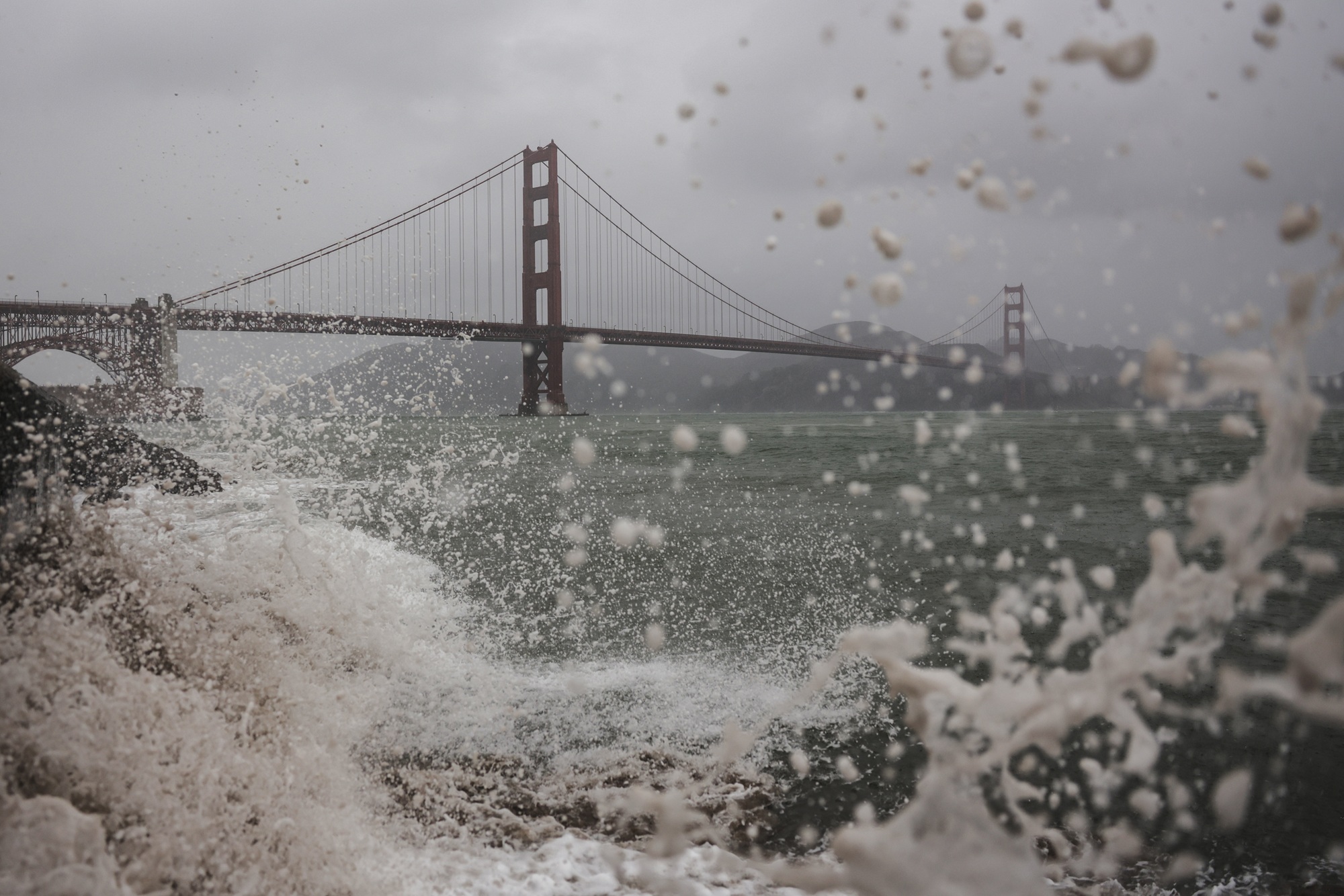
This weekend’s Bay Area forecast is not to be taken lightly. Hazardous winds, coastal flooding, high surf and “dangerously large breaking waves” are all in store for the Northern California coast.
And forecasters tracking the weather have one simple message: Don’t go near the water, at all.
“Just stay away,” said Joe Merchant, a meteorologist with the National Weather Service’s Bay Area office.
That’s because waves of up to 50 feet could crash on Bay Area shores this weekend, Merchant said — especially during Saturday afternoon’s high tide.
That’s on top of flooding affecting the region, caused by high astronomical tides as this year’s “super El Niño” warms the ocean, expanding it.
The last high surf warning like this one was issued all the way back in December 2024, he said.
Here’s what to know about this weekend’s forecast, and staying safe on the Bay Area coast this weekend.
- Jump straight to: Which Bay Area beaches will be most dangerous this weekend?
Just how dangerous is the coast this weekend?
While the predicted 50-foot waves are likely to be isolated, Merchant said, more consistent 25 to 35-foot waves are expected throughout the entire weekend — and they could be deadly.
That’s due to the rainfall and winds that are pushing water toward land during this storm, upgrading the station’s current warning about beach hazards to a full-blown high surf warning that’s predicted to last through Monday morning, Merchant said.
“That’s not going away,” he said. “It’s actually getting worse.”
Daniel Swain, a climate scientist with UC Agriculture and Natural Resource, said this weekend’s waves could crash two feet higher — vertically — than normal due to the storm surge.
“So they’re going to be breaking higher and farther inland, and causing more erosion than usual,” he said. “So this is an especially dangerous weekend in terms of that coastal surf.”
Swain said while the waves themselves are dangerous, they could also inundate coastal infrastructure like docks and jetties — or even shoreline trails and promenades.
“Sometimes the usual advice of just ‘stay out of the water and you’ll be fine’ isn’t quite enough from these kinds of events,” he said. “It’s not a great weekend to go hang over any coastal cliffs or bluffs that are eroding from the base.”
Earlier this week, a woman died near Santa Cruz after being swept into the surf. Merchant from NWS said this weekend’s coastal conditions are slated to be even more dangerous.
“We are urging or pleading for people to stay off the water, stay away from the coastline,” he said. “Any wrong move or stumble could turn deadly immediately,” he said.
What if I want to go watch the big waves (or go surfing)?
If you’re going to watch the waves, Merchant advised people to stay “a very safe distance” away from the actual ocean, or else you risk getting swept away.
Don’t stand on rocks, jetties, piers or anywhere near the high surf’s edge, he said. And never turn your back on the ocean.
“It’s just not safe,” he said. “And if you fall in the water, you’re likely to die.”
Amid all this, surfers from near and far are keeping their eyes on the world-famous surfing destination Mavericks Beach on the San Mateo County coast this weekend, in the hopes of a big wave day.
And while he “can’t stop people from going in the water,” Merchant urged them to “stay away.”
“I’m sure they’ll be out there, but it’s going to be really, really unsafe,” he said.
Merchant also urged people to remember that the risks they take in the ocean also put others’ lives at risk, including any first responders who may have to get into the water themselves.
“I don’t think anybody’s bigger than the ocean,” he said.
Which Bay Area beaches will have the biggest waves?
Due to the direction of the swell, Merchant said western-facing beaches will have the highest risk during this storm. That’s different from the norm: In winter, south-facing beaches are often most dangerous.
Some west-facing beaches include:
- Ocean Beach in San Francisco
- Sharp Park Beach in Pacifica
- Mavericks Beach in Half Moon Bay
- Point Reyes Beach in Marin County
One thing is the same, though: That’s the risk of sneaker waves and rip currents. These waves can take beachgoers by surprise by landing higher onshore than the rest of the waves, and can sweep someone into the surf.
Flooding is also affecting the region, Merchant said, with several inches of rising water inundating coastal areas. That’s a result of high tides and thermal expansion brought on by this year’s “super El Niño,” Merchant said.
“That’s actually separate from the rainfall that we’re seeing,” he said.
Is there more high surf to come?
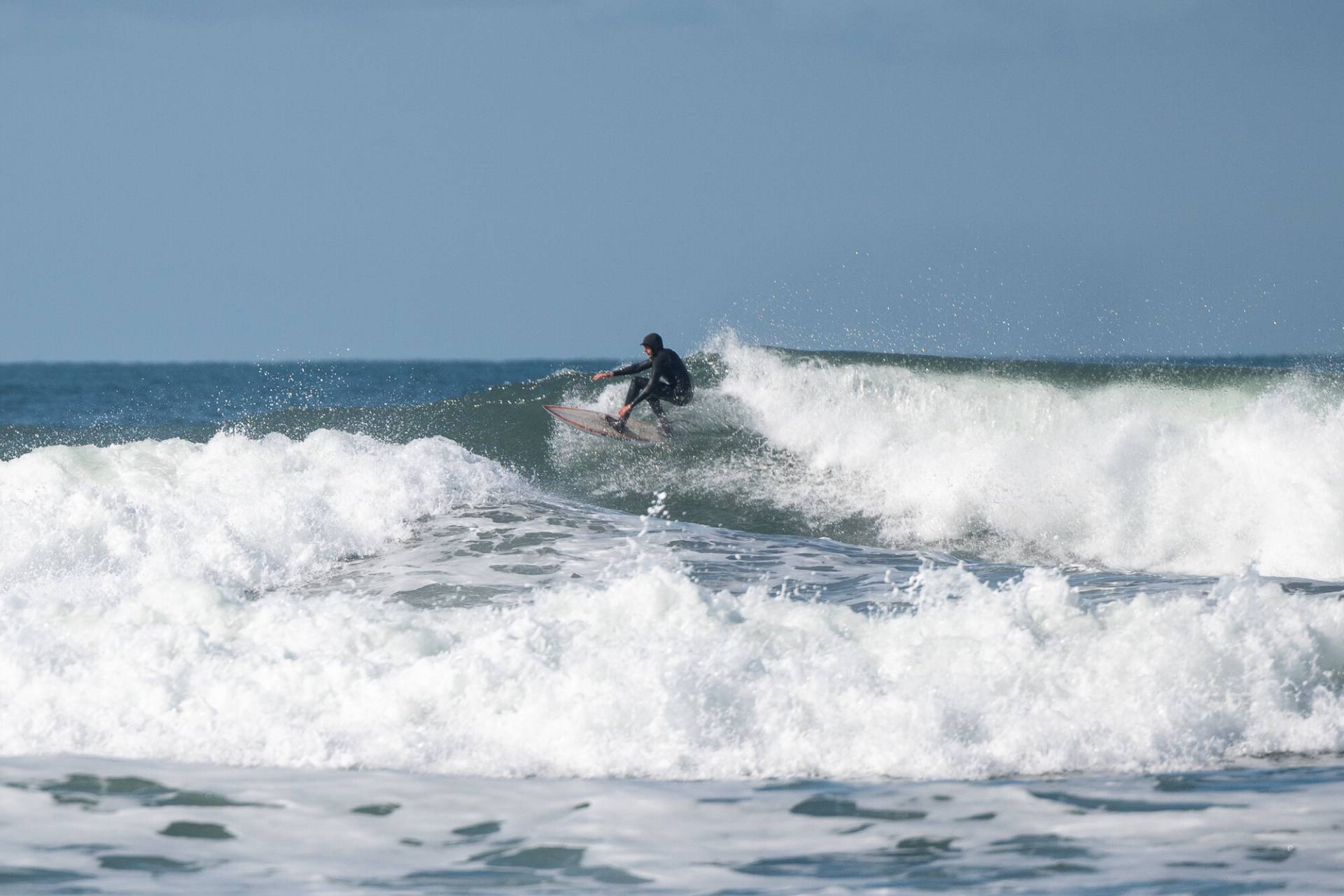
Merchant said another round of swell — likely not as strong as this weekend’s — is anticipated early next week.
Swain warned that coming king tides, which are typical annual high tides set to fall during the November and December holidays, could bring more dangerous conditions — even for inland areas.
“I’m still very concerned, frankly, about what’s going to happen around the Thanksgiving holiday and then again around the late December holidays during the king tide windows,” he said. “We have not yet experienced the king tides this year.”
He said he’s worried about inland flooding and said some areas “could see significant to record-breaking inundation.”