Rent Control Makes Moderate Gains Across The Bay Area in Early Voting Returns
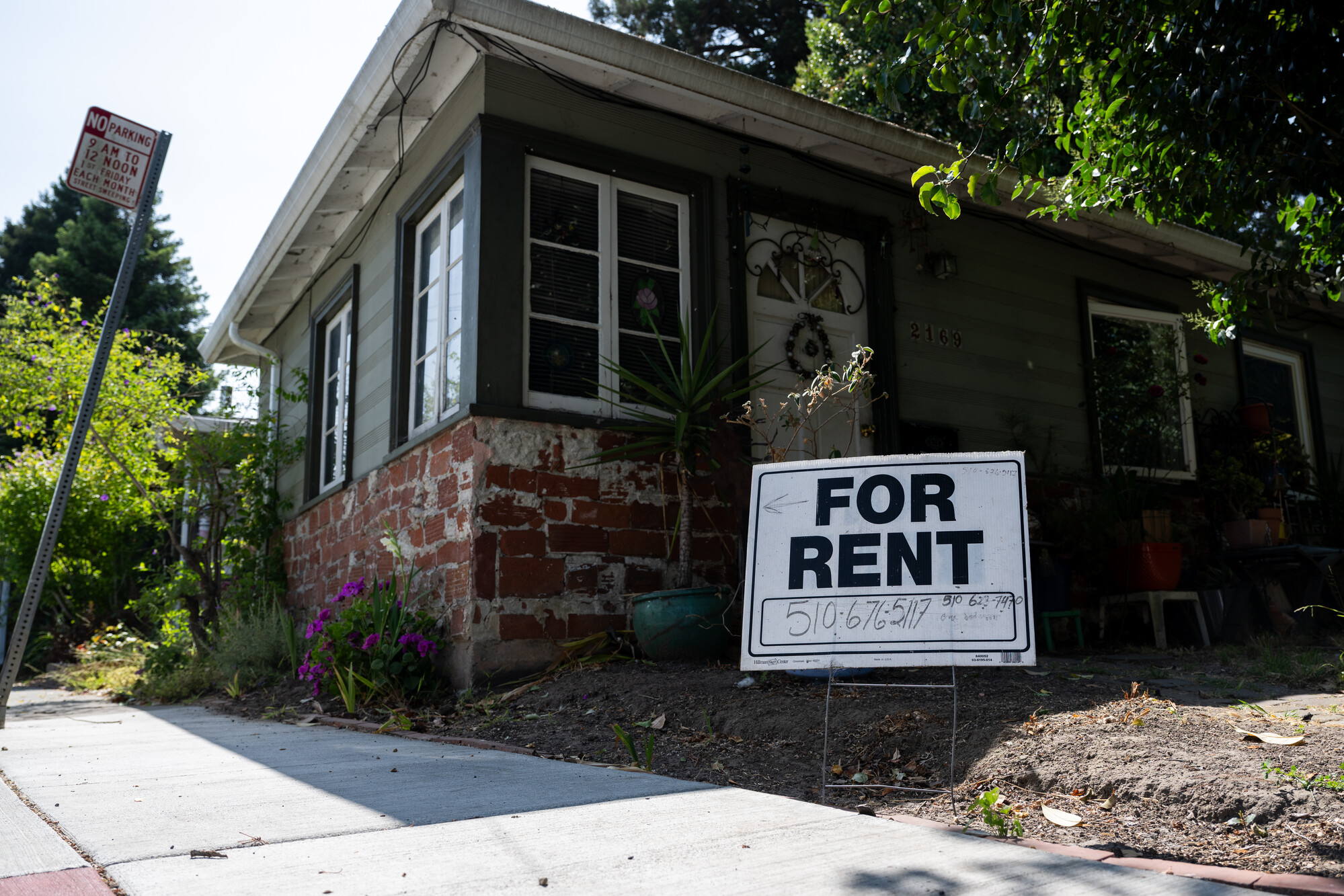
Rent control measures on Tuesday’s ballot were a mixed bag in the Bay Area this election season, according to early returns.
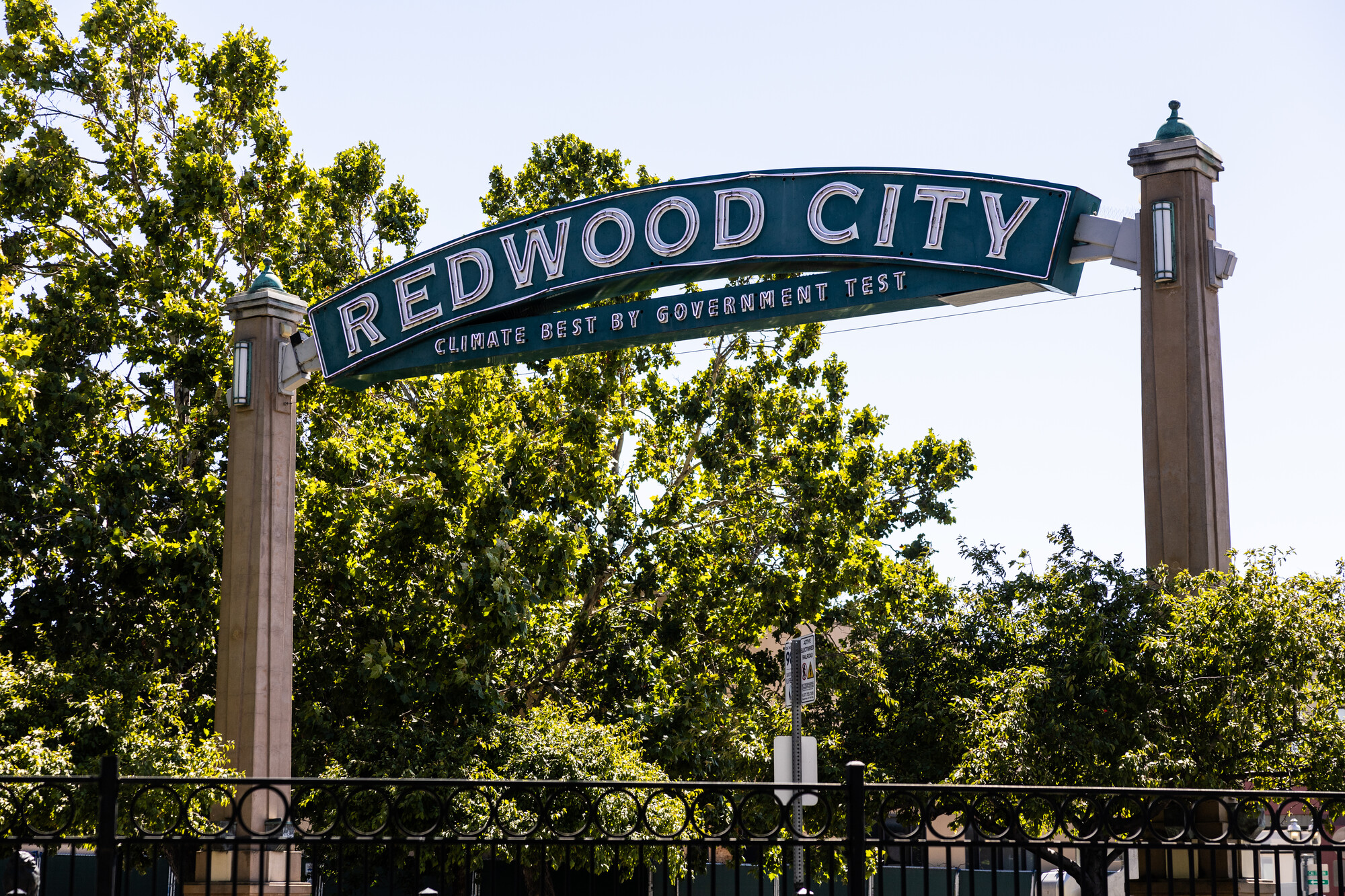
Voters in three Bay Area cities — San Pablo, Berkeley and Redwood City — were asked to decide on whether to establish new rent caps or build on existing protections for tenants. Early returns on Wednesday showed positive results for Berkeley and San Pablo, while Redwood City’s measure was headed toward defeat.
“People are facing these rents that require two or three jobs to meet,” said Clara Jaeckel, a volunteer with the Redwood City chapter of the regional tenants rights group, Faith in Action. “People are living in overcrowded places or being pushed out of the city to look for places with a lower cost of living, and it really makes for an unstable community.”
Organizers in the three cities pushed to add these measures to local ballots in response to the rising cost of rent across the Bay Area, which has seen prices climb partly due to the region’s AI boom.
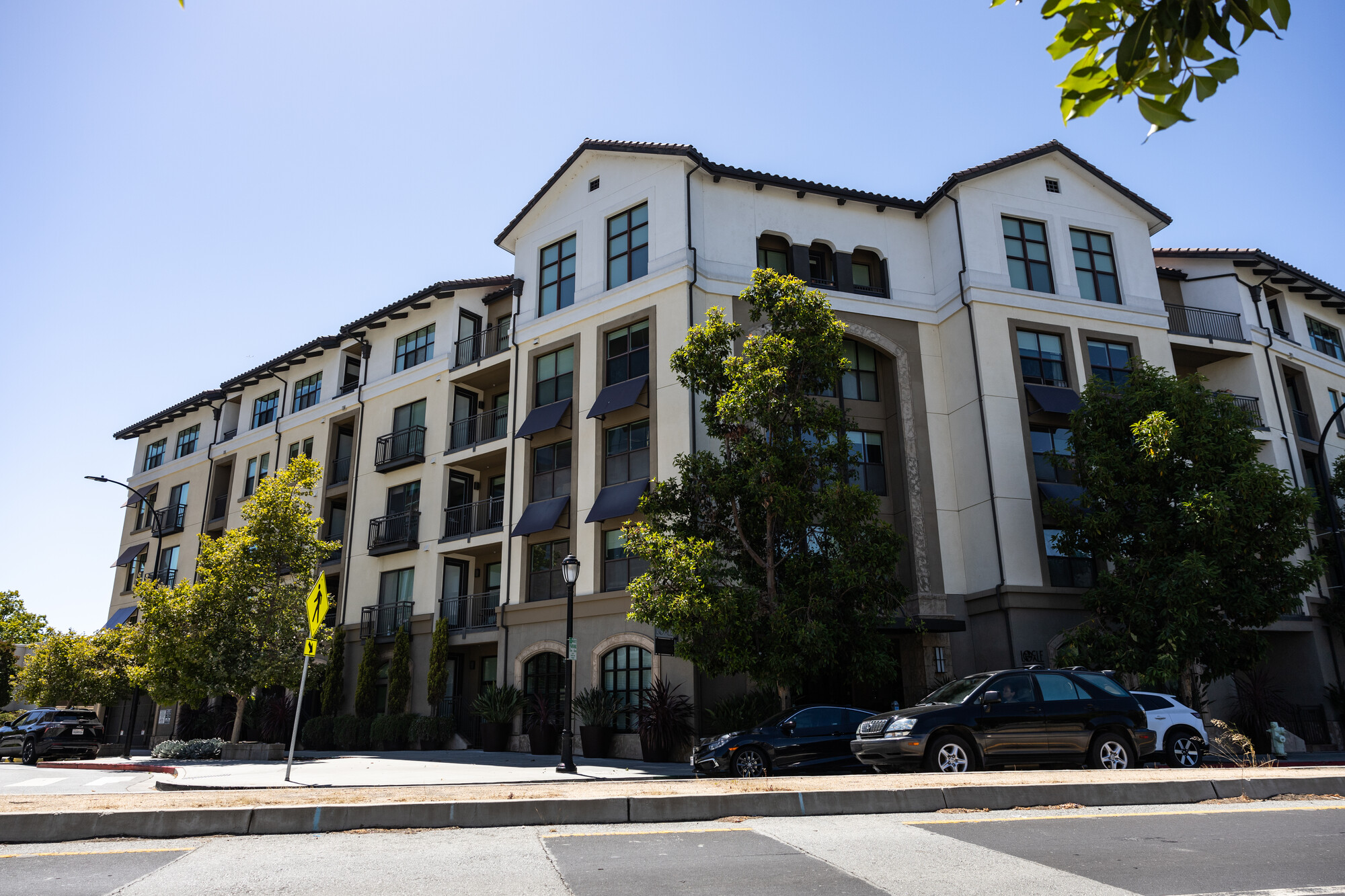
Meanwhile, landlord groups argue that rent control doesn’t bring down costs and puts greater pressure on smaller mom-and-pop property owners who are also struggling with their own rising costs for insurance and maintenance.
Redwood City’s Measure E, which voters appear to have rejected with 56% opposed, would have capped rent increases by 5% or 60% of the local inflation rate, whichever is less. It would have also allowed landlords to petition for greater increases if their operating expenses grew.
Among other provisions, Measure E would have provided renters with a right to return to their apartment or home if a landlord needed to temporarily displace them to make renovations, and it would have provided more options for tenants to advocate for basic repairs, if needed.

But critics of the measure warn it could cost the city big to implement the program. A July report showed Redwood City would have to pay $11 million annually in tenant legal services and program administration fees.
“We’re optimistic that voters in Redwood City have recognized that Measure E is not the solution,” said Joshua Howard, executive vice president of local public affairs for the California Apartment Association, adding that the report showed the proposed regulations would also require the city to hire up to 18 new employees to implement the program “without building one new unit of housing that our community needs.”
In the East Bay city of San Pablo, voters took the opposite approach and appeared poised Wednesday to approve Measure S, which was leading with more than 59% of voters in favor. Similar to the protections in Redwood City’s measure, San Pablo’s proposal caps rent increases at 3% or 60% of local inflation rates, whichever is less. It also expands protections to people living in mobile home parks, too.
If landlords need a tenant to move out for certain no-fault evictions, Measure S requires them to pay more in relocation costs, covering four months of market rent — up from two months in the city’s current laws — or up to $12,000, whichever is greater.
It also rolls back rent increases to the amount charged a year ago. For tenants living in their homes on July 1, 2025, landlords would have to use those rents as a starting point to calculate increases. Tenants who moved in after that date would use their move-in rent for the calculation.
Berkeley’s rent control proposal, Measure X, seeks to improve upon its existing ordinance, which voters last amended in 2024. Earlier this year, the city council unanimously approved the measure to appear on the ballot and members of the local rent board argued it could close loopholes in the existing ordinance and make it more efficient. As of Wednesday afternoon, 67% of voters were in favor of it.
In response to landlords who might bank rent increases for years, only to impose hefty hikes on tenants all at once, Berkeley’s measure sets a 10% cap on rent increases per year. It also allows tenants in buildings with five to 10 units to form a tenant association and requires the landlord to work in good faith with that association.
Rev. Sophia DeWitt, chief program officer for the advocacy coalition, East Bay Housing Organizations (EBHO), said she campaigned for Measure X partly because wages are largely remaining stagnant, while other costs are rising.
“Like with many other costs that people are dealing with, for groceries, for putting gas in their vehicles, for healthcare, the costs of rent are rising in many places,” she said. “One of the things that EBHO does and works on consistently is tenant protections and renter protections to try to make sure that rent increases are moderated and not exorbitant so that people can afford to continue to live in their homes.”
But the results remain unofficial for most of the races in the Bay Area, and organizers, including Jaeckel in Redwood City, remain hopeful Measure E will ultimately pass.
“We gathered more than 7,000 signatures, which I think also says a lot about how much support and how much eagerness there is for a really strong solution to these unaffordable rents in our city,” Jaeckel said. ”There’s a strong desire for it.”