Advocates Defend Noncitizen Voting in SF School Board Races, as Trump Targets Voter Rolls
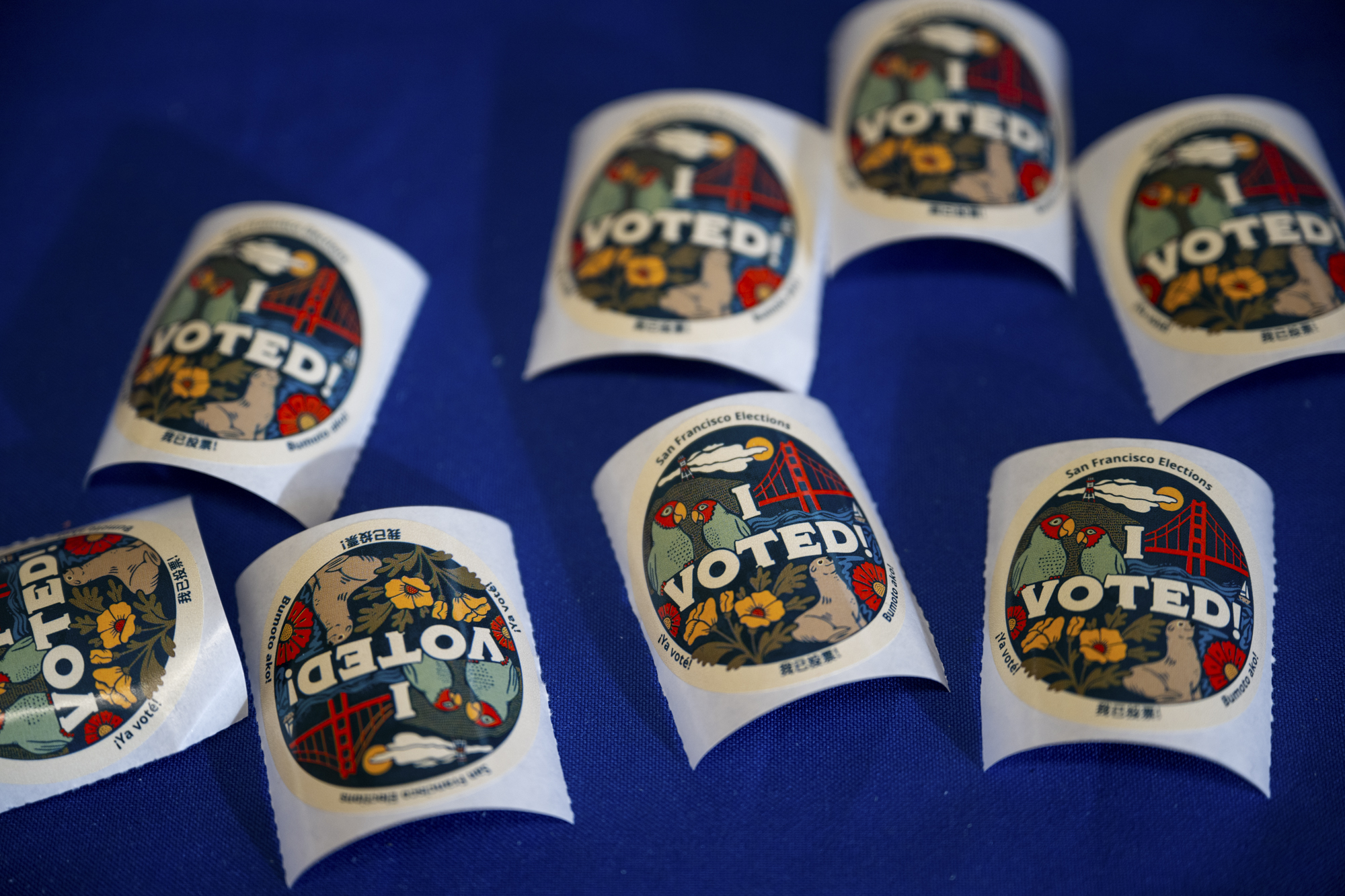
As the Trump administration’s scrutiny of California’s election system intensifies, advocates in San Francisco are calling for the city to stand by a program that allows noncitizen parents to vote in local school board elections.
In 2016, voters approved Measure N, granting noncitizen residents with a child in the San Francisco Unified School District the right to vote for members of the city’s Board of Education.
A yearslong legal battle between the city and a conservative nonprofit over the legality of the program soon followed. A state appeals court ultimately ruled in 2022 that the city does, in fact, have the authority to include noncitizen parents in school board elections.

Hundreds of noncitizen parents have since legally voted with special ballots that only include school board races. The 2022 school board recall saw the highest turnout, with 235 eligible noncitizens participating in an election that was decided by thousands of votes.
The same organizers who rallied for Measure N now worry that eligible noncitizen parents will skip Tuesday’s competitive school board election out of fear that they will also be targeted as part of the White House’s criminal investigation into noncitizen voting in California.
“People start to pull back from their rights because there’s fear that they’re going to get caught up in this dragnet,” said Annette Wong, managing director of programs at the civil rights group Chinese for Affirmative Action.
Who decides who votes in local elections?
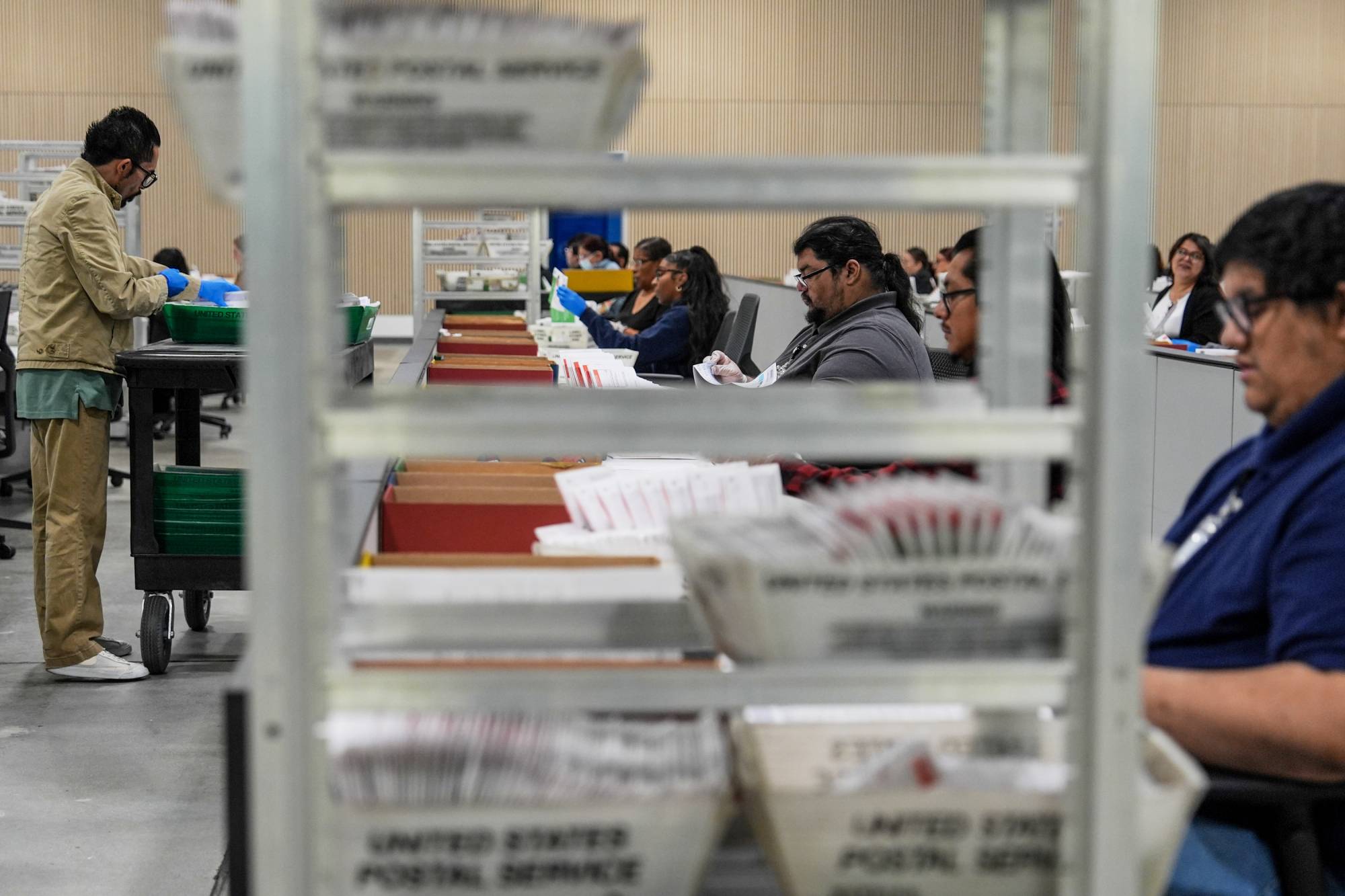
Earlier this month, the U.S. Department of Justice sent letters to all the county registrars in the state directing them to hold off counting thousands of ballots it alleges were sent to noncitizens.
In San Francisco, federal officials demanded the personal information of 441 individuals, including Social Security numbers and driver’s license numbers. City Attorney David Chiu refused the administration’s requests in a letter on Tuesday, stating that they “violate state and local law.”
A federal judge also denied on Wednesday a request from the Trump administration to order California election officials to set aside 20,000 ballots from all over the state.
It’s not clear if the list from the federal government correlates with San Francisco’s noncitizen voting program. However, independent legal experts agreed that the city has the legal authority to include noncitizen parents in local elections.
“In the U.S., for better or worse, elections are run at the state and local level,” said Matt Coles, professor at UC Law San Francisco.
In the 2022 case that settled the legal fight over Measure N, the court ruled that the California Constitution grants cities the power to expand voting rights for local offices.
“No locality could let a noncitizen vote for a member of the U.S. House of Representatives, for example,” Coles said, adding that Congress has made it a crime for noncitizens to vote in federal elections, which includes voting in a presidential race.
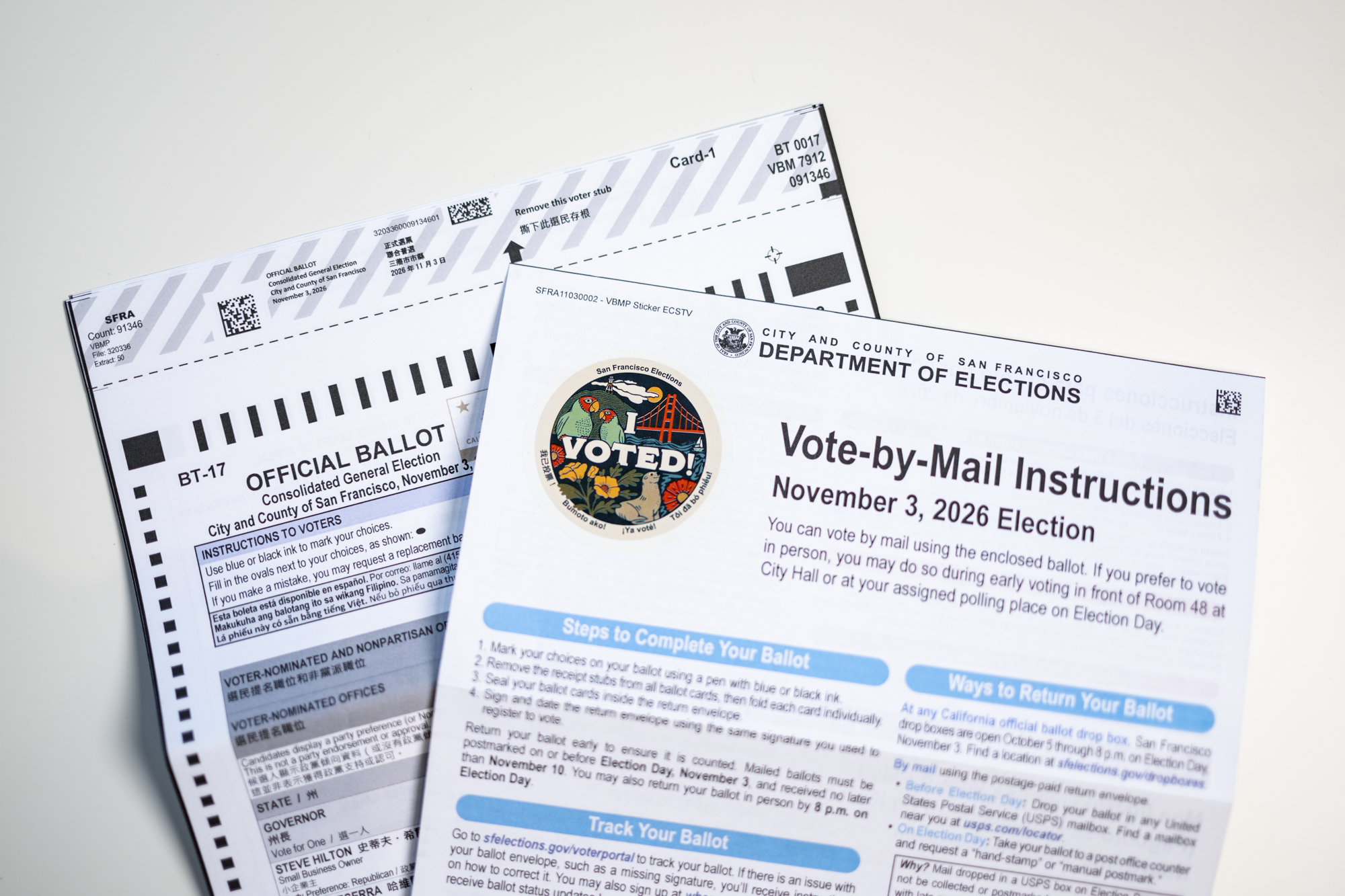
To register for a school board election, eligible noncitizens must fill out a different form than the one used by citizen voters. And city officials told KQED — in 2022 and 2026 — that the information of noncitizen voters is kept in a local database separate from the statewide system that contains the personal details of citizen voters.
The city’s noncitizen voter information portal, however, makes an important caveat: the name and address of those who register can be accessed by other government agencies and political campaigns — just like citizen voters.
A few dozen cities across the country — most of them in Vermont and Maryland — allow noncitizens to vote in local elections. After San Francisco expanded the franchise, Washington, D.C. followed suit in 2022. That same year, voters in Oakland approved a similar program — which has not yet been implemented.
“Having these pathbreaker jurisdictions like San Francisco also goes to show how you can administer elections in which noncitizens are not eligible to vote in federal elections — but are able to vote in local elections,” said Emily Rong Zhang, assistant professor at UC Berkeley School of Law.
This also means that San Francisco has a responsibility to this group of voters, she added.
“The city of San Francisco has a duty to ensure that all eligible voters in the upcoming election can cast their ballots without voter intimidation,” she said. “Regardless of whether they’re voting in federal elections or local elections.”
What advocates are telling noncitizen parents
This month, the Trump administration announced charges against 28 noncitizen Californians, all of them legal residents, for illegally voting or registering to vote. None have been convicted, but those accused represent just 0.0001% of registered voters in the state.
In a statement, federal officials said this is part of their efforts to “combat and root out fraud in U.S. elections and protect electoral integrity.”
Wong from CAA disagreed.
“What we’re seeing here with these efforts is an intent to scare people out of voting,” she said, and added that this year, she’s talked to nervous parents who are unsure whether to vote in the upcoming school board election.
“At this moment, we’re not encouraging people to register and vote no matter what. We’re also not discouraging people,” she said. “What we are saying is — if this is something that you want to do, come talk to us and we can help you navigate that process safely.”
If someone is worried that voting in a school board election may impact the future of their immigration case, Wong recommended they also talk with an immigration attorney.
“Even if you voted legally as a noncitizen, it’s still important to flag it,” she said, and pointed out that anyone can request their voting record from the Department of Elections.
This agency can also provide a verification letter that lists the criteria set up for noncitizens to vote in school board elections, and that also confirms they voted in a specific school board election.
KQED’s Guy Marzorati contributed to this report.