window.__IS_SSR__=true
window.__INITIAL_STATE__={
"attachmentsReducer": {
"audio_0": {
"type": "attachments",
"id": "audio_0",
"imgSizes": {
"kqedFullSize": {
"file": "https://ww2.kqed.org/news/wp-content/themes/KQED-unified/img/audio_bgs/background0.jpg"
}
}
},
"audio_1": {
"type": "attachments",
"id": "audio_1",
"imgSizes": {
"kqedFullSize": {
"file": "https://ww2.kqed.org/news/wp-content/themes/KQED-unified/img/audio_bgs/background1.jpg"
}
}
},
"audio_2": {
"type": "attachments",
"id": "audio_2",
"imgSizes": {
"kqedFullSize": {
"file": "https://ww2.kqed.org/news/wp-content/themes/KQED-unified/img/audio_bgs/background2.jpg"
}
}
},
"audio_3": {
"type": "attachments",
"id": "audio_3",
"imgSizes": {
"kqedFullSize": {
"file": "https://ww2.kqed.org/news/wp-content/themes/KQED-unified/img/audio_bgs/background3.jpg"
}
}
},
"audio_4": {
"type": "attachments",
"id": "audio_4",
"imgSizes": {
"kqedFullSize": {
"file": "https://ww2.kqed.org/news/wp-content/themes/KQED-unified/img/audio_bgs/background4.jpg"
}
}
},
"placeholder": {
"type": "attachments",
"id": "placeholder",
"imgSizes": {
"thumbnail": {
"file": "https://cdn.kqed.org/wp-content/uploads/2024/12/KQED-Default-Image-816638274-2000x1333-1-160x107.jpg",
"width": 160,
"height": 107,
"mimeType": "image/jpeg"
},
"medium": {
"file": "https://cdn.kqed.org/wp-content/uploads/2024/12/KQED-Default-Image-816638274-2000x1333-1-800x533.jpg",
"width": 800,
"height": 533,
"mimeType": "image/jpeg"
},
"medium_large": {
"file": "https://cdn.kqed.org/wp-content/uploads/2024/12/KQED-Default-Image-816638274-2000x1333-1-768x512.jpg",
"width": 768,
"height": 512,
"mimeType": "image/jpeg"
},
"large": {
"file": "https://cdn.kqed.org/wp-content/uploads/2024/12/KQED-Default-Image-816638274-2000x1333-1-1020x680.jpg",
"width": 1020,
"height": 680,
"mimeType": "image/jpeg"
},
"1536x1536": {
"file": "https://cdn.kqed.org/wp-content/uploads/2024/12/KQED-Default-Image-816638274-2000x1333-1-1536x1024.jpg",
"width": 1536,
"height": 1024,
"mimeType": "image/jpeg"
},
"fd-lrg": {
"file": "https://cdn.kqed.org/wp-content/uploads/2024/12/KQED-Default-Image-816638274-2000x1333-1-1536x1024.jpg",
"width": 1536,
"height": 1024,
"mimeType": "image/jpeg"
},
"fd-med": {
"file": "https://cdn.kqed.org/wp-content/uploads/2024/12/KQED-Default-Image-816638274-2000x1333-1-1020x680.jpg",
"width": 1020,
"height": 680,
"mimeType": "image/jpeg"
},
"fd-sm": {
"file": "https://cdn.kqed.org/wp-content/uploads/2024/12/KQED-Default-Image-816638274-2000x1333-1-800x533.jpg",
"width": 800,
"height": 533,
"mimeType": "image/jpeg"
},
"post-thumbnail": {
"file": "https://cdn.kqed.org/wp-content/uploads/2024/12/KQED-Default-Image-816638274-2000x1333-1-672x372.jpg",
"width": 672,
"height": 372,
"mimeType": "image/jpeg"
},
"twentyfourteen-full-width": {
"file": "https://cdn.kqed.org/wp-content/uploads/2024/12/KQED-Default-Image-816638274-2000x1333-1-1038x576.jpg",
"width": 1038,
"height": 576,
"mimeType": "image/jpeg"
},
"xxsmall": {
"file": "https://cdn.kqed.org/wp-content/uploads/2024/12/KQED-Default-Image-816638274-2000x1333-1-160x107.jpg",
"width": 160,
"height": 107,
"mimeType": "image/jpeg"
},
"xsmall": {
"file": "https://cdn.kqed.org/wp-content/uploads/2024/12/KQED-Default-Image-816638274-2000x1333-1-672x372.jpg",
"width": 672,
"height": 372,
"mimeType": "image/jpeg"
},
"small": {
"file": "https://cdn.kqed.org/wp-content/uploads/2024/12/KQED-Default-Image-816638274-2000x1333-1-672x372.jpg",
"width": 672,
"height": 372,
"mimeType": "image/jpeg"
},
"xlarge": {
"file": "https://cdn.kqed.org/wp-content/uploads/2024/12/KQED-Default-Image-816638274-2000x1333-1-1020x680.jpg",
"width": 1020,
"height": 680,
"mimeType": "image/jpeg"
},
"full-width": {
"file": "https://cdn.kqed.org/wp-content/uploads/2024/12/KQED-Default-Image-816638274-2000x1333-1-1920x1280.jpg",
"width": 1920,
"height": 1280,
"mimeType": "image/jpeg"
},
"guest-author-32": {
"file": "https://cdn.kqed.org/wp-content/uploads/2025/01/KQED-Default-Image-816638274-1333x1333-1-160x160.jpg",
"width": 32,
"height": 32,
"mimeType": "image/jpeg"
},
"guest-author-50": {
"file": "https://cdn.kqed.org/wp-content/uploads/2025/01/KQED-Default-Image-816638274-1333x1333-1-160x160.jpg",
"width": 50,
"height": 50,
"mimeType": "image/jpeg"
},
"guest-author-64": {
"file": "https://cdn.kqed.org/wp-content/uploads/2025/01/KQED-Default-Image-816638274-1333x1333-1-160x160.jpg",
"width": 64,
"height": 64,
"mimeType": "image/jpeg"
},
"guest-author-96": {
"file": "https://cdn.kqed.org/wp-content/uploads/2025/01/KQED-Default-Image-816638274-1333x1333-1-160x160.jpg",
"width": 96,
"height": 96,
"mimeType": "image/jpeg"
},
"guest-author-128": {
"file": "https://cdn.kqed.org/wp-content/uploads/2025/01/KQED-Default-Image-816638274-1333x1333-1-160x160.jpg",
"width": 128,
"height": 128,
"mimeType": "image/jpeg"
},
"detail": {
"file": "https://cdn.kqed.org/wp-content/uploads/2025/01/KQED-Default-Image-816638274-1333x1333-1-160x160.jpg",
"width": 160,
"height": 160,
"mimeType": "image/jpeg"
},
"kqedFullSize": {
"file": "https://cdn.kqed.org/wp-content/uploads/2024/12/KQED-Default-Image-816638274-2000x1333-1.jpg",
"width": 2000,
"height": 1333
}
}
},
"education_536297": {
"type": "attachments",
"id": "education_536297",
"meta": {
"index": "attachments_1716263798",
"site": "education",
"id": "536297",
"found": true
},
"parent": 536296,
"imgSizes": {
"thumbnail": {
"file": "https://ww2.kqed.org/app/uploads/sites/38/2022/12/Dec2022-Blog5-160x90.png",
"width": 160,
"mimeType": "image/png",
"height": 90
},
"post-thumbnail": {
"file": "https://ww2.kqed.org/app/uploads/sites/38/2022/12/Dec2022-Blog5-672x372.png",
"width": 672,
"mimeType": "image/png",
"height": 372
},
"kqedFullSize": {
"file": "https://ww2.kqed.org/app/uploads/sites/38/2022/12/Dec2022-Blog5.png",
"width": 1020,
"height": 574
},
"medium": {
"file": "https://ww2.kqed.org/app/uploads/sites/38/2022/12/Dec2022-Blog5-800x450.png",
"width": 800,
"mimeType": "image/png",
"height": 450
},
"medium_large": {
"file": "https://ww2.kqed.org/app/uploads/sites/38/2022/12/Dec2022-Blog5-768x432.png",
"width": 768,
"mimeType": "image/png",
"height": 432
}
},
"publishDate": 1670959710,
"modified": 1670960438,
"caption": null,
"description": null,
"title": "Dec2022-Blog5",
"credit": null,
"status": "inherit",
"altTag": null,
"isLoading": false,
"fetchFailed": false
},
"education_536274": {
"type": "attachments",
"id": "education_536274",
"meta": {
"index": "attachments_1716263798",
"site": "education",
"id": "536274",
"found": true
},
"parent": 536148,
"imgSizes": {
"thumbnail": {
"file": "https://ww2.kqed.org/app/uploads/sites/38/2022/12/2022-23_yab_blog_header-160x90.png",
"width": 160,
"mimeType": "image/png",
"height": 90
},
"post-thumbnail": {
"file": "https://ww2.kqed.org/app/uploads/sites/38/2022/12/2022-23_yab_blog_header-672x372.png",
"width": 672,
"mimeType": "image/png",
"height": 372
},
"kqedFullSize": {
"file": "https://ww2.kqed.org/app/uploads/sites/38/2022/12/2022-23_yab_blog_header.png",
"width": 960,
"height": 540
},
"medium": {
"file": "https://ww2.kqed.org/app/uploads/sites/38/2022/12/2022-23_yab_blog_header-800x450.png",
"width": 800,
"mimeType": "image/png",
"height": 450
},
"medium_large": {
"file": "https://ww2.kqed.org/app/uploads/sites/38/2022/12/2022-23_yab_blog_header-768x432.png",
"width": 768,
"mimeType": "image/png",
"height": 432
}
},
"publishDate": 1670283944,
"modified": 1670283944,
"caption": null,
"description": null,
"title": "2022-23_yab_blog_header",
"credit": null,
"status": "inherit",
"altTag": null,
"isLoading": false,
"fetchFailed": false
},
"education_536288": {
"type": "attachments",
"id": "education_536288",
"meta": {
"index": "attachments_1716263798",
"site": "education",
"id": "536288",
"found": true
},
"parent": 536287,
"imgSizes": {
"twentyfourteen-full-width": {
"file": "https://ww2.kqed.org/app/uploads/sites/38/2022/12/ATN-Autism5-1038x576.png",
"width": 1038,
"mimeType": "image/png",
"height": 576
},
"thumbnail": {
"file": "https://ww2.kqed.org/app/uploads/sites/38/2022/12/ATN-Autism5-160x90.png",
"width": 160,
"mimeType": "image/png",
"height": 90
},
"post-thumbnail": {
"file": "https://ww2.kqed.org/app/uploads/sites/38/2022/12/ATN-Autism5-672x372.png",
"width": 672,
"mimeType": "image/png",
"height": 372
},
"kqedFullSize": {
"file": "https://ww2.kqed.org/app/uploads/sites/38/2022/12/ATN-Autism5.png",
"width": 1920,
"height": 1080
},
"large": {
"file": "https://ww2.kqed.org/app/uploads/sites/38/2022/12/ATN-Autism5-1020x574.png",
"width": 1020,
"mimeType": "image/png",
"height": 574
},
"1536x1536": {
"file": "https://ww2.kqed.org/app/uploads/sites/38/2022/12/ATN-Autism5-1536x864.png",
"width": 1536,
"mimeType": "image/png",
"height": 864
},
"medium": {
"file": "https://ww2.kqed.org/app/uploads/sites/38/2022/12/ATN-Autism5-800x450.png",
"width": 800,
"mimeType": "image/png",
"height": 450
},
"medium_large": {
"file": "https://ww2.kqed.org/app/uploads/sites/38/2022/12/ATN-Autism5-768x432.png",
"width": 768,
"mimeType": "image/png",
"height": 432
}
},
"publishDate": 1670457845,
"modified": 1670457961,
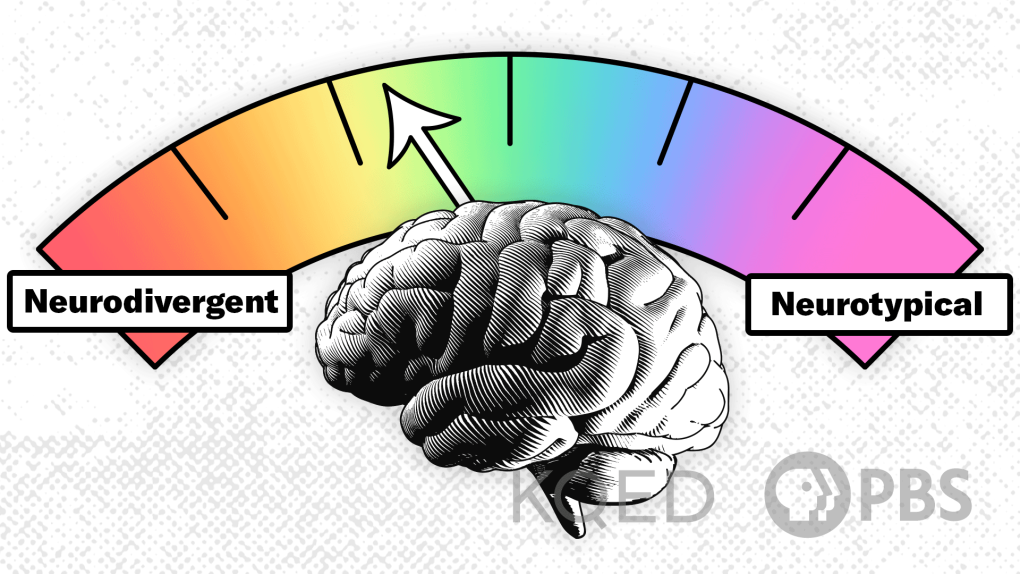
"caption": "Is Autism a Disorder To Be Fixed, or a Difference To Be Celebrated? ",
"description": "We see a scale with a rainbow spectrum and a dial. It's labeled \"neurodivergent\" on one end and \"neurotypical\" on the other. There is a human brain in the center of the scale.",
"title": "ATN-Autism5",
"credit": "Megan Badilla",
"status": "inherit",
"altTag": "Thumbnail image for an episode of Above the Noise about autism",
"isLoading": false,
"fetchFailed": false
},
"education_536283": {
"type": "attachments",
"id": "education_536283",
"meta": {
"index": "attachments_1716263798",
"site": "education",
"id": "536283",
"found": true
},
"parent": 536282,
"imgSizes": {
"twentyfourteen-full-width": {
"file": "https://ww2.kqed.org/app/uploads/sites/38/2022/12/Beavers2-1038x576.png",
"width": 1038,
"mimeType": "image/png",
"height": 576
},
"thumbnail": {
"file": "https://ww2.kqed.org/app/uploads/sites/38/2022/12/Beavers2-160x90.png",
"width": 160,
"mimeType": "image/png",
"height": 90
},
"post-thumbnail": {
"file": "https://ww2.kqed.org/app/uploads/sites/38/2022/12/Beavers2-672x372.png",
"width": 672,
"mimeType": "image/png",
"height": 372
},
"kqedFullSize": {
"file": "https://ww2.kqed.org/app/uploads/sites/38/2022/12/Beavers2.png",
"width": 1920,
"height": 1080
},
"large": {
"file": "https://ww2.kqed.org/app/uploads/sites/38/2022/12/Beavers2-1020x574.png",
"width": 1020,
"mimeType": "image/png",
"height": 574
},
"1536x1536": {
"file": "https://ww2.kqed.org/app/uploads/sites/38/2022/12/Beavers2-1536x864.png",
"width": 1536,
"mimeType": "image/png",
"height": 864
},
"medium": {
"file": "https://ww2.kqed.org/app/uploads/sites/38/2022/12/Beavers2-800x450.png",
"width": 800,
"mimeType": "image/png",
"height": 450
},
"medium_large": {
"file": "https://ww2.kqed.org/app/uploads/sites/38/2022/12/Beavers2-768x432.png",
"width": 768,
"mimeType": "image/png",
"height": 432
}
},
"publishDate": 1670456967,
"modified": 1670457056,
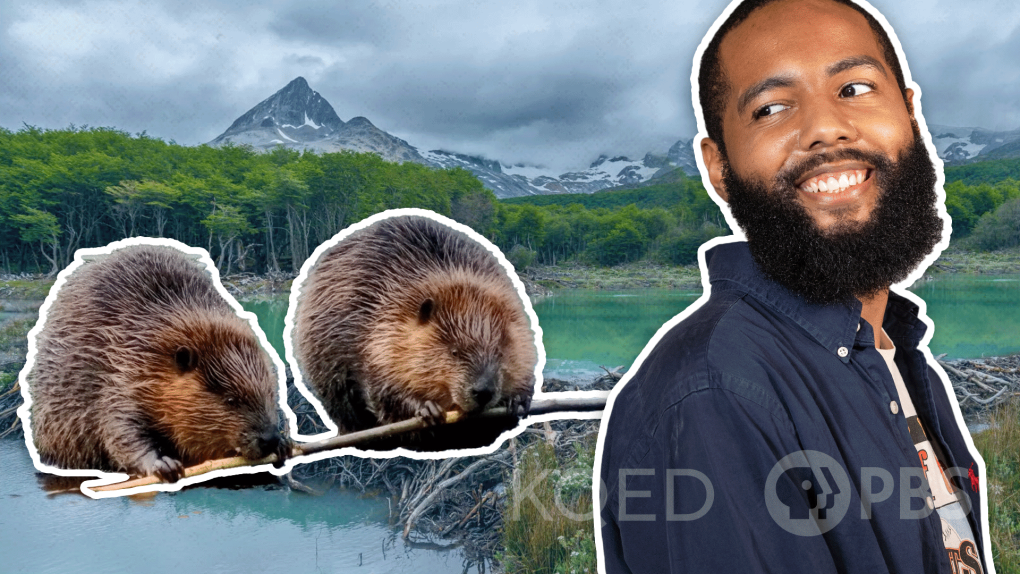
"caption": "The role beavers can play in resisting climate change",
"description": "Two beavers nibble on a stick, set against a backdrop of a wilderness area with a pond. Above the Noise host Myles Bess appears in the foreground.",
"title": "Beavers2",
"credit": "Megan Badilla",
"status": "inherit",
"altTag": "Thumbnail image for an episode of Above the Noise that is about the role beavers play in resisting climate change",
"isLoading": false,
"fetchFailed": false
},
"education_536208": {
"type": "attachments",
"id": "education_536208",
"meta": {
"index": "attachments_1716263798",
"site": "education",
"id": "536208",
"found": true
},
"parent": 536207,
"imgSizes": {
"twentyfourteen-full-width": {
"file": "https://ww2.kqed.org/app/uploads/sites/38/2022/11/ABTN_702_TN1_Lobbying-1038x576.png",
"width": 1038,
"mimeType": "image/png",
"height": 576
},
"thumbnail": {
"file": "https://ww2.kqed.org/app/uploads/sites/38/2022/11/ABTN_702_TN1_Lobbying-160x90.png",
"width": 160,
"mimeType": "image/png",
"height": 90
},
"post-thumbnail": {
"file": "https://ww2.kqed.org/app/uploads/sites/38/2022/11/ABTN_702_TN1_Lobbying-672x372.png",
"width": 672,
"mimeType": "image/png",
"height": 372
},
"kqedFullSize": {
"file": "https://ww2.kqed.org/app/uploads/sites/38/2022/11/ABTN_702_TN1_Lobbying.png",
"width": 1920,
"height": 1080
},
"large": {
"file": "https://ww2.kqed.org/app/uploads/sites/38/2022/11/ABTN_702_TN1_Lobbying-1020x574.png",
"width": 1020,
"mimeType": "image/png",
"height": 574
},
"1536x1536": {
"file": "https://ww2.kqed.org/app/uploads/sites/38/2022/11/ABTN_702_TN1_Lobbying-1536x864.png",
"width": 1536,
"mimeType": "image/png",
"height": 864
},
"medium": {
"file": "https://ww2.kqed.org/app/uploads/sites/38/2022/11/ABTN_702_TN1_Lobbying-800x450.png",
"width": 800,
"mimeType": "image/png",
"height": 450
},
"medium_large": {
"file": "https://ww2.kqed.org/app/uploads/sites/38/2022/11/ABTN_702_TN1_Lobbying-768x432.png",
"width": 768,
"mimeType": "image/png",
"height": 432
}
},
"publishDate": 1667509503,
"modified": 1667509619,
"caption": "Are lobbyists really as bad as their reputation?",
"description": "A collage image with the host of Above the Noise, Myles Bess, dressed in a fedora and feather boa and eating shrimp cocktail, against a backdrop of a pile of dollar bills and the Capitol building",
"title": "ABTN_702_TN1_Lobbying",
"credit": "Megan Badilla",
"status": "inherit",
"altTag": "Thumbnail image for a YouTube video about lobbying",
"isLoading": false,
"fetchFailed": false
},
"education_536180": {
"type": "attachments",
"id": "education_536180",
"meta": {
"index": "attachments_1716263798",
"site": "education",
"id": "536180",
"found": true
},
"parent": 536173,
"imgSizes": {
"thumbnail": {
"file": "https://ww2.kqed.org/app/uploads/sites/38/2022/11/blog-Science_E4G-160x90.png",
"width": 160,
"mimeType": "image/png",
"height": 90
},
"post-thumbnail": {
"file": "https://ww2.kqed.org/app/uploads/sites/38/2022/11/blog-Science_E4G-672x372.png",
"width": 672,
"mimeType": "image/png",
"height": 372
},
"kqedFullSize": {
"file": "https://ww2.kqed.org/app/uploads/sites/38/2022/11/blog-Science_E4G.png",
"width": 1020,
"height": 574
},
"medium": {
"file": "https://ww2.kqed.org/app/uploads/sites/38/2022/11/blog-Science_E4G-800x450.png",
"width": 800,
"mimeType": "image/png",
"height": 450
},
"medium_large": {
"file": "https://ww2.kqed.org/app/uploads/sites/38/2022/11/blog-Science_E4G-768x432.png",
"width": 768,
"mimeType": "image/png",
"height": 432
}
},
"publishDate": 1667430191,
"modified": 1667430209,
"caption": null,
"description": null,
"title": "blog-Science_E4G",
"credit": null,
"status": "inherit",
"altTag": "media-making projects in STEM",
"isLoading": false,
"fetchFailed": false
},
"education_536141": {
"type": "attachments",
"id": "education_536141",
"meta": {
"index": "attachments_1716263798",
"site": "education",
"id": "536141",
"found": true
},
"parent": 0,
"imgSizes": {
"twentyfourteen-full-width": {
"file": "https://ww2.kqed.org/app/uploads/sites/38/2022/10/SY2022_1920x1080-1038x576.png",
"width": 1038,
"mimeType": "image/png",
"height": 576
},
"thumbnail": {
"file": "https://ww2.kqed.org/app/uploads/sites/38/2022/10/SY2022_1920x1080-160x90.png",
"width": 160,
"mimeType": "image/png",
"height": 90
},
"post-thumbnail": {
"file": "https://ww2.kqed.org/app/uploads/sites/38/2022/10/SY2022_1920x1080-672x372.png",
"width": 672,
"mimeType": "image/png",
"height": 372
},
"kqedFullSize": {
"file": "https://ww2.kqed.org/app/uploads/sites/38/2022/10/SY2022_1920x1080.png",
"width": 1920,
"height": 1080
},
"large": {
"file": "https://ww2.kqed.org/app/uploads/sites/38/2022/10/SY2022_1920x1080-1020x574.png",
"width": 1020,
"mimeType": "image/png",
"height": 574
},
"1536x1536": {
"file": "https://ww2.kqed.org/app/uploads/sites/38/2022/10/SY2022_1920x1080-1536x864.png",
"width": 1536,
"mimeType": "image/png",
"height": 864
},
"medium": {
"file": "https://ww2.kqed.org/app/uploads/sites/38/2022/10/SY2022_1920x1080-800x450.png",
"width": 800,
"mimeType": "image/png",
"height": 450
},
"medium_large": {
"file": "https://ww2.kqed.org/app/uploads/sites/38/2022/10/SY2022_1920x1080-768x432.png",
"width": 768,
"mimeType": "image/png",
"height": 432
}
},
"publishDate": 1666324313,
"modified": 1666324329,
"caption": null,
"description": null,
"title": "Annual Report School Year 2021-22",
"credit": null,
"status": "inherit",
"altTag": null,
"isLoading": false,
"fetchFailed": false
},
"education_536144": {
"type": "attachments",
"id": "education_536144",
"meta": {
"index": "attachments_1716263798",
"site": "education",
"id": "536144",
"found": true
},
"parent": 536131,
"imgSizes": {
"twentyfourteen-full-width": {
"file": "https://ww2.kqed.org/app/uploads/sites/38/2022/10/ABTN_701_TN_DARE-3-1038x576.png",
"width": 1038,
"mimeType": "image/png",
"height": 576
},
"thumbnail": {
"file": "https://ww2.kqed.org/app/uploads/sites/38/2022/10/ABTN_701_TN_DARE-3-160x90.png",
"width": 160,
"mimeType": "image/png",
"height": 90
},
"post-thumbnail": {
"file": "https://ww2.kqed.org/app/uploads/sites/38/2022/10/ABTN_701_TN_DARE-3-672x372.png",
"width": 672,
"mimeType": "image/png",
"height": 372
},
"kqedFullSize": {
"file": "https://ww2.kqed.org/app/uploads/sites/38/2022/10/ABTN_701_TN_DARE-3.png",
"width": 1920,
"height": 1080
},
"large": {
"file": "https://ww2.kqed.org/app/uploads/sites/38/2022/10/ABTN_701_TN_DARE-3-1020x574.png",
"width": 1020,
"mimeType": "image/png",
"height": 574
},
"1536x1536": {
"file": "https://ww2.kqed.org/app/uploads/sites/38/2022/10/ABTN_701_TN_DARE-3-1536x864.png",
"width": 1536,
"mimeType": "image/png",
"height": 864
},
"medium": {
"file": "https://ww2.kqed.org/app/uploads/sites/38/2022/10/ABTN_701_TN_DARE-3-800x450.png",
"width": 800,
"mimeType": "image/png",
"height": 450
},
"medium_large": {
"file": "https://ww2.kqed.org/app/uploads/sites/38/2022/10/ABTN_701_TN_DARE-3-768x432.png",
"width": 768,
"mimeType": "image/png",
"height": 432
}
},
"publishDate": 1666639650,
"modified": 1666639794,
"caption": "D.A.R.E. (Drug Abuse Resistance Education) program is back in schools after being discredited in recent years. Why has it returned, and how has it changed?",
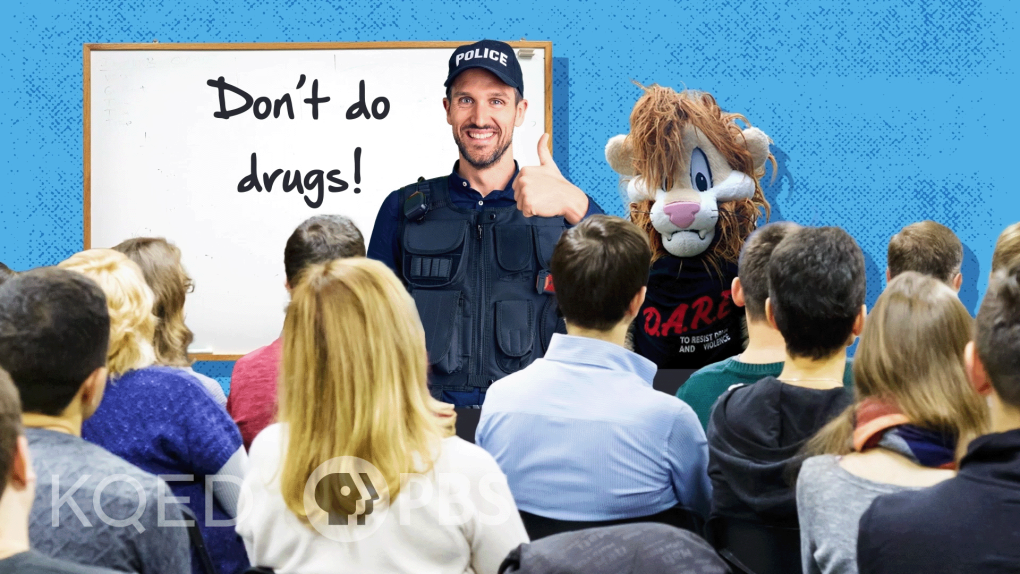
"description": "We see an image of a police officer standing next to a D.A.R.E. mascot in front of a classroom, next to a whiteboard that reads, \"Don't do drugs!\"",
"title": "ABTN_701_TN_DARE-3",
"credit": "Derek Lartaud",
"status": "inherit",
"altTag": "Thumbnail image for episode of Above the Noise about the drug education program D.A.R.E",
"isLoading": false,
"fetchFailed": false
},
"education_535893": {
"type": "attachments",
"id": "education_535893",
"meta": {
"index": "attachments_1716263798",
"site": "education",
"id": "535893",
"found": true
},
"parent": 535891,
"imgSizes": {
"twentyfourteen-full-width": {
"file": "https://ww2.kqed.org/app/uploads/sites/38/2022/05/ATN-thumbnail-student_mental_health-1038x576.png",
"width": 1038,
"mimeType": "image/png",
"height": 576
},
"thumbnail": {
"file": "https://ww2.kqed.org/app/uploads/sites/38/2022/05/ATN-thumbnail-student_mental_health-160x90.png",
"width": 160,
"mimeType": "image/png",
"height": 90
},
"post-thumbnail": {
"file": "https://ww2.kqed.org/app/uploads/sites/38/2022/05/ATN-thumbnail-student_mental_health-672x372.png",
"width": 672,
"mimeType": "image/png",
"height": 372
},
"kqedFullSize": {
"file": "https://ww2.kqed.org/app/uploads/sites/38/2022/05/ATN-thumbnail-student_mental_health.png",
"width": 1920,
"height": 1080
},
"large": {
"file": "https://ww2.kqed.org/app/uploads/sites/38/2022/05/ATN-thumbnail-student_mental_health-1020x574.png",
"width": 1020,
"mimeType": "image/png",
"height": 574
},
"1536x1536": {
"file": "https://ww2.kqed.org/app/uploads/sites/38/2022/05/ATN-thumbnail-student_mental_health-1536x864.png",
"width": 1536,
"mimeType": "image/png",
"height": 864
},
"medium": {
"file": "https://ww2.kqed.org/app/uploads/sites/38/2022/05/ATN-thumbnail-student_mental_health-800x450.png",
"width": 800,
"mimeType": "image/png",
"height": 450
},
"medium_large": {
"file": "https://ww2.kqed.org/app/uploads/sites/38/2022/05/ATN-thumbnail-student_mental_health-768x432.png",
"width": 768,
"mimeType": "image/png",
"height": 432
}
},
"publishDate": 1653593621,
"modified": 1653594228,
"caption": null,
"description": null,
"title": "ATN-thumbnail-student_mental_health",
"credit": null,
"status": "inherit",
"altTag": "Sad and frustrated student puts head on desk representing mental health challenges",
"isLoading": false,
"fetchFailed": false
}
},
"audioPlayerReducer": {
"postId": "stream_live",
"isPaused": true,
"isPlaying": false,
"pfsActive": false,
"pledgeModalIsOpen": true,
"playerDrawerIsOpen": false,
"liveAudioPlayStartedAt": 0,
"liveAudioPlayContext": ""
},
"authorsReducer": {
"lfarrar": {
"type": "authors",
"id": "6544",
"meta": {
"index": "authors_1716337520",
"id": "6544",
"found": true
},
"name": "Lauren Farrar",
"firstName": "Lauren",
"lastName": "Farrar",
"slug": "lfarrar",
"email": "lfarrar@kqed.org",
"display_author_email": false,
"staff_mastheads": [],
"title": "KQED Contributor",
"bio": "Lauren has a background in biology, education, and filmmaking. She has had the privilege to work on a diverse array of educational endeavors and is currently a producer for KQED Learning's YouTube series \u003cem>Above the Noise\u003c/em>. Lauren's career has taken her to the deepest parts of the ocean to film deep sea hydrothermal vents for classroom webcasts, into the pool to film synchronized swimmers to teach about the pH scale, and on roller coasters to create a video about activation energy. And, she’s done it all for the sake of education. Lauren loves communicating science! Follow her on twitter @LFarrarAtWork",
"avatar": "https://secure.gravatar.com/avatar/580c4ece9fa0756ef42202cdcf4146d1?s=600&d=blank&r=g",
"twitter": null,
"facebook": null,
"instagram": null,
"linkedin": null,
"sites": [
{
"site": "news",
"roles": []
},
{
"site": "lowdown",
"roles": []
},
{
"site": "education",
"roles": []
},
{
"site": "quest",
"roles": []
}
],
"headData": {
"title": "Lauren Farrar | KQED",
"description": "KQED Contributor",
"ogImgSrc": "https://secure.gravatar.com/avatar/580c4ece9fa0756ef42202cdcf4146d1?s=600&d=blank&r=g",
"twImgSrc": "https://secure.gravatar.com/avatar/580c4ece9fa0756ef42202cdcf4146d1?s=600&d=blank&r=g"
},
"isLoading": false,
"link": "/author/lfarrar"
},
"dlartaud": {
"type": "authors",
"id": "10621",
"meta": {
"index": "authors_1716337520",
"id": "10621",
"found": true
},
"name": "Derek Lartaud",
"firstName": "Derek",
"lastName": "Lartaud",
"slug": "dlartaud",
"email": "dlartaud@kqed.org",
"display_author_email": true,
"staff_mastheads": [],
"title": "KQED Contributor",
"bio": "Derek Lartaud came to the Bay Area after nearly five years of researching schizophrenia and diabetes at Yale University. Determined to tell visual stories, he’s worked for the BBC, Al Jazeera America, TIME, PBS, and the Center for Investigative Reporting. He has a bachelor’s degree in neuroscience and a master’s degree in journalism. When not holding a camera or editing a story, he’s trying to rebuild his 1969 Honda CL350.",
"avatar": "https://secure.gravatar.com/avatar/e03912790b9252d0f67d68120966e449?s=600&d=mm&r=g",
"twitter": null,
"facebook": null,
"instagram": null,
"linkedin": null,
"sites": [
{
"site": "education",
"roles": [
"contributor"
]
},
{
"site": "quest",
"roles": [
"contributor"
]
},
{
"site": "food",
"roles": [
"editor"
]
}
],
"headData": {
"title": "Derek Lartaud | KQED",
"description": "KQED Contributor",
"ogImgSrc": "https://secure.gravatar.com/avatar/e03912790b9252d0f67d68120966e449?s=600&d=mm&r=g",
"twImgSrc": "https://secure.gravatar.com/avatar/e03912790b9252d0f67d68120966e449?s=600&d=mm&r=g"
},
"isLoading": false,
"link": "/author/dlartaud"
},
"mbess": {
"type": "authors",
"id": "11704",
"meta": {
"index": "authors_1716337520",
"id": "11704",
"found": true
},
"name": "Myles Bess",
"firstName": "Myles",
"lastName": "Bess",
"slug": "mbess",
"email": "mbess@KQED.org",
"display_author_email": false,
"staff_mastheads": [],
"title": "KQED Contributor",
"bio": null,
"avatar": "https://secure.gravatar.com/avatar/34bdf5d2c563d2b31fb0eb8016e5bc36?s=600&d=mm&r=g",
"twitter": null,
"facebook": null,
"instagram": null,
"linkedin": null,
"sites": [
{
"site": "bayareabites",
"roles": []
},
{
"site": "education",
"roles": []
}
],
"headData": {
"title": "Myles Bess | KQED",
"description": "KQED Contributor",
"ogImgSrc": "https://secure.gravatar.com/avatar/34bdf5d2c563d2b31fb0eb8016e5bc36?s=600&d=mm&r=g",
"twImgSrc": "https://secure.gravatar.com/avatar/34bdf5d2c563d2b31fb0eb8016e5bc36?s=600&d=mm&r=g"
},
"isLoading": false,
"link": "/author/mbess"
},
"emilianovilla": {
"type": "authors",
"id": "11752",
"meta": {
"index": "authors_1716337520",
"id": "11752",
"found": true
},
"name": "Emiliano Villa",
"firstName": "Emiliano",
"lastName": "Villa",
"slug": "emilianovilla",
"email": "evilla@kqed.org",
"display_author_email": true,
"staff_mastheads": [],
"title": "KQED Education Staff",
"bio": "Emiliano Villa is a multimedia journalist seeped in Oakland culture. Through their training at YR Media, they discovered their love for journalism and realized the power of youth media in addressing inequity. This passion led them to join YR's newsroom, reporting on politics, arts, and queer culture through a youth perspective. Their work has been featured on NPR, SF Chronicle, and the NY Times. When they aren't creating, Emiliano enjoys nature and dancing their heart out to pop music.",
"avatar": "https://secure.gravatar.com/avatar/1b7b4ba50c7d726845f5f18c6b77b0ba?s=600&d=mm&r=g",
"twitter": null,
"facebook": null,
"instagram": null,
"linkedin": null,
"sites": [
{
"site": "",
"roles": [
"editor"
]
},
{
"site": "arts",
"roles": []
},
{
"site": "news",
"roles": []
},
{
"site": "education",
"roles": []
},
{
"site": "perspectives",
"roles": []
}
],
"headData": {
"title": "Emiliano Villa | KQED",
"description": "KQED Education Staff",
"ogImgSrc": "https://secure.gravatar.com/avatar/1b7b4ba50c7d726845f5f18c6b77b0ba?s=600&d=mm&r=g",
"twImgSrc": "https://secure.gravatar.com/avatar/1b7b4ba50c7d726845f5f18c6b77b0ba?s=600&d=mm&r=g"
},
"isLoading": false,
"link": "/author/emilianovilla"
},
"mparker": {
"type": "authors",
"id": "11786",
"meta": {
"index": "authors_1716337520",
"id": "11786",
"found": true
},
"name": "Michelle Parker",
"firstName": "Michelle",
"lastName": "Parker",
"slug": "mparker",
"email": "mparker@kqed.org",
"display_author_email": false,
"staff_mastheads": [],
"title": "KQED Contributor",
"bio": null,
"avatar": "https://secure.gravatar.com/avatar/7e85692367a1e8ba3fbcf6999699e9f9?s=600&d=blank&r=g",
"twitter": null,
"facebook": null,
"instagram": null,
"linkedin": null,
"sites": [
{
"site": "education",
"roles": [
"editor"
]
}
],
"headData": {
"title": "Michelle Parker | KQED",
"description": "KQED Contributor",
"ogImgSrc": "https://secure.gravatar.com/avatar/7e85692367a1e8ba3fbcf6999699e9f9?s=600&d=blank&r=g",
"twImgSrc": "https://secure.gravatar.com/avatar/7e85692367a1e8ba3fbcf6999699e9f9?s=600&d=blank&r=g"
},
"isLoading": false,
"link": "/author/mparker"
},
"sabatauqir": {
"type": "authors",
"id": "11807",
"meta": {
"index": "authors_1716337520",
"id": "11807",
"found": true
},
"name": "Saba Tauqir",
"firstName": "Saba",
"lastName": "Tauqir",
"slug": "sabatauqir",
"email": "stauqir@kqed.org",
"display_author_email": false,
"staff_mastheads": [],
"title": "KQED Contributor",
"bio": null,
"avatar": "https://secure.gravatar.com/avatar/b2d04deb963e1a2343d84cc1a1adf3f5?s=600&d=mm&r=g",
"twitter": null,
"facebook": null,
"instagram": null,
"linkedin": null,
"sites": [
{
"site": "education",
"roles": []
},
{
"site": "youthmedia",
"roles": []
}
],
"headData": {
"title": "Saba Tauqir | KQED",
"description": "KQED Contributor",
"ogImgSrc": "https://secure.gravatar.com/avatar/b2d04deb963e1a2343d84cc1a1adf3f5?s=600&d=mm&r=g",
"twImgSrc": "https://secure.gravatar.com/avatar/b2d04deb963e1a2343d84cc1a1adf3f5?s=600&d=mm&r=g"
},
"isLoading": false,
"link": "/author/sabatauqir"
},
"vincentyandall": {
"type": "authors",
"id": "11830",
"meta": {
"index": "authors_1716337520",
"id": "11830",
"found": true
},
"name": "Vincent Yandall",
"firstName": "Vincent",
"lastName": "Yandall",
"slug": "vincentyandall",
"email": "vyandall@kqed.org",
"display_author_email": false,
"staff_mastheads": [],
"title": "KQED Contributor",
"bio": "Prior to becoming a Production Intern for Above The Noise, Vincent Yandall educated youth in news media and video production in California's Central Valley.",
"avatar": "https://secure.gravatar.com/avatar/8fe420ec93b804e5fac7d2231c5a1f8c?s=600&d=blank&r=g",
"twitter": null,
"facebook": null,
"instagram": null,
"linkedin": null,
"sites": [
{
"site": "education",
"roles": [
"author"
]
}
],
"headData": {
"title": "Vincent Yandall | KQED",
"description": "KQED Contributor",
"ogImgSrc": "https://secure.gravatar.com/avatar/8fe420ec93b804e5fac7d2231c5a1f8c?s=600&d=blank&r=g",
"twImgSrc": "https://secure.gravatar.com/avatar/8fe420ec93b804e5fac7d2231c5a1f8c?s=600&d=blank&r=g"
},
"isLoading": false,
"link": "/author/vincentyandall"
}
},
"pagesReducer": {
"education_category_blog": {
"type": "terms",
"id": "education_1",
"meta": {
"index": "terms_1716263798",
"site": "education",
"id": "1",
"score": 13.308301
},
"name": "Education Blog",
"slug": "blog",
"taxonomy": "category",
"description": "Sign up for the \u003ca href=\"https://www.kqed.org/newsletters/kqed-education\" target=\"_blank\" rel=\"noopener noreferrer\">KQED Education newsletter\u003c/a>.",
"featImg": null,
"headData": {
"title": "Bay Area Education Insights: Stories & Resources from KQED's Blog",
"description": "Discover insightful articles, captivating stories, and practical resources for educators, parents, and learners of all ages.",
"ogTitle": null,
"ogDescription": null,
"ogImgId": null,
"twTitle": null,
"twDescription": null,
"twImgId": null,
"socialTitle": "Bay Area Education Insights: Stories & Resources from KQED's Blog"
},
"ttid": 1,
"isLoading": false,
"title": "Education Blog",
"pageMeta": {
"site": "education",
"WpPageTemplate": "page-topic-company",
"currentPage": 7
},
"blocks": [
{
"blockName": "kqed/company-paragraph",
"content": "Sign up for the \u003ca href=\"https://www.kqed.org/newsletters/kqed-education\" target=\"_blank\" rel=\"noopener noreferrer\">KQED Education newsletter\u003c/a>."
},
{
"blockName": "kqed/post-list",
"attrs": {
"layout": "cardCompany2",
"query": "posts/education?category=blog",
"seeMore": false,
"paginated": true,
"page": 7
}
},
{
"blockName": "kqed/ad"
}
]
}
},
"pfsSessionReducer": {},
"postsReducer": {
"stream_live": {
"type": "live",
"id": "stream_live",
"audioUrl": "https://streams.kqed.org/kqedradio",
"title": "Live Stream",
"excerpt": "Live Stream information currently unavailable.",
"link": "/radio",
"featImg": "",
"label": {
"name": "KQED Live",
"link": "/"
}
},
"stream_kqedNewscast": {
"type": "posts",
"id": "stream_kqedNewscast",
"audioUrl": "https://www.kqed.org/.stream/anon/radio/RDnews/newscast.mp3?_=1",
"title": "KQED Newscast",
"featImg": "",
"label": {
"name": "88.5 FM",
"link": "/"
}
},
"education_536296": {
"type": "posts",
"id": "education_536296",
"meta": {
"index": "posts_1716263798",
"site": "education",
"id": "536296",
"score": null,
"sort": [
1670964313000
]
},
"parent": 0,
"labelTerm": {
"site": "education",
"term": 3046
},
"blocks": [],
"publishDate": 1670964313,
"format": "standard",
"title": "Students Make Media to Share Stories of Family & Community",
"headTitle": "Students Make Media to Share Stories of Family & Community | KQED",
"content": "\u003cp>\u003cspan style=\"font-weight: 400\">S\u003c/span>\u003cspan style=\"font-weight: 400\">tudents around the country are using media to share core memories, unearth their family history, and redefine what community means to them.\u003c/span>\u003c/p>\n\u003cp>\u003cspan style=\"font-weight: 400\">Audio and video projects help students share their stories, build writing, listening and speaking skills, and forge connections in the classroom and beyond. This makes for an immersive creative process for students and a compelling viewing experience for their audience, whether that is their teachers, families, or wider community.\u003c/span>\u003c/p>\n\u003ch4>\u003cstrong>Get Involved\u003c/strong>\u003c/h4>\n\u003cp>\u003cspan style=\"font-weight: 400\">This spring, revamp your family history project or personal narrative project with the \u003c/span>\u003ca href=\"https://learn.kqed.org/challenges/teachers/perspectives\">\u003cspan style=\"font-weight: 400\">Perspectives Youth Media Challenge\u003c/span>\u003c/a>\u003cspan style=\"font-weight: 400\">. Our \u003c/span>\u003ca href=\"https://docs.google.com/presentation/u/1/d/1zpgOwnnuKIKWp9w9QhAOBgO7g5cb0eDKM4OCId0Dhfo/edit?usp=sharing\">\u003cspan style=\"font-weight: 400\">free, modifiable curriculum\u003c/span>\u003c/a>\u003cspan style=\"font-weight: 400\"> gives students structure and support as they take their writing from page to production. This project is perfect for middle and high school ELA, humanities, and creative writing classes.\u003c/span>\u003c/p>\n\u003cp>\u003cspan style=\"font-weight: 400\">Find inspiration in the exemplary student pieces below from our \u003c/span>\u003ca href=\"https://learn.kqed.org/challenges/\">\u003cspan style=\"font-weight: 400\">Youth Media Showcase\u003c/span>\u003c/a>\u003cspan style=\"font-weight: 400\">. \u003c/span>\u003c/p>\n\u003cp>\u003cstrong>\u003cb>Uncovering Family History\u003c/b>\u003c/strong>\u003c/p>\n\u003cul>\n\u003cli style=\"font-weight: 400\">\u003cstrong>\u003ca href=\"https://learn.kqed.org/challenges/submission/NjM2YjBjN2Q1ZTZhMWYzZjE3YjdiOTE2\">\u003cspan style=\"font-weight: 400\">\u003cstrong>Native American History\u003c/strong>\u003c/span>\u003c/a>\u003cstrong> \u003c/strong>\u003c/strong>A conversation with her grandmother ignites Amanda’s passion for including authentic Native American history in school curriculum\u003cspan style=\"font-weight: 400\">.\u003c/span>\u003c/li>\n\u003cli style=\"font-weight: 400\">\u003cstrong>\u003cstrong>\u003ca href=\"https://learn.kqed.org/challenges/submission/NjI3ZDQ4YTQ0NmZhNGM0OGNmODIyMDQx\">\u003cstrong>The Burning Bullet Disaster\u003c/strong>\u003c/a>\u003c/strong> \u003cspan style=\"font-weight: 400\">Summer’s podcast shares a scary yet defining moment from her dad’s childhood.\u003c/span>\u003c/strong>\u003c/li>\n\u003cli style=\"font-weight: 400\">\u003cstrong>\u003ca href=\"https://learn.kqed.org/challenges/submission/NjI3MTU1YTkxOTQ3ODE0ZDIxMWJmMjc2\">\u003cstrong>My Family’s History\u003c/strong>\u003c/a>\u003c/strong> \u003cspan style=\"font-weight: 400\">Adrian’s interview with his mom helped him connect with her by understanding the challenges she faced throughout her life.\u003c/span>\u003c/li>\n\u003c/ul>\n\u003cp>\u003cstrong>\u003cb>Redefining Community & Family\u003c/b>\u003c/strong>\u003c/p>\n\u003cul>\n\u003cli>\u003cstrong>\u003ca href=\"https://learn.kqed.org/challenges/submission/NjI3OTMxYmUxODc0ZTExNWRiM2YyYzE5\">\u003cstrong>The Best of Both Sides\u003c/strong>\u003c/a>\u003c/strong>\u003cspan style=\"font-weight: 400\"> Hayley shares the stark differences between the two sides of her family, and how their different traditions have taught her to be open-minded and adaptable.\u003c/span>\u003c/li>\n\u003cli>\u003cstrong>\u003ca href=\"https://learn.kqed.org/challenges/submission/NjI3OTMxMmI0NmZhNGM0OGNmODIyMDFi\">\u003cstrong>Kinda Different\u003c/strong>\u003c/a>\u003c/strong> \u003cspan style=\"font-weight: 400\">Arjun reflects on the importance of having friends who you can share your culture with, even if you don’t share the same backgrounds.\u003c/span>\u003c/li>\n\u003cli>\u003cstrong>\u003ca href=\"https://learn.kqed.org/challenges/submission/NjI1ZTAzMWI5MjhiMTg1MzAyOTg2NWRi\">\u003cstrong>My Tia\u003c/strong>\u003c/a>\u003c/strong>\u003cspan style=\"font-weight: 400\"> Samantha reflects on how her aunt filled an important role in her childhood and taught her the meaning of selflessness in parenthood.\u003c/span>\u003c/li>\n\u003cli>\u003cstrong>\u003ca href=\"https://learn.kqed.org/challenges/submission/NjFiZDYyMjFkZmJjNjkxODE1MjhiYTlh\">\u003cstrong>The Watcher\u003c/strong>\u003c/a>\u003c/strong>\u003cspan style=\"font-weight: 400\">\u003cspan style=\"font-weight: 400\"> Nikko explains how watching his older siblings struggle with drug abuse has shown him the importance of being a good role model for his little sister.\u003cbr>\n\u003c/span>\u003c/span>\u003c/li>\n\u003c/ul>\n\u003cp>\u003cstrong>\u003cb>“Where Are You From?”\u003c/b>\u003c/strong>\u003c/p>\n\u003cul>\n\u003cli style=\"font-weight: 400\">\u003cstrong>\u003ca href=\"https://learn.kqed.org/challenges/submission/NjFmYzRlNWVhMDhiYTAwNDJmMGUxNzg2\">\u003cstrong>Technically Related\u003c/strong>\u003c/a>\u003c/strong> \u003cspan style=\"font-weight: 400\"> Gijeong’s visit to his birth country taught him that family isn’t defined only through bloodlines\u003c/span>\u003cspan style=\"font-weight: 400\">.\u003c/span>\u003c/li>\n\u003cli style=\"font-weight: 400\">\u003cstrong>\u003ca href=\"https://learn.kqed.org/challenges/submission/NjI4ZGI4YmUyOTNjMmI1NDNjMDNmN2Ey\">\u003cstrong>Hope of a Family\u003c/strong>\u003c/a> \u003c/strong>\u003cspan style=\"font-weight: 400\"> Yara reflects on the challenge of growing up as a first-generation child of immigrants, and what her single mother’s sacrifices have meant for her.\u003c/span>\u003c/li>\n\u003cli style=\"font-weight: 400\">\u003cstrong>\u003ca href=\"https://learn.kqed.org/challenges/submission/NjI4NzcwNDkwNzQ5ODEwODI3ZDNjMjlk\">\u003cstrong>How Culture Has An Impact\u003c/strong>\u003c/a>\u003c/strong>\u003cspan style=\"font-weight: 400\"> Hannah shares how the question “Where are you from?” haunted her until she learned to embrace her heritage as a Dominican.\u003c/span>\u003c/li>\n\u003cli style=\"font-weight: 400\">\u003cstrong>\u003ca href=\"https://learn.kqed.org/challenges/submission/NjI2MmZkZjI5MjhiMTg1MzAyOTg2NjMx\">\u003cspan style=\"font-weight: 400\">\u003cstrong>A Colombian Living in the United States\u003c/strong>\u003c/span>\u003c/a>\u003c/strong> \u003cspan style=\"font-weight: 400\">Natalia documents the life-changing experience of moving from Colombia to California and the way this has helped her become more independent.\u003c/span>\u003c/li>\n\u003c/ul>\n\u003cp>\u003cb>Language & Community\u003c/b>\u003c/p>\n\u003cul>\n\u003cli style=\"font-weight: 400\">\u003cstrong>\u003ca href=\"https://learn.kqed.org/challenges/submission/NjE3MTljOWJkNzg0MjIxZTkzOGZmZWRi\">\u003cstrong>Communication Crisis\u003c/strong>\u003c/a>\u003c/strong> \u003cspan style=\"font-weight: 400\"> After a long time of struggling with her self-esteem, Kayla learned to accept that it’s okay to learn Vietnamese slowly.\u003c/span>\u003c/li>\n\u003cli style=\"font-weight: 400\">\u003cstrong>\u003ca href=\"https://learn.kqed.org/challenges/submission/NjI5MTE1MTI0MGMxNGI2MmM3NmRmYTUx\">\u003cstrong>Close the Gap\u003c/strong>\u003c/a>\u003c/strong>\u003cspan style=\"font-weight: 400\"> Amy and Tina interview students and parents about the clash of cultures that happens in immigrant families.\u003c/span>\u003c/li>\n\u003cli style=\"font-weight: 400\">\u003cstrong>\u003ca href=\"https://learn.kqed.org/challenges/submission/NjI4NmIxNWYwNzQ5ODEwODI3ZDNjMjk5\">\u003cstrong>I Can’t Read\u003c/strong>\u003c/a>\u003c/strong>\u003cspan style=\"font-weight: 400\"> Anna’s trip to China taught her the importance of language when connecting to her culture and family.\u003c/span>\u003c/li>\n\u003c/ul>\n\u003cp>\u003cspan style=\"font-weight: 400\">Get your students documenting their major life experiences with the \u003ca href=\"https://learn.kqed.org/challenges/teachers/perspectives\">Perspectives Youth Media Challenge\u003c/a>.\u003c/span>\u003cspan style=\"font-weight: 400\"> All student submissions are published to the Showcase, and some may be featured on KQED’s homepage, digital channels, and in posts like this one! \u003c/span>\u003c/p>\n\u003cp>[ad fullwidth]\u003c/p>\n\u003cp>\u003c/p>\n",
"stats": {
"hasVideo": false,
"hasChartOrMap": false,
"hasAudio": false,
"hasPolis": false,
"wordCount": 555,
"hasGoogleForm": false,
"hasGallery": false,
"hasHearkenModule": false,
"iframeSrcs": [],
"paragraphCount": 11
},
"modified": 1704760106,
"excerpt": null,
"headData": {
"twImgId": "",
"twTitle": "",
"ogTitle": "",
"ogImgId": "",
"twDescription": "",
"description": "See how students are using media to enhance their family history and personal narrative projects.",
"socialDescription": "See how students are using media to enhance their family history and personal narrative projects.",
"title": "Students Make Media to Share Stories of Family & Community | KQED",
"ogDescription": "",
"schema": {
"@context": "https://schema.org",
"@type": "Article",
"headline": "Students Make Media to Share Stories of Family & Community",
"datePublished": "2022-12-13T12:45:13-08:00",
"dateModified": "2024-01-08T16:28:26-08:00",
"image": "https://cdn.kqed.org/wp-content/uploads/2020/02/KQED-OG-Image@1x.png"
}
},
"guestAuthors": [],
"slug": "students-use-media-family-community",
"status": "publish",
"excludeFromSiteSearch": "Include",
"sticky": false,
"subhead": "See how students are using media to enhance their family history and personal narrative projects.",
"articleAge": "0",
"path": "/education/536296/students-use-media-family-community",
"audioTrackLength": null,
"parsedContent": [
{
"type": "contentString",
"content": "\u003cdiv class=\"post-body\">\u003cp>\u003cp>\u003cspan style=\"font-weight: 400\">S\u003c/span>\u003cspan style=\"font-weight: 400\">tudents around the country are using media to share core memories, unearth their family history, and redefine what community means to them.\u003c/span>\u003c/p>\n\u003cp>\u003cspan style=\"font-weight: 400\">Audio and video projects help students share their stories, build writing, listening and speaking skills, and forge connections in the classroom and beyond. This makes for an immersive creative process for students and a compelling viewing experience for their audience, whether that is their teachers, families, or wider community.\u003c/span>\u003c/p>\n\u003ch4>\u003cstrong>Get Involved\u003c/strong>\u003c/h4>\n\u003cp>\u003cspan style=\"font-weight: 400\">This spring, revamp your family history project or personal narrative project with the \u003c/span>\u003ca href=\"https://learn.kqed.org/challenges/teachers/perspectives\">\u003cspan style=\"font-weight: 400\">Perspectives Youth Media Challenge\u003c/span>\u003c/a>\u003cspan style=\"font-weight: 400\">. Our \u003c/span>\u003ca href=\"https://docs.google.com/presentation/u/1/d/1zpgOwnnuKIKWp9w9QhAOBgO7g5cb0eDKM4OCId0Dhfo/edit?usp=sharing\">\u003cspan style=\"font-weight: 400\">free, modifiable curriculum\u003c/span>\u003c/a>\u003cspan style=\"font-weight: 400\"> gives students structure and support as they take their writing from page to production. This project is perfect for middle and high school ELA, humanities, and creative writing classes.\u003c/span>\u003c/p>\n\u003cp>\u003cspan style=\"font-weight: 400\">Find inspiration in the exemplary student pieces below from our \u003c/span>\u003ca href=\"https://learn.kqed.org/challenges/\">\u003cspan style=\"font-weight: 400\">Youth Media Showcase\u003c/span>\u003c/a>\u003cspan style=\"font-weight: 400\">. \u003c/span>\u003c/p>\n\u003cp>\u003cstrong>\u003cb>Uncovering Family History\u003c/b>\u003c/strong>\u003c/p>\n\u003cul>\n\u003cli style=\"font-weight: 400\">\u003cstrong>\u003ca href=\"https://learn.kqed.org/challenges/submission/NjM2YjBjN2Q1ZTZhMWYzZjE3YjdiOTE2\">\u003cspan style=\"font-weight: 400\">\u003cstrong>Native American History\u003c/strong>\u003c/span>\u003c/a>\u003cstrong> \u003c/strong>\u003c/strong>A conversation with her grandmother ignites Amanda’s passion for including authentic Native American history in school curriculum\u003cspan style=\"font-weight: 400\">.\u003c/span>\u003c/li>\n\u003cli style=\"font-weight: 400\">\u003cstrong>\u003cstrong>\u003ca href=\"https://learn.kqed.org/challenges/submission/NjI3ZDQ4YTQ0NmZhNGM0OGNmODIyMDQx\">\u003cstrong>The Burning Bullet Disaster\u003c/strong>\u003c/a>\u003c/strong> \u003cspan style=\"font-weight: 400\">Summer’s podcast shares a scary yet defining moment from her dad’s childhood.\u003c/span>\u003c/strong>\u003c/li>\n\u003cli style=\"font-weight: 400\">\u003cstrong>\u003ca href=\"https://learn.kqed.org/challenges/submission/NjI3MTU1YTkxOTQ3ODE0ZDIxMWJmMjc2\">\u003cstrong>My Family’s History\u003c/strong>\u003c/a>\u003c/strong> \u003cspan style=\"font-weight: 400\">Adrian’s interview with his mom helped him connect with her by understanding the challenges she faced throughout her life.\u003c/span>\u003c/li>\n\u003c/ul>\n\u003cp>\u003cstrong>\u003cb>Redefining Community & Family\u003c/b>\u003c/strong>\u003c/p>\n\u003cul>\n\u003cli>\u003cstrong>\u003ca href=\"https://learn.kqed.org/challenges/submission/NjI3OTMxYmUxODc0ZTExNWRiM2YyYzE5\">\u003cstrong>The Best of Both Sides\u003c/strong>\u003c/a>\u003c/strong>\u003cspan style=\"font-weight: 400\"> Hayley shares the stark differences between the two sides of her family, and how their different traditions have taught her to be open-minded and adaptable.\u003c/span>\u003c/li>\n\u003cli>\u003cstrong>\u003ca href=\"https://learn.kqed.org/challenges/submission/NjI3OTMxMmI0NmZhNGM0OGNmODIyMDFi\">\u003cstrong>Kinda Different\u003c/strong>\u003c/a>\u003c/strong> \u003cspan style=\"font-weight: 400\">Arjun reflects on the importance of having friends who you can share your culture with, even if you don’t share the same backgrounds.\u003c/span>\u003c/li>\n\u003cli>\u003cstrong>\u003ca href=\"https://learn.kqed.org/challenges/submission/NjI1ZTAzMWI5MjhiMTg1MzAyOTg2NWRi\">\u003cstrong>My Tia\u003c/strong>\u003c/a>\u003c/strong>\u003cspan style=\"font-weight: 400\"> Samantha reflects on how her aunt filled an important role in her childhood and taught her the meaning of selflessness in parenthood.\u003c/span>\u003c/li>\n\u003cli>\u003cstrong>\u003ca href=\"https://learn.kqed.org/challenges/submission/NjFiZDYyMjFkZmJjNjkxODE1MjhiYTlh\">\u003cstrong>The Watcher\u003c/strong>\u003c/a>\u003c/strong>\u003cspan style=\"font-weight: 400\">\u003cspan style=\"font-weight: 400\"> Nikko explains how watching his older siblings struggle with drug abuse has shown him the importance of being a good role model for his little sister.\u003cbr>\n\u003c/span>\u003c/span>\u003c/li>\n\u003c/ul>\n\u003cp>\u003cstrong>\u003cb>“Where Are You From?”\u003c/b>\u003c/strong>\u003c/p>\n\u003cul>\n\u003cli style=\"font-weight: 400\">\u003cstrong>\u003ca href=\"https://learn.kqed.org/challenges/submission/NjFmYzRlNWVhMDhiYTAwNDJmMGUxNzg2\">\u003cstrong>Technically Related\u003c/strong>\u003c/a>\u003c/strong> \u003cspan style=\"font-weight: 400\"> Gijeong’s visit to his birth country taught him that family isn’t defined only through bloodlines\u003c/span>\u003cspan style=\"font-weight: 400\">.\u003c/span>\u003c/li>\n\u003cli style=\"font-weight: 400\">\u003cstrong>\u003ca href=\"https://learn.kqed.org/challenges/submission/NjI4ZGI4YmUyOTNjMmI1NDNjMDNmN2Ey\">\u003cstrong>Hope of a Family\u003c/strong>\u003c/a> \u003c/strong>\u003cspan style=\"font-weight: 400\"> Yara reflects on the challenge of growing up as a first-generation child of immigrants, and what her single mother’s sacrifices have meant for her.\u003c/span>\u003c/li>\n\u003cli style=\"font-weight: 400\">\u003cstrong>\u003ca href=\"https://learn.kqed.org/challenges/submission/NjI4NzcwNDkwNzQ5ODEwODI3ZDNjMjlk\">\u003cstrong>How Culture Has An Impact\u003c/strong>\u003c/a>\u003c/strong>\u003cspan style=\"font-weight: 400\"> Hannah shares how the question “Where are you from?” haunted her until she learned to embrace her heritage as a Dominican.\u003c/span>\u003c/li>\n\u003cli style=\"font-weight: 400\">\u003cstrong>\u003ca href=\"https://learn.kqed.org/challenges/submission/NjI2MmZkZjI5MjhiMTg1MzAyOTg2NjMx\">\u003cspan style=\"font-weight: 400\">\u003cstrong>A Colombian Living in the United States\u003c/strong>\u003c/span>\u003c/a>\u003c/strong> \u003cspan style=\"font-weight: 400\">Natalia documents the life-changing experience of moving from Colombia to California and the way this has helped her become more independent.\u003c/span>\u003c/li>\n\u003c/ul>\n\u003cp>\u003cb>Language & Community\u003c/b>\u003c/p>\n\u003cul>\n\u003cli style=\"font-weight: 400\">\u003cstrong>\u003ca href=\"https://learn.kqed.org/challenges/submission/NjE3MTljOWJkNzg0MjIxZTkzOGZmZWRi\">\u003cstrong>Communication Crisis\u003c/strong>\u003c/a>\u003c/strong> \u003cspan style=\"font-weight: 400\"> After a long time of struggling with her self-esteem, Kayla learned to accept that it’s okay to learn Vietnamese slowly.\u003c/span>\u003c/li>\n\u003cli style=\"font-weight: 400\">\u003cstrong>\u003ca href=\"https://learn.kqed.org/challenges/submission/NjI5MTE1MTI0MGMxNGI2MmM3NmRmYTUx\">\u003cstrong>Close the Gap\u003c/strong>\u003c/a>\u003c/strong>\u003cspan style=\"font-weight: 400\"> Amy and Tina interview students and parents about the clash of cultures that happens in immigrant families.\u003c/span>\u003c/li>\n\u003cli style=\"font-weight: 400\">\u003cstrong>\u003ca href=\"https://learn.kqed.org/challenges/submission/NjI4NmIxNWYwNzQ5ODEwODI3ZDNjMjk5\">\u003cstrong>I Can’t Read\u003c/strong>\u003c/a>\u003c/strong>\u003cspan style=\"font-weight: 400\"> Anna’s trip to China taught her the importance of language when connecting to her culture and family.\u003c/span>\u003c/li>\n\u003c/ul>\n\u003cp>\u003cspan style=\"font-weight: 400\">Get your students documenting their major life experiences with the \u003ca href=\"https://learn.kqed.org/challenges/teachers/perspectives\">Perspectives Youth Media Challenge\u003c/a>.\u003c/span>\u003cspan style=\"font-weight: 400\"> All student submissions are published to the Showcase, and some may be featured on KQED’s homepage, digital channels, and in posts like this one! \u003c/span>\u003c/p>\n\u003cp>\u003c/p>\u003c/div>",
"attributes": {
"named": {},
"numeric": []
}
},
{
"type": "component",
"content": "",
"name": "ad",
"attributes": {
"named": {
"label": "fullwidth"
},
"numeric": [
"fullwidth"
]
}
},
{
"type": "contentString",
"content": "\u003cdiv class=\"post-body\">\u003cp>\u003c/p>\n\u003cp>\u003c/p>\n\u003c/div>\u003c/p>",
"attributes": {
"named": {},
"numeric": []
}
}
],
"link": "/education/536296/students-use-media-family-community",
"authors": [
"11807"
],
"categories": [
"education_1"
],
"collections": [
"education_3046"
],
"featImg": "education_536297",
"label": "education_3046"
},
"education_536148": {
"type": "posts",
"id": "education_536148",
"meta": {
"index": "posts_1716263798",
"site": "education",
"id": "536148",
"score": null,
"sort": [
1670956776000
]
},
"parent": 0,
"labelTerm": {
"site": "education",
"term": 3193
},
"blocks": [],
"publishDate": 1670956776,
"format": "standard",
"title": "Meet the 2022-2023 KQED Youth Advisory Board!",
"headTitle": "Meet the 2022-2023 KQED Youth Advisory Board! | KQED",
"content": "\u003cp>KQED’s Youth Advisory Board is our group of young leaders who come from across the Bay Area and serve as the youth voice of KQED. While serving on YAB, they’ll spend the year:\u003c/p>\n\u003cul>\n\u003cli>Learning about the world of public media through conversations with KQED staff\u003c/li>\n\u003cli>Building communication and leadership skills through content advisory\u003c/li>\n\u003cli>Producing their own original content for our most popular programs during Youth Takeover Week in April.\u003c/li>\n\u003c/ul>\n\u003cp>As they prepare for\u003ca href=\"http://kqed.org/youthtakeover\"> Youth Takeover\u003c/a>, our 2022-2023 Youth Advisory Board will come together and represent KQED in their schools, at live events, and on our airwaves. They’ll break into small production groups and receive hands-on professional guidance from KQED program producers from pitch to publication.\u003c/p>\n\u003cp>Last year’s members were featured on Forum, Arts & Culture, and more. Check out their work and more youth-made content on the \u003ca href=\"http://kqed.org/youthtakeover\">Youth Takeover homepage. \u003c/a>\u003c/p>\n\u003cp>We asked our young people: what interests you most about joining the KQED YAB? Hear from them and get to meet some of the high schoolers representing Gen Z at KQED.\u003c/p>\n\u003ctable>\n\u003ctbody>\n\u003ctr>\n\u003ctd>\u003cimg loading=\"lazy\" decoding=\"async\" class=\"wp-image-536267 size-thumbnail alignleft\" src=\"https://ww2.kqed.org/app/uploads/sites/38/2022/12/StudentPhoto_Asha_D-scaled-e1670277897625-160x213.jpg\" alt=\"\" width=\"160\" height=\"213\" srcset=\"https://cdn.kqed.org/wp-content/uploads/sites/38/2022/12/StudentPhoto_Asha_D-scaled-e1670277897625-160x213.jpg 160w, https://cdn.kqed.org/wp-content/uploads/sites/38/2022/12/StudentPhoto_Asha_D-scaled-e1670277897625-800x1067.jpg 800w, https://cdn.kqed.org/wp-content/uploads/sites/38/2022/12/StudentPhoto_Asha_D-scaled-e1670277897625-1020x1360.jpg 1020w, https://cdn.kqed.org/wp-content/uploads/sites/38/2022/12/StudentPhoto_Asha_D-scaled-e1670277897625-768x1024.jpg 768w, https://cdn.kqed.org/wp-content/uploads/sites/38/2022/12/StudentPhoto_Asha_D-scaled-e1670277897625-1152x1536.jpg 1152w, https://cdn.kqed.org/wp-content/uploads/sites/38/2022/12/StudentPhoto_Asha_D-scaled-e1670277897625-1536x2048.jpg 1536w, https://cdn.kqed.org/wp-content/uploads/sites/38/2022/12/StudentPhoto_Asha_D-scaled-e1670277897625.jpg 1920w\" sizes=\"(max-width: 160px) 100vw, 160px\">\n\u003cp>\u003cstrong>Asha D\u003c/strong>, Sophomore at Valley Christian HS, Alameda County: I am interested in bringing awareness to current events, especially heart touching stories. I enjoy speaking and presentations and being a part of KQED will give me the opportunity to not only help write but also present certain current events I am interested in.\u003c/p>\u003c/td>\n\u003c/tr>\n\u003ctr>\n\u003ctd>\u003cimg loading=\"lazy\" decoding=\"async\" class=\"wp-image-536237 size-thumbnail alignleft\" src=\"https://ww2.kqed.org/app/uploads/sites/38/2022/11/StudentPhoto_Carlos-Escala-160x284.jpg\" alt=\"\" width=\"160\" height=\"284\" srcset=\"https://cdn.kqed.org/wp-content/uploads/sites/38/2022/11/StudentPhoto_Carlos-Escala-160x284.jpg 160w, https://cdn.kqed.org/wp-content/uploads/sites/38/2022/11/StudentPhoto_Carlos-Escala-800x1422.jpg 800w, https://cdn.kqed.org/wp-content/uploads/sites/38/2022/11/StudentPhoto_Carlos-Escala-768x1365.jpg 768w, https://cdn.kqed.org/wp-content/uploads/sites/38/2022/11/StudentPhoto_Carlos-Escala.jpg 828w\" sizes=\"(max-width: 160px) 100vw, 160px\">\n\u003cp>\u003cstrong>Carlos E\u003c/strong>, Junior at Jefferson HS, San Francisco County: I am the type of person who can’t settle on doing one thing for the rest of my life. I want to find the loophole in all of that, something I can do accompanied with all the other passions I have. I think KQED YAB would be a great opportunity to gain experience and skills I can use in the future.\u003c/p>\u003c/td>\n\u003c/tr>\n\u003ctr>\n\u003ctd>\u003cimg loading=\"lazy\" decoding=\"async\" class=\"wp-image-536238 size-thumbnail alignleft\" src=\"https://ww2.kqed.org/app/uploads/sites/38/2022/11/StudentPhoto_Catherine-Hou-160x200.png\" alt=\"\" width=\"160\" height=\"200\" srcset=\"https://cdn.kqed.org/wp-content/uploads/sites/38/2022/11/StudentPhoto_Catherine-Hou-160x200.png 160w, https://cdn.kqed.org/wp-content/uploads/sites/38/2022/11/StudentPhoto_Catherine-Hou-800x1000.png 800w, https://cdn.kqed.org/wp-content/uploads/sites/38/2022/11/StudentPhoto_Catherine-Hou-1020x1275.png 1020w, https://cdn.kqed.org/wp-content/uploads/sites/38/2022/11/StudentPhoto_Catherine-Hou-768x960.png 768w, https://cdn.kqed.org/wp-content/uploads/sites/38/2022/11/StudentPhoto_Catherine-Hou-1229x1536.png 1229w, https://cdn.kqed.org/wp-content/uploads/sites/38/2022/11/StudentPhoto_Catherine-Hou.png 1600w\" sizes=\"(max-width: 160px) 100vw, 160px\">\n\u003cp style=\"text-align: left\">\u003cstrong>Catherine H,\u003c/strong> Senior at Crystal Springs Uplands School, San Francisco County: I enjoyed connecting with high schoolers from across the Bay Area who were as passionate as I am. I bonded with many of them at our meetings and events which allowed me to form new friendships and learn about topics that interested them and were also mutually intriguing. I was able to learn more about media in general and specifically creating audio media with KQED Forum. It gave me more confidence in using my voice and encouraged me to continue to do so in the future.\u003c/p>\n\u003c/td>\n\u003c/tr>\n\u003ctr>\n\u003ctd>\u003cimg loading=\"lazy\" decoding=\"async\" class=\"wp-image-536253 size-thumbnail alignleft\" src=\"https://ww2.kqed.org/app/uploads/sites/38/2022/12/StudentPhoto_Dena-A-160x250.png\" alt=\"\" width=\"160\" height=\"250\" srcset=\"https://cdn.kqed.org/wp-content/uploads/sites/38/2022/12/StudentPhoto_Dena-A-160x250.png 160w, https://cdn.kqed.org/wp-content/uploads/sites/38/2022/12/StudentPhoto_Dena-A-800x1251.png 800w, https://cdn.kqed.org/wp-content/uploads/sites/38/2022/12/StudentPhoto_Dena-A-768x1201.png 768w, https://cdn.kqed.org/wp-content/uploads/sites/38/2022/12/StudentPhoto_Dena-A.png 916w\" sizes=\"(max-width: 160px) 100vw, 160px\">\n\u003cp>\u003cstrong>Dena A,\u003c/strong> Senior at Sacred Heart Schools Atherton, San Mateo County: My generation is sometimes known for abusing social media, and not caring about hard news or current events. I believe that Gen Z is often unable to consume news in the traditional forms from the past. Podcasts and social media serve as our main mediums for communicating current events. I believe through KQED’s YAB, I can spearhead new ideas for teenage outreach, uplift important voices and create real change throughout the Bay Area, not just in the small town I live in.\u003c/p>\u003c/td>\n\u003c/tr>\n\u003ctr>\n\u003ctd>\u003cimg loading=\"lazy\" decoding=\"async\" class=\"wp-image-536254 size-thumbnail alignleft\" src=\"https://ww2.kqed.org/app/uploads/sites/38/2022/12/StudentPhoto_EmilianoM-e1670278060798-160x160.jpg\" alt=\"\" width=\"160\" height=\"160\" srcset=\"https://cdn.kqed.org/wp-content/uploads/sites/38/2022/12/StudentPhoto_EmilianoM-e1670278060798-160x160.jpg 160w, https://cdn.kqed.org/wp-content/uploads/sites/38/2022/12/StudentPhoto_EmilianoM-e1670278060798-800x800.jpg 800w, https://cdn.kqed.org/wp-content/uploads/sites/38/2022/12/StudentPhoto_EmilianoM-e1670278060798-1020x1020.jpg 1020w, https://cdn.kqed.org/wp-content/uploads/sites/38/2022/12/StudentPhoto_EmilianoM-e1670278060798-768x768.jpg 768w, https://cdn.kqed.org/wp-content/uploads/sites/38/2022/12/StudentPhoto_EmilianoM-e1670278060798-1536x1536.jpg 1536w, https://cdn.kqed.org/wp-content/uploads/sites/38/2022/12/StudentPhoto_EmilianoM-e1670278060798-1920x1920.jpg 1920w, https://cdn.kqed.org/wp-content/uploads/sites/38/2022/12/StudentPhoto_EmilianoM-e1670278060798.jpg 1968w\" sizes=\"(max-width: 160px) 100vw, 160px\">\n\u003cp>\u003cstrong>Emiliano M,\u003c/strong> Senior at Burton HS, San Francisco County: I’m most interested in getting involved in the community and getting to work to create a project and I’m very interested about what it’ll be like working with KQED.\u003c/p>\u003c/td>\n\u003c/tr>\n\u003ctr>\n\u003ctd>\u003cimg loading=\"lazy\" decoding=\"async\" class=\"wp-image-536255 size-thumbnail alignleft\" src=\"https://ww2.kqed.org/app/uploads/sites/38/2022/12/StudentPhoto_Esha-P-160x176.png\" alt=\"\" width=\"160\" height=\"176\" srcset=\"https://cdn.kqed.org/wp-content/uploads/sites/38/2022/12/StudentPhoto_Esha-P-160x176.png 160w, https://cdn.kqed.org/wp-content/uploads/sites/38/2022/12/StudentPhoto_Esha-P-800x881.png 800w, https://cdn.kqed.org/wp-content/uploads/sites/38/2022/12/StudentPhoto_Esha-P-1020x1123.png 1020w, https://cdn.kqed.org/wp-content/uploads/sites/38/2022/12/StudentPhoto_Esha-P-768x845.png 768w, https://cdn.kqed.org/wp-content/uploads/sites/38/2022/12/StudentPhoto_Esha-P-1395x1536.png 1395w, https://cdn.kqed.org/wp-content/uploads/sites/38/2022/12/StudentPhoto_Esha-P.png 1686w\" sizes=\"(max-width: 160px) 100vw, 160px\">\n\u003cp>\u003cstrong>Esha P\u003c/strong>, Senior at Mission San Jose HS, Alameda County: Because media is integral to our society, I’m constantly inquiring about the role that it plays in my many fields of interest, which range from art to computer science to the environment. I’m excited to gain first-hand experience in YAB because it will help me answer the interdisciplinary questions that are at the forefront of my mind.\u003c/p>\u003c/td>\n\u003c/tr>\n\u003ctr>\n\u003ctd>\u003cimg loading=\"lazy\" decoding=\"async\" class=\"wp-image-536270 size-thumbnail alignleft\" src=\"https://ww2.kqed.org/app/uploads/sites/38/2022/12/StudentPhoto_FinnD-160x156.jpeg\" alt=\"\" width=\"160\" height=\"156\" srcset=\"https://cdn.kqed.org/wp-content/uploads/sites/38/2022/12/StudentPhoto_FinnD-160x156.jpeg 160w, https://cdn.kqed.org/wp-content/uploads/sites/38/2022/12/StudentPhoto_FinnD-800x780.jpeg 800w, https://cdn.kqed.org/wp-content/uploads/sites/38/2022/12/StudentPhoto_FinnD-1020x994.jpeg 1020w, https://cdn.kqed.org/wp-content/uploads/sites/38/2022/12/StudentPhoto_FinnD-768x749.jpeg 768w, https://cdn.kqed.org/wp-content/uploads/sites/38/2022/12/StudentPhoto_FinnD-1536x1498.jpeg 1536w, https://cdn.kqed.org/wp-content/uploads/sites/38/2022/12/StudentPhoto_FinnD-2048x1997.jpeg 2048w, https://cdn.kqed.org/wp-content/uploads/sites/38/2022/12/StudentPhoto_FinnD-1920x1872.jpeg 1920w\" sizes=\"(max-width: 160px) 100vw, 160px\">\n\u003cp style=\"text-align: left\">\u003cstrong>Finn D,\u003c/strong> Junior at Marin Academy HS, Marin County: It’s an opportunity to hone my passion for multimedia journalism and learn about that in a professional and local setting while building community and networks with other writers, youth, and professionals in the Bay Area. YAB will allow me to collaborate with peers who share similar passions while simultaneously having different backgrounds and experiences to learn from.\u003c/p>\n\u003c/td>\n\u003c/tr>\n\u003ctr>\n\u003ctd>\u003cimg loading=\"lazy\" decoding=\"async\" class=\"wp-image-536275 size-thumbnail alignleft\" src=\"https://ww2.kqed.org/app/uploads/sites/38/2022/12/StudentPhoto_Finn_M2-160x166.png\" alt=\"\" width=\"160\" height=\"166\" srcset=\"https://cdn.kqed.org/wp-content/uploads/sites/38/2022/12/StudentPhoto_Finn_M2-160x166.png 160w, https://cdn.kqed.org/wp-content/uploads/sites/38/2022/12/StudentPhoto_Finn_M2-800x831.png 800w, https://cdn.kqed.org/wp-content/uploads/sites/38/2022/12/StudentPhoto_Finn_M2-768x798.png 768w, https://cdn.kqed.org/wp-content/uploads/sites/38/2022/12/StudentPhoto_Finn_M2.png 865w\" sizes=\"(max-width: 160px) 100vw, 160px\">\n\u003cp>\u003cstrong>Finn M, \u003c/strong>Freshman at Lick-Wilmerding HS, San Francisco County: I have always loved writing and how it can be used to express self, lift up voices, and show different perspectives. I am interested to learn more ways writing can positively impact the world and about journalism and its career paths. I would be excited to share my voice with other youth.\u003c/p>\u003c/td>\n\u003c/tr>\n\u003ctr>\n\u003ctd>\u003cimg loading=\"lazy\" decoding=\"async\" class=\"wp-image-536257 size-thumbnail alignleft\" src=\"https://ww2.kqed.org/app/uploads/sites/38/2022/12/StudentPhoto_Jacquelin-T-160x197.jpg\" alt=\"\" width=\"160\" height=\"197\" srcset=\"https://cdn.kqed.org/wp-content/uploads/sites/38/2022/12/StudentPhoto_Jacquelin-T-160x197.jpg 160w, https://cdn.kqed.org/wp-content/uploads/sites/38/2022/12/StudentPhoto_Jacquelin-T-800x986.jpg 800w, https://cdn.kqed.org/wp-content/uploads/sites/38/2022/12/StudentPhoto_Jacquelin-T-768x947.jpg 768w, https://cdn.kqed.org/wp-content/uploads/sites/38/2022/12/StudentPhoto_Jacquelin-T.jpg 828w\" sizes=\"(max-width: 160px) 100vw, 160px\">\n\u003cp>\u003cstrong>Jacquelin T, \u003c/strong>Senior at John Henry HS, Alameda County: I’m interested in finding and expanding the true meaning of the media and how you can use it for anything.\u003c/p>\u003c/td>\n\u003c/tr>\n\u003ctr>\n\u003ctd>\u003cimg loading=\"lazy\" decoding=\"async\" class=\"wp-image-536271 size-thumbnail alignleft\" src=\"https://ww2.kqed.org/app/uploads/sites/38/2022/12/StudentPhoto_JessicaLin-160x160.jpg\" alt=\"\" width=\"160\" height=\"160\" srcset=\"https://cdn.kqed.org/wp-content/uploads/sites/38/2022/12/StudentPhoto_JessicaLin-160x160.jpg 160w, https://cdn.kqed.org/wp-content/uploads/sites/38/2022/12/StudentPhoto_JessicaLin-800x800.jpg 800w, https://cdn.kqed.org/wp-content/uploads/sites/38/2022/12/StudentPhoto_JessicaLin-768x768.jpg 768w, https://cdn.kqed.org/wp-content/uploads/sites/38/2022/12/StudentPhoto_JessicaLin.jpg 828w\" sizes=\"(max-width: 160px) 100vw, 160px\">\n\u003cp>\u003cstrong>Jessica L,\u003c/strong> Junior at Woodside HS, San Mateo County: Having been on YAB from 2021-to 2022 I was able to have so many real-world opportunities, such as working with real producers and media managers at KQED. During my time at YAB, I felt like I could use my voice and help others find their voice too. I really enjoyed being able to connect with other young advocates and I’ve been able to make so many bonds.\u003c/p>\u003c/td>\n\u003c/tr>\n\u003ctr>\n\u003ctd>\u003cimg loading=\"lazy\" decoding=\"async\" class=\"alignleft wp-image-536258 size-thumbnail\" src=\"https://ww2.kqed.org/app/uploads/sites/38/2022/12/StudentPhoto_Kaitlyn-N-160x213.jpg\" alt=\"\" width=\"160\" height=\"213\" srcset=\"https://cdn.kqed.org/wp-content/uploads/sites/38/2022/12/StudentPhoto_Kaitlyn-N-160x213.jpg 160w, https://cdn.kqed.org/wp-content/uploads/sites/38/2022/12/StudentPhoto_Kaitlyn-N-800x1067.jpg 800w, https://cdn.kqed.org/wp-content/uploads/sites/38/2022/12/StudentPhoto_Kaitlyn-N-1020x1360.jpg 1020w, https://cdn.kqed.org/wp-content/uploads/sites/38/2022/12/StudentPhoto_Kaitlyn-N-768x1024.jpg 768w, https://cdn.kqed.org/wp-content/uploads/sites/38/2022/12/StudentPhoto_Kaitlyn-N-1152x1536.jpg 1152w, https://cdn.kqed.org/wp-content/uploads/sites/38/2022/12/StudentPhoto_Kaitlyn-N-1536x2048.jpg 1536w, https://cdn.kqed.org/wp-content/uploads/sites/38/2022/12/StudentPhoto_Kaitlyn-N-scaled.jpg 1920w\" sizes=\"(max-width: 160px) 100vw, 160px\">\n\u003cp>\u003cstrong>Kaitlyn N,\u003c/strong> Junior at Milpitas HS, San Mateo County: I’m interested in joining this program because KQED helps to empower youth to share their ideas and perspectives on local and global topics. Growing up in a wheelchair and as a part of many minority groups, I’ve faced many challenges and prejudices but I have learned to overcome them. When watching shows online, I’ve seen a lack of representation for disabled people. By joining this program, I want to share my experiences and inspire others so they can see themselves through media.\u003c/p>\u003c/td>\n\u003c/tr>\n\u003ctr>\n\u003ctd>\u003cimg loading=\"lazy\" decoding=\"async\" class=\"wp-image-536259 size-thumbnail alignleft\" src=\"https://ww2.kqed.org/app/uploads/sites/38/2022/12/StudentPhoto_Khadeejah-K-160x213.jpg\" alt=\"\" width=\"160\" height=\"213\" srcset=\"https://cdn.kqed.org/wp-content/uploads/sites/38/2022/12/StudentPhoto_Khadeejah-K-160x213.jpg 160w, https://cdn.kqed.org/wp-content/uploads/sites/38/2022/12/StudentPhoto_Khadeejah-K-800x1067.jpg 800w, https://cdn.kqed.org/wp-content/uploads/sites/38/2022/12/StudentPhoto_Khadeejah-K-1020x1360.jpg 1020w, https://cdn.kqed.org/wp-content/uploads/sites/38/2022/12/StudentPhoto_Khadeejah-K-768x1024.jpg 768w, https://cdn.kqed.org/wp-content/uploads/sites/38/2022/12/StudentPhoto_Khadeejah-K-1152x1536.jpg 1152w, https://cdn.kqed.org/wp-content/uploads/sites/38/2022/12/StudentPhoto_Khadeejah-K-1536x2048.jpg 1536w, https://cdn.kqed.org/wp-content/uploads/sites/38/2022/12/StudentPhoto_Khadeejah-K-scaled.jpg 1920w\" sizes=\"(max-width: 160px) 100vw, 160px\">\n\u003cp>\u003cstrong>Khadeejah K\u003c/strong>, Junior at Santa Clara HS, Santa Clara County: I am interested in joining the KQED Youth Advisory to expand my experience with journalism and learn new perspectives through meeting students all across the Bay Area. During my first year, I learned numerous skills that would help me become a better thinker and writer in regards to creating media pieces and approaching content creation. To me, a second year on YAB means applying these skills and learning even more from those around me.\u003c/p>\u003c/td>\n\u003c/tr>\n\u003ctr>\n\u003ctd>\u003cimg loading=\"lazy\" decoding=\"async\" class=\"wp-image-536260 size-thumbnail alignleft\" src=\"https://ww2.kqed.org/app/uploads/sites/38/2022/12/StudentPhoto_Mahi-J-160x213.jpg\" alt=\"\" width=\"160\" height=\"213\" srcset=\"https://cdn.kqed.org/wp-content/uploads/sites/38/2022/12/StudentPhoto_Mahi-J-160x213.jpg 160w, https://cdn.kqed.org/wp-content/uploads/sites/38/2022/12/StudentPhoto_Mahi-J-800x1067.jpg 800w, https://cdn.kqed.org/wp-content/uploads/sites/38/2022/12/StudentPhoto_Mahi-J-1020x1360.jpg 1020w, https://cdn.kqed.org/wp-content/uploads/sites/38/2022/12/StudentPhoto_Mahi-J-768x1024.jpg 768w, https://cdn.kqed.org/wp-content/uploads/sites/38/2022/12/StudentPhoto_Mahi-J-1152x1536.jpg 1152w, https://cdn.kqed.org/wp-content/uploads/sites/38/2022/12/StudentPhoto_Mahi-J-1536x2048.jpg 1536w, https://cdn.kqed.org/wp-content/uploads/sites/38/2022/12/StudentPhoto_Mahi-J-scaled.jpg 1920w\" sizes=\"(max-width: 160px) 100vw, 160px\">\n\u003cp>\u003cstrong>Mahi J,\u003c/strong> Sophomore at Monte Vista HS, Contra Costa County: Last year, I had the opportunity to connect with other students who were passionate about using their voices to bring awareness to different issues. Personally, I have used my voice, quite literally through hosting my podcast She Can Ball. However, through YAB I met with people who used writing, art, and acting to express themselves, and I am proud to call some of the people I met last season here at KQED some of my closest friends.\u003c/p>\u003c/td>\n\u003c/tr>\n\u003ctr>\n\u003ctd>\u003cimg loading=\"lazy\" decoding=\"async\" class=\"wp-image-536261 size-thumbnail alignleft\" src=\"https://ww2.kqed.org/app/uploads/sites/38/2022/12/StudentPhoto_Michael-W-scaled-e1670283576748-160x213.jpg\" alt=\"\" width=\"160\" height=\"213\" srcset=\"https://cdn.kqed.org/wp-content/uploads/sites/38/2022/12/StudentPhoto_Michael-W-scaled-e1670283576748-160x213.jpg 160w, https://cdn.kqed.org/wp-content/uploads/sites/38/2022/12/StudentPhoto_Michael-W-scaled-e1670283576748-800x1067.jpg 800w, https://cdn.kqed.org/wp-content/uploads/sites/38/2022/12/StudentPhoto_Michael-W-scaled-e1670283576748-1020x1360.jpg 1020w, https://cdn.kqed.org/wp-content/uploads/sites/38/2022/12/StudentPhoto_Michael-W-scaled-e1670283576748-768x1024.jpg 768w, https://cdn.kqed.org/wp-content/uploads/sites/38/2022/12/StudentPhoto_Michael-W-scaled-e1670283576748-1152x1536.jpg 1152w, https://cdn.kqed.org/wp-content/uploads/sites/38/2022/12/StudentPhoto_Michael-W-scaled-e1670283576748-1536x2048.jpg 1536w, https://cdn.kqed.org/wp-content/uploads/sites/38/2022/12/StudentPhoto_Michael-W-scaled-e1670283576748.jpg 1920w\" sizes=\"(max-width: 160px) 100vw, 160px\">\n\u003cp>\u003cstrong>Michael W,\u003c/strong> Junior at San Leandro HS, Alameda County: I would love to expand in the world of photography and journalism on a widely known media platform like KQED.\u003c/p>\u003c/td>\n\u003c/tr>\n\u003ctr>\n\u003ctd>\u003cimg loading=\"lazy\" decoding=\"async\" class=\"wp-image-536262 size-thumbnail alignleft\" src=\"https://ww2.kqed.org/app/uploads/sites/38/2022/12/StudentPhoto_Olivia-H-160x160.jpg\" alt=\"\" width=\"160\" height=\"160\" srcset=\"https://cdn.kqed.org/wp-content/uploads/sites/38/2022/12/StudentPhoto_Olivia-H-160x160.jpg 160w, https://cdn.kqed.org/wp-content/uploads/sites/38/2022/12/StudentPhoto_Olivia-H-800x800.jpg 800w, https://cdn.kqed.org/wp-content/uploads/sites/38/2022/12/StudentPhoto_Olivia-H-1020x1020.jpg 1020w, https://cdn.kqed.org/wp-content/uploads/sites/38/2022/12/StudentPhoto_Olivia-H-768x768.jpg 768w, https://cdn.kqed.org/wp-content/uploads/sites/38/2022/12/StudentPhoto_Olivia-H-1536x1536.jpg 1536w, https://cdn.kqed.org/wp-content/uploads/sites/38/2022/12/StudentPhoto_Olivia-H-2048x2048.jpg 2048w, https://cdn.kqed.org/wp-content/uploads/sites/38/2022/12/StudentPhoto_Olivia-H-1920x1919.jpg 1920w\" sizes=\"(max-width: 160px) 100vw, 160px\">\n\u003cp>\u003cstrong>Olivia H,\u003c/strong> Senior at Skyline HS, Alameda County: I love sharing my voice in my school newspaper, but I know there is so much to be learned, and the Youth Advisory Board seems like the perfect opportunity to learn more about becoming a better writer, current events, change-making, and to share my voice with a wider audience. I am also hoping to improve my confidence when it comes to public speaking and sharing my ideas with a large group.\u003c/p>\n\u003cp>\u003cimg loading=\"lazy\" decoding=\"async\" class=\"wp-image-536263 size-thumbnail alignleft\" src=\"https://ww2.kqed.org/app/uploads/sites/38/2022/12/StudentPhoto_Rajvi-KS-160x159.jpg\" alt=\"\" width=\"160\" height=\"159\" srcset=\"https://cdn.kqed.org/wp-content/uploads/sites/38/2022/12/StudentPhoto_Rajvi-KS-160x159.jpg 160w, https://cdn.kqed.org/wp-content/uploads/sites/38/2022/12/StudentPhoto_Rajvi-KS.jpg 225w\" sizes=\"(max-width: 160px) 100vw, 160px\">\u003c/p>\n\u003cp>\u003cstrong>Rajvi K-S,\u003c/strong> Senior at Cupertino HS, Santa Clara County: I am excited about media! Through YAB, I will create cybersecurity content for KQED, an important topic not yet covered. I’m a firm believer in amplifying youth voices and want to reach out to teen audiences about important issues by serving on YAB.\u003c/p>\u003c/td>\n\u003c/tr>\n\u003ctr>\n\u003ctd>\u003cimg loading=\"lazy\" decoding=\"async\" class=\"wp-image-535955 size-thumbnail alignleft\" src=\"https://ww2.kqed.org/app/uploads/sites/38/2022/06/YAB-logo-full-lockup-black-160x89.png\" alt=\"\" width=\"160\" height=\"89\" srcset=\"https://cdn.kqed.org/wp-content/uploads/sites/38/2022/06/YAB-logo-full-lockup-black-160x89.png 160w, https://cdn.kqed.org/wp-content/uploads/sites/38/2022/06/YAB-logo-full-lockup-black.png 432w\" sizes=\"(max-width: 160px) 100vw, 160px\">\n\u003cp>\u003cstrong>Ronald S,\u003c/strong> Sophomore at Oakland Technical HS, Alameda County: I’m interested in creating my own content.\u003c/p>\u003c/td>\n\u003c/tr>\n\u003ctr>\n\u003ctd>\u003cimg loading=\"lazy\" decoding=\"async\" class=\"wp-image-536264 size-thumbnail alignleft\" src=\"https://ww2.kqed.org/app/uploads/sites/38/2022/12/StudentPhoto_RyanH-160x120.jpeg\" alt=\"\" width=\"160\" height=\"120\" srcset=\"https://cdn.kqed.org/wp-content/uploads/sites/38/2022/12/StudentPhoto_RyanH-160x120.jpeg 160w, https://cdn.kqed.org/wp-content/uploads/sites/38/2022/12/StudentPhoto_RyanH-800x600.jpeg 800w, https://cdn.kqed.org/wp-content/uploads/sites/38/2022/12/StudentPhoto_RyanH-1020x765.jpeg 1020w, https://cdn.kqed.org/wp-content/uploads/sites/38/2022/12/StudentPhoto_RyanH-768x576.jpeg 768w, https://cdn.kqed.org/wp-content/uploads/sites/38/2022/12/StudentPhoto_RyanH-1536x1152.jpeg 1536w, https://cdn.kqed.org/wp-content/uploads/sites/38/2022/12/StudentPhoto_RyanH-2048x1536.jpeg 2048w, https://cdn.kqed.org/wp-content/uploads/sites/38/2022/12/StudentPhoto_RyanH-1920x1440.jpeg 1920w\" sizes=\"(max-width: 160px) 100vw, 160px\">\n\u003cp>\u003cstrong>Ryan H,\u003c/strong> Sophomore at Saratoga HS, Santa Clara County: I was referred to the KQED Youth Advisory Board as a place to move further on a journalism project I am working on.\u003c/p>\u003c/td>\n\u003c/tr>\n\u003ctr>\n\u003ctd>\u003cimg loading=\"lazy\" decoding=\"async\" class=\"wp-image-536265 size-thumbnail alignleft\" src=\"https://ww2.kqed.org/app/uploads/sites/38/2022/12/StudentPhoto_Yulieth-A-160x284.jpeg\" alt=\"\" width=\"160\" height=\"284\" srcset=\"https://cdn.kqed.org/wp-content/uploads/sites/38/2022/12/StudentPhoto_Yulieth-A-160x284.jpeg 160w, https://cdn.kqed.org/wp-content/uploads/sites/38/2022/12/StudentPhoto_Yulieth-A-800x1422.jpeg 800w, https://cdn.kqed.org/wp-content/uploads/sites/38/2022/12/StudentPhoto_Yulieth-A-768x1365.jpeg 768w, https://cdn.kqed.org/wp-content/uploads/sites/38/2022/12/StudentPhoto_Yulieth-A.jpeg 828w\" sizes=\"(max-width: 160px) 100vw, 160px\">\n\u003cp>\u003cstrong>Yulieth A,\u003c/strong> Senior at Leadership Public Schools Hayward, Alameda County: I think what interests me most about joining the KQED Youth Advisory Board is to be able to get that hands-on experience again within the Journalism industry. I was in the YAB two years ago as a sophomore and coming back as a senior, I think my perspective on current issues has changed from what it was. So to be able to bring in a different perspective is what interests me most about joining the YAB again.\u003c/p>\u003c/td>\n\u003c/tr>\n\u003ctr>\n\u003ctd>\u003cimg loading=\"lazy\" decoding=\"async\" class=\"wp-image-536266 size-thumbnail alignleft\" src=\"https://ww2.kqed.org/app/uploads/sites/38/2022/12/StudentPhoto_ZoyaS-160x213.jpeg\" alt=\"\" width=\"160\" height=\"213\" srcset=\"https://cdn.kqed.org/wp-content/uploads/sites/38/2022/12/StudentPhoto_ZoyaS-160x213.jpeg 160w, https://cdn.kqed.org/wp-content/uploads/sites/38/2022/12/StudentPhoto_ZoyaS-800x1067.jpeg 800w, https://cdn.kqed.org/wp-content/uploads/sites/38/2022/12/StudentPhoto_ZoyaS-1020x1360.jpeg 1020w, https://cdn.kqed.org/wp-content/uploads/sites/38/2022/12/StudentPhoto_ZoyaS-768x1024.jpeg 768w, https://cdn.kqed.org/wp-content/uploads/sites/38/2022/12/StudentPhoto_ZoyaS-1152x1536.jpeg 1152w, https://cdn.kqed.org/wp-content/uploads/sites/38/2022/12/StudentPhoto_ZoyaS-1536x2048.jpeg 1536w, https://cdn.kqed.org/wp-content/uploads/sites/38/2022/12/StudentPhoto_ZoyaS-scaled.jpeg 1920w\" sizes=\"(max-width: 160px) 100vw, 160px\">\n\u003cp>\u003cstrong>Zoya S,\u003c/strong> Freshman at Urban School, San Francisco County: The KQED Youth Advisory Board is interesting to me because of how it helps high school students find their voice through media. As a kid, I often found myself struggling to be heard, which was difficult for me until I found journalism. I now have a way to speak and share my opinions on topics that mattered to me and my identity.\u003c/p>\u003c/td>\n\u003c/tr>\n\u003ctr>\n\u003ctd>\u003cem>Youth Takeover will broadcast on KQED from April 24th through April 28th, 2023. \u003c/em>\u003c/td>\n\u003c/tr>\n\u003c/tbody>\n\u003c/table>\n\u003cp> \u003c/p>\n\u003cp>[ad fullwidth]\u003c/p>\u003cp>[ad floatright]\u003c/p>\n",
"stats": {
"hasVideo": false,
"hasChartOrMap": false,
"hasAudio": false,
"hasPolis": false,
"wordCount": 1522,
"hasGoogleForm": false,
"hasGallery": false,
"hasHearkenModule": false,
"iframeSrcs": [],
"paragraphCount": 25
},
"modified": 1704760110,
"excerpt": null,
"headData": {
"twImgId": "",
"twTitle": "",
"ogTitle": "",
"ogImgId": "",
"twDescription": "",
"description": "KQED’s Youth Advisory Board is our group of young leaders who come from across the Bay Area and serve as the youth voice of KQED. While serving on YAB, they’ll spend the year: Learning about the world of public media through conversations with KQED staff Building communication and leadership skills through content advisory Producing their",
"title": "Meet the 2022-2023 KQED Youth Advisory Board! | KQED",
"ogDescription": "",
"schema": {
"@context": "https://schema.org",
"@type": "Article",
"headline": "Meet the 2022-2023 KQED Youth Advisory Board!",
"datePublished": "2022-12-13T10:39:36-08:00",
"dateModified": "2024-01-08T16:28:30-08:00",
"image": "https://cdn.kqed.org/wp-content/uploads/2020/02/KQED-OG-Image@1x.png"
}
},
"guestAuthors": [],
"slug": "meet-the-2022-2023-kqed-youth-advisory-board",
"status": "publish",
"excludeFromSiteSearch": "Include",
"sticky": false,
"path": "/education/536148/meet-the-2022-2023-kqed-youth-advisory-board",
"audioTrackLength": null,
"parsedContent": [
{
"type": "contentString",
"content": "\u003cdiv class=\"post-body\">\u003cp>\u003cp>KQED’s Youth Advisory Board is our group of young leaders who come from across the Bay Area and serve as the youth voice of KQED. While serving on YAB, they’ll spend the year:\u003c/p>\n\u003cul>\n\u003cli>Learning about the world of public media through conversations with KQED staff\u003c/li>\n\u003cli>Building communication and leadership skills through content advisory\u003c/li>\n\u003cli>Producing their own original content for our most popular programs during Youth Takeover Week in April.\u003c/li>\n\u003c/ul>\n\u003cp>As they prepare for\u003ca href=\"http://kqed.org/youthtakeover\"> Youth Takeover\u003c/a>, our 2022-2023 Youth Advisory Board will come together and represent KQED in their schools, at live events, and on our airwaves. They’ll break into small production groups and receive hands-on professional guidance from KQED program producers from pitch to publication.\u003c/p>\n\u003cp>Last year’s members were featured on Forum, Arts & Culture, and more. Check out their work and more youth-made content on the \u003ca href=\"http://kqed.org/youthtakeover\">Youth Takeover homepage. \u003c/a>\u003c/p>\n\u003cp>We asked our young people: what interests you most about joining the KQED YAB? Hear from them and get to meet some of the high schoolers representing Gen Z at KQED.\u003c/p>\n\u003ctable>\n\u003ctbody>\n\u003ctr>\n\u003ctd>\u003cimg loading=\"lazy\" decoding=\"async\" class=\"wp-image-536267 size-thumbnail alignleft\" src=\"https://ww2.kqed.org/app/uploads/sites/38/2022/12/StudentPhoto_Asha_D-scaled-e1670277897625-160x213.jpg\" alt=\"\" width=\"160\" height=\"213\" srcset=\"https://cdn.kqed.org/wp-content/uploads/sites/38/2022/12/StudentPhoto_Asha_D-scaled-e1670277897625-160x213.jpg 160w, https://cdn.kqed.org/wp-content/uploads/sites/38/2022/12/StudentPhoto_Asha_D-scaled-e1670277897625-800x1067.jpg 800w, https://cdn.kqed.org/wp-content/uploads/sites/38/2022/12/StudentPhoto_Asha_D-scaled-e1670277897625-1020x1360.jpg 1020w, https://cdn.kqed.org/wp-content/uploads/sites/38/2022/12/StudentPhoto_Asha_D-scaled-e1670277897625-768x1024.jpg 768w, https://cdn.kqed.org/wp-content/uploads/sites/38/2022/12/StudentPhoto_Asha_D-scaled-e1670277897625-1152x1536.jpg 1152w, https://cdn.kqed.org/wp-content/uploads/sites/38/2022/12/StudentPhoto_Asha_D-scaled-e1670277897625-1536x2048.jpg 1536w, https://cdn.kqed.org/wp-content/uploads/sites/38/2022/12/StudentPhoto_Asha_D-scaled-e1670277897625.jpg 1920w\" sizes=\"(max-width: 160px) 100vw, 160px\">\n\u003cp>\u003cstrong>Asha D\u003c/strong>, Sophomore at Valley Christian HS, Alameda County: I am interested in bringing awareness to current events, especially heart touching stories. I enjoy speaking and presentations and being a part of KQED will give me the opportunity to not only help write but also present certain current events I am interested in.\u003c/p>\u003c/td>\n\u003c/tr>\n\u003ctr>\n\u003ctd>\u003cimg loading=\"lazy\" decoding=\"async\" class=\"wp-image-536237 size-thumbnail alignleft\" src=\"https://ww2.kqed.org/app/uploads/sites/38/2022/11/StudentPhoto_Carlos-Escala-160x284.jpg\" alt=\"\" width=\"160\" height=\"284\" srcset=\"https://cdn.kqed.org/wp-content/uploads/sites/38/2022/11/StudentPhoto_Carlos-Escala-160x284.jpg 160w, https://cdn.kqed.org/wp-content/uploads/sites/38/2022/11/StudentPhoto_Carlos-Escala-800x1422.jpg 800w, https://cdn.kqed.org/wp-content/uploads/sites/38/2022/11/StudentPhoto_Carlos-Escala-768x1365.jpg 768w, https://cdn.kqed.org/wp-content/uploads/sites/38/2022/11/StudentPhoto_Carlos-Escala.jpg 828w\" sizes=\"(max-width: 160px) 100vw, 160px\">\n\u003cp>\u003cstrong>Carlos E\u003c/strong>, Junior at Jefferson HS, San Francisco County: I am the type of person who can’t settle on doing one thing for the rest of my life. I want to find the loophole in all of that, something I can do accompanied with all the other passions I have. I think KQED YAB would be a great opportunity to gain experience and skills I can use in the future.\u003c/p>\u003c/td>\n\u003c/tr>\n\u003ctr>\n\u003ctd>\u003cimg loading=\"lazy\" decoding=\"async\" class=\"wp-image-536238 size-thumbnail alignleft\" src=\"https://ww2.kqed.org/app/uploads/sites/38/2022/11/StudentPhoto_Catherine-Hou-160x200.png\" alt=\"\" width=\"160\" height=\"200\" srcset=\"https://cdn.kqed.org/wp-content/uploads/sites/38/2022/11/StudentPhoto_Catherine-Hou-160x200.png 160w, https://cdn.kqed.org/wp-content/uploads/sites/38/2022/11/StudentPhoto_Catherine-Hou-800x1000.png 800w, https://cdn.kqed.org/wp-content/uploads/sites/38/2022/11/StudentPhoto_Catherine-Hou-1020x1275.png 1020w, https://cdn.kqed.org/wp-content/uploads/sites/38/2022/11/StudentPhoto_Catherine-Hou-768x960.png 768w, https://cdn.kqed.org/wp-content/uploads/sites/38/2022/11/StudentPhoto_Catherine-Hou-1229x1536.png 1229w, https://cdn.kqed.org/wp-content/uploads/sites/38/2022/11/StudentPhoto_Catherine-Hou.png 1600w\" sizes=\"(max-width: 160px) 100vw, 160px\">\n\u003cp style=\"text-align: left\">\u003cstrong>Catherine H,\u003c/strong> Senior at Crystal Springs Uplands School, San Francisco County: I enjoyed connecting with high schoolers from across the Bay Area who were as passionate as I am. I bonded with many of them at our meetings and events which allowed me to form new friendships and learn about topics that interested them and were also mutually intriguing. I was able to learn more about media in general and specifically creating audio media with KQED Forum. It gave me more confidence in using my voice and encouraged me to continue to do so in the future.\u003c/p>\n\u003c/td>\n\u003c/tr>\n\u003ctr>\n\u003ctd>\u003cimg loading=\"lazy\" decoding=\"async\" class=\"wp-image-536253 size-thumbnail alignleft\" src=\"https://ww2.kqed.org/app/uploads/sites/38/2022/12/StudentPhoto_Dena-A-160x250.png\" alt=\"\" width=\"160\" height=\"250\" srcset=\"https://cdn.kqed.org/wp-content/uploads/sites/38/2022/12/StudentPhoto_Dena-A-160x250.png 160w, https://cdn.kqed.org/wp-content/uploads/sites/38/2022/12/StudentPhoto_Dena-A-800x1251.png 800w, https://cdn.kqed.org/wp-content/uploads/sites/38/2022/12/StudentPhoto_Dena-A-768x1201.png 768w, https://cdn.kqed.org/wp-content/uploads/sites/38/2022/12/StudentPhoto_Dena-A.png 916w\" sizes=\"(max-width: 160px) 100vw, 160px\">\n\u003cp>\u003cstrong>Dena A,\u003c/strong> Senior at Sacred Heart Schools Atherton, San Mateo County: My generation is sometimes known for abusing social media, and not caring about hard news or current events. I believe that Gen Z is often unable to consume news in the traditional forms from the past. Podcasts and social media serve as our main mediums for communicating current events. I believe through KQED’s YAB, I can spearhead new ideas for teenage outreach, uplift important voices and create real change throughout the Bay Area, not just in the small town I live in.\u003c/p>\u003c/td>\n\u003c/tr>\n\u003ctr>\n\u003ctd>\u003cimg loading=\"lazy\" decoding=\"async\" class=\"wp-image-536254 size-thumbnail alignleft\" src=\"https://ww2.kqed.org/app/uploads/sites/38/2022/12/StudentPhoto_EmilianoM-e1670278060798-160x160.jpg\" alt=\"\" width=\"160\" height=\"160\" srcset=\"https://cdn.kqed.org/wp-content/uploads/sites/38/2022/12/StudentPhoto_EmilianoM-e1670278060798-160x160.jpg 160w, https://cdn.kqed.org/wp-content/uploads/sites/38/2022/12/StudentPhoto_EmilianoM-e1670278060798-800x800.jpg 800w, https://cdn.kqed.org/wp-content/uploads/sites/38/2022/12/StudentPhoto_EmilianoM-e1670278060798-1020x1020.jpg 1020w, https://cdn.kqed.org/wp-content/uploads/sites/38/2022/12/StudentPhoto_EmilianoM-e1670278060798-768x768.jpg 768w, https://cdn.kqed.org/wp-content/uploads/sites/38/2022/12/StudentPhoto_EmilianoM-e1670278060798-1536x1536.jpg 1536w, https://cdn.kqed.org/wp-content/uploads/sites/38/2022/12/StudentPhoto_EmilianoM-e1670278060798-1920x1920.jpg 1920w, https://cdn.kqed.org/wp-content/uploads/sites/38/2022/12/StudentPhoto_EmilianoM-e1670278060798.jpg 1968w\" sizes=\"(max-width: 160px) 100vw, 160px\">\n\u003cp>\u003cstrong>Emiliano M,\u003c/strong> Senior at Burton HS, San Francisco County: I’m most interested in getting involved in the community and getting to work to create a project and I’m very interested about what it’ll be like working with KQED.\u003c/p>\u003c/td>\n\u003c/tr>\n\u003ctr>\n\u003ctd>\u003cimg loading=\"lazy\" decoding=\"async\" class=\"wp-image-536255 size-thumbnail alignleft\" src=\"https://ww2.kqed.org/app/uploads/sites/38/2022/12/StudentPhoto_Esha-P-160x176.png\" alt=\"\" width=\"160\" height=\"176\" srcset=\"https://cdn.kqed.org/wp-content/uploads/sites/38/2022/12/StudentPhoto_Esha-P-160x176.png 160w, https://cdn.kqed.org/wp-content/uploads/sites/38/2022/12/StudentPhoto_Esha-P-800x881.png 800w, https://cdn.kqed.org/wp-content/uploads/sites/38/2022/12/StudentPhoto_Esha-P-1020x1123.png 1020w, https://cdn.kqed.org/wp-content/uploads/sites/38/2022/12/StudentPhoto_Esha-P-768x845.png 768w, https://cdn.kqed.org/wp-content/uploads/sites/38/2022/12/StudentPhoto_Esha-P-1395x1536.png 1395w, https://cdn.kqed.org/wp-content/uploads/sites/38/2022/12/StudentPhoto_Esha-P.png 1686w\" sizes=\"(max-width: 160px) 100vw, 160px\">\n\u003cp>\u003cstrong>Esha P\u003c/strong>, Senior at Mission San Jose HS, Alameda County: Because media is integral to our society, I’m constantly inquiring about the role that it plays in my many fields of interest, which range from art to computer science to the environment. I’m excited to gain first-hand experience in YAB because it will help me answer the interdisciplinary questions that are at the forefront of my mind.\u003c/p>\u003c/td>\n\u003c/tr>\n\u003ctr>\n\u003ctd>\u003cimg loading=\"lazy\" decoding=\"async\" class=\"wp-image-536270 size-thumbnail alignleft\" src=\"https://ww2.kqed.org/app/uploads/sites/38/2022/12/StudentPhoto_FinnD-160x156.jpeg\" alt=\"\" width=\"160\" height=\"156\" srcset=\"https://cdn.kqed.org/wp-content/uploads/sites/38/2022/12/StudentPhoto_FinnD-160x156.jpeg 160w, https://cdn.kqed.org/wp-content/uploads/sites/38/2022/12/StudentPhoto_FinnD-800x780.jpeg 800w, https://cdn.kqed.org/wp-content/uploads/sites/38/2022/12/StudentPhoto_FinnD-1020x994.jpeg 1020w, https://cdn.kqed.org/wp-content/uploads/sites/38/2022/12/StudentPhoto_FinnD-768x749.jpeg 768w, https://cdn.kqed.org/wp-content/uploads/sites/38/2022/12/StudentPhoto_FinnD-1536x1498.jpeg 1536w, https://cdn.kqed.org/wp-content/uploads/sites/38/2022/12/StudentPhoto_FinnD-2048x1997.jpeg 2048w, https://cdn.kqed.org/wp-content/uploads/sites/38/2022/12/StudentPhoto_FinnD-1920x1872.jpeg 1920w\" sizes=\"(max-width: 160px) 100vw, 160px\">\n\u003cp style=\"text-align: left\">\u003cstrong>Finn D,\u003c/strong> Junior at Marin Academy HS, Marin County: It’s an opportunity to hone my passion for multimedia journalism and learn about that in a professional and local setting while building community and networks with other writers, youth, and professionals in the Bay Area. YAB will allow me to collaborate with peers who share similar passions while simultaneously having different backgrounds and experiences to learn from.\u003c/p>\n\u003c/td>\n\u003c/tr>\n\u003ctr>\n\u003ctd>\u003cimg loading=\"lazy\" decoding=\"async\" class=\"wp-image-536275 size-thumbnail alignleft\" src=\"https://ww2.kqed.org/app/uploads/sites/38/2022/12/StudentPhoto_Finn_M2-160x166.png\" alt=\"\" width=\"160\" height=\"166\" srcset=\"https://cdn.kqed.org/wp-content/uploads/sites/38/2022/12/StudentPhoto_Finn_M2-160x166.png 160w, https://cdn.kqed.org/wp-content/uploads/sites/38/2022/12/StudentPhoto_Finn_M2-800x831.png 800w, https://cdn.kqed.org/wp-content/uploads/sites/38/2022/12/StudentPhoto_Finn_M2-768x798.png 768w, https://cdn.kqed.org/wp-content/uploads/sites/38/2022/12/StudentPhoto_Finn_M2.png 865w\" sizes=\"(max-width: 160px) 100vw, 160px\">\n\u003cp>\u003cstrong>Finn M, \u003c/strong>Freshman at Lick-Wilmerding HS, San Francisco County: I have always loved writing and how it can be used to express self, lift up voices, and show different perspectives. I am interested to learn more ways writing can positively impact the world and about journalism and its career paths. I would be excited to share my voice with other youth.\u003c/p>\u003c/td>\n\u003c/tr>\n\u003ctr>\n\u003ctd>\u003cimg loading=\"lazy\" decoding=\"async\" class=\"wp-image-536257 size-thumbnail alignleft\" src=\"https://ww2.kqed.org/app/uploads/sites/38/2022/12/StudentPhoto_Jacquelin-T-160x197.jpg\" alt=\"\" width=\"160\" height=\"197\" srcset=\"https://cdn.kqed.org/wp-content/uploads/sites/38/2022/12/StudentPhoto_Jacquelin-T-160x197.jpg 160w, https://cdn.kqed.org/wp-content/uploads/sites/38/2022/12/StudentPhoto_Jacquelin-T-800x986.jpg 800w, https://cdn.kqed.org/wp-content/uploads/sites/38/2022/12/StudentPhoto_Jacquelin-T-768x947.jpg 768w, https://cdn.kqed.org/wp-content/uploads/sites/38/2022/12/StudentPhoto_Jacquelin-T.jpg 828w\" sizes=\"(max-width: 160px) 100vw, 160px\">\n\u003cp>\u003cstrong>Jacquelin T, \u003c/strong>Senior at John Henry HS, Alameda County: I’m interested in finding and expanding the true meaning of the media and how you can use it for anything.\u003c/p>\u003c/td>\n\u003c/tr>\n\u003ctr>\n\u003ctd>\u003cimg loading=\"lazy\" decoding=\"async\" class=\"wp-image-536271 size-thumbnail alignleft\" src=\"https://ww2.kqed.org/app/uploads/sites/38/2022/12/StudentPhoto_JessicaLin-160x160.jpg\" alt=\"\" width=\"160\" height=\"160\" srcset=\"https://cdn.kqed.org/wp-content/uploads/sites/38/2022/12/StudentPhoto_JessicaLin-160x160.jpg 160w, https://cdn.kqed.org/wp-content/uploads/sites/38/2022/12/StudentPhoto_JessicaLin-800x800.jpg 800w, https://cdn.kqed.org/wp-content/uploads/sites/38/2022/12/StudentPhoto_JessicaLin-768x768.jpg 768w, https://cdn.kqed.org/wp-content/uploads/sites/38/2022/12/StudentPhoto_JessicaLin.jpg 828w\" sizes=\"(max-width: 160px) 100vw, 160px\">\n\u003cp>\u003cstrong>Jessica L,\u003c/strong> Junior at Woodside HS, San Mateo County: Having been on YAB from 2021-to 2022 I was able to have so many real-world opportunities, such as working with real producers and media managers at KQED. During my time at YAB, I felt like I could use my voice and help others find their voice too. I really enjoyed being able to connect with other young advocates and I’ve been able to make so many bonds.\u003c/p>\u003c/td>\n\u003c/tr>\n\u003ctr>\n\u003ctd>\u003cimg loading=\"lazy\" decoding=\"async\" class=\"alignleft wp-image-536258 size-thumbnail\" src=\"https://ww2.kqed.org/app/uploads/sites/38/2022/12/StudentPhoto_Kaitlyn-N-160x213.jpg\" alt=\"\" width=\"160\" height=\"213\" srcset=\"https://cdn.kqed.org/wp-content/uploads/sites/38/2022/12/StudentPhoto_Kaitlyn-N-160x213.jpg 160w, https://cdn.kqed.org/wp-content/uploads/sites/38/2022/12/StudentPhoto_Kaitlyn-N-800x1067.jpg 800w, https://cdn.kqed.org/wp-content/uploads/sites/38/2022/12/StudentPhoto_Kaitlyn-N-1020x1360.jpg 1020w, https://cdn.kqed.org/wp-content/uploads/sites/38/2022/12/StudentPhoto_Kaitlyn-N-768x1024.jpg 768w, https://cdn.kqed.org/wp-content/uploads/sites/38/2022/12/StudentPhoto_Kaitlyn-N-1152x1536.jpg 1152w, https://cdn.kqed.org/wp-content/uploads/sites/38/2022/12/StudentPhoto_Kaitlyn-N-1536x2048.jpg 1536w, https://cdn.kqed.org/wp-content/uploads/sites/38/2022/12/StudentPhoto_Kaitlyn-N-scaled.jpg 1920w\" sizes=\"(max-width: 160px) 100vw, 160px\">\n\u003cp>\u003cstrong>Kaitlyn N,\u003c/strong> Junior at Milpitas HS, San Mateo County: I’m interested in joining this program because KQED helps to empower youth to share their ideas and perspectives on local and global topics. Growing up in a wheelchair and as a part of many minority groups, I’ve faced many challenges and prejudices but I have learned to overcome them. When watching shows online, I’ve seen a lack of representation for disabled people. By joining this program, I want to share my experiences and inspire others so they can see themselves through media.\u003c/p>\u003c/td>\n\u003c/tr>\n\u003ctr>\n\u003ctd>\u003cimg loading=\"lazy\" decoding=\"async\" class=\"wp-image-536259 size-thumbnail alignleft\" src=\"https://ww2.kqed.org/app/uploads/sites/38/2022/12/StudentPhoto_Khadeejah-K-160x213.jpg\" alt=\"\" width=\"160\" height=\"213\" srcset=\"https://cdn.kqed.org/wp-content/uploads/sites/38/2022/12/StudentPhoto_Khadeejah-K-160x213.jpg 160w, https://cdn.kqed.org/wp-content/uploads/sites/38/2022/12/StudentPhoto_Khadeejah-K-800x1067.jpg 800w, https://cdn.kqed.org/wp-content/uploads/sites/38/2022/12/StudentPhoto_Khadeejah-K-1020x1360.jpg 1020w, https://cdn.kqed.org/wp-content/uploads/sites/38/2022/12/StudentPhoto_Khadeejah-K-768x1024.jpg 768w, https://cdn.kqed.org/wp-content/uploads/sites/38/2022/12/StudentPhoto_Khadeejah-K-1152x1536.jpg 1152w, https://cdn.kqed.org/wp-content/uploads/sites/38/2022/12/StudentPhoto_Khadeejah-K-1536x2048.jpg 1536w, https://cdn.kqed.org/wp-content/uploads/sites/38/2022/12/StudentPhoto_Khadeejah-K-scaled.jpg 1920w\" sizes=\"(max-width: 160px) 100vw, 160px\">\n\u003cp>\u003cstrong>Khadeejah K\u003c/strong>, Junior at Santa Clara HS, Santa Clara County: I am interested in joining the KQED Youth Advisory to expand my experience with journalism and learn new perspectives through meeting students all across the Bay Area. During my first year, I learned numerous skills that would help me become a better thinker and writer in regards to creating media pieces and approaching content creation. To me, a second year on YAB means applying these skills and learning even more from those around me.\u003c/p>\u003c/td>\n\u003c/tr>\n\u003ctr>\n\u003ctd>\u003cimg loading=\"lazy\" decoding=\"async\" class=\"wp-image-536260 size-thumbnail alignleft\" src=\"https://ww2.kqed.org/app/uploads/sites/38/2022/12/StudentPhoto_Mahi-J-160x213.jpg\" alt=\"\" width=\"160\" height=\"213\" srcset=\"https://cdn.kqed.org/wp-content/uploads/sites/38/2022/12/StudentPhoto_Mahi-J-160x213.jpg 160w, https://cdn.kqed.org/wp-content/uploads/sites/38/2022/12/StudentPhoto_Mahi-J-800x1067.jpg 800w, https://cdn.kqed.org/wp-content/uploads/sites/38/2022/12/StudentPhoto_Mahi-J-1020x1360.jpg 1020w, https://cdn.kqed.org/wp-content/uploads/sites/38/2022/12/StudentPhoto_Mahi-J-768x1024.jpg 768w, https://cdn.kqed.org/wp-content/uploads/sites/38/2022/12/StudentPhoto_Mahi-J-1152x1536.jpg 1152w, https://cdn.kqed.org/wp-content/uploads/sites/38/2022/12/StudentPhoto_Mahi-J-1536x2048.jpg 1536w, https://cdn.kqed.org/wp-content/uploads/sites/38/2022/12/StudentPhoto_Mahi-J-scaled.jpg 1920w\" sizes=\"(max-width: 160px) 100vw, 160px\">\n\u003cp>\u003cstrong>Mahi J,\u003c/strong> Sophomore at Monte Vista HS, Contra Costa County: Last year, I had the opportunity to connect with other students who were passionate about using their voices to bring awareness to different issues. Personally, I have used my voice, quite literally through hosting my podcast She Can Ball. However, through YAB I met with people who used writing, art, and acting to express themselves, and I am proud to call some of the people I met last season here at KQED some of my closest friends.\u003c/p>\u003c/td>\n\u003c/tr>\n\u003ctr>\n\u003ctd>\u003cimg loading=\"lazy\" decoding=\"async\" class=\"wp-image-536261 size-thumbnail alignleft\" src=\"https://ww2.kqed.org/app/uploads/sites/38/2022/12/StudentPhoto_Michael-W-scaled-e1670283576748-160x213.jpg\" alt=\"\" width=\"160\" height=\"213\" srcset=\"https://cdn.kqed.org/wp-content/uploads/sites/38/2022/12/StudentPhoto_Michael-W-scaled-e1670283576748-160x213.jpg 160w, https://cdn.kqed.org/wp-content/uploads/sites/38/2022/12/StudentPhoto_Michael-W-scaled-e1670283576748-800x1067.jpg 800w, https://cdn.kqed.org/wp-content/uploads/sites/38/2022/12/StudentPhoto_Michael-W-scaled-e1670283576748-1020x1360.jpg 1020w, https://cdn.kqed.org/wp-content/uploads/sites/38/2022/12/StudentPhoto_Michael-W-scaled-e1670283576748-768x1024.jpg 768w, https://cdn.kqed.org/wp-content/uploads/sites/38/2022/12/StudentPhoto_Michael-W-scaled-e1670283576748-1152x1536.jpg 1152w, https://cdn.kqed.org/wp-content/uploads/sites/38/2022/12/StudentPhoto_Michael-W-scaled-e1670283576748-1536x2048.jpg 1536w, https://cdn.kqed.org/wp-content/uploads/sites/38/2022/12/StudentPhoto_Michael-W-scaled-e1670283576748.jpg 1920w\" sizes=\"(max-width: 160px) 100vw, 160px\">\n\u003cp>\u003cstrong>Michael W,\u003c/strong> Junior at San Leandro HS, Alameda County: I would love to expand in the world of photography and journalism on a widely known media platform like KQED.\u003c/p>\u003c/td>\n\u003c/tr>\n\u003ctr>\n\u003ctd>\u003cimg loading=\"lazy\" decoding=\"async\" class=\"wp-image-536262 size-thumbnail alignleft\" src=\"https://ww2.kqed.org/app/uploads/sites/38/2022/12/StudentPhoto_Olivia-H-160x160.jpg\" alt=\"\" width=\"160\" height=\"160\" srcset=\"https://cdn.kqed.org/wp-content/uploads/sites/38/2022/12/StudentPhoto_Olivia-H-160x160.jpg 160w, https://cdn.kqed.org/wp-content/uploads/sites/38/2022/12/StudentPhoto_Olivia-H-800x800.jpg 800w, https://cdn.kqed.org/wp-content/uploads/sites/38/2022/12/StudentPhoto_Olivia-H-1020x1020.jpg 1020w, https://cdn.kqed.org/wp-content/uploads/sites/38/2022/12/StudentPhoto_Olivia-H-768x768.jpg 768w, https://cdn.kqed.org/wp-content/uploads/sites/38/2022/12/StudentPhoto_Olivia-H-1536x1536.jpg 1536w, https://cdn.kqed.org/wp-content/uploads/sites/38/2022/12/StudentPhoto_Olivia-H-2048x2048.jpg 2048w, https://cdn.kqed.org/wp-content/uploads/sites/38/2022/12/StudentPhoto_Olivia-H-1920x1919.jpg 1920w\" sizes=\"(max-width: 160px) 100vw, 160px\">\n\u003cp>\u003cstrong>Olivia H,\u003c/strong> Senior at Skyline HS, Alameda County: I love sharing my voice in my school newspaper, but I know there is so much to be learned, and the Youth Advisory Board seems like the perfect opportunity to learn more about becoming a better writer, current events, change-making, and to share my voice with a wider audience. I am also hoping to improve my confidence when it comes to public speaking and sharing my ideas with a large group.\u003c/p>\n\u003cp>\u003cimg loading=\"lazy\" decoding=\"async\" class=\"wp-image-536263 size-thumbnail alignleft\" src=\"https://ww2.kqed.org/app/uploads/sites/38/2022/12/StudentPhoto_Rajvi-KS-160x159.jpg\" alt=\"\" width=\"160\" height=\"159\" srcset=\"https://cdn.kqed.org/wp-content/uploads/sites/38/2022/12/StudentPhoto_Rajvi-KS-160x159.jpg 160w, https://cdn.kqed.org/wp-content/uploads/sites/38/2022/12/StudentPhoto_Rajvi-KS.jpg 225w\" sizes=\"(max-width: 160px) 100vw, 160px\">\u003c/p>\n\u003cp>\u003cstrong>Rajvi K-S,\u003c/strong> Senior at Cupertino HS, Santa Clara County: I am excited about media! Through YAB, I will create cybersecurity content for KQED, an important topic not yet covered. I’m a firm believer in amplifying youth voices and want to reach out to teen audiences about important issues by serving on YAB.\u003c/p>\u003c/td>\n\u003c/tr>\n\u003ctr>\n\u003ctd>\u003cimg loading=\"lazy\" decoding=\"async\" class=\"wp-image-535955 size-thumbnail alignleft\" src=\"https://ww2.kqed.org/app/uploads/sites/38/2022/06/YAB-logo-full-lockup-black-160x89.png\" alt=\"\" width=\"160\" height=\"89\" srcset=\"https://cdn.kqed.org/wp-content/uploads/sites/38/2022/06/YAB-logo-full-lockup-black-160x89.png 160w, https://cdn.kqed.org/wp-content/uploads/sites/38/2022/06/YAB-logo-full-lockup-black.png 432w\" sizes=\"(max-width: 160px) 100vw, 160px\">\n\u003cp>\u003cstrong>Ronald S,\u003c/strong> Sophomore at Oakland Technical HS, Alameda County: I’m interested in creating my own content.\u003c/p>\u003c/td>\n\u003c/tr>\n\u003ctr>\n\u003ctd>\u003cimg loading=\"lazy\" decoding=\"async\" class=\"wp-image-536264 size-thumbnail alignleft\" src=\"https://ww2.kqed.org/app/uploads/sites/38/2022/12/StudentPhoto_RyanH-160x120.jpeg\" alt=\"\" width=\"160\" height=\"120\" srcset=\"https://cdn.kqed.org/wp-content/uploads/sites/38/2022/12/StudentPhoto_RyanH-160x120.jpeg 160w, https://cdn.kqed.org/wp-content/uploads/sites/38/2022/12/StudentPhoto_RyanH-800x600.jpeg 800w, https://cdn.kqed.org/wp-content/uploads/sites/38/2022/12/StudentPhoto_RyanH-1020x765.jpeg 1020w, https://cdn.kqed.org/wp-content/uploads/sites/38/2022/12/StudentPhoto_RyanH-768x576.jpeg 768w, https://cdn.kqed.org/wp-content/uploads/sites/38/2022/12/StudentPhoto_RyanH-1536x1152.jpeg 1536w, https://cdn.kqed.org/wp-content/uploads/sites/38/2022/12/StudentPhoto_RyanH-2048x1536.jpeg 2048w, https://cdn.kqed.org/wp-content/uploads/sites/38/2022/12/StudentPhoto_RyanH-1920x1440.jpeg 1920w\" sizes=\"(max-width: 160px) 100vw, 160px\">\n\u003cp>\u003cstrong>Ryan H,\u003c/strong> Sophomore at Saratoga HS, Santa Clara County: I was referred to the KQED Youth Advisory Board as a place to move further on a journalism project I am working on.\u003c/p>\u003c/td>\n\u003c/tr>\n\u003ctr>\n\u003ctd>\u003cimg loading=\"lazy\" decoding=\"async\" class=\"wp-image-536265 size-thumbnail alignleft\" src=\"https://ww2.kqed.org/app/uploads/sites/38/2022/12/StudentPhoto_Yulieth-A-160x284.jpeg\" alt=\"\" width=\"160\" height=\"284\" srcset=\"https://cdn.kqed.org/wp-content/uploads/sites/38/2022/12/StudentPhoto_Yulieth-A-160x284.jpeg 160w, https://cdn.kqed.org/wp-content/uploads/sites/38/2022/12/StudentPhoto_Yulieth-A-800x1422.jpeg 800w, https://cdn.kqed.org/wp-content/uploads/sites/38/2022/12/StudentPhoto_Yulieth-A-768x1365.jpeg 768w, https://cdn.kqed.org/wp-content/uploads/sites/38/2022/12/StudentPhoto_Yulieth-A.jpeg 828w\" sizes=\"(max-width: 160px) 100vw, 160px\">\n\u003cp>\u003cstrong>Yulieth A,\u003c/strong> Senior at Leadership Public Schools Hayward, Alameda County: I think what interests me most about joining the KQED Youth Advisory Board is to be able to get that hands-on experience again within the Journalism industry. I was in the YAB two years ago as a sophomore and coming back as a senior, I think my perspective on current issues has changed from what it was. So to be able to bring in a different perspective is what interests me most about joining the YAB again.\u003c/p>\u003c/td>\n\u003c/tr>\n\u003ctr>\n\u003ctd>\u003cimg loading=\"lazy\" decoding=\"async\" class=\"wp-image-536266 size-thumbnail alignleft\" src=\"https://ww2.kqed.org/app/uploads/sites/38/2022/12/StudentPhoto_ZoyaS-160x213.jpeg\" alt=\"\" width=\"160\" height=\"213\" srcset=\"https://cdn.kqed.org/wp-content/uploads/sites/38/2022/12/StudentPhoto_ZoyaS-160x213.jpeg 160w, https://cdn.kqed.org/wp-content/uploads/sites/38/2022/12/StudentPhoto_ZoyaS-800x1067.jpeg 800w, https://cdn.kqed.org/wp-content/uploads/sites/38/2022/12/StudentPhoto_ZoyaS-1020x1360.jpeg 1020w, https://cdn.kqed.org/wp-content/uploads/sites/38/2022/12/StudentPhoto_ZoyaS-768x1024.jpeg 768w, https://cdn.kqed.org/wp-content/uploads/sites/38/2022/12/StudentPhoto_ZoyaS-1152x1536.jpeg 1152w, https://cdn.kqed.org/wp-content/uploads/sites/38/2022/12/StudentPhoto_ZoyaS-1536x2048.jpeg 1536w, https://cdn.kqed.org/wp-content/uploads/sites/38/2022/12/StudentPhoto_ZoyaS-scaled.jpeg 1920w\" sizes=\"(max-width: 160px) 100vw, 160px\">\n\u003cp>\u003cstrong>Zoya S,\u003c/strong> Freshman at Urban School, San Francisco County: The KQED Youth Advisory Board is interesting to me because of how it helps high school students find their voice through media. As a kid, I often found myself struggling to be heard, which was difficult for me until I found journalism. I now have a way to speak and share my opinions on topics that mattered to me and my identity.\u003c/p>\u003c/td>\n\u003c/tr>\n\u003ctr>\n\u003ctd>\u003cem>Youth Takeover will broadcast on KQED from April 24th through April 28th, 2023. \u003c/em>\u003c/td>\n\u003c/tr>\n\u003c/tbody>\n\u003c/table>\n\u003cp> \u003c/p>\n\u003cp>\u003c/p>\u003c/div>",
"attributes": {
"named": {},
"numeric": []
}
},
{
"type": "component",
"content": "",
"name": "ad",
"attributes": {
"named": {
"label": "fullwidth"
},
"numeric": [
"fullwidth"
]
}
},
{
"type": "contentString",
"content": "\u003cdiv class=\"post-body\">\u003cp>\u003c/p>\u003cp>\u003c/p>\u003c/div>",
"attributes": {
"named": {},
"numeric": []
}
},
{
"type": "component",
"content": "",
"name": "ad",
"attributes": {
"named": {
"label": "floatright"
},
"numeric": [
"floatright"
]
}
},
{
"type": "contentString",
"content": "\u003cdiv class=\"post-body\">\u003cp>\u003c/p>\n\u003c/div>\u003c/p>",
"attributes": {
"named": {},
"numeric": []
}
}
],
"link": "/education/536148/meet-the-2022-2023-kqed-youth-advisory-board",
"authors": [
"11752"
],
"series": [
"education_3193"
],
"categories": [
"education_1"
],
"collections": [
"education_3025"
],
"featImg": "education_536274",
"label": "education_3193"
},
"education_536287": {
"type": "posts",
"id": "education_536287",
"meta": {
"index": "posts_1716263798",
"site": "education",
"id": "536287",
"score": null,
"sort": [
1670458286000
]
},
"parent": 0,
"labelTerm": {
"site": "education",
"term": 2813
},
"blocks": [],
"publishDate": 1670458286,
"format": "video",
"title": "How Can the Social Model of Disability Change How Society Views Autism?",
"headTitle": "How Can the Social Model of Disability Change How Society Views Autism? | KQED",
"content": "\u003cp>The brain is the most complex organ in the human body. So, it’s no surprise that everyone’s brain develops in a unique way. Unfortunately, neurodivergent people, including those with autism spectrum disorder, have historically been viewed through the lens of the medical model. In this view, autism is something that needs to be fixed or cured. The social model of disability turns this around. It focuses more on how society can adapt to fit the needs of the person. In this episode, Myles talks to people with autism and explores what acceptance of neurodiversity could look like. Watch and then let us know: How can the social model of disability change how society views autism?\u003c/p>\n\u003cp>\u003cstrong>TEACHERS:\u003c/strong> Get your students in the discussion on KQED Learn, a safe place for middle and high school students to investigate controversial topics and share their voices. \u003ca href=\"https://learn.kqed.org/discussions/126?utm_source=kqed-edu&utm_medium=article&utm_campaign=atn\">Click to see this video and lesson plan on KQED Learn\u003c/a>.\u003c/p>\n\u003cp>\u003cstrong>What is autism?\u003c/strong>\u003c/p>\n\u003cp>If you look up the definition of autism, you’ll get something like this: autism is a developmental disability caused by differences in the brain that can affect how people behave, communicate, interact, and learn. The OFFICIAL diagnosis goes by ASD – Autism Spectrum Disorder. But, there’s no one look or symptom you can point to and decree – this person has autism! It exists on a spectrum, meaning it shows up differently depending on the person.\u003c/p>\n\u003cp>\u003cstrong>What is neurodiversity?\u003c/strong>\u003c/p>\n\u003cp>[ad fullwidth]\u003c/p>\n\u003cp>The brain is the most complex organ in the human body. So, it shouldn’t come as a surprise that everyone’s brain develops in a unique way. That’s how we get the concept of neurodiversity, which is the idea that there is no one, universally accepted definition of what a “normal” brain is. It basically focuses on how the kinds of behaviors we consider “normal” vary depending on the culture we live in. When someone behaves as expected by their society, they can be considered neurotypical. Most of society is built around how neurotypicals go about their day. But there are tons of people who don’t fit in with how society expects them to be. This includes many people with brain-base disabilities like autism, ADHD, Tourette’s – the list goes on. Many of them consider themselves neurodivergent.\u003c/p>\n\u003cp>\u003cstrong>What is the difference between the medical model of disability and the social model?\u003c/strong>\u003c/p>\n\u003cp>Most disabilities have historically been viewed through the lens of the medical model. Using this view, a disability is something that needs to be fixed or cured. For instance, if someone needs to get into a building, but that person is in a wheelchair, they need to adapt in order to get up the stairs to get through the door. The social model, on the other hand, focuses more on how the environment can be adapted to better fit the person. Using this model, you would build a ramp, so the person in a wheelchair could get into the building.\u003c/p>\n\u003cp>SOURCE LIST\u003c/p>\n\u003cul>\n\u003cli>\u003cb>Autism Spectrum Disorder\u003c/b>\u003c/li>\n\u003c/ul>\n\u003cp>\u003ca href=\"https://www.nature.com/articles/s41572-020-0146-4\">\u003cspan style=\"font-weight: 400\">This infographic from Nature\u003c/span>\u003c/a>\u003cspan style=\"font-weight: 400\"> defines the elements of ASD. \u003c/span>\u003c/p>\n\u003cul>\n\u003cli>\u003cb>The Myth of the Normal Brain: Embracing Neurodiversity\u003c/b>\u003c/li>\n\u003c/ul>\n\u003cp>\u003ca href=\"https://journalofethics.ama-assn.org/article/myth-normal-brain-embracing-neurodiversity/2015-04\">\u003cspan style=\"font-weight: 400\">This journal article\u003c/span>\u003c/a>\u003cspan style=\"font-weight: 400\"> from the American Medical Association challenges the myth that anyone’s brain can be “normal.” \u003c/span>\u003c/p>\n\u003cul>\n\u003cli>\u003cb>Why the Focus of Autism Research Is Shifting Away from Searching for a ‘Cure’\u003c/b>\u003c/li>\n\u003c/ul>\n\u003cp>\u003ca href=\"https://www.nbcnews.com/health/kids-health/cure-autism-not-so-fast-n1055921\">\u003cspan style=\"font-weight: 400\">This story from NBC News\u003c/span>\u003c/a>\u003cspan style=\"font-weight: 400\"> discusses how the hope for an autism “cure” often resulted in frustration and disappointment, but that now the medical profession is focusing on ways to make the lives of autistic people happier and healthier. \u003c/span>\u003c/p>\n\u003cul>\n\u003cli>\u003cb>Clearing Up Some Misconceptions about Neurodiversity\u003c/b>\u003c/li>\n\u003c/ul>\n\u003cp>\u003ca href=\"https://blogs.scientificamerican.com/observations/clearing-up-some-misconceptions-about-neurodiversity/\">\u003cspan style=\"font-weight: 400\">This article from Scientific American\u003c/span>\u003c/a>\u003cspan style=\"font-weight: 400\"> addresses misconceptions about autism spectrum disorder and other forms of neurodiversity.\u003c/span>\u003c/p>\n\u003cul>\n\u003cli>\u003cb>History of Autism. The Beginnings. Collusions or Serendipity\u003c/b>\u003c/li>\n\u003c/ul>\n\u003cp>\u003ca href=\"https://files.eric.ed.gov/fulltext/EJ1244751.pdf\">\u003cspan style=\"font-weight: 400\">This article from the Journal of Education Sciences\u003c/span>\u003c/a>\u003cspan style=\"font-weight: 400\"> is about the history of autism and how views of autism have evolved over time. \u003c/span>\u003c/p>\n\u003cul>\n\u003cli>\u003cb>It’s Time We Dispelled These Myths About Autism\u003c/b>\u003c/li>\n\u003c/ul>\n\u003cp>\u003ca href=\"https://www.bbc.com/future/article/20151006-its-time-we-dispelled-these-myths-about-autism\">\u003cspan style=\"font-weight: 400\">This piece from the BBC\u003c/span>\u003c/a>\u003cspan style=\"font-weight: 400\"> seeks to correct myths about autism, including misinformation and disinformation about what causes autism spectrum disorder. \u003c/span>\u003c/p>\n\u003cul>\n\u003cli>\u003cb>The Vaccine-Autism Myth Started 20 Years Ago.\u003c/b>\u003c/li>\n\u003c/ul>\n\u003cp>\u003ca href=\"https://time.com/5175704/andrew-wakefield-vaccine-autism/\">\u003cspan style=\"font-weight: 400\">This story from Time\u003c/span>\u003c/a>\u003cspan style=\"font-weight: 400\"> is the backstory of the completely false belief that autism is somehow related to a common childhood vaccine that prevents illness and death worldwide. \u003c/span>\u003c/p>\n\u003cp>\u003c/p>\n\u003cp> \u003c/p>\n\n",
"stats": {
"hasVideo": false,
"hasChartOrMap": false,
"hasAudio": false,
"hasPolis": false,
"wordCount": 737,
"hasGoogleForm": false,
"hasGallery": false,
"hasHearkenModule": false,
"iframeSrcs": [],
"paragraphCount": 18
},
"modified": 1704760113,
"excerpt": "In this episode, Myles talks to people with autism and explores what acceptance of neurodiversity could look like.",
"headData": {
"twImgId": "",
"twTitle": "",
"ogTitle": "",
"ogImgId": "",
"twDescription": "",
"description": "How can the social model of disability change how society views autism?",
"socialDescription": "How can the social model of disability change how society views autism?",
"title": "How Can the Social Model of Disability Change How Society Views Autism? | KQED",
"ogDescription": "",
"schema": {
"@context": "https://schema.org",
"@type": "Article",
"headline": "How Can the Social Model of Disability Change How Society Views Autism?",
"datePublished": "2022-12-07T16:11:26-08:00",
"dateModified": "2024-01-08T16:28:33-08:00",
"image": "https://cdn.kqed.org/wp-content/uploads/2020/02/KQED-OG-Image@1x.png"
}
},
"guestAuthors": [],
"slug": "how-can-the-social-model-of-disability-change-how-society-views-autism",
"status": "publish",
"videoEmbed": "https://youtu.be/dtckq9qOvEQ",
"excludeFromSiteSearch": "Include",
"sticky": false,
"subhead": " In this episode Myles talks to people with autism and explores what acceptance of neurodiversity could look like. ",
"path": "/education/536287/how-can-the-social-model-of-disability-change-how-society-views-autism",
"audioTrackLength": null,
"parsedContent": [
{
"type": "contentString",
"content": "\u003cdiv class=\"post-body\">\u003cp>\u003cp>The brain is the most complex organ in the human body. So, it’s no surprise that everyone’s brain develops in a unique way. Unfortunately, neurodivergent people, including those with autism spectrum disorder, have historically been viewed through the lens of the medical model. In this view, autism is something that needs to be fixed or cured. The social model of disability turns this around. It focuses more on how society can adapt to fit the needs of the person. In this episode, Myles talks to people with autism and explores what acceptance of neurodiversity could look like. Watch and then let us know: How can the social model of disability change how society views autism?\u003c/p>\n\u003cp>\u003cstrong>TEACHERS:\u003c/strong> Get your students in the discussion on KQED Learn, a safe place for middle and high school students to investigate controversial topics and share their voices. \u003ca href=\"https://learn.kqed.org/discussions/126?utm_source=kqed-edu&utm_medium=article&utm_campaign=atn\">Click to see this video and lesson plan on KQED Learn\u003c/a>.\u003c/p>\n\u003cp>\u003cstrong>What is autism?\u003c/strong>\u003c/p>\n\u003cp>If you look up the definition of autism, you’ll get something like this: autism is a developmental disability caused by differences in the brain that can affect how people behave, communicate, interact, and learn. The OFFICIAL diagnosis goes by ASD – Autism Spectrum Disorder. But, there’s no one look or symptom you can point to and decree – this person has autism! It exists on a spectrum, meaning it shows up differently depending on the person.\u003c/p>\n\u003cp>\u003cstrong>What is neurodiversity?\u003c/strong>\u003c/p>\n\u003cp>\u003c/p>\u003c/div>",
"attributes": {
"named": {},
"numeric": []
}
},
{
"type": "component",
"content": "",
"name": "ad",
"attributes": {
"named": {
"label": "fullwidth"
},
"numeric": [
"fullwidth"
]
}
},
{
"type": "contentString",
"content": "\u003cdiv class=\"post-body\">\u003cp>\u003c/p>\n\u003cp>The brain is the most complex organ in the human body. So, it shouldn’t come as a surprise that everyone’s brain develops in a unique way. That’s how we get the concept of neurodiversity, which is the idea that there is no one, universally accepted definition of what a “normal” brain is. It basically focuses on how the kinds of behaviors we consider “normal” vary depending on the culture we live in. When someone behaves as expected by their society, they can be considered neurotypical. Most of society is built around how neurotypicals go about their day. But there are tons of people who don’t fit in with how society expects them to be. This includes many people with brain-base disabilities like autism, ADHD, Tourette’s – the list goes on. Many of them consider themselves neurodivergent.\u003c/p>\n\u003cp>\u003cstrong>What is the difference between the medical model of disability and the social model?\u003c/strong>\u003c/p>\n\u003cp>Most disabilities have historically been viewed through the lens of the medical model. Using this view, a disability is something that needs to be fixed or cured. For instance, if someone needs to get into a building, but that person is in a wheelchair, they need to adapt in order to get up the stairs to get through the door. The social model, on the other hand, focuses more on how the environment can be adapted to better fit the person. Using this model, you would build a ramp, so the person in a wheelchair could get into the building.\u003c/p>\n\u003cp>SOURCE LIST\u003c/p>\n\u003cul>\n\u003cli>\u003cb>Autism Spectrum Disorder\u003c/b>\u003c/li>\n\u003c/ul>\n\u003cp>\u003ca href=\"https://www.nature.com/articles/s41572-020-0146-4\">\u003cspan style=\"font-weight: 400\">This infographic from Nature\u003c/span>\u003c/a>\u003cspan style=\"font-weight: 400\"> defines the elements of ASD. \u003c/span>\u003c/p>\n\u003cul>\n\u003cli>\u003cb>The Myth of the Normal Brain: Embracing Neurodiversity\u003c/b>\u003c/li>\n\u003c/ul>\n\u003cp>\u003ca href=\"https://journalofethics.ama-assn.org/article/myth-normal-brain-embracing-neurodiversity/2015-04\">\u003cspan style=\"font-weight: 400\">This journal article\u003c/span>\u003c/a>\u003cspan style=\"font-weight: 400\"> from the American Medical Association challenges the myth that anyone’s brain can be “normal.” \u003c/span>\u003c/p>\n\u003cul>\n\u003cli>\u003cb>Why the Focus of Autism Research Is Shifting Away from Searching for a ‘Cure’\u003c/b>\u003c/li>\n\u003c/ul>\n\u003cp>\u003ca href=\"https://www.nbcnews.com/health/kids-health/cure-autism-not-so-fast-n1055921\">\u003cspan style=\"font-weight: 400\">This story from NBC News\u003c/span>\u003c/a>\u003cspan style=\"font-weight: 400\"> discusses how the hope for an autism “cure” often resulted in frustration and disappointment, but that now the medical profession is focusing on ways to make the lives of autistic people happier and healthier. \u003c/span>\u003c/p>\n\u003cul>\n\u003cli>\u003cb>Clearing Up Some Misconceptions about Neurodiversity\u003c/b>\u003c/li>\n\u003c/ul>\n\u003cp>\u003ca href=\"https://blogs.scientificamerican.com/observations/clearing-up-some-misconceptions-about-neurodiversity/\">\u003cspan style=\"font-weight: 400\">This article from Scientific American\u003c/span>\u003c/a>\u003cspan style=\"font-weight: 400\"> addresses misconceptions about autism spectrum disorder and other forms of neurodiversity.\u003c/span>\u003c/p>\n\u003cul>\n\u003cli>\u003cb>History of Autism. The Beginnings. Collusions or Serendipity\u003c/b>\u003c/li>\n\u003c/ul>\n\u003cp>\u003ca href=\"https://files.eric.ed.gov/fulltext/EJ1244751.pdf\">\u003cspan style=\"font-weight: 400\">This article from the Journal of Education Sciences\u003c/span>\u003c/a>\u003cspan style=\"font-weight: 400\"> is about the history of autism and how views of autism have evolved over time. \u003c/span>\u003c/p>\n\u003cul>\n\u003cli>\u003cb>It’s Time We Dispelled These Myths About Autism\u003c/b>\u003c/li>\n\u003c/ul>\n\u003cp>\u003ca href=\"https://www.bbc.com/future/article/20151006-its-time-we-dispelled-these-myths-about-autism\">\u003cspan style=\"font-weight: 400\">This piece from the BBC\u003c/span>\u003c/a>\u003cspan style=\"font-weight: 400\"> seeks to correct myths about autism, including misinformation and disinformation about what causes autism spectrum disorder. \u003c/span>\u003c/p>\n\u003cul>\n\u003cli>\u003cb>The Vaccine-Autism Myth Started 20 Years Ago.\u003c/b>\u003c/li>\n\u003c/ul>\n\u003cp>\u003ca href=\"https://time.com/5175704/andrew-wakefield-vaccine-autism/\">\u003cspan style=\"font-weight: 400\">This story from Time\u003c/span>\u003c/a>\u003cspan style=\"font-weight: 400\"> is the backstory of the completely false belief that autism is somehow related to a common childhood vaccine that prevents illness and death worldwide. \u003c/span>\u003c/p>\n\u003cp>\u003c/p>\n\u003cp> \u003c/p>\n\n\u003c/div>\u003c/p>",
"attributes": {
"named": {},
"numeric": []
}
}
],
"link": "/education/536287/how-can-the-social-model-of-disability-change-how-society-views-autism",
"authors": [
"10621"
],
"categories": [
"education_1"
],
"tags": [
"education_2852",
"education_666",
"education_2135",
"education_2889",
"education_926"
],
"collections": [
"education_2813"
],
"featImg": "education_536288",
"label": "education_2813"
},
"education_536282": {
"type": "posts",
"id": "education_536282",
"meta": {
"index": "posts_1716263798",
"site": "education",
"id": "536282",
"score": null,
"sort": [
1670457571000
]
},
"parent": 0,
"labelTerm": {
"site": "education",
"term": 2813
},
"blocks": [],
"publishDate": 1670457571,
"format": "video",
"title": "What Can Beavers and Their Habitats Teach Us About Fighting Climate Change?",
"headTitle": "What Can Beavers and Their Habitats Teach Us About Fighting Climate Change? | KQED",
"content": "\u003cp>The flat-tailed, dam-building beaver is more than just a buck-toothed furry face. They are a keystone species that help fight drought and climate change. Beaver dams keep the landscape wet, even during droughts, and the ponds work as carbon sinks. But these woodland superheroes were hunted almost to extinction in the last century and are still sometimes viewed as pests. Luckily, indigenous communities, who have always recognized beavers’ vital place in the ecosystem, are working with governments to protect and encourage beaver habitats. Watch the episode and then let us know: what can beavers and their habitats teach us about fighting climate change?\u003c/p>\n\u003cp>\u003cstrong>TEACHERS:\u003c/strong> Get your students in the discussion on KQED Learn, a safe place for middle and high school students to investigate controversial topics and share their voices. \u003ca href=\"https://learn.kqed.org/discussions/125?utm_source=kqed-edu&utm_medium=article&utm_campaign=atn\">Click to see this video and lesson plan on KQED Learn\u003c/a>.\u003c/p>\n\u003cp>\u003cstrong>How do Beavers mitigate climate change?\u003c/strong>\u003c/p>\n\u003cp>Beavers are a keystone species – any organism, from animals and plants to bacteria and fungi that play a crucial role in holding a habitat together. A beaver’s main goal in their habitat is to make a pond for themselves to live in. They do so by building a dam and digging a bunch of little canals out from their ponds. What they are really doing, though, is slowing down the flow of water. This not only helps them survive, but it also benefits humans. The slowed-down water has time to sink into the soil and spread out into the floodplain. And so when things like drought or forest fires happen, there’s more stored water in the earth that prevents fires from spreading.\u003c/p>\n\u003cp>\u003cstrong>Why did beavers nearly go extinct?\u003c/strong>\u003c/p>\n\u003cp>[ad fullwidth]\u003c/p>\n\u003cp>There used to be a BUNCH of beavers on this continent; there were anywhere from 100 to 400 million beavers here before the European fur trade and colonial settlements. But between colonizers building homes near streams and wetlands and also the fact that most Europeans thought beavers were pests and only valued them for their fur, beavers nearly went extinct, with their population shrinking by 90%.\u003c/p>\n\u003cp>\u003cstrong>How can we co-exist more effectively with beavers?\u003c/strong>\u003c/p>\n\u003cp>Many Indigenous communities here in the U.S. have always known about the positive impacts of beavers. Today, some tribes are working with local governments to help restore beaver populations and building artificial logjams to encourage beavers to come back. Humans and beavers are very similar, so sharing a territory with an animal like that challenges our human desire to be in control. This can be tricky but beavers are just doing what they’re on this earth to do: something that Indigenous people have recognized for years as necessary to human-nature balance. So going forward, how can humans adapt our environment to include beavers and all that they do?\u003c/p>\n\u003cp>SOURCE LIST\u003c/p>\n\u003cul>\n\u003cli>\u003cspan style=\"font-weight: 400\"> \u003c/span>\u003cb>The Beaver Emerges as a Climate-Solving Hero\u003c/b>\u003c/li>\n\u003c/ul>\n\u003cp>\u003ca href=\"https://www.scientificamerican.com/article/the-beaver-emerges-as-a-climate-solving-hero/\">\u003cspan style=\"font-weight: 400\">This article from Scientific American\u003c/span>\u003c/a>\u003cspan style=\"font-weight: 400\"> talks about the impact and importance of beavers in helping fight climate change. \u003c/span>\u003c/p>\n\u003cul>\n\u003cli>\u003cb>Hunted to Extinction, England’s First Wild Beavers in 400 Years Allowed to Stay\u003c/b>\u003c/li>\n\u003c/ul>\n\u003cp>\u003ca href=\"https://www.nbcnews.com/news/world/hunted-extinction-england-s-first-wild-beavers-400-years-allowed-n1236023\">\u003cspan style=\"font-weight: 400\">This report from NBC News\u003c/span>\u003c/a>\u003cspan style=\"font-weight: 400\"> reports on how beavers, once hunted to extinction in England, are being welcomed back because of their positive impact on the environment. \u003c/span>\u003c/p>\n\u003cul>\n\u003cli>\u003cb>Wildlife Klamath Tribes Want Beavers Back in the Beaver State \u003c/b>\u003c/li>\n\u003c/ul>\n\u003cp>\u003ca href=\"https://www.hcn.org/articles/wildlife-klamath-tribes-want-beavers-back-in-the-beaver-state\">\u003cspan style=\"font-weight: 400\">This article from the High Country News\u003c/span>\u003c/a>\u003cspan style=\"font-weight: 400\"> discusses how the Klamath tribe is advocating for beavers and the role they play in southern Oregon’s ecosystem. \u003c/span>\u003c/p>\n\u003cul>\n\u003cli>\u003cb>A World Without Beavers Is a World Without Wildlife We Love \u003c/b>\u003c/li>\n\u003c/ul>\n\u003cp>\u003ca href=\"https://www.audubon.org/news/a-world-without-beavers-world-without-wildlife-we-love\">\u003cspan style=\"font-weight: 400\">This article from the Audubon Society\u003c/span>\u003c/a>\u003cspan style=\"font-weight: 400\"> talks about the impact and importance of beavers as a keystone species in ecosystems where birds can flourish. \u003c/span>\u003c/p>\n\u003cul>\n\u003cli>\u003cb>California Launches Beaver Restoration Program to Fight Climate Change \u003c/b>\u003c/li>\n\u003c/ul>\n\u003cp>\u003ca href=\"https://www.latimes.com/california/story/2022-09-07/california-launches-beaver-restoration-program-to-fight-climate-change\">\u003cspan style=\"font-weight: 400\">This article from the Los Angeles Times\u003c/span>\u003c/a>\u003cspan style=\"font-weight: 400\"> gives details about California’s plan to restore beaver habitats as a measure to fight climate change. \u003c/span>\u003c/p>\n\u003cul>\n\u003cli>\u003cb>Keystone Species \u003c/b>\u003c/li>\n\u003c/ul>\n\u003cp>\u003c/p>\n\u003cp>\u003ca href=\"https://education.nationalgeographic.org/resource/keystone-species\">\u003cspan style=\"font-weight: 400\">This encyclopedia entry from National Geographic\u003c/span>\u003c/a>\u003cspan style=\"font-weight: 400\"> defines keystone species using the beaver as a prime example. \u003c/span>\u003c/p>\n\n",
"stats": {
"hasVideo": false,
"hasChartOrMap": false,
"hasAudio": false,
"hasPolis": false,
"wordCount": 679,
"hasGoogleForm": false,
"hasGallery": false,
"hasHearkenModule": false,
"iframeSrcs": [],
"paragraphCount": 17
},
"modified": 1704760117,
"excerpt": "Did you know that beavers can help protect landscapes from wildfires and drought - and fight climate change?",
"headData": {
"twImgId": "",
"twTitle": "",
"ogTitle": "",
"ogImgId": "",
"twDescription": "",
"description": "Why might beavers be the climate change superheroes we've been waiting for?",
"socialDescription": "Why might beavers be the climate change superheroes we've been waiting for?",
"title": "What Can Beavers and Their Habitats Teach Us About Fighting Climate Change? | KQED",
"ogDescription": "",
"schema": {
"@context": "https://schema.org",
"@type": "Article",
"headline": "What Can Beavers and Their Habitats Teach Us About Fighting Climate Change?",
"datePublished": "2022-12-07T15:59:31-08:00",
"dateModified": "2024-01-08T16:28:37-08:00",
"image": "https://cdn.kqed.org/wp-content/uploads/2020/02/KQED-OG-Image@1x.png"
}
},
"guestAuthors": [],
"slug": "what-can-beavers-and-their-habitats-teach-us-about-fighting-climate-change",
"status": "publish",
"videoEmbed": "https://youtu.be/juFtc_xAjKY",
"excludeFromSiteSearch": "Include",
"sticky": false,
"subhead": "Beavers just may be the climate change superheroes we've been waiting for. ",
"path": "/education/536282/what-can-beavers-and-their-habitats-teach-us-about-fighting-climate-change",
"audioTrackLength": null,
"parsedContent": [
{
"type": "contentString",
"content": "\u003cdiv class=\"post-body\">\u003cp>\u003cp>The flat-tailed, dam-building beaver is more than just a buck-toothed furry face. They are a keystone species that help fight drought and climate change. Beaver dams keep the landscape wet, even during droughts, and the ponds work as carbon sinks. But these woodland superheroes were hunted almost to extinction in the last century and are still sometimes viewed as pests. Luckily, indigenous communities, who have always recognized beavers’ vital place in the ecosystem, are working with governments to protect and encourage beaver habitats. Watch the episode and then let us know: what can beavers and their habitats teach us about fighting climate change?\u003c/p>\n\u003cp>\u003cstrong>TEACHERS:\u003c/strong> Get your students in the discussion on KQED Learn, a safe place for middle and high school students to investigate controversial topics and share their voices. \u003ca href=\"https://learn.kqed.org/discussions/125?utm_source=kqed-edu&utm_medium=article&utm_campaign=atn\">Click to see this video and lesson plan on KQED Learn\u003c/a>.\u003c/p>\n\u003cp>\u003cstrong>How do Beavers mitigate climate change?\u003c/strong>\u003c/p>\n\u003cp>Beavers are a keystone species – any organism, from animals and plants to bacteria and fungi that play a crucial role in holding a habitat together. A beaver’s main goal in their habitat is to make a pond for themselves to live in. They do so by building a dam and digging a bunch of little canals out from their ponds. What they are really doing, though, is slowing down the flow of water. This not only helps them survive, but it also benefits humans. The slowed-down water has time to sink into the soil and spread out into the floodplain. And so when things like drought or forest fires happen, there’s more stored water in the earth that prevents fires from spreading.\u003c/p>\n\u003cp>\u003cstrong>Why did beavers nearly go extinct?\u003c/strong>\u003c/p>\n\u003cp>\u003c/p>\u003c/div>",
"attributes": {
"named": {},
"numeric": []
}
},
{
"type": "component",
"content": "",
"name": "ad",
"attributes": {
"named": {
"label": "fullwidth"
},
"numeric": [
"fullwidth"
]
}
},
{
"type": "contentString",
"content": "\u003cdiv class=\"post-body\">\u003cp>\u003c/p>\n\u003cp>There used to be a BUNCH of beavers on this continent; there were anywhere from 100 to 400 million beavers here before the European fur trade and colonial settlements. But between colonizers building homes near streams and wetlands and also the fact that most Europeans thought beavers were pests and only valued them for their fur, beavers nearly went extinct, with their population shrinking by 90%.\u003c/p>\n\u003cp>\u003cstrong>How can we co-exist more effectively with beavers?\u003c/strong>\u003c/p>\n\u003cp>Many Indigenous communities here in the U.S. have always known about the positive impacts of beavers. Today, some tribes are working with local governments to help restore beaver populations and building artificial logjams to encourage beavers to come back. Humans and beavers are very similar, so sharing a territory with an animal like that challenges our human desire to be in control. This can be tricky but beavers are just doing what they’re on this earth to do: something that Indigenous people have recognized for years as necessary to human-nature balance. So going forward, how can humans adapt our environment to include beavers and all that they do?\u003c/p>\n\u003cp>SOURCE LIST\u003c/p>\n\u003cul>\n\u003cli>\u003cspan style=\"font-weight: 400\"> \u003c/span>\u003cb>The Beaver Emerges as a Climate-Solving Hero\u003c/b>\u003c/li>\n\u003c/ul>\n\u003cp>\u003ca href=\"https://www.scientificamerican.com/article/the-beaver-emerges-as-a-climate-solving-hero/\">\u003cspan style=\"font-weight: 400\">This article from Scientific American\u003c/span>\u003c/a>\u003cspan style=\"font-weight: 400\"> talks about the impact and importance of beavers in helping fight climate change. \u003c/span>\u003c/p>\n\u003cul>\n\u003cli>\u003cb>Hunted to Extinction, England’s First Wild Beavers in 400 Years Allowed to Stay\u003c/b>\u003c/li>\n\u003c/ul>\n\u003cp>\u003ca href=\"https://www.nbcnews.com/news/world/hunted-extinction-england-s-first-wild-beavers-400-years-allowed-n1236023\">\u003cspan style=\"font-weight: 400\">This report from NBC News\u003c/span>\u003c/a>\u003cspan style=\"font-weight: 400\"> reports on how beavers, once hunted to extinction in England, are being welcomed back because of their positive impact on the environment. \u003c/span>\u003c/p>\n\u003cul>\n\u003cli>\u003cb>Wildlife Klamath Tribes Want Beavers Back in the Beaver State \u003c/b>\u003c/li>\n\u003c/ul>\n\u003cp>\u003ca href=\"https://www.hcn.org/articles/wildlife-klamath-tribes-want-beavers-back-in-the-beaver-state\">\u003cspan style=\"font-weight: 400\">This article from the High Country News\u003c/span>\u003c/a>\u003cspan style=\"font-weight: 400\"> discusses how the Klamath tribe is advocating for beavers and the role they play in southern Oregon’s ecosystem. \u003c/span>\u003c/p>\n\u003cul>\n\u003cli>\u003cb>A World Without Beavers Is a World Without Wildlife We Love \u003c/b>\u003c/li>\n\u003c/ul>\n\u003cp>\u003ca href=\"https://www.audubon.org/news/a-world-without-beavers-world-without-wildlife-we-love\">\u003cspan style=\"font-weight: 400\">This article from the Audubon Society\u003c/span>\u003c/a>\u003cspan style=\"font-weight: 400\"> talks about the impact and importance of beavers as a keystone species in ecosystems where birds can flourish. \u003c/span>\u003c/p>\n\u003cul>\n\u003cli>\u003cb>California Launches Beaver Restoration Program to Fight Climate Change \u003c/b>\u003c/li>\n\u003c/ul>\n\u003cp>\u003ca href=\"https://www.latimes.com/california/story/2022-09-07/california-launches-beaver-restoration-program-to-fight-climate-change\">\u003cspan style=\"font-weight: 400\">This article from the Los Angeles Times\u003c/span>\u003c/a>\u003cspan style=\"font-weight: 400\"> gives details about California’s plan to restore beaver habitats as a measure to fight climate change. \u003c/span>\u003c/p>\n\u003cul>\n\u003cli>\u003cb>Keystone Species \u003c/b>\u003c/li>\n\u003c/ul>\n\u003cp>\u003c/p>\n\u003cp>\u003ca href=\"https://education.nationalgeographic.org/resource/keystone-species\">\u003cspan style=\"font-weight: 400\">This encyclopedia entry from National Geographic\u003c/span>\u003c/a>\u003cspan style=\"font-weight: 400\"> defines keystone species using the beaver as a prime example. \u003c/span>\u003c/p>\n\n\u003c/div>\u003c/p>",
"attributes": {
"named": {},
"numeric": []
}
}
],
"link": "/education/536282/what-can-beavers-and-their-habitats-teach-us-about-fighting-climate-change",
"authors": [
"11704"
],
"categories": [
"education_1"
],
"tags": [
"education_2852",
"education_284",
"education_452",
"education_666",
"education_2889",
"education_2908"
],
"collections": [
"education_2813"
],
"featImg": "education_536283",
"label": "education_2813"
},
"education_536207": {
"type": "posts",
"id": "education_536207",
"meta": {
"index": "posts_1716263798",
"site": "education",
"id": "536207",
"score": null,
"sort": [
1667510143000
]
},
"parent": 0,
"labelTerm": {
"site": "education",
"term": 2813
},
"blocks": [],
"publishDate": 1667510143,
"format": "video",
"title": "What Kind of Influence Do Lobbyists Have, and Do You Think It’s Fair?",
"headTitle": "What Kind of Influence Do Lobbyists Have, and Do You Think It’s Fair? | KQED",
"content": "\u003cp>Lobbyists get paid to convince lawmakers to pass or oppose laws and other policies on behalf of their clients. Lobbying is protected by the First Amendment, and anyone can do it. In reality, 95% of lobbying in the United States is done on behalf of big business. But not all lobbying is about money. Other “currency” includes relationships and connections. If you’re still wondering how it all works, watch the video, then let us know: What kind of influence do lobbyists have, and do you think it’s fair?\u003c/p>\n\u003cp>\u003cstrong>TEACHERS:\u003c/strong> Get your students in the discussion on KQED Learn, a safe place for middle and high school students to investigate controversial topics and share their voices. \u003ca href=\"https://learn.kqed.org/discussions/124?utm_source=kqed-edu&utm_medium=article&utm_campaign=atn\">Click to see this video and lesson plan on KQED Learn\u003c/a>.\u003c/p>\n\u003cp>\u003cstrong>What are lobbyists? \u003c/strong>\u003c/p>\n\u003cp>Lobbyists get paid to try to convince lawmakers to adopt or oppose policies on behalf of their clients. There are thousands of different groups that have lobbyists either working directly for them or hiring lobbyists from lobbying firms. And these groups can range from big corporations and trade associations to public interest nonprofits.\u003c/p>\n\u003cp>\u003cstrong>Are lobbyists bad? \u003c/strong>\u003c/p>\n\u003cp>[ad fullwidth]\u003c/p>\n\u003cp>Lobbying is generally thought of as a fundamental right guaranteed by the first amendment in the constitution as the right to petition the government for a redress of grievances. At its core, lobbying is just a way for citizens to engage with lawmakers on important issues. Most of the critiques around lobbying have to do with how money is involved. It’s really expensive to run a political campaign, and one way that lobbyists can get facetime to talk to politicians is to throw big fundraisers for them, and lobbyists themselves can actually donate to political campaigns. And most of the biggest spenders on lobbying represent business interests. This raises equity issues about what types of organizations can afford to hire lobbyists and ultimately whose voices influence policy.\u003c/p>\n\u003cp>\u003cstrong>How does lobbying work? \u003c/strong>\u003c/p>\n\u003cp>A lot of lobbying is building relationships with politicians and finding out who has the interest and power to help with your cause. And money isn’t the only currency in lobbying, politicians also pay attention to how many people are calling their offices and care about an issue, and how many people are sending emails or writing notes about an issue. Getting facetime with politicians and their trusted advisors is extremely important when it comes to lobbying.\u003c/p>\n\u003cp>\u003cstrong>Do lobbyists for non-corporate causes ever win?\u003c/strong>\u003c/p>\n\u003cp>Yes, even though corporate interests outspend public interest groups– lobbying can still work to bring about change that isn’t necessarily pro-business. For example, The Nature Conservancy, an environmental nonprofit successfully lobbied for congress to permanently fund the Land and Water Conservation Fund, which is a pot of money reserved for conservation efforts to offset environmental damages caused by the oil and gas industry.\u003c/p>\n\u003cp>\u003cb>SOURCES\u003c/b>\u003c/p>\n\u003cp>\u003cb>Lobbying \u003c/b>\u003c/p>\n\u003cp>\u003ca href=\"https://americanhistory.si.edu/democracy-exhibition/beyond-ballot/lobbying\">\u003cspan style=\"font-weight: 400\">This interactive exhibit from the National Museum of American History\u003c/span>\u003c/a>\u003cspan style=\"font-weight: 400\"> explains how lobbying works and how it influences the legislative process. \u003c/span>\u003c/p>\n\u003cp>\u003cb>How Corporate Lobbyists Conquered American Democracy \u003c/b>\u003c/p>\n\u003cp>\u003ca href=\"https://www.theatlantic.com/business/archive/2015/04/how-corporate-lobbyists-conquered-american-democracy/390822/\">\u003cspan style=\"font-weight: 400\">This article from The Atlantic\u003c/span>\u003c/a>\u003cspan style=\"font-weight: 400\"> explains how lobbyists influence politicians and how this process has consequences for American democracy. \u003c/span>\u003c/p>\n\u003cp>\u003cb>Gold-Level Clubs for Lobbyists \u003c/b>\u003c/p>\n\u003cp>\u003ca href=\"https://www.politico.com/news/2022/08/11/campaign-clubs-lobbyists-00050939\">\u003cspan style=\"font-weight: 400\">This article from Politico\u003c/span>\u003c/a>\u003cspan style=\"font-weight: 400\"> explains how politicians are putting a price tag on access through campaign clubs that lobbyists and other donors must pay to join. \u003c/span>\u003c/p>\n\u003cp>\u003cb>Top Spenders on Lobbying 2021 \u003c/b>\u003c/p>\n\u003cp>\u003ca href=\"https://www.opensecrets.org/federal-lobbying/top-spenders?cycle=2021\">\u003cspan style=\"font-weight: 400\">This list from the website Open Secrets\u003c/span>\u003c/a>\u003cspan style=\"font-weight: 400\"> shows how much each industry lobbying group spent in 2021. \u003c/span>\u003c/p>\n\u003cp>\u003cb>Midterm Election Spending \u003c/b>\u003c/p>\n\u003cp>\u003ca href=\"https://www.opensecrets.org/news/2022/09/2022-midterm-election-spending-on-track-to-top-9-3-billion/\">\u003cspan style=\"font-weight: 400\">This list from the website Open Secrets\u003c/span>\u003c/a>\u003cspan style=\"font-weight: 400\"> shows how much each industry lobbying group has spent on the midterm elections. \u003c/span>\u003c/p>\n\u003cp>\u003cb>Big Pharma Went All In to Kill Drug Price Negotiations \u003c/b>\u003c/p>\n\u003cp>\u003ca href=\"https://khn.org/news/article/big-pharma-oppose-drug-pricing-negotiations-history/\">\u003cspan style=\"font-weight: 400\">This article from Kaiser Health News\u003c/span>\u003c/a>\u003cspan style=\"font-weight: 400\"> reports about how major pharmaceutical companies opposed drug pricing negotiations. \u003c/span>\u003c/p>\n\u003cp>\u003cb>Testing Theories of American Politics \u003c/b>\u003c/p>\n\u003cp>\u003ca href=\"https://scholar.princeton.edu/sites/default/files/mgilens/files/gilens_and_page_2014_-testing_theories_of_american_politics.doc.pdf\">\u003cspan style=\"font-weight: 400\">This scholarly article \u003c/span>\u003c/a>\u003cspan style=\"font-weight: 400\">concludes that lobbying and other corporate interests have an outsized influence on American politics compared to individuals or the general voting public.\u003c/span>\u003c/p>\n\u003cp>\u003c/p>\n\u003cp> \u003c/p>\n\n",
"stats": {
"hasVideo": false,
"hasChartOrMap": false,
"hasAudio": false,
"hasPolis": false,
"wordCount": 679,
"hasGoogleForm": false,
"hasGallery": false,
"hasHearkenModule": false,
"iframeSrcs": [],
"paragraphCount": 27
},
"modified": 1704760122,
"excerpt": "Lobbyists get paid to try to convince lawmakers to adopt or oppose policies on behalf of their clients. Are they really as bad as their reputation?",
"headData": {
"twImgId": "",
"twTitle": "",
"ogTitle": "",
"ogImgId": "",
"twDescription": "",
"description": "Lobbyists get paid to try to convince lawmakers to adopt or oppose policies on behalf of their clients. Are they really as bad as their reputation?",
"socialDescription": "Lobbyists get paid to try to convince lawmakers to adopt or oppose policies on behalf of their clients. Are they really as bad as their reputation?",
"title": "What Kind of Influence Do Lobbyists Have, and Do You Think It’s Fair? | KQED",
"ogDescription": "",
"schema": {
"@context": "https://schema.org",
"@type": "Article",
"headline": "What Kind of Influence Do Lobbyists Have, and Do You Think It’s Fair?",
"datePublished": "2022-11-03T14:15:43-07:00",
"dateModified": "2024-01-08T16:28:42-08:00",
"image": "https://cdn.kqed.org/wp-content/uploads/2020/02/KQED-OG-Image@1x.png"
}
},
"guestAuthors": [],
"slug": "536207",
"status": "publish",
"videoEmbed": "https://youtu.be/nhNsb6tVAI0",
"excludeFromSiteSearch": "Include",
"sticky": false,
"subhead": "Are lobbyists really as bad as their reputation?",
"path": "/education/536207/536207",
"audioTrackLength": null,
"parsedContent": [
{
"type": "contentString",
"content": "\u003cdiv class=\"post-body\">\u003cp>\u003cp>Lobbyists get paid to convince lawmakers to pass or oppose laws and other policies on behalf of their clients. Lobbying is protected by the First Amendment, and anyone can do it. In reality, 95% of lobbying in the United States is done on behalf of big business. But not all lobbying is about money. Other “currency” includes relationships and connections. If you’re still wondering how it all works, watch the video, then let us know: What kind of influence do lobbyists have, and do you think it’s fair?\u003c/p>\n\u003cp>\u003cstrong>TEACHERS:\u003c/strong> Get your students in the discussion on KQED Learn, a safe place for middle and high school students to investigate controversial topics and share their voices. \u003ca href=\"https://learn.kqed.org/discussions/124?utm_source=kqed-edu&utm_medium=article&utm_campaign=atn\">Click to see this video and lesson plan on KQED Learn\u003c/a>.\u003c/p>\n\u003cp>\u003cstrong>What are lobbyists? \u003c/strong>\u003c/p>\n\u003cp>Lobbyists get paid to try to convince lawmakers to adopt or oppose policies on behalf of their clients. There are thousands of different groups that have lobbyists either working directly for them or hiring lobbyists from lobbying firms. And these groups can range from big corporations and trade associations to public interest nonprofits.\u003c/p>\n\u003cp>\u003cstrong>Are lobbyists bad? \u003c/strong>\u003c/p>\n\u003cp>\u003c/p>\u003c/div>",
"attributes": {
"named": {},
"numeric": []
}
},
{
"type": "component",
"content": "",
"name": "ad",
"attributes": {
"named": {
"label": "fullwidth"
},
"numeric": [
"fullwidth"
]
}
},
{
"type": "contentString",
"content": "\u003cdiv class=\"post-body\">\u003cp>\u003c/p>\n\u003cp>Lobbying is generally thought of as a fundamental right guaranteed by the first amendment in the constitution as the right to petition the government for a redress of grievances. At its core, lobbying is just a way for citizens to engage with lawmakers on important issues. Most of the critiques around lobbying have to do with how money is involved. It’s really expensive to run a political campaign, and one way that lobbyists can get facetime to talk to politicians is to throw big fundraisers for them, and lobbyists themselves can actually donate to political campaigns. And most of the biggest spenders on lobbying represent business interests. This raises equity issues about what types of organizations can afford to hire lobbyists and ultimately whose voices influence policy.\u003c/p>\n\u003cp>\u003cstrong>How does lobbying work? \u003c/strong>\u003c/p>\n\u003cp>A lot of lobbying is building relationships with politicians and finding out who has the interest and power to help with your cause. And money isn’t the only currency in lobbying, politicians also pay attention to how many people are calling their offices and care about an issue, and how many people are sending emails or writing notes about an issue. Getting facetime with politicians and their trusted advisors is extremely important when it comes to lobbying.\u003c/p>\n\u003cp>\u003cstrong>Do lobbyists for non-corporate causes ever win?\u003c/strong>\u003c/p>\n\u003cp>Yes, even though corporate interests outspend public interest groups– lobbying can still work to bring about change that isn’t necessarily pro-business. For example, The Nature Conservancy, an environmental nonprofit successfully lobbied for congress to permanently fund the Land and Water Conservation Fund, which is a pot of money reserved for conservation efforts to offset environmental damages caused by the oil and gas industry.\u003c/p>\n\u003cp>\u003cb>SOURCES\u003c/b>\u003c/p>\n\u003cp>\u003cb>Lobbying \u003c/b>\u003c/p>\n\u003cp>\u003ca href=\"https://americanhistory.si.edu/democracy-exhibition/beyond-ballot/lobbying\">\u003cspan style=\"font-weight: 400\">This interactive exhibit from the National Museum of American History\u003c/span>\u003c/a>\u003cspan style=\"font-weight: 400\"> explains how lobbying works and how it influences the legislative process. \u003c/span>\u003c/p>\n\u003cp>\u003cb>How Corporate Lobbyists Conquered American Democracy \u003c/b>\u003c/p>\n\u003cp>\u003ca href=\"https://www.theatlantic.com/business/archive/2015/04/how-corporate-lobbyists-conquered-american-democracy/390822/\">\u003cspan style=\"font-weight: 400\">This article from The Atlantic\u003c/span>\u003c/a>\u003cspan style=\"font-weight: 400\"> explains how lobbyists influence politicians and how this process has consequences for American democracy. \u003c/span>\u003c/p>\n\u003cp>\u003cb>Gold-Level Clubs for Lobbyists \u003c/b>\u003c/p>\n\u003cp>\u003ca href=\"https://www.politico.com/news/2022/08/11/campaign-clubs-lobbyists-00050939\">\u003cspan style=\"font-weight: 400\">This article from Politico\u003c/span>\u003c/a>\u003cspan style=\"font-weight: 400\"> explains how politicians are putting a price tag on access through campaign clubs that lobbyists and other donors must pay to join. \u003c/span>\u003c/p>\n\u003cp>\u003cb>Top Spenders on Lobbying 2021 \u003c/b>\u003c/p>\n\u003cp>\u003ca href=\"https://www.opensecrets.org/federal-lobbying/top-spenders?cycle=2021\">\u003cspan style=\"font-weight: 400\">This list from the website Open Secrets\u003c/span>\u003c/a>\u003cspan style=\"font-weight: 400\"> shows how much each industry lobbying group spent in 2021. \u003c/span>\u003c/p>\n\u003cp>\u003cb>Midterm Election Spending \u003c/b>\u003c/p>\n\u003cp>\u003ca href=\"https://www.opensecrets.org/news/2022/09/2022-midterm-election-spending-on-track-to-top-9-3-billion/\">\u003cspan style=\"font-weight: 400\">This list from the website Open Secrets\u003c/span>\u003c/a>\u003cspan style=\"font-weight: 400\"> shows how much each industry lobbying group has spent on the midterm elections. \u003c/span>\u003c/p>\n\u003cp>\u003cb>Big Pharma Went All In to Kill Drug Price Negotiations \u003c/b>\u003c/p>\n\u003cp>\u003ca href=\"https://khn.org/news/article/big-pharma-oppose-drug-pricing-negotiations-history/\">\u003cspan style=\"font-weight: 400\">This article from Kaiser Health News\u003c/span>\u003c/a>\u003cspan style=\"font-weight: 400\"> reports about how major pharmaceutical companies opposed drug pricing negotiations. \u003c/span>\u003c/p>\n\u003cp>\u003cb>Testing Theories of American Politics \u003c/b>\u003c/p>\n\u003cp>\u003ca href=\"https://scholar.princeton.edu/sites/default/files/mgilens/files/gilens_and_page_2014_-testing_theories_of_american_politics.doc.pdf\">\u003cspan style=\"font-weight: 400\">This scholarly article \u003c/span>\u003c/a>\u003cspan style=\"font-weight: 400\">concludes that lobbying and other corporate interests have an outsized influence on American politics compared to individuals or the general voting public.\u003c/span>\u003c/p>\n\u003cp>\u003c/p>\n\u003cp> \u003c/p>\n\n\u003c/div>\u003c/p>",
"attributes": {
"named": {},
"numeric": []
}
}
],
"link": "/education/536207/536207",
"authors": [
"6544"
],
"categories": [
"education_1"
],
"tags": [
"education_3368",
"education_893"
],
"collections": [
"education_2813"
],
"featImg": "education_536208",
"label": "education_2813"
},
"education_536173": {
"type": "posts",
"id": "education_536173",
"meta": {
"index": "posts_1716263798",
"site": "education",
"id": "536173",
"score": null,
"sort": [
1667431718000
]
},
"parent": 0,
"labelTerm": {
"site": "education",
"term": 3046
},
"blocks": [],
"publishDate": 1667431718,
"format": "standard",
"title": "Students Creatively Communicate STEM Learning with Media Making Projects",
"headTitle": "Students Creatively Communicate STEM Learning with Media Making Projects | KQED",
"content": "\u003cp>\u003cspan style=\"font-weight: 400\">Including media making in project-based learning allows students to communicate their STEM learning in a powerful and creative way.\u003c/span>\u003c/p>\n\u003cp>\u003cspan style=\"font-weight: 400\">Media-making uplifts the science and engineering practices of obtaining, evaluating, and communicating information. This makes for a unique opportunity to make student learning visible while practicing all three dimensions of NGSS: Core Ideas, Crosscutting Concepts, and Science and Engineering Practices. \u003c/span>\u003c/p>\n\u003cp>\u003cspan style=\"font-weight: 400\">KQED offers three project-based learning opportunities for middle and high school students to strengthen science communication, while encouraging them to tackle real-world issues. Use these media making challenges to ignite your students’ creativity in your science or STEM classrooms: \u003c/span>\u003c/p>\n\u003cul>\n\u003cli style=\"font-weight: 400\">\u003cstrong>\u003ca href=\"https://learn.kqed.org/challenges/teachers/science-documentary\">\u003cspan style=\"font-weight: 400\">\u003cstrong>Science Documentary\u003c/strong>\u003c/span>\u003c/a>\u003c/strong>\u003cspan style=\"font-weight: 400\"> challenges students to make short science documentaries that explain an observation, topics, or issue.\u003c/span>\u003c/li>\n\u003cli style=\"font-weight: 400\">\u003cstrong>\u003ca href=\"https://learn.kqed.org/challenges/teachers/engineering\">\u003cspan style=\"font-weight: 400\">\u003cstrong>Engineering for Good\u003c/strong>\u003c/span>\u003c/a>\u003cspan style=\"font-weight: 400\"> encourages students to show off their creative problem solving through the engineering design process. \u003c/span>\u003c/strong>\u003c/li>\n\u003cli style=\"font-weight: 400\">\u003cstrong>\u003ca href=\"https://learn.kqed.org/challenges/teachers/call-for-change\">\u003cspan style=\"font-weight: 400\">\u003cstrong>Call for Change\u003c/strong>\u003c/span>\u003c/a>\u003c/strong>\u003cspan style=\"font-weight: 400\"> empowers students to step up as advocates for change for causes that matter to them, such as climate change and environmental awareness.\u003c/span>\u003c/li>\n\u003c/ul>\n\u003cp>\u003cspan style=\"font-weight: 400\">Get inspired by the awesome examples below from our \u003c/span>\u003ca href=\"https://learn.kqed.org/challenges/\">\u003cspan style=\"font-weight: 400\">Youth Media Showcase\u003c/span>\u003c/a>\u003cspan style=\"font-weight: 400\">. Grab the free, modifiable curriculum for each challenge \u003c/span>\u003ca href=\"https://learn.kqed.org/challenges/teachers\">\u003cspan style=\"font-weight: 400\">here\u003c/span>\u003c/a>\u003cspan style=\"font-weight: 400\"> see for yourself how easy it is to incorporate media making into your existing science lesson plans!\u003c/span>\u003c/p>\n\u003cp>\u003cstrong>\u003cb>Engineering Solutions for Global Issues\u003c/b>\u003c/strong>\u003c/p>\n\u003cul>\n\u003cli style=\"font-weight: 400\">\u003cstrong>\u003ca href=\"https://learn.kqed.org/challenges/submission/NjI4MmJlZDMwNzQ5ODEwODI3ZDNjMjE2\">\u003cspan style=\"font-weight: 400\">\u003cstrong>Invent, Extract, Collect\u003c/strong>\u003c/span>\u003c/a>\u003c/strong>\u003cspan style=\"font-weight: 400\"> Hear from Jacob, Lorenzo, and Oliver about their 3-step plan for stopping plastic pollution in oceans.\u003c/span>\u003c/li>\n\u003cli style=\"font-weight: 400\">\u003cstrong>\u003ca href=\"https://learn.kqed.org/challenges/submission/NjA4NzNmM2JiNjA4OWEzZGI1OGU3NmM3\">\u003cspan style=\"font-weight: 400\">\u003cstrong>Portable Workspace—Fostering Education Everywhere\u003c/strong>\u003c/span>\u003c/a>\u003c/strong> \u003cspan style=\"font-weight: 400\">Om, Ruby, and Grace’s product aims to give foster children stability in their education.\u003c/span>\u003c/li>\n\u003cli style=\"font-weight: 400\">\u003ca href=\"https://learn.kqed.org/challenges/submission/NjA4NzRkNWQzZDczNDk1YzJhZDg0MmQz\">\u003cspan style=\"font-weight: 400\">\u003cstrong>Arctic Night\u003c/strong>\u003c/span>\u003c/a> \u003cspan style=\"font-weight: 400\">Sidak, Agatha, and Kaitlin want to help students get better sleep with this water-cooled pillow.\u003c/span>\u003c/li>\n\u003cli style=\"font-weight: 400\">\u003ca href=\"https://learn.kqed.org/challenges/submission/NjI4ZDIzZGIyOTNjMmI1NDNjMDNmNzk4\">\u003cspan style=\"font-weight: 400\">\u003cstrong>Plastic Entanglement\u003c/strong>\u003c/span>\u003c/a>\u003cspan style=\"font-weight: 400\"> Atticus, Logan, and Mateo focus on the hazardous conditions that plastic population creates for the world’s biodiversity.\u003c/span>\u003c/li>\n\u003c/ul>\n\u003cp>\u003cspan style=\"font-weight: 400\">See \u003c/span>\u003ca href=\"https://learn.kqed.org/challenges/searchbykeyword/engineering%20for%20good\">\u003cspan style=\"font-weight: 400\">more student exemplars\u003c/span>\u003c/a>\u003cspan style=\"font-weight: 400\"> or \u003c/span>\u003ca href=\"https://docs.google.com/document/d/1Tg-vprryw3hTEY0vtYzv6AqZ1598oaZ0OXRcIQhU4kg/edit\">\u003cspan style=\"font-weight: 400\">get the Engineering for Good curriculum\u003c/span>\u003c/a>\u003cspan style=\"font-weight: 400\"> for your classroom.\u003c/span>\u003c/p>\n\u003cp>\u003cstrong>\u003cb>Deepening Learning with Science Documentary\u003c/b>\u003c/strong>\u003c/p>\n\u003cul>\n\u003cli>\u003ca href=\"https://learn.kqed.org/challenges/submission/NjIzY2RhMjNiZjU3N2U0OGYxMzkwMWM0\">\u003cspan style=\"font-weight: 400\">\u003cstrong>Earthquakes: Behind the Shaking\u003c/strong>\u003c/span>\u003c/a>\u003cspan style=\"font-weight: 400\"> Francesca’s video dives into the science behind earthquakes, as well as the dangers and benefits that earthquakes bring.\u003c/span>\u003c/li>\n\u003cli>\u003ca href=\"https://learn.kqed.org/challenges/submission/NjIzMWU3Nzk2ZTVmODYwN2QxYWM2NmQ3\">\u003cspan style=\"font-weight: 400\">\u003cstrong>Quantum Entanglement and Superposition\u003c/strong>\u003c/span>\u003c/a> \u003cspan style=\"font-weight: 400\">Mya created simple graphics to explain complex topics in quantum physics.\u003c/span>\u003c/li>\n\u003cli>\u003ca href=\"https://learn.kqed.org/challenges/submission/NjI3YTg3YTY0NmZhNGM0OGNmODIyMDJh\">\u003cspan style=\"font-weight: 400\">\u003cstrong>The Best Burger\u003c/strong>\u003c/span>\u003c/a>\u003cspan style=\"font-weight: 400\"> Mario walks viewers through the steps of making a hamburger, while explaining the science behind the process.\u003c/span>\u003c/li>\n\u003cli>\u003ca href=\"https://learn.kqed.org/challenges/submission/NjIzY2EwNTJlZjA2MTk1MDdiMmQyYWYz\">\u003cspan style=\"font-weight: 400\">\u003cstrong>Why do Tsunamis Occur\u003c/strong>\u003c/span>\u003c/a>\u003cspan style=\"font-weight: 400\"> Itsawat and Jose detail the damage tsunamis can cause and hope their video can be used to encourage others to be safe.\u003c/span>\u003c/li>\n\u003cli>\u003cstrong>\u003ca href=\"https://learn.kqed.org/challenges/submission/NjIzY2ExNzJiZjU3N2U0OGYxMzkwMWJh\">\u003cspan style=\"font-weight: 400\">\u003cstrong>Beehive Colonies\u003c/strong>\u003c/span>\u003c/a>\u003c/strong> \u003cspan style=\"font-weight: 400\">Ezra wants people to protect beehive colonies because of the massive benefits they bring to the environment.\u003c/span>\u003c/li>\n\u003c/ul>\n\u003cp>\u003cspan style=\"font-weight: 400\">See \u003c/span>\u003ca href=\"https://learn.kqed.org/challenges/searchbykeyword/science%20documentary\">\u003cspan style=\"font-weight: 400\">more student exemplars\u003c/span>\u003c/a>\u003cspan style=\"font-weight: 400\"> or \u003c/span> \u003ca href=\"https://docs.google.com/presentation/d/1IJDjCivFzbPMk3o3aXs06_ig9Nzy71o_OrXhIXzRgb0/edit#slide=id.gd39530e5f8_0_149\">\u003cspan style=\"font-weight: 400\">get the Science Documentary curriculum\u003c/span>\u003c/a>\u003cspan style=\"font-weight: 400\"> for your classroom.\u003c/span>\u003c/p>\n\u003cp>\u003cstrong>\u003cb>Advocating for Change with STEM\u003c/b>\u003c/strong>\u003c/p>\n\u003cul>\n\u003cli style=\"font-weight: 400\">\u003ca href=\"https://learn.kqed.org/challenges/submission/NjMxYTAyMDFiNWM2MmMxZmQxNTRhODJl\">\u003cspan style=\"font-weight: 400\">\u003cstrong>A Mushroom Point of View\u003c/strong>\u003c/span>\u003c/a> \u003cspan style=\"font-weight: 400\"> \u003c/span>\u003cspan style=\"font-weight: 400\">Abril’s podcast makes a case for incorporating biomimicry into design thinking to solve modern day problems.\u003c/span>\u003c/li>\n\u003cli style=\"font-weight: 400\">\u003ca href=\"https://learn.kqed.org/challenges/submission/NjMxYWRlY2E2YzlhZDYwOGVhNzNlNDQw\">\u003cspan style=\"font-weight: 400\">\u003cstrong>Water Conservation in California\u003c/strong>\u003c/span>\u003c/a>\u003cspan style=\"font-weight: 400\"> Casey assesses the cause of California’s water shortage, its consequences on the environment, and details what the government and people in communities can do to help.\u003c/span>\u003c/li>\n\u003cli style=\"font-weight: 400\">\u003ca href=\"https://learn.kqed.org/challenges/submission/NjI4Mjk5ODkwNzQ5ODEwODI3ZDNjMjBh\">\u003cspan style=\"font-weight: 400\">\u003cstrong>A Withering World\u003c/strong>\u003c/span>\u003c/a>\u003cspan style=\"font-weight: 400\"> Eva and Leo highlight how climate change is making it impossible for native plants to adapt.\u003c/span>\u003c/li>\n\u003cli style=\"font-weight: 400\">\u003ca href=\"https://learn.kqed.org/challenges/submission/NjI5ZjZmMmI0MGMxNGI2MmM3NmRmYTYw\">\u003cstrong>Lead in Water\u003c/strong>\u003c/a> Emily details the dangers of lead in water and offers solutions to solve this problem.\u003c/li>\n\u003c/ul>\n\u003cp>\u003cspan style=\"font-weight: 400\">See \u003c/span>\u003ca href=\"https://learn.kqed.org/challenges/searchbykeyword/call%20for%20change\">\u003cspan style=\"font-weight: 400\">more student exemplars\u003c/span>\u003c/a>\u003cspan style=\"font-weight: 400\"> or \u003c/span>\u003ca href=\"https://docs.google.com/presentation/d/1dqtuKybVDgO58j6GCWWdd3KA1AJeL11lTQBHNa7_fJM/edit#slide=id.gd39530e5f8_0_149\">\u003cspan style=\"font-weight: 400\">get the Call for Change curriculum\u003c/span>\u003c/a>\u003cspan style=\"font-weight: 400\"> for your classroom.\u003c/span>\u003c/p>\n\u003cp>\u003cspan style=\"font-weight: 400\">Give your students a creative outlet to share their STEM learning with a media making project. Aligned to NGSS, ISTE and CCSS, these projects are perfect for any middle or high school science or STEAM class. All student submissions are published to the Showcase, and some may be featured on KQED’s homepage, digital channels, and in posts like this one! \u003c/span>\u003c/p>\n\u003cp>[ad fullwidth]\u003c/p>\n\u003cp>\u003c/p>\n",
"stats": {
"hasVideo": false,
"hasChartOrMap": false,
"hasAudio": false,
"hasPolis": false,
"wordCount": 600,
"hasGoogleForm": false,
"hasGallery": false,
"hasHearkenModule": false,
"iframeSrcs": [],
"paragraphCount": 13
},
"modified": 1704760125,
"excerpt": null,
"headData": {
"twImgId": "",
"twTitle": "",
"ogTitle": "",
"ogImgId": "",
"twDescription": "",
"description": "See how including media making in project-based learning can help students which creatively communicate STEM learning.",
"socialDescription": "See how including media making in project-based learning can help students which creatively communicate STEM learning.",
"title": "Students Creatively Communicate STEM Learning with Media Making Projects | KQED",
"ogDescription": "",
"schema": {
"@context": "https://schema.org",
"@type": "Article",
"headline": "Students Creatively Communicate STEM Learning with Media Making Projects",
"datePublished": "2022-11-02T16:28:38-07:00",
"dateModified": "2024-01-08T16:28:45-08:00",
"image": "https://cdn.kqed.org/wp-content/uploads/2020/02/KQED-OG-Image@1x.png"
}
},
"guestAuthors": [],
"slug": "students-stem-media-projects",
"status": "publish",
"excludeFromSiteSearch": "Include",
"sticky": false,
"subhead": "See how including media making in project-based learning can help students which creatively communicate STEM learning.",
"path": "/education/536173/students-stem-media-projects",
"audioTrackLength": null,
"parsedContent": [
{
"type": "contentString",
"content": "\u003cdiv class=\"post-body\">\u003cp>\u003cp>\u003cspan style=\"font-weight: 400\">Including media making in project-based learning allows students to communicate their STEM learning in a powerful and creative way.\u003c/span>\u003c/p>\n\u003cp>\u003cspan style=\"font-weight: 400\">Media-making uplifts the science and engineering practices of obtaining, evaluating, and communicating information. This makes for a unique opportunity to make student learning visible while practicing all three dimensions of NGSS: Core Ideas, Crosscutting Concepts, and Science and Engineering Practices. \u003c/span>\u003c/p>\n\u003cp>\u003cspan style=\"font-weight: 400\">KQED offers three project-based learning opportunities for middle and high school students to strengthen science communication, while encouraging them to tackle real-world issues. Use these media making challenges to ignite your students’ creativity in your science or STEM classrooms: \u003c/span>\u003c/p>\n\u003cul>\n\u003cli style=\"font-weight: 400\">\u003cstrong>\u003ca href=\"https://learn.kqed.org/challenges/teachers/science-documentary\">\u003cspan style=\"font-weight: 400\">\u003cstrong>Science Documentary\u003c/strong>\u003c/span>\u003c/a>\u003c/strong>\u003cspan style=\"font-weight: 400\"> challenges students to make short science documentaries that explain an observation, topics, or issue.\u003c/span>\u003c/li>\n\u003cli style=\"font-weight: 400\">\u003cstrong>\u003ca href=\"https://learn.kqed.org/challenges/teachers/engineering\">\u003cspan style=\"font-weight: 400\">\u003cstrong>Engineering for Good\u003c/strong>\u003c/span>\u003c/a>\u003cspan style=\"font-weight: 400\"> encourages students to show off their creative problem solving through the engineering design process. \u003c/span>\u003c/strong>\u003c/li>\n\u003cli style=\"font-weight: 400\">\u003cstrong>\u003ca href=\"https://learn.kqed.org/challenges/teachers/call-for-change\">\u003cspan style=\"font-weight: 400\">\u003cstrong>Call for Change\u003c/strong>\u003c/span>\u003c/a>\u003c/strong>\u003cspan style=\"font-weight: 400\"> empowers students to step up as advocates for change for causes that matter to them, such as climate change and environmental awareness.\u003c/span>\u003c/li>\n\u003c/ul>\n\u003cp>\u003cspan style=\"font-weight: 400\">Get inspired by the awesome examples below from our \u003c/span>\u003ca href=\"https://learn.kqed.org/challenges/\">\u003cspan style=\"font-weight: 400\">Youth Media Showcase\u003c/span>\u003c/a>\u003cspan style=\"font-weight: 400\">. Grab the free, modifiable curriculum for each challenge \u003c/span>\u003ca href=\"https://learn.kqed.org/challenges/teachers\">\u003cspan style=\"font-weight: 400\">here\u003c/span>\u003c/a>\u003cspan style=\"font-weight: 400\"> see for yourself how easy it is to incorporate media making into your existing science lesson plans!\u003c/span>\u003c/p>\n\u003cp>\u003cstrong>\u003cb>Engineering Solutions for Global Issues\u003c/b>\u003c/strong>\u003c/p>\n\u003cul>\n\u003cli style=\"font-weight: 400\">\u003cstrong>\u003ca href=\"https://learn.kqed.org/challenges/submission/NjI4MmJlZDMwNzQ5ODEwODI3ZDNjMjE2\">\u003cspan style=\"font-weight: 400\">\u003cstrong>Invent, Extract, Collect\u003c/strong>\u003c/span>\u003c/a>\u003c/strong>\u003cspan style=\"font-weight: 400\"> Hear from Jacob, Lorenzo, and Oliver about their 3-step plan for stopping plastic pollution in oceans.\u003c/span>\u003c/li>\n\u003cli style=\"font-weight: 400\">\u003cstrong>\u003ca href=\"https://learn.kqed.org/challenges/submission/NjA4NzNmM2JiNjA4OWEzZGI1OGU3NmM3\">\u003cspan style=\"font-weight: 400\">\u003cstrong>Portable Workspace—Fostering Education Everywhere\u003c/strong>\u003c/span>\u003c/a>\u003c/strong> \u003cspan style=\"font-weight: 400\">Om, Ruby, and Grace’s product aims to give foster children stability in their education.\u003c/span>\u003c/li>\n\u003cli style=\"font-weight: 400\">\u003ca href=\"https://learn.kqed.org/challenges/submission/NjA4NzRkNWQzZDczNDk1YzJhZDg0MmQz\">\u003cspan style=\"font-weight: 400\">\u003cstrong>Arctic Night\u003c/strong>\u003c/span>\u003c/a> \u003cspan style=\"font-weight: 400\">Sidak, Agatha, and Kaitlin want to help students get better sleep with this water-cooled pillow.\u003c/span>\u003c/li>\n\u003cli style=\"font-weight: 400\">\u003ca href=\"https://learn.kqed.org/challenges/submission/NjI4ZDIzZGIyOTNjMmI1NDNjMDNmNzk4\">\u003cspan style=\"font-weight: 400\">\u003cstrong>Plastic Entanglement\u003c/strong>\u003c/span>\u003c/a>\u003cspan style=\"font-weight: 400\"> Atticus, Logan, and Mateo focus on the hazardous conditions that plastic population creates for the world’s biodiversity.\u003c/span>\u003c/li>\n\u003c/ul>\n\u003cp>\u003cspan style=\"font-weight: 400\">See \u003c/span>\u003ca href=\"https://learn.kqed.org/challenges/searchbykeyword/engineering%20for%20good\">\u003cspan style=\"font-weight: 400\">more student exemplars\u003c/span>\u003c/a>\u003cspan style=\"font-weight: 400\"> or \u003c/span>\u003ca href=\"https://docs.google.com/document/d/1Tg-vprryw3hTEY0vtYzv6AqZ1598oaZ0OXRcIQhU4kg/edit\">\u003cspan style=\"font-weight: 400\">get the Engineering for Good curriculum\u003c/span>\u003c/a>\u003cspan style=\"font-weight: 400\"> for your classroom.\u003c/span>\u003c/p>\n\u003cp>\u003cstrong>\u003cb>Deepening Learning with Science Documentary\u003c/b>\u003c/strong>\u003c/p>\n\u003cul>\n\u003cli>\u003ca href=\"https://learn.kqed.org/challenges/submission/NjIzY2RhMjNiZjU3N2U0OGYxMzkwMWM0\">\u003cspan style=\"font-weight: 400\">\u003cstrong>Earthquakes: Behind the Shaking\u003c/strong>\u003c/span>\u003c/a>\u003cspan style=\"font-weight: 400\"> Francesca’s video dives into the science behind earthquakes, as well as the dangers and benefits that earthquakes bring.\u003c/span>\u003c/li>\n\u003cli>\u003ca href=\"https://learn.kqed.org/challenges/submission/NjIzMWU3Nzk2ZTVmODYwN2QxYWM2NmQ3\">\u003cspan style=\"font-weight: 400\">\u003cstrong>Quantum Entanglement and Superposition\u003c/strong>\u003c/span>\u003c/a> \u003cspan style=\"font-weight: 400\">Mya created simple graphics to explain complex topics in quantum physics.\u003c/span>\u003c/li>\n\u003cli>\u003ca href=\"https://learn.kqed.org/challenges/submission/NjI3YTg3YTY0NmZhNGM0OGNmODIyMDJh\">\u003cspan style=\"font-weight: 400\">\u003cstrong>The Best Burger\u003c/strong>\u003c/span>\u003c/a>\u003cspan style=\"font-weight: 400\"> Mario walks viewers through the steps of making a hamburger, while explaining the science behind the process.\u003c/span>\u003c/li>\n\u003cli>\u003ca href=\"https://learn.kqed.org/challenges/submission/NjIzY2EwNTJlZjA2MTk1MDdiMmQyYWYz\">\u003cspan style=\"font-weight: 400\">\u003cstrong>Why do Tsunamis Occur\u003c/strong>\u003c/span>\u003c/a>\u003cspan style=\"font-weight: 400\"> Itsawat and Jose detail the damage tsunamis can cause and hope their video can be used to encourage others to be safe.\u003c/span>\u003c/li>\n\u003cli>\u003cstrong>\u003ca href=\"https://learn.kqed.org/challenges/submission/NjIzY2ExNzJiZjU3N2U0OGYxMzkwMWJh\">\u003cspan style=\"font-weight: 400\">\u003cstrong>Beehive Colonies\u003c/strong>\u003c/span>\u003c/a>\u003c/strong> \u003cspan style=\"font-weight: 400\">Ezra wants people to protect beehive colonies because of the massive benefits they bring to the environment.\u003c/span>\u003c/li>\n\u003c/ul>\n\u003cp>\u003cspan style=\"font-weight: 400\">See \u003c/span>\u003ca href=\"https://learn.kqed.org/challenges/searchbykeyword/science%20documentary\">\u003cspan style=\"font-weight: 400\">more student exemplars\u003c/span>\u003c/a>\u003cspan style=\"font-weight: 400\"> or \u003c/span> \u003ca href=\"https://docs.google.com/presentation/d/1IJDjCivFzbPMk3o3aXs06_ig9Nzy71o_OrXhIXzRgb0/edit#slide=id.gd39530e5f8_0_149\">\u003cspan style=\"font-weight: 400\">get the Science Documentary curriculum\u003c/span>\u003c/a>\u003cspan style=\"font-weight: 400\"> for your classroom.\u003c/span>\u003c/p>\n\u003cp>\u003cstrong>\u003cb>Advocating for Change with STEM\u003c/b>\u003c/strong>\u003c/p>\n\u003cul>\n\u003cli style=\"font-weight: 400\">\u003ca href=\"https://learn.kqed.org/challenges/submission/NjMxYTAyMDFiNWM2MmMxZmQxNTRhODJl\">\u003cspan style=\"font-weight: 400\">\u003cstrong>A Mushroom Point of View\u003c/strong>\u003c/span>\u003c/a> \u003cspan style=\"font-weight: 400\"> \u003c/span>\u003cspan style=\"font-weight: 400\">Abril’s podcast makes a case for incorporating biomimicry into design thinking to solve modern day problems.\u003c/span>\u003c/li>\n\u003cli style=\"font-weight: 400\">\u003ca href=\"https://learn.kqed.org/challenges/submission/NjMxYWRlY2E2YzlhZDYwOGVhNzNlNDQw\">\u003cspan style=\"font-weight: 400\">\u003cstrong>Water Conservation in California\u003c/strong>\u003c/span>\u003c/a>\u003cspan style=\"font-weight: 400\"> Casey assesses the cause of California’s water shortage, its consequences on the environment, and details what the government and people in communities can do to help.\u003c/span>\u003c/li>\n\u003cli style=\"font-weight: 400\">\u003ca href=\"https://learn.kqed.org/challenges/submission/NjI4Mjk5ODkwNzQ5ODEwODI3ZDNjMjBh\">\u003cspan style=\"font-weight: 400\">\u003cstrong>A Withering World\u003c/strong>\u003c/span>\u003c/a>\u003cspan style=\"font-weight: 400\"> Eva and Leo highlight how climate change is making it impossible for native plants to adapt.\u003c/span>\u003c/li>\n\u003cli style=\"font-weight: 400\">\u003ca href=\"https://learn.kqed.org/challenges/submission/NjI5ZjZmMmI0MGMxNGI2MmM3NmRmYTYw\">\u003cstrong>Lead in Water\u003c/strong>\u003c/a> Emily details the dangers of lead in water and offers solutions to solve this problem.\u003c/li>\n\u003c/ul>\n\u003cp>\u003cspan style=\"font-weight: 400\">See \u003c/span>\u003ca href=\"https://learn.kqed.org/challenges/searchbykeyword/call%20for%20change\">\u003cspan style=\"font-weight: 400\">more student exemplars\u003c/span>\u003c/a>\u003cspan style=\"font-weight: 400\"> or \u003c/span>\u003ca href=\"https://docs.google.com/presentation/d/1dqtuKybVDgO58j6GCWWdd3KA1AJeL11lTQBHNa7_fJM/edit#slide=id.gd39530e5f8_0_149\">\u003cspan style=\"font-weight: 400\">get the Call for Change curriculum\u003c/span>\u003c/a>\u003cspan style=\"font-weight: 400\"> for your classroom.\u003c/span>\u003c/p>\n\u003cp>\u003cspan style=\"font-weight: 400\">Give your students a creative outlet to share their STEM learning with a media making project. Aligned to NGSS, ISTE and CCSS, these projects are perfect for any middle or high school science or STEAM class. All student submissions are published to the Showcase, and some may be featured on KQED’s homepage, digital channels, and in posts like this one! \u003c/span>\u003c/p>\n\u003cp>\u003c/p>\u003c/div>",
"attributes": {
"named": {},
"numeric": []
}
},
{
"type": "component",
"content": "",
"name": "ad",
"attributes": {
"named": {
"label": "fullwidth"
},
"numeric": [
"fullwidth"
]
}
},
{
"type": "contentString",
"content": "\u003cdiv class=\"post-body\">\u003cp>\u003c/p>\n\u003cp>\u003c/p>\n\u003c/div>\u003c/p>",
"attributes": {
"named": {},
"numeric": []
}
}
],
"link": "/education/536173/students-stem-media-projects",
"authors": [
"11807"
],
"categories": [
"education_1"
],
"collections": [
"education_3046"
],
"featImg": "education_536180",
"label": "education_3046"
},
"education_536110": {
"type": "posts",
"id": "education_536110",
"meta": {
"index": "posts_1716263798",
"site": "education",
"id": "536110",
"score": null,
"sort": [
1666323528000
]
},
"parent": 0,
"labelTerm": {
"site": "education"
},
"blocks": [],
"publishDate": 1666323528,
"format": "standard",
"title": "KQED Education Annual Report 2021-2022 School Year",
"headTitle": "KQED Education Annual Report 2021-2022 School Year | KQED",
"content": "\u003cblockquote>\u003cp>Download the \u003ca href=\"https://ww2.kqed.org/app/uploads/sites/38/2022/10/KQED-Education-2021-22-School-Year-Report.pdf\">2021-22 KQED Education annual report\u003c/a>.\u003c/p>\u003c/blockquote>\n\u003cp>Our north star in KQED’s education department is to elevate diverse youth voices. We do this in many different ways, from hosting a Youth Takeover of KQED every spring, to mentoring young people on our Youth Advisory Board, to helping educators learn and practice their own skills in media analysis and media making so they can support their students.\u003c/p>\n\u003cp>This year we’ve advanced toward our north star in some really exciting ways, deepening the role young people play at KQED both in our work and in our physical headquarters. In \u003ca href=\"https://ww2.kqed.org/app/uploads/sites/38/2022/10/KQED-Education-2021-22-School-Year-Report.pdf\">this report\u003c/a> covering highlights from the past school year, you’ll read about how we worked with them to co-produce live youth media events, brought them into KQED HQ to record in our studios, and even had our first-ever youth co-host of \u003cem>Forum\u003c/em>.\u003c/p>\n\u003cp>But even as we create opportunities for youth to shine, we are all still navigating educational settings that continue to be impacted by the pandemic and world events. This reality has tested even our most dedicated educators and taken a toll on youth mental health. It has made clear that we need young people to be part of creating solutions to the challenges our communities face. Additionally, this intense and ever-changing landscape highlights the need for content that reflects the critical questions young people are asking about important issues. All of this informs the work we do at KQED and how we choose to meet the needs of our community.\u003c/p>\n\u003cp>\u003ca href=\"https://ww2.kqed.org/app/uploads/sites/38/2022/10/KQED-Education-2021-22-School-Year-Report.pdf\">Download our annual report\u003c/a> to learn more about all the different ways we are successfully serving our community, check out our full suite of \u003ca href=\"https://www.kqed.org/education\">free services and resources\u003c/a>, and sign up for our \u003ca href=\"https://www.kqed.org/newsletters/kqed-education\" target=\"_blank\" rel=\"noopener noreferrer\">educator newsletter\u003c/a>.\u003c/p>\n\u003cp>We are so grateful to do this work and appreciate all of you who partner with us to make it happen. If you don’t yet partner with us, \u003ca href=\"https://edu-landing.kqed.org/for-leaders/\">reach out\u003c/a> – we’d love to talk with you!\u003c/p>\n\u003cp>[ad fullwidth]\u003c/p>\n\u003cp>\u003c/p>\n\u003cp>\u003cstrong>About KQED\u003cbr>\n\u003c/strong>KQED is a nonprofit, public-supported alternative to commercial media. An NPR and PBS affiliate based in San Francisco, KQED is home to one of the most listened-to public radio stations in the nation, one of the highest-rated public television services and an award-winning education program helping students and educators thrive in 21st-century classrooms. A trusted news source and leader and innovator in interactive technology, KQED takes people of all ages on journeys of exploration—exposing them to new people, places and ideas.\u003c/p>\n\n",
"stats": {
"hasVideo": false,
"hasChartOrMap": false,
"hasAudio": false,
"hasPolis": false,
"wordCount": 428,
"hasGoogleForm": false,
"hasGallery": false,
"hasHearkenModule": false,
"iframeSrcs": [],
"paragraphCount": 9
},
"modified": 1704760129,
"excerpt": null,
"headData": {
"twImgId": "",
"twTitle": "",
"ogTitle": "",
"ogImgId": "",
"twDescription": "",
"description": "Download the 2021-22 annual report to see how KQED Education elevates diverse youth voices and supports teachers to promote media literacy and civic engagement.",
"socialDescription": "Download the 2021-22 annual report to see how KQED Education elevates diverse youth voices and supports teachers to promote media literacy and civic engagement.",
"title": "KQED Education Annual Report 2021-2022 School Year | KQED",
"ogDescription": "",
"schema": {
"@context": "https://schema.org",
"@type": "Article",
"headline": "KQED Education Annual Report 2021-2022 School Year",
"datePublished": "2022-10-20T20:38:48-07:00",
"dateModified": "2024-01-08T16:28:49-08:00",
"image": "https://cdn.kqed.org/wp-content/uploads/2020/02/KQED-OG-Image@1x.png"
}
},
"guestAuthors": [],
"slug": "kqed-education-annual-report-2021-2022-school-year",
"status": "publish",
"excludeFromSiteSearch": "Include",
"sticky": false,
"path": "/education/536110/kqed-education-annual-report-2021-2022-school-year",
"audioTrackLength": null,
"parsedContent": [
{
"type": "contentString",
"content": "\u003cdiv class=\"post-body\">\u003cp>\u003cblockquote>\u003cp>Download the \u003ca href=\"https://ww2.kqed.org/app/uploads/sites/38/2022/10/KQED-Education-2021-22-School-Year-Report.pdf\">2021-22 KQED Education annual report\u003c/a>.\u003c/p>\u003c/blockquote>\n\u003cp>Our north star in KQED’s education department is to elevate diverse youth voices. We do this in many different ways, from hosting a Youth Takeover of KQED every spring, to mentoring young people on our Youth Advisory Board, to helping educators learn and practice their own skills in media analysis and media making so they can support their students.\u003c/p>\n\u003cp>This year we’ve advanced toward our north star in some really exciting ways, deepening the role young people play at KQED both in our work and in our physical headquarters. In \u003ca href=\"https://ww2.kqed.org/app/uploads/sites/38/2022/10/KQED-Education-2021-22-School-Year-Report.pdf\">this report\u003c/a> covering highlights from the past school year, you’ll read about how we worked with them to co-produce live youth media events, brought them into KQED HQ to record in our studios, and even had our first-ever youth co-host of \u003cem>Forum\u003c/em>.\u003c/p>\n\u003cp>But even as we create opportunities for youth to shine, we are all still navigating educational settings that continue to be impacted by the pandemic and world events. This reality has tested even our most dedicated educators and taken a toll on youth mental health. It has made clear that we need young people to be part of creating solutions to the challenges our communities face. Additionally, this intense and ever-changing landscape highlights the need for content that reflects the critical questions young people are asking about important issues. All of this informs the work we do at KQED and how we choose to meet the needs of our community.\u003c/p>\n\u003cp>\u003ca href=\"https://ww2.kqed.org/app/uploads/sites/38/2022/10/KQED-Education-2021-22-School-Year-Report.pdf\">Download our annual report\u003c/a> to learn more about all the different ways we are successfully serving our community, check out our full suite of \u003ca href=\"https://www.kqed.org/education\">free services and resources\u003c/a>, and sign up for our \u003ca href=\"https://www.kqed.org/newsletters/kqed-education\" target=\"_blank\" rel=\"noopener noreferrer\">educator newsletter\u003c/a>.\u003c/p>\n\u003cp>We are so grateful to do this work and appreciate all of you who partner with us to make it happen. If you don’t yet partner with us, \u003ca href=\"https://edu-landing.kqed.org/for-leaders/\">reach out\u003c/a> – we’d love to talk with you!\u003c/p>\n\u003cp>\u003c/p>\u003c/div>",
"attributes": {
"named": {},
"numeric": []
}
},
{
"type": "component",
"content": "",
"name": "ad",
"attributes": {
"named": {
"label": "fullwidth"
},
"numeric": [
"fullwidth"
]
}
},
{
"type": "contentString",
"content": "\u003cdiv class=\"post-body\">\u003cp>\u003c/p>\n\u003cp>\u003c/p>\n\u003cp>\u003cstrong>About KQED\u003cbr>\n\u003c/strong>KQED is a nonprofit, public-supported alternative to commercial media. An NPR and PBS affiliate based in San Francisco, KQED is home to one of the most listened-to public radio stations in the nation, one of the highest-rated public television services and an award-winning education program helping students and educators thrive in 21st-century classrooms. A trusted news source and leader and innovator in interactive technology, KQED takes people of all ages on journeys of exploration—exposing them to new people, places and ideas.\u003c/p>\n\n\u003c/div>\u003c/p>",
"attributes": {
"named": {},
"numeric": []
}
}
],
"link": "/education/536110/kqed-education-annual-report-2021-2022-school-year",
"authors": [
"11786"
],
"categories": [
"education_1"
],
"featImg": "education_536141",
"label": "education"
},
"education_536131": {
"type": "posts",
"id": "education_536131",
"meta": {
"index": "posts_1716263798",
"site": "education",
"id": "536131",
"score": null,
"sort": [
1666213667000
]
},
"parent": 0,
"labelTerm": {
"site": "education",
"term": 2813
},
"blocks": [],
"publishDate": 1666213667,
"format": "video",
"title": "How Should Schools Educate Teens About Drugs?",
"headTitle": "How Should Schools Educate Teens About Drugs? | KQED",
"content": "\u003cp>D.A.R.E. stands for “drug abuse resistance education” and is a program that has been in schools since the 80s to prevent youth from doing drugs. Schools widely accepted the program all over the country for decades, until scientists found it wasn’t really effective. Fast forward to the present day and D.A.R.E as made a comeback… sort of. Myles investigates how D.A.R.E. has changed its curriculum and other ways that drug education is being taught in schools. Join him in answering the question: How should schools educate teens about drugs?\u003c/p>\n\u003cp>\u003cstrong>TEACHERS:\u003c/strong> Get your students in the discussion on KQED Learn, a safe place for middle and high school students to investigate controversial topics and share their voices. \u003ca href=\"https://learn.kqed.org/discussions/123?utm_source=kqed-edu&utm_medium=article&utm_campaign=atn\">Click to see this video and lesson plan on KQED Learn\u003c/a>.\u003c/p>\n\u003cp>\u003cstrong>What is D.A.R.E?\u003c/strong>\u003c/p>\n\u003cp>D.A.R.E stands for drug abuse resistance education. It brings police officers into classrooms to teach students drug prevention, with the prevailing belief being that any amount of drug use, no matter how small, is harmful to the individual AND to society. D.A.R.E began in the early 80s in LA, but by the 90s it had gone national in nearly 75 percent of all school districts.\u003c/p>\n\u003cp>\u003cstrong>Was D.A.R.E effective?\u003c/strong>\u003c/p>\n\u003cp>[ad fullwidth]\u003c/p>\n\u003cp>According to the science, not really. The “just say no” to drugs message at best worked in the short term, but wore off within a year or two. At the end of the day, having students say “no” just doesn’t leave a lasting impact on most of them because they’re parroting back a message to an adult. It doesn’t mimic real-life situations where they will need to say no to friends and other students.\u003c/p>\n\u003cp>\u003cstrong>Is the new D.A.R.E of today a better version of the original?\u003c/strong>\u003c/p>\n\u003cp>In 2008, D.A.R.E adopted a new school curriculum called “Keepin’ It Real”. Keepin’ It Real was developed at a university by researchers that study and understand drugs and addiction and how that stuff affects the adolescent brain. And it’s different from the old, zero-tolerance D.A.R.E in that it’s not about “just saying no” and instead is more focused on helping students with their decision-making skills. Police officers have been re-trained so it’s more interactive and less based on lectures. And students can have discussions with other students. Studies conducted by the two researchers who created the program show it’s effective at reducing drug use and helping students resist peer pressure. But not everyone in the public health community is convinced the new D.A.R.E is much better than the previous program. One peer-reviewed study came to the conclusion that the evidence is “weak” and that it “may not be suited for nationwide implementation.”\u003c/p>\n\u003cp>\u003cstrong>What is “harm reduction”?\u003c/strong>\u003c/p>\n\u003cp>Harm reduction describes an approach to public health issues such as teen drug abuse. Rather than a zero-tolerance philosophy, harm reduction is focused on helping people make more informed decisions about their own health and reducing the negative health impacts if they DO choose to do the behavior. With harm reduction, how you measure success is not, “Are students doing drugs less?” Instead, it’s how safe are they if they do drugs or are around drugs. For example, knowing how edible cannabis might affect you vs. smoking it. Or how to recognize the symptoms of an overdose and how best to respond to it. When harm reduction is taught well, it’s been proven to prevent death, injury, disease, overdose, and substance misuse. And one thing you WON’T find in harm reduction programs is police officers. There is an inherent conflict of interest in law enforcement talking to students about healthier choices around using illegal substances. And for many students from communities with a history of tense or even abusive relationships with law enforcement, police officers may not be the best messengers for talking honestly about drug use.\u003c/p>\n\u003cp>\u003cstrong>SOURCES\u003c/strong>\u003c/p>\n\u003cp>\u003cb>Why anti-drug campaigns like DARE fail \u003c/b>\u003ca href=\"https://www.vox.com/2014/9/1/5998571/why-anti-drug-campaigns-like-dare-fail\">\u003cspan style=\"font-weight: 400\">https://www.vox.com/2014/9/1/5998571/why-anti-drug-campaigns-like-dare-fail\u003c/span>\u003c/a>\u003cspan style=\"font-weight: 400\"> \u003c/span>\u003c/p>\n\u003cp>\u003cspan style=\"font-weight: 400\">This \u003c/span>\u003ca href=\"https://www.vox.com/2014/9/1/5998571/why-anti-drug-campaigns-like-dare-fail\">\u003cspan style=\"font-weight: 400\">article\u003c/span>\u003c/a>\u003cspan style=\"font-weight: 400\"> by Vox investigates why anti-drug campaigns that promote zero tolerance are not effective.\u003c/span>\u003c/p>\n\u003cp>\u003cb>A brief history of DARE, the anti-drug program Jeff Sessions wants to revive\u003c/b>\u003c/p>\n\u003cp>\u003ca href=\"https://www.washingtonpost.com/news/wonk/wp/2017/07/12/a-brief-history-of-d-a-r-e-the-anti-drug-program-jeff-sessions-wants-to-revive/\">\u003cspan style=\"font-weight: 400\">https://www.washingtonpost.com/news/wonk/wp/2017/07/12/a-brief-history-of-d-a-r-e-the-anti-drug-program-jeff-sessions-wants-to-revive/\u003c/span>\u003c/a>\u003c/p>\n\u003cp>\u003cspan style=\"font-weight: 400\">This \u003c/span>\u003ca href=\"https://www.washingtonpost.com/news/wonk/wp/2017/07/12/a-brief-history-of-d-a-r-e-the-anti-drug-program-jeff-sessions-wants-to-revive/\">\u003cspan style=\"font-weight: 400\">article\u003c/span>\u003c/a>\u003cspan style=\"font-weight: 400\"> in the Washington Post summarizes the history of the D.A.R.E. Program in American schools up until its modern day curriculum shift.\u003c/span>\u003c/p>\n\u003cp>\u003cb>The New D.A.R.E. Program—This One Works\u003c/b>\u003c/p>\n\u003cp>\u003ca href=\"https://www.scientificamerican.com/article/the-new-d-a-r-e-program-this-one-works/#\">\u003cspan style=\"font-weight: 400\">https://www.scientificamerican.com/article/the-new-d-a-r-e-program-this-one-works/#\u003c/span>\u003c/a>\u003c/p>\n\u003cp>\u003cspan style=\"font-weight: 400\">This \u003c/span>\u003ca href=\"https://www.scientificamerican.com/article/the-new-d-a-r-e-program-this-one-works/#\">\u003cspan style=\"font-weight: 400\">article\u003c/span>\u003c/a>\u003cspan style=\"font-weight: 400\"> from Scientific American focuses on how the new D.A.R.E. curriculum emphasizes decision-making and behavior-changing techniques instead of a no-tolerance approach to drug use.\u003c/span>\u003c/p>\n\u003cp>\u003cb>Drug Education Curriculum Moves Beyond ‘Just Say No’ to Teach Harm Reduction\u003c/b>\u003c/p>\n\u003cp>\u003ca href=\"https://www.edweek.org/teaching-learning/drug-education-curriculum-moves-beyond-just-say-no-to-teach-harm-reduction/2019/10\">\u003cspan style=\"font-weight: 400\">https://www.edweek.org/teaching-learning/drug-education-curriculum-moves-beyond-just-say-no-to-teach-harm-reduction/2019/10\u003c/span>\u003c/a>\u003c/p>\n\u003cp>\u003cspan style=\"font-weight: 400\">In this \u003c/span>\u003ca href=\"https://www.edweek.org/teaching-learning/drug-education-curriculum-moves-beyond-just-say-no-to-teach-harm-reduction/2019/10\">\u003cspan style=\"font-weight: 400\">article\u003c/span>\u003c/a>\u003cspan style=\"font-weight: 400\"> in Ed Week, the author explores a new health education curriculum that centers on harm reduction rather than an abstinence approach to drug use.\u003c/span>\u003c/p>\n\u003cp>\u003cb>Coming to the new D.A.R.E.: A preliminary test of the officer-taught elementary keepin’ it REAL curriculum\u003c/b>\u003c/p>\n\u003cp>\u003ca href=\"https://www.sciencedirect.com/science/article/abs/pii/S0306460317302022\">\u003cspan style=\"font-weight: 400\">https://www.sciencedirect.com/science/article/abs/pii/S0306460317302022\u003c/span>\u003c/a>\u003c/p>\n\u003cp>\u003cspan style=\"font-weight: 400\">This \u003c/span>\u003ca href=\"https://www.sciencedirect.com/science/article/abs/pii/S0306460317302022\">\u003cspan style=\"font-weight: 400\">research study\u003c/span>\u003c/a>\u003cspan style=\"font-weight: 400\"> published in the Addicted Behaviors Journal is the first evaluation of the new D.A.R.E. curriculum and shows after the program students had higher social and emotional skills.\u003c/span>\u003c/p>\n\u003cp>\u003cb>Truth and D.A.R.E.: Is D.A.R.E.’s new Keepin’ it REAL curriculum suitable for American nationwide implementation?\u003c/b>\u003c/p>\n\u003cp>\u003ca href=\"https://www.tandfonline.com/doi/pdf/10.1080/09687637.2016.1208731\">\u003cspan style=\"font-weight: 400\">https://www.tandfonline.com/doi/pdf/10.1080/09687637.2016.1208731\u003c/span>\u003c/a>\u003cspan style=\"font-weight: 400\"> \u003c/span>\u003c/p>\n\u003cp>\u003c/p>\n\u003cp>\u003cspan style=\"font-weight: 400\">This \u003c/span>\u003ca href=\"https://www.tandfonline.com/doi/pdf/10.1080/09687637.2016.1208731\">\u003cspan style=\"font-weight: 400\">research study\u003c/span>\u003c/a>\u003cspan style=\"font-weight: 400\"> published in the Drugs, Education, Prevention and Policy Journal explores the effectiveness of D.A.R.E. ‘s new Keepin it REAL curriculum with results showing mixed reviews as an intervention for youth.\u003c/span>\u003c/p>\n\n",
"stats": {
"hasVideo": false,
"hasChartOrMap": false,
"hasAudio": false,
"hasPolis": false,
"wordCount": 1073,
"hasGoogleForm": false,
"hasGallery": false,
"hasHearkenModule": false,
"iframeSrcs": [],
"paragraphCount": 25
},
"modified": 1704760132,
"excerpt": "If \"just say no\" didn't work 30 years ago, can it really work today? Why D.A.R.E's drug education program is back in schools and how it has changed.",
"headData": {
"twImgId": "",
"twTitle": "",
"ogTitle": "",
"ogImgId": "",
"twDescription": "",
"description": "If "just say no" didn't work 30 years ago, can it really work today? Why D.A.R.E's drug education program is back in schools and how it has changed.",
"socialDescription": "If "just say no" didn't work 30 years ago, can it really work today? Why D.A.R.E's drug education program is back in schools and how it has changed.",
"title": "How Should Schools Educate Teens About Drugs? | KQED",
"ogDescription": "",
"schema": {
"@context": "https://schema.org",
"@type": "Article",
"headline": "How Should Schools Educate Teens About Drugs?",
"datePublished": "2022-10-19T14:07:47-07:00",
"dateModified": "2024-01-08T16:28:52-08:00",
"image": "https://cdn.kqed.org/wp-content/uploads/2020/02/KQED-OG-Image@1x.png"
}
},
"guestAuthors": [],
"slug": "536131",
"status": "publish",
"videoEmbed": "https://youtu.be/6WMHuWMVNY0",
"excludeFromSiteSearch": "Include",
"sticky": false,
"subhead": "The controversial D.A.R.E drug prevention program is back in schools -- how has it changed, and is it working?",
"path": "/education/536131/536131",
"audioTrackLength": null,
"parsedContent": [
{
"type": "contentString",
"content": "\u003cdiv class=\"post-body\">\u003cp>\u003cp>D.A.R.E. stands for “drug abuse resistance education” and is a program that has been in schools since the 80s to prevent youth from doing drugs. Schools widely accepted the program all over the country for decades, until scientists found it wasn’t really effective. Fast forward to the present day and D.A.R.E as made a comeback… sort of. Myles investigates how D.A.R.E. has changed its curriculum and other ways that drug education is being taught in schools. Join him in answering the question: How should schools educate teens about drugs?\u003c/p>\n\u003cp>\u003cstrong>TEACHERS:\u003c/strong> Get your students in the discussion on KQED Learn, a safe place for middle and high school students to investigate controversial topics and share their voices. \u003ca href=\"https://learn.kqed.org/discussions/123?utm_source=kqed-edu&utm_medium=article&utm_campaign=atn\">Click to see this video and lesson plan on KQED Learn\u003c/a>.\u003c/p>\n\u003cp>\u003cstrong>What is D.A.R.E?\u003c/strong>\u003c/p>\n\u003cp>D.A.R.E stands for drug abuse resistance education. It brings police officers into classrooms to teach students drug prevention, with the prevailing belief being that any amount of drug use, no matter how small, is harmful to the individual AND to society. D.A.R.E began in the early 80s in LA, but by the 90s it had gone national in nearly 75 percent of all school districts.\u003c/p>\n\u003cp>\u003cstrong>Was D.A.R.E effective?\u003c/strong>\u003c/p>\n\u003cp>\u003c/p>\u003c/div>",
"attributes": {
"named": {},
"numeric": []
}
},
{
"type": "component",
"content": "",
"name": "ad",
"attributes": {
"named": {
"label": "fullwidth"
},
"numeric": [
"fullwidth"
]
}
},
{
"type": "contentString",
"content": "\u003cdiv class=\"post-body\">\u003cp>\u003c/p>\n\u003cp>According to the science, not really. The “just say no” to drugs message at best worked in the short term, but wore off within a year or two. At the end of the day, having students say “no” just doesn’t leave a lasting impact on most of them because they’re parroting back a message to an adult. It doesn’t mimic real-life situations where they will need to say no to friends and other students.\u003c/p>\n\u003cp>\u003cstrong>Is the new D.A.R.E of today a better version of the original?\u003c/strong>\u003c/p>\n\u003cp>In 2008, D.A.R.E adopted a new school curriculum called “Keepin’ It Real”. Keepin’ It Real was developed at a university by researchers that study and understand drugs and addiction and how that stuff affects the adolescent brain. And it’s different from the old, zero-tolerance D.A.R.E in that it’s not about “just saying no” and instead is more focused on helping students with their decision-making skills. Police officers have been re-trained so it’s more interactive and less based on lectures. And students can have discussions with other students. Studies conducted by the two researchers who created the program show it’s effective at reducing drug use and helping students resist peer pressure. But not everyone in the public health community is convinced the new D.A.R.E is much better than the previous program. One peer-reviewed study came to the conclusion that the evidence is “weak” and that it “may not be suited for nationwide implementation.”\u003c/p>\n\u003cp>\u003cstrong>What is “harm reduction”?\u003c/strong>\u003c/p>\n\u003cp>Harm reduction describes an approach to public health issues such as teen drug abuse. Rather than a zero-tolerance philosophy, harm reduction is focused on helping people make more informed decisions about their own health and reducing the negative health impacts if they DO choose to do the behavior. With harm reduction, how you measure success is not, “Are students doing drugs less?” Instead, it’s how safe are they if they do drugs or are around drugs. For example, knowing how edible cannabis might affect you vs. smoking it. Or how to recognize the symptoms of an overdose and how best to respond to it. When harm reduction is taught well, it’s been proven to prevent death, injury, disease, overdose, and substance misuse. And one thing you WON’T find in harm reduction programs is police officers. There is an inherent conflict of interest in law enforcement talking to students about healthier choices around using illegal substances. And for many students from communities with a history of tense or even abusive relationships with law enforcement, police officers may not be the best messengers for talking honestly about drug use.\u003c/p>\n\u003cp>\u003cstrong>SOURCES\u003c/strong>\u003c/p>\n\u003cp>\u003cb>Why anti-drug campaigns like DARE fail \u003c/b>\u003ca href=\"https://www.vox.com/2014/9/1/5998571/why-anti-drug-campaigns-like-dare-fail\">\u003cspan style=\"font-weight: 400\">https://www.vox.com/2014/9/1/5998571/why-anti-drug-campaigns-like-dare-fail\u003c/span>\u003c/a>\u003cspan style=\"font-weight: 400\"> \u003c/span>\u003c/p>\n\u003cp>\u003cspan style=\"font-weight: 400\">This \u003c/span>\u003ca href=\"https://www.vox.com/2014/9/1/5998571/why-anti-drug-campaigns-like-dare-fail\">\u003cspan style=\"font-weight: 400\">article\u003c/span>\u003c/a>\u003cspan style=\"font-weight: 400\"> by Vox investigates why anti-drug campaigns that promote zero tolerance are not effective.\u003c/span>\u003c/p>\n\u003cp>\u003cb>A brief history of DARE, the anti-drug program Jeff Sessions wants to revive\u003c/b>\u003c/p>\n\u003cp>\u003ca href=\"https://www.washingtonpost.com/news/wonk/wp/2017/07/12/a-brief-history-of-d-a-r-e-the-anti-drug-program-jeff-sessions-wants-to-revive/\">\u003cspan style=\"font-weight: 400\">https://www.washingtonpost.com/news/wonk/wp/2017/07/12/a-brief-history-of-d-a-r-e-the-anti-drug-program-jeff-sessions-wants-to-revive/\u003c/span>\u003c/a>\u003c/p>\n\u003cp>\u003cspan style=\"font-weight: 400\">This \u003c/span>\u003ca href=\"https://www.washingtonpost.com/news/wonk/wp/2017/07/12/a-brief-history-of-d-a-r-e-the-anti-drug-program-jeff-sessions-wants-to-revive/\">\u003cspan style=\"font-weight: 400\">article\u003c/span>\u003c/a>\u003cspan style=\"font-weight: 400\"> in the Washington Post summarizes the history of the D.A.R.E. Program in American schools up until its modern day curriculum shift.\u003c/span>\u003c/p>\n\u003cp>\u003cb>The New D.A.R.E. Program—This One Works\u003c/b>\u003c/p>\n\u003cp>\u003ca href=\"https://www.scientificamerican.com/article/the-new-d-a-r-e-program-this-one-works/#\">\u003cspan style=\"font-weight: 400\">https://www.scientificamerican.com/article/the-new-d-a-r-e-program-this-one-works/#\u003c/span>\u003c/a>\u003c/p>\n\u003cp>\u003cspan style=\"font-weight: 400\">This \u003c/span>\u003ca href=\"https://www.scientificamerican.com/article/the-new-d-a-r-e-program-this-one-works/#\">\u003cspan style=\"font-weight: 400\">article\u003c/span>\u003c/a>\u003cspan style=\"font-weight: 400\"> from Scientific American focuses on how the new D.A.R.E. curriculum emphasizes decision-making and behavior-changing techniques instead of a no-tolerance approach to drug use.\u003c/span>\u003c/p>\n\u003cp>\u003cb>Drug Education Curriculum Moves Beyond ‘Just Say No’ to Teach Harm Reduction\u003c/b>\u003c/p>\n\u003cp>\u003ca href=\"https://www.edweek.org/teaching-learning/drug-education-curriculum-moves-beyond-just-say-no-to-teach-harm-reduction/2019/10\">\u003cspan style=\"font-weight: 400\">https://www.edweek.org/teaching-learning/drug-education-curriculum-moves-beyond-just-say-no-to-teach-harm-reduction/2019/10\u003c/span>\u003c/a>\u003c/p>\n\u003cp>\u003cspan style=\"font-weight: 400\">In this \u003c/span>\u003ca href=\"https://www.edweek.org/teaching-learning/drug-education-curriculum-moves-beyond-just-say-no-to-teach-harm-reduction/2019/10\">\u003cspan style=\"font-weight: 400\">article\u003c/span>\u003c/a>\u003cspan style=\"font-weight: 400\"> in Ed Week, the author explores a new health education curriculum that centers on harm reduction rather than an abstinence approach to drug use.\u003c/span>\u003c/p>\n\u003cp>\u003cb>Coming to the new D.A.R.E.: A preliminary test of the officer-taught elementary keepin’ it REAL curriculum\u003c/b>\u003c/p>\n\u003cp>\u003ca href=\"https://www.sciencedirect.com/science/article/abs/pii/S0306460317302022\">\u003cspan style=\"font-weight: 400\">https://www.sciencedirect.com/science/article/abs/pii/S0306460317302022\u003c/span>\u003c/a>\u003c/p>\n\u003cp>\u003cspan style=\"font-weight: 400\">This \u003c/span>\u003ca href=\"https://www.sciencedirect.com/science/article/abs/pii/S0306460317302022\">\u003cspan style=\"font-weight: 400\">research study\u003c/span>\u003c/a>\u003cspan style=\"font-weight: 400\"> published in the Addicted Behaviors Journal is the first evaluation of the new D.A.R.E. curriculum and shows after the program students had higher social and emotional skills.\u003c/span>\u003c/p>\n\u003cp>\u003cb>Truth and D.A.R.E.: Is D.A.R.E.’s new Keepin’ it REAL curriculum suitable for American nationwide implementation?\u003c/b>\u003c/p>\n\u003cp>\u003ca href=\"https://www.tandfonline.com/doi/pdf/10.1080/09687637.2016.1208731\">\u003cspan style=\"font-weight: 400\">https://www.tandfonline.com/doi/pdf/10.1080/09687637.2016.1208731\u003c/span>\u003c/a>\u003cspan style=\"font-weight: 400\"> \u003c/span>\u003c/p>\n\u003cp>\u003c/p>\n\u003cp>\u003cspan style=\"font-weight: 400\">This \u003c/span>\u003ca href=\"https://www.tandfonline.com/doi/pdf/10.1080/09687637.2016.1208731\">\u003cspan style=\"font-weight: 400\">research study\u003c/span>\u003c/a>\u003cspan style=\"font-weight: 400\"> published in the Drugs, Education, Prevention and Policy Journal explores the effectiveness of D.A.R.E. ‘s new Keepin it REAL curriculum with results showing mixed reviews as an intervention for youth.\u003c/span>\u003c/p>\n\n\u003c/div>\u003c/p>",
"attributes": {
"named": {},
"numeric": []
}
}
],
"link": "/education/536131/536131",
"authors": [
"10621"
],
"categories": [
"education_1"
],
"tags": [
"education_2852",
"education_573",
"education_666",
"education_2889",
"education_2908"
],
"collections": [
"education_2813"
],
"featImg": "education_536144",
"label": "education_2813"
},
"education_536099": {
"type": "posts",
"id": "education_536099",
"meta": {
"index": "posts_1716263798",
"site": "education",
"id": "536099",
"score": null,
"sort": [
1665766179000
]
},
"parent": 0,
"labelTerm": {
"site": "education",
"term": 2813
},
"blocks": [],
"publishDate": 1665766179,
"format": "video",
"title": "Coping With Stress In School and Life",
"headTitle": "Coping With Stress In School and Life | KQED",
"content": "\u003cp>School can be stressful. So can friendships. And let’s not forget family, right? \u003ca href=\"https://www.youtube.com/channel/UC4K10PNjqgGLKA3lo5V8KdQ\">KQED’s Above the Noise series\u003c/a> created this compilation of some of our favorite episodes that address mental health issues that many students face as a reminder to reflect and take care of ourselves.\u003c/p>\n\u003cp>\u003cstrong>TEACHERS:\u003c/strong> Get your students in the discussion on KQED Learn, a safe place for middle and high school students to investigate controversial topics and share their voices. \u003ca href=\"https://learn.kqed.org/discussions/?utm_source=kqed-edu&utm_medium=article&utm_campaign=atn\">Click to see these videos and lesson plans on KQED Learn\u003c/a>.\u003c/p>\n\u003cp>\u003cstrong>Homework In High School: How Much Is Too Much?\u003c/strong>\u003c/p>\n\u003cp>Work-life balance is something that many of us, not only students, struggle with. The current expectation of students within the United States is that they can attend class AND complete their homework, while still maintaining a social life. (Not even taking into account any extracurricular activities, jobs, hobbies, or unexpected events!). With the increasingly busy lives of students, homework is getting harder and harder for them to manage. We hear directly from students and teachers about their perspectives.\u003c/p>\n\u003cp>\u003cstrong>Why Is Gen Z The Loneliest Generation…Ever? \u003c/strong>\u003c/p>\n\u003cp>[ad fullwidth]\u003c/p>\n\u003cp>A sense of belonging is critical to the health of students’ mental and emotional well-being. We unpack what actually happens in your brain when you’re experiencing loneliness with psychologist and TikToker, Dr. Justin Puder; and how to develop helpful strategies for students to navigate feelings of loneliness. The video also features students sharing their experiences and reflections on why Gen Z is so lonely, and how social media can both help with connection and make us feel more isolated.\u003c/p>\n\u003cp>\u003cstrong>Who Gets Imposter Syndrome, And How Do You Deal With It?\u003c/strong>\u003c/p>\n\u003cp>Imposter syndrome is the persistent inability to believe that one’s success is deserved or has been legitimately achieved as a result of one’s own efforts or skills. As we go through life we all have to deal with imposter syndrome in one way or another. The vast majority of individuals suffering from imposter syndrome don’t have the know-how to counteract these negative mental loops. This episode goes into detail about the 5 subgroups of imposter syndrome, why we suffer from imposter syndrome, as well as some useful advice to break from these mindsets. We also talk to a first-generation college student about his experiences with imposter syndrome, and how common feelings of “not being enough” can be for students who are the first in their families to attend college.\u003c/p>\n\u003cp>\u003cstrong>How Does Being Popular In High School Affect Your Future?\u003c/strong>\u003c/p>\n\u003cp>When you’re in high school, it can seem like being popular is the most important thing in the world. But what happens to people who are popular in high school after they graduate? When you are young the pressures of trying to be popular can weigh heavily on your shoulders. For some of us pursuing popularity is an all-consuming mission even to the point of detriment. We cover two main forms of popularity – status and likeability – and how they each have different impacts over the long run.\u003c/p>\n\u003cp>\u003c/p>\n\u003cp>Check out \u003ca href=\"https://youtube.com/playlist?list=PLBtTC9WRs2VkBHUbIN0dq_cO_ovMFDojN\">our entire playlist of Psychology and Mental Health related topics on Above the Noise\u003c/a>.\u003c/p>\n\n",
"stats": {
"hasVideo": false,
"hasChartOrMap": false,
"hasAudio": false,
"hasPolis": false,
"wordCount": 538,
"hasGoogleForm": false,
"hasGallery": false,
"hasHearkenModule": false,
"iframeSrcs": [],
"paragraphCount": 13
},
"modified": 1704760136,
"excerpt": "Students face a lot of stress with homework, social life, mental health and more. Above the Noise compiled some of our best videos about student mental health.",
"headData": {
"twImgId": "",
"twTitle": "",
"ogTitle": "",
"ogImgId": "",
"twDescription": "",
"description": "Videos that address common issues impacting student mental health and well-being.",
"socialDescription": "Videos that address common issues impacting student mental health and well-being.",
"title": "Coping With Stress In School and Life | KQED",
"ogDescription": "",
"schema": {
"@context": "https://schema.org",
"@type": "Article",
"headline": "Coping With Stress In School and Life",
"datePublished": "2022-10-14T09:49:39-07:00",
"dateModified": "2024-01-08T16:28:56-08:00",
"image": "https://cdn.kqed.org/wp-content/uploads/2020/02/KQED-OG-Image@1x.png"
}
},
"guestAuthors": [],
"slug": "coping-with-stress-in-school-and-life",
"status": "publish",
"videoEmbed": "https://youtu.be/j4wqKsc8D3s",
"excludeFromSiteSearch": "Include",
"sticky": false,
"subhead": "Above the Noise videos that address mental health issues many students deal with",
"path": "/education/536099/coping-with-stress-in-school-and-life",
"audioTrackLength": null,
"parsedContent": [
{
"type": "contentString",
"content": "\u003cdiv class=\"post-body\">\u003cp>\u003cp>School can be stressful. So can friendships. And let’s not forget family, right? \u003ca href=\"https://www.youtube.com/channel/UC4K10PNjqgGLKA3lo5V8KdQ\">KQED’s Above the Noise series\u003c/a> created this compilation of some of our favorite episodes that address mental health issues that many students face as a reminder to reflect and take care of ourselves.\u003c/p>\n\u003cp>\u003cstrong>TEACHERS:\u003c/strong> Get your students in the discussion on KQED Learn, a safe place for middle and high school students to investigate controversial topics and share their voices. \u003ca href=\"https://learn.kqed.org/discussions/?utm_source=kqed-edu&utm_medium=article&utm_campaign=atn\">Click to see these videos and lesson plans on KQED Learn\u003c/a>.\u003c/p>\n\u003cp>\u003cstrong>Homework In High School: How Much Is Too Much?\u003c/strong>\u003c/p>\n\u003cp>Work-life balance is something that many of us, not only students, struggle with. The current expectation of students within the United States is that they can attend class AND complete their homework, while still maintaining a social life. (Not even taking into account any extracurricular activities, jobs, hobbies, or unexpected events!). With the increasingly busy lives of students, homework is getting harder and harder for them to manage. We hear directly from students and teachers about their perspectives.\u003c/p>\n\u003cp>\u003cstrong>Why Is Gen Z The Loneliest Generation…Ever? \u003c/strong>\u003c/p>\n\u003cp>\u003c/p>\u003c/div>",
"attributes": {
"named": {},
"numeric": []
}
},
{
"type": "component",
"content": "",
"name": "ad",
"attributes": {
"named": {
"label": "fullwidth"
},
"numeric": [
"fullwidth"
]
}
},
{
"type": "contentString",
"content": "\u003cdiv class=\"post-body\">\u003cp>\u003c/p>\n\u003cp>A sense of belonging is critical to the health of students’ mental and emotional well-being. We unpack what actually happens in your brain when you’re experiencing loneliness with psychologist and TikToker, Dr. Justin Puder; and how to develop helpful strategies for students to navigate feelings of loneliness. The video also features students sharing their experiences and reflections on why Gen Z is so lonely, and how social media can both help with connection and make us feel more isolated.\u003c/p>\n\u003cp>\u003cstrong>Who Gets Imposter Syndrome, And How Do You Deal With It?\u003c/strong>\u003c/p>\n\u003cp>Imposter syndrome is the persistent inability to believe that one’s success is deserved or has been legitimately achieved as a result of one’s own efforts or skills. As we go through life we all have to deal with imposter syndrome in one way or another. The vast majority of individuals suffering from imposter syndrome don’t have the know-how to counteract these negative mental loops. This episode goes into detail about the 5 subgroups of imposter syndrome, why we suffer from imposter syndrome, as well as some useful advice to break from these mindsets. We also talk to a first-generation college student about his experiences with imposter syndrome, and how common feelings of “not being enough” can be for students who are the first in their families to attend college.\u003c/p>\n\u003cp>\u003cstrong>How Does Being Popular In High School Affect Your Future?\u003c/strong>\u003c/p>\n\u003cp>When you’re in high school, it can seem like being popular is the most important thing in the world. But what happens to people who are popular in high school after they graduate? When you are young the pressures of trying to be popular can weigh heavily on your shoulders. For some of us pursuing popularity is an all-consuming mission even to the point of detriment. We cover two main forms of popularity – status and likeability – and how they each have different impacts over the long run.\u003c/p>\n\u003cp>\u003c/p>\n\u003cp>Check out \u003ca href=\"https://youtube.com/playlist?list=PLBtTC9WRs2VkBHUbIN0dq_cO_ovMFDojN\">our entire playlist of Psychology and Mental Health related topics on Above the Noise\u003c/a>.\u003c/p>\n\n\u003c/div>\u003c/p>",
"attributes": {
"named": {},
"numeric": []
}
}
],
"link": "/education/536099/coping-with-stress-in-school-and-life",
"authors": [
"11830"
],
"categories": [
"education_1"
],
"tags": [
"education_2852",
"education_2135"
],
"collections": [
"education_2813"
],
"featImg": "education_535893",
"label": "education_2813"
}
},
"podcastsReducer": {
"isFetching": false,
"fetchFailed": false,
"hasFetched": false,
"podcasts": {}
},
"radioProgramsReducer": {
"isFetching": false,
"fetchFailed": false,
"hasFetched": false,
"radioPrograms": {}
},
"radioSearchSegmentsReducer": {},
"programsReducer": {
"all-things-considered": {
"id": "all-things-considered",
"title": "All Things Considered",
"info": "Every weekday, \u003cem>All Things Considered\u003c/em> hosts Robert Siegel, Audie Cornish, Ari Shapiro, and Kelly McEvers present the program's trademark mix of news, interviews, commentaries, reviews, and offbeat features. Michel Martin hosts on the weekends.",
"airtime": "MON-FRI 1pm-2pm, 4:30pm-6:30pm\u003cbr />SAT-SUN 5pm-6pm",
"imageSrc": "https://cdn.kqed.org/wp-content/uploads/2024/04/All-Things-Considered-Podcast-Tile-360x360-1.jpg",
"officialWebsiteLink": "https://www.npr.org/programs/all-things-considered/",
"meta": {
"site": "news",
"source": "npr"
},
"link": "/radio/program/all-things-considered"
},
"american-suburb-podcast": {
"id": "american-suburb-podcast",
"title": "American Suburb: The Podcast",
"tagline": "The flip side of gentrification, told through one town",
"info": "Gentrification is changing cities across America, forcing people from neighborhoods they have long called home. Call them the displaced. Now those priced out of the Bay Area are looking for a better life in an unlikely place. American Suburb follows this migration to one California town along the Delta, 45 miles from San Francisco. But is this once sleepy suburb ready for them?",
"imageSrc": "https://cdn.kqed.org/wp-content/uploads/2024/04/American-Suburb-Podcast-Tile-703x703-1.jpg",
"officialWebsiteLink": "/news/series/american-suburb-podcast",
"meta": {
"site": "news",
"source": "kqed",
"order": 19
},
"link": "/news/series/american-suburb-podcast/",
"subscribe": {
"npr": "https://rpb3r.app.goo.gl/RBrW",
"apple": "https://itunes.apple.com/WebObjects/MZStore.woa/wa/viewPodcast?mt=2&id=1287748328",
"tuneIn": "https://tunein.com/radio/American-Suburb-p1086805/",
"rss": "https://ww2.kqed.org/news/series/american-suburb-podcast/feed/podcast",
"google": "https://podcasts.google.com/feed/aHR0cHM6Ly9mZWVkcy5tZWdhcGhvbmUuZm0vS1FJTkMzMDExODgxNjA5"
}
},
"baycurious": {
"id": "baycurious",
"title": "Bay Curious",
"tagline": "Exploring the Bay Area, one question at a time",
"info": "KQED’s new podcast, Bay Curious, gets to the bottom of the mysteries — both profound and peculiar — that give the Bay Area its unique identity. And we’ll do it with your help! You ask the questions. You decide what Bay Curious investigates. And you join us on the journey to find the answers.",
"imageSrc": "https://cdn.kqed.org/wp-content/uploads/2024/04/Bay-Curious-Podcast-Tile-703x703-1.jpg",
"imageAlt": "KQED Bay Curious",
"officialWebsiteLink": "/news/series/baycurious",
"meta": {
"site": "news",
"source": "kqed",
"order": 3
},
"link": "/podcasts/baycurious",
"subscribe": {
"apple": "https://podcasts.apple.com/us/podcast/bay-curious/id1172473406",
"npr": "https://www.npr.org/podcasts/500557090/bay-curious",
"rss": "https://ww2.kqed.org/news/category/bay-curious-podcast/feed/podcast",
"amazon": "https://music.amazon.com/podcasts/9a90d476-aa04-455d-9a4c-0871ed6216d4/bay-curious",
"stitcher": "https://www.stitcher.com/podcast/kqed/bay-curious",
"spotify": "https://open.spotify.com/show/6O76IdmhixfijmhTZLIJ8k"
}
},
"bbc-world-service": {
"id": "bbc-world-service",
"title": "BBC World Service",
"info": "The day's top stories from BBC News compiled twice daily in the week, once at weekends.",
"airtime": "MON-FRI 9pm-10pm, TUE-FRI 1am-2am",
"imageSrc": "https://cdn.kqed.org/wp-content/uploads/2024/04/BBC-World-Service-Podcast-Tile-360x360-1.jpg",
"officialWebsiteLink": "https://www.bbc.co.uk/sounds/play/live:bbc_world_service",
"meta": {
"site": "news",
"source": "BBC World Service"
},
"link": "/radio/program/bbc-world-service",
"subscribe": {
"apple": "https://itunes.apple.com/us/podcast/global-news-podcast/id135067274?mt=2",
"tuneIn": "https://tunein.com/radio/BBC-World-Service-p455581/",
"rss": "https://podcasts.files.bbci.co.uk/p02nq0gn.rss"
}
},
"californiareport": {
"id": "californiareport",
"title": "The California Report",
"tagline": "California, day by day",
"info": "KQED’s statewide radio news program providing daily coverage of issues, trends and public policy decisions.",
"imageSrc": "https://cdn.kqed.org/wp-content/uploads/2024/04/The-California-Report-Podcast-Tile-703x703-1.jpg",
"imageAlt": "KQED The California Report",
"officialWebsiteLink": "/californiareport",
"meta": {
"site": "news",
"source": "kqed",
"order": 8
},
"link": "/californiareport",
"subscribe": {
"apple": "https://podcasts.apple.com/us/podcast/kqeds-the-california-report/id79681292",
"amazon": "https://music.amazon.com/podcasts/26099305-72af-4542-9dde-ac1807fe36d5/kqed-s-the-california-report",
"npr": "https://www.npr.org/podcasts/432285393/the-california-report",
"stitcher": "https://www.stitcher.com/podcast/kqedfm-kqeds-the-california-report-podcast-8838",
"rss": "https://ww2.kqed.org/news/tag/tcram/feed/podcast"
}
},
"californiareportmagazine": {
"id": "californiareportmagazine",
"title": "The California Report Magazine",
"tagline": "Your state, your stories",
"info": "Every week, The California Report Magazine takes you on a road trip for the ears: to visit the places and meet the people who make California unique. The in-depth storytelling podcast from the California Report.",
"airtime": "FRI 4:30pm-5pm, 6:30pm-7pm, 11pm-11:30pm",
"imageSrc": "https://cdn.kqed.org/wp-content/uploads/2024/04/The-California-Report-Magazine-Podcast-Tile-703x703-1.jpg",
"imageAlt": "KQED The California Report Magazine",
"officialWebsiteLink": "/californiareportmagazine",
"meta": {
"site": "news",
"source": "kqed",
"order": 10
},
"link": "/californiareportmagazine",
"subscribe": {
"apple": "https://podcasts.apple.com/us/podcast/the-california-report-magazine/id1314750545",
"google": "https://podcasts.google.com/feed/aHR0cHM6Ly9mZWVkcy5tZWdhcGhvbmUuZm0vS1FJTkM3NjkwNjk1OTAz",
"npr": "https://www.npr.org/podcasts/564733126/the-california-report-magazine",
"stitcher": "https://www.stitcher.com/podcast/kqed/the-california-report-magazine",
"rss": "https://ww2.kqed.org/news/tag/tcrmag/feed/podcast"
}
},
"city-arts": {
"id": "city-arts",
"title": "City Arts & Lectures",
"info": "A one-hour radio program to hear celebrated writers, artists and thinkers address contemporary ideas and values, often discussing the creative process. Please note: tapes or transcripts are not available",
"imageSrc": "https://ww2.kqed.org/radio/wp-content/uploads/sites/50/2018/05/cityartsandlecture-300x300.jpg",
"officialWebsiteLink": "https://www.cityarts.net/",
"airtime": "SUN 1pm-2pm, TUE 10pm, WED 1am",
"meta": {
"site": "news",
"source": "City Arts & Lectures"
},
"link": "https://www.cityarts.net",
"subscribe": {
"tuneIn": "https://tunein.com/radio/City-Arts-and-Lectures-p692/",
"rss": "https://www.cityarts.net/feed/"
}
},
"closealltabs": {
"id": "closealltabs",
"title": "Close All Tabs",
"tagline": "Your irreverent guide to the trends redefining our world",
"info": "Close All Tabs breaks down how digital culture shapes our world through thoughtful insights and irreverent humor.",
"imageSrc": "https://cdn.kqed.org/wp-content/uploads/2025/02/CAT_2_Tile-scaled.jpg",
"imageAlt": "KQED Close All Tabs",
"officialWebsiteLink": "/podcasts/closealltabs",
"meta": {
"site": "news",
"source": "kqed",
"order": 1
},
"link": "/podcasts/closealltabs",
"subscribe": {
"apple": "https://podcasts.apple.com/us/podcast/close-all-tabs/id214663465",
"rss": "https://feeds.megaphone.fm/KQINC6993880386",
"amazon": "https://music.amazon.com/podcasts/92d9d4ac-67a3-4eed-b10a-fb45d45b1ef2/close-all-tabs",
"spotify": "https://open.spotify.com/show/6LAJFHnGK1pYXYzv6SIol6?si=deb0cae19813417c"
}
},
"code-switch-life-kit": {
"id": "code-switch-life-kit",
"title": "Code Switch / Life Kit",
"info": "\u003cem>Code Switch\u003c/em>, which listeners will hear in the first part of the hour, has fearless and much-needed conversations about race. Hosted by journalists of color, the show tackles the subject of race head-on, exploring how it impacts every part of society — from politics and pop culture to history, sports and more.\u003cbr />\u003cbr />\u003cem>Life Kit\u003c/em>, which will be in the second part of the hour, guides you through spaces and feelings no one prepares you for — from finances to mental health, from workplace microaggressions to imposter syndrome, from relationships to parenting. The show features experts with real world experience and shares their knowledge. Because everyone needs a little help being human.\u003cbr />\u003cbr />\u003ca href=\"https://www.npr.org/podcasts/510312/codeswitch\">\u003cem>Code Switch\u003c/em> offical site and podcast\u003c/a>\u003cbr />\u003ca href=\"https://www.npr.org/lifekit\">\u003cem>Life Kit\u003c/em> offical site and podcast\u003c/a>\u003cbr />",
"airtime": "SUN 9pm-10pm",
"imageSrc": "https://cdn.kqed.org/wp-content/uploads/2024/04/Code-Switch-Life-Kit-Podcast-Tile-360x360-1.jpg",
"meta": {
"site": "radio",
"source": "npr"
},
"link": "/radio/program/code-switch-life-kit",
"subscribe": {
"apple": "https://podcasts.apple.com/podcast/1112190608?mt=2&at=11l79Y&ct=nprdirectory",
"google": "https://podcasts.google.com/feed/aHR0cHM6Ly93d3cubnByLm9yZy9yc3MvcG9kY2FzdC5waHA_aWQ9NTEwMzEy",
"spotify": "https://open.spotify.com/show/3bExJ9JQpkwNhoHvaIIuyV",
"rss": "https://feeds.npr.org/510312/podcast.xml"
}
},
"commonwealth-club": {
"id": "commonwealth-club",
"title": "Commonwealth Club of California Podcast",
"info": "The Commonwealth Club of California is the nation's oldest and largest public affairs forum. As a non-partisan forum, The Club brings to the public airwaves diverse viewpoints on important topics. The Club's weekly radio broadcast - the oldest in the U.S., dating back to 1924 - is carried across the nation on public radio stations and is now podcasting. Our website archive features audio of our recent programs, as well as selected speeches from our long and distinguished history. This podcast feed is usually updated twice a week and is always un-edited.",
"airtime": "THU 10pm, FRI 1am",
"imageSrc": "https://cdn.kqed.org/wp-content/uploads/2024/04/Commonwealth-Club-Podcast-Tile-360x360-1.jpg",
"officialWebsiteLink": "https://www.commonwealthclub.org/podcasts",
"meta": {
"site": "news",
"source": "Commonwealth Club of California"
},
"link": "/radio/program/commonwealth-club",
"subscribe": {
"apple": "https://itunes.apple.com/us/podcast/commonwealth-club-of-california-podcast/id976334034?mt=2",
"google": "https://podcasts.google.com/feed/aHR0cDovL3d3dy5jb21tb253ZWFsdGhjbHViLm9yZy9hdWRpby9wb2RjYXN0L3dlZWtseS54bWw",
"tuneIn": "https://tunein.com/radio/Commonwealth-Club-of-California-p1060/"
}
},
"forum": {
"id": "forum",
"title": "Forum",
"tagline": "The conversation starts here",
"info": "KQED’s live call-in program discussing local, state, national and international issues, as well as in-depth interviews.",
"airtime": "MON-FRI 9am-11am, 10pm-11pm",
"imageSrc": "https://cdn.kqed.org/wp-content/uploads/2024/04/Forum-Podcast-Tile-703x703-1.jpg",
"imageAlt": "KQED Forum with Mina Kim and Alexis Madrigal",
"officialWebsiteLink": "/forum",
"meta": {
"site": "news",
"source": "kqed",
"order": 9
},
"link": "/forum",
"subscribe": {
"apple": "https://podcasts.apple.com/us/podcast/kqeds-forum/id73329719",
"google": "https://podcasts.google.com/feed/aHR0cHM6Ly9mZWVkcy5tZWdhcGhvbmUuZm0vS1FJTkM5NTU3MzgxNjMz",
"npr": "https://www.npr.org/podcasts/432307980/forum",
"stitcher": "https://www.stitcher.com/podcast/kqedfm-kqeds-forum-podcast",
"rss": "https://feeds.megaphone.fm/KQINC9557381633"
}
},
"freakonomics-radio": {
"id": "freakonomics-radio",
"title": "Freakonomics Radio",
"info": "Freakonomics Radio is a one-hour award-winning podcast and public-radio project hosted by Stephen Dubner, with co-author Steve Levitt as a regular guest. It is produced in partnership with WNYC.",
"imageSrc": "https://ww2.kqed.org/news/wp-content/uploads/sites/10/2018/05/freakonomicsRadio.png",
"officialWebsiteLink": "http://freakonomics.com/",
"airtime": "SUN 1am-2am, SAT 3pm-4pm",
"meta": {
"site": "radio",
"source": "WNYC"
},
"link": "/radio/program/freakonomics-radio",
"subscribe": {
"npr": "https://rpb3r.app.goo.gl/4s8b",
"apple": "https://itunes.apple.com/us/podcast/freakonomics-radio/id354668519",
"tuneIn": "https://tunein.com/podcasts/WNYC-Podcasts/Freakonomics-Radio-p272293/",
"rss": "https://feeds.feedburner.com/freakonomicsradio"
}
},
"fresh-air": {
"id": "fresh-air",
"title": "Fresh Air",
"info": "Hosted by Terry Gross, \u003cem>Fresh Air from WHYY\u003c/em> is the Peabody Award-winning weekday magazine of contemporary arts and issues. One of public radio's most popular programs, Fresh Air features intimate conversations with today's biggest luminaries.",
"airtime": "MON-FRI 7pm-8pm",
"imageSrc": "https://cdn.kqed.org/wp-content/uploads/2024/04/Fresh-Air-Podcast-Tile-360x360-1.jpg",
"officialWebsiteLink": "https://www.npr.org/programs/fresh-air/",
"meta": {
"site": "radio",
"source": "npr"
},
"link": "/radio/program/fresh-air",
"subscribe": {
"npr": "https://rpb3r.app.goo.gl/4s8b",
"apple": "https://itunes.apple.com/WebObjects/MZStore.woa/wa/viewPodcast?s=143441&mt=2&id=214089682&at=11l79Y&ct=nprdirectory",
"tuneIn": "https://tunein.com/radio/Fresh-Air-p17/",
"rss": "https://feeds.npr.org/381444908/podcast.xml"
}
},
"here-and-now": {
"id": "here-and-now",
"title": "Here & Now",
"info": "A live production of NPR and WBUR Boston, in collaboration with stations across the country, Here & Now reflects the fluid world of news as it's happening in the middle of the day, with timely, in-depth news, interviews and conversation. Hosted by Robin Young, Jeremy Hobson and Tonya Mosley.",
"airtime": "MON-THU 11am-12pm",
"imageSrc": "https://cdn.kqed.org/wp-content/uploads/2024/04/Here-And-Now-Podcast-Tile-360x360-1.jpg",
"officialWebsiteLink": "http://www.wbur.org/hereandnow",
"meta": {
"site": "news",
"source": "npr"
},
"link": "/radio/program/here-and-now",
"subsdcribe": {
"apple": "https://itunes.apple.com/WebObjects/MZStore.woa/wa/viewPodcast?mt=2&id=426698661",
"tuneIn": "https://tunein.com/radio/Here--Now-p211/",
"rss": "https://feeds.npr.org/510051/podcast.xml"
}
},
"hidden-brain": {
"id": "hidden-brain",
"title": "Hidden Brain",
"info": "Shankar Vedantam uses science and storytelling to reveal the unconscious patterns that drive human behavior, shape our choices and direct our relationships.",
"imageSrc": "https://ww2.kqed.org/radio/wp-content/uploads/sites/50/2018/05/hiddenbrain.jpg",
"officialWebsiteLink": "https://www.npr.org/series/423302056/hidden-brain",
"airtime": "SUN 7pm-8pm",
"meta": {
"site": "news",
"source": "NPR"
},
"link": "/radio/program/hidden-brain",
"subscribe": {
"apple": "https://itunes.apple.com/us/podcast/hidden-brain/id1028908750?mt=2",
"tuneIn": "https://tunein.com/podcasts/Science-Podcasts/Hidden-Brain-p787503/",
"rss": "https://feeds.npr.org/510308/podcast.xml"
}
},
"how-i-built-this": {
"id": "how-i-built-this",
"title": "How I Built This with Guy Raz",
"info": "Guy Raz dives into the stories behind some of the world's best known companies. How I Built This weaves a narrative journey about innovators, entrepreneurs and idealists—and the movements they built.",
"imageSrc": "https://ww2.kqed.org/news/wp-content/uploads/sites/10/2018/05/howIBuiltThis.png",
"officialWebsiteLink": "https://www.npr.org/podcasts/510313/how-i-built-this",
"airtime": "SUN 7:30pm-8pm",
"meta": {
"site": "news",
"source": "npr"
},
"link": "/radio/program/how-i-built-this",
"subscribe": {
"npr": "https://rpb3r.app.goo.gl/3zxy",
"apple": "https://itunes.apple.com/us/podcast/how-i-built-this-with-guy-raz/id1150510297?mt=2",
"tuneIn": "https://tunein.com/podcasts/Arts--Culture-Podcasts/How-I-Built-This-p910896/",
"rss": "https://feeds.npr.org/510313/podcast.xml"
}
},
"hyphenacion": {
"id": "hyphenacion",
"title": "Hyphenación",
"tagline": "Where conversation and cultura meet",
"info": "What kind of no sabo word is Hyphenación? For us, it’s about living within a hyphenation. Like being a third-gen Mexican-American from the Texas border now living that Bay Area Chicano life. Like Xorje! Each week we bring together a couple of hyphenated Latinos to talk all about personal life choices: family, careers, relationships, belonging … everything is on the table. ",
"imageSrc": "https://cdn.kqed.org/wp-content/uploads/2025/03/Hyphenacion_FinalAssets_PodcastTile.png",
"imageAlt": "KQED Hyphenación",
"officialWebsiteLink": "/podcasts/hyphenacion",
"meta": {
"site": "news",
"source": "kqed",
"order": 15
},
"link": "/podcasts/hyphenacion",
"subscribe": {
"apple": "https://podcasts.apple.com/us/podcast/hyphenaci%C3%B3n/id1191591838",
"spotify": "https://open.spotify.com/show/2p3Fifq96nw9BPcmFdIq0o?si=39209f7b25774f38",
"youtube": "https://www.youtube.com/c/kqedarts",
"amazon": "https://music.amazon.com/podcasts/6c3dd23c-93fb-4aab-97ba-1725fa6315f1/hyphenaci%C3%B3n",
"rss": "https://feeds.megaphone.fm/KQINC2275451163"
}
},
"jerrybrown": {
"id": "jerrybrown",
"title": "The Political Mind of Jerry Brown",
"tagline": "Lessons from a lifetime in politics",
"info": "The Political Mind of Jerry Brown brings listeners the wisdom of the former Governor, Mayor, and presidential candidate. Scott Shafer interviewed Brown for more than 40 hours, covering the former governor's life and half-century in the political game – and Brown has some lessons he'd like to share. ",
"imageSrc": "https://cdn.kqed.org/wp-content/uploads/2024/04/The-Political-Mind-of-Jerry-Brown-Podcast-Tile-703x703-1.jpg",
"imageAlt": "KQED The Political Mind of Jerry Brown",
"officialWebsiteLink": "/podcasts/jerrybrown",
"meta": {
"site": "news",
"source": "kqed",
"order": 18
},
"link": "/podcasts/jerrybrown",
"subscribe": {
"npr": "https://www.npr.org/podcasts/790253322/the-political-mind-of-jerry-brown",
"apple": "https://itunes.apple.com/us/podcast/id1492194549",
"rss": "https://ww2.kqed.org/news/series/jerrybrown/feed/podcast/",
"tuneIn": "http://tun.in/pjGcK",
"stitcher": "https://www.stitcher.com/podcast/kqed/the-political-mind-of-jerry-brown",
"spotify": "https://open.spotify.com/show/54C1dmuyFyKMFttY6X2j6r?si=K8SgRCoISNK6ZbjpXrX5-w",
"amazon": "https://music.amazon.com/podcasts/44420f75-3b0e-4301-ab3b-16da6b09e543/the-political-mind-of-jerry-brown"
}
},
"latino-usa": {
"id": "latino-usa",
"title": "Latino USA",
"airtime": "MON 1am-2am, SUN 6pm-7pm",
"info": "Latino USA, the radio journal of news and culture, is the only national, English-language radio program produced from a Latino perspective.",
"imageSrc": "https://ww2.kqed.org/radio/wp-content/uploads/sites/50/2018/04/latinoUsa.jpg",
"officialWebsiteLink": "http://latinousa.org/",
"meta": {
"site": "news",
"source": "npr"
},
"link": "/radio/program/latino-usa",
"subscribe": {
"npr": "https://rpb3r.app.goo.gl/xtTd",
"apple": "https://itunes.apple.com/WebObjects/MZStore.woa/wa/viewPodcast?s=143441&mt=2&id=79681317&at=11l79Y&ct=nprdirectory",
"tuneIn": "https://tunein.com/radio/Latino-USA-p621/",
"rss": "https://feeds.npr.org/510016/podcast.xml"
}
},
"marketplace": {
"id": "marketplace",
"title": "Marketplace",
"info": "Our flagship program, helmed by Kai Ryssdal, examines what the day in money delivered, through stories, conversations, newsworthy numbers and more. Updated Monday through Friday at about 3:30 p.m. PT.",
"airtime": "MON-FRI 4pm-4:30pm, MON-WED 6:30pm-7pm",
"imageSrc": "https://cdn.kqed.org/wp-content/uploads/2024/04/Marketplace-Podcast-Tile-360x360-1.jpg",
"officialWebsiteLink": "https://www.marketplace.org/",
"meta": {
"site": "news",
"source": "American Public Media"
},
"link": "/radio/program/marketplace",
"subscribe": {
"apple": "https://itunes.apple.com/WebObjects/MZStore.woa/wa/viewPodcast?s=143441&mt=2&id=201853034&at=11l79Y&ct=nprdirectory",
"tuneIn": "https://tunein.com/radio/APM-Marketplace-p88/",
"rss": "https://feeds.publicradio.org/public_feeds/marketplace-pm/rss/rss"
}
},
"masters-of-scale": {
"id": "masters-of-scale",
"title": "Masters of Scale",
"info": "Masters of Scale is an original podcast in which LinkedIn co-founder and Greylock Partner Reid Hoffman sets out to describe and prove theories that explain how great entrepreneurs take their companies from zero to a gazillion in ingenious fashion.",
"airtime": "Every other Wednesday June 12 through October 16 at 8pm (repeats Thursdays at 2am)",
"imageSrc": "https://cdn.kqed.org/wp-content/uploads/2024/04/Masters-of-Scale-Podcast-Tile-360x360-1.jpg",
"officialWebsiteLink": "https://mastersofscale.com/",
"meta": {
"site": "radio",
"source": "WaitWhat"
},
"link": "/radio/program/masters-of-scale",
"subscribe": {
"apple": "http://mastersofscale.app.link/",
"rss": "https://rss.art19.com/masters-of-scale"
}
},
"mindshift": {
"id": "mindshift",
"title": "MindShift",
"tagline": "A podcast about the future of learning and how we raise our kids",
"info": "The MindShift podcast explores the innovations in education that are shaping how kids learn. Hosts Ki Sung and Katrina Schwartz introduce listeners to educators, researchers, parents and students who are developing effective ways to improve how kids learn. We cover topics like how fed-up administrators are developing surprising tactics to deal with classroom disruptions; how listening to podcasts are helping kids develop reading skills; the consequences of overparenting; and why interdisciplinary learning can engage students on all ends of the traditional achievement spectrum. This podcast is part of the MindShift education site, a division of KQED News. KQED is an NPR/PBS member station based in San Francisco. You can also visit the MindShift website for episodes and supplemental blog posts or tweet us \u003ca href=\"https://twitter.com/MindShiftKQED\">@MindShiftKQED\u003c/a> or visit us at \u003ca href=\"/mindshift\">MindShift.KQED.org\u003c/a>",
"imageSrc": "https://cdn.kqed.org/wp-content/uploads/2024/04/Mindshift-Podcast-Tile-703x703-1.jpg",
"imageAlt": "KQED MindShift: How We Will Learn",
"officialWebsiteLink": "/mindshift/",
"meta": {
"site": "news",
"source": "kqed",
"order": 12
},
"link": "/podcasts/mindshift",
"subscribe": {
"apple": "https://podcasts.apple.com/us/podcast/mindshift-podcast/id1078765985",
"google": "https://podcasts.google.com/feed/aHR0cHM6Ly9mZWVkcy5tZWdhcGhvbmUuZm0vS1FJTkM1NzY0NjAwNDI5",
"npr": "https://www.npr.org/podcasts/464615685/mind-shift-podcast",
"stitcher": "https://www.stitcher.com/podcast/kqed/stories-teachers-share",
"spotify": "https://open.spotify.com/show/0MxSpNYZKNprFLCl7eEtyx"
}
},
"morning-edition": {
"id": "morning-edition",
"title": "Morning Edition",
"info": "\u003cem>Morning Edition\u003c/em> takes listeners around the country and the world with multi-faceted stories and commentaries every weekday. Hosts Steve Inskeep, David Greene and Rachel Martin bring you the latest breaking news and features to prepare you for the day.",
"airtime": "MON-FRI 3am-9am",
"imageSrc": "https://cdn.kqed.org/wp-content/uploads/2024/04/Morning-Edition-Podcast-Tile-360x360-1.jpg",
"officialWebsiteLink": "https://www.npr.org/programs/morning-edition/",
"meta": {
"site": "news",
"source": "npr"
},
"link": "/radio/program/morning-edition"
},
"onourwatch": {
"id": "onourwatch",
"title": "On Our Watch",
"tagline": "Deeply-reported investigative journalism",
"info": "For decades, the process for how police police themselves has been inconsistent – if not opaque. In some states, like California, these proceedings were completely hidden. After a new police transparency law unsealed scores of internal affairs files, our reporters set out to examine these cases and the shadow world of police discipline. On Our Watch brings listeners into the rooms where officers are questioned and witnesses are interrogated to find out who this system is really protecting. Is it the officers, or the public they've sworn to serve?",
"imageSrc": "https://cdn.kqed.org/wp-content/uploads/2024/04/On-Our-Watch-Podcast-Tile-703x703-1.jpg",
"imageAlt": "On Our Watch from NPR and KQED",
"officialWebsiteLink": "/podcasts/onourwatch",
"meta": {
"site": "news",
"source": "kqed",
"order": 11
},
"link": "/podcasts/onourwatch",
"subscribe": {
"apple": "https://podcasts.apple.com/podcast/id1567098962",
"google": "https://podcasts.google.com/feed/aHR0cHM6Ly9mZWVkcy5ucHIub3JnLzUxMDM2MC9wb2RjYXN0LnhtbD9zYz1nb29nbGVwb2RjYXN0cw",
"npr": "https://rpb3r.app.goo.gl/onourwatch",
"spotify": "https://open.spotify.com/show/0OLWoyizopu6tY1XiuX70x",
"tuneIn": "https://tunein.com/radio/On-Our-Watch-p1436229/",
"stitcher": "https://www.stitcher.com/show/on-our-watch",
"rss": "https://feeds.npr.org/510360/podcast.xml"
}
},
"on-the-media": {
"id": "on-the-media",
"title": "On The Media",
"info": "Our weekly podcast explores how the media 'sausage' is made, casts an incisive eye on fluctuations in the marketplace of ideas, and examines threats to the freedom of information and expression in America and abroad. For one hour a week, the show tries to lift the veil from the process of \"making media,\" especially news media, because it's through that lens that we see the world and the world sees us",
"airtime": "SUN 2pm-3pm, MON 12am-1am",
"imageSrc": "https://ww2.kqed.org/radio/wp-content/uploads/sites/50/2018/04/onTheMedia.png",
"officialWebsiteLink": "https://www.wnycstudios.org/shows/otm",
"meta": {
"site": "news",
"source": "wnyc"
},
"link": "/radio/program/on-the-media",
"subscribe": {
"apple": "https://itunes.apple.com/us/podcast/on-the-media/id73330715?mt=2",
"tuneIn": "https://tunein.com/radio/On-the-Media-p69/",
"rss": "http://feeds.wnyc.org/onthemedia"
}
},
"pbs-newshour": {
"id": "pbs-newshour",
"title": "PBS NewsHour",
"info": "Analysis, background reports and updates from the PBS NewsHour putting today's news in context.",
"airtime": "MON-FRI 3pm-4pm",
"imageSrc": "https://cdn.kqed.org/wp-content/uploads/2024/04/PBS-News-Hour-Podcast-Tile-360x360-1.jpg",
"officialWebsiteLink": "https://www.pbs.org/newshour/",
"meta": {
"site": "news",
"source": "pbs"
},
"link": "/radio/program/pbs-newshour",
"subscribe": {
"apple": "https://itunes.apple.com/us/podcast/pbs-newshour-full-show/id394432287?mt=2",
"tuneIn": "https://tunein.com/radio/PBS-NewsHour---Full-Show-p425698/",
"rss": "https://www.pbs.org/newshour/feeds/rss/podcasts/show"
}
},
"perspectives": {
"id": "perspectives",
"title": "Perspectives",
"tagline": "KQED's series of daily listener commentaries since 1991",
"info": "KQED's series of daily listener commentaries since 1991.",
"imageSrc": "https://cdn.kqed.org/wp-content/uploads/2025/01/Perspectives_Tile_Final.jpg",
"imageAlt": "KQED Perspectives",
"officialWebsiteLink": "/perspectives/",
"meta": {
"site": "radio",
"source": "kqed",
"order": 14
},
"link": "/perspectives",
"subscribe": {
"apple": "https://podcasts.apple.com/us/podcast/id73801135",
"npr": "https://www.npr.org/podcasts/432309616/perspectives",
"rss": "https://ww2.kqed.org/perspectives/category/perspectives/feed/",
"google": "https://podcasts.google.com/feed/aHR0cHM6Ly93dzIua3FlZC5vcmcvcGVyc3BlY3RpdmVzL2NhdGVnb3J5L3BlcnNwZWN0aXZlcy9mZWVkLw"
}
},
"planet-money": {
"id": "planet-money",
"title": "Planet Money",
"info": "The economy explained. Imagine you could call up a friend and say, Meet me at the bar and tell me what's going on with the economy. Now imagine that's actually a fun evening.",
"airtime": "SUN 3pm-4pm",
"imageSrc": "https://ww2.kqed.org/radio/wp-content/uploads/sites/50/2018/04/planetmoney.jpg",
"officialWebsiteLink": "https://www.npr.org/sections/money/",
"meta": {
"site": "news",
"source": "npr"
},
"link": "/radio/program/planet-money",
"subscribe": {
"npr": "https://rpb3r.app.goo.gl/M4f5",
"apple": "https://itunes.apple.com/us/podcast/planet-money/id290783428?mt=2",
"tuneIn": "https://tunein.com/podcasts/Business--Economics-Podcasts/Planet-Money-p164680/",
"rss": "https://feeds.npr.org/510289/podcast.xml"
}
},
"politicalbreakdown": {
"id": "politicalbreakdown",
"title": "Political Breakdown",
"tagline": "Politics from a personal perspective",
"info": "Political Breakdown is a new series that explores the political intersection of California and the nation. Each week hosts Scott Shafer and Marisa Lagos are joined with a new special guest to unpack politics -- with personality — and offer an insider’s glimpse at how politics happens.",
"airtime": "THU 6:30pm-7pm",
"imageSrc": "https://cdn.kqed.org/wp-content/uploads/2024/04/Political-Breakdown-2024-Podcast-Tile-703x703-1.jpg",
"imageAlt": "KQED Political Breakdown",
"officialWebsiteLink": "/podcasts/politicalbreakdown",
"meta": {
"site": "radio",
"source": "kqed",
"order": 5
},
"link": "/podcasts/politicalbreakdown",
"subscribe": {
"apple": "https://podcasts.apple.com/us/podcast/political-breakdown/id1327641087",
"amazon": "https://music.amazon.com/podcasts/e0c2d153-ad36-4c8d-901d-f1da6a724824/political-breakdown",
"npr": "https://www.npr.org/podcasts/572155894/political-breakdown",
"stitcher": "https://www.stitcher.com/podcast/kqed/political-breakdown",
"spotify": "https://open.spotify.com/show/07RVyIjIdk2WDuVehvBMoN",
"rss": "https://ww2.kqed.org/news/tag/political-breakdown/feed/podcast"
}
},
"possible": {
"id": "possible",
"title": "Possible",
"info": "Possible is hosted by entrepreneur Reid Hoffman and writer Aria Finger. Together in Possible, Hoffman and Finger lead enlightening discussions about building a brighter collective future. The show features interviews with visionary guests like Trevor Noah, Sam Altman and Janette Sadik-Khan. Possible paints an optimistic portrait of the world we can create through science, policy, business, art and our shared humanity. It asks: What if everything goes right for once? How can we get there? Each episode also includes a short fiction story generated by advanced AI GPT-4, serving as a thought-provoking springboard to speculate how humanity could leverage technology for good.",
"airtime": "SUN 2pm",
"imageSrc": "https://cdn.kqed.org/wp-content/uploads/2024/04/Possible-Podcast-Tile-360x360-1.jpg",
"officialWebsiteLink": "https://www.possible.fm/",
"meta": {
"site": "news",
"source": "Possible"
},
"link": "/radio/program/possible",
"subscribe": {
"apple": "https://podcasts.apple.com/us/podcast/possible/id1677184070",
"spotify": "https://open.spotify.com/show/730YpdUSNlMyPQwNnyjp4k"
}
},
"pri-the-world": {
"id": "pri-the-world",
"title": "PRI's The World: Latest Edition",
"info": "Each weekday, host Marco Werman and his team of producers bring you the world's most interesting stories in an hour of radio that reminds us just how small our planet really is.",
"airtime": "MON-FRI 2pm-3pm",
"imageSrc": "https://cdn.kqed.org/wp-content/uploads/2024/04/The-World-Podcast-Tile-360x360-1.jpg",
"officialWebsiteLink": "https://www.pri.org/programs/the-world",
"meta": {
"site": "news",
"source": "PRI"
},
"link": "/radio/program/pri-the-world",
"subscribe": {
"apple": "https://itunes.apple.com/us/podcast/pris-the-world-latest-edition/id278196007?mt=2",
"tuneIn": "https://tunein.com/podcasts/News--Politics-Podcasts/PRIs-The-World-p24/",
"rss": "http://feeds.feedburner.com/pri/theworld"
}
},
"radiolab": {
"id": "radiolab",
"title": "Radiolab",
"info": "A two-time Peabody Award-winner, Radiolab is an investigation told through sounds and stories, and centered around one big idea. In the Radiolab world, information sounds like music and science and culture collide. Hosted by Jad Abumrad and Robert Krulwich, the show is designed for listeners who demand skepticism, but appreciate wonder. WNYC Studios is the producer of other leading podcasts including Freakonomics Radio, Death, Sex & Money, On the Media and many more.",
"airtime": "SUN 12am-1am, SAT 2pm-3pm",
"imageSrc": "https://ww2.kqed.org/radio/wp-content/uploads/sites/50/2018/04/radiolab1400.png",
"officialWebsiteLink": "https://www.wnycstudios.org/shows/radiolab/",
"meta": {
"site": "science",
"source": "WNYC"
},
"link": "/radio/program/radiolab",
"subscribe": {
"apple": "https://itunes.apple.com/us/podcast/radiolab/id152249110?mt=2",
"tuneIn": "https://tunein.com/radio/RadioLab-p68032/",
"rss": "https://feeds.wnyc.org/radiolab"
}
},
"reveal": {
"id": "reveal",
"title": "Reveal",
"info": "Created by The Center for Investigative Reporting and PRX, Reveal is public radios first one-hour weekly radio show and podcast dedicated to investigative reporting. Credible, fact based and without a partisan agenda, Reveal combines the power and artistry of driveway moment storytelling with data-rich reporting on critically important issues. The result is stories that inform and inspire, arming our listeners with information to right injustices, hold the powerful accountable and improve lives.Reveal is hosted by Al Letson and showcases the award-winning work of CIR and newsrooms large and small across the nation. In a radio and podcast market crowded with choices, Reveal focuses on important and often surprising stories that illuminate the world for our listeners.",
"airtime": "SAT 4pm-5pm",
"imageSrc": "https://ww2.kqed.org/radio/wp-content/uploads/sites/50/2018/04/reveal300px.png",
"officialWebsiteLink": "https://www.revealnews.org/episodes/",
"meta": {
"site": "news",
"source": "npr"
},
"link": "/radio/program/reveal",
"subscribe": {
"apple": "https://itunes.apple.com/us/podcast/reveal/id886009669",
"tuneIn": "https://tunein.com/radio/Reveal-p679597/",
"rss": "http://feeds.revealradio.org/revealpodcast"
}
},
"rightnowish": {
"id": "rightnowish",
"title": "Rightnowish",
"tagline": "Art is where you find it",
"info": "Rightnowish digs into life in the Bay Area right now… ish. Journalist Pendarvis Harshaw takes us to galleries painted on the sides of liquor stores in West Oakland. We'll dance in warehouses in the Bayview, make smoothies with kids in South Berkeley, and listen to classical music in a 1984 Cutlass Supreme in Richmond. Every week, Pen talks to movers and shakers about how the Bay Area shapes what they create, and how they shape the place we call home.",
"imageSrc": "https://cdn.kqed.org/wp-content/uploads/2024/04/Rightnowish-Podcast-Tile-500x500-1.jpg",
"imageAlt": "KQED Rightnowish with Pendarvis Harshaw",
"officialWebsiteLink": "/podcasts/rightnowish",
"meta": {
"site": "arts",
"source": "kqed",
"order": 16
},
"link": "/podcasts/rightnowish",
"subscribe": {
"npr": "https://www.npr.org/podcasts/721590300/rightnowish",
"rss": "https://ww2.kqed.org/arts/programs/rightnowish/feed/podcast",
"apple": "https://podcasts.apple.com/us/podcast/rightnowish/id1482187648",
"stitcher": "https://www.stitcher.com/podcast/kqed/rightnowish",
"google": "https://podcasts.google.com/feed/aHR0cHM6Ly9mZWVkcy5tZWdhcGhvbmUuZm0vS1FJTkMxMjU5MTY3NDc4",
"spotify": "https://open.spotify.com/show/7kEJuafTzTVan7B78ttz1I"
}
},
"science-friday": {
"id": "science-friday",
"title": "Science Friday",
"info": "Science Friday is a weekly science talk show, broadcast live over public radio stations nationwide. Each week, the show focuses on science topics that are in the news and tries to bring an educated, balanced discussion to bear on the scientific issues at hand. Panels of expert guests join host Ira Flatow, a veteran science journalist, to discuss science and to take questions from listeners during the call-in portion of the program.",
"airtime": "FRI 11am-1pm",
"imageSrc": "https://cdn.kqed.org/wp-content/uploads/2024/04/Science-Friday-Podcast-Tile-360x360-1.jpg",
"officialWebsiteLink": "https://www.wnycstudios.org/shows/science-friday",
"meta": {
"site": "news",
"source": "npr"
},
"link": "/radio/program/science-friday",
"subscribe": {
"apple": "https://itunes.apple.com/WebObjects/MZStore.woa/wa/viewPodcast?s=143441&mt=2&id=73329284&at=11l79Y&ct=nprdirectory",
"tuneIn": "https://tunein.com/radio/Science-Friday-p394/",
"rss": "http://feeds.wnyc.org/science-friday"
}
},
"snap-judgment": {
"id": "snap-judgment",
"title": "Snap Judgment",
"tagline": "Real stories with killer beats",
"info": "The Snap Judgment radio show and podcast mixes real stories with killer beats to produce cinematic, dramatic radio. Snap's musical brand of storytelling dares listeners to see the world through the eyes of another. This is storytelling... with a BEAT!! Snap first aired on public radio stations nationwide in July 2010. Today, Snap Judgment airs on over 450 public radio stations and is brought to the airwaves by KQED & PRX.",
"airtime": "SAT 1pm-2pm, 9pm-10pm",
"imageSrc": "https://cdn.kqed.org/wp-content/uploads/2024/05/Snap-Judgment-Podcast-Tile-703x703-1.jpg",
"imageAlt": "KQED Snap Judgment",
"officialWebsiteLink": "https://snapjudgment.org",
"meta": {
"site": "arts",
"source": "kqed",
"order": 4
},
"link": "https://snapjudgment.org",
"subscribe": {
"apple": "https://podcasts.apple.com/us/podcast/snap-judgment/id283657561",
"npr": "https://www.npr.org/podcasts/449018144/snap-judgment",
"stitcher": "https://www.pandora.com/podcast/snap-judgment/PC:241?source=stitcher-sunset",
"spotify": "https://open.spotify.com/show/3Cct7ZWmxHNAtLgBTqjC5v",
"rss": "https://snap.feed.snapjudgment.org/"
}
},
"soldout": {
"id": "soldout",
"title": "SOLD OUT: Rethinking Housing in America",
"tagline": "A new future for housing",
"info": "Sold Out: Rethinking Housing in America",
"imageSrc": "https://cdn.kqed.org/wp-content/uploads/2024/04/Sold-Out-Podcast-Tile-703x703-1.jpg",
"imageAlt": "KQED Sold Out: Rethinking Housing in America",
"officialWebsiteLink": "/podcasts/soldout",
"meta": {
"site": "news",
"source": "kqed",
"order": 13
},
"link": "/podcasts/soldout",
"subscribe": {
"npr": "https://www.npr.org/podcasts/911586047/s-o-l-d-o-u-t-a-new-future-for-housing",
"apple": "https://podcasts.apple.com/us/podcast/introducing-sold-out-rethinking-housing-in-america/id1531354937",
"rss": "https://feeds.megaphone.fm/soldout",
"spotify": "https://open.spotify.com/show/38dTBSk2ISFoPiyYNoKn1X",
"stitcher": "https://www.stitcher.com/podcast/kqed/sold-out-rethinking-housing-in-america",
"tunein": "https://tunein.com/radio/SOLD-OUT-Rethinking-Housing-in-America-p1365871/"
}
},
"spooked": {
"id": "spooked",
"title": "Spooked",
"tagline": "True-life supernatural stories",
"info": "",
"imageSrc": "https://cdn.kqed.org/wp-content/uploads/2024/10/Spooked-Podcast-Tile-703x703-1.jpg",
"imageAlt": "KQED Spooked",
"officialWebsiteLink": "https://spookedpodcast.org/",
"meta": {
"site": "news",
"source": "kqed",
"order": 7
},
"link": "https://spookedpodcast.org/",
"subscribe": {
"apple": "https://podcasts.apple.com/us/podcast/spooked/id1279361017",
"npr": "https://www.npr.org/podcasts/549547848/snap-judgment-presents-spooked",
"spotify": "https://open.spotify.com/show/76571Rfl3m7PLJQZKQIGCT",
"rss": "https://feeds.simplecast.com/TBotaapn"
}
},
"tech-nation": {
"id": "tech-nation",
"title": "Tech Nation Radio Podcast",
"info": "Tech Nation is a weekly public radio program, hosted by Dr. Moira Gunn. Founded in 1993, it has grown from a simple interview show to a multi-faceted production, featuring conversations with noted technology and science leaders, and a weekly science and technology-related commentary.",
"airtime": "FRI 10pm",
"imageSrc": "https://cdn.kqed.org/wp-content/uploads/2024/04/Tech-Nation-Radio-Podcast-Tile-360x360-1.jpg",
"officialWebsiteLink": "http://technation.podomatic.com/",
"meta": {
"site": "science",
"source": "Tech Nation Media"
},
"link": "/radio/program/tech-nation",
"subscribe": {
"rss": "https://technation.podomatic.com/rss2.xml"
}
},
"ted-radio-hour": {
"id": "ted-radio-hour",
"title": "TED Radio Hour",
"info": "The TED Radio Hour is a journey through fascinating ideas, astonishing inventions, fresh approaches to old problems, and new ways to think and create.",
"airtime": "SUN 3pm-4pm, SAT 10pm-11pm",
"imageSrc": "https://ww2.kqed.org/radio/wp-content/uploads/sites/50/2018/04/tedRadioHour.jpg",
"officialWebsiteLink": "https://www.npr.org/programs/ted-radio-hour/?showDate=2018-06-22",
"meta": {
"site": "news",
"source": "npr"
},
"link": "/radio/program/ted-radio-hour",
"subscribe": {
"npr": "https://rpb3r.app.goo.gl/8vsS",
"apple": "https://itunes.apple.com/WebObjects/MZStore.woa/wa/viewPodcast?s=143441&mt=2&id=523121474&at=11l79Y&ct=nprdirectory",
"tuneIn": "https://tunein.com/radio/TED-Radio-Hour-p418021/",
"rss": "https://feeds.npr.org/510298/podcast.xml"
}
},
"thebay": {
"id": "thebay",
"title": "The Bay",
"tagline": "Local news to keep you rooted",
"info": "Host Devin Katayama walks you through the biggest story of the day with reporters and newsmakers.",
"imageSrc": "https://cdn.kqed.org/wp-content/uploads/2024/04/The-Bay-Podcast-Tile-703x703-1.jpg",
"imageAlt": "KQED The Bay",
"officialWebsiteLink": "/podcasts/thebay",
"meta": {
"site": "radio",
"source": "kqed",
"order": 2
},
"link": "/podcasts/thebay",
"subscribe": {
"apple": "https://podcasts.apple.com/us/podcast/the-bay/id1350043452",
"amazon": "https://music.amazon.com/podcasts/d800ea4c-7a2c-42f2-b861-edaf78a5db0b/the-bay",
"npr": "https://www.npr.org/podcasts/586725995/the-bay",
"stitcher": "https://www.stitcher.com/podcast/kqed/the-bay",
"spotify": "https://open.spotify.com/show/4BIKBKIujizLHlIlBNaAqQ",
"rss": "https://feeds.megaphone.fm/KQINC8259786327"
}
},
"thelatest": {
"id": "thelatest",
"title": "The Latest",
"tagline": "Trusted local news in real time",
"info": "",
"imageSrc": "https://cdn.kqed.org/wp-content/uploads/2025/05/The-Latest-2025-Podcast-Tile-703x703-1.jpg",
"imageAlt": "KQED The Latest",
"officialWebsiteLink": "/thelatest",
"meta": {
"site": "news",
"source": "kqed",
"order": 6
},
"link": "/thelatest",
"subscribe": {
"apple": "https://podcasts.apple.com/us/podcast/the-latest-from-kqed/id1197721799",
"npr": "https://www.npr.org/podcasts/1257949365/the-latest-from-k-q-e-d",
"spotify": "https://open.spotify.com/show/5KIIXMgM9GTi5AepwOYvIZ?si=bd3053fec7244dba",
"rss": "https://feeds.megaphone.fm/KQINC9137121918"
}
},
"theleap": {
"id": "theleap",
"title": "The Leap",
"tagline": "What if you closed your eyes, and jumped?",
"info": "Stories about people making dramatic, risky changes, told by award-winning public radio reporter Judy Campbell.",
"imageSrc": "https://cdn.kqed.org/wp-content/uploads/2024/04/The-Leap-Podcast-Tile-703x703-1.jpg",
"imageAlt": "KQED The Leap",
"officialWebsiteLink": "/podcasts/theleap",
"meta": {
"site": "news",
"source": "kqed",
"order": 17
},
"link": "/podcasts/theleap",
"subscribe": {
"apple": "https://podcasts.apple.com/us/podcast/the-leap/id1046668171",
"npr": "https://www.npr.org/podcasts/447248267/the-leap",
"stitcher": "https://www.stitcher.com/podcast/kqed/the-leap",
"spotify": "https://open.spotify.com/show/3sSlVHHzU0ytLwuGs1SD1U",
"rss": "https://ww2.kqed.org/news/programs/the-leap/feed/podcast"
}
},
"the-moth-radio-hour": {
"id": "the-moth-radio-hour",
"title": "The Moth Radio Hour",
"info": "Since its launch in 1997, The Moth has presented thousands of true stories, told live and without notes, to standing-room-only crowds worldwide. Moth storytellers stand alone, under a spotlight, with only a microphone and a roomful of strangers. The storyteller and the audience embark on a high-wire act of shared experience which is both terrifying and exhilarating. Since 2008, The Moth podcast has featured many of our favorite stories told live on Moth stages around the country. For information on all of our programs and live events, visit themoth.org.",
"airtime": "SAT 8pm-9pm and SUN 11am-12pm",
"imageSrc": "https://ww2.kqed.org/radio/wp-content/uploads/sites/50/2018/04/theMoth.jpg",
"officialWebsiteLink": "https://themoth.org/",
"meta": {
"site": "arts",
"source": "prx"
},
"link": "/radio/program/the-moth-radio-hour",
"subscribe": {
"apple": "https://itunes.apple.com/us/podcast/the-moth-podcast/id275699983?mt=2",
"tuneIn": "https://tunein.com/radio/The-Moth-p273888/",
"rss": "http://feeds.themoth.org/themothpodcast"
}
},
"the-new-yorker-radio-hour": {
"id": "the-new-yorker-radio-hour",
"title": "The New Yorker Radio Hour",
"info": "The New Yorker Radio Hour is a weekly program presented by the magazine's editor, David Remnick, and produced by WNYC Studios and The New Yorker. Each episode features a diverse mix of interviews, profiles, storytelling, and an occasional burst of humor inspired by the magazine, and shaped by its writers, artists, and editors. This isn't a radio version of a magazine, but something all its own, reflecting the rich possibilities of audio storytelling and conversation. Theme music for the show was composed and performed by Merrill Garbus of tUnE-YArDs.",
"airtime": "SAT 10am-11am",
"imageSrc": "https://cdn.kqed.org/wp-content/uploads/2024/04/The-New-Yorker-Podcast-Tile-360x360-1.jpg",
"officialWebsiteLink": "https://www.wnycstudios.org/shows/tnyradiohour",
"meta": {
"site": "arts",
"source": "WNYC"
},
"link": "/radio/program/the-new-yorker-radio-hour",
"subscribe": {
"apple": "https://itunes.apple.com/us/podcast/id1050430296",
"tuneIn": "https://tunein.com/podcasts/WNYC-Podcasts/New-Yorker-Radio-Hour-p803804/",
"rss": "https://feeds.feedburner.com/newyorkerradiohour"
}
},
"the-sam-sanders-show": {
"id": "the-sam-sanders-show",
"title": "The Sam Sanders Show",
"info": "One of public radio's most dynamic voices, Sam Sanders helped launch The NPR Politics Podcast and hosted NPR's hit show It's Been A Minute. Now, the award-winning host returns with something brand new, The Sam Sanders Show. Every week, Sam Sanders and friends dig into the culture that shapes our lives: what's driving the biggest trends, how artists really think, and even the memes you can't stop scrolling past. Sam is beloved for his way of unpacking the world and bringing you up close to fresh currents and engaging conversations. The Sam Sanders Show is smart, funny and always a good time.",
"airtime": "FRI 12-1pm AND SAT 11am-12pm",
"imageSrc": "https://cdn.kqed.org/wp-content/uploads/2025/11/The-Sam-Sanders-Show-Podcast-Tile-400x400-1.jpg",
"officialWebsiteLink": "https://www.kcrw.com/shows/the-sam-sanders-show/latest",
"meta": {
"site": "arts",
"source": "KCRW"
},
"link": "https://www.kcrw.com/shows/the-sam-sanders-show/latest",
"subscribe": {
"rss": "https://feed.cdnstream1.com/zjb/feed/download/ac/28/59/ac28594c-e1d0-4231-8728-61865cdc80e8.xml"
}
},
"the-splendid-table": {
"id": "the-splendid-table",
"title": "The Splendid Table",
"info": "\u003cem>The Splendid Table\u003c/em> hosts our nation's conversations about cooking, sustainability and food culture.",
"imageSrc": "https://cdn.kqed.org/wp-content/uploads/2024/04/The-Splendid-Table-Podcast-Tile-360x360-1.jpg",
"officialWebsiteLink": "https://www.splendidtable.org/",
"airtime": "SUN 10-11 pm",
"meta": {
"site": "radio",
"source": "npr"
},
"link": "/radio/program/the-splendid-table"
},
"this-american-life": {
"id": "this-american-life",
"title": "This American Life",
"info": "This American Life is a weekly public radio show, heard by 2.2 million people on more than 500 stations. Another 2.5 million people download the weekly podcast. It is hosted by Ira Glass, produced in collaboration with Chicago Public Media, delivered to stations by PRX The Public Radio Exchange, and has won all of the major broadcasting awards.",
"airtime": "SAT 12pm-1pm, 7pm-8pm",
"imageSrc": "https://ww2.kqed.org/radio/wp-content/uploads/sites/50/2018/04/thisAmericanLife.png",
"officialWebsiteLink": "https://www.thisamericanlife.org/",
"meta": {
"site": "news",
"source": "wbez"
},
"link": "/radio/program/this-american-life",
"subscribe": {
"apple": "https://itunes.apple.com/WebObjects/MZStore.woa/wa/viewPodcast?s=143441&mt=2&id=201671138&at=11l79Y&ct=nprdirectory",
"rss": "https://www.thisamericanlife.org/podcast/rss.xml"
}
},
"tinydeskradio": {
"id": "tinydeskradio",
"title": "Tiny Desk Radio",
"info": "We're bringing the best of Tiny Desk to the airwaves, only on public radio.",
"airtime": "SUN 8pm and SAT 9pm",
"imageSrc": "https://cdn.kqed.org/wp-content/uploads/2025/04/300x300-For-Member-Station-Logo-Tiny-Desk-Radio-@2x.png",
"officialWebsiteLink": "https://www.npr.org/series/g-s1-52030/tiny-desk-radio",
"meta": {
"site": "news",
"source": "npr"
},
"link": "/radio/program/tinydeskradio",
"subscribe": {
"rss": "https://feeds.npr.org/g-s1-52030/rss.xml"
}
},
"wait-wait-dont-tell-me": {
"id": "wait-wait-dont-tell-me",
"title": "Wait Wait... Don't Tell Me!",
"info": "Peter Sagal and Bill Kurtis host the weekly NPR News quiz show alongside some of the best and brightest news and entertainment personalities.",
"airtime": "SUN 10am-11am, SAT 11am-12pm, SAT 6pm-7pm",
"imageSrc": "https://cdn.kqed.org/wp-content/uploads/2024/04/Wait-Wait-Podcast-Tile-300x300-1.jpg",
"officialWebsiteLink": "https://www.npr.org/programs/wait-wait-dont-tell-me/",
"meta": {
"site": "news",
"source": "npr"
},
"link": "/radio/program/wait-wait-dont-tell-me",
"subscribe": {
"npr": "https://rpb3r.app.goo.gl/Xogv",
"apple": "https://itunes.apple.com/WebObjects/MZStore.woa/wa/viewPodcast?s=143441&mt=2&id=121493804&at=11l79Y&ct=nprdirectory",
"tuneIn": "https://tunein.com/radio/Wait-Wait-Dont-Tell-Me-p46/",
"rss": "https://feeds.npr.org/344098539/podcast.xml"
}
},
"weekend-edition-saturday": {
"id": "weekend-edition-saturday",
"title": "Weekend Edition Saturday",
"info": "Weekend Edition Saturday wraps up the week's news and offers a mix of analysis and features on a wide range of topics, including arts, sports, entertainment, and human interest stories. The two-hour program is hosted by NPR's Peabody Award-winning Scott Simon.",
"airtime": "SAT 5am-10am",
"imageSrc": "https://cdn.kqed.org/wp-content/uploads/2024/04/Weekend-Edition-Podcast-Tile-360x360-1.jpg",
"officialWebsiteLink": "https://www.npr.org/programs/weekend-edition-saturday/",
"meta": {
"site": "news",
"source": "npr"
},
"link": "/radio/program/weekend-edition-saturday"
},
"weekend-edition-sunday": {
"id": "weekend-edition-sunday",
"title": "Weekend Edition Sunday",
"info": "Weekend Edition Sunday features interviews with newsmakers, artists, scientists, politicians, musicians, writers, theologians and historians. The program has covered news events from Nelson Mandela's 1990 release from a South African prison to the capture of Saddam Hussein.",
"airtime": "SUN 5am-10am",
"imageSrc": "https://cdn.kqed.org/wp-content/uploads/2024/04/Weekend-Edition-Podcast-Tile-360x360-1.jpg",
"officialWebsiteLink": "https://www.npr.org/programs/weekend-edition-sunday/",
"meta": {
"site": "news",
"source": "npr"
},
"link": "/radio/program/weekend-edition-sunday"
}
},
"racesReducer": {},
"racesGenElectionReducer": {},
"racesGenElection2026Reducer": {},
"racesGenElection2026PresidentialReducer": {},
"radioSchedulesReducer": {},
"listsReducer": {
"posts/education?category=blog": {
"isFetching": false,
"latestQuery": {
"from": 54,
"size": 9
},
"vitalsOnly": false,
"totalRequested": 9,
"isLoading": false,
"isLoadingMore": true,
"total": {
"value": 823,
"relation": "eq"
},
"items": [
"education_536296",
"education_536148",
"education_536287",
"education_536282",
"education_536207",
"education_536173",
"education_536110",
"education_536131",
"education_536099"
],
"complete": true
}
},
"recallGuideReducer": {
"intros": {},
"policy": {},
"candidates": {}
},
"savedArticleReducer": {
"articles": [],
"status": {}
},
"newslettersReducer": {
"isFetching": false,
"fetchFailed": false,
"hasFetched": false,
"newsletters": {},
"isSubscribing": false,
"isUnsubscribing": false,
"subscribedNewsletters": {}
},
"termsReducer": {
"about": {
"name": "About",
"type": "terms",
"id": "about",
"slug": "about",
"link": "/about",
"taxonomy": "site"
},
"arts": {
"name": "Arts & Culture",
"grouping": [
"arts",
"pop",
"trulyca"
],
"description": "KQED Arts provides daily in-depth coverage of the Bay Area's music, art, film, performing arts, literature and arts news, as well as cultural commentary and criticism.",
"type": "terms",
"id": "arts",
"slug": "arts",
"link": "/arts",
"taxonomy": "site"
},
"artschool": {
"name": "Art School",
"parent": "arts",
"type": "terms",
"id": "artschool",
"slug": "artschool",
"link": "/artschool",
"taxonomy": "site"
},
"bayareabites": {
"name": "KQED food",
"grouping": [
"food",
"bayareabites",
"checkplease"
],
"parent": "food",
"type": "terms",
"id": "bayareabites",
"slug": "bayareabites",
"link": "/food",
"taxonomy": "site"
},
"bayareahiphop": {
"name": "Bay Area Hiphop",
"type": "terms",
"id": "bayareahiphop",
"slug": "bayareahiphop",
"link": "/bayareahiphop",
"taxonomy": "site"
},
"campaign21": {
"name": "Campaign 21",
"type": "terms",
"id": "campaign21",
"slug": "campaign21",
"link": "/campaign21",
"taxonomy": "site"
},
"careers": {
"name": "Careers",
"type": "terms",
"id": "careers",
"slug": "careers",
"link": "/careers",
"taxonomy": "site"
},
"checkplease": {
"name": "KQED food",
"grouping": [
"food",
"bayareabites",
"checkplease"
],
"parent": "food",
"type": "terms",
"id": "checkplease",
"slug": "checkplease",
"link": "/food",
"taxonomy": "site"
},
"education": {
"name": "Education",
"grouping": [
"education"
],
"type": "terms",
"id": "education",
"slug": "education",
"link": "/education",
"taxonomy": "site"
},
"elections": {
"name": "Elections",
"type": "terms",
"id": "elections",
"slug": "elections",
"link": "/elections",
"taxonomy": "site"
},
"events": {
"name": "Events",
"type": "terms",
"id": "events",
"slug": "events",
"link": "/events",
"taxonomy": "site"
},
"event": {
"name": "Event",
"alias": "events",
"type": "terms",
"id": "event",
"slug": "event",
"link": "/event",
"taxonomy": "site"
},
"filmschoolshorts": {
"name": "Film School Shorts",
"type": "terms",
"id": "filmschoolshorts",
"slug": "filmschoolshorts",
"link": "/filmschoolshorts",
"taxonomy": "site"
},
"food": {
"name": "KQED food",
"grouping": [
"food",
"bayareabites",
"checkplease"
],
"type": "terms",
"id": "food",
"slug": "food",
"link": "/food",
"taxonomy": "site"
},
"forum": {
"name": "Forum",
"relatedContentQuery": "posts/forum?",
"parent": "news",
"type": "terms",
"id": "forum",
"slug": "forum",
"link": "/forum",
"taxonomy": "site"
},
"futureofyou": {
"name": "Future of You",
"grouping": [
"science",
"futureofyou"
],
"parent": "science",
"type": "terms",
"id": "futureofyou",
"slug": "futureofyou",
"link": "/futureofyou",
"taxonomy": "site"
},
"jpepinheart": {
"name": "KQED food",
"relatedContentQuery": "posts/food,bayareabites,checkplease",
"parent": "food",
"type": "terms",
"id": "jpepinheart",
"slug": "jpepinheart",
"link": "/food",
"taxonomy": "site"
},
"liveblog": {
"name": "Live Blog",
"type": "terms",
"id": "liveblog",
"slug": "liveblog",
"link": "/liveblog",
"taxonomy": "site"
},
"livetv": {
"name": "Live TV",
"parent": "tv",
"type": "terms",
"id": "livetv",
"slug": "livetv",
"link": "/livetv",
"taxonomy": "site"
},
"lowdown": {
"name": "The Lowdown",
"relatedContentQuery": "posts/lowdown?",
"parent": "news",
"type": "terms",
"id": "lowdown",
"slug": "lowdown",
"link": "/lowdown",
"taxonomy": "site"
},
"mindshift": {
"name": "Mindshift",
"parent": "news",
"description": "MindShift explores the future of education by highlighting the innovative – and sometimes counterintuitive – ways educators and parents are helping all children succeed.",
"type": "terms",
"id": "mindshift",
"slug": "mindshift",
"link": "/mindshift",
"taxonomy": "site"
},
"news": {
"name": "News",
"grouping": [
"news",
"forum"
],
"type": "terms",
"id": "news",
"slug": "news",
"link": "/news",
"taxonomy": "site"
},
"newsletters": {
"name": "newsletters",
"type": "terms",
"id": "newsletters",
"slug": "newsletters",
"link": "/newsletters",
"taxonomy": "site"
},
"perspectives": {
"name": "Perspectives",
"parent": "radio",
"type": "terms",
"id": "perspectives",
"slug": "perspectives",
"link": "/perspectives",
"taxonomy": "site"
},
"podcasts": {
"name": "Podcasts",
"type": "terms",
"id": "podcasts",
"slug": "podcasts",
"link": "/podcasts",
"taxonomy": "site"
},
"pop": {
"name": "Pop",
"parent": "arts",
"type": "terms",
"id": "pop",
"slug": "pop",
"link": "/pop",
"taxonomy": "site"
},
"pressroom": {
"name": "Pressroom",
"type": "terms",
"id": "pressroom",
"slug": "pressroom",
"link": "/pressroom",
"taxonomy": "site"
},
"quest": {
"name": "Quest",
"parent": "science",
"type": "terms",
"id": "quest",
"slug": "quest",
"link": "/quest",
"taxonomy": "site"
},
"radio": {
"name": "Radio",
"grouping": [
"forum",
"perspectives"
],
"description": "Listen to KQED Public Radio – home of Forum and The California Report – on 88.5 FM in San Francisco, 89.3 FM in Sacramento, 88.3 FM in Santa Rosa and 88.1 FM in Martinez.",
"type": "terms",
"id": "radio",
"slug": "radio",
"link": "/radio",
"taxonomy": "site"
},
"root": {
"name": "KQED",
"image": "https://ww2.kqed.org/app/uploads/2020/02/KQED-OG-Image@1x.png",
"imageWidth": 1200,
"imageHeight": 630,
"headData": {
"title": "KQED | News, Radio, Podcasts, TV | Public Media for Northern California",
"description": "KQED provides public radio, television, and independent reporting on issues that matter to the Bay Area. We’re the NPR and PBS member station for Northern California."
},
"type": "terms",
"id": "root",
"slug": "root",
"link": "/root",
"taxonomy": "site"
},
"science": {
"name": "Science",
"grouping": [
"science",
"futureofyou"
],
"description": "KQED Science brings you award-winning science and environment coverage from the Bay Area and beyond.",
"type": "terms",
"id": "science",
"slug": "science",
"link": "/science",
"taxonomy": "site"
},
"stateofhealth": {
"name": "State of Health",
"parent": "science",
"type": "terms",
"id": "stateofhealth",
"slug": "stateofhealth",
"link": "/stateofhealth",
"taxonomy": "site"
},
"support": {
"name": "Support",
"type": "terms",
"id": "support",
"slug": "support",
"link": "/support",
"taxonomy": "site"
},
"thedolist": {
"name": "The Do List",
"parent": "arts",
"type": "terms",
"id": "thedolist",
"slug": "thedolist",
"link": "/thedolist",
"taxonomy": "site"
},
"trulyca": {
"name": "Truly CA",
"grouping": [
"arts",
"pop",
"trulyca"
],
"parent": "arts",
"type": "terms",
"id": "trulyca",
"slug": "trulyca",
"link": "/trulyca",
"taxonomy": "site"
},
"tv": {
"name": "TV",
"type": "terms",
"id": "tv",
"slug": "tv",
"link": "/tv",
"taxonomy": "site"
},
"voterguide": {
"name": "Voter Guide",
"parent": "elections",
"alias": "elections",
"type": "terms",
"id": "voterguide",
"slug": "voterguide",
"link": "/voterguide",
"taxonomy": "site"
},
"guiaelectoral": {
"name": "Guia Electoral",
"parent": "elections",
"alias": "elections",
"type": "terms",
"id": "guiaelectoral",
"slug": "guiaelectoral",
"link": "/guiaelectoral",
"taxonomy": "site"
},
"education_category_blog": {
"isLoading": true
},
"education_1": {
"type": "terms",
"id": "education_1",
"meta": {
"index": "terms_1716263798",
"site": "education",
"id": "1",
"found": true
},
"relationships": {},
"name": "Education Blog",
"slug": "blog",
"taxonomy": "category",
"description": "Sign up for the \u003ca href=\"https://www.kqed.org/newsletters/kqed-education\" target=\"_blank\" rel=\"noopener noreferrer\">KQED Education newsletter\u003c/a>.",
"featImg": null,
"headData": {
"title": "Bay Area Education Insights: Stories & Resources from KQED's Blog",
"description": "Discover insightful articles, captivating stories, and practical resources for educators, parents, and learners of all ages.",
"ogTitle": null,
"ogDescription": null,
"ogImgId": null,
"twTitle": null,
"twDescription": null,
"twImgId": null,
"socialTitle": "Bay Area Education Insights: Stories & Resources from KQED's Blog"
},
"ttid": 1,
"isLoading": false,
"link": "/education/category/blog"
},
"education_3046": {
"type": "terms",
"id": "education_3046",
"meta": {
"index": "terms_1716263798",
"site": "education",
"id": "3046",
"found": true
},
"relationships": {},
"featImg": null,
"name": "Youth Media Challenges",
"description": null,
"taxonomy": "collection",
"headData": {
"twImgId": null,
"twTitle": null,
"ogTitle": null,
"ogImgId": null,
"twDescription": null,
"description": "Get inspired by the stories of young people who are using media to make a difference in KQED's Youth Media Challenges series.",
"title": "Youth Media Challenges | KQED",
"ogDescription": null
},
"ttid": 3035,
"slug": "youth-media-challenges",
"isLoading": false,
"link": "/education/collection/youth-media-challenges"
},
"education_3193": {
"type": "terms",
"id": "education_3193",
"meta": {
"index": "terms_1716263798",
"site": "education",
"id": "3193",
"found": true
},
"relationships": {},
"featImg": null,
"name": "Youth Advisory Board",
"description": null,
"taxonomy": "series",
"headData": {
"twImgId": null,
"twTitle": null,
"ogTitle": null,
"ogImgId": null,
"twDescription": null,
"description": "KQED's Youth Advisory Board (YAB) is a group of high school students from across the Bay Area who advise KQED on its content and programming.",
"title": "KQED Youth Advisory Board | KQED",
"ogDescription": null
},
"ttid": 3182,
"slug": "youth-advisory-board",
"isLoading": false,
"link": "/education/series/youth-advisory-board"
},
"education_3025": {
"type": "terms",
"id": "education_3025",
"meta": {
"index": "terms_1716263798",
"site": "education",
"id": "3025",
"found": true
},
"relationships": {},
"featImg": null,
"name": "Youth Takeover",
"description": "Youth Takeover is a half-year to year-long program designed to help partner high school classrooms with KQED's newsroom. Selected students work with KQED mentor journalists to revise, edit and ultimately air stories. Included in this collection is information about the program and curriculum resources for audio storytelling.",
"taxonomy": "collection",
"headData": {
"twImgId": null,
"twTitle": null,
"ogTitle": null,
"ogImgId": null,
"twDescription": null,
"description": "KQED's Youth Takeover program gives Bay Area high school students the opportunity to create media that matters to them.",
"title": "Youth Takeover Program | KQED",
"ogDescription": null
},
"ttid": 3014,
"slug": "youth-takeover",
"isLoading": false,
"link": "/education/collection/youth-takeover"
},
"education_2852": {
"type": "terms",
"id": "education_2852",
"meta": {
"index": "terms_1716263798",
"site": "education",
"id": "2852",
"found": true
},
"relationships": {},
"featImg": null,
"name": "Above the Noise",
"description": null,
"taxonomy": "tag",
"headData": {
"twImgId": null,
"twTitle": null,
"ogTitle": null,
"ogImgId": null,
"twDescription": null,
"description": null,
"title": "Above the Noise | KQED Education",
"ogDescription": null
},
"ttid": 2841,
"slug": "above-the-noise",
"isLoading": false,
"link": "/education/tag/above-the-noise"
},
"education_666": {
"type": "terms",
"id": "education_666",
"meta": {
"index": "terms_1716263798",
"site": "education",
"id": "666",
"found": true
},
"relationships": {},
"featImg": null,
"name": "KQED",
"description": null,
"taxonomy": "tag",
"headData": {
"twImgId": null,
"twTitle": null,
"ogTitle": null,
"ogImgId": null,
"twDescription": null,
"description": null,
"title": "KQED | KQED Education",
"ogDescription": null
},
"ttid": 677,
"slug": "kqed",
"isLoading": false,
"link": "/education/tag/kqed"
},
"education_2135": {
"type": "terms",
"id": "education_2135",
"meta": {
"index": "terms_1716263798",
"site": "education",
"id": "2135",
"found": true
},
"relationships": {},
"featImg": null,
"name": "mental health",
"description": null,
"taxonomy": "tag",
"headData": {
"twImgId": null,
"twTitle": null,
"ogTitle": null,
"ogImgId": null,
"twDescription": null,
"description": null,
"title": "mental health | KQED Education",
"ogDescription": null
},
"ttid": 2150,
"slug": "mental-health",
"isLoading": false,
"link": "/education/tag/mental-health"
},
"education_2889": {
"type": "terms",
"id": "education_2889",
"meta": {
"index": "terms_1716263798",
"site": "education",
"id": "2889",
"found": true
},
"relationships": {},
"featImg": null,
"name": "Myles Bess",
"description": null,
"taxonomy": "tag",
"headData": {
"twImgId": null,
"twTitle": null,
"socialTitle": "Discover Insights and Stories from Above the Noise host Myles Bess",
"ogTitle": null,
"ogImgId": null,
"twDescription": null,
"description": "Above the Noise host Myles Bess takes viewers on a journey to discuss controversial topics in the news and find out what's really going on.",
"metaRobotsNoIndex": "index",
"title": "Discover Insights and Stories from Above the Noise host Myles Bess",
"ogDescription": null
},
"ttid": 2878,
"slug": "myles-bess",
"isLoading": false,
"link": "/education/tag/myles-bess"
},
"education_926": {
"type": "terms",
"id": "education_926",
"meta": {
"index": "terms_1716263798",
"site": "education",
"id": "926",
"found": true
},
"relationships": {},
"featImg": null,
"name": "psychology",
"description": null,
"taxonomy": "tag",
"headData": {
"twImgId": null,
"twTitle": null,
"ogTitle": null,
"ogImgId": null,
"twDescription": null,
"description": null,
"title": "psychology | KQED Education",
"ogDescription": null
},
"ttid": 938,
"slug": "psychology",
"isLoading": false,
"link": "/education/tag/psychology"
},
"education_2813": {
"type": "terms",
"id": "education_2813",
"meta": {
"index": "terms_1716263798",
"site": "education",
"id": "2813",
"found": true
},
"relationships": {
"ogImgId": {
"data": {
"type": "attachments",
"id": "education_536446"
}
},
"twImgId": {
"data": {
"type": "attachments",
"id": "education_536446"
}
}
},
"featImg": null,
"name": "Above the Noise",
"description": "\u003cimg style=\"float: right;margin: 0 5px 5px 5px\" src=\"https://ww2.kqed.org/app/uploads/sites/38/2023/03/ATN2021_blk_lg-160x83.png\" alt=\"\" width=\"160\" height=\"83\" />\r\n\u003ci>Above the Noise\u003c/i>, a YouTube series for teens, cuts through the hype and dives deep into the research behind the issues affecting their daily lives. The series investigates controversial subject matter to help young viewers draw their own informed conclusions while inspiring media literacy and civic engagement.\r\n\r\nFOR EDUCATORS: Join us on \u003ca href=\"https://ca.pbslearningmedia.org/collection/above-the-noise-collection/\">PBS Learning Media\u003c/a> where you'll find standards-aligned free lesson plans, viewing guides, transcripts, and more for each episode.\r\n\r\nLearn more about our \u003ca href=\"https://www.kqed.org/education/partnerships-and-funders\">partnerships and funders\u003c/a>.",
"taxonomy": "collection",
"headData": {
"twImgId": "education_536446",
"twTitle": null,
"ogTitle": null,
"ogImgId": "education_536446",
"twDescription": null,
"description": "Discover \"Above the Noise\" - a KQED education series aimed at helping teens understand the research behind controversial topics affecting their lives.",
"title": "Above the Noise - YouTube Series for Teens | KQED",
"ogDescription": null
},
"ttid": 2802,
"slug": "above-the-noise",
"isLoading": false,
"link": "/education/collection/above-the-noise"
},
"education_284": {
"type": "terms",
"id": "education_284",
"meta": {
"index": "terms_1716263798",
"site": "education",
"id": "284",
"found": true
},
"relationships": {},
"featImg": null,
"name": "climate change",
"description": null,
"taxonomy": "tag",
"headData": {
"twImgId": null,
"twTitle": null,
"ogTitle": null,
"ogImgId": null,
"twDescription": null,
"description": null,
"title": "climate change | KQED Education",
"ogDescription": null
},
"ttid": 293,
"slug": "climate-change",
"isLoading": false,
"link": "/education/tag/climate-change"
},
"education_452": {
"type": "terms",
"id": "education_452",
"meta": {
"index": "terms_1716263798",
"site": "education",
"id": "452",
"found": true
},
"relationships": {},
"featImg": null,
"name": "environment",
"description": null,
"taxonomy": "tag",
"headData": {
"twImgId": null,
"twTitle": null,
"ogTitle": null,
"ogImgId": null,
"twDescription": null,
"description": null,
"title": "environment | KQED Education",
"ogDescription": null
},
"ttid": 462,
"slug": "environment",
"isLoading": false,
"link": "/education/tag/environment"
},
"education_2908": {
"type": "terms",
"id": "education_2908",
"meta": {
"index": "terms_1716263798",
"site": "education",
"id": "2908",
"found": true
},
"relationships": {},
"featImg": null,
"name": "PBS Digital Studios",
"description": null,
"taxonomy": "tag",
"headData": {
"twImgId": null,
"twTitle": null,
"ogTitle": null,
"ogImgId": null,
"twDescription": null,
"description": null,
"title": "PBS Digital Studios | KQED Education",
"ogDescription": null
},
"ttid": 2897,
"slug": "pbs-digital-studios",
"isLoading": false,
"link": "/education/tag/pbs-digital-studios"
},
"education_3368": {
"type": "terms",
"id": "education_3368",
"meta": {
"index": "terms_1716263798",
"site": "education",
"id": "3368",
"found": true
},
"relationships": {},
"featImg": null,
"name": "government",
"description": null,
"taxonomy": "tag",
"headData": {
"twImgId": null,
"twTitle": null,
"ogTitle": null,
"ogImgId": null,
"twDescription": null,
"description": null,
"title": "government | KQED Education",
"ogDescription": null
},
"ttid": 3357,
"slug": "government",
"isLoading": false,
"link": "/education/tag/government"
},
"education_893": {
"type": "terms",
"id": "education_893",
"meta": {
"index": "terms_1716263798",
"site": "education",
"id": "893",
"found": true
},
"relationships": {},
"featImg": null,
"name": "Politics",
"description": null,
"taxonomy": "tag",
"headData": {
"twImgId": null,
"twTitle": null,
"ogTitle": null,
"ogImgId": null,
"twDescription": null,
"description": null,
"title": "Politics | KQED Education",
"ogDescription": null
},
"ttid": 905,
"slug": "politics",
"isLoading": false,
"link": "/education/tag/politics"
},
"education_573": {
"type": "terms",
"id": "education_573",
"meta": {
"index": "terms_1716263798",
"site": "education",
"id": "573",
"found": true
},
"relationships": {},
"featImg": null,
"name": "Health",
"description": null,
"taxonomy": "tag",
"headData": {
"twImgId": null,
"twTitle": null,
"ogTitle": null,
"ogImgId": null,
"twDescription": null,
"description": null,
"title": "Health | KQED Education",
"ogDescription": null
},
"ttid": 583,
"slug": "health",
"isLoading": false,
"link": "/education/tag/health"
}
},
"userPermissionsReducer": {
"wpLoggedIn": false
},
"eventsReducer": {},
"fssReducer": {},
"tvDailyScheduleReducer": {},
"tvWeeklyScheduleReducer": {},
"tvPrimetimeScheduleReducer": {},
"tvMonthlyScheduleReducer": {},
"userAccountReducer": {
"user": {
"email": null,
"emailStatus": "EMAIL_UNVALIDATED",
"loggedStatus": "LOGGED_OUT",
"loggingChecked": false,
"articles": [],
"firstName": null,
"lastName": null,
"phoneNumber": null,
"fetchingMembership": false,
"membershipError": false,
"memberships": [
{
"id": null,
"startDate": null,
"firstName": null,
"lastName": null,
"familyNumber": null,
"memberNumber": null,
"memberSince": null,
"expirationDate": null,
"pfsEligible": false,
"isSustaining": false,
"membershipLevel": "Prospect",
"membershipStatus": "Non Member",
"lastGiftDate": null,
"renewalDate": null,
"lastDonationAmount": null
}
]
},
"authModal": {
"isOpen": false,
"view": "LANDING_VIEW"
},
"error": null
},
"youthMediaReducer": {},
"checkPleaseReducer": {
"filterData": {
"region": {
"key": "Restaurant Region",
"filters": [
"Any Region"
]
},
"cuisine": {
"key": "Restaurant Cuisine",
"filters": [
"Any Cuisine"
]
}
},
"restaurantDataById": {},
"restaurantIdsSorted": [],
"error": null
},
"userAgentReducer": {
"userAgent": "Mozilla/5.0 AppleWebKit/537.36 (KHTML, like Gecko; compatible; ClaudeBot/1.0; +claudebot@anthropic.com)",
"isBot": true
},
"requestOutcomesReducer": {
"notFound": []
}
}