window.__IS_SSR__=true
window.__INITIAL_STATE__={
"attachmentsReducer": {
"audio_0": {
"type": "attachments",
"id": "audio_0",
"imgSizes": {
"kqedFullSize": {
"file": "https://ww2.kqed.org/news/wp-content/themes/KQED-unified/img/audio_bgs/background0.jpg"
}
}
},
"audio_1": {
"type": "attachments",
"id": "audio_1",
"imgSizes": {
"kqedFullSize": {
"file": "https://ww2.kqed.org/news/wp-content/themes/KQED-unified/img/audio_bgs/background1.jpg"
}
}
},
"audio_2": {
"type": "attachments",
"id": "audio_2",
"imgSizes": {
"kqedFullSize": {
"file": "https://ww2.kqed.org/news/wp-content/themes/KQED-unified/img/audio_bgs/background2.jpg"
}
}
},
"audio_3": {
"type": "attachments",
"id": "audio_3",
"imgSizes": {
"kqedFullSize": {
"file": "https://ww2.kqed.org/news/wp-content/themes/KQED-unified/img/audio_bgs/background3.jpg"
}
}
},
"audio_4": {
"type": "attachments",
"id": "audio_4",
"imgSizes": {
"kqedFullSize": {
"file": "https://ww2.kqed.org/news/wp-content/themes/KQED-unified/img/audio_bgs/background4.jpg"
}
}
},
"placeholder": {
"type": "attachments",
"id": "placeholder",
"imgSizes": {
"thumbnail": {
"file": "https://cdn.kqed.org/wp-content/uploads/2024/12/KQED-Default-Image-816638274-2000x1333-1-160x107.jpg",
"width": 160,
"height": 107,
"mimeType": "image/jpeg"
},
"medium": {
"file": "https://cdn.kqed.org/wp-content/uploads/2024/12/KQED-Default-Image-816638274-2000x1333-1-800x533.jpg",
"width": 800,
"height": 533,
"mimeType": "image/jpeg"
},
"medium_large": {
"file": "https://cdn.kqed.org/wp-content/uploads/2024/12/KQED-Default-Image-816638274-2000x1333-1-768x512.jpg",
"width": 768,
"height": 512,
"mimeType": "image/jpeg"
},
"large": {
"file": "https://cdn.kqed.org/wp-content/uploads/2024/12/KQED-Default-Image-816638274-2000x1333-1-1020x680.jpg",
"width": 1020,
"height": 680,
"mimeType": "image/jpeg"
},
"1536x1536": {
"file": "https://cdn.kqed.org/wp-content/uploads/2024/12/KQED-Default-Image-816638274-2000x1333-1-1536x1024.jpg",
"width": 1536,
"height": 1024,
"mimeType": "image/jpeg"
},
"fd-lrg": {
"file": "https://cdn.kqed.org/wp-content/uploads/2024/12/KQED-Default-Image-816638274-2000x1333-1-1536x1024.jpg",
"width": 1536,
"height": 1024,
"mimeType": "image/jpeg"
},
"fd-med": {
"file": "https://cdn.kqed.org/wp-content/uploads/2024/12/KQED-Default-Image-816638274-2000x1333-1-1020x680.jpg",
"width": 1020,
"height": 680,
"mimeType": "image/jpeg"
},
"fd-sm": {
"file": "https://cdn.kqed.org/wp-content/uploads/2024/12/KQED-Default-Image-816638274-2000x1333-1-800x533.jpg",
"width": 800,
"height": 533,
"mimeType": "image/jpeg"
},
"post-thumbnail": {
"file": "https://cdn.kqed.org/wp-content/uploads/2024/12/KQED-Default-Image-816638274-2000x1333-1-672x372.jpg",
"width": 672,
"height": 372,
"mimeType": "image/jpeg"
},
"twentyfourteen-full-width": {
"file": "https://cdn.kqed.org/wp-content/uploads/2024/12/KQED-Default-Image-816638274-2000x1333-1-1038x576.jpg",
"width": 1038,
"height": 576,
"mimeType": "image/jpeg"
},
"xxsmall": {
"file": "https://cdn.kqed.org/wp-content/uploads/2024/12/KQED-Default-Image-816638274-2000x1333-1-160x107.jpg",
"width": 160,
"height": 107,
"mimeType": "image/jpeg"
},
"xsmall": {
"file": "https://cdn.kqed.org/wp-content/uploads/2024/12/KQED-Default-Image-816638274-2000x1333-1-672x372.jpg",
"width": 672,
"height": 372,
"mimeType": "image/jpeg"
},
"small": {
"file": "https://cdn.kqed.org/wp-content/uploads/2024/12/KQED-Default-Image-816638274-2000x1333-1-672x372.jpg",
"width": 672,
"height": 372,
"mimeType": "image/jpeg"
},
"xlarge": {
"file": "https://cdn.kqed.org/wp-content/uploads/2024/12/KQED-Default-Image-816638274-2000x1333-1-1020x680.jpg",
"width": 1020,
"height": 680,
"mimeType": "image/jpeg"
},
"full-width": {
"file": "https://cdn.kqed.org/wp-content/uploads/2024/12/KQED-Default-Image-816638274-2000x1333-1-1920x1280.jpg",
"width": 1920,
"height": 1280,
"mimeType": "image/jpeg"
},
"guest-author-32": {
"file": "https://cdn.kqed.org/wp-content/uploads/2025/01/KQED-Default-Image-816638274-1333x1333-1-160x160.jpg",
"width": 32,
"height": 32,
"mimeType": "image/jpeg"
},
"guest-author-50": {
"file": "https://cdn.kqed.org/wp-content/uploads/2025/01/KQED-Default-Image-816638274-1333x1333-1-160x160.jpg",
"width": 50,
"height": 50,
"mimeType": "image/jpeg"
},
"guest-author-64": {
"file": "https://cdn.kqed.org/wp-content/uploads/2025/01/KQED-Default-Image-816638274-1333x1333-1-160x160.jpg",
"width": 64,
"height": 64,
"mimeType": "image/jpeg"
},
"guest-author-96": {
"file": "https://cdn.kqed.org/wp-content/uploads/2025/01/KQED-Default-Image-816638274-1333x1333-1-160x160.jpg",
"width": 96,
"height": 96,
"mimeType": "image/jpeg"
},
"guest-author-128": {
"file": "https://cdn.kqed.org/wp-content/uploads/2025/01/KQED-Default-Image-816638274-1333x1333-1-160x160.jpg",
"width": 128,
"height": 128,
"mimeType": "image/jpeg"
},
"detail": {
"file": "https://cdn.kqed.org/wp-content/uploads/2025/01/KQED-Default-Image-816638274-1333x1333-1-160x160.jpg",
"width": 160,
"height": 160,
"mimeType": "image/jpeg"
},
"kqedFullSize": {
"file": "https://cdn.kqed.org/wp-content/uploads/2024/12/KQED-Default-Image-816638274-2000x1333-1.jpg",
"width": 2000,
"height": 1333
}
}
},
"bayareabites_121648": {
"type": "attachments",
"id": "bayareabites_121648",
"meta": {
"index": "attachments_1716263798",
"site": "bayareabites",
"id": "121648",
"found": true
},
"parent": 121647,
"imgSizes": {
"small": {
"file": "https://ww2.kqed.org/app/uploads/sites/24/2017/10/img_6034_custom-1ff1b0eaf37498b6767c34bd47a25ce954eeb9ad-520x346.jpg",
"width": 520,
"mimeType": "image/jpeg",
"height": 346
},
"twentyfourteen-full-width": {
"file": "https://ww2.kqed.org/app/uploads/sites/24/2017/10/img_6034_custom-1ff1b0eaf37498b6767c34bd47a25ce954eeb9ad-1038x576.jpg",
"width": 1038,
"mimeType": "image/jpeg",
"height": 576
},
"thumbnail": {
"file": "https://ww2.kqed.org/app/uploads/sites/24/2017/10/img_6034_custom-1ff1b0eaf37498b6767c34bd47a25ce954eeb9ad-160x107.jpg",
"width": 160,
"mimeType": "image/jpeg",
"height": 107
},
"fd-sm": {
"file": "https://ww2.kqed.org/app/uploads/sites/24/2017/10/img_6034_custom-1ff1b0eaf37498b6767c34bd47a25ce954eeb9ad-960x639.jpg",
"width": 960,
"mimeType": "image/jpeg",
"height": 639
},
"post-thumbnail": {
"file": "https://ww2.kqed.org/app/uploads/sites/24/2017/10/img_6034_custom-1ff1b0eaf37498b6767c34bd47a25ce954eeb9ad-672x372.jpg",
"width": 672,
"mimeType": "image/jpeg",
"height": 372
},
"xsmall": {
"file": "https://ww2.kqed.org/app/uploads/sites/24/2017/10/img_6034_custom-1ff1b0eaf37498b6767c34bd47a25ce954eeb9ad-375x250.jpg",
"width": 375,
"mimeType": "image/jpeg",
"height": 250
},
"kqedFullSize": {
"file": "https://ww2.kqed.org/app/uploads/sites/24/2017/10/img_6034_custom-1ff1b0eaf37498b6767c34bd47a25ce954eeb9ad.jpg",
"width": 3000,
"height": 1998
},
"large": {
"file": "https://ww2.kqed.org/app/uploads/sites/24/2017/10/img_6034_custom-1ff1b0eaf37498b6767c34bd47a25ce954eeb9ad-1020x679.jpg",
"width": 1020,
"mimeType": "image/jpeg",
"height": 679
},
"xlarge": {
"file": "https://ww2.kqed.org/app/uploads/sites/24/2017/10/img_6034_custom-1ff1b0eaf37498b6767c34bd47a25ce954eeb9ad-1180x786.jpg",
"width": 1180,
"mimeType": "image/jpeg",
"height": 786
},
"guest-author-50": {
"file": "https://ww2.kqed.org/app/uploads/sites/24/2017/10/img_6034_custom-1ff1b0eaf37498b6767c34bd47a25ce954eeb9ad-50x50.jpg",
"width": 50,
"mimeType": "image/jpeg",
"height": 50
},
"guest-author-96": {
"file": "https://ww2.kqed.org/app/uploads/sites/24/2017/10/img_6034_custom-1ff1b0eaf37498b6767c34bd47a25ce954eeb9ad-96x96.jpg",
"width": 96,
"mimeType": "image/jpeg",
"height": 96
},
"medium": {
"file": "https://ww2.kqed.org/app/uploads/sites/24/2017/10/img_6034_custom-1ff1b0eaf37498b6767c34bd47a25ce954eeb9ad-800x533.jpg",
"width": 800,
"mimeType": "image/jpeg",
"height": 533
},
"guest-author-64": {
"file": "https://ww2.kqed.org/app/uploads/sites/24/2017/10/img_6034_custom-1ff1b0eaf37498b6767c34bd47a25ce954eeb9ad-64x64.jpg",
"width": 64,
"mimeType": "image/jpeg",
"height": 64
},
"guest-author-32": {
"file": "https://ww2.kqed.org/app/uploads/sites/24/2017/10/img_6034_custom-1ff1b0eaf37498b6767c34bd47a25ce954eeb9ad-32x32.jpg",
"width": 32,
"mimeType": "image/jpeg",
"height": 32
},
"fd-lrg": {
"file": "https://ww2.kqed.org/app/uploads/sites/24/2017/10/img_6034_custom-1ff1b0eaf37498b6767c34bd47a25ce954eeb9ad-1920x1279.jpg",
"width": 1920,
"mimeType": "image/jpeg",
"height": 1279
},
"fd-med": {
"file": "https://ww2.kqed.org/app/uploads/sites/24/2017/10/img_6034_custom-1ff1b0eaf37498b6767c34bd47a25ce954eeb9ad-1180x786.jpg",
"width": 1180,
"mimeType": "image/jpeg",
"height": 786
},
"full-width": {
"file": "https://ww2.kqed.org/app/uploads/sites/24/2017/10/img_6034_custom-1ff1b0eaf37498b6767c34bd47a25ce954eeb9ad-1920x1279.jpg",
"width": 1920,
"mimeType": "image/jpeg",
"height": 1279
},
"detail": {
"file": "https://ww2.kqed.org/app/uploads/sites/24/2017/10/img_6034_custom-1ff1b0eaf37498b6767c34bd47a25ce954eeb9ad-150x150.jpg",
"width": 150,
"mimeType": "image/jpeg",
"height": 150
},
"medium_large": {
"file": "https://ww2.kqed.org/app/uploads/sites/24/2017/10/img_6034_custom-1ff1b0eaf37498b6767c34bd47a25ce954eeb9ad-768x511.jpg",
"width": 768,
"mimeType": "image/jpeg",
"height": 511
},
"guest-author-128": {
"file": "https://ww2.kqed.org/app/uploads/sites/24/2017/10/img_6034_custom-1ff1b0eaf37498b6767c34bd47a25ce954eeb9ad-128x128.jpg",
"width": 128,
"mimeType": "image/jpeg",
"height": 128
},
"xxsmall": {
"file": "https://ww2.kqed.org/app/uploads/sites/24/2017/10/img_6034_custom-1ff1b0eaf37498b6767c34bd47a25ce954eeb9ad-240x160.jpg",
"width": 240,
"mimeType": "image/jpeg",
"height": 160
}
},
"publishDate": 1508201327,
"modified": 1508201446,
"caption": "Brent Henderson harvests soybeans on his farm near Weona, Ark. \"If it's going to be legal to use and neighbors are planting it, I'm going to have to plant [dicamba-tolerant soybeans] to protect myself,\" he says. \"It's very annoying. ... My neighbor should not dictate what I do on my farm.\"",
"description": "Brent Henderson harvests soybeans on his farm near Weona, Ark. \"If it's going to be legal to use and neighbors are planting it, I'm going to have to plant [dicamba-tolerant soybeans] to protect myself,\" he says. \"It's very annoying. ... My neighbor should not dictate what I do on my farm.",
"title": "Brent Henderson harvests soybeans on his farm near Weona, Ark. \"If it's going to be legal to use and neighbors are planting it, I'm going to have to plant [dicamba-tolerant soybeans] to protect myself,\" he says. \"It's very annoying. ... My neighbor should not dictate what I do on my farm.\"",
"credit": "Dan Charles/NPR",
"status": "inherit",
"isLoading": false,
"fetchFailed": false
},
"bayareabites_121348": {
"type": "attachments",
"id": "bayareabites_121348",
"meta": {
"index": "attachments_1716263798",
"site": "bayareabites",
"id": "121348",
"found": true
},
"parent": 121345,
"imgSizes": {
"small": {
"file": "https://ww2.kqed.org/app/uploads/sites/24/2017/10/plastic-containers-520x390.jpg",
"width": 520,
"mimeType": "image/jpeg",
"height": 390
},
"twentyfourteen-full-width": {
"file": "https://ww2.kqed.org/app/uploads/sites/24/2017/10/plastic-containers-1038x576.jpg",
"width": 1038,
"mimeType": "image/jpeg",
"height": 576
},
"thumbnail": {
"file": "https://ww2.kqed.org/app/uploads/sites/24/2017/10/plastic-containers-160x120.jpg",
"width": 160,
"mimeType": "image/jpeg",
"height": 120
},
"fd-sm": {
"file": "https://ww2.kqed.org/app/uploads/sites/24/2017/10/plastic-containers-960x720.jpg",
"width": 960,
"mimeType": "image/jpeg",
"height": 720
},
"post-thumbnail": {
"file": "https://ww2.kqed.org/app/uploads/sites/24/2017/10/plastic-containers-672x372.jpg",
"width": 672,
"mimeType": "image/jpeg",
"height": 372
},
"xsmall": {
"file": "https://ww2.kqed.org/app/uploads/sites/24/2017/10/plastic-containers-375x281.jpg",
"width": 375,
"mimeType": "image/jpeg",
"height": 281
},
"kqedFullSize": {
"file": "https://ww2.kqed.org/app/uploads/sites/24/2017/10/plastic-containers.jpg",
"width": 1920,
"height": 1440
},
"large": {
"file": "https://ww2.kqed.org/app/uploads/sites/24/2017/10/plastic-containers-1020x765.jpg",
"width": 1020,
"mimeType": "image/jpeg",
"height": 765
},
"xlarge": {
"file": "https://ww2.kqed.org/app/uploads/sites/24/2017/10/plastic-containers-1180x885.jpg",
"width": 1180,
"mimeType": "image/jpeg",
"height": 885
},
"guest-author-50": {
"file": "https://ww2.kqed.org/app/uploads/sites/24/2017/10/plastic-containers-50x50.jpg",
"width": 50,
"mimeType": "image/jpeg",
"height": 50
},
"guest-author-96": {
"file": "https://ww2.kqed.org/app/uploads/sites/24/2017/10/plastic-containers-96x96.jpg",
"width": 96,
"mimeType": "image/jpeg",
"height": 96
},
"medium": {
"file": "https://ww2.kqed.org/app/uploads/sites/24/2017/10/plastic-containers-800x600.jpg",
"width": 800,
"mimeType": "image/jpeg",
"height": 600
},
"guest-author-64": {
"file": "https://ww2.kqed.org/app/uploads/sites/24/2017/10/plastic-containers-64x64.jpg",
"width": 64,
"mimeType": "image/jpeg",
"height": 64
},
"guest-author-32": {
"file": "https://ww2.kqed.org/app/uploads/sites/24/2017/10/plastic-containers-32x32.jpg",
"width": 32,
"mimeType": "image/jpeg",
"height": 32
},
"fd-lrg": {
"file": "https://ww2.kqed.org/app/uploads/sites/24/2017/10/plastic-containers-1920x1440.jpg",
"width": 1920,
"mimeType": "image/jpeg",
"height": 1440
},
"fd-med": {
"file": "https://ww2.kqed.org/app/uploads/sites/24/2017/10/plastic-containers-1180x885.jpg",
"width": 1180,
"mimeType": "image/jpeg",
"height": 885
},
"full-width": {
"file": "https://ww2.kqed.org/app/uploads/sites/24/2017/10/plastic-containers-1920x1440.jpg",
"width": 1920,
"mimeType": "image/jpeg",
"height": 1440
},
"detail": {
"file": "https://ww2.kqed.org/app/uploads/sites/24/2017/10/plastic-containers-150x150.jpg",
"width": 150,
"mimeType": "image/jpeg",
"height": 150
},
"medium_large": {
"file": "https://ww2.kqed.org/app/uploads/sites/24/2017/10/plastic-containers-768x576.jpg",
"width": 768,
"mimeType": "image/jpeg",
"height": 576
},
"guest-author-128": {
"file": "https://ww2.kqed.org/app/uploads/sites/24/2017/10/plastic-containers-128x128.jpg",
"width": 128,
"mimeType": "image/jpeg",
"height": 128
},
"xxsmall": {
"file": "https://ww2.kqed.org/app/uploads/sites/24/2017/10/plastic-containers-240x180.jpg",
"width": 240,
"mimeType": "image/jpeg",
"height": 180
}
},
"publishDate": 1507316480,
"modified": 1507316519,
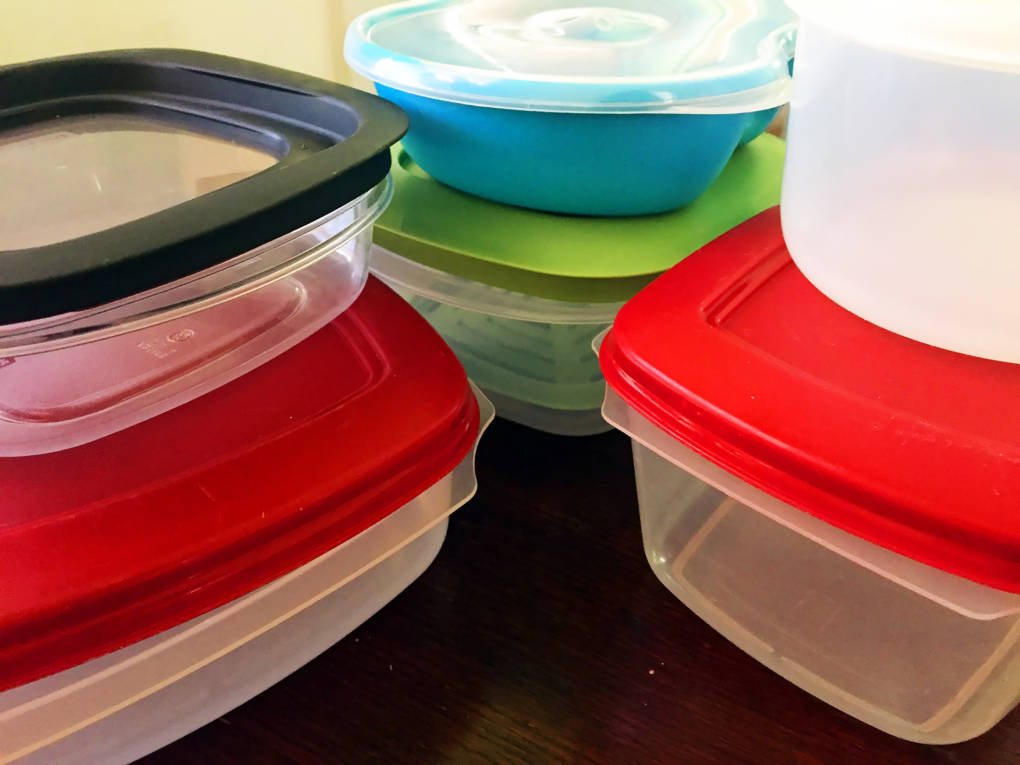
"caption": "Manufacturers are not required to disclose if BPA, or other similar compounds, are used in their packaging.",
"description": null,
"title": "plastic-containers",
"credit": "Wendy Goodfriend",
"status": "inherit",
"isLoading": false,
"fetchFailed": false
},
"bayareabites_121112": {
"type": "attachments",
"id": "bayareabites_121112",
"meta": {
"index": "attachments_1716263798",
"site": "bayareabites",
"id": "121112",
"found": true
},
"parent": 121110,
"imgSizes": {
"small": {
"file": "https://ww2.kqed.org/app/uploads/sites/24/2017/09/170925-organic-label-520x347.jpg",
"width": 520,
"mimeType": "image/jpeg",
"height": 347
},
"twentyfourteen-full-width": {
"file": "https://ww2.kqed.org/app/uploads/sites/24/2017/09/170925-organic-label-1038x576.jpg",
"width": 1038,
"mimeType": "image/jpeg",
"height": 576
},
"thumbnail": {
"file": "https://ww2.kqed.org/app/uploads/sites/24/2017/09/170925-organic-label-160x107.jpg",
"width": 160,
"mimeType": "image/jpeg",
"height": 107
},
"fd-sm": {
"file": "https://ww2.kqed.org/app/uploads/sites/24/2017/09/170925-organic-label-960x640.jpg",
"width": 960,
"mimeType": "image/jpeg",
"height": 640
},
"post-thumbnail": {
"file": "https://ww2.kqed.org/app/uploads/sites/24/2017/09/170925-organic-label-672x372.jpg",
"width": 672,
"mimeType": "image/jpeg",
"height": 372
},
"xsmall": {
"file": "https://ww2.kqed.org/app/uploads/sites/24/2017/09/170925-organic-label-375x250.jpg",
"width": 375,
"mimeType": "image/jpeg",
"height": 250
},
"kqedFullSize": {
"file": "https://ww2.kqed.org/app/uploads/sites/24/2017/09/170925-organic-label.jpg",
"width": 1200,
"height": 800
},
"large": {
"file": "https://ww2.kqed.org/app/uploads/sites/24/2017/09/170925-organic-label-1020x680.jpg",
"width": 1020,
"mimeType": "image/jpeg",
"height": 680
},
"xlarge": {
"file": "https://ww2.kqed.org/app/uploads/sites/24/2017/09/170925-organic-label-1180x787.jpg",
"width": 1180,
"mimeType": "image/jpeg",
"height": 787
},
"guest-author-50": {
"file": "https://ww2.kqed.org/app/uploads/sites/24/2017/09/170925-organic-label-50x50.jpg",
"width": 50,
"mimeType": "image/jpeg",
"height": 50
},
"guest-author-96": {
"file": "https://ww2.kqed.org/app/uploads/sites/24/2017/09/170925-organic-label-96x96.jpg",
"width": 96,
"mimeType": "image/jpeg",
"height": 96
},
"medium": {
"file": "https://ww2.kqed.org/app/uploads/sites/24/2017/09/170925-organic-label-800x533.jpg",
"width": 800,
"mimeType": "image/jpeg",
"height": 533
},
"guest-author-64": {
"file": "https://ww2.kqed.org/app/uploads/sites/24/2017/09/170925-organic-label-64x64.jpg",
"width": 64,
"mimeType": "image/jpeg",
"height": 64
},
"guest-author-32": {
"file": "https://ww2.kqed.org/app/uploads/sites/24/2017/09/170925-organic-label-32x32.jpg",
"width": 32,
"mimeType": "image/jpeg",
"height": 32
},
"fd-med": {
"file": "https://ww2.kqed.org/app/uploads/sites/24/2017/09/170925-organic-label-1180x787.jpg",
"width": 1180,
"mimeType": "image/jpeg",
"height": 787
},
"detail": {
"file": "https://ww2.kqed.org/app/uploads/sites/24/2017/09/170925-organic-label-150x150.jpg",
"width": 150,
"mimeType": "image/jpeg",
"height": 150
},
"medium_large": {
"file": "https://ww2.kqed.org/app/uploads/sites/24/2017/09/170925-organic-label-768x512.jpg",
"width": 768,
"mimeType": "image/jpeg",
"height": 512
},
"guest-author-128": {
"file": "https://ww2.kqed.org/app/uploads/sites/24/2017/09/170925-organic-label-128x128.jpg",
"width": 128,
"mimeType": "image/jpeg",
"height": 128
},
"xxsmall": {
"file": "https://ww2.kqed.org/app/uploads/sites/24/2017/09/170925-organic-label-240x160.jpg",
"width": 240,
"mimeType": "image/jpeg",
"height": 160
}
},
"publishDate": 1506644040,
"modified": 1506644188,
"caption": "U.S. Department of Agriculture",
"description": null,
"title": "170925-organic-label",
"credit": "Photo CC-licensed by \u003ca href=\"https://www.flickr.com/photos/usdagov/7414200658\">the USDA\u003c/a>",
"status": "inherit",
"isLoading": false,
"fetchFailed": false
},
"bayareabites_120608": {
"type": "attachments",
"id": "bayareabites_120608",
"meta": {
"index": "attachments_1716263798",
"site": "bayareabites",
"id": "120608",
"found": true
},
"parent": 120607,
"imgSizes": {
"small": {
"file": "https://ww2.kqed.org/app/uploads/sites/24/2017/09/sponge-bacteria-final_resized_custom-91a70b3a554e9d893af2f60f8b0a2f8d5baf6ce1-520x292.jpg",
"width": 520,
"mimeType": "image/jpeg",
"height": 292
},
"twentyfourteen-full-width": {
"file": "https://ww2.kqed.org/app/uploads/sites/24/2017/09/sponge-bacteria-final_resized_custom-91a70b3a554e9d893af2f60f8b0a2f8d5baf6ce1-1038x576.jpg",
"width": 1038,
"mimeType": "image/jpeg",
"height": 576
},
"thumbnail": {
"file": "https://ww2.kqed.org/app/uploads/sites/24/2017/09/sponge-bacteria-final_resized_custom-91a70b3a554e9d893af2f60f8b0a2f8d5baf6ce1-160x90.jpg",
"width": 160,
"mimeType": "image/jpeg",
"height": 90
},
"fd-sm": {
"file": "https://ww2.kqed.org/app/uploads/sites/24/2017/09/sponge-bacteria-final_resized_custom-91a70b3a554e9d893af2f60f8b0a2f8d5baf6ce1-960x539.jpg",
"width": 960,
"mimeType": "image/jpeg",
"height": 539
},
"post-thumbnail": {
"file": "https://ww2.kqed.org/app/uploads/sites/24/2017/09/sponge-bacteria-final_resized_custom-91a70b3a554e9d893af2f60f8b0a2f8d5baf6ce1-672x372.jpg",
"width": 672,
"mimeType": "image/jpeg",
"height": 372
},
"xsmall": {
"file": "https://ww2.kqed.org/app/uploads/sites/24/2017/09/sponge-bacteria-final_resized_custom-91a70b3a554e9d893af2f60f8b0a2f8d5baf6ce1-375x211.jpg",
"width": 375,
"mimeType": "image/jpeg",
"height": 211
},
"kqedFullSize": {
"file": "https://ww2.kqed.org/app/uploads/sites/24/2017/09/sponge-bacteria-final_resized_custom-91a70b3a554e9d893af2f60f8b0a2f8d5baf6ce1.jpg",
"width": 2000,
"height": 1123
},
"large": {
"file": "https://ww2.kqed.org/app/uploads/sites/24/2017/09/sponge-bacteria-final_resized_custom-91a70b3a554e9d893af2f60f8b0a2f8d5baf6ce1-1020x573.jpg",
"width": 1020,
"mimeType": "image/jpeg",
"height": 573
},
"xlarge": {
"file": "https://ww2.kqed.org/app/uploads/sites/24/2017/09/sponge-bacteria-final_resized_custom-91a70b3a554e9d893af2f60f8b0a2f8d5baf6ce1-1180x663.jpg",
"width": 1180,
"mimeType": "image/jpeg",
"height": 663
},
"guest-author-50": {
"file": "https://ww2.kqed.org/app/uploads/sites/24/2017/09/sponge-bacteria-final_resized_custom-91a70b3a554e9d893af2f60f8b0a2f8d5baf6ce1-50x50.jpg",
"width": 50,
"mimeType": "image/jpeg",
"height": 50
},
"guest-author-96": {
"file": "https://ww2.kqed.org/app/uploads/sites/24/2017/09/sponge-bacteria-final_resized_custom-91a70b3a554e9d893af2f60f8b0a2f8d5baf6ce1-96x96.jpg",
"width": 96,
"mimeType": "image/jpeg",
"height": 96
},
"medium": {
"file": "https://ww2.kqed.org/app/uploads/sites/24/2017/09/sponge-bacteria-final_resized_custom-91a70b3a554e9d893af2f60f8b0a2f8d5baf6ce1-800x449.jpg",
"width": 800,
"mimeType": "image/jpeg",
"height": 449
},
"guest-author-64": {
"file": "https://ww2.kqed.org/app/uploads/sites/24/2017/09/sponge-bacteria-final_resized_custom-91a70b3a554e9d893af2f60f8b0a2f8d5baf6ce1-64x64.jpg",
"width": 64,
"mimeType": "image/jpeg",
"height": 64
},
"guest-author-32": {
"file": "https://ww2.kqed.org/app/uploads/sites/24/2017/09/sponge-bacteria-final_resized_custom-91a70b3a554e9d893af2f60f8b0a2f8d5baf6ce1-32x32.jpg",
"width": 32,
"mimeType": "image/jpeg",
"height": 32
},
"fd-lrg": {
"file": "https://ww2.kqed.org/app/uploads/sites/24/2017/09/sponge-bacteria-final_resized_custom-91a70b3a554e9d893af2f60f8b0a2f8d5baf6ce1-1920x1078.jpg",
"width": 1920,
"mimeType": "image/jpeg",
"height": 1078
},
"fd-med": {
"file": "https://ww2.kqed.org/app/uploads/sites/24/2017/09/sponge-bacteria-final_resized_custom-91a70b3a554e9d893af2f60f8b0a2f8d5baf6ce1-1180x663.jpg",
"width": 1180,
"mimeType": "image/jpeg",
"height": 663
},
"full-width": {
"file": "https://ww2.kqed.org/app/uploads/sites/24/2017/09/sponge-bacteria-final_resized_custom-91a70b3a554e9d893af2f60f8b0a2f8d5baf6ce1-1920x1078.jpg",
"width": 1920,
"mimeType": "image/jpeg",
"height": 1078
},
"detail": {
"file": "https://ww2.kqed.org/app/uploads/sites/24/2017/09/sponge-bacteria-final_resized_custom-91a70b3a554e9d893af2f60f8b0a2f8d5baf6ce1-150x150.jpg",
"width": 150,
"mimeType": "image/jpeg",
"height": 150
},
"medium_large": {
"file": "https://ww2.kqed.org/app/uploads/sites/24/2017/09/sponge-bacteria-final_resized_custom-91a70b3a554e9d893af2f60f8b0a2f8d5baf6ce1-768x431.jpg",
"width": 768,
"mimeType": "image/jpeg",
"height": 431
},
"guest-author-128": {
"file": "https://ww2.kqed.org/app/uploads/sites/24/2017/09/sponge-bacteria-final_resized_custom-91a70b3a554e9d893af2f60f8b0a2f8d5baf6ce1-128x128.jpg",
"width": 128,
"mimeType": "image/jpeg",
"height": 128
},
"xxsmall": {
"file": "https://ww2.kqed.org/app/uploads/sites/24/2017/09/sponge-bacteria-final_resized_custom-91a70b3a554e9d893af2f60f8b0a2f8d5baf6ce1-240x135.jpg",
"width": 240,
"mimeType": "image/jpeg",
"height": 135
}
},
"publishDate": 1505150929,
"modified": 1505151619,
"caption": "For the first time, scientists have carefully analyzed all the critters in a kitchen sponge. There turns out to be a huge number. Despite recent news reports, there is something you can do about it.",
"description": "For the first time, scientists have carefully analyzed all the critters in a kitchen sponge. There turns out to be a huge number. Despite recent news reports, there \u003cem>is\u003c/em> something you can do about i",
"title": "For the first time, scientists have carefully analyzed all the critters in a kitchen sponge. There turns out to be a huge number. Despite recent news reports, there is something you can do about it.",
"credit": "Joy Ho for NPR",
"status": "inherit",
"isLoading": false,
"fetchFailed": false
},
"bayareabites_120087": {
"type": "attachments",
"id": "bayareabites_120087",
"meta": {
"index": "attachments_1716263798",
"site": "bayareabites",
"id": "120087",
"found": true
},
"parent": 120082,
"imgSizes": {
"small": {
"file": "https://ww2.kqed.org/app/uploads/sites/24/2017/08/bm1-520x675.jpg",
"width": 520,
"mimeType": "image/jpeg",
"height": 675
},
"twentyfourteen-full-width": {
"file": "https://ww2.kqed.org/app/uploads/sites/24/2017/08/bm1-1038x576.jpg",
"width": 1038,
"mimeType": "image/jpeg",
"height": 576
},
"thumbnail": {
"file": "https://ww2.kqed.org/app/uploads/sites/24/2017/08/bm1-160x208.jpg",
"width": 160,
"mimeType": "image/jpeg",
"height": 208
},
"fd-sm": {
"file": "https://ww2.kqed.org/app/uploads/sites/24/2017/08/bm1-960x1246.jpg",
"width": 960,
"mimeType": "image/jpeg",
"height": 1246
},
"post-thumbnail": {
"file": "https://ww2.kqed.org/app/uploads/sites/24/2017/08/bm1-672x372.jpg",
"width": 672,
"mimeType": "image/jpeg",
"height": 372
},
"xsmall": {
"file": "https://ww2.kqed.org/app/uploads/sites/24/2017/08/bm1-375x487.jpg",
"width": 375,
"mimeType": "image/jpeg",
"height": 487
},
"kqedFullSize": {
"file": "https://ww2.kqed.org/app/uploads/sites/24/2017/08/bm1.jpg",
"width": 1516,
"height": 1968
},
"large": {
"file": "https://ww2.kqed.org/app/uploads/sites/24/2017/08/bm1-1020x1324.jpg",
"width": 1020,
"mimeType": "image/jpeg",
"height": 1324
},
"xlarge": {
"file": "https://ww2.kqed.org/app/uploads/sites/24/2017/08/bm1-1180x1532.jpg",
"width": 1180,
"mimeType": "image/jpeg",
"height": 1532
},
"guest-author-50": {
"file": "https://ww2.kqed.org/app/uploads/sites/24/2017/08/bm1-50x50.jpg",
"width": 50,
"mimeType": "image/jpeg",
"height": 50
},
"guest-author-96": {
"file": "https://ww2.kqed.org/app/uploads/sites/24/2017/08/bm1-96x96.jpg",
"width": 96,
"mimeType": "image/jpeg",
"height": 96
},
"medium": {
"file": "https://ww2.kqed.org/app/uploads/sites/24/2017/08/bm1-800x1039.jpg",
"width": 800,
"mimeType": "image/jpeg",
"height": 1039
},
"guest-author-64": {
"file": "https://ww2.kqed.org/app/uploads/sites/24/2017/08/bm1-64x64.jpg",
"width": 64,
"mimeType": "image/jpeg",
"height": 64
},
"guest-author-32": {
"file": "https://ww2.kqed.org/app/uploads/sites/24/2017/08/bm1-32x32.jpg",
"width": 32,
"mimeType": "image/jpeg",
"height": 32
},
"fd-med": {
"file": "https://ww2.kqed.org/app/uploads/sites/24/2017/08/bm1-1180x1532.jpg",
"width": 1180,
"mimeType": "image/jpeg",
"height": 1532
},
"detail": {
"file": "https://ww2.kqed.org/app/uploads/sites/24/2017/08/bm1-150x150.jpg",
"width": 150,
"mimeType": "image/jpeg",
"height": 150
},
"medium_large": {
"file": "https://ww2.kqed.org/app/uploads/sites/24/2017/08/bm1-768x997.jpg",
"width": 768,
"mimeType": "image/jpeg",
"height": 997
},
"guest-author-128": {
"file": "https://ww2.kqed.org/app/uploads/sites/24/2017/08/bm1-128x128.jpg",
"width": 128,
"mimeType": "image/jpeg",
"height": 128
},
"xxsmall": {
"file": "https://ww2.kqed.org/app/uploads/sites/24/2017/08/bm1-240x312.jpg",
"width": 240,
"mimeType": "image/jpeg",
"height": 312
}
},
"publishDate": 1503368520,
"modified": 1503368652,
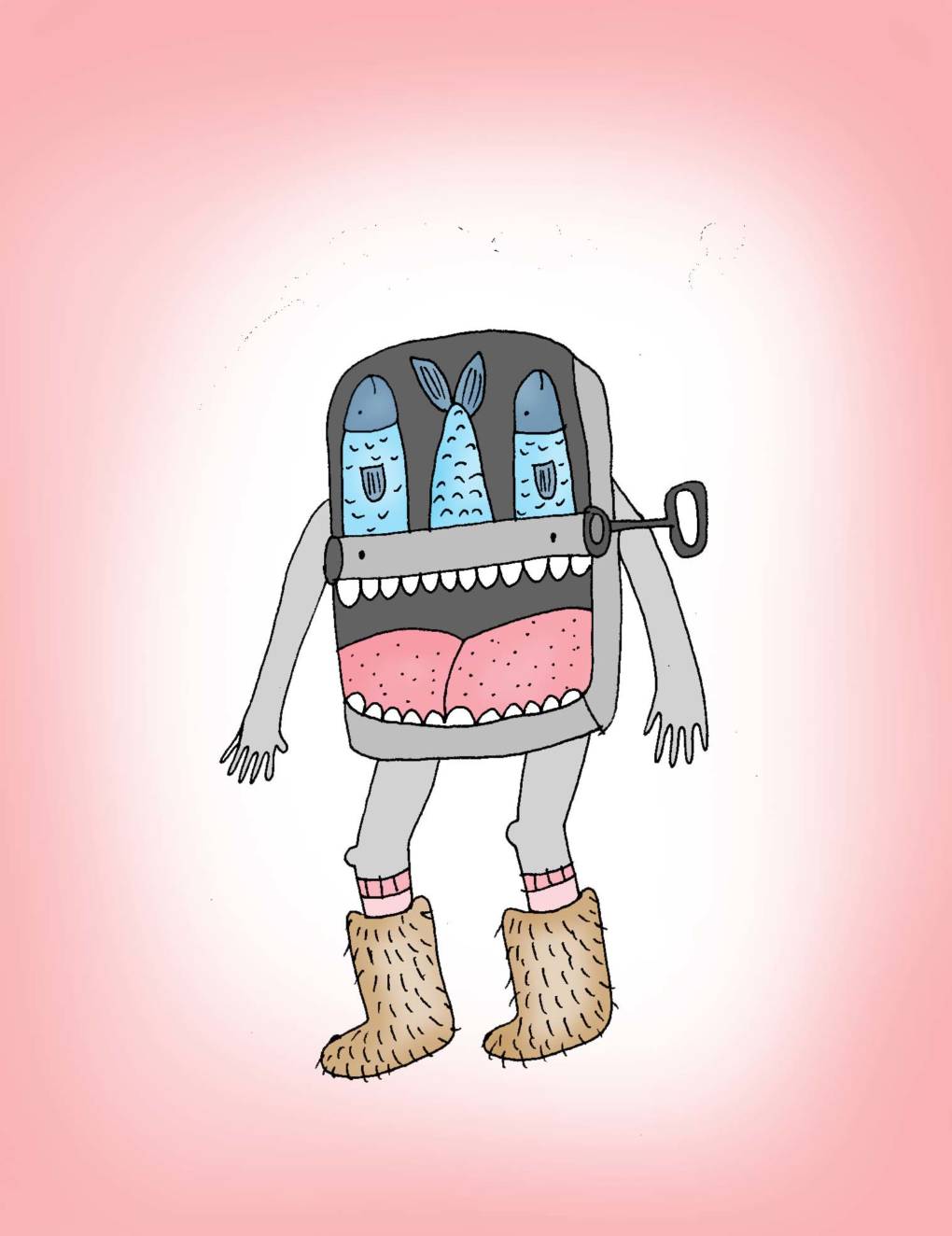
"caption": "Sardines are a playa powder food",
"description": null,
"title": "bm#1",
"credit": "Lila Volkas",
"status": "inherit",
"isLoading": false,
"fetchFailed": false
},
"bayareabites_120065": {
"type": "attachments",
"id": "bayareabites_120065",
"meta": {
"index": "attachments_1716263798",
"site": "bayareabites",
"id": "120065",
"found": true
},
"parent": 120064,
"imgSizes": {
"small": {
"file": "https://ww2.kqed.org/app/uploads/sites/24/2017/08/navajo1-76f925a9ac57d60ce8490b8fc12cc498851f2442-520x390.jpg",
"width": 520,
"mimeType": "image/jpeg",
"height": 390
},
"thumbnail": {
"file": "https://ww2.kqed.org/app/uploads/sites/24/2017/08/navajo1-76f925a9ac57d60ce8490b8fc12cc498851f2442-160x120.jpg",
"width": 160,
"mimeType": "image/jpeg",
"height": 120
},
"post-thumbnail": {
"file": "https://ww2.kqed.org/app/uploads/sites/24/2017/08/navajo1-76f925a9ac57d60ce8490b8fc12cc498851f2442-635x372.jpg",
"width": 635,
"mimeType": "image/jpeg",
"height": 372
},
"xsmall": {
"file": "https://ww2.kqed.org/app/uploads/sites/24/2017/08/navajo1-76f925a9ac57d60ce8490b8fc12cc498851f2442-375x281.jpg",
"width": 375,
"mimeType": "image/jpeg",
"height": 281
},
"kqedFullSize": {
"file": "https://ww2.kqed.org/app/uploads/sites/24/2017/08/navajo1-76f925a9ac57d60ce8490b8fc12cc498851f2442.jpg",
"width": 635,
"height": 476
},
"guest-author-50": {
"file": "https://ww2.kqed.org/app/uploads/sites/24/2017/08/navajo1-76f925a9ac57d60ce8490b8fc12cc498851f2442-50x50.jpg",
"width": 50,
"mimeType": "image/jpeg",
"height": 50
},
"guest-author-96": {
"file": "https://ww2.kqed.org/app/uploads/sites/24/2017/08/navajo1-76f925a9ac57d60ce8490b8fc12cc498851f2442-96x96.jpg",
"width": 96,
"mimeType": "image/jpeg",
"height": 96
},
"guest-author-64": {
"file": "https://ww2.kqed.org/app/uploads/sites/24/2017/08/navajo1-76f925a9ac57d60ce8490b8fc12cc498851f2442-64x64.jpg",
"width": 64,
"mimeType": "image/jpeg",
"height": 64
},
"detail": {
"file": "https://ww2.kqed.org/app/uploads/sites/24/2017/08/navajo1-76f925a9ac57d60ce8490b8fc12cc498851f2442-150x150.jpg",
"width": 150,
"mimeType": "image/jpeg",
"height": 150
},
"guest-author-32": {
"file": "https://ww2.kqed.org/app/uploads/sites/24/2017/08/navajo1-76f925a9ac57d60ce8490b8fc12cc498851f2442-32x32.jpg",
"width": 32,
"mimeType": "image/jpeg",
"height": 32
},
"guest-author-128": {
"file": "https://ww2.kqed.org/app/uploads/sites/24/2017/08/navajo1-76f925a9ac57d60ce8490b8fc12cc498851f2442-128x128.jpg",
"width": 128,
"mimeType": "image/jpeg",
"height": 128
},
"xxsmall": {
"file": "https://ww2.kqed.org/app/uploads/sites/24/2017/08/navajo1-76f925a9ac57d60ce8490b8fc12cc498851f2442-240x180.jpg",
"width": 240,
"mimeType": "image/jpeg",
"height": 180
}
},
"publishDate": 1503354337,
"modified": 1503354570,
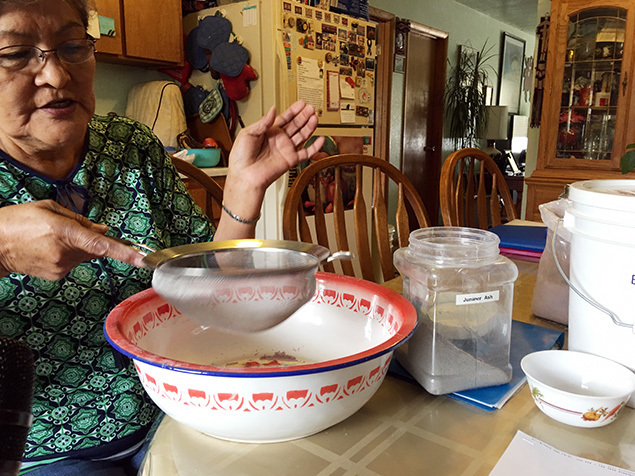
"caption": "Lillie Pete sifts the juniper ash before adding it to her blue corn mush.",
"description": "Lillie Pete sifts the juniper ash before adding it to her blue corn mush.",
"title": "Lillie Pete sifts the juniper ash before adding it to her blue corn mush.",
"credit": " Laurel Morales/KJZZ",
"status": "inherit",
"isLoading": false,
"fetchFailed": false
},
"bayareabites_119859": {
"type": "attachments",
"id": "bayareabites_119859",
"meta": {
"index": "attachments_1716263798",
"site": "bayareabites",
"id": "119859",
"found": true
},
"parent": 119858,
"imgSizes": {
"small": {
"file": "https://ww2.kqed.org/app/uploads/sites/24/2017/08/npr_sweat_final_custom-8f0b86d5d132f6931e4a21433f87ac5e21cbe235-520x292.jpg",
"width": 520,
"mimeType": "image/jpeg",
"height": 292
},
"twentyfourteen-full-width": {
"file": "https://ww2.kqed.org/app/uploads/sites/24/2017/08/npr_sweat_final_custom-8f0b86d5d132f6931e4a21433f87ac5e21cbe235-1038x576.jpg",
"width": 1038,
"mimeType": "image/jpeg",
"height": 576
},
"thumbnail": {
"file": "https://ww2.kqed.org/app/uploads/sites/24/2017/08/npr_sweat_final_custom-8f0b86d5d132f6931e4a21433f87ac5e21cbe235-160x90.jpg",
"width": 160,
"mimeType": "image/jpeg",
"height": 90
},
"fd-sm": {
"file": "https://ww2.kqed.org/app/uploads/sites/24/2017/08/npr_sweat_final_custom-8f0b86d5d132f6931e4a21433f87ac5e21cbe235-960x539.jpg",
"width": 960,
"mimeType": "image/jpeg",
"height": 539
},
"post-thumbnail": {
"file": "https://ww2.kqed.org/app/uploads/sites/24/2017/08/npr_sweat_final_custom-8f0b86d5d132f6931e4a21433f87ac5e21cbe235-672x372.jpg",
"width": 672,
"mimeType": "image/jpeg",
"height": 372
},
"xsmall": {
"file": "https://ww2.kqed.org/app/uploads/sites/24/2017/08/npr_sweat_final_custom-8f0b86d5d132f6931e4a21433f87ac5e21cbe235-375x211.jpg",
"width": 375,
"mimeType": "image/jpeg",
"height": 211
},
"kqedFullSize": {
"file": "https://ww2.kqed.org/app/uploads/sites/24/2017/08/npr_sweat_final_custom-8f0b86d5d132f6931e4a21433f87ac5e21cbe235.jpg",
"width": 2400,
"height": 1348
},
"large": {
"file": "https://ww2.kqed.org/app/uploads/sites/24/2017/08/npr_sweat_final_custom-8f0b86d5d132f6931e4a21433f87ac5e21cbe235-1020x573.jpg",
"width": 1020,
"mimeType": "image/jpeg",
"height": 573
},
"xlarge": {
"file": "https://ww2.kqed.org/app/uploads/sites/24/2017/08/npr_sweat_final_custom-8f0b86d5d132f6931e4a21433f87ac5e21cbe235-1180x663.jpg",
"width": 1180,
"mimeType": "image/jpeg",
"height": 663
},
"guest-author-50": {
"file": "https://ww2.kqed.org/app/uploads/sites/24/2017/08/npr_sweat_final_custom-8f0b86d5d132f6931e4a21433f87ac5e21cbe235-50x50.jpg",
"width": 50,
"mimeType": "image/jpeg",
"height": 50
},
"guest-author-96": {
"file": "https://ww2.kqed.org/app/uploads/sites/24/2017/08/npr_sweat_final_custom-8f0b86d5d132f6931e4a21433f87ac5e21cbe235-96x96.jpg",
"width": 96,
"mimeType": "image/jpeg",
"height": 96
},
"medium": {
"file": "https://ww2.kqed.org/app/uploads/sites/24/2017/08/npr_sweat_final_custom-8f0b86d5d132f6931e4a21433f87ac5e21cbe235-800x449.jpg",
"width": 800,
"mimeType": "image/jpeg",
"height": 449
},
"guest-author-64": {
"file": "https://ww2.kqed.org/app/uploads/sites/24/2017/08/npr_sweat_final_custom-8f0b86d5d132f6931e4a21433f87ac5e21cbe235-64x64.jpg",
"width": 64,
"mimeType": "image/jpeg",
"height": 64
},
"guest-author-32": {
"file": "https://ww2.kqed.org/app/uploads/sites/24/2017/08/npr_sweat_final_custom-8f0b86d5d132f6931e4a21433f87ac5e21cbe235-32x32.jpg",
"width": 32,
"mimeType": "image/jpeg",
"height": 32
},
"fd-lrg": {
"file": "https://ww2.kqed.org/app/uploads/sites/24/2017/08/npr_sweat_final_custom-8f0b86d5d132f6931e4a21433f87ac5e21cbe235-1920x1078.jpg",
"width": 1920,
"mimeType": "image/jpeg",
"height": 1078
},
"fd-med": {
"file": "https://ww2.kqed.org/app/uploads/sites/24/2017/08/npr_sweat_final_custom-8f0b86d5d132f6931e4a21433f87ac5e21cbe235-1180x663.jpg",
"width": 1180,
"mimeType": "image/jpeg",
"height": 663
},
"full-width": {
"file": "https://ww2.kqed.org/app/uploads/sites/24/2017/08/npr_sweat_final_custom-8f0b86d5d132f6931e4a21433f87ac5e21cbe235-1920x1078.jpg",
"width": 1920,
"mimeType": "image/jpeg",
"height": 1078
},
"detail": {
"file": "https://ww2.kqed.org/app/uploads/sites/24/2017/08/npr_sweat_final_custom-8f0b86d5d132f6931e4a21433f87ac5e21cbe235-150x150.jpg",
"width": 150,
"mimeType": "image/jpeg",
"height": 150
},
"medium_large": {
"file": "https://ww2.kqed.org/app/uploads/sites/24/2017/08/npr_sweat_final_custom-8f0b86d5d132f6931e4a21433f87ac5e21cbe235-768x431.jpg",
"width": 768,
"mimeType": "image/jpeg",
"height": 431
},
"guest-author-128": {
"file": "https://ww2.kqed.org/app/uploads/sites/24/2017/08/npr_sweat_final_custom-8f0b86d5d132f6931e4a21433f87ac5e21cbe235-128x128.jpg",
"width": 128,
"mimeType": "image/jpeg",
"height": 128
},
"xxsmall": {
"file": "https://ww2.kqed.org/app/uploads/sites/24/2017/08/npr_sweat_final_custom-8f0b86d5d132f6931e4a21433f87ac5e21cbe235-240x135.jpg",
"width": 240,
"mimeType": "image/jpeg",
"height": 135
}
},
"publishDate": 1502724884,
"modified": 1502724990,
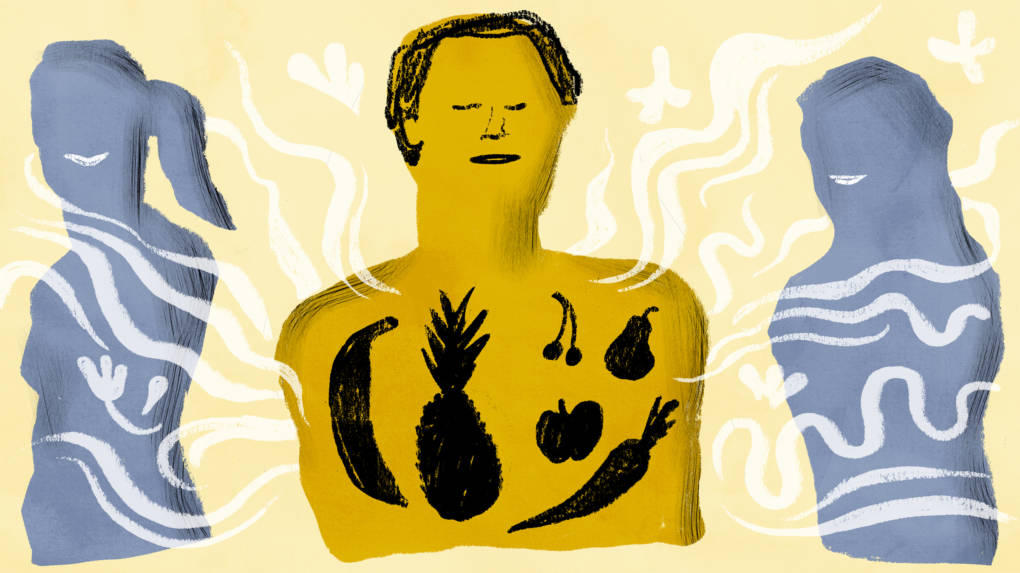
"caption": "Your diet can influence your appearance. You knew that. But did you know that what you eat can also impact your body odor and your attractiveness to the opposite sex?",
"description": "Your diet can influence your appearance. You knew that. But did you know that what you eat can also impact your body odor and your attractiveness to the opposite sex?",
"title": "Your diet can influence your appearance. You knew that. But did you know that what you eat can also impact your body odor and your attractiveness to the opposite sex?",
"credit": "Lilli Carré for NPR",
"status": "inherit",
"isLoading": false,
"fetchFailed": false
},
"bayareabites_119651": {
"type": "attachments",
"id": "bayareabites_119651",
"meta": {
"index": "attachments_1716263798",
"site": "bayareabites",
"id": "119651",
"found": true
},
"parent": 119650,
"imgSizes": {
"small": {
"file": "https://ww2.kqed.org/app/uploads/sites/24/2017/08/fruit1d_custom-5b56dc56f81c063e2a4840b441d6dedfeba78555-520x293.jpg",
"width": 520,
"mimeType": "image/jpeg",
"height": 293
},
"twentyfourteen-full-width": {
"file": "https://ww2.kqed.org/app/uploads/sites/24/2017/08/fruit1d_custom-5b56dc56f81c063e2a4840b441d6dedfeba78555-1038x576.jpg",
"width": 1038,
"mimeType": "image/jpeg",
"height": 576
},
"thumbnail": {
"file": "https://ww2.kqed.org/app/uploads/sites/24/2017/08/fruit1d_custom-5b56dc56f81c063e2a4840b441d6dedfeba78555-160x90.jpg",
"width": 160,
"mimeType": "image/jpeg",
"height": 90
},
"fd-sm": {
"file": "https://ww2.kqed.org/app/uploads/sites/24/2017/08/fruit1d_custom-5b56dc56f81c063e2a4840b441d6dedfeba78555-960x540.jpg",
"width": 960,
"mimeType": "image/jpeg",
"height": 540
},
"post-thumbnail": {
"file": "https://ww2.kqed.org/app/uploads/sites/24/2017/08/fruit1d_custom-5b56dc56f81c063e2a4840b441d6dedfeba78555-672x372.jpg",
"width": 672,
"mimeType": "image/jpeg",
"height": 372
},
"xsmall": {
"file": "https://ww2.kqed.org/app/uploads/sites/24/2017/08/fruit1d_custom-5b56dc56f81c063e2a4840b441d6dedfeba78555-375x211.jpg",
"width": 375,
"mimeType": "image/jpeg",
"height": 211
},
"kqedFullSize": {
"file": "https://ww2.kqed.org/app/uploads/sites/24/2017/08/fruit1d_custom-5b56dc56f81c063e2a4840b441d6dedfeba78555-e1502216966516.jpg",
"width": 1920,
"height": 1081
},
"large": {
"file": "https://ww2.kqed.org/app/uploads/sites/24/2017/08/fruit1d_custom-5b56dc56f81c063e2a4840b441d6dedfeba78555-1020x574.jpg",
"width": 1020,
"mimeType": "image/jpeg",
"height": 574
},
"xlarge": {
"file": "https://ww2.kqed.org/app/uploads/sites/24/2017/08/fruit1d_custom-5b56dc56f81c063e2a4840b441d6dedfeba78555-1180x664.jpg",
"width": 1180,
"mimeType": "image/jpeg",
"height": 664
},
"guest-author-50": {
"file": "https://ww2.kqed.org/app/uploads/sites/24/2017/08/fruit1d_custom-5b56dc56f81c063e2a4840b441d6dedfeba78555-50x50.jpg",
"width": 50,
"mimeType": "image/jpeg",
"height": 50
},
"guest-author-96": {
"file": "https://ww2.kqed.org/app/uploads/sites/24/2017/08/fruit1d_custom-5b56dc56f81c063e2a4840b441d6dedfeba78555-96x96.jpg",
"width": 96,
"mimeType": "image/jpeg",
"height": 96
},
"medium": {
"file": "https://ww2.kqed.org/app/uploads/sites/24/2017/08/fruit1d_custom-5b56dc56f81c063e2a4840b441d6dedfeba78555-800x450.jpg",
"width": 800,
"mimeType": "image/jpeg",
"height": 450
},
"guest-author-64": {
"file": "https://ww2.kqed.org/app/uploads/sites/24/2017/08/fruit1d_custom-5b56dc56f81c063e2a4840b441d6dedfeba78555-64x64.jpg",
"width": 64,
"mimeType": "image/jpeg",
"height": 64
},
"guest-author-32": {
"file": "https://ww2.kqed.org/app/uploads/sites/24/2017/08/fruit1d_custom-5b56dc56f81c063e2a4840b441d6dedfeba78555-32x32.jpg",
"width": 32,
"mimeType": "image/jpeg",
"height": 32
},
"fd-lrg": {
"file": "https://ww2.kqed.org/app/uploads/sites/24/2017/08/fruit1d_custom-5b56dc56f81c063e2a4840b441d6dedfeba78555-1920x1081.jpg",
"width": 1920,
"mimeType": "image/jpeg",
"height": 1081
},
"fd-med": {
"file": "https://ww2.kqed.org/app/uploads/sites/24/2017/08/fruit1d_custom-5b56dc56f81c063e2a4840b441d6dedfeba78555-1180x664.jpg",
"width": 1180,
"mimeType": "image/jpeg",
"height": 664
},
"full-width": {
"file": "https://ww2.kqed.org/app/uploads/sites/24/2017/08/fruit1d_custom-5b56dc56f81c063e2a4840b441d6dedfeba78555-1920x1081.jpg",
"width": 1920,
"mimeType": "image/jpeg",
"height": 1081
},
"detail": {
"file": "https://ww2.kqed.org/app/uploads/sites/24/2017/08/fruit1d_custom-5b56dc56f81c063e2a4840b441d6dedfeba78555-150x150.jpg",
"width": 150,
"mimeType": "image/jpeg",
"height": 150
},
"medium_large": {
"file": "https://ww2.kqed.org/app/uploads/sites/24/2017/08/fruit1d_custom-5b56dc56f81c063e2a4840b441d6dedfeba78555-768x432.jpg",
"width": 768,
"mimeType": "image/jpeg",
"height": 432
},
"guest-author-128": {
"file": "https://ww2.kqed.org/app/uploads/sites/24/2017/08/fruit1d_custom-5b56dc56f81c063e2a4840b441d6dedfeba78555-128x128.jpg",
"width": 128,
"mimeType": "image/jpeg",
"height": 128
},
"xxsmall": {
"file": "https://ww2.kqed.org/app/uploads/sites/24/2017/08/fruit1d_custom-5b56dc56f81c063e2a4840b441d6dedfeba78555-240x135.jpg",
"width": 240,
"mimeType": "image/jpeg",
"height": 135
}
},
"publishDate": 1502216666,
"modified": 1502216897,
"caption": "Stories about the harms of sugar have consumers wondering if they should put the apple back on the shelf.",
"description": "Stories about the harms of sugar have consumers wondering if they should put the apple back on the shelf.",
"title": "Stories about the harms of sugar have consumers wondering if they should put the apple back on the shelf.",
"credit": "Joy Ho for NPR",
"status": "inherit",
"isLoading": false,
"fetchFailed": false
},
"bayareabites_119338": {
"type": "attachments",
"id": "bayareabites_119338",
"meta": {
"index": "attachments_1716263798",
"site": "bayareabites",
"id": "119338",
"found": true
},
"parent": 119269,
"imgSizes": {
"small": {
"file": "https://ww2.kqed.org/app/uploads/sites/24/2017/07/plated-mozz-2-new-520x324.jpg",
"width": 520,
"mimeType": "image/jpeg",
"height": 324
},
"twentyfourteen-full-width": {
"file": "https://ww2.kqed.org/app/uploads/sites/24/2017/07/plated-mozz-2-new-1038x576.jpg",
"width": 1038,
"mimeType": "image/jpeg",
"height": 576
},
"thumbnail": {
"file": "https://ww2.kqed.org/app/uploads/sites/24/2017/07/plated-mozz-2-new-160x100.jpg",
"width": 160,
"mimeType": "image/jpeg",
"height": 100
},
"fd-sm": {
"file": "https://ww2.kqed.org/app/uploads/sites/24/2017/07/plated-mozz-2-new-960x599.jpg",
"width": 960,
"mimeType": "image/jpeg",
"height": 599
},
"post-thumbnail": {
"file": "https://ww2.kqed.org/app/uploads/sites/24/2017/07/plated-mozz-2-new-672x372.jpg",
"width": 672,
"mimeType": "image/jpeg",
"height": 372
},
"xsmall": {
"file": "https://ww2.kqed.org/app/uploads/sites/24/2017/07/plated-mozz-2-new-375x234.jpg",
"width": 375,
"mimeType": "image/jpeg",
"height": 234
},
"kqedFullSize": {
"file": "https://ww2.kqed.org/app/uploads/sites/24/2017/07/plated-mozz-2-new.jpg",
"width": 1920,
"height": 1198
},
"large": {
"file": "https://ww2.kqed.org/app/uploads/sites/24/2017/07/plated-mozz-2-new-1020x636.jpg",
"width": 1020,
"mimeType": "image/jpeg",
"height": 636
},
"xlarge": {
"file": "https://ww2.kqed.org/app/uploads/sites/24/2017/07/plated-mozz-2-new-1180x736.jpg",
"width": 1180,
"mimeType": "image/jpeg",
"height": 736
},
"guest-author-50": {
"file": "https://ww2.kqed.org/app/uploads/sites/24/2017/07/plated-mozz-2-new-50x50.jpg",
"width": 50,
"mimeType": "image/jpeg",
"height": 50
},
"guest-author-96": {
"file": "https://ww2.kqed.org/app/uploads/sites/24/2017/07/plated-mozz-2-new-96x96.jpg",
"width": 96,
"mimeType": "image/jpeg",
"height": 96
},
"medium": {
"file": "https://ww2.kqed.org/app/uploads/sites/24/2017/07/plated-mozz-2-new-800x499.jpg",
"width": 800,
"mimeType": "image/jpeg",
"height": 499
},
"guest-author-64": {
"file": "https://ww2.kqed.org/app/uploads/sites/24/2017/07/plated-mozz-2-new-64x64.jpg",
"width": 64,
"mimeType": "image/jpeg",
"height": 64
},
"guest-author-32": {
"file": "https://ww2.kqed.org/app/uploads/sites/24/2017/07/plated-mozz-2-new-32x32.jpg",
"width": 32,
"mimeType": "image/jpeg",
"height": 32
},
"fd-lrg": {
"file": "https://ww2.kqed.org/app/uploads/sites/24/2017/07/plated-mozz-2-new-1920x1198.jpg",
"width": 1920,
"mimeType": "image/jpeg",
"height": 1198
},
"fd-med": {
"file": "https://ww2.kqed.org/app/uploads/sites/24/2017/07/plated-mozz-2-new-1180x736.jpg",
"width": 1180,
"mimeType": "image/jpeg",
"height": 736
},
"full-width": {
"file": "https://ww2.kqed.org/app/uploads/sites/24/2017/07/plated-mozz-2-new-1920x1198.jpg",
"width": 1920,
"mimeType": "image/jpeg",
"height": 1198
},
"detail": {
"file": "https://ww2.kqed.org/app/uploads/sites/24/2017/07/plated-mozz-2-new-150x150.jpg",
"width": 150,
"mimeType": "image/jpeg",
"height": 150
},
"medium_large": {
"file": "https://ww2.kqed.org/app/uploads/sites/24/2017/07/plated-mozz-2-new-768x479.jpg",
"width": 768,
"mimeType": "image/jpeg",
"height": 479
},
"guest-author-128": {
"file": "https://ww2.kqed.org/app/uploads/sites/24/2017/07/plated-mozz-2-new-128x128.jpg",
"width": 128,
"mimeType": "image/jpeg",
"height": 128
},
"xxsmall": {
"file": "https://ww2.kqed.org/app/uploads/sites/24/2017/07/plated-mozz-2-new-240x150.jpg",
"width": 240,
"mimeType": "image/jpeg",
"height": 150
}
},
"publishDate": 1500685992,
"modified": 1500686357,
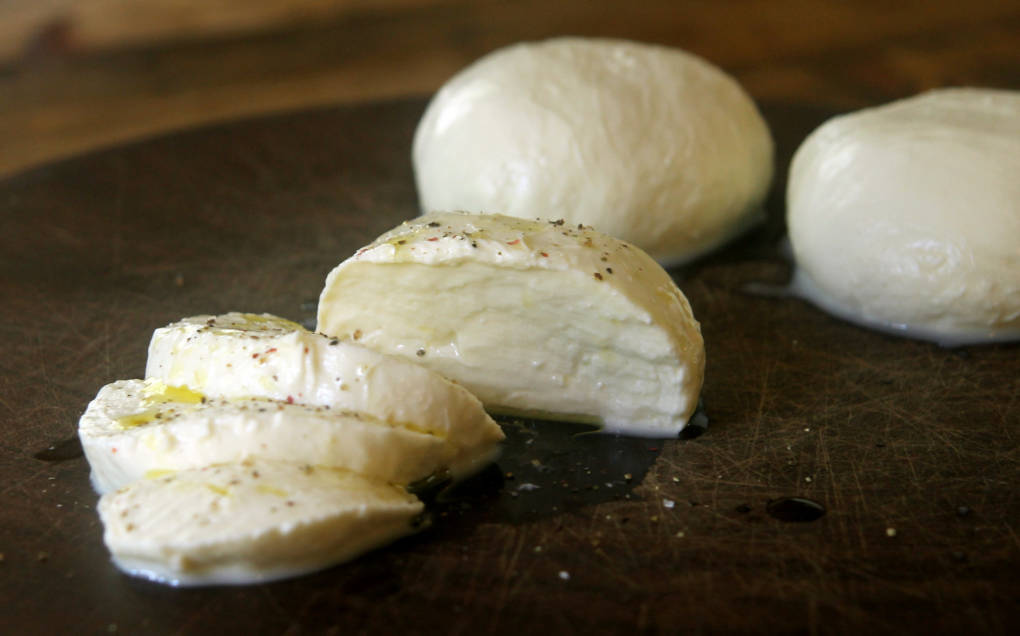
"caption": "Homemade fresh mozzarella with olive oil and freshly ground pepper.",
"description": "Homemade fresh mozzarella with olive oil and freshly ground pepper.",
"title": "plated-mozz-2-new",
"credit": "Kate Williams",
"status": "inherit",
"isLoading": false,
"fetchFailed": false
},
"bayareabites_118946": {
"type": "attachments",
"id": "bayareabites_118946",
"meta": {
"index": "attachments_1716263798",
"site": "bayareabites",
"id": "118946",
"found": true
},
"parent": 118938,
"imgSizes": {
"small": {
"file": "https://ww2.kqed.org/app/uploads/sites/24/2017/07/final-evoo-3-new-520x329.jpg",
"width": 520,
"mimeType": "image/jpeg",
"height": 329
},
"twentyfourteen-full-width": {
"file": "https://ww2.kqed.org/app/uploads/sites/24/2017/07/final-evoo-3-new-1038x576.jpg",
"width": 1038,
"mimeType": "image/jpeg",
"height": 576
},
"thumbnail": {
"file": "https://ww2.kqed.org/app/uploads/sites/24/2017/07/final-evoo-3-new-160x101.jpg",
"width": 160,
"mimeType": "image/jpeg",
"height": 101
},
"fd-sm": {
"file": "https://ww2.kqed.org/app/uploads/sites/24/2017/07/final-evoo-3-new-960x607.jpg",
"width": 960,
"mimeType": "image/jpeg",
"height": 607
},
"post-thumbnail": {
"file": "https://ww2.kqed.org/app/uploads/sites/24/2017/07/final-evoo-3-new-672x372.jpg",
"width": 672,
"mimeType": "image/jpeg",
"height": 372
},
"xsmall": {
"file": "https://ww2.kqed.org/app/uploads/sites/24/2017/07/final-evoo-3-new-375x237.jpg",
"width": 375,
"mimeType": "image/jpeg",
"height": 237
},
"kqedFullSize": {
"file": "https://ww2.kqed.org/app/uploads/sites/24/2017/07/final-evoo-3-new.jpg",
"width": 1920,
"height": 1214
},
"large": {
"file": "https://ww2.kqed.org/app/uploads/sites/24/2017/07/final-evoo-3-new-1020x645.jpg",
"width": 1020,
"mimeType": "image/jpeg",
"height": 645
},
"xlarge": {
"file": "https://ww2.kqed.org/app/uploads/sites/24/2017/07/final-evoo-3-new-1180x746.jpg",
"width": 1180,
"mimeType": "image/jpeg",
"height": 746
},
"guest-author-50": {
"file": "https://ww2.kqed.org/app/uploads/sites/24/2017/07/final-evoo-3-new-50x50.jpg",
"width": 50,
"mimeType": "image/jpeg",
"height": 50
},
"guest-author-96": {
"file": "https://ww2.kqed.org/app/uploads/sites/24/2017/07/final-evoo-3-new-96x96.jpg",
"width": 96,
"mimeType": "image/jpeg",
"height": 96
},
"medium": {
"file": "https://ww2.kqed.org/app/uploads/sites/24/2017/07/final-evoo-3-new-800x506.jpg",
"width": 800,
"mimeType": "image/jpeg",
"height": 506
},
"guest-author-64": {
"file": "https://ww2.kqed.org/app/uploads/sites/24/2017/07/final-evoo-3-new-64x64.jpg",
"width": 64,
"mimeType": "image/jpeg",
"height": 64
},
"guest-author-32": {
"file": "https://ww2.kqed.org/app/uploads/sites/24/2017/07/final-evoo-3-new-32x32.jpg",
"width": 32,
"mimeType": "image/jpeg",
"height": 32
},
"fd-lrg": {
"file": "https://ww2.kqed.org/app/uploads/sites/24/2017/07/final-evoo-3-new-1920x1214.jpg",
"width": 1920,
"mimeType": "image/jpeg",
"height": 1214
},
"fd-med": {
"file": "https://ww2.kqed.org/app/uploads/sites/24/2017/07/final-evoo-3-new-1180x746.jpg",
"width": 1180,
"mimeType": "image/jpeg",
"height": 746
},
"full-width": {
"file": "https://ww2.kqed.org/app/uploads/sites/24/2017/07/final-evoo-3-new-1920x1214.jpg",
"width": 1920,
"mimeType": "image/jpeg",
"height": 1214
},
"detail": {
"file": "https://ww2.kqed.org/app/uploads/sites/24/2017/07/final-evoo-3-new-150x150.jpg",
"width": 150,
"mimeType": "image/jpeg",
"height": 150
},
"medium_large": {
"file": "https://ww2.kqed.org/app/uploads/sites/24/2017/07/final-evoo-3-new-768x486.jpg",
"width": 768,
"mimeType": "image/jpeg",
"height": 486
},
"guest-author-128": {
"file": "https://ww2.kqed.org/app/uploads/sites/24/2017/07/final-evoo-3-new-128x128.jpg",
"width": 128,
"mimeType": "image/jpeg",
"height": 128
},
"xxsmall": {
"file": "https://ww2.kqed.org/app/uploads/sites/24/2017/07/final-evoo-3-new-240x152.jpg",
"width": 240,
"mimeType": "image/jpeg",
"height": 152
}
},
"publishDate": 1499467133,
"modified": 1499467918,
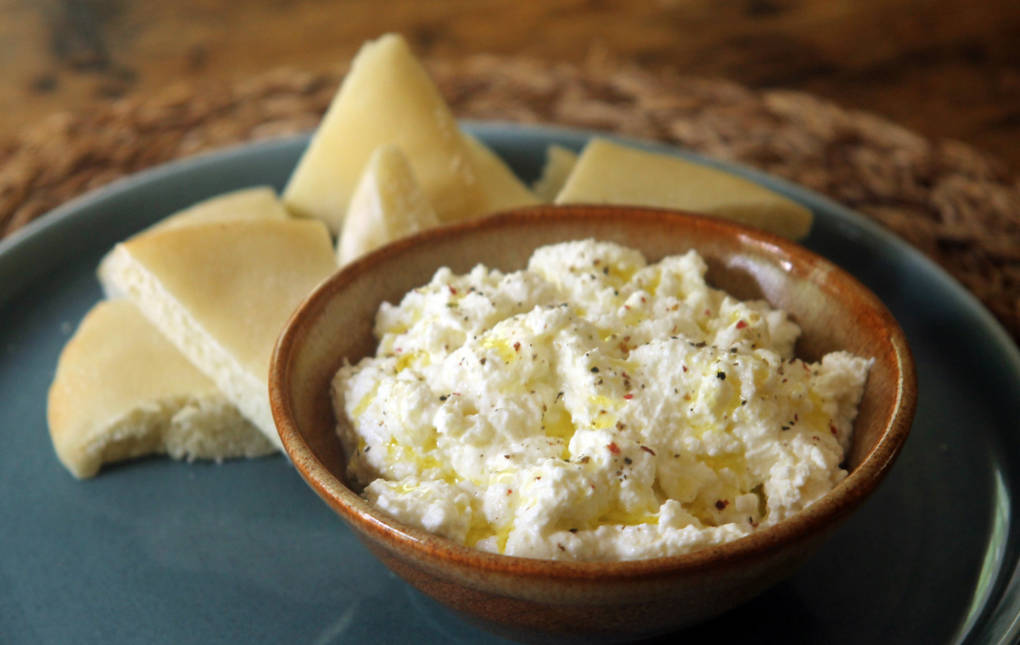
"caption": "Homemade ricotta cheese with olive oil and pepper.",
"description": null,
"title": "Homemade ricotta cheese with olive oil and pepper.",
"credit": "Kate Williams",
"status": "inherit",
"isLoading": false,
"fetchFailed": false
},
"bayareabites_118563": {
"type": "attachments",
"id": "bayareabites_118563",
"meta": {
"index": "attachments_1716263798",
"site": "bayareabites",
"id": "118563",
"found": true
},
"parent": 118135,
"imgSizes": {
"small": {
"file": "https://ww2.kqed.org/app/uploads/sites/24/2017/06/Lee-featured-520x508.jpg",
"width": 520,
"mimeType": "image/jpeg",
"height": 508
},
"twentyfourteen-full-width": {
"file": "https://ww2.kqed.org/app/uploads/sites/24/2017/06/Lee-featured-1038x576.jpg",
"width": 1038,
"mimeType": "image/jpeg",
"height": 576
},
"thumbnail": {
"file": "https://ww2.kqed.org/app/uploads/sites/24/2017/06/Lee-featured-160x156.jpg",
"width": 160,
"mimeType": "image/jpeg",
"height": 156
},
"fd-sm": {
"file": "https://ww2.kqed.org/app/uploads/sites/24/2017/06/Lee-featured-960x939.jpg",
"width": 960,
"mimeType": "image/jpeg",
"height": 939
},
"post-thumbnail": {
"file": "https://ww2.kqed.org/app/uploads/sites/24/2017/06/Lee-featured-672x372.jpg",
"width": 672,
"mimeType": "image/jpeg",
"height": 372
},
"xsmall": {
"file": "https://ww2.kqed.org/app/uploads/sites/24/2017/06/Lee-featured-375x367.jpg",
"width": 375,
"mimeType": "image/jpeg",
"height": 367
},
"kqedFullSize": {
"file": "https://ww2.kqed.org/app/uploads/sites/24/2017/06/Lee-featured.jpg",
"width": 1920,
"height": 1877
},
"large": {
"file": "https://ww2.kqed.org/app/uploads/sites/24/2017/06/Lee-featured-1020x997.jpg",
"width": 1020,
"mimeType": "image/jpeg",
"height": 997
},
"xlarge": {
"file": "https://ww2.kqed.org/app/uploads/sites/24/2017/06/Lee-featured-1180x1154.jpg",
"width": 1180,
"mimeType": "image/jpeg",
"height": 1154
},
"guest-author-50": {
"file": "https://ww2.kqed.org/app/uploads/sites/24/2017/06/Lee-featured-50x50.jpg",
"width": 50,
"mimeType": "image/jpeg",
"height": 50
},
"guest-author-96": {
"file": "https://ww2.kqed.org/app/uploads/sites/24/2017/06/Lee-featured-96x96.jpg",
"width": 96,
"mimeType": "image/jpeg",
"height": 96
},
"medium": {
"file": "https://ww2.kqed.org/app/uploads/sites/24/2017/06/Lee-featured-800x782.jpg",
"width": 800,
"mimeType": "image/jpeg",
"height": 782
},
"guest-author-64": {
"file": "https://ww2.kqed.org/app/uploads/sites/24/2017/06/Lee-featured-64x64.jpg",
"width": 64,
"mimeType": "image/jpeg",
"height": 64
},
"guest-author-32": {
"file": "https://ww2.kqed.org/app/uploads/sites/24/2017/06/Lee-featured-32x32.jpg",
"width": 32,
"mimeType": "image/jpeg",
"height": 32
},
"fd-lrg": {
"file": "https://ww2.kqed.org/app/uploads/sites/24/2017/06/Lee-featured-1920x1877.jpg",
"width": 1920,
"mimeType": "image/jpeg",
"height": 1877
},
"fd-med": {
"file": "https://ww2.kqed.org/app/uploads/sites/24/2017/06/Lee-featured-1180x1154.jpg",
"width": 1180,
"mimeType": "image/jpeg",
"height": 1154
},
"full-width": {
"file": "https://ww2.kqed.org/app/uploads/sites/24/2017/06/Lee-featured-1920x1877.jpg",
"width": 1920,
"mimeType": "image/jpeg",
"height": 1877
},
"detail": {
"file": "https://ww2.kqed.org/app/uploads/sites/24/2017/06/Lee-featured-150x150.jpg",
"width": 150,
"mimeType": "image/jpeg",
"height": 150
},
"medium_large": {
"file": "https://ww2.kqed.org/app/uploads/sites/24/2017/06/Lee-featured-768x751.jpg",
"width": 768,
"mimeType": "image/jpeg",
"height": 751
},
"guest-author-128": {
"file": "https://ww2.kqed.org/app/uploads/sites/24/2017/06/Lee-featured-128x128.jpg",
"width": 128,
"mimeType": "image/jpeg",
"height": 128
},
"xxsmall": {
"file": "https://ww2.kqed.org/app/uploads/sites/24/2017/06/Lee-featured-240x235.jpg",
"width": 240,
"mimeType": "image/jpeg",
"height": 235
}
},
"publishDate": 1498167165,
"modified": 1498167196,
"caption": "Chef Lee Davidson.",
"description": "Chef Lee Davidson.",
"title": "Lee-featured",
"credit": "Lydia Daniller",
"status": "inherit",
"isLoading": false,
"fetchFailed": false
},
"bayareabites_118497": {
"type": "attachments",
"id": "bayareabites_118497",
"meta": {
"index": "attachments_1716263798",
"site": "bayareabites",
"id": "118497",
"found": true
},
"parent": 118478,
"imgSizes": {
"small": {
"file": "https://ww2.kqed.org/app/uploads/sites/24/2017/06/RS25759_Photo-May-25-12-53-19-PM-qut-520x293.jpg",
"width": 520,
"mimeType": "image/jpeg",
"height": 293
},
"twentyfourteen-full-width": {
"file": "https://ww2.kqed.org/app/uploads/sites/24/2017/06/RS25759_Photo-May-25-12-53-19-PM-qut-1038x576.jpg",
"width": 1038,
"mimeType": "image/jpeg",
"height": 576
},
"thumbnail": {
"file": "https://ww2.kqed.org/app/uploads/sites/24/2017/06/RS25759_Photo-May-25-12-53-19-PM-qut-160x90.jpg",
"width": 160,
"mimeType": "image/jpeg",
"height": 90
},
"fd-sm": {
"file": "https://ww2.kqed.org/app/uploads/sites/24/2017/06/RS25759_Photo-May-25-12-53-19-PM-qut-960x540.jpg",
"width": 960,
"mimeType": "image/jpeg",
"height": 540
},
"post-thumbnail": {
"file": "https://ww2.kqed.org/app/uploads/sites/24/2017/06/RS25759_Photo-May-25-12-53-19-PM-qut-672x372.jpg",
"width": 672,
"mimeType": "image/jpeg",
"height": 372
},
"xsmall": {
"file": "https://ww2.kqed.org/app/uploads/sites/24/2017/06/RS25759_Photo-May-25-12-53-19-PM-qut-375x211.jpg",
"width": 375,
"mimeType": "image/jpeg",
"height": 211
},
"kqedFullSize": {
"file": "https://ww2.kqed.org/app/uploads/sites/24/2017/06/RS25759_Photo-May-25-12-53-19-PM-qut.jpg",
"width": 1920,
"height": 1080
},
"large": {
"file": "https://ww2.kqed.org/app/uploads/sites/24/2017/06/RS25759_Photo-May-25-12-53-19-PM-qut-1020x574.jpg",
"width": 1020,
"mimeType": "image/jpeg",
"height": 574
},
"xlarge": {
"file": "https://ww2.kqed.org/app/uploads/sites/24/2017/06/RS25759_Photo-May-25-12-53-19-PM-qut-1180x664.jpg",
"width": 1180,
"mimeType": "image/jpeg",
"height": 664
},
"guest-author-50": {
"file": "https://ww2.kqed.org/app/uploads/sites/24/2017/06/RS25759_Photo-May-25-12-53-19-PM-qut-50x50.jpg",
"width": 50,
"mimeType": "image/jpeg",
"height": 50
},
"guest-author-96": {
"file": "https://ww2.kqed.org/app/uploads/sites/24/2017/06/RS25759_Photo-May-25-12-53-19-PM-qut-96x96.jpg",
"width": 96,
"mimeType": "image/jpeg",
"height": 96
},
"medium": {
"file": "https://ww2.kqed.org/app/uploads/sites/24/2017/06/RS25759_Photo-May-25-12-53-19-PM-qut-800x450.jpg",
"width": 800,
"mimeType": "image/jpeg",
"height": 450
},
"guest-author-64": {
"file": "https://ww2.kqed.org/app/uploads/sites/24/2017/06/RS25759_Photo-May-25-12-53-19-PM-qut-64x64.jpg",
"width": 64,
"mimeType": "image/jpeg",
"height": 64
},
"guest-author-32": {
"file": "https://ww2.kqed.org/app/uploads/sites/24/2017/06/RS25759_Photo-May-25-12-53-19-PM-qut-32x32.jpg",
"width": 32,
"mimeType": "image/jpeg",
"height": 32
},
"fd-lrg": {
"file": "https://ww2.kqed.org/app/uploads/sites/24/2017/06/RS25759_Photo-May-25-12-53-19-PM-qut-1920x1080.jpg",
"width": 1920,
"mimeType": "image/jpeg",
"height": 1080
},
"fd-med": {
"file": "https://ww2.kqed.org/app/uploads/sites/24/2017/06/RS25759_Photo-May-25-12-53-19-PM-qut-1180x664.jpg",
"width": 1180,
"mimeType": "image/jpeg",
"height": 664
},
"full-width": {
"file": "https://ww2.kqed.org/app/uploads/sites/24/2017/06/RS25759_Photo-May-25-12-53-19-PM-qut-1920x1080.jpg",
"width": 1920,
"mimeType": "image/jpeg",
"height": 1080
},
"detail": {
"file": "https://ww2.kqed.org/app/uploads/sites/24/2017/06/RS25759_Photo-May-25-12-53-19-PM-qut-150x150.jpg",
"width": 150,
"mimeType": "image/jpeg",
"height": 150
},
"medium_large": {
"file": "https://ww2.kqed.org/app/uploads/sites/24/2017/06/RS25759_Photo-May-25-12-53-19-PM-qut-768x432.jpg",
"width": 768,
"mimeType": "image/jpeg",
"height": 432
},
"guest-author-128": {
"file": "https://ww2.kqed.org/app/uploads/sites/24/2017/06/RS25759_Photo-May-25-12-53-19-PM-qut-128x128.jpg",
"width": 128,
"mimeType": "image/jpeg",
"height": 128
},
"xxsmall": {
"file": "https://ww2.kqed.org/app/uploads/sites/24/2017/06/RS25759_Photo-May-25-12-53-19-PM-qut-240x135.jpg",
"width": 240,
"mimeType": "image/jpeg",
"height": 135
}
},
"publishDate": 1498082007,
"modified": 1498082074,
"caption": "San Jose is the latest city to make use of a state law letting landlords to loan out urban land for agriculture.",
"description": "San Jose is the latest city to make use of a state law letting landlords to loan out urban land for agriculture.",
"title": "RS25759_Photo-May-25-12-53-19-PM-qut",
"credit": "Rachael Myrow",
"status": "inherit",
"isLoading": false,
"fetchFailed": false
}
},
"audioPlayerReducer": {
"postId": "stream_live",
"isPaused": true,
"isPlaying": false,
"pfsActive": false,
"pledgeModalIsOpen": true,
"playerDrawerIsOpen": false,
"liveAudioPlayStartedAt": 0,
"liveAudioPlayContext": ""
},
"authorsReducer": {
"byline_bayareabites_121647": {
"type": "authors",
"id": "byline_bayareabites_121647",
"meta": {
"override": true
},
"slug": "byline_bayareabites_121647",
"name": "Dan Charles, NPR Food",
"isLoading": false
},
"byline_bayareabites_121345": {
"type": "authors",
"id": "byline_bayareabites_121345",
"meta": {
"override": true
},
"slug": "byline_bayareabites_121345",
"name": "Natalie Jacewicz, \u003ca href=\"https://ww2.kqed.org/bayareabites/author/nprfood/\">NPR Food\u003c/a>",
"isLoading": false
},
"byline_bayareabites_121110": {
"type": "authors",
"id": "byline_bayareabites_121110",
"meta": {
"override": true
},
"slug": "byline_bayareabites_121110",
"name": "\u003ca href=\"https://civileats.com/author/scott-thill/\">Scott Thill,\u003c/a> \u003ca href=\"https://ww2.kqed.org/bayareabites/author/civileat/\">Civil Eats\u003c/a>",
"isLoading": false
},
"byline_bayareabites_120607": {
"type": "authors",
"id": "byline_bayareabites_120607",
"meta": {
"override": true
},
"slug": "byline_bayareabites_120607",
"name": "Michaeleen Doucleff, NPR Food",
"isLoading": false
},
"byline_bayareabites_120064": {
"type": "authors",
"id": "byline_bayareabites_120064",
"meta": {
"override": true
},
"slug": "byline_bayareabites_120064",
"name": "Laurel Morales, \u003ca href=\"http://kjzz.org/\">KJZZ\u003c/a> at NPR Food",
"isLoading": false
},
"byline_bayareabites_119858": {
"type": "authors",
"id": "byline_bayareabites_119858",
"meta": {
"override": true
},
"slug": "byline_bayareabites_119858",
"name": "Allison Aubrey, NPR Food",
"isLoading": false
},
"byline_bayareabites_119650": {
"type": "authors",
"id": "byline_bayareabites_119650",
"meta": {
"override": true
},
"slug": "byline_bayareabites_119650",
"name": "Natalie Jacewicz, \u003ca href=\"https://ww2.kqed.org/bayareabites/author/nprfood/\">NPR Food\u003c/a>",
"isLoading": false
},
"rachael-myrow": {
"type": "authors",
"id": "251",
"meta": {
"index": "authors_1716337520",
"id": "251",
"found": true
},
"name": "Rachael Myrow",
"firstName": "Rachael",
"lastName": "Myrow",
"slug": "rachael-myrow",
"email": "rmyrow@kqed.org",
"display_author_email": true,
"staff_mastheads": [
"news"
],
"title": "Senior Editor of KQED's Silicon Valley News Desk",
"bio": "• I write and edit stories about how Silicon Valley power and policies shape everyday life in California. I’m also passionate about making Bay Area history and culture more accessible to a broad public. • I’ve been a journalist for most of my life, starting in high school with The Franklin Press in Los Angeles, where I grew up. While earning my first degree in English at UC Berkeley, I got my start in public radio at KALX-FM. After completing a second degree in journalism at Cal, I landed my first professional job at Marketplace, then moved on to KPCC (now LAist), and then KQED, where I hosted The California Report for more than seven years. • My reporting has appeared on NPR, The World, WBUR’s \u003ci>Here & Now\u003c/i>, and the BBC. I also guest host for KQED’s \u003ci>Forum\u003c/i>, as well as the Commonwealth Club in San Francisco. • I speak periodically on media, democracy and technology issues, and do voiceover work for documentaries and educational video projects. • Outside of the studio, you'll find me hiking Bay Area trails and whipping up Insta-ready meals in my kitchen. • I do not accept gifts, money, or favors from anyone connected to my reporting, I don't pay people for information, and I do not support or donate to political causes. • I strive to treat the people I report on with fairness, honesty, and respect. I also recognize there are often multiple sides to a story and work to verify information through multiple sources and documentation. If I get something wrong, I correct it.",
"avatar": "https://secure.gravatar.com/avatar/3ed8a3c5f26025e4a805ba634cda8cd764906b97438a6d9ce216b044e340da4e?s=600&d=blank&r=g",
"twitter": "rachaelmyrow",
"bluesky": null,
"facebook": null,
"instagram": null,
"linkedin": "https://www.linkedin.com/in/rachaelmyrow/",
"sites": [
{
"site": "arts",
"roles": [
"administrator"
]
},
{
"site": "news",
"roles": [
"edit_others_posts",
"editor"
]
},
{
"site": "futureofyou",
"roles": [
"editor"
]
},
{
"site": "bayareabites",
"roles": [
"editor"
]
},
{
"site": "stateofhealth",
"roles": [
"editor"
]
},
{
"site": "science",
"roles": [
"editor"
]
},
{
"site": "food",
"roles": [
"editor"
]
},
{
"site": "forum",
"roles": [
"editor"
]
},
{
"site": "liveblog",
"roles": [
"author"
]
}
],
"headData": {
"title": "Rachael Myrow | KQED",
"description": "Senior Editor of KQED's Silicon Valley News Desk",
"ogImgSrc": "https://secure.gravatar.com/avatar/3ed8a3c5f26025e4a805ba634cda8cd764906b97438a6d9ce216b044e340da4e?s=600&d=blank&r=g",
"twImgSrc": "https://secure.gravatar.com/avatar/3ed8a3c5f26025e4a805ba634cda8cd764906b97438a6d9ce216b044e340da4e?s=600&d=blank&r=g"
},
"isLoading": false,
"link": "/author/rachael-myrow"
},
"lilavolkas": {
"type": "authors",
"id": "5404",
"meta": {
"index": "authors_1716337520",
"id": "5404",
"found": true
},
"name": "Lila Volkas",
"firstName": "Lila",
"lastName": "Volkas",
"slug": "lilavolkas",
"email": "lilavolkas@gmail.com",
"display_author_email": false,
"staff_mastheads": [],
"title": null,
"bio": "Lila Volkas is a Berkeley based Holistic Nutritionist, food writer and illustrator. She received her Nutritional Consulting Certification from Bauman College and offers clients individualized nutritional support. As an illustrator she creates hand drawn and digitally colored illustrations that whimsically capture the essence of her subjects and are easily digested by readers. Much of her inspiration comes from her undeniable love for vegetables, as well her knack for anthropomorphizing what's on her plate. Lila has had several pieces published in KQED’s Bay Area Bites as well as in Edible East Bay Magazine. For more of a taste of Lila's offering, check out her website \u003ca href=\"http://www.lilavolkas.com/\">lilavolkas.com\u003c/a>",
"avatar": "https://secure.gravatar.com/avatar/e520743544a0600729bc45ff3ab43206?s=600&d=blank&r=g",
"twitter": null,
"facebook": null,
"instagram": null,
"linkedin": null,
"sites": [
{
"site": "bayareabites",
"roles": [
"contributor"
]
},
{
"site": "food",
"roles": [
"contributor"
]
}
],
"headData": {
"title": "Lila Volkas | KQED",
"description": null,
"ogImgSrc": "https://secure.gravatar.com/avatar/e520743544a0600729bc45ff3ab43206?s=600&d=blank&r=g",
"twImgSrc": "https://secure.gravatar.com/avatar/e520743544a0600729bc45ff3ab43206?s=600&d=blank&r=g"
},
"isLoading": false,
"link": "/author/lilavolkas"
},
"katewilliams": {
"type": "authors",
"id": "5485",
"meta": {
"index": "authors_1716337520",
"id": "5485",
"found": true
},
"name": "Kate Williams",
"firstName": "Kate",
"lastName": "Williams",
"slug": "katewilliams",
"email": "williaka@gmail.com",
"display_author_email": false,
"staff_mastheads": [],
"title": null,
"bio": "Kate Williams grew up outside of Atlanta, where twenty-pound baskets of peaches were an end-of-summer tradition. After spending time in Boston developing recipes for America's Test Kitchen and pretending to be a New Englander, she moved to sunny Berkeley. Here she works as a personal chef and food writer, covering topics ranging from taco trucks to modernist cookbooks. In addition to KQED's Bay Area Bites, Kate's work appears on Serious Eats, Berkeleyside NOSH, The Oxford American, America's Test Kitchen cookbooks, and Food52.",
"avatar": "https://secure.gravatar.com/avatar/25623fe56e181fe8b6ee92fd0ea077de?s=600&d=blank&r=g",
"twitter": "KateHWilliams",
"facebook": null,
"instagram": null,
"linkedin": null,
"sites": [
{
"site": "bayareabites",
"roles": [
"contributor"
]
},
{
"site": "food",
"roles": [
"contributor"
]
}
],
"headData": {
"title": "Kate Williams | KQED",
"description": null,
"ogImgSrc": "https://secure.gravatar.com/avatar/25623fe56e181fe8b6ee92fd0ea077de?s=600&d=blank&r=g",
"twImgSrc": "https://secure.gravatar.com/avatar/25623fe56e181fe8b6ee92fd0ea077de?s=600&d=blank&r=g"
},
"isLoading": false,
"link": "/author/katewilliams"
},
"alexandrawall": {
"type": "authors",
"id": "5567",
"meta": {
"index": "authors_1716337520",
"id": "5567",
"found": true
},
"name": "Alix Wall",
"firstName": "Alix",
"lastName": "Wall",
"slug": "alexandrawall",
"email": "alixwall@sbcglobal.net",
"display_author_email": false,
"staff_mastheads": [],
"title": null,
"bio": "Alix Wall appeared in her hometown paper in Riverside, California as “Chef of the Week” when she was 15 years old, and in high school, she founded “The Bon Appetit Club.” After working as a journalist for many years, Alix became a certified natural foods chef from Bauman College in Berkeley. While she cooks part-time healthy, organic meals for busy families, she is also a contributing editor of j. weekly, the Bay Area’s Jewish newspaper, in which she has a monthly food column. Her food writing can also be found on Berkeleyside’s NOSH and in Edible East Bay. In addition to food, she loves writing about how couples met and fell in love, which she does for The San Francisco Chronicle’s Style section and j. weekly. In 2016, she founded The Illuminoshi: The Not-So-Secret Society of Bay Area Jewish Food Professionals. She is also writer/producer for a documentary-in-progress called \u003ca href=\"https://www.lonelychildmovie.com/\">The Lonely Child\u003c/a>. Follow Alix on Twitter \u003ca href=\"https://twitter.com/WallAlix\">@WallAlix\u003c/a>.",
"avatar": "https://secure.gravatar.com/avatar/421a27f26a185be932f8d567b499b1f1?s=600&d=blank&r=g",
"twitter": null,
"facebook": null,
"instagram": null,
"linkedin": null,
"sites": [
{
"site": "bayareabites",
"roles": [
"contributor"
]
},
{
"site": "food",
"roles": [
"contributor"
]
}
],
"headData": {
"title": "Alix Wall | KQED",
"description": null,
"ogImgSrc": "https://secure.gravatar.com/avatar/421a27f26a185be932f8d567b499b1f1?s=600&d=blank&r=g",
"twImgSrc": "https://secure.gravatar.com/avatar/421a27f26a185be932f8d567b499b1f1?s=600&d=blank&r=g"
},
"isLoading": false,
"link": "/author/alexandrawall"
}
},
"pagesReducer": {
"bayareabites_category_health-and-nutrition": {
"type": "terms",
"id": "bayareabites_1245",
"meta": {
"index": "terms_1716263798",
"site": "bayareabites",
"id": "1245",
"score": 14.407673
},
"featImg": null,
"name": "health and nutrition",
"description": null,
"taxonomy": "category",
"headData": {
"twImgId": null,
"twTitle": null,
"ogTitle": null,
"ogImgId": null,
"twDescription": null,
"description": null,
"title": "health and nutrition Archives | KQED Bay Area Bites",
"ogDescription": null
},
"ttid": 1078,
"slug": "health-and-nutrition",
"isLoading": false,
"title": "health and nutrition",
"pageMeta": {
"site": "bayareabites",
"WpPageTemplate": "page-topic-editorial",
"currentPage": 11
},
"blocks": [
{
"blockName": "kqed/post-list",
"attrs": {
"layout": "cardArticle2",
"query": "posts/bayareabites?category=health-and-nutrition",
"seeMore": false,
"paginated": true,
"page": 11
}
},
{
"blockName": "kqed/ad"
}
]
}
},
"pfsSessionReducer": {},
"postsReducer": {
"stream_live": {
"type": "live",
"id": "stream_live",
"audioUrl": "https://streams.kqed.org/kqedradio",
"title": "Live Stream",
"excerpt": "Live Stream information currently unavailable.",
"link": "/radio",
"featImg": "",
"label": {
"name": "KQED Live",
"link": "/"
}
},
"stream_kqedNewscast": {
"type": "posts",
"id": "stream_kqedNewscast",
"audioUrl": "https://www.kqed.org/.stream/anon/radio/RDnews/newscast.mp3?_=1",
"title": "KQED Newscast",
"featImg": "",
"label": {
"name": "88.5 FM",
"link": "/"
}
},
"bayareabites_121647": {
"type": "posts",
"id": "bayareabites_121647",
"meta": {
"index": "posts_1716263798",
"site": "bayareabites",
"id": "121647",
"score": null,
"sort": [
1508201582000
]
},
"parent": 0,
"labelTerm": {
"site": "bayareabites"
},
"blocks": [],
"publishDate": 1508201582,
"format": "standard",
"disqusTitle": "With OK From EPA, Use Of Controversial Weedkiller Is Expected To Double",
"title": "With OK From EPA, Use Of Controversial Weedkiller Is Expected To Double",
"headTitle": "Bay Area Bites | KQED Food",
"content": "\u003cp>The Environmental Protection Agency \u003ca href=\"https://www.epa.gov/pesticides/epa-and-states-collective-efforts-lead-regulatory-action-dicamba\">announced\u003c/a> Friday that it will let farmers keep spraying the weedkilling chemical dicamba on Monsanto's new dicamba-tolerant soybeans and cotton. The decision is a victory for the biotech giant and the farmers who want to use the company's newest weedkilling technology.\u003c/p>\n\u003cp>Farmers across the Midwest and Mid-South have been waiting for the EPA's decision for months ever since it became clear that dicamba was \u003ca href=\"http://www.npr.org/sections/thesalt/2017/10/07/555872494/a-wayward-weed-killer-divides-farm-communities-harms-wildlife\">drifting\u003c/a> into thousands of fields where it didn't belong and damaging those crops. Some \u003ca href=\"https://www.centerforfoodsafety.org/press-releases/4744/public-interest-groups-farmers-file-lawsuit-challenging-monsantos-toxic-pesticides\">groups\u003c/a> have called on the EPA to ban the most troublesome uses of dicamba, following the \u003ca href=\"http://www.npr.org/sections/thesalt/2017/09/22/552803465/arkansas-defies-monsanto-moves-to-ban-rogue-weedkiller\">lead\u003c/a> of regulators in Arkansas.\u003c/p>\n\u003cp>The EPA, however, decided that the problems that occurred this past summer can be solved simply by adding a few new restrictions on how dicamba is used. In the future, applying dicamba will require special training; it can't be applied if the wind speed is greater than 10 mph and farmers will be asked to pay more attention to the risk that dicamba spraying may pose to nearby orchards and vegetable fields.\u003c/p>\n\u003cp>Farmers have used dicamba for decades, but this past summer, they got permission to use it in a new way, spraying it over the top of soybean and cotton crops that Monsanto has genetically modified to tolerate the chemical. This meant that more dicamba was sprayed, and it was being applied in the heat of summer, which makes chemicals more likely to turn into a vapor and drift.\u003c/p>\n\u003cp>Scott Partridge, Monsanto's vice president of global strategy, welcomed the EPA's decision. \"We're very excited about it,\" he said. \"It directly addresses what we found to be the causes of the off-target movement in 2017, and we think it sets the stage for all growers and applicators to have a positive experience in 2018.\"\u003c/p>\n\u003cfigure id=\"attachment_121652\" class=\"wp-caption aligncenter\" style=\"max-width: 1600px\">\u003cimg src=\"https://ww2.kqed.org/bayareabites/wp-content/uploads/sites/24/2017/10/img_6015_custom-d22b57c8d903120f9cf11007ec2f70ac88af9954-s1600-c85.jpg\" alt=\"Bob Scott, a weed scientist at the University of Arkansas, and his colleagues conducted experiments on the effects of dicamba drift on nearby crops.\" width=\"1600\" height=\"1065\" class=\"size-full wp-image-121652\" srcset=\"https://ww2.kqed.org/app/uploads/sites/24/2017/10/img_6015_custom-d22b57c8d903120f9cf11007ec2f70ac88af9954-s1600-c85.jpg 1600w, https://ww2.kqed.org/app/uploads/sites/24/2017/10/img_6015_custom-d22b57c8d903120f9cf11007ec2f70ac88af9954-s1600-c85-160x107.jpg 160w, https://ww2.kqed.org/app/uploads/sites/24/2017/10/img_6015_custom-d22b57c8d903120f9cf11007ec2f70ac88af9954-s1600-c85-800x533.jpg 800w, https://ww2.kqed.org/app/uploads/sites/24/2017/10/img_6015_custom-d22b57c8d903120f9cf11007ec2f70ac88af9954-s1600-c85-768x511.jpg 768w, https://ww2.kqed.org/app/uploads/sites/24/2017/10/img_6015_custom-d22b57c8d903120f9cf11007ec2f70ac88af9954-s1600-c85-1020x679.jpg 1020w, https://ww2.kqed.org/app/uploads/sites/24/2017/10/img_6015_custom-d22b57c8d903120f9cf11007ec2f70ac88af9954-s1600-c85-1180x785.jpg 1180w, https://ww2.kqed.org/app/uploads/sites/24/2017/10/img_6015_custom-d22b57c8d903120f9cf11007ec2f70ac88af9954-s1600-c85-960x639.jpg 960w, https://ww2.kqed.org/app/uploads/sites/24/2017/10/img_6015_custom-d22b57c8d903120f9cf11007ec2f70ac88af9954-s1600-c85-240x160.jpg 240w, https://ww2.kqed.org/app/uploads/sites/24/2017/10/img_6015_custom-d22b57c8d903120f9cf11007ec2f70ac88af9954-s1600-c85-375x250.jpg 375w, https://ww2.kqed.org/app/uploads/sites/24/2017/10/img_6015_custom-d22b57c8d903120f9cf11007ec2f70ac88af9954-s1600-c85-520x346.jpg 520w\" sizes=\"(max-width: 1600px) 100vw, 1600px\">\u003cfigcaption class=\"wp-caption-text\">Bob Scott, a weed scientist at the University of Arkansas, and his colleagues conducted experiments on the effects of dicamba drift on nearby crops. \u003ccite>(Dan Charles/NPR)\u003c/cite>\u003c/figcaption>\u003c/figure>\n\u003cp>With this green light from the EPA, farmers are expected to plant even more dicamba-tolerant soybeans next summer. According to Partridge, farmers planted about 20 million acres of dicamba-tolerant soybeans this summer. He expects that number to double next year.\u003c/p>\n\u003cp>[ad fullwidth]\u003c/p>\n\u003cp>\"The demand for it is overwhelming,\" Partridge says. \"The need to control these difficult-to-manage weeds is huge.\"\u003c/p>\n\u003cp>The new restrictions on dicamba use, however, do not appear to address the problem of \"volatilization\" — when dicamba evaporates from soil or plants where it was sprayed and drifts in unpredictable directions. Many independent scientists say that this vapor drift was a major cause of damage to neighboring fields this summer.\u003c/p>\n\u003cp>Last year, Missouri did impose most of the restrictions that the EPA is set to require, and farmers in the state still saw widespread damage from drifting dicamba.\u003c/p>\n\u003cp>Bob Scott, a weed scientist at the University of Arkansas, recently showed me some experiments that he and his colleagues conducted. They sprayed trays of soil with dicamba, then placed those trays in a field of soybeans far from any dicamba spraying. The soybean plants next to the dicamba-treated soil showed clear signs of exposure to the chemical.\u003c/p>\n\u003cp>\"We had a lot of volatility in these trials, a lot of movement\" in unpredictable directions, Scott says. It wasn't what they were hoping to see, Scott says, but the results \"do help explain why we had 966 complaints in our state.\"\u003c/p>\n\u003cp>In fact, fear of dicamba drift from neighboring farms may persuade some farmers to buy Monsanto's dicamba-tolerant seeds next year because those soybeans won't be vulnerable to windblown dicamba.\u003c/p>\n\u003cp>Brent Henderson, who farms near Weona, Ark., is one of those farmers. \"If it's going to be legal to use and neighbors are planting it, I'm going to have to plant [dicamba-tolerant soybeans] to protect myself,\" he says. \"It's very annoying. It's a property rights issue. My neighbor should not dictate what I do on my farm.\"\u003c/p>\n\u003cp>Partridge, the Monsanto executive, continues to insist that vapor drift was not responsible for any of the damage that farmers saw this past summer. And he also does not believe that farmers are buying dicamba-tolerant soybeans to defend themselves.\u003c/p>\n\u003cp>\"When I talk to growers and ask them why they are deciding to buy our dicamba-tolerant Xtendimax seeds, they say it's because it's the highest-yielding seed out there,\" he says. \u003c/p>\n\u003cp>\u003c/p>\n\u003cp>\u003cem>Copyright 2017 \u003ca href=\"http://www.npr.org/\">NPR\u003c/a>.\u003c/em> \u003c/p>\n\n",
"disqusIdentifier": "121647 https://ww2.kqed.org/bayareabites/?p=121647",
"disqusUrl": "https://ww2.kqed.org/bayareabites/2017/10/16/with-ok-from-epa-use-of-controversial-weedkiller-is-expected-to-double/",
"stats": {
"hasVideo": false,
"hasChartOrMap": false,
"hasAudio": false,
"hasPolis": false,
"wordCount": 751,
"hasGoogleForm": false,
"hasGallery": false,
"hasHearkenModule": false,
"iframeSrcs": [],
"paragraphCount": 18
},
"modified": 1508201582,
"excerpt": "The EPA says farmers can still spray dicamba on their crops next year — with some new restrictions. The weedkiller has been blamed for drifting into fields, damaging millions of acres of crops.",
"headData": {
"twImgId": "",
"twTitle": "",
"ogTitle": "",
"ogImgId": "",
"twDescription": "",
"description": "The EPA says farmers can still spray dicamba on their crops next year — with some new restrictions. The weedkiller has been blamed for drifting into fields, damaging millions of acres of crops.",
"title": "With OK From EPA, Use Of Controversial Weedkiller Is Expected To Double | KQED",
"ogDescription": "",
"schema": {
"@context": "https://schema.org",
"@type": "Article",
"headline": "With OK From EPA, Use Of Controversial Weedkiller Is Expected To Double",
"datePublished": "2017-10-16T17:53:02-07:00",
"dateModified": "2017-10-16T17:53:02-07:00",
"image": "https://cdn.kqed.org/wp-content/uploads/2020/02/KQED-OG-Image@1x.png"
}
},
"guestAuthors": [],
"slug": "with-ok-from-epa-use-of-controversial-weedkiller-is-expected-to-double",
"status": "publish",
"nprApiLink": "http://api.npr.org/query?id=557607443&apiKey=MDAxOTAwOTE4MDEyMTkxMDAzNjczZDljZA004",
"nprByline": "Dan Charles, NPR Food",
"nprStoryDate": "Fri, 13 Oct 2017 17:14:00 -0400",
"nprLastModifiedDate": "Sun, 15 Oct 2017 14:10:18 -0400",
"nprHtmlLink": "http://www.npr.org/sections/thesalt/2017/10/13/557607443/with-ok-from-epa-use-of-controversial-weedkiller-is-expected-to-double?ft=nprml&f=557607443",
"nprImageAgency": "NPR",
"nprImageCredit": "Dan Charles",
"nprStoryId": "557607443",
"nprRetrievedStory": "1",
"nprPubDate": "Sun, 15 Oct 2017 14:10:00 -0400",
"path": "/bayareabites/121647/with-ok-from-epa-use-of-controversial-weedkiller-is-expected-to-double",
"audioTrackLength": null,
"parsedContent": [
{
"type": "contentString",
"content": "\u003cdiv class=\"post-body\">\u003cp>\u003cp>The Environmental Protection Agency \u003ca href=\"https://www.epa.gov/pesticides/epa-and-states-collective-efforts-lead-regulatory-action-dicamba\">announced\u003c/a> Friday that it will let farmers keep spraying the weedkilling chemical dicamba on Monsanto's new dicamba-tolerant soybeans and cotton. The decision is a victory for the biotech giant and the farmers who want to use the company's newest weedkilling technology.\u003c/p>\n\u003cp>Farmers across the Midwest and Mid-South have been waiting for the EPA's decision for months ever since it became clear that dicamba was \u003ca href=\"http://www.npr.org/sections/thesalt/2017/10/07/555872494/a-wayward-weed-killer-divides-farm-communities-harms-wildlife\">drifting\u003c/a> into thousands of fields where it didn't belong and damaging those crops. Some \u003ca href=\"https://www.centerforfoodsafety.org/press-releases/4744/public-interest-groups-farmers-file-lawsuit-challenging-monsantos-toxic-pesticides\">groups\u003c/a> have called on the EPA to ban the most troublesome uses of dicamba, following the \u003ca href=\"http://www.npr.org/sections/thesalt/2017/09/22/552803465/arkansas-defies-monsanto-moves-to-ban-rogue-weedkiller\">lead\u003c/a> of regulators in Arkansas.\u003c/p>\n\u003cp>The EPA, however, decided that the problems that occurred this past summer can be solved simply by adding a few new restrictions on how dicamba is used. In the future, applying dicamba will require special training; it can't be applied if the wind speed is greater than 10 mph and farmers will be asked to pay more attention to the risk that dicamba spraying may pose to nearby orchards and vegetable fields.\u003c/p>\n\u003cp>Farmers have used dicamba for decades, but this past summer, they got permission to use it in a new way, spraying it over the top of soybean and cotton crops that Monsanto has genetically modified to tolerate the chemical. This meant that more dicamba was sprayed, and it was being applied in the heat of summer, which makes chemicals more likely to turn into a vapor and drift.\u003c/p>\n\u003cp>Scott Partridge, Monsanto's vice president of global strategy, welcomed the EPA's decision. \"We're very excited about it,\" he said. \"It directly addresses what we found to be the causes of the off-target movement in 2017, and we think it sets the stage for all growers and applicators to have a positive experience in 2018.\"\u003c/p>\n\u003cfigure id=\"attachment_121652\" class=\"wp-caption aligncenter\" style=\"max-width: 1600px\">\u003cimg src=\"https://ww2.kqed.org/bayareabites/wp-content/uploads/sites/24/2017/10/img_6015_custom-d22b57c8d903120f9cf11007ec2f70ac88af9954-s1600-c85.jpg\" alt=\"Bob Scott, a weed scientist at the University of Arkansas, and his colleagues conducted experiments on the effects of dicamba drift on nearby crops.\" width=\"1600\" height=\"1065\" class=\"size-full wp-image-121652\" srcset=\"https://ww2.kqed.org/app/uploads/sites/24/2017/10/img_6015_custom-d22b57c8d903120f9cf11007ec2f70ac88af9954-s1600-c85.jpg 1600w, https://ww2.kqed.org/app/uploads/sites/24/2017/10/img_6015_custom-d22b57c8d903120f9cf11007ec2f70ac88af9954-s1600-c85-160x107.jpg 160w, https://ww2.kqed.org/app/uploads/sites/24/2017/10/img_6015_custom-d22b57c8d903120f9cf11007ec2f70ac88af9954-s1600-c85-800x533.jpg 800w, https://ww2.kqed.org/app/uploads/sites/24/2017/10/img_6015_custom-d22b57c8d903120f9cf11007ec2f70ac88af9954-s1600-c85-768x511.jpg 768w, https://ww2.kqed.org/app/uploads/sites/24/2017/10/img_6015_custom-d22b57c8d903120f9cf11007ec2f70ac88af9954-s1600-c85-1020x679.jpg 1020w, https://ww2.kqed.org/app/uploads/sites/24/2017/10/img_6015_custom-d22b57c8d903120f9cf11007ec2f70ac88af9954-s1600-c85-1180x785.jpg 1180w, https://ww2.kqed.org/app/uploads/sites/24/2017/10/img_6015_custom-d22b57c8d903120f9cf11007ec2f70ac88af9954-s1600-c85-960x639.jpg 960w, https://ww2.kqed.org/app/uploads/sites/24/2017/10/img_6015_custom-d22b57c8d903120f9cf11007ec2f70ac88af9954-s1600-c85-240x160.jpg 240w, https://ww2.kqed.org/app/uploads/sites/24/2017/10/img_6015_custom-d22b57c8d903120f9cf11007ec2f70ac88af9954-s1600-c85-375x250.jpg 375w, https://ww2.kqed.org/app/uploads/sites/24/2017/10/img_6015_custom-d22b57c8d903120f9cf11007ec2f70ac88af9954-s1600-c85-520x346.jpg 520w\" sizes=\"(max-width: 1600px) 100vw, 1600px\">\u003cfigcaption class=\"wp-caption-text\">Bob Scott, a weed scientist at the University of Arkansas, and his colleagues conducted experiments on the effects of dicamba drift on nearby crops. \u003ccite>(Dan Charles/NPR)\u003c/cite>\u003c/figcaption>\u003c/figure>\n\u003cp>With this green light from the EPA, farmers are expected to plant even more dicamba-tolerant soybeans next summer. According to Partridge, farmers planted about 20 million acres of dicamba-tolerant soybeans this summer. He expects that number to double next year.\u003c/p>\n\u003cp>\u003c/p>\u003c/div>",
"attributes": {
"named": {},
"numeric": []
}
},
{
"type": "component",
"content": "",
"name": "ad",
"attributes": {
"named": {
"label": "fullwidth"
},
"numeric": [
"fullwidth"
]
}
},
{
"type": "contentString",
"content": "\u003cdiv class=\"post-body\">\u003cp>\u003c/p>\n\u003cp>\"The demand for it is overwhelming,\" Partridge says. \"The need to control these difficult-to-manage weeds is huge.\"\u003c/p>\n\u003cp>The new restrictions on dicamba use, however, do not appear to address the problem of \"volatilization\" — when dicamba evaporates from soil or plants where it was sprayed and drifts in unpredictable directions. Many independent scientists say that this vapor drift was a major cause of damage to neighboring fields this summer.\u003c/p>\n\u003cp>Last year, Missouri did impose most of the restrictions that the EPA is set to require, and farmers in the state still saw widespread damage from drifting dicamba.\u003c/p>\n\u003cp>Bob Scott, a weed scientist at the University of Arkansas, recently showed me some experiments that he and his colleagues conducted. They sprayed trays of soil with dicamba, then placed those trays in a field of soybeans far from any dicamba spraying. The soybean plants next to the dicamba-treated soil showed clear signs of exposure to the chemical.\u003c/p>\n\u003cp>\"We had a lot of volatility in these trials, a lot of movement\" in unpredictable directions, Scott says. It wasn't what they were hoping to see, Scott says, but the results \"do help explain why we had 966 complaints in our state.\"\u003c/p>\n\u003cp>In fact, fear of dicamba drift from neighboring farms may persuade some farmers to buy Monsanto's dicamba-tolerant seeds next year because those soybeans won't be vulnerable to windblown dicamba.\u003c/p>\n\u003cp>Brent Henderson, who farms near Weona, Ark., is one of those farmers. \"If it's going to be legal to use and neighbors are planting it, I'm going to have to plant [dicamba-tolerant soybeans] to protect myself,\" he says. \"It's very annoying. It's a property rights issue. My neighbor should not dictate what I do on my farm.\"\u003c/p>\n\u003cp>Partridge, the Monsanto executive, continues to insist that vapor drift was not responsible for any of the damage that farmers saw this past summer. And he also does not believe that farmers are buying dicamba-tolerant soybeans to defend themselves.\u003c/p>\n\u003cp>\"When I talk to growers and ask them why they are deciding to buy our dicamba-tolerant Xtendimax seeds, they say it's because it's the highest-yielding seed out there,\" he says. \u003c/p>\n\u003cp>\u003c/p>\n\u003cp>\u003cem>Copyright 2017 \u003ca href=\"http://www.npr.org/\">NPR\u003c/a>.\u003c/em> \u003c/p>\n\n\u003c/div>\u003c/p>",
"attributes": {
"named": {},
"numeric": []
}
}
],
"link": "/bayareabites/121647/with-ok-from-epa-use-of-controversial-weedkiller-is-expected-to-double",
"authors": [
"byline_bayareabites_121647"
],
"categories": [
"bayareabites_1874",
"bayareabites_10028",
"bayareabites_1245",
"bayareabites_2035",
"bayareabites_358",
"bayareabites_60"
],
"tags": [
"bayareabites_15550",
"bayareabites_11952",
"bayareabites_15549"
],
"featImg": "bayareabites_121648",
"label": "bayareabites"
},
"bayareabites_121345": {
"type": "posts",
"id": "bayareabites_121345",
"meta": {
"index": "posts_1716263798",
"site": "bayareabites",
"id": "121345",
"score": null,
"sort": [
1507316975000
]
},
"parent": 0,
"labelTerm": {},
"blocks": [],
"publishDate": 1507316975,
"format": "standard",
"disqusTitle": "Which Items In Our Kitchens Contain BPA?",
"title": "Which Items In Our Kitchens Contain BPA?",
"headTitle": "Bay Area Bites | KQED Food",
"content": "\u003cp>It's not exactly a secret that many plastic products have an additive called \"bisphenol A,\" or \"BPA,\" for short. NPR has covered the chemical substance many times, including \u003ca href=\"http://www.npr.org/2011/03/02/134196209/study-most-plastics-leach-hormone-like-chemicals\">here\u003c/a>, \u003ca href=\"http://www.npr.org/sections/thesalt/2014/02/26/283030949/government-studies-suggest-bpa-exposure-from-food-isn-t-risky\">here\u003c/a>, and \u003ca href=\"http://www.npr.org/sections/health-shots/2015/02/16/385747786/beyond-bpa-court-battle-reveals-a-shift-in-debate-over-plastic-safety\">here\u003c/a>.\u003c/p>\n\u003cp>Among other things, BPA helps make clear, hard plastic — the kind we associate with food storage containers and water bottles — and also lines the inside of many metal cans to prevent an aluminum taste from leaching into food or drink. The catch: Some studies suggest BPA could also disrupt our reproductive systems by \u003ca href=\"https://www.ncbi.nlm.nih.gov/pmc/articles/PMC2873014/pdf/rstb20080268.pdf\">changing sperm quality\u003c/a> and increasing the risk of reproductive cancers like \u003ca href=\"https://www.ncbi.nlm.nih.gov/pubmed/24424067\">prostate\u003c/a> and \u003ca href=\"http://www.mcsresearch.net/Reports/stateoftheevidence2008.pdf\">breast cancer\u003c/a>.\u003c/p>\n\u003cp>Despite the coverage of BPA, when a reader wrote to the column and asked whether frozen dinner trays, rotisserie chicken containers, and other common items contained BPA, I was stumped. The reason? Manufacturers are not required to disclose whether their products contain BPA.\u003c/p>\n\u003cp>With limited information about what exactly goes into specific products, how should we view the materials in our kitchen? I reached out to academic scientists and the U.S. Food and Drug Administration for answers.\u003c/p>\n\u003cp>The root of scientists' concern about BPA in containers is that the chemical can leach out of packaging and into food. This happens when plastic deteriorates and releases its chemical contents, according to \u003ca href=\"https://people.healthsciences.ucla.edu/institution/personnel?personnel_id=45647\">Nancy Wayne\u003c/a>, a reproductive neuroendocrinologist at UCLA. Acidic foods, like tomato sauce, can break down plastic. Plastic also breaks down when heated; manufacturers may heat metal cans lined with BPA to sterilize them, and consumers frequently put plastic containers of food in the microwave. Once released, BPA can contaminate food and enter the human body, where it interferes with hormonal processes. This hormonal interference has been linked to cancer, \u003ca href=\"https://www.ncbi.nlm.nih.gov/pmc/articles/PMC2800195/\">heart disease\u003c/a>, and \u003ca href=\"https://www.ncbi.nlm.nih.gov/pubmed/25311796\">obesity\u003c/a>.\u003c/p>\n\u003cp>[ad fullwidth]\u003c/p>\n\u003cp>\"We know that the vast majority of Americans [95 percent according to one \u003ca href=\"https://www.ncbi.nlm.nih.gov/pmc/articles/PMC1278476/\">study\u003c/a>] have detectable levels of BPA in their blood and urine,\" Wayne says. \"We're constantly exposed to it.\"\u003c/p>\n\u003cp>Nonetheless, the FDA's \u003ca href=\"https://www.fda.gov/newsevents/publichealthfocus/ucm064437.htm\">official current position\u003c/a> is that the amount of BPA consumers encounter in packaging is safe.\u003c/p>\n\u003cp>\"We've done a \u003ca href=\"https://www.fda.gov/downloads/Food/IngredientsPackagingLabeling/FoodAdditivesIngredients/UCM424071.pdf\">systematic evaluation\u003c/a> of all the information we have,\" says Jason Aungst, a supervisory toxicologist at the FDA. \"At high doses of BPA, it's very clear there are [hormone]-related effects. But when you get to the low dose, there's no consistency. You see so many contradictions between different studies.\"\u003c/p>\n\u003cp>Aungst says the average consumer would have to be exposed to 100,000 times more BPA than is typical to suffer health effects, and that most agencies around the world agree with the FDA that BPA in packaging is safe.\u003c/p>\n\u003cp>But many scientists remain skeptical that BPA is harmless, and several \u003ca href=\"http://consumersunion.org/research/progress-in-protecting-our-children/\">states have partially banned BPA\u003c/a>. Plus, there's one more wrinkle: Products marketed as \"BPA-free\" might not actually be safer than products with BPA, according to \u003ca href=\"https://sites.cns.utexas.edu/bittnerlab/home\">George Bittner\u003c/a>, a professor of neurobiology and pharmacology at University of Texas, Austin. (Bittner also is the founder of PlastiPure, a company that evaluates materials for chemical effects on estrogen.) That's because \"BPA-free\" products may contain functionally identical compounds that go by different names, like BPS, Bittner explains.\u003c/p>\n\u003cp>Fortunately, consumers who are not fully comforted by the FDA's guidance have options. \"You do have some control,\" Wayne says. \"Just be very thoughtful.\"\u003c/p>\n\u003cp>Wayne switched all of her food storage containers from plastic to glass. When she noticed her parents had a collection of old, warped plastic food containers, she bought them glass too. Although Wayne admits buying glass may be pricier than plastic on the front end, she says glass lasts longer. As an alternative to plastic water bottles, Wayne recommends stainless steel. And to get more non-plastic options when shopping, she suggests talking to grocery store management.\u003c/p>\n\u003cp>For those who store or purchase food in plastic containers, Wayne has some cardinal rules: \"Never ever heat plastic in the microwave. And don't put it in the dishwasher. Wash it by hand with gentle detergent.\" And if the plastic begins to visibly degrade, it's time to get rid of it.\u003c/p>\n\u003cp>Finally, both Wayne and Bittner say more federal funding should be directed to developing new materials that don't have chemicals that could tamper with our hormonal wiring.\u003c/p>\n\u003cp>Until then, we'll have to live with the plastics we have, according to Wayne: \"It's the devil that we made a deal with.\"\u003c/p>\n\u003chr>\n\u003cp>Gnawing Questions\u003cem> is a semi-regular column answering the food mysteries puzzling us and our readers. Got a question you want us to explore? \u003c/em>\u003cem>\u003cstrong>Let us know via our \u003c/strong>\u003c/em>\u003ca href=\"https://help.npr.org/customer/portal/emails/new?i=1&s=The%20Salt\">\u003cem>\u003cstrong>contact form\u003c/strong>\u003c/em>\u003c/a>\u003cem>\u003cstrong>.\u003c/strong>\u003c/em> \u003c/p>\n\u003cp>\u003c/p>\n\u003cp>\u003cem>Copyright 2017 \u003ca href=\"http://www.npr.org/\">NPR\u003c/a>.\u003c/em> \u003c/p>\n\n",
"disqusIdentifier": "121345 https://ww2.kqed.org/bayareabites/?p=121345",
"disqusUrl": "https://ww2.kqed.org/bayareabites/2017/10/06/which-items-in-our-kitchens-contain-bpa/",
"stats": {
"hasVideo": false,
"hasChartOrMap": false,
"hasAudio": false,
"hasPolis": false,
"wordCount": 765,
"hasGoogleForm": false,
"hasGallery": false,
"hasHearkenModule": false,
"iframeSrcs": [],
"paragraphCount": 19
},
"modified": 1507316975,
"excerpt": "Manufacturers are not required to disclose whether products contain BPA, which makes it hard to know which kitchen plastics include the additive — or other functionally identical compounds.",
"headData": {
"twImgId": "",
"twTitle": "",
"ogTitle": "",
"ogImgId": "",
"twDescription": "",
"description": "Manufacturers are not required to disclose whether products contain BPA, which makes it hard to know which kitchen plastics include the additive — or other functionally identical compounds.",
"title": "Which Items In Our Kitchens Contain BPA? | KQED",
"ogDescription": "",
"schema": {
"@context": "https://schema.org",
"@type": "Article",
"headline": "Which Items In Our Kitchens Contain BPA?",
"datePublished": "2017-10-06T12:09:35-07:00",
"dateModified": "2017-10-06T12:09:35-07:00",
"image": "https://cdn.kqed.org/wp-content/uploads/2020/02/KQED-OG-Image@1x.png"
}
},
"guestAuthors": [],
"slug": "which-items-in-our-kitchens-contain-bpa",
"status": "publish",
"sourceUrl": "https://ww2.kqed.org/bayareabites/category/marketing-and-advertising/",
"nprApiLink": "http://api.npr.org/query?id=555900292&apiKey=MDAxOTAwOTE4MDEyMTkxMDAzNjczZDljZA004",
"nprByline": "Natalie Jacewicz, \u003ca href=\"https://ww2.kqed.org/bayareabites/author/nprfood/\">NPR Food\u003c/a>",
"nprStoryDate": "Fri, 06 Oct 2017 07:00:19 -0400",
"nprLastModifiedDate": "Fri, 06 Oct 2017 07:00:19 -0400",
"nprHtmlLink": "http://www.npr.org/sections/thesalt/2017/10/06/555900292/which-items-in-our-kitchens-contain-bpa?ft=nprml&f=555900292",
"nprImageAgency": "Getty Images",
"nprImageCredit": "jmalov",
"source": "Marketing, Advertising & Labeling",
"nprStoryId": "555900292",
"nprRetrievedStory": "1",
"nprPubDate": "Fri, 06 Oct 2017 07:00:00 -0400",
"path": "/bayareabites/121345/which-items-in-our-kitchens-contain-bpa",
"audioTrackLength": null,
"parsedContent": [
{
"type": "contentString",
"content": "\u003cdiv class=\"post-body\">\u003cp>\u003cp>It's not exactly a secret that many plastic products have an additive called \"bisphenol A,\" or \"BPA,\" for short. NPR has covered the chemical substance many times, including \u003ca href=\"http://www.npr.org/2011/03/02/134196209/study-most-plastics-leach-hormone-like-chemicals\">here\u003c/a>, \u003ca href=\"http://www.npr.org/sections/thesalt/2014/02/26/283030949/government-studies-suggest-bpa-exposure-from-food-isn-t-risky\">here\u003c/a>, and \u003ca href=\"http://www.npr.org/sections/health-shots/2015/02/16/385747786/beyond-bpa-court-battle-reveals-a-shift-in-debate-over-plastic-safety\">here\u003c/a>.\u003c/p>\n\u003cp>Among other things, BPA helps make clear, hard plastic — the kind we associate with food storage containers and water bottles — and also lines the inside of many metal cans to prevent an aluminum taste from leaching into food or drink. The catch: Some studies suggest BPA could also disrupt our reproductive systems by \u003ca href=\"https://www.ncbi.nlm.nih.gov/pmc/articles/PMC2873014/pdf/rstb20080268.pdf\">changing sperm quality\u003c/a> and increasing the risk of reproductive cancers like \u003ca href=\"https://www.ncbi.nlm.nih.gov/pubmed/24424067\">prostate\u003c/a> and \u003ca href=\"http://www.mcsresearch.net/Reports/stateoftheevidence2008.pdf\">breast cancer\u003c/a>.\u003c/p>\n\u003cp>Despite the coverage of BPA, when a reader wrote to the column and asked whether frozen dinner trays, rotisserie chicken containers, and other common items contained BPA, I was stumped. The reason? Manufacturers are not required to disclose whether their products contain BPA.\u003c/p>\n\u003cp>With limited information about what exactly goes into specific products, how should we view the materials in our kitchen? I reached out to academic scientists and the U.S. Food and Drug Administration for answers.\u003c/p>\n\u003cp>The root of scientists' concern about BPA in containers is that the chemical can leach out of packaging and into food. This happens when plastic deteriorates and releases its chemical contents, according to \u003ca href=\"https://people.healthsciences.ucla.edu/institution/personnel?personnel_id=45647\">Nancy Wayne\u003c/a>, a reproductive neuroendocrinologist at UCLA. Acidic foods, like tomato sauce, can break down plastic. Plastic also breaks down when heated; manufacturers may heat metal cans lined with BPA to sterilize them, and consumers frequently put plastic containers of food in the microwave. Once released, BPA can contaminate food and enter the human body, where it interferes with hormonal processes. This hormonal interference has been linked to cancer, \u003ca href=\"https://www.ncbi.nlm.nih.gov/pmc/articles/PMC2800195/\">heart disease\u003c/a>, and \u003ca href=\"https://www.ncbi.nlm.nih.gov/pubmed/25311796\">obesity\u003c/a>.\u003c/p>\n\u003cp>\u003c/p>\u003c/div>",
"attributes": {
"named": {},
"numeric": []
}
},
{
"type": "component",
"content": "",
"name": "ad",
"attributes": {
"named": {
"label": "fullwidth"
},
"numeric": [
"fullwidth"
]
}
},
{
"type": "contentString",
"content": "\u003cdiv class=\"post-body\">\u003cp>\u003c/p>\n\u003cp>\"We know that the vast majority of Americans [95 percent according to one \u003ca href=\"https://www.ncbi.nlm.nih.gov/pmc/articles/PMC1278476/\">study\u003c/a>] have detectable levels of BPA in their blood and urine,\" Wayne says. \"We're constantly exposed to it.\"\u003c/p>\n\u003cp>Nonetheless, the FDA's \u003ca href=\"https://www.fda.gov/newsevents/publichealthfocus/ucm064437.htm\">official current position\u003c/a> is that the amount of BPA consumers encounter in packaging is safe.\u003c/p>\n\u003cp>\"We've done a \u003ca href=\"https://www.fda.gov/downloads/Food/IngredientsPackagingLabeling/FoodAdditivesIngredients/UCM424071.pdf\">systematic evaluation\u003c/a> of all the information we have,\" says Jason Aungst, a supervisory toxicologist at the FDA. \"At high doses of BPA, it's very clear there are [hormone]-related effects. But when you get to the low dose, there's no consistency. You see so many contradictions between different studies.\"\u003c/p>\n\u003cp>Aungst says the average consumer would have to be exposed to 100,000 times more BPA than is typical to suffer health effects, and that most agencies around the world agree with the FDA that BPA in packaging is safe.\u003c/p>\n\u003cp>But many scientists remain skeptical that BPA is harmless, and several \u003ca href=\"http://consumersunion.org/research/progress-in-protecting-our-children/\">states have partially banned BPA\u003c/a>. Plus, there's one more wrinkle: Products marketed as \"BPA-free\" might not actually be safer than products with BPA, according to \u003ca href=\"https://sites.cns.utexas.edu/bittnerlab/home\">George Bittner\u003c/a>, a professor of neurobiology and pharmacology at University of Texas, Austin. (Bittner also is the founder of PlastiPure, a company that evaluates materials for chemical effects on estrogen.) That's because \"BPA-free\" products may contain functionally identical compounds that go by different names, like BPS, Bittner explains.\u003c/p>\n\u003cp>Fortunately, consumers who are not fully comforted by the FDA's guidance have options. \"You do have some control,\" Wayne says. \"Just be very thoughtful.\"\u003c/p>\n\u003cp>Wayne switched all of her food storage containers from plastic to glass. When she noticed her parents had a collection of old, warped plastic food containers, she bought them glass too. Although Wayne admits buying glass may be pricier than plastic on the front end, she says glass lasts longer. As an alternative to plastic water bottles, Wayne recommends stainless steel. And to get more non-plastic options when shopping, she suggests talking to grocery store management.\u003c/p>\n\u003cp>For those who store or purchase food in plastic containers, Wayne has some cardinal rules: \"Never ever heat plastic in the microwave. And don't put it in the dishwasher. Wash it by hand with gentle detergent.\" And if the plastic begins to visibly degrade, it's time to get rid of it.\u003c/p>\n\u003cp>Finally, both Wayne and Bittner say more federal funding should be directed to developing new materials that don't have chemicals that could tamper with our hormonal wiring.\u003c/p>\n\u003cp>Until then, we'll have to live with the plastics we have, according to Wayne: \"It's the devil that we made a deal with.\"\u003c/p>\n\u003chr>\n\u003cp>Gnawing Questions\u003cem> is a semi-regular column answering the food mysteries puzzling us and our readers. Got a question you want us to explore? \u003c/em>\u003cem>\u003cstrong>Let us know via our \u003c/strong>\u003c/em>\u003ca href=\"https://help.npr.org/customer/portal/emails/new?i=1&s=The%20Salt\">\u003cem>\u003cstrong>contact form\u003c/strong>\u003c/em>\u003c/a>\u003cem>\u003cstrong>.\u003c/strong>\u003c/em> \u003c/p>\n\u003cp>\u003c/p>\n\u003cp>\u003cem>Copyright 2017 \u003ca href=\"http://www.npr.org/\">NPR\u003c/a>.\u003c/em> \u003c/p>\n\n\u003c/div>\u003c/p>",
"attributes": {
"named": {},
"numeric": []
}
}
],
"link": "/bayareabites/121345/which-items-in-our-kitchens-contain-bpa",
"authors": [
"byline_bayareabites_121345"
],
"categories": [
"bayareabites_1321",
"bayareabites_10028",
"bayareabites_1245",
"bayareabites_12555",
"bayareabites_2035",
"bayareabites_358",
"bayareabites_60"
],
"tags": [
"bayareabites_9718"
],
"featImg": "bayareabites_121348",
"label": "source_bayareabites_121345"
},
"bayareabites_121110": {
"type": "posts",
"id": "bayareabites_121110",
"meta": {
"index": "posts_1716263798",
"site": "bayareabites",
"id": "121110",
"score": null,
"sort": [
1506665673000
]
},
"parent": 0,
"labelTerm": {},
"blocks": [],
"publishDate": 1506665673,
"format": "standard",
"disqusTitle": "Audit Reveals Weaknesses in USDA Organic Program Oversight",
"title": "Audit Reveals Weaknesses in USDA Organic Program Oversight",
"headTitle": "Bay Area Bites | KQED Food",
"content": "\u003cp>\u003cem>A year-long investigation by the Inspector General shows that imported organic foods are not up to standard.\u003c/em>\u003c/p>\n\u003cp>Can we trust organic food that has been produced overseas? That question has gained urgency lately as demand for organic products has outpaced domestic production, leading to steady growth in such imports. The total value of imported organic foods \u003ca href=\"https://www.ers.usda.gov/topics/natural-resources-environment/organic-agriculture/organic-trade/\">tracked by the U.S. Department of Agriculture (USDA\u003c/a>) grew from $667 million in 2011 to $1.65 billion in 2016.\u003c/p>\n\u003cp>An investigation by the \u003cem>Washington Post\u003c/em> earlier this year found that large shipments of conventionally grown \u003ca href=\"https://www.washingtonpost.com/business/economy/the-labels-said-organic-but-these-massive-imports-of-corn-and-soybeans-werent/2017/05/12/6d165984-2b76-11e7-a616-d7c8a68c1a66_story.html?utm_term=.f13087b03394\">corn and soy were improperly labeled organic\u003c/a>, bringing consumer concerns about the reliability of the USDA Organic label to a new level. For years, news reports have raised questions about the validity of organic certification for \u003ca href=\"https://www.washingtonpost.com/business/economy/why-your-organic-milk-may-not-be-organic/2017/05/01/708ce5bc-ed76-11e6-9662-6eedf1627882_story.html\">milk\u003c/a>, \u003ca href=\"https://theintercept.com/2017/09/15/whole-foods-free-range-chicken-animal-rights/\">chicken\u003c/a>, \u003ca href=\"https://www.washingtonpost.com/news/wonk/wp/2017/07/13/more-than-a-million-hens-filling-barns-at-three-per-square-foot-and-yes-theyre-usda-organic/\">eggs\u003c/a>, and many \u003ca href=\"http://civileats.com/2011/04/04/caught-fake-organic-certificates-from-china%E2%80%A8%E2%80%A8/\">other types of organic products\u003c/a>.\u003c/p>\n\u003cp>“There’s nothing like fraud to put concern and distress in the minds of consumers,” explained the \u003ca href=\"https://ota.com/\">Organic Trade Association\u003c/a> (OTA)’s Gwendolyn Wyard, the regulatory and technical affairs vice-president leading the group’s task force on global supply chain integrity. “We need to send a loud and clear message that fraud isn’t tolerated, and we can stop it.”\u003c/p>\n\u003cp>Now, a \u003ca href=\"https://www.usda.gov/oig/webdocs/01601-0001-21.pdf\">new audit\u003c/a> of the National Organic Program’s (NOP) international trade arrangements and agreements, conducted by the USDA’s Office of Inspector General, underscores those concerns and shows that the organic industry has far to travel before Americans can trust what is sold as certified organic, up and down the supply chain.\u003c/p>\n\u003cp>[ad fullwidth]\u003c/p>\n\u003cp>\u003cstrong>Weak Links in the Supply Chain\u003c/strong>\u003c/p>\n\u003cp>In order for producers in other countries to import products as organic to the U.S., the Secretary of Agriculture must certify that those countries’ certification schemes are substantially equivalent to the USDA’s. Currently, Canada, the European Union, Japan, Korea, and Switzerland all have these agreements in place. Mexico and Taiwan are in the midst of negotiations to earn equivalency.\u003c/p>\n\u003cp>The USDA’s audit spanned 13 months, from March 2016 to April 2017, and the agency’s summary report identifies four key shortcomings in how the agency works with goods imported from those countries that reveals weaknesses at every level.\u003c/p>\n\u003cp>The resounding issue is a lack of transparency. First, auditors found that the agency’s Agricultural Marketing Service (AMS), which houses the NOP, did not clearly share with stakeholders its methodology for determining how other countries’ organic standards compared to the USDA’s. And the on-site audits meant to ensure the efficacy of other countries’ certification practices were not conducted in a timely way, auditors found.\u003c/p>\n\u003cp>In addition, once products reached the U.S. border, auditors found that the agency did not provide reasonable assurance that inspectors reviewed the required documents proving organic practices at U.S. ports of entry. Finally, auditors also found that millions of pounds of organic products were sometimes fumigated with conventional pesticides to prevent invasive pests from entering the country, but still labeled and sold the food as organic.\u003c/p>\n\u003cp>“While most organic food is safe, and dramatically reduces your exposure to pesticides, the report reveals serious regulatory gaps that allow a few bad actors to ship sham ‘organic’ products to the U.S.,” explained Bill Freese, a science policy analyst at the Center for Food Safety. “The USDA must up its game to block these imports, both to protect consumers and ensure a level playing field for American organic farmers.”\u003c/p>\n\u003cp>Concerns about holes in the USDA Organic certification process have been on the agenda on Capitol Hill already this year. “It is \u003ca href=\"https://www.youtube.com/watch?v=i3FuZKFB0M4&feature=youtu.be\">absolutely USDA’s responsibility\u003c/a> to make sure that the cheaters, whether international or domestic, are held accountable to make sure those certifications are authentic,” Secretary of Agriculture Sonny Perdue said during an appropriations hearing exchange with Congresswoman Chellie Pingree (D-Maine), a member of the House agriculture appropriations subcommittee as well as a certified organic farmer. “The customer deserves that, and that’s the role USDA plays.”\u003c/p>\n\u003cp>Politicians, policymakers, and the public—who bought \u003ca href=\"https://www.ota.com/news/press-releases/19681\">$47 billion\u003c/a> worth of organic food last year—are in agreement that loopholes are likely allowing conventional food into the organic market. But getting them to agree on a timeline for addressing the problem won’t be easy.\u003c/p>\n\u003cp>\u003cstrong>July 2018 Timeline to Implement Change\u003c/strong>\u003c/p>\n\u003cp>The USDA accepted all nine of the Inspector General’s recommendations to address the audit’s findings, including better transparency about verifying and auditing other countries’ organic practices, better communication among USDA divisions about when organic products are fumigated, and better data collection about what organic foods are imported and under what conditions.\u003c/p>\n\u003cp>The USDA agreed to have those changes in place by July 2018, although given the recent news about \u003ca href=\"http://www.politico.com/story/2017/09/21/trump-agriculture-department-usda-campaign-workers-242951\">the quality of new hires\u003c/a> at the agency, as well as \u003ca href=\"http://civileats.com/2017/09/18/why-the-organic-industry-is-suing-the-usda-over-animal-welfare/\">the recent departure of NOP head Miles McEvoy\u003c/a>, implementation may be slow.\u003c/p>\n\u003cp>“Failing to uphold the organic standards could blow a hole in one of the fastest-growing areas of agriculture,” wrote Pingree \u003ca href=\"http://civileats.com/2017/06/22/rep-chellie-pingree-we-must-act-to-protect-integrity-of-the-certified-organic-label/\">in an op-ed\u003c/a> in Civil Eats earlier this year. “Inaction also harms certified organic farmers who are helping to grow the rural economy in states like mine by using the label to draw buyers and remain competitive.”\u003c/p>\n\u003cp>In a \u003ca href=\"https://pingree.house.gov/media-center/press-releases/usda-s-office-inspector-general-s-report-recommends-changes-protect\">statement\u003c/a> about the new report, Pingree said she’s committed to working with appropriations to make sure the USDA “has the resources it needs to accomplish the recommendations” and more fairly achieve enforcement of organic standards.\u003c/p>\n\u003cp>But OTA thinks organic companies can and should work faster than government to\u003cbr>\nstart making changes on their own. In a \u003ca href=\"http://www.newsfromota.com/ota-members/government-affairs-policy/nop-actions-underway-on-audit-regarding-trade/\">statement\u003c/a>, the group explained it is seeking to electronically modernize import systems and restrict operations lacking authentic certification. It’s also developing a best-practices guide for the private sector.\u003c/p>\n\u003cp>“The USDA’s July timeline is realistic, but we don’t want to wait to take action,” OTA’s Wyard told Civil Eats.\u003c/p>\n\u003cp>OTA also plans to advocate increases in the NOP’s budget in the next farm bill, so it has the necessary resources and technology for oversight. The NOP’s current paper system of tracking is “a dinosaur,” said Wyard, dying in an age of electronic traceability. OTA’s platform also takes aim at operations exempted from organic certification, which includes farmers annually making $5,000 gross or less, as well as brokers and traders passing along product without handling it—those operations are still expected to follow the USDA Organic regulations, but do not need to go through the certification process.\u003c/p>\n\u003cp>OTA is pragmatic about what to expect from the current Congress. “The farm bill is entering a tough budgetary environment. None of the organic programs are in the baseline, so we absolutely have to defend any small amount of money we can get,” said Wyard.\u003c/p>\n\u003cp>Many of these gaps in authenticity, which show up in USDA’s own sobering reports, have been at issue since the organic label’s inception. And while the organic industry has significantly grown in political power and market share, many companies seem still willing to sell products labeled organic whether or not the production practices line up. And that’s where the industry’s own watchdogging may need to be ramped up.\u003c/p>\n\u003cp>[ad floatright]\u003c/p>\n\u003cp>“Our position is that everyone has a role in fraud prevention,” said Wyard.\u003c/p>\n\n",
"disqusIdentifier": "121110 https://ww2.kqed.org/bayareabites/?p=121110",
"disqusUrl": "https://ww2.kqed.org/bayareabites/2017/09/28/audit-reveals-weaknesses-in-usda-organic-program-oversight/",
"stats": {
"hasVideo": false,
"hasChartOrMap": false,
"hasAudio": false,
"hasPolis": false,
"wordCount": 1295,
"hasGoogleForm": false,
"hasGallery": false,
"hasHearkenModule": false,
"iframeSrcs": [],
"paragraphCount": 26
},
"modified": 1506665673,
"excerpt": "A year-long investigation by the Inspector General shows that imported organic foods are not up to standard.",
"headData": {
"twImgId": "",
"twTitle": "",
"ogTitle": "",
"ogImgId": "",
"twDescription": "",
"description": "A year-long investigation by the Inspector General shows that imported organic foods are not up to standard.",
"title": "Audit Reveals Weaknesses in USDA Organic Program Oversight | KQED",
"ogDescription": "",
"schema": {
"@context": "https://schema.org",
"@type": "Article",
"headline": "Audit Reveals Weaknesses in USDA Organic Program Oversight",
"datePublished": "2017-09-28T23:14:33-07:00",
"dateModified": "2017-09-28T23:14:33-07:00",
"image": "https://cdn.kqed.org/wp-content/uploads/2020/02/KQED-OG-Image@1x.png"
}
},
"guestAuthors": [],
"slug": "audit-reveals-weaknesses-in-usda-organic-program-oversight",
"status": "publish",
"sourceUrl": "https://ww2.kqed.org/bayareabites/category/marketing-and-advertising/",
"nprByline": "\u003ca href=\"https://civileats.com/author/scott-thill/\">Scott Thill,\u003c/a> \u003ca href=\"https://ww2.kqed.org/bayareabites/author/civileat/\">Civil Eats\u003c/a>",
"source": "Marketing, Advertising & Labeling",
"path": "/bayareabites/121110/audit-reveals-weaknesses-in-usda-organic-program-oversight",
"audioTrackLength": null,
"parsedContent": [
{
"type": "contentString",
"content": "\u003cdiv class=\"post-body\">\u003cp>\u003cp>\u003cem>A year-long investigation by the Inspector General shows that imported organic foods are not up to standard.\u003c/em>\u003c/p>\n\u003cp>Can we trust organic food that has been produced overseas? That question has gained urgency lately as demand for organic products has outpaced domestic production, leading to steady growth in such imports. The total value of imported organic foods \u003ca href=\"https://www.ers.usda.gov/topics/natural-resources-environment/organic-agriculture/organic-trade/\">tracked by the U.S. Department of Agriculture (USDA\u003c/a>) grew from $667 million in 2011 to $1.65 billion in 2016.\u003c/p>\n\u003cp>An investigation by the \u003cem>Washington Post\u003c/em> earlier this year found that large shipments of conventionally grown \u003ca href=\"https://www.washingtonpost.com/business/economy/the-labels-said-organic-but-these-massive-imports-of-corn-and-soybeans-werent/2017/05/12/6d165984-2b76-11e7-a616-d7c8a68c1a66_story.html?utm_term=.f13087b03394\">corn and soy were improperly labeled organic\u003c/a>, bringing consumer concerns about the reliability of the USDA Organic label to a new level. For years, news reports have raised questions about the validity of organic certification for \u003ca href=\"https://www.washingtonpost.com/business/economy/why-your-organic-milk-may-not-be-organic/2017/05/01/708ce5bc-ed76-11e6-9662-6eedf1627882_story.html\">milk\u003c/a>, \u003ca href=\"https://theintercept.com/2017/09/15/whole-foods-free-range-chicken-animal-rights/\">chicken\u003c/a>, \u003ca href=\"https://www.washingtonpost.com/news/wonk/wp/2017/07/13/more-than-a-million-hens-filling-barns-at-three-per-square-foot-and-yes-theyre-usda-organic/\">eggs\u003c/a>, and many \u003ca href=\"http://civileats.com/2011/04/04/caught-fake-organic-certificates-from-china%E2%80%A8%E2%80%A8/\">other types of organic products\u003c/a>.\u003c/p>\n\u003cp>“There’s nothing like fraud to put concern and distress in the minds of consumers,” explained the \u003ca href=\"https://ota.com/\">Organic Trade Association\u003c/a> (OTA)’s Gwendolyn Wyard, the regulatory and technical affairs vice-president leading the group’s task force on global supply chain integrity. “We need to send a loud and clear message that fraud isn’t tolerated, and we can stop it.”\u003c/p>\n\u003cp>Now, a \u003ca href=\"https://www.usda.gov/oig/webdocs/01601-0001-21.pdf\">new audit\u003c/a> of the National Organic Program’s (NOP) international trade arrangements and agreements, conducted by the USDA’s Office of Inspector General, underscores those concerns and shows that the organic industry has far to travel before Americans can trust what is sold as certified organic, up and down the supply chain.\u003c/p>\n\u003cp>\u003c/p>\u003c/div>",
"attributes": {
"named": {},
"numeric": []
}
},
{
"type": "component",
"content": "",
"name": "ad",
"attributes": {
"named": {
"label": "fullwidth"
},
"numeric": [
"fullwidth"
]
}
},
{
"type": "contentString",
"content": "\u003cdiv class=\"post-body\">\u003cp>\u003c/p>\n\u003cp>\u003cstrong>Weak Links in the Supply Chain\u003c/strong>\u003c/p>\n\u003cp>In order for producers in other countries to import products as organic to the U.S., the Secretary of Agriculture must certify that those countries’ certification schemes are substantially equivalent to the USDA’s. Currently, Canada, the European Union, Japan, Korea, and Switzerland all have these agreements in place. Mexico and Taiwan are in the midst of negotiations to earn equivalency.\u003c/p>\n\u003cp>The USDA’s audit spanned 13 months, from March 2016 to April 2017, and the agency’s summary report identifies four key shortcomings in how the agency works with goods imported from those countries that reveals weaknesses at every level.\u003c/p>\n\u003cp>The resounding issue is a lack of transparency. First, auditors found that the agency’s Agricultural Marketing Service (AMS), which houses the NOP, did not clearly share with stakeholders its methodology for determining how other countries’ organic standards compared to the USDA’s. And the on-site audits meant to ensure the efficacy of other countries’ certification practices were not conducted in a timely way, auditors found.\u003c/p>\n\u003cp>In addition, once products reached the U.S. border, auditors found that the agency did not provide reasonable assurance that inspectors reviewed the required documents proving organic practices at U.S. ports of entry. Finally, auditors also found that millions of pounds of organic products were sometimes fumigated with conventional pesticides to prevent invasive pests from entering the country, but still labeled and sold the food as organic.\u003c/p>\n\u003cp>“While most organic food is safe, and dramatically reduces your exposure to pesticides, the report reveals serious regulatory gaps that allow a few bad actors to ship sham ‘organic’ products to the U.S.,” explained Bill Freese, a science policy analyst at the Center for Food Safety. “The USDA must up its game to block these imports, both to protect consumers and ensure a level playing field for American organic farmers.”\u003c/p>\n\u003cp>Concerns about holes in the USDA Organic certification process have been on the agenda on Capitol Hill already this year. “It is \u003ca href=\"https://www.youtube.com/watch?v=i3FuZKFB0M4&feature=youtu.be\">absolutely USDA’s responsibility\u003c/a> to make sure that the cheaters, whether international or domestic, are held accountable to make sure those certifications are authentic,” Secretary of Agriculture Sonny Perdue said during an appropriations hearing exchange with Congresswoman Chellie Pingree (D-Maine), a member of the House agriculture appropriations subcommittee as well as a certified organic farmer. “The customer deserves that, and that’s the role USDA plays.”\u003c/p>\n\u003cp>Politicians, policymakers, and the public—who bought \u003ca href=\"https://www.ota.com/news/press-releases/19681\">$47 billion\u003c/a> worth of organic food last year—are in agreement that loopholes are likely allowing conventional food into the organic market. But getting them to agree on a timeline for addressing the problem won’t be easy.\u003c/p>\n\u003cp>\u003cstrong>July 2018 Timeline to Implement Change\u003c/strong>\u003c/p>\n\u003cp>The USDA accepted all nine of the Inspector General’s recommendations to address the audit’s findings, including better transparency about verifying and auditing other countries’ organic practices, better communication among USDA divisions about when organic products are fumigated, and better data collection about what organic foods are imported and under what conditions.\u003c/p>\n\u003cp>The USDA agreed to have those changes in place by July 2018, although given the recent news about \u003ca href=\"http://www.politico.com/story/2017/09/21/trump-agriculture-department-usda-campaign-workers-242951\">the quality of new hires\u003c/a> at the agency, as well as \u003ca href=\"http://civileats.com/2017/09/18/why-the-organic-industry-is-suing-the-usda-over-animal-welfare/\">the recent departure of NOP head Miles McEvoy\u003c/a>, implementation may be slow.\u003c/p>\n\u003cp>“Failing to uphold the organic standards could blow a hole in one of the fastest-growing areas of agriculture,” wrote Pingree \u003ca href=\"http://civileats.com/2017/06/22/rep-chellie-pingree-we-must-act-to-protect-integrity-of-the-certified-organic-label/\">in an op-ed\u003c/a> in Civil Eats earlier this year. “Inaction also harms certified organic farmers who are helping to grow the rural economy in states like mine by using the label to draw buyers and remain competitive.”\u003c/p>\n\u003cp>In a \u003ca href=\"https://pingree.house.gov/media-center/press-releases/usda-s-office-inspector-general-s-report-recommends-changes-protect\">statement\u003c/a> about the new report, Pingree said she’s committed to working with appropriations to make sure the USDA “has the resources it needs to accomplish the recommendations” and more fairly achieve enforcement of organic standards.\u003c/p>\n\u003cp>But OTA thinks organic companies can and should work faster than government to\u003cbr>\nstart making changes on their own. In a \u003ca href=\"http://www.newsfromota.com/ota-members/government-affairs-policy/nop-actions-underway-on-audit-regarding-trade/\">statement\u003c/a>, the group explained it is seeking to electronically modernize import systems and restrict operations lacking authentic certification. It’s also developing a best-practices guide for the private sector.\u003c/p>\n\u003cp>“The USDA’s July timeline is realistic, but we don’t want to wait to take action,” OTA’s Wyard told Civil Eats.\u003c/p>\n\u003cp>OTA also plans to advocate increases in the NOP’s budget in the next farm bill, so it has the necessary resources and technology for oversight. The NOP’s current paper system of tracking is “a dinosaur,” said Wyard, dying in an age of electronic traceability. OTA’s platform also takes aim at operations exempted from organic certification, which includes farmers annually making $5,000 gross or less, as well as brokers and traders passing along product without handling it—those operations are still expected to follow the USDA Organic regulations, but do not need to go through the certification process.\u003c/p>\n\u003cp>OTA is pragmatic about what to expect from the current Congress. “The farm bill is entering a tough budgetary environment. None of the organic programs are in the baseline, so we absolutely have to defend any small amount of money we can get,” said Wyard.\u003c/p>\n\u003cp>Many of these gaps in authenticity, which show up in USDA’s own sobering reports, have been at issue since the organic label’s inception. And while the organic industry has significantly grown in political power and market share, many companies seem still willing to sell products labeled organic whether or not the production practices line up. And that’s where the industry’s own watchdogging may need to be ramped up.\u003c/p>\n\u003cp>\u003c/p>\u003c/div>",
"attributes": {
"named": {},
"numeric": []
}
},
{
"type": "component",
"content": "",
"name": "ad",
"attributes": {
"named": {
"label": "floatright"
},
"numeric": [
"floatright"
]
}
},
{
"type": "contentString",
"content": "\u003cdiv class=\"post-body\">\u003cp>\u003c/p>\n\u003cp>“Our position is that everyone has a role in fraud prevention,” said Wyard.\u003c/p>\n\n\u003c/div>\u003c/p>",
"attributes": {
"named": {},
"numeric": []
}
}
],
"link": "/bayareabites/121110/audit-reveals-weaknesses-in-usda-organic-program-oversight",
"authors": [
"byline_bayareabites_121110"
],
"categories": [
"bayareabites_10028",
"bayareabites_1245",
"bayareabites_12555",
"bayareabites_2035",
"bayareabites_358"
],
"tags": [
"bayareabites_65",
"bayareabites_8913"
],
"featImg": "bayareabites_121112",
"label": "source_bayareabites_121110"
},
"bayareabites_120607": {
"type": "posts",
"id": "bayareabites_120607",
"meta": {
"index": "posts_1716263798",
"site": "bayareabites",
"id": "120607",
"score": null,
"sort": [
1505151857000
]
},
"parent": 0,
"labelTerm": {},
"blocks": [],
"publishDate": 1505151857,
"format": "audio",
"disqusTitle": "So Your Kitchen Sponge Is A Bacteria Hotbed. Here's What To Do",
"title": "So Your Kitchen Sponge Is A Bacteria Hotbed. Here's What To Do",
"headTitle": "Bay Area Bites | KQED Food",
"content": "\u003cp>\u003cstrong>Listen to the story on Morning Edition:\u003c/strong>\u003cbr>\nhttps://ondemand.npr.org/anon.npr-mp3/npr/me/2017/09/20170911_me_so_your_kitchen_sponge_is_a_bacteria_hotbed_heres_what_to_do.mp3\u003c/p>\n\u003cp>Back in August, a study came out about bacteria in kitchen sponges that sent home chefs into a frenzy.\u003c/p>\n\u003cp>But when we looked carefully at the study, we realized much of the news coverage about it was incorrect.\u003c/p>\n\u003cp>The study, \u003ca href=\"https://www.nature.com/articles/s41598-017-06055-9\">published\u003c/a> in\u003cem> Scientific Reports\u003c/em>, undertook a thorough investigation into how many critters are living in used kitchen sponges. And the results were jawdropping.\u003c/p>\n\u003cp>\"We found 362 different species of bacteria, and locally, the density of bacteria reached up to 45 billion per square centimeter,\" says \u003ca href=\"http://www.hs-furtwangen.de/willkommen/die-hochschule/zentrale-services/institut-fuer-angewandte-forschung/mitglieder/prof-dr-markus-egert.html\">Markus Egert\u003c/a>, a microbiologist at Furtwangen University in Germany, who led the study.\u003c/p>\n\u003cp>[ad fullwidth]\u003c/p>\n\u003cp>Forty-five billion microbes per square centimeter? Are you kidding? If you scale that up, that's like stuffing all the people who live in Manhattan into the \u003ca href=\"https://therinkatrockcenter.com/\">Rockefeller ice rink\u003c/a>.\u003c/p>\n\u003cp>\"That's a very huge number of bacteria, indeed,\" Egert tells NPR. \"There's hardly any habitat on Earth where you'll find similar densities of bacteria, except for the human intestinal tract.\"\u003c/p>\n\u003cp>In other words, there can be spots on your kitchen sponge with just as high concentrations of bacteria as in a toilet.\u003c/p>\n\u003cp>That result in itself is pretty remarkable. And it makes you think twice about using the sponge to wipe up your dining room table.\u003c/p>\n\u003cp>But that finding isn't what got people riled up. Instead, it was a line in the study's abstract: Two species of bacteria \"showed significantly greater proportions in regularly sanitized sponges [compared to uncleaned sponges], thereby questioning such sanitation methods in a long term perspective,\" the study says.\u003c/p>\n\u003cp>Then the media took this idea and ran with it.\u003c/p>\n\u003cp>\"Your Kitchen Sponge Is Gross, and Cleaning It Isn't Helping,\" \u003cem>New York \u003c/em>magazine's headline \u003ca href=\"http://nymag.com/scienceofus/2017/08/your-kitchen-sponge-is-gross-and-cleaning-it-isnt-helping.html\">read\u003c/a>.\u003c/p>\n\u003cp>\"Cleaning a Dirty Sponge Only Helps Its Worst Bacteria, Study Says,\" \u003cem>The New York Times\u003c/em> \u003ca href=\"https://www.nytimes.com/2017/08/04/science/sponges-bacteria-microwaving-cleaning.html?mcubz=0&_r=0\">put it\u003c/a>.\u003c/p>\n\u003cp>\"Some people may think that microwaving a sponge kills its tiny residents, but they are only partly right,\" the \u003cem>Times\u003c/em> story continued. \"It may nuke the weak ones, but the strongest, smelliest and potentially pathogenic bacteria will survive.\"\u003c/p>\n\u003cp>After reading these stories, including one \u003ca href=\"https://www.facebook.com/NPR/posts/10155959410371756\">posted\u003c/a> on NPR's Facebook page, I started becoming a bit skeptical. Something smelled fishy here. This conclusion just didn't fit with my firsthand experience as a scientist.\u003c/p>\n\u003cp>Back in 2007, I was a biochemistry postdoc slaving away in the lab. I spent many of those days growing huge flasks of bacteria closely related to food-borne pathogens. I fed them, harvested them, fished out their genes, studied their guts — and killed them — day after day after day.\u003c/p>\n\u003cp>Anyone who has worked with food-borne pathogens — or their close relatives — knows that these little critters aren't \"the strongest.\" They are weaklings. You heat them up just a little bit and they literally pop!\u003c/p>\n\u003cp>\"That's why we cook food. We know that heating will kill the pathogens,\" says \u003ca href=\"http://drexel.edu/cnhp/faculty/profiles/QuinlanJennifer/\">Jennifer Quinlan\u003c/a>, a food microbiologist at Drexel University.\u003c/p>\n\u003cp>So what in the heck is going on with this new sponge study? Are the findings upturning decades of public health recommendations?\u003c/p>\n\u003cp>Not at all, Quinlan says. The media reports were simply not accurate.\u003c/p>\n\u003cp>\"After you contacted me for an interview, I read the study in great detail,\" she says. \"I feel now that the comments they make about not recommending washing in the abstract are really, really misleading.\"\u003c/p>\n\u003cp>In fact, she says, you can't draw any conclusions about the effect of washing sponges from this study.\u003c/p>\n\u003cp>For starters, there was no clear explanation of what \"regular cleaning\" meant, she says.\u003c/p>\n\u003cp>\u003cem>\"\u003c/em>What really irked me is that you had to go all the way into the supplemental material to find how people reported washing the sponges,\" Quinlan says. \"Even then the methods were very vague.\"\u003c/p>\n\u003cp>The study stated that the sponges were either microwaved or put in hot, soapy water. The latter can actually make the sponge stinkier, Quinlan says.\u003c/p>\n\u003cp>\"Nobody would recommend hot, soapy water as a way to disinfect a sponge,\" Quinlan says. \"That could actually encourage the bacteria.\"\u003c/p>\n\u003cp>The study also looked at only five sponges that people said they \"cleaned\" regularly — and study participants did not say whether this cleaning took place in the microwave or in soapy water. \"We do not want to make public health recommendations based on five sponges from Germany,\" Quinlan says.\u003c/p>\n\u003cp>Instead, families should stick with the same recommendations Quinlan has given for years:\u003c/p>\n\u003cp>\u003cstrong>1. Keep the sponge away from raw meat\u003c/strong>. \"If you're dealing with raw juices from meat or poultry, you should be using paper that can be disposed of,\" Quinlan says.\u003c/p>\n\u003cp>\u003cstrong>2. Don't keep sponges around for too long\u003c/strong>. \"I replace mine every one to two weeks,\" she says. \"That's reasonable to me.\"\u003c/p>\n\u003cp>\u003cstrong>3. Clean the sponge every few days\u003c/strong>. The USDA recommends putting it in the dishwasher with a heated dry cycle, or wetting the sponge and popping it in the microwave for a minute.\u003c/p>\n\u003cp>Microwaving the sponge will knock down the bacteria living in it by about a million-fold, scientists at the U.S. Department of Agriculture \u003ca href=\"http://www.sciencedirect.com/science/article/pii/S0956713508001667\">reported\u003c/a> back in 2009. Of course, this method will leave many still alive since there are billions in the sponge. But the heat targets the dangerous ones, Quinlan says.\u003c/p>\n\u003cp>\"It doesn't sterilize the sponge,\" she says. \"But remember, the bacteria we want to kill are the ones that will make you sick.\"\u003c/p>\n\u003cp>In the new study, cleaning apparently boosted the levels of two species. Egert has no idea exactly what these species are, but one is \u003cem>related\u003c/em> to bacteria that give your dirty laundry that stinky, musty smell. The other is \u003cem>related\u003c/em> to bacteria that, on rare occasions, cause infections in people with suppressed immune systems. Neither of these relatives are known to cause food poisoning.\u003c/p>\n\u003cp>Just five species of bacteria are responsible for more than 90 percent of hospitalizations due to food-borne illnesses. And these bacteria are actually quite rare in sponges, Quinlan says.\u003c/p>\n\u003cp>Egert and his team didn't find any of these food-borne-illness-causing bugs in their 14 sponges. And in a study published earlier this year, Quinlan and her colleagues detected pathogens in only about 1 to 2 percent of sponges collected from kitchens in Philadelphia. Even then, the amount of the pathogens present was very small, her team \u003ca href=\"https://www.ncbi.nlm.nih.gov/pubmed/28271927\">reported\u003c/a> in the \u003cem>Journal of Food Protection\u003c/em>.\u003c/p>\n\u003cp>\"So when you microwave the sponge,\" she says, \"it will likely get rid of them all\" — if they are even there in the first place.\u003c/p>\n\u003cp>[ad floatright]\u003c/p>\n\u003cp>And then you can rest easy that washing the dishes will not make you sick.\u003cbr>\n\u003cem>\u003cbr>\nCopyright 2017 \u003ca href=\"http://www.npr.org/\">NPR\u003c/a>.\u003c/em> \u003c/p>\n\n",
"disqusIdentifier": "120607 https://ww2.kqed.org/bayareabites/?p=120607",
"disqusUrl": "https://ww2.kqed.org/bayareabites/2017/09/11/so-your-kitchen-sponge-is-a-bacteria-hotbed-heres-what-to-do/",
"stats": {
"hasVideo": false,
"hasChartOrMap": false,
"hasAudio": false,
"hasPolis": false,
"wordCount": 1126,
"hasGoogleForm": false,
"hasGallery": false,
"hasHearkenModule": false,
"iframeSrcs": [],
"paragraphCount": 40
},
"modified": 1505151868,
"excerpt": "For the first time, scientists have carefully analyzed all the critters in a kitchen sponge. There turns out to be a huge number. Despite recent news reports, there \u003cem>is\u003c/em> something you can do about it.",
"headData": {
"twImgId": "",
"twTitle": "",
"ogTitle": "",
"ogImgId": "",
"twDescription": "",
"description": "For the first time, scientists have carefully analyzed all the critters in a kitchen sponge. There turns out to be a huge number. Despite recent news reports, there is something you can do about it.",
"title": "So Your Kitchen Sponge Is A Bacteria Hotbed. Here's What To Do | KQED",
"ogDescription": "",
"schema": {
"@context": "https://schema.org",
"@type": "Article",
"headline": "So Your Kitchen Sponge Is A Bacteria Hotbed. Here's What To Do",
"datePublished": "2017-09-11T10:44:17-07:00",
"dateModified": "2017-09-11T10:44:28-07:00",
"image": "https://cdn.kqed.org/wp-content/uploads/2020/02/KQED-OG-Image@1x.png"
}
},
"guestAuthors": [],
"slug": "so-your-kitchen-sponge-is-a-bacteria-hotbed-heres-what-to-do",
"status": "publish",
"nprApiLink": "http://api.npr.org/query?id=548926054&apiKey=MDAxOTAwOTE4MDEyMTkxMDAzNjczZDljZA004",
"nprStoryDate": "Mon, 11 Sep 2017 04:53:00 -0400",
"nprLastModifiedDate": "Mon, 11 Sep 2017 10:25:56 -0400",
"nprHtmlLink": "http://www.npr.org/sections/thesalt/2017/09/11/548926054/can-you-really-not-clean-your-kitchen-sponge?ft=nprml&f=548926054",
"nprAudio": "https://ondemand.npr.org/anon.npr-mp3/npr/me/2017/09/20170911_me_so_your_kitchen_sponge_is_a_bacteria_hotbed_heres_what_to_do.mp3?orgId=1&topicId=1066&d=206&p=3&story=548926054&t=progseg&e=550058315&seg=3&ft=nprml&f=548926054",
"nprImageAgency": "Joy Ho for NPR",
"source": "Food Safety",
"nprAudioM3u": "http://api.npr.org/m3u/1550058429-b19a9f.m3u?orgId=1&topicId=1066&d=206&p=3&story=548926054&t=progseg&e=550058315&seg=3&ft=nprml&f=548926054",
"nprStoryId": "548926054",
"sourceUrl": "https://ww2.kqed.org/bayareabites/category/politics-activism-food-safety/",
"nprByline": "Michaeleen Doucleff, NPR Food",
"nprRetrievedStory": "1",
"nprPubDate": "Mon, 11 Sep 2017 10:25:00 -0400",
"path": "/bayareabites/120607/so-your-kitchen-sponge-is-a-bacteria-hotbed-heres-what-to-do",
"audioUrl": "https://ondemand.npr.org/anon.npr-mp3/npr/me/2017/09/20170911_me_so_your_kitchen_sponge_is_a_bacteria_hotbed_heres_what_to_do.mp3?orgId=1&topicId=1066&d=206&p=3&story=548926054&t=progseg&e=550058315&seg=3&ft=nprml&f=548926054",
"audioTrackLength": null,
"parsedContent": [
{
"type": "contentString",
"content": "\u003cdiv class=\"post-body\">\u003cp>\u003cp>\u003cstrong>Listen to the story on Morning Edition:\u003c/strong>\u003cbr>\n\u003c/p>\u003c/div>",
"attributes": {
"named": {},
"numeric": []
}
},
{
"type": "component",
"content": "",
"name": "nprOneAudioLink",
"attributes": {
"named": {
"src": "https://ondemand.npr.org/anon.npr-mp3/npr/me/2017/09/20170911_me_so_your_kitchen_sponge_is_a_bacteria_hotbed_heres_what_to_do.mp3"
},
"numeric": []
}
},
{
"type": "contentString",
"content": "\u003cdiv class=\"post-body\">\u003cp>\u003c/p>\n\u003cp>Back in August, a study came out about bacteria in kitchen sponges that sent home chefs into a frenzy.\u003c/p>\n\u003cp>But when we looked carefully at the study, we realized much of the news coverage about it was incorrect.\u003c/p>\n\u003cp>The study, \u003ca href=\"https://www.nature.com/articles/s41598-017-06055-9\">published\u003c/a> in\u003cem> Scientific Reports\u003c/em>, undertook a thorough investigation into how many critters are living in used kitchen sponges. And the results were jawdropping.\u003c/p>\n\u003cp>\"We found 362 different species of bacteria, and locally, the density of bacteria reached up to 45 billion per square centimeter,\" says \u003ca href=\"http://www.hs-furtwangen.de/willkommen/die-hochschule/zentrale-services/institut-fuer-angewandte-forschung/mitglieder/prof-dr-markus-egert.html\">Markus Egert\u003c/a>, a microbiologist at Furtwangen University in Germany, who led the study.\u003c/p>\n\u003cp>\u003c/p>\u003c/div>",
"attributes": {
"named": {},
"numeric": []
}
},
{
"type": "component",
"content": "",
"name": "ad",
"attributes": {
"named": {
"label": "fullwidth"
},
"numeric": [
"fullwidth"
]
}
},
{
"type": "contentString",
"content": "\u003cdiv class=\"post-body\">\u003cp>\u003c/p>\n\u003cp>Forty-five billion microbes per square centimeter? Are you kidding? If you scale that up, that's like stuffing all the people who live in Manhattan into the \u003ca href=\"https://therinkatrockcenter.com/\">Rockefeller ice rink\u003c/a>.\u003c/p>\n\u003cp>\"That's a very huge number of bacteria, indeed,\" Egert tells NPR. \"There's hardly any habitat on Earth where you'll find similar densities of bacteria, except for the human intestinal tract.\"\u003c/p>\n\u003cp>In other words, there can be spots on your kitchen sponge with just as high concentrations of bacteria as in a toilet.\u003c/p>\n\u003cp>That result in itself is pretty remarkable. And it makes you think twice about using the sponge to wipe up your dining room table.\u003c/p>\n\u003cp>But that finding isn't what got people riled up. Instead, it was a line in the study's abstract: Two species of bacteria \"showed significantly greater proportions in regularly sanitized sponges [compared to uncleaned sponges], thereby questioning such sanitation methods in a long term perspective,\" the study says.\u003c/p>\n\u003cp>Then the media took this idea and ran with it.\u003c/p>\n\u003cp>\"Your Kitchen Sponge Is Gross, and Cleaning It Isn't Helping,\" \u003cem>New York \u003c/em>magazine's headline \u003ca href=\"http://nymag.com/scienceofus/2017/08/your-kitchen-sponge-is-gross-and-cleaning-it-isnt-helping.html\">read\u003c/a>.\u003c/p>\n\u003cp>\"Cleaning a Dirty Sponge Only Helps Its Worst Bacteria, Study Says,\" \u003cem>The New York Times\u003c/em> \u003ca href=\"https://www.nytimes.com/2017/08/04/science/sponges-bacteria-microwaving-cleaning.html?mcubz=0&_r=0\">put it\u003c/a>.\u003c/p>\n\u003cp>\"Some people may think that microwaving a sponge kills its tiny residents, but they are only partly right,\" the \u003cem>Times\u003c/em> story continued. \"It may nuke the weak ones, but the strongest, smelliest and potentially pathogenic bacteria will survive.\"\u003c/p>\n\u003cp>After reading these stories, including one \u003ca href=\"https://www.facebook.com/NPR/posts/10155959410371756\">posted\u003c/a> on NPR's Facebook page, I started becoming a bit skeptical. Something smelled fishy here. This conclusion just didn't fit with my firsthand experience as a scientist.\u003c/p>\n\u003cp>Back in 2007, I was a biochemistry postdoc slaving away in the lab. I spent many of those days growing huge flasks of bacteria closely related to food-borne pathogens. I fed them, harvested them, fished out their genes, studied their guts — and killed them — day after day after day.\u003c/p>\n\u003cp>Anyone who has worked with food-borne pathogens — or their close relatives — knows that these little critters aren't \"the strongest.\" They are weaklings. You heat them up just a little bit and they literally pop!\u003c/p>\n\u003cp>\"That's why we cook food. We know that heating will kill the pathogens,\" says \u003ca href=\"http://drexel.edu/cnhp/faculty/profiles/QuinlanJennifer/\">Jennifer Quinlan\u003c/a>, a food microbiologist at Drexel University.\u003c/p>\n\u003cp>So what in the heck is going on with this new sponge study? Are the findings upturning decades of public health recommendations?\u003c/p>\n\u003cp>Not at all, Quinlan says. The media reports were simply not accurate.\u003c/p>\n\u003cp>\"After you contacted me for an interview, I read the study in great detail,\" she says. \"I feel now that the comments they make about not recommending washing in the abstract are really, really misleading.\"\u003c/p>\n\u003cp>In fact, she says, you can't draw any conclusions about the effect of washing sponges from this study.\u003c/p>\n\u003cp>For starters, there was no clear explanation of what \"regular cleaning\" meant, she says.\u003c/p>\n\u003cp>\u003cem>\"\u003c/em>What really irked me is that you had to go all the way into the supplemental material to find how people reported washing the sponges,\" Quinlan says. \"Even then the methods were very vague.\"\u003c/p>\n\u003cp>The study stated that the sponges were either microwaved or put in hot, soapy water. The latter can actually make the sponge stinkier, Quinlan says.\u003c/p>\n\u003cp>\"Nobody would recommend hot, soapy water as a way to disinfect a sponge,\" Quinlan says. \"That could actually encourage the bacteria.\"\u003c/p>\n\u003cp>The study also looked at only five sponges that people said they \"cleaned\" regularly — and study participants did not say whether this cleaning took place in the microwave or in soapy water. \"We do not want to make public health recommendations based on five sponges from Germany,\" Quinlan says.\u003c/p>\n\u003cp>Instead, families should stick with the same recommendations Quinlan has given for years:\u003c/p>\n\u003cp>\u003cstrong>1. Keep the sponge away from raw meat\u003c/strong>. \"If you're dealing with raw juices from meat or poultry, you should be using paper that can be disposed of,\" Quinlan says.\u003c/p>\n\u003cp>\u003cstrong>2. Don't keep sponges around for too long\u003c/strong>. \"I replace mine every one to two weeks,\" she says. \"That's reasonable to me.\"\u003c/p>\n\u003cp>\u003cstrong>3. Clean the sponge every few days\u003c/strong>. The USDA recommends putting it in the dishwasher with a heated dry cycle, or wetting the sponge and popping it in the microwave for a minute.\u003c/p>\n\u003cp>Microwaving the sponge will knock down the bacteria living in it by about a million-fold, scientists at the U.S. Department of Agriculture \u003ca href=\"http://www.sciencedirect.com/science/article/pii/S0956713508001667\">reported\u003c/a> back in 2009. Of course, this method will leave many still alive since there are billions in the sponge. But the heat targets the dangerous ones, Quinlan says.\u003c/p>\n\u003cp>\"It doesn't sterilize the sponge,\" she says. \"But remember, the bacteria we want to kill are the ones that will make you sick.\"\u003c/p>\n\u003cp>In the new study, cleaning apparently boosted the levels of two species. Egert has no idea exactly what these species are, but one is \u003cem>related\u003c/em> to bacteria that give your dirty laundry that stinky, musty smell. The other is \u003cem>related\u003c/em> to bacteria that, on rare occasions, cause infections in people with suppressed immune systems. Neither of these relatives are known to cause food poisoning.\u003c/p>\n\u003cp>Just five species of bacteria are responsible for more than 90 percent of hospitalizations due to food-borne illnesses. And these bacteria are actually quite rare in sponges, Quinlan says.\u003c/p>\n\u003cp>Egert and his team didn't find any of these food-borne-illness-causing bugs in their 14 sponges. And in a study published earlier this year, Quinlan and her colleagues detected pathogens in only about 1 to 2 percent of sponges collected from kitchens in Philadelphia. Even then, the amount of the pathogens present was very small, her team \u003ca href=\"https://www.ncbi.nlm.nih.gov/pubmed/28271927\">reported\u003c/a> in the \u003cem>Journal of Food Protection\u003c/em>.\u003c/p>\n\u003cp>\"So when you microwave the sponge,\" she says, \"it will likely get rid of them all\" — if they are even there in the first place.\u003c/p>\n\u003cp>\u003c/p>\u003c/div>",
"attributes": {
"named": {},
"numeric": []
}
},
{
"type": "component",
"content": "",
"name": "ad",
"attributes": {
"named": {
"label": "floatright"
},
"numeric": [
"floatright"
]
}
},
{
"type": "contentString",
"content": "\u003cdiv class=\"post-body\">\u003cp>\u003c/p>\n\u003cp>And then you can rest easy that washing the dishes will not make you sick.\u003cbr>\n\u003cem>\u003cbr>\nCopyright 2017 \u003ca href=\"http://www.npr.org/\">NPR\u003c/a>.\u003c/em> \u003c/p>\n\n\u003c/div>\u003c/p>",
"attributes": {
"named": {},
"numeric": []
}
}
],
"link": "/bayareabites/120607/so-your-kitchen-sponge-is-a-bacteria-hotbed-heres-what-to-do",
"authors": [
"byline_bayareabites_120607"
],
"categories": [
"bayareabites_11028",
"bayareabites_10028",
"bayareabites_1245",
"bayareabites_2035",
"bayareabites_358"
],
"tags": [
"bayareabites_11456",
"bayareabites_15959"
],
"featImg": "bayareabites_120608",
"label": "source_bayareabites_120607"
},
"bayareabites_120082": {
"type": "posts",
"id": "bayareabites_120082",
"meta": {
"index": "posts_1716263798",
"site": "bayareabites",
"id": "120082",
"score": null,
"sort": [
1503416617000
]
},
"parent": 0,
"labelTerm": {},
"blocks": [],
"publishDate": 1503416617,
"format": "standard",
"disqusTitle": "Burning Man Food Tips: Nutritious Snacks for the Playa",
"title": "Burning Man Food Tips: Nutritious Snacks for the Playa",
"headTitle": "Bay Area Bites | KQED Food",
"content": "\u003cp>I curiously open the lid of my blender and peer inside as a plume of green dust suddenly floats into my face and fills my nostrils, leading to an uncontrollable coughing fit. Dang! The dehydrated kale, chard and nettle leaf I made into a powder is meant to enter my mouth, not my nose, so I hurriedly replace the lid to save these valuable nutrients for the desert.\u003c/p>\n\u003cp>I have been cooking up some new culinary creations as I prepare for my fourth year attending \u003ca href=\"https://burningman.org/\">Burning Man\u003c/a>, the annual weeklong art festival in Black Rock Desert, Nevada. I am taking my pre-playa preparation to a whole new level, inspired by what I am learning at \u003ca href=\"https://www.baumancollege.org/programs/?gclid=EAIaIQobChMI1_f19-Lp1QIVBJR-Ch119AvFEAAYASAAEgJSPPD_BwE\">Bauman College\u003c/a> in Berkeley as I near the end of my studies to become a Holistic Nutritionist. In the last year I have also embarked on a journey to address some of my own chronic health issues and have found immense healing from eating in an intentional way and uncovering my triggering allergenic foods. There is no way I am going to let my new diet put a damper on my burn, so I have been spending extra time in the kitchen doing more holistic food preparation. (And I love a good food challenge, so bring it on.)\u003c/p>\n\u003cp>My sustenance in past years at Burning Man, like many people, has centered on peanut butter, trail mix and granola bars, which just won't fly anymore. I will be toting more greens, quality fat and protein and nutrient density in my 2010 Toyota Prius to this year’s burn.\u003c/p>\n\u003cp>\u003cstrong>I offer the following food tips and recipes\u003c/strong>, hoping others can benefit from my (slightly over the top) enthusiasm about healthy food and enjoy a more nutritious burn.\u003c/p>\n\u003cfigure id=\"attachment_120086\" class=\"wp-caption aligncenter\" style=\"max-width: 2360px\">\u003cimg src=\"https://ww2.kqed.org/bayareabites/wp-content/uploads/sites/24/2017/08/bm2-1.jpg\" alt=\"Nutritious snacks for Burning Man\" width=\"2360\" height=\"1529\" class=\"size-full wp-image-120086\" srcset=\"https://ww2.kqed.org/app/uploads/sites/24/2017/08/bm2-1.jpg 2360w, https://ww2.kqed.org/app/uploads/sites/24/2017/08/bm2-1-160x104.jpg 160w, https://ww2.kqed.org/app/uploads/sites/24/2017/08/bm2-1-800x518.jpg 800w, https://ww2.kqed.org/app/uploads/sites/24/2017/08/bm2-1-768x498.jpg 768w, https://ww2.kqed.org/app/uploads/sites/24/2017/08/bm2-1-1020x661.jpg 1020w, https://ww2.kqed.org/app/uploads/sites/24/2017/08/bm2-1-1180x765.jpg 1180w, https://ww2.kqed.org/app/uploads/sites/24/2017/08/bm2-1-960x622.jpg 960w, https://ww2.kqed.org/app/uploads/sites/24/2017/08/bm2-1-240x155.jpg 240w, https://ww2.kqed.org/app/uploads/sites/24/2017/08/bm2-1-375x243.jpg 375w, https://ww2.kqed.org/app/uploads/sites/24/2017/08/bm2-1-520x337.jpg 520w\" sizes=\"(max-width: 2360px) 100vw, 2360px\">\u003cfigcaption class=\"wp-caption-text\">Nutritious snacks for Burning Man \u003ccite>(Lila Volkas)\u003c/cite>\u003c/figcaption>\u003c/figure>\n\u003ch2>Seaweed\u003c/h2>\n\u003cp>Seaweed is cooling to the body, so it’s perfect for the hot desert climate. Eating seaweed is a great way to boost your nutrition at Burning Man since small servings can pack a nutritious punch.\u003c/p>\n\u003cp>[ad fullwidth]\u003c/p>\n\u003cp>It is likely you will find yourself dripping in sweat at a disco daytime dance party, so seaweed can help you replenish the minerals that were lost in perspiration. Sea vegetables happen to be high in minerals like magnesium, potassium, calcium, manganese, B vitamins and folate.\u003c/p>\n\u003cp>\u003cstrong>How to eat em’:\u003c/strong>\u003cbr>\nBring sheets of \u003ca href=\"https://en.wikipedia.org/wiki/Nori\">nori\u003c/a> seaweed and use them like tortillas for wraps. Sprinkle some salt and olive oil on cut up nori sheets as a “chip” alternative.\u003c/p>\n\u003cp>Get some \u003ca href=\"https://en.wikipedia.org/wiki/Palmaria_palmata\">dulse\u003c/a> flakes and sprinkle them on all your meals. Try adding \u003ca href=\"https://en.wikipedia.org/wiki/Chlorella\">chlorella\u003c/a> or \u003ca href=\"https://en.wikipedia.org/wiki/Spirulina_(dietary_supplement)\">spirulina\u003c/a> powder and some lemon juice to your coconut water for a nutrient dense refreshing beverage.\u003c/p>\n\u003ch2>Sardines\u003c/h2>\n\u003cp>Sardines are a playa power food. These fish are high in Omega-3 essential fatty acids which can help support the nervous system, brain function and mood. Sardines can also help reduce inflammation and nourish dry desert eyes and skin.\u003c/p>\n\u003cp>\u003cstrong>How to eat em’:\u003c/strong>\u003cbr>\nTake 1 can of sardines, 1/2 avocado, 1/2 tsp lemon juice and some salt and pepper and mash them all together. Enjoy with some greens in nori wrap, tortilla or on a cracker.\u003c/p>\n\u003ch2>Chia Seeds\u003c/h2>\n\u003cp>These small seeds expand in liquid and are another excellent source of plant-based Omega-3 essential fatty acids. Chia seeds are also chock full of fabulous fiber which helps keep your stools healthy and regular. Making sure you are supporting your elimination pathways at Burning Man is super important! (especially when you may be putting some not-so-super-substances in your body) Get that sh*t outta there with some fiber and hydration.\u003c/p>\n\u003cp>\u003cstrong>How to eat em’:\u003c/strong>\u003cbr>\nAdd a teaspoon of chia seeds to your coconut water, wait 15 minutes for them to expand and enjoy a hydrating beverage.\u003c/p>\n\u003cp>Make an easy chia pudding in a jar by combining a 1/4 cup chia seeds, 1 cup nut milk, 1/4 tsp cinnamon, 1 tbsp maple syrup and a splash of vanilla. Shake the jar vigorously and store in your cooler overnight for a delicious easy breakfast in the morning.\u003c/p>\n\u003ch2>DIY Electrolyte Beverage\u003c/h2>\n\u003cp>Your body has enough to worry about in the desert without dealing with the artificial dyes and fructose syrup in Gatorade. Make your own healthy electrolyte beverage to replenish those lost minerals.\u003c/p>\n\u003cp>\u003cstrong>How to make it:\u003c/strong>\u003cbr>\n1 quart of water, 1/4 tsp Himalayan salt, 1 tbsp maple syrup and juice from 1/2 a lemon. You can also try making it with herbal tea.\u003c/p>\n\u003ch3>Other Foods that Take a Little Bit More Pre-Playa Effort\u003c/h3>\n\u003ch2>DIY Green Powder\u003c/h2>\n\u003cp>Leafy greens are the holy grail of nutrition. We may be sick of hearing about the mega-hyped vegetable of the millennia, kale. But the rumors are true, this cruciferous queen is rich in vitamin K, A and C and will deeply nourish your cells to get you ready for more dancing. Making your own green powder is not only cheaper, but a great way to avoid ingredients that you may be sensitive to.\u003c/p>\n\u003cp>\u003cstrong>How to make it in a dehydrator:\u003c/strong>\u003cbr>\nDehydrate your choice of leafy greens such as chard, kale, collards and beet greens, for 10 hours at 125F or until they are crispy. I also like to include a 1/4 cup of dried nettles for their mineral boost. Pack the dried greens in your high speed blender (in a \u003ca href=\"https://www.vitamix.com/us/en_us/?cid=07-0063&coupon=07-0063&gclid=EAIaIQobChMIyq6hkObp1QIVWZ7ACh1N5QDDEAAYASAAEgKrDPD_BwE&gclsrc=aw.ds\">Vitamix\u003c/a>, if you have it) and blend on high for 3 minutes until it becomes powder. If the powder is still a bit chunky, transfer contents to a coffee grinder and blend until it reaches your desired texture.\u003c/p>\n\u003cp>\u003cstrong>How to eat it:\u003c/strong>\u003cbr>\nSprinkle 1 tsp-2 tbsp on any dish you eat on the playa from cup of noodles, to lentils. Mix a teaspoon in with your can of coconut water and lemon. (Note: this does taste quite green.)\u003c/p>\n\u003ch2>DIY Dehydrated Jerky\u003c/h2>\n\u003cp>I always make my own jerky because I can’t eat black pepper (I know, right, how do I eat anything ever?!) which is found in most jerkies (and basically everything else). Jerky using organic and pasture-raised meat is a great on-the-go protein to fuel you biking into the dawn. This is a link to a more elaborate \u003ca href=\"http://www.backcountrypaleo.com/gobble-up-some-turkey-jerky/\">recipe\u003c/a>.\u003c/p>\n\u003ch2>Raw Balls\u003c/h2>\n\u003cp>A blend of dried fruit and nuts or seeds of some kind is my alternative to a granola bar or dessert. I like this \u003ca href=\"http://www.leefromamerica.com/blog/2017/3/14/coconut-fat-balls\">recipe\u003c/a> using nuts and seeds or if you are nut/seed free (like me!) see recipe below:\u003c/p>\n\u003cp>\u003cem>Yield: 20, 1 inch balls\u003c/em>\u003c/p>\n\u003cul>\n\u003cstrong>Ingredients:\u003c/strong>\n\u003cli>1 cup \u003ca href=\"https://www.glutenfreeliving.com/blog/what-is-tigernut-flour/\">tigernut flour\u003c/a>\u003c/li>\n\u003cli>6 pitted dates\u003c/li>\n\u003cli>2 tsp lime zest\u003c/li>\n\u003cli>2 tbsp lime juice\u003c/li>\n\u003cli>1/4 cup melted coconut oil\u003c/li>\n\u003cli>1/4 tsp salt\u003c/li>\n\u003cli>1/4 tsp cinnamon\u003c/li>\n\u003cli>1/2 tsp vanilla extract\u003c/li>\n\u003c/ul>\n\u003cp>\u003cstrong>Instructions:\u003c/strong>\u003cbr>\nCombine all ingredients in a food processor and blend until dough forms. Roll into small balls and store in a container.\u003c/p>\n\u003cul>\n\u003ch3>My favorite East Bay grocery stores to get my playa ingredients:\u003c/h3>\n\u003cli>\u003ca href=\"http://www.berkeleybowl.com/\">Berkeley Bowl\u003c/a>\u003c/li>\n\u003cli>\u003ca href=\"http://www.montereymarket.com/index.htm\">Monterey Market\u003c/a>\u003c/li>\n\u003cli>\u003ca href=\"http://naturalgrocery.com/\">Berkeley or El Cerrito Natural Foods\u003c/a>\u003c/li>\n\u003cli>\u003ca href=\"http://www.tokyofish.net/\">Tokyo Fish Market\u003c/a> (for their 50 pack of organic nori!)\u003c/li>\n\u003c/ul>\n\u003cp>[ad floatright]\u003c/p>\n\u003cp>\u003cstrong>Disclaimer:\u003c/strong>\u003cbr>\n\u003cem>I hope you have a fabulous Burn and practice some magical self-care and nourishment. The information above should not be used to diagnose, treat, prevent or cure any disease or condition. All presented information is based on my opinion.\u003c/em>\u003c/p>\n\u003cul>\n\u003cstrong>Sources:\u003c/strong>\n\u003cli>\u003ca href=\"https://www.amazon.com/Prescription-Nutritional-Healing-Fifth-Supplements/dp/1583334009\">Prescription for Nutritional Healing\u003c/a> by Phyllis A Balch\u003c/li>\n\u003cli>\u003ca href=\"https://www.amazon.com/Encyclopedia-Healing-Foods-Michael-Murray/dp/074348052X\">The Encyclopedia of Healing Foods\u003c/a> by Michael Murray\u003c/li>\n\u003c/ul>\n\n",
"disqusIdentifier": "120082 https://ww2.kqed.org/bayareabites/?p=120082",
"disqusUrl": "https://ww2.kqed.org/bayareabites/2017/08/22/burning-man-food-tips-nutritious-snacks-for-the-playa/",
"stats": {
"hasVideo": false,
"hasChartOrMap": false,
"hasAudio": false,
"hasPolis": false,
"wordCount": 1244,
"hasGoogleForm": false,
"hasGallery": false,
"hasHearkenModule": false,
"iframeSrcs": [],
"paragraphCount": 25
},
"modified": 1503514182,
"excerpt": "Headed to Burning Man? Here are some healthy food tips and recipes to nourish your body for a fabulous time on the playa.",
"headData": {
"twImgId": "",
"twTitle": "",
"ogTitle": "",
"ogImgId": "",
"twDescription": "",
"description": "Headed to Burning Man? Here are some healthy food tips and recipes to nourish your body for a fabulous time on the playa.",
"title": "Burning Man Food Tips: Nutritious Snacks for the Playa | KQED",
"ogDescription": "",
"schema": {
"@context": "https://schema.org",
"@type": "Article",
"headline": "Burning Man Food Tips: Nutritious Snacks for the Playa",
"datePublished": "2017-08-22T08:43:37-07:00",
"dateModified": "2017-08-23T11:49:42-07:00",
"image": "https://cdn.kqed.org/wp-content/uploads/2020/02/KQED-OG-Image@1x.png"
}
},
"guestAuthors": [],
"slug": "burning-man-food-tips-nutritious-snacks-for-the-playa",
"status": "publish",
"sourceUrl": "https://ww2.kqed.org/bayareabites/category/recipes/healthy-recipes/",
"source": "Healthy Recipes and Guides",
"path": "/bayareabites/120082/burning-man-food-tips-nutritious-snacks-for-the-playa",
"audioTrackLength": null,
"parsedContent": [
{
"type": "contentString",
"content": "\u003cdiv class=\"post-body\">\u003cp>\u003cp>I curiously open the lid of my blender and peer inside as a plume of green dust suddenly floats into my face and fills my nostrils, leading to an uncontrollable coughing fit. Dang! The dehydrated kale, chard and nettle leaf I made into a powder is meant to enter my mouth, not my nose, so I hurriedly replace the lid to save these valuable nutrients for the desert.\u003c/p>\n\u003cp>I have been cooking up some new culinary creations as I prepare for my fourth year attending \u003ca href=\"https://burningman.org/\">Burning Man\u003c/a>, the annual weeklong art festival in Black Rock Desert, Nevada. I am taking my pre-playa preparation to a whole new level, inspired by what I am learning at \u003ca href=\"https://www.baumancollege.org/programs/?gclid=EAIaIQobChMI1_f19-Lp1QIVBJR-Ch119AvFEAAYASAAEgJSPPD_BwE\">Bauman College\u003c/a> in Berkeley as I near the end of my studies to become a Holistic Nutritionist. In the last year I have also embarked on a journey to address some of my own chronic health issues and have found immense healing from eating in an intentional way and uncovering my triggering allergenic foods. There is no way I am going to let my new diet put a damper on my burn, so I have been spending extra time in the kitchen doing more holistic food preparation. (And I love a good food challenge, so bring it on.)\u003c/p>\n\u003cp>My sustenance in past years at Burning Man, like many people, has centered on peanut butter, trail mix and granola bars, which just won't fly anymore. I will be toting more greens, quality fat and protein and nutrient density in my 2010 Toyota Prius to this year’s burn.\u003c/p>\n\u003cp>\u003cstrong>I offer the following food tips and recipes\u003c/strong>, hoping others can benefit from my (slightly over the top) enthusiasm about healthy food and enjoy a more nutritious burn.\u003c/p>\n\u003cfigure id=\"attachment_120086\" class=\"wp-caption aligncenter\" style=\"max-width: 2360px\">\u003cimg src=\"https://ww2.kqed.org/bayareabites/wp-content/uploads/sites/24/2017/08/bm2-1.jpg\" alt=\"Nutritious snacks for Burning Man\" width=\"2360\" height=\"1529\" class=\"size-full wp-image-120086\" srcset=\"https://ww2.kqed.org/app/uploads/sites/24/2017/08/bm2-1.jpg 2360w, https://ww2.kqed.org/app/uploads/sites/24/2017/08/bm2-1-160x104.jpg 160w, https://ww2.kqed.org/app/uploads/sites/24/2017/08/bm2-1-800x518.jpg 800w, https://ww2.kqed.org/app/uploads/sites/24/2017/08/bm2-1-768x498.jpg 768w, https://ww2.kqed.org/app/uploads/sites/24/2017/08/bm2-1-1020x661.jpg 1020w, https://ww2.kqed.org/app/uploads/sites/24/2017/08/bm2-1-1180x765.jpg 1180w, https://ww2.kqed.org/app/uploads/sites/24/2017/08/bm2-1-960x622.jpg 960w, https://ww2.kqed.org/app/uploads/sites/24/2017/08/bm2-1-240x155.jpg 240w, https://ww2.kqed.org/app/uploads/sites/24/2017/08/bm2-1-375x243.jpg 375w, https://ww2.kqed.org/app/uploads/sites/24/2017/08/bm2-1-520x337.jpg 520w\" sizes=\"(max-width: 2360px) 100vw, 2360px\">\u003cfigcaption class=\"wp-caption-text\">Nutritious snacks for Burning Man \u003ccite>(Lila Volkas)\u003c/cite>\u003c/figcaption>\u003c/figure>\n\u003ch2>Seaweed\u003c/h2>\n\u003cp>Seaweed is cooling to the body, so it’s perfect for the hot desert climate. Eating seaweed is a great way to boost your nutrition at Burning Man since small servings can pack a nutritious punch.\u003c/p>\n\u003cp>\u003c/p>\u003c/div>",
"attributes": {
"named": {},
"numeric": []
}
},
{
"type": "component",
"content": "",
"name": "ad",
"attributes": {
"named": {
"label": "fullwidth"
},
"numeric": [
"fullwidth"
]
}
},
{
"type": "contentString",
"content": "\u003cdiv class=\"post-body\">\u003cp>\u003c/p>\n\u003cp>It is likely you will find yourself dripping in sweat at a disco daytime dance party, so seaweed can help you replenish the minerals that were lost in perspiration. Sea vegetables happen to be high in minerals like magnesium, potassium, calcium, manganese, B vitamins and folate.\u003c/p>\n\u003cp>\u003cstrong>How to eat em’:\u003c/strong>\u003cbr>\nBring sheets of \u003ca href=\"https://en.wikipedia.org/wiki/Nori\">nori\u003c/a> seaweed and use them like tortillas for wraps. Sprinkle some salt and olive oil on cut up nori sheets as a “chip” alternative.\u003c/p>\n\u003cp>Get some \u003ca href=\"https://en.wikipedia.org/wiki/Palmaria_palmata\">dulse\u003c/a> flakes and sprinkle them on all your meals. Try adding \u003ca href=\"https://en.wikipedia.org/wiki/Chlorella\">chlorella\u003c/a> or \u003ca href=\"https://en.wikipedia.org/wiki/Spirulina_(dietary_supplement)\">spirulina\u003c/a> powder and some lemon juice to your coconut water for a nutrient dense refreshing beverage.\u003c/p>\n\u003ch2>Sardines\u003c/h2>\n\u003cp>Sardines are a playa power food. These fish are high in Omega-3 essential fatty acids which can help support the nervous system, brain function and mood. Sardines can also help reduce inflammation and nourish dry desert eyes and skin.\u003c/p>\n\u003cp>\u003cstrong>How to eat em’:\u003c/strong>\u003cbr>\nTake 1 can of sardines, 1/2 avocado, 1/2 tsp lemon juice and some salt and pepper and mash them all together. Enjoy with some greens in nori wrap, tortilla or on a cracker.\u003c/p>\n\u003ch2>Chia Seeds\u003c/h2>\n\u003cp>These small seeds expand in liquid and are another excellent source of plant-based Omega-3 essential fatty acids. Chia seeds are also chock full of fabulous fiber which helps keep your stools healthy and regular. Making sure you are supporting your elimination pathways at Burning Man is super important! (especially when you may be putting some not-so-super-substances in your body) Get that sh*t outta there with some fiber and hydration.\u003c/p>\n\u003cp>\u003cstrong>How to eat em’:\u003c/strong>\u003cbr>\nAdd a teaspoon of chia seeds to your coconut water, wait 15 minutes for them to expand and enjoy a hydrating beverage.\u003c/p>\n\u003cp>Make an easy chia pudding in a jar by combining a 1/4 cup chia seeds, 1 cup nut milk, 1/4 tsp cinnamon, 1 tbsp maple syrup and a splash of vanilla. Shake the jar vigorously and store in your cooler overnight for a delicious easy breakfast in the morning.\u003c/p>\n\u003ch2>DIY Electrolyte Beverage\u003c/h2>\n\u003cp>Your body has enough to worry about in the desert without dealing with the artificial dyes and fructose syrup in Gatorade. Make your own healthy electrolyte beverage to replenish those lost minerals.\u003c/p>\n\u003cp>\u003cstrong>How to make it:\u003c/strong>\u003cbr>\n1 quart of water, 1/4 tsp Himalayan salt, 1 tbsp maple syrup and juice from 1/2 a lemon. You can also try making it with herbal tea.\u003c/p>\n\u003ch3>Other Foods that Take a Little Bit More Pre-Playa Effort\u003c/h3>\n\u003ch2>DIY Green Powder\u003c/h2>\n\u003cp>Leafy greens are the holy grail of nutrition. We may be sick of hearing about the mega-hyped vegetable of the millennia, kale. But the rumors are true, this cruciferous queen is rich in vitamin K, A and C and will deeply nourish your cells to get you ready for more dancing. Making your own green powder is not only cheaper, but a great way to avoid ingredients that you may be sensitive to.\u003c/p>\n\u003cp>\u003cstrong>How to make it in a dehydrator:\u003c/strong>\u003cbr>\nDehydrate your choice of leafy greens such as chard, kale, collards and beet greens, for 10 hours at 125F or until they are crispy. I also like to include a 1/4 cup of dried nettles for their mineral boost. Pack the dried greens in your high speed blender (in a \u003ca href=\"https://www.vitamix.com/us/en_us/?cid=07-0063&coupon=07-0063&gclid=EAIaIQobChMIyq6hkObp1QIVWZ7ACh1N5QDDEAAYASAAEgKrDPD_BwE&gclsrc=aw.ds\">Vitamix\u003c/a>, if you have it) and blend on high for 3 minutes until it becomes powder. If the powder is still a bit chunky, transfer contents to a coffee grinder and blend until it reaches your desired texture.\u003c/p>\n\u003cp>\u003cstrong>How to eat it:\u003c/strong>\u003cbr>\nSprinkle 1 tsp-2 tbsp on any dish you eat on the playa from cup of noodles, to lentils. Mix a teaspoon in with your can of coconut water and lemon. (Note: this does taste quite green.)\u003c/p>\n\u003ch2>DIY Dehydrated Jerky\u003c/h2>\n\u003cp>I always make my own jerky because I can’t eat black pepper (I know, right, how do I eat anything ever?!) which is found in most jerkies (and basically everything else). Jerky using organic and pasture-raised meat is a great on-the-go protein to fuel you biking into the dawn. This is a link to a more elaborate \u003ca href=\"http://www.backcountrypaleo.com/gobble-up-some-turkey-jerky/\">recipe\u003c/a>.\u003c/p>\n\u003ch2>Raw Balls\u003c/h2>\n\u003cp>A blend of dried fruit and nuts or seeds of some kind is my alternative to a granola bar or dessert. I like this \u003ca href=\"http://www.leefromamerica.com/blog/2017/3/14/coconut-fat-balls\">recipe\u003c/a> using nuts and seeds or if you are nut/seed free (like me!) see recipe below:\u003c/p>\n\u003cp>\u003cem>Yield: 20, 1 inch balls\u003c/em>\u003c/p>\n\u003cul>\n\u003cstrong>Ingredients:\u003c/strong>\n\u003cli>1 cup \u003ca href=\"https://www.glutenfreeliving.com/blog/what-is-tigernut-flour/\">tigernut flour\u003c/a>\u003c/li>\n\u003cli>6 pitted dates\u003c/li>\n\u003cli>2 tsp lime zest\u003c/li>\n\u003cli>2 tbsp lime juice\u003c/li>\n\u003cli>1/4 cup melted coconut oil\u003c/li>\n\u003cli>1/4 tsp salt\u003c/li>\n\u003cli>1/4 tsp cinnamon\u003c/li>\n\u003cli>1/2 tsp vanilla extract\u003c/li>\n\u003c/ul>\n\u003cp>\u003cstrong>Instructions:\u003c/strong>\u003cbr>\nCombine all ingredients in a food processor and blend until dough forms. Roll into small balls and store in a container.\u003c/p>\n\u003cul>\n\u003ch3>My favorite East Bay grocery stores to get my playa ingredients:\u003c/h3>\n\u003cli>\u003ca href=\"http://www.berkeleybowl.com/\">Berkeley Bowl\u003c/a>\u003c/li>\n\u003cli>\u003ca href=\"http://www.montereymarket.com/index.htm\">Monterey Market\u003c/a>\u003c/li>\n\u003cli>\u003ca href=\"http://naturalgrocery.com/\">Berkeley or El Cerrito Natural Foods\u003c/a>\u003c/li>\n\u003cli>\u003ca href=\"http://www.tokyofish.net/\">Tokyo Fish Market\u003c/a> (for their 50 pack of organic nori!)\u003c/li>\n\u003c/ul>\n\u003cp>\u003c/p>\u003c/div>",
"attributes": {
"named": {},
"numeric": []
}
},
{
"type": "component",
"content": "",
"name": "ad",
"attributes": {
"named": {
"label": "floatright"
},
"numeric": [
"floatright"
]
}
},
{
"type": "contentString",
"content": "\u003cdiv class=\"post-body\">\u003cp>\u003c/p>\n\u003cp>\u003cstrong>Disclaimer:\u003c/strong>\u003cbr>\n\u003cem>I hope you have a fabulous Burn and practice some magical self-care and nourishment. The information above should not be used to diagnose, treat, prevent or cure any disease or condition. All presented information is based on my opinion.\u003c/em>\u003c/p>\n\u003cul>\n\u003cstrong>Sources:\u003c/strong>\n\u003cli>\u003ca href=\"https://www.amazon.com/Prescription-Nutritional-Healing-Fifth-Supplements/dp/1583334009\">Prescription for Nutritional Healing\u003c/a> by Phyllis A Balch\u003c/li>\n\u003cli>\u003ca href=\"https://www.amazon.com/Encyclopedia-Healing-Foods-Michael-Murray/dp/074348052X\">The Encyclopedia of Healing Foods\u003c/a> by Michael Murray\u003c/li>\n\u003c/ul>\n\n\u003c/div>\u003c/p>",
"attributes": {
"named": {},
"numeric": []
}
}
],
"link": "/bayareabites/120082/burning-man-food-tips-nutritious-snacks-for-the-playa",
"authors": [
"5404"
],
"categories": [
"bayareabites_2638",
"bayareabites_50",
"bayareabites_11028",
"bayareabites_4084",
"bayareabites_13746",
"bayareabites_1245",
"bayareabites_12869",
"bayareabites_12",
"bayareabites_14362"
],
"tags": [
"bayareabites_9630",
"bayareabites_527",
"bayareabites_8840",
"bayareabites_15951"
],
"featImg": "bayareabites_120087",
"label": "source_bayareabites_120082"
},
"bayareabites_120064": {
"type": "posts",
"id": "bayareabites_120064",
"meta": {
"index": "posts_1716263798",
"site": "bayareabites",
"id": "120064",
"score": null,
"sort": [
1503354811000
]
},
"parent": 0,
"labelTerm": {
"site": "bayareabites"
},
"blocks": [],
"publishDate": 1503354811,
"format": "audio",
"disqusTitle": "To Get Calcium, Navajos Burn Juniper Branches To Eat The Ash",
"title": "To Get Calcium, Navajos Burn Juniper Branches To Eat The Ash",
"headTitle": "Bay Area Bites | KQED Food",
"content": "\u003cp>\u003cstrong>Listen to the story on Morning Edition:\u003c/strong>\u003cbr>\nhttps://ondemand.npr.org/anon.npr-mp3/npr/me/2017/08/20170821_me_to_get_calcium_navajos_burn_juniper_branches_to_eat_the_ash.mp3\u003c/p>\n\u003cp>Daniel Begay, who is Navajo, had always been told growing up that traditional American Indian foods were good for him.\u003c/p>\n\u003cp>But because most American Indians are \u003ca href=\"http://www.pcrm.org/health/diets/vegdiets/what-is-lactose-intolerance\">lactose intolerant\u003c/a>, \"they aren't getting that same source of calcium from dairy products,\" Begay says.\u003c/p>\n\u003cp>Turns out that it's a traditional cooking method that is key to his bone health. The Navajo burn juniper branches, collect the ash and stir it into traditional dishes. The most popular: blue corn mush.\u003c/p>\n\u003cp>Begay, a graduate student at Northern Arizona University, analyzed the amount of calcium in 27 samples of juniper from all over the reservation. But first he had to ash the juniper outside his apartment in Flagstaff. Not quite the same as the rural reservation.\u003c/p>\n\u003cp>[ad fullwidth]\u003c/p>\n\u003cp>\"I let my landlord know beforehand. I said, 'Hey, I'm going to be building a fire in our yard, just so you know,'\" Begay says. \"I burned up a picnic table a little bit.\"\u003c/p>\n\u003cp>His analytical chemistry professor, Jani Ingram, oversaw much of the work Begay did in the lab.\u003c/p>\n\u003cfigure id=\"attachment_120066\" class=\"wp-caption aligncenter\" style=\"max-width: 635px\">\u003cimg src=\"https://ww2.kqed.org/bayareabites/wp-content/uploads/sites/24/2017/08/navajo2-89c95f77e1419aa79ad6b473eafd5aaeb84893ff.jpg\" alt=\"Daniel Begay found that one gram of juniper ash contained about as much calcium as a glass of milk.\" width=\"635\" height=\"476\" class=\"size-full wp-image-120066\" srcset=\"https://ww2.kqed.org/app/uploads/sites/24/2017/08/navajo2-89c95f77e1419aa79ad6b473eafd5aaeb84893ff.jpg 635w, https://ww2.kqed.org/app/uploads/sites/24/2017/08/navajo2-89c95f77e1419aa79ad6b473eafd5aaeb84893ff-160x120.jpg 160w, https://ww2.kqed.org/app/uploads/sites/24/2017/08/navajo2-89c95f77e1419aa79ad6b473eafd5aaeb84893ff-240x180.jpg 240w, https://ww2.kqed.org/app/uploads/sites/24/2017/08/navajo2-89c95f77e1419aa79ad6b473eafd5aaeb84893ff-375x281.jpg 375w, https://ww2.kqed.org/app/uploads/sites/24/2017/08/navajo2-89c95f77e1419aa79ad6b473eafd5aaeb84893ff-520x390.jpg 520w\" sizes=\"(max-width: 635px) 100vw, 635px\">\u003cfigcaption class=\"wp-caption-text\">Daniel Begay found that one gram of juniper ash contained about as much calcium as a glass of milk. \u003ccite>(Laurel Morales/KJZZ)\u003c/cite>\u003c/figcaption>\u003c/figure>\n\u003cp>\"You have to get it to the point where you can dissolve it in acid and then dilute it down and then do the analysis that way,\" says Ingram.\u003c/p>\n\u003cp>It was there that Begay found that the calcium level was fairly high.\u003c/p>\n\u003cp>\"For every gram of ash that I was able to sample, I was getting roughly 280-300 milligrams of calcium,\" Begay says.\u003c/p>\n\u003cp>He says that's about the same as a glass of milk. But he says the body seems to absorb the calcium from the juniper ash easier.\u003c/p>\n\u003cp>To see how the Navajo cook with ash, I drive to the tiny Navajo Nation community of Jeddito to Lillie Pete's home. Pete teaches classes on how to cook traditional Navajo food.\u003c/p>\n\u003cp>She shows me where she picks the juniper from behind her house.\u003c/p>\n\u003cp>\"Some of them will be all brown, you can see it has brown spots on it,\" Pete says, holding a juniper branch. She says the spots tell her it's time to trim the branches to burn and make the ash.\u003c/p>\n\u003cp>However, this day is too windy to burn the ash. Fortunately, Pete has a large jar of juniper ash ready to go. We begin making blue corn mush in her kitchen.\u003c/p>\n\u003cp>Pete says she already knew juniper ash was good for her, along with many other traditional Navajo foods.\u003c/p>\n\u003cp>\"We were warned when the Anglo people came out with the trading posts, 'Stick with your own food,' \" Pete says. \"Our body wasn't built to consume the kind of food that came with the Anglo. And now we have so many health problems with our people.\"\u003c/p>\n\u003cp>Pete says many Navajos tell her they forgot traditional ways when they were forced to go to government-run boarding schools. But now, with the known health benefits, there's an incentive to learn.\u003c/p>\n\u003cp>Pete boils water and pours it onto the ash. Then she measures the cornmeal and stirs the mixture with several long sticks tied together. She says she always stirs in a clockwise direction to keep her mind calm.\u003c/p>\n\u003cp>After several minutes, the corn mush produces thick volcanic bubbles, which tells us it's ready. Pete gives thanks to mother earth for the corn as she cleans each stick.\u003c/p>\n\u003cp>Then we sit down to a hot bowl of delicious blue corn mush. It reminds me a bit of cream of wheat.\u003c/p>\n\u003cp>As for Begay, he says he wants to get the word out to the Navajo people that juniper ash is a good source of calcium. \"Every chance I get when someone asks about my research I say, 'you gotta eat more blue corn mush.'\" \u003c/p>\n\u003cp>\u003c/p>\n\u003cp>\u003cem>Copyright 2017 \u003ca href=\"http://kjzz.org/\">KJZZ\u003c/a>.\u003c/em> \u003c/p>\n\n",
"disqusIdentifier": "120064 https://ww2.kqed.org/bayareabites/?p=120064",
"disqusUrl": "https://ww2.kqed.org/bayareabites/2017/08/21/to-get-calcium-navajos-burn-juniper-branches-to-eat-the-ash/",
"stats": {
"hasVideo": false,
"hasChartOrMap": false,
"hasAudio": false,
"hasPolis": false,
"wordCount": 661,
"hasGoogleForm": false,
"hasGallery": false,
"hasHearkenModule": false,
"iframeSrcs": [],
"paragraphCount": 25
},
"modified": 1503354811,
"excerpt": "Most American Indians are lactose intolerant, which means they need to find nutrients outside of dairy sources. It turns out that a return to traditional cooking methods can be key to good health.",
"headData": {
"twImgId": "",
"twTitle": "",
"ogTitle": "",
"ogImgId": "",
"twDescription": "",
"description": "Most American Indians are lactose intolerant, which means they need to find nutrients outside of dairy sources. It turns out that a return to traditional cooking methods can be key to good health.",
"title": "To Get Calcium, Navajos Burn Juniper Branches To Eat The Ash | KQED",
"ogDescription": "",
"schema": {
"@context": "https://schema.org",
"@type": "Article",
"headline": "To Get Calcium, Navajos Burn Juniper Branches To Eat The Ash",
"datePublished": "2017-08-21T15:33:31-07:00",
"dateModified": "2017-08-21T15:33:31-07:00",
"image": "https://cdn.kqed.org/wp-content/uploads/2020/02/KQED-OG-Image@1x.png"
}
},
"guestAuthors": [],
"slug": "to-get-calcium-navajos-burn-juniper-branches-to-eat-the-ash",
"status": "publish",
"nprApiLink": "http://api.npr.org/query?id=544191316&apiKey=MDAxOTAwOTE4MDEyMTkxMDAzNjczZDljZA004",
"nprByline": "Laurel Morales, \u003ca href=\"http://kjzz.org/\">KJZZ\u003c/a> at NPR Food",
"nprStoryDate": "Mon, 21 Aug 2017 04:32:00 -0400",
"nprLastModifiedDate": "Mon, 21 Aug 2017 05:14:07 -0400",
"nprHtmlLink": "http://www.npr.org/sections/thesalt/2017/08/21/544191316/to-get-calcium-navajos-burn-juniper-branches-to-eat-the-ash?ft=nprml&f=544191316",
"nprAudio": "https://ondemand.npr.org/anon.npr-mp3/npr/me/2017/08/20170821_me_to_get_calcium_navajos_burn_juniper_branches_to_eat_the_ash.mp3?orgId=95&topicId=1053&d=212&p=3&story=544191316&t=progseg&e=544935384&seg=3&ft=nprml&f=544191316",
"nprImageAgency": "KJZZ",
"nprImageCredit": "Laurel Morales",
"nprAudioM3u": "http://api.npr.org/m3u/1544953044-f9e38a.m3u?orgId=95&topicId=1053&d=212&p=3&story=544191316&t=progseg&e=544935384&seg=3&ft=nprml&f=544191316",
"nprStoryId": "544191316",
"nprRetrievedStory": "1",
"nprPubDate": "Mon, 21 Aug 2017 07:49:00 -0400",
"path": "/bayareabites/120064/to-get-calcium-navajos-burn-juniper-branches-to-eat-the-ash",
"audioUrl": "https://ondemand.npr.org/anon.npr-mp3/npr/me/2017/08/20170821_me_to_get_calcium_navajos_burn_juniper_branches_to_eat_the_ash.mp3?orgId=95&topicId=1053&d=212&p=3&story=544191316&t=progseg&e=544935384&seg=3&ft=nprml&f=544191316",
"audioTrackLength": null,
"parsedContent": [
{
"type": "contentString",
"content": "\u003cdiv class=\"post-body\">\u003cp>\u003cp>\u003cstrong>Listen to the story on Morning Edition:\u003c/strong>\u003cbr>\n\u003c/p>\u003c/div>",
"attributes": {
"named": {},
"numeric": []
}
},
{
"type": "component",
"content": "",
"name": "nprOneAudioLink",
"attributes": {
"named": {
"src": "https://ondemand.npr.org/anon.npr-mp3/npr/me/2017/08/20170821_me_to_get_calcium_navajos_burn_juniper_branches_to_eat_the_ash.mp3"
},
"numeric": []
}
},
{
"type": "contentString",
"content": "\u003cdiv class=\"post-body\">\u003cp>\u003c/p>\n\u003cp>Daniel Begay, who is Navajo, had always been told growing up that traditional American Indian foods were good for him.\u003c/p>\n\u003cp>But because most American Indians are \u003ca href=\"http://www.pcrm.org/health/diets/vegdiets/what-is-lactose-intolerance\">lactose intolerant\u003c/a>, \"they aren't getting that same source of calcium from dairy products,\" Begay says.\u003c/p>\n\u003cp>Turns out that it's a traditional cooking method that is key to his bone health. The Navajo burn juniper branches, collect the ash and stir it into traditional dishes. The most popular: blue corn mush.\u003c/p>\n\u003cp>Begay, a graduate student at Northern Arizona University, analyzed the amount of calcium in 27 samples of juniper from all over the reservation. But first he had to ash the juniper outside his apartment in Flagstaff. Not quite the same as the rural reservation.\u003c/p>\n\u003cp>\u003c/p>\u003c/div>",
"attributes": {
"named": {},
"numeric": []
}
},
{
"type": "component",
"content": "",
"name": "ad",
"attributes": {
"named": {
"label": "fullwidth"
},
"numeric": [
"fullwidth"
]
}
},
{
"type": "contentString",
"content": "\u003cdiv class=\"post-body\">\u003cp>\u003c/p>\n\u003cp>\"I let my landlord know beforehand. I said, 'Hey, I'm going to be building a fire in our yard, just so you know,'\" Begay says. \"I burned up a picnic table a little bit.\"\u003c/p>\n\u003cp>His analytical chemistry professor, Jani Ingram, oversaw much of the work Begay did in the lab.\u003c/p>\n\u003cfigure id=\"attachment_120066\" class=\"wp-caption aligncenter\" style=\"max-width: 635px\">\u003cimg src=\"https://ww2.kqed.org/bayareabites/wp-content/uploads/sites/24/2017/08/navajo2-89c95f77e1419aa79ad6b473eafd5aaeb84893ff.jpg\" alt=\"Daniel Begay found that one gram of juniper ash contained about as much calcium as a glass of milk.\" width=\"635\" height=\"476\" class=\"size-full wp-image-120066\" srcset=\"https://ww2.kqed.org/app/uploads/sites/24/2017/08/navajo2-89c95f77e1419aa79ad6b473eafd5aaeb84893ff.jpg 635w, https://ww2.kqed.org/app/uploads/sites/24/2017/08/navajo2-89c95f77e1419aa79ad6b473eafd5aaeb84893ff-160x120.jpg 160w, https://ww2.kqed.org/app/uploads/sites/24/2017/08/navajo2-89c95f77e1419aa79ad6b473eafd5aaeb84893ff-240x180.jpg 240w, https://ww2.kqed.org/app/uploads/sites/24/2017/08/navajo2-89c95f77e1419aa79ad6b473eafd5aaeb84893ff-375x281.jpg 375w, https://ww2.kqed.org/app/uploads/sites/24/2017/08/navajo2-89c95f77e1419aa79ad6b473eafd5aaeb84893ff-520x390.jpg 520w\" sizes=\"(max-width: 635px) 100vw, 635px\">\u003cfigcaption class=\"wp-caption-text\">Daniel Begay found that one gram of juniper ash contained about as much calcium as a glass of milk. \u003ccite>(Laurel Morales/KJZZ)\u003c/cite>\u003c/figcaption>\u003c/figure>\n\u003cp>\"You have to get it to the point where you can dissolve it in acid and then dilute it down and then do the analysis that way,\" says Ingram.\u003c/p>\n\u003cp>It was there that Begay found that the calcium level was fairly high.\u003c/p>\n\u003cp>\"For every gram of ash that I was able to sample, I was getting roughly 280-300 milligrams of calcium,\" Begay says.\u003c/p>\n\u003cp>He says that's about the same as a glass of milk. But he says the body seems to absorb the calcium from the juniper ash easier.\u003c/p>\n\u003cp>To see how the Navajo cook with ash, I drive to the tiny Navajo Nation community of Jeddito to Lillie Pete's home. Pete teaches classes on how to cook traditional Navajo food.\u003c/p>\n\u003cp>She shows me where she picks the juniper from behind her house.\u003c/p>\n\u003cp>\"Some of them will be all brown, you can see it has brown spots on it,\" Pete says, holding a juniper branch. She says the spots tell her it's time to trim the branches to burn and make the ash.\u003c/p>\n\u003cp>However, this day is too windy to burn the ash. Fortunately, Pete has a large jar of juniper ash ready to go. We begin making blue corn mush in her kitchen.\u003c/p>\n\u003cp>Pete says she already knew juniper ash was good for her, along with many other traditional Navajo foods.\u003c/p>\n\u003cp>\"We were warned when the Anglo people came out with the trading posts, 'Stick with your own food,' \" Pete says. \"Our body wasn't built to consume the kind of food that came with the Anglo. And now we have so many health problems with our people.\"\u003c/p>\n\u003cp>Pete says many Navajos tell her they forgot traditional ways when they were forced to go to government-run boarding schools. But now, with the known health benefits, there's an incentive to learn.\u003c/p>\n\u003cp>Pete boils water and pours it onto the ash. Then she measures the cornmeal and stirs the mixture with several long sticks tied together. She says she always stirs in a clockwise direction to keep her mind calm.\u003c/p>\n\u003cp>After several minutes, the corn mush produces thick volcanic bubbles, which tells us it's ready. Pete gives thanks to mother earth for the corn as she cleans each stick.\u003c/p>\n\u003cp>Then we sit down to a hot bowl of delicious blue corn mush. It reminds me a bit of cream of wheat.\u003c/p>\n\u003cp>As for Begay, he says he wants to get the word out to the Navajo people that juniper ash is a good source of calcium. \"Every chance I get when someone asks about my research I say, 'you gotta eat more blue corn mush.'\" \u003c/p>\n\u003cp>\u003c/p>\n\u003cp>\u003cem>Copyright 2017 \u003ca href=\"http://kjzz.org/\">KJZZ\u003c/a>.\u003c/em> \u003c/p>\n\n\u003c/div>\u003c/p>",
"attributes": {
"named": {},
"numeric": []
}
}
],
"link": "/bayareabites/120064/to-get-calcium-navajos-burn-juniper-branches-to-eat-the-ash",
"authors": [
"byline_bayareabites_120064"
],
"categories": [
"bayareabites_1245"
],
"tags": [
"bayareabites_15949",
"bayareabites_15947",
"bayareabites_15948",
"bayareabites_10977",
"bayareabites_15950"
],
"featImg": "bayareabites_120065",
"label": "bayareabites"
},
"bayareabites_119858": {
"type": "posts",
"id": "bayareabites_119858",
"meta": {
"index": "posts_1716263798",
"site": "bayareabites",
"id": "119858",
"score": null,
"sort": [
1502725214000
]
},
"parent": 0,
"labelTerm": {},
"blocks": [],
"publishDate": 1502725214,
"format": "audio",
"disqusTitle": "Men, Listen Up: Women Like The Smell Of Guys Who Eat A Certain Diet",
"title": "Men, Listen Up: Women Like The Smell Of Guys Who Eat A Certain Diet",
"headTitle": "Bay Area Bites | KQED Food",
"content": "\u003cp>\u003cstrong>Listen to the story on Morning Edition:\u003c/strong>\u003cbr>\nhttps://ondemand.npr.org/anon.npr-mp3/npr/me/2017/08/20170814_me_men_listen_up_women_like_the_smell_of_guys_who_eat_a_certain_diet.mp3\u003c/p>\n\u003cp>What we eat can influence more than our waistlines. It turns out, our diets also help determine what we smell like.\u003c/p>\n\u003cp>A recent \u003ca href=\"http://www.ehbonline.org/article/S1090-5138(16)30193-3/fulltext\">study\u003c/a> found that women preferred the body odor of men who ate a lot of fruits and vegetables. Whereas men who ate a lot of carbohydrates gave off a smell that was less appealing.\u003c/p>\n\u003cp>Skeptical? At first, I was, too. I thought this line of inquiry must have been dreamed up by the produce industry. (Makes a good marketing campaign, right?!)\u003c/p>\n\u003cp>But it's legit. \"We've known for a while that odor is an important component of attractiveness, especially for women,\" says \u003ca href=\"http://humansciences.mq.edu.au/psychology/psychology_staff/psychology_academic_staff/ian_stephen\">Ian Stephen\u003c/a> of Macquarie University in Australia. He studies evolution, genetics and psychology and is an author of the study.\u003c/p>\n\u003cp>[ad fullwidth]\u003c/p>\n\u003cp>From an evolutionary perspective, scientists say our sweat can help signal our health status, and could possibly play a role in helping attract a mate.\u003c/p>\n\u003cp>So, how did scientists evaluate the link between diet and the attractiveness of body odor?\u003c/p>\n\u003cp>They began by recruiting a bunch of healthy, young men. They assessed the men's skin using an instrument called a spectrophotometer. When people eat a lot of colorful veggies, their skin takes on the hue of carotenoids, the plant pigments that are responsible for bright red, yellow and orange foods.\u003c/p>\n\u003cp>\"The carotenoids get deposited in our skin,\" explains Stephen. The spectrophotometer \"flashes a light onto your skin and measures the color reflected back,\" says Stephen. The results are \"a good indicator of how much fruits and vegetables we're eating,\" he says.\u003c/p>\n\u003cp>Stephen and his colleagues also had the men in the study compete food frequency questionnaires, so they could determine the men's overall patterns of eating. Then, men were given clean T-shirts and asked to do some exercise.\u003c/p>\n\u003cp>Afterwards, women in the study were asked to sniff the sweat. (Note: The methodology was much more scientific and precise than my breezy explanation, but you get the picture!) \"We asked the women to rate how much they liked it, how floral, how fruity,\" and a bunch of other descriptors, explains Stephen.\u003c/p>\n\u003cp>It's a small study, but the results were pretty consistent. \"Women basically found that men who ate more vegetables smelled nicer,\" Stephen told us.\u003c/p>\n\u003cp>Men who ate a lot of meat did not produce a sweat that was any more — or less — attractive to women. But meat did tend to make men's odor more intense.\u003c/p>\n\u003cp>\"This is not the first study to show that diet influences body odor,\" says \u003ca href=\"https://www.monell.org/faculty/people/preti\">George Preti\u003c/a>, an adjunct professor in the dermatology department at the University of Pennsylvania and a member of the Monell Chemical Senses Center in Philadelphia.\u003c/p>\n\u003cp>A study \u003ca href=\"https://www.ncbi.nlm.nih.gov/pubmed/16891352\">published\u003c/a> in 2006 found that women preferred the odor of men who ate a non-meat diet, \"characterized by increased intakes of eggs, cheese, soy, fruit and vegetables.\"\u003c/p>\n\u003cp>But Preti points out that the relationship between diet and body odor is indirect.\u003c/p>\n\u003cp>Some people think if they eat a garlic or onion — or a piece of meat — they will smell like that food. \"But that's not what happens,\" Preti says. Your breath might smell like the food you eat, but not your sweat.\u003c/p>\n\u003cp>Body odor is created when the bacteria on our skin metabolize the compounds that come out of our sweat glands.\u003c/p>\n\u003cp>\"The sweat doesn't come out smelly,\" Preti explains, \"It must be metabolized by the bacteria that live on the surface of the skin.\"\u003c/p>\n\u003cp>Now, of course, at a time when good hygiene and deodorant use are commonplace, is the smell of our sweat a big concern?\u003c/p>\n\u003cp>I put that question to the happy-hour crowd at a bar down the street from the NPR headquarters in Washington, D.C.\u003c/p>\n\u003cp>\"I'm pretty OK with my smell,\" Stefan Ruffini told me. That evening he was ordering a burger on a bun and a side of fries, along with a beer. When I told him about the findings of the study, he laughed it off.\u003c/p>\n\u003cp>\"I've got a girlfriend, so I don't worry about these things!\"he said.\u003c/p>\n\u003cp>The study did not assess diet and odor attractiveness among same-sex couples.\u003c/p>\n\u003cp>\"As a lesbian, I haven't smelled a man in several years,\" Stacy Carroll, who was also at happy hour, told me. \"I eat a lot of produce, I have a girlfriend, so it's working out!\"\u003c/p>\n\u003cp>Carroll says people who eat a lot of fruits and vegetables are more likely to be interested in their health --\"feeling good, looking fit\" — than their smell. \u003c/p>\n\u003cp>\u003c/p>\n\u003cp> \u003cem>Copyright 2017 \u003ca href=\"http://www.npr.org/\">NPR\u003c/a>.\u003c/em> \u003c/p>\n\n",
"disqusIdentifier": "119858 https://ww2.kqed.org/bayareabites/?p=119858",
"disqusUrl": "https://ww2.kqed.org/bayareabites/2017/08/14/men-listen-up-women-like-the-smell-of-guys-who-eat-a-certain-diet/",
"stats": {
"hasVideo": false,
"hasChartOrMap": false,
"hasAudio": false,
"hasPolis": false,
"wordCount": 788,
"hasGoogleForm": false,
"hasGallery": false,
"hasHearkenModule": false,
"iframeSrcs": [],
"paragraphCount": 29
},
"modified": 1502725214,
"excerpt": "Your diet can influence your appearance. You knew that. But did you know that what you eat can also impact your body odor and your attractiveness to the opposite sex?",
"headData": {
"twImgId": "",
"twTitle": "",
"ogTitle": "",
"ogImgId": "",
"twDescription": "",
"description": "Your diet can influence your appearance. You knew that. But did you know that what you eat can also impact your body odor and your attractiveness to the opposite sex?",
"title": "Men, Listen Up: Women Like The Smell Of Guys Who Eat A Certain Diet | KQED",
"ogDescription": "",
"schema": {
"@context": "https://schema.org",
"@type": "Article",
"headline": "Men, Listen Up: Women Like The Smell Of Guys Who Eat A Certain Diet",
"datePublished": "2017-08-14T08:40:14-07:00",
"dateModified": "2017-08-14T08:40:14-07:00",
"image": "https://cdn.kqed.org/wp-content/uploads/2020/02/KQED-OG-Image@1x.png"
}
},
"guestAuthors": [],
"slug": "men-listen-up-women-like-the-smell-of-guys-who-eat-a-certain-diet",
"status": "publish",
"nprApiLink": "http://api.npr.org/query?id=540059875&apiKey=MDAxOTAwOTE4MDEyMTkxMDAzNjczZDljZA004",
"nprStoryDate": "Mon, 14 Aug 2017 04:58:00 -0400",
"nprLastModifiedDate": "Mon, 14 Aug 2017 06:25:10 -0400",
"nprHtmlLink": "http://www.npr.org/sections/thesalt/2017/08/14/540059875/men-listen-up-women-like-the-smell-of-guys-who-eat-a-certain-diet?ft=nprml&f=540059875",
"nprAudio": "https://ondemand.npr.org/anon.npr-mp3/npr/me/2017/08/20170814_me_men_listen_up_women_like_the_smell_of_guys_who_eat_a_certain_diet.mp3?orgId=1&topicId=1134&d=211&p=3&story=540059875&t=progseg&e=543338920&seg=10&ft=nprml&f=540059875",
"nprImageAgency": "Lilli Carré for NPR",
"source": "Health and Nutrition",
"nprAudioM3u": "http://api.npr.org/m3u/1543339042-913b8b.m3u?orgId=1&topicId=1134&d=211&p=3&story=540059875&t=progseg&e=543338920&seg=10&ft=nprml&f=540059875",
"nprStoryId": "540059875",
"sourceUrl": "https://ww2.kqed.org/bayareabites/category/health-and-nutrition/",
"nprByline": "Allison Aubrey, NPR Food",
"nprRetrievedStory": "1",
"nprPubDate": "Mon, 14 Aug 2017 07:59:00 -0400",
"path": "/bayareabites/119858/men-listen-up-women-like-the-smell-of-guys-who-eat-a-certain-diet",
"audioUrl": "https://ondemand.npr.org/anon.npr-mp3/npr/me/2017/08/20170814_me_men_listen_up_women_like_the_smell_of_guys_who_eat_a_certain_diet.mp3?orgId=1&topicId=1134&d=211&p=3&story=540059875&t=progseg&e=543338920&seg=10&ft=nprml&f=540059875",
"audioTrackLength": null,
"parsedContent": [
{
"type": "contentString",
"content": "\u003cdiv class=\"post-body\">\u003cp>\u003cp>\u003cstrong>Listen to the story on Morning Edition:\u003c/strong>\u003cbr>\n\u003c/p>\u003c/div>",
"attributes": {
"named": {},
"numeric": []
}
},
{
"type": "component",
"content": "",
"name": "nprOneAudioLink",
"attributes": {
"named": {
"src": "https://ondemand.npr.org/anon.npr-mp3/npr/me/2017/08/20170814_me_men_listen_up_women_like_the_smell_of_guys_who_eat_a_certain_diet.mp3"
},
"numeric": []
}
},
{
"type": "contentString",
"content": "\u003cdiv class=\"post-body\">\u003cp>\u003c/p>\n\u003cp>What we eat can influence more than our waistlines. It turns out, our diets also help determine what we smell like.\u003c/p>\n\u003cp>A recent \u003ca href=\"http://www.ehbonline.org/article/S1090-5138(16)30193-3/fulltext\">study\u003c/a> found that women preferred the body odor of men who ate a lot of fruits and vegetables. Whereas men who ate a lot of carbohydrates gave off a smell that was less appealing.\u003c/p>\n\u003cp>Skeptical? At first, I was, too. I thought this line of inquiry must have been dreamed up by the produce industry. (Makes a good marketing campaign, right?!)\u003c/p>\n\u003cp>But it's legit. \"We've known for a while that odor is an important component of attractiveness, especially for women,\" says \u003ca href=\"http://humansciences.mq.edu.au/psychology/psychology_staff/psychology_academic_staff/ian_stephen\">Ian Stephen\u003c/a> of Macquarie University in Australia. He studies evolution, genetics and psychology and is an author of the study.\u003c/p>\n\u003cp>\u003c/p>\u003c/div>",
"attributes": {
"named": {},
"numeric": []
}
},
{
"type": "component",
"content": "",
"name": "ad",
"attributes": {
"named": {
"label": "fullwidth"
},
"numeric": [
"fullwidth"
]
}
},
{
"type": "contentString",
"content": "\u003cdiv class=\"post-body\">\u003cp>\u003c/p>\n\u003cp>From an evolutionary perspective, scientists say our sweat can help signal our health status, and could possibly play a role in helping attract a mate.\u003c/p>\n\u003cp>So, how did scientists evaluate the link between diet and the attractiveness of body odor?\u003c/p>\n\u003cp>They began by recruiting a bunch of healthy, young men. They assessed the men's skin using an instrument called a spectrophotometer. When people eat a lot of colorful veggies, their skin takes on the hue of carotenoids, the plant pigments that are responsible for bright red, yellow and orange foods.\u003c/p>\n\u003cp>\"The carotenoids get deposited in our skin,\" explains Stephen. The spectrophotometer \"flashes a light onto your skin and measures the color reflected back,\" says Stephen. The results are \"a good indicator of how much fruits and vegetables we're eating,\" he says.\u003c/p>\n\u003cp>Stephen and his colleagues also had the men in the study compete food frequency questionnaires, so they could determine the men's overall patterns of eating. Then, men were given clean T-shirts and asked to do some exercise.\u003c/p>\n\u003cp>Afterwards, women in the study were asked to sniff the sweat. (Note: The methodology was much more scientific and precise than my breezy explanation, but you get the picture!) \"We asked the women to rate how much they liked it, how floral, how fruity,\" and a bunch of other descriptors, explains Stephen.\u003c/p>\n\u003cp>It's a small study, but the results were pretty consistent. \"Women basically found that men who ate more vegetables smelled nicer,\" Stephen told us.\u003c/p>\n\u003cp>Men who ate a lot of meat did not produce a sweat that was any more — or less — attractive to women. But meat did tend to make men's odor more intense.\u003c/p>\n\u003cp>\"This is not the first study to show that diet influences body odor,\" says \u003ca href=\"https://www.monell.org/faculty/people/preti\">George Preti\u003c/a>, an adjunct professor in the dermatology department at the University of Pennsylvania and a member of the Monell Chemical Senses Center in Philadelphia.\u003c/p>\n\u003cp>A study \u003ca href=\"https://www.ncbi.nlm.nih.gov/pubmed/16891352\">published\u003c/a> in 2006 found that women preferred the odor of men who ate a non-meat diet, \"characterized by increased intakes of eggs, cheese, soy, fruit and vegetables.\"\u003c/p>\n\u003cp>But Preti points out that the relationship between diet and body odor is indirect.\u003c/p>\n\u003cp>Some people think if they eat a garlic or onion — or a piece of meat — they will smell like that food. \"But that's not what happens,\" Preti says. Your breath might smell like the food you eat, but not your sweat.\u003c/p>\n\u003cp>Body odor is created when the bacteria on our skin metabolize the compounds that come out of our sweat glands.\u003c/p>\n\u003cp>\"The sweat doesn't come out smelly,\" Preti explains, \"It must be metabolized by the bacteria that live on the surface of the skin.\"\u003c/p>\n\u003cp>Now, of course, at a time when good hygiene and deodorant use are commonplace, is the smell of our sweat a big concern?\u003c/p>\n\u003cp>I put that question to the happy-hour crowd at a bar down the street from the NPR headquarters in Washington, D.C.\u003c/p>\n\u003cp>\"I'm pretty OK with my smell,\" Stefan Ruffini told me. That evening he was ordering a burger on a bun and a side of fries, along with a beer. When I told him about the findings of the study, he laughed it off.\u003c/p>\n\u003cp>\"I've got a girlfriend, so I don't worry about these things!\"he said.\u003c/p>\n\u003cp>The study did not assess diet and odor attractiveness among same-sex couples.\u003c/p>\n\u003cp>\"As a lesbian, I haven't smelled a man in several years,\" Stacy Carroll, who was also at happy hour, told me. \"I eat a lot of produce, I have a girlfriend, so it's working out!\"\u003c/p>\n\u003cp>Carroll says people who eat a lot of fruits and vegetables are more likely to be interested in their health --\"feeling good, looking fit\" — than their smell. \u003c/p>\n\u003cp>\u003c/p>\n\u003cp> \u003cem>Copyright 2017 \u003ca href=\"http://www.npr.org/\">NPR\u003c/a>.\u003c/em> \u003c/p>\n\n\u003c/div>\u003c/p>",
"attributes": {
"named": {},
"numeric": []
}
}
],
"link": "/bayareabites/119858/men-listen-up-women-like-the-smell-of-guys-who-eat-a-certain-diet",
"authors": [
"byline_bayareabites_119858"
],
"categories": [
"bayareabites_11028",
"bayareabites_10028",
"bayareabites_1245",
"bayareabites_358"
],
"tags": [
"bayareabites_15938",
"bayareabites_12136"
],
"featImg": "bayareabites_119859",
"label": "source_bayareabites_119858"
},
"bayareabites_119650": {
"type": "posts",
"id": "bayareabites_119650",
"meta": {
"index": "posts_1716263798",
"site": "bayareabites",
"id": "119650",
"score": null,
"sort": [
1502221912000
]
},
"parent": 0,
"labelTerm": {},
"blocks": [],
"publishDate": 1502221912,
"format": "standard",
"disqusTitle": "Gnawing Questions: Is Sugar From Fruit The Same As Sugar From Candy?",
"title": "Gnawing Questions: Is Sugar From Fruit The Same As Sugar From Candy?",
"headTitle": "Bay Area Bites | KQED Food",
"content": "\u003cp>If vegetables are the monarchs of nutritious eating, fruits have always been part of the royal court — not quite as important, but still worthy of respect. But now that nutrition guidelines \u003ca href=\"http://www.npr.org/sections/thesalt/2016/01/07/462160303/new-dietary-guidelines-crack-down-on-sugar-but-red-meat-gets-a-pass\">are cracking down on sugar\u003c/a>, some people are questioning fruits' estimable role in a healthy diet.\u003c/p>\n\u003cp>One need only go to Twitter to see the confusion. \"Pilates instructor started talkin about how fruit has so much sugar and a banana has the same as a Snickers bar,\" reads one tweet. Other users come to fruit's rescue: \"Fruit sugar and sugar in processed foods is not the same thing,\" one user explains.\u003c/p>\n\u003cp>No, sugar in fruit and added sugar is not the same thing, says \u003ca href=\"http://www.eatrightpro.org/resource/media/meet-our-spokespeople/spokespeople/lauri-wright-phd-rdn-ld\">Lauri Wright\u003c/a>, a nutritionist, public health specialist, and spokesperson for the Academy of Nutrition and Dietetics.\u003c/p>\n\u003cp>\"There's so much confusion,\" Wright says. \"I think this comes from the idea we've had for some time now that all carbs are bad, and that's not the case. Carbs are required for energy.\"\u003c/p>\n\u003cp>There are lots of kinds of sugar. Fruits have fructose, glucose, and a combination of the two called \"sucrose,\" or \"table sugar.\" But the sugars in fruit are packed less densely than in a candy bar, according to \u003ca href=\"http://www.joslin.org/phs/Elvira-Isganaitis.html\">Elvira Isganaitis\u003c/a>, a pediatric endocrinologist at Joslin Diabetes Center and a Harvard Medical School instructor. This difference is important for people with \u003ca href=\"http://www.mayoclinic.org/diseases-conditions/diabetes/basics/definition/con-20033091\">diabetes\u003c/a>, a disorder which interferes with regulating sugar in the blood. When people eat something sweet, they usually have a spike in blood sugar levels. Then the spike plateaus, and the amount of sugar in the blood eventually drops back to normal. Fruits generally cause a lower spike than sweets, Isganaitis says, making it less dangerous for people with diabetes monitoring their sugar levels.\u003c/p>\n\u003cfigure id=\"attachment_119652\" class=\"wp-caption aligncenter\" style=\"max-width: 1920px\">\u003cimg src=\"https://ww2.kqed.org/bayareabites/wp-content/uploads/sites/24/2017/08/fruit2_wide-f2591b5c506d65383451f4268e2b55ece8f1eec5-e1502216940325.jpg\" alt=\"Fruit Sugar\" width=\"1920\" height=\"1080\" class=\"size-full wp-image-119652\">\u003cfigcaption class=\"wp-caption-text\">Fruit Sugar \u003ccite>(Joy Ho for NPR)\u003c/cite>\u003c/figcaption>\u003c/figure>\n\u003cp>But even for people without diabetes, sugar in fruit is a healthier option than sugar from other sources, according to nutritionist Wright. A can of soda, for example, has about 40 grams of sugar. \"And what else are you getting with that?\" Wright asks. \"You're getting no protein, no minerals, and no fiber. You get nothing but the sugar and the calories.\"\u003c/p>\n\u003cp>[ad fullwidth]\u003c/p>\n\u003cp>A serving of fruit, by contrast, usually contains \u003ca href=\"https://www.fda.gov/food/ingredientspackaginglabeling/labelingnutrition/ucm063482.htm\">no more than 20 grams\u003c/a> of sugar, has fiber, and has nutrients like vitamin C. As Wright puts it: \"You're getting a lot of bang for your buck.\" And fiber and lower sugar amounts can also decrease sugar spikes in blood levels.\u003c/p>\n\u003cp>That doesn't mean there aren't possible pitfalls for fruit freaks. Dried fruits, Wright says, tend to pack more sugar into a bite because they're so concentrated. She advises people with diabetes in particular to consume dried favorites with caution.\u003c/p>\n\u003cp>Both Wright and Isganaitis also warn that smoothies can commit sugar sabotage. That goes for juices, too. \"I have a little bit of a bee in my bonnet about fruit juices, because they really masquerade as a health food,\" says Isganaitis, \"but you can get a whopping dose of glucose [and calories].\" She advises that people eat whole foods, including fruits, and steer clear of processed foods, especially those sweetened with high-fructose corn syrup, concentrated apple juice, or the like.\u003c/p>\n\u003cfigure id=\"attachment_119653\" class=\"wp-caption aligncenter\" style=\"max-width: 1920px\">\u003cimg src=\"https://ww2.kqed.org/bayareabites/wp-content/uploads/sites/24/2017/08/fruit3_wide-0b2ef35e35e6b8e91c339ae9acbc79737962183c-e1502217000152.jpg\" alt=\"Fruit juice and smoothie sugar\" width=\"1920\" height=\"1080\" class=\"size-full wp-image-119653\">\u003cfigcaption class=\"wp-caption-text\">Fruit juice and smoothie sugar \u003ccite>(Joy Ho for NPR)\u003c/cite>\u003c/figcaption>\u003c/figure>\n\u003cp>Similarly, Wright advises smoothie lovers make smoothies at home and throw in some vegetables.\u003c/p>\n\u003cp>Wright says she hopes people with diabetes in particular are not frightened off fruit by warnings about added sugar in other types of food. As for herself, Wright frequently eats fruit at her home in Florida: \"I live in the Sunshine State, and you may think my favorite is oranges, but actually, we have wonderful blueberries.\"\u003c/p>\n\u003chr>\n\u003cp>Gnawing Questions\u003cem> is a semi-weekly column answering the food mysteries puzzling NPR and their readers. Got a question you want us to explore? \u003cstrong>Let NPR know via their \u003ca href=\"https://help.npr.org/customer/portal/emails/new?i=1&s=The%20Salt\">contact form\u003c/a>.\u003c/strong>\u003c/em> \u003c/p>\n\u003cp>\u003c/p>\n\u003cp>\u003cem>Copyright 2017 \u003ca href=\"http://www.npr.org/\">NPR\u003c/a>.\u003c/em> \u003c/p>\n\n",
"disqusIdentifier": "119650 https://ww2.kqed.org/bayareabites/?p=119650",
"disqusUrl": "https://ww2.kqed.org/bayareabites/2017/08/08/gnawing-questions-is-sugar-from-fruit-the-same-as-sugar-from-candy/",
"stats": {
"hasVideo": false,
"hasChartOrMap": false,
"hasAudio": false,
"hasPolis": false,
"wordCount": 652,
"hasGoogleForm": false,
"hasGallery": false,
"hasHearkenModule": false,
"iframeSrcs": [],
"paragraphCount": 15
},
"modified": 1502221912,
"excerpt": "Stories about the harms of sugar have consumers wondering if they should put the apple back on the shelf.",
"headData": {
"twImgId": "",
"twTitle": "",
"ogTitle": "",
"ogImgId": "",
"twDescription": "",
"description": "Stories about the harms of sugar have consumers wondering if they should put the apple back on the shelf.",
"title": "Gnawing Questions: Is Sugar From Fruit The Same As Sugar From Candy? | KQED",
"ogDescription": "",
"schema": {
"@context": "https://schema.org",
"@type": "Article",
"headline": "Gnawing Questions: Is Sugar From Fruit The Same As Sugar From Candy?",
"datePublished": "2017-08-08T12:51:52-07:00",
"dateModified": "2017-08-08T12:51:52-07:00",
"image": "https://cdn.kqed.org/wp-content/uploads/2020/02/KQED-OG-Image@1x.png"
}
},
"guestAuthors": [],
"slug": "gnawing-questions-is-sugar-from-fruit-the-same-as-sugar-from-candy",
"status": "publish",
"sourceUrl": "https://ww2.kqed.org/bayareabites/category/health-and-nutrition/",
"nprApiLink": "http://api.npr.org/query?id=540923229&apiKey=MDAxOTAwOTE4MDEyMTkxMDAzNjczZDljZA004",
"nprByline": "Natalie Jacewicz, \u003ca href=\"https://ww2.kqed.org/bayareabites/author/nprfood/\">NPR Food\u003c/a>",
"nprStoryDate": "Tue, 08 Aug 2017 12:29:00 -0400",
"nprLastModifiedDate": "Tue, 08 Aug 2017 12:30:10 -0400",
"nprHtmlLink": "http://www.npr.org/sections/thesalt/2017/08/08/540923229/gnawing-questions-is-sugar-from-fruit-the-same-as-sugar-from-candy?ft=nprml&f=540923229",
"nprImageAgency": "Joy Ho for NPR",
"source": "Health and Nutrition",
"nprStoryId": "540923229",
"nprRetrievedStory": "1",
"nprPubDate": "Tue, 08 Aug 2017 12:30:00 -0400",
"path": "/bayareabites/119650/gnawing-questions-is-sugar-from-fruit-the-same-as-sugar-from-candy",
"audioTrackLength": null,
"parsedContent": [
{
"type": "contentString",
"content": "\u003cdiv class=\"post-body\">\u003cp>\u003cp>If vegetables are the monarchs of nutritious eating, fruits have always been part of the royal court — not quite as important, but still worthy of respect. But now that nutrition guidelines \u003ca href=\"http://www.npr.org/sections/thesalt/2016/01/07/462160303/new-dietary-guidelines-crack-down-on-sugar-but-red-meat-gets-a-pass\">are cracking down on sugar\u003c/a>, some people are questioning fruits' estimable role in a healthy diet.\u003c/p>\n\u003cp>One need only go to Twitter to see the confusion. \"Pilates instructor started talkin about how fruit has so much sugar and a banana has the same as a Snickers bar,\" reads one tweet. Other users come to fruit's rescue: \"Fruit sugar and sugar in processed foods is not the same thing,\" one user explains.\u003c/p>\n\u003cp>No, sugar in fruit and added sugar is not the same thing, says \u003ca href=\"http://www.eatrightpro.org/resource/media/meet-our-spokespeople/spokespeople/lauri-wright-phd-rdn-ld\">Lauri Wright\u003c/a>, a nutritionist, public health specialist, and spokesperson for the Academy of Nutrition and Dietetics.\u003c/p>\n\u003cp>\"There's so much confusion,\" Wright says. \"I think this comes from the idea we've had for some time now that all carbs are bad, and that's not the case. Carbs are required for energy.\"\u003c/p>\n\u003cp>There are lots of kinds of sugar. Fruits have fructose, glucose, and a combination of the two called \"sucrose,\" or \"table sugar.\" But the sugars in fruit are packed less densely than in a candy bar, according to \u003ca href=\"http://www.joslin.org/phs/Elvira-Isganaitis.html\">Elvira Isganaitis\u003c/a>, a pediatric endocrinologist at Joslin Diabetes Center and a Harvard Medical School instructor. This difference is important for people with \u003ca href=\"http://www.mayoclinic.org/diseases-conditions/diabetes/basics/definition/con-20033091\">diabetes\u003c/a>, a disorder which interferes with regulating sugar in the blood. When people eat something sweet, they usually have a spike in blood sugar levels. Then the spike plateaus, and the amount of sugar in the blood eventually drops back to normal. Fruits generally cause a lower spike than sweets, Isganaitis says, making it less dangerous for people with diabetes monitoring their sugar levels.\u003c/p>\n\u003cfigure id=\"attachment_119652\" class=\"wp-caption aligncenter\" style=\"max-width: 1920px\">\u003cimg src=\"https://ww2.kqed.org/bayareabites/wp-content/uploads/sites/24/2017/08/fruit2_wide-f2591b5c506d65383451f4268e2b55ece8f1eec5-e1502216940325.jpg\" alt=\"Fruit Sugar\" width=\"1920\" height=\"1080\" class=\"size-full wp-image-119652\">\u003cfigcaption class=\"wp-caption-text\">Fruit Sugar \u003ccite>(Joy Ho for NPR)\u003c/cite>\u003c/figcaption>\u003c/figure>\n\u003cp>But even for people without diabetes, sugar in fruit is a healthier option than sugar from other sources, according to nutritionist Wright. A can of soda, for example, has about 40 grams of sugar. \"And what else are you getting with that?\" Wright asks. \"You're getting no protein, no minerals, and no fiber. You get nothing but the sugar and the calories.\"\u003c/p>\n\u003cp>\u003c/p>\u003c/div>",
"attributes": {
"named": {},
"numeric": []
}
},
{
"type": "component",
"content": "",
"name": "ad",
"attributes": {
"named": {
"label": "fullwidth"
},
"numeric": [
"fullwidth"
]
}
},
{
"type": "contentString",
"content": "\u003cdiv class=\"post-body\">\u003cp>\u003c/p>\n\u003cp>A serving of fruit, by contrast, usually contains \u003ca href=\"https://www.fda.gov/food/ingredientspackaginglabeling/labelingnutrition/ucm063482.htm\">no more than 20 grams\u003c/a> of sugar, has fiber, and has nutrients like vitamin C. As Wright puts it: \"You're getting a lot of bang for your buck.\" And fiber and lower sugar amounts can also decrease sugar spikes in blood levels.\u003c/p>\n\u003cp>That doesn't mean there aren't possible pitfalls for fruit freaks. Dried fruits, Wright says, tend to pack more sugar into a bite because they're so concentrated. She advises people with diabetes in particular to consume dried favorites with caution.\u003c/p>\n\u003cp>Both Wright and Isganaitis also warn that smoothies can commit sugar sabotage. That goes for juices, too. \"I have a little bit of a bee in my bonnet about fruit juices, because they really masquerade as a health food,\" says Isganaitis, \"but you can get a whopping dose of glucose [and calories].\" She advises that people eat whole foods, including fruits, and steer clear of processed foods, especially those sweetened with high-fructose corn syrup, concentrated apple juice, or the like.\u003c/p>\n\u003cfigure id=\"attachment_119653\" class=\"wp-caption aligncenter\" style=\"max-width: 1920px\">\u003cimg src=\"https://ww2.kqed.org/bayareabites/wp-content/uploads/sites/24/2017/08/fruit3_wide-0b2ef35e35e6b8e91c339ae9acbc79737962183c-e1502217000152.jpg\" alt=\"Fruit juice and smoothie sugar\" width=\"1920\" height=\"1080\" class=\"size-full wp-image-119653\">\u003cfigcaption class=\"wp-caption-text\">Fruit juice and smoothie sugar \u003ccite>(Joy Ho for NPR)\u003c/cite>\u003c/figcaption>\u003c/figure>\n\u003cp>Similarly, Wright advises smoothie lovers make smoothies at home and throw in some vegetables.\u003c/p>\n\u003cp>Wright says she hopes people with diabetes in particular are not frightened off fruit by warnings about added sugar in other types of food. As for herself, Wright frequently eats fruit at her home in Florida: \"I live in the Sunshine State, and you may think my favorite is oranges, but actually, we have wonderful blueberries.\"\u003c/p>\n\u003chr>\n\u003cp>Gnawing Questions\u003cem> is a semi-weekly column answering the food mysteries puzzling NPR and their readers. Got a question you want us to explore? \u003cstrong>Let NPR know via their \u003ca href=\"https://help.npr.org/customer/portal/emails/new?i=1&s=The%20Salt\">contact form\u003c/a>.\u003c/strong>\u003c/em> \u003c/p>\n\u003cp>\u003c/p>\n\u003cp>\u003cem>Copyright 2017 \u003ca href=\"http://www.npr.org/\">NPR\u003c/a>.\u003c/em> \u003c/p>\n\n\u003c/div>\u003c/p>",
"attributes": {
"named": {},
"numeric": []
}
}
],
"link": "/bayareabites/119650/gnawing-questions-is-sugar-from-fruit-the-same-as-sugar-from-candy",
"authors": [
"byline_bayareabites_119650"
],
"categories": [
"bayareabites_11028",
"bayareabites_1245",
"bayareabites_358"
],
"tags": [
"bayareabites_15935",
"bayareabites_511"
],
"featImg": "bayareabites_119651",
"label": "source_bayareabites_119650"
},
"bayareabites_119269": {
"type": "posts",
"id": "bayareabites_119269",
"meta": {
"index": "posts_1716263798",
"site": "bayareabites",
"id": "119269",
"score": null,
"sort": [
1500911340000
]
},
"parent": 0,
"labelTerm": {},
"blocks": [],
"publishDate": 1500911340,
"format": "aside",
"disqusTitle": "Learn to Make the Holy Grail of DIY Fresh Cheese: Mozzarella",
"title": "Learn to Make the Holy Grail of DIY Fresh Cheese: Mozzarella",
"headTitle": "Bay Area Bites | KQED Food",
"content": "\u003cfigure id=\"attachment_119343\" class=\"wp-caption aligncenter\" style=\"max-width: 1920px\">\u003cimg src=\"https://ww2.kqed.org/bayareabites/wp-content/uploads/sites/24/2017/07/shaping-ball-new.jpg\" alt=\"Homemade fresh mozzarella.\" width=\"1920\" height=\"1355\" class=\"size-full wp-image-119343\" srcset=\"https://ww2.kqed.org/app/uploads/sites/24/2017/07/shaping-ball-new.jpg 1920w, https://ww2.kqed.org/app/uploads/sites/24/2017/07/shaping-ball-new-160x113.jpg 160w, https://ww2.kqed.org/app/uploads/sites/24/2017/07/shaping-ball-new-800x565.jpg 800w, https://ww2.kqed.org/app/uploads/sites/24/2017/07/shaping-ball-new-768x542.jpg 768w, https://ww2.kqed.org/app/uploads/sites/24/2017/07/shaping-ball-new-1020x720.jpg 1020w, https://ww2.kqed.org/app/uploads/sites/24/2017/07/shaping-ball-new-1180x833.jpg 1180w, https://ww2.kqed.org/app/uploads/sites/24/2017/07/shaping-ball-new-960x678.jpg 960w, https://ww2.kqed.org/app/uploads/sites/24/2017/07/shaping-ball-new-240x169.jpg 240w, https://ww2.kqed.org/app/uploads/sites/24/2017/07/shaping-ball-new-375x265.jpg 375w, https://ww2.kqed.org/app/uploads/sites/24/2017/07/shaping-ball-new-520x367.jpg 520w\" sizes=\"(max-width: 1920px) 100vw, 1920px\">\u003cfigcaption class=\"wp-caption-text\">Homemade fresh mozzarella. \u003ccite>(Sean Itrich)\u003c/cite>\u003c/figcaption>\u003c/figure>\n\u003cp>There was a time when I swore off making fresh mozzarella. In a previous job, I worked on developing a recipe for the stuff and things did not go smoothly. It took weeks and weeks of testing, and I was still unable to write a recipe that worked perfectly, each and every time. Other cheeses were easier to manage, but not mozzarella.\u003c/p>\n\u003cp>Why? It really comes down to the milk. More than any other fresh cheese, mozzarella is highly dependent on how and when milk was procured, pasteurized, and opened. Fresher milks curdle and stretch differently than those that have been on the shelf longer. Non-homogenized milks behave differently from homogenized. Depending on the temperature at which the milk was pasteurized, it may not form stretchable curds \u003cem>at all\u003c/em>. Given all of these factors, plus regular human error, it is basically impossible to write a recipe for the absolute perfect mozzarella that works every time.\u003c/p>\n\u003cp>So what is this thing posted at the bottom of the page? It’s written as a recipe, but consider it a guide instead. If you make smart shopping decisions, you will almost certainly end up with mozzarella in the end. It may be the best mozzarella you’ve ever eaten, or it may not. How do you make great cheese? Practice. Try making mozzarella a couple of times a month. Try out different milks and slightly different temperatures. Practice your stretching techniques. You’ll wind up with lots of tasty snacks and, eventually, some of the best cheese \u003cem>ever\u003c/em>.\u003c/p>\n\u003cfigure id=\"attachment_119336\" class=\"wp-caption aligncenter\" style=\"max-width: 1920px\">\u003cimg src=\"https://ww2.kqed.org/bayareabites/wp-content/uploads/sites/24/2017/07/mozz-ingredients-2-new.jpg\" alt=\"Make sure to purchase milk that hasn’t been pasteurized above 170°F. You will also need rennet (either animal or microbial), citric acid, and salt (not pictured).\" width=\"1920\" height=\"1250\" class=\"size-full wp-image-119336\" srcset=\"https://ww2.kqed.org/app/uploads/sites/24/2017/07/mozz-ingredients-2-new.jpg 1920w, https://ww2.kqed.org/app/uploads/sites/24/2017/07/mozz-ingredients-2-new-160x104.jpg 160w, https://ww2.kqed.org/app/uploads/sites/24/2017/07/mozz-ingredients-2-new-800x521.jpg 800w, https://ww2.kqed.org/app/uploads/sites/24/2017/07/mozz-ingredients-2-new-768x500.jpg 768w, https://ww2.kqed.org/app/uploads/sites/24/2017/07/mozz-ingredients-2-new-1020x664.jpg 1020w, https://ww2.kqed.org/app/uploads/sites/24/2017/07/mozz-ingredients-2-new-1180x768.jpg 1180w, https://ww2.kqed.org/app/uploads/sites/24/2017/07/mozz-ingredients-2-new-960x625.jpg 960w, https://ww2.kqed.org/app/uploads/sites/24/2017/07/mozz-ingredients-2-new-240x156.jpg 240w, https://ww2.kqed.org/app/uploads/sites/24/2017/07/mozz-ingredients-2-new-375x244.jpg 375w, https://ww2.kqed.org/app/uploads/sites/24/2017/07/mozz-ingredients-2-new-520x339.jpg 520w\" sizes=\"(max-width: 1920px) 100vw, 1920px\">\u003cfigcaption class=\"wp-caption-text\">Make sure to purchase milk that hasn’t been pasteurized above 170°F. You will also need rennet (either animal or microbial), citric acid, and salt (not pictured). \u003ccite>(Kate Williams)\u003c/cite>\u003c/figcaption>\u003c/figure>\n\u003cp>\u003cstrong>Some tips:\u003c/strong> It is absolutely critical that you purchase milk that has been pasteurized at temperatures below 170°F. Do not purchase milk that has been ultra-high-temperature pasteurized. Some milks labeled simply “pasteurized” will work, but others may not. Your best bet is to look for milks labeled “batch pasteurized” or “vat pasteurized.” The website New England Cheesemaking has a \u003ca href=\"https://www.cheesemaking.com/good-milk-list.html\">fairly comprehensive list of milks\u003c/a> that should work and the stores where you can find them.\u003c/p>\n\u003cp>Purchase fresh liquid rennet and store it in the refrigerator. Don’t buy junket rennet. Both animal and vegan microbial rennets will work in this recipe. I’ve developed it using animal rennet, so if you choose to go the microbial route, you may need to fiddle with amounts. Check the label; it should tell you an approximate quantity to use.\u003c/p>\n\u003cp>[ad fullwidth]\u003c/p>\n\u003cp>When you’re heating the curd, go slow. The higher the temperature the curd reaches, the stiffer the final cheese will be. When it doubt, turn down the heat.\u003c/p>\n\u003cp>Keep your stretching station organized and wear good, solid rubber gloves. This is what my set-up looks like:\u003c/p>\n\u003cfigure id=\"attachment_119341\" class=\"wp-caption aligncenter\" style=\"max-width: 1920px\">\u003cimg src=\"https://ww2.kqed.org/bayareabites/wp-content/uploads/sites/24/2017/07/scooping-whey-new.jpg\" alt=\"Clockwise, from left: Hot whey, room temperature whey, and mozzarella curds covered in hot whey.\" width=\"1920\" height=\"1280\" class=\"size-full wp-image-119341\" srcset=\"https://ww2.kqed.org/app/uploads/sites/24/2017/07/scooping-whey-new.jpg 1920w, https://ww2.kqed.org/app/uploads/sites/24/2017/07/scooping-whey-new-160x107.jpg 160w, https://ww2.kqed.org/app/uploads/sites/24/2017/07/scooping-whey-new-800x533.jpg 800w, https://ww2.kqed.org/app/uploads/sites/24/2017/07/scooping-whey-new-768x512.jpg 768w, https://ww2.kqed.org/app/uploads/sites/24/2017/07/scooping-whey-new-1020x680.jpg 1020w, https://ww2.kqed.org/app/uploads/sites/24/2017/07/scooping-whey-new-1180x787.jpg 1180w, https://ww2.kqed.org/app/uploads/sites/24/2017/07/scooping-whey-new-960x640.jpg 960w, https://ww2.kqed.org/app/uploads/sites/24/2017/07/scooping-whey-new-240x160.jpg 240w, https://ww2.kqed.org/app/uploads/sites/24/2017/07/scooping-whey-new-375x250.jpg 375w, https://ww2.kqed.org/app/uploads/sites/24/2017/07/scooping-whey-new-520x347.jpg 520w\" sizes=\"(max-width: 1920px) 100vw, 1920px\">\u003cfigcaption class=\"wp-caption-text\">Clockwise, from left: Hot whey, room temperature whey, and mozzarella curds covered in hot whey. \u003ccite>(Sean Itrich)\u003c/cite>\u003c/figcaption>\u003c/figure>\n\u003cp>If you’re a normal human, you will likely spill whey all over the counter, so keep towels nearby.\u003c/p>\n\u003cp>Finally, as you’re stretching and forming the cheese, let gravity do most of the work. Don’t go crazy and knead and pull at the curds. You want to manipulate the curds as little as possible in order to make tender, soft cheese. The curds should basically stretch on its own, with just a little bit of help from your hands.\u003c/p>\n\u003cp>Now go forth and cheese-make! You can do it!\u003c/p>\n\u003cfigure id=\"attachment_119338\" class=\"wp-caption aligncenter\" style=\"max-width: 1920px\">\u003cimg src=\"https://ww2.kqed.org/bayareabites/wp-content/uploads/sites/24/2017/07/plated-mozz-2-new.jpg\" alt=\"Homemade fresh mozzarella with olive oil and freshly ground pepper.\" width=\"1920\" height=\"1198\" class=\"size-full wp-image-119338\" srcset=\"https://ww2.kqed.org/app/uploads/sites/24/2017/07/plated-mozz-2-new.jpg 1920w, https://ww2.kqed.org/app/uploads/sites/24/2017/07/plated-mozz-2-new-160x100.jpg 160w, https://ww2.kqed.org/app/uploads/sites/24/2017/07/plated-mozz-2-new-800x499.jpg 800w, https://ww2.kqed.org/app/uploads/sites/24/2017/07/plated-mozz-2-new-768x479.jpg 768w, https://ww2.kqed.org/app/uploads/sites/24/2017/07/plated-mozz-2-new-1020x636.jpg 1020w, https://ww2.kqed.org/app/uploads/sites/24/2017/07/plated-mozz-2-new-1180x736.jpg 1180w, https://ww2.kqed.org/app/uploads/sites/24/2017/07/plated-mozz-2-new-960x599.jpg 960w, https://ww2.kqed.org/app/uploads/sites/24/2017/07/plated-mozz-2-new-240x150.jpg 240w, https://ww2.kqed.org/app/uploads/sites/24/2017/07/plated-mozz-2-new-375x234.jpg 375w, https://ww2.kqed.org/app/uploads/sites/24/2017/07/plated-mozz-2-new-520x324.jpg 520w\" sizes=\"(max-width: 1920px) 100vw, 1920px\">\u003cfigcaption class=\"wp-caption-text\">Homemade fresh mozzarella with olive oil and freshly ground pepper. \u003ccite>(Kate Williams)\u003c/cite>\u003c/figcaption>\u003c/figure>\n\u003ch2>Recipe: Homemade Fresh Mozzarella\u003c/h2>\n\u003cp>\u003cem>Makes 3 rounds, each about 6 ounces\u003c/em>\u003c/p>\n\u003cp>[ad floatright]\u003c/p>\n\u003cp>\u003cstrong>Notes:\u003c/strong> It is crucial that you use high-quality milk in this recipe. Ultra-high-temperature pasteurized milk (labeled UHT) will not work. Your best bet is to use milk that has been batch pasteurized at a low temperature. Non-homogenized milks are even better. Many organic milks are UHT, so you may need to look for a non-organic option. You can use animal or vegan microbial rennet in this recipe; both are available online. You will also need a good digital thermometer and a pair (or two) of rubber kitchen gloves for this recipe.\u003c/p>\n\u003cul>\n\u003cstrong>Ingredients:\u003c/strong>\n\u003cli>1 gallon whole milk, not UHT pasteurized, and preferably batch pasteurized and non-homogenized (see note)\u003c/li>\n\u003cli>1 ½ teaspoons citric acid\u003c/li>\n\u003cli>¼ teaspoon rennet, dissolved in 2 tablespoons water\u003c/li>\n\u003cli>1 tablespoon kosher salt\u003c/li>\n\u003c/ul>\n\u003col>\n\u003cstrong>Instructions:\u003c/strong>\n\u003cli>Place a colander in a large bowl.\u003c/li>\n\u003cli>Pour the milk into a Dutch oven or other large, heavy bottomed pot. Sprinkle the citric acid evenly over the surface of the milk. Stir well to fully dissolve the citric acid. Place the pot over medium-low heat and, stirring occasionally with a wooden spoon, slowly bring the milk to 88°F. It should take 5 to 10 minutes for the milk to heat up; be patient.\u003c/li>\n\u003cli>Remove the pot from the heat and stir in the rennet-water solution. Keep stirring for 30 seconds and then remove the spoon. Cover the pot and let the mixture sit, off the heat, for 5 minutes.\u003c/li>\n\u003cli>Remove the lid and check on the curd. It should have formed a solid mass that is the texture of a soft panna cotta. Stick a butter knife into the curd and press it very gently against the curd. If you see a “clean break” between the curds and a clear whey, you’re ready to move on to the next step. If the knife cannot cleanly cut into the curds and/or if you see milky whey instead, re-cover the pot and let it rest for another 2 minutes. Repeat the “clean break” test. If necessary, let the curd rest for another 2 minutes.\u003c/li>\n\u003cfigure id=\"attachment_119331\" class=\"wp-caption aligncenter\" style=\"max-width: 1920px\">\u003cimg src=\"https://ww2.kqed.org/bayareabites/wp-content/uploads/sites/24/2017/07/cut-curd-new.jpg\" alt=\"Cutting the curds, again.\" width=\"1920\" height=\"1309\" class=\"size-full wp-image-119331\" srcset=\"https://ww2.kqed.org/app/uploads/sites/24/2017/07/cut-curd-new.jpg 1920w, https://ww2.kqed.org/app/uploads/sites/24/2017/07/cut-curd-new-160x109.jpg 160w, https://ww2.kqed.org/app/uploads/sites/24/2017/07/cut-curd-new-800x545.jpg 800w, https://ww2.kqed.org/app/uploads/sites/24/2017/07/cut-curd-new-768x524.jpg 768w, https://ww2.kqed.org/app/uploads/sites/24/2017/07/cut-curd-new-1020x695.jpg 1020w, https://ww2.kqed.org/app/uploads/sites/24/2017/07/cut-curd-new-1180x804.jpg 1180w, https://ww2.kqed.org/app/uploads/sites/24/2017/07/cut-curd-new-960x655.jpg 960w, https://ww2.kqed.org/app/uploads/sites/24/2017/07/cut-curd-new-240x164.jpg 240w, https://ww2.kqed.org/app/uploads/sites/24/2017/07/cut-curd-new-375x256.jpg 375w, https://ww2.kqed.org/app/uploads/sites/24/2017/07/cut-curd-new-520x355.jpg 520w\" sizes=\"(max-width: 1920px) 100vw, 1920px\">\u003cfigcaption class=\"wp-caption-text\">Cutting the curds, again. \u003ccite>(Kate Williams)\u003c/cite>\u003c/figcaption>\u003c/figure>\n\u003cli>Once you’ve got a clean break, insert a long, thin spatula or knife into the curd, all the way down to the bottom of the pot. Drag the spatula along the bottom of the pot to slice through the curd in a straight line. Repeat these cuts, parallel to the first one, at 1- to 1 ½-inch intervals. Turn the pot 90°F and cut the curd, again at 1- to 1 ½-inch intervals, perpendicular to the first cuts. You should have a grid of 1- to 1 ½-inch cubes.\u003c/li>\n\u003cfigure id=\"attachment_119329\" class=\"wp-caption aligncenter\" style=\"max-width: 1920px\">\u003cimg src=\"https://ww2.kqed.org/bayareabites/wp-content/uploads/sites/24/2017/07/cooking-curds-2-new.jpg\" alt=\"Slowly heat the curds and the whey until the whey reaches 105°F. Those blobs of fat are okay; this milk is non-homogenized so some separation is natural.\" width=\"1920\" height=\"1374\" class=\"size-full wp-image-119329\" srcset=\"https://ww2.kqed.org/app/uploads/sites/24/2017/07/cooking-curds-2-new.jpg 1920w, https://ww2.kqed.org/app/uploads/sites/24/2017/07/cooking-curds-2-new-160x115.jpg 160w, https://ww2.kqed.org/app/uploads/sites/24/2017/07/cooking-curds-2-new-800x573.jpg 800w, https://ww2.kqed.org/app/uploads/sites/24/2017/07/cooking-curds-2-new-768x550.jpg 768w, https://ww2.kqed.org/app/uploads/sites/24/2017/07/cooking-curds-2-new-1020x730.jpg 1020w, https://ww2.kqed.org/app/uploads/sites/24/2017/07/cooking-curds-2-new-1180x844.jpg 1180w, https://ww2.kqed.org/app/uploads/sites/24/2017/07/cooking-curds-2-new-960x687.jpg 960w, https://ww2.kqed.org/app/uploads/sites/24/2017/07/cooking-curds-2-new-240x172.jpg 240w, https://ww2.kqed.org/app/uploads/sites/24/2017/07/cooking-curds-2-new-375x268.jpg 375w, https://ww2.kqed.org/app/uploads/sites/24/2017/07/cooking-curds-2-new-520x372.jpg 520w\" sizes=\"(max-width: 1920px) 100vw, 1920px\">\u003cfigcaption class=\"wp-caption-text\">Slowly heat the curds and the whey until the whey reaches 105°F. Those blobs of fat are okay; this milk is non-homogenized so some separation is natural. \u003ccite>(Kate Williams)\u003c/cite>\u003c/figcaption>\u003c/figure>\n\u003cli>Place the pot over medium-low heat and begin to slowly bring the whey to 105°F. For the first minute or so, occasionally stir the curds to break them up into large blocks. After the first minute, stop stirring but occasionally twist the pot to make sure the curds and whey are heating evenly. This process should take 5 to 10 minutes. Be sure to check the temperature of the whey and not the curds, and to take the temperature in more than one place in the pot.\u003c/li>\n\u003cfigure id=\"attachment_119340\" class=\"wp-caption aligncenter\" style=\"max-width: 1920px\">\u003cimg src=\"https://ww2.kqed.org/bayareabites/wp-content/uploads/sites/24/2017/07/scooping-curds-3-new.jpg\" alt=\"The cooked curds will glob together a bit and will be slightly stretchy.\" width=\"1920\" height=\"1280\" class=\"size-full wp-image-119340\" srcset=\"https://ww2.kqed.org/app/uploads/sites/24/2017/07/scooping-curds-3-new.jpg 1920w, https://ww2.kqed.org/app/uploads/sites/24/2017/07/scooping-curds-3-new-160x107.jpg 160w, https://ww2.kqed.org/app/uploads/sites/24/2017/07/scooping-curds-3-new-800x533.jpg 800w, https://ww2.kqed.org/app/uploads/sites/24/2017/07/scooping-curds-3-new-768x512.jpg 768w, https://ww2.kqed.org/app/uploads/sites/24/2017/07/scooping-curds-3-new-1020x680.jpg 1020w, https://ww2.kqed.org/app/uploads/sites/24/2017/07/scooping-curds-3-new-1180x787.jpg 1180w, https://ww2.kqed.org/app/uploads/sites/24/2017/07/scooping-curds-3-new-960x640.jpg 960w, https://ww2.kqed.org/app/uploads/sites/24/2017/07/scooping-curds-3-new-240x160.jpg 240w, https://ww2.kqed.org/app/uploads/sites/24/2017/07/scooping-curds-3-new-375x250.jpg 375w, https://ww2.kqed.org/app/uploads/sites/24/2017/07/scooping-curds-3-new-520x347.jpg 520w\" sizes=\"(max-width: 1920px) 100vw, 1920px\">\u003cfigcaption class=\"wp-caption-text\">The cooked curds will glob together a bit and will be slightly stretchy. \u003ccite>(Kate Williams)\u003c/cite>\u003c/figcaption>\u003c/figure>\n\u003cli>Use a slotted spoon to transfer the curds to the prepared colander. They should be slightly stretchy and sticky. Leave all of the whey in the pot.\u003c/li>\n\u003cfigure id=\"attachment_119339\" class=\"wp-caption aligncenter\" style=\"max-width: 1920px\">\u003cimg src=\"https://ww2.kqed.org/bayareabites/wp-content/uploads/sites/24/2017/07/pressing-curds-4-new.jpg\" alt=\"Gently press on the curds to encourage them to expel whey and form a solid mass.\" width=\"1920\" height=\"1280\" class=\"size-full wp-image-119339\" srcset=\"https://ww2.kqed.org/app/uploads/sites/24/2017/07/pressing-curds-4-new.jpg 1920w, https://ww2.kqed.org/app/uploads/sites/24/2017/07/pressing-curds-4-new-160x107.jpg 160w, https://ww2.kqed.org/app/uploads/sites/24/2017/07/pressing-curds-4-new-800x533.jpg 800w, https://ww2.kqed.org/app/uploads/sites/24/2017/07/pressing-curds-4-new-768x512.jpg 768w, https://ww2.kqed.org/app/uploads/sites/24/2017/07/pressing-curds-4-new-1020x680.jpg 1020w, https://ww2.kqed.org/app/uploads/sites/24/2017/07/pressing-curds-4-new-1180x787.jpg 1180w, https://ww2.kqed.org/app/uploads/sites/24/2017/07/pressing-curds-4-new-960x640.jpg 960w, https://ww2.kqed.org/app/uploads/sites/24/2017/07/pressing-curds-4-new-240x160.jpg 240w, https://ww2.kqed.org/app/uploads/sites/24/2017/07/pressing-curds-4-new-375x250.jpg 375w, https://ww2.kqed.org/app/uploads/sites/24/2017/07/pressing-curds-4-new-520x347.jpg 520w\" sizes=\"(max-width: 1920px) 100vw, 1920px\">\u003cfigcaption class=\"wp-caption-text\">Gently press on the curds to encourage them to expel whey and form a solid mass. \u003ccite>(Kate Williams)\u003c/cite>\u003c/figcaption>\u003c/figure>\n\u003cli>Press very gently on the curds to form a large mass of curd. Additional whey will continue to come out of the curds. You can encourage this by continuing to press on the curds. Let the curds drain, occasionally pressing on them, until they are no longer dripping whey, 10 to 15 minutes. Transfer the curds to a cutting board and pour all of the collected whey in the bowl back into the Dutch oven.\u003c/li>\n\u003cli>(If you’d like to wait and stretch your cheese on another day, you can refrigerate (or freeze) the curds and whey (in separate containers) at this point. Bring everything to room temperature before continuing with the recipe below.)\u003c/li>\n\u003cfigure id=\"attachment_119330\" class=\"wp-caption aligncenter\" style=\"max-width: 1920px\">\u003cimg src=\"https://ww2.kqed.org/bayareabites/wp-content/uploads/sites/24/2017/07/cut-curd-mass-new.jpg\" alt=\"Cut the set curd into a grid of 1- to 1 ½-inch cubes.\" width=\"1920\" height=\"1373\" class=\"size-full wp-image-119330\" srcset=\"https://ww2.kqed.org/app/uploads/sites/24/2017/07/cut-curd-mass-new.jpg 1920w, https://ww2.kqed.org/app/uploads/sites/24/2017/07/cut-curd-mass-new-160x114.jpg 160w, https://ww2.kqed.org/app/uploads/sites/24/2017/07/cut-curd-mass-new-800x572.jpg 800w, https://ww2.kqed.org/app/uploads/sites/24/2017/07/cut-curd-mass-new-768x549.jpg 768w, https://ww2.kqed.org/app/uploads/sites/24/2017/07/cut-curd-mass-new-1020x729.jpg 1020w, https://ww2.kqed.org/app/uploads/sites/24/2017/07/cut-curd-mass-new-1180x844.jpg 1180w, https://ww2.kqed.org/app/uploads/sites/24/2017/07/cut-curd-mass-new-960x687.jpg 960w, https://ww2.kqed.org/app/uploads/sites/24/2017/07/cut-curd-mass-new-240x172.jpg 240w, https://ww2.kqed.org/app/uploads/sites/24/2017/07/cut-curd-mass-new-375x268.jpg 375w, https://ww2.kqed.org/app/uploads/sites/24/2017/07/cut-curd-mass-new-520x372.jpg 520w\" sizes=\"(max-width: 1920px) 100vw, 1920px\">\u003cfigcaption class=\"wp-caption-text\">Cut the set curd into a grid of 1- to 1 ½-inch cubes. \u003ccite>(Kate Williams)\u003c/cite>\u003c/figcaption>\u003c/figure>\n\u003cli>Slice the curd into 1-inch cubes and then divide the cubes into three portions. Place one third of the curds in a large heatproof bowl.\u003c/li>\n\u003cli>Stir the salt into the whey until it is fully dissolved. Pour about a third of the seasoned whey into a second large heatproof bowl.\u003c/li>\n\u003cfigure id=\"attachment_119344\" class=\"wp-caption aligncenter\" style=\"max-width: 1920px\">\u003cimg src=\"https://ww2.kqed.org/bayareabites/wp-content/uploads/sites/24/2017/07/taking-whey-temp-3-new.jpg\" alt=\"Monitor the temperature of the curds as they heat up.\" width=\"1920\" height=\"1280\" class=\"size-full wp-image-119344\" srcset=\"https://ww2.kqed.org/app/uploads/sites/24/2017/07/taking-whey-temp-3-new.jpg 1920w, https://ww2.kqed.org/app/uploads/sites/24/2017/07/taking-whey-temp-3-new-160x107.jpg 160w, https://ww2.kqed.org/app/uploads/sites/24/2017/07/taking-whey-temp-3-new-800x533.jpg 800w, https://ww2.kqed.org/app/uploads/sites/24/2017/07/taking-whey-temp-3-new-768x512.jpg 768w, https://ww2.kqed.org/app/uploads/sites/24/2017/07/taking-whey-temp-3-new-1020x680.jpg 1020w, https://ww2.kqed.org/app/uploads/sites/24/2017/07/taking-whey-temp-3-new-1180x787.jpg 1180w, https://ww2.kqed.org/app/uploads/sites/24/2017/07/taking-whey-temp-3-new-960x640.jpg 960w, https://ww2.kqed.org/app/uploads/sites/24/2017/07/taking-whey-temp-3-new-240x160.jpg 240w, https://ww2.kqed.org/app/uploads/sites/24/2017/07/taking-whey-temp-3-new-375x250.jpg 375w, https://ww2.kqed.org/app/uploads/sites/24/2017/07/taking-whey-temp-3-new-520x347.jpg 520w\" sizes=\"(max-width: 1920px) 100vw, 1920px\">\u003cfigcaption class=\"wp-caption-text\">Monitor the temperature of the curds as they heat up. \u003ccite>(Sean Itrich)\u003c/cite>\u003c/figcaption>\u003c/figure>\n\u003cli>Heat the remaining whey over medium-high heat until it reaches 185 to 190°F. Pour enough of the hot whey to completely cover the curds in the bowl. Let the curds sit in the hot whey, undisturbed, until they reach 135°F in the center. They should be starting to melt into a single mass. Depending on how cold the curds were to begin with, this can take anywhere from 10 seconds to 1 minute.\u003c/li>\n\u003cfigure id=\"attachment_119334\" class=\"wp-caption aligncenter\" style=\"max-width: 1920px\">\u003cimg src=\"https://ww2.kqed.org/bayareabites/wp-content/uploads/sites/24/2017/07/first-stretch-new.jpg\" alt=\"Beginning to stretch the cheese.\" width=\"1920\" height=\"1338\" class=\"size-full wp-image-119334\" srcset=\"https://ww2.kqed.org/app/uploads/sites/24/2017/07/first-stretch-new.jpg 1920w, https://ww2.kqed.org/app/uploads/sites/24/2017/07/first-stretch-new-160x112.jpg 160w, https://ww2.kqed.org/app/uploads/sites/24/2017/07/first-stretch-new-800x558.jpg 800w, https://ww2.kqed.org/app/uploads/sites/24/2017/07/first-stretch-new-768x535.jpg 768w, https://ww2.kqed.org/app/uploads/sites/24/2017/07/first-stretch-new-1020x711.jpg 1020w, https://ww2.kqed.org/app/uploads/sites/24/2017/07/first-stretch-new-1180x822.jpg 1180w, https://ww2.kqed.org/app/uploads/sites/24/2017/07/first-stretch-new-960x669.jpg 960w, https://ww2.kqed.org/app/uploads/sites/24/2017/07/first-stretch-new-240x167.jpg 240w, https://ww2.kqed.org/app/uploads/sites/24/2017/07/first-stretch-new-375x261.jpg 375w, https://ww2.kqed.org/app/uploads/sites/24/2017/07/first-stretch-new-520x362.jpg 520w\" sizes=\"(max-width: 1920px) 100vw, 1920px\">\u003cfigcaption class=\"wp-caption-text\">Beginning to stretch the cheese. \u003ccite>(Sean Itrich)\u003c/cite>\u003c/figcaption>\u003c/figure>\n\u003cfigure id=\"attachment_119332\" class=\"wp-caption aligncenter\" style=\"max-width: 1920px\">\u003cimg src=\"https://ww2.kqed.org/bayareabites/wp-content/uploads/sites/24/2017/07/first-stretch-2-new.jpg\" alt=\"Gently begin to pull apart your hands.\" width=\"1920\" height=\"1400\" class=\"size-full wp-image-119332\" srcset=\"https://ww2.kqed.org/app/uploads/sites/24/2017/07/first-stretch-2-new.jpg 1920w, https://ww2.kqed.org/app/uploads/sites/24/2017/07/first-stretch-2-new-160x117.jpg 160w, https://ww2.kqed.org/app/uploads/sites/24/2017/07/first-stretch-2-new-800x583.jpg 800w, https://ww2.kqed.org/app/uploads/sites/24/2017/07/first-stretch-2-new-768x560.jpg 768w, https://ww2.kqed.org/app/uploads/sites/24/2017/07/first-stretch-2-new-1020x744.jpg 1020w, https://ww2.kqed.org/app/uploads/sites/24/2017/07/first-stretch-2-new-1180x860.jpg 1180w, https://ww2.kqed.org/app/uploads/sites/24/2017/07/first-stretch-2-new-960x700.jpg 960w, https://ww2.kqed.org/app/uploads/sites/24/2017/07/first-stretch-2-new-240x175.jpg 240w, https://ww2.kqed.org/app/uploads/sites/24/2017/07/first-stretch-2-new-375x273.jpg 375w, https://ww2.kqed.org/app/uploads/sites/24/2017/07/first-stretch-2-new-520x379.jpg 520w\" sizes=\"(max-width: 1920px) 100vw, 1920px\">\u003cfigcaption class=\"wp-caption-text\">Gently begin to pull apart your hands. \u003ccite>(Sean Itrich)\u003c/cite>\u003c/figcaption>\u003c/figure>\n\u003cfigure id=\"attachment_119333\" class=\"wp-caption aligncenter\" style=\"max-width: 1920px\">\u003cimg src=\"https://ww2.kqed.org/bayareabites/wp-content/uploads/sites/24/2017/07/first-stretch-3-new.jpg\" alt=\"Let gravity do the work.\" width=\"1920\" height=\"1222\" class=\"size-full wp-image-119333\" srcset=\"https://ww2.kqed.org/app/uploads/sites/24/2017/07/first-stretch-3-new.jpg 1920w, https://ww2.kqed.org/app/uploads/sites/24/2017/07/first-stretch-3-new-160x102.jpg 160w, https://ww2.kqed.org/app/uploads/sites/24/2017/07/first-stretch-3-new-800x509.jpg 800w, https://ww2.kqed.org/app/uploads/sites/24/2017/07/first-stretch-3-new-768x489.jpg 768w, https://ww2.kqed.org/app/uploads/sites/24/2017/07/first-stretch-3-new-1020x649.jpg 1020w, https://ww2.kqed.org/app/uploads/sites/24/2017/07/first-stretch-3-new-1180x751.jpg 1180w, https://ww2.kqed.org/app/uploads/sites/24/2017/07/first-stretch-3-new-960x611.jpg 960w, https://ww2.kqed.org/app/uploads/sites/24/2017/07/first-stretch-3-new-240x153.jpg 240w, https://ww2.kqed.org/app/uploads/sites/24/2017/07/first-stretch-3-new-375x239.jpg 375w, https://ww2.kqed.org/app/uploads/sites/24/2017/07/first-stretch-3-new-520x331.jpg 520w\" sizes=\"(max-width: 1920px) 100vw, 1920px\">\u003cfigcaption class=\"wp-caption-text\">Let gravity do the work. \u003ccite>(Sean Itrich)\u003c/cite>\u003c/figcaption>\u003c/figure>\n\u003cli>Put on a pair (or two) of rubber kitchen gloves and stick your hands into the hot whey. Grab all of the curds in your hands and pull them out of the whey. Slowly pull your hands apart to gently stretch the curds, but let gravity do most of the work. Plunge the curds back into the hot whey, fold them in half, and repeat the stretching step until the curds are shiny and smooth, about five stretches total.\u003c/li>\n\u003cli>If you’re having trouble, and the curds are staying dull and/or crumbly, try pouring a little more hot whey on top. Let the curds sit in the hot whey for 30 seconds to heat back up. If they still won’t cooperate, you likely have a milk issue. Crumble the curds and use them like ricotta. Try again next time with a different milk!\u003c/li>\n\u003cfigure id=\"attachment_119335\" class=\"wp-caption aligncenter\" style=\"max-width: 1920px\">\u003cimg src=\"https://ww2.kqed.org/bayareabites/wp-content/uploads/sites/24/2017/07/later-stretch-2-new.jpg\" alt=\"As you stretch the cheese, it should begin to turn shiny and smooth.\" width=\"1920\" height=\"1280\" class=\"size-full wp-image-119335\" srcset=\"https://ww2.kqed.org/app/uploads/sites/24/2017/07/later-stretch-2-new.jpg 1920w, https://ww2.kqed.org/app/uploads/sites/24/2017/07/later-stretch-2-new-160x107.jpg 160w, https://ww2.kqed.org/app/uploads/sites/24/2017/07/later-stretch-2-new-800x533.jpg 800w, https://ww2.kqed.org/app/uploads/sites/24/2017/07/later-stretch-2-new-768x512.jpg 768w, https://ww2.kqed.org/app/uploads/sites/24/2017/07/later-stretch-2-new-1020x680.jpg 1020w, https://ww2.kqed.org/app/uploads/sites/24/2017/07/later-stretch-2-new-1180x787.jpg 1180w, https://ww2.kqed.org/app/uploads/sites/24/2017/07/later-stretch-2-new-960x640.jpg 960w, https://ww2.kqed.org/app/uploads/sites/24/2017/07/later-stretch-2-new-240x160.jpg 240w, https://ww2.kqed.org/app/uploads/sites/24/2017/07/later-stretch-2-new-375x250.jpg 375w, https://ww2.kqed.org/app/uploads/sites/24/2017/07/later-stretch-2-new-520x347.jpg 520w\" sizes=\"(max-width: 1920px) 100vw, 1920px\">\u003cfigcaption class=\"wp-caption-text\">As you stretch the cheese, it should begin to turn shiny and smooth. \u003ccite>(Sean Itrich)\u003c/cite>\u003c/figcaption>\u003c/figure>\n\u003cli>Now fold the curd over itself until it fits in your palm. Using your dominant hand, form a ring with your thumb and forefinger. Squeeze the curd up through that space to form a taut ball. If necessary, use both hands to continue to stretch the skin tightly around the ball as if you were making a round of bread dough. Place the ball of mozzarella in the bowl of room temperature whey and let it rest and set for 30 minutes.\u003c/li>\n\u003cfigure id=\"attachment_119342\" class=\"wp-caption aligncenter\" style=\"max-width: 1920px\">\u003cimg src=\"https://ww2.kqed.org/bayareabites/wp-content/uploads/sites/24/2017/07/shaping-ball-2-new.jpg\" alt=\"Shape the curds into a taut round ball and place in the room temperature whey to set.\" width=\"1920\" height=\"1306\" class=\"size-full wp-image-119342\" srcset=\"https://ww2.kqed.org/app/uploads/sites/24/2017/07/shaping-ball-2-new.jpg 1920w, https://ww2.kqed.org/app/uploads/sites/24/2017/07/shaping-ball-2-new-160x109.jpg 160w, https://ww2.kqed.org/app/uploads/sites/24/2017/07/shaping-ball-2-new-800x544.jpg 800w, https://ww2.kqed.org/app/uploads/sites/24/2017/07/shaping-ball-2-new-768x522.jpg 768w, https://ww2.kqed.org/app/uploads/sites/24/2017/07/shaping-ball-2-new-1020x694.jpg 1020w, https://ww2.kqed.org/app/uploads/sites/24/2017/07/shaping-ball-2-new-1180x803.jpg 1180w, https://ww2.kqed.org/app/uploads/sites/24/2017/07/shaping-ball-2-new-960x653.jpg 960w, https://ww2.kqed.org/app/uploads/sites/24/2017/07/shaping-ball-2-new-240x163.jpg 240w, https://ww2.kqed.org/app/uploads/sites/24/2017/07/shaping-ball-2-new-375x255.jpg 375w, https://ww2.kqed.org/app/uploads/sites/24/2017/07/shaping-ball-2-new-520x354.jpg 520w\" sizes=\"(max-width: 1920px) 100vw, 1920px\">\u003cfigcaption class=\"wp-caption-text\">Shape the curds into a taut round ball and place in the room temperature whey to set. \u003ccite>(Sean Itrich)\u003c/cite>\u003c/figcaption>\u003c/figure>\n\u003cli>Pour the whey from the stretching bowl back into the Dutch oven and bring it back to 185 to 190°F. Repeat the stretching process with the remaining two portions of curd.\u003c/li>\n\u003cfigure id=\"attachment_119337\" class=\"wp-caption aligncenter\" style=\"max-width: 1920px\">\u003cimg src=\"https://ww2.kqed.org/bayareabites/wp-content/uploads/sites/24/2017/07/plain-mozz-balls-new.jpg\" alt=\"Fresh mozzarella.\" width=\"1920\" height=\"1245\" class=\"size-full wp-image-119337\" srcset=\"https://ww2.kqed.org/app/uploads/sites/24/2017/07/plain-mozz-balls-new.jpg 1920w, https://ww2.kqed.org/app/uploads/sites/24/2017/07/plain-mozz-balls-new-160x104.jpg 160w, https://ww2.kqed.org/app/uploads/sites/24/2017/07/plain-mozz-balls-new-800x519.jpg 800w, https://ww2.kqed.org/app/uploads/sites/24/2017/07/plain-mozz-balls-new-768x498.jpg 768w, https://ww2.kqed.org/app/uploads/sites/24/2017/07/plain-mozz-balls-new-1020x661.jpg 1020w, https://ww2.kqed.org/app/uploads/sites/24/2017/07/plain-mozz-balls-new-1180x765.jpg 1180w, https://ww2.kqed.org/app/uploads/sites/24/2017/07/plain-mozz-balls-new-960x623.jpg 960w, https://ww2.kqed.org/app/uploads/sites/24/2017/07/plain-mozz-balls-new-240x156.jpg 240w, https://ww2.kqed.org/app/uploads/sites/24/2017/07/plain-mozz-balls-new-375x243.jpg 375w, https://ww2.kqed.org/app/uploads/sites/24/2017/07/plain-mozz-balls-new-520x337.jpg 520w\" sizes=\"(max-width: 1920px) 100vw, 1920px\">\u003cfigcaption class=\"wp-caption-text\">Fresh mozzarella. \u003ccite>(Kate Williams)\u003c/cite>\u003c/figcaption>\u003c/figure>\n\u003cli>Remove the mozzarella from the whey after 30 minutes; for the best results, don’t let it sit too long in the whey.\u003c/li>\n\u003cli>Fresh mozzarella is at its best just after it has set. If you’re planning to eat the cheese that day, you can just keep on a plate it at room temperature until you’re ready to eat. If you need to store it, wrap it tightly in plastic and then place in a storage container. Eat within three days.\u003c/li>\n\u003c/ol>\n\n",
"disqusIdentifier": "119269 https://ww2.kqed.org/bayareabites/?p=119269",
"disqusUrl": "https://ww2.kqed.org/bayareabites/2017/07/24/learn-to-make-the-holy-grail-of-diy-fresh-cheese-mozzarella/",
"stats": {
"hasVideo": false,
"hasChartOrMap": false,
"hasAudio": false,
"hasPolis": false,
"wordCount": 1951,
"hasGoogleForm": false,
"hasGallery": false,
"hasHearkenModule": false,
"iframeSrcs": [],
"paragraphCount": 14
},
"modified": 1500998773,
"excerpt": "It may be tricky to master, but homemade fresh mozzarella is a rewarding — and delicious — project. Kate Williams will show you how.",
"headData": {
"twImgId": "",
"twTitle": "",
"ogTitle": "",
"ogImgId": "",
"twDescription": "",
"description": "It may be tricky to master, but homemade fresh mozzarella is a rewarding — and delicious — project. Kate Williams will show you how.",
"title": "Learn to Make the Holy Grail of DIY Fresh Cheese: Mozzarella | KQED",
"ogDescription": "",
"schema": {
"@context": "https://schema.org",
"@type": "Article",
"headline": "Learn to Make the Holy Grail of DIY Fresh Cheese: Mozzarella",
"datePublished": "2017-07-24T08:49:00-07:00",
"dateModified": "2017-07-25T09:06:13-07:00",
"image": "https://cdn.kqed.org/wp-content/uploads/2020/02/KQED-OG-Image@1x.png"
}
},
"guestAuthors": [],
"slug": "learn-to-make-the-holy-grail-of-diy-fresh-cheese-mozzarella",
"status": "publish",
"sourceUrl": "https://ww2.kqed.org/bayareabites/category/diy-and-urban-homesteading/",
"source": "DIY, Foraging, Urban Homesteading",
"path": "/bayareabites/119269/learn-to-make-the-holy-grail-of-diy-fresh-cheese-mozzarella",
"audioTrackLength": null,
"parsedContent": [
{
"type": "contentString",
"content": "\u003cdiv class=\"post-body\">\u003cp>\u003cfigure id=\"attachment_119343\" class=\"wp-caption aligncenter\" style=\"max-width: 1920px\">\u003cimg src=\"https://ww2.kqed.org/bayareabites/wp-content/uploads/sites/24/2017/07/shaping-ball-new.jpg\" alt=\"Homemade fresh mozzarella.\" width=\"1920\" height=\"1355\" class=\"size-full wp-image-119343\" srcset=\"https://ww2.kqed.org/app/uploads/sites/24/2017/07/shaping-ball-new.jpg 1920w, https://ww2.kqed.org/app/uploads/sites/24/2017/07/shaping-ball-new-160x113.jpg 160w, https://ww2.kqed.org/app/uploads/sites/24/2017/07/shaping-ball-new-800x565.jpg 800w, https://ww2.kqed.org/app/uploads/sites/24/2017/07/shaping-ball-new-768x542.jpg 768w, https://ww2.kqed.org/app/uploads/sites/24/2017/07/shaping-ball-new-1020x720.jpg 1020w, https://ww2.kqed.org/app/uploads/sites/24/2017/07/shaping-ball-new-1180x833.jpg 1180w, https://ww2.kqed.org/app/uploads/sites/24/2017/07/shaping-ball-new-960x678.jpg 960w, https://ww2.kqed.org/app/uploads/sites/24/2017/07/shaping-ball-new-240x169.jpg 240w, https://ww2.kqed.org/app/uploads/sites/24/2017/07/shaping-ball-new-375x265.jpg 375w, https://ww2.kqed.org/app/uploads/sites/24/2017/07/shaping-ball-new-520x367.jpg 520w\" sizes=\"(max-width: 1920px) 100vw, 1920px\">\u003cfigcaption class=\"wp-caption-text\">Homemade fresh mozzarella. \u003ccite>(Sean Itrich)\u003c/cite>\u003c/figcaption>\u003c/figure>\n\u003cp>There was a time when I swore off making fresh mozzarella. In a previous job, I worked on developing a recipe for the stuff and things did not go smoothly. It took weeks and weeks of testing, and I was still unable to write a recipe that worked perfectly, each and every time. Other cheeses were easier to manage, but not mozzarella.\u003c/p>\n\u003cp>Why? It really comes down to the milk. More than any other fresh cheese, mozzarella is highly dependent on how and when milk was procured, pasteurized, and opened. Fresher milks curdle and stretch differently than those that have been on the shelf longer. Non-homogenized milks behave differently from homogenized. Depending on the temperature at which the milk was pasteurized, it may not form stretchable curds \u003cem>at all\u003c/em>. Given all of these factors, plus regular human error, it is basically impossible to write a recipe for the absolute perfect mozzarella that works every time.\u003c/p>\n\u003cp>So what is this thing posted at the bottom of the page? It’s written as a recipe, but consider it a guide instead. If you make smart shopping decisions, you will almost certainly end up with mozzarella in the end. It may be the best mozzarella you’ve ever eaten, or it may not. How do you make great cheese? Practice. Try making mozzarella a couple of times a month. Try out different milks and slightly different temperatures. Practice your stretching techniques. You’ll wind up with lots of tasty snacks and, eventually, some of the best cheese \u003cem>ever\u003c/em>.\u003c/p>\n\u003cfigure id=\"attachment_119336\" class=\"wp-caption aligncenter\" style=\"max-width: 1920px\">\u003cimg src=\"https://ww2.kqed.org/bayareabites/wp-content/uploads/sites/24/2017/07/mozz-ingredients-2-new.jpg\" alt=\"Make sure to purchase milk that hasn’t been pasteurized above 170°F. You will also need rennet (either animal or microbial), citric acid, and salt (not pictured).\" width=\"1920\" height=\"1250\" class=\"size-full wp-image-119336\" srcset=\"https://ww2.kqed.org/app/uploads/sites/24/2017/07/mozz-ingredients-2-new.jpg 1920w, https://ww2.kqed.org/app/uploads/sites/24/2017/07/mozz-ingredients-2-new-160x104.jpg 160w, https://ww2.kqed.org/app/uploads/sites/24/2017/07/mozz-ingredients-2-new-800x521.jpg 800w, https://ww2.kqed.org/app/uploads/sites/24/2017/07/mozz-ingredients-2-new-768x500.jpg 768w, https://ww2.kqed.org/app/uploads/sites/24/2017/07/mozz-ingredients-2-new-1020x664.jpg 1020w, https://ww2.kqed.org/app/uploads/sites/24/2017/07/mozz-ingredients-2-new-1180x768.jpg 1180w, https://ww2.kqed.org/app/uploads/sites/24/2017/07/mozz-ingredients-2-new-960x625.jpg 960w, https://ww2.kqed.org/app/uploads/sites/24/2017/07/mozz-ingredients-2-new-240x156.jpg 240w, https://ww2.kqed.org/app/uploads/sites/24/2017/07/mozz-ingredients-2-new-375x244.jpg 375w, https://ww2.kqed.org/app/uploads/sites/24/2017/07/mozz-ingredients-2-new-520x339.jpg 520w\" sizes=\"(max-width: 1920px) 100vw, 1920px\">\u003cfigcaption class=\"wp-caption-text\">Make sure to purchase milk that hasn’t been pasteurized above 170°F. You will also need rennet (either animal or microbial), citric acid, and salt (not pictured). \u003ccite>(Kate Williams)\u003c/cite>\u003c/figcaption>\u003c/figure>\n\u003cp>\u003cstrong>Some tips:\u003c/strong> It is absolutely critical that you purchase milk that has been pasteurized at temperatures below 170°F. Do not purchase milk that has been ultra-high-temperature pasteurized. Some milks labeled simply “pasteurized” will work, but others may not. Your best bet is to look for milks labeled “batch pasteurized” or “vat pasteurized.” The website New England Cheesemaking has a \u003ca href=\"https://www.cheesemaking.com/good-milk-list.html\">fairly comprehensive list of milks\u003c/a> that should work and the stores where you can find them.\u003c/p>\n\u003cp>Purchase fresh liquid rennet and store it in the refrigerator. Don’t buy junket rennet. Both animal and vegan microbial rennets will work in this recipe. I’ve developed it using animal rennet, so if you choose to go the microbial route, you may need to fiddle with amounts. Check the label; it should tell you an approximate quantity to use.\u003c/p>\n\u003cp>\u003c/p>\u003c/div>",
"attributes": {
"named": {},
"numeric": []
}
},
{
"type": "component",
"content": "",
"name": "ad",
"attributes": {
"named": {
"label": "fullwidth"
},
"numeric": [
"fullwidth"
]
}
},
{
"type": "contentString",
"content": "\u003cdiv class=\"post-body\">\u003cp>\u003c/p>\n\u003cp>When you’re heating the curd, go slow. The higher the temperature the curd reaches, the stiffer the final cheese will be. When it doubt, turn down the heat.\u003c/p>\n\u003cp>Keep your stretching station organized and wear good, solid rubber gloves. This is what my set-up looks like:\u003c/p>\n\u003cfigure id=\"attachment_119341\" class=\"wp-caption aligncenter\" style=\"max-width: 1920px\">\u003cimg src=\"https://ww2.kqed.org/bayareabites/wp-content/uploads/sites/24/2017/07/scooping-whey-new.jpg\" alt=\"Clockwise, from left: Hot whey, room temperature whey, and mozzarella curds covered in hot whey.\" width=\"1920\" height=\"1280\" class=\"size-full wp-image-119341\" srcset=\"https://ww2.kqed.org/app/uploads/sites/24/2017/07/scooping-whey-new.jpg 1920w, https://ww2.kqed.org/app/uploads/sites/24/2017/07/scooping-whey-new-160x107.jpg 160w, https://ww2.kqed.org/app/uploads/sites/24/2017/07/scooping-whey-new-800x533.jpg 800w, https://ww2.kqed.org/app/uploads/sites/24/2017/07/scooping-whey-new-768x512.jpg 768w, https://ww2.kqed.org/app/uploads/sites/24/2017/07/scooping-whey-new-1020x680.jpg 1020w, https://ww2.kqed.org/app/uploads/sites/24/2017/07/scooping-whey-new-1180x787.jpg 1180w, https://ww2.kqed.org/app/uploads/sites/24/2017/07/scooping-whey-new-960x640.jpg 960w, https://ww2.kqed.org/app/uploads/sites/24/2017/07/scooping-whey-new-240x160.jpg 240w, https://ww2.kqed.org/app/uploads/sites/24/2017/07/scooping-whey-new-375x250.jpg 375w, https://ww2.kqed.org/app/uploads/sites/24/2017/07/scooping-whey-new-520x347.jpg 520w\" sizes=\"(max-width: 1920px) 100vw, 1920px\">\u003cfigcaption class=\"wp-caption-text\">Clockwise, from left: Hot whey, room temperature whey, and mozzarella curds covered in hot whey. \u003ccite>(Sean Itrich)\u003c/cite>\u003c/figcaption>\u003c/figure>\n\u003cp>If you’re a normal human, you will likely spill whey all over the counter, so keep towels nearby.\u003c/p>\n\u003cp>Finally, as you’re stretching and forming the cheese, let gravity do most of the work. Don’t go crazy and knead and pull at the curds. You want to manipulate the curds as little as possible in order to make tender, soft cheese. The curds should basically stretch on its own, with just a little bit of help from your hands.\u003c/p>\n\u003cp>Now go forth and cheese-make! You can do it!\u003c/p>\n\u003cfigure id=\"attachment_119338\" class=\"wp-caption aligncenter\" style=\"max-width: 1920px\">\u003cimg src=\"https://ww2.kqed.org/bayareabites/wp-content/uploads/sites/24/2017/07/plated-mozz-2-new.jpg\" alt=\"Homemade fresh mozzarella with olive oil and freshly ground pepper.\" width=\"1920\" height=\"1198\" class=\"size-full wp-image-119338\" srcset=\"https://ww2.kqed.org/app/uploads/sites/24/2017/07/plated-mozz-2-new.jpg 1920w, https://ww2.kqed.org/app/uploads/sites/24/2017/07/plated-mozz-2-new-160x100.jpg 160w, https://ww2.kqed.org/app/uploads/sites/24/2017/07/plated-mozz-2-new-800x499.jpg 800w, https://ww2.kqed.org/app/uploads/sites/24/2017/07/plated-mozz-2-new-768x479.jpg 768w, https://ww2.kqed.org/app/uploads/sites/24/2017/07/plated-mozz-2-new-1020x636.jpg 1020w, https://ww2.kqed.org/app/uploads/sites/24/2017/07/plated-mozz-2-new-1180x736.jpg 1180w, https://ww2.kqed.org/app/uploads/sites/24/2017/07/plated-mozz-2-new-960x599.jpg 960w, https://ww2.kqed.org/app/uploads/sites/24/2017/07/plated-mozz-2-new-240x150.jpg 240w, https://ww2.kqed.org/app/uploads/sites/24/2017/07/plated-mozz-2-new-375x234.jpg 375w, https://ww2.kqed.org/app/uploads/sites/24/2017/07/plated-mozz-2-new-520x324.jpg 520w\" sizes=\"(max-width: 1920px) 100vw, 1920px\">\u003cfigcaption class=\"wp-caption-text\">Homemade fresh mozzarella with olive oil and freshly ground pepper. \u003ccite>(Kate Williams)\u003c/cite>\u003c/figcaption>\u003c/figure>\n\u003ch2>Recipe: Homemade Fresh Mozzarella\u003c/h2>\n\u003cp>\u003cem>Makes 3 rounds, each about 6 ounces\u003c/em>\u003c/p>\n\u003cp>\u003c/p>\u003c/div>",
"attributes": {
"named": {},
"numeric": []
}
},
{
"type": "component",
"content": "",
"name": "ad",
"attributes": {
"named": {
"label": "floatright"
},
"numeric": [
"floatright"
]
}
},
{
"type": "contentString",
"content": "\u003cdiv class=\"post-body\">\u003cp>\u003c/p>\n\u003cp>\u003cstrong>Notes:\u003c/strong> It is crucial that you use high-quality milk in this recipe. Ultra-high-temperature pasteurized milk (labeled UHT) will not work. Your best bet is to use milk that has been batch pasteurized at a low temperature. Non-homogenized milks are even better. Many organic milks are UHT, so you may need to look for a non-organic option. You can use animal or vegan microbial rennet in this recipe; both are available online. You will also need a good digital thermometer and a pair (or two) of rubber kitchen gloves for this recipe.\u003c/p>\n\u003cul>\n\u003cstrong>Ingredients:\u003c/strong>\n\u003cli>1 gallon whole milk, not UHT pasteurized, and preferably batch pasteurized and non-homogenized (see note)\u003c/li>\n\u003cli>1 ½ teaspoons citric acid\u003c/li>\n\u003cli>¼ teaspoon rennet, dissolved in 2 tablespoons water\u003c/li>\n\u003cli>1 tablespoon kosher salt\u003c/li>\n\u003c/ul>\n\u003col>\n\u003cstrong>Instructions:\u003c/strong>\n\u003cli>Place a colander in a large bowl.\u003c/li>\n\u003cli>Pour the milk into a Dutch oven or other large, heavy bottomed pot. Sprinkle the citric acid evenly over the surface of the milk. Stir well to fully dissolve the citric acid. Place the pot over medium-low heat and, stirring occasionally with a wooden spoon, slowly bring the milk to 88°F. It should take 5 to 10 minutes for the milk to heat up; be patient.\u003c/li>\n\u003cli>Remove the pot from the heat and stir in the rennet-water solution. Keep stirring for 30 seconds and then remove the spoon. Cover the pot and let the mixture sit, off the heat, for 5 minutes.\u003c/li>\n\u003cli>Remove the lid and check on the curd. It should have formed a solid mass that is the texture of a soft panna cotta. Stick a butter knife into the curd and press it very gently against the curd. If you see a “clean break” between the curds and a clear whey, you’re ready to move on to the next step. If the knife cannot cleanly cut into the curds and/or if you see milky whey instead, re-cover the pot and let it rest for another 2 minutes. Repeat the “clean break” test. If necessary, let the curd rest for another 2 minutes.\u003c/li>\n\u003cfigure id=\"attachment_119331\" class=\"wp-caption aligncenter\" style=\"max-width: 1920px\">\u003cimg src=\"https://ww2.kqed.org/bayareabites/wp-content/uploads/sites/24/2017/07/cut-curd-new.jpg\" alt=\"Cutting the curds, again.\" width=\"1920\" height=\"1309\" class=\"size-full wp-image-119331\" srcset=\"https://ww2.kqed.org/app/uploads/sites/24/2017/07/cut-curd-new.jpg 1920w, https://ww2.kqed.org/app/uploads/sites/24/2017/07/cut-curd-new-160x109.jpg 160w, https://ww2.kqed.org/app/uploads/sites/24/2017/07/cut-curd-new-800x545.jpg 800w, https://ww2.kqed.org/app/uploads/sites/24/2017/07/cut-curd-new-768x524.jpg 768w, https://ww2.kqed.org/app/uploads/sites/24/2017/07/cut-curd-new-1020x695.jpg 1020w, https://ww2.kqed.org/app/uploads/sites/24/2017/07/cut-curd-new-1180x804.jpg 1180w, https://ww2.kqed.org/app/uploads/sites/24/2017/07/cut-curd-new-960x655.jpg 960w, https://ww2.kqed.org/app/uploads/sites/24/2017/07/cut-curd-new-240x164.jpg 240w, https://ww2.kqed.org/app/uploads/sites/24/2017/07/cut-curd-new-375x256.jpg 375w, https://ww2.kqed.org/app/uploads/sites/24/2017/07/cut-curd-new-520x355.jpg 520w\" sizes=\"(max-width: 1920px) 100vw, 1920px\">\u003cfigcaption class=\"wp-caption-text\">Cutting the curds, again. \u003ccite>(Kate Williams)\u003c/cite>\u003c/figcaption>\u003c/figure>\n\u003cli>Once you’ve got a clean break, insert a long, thin spatula or knife into the curd, all the way down to the bottom of the pot. Drag the spatula along the bottom of the pot to slice through the curd in a straight line. Repeat these cuts, parallel to the first one, at 1- to 1 ½-inch intervals. Turn the pot 90°F and cut the curd, again at 1- to 1 ½-inch intervals, perpendicular to the first cuts. You should have a grid of 1- to 1 ½-inch cubes.\u003c/li>\n\u003cfigure id=\"attachment_119329\" class=\"wp-caption aligncenter\" style=\"max-width: 1920px\">\u003cimg src=\"https://ww2.kqed.org/bayareabites/wp-content/uploads/sites/24/2017/07/cooking-curds-2-new.jpg\" alt=\"Slowly heat the curds and the whey until the whey reaches 105°F. Those blobs of fat are okay; this milk is non-homogenized so some separation is natural.\" width=\"1920\" height=\"1374\" class=\"size-full wp-image-119329\" srcset=\"https://ww2.kqed.org/app/uploads/sites/24/2017/07/cooking-curds-2-new.jpg 1920w, https://ww2.kqed.org/app/uploads/sites/24/2017/07/cooking-curds-2-new-160x115.jpg 160w, https://ww2.kqed.org/app/uploads/sites/24/2017/07/cooking-curds-2-new-800x573.jpg 800w, https://ww2.kqed.org/app/uploads/sites/24/2017/07/cooking-curds-2-new-768x550.jpg 768w, https://ww2.kqed.org/app/uploads/sites/24/2017/07/cooking-curds-2-new-1020x730.jpg 1020w, https://ww2.kqed.org/app/uploads/sites/24/2017/07/cooking-curds-2-new-1180x844.jpg 1180w, https://ww2.kqed.org/app/uploads/sites/24/2017/07/cooking-curds-2-new-960x687.jpg 960w, https://ww2.kqed.org/app/uploads/sites/24/2017/07/cooking-curds-2-new-240x172.jpg 240w, https://ww2.kqed.org/app/uploads/sites/24/2017/07/cooking-curds-2-new-375x268.jpg 375w, https://ww2.kqed.org/app/uploads/sites/24/2017/07/cooking-curds-2-new-520x372.jpg 520w\" sizes=\"(max-width: 1920px) 100vw, 1920px\">\u003cfigcaption class=\"wp-caption-text\">Slowly heat the curds and the whey until the whey reaches 105°F. Those blobs of fat are okay; this milk is non-homogenized so some separation is natural. \u003ccite>(Kate Williams)\u003c/cite>\u003c/figcaption>\u003c/figure>\n\u003cli>Place the pot over medium-low heat and begin to slowly bring the whey to 105°F. For the first minute or so, occasionally stir the curds to break them up into large blocks. After the first minute, stop stirring but occasionally twist the pot to make sure the curds and whey are heating evenly. This process should take 5 to 10 minutes. Be sure to check the temperature of the whey and not the curds, and to take the temperature in more than one place in the pot.\u003c/li>\n\u003cfigure id=\"attachment_119340\" class=\"wp-caption aligncenter\" style=\"max-width: 1920px\">\u003cimg src=\"https://ww2.kqed.org/bayareabites/wp-content/uploads/sites/24/2017/07/scooping-curds-3-new.jpg\" alt=\"The cooked curds will glob together a bit and will be slightly stretchy.\" width=\"1920\" height=\"1280\" class=\"size-full wp-image-119340\" srcset=\"https://ww2.kqed.org/app/uploads/sites/24/2017/07/scooping-curds-3-new.jpg 1920w, https://ww2.kqed.org/app/uploads/sites/24/2017/07/scooping-curds-3-new-160x107.jpg 160w, https://ww2.kqed.org/app/uploads/sites/24/2017/07/scooping-curds-3-new-800x533.jpg 800w, https://ww2.kqed.org/app/uploads/sites/24/2017/07/scooping-curds-3-new-768x512.jpg 768w, https://ww2.kqed.org/app/uploads/sites/24/2017/07/scooping-curds-3-new-1020x680.jpg 1020w, https://ww2.kqed.org/app/uploads/sites/24/2017/07/scooping-curds-3-new-1180x787.jpg 1180w, https://ww2.kqed.org/app/uploads/sites/24/2017/07/scooping-curds-3-new-960x640.jpg 960w, https://ww2.kqed.org/app/uploads/sites/24/2017/07/scooping-curds-3-new-240x160.jpg 240w, https://ww2.kqed.org/app/uploads/sites/24/2017/07/scooping-curds-3-new-375x250.jpg 375w, https://ww2.kqed.org/app/uploads/sites/24/2017/07/scooping-curds-3-new-520x347.jpg 520w\" sizes=\"(max-width: 1920px) 100vw, 1920px\">\u003cfigcaption class=\"wp-caption-text\">The cooked curds will glob together a bit and will be slightly stretchy. \u003ccite>(Kate Williams)\u003c/cite>\u003c/figcaption>\u003c/figure>\n\u003cli>Use a slotted spoon to transfer the curds to the prepared colander. They should be slightly stretchy and sticky. Leave all of the whey in the pot.\u003c/li>\n\u003cfigure id=\"attachment_119339\" class=\"wp-caption aligncenter\" style=\"max-width: 1920px\">\u003cimg src=\"https://ww2.kqed.org/bayareabites/wp-content/uploads/sites/24/2017/07/pressing-curds-4-new.jpg\" alt=\"Gently press on the curds to encourage them to expel whey and form a solid mass.\" width=\"1920\" height=\"1280\" class=\"size-full wp-image-119339\" srcset=\"https://ww2.kqed.org/app/uploads/sites/24/2017/07/pressing-curds-4-new.jpg 1920w, https://ww2.kqed.org/app/uploads/sites/24/2017/07/pressing-curds-4-new-160x107.jpg 160w, https://ww2.kqed.org/app/uploads/sites/24/2017/07/pressing-curds-4-new-800x533.jpg 800w, https://ww2.kqed.org/app/uploads/sites/24/2017/07/pressing-curds-4-new-768x512.jpg 768w, https://ww2.kqed.org/app/uploads/sites/24/2017/07/pressing-curds-4-new-1020x680.jpg 1020w, https://ww2.kqed.org/app/uploads/sites/24/2017/07/pressing-curds-4-new-1180x787.jpg 1180w, https://ww2.kqed.org/app/uploads/sites/24/2017/07/pressing-curds-4-new-960x640.jpg 960w, https://ww2.kqed.org/app/uploads/sites/24/2017/07/pressing-curds-4-new-240x160.jpg 240w, https://ww2.kqed.org/app/uploads/sites/24/2017/07/pressing-curds-4-new-375x250.jpg 375w, https://ww2.kqed.org/app/uploads/sites/24/2017/07/pressing-curds-4-new-520x347.jpg 520w\" sizes=\"(max-width: 1920px) 100vw, 1920px\">\u003cfigcaption class=\"wp-caption-text\">Gently press on the curds to encourage them to expel whey and form a solid mass. \u003ccite>(Kate Williams)\u003c/cite>\u003c/figcaption>\u003c/figure>\n\u003cli>Press very gently on the curds to form a large mass of curd. Additional whey will continue to come out of the curds. You can encourage this by continuing to press on the curds. Let the curds drain, occasionally pressing on them, until they are no longer dripping whey, 10 to 15 minutes. Transfer the curds to a cutting board and pour all of the collected whey in the bowl back into the Dutch oven.\u003c/li>\n\u003cli>(If you’d like to wait and stretch your cheese on another day, you can refrigerate (or freeze) the curds and whey (in separate containers) at this point. Bring everything to room temperature before continuing with the recipe below.)\u003c/li>\n\u003cfigure id=\"attachment_119330\" class=\"wp-caption aligncenter\" style=\"max-width: 1920px\">\u003cimg src=\"https://ww2.kqed.org/bayareabites/wp-content/uploads/sites/24/2017/07/cut-curd-mass-new.jpg\" alt=\"Cut the set curd into a grid of 1- to 1 ½-inch cubes.\" width=\"1920\" height=\"1373\" class=\"size-full wp-image-119330\" srcset=\"https://ww2.kqed.org/app/uploads/sites/24/2017/07/cut-curd-mass-new.jpg 1920w, https://ww2.kqed.org/app/uploads/sites/24/2017/07/cut-curd-mass-new-160x114.jpg 160w, https://ww2.kqed.org/app/uploads/sites/24/2017/07/cut-curd-mass-new-800x572.jpg 800w, https://ww2.kqed.org/app/uploads/sites/24/2017/07/cut-curd-mass-new-768x549.jpg 768w, https://ww2.kqed.org/app/uploads/sites/24/2017/07/cut-curd-mass-new-1020x729.jpg 1020w, https://ww2.kqed.org/app/uploads/sites/24/2017/07/cut-curd-mass-new-1180x844.jpg 1180w, https://ww2.kqed.org/app/uploads/sites/24/2017/07/cut-curd-mass-new-960x687.jpg 960w, https://ww2.kqed.org/app/uploads/sites/24/2017/07/cut-curd-mass-new-240x172.jpg 240w, https://ww2.kqed.org/app/uploads/sites/24/2017/07/cut-curd-mass-new-375x268.jpg 375w, https://ww2.kqed.org/app/uploads/sites/24/2017/07/cut-curd-mass-new-520x372.jpg 520w\" sizes=\"(max-width: 1920px) 100vw, 1920px\">\u003cfigcaption class=\"wp-caption-text\">Cut the set curd into a grid of 1- to 1 ½-inch cubes. \u003ccite>(Kate Williams)\u003c/cite>\u003c/figcaption>\u003c/figure>\n\u003cli>Slice the curd into 1-inch cubes and then divide the cubes into three portions. Place one third of the curds in a large heatproof bowl.\u003c/li>\n\u003cli>Stir the salt into the whey until it is fully dissolved. Pour about a third of the seasoned whey into a second large heatproof bowl.\u003c/li>\n\u003cfigure id=\"attachment_119344\" class=\"wp-caption aligncenter\" style=\"max-width: 1920px\">\u003cimg src=\"https://ww2.kqed.org/bayareabites/wp-content/uploads/sites/24/2017/07/taking-whey-temp-3-new.jpg\" alt=\"Monitor the temperature of the curds as they heat up.\" width=\"1920\" height=\"1280\" class=\"size-full wp-image-119344\" srcset=\"https://ww2.kqed.org/app/uploads/sites/24/2017/07/taking-whey-temp-3-new.jpg 1920w, https://ww2.kqed.org/app/uploads/sites/24/2017/07/taking-whey-temp-3-new-160x107.jpg 160w, https://ww2.kqed.org/app/uploads/sites/24/2017/07/taking-whey-temp-3-new-800x533.jpg 800w, https://ww2.kqed.org/app/uploads/sites/24/2017/07/taking-whey-temp-3-new-768x512.jpg 768w, https://ww2.kqed.org/app/uploads/sites/24/2017/07/taking-whey-temp-3-new-1020x680.jpg 1020w, https://ww2.kqed.org/app/uploads/sites/24/2017/07/taking-whey-temp-3-new-1180x787.jpg 1180w, https://ww2.kqed.org/app/uploads/sites/24/2017/07/taking-whey-temp-3-new-960x640.jpg 960w, https://ww2.kqed.org/app/uploads/sites/24/2017/07/taking-whey-temp-3-new-240x160.jpg 240w, https://ww2.kqed.org/app/uploads/sites/24/2017/07/taking-whey-temp-3-new-375x250.jpg 375w, https://ww2.kqed.org/app/uploads/sites/24/2017/07/taking-whey-temp-3-new-520x347.jpg 520w\" sizes=\"(max-width: 1920px) 100vw, 1920px\">\u003cfigcaption class=\"wp-caption-text\">Monitor the temperature of the curds as they heat up. \u003ccite>(Sean Itrich)\u003c/cite>\u003c/figcaption>\u003c/figure>\n\u003cli>Heat the remaining whey over medium-high heat until it reaches 185 to 190°F. Pour enough of the hot whey to completely cover the curds in the bowl. Let the curds sit in the hot whey, undisturbed, until they reach 135°F in the center. They should be starting to melt into a single mass. Depending on how cold the curds were to begin with, this can take anywhere from 10 seconds to 1 minute.\u003c/li>\n\u003cfigure id=\"attachment_119334\" class=\"wp-caption aligncenter\" style=\"max-width: 1920px\">\u003cimg src=\"https://ww2.kqed.org/bayareabites/wp-content/uploads/sites/24/2017/07/first-stretch-new.jpg\" alt=\"Beginning to stretch the cheese.\" width=\"1920\" height=\"1338\" class=\"size-full wp-image-119334\" srcset=\"https://ww2.kqed.org/app/uploads/sites/24/2017/07/first-stretch-new.jpg 1920w, https://ww2.kqed.org/app/uploads/sites/24/2017/07/first-stretch-new-160x112.jpg 160w, https://ww2.kqed.org/app/uploads/sites/24/2017/07/first-stretch-new-800x558.jpg 800w, https://ww2.kqed.org/app/uploads/sites/24/2017/07/first-stretch-new-768x535.jpg 768w, https://ww2.kqed.org/app/uploads/sites/24/2017/07/first-stretch-new-1020x711.jpg 1020w, https://ww2.kqed.org/app/uploads/sites/24/2017/07/first-stretch-new-1180x822.jpg 1180w, https://ww2.kqed.org/app/uploads/sites/24/2017/07/first-stretch-new-960x669.jpg 960w, https://ww2.kqed.org/app/uploads/sites/24/2017/07/first-stretch-new-240x167.jpg 240w, https://ww2.kqed.org/app/uploads/sites/24/2017/07/first-stretch-new-375x261.jpg 375w, https://ww2.kqed.org/app/uploads/sites/24/2017/07/first-stretch-new-520x362.jpg 520w\" sizes=\"(max-width: 1920px) 100vw, 1920px\">\u003cfigcaption class=\"wp-caption-text\">Beginning to stretch the cheese. \u003ccite>(Sean Itrich)\u003c/cite>\u003c/figcaption>\u003c/figure>\n\u003cfigure id=\"attachment_119332\" class=\"wp-caption aligncenter\" style=\"max-width: 1920px\">\u003cimg src=\"https://ww2.kqed.org/bayareabites/wp-content/uploads/sites/24/2017/07/first-stretch-2-new.jpg\" alt=\"Gently begin to pull apart your hands.\" width=\"1920\" height=\"1400\" class=\"size-full wp-image-119332\" srcset=\"https://ww2.kqed.org/app/uploads/sites/24/2017/07/first-stretch-2-new.jpg 1920w, https://ww2.kqed.org/app/uploads/sites/24/2017/07/first-stretch-2-new-160x117.jpg 160w, https://ww2.kqed.org/app/uploads/sites/24/2017/07/first-stretch-2-new-800x583.jpg 800w, https://ww2.kqed.org/app/uploads/sites/24/2017/07/first-stretch-2-new-768x560.jpg 768w, https://ww2.kqed.org/app/uploads/sites/24/2017/07/first-stretch-2-new-1020x744.jpg 1020w, https://ww2.kqed.org/app/uploads/sites/24/2017/07/first-stretch-2-new-1180x860.jpg 1180w, https://ww2.kqed.org/app/uploads/sites/24/2017/07/first-stretch-2-new-960x700.jpg 960w, https://ww2.kqed.org/app/uploads/sites/24/2017/07/first-stretch-2-new-240x175.jpg 240w, https://ww2.kqed.org/app/uploads/sites/24/2017/07/first-stretch-2-new-375x273.jpg 375w, https://ww2.kqed.org/app/uploads/sites/24/2017/07/first-stretch-2-new-520x379.jpg 520w\" sizes=\"(max-width: 1920px) 100vw, 1920px\">\u003cfigcaption class=\"wp-caption-text\">Gently begin to pull apart your hands. \u003ccite>(Sean Itrich)\u003c/cite>\u003c/figcaption>\u003c/figure>\n\u003cfigure id=\"attachment_119333\" class=\"wp-caption aligncenter\" style=\"max-width: 1920px\">\u003cimg src=\"https://ww2.kqed.org/bayareabites/wp-content/uploads/sites/24/2017/07/first-stretch-3-new.jpg\" alt=\"Let gravity do the work.\" width=\"1920\" height=\"1222\" class=\"size-full wp-image-119333\" srcset=\"https://ww2.kqed.org/app/uploads/sites/24/2017/07/first-stretch-3-new.jpg 1920w, https://ww2.kqed.org/app/uploads/sites/24/2017/07/first-stretch-3-new-160x102.jpg 160w, https://ww2.kqed.org/app/uploads/sites/24/2017/07/first-stretch-3-new-800x509.jpg 800w, https://ww2.kqed.org/app/uploads/sites/24/2017/07/first-stretch-3-new-768x489.jpg 768w, https://ww2.kqed.org/app/uploads/sites/24/2017/07/first-stretch-3-new-1020x649.jpg 1020w, https://ww2.kqed.org/app/uploads/sites/24/2017/07/first-stretch-3-new-1180x751.jpg 1180w, https://ww2.kqed.org/app/uploads/sites/24/2017/07/first-stretch-3-new-960x611.jpg 960w, https://ww2.kqed.org/app/uploads/sites/24/2017/07/first-stretch-3-new-240x153.jpg 240w, https://ww2.kqed.org/app/uploads/sites/24/2017/07/first-stretch-3-new-375x239.jpg 375w, https://ww2.kqed.org/app/uploads/sites/24/2017/07/first-stretch-3-new-520x331.jpg 520w\" sizes=\"(max-width: 1920px) 100vw, 1920px\">\u003cfigcaption class=\"wp-caption-text\">Let gravity do the work. \u003ccite>(Sean Itrich)\u003c/cite>\u003c/figcaption>\u003c/figure>\n\u003cli>Put on a pair (or two) of rubber kitchen gloves and stick your hands into the hot whey. Grab all of the curds in your hands and pull them out of the whey. Slowly pull your hands apart to gently stretch the curds, but let gravity do most of the work. Plunge the curds back into the hot whey, fold them in half, and repeat the stretching step until the curds are shiny and smooth, about five stretches total.\u003c/li>\n\u003cli>If you’re having trouble, and the curds are staying dull and/or crumbly, try pouring a little more hot whey on top. Let the curds sit in the hot whey for 30 seconds to heat back up. If they still won’t cooperate, you likely have a milk issue. Crumble the curds and use them like ricotta. Try again next time with a different milk!\u003c/li>\n\u003cfigure id=\"attachment_119335\" class=\"wp-caption aligncenter\" style=\"max-width: 1920px\">\u003cimg src=\"https://ww2.kqed.org/bayareabites/wp-content/uploads/sites/24/2017/07/later-stretch-2-new.jpg\" alt=\"As you stretch the cheese, it should begin to turn shiny and smooth.\" width=\"1920\" height=\"1280\" class=\"size-full wp-image-119335\" srcset=\"https://ww2.kqed.org/app/uploads/sites/24/2017/07/later-stretch-2-new.jpg 1920w, https://ww2.kqed.org/app/uploads/sites/24/2017/07/later-stretch-2-new-160x107.jpg 160w, https://ww2.kqed.org/app/uploads/sites/24/2017/07/later-stretch-2-new-800x533.jpg 800w, https://ww2.kqed.org/app/uploads/sites/24/2017/07/later-stretch-2-new-768x512.jpg 768w, https://ww2.kqed.org/app/uploads/sites/24/2017/07/later-stretch-2-new-1020x680.jpg 1020w, https://ww2.kqed.org/app/uploads/sites/24/2017/07/later-stretch-2-new-1180x787.jpg 1180w, https://ww2.kqed.org/app/uploads/sites/24/2017/07/later-stretch-2-new-960x640.jpg 960w, https://ww2.kqed.org/app/uploads/sites/24/2017/07/later-stretch-2-new-240x160.jpg 240w, https://ww2.kqed.org/app/uploads/sites/24/2017/07/later-stretch-2-new-375x250.jpg 375w, https://ww2.kqed.org/app/uploads/sites/24/2017/07/later-stretch-2-new-520x347.jpg 520w\" sizes=\"(max-width: 1920px) 100vw, 1920px\">\u003cfigcaption class=\"wp-caption-text\">As you stretch the cheese, it should begin to turn shiny and smooth. \u003ccite>(Sean Itrich)\u003c/cite>\u003c/figcaption>\u003c/figure>\n\u003cli>Now fold the curd over itself until it fits in your palm. Using your dominant hand, form a ring with your thumb and forefinger. Squeeze the curd up through that space to form a taut ball. If necessary, use both hands to continue to stretch the skin tightly around the ball as if you were making a round of bread dough. Place the ball of mozzarella in the bowl of room temperature whey and let it rest and set for 30 minutes.\u003c/li>\n\u003cfigure id=\"attachment_119342\" class=\"wp-caption aligncenter\" style=\"max-width: 1920px\">\u003cimg src=\"https://ww2.kqed.org/bayareabites/wp-content/uploads/sites/24/2017/07/shaping-ball-2-new.jpg\" alt=\"Shape the curds into a taut round ball and place in the room temperature whey to set.\" width=\"1920\" height=\"1306\" class=\"size-full wp-image-119342\" srcset=\"https://ww2.kqed.org/app/uploads/sites/24/2017/07/shaping-ball-2-new.jpg 1920w, https://ww2.kqed.org/app/uploads/sites/24/2017/07/shaping-ball-2-new-160x109.jpg 160w, https://ww2.kqed.org/app/uploads/sites/24/2017/07/shaping-ball-2-new-800x544.jpg 800w, https://ww2.kqed.org/app/uploads/sites/24/2017/07/shaping-ball-2-new-768x522.jpg 768w, https://ww2.kqed.org/app/uploads/sites/24/2017/07/shaping-ball-2-new-1020x694.jpg 1020w, https://ww2.kqed.org/app/uploads/sites/24/2017/07/shaping-ball-2-new-1180x803.jpg 1180w, https://ww2.kqed.org/app/uploads/sites/24/2017/07/shaping-ball-2-new-960x653.jpg 960w, https://ww2.kqed.org/app/uploads/sites/24/2017/07/shaping-ball-2-new-240x163.jpg 240w, https://ww2.kqed.org/app/uploads/sites/24/2017/07/shaping-ball-2-new-375x255.jpg 375w, https://ww2.kqed.org/app/uploads/sites/24/2017/07/shaping-ball-2-new-520x354.jpg 520w\" sizes=\"(max-width: 1920px) 100vw, 1920px\">\u003cfigcaption class=\"wp-caption-text\">Shape the curds into a taut round ball and place in the room temperature whey to set. \u003ccite>(Sean Itrich)\u003c/cite>\u003c/figcaption>\u003c/figure>\n\u003cli>Pour the whey from the stretching bowl back into the Dutch oven and bring it back to 185 to 190°F. Repeat the stretching process with the remaining two portions of curd.\u003c/li>\n\u003cfigure id=\"attachment_119337\" class=\"wp-caption aligncenter\" style=\"max-width: 1920px\">\u003cimg src=\"https://ww2.kqed.org/bayareabites/wp-content/uploads/sites/24/2017/07/plain-mozz-balls-new.jpg\" alt=\"Fresh mozzarella.\" width=\"1920\" height=\"1245\" class=\"size-full wp-image-119337\" srcset=\"https://ww2.kqed.org/app/uploads/sites/24/2017/07/plain-mozz-balls-new.jpg 1920w, https://ww2.kqed.org/app/uploads/sites/24/2017/07/plain-mozz-balls-new-160x104.jpg 160w, https://ww2.kqed.org/app/uploads/sites/24/2017/07/plain-mozz-balls-new-800x519.jpg 800w, https://ww2.kqed.org/app/uploads/sites/24/2017/07/plain-mozz-balls-new-768x498.jpg 768w, https://ww2.kqed.org/app/uploads/sites/24/2017/07/plain-mozz-balls-new-1020x661.jpg 1020w, https://ww2.kqed.org/app/uploads/sites/24/2017/07/plain-mozz-balls-new-1180x765.jpg 1180w, https://ww2.kqed.org/app/uploads/sites/24/2017/07/plain-mozz-balls-new-960x623.jpg 960w, https://ww2.kqed.org/app/uploads/sites/24/2017/07/plain-mozz-balls-new-240x156.jpg 240w, https://ww2.kqed.org/app/uploads/sites/24/2017/07/plain-mozz-balls-new-375x243.jpg 375w, https://ww2.kqed.org/app/uploads/sites/24/2017/07/plain-mozz-balls-new-520x337.jpg 520w\" sizes=\"(max-width: 1920px) 100vw, 1920px\">\u003cfigcaption class=\"wp-caption-text\">Fresh mozzarella. \u003ccite>(Kate Williams)\u003c/cite>\u003c/figcaption>\u003c/figure>\n\u003cli>Remove the mozzarella from the whey after 30 minutes; for the best results, don’t let it sit too long in the whey.\u003c/li>\n\u003cli>Fresh mozzarella is at its best just after it has set. If you’re planning to eat the cheese that day, you can just keep on a plate it at room temperature until you’re ready to eat. If you need to store it, wrap it tightly in plastic and then place in a storage container. Eat within three days.\u003c/li>\n\u003c/ol>\n\n\u003c/div>\u003c/p>",
"attributes": {
"named": {},
"numeric": []
}
}
],
"link": "/bayareabites/119269/learn-to-make-the-holy-grail-of-diy-fresh-cheese-mozzarella",
"authors": [
"5485"
],
"categories": [
"bayareabites_188",
"bayareabites_2638",
"bayareabites_11028",
"bayareabites_1245",
"bayareabites_12869",
"bayareabites_12",
"bayareabites_358",
"bayareabites_1873"
],
"tags": [
"bayareabites_13750"
],
"featImg": "bayareabites_119338",
"label": "source_bayareabites_119269"
},
"bayareabites_118938": {
"type": "posts",
"id": "bayareabites_118938",
"meta": {
"index": "posts_1716263798",
"site": "bayareabites",
"id": "118938",
"score": null,
"sort": [
1499534056000
]
},
"parent": 0,
"labelTerm": {},
"blocks": [],
"publishDate": 1499534056,
"format": "standard",
"disqusTitle": "DIY Cheese Recipe: Learn How Easy It Is To Make A Batch Of Homemade Ricotta",
"title": "DIY Cheese Recipe: Learn How Easy It Is To Make A Batch Of Homemade Ricotta",
"headTitle": "Bay Area Bites | KQED Food",
"content": "\u003cp>Making homemade cheese sounds like an intimidating prospect. And yes, many cheeses do require quite a bit of work, time, and practice to get it right. Ricotta is not that kind of cheese. Homemade ricotta doesn’t take much more time than an hour and doesn’t require any special ingredients or equipment. It is the perfect gateway cheese.\u003c/p>\n\u003cp>All you need is a half gallon of milk, an acid, and a good dash of salt. That’s it.\u003c/p>\n\u003cp>I’ve experimented with various techniques and ingredients over the years and have finally landed on my favorite method — it’s a twist on a style popularized by the website \u003ca href=\"https://food52.com/\">Food52\u003c/a> that uses buttermilk to curdle the milk, lightened up and streamlined. This method is a departure from most recipes, which call for stirring in lemon juice or vinegar into hot milk. The lemon juice method absolutely works, but I’ve found that I much prefer the subtle acidity and larger, fluffier curds the result from buttermilk. \u003c/p>\n\u003cp>\u003cstrong>Here’s how to make it happen, this afternoon:\u003c/strong>\u003c/p>\n\u003cfigure id=\"attachment_118948\" class=\"wp-caption aligncenter\" style=\"max-width: 1920px\">\u003cimg src=\"https://ww2.kqed.org/bayareabites/wp-content/uploads/sites/24/2017/07/milk-1-new.jpg\" alt=\"Look for milk that has been “batch-pasteurized” for best results.\" width=\"1920\" height=\"2189\" class=\"size-full wp-image-118948\" srcset=\"https://ww2.kqed.org/app/uploads/sites/24/2017/07/milk-1-new.jpg 1920w, https://ww2.kqed.org/app/uploads/sites/24/2017/07/milk-1-new-160x182.jpg 160w, https://ww2.kqed.org/app/uploads/sites/24/2017/07/milk-1-new-800x912.jpg 800w, https://ww2.kqed.org/app/uploads/sites/24/2017/07/milk-1-new-768x876.jpg 768w, https://ww2.kqed.org/app/uploads/sites/24/2017/07/milk-1-new-1020x1163.jpg 1020w, https://ww2.kqed.org/app/uploads/sites/24/2017/07/milk-1-new-1180x1345.jpg 1180w, https://ww2.kqed.org/app/uploads/sites/24/2017/07/milk-1-new-960x1095.jpg 960w, https://ww2.kqed.org/app/uploads/sites/24/2017/07/milk-1-new-240x274.jpg 240w, https://ww2.kqed.org/app/uploads/sites/24/2017/07/milk-1-new-375x428.jpg 375w, https://ww2.kqed.org/app/uploads/sites/24/2017/07/milk-1-new-520x593.jpg 520w\" sizes=\"(max-width: 1920px) 100vw, 1920px\">\u003cfigcaption class=\"wp-caption-text\">Look for milk that has been “batch-pasteurized” for best results. \u003ccite>(Kate Williams)\u003c/cite>\u003c/figcaption>\u003c/figure>\n\u003cp>In a large pot, combine whole milk, buttermilk and salt. Look out for the pasteurization style used by the milk producer. It will be written out on the carton. You want milk that has simply been “pasteurized” or, better, “batch-pasteurized.” Many organic milks are “ultra-high-temperature pasteurized,” which means they are heated to a very high temperature for a short period of time. This process kills off basically every possible bacteria in the milk and makes it stubborn, at least as cheesemaking is concerned. Pasteurized and batch-pasteurized milks have been heated to lower temperatures for longer periods of time, and they generally work better as cheesemaking milks. Raw milk is also a great choice if you have access to it.\u003c/p>\n\u003cp>[ad fullwidth]\u003c/p>\n\u003cp>Bring the milk mixture to a low simmer. As it heats, you’ll notice that very small curds will begin to form in the milk. Once this happens, give the mixture a big stir to encourage curdling, reduce the heat to low and cook for a couple of minutes. \u003c/p>\n\u003cp>Next, remove the pot from the heat, but keep the milk warm and happy by covering the pot with its lid. Let the milk incubate and continue to curdle, covered, for 30 minutes. This long, slow, warm curdling time will encourage larger curd formation and a nicer final ricotta.\u003c/p>\n\u003cfigure id=\"attachment_118950\" class=\"wp-caption aligncenter\" style=\"max-width: 1920px\">\u003cimg src=\"https://ww2.kqed.org/bayareabites/wp-content/uploads/sites/24/2017/07/separated-curds-buttermilk-2-new.jpg\" alt=\"After a 30 minute incubation time, curds will form in a thick raft on top of slightly milky whey.\" width=\"1920\" height=\"1280\" class=\"size-full wp-image-118950\" srcset=\"https://ww2.kqed.org/app/uploads/sites/24/2017/07/separated-curds-buttermilk-2-new.jpg 1920w, https://ww2.kqed.org/app/uploads/sites/24/2017/07/separated-curds-buttermilk-2-new-160x107.jpg 160w, https://ww2.kqed.org/app/uploads/sites/24/2017/07/separated-curds-buttermilk-2-new-800x533.jpg 800w, https://ww2.kqed.org/app/uploads/sites/24/2017/07/separated-curds-buttermilk-2-new-768x512.jpg 768w, https://ww2.kqed.org/app/uploads/sites/24/2017/07/separated-curds-buttermilk-2-new-1020x680.jpg 1020w, https://ww2.kqed.org/app/uploads/sites/24/2017/07/separated-curds-buttermilk-2-new-1180x787.jpg 1180w, https://ww2.kqed.org/app/uploads/sites/24/2017/07/separated-curds-buttermilk-2-new-960x640.jpg 960w, https://ww2.kqed.org/app/uploads/sites/24/2017/07/separated-curds-buttermilk-2-new-240x160.jpg 240w, https://ww2.kqed.org/app/uploads/sites/24/2017/07/separated-curds-buttermilk-2-new-375x250.jpg 375w, https://ww2.kqed.org/app/uploads/sites/24/2017/07/separated-curds-buttermilk-2-new-520x347.jpg 520w\" sizes=\"(max-width: 1920px) 100vw, 1920px\">\u003cfigcaption class=\"wp-caption-text\">After a 30 minute incubation time, curds will form in a thick raft on top of slightly milky whey. \u003ccite>(Kate Williams)\u003c/cite>\u003c/figcaption>\u003c/figure>\n\u003cp>After 30 minutes, there should be a large raft of curds floating on top of the whey. Unlike when making cheeses with rennet, the whey won’t be entirely clear; this is okay. Scoop those curds out of the pot using a slotted spoon and place them in a colander lined with a triple layer of cheesecloth. Don’t get lazy and dump the whole pot through the colander. You want to treat the curds gently to keep them intact, light, and fluffy. \u003c/p>\n\u003cfigure id=\"attachment_118949\" class=\"wp-caption aligncenter\" style=\"max-width: 1920px\">\u003cimg src=\"https://ww2.kqed.org/bayareabites/wp-content/uploads/sites/24/2017/07/scooping-curds-2-new.jpg\" alt=\"Scoop out the curds using a slotted spoon and let them drain in cheesecloth-lined strainer.\" width=\"1920\" height=\"1280\" class=\"size-full wp-image-118949\" srcset=\"https://ww2.kqed.org/app/uploads/sites/24/2017/07/scooping-curds-2-new.jpg 1920w, https://ww2.kqed.org/app/uploads/sites/24/2017/07/scooping-curds-2-new-160x107.jpg 160w, https://ww2.kqed.org/app/uploads/sites/24/2017/07/scooping-curds-2-new-800x533.jpg 800w, https://ww2.kqed.org/app/uploads/sites/24/2017/07/scooping-curds-2-new-768x512.jpg 768w, https://ww2.kqed.org/app/uploads/sites/24/2017/07/scooping-curds-2-new-1020x680.jpg 1020w, https://ww2.kqed.org/app/uploads/sites/24/2017/07/scooping-curds-2-new-1180x787.jpg 1180w, https://ww2.kqed.org/app/uploads/sites/24/2017/07/scooping-curds-2-new-960x640.jpg 960w, https://ww2.kqed.org/app/uploads/sites/24/2017/07/scooping-curds-2-new-240x160.jpg 240w, https://ww2.kqed.org/app/uploads/sites/24/2017/07/scooping-curds-2-new-375x250.jpg 375w, https://ww2.kqed.org/app/uploads/sites/24/2017/07/scooping-curds-2-new-520x347.jpg 520w\" sizes=\"(max-width: 1920px) 100vw, 1920px\">\u003cfigcaption class=\"wp-caption-text\">Scoop out the curds using a slotted spoon and let them drain in cheesecloth-lined strainer. \u003ccite>(Kate Williams)\u003c/cite>\u003c/figcaption>\u003c/figure>\n\u003cp>Let the curds drain for anywhere from 10 minutes (for a soft, spreadable ricotta) to an hour (for a firm ricotta to use for cooking). If you’re unsure what you’re looking for, just taste the ricotta every 10 minutes or so and remove it from the colander when it tastes good to you. There’s no right or wrong answer here!\u003c/p>\n\u003cp>Once the ricotta is how you like it, scoop it out into a bowl or storage container. If you’d like a little extra richness, you can stir in some heavy cream at this point. Many recipes call for adding cream at the very beginning of cooking; however, I find that you get the most bang for your buck, cream-wise, by stirring it in at the end. \u003c/p>\n\u003cp>That’s it! Your ricotta is ready to use. I like to serve it in a bowl, drizzled with olive oil and sprinkled with freshly ground pepper, but it is also great stuffed into pasta shells or spread on crostini. Whatever you do, eat it right away!\u003c/p>\n\u003cfigure id=\"attachment_118947\" class=\"wp-caption aligncenter\" style=\"max-width: 1920px\">\u003cimg src=\"https://ww2.kqed.org/bayareabites/wp-content/uploads/sites/24/2017/07/final-no-evoo-new.jpg\" alt=\"Homemade ricotta cheese.\" width=\"1920\" height=\"1357\" class=\"size-full wp-image-118947\" srcset=\"https://ww2.kqed.org/app/uploads/sites/24/2017/07/final-no-evoo-new.jpg 1920w, https://ww2.kqed.org/app/uploads/sites/24/2017/07/final-no-evoo-new-160x113.jpg 160w, https://ww2.kqed.org/app/uploads/sites/24/2017/07/final-no-evoo-new-800x565.jpg 800w, https://ww2.kqed.org/app/uploads/sites/24/2017/07/final-no-evoo-new-768x543.jpg 768w, https://ww2.kqed.org/app/uploads/sites/24/2017/07/final-no-evoo-new-1020x721.jpg 1020w, https://ww2.kqed.org/app/uploads/sites/24/2017/07/final-no-evoo-new-1180x834.jpg 1180w, https://ww2.kqed.org/app/uploads/sites/24/2017/07/final-no-evoo-new-960x679.jpg 960w, https://ww2.kqed.org/app/uploads/sites/24/2017/07/final-no-evoo-new-240x170.jpg 240w, https://ww2.kqed.org/app/uploads/sites/24/2017/07/final-no-evoo-new-375x265.jpg 375w, https://ww2.kqed.org/app/uploads/sites/24/2017/07/final-no-evoo-new-520x368.jpg 520w\" sizes=\"(max-width: 1920px) 100vw, 1920px\">\u003cfigcaption class=\"wp-caption-text\">Homemade ricotta cheese. \u003ccite>(Kate Williams)\u003c/cite>\u003c/figcaption>\u003c/figure>\n\u003ch2>Recipe: Homemade Ricotta Cheese\u003c/h2>\n\u003cp>\u003cem>Makes about 2 cups\u003c/em>\u003c/p>\n\u003cp>[ad floatright]\u003c/p>\n\u003cp>\u003cstrong>Notes:\u003c/strong> For the best results, choose a milk that hasn’t been ultra-high-temperature pasteurized (labeled UHT). Many organic milks are UHT, so you may need to look for a non-organic option. \u003c/p>\n\u003cul>\n\u003cstrong>Ingredients:\u003c/strong>\n\u003cli>8 cups whole milk, preferably batch pasteurized and non-homogenized\u003c/li>\n\u003cli>1 ½ cups buttermilk\u003c/li>\n\u003cli>1 teaspoon kosher salt\u003c/li>\n\u003cli>A few tablespoons of heavy cream (optional)\u003c/li>\n\u003c/ul>\n\u003col>\n\u003cstrong>Instructions:\u003c/strong>\n\u003cli>Combine the milk, buttermilk, and salt in a Dutch oven or other large, heavy pot with a lid. Bring the milk mixture to a simmer over medium heat.\u003c/li>\n\u003cli>When the milk mixture begins to simmer, you should start to see small curds forming throughout. Once this happens, give the milk mixture one big stir and then reduce the heat as low as it will go. Continue to cook the milk mixture for 2 minutes.\u003c/li>\n\u003cli>Remove the pot from the heat, cover, and let the milk mixture sit for 30 minutes.\u003c/li>\n\u003cli>Meanwhile, place a colander in a large bowl and line the colander with a triple layer of cheesecloth.\u003c/li>\n\u003cli>After 30 minutes, remove the lid. You should see a thick raft of curds floating on top of translucent, yellow whey. (The whey here will not be as clear as when making cheeses using cultures and rennet.) Using a slotted spoon, gently scoop up the curds and transfer them to the prepared colander. Try to keep the curds in as large of pieces as possible.\u003c/li>\n\u003cli>(Do not dump the entire pot of curds and whey into the colander, as it will break up the curds and will clog them with excess whey.)\u003c/li>\n\u003cli>Let the ricotta drain for at least 10 minutes, or up to 1 hour. The final draining time depends entirely on your taste and how you will be using the ricotta. If you’re using the ricotta as a spread or a dip, 10 to 20 minutes of draining should be plenty. If you’re using the ricotta for cooking, such as stuffed pasta shells or lasagna, you will want to drain the cheese until it is quite dry, around 1 hour.\u003c/li>\n\u003cli>If you’d like a little extra richness in your ricotta, stir in a tablespoon or two of heavy cream to the drained cheese.\u003c/li>\n\u003cli>Eat plain, drizzled with olive oil and cracked pepper, or in any other way you love to eat fresh, creamy cheese.\u003c/li>\n\u003c/ol>\n\n",
"disqusIdentifier": "118938 https://ww2.kqed.org/bayareabites/?p=118938",
"disqusUrl": "https://ww2.kqed.org/bayareabites/2017/07/08/diy-cheese-recipe-learn-how-easy-it-is-to-make-a-batch-of-homemade-ricotta/",
"stats": {
"hasVideo": false,
"hasChartOrMap": false,
"hasAudio": false,
"hasPolis": false,
"wordCount": 1142,
"hasGoogleForm": false,
"hasGallery": false,
"hasHearkenModule": false,
"iframeSrcs": [],
"paragraphCount": 15
},
"modified": 1499790480,
"excerpt": "Making homemade cheese sounds like an intimidating prospect. And yes, many cheeses do require quite a bit of work, time, and practice to get right. Ricotta is not that kind of cheese.",
"headData": {
"twImgId": "",
"twTitle": "",
"ogTitle": "",
"ogImgId": "",
"twDescription": "",
"description": "Making homemade cheese sounds like an intimidating prospect. And yes, many cheeses do require quite a bit of work, time, and practice to get right. Ricotta is not that kind of cheese.",
"title": "DIY Cheese Recipe: Learn How Easy It Is To Make A Batch Of Homemade Ricotta | KQED",
"ogDescription": "",
"schema": {
"@context": "https://schema.org",
"@type": "Article",
"headline": "DIY Cheese Recipe: Learn How Easy It Is To Make A Batch Of Homemade Ricotta",
"datePublished": "2017-07-08T10:14:16-07:00",
"dateModified": "2017-07-11T09:28:00-07:00",
"image": "https://cdn.kqed.org/wp-content/uploads/2020/02/KQED-OG-Image@1x.png"
}
},
"guestAuthors": [],
"slug": "diy-cheese-recipe-learn-how-easy-it-is-to-make-a-batch-of-homemade-ricotta",
"status": "publish",
"sourceUrl": "https://ww2.kqed.org/bayareabites/category/diy-and-urban-homesteading/",
"source": "DIY, Foraging, Urban Homesteading",
"path": "/bayareabites/118938/diy-cheese-recipe-learn-how-easy-it-is-to-make-a-batch-of-homemade-ricotta",
"audioTrackLength": null,
"parsedContent": [
{
"type": "contentString",
"content": "\u003cdiv class=\"post-body\">\u003cp>\u003cp>Making homemade cheese sounds like an intimidating prospect. And yes, many cheeses do require quite a bit of work, time, and practice to get it right. Ricotta is not that kind of cheese. Homemade ricotta doesn’t take much more time than an hour and doesn’t require any special ingredients or equipment. It is the perfect gateway cheese.\u003c/p>\n\u003cp>All you need is a half gallon of milk, an acid, and a good dash of salt. That’s it.\u003c/p>\n\u003cp>I’ve experimented with various techniques and ingredients over the years and have finally landed on my favorite method — it’s a twist on a style popularized by the website \u003ca href=\"https://food52.com/\">Food52\u003c/a> that uses buttermilk to curdle the milk, lightened up and streamlined. This method is a departure from most recipes, which call for stirring in lemon juice or vinegar into hot milk. The lemon juice method absolutely works, but I’ve found that I much prefer the subtle acidity and larger, fluffier curds the result from buttermilk. \u003c/p>\n\u003cp>\u003cstrong>Here’s how to make it happen, this afternoon:\u003c/strong>\u003c/p>\n\u003cfigure id=\"attachment_118948\" class=\"wp-caption aligncenter\" style=\"max-width: 1920px\">\u003cimg src=\"https://ww2.kqed.org/bayareabites/wp-content/uploads/sites/24/2017/07/milk-1-new.jpg\" alt=\"Look for milk that has been “batch-pasteurized” for best results.\" width=\"1920\" height=\"2189\" class=\"size-full wp-image-118948\" srcset=\"https://ww2.kqed.org/app/uploads/sites/24/2017/07/milk-1-new.jpg 1920w, https://ww2.kqed.org/app/uploads/sites/24/2017/07/milk-1-new-160x182.jpg 160w, https://ww2.kqed.org/app/uploads/sites/24/2017/07/milk-1-new-800x912.jpg 800w, https://ww2.kqed.org/app/uploads/sites/24/2017/07/milk-1-new-768x876.jpg 768w, https://ww2.kqed.org/app/uploads/sites/24/2017/07/milk-1-new-1020x1163.jpg 1020w, https://ww2.kqed.org/app/uploads/sites/24/2017/07/milk-1-new-1180x1345.jpg 1180w, https://ww2.kqed.org/app/uploads/sites/24/2017/07/milk-1-new-960x1095.jpg 960w, https://ww2.kqed.org/app/uploads/sites/24/2017/07/milk-1-new-240x274.jpg 240w, https://ww2.kqed.org/app/uploads/sites/24/2017/07/milk-1-new-375x428.jpg 375w, https://ww2.kqed.org/app/uploads/sites/24/2017/07/milk-1-new-520x593.jpg 520w\" sizes=\"(max-width: 1920px) 100vw, 1920px\">\u003cfigcaption class=\"wp-caption-text\">Look for milk that has been “batch-pasteurized” for best results. \u003ccite>(Kate Williams)\u003c/cite>\u003c/figcaption>\u003c/figure>\n\u003cp>In a large pot, combine whole milk, buttermilk and salt. Look out for the pasteurization style used by the milk producer. It will be written out on the carton. You want milk that has simply been “pasteurized” or, better, “batch-pasteurized.” Many organic milks are “ultra-high-temperature pasteurized,” which means they are heated to a very high temperature for a short period of time. This process kills off basically every possible bacteria in the milk and makes it stubborn, at least as cheesemaking is concerned. Pasteurized and batch-pasteurized milks have been heated to lower temperatures for longer periods of time, and they generally work better as cheesemaking milks. Raw milk is also a great choice if you have access to it.\u003c/p>\n\u003cp>\u003c/p>\u003c/div>",
"attributes": {
"named": {},
"numeric": []
}
},
{
"type": "component",
"content": "",
"name": "ad",
"attributes": {
"named": {
"label": "fullwidth"
},
"numeric": [
"fullwidth"
]
}
},
{
"type": "contentString",
"content": "\u003cdiv class=\"post-body\">\u003cp>\u003c/p>\n\u003cp>Bring the milk mixture to a low simmer. As it heats, you’ll notice that very small curds will begin to form in the milk. Once this happens, give the mixture a big stir to encourage curdling, reduce the heat to low and cook for a couple of minutes. \u003c/p>\n\u003cp>Next, remove the pot from the heat, but keep the milk warm and happy by covering the pot with its lid. Let the milk incubate and continue to curdle, covered, for 30 minutes. This long, slow, warm curdling time will encourage larger curd formation and a nicer final ricotta.\u003c/p>\n\u003cfigure id=\"attachment_118950\" class=\"wp-caption aligncenter\" style=\"max-width: 1920px\">\u003cimg src=\"https://ww2.kqed.org/bayareabites/wp-content/uploads/sites/24/2017/07/separated-curds-buttermilk-2-new.jpg\" alt=\"After a 30 minute incubation time, curds will form in a thick raft on top of slightly milky whey.\" width=\"1920\" height=\"1280\" class=\"size-full wp-image-118950\" srcset=\"https://ww2.kqed.org/app/uploads/sites/24/2017/07/separated-curds-buttermilk-2-new.jpg 1920w, https://ww2.kqed.org/app/uploads/sites/24/2017/07/separated-curds-buttermilk-2-new-160x107.jpg 160w, https://ww2.kqed.org/app/uploads/sites/24/2017/07/separated-curds-buttermilk-2-new-800x533.jpg 800w, https://ww2.kqed.org/app/uploads/sites/24/2017/07/separated-curds-buttermilk-2-new-768x512.jpg 768w, https://ww2.kqed.org/app/uploads/sites/24/2017/07/separated-curds-buttermilk-2-new-1020x680.jpg 1020w, https://ww2.kqed.org/app/uploads/sites/24/2017/07/separated-curds-buttermilk-2-new-1180x787.jpg 1180w, https://ww2.kqed.org/app/uploads/sites/24/2017/07/separated-curds-buttermilk-2-new-960x640.jpg 960w, https://ww2.kqed.org/app/uploads/sites/24/2017/07/separated-curds-buttermilk-2-new-240x160.jpg 240w, https://ww2.kqed.org/app/uploads/sites/24/2017/07/separated-curds-buttermilk-2-new-375x250.jpg 375w, https://ww2.kqed.org/app/uploads/sites/24/2017/07/separated-curds-buttermilk-2-new-520x347.jpg 520w\" sizes=\"(max-width: 1920px) 100vw, 1920px\">\u003cfigcaption class=\"wp-caption-text\">After a 30 minute incubation time, curds will form in a thick raft on top of slightly milky whey. \u003ccite>(Kate Williams)\u003c/cite>\u003c/figcaption>\u003c/figure>\n\u003cp>After 30 minutes, there should be a large raft of curds floating on top of the whey. Unlike when making cheeses with rennet, the whey won’t be entirely clear; this is okay. Scoop those curds out of the pot using a slotted spoon and place them in a colander lined with a triple layer of cheesecloth. Don’t get lazy and dump the whole pot through the colander. You want to treat the curds gently to keep them intact, light, and fluffy. \u003c/p>\n\u003cfigure id=\"attachment_118949\" class=\"wp-caption aligncenter\" style=\"max-width: 1920px\">\u003cimg src=\"https://ww2.kqed.org/bayareabites/wp-content/uploads/sites/24/2017/07/scooping-curds-2-new.jpg\" alt=\"Scoop out the curds using a slotted spoon and let them drain in cheesecloth-lined strainer.\" width=\"1920\" height=\"1280\" class=\"size-full wp-image-118949\" srcset=\"https://ww2.kqed.org/app/uploads/sites/24/2017/07/scooping-curds-2-new.jpg 1920w, https://ww2.kqed.org/app/uploads/sites/24/2017/07/scooping-curds-2-new-160x107.jpg 160w, https://ww2.kqed.org/app/uploads/sites/24/2017/07/scooping-curds-2-new-800x533.jpg 800w, https://ww2.kqed.org/app/uploads/sites/24/2017/07/scooping-curds-2-new-768x512.jpg 768w, https://ww2.kqed.org/app/uploads/sites/24/2017/07/scooping-curds-2-new-1020x680.jpg 1020w, https://ww2.kqed.org/app/uploads/sites/24/2017/07/scooping-curds-2-new-1180x787.jpg 1180w, https://ww2.kqed.org/app/uploads/sites/24/2017/07/scooping-curds-2-new-960x640.jpg 960w, https://ww2.kqed.org/app/uploads/sites/24/2017/07/scooping-curds-2-new-240x160.jpg 240w, https://ww2.kqed.org/app/uploads/sites/24/2017/07/scooping-curds-2-new-375x250.jpg 375w, https://ww2.kqed.org/app/uploads/sites/24/2017/07/scooping-curds-2-new-520x347.jpg 520w\" sizes=\"(max-width: 1920px) 100vw, 1920px\">\u003cfigcaption class=\"wp-caption-text\">Scoop out the curds using a slotted spoon and let them drain in cheesecloth-lined strainer. \u003ccite>(Kate Williams)\u003c/cite>\u003c/figcaption>\u003c/figure>\n\u003cp>Let the curds drain for anywhere from 10 minutes (for a soft, spreadable ricotta) to an hour (for a firm ricotta to use for cooking). If you’re unsure what you’re looking for, just taste the ricotta every 10 minutes or so and remove it from the colander when it tastes good to you. There’s no right or wrong answer here!\u003c/p>\n\u003cp>Once the ricotta is how you like it, scoop it out into a bowl or storage container. If you’d like a little extra richness, you can stir in some heavy cream at this point. Many recipes call for adding cream at the very beginning of cooking; however, I find that you get the most bang for your buck, cream-wise, by stirring it in at the end. \u003c/p>\n\u003cp>That’s it! Your ricotta is ready to use. I like to serve it in a bowl, drizzled with olive oil and sprinkled with freshly ground pepper, but it is also great stuffed into pasta shells or spread on crostini. Whatever you do, eat it right away!\u003c/p>\n\u003cfigure id=\"attachment_118947\" class=\"wp-caption aligncenter\" style=\"max-width: 1920px\">\u003cimg src=\"https://ww2.kqed.org/bayareabites/wp-content/uploads/sites/24/2017/07/final-no-evoo-new.jpg\" alt=\"Homemade ricotta cheese.\" width=\"1920\" height=\"1357\" class=\"size-full wp-image-118947\" srcset=\"https://ww2.kqed.org/app/uploads/sites/24/2017/07/final-no-evoo-new.jpg 1920w, https://ww2.kqed.org/app/uploads/sites/24/2017/07/final-no-evoo-new-160x113.jpg 160w, https://ww2.kqed.org/app/uploads/sites/24/2017/07/final-no-evoo-new-800x565.jpg 800w, https://ww2.kqed.org/app/uploads/sites/24/2017/07/final-no-evoo-new-768x543.jpg 768w, https://ww2.kqed.org/app/uploads/sites/24/2017/07/final-no-evoo-new-1020x721.jpg 1020w, https://ww2.kqed.org/app/uploads/sites/24/2017/07/final-no-evoo-new-1180x834.jpg 1180w, https://ww2.kqed.org/app/uploads/sites/24/2017/07/final-no-evoo-new-960x679.jpg 960w, https://ww2.kqed.org/app/uploads/sites/24/2017/07/final-no-evoo-new-240x170.jpg 240w, https://ww2.kqed.org/app/uploads/sites/24/2017/07/final-no-evoo-new-375x265.jpg 375w, https://ww2.kqed.org/app/uploads/sites/24/2017/07/final-no-evoo-new-520x368.jpg 520w\" sizes=\"(max-width: 1920px) 100vw, 1920px\">\u003cfigcaption class=\"wp-caption-text\">Homemade ricotta cheese. \u003ccite>(Kate Williams)\u003c/cite>\u003c/figcaption>\u003c/figure>\n\u003ch2>Recipe: Homemade Ricotta Cheese\u003c/h2>\n\u003cp>\u003cem>Makes about 2 cups\u003c/em>\u003c/p>\n\u003cp>\u003c/p>\u003c/div>",
"attributes": {
"named": {},
"numeric": []
}
},
{
"type": "component",
"content": "",
"name": "ad",
"attributes": {
"named": {
"label": "floatright"
},
"numeric": [
"floatright"
]
}
},
{
"type": "contentString",
"content": "\u003cdiv class=\"post-body\">\u003cp>\u003c/p>\n\u003cp>\u003cstrong>Notes:\u003c/strong> For the best results, choose a milk that hasn’t been ultra-high-temperature pasteurized (labeled UHT). Many organic milks are UHT, so you may need to look for a non-organic option. \u003c/p>\n\u003cul>\n\u003cstrong>Ingredients:\u003c/strong>\n\u003cli>8 cups whole milk, preferably batch pasteurized and non-homogenized\u003c/li>\n\u003cli>1 ½ cups buttermilk\u003c/li>\n\u003cli>1 teaspoon kosher salt\u003c/li>\n\u003cli>A few tablespoons of heavy cream (optional)\u003c/li>\n\u003c/ul>\n\u003col>\n\u003cstrong>Instructions:\u003c/strong>\n\u003cli>Combine the milk, buttermilk, and salt in a Dutch oven or other large, heavy pot with a lid. Bring the milk mixture to a simmer over medium heat.\u003c/li>\n\u003cli>When the milk mixture begins to simmer, you should start to see small curds forming throughout. Once this happens, give the milk mixture one big stir and then reduce the heat as low as it will go. Continue to cook the milk mixture for 2 minutes.\u003c/li>\n\u003cli>Remove the pot from the heat, cover, and let the milk mixture sit for 30 minutes.\u003c/li>\n\u003cli>Meanwhile, place a colander in a large bowl and line the colander with a triple layer of cheesecloth.\u003c/li>\n\u003cli>After 30 minutes, remove the lid. You should see a thick raft of curds floating on top of translucent, yellow whey. (The whey here will not be as clear as when making cheeses using cultures and rennet.) Using a slotted spoon, gently scoop up the curds and transfer them to the prepared colander. Try to keep the curds in as large of pieces as possible.\u003c/li>\n\u003cli>(Do not dump the entire pot of curds and whey into the colander, as it will break up the curds and will clog them with excess whey.)\u003c/li>\n\u003cli>Let the ricotta drain for at least 10 minutes, or up to 1 hour. The final draining time depends entirely on your taste and how you will be using the ricotta. If you’re using the ricotta as a spread or a dip, 10 to 20 minutes of draining should be plenty. If you’re using the ricotta for cooking, such as stuffed pasta shells or lasagna, you will want to drain the cheese until it is quite dry, around 1 hour.\u003c/li>\n\u003cli>If you’d like a little extra richness in your ricotta, stir in a tablespoon or two of heavy cream to the drained cheese.\u003c/li>\n\u003cli>Eat plain, drizzled with olive oil and cracked pepper, or in any other way you love to eat fresh, creamy cheese.\u003c/li>\n\u003c/ol>\n\n\u003c/div>\u003c/p>",
"attributes": {
"named": {},
"numeric": []
}
}
],
"link": "/bayareabites/118938/diy-cheese-recipe-learn-how-easy-it-is-to-make-a-batch-of-homemade-ricotta",
"authors": [
"5485"
],
"categories": [
"bayareabites_188",
"bayareabites_2695",
"bayareabites_2638",
"bayareabites_11028",
"bayareabites_4084",
"bayareabites_1245",
"bayareabites_12869",
"bayareabites_12",
"bayareabites_358",
"bayareabites_14362"
],
"tags": [
"bayareabites_1893",
"bayareabites_15446"
],
"featImg": "bayareabites_118946",
"label": "source_bayareabites_118938"
},
"bayareabites_118135": {
"type": "posts",
"id": "bayareabites_118135",
"meta": {
"index": "posts_1716263798",
"site": "bayareabites",
"id": "118135",
"score": null,
"sort": [
1498236669000
]
},
"parent": 0,
"labelTerm": {
"site": "bayareabites"
},
"blocks": [],
"publishDate": 1498236669,
"format": "aside",
"disqusTitle": "With International Culinary Influences, Chef Lee Davidson Takes The Mindful Path",
"title": "With International Culinary Influences, Chef Lee Davidson Takes The Mindful Path",
"headTitle": "Bay Area Bites | KQED Food",
"content": "\u003cfigure id=\"attachment_118544\" class=\"wp-caption aligncenter\" style=\"max-width: 1920px\">\u003cimg class=\"size-full wp-image-118544\" src=\"https://ww2.kqed.org/bayareabites/wp-content/uploads/sites/24/2017/06/Lee1-1920.jpg\" alt=\"Chef Lee Davidson (center) instructs Peter Levitt, executive chef and co-owner of Saul's Deli and Wendy Goodfriend, senior interactive producer and experience architect at KQED, in fatayer-making at a recent Illuminoshi event at Ba-Bite in Oakland.\" width=\"1920\" height=\"1280\" srcset=\"https://ww2.kqed.org/app/uploads/sites/24/2017/06/Lee1-1920.jpg 1920w, https://ww2.kqed.org/app/uploads/sites/24/2017/06/Lee1-1920-160x107.jpg 160w, https://ww2.kqed.org/app/uploads/sites/24/2017/06/Lee1-1920-800x533.jpg 800w, https://ww2.kqed.org/app/uploads/sites/24/2017/06/Lee1-1920-768x512.jpg 768w, https://ww2.kqed.org/app/uploads/sites/24/2017/06/Lee1-1920-1020x680.jpg 1020w, https://ww2.kqed.org/app/uploads/sites/24/2017/06/Lee1-1920-1180x787.jpg 1180w, https://ww2.kqed.org/app/uploads/sites/24/2017/06/Lee1-1920-960x640.jpg 960w, https://ww2.kqed.org/app/uploads/sites/24/2017/06/Lee1-1920-240x160.jpg 240w, https://ww2.kqed.org/app/uploads/sites/24/2017/06/Lee1-1920-375x250.jpg 375w, https://ww2.kqed.org/app/uploads/sites/24/2017/06/Lee1-1920-520x347.jpg 520w\" sizes=\"(max-width: 1920px) 100vw, 1920px\">\u003cfigcaption class=\"wp-caption-text\">Chef Lee Davidson (center) instructs Peter Levitt, executive chef and co-owner of Saul's Deli and Wendy Goodfriend, senior interactive producer and experience architect at KQED, in fatayer-making at a recent Illuminoshi event at Ba-Bite in Oakland. \u003ccite>(Lydia Daniller)\u003c/cite>\u003c/figcaption>\u003c/figure>\n\u003cp>At a recent \u003ca href=\"http://www.sfchronicle.com/recipes/article/Jewish-gathering-of-food-pros-puts-on-a-latke-10806775.php\">Illuminoshi\u003c/a> event in Oakland, Chef Lee Davidson instructed people on the finer points of making a \u003ca href=\"https://en.wikipedia.org/wiki/Fatayer\">fatayer\u003c/a> – a stuffed pastry with spinach and onion filling or potato leek – that’s commonly made in the Arab world. Guests took a spoonful of the filling that she made in advance, and placed it in the middle of a circle of dough, and then pinched the corners together. Finally, they brushed it with egg wash.\u003c/p>\n\u003cp>With so many independent chefs out there, one has to have a particular niche to get noticed. Davidson is continuously refining her niche, as her business evolves.\u003c/p>\n\u003cp>While the chef, whose business is called \u003ca href=\"https://made2gather.com/\">Made2Gather\u003c/a>, began with events where everyone participated; part performance, part team-building exercise, she is still doing that, but now with food as meditation, as well as food as medicine.\u003c/p>\n\u003cp>“I’m a food healer or I’m a curator of food healing spaces, and I really want to start pushing those boundaries,” said Davidson. “There are a lot of cooking classes, and they are healthy and nourishing, but people are not there when they cook a lot of the time. They’re not present.”\u003c/p>\n\u003cfigure id=\"attachment_118545\" class=\"wp-caption aligncenter\" style=\"max-width: 1920px\">\u003cimg class=\"size-full wp-image-118545\" src=\"https://ww2.kqed.org/bayareabites/wp-content/uploads/sites/24/2017/06/Lee2-1920.jpg\" alt=\"Chef Lee Davidson led a group of people in making this food mandala at Oakland's Eastlake Music Festival.\" width=\"1920\" height=\"1440\" srcset=\"https://ww2.kqed.org/app/uploads/sites/24/2017/06/Lee2-1920.jpg 1920w, https://ww2.kqed.org/app/uploads/sites/24/2017/06/Lee2-1920-160x120.jpg 160w, https://ww2.kqed.org/app/uploads/sites/24/2017/06/Lee2-1920-800x600.jpg 800w, https://ww2.kqed.org/app/uploads/sites/24/2017/06/Lee2-1920-768x576.jpg 768w, https://ww2.kqed.org/app/uploads/sites/24/2017/06/Lee2-1920-1020x765.jpg 1020w, https://ww2.kqed.org/app/uploads/sites/24/2017/06/Lee2-1920-1180x885.jpg 1180w, https://ww2.kqed.org/app/uploads/sites/24/2017/06/Lee2-1920-960x720.jpg 960w, https://ww2.kqed.org/app/uploads/sites/24/2017/06/Lee2-1920-240x180.jpg 240w, https://ww2.kqed.org/app/uploads/sites/24/2017/06/Lee2-1920-375x281.jpg 375w, https://ww2.kqed.org/app/uploads/sites/24/2017/06/Lee2-1920-520x390.jpg 520w\" sizes=\"(max-width: 1920px) 100vw, 1920px\">\u003cfigcaption class=\"wp-caption-text\">Chef Lee Davidson led a group of people in making this food mandala at Oakland's Eastlake Music Festival. \u003ccite>(Valerie Beckatova)\u003c/cite>\u003c/figcaption>\u003c/figure>\n\u003cp>Davidson believes that cooking can be used as a tool to aid people in their meditation practices, as it “can help you be engaged and use your senses.”\u003c/p>\n\u003cp>[ad fullwidth]\u003c/p>\n\u003cp>Plus, there’s an additional outcome to all of this that acts as an additional motivating force: “You get to eat.”\u003c/p>\n\u003cp>Davidson, 31, of Oakland, believes that her interest in food began when she was young – like in a baby seat young, hanging out in the kitchen – where there was always the “smells of stews and all of this food going around.”\u003c/p>\n\u003cp>Given that Davidson was born in Johannesburg, South Africa, to Israeli immigrants who both worked, she had successive black nannies, who mostly brought her up.\u003c/p>\n\u003cp>With a lot of singing and cooking going on in the kitchen, “I think inevitably I must have absorbed a connection to it,” she said.\u003c/p>\n\u003cp>At 11, her mother took her and her siblings back to Israel, where two out of her four grandparents – her father’s father and her mother’s mother – were amazing cooks.\u003c/p>\n\u003cp>While her mom’s side of the family was more traditional foodwise, her dad’s side was comprised of adventurous eaters, she said, who were always bringing back exotic salami and cheeses from their travels abroad.\u003c/p>\n\u003cfigure id=\"attachment_118546\" class=\"wp-caption aligncenter\" style=\"max-width: 1920px\">\u003cimg class=\"size-full wp-image-118546\" src=\"https://ww2.kqed.org/bayareabites/wp-content/uploads/sites/24/2017/06/Lee3-1920.jpg\" alt=\"Chef Lee Davidson with a plate of the finished fatayers, a savory pastry commonly served in the Arab world (and Israel, where she spent her teen years.\" width=\"1920\" height=\"1280\" srcset=\"https://ww2.kqed.org/app/uploads/sites/24/2017/06/Lee3-1920.jpg 1920w, https://ww2.kqed.org/app/uploads/sites/24/2017/06/Lee3-1920-160x107.jpg 160w, https://ww2.kqed.org/app/uploads/sites/24/2017/06/Lee3-1920-800x533.jpg 800w, https://ww2.kqed.org/app/uploads/sites/24/2017/06/Lee3-1920-768x512.jpg 768w, https://ww2.kqed.org/app/uploads/sites/24/2017/06/Lee3-1920-1020x680.jpg 1020w, https://ww2.kqed.org/app/uploads/sites/24/2017/06/Lee3-1920-1180x787.jpg 1180w, https://ww2.kqed.org/app/uploads/sites/24/2017/06/Lee3-1920-960x640.jpg 960w, https://ww2.kqed.org/app/uploads/sites/24/2017/06/Lee3-1920-240x160.jpg 240w, https://ww2.kqed.org/app/uploads/sites/24/2017/06/Lee3-1920-375x250.jpg 375w, https://ww2.kqed.org/app/uploads/sites/24/2017/06/Lee3-1920-520x347.jpg 520w\" sizes=\"(max-width: 1920px) 100vw, 1920px\">\u003cfigcaption class=\"wp-caption-text\">Chef Lee Davidson with a plate of the finished fatayers, a savory pastry commonly served in the Arab world (and Israel, where she spent her teen years). \u003ccite>(Lydia Daniller)\u003c/cite>\u003c/figcaption>\u003c/figure>\n\u003cp>Ironically, Davidson’s first job was at a McDonald’s in a Tel Aviv suburb; not necessarily something that is a harbinger of a future in food. That led to jobs at pizzerias, and finally a three-year stint at a bakery at Chanukah time, when they sell \u003ca href=\"https://ww2.kqed.org/bayareabites/2015/12/04/hanukkah-treats-strawberry-jam-filled-jelly-donuts-sufganiyot/\">sufganiyot\u003c/a> – jelly-filled donuts.\u003c/p>\n\u003cp>Despite this long-running interest in food, Davidson took awhile to figure out that being a chef was what she was meant to do. She studied art and graphic design in London after serving in the Israeli army. Even after using cupcakes for a design project and spending three months figuring out various ways to decorate them, “I still didn’t understand or put it together that that’s where my heart is,” she said.\u003c/p>\n\u003cp>She moved to Los Angeles, where she had family members. While she helped them manage their juice bar business for a spell, a visit to San Francisco during Pride weekend convinced her that this is where she wanted to live.\u003c/p>\n\u003cp>That was six years ago, where she first took a nanny position working for \u003ca href=\"http://www.foodandwine.com/articles/the-locavore-empire-of-anya-fernald\">Anya Fernald\u003c/a>, CEO of the sustainable meat business \u003ca href=\"http://belcampo.com/\">Belcampo\u003c/a>.\u003c/p>\n\u003cp>While Davidson was mostly taking care of Fernald’s daughter, with Belcampo just getting started, there was a lot of travel and dinner parties involved, and Davidson began cooking for them as well.\u003c/p>\n\u003cp>Later, when she began cooking for a woman with thyroid disease, whose condition dramatically improved with her help, she realized she should take this cooking thing seriously, and enrolled in a 12-week course at \u003ca href=\"https://kitchenonfire.com/\">Kitchen on Fire\u003c/a> to refine the skills she already had.\u003c/p>\n\u003cfigure id=\"attachment_118547\" class=\"wp-caption aligncenter\" style=\"max-width: 1920px\">\u003cimg class=\"size-full wp-image-118547\" src=\"https://ww2.kqed.org/bayareabites/wp-content/uploads/sites/24/2017/06/Lee4-1920.jpg\" alt=\"Chef Lee Davidson instructs David Tussman on how to make a fatayer.\" width=\"1920\" height=\"1920\" srcset=\"https://ww2.kqed.org/app/uploads/sites/24/2017/06/Lee4-1920.jpg 1920w, https://ww2.kqed.org/app/uploads/sites/24/2017/06/Lee4-1920-160x160.jpg 160w, https://ww2.kqed.org/app/uploads/sites/24/2017/06/Lee4-1920-800x800.jpg 800w, https://ww2.kqed.org/app/uploads/sites/24/2017/06/Lee4-1920-768x768.jpg 768w, https://ww2.kqed.org/app/uploads/sites/24/2017/06/Lee4-1920-1020x1020.jpg 1020w, https://ww2.kqed.org/app/uploads/sites/24/2017/06/Lee4-1920-1180x1180.jpg 1180w, https://ww2.kqed.org/app/uploads/sites/24/2017/06/Lee4-1920-960x960.jpg 960w, https://ww2.kqed.org/app/uploads/sites/24/2017/06/Lee4-1920-240x240.jpg 240w, https://ww2.kqed.org/app/uploads/sites/24/2017/06/Lee4-1920-375x375.jpg 375w, https://ww2.kqed.org/app/uploads/sites/24/2017/06/Lee4-1920-520x520.jpg 520w, https://ww2.kqed.org/app/uploads/sites/24/2017/06/Lee4-1920-32x32.jpg 32w, https://ww2.kqed.org/app/uploads/sites/24/2017/06/Lee4-1920-50x50.jpg 50w, https://ww2.kqed.org/app/uploads/sites/24/2017/06/Lee4-1920-64x64.jpg 64w, https://ww2.kqed.org/app/uploads/sites/24/2017/06/Lee4-1920-96x96.jpg 96w, https://ww2.kqed.org/app/uploads/sites/24/2017/06/Lee4-1920-128x128.jpg 128w, https://ww2.kqed.org/app/uploads/sites/24/2017/06/Lee4-1920-150x150.jpg 150w\" sizes=\"(max-width: 1920px) 100vw, 1920px\">\u003cfigcaption class=\"wp-caption-text\">Chef Lee Davidson instructs David Tussman on how to make a fatayer. \u003ccite>(Lydia Daniller)\u003c/cite>\u003c/figcaption>\u003c/figure>\n\u003cp>“Being able to support this woman’s healing made me wonder how I could turn this into something more,” she said.\u003c/p>\n\u003cp>When asked to describe her cooking style, Davidson had a bit of a hard time. No doubt Israel’s Mediterranean diet has had a big influence, as its emphasis on fresh vegetables is not unlike the Northern California ethos.\u003c/p>\n\u003cp>As for the South African influence, that’s a bit harder to detect.\u003c/p>\n\u003cp>“South Africa doesn’t have a specific palate,” she said. “But there’s such a big influence from the Dutch and Indian food there.”\u003c/p>\n\u003cp>Of course, there’s a lot of Indian influence in London, too, where she also lived.\u003c/p>\n\u003cp>Recently, she also visited Japan and is integrating Japanese flavors into her California-Mediterranean mash-up.\u003c/p>\n\u003cp>Davidson is a popular chef on the \u003ca href=\"https://eatfeastly.com/\">Feastly\u003c/a> platform, and lately has been offering a Shakshuka Brunch Cooking Class, in which diners help make the Shakshuka (Shakshuka is a popular brunch dish in Israel, in which eggs are cooked over a bed of stewed tomatoes cooked with peppers, onions, and spices) but in her version, other vegetables like broccoli and chard are used. (Another popular meal she has done on the platform is called Israeli Food for the Soul.)\u003c/p>\n\u003cp>She also serves homemade pita and seasonal dishes, like an asparagus, avocado and beet salad, and a power tea of her own design, with fresh turmeric root, black pepper, sage, oregano, honey, and mint.\u003c/p>\n\u003cp>Feastly diners love her, giving her over 200 reviews, many of them five stars.\u003c/p>\n\u003cfigure id=\"attachment_118548\" class=\"wp-caption aligncenter\" style=\"max-width: 1920px\">\u003cimg class=\"size-full wp-image-118548\" src=\"https://ww2.kqed.org/bayareabites/wp-content/uploads/sites/24/2017/06/Lee5-1920.jpg\" alt=\"Chef Lee Davidson.\" width=\"1920\" height=\"2880\" srcset=\"https://ww2.kqed.org/app/uploads/sites/24/2017/06/Lee5-1920.jpg 1920w, https://ww2.kqed.org/app/uploads/sites/24/2017/06/Lee5-1920-160x240.jpg 160w, https://ww2.kqed.org/app/uploads/sites/24/2017/06/Lee5-1920-800x1200.jpg 800w, https://ww2.kqed.org/app/uploads/sites/24/2017/06/Lee5-1920-768x1152.jpg 768w, https://ww2.kqed.org/app/uploads/sites/24/2017/06/Lee5-1920-1020x1530.jpg 1020w, https://ww2.kqed.org/app/uploads/sites/24/2017/06/Lee5-1920-1180x1770.jpg 1180w, https://ww2.kqed.org/app/uploads/sites/24/2017/06/Lee5-1920-960x1440.jpg 960w, https://ww2.kqed.org/app/uploads/sites/24/2017/06/Lee5-1920-240x360.jpg 240w, https://ww2.kqed.org/app/uploads/sites/24/2017/06/Lee5-1920-375x563.jpg 375w, https://ww2.kqed.org/app/uploads/sites/24/2017/06/Lee5-1920-520x780.jpg 520w\" sizes=\"(max-width: 1920px) 100vw, 1920px\">\u003cfigcaption class=\"wp-caption-text\">Chef Lee Davidson. \u003ccite>(Lydia Daniller)\u003c/cite>\u003c/figcaption>\u003c/figure>\n\u003cp>“She allowed us a lot of freedom to ‘make this meal our own,’ and not feel self-conscious if our techniques were right or wrong,’” wrote one, with another saying, “Lee’s energy was contagious.”\u003c/p>\n\u003cp>Davidson maintains that in this era where chefs are often seen as gods, it’s hard for the not-so-experienced home cook to feel competent in the kitchen.\u003c/p>\n\u003cp>She hopes those attending her workshops will come away with more confidence.\u003c/p>\n\u003cp>“I want to push this idea of intuitive mindful cooking and creativity, with not worrying so much about how the food will turn out,” she said.\u003c/p>\n\u003cp>The fact that so many chefs are executing highly technical dishes on television ruins it for the rest of us, she maintains.\u003c/p>\n\u003cp>[ad floatright]\u003c/p>\n\u003cp>“This doesn’t mean that you can’t be a cook, too,” she said. “Robots are coming around the corner, but they won’t be able to be creative and improvise in cooking. Whether it’s being a chef or just cooking for yourself to nourish your body, I want to inspire people.”\u003c/p>\n\n",
"disqusIdentifier": "118135 https://ww2.kqed.org/bayareabites/?p=118135",
"disqusUrl": "https://ww2.kqed.org/bayareabites/2017/06/23/with-international-culinary-influences-chef-lee-davidson-takes-the-mindful-path/",
"stats": {
"hasVideo": false,
"hasChartOrMap": false,
"hasAudio": false,
"hasPolis": false,
"wordCount": 1283,
"hasGoogleForm": false,
"hasGallery": false,
"hasHearkenModule": false,
"iframeSrcs": [],
"paragraphCount": 34
},
"modified": 1498242174,
"excerpt": "Chef Lee Davidson lived in South Africa, Israel, and the United Kingdom before choosing the Bay Area as her home. The Oakland-based chef offers classes and team-building exercises on the platform Feastly, and in doing so also hopes to inspire attendees not only with great food but with mindfulness, too.",
"headData": {
"twImgId": "",
"twTitle": "",
"ogTitle": "",
"ogImgId": "",
"twDescription": "",
"description": "Chef Lee Davidson lived in South Africa, Israel, and the United Kingdom before choosing the Bay Area as her home. The Oakland-based chef offers classes and team-building exercises on the platform Feastly, and in doing so also hopes to inspire attendees not only with great food but with mindfulness, too.",
"title": "With International Culinary Influences, Chef Lee Davidson Takes The Mindful Path | KQED",
"ogDescription": "",
"schema": {
"@context": "https://schema.org",
"@type": "Article",
"headline": "With International Culinary Influences, Chef Lee Davidson Takes The Mindful Path",
"datePublished": "2017-06-23T09:51:09-07:00",
"dateModified": "2017-06-23T11:22:54-07:00",
"image": "https://cdn.kqed.org/wp-content/uploads/2020/02/KQED-OG-Image@1x.png"
}
},
"guestAuthors": [],
"slug": "with-international-culinary-influences-chef-lee-davidson-takes-the-mindful-path",
"status": "publish",
"path": "/bayareabites/118135/with-international-culinary-influences-chef-lee-davidson-takes-the-mindful-path",
"audioTrackLength": null,
"parsedContent": [
{
"type": "contentString",
"content": "\u003cdiv class=\"post-body\">\u003cp>\u003cfigure id=\"attachment_118544\" class=\"wp-caption aligncenter\" style=\"max-width: 1920px\">\u003cimg class=\"size-full wp-image-118544\" src=\"https://ww2.kqed.org/bayareabites/wp-content/uploads/sites/24/2017/06/Lee1-1920.jpg\" alt=\"Chef Lee Davidson (center) instructs Peter Levitt, executive chef and co-owner of Saul's Deli and Wendy Goodfriend, senior interactive producer and experience architect at KQED, in fatayer-making at a recent Illuminoshi event at Ba-Bite in Oakland.\" width=\"1920\" height=\"1280\" srcset=\"https://ww2.kqed.org/app/uploads/sites/24/2017/06/Lee1-1920.jpg 1920w, https://ww2.kqed.org/app/uploads/sites/24/2017/06/Lee1-1920-160x107.jpg 160w, https://ww2.kqed.org/app/uploads/sites/24/2017/06/Lee1-1920-800x533.jpg 800w, https://ww2.kqed.org/app/uploads/sites/24/2017/06/Lee1-1920-768x512.jpg 768w, https://ww2.kqed.org/app/uploads/sites/24/2017/06/Lee1-1920-1020x680.jpg 1020w, https://ww2.kqed.org/app/uploads/sites/24/2017/06/Lee1-1920-1180x787.jpg 1180w, https://ww2.kqed.org/app/uploads/sites/24/2017/06/Lee1-1920-960x640.jpg 960w, https://ww2.kqed.org/app/uploads/sites/24/2017/06/Lee1-1920-240x160.jpg 240w, https://ww2.kqed.org/app/uploads/sites/24/2017/06/Lee1-1920-375x250.jpg 375w, https://ww2.kqed.org/app/uploads/sites/24/2017/06/Lee1-1920-520x347.jpg 520w\" sizes=\"(max-width: 1920px) 100vw, 1920px\">\u003cfigcaption class=\"wp-caption-text\">Chef Lee Davidson (center) instructs Peter Levitt, executive chef and co-owner of Saul's Deli and Wendy Goodfriend, senior interactive producer and experience architect at KQED, in fatayer-making at a recent Illuminoshi event at Ba-Bite in Oakland. \u003ccite>(Lydia Daniller)\u003c/cite>\u003c/figcaption>\u003c/figure>\n\u003cp>At a recent \u003ca href=\"http://www.sfchronicle.com/recipes/article/Jewish-gathering-of-food-pros-puts-on-a-latke-10806775.php\">Illuminoshi\u003c/a> event in Oakland, Chef Lee Davidson instructed people on the finer points of making a \u003ca href=\"https://en.wikipedia.org/wiki/Fatayer\">fatayer\u003c/a> – a stuffed pastry with spinach and onion filling or potato leek – that’s commonly made in the Arab world. Guests took a spoonful of the filling that she made in advance, and placed it in the middle of a circle of dough, and then pinched the corners together. Finally, they brushed it with egg wash.\u003c/p>\n\u003cp>With so many independent chefs out there, one has to have a particular niche to get noticed. Davidson is continuously refining her niche, as her business evolves.\u003c/p>\n\u003cp>While the chef, whose business is called \u003ca href=\"https://made2gather.com/\">Made2Gather\u003c/a>, began with events where everyone participated; part performance, part team-building exercise, she is still doing that, but now with food as meditation, as well as food as medicine.\u003c/p>\n\u003cp>“I’m a food healer or I’m a curator of food healing spaces, and I really want to start pushing those boundaries,” said Davidson. “There are a lot of cooking classes, and they are healthy and nourishing, but people are not there when they cook a lot of the time. They’re not present.”\u003c/p>\n\u003cfigure id=\"attachment_118545\" class=\"wp-caption aligncenter\" style=\"max-width: 1920px\">\u003cimg class=\"size-full wp-image-118545\" src=\"https://ww2.kqed.org/bayareabites/wp-content/uploads/sites/24/2017/06/Lee2-1920.jpg\" alt=\"Chef Lee Davidson led a group of people in making this food mandala at Oakland's Eastlake Music Festival.\" width=\"1920\" height=\"1440\" srcset=\"https://ww2.kqed.org/app/uploads/sites/24/2017/06/Lee2-1920.jpg 1920w, https://ww2.kqed.org/app/uploads/sites/24/2017/06/Lee2-1920-160x120.jpg 160w, https://ww2.kqed.org/app/uploads/sites/24/2017/06/Lee2-1920-800x600.jpg 800w, https://ww2.kqed.org/app/uploads/sites/24/2017/06/Lee2-1920-768x576.jpg 768w, https://ww2.kqed.org/app/uploads/sites/24/2017/06/Lee2-1920-1020x765.jpg 1020w, https://ww2.kqed.org/app/uploads/sites/24/2017/06/Lee2-1920-1180x885.jpg 1180w, https://ww2.kqed.org/app/uploads/sites/24/2017/06/Lee2-1920-960x720.jpg 960w, https://ww2.kqed.org/app/uploads/sites/24/2017/06/Lee2-1920-240x180.jpg 240w, https://ww2.kqed.org/app/uploads/sites/24/2017/06/Lee2-1920-375x281.jpg 375w, https://ww2.kqed.org/app/uploads/sites/24/2017/06/Lee2-1920-520x390.jpg 520w\" sizes=\"(max-width: 1920px) 100vw, 1920px\">\u003cfigcaption class=\"wp-caption-text\">Chef Lee Davidson led a group of people in making this food mandala at Oakland's Eastlake Music Festival. \u003ccite>(Valerie Beckatova)\u003c/cite>\u003c/figcaption>\u003c/figure>\n\u003cp>Davidson believes that cooking can be used as a tool to aid people in their meditation practices, as it “can help you be engaged and use your senses.”\u003c/p>\n\u003cp>\u003c/p>\u003c/div>",
"attributes": {
"named": {},
"numeric": []
}
},
{
"type": "component",
"content": "",
"name": "ad",
"attributes": {
"named": {
"label": "fullwidth"
},
"numeric": [
"fullwidth"
]
}
},
{
"type": "contentString",
"content": "\u003cdiv class=\"post-body\">\u003cp>\u003c/p>\n\u003cp>Plus, there’s an additional outcome to all of this that acts as an additional motivating force: “You get to eat.”\u003c/p>\n\u003cp>Davidson, 31, of Oakland, believes that her interest in food began when she was young – like in a baby seat young, hanging out in the kitchen – where there was always the “smells of stews and all of this food going around.”\u003c/p>\n\u003cp>Given that Davidson was born in Johannesburg, South Africa, to Israeli immigrants who both worked, she had successive black nannies, who mostly brought her up.\u003c/p>\n\u003cp>With a lot of singing and cooking going on in the kitchen, “I think inevitably I must have absorbed a connection to it,” she said.\u003c/p>\n\u003cp>At 11, her mother took her and her siblings back to Israel, where two out of her four grandparents – her father’s father and her mother’s mother – were amazing cooks.\u003c/p>\n\u003cp>While her mom’s side of the family was more traditional foodwise, her dad’s side was comprised of adventurous eaters, she said, who were always bringing back exotic salami and cheeses from their travels abroad.\u003c/p>\n\u003cfigure id=\"attachment_118546\" class=\"wp-caption aligncenter\" style=\"max-width: 1920px\">\u003cimg class=\"size-full wp-image-118546\" src=\"https://ww2.kqed.org/bayareabites/wp-content/uploads/sites/24/2017/06/Lee3-1920.jpg\" alt=\"Chef Lee Davidson with a plate of the finished fatayers, a savory pastry commonly served in the Arab world (and Israel, where she spent her teen years.\" width=\"1920\" height=\"1280\" srcset=\"https://ww2.kqed.org/app/uploads/sites/24/2017/06/Lee3-1920.jpg 1920w, https://ww2.kqed.org/app/uploads/sites/24/2017/06/Lee3-1920-160x107.jpg 160w, https://ww2.kqed.org/app/uploads/sites/24/2017/06/Lee3-1920-800x533.jpg 800w, https://ww2.kqed.org/app/uploads/sites/24/2017/06/Lee3-1920-768x512.jpg 768w, https://ww2.kqed.org/app/uploads/sites/24/2017/06/Lee3-1920-1020x680.jpg 1020w, https://ww2.kqed.org/app/uploads/sites/24/2017/06/Lee3-1920-1180x787.jpg 1180w, https://ww2.kqed.org/app/uploads/sites/24/2017/06/Lee3-1920-960x640.jpg 960w, https://ww2.kqed.org/app/uploads/sites/24/2017/06/Lee3-1920-240x160.jpg 240w, https://ww2.kqed.org/app/uploads/sites/24/2017/06/Lee3-1920-375x250.jpg 375w, https://ww2.kqed.org/app/uploads/sites/24/2017/06/Lee3-1920-520x347.jpg 520w\" sizes=\"(max-width: 1920px) 100vw, 1920px\">\u003cfigcaption class=\"wp-caption-text\">Chef Lee Davidson with a plate of the finished fatayers, a savory pastry commonly served in the Arab world (and Israel, where she spent her teen years). \u003ccite>(Lydia Daniller)\u003c/cite>\u003c/figcaption>\u003c/figure>\n\u003cp>Ironically, Davidson’s first job was at a McDonald’s in a Tel Aviv suburb; not necessarily something that is a harbinger of a future in food. That led to jobs at pizzerias, and finally a three-year stint at a bakery at Chanukah time, when they sell \u003ca href=\"https://ww2.kqed.org/bayareabites/2015/12/04/hanukkah-treats-strawberry-jam-filled-jelly-donuts-sufganiyot/\">sufganiyot\u003c/a> – jelly-filled donuts.\u003c/p>\n\u003cp>Despite this long-running interest in food, Davidson took awhile to figure out that being a chef was what she was meant to do. She studied art and graphic design in London after serving in the Israeli army. Even after using cupcakes for a design project and spending three months figuring out various ways to decorate them, “I still didn’t understand or put it together that that’s where my heart is,” she said.\u003c/p>\n\u003cp>She moved to Los Angeles, where she had family members. While she helped them manage their juice bar business for a spell, a visit to San Francisco during Pride weekend convinced her that this is where she wanted to live.\u003c/p>\n\u003cp>That was six years ago, where she first took a nanny position working for \u003ca href=\"http://www.foodandwine.com/articles/the-locavore-empire-of-anya-fernald\">Anya Fernald\u003c/a>, CEO of the sustainable meat business \u003ca href=\"http://belcampo.com/\">Belcampo\u003c/a>.\u003c/p>\n\u003cp>While Davidson was mostly taking care of Fernald’s daughter, with Belcampo just getting started, there was a lot of travel and dinner parties involved, and Davidson began cooking for them as well.\u003c/p>\n\u003cp>Later, when she began cooking for a woman with thyroid disease, whose condition dramatically improved with her help, she realized she should take this cooking thing seriously, and enrolled in a 12-week course at \u003ca href=\"https://kitchenonfire.com/\">Kitchen on Fire\u003c/a> to refine the skills she already had.\u003c/p>\n\u003cfigure id=\"attachment_118547\" class=\"wp-caption aligncenter\" style=\"max-width: 1920px\">\u003cimg class=\"size-full wp-image-118547\" src=\"https://ww2.kqed.org/bayareabites/wp-content/uploads/sites/24/2017/06/Lee4-1920.jpg\" alt=\"Chef Lee Davidson instructs David Tussman on how to make a fatayer.\" width=\"1920\" height=\"1920\" srcset=\"https://ww2.kqed.org/app/uploads/sites/24/2017/06/Lee4-1920.jpg 1920w, https://ww2.kqed.org/app/uploads/sites/24/2017/06/Lee4-1920-160x160.jpg 160w, https://ww2.kqed.org/app/uploads/sites/24/2017/06/Lee4-1920-800x800.jpg 800w, https://ww2.kqed.org/app/uploads/sites/24/2017/06/Lee4-1920-768x768.jpg 768w, https://ww2.kqed.org/app/uploads/sites/24/2017/06/Lee4-1920-1020x1020.jpg 1020w, https://ww2.kqed.org/app/uploads/sites/24/2017/06/Lee4-1920-1180x1180.jpg 1180w, https://ww2.kqed.org/app/uploads/sites/24/2017/06/Lee4-1920-960x960.jpg 960w, https://ww2.kqed.org/app/uploads/sites/24/2017/06/Lee4-1920-240x240.jpg 240w, https://ww2.kqed.org/app/uploads/sites/24/2017/06/Lee4-1920-375x375.jpg 375w, https://ww2.kqed.org/app/uploads/sites/24/2017/06/Lee4-1920-520x520.jpg 520w, https://ww2.kqed.org/app/uploads/sites/24/2017/06/Lee4-1920-32x32.jpg 32w, https://ww2.kqed.org/app/uploads/sites/24/2017/06/Lee4-1920-50x50.jpg 50w, https://ww2.kqed.org/app/uploads/sites/24/2017/06/Lee4-1920-64x64.jpg 64w, https://ww2.kqed.org/app/uploads/sites/24/2017/06/Lee4-1920-96x96.jpg 96w, https://ww2.kqed.org/app/uploads/sites/24/2017/06/Lee4-1920-128x128.jpg 128w, https://ww2.kqed.org/app/uploads/sites/24/2017/06/Lee4-1920-150x150.jpg 150w\" sizes=\"(max-width: 1920px) 100vw, 1920px\">\u003cfigcaption class=\"wp-caption-text\">Chef Lee Davidson instructs David Tussman on how to make a fatayer. \u003ccite>(Lydia Daniller)\u003c/cite>\u003c/figcaption>\u003c/figure>\n\u003cp>“Being able to support this woman’s healing made me wonder how I could turn this into something more,” she said.\u003c/p>\n\u003cp>When asked to describe her cooking style, Davidson had a bit of a hard time. No doubt Israel’s Mediterranean diet has had a big influence, as its emphasis on fresh vegetables is not unlike the Northern California ethos.\u003c/p>\n\u003cp>As for the South African influence, that’s a bit harder to detect.\u003c/p>\n\u003cp>“South Africa doesn’t have a specific palate,” she said. “But there’s such a big influence from the Dutch and Indian food there.”\u003c/p>\n\u003cp>Of course, there’s a lot of Indian influence in London, too, where she also lived.\u003c/p>\n\u003cp>Recently, she also visited Japan and is integrating Japanese flavors into her California-Mediterranean mash-up.\u003c/p>\n\u003cp>Davidson is a popular chef on the \u003ca href=\"https://eatfeastly.com/\">Feastly\u003c/a> platform, and lately has been offering a Shakshuka Brunch Cooking Class, in which diners help make the Shakshuka (Shakshuka is a popular brunch dish in Israel, in which eggs are cooked over a bed of stewed tomatoes cooked with peppers, onions, and spices) but in her version, other vegetables like broccoli and chard are used. (Another popular meal she has done on the platform is called Israeli Food for the Soul.)\u003c/p>\n\u003cp>She also serves homemade pita and seasonal dishes, like an asparagus, avocado and beet salad, and a power tea of her own design, with fresh turmeric root, black pepper, sage, oregano, honey, and mint.\u003c/p>\n\u003cp>Feastly diners love her, giving her over 200 reviews, many of them five stars.\u003c/p>\n\u003cfigure id=\"attachment_118548\" class=\"wp-caption aligncenter\" style=\"max-width: 1920px\">\u003cimg class=\"size-full wp-image-118548\" src=\"https://ww2.kqed.org/bayareabites/wp-content/uploads/sites/24/2017/06/Lee5-1920.jpg\" alt=\"Chef Lee Davidson.\" width=\"1920\" height=\"2880\" srcset=\"https://ww2.kqed.org/app/uploads/sites/24/2017/06/Lee5-1920.jpg 1920w, https://ww2.kqed.org/app/uploads/sites/24/2017/06/Lee5-1920-160x240.jpg 160w, https://ww2.kqed.org/app/uploads/sites/24/2017/06/Lee5-1920-800x1200.jpg 800w, https://ww2.kqed.org/app/uploads/sites/24/2017/06/Lee5-1920-768x1152.jpg 768w, https://ww2.kqed.org/app/uploads/sites/24/2017/06/Lee5-1920-1020x1530.jpg 1020w, https://ww2.kqed.org/app/uploads/sites/24/2017/06/Lee5-1920-1180x1770.jpg 1180w, https://ww2.kqed.org/app/uploads/sites/24/2017/06/Lee5-1920-960x1440.jpg 960w, https://ww2.kqed.org/app/uploads/sites/24/2017/06/Lee5-1920-240x360.jpg 240w, https://ww2.kqed.org/app/uploads/sites/24/2017/06/Lee5-1920-375x563.jpg 375w, https://ww2.kqed.org/app/uploads/sites/24/2017/06/Lee5-1920-520x780.jpg 520w\" sizes=\"(max-width: 1920px) 100vw, 1920px\">\u003cfigcaption class=\"wp-caption-text\">Chef Lee Davidson. \u003ccite>(Lydia Daniller)\u003c/cite>\u003c/figcaption>\u003c/figure>\n\u003cp>“She allowed us a lot of freedom to ‘make this meal our own,’ and not feel self-conscious if our techniques were right or wrong,’” wrote one, with another saying, “Lee’s energy was contagious.”\u003c/p>\n\u003cp>Davidson maintains that in this era where chefs are often seen as gods, it’s hard for the not-so-experienced home cook to feel competent in the kitchen.\u003c/p>\n\u003cp>She hopes those attending her workshops will come away with more confidence.\u003c/p>\n\u003cp>“I want to push this idea of intuitive mindful cooking and creativity, with not worrying so much about how the food will turn out,” she said.\u003c/p>\n\u003cp>The fact that so many chefs are executing highly technical dishes on television ruins it for the rest of us, she maintains.\u003c/p>\n\u003cp>\u003c/p>\u003c/div>",
"attributes": {
"named": {},
"numeric": []
}
},
{
"type": "component",
"content": "",
"name": "ad",
"attributes": {
"named": {
"label": "floatright"
},
"numeric": [
"floatright"
]
}
},
{
"type": "contentString",
"content": "\u003cdiv class=\"post-body\">\u003cp>\u003c/p>\n\u003cp>“This doesn’t mean that you can’t be a cook, too,” she said. “Robots are coming around the corner, but they won’t be able to be creative and improvise in cooking. Whether it’s being a chef or just cooking for yourself to nourish your body, I want to inspire people.”\u003c/p>\n\n\u003c/div>\u003c/p>",
"attributes": {
"named": {},
"numeric": []
}
}
],
"link": "/bayareabites/118135/with-international-culinary-influences-chef-lee-davidson-takes-the-mindful-path",
"authors": [
"5567"
],
"categories": [
"bayareabites_109",
"bayareabites_63",
"bayareabites_64",
"bayareabites_11028",
"bayareabites_4084",
"bayareabites_1245",
"bayareabites_1875"
],
"tags": [
"bayareabites_15896",
"bayareabites_15895",
"bayareabites_15314"
],
"featImg": "bayareabites_118563",
"label": "bayareabites"
},
"bayareabites_118478": {
"type": "posts",
"id": "bayareabites_118478",
"meta": {
"index": "posts_1716263798",
"site": "bayareabites",
"id": "118478",
"score": null,
"sort": [
1498135242000
]
},
"parent": 0,
"labelTerm": {},
"blocks": [],
"publishDate": 1498135242,
"format": "audio",
"disqusTitle": "Urban Gardening is Alive and Well and Living in Downtown San Jose",
"title": "Urban Gardening is Alive and Well and Living in Downtown San Jose",
"headTitle": "Bay Area Bites | KQED Food",
"content": "\u003cp>Ask any gardener: Nothing tastes so sweet as something you grew yourself, even in the big city.\u003c/p>\n\u003cp>Before Silicon Valley was paved over with concrete, it was the Valley of Heart’s Delight, boasting some of the world’s richest topsoil.\u003c/p>\n\u003cp>So there’s poetic irony in the fact that some techies can’t wait to get their hands in that soil.\u003c/p>\n\u003cp>\"It’s just soothing. It’s healing,\" says PayPal cloud manager Anant Kumar. He bought a home in San Jose in 2000. He tore out the grass straight away and planted a garden. \"I started out with what was easy: pumpkins, squashes, zucchinis, tomatoes, chili peppers.\"\u003c/p>\n\u003cp>Anant Kumar originally hails from the big city of New Delhi, in India, but his father grew up on a farm. Bitter melons – a taste of Kumar's home – are coming soon.\u003c/p>\n\u003cfigure id=\"attachment_118496\" class=\"wp-caption aligncenter\" style=\"max-width: 1920px\">\u003cimg class=\"size-full wp-image-118496\" src=\"https://ww2.kqed.org/bayareabites/wp-content/uploads/sites/24/2017/06/RS25757_Photo-May-25-11-43-22-AM-qut.jpg\" alt=\"Valley Verde is offering workshops for beginning urban gardeners, as well as seedlings to re-plant back home.\" width=\"1920\" height=\"1080\" srcset=\"https://ww2.kqed.org/app/uploads/sites/24/2017/06/RS25757_Photo-May-25-11-43-22-AM-qut.jpg 1920w, https://ww2.kqed.org/app/uploads/sites/24/2017/06/RS25757_Photo-May-25-11-43-22-AM-qut-160x90.jpg 160w, https://ww2.kqed.org/app/uploads/sites/24/2017/06/RS25757_Photo-May-25-11-43-22-AM-qut-800x450.jpg 800w, https://ww2.kqed.org/app/uploads/sites/24/2017/06/RS25757_Photo-May-25-11-43-22-AM-qut-768x432.jpg 768w, https://ww2.kqed.org/app/uploads/sites/24/2017/06/RS25757_Photo-May-25-11-43-22-AM-qut-1020x574.jpg 1020w, https://ww2.kqed.org/app/uploads/sites/24/2017/06/RS25757_Photo-May-25-11-43-22-AM-qut-1180x664.jpg 1180w, https://ww2.kqed.org/app/uploads/sites/24/2017/06/RS25757_Photo-May-25-11-43-22-AM-qut-960x540.jpg 960w, https://ww2.kqed.org/app/uploads/sites/24/2017/06/RS25757_Photo-May-25-11-43-22-AM-qut-240x135.jpg 240w, https://ww2.kqed.org/app/uploads/sites/24/2017/06/RS25757_Photo-May-25-11-43-22-AM-qut-375x211.jpg 375w, https://ww2.kqed.org/app/uploads/sites/24/2017/06/RS25757_Photo-May-25-11-43-22-AM-qut-520x293.jpg 520w\" sizes=\"(max-width: 1920px) 100vw, 1920px\">\u003cfigcaption class=\"wp-caption-text\">Valley Verde is offering workshops for beginning urban gardeners, as well as seedlings to re-plant back home. \u003ccite>(Rachael Myrow)\u003c/cite>\u003c/figcaption>\u003c/figure>\n\u003cp>\"You saute them with a few onions, maybe add a little bit of mango powder. You got to try it!\" Kumar insists.\u003c/p>\n\u003cp>[ad fullwidth]\u003c/p>\n\u003cp>Kumar is keen to spread the good word about gardening. Along with several PayPal colleagues, he volunteered to build a greenhouse for a San Jose non-profit called \u003ca href=\"http://www.valleyverde.org/\" target=\"_blank\" rel=\"noopener noreferrer\">Valley Verde\u003c/a>, which helps low-income families grow their own food.\u003c/p>\n\u003cp>On a recent sunny day, the group celebrated the greenhouse’s grand opening in San Jose’s first “urban agriculture incentive zone.” What was a used car lot is now covered with raised planting beds and stacks of bagged soil. \"It looks amazing,\" Kumar gushes, \"and I think we need more of this in the city.\"\u003c/p>\n\u003cp>There are workshops for beginners, and seedlings to replant back home. Property owner Thang Do says he does intend to develop on the land eventually, but in the meantime, he’s game to lend the land to gardeners. \"I mean, what’s not to like about this?\" he asks, rhetorically, before acknowledging, \"The city and the county take a hit on something like this because they’re giving landowners like me a property tax break.\"\u003c/p>\n\u003cfigure id=\"attachment_118498\" class=\"wp-caption aligncenter\" style=\"max-width: 1920px\">\u003cimg class=\"wp-image-118498 size-full\" src=\"https://ww2.kqed.org/app/uploads/sites/24/2017/06/RS25756_Photo-May-25-11-42-46-AM-qut.jpg\" alt='Thang Do addresses a crowd that gathered for the grand opening of the greenhouse on his property. He plans to develop after five years but is happy to let Valley Verde have the run of the place before then. Do says \"At a time when national politics is so divisive, nice to see local community come together.\"' width=\"1920\" height=\"1080\" srcset=\"https://ww2.kqed.org/app/uploads/sites/24/2017/06/RS25756_Photo-May-25-11-42-46-AM-qut.jpg 1920w, https://ww2.kqed.org/app/uploads/sites/24/2017/06/RS25756_Photo-May-25-11-42-46-AM-qut-160x90.jpg 160w, https://ww2.kqed.org/app/uploads/sites/24/2017/06/RS25756_Photo-May-25-11-42-46-AM-qut-800x450.jpg 800w, https://ww2.kqed.org/app/uploads/sites/24/2017/06/RS25756_Photo-May-25-11-42-46-AM-qut-768x432.jpg 768w, https://ww2.kqed.org/app/uploads/sites/24/2017/06/RS25756_Photo-May-25-11-42-46-AM-qut-1020x574.jpg 1020w, https://ww2.kqed.org/app/uploads/sites/24/2017/06/RS25756_Photo-May-25-11-42-46-AM-qut-1180x664.jpg 1180w, https://ww2.kqed.org/app/uploads/sites/24/2017/06/RS25756_Photo-May-25-11-42-46-AM-qut-960x540.jpg 960w, https://ww2.kqed.org/app/uploads/sites/24/2017/06/RS25756_Photo-May-25-11-42-46-AM-qut-240x135.jpg 240w, https://ww2.kqed.org/app/uploads/sites/24/2017/06/RS25756_Photo-May-25-11-42-46-AM-qut-375x211.jpg 375w, https://ww2.kqed.org/app/uploads/sites/24/2017/06/RS25756_Photo-May-25-11-42-46-AM-qut-520x293.jpg 520w\" sizes=\"(max-width: 1920px) 100vw, 1920px\">\u003cfigcaption class=\"wp-caption-text\">Thang Do addresses a crowd that gathered for the grand opening of the greenhouse on his property. He plans to develop on the land after five years, but is happy to let Valley Verde have the run of the place before then. Do says \"At a time when national politics is so divisive, nice to see local community come together.\" \u003ccite>(Rachael Myrow)\u003c/cite>\u003c/figcaption>\u003c/figure>\n\u003cp>State law \u003ca href=\"http://www.sfgate.com/food/article/Assembly-bill-would-extend-tax-break-to-turn-10963151.php\" target=\"_blank\" rel=\"noopener noreferrer\">changed in 2014\u003c/a> to incentivize landowners like Do by assessing the property value as relatively cheap farmland – not pricey downtown lots. But the concept is taking more time than anticipated to take root. It’s taken years to get counties and cities to make the necessary local rule changes.\u003c/p>\n\u003cp>\"It’s frustrating how long it takes because it seems like a no-brainer. It seems like you could just make it happen. But government is government,\" Do says.\u003c/p>\n\u003cp>Is it worth the bother? Yes, says Tori Truscheit, an organizer with \u003ca href=\"https://www.facebook.com/groups/SHCSLaMesaVerde/\" target=\"_blank\" rel=\"noopener noreferrer\">La Mesa Verde\u003c/a>, a network of home gardeners working in tandem with Valley Verde. \"Not only are they going to have beautiful vegetables, but they’re going to be connected to other people who care about where their food comes from,\" Truscheit says.\u003c/p>\n\u003cp>So far, only four cities have the zones: San Jose, San Francisco, Sacramento and San Diego. Los Angeles is working toward passing an ordinance. Unincorporated parts of Los Angeles County, as well as Santa Clara County, already offer the tax breaks.\u003c/p>\n\u003cp>\u003c/p>\n\u003cp>The state law, however, expires in 2019. But urban farmers have their eye on a new \u003ca href=\"https://a19.asmdc.org/press-releases/ting-pushes-extension-property-tax-breaks-community-gardens\" target=\"_blank\" rel=\"noopener noreferrer\">bill that would extend\u003c/a> the program for another decade, hoping it makes its way to the Governor’s desk before harvest time in October.\u003c/p>\n\n",
"disqusIdentifier": "118478 https://ww2.kqed.org/bayareabites/?p=118478",
"disqusUrl": "https://ww2.kqed.org/bayareabites/2017/06/22/urban-gardening-is-alive-and-well-and-living-in-downtown-san-jose/",
"stats": {
"hasVideo": false,
"hasChartOrMap": false,
"hasAudio": false,
"hasPolis": false,
"wordCount": 664,
"hasGoogleForm": false,
"hasGallery": false,
"hasHearkenModule": false,
"iframeSrcs": [],
"paragraphCount": 16
},
"modified": 1652276269,
"excerpt": "San Jose is the latest city to take advantage of a state law helping landlords lend land to urban farmers.",
"headData": {
"twImgId": "",
"twTitle": "",
"ogTitle": "",
"ogImgId": "",
"twDescription": "",
"description": "San Jose is the latest city to take advantage of a state law helping landlords lend land to urban farmers.",
"title": "Urban Gardening is Alive and Well and Living in Downtown San Jose | KQED",
"ogDescription": "",
"schema": {
"@context": "https://schema.org",
"@type": "Article",
"headline": "Urban Gardening is Alive and Well and Living in Downtown San Jose",
"datePublished": "2017-06-22T05:40:42-07:00",
"dateModified": "2022-05-11T06:37:49-07:00",
"image": "https://cdn.kqed.org/wp-content/uploads/2020/02/KQED-OG-Image@1x.png"
}
},
"guestAuthors": [],
"slug": "urban-gardening-is-alive-and-well-and-living-in-downtown-san-jose",
"status": "publish",
"sourceUrl": "https://ww2.kqed.org/bayareabites/category/gardening-and-urban-farming/",
"audioUrl": "http://www.kqed.org/.stream/anon/radio/RDnews/2017/06/20170621MyrowUrbanFarm.mp3",
"excludeFromSiteSearch": "Include",
"source": "Gardening And Urban Farming",
"path": "/bayareabites/118478/urban-gardening-is-alive-and-well-and-living-in-downtown-san-jose",
"audioTrackLength": null,
"parsedContent": [
{
"type": "contentString",
"content": "\u003cdiv class=\"post-body\">\u003cp>\u003cp>Ask any gardener: Nothing tastes so sweet as something you grew yourself, even in the big city.\u003c/p>\n\u003cp>Before Silicon Valley was paved over with concrete, it was the Valley of Heart’s Delight, boasting some of the world’s richest topsoil.\u003c/p>\n\u003cp>So there’s poetic irony in the fact that some techies can’t wait to get their hands in that soil.\u003c/p>\n\u003cp>\"It’s just soothing. It’s healing,\" says PayPal cloud manager Anant Kumar. He bought a home in San Jose in 2000. He tore out the grass straight away and planted a garden. \"I started out with what was easy: pumpkins, squashes, zucchinis, tomatoes, chili peppers.\"\u003c/p>\n\u003cp>Anant Kumar originally hails from the big city of New Delhi, in India, but his father grew up on a farm. Bitter melons – a taste of Kumar's home – are coming soon.\u003c/p>\n\u003cfigure id=\"attachment_118496\" class=\"wp-caption aligncenter\" style=\"max-width: 1920px\">\u003cimg class=\"size-full wp-image-118496\" src=\"https://ww2.kqed.org/bayareabites/wp-content/uploads/sites/24/2017/06/RS25757_Photo-May-25-11-43-22-AM-qut.jpg\" alt=\"Valley Verde is offering workshops for beginning urban gardeners, as well as seedlings to re-plant back home.\" width=\"1920\" height=\"1080\" srcset=\"https://ww2.kqed.org/app/uploads/sites/24/2017/06/RS25757_Photo-May-25-11-43-22-AM-qut.jpg 1920w, https://ww2.kqed.org/app/uploads/sites/24/2017/06/RS25757_Photo-May-25-11-43-22-AM-qut-160x90.jpg 160w, https://ww2.kqed.org/app/uploads/sites/24/2017/06/RS25757_Photo-May-25-11-43-22-AM-qut-800x450.jpg 800w, https://ww2.kqed.org/app/uploads/sites/24/2017/06/RS25757_Photo-May-25-11-43-22-AM-qut-768x432.jpg 768w, https://ww2.kqed.org/app/uploads/sites/24/2017/06/RS25757_Photo-May-25-11-43-22-AM-qut-1020x574.jpg 1020w, https://ww2.kqed.org/app/uploads/sites/24/2017/06/RS25757_Photo-May-25-11-43-22-AM-qut-1180x664.jpg 1180w, https://ww2.kqed.org/app/uploads/sites/24/2017/06/RS25757_Photo-May-25-11-43-22-AM-qut-960x540.jpg 960w, https://ww2.kqed.org/app/uploads/sites/24/2017/06/RS25757_Photo-May-25-11-43-22-AM-qut-240x135.jpg 240w, https://ww2.kqed.org/app/uploads/sites/24/2017/06/RS25757_Photo-May-25-11-43-22-AM-qut-375x211.jpg 375w, https://ww2.kqed.org/app/uploads/sites/24/2017/06/RS25757_Photo-May-25-11-43-22-AM-qut-520x293.jpg 520w\" sizes=\"(max-width: 1920px) 100vw, 1920px\">\u003cfigcaption class=\"wp-caption-text\">Valley Verde is offering workshops for beginning urban gardeners, as well as seedlings to re-plant back home. \u003ccite>(Rachael Myrow)\u003c/cite>\u003c/figcaption>\u003c/figure>\n\u003cp>\"You saute them with a few onions, maybe add a little bit of mango powder. You got to try it!\" Kumar insists.\u003c/p>\n\u003cp>\u003c/p>\u003c/div>",
"attributes": {
"named": {},
"numeric": []
}
},
{
"type": "component",
"content": "",
"name": "ad",
"attributes": {
"named": {
"label": "fullwidth"
},
"numeric": [
"fullwidth"
]
}
},
{
"type": "contentString",
"content": "\u003cdiv class=\"post-body\">\u003cp>\u003c/p>\n\u003cp>Kumar is keen to spread the good word about gardening. Along with several PayPal colleagues, he volunteered to build a greenhouse for a San Jose non-profit called \u003ca href=\"http://www.valleyverde.org/\" target=\"_blank\" rel=\"noopener noreferrer\">Valley Verde\u003c/a>, which helps low-income families grow their own food.\u003c/p>\n\u003cp>On a recent sunny day, the group celebrated the greenhouse’s grand opening in San Jose’s first “urban agriculture incentive zone.” What was a used car lot is now covered with raised planting beds and stacks of bagged soil. \"It looks amazing,\" Kumar gushes, \"and I think we need more of this in the city.\"\u003c/p>\n\u003cp>There are workshops for beginners, and seedlings to replant back home. Property owner Thang Do says he does intend to develop on the land eventually, but in the meantime, he’s game to lend the land to gardeners. \"I mean, what’s not to like about this?\" he asks, rhetorically, before acknowledging, \"The city and the county take a hit on something like this because they’re giving landowners like me a property tax break.\"\u003c/p>\n\u003cfigure id=\"attachment_118498\" class=\"wp-caption aligncenter\" style=\"max-width: 1920px\">\u003cimg class=\"wp-image-118498 size-full\" src=\"https://ww2.kqed.org/app/uploads/sites/24/2017/06/RS25756_Photo-May-25-11-42-46-AM-qut.jpg\" alt='Thang Do addresses a crowd that gathered for the grand opening of the greenhouse on his property. He plans to develop after five years but is happy to let Valley Verde have the run of the place before then. Do says \"At a time when national politics is so divisive, nice to see local community come together.\"' width=\"1920\" height=\"1080\" srcset=\"https://ww2.kqed.org/app/uploads/sites/24/2017/06/RS25756_Photo-May-25-11-42-46-AM-qut.jpg 1920w, https://ww2.kqed.org/app/uploads/sites/24/2017/06/RS25756_Photo-May-25-11-42-46-AM-qut-160x90.jpg 160w, https://ww2.kqed.org/app/uploads/sites/24/2017/06/RS25756_Photo-May-25-11-42-46-AM-qut-800x450.jpg 800w, https://ww2.kqed.org/app/uploads/sites/24/2017/06/RS25756_Photo-May-25-11-42-46-AM-qut-768x432.jpg 768w, https://ww2.kqed.org/app/uploads/sites/24/2017/06/RS25756_Photo-May-25-11-42-46-AM-qut-1020x574.jpg 1020w, https://ww2.kqed.org/app/uploads/sites/24/2017/06/RS25756_Photo-May-25-11-42-46-AM-qut-1180x664.jpg 1180w, https://ww2.kqed.org/app/uploads/sites/24/2017/06/RS25756_Photo-May-25-11-42-46-AM-qut-960x540.jpg 960w, https://ww2.kqed.org/app/uploads/sites/24/2017/06/RS25756_Photo-May-25-11-42-46-AM-qut-240x135.jpg 240w, https://ww2.kqed.org/app/uploads/sites/24/2017/06/RS25756_Photo-May-25-11-42-46-AM-qut-375x211.jpg 375w, https://ww2.kqed.org/app/uploads/sites/24/2017/06/RS25756_Photo-May-25-11-42-46-AM-qut-520x293.jpg 520w\" sizes=\"(max-width: 1920px) 100vw, 1920px\">\u003cfigcaption class=\"wp-caption-text\">Thang Do addresses a crowd that gathered for the grand opening of the greenhouse on his property. He plans to develop on the land after five years, but is happy to let Valley Verde have the run of the place before then. Do says \"At a time when national politics is so divisive, nice to see local community come together.\" \u003ccite>(Rachael Myrow)\u003c/cite>\u003c/figcaption>\u003c/figure>\n\u003cp>State law \u003ca href=\"http://www.sfgate.com/food/article/Assembly-bill-would-extend-tax-break-to-turn-10963151.php\" target=\"_blank\" rel=\"noopener noreferrer\">changed in 2014\u003c/a> to incentivize landowners like Do by assessing the property value as relatively cheap farmland – not pricey downtown lots. But the concept is taking more time than anticipated to take root. It’s taken years to get counties and cities to make the necessary local rule changes.\u003c/p>\n\u003cp>\"It’s frustrating how long it takes because it seems like a no-brainer. It seems like you could just make it happen. But government is government,\" Do says.\u003c/p>\n\u003cp>Is it worth the bother? Yes, says Tori Truscheit, an organizer with \u003ca href=\"https://www.facebook.com/groups/SHCSLaMesaVerde/\" target=\"_blank\" rel=\"noopener noreferrer\">La Mesa Verde\u003c/a>, a network of home gardeners working in tandem with Valley Verde. \"Not only are they going to have beautiful vegetables, but they’re going to be connected to other people who care about where their food comes from,\" Truscheit says.\u003c/p>\n\u003cp>So far, only four cities have the zones: San Jose, San Francisco, Sacramento and San Diego. Los Angeles is working toward passing an ordinance. Unincorporated parts of Los Angeles County, as well as Santa Clara County, already offer the tax breaks.\u003c/p>\n\u003cp>\u003c/p>\n\u003cp>The state law, however, expires in 2019. But urban farmers have their eye on a new \u003ca href=\"https://a19.asmdc.org/press-releases/ting-pushes-extension-property-tax-breaks-community-gardens\" target=\"_blank\" rel=\"noopener noreferrer\">bill that would extend\u003c/a> the program for another decade, hoping it makes its way to the Governor’s desk before harvest time in October.\u003c/p>\n\n\u003c/div>\u003c/p>",
"attributes": {
"named": {},
"numeric": []
}
}
],
"link": "/bayareabites/118478/urban-gardening-is-alive-and-well-and-living-in-downtown-san-jose",
"authors": [
"251"
],
"categories": [
"bayareabites_109",
"bayareabites_64",
"bayareabites_11028",
"bayareabites_10028",
"bayareabites_2554",
"bayareabites_1245",
"bayareabites_45",
"bayareabites_2035",
"bayareabites_34",
"bayareabites_265",
"bayareabites_358",
"bayareabites_91",
"bayareabites_60"
],
"tags": [
"bayareabites_17080",
"bayareabites_14752",
"bayareabites_2055"
],
"featImg": "bayareabites_118497",
"label": "source_bayareabites_118478"
}
},
"podcastsReducer": {
"isFetching": false,
"fetchFailed": false,
"hasFetched": false,
"podcasts": {}
},
"radioProgramsReducer": {
"isFetching": false,
"fetchFailed": false,
"hasFetched": false,
"radioPrograms": {}
},
"radioSearchSegmentsReducer": {},
"programsReducer": {
"all-things-considered": {
"id": "all-things-considered",
"title": "All Things Considered",
"info": "Every weekday, \u003cem>All Things Considered\u003c/em> hosts Robert Siegel, Audie Cornish, Ari Shapiro, and Kelly McEvers present the program's trademark mix of news, interviews, commentaries, reviews, and offbeat features. Michel Martin hosts on the weekends.",
"airtime": "MON-FRI 1pm-2pm, 4:30pm-6:30pm\u003cbr />SAT-SUN 5pm-6pm",
"imageSrc": "https://cdn.kqed.org/wp-content/uploads/2024/04/All-Things-Considered-Podcast-Tile-360x360-1.jpg",
"officialWebsiteLink": "https://www.npr.org/programs/all-things-considered/",
"meta": {
"site": "news",
"source": "npr"
},
"link": "/radio/program/all-things-considered"
},
"american-suburb-podcast": {
"id": "american-suburb-podcast",
"title": "American Suburb: The Podcast",
"tagline": "The flip side of gentrification, told through one town",
"info": "Gentrification is changing cities across America, forcing people from neighborhoods they have long called home. Call them the displaced. Now those priced out of the Bay Area are looking for a better life in an unlikely place. American Suburb follows this migration to one California town along the Delta, 45 miles from San Francisco. But is this once sleepy suburb ready for them?",
"imageSrc": "https://cdn.kqed.org/wp-content/uploads/2024/04/American-Suburb-Podcast-Tile-703x703-1.jpg",
"officialWebsiteLink": "/news/series/american-suburb-podcast",
"meta": {
"site": "news",
"source": "kqed",
"order": 19
},
"link": "/news/series/american-suburb-podcast/",
"subscribe": {
"npr": "https://rpb3r.app.goo.gl/RBrW",
"apple": "https://itunes.apple.com/WebObjects/MZStore.woa/wa/viewPodcast?mt=2&id=1287748328",
"tuneIn": "https://tunein.com/radio/American-Suburb-p1086805/",
"rss": "https://ww2.kqed.org/news/series/american-suburb-podcast/feed/podcast",
"google": "https://podcasts.google.com/feed/aHR0cHM6Ly9mZWVkcy5tZWdhcGhvbmUuZm0vS1FJTkMzMDExODgxNjA5"
}
},
"baycurious": {
"id": "baycurious",
"title": "Bay Curious",
"tagline": "Exploring the Bay Area, one question at a time",
"info": "KQED’s new podcast, Bay Curious, gets to the bottom of the mysteries — both profound and peculiar — that give the Bay Area its unique identity. And we’ll do it with your help! You ask the questions. You decide what Bay Curious investigates. And you join us on the journey to find the answers.",
"imageSrc": "https://cdn.kqed.org/wp-content/uploads/2024/04/Bay-Curious-Podcast-Tile-703x703-1.jpg",
"imageAlt": "KQED Bay Curious",
"officialWebsiteLink": "/news/series/baycurious",
"meta": {
"site": "news",
"source": "kqed",
"order": 3
},
"link": "/podcasts/baycurious",
"subscribe": {
"apple": "https://podcasts.apple.com/us/podcast/bay-curious/id1172473406",
"npr": "https://www.npr.org/podcasts/500557090/bay-curious",
"rss": "https://ww2.kqed.org/news/category/bay-curious-podcast/feed/podcast",
"amazon": "https://music.amazon.com/podcasts/9a90d476-aa04-455d-9a4c-0871ed6216d4/bay-curious",
"stitcher": "https://www.stitcher.com/podcast/kqed/bay-curious",
"spotify": "https://open.spotify.com/show/6O76IdmhixfijmhTZLIJ8k"
}
},
"bbc-world-service": {
"id": "bbc-world-service",
"title": "BBC World Service",
"info": "The day's top stories from BBC News compiled twice daily in the week, once at weekends.",
"airtime": "MON-FRI 9pm-10pm, TUE-FRI 1am-2am",
"imageSrc": "https://cdn.kqed.org/wp-content/uploads/2024/04/BBC-World-Service-Podcast-Tile-360x360-1.jpg",
"officialWebsiteLink": "https://www.bbc.co.uk/sounds/play/live:bbc_world_service",
"meta": {
"site": "news",
"source": "BBC World Service"
},
"link": "/radio/program/bbc-world-service",
"subscribe": {
"apple": "https://itunes.apple.com/us/podcast/global-news-podcast/id135067274?mt=2",
"tuneIn": "https://tunein.com/radio/BBC-World-Service-p455581/",
"rss": "https://podcasts.files.bbci.co.uk/p02nq0gn.rss"
}
},
"californiareport": {
"id": "californiareport",
"title": "The California Report",
"tagline": "California, day by day",
"info": "KQED’s statewide radio news program providing daily coverage of issues, trends and public policy decisions.",
"imageSrc": "https://cdn.kqed.org/wp-content/uploads/2024/04/The-California-Report-Podcast-Tile-703x703-1.jpg",
"imageAlt": "KQED The California Report",
"officialWebsiteLink": "/californiareport",
"meta": {
"site": "news",
"source": "kqed",
"order": 8
},
"link": "/californiareport",
"subscribe": {
"apple": "https://podcasts.apple.com/us/podcast/kqeds-the-california-report/id79681292",
"amazon": "https://music.amazon.com/podcasts/26099305-72af-4542-9dde-ac1807fe36d5/kqed-s-the-california-report",
"npr": "https://www.npr.org/podcasts/432285393/the-california-report",
"stitcher": "https://www.stitcher.com/podcast/kqedfm-kqeds-the-california-report-podcast-8838",
"rss": "https://ww2.kqed.org/news/tag/tcram/feed/podcast"
}
},
"californiareportmagazine": {
"id": "californiareportmagazine",
"title": "The California Report Magazine",
"tagline": "Your state, your stories",
"info": "Every week, The California Report Magazine takes you on a road trip for the ears: to visit the places and meet the people who make California unique. The in-depth storytelling podcast from the California Report.",
"airtime": "FRI 4:30pm-5pm, 6:30pm-7pm, 11pm-11:30pm",
"imageSrc": "https://cdn.kqed.org/wp-content/uploads/2024/04/The-California-Report-Magazine-Podcast-Tile-703x703-1.jpg",
"imageAlt": "KQED The California Report Magazine",
"officialWebsiteLink": "/californiareportmagazine",
"meta": {
"site": "news",
"source": "kqed",
"order": 10
},
"link": "/californiareportmagazine",
"subscribe": {
"apple": "https://podcasts.apple.com/us/podcast/the-california-report-magazine/id1314750545",
"google": "https://podcasts.google.com/feed/aHR0cHM6Ly9mZWVkcy5tZWdhcGhvbmUuZm0vS1FJTkM3NjkwNjk1OTAz",
"npr": "https://www.npr.org/podcasts/564733126/the-california-report-magazine",
"stitcher": "https://www.stitcher.com/podcast/kqed/the-california-report-magazine",
"rss": "https://ww2.kqed.org/news/tag/tcrmag/feed/podcast"
}
},
"city-arts": {
"id": "city-arts",
"title": "City Arts & Lectures",
"info": "A one-hour radio program to hear celebrated writers, artists and thinkers address contemporary ideas and values, often discussing the creative process. Please note: tapes or transcripts are not available",
"imageSrc": "https://ww2.kqed.org/radio/wp-content/uploads/sites/50/2018/05/cityartsandlecture-300x300.jpg",
"officialWebsiteLink": "https://www.cityarts.net/",
"airtime": "SUN 1pm-2pm, TUE 10pm, WED 1am",
"meta": {
"site": "news",
"source": "City Arts & Lectures"
},
"link": "https://www.cityarts.net",
"subscribe": {
"tuneIn": "https://tunein.com/radio/City-Arts-and-Lectures-p692/",
"rss": "https://www.cityarts.net/feed/"
}
},
"closealltabs": {
"id": "closealltabs",
"title": "Close All Tabs",
"tagline": "Your irreverent guide to the trends redefining our world",
"info": "Close All Tabs breaks down how digital culture shapes our world through thoughtful insights and irreverent humor.",
"imageSrc": "https://cdn.kqed.org/wp-content/uploads/2025/02/CAT_2_Tile-scaled.jpg",
"imageAlt": "KQED Close All Tabs",
"officialWebsiteLink": "/podcasts/closealltabs",
"meta": {
"site": "news",
"source": "kqed",
"order": 1
},
"link": "/podcasts/closealltabs",
"subscribe": {
"apple": "https://podcasts.apple.com/us/podcast/close-all-tabs/id214663465",
"rss": "https://feeds.megaphone.fm/KQINC6993880386",
"amazon": "https://music.amazon.com/podcasts/92d9d4ac-67a3-4eed-b10a-fb45d45b1ef2/close-all-tabs",
"spotify": "https://open.spotify.com/show/6LAJFHnGK1pYXYzv6SIol6?si=deb0cae19813417c"
}
},
"code-switch-life-kit": {
"id": "code-switch-life-kit",
"title": "Code Switch / Life Kit",
"info": "\u003cem>Code Switch\u003c/em>, which listeners will hear in the first part of the hour, has fearless and much-needed conversations about race. Hosted by journalists of color, the show tackles the subject of race head-on, exploring how it impacts every part of society — from politics and pop culture to history, sports and more.\u003cbr />\u003cbr />\u003cem>Life Kit\u003c/em>, which will be in the second part of the hour, guides you through spaces and feelings no one prepares you for — from finances to mental health, from workplace microaggressions to imposter syndrome, from relationships to parenting. The show features experts with real world experience and shares their knowledge. Because everyone needs a little help being human.\u003cbr />\u003cbr />\u003ca href=\"https://www.npr.org/podcasts/510312/codeswitch\">\u003cem>Code Switch\u003c/em> offical site and podcast\u003c/a>\u003cbr />\u003ca href=\"https://www.npr.org/lifekit\">\u003cem>Life Kit\u003c/em> offical site and podcast\u003c/a>\u003cbr />",
"airtime": "SUN 9pm-10pm",
"imageSrc": "https://cdn.kqed.org/wp-content/uploads/2024/04/Code-Switch-Life-Kit-Podcast-Tile-360x360-1.jpg",
"meta": {
"site": "radio",
"source": "npr"
},
"link": "/radio/program/code-switch-life-kit",
"subscribe": {
"apple": "https://podcasts.apple.com/podcast/1112190608?mt=2&at=11l79Y&ct=nprdirectory",
"google": "https://podcasts.google.com/feed/aHR0cHM6Ly93d3cubnByLm9yZy9yc3MvcG9kY2FzdC5waHA_aWQ9NTEwMzEy",
"spotify": "https://open.spotify.com/show/3bExJ9JQpkwNhoHvaIIuyV",
"rss": "https://feeds.npr.org/510312/podcast.xml"
}
},
"commonwealth-club": {
"id": "commonwealth-club",
"title": "Commonwealth Club of California Podcast",
"info": "The Commonwealth Club of California is the nation's oldest and largest public affairs forum. As a non-partisan forum, The Club brings to the public airwaves diverse viewpoints on important topics. The Club's weekly radio broadcast - the oldest in the U.S., dating back to 1924 - is carried across the nation on public radio stations and is now podcasting. Our website archive features audio of our recent programs, as well as selected speeches from our long and distinguished history. This podcast feed is usually updated twice a week and is always un-edited.",
"airtime": "THU 10pm, FRI 1am",
"imageSrc": "https://cdn.kqed.org/wp-content/uploads/2024/04/Commonwealth-Club-Podcast-Tile-360x360-1.jpg",
"officialWebsiteLink": "https://www.commonwealthclub.org/podcasts",
"meta": {
"site": "news",
"source": "Commonwealth Club of California"
},
"link": "/radio/program/commonwealth-club",
"subscribe": {
"apple": "https://itunes.apple.com/us/podcast/commonwealth-club-of-california-podcast/id976334034?mt=2",
"google": "https://podcasts.google.com/feed/aHR0cDovL3d3dy5jb21tb253ZWFsdGhjbHViLm9yZy9hdWRpby9wb2RjYXN0L3dlZWtseS54bWw",
"tuneIn": "https://tunein.com/radio/Commonwealth-Club-of-California-p1060/"
}
},
"forum": {
"id": "forum",
"title": "Forum",
"tagline": "The conversation starts here",
"info": "KQED’s live call-in program discussing local, state, national and international issues, as well as in-depth interviews.",
"airtime": "MON-FRI 9am-11am, 10pm-11pm",
"imageSrc": "https://cdn.kqed.org/wp-content/uploads/2024/04/Forum-Podcast-Tile-703x703-1.jpg",
"imageAlt": "KQED Forum with Mina Kim and Alexis Madrigal",
"officialWebsiteLink": "/forum",
"meta": {
"site": "news",
"source": "kqed",
"order": 9
},
"link": "/forum",
"subscribe": {
"apple": "https://podcasts.apple.com/us/podcast/kqeds-forum/id73329719",
"google": "https://podcasts.google.com/feed/aHR0cHM6Ly9mZWVkcy5tZWdhcGhvbmUuZm0vS1FJTkM5NTU3MzgxNjMz",
"npr": "https://www.npr.org/podcasts/432307980/forum",
"stitcher": "https://www.stitcher.com/podcast/kqedfm-kqeds-forum-podcast",
"rss": "https://feeds.megaphone.fm/KQINC9557381633"
}
},
"freakonomics-radio": {
"id": "freakonomics-radio",
"title": "Freakonomics Radio",
"info": "Freakonomics Radio is a one-hour award-winning podcast and public-radio project hosted by Stephen Dubner, with co-author Steve Levitt as a regular guest. It is produced in partnership with WNYC.",
"imageSrc": "https://ww2.kqed.org/news/wp-content/uploads/sites/10/2018/05/freakonomicsRadio.png",
"officialWebsiteLink": "http://freakonomics.com/",
"airtime": "SUN 1am-2am, SAT 3pm-4pm",
"meta": {
"site": "radio",
"source": "WNYC"
},
"link": "/radio/program/freakonomics-radio",
"subscribe": {
"npr": "https://rpb3r.app.goo.gl/4s8b",
"apple": "https://itunes.apple.com/us/podcast/freakonomics-radio/id354668519",
"tuneIn": "https://tunein.com/podcasts/WNYC-Podcasts/Freakonomics-Radio-p272293/",
"rss": "https://feeds.feedburner.com/freakonomicsradio"
}
},
"fresh-air": {
"id": "fresh-air",
"title": "Fresh Air",
"info": "Hosted by Terry Gross, \u003cem>Fresh Air from WHYY\u003c/em> is the Peabody Award-winning weekday magazine of contemporary arts and issues. One of public radio's most popular programs, Fresh Air features intimate conversations with today's biggest luminaries.",
"airtime": "MON-FRI 7pm-8pm",
"imageSrc": "https://cdn.kqed.org/wp-content/uploads/2024/04/Fresh-Air-Podcast-Tile-360x360-1.jpg",
"officialWebsiteLink": "https://www.npr.org/programs/fresh-air/",
"meta": {
"site": "radio",
"source": "npr"
},
"link": "/radio/program/fresh-air",
"subscribe": {
"npr": "https://rpb3r.app.goo.gl/4s8b",
"apple": "https://itunes.apple.com/WebObjects/MZStore.woa/wa/viewPodcast?s=143441&mt=2&id=214089682&at=11l79Y&ct=nprdirectory",
"tuneIn": "https://tunein.com/radio/Fresh-Air-p17/",
"rss": "https://feeds.npr.org/381444908/podcast.xml"
}
},
"here-and-now": {
"id": "here-and-now",
"title": "Here & Now",
"info": "A live production of NPR and WBUR Boston, in collaboration with stations across the country, Here & Now reflects the fluid world of news as it's happening in the middle of the day, with timely, in-depth news, interviews and conversation. Hosted by Robin Young, Jeremy Hobson and Tonya Mosley.",
"airtime": "MON-THU 11am-12pm",
"imageSrc": "https://cdn.kqed.org/wp-content/uploads/2024/04/Here-And-Now-Podcast-Tile-360x360-1.jpg",
"officialWebsiteLink": "http://www.wbur.org/hereandnow",
"meta": {
"site": "news",
"source": "npr"
},
"link": "/radio/program/here-and-now",
"subsdcribe": {
"apple": "https://itunes.apple.com/WebObjects/MZStore.woa/wa/viewPodcast?mt=2&id=426698661",
"tuneIn": "https://tunein.com/radio/Here--Now-p211/",
"rss": "https://feeds.npr.org/510051/podcast.xml"
}
},
"hidden-brain": {
"id": "hidden-brain",
"title": "Hidden Brain",
"info": "Shankar Vedantam uses science and storytelling to reveal the unconscious patterns that drive human behavior, shape our choices and direct our relationships.",
"imageSrc": "https://ww2.kqed.org/radio/wp-content/uploads/sites/50/2018/05/hiddenbrain.jpg",
"officialWebsiteLink": "https://www.npr.org/series/423302056/hidden-brain",
"airtime": "SUN 7pm-8pm",
"meta": {
"site": "news",
"source": "NPR"
},
"link": "/radio/program/hidden-brain",
"subscribe": {
"apple": "https://itunes.apple.com/us/podcast/hidden-brain/id1028908750?mt=2",
"tuneIn": "https://tunein.com/podcasts/Science-Podcasts/Hidden-Brain-p787503/",
"rss": "https://feeds.npr.org/510308/podcast.xml"
}
},
"how-i-built-this": {
"id": "how-i-built-this",
"title": "How I Built This with Guy Raz",
"info": "Guy Raz dives into the stories behind some of the world's best known companies. How I Built This weaves a narrative journey about innovators, entrepreneurs and idealists—and the movements they built.",
"imageSrc": "https://ww2.kqed.org/news/wp-content/uploads/sites/10/2018/05/howIBuiltThis.png",
"officialWebsiteLink": "https://www.npr.org/podcasts/510313/how-i-built-this",
"airtime": "SUN 7:30pm-8pm",
"meta": {
"site": "news",
"source": "npr"
},
"link": "/radio/program/how-i-built-this",
"subscribe": {
"npr": "https://rpb3r.app.goo.gl/3zxy",
"apple": "https://itunes.apple.com/us/podcast/how-i-built-this-with-guy-raz/id1150510297?mt=2",
"tuneIn": "https://tunein.com/podcasts/Arts--Culture-Podcasts/How-I-Built-This-p910896/",
"rss": "https://feeds.npr.org/510313/podcast.xml"
}
},
"hyphenacion": {
"id": "hyphenacion",
"title": "Hyphenación",
"tagline": "Where conversation and cultura meet",
"info": "What kind of no sabo word is Hyphenación? For us, it’s about living within a hyphenation. Like being a third-gen Mexican-American from the Texas border now living that Bay Area Chicano life. Like Xorje! Each week we bring together a couple of hyphenated Latinos to talk all about personal life choices: family, careers, relationships, belonging … everything is on the table. ",
"imageSrc": "https://cdn.kqed.org/wp-content/uploads/2025/03/Hyphenacion_FinalAssets_PodcastTile.png",
"imageAlt": "KQED Hyphenación",
"officialWebsiteLink": "/podcasts/hyphenacion",
"meta": {
"site": "news",
"source": "kqed",
"order": 15
},
"link": "/podcasts/hyphenacion",
"subscribe": {
"apple": "https://podcasts.apple.com/us/podcast/hyphenaci%C3%B3n/id1191591838",
"spotify": "https://open.spotify.com/show/2p3Fifq96nw9BPcmFdIq0o?si=39209f7b25774f38",
"youtube": "https://www.youtube.com/c/kqedarts",
"amazon": "https://music.amazon.com/podcasts/6c3dd23c-93fb-4aab-97ba-1725fa6315f1/hyphenaci%C3%B3n",
"rss": "https://feeds.megaphone.fm/KQINC2275451163"
}
},
"jerrybrown": {
"id": "jerrybrown",
"title": "The Political Mind of Jerry Brown",
"tagline": "Lessons from a lifetime in politics",
"info": "The Political Mind of Jerry Brown brings listeners the wisdom of the former Governor, Mayor, and presidential candidate. Scott Shafer interviewed Brown for more than 40 hours, covering the former governor's life and half-century in the political game – and Brown has some lessons he'd like to share. ",
"imageSrc": "https://cdn.kqed.org/wp-content/uploads/2024/04/The-Political-Mind-of-Jerry-Brown-Podcast-Tile-703x703-1.jpg",
"imageAlt": "KQED The Political Mind of Jerry Brown",
"officialWebsiteLink": "/podcasts/jerrybrown",
"meta": {
"site": "news",
"source": "kqed",
"order": 18
},
"link": "/podcasts/jerrybrown",
"subscribe": {
"npr": "https://www.npr.org/podcasts/790253322/the-political-mind-of-jerry-brown",
"apple": "https://itunes.apple.com/us/podcast/id1492194549",
"rss": "https://ww2.kqed.org/news/series/jerrybrown/feed/podcast/",
"tuneIn": "http://tun.in/pjGcK",
"stitcher": "https://www.stitcher.com/podcast/kqed/the-political-mind-of-jerry-brown",
"spotify": "https://open.spotify.com/show/54C1dmuyFyKMFttY6X2j6r?si=K8SgRCoISNK6ZbjpXrX5-w",
"amazon": "https://music.amazon.com/podcasts/44420f75-3b0e-4301-ab3b-16da6b09e543/the-political-mind-of-jerry-brown"
}
},
"latino-usa": {
"id": "latino-usa",
"title": "Latino USA",
"airtime": "MON 1am-2am, SUN 6pm-7pm",
"info": "Latino USA, the radio journal of news and culture, is the only national, English-language radio program produced from a Latino perspective.",
"imageSrc": "https://ww2.kqed.org/radio/wp-content/uploads/sites/50/2018/04/latinoUsa.jpg",
"officialWebsiteLink": "http://latinousa.org/",
"meta": {
"site": "news",
"source": "npr"
},
"link": "/radio/program/latino-usa",
"subscribe": {
"npr": "https://rpb3r.app.goo.gl/xtTd",
"apple": "https://itunes.apple.com/WebObjects/MZStore.woa/wa/viewPodcast?s=143441&mt=2&id=79681317&at=11l79Y&ct=nprdirectory",
"tuneIn": "https://tunein.com/radio/Latino-USA-p621/",
"rss": "https://feeds.npr.org/510016/podcast.xml"
}
},
"marketplace": {
"id": "marketplace",
"title": "Marketplace",
"info": "Our flagship program, helmed by Kai Ryssdal, examines what the day in money delivered, through stories, conversations, newsworthy numbers and more. Updated Monday through Friday at about 3:30 p.m. PT.",
"airtime": "MON-FRI 4pm-4:30pm, MON-WED 6:30pm-7pm",
"imageSrc": "https://cdn.kqed.org/wp-content/uploads/2024/04/Marketplace-Podcast-Tile-360x360-1.jpg",
"officialWebsiteLink": "https://www.marketplace.org/",
"meta": {
"site": "news",
"source": "American Public Media"
},
"link": "/radio/program/marketplace",
"subscribe": {
"apple": "https://itunes.apple.com/WebObjects/MZStore.woa/wa/viewPodcast?s=143441&mt=2&id=201853034&at=11l79Y&ct=nprdirectory",
"tuneIn": "https://tunein.com/radio/APM-Marketplace-p88/",
"rss": "https://feeds.publicradio.org/public_feeds/marketplace-pm/rss/rss"
}
},
"masters-of-scale": {
"id": "masters-of-scale",
"title": "Masters of Scale",
"info": "Masters of Scale is an original podcast in which LinkedIn co-founder and Greylock Partner Reid Hoffman sets out to describe and prove theories that explain how great entrepreneurs take their companies from zero to a gazillion in ingenious fashion.",
"airtime": "Every other Wednesday June 12 through October 16 at 8pm (repeats Thursdays at 2am)",
"imageSrc": "https://cdn.kqed.org/wp-content/uploads/2024/04/Masters-of-Scale-Podcast-Tile-360x360-1.jpg",
"officialWebsiteLink": "https://mastersofscale.com/",
"meta": {
"site": "radio",
"source": "WaitWhat"
},
"link": "/radio/program/masters-of-scale",
"subscribe": {
"apple": "http://mastersofscale.app.link/",
"rss": "https://rss.art19.com/masters-of-scale"
}
},
"mindshift": {
"id": "mindshift",
"title": "MindShift",
"tagline": "A podcast about the future of learning and how we raise our kids",
"info": "The MindShift podcast explores the innovations in education that are shaping how kids learn. Hosts Ki Sung and Katrina Schwartz introduce listeners to educators, researchers, parents and students who are developing effective ways to improve how kids learn. We cover topics like how fed-up administrators are developing surprising tactics to deal with classroom disruptions; how listening to podcasts are helping kids develop reading skills; the consequences of overparenting; and why interdisciplinary learning can engage students on all ends of the traditional achievement spectrum. This podcast is part of the MindShift education site, a division of KQED News. KQED is an NPR/PBS member station based in San Francisco. You can also visit the MindShift website for episodes and supplemental blog posts or tweet us \u003ca href=\"https://twitter.com/MindShiftKQED\">@MindShiftKQED\u003c/a> or visit us at \u003ca href=\"/mindshift\">MindShift.KQED.org\u003c/a>",
"imageSrc": "https://cdn.kqed.org/wp-content/uploads/2024/04/Mindshift-Podcast-Tile-703x703-1.jpg",
"imageAlt": "KQED MindShift: How We Will Learn",
"officialWebsiteLink": "/mindshift/",
"meta": {
"site": "news",
"source": "kqed",
"order": 12
},
"link": "/podcasts/mindshift",
"subscribe": {
"apple": "https://podcasts.apple.com/us/podcast/mindshift-podcast/id1078765985",
"google": "https://podcasts.google.com/feed/aHR0cHM6Ly9mZWVkcy5tZWdhcGhvbmUuZm0vS1FJTkM1NzY0NjAwNDI5",
"npr": "https://www.npr.org/podcasts/464615685/mind-shift-podcast",
"stitcher": "https://www.stitcher.com/podcast/kqed/stories-teachers-share",
"spotify": "https://open.spotify.com/show/0MxSpNYZKNprFLCl7eEtyx"
}
},
"morning-edition": {
"id": "morning-edition",
"title": "Morning Edition",
"info": "\u003cem>Morning Edition\u003c/em> takes listeners around the country and the world with multi-faceted stories and commentaries every weekday. Hosts Steve Inskeep, David Greene and Rachel Martin bring you the latest breaking news and features to prepare you for the day.",
"airtime": "MON-FRI 3am-9am",
"imageSrc": "https://cdn.kqed.org/wp-content/uploads/2024/04/Morning-Edition-Podcast-Tile-360x360-1.jpg",
"officialWebsiteLink": "https://www.npr.org/programs/morning-edition/",
"meta": {
"site": "news",
"source": "npr"
},
"link": "/radio/program/morning-edition"
},
"onourwatch": {
"id": "onourwatch",
"title": "On Our Watch",
"tagline": "Deeply-reported investigative journalism",
"info": "For decades, the process for how police police themselves has been inconsistent – if not opaque. In some states, like California, these proceedings were completely hidden. After a new police transparency law unsealed scores of internal affairs files, our reporters set out to examine these cases and the shadow world of police discipline. On Our Watch brings listeners into the rooms where officers are questioned and witnesses are interrogated to find out who this system is really protecting. Is it the officers, or the public they've sworn to serve?",
"imageSrc": "https://cdn.kqed.org/wp-content/uploads/2024/04/On-Our-Watch-Podcast-Tile-703x703-1.jpg",
"imageAlt": "On Our Watch from NPR and KQED",
"officialWebsiteLink": "/podcasts/onourwatch",
"meta": {
"site": "news",
"source": "kqed",
"order": 11
},
"link": "/podcasts/onourwatch",
"subscribe": {
"apple": "https://podcasts.apple.com/podcast/id1567098962",
"google": "https://podcasts.google.com/feed/aHR0cHM6Ly9mZWVkcy5ucHIub3JnLzUxMDM2MC9wb2RjYXN0LnhtbD9zYz1nb29nbGVwb2RjYXN0cw",
"npr": "https://rpb3r.app.goo.gl/onourwatch",
"spotify": "https://open.spotify.com/show/0OLWoyizopu6tY1XiuX70x",
"tuneIn": "https://tunein.com/radio/On-Our-Watch-p1436229/",
"stitcher": "https://www.stitcher.com/show/on-our-watch",
"rss": "https://feeds.npr.org/510360/podcast.xml"
}
},
"on-the-media": {
"id": "on-the-media",
"title": "On The Media",
"info": "Our weekly podcast explores how the media 'sausage' is made, casts an incisive eye on fluctuations in the marketplace of ideas, and examines threats to the freedom of information and expression in America and abroad. For one hour a week, the show tries to lift the veil from the process of \"making media,\" especially news media, because it's through that lens that we see the world and the world sees us",
"airtime": "SUN 2pm-3pm, MON 12am-1am",
"imageSrc": "https://ww2.kqed.org/radio/wp-content/uploads/sites/50/2018/04/onTheMedia.png",
"officialWebsiteLink": "https://www.wnycstudios.org/shows/otm",
"meta": {
"site": "news",
"source": "wnyc"
},
"link": "/radio/program/on-the-media",
"subscribe": {
"apple": "https://itunes.apple.com/us/podcast/on-the-media/id73330715?mt=2",
"tuneIn": "https://tunein.com/radio/On-the-Media-p69/",
"rss": "http://feeds.wnyc.org/onthemedia"
}
},
"pbs-newshour": {
"id": "pbs-newshour",
"title": "PBS NewsHour",
"info": "Analysis, background reports and updates from the PBS NewsHour putting today's news in context.",
"airtime": "MON-FRI 3pm-4pm",
"imageSrc": "https://cdn.kqed.org/wp-content/uploads/2024/04/PBS-News-Hour-Podcast-Tile-360x360-1.jpg",
"officialWebsiteLink": "https://www.pbs.org/newshour/",
"meta": {
"site": "news",
"source": "pbs"
},
"link": "/radio/program/pbs-newshour",
"subscribe": {
"apple": "https://itunes.apple.com/us/podcast/pbs-newshour-full-show/id394432287?mt=2",
"tuneIn": "https://tunein.com/radio/PBS-NewsHour---Full-Show-p425698/",
"rss": "https://www.pbs.org/newshour/feeds/rss/podcasts/show"
}
},
"perspectives": {
"id": "perspectives",
"title": "Perspectives",
"tagline": "KQED's series of daily listener commentaries since 1991",
"info": "KQED's series of daily listener commentaries since 1991.",
"imageSrc": "https://cdn.kqed.org/wp-content/uploads/2025/01/Perspectives_Tile_Final.jpg",
"imageAlt": "KQED Perspectives",
"officialWebsiteLink": "/perspectives/",
"meta": {
"site": "radio",
"source": "kqed",
"order": 14
},
"link": "/perspectives",
"subscribe": {
"apple": "https://podcasts.apple.com/us/podcast/id73801135",
"npr": "https://www.npr.org/podcasts/432309616/perspectives",
"rss": "https://ww2.kqed.org/perspectives/category/perspectives/feed/",
"google": "https://podcasts.google.com/feed/aHR0cHM6Ly93dzIua3FlZC5vcmcvcGVyc3BlY3RpdmVzL2NhdGVnb3J5L3BlcnNwZWN0aXZlcy9mZWVkLw"
}
},
"planet-money": {
"id": "planet-money",
"title": "Planet Money",
"info": "The economy explained. Imagine you could call up a friend and say, Meet me at the bar and tell me what's going on with the economy. Now imagine that's actually a fun evening.",
"airtime": "SUN 3pm-4pm",
"imageSrc": "https://ww2.kqed.org/radio/wp-content/uploads/sites/50/2018/04/planetmoney.jpg",
"officialWebsiteLink": "https://www.npr.org/sections/money/",
"meta": {
"site": "news",
"source": "npr"
},
"link": "/radio/program/planet-money",
"subscribe": {
"npr": "https://rpb3r.app.goo.gl/M4f5",
"apple": "https://itunes.apple.com/us/podcast/planet-money/id290783428?mt=2",
"tuneIn": "https://tunein.com/podcasts/Business--Economics-Podcasts/Planet-Money-p164680/",
"rss": "https://feeds.npr.org/510289/podcast.xml"
}
},
"politicalbreakdown": {
"id": "politicalbreakdown",
"title": "Political Breakdown",
"tagline": "Politics from a personal perspective",
"info": "Political Breakdown is a new series that explores the political intersection of California and the nation. Each week hosts Scott Shafer and Marisa Lagos are joined with a new special guest to unpack politics -- with personality — and offer an insider’s glimpse at how politics happens.",
"airtime": "THU 6:30pm-7pm",
"imageSrc": "https://cdn.kqed.org/wp-content/uploads/2024/04/Political-Breakdown-2024-Podcast-Tile-703x703-1.jpg",
"imageAlt": "KQED Political Breakdown",
"officialWebsiteLink": "/podcasts/politicalbreakdown",
"meta": {
"site": "radio",
"source": "kqed",
"order": 5
},
"link": "/podcasts/politicalbreakdown",
"subscribe": {
"apple": "https://podcasts.apple.com/us/podcast/political-breakdown/id1327641087",
"amazon": "https://music.amazon.com/podcasts/e0c2d153-ad36-4c8d-901d-f1da6a724824/political-breakdown",
"npr": "https://www.npr.org/podcasts/572155894/political-breakdown",
"stitcher": "https://www.stitcher.com/podcast/kqed/political-breakdown",
"spotify": "https://open.spotify.com/show/07RVyIjIdk2WDuVehvBMoN",
"rss": "https://ww2.kqed.org/news/tag/political-breakdown/feed/podcast"
}
},
"possible": {
"id": "possible",
"title": "Possible",
"info": "Possible is hosted by entrepreneur Reid Hoffman and writer Aria Finger. Together in Possible, Hoffman and Finger lead enlightening discussions about building a brighter collective future. The show features interviews with visionary guests like Trevor Noah, Sam Altman and Janette Sadik-Khan. Possible paints an optimistic portrait of the world we can create through science, policy, business, art and our shared humanity. It asks: What if everything goes right for once? How can we get there? Each episode also includes a short fiction story generated by advanced AI GPT-4, serving as a thought-provoking springboard to speculate how humanity could leverage technology for good.",
"airtime": "SUN 2pm",
"imageSrc": "https://cdn.kqed.org/wp-content/uploads/2024/04/Possible-Podcast-Tile-360x360-1.jpg",
"officialWebsiteLink": "https://www.possible.fm/",
"meta": {
"site": "news",
"source": "Possible"
},
"link": "/radio/program/possible",
"subscribe": {
"apple": "https://podcasts.apple.com/us/podcast/possible/id1677184070",
"spotify": "https://open.spotify.com/show/730YpdUSNlMyPQwNnyjp4k"
}
},
"pri-the-world": {
"id": "pri-the-world",
"title": "PRI's The World: Latest Edition",
"info": "Each weekday, host Marco Werman and his team of producers bring you the world's most interesting stories in an hour of radio that reminds us just how small our planet really is.",
"airtime": "MON-FRI 2pm-3pm",
"imageSrc": "https://cdn.kqed.org/wp-content/uploads/2024/04/The-World-Podcast-Tile-360x360-1.jpg",
"officialWebsiteLink": "https://www.pri.org/programs/the-world",
"meta": {
"site": "news",
"source": "PRI"
},
"link": "/radio/program/pri-the-world",
"subscribe": {
"apple": "https://itunes.apple.com/us/podcast/pris-the-world-latest-edition/id278196007?mt=2",
"tuneIn": "https://tunein.com/podcasts/News--Politics-Podcasts/PRIs-The-World-p24/",
"rss": "http://feeds.feedburner.com/pri/theworld"
}
},
"radiolab": {
"id": "radiolab",
"title": "Radiolab",
"info": "A two-time Peabody Award-winner, Radiolab is an investigation told through sounds and stories, and centered around one big idea. In the Radiolab world, information sounds like music and science and culture collide. Hosted by Jad Abumrad and Robert Krulwich, the show is designed for listeners who demand skepticism, but appreciate wonder. WNYC Studios is the producer of other leading podcasts including Freakonomics Radio, Death, Sex & Money, On the Media and many more.",
"airtime": "SUN 12am-1am, SAT 2pm-3pm",
"imageSrc": "https://ww2.kqed.org/radio/wp-content/uploads/sites/50/2018/04/radiolab1400.png",
"officialWebsiteLink": "https://www.wnycstudios.org/shows/radiolab/",
"meta": {
"site": "science",
"source": "WNYC"
},
"link": "/radio/program/radiolab",
"subscribe": {
"apple": "https://itunes.apple.com/us/podcast/radiolab/id152249110?mt=2",
"tuneIn": "https://tunein.com/radio/RadioLab-p68032/",
"rss": "https://feeds.wnyc.org/radiolab"
}
},
"reveal": {
"id": "reveal",
"title": "Reveal",
"info": "Created by The Center for Investigative Reporting and PRX, Reveal is public radios first one-hour weekly radio show and podcast dedicated to investigative reporting. Credible, fact based and without a partisan agenda, Reveal combines the power and artistry of driveway moment storytelling with data-rich reporting on critically important issues. The result is stories that inform and inspire, arming our listeners with information to right injustices, hold the powerful accountable and improve lives.Reveal is hosted by Al Letson and showcases the award-winning work of CIR and newsrooms large and small across the nation. In a radio and podcast market crowded with choices, Reveal focuses on important and often surprising stories that illuminate the world for our listeners.",
"airtime": "SAT 4pm-5pm",
"imageSrc": "https://ww2.kqed.org/radio/wp-content/uploads/sites/50/2018/04/reveal300px.png",
"officialWebsiteLink": "https://www.revealnews.org/episodes/",
"meta": {
"site": "news",
"source": "npr"
},
"link": "/radio/program/reveal",
"subscribe": {
"apple": "https://itunes.apple.com/us/podcast/reveal/id886009669",
"tuneIn": "https://tunein.com/radio/Reveal-p679597/",
"rss": "http://feeds.revealradio.org/revealpodcast"
}
},
"rightnowish": {
"id": "rightnowish",
"title": "Rightnowish",
"tagline": "Art is where you find it",
"info": "Rightnowish digs into life in the Bay Area right now… ish. Journalist Pendarvis Harshaw takes us to galleries painted on the sides of liquor stores in West Oakland. We'll dance in warehouses in the Bayview, make smoothies with kids in South Berkeley, and listen to classical music in a 1984 Cutlass Supreme in Richmond. Every week, Pen talks to movers and shakers about how the Bay Area shapes what they create, and how they shape the place we call home.",
"imageSrc": "https://cdn.kqed.org/wp-content/uploads/2024/04/Rightnowish-Podcast-Tile-500x500-1.jpg",
"imageAlt": "KQED Rightnowish with Pendarvis Harshaw",
"officialWebsiteLink": "/podcasts/rightnowish",
"meta": {
"site": "arts",
"source": "kqed",
"order": 16
},
"link": "/podcasts/rightnowish",
"subscribe": {
"npr": "https://www.npr.org/podcasts/721590300/rightnowish",
"rss": "https://ww2.kqed.org/arts/programs/rightnowish/feed/podcast",
"apple": "https://podcasts.apple.com/us/podcast/rightnowish/id1482187648",
"stitcher": "https://www.stitcher.com/podcast/kqed/rightnowish",
"google": "https://podcasts.google.com/feed/aHR0cHM6Ly9mZWVkcy5tZWdhcGhvbmUuZm0vS1FJTkMxMjU5MTY3NDc4",
"spotify": "https://open.spotify.com/show/7kEJuafTzTVan7B78ttz1I"
}
},
"science-friday": {
"id": "science-friday",
"title": "Science Friday",
"info": "Science Friday is a weekly science talk show, broadcast live over public radio stations nationwide. Each week, the show focuses on science topics that are in the news and tries to bring an educated, balanced discussion to bear on the scientific issues at hand. Panels of expert guests join host Ira Flatow, a veteran science journalist, to discuss science and to take questions from listeners during the call-in portion of the program.",
"airtime": "FRI 11am-1pm",
"imageSrc": "https://cdn.kqed.org/wp-content/uploads/2024/04/Science-Friday-Podcast-Tile-360x360-1.jpg",
"officialWebsiteLink": "https://www.wnycstudios.org/shows/science-friday",
"meta": {
"site": "news",
"source": "npr"
},
"link": "/radio/program/science-friday",
"subscribe": {
"apple": "https://itunes.apple.com/WebObjects/MZStore.woa/wa/viewPodcast?s=143441&mt=2&id=73329284&at=11l79Y&ct=nprdirectory",
"tuneIn": "https://tunein.com/radio/Science-Friday-p394/",
"rss": "http://feeds.wnyc.org/science-friday"
}
},
"snap-judgment": {
"id": "snap-judgment",
"title": "Snap Judgment",
"tagline": "Real stories with killer beats",
"info": "The Snap Judgment radio show and podcast mixes real stories with killer beats to produce cinematic, dramatic radio. Snap's musical brand of storytelling dares listeners to see the world through the eyes of another. This is storytelling... with a BEAT!! Snap first aired on public radio stations nationwide in July 2010. Today, Snap Judgment airs on over 450 public radio stations and is brought to the airwaves by KQED & PRX.",
"airtime": "SAT 1pm-2pm, 9pm-10pm",
"imageSrc": "https://cdn.kqed.org/wp-content/uploads/2024/05/Snap-Judgment-Podcast-Tile-703x703-1.jpg",
"imageAlt": "KQED Snap Judgment",
"officialWebsiteLink": "https://snapjudgment.org",
"meta": {
"site": "arts",
"source": "kqed",
"order": 4
},
"link": "https://snapjudgment.org",
"subscribe": {
"apple": "https://podcasts.apple.com/us/podcast/snap-judgment/id283657561",
"npr": "https://www.npr.org/podcasts/449018144/snap-judgment",
"stitcher": "https://www.pandora.com/podcast/snap-judgment/PC:241?source=stitcher-sunset",
"spotify": "https://open.spotify.com/show/3Cct7ZWmxHNAtLgBTqjC5v",
"rss": "https://snap.feed.snapjudgment.org/"
}
},
"soldout": {
"id": "soldout",
"title": "SOLD OUT: Rethinking Housing in America",
"tagline": "A new future for housing",
"info": "Sold Out: Rethinking Housing in America",
"imageSrc": "https://cdn.kqed.org/wp-content/uploads/2024/04/Sold-Out-Podcast-Tile-703x703-1.jpg",
"imageAlt": "KQED Sold Out: Rethinking Housing in America",
"officialWebsiteLink": "/podcasts/soldout",
"meta": {
"site": "news",
"source": "kqed",
"order": 13
},
"link": "/podcasts/soldout",
"subscribe": {
"npr": "https://www.npr.org/podcasts/911586047/s-o-l-d-o-u-t-a-new-future-for-housing",
"apple": "https://podcasts.apple.com/us/podcast/introducing-sold-out-rethinking-housing-in-america/id1531354937",
"rss": "https://feeds.megaphone.fm/soldout",
"spotify": "https://open.spotify.com/show/38dTBSk2ISFoPiyYNoKn1X",
"stitcher": "https://www.stitcher.com/podcast/kqed/sold-out-rethinking-housing-in-america",
"tunein": "https://tunein.com/radio/SOLD-OUT-Rethinking-Housing-in-America-p1365871/"
}
},
"spooked": {
"id": "spooked",
"title": "Spooked",
"tagline": "True-life supernatural stories",
"info": "",
"imageSrc": "https://cdn.kqed.org/wp-content/uploads/2024/10/Spooked-Podcast-Tile-703x703-1.jpg",
"imageAlt": "KQED Spooked",
"officialWebsiteLink": "https://spookedpodcast.org/",
"meta": {
"site": "news",
"source": "kqed",
"order": 7
},
"link": "https://spookedpodcast.org/",
"subscribe": {
"apple": "https://podcasts.apple.com/us/podcast/spooked/id1279361017",
"npr": "https://www.npr.org/podcasts/549547848/snap-judgment-presents-spooked",
"spotify": "https://open.spotify.com/show/76571Rfl3m7PLJQZKQIGCT",
"rss": "https://feeds.simplecast.com/TBotaapn"
}
},
"tech-nation": {
"id": "tech-nation",
"title": "Tech Nation Radio Podcast",
"info": "Tech Nation is a weekly public radio program, hosted by Dr. Moira Gunn. Founded in 1993, it has grown from a simple interview show to a multi-faceted production, featuring conversations with noted technology and science leaders, and a weekly science and technology-related commentary.",
"airtime": "FRI 10pm",
"imageSrc": "https://cdn.kqed.org/wp-content/uploads/2024/04/Tech-Nation-Radio-Podcast-Tile-360x360-1.jpg",
"officialWebsiteLink": "http://technation.podomatic.com/",
"meta": {
"site": "science",
"source": "Tech Nation Media"
},
"link": "/radio/program/tech-nation",
"subscribe": {
"rss": "https://technation.podomatic.com/rss2.xml"
}
},
"ted-radio-hour": {
"id": "ted-radio-hour",
"title": "TED Radio Hour",
"info": "The TED Radio Hour is a journey through fascinating ideas, astonishing inventions, fresh approaches to old problems, and new ways to think and create.",
"airtime": "SUN 3pm-4pm, SAT 10pm-11pm",
"imageSrc": "https://ww2.kqed.org/radio/wp-content/uploads/sites/50/2018/04/tedRadioHour.jpg",
"officialWebsiteLink": "https://www.npr.org/programs/ted-radio-hour/?showDate=2018-06-22",
"meta": {
"site": "news",
"source": "npr"
},
"link": "/radio/program/ted-radio-hour",
"subscribe": {
"npr": "https://rpb3r.app.goo.gl/8vsS",
"apple": "https://itunes.apple.com/WebObjects/MZStore.woa/wa/viewPodcast?s=143441&mt=2&id=523121474&at=11l79Y&ct=nprdirectory",
"tuneIn": "https://tunein.com/radio/TED-Radio-Hour-p418021/",
"rss": "https://feeds.npr.org/510298/podcast.xml"
}
},
"thebay": {
"id": "thebay",
"title": "The Bay",
"tagline": "Local news to keep you rooted",
"info": "Host Devin Katayama walks you through the biggest story of the day with reporters and newsmakers.",
"imageSrc": "https://cdn.kqed.org/wp-content/uploads/2024/04/The-Bay-Podcast-Tile-703x703-1.jpg",
"imageAlt": "KQED The Bay",
"officialWebsiteLink": "/podcasts/thebay",
"meta": {
"site": "radio",
"source": "kqed",
"order": 2
},
"link": "/podcasts/thebay",
"subscribe": {
"apple": "https://podcasts.apple.com/us/podcast/the-bay/id1350043452",
"amazon": "https://music.amazon.com/podcasts/d800ea4c-7a2c-42f2-b861-edaf78a5db0b/the-bay",
"npr": "https://www.npr.org/podcasts/586725995/the-bay",
"stitcher": "https://www.stitcher.com/podcast/kqed/the-bay",
"spotify": "https://open.spotify.com/show/4BIKBKIujizLHlIlBNaAqQ",
"rss": "https://feeds.megaphone.fm/KQINC8259786327"
}
},
"thelatest": {
"id": "thelatest",
"title": "The Latest",
"tagline": "Trusted local news in real time",
"info": "",
"imageSrc": "https://cdn.kqed.org/wp-content/uploads/2025/05/The-Latest-2025-Podcast-Tile-703x703-1.jpg",
"imageAlt": "KQED The Latest",
"officialWebsiteLink": "/thelatest",
"meta": {
"site": "news",
"source": "kqed",
"order": 6
},
"link": "/thelatest",
"subscribe": {
"apple": "https://podcasts.apple.com/us/podcast/the-latest-from-kqed/id1197721799",
"npr": "https://www.npr.org/podcasts/1257949365/the-latest-from-k-q-e-d",
"spotify": "https://open.spotify.com/show/5KIIXMgM9GTi5AepwOYvIZ?si=bd3053fec7244dba",
"rss": "https://feeds.megaphone.fm/KQINC9137121918"
}
},
"theleap": {
"id": "theleap",
"title": "The Leap",
"tagline": "What if you closed your eyes, and jumped?",
"info": "Stories about people making dramatic, risky changes, told by award-winning public radio reporter Judy Campbell.",
"imageSrc": "https://cdn.kqed.org/wp-content/uploads/2024/04/The-Leap-Podcast-Tile-703x703-1.jpg",
"imageAlt": "KQED The Leap",
"officialWebsiteLink": "/podcasts/theleap",
"meta": {
"site": "news",
"source": "kqed",
"order": 17
},
"link": "/podcasts/theleap",
"subscribe": {
"apple": "https://podcasts.apple.com/us/podcast/the-leap/id1046668171",
"npr": "https://www.npr.org/podcasts/447248267/the-leap",
"stitcher": "https://www.stitcher.com/podcast/kqed/the-leap",
"spotify": "https://open.spotify.com/show/3sSlVHHzU0ytLwuGs1SD1U",
"rss": "https://ww2.kqed.org/news/programs/the-leap/feed/podcast"
}
},
"the-moth-radio-hour": {
"id": "the-moth-radio-hour",
"title": "The Moth Radio Hour",
"info": "Since its launch in 1997, The Moth has presented thousands of true stories, told live and without notes, to standing-room-only crowds worldwide. Moth storytellers stand alone, under a spotlight, with only a microphone and a roomful of strangers. The storyteller and the audience embark on a high-wire act of shared experience which is both terrifying and exhilarating. Since 2008, The Moth podcast has featured many of our favorite stories told live on Moth stages around the country. For information on all of our programs and live events, visit themoth.org.",
"airtime": "SAT 8pm-9pm and SUN 11am-12pm",
"imageSrc": "https://ww2.kqed.org/radio/wp-content/uploads/sites/50/2018/04/theMoth.jpg",
"officialWebsiteLink": "https://themoth.org/",
"meta": {
"site": "arts",
"source": "prx"
},
"link": "/radio/program/the-moth-radio-hour",
"subscribe": {
"apple": "https://itunes.apple.com/us/podcast/the-moth-podcast/id275699983?mt=2",
"tuneIn": "https://tunein.com/radio/The-Moth-p273888/",
"rss": "http://feeds.themoth.org/themothpodcast"
}
},
"the-new-yorker-radio-hour": {
"id": "the-new-yorker-radio-hour",
"title": "The New Yorker Radio Hour",
"info": "The New Yorker Radio Hour is a weekly program presented by the magazine's editor, David Remnick, and produced by WNYC Studios and The New Yorker. Each episode features a diverse mix of interviews, profiles, storytelling, and an occasional burst of humor inspired by the magazine, and shaped by its writers, artists, and editors. This isn't a radio version of a magazine, but something all its own, reflecting the rich possibilities of audio storytelling and conversation. Theme music for the show was composed and performed by Merrill Garbus of tUnE-YArDs.",
"airtime": "SAT 10am-11am",
"imageSrc": "https://cdn.kqed.org/wp-content/uploads/2024/04/The-New-Yorker-Podcast-Tile-360x360-1.jpg",
"officialWebsiteLink": "https://www.wnycstudios.org/shows/tnyradiohour",
"meta": {
"site": "arts",
"source": "WNYC"
},
"link": "/radio/program/the-new-yorker-radio-hour",
"subscribe": {
"apple": "https://itunes.apple.com/us/podcast/id1050430296",
"tuneIn": "https://tunein.com/podcasts/WNYC-Podcasts/New-Yorker-Radio-Hour-p803804/",
"rss": "https://feeds.feedburner.com/newyorkerradiohour"
}
},
"the-sam-sanders-show": {
"id": "the-sam-sanders-show",
"title": "The Sam Sanders Show",
"info": "One of public radio's most dynamic voices, Sam Sanders helped launch The NPR Politics Podcast and hosted NPR's hit show It's Been A Minute. Now, the award-winning host returns with something brand new, The Sam Sanders Show. Every week, Sam Sanders and friends dig into the culture that shapes our lives: what's driving the biggest trends, how artists really think, and even the memes you can't stop scrolling past. Sam is beloved for his way of unpacking the world and bringing you up close to fresh currents and engaging conversations. The Sam Sanders Show is smart, funny and always a good time.",
"airtime": "FRI 12-1pm AND SAT 11am-12pm",
"imageSrc": "https://cdn.kqed.org/wp-content/uploads/2025/11/The-Sam-Sanders-Show-Podcast-Tile-400x400-1.jpg",
"officialWebsiteLink": "https://www.kcrw.com/shows/the-sam-sanders-show/latest",
"meta": {
"site": "arts",
"source": "KCRW"
},
"link": "https://www.kcrw.com/shows/the-sam-sanders-show/latest",
"subscribe": {
"rss": "https://feed.cdnstream1.com/zjb/feed/download/ac/28/59/ac28594c-e1d0-4231-8728-61865cdc80e8.xml"
}
},
"the-splendid-table": {
"id": "the-splendid-table",
"title": "The Splendid Table",
"info": "\u003cem>The Splendid Table\u003c/em> hosts our nation's conversations about cooking, sustainability and food culture.",
"imageSrc": "https://cdn.kqed.org/wp-content/uploads/2024/04/The-Splendid-Table-Podcast-Tile-360x360-1.jpg",
"officialWebsiteLink": "https://www.splendidtable.org/",
"airtime": "SUN 10-11 pm",
"meta": {
"site": "radio",
"source": "npr"
},
"link": "/radio/program/the-splendid-table"
},
"this-american-life": {
"id": "this-american-life",
"title": "This American Life",
"info": "This American Life is a weekly public radio show, heard by 2.2 million people on more than 500 stations. Another 2.5 million people download the weekly podcast. It is hosted by Ira Glass, produced in collaboration with Chicago Public Media, delivered to stations by PRX The Public Radio Exchange, and has won all of the major broadcasting awards.",
"airtime": "SAT 12pm-1pm, 7pm-8pm",
"imageSrc": "https://ww2.kqed.org/radio/wp-content/uploads/sites/50/2018/04/thisAmericanLife.png",
"officialWebsiteLink": "https://www.thisamericanlife.org/",
"meta": {
"site": "news",
"source": "wbez"
},
"link": "/radio/program/this-american-life",
"subscribe": {
"apple": "https://itunes.apple.com/WebObjects/MZStore.woa/wa/viewPodcast?s=143441&mt=2&id=201671138&at=11l79Y&ct=nprdirectory",
"rss": "https://www.thisamericanlife.org/podcast/rss.xml"
}
},
"tinydeskradio": {
"id": "tinydeskradio",
"title": "Tiny Desk Radio",
"info": "We're bringing the best of Tiny Desk to the airwaves, only on public radio.",
"airtime": "SUN 8pm and SAT 9pm",
"imageSrc": "https://cdn.kqed.org/wp-content/uploads/2025/04/300x300-For-Member-Station-Logo-Tiny-Desk-Radio-@2x.png",
"officialWebsiteLink": "https://www.npr.org/series/g-s1-52030/tiny-desk-radio",
"meta": {
"site": "news",
"source": "npr"
},
"link": "/radio/program/tinydeskradio",
"subscribe": {
"rss": "https://feeds.npr.org/g-s1-52030/rss.xml"
}
},
"wait-wait-dont-tell-me": {
"id": "wait-wait-dont-tell-me",
"title": "Wait Wait... Don't Tell Me!",
"info": "Peter Sagal and Bill Kurtis host the weekly NPR News quiz show alongside some of the best and brightest news and entertainment personalities.",
"airtime": "SUN 10am-11am, SAT 11am-12pm, SAT 6pm-7pm",
"imageSrc": "https://cdn.kqed.org/wp-content/uploads/2024/04/Wait-Wait-Podcast-Tile-300x300-1.jpg",
"officialWebsiteLink": "https://www.npr.org/programs/wait-wait-dont-tell-me/",
"meta": {
"site": "news",
"source": "npr"
},
"link": "/radio/program/wait-wait-dont-tell-me",
"subscribe": {
"npr": "https://rpb3r.app.goo.gl/Xogv",
"apple": "https://itunes.apple.com/WebObjects/MZStore.woa/wa/viewPodcast?s=143441&mt=2&id=121493804&at=11l79Y&ct=nprdirectory",
"tuneIn": "https://tunein.com/radio/Wait-Wait-Dont-Tell-Me-p46/",
"rss": "https://feeds.npr.org/344098539/podcast.xml"
}
},
"weekend-edition-saturday": {
"id": "weekend-edition-saturday",
"title": "Weekend Edition Saturday",
"info": "Weekend Edition Saturday wraps up the week's news and offers a mix of analysis and features on a wide range of topics, including arts, sports, entertainment, and human interest stories. The two-hour program is hosted by NPR's Peabody Award-winning Scott Simon.",
"airtime": "SAT 5am-10am",
"imageSrc": "https://cdn.kqed.org/wp-content/uploads/2024/04/Weekend-Edition-Podcast-Tile-360x360-1.jpg",
"officialWebsiteLink": "https://www.npr.org/programs/weekend-edition-saturday/",
"meta": {
"site": "news",
"source": "npr"
},
"link": "/radio/program/weekend-edition-saturday"
},
"weekend-edition-sunday": {
"id": "weekend-edition-sunday",
"title": "Weekend Edition Sunday",
"info": "Weekend Edition Sunday features interviews with newsmakers, artists, scientists, politicians, musicians, writers, theologians and historians. The program has covered news events from Nelson Mandela's 1990 release from a South African prison to the capture of Saddam Hussein.",
"airtime": "SUN 5am-10am",
"imageSrc": "https://cdn.kqed.org/wp-content/uploads/2024/04/Weekend-Edition-Podcast-Tile-360x360-1.jpg",
"officialWebsiteLink": "https://www.npr.org/programs/weekend-edition-sunday/",
"meta": {
"site": "news",
"source": "npr"
},
"link": "/radio/program/weekend-edition-sunday"
}
},
"racesReducer": {},
"racesGenElectionReducer": {},
"racesGenElection2026Reducer": {},
"racesGenElection2026PresidentialReducer": {},
"radioSchedulesReducer": {},
"listsReducer": {
"posts/bayareabites?category=health-and-nutrition": {
"isFetching": false,
"latestQuery": {
"from": 120,
"size": 12
},
"vitalsOnly": false,
"totalRequested": 12,
"isLoading": false,
"isLoadingMore": true,
"total": {
"value": 759,
"relation": "eq"
},
"items": [
"bayareabites_121647",
"bayareabites_121345",
"bayareabites_121110",
"bayareabites_120607",
"bayareabites_120082",
"bayareabites_120064",
"bayareabites_119858",
"bayareabites_119650",
"bayareabites_119269",
"bayareabites_118938",
"bayareabites_118135",
"bayareabites_118478"
],
"complete": true
}
},
"recallGuideReducer": {
"intros": {},
"policy": {},
"candidates": {}
},
"savedArticleReducer": {
"articles": [],
"status": {}
},
"newslettersReducer": {
"isFetching": false,
"fetchFailed": false,
"hasFetched": false,
"newsletters": {},
"isSubscribing": false,
"isUnsubscribing": false,
"subscribedNewsletters": {}
},
"termsReducer": {
"about": {
"name": "About",
"type": "terms",
"id": "about",
"slug": "about",
"link": "/about",
"taxonomy": "site"
},
"arts": {
"name": "Arts & Culture",
"grouping": [
"arts",
"pop",
"trulyca"
],
"description": "KQED Arts provides daily in-depth coverage of the Bay Area's music, art, film, performing arts, literature and arts news, as well as cultural commentary and criticism.",
"type": "terms",
"id": "arts",
"slug": "arts",
"link": "/arts",
"taxonomy": "site"
},
"artschool": {
"name": "Art School",
"parent": "arts",
"type": "terms",
"id": "artschool",
"slug": "artschool",
"link": "/artschool",
"taxonomy": "site"
},
"bayareabites": {
"name": "KQED food",
"grouping": [
"food",
"bayareabites",
"checkplease"
],
"parent": "food",
"type": "terms",
"id": "bayareabites",
"slug": "bayareabites",
"link": "/food",
"taxonomy": "site"
},
"bayareahiphop": {
"name": "Bay Area Hiphop",
"type": "terms",
"id": "bayareahiphop",
"slug": "bayareahiphop",
"link": "/bayareahiphop",
"taxonomy": "site"
},
"campaign21": {
"name": "Campaign 21",
"type": "terms",
"id": "campaign21",
"slug": "campaign21",
"link": "/campaign21",
"taxonomy": "site"
},
"careers": {
"name": "Careers",
"type": "terms",
"id": "careers",
"slug": "careers",
"link": "/careers",
"taxonomy": "site"
},
"checkplease": {
"name": "KQED food",
"grouping": [
"food",
"bayareabites",
"checkplease"
],
"parent": "food",
"type": "terms",
"id": "checkplease",
"slug": "checkplease",
"link": "/food",
"taxonomy": "site"
},
"education": {
"name": "Education",
"grouping": [
"education"
],
"type": "terms",
"id": "education",
"slug": "education",
"link": "/education",
"taxonomy": "site"
},
"elections": {
"name": "Elections",
"type": "terms",
"id": "elections",
"slug": "elections",
"link": "/elections",
"taxonomy": "site"
},
"events": {
"name": "Events",
"type": "terms",
"id": "events",
"slug": "events",
"link": "/events",
"taxonomy": "site"
},
"event": {
"name": "Event",
"alias": "events",
"type": "terms",
"id": "event",
"slug": "event",
"link": "/event",
"taxonomy": "site"
},
"filmschoolshorts": {
"name": "Film School Shorts",
"type": "terms",
"id": "filmschoolshorts",
"slug": "filmschoolshorts",
"link": "/filmschoolshorts",
"taxonomy": "site"
},
"food": {
"name": "KQED food",
"grouping": [
"food",
"bayareabites",
"checkplease"
],
"type": "terms",
"id": "food",
"slug": "food",
"link": "/food",
"taxonomy": "site"
},
"forum": {
"name": "Forum",
"relatedContentQuery": "posts/forum?",
"parent": "news",
"type": "terms",
"id": "forum",
"slug": "forum",
"link": "/forum",
"taxonomy": "site"
},
"futureofyou": {
"name": "Future of You",
"grouping": [
"science",
"futureofyou"
],
"parent": "science",
"type": "terms",
"id": "futureofyou",
"slug": "futureofyou",
"link": "/futureofyou",
"taxonomy": "site"
},
"jpepinheart": {
"name": "KQED food",
"relatedContentQuery": "posts/food,bayareabites,checkplease",
"parent": "food",
"type": "terms",
"id": "jpepinheart",
"slug": "jpepinheart",
"link": "/food",
"taxonomy": "site"
},
"liveblog": {
"name": "Live Blog",
"type": "terms",
"id": "liveblog",
"slug": "liveblog",
"link": "/liveblog",
"taxonomy": "site"
},
"livetv": {
"name": "Live TV",
"parent": "tv",
"type": "terms",
"id": "livetv",
"slug": "livetv",
"link": "/livetv",
"taxonomy": "site"
},
"lowdown": {
"name": "The Lowdown",
"relatedContentQuery": "posts/lowdown?",
"parent": "news",
"type": "terms",
"id": "lowdown",
"slug": "lowdown",
"link": "/lowdown",
"taxonomy": "site"
},
"mindshift": {
"name": "Mindshift",
"parent": "news",
"description": "MindShift explores the future of education by highlighting the innovative – and sometimes counterintuitive – ways educators and parents are helping all children succeed.",
"type": "terms",
"id": "mindshift",
"slug": "mindshift",
"link": "/mindshift",
"taxonomy": "site"
},
"news": {
"name": "News",
"grouping": [
"news",
"forum"
],
"type": "terms",
"id": "news",
"slug": "news",
"link": "/news",
"taxonomy": "site"
},
"newsletters": {
"name": "newsletters",
"type": "terms",
"id": "newsletters",
"slug": "newsletters",
"link": "/newsletters",
"taxonomy": "site"
},
"perspectives": {
"name": "Perspectives",
"parent": "radio",
"type": "terms",
"id": "perspectives",
"slug": "perspectives",
"link": "/perspectives",
"taxonomy": "site"
},
"podcasts": {
"name": "Podcasts",
"type": "terms",
"id": "podcasts",
"slug": "podcasts",
"link": "/podcasts",
"taxonomy": "site"
},
"pop": {
"name": "Pop",
"parent": "arts",
"type": "terms",
"id": "pop",
"slug": "pop",
"link": "/pop",
"taxonomy": "site"
},
"pressroom": {
"name": "Pressroom",
"type": "terms",
"id": "pressroom",
"slug": "pressroom",
"link": "/pressroom",
"taxonomy": "site"
},
"quest": {
"name": "Quest",
"parent": "science",
"type": "terms",
"id": "quest",
"slug": "quest",
"link": "/quest",
"taxonomy": "site"
},
"radio": {
"name": "Radio",
"grouping": [
"forum",
"perspectives"
],
"description": "Listen to KQED Public Radio – home of Forum and The California Report – on 88.5 FM in San Francisco, 89.3 FM in Sacramento, 88.3 FM in Santa Rosa and 88.1 FM in Martinez.",
"type": "terms",
"id": "radio",
"slug": "radio",
"link": "/radio",
"taxonomy": "site"
},
"root": {
"name": "KQED",
"image": "https://ww2.kqed.org/app/uploads/2020/02/KQED-OG-Image@1x.png",
"imageWidth": 1200,
"imageHeight": 630,
"headData": {
"title": "KQED | News, Radio, Podcasts, TV | Public Media for Northern California",
"description": "KQED provides public radio, television, and independent reporting on issues that matter to the Bay Area. We’re the NPR and PBS member station for Northern California."
},
"type": "terms",
"id": "root",
"slug": "root",
"link": "/root",
"taxonomy": "site"
},
"science": {
"name": "Science",
"grouping": [
"science",
"futureofyou"
],
"description": "KQED Science brings you award-winning science and environment coverage from the Bay Area and beyond.",
"type": "terms",
"id": "science",
"slug": "science",
"link": "/science",
"taxonomy": "site"
},
"stateofhealth": {
"name": "State of Health",
"parent": "science",
"type": "terms",
"id": "stateofhealth",
"slug": "stateofhealth",
"link": "/stateofhealth",
"taxonomy": "site"
},
"support": {
"name": "Support",
"type": "terms",
"id": "support",
"slug": "support",
"link": "/support",
"taxonomy": "site"
},
"thedolist": {
"name": "The Do List",
"parent": "arts",
"type": "terms",
"id": "thedolist",
"slug": "thedolist",
"link": "/thedolist",
"taxonomy": "site"
},
"trulyca": {
"name": "Truly CA",
"grouping": [
"arts",
"pop",
"trulyca"
],
"parent": "arts",
"type": "terms",
"id": "trulyca",
"slug": "trulyca",
"link": "/trulyca",
"taxonomy": "site"
},
"tv": {
"name": "TV",
"type": "terms",
"id": "tv",
"slug": "tv",
"link": "/tv",
"taxonomy": "site"
},
"voterguide": {
"name": "Voter Guide",
"parent": "elections",
"alias": "elections",
"type": "terms",
"id": "voterguide",
"slug": "voterguide",
"link": "/voterguide",
"taxonomy": "site"
},
"guiaelectoral": {
"name": "Guia Electoral",
"parent": "elections",
"alias": "elections",
"type": "terms",
"id": "guiaelectoral",
"slug": "guiaelectoral",
"link": "/guiaelectoral",
"taxonomy": "site"
},
"bayareabites_category_health-and-nutrition": {
"isLoading": true
},
"bayareabites_1245": {
"type": "terms",
"id": "bayareabites_1245",
"meta": {
"index": "terms_1716263798",
"site": "bayareabites",
"id": "1245",
"found": true
},
"relationships": {},
"featImg": null,
"name": "health and nutrition",
"description": null,
"taxonomy": "category",
"headData": {
"twImgId": null,
"twTitle": null,
"ogTitle": null,
"ogImgId": null,
"twDescription": null,
"description": null,
"title": "health and nutrition Archives | KQED Bay Area Bites",
"ogDescription": null
},
"ttid": 1078,
"slug": "health-and-nutrition",
"isLoading": false,
"link": "/bayareabites/category/health-and-nutrition"
},
"source_bayareabites_121345": {
"type": "terms",
"id": "source_bayareabites_121345",
"meta": {
"override": true
},
"name": "Marketing, Advertising & Labeling",
"link": "https://ww2.kqed.org/bayareabites/category/marketing-and-advertising/",
"isLoading": false
},
"source_bayareabites_121110": {
"type": "terms",
"id": "source_bayareabites_121110",
"meta": {
"override": true
},
"name": "Marketing, Advertising & Labeling",
"link": "https://ww2.kqed.org/bayareabites/category/marketing-and-advertising/",
"isLoading": false
},
"source_bayareabites_120607": {
"type": "terms",
"id": "source_bayareabites_120607",
"meta": {
"override": true
},
"name": "Food Safety",
"link": "https://ww2.kqed.org/bayareabites/category/politics-activism-food-safety/",
"isLoading": false
},
"source_bayareabites_120082": {
"type": "terms",
"id": "source_bayareabites_120082",
"meta": {
"override": true
},
"name": "Healthy Recipes and Guides",
"link": "https://ww2.kqed.org/bayareabites/category/recipes/healthy-recipes/",
"isLoading": false
},
"source_bayareabites_119858": {
"type": "terms",
"id": "source_bayareabites_119858",
"meta": {
"override": true
},
"name": "Health and Nutrition",
"link": "https://ww2.kqed.org/bayareabites/category/health-and-nutrition/",
"isLoading": false
},
"source_bayareabites_119650": {
"type": "terms",
"id": "source_bayareabites_119650",
"meta": {
"override": true
},
"name": "Health and Nutrition",
"link": "https://ww2.kqed.org/bayareabites/category/health-and-nutrition/",
"isLoading": false
},
"source_bayareabites_119269": {
"type": "terms",
"id": "source_bayareabites_119269",
"meta": {
"override": true
},
"name": "DIY, Foraging, Urban Homesteading",
"link": "https://ww2.kqed.org/bayareabites/category/diy-and-urban-homesteading/",
"isLoading": false
},
"source_bayareabites_118938": {
"type": "terms",
"id": "source_bayareabites_118938",
"meta": {
"override": true
},
"name": "DIY, Foraging, Urban Homesteading",
"link": "https://ww2.kqed.org/bayareabites/category/diy-and-urban-homesteading/",
"isLoading": false
},
"source_bayareabites_118478": {
"type": "terms",
"id": "source_bayareabites_118478",
"meta": {
"override": true
},
"name": "Gardening And Urban Farming",
"link": "https://ww2.kqed.org/bayareabites/category/gardening-and-urban-farming/",
"isLoading": false
},
"bayareabites_1874": {
"type": "terms",
"id": "bayareabites_1874",
"meta": {
"index": "terms_1716263798",
"site": "bayareabites",
"id": "1874",
"found": true
},
"relationships": {},
"featImg": null,
"name": "farmers and farms",
"description": null,
"taxonomy": "category",
"headData": {
"twImgId": null,
"twTitle": null,
"ogTitle": null,
"ogImgId": null,
"twDescription": null,
"description": null,
"title": "farmers and farms Archives | KQED Bay Area Bites",
"ogDescription": null
},
"ttid": 1452,
"slug": "farmers-farmers-markets",
"isLoading": false,
"link": "/bayareabites/category/farmers-farmers-markets"
},
"bayareabites_10028": {
"type": "terms",
"id": "bayareabites_10028",
"meta": {
"index": "terms_1716263798",
"site": "bayareabites",
"id": "10028",
"found": true
},
"relationships": {},
"featImg": null,
"name": "food news",
"description": null,
"taxonomy": "category",
"headData": {
"twImgId": null,
"twTitle": null,
"ogTitle": null,
"ogImgId": null,
"twDescription": null,
"description": null,
"title": "food news Archives | KQED Bay Area Bites",
"ogDescription": null
},
"ttid": 8301,
"slug": "food-news",
"isLoading": false,
"link": "/bayareabites/category/food-news"
},
"bayareabites_2035": {
"type": "terms",
"id": "bayareabites_2035",
"meta": {
"index": "terms_1716263798",
"site": "bayareabites",
"id": "2035",
"found": true
},
"relationships": {},
"featImg": null,
"name": "politics, activism, food safety",
"description": null,
"taxonomy": "category",
"headData": {
"twImgId": null,
"twTitle": null,
"ogTitle": null,
"ogImgId": null,
"twDescription": null,
"description": null,
"title": "politics, activism, food safety Archives | KQED Bay Area Bites",
"ogDescription": null
},
"ttid": 943,
"slug": "politics-activism-food-safety",
"isLoading": false,
"link": "/bayareabites/category/politics-activism-food-safety"
},
"bayareabites_358": {
"type": "terms",
"id": "bayareabites_358",
"meta": {
"index": "terms_1716263798",
"site": "bayareabites",
"id": "358",
"found": true
},
"relationships": {},
"featImg": null,
"name": "science",
"description": null,
"taxonomy": "category",
"headData": {
"twImgId": null,
"twTitle": null,
"ogTitle": null,
"ogImgId": null,
"twDescription": null,
"description": null,
"title": "science Archives | KQED Bay Area Bites",
"ogDescription": null
},
"ttid": 7943,
"slug": "science",
"isLoading": false,
"link": "/bayareabites/category/science"
},
"bayareabites_60": {
"type": "terms",
"id": "bayareabites_60",
"meta": {
"index": "terms_1716263798",
"site": "bayareabites",
"id": "60",
"found": true
},
"relationships": {},
"featImg": null,
"name": "sustainability, environment, climate change",
"description": null,
"taxonomy": "category",
"headData": {
"twImgId": null,
"twTitle": null,
"ogTitle": null,
"ogImgId": null,
"twDescription": null,
"description": null,
"title": "sustainability, environment, climate change Archives | KQED Bay Area Bites",
"ogDescription": null
},
"ttid": 23,
"slug": "sustainability",
"isLoading": false,
"link": "/bayareabites/category/sustainability"
},
"bayareabites_15550": {
"type": "terms",
"id": "bayareabites_15550",
"meta": {
"index": "terms_1716263798",
"site": "bayareabites",
"id": "15550",
"found": true
},
"relationships": {},
"featImg": null,
"name": "dicamba",
"description": null,
"taxonomy": "tag",
"headData": {
"twImgId": null,
"twTitle": null,
"ogTitle": null,
"ogImgId": null,
"twDescription": null,
"description": null,
"title": "dicamba Archives | KQED Bay Area Bites",
"ogDescription": null
},
"ttid": 99880,
"slug": "dicamba",
"isLoading": false,
"link": "/bayareabites/tag/dicamba"
},
"bayareabites_11952": {
"type": "terms",
"id": "bayareabites_11952",
"meta": {
"index": "terms_1716263798",
"site": "bayareabites",
"id": "11952",
"found": true
},
"relationships": {},
"featImg": null,
"name": "EPA",
"description": null,
"taxonomy": "tag",
"headData": {
"twImgId": null,
"twTitle": null,
"ogTitle": null,
"ogImgId": null,
"twDescription": null,
"description": null,
"title": "EPA Archives | KQED Bay Area Bites",
"ogDescription": null
},
"ttid": 6414,
"slug": "epa",
"isLoading": false,
"link": "/bayareabites/tag/epa"
},
"bayareabites_15549": {
"type": "terms",
"id": "bayareabites_15549",
"meta": {
"index": "terms_1716263798",
"site": "bayareabites",
"id": "15549",
"found": true
},
"relationships": {},
"featImg": null,
"name": "weedkiller",
"description": null,
"taxonomy": "tag",
"headData": {
"twImgId": null,
"twTitle": null,
"ogTitle": null,
"ogImgId": null,
"twDescription": null,
"description": null,
"title": "weedkiller Archives | KQED Bay Area Bites",
"ogDescription": null
},
"ttid": 99879,
"slug": "weedkiller",
"isLoading": false,
"link": "/bayareabites/tag/weedkiller"
},
"bayareabites_1321": {
"type": "terms",
"id": "bayareabites_1321",
"meta": {
"index": "terms_1716263798",
"site": "bayareabites",
"id": "1321",
"found": true
},
"relationships": {},
"featImg": null,
"name": "cookware and accessories",
"description": null,
"taxonomy": "category",
"headData": {
"twImgId": null,
"twTitle": null,
"ogTitle": null,
"ogImgId": null,
"twDescription": null,
"description": null,
"title": "cookware and accessories Archives | KQED Bay Area Bites",
"ogDescription": null
},
"ttid": 1155,
"slug": "cookware-and-accessories",
"isLoading": false,
"link": "/bayareabites/category/cookware-and-accessories"
},
"bayareabites_12555": {
"type": "terms",
"id": "bayareabites_12555",
"meta": {
"index": "terms_1716263798",
"site": "bayareabites",
"id": "12555",
"found": true
},
"relationships": {},
"featImg": null,
"name": "marketing, advertising & labeling",
"description": null,
"taxonomy": "category",
"headData": {
"twImgId": null,
"twTitle": null,
"ogTitle": null,
"ogImgId": null,
"twDescription": null,
"description": null,
"title": "marketing, advertising & labeling Archives | KQED Bay Area Bites",
"ogDescription": null
},
"ttid": 7018,
"slug": "marketing-and-advertising",
"isLoading": false,
"link": "/bayareabites/category/marketing-and-advertising"
},
"bayareabites_9718": {
"type": "terms",
"id": "bayareabites_9718",
"meta": {
"index": "terms_1716263798",
"site": "bayareabites",
"id": "9718",
"found": true
},
"relationships": {},
"featImg": null,
"name": "BPA",
"description": null,
"taxonomy": "tag",
"headData": {
"twImgId": null,
"twTitle": null,
"ogTitle": null,
"ogImgId": null,
"twDescription": null,
"description": null,
"title": "BPA Archives | KQED Bay Area Bites",
"ogDescription": null
},
"ttid": 4172,
"slug": "bpa",
"isLoading": false,
"link": "/bayareabites/tag/bpa"
},
"bayareabites_65": {
"type": "terms",
"id": "bayareabites_65",
"meta": {
"index": "terms_1716263798",
"site": "bayareabites",
"id": "65",
"found": true
},
"relationships": {},
"featImg": null,
"name": "organic",
"description": null,
"taxonomy": "tag",
"headData": {
"twImgId": null,
"twTitle": null,
"ogTitle": null,
"ogImgId": null,
"twDescription": null,
"description": null,
"title": "organic Archives | KQED Bay Area Bites",
"ogDescription": null
},
"ttid": 29,
"slug": "organic",
"isLoading": false,
"link": "/bayareabites/tag/organic"
},
"bayareabites_8913": {
"type": "terms",
"id": "bayareabites_8913",
"meta": {
"index": "terms_1716263798",
"site": "bayareabites",
"id": "8913",
"found": true
},
"relationships": {},
"featImg": null,
"name": "usda",
"description": null,
"taxonomy": "tag",
"headData": {
"twImgId": null,
"twTitle": null,
"ogTitle": null,
"ogImgId": null,
"twDescription": null,
"description": null,
"title": "usda Archives | KQED Bay Area Bites",
"ogDescription": null
},
"ttid": 3366,
"slug": "usda",
"isLoading": false,
"link": "/bayareabites/tag/usda"
},
"bayareabites_11028": {
"type": "terms",
"id": "bayareabites_11028",
"meta": {
"index": "terms_1716263798",
"site": "bayareabites",
"id": "11028",
"found": true
},
"relationships": {},
"featImg": null,
"name": "food art",
"description": null,
"taxonomy": "category",
"headData": {
"twImgId": null,
"twTitle": null,
"ogTitle": null,
"ogImgId": null,
"twDescription": null,
"description": null,
"title": "food art Archives | KQED Bay Area Bites",
"ogDescription": null
},
"ttid": 7736,
"slug": "food-art",
"isLoading": false,
"link": "/bayareabites/category/food-art"
},
"bayareabites_11456": {
"type": "terms",
"id": "bayareabites_11456",
"meta": {
"index": "terms_1716263798",
"site": "bayareabites",
"id": "11456",
"found": true
},
"relationships": {},
"featImg": null,
"name": "bacteria",
"description": null,
"taxonomy": "tag",
"headData": {
"twImgId": null,
"twTitle": null,
"ogTitle": null,
"ogImgId": null,
"twDescription": null,
"description": null,
"title": "bacteria Archives | KQED Bay Area Bites",
"ogDescription": null
},
"ttid": 5917,
"slug": "bacteria",
"isLoading": false,
"link": "/bayareabites/tag/bacteria"
},
"bayareabites_15959": {
"type": "terms",
"id": "bayareabites_15959",
"meta": {
"index": "terms_1716263798",
"site": "bayareabites",
"id": "15959",
"found": true
},
"relationships": {},
"featImg": null,
"name": "sponge",
"description": null,
"taxonomy": "tag",
"headData": {
"twImgId": null,
"twTitle": null,
"ogTitle": null,
"ogImgId": null,
"twDescription": null,
"description": null,
"title": "sponge Archives | KQED Bay Area Bites",
"ogDescription": null
},
"ttid": 100289,
"slug": "sponge",
"isLoading": false,
"link": "/bayareabites/tag/sponge"
},
"bayareabites_2638": {
"type": "terms",
"id": "bayareabites_2638",
"meta": {
"index": "terms_1716263798",
"site": "bayareabites",
"id": "2638",
"found": true
},
"relationships": {},
"featImg": null,
"name": "DIY, foraging, urban homesteading",
"description": null,
"taxonomy": "category",
"headData": {
"twImgId": null,
"twTitle": null,
"ogTitle": null,
"ogImgId": null,
"twDescription": null,
"description": null,
"title": "DIY, foraging, urban homesteading Archives | KQED Bay Area Bites",
"ogDescription": null
},
"ttid": 1880,
"slug": "diy-and-urban-homesteading",
"isLoading": false,
"link": "/bayareabites/category/diy-and-urban-homesteading"
},
"bayareabites_50": {
"type": "terms",
"id": "bayareabites_50",
"meta": {
"index": "terms_1716263798",
"site": "bayareabites",
"id": "50",
"found": true
},
"relationships": {},
"featImg": null,
"name": "events",
"description": null,
"taxonomy": "category",
"headData": {
"twImgId": null,
"twTitle": null,
"ogTitle": null,
"ogImgId": null,
"twDescription": null,
"description": null,
"title": "events Archives | KQED Bay Area Bites",
"ogDescription": null
},
"ttid": 750,
"slug": "events",
"isLoading": false,
"link": "/bayareabites/category/events"
},
"bayareabites_4084": {
"type": "terms",
"id": "bayareabites_4084",
"meta": {
"index": "terms_1716263798",
"site": "bayareabites",
"id": "4084",
"found": true
},
"relationships": {},
"featImg": null,
"name": "food trends and technology",
"description": null,
"taxonomy": "category",
"headData": {
"twImgId": null,
"twTitle": null,
"ogTitle": null,
"ogImgId": null,
"twDescription": null,
"description": null,
"title": "food trends and technology Archives | KQED Bay Area Bites",
"ogDescription": null
},
"ttid": 2573,
"slug": "food-and-technology",
"isLoading": false,
"link": "/bayareabites/category/food-and-technology"
},
"bayareabites_13746": {
"type": "terms",
"id": "bayareabites_13746",
"meta": {
"index": "terms_1716263798",
"site": "bayareabites",
"id": "13746",
"found": true
},
"relationships": {},
"featImg": null,
"name": "guides",
"description": null,
"taxonomy": "category",
"headData": {
"twImgId": null,
"twTitle": null,
"ogTitle": null,
"ogImgId": null,
"twDescription": null,
"description": null,
"title": "guides Archives | KQED Bay Area Bites",
"ogDescription": null
},
"ttid": 8219,
"slug": "guides-2",
"isLoading": false,
"link": "/bayareabites/category/guides-2"
},
"bayareabites_12869": {
"type": "terms",
"id": "bayareabites_12869",
"meta": {
"index": "terms_1716263798",
"site": "bayareabites",
"id": "12869",
"found": true
},
"relationships": {},
"featImg": null,
"name": "healthy recipes and guides",
"description": null,
"taxonomy": "category",
"headData": {
"twImgId": null,
"twTitle": null,
"ogTitle": null,
"ogImgId": null,
"twDescription": null,
"description": null,
"title": "healthy recipes and guides Archives | KQED Bay Area Bites",
"ogDescription": null
},
"ttid": 7332,
"slug": "healthy-recipes",
"isLoading": false,
"link": "/bayareabites/category/healthy-recipes"
},
"bayareabites_12": {
"type": "terms",
"id": "bayareabites_12",
"meta": {
"index": "terms_1716263798",
"site": "bayareabites",
"id": "12",
"found": true
},
"relationships": {},
"featImg": null,
"name": "recipes",
"description": null,
"taxonomy": "category",
"headData": {
"twImgId": null,
"twTitle": null,
"ogTitle": null,
"ogImgId": null,
"twDescription": null,
"description": null,
"title": "recipes Archives | KQED Bay Area Bites",
"ogDescription": null
},
"ttid": 10,
"slug": "recipes",
"isLoading": false,
"link": "/bayareabites/category/recipes"
},
"bayareabites_14362": {
"type": "terms",
"id": "bayareabites_14362",
"meta": {
"index": "terms_1716263798",
"site": "bayareabites",
"id": "14362",
"found": true
},
"relationships": {},
"featImg": null,
"name": "seasonal recipes",
"description": null,
"taxonomy": "category",
"headData": {
"twImgId": null,
"twTitle": null,
"ogTitle": null,
"ogImgId": null,
"twDescription": null,
"description": null,
"title": "seasonal recipes Archives | KQED Bay Area Bites",
"ogDescription": null
},
"ttid": 98738,
"slug": "seasonal-recipes",
"isLoading": false,
"link": "/bayareabites/category/seasonal-recipes"
},
"bayareabites_9630": {
"type": "terms",
"id": "bayareabites_9630",
"meta": {
"index": "terms_1716263798",
"site": "bayareabites",
"id": "9630",
"found": true
},
"relationships": {},
"featImg": null,
"name": "Burning Man",
"description": null,
"taxonomy": "tag",
"headData": {
"twImgId": null,
"twTitle": null,
"ogTitle": null,
"ogImgId": null,
"twDescription": null,
"description": null,
"title": "Burning Man Archives | KQED Bay Area Bites",
"ogDescription": null
},
"ttid": 4084,
"slug": "burning-man",
"isLoading": false,
"link": "/bayareabites/tag/burning-man"
},
"bayareabites_527": {
"type": "terms",
"id": "bayareabites_527",
"meta": {
"index": "terms_1716263798",
"site": "bayareabites",
"id": "527",
"found": true
},
"relationships": {},
"featImg": null,
"name": "sardines",
"description": null,
"taxonomy": "tag",
"headData": {
"twImgId": null,
"twTitle": null,
"ogTitle": null,
"ogImgId": null,
"twDescription": null,
"description": null,
"title": "sardines Archives | KQED Bay Area Bites",
"ogDescription": null
},
"ttid": 492,
"slug": "sardines",
"isLoading": false,
"link": "/bayareabites/tag/sardines"
},
"bayareabites_8840": {
"type": "terms",
"id": "bayareabites_8840",
"meta": {
"index": "terms_1716263798",
"site": "bayareabites",
"id": "8840",
"found": true
},
"relationships": {},
"featImg": null,
"name": "seaweed",
"description": null,
"taxonomy": "tag",
"headData": {
"twImgId": null,
"twTitle": null,
"ogTitle": null,
"ogImgId": null,
"twDescription": null,
"description": null,
"title": "seaweed Archives | KQED Bay Area Bites",
"ogDescription": null
},
"ttid": 3293,
"slug": "seaweed",
"isLoading": false,
"link": "/bayareabites/tag/seaweed"
},
"bayareabites_15951": {
"type": "terms",
"id": "bayareabites_15951",
"meta": {
"index": "terms_1716263798",
"site": "bayareabites",
"id": "15951",
"found": true
},
"relationships": {},
"featImg": null,
"name": "the playa",
"description": null,
"taxonomy": "tag",
"headData": {
"twImgId": null,
"twTitle": null,
"ogTitle": null,
"ogImgId": null,
"twDescription": null,
"description": null,
"title": "the playa Archives | KQED Bay Area Bites",
"ogDescription": null
},
"ttid": 100281,
"slug": "the-playa",
"isLoading": false,
"link": "/bayareabites/tag/the-playa"
},
"bayareabites_15949": {
"type": "terms",
"id": "bayareabites_15949",
"meta": {
"index": "terms_1716263798",
"site": "bayareabites",
"id": "15949",
"found": true
},
"relationships": {},
"featImg": null,
"name": "american indians",
"description": null,
"taxonomy": "tag",
"headData": {
"twImgId": null,
"twTitle": null,
"ogTitle": null,
"ogImgId": null,
"twDescription": null,
"description": null,
"title": "american indians Archives | KQED Bay Area Bites",
"ogDescription": null
},
"ttid": 100279,
"slug": "american-indians",
"isLoading": false,
"link": "/bayareabites/tag/american-indians"
},
"bayareabites_15947": {
"type": "terms",
"id": "bayareabites_15947",
"meta": {
"index": "terms_1716263798",
"site": "bayareabites",
"id": "15947",
"found": true
},
"relationships": {},
"featImg": null,
"name": "calcium",
"description": null,
"taxonomy": "tag",
"headData": {
"twImgId": null,
"twTitle": null,
"ogTitle": null,
"ogImgId": null,
"twDescription": null,
"description": null,
"title": "calcium Archives | KQED Bay Area Bites",
"ogDescription": null
},
"ttid": 100277,
"slug": "calcium",
"isLoading": false,
"link": "/bayareabites/tag/calcium"
},
"bayareabites_15948": {
"type": "terms",
"id": "bayareabites_15948",
"meta": {
"index": "terms_1716263798",
"site": "bayareabites",
"id": "15948",
"found": true
},
"relationships": {},
"featImg": null,
"name": "juniper",
"description": null,
"taxonomy": "tag",
"headData": {
"twImgId": null,
"twTitle": null,
"ogTitle": null,
"ogImgId": null,
"twDescription": null,
"description": null,
"title": "juniper Archives | KQED Bay Area Bites",
"ogDescription": null
},
"ttid": 100278,
"slug": "juniper",
"isLoading": false,
"link": "/bayareabites/tag/juniper"
},
"bayareabites_10977": {
"type": "terms",
"id": "bayareabites_10977",
"meta": {
"index": "terms_1716263798",
"site": "bayareabites",
"id": "10977",
"found": true
},
"relationships": {},
"featImg": null,
"name": "lactose intolerant",
"description": null,
"taxonomy": "tag",
"headData": {
"twImgId": null,
"twTitle": null,
"ogTitle": null,
"ogImgId": null,
"twDescription": null,
"description": null,
"title": "lactose intolerant Archives | KQED Bay Area Bites",
"ogDescription": null
},
"ttid": 5436,
"slug": "lactose-intolerant",
"isLoading": false,
"link": "/bayareabites/tag/lactose-intolerant"
},
"bayareabites_15950": {
"type": "terms",
"id": "bayareabites_15950",
"meta": {
"index": "terms_1716263798",
"site": "bayareabites",
"id": "15950",
"found": true
},
"relationships": {},
"featImg": null,
"name": "Navajo",
"description": null,
"taxonomy": "tag",
"headData": {
"twImgId": null,
"twTitle": null,
"ogTitle": null,
"ogImgId": null,
"twDescription": null,
"description": null,
"title": "Navajo Archives | KQED Bay Area Bites",
"ogDescription": null
},
"ttid": 100280,
"slug": "navajo",
"isLoading": false,
"link": "/bayareabites/tag/navajo"
},
"bayareabites_15938": {
"type": "terms",
"id": "bayareabites_15938",
"meta": {
"index": "terms_1716263798",
"site": "bayareabites",
"id": "15938",
"found": true
},
"relationships": {},
"featImg": null,
"name": "odor",
"description": null,
"taxonomy": "tag",
"headData": {
"twImgId": null,
"twTitle": null,
"ogTitle": null,
"ogImgId": null,
"twDescription": null,
"description": null,
"title": "odor Archives | KQED Bay Area Bites",
"ogDescription": null
},
"ttid": 100268,
"slug": "odor",
"isLoading": false,
"link": "/bayareabites/tag/odor"
},
"bayareabites_12136": {
"type": "terms",
"id": "bayareabites_12136",
"meta": {
"index": "terms_1716263798",
"site": "bayareabites",
"id": "12136",
"found": true
},
"relationships": {},
"featImg": null,
"name": "smell",
"description": null,
"taxonomy": "tag",
"headData": {
"twImgId": null,
"twTitle": null,
"ogTitle": null,
"ogImgId": null,
"twDescription": null,
"description": null,
"title": "smell Archives | KQED Bay Area Bites",
"ogDescription": null
},
"ttid": 6598,
"slug": "smell",
"isLoading": false,
"link": "/bayareabites/tag/smell"
},
"bayareabites_15935": {
"type": "terms",
"id": "bayareabites_15935",
"meta": {
"index": "terms_1716263798",
"site": "bayareabites",
"id": "15935",
"found": true
},
"relationships": {},
"featImg": null,
"name": "fruit sugar",
"description": null,
"taxonomy": "tag",
"headData": {
"twImgId": null,
"twTitle": null,
"ogTitle": null,
"ogImgId": null,
"twDescription": null,
"description": null,
"title": "fruit sugar Archives | KQED Bay Area Bites",
"ogDescription": null
},
"ttid": 100265,
"slug": "fruit-sugar",
"isLoading": false,
"link": "/bayareabites/tag/fruit-sugar"
},
"bayareabites_511": {
"type": "terms",
"id": "bayareabites_511",
"meta": {
"index": "terms_1716263798",
"site": "bayareabites",
"id": "511",
"found": true
},
"relationships": {},
"featImg": null,
"name": "sugar",
"description": null,
"taxonomy": "tag",
"headData": {
"twImgId": null,
"twTitle": null,
"ogTitle": null,
"ogImgId": null,
"twDescription": null,
"description": null,
"title": "sugar Archives | KQED Bay Area Bites",
"ogDescription": null
},
"ttid": 476,
"slug": "sugar",
"isLoading": false,
"link": "/bayareabites/tag/sugar"
},
"bayareabites_188": {
"type": "terms",
"id": "bayareabites_188",
"meta": {
"index": "terms_1716263798",
"site": "bayareabites",
"id": "188",
"found": true
},
"relationships": {},
"featImg": null,
"name": "cheese",
"description": null,
"taxonomy": "category",
"headData": {
"twImgId": null,
"twTitle": null,
"ogTitle": null,
"ogImgId": null,
"twDescription": null,
"description": null,
"title": "cheese Archives | KQED Bay Area Bites",
"ogDescription": null
},
"ttid": 5989,
"slug": "cheese",
"isLoading": false,
"link": "/bayareabites/category/cheese"
},
"bayareabites_1873": {
"type": "terms",
"id": "bayareabites_1873",
"meta": {
"index": "terms_1716263798",
"site": "bayareabites",
"id": "1873",
"found": true
},
"relationships": {},
"featImg": null,
"name": "vegetarian and vegan",
"description": null,
"taxonomy": "category",
"headData": {
"twImgId": null,
"twTitle": null,
"ogTitle": null,
"ogImgId": null,
"twDescription": null,
"description": null,
"title": "vegetarian and vegan Archives | KQED Bay Area Bites",
"ogDescription": null
},
"ttid": 1451,
"slug": "vegetarian-and-vegan",
"isLoading": false,
"link": "/bayareabites/category/vegetarian-and-vegan"
},
"bayareabites_13750": {
"type": "terms",
"id": "bayareabites_13750",
"meta": {
"index": "terms_1716263798",
"site": "bayareabites",
"id": "13750",
"found": true
},
"relationships": {},
"featImg": null,
"name": "mozzarella",
"description": null,
"taxonomy": "tag",
"headData": {
"twImgId": null,
"twTitle": null,
"ogTitle": null,
"ogImgId": null,
"twDescription": null,
"description": null,
"title": "mozzarella Archives | KQED Bay Area Bites",
"ogDescription": null
},
"ttid": 8223,
"slug": "mozzarella",
"isLoading": false,
"link": "/bayareabites/tag/mozzarella"
},
"bayareabites_2695": {
"type": "terms",
"id": "bayareabites_2695",
"meta": {
"index": "terms_1716263798",
"site": "bayareabites",
"id": "2695",
"found": true
},
"relationships": {},
"featImg": null,
"name": "cooking techniques and tips",
"description": null,
"taxonomy": "category",
"headData": {
"twImgId": null,
"twTitle": null,
"ogTitle": null,
"ogImgId": null,
"twDescription": null,
"description": null,
"title": "cooking techniques and tips Archives | KQED Bay Area Bites",
"ogDescription": null
},
"ttid": 1905,
"slug": "cooking-techniques-and-tips",
"isLoading": false,
"link": "/bayareabites/category/cooking-techniques-and-tips"
},
"bayareabites_1893": {
"type": "terms",
"id": "bayareabites_1893",
"meta": {
"index": "terms_1716263798",
"site": "bayareabites",
"id": "1893",
"found": true
},
"relationships": {},
"featImg": null,
"name": "ricotta",
"description": null,
"taxonomy": "tag",
"headData": {
"twImgId": null,
"twTitle": null,
"ogTitle": null,
"ogImgId": null,
"twDescription": null,
"description": null,
"title": "ricotta Archives | KQED Bay Area Bites",
"ogDescription": null
},
"ttid": 1459,
"slug": "ricotta",
"isLoading": false,
"link": "/bayareabites/tag/ricotta"
},
"bayareabites_15446": {
"type": "terms",
"id": "bayareabites_15446",
"meta": {
"index": "terms_1716263798",
"site": "bayareabites",
"id": "15446",
"found": true
},
"relationships": {},
"featImg": null,
"name": "ricotta cheese",
"description": null,
"taxonomy": "tag",
"headData": {
"twImgId": null,
"twTitle": null,
"ogTitle": null,
"ogImgId": null,
"twDescription": null,
"description": null,
"title": "ricotta cheese Archives | KQED Bay Area Bites",
"ogDescription": null
},
"ttid": 99776,
"slug": "ricotta-cheese",
"isLoading": false,
"link": "/bayareabites/tag/ricotta-cheese"
},
"bayareabites_109": {
"type": "terms",
"id": "bayareabites_109",
"meta": {
"index": "terms_1716263798",
"site": "bayareabites",
"id": "109",
"found": true
},
"relationships": {},
"featImg": null,
"name": "bay area",
"description": null,
"taxonomy": "category",
"headData": {
"twImgId": null,
"twTitle": null,
"ogTitle": null,
"ogImgId": null,
"twDescription": null,
"description": null,
"title": "bay area Archives | KQED Bay Area Bites",
"ogDescription": null
},
"ttid": 73,
"slug": "bay-area",
"isLoading": false,
"link": "/bayareabites/category/bay-area"
},
"bayareabites_63": {
"type": "terms",
"id": "bayareabites_63",
"meta": {
"index": "terms_1716263798",
"site": "bayareabites",
"id": "63",
"found": true
},
"relationships": {},
"featImg": null,
"name": "chefs",
"description": null,
"taxonomy": "category",
"headData": {
"twImgId": null,
"twTitle": null,
"ogTitle": null,
"ogImgId": null,
"twDescription": null,
"description": null,
"title": "chefs Archives | KQED Bay Area Bites",
"ogDescription": null
},
"ttid": 27,
"slug": "chefs",
"isLoading": false,
"link": "/bayareabites/category/chefs"
},
"bayareabites_64": {
"type": "terms",
"id": "bayareabites_64",
"meta": {
"index": "terms_1716263798",
"site": "bayareabites",
"id": "64",
"found": true
},
"relationships": {},
"featImg": null,
"name": "culinary education and classes",
"description": null,
"taxonomy": "category",
"headData": {
"twImgId": null,
"twTitle": null,
"ogTitle": null,
"ogImgId": null,
"twDescription": null,
"description": null,
"title": "culinary education and classes Archives | KQED Bay Area Bites",
"ogDescription": null
},
"ttid": 28,
"slug": "culinary-education",
"isLoading": false,
"link": "/bayareabites/category/culinary-education"
},
"bayareabites_1875": {
"type": "terms",
"id": "bayareabites_1875",
"meta": {
"index": "terms_1716263798",
"site": "bayareabites",
"id": "1875",
"found": true
},
"relationships": {},
"featImg": null,
"name": "local food businesses",
"description": null,
"taxonomy": "category",
"headData": {
"twImgId": null,
"twTitle": null,
"ogTitle": null,
"ogImgId": null,
"twDescription": null,
"description": null,
"title": "local food businesses Archives | KQED Bay Area Bites",
"ogDescription": null
},
"ttid": 1453,
"slug": "local-food-businesses",
"isLoading": false,
"link": "/bayareabites/category/local-food-businesses"
},
"bayareabites_15896": {
"type": "terms",
"id": "bayareabites_15896",
"meta": {
"index": "terms_1716263798",
"site": "bayareabites",
"id": "15896",
"found": true
},
"relationships": {},
"featImg": null,
"name": "Chef Lee Davidson",
"description": null,
"taxonomy": "tag",
"headData": {
"twImgId": null,
"twTitle": null,
"ogTitle": null,
"ogImgId": null,
"twDescription": null,
"description": null,
"title": "Chef Lee Davidson Archives | KQED Bay Area Bites",
"ogDescription": null
},
"ttid": 100226,
"slug": "chef-lee-davidson",
"isLoading": false,
"link": "/bayareabites/tag/chef-lee-davidson"
},
"bayareabites_15895": {
"type": "terms",
"id": "bayareabites_15895",
"meta": {
"index": "terms_1716263798",
"site": "bayareabites",
"id": "15895",
"found": true
},
"relationships": {},
"featImg": null,
"name": "Made2Gather",
"description": null,
"taxonomy": "tag",
"headData": {
"twImgId": null,
"twTitle": null,
"ogTitle": null,
"ogImgId": null,
"twDescription": null,
"description": null,
"title": "Made2Gather Archives | KQED Bay Area Bites",
"ogDescription": null
},
"ttid": 100225,
"slug": "made2gather",
"isLoading": false,
"link": "/bayareabites/tag/made2gather"
},
"bayareabites_15314": {
"type": "terms",
"id": "bayareabites_15314",
"meta": {
"index": "terms_1716263798",
"site": "bayareabites",
"id": "15314",
"found": true
},
"relationships": {},
"featImg": null,
"name": "mindfulness",
"description": null,
"taxonomy": "tag",
"headData": {
"twImgId": null,
"twTitle": null,
"ogTitle": null,
"ogImgId": null,
"twDescription": null,
"description": null,
"title": "mindfulness Archives | KQED Bay Area Bites",
"ogDescription": null
},
"ttid": 99644,
"slug": "mindfulness",
"isLoading": false,
"link": "/bayareabites/tag/mindfulness"
},
"bayareabites_2554": {
"type": "terms",
"id": "bayareabites_2554",
"meta": {
"index": "terms_1716263798",
"site": "bayareabites",
"id": "2554",
"found": true
},
"relationships": {},
"featImg": null,
"name": "gardening and urban farming",
"description": null,
"taxonomy": "category",
"headData": {
"twImgId": null,
"twTitle": null,
"ogTitle": null,
"ogImgId": null,
"twDescription": null,
"description": null,
"title": "gardening and urban farming Archives | KQED Bay Area Bites",
"ogDescription": null
},
"ttid": 1016,
"slug": "gardening-and-urban-farming",
"isLoading": false,
"link": "/bayareabites/category/gardening-and-urban-farming"
},
"bayareabites_45": {
"type": "terms",
"id": "bayareabites_45",
"meta": {
"index": "terms_1716263798",
"site": "bayareabites",
"id": "45",
"found": true
},
"relationships": {},
"featImg": null,
"name": "KQED",
"description": null,
"taxonomy": "category",
"headData": {
"twImgId": null,
"twTitle": null,
"ogTitle": null,
"ogImgId": null,
"twDescription": null,
"description": null,
"title": "KQED Archives | KQED Bay Area Bites",
"ogDescription": null
},
"ttid": 7,
"slug": "kqed",
"isLoading": false,
"link": "/bayareabites/category/kqed"
},
"bayareabites_34": {
"type": "terms",
"id": "bayareabites_34",
"meta": {
"index": "terms_1716263798",
"site": "bayareabites",
"id": "34",
"found": true
},
"relationships": {},
"featImg": null,
"name": "radio",
"description": null,
"taxonomy": "category",
"headData": {
"twImgId": null,
"twTitle": null,
"ogTitle": null,
"ogImgId": null,
"twDescription": null,
"description": null,
"title": "radio Archives | KQED Bay Area Bites",
"ogDescription": null
},
"ttid": 1158,
"slug": "radio",
"isLoading": false,
"link": "/bayareabites/category/radio"
},
"bayareabites_265": {
"type": "terms",
"id": "bayareabites_265",
"meta": {
"index": "terms_1716263798",
"site": "bayareabites",
"id": "265",
"found": true
},
"relationships": {},
"featImg": null,
"name": "san jose",
"description": null,
"taxonomy": "category",
"headData": {
"twImgId": null,
"twTitle": null,
"ogTitle": null,
"ogImgId": null,
"twDescription": null,
"description": null,
"title": "san jose Archives | KQED Bay Area Bites",
"ogDescription": null
},
"ttid": 8158,
"slug": "san-jose",
"isLoading": false,
"link": "/bayareabites/category/san-jose"
},
"bayareabites_91": {
"type": "terms",
"id": "bayareabites_91",
"meta": {
"index": "terms_1716263798",
"site": "bayareabites",
"id": "91",
"found": true
},
"relationships": {},
"featImg": null,
"name": "south bay",
"description": null,
"taxonomy": "category",
"headData": {
"twImgId": null,
"twTitle": null,
"ogTitle": null,
"ogImgId": null,
"twDescription": null,
"description": null,
"title": "south bay Archives | KQED Bay Area Bites",
"ogDescription": null
},
"ttid": 8157,
"slug": "south-bay",
"isLoading": false,
"link": "/bayareabites/category/south-bay"
},
"bayareabites_17080": {
"type": "terms",
"id": "bayareabites_17080",
"meta": {
"index": "terms_1716263798",
"site": "bayareabites",
"id": "17080",
"found": true
},
"relationships": {},
"featImg": null,
"name": "Rachael Myrow",
"description": null,
"taxonomy": "tag",
"headData": {
"twImgId": null,
"twTitle": null,
"ogTitle": null,
"ogImgId": null,
"twDescription": null,
"description": null,
"title": "Rachael Myrow Archives | KQED Bay Area Bites",
"ogDescription": null
},
"ttid": 101410,
"slug": "rachael-myrow",
"isLoading": false,
"link": "/bayareabites/tag/rachael-myrow"
},
"bayareabites_14752": {
"type": "terms",
"id": "bayareabites_14752",
"meta": {
"index": "terms_1716263798",
"site": "bayareabites",
"id": "14752",
"found": true
},
"relationships": {},
"featImg": null,
"name": "san jose",
"description": null,
"taxonomy": "tag",
"headData": {
"twImgId": null,
"twTitle": null,
"ogTitle": null,
"ogImgId": null,
"twDescription": null,
"description": null,
"title": "san jose Archives | KQED Bay Area Bites",
"ogDescription": null
},
"ttid": 230,
"slug": "san-jose",
"isLoading": false,
"link": "/bayareabites/tag/san-jose"
},
"bayareabites_2055": {
"type": "terms",
"id": "bayareabites_2055",
"meta": {
"index": "terms_1716263798",
"site": "bayareabites",
"id": "2055",
"found": true
},
"relationships": {},
"featImg": null,
"name": "urban farming",
"description": null,
"taxonomy": "tag",
"headData": {
"twImgId": null,
"twTitle": null,
"ogTitle": null,
"ogImgId": null,
"twDescription": null,
"description": null,
"title": "urban farming Archives | KQED Bay Area Bites",
"ogDescription": null
},
"ttid": 1546,
"slug": "urban-farming",
"isLoading": false,
"link": "/bayareabites/tag/urban-farming"
}
},
"userPermissionsReducer": {
"wpLoggedIn": false
},
"eventsReducer": {},
"fssReducer": {},
"tvDailyScheduleReducer": {},
"tvWeeklyScheduleReducer": {},
"tvPrimetimeScheduleReducer": {},
"tvMonthlyScheduleReducer": {},
"userAccountReducer": {
"user": {
"email": null,
"emailStatus": "EMAIL_UNVALIDATED",
"loggedStatus": "LOGGED_OUT",
"loggingChecked": false,
"articles": [],
"firstName": null,
"lastName": null,
"phoneNumber": null,
"fetchingMembership": false,
"membershipError": false,
"memberships": [
{
"id": null,
"startDate": null,
"firstName": null,
"lastName": null,
"familyNumber": null,
"memberNumber": null,
"memberSince": null,
"expirationDate": null,
"pfsEligible": false,
"isSustaining": false,
"membershipLevel": "Prospect",
"membershipStatus": "Non Member",
"lastGiftDate": null,
"renewalDate": null,
"lastDonationAmount": null
}
]
},
"authModal": {
"isOpen": false,
"view": "LANDING_VIEW"
},
"error": null
},
"youthMediaReducer": {},
"checkPleaseReducer": {
"filterData": {
"region": {
"key": "Restaurant Region",
"filters": [
"Any Region"
]
},
"cuisine": {
"key": "Restaurant Cuisine",
"filters": [
"Any Cuisine"
]
}
},
"restaurantDataById": {},
"restaurantIdsSorted": [],
"error": null
},
"userAgentReducer": {
"userAgent": "Mozilla/5.0 AppleWebKit/537.36 (KHTML, like Gecko; compatible; ClaudeBot/1.0; +claudebot@anthropic.com)",
"isBot": true
},
"requestOutcomesReducer": {
"notFound": []
}
}