window.__IS_SSR__=true
window.__INITIAL_STATE__={
"attachmentsReducer": {
"audio_0": {
"type": "attachments",
"id": "audio_0",
"imgSizes": {
"kqedFullSize": {
"file": "https://ww2.kqed.org/news/wp-content/themes/KQED-unified/img/audio_bgs/background0.jpg"
}
}
},
"audio_1": {
"type": "attachments",
"id": "audio_1",
"imgSizes": {
"kqedFullSize": {
"file": "https://ww2.kqed.org/news/wp-content/themes/KQED-unified/img/audio_bgs/background1.jpg"
}
}
},
"audio_2": {
"type": "attachments",
"id": "audio_2",
"imgSizes": {
"kqedFullSize": {
"file": "https://ww2.kqed.org/news/wp-content/themes/KQED-unified/img/audio_bgs/background2.jpg"
}
}
},
"audio_3": {
"type": "attachments",
"id": "audio_3",
"imgSizes": {
"kqedFullSize": {
"file": "https://ww2.kqed.org/news/wp-content/themes/KQED-unified/img/audio_bgs/background3.jpg"
}
}
},
"audio_4": {
"type": "attachments",
"id": "audio_4",
"imgSizes": {
"kqedFullSize": {
"file": "https://ww2.kqed.org/news/wp-content/themes/KQED-unified/img/audio_bgs/background4.jpg"
}
}
},
"placeholder": {
"type": "attachments",
"id": "placeholder",
"imgSizes": {
"thumbnail": {
"file": "https://cdn.kqed.org/wp-content/uploads/2024/12/KQED-Default-Image-816638274-2000x1333-1-160x107.jpg",
"width": 160,
"height": 107,
"mimeType": "image/jpeg"
},
"medium": {
"file": "https://cdn.kqed.org/wp-content/uploads/2024/12/KQED-Default-Image-816638274-2000x1333-1-800x533.jpg",
"width": 800,
"height": 533,
"mimeType": "image/jpeg"
},
"medium_large": {
"file": "https://cdn.kqed.org/wp-content/uploads/2024/12/KQED-Default-Image-816638274-2000x1333-1-768x512.jpg",
"width": 768,
"height": 512,
"mimeType": "image/jpeg"
},
"large": {
"file": "https://cdn.kqed.org/wp-content/uploads/2024/12/KQED-Default-Image-816638274-2000x1333-1-1020x680.jpg",
"width": 1020,
"height": 680,
"mimeType": "image/jpeg"
},
"1536x1536": {
"file": "https://cdn.kqed.org/wp-content/uploads/2024/12/KQED-Default-Image-816638274-2000x1333-1-1536x1024.jpg",
"width": 1536,
"height": 1024,
"mimeType": "image/jpeg"
},
"fd-lrg": {
"file": "https://cdn.kqed.org/wp-content/uploads/2024/12/KQED-Default-Image-816638274-2000x1333-1-1536x1024.jpg",
"width": 1536,
"height": 1024,
"mimeType": "image/jpeg"
},
"fd-med": {
"file": "https://cdn.kqed.org/wp-content/uploads/2024/12/KQED-Default-Image-816638274-2000x1333-1-1020x680.jpg",
"width": 1020,
"height": 680,
"mimeType": "image/jpeg"
},
"fd-sm": {
"file": "https://cdn.kqed.org/wp-content/uploads/2024/12/KQED-Default-Image-816638274-2000x1333-1-800x533.jpg",
"width": 800,
"height": 533,
"mimeType": "image/jpeg"
},
"post-thumbnail": {
"file": "https://cdn.kqed.org/wp-content/uploads/2024/12/KQED-Default-Image-816638274-2000x1333-1-672x372.jpg",
"width": 672,
"height": 372,
"mimeType": "image/jpeg"
},
"twentyfourteen-full-width": {
"file": "https://cdn.kqed.org/wp-content/uploads/2024/12/KQED-Default-Image-816638274-2000x1333-1-1038x576.jpg",
"width": 1038,
"height": 576,
"mimeType": "image/jpeg"
},
"xxsmall": {
"file": "https://cdn.kqed.org/wp-content/uploads/2024/12/KQED-Default-Image-816638274-2000x1333-1-160x107.jpg",
"width": 160,
"height": 107,
"mimeType": "image/jpeg"
},
"xsmall": {
"file": "https://cdn.kqed.org/wp-content/uploads/2024/12/KQED-Default-Image-816638274-2000x1333-1-672x372.jpg",
"width": 672,
"height": 372,
"mimeType": "image/jpeg"
},
"small": {
"file": "https://cdn.kqed.org/wp-content/uploads/2024/12/KQED-Default-Image-816638274-2000x1333-1-672x372.jpg",
"width": 672,
"height": 372,
"mimeType": "image/jpeg"
},
"xlarge": {
"file": "https://cdn.kqed.org/wp-content/uploads/2024/12/KQED-Default-Image-816638274-2000x1333-1-1020x680.jpg",
"width": 1020,
"height": 680,
"mimeType": "image/jpeg"
},
"full-width": {
"file": "https://cdn.kqed.org/wp-content/uploads/2024/12/KQED-Default-Image-816638274-2000x1333-1-1920x1280.jpg",
"width": 1920,
"height": 1280,
"mimeType": "image/jpeg"
},
"guest-author-32": {
"file": "https://cdn.kqed.org/wp-content/uploads/2025/01/KQED-Default-Image-816638274-1333x1333-1-160x160.jpg",
"width": 32,
"height": 32,
"mimeType": "image/jpeg"
},
"guest-author-50": {
"file": "https://cdn.kqed.org/wp-content/uploads/2025/01/KQED-Default-Image-816638274-1333x1333-1-160x160.jpg",
"width": 50,
"height": 50,
"mimeType": "image/jpeg"
},
"guest-author-64": {
"file": "https://cdn.kqed.org/wp-content/uploads/2025/01/KQED-Default-Image-816638274-1333x1333-1-160x160.jpg",
"width": 64,
"height": 64,
"mimeType": "image/jpeg"
},
"guest-author-96": {
"file": "https://cdn.kqed.org/wp-content/uploads/2025/01/KQED-Default-Image-816638274-1333x1333-1-160x160.jpg",
"width": 96,
"height": 96,
"mimeType": "image/jpeg"
},
"guest-author-128": {
"file": "https://cdn.kqed.org/wp-content/uploads/2025/01/KQED-Default-Image-816638274-1333x1333-1-160x160.jpg",
"width": 128,
"height": 128,
"mimeType": "image/jpeg"
},
"detail": {
"file": "https://cdn.kqed.org/wp-content/uploads/2025/01/KQED-Default-Image-816638274-1333x1333-1-160x160.jpg",
"width": 160,
"height": 160,
"mimeType": "image/jpeg"
},
"kqedFullSize": {
"file": "https://cdn.kqed.org/wp-content/uploads/2024/12/KQED-Default-Image-816638274-2000x1333-1.jpg",
"width": 2000,
"height": 1333
}
}
},
"bayareabites_124344": {
"type": "attachments",
"id": "bayareabites_124344",
"meta": {
"index": "attachments_1716263798",
"site": "bayareabites",
"id": "124344",
"found": true
},
"parent": 124338,
"imgSizes": {
"small": {
"file": "https://ww2.kqed.org/app/uploads/sites/24/2018/01/SFS_tuscan_bean_stew-17-520x293.jpeg",
"width": 520,
"mimeType": "image/jpeg",
"height": 293
},
"twentyfourteen-full-width": {
"file": "https://ww2.kqed.org/app/uploads/sites/24/2018/01/SFS_tuscan_bean_stew-17-1038x576.jpeg",
"width": 1038,
"mimeType": "image/jpeg",
"height": 576
},
"thumbnail": {
"file": "https://ww2.kqed.org/app/uploads/sites/24/2018/01/SFS_tuscan_bean_stew-17-160x90.jpeg",
"width": 160,
"mimeType": "image/jpeg",
"height": 90
},
"fd-sm": {
"file": "https://ww2.kqed.org/app/uploads/sites/24/2018/01/SFS_tuscan_bean_stew-17-960x540.jpeg",
"width": 960,
"mimeType": "image/jpeg",
"height": 540
},
"post-thumbnail": {
"file": "https://ww2.kqed.org/app/uploads/sites/24/2018/01/SFS_tuscan_bean_stew-17-672x372.jpeg",
"width": 672,
"mimeType": "image/jpeg",
"height": 372
},
"xsmall": {
"file": "https://ww2.kqed.org/app/uploads/sites/24/2018/01/SFS_tuscan_bean_stew-17-375x211.jpeg",
"width": 375,
"mimeType": "image/jpeg",
"height": 211
},
"kqedFullSize": {
"file": "https://ww2.kqed.org/app/uploads/sites/24/2018/01/SFS_tuscan_bean_stew-17.jpeg",
"width": 1200,
"height": 675
},
"large": {
"file": "https://ww2.kqed.org/app/uploads/sites/24/2018/01/SFS_tuscan_bean_stew-17-1020x574.jpeg",
"width": 1020,
"mimeType": "image/jpeg",
"height": 574
},
"xlarge": {
"file": "https://ww2.kqed.org/app/uploads/sites/24/2018/01/SFS_tuscan_bean_stew-17-1180x664.jpeg",
"width": 1180,
"mimeType": "image/jpeg",
"height": 664
},
"guest-author-50": {
"file": "https://ww2.kqed.org/app/uploads/sites/24/2018/01/SFS_tuscan_bean_stew-17-50x50.jpeg",
"width": 50,
"mimeType": "image/jpeg",
"height": 50
},
"guest-author-96": {
"file": "https://ww2.kqed.org/app/uploads/sites/24/2018/01/SFS_tuscan_bean_stew-17-96x96.jpeg",
"width": 96,
"mimeType": "image/jpeg",
"height": 96
},
"medium": {
"file": "https://ww2.kqed.org/app/uploads/sites/24/2018/01/SFS_tuscan_bean_stew-17-800x450.jpeg",
"width": 800,
"mimeType": "image/jpeg",
"height": 450
},
"guest-author-64": {
"file": "https://ww2.kqed.org/app/uploads/sites/24/2018/01/SFS_tuscan_bean_stew-17-64x64.jpeg",
"width": 64,
"mimeType": "image/jpeg",
"height": 64
},
"guest-author-32": {
"file": "https://ww2.kqed.org/app/uploads/sites/24/2018/01/SFS_tuscan_bean_stew-17-32x32.jpeg",
"width": 32,
"mimeType": "image/jpeg",
"height": 32
},
"fd-med": {
"file": "https://ww2.kqed.org/app/uploads/sites/24/2018/01/SFS_tuscan_bean_stew-17-1180x664.jpeg",
"width": 1180,
"mimeType": "image/jpeg",
"height": 664
},
"detail": {
"file": "https://ww2.kqed.org/app/uploads/sites/24/2018/01/SFS_tuscan_bean_stew-17-150x150.jpeg",
"width": 150,
"mimeType": "image/jpeg",
"height": 150
},
"medium_large": {
"file": "https://ww2.kqed.org/app/uploads/sites/24/2018/01/SFS_tuscan_bean_stew-17-768x432.jpeg",
"width": 768,
"mimeType": "image/jpeg",
"height": 432
},
"guest-author-128": {
"file": "https://ww2.kqed.org/app/uploads/sites/24/2018/01/SFS_tuscan_bean_stew-17-128x128.jpeg",
"width": 128,
"mimeType": "image/jpeg",
"height": 128
},
"xxsmall": {
"file": "https://ww2.kqed.org/app/uploads/sites/24/2018/01/SFS_tuscan_bean_stew-17-240x135.jpeg",
"width": 240,
"mimeType": "image/jpeg",
"height": 135
}
},
"publishDate": 1515518016,
"modified": 1515518176,
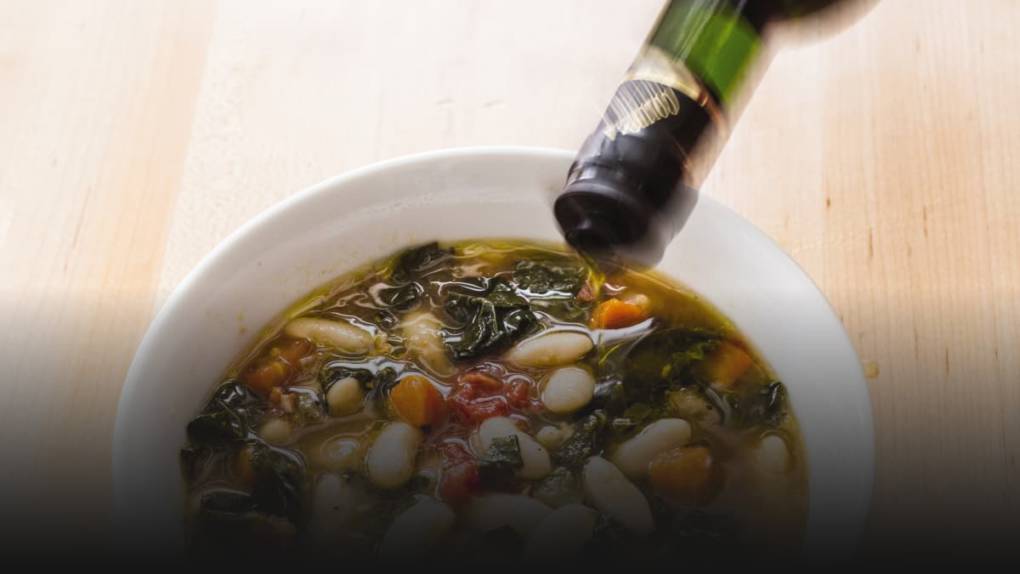
"caption": "Olive oil",
"description": "Olive oil",
"title": "SFS_tuscan_bean_stew-17",
"credit": "Courtesy of America's Test Kitchen",
"status": "inherit",
"isLoading": false,
"fetchFailed": false
},
"bayareabites_116928": {
"type": "attachments",
"id": "bayareabites_116928",
"meta": {
"index": "attachments_1716263798",
"site": "bayareabites",
"id": "116928",
"found": true
},
"parent": 116901,
"imgSizes": {
"small": {
"file": "https://ww2.kqed.org/app/uploads/sites/24/2017/04/Good-Eggs-Packaging-2-Image-by-Colin-Price-for-Good-Eggs-520x325.jpg",
"width": 520,
"mimeType": "image/jpeg",
"height": 325
},
"twentyfourteen-full-width": {
"file": "https://ww2.kqed.org/app/uploads/sites/24/2017/04/Good-Eggs-Packaging-2-Image-by-Colin-Price-for-Good-Eggs-1038x576.jpg",
"width": 1038,
"mimeType": "image/jpeg",
"height": 576
},
"thumbnail": {
"file": "https://ww2.kqed.org/app/uploads/sites/24/2017/04/Good-Eggs-Packaging-2-Image-by-Colin-Price-for-Good-Eggs-160x100.jpg",
"width": 160,
"mimeType": "image/jpeg",
"height": 100
},
"fd-sm": {
"file": "https://ww2.kqed.org/app/uploads/sites/24/2017/04/Good-Eggs-Packaging-2-Image-by-Colin-Price-for-Good-Eggs-960x600.jpg",
"width": 960,
"mimeType": "image/jpeg",
"height": 600
},
"post-thumbnail": {
"file": "https://ww2.kqed.org/app/uploads/sites/24/2017/04/Good-Eggs-Packaging-2-Image-by-Colin-Price-for-Good-Eggs-672x372.jpg",
"width": 672,
"mimeType": "image/jpeg",
"height": 372
},
"xsmall": {
"file": "https://ww2.kqed.org/app/uploads/sites/24/2017/04/Good-Eggs-Packaging-2-Image-by-Colin-Price-for-Good-Eggs-375x234.jpg",
"width": 375,
"mimeType": "image/jpeg",
"height": 234
},
"kqedFullSize": {
"file": "https://ww2.kqed.org/app/uploads/sites/24/2017/04/Good-Eggs-Packaging-2-Image-by-Colin-Price-for-Good-Eggs.jpg",
"width": 5760,
"height": 3600
},
"large": {
"file": "https://ww2.kqed.org/app/uploads/sites/24/2017/04/Good-Eggs-Packaging-2-Image-by-Colin-Price-for-Good-Eggs-1020x638.jpg",
"width": 1020,
"mimeType": "image/jpeg",
"height": 638
},
"xlarge": {
"file": "https://ww2.kqed.org/app/uploads/sites/24/2017/04/Good-Eggs-Packaging-2-Image-by-Colin-Price-for-Good-Eggs-1180x738.jpg",
"width": 1180,
"mimeType": "image/jpeg",
"height": 738
},
"guest-author-50": {
"file": "https://ww2.kqed.org/app/uploads/sites/24/2017/04/Good-Eggs-Packaging-2-Image-by-Colin-Price-for-Good-Eggs-50x50.jpg",
"width": 50,
"mimeType": "image/jpeg",
"height": 50
},
"guest-author-96": {
"file": "https://ww2.kqed.org/app/uploads/sites/24/2017/04/Good-Eggs-Packaging-2-Image-by-Colin-Price-for-Good-Eggs-96x96.jpg",
"width": 96,
"mimeType": "image/jpeg",
"height": 96
},
"medium": {
"file": "https://ww2.kqed.org/app/uploads/sites/24/2017/04/Good-Eggs-Packaging-2-Image-by-Colin-Price-for-Good-Eggs-800x500.jpg",
"width": 800,
"mimeType": "image/jpeg",
"height": 500
},
"guest-author-64": {
"file": "https://ww2.kqed.org/app/uploads/sites/24/2017/04/Good-Eggs-Packaging-2-Image-by-Colin-Price-for-Good-Eggs-64x64.jpg",
"width": 64,
"mimeType": "image/jpeg",
"height": 64
},
"guest-author-32": {
"file": "https://ww2.kqed.org/app/uploads/sites/24/2017/04/Good-Eggs-Packaging-2-Image-by-Colin-Price-for-Good-Eggs-32x32.jpg",
"width": 32,
"mimeType": "image/jpeg",
"height": 32
},
"fd-lrg": {
"file": "https://ww2.kqed.org/app/uploads/sites/24/2017/04/Good-Eggs-Packaging-2-Image-by-Colin-Price-for-Good-Eggs-1920x1200.jpg",
"width": 1920,
"mimeType": "image/jpeg",
"height": 1200
},
"fd-med": {
"file": "https://ww2.kqed.org/app/uploads/sites/24/2017/04/Good-Eggs-Packaging-2-Image-by-Colin-Price-for-Good-Eggs-1180x738.jpg",
"width": 1180,
"mimeType": "image/jpeg",
"height": 738
},
"full-width": {
"file": "https://ww2.kqed.org/app/uploads/sites/24/2017/04/Good-Eggs-Packaging-2-Image-by-Colin-Price-for-Good-Eggs-1920x1200.jpg",
"width": 1920,
"mimeType": "image/jpeg",
"height": 1200
},
"detail": {
"file": "https://ww2.kqed.org/app/uploads/sites/24/2017/04/Good-Eggs-Packaging-2-Image-by-Colin-Price-for-Good-Eggs-150x150.jpg",
"width": 150,
"mimeType": "image/jpeg",
"height": 150
},
"medium_large": {
"file": "https://ww2.kqed.org/app/uploads/sites/24/2017/04/Good-Eggs-Packaging-2-Image-by-Colin-Price-for-Good-Eggs-768x480.jpg",
"width": 768,
"mimeType": "image/jpeg",
"height": 480
},
"guest-author-128": {
"file": "https://ww2.kqed.org/app/uploads/sites/24/2017/04/Good-Eggs-Packaging-2-Image-by-Colin-Price-for-Good-Eggs-128x128.jpg",
"width": 128,
"mimeType": "image/jpeg",
"height": 128
},
"xxsmall": {
"file": "https://ww2.kqed.org/app/uploads/sites/24/2017/04/Good-Eggs-Packaging-2-Image-by-Colin-Price-for-Good-Eggs-240x150.jpg",
"width": 240,
"mimeType": "image/jpeg",
"height": 150
}
},
"publishDate": 1492799088,
"modified": 1492799128,
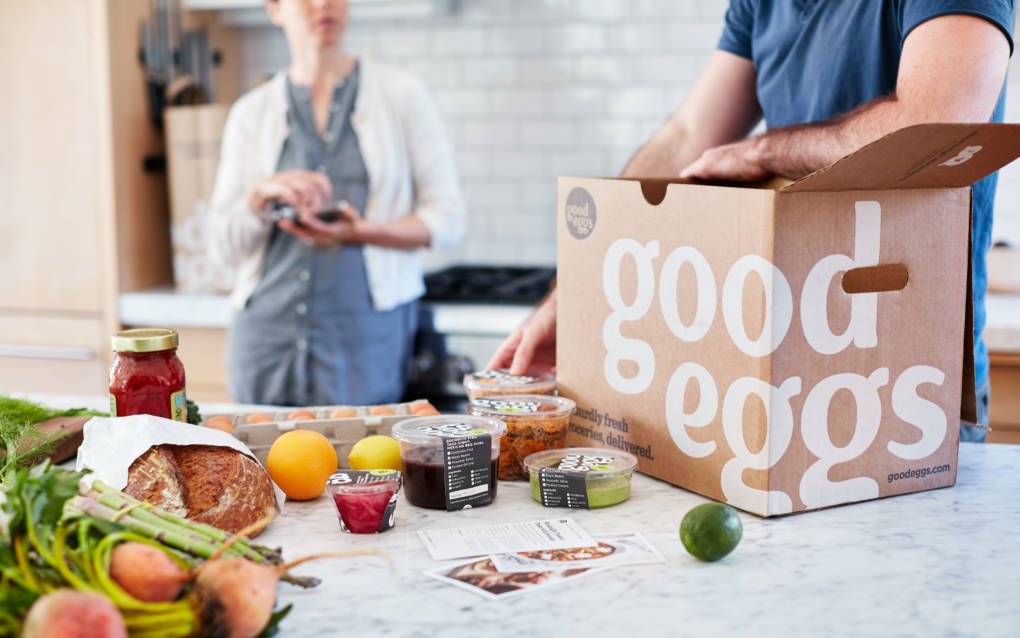
"caption": "Good Eggs meal kit ",
"description": "Good Eggs meal kit ",
"title": "Good Eggs Packaging 2 Image by Colin Price for Good Eggs",
"credit": "Colin Price/Courtesy of Good Eggs",
"status": "inherit",
"isLoading": false,
"fetchFailed": false
},
"bayareabites_124282": {
"type": "attachments",
"id": "bayareabites_124282",
"meta": {
"index": "attachments_1716263798",
"site": "bayareabites",
"id": "124282",
"found": true
},
"parent": 124278,
"imgSizes": {
"small": {
"file": "https://ww2.kqed.org/app/uploads/sites/24/2018/01/13210215923_dd043eaa73_k-520x495.jpg",
"width": 520,
"mimeType": "image/jpeg",
"height": 495
},
"twentyfourteen-full-width": {
"file": "https://ww2.kqed.org/app/uploads/sites/24/2018/01/13210215923_dd043eaa73_k-1038x576.jpg",
"width": 1038,
"mimeType": "image/jpeg",
"height": 576
},
"thumbnail": {
"file": "https://ww2.kqed.org/app/uploads/sites/24/2018/01/13210215923_dd043eaa73_k-160x152.jpg",
"width": 160,
"mimeType": "image/jpeg",
"height": 152
},
"fd-sm": {
"file": "https://ww2.kqed.org/app/uploads/sites/24/2018/01/13210215923_dd043eaa73_k-960x915.jpg",
"width": 960,
"mimeType": "image/jpeg",
"height": 915
},
"post-thumbnail": {
"file": "https://ww2.kqed.org/app/uploads/sites/24/2018/01/13210215923_dd043eaa73_k-672x372.jpg",
"width": 672,
"mimeType": "image/jpeg",
"height": 372
},
"xsmall": {
"file": "https://ww2.kqed.org/app/uploads/sites/24/2018/01/13210215923_dd043eaa73_k-375x357.jpg",
"width": 375,
"mimeType": "image/jpeg",
"height": 357
},
"kqedFullSize": {
"file": "https://ww2.kqed.org/app/uploads/sites/24/2018/01/13210215923_dd043eaa73_k.jpg",
"width": 2048,
"height": 1951
},
"large": {
"file": "https://ww2.kqed.org/app/uploads/sites/24/2018/01/13210215923_dd043eaa73_k-1020x972.jpg",
"width": 1020,
"mimeType": "image/jpeg",
"height": 972
},
"xlarge": {
"file": "https://ww2.kqed.org/app/uploads/sites/24/2018/01/13210215923_dd043eaa73_k-1180x1124.jpg",
"width": 1180,
"mimeType": "image/jpeg",
"height": 1124
},
"guest-author-50": {
"file": "https://ww2.kqed.org/app/uploads/sites/24/2018/01/13210215923_dd043eaa73_k-50x50.jpg",
"width": 50,
"mimeType": "image/jpeg",
"height": 50
},
"guest-author-96": {
"file": "https://ww2.kqed.org/app/uploads/sites/24/2018/01/13210215923_dd043eaa73_k-96x96.jpg",
"width": 96,
"mimeType": "image/jpeg",
"height": 96
},
"medium": {
"file": "https://ww2.kqed.org/app/uploads/sites/24/2018/01/13210215923_dd043eaa73_k-800x762.jpg",
"width": 800,
"mimeType": "image/jpeg",
"height": 762
},
"guest-author-64": {
"file": "https://ww2.kqed.org/app/uploads/sites/24/2018/01/13210215923_dd043eaa73_k-64x64.jpg",
"width": 64,
"mimeType": "image/jpeg",
"height": 64
},
"guest-author-32": {
"file": "https://ww2.kqed.org/app/uploads/sites/24/2018/01/13210215923_dd043eaa73_k-32x32.jpg",
"width": 32,
"mimeType": "image/jpeg",
"height": 32
},
"fd-lrg": {
"file": "https://ww2.kqed.org/app/uploads/sites/24/2018/01/13210215923_dd043eaa73_k-1920x1829.jpg",
"width": 1920,
"mimeType": "image/jpeg",
"height": 1829
},
"fd-med": {
"file": "https://ww2.kqed.org/app/uploads/sites/24/2018/01/13210215923_dd043eaa73_k-1180x1124.jpg",
"width": 1180,
"mimeType": "image/jpeg",
"height": 1124
},
"full-width": {
"file": "https://ww2.kqed.org/app/uploads/sites/24/2018/01/13210215923_dd043eaa73_k-1920x1829.jpg",
"width": 1920,
"mimeType": "image/jpeg",
"height": 1829
},
"detail": {
"file": "https://ww2.kqed.org/app/uploads/sites/24/2018/01/13210215923_dd043eaa73_k-150x150.jpg",
"width": 150,
"mimeType": "image/jpeg",
"height": 150
},
"medium_large": {
"file": "https://ww2.kqed.org/app/uploads/sites/24/2018/01/13210215923_dd043eaa73_k-768x732.jpg",
"width": 768,
"mimeType": "image/jpeg",
"height": 732
},
"guest-author-128": {
"file": "https://ww2.kqed.org/app/uploads/sites/24/2018/01/13210215923_dd043eaa73_k-128x128.jpg",
"width": 128,
"mimeType": "image/jpeg",
"height": 128
},
"xxsmall": {
"file": "https://ww2.kqed.org/app/uploads/sites/24/2018/01/13210215923_dd043eaa73_k-240x229.jpg",
"width": 240,
"mimeType": "image/jpeg",
"height": 229
}
},
"publishDate": 1515041293,
"modified": 1515041406,
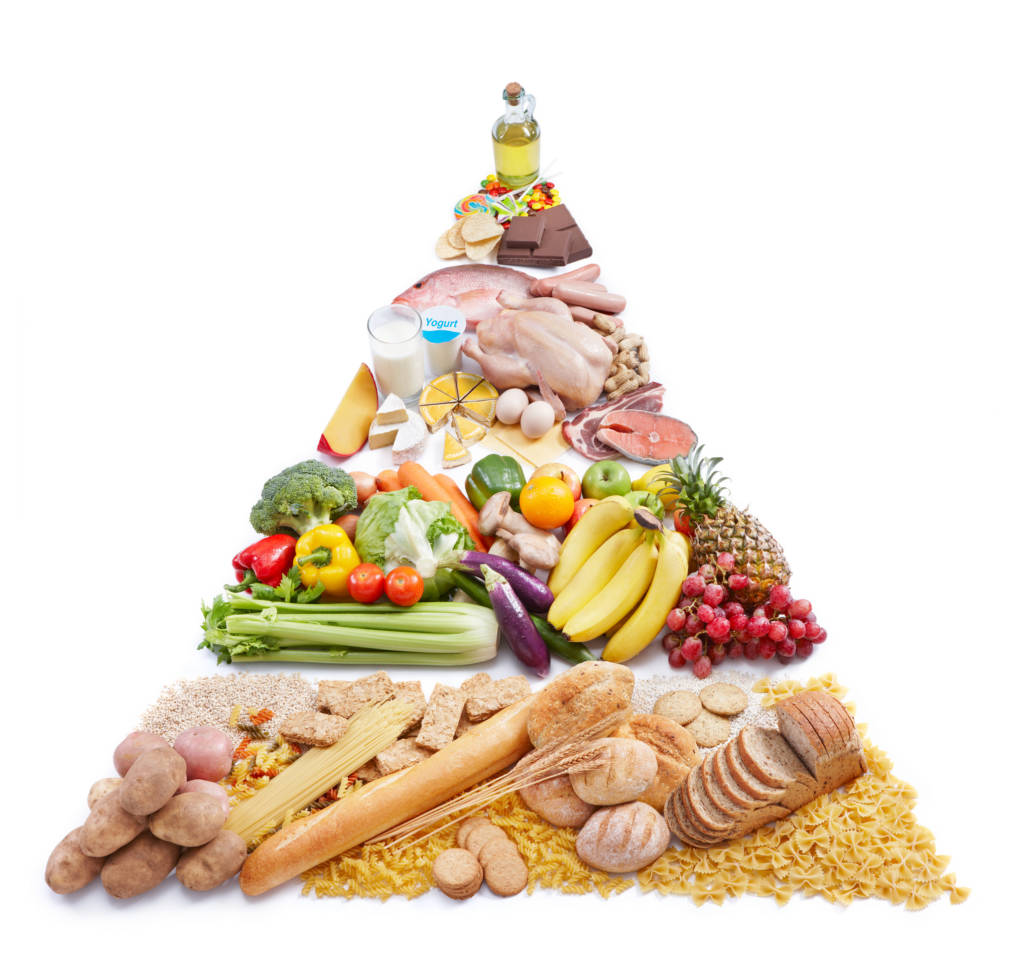
"caption": "Food pyramid",
"description": "Food pyramid",
"title": "13210215923_dd043eaa73_k",
"credit": "\u003ca href=\"https://www.flickr.com/photos/118895729@N03/\">bigbrand\u003c/a>/\u003ca href=\"https://www.flickr.com/photos/118895729@N03/13210215923/\">Flickr\u003c/a> via Creative Commons",
"status": "inherit",
"isLoading": false,
"fetchFailed": false
},
"bayareabites_124275": {
"type": "attachments",
"id": "bayareabites_124275",
"meta": {
"index": "attachments_1716263798",
"site": "bayareabites",
"id": "124275",
"found": true
},
"parent": 124258,
"imgSizes": {
"small": {
"file": "https://ww2.kqed.org/app/uploads/sites/24/2018/01/feature-520x350.png",
"width": 520,
"mimeType": "image/png",
"height": 350
},
"twentyfourteen-full-width": {
"file": "https://ww2.kqed.org/app/uploads/sites/24/2018/01/feature-1038x576.png",
"width": 1038,
"mimeType": "image/png",
"height": 576
},
"thumbnail": {
"file": "https://ww2.kqed.org/app/uploads/sites/24/2018/01/feature-160x108.png",
"width": 160,
"mimeType": "image/png",
"height": 108
},
"fd-sm": {
"file": "https://ww2.kqed.org/app/uploads/sites/24/2018/01/feature-960x646.png",
"width": 960,
"mimeType": "image/png",
"height": 646
},
"post-thumbnail": {
"file": "https://ww2.kqed.org/app/uploads/sites/24/2018/01/feature-672x372.png",
"width": 672,
"mimeType": "image/png",
"height": 372
},
"xsmall": {
"file": "https://ww2.kqed.org/app/uploads/sites/24/2018/01/feature-375x253.png",
"width": 375,
"mimeType": "image/png",
"height": 253
},
"kqedFullSize": {
"file": "https://ww2.kqed.org/app/uploads/sites/24/2018/01/feature.png",
"width": 1148,
"height": 773
},
"large": {
"file": "https://ww2.kqed.org/app/uploads/sites/24/2018/01/feature-1020x687.png",
"width": 1020,
"mimeType": "image/png",
"height": 687
},
"guest-author-50": {
"file": "https://ww2.kqed.org/app/uploads/sites/24/2018/01/feature-50x50.png",
"width": 50,
"mimeType": "image/png",
"height": 50
},
"guest-author-96": {
"file": "https://ww2.kqed.org/app/uploads/sites/24/2018/01/feature-96x96.png",
"width": 96,
"mimeType": "image/png",
"height": 96
},
"medium": {
"file": "https://ww2.kqed.org/app/uploads/sites/24/2018/01/feature-800x539.png",
"width": 800,
"mimeType": "image/png",
"height": 539
},
"guest-author-64": {
"file": "https://ww2.kqed.org/app/uploads/sites/24/2018/01/feature-64x64.png",
"width": 64,
"mimeType": "image/png",
"height": 64
},
"guest-author-32": {
"file": "https://ww2.kqed.org/app/uploads/sites/24/2018/01/feature-32x32.png",
"width": 32,
"mimeType": "image/png",
"height": 32
},
"detail": {
"file": "https://ww2.kqed.org/app/uploads/sites/24/2018/01/feature-150x150.png",
"width": 150,
"mimeType": "image/png",
"height": 150
},
"medium_large": {
"file": "https://ww2.kqed.org/app/uploads/sites/24/2018/01/feature-768x517.png",
"width": 768,
"mimeType": "image/png",
"height": 517
},
"guest-author-128": {
"file": "https://ww2.kqed.org/app/uploads/sites/24/2018/01/feature-128x128.png",
"width": 128,
"mimeType": "image/png",
"height": 128
},
"xxsmall": {
"file": "https://ww2.kqed.org/app/uploads/sites/24/2018/01/feature-240x162.png",
"width": 240,
"mimeType": "image/png",
"height": 162
}
},
"publishDate": 1515005310,
"modified": 1515005352,
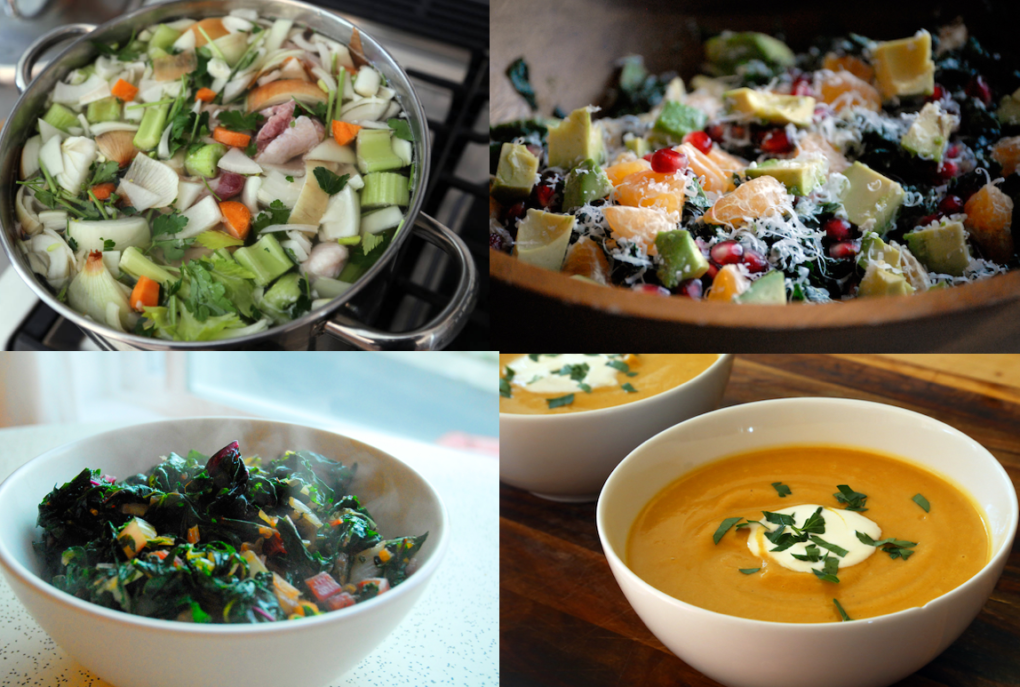
"caption": "Winter soups and salads.",
"description": "Winter soups and salads.",
"title": "feature",
"credit": "Wendy Goodfriend",
"status": "inherit",
"isLoading": false,
"fetchFailed": false
},
"bayareabites_124254": {
"type": "attachments",
"id": "bayareabites_124254",
"meta": {
"index": "attachments_1716263798",
"site": "bayareabites",
"id": "124254",
"found": true
},
"parent": 124253,
"imgSizes": {
"small": {
"file": "https://ww2.kqed.org/app/uploads/sites/24/2018/01/paigevickers_npr_12-31_custom-251cfac3213fa0037f22485e1e91fd0666cbe5d9-520x346.jpe",
"width": 520,
"mimeType": "image/jpeg",
"height": 346
},
"twentyfourteen-full-width": {
"file": "https://ww2.kqed.org/app/uploads/sites/24/2018/01/paigevickers_npr_12-31_custom-251cfac3213fa0037f22485e1e91fd0666cbe5d9-1038x576.jpe",
"width": 1038,
"mimeType": "image/jpeg",
"height": 576
},
"thumbnail": {
"file": "https://ww2.kqed.org/app/uploads/sites/24/2018/01/paigevickers_npr_12-31_custom-251cfac3213fa0037f22485e1e91fd0666cbe5d9-160x107.jpe",
"width": 160,
"mimeType": "image/jpeg",
"height": 107
},
"fd-sm": {
"file": "https://ww2.kqed.org/app/uploads/sites/24/2018/01/paigevickers_npr_12-31_custom-251cfac3213fa0037f22485e1e91fd0666cbe5d9-960x639.jpe",
"width": 960,
"mimeType": "image/jpeg",
"height": 639
},
"post-thumbnail": {
"file": "https://ww2.kqed.org/app/uploads/sites/24/2018/01/paigevickers_npr_12-31_custom-251cfac3213fa0037f22485e1e91fd0666cbe5d9-672x372.jpe",
"width": 672,
"mimeType": "image/jpeg",
"height": 372
},
"xsmall": {
"file": "https://ww2.kqed.org/app/uploads/sites/24/2018/01/paigevickers_npr_12-31_custom-251cfac3213fa0037f22485e1e91fd0666cbe5d9-375x250.jpe",
"width": 375,
"mimeType": "image/jpeg",
"height": 250
},
"kqedFullSize": {
"file": "https://ww2.kqed.org/app/uploads/sites/24/2018/01/paigevickers_npr_12-31_custom-251cfac3213fa0037f22485e1e91fd0666cbe5d9.jpe",
"width": 3000,
"height": 1998
},
"large": {
"file": "https://ww2.kqed.org/app/uploads/sites/24/2018/01/paigevickers_npr_12-31_custom-251cfac3213fa0037f22485e1e91fd0666cbe5d9-1020x679.jpe",
"width": 1020,
"mimeType": "image/jpeg",
"height": 679
},
"xlarge": {
"file": "https://ww2.kqed.org/app/uploads/sites/24/2018/01/paigevickers_npr_12-31_custom-251cfac3213fa0037f22485e1e91fd0666cbe5d9-1180x786.jpe",
"width": 1180,
"mimeType": "image/jpeg",
"height": 786
},
"guest-author-50": {
"file": "https://ww2.kqed.org/app/uploads/sites/24/2018/01/paigevickers_npr_12-31_custom-251cfac3213fa0037f22485e1e91fd0666cbe5d9-50x50.jpe",
"width": 50,
"mimeType": "image/jpeg",
"height": 50
},
"guest-author-96": {
"file": "https://ww2.kqed.org/app/uploads/sites/24/2018/01/paigevickers_npr_12-31_custom-251cfac3213fa0037f22485e1e91fd0666cbe5d9-96x96.jpe",
"width": 96,
"mimeType": "image/jpeg",
"height": 96
},
"medium": {
"file": "https://ww2.kqed.org/app/uploads/sites/24/2018/01/paigevickers_npr_12-31_custom-251cfac3213fa0037f22485e1e91fd0666cbe5d9-800x533.jpe",
"width": 800,
"mimeType": "image/jpeg",
"height": 533
},
"guest-author-64": {
"file": "https://ww2.kqed.org/app/uploads/sites/24/2018/01/paigevickers_npr_12-31_custom-251cfac3213fa0037f22485e1e91fd0666cbe5d9-64x64.jpe",
"width": 64,
"mimeType": "image/jpeg",
"height": 64
},
"guest-author-32": {
"file": "https://ww2.kqed.org/app/uploads/sites/24/2018/01/paigevickers_npr_12-31_custom-251cfac3213fa0037f22485e1e91fd0666cbe5d9-32x32.jpe",
"width": 32,
"mimeType": "image/jpeg",
"height": 32
},
"fd-lrg": {
"file": "https://ww2.kqed.org/app/uploads/sites/24/2018/01/paigevickers_npr_12-31_custom-251cfac3213fa0037f22485e1e91fd0666cbe5d9-1920x1279.jpe",
"width": 1920,
"mimeType": "image/jpeg",
"height": 1279
},
"fd-med": {
"file": "https://ww2.kqed.org/app/uploads/sites/24/2018/01/paigevickers_npr_12-31_custom-251cfac3213fa0037f22485e1e91fd0666cbe5d9-1180x786.jpe",
"width": 1180,
"mimeType": "image/jpeg",
"height": 786
},
"full-width": {
"file": "https://ww2.kqed.org/app/uploads/sites/24/2018/01/paigevickers_npr_12-31_custom-251cfac3213fa0037f22485e1e91fd0666cbe5d9-1920x1279.jpe",
"width": 1920,
"mimeType": "image/jpeg",
"height": 1279
},
"detail": {
"file": "https://ww2.kqed.org/app/uploads/sites/24/2018/01/paigevickers_npr_12-31_custom-251cfac3213fa0037f22485e1e91fd0666cbe5d9-150x150.jpe",
"width": 150,
"mimeType": "image/jpeg",
"height": 150
},
"medium_large": {
"file": "https://ww2.kqed.org/app/uploads/sites/24/2018/01/paigevickers_npr_12-31_custom-251cfac3213fa0037f22485e1e91fd0666cbe5d9-768x511.jpe",
"width": 768,
"mimeType": "image/jpeg",
"height": 511
},
"guest-author-128": {
"file": "https://ww2.kqed.org/app/uploads/sites/24/2018/01/paigevickers_npr_12-31_custom-251cfac3213fa0037f22485e1e91fd0666cbe5d9-128x128.jpe",
"width": 128,
"mimeType": "image/jpeg",
"height": 128
},
"xxsmall": {
"file": "https://ww2.kqed.org/app/uploads/sites/24/2018/01/paigevickers_npr_12-31_custom-251cfac3213fa0037f22485e1e91fd0666cbe5d9-240x160.jpe",
"width": 240,
"mimeType": "image/jpeg",
"height": 160
}
},
"publishDate": 1514915061,
"modified": 1514915963,
"caption": null,
"description": null,
"title": "Research shows that logging what you eat can be one powerful strategy for weight loss.",
"credit": "Paige Vickers for NPR",
"status": "inherit",
"isLoading": false,
"fetchFailed": false
},
"bayareabites_123365": {
"type": "attachments",
"id": "bayareabites_123365",
"meta": {
"index": "attachments_1716263798",
"site": "bayareabites",
"id": "123365",
"found": true
},
"parent": 123364,
"imgSizes": {
"small": {
"file": "https://ww2.kqed.org/app/uploads/sites/24/2017/12/lead-crock_wide-e5ac19445f70ef93d4dcbc866bf344ee3f23231f-520x292.jpg",
"width": 520,
"mimeType": "image/jpeg",
"height": 292
},
"twentyfourteen-full-width": {
"file": "https://ww2.kqed.org/app/uploads/sites/24/2017/12/lead-crock_wide-e5ac19445f70ef93d4dcbc866bf344ee3f23231f-1038x576.jpg",
"width": 1038,
"mimeType": "image/jpeg",
"height": 576
},
"thumbnail": {
"file": "https://ww2.kqed.org/app/uploads/sites/24/2017/12/lead-crock_wide-e5ac19445f70ef93d4dcbc866bf344ee3f23231f-160x90.jpg",
"width": 160,
"mimeType": "image/jpeg",
"height": 90
},
"fd-sm": {
"file": "https://ww2.kqed.org/app/uploads/sites/24/2017/12/lead-crock_wide-e5ac19445f70ef93d4dcbc866bf344ee3f23231f-960x540.jpg",
"width": 960,
"mimeType": "image/jpeg",
"height": 540
},
"post-thumbnail": {
"file": "https://ww2.kqed.org/app/uploads/sites/24/2017/12/lead-crock_wide-e5ac19445f70ef93d4dcbc866bf344ee3f23231f-672x372.jpg",
"width": 672,
"mimeType": "image/jpeg",
"height": 372
},
"xsmall": {
"file": "https://ww2.kqed.org/app/uploads/sites/24/2017/12/lead-crock_wide-e5ac19445f70ef93d4dcbc866bf344ee3f23231f-375x211.jpg",
"width": 375,
"mimeType": "image/jpeg",
"height": 211
},
"kqedFullSize": {
"file": "https://ww2.kqed.org/app/uploads/sites/24/2017/12/lead-crock_wide-e5ac19445f70ef93d4dcbc866bf344ee3f23231f.jpg",
"width": 1800,
"height": 1012
},
"large": {
"file": "https://ww2.kqed.org/app/uploads/sites/24/2017/12/lead-crock_wide-e5ac19445f70ef93d4dcbc866bf344ee3f23231f-1020x573.jpg",
"width": 1020,
"mimeType": "image/jpeg",
"height": 573
},
"xlarge": {
"file": "https://ww2.kqed.org/app/uploads/sites/24/2017/12/lead-crock_wide-e5ac19445f70ef93d4dcbc866bf344ee3f23231f-1180x663.jpg",
"width": 1180,
"mimeType": "image/jpeg",
"height": 663
},
"guest-author-50": {
"file": "https://ww2.kqed.org/app/uploads/sites/24/2017/12/lead-crock_wide-e5ac19445f70ef93d4dcbc866bf344ee3f23231f-50x50.jpg",
"width": 50,
"mimeType": "image/jpeg",
"height": 50
},
"guest-author-96": {
"file": "https://ww2.kqed.org/app/uploads/sites/24/2017/12/lead-crock_wide-e5ac19445f70ef93d4dcbc866bf344ee3f23231f-96x96.jpg",
"width": 96,
"mimeType": "image/jpeg",
"height": 96
},
"medium": {
"file": "https://ww2.kqed.org/app/uploads/sites/24/2017/12/lead-crock_wide-e5ac19445f70ef93d4dcbc866bf344ee3f23231f-800x450.jpg",
"width": 800,
"mimeType": "image/jpeg",
"height": 450
},
"guest-author-64": {
"file": "https://ww2.kqed.org/app/uploads/sites/24/2017/12/lead-crock_wide-e5ac19445f70ef93d4dcbc866bf344ee3f23231f-64x64.jpg",
"width": 64,
"mimeType": "image/jpeg",
"height": 64
},
"guest-author-32": {
"file": "https://ww2.kqed.org/app/uploads/sites/24/2017/12/lead-crock_wide-e5ac19445f70ef93d4dcbc866bf344ee3f23231f-32x32.jpg",
"width": 32,
"mimeType": "image/jpeg",
"height": 32
},
"fd-med": {
"file": "https://ww2.kqed.org/app/uploads/sites/24/2017/12/lead-crock_wide-e5ac19445f70ef93d4dcbc866bf344ee3f23231f-1180x663.jpg",
"width": 1180,
"mimeType": "image/jpeg",
"height": 663
},
"detail": {
"file": "https://ww2.kqed.org/app/uploads/sites/24/2017/12/lead-crock_wide-e5ac19445f70ef93d4dcbc866bf344ee3f23231f-150x150.jpg",
"width": 150,
"mimeType": "image/jpeg",
"height": 150
},
"medium_large": {
"file": "https://ww2.kqed.org/app/uploads/sites/24/2017/12/lead-crock_wide-e5ac19445f70ef93d4dcbc866bf344ee3f23231f-768x432.jpg",
"width": 768,
"mimeType": "image/jpeg",
"height": 432
},
"guest-author-128": {
"file": "https://ww2.kqed.org/app/uploads/sites/24/2017/12/lead-crock_wide-e5ac19445f70ef93d4dcbc866bf344ee3f23231f-128x128.jpg",
"width": 128,
"mimeType": "image/jpeg",
"height": 128
},
"xxsmall": {
"file": "https://ww2.kqed.org/app/uploads/sites/24/2017/12/lead-crock_wide-e5ac19445f70ef93d4dcbc866bf344ee3f23231f-240x135.jpg",
"width": 240,
"mimeType": "image/jpeg",
"height": 135
}
},
"publishDate": 1512753157,
"modified": 1512753393,
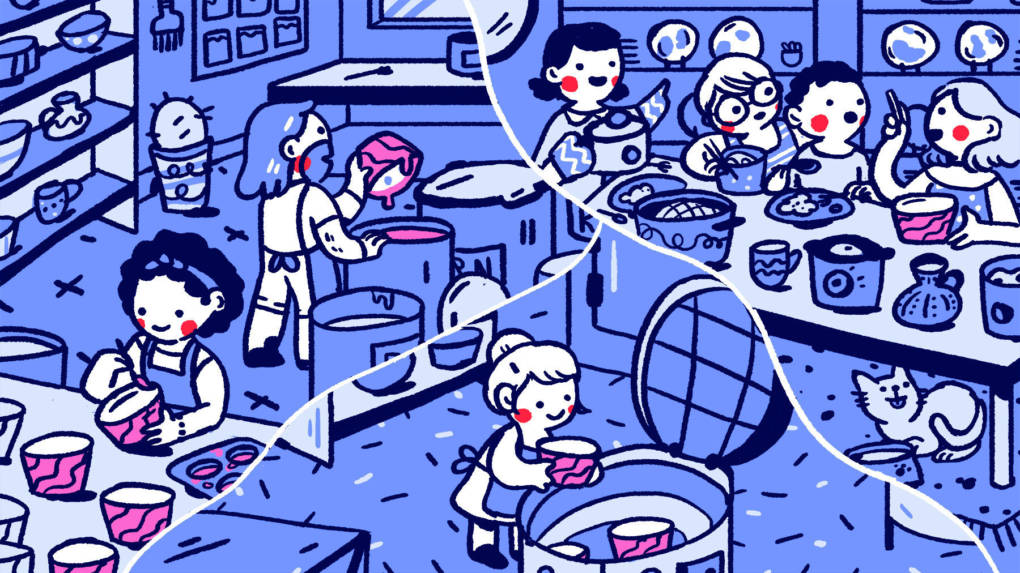
"caption": "How does lead wind up in crockpots and other ceramic food and drink containers? Ceramic ware is glazed before entering a kiln to bake. These glazes sometimes contain lead to give products an attractive shine.",
"description": "How does lead wind up in crockpots and other ceramic food and drink containers? Ceramic ware is glazed before entering a kiln to bake. These glazes sometimes contain lead to give products an attractive shine.",
"title": "How does lead wind up in crockpots and other ceramic food and drink containers? Ceramic ware is glazed before entering a kiln to bake. These glazes sometimes contain lead to give products an attractive shine.",
"credit": "Joy Ho for NPR",
"status": "inherit",
"isLoading": false,
"fetchFailed": false
},
"bayareabites_122846": {
"type": "attachments",
"id": "bayareabites_122846",
"meta": {
"index": "attachments_1716263798",
"site": "bayareabites",
"id": "122846",
"found": true
},
"parent": 122841,
"imgSizes": {
"small": {
"file": "https://ww2.kqed.org/app/uploads/sites/24/2017/11/GettyImages-85792525-520x358.jpg",
"width": 520,
"mimeType": "image/jpeg",
"height": 358
},
"twentyfourteen-full-width": {
"file": "https://ww2.kqed.org/app/uploads/sites/24/2017/11/GettyImages-85792525-1038x576.jpg",
"width": 1038,
"mimeType": "image/jpeg",
"height": 576
},
"thumbnail": {
"file": "https://ww2.kqed.org/app/uploads/sites/24/2017/11/GettyImages-85792525-160x110.jpg",
"width": 160,
"mimeType": "image/jpeg",
"height": 110
},
"fd-sm": {
"file": "https://ww2.kqed.org/app/uploads/sites/24/2017/11/GettyImages-85792525-960x661.jpg",
"width": 960,
"mimeType": "image/jpeg",
"height": 661
},
"post-thumbnail": {
"file": "https://ww2.kqed.org/app/uploads/sites/24/2017/11/GettyImages-85792525-672x372.jpg",
"width": 672,
"mimeType": "image/jpeg",
"height": 372
},
"xsmall": {
"file": "https://ww2.kqed.org/app/uploads/sites/24/2017/11/GettyImages-85792525-375x258.jpg",
"width": 375,
"mimeType": "image/jpeg",
"height": 258
},
"kqedFullSize": {
"file": "https://ww2.kqed.org/app/uploads/sites/24/2017/11/GettyImages-85792525-e1511323808766.jpg",
"width": 2000,
"height": 1377
},
"large": {
"file": "https://ww2.kqed.org/app/uploads/sites/24/2017/11/GettyImages-85792525-1020x702.jpg",
"width": 1020,
"mimeType": "image/jpeg",
"height": 702
},
"xlarge": {
"file": "https://ww2.kqed.org/app/uploads/sites/24/2017/11/GettyImages-85792525-1180x813.jpg",
"width": 1180,
"mimeType": "image/jpeg",
"height": 813
},
"guest-author-50": {
"file": "https://ww2.kqed.org/app/uploads/sites/24/2017/11/GettyImages-85792525-50x50.jpg",
"width": 50,
"mimeType": "image/jpeg",
"height": 50
},
"guest-author-96": {
"file": "https://ww2.kqed.org/app/uploads/sites/24/2017/11/GettyImages-85792525-96x96.jpg",
"width": 96,
"mimeType": "image/jpeg",
"height": 96
},
"medium": {
"file": "https://ww2.kqed.org/app/uploads/sites/24/2017/11/GettyImages-85792525-800x551.jpg",
"width": 800,
"mimeType": "image/jpeg",
"height": 551
},
"guest-author-64": {
"file": "https://ww2.kqed.org/app/uploads/sites/24/2017/11/GettyImages-85792525-64x64.jpg",
"width": 64,
"mimeType": "image/jpeg",
"height": 64
},
"guest-author-32": {
"file": "https://ww2.kqed.org/app/uploads/sites/24/2017/11/GettyImages-85792525-32x32.jpg",
"width": 32,
"mimeType": "image/jpeg",
"height": 32
},
"fd-lrg": {
"file": "https://ww2.kqed.org/app/uploads/sites/24/2017/11/GettyImages-85792525-1920x1322.jpg",
"width": 1920,
"mimeType": "image/jpeg",
"height": 1322
},
"fd-med": {
"file": "https://ww2.kqed.org/app/uploads/sites/24/2017/11/GettyImages-85792525-1180x813.jpg",
"width": 1180,
"mimeType": "image/jpeg",
"height": 813
},
"full-width": {
"file": "https://ww2.kqed.org/app/uploads/sites/24/2017/11/GettyImages-85792525-1920x1322.jpg",
"width": 1920,
"mimeType": "image/jpeg",
"height": 1322
},
"detail": {
"file": "https://ww2.kqed.org/app/uploads/sites/24/2017/11/GettyImages-85792525-150x150.jpg",
"width": 150,
"mimeType": "image/jpeg",
"height": 150
},
"medium_large": {
"file": "https://ww2.kqed.org/app/uploads/sites/24/2017/11/GettyImages-85792525-768x529.jpg",
"width": 768,
"mimeType": "image/jpeg",
"height": 529
},
"guest-author-128": {
"file": "https://ww2.kqed.org/app/uploads/sites/24/2017/11/GettyImages-85792525-128x128.jpg",
"width": 128,
"mimeType": "image/jpeg",
"height": 128
},
"xxsmall": {
"file": "https://ww2.kqed.org/app/uploads/sites/24/2017/11/GettyImages-85792525-240x165.jpg",
"width": 240,
"mimeType": "image/jpeg",
"height": 165
}
},
"publishDate": 1511323452,
"modified": 1511323954,
"caption": null,
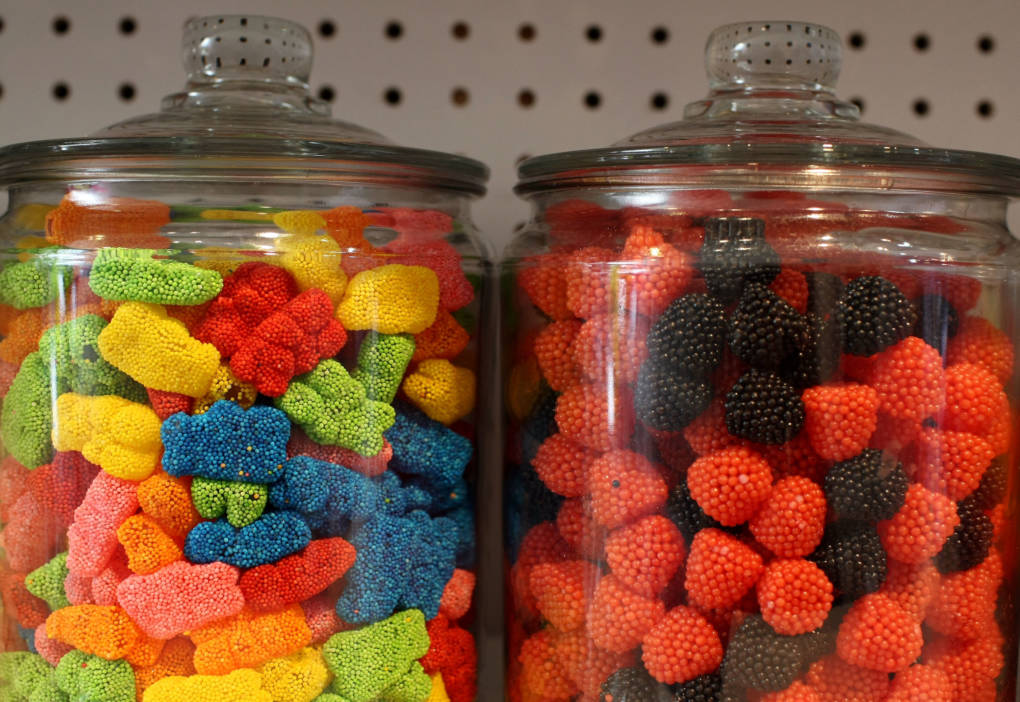
"description": "SAN FRANCISCO - APRIL 03: Glass jars filled with candy are displayed at Sweet Dish candy store April 3, 2009 in San Francisco, California. As the economy continues to struggle, candy sales are rising as Americans seek to comfort themselves during the difficult economic times. (Photo by Justin Sullivan/Getty Images)",
"title": "Candy Sales Prove To Be Recession Proof As Sales Rise",
"credit": "Justin Sullivan/ Getty Images",
"status": "inherit",
"isLoading": false,
"fetchFailed": false
},
"bayareabites_122738": {
"type": "attachments",
"id": "bayareabites_122738",
"meta": {
"index": "attachments_1716263798",
"site": "bayareabites",
"id": "122738",
"found": true
},
"parent": 122529,
"imgSizes": {
"small": {
"file": "https://ww2.kqed.org/app/uploads/sites/24/2017/11/MG_9477-new1-520x347.jpg",
"width": 520,
"mimeType": "image/jpeg",
"height": 347
},
"twentyfourteen-full-width": {
"file": "https://ww2.kqed.org/app/uploads/sites/24/2017/11/MG_9477-new1-1038x576.jpg",
"width": 1038,
"mimeType": "image/jpeg",
"height": 576
},
"thumbnail": {
"file": "https://ww2.kqed.org/app/uploads/sites/24/2017/11/MG_9477-new1-160x107.jpg",
"width": 160,
"mimeType": "image/jpeg",
"height": 107
},
"fd-sm": {
"file": "https://ww2.kqed.org/app/uploads/sites/24/2017/11/MG_9477-new1-960x640.jpg",
"width": 960,
"mimeType": "image/jpeg",
"height": 640
},
"post-thumbnail": {
"file": "https://ww2.kqed.org/app/uploads/sites/24/2017/11/MG_9477-new1-672x372.jpg",
"width": 672,
"mimeType": "image/jpeg",
"height": 372
},
"xsmall": {
"file": "https://ww2.kqed.org/app/uploads/sites/24/2017/11/MG_9477-new1-375x250.jpg",
"width": 375,
"mimeType": "image/jpeg",
"height": 250
},
"kqedFullSize": {
"file": "https://ww2.kqed.org/app/uploads/sites/24/2017/11/MG_9477-new1.jpg",
"width": 1920,
"height": 1280
},
"large": {
"file": "https://ww2.kqed.org/app/uploads/sites/24/2017/11/MG_9477-new1-1020x680.jpg",
"width": 1020,
"mimeType": "image/jpeg",
"height": 680
},
"xlarge": {
"file": "https://ww2.kqed.org/app/uploads/sites/24/2017/11/MG_9477-new1-1180x787.jpg",
"width": 1180,
"mimeType": "image/jpeg",
"height": 787
},
"guest-author-50": {
"file": "https://ww2.kqed.org/app/uploads/sites/24/2017/11/MG_9477-new1-50x50.jpg",
"width": 50,
"mimeType": "image/jpeg",
"height": 50
},
"guest-author-96": {
"file": "https://ww2.kqed.org/app/uploads/sites/24/2017/11/MG_9477-new1-96x96.jpg",
"width": 96,
"mimeType": "image/jpeg",
"height": 96
},
"medium": {
"file": "https://ww2.kqed.org/app/uploads/sites/24/2017/11/MG_9477-new1-800x533.jpg",
"width": 800,
"mimeType": "image/jpeg",
"height": 533
},
"guest-author-64": {
"file": "https://ww2.kqed.org/app/uploads/sites/24/2017/11/MG_9477-new1-64x64.jpg",
"width": 64,
"mimeType": "image/jpeg",
"height": 64
},
"guest-author-32": {
"file": "https://ww2.kqed.org/app/uploads/sites/24/2017/11/MG_9477-new1-32x32.jpg",
"width": 32,
"mimeType": "image/jpeg",
"height": 32
},
"fd-lrg": {
"file": "https://ww2.kqed.org/app/uploads/sites/24/2017/11/MG_9477-new1-1920x1280.jpg",
"width": 1920,
"mimeType": "image/jpeg",
"height": 1280
},
"fd-med": {
"file": "https://ww2.kqed.org/app/uploads/sites/24/2017/11/MG_9477-new1-1180x787.jpg",
"width": 1180,
"mimeType": "image/jpeg",
"height": 787
},
"full-width": {
"file": "https://ww2.kqed.org/app/uploads/sites/24/2017/11/MG_9477-new1-1920x1280.jpg",
"width": 1920,
"mimeType": "image/jpeg",
"height": 1280
},
"detail": {
"file": "https://ww2.kqed.org/app/uploads/sites/24/2017/11/MG_9477-new1-150x150.jpg",
"width": 150,
"mimeType": "image/jpeg",
"height": 150
},
"medium_large": {
"file": "https://ww2.kqed.org/app/uploads/sites/24/2017/11/MG_9477-new1-768x512.jpg",
"width": 768,
"mimeType": "image/jpeg",
"height": 512
},
"guest-author-128": {
"file": "https://ww2.kqed.org/app/uploads/sites/24/2017/11/MG_9477-new1-128x128.jpg",
"width": 128,
"mimeType": "image/jpeg",
"height": 128
},
"xxsmall": {
"file": "https://ww2.kqed.org/app/uploads/sites/24/2017/11/MG_9477-new1-240x160.jpg",
"width": 240,
"mimeType": "image/jpeg",
"height": 160
}
},
"publishDate": 1510906063,
"modified": 1510907212,
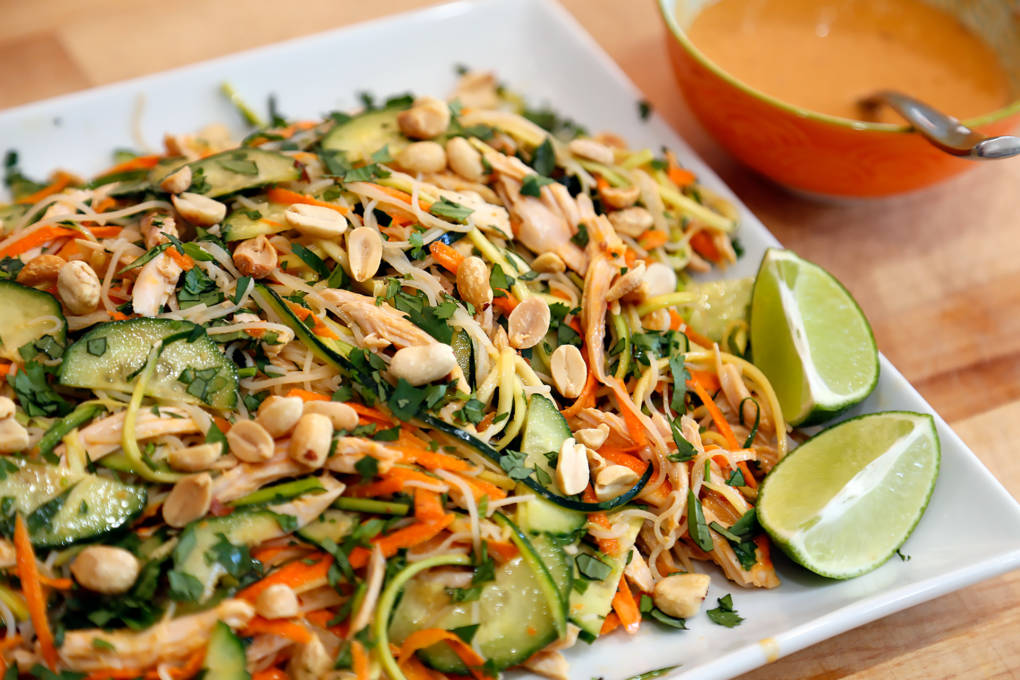
"caption": "Asian-Style Noodle Salad with Turkey, Veggies, Herbs, and Lime-Peanut Vinaigrette",
"description": null,
"title": "_MG_9477-new1",
"credit": "Wendy Goodfriend",
"status": "inherit",
"isLoading": false,
"fetchFailed": false
},
"bayareabites_122224": {
"type": "attachments",
"id": "bayareabites_122224",
"meta": {
"index": "attachments_1716263798",
"site": "bayareabites",
"id": "122224",
"found": true
},
"parent": 122186,
"imgSizes": {
"small": {
"file": "https://ww2.kqed.org/app/uploads/sites/24/2017/11/MG_1397-new-520x347.jpg",
"width": 520,
"mimeType": "image/jpeg",
"height": 347
},
"twentyfourteen-full-width": {
"file": "https://ww2.kqed.org/app/uploads/sites/24/2017/11/MG_1397-new-1038x576.jpg",
"width": 1038,
"mimeType": "image/jpeg",
"height": 576
},
"thumbnail": {
"file": "https://ww2.kqed.org/app/uploads/sites/24/2017/11/MG_1397-new-160x107.jpg",
"width": 160,
"mimeType": "image/jpeg",
"height": 107
},
"fd-sm": {
"file": "https://ww2.kqed.org/app/uploads/sites/24/2017/11/MG_1397-new-960x640.jpg",
"width": 960,
"mimeType": "image/jpeg",
"height": 640
},
"post-thumbnail": {
"file": "https://ww2.kqed.org/app/uploads/sites/24/2017/11/MG_1397-new-672x372.jpg",
"width": 672,
"mimeType": "image/jpeg",
"height": 372
},
"xsmall": {
"file": "https://ww2.kqed.org/app/uploads/sites/24/2017/11/MG_1397-new-375x250.jpg",
"width": 375,
"mimeType": "image/jpeg",
"height": 250
},
"kqedFullSize": {
"file": "https://ww2.kqed.org/app/uploads/sites/24/2017/11/MG_1397-new.jpg",
"width": 1920,
"height": 1280
},
"large": {
"file": "https://ww2.kqed.org/app/uploads/sites/24/2017/11/MG_1397-new-1020x680.jpg",
"width": 1020,
"mimeType": "image/jpeg",
"height": 680
},
"xlarge": {
"file": "https://ww2.kqed.org/app/uploads/sites/24/2017/11/MG_1397-new-1180x787.jpg",
"width": 1180,
"mimeType": "image/jpeg",
"height": 787
},
"guest-author-50": {
"file": "https://ww2.kqed.org/app/uploads/sites/24/2017/11/MG_1397-new-50x50.jpg",
"width": 50,
"mimeType": "image/jpeg",
"height": 50
},
"guest-author-96": {
"file": "https://ww2.kqed.org/app/uploads/sites/24/2017/11/MG_1397-new-96x96.jpg",
"width": 96,
"mimeType": "image/jpeg",
"height": 96
},
"medium": {
"file": "https://ww2.kqed.org/app/uploads/sites/24/2017/11/MG_1397-new-800x533.jpg",
"width": 800,
"mimeType": "image/jpeg",
"height": 533
},
"guest-author-64": {
"file": "https://ww2.kqed.org/app/uploads/sites/24/2017/11/MG_1397-new-64x64.jpg",
"width": 64,
"mimeType": "image/jpeg",
"height": 64
},
"guest-author-32": {
"file": "https://ww2.kqed.org/app/uploads/sites/24/2017/11/MG_1397-new-32x32.jpg",
"width": 32,
"mimeType": "image/jpeg",
"height": 32
},
"fd-lrg": {
"file": "https://ww2.kqed.org/app/uploads/sites/24/2017/11/MG_1397-new-1920x1280.jpg",
"width": 1920,
"mimeType": "image/jpeg",
"height": 1280
},
"fd-med": {
"file": "https://ww2.kqed.org/app/uploads/sites/24/2017/11/MG_1397-new-1180x787.jpg",
"width": 1180,
"mimeType": "image/jpeg",
"height": 787
},
"full-width": {
"file": "https://ww2.kqed.org/app/uploads/sites/24/2017/11/MG_1397-new-1920x1280.jpg",
"width": 1920,
"mimeType": "image/jpeg",
"height": 1280
},
"detail": {
"file": "https://ww2.kqed.org/app/uploads/sites/24/2017/11/MG_1397-new-150x150.jpg",
"width": 150,
"mimeType": "image/jpeg",
"height": 150
},
"medium_large": {
"file": "https://ww2.kqed.org/app/uploads/sites/24/2017/11/MG_1397-new-768x512.jpg",
"width": 768,
"mimeType": "image/jpeg",
"height": 512
},
"guest-author-128": {
"file": "https://ww2.kqed.org/app/uploads/sites/24/2017/11/MG_1397-new-128x128.jpg",
"width": 128,
"mimeType": "image/jpeg",
"height": 128
},
"xxsmall": {
"file": "https://ww2.kqed.org/app/uploads/sites/24/2017/11/MG_1397-new-240x160.jpg",
"width": 240,
"mimeType": "image/jpeg",
"height": 160
}
},
"publishDate": 1509748017,
"modified": 1509755343,
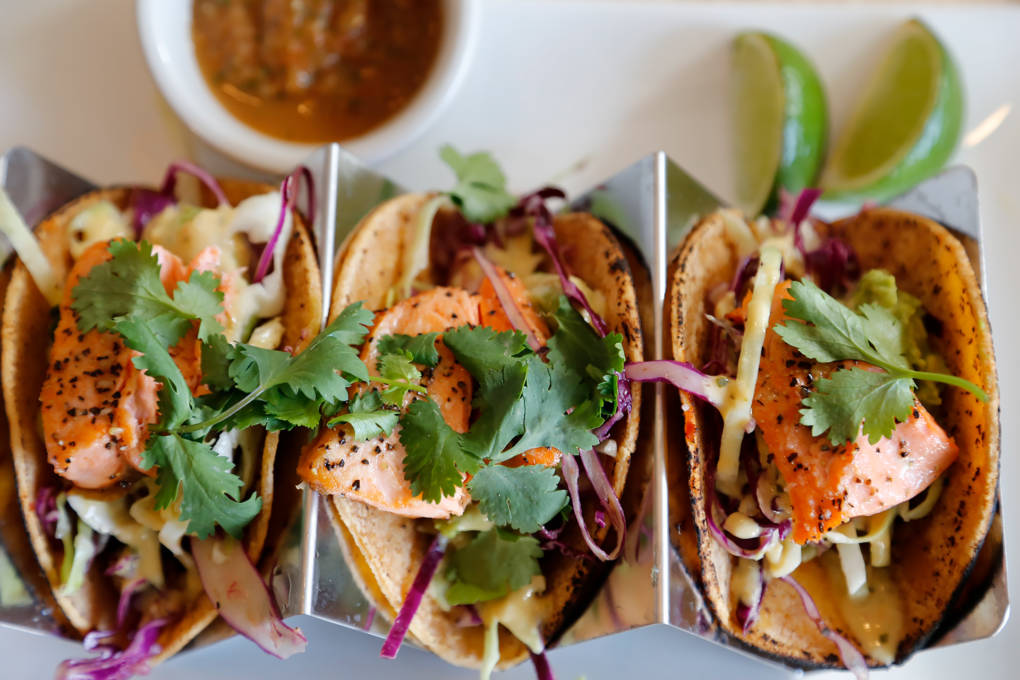
"caption": "Kitava's Street Tacos with troll-caught wild salmon.",
"description": "Kitava Street Tacos with troll-caught wild salmon",
"title": "_MG_1397-new",
"credit": "Wendy Goodfriend",
"status": "inherit",
"isLoading": false,
"fetchFailed": false
},
"bayareabites_122259": {
"type": "attachments",
"id": "bayareabites_122259",
"meta": {
"index": "attachments_1716263798",
"site": "bayareabites",
"id": "122259",
"found": true
},
"parent": 122258,
"imgSizes": {
"small": {
"file": "https://ww2.kqed.org/app/uploads/sites/24/2017/11/flavor-final_wide-4b23cb91b52d90278910cafd194d0ba3879b6b93-520x292.jpe",
"width": 520,
"mimeType": "image/jpeg",
"height": 292
},
"twentyfourteen-full-width": {
"file": "https://ww2.kqed.org/app/uploads/sites/24/2017/11/flavor-final_wide-4b23cb91b52d90278910cafd194d0ba3879b6b93-1038x576.jpe",
"width": 1038,
"mimeType": "image/jpeg",
"height": 576
},
"thumbnail": {
"file": "https://ww2.kqed.org/app/uploads/sites/24/2017/11/flavor-final_wide-4b23cb91b52d90278910cafd194d0ba3879b6b93-160x90.jpe",
"width": 160,
"mimeType": "image/jpeg",
"height": 90
},
"fd-sm": {
"file": "https://ww2.kqed.org/app/uploads/sites/24/2017/11/flavor-final_wide-4b23cb91b52d90278910cafd194d0ba3879b6b93-960x540.jpe",
"width": 960,
"mimeType": "image/jpeg",
"height": 540
},
"post-thumbnail": {
"file": "https://ww2.kqed.org/app/uploads/sites/24/2017/11/flavor-final_wide-4b23cb91b52d90278910cafd194d0ba3879b6b93-672x372.jpe",
"width": 672,
"mimeType": "image/jpeg",
"height": 372
},
"xsmall": {
"file": "https://ww2.kqed.org/app/uploads/sites/24/2017/11/flavor-final_wide-4b23cb91b52d90278910cafd194d0ba3879b6b93-375x211.jpe",
"width": 375,
"mimeType": "image/jpeg",
"height": 211
},
"kqedFullSize": {
"file": "https://ww2.kqed.org/app/uploads/sites/24/2017/11/flavor-final_wide-4b23cb91b52d90278910cafd194d0ba3879b6b93.jpe",
"width": 3333,
"height": 1874
},
"large": {
"file": "https://ww2.kqed.org/app/uploads/sites/24/2017/11/flavor-final_wide-4b23cb91b52d90278910cafd194d0ba3879b6b93-1020x574.jpe",
"width": 1020,
"mimeType": "image/jpeg",
"height": 574
},
"xlarge": {
"file": "https://ww2.kqed.org/app/uploads/sites/24/2017/11/flavor-final_wide-4b23cb91b52d90278910cafd194d0ba3879b6b93-1180x663.jpe",
"width": 1180,
"mimeType": "image/jpeg",
"height": 663
},
"guest-author-50": {
"file": "https://ww2.kqed.org/app/uploads/sites/24/2017/11/flavor-final_wide-4b23cb91b52d90278910cafd194d0ba3879b6b93-50x50.jpe",
"width": 50,
"mimeType": "image/jpeg",
"height": 50
},
"guest-author-96": {
"file": "https://ww2.kqed.org/app/uploads/sites/24/2017/11/flavor-final_wide-4b23cb91b52d90278910cafd194d0ba3879b6b93-96x96.jpe",
"width": 96,
"mimeType": "image/jpeg",
"height": 96
},
"medium": {
"file": "https://ww2.kqed.org/app/uploads/sites/24/2017/11/flavor-final_wide-4b23cb91b52d90278910cafd194d0ba3879b6b93-800x450.jpe",
"width": 800,
"mimeType": "image/jpeg",
"height": 450
},
"guest-author-64": {
"file": "https://ww2.kqed.org/app/uploads/sites/24/2017/11/flavor-final_wide-4b23cb91b52d90278910cafd194d0ba3879b6b93-64x64.jpe",
"width": 64,
"mimeType": "image/jpeg",
"height": 64
},
"guest-author-32": {
"file": "https://ww2.kqed.org/app/uploads/sites/24/2017/11/flavor-final_wide-4b23cb91b52d90278910cafd194d0ba3879b6b93-32x32.jpe",
"width": 32,
"mimeType": "image/jpeg",
"height": 32
},
"fd-lrg": {
"file": "https://ww2.kqed.org/app/uploads/sites/24/2017/11/flavor-final_wide-4b23cb91b52d90278910cafd194d0ba3879b6b93-1920x1080.jpe",
"width": 1920,
"mimeType": "image/jpeg",
"height": 1080
},
"fd-med": {
"file": "https://ww2.kqed.org/app/uploads/sites/24/2017/11/flavor-final_wide-4b23cb91b52d90278910cafd194d0ba3879b6b93-1180x663.jpe",
"width": 1180,
"mimeType": "image/jpeg",
"height": 663
},
"full-width": {
"file": "https://ww2.kqed.org/app/uploads/sites/24/2017/11/flavor-final_wide-4b23cb91b52d90278910cafd194d0ba3879b6b93-1920x1080.jpe",
"width": 1920,
"mimeType": "image/jpeg",
"height": 1080
},
"detail": {
"file": "https://ww2.kqed.org/app/uploads/sites/24/2017/11/flavor-final_wide-4b23cb91b52d90278910cafd194d0ba3879b6b93-150x150.jpe",
"width": 150,
"mimeType": "image/jpeg",
"height": 150
},
"medium_large": {
"file": "https://ww2.kqed.org/app/uploads/sites/24/2017/11/flavor-final_wide-4b23cb91b52d90278910cafd194d0ba3879b6b93-768x432.jpe",
"width": 768,
"mimeType": "image/jpeg",
"height": 432
},
"guest-author-128": {
"file": "https://ww2.kqed.org/app/uploads/sites/24/2017/11/flavor-final_wide-4b23cb91b52d90278910cafd194d0ba3879b6b93-128x128.jpe",
"width": 128,
"mimeType": "image/jpeg",
"height": 128
},
"xxsmall": {
"file": "https://ww2.kqed.org/app/uploads/sites/24/2017/11/flavor-final_wide-4b23cb91b52d90278910cafd194d0ba3879b6b93-240x135.jpe",
"width": 240,
"mimeType": "image/jpeg",
"height": 135
}
},
"publishDate": 1509754082,
"modified": 1509754214,
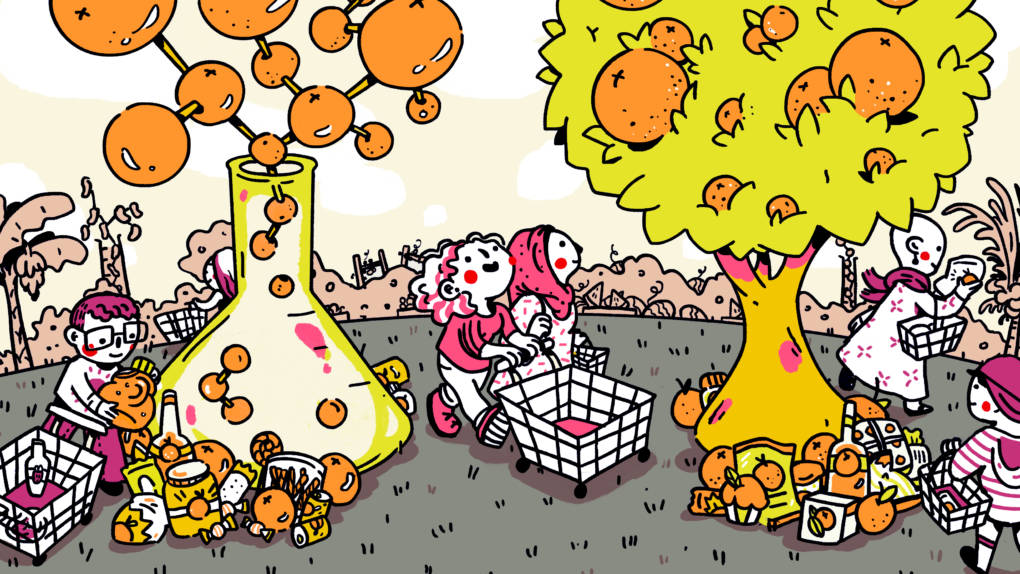
"caption": "What exactly is the difference between natural flavoring and artificial flavoring? Turns out the biggest distinction may be in the marketing.",
"description": "What exactly is the difference between natural flavoring and artificial flavoring? Turns out the biggest distinction may be in the marketing.",
"title": "What exactly is the difference between natural flavoring and artificial flavoring? Turns out the biggest distinction may be in the marketing.",
"credit": "Joy Ho for NPR",
"status": "inherit",
"isLoading": false,
"fetchFailed": false
},
"bayareabites_122140": {
"type": "attachments",
"id": "bayareabites_122140",
"meta": {
"index": "attachments_1716263798",
"site": "bayareabites",
"id": "122140",
"found": true
},
"parent": 122139,
"imgSizes": {
"small": {
"file": "https://ww2.kqed.org/app/uploads/sites/24/2017/10/dicamba_not_love_story-1_custom-b2b257513177c51dd530a642dc19452d79fb33b1-520x317.jpg",
"width": 520,
"mimeType": "image/jpeg",
"height": 317
},
"twentyfourteen-full-width": {
"file": "https://ww2.kqed.org/app/uploads/sites/24/2017/10/dicamba_not_love_story-1_custom-b2b257513177c51dd530a642dc19452d79fb33b1-1038x576.jpg",
"width": 1038,
"mimeType": "image/jpeg",
"height": 576
},
"thumbnail": {
"file": "https://ww2.kqed.org/app/uploads/sites/24/2017/10/dicamba_not_love_story-1_custom-b2b257513177c51dd530a642dc19452d79fb33b1-160x98.jpg",
"width": 160,
"mimeType": "image/jpeg",
"height": 98
},
"fd-sm": {
"file": "https://ww2.kqed.org/app/uploads/sites/24/2017/10/dicamba_not_love_story-1_custom-b2b257513177c51dd530a642dc19452d79fb33b1-960x586.jpg",
"width": 960,
"mimeType": "image/jpeg",
"height": 586
},
"post-thumbnail": {
"file": "https://ww2.kqed.org/app/uploads/sites/24/2017/10/dicamba_not_love_story-1_custom-b2b257513177c51dd530a642dc19452d79fb33b1-672x372.jpg",
"width": 672,
"mimeType": "image/jpeg",
"height": 372
},
"xsmall": {
"file": "https://ww2.kqed.org/app/uploads/sites/24/2017/10/dicamba_not_love_story-1_custom-b2b257513177c51dd530a642dc19452d79fb33b1-375x229.jpg",
"width": 375,
"mimeType": "image/jpeg",
"height": 229
},
"kqedFullSize": {
"file": "https://ww2.kqed.org/app/uploads/sites/24/2017/10/dicamba_not_love_story-1_custom-b2b257513177c51dd530a642dc19452d79fb33b1.jpg",
"width": 2000,
"height": 1220
},
"large": {
"file": "https://ww2.kqed.org/app/uploads/sites/24/2017/10/dicamba_not_love_story-1_custom-b2b257513177c51dd530a642dc19452d79fb33b1-1020x622.jpg",
"width": 1020,
"mimeType": "image/jpeg",
"height": 622
},
"xlarge": {
"file": "https://ww2.kqed.org/app/uploads/sites/24/2017/10/dicamba_not_love_story-1_custom-b2b257513177c51dd530a642dc19452d79fb33b1-1180x720.jpg",
"width": 1180,
"mimeType": "image/jpeg",
"height": 720
},
"guest-author-50": {
"file": "https://ww2.kqed.org/app/uploads/sites/24/2017/10/dicamba_not_love_story-1_custom-b2b257513177c51dd530a642dc19452d79fb33b1-50x50.jpg",
"width": 50,
"mimeType": "image/jpeg",
"height": 50
},
"guest-author-96": {
"file": "https://ww2.kqed.org/app/uploads/sites/24/2017/10/dicamba_not_love_story-1_custom-b2b257513177c51dd530a642dc19452d79fb33b1-96x96.jpg",
"width": 96,
"mimeType": "image/jpeg",
"height": 96
},
"medium": {
"file": "https://ww2.kqed.org/app/uploads/sites/24/2017/10/dicamba_not_love_story-1_custom-b2b257513177c51dd530a642dc19452d79fb33b1-800x488.jpg",
"width": 800,
"mimeType": "image/jpeg",
"height": 488
},
"guest-author-64": {
"file": "https://ww2.kqed.org/app/uploads/sites/24/2017/10/dicamba_not_love_story-1_custom-b2b257513177c51dd530a642dc19452d79fb33b1-64x64.jpg",
"width": 64,
"mimeType": "image/jpeg",
"height": 64
},
"guest-author-32": {
"file": "https://ww2.kqed.org/app/uploads/sites/24/2017/10/dicamba_not_love_story-1_custom-b2b257513177c51dd530a642dc19452d79fb33b1-32x32.jpg",
"width": 32,
"mimeType": "image/jpeg",
"height": 32
},
"fd-lrg": {
"file": "https://ww2.kqed.org/app/uploads/sites/24/2017/10/dicamba_not_love_story-1_custom-b2b257513177c51dd530a642dc19452d79fb33b1-1920x1171.jpg",
"width": 1920,
"mimeType": "image/jpeg",
"height": 1171
},
"fd-med": {
"file": "https://ww2.kqed.org/app/uploads/sites/24/2017/10/dicamba_not_love_story-1_custom-b2b257513177c51dd530a642dc19452d79fb33b1-1180x720.jpg",
"width": 1180,
"mimeType": "image/jpeg",
"height": 720
},
"full-width": {
"file": "https://ww2.kqed.org/app/uploads/sites/24/2017/10/dicamba_not_love_story-1_custom-b2b257513177c51dd530a642dc19452d79fb33b1-1920x1171.jpg",
"width": 1920,
"mimeType": "image/jpeg",
"height": 1171
},
"detail": {
"file": "https://ww2.kqed.org/app/uploads/sites/24/2017/10/dicamba_not_love_story-1_custom-b2b257513177c51dd530a642dc19452d79fb33b1-150x150.jpg",
"width": 150,
"mimeType": "image/jpeg",
"height": 150
},
"medium_large": {
"file": "https://ww2.kqed.org/app/uploads/sites/24/2017/10/dicamba_not_love_story-1_custom-b2b257513177c51dd530a642dc19452d79fb33b1-768x468.jpg",
"width": 768,
"mimeType": "image/jpeg",
"height": 468
},
"guest-author-128": {
"file": "https://ww2.kqed.org/app/uploads/sites/24/2017/10/dicamba_not_love_story-1_custom-b2b257513177c51dd530a642dc19452d79fb33b1-128x128.jpg",
"width": 128,
"mimeType": "image/jpeg",
"height": 128
},
"xxsmall": {
"file": "https://ww2.kqed.org/app/uploads/sites/24/2017/10/dicamba_not_love_story-1_custom-b2b257513177c51dd530a642dc19452d79fb33b1-240x146.jpg",
"width": 240,
"mimeType": "image/jpeg",
"height": 146
}
},
"publishDate": 1509398922,
"modified": 1509401829,
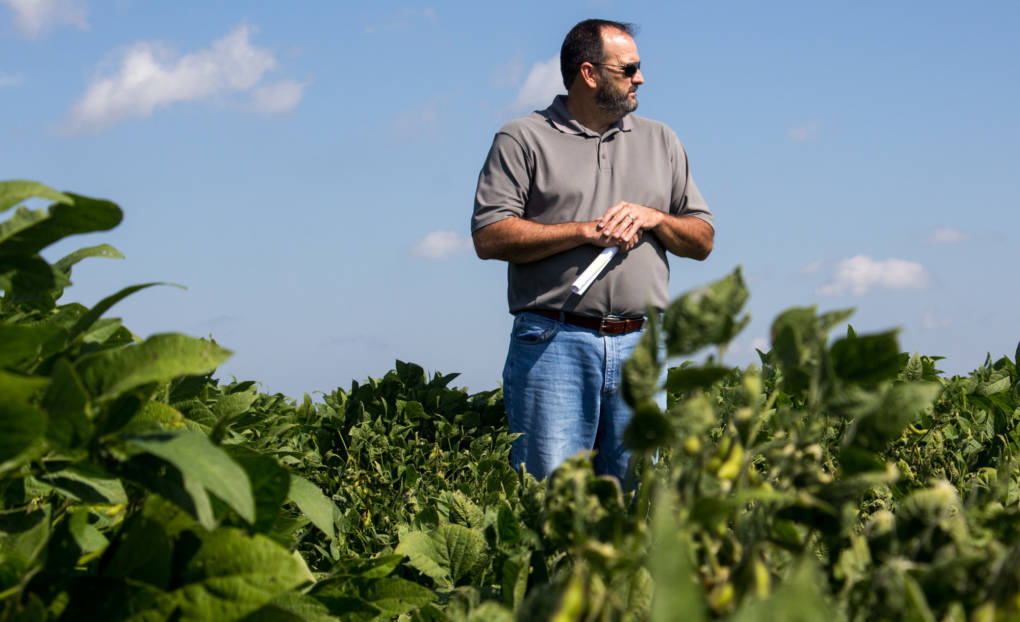
"caption": "Bob Scott, a weed scientist at the University of Arkansas, says he wishes more testing could have been done on the new dicamba formulations, but \"the product was not made available to us.\"",
"description": "Bob Scott, a weed scientist at the University of Arkansas, says he wishes more testing could have been done on the new dicamba formulations, but \"the product was not made available to us.\"",
"title": "Bob Scott, a weed scientist at the University of Arkansas, says he wishes more testing could have been done on the new dicamba formulations, but \"the product was not made available to us.\"",
"credit": "Dan Charles/ NPR",
"status": "inherit",
"isLoading": false,
"fetchFailed": false
},
"bayareabites_121968": {
"type": "attachments",
"id": "bayareabites_121968",
"meta": {
"index": "attachments_1716263798",
"site": "bayareabites",
"id": "121968",
"found": true
},
"parent": 121967,
"imgSizes": {
"small": {
"file": "https://ww2.kqed.org/app/uploads/sites/24/2017/10/fiber_group-1_wide-5c27cdada990564af079d455f7ed8509c75fb7ec-520x293.jpg",
"width": 520,
"mimeType": "image/jpeg",
"height": 293
},
"twentyfourteen-full-width": {
"file": "https://ww2.kqed.org/app/uploads/sites/24/2017/10/fiber_group-1_wide-5c27cdada990564af079d455f7ed8509c75fb7ec-1038x576.jpg",
"width": 1038,
"mimeType": "image/jpeg",
"height": 576
},
"thumbnail": {
"file": "https://ww2.kqed.org/app/uploads/sites/24/2017/10/fiber_group-1_wide-5c27cdada990564af079d455f7ed8509c75fb7ec-160x90.jpg",
"width": 160,
"mimeType": "image/jpeg",
"height": 90
},
"fd-sm": {
"file": "https://ww2.kqed.org/app/uploads/sites/24/2017/10/fiber_group-1_wide-5c27cdada990564af079d455f7ed8509c75fb7ec-960x540.jpg",
"width": 960,
"mimeType": "image/jpeg",
"height": 540
},
"post-thumbnail": {
"file": "https://ww2.kqed.org/app/uploads/sites/24/2017/10/fiber_group-1_wide-5c27cdada990564af079d455f7ed8509c75fb7ec-672x372.jpg",
"width": 672,
"mimeType": "image/jpeg",
"height": 372
},
"xsmall": {
"file": "https://ww2.kqed.org/app/uploads/sites/24/2017/10/fiber_group-1_wide-5c27cdada990564af079d455f7ed8509c75fb7ec-375x211.jpg",
"width": 375,
"mimeType": "image/jpeg",
"height": 211
},
"kqedFullSize": {
"file": "https://ww2.kqed.org/app/uploads/sites/24/2017/10/fiber_group-1_wide-5c27cdada990564af079d455f7ed8509c75fb7ec.jpg",
"width": 1996,
"height": 1123
},
"large": {
"file": "https://ww2.kqed.org/app/uploads/sites/24/2017/10/fiber_group-1_wide-5c27cdada990564af079d455f7ed8509c75fb7ec-1020x574.jpg",
"width": 1020,
"mimeType": "image/jpeg",
"height": 574
},
"xlarge": {
"file": "https://ww2.kqed.org/app/uploads/sites/24/2017/10/fiber_group-1_wide-5c27cdada990564af079d455f7ed8509c75fb7ec-1180x664.jpg",
"width": 1180,
"mimeType": "image/jpeg",
"height": 664
},
"guest-author-50": {
"file": "https://ww2.kqed.org/app/uploads/sites/24/2017/10/fiber_group-1_wide-5c27cdada990564af079d455f7ed8509c75fb7ec-50x50.jpg",
"width": 50,
"mimeType": "image/jpeg",
"height": 50
},
"guest-author-96": {
"file": "https://ww2.kqed.org/app/uploads/sites/24/2017/10/fiber_group-1_wide-5c27cdada990564af079d455f7ed8509c75fb7ec-96x96.jpg",
"width": 96,
"mimeType": "image/jpeg",
"height": 96
},
"medium": {
"file": "https://ww2.kqed.org/app/uploads/sites/24/2017/10/fiber_group-1_wide-5c27cdada990564af079d455f7ed8509c75fb7ec-800x450.jpg",
"width": 800,
"mimeType": "image/jpeg",
"height": 450
},
"guest-author-64": {
"file": "https://ww2.kqed.org/app/uploads/sites/24/2017/10/fiber_group-1_wide-5c27cdada990564af079d455f7ed8509c75fb7ec-64x64.jpg",
"width": 64,
"mimeType": "image/jpeg",
"height": 64
},
"guest-author-32": {
"file": "https://ww2.kqed.org/app/uploads/sites/24/2017/10/fiber_group-1_wide-5c27cdada990564af079d455f7ed8509c75fb7ec-32x32.jpg",
"width": 32,
"mimeType": "image/jpeg",
"height": 32
},
"fd-lrg": {
"file": "https://ww2.kqed.org/app/uploads/sites/24/2017/10/fiber_group-1_wide-5c27cdada990564af079d455f7ed8509c75fb7ec-1920x1080.jpg",
"width": 1920,
"mimeType": "image/jpeg",
"height": 1080
},
"fd-med": {
"file": "https://ww2.kqed.org/app/uploads/sites/24/2017/10/fiber_group-1_wide-5c27cdada990564af079d455f7ed8509c75fb7ec-1180x664.jpg",
"width": 1180,
"mimeType": "image/jpeg",
"height": 664
},
"full-width": {
"file": "https://ww2.kqed.org/app/uploads/sites/24/2017/10/fiber_group-1_wide-5c27cdada990564af079d455f7ed8509c75fb7ec-1920x1080.jpg",
"width": 1920,
"mimeType": "image/jpeg",
"height": 1080
},
"detail": {
"file": "https://ww2.kqed.org/app/uploads/sites/24/2017/10/fiber_group-1_wide-5c27cdada990564af079d455f7ed8509c75fb7ec-150x150.jpg",
"width": 150,
"mimeType": "image/jpeg",
"height": 150
},
"medium_large": {
"file": "https://ww2.kqed.org/app/uploads/sites/24/2017/10/fiber_group-1_wide-5c27cdada990564af079d455f7ed8509c75fb7ec-768x432.jpg",
"width": 768,
"mimeType": "image/jpeg",
"height": 432
},
"guest-author-128": {
"file": "https://ww2.kqed.org/app/uploads/sites/24/2017/10/fiber_group-1_wide-5c27cdada990564af079d455f7ed8509c75fb7ec-128x128.jpg",
"width": 128,
"mimeType": "image/jpeg",
"height": 128
},
"xxsmall": {
"file": "https://ww2.kqed.org/app/uploads/sites/24/2017/10/fiber_group-1_wide-5c27cdada990564af079d455f7ed8509c75fb7ec-240x135.jpg",
"width": 240,
"mimeType": "image/jpeg",
"height": 135
}
},
"publishDate": 1508755329,
"modified": 1508755587,
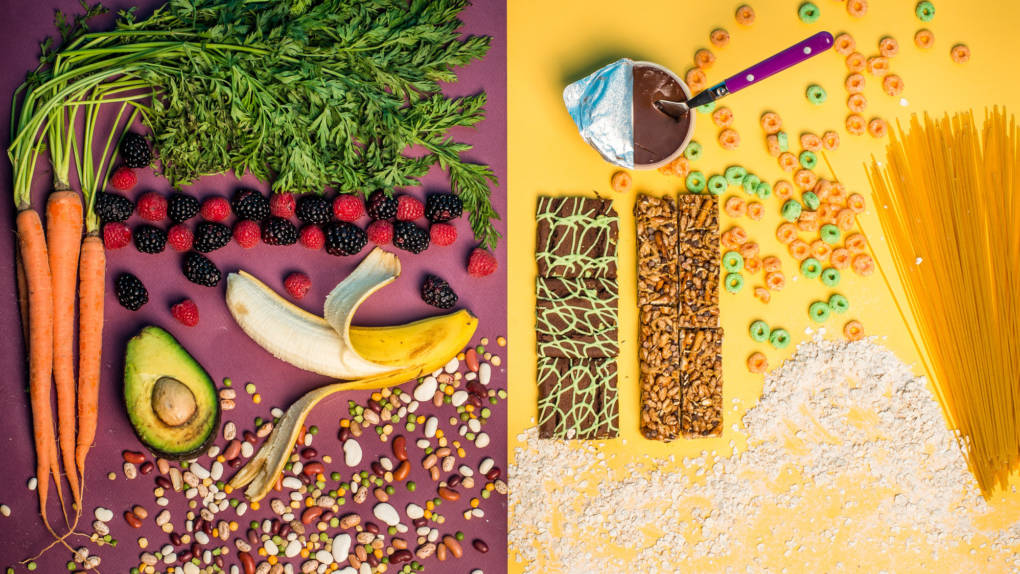
"caption": "The foods on the left contain naturally occurring fibers that are intrinsic in plants. The foods on the right contain isolated fibers, such as chicory root, which are extracted and added to processed foods. The FDA will determine whether added fibers can count as dietary fiber on Nutrition Facts labels.",
"description": "The foods on the left contain naturally occurring fibers that are intrinsic in plants. The foods on the right contain isolated fibers, such as chicory root, which are extracted and added to processed foods. The FDA will determine whether added fibers can count as dietary fiber on Nutrition Facts labels.",
"title": "The foods on the left contain naturally occurring fibers that are intrinsic in plants. The foods on the right contain isolated fibers, such as chicory root, which are extracted and added to processed foods. The FDA will determine whether added fibers can count as dietary fiber on Nutrition Facts labels.",
"credit": "Carolyn Rogers/NPR",
"status": "inherit",
"isLoading": false,
"fetchFailed": false
}
},
"audioPlayerReducer": {
"postId": "stream_live",
"isPaused": true,
"isPlaying": false,
"pfsActive": false,
"pledgeModalIsOpen": true,
"playerDrawerIsOpen": false,
"liveAudioPlayStartedAt": 0,
"liveAudioPlayContext": ""
},
"authorsReducer": {
"byline_bayareabites_124338": {
"type": "authors",
"id": "byline_bayareabites_124338",
"meta": {
"override": true
},
"slug": "byline_bayareabites_124338",
"name": "\u003cstrong>\u003ca href=\"https://www.americastestkitchen.com/articles/499-everything-you-need-to-know-about-olive-oil\">America's Test Kitchen\u003c/strong>\u003c/a>",
"isLoading": false
},
"byline_bayareabites_124278": {
"type": "authors",
"id": "byline_bayareabites_124278",
"meta": {
"override": true
},
"slug": "byline_bayareabites_124278",
"name": "Allison Aubrey, \u003cstrong>\u003ca href=\"https://www.npr.org/sections/thesalt/2018/01/03/575181390/from-vegan-to-keto-and-mediterranean-experts-rank-2018s-best-diets\">NPR Food\u003c/strong>\u003c/a>",
"isLoading": false
},
"byline_bayareabites_124253": {
"type": "authors",
"id": "byline_bayareabites_124253",
"meta": {
"override": true
},
"slug": "byline_bayareabites_124253",
"name": "Maria Godoy, \u003cstrong>\u003ca href=\"https://www.npr.org/2018/01/01/574109412/we-gave-weight-loss-using-food-tracking-apps-a-try\">NPR Food\u003c/a>",
"isLoading": false
},
"byline_bayareabites_123364": {
"type": "authors",
"id": "byline_bayareabites_123364",
"meta": {
"override": true
},
"slug": "byline_bayareabites_123364",
"name": "Natalie Jacewicz, \u003ca href=\"https://ww2.kqed.org/bayareabites/author/nprfood/\">NPR Food\u003c/a>",
"isLoading": false
},
"byline_bayareabites_122841": {
"type": "authors",
"id": "byline_bayareabites_122841",
"meta": {
"override": true
},
"slug": "byline_bayareabites_122841",
"name": "Allison Aubrey, NPR Food",
"isLoading": false
},
"byline_bayareabites_122258": {
"type": "authors",
"id": "byline_bayareabites_122258",
"meta": {
"override": true
},
"slug": "byline_bayareabites_122258",
"name": "Natalie Jacewicz, \u003ca href=\"https://ww2.kqed.org/bayareabites/author/nprfood/\">NPR Food\u003c/a>",
"isLoading": false
},
"byline_bayareabites_122139": {
"type": "authors",
"id": "byline_bayareabites_122139",
"meta": {
"override": true
},
"slug": "byline_bayareabites_122139",
"name": "Dan Charles, NPR Food",
"isLoading": false
},
"byline_bayareabites_121967": {
"type": "authors",
"id": "byline_bayareabites_121967",
"meta": {
"override": true
},
"slug": "byline_bayareabites_121967",
"name": "Allison Aubrey, NPR Food",
"isLoading": false
},
"kdomara": {
"type": "authors",
"id": "1459",
"meta": {
"index": "authors_1716337520",
"id": "1459",
"found": true
},
"name": "Kelly O'Mara",
"firstName": "Kelly",
"lastName": "O'Mara",
"slug": "kdomara",
"email": "komara@kqed.org",
"display_author_email": false,
"staff_mastheads": [
"news"
],
"title": "KQED Contributor",
"bio": "Kelly O'Mara is a writer and reporter in the San Francisco Bay Area. She writes about food, health, sports, travel, business and California news. Her work has appeared on KQED, online for Outside Magazine, epsnW, VICE and in Competitor Magazine, among others. Follow Kelly on Twitter \u003ca href=\"https://twitter.com/kellydomara\">@kellydomara\u003c/a>.",
"avatar": "https://secure.gravatar.com/avatar/768fec7412028b72f13bdd0f5f9d8186?s=600&d=blank&r=g",
"twitter": null,
"facebook": null,
"instagram": null,
"linkedin": null,
"sites": [
{
"site": "arts",
"roles": []
},
{
"site": "news",
"roles": []
},
{
"site": "bayareabites",
"roles": []
},
{
"site": "stateofhealth",
"roles": []
},
{
"site": "science",
"roles": []
},
{
"site": "checkplease",
"roles": [
"editor"
]
},
{
"site": "food",
"roles": []
},
{
"site": "forum",
"roles": [
"editor"
]
},
{
"site": "liveblog",
"roles": [
"editor"
]
}
],
"headData": {
"title": "Kelly O'Mara | KQED",
"description": "KQED Contributor",
"ogImgSrc": "https://secure.gravatar.com/avatar/768fec7412028b72f13bdd0f5f9d8186?s=600&d=blank&r=g",
"twImgSrc": "https://secure.gravatar.com/avatar/768fec7412028b72f13bdd0f5f9d8186?s=600&d=blank&r=g"
},
"isLoading": false,
"link": "/author/kdomara"
},
"wendy-goodfriend": {
"type": "authors",
"id": "5014",
"meta": {
"index": "authors_1716337520",
"id": "5014",
"found": true
},
"name": "Wendy Goodfriend",
"firstName": "Wendy",
"lastName": "Goodfriend",
"slug": "wendy-goodfriend",
"email": "wendy@wendygoodfriend.com",
"display_author_email": false,
"staff_mastheads": [],
"title": "KQED Contributor",
"bio": "I was the Senior Digital Producer for KQED Food up until July, 2018. Since 2001, I designed, produced, managed and contributed to mostly food-related websites and blogs for KQED including: KQED.org; KQED Food; Bay Area Bites; Check, Please! Bay Area; Taste This; Celebrity Chefs; seven of Jacques Pepin's TV series websites; and Joanne Weir's Cooking in the City. I initiated the majority of KQED Food's social media feeds and maintained them up until 2017. As far as content creation, photography is my passion and I also shoot video and write stories. My photos have been used in articles for KQED Food, News, Arts, and Science as well as for promotional purposes in print and online. Professional education and training includes: clinical psychology, photography, commercial cooking, web design, information architecture and UX.",
"avatar": "https://secure.gravatar.com/avatar/dfba64372339cc34cf17e446e6f18fa8?s=600&d=blank&r=g",
"twitter": null,
"facebook": "bayareabites",
"instagram": null,
"linkedin": "wendygoodfriend",
"sites": [
{
"site": "jpepinheart",
"roles": []
},
{
"site": "about",
"roles": [
"editor"
]
},
{
"site": "bayareabites",
"roles": [
"subscriber"
]
},
{
"site": "science",
"roles": [
"administrator"
]
},
{
"site": "checkplease",
"roles": [
"subscriber"
]
},
{
"site": "food",
"roles": [
"author"
]
},
{
"site": "essentialpepin",
"roles": [
"administrator"
]
}
],
"headData": {
"title": "Wendy Goodfriend | KQED",
"description": "KQED Contributor",
"ogImgSrc": "https://secure.gravatar.com/avatar/dfba64372339cc34cf17e446e6f18fa8?s=600&d=blank&r=g",
"twImgSrc": "https://secure.gravatar.com/avatar/dfba64372339cc34cf17e446e6f18fa8?s=600&d=blank&r=g"
},
"isLoading": false,
"link": "/author/wendy-goodfriend"
},
"kim-laidlaw": {
"type": "authors",
"id": "5015",
"meta": {
"index": "authors_1716337520",
"id": "5015",
"found": true
},
"name": "Kim Laidlaw",
"firstName": "Kim",
"lastName": "Laidlaw",
"slug": "kim-laidlaw",
"email": "kim_laidlaw@yahoo.com",
"display_author_email": false,
"staff_mastheads": [],
"title": null,
"bio": "Kim Laidlaw is a cookbook author, editor, food writer, producer, project manager, and baker who has been in the kitchen covered in flour since she was big enough to stir the biscuit dough. She has over 16 years of experience in book and online publishing, and a lifetime of experience in the kitchen. \r\n\r\nHer first cookbook, Home Baked Comfort, was published in 2011; her second cookbook, Baby & Toddler On the Go, was published in April 2013; and her third cookbook, Williams-Sonoma Dessert of the Day, was published in October 2013. \r\n\r\nShe was the first blogger on KQED’s Bay Area Bites blog, which launched in 2005, and previously worked as a professional baker at La Farine French Bakery in Oakland, CA. She lives in Petaluma with her husband and their child, whom she cooks for everyday. Find out more at \u003ca href=\"http://www.kimlaidlaw.com\">http://www.kimlaidlaw.com\u003c/a>.",
"avatar": "https://secure.gravatar.com/avatar/284503bc296b6f7822eb38b816292376?s=600&d=blank&r=g",
"twitter": null,
"facebook": "kimilaw",
"instagram": null,
"linkedin": "kimlaidlaw",
"sites": [
{
"site": "bayareabites",
"roles": [
"contributor"
]
},
{
"site": "food",
"roles": [
"contributor"
]
}
],
"headData": {
"title": "Kim Laidlaw | KQED",
"description": null,
"ogImgSrc": "https://secure.gravatar.com/avatar/284503bc296b6f7822eb38b816292376?s=600&d=blank&r=g",
"twImgSrc": "https://secure.gravatar.com/avatar/284503bc296b6f7822eb38b816292376?s=600&d=blank&r=g"
},
"isLoading": false,
"link": "/author/kim-laidlaw"
},
"alexandrawall": {
"type": "authors",
"id": "5567",
"meta": {
"index": "authors_1716337520",
"id": "5567",
"found": true
},
"name": "Alix Wall",
"firstName": "Alix",
"lastName": "Wall",
"slug": "alexandrawall",
"email": "alixwall@sbcglobal.net",
"display_author_email": false,
"staff_mastheads": [],
"title": null,
"bio": "Alix Wall appeared in her hometown paper in Riverside, California as “Chef of the Week” when she was 15 years old, and in high school, she founded “The Bon Appetit Club.” After working as a journalist for many years, Alix became a certified natural foods chef from Bauman College in Berkeley. While she cooks part-time healthy, organic meals for busy families, she is also a contributing editor of j. weekly, the Bay Area’s Jewish newspaper, in which she has a monthly food column. Her food writing can also be found on Berkeleyside’s NOSH and in Edible East Bay. In addition to food, she loves writing about how couples met and fell in love, which she does for The San Francisco Chronicle’s Style section and j. weekly. In 2016, she founded The Illuminoshi: The Not-So-Secret Society of Bay Area Jewish Food Professionals. She is also writer/producer for a documentary-in-progress called \u003ca href=\"https://www.lonelychildmovie.com/\">The Lonely Child\u003c/a>. Follow Alix on Twitter \u003ca href=\"https://twitter.com/WallAlix\">@WallAlix\u003c/a>.",
"avatar": "https://secure.gravatar.com/avatar/421a27f26a185be932f8d567b499b1f1?s=600&d=blank&r=g",
"twitter": null,
"facebook": null,
"instagram": null,
"linkedin": null,
"sites": [
{
"site": "bayareabites",
"roles": [
"contributor"
]
},
{
"site": "food",
"roles": [
"contributor"
]
}
],
"headData": {
"title": "Alix Wall | KQED",
"description": null,
"ogImgSrc": "https://secure.gravatar.com/avatar/421a27f26a185be932f8d567b499b1f1?s=600&d=blank&r=g",
"twImgSrc": "https://secure.gravatar.com/avatar/421a27f26a185be932f8d567b499b1f1?s=600&d=blank&r=g"
},
"isLoading": false,
"link": "/author/alexandrawall"
}
},
"pagesReducer": {
"bayareabites_category_health-and-nutrition": {
"type": "terms",
"id": "bayareabites_1245",
"meta": {
"index": "terms_1716263798",
"site": "bayareabites",
"id": "1245",
"score": 14.407673
},
"featImg": null,
"name": "health and nutrition",
"description": null,
"taxonomy": "category",
"headData": {
"twImgId": null,
"twTitle": null,
"ogTitle": null,
"ogImgId": null,
"twDescription": null,
"description": null,
"title": "health and nutrition Archives | KQED Bay Area Bites",
"ogDescription": null
},
"ttid": 1078,
"slug": "health-and-nutrition",
"isLoading": false,
"title": "health and nutrition",
"pageMeta": {
"site": "bayareabites",
"WpPageTemplate": "page-topic-editorial",
"currentPage": 10
},
"blocks": [
{
"blockName": "kqed/post-list",
"attrs": {
"layout": "cardArticle2",
"query": "posts/bayareabites?category=health-and-nutrition",
"seeMore": false,
"paginated": true,
"page": 10
}
},
{
"blockName": "kqed/ad"
}
]
}
},
"pfsSessionReducer": {},
"postsReducer": {
"stream_live": {
"type": "live",
"id": "stream_live",
"audioUrl": "https://streams.kqed.org/kqedradio",
"title": "Live Stream",
"excerpt": "Live Stream information currently unavailable.",
"link": "/radio",
"featImg": "",
"label": {
"name": "KQED Live",
"link": "/"
}
},
"stream_kqedNewscast": {
"type": "posts",
"id": "stream_kqedNewscast",
"audioUrl": "https://www.kqed.org/.stream/anon/radio/RDnews/newscast.mp3?_=1",
"title": "KQED Newscast",
"featImg": "",
"label": {
"name": "88.5 FM",
"link": "/"
}
},
"bayareabites_124338": {
"type": "posts",
"id": "bayareabites_124338",
"meta": {
"index": "posts_1716263798",
"site": "bayareabites",
"id": "124338",
"score": null,
"sort": [
1515518811000
]
},
"parent": 0,
"labelTerm": {
"site": "bayareabites"
},
"blocks": [],
"publishDate": 1515518811,
"format": "standard",
"disqusTitle": "Everything You Need to Know About Olive Oil",
"title": "Everything You Need to Know About Olive Oil",
"headTitle": "Bay Area Bites | KQED Food",
"content": "\u003cp>\u003cstrong>Olive oil, which is simply juice pressed from olives, has been an important part of Mediterranean cooking for thousands of years\u003c/strong>. The highest grade, called extra-virgin, is lively, bright, and full- bodied, with flavors ranging from peppery to buttery depending on the varieties of olives used and how ripe they were when harvested. In the Mediterranean, Spain is the leading producer of olive oil, followed by Italy and Greece. In the United States, California is the top producer (and in fact is the source of \u003ca href=\"https://www.americastestkitchen.com/taste_tests/1637-supermarket-extra-virgin-olive-oil\" target=\"_blank\" rel=\"noopener\">our winning supermarket extra-virgin olive oil\u003c/a>).\u003c/p>\n\u003ch2>Olive Oil is Healthy\u003c/h2>\n\u003cp>We use extra-virgin olive oil (EVOO) as our main cooking oil as well as in raw applications. \u003cstrong>Olive oil supports one of the main pillars of the Mediterranean Diet Pyramid: to eat more healthy fats and fewer saturated fats\u003c/strong>. It is high in monounsaturated fatty acids, which are healthy fats, and also contains important minor components including antioxidants and other beneficial phytochemicals, plant-derived compounds thought to protect against disease. Studies have also shown that people who regularly include olive oil in their diets have lower rates of heart disease, lower blood pressure, and reduced rates of diabetes and some cancers.\u003c/p>\n\u003ch2>The Fresher the Olive Oil, the Better\u003c/h2>\n\u003cp>\u003cstrong>Olive oil tastes great when it’s fresh\u003c/strong>. But olives are highly perishable, and their complex flavor degrades quickly, which makes producing—and handling—a top-notch oil time-sensitive, labor-intensive, and expensive.\u003c/p>\n\u003cfigure id=\"attachment_124343\" class=\"wp-caption aligncenter\" style=\"max-width: 900px\">\u003ca href=\"https://ww2.kqed.org/bayareabites/wp-content/uploads/sites/24/2018/01/SFS_olive_oil_yogurt_cake-20.jpeg\">\u003cimg class=\"size-full wp-image-124343\" src=\"https://ww2.kqed.org/bayareabites/wp-content/uploads/sites/24/2018/01/SFS_olive_oil_yogurt_cake-20.jpeg\" alt=\"Olive oil isn't just for drizzling over greens—you can also bake cakes with it!\" width=\"900\" height=\"506\" srcset=\"https://ww2.kqed.org/app/uploads/sites/24/2018/01/SFS_olive_oil_yogurt_cake-20.jpeg 900w, https://ww2.kqed.org/app/uploads/sites/24/2018/01/SFS_olive_oil_yogurt_cake-20-160x90.jpeg 160w, https://ww2.kqed.org/app/uploads/sites/24/2018/01/SFS_olive_oil_yogurt_cake-20-800x450.jpeg 800w, https://ww2.kqed.org/app/uploads/sites/24/2018/01/SFS_olive_oil_yogurt_cake-20-768x432.jpeg 768w, https://ww2.kqed.org/app/uploads/sites/24/2018/01/SFS_olive_oil_yogurt_cake-20-240x135.jpeg 240w, https://ww2.kqed.org/app/uploads/sites/24/2018/01/SFS_olive_oil_yogurt_cake-20-375x211.jpeg 375w, https://ww2.kqed.org/app/uploads/sites/24/2018/01/SFS_olive_oil_yogurt_cake-20-520x292.jpeg 520w\" sizes=\"(max-width: 900px) 100vw, 900px\">\u003c/a>\u003cfigcaption class=\"wp-caption-text\">Olive oil isn't just for drizzling over greens—you can also bake cakes with it! \u003ccite>(Courtesy of America's Test Kitchen)\u003c/cite>\u003c/figcaption>\u003c/figure>\n\u003ch2>It’s OK to Cook with Extra-Virgin Olive Oil\u003c/h2>\n\u003cp>Although conventional wisdom says that you shouldn’t cook with olive oil since its smoke point is low, we have found that this is not the case. \u003cstrong>With a smoke point of 410 degrees, extra-virgin olive oil is fine for most cooking applications, even frying\u003c/strong>. However, we don’t usually use olive oil for frying because it is not economical to use in large quantities.\u003c/p>\n\u003ch2>Olive Oil is Versatile\u003c/h2>\n\u003cp>\u003cstrong>Extra-virgin olive oil is of course a starring player in salad dressings, but we also use it as a condiment on vegetables, pastas, bean dishes, and grilled fish, and as a source of richness and body in soups and sauces\u003c/strong>. Since olive oil is a pricey purchase, we use what we term “supermarket” extra-virgin olive oil for everyday cooked applications and save the most flavorful “high-end” EVOO for drizzling.\u003c/p>\n\u003cfigure id=\"attachment_124342\" class=\"wp-caption aligncenter\" style=\"max-width: 900px\">\u003ca href=\"https://ww2.kqed.org/bayareabites/wp-content/uploads/sites/24/2018/01/SFS_Seared_Scallops_with_Orange-Lime_Dressing_020.jpeg\">\u003cimg class=\"size-full wp-image-124342\" src=\"https://ww2.kqed.org/bayareabites/wp-content/uploads/sites/24/2018/01/SFS_Seared_Scallops_with_Orange-Lime_Dressing_020.jpeg\" alt=\"Scallops, pan seared with olive oil (and drizzled with an olive oil, orange, and lime dressing).\" width=\"900\" height=\"506\" srcset=\"https://ww2.kqed.org/app/uploads/sites/24/2018/01/SFS_Seared_Scallops_with_Orange-Lime_Dressing_020.jpeg 900w, https://ww2.kqed.org/app/uploads/sites/24/2018/01/SFS_Seared_Scallops_with_Orange-Lime_Dressing_020-160x90.jpeg 160w, https://ww2.kqed.org/app/uploads/sites/24/2018/01/SFS_Seared_Scallops_with_Orange-Lime_Dressing_020-800x450.jpeg 800w, https://ww2.kqed.org/app/uploads/sites/24/2018/01/SFS_Seared_Scallops_with_Orange-Lime_Dressing_020-768x432.jpeg 768w, https://ww2.kqed.org/app/uploads/sites/24/2018/01/SFS_Seared_Scallops_with_Orange-Lime_Dressing_020-240x135.jpeg 240w, https://ww2.kqed.org/app/uploads/sites/24/2018/01/SFS_Seared_Scallops_with_Orange-Lime_Dressing_020-375x211.jpeg 375w, https://ww2.kqed.org/app/uploads/sites/24/2018/01/SFS_Seared_Scallops_with_Orange-Lime_Dressing_020-520x292.jpeg 520w\" sizes=\"(max-width: 900px) 100vw, 900px\">\u003c/a>\u003cfigcaption class=\"wp-caption-text\">Scallops, pan seared with olive oil (and drizzled with an olive oil, orange, and lime dressing). \u003ccite>(Courtesy of America's Test Kitchen)\u003c/cite>\u003c/figcaption>\u003c/figure>\n\u003ch2>How to Buy Olive Oil\u003c/h2>\n\u003cp>\u003cstrong>Buying extra-virgin olive oil in American supermarkets can be a tricky business\u003c/strong>. The standards of the \u003ca href=\"http://www.internationaloliveoil.org/\" target=\"_blank\" rel=\"noopener\">International Olive Council\u003c/a> (IOC), the industry’s worldwide governing body, are not enforced in the U.S., and a widely reported 2010 study from the \u003ca href=\"http://olivecenter.ucdavis.edu/\" target=\"_blank\" rel=\"noopener\">Olive Center at the University of California, Davis\u003c/a>, revealed that 69 percent of tested supermarket olive oils sold as “extra-virgin” were actually lesser grades being passed off at premium prices.\u003c/p>\n\u003cp>[ad fullwidth]\u003c/p>\n\u003cp>Since then, the U.S. olive oil industry has taken steps to be more stringent. The state of California, where olive oil production has grown tenfold over the past decade, passed the California Department of Food and Agriculture olive oil standard in 2014. The most stringent standard in the country, it is mandatory for medium-and large-scale \u003ca href=\"https://www.americastestkitchen.com/taste_tests/475-california-extra-virgin-olive-oils\" target=\"_blank\" rel=\"noopener\">California olive oil\u003c/a> production. In 2010, the U.S. Department of Agriculture (USDA) adopted chemical and sensory standards for olive oil grades similar to those established by the IOC. The USDA standard, however, is voluntary and rarely enforced, so choosing the right extra-virgin olive oil is a challenge, to say the least.\u003c/p>\n\u003ch2>Finding the Best Olive Oil\u003c/h2>\n\u003cp>\u003cstrong>To find the best “everyday” olive oil, we tasted 10 supermarket extra-virgin olive oils plain, with bread, over tomatoes and mozzarella, and in vinaigrette served on salad greens\u003c/strong>. We also sent each of the oils to an independent laboratory for chemical evaluation and to 10 trained olive oil tasters to get a second opinion on their flavor quality.\u003c/p>\n\u003cp>Our tasters were underwhelmed by the supermarket choices, but in the end, one oil stood out above the rest: California Olive Ranch Everyday Extra Virgin Olive Oil. We discovered that this largely boils down to the company’s control over every stage of the production process. The company uses a relatively new growing and harvesting process called super-high-density planting, in which the trees are planted together much more tightly than they would be in traditional groves.\u003c/p>\n\u003cp>As a result, the olives can be harvested by machines more efficiently than they would be if they were picked by hand. (Speed is of the essence, since olives begin to change flavor from the moment they are separated from the tree and must be pressed as quickly as possible to ensure that they retain the desired flavor profile.) Then, by bottling very close to the source, the company cuts out the risk that the oil will oxidize and spoil during transport to another facility.\u003c/p>\n\u003cp>And unlike some producers that sell their oil in clear glass or even plastic bottles, which expose the oil to more damaging light, our winning manufacturer uses dark-green glass bottles that help shield the oil. The upshot of all these factors: fresher and cheaper olive oil. While it costs more than mediocre oils from industrial bottlers, it’s far less expensive than our high-end extra-virgin favorite, Gaea Fresh.\u003c/p>\n\u003cp>\u003cstrong>When it comes to high-end olive oils, more expensive ones aren’t always better\u003c/strong>. Our winning high-end oil, Gaea Fresh, hails from Greece and, at half the price of some of the other oils in our tasting lineup, won’t break the bank. It won points with tasters for its bold yet nicely balanced flavor. We recommend using this oil in raw applications only.\u003c/p>\n\u003cfigure id=\"attachment_124341\" class=\"wp-caption aligncenter\" style=\"max-width: 900px\">\u003ca href=\"https://ww2.kqed.org/bayareabites/wp-content/uploads/sites/24/2018/01/SFS_Marinated_Olives-4.jpeg\">\u003cimg class=\"size-full wp-image-124341\" src=\"https://ww2.kqed.org/bayareabites/wp-content/uploads/sites/24/2018/01/SFS_Marinated_Olives-4.jpeg\" alt=\"Several varieties of marinated olives.\" width=\"900\" height=\"506\" srcset=\"https://ww2.kqed.org/app/uploads/sites/24/2018/01/SFS_Marinated_Olives-4.jpeg 900w, https://ww2.kqed.org/app/uploads/sites/24/2018/01/SFS_Marinated_Olives-4-160x90.jpeg 160w, https://ww2.kqed.org/app/uploads/sites/24/2018/01/SFS_Marinated_Olives-4-800x450.jpeg 800w, https://ww2.kqed.org/app/uploads/sites/24/2018/01/SFS_Marinated_Olives-4-768x432.jpeg 768w, https://ww2.kqed.org/app/uploads/sites/24/2018/01/SFS_Marinated_Olives-4-240x135.jpeg 240w, https://ww2.kqed.org/app/uploads/sites/24/2018/01/SFS_Marinated_Olives-4-375x211.jpeg 375w, https://ww2.kqed.org/app/uploads/sites/24/2018/01/SFS_Marinated_Olives-4-520x292.jpeg 520w\" sizes=\"(max-width: 900px) 100vw, 900px\">\u003c/a>\u003cfigcaption class=\"wp-caption-text\">Several varieties of marinated olives. \u003ccite>(Courtesy of America's Test Kitchen)\u003c/cite>\u003c/figcaption>\u003c/figure>\n\u003ch2>Types of Olives Used to Make Olive Oil\u003c/h2>\n\u003cp>\u003cstrong>There are over a thousand varieties of olives with a few dozen cultivated varieties that are commercially dominant\u003c/strong>. Some of the most commonly found varieties in the U.S. market are Arbequina and Picual from Spain, Koroneiki from Greece, and Coratina from Italy. Arbequina is noted for its ripe fruitiness, low bitterness, and pungency. Picual is very fruity with medium bitterness and pungency. Koroneiki is strongly fruity and herbaceous, with mild bitterness and pungency. Coratina is strongly green, herbaceous, bitter, and pungent.\u003c/p>\n\u003ch2>Keeping Olive Oil Fresh\u003c/h2>\n\u003cp>These three things can help you assess the quality of an extra-virgin olive oil before you buy it.\u003c/p>\n\u003cp>\u003cstrong>Harvest Date\u003c/strong>: A “best by” date might be 24 to 32 months after the oil was bottled, which in turn can be one to two years after it was pressed—so by the time that “best by” date rolls around, the oil could be about four years old. \u003cstrong>A harvest date is a more precise indication of freshness\u003c/strong>, since olive oil begins to degrade about 18 months after harvest. Look for the most recent date (certainly within the last 12 months), and note that in Europe and the United States, olives are harvested in the fall and winter, so most bottles list the previous year.\u003c/p>\n\u003cp>\u003cstrong>Dark Glass\u003c/strong>: Avoid clear glass; dark glass shields the oil from damaging light. Avoid clear plastic, too; it’s not a good barrier to light or air.\u003c/p>\n\u003cp>\u003cstrong>Oil Origin\u003c/strong>: Bottlers often print where their oil has been sourced from on the label; look for oil that has been sourced from a single country.\u003c/p>\n\u003ch2>Storing Olive Oil\u003c/h2>\n\u003cp>\u003cstrong>Never keep olive oil on your kitchen counter, since strong sunlight will oxidize the chlorophyll in the oil, producing stale, harsh flavors\u003c/strong>. Keeping your olive oil next to the stove is also a bad idea as heat accelerates spoilage. We recommend storing oil in a dark pantry or cupboard; do not store olive oil in the fridge, as it can become cloudy, thick, and viscous and can take a few hours to return to normal. You can keep unopened oil for about a year; but once opened, it lasts only about three months—so don’t buy in bulk. And if possible, check the harvest date to ensure the freshest bottle possible.\u003c/p>\n\u003cp>To check for freshness, pour a little oil in a small glass and sniff it. If it reminds you of crayons or stale walnuts, toss it.\u003c/p>\n\u003cp>[ad floatright]\u003c/p>\n\u003cp>\u003cem>This article originally appeared on \u003ca href=\"https://www.americastestkitchen.com/articles/499-everything-you-need-to-know-about-olive-oil\" target=\"_blank\" rel=\"noopener\">America's Test Kitchen\u003c/a>.\u003c/em>\u003c/p>\n\n",
"disqusIdentifier": "124338 https://ww2.kqed.org/bayareabites/?p=124338",
"disqusUrl": "https://ww2.kqed.org/bayareabites/2018/01/09/everything-you-need-to-know-about-olive-oil/",
"stats": {
"hasVideo": false,
"hasChartOrMap": false,
"hasAudio": false,
"hasPolis": false,
"wordCount": 1462,
"hasGoogleForm": false,
"hasGallery": false,
"hasHearkenModule": false,
"iframeSrcs": [],
"paragraphCount": 22
},
"modified": 1515518811,
"excerpt": "How to shop for, cook with, and store olive oil.",
"headData": {
"twImgId": "",
"twTitle": "",
"ogTitle": "",
"ogImgId": "",
"twDescription": "",
"description": "How to shop for, cook with, and store olive oil.",
"title": "Everything You Need to Know About Olive Oil | KQED",
"ogDescription": "",
"schema": {
"@context": "https://schema.org",
"@type": "Article",
"headline": "Everything You Need to Know About Olive Oil",
"datePublished": "2018-01-09T09:26:51-08:00",
"dateModified": "2018-01-09T09:26:51-08:00",
"image": "https://cdn.kqed.org/wp-content/uploads/2020/02/KQED-OG-Image@1x.png"
}
},
"guestAuthors": [],
"slug": "everything-you-need-to-know-about-olive-oil",
"status": "publish",
"nprByline": "\u003cstrong>\u003ca href=\"https://www.americastestkitchen.com/articles/499-everything-you-need-to-know-about-olive-oil\">America's Test Kitchen\u003c/strong>\u003c/a>",
"path": "/bayareabites/124338/everything-you-need-to-know-about-olive-oil",
"audioTrackLength": null,
"parsedContent": [
{
"type": "contentString",
"content": "\u003cdiv class=\"post-body\">\u003cp>\u003cp>\u003cstrong>Olive oil, which is simply juice pressed from olives, has been an important part of Mediterranean cooking for thousands of years\u003c/strong>. The highest grade, called extra-virgin, is lively, bright, and full- bodied, with flavors ranging from peppery to buttery depending on the varieties of olives used and how ripe they were when harvested. In the Mediterranean, Spain is the leading producer of olive oil, followed by Italy and Greece. In the United States, California is the top producer (and in fact is the source of \u003ca href=\"https://www.americastestkitchen.com/taste_tests/1637-supermarket-extra-virgin-olive-oil\" target=\"_blank\" rel=\"noopener\">our winning supermarket extra-virgin olive oil\u003c/a>).\u003c/p>\n\u003ch2>Olive Oil is Healthy\u003c/h2>\n\u003cp>We use extra-virgin olive oil (EVOO) as our main cooking oil as well as in raw applications. \u003cstrong>Olive oil supports one of the main pillars of the Mediterranean Diet Pyramid: to eat more healthy fats and fewer saturated fats\u003c/strong>. It is high in monounsaturated fatty acids, which are healthy fats, and also contains important minor components including antioxidants and other beneficial phytochemicals, plant-derived compounds thought to protect against disease. Studies have also shown that people who regularly include olive oil in their diets have lower rates of heart disease, lower blood pressure, and reduced rates of diabetes and some cancers.\u003c/p>\n\u003ch2>The Fresher the Olive Oil, the Better\u003c/h2>\n\u003cp>\u003cstrong>Olive oil tastes great when it’s fresh\u003c/strong>. But olives are highly perishable, and their complex flavor degrades quickly, which makes producing—and handling—a top-notch oil time-sensitive, labor-intensive, and expensive.\u003c/p>\n\u003cfigure id=\"attachment_124343\" class=\"wp-caption aligncenter\" style=\"max-width: 900px\">\u003ca href=\"https://ww2.kqed.org/bayareabites/wp-content/uploads/sites/24/2018/01/SFS_olive_oil_yogurt_cake-20.jpeg\">\u003cimg class=\"size-full wp-image-124343\" src=\"https://ww2.kqed.org/bayareabites/wp-content/uploads/sites/24/2018/01/SFS_olive_oil_yogurt_cake-20.jpeg\" alt=\"Olive oil isn't just for drizzling over greens—you can also bake cakes with it!\" width=\"900\" height=\"506\" srcset=\"https://ww2.kqed.org/app/uploads/sites/24/2018/01/SFS_olive_oil_yogurt_cake-20.jpeg 900w, https://ww2.kqed.org/app/uploads/sites/24/2018/01/SFS_olive_oil_yogurt_cake-20-160x90.jpeg 160w, https://ww2.kqed.org/app/uploads/sites/24/2018/01/SFS_olive_oil_yogurt_cake-20-800x450.jpeg 800w, https://ww2.kqed.org/app/uploads/sites/24/2018/01/SFS_olive_oil_yogurt_cake-20-768x432.jpeg 768w, https://ww2.kqed.org/app/uploads/sites/24/2018/01/SFS_olive_oil_yogurt_cake-20-240x135.jpeg 240w, https://ww2.kqed.org/app/uploads/sites/24/2018/01/SFS_olive_oil_yogurt_cake-20-375x211.jpeg 375w, https://ww2.kqed.org/app/uploads/sites/24/2018/01/SFS_olive_oil_yogurt_cake-20-520x292.jpeg 520w\" sizes=\"(max-width: 900px) 100vw, 900px\">\u003c/a>\u003cfigcaption class=\"wp-caption-text\">Olive oil isn't just for drizzling over greens—you can also bake cakes with it! \u003ccite>(Courtesy of America's Test Kitchen)\u003c/cite>\u003c/figcaption>\u003c/figure>\n\u003ch2>It’s OK to Cook with Extra-Virgin Olive Oil\u003c/h2>\n\u003cp>Although conventional wisdom says that you shouldn’t cook with olive oil since its smoke point is low, we have found that this is not the case. \u003cstrong>With a smoke point of 410 degrees, extra-virgin olive oil is fine for most cooking applications, even frying\u003c/strong>. However, we don’t usually use olive oil for frying because it is not economical to use in large quantities.\u003c/p>\n\u003ch2>Olive Oil is Versatile\u003c/h2>\n\u003cp>\u003cstrong>Extra-virgin olive oil is of course a starring player in salad dressings, but we also use it as a condiment on vegetables, pastas, bean dishes, and grilled fish, and as a source of richness and body in soups and sauces\u003c/strong>. Since olive oil is a pricey purchase, we use what we term “supermarket” extra-virgin olive oil for everyday cooked applications and save the most flavorful “high-end” EVOO for drizzling.\u003c/p>\n\u003cfigure id=\"attachment_124342\" class=\"wp-caption aligncenter\" style=\"max-width: 900px\">\u003ca href=\"https://ww2.kqed.org/bayareabites/wp-content/uploads/sites/24/2018/01/SFS_Seared_Scallops_with_Orange-Lime_Dressing_020.jpeg\">\u003cimg class=\"size-full wp-image-124342\" src=\"https://ww2.kqed.org/bayareabites/wp-content/uploads/sites/24/2018/01/SFS_Seared_Scallops_with_Orange-Lime_Dressing_020.jpeg\" alt=\"Scallops, pan seared with olive oil (and drizzled with an olive oil, orange, and lime dressing).\" width=\"900\" height=\"506\" srcset=\"https://ww2.kqed.org/app/uploads/sites/24/2018/01/SFS_Seared_Scallops_with_Orange-Lime_Dressing_020.jpeg 900w, https://ww2.kqed.org/app/uploads/sites/24/2018/01/SFS_Seared_Scallops_with_Orange-Lime_Dressing_020-160x90.jpeg 160w, https://ww2.kqed.org/app/uploads/sites/24/2018/01/SFS_Seared_Scallops_with_Orange-Lime_Dressing_020-800x450.jpeg 800w, https://ww2.kqed.org/app/uploads/sites/24/2018/01/SFS_Seared_Scallops_with_Orange-Lime_Dressing_020-768x432.jpeg 768w, https://ww2.kqed.org/app/uploads/sites/24/2018/01/SFS_Seared_Scallops_with_Orange-Lime_Dressing_020-240x135.jpeg 240w, https://ww2.kqed.org/app/uploads/sites/24/2018/01/SFS_Seared_Scallops_with_Orange-Lime_Dressing_020-375x211.jpeg 375w, https://ww2.kqed.org/app/uploads/sites/24/2018/01/SFS_Seared_Scallops_with_Orange-Lime_Dressing_020-520x292.jpeg 520w\" sizes=\"(max-width: 900px) 100vw, 900px\">\u003c/a>\u003cfigcaption class=\"wp-caption-text\">Scallops, pan seared with olive oil (and drizzled with an olive oil, orange, and lime dressing). \u003ccite>(Courtesy of America's Test Kitchen)\u003c/cite>\u003c/figcaption>\u003c/figure>\n\u003ch2>How to Buy Olive Oil\u003c/h2>\n\u003cp>\u003cstrong>Buying extra-virgin olive oil in American supermarkets can be a tricky business\u003c/strong>. The standards of the \u003ca href=\"http://www.internationaloliveoil.org/\" target=\"_blank\" rel=\"noopener\">International Olive Council\u003c/a> (IOC), the industry’s worldwide governing body, are not enforced in the U.S., and a widely reported 2010 study from the \u003ca href=\"http://olivecenter.ucdavis.edu/\" target=\"_blank\" rel=\"noopener\">Olive Center at the University of California, Davis\u003c/a>, revealed that 69 percent of tested supermarket olive oils sold as “extra-virgin” were actually lesser grades being passed off at premium prices.\u003c/p>\n\u003cp>\u003c/p>\u003c/div>",
"attributes": {
"named": {},
"numeric": []
}
},
{
"type": "component",
"content": "",
"name": "ad",
"attributes": {
"named": {
"label": "fullwidth"
},
"numeric": [
"fullwidth"
]
}
},
{
"type": "contentString",
"content": "\u003cdiv class=\"post-body\">\u003cp>\u003c/p>\n\u003cp>Since then, the U.S. olive oil industry has taken steps to be more stringent. The state of California, where olive oil production has grown tenfold over the past decade, passed the California Department of Food and Agriculture olive oil standard in 2014. The most stringent standard in the country, it is mandatory for medium-and large-scale \u003ca href=\"https://www.americastestkitchen.com/taste_tests/475-california-extra-virgin-olive-oils\" target=\"_blank\" rel=\"noopener\">California olive oil\u003c/a> production. In 2010, the U.S. Department of Agriculture (USDA) adopted chemical and sensory standards for olive oil grades similar to those established by the IOC. The USDA standard, however, is voluntary and rarely enforced, so choosing the right extra-virgin olive oil is a challenge, to say the least.\u003c/p>\n\u003ch2>Finding the Best Olive Oil\u003c/h2>\n\u003cp>\u003cstrong>To find the best “everyday” olive oil, we tasted 10 supermarket extra-virgin olive oils plain, with bread, over tomatoes and mozzarella, and in vinaigrette served on salad greens\u003c/strong>. We also sent each of the oils to an independent laboratory for chemical evaluation and to 10 trained olive oil tasters to get a second opinion on their flavor quality.\u003c/p>\n\u003cp>Our tasters were underwhelmed by the supermarket choices, but in the end, one oil stood out above the rest: California Olive Ranch Everyday Extra Virgin Olive Oil. We discovered that this largely boils down to the company’s control over every stage of the production process. The company uses a relatively new growing and harvesting process called super-high-density planting, in which the trees are planted together much more tightly than they would be in traditional groves.\u003c/p>\n\u003cp>As a result, the olives can be harvested by machines more efficiently than they would be if they were picked by hand. (Speed is of the essence, since olives begin to change flavor from the moment they are separated from the tree and must be pressed as quickly as possible to ensure that they retain the desired flavor profile.) Then, by bottling very close to the source, the company cuts out the risk that the oil will oxidize and spoil during transport to another facility.\u003c/p>\n\u003cp>And unlike some producers that sell their oil in clear glass or even plastic bottles, which expose the oil to more damaging light, our winning manufacturer uses dark-green glass bottles that help shield the oil. The upshot of all these factors: fresher and cheaper olive oil. While it costs more than mediocre oils from industrial bottlers, it’s far less expensive than our high-end extra-virgin favorite, Gaea Fresh.\u003c/p>\n\u003cp>\u003cstrong>When it comes to high-end olive oils, more expensive ones aren’t always better\u003c/strong>. Our winning high-end oil, Gaea Fresh, hails from Greece and, at half the price of some of the other oils in our tasting lineup, won’t break the bank. It won points with tasters for its bold yet nicely balanced flavor. We recommend using this oil in raw applications only.\u003c/p>\n\u003cfigure id=\"attachment_124341\" class=\"wp-caption aligncenter\" style=\"max-width: 900px\">\u003ca href=\"https://ww2.kqed.org/bayareabites/wp-content/uploads/sites/24/2018/01/SFS_Marinated_Olives-4.jpeg\">\u003cimg class=\"size-full wp-image-124341\" src=\"https://ww2.kqed.org/bayareabites/wp-content/uploads/sites/24/2018/01/SFS_Marinated_Olives-4.jpeg\" alt=\"Several varieties of marinated olives.\" width=\"900\" height=\"506\" srcset=\"https://ww2.kqed.org/app/uploads/sites/24/2018/01/SFS_Marinated_Olives-4.jpeg 900w, https://ww2.kqed.org/app/uploads/sites/24/2018/01/SFS_Marinated_Olives-4-160x90.jpeg 160w, https://ww2.kqed.org/app/uploads/sites/24/2018/01/SFS_Marinated_Olives-4-800x450.jpeg 800w, https://ww2.kqed.org/app/uploads/sites/24/2018/01/SFS_Marinated_Olives-4-768x432.jpeg 768w, https://ww2.kqed.org/app/uploads/sites/24/2018/01/SFS_Marinated_Olives-4-240x135.jpeg 240w, https://ww2.kqed.org/app/uploads/sites/24/2018/01/SFS_Marinated_Olives-4-375x211.jpeg 375w, https://ww2.kqed.org/app/uploads/sites/24/2018/01/SFS_Marinated_Olives-4-520x292.jpeg 520w\" sizes=\"(max-width: 900px) 100vw, 900px\">\u003c/a>\u003cfigcaption class=\"wp-caption-text\">Several varieties of marinated olives. \u003ccite>(Courtesy of America's Test Kitchen)\u003c/cite>\u003c/figcaption>\u003c/figure>\n\u003ch2>Types of Olives Used to Make Olive Oil\u003c/h2>\n\u003cp>\u003cstrong>There are over a thousand varieties of olives with a few dozen cultivated varieties that are commercially dominant\u003c/strong>. Some of the most commonly found varieties in the U.S. market are Arbequina and Picual from Spain, Koroneiki from Greece, and Coratina from Italy. Arbequina is noted for its ripe fruitiness, low bitterness, and pungency. Picual is very fruity with medium bitterness and pungency. Koroneiki is strongly fruity and herbaceous, with mild bitterness and pungency. Coratina is strongly green, herbaceous, bitter, and pungent.\u003c/p>\n\u003ch2>Keeping Olive Oil Fresh\u003c/h2>\n\u003cp>These three things can help you assess the quality of an extra-virgin olive oil before you buy it.\u003c/p>\n\u003cp>\u003cstrong>Harvest Date\u003c/strong>: A “best by” date might be 24 to 32 months after the oil was bottled, which in turn can be one to two years after it was pressed—so by the time that “best by” date rolls around, the oil could be about four years old. \u003cstrong>A harvest date is a more precise indication of freshness\u003c/strong>, since olive oil begins to degrade about 18 months after harvest. Look for the most recent date (certainly within the last 12 months), and note that in Europe and the United States, olives are harvested in the fall and winter, so most bottles list the previous year.\u003c/p>\n\u003cp>\u003cstrong>Dark Glass\u003c/strong>: Avoid clear glass; dark glass shields the oil from damaging light. Avoid clear plastic, too; it’s not a good barrier to light or air.\u003c/p>\n\u003cp>\u003cstrong>Oil Origin\u003c/strong>: Bottlers often print where their oil has been sourced from on the label; look for oil that has been sourced from a single country.\u003c/p>\n\u003ch2>Storing Olive Oil\u003c/h2>\n\u003cp>\u003cstrong>Never keep olive oil on your kitchen counter, since strong sunlight will oxidize the chlorophyll in the oil, producing stale, harsh flavors\u003c/strong>. Keeping your olive oil next to the stove is also a bad idea as heat accelerates spoilage. We recommend storing oil in a dark pantry or cupboard; do not store olive oil in the fridge, as it can become cloudy, thick, and viscous and can take a few hours to return to normal. You can keep unopened oil for about a year; but once opened, it lasts only about three months—so don’t buy in bulk. And if possible, check the harvest date to ensure the freshest bottle possible.\u003c/p>\n\u003cp>To check for freshness, pour a little oil in a small glass and sniff it. If it reminds you of crayons or stale walnuts, toss it.\u003c/p>\n\u003cp>\u003c/p>\u003c/div>",
"attributes": {
"named": {},
"numeric": []
}
},
{
"type": "component",
"content": "",
"name": "ad",
"attributes": {
"named": {
"label": "floatright"
},
"numeric": [
"floatright"
]
}
},
{
"type": "contentString",
"content": "\u003cdiv class=\"post-body\">\u003cp>\u003c/p>\n\u003cp>\u003cem>This article originally appeared on \u003ca href=\"https://www.americastestkitchen.com/articles/499-everything-you-need-to-know-about-olive-oil\" target=\"_blank\" rel=\"noopener\">America's Test Kitchen\u003c/a>.\u003c/em>\u003c/p>\n\n\u003c/div>\u003c/p>",
"attributes": {
"named": {},
"numeric": []
}
}
],
"link": "/bayareabites/124338/everything-you-need-to-know-about-olive-oil",
"authors": [
"byline_bayareabites_124338"
],
"categories": [
"bayareabites_2695",
"bayareabites_1321",
"bayareabites_1245"
],
"tags": [
"bayareabites_10897",
"bayareabites_11260",
"bayareabites_8347"
],
"featImg": "bayareabites_124344",
"label": "bayareabites"
},
"bayareabites_124323": {
"type": "posts",
"id": "bayareabites_124323",
"meta": {
"index": "posts_1716263798",
"site": "bayareabites",
"id": "124323",
"score": null,
"sort": [
1515506459000
]
},
"parent": 0,
"labelTerm": {
"site": "bayareabites"
},
"blocks": [],
"publishDate": 1515506459,
"format": "standard",
"disqusTitle": "A Guide to Local Meal Kits and CSAs to Jump-Start Your Healthy Eating",
"title": "A Guide to Local Meal Kits and CSAs to Jump-Start Your Healthy Eating",
"headTitle": "Bay Area Bites | KQED Food",
"content": "\u003cp>\u003cem>This article was originally published on Jan. 9, 2018. It was updated Jan. 5, 2020.\u003c/em>\u003c/p>\n\u003cp>There's a chance you made a New Year's resolution to eat healthier in 2018. You wanted to stick to a well-rounded diet, eat fresh vegetables, or make your own meals on weeknights. But now you're starting to struggle and wonder how you'll keep it up?\u003c/p>\n\u003cp>While food boxes, delivery programs, and meal kits certainly have \u003ca href=\"https://ww2.kqed.org/bayareabites/2015/07/15/dinner-by-the-numbers-how-do-meal-kits-stack-up/\" target=\"_blank\" rel=\"noopener noreferrer\">their problems\u003c/a>, including some packaging and \u003ca href=\"https://ww2.kqed.org/bayareabites/2017/04/21/are-meal-kits-and-delivery-services-good-or-bad-for-the-environment/\" target=\"_blank\" rel=\"noopener noreferrer\">environmental challenges\u003c/a>, the local Bay Area and health-conscious companies that offer these services can be a useful option to keep you on track. Meal kits have become a booming business, with boxes arriving at your doorstep full of ingredients and directions all pre-packaged for your evening cooking. Even \u003ca href=\"https://shophomemade.com/mealkits/\" target=\"_blank\" rel=\"noopener noreferrer\">Ayesha Curry\u003c/a> is getting in on the meal kit business. And Michelin-starred \u003ca href=\"https://www.chefd.com/collections/dominique-crenn\" target=\"_blank\" rel=\"noopener noreferrer\">Dominique Crenn partnered with the national company Chef'd to offer her meals in prepared kits\u003c/a>. \u003cem>[Ed note: Chef'd has since gone out of business.]\u003c/em>\u003c/p>\n\u003cp>There are kits for you to cook and pre-made meals for you to simply heat, like \u003ca href=\"https://www.gomethodology.com/\" target=\"_blank\" rel=\"noopener noreferrer\">Methodology\u003c/a>. There are local grocery providers who are getting into the meal business and meal providers getting into the restaurant business. Many of them even have options that stick to strict popular diets, if that's your thing.\u003c/p>\n\u003cp>While a lot of these programs are relatively new, CSAs (community-support agriculture) have actually been around for decades. The premise is that you get boxes of produce from your local farms delivered weekly or semi-weekly or even monthly. In exchange, you join and pre-pay for a membership, which helps the farm with orders and cash flow. Often the best way to find a CSA is just to talk to the farmers at your local farmers market. There are some larger providers, however, if you're not sure where to start, like organic \u003ca href=\"http://fullbellyfarm.com/\" target=\"_blank\" rel=\"noopener noreferrer\">Fully Belly Farm\u003c/a> and \u003ca href=\"http://www.tarafirmafarms.com/ourcsa/\" target=\"_blank\" rel=\"noopener noreferrer\">Tara Firma Farms\u003c/a>. We also outline some other options below for getting fresh food at your door.\u003c/p>\n\u003cp>[ad fullwidth]\u003c/p>\n\u003cp>Try these local meal kit companies, fresh farm Bay Area delivery options, and healthy prepared meals. Maybe one of them will keep you on on track in the new year.\u003c/p>\n\u003cp>\u003cstrong>\u003ca href=\"https://www.goodeggs.com\" target=\"_blank\" rel=\"noopener noreferrer\">Good Eggs\u003c/a>\u003c/strong>\u003c/p>\n\u003cp>Before it struggled and had to lay off employees in 2015, Good Eggs had long been the online spot for local farmers market items. You could have fresh bread and fresh strawberries delivered (in season) to your door. Now with a revamped business plan, Good Eggs also launched a meal kit service that brings you ingredients and recipe instructions for you to make your own farm-sourced meals. Ingredients come in less packaging than the standard meal kit, and are delivered with your regular Good Eggs' grocery order if you have one. The company says 85 percent of the food comes from local farms and the recipes rely on items they already stock, meaning the produce is fairly fresh. Three meals for the week, with three servings each, costs $75/week. There are vegetarian options.\u003c/p>\n\u003cp>\u003cstrong>\u003ca href=\"https://sunbasket.com/\" target=\"_blank\" rel=\"noopener noreferrer\">Sun Basket\u003c/a>\u003c/strong>\u003c/p>\n\u003cp>Of the major national meal kit companies, Sun Basket is the most Bay Area-based. Executive chef Justine Kelly came from the famous \u003ca href=\"http://www.slanteddoor.com/\" target=\"_blank\" rel=\"noopener noreferrer\">Slanted Door\u003c/a> restaurant. Much of the Sun Basket food is also sourced from \u003ca href=\"https://sunbasket.com/farms\" target=\"_blank\" rel=\"noopener noreferrer\">farms\u003c/a> in California or on the West Coast, and is predominantly organic and farmed with sustainable practices -- including seafood that conforms to the Monterey Bay Aquarium Watch List. A three-meal kit, with two servings per meal, cost approximately $72/week. Sun Basket also has a number of dietary options for your weekly meal plan: vegetarian, vegan, gluten-free, pescatarian, the Mediterranean diet, Paleo, or their healthy \"lean & clean\" choice.\u003c/p>\n\u003cfigure id=\"attachment_124332\" class=\"wp-caption aligncenter\" style=\"max-width: 2048px\">\u003ca href=\"https://ww2.kqed.org/bayareabites/wp-content/uploads/sites/24/2018/01/22538561_2027574417478169_935140871107511888_o.jpg\">\u003cimg class=\"size-full wp-image-124332\" src=\"https://ww2.kqed.org/bayareabites/wp-content/uploads/sites/24/2018/01/22538561_2027574417478169_935140871107511888_o.jpg\" alt=\"\" width=\"2048\" height=\"1365\" srcset=\"https://ww2.kqed.org/app/uploads/sites/24/2018/01/22538561_2027574417478169_935140871107511888_o.jpg 2048w, https://ww2.kqed.org/app/uploads/sites/24/2018/01/22538561_2027574417478169_935140871107511888_o-160x107.jpg 160w, https://ww2.kqed.org/app/uploads/sites/24/2018/01/22538561_2027574417478169_935140871107511888_o-800x533.jpg 800w, https://ww2.kqed.org/app/uploads/sites/24/2018/01/22538561_2027574417478169_935140871107511888_o-768x512.jpg 768w, https://ww2.kqed.org/app/uploads/sites/24/2018/01/22538561_2027574417478169_935140871107511888_o-1020x680.jpg 1020w, https://ww2.kqed.org/app/uploads/sites/24/2018/01/22538561_2027574417478169_935140871107511888_o-1180x786.jpg 1180w, https://ww2.kqed.org/app/uploads/sites/24/2018/01/22538561_2027574417478169_935140871107511888_o-960x640.jpg 960w, https://ww2.kqed.org/app/uploads/sites/24/2018/01/22538561_2027574417478169_935140871107511888_o-240x160.jpg 240w, https://ww2.kqed.org/app/uploads/sites/24/2018/01/22538561_2027574417478169_935140871107511888_o-375x250.jpg 375w, https://ww2.kqed.org/app/uploads/sites/24/2018/01/22538561_2027574417478169_935140871107511888_o-520x347.jpg 520w\" sizes=\"(max-width: 2048px) 100vw, 2048px\">\u003c/a>\u003cfigcaption class=\"wp-caption-text\">Purple Carrot offers vegan meal kits. \u003ccite>(Courtesy of Purple Carrot)\u003c/cite>\u003c/figcaption>\u003c/figure>\n\u003cp>\u003cstrong>\u003ca href=\"https://www.purplecarrot.com/\" target=\"_blank\" rel=\"noopener noreferrer\">Purple Carrot\u003c/a>\u003c/strong>\u003c/p>\n\u003cp>Purple Carrot is the vegan version of your standard boxed meal kit. Other than the fact that all the recipes are plant-based, it's a fairly straight-forward meal kit service. Not strictly a Bay Area-based company, Purple Carrot was actually started on the East Coast and then expanded to the West Coast after \u003cem>New York Times\u003c/em> food critic Mark Bittman joined the company. (He later left.) The vegan recipes are unique and sometimes time-intensive: eggplant falafel wraps. Purple Carrot also, perhaps oddly, has partnered with Tom Brady's TB12 Sports to offer \"high-performance\" meals. A plan with three meals each week, for two people, costs $72/week.\u003c/p>\n\u003cp>\u003cstrong>\u003ca href=\"https://www.thistle.co/\" target=\"_blank\" rel=\"noopener noreferrer\">Thistle\u003c/a>\u003c/strong>\u003c/p>\n\u003cp>If you want to cook your own meals, Thistle isn't necessarily the system for you. These meals are pre-made and arrive in clear plastic containers in an insulated bag. These are healthy bowls, salads, soups, and parfaits. A tofu scramble or winter muesli might not be exciting for dinner, but are great for a mid-day meal or snack at the office. The meals are generally gluten-free and dairy-free, and you can build up your meal choices based on what kind of protein you want. The focus, though, is generally on healthy fats and foods low in sugar or sodium. Started in San Francisco as a pressed juice pop-up, Thistle also allows you to add a juice to your meals for an extra $6. For three meals per week, you'll pay $12/meal for vegan meals and $16/meal for meat options.\u003c/p>\n\u003cfigure id=\"attachment_122224\" class=\"wp-caption aligncenter\" style=\"max-width: 640px\">\u003ca href=\"https://ww2.kqed.org/bayareabites/wp-content/uploads/sites/24/2017/11/MG_1397-new.jpg\">\u003cimg class=\"size-large wp-image-122224\" src=\"https://ww2.kqed.org/bayareabites/wp-content/uploads/sites/24/2017/11/MG_1397-new-1020x680.jpg\" alt=\"Kitava Street Tacos with troll-caught wild salmon\" width=\"640\" height=\"427\" srcset=\"https://ww2.kqed.org/app/uploads/sites/24/2017/11/MG_1397-new-1020x680.jpg 1020w, https://ww2.kqed.org/app/uploads/sites/24/2017/11/MG_1397-new-160x107.jpg 160w, https://ww2.kqed.org/app/uploads/sites/24/2017/11/MG_1397-new-800x533.jpg 800w, https://ww2.kqed.org/app/uploads/sites/24/2017/11/MG_1397-new-768x512.jpg 768w, https://ww2.kqed.org/app/uploads/sites/24/2017/11/MG_1397-new-1180x787.jpg 1180w, https://ww2.kqed.org/app/uploads/sites/24/2017/11/MG_1397-new-960x640.jpg 960w, https://ww2.kqed.org/app/uploads/sites/24/2017/11/MG_1397-new-240x160.jpg 240w, https://ww2.kqed.org/app/uploads/sites/24/2017/11/MG_1397-new-375x250.jpg 375w, https://ww2.kqed.org/app/uploads/sites/24/2017/11/MG_1397-new-520x347.jpg 520w\" sizes=\"(max-width: 640px) 100vw, 640px\">\u003c/a>\u003cfigcaption class=\"wp-caption-text\">Kitava's Street Tacos with troll-caught wild salmon. \u003ccite>(Wendy Goodfriend)\u003c/cite>\u003c/figcaption>\u003c/figure>\n\u003cp>\u003cstrong>\u003ca href=\"https://www.kitava.com/\" target=\"_blank\" rel=\"noopener noreferrer\">Kitava\u003c/a> (formerly Mealmade)\u003c/strong>\u003c/p>\n\u003cp>If you're following a strict diet, then Kitava can be a life-saver. Originally called Mealmade and started as a delivery meal service in 2015, the healthy food company opened a brick-and-mortar restaurant called Kitava this past year, which \u003ca href=\"https://ww2.kqed.org/bayareabites/2017/11/03/the-missions-new-kitava-kitchen-hopes-to-become-the-go-to-place-for-healthy-eating-catering-to-special-diets/\" target=\"_blank\" rel=\"noopener noreferrer\">we reviewed this past November\u003c/a>. The restaurant now serves up meals that meet a variety of diets -- including Paleo and the strict Whole30 program. Meanwhile, the delivery program continues to bring those meals to people's homes. It's not exactly a meal kit, but rather a normal delivery service. Order dishes of plantain bowls, sweet potato mash, or zucchini noodles online. Meals cost $11-$16.\u003c/p>\n\u003cp>\u003cstrong>\u003ca href=\"https://lukeslocal.com/\" target=\"_blank\" rel=\"noopener noreferrer\">Luke's Local\u003c/a>\u003c/strong>\u003c/p>\n\u003cp>Started in 2010, Luke's Local has always been a small, local food delivery company, with a focus on sourcing high-quality meat, fish, produce, and dairy. But in the last couple years, Luke's has expanded to offer meals, chef's snacks (which change weekly), and boxed lunches -- all made in-house by the company's own chefs and butchers. With next-day delivery expanded around much of the Bay Area, Luke's probably delivers to your home Monday-Friday or you can find a pick-up location. There's also a catering arm and a store in Cole Valley that opened in late 2016. The Luke's Local meal bundle plan comes with two each of a meat meal, fish meal, veggie meal, and side salad for $75. Or you can opt for individual meals and sides, or any combination of groceries. A box includes all the meals, produce, meat, and items you've chosen for the week.\u003cem> [Ed note: Luke's Local now offers same day delivery in San Francisco, but has stopped delivery to the East and South Bay.]\u003c/em>\u003c/p>\n\u003cp>\u003cstrong>\u003ca href=\"http://www.threestonehearth.com/\" target=\"_blank\" rel=\"noopener noreferrer\">Three Stone Hearth\u003c/a>\u003c/strong>\u003c/p>\n\u003cp>Inspired by the CSA modal, Three Stone Hearth calls itself a \"community supported kitchen.\" That means there's a Three Stone Hearth store in Berkeley where you can pick-up orders from local producers at set times: fishery day or hot broth bar day. The worker-owned co-op also has individual or group deliveries for a fee. Almost everything is packaged in mason glass jars, which are then returned and recycled. Along with individual items, there are also weekly menus. Right now, for the winter, Three Stone is making hearty soups, beef stroganoff, quinoa salad, and baked spaghetti squash pie. Those meals are about $16-22, depending on serving size, and require a deposit on the glass jars.\u003c/p>\n\u003cfigure id=\"attachment_124333\" class=\"wp-caption aligncenter\" style=\"max-width: 491px\">\u003ca href=\"https://ww2.kqed.org/bayareabites/wp-content/uploads/sites/24/2018/01/249180_117381895013263_4556686_n.jpg\">\u003cimg class=\"size-full wp-image-124333\" src=\"https://ww2.kqed.org/bayareabites/wp-content/uploads/sites/24/2018/01/249180_117381895013263_4556686_n.jpg\" alt=\"\" width=\"491\" height=\"474\" srcset=\"https://ww2.kqed.org/app/uploads/sites/24/2018/01/249180_117381895013263_4556686_n.jpg 491w, https://ww2.kqed.org/app/uploads/sites/24/2018/01/249180_117381895013263_4556686_n-160x154.jpg 160w, https://ww2.kqed.org/app/uploads/sites/24/2018/01/249180_117381895013263_4556686_n-240x232.jpg 240w, https://ww2.kqed.org/app/uploads/sites/24/2018/01/249180_117381895013263_4556686_n-375x362.jpg 375w, https://ww2.kqed.org/app/uploads/sites/24/2018/01/249180_117381895013263_4556686_n-32x32.jpg 32w\" sizes=\"(max-width: 491px) 100vw, 491px\">\u003c/a>\u003cfigcaption class=\"wp-caption-text\">A CSA box from Eat With the Seasons \u003ccite>(Courtesy of Eat With the Seasons)\u003c/cite>\u003c/figcaption>\u003c/figure>\n\u003cp>\u003cstrong>\u003ca href=\"http://eatwiththeseasons.com/\" target=\"_blank\" rel=\"noopener noreferrer\">Eat With the Seasons\u003c/a>\u003c/strong>\u003c/p>\n\u003cp>[ad floatright]\u003c/p>\n\u003cp>If you simply want to participate in a CSA and get fresh, organic groceries delivered regularly, then Eat With the Seasons from Farmhouse Foods is an efficient option. Farmhouse Foods started as a single farm in Hollister, with their own CSA back in 2002, but has since expanded to create the Eat With the Seasons program, which partners with other local farms. The items offered vary based on production, demand, and season. Choose a pick-up or delivery option and what size you want for your membership, then choose any add-on options like salads or eggs or even granola, breads, and meats. There are also on-demand choices for a single delivery or pick-up if you don't want a subscription plan. Boxes are then delivered weekly in most of the Bay Area counties. A medium-sized box is $40/week. Or you can visit the cafe in Hollister.\u003c/p>\n\n",
"disqusIdentifier": "124323 https://ww2.kqed.org/bayareabites/?p=124323",
"disqusUrl": "https://ww2.kqed.org/bayareabites/2018/01/09/a-guide-to-local-meal-kits-and-csas-to-jump-start-your-healthy-eating/",
"stats": {
"hasVideo": false,
"hasChartOrMap": false,
"hasAudio": false,
"hasPolis": false,
"wordCount": 1493,
"hasGoogleForm": false,
"hasGallery": false,
"hasHearkenModule": false,
"iframeSrcs": [],
"paragraphCount": 24
},
"modified": 1578161735,
"excerpt": "CSAs and meal kits can be a good way to get healthy food delivered to your door. Try these local options.",
"headData": {
"twImgId": "",
"twTitle": "",
"ogTitle": "",
"ogImgId": "",
"twDescription": "",
"description": "CSAs and meal kits can be a good way to get healthy food delivered to your door. Try these local options.",
"title": "A Guide to Local Meal Kits and CSAs to Jump-Start Your Healthy Eating | KQED",
"ogDescription": "",
"schema": {
"@context": "https://schema.org",
"@type": "Article",
"headline": "A Guide to Local Meal Kits and CSAs to Jump-Start Your Healthy Eating",
"datePublished": "2018-01-09T06:00:59-08:00",
"dateModified": "2020-01-04T10:15:35-08:00",
"image": "https://cdn.kqed.org/wp-content/uploads/2020/02/KQED-OG-Image@1x.png"
}
},
"guestAuthors": [],
"slug": "a-guide-to-local-meal-kits-and-csas-to-jump-start-your-healthy-eating",
"status": "publish",
"path": "/bayareabites/124323/a-guide-to-local-meal-kits-and-csas-to-jump-start-your-healthy-eating",
"audioTrackLength": null,
"parsedContent": [
{
"type": "contentString",
"content": "\u003cdiv class=\"post-body\">\u003cp>\u003cp>\u003cem>This article was originally published on Jan. 9, 2018. It was updated Jan. 5, 2020.\u003c/em>\u003c/p>\n\u003cp>There's a chance you made a New Year's resolution to eat healthier in 2018. You wanted to stick to a well-rounded diet, eat fresh vegetables, or make your own meals on weeknights. But now you're starting to struggle and wonder how you'll keep it up?\u003c/p>\n\u003cp>While food boxes, delivery programs, and meal kits certainly have \u003ca href=\"https://ww2.kqed.org/bayareabites/2015/07/15/dinner-by-the-numbers-how-do-meal-kits-stack-up/\" target=\"_blank\" rel=\"noopener noreferrer\">their problems\u003c/a>, including some packaging and \u003ca href=\"https://ww2.kqed.org/bayareabites/2017/04/21/are-meal-kits-and-delivery-services-good-or-bad-for-the-environment/\" target=\"_blank\" rel=\"noopener noreferrer\">environmental challenges\u003c/a>, the local Bay Area and health-conscious companies that offer these services can be a useful option to keep you on track. Meal kits have become a booming business, with boxes arriving at your doorstep full of ingredients and directions all pre-packaged for your evening cooking. Even \u003ca href=\"https://shophomemade.com/mealkits/\" target=\"_blank\" rel=\"noopener noreferrer\">Ayesha Curry\u003c/a> is getting in on the meal kit business. And Michelin-starred \u003ca href=\"https://www.chefd.com/collections/dominique-crenn\" target=\"_blank\" rel=\"noopener noreferrer\">Dominique Crenn partnered with the national company Chef'd to offer her meals in prepared kits\u003c/a>. \u003cem>[Ed note: Chef'd has since gone out of business.]\u003c/em>\u003c/p>\n\u003cp>There are kits for you to cook and pre-made meals for you to simply heat, like \u003ca href=\"https://www.gomethodology.com/\" target=\"_blank\" rel=\"noopener noreferrer\">Methodology\u003c/a>. There are local grocery providers who are getting into the meal business and meal providers getting into the restaurant business. Many of them even have options that stick to strict popular diets, if that's your thing.\u003c/p>\n\u003cp>While a lot of these programs are relatively new, CSAs (community-support agriculture) have actually been around for decades. The premise is that you get boxes of produce from your local farms delivered weekly or semi-weekly or even monthly. In exchange, you join and pre-pay for a membership, which helps the farm with orders and cash flow. Often the best way to find a CSA is just to talk to the farmers at your local farmers market. There are some larger providers, however, if you're not sure where to start, like organic \u003ca href=\"http://fullbellyfarm.com/\" target=\"_blank\" rel=\"noopener noreferrer\">Fully Belly Farm\u003c/a> and \u003ca href=\"http://www.tarafirmafarms.com/ourcsa/\" target=\"_blank\" rel=\"noopener noreferrer\">Tara Firma Farms\u003c/a>. We also outline some other options below for getting fresh food at your door.\u003c/p>\n\u003cp>\u003c/p>\u003c/div>",
"attributes": {
"named": {},
"numeric": []
}
},
{
"type": "component",
"content": "",
"name": "ad",
"attributes": {
"named": {
"label": "fullwidth"
},
"numeric": [
"fullwidth"
]
}
},
{
"type": "contentString",
"content": "\u003cdiv class=\"post-body\">\u003cp>\u003c/p>\n\u003cp>Try these local meal kit companies, fresh farm Bay Area delivery options, and healthy prepared meals. Maybe one of them will keep you on on track in the new year.\u003c/p>\n\u003cp>\u003cstrong>\u003ca href=\"https://www.goodeggs.com\" target=\"_blank\" rel=\"noopener noreferrer\">Good Eggs\u003c/a>\u003c/strong>\u003c/p>\n\u003cp>Before it struggled and had to lay off employees in 2015, Good Eggs had long been the online spot for local farmers market items. You could have fresh bread and fresh strawberries delivered (in season) to your door. Now with a revamped business plan, Good Eggs also launched a meal kit service that brings you ingredients and recipe instructions for you to make your own farm-sourced meals. Ingredients come in less packaging than the standard meal kit, and are delivered with your regular Good Eggs' grocery order if you have one. The company says 85 percent of the food comes from local farms and the recipes rely on items they already stock, meaning the produce is fairly fresh. Three meals for the week, with three servings each, costs $75/week. There are vegetarian options.\u003c/p>\n\u003cp>\u003cstrong>\u003ca href=\"https://sunbasket.com/\" target=\"_blank\" rel=\"noopener noreferrer\">Sun Basket\u003c/a>\u003c/strong>\u003c/p>\n\u003cp>Of the major national meal kit companies, Sun Basket is the most Bay Area-based. Executive chef Justine Kelly came from the famous \u003ca href=\"http://www.slanteddoor.com/\" target=\"_blank\" rel=\"noopener noreferrer\">Slanted Door\u003c/a> restaurant. Much of the Sun Basket food is also sourced from \u003ca href=\"https://sunbasket.com/farms\" target=\"_blank\" rel=\"noopener noreferrer\">farms\u003c/a> in California or on the West Coast, and is predominantly organic and farmed with sustainable practices -- including seafood that conforms to the Monterey Bay Aquarium Watch List. A three-meal kit, with two servings per meal, cost approximately $72/week. Sun Basket also has a number of dietary options for your weekly meal plan: vegetarian, vegan, gluten-free, pescatarian, the Mediterranean diet, Paleo, or their healthy \"lean & clean\" choice.\u003c/p>\n\u003cfigure id=\"attachment_124332\" class=\"wp-caption aligncenter\" style=\"max-width: 2048px\">\u003ca href=\"https://ww2.kqed.org/bayareabites/wp-content/uploads/sites/24/2018/01/22538561_2027574417478169_935140871107511888_o.jpg\">\u003cimg class=\"size-full wp-image-124332\" src=\"https://ww2.kqed.org/bayareabites/wp-content/uploads/sites/24/2018/01/22538561_2027574417478169_935140871107511888_o.jpg\" alt=\"\" width=\"2048\" height=\"1365\" srcset=\"https://ww2.kqed.org/app/uploads/sites/24/2018/01/22538561_2027574417478169_935140871107511888_o.jpg 2048w, https://ww2.kqed.org/app/uploads/sites/24/2018/01/22538561_2027574417478169_935140871107511888_o-160x107.jpg 160w, https://ww2.kqed.org/app/uploads/sites/24/2018/01/22538561_2027574417478169_935140871107511888_o-800x533.jpg 800w, https://ww2.kqed.org/app/uploads/sites/24/2018/01/22538561_2027574417478169_935140871107511888_o-768x512.jpg 768w, https://ww2.kqed.org/app/uploads/sites/24/2018/01/22538561_2027574417478169_935140871107511888_o-1020x680.jpg 1020w, https://ww2.kqed.org/app/uploads/sites/24/2018/01/22538561_2027574417478169_935140871107511888_o-1180x786.jpg 1180w, https://ww2.kqed.org/app/uploads/sites/24/2018/01/22538561_2027574417478169_935140871107511888_o-960x640.jpg 960w, https://ww2.kqed.org/app/uploads/sites/24/2018/01/22538561_2027574417478169_935140871107511888_o-240x160.jpg 240w, https://ww2.kqed.org/app/uploads/sites/24/2018/01/22538561_2027574417478169_935140871107511888_o-375x250.jpg 375w, https://ww2.kqed.org/app/uploads/sites/24/2018/01/22538561_2027574417478169_935140871107511888_o-520x347.jpg 520w\" sizes=\"(max-width: 2048px) 100vw, 2048px\">\u003c/a>\u003cfigcaption class=\"wp-caption-text\">Purple Carrot offers vegan meal kits. \u003ccite>(Courtesy of Purple Carrot)\u003c/cite>\u003c/figcaption>\u003c/figure>\n\u003cp>\u003cstrong>\u003ca href=\"https://www.purplecarrot.com/\" target=\"_blank\" rel=\"noopener noreferrer\">Purple Carrot\u003c/a>\u003c/strong>\u003c/p>\n\u003cp>Purple Carrot is the vegan version of your standard boxed meal kit. Other than the fact that all the recipes are plant-based, it's a fairly straight-forward meal kit service. Not strictly a Bay Area-based company, Purple Carrot was actually started on the East Coast and then expanded to the West Coast after \u003cem>New York Times\u003c/em> food critic Mark Bittman joined the company. (He later left.) The vegan recipes are unique and sometimes time-intensive: eggplant falafel wraps. Purple Carrot also, perhaps oddly, has partnered with Tom Brady's TB12 Sports to offer \"high-performance\" meals. A plan with three meals each week, for two people, costs $72/week.\u003c/p>\n\u003cp>\u003cstrong>\u003ca href=\"https://www.thistle.co/\" target=\"_blank\" rel=\"noopener noreferrer\">Thistle\u003c/a>\u003c/strong>\u003c/p>\n\u003cp>If you want to cook your own meals, Thistle isn't necessarily the system for you. These meals are pre-made and arrive in clear plastic containers in an insulated bag. These are healthy bowls, salads, soups, and parfaits. A tofu scramble or winter muesli might not be exciting for dinner, but are great for a mid-day meal or snack at the office. The meals are generally gluten-free and dairy-free, and you can build up your meal choices based on what kind of protein you want. The focus, though, is generally on healthy fats and foods low in sugar or sodium. Started in San Francisco as a pressed juice pop-up, Thistle also allows you to add a juice to your meals for an extra $6. For three meals per week, you'll pay $12/meal for vegan meals and $16/meal for meat options.\u003c/p>\n\u003cfigure id=\"attachment_122224\" class=\"wp-caption aligncenter\" style=\"max-width: 640px\">\u003ca href=\"https://ww2.kqed.org/bayareabites/wp-content/uploads/sites/24/2017/11/MG_1397-new.jpg\">\u003cimg class=\"size-large wp-image-122224\" src=\"https://ww2.kqed.org/bayareabites/wp-content/uploads/sites/24/2017/11/MG_1397-new-1020x680.jpg\" alt=\"Kitava Street Tacos with troll-caught wild salmon\" width=\"640\" height=\"427\" srcset=\"https://ww2.kqed.org/app/uploads/sites/24/2017/11/MG_1397-new-1020x680.jpg 1020w, https://ww2.kqed.org/app/uploads/sites/24/2017/11/MG_1397-new-160x107.jpg 160w, https://ww2.kqed.org/app/uploads/sites/24/2017/11/MG_1397-new-800x533.jpg 800w, https://ww2.kqed.org/app/uploads/sites/24/2017/11/MG_1397-new-768x512.jpg 768w, https://ww2.kqed.org/app/uploads/sites/24/2017/11/MG_1397-new-1180x787.jpg 1180w, https://ww2.kqed.org/app/uploads/sites/24/2017/11/MG_1397-new-960x640.jpg 960w, https://ww2.kqed.org/app/uploads/sites/24/2017/11/MG_1397-new-240x160.jpg 240w, https://ww2.kqed.org/app/uploads/sites/24/2017/11/MG_1397-new-375x250.jpg 375w, https://ww2.kqed.org/app/uploads/sites/24/2017/11/MG_1397-new-520x347.jpg 520w\" sizes=\"(max-width: 640px) 100vw, 640px\">\u003c/a>\u003cfigcaption class=\"wp-caption-text\">Kitava's Street Tacos with troll-caught wild salmon. \u003ccite>(Wendy Goodfriend)\u003c/cite>\u003c/figcaption>\u003c/figure>\n\u003cp>\u003cstrong>\u003ca href=\"https://www.kitava.com/\" target=\"_blank\" rel=\"noopener noreferrer\">Kitava\u003c/a> (formerly Mealmade)\u003c/strong>\u003c/p>\n\u003cp>If you're following a strict diet, then Kitava can be a life-saver. Originally called Mealmade and started as a delivery meal service in 2015, the healthy food company opened a brick-and-mortar restaurant called Kitava this past year, which \u003ca href=\"https://ww2.kqed.org/bayareabites/2017/11/03/the-missions-new-kitava-kitchen-hopes-to-become-the-go-to-place-for-healthy-eating-catering-to-special-diets/\" target=\"_blank\" rel=\"noopener noreferrer\">we reviewed this past November\u003c/a>. The restaurant now serves up meals that meet a variety of diets -- including Paleo and the strict Whole30 program. Meanwhile, the delivery program continues to bring those meals to people's homes. It's not exactly a meal kit, but rather a normal delivery service. Order dishes of plantain bowls, sweet potato mash, or zucchini noodles online. Meals cost $11-$16.\u003c/p>\n\u003cp>\u003cstrong>\u003ca href=\"https://lukeslocal.com/\" target=\"_blank\" rel=\"noopener noreferrer\">Luke's Local\u003c/a>\u003c/strong>\u003c/p>\n\u003cp>Started in 2010, Luke's Local has always been a small, local food delivery company, with a focus on sourcing high-quality meat, fish, produce, and dairy. But in the last couple years, Luke's has expanded to offer meals, chef's snacks (which change weekly), and boxed lunches -- all made in-house by the company's own chefs and butchers. With next-day delivery expanded around much of the Bay Area, Luke's probably delivers to your home Monday-Friday or you can find a pick-up location. There's also a catering arm and a store in Cole Valley that opened in late 2016. The Luke's Local meal bundle plan comes with two each of a meat meal, fish meal, veggie meal, and side salad for $75. Or you can opt for individual meals and sides, or any combination of groceries. A box includes all the meals, produce, meat, and items you've chosen for the week.\u003cem> [Ed note: Luke's Local now offers same day delivery in San Francisco, but has stopped delivery to the East and South Bay.]\u003c/em>\u003c/p>\n\u003cp>\u003cstrong>\u003ca href=\"http://www.threestonehearth.com/\" target=\"_blank\" rel=\"noopener noreferrer\">Three Stone Hearth\u003c/a>\u003c/strong>\u003c/p>\n\u003cp>Inspired by the CSA modal, Three Stone Hearth calls itself a \"community supported kitchen.\" That means there's a Three Stone Hearth store in Berkeley where you can pick-up orders from local producers at set times: fishery day or hot broth bar day. The worker-owned co-op also has individual or group deliveries for a fee. Almost everything is packaged in mason glass jars, which are then returned and recycled. Along with individual items, there are also weekly menus. Right now, for the winter, Three Stone is making hearty soups, beef stroganoff, quinoa salad, and baked spaghetti squash pie. Those meals are about $16-22, depending on serving size, and require a deposit on the glass jars.\u003c/p>\n\u003cfigure id=\"attachment_124333\" class=\"wp-caption aligncenter\" style=\"max-width: 491px\">\u003ca href=\"https://ww2.kqed.org/bayareabites/wp-content/uploads/sites/24/2018/01/249180_117381895013263_4556686_n.jpg\">\u003cimg class=\"size-full wp-image-124333\" src=\"https://ww2.kqed.org/bayareabites/wp-content/uploads/sites/24/2018/01/249180_117381895013263_4556686_n.jpg\" alt=\"\" width=\"491\" height=\"474\" srcset=\"https://ww2.kqed.org/app/uploads/sites/24/2018/01/249180_117381895013263_4556686_n.jpg 491w, https://ww2.kqed.org/app/uploads/sites/24/2018/01/249180_117381895013263_4556686_n-160x154.jpg 160w, https://ww2.kqed.org/app/uploads/sites/24/2018/01/249180_117381895013263_4556686_n-240x232.jpg 240w, https://ww2.kqed.org/app/uploads/sites/24/2018/01/249180_117381895013263_4556686_n-375x362.jpg 375w, https://ww2.kqed.org/app/uploads/sites/24/2018/01/249180_117381895013263_4556686_n-32x32.jpg 32w\" sizes=\"(max-width: 491px) 100vw, 491px\">\u003c/a>\u003cfigcaption class=\"wp-caption-text\">A CSA box from Eat With the Seasons \u003ccite>(Courtesy of Eat With the Seasons)\u003c/cite>\u003c/figcaption>\u003c/figure>\n\u003cp>\u003cstrong>\u003ca href=\"http://eatwiththeseasons.com/\" target=\"_blank\" rel=\"noopener noreferrer\">Eat With the Seasons\u003c/a>\u003c/strong>\u003c/p>\n\u003cp>\u003c/p>\u003c/div>",
"attributes": {
"named": {},
"numeric": []
}
},
{
"type": "component",
"content": "",
"name": "ad",
"attributes": {
"named": {
"label": "floatright"
},
"numeric": [
"floatright"
]
}
},
{
"type": "contentString",
"content": "\u003cdiv class=\"post-body\">\u003cp>\u003c/p>\n\u003cp>If you simply want to participate in a CSA and get fresh, organic groceries delivered regularly, then Eat With the Seasons from Farmhouse Foods is an efficient option. Farmhouse Foods started as a single farm in Hollister, with their own CSA back in 2002, but has since expanded to create the Eat With the Seasons program, which partners with other local farms. The items offered vary based on production, demand, and season. Choose a pick-up or delivery option and what size you want for your membership, then choose any add-on options like salads or eggs or even granola, breads, and meats. There are also on-demand choices for a single delivery or pick-up if you don't want a subscription plan. Boxes are then delivered weekly in most of the Bay Area counties. A medium-sized box is $40/week. Or you can visit the cafe in Hollister.\u003c/p>\n\n\u003c/div>\u003c/p>",
"attributes": {
"named": {},
"numeric": []
}
}
],
"link": "/bayareabites/124323/a-guide-to-local-meal-kits-and-csas-to-jump-start-your-healthy-eating",
"authors": [
"1459"
],
"categories": [
"bayareabites_109",
"bayareabites_1874",
"bayareabites_4084",
"bayareabites_1245",
"bayareabites_1875",
"bayareabites_1927",
"bayareabites_1873"
],
"tags": [
"bayareabites_368",
"bayareabites_14381",
"bayareabites_11030"
],
"featImg": "bayareabites_116928",
"label": "bayareabites"
},
"bayareabites_124278": {
"type": "posts",
"id": "bayareabites_124278",
"meta": {
"index": "posts_1716263798",
"site": "bayareabites",
"id": "124278",
"score": null,
"sort": [
1515078026000
]
},
"parent": 0,
"labelTerm": {
"site": "bayareabites"
},
"blocks": [],
"publishDate": 1515078026,
"format": "standard",
"disqusTitle": "From Vegan To 'Keto' And Mediterranean: Experts Rank 2018's Best Diets",
"title": "From Vegan To 'Keto' And Mediterranean: Experts Rank 2018's Best Diets",
"headTitle": "Bay Area Bites | KQED Food",
"content": "\u003cp>Looking for a diet that's simple to follow? You might want to give the \u003ca href=\"https://oldwayspt.org/history-mediterranean-diet-pyramid\">Mediterranean Diet\u003c/a> a try.\u003c/p>\n\u003cp>It's not so much a prescriptive meal plan as it is a well-balanced pattern of eating. Think lots of whole grains, vegetables, beans, nuts, olive oil, fish and smaller amounts of dairy, poultry and even a little red wine (if you like).\u003c/p>\n\u003cp>For the first time this year, a panel of experts convened annually by \u003cem> U.S. News & World Report \u003c/em>has ranked the Mediterranean Diet as No. 1 in its Best Overall Diet category. The \u003ca href=\"https://health.usnews.com/best-diet/dash-diet\">DASH diet\u003c/a> tied for the top spot. The Mediterranean diet also earned the top spot in the Easiest To Follow category. \"We continue to see more and more robust research suggesting its benefits for weight loss, heart and brain health, cancer prevention and diabetes prevention and control,\" says Angela Haupt, assistant managing editor of health at\u003cem> U.S. News & World Report.\u003c/em>\u003c/p>\n\u003cp>Other top contenders in the Easy-to-Follow category include the commercial weight-loss plan \u003ca href=\"https://health.usnews.com/best-diet/weight-watchers-diet\">Weight Watchers\u003c/a> and the \u003ca href=\"https://health.usnews.com/best-diet/flexitarian-diet\">Flexitarian Diet\u003c/a>, which is a flexible, mostly vegetarian approach to eating.\u003c/p>\n\u003cp>Each year, \u003cem>U.S. News\u003c/em> asks a panel of nutritionists, dietary consultants and doctors who specialize in diabetes, heart health and weight loss to score dozens of diets in nine categories — including ease of adherence, best for heart health and diabetes, as well as best for fast weight loss. There's also a category for best plant-based diets.\u003c/p>\n\u003cp>[ad fullwidth]\u003c/p>\n\u003cp>\"No single diet is the best for all of us,\" writes \u003ca href=\"http://davidkatzmd.com/\">David Katz,\u003c/a> one of the panelists, in a release about the new rankings. \"Ultimately, a 'best' diet is one that can be adopted, managed and sustained over time,\" says Katz, who directs the \u003ca href=\"http://www.yalegriffinprc.org/\">Yale-Griffin Prevention Research Center\u003c/a>.\u003c/p>\n\u003cp>Two diets are new to the list this year. The Ketogenic (or \"Keto\") Diet is a very low-carb, high-fat approach to weight loss. It's not a new idea. It's been used as an approach to prevent seizures in children with epilepsy for decades.\u003c/p>\n\u003cp>As the Harvard Health Blog \u003ca href=\"https://www.health.harvard.edu/blog/ketogenic-diet-is-the-ultimate-low-carb-diet-good-for-you-2017072712089\">explains\u003c/a>, once our bodies have used up all the sugars we've consumed, our bodies can switch over to using stored fat as a source of energy — which can aid weight loss. This usually happens \"over two to four days of eating fewer than 20 to 50 grams of carbohydrates per day,\" \u003ca href=\"https://www.health.harvard.edu/blog/ketogenic-diet-is-the-ultimate-low-carb-diet-good-for-you-2017072712089\">explains\u003c/a> Dr. Marcelo Campos in a Harvard Health Blog post.\u003c/p>\n\u003cp>Despite its popularity, the \u003ca href=\"https://health.usnews.com/best-diet/keto-diet\">Keto Diet\u003c/a> comes in last place in the \u003cem>U.S. News\u003c/em> ranking. \"Our experts agree the low-carb plan isn't a healthy way to lose weight. It can be extreme — and hard to stick to,\" says Haupt of\u003cem> U.S. News.\u003c/em>\u003c/p>\n\u003cp>Haupt says the experts say the Keto Diet is not a good option for preventing or controlling diabetes or heart disease and could be dangerous for people with severe diabetes, heart disease or kidney problems. \"You might lose weight in the short-term, but that doesn't mean Keto is a good (or safe or healthy) idea,\" Haupt says.\u003c/p>\n\u003cp>The other diet new to the \u003cem>U.S. News\u003c/em> ranking is the \u003ca href=\"https://health.usnews.com/best-diet/nutritarian-diet\">Nutritarian Diet\u003c/a>, which is ranked No. 15 in the Best Diets Overall category. It was created by family physician Joel Fuhrman. The plant-centered diet emphasizes foods that are nutrient dense, such as kale and other leafy greens. Its emphasis is on avoiding disease-causing foods. \u003c/p>\n\u003cp>\u003c/p>\n\u003cp>\u003cem>Copyright 2018 \u003ca href=\"http://www.npr.org/\" rel=\"noopener\" target=\"_blank\">NPR\u003c/a>. \u003c/em>\u003c/p>\n\n",
"disqusIdentifier": "124278 https://ww2.kqed.org/bayareabites/?p=124278",
"disqusUrl": "https://ww2.kqed.org/bayareabites/2018/01/04/from-vegan-to-keto-and-mediterranean-experts-rank-2018s-best-diets/",
"stats": {
"hasVideo": false,
"hasChartOrMap": false,
"hasAudio": false,
"hasPolis": false,
"wordCount": 582,
"hasGoogleForm": false,
"hasGallery": false,
"hasHearkenModule": false,
"iframeSrcs": [],
"paragraphCount": 14
},
"modified": 1515041799,
"excerpt": "A panel of experts convened by \u003cem>U.S. News\u003c/em> ranked the best diets. The Mediterranean Diet comes out on top. Two new diets are ranked: the physician-created Nutritarian Diet and the popular Keto diet.",
"headData": {
"twImgId": "",
"twTitle": "",
"ogTitle": "",
"ogImgId": "",
"twDescription": "",
"description": "A panel of experts convened by U.S. News ranked the best diets. The Mediterranean Diet comes out on top. Two new diets are ranked: the physician-created Nutritarian Diet and the popular Keto diet.",
"title": "From Vegan To 'Keto' And Mediterranean: Experts Rank 2018's Best Diets | KQED",
"ogDescription": "",
"schema": {
"@context": "https://schema.org",
"@type": "Article",
"headline": "From Vegan To 'Keto' And Mediterranean: Experts Rank 2018's Best Diets",
"datePublished": "2018-01-04T07:00:26-08:00",
"dateModified": "2018-01-03T20:56:39-08:00",
"image": "https://cdn.kqed.org/wp-content/uploads/2020/02/KQED-OG-Image@1x.png"
}
},
"guestAuthors": [],
"slug": "from-vegan-to-keto-and-mediterranean-experts-rank-2018s-best-diets",
"status": "publish",
"nprApiLink": "http://api.npr.org/query?id=575181390&apiKey=MDAxOTAwOTE4MDEyMTkxMDAzNjczZDljZA004",
"nprByline": "Allison Aubrey, \u003cstrong>\u003ca href=\"https://www.npr.org/sections/thesalt/2018/01/03/575181390/from-vegan-to-keto-and-mediterranean-experts-rank-2018s-best-diets\">NPR Food\u003c/strong>\u003c/a>",
"nprStoryDate": "Wed, 03 Jan 2018 12:28:00 -0500",
"nprLastModifiedDate": "Wed, 03 Jan 2018 17:25:54 -0500",
"nprHtmlLink": "https://www.npr.org/sections/thesalt/2018/01/03/575181390/from-vegan-to-keto-and-mediterranean-experts-rank-2018s-best-diets?ft=nprml&f=575181390",
"nprImageAgency": "Getty Images",
"nprImageCredit": "Maximilian Stock Ltd.",
"nprStoryId": "575181390",
"nprRetrievedStory": "1",
"nprPubDate": "Wed, 03 Jan 2018 17:25:00 -0500",
"path": "/bayareabites/124278/from-vegan-to-keto-and-mediterranean-experts-rank-2018s-best-diets",
"audioTrackLength": null,
"parsedContent": [
{
"type": "contentString",
"content": "\u003cdiv class=\"post-body\">\u003cp>\u003cp>Looking for a diet that's simple to follow? You might want to give the \u003ca href=\"https://oldwayspt.org/history-mediterranean-diet-pyramid\">Mediterranean Diet\u003c/a> a try.\u003c/p>\n\u003cp>It's not so much a prescriptive meal plan as it is a well-balanced pattern of eating. Think lots of whole grains, vegetables, beans, nuts, olive oil, fish and smaller amounts of dairy, poultry and even a little red wine (if you like).\u003c/p>\n\u003cp>For the first time this year, a panel of experts convened annually by \u003cem> U.S. News & World Report \u003c/em>has ranked the Mediterranean Diet as No. 1 in its Best Overall Diet category. The \u003ca href=\"https://health.usnews.com/best-diet/dash-diet\">DASH diet\u003c/a> tied for the top spot. The Mediterranean diet also earned the top spot in the Easiest To Follow category. \"We continue to see more and more robust research suggesting its benefits for weight loss, heart and brain health, cancer prevention and diabetes prevention and control,\" says Angela Haupt, assistant managing editor of health at\u003cem> U.S. News & World Report.\u003c/em>\u003c/p>\n\u003cp>Other top contenders in the Easy-to-Follow category include the commercial weight-loss plan \u003ca href=\"https://health.usnews.com/best-diet/weight-watchers-diet\">Weight Watchers\u003c/a> and the \u003ca href=\"https://health.usnews.com/best-diet/flexitarian-diet\">Flexitarian Diet\u003c/a>, which is a flexible, mostly vegetarian approach to eating.\u003c/p>\n\u003cp>Each year, \u003cem>U.S. News\u003c/em> asks a panel of nutritionists, dietary consultants and doctors who specialize in diabetes, heart health and weight loss to score dozens of diets in nine categories — including ease of adherence, best for heart health and diabetes, as well as best for fast weight loss. There's also a category for best plant-based diets.\u003c/p>\n\u003cp>\u003c/p>\u003c/div>",
"attributes": {
"named": {},
"numeric": []
}
},
{
"type": "component",
"content": "",
"name": "ad",
"attributes": {
"named": {
"label": "fullwidth"
},
"numeric": [
"fullwidth"
]
}
},
{
"type": "contentString",
"content": "\u003cdiv class=\"post-body\">\u003cp>\u003c/p>\n\u003cp>\"No single diet is the best for all of us,\" writes \u003ca href=\"http://davidkatzmd.com/\">David Katz,\u003c/a> one of the panelists, in a release about the new rankings. \"Ultimately, a 'best' diet is one that can be adopted, managed and sustained over time,\" says Katz, who directs the \u003ca href=\"http://www.yalegriffinprc.org/\">Yale-Griffin Prevention Research Center\u003c/a>.\u003c/p>\n\u003cp>Two diets are new to the list this year. The Ketogenic (or \"Keto\") Diet is a very low-carb, high-fat approach to weight loss. It's not a new idea. It's been used as an approach to prevent seizures in children with epilepsy for decades.\u003c/p>\n\u003cp>As the Harvard Health Blog \u003ca href=\"https://www.health.harvard.edu/blog/ketogenic-diet-is-the-ultimate-low-carb-diet-good-for-you-2017072712089\">explains\u003c/a>, once our bodies have used up all the sugars we've consumed, our bodies can switch over to using stored fat as a source of energy — which can aid weight loss. This usually happens \"over two to four days of eating fewer than 20 to 50 grams of carbohydrates per day,\" \u003ca href=\"https://www.health.harvard.edu/blog/ketogenic-diet-is-the-ultimate-low-carb-diet-good-for-you-2017072712089\">explains\u003c/a> Dr. Marcelo Campos in a Harvard Health Blog post.\u003c/p>\n\u003cp>Despite its popularity, the \u003ca href=\"https://health.usnews.com/best-diet/keto-diet\">Keto Diet\u003c/a> comes in last place in the \u003cem>U.S. News\u003c/em> ranking. \"Our experts agree the low-carb plan isn't a healthy way to lose weight. It can be extreme — and hard to stick to,\" says Haupt of\u003cem> U.S. News.\u003c/em>\u003c/p>\n\u003cp>Haupt says the experts say the Keto Diet is not a good option for preventing or controlling diabetes or heart disease and could be dangerous for people with severe diabetes, heart disease or kidney problems. \"You might lose weight in the short-term, but that doesn't mean Keto is a good (or safe or healthy) idea,\" Haupt says.\u003c/p>\n\u003cp>The other diet new to the \u003cem>U.S. News\u003c/em> ranking is the \u003ca href=\"https://health.usnews.com/best-diet/nutritarian-diet\">Nutritarian Diet\u003c/a>, which is ranked No. 15 in the Best Diets Overall category. It was created by family physician Joel Fuhrman. The plant-centered diet emphasizes foods that are nutrient dense, such as kale and other leafy greens. Its emphasis is on avoiding disease-causing foods. \u003c/p>\n\u003cp>\u003c/p>\n\u003cp>\u003cem>Copyright 2018 \u003ca href=\"http://www.npr.org/\" rel=\"noopener\" target=\"_blank\">NPR\u003c/a>. \u003c/em>\u003c/p>\n\n\u003c/div>\u003c/p>",
"attributes": {
"named": {},
"numeric": []
}
}
],
"link": "/bayareabites/124278/from-vegan-to-keto-and-mediterranean-experts-rank-2018s-best-diets",
"authors": [
"byline_bayareabites_124278"
],
"categories": [
"bayareabites_4084",
"bayareabites_1245"
],
"tags": [
"bayareabites_12135",
"bayareabites_11260",
"bayareabites_13166"
],
"featImg": "bayareabites_124282",
"label": "bayareabites"
},
"bayareabites_124258": {
"type": "posts",
"id": "bayareabites_124258",
"meta": {
"index": "posts_1716263798",
"site": "bayareabites",
"id": "124258",
"score": null,
"sort": [
1515005885000
]
},
"parent": 0,
"labelTerm": {
"site": "bayareabites"
},
"blocks": [],
"publishDate": 1515005885,
"format": "standard",
"disqusTitle": "Bay Area Bites' Guide to Healthy Winter Soups and Salads",
"title": "Bay Area Bites' Guide to Healthy Winter Soups and Salads",
"headTitle": "Bay Area Bites | KQED Food",
"content": "\u003cp>It's the time of year when we want healthy comfort foods. We want to curl up inside with a warm soup or restart our diets with a fresh salad. But just because the weather's turned a little cold, doesn't mean you can't still find delicious vegetables to make fresh winter soups and salads from scratch.\u003c/p>\n\u003cp>We've collected some of our favorite healthy winter recipes from over the years for you to try. Here are three tasty salads and three soups, including a homemade chicken stock that could serve as the base for other soups. Fill up on these healthy and fresh meals.\u003c/p>\n\u003cp>\u003cstrong>\u003ca href=\"https://ww2.kqed.org/bayareabites/2013/12/19/christmas-kale-salad-with-pomegranatetangerine-and-avocado/\" target=\"_blank\" rel=\"noopener\">Kale Salad with Pomegranate, Tangerine and Avocado\u003c/a>\u003c/strong>\u003c/p>\n\u003cp>Yes, I know, who needs another kale salad? But wait, this one combines earthy kale, creamy avocado, crunchy-juicy pomegranate seeds, and sweet tangerine all highlighted by tangy Meyer lemon and salty Parmesan.\u003c/p>\n\u003cfigure id=\"attachment_124266\" class=\"wp-caption aligncenter\" style=\"max-width: 1000px\">\u003ca href=\"https://ww2.kqed.org/bayareabites/wp-content/uploads/sites/24/2018/01/kale-salad1000.jpg\">\u003cimg class=\"size-full wp-image-124266\" src=\"https://ww2.kqed.org/bayareabites/wp-content/uploads/sites/24/2018/01/kale-salad1000.jpg\" alt=\"\" width=\"1000\" height=\"669\" srcset=\"https://ww2.kqed.org/app/uploads/sites/24/2018/01/kale-salad1000.jpg 1000w, https://ww2.kqed.org/app/uploads/sites/24/2018/01/kale-salad1000-160x107.jpg 160w, https://ww2.kqed.org/app/uploads/sites/24/2018/01/kale-salad1000-800x535.jpg 800w, https://ww2.kqed.org/app/uploads/sites/24/2018/01/kale-salad1000-768x514.jpg 768w, https://ww2.kqed.org/app/uploads/sites/24/2018/01/kale-salad1000-960x642.jpg 960w, https://ww2.kqed.org/app/uploads/sites/24/2018/01/kale-salad1000-240x161.jpg 240w, https://ww2.kqed.org/app/uploads/sites/24/2018/01/kale-salad1000-375x251.jpg 375w, https://ww2.kqed.org/app/uploads/sites/24/2018/01/kale-salad1000-520x348.jpg 520w\" sizes=\"(max-width: 1000px) 100vw, 1000px\">\u003c/a>\u003cfigcaption class=\"wp-caption-text\">Kale Salad with Pomegranate,Tangerine and Avocado \u003ccite>(Wendy Goodfriend)\u003c/cite>\u003c/figcaption>\u003c/figure>\n\u003cp>\u003cstrong>\u003ca href=\"https://ww2.kqed.org/bayareabites/2014/11/11/adding-freshness-to-thanksgiving-shaved-winter-vegetable-salad/\" target=\"_blank\" rel=\"noopener\">Shaved Winter Vegetable Salad\u003c/a>\u003c/strong>\u003c/p>\n\u003cp>[ad fullwidth]\u003c/p>\n\u003cp>With a citrusy dressing and a sprinkle of toasted nuts and salty cheese, this salad is a lovely addition to any winter table, either as a first course or even as a last course after the main meal and prior to dessert. It also makes a great lunch, especially when served alongside some chicken or topped with cheese or a poached egg.\u003c/p>\n\u003cfigure id=\"attachment_124267\" class=\"wp-caption aligncenter\" style=\"max-width: 1000px\">\u003ca href=\"https://ww2.kqed.org/bayareabites/wp-content/uploads/sites/24/2018/01/root-salad-finish1000.jpg\">\u003cimg class=\"size-full wp-image-124267\" src=\"https://ww2.kqed.org/bayareabites/wp-content/uploads/sites/24/2018/01/root-salad-finish1000.jpg\" alt=\"\" width=\"1000\" height=\"667\" srcset=\"https://ww2.kqed.org/app/uploads/sites/24/2018/01/root-salad-finish1000.jpg 1000w, https://ww2.kqed.org/app/uploads/sites/24/2018/01/root-salad-finish1000-160x107.jpg 160w, https://ww2.kqed.org/app/uploads/sites/24/2018/01/root-salad-finish1000-800x534.jpg 800w, https://ww2.kqed.org/app/uploads/sites/24/2018/01/root-salad-finish1000-768x512.jpg 768w, https://ww2.kqed.org/app/uploads/sites/24/2018/01/root-salad-finish1000-960x640.jpg 960w, https://ww2.kqed.org/app/uploads/sites/24/2018/01/root-salad-finish1000-240x160.jpg 240w, https://ww2.kqed.org/app/uploads/sites/24/2018/01/root-salad-finish1000-375x250.jpg 375w, https://ww2.kqed.org/app/uploads/sites/24/2018/01/root-salad-finish1000-520x347.jpg 520w\" sizes=\"(max-width: 1000px) 100vw, 1000px\">\u003c/a>\u003cfigcaption class=\"wp-caption-text\">Shaved Carrot, Beet, and Celery Root Salad with Pistachios and Ricotta Salata. \u003ccite>(Wendy Goodfriend)\u003c/cite>\u003c/figcaption>\u003c/figure>\n\u003cp>\u003cstrong>\u003ca href=\"https://ww2.kqed.org/bayareabites/2013/11/19/a-healthy-holiday-recipe-a-zillion-ways-with-winter-greens/\" target=\"_blank\" rel=\"noopener\">Sauteed Winter Greens\u003c/a>\u003c/strong>\u003c/p>\n\u003cp>There are a zillion different ways to sauté winter greens. Throw in your favorite add-ins and you'll have a completely different and tasty dish.\u003c/p>\n\u003cfigure id=\"attachment_124268\" class=\"wp-caption aligncenter\" style=\"max-width: 1000px\">\u003ca href=\"https://ww2.kqed.org/bayareabites/wp-content/uploads/sites/24/2018/01/greens-final.jpg\">\u003cimg class=\"size-full wp-image-124268\" src=\"https://ww2.kqed.org/bayareabites/wp-content/uploads/sites/24/2018/01/greens-final.jpg\" alt=\"\" width=\"1000\" height=\"669\" srcset=\"https://ww2.kqed.org/app/uploads/sites/24/2018/01/greens-final.jpg 1000w, https://ww2.kqed.org/app/uploads/sites/24/2018/01/greens-final-160x107.jpg 160w, https://ww2.kqed.org/app/uploads/sites/24/2018/01/greens-final-800x535.jpg 800w, https://ww2.kqed.org/app/uploads/sites/24/2018/01/greens-final-768x514.jpg 768w, https://ww2.kqed.org/app/uploads/sites/24/2018/01/greens-final-960x642.jpg 960w, https://ww2.kqed.org/app/uploads/sites/24/2018/01/greens-final-240x161.jpg 240w, https://ww2.kqed.org/app/uploads/sites/24/2018/01/greens-final-375x251.jpg 375w, https://ww2.kqed.org/app/uploads/sites/24/2018/01/greens-final-520x348.jpg 520w\" sizes=\"(max-width: 1000px) 100vw, 1000px\">\u003c/a>\u003cfigcaption class=\"wp-caption-text\">Sauteed Winter Greens \u003ccite>(Wendy Goodfriend)\u003c/cite>\u003c/figcaption>\u003c/figure>\n\u003cp>\u003cstrong>\u003ca href=\"https://ww2.kqed.org/bayareabites/2015/11/14/thanksgiving-starter-creamy-roasted-butternut-squash-soup-with-apples-and-ginger/\" target=\"_blank\" rel=\"noopener\">Creamy Roasted Butternut Squash Soup with Apples and Ginger\u003c/a>\u003c/strong>\u003c/p>\n\u003cp>To make this a little more special than your everyday butternut squash soup, add a few tart apples, plenty of fresh ginger root, and a dash of cream. For a big gathering, serve this as passed appetizers in shot glasses, topped with a little dollop of crème fraiche and chopped fresh herbs for garnish.\u003c/p>\n\u003cfigure id=\"attachment_124269\" class=\"wp-caption aligncenter\" style=\"max-width: 640px\">\u003ca href=\"https://ww2.kqed.org/bayareabites/wp-content/uploads/sites/24/2018/01/butternut-soup-finish-double-horizontal.jpg\">\u003cimg class=\"size-large wp-image-124269\" src=\"https://ww2.kqed.org/bayareabites/wp-content/uploads/sites/24/2018/01/butternut-soup-finish-double-horizontal-1020x680.jpg\" alt=\"\" width=\"640\" height=\"427\" srcset=\"https://ww2.kqed.org/app/uploads/sites/24/2018/01/butternut-soup-finish-double-horizontal-1020x680.jpg 1020w, https://ww2.kqed.org/app/uploads/sites/24/2018/01/butternut-soup-finish-double-horizontal-160x107.jpg 160w, https://ww2.kqed.org/app/uploads/sites/24/2018/01/butternut-soup-finish-double-horizontal-800x533.jpg 800w, https://ww2.kqed.org/app/uploads/sites/24/2018/01/butternut-soup-finish-double-horizontal-768x512.jpg 768w, https://ww2.kqed.org/app/uploads/sites/24/2018/01/butternut-soup-finish-double-horizontal-1180x787.jpg 1180w, https://ww2.kqed.org/app/uploads/sites/24/2018/01/butternut-soup-finish-double-horizontal-960x640.jpg 960w, https://ww2.kqed.org/app/uploads/sites/24/2018/01/butternut-soup-finish-double-horizontal-240x160.jpg 240w, https://ww2.kqed.org/app/uploads/sites/24/2018/01/butternut-soup-finish-double-horizontal-375x250.jpg 375w, https://ww2.kqed.org/app/uploads/sites/24/2018/01/butternut-soup-finish-double-horizontal-520x347.jpg 520w\" sizes=\"(max-width: 640px) 100vw, 640px\">\u003c/a>\u003cfigcaption class=\"wp-caption-text\">Roasted Butternut Squash Soup with Apple \u003ccite>(Wendy Goodfriend)\u003c/cite>\u003c/figcaption>\u003c/figure>\n\u003cp>\u003cstrong>\u003ca href=\"https://ww2.kqed.org/bayareabites/2017/03/23/the-real-deal-homemade-chicken-noodle-soup/\" target=\"_blank\" rel=\"noopener\">Homemade Chicken Noodle Soup\u003c/a>\u003c/strong>\u003c/p>\n\u003cp>Serve up big steaming bowls of this soup just like it is, or accompany it with crusty sourdough, levain or multigrain bread or even some great multigrain or whole wheat crackers.\u003c/p>\n\u003cfigure id=\"attachment_124271\" class=\"wp-caption aligncenter\" style=\"max-width: 640px\">\u003ca href=\"https://ww2.kqed.org/bayareabites/wp-content/uploads/sites/24/2018/01/chicken-soup3.jpg\">\u003cimg class=\"size-large wp-image-124271\" src=\"https://ww2.kqed.org/bayareabites/wp-content/uploads/sites/24/2018/01/chicken-soup3-1020x680.jpg\" alt=\"\" width=\"640\" height=\"427\" srcset=\"https://ww2.kqed.org/app/uploads/sites/24/2018/01/chicken-soup3-1020x680.jpg 1020w, https://ww2.kqed.org/app/uploads/sites/24/2018/01/chicken-soup3-160x107.jpg 160w, https://ww2.kqed.org/app/uploads/sites/24/2018/01/chicken-soup3-800x533.jpg 800w, https://ww2.kqed.org/app/uploads/sites/24/2018/01/chicken-soup3-768x512.jpg 768w, https://ww2.kqed.org/app/uploads/sites/24/2018/01/chicken-soup3-1180x786.jpg 1180w, https://ww2.kqed.org/app/uploads/sites/24/2018/01/chicken-soup3-960x640.jpg 960w, https://ww2.kqed.org/app/uploads/sites/24/2018/01/chicken-soup3-240x160.jpg 240w, https://ww2.kqed.org/app/uploads/sites/24/2018/01/chicken-soup3-375x250.jpg 375w, https://ww2.kqed.org/app/uploads/sites/24/2018/01/chicken-soup3-520x347.jpg 520w\" sizes=\"(max-width: 640px) 100vw, 640px\">\u003c/a>\u003cfigcaption class=\"wp-caption-text\">Homemade Chicken Noodle Soup \u003ccite>(Wendy Goodfriend)\u003c/cite>\u003c/figcaption>\u003c/figure>\n\u003cp>\u003cstrong>\u003ca href=\"https://ww2.kqed.org/bayareabites/2017/03/23/diy-make-your-own-homemade-chicken-stock/\" target=\"_blank\" rel=\"noopener\">Make Your Own Homemade Chicken Stock\u003c/a>\u003c/strong>\u003c/p>\n\u003cp>\u003c/p>\n\u003cp>The key to any good soup is a great homemade chicken stock. And it really is simple to make.\u003c/p>\n\u003cfigure id=\"attachment_124270\" class=\"wp-caption aligncenter\" style=\"max-width: 640px\">\u003ca href=\"https://ww2.kqed.org/bayareabites/wp-content/uploads/sites/24/2018/01/chix-stock-pot-uncooked-1180x786.jpg\">\u003cimg class=\"size-large wp-image-124270\" src=\"https://ww2.kqed.org/bayareabites/wp-content/uploads/sites/24/2018/01/chix-stock-pot-uncooked-1180x786-1020x679.jpg\" alt=\"\" width=\"640\" height=\"426\" srcset=\"https://ww2.kqed.org/app/uploads/sites/24/2018/01/chix-stock-pot-uncooked-1180x786-1020x679.jpg 1020w, https://ww2.kqed.org/app/uploads/sites/24/2018/01/chix-stock-pot-uncooked-1180x786-160x107.jpg 160w, https://ww2.kqed.org/app/uploads/sites/24/2018/01/chix-stock-pot-uncooked-1180x786-800x533.jpg 800w, https://ww2.kqed.org/app/uploads/sites/24/2018/01/chix-stock-pot-uncooked-1180x786-768x512.jpg 768w, https://ww2.kqed.org/app/uploads/sites/24/2018/01/chix-stock-pot-uncooked-1180x786.jpg 1180w, https://ww2.kqed.org/app/uploads/sites/24/2018/01/chix-stock-pot-uncooked-1180x786-960x639.jpg 960w, https://ww2.kqed.org/app/uploads/sites/24/2018/01/chix-stock-pot-uncooked-1180x786-240x160.jpg 240w, https://ww2.kqed.org/app/uploads/sites/24/2018/01/chix-stock-pot-uncooked-1180x786-375x250.jpg 375w, https://ww2.kqed.org/app/uploads/sites/24/2018/01/chix-stock-pot-uncooked-1180x786-520x346.jpg 520w\" sizes=\"(max-width: 640px) 100vw, 640px\">\u003c/a>\u003cfigcaption class=\"wp-caption-text\">Homemade Chicken Stock starting to cook. \u003ccite>(Wendy Goodfriend)\u003c/cite>\u003c/figcaption>\u003c/figure>\n\n",
"disqusIdentifier": "124258 https://ww2.kqed.org/bayareabites/?p=124258",
"disqusUrl": "https://ww2.kqed.org/bayareabites/2018/01/03/bay-area-bites-guide-to-healthy-winter-soups-and-salads/",
"stats": {
"hasVideo": false,
"hasChartOrMap": false,
"hasAudio": false,
"hasPolis": false,
"wordCount": 420,
"hasGoogleForm": false,
"hasGallery": false,
"hasHearkenModule": false,
"iframeSrcs": [],
"paragraphCount": 16
},
"modified": 1550268309,
"excerpt": "Looking for healthy winter soups and salads? Try some of these Bay Area Bites favorites.",
"headData": {
"twImgId": "",
"twTitle": "",
"ogTitle": "",
"ogImgId": "",
"twDescription": "",
"description": "Looking for healthy winter soups and salads? Try some of these Bay Area Bites favorites.",
"title": "Bay Area Bites' Guide to Healthy Winter Soups and Salads | KQED",
"ogDescription": "",
"schema": {
"@context": "https://schema.org",
"@type": "Article",
"headline": "Bay Area Bites' Guide to Healthy Winter Soups and Salads",
"datePublished": "2018-01-03T10:58:05-08:00",
"dateModified": "2019-02-15T14:05:09-08:00",
"image": "https://cdn.kqed.org/wp-content/uploads/2020/02/KQED-OG-Image@1x.png"
}
},
"guestAuthors": [],
"slug": "bay-area-bites-guide-to-healthy-winter-soups-and-salads",
"status": "publish",
"path": "/bayareabites/124258/bay-area-bites-guide-to-healthy-winter-soups-and-salads",
"audioTrackLength": null,
"parsedContent": [
{
"type": "contentString",
"content": "\u003cdiv class=\"post-body\">\u003cp>\u003cp>It's the time of year when we want healthy comfort foods. We want to curl up inside with a warm soup or restart our diets with a fresh salad. But just because the weather's turned a little cold, doesn't mean you can't still find delicious vegetables to make fresh winter soups and salads from scratch.\u003c/p>\n\u003cp>We've collected some of our favorite healthy winter recipes from over the years for you to try. Here are three tasty salads and three soups, including a homemade chicken stock that could serve as the base for other soups. Fill up on these healthy and fresh meals.\u003c/p>\n\u003cp>\u003cstrong>\u003ca href=\"https://ww2.kqed.org/bayareabites/2013/12/19/christmas-kale-salad-with-pomegranatetangerine-and-avocado/\" target=\"_blank\" rel=\"noopener\">Kale Salad with Pomegranate, Tangerine and Avocado\u003c/a>\u003c/strong>\u003c/p>\n\u003cp>Yes, I know, who needs another kale salad? But wait, this one combines earthy kale, creamy avocado, crunchy-juicy pomegranate seeds, and sweet tangerine all highlighted by tangy Meyer lemon and salty Parmesan.\u003c/p>\n\u003cfigure id=\"attachment_124266\" class=\"wp-caption aligncenter\" style=\"max-width: 1000px\">\u003ca href=\"https://ww2.kqed.org/bayareabites/wp-content/uploads/sites/24/2018/01/kale-salad1000.jpg\">\u003cimg class=\"size-full wp-image-124266\" src=\"https://ww2.kqed.org/bayareabites/wp-content/uploads/sites/24/2018/01/kale-salad1000.jpg\" alt=\"\" width=\"1000\" height=\"669\" srcset=\"https://ww2.kqed.org/app/uploads/sites/24/2018/01/kale-salad1000.jpg 1000w, https://ww2.kqed.org/app/uploads/sites/24/2018/01/kale-salad1000-160x107.jpg 160w, https://ww2.kqed.org/app/uploads/sites/24/2018/01/kale-salad1000-800x535.jpg 800w, https://ww2.kqed.org/app/uploads/sites/24/2018/01/kale-salad1000-768x514.jpg 768w, https://ww2.kqed.org/app/uploads/sites/24/2018/01/kale-salad1000-960x642.jpg 960w, https://ww2.kqed.org/app/uploads/sites/24/2018/01/kale-salad1000-240x161.jpg 240w, https://ww2.kqed.org/app/uploads/sites/24/2018/01/kale-salad1000-375x251.jpg 375w, https://ww2.kqed.org/app/uploads/sites/24/2018/01/kale-salad1000-520x348.jpg 520w\" sizes=\"(max-width: 1000px) 100vw, 1000px\">\u003c/a>\u003cfigcaption class=\"wp-caption-text\">Kale Salad with Pomegranate,Tangerine and Avocado \u003ccite>(Wendy Goodfriend)\u003c/cite>\u003c/figcaption>\u003c/figure>\n\u003cp>\u003cstrong>\u003ca href=\"https://ww2.kqed.org/bayareabites/2014/11/11/adding-freshness-to-thanksgiving-shaved-winter-vegetable-salad/\" target=\"_blank\" rel=\"noopener\">Shaved Winter Vegetable Salad\u003c/a>\u003c/strong>\u003c/p>\n\u003cp>\u003c/p>\u003c/div>",
"attributes": {
"named": {},
"numeric": []
}
},
{
"type": "component",
"content": "",
"name": "ad",
"attributes": {
"named": {
"label": "fullwidth"
},
"numeric": [
"fullwidth"
]
}
},
{
"type": "contentString",
"content": "\u003cdiv class=\"post-body\">\u003cp>\u003c/p>\n\u003cp>With a citrusy dressing and a sprinkle of toasted nuts and salty cheese, this salad is a lovely addition to any winter table, either as a first course or even as a last course after the main meal and prior to dessert. It also makes a great lunch, especially when served alongside some chicken or topped with cheese or a poached egg.\u003c/p>\n\u003cfigure id=\"attachment_124267\" class=\"wp-caption aligncenter\" style=\"max-width: 1000px\">\u003ca href=\"https://ww2.kqed.org/bayareabites/wp-content/uploads/sites/24/2018/01/root-salad-finish1000.jpg\">\u003cimg class=\"size-full wp-image-124267\" src=\"https://ww2.kqed.org/bayareabites/wp-content/uploads/sites/24/2018/01/root-salad-finish1000.jpg\" alt=\"\" width=\"1000\" height=\"667\" srcset=\"https://ww2.kqed.org/app/uploads/sites/24/2018/01/root-salad-finish1000.jpg 1000w, https://ww2.kqed.org/app/uploads/sites/24/2018/01/root-salad-finish1000-160x107.jpg 160w, https://ww2.kqed.org/app/uploads/sites/24/2018/01/root-salad-finish1000-800x534.jpg 800w, https://ww2.kqed.org/app/uploads/sites/24/2018/01/root-salad-finish1000-768x512.jpg 768w, https://ww2.kqed.org/app/uploads/sites/24/2018/01/root-salad-finish1000-960x640.jpg 960w, https://ww2.kqed.org/app/uploads/sites/24/2018/01/root-salad-finish1000-240x160.jpg 240w, https://ww2.kqed.org/app/uploads/sites/24/2018/01/root-salad-finish1000-375x250.jpg 375w, https://ww2.kqed.org/app/uploads/sites/24/2018/01/root-salad-finish1000-520x347.jpg 520w\" sizes=\"(max-width: 1000px) 100vw, 1000px\">\u003c/a>\u003cfigcaption class=\"wp-caption-text\">Shaved Carrot, Beet, and Celery Root Salad with Pistachios and Ricotta Salata. \u003ccite>(Wendy Goodfriend)\u003c/cite>\u003c/figcaption>\u003c/figure>\n\u003cp>\u003cstrong>\u003ca href=\"https://ww2.kqed.org/bayareabites/2013/11/19/a-healthy-holiday-recipe-a-zillion-ways-with-winter-greens/\" target=\"_blank\" rel=\"noopener\">Sauteed Winter Greens\u003c/a>\u003c/strong>\u003c/p>\n\u003cp>There are a zillion different ways to sauté winter greens. Throw in your favorite add-ins and you'll have a completely different and tasty dish.\u003c/p>\n\u003cfigure id=\"attachment_124268\" class=\"wp-caption aligncenter\" style=\"max-width: 1000px\">\u003ca href=\"https://ww2.kqed.org/bayareabites/wp-content/uploads/sites/24/2018/01/greens-final.jpg\">\u003cimg class=\"size-full wp-image-124268\" src=\"https://ww2.kqed.org/bayareabites/wp-content/uploads/sites/24/2018/01/greens-final.jpg\" alt=\"\" width=\"1000\" height=\"669\" srcset=\"https://ww2.kqed.org/app/uploads/sites/24/2018/01/greens-final.jpg 1000w, https://ww2.kqed.org/app/uploads/sites/24/2018/01/greens-final-160x107.jpg 160w, https://ww2.kqed.org/app/uploads/sites/24/2018/01/greens-final-800x535.jpg 800w, https://ww2.kqed.org/app/uploads/sites/24/2018/01/greens-final-768x514.jpg 768w, https://ww2.kqed.org/app/uploads/sites/24/2018/01/greens-final-960x642.jpg 960w, https://ww2.kqed.org/app/uploads/sites/24/2018/01/greens-final-240x161.jpg 240w, https://ww2.kqed.org/app/uploads/sites/24/2018/01/greens-final-375x251.jpg 375w, https://ww2.kqed.org/app/uploads/sites/24/2018/01/greens-final-520x348.jpg 520w\" sizes=\"(max-width: 1000px) 100vw, 1000px\">\u003c/a>\u003cfigcaption class=\"wp-caption-text\">Sauteed Winter Greens \u003ccite>(Wendy Goodfriend)\u003c/cite>\u003c/figcaption>\u003c/figure>\n\u003cp>\u003cstrong>\u003ca href=\"https://ww2.kqed.org/bayareabites/2015/11/14/thanksgiving-starter-creamy-roasted-butternut-squash-soup-with-apples-and-ginger/\" target=\"_blank\" rel=\"noopener\">Creamy Roasted Butternut Squash Soup with Apples and Ginger\u003c/a>\u003c/strong>\u003c/p>\n\u003cp>To make this a little more special than your everyday butternut squash soup, add a few tart apples, plenty of fresh ginger root, and a dash of cream. For a big gathering, serve this as passed appetizers in shot glasses, topped with a little dollop of crème fraiche and chopped fresh herbs for garnish.\u003c/p>\n\u003cfigure id=\"attachment_124269\" class=\"wp-caption aligncenter\" style=\"max-width: 640px\">\u003ca href=\"https://ww2.kqed.org/bayareabites/wp-content/uploads/sites/24/2018/01/butternut-soup-finish-double-horizontal.jpg\">\u003cimg class=\"size-large wp-image-124269\" src=\"https://ww2.kqed.org/bayareabites/wp-content/uploads/sites/24/2018/01/butternut-soup-finish-double-horizontal-1020x680.jpg\" alt=\"\" width=\"640\" height=\"427\" srcset=\"https://ww2.kqed.org/app/uploads/sites/24/2018/01/butternut-soup-finish-double-horizontal-1020x680.jpg 1020w, https://ww2.kqed.org/app/uploads/sites/24/2018/01/butternut-soup-finish-double-horizontal-160x107.jpg 160w, https://ww2.kqed.org/app/uploads/sites/24/2018/01/butternut-soup-finish-double-horizontal-800x533.jpg 800w, https://ww2.kqed.org/app/uploads/sites/24/2018/01/butternut-soup-finish-double-horizontal-768x512.jpg 768w, https://ww2.kqed.org/app/uploads/sites/24/2018/01/butternut-soup-finish-double-horizontal-1180x787.jpg 1180w, https://ww2.kqed.org/app/uploads/sites/24/2018/01/butternut-soup-finish-double-horizontal-960x640.jpg 960w, https://ww2.kqed.org/app/uploads/sites/24/2018/01/butternut-soup-finish-double-horizontal-240x160.jpg 240w, https://ww2.kqed.org/app/uploads/sites/24/2018/01/butternut-soup-finish-double-horizontal-375x250.jpg 375w, https://ww2.kqed.org/app/uploads/sites/24/2018/01/butternut-soup-finish-double-horizontal-520x347.jpg 520w\" sizes=\"(max-width: 640px) 100vw, 640px\">\u003c/a>\u003cfigcaption class=\"wp-caption-text\">Roasted Butternut Squash Soup with Apple \u003ccite>(Wendy Goodfriend)\u003c/cite>\u003c/figcaption>\u003c/figure>\n\u003cp>\u003cstrong>\u003ca href=\"https://ww2.kqed.org/bayareabites/2017/03/23/the-real-deal-homemade-chicken-noodle-soup/\" target=\"_blank\" rel=\"noopener\">Homemade Chicken Noodle Soup\u003c/a>\u003c/strong>\u003c/p>\n\u003cp>Serve up big steaming bowls of this soup just like it is, or accompany it with crusty sourdough, levain or multigrain bread or even some great multigrain or whole wheat crackers.\u003c/p>\n\u003cfigure id=\"attachment_124271\" class=\"wp-caption aligncenter\" style=\"max-width: 640px\">\u003ca href=\"https://ww2.kqed.org/bayareabites/wp-content/uploads/sites/24/2018/01/chicken-soup3.jpg\">\u003cimg class=\"size-large wp-image-124271\" src=\"https://ww2.kqed.org/bayareabites/wp-content/uploads/sites/24/2018/01/chicken-soup3-1020x680.jpg\" alt=\"\" width=\"640\" height=\"427\" srcset=\"https://ww2.kqed.org/app/uploads/sites/24/2018/01/chicken-soup3-1020x680.jpg 1020w, https://ww2.kqed.org/app/uploads/sites/24/2018/01/chicken-soup3-160x107.jpg 160w, https://ww2.kqed.org/app/uploads/sites/24/2018/01/chicken-soup3-800x533.jpg 800w, https://ww2.kqed.org/app/uploads/sites/24/2018/01/chicken-soup3-768x512.jpg 768w, https://ww2.kqed.org/app/uploads/sites/24/2018/01/chicken-soup3-1180x786.jpg 1180w, https://ww2.kqed.org/app/uploads/sites/24/2018/01/chicken-soup3-960x640.jpg 960w, https://ww2.kqed.org/app/uploads/sites/24/2018/01/chicken-soup3-240x160.jpg 240w, https://ww2.kqed.org/app/uploads/sites/24/2018/01/chicken-soup3-375x250.jpg 375w, https://ww2.kqed.org/app/uploads/sites/24/2018/01/chicken-soup3-520x347.jpg 520w\" sizes=\"(max-width: 640px) 100vw, 640px\">\u003c/a>\u003cfigcaption class=\"wp-caption-text\">Homemade Chicken Noodle Soup \u003ccite>(Wendy Goodfriend)\u003c/cite>\u003c/figcaption>\u003c/figure>\n\u003cp>\u003cstrong>\u003ca href=\"https://ww2.kqed.org/bayareabites/2017/03/23/diy-make-your-own-homemade-chicken-stock/\" target=\"_blank\" rel=\"noopener\">Make Your Own Homemade Chicken Stock\u003c/a>\u003c/strong>\u003c/p>\n\u003cp>\u003c/p>\n\u003cp>The key to any good soup is a great homemade chicken stock. And it really is simple to make.\u003c/p>\n\u003cfigure id=\"attachment_124270\" class=\"wp-caption aligncenter\" style=\"max-width: 640px\">\u003ca href=\"https://ww2.kqed.org/bayareabites/wp-content/uploads/sites/24/2018/01/chix-stock-pot-uncooked-1180x786.jpg\">\u003cimg class=\"size-large wp-image-124270\" src=\"https://ww2.kqed.org/bayareabites/wp-content/uploads/sites/24/2018/01/chix-stock-pot-uncooked-1180x786-1020x679.jpg\" alt=\"\" width=\"640\" height=\"426\" srcset=\"https://ww2.kqed.org/app/uploads/sites/24/2018/01/chix-stock-pot-uncooked-1180x786-1020x679.jpg 1020w, https://ww2.kqed.org/app/uploads/sites/24/2018/01/chix-stock-pot-uncooked-1180x786-160x107.jpg 160w, https://ww2.kqed.org/app/uploads/sites/24/2018/01/chix-stock-pot-uncooked-1180x786-800x533.jpg 800w, https://ww2.kqed.org/app/uploads/sites/24/2018/01/chix-stock-pot-uncooked-1180x786-768x512.jpg 768w, https://ww2.kqed.org/app/uploads/sites/24/2018/01/chix-stock-pot-uncooked-1180x786.jpg 1180w, https://ww2.kqed.org/app/uploads/sites/24/2018/01/chix-stock-pot-uncooked-1180x786-960x639.jpg 960w, https://ww2.kqed.org/app/uploads/sites/24/2018/01/chix-stock-pot-uncooked-1180x786-240x160.jpg 240w, https://ww2.kqed.org/app/uploads/sites/24/2018/01/chix-stock-pot-uncooked-1180x786-375x250.jpg 375w, https://ww2.kqed.org/app/uploads/sites/24/2018/01/chix-stock-pot-uncooked-1180x786-520x346.jpg 520w\" sizes=\"(max-width: 640px) 100vw, 640px\">\u003c/a>\u003cfigcaption class=\"wp-caption-text\">Homemade Chicken Stock starting to cook. \u003ccite>(Wendy Goodfriend)\u003c/cite>\u003c/figcaption>\u003c/figure>\n\n\u003c/div>\u003c/p>",
"attributes": {
"named": {},
"numeric": []
}
}
],
"link": "/bayareabites/124258/bay-area-bites-guide-to-healthy-winter-soups-and-salads",
"authors": [
"5014",
"5015"
],
"categories": [
"bayareabites_1245",
"bayareabites_12",
"bayareabites_14362"
],
"tags": [
"bayareabites_15789",
"bayareabites_8462",
"bayareabites_12805",
"bayareabites_14738",
"bayareabites_8988",
"bayareabites_16249",
"bayareabites_16284"
],
"featImg": "bayareabites_124275",
"label": "bayareabites"
},
"bayareabites_124253": {
"type": "posts",
"id": "bayareabites_124253",
"meta": {
"index": "posts_1716263798",
"site": "bayareabites",
"id": "124253",
"score": null,
"sort": [
1514916091000
]
},
"parent": 0,
"labelTerm": {
"site": "bayareabites"
},
"blocks": [],
"publishDate": 1514916091,
"format": "audio",
"disqusTitle": "Resolved To Lose Weight? We Gave Food-Tracking Apps A Try",
"title": "Resolved To Lose Weight? We Gave Food-Tracking Apps A Try",
"headTitle": "Bay Area Bites | KQED Food",
"content": "\u003cp>\u003cstrong>Listen to Morning Edition: \u003c/strong>\u003cbr>\nhttps://ondemand.npr.org/anon.npr-mp3/npr/me/2018/01/20180101_me_we_gave_weight_loss_using_food_tracking_apps_a_try.mp3\u003c/p>\n\u003cp>Exercise is great for your health. But if you're looking to lose weight in the new year, you should know this: How much you eat ultimately matters more than how much you work out.\u003c/p>\n\u003cp>Like a lot of Americans, I've got some extra pounds to shed. So about two months ago, I started tracking everything I eat using an app called Lose It! It's one of several apps out there — like MyFitnessPal and MyPlate – designed to help you watch your diet. When I eat something, I can look up how many calories it contains in the app. If my food isn't listed, I add it myself.\u003c/p>\n\u003cp>Research shows that logging what you eat can be one powerful strategy for weight loss, says \u003ca href=\"http://www.weightymatters.ca/\">Dr. Yoni Freedhoff,\u003c/a> an obesity medicine clinician and an assistant professor of family medicine at the University of Ottawa in Canada. Basically, logging becomes a food budget — and he says it's not that different from creating an actual financial budget.\u003c/p>\n\u003cp>\"How many people out there have done this exercise from a money perspective and realized, 'Holy crap! I'm spending that much at Starbucks!' I think that similarly we might say that about the calories we're spending at Starbucks,\" Freedhoff says.\u003c/p>\n\u003cp>[ad fullwidth]\u003c/p>\n\u003cp>He says knowing how many calories you're consuming \"may help in your decision-making in regard to what you can and can't afford or want\" to eat. \"But it also has benefits to behavior change. Every time you use a food diary, you're reminding yourself of all those behaviors you're hoping to change — and that, in turn, is a powerful way to encourage and sustain behavior change.\"\u003c/p>\n\u003cp>Freedhoff has his patients keep food diaries. And he says his patients who use apps are more likely to keep up with the logging than those who rely on pen and paper. It makes sense: Most of us are glued to our smartphones all the time anyway.\u003c/p>\n\u003cp>I use my app to track my weight and my exercise, too. After logging one 30-minute cross-training session with my fitness trainer, the app added an extra 340 calories to my daily food allowance. That sounds good in theory, but as registered dietitian \u003ca href=\"https://abbylangernutrition.com/\">Abby Langer\u003c/a> notes, there is a limit to how much energy we can actually expend through physical activity – \u003ca href=\"https://www.vox.com/2016/6/29/12051520/exercise-weight-loss-myth-burn-calories-video\">only up to 30 percent\u003c/a> of what we eat (unless you're a pro athlete or have a job with similarly intense physical demands). And some people burn far less than that, perhaps as little as 10 percent, according to some research.\u003c/p>\n\u003cp>\"So people who think that they can spend all day in the gym and just sort of negate all the food that they've eaten in terms of calories — that's just not how your body works,\" Langer notes. Keeping this in mind, I try not to eat most of the \"bonus\" calories my app gives me every time I work out.\u003c/p>\n\u003cp>On the other hand, Langer says some people can become dangerously fixated on counting calories.\u003c/p>\n\u003cp>\"There are some people who are predisposed to becoming obsessed with tracking the calories and just all the numbers and number crunching,\" she says, adding, \"If you have a predisposition or a history of an eating disorder, I would recommend staying very far away from these apps because it really can be triggering for people.\"\u003c/p>\n\u003cp>That said, as long as you take it with a grain of salt, tracking your meals in general can be really helpful for some people. Freedhoff points to one \u003ca href=\"https://www.ncbi.nlm.nih.gov/pmc/articles/PMC2515566/\">study\u003c/a> from 2008 that found dieters who kept food records doubled their chances of success.\u003c/p>\n\u003cp>The data on food tracking apps so far is mixed. For example, a \u003ca href=\"https://www.npr.org/sections/health-shots/2015/11/06/454874728/weight-loss-app-doesnt-help-young-adults-shed-pounds\">2015 study\u003c/a> found that young adults (ages 18 to 35) who used a smartphone app to track their calories, weight and exercise lost no more weight than people who simply got handouts on healthy eating and exercise.\u003c/p>\n\u003cp>Another \u003ca href=\"https://www.ncbi.nlm.nih.gov/pmc/articles/PMC4422872/\">study\u003c/a>, from 2014, found that merely introducing a weight loss app to obese patients did not help them lose weight. But in that study, the person who used the app the most also lost the most weight — 29 pounds. The researchers concluded: \"In the hands of a patient who is truly ready to self-monitor calories ... [apps] may be a useful tool for losing weight.\"\u003c/p>\n\u003cp>That has certainly been my experience. I've been extremely disciplined about using my app since November. And while the average American\u003ca href=\"https://www.npr.org/sections/thesalt/2016/09/21/494916454/we-really-do-get-a-little-more-santa-like-physically-during-the-holidays\"> puts on about a pound\u003c/a> during the onslaught of cookies and cakes that mark the winter holidays, I actually lost 6 pounds. \u003c/p>\n\u003cp>\u003c/p>\n\u003cp>\u003cem>Copyright 2018 \u003ca href=\"http://www.npr.org/\" rel=\"noopener\" target=\"_blank\">NPR\u003c/a>. \u003c/em>\u003c/p>\n\n",
"disqusIdentifier": "124253 https://ww2.kqed.org/bayareabites/?p=124253",
"disqusUrl": "https://ww2.kqed.org/bayareabites/2018/01/02/resolved-to-lose-weight-we-gave-food-tracking-apps-a-try/",
"stats": {
"hasVideo": false,
"hasChartOrMap": false,
"hasAudio": false,
"hasPolis": false,
"wordCount": 797,
"hasGoogleForm": false,
"hasGallery": false,
"hasHearkenModule": false,
"iframeSrcs": [],
"paragraphCount": 18
},
"modified": 1514916091,
"excerpt": "How much you eat matters more than how much you work out. Several apps are designed to make watching your diet easier. We gave one a shot.",
"headData": {
"twImgId": "",
"twTitle": "",
"ogTitle": "",
"ogImgId": "",
"twDescription": "",
"description": "How much you eat matters more than how much you work out. Several apps are designed to make watching your diet easier. We gave one a shot.",
"title": "Resolved To Lose Weight? We Gave Food-Tracking Apps A Try | KQED",
"ogDescription": "",
"schema": {
"@context": "https://schema.org",
"@type": "Article",
"headline": "Resolved To Lose Weight? We Gave Food-Tracking Apps A Try",
"datePublished": "2018-01-02T10:01:31-08:00",
"dateModified": "2018-01-02T10:01:31-08:00",
"image": "https://cdn.kqed.org/wp-content/uploads/2020/02/KQED-OG-Image@1x.png"
}
},
"guestAuthors": [],
"slug": "resolved-to-lose-weight-we-gave-food-tracking-apps-a-try",
"status": "publish",
"nprApiLink": "http://api.npr.org/query?id=574109412&apiKey=MDAxOTAwOTE4MDEyMTkxMDAzNjczZDljZA004",
"nprByline": "Maria Godoy, \u003cstrong>\u003ca href=\"https://www.npr.org/2018/01/01/574109412/we-gave-weight-loss-using-food-tracking-apps-a-try\">NPR Food\u003c/a>",
"nprStoryDate": "Mon, 01 Jan 2018 04:57:00 -0500",
"nprLastModifiedDate": "Tue, 02 Jan 2018 10:35:48 -0500",
"nprHtmlLink": "https://www.npr.org/2018/01/01/574109412/we-gave-weight-loss-using-food-tracking-apps-a-try?ft=nprml&f=574109412",
"nprAudio": "https://ondemand.npr.org/anon.npr-mp3/npr/me/2018/01/20180101_me_we_gave_weight_loss_using_food_tracking_apps_a_try.mp3?orgId=1&topicId=1134&d=172&p=3&story=574109412&ft=nprml&f=574109412",
"nprImageAgency": "Paige Vickers for NPR",
"nprAudioM3u": "http://api.npr.org/m3u/1574932207-a51d9c.m3u?orgId=1&topicId=1134&d=172&p=3&story=574109412&ft=nprml&f=574109412",
"nprStoryId": "574109412",
"nprRetrievedStory": "1",
"nprPubDate": "Mon, 01 Jan 2018 11:19:00 -0500",
"path": "/bayareabites/124253/resolved-to-lose-weight-we-gave-food-tracking-apps-a-try",
"audioUrl": "https://ondemand.npr.org/anon.npr-mp3/npr/me/2018/01/20180101_me_we_gave_weight_loss_using_food_tracking_apps_a_try.mp3?orgId=1&topicId=1134&d=172&p=3&story=574109412&ft=nprml&f=574109412",
"audioTrackLength": null,
"parsedContent": [
{
"type": "contentString",
"content": "\u003cdiv class=\"post-body\">\u003cp>\u003cp>\u003cstrong>Listen to Morning Edition: \u003c/strong>\u003cbr>\n\u003c/p>\u003c/div>",
"attributes": {
"named": {},
"numeric": []
}
},
{
"type": "component",
"content": "",
"name": "nprOneAudioLink",
"attributes": {
"named": {
"src": "https://ondemand.npr.org/anon.npr-mp3/npr/me/2018/01/20180101_me_we_gave_weight_loss_using_food_tracking_apps_a_try.mp3"
},
"numeric": []
}
},
{
"type": "contentString",
"content": "\u003cdiv class=\"post-body\">\u003cp>\u003c/p>\n\u003cp>Exercise is great for your health. But if you're looking to lose weight in the new year, you should know this: How much you eat ultimately matters more than how much you work out.\u003c/p>\n\u003cp>Like a lot of Americans, I've got some extra pounds to shed. So about two months ago, I started tracking everything I eat using an app called Lose It! It's one of several apps out there — like MyFitnessPal and MyPlate – designed to help you watch your diet. When I eat something, I can look up how many calories it contains in the app. If my food isn't listed, I add it myself.\u003c/p>\n\u003cp>Research shows that logging what you eat can be one powerful strategy for weight loss, says \u003ca href=\"http://www.weightymatters.ca/\">Dr. Yoni Freedhoff,\u003c/a> an obesity medicine clinician and an assistant professor of family medicine at the University of Ottawa in Canada. Basically, logging becomes a food budget — and he says it's not that different from creating an actual financial budget.\u003c/p>\n\u003cp>\"How many people out there have done this exercise from a money perspective and realized, 'Holy crap! I'm spending that much at Starbucks!' I think that similarly we might say that about the calories we're spending at Starbucks,\" Freedhoff says.\u003c/p>\n\u003cp>\u003c/p>\u003c/div>",
"attributes": {
"named": {},
"numeric": []
}
},
{
"type": "component",
"content": "",
"name": "ad",
"attributes": {
"named": {
"label": "fullwidth"
},
"numeric": [
"fullwidth"
]
}
},
{
"type": "contentString",
"content": "\u003cdiv class=\"post-body\">\u003cp>\u003c/p>\n\u003cp>He says knowing how many calories you're consuming \"may help in your decision-making in regard to what you can and can't afford or want\" to eat. \"But it also has benefits to behavior change. Every time you use a food diary, you're reminding yourself of all those behaviors you're hoping to change — and that, in turn, is a powerful way to encourage and sustain behavior change.\"\u003c/p>\n\u003cp>Freedhoff has his patients keep food diaries. And he says his patients who use apps are more likely to keep up with the logging than those who rely on pen and paper. It makes sense: Most of us are glued to our smartphones all the time anyway.\u003c/p>\n\u003cp>I use my app to track my weight and my exercise, too. After logging one 30-minute cross-training session with my fitness trainer, the app added an extra 340 calories to my daily food allowance. That sounds good in theory, but as registered dietitian \u003ca href=\"https://abbylangernutrition.com/\">Abby Langer\u003c/a> notes, there is a limit to how much energy we can actually expend through physical activity – \u003ca href=\"https://www.vox.com/2016/6/29/12051520/exercise-weight-loss-myth-burn-calories-video\">only up to 30 percent\u003c/a> of what we eat (unless you're a pro athlete or have a job with similarly intense physical demands). And some people burn far less than that, perhaps as little as 10 percent, according to some research.\u003c/p>\n\u003cp>\"So people who think that they can spend all day in the gym and just sort of negate all the food that they've eaten in terms of calories — that's just not how your body works,\" Langer notes. Keeping this in mind, I try not to eat most of the \"bonus\" calories my app gives me every time I work out.\u003c/p>\n\u003cp>On the other hand, Langer says some people can become dangerously fixated on counting calories.\u003c/p>\n\u003cp>\"There are some people who are predisposed to becoming obsessed with tracking the calories and just all the numbers and number crunching,\" she says, adding, \"If you have a predisposition or a history of an eating disorder, I would recommend staying very far away from these apps because it really can be triggering for people.\"\u003c/p>\n\u003cp>That said, as long as you take it with a grain of salt, tracking your meals in general can be really helpful for some people. Freedhoff points to one \u003ca href=\"https://www.ncbi.nlm.nih.gov/pmc/articles/PMC2515566/\">study\u003c/a> from 2008 that found dieters who kept food records doubled their chances of success.\u003c/p>\n\u003cp>The data on food tracking apps so far is mixed. For example, a \u003ca href=\"https://www.npr.org/sections/health-shots/2015/11/06/454874728/weight-loss-app-doesnt-help-young-adults-shed-pounds\">2015 study\u003c/a> found that young adults (ages 18 to 35) who used a smartphone app to track their calories, weight and exercise lost no more weight than people who simply got handouts on healthy eating and exercise.\u003c/p>\n\u003cp>Another \u003ca href=\"https://www.ncbi.nlm.nih.gov/pmc/articles/PMC4422872/\">study\u003c/a>, from 2014, found that merely introducing a weight loss app to obese patients did not help them lose weight. But in that study, the person who used the app the most also lost the most weight — 29 pounds. The researchers concluded: \"In the hands of a patient who is truly ready to self-monitor calories ... [apps] may be a useful tool for losing weight.\"\u003c/p>\n\u003cp>That has certainly been my experience. I've been extremely disciplined about using my app since November. And while the average American\u003ca href=\"https://www.npr.org/sections/thesalt/2016/09/21/494916454/we-really-do-get-a-little-more-santa-like-physically-during-the-holidays\"> puts on about a pound\u003c/a> during the onslaught of cookies and cakes that mark the winter holidays, I actually lost 6 pounds. \u003c/p>\n\u003cp>\u003c/p>\n\u003cp>\u003cem>Copyright 2018 \u003ca href=\"http://www.npr.org/\" rel=\"noopener\" target=\"_blank\">NPR\u003c/a>. \u003c/em>\u003c/p>\n\n\u003c/div>\u003c/p>",
"attributes": {
"named": {},
"numeric": []
}
}
],
"link": "/bayareabites/124253/resolved-to-lose-weight-we-gave-food-tracking-apps-a-try",
"authors": [
"byline_bayareabites_124253"
],
"categories": [
"bayareabites_4084",
"bayareabites_1245"
],
"tags": [
"bayareabites_12135",
"bayareabites_8684"
],
"featImg": "bayareabites_124254",
"label": "bayareabites"
},
"bayareabites_123364": {
"type": "posts",
"id": "bayareabites_123364",
"meta": {
"index": "posts_1716263798",
"site": "bayareabites",
"id": "123364",
"score": null,
"sort": [
1512753527000
]
},
"parent": 0,
"labelTerm": {},
"blocks": [],
"publishDate": 1512753527,
"format": "standard",
"disqusTitle": "Can Your Ceramic Cookware Give You Lead Poisoning?",
"title": "Can Your Ceramic Cookware Give You Lead Poisoning?",
"headTitle": "Bay Area Bites | KQED Food",
"content": "\u003cp>Crockpots — \u003ca href=\"https://www.thekitchn.com/whats-the-difference-between-a-crockpot-and-a-slow-cooker-word-of-mouth-217582\">ceramic slow cookers\u003c/a> that coax chili into tender perfection — can make home cooks wax poetic. A Google search of \"I love my crockpot\" turns up well over a million matches, including testimonials about their flexibility, ease and affordability. But there's another search that also gets a lot of results: \"crock pots and lead poisoning.\"\u003c/p>\n\u003cp>The U.S. Food and Drug Administration randomly tests ceramic food containers like crockpots for lead. That testing, according to an email from FDA spokesperson Megan McSeveney, is \"based on some positive findings of extractable lead and cadmium from the glaze used in making ceramic ware over a number of years.\"\u003c/p>\n\u003cp>How does lead wind up in a crockpot? Ceramic ware is glazed before entering a kiln to bake. These glazes sometimes contain lead to give products an attractive shine, according to a 1988 report \u003ca href=\"http://thelancet.com/journals/lancet/article/PIIS0140-6736(88)90884-7/fulltext?version=printerFriendly\">\u003c/a>in \u003cem>The Lancet\u003c/em>. If ceramics are baked for long enough at hot enough temperatures, they may still be safe, but if not, the lead can leach into food and cause lead poisoning. Acidic food or drink is especially likely to cause lead to leach out of ceramics, unfortunately for coffee drinkers with favorite earthenware mugs. (The \u003cem>Lancet\u003c/em> report relates the story of a Seattle couple who fell mysteriously ill; the cause was lead poisoning from terracotta cups.)\u003c/p>\n\u003cp>\"Lead has been around in our environment for thousands of years\" in soil and elsewhere, says \u003ca href=\"https://www.urmc.rochester.edu/people/20406851-j-edward-puzas\">Edward Puzas\u003c/a>, a professor of orthopedics at the University of Rochester Medical Center. \"But there's really no safe amount of lead in the blood.\" Even during the Roman Empire, \u003ca href=\"http://www.pnas.org/content/111/18/6594\">lead-lined aqueducts\u003c/a> are believed to have contributed to public health problems.\u003c/p>\n\u003cp>Lead can invade the human body, according to Puzas, because of its chemical structure: It's similar to that of calcium. This means bones easily absorb lead and store it for dozens of years. Puzas is researching how lead in the bones may increase the risk of osteoporosis and make it more \u003ca href=\"https://link.springer.com/chapter/10.1007/978-1-59259-740-6_22\">difficult for bones to heal\u003c/a> after fractures. Lead poisoning can also cause high blood pressure, headaches and reduced sperm count in adults, but lead's \u003ca href=\"http://www.mayoclinic.org/diseases-conditions/lead-poisoning/symptoms-causes/dxc-20275054\">risks\u003c/a> are especially severe for children, who may suffer developmental delays, hearing loss and seizures, among other symptoms.\u003c/p>\n\u003cp>[ad fullwidth]\u003c/p>\n\u003cp>But consumers need not fret in the dark. The FDA maintains a \u003ca href=\"https://www.accessdata.fda.gov/cms_ia/importalert_122.html\">list of products\u003c/a> it has tested that have revealed lead contamination. The good news: Not a single crockpot is listed. Many ceramics makers have switched to lead-free glazes. For example, Crock-Pot\u003csup>\u003c/sup> (the brand name that inspired a host of similar ceramic slow cookers now generically known as crockpots), tells callers in an automated message that it uses no lead additive in its glazes.\u003c/p>\n\u003cp>That doesn't mean all ceramics are safe for use. According to the FDA, consumers should \u003ca href=\"https://www.fda.gov/food/foodborneillnesscontaminants/metals/ucm233281.htm#Q4\">be attentive to antique or handmade ceramics\u003c/a>, which might still be baked in old kilns with residue lead in them. In particular, bright orange, red and yellow homemade pottery may be of concern, because lead is sometimes used to intensify these colors. Buyers should also check for \u003ca href=\"https://www.fda.gov/RegulatoryInformation/Guidances/ucm214740.htm#IV\">labels\u003c/a> saying earthenware is not safe for food or drink.\u003c/p>\n\u003cp>Even if a product has some of the above warning signs, there may still be hope for your favorite earthenware bowl from the neighborhood craft fair. The FDA recommends going to the local hardware store and picking up a home \u003ca href=\"http://www.consumerreports.org/cro/lead-test-kits/buying-guide\">lead testing kit\u003c/a> to evaluate the lead poisoning risk posed by a product. And Puzas says that because lead is similar to calcium, making sure children get enough calcium in their diets \u003ca href=\"https://www.ncbi.nlm.nih.gov/pmc/articles/PMC1566572/\">can decrease the rate of lead absorption\u003c/a> – the calcium essentially competes with the lead to be absorbed.\u003c/p>\n\u003cp>So if you have a mass-produced crockpot, guidance suggests you should be fine, but a home test kit can put your mind at ease. Crockpot lovers, you may return to composing sonnets about your favorite kitchen appliance.\u003c/p>\n\u003chr>\n\u003cp>\u003cem>\u003ca href=\"https://www.npr.org/sections/thesalt/524730163/gnawing-questions\">Gnawing Questions\u003c/a> is a semi-regular column answering the food mysteries puzzling us and our readers. Got a question you want us to explore? \u003c/em>\u003cem>\u003cstrong>Let us know via our \u003c/strong>\u003c/em>\u003ca href=\"https://help.npr.org/customer/portal/emails/new?i=1&s=The%20Salt\">\u003cem>\u003cstrong>contact form\u003c/strong>\u003c/em>\u003c/a>\u003cem>\u003cstrong>.\u003c/strong>\u003c/em> \u003c/p>\n\u003cp>\u003c/p>\n\u003cp>\u003cem>Copyright 2017 \u003ca href=\"http://www.npr.org/\">NPR\u003c/a>.\u003c/em> \u003c/p>\n\n",
"disqusIdentifier": "123364 https://ww2.kqed.org/bayareabites/?p=123364",
"disqusUrl": "https://ww2.kqed.org/bayareabites/2017/12/08/can-your-ceramic-cookware-give-you-lead-poisoning/",
"stats": {
"hasVideo": false,
"hasChartOrMap": false,
"hasAudio": false,
"hasPolis": false,
"wordCount": 687,
"hasGoogleForm": false,
"hasGallery": false,
"hasHearkenModule": false,
"iframeSrcs": [],
"paragraphCount": 13
},
"modified": 1512753552,
"excerpt": "Mass-produced crockpots and other ceramic food containers are probably safe, but handmade earthenware might merit a home test.",
"headData": {
"twImgId": "",
"twTitle": "",
"ogTitle": "",
"ogImgId": "",
"twDescription": "",
"description": "Mass-produced crockpots and other ceramic food containers are probably safe, but handmade earthenware might merit a home test.",
"title": "Can Your Ceramic Cookware Give You Lead Poisoning? | KQED",
"ogDescription": "",
"schema": {
"@context": "https://schema.org",
"@type": "Article",
"headline": "Can Your Ceramic Cookware Give You Lead Poisoning?",
"datePublished": "2017-12-08T09:18:47-08:00",
"dateModified": "2017-12-08T09:19:12-08:00",
"image": "https://cdn.kqed.org/wp-content/uploads/2020/02/KQED-OG-Image@1x.png"
}
},
"guestAuthors": [],
"slug": "can-your-ceramic-cookware-give-you-lead-poisoning",
"status": "publish",
"sourceUrl": "https://ww2.kqed.org/bayareabites/category/politics-activism-food-safety/",
"nprApiLink": "http://api.npr.org/query?id=563808879&apiKey=MDAxOTAwOTE4MDEyMTkxMDAzNjczZDljZA004",
"nprByline": "Natalie Jacewicz, \u003ca href=\"https://ww2.kqed.org/bayareabites/author/nprfood/\">NPR Food\u003c/a>",
"nprStoryDate": "Fri, 08 Dec 2017 08:00:21 -0500",
"nprLastModifiedDate": "Fri, 08 Dec 2017 08:00:21 -0500",
"nprHtmlLink": "https://www.npr.org/sections/thesalt/2017/12/08/563808879/can-your-ceramic-cookware-give-you-lead-poisoning?ft=nprml&f=563808879",
"nprImageAgency": "Joy Ho for NPR",
"source": "Food Safety",
"nprStoryId": "563808879",
"nprRetrievedStory": "1",
"nprPubDate": "Fri, 08 Dec 2017 08:00:00 -0500",
"path": "/bayareabites/123364/can-your-ceramic-cookware-give-you-lead-poisoning",
"audioTrackLength": null,
"parsedContent": [
{
"type": "contentString",
"content": "\u003cdiv class=\"post-body\">\u003cp>\u003cp>Crockpots — \u003ca href=\"https://www.thekitchn.com/whats-the-difference-between-a-crockpot-and-a-slow-cooker-word-of-mouth-217582\">ceramic slow cookers\u003c/a> that coax chili into tender perfection — can make home cooks wax poetic. A Google search of \"I love my crockpot\" turns up well over a million matches, including testimonials about their flexibility, ease and affordability. But there's another search that also gets a lot of results: \"crock pots and lead poisoning.\"\u003c/p>\n\u003cp>The U.S. Food and Drug Administration randomly tests ceramic food containers like crockpots for lead. That testing, according to an email from FDA spokesperson Megan McSeveney, is \"based on some positive findings of extractable lead and cadmium from the glaze used in making ceramic ware over a number of years.\"\u003c/p>\n\u003cp>How does lead wind up in a crockpot? Ceramic ware is glazed before entering a kiln to bake. These glazes sometimes contain lead to give products an attractive shine, according to a 1988 report \u003ca href=\"http://thelancet.com/journals/lancet/article/PIIS0140-6736(88)90884-7/fulltext?version=printerFriendly\">\u003c/a>in \u003cem>The Lancet\u003c/em>. If ceramics are baked for long enough at hot enough temperatures, they may still be safe, but if not, the lead can leach into food and cause lead poisoning. Acidic food or drink is especially likely to cause lead to leach out of ceramics, unfortunately for coffee drinkers with favorite earthenware mugs. (The \u003cem>Lancet\u003c/em> report relates the story of a Seattle couple who fell mysteriously ill; the cause was lead poisoning from terracotta cups.)\u003c/p>\n\u003cp>\"Lead has been around in our environment for thousands of years\" in soil and elsewhere, says \u003ca href=\"https://www.urmc.rochester.edu/people/20406851-j-edward-puzas\">Edward Puzas\u003c/a>, a professor of orthopedics at the University of Rochester Medical Center. \"But there's really no safe amount of lead in the blood.\" Even during the Roman Empire, \u003ca href=\"http://www.pnas.org/content/111/18/6594\">lead-lined aqueducts\u003c/a> are believed to have contributed to public health problems.\u003c/p>\n\u003cp>Lead can invade the human body, according to Puzas, because of its chemical structure: It's similar to that of calcium. This means bones easily absorb lead and store it for dozens of years. Puzas is researching how lead in the bones may increase the risk of osteoporosis and make it more \u003ca href=\"https://link.springer.com/chapter/10.1007/978-1-59259-740-6_22\">difficult for bones to heal\u003c/a> after fractures. Lead poisoning can also cause high blood pressure, headaches and reduced sperm count in adults, but lead's \u003ca href=\"http://www.mayoclinic.org/diseases-conditions/lead-poisoning/symptoms-causes/dxc-20275054\">risks\u003c/a> are especially severe for children, who may suffer developmental delays, hearing loss and seizures, among other symptoms.\u003c/p>\n\u003cp>\u003c/p>\u003c/div>",
"attributes": {
"named": {},
"numeric": []
}
},
{
"type": "component",
"content": "",
"name": "ad",
"attributes": {
"named": {
"label": "fullwidth"
},
"numeric": [
"fullwidth"
]
}
},
{
"type": "contentString",
"content": "\u003cdiv class=\"post-body\">\u003cp>\u003c/p>\n\u003cp>But consumers need not fret in the dark. The FDA maintains a \u003ca href=\"https://www.accessdata.fda.gov/cms_ia/importalert_122.html\">list of products\u003c/a> it has tested that have revealed lead contamination. The good news: Not a single crockpot is listed. Many ceramics makers have switched to lead-free glazes. For example, Crock-Pot\u003csup>\u003c/sup> (the brand name that inspired a host of similar ceramic slow cookers now generically known as crockpots), tells callers in an automated message that it uses no lead additive in its glazes.\u003c/p>\n\u003cp>That doesn't mean all ceramics are safe for use. According to the FDA, consumers should \u003ca href=\"https://www.fda.gov/food/foodborneillnesscontaminants/metals/ucm233281.htm#Q4\">be attentive to antique or handmade ceramics\u003c/a>, which might still be baked in old kilns with residue lead in them. In particular, bright orange, red and yellow homemade pottery may be of concern, because lead is sometimes used to intensify these colors. Buyers should also check for \u003ca href=\"https://www.fda.gov/RegulatoryInformation/Guidances/ucm214740.htm#IV\">labels\u003c/a> saying earthenware is not safe for food or drink.\u003c/p>\n\u003cp>Even if a product has some of the above warning signs, there may still be hope for your favorite earthenware bowl from the neighborhood craft fair. The FDA recommends going to the local hardware store and picking up a home \u003ca href=\"http://www.consumerreports.org/cro/lead-test-kits/buying-guide\">lead testing kit\u003c/a> to evaluate the lead poisoning risk posed by a product. And Puzas says that because lead is similar to calcium, making sure children get enough calcium in their diets \u003ca href=\"https://www.ncbi.nlm.nih.gov/pmc/articles/PMC1566572/\">can decrease the rate of lead absorption\u003c/a> – the calcium essentially competes with the lead to be absorbed.\u003c/p>\n\u003cp>So if you have a mass-produced crockpot, guidance suggests you should be fine, but a home test kit can put your mind at ease. Crockpot lovers, you may return to composing sonnets about your favorite kitchen appliance.\u003c/p>\n\u003chr>\n\u003cp>\u003cem>\u003ca href=\"https://www.npr.org/sections/thesalt/524730163/gnawing-questions\">Gnawing Questions\u003c/a> is a semi-regular column answering the food mysteries puzzling us and our readers. Got a question you want us to explore? \u003c/em>\u003cem>\u003cstrong>Let us know via our \u003c/strong>\u003c/em>\u003ca href=\"https://help.npr.org/customer/portal/emails/new?i=1&s=The%20Salt\">\u003cem>\u003cstrong>contact form\u003c/strong>\u003c/em>\u003c/a>\u003cem>\u003cstrong>.\u003c/strong>\u003c/em> \u003c/p>\n\u003cp>\u003c/p>\n\u003cp>\u003cem>Copyright 2017 \u003ca href=\"http://www.npr.org/\">NPR\u003c/a>.\u003c/em> \u003c/p>\n\n\u003c/div>\u003c/p>",
"attributes": {
"named": {},
"numeric": []
}
}
],
"link": "/bayareabites/123364/can-your-ceramic-cookware-give-you-lead-poisoning",
"authors": [
"byline_bayareabites_123364"
],
"categories": [
"bayareabites_1321",
"bayareabites_11028",
"bayareabites_10028",
"bayareabites_1245",
"bayareabites_2035",
"bayareabites_358"
],
"tags": [
"bayareabites_16033",
"bayareabites_13243",
"bayareabites_16034"
],
"featImg": "bayareabites_123365",
"label": "source_bayareabites_123364"
},
"bayareabites_122841": {
"type": "posts",
"id": "bayareabites_122841",
"meta": {
"index": "posts_1716263798",
"site": "bayareabites",
"id": "122841",
"score": null,
"sort": [
1511324125000
]
},
"parent": 0,
"labelTerm": {},
"blocks": [],
"publishDate": 1511324125,
"format": "audio",
"disqusTitle": "What The Industry Knew About Sugar's Health Effects, But Didn't Tell Us",
"title": "What The Industry Knew About Sugar's Health Effects, But Didn't Tell Us",
"headTitle": "Bay Area Bites | KQED Food",
"content": "\u003cp>\u003cstrong>Listen to the story on All Things Considered:\u003c/strong>\u003cbr>\nhttps://ondemand.npr.org/anon.npr-mp3/npr/atc/2017/11/20171121_atc_sugar_industry_shifted_blame_for_heart_disease_onto_fats_in_the_60s.mp3\u003c/p>\n\u003cp>Back in the 1960s, the fact that our diets influence the risk of heart disease was still a new idea. And there was a debate about the role of fats and the role of sugar.\u003c/p>\n\u003cp>The sugar industry got involved in efforts to influence this debate. \"What the sugar industry successively did,\" argues \u003ca href=\"http://profiles.ucsf.edu/stanton.glantz\">Stanton Glantz \u003c/a> of the University of California, San Francisco, \"is they shifted all of the blame onto fats.\"\u003c/p>\n\u003cp>The industry's strategies were sophisticated, Glantz says, and are similar to those of the tobacco industry. For instance, in 1965 an industry group, the Sugar Research Foundation, secretly funded a scientific review that downplayed the evidence that linked sugar consumption to blood fat levels. The review was published in the \u003cem>New England Journal of Medicine.\u003c/em>\u003c/p>\n\u003cp>Now, what's come to light in an investigation \u003ca href=\"http://journals.plos.org/plosbiology/article?id=10.1371/journal.pbio.2003460\">published\u003c/a> Tuesday in the journal \u003cem>PLOS Biology\u003c/em> is that the industry funded its own research project, but never disclosed the findings.\u003c/p>\n\u003cp>[ad fullwidth]\u003c/p>\n\u003cp>Glantz and his collaborators, including \u003ca href=\"http://profiles.ucsf.edu/cristin.couzens\">Cristin Kearns\u003c/a>, an assistant professor at UCSF, evaluated a bunch of sugar industry internal documents. Here's what they found:\u003c/p>\n\u003cp>Back in 1968, the Sugar Research Foundation, a predecessor to the International Sugar Research Foundation, paid a researcher to lead a study with lab animals.\u003c/p>\n\u003cp>Initial results showed that a high-sugar diet increased the animals' triglyceride levels, a type of fat in the blood, through effects on the gut bacteria. In people, high triglycerides can increase the risk of heart attacks and strokes. The study also found that animals fed sugar had higher levels of an enzyme associated with bladder cancer in their urine.\u003c/p>\n\u003cp>The study was halted before it was completed. Glantz says the researcher asked for more time to continue the study, but the Sugar Research Foundation pulled the plug on the project.\u003c/p>\n\u003cp>The Sugar Association, a trade group based in Washington, D.C., that has organizational ties to the Sugar Research Foundation, released a statement on this new investigation.\u003c/p>\n\u003cp>\"The study in question ended for three reasons, none of which involved potential research findings,\" the association says. The statement goes on to explain that the study was over budget and delayed. \"The delay overlapped with an organizational restructuring with the Sugar Research Foundation becoming a new entity, the International Sugar Research Foundation,\" the statement says.\u003c/p>\n\u003cp>The trade group says sugar consumed in moderation is part of a balanced lifestyle, and in its statement the group says \"we remain committed to supporting research to further understand the role sugar plays in consumers' evolving eating habits.\"\u003c/p>\n\u003cp>But critics argue that the industry is still trying to slow down the consensus on the health risks linked to sugar consumption. In the \u003cem>PLOS Biology\u003c/em> paper, Glantz and his co-authors argue that the ongoing controversy surrounding sugar in our diets \"may be rooted in more than 60 years of food and beverage industry manipulation of science.\"\u003c/p>\n\u003cp>In recent years, new evidence has \u003ca href=\"https://www.npr.org/sections/thesalt/2014/02/03/271130613/sweet-tooth-gone-bad-why-22-teaspoons-of-sugar-per-day-is-deadly\">emerged\u003c/a> that links sugary diets to heart disease. But could we have gotten the message sooner?\u003c/p>\n\u003cp>UCSF's Kearns argues that if the sugar industry had published its findings decades ago, it would have added to a growing body of evidence. \"Had this information been made public, there would have been a lot more research scrutiny of sugar,\" Kearns told us.\u003c/p>\n\u003cp>Kearns says the sugar industry has \"a lot of money and influence\" and still uses its influence to cast doubt on the recommendation to limit added sugars to no more than 10 percent of daily calories.\u003c/p>\n\u003cp>In a trade association publication last year, the president and CEO of the Sugar Association described this recommended limit on sugar, which is part of the \u003ca href=\"https://health.gov/dietaryguidelines/2015/guidelines/\">Dietary Guidelines for Americans\u003c/a>, as \"scientifically out of bounds.\" \u003c/p>\n\u003cp>\u003c/p>\n\u003cp>\u003cem>Copyright 2017 \u003ca href=\"http://www.npr.org/\">NPR\u003c/a>.\u003c/em> \u003c/p>\n\n",
"disqusIdentifier": "122841 https://ww2.kqed.org/bayareabites/?p=122841",
"disqusUrl": "https://ww2.kqed.org/bayareabites/2017/11/21/what-the-industry-knew-about-sugars-health-effects-but-didnt-tell-us/",
"stats": {
"hasVideo": false,
"hasChartOrMap": false,
"hasAudio": false,
"hasPolis": false,
"wordCount": 642,
"hasGoogleForm": false,
"hasGallery": false,
"hasHearkenModule": false,
"iframeSrcs": [],
"paragraphCount": 20
},
"modified": 1511324125,
"excerpt": "The sugar industry pulled the plug on an animal study it funded in the 1960s. Initial results pointed to a link between sugar consumption and elevated triglycerides, which raises heart disease risk.",
"headData": {
"twImgId": "",
"twTitle": "",
"ogTitle": "",
"ogImgId": "",
"twDescription": "",
"description": "The sugar industry pulled the plug on an animal study it funded in the 1960s. Initial results pointed to a link between sugar consumption and elevated triglycerides, which raises heart disease risk.",
"title": "What The Industry Knew About Sugar's Health Effects, But Didn't Tell Us | KQED",
"ogDescription": "",
"schema": {
"@context": "https://schema.org",
"@type": "Article",
"headline": "What The Industry Knew About Sugar's Health Effects, But Didn't Tell Us",
"datePublished": "2017-11-21T20:15:25-08:00",
"dateModified": "2017-11-21T20:15:25-08:00",
"image": "https://cdn.kqed.org/wp-content/uploads/2020/02/KQED-OG-Image@1x.png"
}
},
"guestAuthors": [],
"slug": "what-the-industry-knew-about-sugars-health-effects-but-didnt-tell-us",
"status": "publish",
"nprApiLink": "http://api.npr.org/query?id=565766988&apiKey=MDAxOTAwOTE4MDEyMTkxMDAzNjczZDljZA004",
"nprStoryDate": "Tue, 21 Nov 2017 16:29:00 -0500",
"nprLastModifiedDate": "Tue, 21 Nov 2017 19:41:00 -0500",
"nprHtmlLink": "https://www.npr.org/sections/thesalt/2017/11/21/565766988/what-the-industry-knew-about-sugars-health-effects-but-didnt-tell-us?ft=nprml&f=565766988",
"nprAudio": "https://ondemand.npr.org/anon.npr-mp3/npr/atc/2017/11/20171121_atc_sugar_industry_shifted_blame_for_heart_disease_onto_fats_in_the_60s.mp3?orgId=1&topicId=1134&d=188&p=2&story=565766988&ft=nprml&f=565766988",
"nprImageAgency": "Getty Images",
"source": "Health and Nutrition",
"nprAudioM3u": "http://api.npr.org/m3u/1565766989-891e0d.m3u?orgId=1&topicId=1134&d=188&p=2&story=565766988&ft=nprml&f=565766988",
"nprStoryId": "565766988",
"sourceUrl": "https://ww2.kqed.org/bayareabites/category/health-and-nutrition/",
"nprByline": "Allison Aubrey, NPR Food",
"nprImageCredit": "Karen M. Romanko",
"nprRetrievedStory": "1",
"nprPubDate": "Tue, 21 Nov 2017 20:29:00 -0500",
"path": "/bayareabites/122841/what-the-industry-knew-about-sugars-health-effects-but-didnt-tell-us",
"audioUrl": "https://ondemand.npr.org/anon.npr-mp3/npr/atc/2017/11/20171121_atc_sugar_industry_shifted_blame_for_heart_disease_onto_fats_in_the_60s.mp3?orgId=1&topicId=1134&d=188&p=2&story=565766988&ft=nprml&f=565766988",
"audioTrackLength": null,
"parsedContent": [
{
"type": "contentString",
"content": "\u003cdiv class=\"post-body\">\u003cp>\u003cp>\u003cstrong>Listen to the story on All Things Considered:\u003c/strong>\u003cbr>\n\u003c/p>\u003c/div>",
"attributes": {
"named": {},
"numeric": []
}
},
{
"type": "component",
"content": "",
"name": "nprOneAudioLink",
"attributes": {
"named": {
"src": "https://ondemand.npr.org/anon.npr-mp3/npr/atc/2017/11/20171121_atc_sugar_industry_shifted_blame_for_heart_disease_onto_fats_in_the_60s.mp3"
},
"numeric": []
}
},
{
"type": "contentString",
"content": "\u003cdiv class=\"post-body\">\u003cp>\u003c/p>\n\u003cp>Back in the 1960s, the fact that our diets influence the risk of heart disease was still a new idea. And there was a debate about the role of fats and the role of sugar.\u003c/p>\n\u003cp>The sugar industry got involved in efforts to influence this debate. \"What the sugar industry successively did,\" argues \u003ca href=\"http://profiles.ucsf.edu/stanton.glantz\">Stanton Glantz \u003c/a> of the University of California, San Francisco, \"is they shifted all of the blame onto fats.\"\u003c/p>\n\u003cp>The industry's strategies were sophisticated, Glantz says, and are similar to those of the tobacco industry. For instance, in 1965 an industry group, the Sugar Research Foundation, secretly funded a scientific review that downplayed the evidence that linked sugar consumption to blood fat levels. The review was published in the \u003cem>New England Journal of Medicine.\u003c/em>\u003c/p>\n\u003cp>Now, what's come to light in an investigation \u003ca href=\"http://journals.plos.org/plosbiology/article?id=10.1371/journal.pbio.2003460\">published\u003c/a> Tuesday in the journal \u003cem>PLOS Biology\u003c/em> is that the industry funded its own research project, but never disclosed the findings.\u003c/p>\n\u003cp>\u003c/p>\u003c/div>",
"attributes": {
"named": {},
"numeric": []
}
},
{
"type": "component",
"content": "",
"name": "ad",
"attributes": {
"named": {
"label": "fullwidth"
},
"numeric": [
"fullwidth"
]
}
},
{
"type": "contentString",
"content": "\u003cdiv class=\"post-body\">\u003cp>\u003c/p>\n\u003cp>Glantz and his collaborators, including \u003ca href=\"http://profiles.ucsf.edu/cristin.couzens\">Cristin Kearns\u003c/a>, an assistant professor at UCSF, evaluated a bunch of sugar industry internal documents. Here's what they found:\u003c/p>\n\u003cp>Back in 1968, the Sugar Research Foundation, a predecessor to the International Sugar Research Foundation, paid a researcher to lead a study with lab animals.\u003c/p>\n\u003cp>Initial results showed that a high-sugar diet increased the animals' triglyceride levels, a type of fat in the blood, through effects on the gut bacteria. In people, high triglycerides can increase the risk of heart attacks and strokes. The study also found that animals fed sugar had higher levels of an enzyme associated with bladder cancer in their urine.\u003c/p>\n\u003cp>The study was halted before it was completed. Glantz says the researcher asked for more time to continue the study, but the Sugar Research Foundation pulled the plug on the project.\u003c/p>\n\u003cp>The Sugar Association, a trade group based in Washington, D.C., that has organizational ties to the Sugar Research Foundation, released a statement on this new investigation.\u003c/p>\n\u003cp>\"The study in question ended for three reasons, none of which involved potential research findings,\" the association says. The statement goes on to explain that the study was over budget and delayed. \"The delay overlapped with an organizational restructuring with the Sugar Research Foundation becoming a new entity, the International Sugar Research Foundation,\" the statement says.\u003c/p>\n\u003cp>The trade group says sugar consumed in moderation is part of a balanced lifestyle, and in its statement the group says \"we remain committed to supporting research to further understand the role sugar plays in consumers' evolving eating habits.\"\u003c/p>\n\u003cp>But critics argue that the industry is still trying to slow down the consensus on the health risks linked to sugar consumption. In the \u003cem>PLOS Biology\u003c/em> paper, Glantz and his co-authors argue that the ongoing controversy surrounding sugar in our diets \"may be rooted in more than 60 years of food and beverage industry manipulation of science.\"\u003c/p>\n\u003cp>In recent years, new evidence has \u003ca href=\"https://www.npr.org/sections/thesalt/2014/02/03/271130613/sweet-tooth-gone-bad-why-22-teaspoons-of-sugar-per-day-is-deadly\">emerged\u003c/a> that links sugary diets to heart disease. But could we have gotten the message sooner?\u003c/p>\n\u003cp>UCSF's Kearns argues that if the sugar industry had published its findings decades ago, it would have added to a growing body of evidence. \"Had this information been made public, there would have been a lot more research scrutiny of sugar,\" Kearns told us.\u003c/p>\n\u003cp>Kearns says the sugar industry has \"a lot of money and influence\" and still uses its influence to cast doubt on the recommendation to limit added sugars to no more than 10 percent of daily calories.\u003c/p>\n\u003cp>In a trade association publication last year, the president and CEO of the Sugar Association described this recommended limit on sugar, which is part of the \u003ca href=\"https://health.gov/dietaryguidelines/2015/guidelines/\">Dietary Guidelines for Americans\u003c/a>, as \"scientifically out of bounds.\" \u003c/p>\n\u003cp>\u003c/p>\n\u003cp>\u003cem>Copyright 2017 \u003ca href=\"http://www.npr.org/\">NPR\u003c/a>.\u003c/em> \u003c/p>\n\n\u003c/div>\u003c/p>",
"attributes": {
"named": {},
"numeric": []
}
}
],
"link": "/bayareabites/122841/what-the-industry-knew-about-sugars-health-effects-but-didnt-tell-us",
"authors": [
"byline_bayareabites_122841"
],
"categories": [
"bayareabites_11028",
"bayareabites_10028",
"bayareabites_1245",
"bayareabites_2035",
"bayareabites_358"
],
"tags": [
"bayareabites_416",
"bayareabites_511"
],
"featImg": "bayareabites_122846",
"label": "source_bayareabites_122841"
},
"bayareabites_122529": {
"type": "posts",
"id": "bayareabites_122529",
"meta": {
"index": "posts_1716263798",
"site": "bayareabites",
"id": "122529",
"score": null,
"sort": [
1510957124000
]
},
"parent": 0,
"labelTerm": {
"site": "bayareabites",
"term": 15101
},
"blocks": [],
"publishDate": 1510957124,
"format": "video",
"disqusTitle": "Thanksgiving Leftovers: Asian-Style Noodle Salad with Turkey, Veggies, Herbs, and Lime-Peanut Vinaigrette",
"title": "Thanksgiving Leftovers: Asian-Style Noodle Salad with Turkey, Veggies, Herbs, and Lime-Peanut Vinaigrette",
"headTitle": "Transform Your Thanksgiving Leftovers | Bay Area Bites | KQED Food",
"content": "\u003cp>\u003cstrong>\u003cem>Recipe video by Vic Chin\u003c/em>\u003c/strong>\u003c/p>\n\u003cp>\u003cem>Looking for a light and healthy way to use up your turkey leftovers? Check out this amazingly easy noodle salad, which hits all the key notes: salty, crunchy, creamy, and delicious!\u003c/em>\u003c/p>\n\u003cp>I admit it, I am not the best salad maker. Let me clarify: I make a \u003ca href=\"https://ww2.kqed.org/bayareabites/2015/11/16/thanksgiving-dessert-classic-spiced-maple-pumpkin-pie/\">mean pie\u003c/a>, I can \u003ca href=\"https://ww2.kqed.org/bayareabites/2016/05/24/memorial-day-bbq-simply-awesome-grilled-bone-in-ribeye-steak/\">grill a gorgeous steak\u003c/a>, and I love to make \u003ca href=\"https://ww2.kqed.org/bayareabites/2017/02/18/lets-get-healthy-green-chicken-and-veggie-curry/\">curries\u003c/a>, but just a regular green salad seems to elude me. It seems simple enough, but it’s never as good as anything I get at say, \u003ca href=\"http://dellafattoria.com/\">Della Fattoria\u003c/a> or another great little café. This has been vexing me for some time. But I finally realized something: I might not pull off the world’s best green salad, but I’m pretty good at hearty, entrée-style salads.\u003c/p>\n\u003cp>I’ll take what I can get. Throw me some hunks of chewy toasted bread and fresh summer tomatoes, and I’ll give you a killer panzanella. \u003ca href=\"https://ww2.kqed.org/bayareabites/2016/07/01/time-to-grill-for-the-4th-of-july-grilled-corn-avocado-heirloom-tomato-red-onion-salad/\">Grilled corn and avocado\u003c/a>? No problem. Got some farro and roasted asparagus…I’ll make a Meyer lemon vinaigrette that will make those ingredients sing.\u003c/p>\n\u003cp>So, when I was trying to figure out a healthy, light salad that would utilize leftover turkey, I threw the whole idea of a green salad right out the door. Someone else can make that one—better than me! This salad was inspired by a truly amazing salad I had at the relatively new takeaway lunch spot, \u003ca href=\"http://www.lunchettepetaluma.com/\">Lunchette\u003c/a>, in Petaluma. Their salad is slightly different than this one, with poached shrimp, shards of coconut, and a red curry vinaigrette. But the basic premise was similar: rice noodles, shredded zucchini noodles, fresh herbs, and veggies.\u003c/p>\n\u003cp>[ad fullwidth]\u003c/p>\n\u003cp>It was with that delicious salad in mind that I came up with this recipe. The foundation of the salad is a mix of thin, vermicelli-style rice noodles and spiralized zucchini noodles. You can either use a vegetable spiral-cutter to create the zucchini noodles, purchase them already “noodled,” or just use a regular vegetable peeler and peel the zucchini into ribbons (down to the core). I added carrot, cucumber, a bunch of herbs, and some shredded leftover turkey breast. You can also just use chicken or do without it completely. Or add shrimp!\u003c/p>\n\u003cp>The dressing is a lime and peanut vinaigrette. If you want to make a vegetarian version, just omit the fish sauce. Sambal oelek is a yummy chile paste that adds flavor and heat, but again, you can do without it but you will lose a bit of flavor (or better yet, add more for a little more spice!); substitute siracha if you can’t find sambal oelek. You can easily make the dressing in advance up to a few days ahead, just store it in the fridge in an airtight container.\u003c/p>\n\u003cp>Hands-down this is now one of my favorite salad recipes, and is definitely going in rotation in my house.\u003c/p>\n\u003cfigure id=\"attachment_122758\" class=\"wp-caption aligncenter\" style=\"max-width: 1920px\">\u003cimg class=\"size-full wp-image-122758\" src=\"https://ww2.kqed.org/bayareabites/wp-content/uploads/sites/24/2017/11/MG_9511-new1.jpg\" alt=\"Asian-Style Noodle Salad with Turkey, Veggies, Herbs, and Lime-Peanut Vinaigrette.\" width=\"1920\" height=\"1280\" srcset=\"https://ww2.kqed.org/app/uploads/sites/24/2017/11/MG_9511-new1.jpg 1920w, https://ww2.kqed.org/app/uploads/sites/24/2017/11/MG_9511-new1-160x107.jpg 160w, https://ww2.kqed.org/app/uploads/sites/24/2017/11/MG_9511-new1-800x533.jpg 800w, https://ww2.kqed.org/app/uploads/sites/24/2017/11/MG_9511-new1-768x512.jpg 768w, https://ww2.kqed.org/app/uploads/sites/24/2017/11/MG_9511-new1-1020x680.jpg 1020w, https://ww2.kqed.org/app/uploads/sites/24/2017/11/MG_9511-new1-1180x787.jpg 1180w, https://ww2.kqed.org/app/uploads/sites/24/2017/11/MG_9511-new1-960x640.jpg 960w, https://ww2.kqed.org/app/uploads/sites/24/2017/11/MG_9511-new1-240x160.jpg 240w, https://ww2.kqed.org/app/uploads/sites/24/2017/11/MG_9511-new1-375x250.jpg 375w, https://ww2.kqed.org/app/uploads/sites/24/2017/11/MG_9511-new1-520x347.jpg 520w\" sizes=\"(max-width: 1920px) 100vw, 1920px\">\u003cfigcaption class=\"wp-caption-text\">Asian-Style Noodle Salad with Turkey, Veggies, Herbs, and Lime-Peanut Vinaigrette. \u003ccite>(Wendy Goodfriend)\u003c/cite>\u003c/figcaption>\u003c/figure>\n\u003ch2>Recipe: Asian-Style Noodle Salad with Turkey, Veggies, Herbs, and Lime-Peanut Vinaigrette\u003c/h2>\n\u003cp>\u003cem>Makes about 6 servings\u003c/em>\u003c/p>\n\u003cp>\u003cstrong>Ingredients:\u003c/strong>\u003c/p>\n\u003cp>\u003cem>Dressing\u003c/em>\u003c/p>\n\u003cul>\n\u003cli>1/4 cup lime juice\u003c/li>\n\u003cli>1 large garlic clove, chopped\u003c/li>\n\u003cli>2 tbsp peanut butter\u003c/li>\n\u003cli>1 1/2 tbsp light brown sugar, or to taste\u003c/li>\n\u003cli>1 tbsp soy sauce\u003c/li>\n\u003cli>1 tbsp fish sauce\u003c/li>\n\u003cli>2 tsp peeled and grated fresh ginger\u003c/li>\n\u003cli>2 tsp sambal oelek (chile paste)\u003c/li>\n\u003cli>1/4 cup vegetable oil\u003c/li>\n\u003c/ul>\n\u003cfigure id=\"attachment_122728\" class=\"wp-caption aligncenter\" style=\"max-width: 1920px\">\u003cimg class=\"size-full wp-image-122728\" src=\"https://ww2.kqed.org/bayareabites/wp-content/uploads/sites/24/2017/11/MG_9294-new.jpg\" alt=\"Asian-Style Noodle Salad ingredients.\" width=\"1920\" height=\"1280\" srcset=\"https://ww2.kqed.org/app/uploads/sites/24/2017/11/MG_9294-new.jpg 1920w, https://ww2.kqed.org/app/uploads/sites/24/2017/11/MG_9294-new-160x107.jpg 160w, https://ww2.kqed.org/app/uploads/sites/24/2017/11/MG_9294-new-800x533.jpg 800w, https://ww2.kqed.org/app/uploads/sites/24/2017/11/MG_9294-new-768x512.jpg 768w, https://ww2.kqed.org/app/uploads/sites/24/2017/11/MG_9294-new-1020x680.jpg 1020w, https://ww2.kqed.org/app/uploads/sites/24/2017/11/MG_9294-new-1180x787.jpg 1180w, https://ww2.kqed.org/app/uploads/sites/24/2017/11/MG_9294-new-960x640.jpg 960w, https://ww2.kqed.org/app/uploads/sites/24/2017/11/MG_9294-new-240x160.jpg 240w, https://ww2.kqed.org/app/uploads/sites/24/2017/11/MG_9294-new-375x250.jpg 375w, https://ww2.kqed.org/app/uploads/sites/24/2017/11/MG_9294-new-520x347.jpg 520w\" sizes=\"(max-width: 1920px) 100vw, 1920px\">\u003cfigcaption class=\"wp-caption-text\">Asian-Style Noodle Salad ingredients. \u003ccite>(Wendy Goodfriend)\u003c/cite>\u003c/figcaption>\u003c/figure>\n\u003cp>\u003cem>Salad\u003c/em>\u003c/p>\n\u003cul>\n\u003cli>4 oz vermicelli rice noodles\u003c/li>\n\u003cli>2 small zucchini (1/2 lb), trimmed\u003c/li>\n\u003cli>2 cups shredded leftover roast turkey\u003c/li>\n\u003cli>1 medium carrot, peeled\u003c/li>\n\u003cli>1 small (or 1/2 large) English cucumber, trimmed\u003c/li>\n\u003cli>1/4 cup chopped fresh cilantro\u003c/li>\n\u003cli>1/4 cup chopped Thai basil\u003c/li>\n\u003cli>Kosher salt\u003c/li>\n\u003cli>1/4 cup roughly chopped roasted salted peanuts\u003c/li>\n\u003cli>2 limes, cut into wedges\u003c/li>\n\u003c/ul>\n\u003cp>\u003c/p>\n\u003cp>\u003cstrong>Instructions:\u003c/strong>\u003c/p>\n\u003col>\n\u003cli style=\"list-style-type: none\">\n\u003col>\n\u003cli>To make the dressing, add all the ingredients except oil to a blender. With the blender running, gradually add the oil, blending until the dressing is smooth. Season to taste with salt and pepper.\u003c/li>\n\u003c/ol>\n\u003c/li>\n\u003c/ol>\n\u003cfigure id=\"attachment_122719\" class=\"wp-caption aligncenter\" style=\"max-width: 1920px\">\u003cimg class=\"size-full wp-image-122719\" src=\"https://ww2.kqed.org/bayareabites/wp-content/uploads/sites/24/2017/11/MG_8917-new.jpg\" alt=\"To make the dressing, add all the ingredients except oil to a blender. With the blender running, gradually add the oil, blending until the dressing is smooth.\" width=\"1920\" height=\"1280\" srcset=\"https://ww2.kqed.org/app/uploads/sites/24/2017/11/MG_8917-new.jpg 1920w, https://ww2.kqed.org/app/uploads/sites/24/2017/11/MG_8917-new-160x107.jpg 160w, https://ww2.kqed.org/app/uploads/sites/24/2017/11/MG_8917-new-800x533.jpg 800w, https://ww2.kqed.org/app/uploads/sites/24/2017/11/MG_8917-new-768x512.jpg 768w, https://ww2.kqed.org/app/uploads/sites/24/2017/11/MG_8917-new-1020x680.jpg 1020w, https://ww2.kqed.org/app/uploads/sites/24/2017/11/MG_8917-new-1180x787.jpg 1180w, https://ww2.kqed.org/app/uploads/sites/24/2017/11/MG_8917-new-960x640.jpg 960w, https://ww2.kqed.org/app/uploads/sites/24/2017/11/MG_8917-new-240x160.jpg 240w, https://ww2.kqed.org/app/uploads/sites/24/2017/11/MG_8917-new-375x250.jpg 375w, https://ww2.kqed.org/app/uploads/sites/24/2017/11/MG_8917-new-520x347.jpg 520w\" sizes=\"(max-width: 1920px) 100vw, 1920px\">\u003cfigcaption class=\"wp-caption-text\">To make the dressing, add all the ingredients except oil to a blender. With the blender running, gradually add the oil, blending until the dressing is smooth. \u003ccite>(Wendy Goodfriend)\u003c/cite>\u003c/figcaption>\u003c/figure>\n\u003cfigure id=\"attachment_122720\" class=\"wp-caption aligncenter\" style=\"max-width: 1920px\">\u003cimg class=\"size-full wp-image-122720\" src=\"https://ww2.kqed.org/bayareabites/wp-content/uploads/sites/24/2017/11/MG_8923-new.jpg\" alt=\"The Lime-Peanut Vinaigrette.\" width=\"1920\" height=\"1280\" srcset=\"https://ww2.kqed.org/app/uploads/sites/24/2017/11/MG_8923-new.jpg 1920w, https://ww2.kqed.org/app/uploads/sites/24/2017/11/MG_8923-new-160x107.jpg 160w, https://ww2.kqed.org/app/uploads/sites/24/2017/11/MG_8923-new-800x533.jpg 800w, https://ww2.kqed.org/app/uploads/sites/24/2017/11/MG_8923-new-768x512.jpg 768w, https://ww2.kqed.org/app/uploads/sites/24/2017/11/MG_8923-new-1020x680.jpg 1020w, https://ww2.kqed.org/app/uploads/sites/24/2017/11/MG_8923-new-1180x787.jpg 1180w, https://ww2.kqed.org/app/uploads/sites/24/2017/11/MG_8923-new-960x640.jpg 960w, https://ww2.kqed.org/app/uploads/sites/24/2017/11/MG_8923-new-240x160.jpg 240w, https://ww2.kqed.org/app/uploads/sites/24/2017/11/MG_8923-new-375x250.jpg 375w, https://ww2.kqed.org/app/uploads/sites/24/2017/11/MG_8923-new-520x347.jpg 520w\" sizes=\"(max-width: 1920px) 100vw, 1920px\">\u003cfigcaption class=\"wp-caption-text\">The Lime-Peanut Vinaigrette. \u003ccite>(Wendy Goodfriend)\u003c/cite>\u003c/figcaption>\u003c/figure>\n\u003col>\n\u003cli style=\"list-style-type: none\">\n\u003col>\n\u003cli>Cook the noodles according to package directions. Drain in a colander, rinsing well with cold water. Drain well again.\u003c/li>\n\u003c/ol>\n\u003c/li>\n\u003c/ol>\n\u003cfigure id=\"attachment_122724\" class=\"wp-caption aligncenter\" style=\"max-width: 1920px\">\u003cimg class=\"size-full wp-image-122724\" src=\"https://ww2.kqed.org/bayareabites/wp-content/uploads/sites/24/2017/11/MG_9163-new.jpg\" alt=\"Cook the noodles according to package directions. Drain in a colander, rinsing well with cold water. Drain well again.\" width=\"1920\" height=\"1280\" srcset=\"https://ww2.kqed.org/app/uploads/sites/24/2017/11/MG_9163-new.jpg 1920w, https://ww2.kqed.org/app/uploads/sites/24/2017/11/MG_9163-new-160x107.jpg 160w, https://ww2.kqed.org/app/uploads/sites/24/2017/11/MG_9163-new-800x533.jpg 800w, https://ww2.kqed.org/app/uploads/sites/24/2017/11/MG_9163-new-768x512.jpg 768w, https://ww2.kqed.org/app/uploads/sites/24/2017/11/MG_9163-new-1020x680.jpg 1020w, https://ww2.kqed.org/app/uploads/sites/24/2017/11/MG_9163-new-1180x787.jpg 1180w, https://ww2.kqed.org/app/uploads/sites/24/2017/11/MG_9163-new-960x640.jpg 960w, https://ww2.kqed.org/app/uploads/sites/24/2017/11/MG_9163-new-240x160.jpg 240w, https://ww2.kqed.org/app/uploads/sites/24/2017/11/MG_9163-new-375x250.jpg 375w, https://ww2.kqed.org/app/uploads/sites/24/2017/11/MG_9163-new-520x347.jpg 520w\" sizes=\"(max-width: 1920px) 100vw, 1920px\">\u003cfigcaption class=\"wp-caption-text\">Cook the noodles according to package directions. Drain in a colander, rinsing well with cold water. Drain well again. \u003ccite>(Wendy Goodfriend)\u003c/cite>\u003c/figcaption>\u003c/figure>\n\u003col>\n\u003cli style=\"list-style-type: none\">\n\u003col>\n\u003cli>Use a spiral vegetable cutter to cut the zucchini into “noodles.” You can also use a vegetable peeler to shave the zucchini into ribbons. Add to a mixing bowl with the noodles.\u003c/li>\n\u003c/ol>\n\u003c/li>\n\u003c/ol>\n\u003cfigure id=\"attachment_122726\" class=\"wp-caption aligncenter\" style=\"max-width: 1920px\">\u003cimg class=\"size-full wp-image-122726\" src=\"https://ww2.kqed.org/bayareabites/wp-content/uploads/sites/24/2017/11/MG_9238-new.jpg\" alt=\"Use a spiral vegetable cutter to cut the zucchini into “noodles.”\" width=\"1920\" height=\"1280\" srcset=\"https://ww2.kqed.org/app/uploads/sites/24/2017/11/MG_9238-new.jpg 1920w, https://ww2.kqed.org/app/uploads/sites/24/2017/11/MG_9238-new-160x107.jpg 160w, https://ww2.kqed.org/app/uploads/sites/24/2017/11/MG_9238-new-800x533.jpg 800w, https://ww2.kqed.org/app/uploads/sites/24/2017/11/MG_9238-new-768x512.jpg 768w, https://ww2.kqed.org/app/uploads/sites/24/2017/11/MG_9238-new-1020x680.jpg 1020w, https://ww2.kqed.org/app/uploads/sites/24/2017/11/MG_9238-new-1180x787.jpg 1180w, https://ww2.kqed.org/app/uploads/sites/24/2017/11/MG_9238-new-960x640.jpg 960w, https://ww2.kqed.org/app/uploads/sites/24/2017/11/MG_9238-new-240x160.jpg 240w, https://ww2.kqed.org/app/uploads/sites/24/2017/11/MG_9238-new-375x250.jpg 375w, https://ww2.kqed.org/app/uploads/sites/24/2017/11/MG_9238-new-520x347.jpg 520w\" sizes=\"(max-width: 1920px) 100vw, 1920px\">\u003cfigcaption class=\"wp-caption-text\">Use a spiral vegetable cutter to cut the zucchini into “noodles.” \u003ccite>(Wendy Goodfriend)\u003c/cite>\u003c/figcaption>\u003c/figure>\n\u003col>\n\u003cli style=\"list-style-type: none\">\n\u003col>\n\u003cli>Shred the carrot on the large holes of a box shredder. Add to the bowl with the noodles. Cut the cucumber in half lengthwise then use a small metal spoon to scoop out the seeds. Thinly slice crosswise, then add to the bowl with the noodles. Add the shredded turkey meat. Add 1/3 cup dressing and toss gently to coat. Add half the herbs and toss again, then taste and season with salt.\u003c/li>\n\u003c/ol>\n\u003c/li>\n\u003c/ol>\n\u003cfigure id=\"attachment_122721\" class=\"wp-caption aligncenter\" style=\"max-width: 1920px\">\u003cimg class=\"size-full wp-image-122721\" src=\"https://ww2.kqed.org/bayareabites/wp-content/uploads/sites/24/2017/11/MG_9107-new.jpg\" alt=\"Shred the carrot on the large holes of a box shredder.\" width=\"1920\" height=\"1280\" srcset=\"https://ww2.kqed.org/app/uploads/sites/24/2017/11/MG_9107-new.jpg 1920w, https://ww2.kqed.org/app/uploads/sites/24/2017/11/MG_9107-new-160x107.jpg 160w, https://ww2.kqed.org/app/uploads/sites/24/2017/11/MG_9107-new-800x533.jpg 800w, https://ww2.kqed.org/app/uploads/sites/24/2017/11/MG_9107-new-768x512.jpg 768w, https://ww2.kqed.org/app/uploads/sites/24/2017/11/MG_9107-new-1020x680.jpg 1020w, https://ww2.kqed.org/app/uploads/sites/24/2017/11/MG_9107-new-1180x787.jpg 1180w, https://ww2.kqed.org/app/uploads/sites/24/2017/11/MG_9107-new-960x640.jpg 960w, https://ww2.kqed.org/app/uploads/sites/24/2017/11/MG_9107-new-240x160.jpg 240w, https://ww2.kqed.org/app/uploads/sites/24/2017/11/MG_9107-new-375x250.jpg 375w, https://ww2.kqed.org/app/uploads/sites/24/2017/11/MG_9107-new-520x347.jpg 520w\" sizes=\"(max-width: 1920px) 100vw, 1920px\">\u003cfigcaption class=\"wp-caption-text\">Shred the carrot on the large holes of a box shredder. \u003ccite>(Wendy Goodfriend)\u003c/cite>\u003c/figcaption>\u003c/figure>\n\u003cfigure id=\"attachment_122722\" class=\"wp-caption aligncenter\" style=\"max-width: 1920px\">\u003cimg class=\"size-full wp-image-122722\" src=\"https://ww2.kqed.org/bayareabites/wp-content/uploads/sites/24/2017/11/MG_9140-new.jpg\" alt=\"Cut the cucumber in half lengthwise then use a small metal spoon to scoop out the seeds. Thinly slice crosswise, then add to the bowl with the noodles.\" width=\"1920\" height=\"1280\" srcset=\"https://ww2.kqed.org/app/uploads/sites/24/2017/11/MG_9140-new.jpg 1920w, https://ww2.kqed.org/app/uploads/sites/24/2017/11/MG_9140-new-160x107.jpg 160w, https://ww2.kqed.org/app/uploads/sites/24/2017/11/MG_9140-new-800x533.jpg 800w, https://ww2.kqed.org/app/uploads/sites/24/2017/11/MG_9140-new-768x512.jpg 768w, https://ww2.kqed.org/app/uploads/sites/24/2017/11/MG_9140-new-1020x680.jpg 1020w, https://ww2.kqed.org/app/uploads/sites/24/2017/11/MG_9140-new-1180x787.jpg 1180w, https://ww2.kqed.org/app/uploads/sites/24/2017/11/MG_9140-new-960x640.jpg 960w, https://ww2.kqed.org/app/uploads/sites/24/2017/11/MG_9140-new-240x160.jpg 240w, https://ww2.kqed.org/app/uploads/sites/24/2017/11/MG_9140-new-375x250.jpg 375w, https://ww2.kqed.org/app/uploads/sites/24/2017/11/MG_9140-new-520x347.jpg 520w\" sizes=\"(max-width: 1920px) 100vw, 1920px\">\u003cfigcaption class=\"wp-caption-text\">Cut the cucumber in half lengthwise and thinly slice crosswise, then add to the bowl with the noodles. \u003ccite>(Wendy Goodfriend)\u003c/cite>\u003c/figcaption>\u003c/figure>\n\u003cfigure id=\"attachment_122732\" class=\"wp-caption aligncenter\" style=\"max-width: 1920px\">\u003cimg class=\"size-full wp-image-122732\" src=\"https://ww2.kqed.org/bayareabites/wp-content/uploads/sites/24/2017/11/MG_9340-new.jpg\" alt=\"Add the shredded turkey meat. \" width=\"1920\" height=\"1280\" srcset=\"https://ww2.kqed.org/app/uploads/sites/24/2017/11/MG_9340-new.jpg 1920w, https://ww2.kqed.org/app/uploads/sites/24/2017/11/MG_9340-new-160x107.jpg 160w, https://ww2.kqed.org/app/uploads/sites/24/2017/11/MG_9340-new-800x533.jpg 800w, https://ww2.kqed.org/app/uploads/sites/24/2017/11/MG_9340-new-768x512.jpg 768w, https://ww2.kqed.org/app/uploads/sites/24/2017/11/MG_9340-new-1020x680.jpg 1020w, https://ww2.kqed.org/app/uploads/sites/24/2017/11/MG_9340-new-1180x787.jpg 1180w, https://ww2.kqed.org/app/uploads/sites/24/2017/11/MG_9340-new-960x640.jpg 960w, https://ww2.kqed.org/app/uploads/sites/24/2017/11/MG_9340-new-240x160.jpg 240w, https://ww2.kqed.org/app/uploads/sites/24/2017/11/MG_9340-new-375x250.jpg 375w, https://ww2.kqed.org/app/uploads/sites/24/2017/11/MG_9340-new-520x347.jpg 520w\" sizes=\"(max-width: 1920px) 100vw, 1920px\">\u003cfigcaption class=\"wp-caption-text\">Add the shredded turkey meat. \u003ccite>(Wendy Goodfriend)\u003c/cite>\u003c/figcaption>\u003c/figure>\n\u003cfigure id=\"attachment_122734\" class=\"wp-caption aligncenter\" style=\"max-width: 1920px\">\u003cimg class=\"size-full wp-image-122734\" src=\"https://ww2.kqed.org/bayareabites/wp-content/uploads/sites/24/2017/11/MG_9393-new.jpg\" alt=\"Add 1/3 cup dressing and toss gently to coat. Add half the herbs and toss again, then taste and season with salt.\" width=\"1920\" height=\"1280\" srcset=\"https://ww2.kqed.org/app/uploads/sites/24/2017/11/MG_9393-new.jpg 1920w, https://ww2.kqed.org/app/uploads/sites/24/2017/11/MG_9393-new-160x107.jpg 160w, https://ww2.kqed.org/app/uploads/sites/24/2017/11/MG_9393-new-800x533.jpg 800w, https://ww2.kqed.org/app/uploads/sites/24/2017/11/MG_9393-new-768x512.jpg 768w, https://ww2.kqed.org/app/uploads/sites/24/2017/11/MG_9393-new-1020x680.jpg 1020w, https://ww2.kqed.org/app/uploads/sites/24/2017/11/MG_9393-new-1180x787.jpg 1180w, https://ww2.kqed.org/app/uploads/sites/24/2017/11/MG_9393-new-960x640.jpg 960w, https://ww2.kqed.org/app/uploads/sites/24/2017/11/MG_9393-new-240x160.jpg 240w, https://ww2.kqed.org/app/uploads/sites/24/2017/11/MG_9393-new-375x250.jpg 375w, https://ww2.kqed.org/app/uploads/sites/24/2017/11/MG_9393-new-520x347.jpg 520w\" sizes=\"(max-width: 1920px) 100vw, 1920px\">\u003cfigcaption class=\"wp-caption-text\">Add 1/3 cup dressing and toss gently to coat. Add half the herbs and toss again, then taste and season with salt. \u003ccite>(Wendy Goodfriend)\u003c/cite>\u003c/figcaption>\u003c/figure>\n\u003col>\n\u003cli style=\"list-style-type: none\">\n\u003col>\n\u003cli>Arrange the salad on a serving platter. Top with the remaining herbs and roasted peanuts, and arrange the lime wedges around the salad. Serve, passing additional dressing on the side.\u003c/li>\n\u003c/ol>\n\u003c/li>\n\u003c/ol>\n\u003cfigure id=\"attachment_122736\" class=\"wp-caption aligncenter\" style=\"max-width: 1920px\">\u003cimg class=\"size-full wp-image-122736\" src=\"https://ww2.kqed.org/bayareabites/wp-content/uploads/sites/24/2017/11/MG_9459-new.jpg\" alt=\"Asian-Style Noodle Salad with Turkey, Veggies, Herbs, and Lime-Peanut Vinaigrette.\" width=\"1920\" height=\"1280\" srcset=\"https://ww2.kqed.org/app/uploads/sites/24/2017/11/MG_9459-new.jpg 1920w, https://ww2.kqed.org/app/uploads/sites/24/2017/11/MG_9459-new-160x107.jpg 160w, https://ww2.kqed.org/app/uploads/sites/24/2017/11/MG_9459-new-800x533.jpg 800w, https://ww2.kqed.org/app/uploads/sites/24/2017/11/MG_9459-new-768x512.jpg 768w, https://ww2.kqed.org/app/uploads/sites/24/2017/11/MG_9459-new-1020x680.jpg 1020w, https://ww2.kqed.org/app/uploads/sites/24/2017/11/MG_9459-new-1180x787.jpg 1180w, https://ww2.kqed.org/app/uploads/sites/24/2017/11/MG_9459-new-960x640.jpg 960w, https://ww2.kqed.org/app/uploads/sites/24/2017/11/MG_9459-new-240x160.jpg 240w, https://ww2.kqed.org/app/uploads/sites/24/2017/11/MG_9459-new-375x250.jpg 375w, https://ww2.kqed.org/app/uploads/sites/24/2017/11/MG_9459-new-520x347.jpg 520w\" sizes=\"(max-width: 1920px) 100vw, 1920px\">\u003cfigcaption class=\"wp-caption-text\">Asian-Style Noodle Salad with Turkey, Veggies, Herbs, and Lime-Peanut Vinaigrette. \u003ccite>(Wendy Goodfriend)\u003c/cite>\u003c/figcaption>\u003c/figure>\n\n",
"disqusIdentifier": "122529 https://ww2.kqed.org/bayareabites/?p=122529",
"disqusUrl": "https://ww2.kqed.org/bayareabites/2017/11/17/thanksgiving-leftovers-asian-style-noodle-salad-with-turkey-veggies-herbs-and-lime-peanut-vinaigrette/",
"stats": {
"hasVideo": false,
"hasChartOrMap": false,
"hasAudio": false,
"hasPolis": false,
"wordCount": 992,
"hasGoogleForm": false,
"hasGallery": false,
"hasHearkenModule": false,
"iframeSrcs": [],
"paragraphCount": 15
},
"modified": 1571961139,
"excerpt": "Looking for a light and healthy way to use up your turkey leftovers? Check out this amazingly easy noodle salad, which hits all the key notes: salty, crunchy, creamy, and delicious!",
"headData": {
"twImgId": "",
"twTitle": "",
"ogTitle": "",
"ogImgId": "",
"twDescription": "",
"description": "Looking for a light and healthy way to use up your turkey leftovers? Check out this amazingly easy noodle salad, which hits all the key notes: salty, crunchy, creamy, and delicious!",
"title": "Thanksgiving Leftovers: Asian-Style Noodle Salad with Turkey, Veggies, Herbs, and Lime-Peanut Vinaigrette | KQED",
"ogDescription": "",
"schema": {
"@context": "https://schema.org",
"@type": "Article",
"headline": "Thanksgiving Leftovers: Asian-Style Noodle Salad with Turkey, Veggies, Herbs, and Lime-Peanut Vinaigrette",
"datePublished": "2017-11-17T14:18:44-08:00",
"dateModified": "2019-10-24T16:52:19-07:00",
"image": "https://cdn.kqed.org/wp-content/uploads/2020/02/KQED-OG-Image@1x.png"
}
},
"guestAuthors": [],
"slug": "thanksgiving-leftovers-asian-style-noodle-salad-with-turkey-veggies-herbs-and-lime-peanut-vinaigrette",
"status": "publish",
"videoEmbed": "https://youtu.be/GwDT6lEX7iI",
"path": "/bayareabites/122529/thanksgiving-leftovers-asian-style-noodle-salad-with-turkey-veggies-herbs-and-lime-peanut-vinaigrette",
"audioTrackLength": null,
"parsedContent": [
{
"type": "contentString",
"content": "\u003cdiv class=\"post-body\">\u003cp>\u003cp>\u003cstrong>\u003cem>Recipe video by Vic Chin\u003c/em>\u003c/strong>\u003c/p>\n\u003cp>\u003cem>Looking for a light and healthy way to use up your turkey leftovers? Check out this amazingly easy noodle salad, which hits all the key notes: salty, crunchy, creamy, and delicious!\u003c/em>\u003c/p>\n\u003cp>I admit it, I am not the best salad maker. Let me clarify: I make a \u003ca href=\"https://ww2.kqed.org/bayareabites/2015/11/16/thanksgiving-dessert-classic-spiced-maple-pumpkin-pie/\">mean pie\u003c/a>, I can \u003ca href=\"https://ww2.kqed.org/bayareabites/2016/05/24/memorial-day-bbq-simply-awesome-grilled-bone-in-ribeye-steak/\">grill a gorgeous steak\u003c/a>, and I love to make \u003ca href=\"https://ww2.kqed.org/bayareabites/2017/02/18/lets-get-healthy-green-chicken-and-veggie-curry/\">curries\u003c/a>, but just a regular green salad seems to elude me. It seems simple enough, but it’s never as good as anything I get at say, \u003ca href=\"http://dellafattoria.com/\">Della Fattoria\u003c/a> or another great little café. This has been vexing me for some time. But I finally realized something: I might not pull off the world’s best green salad, but I’m pretty good at hearty, entrée-style salads.\u003c/p>\n\u003cp>I’ll take what I can get. Throw me some hunks of chewy toasted bread and fresh summer tomatoes, and I’ll give you a killer panzanella. \u003ca href=\"https://ww2.kqed.org/bayareabites/2016/07/01/time-to-grill-for-the-4th-of-july-grilled-corn-avocado-heirloom-tomato-red-onion-salad/\">Grilled corn and avocado\u003c/a>? No problem. Got some farro and roasted asparagus…I’ll make a Meyer lemon vinaigrette that will make those ingredients sing.\u003c/p>\n\u003cp>So, when I was trying to figure out a healthy, light salad that would utilize leftover turkey, I threw the whole idea of a green salad right out the door. Someone else can make that one—better than me! This salad was inspired by a truly amazing salad I had at the relatively new takeaway lunch spot, \u003ca href=\"http://www.lunchettepetaluma.com/\">Lunchette\u003c/a>, in Petaluma. Their salad is slightly different than this one, with poached shrimp, shards of coconut, and a red curry vinaigrette. But the basic premise was similar: rice noodles, shredded zucchini noodles, fresh herbs, and veggies.\u003c/p>\n\u003cp>\u003c/p>\u003c/div>",
"attributes": {
"named": {},
"numeric": []
}
},
{
"type": "component",
"content": "",
"name": "ad",
"attributes": {
"named": {
"label": "fullwidth"
},
"numeric": [
"fullwidth"
]
}
},
{
"type": "contentString",
"content": "\u003cdiv class=\"post-body\">\u003cp>\u003c/p>\n\u003cp>It was with that delicious salad in mind that I came up with this recipe. The foundation of the salad is a mix of thin, vermicelli-style rice noodles and spiralized zucchini noodles. You can either use a vegetable spiral-cutter to create the zucchini noodles, purchase them already “noodled,” or just use a regular vegetable peeler and peel the zucchini into ribbons (down to the core). I added carrot, cucumber, a bunch of herbs, and some shredded leftover turkey breast. You can also just use chicken or do without it completely. Or add shrimp!\u003c/p>\n\u003cp>The dressing is a lime and peanut vinaigrette. If you want to make a vegetarian version, just omit the fish sauce. Sambal oelek is a yummy chile paste that adds flavor and heat, but again, you can do without it but you will lose a bit of flavor (or better yet, add more for a little more spice!); substitute siracha if you can’t find sambal oelek. You can easily make the dressing in advance up to a few days ahead, just store it in the fridge in an airtight container.\u003c/p>\n\u003cp>Hands-down this is now one of my favorite salad recipes, and is definitely going in rotation in my house.\u003c/p>\n\u003cfigure id=\"attachment_122758\" class=\"wp-caption aligncenter\" style=\"max-width: 1920px\">\u003cimg class=\"size-full wp-image-122758\" src=\"https://ww2.kqed.org/bayareabites/wp-content/uploads/sites/24/2017/11/MG_9511-new1.jpg\" alt=\"Asian-Style Noodle Salad with Turkey, Veggies, Herbs, and Lime-Peanut Vinaigrette.\" width=\"1920\" height=\"1280\" srcset=\"https://ww2.kqed.org/app/uploads/sites/24/2017/11/MG_9511-new1.jpg 1920w, https://ww2.kqed.org/app/uploads/sites/24/2017/11/MG_9511-new1-160x107.jpg 160w, https://ww2.kqed.org/app/uploads/sites/24/2017/11/MG_9511-new1-800x533.jpg 800w, https://ww2.kqed.org/app/uploads/sites/24/2017/11/MG_9511-new1-768x512.jpg 768w, https://ww2.kqed.org/app/uploads/sites/24/2017/11/MG_9511-new1-1020x680.jpg 1020w, https://ww2.kqed.org/app/uploads/sites/24/2017/11/MG_9511-new1-1180x787.jpg 1180w, https://ww2.kqed.org/app/uploads/sites/24/2017/11/MG_9511-new1-960x640.jpg 960w, https://ww2.kqed.org/app/uploads/sites/24/2017/11/MG_9511-new1-240x160.jpg 240w, https://ww2.kqed.org/app/uploads/sites/24/2017/11/MG_9511-new1-375x250.jpg 375w, https://ww2.kqed.org/app/uploads/sites/24/2017/11/MG_9511-new1-520x347.jpg 520w\" sizes=\"(max-width: 1920px) 100vw, 1920px\">\u003cfigcaption class=\"wp-caption-text\">Asian-Style Noodle Salad with Turkey, Veggies, Herbs, and Lime-Peanut Vinaigrette. \u003ccite>(Wendy Goodfriend)\u003c/cite>\u003c/figcaption>\u003c/figure>\n\u003ch2>Recipe: Asian-Style Noodle Salad with Turkey, Veggies, Herbs, and Lime-Peanut Vinaigrette\u003c/h2>\n\u003cp>\u003cem>Makes about 6 servings\u003c/em>\u003c/p>\n\u003cp>\u003cstrong>Ingredients:\u003c/strong>\u003c/p>\n\u003cp>\u003cem>Dressing\u003c/em>\u003c/p>\n\u003cul>\n\u003cli>1/4 cup lime juice\u003c/li>\n\u003cli>1 large garlic clove, chopped\u003c/li>\n\u003cli>2 tbsp peanut butter\u003c/li>\n\u003cli>1 1/2 tbsp light brown sugar, or to taste\u003c/li>\n\u003cli>1 tbsp soy sauce\u003c/li>\n\u003cli>1 tbsp fish sauce\u003c/li>\n\u003cli>2 tsp peeled and grated fresh ginger\u003c/li>\n\u003cli>2 tsp sambal oelek (chile paste)\u003c/li>\n\u003cli>1/4 cup vegetable oil\u003c/li>\n\u003c/ul>\n\u003cfigure id=\"attachment_122728\" class=\"wp-caption aligncenter\" style=\"max-width: 1920px\">\u003cimg class=\"size-full wp-image-122728\" src=\"https://ww2.kqed.org/bayareabites/wp-content/uploads/sites/24/2017/11/MG_9294-new.jpg\" alt=\"Asian-Style Noodle Salad ingredients.\" width=\"1920\" height=\"1280\" srcset=\"https://ww2.kqed.org/app/uploads/sites/24/2017/11/MG_9294-new.jpg 1920w, https://ww2.kqed.org/app/uploads/sites/24/2017/11/MG_9294-new-160x107.jpg 160w, https://ww2.kqed.org/app/uploads/sites/24/2017/11/MG_9294-new-800x533.jpg 800w, https://ww2.kqed.org/app/uploads/sites/24/2017/11/MG_9294-new-768x512.jpg 768w, https://ww2.kqed.org/app/uploads/sites/24/2017/11/MG_9294-new-1020x680.jpg 1020w, https://ww2.kqed.org/app/uploads/sites/24/2017/11/MG_9294-new-1180x787.jpg 1180w, https://ww2.kqed.org/app/uploads/sites/24/2017/11/MG_9294-new-960x640.jpg 960w, https://ww2.kqed.org/app/uploads/sites/24/2017/11/MG_9294-new-240x160.jpg 240w, https://ww2.kqed.org/app/uploads/sites/24/2017/11/MG_9294-new-375x250.jpg 375w, https://ww2.kqed.org/app/uploads/sites/24/2017/11/MG_9294-new-520x347.jpg 520w\" sizes=\"(max-width: 1920px) 100vw, 1920px\">\u003cfigcaption class=\"wp-caption-text\">Asian-Style Noodle Salad ingredients. \u003ccite>(Wendy Goodfriend)\u003c/cite>\u003c/figcaption>\u003c/figure>\n\u003cp>\u003cem>Salad\u003c/em>\u003c/p>\n\u003cul>\n\u003cli>4 oz vermicelli rice noodles\u003c/li>\n\u003cli>2 small zucchini (1/2 lb), trimmed\u003c/li>\n\u003cli>2 cups shredded leftover roast turkey\u003c/li>\n\u003cli>1 medium carrot, peeled\u003c/li>\n\u003cli>1 small (or 1/2 large) English cucumber, trimmed\u003c/li>\n\u003cli>1/4 cup chopped fresh cilantro\u003c/li>\n\u003cli>1/4 cup chopped Thai basil\u003c/li>\n\u003cli>Kosher salt\u003c/li>\n\u003cli>1/4 cup roughly chopped roasted salted peanuts\u003c/li>\n\u003cli>2 limes, cut into wedges\u003c/li>\n\u003c/ul>\n\u003cp>\u003c/p>\n\u003cp>\u003cstrong>Instructions:\u003c/strong>\u003c/p>\n\u003col>\n\u003cli style=\"list-style-type: none\">\n\u003col>\n\u003cli>To make the dressing, add all the ingredients except oil to a blender. With the blender running, gradually add the oil, blending until the dressing is smooth. Season to taste with salt and pepper.\u003c/li>\n\u003c/ol>\n\u003c/li>\n\u003c/ol>\n\u003cfigure id=\"attachment_122719\" class=\"wp-caption aligncenter\" style=\"max-width: 1920px\">\u003cimg class=\"size-full wp-image-122719\" src=\"https://ww2.kqed.org/bayareabites/wp-content/uploads/sites/24/2017/11/MG_8917-new.jpg\" alt=\"To make the dressing, add all the ingredients except oil to a blender. With the blender running, gradually add the oil, blending until the dressing is smooth.\" width=\"1920\" height=\"1280\" srcset=\"https://ww2.kqed.org/app/uploads/sites/24/2017/11/MG_8917-new.jpg 1920w, https://ww2.kqed.org/app/uploads/sites/24/2017/11/MG_8917-new-160x107.jpg 160w, https://ww2.kqed.org/app/uploads/sites/24/2017/11/MG_8917-new-800x533.jpg 800w, https://ww2.kqed.org/app/uploads/sites/24/2017/11/MG_8917-new-768x512.jpg 768w, https://ww2.kqed.org/app/uploads/sites/24/2017/11/MG_8917-new-1020x680.jpg 1020w, https://ww2.kqed.org/app/uploads/sites/24/2017/11/MG_8917-new-1180x787.jpg 1180w, https://ww2.kqed.org/app/uploads/sites/24/2017/11/MG_8917-new-960x640.jpg 960w, https://ww2.kqed.org/app/uploads/sites/24/2017/11/MG_8917-new-240x160.jpg 240w, https://ww2.kqed.org/app/uploads/sites/24/2017/11/MG_8917-new-375x250.jpg 375w, https://ww2.kqed.org/app/uploads/sites/24/2017/11/MG_8917-new-520x347.jpg 520w\" sizes=\"(max-width: 1920px) 100vw, 1920px\">\u003cfigcaption class=\"wp-caption-text\">To make the dressing, add all the ingredients except oil to a blender. With the blender running, gradually add the oil, blending until the dressing is smooth. \u003ccite>(Wendy Goodfriend)\u003c/cite>\u003c/figcaption>\u003c/figure>\n\u003cfigure id=\"attachment_122720\" class=\"wp-caption aligncenter\" style=\"max-width: 1920px\">\u003cimg class=\"size-full wp-image-122720\" src=\"https://ww2.kqed.org/bayareabites/wp-content/uploads/sites/24/2017/11/MG_8923-new.jpg\" alt=\"The Lime-Peanut Vinaigrette.\" width=\"1920\" height=\"1280\" srcset=\"https://ww2.kqed.org/app/uploads/sites/24/2017/11/MG_8923-new.jpg 1920w, https://ww2.kqed.org/app/uploads/sites/24/2017/11/MG_8923-new-160x107.jpg 160w, https://ww2.kqed.org/app/uploads/sites/24/2017/11/MG_8923-new-800x533.jpg 800w, https://ww2.kqed.org/app/uploads/sites/24/2017/11/MG_8923-new-768x512.jpg 768w, https://ww2.kqed.org/app/uploads/sites/24/2017/11/MG_8923-new-1020x680.jpg 1020w, https://ww2.kqed.org/app/uploads/sites/24/2017/11/MG_8923-new-1180x787.jpg 1180w, https://ww2.kqed.org/app/uploads/sites/24/2017/11/MG_8923-new-960x640.jpg 960w, https://ww2.kqed.org/app/uploads/sites/24/2017/11/MG_8923-new-240x160.jpg 240w, https://ww2.kqed.org/app/uploads/sites/24/2017/11/MG_8923-new-375x250.jpg 375w, https://ww2.kqed.org/app/uploads/sites/24/2017/11/MG_8923-new-520x347.jpg 520w\" sizes=\"(max-width: 1920px) 100vw, 1920px\">\u003cfigcaption class=\"wp-caption-text\">The Lime-Peanut Vinaigrette. \u003ccite>(Wendy Goodfriend)\u003c/cite>\u003c/figcaption>\u003c/figure>\n\u003col>\n\u003cli style=\"list-style-type: none\">\n\u003col>\n\u003cli>Cook the noodles according to package directions. Drain in a colander, rinsing well with cold water. Drain well again.\u003c/li>\n\u003c/ol>\n\u003c/li>\n\u003c/ol>\n\u003cfigure id=\"attachment_122724\" class=\"wp-caption aligncenter\" style=\"max-width: 1920px\">\u003cimg class=\"size-full wp-image-122724\" src=\"https://ww2.kqed.org/bayareabites/wp-content/uploads/sites/24/2017/11/MG_9163-new.jpg\" alt=\"Cook the noodles according to package directions. Drain in a colander, rinsing well with cold water. Drain well again.\" width=\"1920\" height=\"1280\" srcset=\"https://ww2.kqed.org/app/uploads/sites/24/2017/11/MG_9163-new.jpg 1920w, https://ww2.kqed.org/app/uploads/sites/24/2017/11/MG_9163-new-160x107.jpg 160w, https://ww2.kqed.org/app/uploads/sites/24/2017/11/MG_9163-new-800x533.jpg 800w, https://ww2.kqed.org/app/uploads/sites/24/2017/11/MG_9163-new-768x512.jpg 768w, https://ww2.kqed.org/app/uploads/sites/24/2017/11/MG_9163-new-1020x680.jpg 1020w, https://ww2.kqed.org/app/uploads/sites/24/2017/11/MG_9163-new-1180x787.jpg 1180w, https://ww2.kqed.org/app/uploads/sites/24/2017/11/MG_9163-new-960x640.jpg 960w, https://ww2.kqed.org/app/uploads/sites/24/2017/11/MG_9163-new-240x160.jpg 240w, https://ww2.kqed.org/app/uploads/sites/24/2017/11/MG_9163-new-375x250.jpg 375w, https://ww2.kqed.org/app/uploads/sites/24/2017/11/MG_9163-new-520x347.jpg 520w\" sizes=\"(max-width: 1920px) 100vw, 1920px\">\u003cfigcaption class=\"wp-caption-text\">Cook the noodles according to package directions. Drain in a colander, rinsing well with cold water. Drain well again. \u003ccite>(Wendy Goodfriend)\u003c/cite>\u003c/figcaption>\u003c/figure>\n\u003col>\n\u003cli style=\"list-style-type: none\">\n\u003col>\n\u003cli>Use a spiral vegetable cutter to cut the zucchini into “noodles.” You can also use a vegetable peeler to shave the zucchini into ribbons. Add to a mixing bowl with the noodles.\u003c/li>\n\u003c/ol>\n\u003c/li>\n\u003c/ol>\n\u003cfigure id=\"attachment_122726\" class=\"wp-caption aligncenter\" style=\"max-width: 1920px\">\u003cimg class=\"size-full wp-image-122726\" src=\"https://ww2.kqed.org/bayareabites/wp-content/uploads/sites/24/2017/11/MG_9238-new.jpg\" alt=\"Use a spiral vegetable cutter to cut the zucchini into “noodles.”\" width=\"1920\" height=\"1280\" srcset=\"https://ww2.kqed.org/app/uploads/sites/24/2017/11/MG_9238-new.jpg 1920w, https://ww2.kqed.org/app/uploads/sites/24/2017/11/MG_9238-new-160x107.jpg 160w, https://ww2.kqed.org/app/uploads/sites/24/2017/11/MG_9238-new-800x533.jpg 800w, https://ww2.kqed.org/app/uploads/sites/24/2017/11/MG_9238-new-768x512.jpg 768w, https://ww2.kqed.org/app/uploads/sites/24/2017/11/MG_9238-new-1020x680.jpg 1020w, https://ww2.kqed.org/app/uploads/sites/24/2017/11/MG_9238-new-1180x787.jpg 1180w, https://ww2.kqed.org/app/uploads/sites/24/2017/11/MG_9238-new-960x640.jpg 960w, https://ww2.kqed.org/app/uploads/sites/24/2017/11/MG_9238-new-240x160.jpg 240w, https://ww2.kqed.org/app/uploads/sites/24/2017/11/MG_9238-new-375x250.jpg 375w, https://ww2.kqed.org/app/uploads/sites/24/2017/11/MG_9238-new-520x347.jpg 520w\" sizes=\"(max-width: 1920px) 100vw, 1920px\">\u003cfigcaption class=\"wp-caption-text\">Use a spiral vegetable cutter to cut the zucchini into “noodles.” \u003ccite>(Wendy Goodfriend)\u003c/cite>\u003c/figcaption>\u003c/figure>\n\u003col>\n\u003cli style=\"list-style-type: none\">\n\u003col>\n\u003cli>Shred the carrot on the large holes of a box shredder. Add to the bowl with the noodles. Cut the cucumber in half lengthwise then use a small metal spoon to scoop out the seeds. Thinly slice crosswise, then add to the bowl with the noodles. Add the shredded turkey meat. Add 1/3 cup dressing and toss gently to coat. Add half the herbs and toss again, then taste and season with salt.\u003c/li>\n\u003c/ol>\n\u003c/li>\n\u003c/ol>\n\u003cfigure id=\"attachment_122721\" class=\"wp-caption aligncenter\" style=\"max-width: 1920px\">\u003cimg class=\"size-full wp-image-122721\" src=\"https://ww2.kqed.org/bayareabites/wp-content/uploads/sites/24/2017/11/MG_9107-new.jpg\" alt=\"Shred the carrot on the large holes of a box shredder.\" width=\"1920\" height=\"1280\" srcset=\"https://ww2.kqed.org/app/uploads/sites/24/2017/11/MG_9107-new.jpg 1920w, https://ww2.kqed.org/app/uploads/sites/24/2017/11/MG_9107-new-160x107.jpg 160w, https://ww2.kqed.org/app/uploads/sites/24/2017/11/MG_9107-new-800x533.jpg 800w, https://ww2.kqed.org/app/uploads/sites/24/2017/11/MG_9107-new-768x512.jpg 768w, https://ww2.kqed.org/app/uploads/sites/24/2017/11/MG_9107-new-1020x680.jpg 1020w, https://ww2.kqed.org/app/uploads/sites/24/2017/11/MG_9107-new-1180x787.jpg 1180w, https://ww2.kqed.org/app/uploads/sites/24/2017/11/MG_9107-new-960x640.jpg 960w, https://ww2.kqed.org/app/uploads/sites/24/2017/11/MG_9107-new-240x160.jpg 240w, https://ww2.kqed.org/app/uploads/sites/24/2017/11/MG_9107-new-375x250.jpg 375w, https://ww2.kqed.org/app/uploads/sites/24/2017/11/MG_9107-new-520x347.jpg 520w\" sizes=\"(max-width: 1920px) 100vw, 1920px\">\u003cfigcaption class=\"wp-caption-text\">Shred the carrot on the large holes of a box shredder. \u003ccite>(Wendy Goodfriend)\u003c/cite>\u003c/figcaption>\u003c/figure>\n\u003cfigure id=\"attachment_122722\" class=\"wp-caption aligncenter\" style=\"max-width: 1920px\">\u003cimg class=\"size-full wp-image-122722\" src=\"https://ww2.kqed.org/bayareabites/wp-content/uploads/sites/24/2017/11/MG_9140-new.jpg\" alt=\"Cut the cucumber in half lengthwise then use a small metal spoon to scoop out the seeds. Thinly slice crosswise, then add to the bowl with the noodles.\" width=\"1920\" height=\"1280\" srcset=\"https://ww2.kqed.org/app/uploads/sites/24/2017/11/MG_9140-new.jpg 1920w, https://ww2.kqed.org/app/uploads/sites/24/2017/11/MG_9140-new-160x107.jpg 160w, https://ww2.kqed.org/app/uploads/sites/24/2017/11/MG_9140-new-800x533.jpg 800w, https://ww2.kqed.org/app/uploads/sites/24/2017/11/MG_9140-new-768x512.jpg 768w, https://ww2.kqed.org/app/uploads/sites/24/2017/11/MG_9140-new-1020x680.jpg 1020w, https://ww2.kqed.org/app/uploads/sites/24/2017/11/MG_9140-new-1180x787.jpg 1180w, https://ww2.kqed.org/app/uploads/sites/24/2017/11/MG_9140-new-960x640.jpg 960w, https://ww2.kqed.org/app/uploads/sites/24/2017/11/MG_9140-new-240x160.jpg 240w, https://ww2.kqed.org/app/uploads/sites/24/2017/11/MG_9140-new-375x250.jpg 375w, https://ww2.kqed.org/app/uploads/sites/24/2017/11/MG_9140-new-520x347.jpg 520w\" sizes=\"(max-width: 1920px) 100vw, 1920px\">\u003cfigcaption class=\"wp-caption-text\">Cut the cucumber in half lengthwise and thinly slice crosswise, then add to the bowl with the noodles. \u003ccite>(Wendy Goodfriend)\u003c/cite>\u003c/figcaption>\u003c/figure>\n\u003cfigure id=\"attachment_122732\" class=\"wp-caption aligncenter\" style=\"max-width: 1920px\">\u003cimg class=\"size-full wp-image-122732\" src=\"https://ww2.kqed.org/bayareabites/wp-content/uploads/sites/24/2017/11/MG_9340-new.jpg\" alt=\"Add the shredded turkey meat. \" width=\"1920\" height=\"1280\" srcset=\"https://ww2.kqed.org/app/uploads/sites/24/2017/11/MG_9340-new.jpg 1920w, https://ww2.kqed.org/app/uploads/sites/24/2017/11/MG_9340-new-160x107.jpg 160w, https://ww2.kqed.org/app/uploads/sites/24/2017/11/MG_9340-new-800x533.jpg 800w, https://ww2.kqed.org/app/uploads/sites/24/2017/11/MG_9340-new-768x512.jpg 768w, https://ww2.kqed.org/app/uploads/sites/24/2017/11/MG_9340-new-1020x680.jpg 1020w, https://ww2.kqed.org/app/uploads/sites/24/2017/11/MG_9340-new-1180x787.jpg 1180w, https://ww2.kqed.org/app/uploads/sites/24/2017/11/MG_9340-new-960x640.jpg 960w, https://ww2.kqed.org/app/uploads/sites/24/2017/11/MG_9340-new-240x160.jpg 240w, https://ww2.kqed.org/app/uploads/sites/24/2017/11/MG_9340-new-375x250.jpg 375w, https://ww2.kqed.org/app/uploads/sites/24/2017/11/MG_9340-new-520x347.jpg 520w\" sizes=\"(max-width: 1920px) 100vw, 1920px\">\u003cfigcaption class=\"wp-caption-text\">Add the shredded turkey meat. \u003ccite>(Wendy Goodfriend)\u003c/cite>\u003c/figcaption>\u003c/figure>\n\u003cfigure id=\"attachment_122734\" class=\"wp-caption aligncenter\" style=\"max-width: 1920px\">\u003cimg class=\"size-full wp-image-122734\" src=\"https://ww2.kqed.org/bayareabites/wp-content/uploads/sites/24/2017/11/MG_9393-new.jpg\" alt=\"Add 1/3 cup dressing and toss gently to coat. Add half the herbs and toss again, then taste and season with salt.\" width=\"1920\" height=\"1280\" srcset=\"https://ww2.kqed.org/app/uploads/sites/24/2017/11/MG_9393-new.jpg 1920w, https://ww2.kqed.org/app/uploads/sites/24/2017/11/MG_9393-new-160x107.jpg 160w, https://ww2.kqed.org/app/uploads/sites/24/2017/11/MG_9393-new-800x533.jpg 800w, https://ww2.kqed.org/app/uploads/sites/24/2017/11/MG_9393-new-768x512.jpg 768w, https://ww2.kqed.org/app/uploads/sites/24/2017/11/MG_9393-new-1020x680.jpg 1020w, https://ww2.kqed.org/app/uploads/sites/24/2017/11/MG_9393-new-1180x787.jpg 1180w, https://ww2.kqed.org/app/uploads/sites/24/2017/11/MG_9393-new-960x640.jpg 960w, https://ww2.kqed.org/app/uploads/sites/24/2017/11/MG_9393-new-240x160.jpg 240w, https://ww2.kqed.org/app/uploads/sites/24/2017/11/MG_9393-new-375x250.jpg 375w, https://ww2.kqed.org/app/uploads/sites/24/2017/11/MG_9393-new-520x347.jpg 520w\" sizes=\"(max-width: 1920px) 100vw, 1920px\">\u003cfigcaption class=\"wp-caption-text\">Add 1/3 cup dressing and toss gently to coat. Add half the herbs and toss again, then taste and season with salt. \u003ccite>(Wendy Goodfriend)\u003c/cite>\u003c/figcaption>\u003c/figure>\n\u003col>\n\u003cli style=\"list-style-type: none\">\n\u003col>\n\u003cli>Arrange the salad on a serving platter. Top with the remaining herbs and roasted peanuts, and arrange the lime wedges around the salad. Serve, passing additional dressing on the side.\u003c/li>\n\u003c/ol>\n\u003c/li>\n\u003c/ol>\n\u003cfigure id=\"attachment_122736\" class=\"wp-caption aligncenter\" style=\"max-width: 1920px\">\u003cimg class=\"size-full wp-image-122736\" src=\"https://ww2.kqed.org/bayareabites/wp-content/uploads/sites/24/2017/11/MG_9459-new.jpg\" alt=\"Asian-Style Noodle Salad with Turkey, Veggies, Herbs, and Lime-Peanut Vinaigrette.\" width=\"1920\" height=\"1280\" srcset=\"https://ww2.kqed.org/app/uploads/sites/24/2017/11/MG_9459-new.jpg 1920w, https://ww2.kqed.org/app/uploads/sites/24/2017/11/MG_9459-new-160x107.jpg 160w, https://ww2.kqed.org/app/uploads/sites/24/2017/11/MG_9459-new-800x533.jpg 800w, https://ww2.kqed.org/app/uploads/sites/24/2017/11/MG_9459-new-768x512.jpg 768w, https://ww2.kqed.org/app/uploads/sites/24/2017/11/MG_9459-new-1020x680.jpg 1020w, https://ww2.kqed.org/app/uploads/sites/24/2017/11/MG_9459-new-1180x787.jpg 1180w, https://ww2.kqed.org/app/uploads/sites/24/2017/11/MG_9459-new-960x640.jpg 960w, https://ww2.kqed.org/app/uploads/sites/24/2017/11/MG_9459-new-240x160.jpg 240w, https://ww2.kqed.org/app/uploads/sites/24/2017/11/MG_9459-new-375x250.jpg 375w, https://ww2.kqed.org/app/uploads/sites/24/2017/11/MG_9459-new-520x347.jpg 520w\" sizes=\"(max-width: 1920px) 100vw, 1920px\">\u003cfigcaption class=\"wp-caption-text\">Asian-Style Noodle Salad with Turkey, Veggies, Herbs, and Lime-Peanut Vinaigrette. \u003ccite>(Wendy Goodfriend)\u003c/cite>\u003c/figcaption>\u003c/figure>\n\n\u003c/div>\u003c/p>",
"attributes": {
"named": {},
"numeric": []
}
}
],
"link": "/bayareabites/122529/thanksgiving-leftovers-asian-style-noodle-salad-with-turkey-veggies-herbs-and-lime-peanut-vinaigrette",
"authors": [
"5015",
"5014",
"11350"
],
"series": [
"bayareabites_15012",
"bayareabites_15101"
],
"categories": [
"bayareabites_2998",
"bayareabites_1245",
"bayareabites_12869",
"bayareabites_12549",
"bayareabites_12550",
"bayareabites_1763",
"bayareabites_12",
"bayareabites_14362",
"bayareabites_316"
],
"tags": [
"bayareabites_377",
"bayareabites_1815",
"bayareabites_530",
"bayareabites_8547",
"bayareabites_2962",
"bayareabites_543"
],
"featImg": "bayareabites_122738",
"label": "bayareabites_15101"
},
"bayareabites_122186": {
"type": "posts",
"id": "bayareabites_122186",
"meta": {
"index": "posts_1716263798",
"site": "bayareabites",
"id": "122186",
"score": null,
"sort": [
1509755011000
]
},
"parent": 0,
"labelTerm": {},
"blocks": [],
"publishDate": 1509755011,
"format": "image",
"disqusTitle": "The Mission's New Kitava Kitchen Hopes to Become the Go-To Place for Healthy Eating, Catering to Special Diets",
"title": "The Mission's New Kitava Kitchen Hopes to Become the Go-To Place for Healthy Eating, Catering to Special Diets",
"headTitle": "Bay Area Bites | KQED Food",
"content": "\u003cp>With the \u003ca href=\"http://thepaleodiet.com/\">Paleo Diet\u003c/a>, \u003ca href=\"https://aiplifestyle.com/what-is-autoimmune-protocol-diet/\">AIP (Autoimmune Protocol)\u003c/a> and \u003ca href=\"http://www.gapsdiet.com/\">GAPS (Gut and Psychology Syndrome)\u003c/a> diets gaining more adherents all the time, it’s almost surprising that more restaurants like Kitava Kitchen haven’t opened.\u003c/p>\n\u003cp>Berkeley has its \u003ca href=\"http://www.missionheirloom.com/\">Mission: Heirloom Garden Café\u003c/a>, but San Francisco had remained free of any of these types of eateries. Until now, that is.\u003c/p>\n\u003cp>Enter Kitava Kitchen, which opened yesterday in an old McDonald’s on Mission Street, right off of 16\u003csup>th\u003c/sup>, a fast-casual restaurant by two former tech guys who both came to the benefits of eating this way through their own personal experience.\u003c/p>\n\u003cfigure id=\"attachment_122228\" class=\"wp-caption aligncenter\" style=\"max-width: 1920px\">\u003cimg class=\"size-full wp-image-122228\" src=\"https://ww2.kqed.org/bayareabites/wp-content/uploads/sites/24/2017/11/MG_1461-new.jpg\" alt=\"Bryan Tublin (L) and Jeff Nobbs (R), owners of Kitava Kitchen.\" width=\"1920\" height=\"1280\" srcset=\"https://ww2.kqed.org/app/uploads/sites/24/2017/11/MG_1461-new.jpg 1920w, https://ww2.kqed.org/app/uploads/sites/24/2017/11/MG_1461-new-160x107.jpg 160w, https://ww2.kqed.org/app/uploads/sites/24/2017/11/MG_1461-new-800x533.jpg 800w, https://ww2.kqed.org/app/uploads/sites/24/2017/11/MG_1461-new-768x512.jpg 768w, https://ww2.kqed.org/app/uploads/sites/24/2017/11/MG_1461-new-1020x680.jpg 1020w, https://ww2.kqed.org/app/uploads/sites/24/2017/11/MG_1461-new-1180x787.jpg 1180w, https://ww2.kqed.org/app/uploads/sites/24/2017/11/MG_1461-new-960x640.jpg 960w, https://ww2.kqed.org/app/uploads/sites/24/2017/11/MG_1461-new-240x160.jpg 240w, https://ww2.kqed.org/app/uploads/sites/24/2017/11/MG_1461-new-375x250.jpg 375w, https://ww2.kqed.org/app/uploads/sites/24/2017/11/MG_1461-new-520x347.jpg 520w\" sizes=\"(max-width: 1920px) 100vw, 1920px\">\u003cfigcaption class=\"wp-caption-text\">Bryan Tublin (L) and Jeff Nobbs (R), owners of Kitava Kitchen. \u003ccite>(Wendy Goodfriend)\u003c/cite>\u003c/figcaption>\u003c/figure>\n\u003cp>For Bryan Tublin, it was a chronic pain injury that led him to attend \u003ca href=\"https://www.baumancollege.org/\">Bauman College\u003c/a>’s nutritionist training program and adopt an anti-inflammatory diet to heal. For Jeff Nobbs, it was the high rates of cancer and diabetes in his family that had him reading up on nutritional studies in his spare time.\u003c/p>\n\u003cp>“I was trying to figure out the healthiest way to eat. It’s crazy to me that no one can agree on it,” Nobbs said, adding, “I always nerded out on the nutritional side.”\u003c/p>\n\u003cp>[ad fullwidth]\u003c/p>\n\u003cp>About two years ago, Nobbs founded Mealmade, a delivery service that he said was “like Munchery for the Paleo diet,” while Tublin founded Simmer, a company that sold nutrient-rich bone broths, and soups and stews made from the broth at farmers markets and through catering.\u003c/p>\n\u003cfigure id=\"attachment_122202\" class=\"wp-caption aligncenter\" style=\"max-width: 1920px\">\u003cimg class=\"size-full wp-image-122202\" src=\"https://ww2.kqed.org/bayareabites/wp-content/uploads/sites/24/2017/11/MG_1229-new.jpg\" alt=\"Kitava Kitchen Food Philosophy.\" width=\"1920\" height=\"1280\" srcset=\"https://ww2.kqed.org/app/uploads/sites/24/2017/11/MG_1229-new.jpg 1920w, https://ww2.kqed.org/app/uploads/sites/24/2017/11/MG_1229-new-160x107.jpg 160w, https://ww2.kqed.org/app/uploads/sites/24/2017/11/MG_1229-new-800x533.jpg 800w, https://ww2.kqed.org/app/uploads/sites/24/2017/11/MG_1229-new-768x512.jpg 768w, https://ww2.kqed.org/app/uploads/sites/24/2017/11/MG_1229-new-1020x680.jpg 1020w, https://ww2.kqed.org/app/uploads/sites/24/2017/11/MG_1229-new-1180x787.jpg 1180w, https://ww2.kqed.org/app/uploads/sites/24/2017/11/MG_1229-new-960x640.jpg 960w, https://ww2.kqed.org/app/uploads/sites/24/2017/11/MG_1229-new-240x160.jpg 240w, https://ww2.kqed.org/app/uploads/sites/24/2017/11/MG_1229-new-375x250.jpg 375w, https://ww2.kqed.org/app/uploads/sites/24/2017/11/MG_1229-new-520x347.jpg 520w\" sizes=\"(max-width: 1920px) 100vw, 1920px\">\u003cfigcaption class=\"wp-caption-text\">Kitava Kitchen Food Philosophy. \u003ccite>(Wendy Goodfriend)\u003c/cite>\u003c/figcaption>\u003c/figure>\n\u003cp>A quick primer on these diets: the Paleo diet as well as AIP and GAPS have some differences, but they mostly avoid gluten and dairy as well as soy and corn. Some avoid all grains and legumes as well. Kitava has white rice – that’s the only one that’s permissible because it’s easier for the body to digest – but the Paleo-friendly cauliflower rice is also on offer. Some also avoid vegetables in the nightshade family: tomato, eggplant and peppers. This means that spices like cayenne and paprika can’t be used, either, since they are made of dried peppers. Some also avoid seeds, which can be left off most dishes at Kitava. While Kitava’s menus are clearly marked with what’s vegan and/or vegetarian, there’s a special menu given to those on the AIP diet.\u003c/p>\n\u003cfigure id=\"attachment_122204\" class=\"wp-caption aligncenter\" style=\"max-width: 1920px\">\u003ca href=\"https://ww2.kqed.org/bayareabites/wp-content/uploads/sites/24/2017/11/MG_1231-new.jpg\">\u003cimg class=\"size-full wp-image-122204\" src=\"https://ww2.kqed.org/bayareabites/wp-content/uploads/sites/24/2017/11/MG_1231-new.jpg\" alt=\"Kitava Kitchen menu.\" width=\"1920\" height=\"1280\" srcset=\"https://ww2.kqed.org/app/uploads/sites/24/2017/11/MG_1231-new.jpg 1920w, https://ww2.kqed.org/app/uploads/sites/24/2017/11/MG_1231-new-160x107.jpg 160w, https://ww2.kqed.org/app/uploads/sites/24/2017/11/MG_1231-new-800x533.jpg 800w, https://ww2.kqed.org/app/uploads/sites/24/2017/11/MG_1231-new-768x512.jpg 768w, https://ww2.kqed.org/app/uploads/sites/24/2017/11/MG_1231-new-1020x680.jpg 1020w, https://ww2.kqed.org/app/uploads/sites/24/2017/11/MG_1231-new-1180x787.jpg 1180w, https://ww2.kqed.org/app/uploads/sites/24/2017/11/MG_1231-new-960x640.jpg 960w, https://ww2.kqed.org/app/uploads/sites/24/2017/11/MG_1231-new-240x160.jpg 240w, https://ww2.kqed.org/app/uploads/sites/24/2017/11/MG_1231-new-375x250.jpg 375w, https://ww2.kqed.org/app/uploads/sites/24/2017/11/MG_1231-new-520x347.jpg 520w\" sizes=\"(max-width: 1920px) 100vw, 1920px\">\u003c/a>\u003cfigcaption class=\"wp-caption-text\">Kitava Kitchen menu. \u003ccite>(Wendy Goodfriend)\u003c/cite>\u003c/figcaption>\u003c/figure>\n\u003cp>It’s a diet heavy in vegetables and protein; pastured and organic meats and wild fish. White refined sugar is also avoided; at Kitava, when sweetener is used, it’s either coconut sugar, maple syrup or honey. The only oils used are olive, coconut or sustainably-harvested palm, and any processed foods are avoided as well. These diets are also responsible for the rise of bone broth.\u003c/p>\n\u003cp>Even those doing the incredibly strict \u003ca href=\"https://whole30.com/whole30-program-rules/\">Whole 30\u003c/a> diet can find things to eat here.\u003c/p>\n\u003cfigure id=\"attachment_122209\" class=\"wp-caption aligncenter\" style=\"max-width: 1920px\">\u003ca href=\"https://ww2.kqed.org/bayareabites/wp-content/uploads/sites/24/2017/11/MG_1247-new.jpg\">\u003cimg class=\"size-full wp-image-122209\" src=\"https://ww2.kqed.org/bayareabites/wp-content/uploads/sites/24/2017/11/MG_1247-new.jpg\" alt=\"Interior of Kitava Kitchen.\" width=\"1920\" height=\"1280\" srcset=\"https://ww2.kqed.org/app/uploads/sites/24/2017/11/MG_1247-new.jpg 1920w, https://ww2.kqed.org/app/uploads/sites/24/2017/11/MG_1247-new-160x107.jpg 160w, https://ww2.kqed.org/app/uploads/sites/24/2017/11/MG_1247-new-800x533.jpg 800w, https://ww2.kqed.org/app/uploads/sites/24/2017/11/MG_1247-new-768x512.jpg 768w, https://ww2.kqed.org/app/uploads/sites/24/2017/11/MG_1247-new-1020x680.jpg 1020w, https://ww2.kqed.org/app/uploads/sites/24/2017/11/MG_1247-new-1180x787.jpg 1180w, https://ww2.kqed.org/app/uploads/sites/24/2017/11/MG_1247-new-960x640.jpg 960w, https://ww2.kqed.org/app/uploads/sites/24/2017/11/MG_1247-new-240x160.jpg 240w, https://ww2.kqed.org/app/uploads/sites/24/2017/11/MG_1247-new-375x250.jpg 375w, https://ww2.kqed.org/app/uploads/sites/24/2017/11/MG_1247-new-520x347.jpg 520w\" sizes=\"(max-width: 1920px) 100vw, 1920px\">\u003c/a>\u003cfigcaption class=\"wp-caption-text\">Interior of Kitava Kitchen. \u003ccite>(Wendy Goodfriend)\u003c/cite>\u003c/figcaption>\u003c/figure>\n\u003cp>“We didn’t want to tie ourselves to one specific diet philosophy,” said Tublin. “We wanted to make this food philosophy approachable, which is why we don’t brand ourselves as only Paleo or only vegan.”\u003c/p>\n\u003cp>They also point out that so many vegetarian or vegan restaurants rely on heavily-processed foods, which minimize the health benefits.\u003c/p>\n\u003cp>Mainly, their diet philosophy is: “We want people to eat clean and more vegetables,” said Tublin.\u003c/p>\n\u003cp>The name Kitava comes from \u003ca href=\"https://en.wikipedia.org/wiki/Kitava\">an island off the coast of Papua New Guinea\u003c/a>, which was the focus of \u003ca href=\"https://www.ncbi.nlm.nih.gov/pubmed/8077891\">a study\u003c/a> led by \u003ca href=\"https://en.wikipedia.org/wiki/Staffan_Lindeberg\">Staffan Lindeberg\u003c/a> that speculated people live longer and healthier lives due to their diets. This Paleo-type diet has qualities similar to the so-named \u003ca href=\"https://bluezones.com/\">“blue zones”\u003c/a> where people's diets and quality of life are thought to increase longevity and reduce disease.\u003c/p>\n\u003cfigure id=\"attachment_122236\" class=\"wp-caption aligncenter\" style=\"max-width: 1920px\">\u003ca href=\"https://ww2.kqed.org/bayareabites/wp-content/uploads/sites/24/2017/11/MG_1224-new.jpg\">\u003cimg class=\"size-full wp-image-122236\" src=\"https://ww2.kqed.org/bayareabites/wp-content/uploads/sites/24/2017/11/MG_1224-new.jpg\" alt=\"About the name Kitava\" width=\"1920\" height=\"1280\" srcset=\"https://ww2.kqed.org/app/uploads/sites/24/2017/11/MG_1224-new.jpg 1920w, https://ww2.kqed.org/app/uploads/sites/24/2017/11/MG_1224-new-160x107.jpg 160w, https://ww2.kqed.org/app/uploads/sites/24/2017/11/MG_1224-new-800x533.jpg 800w, https://ww2.kqed.org/app/uploads/sites/24/2017/11/MG_1224-new-768x512.jpg 768w, https://ww2.kqed.org/app/uploads/sites/24/2017/11/MG_1224-new-1020x680.jpg 1020w, https://ww2.kqed.org/app/uploads/sites/24/2017/11/MG_1224-new-1180x787.jpg 1180w, https://ww2.kqed.org/app/uploads/sites/24/2017/11/MG_1224-new-960x640.jpg 960w, https://ww2.kqed.org/app/uploads/sites/24/2017/11/MG_1224-new-240x160.jpg 240w, https://ww2.kqed.org/app/uploads/sites/24/2017/11/MG_1224-new-375x250.jpg 375w, https://ww2.kqed.org/app/uploads/sites/24/2017/11/MG_1224-new-520x347.jpg 520w\" sizes=\"(max-width: 1920px) 100vw, 1920px\">\u003c/a>\u003cfigcaption class=\"wp-caption-text\">About the name Kitava \u003ccite>(Wendy Goodfriend)\u003c/cite>\u003c/figcaption>\u003c/figure>\n\u003cp>In choosing the name, “We wanted to honor traditional food cultures and the wisdom in those cultures,” said Tublin.\u003c/p>\n\u003cp>Tublin and Nobbs met about two years ago when they each had their respective businesses going. They talked about perhaps collaborating some day. But then both reached a point where they felt opening a restaurant was the next logical step to grow their businesses.\u003c/p>\n\u003cp>“Bryan was catering, and I was in delivery,” explained Nobbs. “We were both wanting to open a restaurant, and we realized it would be silly to be competitors with identical food philosophies.”\u003c/p>\n\u003cp>Given that neither of them are chefs, they have worked with several; now heading up the kitchen is Chef Todd Preston, who spent much of his career doing research and development and in different managerial positions at the \u003ca href=\"http://www.sfsoupco.com/\">San Francisco Soup Company\u003c/a>.\u003c/p>\n\u003cfigure id=\"attachment_122235\" class=\"wp-caption aligncenter\" style=\"max-width: 1920px\">\u003ca href=\"https://ww2.kqed.org/bayareabites/wp-content/uploads/sites/24/2017/11/MG_1531-new.jpg\">\u003cimg class=\"size-full wp-image-122235\" src=\"https://ww2.kqed.org/bayareabites/wp-content/uploads/sites/24/2017/11/MG_1531-new.jpg\" alt=\"Chef Todd Preston.\" width=\"1920\" height=\"1280\" srcset=\"https://ww2.kqed.org/app/uploads/sites/24/2017/11/MG_1531-new.jpg 1920w, https://ww2.kqed.org/app/uploads/sites/24/2017/11/MG_1531-new-160x107.jpg 160w, https://ww2.kqed.org/app/uploads/sites/24/2017/11/MG_1531-new-800x533.jpg 800w, https://ww2.kqed.org/app/uploads/sites/24/2017/11/MG_1531-new-768x512.jpg 768w, https://ww2.kqed.org/app/uploads/sites/24/2017/11/MG_1531-new-1020x680.jpg 1020w, https://ww2.kqed.org/app/uploads/sites/24/2017/11/MG_1531-new-1180x787.jpg 1180w, https://ww2.kqed.org/app/uploads/sites/24/2017/11/MG_1531-new-960x640.jpg 960w, https://ww2.kqed.org/app/uploads/sites/24/2017/11/MG_1531-new-240x160.jpg 240w, https://ww2.kqed.org/app/uploads/sites/24/2017/11/MG_1531-new-375x250.jpg 375w, https://ww2.kqed.org/app/uploads/sites/24/2017/11/MG_1531-new-520x347.jpg 520w\" sizes=\"(max-width: 1920px) 100vw, 1920px\">\u003c/a>\u003cfigcaption class=\"wp-caption-text\">Kitava Chef Todd Preston. \u003ccite>(Wendy Goodfriend)\u003c/cite>\u003c/figcaption>\u003c/figure>\n\u003cp>The fact that they are in a former McDonald’s is not lost on them, of course.\u003c/p>\n\u003cfigure id=\"attachment_122231\" class=\"wp-caption aligncenter\" style=\"max-width: 1920px\">\u003ca href=\"https://ww2.kqed.org/bayareabites/wp-content/uploads/sites/24/2017/11/MG_1508-new.jpg\">\u003cimg class=\"size-full wp-image-122231\" src=\"https://ww2.kqed.org/bayareabites/wp-content/uploads/sites/24/2017/11/MG_1508-new.jpg\" alt=\"Big Mac sticker remains in the very large walk-in refrigerator.\" width=\"1920\" height=\"1280\" srcset=\"https://ww2.kqed.org/app/uploads/sites/24/2017/11/MG_1508-new.jpg 1920w, https://ww2.kqed.org/app/uploads/sites/24/2017/11/MG_1508-new-160x107.jpg 160w, https://ww2.kqed.org/app/uploads/sites/24/2017/11/MG_1508-new-800x533.jpg 800w, https://ww2.kqed.org/app/uploads/sites/24/2017/11/MG_1508-new-768x512.jpg 768w, https://ww2.kqed.org/app/uploads/sites/24/2017/11/MG_1508-new-1020x680.jpg 1020w, https://ww2.kqed.org/app/uploads/sites/24/2017/11/MG_1508-new-1180x787.jpg 1180w, https://ww2.kqed.org/app/uploads/sites/24/2017/11/MG_1508-new-960x640.jpg 960w, https://ww2.kqed.org/app/uploads/sites/24/2017/11/MG_1508-new-240x160.jpg 240w, https://ww2.kqed.org/app/uploads/sites/24/2017/11/MG_1508-new-375x250.jpg 375w, https://ww2.kqed.org/app/uploads/sites/24/2017/11/MG_1508-new-520x347.jpg 520w\" sizes=\"(max-width: 1920px) 100vw, 1920px\">\u003c/a>\u003cfigcaption class=\"wp-caption-text\">Big Mac sticker remains in the very large walk-in refrigerator. \u003ccite>(Wendy Goodfriend)\u003c/cite>\u003c/figcaption>\u003c/figure>\n\u003cp>While they’ve made some major improvements to the dining room, with blond wood, one wall painted a cheery dark teal, living walls with succulents throughout; and replaced much of the equipment to suit their own needs, traces of their former tenant remain -- mostly in the bathroom signage and metallic doors as well as the stickers for apple pies and other McDonald's fare that still adorn the freezer.\u003c/p>\n\u003cfigure id=\"attachment_122206\" class=\"wp-caption aligncenter\" style=\"max-width: 1920px\">\u003ca href=\"https://ww2.kqed.org/bayareabites/wp-content/uploads/sites/24/2017/11/MG_1236-new.jpg\">\u003cimg class=\"size-full wp-image-122206\" src=\"https://ww2.kqed.org/bayareabites/wp-content/uploads/sites/24/2017/11/MG_1236-new.jpg\" alt=\"Interior dining space at Kitava Kitchen designed by Hannah Collins Designs.\" width=\"1920\" height=\"1280\" srcset=\"https://ww2.kqed.org/app/uploads/sites/24/2017/11/MG_1236-new.jpg 1920w, https://ww2.kqed.org/app/uploads/sites/24/2017/11/MG_1236-new-160x107.jpg 160w, https://ww2.kqed.org/app/uploads/sites/24/2017/11/MG_1236-new-800x533.jpg 800w, https://ww2.kqed.org/app/uploads/sites/24/2017/11/MG_1236-new-768x512.jpg 768w, https://ww2.kqed.org/app/uploads/sites/24/2017/11/MG_1236-new-1020x680.jpg 1020w, https://ww2.kqed.org/app/uploads/sites/24/2017/11/MG_1236-new-1180x787.jpg 1180w, https://ww2.kqed.org/app/uploads/sites/24/2017/11/MG_1236-new-960x640.jpg 960w, https://ww2.kqed.org/app/uploads/sites/24/2017/11/MG_1236-new-240x160.jpg 240w, https://ww2.kqed.org/app/uploads/sites/24/2017/11/MG_1236-new-375x250.jpg 375w, https://ww2.kqed.org/app/uploads/sites/24/2017/11/MG_1236-new-520x347.jpg 520w\" sizes=\"(max-width: 1920px) 100vw, 1920px\">\u003c/a>\u003cfigcaption class=\"wp-caption-text\">Interior dining space at Kitava Kitchen designed by Hannah Collins Designs. \u003ccite>(Wendy Goodfriend)\u003c/cite>\u003c/figcaption>\u003c/figure>\n\u003cfigure id=\"attachment_122211\" class=\"wp-caption aligncenter\" style=\"max-width: 1920px\">\u003ca href=\"https://ww2.kqed.org/bayareabites/wp-content/uploads/sites/24/2017/11/MG_1253-new.jpg\">\u003cimg class=\"size-full wp-image-122211\" src=\"https://ww2.kqed.org/bayareabites/wp-content/uploads/sites/24/2017/11/MG_1253-new.jpg\" alt=\"Large dining table with mural painted by local artist Megan Stevens from What Meg Creates.\" width=\"1920\" height=\"1280\" srcset=\"https://ww2.kqed.org/app/uploads/sites/24/2017/11/MG_1253-new.jpg 1920w, https://ww2.kqed.org/app/uploads/sites/24/2017/11/MG_1253-new-160x107.jpg 160w, https://ww2.kqed.org/app/uploads/sites/24/2017/11/MG_1253-new-800x533.jpg 800w, https://ww2.kqed.org/app/uploads/sites/24/2017/11/MG_1253-new-768x512.jpg 768w, https://ww2.kqed.org/app/uploads/sites/24/2017/11/MG_1253-new-1020x680.jpg 1020w, https://ww2.kqed.org/app/uploads/sites/24/2017/11/MG_1253-new-1180x787.jpg 1180w, https://ww2.kqed.org/app/uploads/sites/24/2017/11/MG_1253-new-960x640.jpg 960w, https://ww2.kqed.org/app/uploads/sites/24/2017/11/MG_1253-new-240x160.jpg 240w, https://ww2.kqed.org/app/uploads/sites/24/2017/11/MG_1253-new-375x250.jpg 375w, https://ww2.kqed.org/app/uploads/sites/24/2017/11/MG_1253-new-520x347.jpg 520w\" sizes=\"(max-width: 1920px) 100vw, 1920px\">\u003c/a>\u003cfigcaption class=\"wp-caption-text\">Large dining table with mural painted by local artist Megan Stevens from What Meg Creates. \u003ccite>(Wendy Goodfriend)\u003c/cite>\u003c/figcaption>\u003c/figure>\n\u003cfigure id=\"attachment_122208\" class=\"wp-caption aligncenter\" style=\"max-width: 1920px\">\u003ca href=\"https://ww2.kqed.org/bayareabites/wp-content/uploads/sites/24/2017/11/MG_1246-new.jpg\">\u003cimg class=\"size-full wp-image-122208\" src=\"https://ww2.kqed.org/bayareabites/wp-content/uploads/sites/24/2017/11/MG_1246-new.jpg\" alt=\"Living reliefs that need to be watered every few days adorn the walls.\" width=\"1920\" height=\"1280\" srcset=\"https://ww2.kqed.org/app/uploads/sites/24/2017/11/MG_1246-new.jpg 1920w, https://ww2.kqed.org/app/uploads/sites/24/2017/11/MG_1246-new-160x107.jpg 160w, https://ww2.kqed.org/app/uploads/sites/24/2017/11/MG_1246-new-800x533.jpg 800w, https://ww2.kqed.org/app/uploads/sites/24/2017/11/MG_1246-new-768x512.jpg 768w, https://ww2.kqed.org/app/uploads/sites/24/2017/11/MG_1246-new-1020x680.jpg 1020w, https://ww2.kqed.org/app/uploads/sites/24/2017/11/MG_1246-new-1180x787.jpg 1180w, https://ww2.kqed.org/app/uploads/sites/24/2017/11/MG_1246-new-960x640.jpg 960w, https://ww2.kqed.org/app/uploads/sites/24/2017/11/MG_1246-new-240x160.jpg 240w, https://ww2.kqed.org/app/uploads/sites/24/2017/11/MG_1246-new-375x250.jpg 375w, https://ww2.kqed.org/app/uploads/sites/24/2017/11/MG_1246-new-520x347.jpg 520w\" sizes=\"(max-width: 1920px) 100vw, 1920px\">\u003c/a>\u003cfigcaption class=\"wp-caption-text\">Living reliefs adorn the walls that need to be watered every few days. \u003ccite>(Wendy Goodfriend)\u003c/cite>\u003c/figcaption>\u003c/figure>\n\u003cp>“Of course there’s a pun-ny irony here, but we’re taking fast food to real food,” said Tublin. “We hope that by being in this neighborhood and in this location, we can provide accessible and approachable food; we have familiar items but healthi-fied, with nothing on the menu over $20.”\u003c/p>\n\u003cp>Added Nobbs, “In an early mission statement, we said it should be as easy to get a Paleo burger with grass-fed meat as McDonalds, but most are so much more expensive,” he said. “While we had a lot of grease to clean out, McDonalds has always put their brilliance into optimizing the kitchen for making food quickly; so we can take advantage of that, but with using incredibly different ingredients.”\u003c/p>\n\u003cfigure id=\"attachment_122233\" class=\"wp-caption aligncenter\" style=\"max-width: 1920px\">\u003ca href=\"https://ww2.kqed.org/bayareabites/wp-content/uploads/sites/24/2017/11/MG_1523-new.jpg\">\u003cimg class=\"size-full wp-image-122233\" src=\"https://ww2.kqed.org/bayareabites/wp-content/uploads/sites/24/2017/11/MG_1523-new.jpg\" alt=\"The very large kitchen space that will be used for catering.\" width=\"1920\" height=\"1280\" srcset=\"https://ww2.kqed.org/app/uploads/sites/24/2017/11/MG_1523-new.jpg 1920w, https://ww2.kqed.org/app/uploads/sites/24/2017/11/MG_1523-new-160x107.jpg 160w, https://ww2.kqed.org/app/uploads/sites/24/2017/11/MG_1523-new-800x533.jpg 800w, https://ww2.kqed.org/app/uploads/sites/24/2017/11/MG_1523-new-768x512.jpg 768w, https://ww2.kqed.org/app/uploads/sites/24/2017/11/MG_1523-new-1020x680.jpg 1020w, https://ww2.kqed.org/app/uploads/sites/24/2017/11/MG_1523-new-1180x787.jpg 1180w, https://ww2.kqed.org/app/uploads/sites/24/2017/11/MG_1523-new-960x640.jpg 960w, https://ww2.kqed.org/app/uploads/sites/24/2017/11/MG_1523-new-240x160.jpg 240w, https://ww2.kqed.org/app/uploads/sites/24/2017/11/MG_1523-new-375x250.jpg 375w, https://ww2.kqed.org/app/uploads/sites/24/2017/11/MG_1523-new-520x347.jpg 520w\" sizes=\"(max-width: 1920px) 100vw, 1920px\">\u003c/a>\u003cfigcaption class=\"wp-caption-text\">The very large kitchen space that will also be used for catering. \u003ccite>(Wendy Goodfriend)\u003c/cite>\u003c/figcaption>\u003c/figure>\n\u003cfigure id=\"attachment_122232\" class=\"wp-caption aligncenter\" style=\"max-width: 1920px\">\u003ca href=\"https://ww2.kqed.org/bayareabites/wp-content/uploads/sites/24/2017/11/MG_1511-new.jpg\">\u003cimg class=\"size-full wp-image-122232\" src=\"https://ww2.kqed.org/bayareabites/wp-content/uploads/sites/24/2017/11/MG_1511-new.jpg\" alt=\"Bryan Tublin shows off the large walk-in cold storage space.\" width=\"1920\" height=\"1280\" srcset=\"https://ww2.kqed.org/app/uploads/sites/24/2017/11/MG_1511-new.jpg 1920w, https://ww2.kqed.org/app/uploads/sites/24/2017/11/MG_1511-new-160x107.jpg 160w, https://ww2.kqed.org/app/uploads/sites/24/2017/11/MG_1511-new-800x533.jpg 800w, https://ww2.kqed.org/app/uploads/sites/24/2017/11/MG_1511-new-768x512.jpg 768w, https://ww2.kqed.org/app/uploads/sites/24/2017/11/MG_1511-new-1020x680.jpg 1020w, https://ww2.kqed.org/app/uploads/sites/24/2017/11/MG_1511-new-1180x787.jpg 1180w, https://ww2.kqed.org/app/uploads/sites/24/2017/11/MG_1511-new-960x640.jpg 960w, https://ww2.kqed.org/app/uploads/sites/24/2017/11/MG_1511-new-240x160.jpg 240w, https://ww2.kqed.org/app/uploads/sites/24/2017/11/MG_1511-new-375x250.jpg 375w, https://ww2.kqed.org/app/uploads/sites/24/2017/11/MG_1511-new-520x347.jpg 520w\" sizes=\"(max-width: 1920px) 100vw, 1920px\">\u003c/a>\u003cfigcaption class=\"wp-caption-text\">Bryan Tublin shows off the large walk-in cold storage space. \u003ccite>(Wendy Goodfriend)\u003c/cite>\u003c/figcaption>\u003c/figure>\n\u003cp>As for sourcing, Kitava is using the highest grade of \u003ca href=\"http://www.maryschickens.com/cabronze.htm\">Mary’s free-range, organic and pastured chicken\u003c/a> (Mary’s has at least five grades of chicken); heritage pork is from \u003ca href=\"http://www.marinsunfarms.com/\">Marin Sun Farms\u003c/a>, beef from \u003ca href=\"http://www.pacificpastures.com/\">Pacific Pastures\u003c/a> and salmon is wild Alaskan and troll caught.\u003c/p>\n\u003cfigure id=\"attachment_122218\" class=\"wp-caption aligncenter\" style=\"max-width: 1920px\">\u003ca href=\"https://ww2.kqed.org/bayareabites/wp-content/uploads/sites/24/2017/11/MG_1313-new.jpg\">\u003cimg class=\"size-full wp-image-122218\" src=\"https://ww2.kqed.org/bayareabites/wp-content/uploads/sites/24/2017/11/MG_1313-new.jpg\" alt=\"Roasted Brassica Salad with pastured chicken.\" width=\"1920\" height=\"1280\" srcset=\"https://ww2.kqed.org/app/uploads/sites/24/2017/11/MG_1313-new.jpg 1920w, https://ww2.kqed.org/app/uploads/sites/24/2017/11/MG_1313-new-160x107.jpg 160w, https://ww2.kqed.org/app/uploads/sites/24/2017/11/MG_1313-new-800x533.jpg 800w, https://ww2.kqed.org/app/uploads/sites/24/2017/11/MG_1313-new-768x512.jpg 768w, https://ww2.kqed.org/app/uploads/sites/24/2017/11/MG_1313-new-1020x680.jpg 1020w, https://ww2.kqed.org/app/uploads/sites/24/2017/11/MG_1313-new-1180x787.jpg 1180w, https://ww2.kqed.org/app/uploads/sites/24/2017/11/MG_1313-new-960x640.jpg 960w, https://ww2.kqed.org/app/uploads/sites/24/2017/11/MG_1313-new-240x160.jpg 240w, https://ww2.kqed.org/app/uploads/sites/24/2017/11/MG_1313-new-375x250.jpg 375w, https://ww2.kqed.org/app/uploads/sites/24/2017/11/MG_1313-new-520x347.jpg 520w\" sizes=\"(max-width: 1920px) 100vw, 1920px\">\u003c/a>\u003cfigcaption class=\"wp-caption-text\">Roasted Brassica Salad with pastured chicken. \u003ccite>(Wendy Goodfriend)\u003c/cite>\u003c/figcaption>\u003c/figure>\n\u003cp>“Our protein sourcing is really important,” said Tublin. “Factory farming is terrible for everyone involved, it’s not healthy for us, nor the animals themselves, nor the environment.”\u003c/p>\n\u003cp>Vegetables are local and organic when possible, with many coming from Oakland’s \u003ca href=\"http://www.mandelamarketplace.org/\">Mandela Marketplace\u003c/a>.\u003c/p>\n\u003cp>We tried some of the more popular dishes at Kitava.\u003c/p>\n\u003cfigure id=\"attachment_122216\" class=\"wp-caption aligncenter\" style=\"max-width: 1920px\">\u003ca href=\"https://ww2.kqed.org/bayareabites/wp-content/uploads/sites/24/2017/11/MG_1298-new.jpg\">\u003cimg class=\"size-full wp-image-122216\" src=\"https://ww2.kqed.org/bayareabites/wp-content/uploads/sites/24/2017/11/MG_1298-new.jpg\" alt=\"Butternut squash hummus and yucca chips. \" width=\"1920\" height=\"1280\" srcset=\"https://ww2.kqed.org/app/uploads/sites/24/2017/11/MG_1298-new.jpg 1920w, https://ww2.kqed.org/app/uploads/sites/24/2017/11/MG_1298-new-160x107.jpg 160w, https://ww2.kqed.org/app/uploads/sites/24/2017/11/MG_1298-new-800x533.jpg 800w, https://ww2.kqed.org/app/uploads/sites/24/2017/11/MG_1298-new-768x512.jpg 768w, https://ww2.kqed.org/app/uploads/sites/24/2017/11/MG_1298-new-1020x680.jpg 1020w, https://ww2.kqed.org/app/uploads/sites/24/2017/11/MG_1298-new-1180x787.jpg 1180w, https://ww2.kqed.org/app/uploads/sites/24/2017/11/MG_1298-new-960x640.jpg 960w, https://ww2.kqed.org/app/uploads/sites/24/2017/11/MG_1298-new-240x160.jpg 240w, https://ww2.kqed.org/app/uploads/sites/24/2017/11/MG_1298-new-375x250.jpg 375w, https://ww2.kqed.org/app/uploads/sites/24/2017/11/MG_1298-new-520x347.jpg 520w\" sizes=\"(max-width: 1920px) 100vw, 1920px\">\u003c/a>\u003cfigcaption class=\"wp-caption-text\">Butternut squash hummus and yucca chips. \u003ccite>(Wendy Goodfriend)\u003c/cite>\u003c/figcaption>\u003c/figure>\n\u003cfigure id=\"attachment_122217\" class=\"wp-caption aligncenter\" style=\"max-width: 1920px\">\u003ca href=\"https://ww2.kqed.org/bayareabites/wp-content/uploads/sites/24/2017/11/MG_1305-new.jpg\">\u003cimg class=\"size-full wp-image-122217\" src=\"https://ww2.kqed.org/bayareabites/wp-content/uploads/sites/24/2017/11/MG_1305-new.jpg\" alt=\"Avocado mash with yucca chips.\" width=\"1920\" height=\"1280\" srcset=\"https://ww2.kqed.org/app/uploads/sites/24/2017/11/MG_1305-new.jpg 1920w, https://ww2.kqed.org/app/uploads/sites/24/2017/11/MG_1305-new-160x107.jpg 160w, https://ww2.kqed.org/app/uploads/sites/24/2017/11/MG_1305-new-800x533.jpg 800w, https://ww2.kqed.org/app/uploads/sites/24/2017/11/MG_1305-new-768x512.jpg 768w, https://ww2.kqed.org/app/uploads/sites/24/2017/11/MG_1305-new-1020x680.jpg 1020w, https://ww2.kqed.org/app/uploads/sites/24/2017/11/MG_1305-new-1180x787.jpg 1180w, https://ww2.kqed.org/app/uploads/sites/24/2017/11/MG_1305-new-960x640.jpg 960w, https://ww2.kqed.org/app/uploads/sites/24/2017/11/MG_1305-new-240x160.jpg 240w, https://ww2.kqed.org/app/uploads/sites/24/2017/11/MG_1305-new-375x250.jpg 375w, https://ww2.kqed.org/app/uploads/sites/24/2017/11/MG_1305-new-520x347.jpg 520w\" sizes=\"(max-width: 1920px) 100vw, 1920px\">\u003c/a>\u003cfigcaption class=\"wp-caption-text\">Avocado mash with yucca chips. \u003ccite>(Wendy Goodfriend)\u003c/cite>\u003c/figcaption>\u003c/figure>\n\u003cp>We found the butternut squash hummus (it has no chick peas) and yucca chips ($7) to be an interesting and delicious substitute for the real thing, while the avocado mash (also with yucca chips $6) tasted like just avocado and salt. While it wasn’t called guacamole on the menu, we wanted more acid or heat, to make it more interesting.\u003c/p>\n\u003cp>The General Tso’s Chicken is made up of chicken pieces deep-fried in cassava flour, with roasted broccoli over white or cauliflower rice ($14). Given the no soy rule, the sauce is a hoisin-coconut amino sauce blend. The sauce was a bit sweet for us; we obviously missed the saltiness of soy.\u003c/p>\n\u003cfigure id=\"attachment_122225\" class=\"wp-caption aligncenter\" style=\"max-width: 1920px\">\u003ca href=\"https://ww2.kqed.org/bayareabites/wp-content/uploads/sites/24/2017/11/MG_1407-new.jpg\">\u003cimg class=\"size-full wp-image-122225\" src=\"https://ww2.kqed.org/bayareabites/wp-content/uploads/sites/24/2017/11/MG_1407-new.jpg\" alt=\"General Tso’s Chicken with a hoisin-coconut amino sauce. \" width=\"1920\" height=\"1280\" srcset=\"https://ww2.kqed.org/app/uploads/sites/24/2017/11/MG_1407-new.jpg 1920w, https://ww2.kqed.org/app/uploads/sites/24/2017/11/MG_1407-new-160x107.jpg 160w, https://ww2.kqed.org/app/uploads/sites/24/2017/11/MG_1407-new-800x533.jpg 800w, https://ww2.kqed.org/app/uploads/sites/24/2017/11/MG_1407-new-768x512.jpg 768w, https://ww2.kqed.org/app/uploads/sites/24/2017/11/MG_1407-new-1020x680.jpg 1020w, https://ww2.kqed.org/app/uploads/sites/24/2017/11/MG_1407-new-1180x787.jpg 1180w, https://ww2.kqed.org/app/uploads/sites/24/2017/11/MG_1407-new-960x640.jpg 960w, https://ww2.kqed.org/app/uploads/sites/24/2017/11/MG_1407-new-240x160.jpg 240w, https://ww2.kqed.org/app/uploads/sites/24/2017/11/MG_1407-new-375x250.jpg 375w, https://ww2.kqed.org/app/uploads/sites/24/2017/11/MG_1407-new-520x347.jpg 520w\" sizes=\"(max-width: 1920px) 100vw, 1920px\">\u003c/a>\u003cfigcaption class=\"wp-caption-text\">General Tso’s Chicken with a hoisin-coconut amino sauce. \u003ccite>(Wendy Goodfriend)\u003c/cite>\u003c/figcaption>\u003c/figure>\n\u003cp>For those having a meat craving, the Zoodles and Meatballs ($13) were a great choice (vegetarians could have this dish with king trumpet mushrooms instead).\u003c/p>\n\u003cfigure id=\"attachment_122219\" class=\"wp-caption aligncenter\" style=\"max-width: 1920px\">\u003ca href=\"https://ww2.kqed.org/bayareabites/wp-content/uploads/sites/24/2017/11/MG_1330-new.jpg\">\u003cimg class=\"size-full wp-image-122219\" src=\"https://ww2.kqed.org/bayareabites/wp-content/uploads/sites/24/2017/11/MG_1330-new.jpg\" alt=\"Zoodles and Meatballs\" width=\"1920\" height=\"1280\" srcset=\"https://ww2.kqed.org/app/uploads/sites/24/2017/11/MG_1330-new.jpg 1920w, https://ww2.kqed.org/app/uploads/sites/24/2017/11/MG_1330-new-160x107.jpg 160w, https://ww2.kqed.org/app/uploads/sites/24/2017/11/MG_1330-new-800x533.jpg 800w, https://ww2.kqed.org/app/uploads/sites/24/2017/11/MG_1330-new-768x512.jpg 768w, https://ww2.kqed.org/app/uploads/sites/24/2017/11/MG_1330-new-1020x680.jpg 1020w, https://ww2.kqed.org/app/uploads/sites/24/2017/11/MG_1330-new-1180x787.jpg 1180w, https://ww2.kqed.org/app/uploads/sites/24/2017/11/MG_1330-new-960x640.jpg 960w, https://ww2.kqed.org/app/uploads/sites/24/2017/11/MG_1330-new-240x160.jpg 240w, https://ww2.kqed.org/app/uploads/sites/24/2017/11/MG_1330-new-375x250.jpg 375w, https://ww2.kqed.org/app/uploads/sites/24/2017/11/MG_1330-new-520x347.jpg 520w\" sizes=\"(max-width: 1920px) 100vw, 1920px\">\u003c/a>\u003cfigcaption class=\"wp-caption-text\">Zoodles and Meatballs \u003ccite>(Wendy Goodfriend)\u003c/cite>\u003c/figcaption>\u003c/figure>\n\u003cp>The meatballs were hefty and generous, in a marinara sauce over spaghetti-like noodles made solely of zucchini; it was comfort food gone Paleo.\u003c/p>\n\u003cp>Our favorite dish by far was the tacos; we tried them with wild-caught salmon ($19) (they can also be had with chicken ($16) or beans $12). We found the cassava-almond flour tortillas to be excellent, with the texture and mouth-feel barely discernible from corn.\u003c/p>\n\u003cfigure id=\"attachment_122223\" class=\"wp-caption aligncenter\" style=\"max-width: 1920px\">\u003ca href=\"https://ww2.kqed.org/bayareabites/wp-content/uploads/sites/24/2017/11/MG_1374-new.jpg\">\u003cimg class=\"size-full wp-image-122223\" src=\"https://ww2.kqed.org/bayareabites/wp-content/uploads/sites/24/2017/11/MG_1374-new.jpg\" alt=\"Kitava Street Tacos with troll-caught salmon.\" width=\"1920\" height=\"1280\" srcset=\"https://ww2.kqed.org/app/uploads/sites/24/2017/11/MG_1374-new.jpg 1920w, https://ww2.kqed.org/app/uploads/sites/24/2017/11/MG_1374-new-160x107.jpg 160w, https://ww2.kqed.org/app/uploads/sites/24/2017/11/MG_1374-new-800x533.jpg 800w, https://ww2.kqed.org/app/uploads/sites/24/2017/11/MG_1374-new-768x512.jpg 768w, https://ww2.kqed.org/app/uploads/sites/24/2017/11/MG_1374-new-1020x680.jpg 1020w, https://ww2.kqed.org/app/uploads/sites/24/2017/11/MG_1374-new-1180x787.jpg 1180w, https://ww2.kqed.org/app/uploads/sites/24/2017/11/MG_1374-new-960x640.jpg 960w, https://ww2.kqed.org/app/uploads/sites/24/2017/11/MG_1374-new-240x160.jpg 240w, https://ww2.kqed.org/app/uploads/sites/24/2017/11/MG_1374-new-375x250.jpg 375w, https://ww2.kqed.org/app/uploads/sites/24/2017/11/MG_1374-new-520x347.jpg 520w\" sizes=\"(max-width: 1920px) 100vw, 1920px\">\u003c/a>\u003cfigcaption class=\"wp-caption-text\">Kitava's Street Tacos with troll-caught wild salmon. \u003ccite>(Wendy Goodfriend)\u003c/cite>\u003c/figcaption>\u003c/figure>\n\u003cp>There are also numerous bowls on the menu, like the Cuban or Baja ($14 to $15) with various proteins and other fillings, salads, and a meatloaf with sweet potato mash ($15).\u003c/p>\n\u003cp>There are also other vegetable sides, like Roasted Broccoli with Lemon ($4.95) and Crispy Brussels Sprouts with Chipotle Aioli ($7) that can be shared as small plates.\u003c/p>\n\u003cp>And then there is the sweet section; where most of the desserts are made with almond flour and cashew milk ice cream. There are brownies ($4) and cookies ($3) and dates stuffed with almond butter, chocolate and sea salt ($5).\u003c/p>\n\u003cfigure id=\"attachment_122227\" class=\"wp-caption aligncenter\" style=\"max-width: 1920px\">\u003ca href=\"https://ww2.kqed.org/bayareabites/wp-content/uploads/sites/24/2017/11/MG_1444-new.jpg\">\u003cimg class=\"size-full wp-image-122227\" src=\"https://ww2.kqed.org/bayareabites/wp-content/uploads/sites/24/2017/11/MG_1444-new.jpg\" alt=\"Kitava ice cream sandwich.\" width=\"1920\" height=\"1280\" srcset=\"https://ww2.kqed.org/app/uploads/sites/24/2017/11/MG_1444-new.jpg 1920w, https://ww2.kqed.org/app/uploads/sites/24/2017/11/MG_1444-new-160x107.jpg 160w, https://ww2.kqed.org/app/uploads/sites/24/2017/11/MG_1444-new-800x533.jpg 800w, https://ww2.kqed.org/app/uploads/sites/24/2017/11/MG_1444-new-768x512.jpg 768w, https://ww2.kqed.org/app/uploads/sites/24/2017/11/MG_1444-new-1020x680.jpg 1020w, https://ww2.kqed.org/app/uploads/sites/24/2017/11/MG_1444-new-1180x787.jpg 1180w, https://ww2.kqed.org/app/uploads/sites/24/2017/11/MG_1444-new-960x640.jpg 960w, https://ww2.kqed.org/app/uploads/sites/24/2017/11/MG_1444-new-240x160.jpg 240w, https://ww2.kqed.org/app/uploads/sites/24/2017/11/MG_1444-new-375x250.jpg 375w, https://ww2.kqed.org/app/uploads/sites/24/2017/11/MG_1444-new-520x347.jpg 520w\" sizes=\"(max-width: 1920px) 100vw, 1920px\">\u003c/a>\u003cfigcaption class=\"wp-caption-text\">Kitava ice cream sandwich. \u003ccite>(Wendy Goodfriend)\u003c/cite>\u003c/figcaption>\u003c/figure>\n\u003cp>We were given an ice cream sandwich, which is made with cashew milk ice cream and maple syrup sandwiched between two almond flour cookies ($8).\u003c/p>\n\u003cp>Kitava is available not only at the restaurant, but by delivery with \u003ca href=\"https://www.ubereats.com/san_francisco/\">Uber Eats\u003c/a>, \u003ca href=\"https://www.grubhub.com/\">Grubhub\u003c/a> and \u003ca href=\"https://www.doordash.com/\">Doordash\u003c/a>. To-go orders can be taken \u003ca href=\"https://www.grubhub.com/restaurant/kitava-formerly-mealmade-2011-mission-st-san-francisco/354238?classicAffiliateId=%2Fr%2Fw%2F52382%2F&utm_source=content-cms.grubhub.com&utm_medium=OOL&utm_campaign=order%20online&utm_content=354238\">online\u003c/a>. They also offer catering, and eventually hope to expand.\u003c/p>\n\u003cp>Even with its impeccably-sourced proteins, Tublin and Nobbs feel people should be eating more vegetables than they often do.\u003c/p>\n\u003cp>“Our menu is centered heavily around vegetables,” said Tublin. “Our bowls feature them prominently, and our small plates are all veggie- heavy. What we really want is for people to be eating more veggies.”\u003c/p>\n\u003cfigure id=\"attachment_122212\" class=\"wp-caption aligncenter\" style=\"max-width: 1920px\">\u003ca href=\"https://ww2.kqed.org/bayareabites/wp-content/uploads/sites/24/2017/11/MG_1265-new.jpg\">\u003cimg class=\"size-full wp-image-122212\" src=\"https://ww2.kqed.org/bayareabites/wp-content/uploads/sites/24/2017/11/MG_1265-new.jpg\" alt=\"Kitava Kitchen logo on the doorway at Mission and 16th.\" width=\"1920\" height=\"1280\" srcset=\"https://ww2.kqed.org/app/uploads/sites/24/2017/11/MG_1265-new.jpg 1920w, https://ww2.kqed.org/app/uploads/sites/24/2017/11/MG_1265-new-160x107.jpg 160w, https://ww2.kqed.org/app/uploads/sites/24/2017/11/MG_1265-new-800x533.jpg 800w, https://ww2.kqed.org/app/uploads/sites/24/2017/11/MG_1265-new-768x512.jpg 768w, https://ww2.kqed.org/app/uploads/sites/24/2017/11/MG_1265-new-1020x680.jpg 1020w, https://ww2.kqed.org/app/uploads/sites/24/2017/11/MG_1265-new-1180x787.jpg 1180w, https://ww2.kqed.org/app/uploads/sites/24/2017/11/MG_1265-new-960x640.jpg 960w, https://ww2.kqed.org/app/uploads/sites/24/2017/11/MG_1265-new-240x160.jpg 240w, https://ww2.kqed.org/app/uploads/sites/24/2017/11/MG_1265-new-375x250.jpg 375w, https://ww2.kqed.org/app/uploads/sites/24/2017/11/MG_1265-new-520x347.jpg 520w\" sizes=\"(max-width: 1920px) 100vw, 1920px\">\u003c/a>\u003cfigcaption class=\"wp-caption-text\">Kitava Kitchen logo on the doorway at Mission and 16th. \u003ccite>(Wendy Goodfriend)\u003c/cite>\u003c/figcaption>\u003c/figure>\n\u003cp>[ad floatright]\u003c/p>\n\u003cp>\u003ca href=\"https://www.kitava.com/\">\u003cstrong>Kitava Kitchen\u003c/strong>\u003c/a>\u003cbr>\n2011 Mission St., San Francisco, CA 94110 [\u003ca href=\"https://goo.gl/7fWJkT\">Map\u003c/a>]\u003cbr>\nHours: Open Mon-Sat 11am-9:30pm, Closed Sunday\u003cbr>\nFacebook: \u003ca href=\"https://www.facebook.com/kitavakitchen/?hc_ref=ARSpoet9_lItXksgSJpKV5b8sdlUhK7WaGSGSvGTLTkrkxGLKpr7efYTJMKURFFagxc&fref=gs&dti=1653881241517382&hc_location=group\">@kitavakitchen\u003c/a>\u003cbr>\nTwitter: \u003ca href=\"https://twitter.com/kitavakitchen\">@kitavakitchen\u003c/a>\u003cbr>\nInstagram: \u003ca href=\"https://www.instagram.com/kitavakitchen/\">@kitavakitchen\u003c/a>\u003cbr>\nPrice Range: $$ entrees average around $15\u003c/p>\n\n",
"disqusIdentifier": "122186 https://ww2.kqed.org/bayareabites/?p=122186",
"disqusUrl": "https://ww2.kqed.org/bayareabites/2017/11/03/the-missions-new-kitava-kitchen-hopes-to-become-the-go-to-place-for-healthy-eating-catering-to-special-diets/",
"stats": {
"hasVideo": false,
"hasChartOrMap": false,
"hasAudio": false,
"hasPolis": false,
"wordCount": 1762,
"hasGoogleForm": false,
"hasGallery": false,
"hasHearkenModule": false,
"iframeSrcs": [],
"paragraphCount": 40
},
"modified": 1509982651,
"excerpt": "Adherents to the Paleo Diet, AIP, GAPS, vegetarians and vegans and others avoiding gluten and dairy, rejoice! Kitava Kitchen has opened in a former McDonald's in San Francisco's Mission district, replacing fast food with clean food.",
"headData": {
"twImgId": "",
"twTitle": "",
"ogTitle": "",
"ogImgId": "",
"twDescription": "",
"description": "Adherents to the Paleo Diet, AIP, GAPS, vegetarians and vegans and others avoiding gluten and dairy, rejoice! Kitava Kitchen has opened in a former McDonald's in San Francisco's Mission district, replacing fast food with clean food.",
"title": "The Mission's New Kitava Kitchen Hopes to Become the Go-To Place for Healthy Eating, Catering to Special Diets | KQED",
"ogDescription": "",
"schema": {
"@context": "https://schema.org",
"@type": "Article",
"headline": "The Mission's New Kitava Kitchen Hopes to Become the Go-To Place for Healthy Eating, Catering to Special Diets",
"datePublished": "2017-11-03T17:23:31-07:00",
"dateModified": "2017-11-06T07:37:31-08:00",
"image": "https://cdn.kqed.org/wp-content/uploads/2020/02/KQED-OG-Image@1x.png"
}
},
"guestAuthors": [],
"slug": "the-missions-new-kitava-kitchen-hopes-to-become-the-go-to-place-for-healthy-eating-catering-to-special-diets",
"status": "publish",
"sourceUrl": "https://ww2.kqed.org/bayareabites/category/restaurants-and-bars/",
"source": "Restaurants, Bars, Cafes, Pop-Ups",
"path": "/bayareabites/122186/the-missions-new-kitava-kitchen-hopes-to-become-the-go-to-place-for-healthy-eating-catering-to-special-diets",
"audioTrackLength": null,
"parsedContent": [
{
"type": "contentString",
"content": "\u003cdiv class=\"post-body\">\u003cp>\u003cp>With the \u003ca href=\"http://thepaleodiet.com/\">Paleo Diet\u003c/a>, \u003ca href=\"https://aiplifestyle.com/what-is-autoimmune-protocol-diet/\">AIP (Autoimmune Protocol)\u003c/a> and \u003ca href=\"http://www.gapsdiet.com/\">GAPS (Gut and Psychology Syndrome)\u003c/a> diets gaining more adherents all the time, it’s almost surprising that more restaurants like Kitava Kitchen haven’t opened.\u003c/p>\n\u003cp>Berkeley has its \u003ca href=\"http://www.missionheirloom.com/\">Mission: Heirloom Garden Café\u003c/a>, but San Francisco had remained free of any of these types of eateries. Until now, that is.\u003c/p>\n\u003cp>Enter Kitava Kitchen, which opened yesterday in an old McDonald’s on Mission Street, right off of 16\u003csup>th\u003c/sup>, a fast-casual restaurant by two former tech guys who both came to the benefits of eating this way through their own personal experience.\u003c/p>\n\u003cfigure id=\"attachment_122228\" class=\"wp-caption aligncenter\" style=\"max-width: 1920px\">\u003cimg class=\"size-full wp-image-122228\" src=\"https://ww2.kqed.org/bayareabites/wp-content/uploads/sites/24/2017/11/MG_1461-new.jpg\" alt=\"Bryan Tublin (L) and Jeff Nobbs (R), owners of Kitava Kitchen.\" width=\"1920\" height=\"1280\" srcset=\"https://ww2.kqed.org/app/uploads/sites/24/2017/11/MG_1461-new.jpg 1920w, https://ww2.kqed.org/app/uploads/sites/24/2017/11/MG_1461-new-160x107.jpg 160w, https://ww2.kqed.org/app/uploads/sites/24/2017/11/MG_1461-new-800x533.jpg 800w, https://ww2.kqed.org/app/uploads/sites/24/2017/11/MG_1461-new-768x512.jpg 768w, https://ww2.kqed.org/app/uploads/sites/24/2017/11/MG_1461-new-1020x680.jpg 1020w, https://ww2.kqed.org/app/uploads/sites/24/2017/11/MG_1461-new-1180x787.jpg 1180w, https://ww2.kqed.org/app/uploads/sites/24/2017/11/MG_1461-new-960x640.jpg 960w, https://ww2.kqed.org/app/uploads/sites/24/2017/11/MG_1461-new-240x160.jpg 240w, https://ww2.kqed.org/app/uploads/sites/24/2017/11/MG_1461-new-375x250.jpg 375w, https://ww2.kqed.org/app/uploads/sites/24/2017/11/MG_1461-new-520x347.jpg 520w\" sizes=\"(max-width: 1920px) 100vw, 1920px\">\u003cfigcaption class=\"wp-caption-text\">Bryan Tublin (L) and Jeff Nobbs (R), owners of Kitava Kitchen. \u003ccite>(Wendy Goodfriend)\u003c/cite>\u003c/figcaption>\u003c/figure>\n\u003cp>For Bryan Tublin, it was a chronic pain injury that led him to attend \u003ca href=\"https://www.baumancollege.org/\">Bauman College\u003c/a>’s nutritionist training program and adopt an anti-inflammatory diet to heal. For Jeff Nobbs, it was the high rates of cancer and diabetes in his family that had him reading up on nutritional studies in his spare time.\u003c/p>\n\u003cp>“I was trying to figure out the healthiest way to eat. It’s crazy to me that no one can agree on it,” Nobbs said, adding, “I always nerded out on the nutritional side.”\u003c/p>\n\u003cp>\u003c/p>\u003c/div>",
"attributes": {
"named": {},
"numeric": []
}
},
{
"type": "component",
"content": "",
"name": "ad",
"attributes": {
"named": {
"label": "fullwidth"
},
"numeric": [
"fullwidth"
]
}
},
{
"type": "contentString",
"content": "\u003cdiv class=\"post-body\">\u003cp>\u003c/p>\n\u003cp>About two years ago, Nobbs founded Mealmade, a delivery service that he said was “like Munchery for the Paleo diet,” while Tublin founded Simmer, a company that sold nutrient-rich bone broths, and soups and stews made from the broth at farmers markets and through catering.\u003c/p>\n\u003cfigure id=\"attachment_122202\" class=\"wp-caption aligncenter\" style=\"max-width: 1920px\">\u003cimg class=\"size-full wp-image-122202\" src=\"https://ww2.kqed.org/bayareabites/wp-content/uploads/sites/24/2017/11/MG_1229-new.jpg\" alt=\"Kitava Kitchen Food Philosophy.\" width=\"1920\" height=\"1280\" srcset=\"https://ww2.kqed.org/app/uploads/sites/24/2017/11/MG_1229-new.jpg 1920w, https://ww2.kqed.org/app/uploads/sites/24/2017/11/MG_1229-new-160x107.jpg 160w, https://ww2.kqed.org/app/uploads/sites/24/2017/11/MG_1229-new-800x533.jpg 800w, https://ww2.kqed.org/app/uploads/sites/24/2017/11/MG_1229-new-768x512.jpg 768w, https://ww2.kqed.org/app/uploads/sites/24/2017/11/MG_1229-new-1020x680.jpg 1020w, https://ww2.kqed.org/app/uploads/sites/24/2017/11/MG_1229-new-1180x787.jpg 1180w, https://ww2.kqed.org/app/uploads/sites/24/2017/11/MG_1229-new-960x640.jpg 960w, https://ww2.kqed.org/app/uploads/sites/24/2017/11/MG_1229-new-240x160.jpg 240w, https://ww2.kqed.org/app/uploads/sites/24/2017/11/MG_1229-new-375x250.jpg 375w, https://ww2.kqed.org/app/uploads/sites/24/2017/11/MG_1229-new-520x347.jpg 520w\" sizes=\"(max-width: 1920px) 100vw, 1920px\">\u003cfigcaption class=\"wp-caption-text\">Kitava Kitchen Food Philosophy. \u003ccite>(Wendy Goodfriend)\u003c/cite>\u003c/figcaption>\u003c/figure>\n\u003cp>A quick primer on these diets: the Paleo diet as well as AIP and GAPS have some differences, but they mostly avoid gluten and dairy as well as soy and corn. Some avoid all grains and legumes as well. Kitava has white rice – that’s the only one that’s permissible because it’s easier for the body to digest – but the Paleo-friendly cauliflower rice is also on offer. Some also avoid vegetables in the nightshade family: tomato, eggplant and peppers. This means that spices like cayenne and paprika can’t be used, either, since they are made of dried peppers. Some also avoid seeds, which can be left off most dishes at Kitava. While Kitava’s menus are clearly marked with what’s vegan and/or vegetarian, there’s a special menu given to those on the AIP diet.\u003c/p>\n\u003cfigure id=\"attachment_122204\" class=\"wp-caption aligncenter\" style=\"max-width: 1920px\">\u003ca href=\"https://ww2.kqed.org/bayareabites/wp-content/uploads/sites/24/2017/11/MG_1231-new.jpg\">\u003cimg class=\"size-full wp-image-122204\" src=\"https://ww2.kqed.org/bayareabites/wp-content/uploads/sites/24/2017/11/MG_1231-new.jpg\" alt=\"Kitava Kitchen menu.\" width=\"1920\" height=\"1280\" srcset=\"https://ww2.kqed.org/app/uploads/sites/24/2017/11/MG_1231-new.jpg 1920w, https://ww2.kqed.org/app/uploads/sites/24/2017/11/MG_1231-new-160x107.jpg 160w, https://ww2.kqed.org/app/uploads/sites/24/2017/11/MG_1231-new-800x533.jpg 800w, https://ww2.kqed.org/app/uploads/sites/24/2017/11/MG_1231-new-768x512.jpg 768w, https://ww2.kqed.org/app/uploads/sites/24/2017/11/MG_1231-new-1020x680.jpg 1020w, https://ww2.kqed.org/app/uploads/sites/24/2017/11/MG_1231-new-1180x787.jpg 1180w, https://ww2.kqed.org/app/uploads/sites/24/2017/11/MG_1231-new-960x640.jpg 960w, https://ww2.kqed.org/app/uploads/sites/24/2017/11/MG_1231-new-240x160.jpg 240w, https://ww2.kqed.org/app/uploads/sites/24/2017/11/MG_1231-new-375x250.jpg 375w, https://ww2.kqed.org/app/uploads/sites/24/2017/11/MG_1231-new-520x347.jpg 520w\" sizes=\"(max-width: 1920px) 100vw, 1920px\">\u003c/a>\u003cfigcaption class=\"wp-caption-text\">Kitava Kitchen menu. \u003ccite>(Wendy Goodfriend)\u003c/cite>\u003c/figcaption>\u003c/figure>\n\u003cp>It’s a diet heavy in vegetables and protein; pastured and organic meats and wild fish. White refined sugar is also avoided; at Kitava, when sweetener is used, it’s either coconut sugar, maple syrup or honey. The only oils used are olive, coconut or sustainably-harvested palm, and any processed foods are avoided as well. These diets are also responsible for the rise of bone broth.\u003c/p>\n\u003cp>Even those doing the incredibly strict \u003ca href=\"https://whole30.com/whole30-program-rules/\">Whole 30\u003c/a> diet can find things to eat here.\u003c/p>\n\u003cfigure id=\"attachment_122209\" class=\"wp-caption aligncenter\" style=\"max-width: 1920px\">\u003ca href=\"https://ww2.kqed.org/bayareabites/wp-content/uploads/sites/24/2017/11/MG_1247-new.jpg\">\u003cimg class=\"size-full wp-image-122209\" src=\"https://ww2.kqed.org/bayareabites/wp-content/uploads/sites/24/2017/11/MG_1247-new.jpg\" alt=\"Interior of Kitava Kitchen.\" width=\"1920\" height=\"1280\" srcset=\"https://ww2.kqed.org/app/uploads/sites/24/2017/11/MG_1247-new.jpg 1920w, https://ww2.kqed.org/app/uploads/sites/24/2017/11/MG_1247-new-160x107.jpg 160w, https://ww2.kqed.org/app/uploads/sites/24/2017/11/MG_1247-new-800x533.jpg 800w, https://ww2.kqed.org/app/uploads/sites/24/2017/11/MG_1247-new-768x512.jpg 768w, https://ww2.kqed.org/app/uploads/sites/24/2017/11/MG_1247-new-1020x680.jpg 1020w, https://ww2.kqed.org/app/uploads/sites/24/2017/11/MG_1247-new-1180x787.jpg 1180w, https://ww2.kqed.org/app/uploads/sites/24/2017/11/MG_1247-new-960x640.jpg 960w, https://ww2.kqed.org/app/uploads/sites/24/2017/11/MG_1247-new-240x160.jpg 240w, https://ww2.kqed.org/app/uploads/sites/24/2017/11/MG_1247-new-375x250.jpg 375w, https://ww2.kqed.org/app/uploads/sites/24/2017/11/MG_1247-new-520x347.jpg 520w\" sizes=\"(max-width: 1920px) 100vw, 1920px\">\u003c/a>\u003cfigcaption class=\"wp-caption-text\">Interior of Kitava Kitchen. \u003ccite>(Wendy Goodfriend)\u003c/cite>\u003c/figcaption>\u003c/figure>\n\u003cp>“We didn’t want to tie ourselves to one specific diet philosophy,” said Tublin. “We wanted to make this food philosophy approachable, which is why we don’t brand ourselves as only Paleo or only vegan.”\u003c/p>\n\u003cp>They also point out that so many vegetarian or vegan restaurants rely on heavily-processed foods, which minimize the health benefits.\u003c/p>\n\u003cp>Mainly, their diet philosophy is: “We want people to eat clean and more vegetables,” said Tublin.\u003c/p>\n\u003cp>The name Kitava comes from \u003ca href=\"https://en.wikipedia.org/wiki/Kitava\">an island off the coast of Papua New Guinea\u003c/a>, which was the focus of \u003ca href=\"https://www.ncbi.nlm.nih.gov/pubmed/8077891\">a study\u003c/a> led by \u003ca href=\"https://en.wikipedia.org/wiki/Staffan_Lindeberg\">Staffan Lindeberg\u003c/a> that speculated people live longer and healthier lives due to their diets. This Paleo-type diet has qualities similar to the so-named \u003ca href=\"https://bluezones.com/\">“blue zones”\u003c/a> where people's diets and quality of life are thought to increase longevity and reduce disease.\u003c/p>\n\u003cfigure id=\"attachment_122236\" class=\"wp-caption aligncenter\" style=\"max-width: 1920px\">\u003ca href=\"https://ww2.kqed.org/bayareabites/wp-content/uploads/sites/24/2017/11/MG_1224-new.jpg\">\u003cimg class=\"size-full wp-image-122236\" src=\"https://ww2.kqed.org/bayareabites/wp-content/uploads/sites/24/2017/11/MG_1224-new.jpg\" alt=\"About the name Kitava\" width=\"1920\" height=\"1280\" srcset=\"https://ww2.kqed.org/app/uploads/sites/24/2017/11/MG_1224-new.jpg 1920w, https://ww2.kqed.org/app/uploads/sites/24/2017/11/MG_1224-new-160x107.jpg 160w, https://ww2.kqed.org/app/uploads/sites/24/2017/11/MG_1224-new-800x533.jpg 800w, https://ww2.kqed.org/app/uploads/sites/24/2017/11/MG_1224-new-768x512.jpg 768w, https://ww2.kqed.org/app/uploads/sites/24/2017/11/MG_1224-new-1020x680.jpg 1020w, https://ww2.kqed.org/app/uploads/sites/24/2017/11/MG_1224-new-1180x787.jpg 1180w, https://ww2.kqed.org/app/uploads/sites/24/2017/11/MG_1224-new-960x640.jpg 960w, https://ww2.kqed.org/app/uploads/sites/24/2017/11/MG_1224-new-240x160.jpg 240w, https://ww2.kqed.org/app/uploads/sites/24/2017/11/MG_1224-new-375x250.jpg 375w, https://ww2.kqed.org/app/uploads/sites/24/2017/11/MG_1224-new-520x347.jpg 520w\" sizes=\"(max-width: 1920px) 100vw, 1920px\">\u003c/a>\u003cfigcaption class=\"wp-caption-text\">About the name Kitava \u003ccite>(Wendy Goodfriend)\u003c/cite>\u003c/figcaption>\u003c/figure>\n\u003cp>In choosing the name, “We wanted to honor traditional food cultures and the wisdom in those cultures,” said Tublin.\u003c/p>\n\u003cp>Tublin and Nobbs met about two years ago when they each had their respective businesses going. They talked about perhaps collaborating some day. But then both reached a point where they felt opening a restaurant was the next logical step to grow their businesses.\u003c/p>\n\u003cp>“Bryan was catering, and I was in delivery,” explained Nobbs. “We were both wanting to open a restaurant, and we realized it would be silly to be competitors with identical food philosophies.”\u003c/p>\n\u003cp>Given that neither of them are chefs, they have worked with several; now heading up the kitchen is Chef Todd Preston, who spent much of his career doing research and development and in different managerial positions at the \u003ca href=\"http://www.sfsoupco.com/\">San Francisco Soup Company\u003c/a>.\u003c/p>\n\u003cfigure id=\"attachment_122235\" class=\"wp-caption aligncenter\" style=\"max-width: 1920px\">\u003ca href=\"https://ww2.kqed.org/bayareabites/wp-content/uploads/sites/24/2017/11/MG_1531-new.jpg\">\u003cimg class=\"size-full wp-image-122235\" src=\"https://ww2.kqed.org/bayareabites/wp-content/uploads/sites/24/2017/11/MG_1531-new.jpg\" alt=\"Chef Todd Preston.\" width=\"1920\" height=\"1280\" srcset=\"https://ww2.kqed.org/app/uploads/sites/24/2017/11/MG_1531-new.jpg 1920w, https://ww2.kqed.org/app/uploads/sites/24/2017/11/MG_1531-new-160x107.jpg 160w, https://ww2.kqed.org/app/uploads/sites/24/2017/11/MG_1531-new-800x533.jpg 800w, https://ww2.kqed.org/app/uploads/sites/24/2017/11/MG_1531-new-768x512.jpg 768w, https://ww2.kqed.org/app/uploads/sites/24/2017/11/MG_1531-new-1020x680.jpg 1020w, https://ww2.kqed.org/app/uploads/sites/24/2017/11/MG_1531-new-1180x787.jpg 1180w, https://ww2.kqed.org/app/uploads/sites/24/2017/11/MG_1531-new-960x640.jpg 960w, https://ww2.kqed.org/app/uploads/sites/24/2017/11/MG_1531-new-240x160.jpg 240w, https://ww2.kqed.org/app/uploads/sites/24/2017/11/MG_1531-new-375x250.jpg 375w, https://ww2.kqed.org/app/uploads/sites/24/2017/11/MG_1531-new-520x347.jpg 520w\" sizes=\"(max-width: 1920px) 100vw, 1920px\">\u003c/a>\u003cfigcaption class=\"wp-caption-text\">Kitava Chef Todd Preston. \u003ccite>(Wendy Goodfriend)\u003c/cite>\u003c/figcaption>\u003c/figure>\n\u003cp>The fact that they are in a former McDonald’s is not lost on them, of course.\u003c/p>\n\u003cfigure id=\"attachment_122231\" class=\"wp-caption aligncenter\" style=\"max-width: 1920px\">\u003ca href=\"https://ww2.kqed.org/bayareabites/wp-content/uploads/sites/24/2017/11/MG_1508-new.jpg\">\u003cimg class=\"size-full wp-image-122231\" src=\"https://ww2.kqed.org/bayareabites/wp-content/uploads/sites/24/2017/11/MG_1508-new.jpg\" alt=\"Big Mac sticker remains in the very large walk-in refrigerator.\" width=\"1920\" height=\"1280\" srcset=\"https://ww2.kqed.org/app/uploads/sites/24/2017/11/MG_1508-new.jpg 1920w, https://ww2.kqed.org/app/uploads/sites/24/2017/11/MG_1508-new-160x107.jpg 160w, https://ww2.kqed.org/app/uploads/sites/24/2017/11/MG_1508-new-800x533.jpg 800w, https://ww2.kqed.org/app/uploads/sites/24/2017/11/MG_1508-new-768x512.jpg 768w, https://ww2.kqed.org/app/uploads/sites/24/2017/11/MG_1508-new-1020x680.jpg 1020w, https://ww2.kqed.org/app/uploads/sites/24/2017/11/MG_1508-new-1180x787.jpg 1180w, https://ww2.kqed.org/app/uploads/sites/24/2017/11/MG_1508-new-960x640.jpg 960w, https://ww2.kqed.org/app/uploads/sites/24/2017/11/MG_1508-new-240x160.jpg 240w, https://ww2.kqed.org/app/uploads/sites/24/2017/11/MG_1508-new-375x250.jpg 375w, https://ww2.kqed.org/app/uploads/sites/24/2017/11/MG_1508-new-520x347.jpg 520w\" sizes=\"(max-width: 1920px) 100vw, 1920px\">\u003c/a>\u003cfigcaption class=\"wp-caption-text\">Big Mac sticker remains in the very large walk-in refrigerator. \u003ccite>(Wendy Goodfriend)\u003c/cite>\u003c/figcaption>\u003c/figure>\n\u003cp>While they’ve made some major improvements to the dining room, with blond wood, one wall painted a cheery dark teal, living walls with succulents throughout; and replaced much of the equipment to suit their own needs, traces of their former tenant remain -- mostly in the bathroom signage and metallic doors as well as the stickers for apple pies and other McDonald's fare that still adorn the freezer.\u003c/p>\n\u003cfigure id=\"attachment_122206\" class=\"wp-caption aligncenter\" style=\"max-width: 1920px\">\u003ca href=\"https://ww2.kqed.org/bayareabites/wp-content/uploads/sites/24/2017/11/MG_1236-new.jpg\">\u003cimg class=\"size-full wp-image-122206\" src=\"https://ww2.kqed.org/bayareabites/wp-content/uploads/sites/24/2017/11/MG_1236-new.jpg\" alt=\"Interior dining space at Kitava Kitchen designed by Hannah Collins Designs.\" width=\"1920\" height=\"1280\" srcset=\"https://ww2.kqed.org/app/uploads/sites/24/2017/11/MG_1236-new.jpg 1920w, https://ww2.kqed.org/app/uploads/sites/24/2017/11/MG_1236-new-160x107.jpg 160w, https://ww2.kqed.org/app/uploads/sites/24/2017/11/MG_1236-new-800x533.jpg 800w, https://ww2.kqed.org/app/uploads/sites/24/2017/11/MG_1236-new-768x512.jpg 768w, https://ww2.kqed.org/app/uploads/sites/24/2017/11/MG_1236-new-1020x680.jpg 1020w, https://ww2.kqed.org/app/uploads/sites/24/2017/11/MG_1236-new-1180x787.jpg 1180w, https://ww2.kqed.org/app/uploads/sites/24/2017/11/MG_1236-new-960x640.jpg 960w, https://ww2.kqed.org/app/uploads/sites/24/2017/11/MG_1236-new-240x160.jpg 240w, https://ww2.kqed.org/app/uploads/sites/24/2017/11/MG_1236-new-375x250.jpg 375w, https://ww2.kqed.org/app/uploads/sites/24/2017/11/MG_1236-new-520x347.jpg 520w\" sizes=\"(max-width: 1920px) 100vw, 1920px\">\u003c/a>\u003cfigcaption class=\"wp-caption-text\">Interior dining space at Kitava Kitchen designed by Hannah Collins Designs. \u003ccite>(Wendy Goodfriend)\u003c/cite>\u003c/figcaption>\u003c/figure>\n\u003cfigure id=\"attachment_122211\" class=\"wp-caption aligncenter\" style=\"max-width: 1920px\">\u003ca href=\"https://ww2.kqed.org/bayareabites/wp-content/uploads/sites/24/2017/11/MG_1253-new.jpg\">\u003cimg class=\"size-full wp-image-122211\" src=\"https://ww2.kqed.org/bayareabites/wp-content/uploads/sites/24/2017/11/MG_1253-new.jpg\" alt=\"Large dining table with mural painted by local artist Megan Stevens from What Meg Creates.\" width=\"1920\" height=\"1280\" srcset=\"https://ww2.kqed.org/app/uploads/sites/24/2017/11/MG_1253-new.jpg 1920w, https://ww2.kqed.org/app/uploads/sites/24/2017/11/MG_1253-new-160x107.jpg 160w, https://ww2.kqed.org/app/uploads/sites/24/2017/11/MG_1253-new-800x533.jpg 800w, https://ww2.kqed.org/app/uploads/sites/24/2017/11/MG_1253-new-768x512.jpg 768w, https://ww2.kqed.org/app/uploads/sites/24/2017/11/MG_1253-new-1020x680.jpg 1020w, https://ww2.kqed.org/app/uploads/sites/24/2017/11/MG_1253-new-1180x787.jpg 1180w, https://ww2.kqed.org/app/uploads/sites/24/2017/11/MG_1253-new-960x640.jpg 960w, https://ww2.kqed.org/app/uploads/sites/24/2017/11/MG_1253-new-240x160.jpg 240w, https://ww2.kqed.org/app/uploads/sites/24/2017/11/MG_1253-new-375x250.jpg 375w, https://ww2.kqed.org/app/uploads/sites/24/2017/11/MG_1253-new-520x347.jpg 520w\" sizes=\"(max-width: 1920px) 100vw, 1920px\">\u003c/a>\u003cfigcaption class=\"wp-caption-text\">Large dining table with mural painted by local artist Megan Stevens from What Meg Creates. \u003ccite>(Wendy Goodfriend)\u003c/cite>\u003c/figcaption>\u003c/figure>\n\u003cfigure id=\"attachment_122208\" class=\"wp-caption aligncenter\" style=\"max-width: 1920px\">\u003ca href=\"https://ww2.kqed.org/bayareabites/wp-content/uploads/sites/24/2017/11/MG_1246-new.jpg\">\u003cimg class=\"size-full wp-image-122208\" src=\"https://ww2.kqed.org/bayareabites/wp-content/uploads/sites/24/2017/11/MG_1246-new.jpg\" alt=\"Living reliefs that need to be watered every few days adorn the walls.\" width=\"1920\" height=\"1280\" srcset=\"https://ww2.kqed.org/app/uploads/sites/24/2017/11/MG_1246-new.jpg 1920w, https://ww2.kqed.org/app/uploads/sites/24/2017/11/MG_1246-new-160x107.jpg 160w, https://ww2.kqed.org/app/uploads/sites/24/2017/11/MG_1246-new-800x533.jpg 800w, https://ww2.kqed.org/app/uploads/sites/24/2017/11/MG_1246-new-768x512.jpg 768w, https://ww2.kqed.org/app/uploads/sites/24/2017/11/MG_1246-new-1020x680.jpg 1020w, https://ww2.kqed.org/app/uploads/sites/24/2017/11/MG_1246-new-1180x787.jpg 1180w, https://ww2.kqed.org/app/uploads/sites/24/2017/11/MG_1246-new-960x640.jpg 960w, https://ww2.kqed.org/app/uploads/sites/24/2017/11/MG_1246-new-240x160.jpg 240w, https://ww2.kqed.org/app/uploads/sites/24/2017/11/MG_1246-new-375x250.jpg 375w, https://ww2.kqed.org/app/uploads/sites/24/2017/11/MG_1246-new-520x347.jpg 520w\" sizes=\"(max-width: 1920px) 100vw, 1920px\">\u003c/a>\u003cfigcaption class=\"wp-caption-text\">Living reliefs adorn the walls that need to be watered every few days. \u003ccite>(Wendy Goodfriend)\u003c/cite>\u003c/figcaption>\u003c/figure>\n\u003cp>“Of course there’s a pun-ny irony here, but we’re taking fast food to real food,” said Tublin. “We hope that by being in this neighborhood and in this location, we can provide accessible and approachable food; we have familiar items but healthi-fied, with nothing on the menu over $20.”\u003c/p>\n\u003cp>Added Nobbs, “In an early mission statement, we said it should be as easy to get a Paleo burger with grass-fed meat as McDonalds, but most are so much more expensive,” he said. “While we had a lot of grease to clean out, McDonalds has always put their brilliance into optimizing the kitchen for making food quickly; so we can take advantage of that, but with using incredibly different ingredients.”\u003c/p>\n\u003cfigure id=\"attachment_122233\" class=\"wp-caption aligncenter\" style=\"max-width: 1920px\">\u003ca href=\"https://ww2.kqed.org/bayareabites/wp-content/uploads/sites/24/2017/11/MG_1523-new.jpg\">\u003cimg class=\"size-full wp-image-122233\" src=\"https://ww2.kqed.org/bayareabites/wp-content/uploads/sites/24/2017/11/MG_1523-new.jpg\" alt=\"The very large kitchen space that will be used for catering.\" width=\"1920\" height=\"1280\" srcset=\"https://ww2.kqed.org/app/uploads/sites/24/2017/11/MG_1523-new.jpg 1920w, https://ww2.kqed.org/app/uploads/sites/24/2017/11/MG_1523-new-160x107.jpg 160w, https://ww2.kqed.org/app/uploads/sites/24/2017/11/MG_1523-new-800x533.jpg 800w, https://ww2.kqed.org/app/uploads/sites/24/2017/11/MG_1523-new-768x512.jpg 768w, https://ww2.kqed.org/app/uploads/sites/24/2017/11/MG_1523-new-1020x680.jpg 1020w, https://ww2.kqed.org/app/uploads/sites/24/2017/11/MG_1523-new-1180x787.jpg 1180w, https://ww2.kqed.org/app/uploads/sites/24/2017/11/MG_1523-new-960x640.jpg 960w, https://ww2.kqed.org/app/uploads/sites/24/2017/11/MG_1523-new-240x160.jpg 240w, https://ww2.kqed.org/app/uploads/sites/24/2017/11/MG_1523-new-375x250.jpg 375w, https://ww2.kqed.org/app/uploads/sites/24/2017/11/MG_1523-new-520x347.jpg 520w\" sizes=\"(max-width: 1920px) 100vw, 1920px\">\u003c/a>\u003cfigcaption class=\"wp-caption-text\">The very large kitchen space that will also be used for catering. \u003ccite>(Wendy Goodfriend)\u003c/cite>\u003c/figcaption>\u003c/figure>\n\u003cfigure id=\"attachment_122232\" class=\"wp-caption aligncenter\" style=\"max-width: 1920px\">\u003ca href=\"https://ww2.kqed.org/bayareabites/wp-content/uploads/sites/24/2017/11/MG_1511-new.jpg\">\u003cimg class=\"size-full wp-image-122232\" src=\"https://ww2.kqed.org/bayareabites/wp-content/uploads/sites/24/2017/11/MG_1511-new.jpg\" alt=\"Bryan Tublin shows off the large walk-in cold storage space.\" width=\"1920\" height=\"1280\" srcset=\"https://ww2.kqed.org/app/uploads/sites/24/2017/11/MG_1511-new.jpg 1920w, https://ww2.kqed.org/app/uploads/sites/24/2017/11/MG_1511-new-160x107.jpg 160w, https://ww2.kqed.org/app/uploads/sites/24/2017/11/MG_1511-new-800x533.jpg 800w, https://ww2.kqed.org/app/uploads/sites/24/2017/11/MG_1511-new-768x512.jpg 768w, https://ww2.kqed.org/app/uploads/sites/24/2017/11/MG_1511-new-1020x680.jpg 1020w, https://ww2.kqed.org/app/uploads/sites/24/2017/11/MG_1511-new-1180x787.jpg 1180w, https://ww2.kqed.org/app/uploads/sites/24/2017/11/MG_1511-new-960x640.jpg 960w, https://ww2.kqed.org/app/uploads/sites/24/2017/11/MG_1511-new-240x160.jpg 240w, https://ww2.kqed.org/app/uploads/sites/24/2017/11/MG_1511-new-375x250.jpg 375w, https://ww2.kqed.org/app/uploads/sites/24/2017/11/MG_1511-new-520x347.jpg 520w\" sizes=\"(max-width: 1920px) 100vw, 1920px\">\u003c/a>\u003cfigcaption class=\"wp-caption-text\">Bryan Tublin shows off the large walk-in cold storage space. \u003ccite>(Wendy Goodfriend)\u003c/cite>\u003c/figcaption>\u003c/figure>\n\u003cp>As for sourcing, Kitava is using the highest grade of \u003ca href=\"http://www.maryschickens.com/cabronze.htm\">Mary’s free-range, organic and pastured chicken\u003c/a> (Mary’s has at least five grades of chicken); heritage pork is from \u003ca href=\"http://www.marinsunfarms.com/\">Marin Sun Farms\u003c/a>, beef from \u003ca href=\"http://www.pacificpastures.com/\">Pacific Pastures\u003c/a> and salmon is wild Alaskan and troll caught.\u003c/p>\n\u003cfigure id=\"attachment_122218\" class=\"wp-caption aligncenter\" style=\"max-width: 1920px\">\u003ca href=\"https://ww2.kqed.org/bayareabites/wp-content/uploads/sites/24/2017/11/MG_1313-new.jpg\">\u003cimg class=\"size-full wp-image-122218\" src=\"https://ww2.kqed.org/bayareabites/wp-content/uploads/sites/24/2017/11/MG_1313-new.jpg\" alt=\"Roasted Brassica Salad with pastured chicken.\" width=\"1920\" height=\"1280\" srcset=\"https://ww2.kqed.org/app/uploads/sites/24/2017/11/MG_1313-new.jpg 1920w, https://ww2.kqed.org/app/uploads/sites/24/2017/11/MG_1313-new-160x107.jpg 160w, https://ww2.kqed.org/app/uploads/sites/24/2017/11/MG_1313-new-800x533.jpg 800w, https://ww2.kqed.org/app/uploads/sites/24/2017/11/MG_1313-new-768x512.jpg 768w, https://ww2.kqed.org/app/uploads/sites/24/2017/11/MG_1313-new-1020x680.jpg 1020w, https://ww2.kqed.org/app/uploads/sites/24/2017/11/MG_1313-new-1180x787.jpg 1180w, https://ww2.kqed.org/app/uploads/sites/24/2017/11/MG_1313-new-960x640.jpg 960w, https://ww2.kqed.org/app/uploads/sites/24/2017/11/MG_1313-new-240x160.jpg 240w, https://ww2.kqed.org/app/uploads/sites/24/2017/11/MG_1313-new-375x250.jpg 375w, https://ww2.kqed.org/app/uploads/sites/24/2017/11/MG_1313-new-520x347.jpg 520w\" sizes=\"(max-width: 1920px) 100vw, 1920px\">\u003c/a>\u003cfigcaption class=\"wp-caption-text\">Roasted Brassica Salad with pastured chicken. \u003ccite>(Wendy Goodfriend)\u003c/cite>\u003c/figcaption>\u003c/figure>\n\u003cp>“Our protein sourcing is really important,” said Tublin. “Factory farming is terrible for everyone involved, it’s not healthy for us, nor the animals themselves, nor the environment.”\u003c/p>\n\u003cp>Vegetables are local and organic when possible, with many coming from Oakland’s \u003ca href=\"http://www.mandelamarketplace.org/\">Mandela Marketplace\u003c/a>.\u003c/p>\n\u003cp>We tried some of the more popular dishes at Kitava.\u003c/p>\n\u003cfigure id=\"attachment_122216\" class=\"wp-caption aligncenter\" style=\"max-width: 1920px\">\u003ca href=\"https://ww2.kqed.org/bayareabites/wp-content/uploads/sites/24/2017/11/MG_1298-new.jpg\">\u003cimg class=\"size-full wp-image-122216\" src=\"https://ww2.kqed.org/bayareabites/wp-content/uploads/sites/24/2017/11/MG_1298-new.jpg\" alt=\"Butternut squash hummus and yucca chips. \" width=\"1920\" height=\"1280\" srcset=\"https://ww2.kqed.org/app/uploads/sites/24/2017/11/MG_1298-new.jpg 1920w, https://ww2.kqed.org/app/uploads/sites/24/2017/11/MG_1298-new-160x107.jpg 160w, https://ww2.kqed.org/app/uploads/sites/24/2017/11/MG_1298-new-800x533.jpg 800w, https://ww2.kqed.org/app/uploads/sites/24/2017/11/MG_1298-new-768x512.jpg 768w, https://ww2.kqed.org/app/uploads/sites/24/2017/11/MG_1298-new-1020x680.jpg 1020w, https://ww2.kqed.org/app/uploads/sites/24/2017/11/MG_1298-new-1180x787.jpg 1180w, https://ww2.kqed.org/app/uploads/sites/24/2017/11/MG_1298-new-960x640.jpg 960w, https://ww2.kqed.org/app/uploads/sites/24/2017/11/MG_1298-new-240x160.jpg 240w, https://ww2.kqed.org/app/uploads/sites/24/2017/11/MG_1298-new-375x250.jpg 375w, https://ww2.kqed.org/app/uploads/sites/24/2017/11/MG_1298-new-520x347.jpg 520w\" sizes=\"(max-width: 1920px) 100vw, 1920px\">\u003c/a>\u003cfigcaption class=\"wp-caption-text\">Butternut squash hummus and yucca chips. \u003ccite>(Wendy Goodfriend)\u003c/cite>\u003c/figcaption>\u003c/figure>\n\u003cfigure id=\"attachment_122217\" class=\"wp-caption aligncenter\" style=\"max-width: 1920px\">\u003ca href=\"https://ww2.kqed.org/bayareabites/wp-content/uploads/sites/24/2017/11/MG_1305-new.jpg\">\u003cimg class=\"size-full wp-image-122217\" src=\"https://ww2.kqed.org/bayareabites/wp-content/uploads/sites/24/2017/11/MG_1305-new.jpg\" alt=\"Avocado mash with yucca chips.\" width=\"1920\" height=\"1280\" srcset=\"https://ww2.kqed.org/app/uploads/sites/24/2017/11/MG_1305-new.jpg 1920w, https://ww2.kqed.org/app/uploads/sites/24/2017/11/MG_1305-new-160x107.jpg 160w, https://ww2.kqed.org/app/uploads/sites/24/2017/11/MG_1305-new-800x533.jpg 800w, https://ww2.kqed.org/app/uploads/sites/24/2017/11/MG_1305-new-768x512.jpg 768w, https://ww2.kqed.org/app/uploads/sites/24/2017/11/MG_1305-new-1020x680.jpg 1020w, https://ww2.kqed.org/app/uploads/sites/24/2017/11/MG_1305-new-1180x787.jpg 1180w, https://ww2.kqed.org/app/uploads/sites/24/2017/11/MG_1305-new-960x640.jpg 960w, https://ww2.kqed.org/app/uploads/sites/24/2017/11/MG_1305-new-240x160.jpg 240w, https://ww2.kqed.org/app/uploads/sites/24/2017/11/MG_1305-new-375x250.jpg 375w, https://ww2.kqed.org/app/uploads/sites/24/2017/11/MG_1305-new-520x347.jpg 520w\" sizes=\"(max-width: 1920px) 100vw, 1920px\">\u003c/a>\u003cfigcaption class=\"wp-caption-text\">Avocado mash with yucca chips. \u003ccite>(Wendy Goodfriend)\u003c/cite>\u003c/figcaption>\u003c/figure>\n\u003cp>We found the butternut squash hummus (it has no chick peas) and yucca chips ($7) to be an interesting and delicious substitute for the real thing, while the avocado mash (also with yucca chips $6) tasted like just avocado and salt. While it wasn’t called guacamole on the menu, we wanted more acid or heat, to make it more interesting.\u003c/p>\n\u003cp>The General Tso’s Chicken is made up of chicken pieces deep-fried in cassava flour, with roasted broccoli over white or cauliflower rice ($14). Given the no soy rule, the sauce is a hoisin-coconut amino sauce blend. The sauce was a bit sweet for us; we obviously missed the saltiness of soy.\u003c/p>\n\u003cfigure id=\"attachment_122225\" class=\"wp-caption aligncenter\" style=\"max-width: 1920px\">\u003ca href=\"https://ww2.kqed.org/bayareabites/wp-content/uploads/sites/24/2017/11/MG_1407-new.jpg\">\u003cimg class=\"size-full wp-image-122225\" src=\"https://ww2.kqed.org/bayareabites/wp-content/uploads/sites/24/2017/11/MG_1407-new.jpg\" alt=\"General Tso’s Chicken with a hoisin-coconut amino sauce. \" width=\"1920\" height=\"1280\" srcset=\"https://ww2.kqed.org/app/uploads/sites/24/2017/11/MG_1407-new.jpg 1920w, https://ww2.kqed.org/app/uploads/sites/24/2017/11/MG_1407-new-160x107.jpg 160w, https://ww2.kqed.org/app/uploads/sites/24/2017/11/MG_1407-new-800x533.jpg 800w, https://ww2.kqed.org/app/uploads/sites/24/2017/11/MG_1407-new-768x512.jpg 768w, https://ww2.kqed.org/app/uploads/sites/24/2017/11/MG_1407-new-1020x680.jpg 1020w, https://ww2.kqed.org/app/uploads/sites/24/2017/11/MG_1407-new-1180x787.jpg 1180w, https://ww2.kqed.org/app/uploads/sites/24/2017/11/MG_1407-new-960x640.jpg 960w, https://ww2.kqed.org/app/uploads/sites/24/2017/11/MG_1407-new-240x160.jpg 240w, https://ww2.kqed.org/app/uploads/sites/24/2017/11/MG_1407-new-375x250.jpg 375w, https://ww2.kqed.org/app/uploads/sites/24/2017/11/MG_1407-new-520x347.jpg 520w\" sizes=\"(max-width: 1920px) 100vw, 1920px\">\u003c/a>\u003cfigcaption class=\"wp-caption-text\">General Tso’s Chicken with a hoisin-coconut amino sauce. \u003ccite>(Wendy Goodfriend)\u003c/cite>\u003c/figcaption>\u003c/figure>\n\u003cp>For those having a meat craving, the Zoodles and Meatballs ($13) were a great choice (vegetarians could have this dish with king trumpet mushrooms instead).\u003c/p>\n\u003cfigure id=\"attachment_122219\" class=\"wp-caption aligncenter\" style=\"max-width: 1920px\">\u003ca href=\"https://ww2.kqed.org/bayareabites/wp-content/uploads/sites/24/2017/11/MG_1330-new.jpg\">\u003cimg class=\"size-full wp-image-122219\" src=\"https://ww2.kqed.org/bayareabites/wp-content/uploads/sites/24/2017/11/MG_1330-new.jpg\" alt=\"Zoodles and Meatballs\" width=\"1920\" height=\"1280\" srcset=\"https://ww2.kqed.org/app/uploads/sites/24/2017/11/MG_1330-new.jpg 1920w, https://ww2.kqed.org/app/uploads/sites/24/2017/11/MG_1330-new-160x107.jpg 160w, https://ww2.kqed.org/app/uploads/sites/24/2017/11/MG_1330-new-800x533.jpg 800w, https://ww2.kqed.org/app/uploads/sites/24/2017/11/MG_1330-new-768x512.jpg 768w, https://ww2.kqed.org/app/uploads/sites/24/2017/11/MG_1330-new-1020x680.jpg 1020w, https://ww2.kqed.org/app/uploads/sites/24/2017/11/MG_1330-new-1180x787.jpg 1180w, https://ww2.kqed.org/app/uploads/sites/24/2017/11/MG_1330-new-960x640.jpg 960w, https://ww2.kqed.org/app/uploads/sites/24/2017/11/MG_1330-new-240x160.jpg 240w, https://ww2.kqed.org/app/uploads/sites/24/2017/11/MG_1330-new-375x250.jpg 375w, https://ww2.kqed.org/app/uploads/sites/24/2017/11/MG_1330-new-520x347.jpg 520w\" sizes=\"(max-width: 1920px) 100vw, 1920px\">\u003c/a>\u003cfigcaption class=\"wp-caption-text\">Zoodles and Meatballs \u003ccite>(Wendy Goodfriend)\u003c/cite>\u003c/figcaption>\u003c/figure>\n\u003cp>The meatballs were hefty and generous, in a marinara sauce over spaghetti-like noodles made solely of zucchini; it was comfort food gone Paleo.\u003c/p>\n\u003cp>Our favorite dish by far was the tacos; we tried them with wild-caught salmon ($19) (they can also be had with chicken ($16) or beans $12). We found the cassava-almond flour tortillas to be excellent, with the texture and mouth-feel barely discernible from corn.\u003c/p>\n\u003cfigure id=\"attachment_122223\" class=\"wp-caption aligncenter\" style=\"max-width: 1920px\">\u003ca href=\"https://ww2.kqed.org/bayareabites/wp-content/uploads/sites/24/2017/11/MG_1374-new.jpg\">\u003cimg class=\"size-full wp-image-122223\" src=\"https://ww2.kqed.org/bayareabites/wp-content/uploads/sites/24/2017/11/MG_1374-new.jpg\" alt=\"Kitava Street Tacos with troll-caught salmon.\" width=\"1920\" height=\"1280\" srcset=\"https://ww2.kqed.org/app/uploads/sites/24/2017/11/MG_1374-new.jpg 1920w, https://ww2.kqed.org/app/uploads/sites/24/2017/11/MG_1374-new-160x107.jpg 160w, https://ww2.kqed.org/app/uploads/sites/24/2017/11/MG_1374-new-800x533.jpg 800w, https://ww2.kqed.org/app/uploads/sites/24/2017/11/MG_1374-new-768x512.jpg 768w, https://ww2.kqed.org/app/uploads/sites/24/2017/11/MG_1374-new-1020x680.jpg 1020w, https://ww2.kqed.org/app/uploads/sites/24/2017/11/MG_1374-new-1180x787.jpg 1180w, https://ww2.kqed.org/app/uploads/sites/24/2017/11/MG_1374-new-960x640.jpg 960w, https://ww2.kqed.org/app/uploads/sites/24/2017/11/MG_1374-new-240x160.jpg 240w, https://ww2.kqed.org/app/uploads/sites/24/2017/11/MG_1374-new-375x250.jpg 375w, https://ww2.kqed.org/app/uploads/sites/24/2017/11/MG_1374-new-520x347.jpg 520w\" sizes=\"(max-width: 1920px) 100vw, 1920px\">\u003c/a>\u003cfigcaption class=\"wp-caption-text\">Kitava's Street Tacos with troll-caught wild salmon. \u003ccite>(Wendy Goodfriend)\u003c/cite>\u003c/figcaption>\u003c/figure>\n\u003cp>There are also numerous bowls on the menu, like the Cuban or Baja ($14 to $15) with various proteins and other fillings, salads, and a meatloaf with sweet potato mash ($15).\u003c/p>\n\u003cp>There are also other vegetable sides, like Roasted Broccoli with Lemon ($4.95) and Crispy Brussels Sprouts with Chipotle Aioli ($7) that can be shared as small plates.\u003c/p>\n\u003cp>And then there is the sweet section; where most of the desserts are made with almond flour and cashew milk ice cream. There are brownies ($4) and cookies ($3) and dates stuffed with almond butter, chocolate and sea salt ($5).\u003c/p>\n\u003cfigure id=\"attachment_122227\" class=\"wp-caption aligncenter\" style=\"max-width: 1920px\">\u003ca href=\"https://ww2.kqed.org/bayareabites/wp-content/uploads/sites/24/2017/11/MG_1444-new.jpg\">\u003cimg class=\"size-full wp-image-122227\" src=\"https://ww2.kqed.org/bayareabites/wp-content/uploads/sites/24/2017/11/MG_1444-new.jpg\" alt=\"Kitava ice cream sandwich.\" width=\"1920\" height=\"1280\" srcset=\"https://ww2.kqed.org/app/uploads/sites/24/2017/11/MG_1444-new.jpg 1920w, https://ww2.kqed.org/app/uploads/sites/24/2017/11/MG_1444-new-160x107.jpg 160w, https://ww2.kqed.org/app/uploads/sites/24/2017/11/MG_1444-new-800x533.jpg 800w, https://ww2.kqed.org/app/uploads/sites/24/2017/11/MG_1444-new-768x512.jpg 768w, https://ww2.kqed.org/app/uploads/sites/24/2017/11/MG_1444-new-1020x680.jpg 1020w, https://ww2.kqed.org/app/uploads/sites/24/2017/11/MG_1444-new-1180x787.jpg 1180w, https://ww2.kqed.org/app/uploads/sites/24/2017/11/MG_1444-new-960x640.jpg 960w, https://ww2.kqed.org/app/uploads/sites/24/2017/11/MG_1444-new-240x160.jpg 240w, https://ww2.kqed.org/app/uploads/sites/24/2017/11/MG_1444-new-375x250.jpg 375w, https://ww2.kqed.org/app/uploads/sites/24/2017/11/MG_1444-new-520x347.jpg 520w\" sizes=\"(max-width: 1920px) 100vw, 1920px\">\u003c/a>\u003cfigcaption class=\"wp-caption-text\">Kitava ice cream sandwich. \u003ccite>(Wendy Goodfriend)\u003c/cite>\u003c/figcaption>\u003c/figure>\n\u003cp>We were given an ice cream sandwich, which is made with cashew milk ice cream and maple syrup sandwiched between two almond flour cookies ($8).\u003c/p>\n\u003cp>Kitava is available not only at the restaurant, but by delivery with \u003ca href=\"https://www.ubereats.com/san_francisco/\">Uber Eats\u003c/a>, \u003ca href=\"https://www.grubhub.com/\">Grubhub\u003c/a> and \u003ca href=\"https://www.doordash.com/\">Doordash\u003c/a>. To-go orders can be taken \u003ca href=\"https://www.grubhub.com/restaurant/kitava-formerly-mealmade-2011-mission-st-san-francisco/354238?classicAffiliateId=%2Fr%2Fw%2F52382%2F&utm_source=content-cms.grubhub.com&utm_medium=OOL&utm_campaign=order%20online&utm_content=354238\">online\u003c/a>. They also offer catering, and eventually hope to expand.\u003c/p>\n\u003cp>Even with its impeccably-sourced proteins, Tublin and Nobbs feel people should be eating more vegetables than they often do.\u003c/p>\n\u003cp>“Our menu is centered heavily around vegetables,” said Tublin. “Our bowls feature them prominently, and our small plates are all veggie- heavy. What we really want is for people to be eating more veggies.”\u003c/p>\n\u003cfigure id=\"attachment_122212\" class=\"wp-caption aligncenter\" style=\"max-width: 1920px\">\u003ca href=\"https://ww2.kqed.org/bayareabites/wp-content/uploads/sites/24/2017/11/MG_1265-new.jpg\">\u003cimg class=\"size-full wp-image-122212\" src=\"https://ww2.kqed.org/bayareabites/wp-content/uploads/sites/24/2017/11/MG_1265-new.jpg\" alt=\"Kitava Kitchen logo on the doorway at Mission and 16th.\" width=\"1920\" height=\"1280\" srcset=\"https://ww2.kqed.org/app/uploads/sites/24/2017/11/MG_1265-new.jpg 1920w, https://ww2.kqed.org/app/uploads/sites/24/2017/11/MG_1265-new-160x107.jpg 160w, https://ww2.kqed.org/app/uploads/sites/24/2017/11/MG_1265-new-800x533.jpg 800w, https://ww2.kqed.org/app/uploads/sites/24/2017/11/MG_1265-new-768x512.jpg 768w, https://ww2.kqed.org/app/uploads/sites/24/2017/11/MG_1265-new-1020x680.jpg 1020w, https://ww2.kqed.org/app/uploads/sites/24/2017/11/MG_1265-new-1180x787.jpg 1180w, https://ww2.kqed.org/app/uploads/sites/24/2017/11/MG_1265-new-960x640.jpg 960w, https://ww2.kqed.org/app/uploads/sites/24/2017/11/MG_1265-new-240x160.jpg 240w, https://ww2.kqed.org/app/uploads/sites/24/2017/11/MG_1265-new-375x250.jpg 375w, https://ww2.kqed.org/app/uploads/sites/24/2017/11/MG_1265-new-520x347.jpg 520w\" sizes=\"(max-width: 1920px) 100vw, 1920px\">\u003c/a>\u003cfigcaption class=\"wp-caption-text\">Kitava Kitchen logo on the doorway at Mission and 16th. \u003ccite>(Wendy Goodfriend)\u003c/cite>\u003c/figcaption>\u003c/figure>\n\u003cp>\u003c/p>\u003c/div>",
"attributes": {
"named": {},
"numeric": []
}
},
{
"type": "component",
"content": "",
"name": "ad",
"attributes": {
"named": {
"label": "floatright"
},
"numeric": [
"floatright"
]
}
},
{
"type": "contentString",
"content": "\u003cdiv class=\"post-body\">\u003cp>\u003c/p>\n\u003cp>\u003ca href=\"https://www.kitava.com/\">\u003cstrong>Kitava Kitchen\u003c/strong>\u003c/a>\u003cbr>\n2011 Mission St., San Francisco, CA 94110 [\u003ca href=\"https://goo.gl/7fWJkT\">Map\u003c/a>]\u003cbr>\nHours: Open Mon-Sat 11am-9:30pm, Closed Sunday\u003cbr>\nFacebook: \u003ca href=\"https://www.facebook.com/kitavakitchen/?hc_ref=ARSpoet9_lItXksgSJpKV5b8sdlUhK7WaGSGSvGTLTkrkxGLKpr7efYTJMKURFFagxc&fref=gs&dti=1653881241517382&hc_location=group\">@kitavakitchen\u003c/a>\u003cbr>\nTwitter: \u003ca href=\"https://twitter.com/kitavakitchen\">@kitavakitchen\u003c/a>\u003cbr>\nInstagram: \u003ca href=\"https://www.instagram.com/kitavakitchen/\">@kitavakitchen\u003c/a>\u003cbr>\nPrice Range: $$ entrees average around $15\u003c/p>\n\n\u003c/div>\u003c/p>",
"attributes": {
"named": {},
"numeric": []
}
}
],
"link": "/bayareabites/122186/the-missions-new-kitava-kitchen-hopes-to-become-the-go-to-place-for-healthy-eating-catering-to-special-diets",
"authors": [
"5567",
"5014"
],
"categories": [
"bayareabites_109",
"bayareabites_11028",
"bayareabites_10028",
"bayareabites_4084",
"bayareabites_1245",
"bayareabites_1875",
"bayareabites_1807",
"bayareabites_10",
"bayareabites_90",
"bayareabites_358",
"bayareabites_1873"
],
"tags": [
"bayareabites_138",
"bayareabites_16002",
"bayareabites_2311",
"bayareabites_9699",
"bayareabites_1871",
"bayareabites_108"
],
"featImg": "bayareabites_122224",
"label": "source_bayareabites_122186"
},
"bayareabites_122258": {
"type": "posts",
"id": "bayareabites_122258",
"meta": {
"index": "posts_1716263798",
"site": "bayareabites",
"id": "122258",
"score": null,
"sort": [
1509754386000
]
},
"parent": 0,
"labelTerm": {},
"blocks": [],
"publishDate": 1509754386,
"format": "standard",
"disqusTitle": "Is 'Natural Flavor' Healthier Than 'Artificial Flavor'?",
"title": "Is 'Natural Flavor' Healthier Than 'Artificial Flavor'?",
"headTitle": "Bay Area Bites | KQED Food",
"content": "\u003cp>Pick up any packaged, processed food, and there's a decent chance that one of its listed ingredients will be \"natural flavor.\" The ingredient sounds good, particularly in contrast to another common and mysterious ingredient, \"artificial flavor.\" But what exactly does natural flavor mean? When a reader posed the question, I contacted nutritionists and flavorists — yes, that's a profession — to find out.\u003c/p>\n\u003cp>\"Basically, if something is a natural flavor, it's derived from some natural source,\" explains \u003ca href=\"http://www.nycfoodpolicy.org/about/staff-and-faculty/\">Charles Platkin\u003c/a>, director of the New York City Food Policy Center at Hunter College.\u003c/p>\n\u003cp>The U.S. Food and Drug Administration \u003ca href=\"https://www.accessdata.fda.gov/scripts/cdrh/cfdocs/cfcfr/cfrsearch.cfm?fr=501.22\">defines\u003c/a> \"natural flavor\" as oils, resins or other extracts derived from natural sources like plants, meat or seafood. Processes like heating or fermentation are used to extract the flavor. The function of these products is flavoring, not to add any nutritional content.\u003c/p>\n\u003cp>\"We do a lot of this in cooking,\" says \u003ca href=\"https://www.ciachef.edu/bruce-mattel/\">Chef Bruce Mattel\u003c/a>, senior associate dean of culinary arts at The Culinary Institute of America. \"Let's say I poach shrimp in water. Then I take that big pot and reduce it all the way down to a teaspoon of shrimp essence.\" That essence could then be added to a different dish. The food industry does this on a massive scale — scientists find the chemical responsible for a specific flavor in nature, extract it, and then add it to candy, beverages and throngs of other processed products.\u003c/p>\n\u003cp>When consumers see \"natural flavor\" on a beverage label, they shouldn't assume that someone is zesting oranges into their bottle, says Mattel. Even though natural flavor must come from natural sources, it need not all come from the plant or meat whose flavor is being mimicked. For example, orange flavor might contain not only orange extract, but also extracts from bark and grass.\u003c/p>\n\u003cp>[ad fullwidth]\u003c/p>\n\u003cp>So if companies are trying to approximate flavors like orange, why not just use oranges? The answer comes down to availability, cost and flexibility, according to flavor chemist \u003ca href=\"https://fscn.cfans.umn.edu/faculty-staff/gary-reineccius\">Gary Reineccius,\u003c/a> of the University of Minnesota. \"At one time, there were 10 times more grape-flavored products than grapes grown,\" Reineccius says. \"If you're going to use all your grapes on grape soda, you don't have any for wine. It would be exceedingly expensive. Then what do you do with the byproduct you create after you've sucked all the juice out of the grape?\"\u003c/p>\n\u003cp>Flavor chemists might also want a particular kind of grape taste, he explains, and mixing the grape flavor in the lab allows them the flexibility to create exactly the flavor they want, rather than relying on farmers' produce.\u003c/p>\n\u003cp>All three experts say that ultimately, natural and artificial flavors are not that different. While chemists make natural flavors by extracting chemicals from natural ingredients, artificial flavors are made by creating the same chemicals synthetically.\u003c/p>\n\u003cp>Platkin says the reason companies bother to use natural flavors rather than artificial flavors is simple: marketing.\u003c/p>\n\u003cp>\"Many of these products have health halos, and that's what concerns me typically,\" says Platkin. Consumers may believe products with natural flavors are healthier, though they're nutritionally no different from those with artificial flavors.\u003c/p>\n\u003cp>Nor are ingredients extracted from nature necessarily safer than something artificially made. Reineccius points out that many deadly toxins are produced in nature. What's more, in some cases, natural flavors may have more detrimental environmental consequences than artificial flavors. Mattel explains that because natural flavors must come from resources in nature, they may involve more forest clear-cutting and carbon emissions from transport than flavors created from scratch in the lab.\u003c/p>\n\u003cp>Platkin suggests consumers lobby their congressional representatives to get more transparent labeling on packaging that describe exactly what the natural or artificial flavors are, so consumers are not hoodwinked into buying one product over another because of \"natural flavors.\"\u003c/p>\n\u003cp>Reineccius also offers some simple guidance: \"If you like something, and it gives you the flavoring you want, you should buy it. Don't buy it because it says 'natural flavor.' Buy it because you like it.\" \u003c/p>\n\u003cp>\u003c/p>\n\u003cp>\u003cem>Copyright 2017 \u003ca href=\"http://www.npr.org/\">NPR\u003c/a>.\u003c/em>\u003c/p>\n\n",
"disqusIdentifier": "122258 https://ww2.kqed.org/bayareabites/?p=122258",
"disqusUrl": "https://ww2.kqed.org/bayareabites/2017/11/03/is-natural-flavor-healthier-than-artificial-flavor/",
"stats": {
"hasVideo": false,
"hasChartOrMap": false,
"hasAudio": false,
"hasPolis": false,
"wordCount": 679,
"hasGoogleForm": false,
"hasGallery": false,
"hasHearkenModule": false,
"iframeSrcs": [],
"paragraphCount": 16
},
"modified": 1509754386,
"excerpt": "These ingredients appear in the nutrition labels of all kinds of foods. But what, exactly, is the difference between them? It turns out the biggest distinction may be in the marketing.",
"headData": {
"twImgId": "",
"twTitle": "",
"ogTitle": "",
"ogImgId": "",
"twDescription": "",
"description": "These ingredients appear in the nutrition labels of all kinds of foods. But what, exactly, is the difference between them? It turns out the biggest distinction may be in the marketing.",
"title": "Is 'Natural Flavor' Healthier Than 'Artificial Flavor'? | KQED",
"ogDescription": "",
"schema": {
"@context": "https://schema.org",
"@type": "Article",
"headline": "Is 'Natural Flavor' Healthier Than 'Artificial Flavor'?",
"datePublished": "2017-11-03T17:13:06-07:00",
"dateModified": "2017-11-03T17:13:06-07:00",
"image": "https://cdn.kqed.org/wp-content/uploads/2020/02/KQED-OG-Image@1x.png"
}
},
"guestAuthors": [],
"slug": "is-natural-flavor-healthier-than-artificial-flavor",
"status": "publish",
"sourceUrl": "https://ww2.kqed.org/bayareabites/category/marketing-and-advertising/",
"nprApiLink": "http://api.npr.org/query?id=560048780&apiKey=MDAxOTAwOTE4MDEyMTkxMDAzNjczZDljZA004",
"nprByline": "Natalie Jacewicz, \u003ca href=\"https://ww2.kqed.org/bayareabites/author/nprfood/\">NPR Food\u003c/a>",
"nprStoryDate": "Fri, 03 Nov 2017 10:07:00 -0400",
"nprLastModifiedDate": "Fri, 03 Nov 2017 15:52:44 -0400",
"nprHtmlLink": "http://www.npr.org/sections/thesalt/2017/11/03/560048780/is-natural-flavor-healthier-than-artificial-flavor?ft=nprml&f=560048780",
"nprImageAgency": "Joy Ho for NPR",
"source": "Marketing, Advertising & Labeling",
"nprStoryId": "560048780",
"nprRetrievedStory": "1",
"nprPubDate": "Fri, 03 Nov 2017 15:52:00 -0400",
"path": "/bayareabites/122258/is-natural-flavor-healthier-than-artificial-flavor",
"audioTrackLength": null,
"parsedContent": [
{
"type": "contentString",
"content": "\u003cdiv class=\"post-body\">\u003cp>\u003cp>Pick up any packaged, processed food, and there's a decent chance that one of its listed ingredients will be \"natural flavor.\" The ingredient sounds good, particularly in contrast to another common and mysterious ingredient, \"artificial flavor.\" But what exactly does natural flavor mean? When a reader posed the question, I contacted nutritionists and flavorists — yes, that's a profession — to find out.\u003c/p>\n\u003cp>\"Basically, if something is a natural flavor, it's derived from some natural source,\" explains \u003ca href=\"http://www.nycfoodpolicy.org/about/staff-and-faculty/\">Charles Platkin\u003c/a>, director of the New York City Food Policy Center at Hunter College.\u003c/p>\n\u003cp>The U.S. Food and Drug Administration \u003ca href=\"https://www.accessdata.fda.gov/scripts/cdrh/cfdocs/cfcfr/cfrsearch.cfm?fr=501.22\">defines\u003c/a> \"natural flavor\" as oils, resins or other extracts derived from natural sources like plants, meat or seafood. Processes like heating or fermentation are used to extract the flavor. The function of these products is flavoring, not to add any nutritional content.\u003c/p>\n\u003cp>\"We do a lot of this in cooking,\" says \u003ca href=\"https://www.ciachef.edu/bruce-mattel/\">Chef Bruce Mattel\u003c/a>, senior associate dean of culinary arts at The Culinary Institute of America. \"Let's say I poach shrimp in water. Then I take that big pot and reduce it all the way down to a teaspoon of shrimp essence.\" That essence could then be added to a different dish. The food industry does this on a massive scale — scientists find the chemical responsible for a specific flavor in nature, extract it, and then add it to candy, beverages and throngs of other processed products.\u003c/p>\n\u003cp>When consumers see \"natural flavor\" on a beverage label, they shouldn't assume that someone is zesting oranges into their bottle, says Mattel. Even though natural flavor must come from natural sources, it need not all come from the plant or meat whose flavor is being mimicked. For example, orange flavor might contain not only orange extract, but also extracts from bark and grass.\u003c/p>\n\u003cp>\u003c/p>\u003c/div>",
"attributes": {
"named": {},
"numeric": []
}
},
{
"type": "component",
"content": "",
"name": "ad",
"attributes": {
"named": {
"label": "fullwidth"
},
"numeric": [
"fullwidth"
]
}
},
{
"type": "contentString",
"content": "\u003cdiv class=\"post-body\">\u003cp>\u003c/p>\n\u003cp>So if companies are trying to approximate flavors like orange, why not just use oranges? The answer comes down to availability, cost and flexibility, according to flavor chemist \u003ca href=\"https://fscn.cfans.umn.edu/faculty-staff/gary-reineccius\">Gary Reineccius,\u003c/a> of the University of Minnesota. \"At one time, there were 10 times more grape-flavored products than grapes grown,\" Reineccius says. \"If you're going to use all your grapes on grape soda, you don't have any for wine. It would be exceedingly expensive. Then what do you do with the byproduct you create after you've sucked all the juice out of the grape?\"\u003c/p>\n\u003cp>Flavor chemists might also want a particular kind of grape taste, he explains, and mixing the grape flavor in the lab allows them the flexibility to create exactly the flavor they want, rather than relying on farmers' produce.\u003c/p>\n\u003cp>All three experts say that ultimately, natural and artificial flavors are not that different. While chemists make natural flavors by extracting chemicals from natural ingredients, artificial flavors are made by creating the same chemicals synthetically.\u003c/p>\n\u003cp>Platkin says the reason companies bother to use natural flavors rather than artificial flavors is simple: marketing.\u003c/p>\n\u003cp>\"Many of these products have health halos, and that's what concerns me typically,\" says Platkin. Consumers may believe products with natural flavors are healthier, though they're nutritionally no different from those with artificial flavors.\u003c/p>\n\u003cp>Nor are ingredients extracted from nature necessarily safer than something artificially made. Reineccius points out that many deadly toxins are produced in nature. What's more, in some cases, natural flavors may have more detrimental environmental consequences than artificial flavors. Mattel explains that because natural flavors must come from resources in nature, they may involve more forest clear-cutting and carbon emissions from transport than flavors created from scratch in the lab.\u003c/p>\n\u003cp>Platkin suggests consumers lobby their congressional representatives to get more transparent labeling on packaging that describe exactly what the natural or artificial flavors are, so consumers are not hoodwinked into buying one product over another because of \"natural flavors.\"\u003c/p>\n\u003cp>Reineccius also offers some simple guidance: \"If you like something, and it gives you the flavoring you want, you should buy it. Don't buy it because it says 'natural flavor.' Buy it because you like it.\" \u003c/p>\n\u003cp>\u003c/p>\n\u003cp>\u003cem>Copyright 2017 \u003ca href=\"http://www.npr.org/\">NPR\u003c/a>.\u003c/em>\u003c/p>\n\n\u003c/div>\u003c/p>",
"attributes": {
"named": {},
"numeric": []
}
}
],
"link": "/bayareabites/122258/is-natural-flavor-healthier-than-artificial-flavor",
"authors": [
"byline_bayareabites_122258"
],
"categories": [
"bayareabites_11028",
"bayareabites_10028",
"bayareabites_1245",
"bayareabites_12555",
"bayareabites_2035",
"bayareabites_358"
],
"tags": [
"bayareabites_16010",
"bayareabites_16009"
],
"featImg": "bayareabites_122259",
"label": "source_bayareabites_122258"
},
"bayareabites_122139": {
"type": "posts",
"id": "bayareabites_122139",
"meta": {
"index": "posts_1716263798",
"site": "bayareabites",
"id": "122139",
"score": null,
"sort": [
1509402299000
]
},
"parent": 0,
"labelTerm": {
"site": "bayareabites"
},
"blocks": [],
"publishDate": 1509402299,
"format": "standard",
"disqusTitle": "Monsanto Attacks Scientists After Studies Show Trouble For Weedkiller Dicamba",
"title": "Monsanto Attacks Scientists After Studies Show Trouble For Weedkiller Dicamba",
"headTitle": "Bay Area Bites | KQED Food",
"content": "\u003cp>\u003cstrong>Listen to the story on Morning Edition:\u003c/strong>\u003cbr>\nhttps://ondemand.npr.org/anon.npr-mp3/npr/me/2017/10/20171026_me_monsanto_and_the_weed_scientists_not_a_love_story.mp3\u003c/p>\n\u003cp>In a normal year, Kevin Bradley, a professor of weed science at the University of Missouri, would have spent his summer testing new ways to control a troublesome little plant called water hemp.\u003c/p>\n\u003cp>This has not been a normal year.\u003c/p>\n\u003cp>\"I don't even talk about weed management anymore,\" \u003ca href=\"https://ipm.missouri.edu/IPCM/2017/8/Update-on-Dicamba-related-Injury-Investigations-and-Estimates-of-Injured-Soybean-Acreage/\">Bradley\u003c/a> tells me, and he sounds disgusted. \"Nobody calls me and ask me those questions. I barely have time to even work with my graduate students. Everything is about dicamba. Every single day.\"\u003c/p>\n\u003cp>Dicamba, an old weedkiller that is being used in new ways, has thrust Bradley and a half-dozen other university weed scientists into the unfamiliar role of whistleblower, confronting what they believe are misleading and scientifically unfounded claims by one of the country's biggest seed and pesticide companies: Monsanto.\u003c/p>\n\u003cp>[ad fullwidth]\u003c/p>\n\u003cp>\"It's not comfortable. I'm like anybody else, I don't like [it when] people are unhappy with me,\" says \u003ca href=\"http://www.weeds.iastate.edu/personnel/owen.htm\">Mike Owen\u003c/a>, a weed specialist at Iowa State University. Then he chuckles. \"But sometimes, like John Wayne said, a man's got to do what a man's got to do!\"\u003c/p>\n\u003cp>\"Certainly, there's not a weed scientist in any of these states who would back down, who would change their story,\" says \u003ca href=\"https://cropsciences.illinois.edu/people/profile/hager\">Aaron Hager\u003c/a>, at the University of Illinois.\u003c/p>\n\u003cp>The tensions between Monsanto and the nation's weed scientists actually began several years ago, when Monsanto first moved to make dicamba the centerpiece of a new weedkilling strategy. The company tweaked the genes in soybeans and cotton and created genetically modified varieties of those crops that can tolerate doses of dicamba. (Normally, dicamba kills those crops.) This allowed farmers to spray the weedkiller directly on their soybean or cotton plants, killing the weeds while their crops survived.\u003c/p>\n\u003cp>It's an approach that Monsanto pioneered with crops that were genetically modified to tolerate glyphosate, or Roundup. After two decades of heavy exposure to glyphosate, however, devastating weeds like \u003ca href=\"http://www.npr.org/sections/thesalt/2012/03/07/147656157/farmers-face-tough-choice-on-ways-to-fight-new-strains-of-weeds\">Palmer amaranth\u003c/a>, or pigweed, developed resistance to it. So farmers are looking for new weedkilling tools.\u003c/p>\n\u003cp>Dicamba, however, has a well-known defect. It's volatile; it tends to evaporate from the soil or vegetation where it has been sprayed, creating a cloud of plant-killing vapor that can spread in unpredictable directions. It happens more in hot weather, and Monsanto's new strategy inevitably would mean spraying dicamba in the heat of summer.\u003c/p>\n\u003cp>Monsanto and two other chemical companies, BASF and DuPont, announced that they had solved this problem with new \"low-volatility\" formulations of dicamba that don't evaporate as easily. Yet the companies — especially Monsanto — made it difficult for university scientists to verify those claims with independent tests before the products were released commercially.\u003c/p>\n\u003cp>\"I wish we could have done more testing. We've been asking to do more testing for several years, but the product was not made available to us,\" says Bob Scott, a weed scientist at the University of Arkansas. \"These are proprietary products. Until they release those formulations for testing, we're not allowed to [test them].\"\u003c/p>\n\u003cp>To make matters worse, Monsanto started selling its new dicamba-tolerant soybeans in 2016, before the new low-volatility formulations of dicamba were even approved for sale. It tempted farmers to use older versions of dicamba on these crops, illegally, and some farmers couldn't resist that temptation. In Arkansas, there were widespread \u003ca href=\"http://www.npr.org/sections/thesalt/2016/08/01/487809643/crime-in-the-fields-how-monsanto-and-scofflaw-farmers-hurt-soybeans-in-arkansas\">reports\u003c/a> that dicamba was damaging neighboring fields that didn't have the benefit of Monsanto's new genes. In one case, a dispute between farmers led to a fatal \u003ca href=\"http://www.npr.org/templates/transcript/transcript.php?storyId=531272125\">shooting\u003c/a>.\u003c/p>\n\u003cp>That fall, at a meeting of weed scientists, Hager confronted Monsanto's representatives. According to Hager, he told the company that \"you knowingly released these varieties in an area of the U.S. where you knew that glyphosate resistance [in weeds] was rampant. When you did that ... you knew what was going to happen.\"\u003c/p>\n\u003cp>\"I got a blank stare,\" Hager recalls.\u003c/p>\n\u003cp>This past summer, the floodgates on dicamba use opened. The new formulations of dicamba were approved for use (although Arkansas only allowed farmers to use BASF's product, not Monsanto's) and farmers rushed to adopt the new technology. They planted dicamba-tolerant crops on 26 million acres.\u003c/p>\n\u003cfigure id=\"attachment_122146\" class=\"wp-caption aligncenter\" style=\"max-width: 2000px\">\u003cimg src=\"https://ww2.kqed.org/bayareabites/wp-content/uploads/sites/24/2017/10/dicamba_not_love_story-2_custom-968664dcf88fa278f1497073c7d0e5450053c5ea-s2500-c85.jpg\" alt=\"A farmer's nightmare weed, glyphosate-resistant Palmer amaranth, or pigweed, sprouts in a soybean field in Arkansas. Its evolution has farmers looking for new weedkilling strategies.\" width=\"2000\" height=\"1332\" class=\"size-full wp-image-122146\" srcset=\"https://ww2.kqed.org/app/uploads/sites/24/2017/10/dicamba_not_love_story-2_custom-968664dcf88fa278f1497073c7d0e5450053c5ea-s2500-c85.jpg 2000w, https://ww2.kqed.org/app/uploads/sites/24/2017/10/dicamba_not_love_story-2_custom-968664dcf88fa278f1497073c7d0e5450053c5ea-s2500-c85-160x107.jpg 160w, https://ww2.kqed.org/app/uploads/sites/24/2017/10/dicamba_not_love_story-2_custom-968664dcf88fa278f1497073c7d0e5450053c5ea-s2500-c85-800x533.jpg 800w, https://ww2.kqed.org/app/uploads/sites/24/2017/10/dicamba_not_love_story-2_custom-968664dcf88fa278f1497073c7d0e5450053c5ea-s2500-c85-768x511.jpg 768w, https://ww2.kqed.org/app/uploads/sites/24/2017/10/dicamba_not_love_story-2_custom-968664dcf88fa278f1497073c7d0e5450053c5ea-s2500-c85-1020x679.jpg 1020w, https://ww2.kqed.org/app/uploads/sites/24/2017/10/dicamba_not_love_story-2_custom-968664dcf88fa278f1497073c7d0e5450053c5ea-s2500-c85-1180x786.jpg 1180w, https://ww2.kqed.org/app/uploads/sites/24/2017/10/dicamba_not_love_story-2_custom-968664dcf88fa278f1497073c7d0e5450053c5ea-s2500-c85-960x639.jpg 960w, https://ww2.kqed.org/app/uploads/sites/24/2017/10/dicamba_not_love_story-2_custom-968664dcf88fa278f1497073c7d0e5450053c5ea-s2500-c85-240x160.jpg 240w, https://ww2.kqed.org/app/uploads/sites/24/2017/10/dicamba_not_love_story-2_custom-968664dcf88fa278f1497073c7d0e5450053c5ea-s2500-c85-375x250.jpg 375w, https://ww2.kqed.org/app/uploads/sites/24/2017/10/dicamba_not_love_story-2_custom-968664dcf88fa278f1497073c7d0e5450053c5ea-s2500-c85-520x346.jpg 520w\" sizes=\"(max-width: 2000px) 100vw, 2000px\">\u003cfigcaption class=\"wp-caption-text\">A farmer's nightmare weed, glyphosate-resistant Palmer amaranth, or pigweed, sprouts in a soybean field in Arkansas. Its evolution has farmers looking for new weedkilling strategies. \u003ccite>( Dan Charles /NPR)\u003c/cite>\u003c/figcaption>\u003c/figure>\n\u003cp>\"The demand for it is overwhelming. The need to control these difficult-to-manage weeds is huge,\" says Scott Partridge, Monsanto's vice president of global strategy.\u003c/p>\n\u003cp>When spraying started, \u003ca href=\"http://www.npr.org/sections/thesalt/2017/10/07/555872494/a-wayward-weed-killer-divides-farm-communities-harms-wildlife\">complaints\u003c/a> rolled in. The new \"low volatility\" versions of dicamba didn't stay where they belonged. They drifted into nearby fields, damaging crops there — mostly soybeans, but also vegetables and orchards. There were reports of damage from Mississippi to Minnesota, but the problem was worst in Arkansas, Missouri and Tennessee.\u003c/p>\n\u003cp>\"By the end of May, first of June, it became impossible; the calls were coming in, three or four a day. Sometimes eight or 12 a day,\" says the University of Arkansas' Scott. \"There is no precedent for what we've seen this year.\"\u003c/p>\n\u003cp>At first, the companies selling these herbicides — both Monsanto and BASF — seemed unconcerned.\u003c/p>\n\u003cp>\"All I got was denial that there was a problem,\" Bradley says. \"What I kept hearing was: It's not a big problem nationwide; we always have these kinds of mistakes or accidents with the introduction of any new technology.\"\u003c/p>\n\u003cp>So Bradley, a past president of the Weed Science Society of America, started collecting data on crop damage from across the country, mapping the epidemic. By the end of the summer, Bradley estimated that at least 3.1 million acres of crops had shown some injury from drifting dicamba.\u003c/p>\n\u003cp>With the scale of dicamba damage increasingly clear, a fierce debate erupted over its cause.\u003c/p>\n\u003cp>Monsanto's executives insist that the people who sprayed dicamba were just learning how to do it properly and didn't follow directions. Partridge says his company checked out more than a thousand cases of dicamba damage, \"and in 88 percent of those instances, the label was not followed.\" Farmers or pesticide applicators sprayed dicamba too close to neighboring fields, didn't clean out their equipment properly or used the wrong nozzles.\u003c/p>\n\u003cp>\"Every one of those [mistakes] is fixable by education,\" Partridge says.\u003c/p>\n\u003cp>University weed scientists say that that is only part of the explanation and that the problem can't be fixed so easily.\u003c/p>\n\u003cp>Bradley, Scott and their colleagues in other states say that much of the damage they saw this year didn't appear to come from \"physical drift\" of windblown droplets of dicamba, coming directly from a sprayer. Physical drift, they say, typically produces a plume of damage that diminishes with distance from the source of the spray. Instead, they saw entire hundred-acre fields of soybeans with cupped leaves, and the damage was uniform from one end to the other. They also saw damage in orchards and fields that were far removed from any fields sprayed with dicamba.\u003c/p>\n\u003cp>This pattern, they say, looks more like what they had feared all along: volatilization.\u003c/p>\n\u003cp>What is more, the scientists say, field experiments that they finally carried out this summer point toward evaporating dicamba as a cause.\u003c/p>\n\u003cp>Bob Scott shows me one such experiment, a field of soybeans at a research station near Lonoke, Ark. Here, soybeans were injured by dicamba that definitely did not enter the field through mistakes in spraying.\u003c/p>\n\u003cp>\"It's important to remember, we did not spray this plot,\" Scott says. Instead, at a location far away from this field, he and his colleagues sprayed trays of soil with various dicamba-containing herbicides. Then they carried the trays into this field and placed them between the rows of soybeans for 48 hours. The trays and soybeans were protected underneath plastic hoops — essentially, miniature greenhouses — that were open at each end. The dicamba evaporated from the trays and injured the soybean plants nearby, curling their leaves and stunting their growth.\u003c/p>\n\u003cp>\"A lot of people were very disappointed when they saw the plots,\" Scott says. \"A lot of people didn't want to see what they were seeing, and were in disbelief.\"\u003c/p>\n\u003cp>These observations have huge implications. If the new formulations of dicamba evaporate and spread, they cannot easily be controlled.\u003c/p>\n\u003cp>\"If this were any other product, I feel like it would be just pulled off the market, and we'd be done with it,\" Scott says.\u003c/p>\n\u003cp>But dicamba, and the crops created to tolerate it, aren't just any products. There is big money behind them. Monsanto, seed dealers, farmers who are struggling with weed problems — they all have a stake in this technology. The university scientists who are pointing out problems with them are confronting an economic juggernaut. \u003c/p>\n\u003cp>Monsanto — and farmers who want to use dicamba — have been fighting back. In Arkansas, where state regulators \u003ca href=\"http://www.npr.org/sections/thesalt/2017/09/22/552803465/arkansas-defies-monsanto-moves-to-ban-rogue-weedkiller\">proposed\u003c/a> a ban on dicamba during the growing season next year, Monsanto recently sued the regulators, arguing that the ban was based on \"unsubstantiated theories regarding product volatility that are contradicted by science.\" The company \u003ca href=\"https://monsanto.com/app/uploads/2017/09/Monsantos-Petition-for-Rulemaking-to-the-Arkansas-State-Plant-B_84746_1.pdf\">called\u003c/a> on regulators to disregard information from Jason Norsworthy, one of the University of Arkansas' weed researchers, because he had recommended that farmers use a non-dicamba alternative from a rival company. Monsanto also attacked the objectivity of Ford Baldwin, a former university weed scientist who now works as a consultant to farmers and herbicide companies.\u003c/p>\n\u003cp>\"I read it as an attack on all of us, and anybody who dares to [gather] outside data,\" Scott says. \"And some of my fellow weed scientists read it that way as well.\"\u003c/p>\n\u003cp>Bradley says executives from Monsanto have made repeated calls to his supervisors. \"What the exact nature of those calls [was], I'm not real sure,\" Bradley says. \"But I'm pretty sure it has something to do with not being happy with what I'm saying.\"\u003c/p>\n\u003cp>I contacted three academic deans at the University of Missouri, asking for details about the calls. A university spokesman said they were too busy to respond.\u003c/p>\n\u003cp>Monsanto's Partridge says, \"We are not attacking Dr. Bradley. We respect him, his position, opinion, and his work. We respect him, and academics in general.\"\u003c/p>\n\u003cp>Bradley says criticism from people in Missouri's farming community whom he has known for years hits him even harder. \"To have somebody say that what [I'm] saying is bad for Missouri agriculture, that's a hard one to take,\" he says. \"There's not a lot of glory in these positions, or major financial incentive. We chose these jobs to help the farmers in our states.\"\u003c/p>\n\u003cp>Monsanto's explanation for what happened this summer, and how to prevent it, seems to be carrying the day in Washington, D.C. Two weeks ago, the Environmental Protection Agency \u003ca href=\"http://www.npr.org/sections/thesalt/2017/10/13/557607443/with-ok-from-epa-use-of-controversial-weedkiller-is-expected-to-double\">announced\u003c/a> that it will allow continued use of dicamba next year. The EPA is imposing a few additional restrictions on who can spray it, and when. Those restrictions will have little effect, or none at all, on damage caused by volatilization.\u003c/p>\n\u003cp>Arkansas' proposal to ban use of dicamba during the growing season next summer has not yet received final approval. A public hearing on the proposal is set for Nov. 8.\u003c/p>\n\u003cp>Kevin Bradley thinks there is one positive result from the controversy. \"It has made more farmers aware of what we do, and that is, unbiased research and calling it like we see it,\" he says.\u003c/p>\n\u003cp>Over the course of recent decades, publicly funded agricultural extension services have shrunk, and farmers have turned to seed and chemical companies for advice. \"It's become so weighted towards — 'well, the companies did their research, and it said this, so that must be the way it is!' \" Bradley says. \"You know what? Maybe that's not the way it is.\" \u003c/p>\n\u003cp>[ad floatright]\u003c/p>\n\u003cp>\u003cem>Copyright 2017 \u003ca href=\"http://www.npr.org/\">NPR\u003c/a>.\u003c/em> \u003c/p>\n\n",
"disqusIdentifier": "122139 https://ww2.kqed.org/bayareabites/?p=122139",
"disqusUrl": "https://ww2.kqed.org/bayareabites/2017/10/30/monsanto-attacks-scientists-after-studies-show-trouble-for-weedkiller-dicamba/",
"stats": {
"hasVideo": false,
"hasChartOrMap": false,
"hasAudio": false,
"hasPolis": false,
"wordCount": 2003,
"hasGoogleForm": false,
"hasGallery": false,
"hasHearkenModule": false,
"iframeSrcs": [],
"paragraphCount": 48
},
"modified": 1509402358,
"excerpt": "Scientists are accusing the seed and pesticide giant of denying the risks of its latest weedkilling technology. Monsanto has responded by attacking some of those critics.",
"headData": {
"twImgId": "",
"twTitle": "",
"ogTitle": "",
"ogImgId": "",
"twDescription": "",
"description": "Scientists are accusing the seed and pesticide giant of denying the risks of its latest weedkilling technology. Monsanto has responded by attacking some of those critics.",
"title": "Monsanto Attacks Scientists After Studies Show Trouble For Weedkiller Dicamba | KQED",
"ogDescription": "",
"schema": {
"@context": "https://schema.org",
"@type": "Article",
"headline": "Monsanto Attacks Scientists After Studies Show Trouble For Weedkiller Dicamba",
"datePublished": "2017-10-30T15:24:59-07:00",
"dateModified": "2017-10-30T15:25:58-07:00",
"image": "https://cdn.kqed.org/wp-content/uploads/2020/02/KQED-OG-Image@1x.png"
}
},
"guestAuthors": [],
"slug": "monsanto-attacks-scientists-after-studies-show-trouble-for-weedkiller-dicamba",
"status": "publish",
"nprApiLink": "http://api.npr.org/query?id=559733837&apiKey=MDAxOTAwOTE4MDEyMTkxMDAzNjczZDljZA004",
"nprByline": "Dan Charles, NPR Food",
"nprStoryDate": "Thu, 26 Oct 2017 04:57:00 -0400",
"nprLastModifiedDate": "Mon, 30 Oct 2017 15:21:48 -0400",
"nprHtmlLink": "http://www.npr.org/sections/thesalt/2017/10/26/559733837/monsanto-and-the-weed-scientists-not-a-love-story?ft=nprml&f=559733837",
"nprAudio": "https://ondemand.npr.org/anon.npr-mp3/npr/me/2017/10/20171026_me_monsanto_and_the_weed_scientists_not_a_love_story.mp3?orgId=1&topicId=1025&d=299&p=3&story=559733837&t=progseg&e=560152235&seg=2&ft=nprml&f=559733837",
"nprImageAgency": "Dan Charles/ NPR",
"nprAudioM3u": "http://api.npr.org/m3u/1560152306-011062.m3u?orgId=1&topicId=1025&d=299&p=3&story=559733837&t=progseg&e=560152235&seg=2&ft=nprml&f=559733837",
"nprStoryId": "559733837",
"nprRetrievedStory": "1",
"nprPubDate": "Thu, 26 Oct 2017 15:09:00 -0400",
"path": "/bayareabites/122139/monsanto-attacks-scientists-after-studies-show-trouble-for-weedkiller-dicamba",
"audioUrl": "https://ondemand.npr.org/anon.npr-mp3/npr/me/2017/10/20171026_me_monsanto_and_the_weed_scientists_not_a_love_story.mp3?orgId=1&topicId=1025&d=299&p=3&story=559733837&t=progseg&e=560152235&seg=2&ft=nprml&f=559733837",
"audioTrackLength": null,
"parsedContent": [
{
"type": "contentString",
"content": "\u003cdiv class=\"post-body\">\u003cp>\u003cp>\u003cstrong>Listen to the story on Morning Edition:\u003c/strong>\u003cbr>\n\u003c/p>\u003c/div>",
"attributes": {
"named": {},
"numeric": []
}
},
{
"type": "component",
"content": "",
"name": "nprOneAudioLink",
"attributes": {
"named": {
"src": "https://ondemand.npr.org/anon.npr-mp3/npr/me/2017/10/20171026_me_monsanto_and_the_weed_scientists_not_a_love_story.mp3"
},
"numeric": []
}
},
{
"type": "contentString",
"content": "\u003cdiv class=\"post-body\">\u003cp>\u003c/p>\n\u003cp>In a normal year, Kevin Bradley, a professor of weed science at the University of Missouri, would have spent his summer testing new ways to control a troublesome little plant called water hemp.\u003c/p>\n\u003cp>This has not been a normal year.\u003c/p>\n\u003cp>\"I don't even talk about weed management anymore,\" \u003ca href=\"https://ipm.missouri.edu/IPCM/2017/8/Update-on-Dicamba-related-Injury-Investigations-and-Estimates-of-Injured-Soybean-Acreage/\">Bradley\u003c/a> tells me, and he sounds disgusted. \"Nobody calls me and ask me those questions. I barely have time to even work with my graduate students. Everything is about dicamba. Every single day.\"\u003c/p>\n\u003cp>Dicamba, an old weedkiller that is being used in new ways, has thrust Bradley and a half-dozen other university weed scientists into the unfamiliar role of whistleblower, confronting what they believe are misleading and scientifically unfounded claims by one of the country's biggest seed and pesticide companies: Monsanto.\u003c/p>\n\u003cp>\u003c/p>\u003c/div>",
"attributes": {
"named": {},
"numeric": []
}
},
{
"type": "component",
"content": "",
"name": "ad",
"attributes": {
"named": {
"label": "fullwidth"
},
"numeric": [
"fullwidth"
]
}
},
{
"type": "contentString",
"content": "\u003cdiv class=\"post-body\">\u003cp>\u003c/p>\n\u003cp>\"It's not comfortable. I'm like anybody else, I don't like [it when] people are unhappy with me,\" says \u003ca href=\"http://www.weeds.iastate.edu/personnel/owen.htm\">Mike Owen\u003c/a>, a weed specialist at Iowa State University. Then he chuckles. \"But sometimes, like John Wayne said, a man's got to do what a man's got to do!\"\u003c/p>\n\u003cp>\"Certainly, there's not a weed scientist in any of these states who would back down, who would change their story,\" says \u003ca href=\"https://cropsciences.illinois.edu/people/profile/hager\">Aaron Hager\u003c/a>, at the University of Illinois.\u003c/p>\n\u003cp>The tensions between Monsanto and the nation's weed scientists actually began several years ago, when Monsanto first moved to make dicamba the centerpiece of a new weedkilling strategy. The company tweaked the genes in soybeans and cotton and created genetically modified varieties of those crops that can tolerate doses of dicamba. (Normally, dicamba kills those crops.) This allowed farmers to spray the weedkiller directly on their soybean or cotton plants, killing the weeds while their crops survived.\u003c/p>\n\u003cp>It's an approach that Monsanto pioneered with crops that were genetically modified to tolerate glyphosate, or Roundup. After two decades of heavy exposure to glyphosate, however, devastating weeds like \u003ca href=\"http://www.npr.org/sections/thesalt/2012/03/07/147656157/farmers-face-tough-choice-on-ways-to-fight-new-strains-of-weeds\">Palmer amaranth\u003c/a>, or pigweed, developed resistance to it. So farmers are looking for new weedkilling tools.\u003c/p>\n\u003cp>Dicamba, however, has a well-known defect. It's volatile; it tends to evaporate from the soil or vegetation where it has been sprayed, creating a cloud of plant-killing vapor that can spread in unpredictable directions. It happens more in hot weather, and Monsanto's new strategy inevitably would mean spraying dicamba in the heat of summer.\u003c/p>\n\u003cp>Monsanto and two other chemical companies, BASF and DuPont, announced that they had solved this problem with new \"low-volatility\" formulations of dicamba that don't evaporate as easily. Yet the companies — especially Monsanto — made it difficult for university scientists to verify those claims with independent tests before the products were released commercially.\u003c/p>\n\u003cp>\"I wish we could have done more testing. We've been asking to do more testing for several years, but the product was not made available to us,\" says Bob Scott, a weed scientist at the University of Arkansas. \"These are proprietary products. Until they release those formulations for testing, we're not allowed to [test them].\"\u003c/p>\n\u003cp>To make matters worse, Monsanto started selling its new dicamba-tolerant soybeans in 2016, before the new low-volatility formulations of dicamba were even approved for sale. It tempted farmers to use older versions of dicamba on these crops, illegally, and some farmers couldn't resist that temptation. In Arkansas, there were widespread \u003ca href=\"http://www.npr.org/sections/thesalt/2016/08/01/487809643/crime-in-the-fields-how-monsanto-and-scofflaw-farmers-hurt-soybeans-in-arkansas\">reports\u003c/a> that dicamba was damaging neighboring fields that didn't have the benefit of Monsanto's new genes. In one case, a dispute between farmers led to a fatal \u003ca href=\"http://www.npr.org/templates/transcript/transcript.php?storyId=531272125\">shooting\u003c/a>.\u003c/p>\n\u003cp>That fall, at a meeting of weed scientists, Hager confronted Monsanto's representatives. According to Hager, he told the company that \"you knowingly released these varieties in an area of the U.S. where you knew that glyphosate resistance [in weeds] was rampant. When you did that ... you knew what was going to happen.\"\u003c/p>\n\u003cp>\"I got a blank stare,\" Hager recalls.\u003c/p>\n\u003cp>This past summer, the floodgates on dicamba use opened. The new formulations of dicamba were approved for use (although Arkansas only allowed farmers to use BASF's product, not Monsanto's) and farmers rushed to adopt the new technology. They planted dicamba-tolerant crops on 26 million acres.\u003c/p>\n\u003cfigure id=\"attachment_122146\" class=\"wp-caption aligncenter\" style=\"max-width: 2000px\">\u003cimg src=\"https://ww2.kqed.org/bayareabites/wp-content/uploads/sites/24/2017/10/dicamba_not_love_story-2_custom-968664dcf88fa278f1497073c7d0e5450053c5ea-s2500-c85.jpg\" alt=\"A farmer's nightmare weed, glyphosate-resistant Palmer amaranth, or pigweed, sprouts in a soybean field in Arkansas. Its evolution has farmers looking for new weedkilling strategies.\" width=\"2000\" height=\"1332\" class=\"size-full wp-image-122146\" srcset=\"https://ww2.kqed.org/app/uploads/sites/24/2017/10/dicamba_not_love_story-2_custom-968664dcf88fa278f1497073c7d0e5450053c5ea-s2500-c85.jpg 2000w, https://ww2.kqed.org/app/uploads/sites/24/2017/10/dicamba_not_love_story-2_custom-968664dcf88fa278f1497073c7d0e5450053c5ea-s2500-c85-160x107.jpg 160w, https://ww2.kqed.org/app/uploads/sites/24/2017/10/dicamba_not_love_story-2_custom-968664dcf88fa278f1497073c7d0e5450053c5ea-s2500-c85-800x533.jpg 800w, https://ww2.kqed.org/app/uploads/sites/24/2017/10/dicamba_not_love_story-2_custom-968664dcf88fa278f1497073c7d0e5450053c5ea-s2500-c85-768x511.jpg 768w, https://ww2.kqed.org/app/uploads/sites/24/2017/10/dicamba_not_love_story-2_custom-968664dcf88fa278f1497073c7d0e5450053c5ea-s2500-c85-1020x679.jpg 1020w, https://ww2.kqed.org/app/uploads/sites/24/2017/10/dicamba_not_love_story-2_custom-968664dcf88fa278f1497073c7d0e5450053c5ea-s2500-c85-1180x786.jpg 1180w, https://ww2.kqed.org/app/uploads/sites/24/2017/10/dicamba_not_love_story-2_custom-968664dcf88fa278f1497073c7d0e5450053c5ea-s2500-c85-960x639.jpg 960w, https://ww2.kqed.org/app/uploads/sites/24/2017/10/dicamba_not_love_story-2_custom-968664dcf88fa278f1497073c7d0e5450053c5ea-s2500-c85-240x160.jpg 240w, https://ww2.kqed.org/app/uploads/sites/24/2017/10/dicamba_not_love_story-2_custom-968664dcf88fa278f1497073c7d0e5450053c5ea-s2500-c85-375x250.jpg 375w, https://ww2.kqed.org/app/uploads/sites/24/2017/10/dicamba_not_love_story-2_custom-968664dcf88fa278f1497073c7d0e5450053c5ea-s2500-c85-520x346.jpg 520w\" sizes=\"(max-width: 2000px) 100vw, 2000px\">\u003cfigcaption class=\"wp-caption-text\">A farmer's nightmare weed, glyphosate-resistant Palmer amaranth, or pigweed, sprouts in a soybean field in Arkansas. Its evolution has farmers looking for new weedkilling strategies. \u003ccite>( Dan Charles /NPR)\u003c/cite>\u003c/figcaption>\u003c/figure>\n\u003cp>\"The demand for it is overwhelming. The need to control these difficult-to-manage weeds is huge,\" says Scott Partridge, Monsanto's vice president of global strategy.\u003c/p>\n\u003cp>When spraying started, \u003ca href=\"http://www.npr.org/sections/thesalt/2017/10/07/555872494/a-wayward-weed-killer-divides-farm-communities-harms-wildlife\">complaints\u003c/a> rolled in. The new \"low volatility\" versions of dicamba didn't stay where they belonged. They drifted into nearby fields, damaging crops there — mostly soybeans, but also vegetables and orchards. There were reports of damage from Mississippi to Minnesota, but the problem was worst in Arkansas, Missouri and Tennessee.\u003c/p>\n\u003cp>\"By the end of May, first of June, it became impossible; the calls were coming in, three or four a day. Sometimes eight or 12 a day,\" says the University of Arkansas' Scott. \"There is no precedent for what we've seen this year.\"\u003c/p>\n\u003cp>At first, the companies selling these herbicides — both Monsanto and BASF — seemed unconcerned.\u003c/p>\n\u003cp>\"All I got was denial that there was a problem,\" Bradley says. \"What I kept hearing was: It's not a big problem nationwide; we always have these kinds of mistakes or accidents with the introduction of any new technology.\"\u003c/p>\n\u003cp>So Bradley, a past president of the Weed Science Society of America, started collecting data on crop damage from across the country, mapping the epidemic. By the end of the summer, Bradley estimated that at least 3.1 million acres of crops had shown some injury from drifting dicamba.\u003c/p>\n\u003cp>With the scale of dicamba damage increasingly clear, a fierce debate erupted over its cause.\u003c/p>\n\u003cp>Monsanto's executives insist that the people who sprayed dicamba were just learning how to do it properly and didn't follow directions. Partridge says his company checked out more than a thousand cases of dicamba damage, \"and in 88 percent of those instances, the label was not followed.\" Farmers or pesticide applicators sprayed dicamba too close to neighboring fields, didn't clean out their equipment properly or used the wrong nozzles.\u003c/p>\n\u003cp>\"Every one of those [mistakes] is fixable by education,\" Partridge says.\u003c/p>\n\u003cp>University weed scientists say that that is only part of the explanation and that the problem can't be fixed so easily.\u003c/p>\n\u003cp>Bradley, Scott and their colleagues in other states say that much of the damage they saw this year didn't appear to come from \"physical drift\" of windblown droplets of dicamba, coming directly from a sprayer. Physical drift, they say, typically produces a plume of damage that diminishes with distance from the source of the spray. Instead, they saw entire hundred-acre fields of soybeans with cupped leaves, and the damage was uniform from one end to the other. They also saw damage in orchards and fields that were far removed from any fields sprayed with dicamba.\u003c/p>\n\u003cp>This pattern, they say, looks more like what they had feared all along: volatilization.\u003c/p>\n\u003cp>What is more, the scientists say, field experiments that they finally carried out this summer point toward evaporating dicamba as a cause.\u003c/p>\n\u003cp>Bob Scott shows me one such experiment, a field of soybeans at a research station near Lonoke, Ark. Here, soybeans were injured by dicamba that definitely did not enter the field through mistakes in spraying.\u003c/p>\n\u003cp>\"It's important to remember, we did not spray this plot,\" Scott says. Instead, at a location far away from this field, he and his colleagues sprayed trays of soil with various dicamba-containing herbicides. Then they carried the trays into this field and placed them between the rows of soybeans for 48 hours. The trays and soybeans were protected underneath plastic hoops — essentially, miniature greenhouses — that were open at each end. The dicamba evaporated from the trays and injured the soybean plants nearby, curling their leaves and stunting their growth.\u003c/p>\n\u003cp>\"A lot of people were very disappointed when they saw the plots,\" Scott says. \"A lot of people didn't want to see what they were seeing, and were in disbelief.\"\u003c/p>\n\u003cp>These observations have huge implications. If the new formulations of dicamba evaporate and spread, they cannot easily be controlled.\u003c/p>\n\u003cp>\"If this were any other product, I feel like it would be just pulled off the market, and we'd be done with it,\" Scott says.\u003c/p>\n\u003cp>But dicamba, and the crops created to tolerate it, aren't just any products. There is big money behind them. Monsanto, seed dealers, farmers who are struggling with weed problems — they all have a stake in this technology. The university scientists who are pointing out problems with them are confronting an economic juggernaut. \u003c/p>\n\u003cp>Monsanto — and farmers who want to use dicamba — have been fighting back. In Arkansas, where state regulators \u003ca href=\"http://www.npr.org/sections/thesalt/2017/09/22/552803465/arkansas-defies-monsanto-moves-to-ban-rogue-weedkiller\">proposed\u003c/a> a ban on dicamba during the growing season next year, Monsanto recently sued the regulators, arguing that the ban was based on \"unsubstantiated theories regarding product volatility that are contradicted by science.\" The company \u003ca href=\"https://monsanto.com/app/uploads/2017/09/Monsantos-Petition-for-Rulemaking-to-the-Arkansas-State-Plant-B_84746_1.pdf\">called\u003c/a> on regulators to disregard information from Jason Norsworthy, one of the University of Arkansas' weed researchers, because he had recommended that farmers use a non-dicamba alternative from a rival company. Monsanto also attacked the objectivity of Ford Baldwin, a former university weed scientist who now works as a consultant to farmers and herbicide companies.\u003c/p>\n\u003cp>\"I read it as an attack on all of us, and anybody who dares to [gather] outside data,\" Scott says. \"And some of my fellow weed scientists read it that way as well.\"\u003c/p>\n\u003cp>Bradley says executives from Monsanto have made repeated calls to his supervisors. \"What the exact nature of those calls [was], I'm not real sure,\" Bradley says. \"But I'm pretty sure it has something to do with not being happy with what I'm saying.\"\u003c/p>\n\u003cp>I contacted three academic deans at the University of Missouri, asking for details about the calls. A university spokesman said they were too busy to respond.\u003c/p>\n\u003cp>Monsanto's Partridge says, \"We are not attacking Dr. Bradley. We respect him, his position, opinion, and his work. We respect him, and academics in general.\"\u003c/p>\n\u003cp>Bradley says criticism from people in Missouri's farming community whom he has known for years hits him even harder. \"To have somebody say that what [I'm] saying is bad for Missouri agriculture, that's a hard one to take,\" he says. \"There's not a lot of glory in these positions, or major financial incentive. We chose these jobs to help the farmers in our states.\"\u003c/p>\n\u003cp>Monsanto's explanation for what happened this summer, and how to prevent it, seems to be carrying the day in Washington, D.C. Two weeks ago, the Environmental Protection Agency \u003ca href=\"http://www.npr.org/sections/thesalt/2017/10/13/557607443/with-ok-from-epa-use-of-controversial-weedkiller-is-expected-to-double\">announced\u003c/a> that it will allow continued use of dicamba next year. The EPA is imposing a few additional restrictions on who can spray it, and when. Those restrictions will have little effect, or none at all, on damage caused by volatilization.\u003c/p>\n\u003cp>Arkansas' proposal to ban use of dicamba during the growing season next summer has not yet received final approval. A public hearing on the proposal is set for Nov. 8.\u003c/p>\n\u003cp>Kevin Bradley thinks there is one positive result from the controversy. \"It has made more farmers aware of what we do, and that is, unbiased research and calling it like we see it,\" he says.\u003c/p>\n\u003cp>Over the course of recent decades, publicly funded agricultural extension services have shrunk, and farmers have turned to seed and chemical companies for advice. \"It's become so weighted towards — 'well, the companies did their research, and it said this, so that must be the way it is!' \" Bradley says. \"You know what? Maybe that's not the way it is.\" \u003c/p>\n\u003cp>\u003c/p>\u003c/div>",
"attributes": {
"named": {},
"numeric": []
}
},
{
"type": "component",
"content": "",
"name": "ad",
"attributes": {
"named": {
"label": "floatright"
},
"numeric": [
"floatright"
]
}
},
{
"type": "contentString",
"content": "\u003cdiv class=\"post-body\">\u003cp>\u003c/p>\n\u003cp>\u003cem>Copyright 2017 \u003ca href=\"http://www.npr.org/\">NPR\u003c/a>.\u003c/em> \u003c/p>\n\n\u003c/div>\u003c/p>",
"attributes": {
"named": {},
"numeric": []
}
}
],
"link": "/bayareabites/122139/monsanto-attacks-scientists-after-studies-show-trouble-for-weedkiller-dicamba",
"authors": [
"byline_bayareabites_122139"
],
"categories": [
"bayareabites_10028",
"bayareabites_1245",
"bayareabites_2035",
"bayareabites_358",
"bayareabites_60"
],
"tags": [
"bayareabites_15550",
"bayareabites_10773"
],
"featImg": "bayareabites_122140",
"label": "bayareabites"
},
"bayareabites_121967": {
"type": "posts",
"id": "bayareabites_121967",
"meta": {
"index": "posts_1716263798",
"site": "bayareabites",
"id": "121967",
"score": null,
"sort": [
1508755824000
]
},
"parent": 0,
"labelTerm": {},
"blocks": [],
"publishDate": 1508755824,
"format": "audio",
"disqusTitle": "The FDA Will Decide If These 26 Ingredients Count As Fiber",
"title": "The FDA Will Decide If These 26 Ingredients Count As Fiber",
"headTitle": "Bay Area Bites | KQED Food",
"content": "\u003cp>\u003cstrong>Listen to the story on Morning Edition:\u003c/strong>\u003cbr>\nhttps://ondemand.npr.org/anon.npr-mp3/npr/me/2017/10/20171023_me_the_fda_will_decide_if_these_26_ingredients_count_as_fiber.mp3\u003c/p>\n\u003cp>What counts as dietary fiber? That's up for debate.\u003c/p>\n\u003cp>The Food and Drug Administration is reviewing 26 ingredients that food manufacturers use to bulk up the fiber content of processed foods to determine if there's a health benefit.\u003c/p>\n\u003cp>If you're a nutrition-label reader, the \u003ca href=\"https://www.fda.gov/food/ingredientspackaginglabeling/labelingnutrition/ucm528582.htm\">list\u003c/a> includes some familiar-ish sounding ingredients — such as \u003ca href=\"http://jn.nutrition.org/content/129/7/1402S.full\">inulin\u003c/a>, which is often sourced from chicory root.\u003c/p>\n\u003cp>Other ingredients on the \"do-these-count-as-fiber?\" list include gum acacia, bamboo fiber, retrograded corn starch, and — get ready for a tongue-twister — xylooligosaccharides. Some of these fibers are extracted from plant sources, while others are synthetic.\u003c/p>\n\u003cp>[ad fullwidth]\u003c/p>\n\u003cp>Some critics argue that the FDA should not allow these added fibers to count as fiber on Nutrition Facts labels.\u003c/p>\n\u003cp>\"The food industry has high-jacked the advice to eat more fiber by putting isolated, highly processed fiber into what are essentially junk foods,\" says \u003ca href=\"https://cspinet.org/biography/bonnie-liebman\">Bonnie Liebman\u003c/a> of the consumer group Center for Science in the Public Interest.\u003c/p>\n\u003cp>A bunch of packaged foods contain added fiber. Some examples include \u003ca href=\"http://www.fiberone.com/product/90-calorie-chocolate-fudge-brownie/\">Fiber One\u003c/a> bar products, some \u003ca href=\"https://www.kelloggs.com/en_US/products/kellogg-s-apple-jacks-cereal-product.html#nutrition-modal\">cereal\u003c/a> and instant \u003ca href=\"http://www.quakeroats.com/products/hot-cereals/high-fiber/maple-and-brown-sugar.aspx\">oatmeal\u003c/a> products, as well as some \u003ca href=\"https://www.barilla.com/en-us/products/pasta/white-fiber/white-fiber-spaghetti\">pastas\u003c/a> and \u003ca href=\"https://thomasbreads.com/products/high-fiber-english-muffins\">English Muffins\u003c/a>.\u003c/p>\n\u003cp>Liebman says most people know that an apple is a healthier choice than a high-fiber brownie, but when they see high fiber counts on the label, \"it may just be enough to convince them to go with the brownie.\"\u003c/p>\n\u003cfigure id=\"attachment_121974\" class=\"wp-caption aligncenter\" style=\"max-width: 1600px\">\u003cimg src=\"https://ww2.kqed.org/bayareabites/wp-content/uploads/sites/24/2017/10/fiber_food_custom-c2a46043d01db17ffb7222191c126f3ad23e7217-s1600-c85.jpg\" alt=\"Left: grape juice with resistant maltodextrin as added fiber. Right: a banana that naturally contains fiber and other nutrients.\" width=\"1600\" height=\"640\" class=\"size-full wp-image-121974\" srcset=\"https://ww2.kqed.org/app/uploads/sites/24/2017/10/fiber_food_custom-c2a46043d01db17ffb7222191c126f3ad23e7217-s1600-c85.jpg 1600w, https://ww2.kqed.org/app/uploads/sites/24/2017/10/fiber_food_custom-c2a46043d01db17ffb7222191c126f3ad23e7217-s1600-c85-160x64.jpg 160w, https://ww2.kqed.org/app/uploads/sites/24/2017/10/fiber_food_custom-c2a46043d01db17ffb7222191c126f3ad23e7217-s1600-c85-800x320.jpg 800w, https://ww2.kqed.org/app/uploads/sites/24/2017/10/fiber_food_custom-c2a46043d01db17ffb7222191c126f3ad23e7217-s1600-c85-768x307.jpg 768w, https://ww2.kqed.org/app/uploads/sites/24/2017/10/fiber_food_custom-c2a46043d01db17ffb7222191c126f3ad23e7217-s1600-c85-1020x408.jpg 1020w, https://ww2.kqed.org/app/uploads/sites/24/2017/10/fiber_food_custom-c2a46043d01db17ffb7222191c126f3ad23e7217-s1600-c85-1180x472.jpg 1180w, https://ww2.kqed.org/app/uploads/sites/24/2017/10/fiber_food_custom-c2a46043d01db17ffb7222191c126f3ad23e7217-s1600-c85-960x384.jpg 960w, https://ww2.kqed.org/app/uploads/sites/24/2017/10/fiber_food_custom-c2a46043d01db17ffb7222191c126f3ad23e7217-s1600-c85-240x96.jpg 240w, https://ww2.kqed.org/app/uploads/sites/24/2017/10/fiber_food_custom-c2a46043d01db17ffb7222191c126f3ad23e7217-s1600-c85-375x150.jpg 375w, https://ww2.kqed.org/app/uploads/sites/24/2017/10/fiber_food_custom-c2a46043d01db17ffb7222191c126f3ad23e7217-s1600-c85-520x208.jpg 520w\" sizes=\"(max-width: 1600px) 100vw, 1600px\">\u003cfigcaption class=\"wp-caption-text\">Left: grape juice with resistant maltodextrin as added fiber. Right: a banana that naturally contains fiber and other nutrients. \u003ccite>(Carolyn Rogers/NPR)\u003c/cite>\u003c/figcaption>\u003c/figure>\n\u003cp>Liebman argues a much better way to get the recommended 25 to 38 grams of daily fiber is to eat more foods that are naturally rich in fiber such as fruits, vegetables, beans and whole grains.\u003c/p>\n\u003cp>High-fiber diets may help \u003ca href=\"http://www.npr.org/sections/thesalt/2016/02/01/464854395/a-diet-high-in-fiber-may-help-protect-against-breast-cancer\">protect against\u003c/a> a range of diseases, from Type 2 diabetes and heart disease to certain types of cancer.\u003c/p>\n\u003cp>The FDA lists a range of health benefits linked to dietary fiber. For instance, fiber can help lower blood glucose and cholesterol levels, as well as blood pressure. Fiber can also aid laxation and bowel function, and it can promote a feeling of fullness, which may lead people to eat less.\u003c/p>\n\u003cp>The FDA is in the process of determining whether isolated and synthetic fibers provide a beneficial physiological effect to human health. The agency says, going forward, there must be at least one demonstrated benefit. \"Only fibers that meet the definition can be declared as a dietary fiber on the Nutrition Facts label,\" according to this \u003ca href=\"https://www.fda.gov/food/ingredientspackaginglabeling/labelingnutrition/ucm528582.htm\">Q & A\u003c/a> about the review process. The agency is in the process of reviewing the science.\u003c/p>\n\u003cp>The food industry has weighed in, pointing to the demonstrated benefits of some of these added fibers. \"I think the main benefit is that they contribute to regularity and laxation,\" says \u003ca href=\"http://www.gmaonline.org/news-events/newsroom/grocery-manufacturers-association-appoints-robert-burns-vice-president-heal/\">Robert Burns, vice president of health and nutrition policy\u003c/a> at the Grocery Manufacturers Association. Burns says most people don't consume enough fiber, so \"if you can supplement [with] snack bars that people are eating, it [can] go a long way to meeting dietary recommendations.\"\u003c/p>\n\u003cp>Critics say an optimal diet is one that includes lots of whole foods such as fruits, vegetables, nuts, beans and whole grains. These foods are not only naturally rich in fiber, they also contain other beneficial compounds such as vitamins, minerals and anti-inflammatory compounds.\u003c/p>\n\u003cp>\"Highly processed snack bars typically contain combinations of processed starch and added sugar. They're low in vitamins and minerals,\" says Dr. \u003ca href=\"https://www.hsph.harvard.edu/david-ludwig/\">David Ludwig\u003c/a> of the Harvard School of Public Health. \"Just adding isolated fiber back in [to these processed foods] does not cover up for those nutritional deficiencies.\" \u003c/p>\n\u003cp>\u003c/p>\n\u003cp>\u003cem>Copyright 2017 \u003ca href=\"http://www.npr.org/\">NPR\u003c/a>.\u003c/em> \u003c/p>\n\n",
"disqusIdentifier": "121967 https://ww2.kqed.org/bayareabites/?p=121967",
"disqusUrl": "https://ww2.kqed.org/bayareabites/2017/10/23/the-fda-will-decide-if-these-26-ingredients-count-as-fiber/",
"stats": {
"hasVideo": false,
"hasChartOrMap": false,
"hasAudio": false,
"hasPolis": false,
"wordCount": 633,
"hasGoogleForm": false,
"hasGallery": false,
"hasHearkenModule": false,
"iframeSrcs": [],
"paragraphCount": 19
},
"modified": 1508756806,
"excerpt": "Chicory root. Bamboo. Soy fiber: Manufacturers can use these to add fiber to foods. Critics say this makes snack foods seem healthy. FDA will decide if these can count as fiber on nutrition labels.",
"headData": {
"twImgId": "",
"twTitle": "",
"ogTitle": "",
"ogImgId": "",
"twDescription": "",
"description": "Chicory root. Bamboo. Soy fiber: Manufacturers can use these to add fiber to foods. Critics say this makes snack foods seem healthy. FDA will decide if these can count as fiber on nutrition labels.",
"title": "The FDA Will Decide If These 26 Ingredients Count As Fiber | KQED",
"ogDescription": "",
"schema": {
"@context": "https://schema.org",
"@type": "Article",
"headline": "The FDA Will Decide If These 26 Ingredients Count As Fiber",
"datePublished": "2017-10-23T03:50:24-07:00",
"dateModified": "2017-10-23T04:06:46-07:00",
"image": "https://cdn.kqed.org/wp-content/uploads/2020/02/KQED-OG-Image@1x.png"
}
},
"guestAuthors": [],
"slug": "the-fda-will-decide-if-these-26-ingredients-count-as-fiber",
"status": "publish",
"nprApiLink": "http://api.npr.org/query?id=558761819&apiKey=MDAxOTAwOTE4MDEyMTkxMDAzNjczZDljZA004",
"nprStoryDate": "Mon, 23 Oct 2017 04:54:00 -0400",
"nprLastModifiedDate": "Mon, 23 Oct 2017 06:18:14 -0400",
"nprHtmlLink": "http://www.npr.org/sections/thesalt/2017/10/23/558761819/the-fda-will-decide-if-these-26-ingredients-count-as-fiber?ft=nprml&f=558761819",
"nprAudio": "https://ondemand.npr.org/anon.npr-mp3/npr/me/2017/10/20171023_me_the_fda_will_decide_if_these_26_ingredients_count_as_fiber.mp3?orgId=1&topicId=1053&d=255&p=3&story=558761819&t=progseg&e=559437329&seg=2&ft=nprml&f=558761819",
"nprImageAgency": "NPR",
"source": "Marketing, Advertising & Labeling",
"nprAudioM3u": "http://api.npr.org/m3u/1559454597-56209a.m3u?orgId=1&topicId=1053&d=255&p=3&story=558761819&t=progseg&e=559437329&seg=2&ft=nprml&f=558761819",
"nprStoryId": "558761819",
"sourceUrl": "https://ww2.kqed.org/bayareabites/category/marketing-and-advertising/",
"nprByline": "Allison Aubrey, NPR Food",
"nprImageCredit": "Carolyn Rogers",
"nprRetrievedStory": "1",
"nprPubDate": "Mon, 23 Oct 2017 05:00:00 -0400",
"path": "/bayareabites/121967/the-fda-will-decide-if-these-26-ingredients-count-as-fiber",
"audioUrl": "https://ondemand.npr.org/anon.npr-mp3/npr/me/2017/10/20171023_me_the_fda_will_decide_if_these_26_ingredients_count_as_fiber.mp3?orgId=1&topicId=1053&d=255&p=3&story=558761819&t=progseg&e=559437329&seg=2&ft=nprml&f=558761819",
"audioTrackLength": null,
"parsedContent": [
{
"type": "contentString",
"content": "\u003cdiv class=\"post-body\">\u003cp>\u003cp>\u003cstrong>Listen to the story on Morning Edition:\u003c/strong>\u003cbr>\n\u003c/p>\u003c/div>",
"attributes": {
"named": {},
"numeric": []
}
},
{
"type": "component",
"content": "",
"name": "nprOneAudioLink",
"attributes": {
"named": {
"src": "https://ondemand.npr.org/anon.npr-mp3/npr/me/2017/10/20171023_me_the_fda_will_decide_if_these_26_ingredients_count_as_fiber.mp3"
},
"numeric": []
}
},
{
"type": "contentString",
"content": "\u003cdiv class=\"post-body\">\u003cp>\u003c/p>\n\u003cp>What counts as dietary fiber? That's up for debate.\u003c/p>\n\u003cp>The Food and Drug Administration is reviewing 26 ingredients that food manufacturers use to bulk up the fiber content of processed foods to determine if there's a health benefit.\u003c/p>\n\u003cp>If you're a nutrition-label reader, the \u003ca href=\"https://www.fda.gov/food/ingredientspackaginglabeling/labelingnutrition/ucm528582.htm\">list\u003c/a> includes some familiar-ish sounding ingredients — such as \u003ca href=\"http://jn.nutrition.org/content/129/7/1402S.full\">inulin\u003c/a>, which is often sourced from chicory root.\u003c/p>\n\u003cp>Other ingredients on the \"do-these-count-as-fiber?\" list include gum acacia, bamboo fiber, retrograded corn starch, and — get ready for a tongue-twister — xylooligosaccharides. Some of these fibers are extracted from plant sources, while others are synthetic.\u003c/p>\n\u003cp>\u003c/p>\u003c/div>",
"attributes": {
"named": {},
"numeric": []
}
},
{
"type": "component",
"content": "",
"name": "ad",
"attributes": {
"named": {
"label": "fullwidth"
},
"numeric": [
"fullwidth"
]
}
},
{
"type": "contentString",
"content": "\u003cdiv class=\"post-body\">\u003cp>\u003c/p>\n\u003cp>Some critics argue that the FDA should not allow these added fibers to count as fiber on Nutrition Facts labels.\u003c/p>\n\u003cp>\"The food industry has high-jacked the advice to eat more fiber by putting isolated, highly processed fiber into what are essentially junk foods,\" says \u003ca href=\"https://cspinet.org/biography/bonnie-liebman\">Bonnie Liebman\u003c/a> of the consumer group Center for Science in the Public Interest.\u003c/p>\n\u003cp>A bunch of packaged foods contain added fiber. Some examples include \u003ca href=\"http://www.fiberone.com/product/90-calorie-chocolate-fudge-brownie/\">Fiber One\u003c/a> bar products, some \u003ca href=\"https://www.kelloggs.com/en_US/products/kellogg-s-apple-jacks-cereal-product.html#nutrition-modal\">cereal\u003c/a> and instant \u003ca href=\"http://www.quakeroats.com/products/hot-cereals/high-fiber/maple-and-brown-sugar.aspx\">oatmeal\u003c/a> products, as well as some \u003ca href=\"https://www.barilla.com/en-us/products/pasta/white-fiber/white-fiber-spaghetti\">pastas\u003c/a> and \u003ca href=\"https://thomasbreads.com/products/high-fiber-english-muffins\">English Muffins\u003c/a>.\u003c/p>\n\u003cp>Liebman says most people know that an apple is a healthier choice than a high-fiber brownie, but when they see high fiber counts on the label, \"it may just be enough to convince them to go with the brownie.\"\u003c/p>\n\u003cfigure id=\"attachment_121974\" class=\"wp-caption aligncenter\" style=\"max-width: 1600px\">\u003cimg src=\"https://ww2.kqed.org/bayareabites/wp-content/uploads/sites/24/2017/10/fiber_food_custom-c2a46043d01db17ffb7222191c126f3ad23e7217-s1600-c85.jpg\" alt=\"Left: grape juice with resistant maltodextrin as added fiber. Right: a banana that naturally contains fiber and other nutrients.\" width=\"1600\" height=\"640\" class=\"size-full wp-image-121974\" srcset=\"https://ww2.kqed.org/app/uploads/sites/24/2017/10/fiber_food_custom-c2a46043d01db17ffb7222191c126f3ad23e7217-s1600-c85.jpg 1600w, https://ww2.kqed.org/app/uploads/sites/24/2017/10/fiber_food_custom-c2a46043d01db17ffb7222191c126f3ad23e7217-s1600-c85-160x64.jpg 160w, https://ww2.kqed.org/app/uploads/sites/24/2017/10/fiber_food_custom-c2a46043d01db17ffb7222191c126f3ad23e7217-s1600-c85-800x320.jpg 800w, https://ww2.kqed.org/app/uploads/sites/24/2017/10/fiber_food_custom-c2a46043d01db17ffb7222191c126f3ad23e7217-s1600-c85-768x307.jpg 768w, https://ww2.kqed.org/app/uploads/sites/24/2017/10/fiber_food_custom-c2a46043d01db17ffb7222191c126f3ad23e7217-s1600-c85-1020x408.jpg 1020w, https://ww2.kqed.org/app/uploads/sites/24/2017/10/fiber_food_custom-c2a46043d01db17ffb7222191c126f3ad23e7217-s1600-c85-1180x472.jpg 1180w, https://ww2.kqed.org/app/uploads/sites/24/2017/10/fiber_food_custom-c2a46043d01db17ffb7222191c126f3ad23e7217-s1600-c85-960x384.jpg 960w, https://ww2.kqed.org/app/uploads/sites/24/2017/10/fiber_food_custom-c2a46043d01db17ffb7222191c126f3ad23e7217-s1600-c85-240x96.jpg 240w, https://ww2.kqed.org/app/uploads/sites/24/2017/10/fiber_food_custom-c2a46043d01db17ffb7222191c126f3ad23e7217-s1600-c85-375x150.jpg 375w, https://ww2.kqed.org/app/uploads/sites/24/2017/10/fiber_food_custom-c2a46043d01db17ffb7222191c126f3ad23e7217-s1600-c85-520x208.jpg 520w\" sizes=\"(max-width: 1600px) 100vw, 1600px\">\u003cfigcaption class=\"wp-caption-text\">Left: grape juice with resistant maltodextrin as added fiber. Right: a banana that naturally contains fiber and other nutrients. \u003ccite>(Carolyn Rogers/NPR)\u003c/cite>\u003c/figcaption>\u003c/figure>\n\u003cp>Liebman argues a much better way to get the recommended 25 to 38 grams of daily fiber is to eat more foods that are naturally rich in fiber such as fruits, vegetables, beans and whole grains.\u003c/p>\n\u003cp>High-fiber diets may help \u003ca href=\"http://www.npr.org/sections/thesalt/2016/02/01/464854395/a-diet-high-in-fiber-may-help-protect-against-breast-cancer\">protect against\u003c/a> a range of diseases, from Type 2 diabetes and heart disease to certain types of cancer.\u003c/p>\n\u003cp>The FDA lists a range of health benefits linked to dietary fiber. For instance, fiber can help lower blood glucose and cholesterol levels, as well as blood pressure. Fiber can also aid laxation and bowel function, and it can promote a feeling of fullness, which may lead people to eat less.\u003c/p>\n\u003cp>The FDA is in the process of determining whether isolated and synthetic fibers provide a beneficial physiological effect to human health. The agency says, going forward, there must be at least one demonstrated benefit. \"Only fibers that meet the definition can be declared as a dietary fiber on the Nutrition Facts label,\" according to this \u003ca href=\"https://www.fda.gov/food/ingredientspackaginglabeling/labelingnutrition/ucm528582.htm\">Q & A\u003c/a> about the review process. The agency is in the process of reviewing the science.\u003c/p>\n\u003cp>The food industry has weighed in, pointing to the demonstrated benefits of some of these added fibers. \"I think the main benefit is that they contribute to regularity and laxation,\" says \u003ca href=\"http://www.gmaonline.org/news-events/newsroom/grocery-manufacturers-association-appoints-robert-burns-vice-president-heal/\">Robert Burns, vice president of health and nutrition policy\u003c/a> at the Grocery Manufacturers Association. Burns says most people don't consume enough fiber, so \"if you can supplement [with] snack bars that people are eating, it [can] go a long way to meeting dietary recommendations.\"\u003c/p>\n\u003cp>Critics say an optimal diet is one that includes lots of whole foods such as fruits, vegetables, nuts, beans and whole grains. These foods are not only naturally rich in fiber, they also contain other beneficial compounds such as vitamins, minerals and anti-inflammatory compounds.\u003c/p>\n\u003cp>\"Highly processed snack bars typically contain combinations of processed starch and added sugar. They're low in vitamins and minerals,\" says Dr. \u003ca href=\"https://www.hsph.harvard.edu/david-ludwig/\">David Ludwig\u003c/a> of the Harvard School of Public Health. \"Just adding isolated fiber back in [to these processed foods] does not cover up for those nutritional deficiencies.\" \u003c/p>\n\u003cp>\u003c/p>\n\u003cp>\u003cem>Copyright 2017 \u003ca href=\"http://www.npr.org/\">NPR\u003c/a>.\u003c/em> \u003c/p>\n\n\u003c/div>\u003c/p>",
"attributes": {
"named": {},
"numeric": []
}
}
],
"link": "/bayareabites/121967/the-fda-will-decide-if-these-26-ingredients-count-as-fiber",
"authors": [
"byline_bayareabites_121967"
],
"categories": [
"bayareabites_10028",
"bayareabites_4084",
"bayareabites_1245",
"bayareabites_12555",
"bayareabites_2035",
"bayareabites_358"
],
"tags": [
"bayareabites_2608",
"bayareabites_13570",
"bayareabites_1002",
"bayareabites_10774"
],
"featImg": "bayareabites_121968",
"label": "source_bayareabites_121967"
}
},
"podcastsReducer": {
"isFetching": false,
"fetchFailed": false,
"hasFetched": false,
"podcasts": {}
},
"radioProgramsReducer": {
"isFetching": false,
"fetchFailed": false,
"hasFetched": false,
"radioPrograms": {}
},
"radioSearchSegmentsReducer": {},
"programsReducer": {
"all-things-considered": {
"id": "all-things-considered",
"title": "All Things Considered",
"info": "Every weekday, \u003cem>All Things Considered\u003c/em> hosts Robert Siegel, Audie Cornish, Ari Shapiro, and Kelly McEvers present the program's trademark mix of news, interviews, commentaries, reviews, and offbeat features. Michel Martin hosts on the weekends.",
"airtime": "MON-FRI 1pm-2pm, 4:30pm-6:30pm\u003cbr />SAT-SUN 5pm-6pm",
"imageSrc": "https://cdn.kqed.org/wp-content/uploads/2024/04/All-Things-Considered-Podcast-Tile-360x360-1.jpg",
"officialWebsiteLink": "https://www.npr.org/programs/all-things-considered/",
"meta": {
"site": "news",
"source": "npr"
},
"link": "/radio/program/all-things-considered"
},
"american-suburb-podcast": {
"id": "american-suburb-podcast",
"title": "American Suburb: The Podcast",
"tagline": "The flip side of gentrification, told through one town",
"info": "Gentrification is changing cities across America, forcing people from neighborhoods they have long called home. Call them the displaced. Now those priced out of the Bay Area are looking for a better life in an unlikely place. American Suburb follows this migration to one California town along the Delta, 45 miles from San Francisco. But is this once sleepy suburb ready for them?",
"imageSrc": "https://cdn.kqed.org/wp-content/uploads/2024/04/American-Suburb-Podcast-Tile-703x703-1.jpg",
"officialWebsiteLink": "/news/series/american-suburb-podcast",
"meta": {
"site": "news",
"source": "kqed",
"order": 19
},
"link": "/news/series/american-suburb-podcast/",
"subscribe": {
"npr": "https://rpb3r.app.goo.gl/RBrW",
"apple": "https://itunes.apple.com/WebObjects/MZStore.woa/wa/viewPodcast?mt=2&id=1287748328",
"tuneIn": "https://tunein.com/radio/American-Suburb-p1086805/",
"rss": "https://ww2.kqed.org/news/series/american-suburb-podcast/feed/podcast",
"google": "https://podcasts.google.com/feed/aHR0cHM6Ly9mZWVkcy5tZWdhcGhvbmUuZm0vS1FJTkMzMDExODgxNjA5"
}
},
"baycurious": {
"id": "baycurious",
"title": "Bay Curious",
"tagline": "Exploring the Bay Area, one question at a time",
"info": "KQED’s new podcast, Bay Curious, gets to the bottom of the mysteries — both profound and peculiar — that give the Bay Area its unique identity. And we’ll do it with your help! You ask the questions. You decide what Bay Curious investigates. And you join us on the journey to find the answers.",
"imageSrc": "https://cdn.kqed.org/wp-content/uploads/2024/04/Bay-Curious-Podcast-Tile-703x703-1.jpg",
"imageAlt": "KQED Bay Curious",
"officialWebsiteLink": "/news/series/baycurious",
"meta": {
"site": "news",
"source": "kqed",
"order": 3
},
"link": "/podcasts/baycurious",
"subscribe": {
"apple": "https://podcasts.apple.com/us/podcast/bay-curious/id1172473406",
"npr": "https://www.npr.org/podcasts/500557090/bay-curious",
"rss": "https://ww2.kqed.org/news/category/bay-curious-podcast/feed/podcast",
"amazon": "https://music.amazon.com/podcasts/9a90d476-aa04-455d-9a4c-0871ed6216d4/bay-curious",
"stitcher": "https://www.stitcher.com/podcast/kqed/bay-curious",
"spotify": "https://open.spotify.com/show/6O76IdmhixfijmhTZLIJ8k"
}
},
"bbc-world-service": {
"id": "bbc-world-service",
"title": "BBC World Service",
"info": "The day's top stories from BBC News compiled twice daily in the week, once at weekends.",
"airtime": "MON-FRI 9pm-10pm, TUE-FRI 1am-2am",
"imageSrc": "https://cdn.kqed.org/wp-content/uploads/2024/04/BBC-World-Service-Podcast-Tile-360x360-1.jpg",
"officialWebsiteLink": "https://www.bbc.co.uk/sounds/play/live:bbc_world_service",
"meta": {
"site": "news",
"source": "BBC World Service"
},
"link": "/radio/program/bbc-world-service",
"subscribe": {
"apple": "https://itunes.apple.com/us/podcast/global-news-podcast/id135067274?mt=2",
"tuneIn": "https://tunein.com/radio/BBC-World-Service-p455581/",
"rss": "https://podcasts.files.bbci.co.uk/p02nq0gn.rss"
}
},
"californiareport": {
"id": "californiareport",
"title": "The California Report",
"tagline": "California, day by day",
"info": "KQED’s statewide radio news program providing daily coverage of issues, trends and public policy decisions.",
"imageSrc": "https://cdn.kqed.org/wp-content/uploads/2024/04/The-California-Report-Podcast-Tile-703x703-1.jpg",
"imageAlt": "KQED The California Report",
"officialWebsiteLink": "/californiareport",
"meta": {
"site": "news",
"source": "kqed",
"order": 8
},
"link": "/californiareport",
"subscribe": {
"apple": "https://podcasts.apple.com/us/podcast/kqeds-the-california-report/id79681292",
"amazon": "https://music.amazon.com/podcasts/26099305-72af-4542-9dde-ac1807fe36d5/kqed-s-the-california-report",
"npr": "https://www.npr.org/podcasts/432285393/the-california-report",
"stitcher": "https://www.stitcher.com/podcast/kqedfm-kqeds-the-california-report-podcast-8838",
"rss": "https://ww2.kqed.org/news/tag/tcram/feed/podcast"
}
},
"californiareportmagazine": {
"id": "californiareportmagazine",
"title": "The California Report Magazine",
"tagline": "Your state, your stories",
"info": "Every week, The California Report Magazine takes you on a road trip for the ears: to visit the places and meet the people who make California unique. The in-depth storytelling podcast from the California Report.",
"airtime": "FRI 4:30pm-5pm, 6:30pm-7pm, 11pm-11:30pm",
"imageSrc": "https://cdn.kqed.org/wp-content/uploads/2024/04/The-California-Report-Magazine-Podcast-Tile-703x703-1.jpg",
"imageAlt": "KQED The California Report Magazine",
"officialWebsiteLink": "/californiareportmagazine",
"meta": {
"site": "news",
"source": "kqed",
"order": 10
},
"link": "/californiareportmagazine",
"subscribe": {
"apple": "https://podcasts.apple.com/us/podcast/the-california-report-magazine/id1314750545",
"google": "https://podcasts.google.com/feed/aHR0cHM6Ly9mZWVkcy5tZWdhcGhvbmUuZm0vS1FJTkM3NjkwNjk1OTAz",
"npr": "https://www.npr.org/podcasts/564733126/the-california-report-magazine",
"stitcher": "https://www.stitcher.com/podcast/kqed/the-california-report-magazine",
"rss": "https://ww2.kqed.org/news/tag/tcrmag/feed/podcast"
}
},
"city-arts": {
"id": "city-arts",
"title": "City Arts & Lectures",
"info": "A one-hour radio program to hear celebrated writers, artists and thinkers address contemporary ideas and values, often discussing the creative process. Please note: tapes or transcripts are not available",
"imageSrc": "https://ww2.kqed.org/radio/wp-content/uploads/sites/50/2018/05/cityartsandlecture-300x300.jpg",
"officialWebsiteLink": "https://www.cityarts.net/",
"airtime": "SUN 1pm-2pm, TUE 10pm, WED 1am",
"meta": {
"site": "news",
"source": "City Arts & Lectures"
},
"link": "https://www.cityarts.net",
"subscribe": {
"tuneIn": "https://tunein.com/radio/City-Arts-and-Lectures-p692/",
"rss": "https://www.cityarts.net/feed/"
}
},
"closealltabs": {
"id": "closealltabs",
"title": "Close All Tabs",
"tagline": "Your irreverent guide to the trends redefining our world",
"info": "Close All Tabs breaks down how digital culture shapes our world through thoughtful insights and irreverent humor.",
"imageSrc": "https://cdn.kqed.org/wp-content/uploads/2025/02/CAT_2_Tile-scaled.jpg",
"imageAlt": "KQED Close All Tabs",
"officialWebsiteLink": "/podcasts/closealltabs",
"meta": {
"site": "news",
"source": "kqed",
"order": 1
},
"link": "/podcasts/closealltabs",
"subscribe": {
"apple": "https://podcasts.apple.com/us/podcast/close-all-tabs/id214663465",
"rss": "https://feeds.megaphone.fm/KQINC6993880386",
"amazon": "https://music.amazon.com/podcasts/92d9d4ac-67a3-4eed-b10a-fb45d45b1ef2/close-all-tabs",
"spotify": "https://open.spotify.com/show/6LAJFHnGK1pYXYzv6SIol6?si=deb0cae19813417c"
}
},
"code-switch-life-kit": {
"id": "code-switch-life-kit",
"title": "Code Switch / Life Kit",
"info": "\u003cem>Code Switch\u003c/em>, which listeners will hear in the first part of the hour, has fearless and much-needed conversations about race. Hosted by journalists of color, the show tackles the subject of race head-on, exploring how it impacts every part of society — from politics and pop culture to history, sports and more.\u003cbr />\u003cbr />\u003cem>Life Kit\u003c/em>, which will be in the second part of the hour, guides you through spaces and feelings no one prepares you for — from finances to mental health, from workplace microaggressions to imposter syndrome, from relationships to parenting. The show features experts with real world experience and shares their knowledge. Because everyone needs a little help being human.\u003cbr />\u003cbr />\u003ca href=\"https://www.npr.org/podcasts/510312/codeswitch\">\u003cem>Code Switch\u003c/em> offical site and podcast\u003c/a>\u003cbr />\u003ca href=\"https://www.npr.org/lifekit\">\u003cem>Life Kit\u003c/em> offical site and podcast\u003c/a>\u003cbr />",
"airtime": "SUN 9pm-10pm",
"imageSrc": "https://cdn.kqed.org/wp-content/uploads/2024/04/Code-Switch-Life-Kit-Podcast-Tile-360x360-1.jpg",
"meta": {
"site": "radio",
"source": "npr"
},
"link": "/radio/program/code-switch-life-kit",
"subscribe": {
"apple": "https://podcasts.apple.com/podcast/1112190608?mt=2&at=11l79Y&ct=nprdirectory",
"google": "https://podcasts.google.com/feed/aHR0cHM6Ly93d3cubnByLm9yZy9yc3MvcG9kY2FzdC5waHA_aWQ9NTEwMzEy",
"spotify": "https://open.spotify.com/show/3bExJ9JQpkwNhoHvaIIuyV",
"rss": "https://feeds.npr.org/510312/podcast.xml"
}
},
"commonwealth-club": {
"id": "commonwealth-club",
"title": "Commonwealth Club of California Podcast",
"info": "The Commonwealth Club of California is the nation's oldest and largest public affairs forum. As a non-partisan forum, The Club brings to the public airwaves diverse viewpoints on important topics. The Club's weekly radio broadcast - the oldest in the U.S., dating back to 1924 - is carried across the nation on public radio stations and is now podcasting. Our website archive features audio of our recent programs, as well as selected speeches from our long and distinguished history. This podcast feed is usually updated twice a week and is always un-edited.",
"airtime": "THU 10pm, FRI 1am",
"imageSrc": "https://cdn.kqed.org/wp-content/uploads/2024/04/Commonwealth-Club-Podcast-Tile-360x360-1.jpg",
"officialWebsiteLink": "https://www.commonwealthclub.org/podcasts",
"meta": {
"site": "news",
"source": "Commonwealth Club of California"
},
"link": "/radio/program/commonwealth-club",
"subscribe": {
"apple": "https://itunes.apple.com/us/podcast/commonwealth-club-of-california-podcast/id976334034?mt=2",
"google": "https://podcasts.google.com/feed/aHR0cDovL3d3dy5jb21tb253ZWFsdGhjbHViLm9yZy9hdWRpby9wb2RjYXN0L3dlZWtseS54bWw",
"tuneIn": "https://tunein.com/radio/Commonwealth-Club-of-California-p1060/"
}
},
"forum": {
"id": "forum",
"title": "Forum",
"tagline": "The conversation starts here",
"info": "KQED’s live call-in program discussing local, state, national and international issues, as well as in-depth interviews.",
"airtime": "MON-FRI 9am-11am, 10pm-11pm",
"imageSrc": "https://cdn.kqed.org/wp-content/uploads/2024/04/Forum-Podcast-Tile-703x703-1.jpg",
"imageAlt": "KQED Forum with Mina Kim and Alexis Madrigal",
"officialWebsiteLink": "/forum",
"meta": {
"site": "news",
"source": "kqed",
"order": 9
},
"link": "/forum",
"subscribe": {
"apple": "https://podcasts.apple.com/us/podcast/kqeds-forum/id73329719",
"google": "https://podcasts.google.com/feed/aHR0cHM6Ly9mZWVkcy5tZWdhcGhvbmUuZm0vS1FJTkM5NTU3MzgxNjMz",
"npr": "https://www.npr.org/podcasts/432307980/forum",
"stitcher": "https://www.stitcher.com/podcast/kqedfm-kqeds-forum-podcast",
"rss": "https://feeds.megaphone.fm/KQINC9557381633"
}
},
"freakonomics-radio": {
"id": "freakonomics-radio",
"title": "Freakonomics Radio",
"info": "Freakonomics Radio is a one-hour award-winning podcast and public-radio project hosted by Stephen Dubner, with co-author Steve Levitt as a regular guest. It is produced in partnership with WNYC.",
"imageSrc": "https://ww2.kqed.org/news/wp-content/uploads/sites/10/2018/05/freakonomicsRadio.png",
"officialWebsiteLink": "http://freakonomics.com/",
"airtime": "SUN 1am-2am, SAT 3pm-4pm",
"meta": {
"site": "radio",
"source": "WNYC"
},
"link": "/radio/program/freakonomics-radio",
"subscribe": {
"npr": "https://rpb3r.app.goo.gl/4s8b",
"apple": "https://itunes.apple.com/us/podcast/freakonomics-radio/id354668519",
"tuneIn": "https://tunein.com/podcasts/WNYC-Podcasts/Freakonomics-Radio-p272293/",
"rss": "https://feeds.feedburner.com/freakonomicsradio"
}
},
"fresh-air": {
"id": "fresh-air",
"title": "Fresh Air",
"info": "Hosted by Terry Gross, \u003cem>Fresh Air from WHYY\u003c/em> is the Peabody Award-winning weekday magazine of contemporary arts and issues. One of public radio's most popular programs, Fresh Air features intimate conversations with today's biggest luminaries.",
"airtime": "MON-FRI 7pm-8pm",
"imageSrc": "https://cdn.kqed.org/wp-content/uploads/2024/04/Fresh-Air-Podcast-Tile-360x360-1.jpg",
"officialWebsiteLink": "https://www.npr.org/programs/fresh-air/",
"meta": {
"site": "radio",
"source": "npr"
},
"link": "/radio/program/fresh-air",
"subscribe": {
"npr": "https://rpb3r.app.goo.gl/4s8b",
"apple": "https://itunes.apple.com/WebObjects/MZStore.woa/wa/viewPodcast?s=143441&mt=2&id=214089682&at=11l79Y&ct=nprdirectory",
"tuneIn": "https://tunein.com/radio/Fresh-Air-p17/",
"rss": "https://feeds.npr.org/381444908/podcast.xml"
}
},
"here-and-now": {
"id": "here-and-now",
"title": "Here & Now",
"info": "A live production of NPR and WBUR Boston, in collaboration with stations across the country, Here & Now reflects the fluid world of news as it's happening in the middle of the day, with timely, in-depth news, interviews and conversation. Hosted by Robin Young, Jeremy Hobson and Tonya Mosley.",
"airtime": "MON-THU 11am-12pm",
"imageSrc": "https://cdn.kqed.org/wp-content/uploads/2024/04/Here-And-Now-Podcast-Tile-360x360-1.jpg",
"officialWebsiteLink": "http://www.wbur.org/hereandnow",
"meta": {
"site": "news",
"source": "npr"
},
"link": "/radio/program/here-and-now",
"subsdcribe": {
"apple": "https://itunes.apple.com/WebObjects/MZStore.woa/wa/viewPodcast?mt=2&id=426698661",
"tuneIn": "https://tunein.com/radio/Here--Now-p211/",
"rss": "https://feeds.npr.org/510051/podcast.xml"
}
},
"hidden-brain": {
"id": "hidden-brain",
"title": "Hidden Brain",
"info": "Shankar Vedantam uses science and storytelling to reveal the unconscious patterns that drive human behavior, shape our choices and direct our relationships.",
"imageSrc": "https://ww2.kqed.org/radio/wp-content/uploads/sites/50/2018/05/hiddenbrain.jpg",
"officialWebsiteLink": "https://www.npr.org/series/423302056/hidden-brain",
"airtime": "SUN 7pm-8pm",
"meta": {
"site": "news",
"source": "NPR"
},
"link": "/radio/program/hidden-brain",
"subscribe": {
"apple": "https://itunes.apple.com/us/podcast/hidden-brain/id1028908750?mt=2",
"tuneIn": "https://tunein.com/podcasts/Science-Podcasts/Hidden-Brain-p787503/",
"rss": "https://feeds.npr.org/510308/podcast.xml"
}
},
"how-i-built-this": {
"id": "how-i-built-this",
"title": "How I Built This with Guy Raz",
"info": "Guy Raz dives into the stories behind some of the world's best known companies. How I Built This weaves a narrative journey about innovators, entrepreneurs and idealists—and the movements they built.",
"imageSrc": "https://ww2.kqed.org/news/wp-content/uploads/sites/10/2018/05/howIBuiltThis.png",
"officialWebsiteLink": "https://www.npr.org/podcasts/510313/how-i-built-this",
"airtime": "SUN 7:30pm-8pm",
"meta": {
"site": "news",
"source": "npr"
},
"link": "/radio/program/how-i-built-this",
"subscribe": {
"npr": "https://rpb3r.app.goo.gl/3zxy",
"apple": "https://itunes.apple.com/us/podcast/how-i-built-this-with-guy-raz/id1150510297?mt=2",
"tuneIn": "https://tunein.com/podcasts/Arts--Culture-Podcasts/How-I-Built-This-p910896/",
"rss": "https://feeds.npr.org/510313/podcast.xml"
}
},
"hyphenacion": {
"id": "hyphenacion",
"title": "Hyphenación",
"tagline": "Where conversation and cultura meet",
"info": "What kind of no sabo word is Hyphenación? For us, it’s about living within a hyphenation. Like being a third-gen Mexican-American from the Texas border now living that Bay Area Chicano life. Like Xorje! Each week we bring together a couple of hyphenated Latinos to talk all about personal life choices: family, careers, relationships, belonging … everything is on the table. ",
"imageSrc": "https://cdn.kqed.org/wp-content/uploads/2025/03/Hyphenacion_FinalAssets_PodcastTile.png",
"imageAlt": "KQED Hyphenación",
"officialWebsiteLink": "/podcasts/hyphenacion",
"meta": {
"site": "news",
"source": "kqed",
"order": 15
},
"link": "/podcasts/hyphenacion",
"subscribe": {
"apple": "https://podcasts.apple.com/us/podcast/hyphenaci%C3%B3n/id1191591838",
"spotify": "https://open.spotify.com/show/2p3Fifq96nw9BPcmFdIq0o?si=39209f7b25774f38",
"youtube": "https://www.youtube.com/c/kqedarts",
"amazon": "https://music.amazon.com/podcasts/6c3dd23c-93fb-4aab-97ba-1725fa6315f1/hyphenaci%C3%B3n",
"rss": "https://feeds.megaphone.fm/KQINC2275451163"
}
},
"jerrybrown": {
"id": "jerrybrown",
"title": "The Political Mind of Jerry Brown",
"tagline": "Lessons from a lifetime in politics",
"info": "The Political Mind of Jerry Brown brings listeners the wisdom of the former Governor, Mayor, and presidential candidate. Scott Shafer interviewed Brown for more than 40 hours, covering the former governor's life and half-century in the political game – and Brown has some lessons he'd like to share. ",
"imageSrc": "https://cdn.kqed.org/wp-content/uploads/2024/04/The-Political-Mind-of-Jerry-Brown-Podcast-Tile-703x703-1.jpg",
"imageAlt": "KQED The Political Mind of Jerry Brown",
"officialWebsiteLink": "/podcasts/jerrybrown",
"meta": {
"site": "news",
"source": "kqed",
"order": 18
},
"link": "/podcasts/jerrybrown",
"subscribe": {
"npr": "https://www.npr.org/podcasts/790253322/the-political-mind-of-jerry-brown",
"apple": "https://itunes.apple.com/us/podcast/id1492194549",
"rss": "https://ww2.kqed.org/news/series/jerrybrown/feed/podcast/",
"tuneIn": "http://tun.in/pjGcK",
"stitcher": "https://www.stitcher.com/podcast/kqed/the-political-mind-of-jerry-brown",
"spotify": "https://open.spotify.com/show/54C1dmuyFyKMFttY6X2j6r?si=K8SgRCoISNK6ZbjpXrX5-w",
"amazon": "https://music.amazon.com/podcasts/44420f75-3b0e-4301-ab3b-16da6b09e543/the-political-mind-of-jerry-brown"
}
},
"latino-usa": {
"id": "latino-usa",
"title": "Latino USA",
"airtime": "MON 1am-2am, SUN 6pm-7pm",
"info": "Latino USA, the radio journal of news and culture, is the only national, English-language radio program produced from a Latino perspective.",
"imageSrc": "https://ww2.kqed.org/radio/wp-content/uploads/sites/50/2018/04/latinoUsa.jpg",
"officialWebsiteLink": "http://latinousa.org/",
"meta": {
"site": "news",
"source": "npr"
},
"link": "/radio/program/latino-usa",
"subscribe": {
"npr": "https://rpb3r.app.goo.gl/xtTd",
"apple": "https://itunes.apple.com/WebObjects/MZStore.woa/wa/viewPodcast?s=143441&mt=2&id=79681317&at=11l79Y&ct=nprdirectory",
"tuneIn": "https://tunein.com/radio/Latino-USA-p621/",
"rss": "https://feeds.npr.org/510016/podcast.xml"
}
},
"marketplace": {
"id": "marketplace",
"title": "Marketplace",
"info": "Our flagship program, helmed by Kai Ryssdal, examines what the day in money delivered, through stories, conversations, newsworthy numbers and more. Updated Monday through Friday at about 3:30 p.m. PT.",
"airtime": "MON-FRI 4pm-4:30pm, MON-WED 6:30pm-7pm",
"imageSrc": "https://cdn.kqed.org/wp-content/uploads/2024/04/Marketplace-Podcast-Tile-360x360-1.jpg",
"officialWebsiteLink": "https://www.marketplace.org/",
"meta": {
"site": "news",
"source": "American Public Media"
},
"link": "/radio/program/marketplace",
"subscribe": {
"apple": "https://itunes.apple.com/WebObjects/MZStore.woa/wa/viewPodcast?s=143441&mt=2&id=201853034&at=11l79Y&ct=nprdirectory",
"tuneIn": "https://tunein.com/radio/APM-Marketplace-p88/",
"rss": "https://feeds.publicradio.org/public_feeds/marketplace-pm/rss/rss"
}
},
"masters-of-scale": {
"id": "masters-of-scale",
"title": "Masters of Scale",
"info": "Masters of Scale is an original podcast in which LinkedIn co-founder and Greylock Partner Reid Hoffman sets out to describe and prove theories that explain how great entrepreneurs take their companies from zero to a gazillion in ingenious fashion.",
"airtime": "Every other Wednesday June 12 through October 16 at 8pm (repeats Thursdays at 2am)",
"imageSrc": "https://cdn.kqed.org/wp-content/uploads/2024/04/Masters-of-Scale-Podcast-Tile-360x360-1.jpg",
"officialWebsiteLink": "https://mastersofscale.com/",
"meta": {
"site": "radio",
"source": "WaitWhat"
},
"link": "/radio/program/masters-of-scale",
"subscribe": {
"apple": "http://mastersofscale.app.link/",
"rss": "https://rss.art19.com/masters-of-scale"
}
},
"mindshift": {
"id": "mindshift",
"title": "MindShift",
"tagline": "A podcast about the future of learning and how we raise our kids",
"info": "The MindShift podcast explores the innovations in education that are shaping how kids learn. Hosts Ki Sung and Katrina Schwartz introduce listeners to educators, researchers, parents and students who are developing effective ways to improve how kids learn. We cover topics like how fed-up administrators are developing surprising tactics to deal with classroom disruptions; how listening to podcasts are helping kids develop reading skills; the consequences of overparenting; and why interdisciplinary learning can engage students on all ends of the traditional achievement spectrum. This podcast is part of the MindShift education site, a division of KQED News. KQED is an NPR/PBS member station based in San Francisco. You can also visit the MindShift website for episodes and supplemental blog posts or tweet us \u003ca href=\"https://twitter.com/MindShiftKQED\">@MindShiftKQED\u003c/a> or visit us at \u003ca href=\"/mindshift\">MindShift.KQED.org\u003c/a>",
"imageSrc": "https://cdn.kqed.org/wp-content/uploads/2024/04/Mindshift-Podcast-Tile-703x703-1.jpg",
"imageAlt": "KQED MindShift: How We Will Learn",
"officialWebsiteLink": "/mindshift/",
"meta": {
"site": "news",
"source": "kqed",
"order": 12
},
"link": "/podcasts/mindshift",
"subscribe": {
"apple": "https://podcasts.apple.com/us/podcast/mindshift-podcast/id1078765985",
"google": "https://podcasts.google.com/feed/aHR0cHM6Ly9mZWVkcy5tZWdhcGhvbmUuZm0vS1FJTkM1NzY0NjAwNDI5",
"npr": "https://www.npr.org/podcasts/464615685/mind-shift-podcast",
"stitcher": "https://www.stitcher.com/podcast/kqed/stories-teachers-share",
"spotify": "https://open.spotify.com/show/0MxSpNYZKNprFLCl7eEtyx"
}
},
"morning-edition": {
"id": "morning-edition",
"title": "Morning Edition",
"info": "\u003cem>Morning Edition\u003c/em> takes listeners around the country and the world with multi-faceted stories and commentaries every weekday. Hosts Steve Inskeep, David Greene and Rachel Martin bring you the latest breaking news and features to prepare you for the day.",
"airtime": "MON-FRI 3am-9am",
"imageSrc": "https://cdn.kqed.org/wp-content/uploads/2024/04/Morning-Edition-Podcast-Tile-360x360-1.jpg",
"officialWebsiteLink": "https://www.npr.org/programs/morning-edition/",
"meta": {
"site": "news",
"source": "npr"
},
"link": "/radio/program/morning-edition"
},
"onourwatch": {
"id": "onourwatch",
"title": "On Our Watch",
"tagline": "Deeply-reported investigative journalism",
"info": "For decades, the process for how police police themselves has been inconsistent – if not opaque. In some states, like California, these proceedings were completely hidden. After a new police transparency law unsealed scores of internal affairs files, our reporters set out to examine these cases and the shadow world of police discipline. On Our Watch brings listeners into the rooms where officers are questioned and witnesses are interrogated to find out who this system is really protecting. Is it the officers, or the public they've sworn to serve?",
"imageSrc": "https://cdn.kqed.org/wp-content/uploads/2024/04/On-Our-Watch-Podcast-Tile-703x703-1.jpg",
"imageAlt": "On Our Watch from NPR and KQED",
"officialWebsiteLink": "/podcasts/onourwatch",
"meta": {
"site": "news",
"source": "kqed",
"order": 11
},
"link": "/podcasts/onourwatch",
"subscribe": {
"apple": "https://podcasts.apple.com/podcast/id1567098962",
"google": "https://podcasts.google.com/feed/aHR0cHM6Ly9mZWVkcy5ucHIub3JnLzUxMDM2MC9wb2RjYXN0LnhtbD9zYz1nb29nbGVwb2RjYXN0cw",
"npr": "https://rpb3r.app.goo.gl/onourwatch",
"spotify": "https://open.spotify.com/show/0OLWoyizopu6tY1XiuX70x",
"tuneIn": "https://tunein.com/radio/On-Our-Watch-p1436229/",
"stitcher": "https://www.stitcher.com/show/on-our-watch",
"rss": "https://feeds.npr.org/510360/podcast.xml"
}
},
"on-the-media": {
"id": "on-the-media",
"title": "On The Media",
"info": "Our weekly podcast explores how the media 'sausage' is made, casts an incisive eye on fluctuations in the marketplace of ideas, and examines threats to the freedom of information and expression in America and abroad. For one hour a week, the show tries to lift the veil from the process of \"making media,\" especially news media, because it's through that lens that we see the world and the world sees us",
"airtime": "SUN 2pm-3pm, MON 12am-1am",
"imageSrc": "https://ww2.kqed.org/radio/wp-content/uploads/sites/50/2018/04/onTheMedia.png",
"officialWebsiteLink": "https://www.wnycstudios.org/shows/otm",
"meta": {
"site": "news",
"source": "wnyc"
},
"link": "/radio/program/on-the-media",
"subscribe": {
"apple": "https://itunes.apple.com/us/podcast/on-the-media/id73330715?mt=2",
"tuneIn": "https://tunein.com/radio/On-the-Media-p69/",
"rss": "http://feeds.wnyc.org/onthemedia"
}
},
"pbs-newshour": {
"id": "pbs-newshour",
"title": "PBS NewsHour",
"info": "Analysis, background reports and updates from the PBS NewsHour putting today's news in context.",
"airtime": "MON-FRI 3pm-4pm",
"imageSrc": "https://cdn.kqed.org/wp-content/uploads/2024/04/PBS-News-Hour-Podcast-Tile-360x360-1.jpg",
"officialWebsiteLink": "https://www.pbs.org/newshour/",
"meta": {
"site": "news",
"source": "pbs"
},
"link": "/radio/program/pbs-newshour",
"subscribe": {
"apple": "https://itunes.apple.com/us/podcast/pbs-newshour-full-show/id394432287?mt=2",
"tuneIn": "https://tunein.com/radio/PBS-NewsHour---Full-Show-p425698/",
"rss": "https://www.pbs.org/newshour/feeds/rss/podcasts/show"
}
},
"perspectives": {
"id": "perspectives",
"title": "Perspectives",
"tagline": "KQED's series of daily listener commentaries since 1991",
"info": "KQED's series of daily listener commentaries since 1991.",
"imageSrc": "https://cdn.kqed.org/wp-content/uploads/2025/01/Perspectives_Tile_Final.jpg",
"imageAlt": "KQED Perspectives",
"officialWebsiteLink": "/perspectives/",
"meta": {
"site": "radio",
"source": "kqed",
"order": 14
},
"link": "/perspectives",
"subscribe": {
"apple": "https://podcasts.apple.com/us/podcast/id73801135",
"npr": "https://www.npr.org/podcasts/432309616/perspectives",
"rss": "https://ww2.kqed.org/perspectives/category/perspectives/feed/",
"google": "https://podcasts.google.com/feed/aHR0cHM6Ly93dzIua3FlZC5vcmcvcGVyc3BlY3RpdmVzL2NhdGVnb3J5L3BlcnNwZWN0aXZlcy9mZWVkLw"
}
},
"planet-money": {
"id": "planet-money",
"title": "Planet Money",
"info": "The economy explained. Imagine you could call up a friend and say, Meet me at the bar and tell me what's going on with the economy. Now imagine that's actually a fun evening.",
"airtime": "SUN 3pm-4pm",
"imageSrc": "https://ww2.kqed.org/radio/wp-content/uploads/sites/50/2018/04/planetmoney.jpg",
"officialWebsiteLink": "https://www.npr.org/sections/money/",
"meta": {
"site": "news",
"source": "npr"
},
"link": "/radio/program/planet-money",
"subscribe": {
"npr": "https://rpb3r.app.goo.gl/M4f5",
"apple": "https://itunes.apple.com/us/podcast/planet-money/id290783428?mt=2",
"tuneIn": "https://tunein.com/podcasts/Business--Economics-Podcasts/Planet-Money-p164680/",
"rss": "https://feeds.npr.org/510289/podcast.xml"
}
},
"politicalbreakdown": {
"id": "politicalbreakdown",
"title": "Political Breakdown",
"tagline": "Politics from a personal perspective",
"info": "Political Breakdown is a new series that explores the political intersection of California and the nation. Each week hosts Scott Shafer and Marisa Lagos are joined with a new special guest to unpack politics -- with personality — and offer an insider’s glimpse at how politics happens.",
"airtime": "THU 6:30pm-7pm",
"imageSrc": "https://cdn.kqed.org/wp-content/uploads/2024/04/Political-Breakdown-2024-Podcast-Tile-703x703-1.jpg",
"imageAlt": "KQED Political Breakdown",
"officialWebsiteLink": "/podcasts/politicalbreakdown",
"meta": {
"site": "radio",
"source": "kqed",
"order": 5
},
"link": "/podcasts/politicalbreakdown",
"subscribe": {
"apple": "https://podcasts.apple.com/us/podcast/political-breakdown/id1327641087",
"amazon": "https://music.amazon.com/podcasts/e0c2d153-ad36-4c8d-901d-f1da6a724824/political-breakdown",
"npr": "https://www.npr.org/podcasts/572155894/political-breakdown",
"stitcher": "https://www.stitcher.com/podcast/kqed/political-breakdown",
"spotify": "https://open.spotify.com/show/07RVyIjIdk2WDuVehvBMoN",
"rss": "https://ww2.kqed.org/news/tag/political-breakdown/feed/podcast"
}
},
"possible": {
"id": "possible",
"title": "Possible",
"info": "Possible is hosted by entrepreneur Reid Hoffman and writer Aria Finger. Together in Possible, Hoffman and Finger lead enlightening discussions about building a brighter collective future. The show features interviews with visionary guests like Trevor Noah, Sam Altman and Janette Sadik-Khan. Possible paints an optimistic portrait of the world we can create through science, policy, business, art and our shared humanity. It asks: What if everything goes right for once? How can we get there? Each episode also includes a short fiction story generated by advanced AI GPT-4, serving as a thought-provoking springboard to speculate how humanity could leverage technology for good.",
"airtime": "SUN 2pm",
"imageSrc": "https://cdn.kqed.org/wp-content/uploads/2024/04/Possible-Podcast-Tile-360x360-1.jpg",
"officialWebsiteLink": "https://www.possible.fm/",
"meta": {
"site": "news",
"source": "Possible"
},
"link": "/radio/program/possible",
"subscribe": {
"apple": "https://podcasts.apple.com/us/podcast/possible/id1677184070",
"spotify": "https://open.spotify.com/show/730YpdUSNlMyPQwNnyjp4k"
}
},
"pri-the-world": {
"id": "pri-the-world",
"title": "PRI's The World: Latest Edition",
"info": "Each weekday, host Marco Werman and his team of producers bring you the world's most interesting stories in an hour of radio that reminds us just how small our planet really is.",
"airtime": "MON-FRI 2pm-3pm",
"imageSrc": "https://cdn.kqed.org/wp-content/uploads/2024/04/The-World-Podcast-Tile-360x360-1.jpg",
"officialWebsiteLink": "https://www.pri.org/programs/the-world",
"meta": {
"site": "news",
"source": "PRI"
},
"link": "/radio/program/pri-the-world",
"subscribe": {
"apple": "https://itunes.apple.com/us/podcast/pris-the-world-latest-edition/id278196007?mt=2",
"tuneIn": "https://tunein.com/podcasts/News--Politics-Podcasts/PRIs-The-World-p24/",
"rss": "http://feeds.feedburner.com/pri/theworld"
}
},
"radiolab": {
"id": "radiolab",
"title": "Radiolab",
"info": "A two-time Peabody Award-winner, Radiolab is an investigation told through sounds and stories, and centered around one big idea. In the Radiolab world, information sounds like music and science and culture collide. Hosted by Jad Abumrad and Robert Krulwich, the show is designed for listeners who demand skepticism, but appreciate wonder. WNYC Studios is the producer of other leading podcasts including Freakonomics Radio, Death, Sex & Money, On the Media and many more.",
"airtime": "SUN 12am-1am, SAT 2pm-3pm",
"imageSrc": "https://ww2.kqed.org/radio/wp-content/uploads/sites/50/2018/04/radiolab1400.png",
"officialWebsiteLink": "https://www.wnycstudios.org/shows/radiolab/",
"meta": {
"site": "science",
"source": "WNYC"
},
"link": "/radio/program/radiolab",
"subscribe": {
"apple": "https://itunes.apple.com/us/podcast/radiolab/id152249110?mt=2",
"tuneIn": "https://tunein.com/radio/RadioLab-p68032/",
"rss": "https://feeds.wnyc.org/radiolab"
}
},
"reveal": {
"id": "reveal",
"title": "Reveal",
"info": "Created by The Center for Investigative Reporting and PRX, Reveal is public radios first one-hour weekly radio show and podcast dedicated to investigative reporting. Credible, fact based and without a partisan agenda, Reveal combines the power and artistry of driveway moment storytelling with data-rich reporting on critically important issues. The result is stories that inform and inspire, arming our listeners with information to right injustices, hold the powerful accountable and improve lives.Reveal is hosted by Al Letson and showcases the award-winning work of CIR and newsrooms large and small across the nation. In a radio and podcast market crowded with choices, Reveal focuses on important and often surprising stories that illuminate the world for our listeners.",
"airtime": "SAT 4pm-5pm",
"imageSrc": "https://ww2.kqed.org/radio/wp-content/uploads/sites/50/2018/04/reveal300px.png",
"officialWebsiteLink": "https://www.revealnews.org/episodes/",
"meta": {
"site": "news",
"source": "npr"
},
"link": "/radio/program/reveal",
"subscribe": {
"apple": "https://itunes.apple.com/us/podcast/reveal/id886009669",
"tuneIn": "https://tunein.com/radio/Reveal-p679597/",
"rss": "http://feeds.revealradio.org/revealpodcast"
}
},
"rightnowish": {
"id": "rightnowish",
"title": "Rightnowish",
"tagline": "Art is where you find it",
"info": "Rightnowish digs into life in the Bay Area right now… ish. Journalist Pendarvis Harshaw takes us to galleries painted on the sides of liquor stores in West Oakland. We'll dance in warehouses in the Bayview, make smoothies with kids in South Berkeley, and listen to classical music in a 1984 Cutlass Supreme in Richmond. Every week, Pen talks to movers and shakers about how the Bay Area shapes what they create, and how they shape the place we call home.",
"imageSrc": "https://cdn.kqed.org/wp-content/uploads/2024/04/Rightnowish-Podcast-Tile-500x500-1.jpg",
"imageAlt": "KQED Rightnowish with Pendarvis Harshaw",
"officialWebsiteLink": "/podcasts/rightnowish",
"meta": {
"site": "arts",
"source": "kqed",
"order": 16
},
"link": "/podcasts/rightnowish",
"subscribe": {
"npr": "https://www.npr.org/podcasts/721590300/rightnowish",
"rss": "https://ww2.kqed.org/arts/programs/rightnowish/feed/podcast",
"apple": "https://podcasts.apple.com/us/podcast/rightnowish/id1482187648",
"stitcher": "https://www.stitcher.com/podcast/kqed/rightnowish",
"google": "https://podcasts.google.com/feed/aHR0cHM6Ly9mZWVkcy5tZWdhcGhvbmUuZm0vS1FJTkMxMjU5MTY3NDc4",
"spotify": "https://open.spotify.com/show/7kEJuafTzTVan7B78ttz1I"
}
},
"science-friday": {
"id": "science-friday",
"title": "Science Friday",
"info": "Science Friday is a weekly science talk show, broadcast live over public radio stations nationwide. Each week, the show focuses on science topics that are in the news and tries to bring an educated, balanced discussion to bear on the scientific issues at hand. Panels of expert guests join host Ira Flatow, a veteran science journalist, to discuss science and to take questions from listeners during the call-in portion of the program.",
"airtime": "FRI 11am-1pm",
"imageSrc": "https://cdn.kqed.org/wp-content/uploads/2024/04/Science-Friday-Podcast-Tile-360x360-1.jpg",
"officialWebsiteLink": "https://www.wnycstudios.org/shows/science-friday",
"meta": {
"site": "news",
"source": "npr"
},
"link": "/radio/program/science-friday",
"subscribe": {
"apple": "https://itunes.apple.com/WebObjects/MZStore.woa/wa/viewPodcast?s=143441&mt=2&id=73329284&at=11l79Y&ct=nprdirectory",
"tuneIn": "https://tunein.com/radio/Science-Friday-p394/",
"rss": "http://feeds.wnyc.org/science-friday"
}
},
"snap-judgment": {
"id": "snap-judgment",
"title": "Snap Judgment",
"tagline": "Real stories with killer beats",
"info": "The Snap Judgment radio show and podcast mixes real stories with killer beats to produce cinematic, dramatic radio. Snap's musical brand of storytelling dares listeners to see the world through the eyes of another. This is storytelling... with a BEAT!! Snap first aired on public radio stations nationwide in July 2010. Today, Snap Judgment airs on over 450 public radio stations and is brought to the airwaves by KQED & PRX.",
"airtime": "SAT 1pm-2pm, 9pm-10pm",
"imageSrc": "https://cdn.kqed.org/wp-content/uploads/2024/05/Snap-Judgment-Podcast-Tile-703x703-1.jpg",
"imageAlt": "KQED Snap Judgment",
"officialWebsiteLink": "https://snapjudgment.org",
"meta": {
"site": "arts",
"source": "kqed",
"order": 4
},
"link": "https://snapjudgment.org",
"subscribe": {
"apple": "https://podcasts.apple.com/us/podcast/snap-judgment/id283657561",
"npr": "https://www.npr.org/podcasts/449018144/snap-judgment",
"stitcher": "https://www.pandora.com/podcast/snap-judgment/PC:241?source=stitcher-sunset",
"spotify": "https://open.spotify.com/show/3Cct7ZWmxHNAtLgBTqjC5v",
"rss": "https://snap.feed.snapjudgment.org/"
}
},
"soldout": {
"id": "soldout",
"title": "SOLD OUT: Rethinking Housing in America",
"tagline": "A new future for housing",
"info": "Sold Out: Rethinking Housing in America",
"imageSrc": "https://cdn.kqed.org/wp-content/uploads/2024/04/Sold-Out-Podcast-Tile-703x703-1.jpg",
"imageAlt": "KQED Sold Out: Rethinking Housing in America",
"officialWebsiteLink": "/podcasts/soldout",
"meta": {
"site": "news",
"source": "kqed",
"order": 13
},
"link": "/podcasts/soldout",
"subscribe": {
"npr": "https://www.npr.org/podcasts/911586047/s-o-l-d-o-u-t-a-new-future-for-housing",
"apple": "https://podcasts.apple.com/us/podcast/introducing-sold-out-rethinking-housing-in-america/id1531354937",
"rss": "https://feeds.megaphone.fm/soldout",
"spotify": "https://open.spotify.com/show/38dTBSk2ISFoPiyYNoKn1X",
"stitcher": "https://www.stitcher.com/podcast/kqed/sold-out-rethinking-housing-in-america",
"tunein": "https://tunein.com/radio/SOLD-OUT-Rethinking-Housing-in-America-p1365871/"
}
},
"spooked": {
"id": "spooked",
"title": "Spooked",
"tagline": "True-life supernatural stories",
"info": "",
"imageSrc": "https://cdn.kqed.org/wp-content/uploads/2024/10/Spooked-Podcast-Tile-703x703-1.jpg",
"imageAlt": "KQED Spooked",
"officialWebsiteLink": "https://spookedpodcast.org/",
"meta": {
"site": "news",
"source": "kqed",
"order": 7
},
"link": "https://spookedpodcast.org/",
"subscribe": {
"apple": "https://podcasts.apple.com/us/podcast/spooked/id1279361017",
"npr": "https://www.npr.org/podcasts/549547848/snap-judgment-presents-spooked",
"spotify": "https://open.spotify.com/show/76571Rfl3m7PLJQZKQIGCT",
"rss": "https://feeds.simplecast.com/TBotaapn"
}
},
"tech-nation": {
"id": "tech-nation",
"title": "Tech Nation Radio Podcast",
"info": "Tech Nation is a weekly public radio program, hosted by Dr. Moira Gunn. Founded in 1993, it has grown from a simple interview show to a multi-faceted production, featuring conversations with noted technology and science leaders, and a weekly science and technology-related commentary.",
"airtime": "FRI 10pm",
"imageSrc": "https://cdn.kqed.org/wp-content/uploads/2024/04/Tech-Nation-Radio-Podcast-Tile-360x360-1.jpg",
"officialWebsiteLink": "http://technation.podomatic.com/",
"meta": {
"site": "science",
"source": "Tech Nation Media"
},
"link": "/radio/program/tech-nation",
"subscribe": {
"rss": "https://technation.podomatic.com/rss2.xml"
}
},
"ted-radio-hour": {
"id": "ted-radio-hour",
"title": "TED Radio Hour",
"info": "The TED Radio Hour is a journey through fascinating ideas, astonishing inventions, fresh approaches to old problems, and new ways to think and create.",
"airtime": "SUN 3pm-4pm, SAT 10pm-11pm",
"imageSrc": "https://ww2.kqed.org/radio/wp-content/uploads/sites/50/2018/04/tedRadioHour.jpg",
"officialWebsiteLink": "https://www.npr.org/programs/ted-radio-hour/?showDate=2018-06-22",
"meta": {
"site": "news",
"source": "npr"
},
"link": "/radio/program/ted-radio-hour",
"subscribe": {
"npr": "https://rpb3r.app.goo.gl/8vsS",
"apple": "https://itunes.apple.com/WebObjects/MZStore.woa/wa/viewPodcast?s=143441&mt=2&id=523121474&at=11l79Y&ct=nprdirectory",
"tuneIn": "https://tunein.com/radio/TED-Radio-Hour-p418021/",
"rss": "https://feeds.npr.org/510298/podcast.xml"
}
},
"thebay": {
"id": "thebay",
"title": "The Bay",
"tagline": "Local news to keep you rooted",
"info": "Host Devin Katayama walks you through the biggest story of the day with reporters and newsmakers.",
"imageSrc": "https://cdn.kqed.org/wp-content/uploads/2024/04/The-Bay-Podcast-Tile-703x703-1.jpg",
"imageAlt": "KQED The Bay",
"officialWebsiteLink": "/podcasts/thebay",
"meta": {
"site": "radio",
"source": "kqed",
"order": 2
},
"link": "/podcasts/thebay",
"subscribe": {
"apple": "https://podcasts.apple.com/us/podcast/the-bay/id1350043452",
"amazon": "https://music.amazon.com/podcasts/d800ea4c-7a2c-42f2-b861-edaf78a5db0b/the-bay",
"npr": "https://www.npr.org/podcasts/586725995/the-bay",
"stitcher": "https://www.stitcher.com/podcast/kqed/the-bay",
"spotify": "https://open.spotify.com/show/4BIKBKIujizLHlIlBNaAqQ",
"rss": "https://feeds.megaphone.fm/KQINC8259786327"
}
},
"thelatest": {
"id": "thelatest",
"title": "The Latest",
"tagline": "Trusted local news in real time",
"info": "",
"imageSrc": "https://cdn.kqed.org/wp-content/uploads/2025/05/The-Latest-2025-Podcast-Tile-703x703-1.jpg",
"imageAlt": "KQED The Latest",
"officialWebsiteLink": "/thelatest",
"meta": {
"site": "news",
"source": "kqed",
"order": 6
},
"link": "/thelatest",
"subscribe": {
"apple": "https://podcasts.apple.com/us/podcast/the-latest-from-kqed/id1197721799",
"npr": "https://www.npr.org/podcasts/1257949365/the-latest-from-k-q-e-d",
"spotify": "https://open.spotify.com/show/5KIIXMgM9GTi5AepwOYvIZ?si=bd3053fec7244dba",
"rss": "https://feeds.megaphone.fm/KQINC9137121918"
}
},
"theleap": {
"id": "theleap",
"title": "The Leap",
"tagline": "What if you closed your eyes, and jumped?",
"info": "Stories about people making dramatic, risky changes, told by award-winning public radio reporter Judy Campbell.",
"imageSrc": "https://cdn.kqed.org/wp-content/uploads/2024/04/The-Leap-Podcast-Tile-703x703-1.jpg",
"imageAlt": "KQED The Leap",
"officialWebsiteLink": "/podcasts/theleap",
"meta": {
"site": "news",
"source": "kqed",
"order": 17
},
"link": "/podcasts/theleap",
"subscribe": {
"apple": "https://podcasts.apple.com/us/podcast/the-leap/id1046668171",
"npr": "https://www.npr.org/podcasts/447248267/the-leap",
"stitcher": "https://www.stitcher.com/podcast/kqed/the-leap",
"spotify": "https://open.spotify.com/show/3sSlVHHzU0ytLwuGs1SD1U",
"rss": "https://ww2.kqed.org/news/programs/the-leap/feed/podcast"
}
},
"the-moth-radio-hour": {
"id": "the-moth-radio-hour",
"title": "The Moth Radio Hour",
"info": "Since its launch in 1997, The Moth has presented thousands of true stories, told live and without notes, to standing-room-only crowds worldwide. Moth storytellers stand alone, under a spotlight, with only a microphone and a roomful of strangers. The storyteller and the audience embark on a high-wire act of shared experience which is both terrifying and exhilarating. Since 2008, The Moth podcast has featured many of our favorite stories told live on Moth stages around the country. For information on all of our programs and live events, visit themoth.org.",
"airtime": "SAT 8pm-9pm and SUN 11am-12pm",
"imageSrc": "https://ww2.kqed.org/radio/wp-content/uploads/sites/50/2018/04/theMoth.jpg",
"officialWebsiteLink": "https://themoth.org/",
"meta": {
"site": "arts",
"source": "prx"
},
"link": "/radio/program/the-moth-radio-hour",
"subscribe": {
"apple": "https://itunes.apple.com/us/podcast/the-moth-podcast/id275699983?mt=2",
"tuneIn": "https://tunein.com/radio/The-Moth-p273888/",
"rss": "http://feeds.themoth.org/themothpodcast"
}
},
"the-new-yorker-radio-hour": {
"id": "the-new-yorker-radio-hour",
"title": "The New Yorker Radio Hour",
"info": "The New Yorker Radio Hour is a weekly program presented by the magazine's editor, David Remnick, and produced by WNYC Studios and The New Yorker. Each episode features a diverse mix of interviews, profiles, storytelling, and an occasional burst of humor inspired by the magazine, and shaped by its writers, artists, and editors. This isn't a radio version of a magazine, but something all its own, reflecting the rich possibilities of audio storytelling and conversation. Theme music for the show was composed and performed by Merrill Garbus of tUnE-YArDs.",
"airtime": "SAT 10am-11am",
"imageSrc": "https://cdn.kqed.org/wp-content/uploads/2024/04/The-New-Yorker-Podcast-Tile-360x360-1.jpg",
"officialWebsiteLink": "https://www.wnycstudios.org/shows/tnyradiohour",
"meta": {
"site": "arts",
"source": "WNYC"
},
"link": "/radio/program/the-new-yorker-radio-hour",
"subscribe": {
"apple": "https://itunes.apple.com/us/podcast/id1050430296",
"tuneIn": "https://tunein.com/podcasts/WNYC-Podcasts/New-Yorker-Radio-Hour-p803804/",
"rss": "https://feeds.feedburner.com/newyorkerradiohour"
}
},
"the-sam-sanders-show": {
"id": "the-sam-sanders-show",
"title": "The Sam Sanders Show",
"info": "One of public radio's most dynamic voices, Sam Sanders helped launch The NPR Politics Podcast and hosted NPR's hit show It's Been A Minute. Now, the award-winning host returns with something brand new, The Sam Sanders Show. Every week, Sam Sanders and friends dig into the culture that shapes our lives: what's driving the biggest trends, how artists really think, and even the memes you can't stop scrolling past. Sam is beloved for his way of unpacking the world and bringing you up close to fresh currents and engaging conversations. The Sam Sanders Show is smart, funny and always a good time.",
"airtime": "FRI 12-1pm AND SAT 11am-12pm",
"imageSrc": "https://cdn.kqed.org/wp-content/uploads/2025/11/The-Sam-Sanders-Show-Podcast-Tile-400x400-1.jpg",
"officialWebsiteLink": "https://www.kcrw.com/shows/the-sam-sanders-show/latest",
"meta": {
"site": "arts",
"source": "KCRW"
},
"link": "https://www.kcrw.com/shows/the-sam-sanders-show/latest",
"subscribe": {
"rss": "https://feed.cdnstream1.com/zjb/feed/download/ac/28/59/ac28594c-e1d0-4231-8728-61865cdc80e8.xml"
}
},
"the-splendid-table": {
"id": "the-splendid-table",
"title": "The Splendid Table",
"info": "\u003cem>The Splendid Table\u003c/em> hosts our nation's conversations about cooking, sustainability and food culture.",
"imageSrc": "https://cdn.kqed.org/wp-content/uploads/2024/04/The-Splendid-Table-Podcast-Tile-360x360-1.jpg",
"officialWebsiteLink": "https://www.splendidtable.org/",
"airtime": "SUN 10-11 pm",
"meta": {
"site": "radio",
"source": "npr"
},
"link": "/radio/program/the-splendid-table"
},
"this-american-life": {
"id": "this-american-life",
"title": "This American Life",
"info": "This American Life is a weekly public radio show, heard by 2.2 million people on more than 500 stations. Another 2.5 million people download the weekly podcast. It is hosted by Ira Glass, produced in collaboration with Chicago Public Media, delivered to stations by PRX The Public Radio Exchange, and has won all of the major broadcasting awards.",
"airtime": "SAT 12pm-1pm, 7pm-8pm",
"imageSrc": "https://ww2.kqed.org/radio/wp-content/uploads/sites/50/2018/04/thisAmericanLife.png",
"officialWebsiteLink": "https://www.thisamericanlife.org/",
"meta": {
"site": "news",
"source": "wbez"
},
"link": "/radio/program/this-american-life",
"subscribe": {
"apple": "https://itunes.apple.com/WebObjects/MZStore.woa/wa/viewPodcast?s=143441&mt=2&id=201671138&at=11l79Y&ct=nprdirectory",
"rss": "https://www.thisamericanlife.org/podcast/rss.xml"
}
},
"tinydeskradio": {
"id": "tinydeskradio",
"title": "Tiny Desk Radio",
"info": "We're bringing the best of Tiny Desk to the airwaves, only on public radio.",
"airtime": "SUN 8pm and SAT 9pm",
"imageSrc": "https://cdn.kqed.org/wp-content/uploads/2025/04/300x300-For-Member-Station-Logo-Tiny-Desk-Radio-@2x.png",
"officialWebsiteLink": "https://www.npr.org/series/g-s1-52030/tiny-desk-radio",
"meta": {
"site": "news",
"source": "npr"
},
"link": "/radio/program/tinydeskradio",
"subscribe": {
"rss": "https://feeds.npr.org/g-s1-52030/rss.xml"
}
},
"wait-wait-dont-tell-me": {
"id": "wait-wait-dont-tell-me",
"title": "Wait Wait... Don't Tell Me!",
"info": "Peter Sagal and Bill Kurtis host the weekly NPR News quiz show alongside some of the best and brightest news and entertainment personalities.",
"airtime": "SUN 10am-11am, SAT 11am-12pm, SAT 6pm-7pm",
"imageSrc": "https://cdn.kqed.org/wp-content/uploads/2024/04/Wait-Wait-Podcast-Tile-300x300-1.jpg",
"officialWebsiteLink": "https://www.npr.org/programs/wait-wait-dont-tell-me/",
"meta": {
"site": "news",
"source": "npr"
},
"link": "/radio/program/wait-wait-dont-tell-me",
"subscribe": {
"npr": "https://rpb3r.app.goo.gl/Xogv",
"apple": "https://itunes.apple.com/WebObjects/MZStore.woa/wa/viewPodcast?s=143441&mt=2&id=121493804&at=11l79Y&ct=nprdirectory",
"tuneIn": "https://tunein.com/radio/Wait-Wait-Dont-Tell-Me-p46/",
"rss": "https://feeds.npr.org/344098539/podcast.xml"
}
},
"weekend-edition-saturday": {
"id": "weekend-edition-saturday",
"title": "Weekend Edition Saturday",
"info": "Weekend Edition Saturday wraps up the week's news and offers a mix of analysis and features on a wide range of topics, including arts, sports, entertainment, and human interest stories. The two-hour program is hosted by NPR's Peabody Award-winning Scott Simon.",
"airtime": "SAT 5am-10am",
"imageSrc": "https://cdn.kqed.org/wp-content/uploads/2024/04/Weekend-Edition-Podcast-Tile-360x360-1.jpg",
"officialWebsiteLink": "https://www.npr.org/programs/weekend-edition-saturday/",
"meta": {
"site": "news",
"source": "npr"
},
"link": "/radio/program/weekend-edition-saturday"
},
"weekend-edition-sunday": {
"id": "weekend-edition-sunday",
"title": "Weekend Edition Sunday",
"info": "Weekend Edition Sunday features interviews with newsmakers, artists, scientists, politicians, musicians, writers, theologians and historians. The program has covered news events from Nelson Mandela's 1990 release from a South African prison to the capture of Saddam Hussein.",
"airtime": "SUN 5am-10am",
"imageSrc": "https://cdn.kqed.org/wp-content/uploads/2024/04/Weekend-Edition-Podcast-Tile-360x360-1.jpg",
"officialWebsiteLink": "https://www.npr.org/programs/weekend-edition-sunday/",
"meta": {
"site": "news",
"source": "npr"
},
"link": "/radio/program/weekend-edition-sunday"
}
},
"racesReducer": {},
"racesGenElectionReducer": {},
"racesGenElection2026Reducer": {},
"racesGenElection2026PresidentialReducer": {},
"radioSchedulesReducer": {},
"listsReducer": {
"posts/bayareabites?category=health-and-nutrition": {
"isFetching": false,
"latestQuery": {
"from": 108,
"size": 12
},
"vitalsOnly": false,
"totalRequested": 12,
"isLoading": false,
"isLoadingMore": true,
"total": {
"value": 759,
"relation": "eq"
},
"items": [
"bayareabites_124338",
"bayareabites_124323",
"bayareabites_124278",
"bayareabites_124258",
"bayareabites_124253",
"bayareabites_123364",
"bayareabites_122841",
"bayareabites_122529",
"bayareabites_122186",
"bayareabites_122258",
"bayareabites_122139",
"bayareabites_121967"
],
"complete": true
}
},
"recallGuideReducer": {
"intros": {},
"policy": {},
"candidates": {}
},
"savedArticleReducer": {
"articles": [],
"status": {}
},
"newslettersReducer": {
"isFetching": false,
"fetchFailed": false,
"hasFetched": false,
"newsletters": {},
"isSubscribing": false,
"isUnsubscribing": false,
"subscribedNewsletters": {}
},
"termsReducer": {
"about": {
"name": "About",
"type": "terms",
"id": "about",
"slug": "about",
"link": "/about",
"taxonomy": "site"
},
"arts": {
"name": "Arts & Culture",
"grouping": [
"arts",
"pop",
"trulyca"
],
"description": "KQED Arts provides daily in-depth coverage of the Bay Area's music, art, film, performing arts, literature and arts news, as well as cultural commentary and criticism.",
"type": "terms",
"id": "arts",
"slug": "arts",
"link": "/arts",
"taxonomy": "site"
},
"artschool": {
"name": "Art School",
"parent": "arts",
"type": "terms",
"id": "artschool",
"slug": "artschool",
"link": "/artschool",
"taxonomy": "site"
},
"bayareabites": {
"name": "KQED food",
"grouping": [
"food",
"bayareabites",
"checkplease"
],
"parent": "food",
"type": "terms",
"id": "bayareabites",
"slug": "bayareabites",
"link": "/food",
"taxonomy": "site"
},
"bayareahiphop": {
"name": "Bay Area Hiphop",
"type": "terms",
"id": "bayareahiphop",
"slug": "bayareahiphop",
"link": "/bayareahiphop",
"taxonomy": "site"
},
"campaign21": {
"name": "Campaign 21",
"type": "terms",
"id": "campaign21",
"slug": "campaign21",
"link": "/campaign21",
"taxonomy": "site"
},
"careers": {
"name": "Careers",
"type": "terms",
"id": "careers",
"slug": "careers",
"link": "/careers",
"taxonomy": "site"
},
"checkplease": {
"name": "KQED food",
"grouping": [
"food",
"bayareabites",
"checkplease"
],
"parent": "food",
"type": "terms",
"id": "checkplease",
"slug": "checkplease",
"link": "/food",
"taxonomy": "site"
},
"education": {
"name": "Education",
"grouping": [
"education"
],
"type": "terms",
"id": "education",
"slug": "education",
"link": "/education",
"taxonomy": "site"
},
"elections": {
"name": "Elections",
"type": "terms",
"id": "elections",
"slug": "elections",
"link": "/elections",
"taxonomy": "site"
},
"events": {
"name": "Events",
"type": "terms",
"id": "events",
"slug": "events",
"link": "/events",
"taxonomy": "site"
},
"event": {
"name": "Event",
"alias": "events",
"type": "terms",
"id": "event",
"slug": "event",
"link": "/event",
"taxonomy": "site"
},
"filmschoolshorts": {
"name": "Film School Shorts",
"type": "terms",
"id": "filmschoolshorts",
"slug": "filmschoolshorts",
"link": "/filmschoolshorts",
"taxonomy": "site"
},
"food": {
"name": "KQED food",
"grouping": [
"food",
"bayareabites",
"checkplease"
],
"type": "terms",
"id": "food",
"slug": "food",
"link": "/food",
"taxonomy": "site"
},
"forum": {
"name": "Forum",
"relatedContentQuery": "posts/forum?",
"parent": "news",
"type": "terms",
"id": "forum",
"slug": "forum",
"link": "/forum",
"taxonomy": "site"
},
"futureofyou": {
"name": "Future of You",
"grouping": [
"science",
"futureofyou"
],
"parent": "science",
"type": "terms",
"id": "futureofyou",
"slug": "futureofyou",
"link": "/futureofyou",
"taxonomy": "site"
},
"jpepinheart": {
"name": "KQED food",
"relatedContentQuery": "posts/food,bayareabites,checkplease",
"parent": "food",
"type": "terms",
"id": "jpepinheart",
"slug": "jpepinheart",
"link": "/food",
"taxonomy": "site"
},
"liveblog": {
"name": "Live Blog",
"type": "terms",
"id": "liveblog",
"slug": "liveblog",
"link": "/liveblog",
"taxonomy": "site"
},
"livetv": {
"name": "Live TV",
"parent": "tv",
"type": "terms",
"id": "livetv",
"slug": "livetv",
"link": "/livetv",
"taxonomy": "site"
},
"lowdown": {
"name": "The Lowdown",
"relatedContentQuery": "posts/lowdown?",
"parent": "news",
"type": "terms",
"id": "lowdown",
"slug": "lowdown",
"link": "/lowdown",
"taxonomy": "site"
},
"mindshift": {
"name": "Mindshift",
"parent": "news",
"description": "MindShift explores the future of education by highlighting the innovative – and sometimes counterintuitive – ways educators and parents are helping all children succeed.",
"type": "terms",
"id": "mindshift",
"slug": "mindshift",
"link": "/mindshift",
"taxonomy": "site"
},
"news": {
"name": "News",
"grouping": [
"news",
"forum"
],
"type": "terms",
"id": "news",
"slug": "news",
"link": "/news",
"taxonomy": "site"
},
"newsletters": {
"name": "newsletters",
"type": "terms",
"id": "newsletters",
"slug": "newsletters",
"link": "/newsletters",
"taxonomy": "site"
},
"perspectives": {
"name": "Perspectives",
"parent": "radio",
"type": "terms",
"id": "perspectives",
"slug": "perspectives",
"link": "/perspectives",
"taxonomy": "site"
},
"podcasts": {
"name": "Podcasts",
"type": "terms",
"id": "podcasts",
"slug": "podcasts",
"link": "/podcasts",
"taxonomy": "site"
},
"pop": {
"name": "Pop",
"parent": "arts",
"type": "terms",
"id": "pop",
"slug": "pop",
"link": "/pop",
"taxonomy": "site"
},
"pressroom": {
"name": "Pressroom",
"type": "terms",
"id": "pressroom",
"slug": "pressroom",
"link": "/pressroom",
"taxonomy": "site"
},
"quest": {
"name": "Quest",
"parent": "science",
"type": "terms",
"id": "quest",
"slug": "quest",
"link": "/quest",
"taxonomy": "site"
},
"radio": {
"name": "Radio",
"grouping": [
"forum",
"perspectives"
],
"description": "Listen to KQED Public Radio – home of Forum and The California Report – on 88.5 FM in San Francisco, 89.3 FM in Sacramento, 88.3 FM in Santa Rosa and 88.1 FM in Martinez.",
"type": "terms",
"id": "radio",
"slug": "radio",
"link": "/radio",
"taxonomy": "site"
},
"root": {
"name": "KQED",
"image": "https://ww2.kqed.org/app/uploads/2020/02/KQED-OG-Image@1x.png",
"imageWidth": 1200,
"imageHeight": 630,
"headData": {
"title": "KQED | News, Radio, Podcasts, TV | Public Media for Northern California",
"description": "KQED provides public radio, television, and independent reporting on issues that matter to the Bay Area. We’re the NPR and PBS member station for Northern California."
},
"type": "terms",
"id": "root",
"slug": "root",
"link": "/root",
"taxonomy": "site"
},
"science": {
"name": "Science",
"grouping": [
"science",
"futureofyou"
],
"description": "KQED Science brings you award-winning science and environment coverage from the Bay Area and beyond.",
"type": "terms",
"id": "science",
"slug": "science",
"link": "/science",
"taxonomy": "site"
},
"stateofhealth": {
"name": "State of Health",
"parent": "science",
"type": "terms",
"id": "stateofhealth",
"slug": "stateofhealth",
"link": "/stateofhealth",
"taxonomy": "site"
},
"support": {
"name": "Support",
"type": "terms",
"id": "support",
"slug": "support",
"link": "/support",
"taxonomy": "site"
},
"thedolist": {
"name": "The Do List",
"parent": "arts",
"type": "terms",
"id": "thedolist",
"slug": "thedolist",
"link": "/thedolist",
"taxonomy": "site"
},
"trulyca": {
"name": "Truly CA",
"grouping": [
"arts",
"pop",
"trulyca"
],
"parent": "arts",
"type": "terms",
"id": "trulyca",
"slug": "trulyca",
"link": "/trulyca",
"taxonomy": "site"
},
"tv": {
"name": "TV",
"type": "terms",
"id": "tv",
"slug": "tv",
"link": "/tv",
"taxonomy": "site"
},
"voterguide": {
"name": "Voter Guide",
"parent": "elections",
"alias": "elections",
"type": "terms",
"id": "voterguide",
"slug": "voterguide",
"link": "/voterguide",
"taxonomy": "site"
},
"guiaelectoral": {
"name": "Guia Electoral",
"parent": "elections",
"alias": "elections",
"type": "terms",
"id": "guiaelectoral",
"slug": "guiaelectoral",
"link": "/guiaelectoral",
"taxonomy": "site"
},
"bayareabites_category_health-and-nutrition": {
"isLoading": true
},
"bayareabites_1245": {
"type": "terms",
"id": "bayareabites_1245",
"meta": {
"index": "terms_1716263798",
"site": "bayareabites",
"id": "1245",
"found": true
},
"relationships": {},
"featImg": null,
"name": "health and nutrition",
"description": null,
"taxonomy": "category",
"headData": {
"twImgId": null,
"twTitle": null,
"ogTitle": null,
"ogImgId": null,
"twDescription": null,
"description": null,
"title": "health and nutrition Archives | KQED Bay Area Bites",
"ogDescription": null
},
"ttid": 1078,
"slug": "health-and-nutrition",
"isLoading": false,
"link": "/bayareabites/category/health-and-nutrition"
},
"source_bayareabites_123364": {
"type": "terms",
"id": "source_bayareabites_123364",
"meta": {
"override": true
},
"name": "Food Safety",
"link": "https://ww2.kqed.org/bayareabites/category/politics-activism-food-safety/",
"isLoading": false
},
"source_bayareabites_122841": {
"type": "terms",
"id": "source_bayareabites_122841",
"meta": {
"override": true
},
"name": "Health and Nutrition",
"link": "https://ww2.kqed.org/bayareabites/category/health-and-nutrition/",
"isLoading": false
},
"source_bayareabites_122186": {
"type": "terms",
"id": "source_bayareabites_122186",
"meta": {
"override": true
},
"name": "Restaurants, Bars, Cafes, Pop-Ups",
"link": "https://ww2.kqed.org/bayareabites/category/restaurants-and-bars/",
"isLoading": false
},
"source_bayareabites_122258": {
"type": "terms",
"id": "source_bayareabites_122258",
"meta": {
"override": true
},
"name": "Marketing, Advertising & Labeling",
"link": "https://ww2.kqed.org/bayareabites/category/marketing-and-advertising/",
"isLoading": false
},
"source_bayareabites_121967": {
"type": "terms",
"id": "source_bayareabites_121967",
"meta": {
"override": true
},
"name": "Marketing, Advertising & Labeling",
"link": "https://ww2.kqed.org/bayareabites/category/marketing-and-advertising/",
"isLoading": false
},
"bayareabites_2695": {
"type": "terms",
"id": "bayareabites_2695",
"meta": {
"index": "terms_1716263798",
"site": "bayareabites",
"id": "2695",
"found": true
},
"relationships": {},
"featImg": null,
"name": "cooking techniques and tips",
"description": null,
"taxonomy": "category",
"headData": {
"twImgId": null,
"twTitle": null,
"ogTitle": null,
"ogImgId": null,
"twDescription": null,
"description": null,
"title": "cooking techniques and tips Archives | KQED Bay Area Bites",
"ogDescription": null
},
"ttid": 1905,
"slug": "cooking-techniques-and-tips",
"isLoading": false,
"link": "/bayareabites/category/cooking-techniques-and-tips"
},
"bayareabites_1321": {
"type": "terms",
"id": "bayareabites_1321",
"meta": {
"index": "terms_1716263798",
"site": "bayareabites",
"id": "1321",
"found": true
},
"relationships": {},
"featImg": null,
"name": "cookware and accessories",
"description": null,
"taxonomy": "category",
"headData": {
"twImgId": null,
"twTitle": null,
"ogTitle": null,
"ogImgId": null,
"twDescription": null,
"description": null,
"title": "cookware and accessories Archives | KQED Bay Area Bites",
"ogDescription": null
},
"ttid": 1155,
"slug": "cookware-and-accessories",
"isLoading": false,
"link": "/bayareabites/category/cookware-and-accessories"
},
"bayareabites_10897": {
"type": "terms",
"id": "bayareabites_10897",
"meta": {
"index": "terms_1716263798",
"site": "bayareabites",
"id": "10897",
"found": true
},
"relationships": {},
"featImg": null,
"name": "extra virgin olive oil",
"description": null,
"taxonomy": "tag",
"headData": {
"twImgId": null,
"twTitle": null,
"ogTitle": null,
"ogImgId": null,
"twDescription": null,
"description": null,
"title": "extra virgin olive oil Archives | KQED Bay Area Bites",
"ogDescription": null
},
"ttid": 5355,
"slug": "extra-virgin-olive-oil",
"isLoading": false,
"link": "/bayareabites/tag/extra-virgin-olive-oil"
},
"bayareabites_11260": {
"type": "terms",
"id": "bayareabites_11260",
"meta": {
"index": "terms_1716263798",
"site": "bayareabites",
"id": "11260",
"found": true
},
"relationships": {},
"featImg": null,
"name": "Mediterranean Diet",
"description": null,
"taxonomy": "tag",
"headData": {
"twImgId": null,
"twTitle": null,
"ogTitle": null,
"ogImgId": null,
"twDescription": null,
"description": null,
"title": "Mediterranean Diet Archives | KQED Bay Area Bites",
"ogDescription": null
},
"ttid": 5719,
"slug": "mediterranean-diet",
"isLoading": false,
"link": "/bayareabites/tag/mediterranean-diet"
},
"bayareabites_8347": {
"type": "terms",
"id": "bayareabites_8347",
"meta": {
"index": "terms_1716263798",
"site": "bayareabites",
"id": "8347",
"found": true
},
"relationships": {},
"featImg": null,
"name": "olive oil",
"description": null,
"taxonomy": "tag",
"headData": {
"twImgId": null,
"twTitle": null,
"ogTitle": null,
"ogImgId": null,
"twDescription": null,
"description": null,
"title": "olive oil Archives | KQED Bay Area Bites",
"ogDescription": null
},
"ttid": 2800,
"slug": "olive-oil",
"isLoading": false,
"link": "/bayareabites/tag/olive-oil"
},
"bayareabites_109": {
"type": "terms",
"id": "bayareabites_109",
"meta": {
"index": "terms_1716263798",
"site": "bayareabites",
"id": "109",
"found": true
},
"relationships": {},
"featImg": null,
"name": "bay area",
"description": null,
"taxonomy": "category",
"headData": {
"twImgId": null,
"twTitle": null,
"ogTitle": null,
"ogImgId": null,
"twDescription": null,
"description": null,
"title": "bay area Archives | KQED Bay Area Bites",
"ogDescription": null
},
"ttid": 73,
"slug": "bay-area",
"isLoading": false,
"link": "/bayareabites/category/bay-area"
},
"bayareabites_1874": {
"type": "terms",
"id": "bayareabites_1874",
"meta": {
"index": "terms_1716263798",
"site": "bayareabites",
"id": "1874",
"found": true
},
"relationships": {},
"featImg": null,
"name": "farmers and farms",
"description": null,
"taxonomy": "category",
"headData": {
"twImgId": null,
"twTitle": null,
"ogTitle": null,
"ogImgId": null,
"twDescription": null,
"description": null,
"title": "farmers and farms Archives | KQED Bay Area Bites",
"ogDescription": null
},
"ttid": 1452,
"slug": "farmers-farmers-markets",
"isLoading": false,
"link": "/bayareabites/category/farmers-farmers-markets"
},
"bayareabites_4084": {
"type": "terms",
"id": "bayareabites_4084",
"meta": {
"index": "terms_1716263798",
"site": "bayareabites",
"id": "4084",
"found": true
},
"relationships": {},
"featImg": null,
"name": "food trends and technology",
"description": null,
"taxonomy": "category",
"headData": {
"twImgId": null,
"twTitle": null,
"ogTitle": null,
"ogImgId": null,
"twDescription": null,
"description": null,
"title": "food trends and technology Archives | KQED Bay Area Bites",
"ogDescription": null
},
"ttid": 2573,
"slug": "food-and-technology",
"isLoading": false,
"link": "/bayareabites/category/food-and-technology"
},
"bayareabites_1875": {
"type": "terms",
"id": "bayareabites_1875",
"meta": {
"index": "terms_1716263798",
"site": "bayareabites",
"id": "1875",
"found": true
},
"relationships": {},
"featImg": null,
"name": "local food businesses",
"description": null,
"taxonomy": "category",
"headData": {
"twImgId": null,
"twTitle": null,
"ogTitle": null,
"ogImgId": null,
"twDescription": null,
"description": null,
"title": "local food businesses Archives | KQED Bay Area Bites",
"ogDescription": null
},
"ttid": 1453,
"slug": "local-food-businesses",
"isLoading": false,
"link": "/bayareabites/category/local-food-businesses"
},
"bayareabites_1927": {
"type": "terms",
"id": "bayareabites_1927",
"meta": {
"index": "terms_1716263798",
"site": "bayareabites",
"id": "1927",
"found": true
},
"relationships": {},
"featImg": null,
"name": "online marketplaces and food sites",
"description": null,
"taxonomy": "category",
"headData": {
"twImgId": null,
"twTitle": null,
"ogTitle": null,
"ogImgId": null,
"twDescription": null,
"description": null,
"title": "online marketplaces and food sites Archives | KQED Bay Area Bites",
"ogDescription": null
},
"ttid": 1472,
"slug": "online-marketplaces-and-food-sites",
"isLoading": false,
"link": "/bayareabites/category/online-marketplaces-and-food-sites"
},
"bayareabites_1873": {
"type": "terms",
"id": "bayareabites_1873",
"meta": {
"index": "terms_1716263798",
"site": "bayareabites",
"id": "1873",
"found": true
},
"relationships": {},
"featImg": null,
"name": "vegetarian and vegan",
"description": null,
"taxonomy": "category",
"headData": {
"twImgId": null,
"twTitle": null,
"ogTitle": null,
"ogImgId": null,
"twDescription": null,
"description": null,
"title": "vegetarian and vegan Archives | KQED Bay Area Bites",
"ogDescription": null
},
"ttid": 1451,
"slug": "vegetarian-and-vegan",
"isLoading": false,
"link": "/bayareabites/category/vegetarian-and-vegan"
},
"bayareabites_368": {
"type": "terms",
"id": "bayareabites_368",
"meta": {
"index": "terms_1716263798",
"site": "bayareabites",
"id": "368",
"found": true
},
"relationships": {},
"featImg": null,
"name": "csa",
"description": null,
"taxonomy": "tag",
"headData": {
"twImgId": null,
"twTitle": null,
"ogTitle": null,
"ogImgId": null,
"twDescription": null,
"description": null,
"title": "csa Archives | KQED Bay Area Bites",
"ogDescription": null
},
"ttid": 333,
"slug": "csa",
"isLoading": false,
"link": "/bayareabites/tag/csa"
},
"bayareabites_14381": {
"type": "terms",
"id": "bayareabites_14381",
"meta": {
"index": "terms_1716263798",
"site": "bayareabites",
"id": "14381",
"found": true
},
"relationships": {},
"featImg": null,
"name": "food delivery",
"description": null,
"taxonomy": "tag",
"headData": {
"twImgId": null,
"twTitle": null,
"ogTitle": null,
"ogImgId": null,
"twDescription": null,
"description": null,
"title": "food delivery Archives | KQED Bay Area Bites",
"ogDescription": null
},
"ttid": 98757,
"slug": "food-delivery",
"isLoading": false,
"link": "/bayareabites/tag/food-delivery"
},
"bayareabites_11030": {
"type": "terms",
"id": "bayareabites_11030",
"meta": {
"index": "terms_1716263798",
"site": "bayareabites",
"id": "11030",
"found": true
},
"relationships": {},
"featImg": null,
"name": "meal kits",
"description": null,
"taxonomy": "tag",
"headData": {
"twImgId": null,
"twTitle": null,
"ogTitle": null,
"ogImgId": null,
"twDescription": null,
"description": null,
"title": "meal kits Archives | KQED Bay Area Bites",
"ogDescription": null
},
"ttid": 5489,
"slug": "meal-kits",
"isLoading": false,
"link": "/bayareabites/tag/meal-kits"
},
"bayareabites_12135": {
"type": "terms",
"id": "bayareabites_12135",
"meta": {
"index": "terms_1716263798",
"site": "bayareabites",
"id": "12135",
"found": true
},
"relationships": {},
"featImg": null,
"name": "dieting",
"description": null,
"taxonomy": "tag",
"headData": {
"twImgId": null,
"twTitle": null,
"ogTitle": null,
"ogImgId": null,
"twDescription": null,
"description": null,
"title": "dieting Archives | KQED Bay Area Bites",
"ogDescription": null
},
"ttid": 6597,
"slug": "dieting",
"isLoading": false,
"link": "/bayareabites/tag/dieting"
},
"bayareabites_13166": {
"type": "terms",
"id": "bayareabites_13166",
"meta": {
"index": "terms_1716263798",
"site": "bayareabites",
"id": "13166",
"found": true
},
"relationships": {},
"featImg": null,
"name": "U.S. Dietary Guidelines",
"description": null,
"taxonomy": "tag",
"headData": {
"twImgId": null,
"twTitle": null,
"ogTitle": null,
"ogImgId": null,
"twDescription": null,
"description": null,
"title": "U.S. Dietary Guidelines Archives | KQED Bay Area Bites",
"ogDescription": null
},
"ttid": 7629,
"slug": "u-s-dietary-guidelines",
"isLoading": false,
"link": "/bayareabites/tag/u-s-dietary-guidelines"
},
"bayareabites_12": {
"type": "terms",
"id": "bayareabites_12",
"meta": {
"index": "terms_1716263798",
"site": "bayareabites",
"id": "12",
"found": true
},
"relationships": {},
"featImg": null,
"name": "recipes",
"description": null,
"taxonomy": "category",
"headData": {
"twImgId": null,
"twTitle": null,
"ogTitle": null,
"ogImgId": null,
"twDescription": null,
"description": null,
"title": "recipes Archives | KQED Bay Area Bites",
"ogDescription": null
},
"ttid": 10,
"slug": "recipes",
"isLoading": false,
"link": "/bayareabites/category/recipes"
},
"bayareabites_14362": {
"type": "terms",
"id": "bayareabites_14362",
"meta": {
"index": "terms_1716263798",
"site": "bayareabites",
"id": "14362",
"found": true
},
"relationships": {},
"featImg": null,
"name": "seasonal recipes",
"description": null,
"taxonomy": "category",
"headData": {
"twImgId": null,
"twTitle": null,
"ogTitle": null,
"ogImgId": null,
"twDescription": null,
"description": null,
"title": "seasonal recipes Archives | KQED Bay Area Bites",
"ogDescription": null
},
"ttid": 98738,
"slug": "seasonal-recipes",
"isLoading": false,
"link": "/bayareabites/category/seasonal-recipes"
},
"bayareabites_15789": {
"type": "terms",
"id": "bayareabites_15789",
"meta": {
"index": "terms_1716263798",
"site": "bayareabites",
"id": "15789",
"found": true
},
"relationships": {},
"featImg": null,
"name": "chicken noodle soup",
"description": null,
"taxonomy": "tag",
"headData": {
"twImgId": null,
"twTitle": null,
"ogTitle": null,
"ogImgId": null,
"twDescription": null,
"description": null,
"title": "chicken noodle soup Archives | KQED Bay Area Bites",
"ogDescription": null
},
"ttid": 100119,
"slug": "chicken-noodle-soup",
"isLoading": false,
"link": "/bayareabites/tag/chicken-noodle-soup"
},
"bayareabites_8462": {
"type": "terms",
"id": "bayareabites_8462",
"meta": {
"index": "terms_1716263798",
"site": "bayareabites",
"id": "8462",
"found": true
},
"relationships": {},
"featImg": null,
"name": "chicken soup",
"description": null,
"taxonomy": "tag",
"headData": {
"twImgId": null,
"twTitle": null,
"ogTitle": null,
"ogImgId": null,
"twDescription": null,
"description": null,
"title": "chicken soup Archives | KQED Bay Area Bites",
"ogDescription": null
},
"ttid": 2915,
"slug": "chicken-soup",
"isLoading": false,
"link": "/bayareabites/tag/chicken-soup"
},
"bayareabites_12805": {
"type": "terms",
"id": "bayareabites_12805",
"meta": {
"index": "terms_1716263798",
"site": "bayareabites",
"id": "12805",
"found": true
},
"relationships": {},
"featImg": null,
"name": "kale salad",
"description": null,
"taxonomy": "tag",
"headData": {
"twImgId": null,
"twTitle": null,
"ogTitle": null,
"ogImgId": null,
"twDescription": null,
"description": null,
"title": "kale salad Archives | KQED Bay Area Bites",
"ogDescription": null
},
"ttid": 7268,
"slug": "kale-salad",
"isLoading": false,
"link": "/bayareabites/tag/kale-salad"
},
"bayareabites_14738": {
"type": "terms",
"id": "bayareabites_14738",
"meta": {
"index": "terms_1716263798",
"site": "bayareabites",
"id": "14738",
"found": true
},
"relationships": {},
"featImg": null,
"name": "recipes",
"description": null,
"taxonomy": "tag",
"headData": {
"twImgId": null,
"twTitle": null,
"ogTitle": null,
"ogImgId": null,
"twDescription": null,
"description": null,
"title": "recipes Archives | KQED Bay Area Bites",
"ogDescription": null
},
"ttid": 831,
"slug": "recipes",
"isLoading": false,
"link": "/bayareabites/tag/recipes"
},
"bayareabites_8988": {
"type": "terms",
"id": "bayareabites_8988",
"meta": {
"index": "terms_1716263798",
"site": "bayareabites",
"id": "8988",
"found": true
},
"relationships": {},
"featImg": null,
"name": "salads",
"description": null,
"taxonomy": "tag",
"headData": {
"twImgId": null,
"twTitle": null,
"ogTitle": null,
"ogImgId": null,
"twDescription": null,
"description": null,
"title": "salads Archives | KQED Bay Area Bites",
"ogDescription": null
},
"ttid": 3441,
"slug": "salads",
"isLoading": false,
"link": "/bayareabites/tag/salads"
},
"bayareabites_16249": {
"type": "terms",
"id": "bayareabites_16249",
"meta": {
"index": "terms_1716263798",
"site": "bayareabites",
"id": "16249",
"found": true
},
"relationships": {},
"featImg": null,
"name": "soups",
"description": null,
"taxonomy": "tag",
"headData": {
"twImgId": null,
"twTitle": null,
"ogTitle": null,
"ogImgId": null,
"twDescription": null,
"description": null,
"title": "soups Archives | KQED Bay Area Bites",
"ogDescription": null
},
"ttid": 100579,
"slug": "soups",
"isLoading": false,
"link": "/bayareabites/tag/soups"
},
"bayareabites_16284": {
"type": "terms",
"id": "bayareabites_16284",
"meta": {
"index": "terms_1716263798",
"site": "bayareabites",
"id": "16284",
"found": true
},
"relationships": {},
"featImg": null,
"name": "winter recipes",
"description": null,
"taxonomy": "tag",
"headData": {
"twImgId": null,
"twTitle": null,
"ogTitle": null,
"ogImgId": null,
"twDescription": null,
"description": null,
"title": "winter recipes Archives | KQED Bay Area Bites",
"ogDescription": null
},
"ttid": 100614,
"slug": "winter-recipes",
"isLoading": false,
"link": "/bayareabites/tag/winter-recipes"
},
"bayareabites_8684": {
"type": "terms",
"id": "bayareabites_8684",
"meta": {
"index": "terms_1716263798",
"site": "bayareabites",
"id": "8684",
"found": true
},
"relationships": {},
"featImg": null,
"name": "food apps",
"description": null,
"taxonomy": "tag",
"headData": {
"twImgId": null,
"twTitle": null,
"ogTitle": null,
"ogImgId": null,
"twDescription": null,
"description": null,
"title": "food apps Archives | KQED Bay Area Bites",
"ogDescription": null
},
"ttid": 3137,
"slug": "food-apps",
"isLoading": false,
"link": "/bayareabites/tag/food-apps"
},
"bayareabites_11028": {
"type": "terms",
"id": "bayareabites_11028",
"meta": {
"index": "terms_1716263798",
"site": "bayareabites",
"id": "11028",
"found": true
},
"relationships": {},
"featImg": null,
"name": "food art",
"description": null,
"taxonomy": "category",
"headData": {
"twImgId": null,
"twTitle": null,
"ogTitle": null,
"ogImgId": null,
"twDescription": null,
"description": null,
"title": "food art Archives | KQED Bay Area Bites",
"ogDescription": null
},
"ttid": 7736,
"slug": "food-art",
"isLoading": false,
"link": "/bayareabites/category/food-art"
},
"bayareabites_10028": {
"type": "terms",
"id": "bayareabites_10028",
"meta": {
"index": "terms_1716263798",
"site": "bayareabites",
"id": "10028",
"found": true
},
"relationships": {},
"featImg": null,
"name": "food news",
"description": null,
"taxonomy": "category",
"headData": {
"twImgId": null,
"twTitle": null,
"ogTitle": null,
"ogImgId": null,
"twDescription": null,
"description": null,
"title": "food news Archives | KQED Bay Area Bites",
"ogDescription": null
},
"ttid": 8301,
"slug": "food-news",
"isLoading": false,
"link": "/bayareabites/category/food-news"
},
"bayareabites_2035": {
"type": "terms",
"id": "bayareabites_2035",
"meta": {
"index": "terms_1716263798",
"site": "bayareabites",
"id": "2035",
"found": true
},
"relationships": {},
"featImg": null,
"name": "politics, activism, food safety",
"description": null,
"taxonomy": "category",
"headData": {
"twImgId": null,
"twTitle": null,
"ogTitle": null,
"ogImgId": null,
"twDescription": null,
"description": null,
"title": "politics, activism, food safety Archives | KQED Bay Area Bites",
"ogDescription": null
},
"ttid": 943,
"slug": "politics-activism-food-safety",
"isLoading": false,
"link": "/bayareabites/category/politics-activism-food-safety"
},
"bayareabites_358": {
"type": "terms",
"id": "bayareabites_358",
"meta": {
"index": "terms_1716263798",
"site": "bayareabites",
"id": "358",
"found": true
},
"relationships": {},
"featImg": null,
"name": "science",
"description": null,
"taxonomy": "category",
"headData": {
"twImgId": null,
"twTitle": null,
"ogTitle": null,
"ogImgId": null,
"twDescription": null,
"description": null,
"title": "science Archives | KQED Bay Area Bites",
"ogDescription": null
},
"ttid": 7943,
"slug": "science",
"isLoading": false,
"link": "/bayareabites/category/science"
},
"bayareabites_16033": {
"type": "terms",
"id": "bayareabites_16033",
"meta": {
"index": "terms_1716263798",
"site": "bayareabites",
"id": "16033",
"found": true
},
"relationships": {},
"featImg": null,
"name": "crockpots",
"description": null,
"taxonomy": "tag",
"headData": {
"twImgId": null,
"twTitle": null,
"ogTitle": null,
"ogImgId": null,
"twDescription": null,
"description": null,
"title": "crockpots Archives | KQED Bay Area Bites",
"ogDescription": null
},
"ttid": 100363,
"slug": "crockpots",
"isLoading": false,
"link": "/bayareabites/tag/crockpots"
},
"bayareabites_13243": {
"type": "terms",
"id": "bayareabites_13243",
"meta": {
"index": "terms_1716263798",
"site": "bayareabites",
"id": "13243",
"found": true
},
"relationships": {},
"featImg": null,
"name": "lead",
"description": null,
"taxonomy": "tag",
"headData": {
"twImgId": null,
"twTitle": null,
"ogTitle": null,
"ogImgId": null,
"twDescription": null,
"description": null,
"title": "lead Archives | KQED Bay Area Bites",
"ogDescription": null
},
"ttid": 7709,
"slug": "lead",
"isLoading": false,
"link": "/bayareabites/tag/lead"
},
"bayareabites_16034": {
"type": "terms",
"id": "bayareabites_16034",
"meta": {
"index": "terms_1716263798",
"site": "bayareabites",
"id": "16034",
"found": true
},
"relationships": {},
"featImg": null,
"name": "lead poisoning",
"description": null,
"taxonomy": "tag",
"headData": {
"twImgId": null,
"twTitle": null,
"ogTitle": null,
"ogImgId": null,
"twDescription": null,
"description": null,
"title": "lead poisoning Archives | KQED Bay Area Bites",
"ogDescription": null
},
"ttid": 100364,
"slug": "lead-poisoning",
"isLoading": false,
"link": "/bayareabites/tag/lead-poisoning"
},
"bayareabites_416": {
"type": "terms",
"id": "bayareabites_416",
"meta": {
"index": "terms_1716263798",
"site": "bayareabites",
"id": "416",
"found": true
},
"relationships": {},
"featImg": null,
"name": "candy",
"description": null,
"taxonomy": "tag",
"headData": {
"twImgId": null,
"twTitle": null,
"ogTitle": null,
"ogImgId": null,
"twDescription": null,
"description": null,
"title": "candy Archives | KQED Bay Area Bites",
"ogDescription": null
},
"ttid": 381,
"slug": "candy",
"isLoading": false,
"link": "/bayareabites/tag/candy"
},
"bayareabites_511": {
"type": "terms",
"id": "bayareabites_511",
"meta": {
"index": "terms_1716263798",
"site": "bayareabites",
"id": "511",
"found": true
},
"relationships": {},
"featImg": null,
"name": "sugar",
"description": null,
"taxonomy": "tag",
"headData": {
"twImgId": null,
"twTitle": null,
"ogTitle": null,
"ogImgId": null,
"twDescription": null,
"description": null,
"title": "sugar Archives | KQED Bay Area Bites",
"ogDescription": null
},
"ttid": 476,
"slug": "sugar",
"isLoading": false,
"link": "/bayareabites/tag/sugar"
},
"bayareabites_15012": {
"type": "terms",
"id": "bayareabites_15012",
"meta": {
"index": "terms_1716263798",
"site": "bayareabites",
"id": "15012",
"found": true
},
"relationships": {},
"featImg": null,
"name": "Thanksgiving Recipes",
"description": "\u003cimg src=\"http://ww2.kqed.org/bayareabites/wp-content/uploads/sites/24/2015/11/THANKSGIVING-centerpiece1000-1.jpg\" alt=\"THANKSGIVING-centerpiece1000 (1)\" width=\"1000\" height=\"666\" class=\"aligncenter size-full wp-image-103674\" />\r\n\r\nEntrees, sides, desserts, vegan and gluten-free -- our special collection of autumn-themed recipes will help you create a sumptuous Thanksgiving feast for any of your holiday guests. ",
"taxonomy": "series",
"headData": {
"twImgId": null,
"twTitle": null,
"ogTitle": null,
"ogImgId": null,
"twDescription": null,
"description": "Entrees, sides, desserts, vegan and gluten-free -- our special collection of autumn-themed recipes will help you create a sumptuous Thanksgiving feast for any of your holiday guests.",
"title": "Thanksgiving Recipes Archives | KQED Bay Area Bites",
"ogDescription": null
},
"ttid": 99342,
"slug": "thanksgiving-recipes",
"isLoading": false,
"link": "/bayareabites/series/thanksgiving-recipes"
},
"bayareabites_15101": {
"type": "terms",
"id": "bayareabites_15101",
"meta": {
"index": "terms_1716263798",
"site": "bayareabites",
"id": "15101",
"found": true
},
"relationships": {
"ogImgId": {
"data": {
"type": "attachments",
"id": "bayareabites_103066"
}
},
"twImgId": {
"data": {
"type": "attachments",
"id": "bayareabites_103066"
}
}
},
"featImg": null,
"name": "Transform Your Thanksgiving Leftovers",
"description": "Go beyond turkey sandwiches and turn your leftovers into some truly magnificent dishes with our special recipes.",
"taxonomy": "series",
"headData": {
"twImgId": "bayareabites_103066",
"twTitle": null,
"ogTitle": null,
"ogImgId": "bayareabites_103066",
"twDescription": null,
"description": "Go beyond turkey sandwiches and turn your leftovers into some truly magnificent dishes with our special recipes.",
"title": "Transform Your Thanksgiving Leftovers Archives | KQED Bay Area Bites",
"ogDescription": null
},
"ttid": 99431,
"slug": "thanksgiving-leftovers",
"isLoading": false,
"link": "/bayareabites/series/thanksgiving-leftovers"
},
"bayareabites_2998": {
"type": "terms",
"id": "bayareabites_2998",
"meta": {
"index": "terms_1716263798",
"site": "bayareabites",
"id": "2998",
"found": true
},
"relationships": {},
"featImg": null,
"name": "asian food and drink",
"description": null,
"taxonomy": "category",
"headData": {
"twImgId": null,
"twTitle": null,
"ogTitle": null,
"ogImgId": null,
"twDescription": null,
"description": null,
"title": "asian food and drink Archives | KQED Bay Area Bites",
"ogDescription": null
},
"ttid": 58,
"slug": "asian-food-and-drink",
"isLoading": false,
"link": "/bayareabites/category/asian-food-and-drink"
},
"bayareabites_12869": {
"type": "terms",
"id": "bayareabites_12869",
"meta": {
"index": "terms_1716263798",
"site": "bayareabites",
"id": "12869",
"found": true
},
"relationships": {},
"featImg": null,
"name": "healthy recipes and guides",
"description": null,
"taxonomy": "category",
"headData": {
"twImgId": null,
"twTitle": null,
"ogTitle": null,
"ogImgId": null,
"twDescription": null,
"description": null,
"title": "healthy recipes and guides Archives | KQED Bay Area Bites",
"ogDescription": null
},
"ttid": 7332,
"slug": "healthy-recipes",
"isLoading": false,
"link": "/bayareabites/category/healthy-recipes"
},
"bayareabites_12549": {
"type": "terms",
"id": "bayareabites_12549",
"meta": {
"index": "terms_1716263798",
"site": "bayareabites",
"id": "12549",
"found": true
},
"relationships": {},
"featImg": null,
"name": "holiday recipe videos",
"description": null,
"taxonomy": "category",
"headData": {
"twImgId": null,
"twTitle": null,
"ogTitle": null,
"ogImgId": null,
"twDescription": null,
"description": null,
"title": "holiday recipe videos Archives | KQED Bay Area Bites",
"ogDescription": null
},
"ttid": 7012,
"slug": "holiday-recipe-videos",
"isLoading": false,
"link": "/bayareabites/category/holiday-recipe-videos"
},
"bayareabites_12550": {
"type": "terms",
"id": "bayareabites_12550",
"meta": {
"index": "terms_1716263798",
"site": "bayareabites",
"id": "12550",
"found": true
},
"relationships": {},
"featImg": null,
"name": "holiday recipes",
"description": null,
"taxonomy": "category",
"headData": {
"twImgId": null,
"twTitle": null,
"ogTitle": null,
"ogImgId": null,
"twDescription": null,
"description": null,
"title": "holiday recipes Archives | KQED Bay Area Bites",
"ogDescription": null
},
"ttid": 7013,
"slug": "holiday-recipes",
"isLoading": false,
"link": "/bayareabites/category/holiday-recipes"
},
"bayareabites_1763": {
"type": "terms",
"id": "bayareabites_1763",
"meta": {
"index": "terms_1716263798",
"site": "bayareabites",
"id": "1763",
"found": true
},
"relationships": {},
"featImg": null,
"name": "holidays and traditions",
"description": null,
"taxonomy": "category",
"headData": {
"twImgId": null,
"twTitle": null,
"ogTitle": null,
"ogImgId": null,
"twDescription": null,
"description": null,
"title": "holidays and traditions Archives | KQED Bay Area Bites",
"ogDescription": null
},
"ttid": 1254,
"slug": "holidays-and-traditions",
"isLoading": false,
"link": "/bayareabites/category/holidays-and-traditions"
},
"bayareabites_316": {
"type": "terms",
"id": "bayareabites_316",
"meta": {
"index": "terms_1716263798",
"site": "bayareabites",
"id": "316",
"found": true
},
"relationships": {},
"featImg": null,
"name": "video",
"description": null,
"taxonomy": "category",
"headData": {
"twImgId": null,
"twTitle": null,
"ogTitle": null,
"ogImgId": null,
"twDescription": null,
"description": null,
"title": "video Archives | KQED Bay Area Bites",
"ogDescription": null
},
"ttid": 5360,
"slug": "video",
"isLoading": false,
"link": "/bayareabites/category/video"
},
"bayareabites_377": {
"type": "terms",
"id": "bayareabites_377",
"meta": {
"index": "terms_1716263798",
"site": "bayareabites",
"id": "377",
"found": true
},
"relationships": {},
"featImg": null,
"name": "noodles",
"description": null,
"taxonomy": "tag",
"headData": {
"twImgId": null,
"twTitle": null,
"ogTitle": null,
"ogImgId": null,
"twDescription": null,
"description": null,
"title": "noodles Archives | KQED Bay Area Bites",
"ogDescription": null
},
"ttid": 342,
"slug": "noodles",
"isLoading": false,
"link": "/bayareabites/tag/noodles"
},
"bayareabites_1815": {
"type": "terms",
"id": "bayareabites_1815",
"meta": {
"index": "terms_1716263798",
"site": "bayareabites",
"id": "1815",
"found": true
},
"relationships": {},
"featImg": null,
"name": "salad",
"description": null,
"taxonomy": "tag",
"headData": {
"twImgId": null,
"twTitle": null,
"ogTitle": null,
"ogImgId": null,
"twDescription": null,
"description": null,
"title": "salad Archives | KQED Bay Area Bites",
"ogDescription": null
},
"ttid": 1418,
"slug": "salad",
"isLoading": false,
"link": "/bayareabites/tag/salad"
},
"bayareabites_530": {
"type": "terms",
"id": "bayareabites_530",
"meta": {
"index": "terms_1716263798",
"site": "bayareabites",
"id": "530",
"found": true
},
"relationships": {},
"featImg": null,
"name": "thanksgiving",
"description": null,
"taxonomy": "tag",
"headData": {
"twImgId": null,
"twTitle": null,
"ogTitle": null,
"ogImgId": null,
"twDescription": null,
"description": null,
"title": "thanksgiving Archives | KQED Bay Area Bites",
"ogDescription": null
},
"ttid": 495,
"slug": "thanksgiving",
"isLoading": false,
"link": "/bayareabites/tag/thanksgiving"
},
"bayareabites_8547": {
"type": "terms",
"id": "bayareabites_8547",
"meta": {
"index": "terms_1716263798",
"site": "bayareabites",
"id": "8547",
"found": true
},
"relationships": {},
"featImg": null,
"name": "thanksgiving leftovers",
"description": null,
"taxonomy": "tag",
"headData": {
"twImgId": null,
"twTitle": null,
"ogTitle": null,
"ogImgId": null,
"twDescription": null,
"description": null,
"title": "thanksgiving leftovers Archives | KQED Bay Area Bites",
"ogDescription": null
},
"ttid": 3000,
"slug": "thanksgiving-leftovers",
"isLoading": false,
"link": "/bayareabites/tag/thanksgiving-leftovers"
},
"bayareabites_2962": {
"type": "terms",
"id": "bayareabites_2962",
"meta": {
"index": "terms_1716263798",
"site": "bayareabites",
"id": "2962",
"found": true
},
"relationships": {},
"featImg": null,
"name": "thanksgiving recipes",
"description": null,
"taxonomy": "tag",
"headData": {
"twImgId": null,
"twTitle": null,
"ogTitle": null,
"ogImgId": null,
"twDescription": null,
"description": null,
"title": "thanksgiving recipes Archives | KQED Bay Area Bites",
"ogDescription": null
},
"ttid": 2067,
"slug": "thanksgiving-recipes",
"isLoading": false,
"link": "/bayareabites/tag/thanksgiving-recipes"
},
"bayareabites_543": {
"type": "terms",
"id": "bayareabites_543",
"meta": {
"index": "terms_1716263798",
"site": "bayareabites",
"id": "543",
"found": true
},
"relationships": {},
"featImg": null,
"name": "turkey",
"description": null,
"taxonomy": "tag",
"headData": {
"twImgId": null,
"twTitle": null,
"ogTitle": null,
"ogImgId": null,
"twDescription": null,
"description": null,
"title": "turkey Archives | KQED Bay Area Bites",
"ogDescription": null
},
"ttid": 508,
"slug": "turkey",
"isLoading": false,
"link": "/bayareabites/tag/turkey"
},
"bayareabites_1807": {
"type": "terms",
"id": "bayareabites_1807",
"meta": {
"index": "terms_1716263798",
"site": "bayareabites",
"id": "1807",
"found": true
},
"relationships": {},
"featImg": null,
"name": "restaurants, bars, cafes, pop-ups",
"description": null,
"taxonomy": "category",
"headData": {
"twImgId": null,
"twTitle": null,
"ogTitle": null,
"ogImgId": null,
"twDescription": null,
"description": null,
"title": "restaurants, bars, cafes, pop-ups Archives | KQED Bay Area Bites",
"ogDescription": null
},
"ttid": 56,
"slug": "restaurants-and-bars",
"isLoading": false,
"link": "/bayareabites/category/restaurants-and-bars"
},
"bayareabites_10": {
"type": "terms",
"id": "bayareabites_10",
"meta": {
"index": "terms_1716263798",
"site": "bayareabites",
"id": "10",
"found": true
},
"relationships": {},
"featImg": null,
"name": "reviews",
"description": null,
"taxonomy": "category",
"headData": {
"twImgId": null,
"twTitle": null,
"ogTitle": null,
"ogImgId": null,
"twDescription": null,
"description": null,
"title": "reviews Archives | KQED Bay Area Bites",
"ogDescription": null
},
"ttid": 24,
"slug": "reviews",
"isLoading": false,
"link": "/bayareabites/category/reviews"
},
"bayareabites_90": {
"type": "terms",
"id": "bayareabites_90",
"meta": {
"index": "terms_1716263798",
"site": "bayareabites",
"id": "90",
"found": true
},
"relationships": {},
"featImg": null,
"name": "san francisco",
"description": null,
"taxonomy": "category",
"headData": {
"twImgId": null,
"twTitle": null,
"ogTitle": null,
"ogImgId": null,
"twDescription": null,
"description": null,
"title": "san francisco Archives | KQED Bay Area Bites",
"ogDescription": null
},
"ttid": 54,
"slug": "san-francisco",
"isLoading": false,
"link": "/bayareabites/category/san-francisco"
},
"bayareabites_138": {
"type": "terms",
"id": "bayareabites_138",
"meta": {
"index": "terms_1716263798",
"site": "bayareabites",
"id": "138",
"found": true
},
"relationships": {},
"featImg": null,
"name": "gluten-free",
"description": null,
"taxonomy": "tag",
"headData": {
"twImgId": null,
"twTitle": null,
"ogTitle": null,
"ogImgId": null,
"twDescription": null,
"description": null,
"title": "gluten-free Archives | KQED Bay Area Bites",
"ogDescription": null
},
"ttid": 103,
"slug": "gluten-free",
"isLoading": false,
"link": "/bayareabites/tag/gluten-free"
},
"bayareabites_16002": {
"type": "terms",
"id": "bayareabites_16002",
"meta": {
"index": "terms_1716263798",
"site": "bayareabites",
"id": "16002",
"found": true
},
"relationships": {},
"featImg": null,
"name": "Kitava Kitchen",
"description": null,
"taxonomy": "tag",
"headData": {
"twImgId": null,
"twTitle": null,
"ogTitle": null,
"ogImgId": null,
"twDescription": null,
"description": null,
"title": "Kitava Kitchen Archives | KQED Bay Area Bites",
"ogDescription": null
},
"ttid": 100332,
"slug": "kitava-kitchen",
"isLoading": false,
"link": "/bayareabites/tag/kitava-kitchen"
},
"bayareabites_2311": {
"type": "terms",
"id": "bayareabites_2311",
"meta": {
"index": "terms_1716263798",
"site": "bayareabites",
"id": "2311",
"found": true
},
"relationships": {},
"featImg": null,
"name": "mission district",
"description": null,
"taxonomy": "tag",
"headData": {
"twImgId": null,
"twTitle": null,
"ogTitle": null,
"ogImgId": null,
"twDescription": null,
"description": null,
"title": "mission district Archives | KQED Bay Area Bites",
"ogDescription": null
},
"ttid": 1721,
"slug": "mission-district",
"isLoading": false,
"link": "/bayareabites/tag/mission-district"
},
"bayareabites_9699": {
"type": "terms",
"id": "bayareabites_9699",
"meta": {
"index": "terms_1716263798",
"site": "bayareabites",
"id": "9699",
"found": true
},
"relationships": {},
"featImg": null,
"name": "Paleo Diet",
"description": null,
"taxonomy": "tag",
"headData": {
"twImgId": null,
"twTitle": null,
"ogTitle": null,
"ogImgId": null,
"twDescription": null,
"description": null,
"title": "Paleo Diet Archives | KQED Bay Area Bites",
"ogDescription": null
},
"ttid": 4153,
"slug": "paleo-diet",
"isLoading": false,
"link": "/bayareabites/tag/paleo-diet"
},
"bayareabites_1871": {
"type": "terms",
"id": "bayareabites_1871",
"meta": {
"index": "terms_1716263798",
"site": "bayareabites",
"id": "1871",
"found": true
},
"relationships": {},
"featImg": null,
"name": "vegan",
"description": null,
"taxonomy": "tag",
"headData": {
"twImgId": null,
"twTitle": null,
"ogTitle": null,
"ogImgId": null,
"twDescription": null,
"description": null,
"title": "vegan Archives | KQED Bay Area Bites",
"ogDescription": null
},
"ttid": 1450,
"slug": "vegan",
"isLoading": false,
"link": "/bayareabites/tag/vegan"
},
"bayareabites_108": {
"type": "terms",
"id": "bayareabites_108",
"meta": {
"index": "terms_1716263798",
"site": "bayareabites",
"id": "108",
"found": true
},
"relationships": {},
"featImg": null,
"name": "vegetarian",
"description": null,
"taxonomy": "tag",
"headData": {
"twImgId": null,
"twTitle": null,
"ogTitle": null,
"ogImgId": null,
"twDescription": null,
"description": null,
"title": "vegetarian Archives | KQED Bay Area Bites",
"ogDescription": null
},
"ttid": 72,
"slug": "vegetarian",
"isLoading": false,
"link": "/bayareabites/tag/vegetarian"
},
"bayareabites_12555": {
"type": "terms",
"id": "bayareabites_12555",
"meta": {
"index": "terms_1716263798",
"site": "bayareabites",
"id": "12555",
"found": true
},
"relationships": {},
"featImg": null,
"name": "marketing, advertising & labeling",
"description": null,
"taxonomy": "category",
"headData": {
"twImgId": null,
"twTitle": null,
"ogTitle": null,
"ogImgId": null,
"twDescription": null,
"description": null,
"title": "marketing, advertising & labeling Archives | KQED Bay Area Bites",
"ogDescription": null
},
"ttid": 7018,
"slug": "marketing-and-advertising",
"isLoading": false,
"link": "/bayareabites/category/marketing-and-advertising"
},
"bayareabites_16010": {
"type": "terms",
"id": "bayareabites_16010",
"meta": {
"index": "terms_1716263798",
"site": "bayareabites",
"id": "16010",
"found": true
},
"relationships": {},
"featImg": null,
"name": "artificial flavor",
"description": null,
"taxonomy": "tag",
"headData": {
"twImgId": null,
"twTitle": null,
"ogTitle": null,
"ogImgId": null,
"twDescription": null,
"description": null,
"title": "artificial flavor Archives | KQED Bay Area Bites",
"ogDescription": null
},
"ttid": 100340,
"slug": "artificial-flavor",
"isLoading": false,
"link": "/bayareabites/tag/artificial-flavor"
},
"bayareabites_16009": {
"type": "terms",
"id": "bayareabites_16009",
"meta": {
"index": "terms_1716263798",
"site": "bayareabites",
"id": "16009",
"found": true
},
"relationships": {},
"featImg": null,
"name": "natural flavor",
"description": null,
"taxonomy": "tag",
"headData": {
"twImgId": null,
"twTitle": null,
"ogTitle": null,
"ogImgId": null,
"twDescription": null,
"description": null,
"title": "natural flavor Archives | KQED Bay Area Bites",
"ogDescription": null
},
"ttid": 100339,
"slug": "natural-flavor",
"isLoading": false,
"link": "/bayareabites/tag/natural-flavor"
},
"bayareabites_60": {
"type": "terms",
"id": "bayareabites_60",
"meta": {
"index": "terms_1716263798",
"site": "bayareabites",
"id": "60",
"found": true
},
"relationships": {},
"featImg": null,
"name": "sustainability, environment, climate change",
"description": null,
"taxonomy": "category",
"headData": {
"twImgId": null,
"twTitle": null,
"ogTitle": null,
"ogImgId": null,
"twDescription": null,
"description": null,
"title": "sustainability, environment, climate change Archives | KQED Bay Area Bites",
"ogDescription": null
},
"ttid": 23,
"slug": "sustainability",
"isLoading": false,
"link": "/bayareabites/category/sustainability"
},
"bayareabites_15550": {
"type": "terms",
"id": "bayareabites_15550",
"meta": {
"index": "terms_1716263798",
"site": "bayareabites",
"id": "15550",
"found": true
},
"relationships": {},
"featImg": null,
"name": "dicamba",
"description": null,
"taxonomy": "tag",
"headData": {
"twImgId": null,
"twTitle": null,
"ogTitle": null,
"ogImgId": null,
"twDescription": null,
"description": null,
"title": "dicamba Archives | KQED Bay Area Bites",
"ogDescription": null
},
"ttid": 99880,
"slug": "dicamba",
"isLoading": false,
"link": "/bayareabites/tag/dicamba"
},
"bayareabites_10773": {
"type": "terms",
"id": "bayareabites_10773",
"meta": {
"index": "terms_1716263798",
"site": "bayareabites",
"id": "10773",
"found": true
},
"relationships": {},
"featImg": null,
"name": "Monsanto",
"description": null,
"taxonomy": "tag",
"headData": {
"twImgId": null,
"twTitle": null,
"ogTitle": null,
"ogImgId": null,
"twDescription": null,
"description": null,
"title": "Monsanto Archives | KQED Bay Area Bites",
"ogDescription": null
},
"ttid": 5227,
"slug": "monsanto",
"isLoading": false,
"link": "/bayareabites/tag/monsanto"
},
"bayareabites_2608": {
"type": "terms",
"id": "bayareabites_2608",
"meta": {
"index": "terms_1716263798",
"site": "bayareabites",
"id": "2608",
"found": true
},
"relationships": {},
"featImg": null,
"name": "FDA",
"description": null,
"taxonomy": "tag",
"headData": {
"twImgId": null,
"twTitle": null,
"ogTitle": null,
"ogImgId": null,
"twDescription": null,
"description": null,
"title": "FDA Archives | KQED Bay Area Bites",
"ogDescription": null
},
"ttid": 1862,
"slug": "fda",
"isLoading": false,
"link": "/bayareabites/tag/fda"
},
"bayareabites_13570": {
"type": "terms",
"id": "bayareabites_13570",
"meta": {
"index": "terms_1716263798",
"site": "bayareabites",
"id": "13570",
"found": true
},
"relationships": {},
"featImg": null,
"name": "fiber",
"description": null,
"taxonomy": "tag",
"headData": {
"twImgId": null,
"twTitle": null,
"ogTitle": null,
"ogImgId": null,
"twDescription": null,
"description": null,
"title": "fiber Archives | KQED Bay Area Bites",
"ogDescription": null
},
"ttid": 8040,
"slug": "fiber",
"isLoading": false,
"link": "/bayareabites/tag/fiber"
},
"bayareabites_1002": {
"type": "terms",
"id": "bayareabites_1002",
"meta": {
"index": "terms_1716263798",
"site": "bayareabites",
"id": "1002",
"found": true
},
"relationships": {},
"featImg": null,
"name": "junk food",
"description": null,
"taxonomy": "tag",
"headData": {
"twImgId": null,
"twTitle": null,
"ogTitle": null,
"ogImgId": null,
"twDescription": null,
"description": null,
"title": "junk food Archives | KQED Bay Area Bites",
"ogDescription": null
},
"ttid": 913,
"slug": "junk-food",
"isLoading": false,
"link": "/bayareabites/tag/junk-food"
},
"bayareabites_10774": {
"type": "terms",
"id": "bayareabites_10774",
"meta": {
"index": "terms_1716263798",
"site": "bayareabites",
"id": "10774",
"found": true
},
"relationships": {},
"featImg": null,
"name": "labeling",
"description": null,
"taxonomy": "tag",
"headData": {
"twImgId": null,
"twTitle": null,
"ogTitle": null,
"ogImgId": null,
"twDescription": null,
"description": null,
"title": "labeling Archives | KQED Bay Area Bites",
"ogDescription": null
},
"ttid": 5228,
"slug": "labeling",
"isLoading": false,
"link": "/bayareabites/tag/labeling"
}
},
"userPermissionsReducer": {
"wpLoggedIn": false
},
"eventsReducer": {},
"fssReducer": {},
"tvDailyScheduleReducer": {},
"tvWeeklyScheduleReducer": {},
"tvPrimetimeScheduleReducer": {},
"tvMonthlyScheduleReducer": {},
"userAccountReducer": {
"user": {
"email": null,
"emailStatus": "EMAIL_UNVALIDATED",
"loggedStatus": "LOGGED_OUT",
"loggingChecked": false,
"articles": [],
"firstName": null,
"lastName": null,
"phoneNumber": null,
"fetchingMembership": false,
"membershipError": false,
"memberships": [
{
"id": null,
"startDate": null,
"firstName": null,
"lastName": null,
"familyNumber": null,
"memberNumber": null,
"memberSince": null,
"expirationDate": null,
"pfsEligible": false,
"isSustaining": false,
"membershipLevel": "Prospect",
"membershipStatus": "Non Member",
"lastGiftDate": null,
"renewalDate": null,
"lastDonationAmount": null
}
]
},
"authModal": {
"isOpen": false,
"view": "LANDING_VIEW"
},
"error": null
},
"youthMediaReducer": {},
"checkPleaseReducer": {
"filterData": {
"region": {
"key": "Restaurant Region",
"filters": [
"Any Region"
]
},
"cuisine": {
"key": "Restaurant Cuisine",
"filters": [
"Any Cuisine"
]
}
},
"restaurantDataById": {},
"restaurantIdsSorted": [],
"error": null
},
"userAgentReducer": {
"userAgent": "Mozilla/5.0 AppleWebKit/537.36 (KHTML, like Gecko; compatible; ClaudeBot/1.0; +claudebot@anthropic.com)",
"isBot": true
},
"requestOutcomesReducer": {
"notFound": []
}
}