window.__IS_SSR__=true
window.__INITIAL_STATE__={
"attachmentsReducer": {
"audio_0": {
"type": "attachments",
"id": "audio_0",
"imgSizes": {
"kqedFullSize": {
"file": "https://ww2.kqed.org/news/wp-content/themes/KQED-unified/img/audio_bgs/background0.jpg"
}
}
},
"audio_1": {
"type": "attachments",
"id": "audio_1",
"imgSizes": {
"kqedFullSize": {
"file": "https://ww2.kqed.org/news/wp-content/themes/KQED-unified/img/audio_bgs/background1.jpg"
}
}
},
"audio_2": {
"type": "attachments",
"id": "audio_2",
"imgSizes": {
"kqedFullSize": {
"file": "https://ww2.kqed.org/news/wp-content/themes/KQED-unified/img/audio_bgs/background2.jpg"
}
}
},
"audio_3": {
"type": "attachments",
"id": "audio_3",
"imgSizes": {
"kqedFullSize": {
"file": "https://ww2.kqed.org/news/wp-content/themes/KQED-unified/img/audio_bgs/background3.jpg"
}
}
},
"audio_4": {
"type": "attachments",
"id": "audio_4",
"imgSizes": {
"kqedFullSize": {
"file": "https://ww2.kqed.org/news/wp-content/themes/KQED-unified/img/audio_bgs/background4.jpg"
}
}
},
"placeholder": {
"type": "attachments",
"id": "placeholder",
"imgSizes": {
"thumbnail": {
"file": "https://cdn.kqed.org/wp-content/uploads/2024/12/KQED-Default-Image-816638274-2000x1333-1-160x107.jpg",
"width": 160,
"height": 107,
"mimeType": "image/jpeg"
},
"medium": {
"file": "https://cdn.kqed.org/wp-content/uploads/2024/12/KQED-Default-Image-816638274-2000x1333-1-800x533.jpg",
"width": 800,
"height": 533,
"mimeType": "image/jpeg"
},
"medium_large": {
"file": "https://cdn.kqed.org/wp-content/uploads/2024/12/KQED-Default-Image-816638274-2000x1333-1-768x512.jpg",
"width": 768,
"height": 512,
"mimeType": "image/jpeg"
},
"large": {
"file": "https://cdn.kqed.org/wp-content/uploads/2024/12/KQED-Default-Image-816638274-2000x1333-1-1020x680.jpg",
"width": 1020,
"height": 680,
"mimeType": "image/jpeg"
},
"1536x1536": {
"file": "https://cdn.kqed.org/wp-content/uploads/2024/12/KQED-Default-Image-816638274-2000x1333-1-1536x1024.jpg",
"width": 1536,
"height": 1024,
"mimeType": "image/jpeg"
},
"fd-lrg": {
"file": "https://cdn.kqed.org/wp-content/uploads/2024/12/KQED-Default-Image-816638274-2000x1333-1-1536x1024.jpg",
"width": 1536,
"height": 1024,
"mimeType": "image/jpeg"
},
"fd-med": {
"file": "https://cdn.kqed.org/wp-content/uploads/2024/12/KQED-Default-Image-816638274-2000x1333-1-1020x680.jpg",
"width": 1020,
"height": 680,
"mimeType": "image/jpeg"
},
"fd-sm": {
"file": "https://cdn.kqed.org/wp-content/uploads/2024/12/KQED-Default-Image-816638274-2000x1333-1-800x533.jpg",
"width": 800,
"height": 533,
"mimeType": "image/jpeg"
},
"post-thumbnail": {
"file": "https://cdn.kqed.org/wp-content/uploads/2024/12/KQED-Default-Image-816638274-2000x1333-1-672x372.jpg",
"width": 672,
"height": 372,
"mimeType": "image/jpeg"
},
"twentyfourteen-full-width": {
"file": "https://cdn.kqed.org/wp-content/uploads/2024/12/KQED-Default-Image-816638274-2000x1333-1-1038x576.jpg",
"width": 1038,
"height": 576,
"mimeType": "image/jpeg"
},
"xxsmall": {
"file": "https://cdn.kqed.org/wp-content/uploads/2024/12/KQED-Default-Image-816638274-2000x1333-1-160x107.jpg",
"width": 160,
"height": 107,
"mimeType": "image/jpeg"
},
"xsmall": {
"file": "https://cdn.kqed.org/wp-content/uploads/2024/12/KQED-Default-Image-816638274-2000x1333-1-672x372.jpg",
"width": 672,
"height": 372,
"mimeType": "image/jpeg"
},
"small": {
"file": "https://cdn.kqed.org/wp-content/uploads/2024/12/KQED-Default-Image-816638274-2000x1333-1-672x372.jpg",
"width": 672,
"height": 372,
"mimeType": "image/jpeg"
},
"xlarge": {
"file": "https://cdn.kqed.org/wp-content/uploads/2024/12/KQED-Default-Image-816638274-2000x1333-1-1020x680.jpg",
"width": 1020,
"height": 680,
"mimeType": "image/jpeg"
},
"full-width": {
"file": "https://cdn.kqed.org/wp-content/uploads/2024/12/KQED-Default-Image-816638274-2000x1333-1-1920x1280.jpg",
"width": 1920,
"height": 1280,
"mimeType": "image/jpeg"
},
"guest-author-32": {
"file": "https://cdn.kqed.org/wp-content/uploads/2025/01/KQED-Default-Image-816638274-1333x1333-1-160x160.jpg",
"width": 32,
"height": 32,
"mimeType": "image/jpeg"
},
"guest-author-50": {
"file": "https://cdn.kqed.org/wp-content/uploads/2025/01/KQED-Default-Image-816638274-1333x1333-1-160x160.jpg",
"width": 50,
"height": 50,
"mimeType": "image/jpeg"
},
"guest-author-64": {
"file": "https://cdn.kqed.org/wp-content/uploads/2025/01/KQED-Default-Image-816638274-1333x1333-1-160x160.jpg",
"width": 64,
"height": 64,
"mimeType": "image/jpeg"
},
"guest-author-96": {
"file": "https://cdn.kqed.org/wp-content/uploads/2025/01/KQED-Default-Image-816638274-1333x1333-1-160x160.jpg",
"width": 96,
"height": 96,
"mimeType": "image/jpeg"
},
"guest-author-128": {
"file": "https://cdn.kqed.org/wp-content/uploads/2025/01/KQED-Default-Image-816638274-1333x1333-1-160x160.jpg",
"width": 128,
"height": 128,
"mimeType": "image/jpeg"
},
"detail": {
"file": "https://cdn.kqed.org/wp-content/uploads/2025/01/KQED-Default-Image-816638274-1333x1333-1-160x160.jpg",
"width": 160,
"height": 160,
"mimeType": "image/jpeg"
},
"kqedFullSize": {
"file": "https://cdn.kqed.org/wp-content/uploads/2024/12/KQED-Default-Image-816638274-2000x1333-1.jpg",
"width": 2000,
"height": 1333
}
}
},
"arts_13933499": {
"type": "attachments",
"id": "arts_13933499",
"meta": {
"index": "attachments_1716263798",
"site": "arts",
"id": "13933499",
"found": true
},
"parent": 13933280,
"imgSizes": {
"thumbnail": {
"file": "https://ww2.kqed.org/app/uploads/sites/2/2023/08/simpsons_beer-crop_720-160x90.jpg",
"width": 160,
"mimeType": "image/jpeg",
"height": 90
},
"post-thumbnail": {
"file": "https://ww2.kqed.org/app/uploads/sites/2/2023/08/simpsons_beer-crop_720-672x372.jpg",
"width": 672,
"mimeType": "image/jpeg",
"height": 372
},
"kqedFullSize": {
"file": "https://ww2.kqed.org/app/uploads/sites/2/2023/08/simpsons_beer-crop_720.jpg",
"width": 720,
"height": 404
}
},
"publishDate": 1692383883,
"modified": 1692726856,
"caption": "Kevin Tran custom designs everything for San Jose Simpsons, including this beer label for Camino Brewing Co.",
"description": null,
"title": "simpsons_beer-crop_720",
"credit": null,
"status": "inherit",
"altTag": "a hazy IPA beer can design features original artwork of The Simpsons characters on a beach",
"isLoading": false,
"fetchFailed": false
},
"arts_13932744": {
"type": "attachments",
"id": "arts_13932744",
"meta": {
"index": "attachments_1716263798",
"site": "arts",
"id": "13932744",
"found": true
},
"parent": 13932574,
"imgSizes": {
"twentyfourteen-full-width": {
"file": "https://ww2.kqed.org/app/uploads/sites/2/2023/08/mestizo_threedishes-crop-1038x576.jpg",
"width": 1038,
"mimeType": "image/jpeg",
"height": 576
},
"thumbnail": {
"file": "https://ww2.kqed.org/app/uploads/sites/2/2023/08/mestizo_threedishes-crop-160x100.jpg",
"width": 160,
"mimeType": "image/jpeg",
"height": 100
},
"post-thumbnail": {
"file": "https://ww2.kqed.org/app/uploads/sites/2/2023/08/mestizo_threedishes-crop-672x372.jpg",
"width": 672,
"mimeType": "image/jpeg",
"height": 372
},
"kqedFullSize": {
"file": "https://ww2.kqed.org/app/uploads/sites/2/2023/08/mestizo_threedishes-crop.jpg",
"width": 1920,
"height": 1200
},
"large": {
"file": "https://ww2.kqed.org/app/uploads/sites/2/2023/08/mestizo_threedishes-crop-1020x638.jpg",
"width": 1020,
"mimeType": "image/jpeg",
"height": 638
},
"1536x1536": {
"file": "https://ww2.kqed.org/app/uploads/sites/2/2023/08/mestizo_threedishes-crop-1536x960.jpg",
"width": 1536,
"mimeType": "image/jpeg",
"height": 960
},
"medium": {
"file": "https://ww2.kqed.org/app/uploads/sites/2/2023/08/mestizo_threedishes-crop-800x500.jpg",
"width": 800,
"mimeType": "image/jpeg",
"height": 500
},
"medium_large": {
"file": "https://ww2.kqed.org/app/uploads/sites/2/2023/08/mestizo_threedishes-crop-768x480.jpg",
"width": 768,
"mimeType": "image/jpeg",
"height": 480
}
},
"publishDate": 1691430790,
"modified": 1691431062,
"caption": "Three dishes from Mestizo showcase the food truck's many cultural influences: Filipino lumpia; a Mexican burrito with fried chicken, gravy and mac salad; and chilaquiles topped with Hawaiian kalua pork.",
"description": null,
"title": "mestizo_threedishes-crop",
"credit": "Alan Chazaro",
"status": "inherit",
"altTag": "a burrito, chilaquiles, and lumpia are showcased on a yellow table outdoors",
"isLoading": false,
"fetchFailed": false
},
"arts_13930717": {
"type": "attachments",
"id": "arts_13930717",
"meta": {
"index": "attachments_1716263798",
"site": "arts",
"id": "13930717",
"found": true
},
"parent": 13930458,
"imgSizes": {
"twentyfourteen-full-width": {
"file": "https://ww2.kqed.org/app/uploads/sites/2/2023/06/Thien_COVER-1038x576.jpg",
"width": 1038,
"mimeType": "image/jpeg",
"height": 576
},
"thumbnail": {
"file": "https://ww2.kqed.org/app/uploads/sites/2/2023/06/Thien_COVER-160x90.jpg",
"width": 160,
"mimeType": "image/jpeg",
"height": 90
},
"post-thumbnail": {
"file": "https://ww2.kqed.org/app/uploads/sites/2/2023/06/Thien_COVER-672x372.jpg",
"width": 672,
"mimeType": "image/jpeg",
"height": 372
},
"kqedFullSize": {
"file": "https://ww2.kqed.org/app/uploads/sites/2/2023/06/Thien_COVER.jpg",
"width": 1920,
"height": 1080
},
"large": {
"file": "https://ww2.kqed.org/app/uploads/sites/2/2023/06/Thien_COVER-1020x574.jpg",
"width": 1020,
"mimeType": "image/jpeg",
"height": 574
},
"1536x1536": {
"file": "https://ww2.kqed.org/app/uploads/sites/2/2023/06/Thien_COVER-1536x864.jpg",
"width": 1536,
"mimeType": "image/jpeg",
"height": 864
},
"medium": {
"file": "https://ww2.kqed.org/app/uploads/sites/2/2023/06/Thien_COVER-800x450.jpg",
"width": 800,
"mimeType": "image/jpeg",
"height": 450
},
"medium_large": {
"file": "https://ww2.kqed.org/app/uploads/sites/2/2023/06/Thien_COVER-768x432.jpg",
"width": 768,
"mimeType": "image/jpeg",
"height": 432
}
},
"publishDate": 1687295507,
"modified": 1687295909,
"caption": "Thien Pham's new graphic novel, 'Family Style,' is a memoir of his family's immigration story. It documents their refugee journey from Vietnam to San Jose through the lens of eight different food memories.",
"description": null,
"title": "Thien_COVER",
"credit": "Courtesy of Macmillan Publishers; collage by Sarah Hotchkiss",
"status": "inherit",
"altTag": "Composite image with the cover of the graphic novel 'Family Style,' which has an illustration of a bowl of pho, on the left. On the right, a photograph of author Thien Pham, in glasses and a plaid shirt, holds chopsticks as he prepares to eat a bowl of pho.",
"isLoading": false,
"fetchFailed": false
},
"arts_13930575": {
"type": "attachments",
"id": "arts_13930575",
"meta": {
"index": "attachments_1716263798",
"site": "arts",
"id": "13930575",
"found": true
},
"parent": 13930574,
"imgSizes": {
"twentyfourteen-full-width": {
"file": "https://ww2.kqed.org/app/uploads/sites/2/2023/06/Photo-2-by-Andrew-Peralta-@xt3chniqs-1038x576.jpeg",
"width": 1038,
"mimeType": "image/jpeg",
"height": 576
},
"thumbnail": {
"file": "https://ww2.kqed.org/app/uploads/sites/2/2023/06/Photo-2-by-Andrew-Peralta-@xt3chniqs-160x131.jpeg",
"width": 160,
"mimeType": "image/jpeg",
"height": 131
},
"post-thumbnail": {
"file": "https://ww2.kqed.org/app/uploads/sites/2/2023/06/Photo-2-by-Andrew-Peralta-@xt3chniqs-672x372.jpeg",
"width": 672,
"mimeType": "image/jpeg",
"height": 372
},
"kqedFullSize": {
"file": "https://ww2.kqed.org/app/uploads/sites/2/2023/06/Photo-2-by-Andrew-Peralta-@xt3chniqs-scaled.jpeg",
"width": 2560,
"height": 2091
},
"2048x2048": {
"file": "https://ww2.kqed.org/app/uploads/sites/2/2023/06/Photo-2-by-Andrew-Peralta-@xt3chniqs-2048x1673.jpeg",
"width": 2048,
"mimeType": "image/jpeg",
"height": 1673
},
"large": {
"file": "https://ww2.kqed.org/app/uploads/sites/2/2023/06/Photo-2-by-Andrew-Peralta-@xt3chniqs-1020x833.jpeg",
"width": 1020,
"mimeType": "image/jpeg",
"height": 833
},
"1536x1536": {
"file": "https://ww2.kqed.org/app/uploads/sites/2/2023/06/Photo-2-by-Andrew-Peralta-@xt3chniqs-1536x1255.jpeg",
"width": 1536,
"mimeType": "image/jpeg",
"height": 1255
},
"full-width": {
"file": "https://ww2.kqed.org/app/uploads/sites/2/2023/06/Photo-2-by-Andrew-Peralta-@xt3chniqs-1920x1568.jpeg",
"width": 1920,
"mimeType": "image/jpeg",
"height": 1568
},
"medium": {
"file": "https://ww2.kqed.org/app/uploads/sites/2/2023/06/Photo-2-by-Andrew-Peralta-@xt3chniqs-800x653.jpeg",
"width": 800,
"mimeType": "image/jpeg",
"height": 653
},
"medium_large": {
"file": "https://ww2.kqed.org/app/uploads/sites/2/2023/06/Photo-2-by-Andrew-Peralta-@xt3chniqs-768x627.jpeg",
"width": 768,
"mimeType": "image/jpeg",
"height": 627
}
},
"publishDate": 1686861590,
"modified": 1686861713,
"caption": "Lidia Rodriguez is a premiere baritone saxophonist based in San Jose by way of Stockton. ",
"description": null,
"title": "Photo 2 by Andrew Peralta @xt3chniqs",
"credit": "Andrew Peralta ",
"status": "inherit",
"altTag": "Lidia rodriguez poses with her baritone saxaphone hanging off her neck. Her right hand is raised and she looks off camera.",
"isLoading": false,
"fetchFailed": false
},
"arts_13930318": {
"type": "attachments",
"id": "arts_13930318",
"meta": {
"index": "attachments_1716263798",
"site": "arts",
"id": "13930318",
"found": true
},
"parent": 13930249,
"imgSizes": {
"twentyfourteen-full-width": {
"file": "https://ww2.kqed.org/app/uploads/sites/2/2023/06/Liner-Notes-collage-1038x576.png",
"width": 1038,
"mimeType": "image/png",
"height": 576
},
"thumbnail": {
"file": "https://ww2.kqed.org/app/uploads/sites/2/2023/06/Liner-Notes-collage-160x90.png",
"width": 160,
"mimeType": "image/png",
"height": 90
},
"post-thumbnail": {
"file": "https://ww2.kqed.org/app/uploads/sites/2/2023/06/Liner-Notes-collage-672x372.png",
"width": 672,
"mimeType": "image/png",
"height": 372
},
"kqedFullSize": {
"file": "https://ww2.kqed.org/app/uploads/sites/2/2023/06/Liner-Notes-collage.png",
"width": 1920,
"height": 1080
},
"large": {
"file": "https://ww2.kqed.org/app/uploads/sites/2/2023/06/Liner-Notes-collage-1020x574.png",
"width": 1020,
"mimeType": "image/png",
"height": 574
},
"1536x1536": {
"file": "https://ww2.kqed.org/app/uploads/sites/2/2023/06/Liner-Notes-collage-1536x864.png",
"width": 1536,
"mimeType": "image/png",
"height": 864
},
"medium": {
"file": "https://ww2.kqed.org/app/uploads/sites/2/2023/06/Liner-Notes-collage-800x450.png",
"width": 800,
"mimeType": "image/png",
"height": 450
},
"medium_large": {
"file": "https://ww2.kqed.org/app/uploads/sites/2/2023/06/Liner-Notes-collage-768x432.png",
"width": 768,
"mimeType": "image/png",
"height": 432
}
},
"publishDate": 1686257322,
"modified": 1686257543,
"caption": "From right to left Dr. Angela Wellman, Elena Pinderhughes, Lidia Rodriguez, Greg Bridges, Giulio Xavier Cetto.\n",
"description": null,
"title": "Liner Notes collage",
"credit": "Photo collage by Ryce Stoughtenborough",
"status": "inherit",
"altTag": "Black and white images of series guests in front of a purple background with aqua colored outlines of jazz instruments.",
"isLoading": false,
"fetchFailed": false
},
"arts_13930221": {
"type": "attachments",
"id": "arts_13930221",
"meta": {
"index": "attachments_1716263798",
"site": "arts",
"id": "13930221",
"found": true
},
"parent": 13930207,
"imgSizes": {
"twentyfourteen-full-width": {
"file": "https://ww2.kqed.org/app/uploads/sites/2/2023/06/Screen-Shot-2023-06-07-at-11.12.08-AM-1038x576.png",
"width": 1038,
"mimeType": "image/png",
"height": 576
},
"thumbnail": {
"file": "https://ww2.kqed.org/app/uploads/sites/2/2023/06/Screen-Shot-2023-06-07-at-11.12.08-AM-160x91.png",
"width": 160,
"mimeType": "image/png",
"height": 91
},
"post-thumbnail": {
"file": "https://ww2.kqed.org/app/uploads/sites/2/2023/06/Screen-Shot-2023-06-07-at-11.12.08-AM-672x372.png",
"width": 672,
"mimeType": "image/png",
"height": 372
},
"kqedFullSize": {
"file": "https://ww2.kqed.org/app/uploads/sites/2/2023/06/Screen-Shot-2023-06-07-at-11.12.08-AM.png",
"width": 1230,
"height": 700
},
"large": {
"file": "https://ww2.kqed.org/app/uploads/sites/2/2023/06/Screen-Shot-2023-06-07-at-11.12.08-AM-1020x580.png",
"width": 1020,
"mimeType": "image/png",
"height": 580
},
"medium": {
"file": "https://ww2.kqed.org/app/uploads/sites/2/2023/06/Screen-Shot-2023-06-07-at-11.12.08-AM-800x455.png",
"width": 800,
"mimeType": "image/png",
"height": 455
},
"medium_large": {
"file": "https://ww2.kqed.org/app/uploads/sites/2/2023/06/Screen-Shot-2023-06-07-at-11.12.08-AM-768x437.png",
"width": 768,
"mimeType": "image/png",
"height": 437
}
},
"publishDate": 1686161565,
"modified": 1686163419,
"caption": "Parallax Art Studio tattoo artists and special guests have created original designs based on 'The Simpsons.'",
"description": null,
"title": "Screen Shot 2023-06-07 at 11.12.08 AM",
"credit": "Parallax Art Studio",
"status": "inherit",
"altTag": "A black and white cartoon of Homer and Bart Simpson on a yellow background",
"isLoading": false,
"fetchFailed": false
},
"arts_13928424": {
"type": "attachments",
"id": "arts_13928424",
"meta": {
"index": "attachments_1716263798",
"site": "arts",
"id": "13928424",
"found": true
},
"parent": 13928423,
"imgSizes": {
"twentyfourteen-full-width": {
"file": "https://ww2.kqed.org/app/uploads/sites/2/2023/04/GettyImages-680812648-scaled-e1682631526472-1038x576.jpg",
"width": 1038,
"mimeType": "image/jpeg",
"height": 576
},
"thumbnail": {
"file": "https://ww2.kqed.org/app/uploads/sites/2/2023/04/GettyImages-680812648-scaled-e1682631526472-160x107.jpg",
"width": 160,
"mimeType": "image/jpeg",
"height": 107
},
"post-thumbnail": {
"file": "https://ww2.kqed.org/app/uploads/sites/2/2023/04/GettyImages-680812648-scaled-e1682631526472-672x372.jpg",
"width": 672,
"mimeType": "image/jpeg",
"height": 372
},
"kqedFullSize": {
"file": "https://ww2.kqed.org/app/uploads/sites/2/2023/04/GettyImages-680812648-scaled-e1682631526472.jpg",
"width": 1920,
"height": 1280
},
"2048x2048": {
"file": "https://ww2.kqed.org/app/uploads/sites/2/2023/04/GettyImages-680812648-2048x1365.jpg",
"width": 2048,
"mimeType": "image/jpeg",
"height": 1365
},
"large": {
"file": "https://ww2.kqed.org/app/uploads/sites/2/2023/04/GettyImages-680812648-scaled-e1682631526472-1020x680.jpg",
"width": 1020,
"mimeType": "image/jpeg",
"height": 680
},
"1536x1536": {
"file": "https://ww2.kqed.org/app/uploads/sites/2/2023/04/GettyImages-680812648-scaled-e1682631526472-1536x1024.jpg",
"width": 1536,
"mimeType": "image/jpeg",
"height": 1024
},
"full-width": {
"file": "https://ww2.kqed.org/app/uploads/sites/2/2023/04/GettyImages-680812648-1920x1280.jpg",
"width": 1920,
"mimeType": "image/jpeg",
"height": 1280
},
"medium": {
"file": "https://ww2.kqed.org/app/uploads/sites/2/2023/04/GettyImages-680812648-scaled-e1682631526472-800x533.jpg",
"width": 800,
"mimeType": "image/jpeg",
"height": 533
},
"medium_large": {
"file": "https://ww2.kqed.org/app/uploads/sites/2/2023/04/GettyImages-680812648-scaled-e1682631526472-768x512.jpg",
"width": 768,
"mimeType": "image/jpeg",
"height": 512
}
},
"publishDate": 1682631472,
"modified": 1682631680,
"caption": "Because yes, dogs are awesome.",
"description": null,
"title": "Because yes, dogs are awesome.",
"credit": "Getty Images/ damedeeso",
"status": "inherit",
"altTag": "A small dog wearing a bandana around its neck, sitting at a table with a food bowl and cup.",
"isLoading": false,
"fetchFailed": false
},
"arts_13928658": {
"type": "attachments",
"id": "arts_13928658",
"meta": {
"index": "attachments_1716263798",
"site": "arts",
"id": "13928658",
"found": true
},
"parent": 13928650,
"imgSizes": {
"twentyfourteen-full-width": {
"file": "https://ww2.kqed.org/app/uploads/sites/2/2023/05/dsc05094-1038x576.jpg",
"width": 1038,
"mimeType": "image/jpeg",
"height": 576
},
"thumbnail": {
"file": "https://ww2.kqed.org/app/uploads/sites/2/2023/05/dsc05094-160x108.jpg",
"width": 160,
"mimeType": "image/jpeg",
"height": 108
},
"post-thumbnail": {
"file": "https://ww2.kqed.org/app/uploads/sites/2/2023/05/dsc05094-672x372.jpg",
"width": 672,
"mimeType": "image/jpeg",
"height": 372
},
"kqedFullSize": {
"file": "https://ww2.kqed.org/app/uploads/sites/2/2023/05/dsc05094.jpg",
"width": 1479,
"height": 998
},
"large": {
"file": "https://ww2.kqed.org/app/uploads/sites/2/2023/05/dsc05094-1020x688.jpg",
"width": 1020,
"mimeType": "image/jpeg",
"height": 688
},
"medium": {
"file": "https://ww2.kqed.org/app/uploads/sites/2/2023/05/dsc05094-800x540.jpg",
"width": 800,
"mimeType": "image/jpeg",
"height": 540
},
"medium_large": {
"file": "https://ww2.kqed.org/app/uploads/sites/2/2023/05/dsc05094-768x518.jpg",
"width": 768,
"mimeType": "image/jpeg",
"height": 518
}
},
"publishDate": 1683223239,
"modified": 1683223405,
"caption": "Mohammad Gorjestani holding a copy of his \"Where Is The Friend's House?\" book.",
"description": "Mohammad Gorjestani holding a copy of his \"Where Is The Friend's House?\" book.",
"title": "Mohammad Gorjestani holding a copy of his \"Where Is The Friend's House?\" book.",
"credit": "Pendarvis Harshaw",
"status": "inherit",
"altTag": "Mohammad Gorjestani holding a copy of his \"Where Is The Friend's House?\" book.",
"isLoading": false,
"fetchFailed": false
},
"arts_13926492": {
"type": "attachments",
"id": "arts_13926492",
"meta": {
"index": "attachments_1716263798",
"site": "arts",
"id": "13926492",
"found": true
},
"parent": 13926491,
"imgSizes": {
"twentyfourteen-full-width": {
"file": "https://ww2.kqed.org/app/uploads/sites/2/2023/03/TramiCron_ChopsticksAlley_byCherriLakey-1038x576.jpg",
"width": 1038,
"mimeType": "image/jpeg",
"height": 576
},
"thumbnail": {
"file": "https://ww2.kqed.org/app/uploads/sites/2/2023/03/TramiCron_ChopsticksAlley_byCherriLakey-160x108.jpg",
"width": 160,
"mimeType": "image/jpeg",
"height": 108
},
"post-thumbnail": {
"file": "https://ww2.kqed.org/app/uploads/sites/2/2023/03/TramiCron_ChopsticksAlley_byCherriLakey-672x372.jpg",
"width": 672,
"mimeType": "image/jpeg",
"height": 372
},
"kqedFullSize": {
"file": "https://ww2.kqed.org/app/uploads/sites/2/2023/03/TramiCron_ChopsticksAlley_byCherriLakey-scaled.jpg",
"width": 2560,
"height": 1723
},
"2048x2048": {
"file": "https://ww2.kqed.org/app/uploads/sites/2/2023/03/TramiCron_ChopsticksAlley_byCherriLakey-2048x1378.jpg",
"width": 2048,
"mimeType": "image/jpeg",
"height": 1378
},
"large": {
"file": "https://ww2.kqed.org/app/uploads/sites/2/2023/03/TramiCron_ChopsticksAlley_byCherriLakey-1020x686.jpg",
"width": 1020,
"mimeType": "image/jpeg",
"height": 686
},
"1536x1536": {
"file": "https://ww2.kqed.org/app/uploads/sites/2/2023/03/TramiCron_ChopsticksAlley_byCherriLakey-1536x1034.jpg",
"width": 1536,
"mimeType": "image/jpeg",
"height": 1034
},
"full-width": {
"file": "https://ww2.kqed.org/app/uploads/sites/2/2023/03/TramiCron_ChopsticksAlley_byCherriLakey-1920x1292.jpg",
"width": 1920,
"mimeType": "image/jpeg",
"height": 1292
},
"medium": {
"file": "https://ww2.kqed.org/app/uploads/sites/2/2023/03/TramiCron_ChopsticksAlley_byCherriLakey-800x538.jpg",
"width": 800,
"mimeType": "image/jpeg",
"height": 538
},
"medium_large": {
"file": "https://ww2.kqed.org/app/uploads/sites/2/2023/03/TramiCron_ChopsticksAlley_byCherriLakey-768x517.jpg",
"width": 768,
"mimeType": "image/jpeg",
"height": 517
}
},
"publishDate": 1679287732,
"modified": 1679531919,
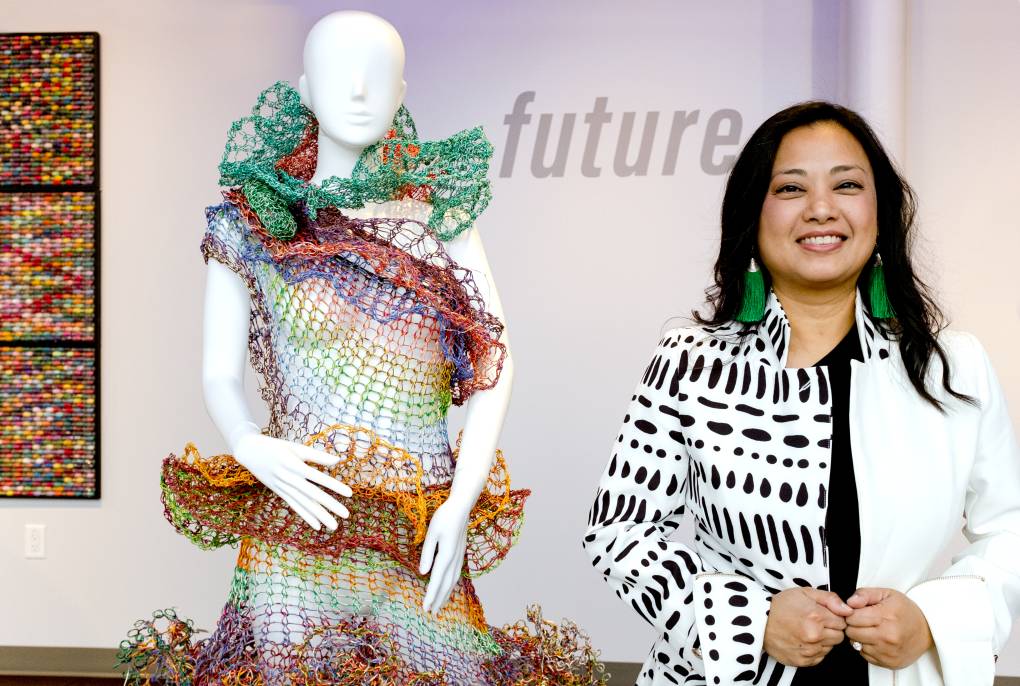
"caption": "Chopsticks Alley founder Trami Cron pictured with dress by Tuan Tran.",
"description": null,
"title": "TramiCron_ChopsticksAlley_byCherriLakey",
"credit": "Cherri Lakey",
"status": "inherit",
"altTag": "A smiling Asian woman stands next to a mannequin in a netting dress",
"isLoading": false,
"fetchFailed": false
},
"arts_13926633": {
"type": "attachments",
"id": "arts_13926633",
"meta": {
"index": "attachments_1716263798",
"site": "arts",
"id": "13926633",
"found": true
},
"parent": 13926618,
"imgSizes": {
"twentyfourteen-full-width": {
"file": "https://ww2.kqed.org/app/uploads/sites/2/2023/03/Halo-Halo-Baked-Alaska-c-Nico-Schinco_cropped-1038x576.jpg",
"width": 1038,
"mimeType": "image/jpeg",
"height": 576
},
"thumbnail": {
"file": "https://ww2.kqed.org/app/uploads/sites/2/2023/03/Halo-Halo-Baked-Alaska-c-Nico-Schinco_cropped-160x90.jpg",
"width": 160,
"mimeType": "image/jpeg",
"height": 90
},
"post-thumbnail": {
"file": "https://ww2.kqed.org/app/uploads/sites/2/2023/03/Halo-Halo-Baked-Alaska-c-Nico-Schinco_cropped-672x372.jpg",
"width": 672,
"mimeType": "image/jpeg",
"height": 372
},
"kqedFullSize": {
"file": "https://ww2.kqed.org/app/uploads/sites/2/2023/03/Halo-Halo-Baked-Alaska-c-Nico-Schinco_cropped.jpg",
"width": 1920,
"height": 1080
},
"large": {
"file": "https://ww2.kqed.org/app/uploads/sites/2/2023/03/Halo-Halo-Baked-Alaska-c-Nico-Schinco_cropped-1020x574.jpg",
"width": 1020,
"mimeType": "image/jpeg",
"height": 574
},
"1536x1536": {
"file": "https://ww2.kqed.org/app/uploads/sites/2/2023/03/Halo-Halo-Baked-Alaska-c-Nico-Schinco_cropped-1536x864.jpg",
"width": 1536,
"mimeType": "image/jpeg",
"height": 864
},
"medium": {
"file": "https://ww2.kqed.org/app/uploads/sites/2/2023/03/Halo-Halo-Baked-Alaska-c-Nico-Schinco_cropped-800x450.jpg",
"width": 800,
"mimeType": "image/jpeg",
"height": 450
},
"medium_large": {
"file": "https://ww2.kqed.org/app/uploads/sites/2/2023/03/Halo-Halo-Baked-Alaska-c-Nico-Schinco_cropped-768x432.jpg",
"width": 768,
"mimeType": "image/jpeg",
"height": 432
}
},
"publishDate": 1679429614,
"modified": 1679429807,
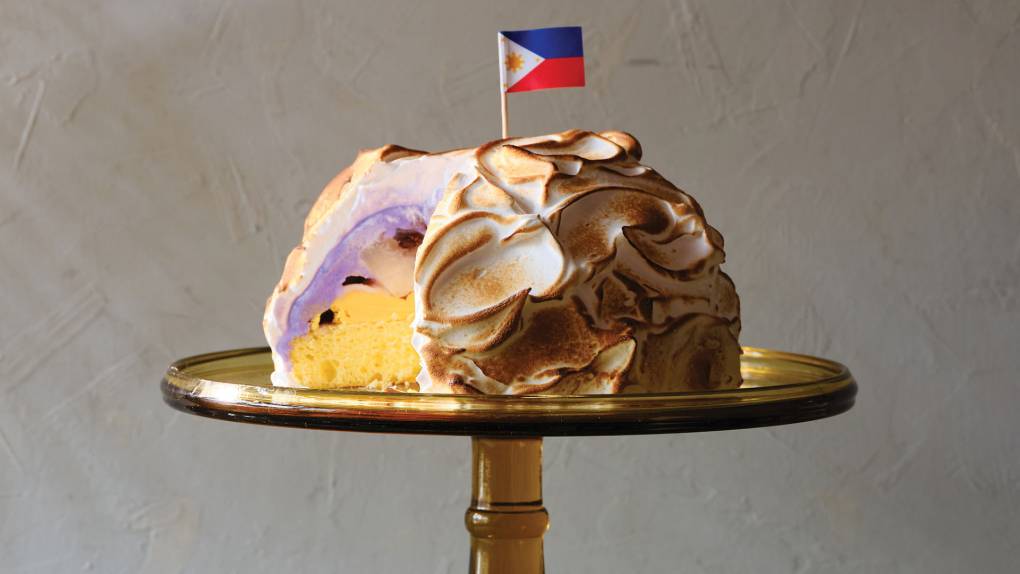
"caption": "The halo-halo baked Alaska has ube-flavored ice cream inside. The dessert is emblematic the cross-cultural approach in Abi Balingit's new cookbook, 'Mayumu.'",
"description": null,
"title": "Halo-Halo Baked Alaska (c) Nico Schinco_cropped",
"credit": "Nico Schinco",
"status": "inherit",
"altTag": "A baked Alaska dessert with a small Filipino flag inserted on top, displayed on a cake stand.",
"isLoading": false,
"fetchFailed": false
},
"arts_13926240": {
"type": "attachments",
"id": "arts_13926240",
"meta": {
"index": "attachments_1716263798",
"site": "arts",
"id": "13926240",
"found": true
},
"parent": 13926203,
"imgSizes": {
"twentyfourteen-full-width": {
"file": "https://cdn.kqed.org/wp-content/uploads/sites/2/2023/03/ramen-champ_lead-1038x576.jpg",
"width": 1038,
"mimeType": "image/jpeg",
"height": 576
},
"thumbnail": {
"file": "https://cdn.kqed.org/wp-content/uploads/sites/2/2023/03/ramen-champ_lead-160x110.jpg",
"width": 160,
"mimeType": "image/jpeg",
"height": 110
},
"post-thumbnail": {
"file": "https://cdn.kqed.org/wp-content/uploads/sites/2/2023/03/ramen-champ_lead-672x372.jpg",
"width": 672,
"mimeType": "image/jpeg",
"height": 372
},
"kqedFullSize": {
"file": "https://cdn.kqed.org/wp-content/uploads/sites/2/2023/03/ramen-champ_lead.jpg",
"width": 1920,
"height": 1320
},
"large": {
"file": "https://cdn.kqed.org/wp-content/uploads/sites/2/2023/03/ramen-champ_lead-1020x701.jpg",
"width": 1020,
"mimeType": "image/jpeg",
"height": 701
},
"1536x1536": {
"file": "https://cdn.kqed.org/wp-content/uploads/sites/2/2023/03/ramen-champ_lead-1536x1056.jpg",
"width": 1536,
"mimeType": "image/jpeg",
"height": 1056
},
"medium": {
"file": "https://cdn.kqed.org/wp-content/uploads/sites/2/2023/03/ramen-champ_lead-800x550.jpg",
"width": 800,
"mimeType": "image/jpeg",
"height": 550
},
"medium_large": {
"file": "https://cdn.kqed.org/wp-content/uploads/sites/2/2023/03/ramen-champ_lead-768x528.jpg",
"width": 768,
"mimeType": "image/jpeg",
"height": 528
}
},
"publishDate": 1678819973,
"modified": 1702068529,
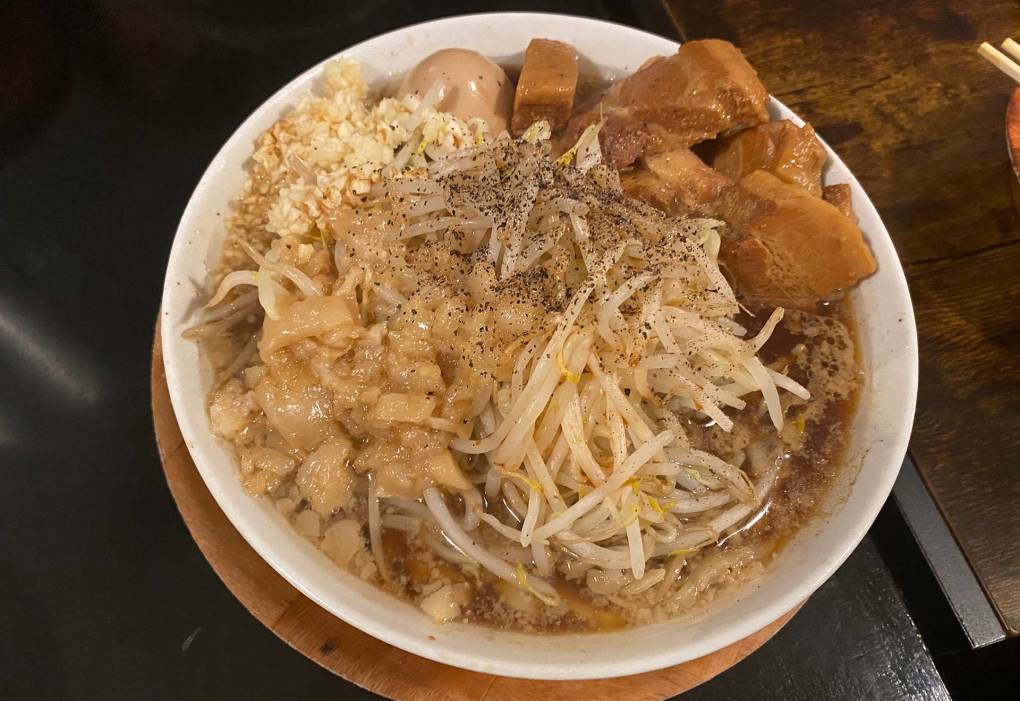
"caption": "Inspired by Tokyo's legendary Ramen Jiro, the Buta MAX at Ramen Champ in San Jose comes overloaded with decadent toppings.",
"description": null,
"title": "ramen champ_lead",
"credit": "Luke Tsai/KQED",
"status": "inherit",
"altTag": "Bowl of ramen with an exorbitant amount of toppings: bean sprouts, chopped raw garlic, pork belly, pork fat and marinated egg.",
"isLoading": false,
"fetchFailed": false
},
"arts_13925241": {
"type": "attachments",
"id": "arts_13925241",
"meta": {
"index": "attachments_1716263798",
"site": "arts",
"id": "13925241",
"found": true
},
"parent": 13925233,
"imgSizes": {
"twentyfourteen-full-width": {
"file": "https://ww2.kqed.org/app/uploads/sites/2/2023/02/pre-hispanic-mexican_featured-crop-1038x576.jpg",
"width": 1038,
"mimeType": "image/jpeg",
"height": 576
},
"thumbnail": {
"file": "https://ww2.kqed.org/app/uploads/sites/2/2023/02/pre-hispanic-mexican_featured-crop-160x100.jpg",
"width": 160,
"mimeType": "image/jpeg",
"height": 100
},
"post-thumbnail": {
"file": "https://ww2.kqed.org/app/uploads/sites/2/2023/02/pre-hispanic-mexican_featured-crop-672x372.jpg",
"width": 672,
"mimeType": "image/jpeg",
"height": 372
},
"kqedFullSize": {
"file": "https://ww2.kqed.org/app/uploads/sites/2/2023/02/pre-hispanic-mexican_featured-crop.jpg",
"width": 1920,
"height": 1200
},
"large": {
"file": "https://ww2.kqed.org/app/uploads/sites/2/2023/02/pre-hispanic-mexican_featured-crop-1020x638.jpg",
"width": 1020,
"mimeType": "image/jpeg",
"height": 638
},
"1536x1536": {
"file": "https://ww2.kqed.org/app/uploads/sites/2/2023/02/pre-hispanic-mexican_featured-crop-1536x960.jpg",
"width": 1536,
"mimeType": "image/jpeg",
"height": 960
},
"medium": {
"file": "https://ww2.kqed.org/app/uploads/sites/2/2023/02/pre-hispanic-mexican_featured-crop-800x500.jpg",
"width": 800,
"mimeType": "image/jpeg",
"height": 500
},
"medium_large": {
"file": "https://ww2.kqed.org/app/uploads/sites/2/2023/02/pre-hispanic-mexican_featured-crop-768x480.jpg",
"width": 768,
"mimeType": "image/jpeg",
"height": 480
}
},
"publishDate": 1676584110,
"modified": 1676584268,
"caption": "Even though the food at Pre-Hispanic Mexican Cuisine comes in a familiar format — like the tacos pictured here — most dishes feature Indigenous ingredients that predate Spain's colonization of Mexico by several hundred years.",
"description": null,
"title": "pre-hispanic mexican_featured-crop",
"credit": "Octavio Peña",
"status": "inherit",
"altTag": "Hands holding a plate of colorful tacos, with two lime wedges and a tub of salsa on the side.",
"isLoading": false,
"fetchFailed": false
}
},
"audioPlayerReducer": {
"postId": "stream_live",
"isPaused": true,
"isPlaying": false,
"pfsActive": false,
"pledgeModalIsOpen": true,
"playerDrawerIsOpen": false,
"liveAudioPlayStartedAt": 0,
"liveAudioPlayContext": ""
},
"authorsReducer": {
"clakey": {
"type": "authors",
"id": "191",
"meta": {
"index": "authors_1716337520",
"id": "191",
"found": true
},
"name": "Cherri Lakey",
"firstName": "Cherri",
"lastName": "Lakey",
"slug": "clakey",
"email": "cherri@galleryad.com",
"display_author_email": false,
"staff_mastheads": [],
"title": "KQED Contributor",
"bio": "Co-owner/curator of urban contemporary art and culture gallery \u003ca href=\"http://www.galleryAD.com\">ANNO DOMINI\u003c/a> // the second coming of Art & Design and producer of a bunch of other cool projects with partner \u003ca href=\"http://ww2.kqed.org/arts/author/beder/\" target=\"_blank\">Brian Eder.\u003c/a> \u003ca href=\"https://twitter.com/astrogirl\">Follow @astrogirl\u003c/a>\r\n// ",
"avatar": "https://secure.gravatar.com/avatar/29642fbd8e9eef623a3f07213c5b739fbbfe7e1efe98571b1093fabcaade6f08?s=600&d=blank&r=g",
"twitter": null,
"bluesky": null,
"facebook": null,
"instagram": null,
"linkedin": null,
"sites": [
{
"site": "arts",
"roles": [
"subscriber"
]
}
],
"headData": {
"title": "Cherri Lakey | KQED",
"description": "KQED Contributor",
"ogImgSrc": "https://secure.gravatar.com/avatar/29642fbd8e9eef623a3f07213c5b739fbbfe7e1efe98571b1093fabcaade6f08?s=600&d=blank&r=g",
"twImgSrc": "https://secure.gravatar.com/avatar/29642fbd8e9eef623a3f07213c5b739fbbfe7e1efe98571b1093fabcaade6f08?s=600&d=blank&r=g"
},
"isLoading": false,
"link": "/author/clakey"
},
"ralexandra": {
"type": "authors",
"id": "11242",
"meta": {
"index": "authors_1716337520",
"id": "11242",
"found": true
},
"name": "Rae Alexandra",
"firstName": "Rae",
"lastName": "Alexandra",
"slug": "ralexandra",
"email": "ralexandra@kqed.org",
"display_author_email": true,
"staff_mastheads": [],
"title": "Reporter/Producer",
"bio": "Rae Alexandra is a Reporter/Producer for KQED Arts & Culture, and the creator/author of the \u003ca href=\"https://www.kqed.org/arts/program/rebel-girls-from-bay-area-history\">Rebel Girls From Bay Area History\u003c/a> and \u003ca href=\"https://www.kqed.org/bizarrebayarea\">Bizarre Bay Area\u003c/a> series. Her debut book, \u003ca href=\"https://citylights.com/politics-current-events-history/unsung-heroines35-women-who-changed/\">Unsung Heroines: 35 Women Who Changed the Bay Area\u003c/a> was published by City Lights in March 2026. In 2023, Rae was awarded an SPJ Excellence in Journalism Award for Arts & Culture. Rae was born and raised in Wales and subsequently — even after two decades in Northern California — still uses phrases that regularly baffle her coworkers.",
"avatar": "https://secure.gravatar.com/avatar/edfee8176c80cc0a382b051190f5341997df378a934a5774dcb0977732dfd401?s=600&d=blank&r=g",
"twitter": null,
"bluesky": null,
"facebook": null,
"instagram": null,
"linkedin": null,
"sites": [
{
"site": "arts",
"roles": [
"subscriber"
]
},
{
"site": "news",
"roles": [
"subscriber"
]
},
{
"site": "pop",
"roles": [
"subscriber"
]
},
{
"site": "bayareabites",
"roles": [
"subscriber"
]
},
{
"site": "science",
"roles": [
"subscriber"
]
}
],
"headData": {
"title": "Rae Alexandra | KQED",
"description": "Reporter/Producer",
"ogImgSrc": "https://secure.gravatar.com/avatar/edfee8176c80cc0a382b051190f5341997df378a934a5774dcb0977732dfd401?s=600&d=blank&r=g",
"twImgSrc": "https://secure.gravatar.com/avatar/edfee8176c80cc0a382b051190f5341997df378a934a5774dcb0977732dfd401?s=600&d=blank&r=g"
},
"isLoading": false,
"link": "/author/ralexandra"
},
"ogpenn": {
"type": "authors",
"id": "11491",
"meta": {
"index": "authors_1716337520",
"id": "11491",
"found": true
},
"name": "Pendarvis Harshaw",
"firstName": "Pendarvis",
"lastName": "Harshaw",
"slug": "ogpenn",
"email": "ogpenn@gmail.com",
"display_author_email": false,
"staff_mastheads": [
"arts"
],
"title": "Community Engagement Reporter",
"bio": "Pendarvis Harshaw is an educator, host and writer with KQED Arts.",
"avatar": "https://secure.gravatar.com/avatar/972b77ee8e3f346ae2b00622661187fbfabd059b5693bbdc1475ea7a722fd4cd?s=600&d=blank&r=g",
"twitter": null,
"bluesky": null,
"facebook": null,
"instagram": "ogpenn",
"linkedin": null,
"sites": [
{
"site": "arts",
"roles": [
"administrator"
]
},
{
"site": "news",
"roles": [
"editor"
]
},
{
"site": "bayareabites",
"roles": [
"author"
]
},
{
"site": "hiphop",
"roles": [
"editor"
]
}
],
"headData": {
"title": "Pendarvis Harshaw | KQED",
"description": "Community Engagement Reporter",
"ogImgSrc": "https://secure.gravatar.com/avatar/972b77ee8e3f346ae2b00622661187fbfabd059b5693bbdc1475ea7a722fd4cd?s=600&d=blank&r=g",
"twImgSrc": "https://secure.gravatar.com/avatar/972b77ee8e3f346ae2b00622661187fbfabd059b5693bbdc1475ea7a722fd4cd?s=600&d=blank&r=g"
},
"isLoading": false,
"link": "/author/ogpenn"
},
"mmedina": {
"type": "authors",
"id": "11528",
"meta": {
"index": "authors_1716337520",
"id": "11528",
"found": true
},
"name": "Marisol Medina-Cadena",
"firstName": "Marisol",
"lastName": "Medina-Cadena",
"slug": "mmedina",
"email": "mmedina@KQED.org",
"display_author_email": true,
"staff_mastheads": [],
"title": "Producer, Rightnowish Podcast",
"bio": "Marisol Medina-Cadena is a radio reporter and podcast producer. Before working at KQED, she produced for PBS member station, KCET, in Los Angeles. In 2017, Marisol won an Emmy Award for her work on the televised documentary, \u003cem>City Rising\u003c/em>, examining California's affordable housing crisis and the historical roots of gentrification.",
"avatar": "https://secure.gravatar.com/avatar/6c3db46a1cabb5e1fe9a365b5f4e681e?s=600&d=blank&r=g",
"twitter": "marisolreports",
"facebook": null,
"instagram": null,
"linkedin": null,
"sites": [
{
"site": "arts",
"roles": []
},
{
"site": "news",
"roles": [
"edit_others_posts"
]
}
],
"headData": {
"title": "Marisol Medina-Cadena | KQED",
"description": "Producer, Rightnowish Podcast",
"ogImgSrc": "https://secure.gravatar.com/avatar/6c3db46a1cabb5e1fe9a365b5f4e681e?s=600&d=blank&r=g",
"twImgSrc": "https://secure.gravatar.com/avatar/6c3db46a1cabb5e1fe9a365b5f4e681e?s=600&d=blank&r=g"
},
"isLoading": false,
"link": "/author/mmedina"
},
"ltsai": {
"type": "authors",
"id": "11743",
"meta": {
"index": "authors_1716337520",
"id": "11743",
"found": true
},
"name": "Luke Tsai",
"firstName": "Luke",
"lastName": "Tsai",
"slug": "ltsai",
"email": "ltsai@kqed.org",
"display_author_email": true,
"staff_mastheads": [
"arts"
],
"title": "Food Editor",
"bio": "Luke Tsai is KQED's food editor and resident stinky tofu connoisseur. Prior to KQED, he was an editor at Eater SF, \u003cem>San Francisco \u003c/em>magazine, and the \u003cem>East Bay Express\u003c/em>, and his work has also appeared in TASTE, the \u003cem>San Francisco Chronicle\u003c/em>, and the \u003cem>Best Food Writing\u003c/em> anthology. When he isn't writing or editing, you'll find him eating most everything he can get his hands on.",
"avatar": "https://secure.gravatar.com/avatar/1e59b45bf191526e7339d6ba46e33a57b2030d25c27660ecc64ea3cb863e34f7?s=600&d=blank&r=g",
"twitter": "theluketsai",
"bluesky": null,
"facebook": null,
"instagram": null,
"linkedin": null,
"sites": [
{
"site": "",
"roles": [
"editor"
]
},
{
"site": "arts",
"roles": [
"administrator"
]
},
{
"site": "news",
"roles": [
"editor",
"contributor"
]
},
{
"site": "bayareabites",
"roles": [
"editor"
]
},
{
"site": "food",
"roles": [
"editor"
]
}
],
"headData": {
"title": "Luke Tsai | KQED",
"description": "Food Editor",
"ogImgSrc": "https://secure.gravatar.com/avatar/1e59b45bf191526e7339d6ba46e33a57b2030d25c27660ecc64ea3cb863e34f7?s=600&d=blank&r=g",
"twImgSrc": "https://secure.gravatar.com/avatar/1e59b45bf191526e7339d6ba46e33a57b2030d25c27660ecc64ea3cb863e34f7?s=600&d=blank&r=g"
},
"isLoading": false,
"link": "/author/ltsai"
},
"achazaro": {
"type": "authors",
"id": "11748",
"meta": {
"index": "authors_1716337520",
"id": "11748",
"found": true
},
"name": "Alan Chazaro",
"firstName": "Alan",
"lastName": "Chazaro",
"slug": "achazaro",
"email": "agchazaro@gmail.com",
"display_author_email": true,
"staff_mastheads": [],
"title": "Food Writer and Reporter",
"bio": "Alan Chazaro is the author of \u003cem>This Is Not a Frank Ocean Cover Album\u003c/em> (Black Lawrence Press, 2019), \u003cem>Piñata Theory\u003c/em> (Black Lawrence Press, 2020), and \u003cem>Notes from the Eastern Span of the Bay Bridge\u003c/em> (Ghost City Press, 2021). He is a graduate of June Jordan’s Poetry for the People program at UC Berkeley and a former Lawrence Ferlinghetti Fellow at the University of San Francisco. He writes about sports, food, art, music, education, and culture while repping the Bay on \u003ca href=\"https://twitter.com/alan_chazaro\">Twitter\u003c/a> and \u003ca href=\"https://www.instagram.com/alan_chazaro/?hl=en\">Instagram\u003c/a> at @alan_chazaro.",
"avatar": "https://secure.gravatar.com/avatar/ea8b6dd970fc5c29e7a188e7d5861df7?s=600&d=blank&r=g",
"twitter": "alan_chazaro",
"facebook": null,
"instagram": null,
"linkedin": null,
"sites": [
{
"site": "arts",
"roles": [
"contributor"
]
},
{
"site": "news",
"roles": [
"editor"
]
}
],
"headData": {
"title": "Alan Chazaro | KQED",
"description": "Food Writer and Reporter",
"ogImgSrc": "https://secure.gravatar.com/avatar/ea8b6dd970fc5c29e7a188e7d5861df7?s=600&d=blank&r=g",
"twImgSrc": "https://secure.gravatar.com/avatar/ea8b6dd970fc5c29e7a188e7d5861df7?s=600&d=blank&r=g"
},
"isLoading": false,
"link": "/author/achazaro"
},
"athapliyal": {
"type": "authors",
"id": "11766",
"meta": {
"index": "authors_1716337520",
"id": "11766",
"found": true
},
"name": "Adesh Thapliyal",
"firstName": "Adesh",
"lastName": "Thapliyal",
"slug": "athapliyal",
"email": "athapliyal@kqed.org",
"display_author_email": false,
"staff_mastheads": [],
"title": "KQED Contributor",
"bio": "Adesh Thapliyal is KQED Arts' Editorial Intern. Previously, he wrote for the experimental newsletter \u003cem>Tone Glow\u003c/em> and the pop music blog \u003cem>The Singles Jukebox\u003c/em>.",
"avatar": "https://secure.gravatar.com/avatar/25c945182616a5283c4f746e7017bca3?s=600&d=blank&r=g",
"twitter": null,
"facebook": null,
"instagram": null,
"linkedin": null,
"sites": [
{
"site": "arts",
"roles": [
"author"
]
}
],
"headData": {
"title": "Adesh Thapliyal | KQED",
"description": "KQED Contributor",
"ogImgSrc": "https://secure.gravatar.com/avatar/25c945182616a5283c4f746e7017bca3?s=600&d=blank&r=g",
"twImgSrc": "https://secure.gravatar.com/avatar/25c945182616a5283c4f746e7017bca3?s=600&d=blank&r=g"
},
"isLoading": false,
"link": "/author/athapliyal"
},
"opena": {
"type": "authors",
"id": "11903",
"meta": {
"index": "authors_1716337520",
"id": "11903",
"found": true
},
"name": "Octavio Peña",
"firstName": "Octavio",
"lastName": "Peña",
"slug": "opena",
"email": "octaviopenagutierrez@gmail.com",
"display_author_email": false,
"staff_mastheads": [],
"title": "KQED Contributor",
"bio": null,
"avatar": "https://secure.gravatar.com/avatar/62850791380238ea3945ee72a3d56056477904792b41daaf11effa8780bab75d?s=600&d=blank&r=g",
"twitter": null,
"bluesky": null,
"facebook": null,
"instagram": null,
"linkedin": null,
"sites": [
{
"site": "arts",
"roles": [
"contributor"
]
}
],
"headData": {
"title": "Octavio Peña | KQED",
"description": "KQED Contributor",
"ogImgSrc": "https://secure.gravatar.com/avatar/62850791380238ea3945ee72a3d56056477904792b41daaf11effa8780bab75d?s=600&d=blank&r=g",
"twImgSrc": "https://secure.gravatar.com/avatar/62850791380238ea3945ee72a3d56056477904792b41daaf11effa8780bab75d?s=600&d=blank&r=g"
},
"isLoading": false,
"link": "/author/opena"
}
},
"pagesReducer": {
"arts_tag_san-jose": {
"type": "terms",
"id": "arts_1084",
"meta": {
"index": "terms_1716263798",
"site": "arts",
"id": "1084",
"score": 8.005498
},
"featImg": null,
"name": "San Jose",
"description": null,
"taxonomy": "tag",
"headData": {
"twImgId": null,
"twTitle": null,
"ogTitle": null,
"ogImgId": null,
"twDescription": null,
"description": null,
"title": "San Jose Archives | KQED Arts",
"ogDescription": null
},
"ttid": 1101,
"slug": "san-jose",
"isLoading": false,
"title": "San Jose",
"pageMeta": {
"site": "arts",
"WpPageTemplate": "page-topic-editorial",
"currentPage": 9
},
"blocks": [
{
"blockName": "kqed/post-list",
"attrs": {
"layout": "cardArticle2",
"query": "posts/arts?tag=san-jose",
"seeMore": false,
"paginated": true,
"page": 9
}
},
{
"blockName": "kqed/ad"
}
]
}
},
"pfsSessionReducer": {},
"postsReducer": {
"stream_live": {
"type": "live",
"id": "stream_live",
"audioUrl": "https://streams.kqed.org/kqedradio",
"title": "Live Stream",
"excerpt": "Live Stream information currently unavailable.",
"link": "/radio",
"featImg": "",
"label": {
"name": "KQED Live",
"link": "/"
}
},
"stream_kqedNewscast": {
"type": "posts",
"id": "stream_kqedNewscast",
"audioUrl": "https://www.kqed.org/.stream/anon/radio/RDnews/newscast.mp3?_=1",
"title": "KQED Newscast",
"featImg": "",
"label": {
"name": "88.5 FM",
"link": "/"
}
},
"arts_13933280": {
"type": "posts",
"id": "arts_13933280",
"meta": {
"index": "posts_1716263798",
"site": "arts",
"id": "13933280",
"score": null,
"sort": [
1692721809000
]
},
"parent": 0,
"labelTerm": {},
"blocks": [],
"publishDate": 1692721809,
"format": "standard",
"title": "San Jose's Biggest 'Simpsons' Fan Now Has His Own Signature Beer",
"headTitle": "San Jose’s Biggest ‘Simpsons’ Fan Now Has His Own Signature Beer | KQED",
"content": "\u003cp>Fans of the timeless, iconoclastic characters of \u003ci>The Simpsons\u003c/i> are \u003ca href=\"https://www.kqed.org/arts/13930207/the-simpsons-flash-tattoo-party-parallax-art-studio-milpitas\">endlessly creative\u003c/a> in the ways they express their appreciation for the show.\u003c/p>\n\u003cp>For Kevin Tran, the founder of\u003ca href=\"https://www.instagram.com/sanjosesimpsons/\"> San Jose Simpsons\u003c/a> — a fan page and\u003ca href=\"https://www.youtube.com/watch?v=NiBgKKjbgFU\"> custom design\u003c/a> business dedicated to everything \u003ci>Simpsons\u003c/i>– and San Jose-related — beer seems like a fitting way to celebrate the cartoon’s cultural humor. This week Tran will debut his label design for a new Pineapple Hazy IPA that he created in collaboration with\u003ca href=\"https://www.instagram.com/caminobrewingcompany/?hl=en\"> Camino Brewing Co.\u003c/a>, one of San Jose’s stand-out craft breweries.\u003c/p>\n\u003cp>Though the beer can won’t resemble the iconic Duff Beer served at Moe’s Tavern, the label design will reflect Tran’s lifelong fandom of \u003ci>The Simpsons\u003c/i>, with a few subtle Easter eggs (shout-out to Blinky and Bleeding Gums Murphy) as well as more obvious allusions to \u003ci>Simpsons\u003c/i> lore.\u003c/p>\n\u003cp>https://www.instagram.com/p/Cu-nQfYpcJX/\u003c/p>\n\u003cp>Sideshow Bob, the murderously misunderstood sidekick to Krusty the Clown, appears on the beer’s label as a palm tree, with his signature hairdo re-imagined as green fronds. “Die Hops, Die” (a pun on Sideshow Bob’s infamous \u003ca href=\"https://www.youtube.com/watch?v=gaXigSu72A4\">hatred for Bart Simpson\u003c/a>) should also ring clear for any \u003ci>Simpsons\u003c/i> head. Hand-drawn by Tran with the help of his friends — tattoo artist \u003ca href=\"https://www.instagram.com/jthrilla_/\">Justin Pantaleon\u003c/a> and illustrator \u003ca href=\"https://www.instagram.com/courtesyofthebay/?hl=en\">Courtesy of the Bay\u003c/a> — the beer is a reflection of community, comedy and a connection to American pop culture for immigrant kids.\u003c/p>\n\u003cp>[ad fullwidth]\u003c/p>\n\u003cp>“My parents were working a lot, so growing up I was left home with my younger sister,” Tran says. “I grew up watching \u003ci>The Simpsons\u003c/i>. My [Vietnamese] parents weren’t really around or didn’t understand it, you know? Now it helps me to connect with people all over the world, it’s dope.”\u003c/p>\n\u003cp>Tran was highly involved throughout the beer-making process, helping to select and even add in the ingredients, while taste-testing trial batches along the way. (Homer Simpson would be proud.) He credits Camino Brewing and its brewer, Kim Pollock, for an open, collaborative process. The beer includes fresh pineapple and, according to Tran, is neither too sweet nor too hoppy. “I just told them I wanted a pineapple hazy, and they knew what to add,” he says.\u003c/p>\n\u003cp>In true fanatic fashion, the event will feature a \u003cem>Simpsons\u003c/em>-inspired burger — the “Krusty” cheeseburger served on plates that resemble the clouds from the show’s intro, courtesy of the Mexican food pop-up \u003ca href=\"https://www.instagram.com/cajetasjbayarea/?hl=en\">Cajeta \u003c/a>— and doughnuts. In addition, San Jose Simpsons and other local vendors like \u003ca href=\"https://www.instagram.com/onndawn/?hl=en\">onndawn\u003c/a> and \u003ca href=\"https://www.instagram.com/bagdadgoods/\">Bag Dad Goods\u003c/a> will be selling original \u003ci>Simpsons\u003c/i> merch, illustrations and other paraphernalia such as sling bags. Tran notes that they have sold everything from crocheted plushies to 3D-printed models and epoxy resin toys at past events.\u003c/p>\n\u003cp>“I always open it up to homies who do art but haven’t always been in a show before,” he says. “It’s cool to see everyone’s take on \u003ci>The Simpsons\u003c/i>. It’s completely free-ranging.”\u003c/p>\n\u003cp>\u003cimg loading=\"lazy\" decoding=\"async\" class=\"alignnone size-medium wp-image-12127869\" src=\"https://ww2.kqed.org/app/uploads/sites/2/2016/09/Q.Logo_.Break_-800x78.jpg\" alt=\"\" width=\"800\" height=\"78\" srcset=\"https://cdn.kqed.org/wp-content/uploads/sites/2/2016/09/Q.Logo_.Break_.jpg 800w, https://cdn.kqed.org/wp-content/uploads/sites/2/2016/09/Q.Logo_.Break_-400x39.jpg 400w, https://cdn.kqed.org/wp-content/uploads/sites/2/2016/09/Q.Logo_.Break_-768x75.jpg 768w\" sizes=\"(max-width: 800px) 100vw, 800px\">\u003c/p>\n\u003cp>\u003c/p>\n\u003cp>\u003ca href=\"https://www.instagram.com/caminobrewingcompany/?hl=en\">\u003ci>Camino Brewing Co.\u003c/i>\u003c/a>\u003ci> (718 S. 1st St., San Jose) will debut \u003c/i>\u003ca href=\"https://www.instagram.com/sanjosesimpsons/\">\u003ci>San Jose Simpsons\u003c/i>\u003c/a>\u003ci>’ Pineapple Hazy IPA on Sat., Aug. 26 from 5 p.m. to 9 p.m. with live music. San Jose Simpsons and friends will showcase original art and collector’s items. Food and desserts will be served by\u003c/i>\u003ca href=\"https://www.instagram.com/cajetasjbayarea/?hl=en\"> \u003ci>Cajeta,\u003c/i>\u003c/a>\u003ci> \u003c/i>\u003ca href=\"https://www.instagram.com/dvssweets/?hl=en\">\u003ci>DVS Sweets and more\u003c/i>\u003c/a>\u003ci>.\u003c/i>\u003c/p>\n\n",
"stats": {
"hasVideo": false,
"hasChartOrMap": false,
"hasAudio": false,
"hasPolis": false,
"wordCount": 593,
"hasGoogleForm": false,
"hasGallery": false,
"hasHearkenModule": false,
"iframeSrcs": [],
"paragraphCount": 12
},
"modified": 1705005123,
"excerpt": "Sideshow Bob and Krusty the Clown pop up at Camino Brewing for a night of custom art and themed foods.",
"headData": {
"twImgId": "",
"twTitle": "San Jose's Biggest 'Simpsons' Fan Now Has His Own Signature Beer",
"socialTitle": "Camino Brewing Releases Beer Collab With San Jose Simpsons%%page%% %%sep%% KQED",
"ogTitle": "San Jose's Biggest 'Simpsons' Fan Now Has His Own Signature Beer",
"ogImgId": "",
"twDescription": "",
"description": "Sideshow Bob and Krusty the Clown pop up at Camino Brewing for a night of custom art and themed foods.",
"title": "Camino Brewing Releases Beer Collab With San Jose Simpsons | KQED",
"ogDescription": "",
"schema": {
"@context": "https://schema.org",
"@type": "Article",
"headline": "San Jose's Biggest 'Simpsons' Fan Now Has His Own Signature Beer",
"datePublished": "2023-08-22T09:30:09-07:00",
"dateModified": "2024-01-11T12:32:03-08:00",
"image": "https://cdn.kqed.org/wp-content/uploads/2020/02/KQED-OG-Image@1x.png"
}
},
"guestAuthors": [],
"slug": "san-jose-simpsons-beer-burger-camino-brewing",
"status": "publish",
"sourceUrl": "/food/",
"excludeFromSiteSearch": "Include",
"sticky": false,
"source": "Food",
"articleAge": "0",
"path": "/arts/13933280/san-jose-simpsons-beer-burger-camino-brewing",
"audioTrackLength": null,
"parsedContent": [
{
"type": "contentString",
"content": "\u003cdiv class=\"post-body\">\u003cp>\u003cp>Fans of the timeless, iconoclastic characters of \u003ci>The Simpsons\u003c/i> are \u003ca href=\"https://www.kqed.org/arts/13930207/the-simpsons-flash-tattoo-party-parallax-art-studio-milpitas\">endlessly creative\u003c/a> in the ways they express their appreciation for the show.\u003c/p>\n\u003cp>For Kevin Tran, the founder of\u003ca href=\"https://www.instagram.com/sanjosesimpsons/\"> San Jose Simpsons\u003c/a> — a fan page and\u003ca href=\"https://www.youtube.com/watch?v=NiBgKKjbgFU\"> custom design\u003c/a> business dedicated to everything \u003ci>Simpsons\u003c/i>– and San Jose-related — beer seems like a fitting way to celebrate the cartoon’s cultural humor. This week Tran will debut his label design for a new Pineapple Hazy IPA that he created in collaboration with\u003ca href=\"https://www.instagram.com/caminobrewingcompany/?hl=en\"> Camino Brewing Co.\u003c/a>, one of San Jose’s stand-out craft breweries.\u003c/p>\n\u003cp>Though the beer can won’t resemble the iconic Duff Beer served at Moe’s Tavern, the label design will reflect Tran’s lifelong fandom of \u003ci>The Simpsons\u003c/i>, with a few subtle Easter eggs (shout-out to Blinky and Bleeding Gums Murphy) as well as more obvious allusions to \u003ci>Simpsons\u003c/i> lore.\u003c/p>\u003c/p>\u003c/div>",
"attributes": {
"named": {},
"numeric": []
}
},
{
"type": "component",
"content": "",
"name": "instagramLink",
"attributes": {
"named": {
"instagramUrl": "https://www.instagram.com/p/Cu-nQfYpcJX/"
},
"numeric": []
}
},
{
"type": "contentString",
"content": "\u003cdiv class=\"post-body\">\u003cp>\u003cp>Sideshow Bob, the murderously misunderstood sidekick to Krusty the Clown, appears on the beer’s label as a palm tree, with his signature hairdo re-imagined as green fronds. “Die Hops, Die” (a pun on Sideshow Bob’s infamous \u003ca href=\"https://www.youtube.com/watch?v=gaXigSu72A4\">hatred for Bart Simpson\u003c/a>) should also ring clear for any \u003ci>Simpsons\u003c/i> head. Hand-drawn by Tran with the help of his friends — tattoo artist \u003ca href=\"https://www.instagram.com/jthrilla_/\">Justin Pantaleon\u003c/a> and illustrator \u003ca href=\"https://www.instagram.com/courtesyofthebay/?hl=en\">Courtesy of the Bay\u003c/a> — the beer is a reflection of community, comedy and a connection to American pop culture for immigrant kids.\u003c/p>\n\u003cp>\u003c/p>\u003c/div>",
"attributes": {
"named": {},
"numeric": []
}
},
{
"type": "component",
"content": "",
"name": "ad",
"attributes": {
"named": {
"label": "fullwidth"
},
"numeric": [
"fullwidth"
]
}
},
{
"type": "contentString",
"content": "\u003cdiv class=\"post-body\">\u003cp>\u003c/p>\n\u003cp>“My parents were working a lot, so growing up I was left home with my younger sister,” Tran says. “I grew up watching \u003ci>The Simpsons\u003c/i>. My [Vietnamese] parents weren’t really around or didn’t understand it, you know? Now it helps me to connect with people all over the world, it’s dope.”\u003c/p>\n\u003cp>Tran was highly involved throughout the beer-making process, helping to select and even add in the ingredients, while taste-testing trial batches along the way. (Homer Simpson would be proud.) He credits Camino Brewing and its brewer, Kim Pollock, for an open, collaborative process. The beer includes fresh pineapple and, according to Tran, is neither too sweet nor too hoppy. “I just told them I wanted a pineapple hazy, and they knew what to add,” he says.\u003c/p>\n\u003cp>In true fanatic fashion, the event will feature a \u003cem>Simpsons\u003c/em>-inspired burger — the “Krusty” cheeseburger served on plates that resemble the clouds from the show’s intro, courtesy of the Mexican food pop-up \u003ca href=\"https://www.instagram.com/cajetasjbayarea/?hl=en\">Cajeta \u003c/a>— and doughnuts. In addition, San Jose Simpsons and other local vendors like \u003ca href=\"https://www.instagram.com/onndawn/?hl=en\">onndawn\u003c/a> and \u003ca href=\"https://www.instagram.com/bagdadgoods/\">Bag Dad Goods\u003c/a> will be selling original \u003ci>Simpsons\u003c/i> merch, illustrations and other paraphernalia such as sling bags. Tran notes that they have sold everything from crocheted plushies to 3D-printed models and epoxy resin toys at past events.\u003c/p>\n\u003cp>“I always open it up to homies who do art but haven’t always been in a show before,” he says. “It’s cool to see everyone’s take on \u003ci>The Simpsons\u003c/i>. It’s completely free-ranging.”\u003c/p>\n\u003cp>\u003cimg loading=\"lazy\" decoding=\"async\" class=\"alignnone size-medium wp-image-12127869\" src=\"https://ww2.kqed.org/app/uploads/sites/2/2016/09/Q.Logo_.Break_-800x78.jpg\" alt=\"\" width=\"800\" height=\"78\" srcset=\"https://cdn.kqed.org/wp-content/uploads/sites/2/2016/09/Q.Logo_.Break_.jpg 800w, https://cdn.kqed.org/wp-content/uploads/sites/2/2016/09/Q.Logo_.Break_-400x39.jpg 400w, https://cdn.kqed.org/wp-content/uploads/sites/2/2016/09/Q.Logo_.Break_-768x75.jpg 768w\" sizes=\"(max-width: 800px) 100vw, 800px\">\u003c/p>\n\u003cp>\u003c/p>\n\u003cp>\u003ca href=\"https://www.instagram.com/caminobrewingcompany/?hl=en\">\u003ci>Camino Brewing Co.\u003c/i>\u003c/a>\u003ci> (718 S. 1st St., San Jose) will debut \u003c/i>\u003ca href=\"https://www.instagram.com/sanjosesimpsons/\">\u003ci>San Jose Simpsons\u003c/i>\u003c/a>\u003ci>’ Pineapple Hazy IPA on Sat., Aug. 26 from 5 p.m. to 9 p.m. with live music. San Jose Simpsons and friends will showcase original art and collector’s items. Food and desserts will be served by\u003c/i>\u003ca href=\"https://www.instagram.com/cajetasjbayarea/?hl=en\"> \u003ci>Cajeta,\u003c/i>\u003c/a>\u003ci> \u003c/i>\u003ca href=\"https://www.instagram.com/dvssweets/?hl=en\">\u003ci>DVS Sweets and more\u003c/i>\u003c/a>\u003ci>.\u003c/i>\u003c/p>\n\n\u003c/div>\u003c/p>",
"attributes": {
"named": {},
"numeric": []
}
}
],
"link": "/arts/13933280/san-jose-simpsons-beer-burger-camino-brewing",
"authors": [
"11748"
],
"programs": [
"arts_140"
],
"categories": [
"arts_1",
"arts_12276"
],
"tags": [
"arts_15443",
"arts_1084",
"arts_4190",
"arts_585",
"arts_4385"
],
"featImg": "arts_13933499",
"label": "source_arts_13933280"
},
"arts_13932574": {
"type": "posts",
"id": "arts_13932574",
"meta": {
"index": "posts_1716263798",
"site": "arts",
"id": "13932574",
"score": null,
"sort": [
1691431891000
]
},
"guestAuthors": [],
"slug": "mestizo-san-jose-filipino-food-truck-la-pulga-mexican-hawaiian",
"title": "A New San Jose Food Truck Fuses Filipino, Mexican and Hawaiian Flavors",
"publishDate": 1691431891,
"format": "standard",
"headTitle": "A New San Jose Food Truck Fuses Filipino, Mexican and Hawaiian Flavors | KQED",
"labelTerm": {},
"content": "\u003cp>\u003cb>\u003ci>¡Hella Hungry! is a column about Bay Area foodmakers, exploring the region’s culinary cultures through the mouth of a first-generation local.\u003c/i>\u003c/b>\u003c/p>\n\u003cp>\u003cspan style=\"font-weight: 400\">For anyone with childhood memories of growing up in the South Bay, San Jose’s Berryessa Flea Market — or “\u003c/span>\u003ca href=\"https://www.kqed.org/arts/13905374/la-pulga-san-jose-flea-market-redevelopment-eulogy\">\u003cspan style=\"font-weight: 400\">La Pulga\u003c/span>\u003c/a>\u003cspan style=\"font-weight: 400\">,” as it’s endearingly known — has long been a haven of joy, particularly for immigrant families. \u003c/span>\u003cspan style=\"font-weight: 400\">La Pulga truly had it all. \u003c/span>\u003c/p>\n\u003cp>\u003cspan style=\"font-weight: 400\">For as long as I can remember, the flea market has always been a humble space for entrepreneurial beginnings. At one point, my mom even ran her own stand selling used clothes there. \u003c/span>\u003c/p>\n\u003cp>\u003cspan style=\"font-weight: 400\">More recently, though, the historic flea market, like much of the region, has undergone seismic redevelopments. There’s now a BART station within walking distance, adding metropolitan accessibility to the formerly industrial area — but also \u003c/span>\u003ca href=\"https://www.kalw.org/economy-business-labor/2023-02-27/a-family-at-the-berryessa-flea-market-fights-to-stay\">\u003cspan style=\"font-weight: 400\">displacing many longtime, predominantly Latinx vendors\u003c/span>\u003c/a>\u003cspan style=\"font-weight: 400\">. Across the street, there’s a glamorous new condominium complex where a dusty parking lot used to be. It all underscores the ongoing contradictions of a region that is \u003c/span>\u003ca href=\"https://www.archpaper.com/2021/07/san-jose-berryessa-flea-market-replaced-by-sprawling-mixed-use-development/\">\u003cspan style=\"font-weight: 400\">yearning to grow\u003c/span>\u003c/a>\u003cspan style=\"font-weight: 400\"> while simultaneously introducing a new set of \u003c/span>\u003ca href=\"https://sanjosespotlight.com/san-jose-berryessa-flea-market-changes-prove-costly-for-vendors/\">\u003cspan style=\"font-weight: 400\">costly challenges for longtime community members\u003c/span>\u003c/a>\u003cspan style=\"font-weight: 400\">.\u003c/span>\u003c/p>\n\u003cp>\u003cspan style=\"font-weight: 400\">Despite its struggles and the ensuing public backlash, the Berryessa Flea Market — which is still among the largest open-air markets in the United States — remains vibrant in a different kind of way. There’s a funky beer garden with live music and a weekly Friday night market. The reimagined space has allowed emerging food makers to gain visibility by introducing an assortment of new cuisines and experiences.\u003c/span>\u003c/p>\n\u003cfigure id=\"attachment_13932716\" class=\"wp-caption alignnone\" style=\"max-width: 800px\">\u003cimg loading=\"lazy\" decoding=\"async\" class=\"size-medium wp-image-13932716\" src=\"https://ww2.kqed.org/app/uploads/sites/2/2023/08/mestizo_truck-800x533.jpg\" alt=\"a crowd gathers in front of a food truck in San Jose\" width=\"800\" height=\"533\" srcset=\"https://cdn.kqed.org/wp-content/uploads/sites/2/2023/08/mestizo_truck-800x533.jpg 800w, https://cdn.kqed.org/wp-content/uploads/sites/2/2023/08/mestizo_truck-1020x680.jpg 1020w, https://cdn.kqed.org/wp-content/uploads/sites/2/2023/08/mestizo_truck-160x107.jpg 160w, https://cdn.kqed.org/wp-content/uploads/sites/2/2023/08/mestizo_truck-768x512.jpg 768w, https://cdn.kqed.org/wp-content/uploads/sites/2/2023/08/mestizo_truck-1536x1024.jpg 1536w, https://cdn.kqed.org/wp-content/uploads/sites/2/2023/08/mestizo_truck.jpg 1920w\" sizes=\"(max-width: 800px) 100vw, 800px\">\u003cfigcaption class=\"wp-caption-text\">Mestizo is building a loyal following in the South Bay with appearances at La Pulga in San Jose. \u003ccite>(Alan Chazaro)\u003c/cite>\u003c/figcaption>\u003c/figure>\n\u003cp>\u003cspan style=\"font-weight: 400\">That new wave includes \u003c/span>\u003ca href=\"https://www.instagram.com/westaymixin/\">\u003cspan style=\"font-weight: 400\">Mestizo\u003c/span>\u003c/a>\u003cspan style=\"font-weight: 400\">, a homegrown trio of Filipino Americans who roll around the 408 in their food truck (not to be confused with San Francisco’s Yucatan-inspired food truck that has the same name). Childhood friends Keith Canda, Chris Zamora and Anthony Cruzet are dishing out fire meals of Filipino, Mexican and Hawaiian eats, including fried chicken mac salad burritos, tempura salmon tacos and “KaluaQuiles” — mole-bathed chilaquiles with fresh mango sauce and kalua pork. They also organized \u003c/span>\u003ca href=\"https://www.instagram.com/p/CtIC0ivL_DR/\">\u003cspan style=\"font-weight: 400\">San Jose’s first-ever lumpia eating contest\u003c/span>\u003c/a>\u003cspan style=\"font-weight: 400\"> and frequently collaborate with popular San Jose streetwear brands like \u003c/span>\u003ca href=\"https://www.instagram.com/cukui/\">\u003cspan style=\"font-weight: 400\">Cukui\u003c/span>\u003c/a>\u003cspan style=\"font-weight: 400\">, as well as a variety of local organizations — everything from low-rider bike clubs to \u003c/span>\u003ca href=\"https://www.kqed.org/arts/13930207/the-simpsons-flash-tattoo-party-parallax-art-studio-milpitas\">\u003cspan style=\"font-weight: 400\">tattoo shops\u003c/span>\u003c/a>\u003cspan style=\"font-weight: 400\">. \u003c/span>\u003c/p>\n\u003cp>[ad fullwidth]\u003c/p>\n\u003cp>\u003cspan style=\"font-weight: 400\">I swung by with my older brother and dad on a busy night earlier this summer to meet Mestizo’s crew and soak up some nostalgic vibes. It was the first time my family had been back to La Pulga together in decades.\u003c/span>\u003c/p>\n\u003cp>\u003ci>\u003cspan style=\"font-weight: 400\">This interview has been edited for length and clarity.\u003c/span>\u003c/i>\u003c/p>\n\u003cp style=\"text-align: center\">\u003cspan style=\"font-weight: 400\">********\u003c/span>\u003c/p>\n\u003cp>\u003cb>ALAN CHAZARO: When and how did you all launch your Mestizo food truck together?\u003c/b>\u003c/p>\n\u003cp>\u003cb>CHRIS ZAMORA:\u003c/b>\u003cspan style=\"font-weight: 400\"> We just started the truck this year. We wanted to come in and take it slow, but we’ve realized it’s all happening so quickly, especially this summer. It’s a culmination of our friendship over 20 years. We’ve always tried to find a project to work on together. We’re in three different industries as professionals, and we’ve never been able to officially collaborate on anything. This is that pinnacle for us. It’s not just getting together and partying like we did in our 20s. This has a deeper purpose.\u003c/span>\u003c/p>\n\u003cp>\u003cb>ANTHONY CRUZET:\u003c/b>\u003cspan style=\"font-weight: 400\"> We decided on a food truck because Keith already had a food truck from a business he was doing with his cousins in the past. He was thinking of selling it, and Chris looked at me and asked if we should just try to run our own food truck. It was literally that easy. Why not? It fell into place, and we’re figuring it out as we go.\u003c/span>\u003c/p>\n\u003cfigure id=\"attachment_13932710\" class=\"wp-caption alignnone\" style=\"max-width: 800px\">\u003cimg loading=\"lazy\" decoding=\"async\" class=\"size-medium wp-image-13932710\" src=\"https://ww2.kqed.org/app/uploads/sites/2/2023/08/mestizo_group_photo-800x533.jpg\" alt=\"a group of three friends stand in front of their new food truck in San Jose\" width=\"800\" height=\"533\" srcset=\"https://cdn.kqed.org/wp-content/uploads/sites/2/2023/08/mestizo_group_photo-800x533.jpg 800w, https://cdn.kqed.org/wp-content/uploads/sites/2/2023/08/mestizo_group_photo-1020x680.jpg 1020w, https://cdn.kqed.org/wp-content/uploads/sites/2/2023/08/mestizo_group_photo-160x107.jpg 160w, https://cdn.kqed.org/wp-content/uploads/sites/2/2023/08/mestizo_group_photo-768x512.jpg 768w, https://cdn.kqed.org/wp-content/uploads/sites/2/2023/08/mestizo_group_photo-1536x1024.jpg 1536w, https://cdn.kqed.org/wp-content/uploads/sites/2/2023/08/mestizo_group_photo.jpg 1920w\" sizes=\"(max-width: 800px) 100vw, 800px\">\u003cfigcaption class=\"wp-caption-text\">Mestizo owners Chris Zamora (left), Anthony Cruzet (center) and Keith Canda (right) have known each other since grade school. \u003ccite>(Alan Chazaro)\u003c/cite>\u003c/figcaption>\u003c/figure>\n\u003cp>\u003cb>Talk to me about the name and concept of Mestizo. Where does that come from, and what does it represent for you all as mixed Filipinos?\u003c/b>\u003c/p>\n\u003cp>\u003cb>ANTHONY:\u003c/b>\u003cspan style=\"font-weight: 400\"> In coming up with our name, we discussed the different kinds of foods we could do. It’s fusion, mixed. The definition of “mestizo” is being mixed race. We want our own version of that. I’m literally mestizo — half Filipino, half Mexican. So it’s a representation of myself. That’s connected with the foods we want to do, being Filipino-rooted with other influences.\u003c/span>\u003c/p>\n\u003cp>\u003cb>CHRIS: \u003c/b>\u003cspan style=\"font-weight: 400\">We also wanted flexibility with our menu. Some places only do Filipino food, but we wanted versatility to evolve our dishes over time. We’re all in different stages in our lives right now. Me and Ant just got back from Thailand, so we’re coming back with new flavors, new concepts. We want that evolutionary kind of experience to provide our community. Yes, we’re known for our fried-chicken-and-gravy burrito and our KaluaQuiles, but we can imagine new things, too.\u003c/span>\u003c/p>\n\u003cp>\u003cb>KEITH CANDA:\u003c/b>\u003cspan style=\"font-weight: 400\"> For me, Mestizo is a combination of a few things. All of us coming together is a mix of what we believe in, outside of food. We’re all mixed: We have different ideas, different goals, different careers. Then we put the food truck into play. Chris’s expertise in the kitchen. Ant in marketing and sales. And my little experience with running a food truck in the past. We stand by Mestizo because we believe in not just cultural fusion – Filipino, Hawaiian, Mexican – but in coming together as people with different skills.\u003c/span>\u003c/p>\n\u003cp>\u003cb>Describe your food. What’s an example of a popular dish on your menu? What makes Mestizo unique?\u003c/b>\u003c/p>\n\u003cp>\u003cb>CHRIS:\u003c/b>\u003cspan style=\"font-weight: 400\"> The “Stay Rooted” burrito has fried chicken, which comes from one of us tasting chicken karaage in Japan. The mac salad in the burrito is from another one of us who took a trip to Hawaii. And then the gravy rice is from my memory of KFC gravy as a kid. There’s no rice at KFC, but I’ve always wanted to put that gravy on rice. So that’s all of us in one dish, literally. \u003c/span>\u003c/p>\n\u003cfigure id=\"attachment_13932707\" class=\"wp-caption alignnone\" style=\"max-width: 800px\">\u003cimg loading=\"lazy\" decoding=\"async\" class=\"size-medium wp-image-13932707\" src=\"https://ww2.kqed.org/app/uploads/sites/2/2023/08/mestizo_burrito-800x533.jpg\" alt=\"a fried chicken burrito with Hawaiian mac salad is on display\" width=\"800\" height=\"533\" srcset=\"https://cdn.kqed.org/wp-content/uploads/sites/2/2023/08/mestizo_burrito-800x533.jpg 800w, https://cdn.kqed.org/wp-content/uploads/sites/2/2023/08/mestizo_burrito-1020x680.jpg 1020w, https://cdn.kqed.org/wp-content/uploads/sites/2/2023/08/mestizo_burrito-160x107.jpg 160w, https://cdn.kqed.org/wp-content/uploads/sites/2/2023/08/mestizo_burrito-768x512.jpg 768w, https://cdn.kqed.org/wp-content/uploads/sites/2/2023/08/mestizo_burrito-1536x1024.jpg 1536w, https://cdn.kqed.org/wp-content/uploads/sites/2/2023/08/mestizo_burrito.jpg 1920w\" sizes=\"(max-width: 800px) 100vw, 800px\">\u003cfigcaption class=\"wp-caption-text\">The “Stay Rooted” burrito, which features fried chicken, Hawaiian mac salad and gravy, inspired an accompanying T-shirt made in collaboration with Cukui Clothing. \u003ccite>(Alan Chazaro)\u003c/cite>\u003c/figcaption>\u003c/figure>\n\u003cp>\u003cspan style=\"font-weight: 400\">From a menu-building standpoint, what I think is unique about us is that it’s really just all of us and our wives literally putting ideas together from scratch. One time, Ant sent us a video of an ube grilled cheese sandwich using ube jam. The text messages just started going off after that, and I showed my wife, who had some of her own thoughts to add, and we just combined all of that into our own idea. So the concepts just build from there within our own little community. It comes from our travels, our experiences, our families.\u003c/span>\u003c/p>\n\u003cp>\u003cb>KEITH: \u003c/b>\u003cspan style=\"font-weight: 400\">Having a collaboration with Cukui with the Stay Rooted burrito adds another layer of community, too. We share a goal to bring the community together and collaborate, to give whatever we can offer. I work at a print shop that makes shirts for Cukui, and our businesses have grown up hand in hand because we’ve been printing for them for years. I just had the idea to offer a \u003c/span>\u003ca href=\"https://cukui.com/collections/mens/products/mestizo-x-cukui-lowrider-tee-cream\">\u003cspan style=\"font-weight: 400\">collaborative T-shirt\u003c/span>\u003c/a>\u003cspan style=\"font-weight: 400\"> as part of our menu. That’s the vibe we wanted. We bring those creative juices, our designs, the hype. Cukui has a super big following as it is. So having them to work with is huge.\u003c/span>\u003c/p>\n\u003cp>\u003cspan style=\"font-weight: 400\">And we [co-hosted] a lowrider bike anniversary event at History Park in San Jose with our T-shirts and food, so it’s a cross-pollination of businesses and representation. For the event, we partnered with \u003c/span>\u003ca href=\"https://www.instagram.com/shinysideupshow/?hl=en\">\u003cspan style=\"font-weight: 400\">Shiny Side Up\u003c/span>\u003c/a>\u003cspan style=\"font-weight: 400\"> from San Jose to design original shirts. That kind of community interaction is a staple for Mestizo.\u003c/span>\u003c/p>\n\u003cfigure id=\"attachment_13932714\" class=\"wp-caption alignleft\" style=\"max-width: 800px\">\u003cimg loading=\"lazy\" decoding=\"async\" class=\"size-medium wp-image-13932714\" src=\"https://ww2.kqed.org/app/uploads/sites/2/2023/08/mestizo_menushirts-800x1200.jpg\" alt=\"a food truck displays their food menu, along with custom t-shirts and basketball shorts\" width=\"800\" height=\"1200\" srcset=\"https://cdn.kqed.org/wp-content/uploads/sites/2/2023/08/mestizo_menushirts-800x1200.jpg 800w, https://cdn.kqed.org/wp-content/uploads/sites/2/2023/08/mestizo_menushirts-1020x1530.jpg 1020w, https://cdn.kqed.org/wp-content/uploads/sites/2/2023/08/mestizo_menushirts-160x240.jpg 160w, https://cdn.kqed.org/wp-content/uploads/sites/2/2023/08/mestizo_menushirts-768x1152.jpg 768w, https://cdn.kqed.org/wp-content/uploads/sites/2/2023/08/mestizo_menushirts-1024x1536.jpg 1024w, https://cdn.kqed.org/wp-content/uploads/sites/2/2023/08/mestizo_menushirts-1365x2048.jpg 1365w, https://cdn.kqed.org/wp-content/uploads/sites/2/2023/08/mestizo_menushirts-scaled.jpg 1707w\" sizes=\"(max-width: 800px) 100vw, 800px\">\u003cfigcaption class=\"wp-caption-text\">Mestizo regularly collaborates with boutique streetwear makers around the Bay Area for custom apparel at their events. \u003ccite>(Alan Chazaro)\u003c/cite>\u003c/figcaption>\u003c/figure>\n\u003cp>\u003cb>CHRIS:\u003c/b>\u003cspan style=\"font-weight: 400\"> It’s also with \u003c/span>\u003ca href=\"https://www.instagram.com/thecruisershop/\">\u003cspan style=\"font-weight: 400\">Cruiser Shop\u003c/span>\u003c/a>\u003cspan style=\"font-weight: 400\">, a custom bicycle shop [in Campbell]. It’s like a car show for bicycles. With food and custom clothing.\u003c/span>\u003c/p>\n\u003cp>\u003cb>You seem very rooted in San Jose and the South Bay. What’s your connection to the culture there?\u003c/b>\u003c/p>\n\u003cp>\u003cb>CHRIS:\u003c/b>\u003cspan style=\"font-weight: 400\"> We’re all born and raised in either Milpitas or San Jose. Ant and I went to kindergarten together, and we met Keith as teenagers. We all had Mustangs growing up and cruised together. That’s where it all kind of sparked from. I still have my ’73 Mach 1.\u003c/span>\u003c/p>\n\u003cp>\u003cb>ANTHONY:\u003c/b>\u003cspan style=\"font-weight: 400\"> Keith has a ’67. I got a ’70 fastback. \u003c/span>\u003c/p>\n\u003cp>\u003cb>KEITH:\u003c/b>\u003cspan style=\"font-weight: 400\"> Mine has a 298 engine with a cam, nothing too crazy. \u003c/span>\u003c/p>\n\u003cp>\u003cb>CHRIS:\u003c/b>\u003cspan style=\"font-weight: 400\"> Keith has a solid connection and foundation to San Jose and the brands and people here. I live in Milpitas now, but my cousins and I grew up in the Alum Rock area of East San Jose. That’s a whole thing to unravel in itself. There’s so much variety of cooking and food. Everyone has a favorite taco spot or torta spot, but there are so many to choose from that I think everyone finds their own way to stand out. It has influenced me and the way I cook and how we build menus by just taking the same simple ingredients to make our own magic. \u003c/span>\u003c/p>\n\u003cp>\u003cb>ANTHONY:\u003c/b>\u003cspan style=\"font-weight: 400\"> Keith is Mr. San Jose.\u003c/span>\u003c/p>\n\u003cp>\u003cb>What does “Mr. San Jose” have to say about the city’s food and culture?\u003c/b>\u003c/p>\n\u003cp>\u003cb>KEITH: \u003c/b>\u003cspan style=\"font-weight: 400\">San Jose has a huge reputation for great Mexican food. But once you cross into Milpitas, there are a few great Filipino spots for such a small city. We wanted to bring that together since we are accustomed to growing up eating at Jaliscos and off of Alum Rock. Without growing up in San Jose and tasting the different spices and recipes of authentic immigrant foods, we wouldn’t be doing this. We’re coming together collectively and putting that all on one plate. We’re strongly rooted in that.\u003c/span>\u003c/p>\n\u003cp>\u003cb>ANTHONY:\u003c/b>\u003cspan style=\"font-weight: 400\"> The South Bay is such a big melting pot. Our palates were forced to get accustomed to all these different flavors. Indian food with Vietnamese food across the street and Chinese food next door. That’s the whole idea of Mestizo. We don’t want to be in a box. We want to open our menu to anything we grew up eating around the South Bay. Maybe we’ll do Filipino and Indian. We can do that. We know those flavors. Let’s see what we can create and who we might collaborate with for that.\u003c/span>\u003c/p>\n\u003cp>\u003cb>What do you think of Filipino food in the Bay Area? Besides your own kitchens, where do you go for the best Filipino dishes and how does it compare to your experiences in the Philippines?\u003c/b>\u003c/p>\n\u003cp>\u003cb>CHRIS:\u003c/b>\u003cspan style=\"font-weight: 400\"> Around here, there’s \u003c/span>\u003ca href=\"http://www.mykalesa.com/\">\u003cspan style=\"font-weight: 400\">Kalesa\u003c/span>\u003c/a>\u003cspan style=\"font-weight: 400\">. That’s a sit-down. \u003c/span>\u003ca href=\"https://www.maxsrestaurantna.com/daly-city\">\u003cspan style=\"font-weight: 400\">Max’s\u003c/span>\u003c/a>\u003cspan style=\"font-weight: 400\">, even though it’s a global chain. But I think Filipino food is actually underrepresented overall. We’re seeing it a lot more now on food shows and the cooking channels of the world, but it’s still underrepresented. For a long time, it’s been represented to us as “turo turo.” That means “point point.” If you go to \u003c/span>\u003ca href=\"https://www.instagram.com/goldilocksph/?hl=en\">\u003cspan style=\"font-weight: 400\">Goldilocks\u003c/span>\u003c/a>\u003cspan style=\"font-weight: 400\">, you point at what you want to get. That’s what we were used to seeing growing up. But there’s a lot of space to explore where Filipino food is in the Bay Area right now and where it can be. \u003c/span>\u003c/p>\n\u003cfigure id=\"attachment_13932713\" class=\"wp-caption alignnone\" style=\"max-width: 800px\">\u003cimg loading=\"lazy\" decoding=\"async\" class=\"size-medium wp-image-13932713\" src=\"https://ww2.kqed.org/app/uploads/sites/2/2023/08/mestizo_lumpia-800x533.jpg\" alt=\"a plate of lumpia with orange sauce on display\" width=\"800\" height=\"533\" srcset=\"https://cdn.kqed.org/wp-content/uploads/sites/2/2023/08/mestizo_lumpia-800x533.jpg 800w, https://cdn.kqed.org/wp-content/uploads/sites/2/2023/08/mestizo_lumpia-1020x680.jpg 1020w, https://cdn.kqed.org/wp-content/uploads/sites/2/2023/08/mestizo_lumpia-160x107.jpg 160w, https://cdn.kqed.org/wp-content/uploads/sites/2/2023/08/mestizo_lumpia-768x512.jpg 768w, https://cdn.kqed.org/wp-content/uploads/sites/2/2023/08/mestizo_lumpia-1536x1024.jpg 1536w, https://cdn.kqed.org/wp-content/uploads/sites/2/2023/08/mestizo_lumpia.jpg 1920w\" sizes=\"(max-width: 800px) 100vw, 800px\">\u003cfigcaption class=\"wp-caption-text\">Pounds of “Mestizo Lumpia” were served in San Jose’s first ever lumpia eating contest earlier this year. \u003ccite>(Alan Chazaro)\u003c/cite>\u003c/figcaption>\u003c/figure>\n\u003cp>\u003cspan style=\"font-weight: 400\">We just got back from the Philippines recently. But even there, it’s not always represented well because the food is so connected to the U.S. nowadays. Burgers, fried chicken, hot dogs. You’ll find more of that than traditional Filipino food sometimes. For middle- and upper-class people, they don’t go out to eat Filipino food. Over there, there are thousands of islands, so there’s a thousand ways to make adobo, lumpia, all of it, and people do that at home. There’s this one dish I love with fish balls on a wooden stick. It’s barbecued street food from the Philippines. We want to do that kind of stuff.\u003c/span>\u003c/p>\n\u003cp>\u003cspan style=\"font-weight: 400\">[aside postID='arts_13928804,arts_13919707,arts_13905374']There’s also kamayan [a traditional Filipino method of eating with your bare hands]. Back in the day, during war times, the military was figuring out a way for generals and privates to share a table together. Typically, the tables were set up in ranks and separated. But they wanted a collaborative meal. So they laid out banana leaves on a big table and put rice and different proteins out for everyone to share. It’s called \u003c/span>\u003ca href=\"https://www.hungryhuy.com/kamayan-feast/\">\u003cspan style=\"font-weight: 400\">a “boodle fight,” a shared meal together\u003c/span>\u003c/a>\u003cspan style=\"font-weight: 400\">. No utensils, just hands. It’s an interesting way of eating, since it’s very primal, but also offers space for a different kind of connection. That’s something I’d like to experiment with but not with the food truck. Our vision with that is to set up an event at a park and essentially put the banana leaves out, the decor, and do private events for small groups of friends. It could be weird if you do that with a complete stranger. \u003c/span>\u003c/p>\n\u003cp>\u003cb>That sounds amazing. You also recently hosted San Jose’s first lumpia eating contest. Is there any chance we’ll see that again?\u003c/b>\u003c/p>\n\u003cp>\u003cb>CHRIS:\u003c/b>\u003cspan style=\"font-weight: 400\"> I’m the one who wants to do it every week [laughs]. We want to bring it back. My idea is to do a “champions league” lumpia eating contest. Champions from different events, from different parts of San Jose. But that’s still a dream in the conceptual stage. You do the math and you’re like, man, eating that much lumpia? We can do that. But then you see it, and it’s actually kind of hard to do.\u003c/span>\u003c/p>\n\u003cp>\u003cb>ANTHONY:\u003c/b>\u003cspan style=\"font-weight: 400\"> We’ve talked about doing it again. But with more than just pork lumpia, since that’s limiting for some people’s diet. We want to try to do something with \u003c/span>\u003ca href=\"https://www.kqed.org/arts/13907726/e-40-goon-with-the-spoon-bay-area-rappers-food-entrepreneurs-hustle\">\u003cspan style=\"font-weight: 400\">E-40’s Lumpia Company\u003c/span>\u003c/a>\u003cspan style=\"font-weight: 400\">. That would be dope to do something bigger featuring their lumpia and hosted by us. That’s just me putting that out into the universe.\u003c/span>\u003c/p>\n\u003cp>\u003cimg loading=\"lazy\" decoding=\"async\" class=\"alignnone size-medium wp-image-12127869\" src=\"https://ww2.kqed.org/app/uploads/sites/2/2016/09/Q.Logo_.Break_-800x78.jpg\" alt=\"\" width=\"800\" height=\"78\" srcset=\"https://cdn.kqed.org/wp-content/uploads/sites/2/2016/09/Q.Logo_.Break_.jpg 800w, https://cdn.kqed.org/wp-content/uploads/sites/2/2016/09/Q.Logo_.Break_-400x39.jpg 400w, https://cdn.kqed.org/wp-content/uploads/sites/2/2016/09/Q.Logo_.Break_-768x75.jpg 768w\" sizes=\"(max-width: 800px) 100vw, 800px\">\u003c/p>\n\u003cp>[ad floatright]\u003c/p>\n\u003cp>\u003ci>\u003cspan style=\"font-weight: 400\">The Mestizo food truck pops up at various events around the South Bay. Their next appearance at La Pulga (1590 Berryessa Rd., San Jose) will be for the flea market’s \u003c/span>\u003c/i>\u003ca href=\"https://gardenattheflea.com/event/bnm-taco-night-of-innovation/\">\u003ci>\u003cspan style=\"font-weight: 400\">Taco Night of Innovation\u003c/span>\u003c/i>\u003c/a>\u003ci>\u003cspan style=\"font-weight: 400\"> on Fri., Aug. 18. For updates, follow Mestizo \u003c/span>\u003c/i>\u003ca href=\"https://www.instagram.com/westaymixin/\">\u003ci>\u003cspan style=\"font-weight: 400\">on Instagram\u003c/span>\u003c/i>\u003c/a>\u003ci>\u003cspan style=\"font-weight: 400\">.\u003c/span>\u003c/i>\u003c/p>\n\n",
"blocks": [],
"excerpt": "Mestizo is making a name for itself in the South Bay's underground street food scene.",
"status": "publish",
"parent": 0,
"modified": 1727131836,
"stats": {
"hasAudio": false,
"hasVideo": false,
"hasChartOrMap": false,
"iframeSrcs": [],
"hasGoogleForm": false,
"hasGallery": false,
"hasHearkenModule": false,
"hasPolis": false,
"paragraphCount": 41,
"wordCount": 2566
},
"headData": {
"title": "Mestizo Food Truck in San Jose Fuses Filipino, Mexican and Hawaiian Flavors | KQED",
"description": "Mestizo is making a name for itself in the South Bay's underground street food scene.",
"ogTitle": "A New San Jose Food Truck Fuses Filipino, Mexican and Hawaiian Flavors",
"ogDescription": "",
"ogImgId": "",
"twTitle": "A New San Jose Food Truck Fuses Filipino, Mexican and Hawaiian Flavors",
"twDescription": "",
"twImgId": "",
"socialTitle": "Mestizo Food Truck in San Jose Fuses Filipino, Mexican and Hawaiian Flavors %%page%% %%sep%% KQED",
"schema": {
"@context": "https://schema.org",
"@type": "Article",
"headline": "A New San Jose Food Truck Fuses Filipino, Mexican and Hawaiian Flavors",
"datePublished": "2023-08-07T11:11:31-07:00",
"dateModified": "2024-09-23T15:50:36-07:00",
"image": "https://cdn.kqed.org/wp-content/uploads/2020/02/KQED-OG-Image@1x.png"
}
},
"source": "Food",
"sourceUrl": "https://www.kqed.org/food",
"sticky": false,
"excludeFromSiteSearch": "Include",
"articleAge": "0",
"path": "/arts/13932574/mestizo-san-jose-filipino-food-truck-la-pulga-mexican-hawaiian",
"audioTrackLength": null,
"parsedContent": [
{
"type": "contentString",
"content": "\u003cdiv class=\"post-body\">\u003cp>\u003cp>\u003cb>\u003ci>¡Hella Hungry! is a column about Bay Area foodmakers, exploring the region’s culinary cultures through the mouth of a first-generation local.\u003c/i>\u003c/b>\u003c/p>\n\u003cp>\u003cspan style=\"font-weight: 400\">For anyone with childhood memories of growing up in the South Bay, San Jose’s Berryessa Flea Market — or “\u003c/span>\u003ca href=\"https://www.kqed.org/arts/13905374/la-pulga-san-jose-flea-market-redevelopment-eulogy\">\u003cspan style=\"font-weight: 400\">La Pulga\u003c/span>\u003c/a>\u003cspan style=\"font-weight: 400\">,” as it’s endearingly known — has long been a haven of joy, particularly for immigrant families. \u003c/span>\u003cspan style=\"font-weight: 400\">La Pulga truly had it all. \u003c/span>\u003c/p>\n\u003cp>\u003cspan style=\"font-weight: 400\">For as long as I can remember, the flea market has always been a humble space for entrepreneurial beginnings. At one point, my mom even ran her own stand selling used clothes there. \u003c/span>\u003c/p>\n\u003cp>\u003cspan style=\"font-weight: 400\">More recently, though, the historic flea market, like much of the region, has undergone seismic redevelopments. There’s now a BART station within walking distance, adding metropolitan accessibility to the formerly industrial area — but also \u003c/span>\u003ca href=\"https://www.kalw.org/economy-business-labor/2023-02-27/a-family-at-the-berryessa-flea-market-fights-to-stay\">\u003cspan style=\"font-weight: 400\">displacing many longtime, predominantly Latinx vendors\u003c/span>\u003c/a>\u003cspan style=\"font-weight: 400\">. Across the street, there’s a glamorous new condominium complex where a dusty parking lot used to be. It all underscores the ongoing contradictions of a region that is \u003c/span>\u003ca href=\"https://www.archpaper.com/2021/07/san-jose-berryessa-flea-market-replaced-by-sprawling-mixed-use-development/\">\u003cspan style=\"font-weight: 400\">yearning to grow\u003c/span>\u003c/a>\u003cspan style=\"font-weight: 400\"> while simultaneously introducing a new set of \u003c/span>\u003ca href=\"https://sanjosespotlight.com/san-jose-berryessa-flea-market-changes-prove-costly-for-vendors/\">\u003cspan style=\"font-weight: 400\">costly challenges for longtime community members\u003c/span>\u003c/a>\u003cspan style=\"font-weight: 400\">.\u003c/span>\u003c/p>\n\u003cp>\u003cspan style=\"font-weight: 400\">Despite its struggles and the ensuing public backlash, the Berryessa Flea Market — which is still among the largest open-air markets in the United States — remains vibrant in a different kind of way. There’s a funky beer garden with live music and a weekly Friday night market. The reimagined space has allowed emerging food makers to gain visibility by introducing an assortment of new cuisines and experiences.\u003c/span>\u003c/p>\n\u003cfigure id=\"attachment_13932716\" class=\"wp-caption alignnone\" style=\"max-width: 800px\">\u003cimg loading=\"lazy\" decoding=\"async\" class=\"size-medium wp-image-13932716\" src=\"https://ww2.kqed.org/app/uploads/sites/2/2023/08/mestizo_truck-800x533.jpg\" alt=\"a crowd gathers in front of a food truck in San Jose\" width=\"800\" height=\"533\" srcset=\"https://cdn.kqed.org/wp-content/uploads/sites/2/2023/08/mestizo_truck-800x533.jpg 800w, https://cdn.kqed.org/wp-content/uploads/sites/2/2023/08/mestizo_truck-1020x680.jpg 1020w, https://cdn.kqed.org/wp-content/uploads/sites/2/2023/08/mestizo_truck-160x107.jpg 160w, https://cdn.kqed.org/wp-content/uploads/sites/2/2023/08/mestizo_truck-768x512.jpg 768w, https://cdn.kqed.org/wp-content/uploads/sites/2/2023/08/mestizo_truck-1536x1024.jpg 1536w, https://cdn.kqed.org/wp-content/uploads/sites/2/2023/08/mestizo_truck.jpg 1920w\" sizes=\"(max-width: 800px) 100vw, 800px\">\u003cfigcaption class=\"wp-caption-text\">Mestizo is building a loyal following in the South Bay with appearances at La Pulga in San Jose. \u003ccite>(Alan Chazaro)\u003c/cite>\u003c/figcaption>\u003c/figure>\n\u003cp>\u003cspan style=\"font-weight: 400\">That new wave includes \u003c/span>\u003ca href=\"https://www.instagram.com/westaymixin/\">\u003cspan style=\"font-weight: 400\">Mestizo\u003c/span>\u003c/a>\u003cspan style=\"font-weight: 400\">, a homegrown trio of Filipino Americans who roll around the 408 in their food truck (not to be confused with San Francisco’s Yucatan-inspired food truck that has the same name). Childhood friends Keith Canda, Chris Zamora and Anthony Cruzet are dishing out fire meals of Filipino, Mexican and Hawaiian eats, including fried chicken mac salad burritos, tempura salmon tacos and “KaluaQuiles” — mole-bathed chilaquiles with fresh mango sauce and kalua pork. They also organized \u003c/span>\u003ca href=\"https://www.instagram.com/p/CtIC0ivL_DR/\">\u003cspan style=\"font-weight: 400\">San Jose’s first-ever lumpia eating contest\u003c/span>\u003c/a>\u003cspan style=\"font-weight: 400\"> and frequently collaborate with popular San Jose streetwear brands like \u003c/span>\u003ca href=\"https://www.instagram.com/cukui/\">\u003cspan style=\"font-weight: 400\">Cukui\u003c/span>\u003c/a>\u003cspan style=\"font-weight: 400\">, as well as a variety of local organizations — everything from low-rider bike clubs to \u003c/span>\u003ca href=\"https://www.kqed.org/arts/13930207/the-simpsons-flash-tattoo-party-parallax-art-studio-milpitas\">\u003cspan style=\"font-weight: 400\">tattoo shops\u003c/span>\u003c/a>\u003cspan style=\"font-weight: 400\">. \u003c/span>\u003c/p>\n\u003cp>\u003c/p>\u003c/div>",
"attributes": {
"named": {},
"numeric": []
}
},
{
"type": "component",
"content": "",
"name": "ad",
"attributes": {
"named": {
"label": "fullwidth"
},
"numeric": [
"fullwidth"
]
}
},
{
"type": "contentString",
"content": "\u003cdiv class=\"post-body\">\u003cp>\u003c/p>\n\u003cp>\u003cspan style=\"font-weight: 400\">I swung by with my older brother and dad on a busy night earlier this summer to meet Mestizo’s crew and soak up some nostalgic vibes. It was the first time my family had been back to La Pulga together in decades.\u003c/span>\u003c/p>\n\u003cp>\u003ci>\u003cspan style=\"font-weight: 400\">This interview has been edited for length and clarity.\u003c/span>\u003c/i>\u003c/p>\n\u003cp style=\"text-align: center\">\u003cspan style=\"font-weight: 400\">********\u003c/span>\u003c/p>\n\u003cp>\u003cb>ALAN CHAZARO: When and how did you all launch your Mestizo food truck together?\u003c/b>\u003c/p>\n\u003cp>\u003cb>CHRIS ZAMORA:\u003c/b>\u003cspan style=\"font-weight: 400\"> We just started the truck this year. We wanted to come in and take it slow, but we’ve realized it’s all happening so quickly, especially this summer. It’s a culmination of our friendship over 20 years. We’ve always tried to find a project to work on together. We’re in three different industries as professionals, and we’ve never been able to officially collaborate on anything. This is that pinnacle for us. It’s not just getting together and partying like we did in our 20s. This has a deeper purpose.\u003c/span>\u003c/p>\n\u003cp>\u003cb>ANTHONY CRUZET:\u003c/b>\u003cspan style=\"font-weight: 400\"> We decided on a food truck because Keith already had a food truck from a business he was doing with his cousins in the past. He was thinking of selling it, and Chris looked at me and asked if we should just try to run our own food truck. It was literally that easy. Why not? It fell into place, and we’re figuring it out as we go.\u003c/span>\u003c/p>\n\u003cfigure id=\"attachment_13932710\" class=\"wp-caption alignnone\" style=\"max-width: 800px\">\u003cimg loading=\"lazy\" decoding=\"async\" class=\"size-medium wp-image-13932710\" src=\"https://ww2.kqed.org/app/uploads/sites/2/2023/08/mestizo_group_photo-800x533.jpg\" alt=\"a group of three friends stand in front of their new food truck in San Jose\" width=\"800\" height=\"533\" srcset=\"https://cdn.kqed.org/wp-content/uploads/sites/2/2023/08/mestizo_group_photo-800x533.jpg 800w, https://cdn.kqed.org/wp-content/uploads/sites/2/2023/08/mestizo_group_photo-1020x680.jpg 1020w, https://cdn.kqed.org/wp-content/uploads/sites/2/2023/08/mestizo_group_photo-160x107.jpg 160w, https://cdn.kqed.org/wp-content/uploads/sites/2/2023/08/mestizo_group_photo-768x512.jpg 768w, https://cdn.kqed.org/wp-content/uploads/sites/2/2023/08/mestizo_group_photo-1536x1024.jpg 1536w, https://cdn.kqed.org/wp-content/uploads/sites/2/2023/08/mestizo_group_photo.jpg 1920w\" sizes=\"(max-width: 800px) 100vw, 800px\">\u003cfigcaption class=\"wp-caption-text\">Mestizo owners Chris Zamora (left), Anthony Cruzet (center) and Keith Canda (right) have known each other since grade school. \u003ccite>(Alan Chazaro)\u003c/cite>\u003c/figcaption>\u003c/figure>\n\u003cp>\u003cb>Talk to me about the name and concept of Mestizo. Where does that come from, and what does it represent for you all as mixed Filipinos?\u003c/b>\u003c/p>\n\u003cp>\u003cb>ANTHONY:\u003c/b>\u003cspan style=\"font-weight: 400\"> In coming up with our name, we discussed the different kinds of foods we could do. It’s fusion, mixed. The definition of “mestizo” is being mixed race. We want our own version of that. I’m literally mestizo — half Filipino, half Mexican. So it’s a representation of myself. That’s connected with the foods we want to do, being Filipino-rooted with other influences.\u003c/span>\u003c/p>\n\u003cp>\u003cb>CHRIS: \u003c/b>\u003cspan style=\"font-weight: 400\">We also wanted flexibility with our menu. Some places only do Filipino food, but we wanted versatility to evolve our dishes over time. We’re all in different stages in our lives right now. Me and Ant just got back from Thailand, so we’re coming back with new flavors, new concepts. We want that evolutionary kind of experience to provide our community. Yes, we’re known for our fried-chicken-and-gravy burrito and our KaluaQuiles, but we can imagine new things, too.\u003c/span>\u003c/p>\n\u003cp>\u003cb>KEITH CANDA:\u003c/b>\u003cspan style=\"font-weight: 400\"> For me, Mestizo is a combination of a few things. All of us coming together is a mix of what we believe in, outside of food. We’re all mixed: We have different ideas, different goals, different careers. Then we put the food truck into play. Chris’s expertise in the kitchen. Ant in marketing and sales. And my little experience with running a food truck in the past. We stand by Mestizo because we believe in not just cultural fusion – Filipino, Hawaiian, Mexican – but in coming together as people with different skills.\u003c/span>\u003c/p>\n\u003cp>\u003cb>Describe your food. What’s an example of a popular dish on your menu? What makes Mestizo unique?\u003c/b>\u003c/p>\n\u003cp>\u003cb>CHRIS:\u003c/b>\u003cspan style=\"font-weight: 400\"> The “Stay Rooted” burrito has fried chicken, which comes from one of us tasting chicken karaage in Japan. The mac salad in the burrito is from another one of us who took a trip to Hawaii. And then the gravy rice is from my memory of KFC gravy as a kid. There’s no rice at KFC, but I’ve always wanted to put that gravy on rice. So that’s all of us in one dish, literally. \u003c/span>\u003c/p>\n\u003cfigure id=\"attachment_13932707\" class=\"wp-caption alignnone\" style=\"max-width: 800px\">\u003cimg loading=\"lazy\" decoding=\"async\" class=\"size-medium wp-image-13932707\" src=\"https://ww2.kqed.org/app/uploads/sites/2/2023/08/mestizo_burrito-800x533.jpg\" alt=\"a fried chicken burrito with Hawaiian mac salad is on display\" width=\"800\" height=\"533\" srcset=\"https://cdn.kqed.org/wp-content/uploads/sites/2/2023/08/mestizo_burrito-800x533.jpg 800w, https://cdn.kqed.org/wp-content/uploads/sites/2/2023/08/mestizo_burrito-1020x680.jpg 1020w, https://cdn.kqed.org/wp-content/uploads/sites/2/2023/08/mestizo_burrito-160x107.jpg 160w, https://cdn.kqed.org/wp-content/uploads/sites/2/2023/08/mestizo_burrito-768x512.jpg 768w, https://cdn.kqed.org/wp-content/uploads/sites/2/2023/08/mestizo_burrito-1536x1024.jpg 1536w, https://cdn.kqed.org/wp-content/uploads/sites/2/2023/08/mestizo_burrito.jpg 1920w\" sizes=\"(max-width: 800px) 100vw, 800px\">\u003cfigcaption class=\"wp-caption-text\">The “Stay Rooted” burrito, which features fried chicken, Hawaiian mac salad and gravy, inspired an accompanying T-shirt made in collaboration with Cukui Clothing. \u003ccite>(Alan Chazaro)\u003c/cite>\u003c/figcaption>\u003c/figure>\n\u003cp>\u003cspan style=\"font-weight: 400\">From a menu-building standpoint, what I think is unique about us is that it’s really just all of us and our wives literally putting ideas together from scratch. One time, Ant sent us a video of an ube grilled cheese sandwich using ube jam. The text messages just started going off after that, and I showed my wife, who had some of her own thoughts to add, and we just combined all of that into our own idea. So the concepts just build from there within our own little community. It comes from our travels, our experiences, our families.\u003c/span>\u003c/p>\n\u003cp>\u003cb>KEITH: \u003c/b>\u003cspan style=\"font-weight: 400\">Having a collaboration with Cukui with the Stay Rooted burrito adds another layer of community, too. We share a goal to bring the community together and collaborate, to give whatever we can offer. I work at a print shop that makes shirts for Cukui, and our businesses have grown up hand in hand because we’ve been printing for them for years. I just had the idea to offer a \u003c/span>\u003ca href=\"https://cukui.com/collections/mens/products/mestizo-x-cukui-lowrider-tee-cream\">\u003cspan style=\"font-weight: 400\">collaborative T-shirt\u003c/span>\u003c/a>\u003cspan style=\"font-weight: 400\"> as part of our menu. That’s the vibe we wanted. We bring those creative juices, our designs, the hype. Cukui has a super big following as it is. So having them to work with is huge.\u003c/span>\u003c/p>\n\u003cp>\u003cspan style=\"font-weight: 400\">And we [co-hosted] a lowrider bike anniversary event at History Park in San Jose with our T-shirts and food, so it’s a cross-pollination of businesses and representation. For the event, we partnered with \u003c/span>\u003ca href=\"https://www.instagram.com/shinysideupshow/?hl=en\">\u003cspan style=\"font-weight: 400\">Shiny Side Up\u003c/span>\u003c/a>\u003cspan style=\"font-weight: 400\"> from San Jose to design original shirts. That kind of community interaction is a staple for Mestizo.\u003c/span>\u003c/p>\n\u003cfigure id=\"attachment_13932714\" class=\"wp-caption alignleft\" style=\"max-width: 800px\">\u003cimg loading=\"lazy\" decoding=\"async\" class=\"size-medium wp-image-13932714\" src=\"https://ww2.kqed.org/app/uploads/sites/2/2023/08/mestizo_menushirts-800x1200.jpg\" alt=\"a food truck displays their food menu, along with custom t-shirts and basketball shorts\" width=\"800\" height=\"1200\" srcset=\"https://cdn.kqed.org/wp-content/uploads/sites/2/2023/08/mestizo_menushirts-800x1200.jpg 800w, https://cdn.kqed.org/wp-content/uploads/sites/2/2023/08/mestizo_menushirts-1020x1530.jpg 1020w, https://cdn.kqed.org/wp-content/uploads/sites/2/2023/08/mestizo_menushirts-160x240.jpg 160w, https://cdn.kqed.org/wp-content/uploads/sites/2/2023/08/mestizo_menushirts-768x1152.jpg 768w, https://cdn.kqed.org/wp-content/uploads/sites/2/2023/08/mestizo_menushirts-1024x1536.jpg 1024w, https://cdn.kqed.org/wp-content/uploads/sites/2/2023/08/mestizo_menushirts-1365x2048.jpg 1365w, https://cdn.kqed.org/wp-content/uploads/sites/2/2023/08/mestizo_menushirts-scaled.jpg 1707w\" sizes=\"(max-width: 800px) 100vw, 800px\">\u003cfigcaption class=\"wp-caption-text\">Mestizo regularly collaborates with boutique streetwear makers around the Bay Area for custom apparel at their events. \u003ccite>(Alan Chazaro)\u003c/cite>\u003c/figcaption>\u003c/figure>\n\u003cp>\u003cb>CHRIS:\u003c/b>\u003cspan style=\"font-weight: 400\"> It’s also with \u003c/span>\u003ca href=\"https://www.instagram.com/thecruisershop/\">\u003cspan style=\"font-weight: 400\">Cruiser Shop\u003c/span>\u003c/a>\u003cspan style=\"font-weight: 400\">, a custom bicycle shop [in Campbell]. It’s like a car show for bicycles. With food and custom clothing.\u003c/span>\u003c/p>\n\u003cp>\u003cb>You seem very rooted in San Jose and the South Bay. What’s your connection to the culture there?\u003c/b>\u003c/p>\n\u003cp>\u003cb>CHRIS:\u003c/b>\u003cspan style=\"font-weight: 400\"> We’re all born and raised in either Milpitas or San Jose. Ant and I went to kindergarten together, and we met Keith as teenagers. We all had Mustangs growing up and cruised together. That’s where it all kind of sparked from. I still have my ’73 Mach 1.\u003c/span>\u003c/p>\n\u003cp>\u003cb>ANTHONY:\u003c/b>\u003cspan style=\"font-weight: 400\"> Keith has a ’67. I got a ’70 fastback. \u003c/span>\u003c/p>\n\u003cp>\u003cb>KEITH:\u003c/b>\u003cspan style=\"font-weight: 400\"> Mine has a 298 engine with a cam, nothing too crazy. \u003c/span>\u003c/p>\n\u003cp>\u003cb>CHRIS:\u003c/b>\u003cspan style=\"font-weight: 400\"> Keith has a solid connection and foundation to San Jose and the brands and people here. I live in Milpitas now, but my cousins and I grew up in the Alum Rock area of East San Jose. That’s a whole thing to unravel in itself. There’s so much variety of cooking and food. Everyone has a favorite taco spot or torta spot, but there are so many to choose from that I think everyone finds their own way to stand out. It has influenced me and the way I cook and how we build menus by just taking the same simple ingredients to make our own magic. \u003c/span>\u003c/p>\n\u003cp>\u003cb>ANTHONY:\u003c/b>\u003cspan style=\"font-weight: 400\"> Keith is Mr. San Jose.\u003c/span>\u003c/p>\n\u003cp>\u003cb>What does “Mr. San Jose” have to say about the city’s food and culture?\u003c/b>\u003c/p>\n\u003cp>\u003cb>KEITH: \u003c/b>\u003cspan style=\"font-weight: 400\">San Jose has a huge reputation for great Mexican food. But once you cross into Milpitas, there are a few great Filipino spots for such a small city. We wanted to bring that together since we are accustomed to growing up eating at Jaliscos and off of Alum Rock. Without growing up in San Jose and tasting the different spices and recipes of authentic immigrant foods, we wouldn’t be doing this. We’re coming together collectively and putting that all on one plate. We’re strongly rooted in that.\u003c/span>\u003c/p>\n\u003cp>\u003cb>ANTHONY:\u003c/b>\u003cspan style=\"font-weight: 400\"> The South Bay is such a big melting pot. Our palates were forced to get accustomed to all these different flavors. Indian food with Vietnamese food across the street and Chinese food next door. That’s the whole idea of Mestizo. We don’t want to be in a box. We want to open our menu to anything we grew up eating around the South Bay. Maybe we’ll do Filipino and Indian. We can do that. We know those flavors. Let’s see what we can create and who we might collaborate with for that.\u003c/span>\u003c/p>\n\u003cp>\u003cb>What do you think of Filipino food in the Bay Area? Besides your own kitchens, where do you go for the best Filipino dishes and how does it compare to your experiences in the Philippines?\u003c/b>\u003c/p>\n\u003cp>\u003cb>CHRIS:\u003c/b>\u003cspan style=\"font-weight: 400\"> Around here, there’s \u003c/span>\u003ca href=\"http://www.mykalesa.com/\">\u003cspan style=\"font-weight: 400\">Kalesa\u003c/span>\u003c/a>\u003cspan style=\"font-weight: 400\">. That’s a sit-down. \u003c/span>\u003ca href=\"https://www.maxsrestaurantna.com/daly-city\">\u003cspan style=\"font-weight: 400\">Max’s\u003c/span>\u003c/a>\u003cspan style=\"font-weight: 400\">, even though it’s a global chain. But I think Filipino food is actually underrepresented overall. We’re seeing it a lot more now on food shows and the cooking channels of the world, but it’s still underrepresented. For a long time, it’s been represented to us as “turo turo.” That means “point point.” If you go to \u003c/span>\u003ca href=\"https://www.instagram.com/goldilocksph/?hl=en\">\u003cspan style=\"font-weight: 400\">Goldilocks\u003c/span>\u003c/a>\u003cspan style=\"font-weight: 400\">, you point at what you want to get. That’s what we were used to seeing growing up. But there’s a lot of space to explore where Filipino food is in the Bay Area right now and where it can be. \u003c/span>\u003c/p>\n\u003cfigure id=\"attachment_13932713\" class=\"wp-caption alignnone\" style=\"max-width: 800px\">\u003cimg loading=\"lazy\" decoding=\"async\" class=\"size-medium wp-image-13932713\" src=\"https://ww2.kqed.org/app/uploads/sites/2/2023/08/mestizo_lumpia-800x533.jpg\" alt=\"a plate of lumpia with orange sauce on display\" width=\"800\" height=\"533\" srcset=\"https://cdn.kqed.org/wp-content/uploads/sites/2/2023/08/mestizo_lumpia-800x533.jpg 800w, https://cdn.kqed.org/wp-content/uploads/sites/2/2023/08/mestizo_lumpia-1020x680.jpg 1020w, https://cdn.kqed.org/wp-content/uploads/sites/2/2023/08/mestizo_lumpia-160x107.jpg 160w, https://cdn.kqed.org/wp-content/uploads/sites/2/2023/08/mestizo_lumpia-768x512.jpg 768w, https://cdn.kqed.org/wp-content/uploads/sites/2/2023/08/mestizo_lumpia-1536x1024.jpg 1536w, https://cdn.kqed.org/wp-content/uploads/sites/2/2023/08/mestizo_lumpia.jpg 1920w\" sizes=\"(max-width: 800px) 100vw, 800px\">\u003cfigcaption class=\"wp-caption-text\">Pounds of “Mestizo Lumpia” were served in San Jose’s first ever lumpia eating contest earlier this year. \u003ccite>(Alan Chazaro)\u003c/cite>\u003c/figcaption>\u003c/figure>\n\u003cp>\u003cspan style=\"font-weight: 400\">We just got back from the Philippines recently. But even there, it’s not always represented well because the food is so connected to the U.S. nowadays. Burgers, fried chicken, hot dogs. You’ll find more of that than traditional Filipino food sometimes. For middle- and upper-class people, they don’t go out to eat Filipino food. Over there, there are thousands of islands, so there’s a thousand ways to make adobo, lumpia, all of it, and people do that at home. There’s this one dish I love with fish balls on a wooden stick. It’s barbecued street food from the Philippines. We want to do that kind of stuff.\u003c/span>\u003c/p>\n\u003cp>\u003cspan style=\"font-weight: 400\">\u003c/p>\u003c/div>",
"attributes": {
"named": {},
"numeric": []
}
},
{
"type": "component",
"content": "",
"name": "aside",
"attributes": {
"named": {
"postid": "arts_13928804,arts_13919707,arts_13905374",
"label": ""
},
"numeric": []
}
},
{
"type": "contentString",
"content": "\u003cdiv class=\"post-body\">\u003cp>There’s also kamayan [a traditional Filipino method of eating with your bare hands]. Back in the day, during war times, the military was figuring out a way for generals and privates to share a table together. Typically, the tables were set up in ranks and separated. But they wanted a collaborative meal. So they laid out banana leaves on a big table and put rice and different proteins out for everyone to share. It’s called \u003c/span>\u003ca href=\"https://www.hungryhuy.com/kamayan-feast/\">\u003cspan style=\"font-weight: 400\">a “boodle fight,” a shared meal together\u003c/span>\u003c/a>\u003cspan style=\"font-weight: 400\">. No utensils, just hands. It’s an interesting way of eating, since it’s very primal, but also offers space for a different kind of connection. That’s something I’d like to experiment with but not with the food truck. Our vision with that is to set up an event at a park and essentially put the banana leaves out, the decor, and do private events for small groups of friends. It could be weird if you do that with a complete stranger. \u003c/span>\u003c/p>\n\u003cp>\u003cb>That sounds amazing. You also recently hosted San Jose’s first lumpia eating contest. Is there any chance we’ll see that again?\u003c/b>\u003c/p>\n\u003cp>\u003cb>CHRIS:\u003c/b>\u003cspan style=\"font-weight: 400\"> I’m the one who wants to do it every week [laughs]. We want to bring it back. My idea is to do a “champions league” lumpia eating contest. Champions from different events, from different parts of San Jose. But that’s still a dream in the conceptual stage. You do the math and you’re like, man, eating that much lumpia? We can do that. But then you see it, and it’s actually kind of hard to do.\u003c/span>\u003c/p>\n\u003cp>\u003cb>ANTHONY:\u003c/b>\u003cspan style=\"font-weight: 400\"> We’ve talked about doing it again. But with more than just pork lumpia, since that’s limiting for some people’s diet. We want to try to do something with \u003c/span>\u003ca href=\"https://www.kqed.org/arts/13907726/e-40-goon-with-the-spoon-bay-area-rappers-food-entrepreneurs-hustle\">\u003cspan style=\"font-weight: 400\">E-40’s Lumpia Company\u003c/span>\u003c/a>\u003cspan style=\"font-weight: 400\">. That would be dope to do something bigger featuring their lumpia and hosted by us. That’s just me putting that out into the universe.\u003c/span>\u003c/p>\n\u003cp>\u003cimg loading=\"lazy\" decoding=\"async\" class=\"alignnone size-medium wp-image-12127869\" src=\"https://ww2.kqed.org/app/uploads/sites/2/2016/09/Q.Logo_.Break_-800x78.jpg\" alt=\"\" width=\"800\" height=\"78\" srcset=\"https://cdn.kqed.org/wp-content/uploads/sites/2/2016/09/Q.Logo_.Break_.jpg 800w, https://cdn.kqed.org/wp-content/uploads/sites/2/2016/09/Q.Logo_.Break_-400x39.jpg 400w, https://cdn.kqed.org/wp-content/uploads/sites/2/2016/09/Q.Logo_.Break_-768x75.jpg 768w\" sizes=\"(max-width: 800px) 100vw, 800px\">\u003c/p>\n\u003cp>\u003c/p>\u003c/div>",
"attributes": {
"named": {},
"numeric": []
}
},
{
"type": "component",
"content": "",
"name": "ad",
"attributes": {
"named": {
"label": "floatright"
},
"numeric": [
"floatright"
]
}
},
{
"type": "contentString",
"content": "\u003cdiv class=\"post-body\">\u003cp>\u003c/p>\n\u003cp>\u003ci>\u003cspan style=\"font-weight: 400\">The Mestizo food truck pops up at various events around the South Bay. Their next appearance at La Pulga (1590 Berryessa Rd., San Jose) will be for the flea market’s \u003c/span>\u003c/i>\u003ca href=\"https://gardenattheflea.com/event/bnm-taco-night-of-innovation/\">\u003ci>\u003cspan style=\"font-weight: 400\">Taco Night of Innovation\u003c/span>\u003c/i>\u003c/a>\u003ci>\u003cspan style=\"font-weight: 400\"> on Fri., Aug. 18. For updates, follow Mestizo \u003c/span>\u003c/i>\u003ca href=\"https://www.instagram.com/westaymixin/\">\u003ci>\u003cspan style=\"font-weight: 400\">on Instagram\u003c/span>\u003c/i>\u003c/a>\u003ci>\u003cspan style=\"font-weight: 400\">.\u003c/span>\u003c/i>\u003c/p>\n\n\u003c/div>\u003c/p>",
"attributes": {
"named": {},
"numeric": []
}
}
],
"link": "/arts/13932574/mestizo-san-jose-filipino-food-truck-la-pulga-mexican-hawaiian",
"authors": [
"11748"
],
"programs": [
"arts_140"
],
"series": [
"arts_22307"
],
"categories": [
"arts_1",
"arts_12276"
],
"tags": [
"arts_15945",
"arts_21731",
"arts_3419",
"arts_10278",
"arts_2855",
"arts_14183",
"arts_19125",
"arts_1297",
"arts_17573",
"arts_15942",
"arts_15892",
"arts_14985",
"arts_1084",
"arts_585"
],
"featImg": "arts_13932744",
"label": "source_arts_13932574"
},
"arts_13930458": {
"type": "posts",
"id": "arts_13930458",
"meta": {
"index": "posts_1716263798",
"site": "arts",
"id": "13930458",
"score": null,
"sort": [
1687295942000
]
},
"guestAuthors": [],
"slug": "thien-pham-family-style-graphic-novel-food-memoir-vietnamese-refugee-san-jose-hella-hungry",
"title": "Thien Pham's Graphic Novel Is an Immigration Story Told Through Food",
"publishDate": 1687295942,
"format": "standard",
"headTitle": "Thien Pham’s Graphic Novel Is an Immigration Story Told Through Food | KQED",
"labelTerm": {},
"content": "\u003cp>\u003cstrong>\u003ci>¡Hella Hungry! is a column about Bay Area foodmakers, exploring the region’s culinary cultures through the mouth of a first-generation local.\u003c/i>\u003c/strong>\u003c/p>\n\u003cp>Nothing sustains a community more than food. It’s where all memories of home begin, and it’s how anyone who has ever been separated from their roots finds a way back — eventually.\u003c/p>\n\u003cp>For \u003ca href=\"https://www.instagram.com/thiendog/?hl=en\">Thien Pham\u003c/a>, an Oakland-based graphic novelist, \u003ca href=\"https://www.kqed.org/arts/13897498/mama-liu-lu-rou-fan-taiwanese-food-comic\">comics\u003c/a> \u003ca href=\"https://www.kqed.org/arts/13905153/underground-vietnamese-restaurants-social-media-san-jose\">artist\u003c/a> and high school educator, it took more than 40 years after fleeing his home country, Vietnam, to gather the right ingredients needed for his life’s work: \u003ci>Family Style\u003c/i>. Packed with life lessons about family, friendship, assimilation and \u003ca href=\"https://www.kqed.org/sanjosefood\">life in San Jose\u003c/a> as a refugee, the graphic novel also serves as a love letter to his most memorable meals, from Southeast Asia to Northern California.\u003c/p>\n\u003cp>Each chapter of the story presents a thematic dish that encapsulates Pham’s experience at the time, from the “Rice and Fish” he ate as a child refugee living on a boat to the luxurious “Steak and Potatoes” he enjoyed after first arriving to the United States — and many unexpected food combinations in between.\u003c/p>\n\u003cp>Though the book grapples with traumatic topics of forced migration and diasporic displacement, it’s largely centered on the joy of communal gathering, shared culinary knowledge and family-sustained recipes for dishes like his mother’s bánh cuốn.\u003c/p>\n\u003cp>[ad fullwidth]\u003c/p>\n\u003cp>\u003cimg loading=\"lazy\" decoding=\"async\" class=\"alignnone size-full wp-image-13930698\" src=\"https://ww2.kqed.org/app/uploads/sites/2/2023/06/family-style-thien-pham-pg058.jpg\" alt=\"Excerpted panels from a graphic novel: 1) Image of a thin rice crepe on a plate. Text reads, "Put the pork filling in the middle, then roll, fold the rice paper with the bamboo stick. 2) A woman reaches into a bowl, assembling the banch cuon. Text reads, "Top with the fried onions, garlic, and veggies." 3) She holds out a plate with the finished banh cuon. "Add fish sauce at the end. And that's it. Here, try it." 4) Another woman in a red blouse picks up a piece with chopsticks. 5) She eats it with her eyes closed in pleasure. "It tastes like home," she says. 6) The panel zooms out to show the two of them sitting in front of a small stall made up of various cooking implements. "So do you think you're ready to do this?" the woman who prepared the banh cuon asks.\" width=\"1920\" height=\"2326\" srcset=\"https://cdn.kqed.org/wp-content/uploads/sites/2/2023/06/family-style-thien-pham-pg058.jpg 1920w, https://cdn.kqed.org/wp-content/uploads/sites/2/2023/06/family-style-thien-pham-pg058-800x969.jpg 800w, https://cdn.kqed.org/wp-content/uploads/sites/2/2023/06/family-style-thien-pham-pg058-1020x1236.jpg 1020w, https://cdn.kqed.org/wp-content/uploads/sites/2/2023/06/family-style-thien-pham-pg058-160x194.jpg 160w, https://cdn.kqed.org/wp-content/uploads/sites/2/2023/06/family-style-thien-pham-pg058-768x930.jpg 768w, https://cdn.kqed.org/wp-content/uploads/sites/2/2023/06/family-style-thien-pham-pg058-1268x1536.jpg 1268w, https://cdn.kqed.org/wp-content/uploads/sites/2/2023/06/family-style-thien-pham-pg058-1691x2048.jpg 1691w\" sizes=\"(max-width: 1920px) 100vw, 1920px\">\u003c/p>\n\u003cp>There’s one poignant scene when Pham eats his first bag of potato chips with his family after they’ve worked as migrant field laborers picking strawberries. Later as an adult, he memorizes important dates in U.S. history in order to pass his citizenship test while eating lunch in the teacher’s lounge. Often, food is at the center of it all, helping to nourish Pham’s identity and feed his family’s aspirational immigrant dreams.\u003c/p>\n\u003cp>On the eve of his national book launch, I spoke with Pham about his memories of growing up in the Bay Area, his favorite San Jose restaurant and the beauty of being an immigrant.\u003c/p>\n\u003cp>\u003ci>This interview has been edited for length and clarity.\u003c/i>\u003c/p>\n\u003cp style=\"text-align: center\">********\u003c/p>\n\u003cp>\u003cb>Alan Chazaro: \u003c/b>\u003cb>\u003ci>Family Style \u003c/i>\u003c/b>\u003cb>is a graphic novel about food, family, diaspora, teenage angst, American assimilation and more. As a visual storyteller, where did you begin, and how long did it take to complete?\u003c/b>\u003c/p>\n\u003cp>\u003cb>Thien Pham: \u003c/b>I’ve wanted to tell this family story for a long time, but there were things preventing me from it in the past. I never had a tight enough connection with my parents to get the full story, my art style wasn’t where I wanted it to be and I didn’t have a fresh enough perspective. Coming to America as a Vietnamese immigrant has been told before. It’s a universal immigration story, and I didn’t know how to tell it at the level I thought it could be. I needed time to figure it all out.\u003c/p>\n\u003cp>During the pandemic, it just intersected for me in a weird way. I finally spent time with my parents and talked to them about it all, and we were all old enough to talk about the truth. I also felt at that point my art was at a level that could do the story justice. When I talked to my mom, I realized that what I told her was mostly food related. As soon as I got that last piece, I knew that was the angle for me to approach it: immigration told through food. It was the missing piece; it was already inside me.\u003c/p>\n\u003cp>After that, I just did it page by page. It was fast, in terms of drawing comics; it wasn’t agonizing or dragged out. It’s not often I get that. Maybe two or three times in my life I’ve had that feeling. That’s one of the reasons this book is so special to me. Who knows if I’ll ever have all that coming together so perfectly again? At the end of the book, there are strips of me talking to my parents and explaining how the book was created. I wanted to capture that in the book. It was magical.\u003c/p>\n\u003cp>\u003cimg loading=\"lazy\" decoding=\"async\" class=\"alignnone size-full wp-image-13930695\" src=\"https://ww2.kqed.org/app/uploads/sites/2/2023/06/family-style-thien-pham-pg006-1.jpg\" alt='Panels excerpted from a graphic novel: 1) A boat pulls up to a larger freighter ship. 2) A man on the boat says, \"They said they can take us as far as they can, and give us food and water for some money...\" 3) The Vietnamese refugees on the boat look stunned to receive this news. 4) They line up to receive food from a man in a baseball cap. 5) When she reaches the front of the line, one woman says, \"We have five people. Can we get some more?\" as he hands her a plate of squid and a slice of watermelon. 6) The woman and her two small children look overwhelmed as someone approaches offering two additional plates of squid and rice.' width=\"1920\" height=\"2315\" srcset=\"https://cdn.kqed.org/wp-content/uploads/sites/2/2023/06/family-style-thien-pham-pg006-1.jpg 1920w, https://cdn.kqed.org/wp-content/uploads/sites/2/2023/06/family-style-thien-pham-pg006-1-800x965.jpg 800w, https://cdn.kqed.org/wp-content/uploads/sites/2/2023/06/family-style-thien-pham-pg006-1-1020x1230.jpg 1020w, https://cdn.kqed.org/wp-content/uploads/sites/2/2023/06/family-style-thien-pham-pg006-1-160x193.jpg 160w, https://cdn.kqed.org/wp-content/uploads/sites/2/2023/06/family-style-thien-pham-pg006-1-768x926.jpg 768w, https://cdn.kqed.org/wp-content/uploads/sites/2/2023/06/family-style-thien-pham-pg006-1-1274x1536.jpg 1274w, https://cdn.kqed.org/wp-content/uploads/sites/2/2023/06/family-style-thien-pham-pg006-1-1699x2048.jpg 1699w\" sizes=\"(max-width: 1920px) 100vw, 1920px\">\u003c/p>\n\u003cp>\u003cb>Your first graphic novel, \u003c/b>\u003cb>\u003ci>Sumo\u003c/i>\u003c/b>\u003cb>, was published over a decade ago. When did you realize you were ready to illustrate and write \u003c/b>\u003cb>\u003ci>Family Style\u003c/i>\u003c/b>\u003cb>?\u003c/b>\u003c/p>\n\u003cp>Everybody has stories in them, but it’s about recognizing when it’s time to share it. That’s crucial. I didn’t have any idea about my next big graphic novel. I would start and stop with things and nothing really stuck. I can only create when I feel a major emotional pull to do it. But between those graphic novels I’ve been drawing. I did short stories, \u003ca href=\"https://eastbayexpress.com/comic-strip-i-like-eating-2-1/\">food magazines\u003c/a>. I was always honing my craft. Through these smaller projects I really found how to tell stories in my own voice. By the time the inspiration finally hit me, I was ready in terms of art and storytelling. I was at the point I could tell the story in the style I wanted.\u003c/p>\n\u003cp>\u003cb>The book includes references to recipes related to your family’s experiences. What have you realized about the connection between food and family?\u003c/b>\u003c/p>\n\u003cp>I always wanted to cook my mom’s food. I missed it. During the pandemic, you couldn’t just go to Vietnamese restaurants, so I started learning how to do it. Every day I tried to make something my mom made me when I was a kid. This is a very metaphoric thing in the book. I thought these simple meals she used to make were easy and took no time, and they were delicious. She made meals in 15 minutes for the family in between her work shifts. But when she described to me how they were made, I realized simple meals are very, very nuanced, and there are so many more things to it I never thought about.\u003c/p>\n\u003cp>For example, something I thought was just fish sauce also had sugar and coconut soda and star anise. When I ate it I never picked up on those things. I realized how it mirrored our trip to America. My mom just says, “Yeah, we were on a boat and got here, and it was this and that.” But when you sit with the details, it’s like the nuance of a recipe with so much more happening. That made me realize that my parents were constantly trying to protect us when we were kids by making it look easy. Whether it’s not telling us about their hardships or making light of the work they did to provide dinner, they were trying to shield us. [pullquote size=\"large\" align=\"right\" citation=\"Thien Pham\"]“Immigration and refugees are always portrayed as sad and struggling. But there is also joy, opportunity and having each other.”[/pullquote]\u003c/p>\n\u003cp>Now, at 48 years old, I realize what an amazing cook and person my mom was. I think I always took that for granted.\u003c/p>\n\u003cp>\u003cb>What were the challenges of writing and illustrating \u003c/b>\u003cb>\u003ci>Family Style\u003c/i>\u003c/b>\u003cb>, which invariably deals with intense immigrant hardships?\u003c/b>\u003c/p>\n\u003cp>My dad surprised me when I asked him about how he maintained his hope through hardships: He said it wasn’t hard. Looking back, he’ll now admit it was tough, but in the moment he said it was so much joy and fun, even in the refugee camps while living in shacks with nothing. Because at least you have friends and family, and everyone is there and making the best of it. He recalls the refugee camps as some of his best times. When he told me that, it made me realize how immigration and refugees are always portrayed as sad and struggling. But there is also joy, opportunity and having each other. I wanted to write a story full of that hope and joy.\u003c/p>\n\u003cp>If there was a challenge, it was to convey some of the challenges while keeping a tone of joy. I didn’t want it to be about only the hardships, but seeing the fortunate side of things.\u003c/p>\n\u003cp>\u003cimg loading=\"lazy\" decoding=\"async\" class=\"alignnone size-full wp-image-13930702\" src=\"https://ww2.kqed.org/app/uploads/sites/2/2023/06/family-style-thien-pham-pg121.jpg\" alt=\"Excerpted panels from a graphic novel: 1) Kids eating lunch at a table in the cafeteria. A smiling, gap-toothed boy says, "Hey Thien! How's your first day of school going?" 2) Thien, with a perplexed expression, responds, "Okay, but for some reason everyone's calling me 'Tin.' The gap-toothed boy responds, "Ha! That's your new name! At least it sorta sounds like your name. They call me 'Tony'!" 3) Thien examines a plastic-wrapped carton of food. "What's this?" 4) While chewing, gap-toothed boy responds, "It's called sals-buree steak. Try it. I think you'll like it!" 5) Thien warily peels back the plastic wrap. 6) As prepares to put a spork-ful in his mouth, he says, "You sure? It smells funny..." "Okay, here goes..."\" width=\"1920\" height=\"2307\" srcset=\"https://cdn.kqed.org/wp-content/uploads/sites/2/2023/06/family-style-thien-pham-pg121.jpg 1920w, https://cdn.kqed.org/wp-content/uploads/sites/2/2023/06/family-style-thien-pham-pg121-800x961.jpg 800w, https://cdn.kqed.org/wp-content/uploads/sites/2/2023/06/family-style-thien-pham-pg121-1020x1226.jpg 1020w, https://cdn.kqed.org/wp-content/uploads/sites/2/2023/06/family-style-thien-pham-pg121-160x192.jpg 160w, https://cdn.kqed.org/wp-content/uploads/sites/2/2023/06/family-style-thien-pham-pg121-768x923.jpg 768w, https://cdn.kqed.org/wp-content/uploads/sites/2/2023/06/family-style-thien-pham-pg121-1278x1536.jpg 1278w, https://cdn.kqed.org/wp-content/uploads/sites/2/2023/06/family-style-thien-pham-pg121-1704x2048.jpg 1704w\" sizes=\"(max-width: 1920px) 100vw, 1920px\">\u003c/p>\n\u003cp>\u003cb>Community is a major part of immigrant survival for any group. In your family’s case, you met Chu Nhan, a neighbor and social advocate, who helped you move into an apartment complex with other Viet families. I’m curious, what’s the Vietnamese community in the Bay Area currently like, and do these networks still exist for newcomers? So much has changed since your family’s arrival in 1980.\u003c/b>\u003c/p>\n\u003cp>For research, I went back to that exact apartment complex where we started. It’s still very much filled with immigrants. The immigrants aren’t only Vietnamese but Hispanic and Indian as well. So it’s more diverse, but it’s still there. It’s really great.\u003c/p>\n\u003cp>\u003cspan style=\"font-weight: 400\">[aside postID='arts_13905153,arts_13904835,arts_13926136']\u003c/span>That was one of the most defining moments of my childhood — to find a community of kids. When we first came here, we were latchkey kids in kindergarten and were home all the time. Our neighbors checked in on us, and our friends were all from around the street, and we just hung around until 9 at night when our parents finally came home from work.\u003c/p>\n\u003cp>In the Bay Area, I would say the South Bay is where most Vietnamese people live. But as I was writing this book and traveling around to promote it, I’m seeing Vietnamese immigrant populations all over the United States. I know of San Jose and Orange County, of course. But I recently discovered Houston has a huge population, and their food scene is amazing. Same with New Orleans. They brought Viet Cajun, which is one of my favorite things — those boils. There are pockets everywhere. I think that’s great. They all have their own flair and personality. California Vietnamese. Louisiana Vietnamese.\u003c/p>\n\u003cp>\u003cb>If you had to add a new chapter and dish to the book to reflect your current living situation, what would it be and why?\u003c/b>\u003c/p>\n\u003cp>I would definitely do a sushi chapter. I’m a huge sushi fan. Or tacos. I love tacos, too. The Jalisco Marisco truck in LA is one of my favorite things to eat. Or pasta. Spaghetti can be an amazing artisan experience.\u003c/p>\n\u003cp>\u003cb>As an immigrant living in the U.S., how have your experiences with food changed over time?\u003c/b>\u003c/p>\n\u003cp>I used to think Chili’s was high-end (laughs). I used to think that was making it in life. Then, when I first started dating my ex-wife, she took me to a Michelin-star restaurant in San Francisco. It blew my mind, and for so long I was looking for those beautifully refined restaurants. But I’ve journeyed back to my roots and discovered the nuance of phở or a birria taco. Those kinds of things.\u003c/p>\n\u003cp>\u003cb>You regularly contribute food-related comics to publications like \u003c/b>\u003ca href=\"https://www.kqed.org/author/tpham\">\u003cb>KQED\u003c/b>\u003c/a>\u003cb> and the \u003c/b>\u003ca href=\"https://eastbayexpress.com/author/thien-pham/\">\u003cb>\u003ci>East Bay Express\u003c/i>\u003c/b>\u003c/a>\u003cb>. You also grew up in \u003c/b>\u003ca href=\"https://www.kqed.org/arts/13904835/san-jose-immigrant-food\">\u003cb>San Jose’s diverse immigrant food communities\u003c/b>\u003c/a>\u003cb>. You’re a true OG foodie. Where do you go to eat when you’re in the mood for a soul-satisfying meal?\u003c/b>\u003c/p>\n\u003cp>I go to San Jose every Saturday. I have two nephews who have a single mother, and since the oldest has been in fourth grade, I come to see them for phở. We’ve gone to the same place for 20 years now: \u003ca href=\"https://www.instagram.com/dacphucsanjose/\">Dac Phuc\u003c/a>. One of the nephews just got married and the other just graduated from San Jose State and got a job. And the restaurant has always been there. I think it’s the best hands down. Yelp doesn’t always agree; it’s not the most fancy place (laughs). But for me and my family, there’s no better phở. It’s nostalgia. [pullquote size=\"large\" align=\"right\" citation=\"Thien Pham\"]“It’s hard to be an immigrant in America, but it’s also the best. We walk through two cultures at once. We’re raised to eat everything. Other people are missing out.”[/pullquote]\u003c/p>\n\u003cp>I just went on a trip to Detroit, and when I got home, all I wanted was Dac Phuc. I feel the most at home there. Whenever I miss those Saturdays, it knocks me off kilter. We still do it every weekend. I love San Jose.\u003c/p>\n\u003cp>\u003cb>It’s a marathon to finish any sustained creative process, so I’m sure you’re recharging your battery. But when the time arrives, what other projects or potential book ideas do you have?\u003c/b>\u003c/p>\n\u003cp>When I finished \u003ci>Family Style\u003c/i> I was thinking of how to follow it up. A really cool way felt like the opposite of what I did. This book is about me as a child immigrating from Vietnam to America, but I’ve been here for 40 years now and have never been back to Vietnam. People tell me I need to eat Vietnamese food in Vietnam. I’m told I haven’t had the real thing yet.\u003c/p>\n\u003cp>Recently, I had a life changing event when my grandma passed away. She took care of me the most in Vietnam. My relatives told me that her house, the same house where I grew up, is still there and owned by my family. I want to go back and discover the history that I don’t know about in Vietnam. I want to try the food I love at the source. It’s hard to be an immigrant in America, but it’s also the best. We walk through two cultures at once. We’re raised to eat everything. Other people are missing out.\u003c/p>\n\u003cp>\u003cimg loading=\"lazy\" decoding=\"async\" class=\"alignnone size-medium wp-image-12127869\" src=\"https://ww2.kqed.org/app/uploads/sites/2/2016/09/Q.Logo_.Break_-800x78.jpg\" alt=\"\" width=\"800\" height=\"78\" srcset=\"https://cdn.kqed.org/wp-content/uploads/sites/2/2016/09/Q.Logo_.Break_.jpg 800w, https://cdn.kqed.org/wp-content/uploads/sites/2/2016/09/Q.Logo_.Break_-400x39.jpg 400w, https://cdn.kqed.org/wp-content/uploads/sites/2/2016/09/Q.Logo_.Break_-768x75.jpg 768w\" sizes=\"(max-width: 800px) 100vw, 800px\">\u003c/p>\n\u003cp>\u003ca href=\"https://www.instagram.com/thiendog/?hl=en\">\u003ci>Thien Pham\u003c/i>\u003c/a>\u003ci> will be reading excerpts from \u003c/i>Family Style\u003ci> at \u003ca href=\"https://www.eventbrite.com/e/thien-pham-in-store-launch-for-his-new-ya-graphic-novel-family-style-tickets-546643624797\">Mrs. Dalloway’s\u003c/a> (2904 College Ave., Berkeley) on Tues., June 20 at 7 p.m. He will also appear at the \u003ca href=\"https://portal.cca.edu/events-calendar/thien-pham/\">California College of Arts\u003c/a> (1111 8th St., San Francisco) on Fri., July 14 and Hicklebee’s Bookstore (1378 Lincoln Ave., San Jose) on Sun., July 16. \u003c/i>\u003c/p>\n\u003cp>[ad floatright]\u003c/p>\n\u003cp>\u003ci>Pham is currently also doing a \u003ca href=\"https://www.eventbrite.com/e/cartoonists836m-exhibition-opening-tickets-612684324307\">four-month artist’s residency\u003c/a> and exhibition at 836M Gallery (836 Montgomery St., San Francisco), with a focus on the history of San Francisco’s neighborhoods.\u003c/i>\u003c/p>\n\n",
"blocks": [],
"excerpt": "'Family Style' documents the author's refugee journey from Vietnam to San Jose.",
"status": "publish",
"parent": 0,
"modified": 1729111914,
"stats": {
"hasAudio": false,
"hasVideo": false,
"hasChartOrMap": false,
"iframeSrcs": [],
"hasGoogleForm": false,
"hasGallery": false,
"hasHearkenModule": false,
"hasPolis": false,
"paragraphCount": 43,
"wordCount": 2441
},
"headData": {
"title": "Thien Pham's Graphic Novel 'Family Style' Tells His Immigration Story Through Food | KQED",
"description": "'Family Style' documents the author's refugee journey from Vietnam to San Jose.",
"ogTitle": "Thien Pham's Graphic Novel Is an Immigration Story Told Through Food",
"ogDescription": "",
"ogImgId": "",
"twTitle": "Thien Pham's Graphic Novel Is an Immigration Story Told Through Food",
"twDescription": "",
"twImgId": "",
"socialTitle": "Thien Pham's Graphic Novel 'Family Style' Tells His Immigration Story Through Food %%page%% %%sep%% KQED",
"schema": {
"@context": "https://schema.org",
"@type": "Article",
"headline": "Thien Pham's Graphic Novel Is an Immigration Story Told Through Food",
"datePublished": "2023-06-20T14:19:02-07:00",
"dateModified": "2024-10-16T13:51:54-07:00",
"image": "https://cdn.kqed.org/wp-content/uploads/2020/02/KQED-OG-Image@1x.png"
}
},
"source": "Food",
"sourceUrl": "https://www.kqed.org/food",
"sticky": false,
"excludeFromSiteSearch": "Include",
"articleAge": "0",
"path": "/arts/13930458/thien-pham-family-style-graphic-novel-food-memoir-vietnamese-refugee-san-jose-hella-hungry",
"audioTrackLength": null,
"parsedContent": [
{
"type": "contentString",
"content": "\u003cdiv class=\"post-body\">\u003cp>\u003cp>\u003cstrong>\u003ci>¡Hella Hungry! is a column about Bay Area foodmakers, exploring the region’s culinary cultures through the mouth of a first-generation local.\u003c/i>\u003c/strong>\u003c/p>\n\u003cp>Nothing sustains a community more than food. It’s where all memories of home begin, and it’s how anyone who has ever been separated from their roots finds a way back — eventually.\u003c/p>\n\u003cp>For \u003ca href=\"https://www.instagram.com/thiendog/?hl=en\">Thien Pham\u003c/a>, an Oakland-based graphic novelist, \u003ca href=\"https://www.kqed.org/arts/13897498/mama-liu-lu-rou-fan-taiwanese-food-comic\">comics\u003c/a> \u003ca href=\"https://www.kqed.org/arts/13905153/underground-vietnamese-restaurants-social-media-san-jose\">artist\u003c/a> and high school educator, it took more than 40 years after fleeing his home country, Vietnam, to gather the right ingredients needed for his life’s work: \u003ci>Family Style\u003c/i>. Packed with life lessons about family, friendship, assimilation and \u003ca href=\"https://www.kqed.org/sanjosefood\">life in San Jose\u003c/a> as a refugee, the graphic novel also serves as a love letter to his most memorable meals, from Southeast Asia to Northern California.\u003c/p>\n\u003cp>Each chapter of the story presents a thematic dish that encapsulates Pham’s experience at the time, from the “Rice and Fish” he ate as a child refugee living on a boat to the luxurious “Steak and Potatoes” he enjoyed after first arriving to the United States — and many unexpected food combinations in between.\u003c/p>\n\u003cp>Though the book grapples with traumatic topics of forced migration and diasporic displacement, it’s largely centered on the joy of communal gathering, shared culinary knowledge and family-sustained recipes for dishes like his mother’s bánh cuốn.\u003c/p>\n\u003cp>\u003c/p>\u003c/div>",
"attributes": {
"named": {},
"numeric": []
}
},
{
"type": "component",
"content": "",
"name": "ad",
"attributes": {
"named": {
"label": "fullwidth"
},
"numeric": [
"fullwidth"
]
}
},
{
"type": "contentString",
"content": "\u003cdiv class=\"post-body\">\u003cp>\u003c/p>\n\u003cp>\u003cimg loading=\"lazy\" decoding=\"async\" class=\"alignnone size-full wp-image-13930698\" src=\"https://ww2.kqed.org/app/uploads/sites/2/2023/06/family-style-thien-pham-pg058.jpg\" alt=\"Excerpted panels from a graphic novel: 1) Image of a thin rice crepe on a plate. Text reads, "Put the pork filling in the middle, then roll, fold the rice paper with the bamboo stick. 2) A woman reaches into a bowl, assembling the banch cuon. Text reads, "Top with the fried onions, garlic, and veggies." 3) She holds out a plate with the finished banh cuon. "Add fish sauce at the end. And that's it. Here, try it." 4) Another woman in a red blouse picks up a piece with chopsticks. 5) She eats it with her eyes closed in pleasure. "It tastes like home," she says. 6) The panel zooms out to show the two of them sitting in front of a small stall made up of various cooking implements. "So do you think you're ready to do this?" the woman who prepared the banh cuon asks.\" width=\"1920\" height=\"2326\" srcset=\"https://cdn.kqed.org/wp-content/uploads/sites/2/2023/06/family-style-thien-pham-pg058.jpg 1920w, https://cdn.kqed.org/wp-content/uploads/sites/2/2023/06/family-style-thien-pham-pg058-800x969.jpg 800w, https://cdn.kqed.org/wp-content/uploads/sites/2/2023/06/family-style-thien-pham-pg058-1020x1236.jpg 1020w, https://cdn.kqed.org/wp-content/uploads/sites/2/2023/06/family-style-thien-pham-pg058-160x194.jpg 160w, https://cdn.kqed.org/wp-content/uploads/sites/2/2023/06/family-style-thien-pham-pg058-768x930.jpg 768w, https://cdn.kqed.org/wp-content/uploads/sites/2/2023/06/family-style-thien-pham-pg058-1268x1536.jpg 1268w, https://cdn.kqed.org/wp-content/uploads/sites/2/2023/06/family-style-thien-pham-pg058-1691x2048.jpg 1691w\" sizes=\"(max-width: 1920px) 100vw, 1920px\">\u003c/p>\n\u003cp>There’s one poignant scene when Pham eats his first bag of potato chips with his family after they’ve worked as migrant field laborers picking strawberries. Later as an adult, he memorizes important dates in U.S. history in order to pass his citizenship test while eating lunch in the teacher’s lounge. Often, food is at the center of it all, helping to nourish Pham’s identity and feed his family’s aspirational immigrant dreams.\u003c/p>\n\u003cp>On the eve of his national book launch, I spoke with Pham about his memories of growing up in the Bay Area, his favorite San Jose restaurant and the beauty of being an immigrant.\u003c/p>\n\u003cp>\u003ci>This interview has been edited for length and clarity.\u003c/i>\u003c/p>\n\u003cp style=\"text-align: center\">********\u003c/p>\n\u003cp>\u003cb>Alan Chazaro: \u003c/b>\u003cb>\u003ci>Family Style \u003c/i>\u003c/b>\u003cb>is a graphic novel about food, family, diaspora, teenage angst, American assimilation and more. As a visual storyteller, where did you begin, and how long did it take to complete?\u003c/b>\u003c/p>\n\u003cp>\u003cb>Thien Pham: \u003c/b>I’ve wanted to tell this family story for a long time, but there were things preventing me from it in the past. I never had a tight enough connection with my parents to get the full story, my art style wasn’t where I wanted it to be and I didn’t have a fresh enough perspective. Coming to America as a Vietnamese immigrant has been told before. It’s a universal immigration story, and I didn’t know how to tell it at the level I thought it could be. I needed time to figure it all out.\u003c/p>\n\u003cp>During the pandemic, it just intersected for me in a weird way. I finally spent time with my parents and talked to them about it all, and we were all old enough to talk about the truth. I also felt at that point my art was at a level that could do the story justice. When I talked to my mom, I realized that what I told her was mostly food related. As soon as I got that last piece, I knew that was the angle for me to approach it: immigration told through food. It was the missing piece; it was already inside me.\u003c/p>\n\u003cp>After that, I just did it page by page. It was fast, in terms of drawing comics; it wasn’t agonizing or dragged out. It’s not often I get that. Maybe two or three times in my life I’ve had that feeling. That’s one of the reasons this book is so special to me. Who knows if I’ll ever have all that coming together so perfectly again? At the end of the book, there are strips of me talking to my parents and explaining how the book was created. I wanted to capture that in the book. It was magical.\u003c/p>\n\u003cp>\u003cimg loading=\"lazy\" decoding=\"async\" class=\"alignnone size-full wp-image-13930695\" src=\"https://ww2.kqed.org/app/uploads/sites/2/2023/06/family-style-thien-pham-pg006-1.jpg\" alt='Panels excerpted from a graphic novel: 1) A boat pulls up to a larger freighter ship. 2) A man on the boat says, \"They said they can take us as far as they can, and give us food and water for some money...\" 3) The Vietnamese refugees on the boat look stunned to receive this news. 4) They line up to receive food from a man in a baseball cap. 5) When she reaches the front of the line, one woman says, \"We have five people. Can we get some more?\" as he hands her a plate of squid and a slice of watermelon. 6) The woman and her two small children look overwhelmed as someone approaches offering two additional plates of squid and rice.' width=\"1920\" height=\"2315\" srcset=\"https://cdn.kqed.org/wp-content/uploads/sites/2/2023/06/family-style-thien-pham-pg006-1.jpg 1920w, https://cdn.kqed.org/wp-content/uploads/sites/2/2023/06/family-style-thien-pham-pg006-1-800x965.jpg 800w, https://cdn.kqed.org/wp-content/uploads/sites/2/2023/06/family-style-thien-pham-pg006-1-1020x1230.jpg 1020w, https://cdn.kqed.org/wp-content/uploads/sites/2/2023/06/family-style-thien-pham-pg006-1-160x193.jpg 160w, https://cdn.kqed.org/wp-content/uploads/sites/2/2023/06/family-style-thien-pham-pg006-1-768x926.jpg 768w, https://cdn.kqed.org/wp-content/uploads/sites/2/2023/06/family-style-thien-pham-pg006-1-1274x1536.jpg 1274w, https://cdn.kqed.org/wp-content/uploads/sites/2/2023/06/family-style-thien-pham-pg006-1-1699x2048.jpg 1699w\" sizes=\"(max-width: 1920px) 100vw, 1920px\">\u003c/p>\n\u003cp>\u003cb>Your first graphic novel, \u003c/b>\u003cb>\u003ci>Sumo\u003c/i>\u003c/b>\u003cb>, was published over a decade ago. When did you realize you were ready to illustrate and write \u003c/b>\u003cb>\u003ci>Family Style\u003c/i>\u003c/b>\u003cb>?\u003c/b>\u003c/p>\n\u003cp>Everybody has stories in them, but it’s about recognizing when it’s time to share it. That’s crucial. I didn’t have any idea about my next big graphic novel. I would start and stop with things and nothing really stuck. I can only create when I feel a major emotional pull to do it. But between those graphic novels I’ve been drawing. I did short stories, \u003ca href=\"https://eastbayexpress.com/comic-strip-i-like-eating-2-1/\">food magazines\u003c/a>. I was always honing my craft. Through these smaller projects I really found how to tell stories in my own voice. By the time the inspiration finally hit me, I was ready in terms of art and storytelling. I was at the point I could tell the story in the style I wanted.\u003c/p>\n\u003cp>\u003cb>The book includes references to recipes related to your family’s experiences. What have you realized about the connection between food and family?\u003c/b>\u003c/p>\n\u003cp>I always wanted to cook my mom’s food. I missed it. During the pandemic, you couldn’t just go to Vietnamese restaurants, so I started learning how to do it. Every day I tried to make something my mom made me when I was a kid. This is a very metaphoric thing in the book. I thought these simple meals she used to make were easy and took no time, and they were delicious. She made meals in 15 minutes for the family in between her work shifts. But when she described to me how they were made, I realized simple meals are very, very nuanced, and there are so many more things to it I never thought about.\u003c/p>\n\u003cp>For example, something I thought was just fish sauce also had sugar and coconut soda and star anise. When I ate it I never picked up on those things. I realized how it mirrored our trip to America. My mom just says, “Yeah, we were on a boat and got here, and it was this and that.” But when you sit with the details, it’s like the nuance of a recipe with so much more happening. That made me realize that my parents were constantly trying to protect us when we were kids by making it look easy. Whether it’s not telling us about their hardships or making light of the work they did to provide dinner, they were trying to shield us. \u003c/p>\u003c/div>",
"attributes": {
"named": {},
"numeric": []
}
},
{
"type": "component",
"content": "“Immigration and refugees are always portrayed as sad and struggling. But there is also joy, opportunity and having each other.”",
"name": "pullquote",
"attributes": {
"named": {
"size": "large",
"align": "right",
"citation": "Thien Pham",
"label": ""
},
"numeric": []
}
},
{
"type": "contentString",
"content": "\u003cdiv class=\"post-body\">\u003cp>\u003c/p>\n\u003cp>Now, at 48 years old, I realize what an amazing cook and person my mom was. I think I always took that for granted.\u003c/p>\n\u003cp>\u003cb>What were the challenges of writing and illustrating \u003c/b>\u003cb>\u003ci>Family Style\u003c/i>\u003c/b>\u003cb>, which invariably deals with intense immigrant hardships?\u003c/b>\u003c/p>\n\u003cp>My dad surprised me when I asked him about how he maintained his hope through hardships: He said it wasn’t hard. Looking back, he’ll now admit it was tough, but in the moment he said it was so much joy and fun, even in the refugee camps while living in shacks with nothing. Because at least you have friends and family, and everyone is there and making the best of it. He recalls the refugee camps as some of his best times. When he told me that, it made me realize how immigration and refugees are always portrayed as sad and struggling. But there is also joy, opportunity and having each other. I wanted to write a story full of that hope and joy.\u003c/p>\n\u003cp>If there was a challenge, it was to convey some of the challenges while keeping a tone of joy. I didn’t want it to be about only the hardships, but seeing the fortunate side of things.\u003c/p>\n\u003cp>\u003cimg loading=\"lazy\" decoding=\"async\" class=\"alignnone size-full wp-image-13930702\" src=\"https://ww2.kqed.org/app/uploads/sites/2/2023/06/family-style-thien-pham-pg121.jpg\" alt=\"Excerpted panels from a graphic novel: 1) Kids eating lunch at a table in the cafeteria. A smiling, gap-toothed boy says, "Hey Thien! How's your first day of school going?" 2) Thien, with a perplexed expression, responds, "Okay, but for some reason everyone's calling me 'Tin.' The gap-toothed boy responds, "Ha! That's your new name! At least it sorta sounds like your name. They call me 'Tony'!" 3) Thien examines a plastic-wrapped carton of food. "What's this?" 4) While chewing, gap-toothed boy responds, "It's called sals-buree steak. Try it. I think you'll like it!" 5) Thien warily peels back the plastic wrap. 6) As prepares to put a spork-ful in his mouth, he says, "You sure? It smells funny..." "Okay, here goes..."\" width=\"1920\" height=\"2307\" srcset=\"https://cdn.kqed.org/wp-content/uploads/sites/2/2023/06/family-style-thien-pham-pg121.jpg 1920w, https://cdn.kqed.org/wp-content/uploads/sites/2/2023/06/family-style-thien-pham-pg121-800x961.jpg 800w, https://cdn.kqed.org/wp-content/uploads/sites/2/2023/06/family-style-thien-pham-pg121-1020x1226.jpg 1020w, https://cdn.kqed.org/wp-content/uploads/sites/2/2023/06/family-style-thien-pham-pg121-160x192.jpg 160w, https://cdn.kqed.org/wp-content/uploads/sites/2/2023/06/family-style-thien-pham-pg121-768x923.jpg 768w, https://cdn.kqed.org/wp-content/uploads/sites/2/2023/06/family-style-thien-pham-pg121-1278x1536.jpg 1278w, https://cdn.kqed.org/wp-content/uploads/sites/2/2023/06/family-style-thien-pham-pg121-1704x2048.jpg 1704w\" sizes=\"(max-width: 1920px) 100vw, 1920px\">\u003c/p>\n\u003cp>\u003cb>Community is a major part of immigrant survival for any group. In your family’s case, you met Chu Nhan, a neighbor and social advocate, who helped you move into an apartment complex with other Viet families. I’m curious, what’s the Vietnamese community in the Bay Area currently like, and do these networks still exist for newcomers? So much has changed since your family’s arrival in 1980.\u003c/b>\u003c/p>\n\u003cp>For research, I went back to that exact apartment complex where we started. It’s still very much filled with immigrants. The immigrants aren’t only Vietnamese but Hispanic and Indian as well. So it’s more diverse, but it’s still there. It’s really great.\u003c/p>\n\u003cp>\u003cspan style=\"font-weight: 400\">\u003c/p>\u003c/div>",
"attributes": {
"named": {},
"numeric": []
}
},
{
"type": "component",
"content": "",
"name": "aside",
"attributes": {
"named": {
"postid": "arts_13905153,arts_13904835,arts_13926136",
"label": ""
},
"numeric": []
}
},
{
"type": "contentString",
"content": "\u003cdiv class=\"post-body\">\u003cp>\u003c/span>That was one of the most defining moments of my childhood — to find a community of kids. When we first came here, we were latchkey kids in kindergarten and were home all the time. Our neighbors checked in on us, and our friends were all from around the street, and we just hung around until 9 at night when our parents finally came home from work.\u003c/p>\n\u003cp>In the Bay Area, I would say the South Bay is where most Vietnamese people live. But as I was writing this book and traveling around to promote it, I’m seeing Vietnamese immigrant populations all over the United States. I know of San Jose and Orange County, of course. But I recently discovered Houston has a huge population, and their food scene is amazing. Same with New Orleans. They brought Viet Cajun, which is one of my favorite things — those boils. There are pockets everywhere. I think that’s great. They all have their own flair and personality. California Vietnamese. Louisiana Vietnamese.\u003c/p>\n\u003cp>\u003cb>If you had to add a new chapter and dish to the book to reflect your current living situation, what would it be and why?\u003c/b>\u003c/p>\n\u003cp>I would definitely do a sushi chapter. I’m a huge sushi fan. Or tacos. I love tacos, too. The Jalisco Marisco truck in LA is one of my favorite things to eat. Or pasta. Spaghetti can be an amazing artisan experience.\u003c/p>\n\u003cp>\u003cb>As an immigrant living in the U.S., how have your experiences with food changed over time?\u003c/b>\u003c/p>\n\u003cp>I used to think Chili’s was high-end (laughs). I used to think that was making it in life. Then, when I first started dating my ex-wife, she took me to a Michelin-star restaurant in San Francisco. It blew my mind, and for so long I was looking for those beautifully refined restaurants. But I’ve journeyed back to my roots and discovered the nuance of phở or a birria taco. Those kinds of things.\u003c/p>\n\u003cp>\u003cb>You regularly contribute food-related comics to publications like \u003c/b>\u003ca href=\"https://www.kqed.org/author/tpham\">\u003cb>KQED\u003c/b>\u003c/a>\u003cb> and the \u003c/b>\u003ca href=\"https://eastbayexpress.com/author/thien-pham/\">\u003cb>\u003ci>East Bay Express\u003c/i>\u003c/b>\u003c/a>\u003cb>. You also grew up in \u003c/b>\u003ca href=\"https://www.kqed.org/arts/13904835/san-jose-immigrant-food\">\u003cb>San Jose’s diverse immigrant food communities\u003c/b>\u003c/a>\u003cb>. You’re a true OG foodie. Where do you go to eat when you’re in the mood for a soul-satisfying meal?\u003c/b>\u003c/p>\n\u003cp>I go to San Jose every Saturday. I have two nephews who have a single mother, and since the oldest has been in fourth grade, I come to see them for phở. We’ve gone to the same place for 20 years now: \u003ca href=\"https://www.instagram.com/dacphucsanjose/\">Dac Phuc\u003c/a>. One of the nephews just got married and the other just graduated from San Jose State and got a job. And the restaurant has always been there. I think it’s the best hands down. Yelp doesn’t always agree; it’s not the most fancy place (laughs). But for me and my family, there’s no better phở. It’s nostalgia. \u003c/p>\u003c/div>",
"attributes": {
"named": {},
"numeric": []
}
},
{
"type": "component",
"content": "“It’s hard to be an immigrant in America, but it’s also the best. We walk through two cultures at once. We’re raised to eat everything. Other people are missing out.”",
"name": "pullquote",
"attributes": {
"named": {
"size": "large",
"align": "right",
"citation": "Thien Pham",
"label": ""
},
"numeric": []
}
},
{
"type": "contentString",
"content": "\u003cdiv class=\"post-body\">\u003cp>\u003c/p>\n\u003cp>I just went on a trip to Detroit, and when I got home, all I wanted was Dac Phuc. I feel the most at home there. Whenever I miss those Saturdays, it knocks me off kilter. We still do it every weekend. I love San Jose.\u003c/p>\n\u003cp>\u003cb>It’s a marathon to finish any sustained creative process, so I’m sure you’re recharging your battery. But when the time arrives, what other projects or potential book ideas do you have?\u003c/b>\u003c/p>\n\u003cp>When I finished \u003ci>Family Style\u003c/i> I was thinking of how to follow it up. A really cool way felt like the opposite of what I did. This book is about me as a child immigrating from Vietnam to America, but I’ve been here for 40 years now and have never been back to Vietnam. People tell me I need to eat Vietnamese food in Vietnam. I’m told I haven’t had the real thing yet.\u003c/p>\n\u003cp>Recently, I had a life changing event when my grandma passed away. She took care of me the most in Vietnam. My relatives told me that her house, the same house where I grew up, is still there and owned by my family. I want to go back and discover the history that I don’t know about in Vietnam. I want to try the food I love at the source. It’s hard to be an immigrant in America, but it’s also the best. We walk through two cultures at once. We’re raised to eat everything. Other people are missing out.\u003c/p>\n\u003cp>\u003cimg loading=\"lazy\" decoding=\"async\" class=\"alignnone size-medium wp-image-12127869\" src=\"https://ww2.kqed.org/app/uploads/sites/2/2016/09/Q.Logo_.Break_-800x78.jpg\" alt=\"\" width=\"800\" height=\"78\" srcset=\"https://cdn.kqed.org/wp-content/uploads/sites/2/2016/09/Q.Logo_.Break_.jpg 800w, https://cdn.kqed.org/wp-content/uploads/sites/2/2016/09/Q.Logo_.Break_-400x39.jpg 400w, https://cdn.kqed.org/wp-content/uploads/sites/2/2016/09/Q.Logo_.Break_-768x75.jpg 768w\" sizes=\"(max-width: 800px) 100vw, 800px\">\u003c/p>\n\u003cp>\u003ca href=\"https://www.instagram.com/thiendog/?hl=en\">\u003ci>Thien Pham\u003c/i>\u003c/a>\u003ci> will be reading excerpts from \u003c/i>Family Style\u003ci> at \u003ca href=\"https://www.eventbrite.com/e/thien-pham-in-store-launch-for-his-new-ya-graphic-novel-family-style-tickets-546643624797\">Mrs. Dalloway’s\u003c/a> (2904 College Ave., Berkeley) on Tues., June 20 at 7 p.m. He will also appear at the \u003ca href=\"https://portal.cca.edu/events-calendar/thien-pham/\">California College of Arts\u003c/a> (1111 8th St., San Francisco) on Fri., July 14 and Hicklebee’s Bookstore (1378 Lincoln Ave., San Jose) on Sun., July 16. \u003c/i>\u003c/p>\n\u003cp>\u003c/p>\u003c/div>",
"attributes": {
"named": {},
"numeric": []
}
},
{
"type": "component",
"content": "",
"name": "ad",
"attributes": {
"named": {
"label": "floatright"
},
"numeric": [
"floatright"
]
}
},
{
"type": "contentString",
"content": "\u003cdiv class=\"post-body\">\u003cp>\u003c/p>\n\u003cp>\u003ci>Pham is currently also doing a \u003ca href=\"https://www.eventbrite.com/e/cartoonists836m-exhibition-opening-tickets-612684324307\">four-month artist’s residency\u003c/a> and exhibition at 836M Gallery (836 Montgomery St., San Francisco), with a focus on the history of San Francisco’s neighborhoods.\u003c/i>\u003c/p>\n\n\u003c/div>\u003c/p>",
"attributes": {
"named": {},
"numeric": []
}
}
],
"link": "/arts/13930458/thien-pham-family-style-graphic-novel-food-memoir-vietnamese-refugee-san-jose-hella-hungry",
"authors": [
"11748"
],
"programs": [
"arts_140"
],
"series": [
"arts_22307"
],
"categories": [
"arts_1",
"arts_73",
"arts_12276",
"arts_22352"
],
"tags": [
"arts_10278",
"arts_10629",
"arts_17573",
"arts_1773",
"arts_9054",
"arts_1143",
"arts_19019",
"arts_1084",
"arts_585",
"arts_2473",
"arts_4385",
"arts_15126"
],
"featImg": "arts_13930717",
"label": "source_arts_13930458"
},
"arts_13930574": {
"type": "posts",
"id": "arts_13930574",
"meta": {
"index": "posts_1716263798",
"site": "arts",
"id": "13930574",
"score": null,
"sort": [
1686909632000
]
},
"parent": 0,
"labelTerm": {
"site": "arts",
"term": 8720
},
"blocks": [],
"publishDate": 1686909632,
"format": "audio",
"title": "Liner Notes: Peace, Love, and Sax With Lidia Rodriguez",
"headTitle": "Liner Notes: Peace, Love, and Sax With Lidia Rodriguez | KQED",
"content": "\u003cp>Dimming one’s light in the face of haters is not something \u003ca href=\"https://www.lidiapeacelovesax.com/\">Lidia Rodriguez\u003c/a> knows how to do. Whenever she gets comments from guys about her size or gender, the baritone player is quick to clap back with a joke and prove them wrong. \u003cspan style=\"font-weight: 400\">“When I’m playing my bari sax, I feel huge. I feel powerful. I feel seven feet tall. I feel like no one could tell me s**t. Like I feel so good about myself.”\u003c/span>\u003c/p>\n\u003cp>Lidia Rodriguez is a musical force performing and recording across genre. She gets down playing cumbia with \u003ca href=\"http://lamisanegra.squarespace.com/\">La Misa Negra\u003c/a>, rocks stages with electronic group \u003ca href=\"https://www.madamegandhi.com/\">Madame Gandhi\u003c/a>, and even goes dumb while performing with the Golden State Warriors brass band, the \u003ca href=\"https://www.instagram.com/baybluenotes/?hl=en\">Bay Blue Notes\u003c/a>.\u003c/p>\n\u003cp>Growing up in Mudville a.k.a Stockton, and later attending San Jose State, Lidia says she is a product of public music education. Now, as an educator herself, teaching bilingual music lessons, Lidia is not only training the next generation of musicians but also nurturing students to be self compassionate and authentically themselves.\u003c/p>\n\u003cp>On this week’s Rightnowish, Lidia Rodriguez talks about the power of showing up as her full self (a queer and Latina saxophonist) in music spaces and her mission to spread the power of “peace, love and sax.”\u003c/p>\n\u003cfigure id=\"attachment_13930578\" class=\"wp-caption alignnone\" style=\"max-width: 685px\">\u003cimg loading=\"lazy\" decoding=\"async\" class=\"wp-image-13930578 size-full\" style=\"background-color: transparent;font-weight: bold;color: #767676\" src=\"https://ww2.kqed.org/app/uploads/sites/2/2023/06/Photo-by-Patric-Carver-@pc.photo_.rock_.jpeg\" alt=\"Lidia is on stage in front of a mic stand with her flute and baritone saxophone on stands. Green stage light reflects off her curly hair\" width=\"685\" height=\"1023\" srcset=\"https://cdn.kqed.org/wp-content/uploads/sites/2/2023/06/Photo-by-Patric-Carver-@pc.photo_.rock_.jpeg 685w, https://cdn.kqed.org/wp-content/uploads/sites/2/2023/06/Photo-by-Patric-Carver-@pc.photo_.rock_-160x239.jpeg 160w\" sizes=\"(max-width: 685px) 100vw, 685px\">\u003cfigcaption class=\"wp-caption-text\">Lidia Rodriguez on stage performing with the band, Madame Gandhi. \u003ccite>(Patric Carver)\u003c/cite>\u003c/figcaption>\u003c/figure>\n\u003cp>\u003c!-- iframe plugin v.4.3 wordpress.org/plugins/iframe/ -->\u003cbr>\n\u003ciframe loading=\"lazy\" frameborder=\"0\" height=\"200\" scrolling=\"no\" src=\"https://playlist.megaphone.fm/?e=KQINC2510938176&light=true\" width=\"100%\" class=\"iframe-class\">\u003c/iframe>\u003c/p>\n\u003cp>\u003ca href=\"https://bit.ly/3Xi0oMz\">Read the transcript\u003c/a>\u003c/p>\n\u003cp>Below are lightly edited excerpts of my conversation with Lidia Rodriguez.\u003c/p>\n\u003cp>\u003cb>MEDINA-CADENA:\u003c/b>\u003cspan style=\"font-weight: 400\"> Yeah, the baritone sax is like such a unique instrument. For people who don’t know, it’s the biggest of all the saxophones. It’s like… plays the lower notes and it’s actually the heaviest. So like, why were you called to the baritone saxophone? \u003c/span>\u003c/p>\n\u003cp>\u003cb>RODRIGUEZ:\u003c/b>\u003cspan style=\"font-weight: 400\"> I can remember wanting to play it because I actually saw another female. She was playing bari sax while my sister was in a jazz band. And I always thought, Wow, she just sounds so big. Her sound is just so amazing. I always wanted to sound really big. So that was my first inspiration. \u003c/span>\u003c/p>\n\u003cp>\u003cb>MEDINA-CADENA:\u003c/b>\u003cspan style=\"font-weight: 400\"> Is that common within saxophone players to call the baritone, “bari?” I just think that’s such a cute nickname. \u003c/span>\u003c/p>\n\u003cp>\u003cb>RODRIGUEZ:\u003c/b> \u003cb> “\u003c/b>\u003cspan style=\"font-weight: 400\">Bari” sax is super common. And in high school, there was like actually a few of us, a few female bari sax players, and we call ourselves the ‘Bari Babes.’ Which I thought was super cute because it wasn’t very common to have female bari players, but in that one section of our city, of those high schools, it was pretty much only female bari sax players. \u003c/span>\u003c/p>\n\u003cp>\u003cspan style=\"font-weight: 400\">I had never seen a male bari sax player in a high school until I started to go to other high schools, like competitions and stuff. So it was almost kind of a club of us until I started to see the real world and notice there’s not a lot of us out there, actually. \u003c/span>\u003c/p>\n\u003cp>\u003cb>RODRIGUEZ:\u003c/b>\u003cspan style=\"font-weight: 400\"> For me, what makes you a bari sax player or what makes you a tenor and alto player if you choose to specialize in one, is the instrument that makes you feel the happiest. It’s the one that you feel like you can produce the best sound, the most controlled sound, the biggest, and even control it as much to get the smallest sound possible. And I just had the biggest skill set in my bari sax.\u003c/span>\u003cbr>\n[aside tag ='liner-notes' label= 'More From the Liner Notes Series' num='5']\u003c/p>\n\u003cp>\u003cb>MEDINA-CADENA: \u003c/b>\u003cspan style=\"font-weight: 400\">What it’s like to play for The Warriors and for a crowd like that? \u003c/span>\u003c/p>\n\u003cp>\u003cb>RODRIGUEZ:\u003c/b>\u003cspan style=\"font-weight: 400\"> Playing for The Warriors is just the funnest time! I actually broke my neck strap, the thing that holds your saxophone up around your neck. I was jumping around, playing my saxophone way too hard that I broke my neck strap twice. That’s how fun that gig is. Like, they let us jump, yell. They can we can literally yell “warriorsssss” like, as loud as we want to and it’s just the most beautiful energy. \u003c/span>\u003cspan style=\"font-weight: 400\">They have us playing Mac Dre. We play E-40. Like they have a really lovely repertoire that they give to us. \u003c/span>\u003c/p>\n\u003cp>\u003cb>MEDINA-CADENA\u003c/b>\u003cspan style=\"font-weight: 400\">: Outside of playing and recording and collaborating, you are teaching music as well to K through to 5th grade students. And I saw this like really sweet TikTok video you made and the caption said, “When you become the queer androgynous Latina teacher you needed as a kid,” and then like, you’re in the background just like rocking and like your curls are just like, shaking. Can you say more about this? \u003c/span>\u003c/p>\n\u003cp>\u003cb>RODRIGUEZ:\u003c/b>\u003cspan style=\"font-weight: 400\"> Yeah, so it was like a day where I was like, wow, you really have to take a step back and realize what you’re actually giving to the kids besides music, you know?\u003c/span> \u003cspan style=\"font-weight: 400\">One of the first classes I taught, I remember I went around in the name game was like, What’s your first name? And what is something you like about yourself? And I don’t I don’t actually remember anyone ever asking me that when I was little, “What’s something you love about yourself that you just, like, really dig? \u003c/span>\u003c/p>\n\u003cp>\u003cspan style=\"font-weight: 400\">So what I love about myself is I love that I am very kind and I love my big, messy hair. And then it’s kinda the way I teach, and kind of just give that positivity everywhere else. like once you grow that seed of self esteem, they’ll get a branch, and then later on, they’ll actually have a full tree of self-esteem instead of adults constantly cutting them down. And I feel like for me, I just want to have a whole, you know, generation of trees because I’ve been teaching since 2016.\u003c/span>\u003c/p>\n\u003cp>\u003cb>MEDINA-CADENA\u003c/b>\u003cspan style=\"font-weight: 400\">: What message are you communicating through the music you’re performing? \u003c/span>\u003c/p>\n\u003cp>\u003cb>RODRIGUEZ:\u003c/b>\u003cspan style=\"font-weight: 400\"> There is not a lot of bari sax players so I feel even more special and rare that I’m a female bari sax player. So that in itself gives me a lot of power and I feel like that’s what I like to exude when I’m playing. That’s the message is the power of being yourself so genuinely that it’s almost an act of revolution.\u003c/span>\u003c/p>\n\u003cp>\u003cimg loading=\"lazy\" decoding=\"async\" class=\"aligncenter size-full wp-image-12127869\" src=\"https://ww2.kqed.org/app/uploads/sites/2/2016/09/Q.Logo_.Break_.jpg\" alt=\"\" width=\"800\" height=\"78\" srcset=\"https://cdn.kqed.org/wp-content/uploads/sites/2/2016/09/Q.Logo_.Break_.jpg 800w, https://cdn.kqed.org/wp-content/uploads/sites/2/2016/09/Q.Logo_.Break_-400x39.jpg 400w, https://cdn.kqed.org/wp-content/uploads/sites/2/2016/09/Q.Logo_.Break_-768x75.jpg 768w\" sizes=\"(max-width: 800px) 100vw, 800px\">\u003c/p>\n\u003cp>\u003cstrong>\u003cem>Rightnowish is an arts and culture podcast produced at KQED. Listen to it wherever you get your podcasts or click the play button at the top of this page and subscribe to the show on \u003ca href=\"https://www.npr.org/podcasts/721590300/rightnowish\">NPR One\u003c/a>, \u003ca href=\"https://open.spotify.com/show/7kEJuafTzTVan7B78ttz1I\">Spotify\u003c/a>, \u003ca href=\"https://podcasts.apple.com/us/podcast/rightnowish/id1482187648\">Apple Podcasts\u003c/a>, \u003ca href=\"https://tunein.com/podcasts/Arts--Culture-Podcasts/Rightnowish-p1258245/\">TuneIn\u003c/a>, \u003ca href=\"https://www.stitcher.com/podcast/kqed/rightnowish\">Stitcher\u003c/a> or wherever you get your podcasts. \u003c/em>\u003c/strong>\u003c/p>\n\u003cp>[ad fullwidth]=\u003c/p>\n\u003cp>[ad floatright]\u003c/p>\n",
"stats": {
"hasVideo": false,
"hasChartOrMap": false,
"hasAudio": true,
"hasPolis": false,
"wordCount": 1176,
"hasGoogleForm": false,
"hasGallery": false,
"hasHearkenModule": false,
"iframeSrcs": [],
"paragraphCount": 24
},
"modified": 1710986612,
"excerpt": "Lidia Rodriguez is a baritone saxophonist and music educator who spreads peace and love through her sax.",
"headData": {
"twImgId": "",
"twTitle": "",
"ogTitle": "",
"ogImgId": "",
"twDescription": "",
"description": "Lidia Rodriguez talks about the power of showing up as her full self (a queer and Latina saxophonist) in music spaces and her mission to spread the power of "peace, love and sax."",
"socialDescription": "Lidia Rodriguez talks about the power of showing up as her full self (a queer and Latina saxophonist) in music spaces and her mission to spread the power of "peace, love and sax."",
"title": "Liner Notes: Peace, Love, and Sax With Lidia Rodriguez | KQED",
"ogDescription": "",
"schema": {
"@context": "https://schema.org",
"@type": "Article",
"headline": "Liner Notes: Peace, Love, and Sax With Lidia Rodriguez",
"datePublished": "2023-06-16T03:00:32-07:00",
"dateModified": "2024-03-20T19:03:32-07:00",
"image": "https://cdn.kqed.org/wp-content/uploads/2020/02/KQED-OG-Image@1x.png"
}
},
"guestAuthors": [],
"slug": "liner-notes-peace-love-and-sax-with-lidia-rodriguez",
"status": "publish",
"audioUrl": "https://www.podtrac.com/pts/redirect.mp3/chrt.fm/track/G6C7C3/traffic.megaphone.fm/KQINC2510938176.mp3?updated=1686879623",
"excludeFromSiteSearch": "Include",
"sticky": false,
"articleAge": "0",
"path": "/arts/13930574/liner-notes-peace-love-and-sax-with-lidia-rodriguez",
"audioTrackLength": null,
"parsedContent": [
{
"type": "contentString",
"content": "\u003cdiv class=\"post-body\">\u003cp>\u003cp>Dimming one’s light in the face of haters is not something \u003ca href=\"https://www.lidiapeacelovesax.com/\">Lidia Rodriguez\u003c/a> knows how to do. Whenever she gets comments from guys about her size or gender, the baritone player is quick to clap back with a joke and prove them wrong. \u003cspan style=\"font-weight: 400\">“When I’m playing my bari sax, I feel huge. I feel powerful. I feel seven feet tall. I feel like no one could tell me s**t. Like I feel so good about myself.”\u003c/span>\u003c/p>\n\u003cp>Lidia Rodriguez is a musical force performing and recording across genre. She gets down playing cumbia with \u003ca href=\"http://lamisanegra.squarespace.com/\">La Misa Negra\u003c/a>, rocks stages with electronic group \u003ca href=\"https://www.madamegandhi.com/\">Madame Gandhi\u003c/a>, and even goes dumb while performing with the Golden State Warriors brass band, the \u003ca href=\"https://www.instagram.com/baybluenotes/?hl=en\">Bay Blue Notes\u003c/a>.\u003c/p>\n\u003cp>Growing up in Mudville a.k.a Stockton, and later attending San Jose State, Lidia says she is a product of public music education. Now, as an educator herself, teaching bilingual music lessons, Lidia is not only training the next generation of musicians but also nurturing students to be self compassionate and authentically themselves.\u003c/p>\n\u003cp>On this week’s Rightnowish, Lidia Rodriguez talks about the power of showing up as her full self (a queer and Latina saxophonist) in music spaces and her mission to spread the power of “peace, love and sax.”\u003c/p>\n\u003cfigure id=\"attachment_13930578\" class=\"wp-caption alignnone\" style=\"max-width: 685px\">\u003cimg loading=\"lazy\" decoding=\"async\" class=\"wp-image-13930578 size-full\" style=\"background-color: transparent;font-weight: bold;color: #767676\" src=\"https://ww2.kqed.org/app/uploads/sites/2/2023/06/Photo-by-Patric-Carver-@pc.photo_.rock_.jpeg\" alt=\"Lidia is on stage in front of a mic stand with her flute and baritone saxophone on stands. Green stage light reflects off her curly hair\" width=\"685\" height=\"1023\" srcset=\"https://cdn.kqed.org/wp-content/uploads/sites/2/2023/06/Photo-by-Patric-Carver-@pc.photo_.rock_.jpeg 685w, https://cdn.kqed.org/wp-content/uploads/sites/2/2023/06/Photo-by-Patric-Carver-@pc.photo_.rock_-160x239.jpeg 160w\" sizes=\"(max-width: 685px) 100vw, 685px\">\u003cfigcaption class=\"wp-caption-text\">Lidia Rodriguez on stage performing with the band, Madame Gandhi. \u003ccite>(Patric Carver)\u003c/cite>\u003c/figcaption>\u003c/figure>\n\u003cp>\u003c!-- iframe plugin v.4.3 wordpress.org/plugins/iframe/ -->\u003cbr>\n\u003ciframe loading=\"lazy\" frameborder=\"0\" height=\"200\" scrolling=\"no\" src=\"https://playlist.megaphone.fm/?e=KQINC2510938176&light=true\" width=\"100%\" class=\"iframe-class\">\u003c/iframe>\u003c/p>\n\u003cp>\u003ca href=\"https://bit.ly/3Xi0oMz\">Read the transcript\u003c/a>\u003c/p>\n\u003cp>Below are lightly edited excerpts of my conversation with Lidia Rodriguez.\u003c/p>\n\u003cp>\u003cb>MEDINA-CADENA:\u003c/b>\u003cspan style=\"font-weight: 400\"> Yeah, the baritone sax is like such a unique instrument. For people who don’t know, it’s the biggest of all the saxophones. It’s like… plays the lower notes and it’s actually the heaviest. So like, why were you called to the baritone saxophone? \u003c/span>\u003c/p>\n\u003cp>\u003cb>RODRIGUEZ:\u003c/b>\u003cspan style=\"font-weight: 400\"> I can remember wanting to play it because I actually saw another female. She was playing bari sax while my sister was in a jazz band. And I always thought, Wow, she just sounds so big. Her sound is just so amazing. I always wanted to sound really big. So that was my first inspiration. \u003c/span>\u003c/p>\n\u003cp>\u003cb>MEDINA-CADENA:\u003c/b>\u003cspan style=\"font-weight: 400\"> Is that common within saxophone players to call the baritone, “bari?” I just think that’s such a cute nickname. \u003c/span>\u003c/p>\n\u003cp>\u003cb>RODRIGUEZ:\u003c/b> \u003cb> “\u003c/b>\u003cspan style=\"font-weight: 400\">Bari” sax is super common. And in high school, there was like actually a few of us, a few female bari sax players, and we call ourselves the ‘Bari Babes.’ Which I thought was super cute because it wasn’t very common to have female bari players, but in that one section of our city, of those high schools, it was pretty much only female bari sax players. \u003c/span>\u003c/p>\n\u003cp>\u003cspan style=\"font-weight: 400\">I had never seen a male bari sax player in a high school until I started to go to other high schools, like competitions and stuff. So it was almost kind of a club of us until I started to see the real world and notice there’s not a lot of us out there, actually. \u003c/span>\u003c/p>\n\u003cp>\u003cb>RODRIGUEZ:\u003c/b>\u003cspan style=\"font-weight: 400\"> For me, what makes you a bari sax player or what makes you a tenor and alto player if you choose to specialize in one, is the instrument that makes you feel the happiest. It’s the one that you feel like you can produce the best sound, the most controlled sound, the biggest, and even control it as much to get the smallest sound possible. And I just had the biggest skill set in my bari sax.\u003c/span>\u003cbr>\n\u003c/p>\u003c/div>",
"attributes": {
"named": {},
"numeric": []
}
},
{
"type": "component",
"content": "",
"name": "aside",
"attributes": {
"named": {
"tag": "liner-notes",
"label": "More From the Liner Notes Series ",
"num": "5"
},
"numeric": []
}
},
{
"type": "contentString",
"content": "\u003cdiv class=\"post-body\">\u003cp>\u003c/p>\n\u003cp>\u003cb>MEDINA-CADENA: \u003c/b>\u003cspan style=\"font-weight: 400\">What it’s like to play for The Warriors and for a crowd like that? \u003c/span>\u003c/p>\n\u003cp>\u003cb>RODRIGUEZ:\u003c/b>\u003cspan style=\"font-weight: 400\"> Playing for The Warriors is just the funnest time! I actually broke my neck strap, the thing that holds your saxophone up around your neck. I was jumping around, playing my saxophone way too hard that I broke my neck strap twice. That’s how fun that gig is. Like, they let us jump, yell. They can we can literally yell “warriorsssss” like, as loud as we want to and it’s just the most beautiful energy. \u003c/span>\u003cspan style=\"font-weight: 400\">They have us playing Mac Dre. We play E-40. Like they have a really lovely repertoire that they give to us. \u003c/span>\u003c/p>\n\u003cp>\u003cb>MEDINA-CADENA\u003c/b>\u003cspan style=\"font-weight: 400\">: Outside of playing and recording and collaborating, you are teaching music as well to K through to 5th grade students. And I saw this like really sweet TikTok video you made and the caption said, “When you become the queer androgynous Latina teacher you needed as a kid,” and then like, you’re in the background just like rocking and like your curls are just like, shaking. Can you say more about this? \u003c/span>\u003c/p>\n\u003cp>\u003cb>RODRIGUEZ:\u003c/b>\u003cspan style=\"font-weight: 400\"> Yeah, so it was like a day where I was like, wow, you really have to take a step back and realize what you’re actually giving to the kids besides music, you know?\u003c/span> \u003cspan style=\"font-weight: 400\">One of the first classes I taught, I remember I went around in the name game was like, What’s your first name? And what is something you like about yourself? And I don’t I don’t actually remember anyone ever asking me that when I was little, “What’s something you love about yourself that you just, like, really dig? \u003c/span>\u003c/p>\n\u003cp>\u003cspan style=\"font-weight: 400\">So what I love about myself is I love that I am very kind and I love my big, messy hair. And then it’s kinda the way I teach, and kind of just give that positivity everywhere else. like once you grow that seed of self esteem, they’ll get a branch, and then later on, they’ll actually have a full tree of self-esteem instead of adults constantly cutting them down. And I feel like for me, I just want to have a whole, you know, generation of trees because I’ve been teaching since 2016.\u003c/span>\u003c/p>\n\u003cp>\u003cb>MEDINA-CADENA\u003c/b>\u003cspan style=\"font-weight: 400\">: What message are you communicating through the music you’re performing? \u003c/span>\u003c/p>\n\u003cp>\u003cb>RODRIGUEZ:\u003c/b>\u003cspan style=\"font-weight: 400\"> There is not a lot of bari sax players so I feel even more special and rare that I’m a female bari sax player. So that in itself gives me a lot of power and I feel like that’s what I like to exude when I’m playing. That’s the message is the power of being yourself so genuinely that it’s almost an act of revolution.\u003c/span>\u003c/p>\n\u003cp>\u003cimg loading=\"lazy\" decoding=\"async\" class=\"aligncenter size-full wp-image-12127869\" src=\"https://ww2.kqed.org/app/uploads/sites/2/2016/09/Q.Logo_.Break_.jpg\" alt=\"\" width=\"800\" height=\"78\" srcset=\"https://cdn.kqed.org/wp-content/uploads/sites/2/2016/09/Q.Logo_.Break_.jpg 800w, https://cdn.kqed.org/wp-content/uploads/sites/2/2016/09/Q.Logo_.Break_-400x39.jpg 400w, https://cdn.kqed.org/wp-content/uploads/sites/2/2016/09/Q.Logo_.Break_-768x75.jpg 768w\" sizes=\"(max-width: 800px) 100vw, 800px\">\u003c/p>\n\u003cp>\u003cstrong>\u003cem>Rightnowish is an arts and culture podcast produced at KQED. Listen to it wherever you get your podcasts or click the play button at the top of this page and subscribe to the show on \u003ca href=\"https://www.npr.org/podcasts/721590300/rightnowish\">NPR One\u003c/a>, \u003ca href=\"https://open.spotify.com/show/7kEJuafTzTVan7B78ttz1I\">Spotify\u003c/a>, \u003ca href=\"https://podcasts.apple.com/us/podcast/rightnowish/id1482187648\">Apple Podcasts\u003c/a>, \u003ca href=\"https://tunein.com/podcasts/Arts--Culture-Podcasts/Rightnowish-p1258245/\">TuneIn\u003c/a>, \u003ca href=\"https://www.stitcher.com/podcast/kqed/rightnowish\">Stitcher\u003c/a> or wherever you get your podcasts. \u003c/em>\u003c/strong>\u003c/p>\n\u003cp>\u003c/p>\u003c/div>",
"attributes": {
"named": {},
"numeric": []
}
},
{
"type": "component",
"content": "",
"name": "ad",
"attributes": {
"named": {
"label": "fullwidth"
},
"numeric": [
"fullwidth"
]
}
},
{
"type": "contentString",
"content": "\u003cdiv class=\"post-body\">\u003cp>=\u003c/p>\n\u003cp>\u003c/p>\u003c/div>",
"attributes": {
"named": {},
"numeric": []
}
},
{
"type": "component",
"content": "",
"name": "ad",
"attributes": {
"named": {
"label": "floatright"
},
"numeric": [
"floatright"
]
}
},
{
"type": "contentString",
"content": "\u003cdiv class=\"post-body\">\u003cp>\u003c/p>\n\u003c/div>\u003c/p>",
"attributes": {
"named": {},
"numeric": []
}
}
],
"link": "/arts/13930574/liner-notes-peace-love-and-sax-with-lidia-rodriguez",
"authors": [
"11528"
],
"programs": [
"arts_8720"
],
"categories": [
"arts_1",
"arts_69",
"arts_21759"
],
"tags": [
"arts_8355",
"arts_1420",
"arts_2519",
"arts_5747",
"arts_22035",
"arts_4640",
"arts_1084"
],
"featImg": "arts_13930575",
"label": "arts_8720"
},
"arts_13930249": {
"type": "posts",
"id": "arts_13930249",
"meta": {
"index": "posts_1716263798",
"site": "arts",
"id": "13930249",
"score": null,
"sort": [
1686301256000
]
},
"parent": 0,
"labelTerm": {
"site": "arts",
"term": 8720
},
"blocks": [],
"publishDate": 1686301256,
"format": "audio",
"title": "Rightnowish Presents: Liner Notes",
"headTitle": "Rightnowish Presents: Liner Notes | KQED",
"content": "\u003cp>Welcome to Liner Notes, the Rightnowish podcast series all about jazz in the Bay Area. Through five conversations with key players in the scene, we gain some insight into the past and present of jazz in the Bay Area.\u003c/p>\n\u003cp style=\"text-align: center\">…\u003c/p>\n\u003cfigure id=\"attachment_13930276\" class=\"wp-caption alignnone\" style=\"max-width: 800px\">\u003cimg loading=\"lazy\" decoding=\"async\" class=\"wp-image-13930276 size-medium\" src=\"https://ww2.kqed.org/app/uploads/sites/2/2023/06/Screenshot-2023-06-08-at-9.39.18-AM-800x439.png\" alt=\"Greg Bridges is photographed in black and white as he sits behind a microphone and soundboard at KPFA studios in Berkeley, while hosting his jazz radio show. He is holding a cd case and reading the track list. \" width=\"800\" height=\"439\" srcset=\"https://cdn.kqed.org/wp-content/uploads/sites/2/2023/06/Screenshot-2023-06-08-at-9.39.18-AM-800x439.png 800w, https://cdn.kqed.org/wp-content/uploads/sites/2/2023/06/Screenshot-2023-06-08-at-9.39.18-AM-1020x560.png 1020w, https://cdn.kqed.org/wp-content/uploads/sites/2/2023/06/Screenshot-2023-06-08-at-9.39.18-AM-160x88.png 160w, https://cdn.kqed.org/wp-content/uploads/sites/2/2023/06/Screenshot-2023-06-08-at-9.39.18-AM-768x422.png 768w, https://cdn.kqed.org/wp-content/uploads/sites/2/2023/06/Screenshot-2023-06-08-at-9.39.18-AM-1536x843.png 1536w, https://cdn.kqed.org/wp-content/uploads/sites/2/2023/06/Screenshot-2023-06-08-at-9.39.18-AM-2048x1124.png 2048w, https://cdn.kqed.org/wp-content/uploads/sites/2/2023/06/Screenshot-2023-06-08-at-9.39.18-AM-1920x1054.png 1920w\" sizes=\"(max-width: 800px) 100vw, 800px\">\u003cfigcaption class=\"wp-caption-text\">Greg Bridges is photographed in black and white as he sits behind a microphone and soundboard at KPFA studios in Berkeley, while hosting a jazz radio show. \u003ccite>(Pendarvis Harshaw)\u003c/cite>\u003c/figcaption>\u003c/figure>\n\u003cp>\u003c!-- iframe plugin v.4.3 wordpress.org/plugins/iframe/ -->\u003cbr>\n\u003ciframe loading=\"lazy\" frameborder=\"0\" height=\"200\" scrolling=\"no\" src=\"https://playlist.megaphone.fm/?e=KQINC4300364745&light=true\" width=\"100%\" class=\"iframe-class\">\u003c/iframe>\u003c/p>\n\u003cp>\u003cstrong>Greg Bridges, Jazz Radio Host and Journalist\u003c/strong>\u003c/p>\n\u003cp>We start with a conversation with someone who has a wealth of knowledge, especially when it comes to jazz in the Bay: \u003ca href=\"https://www.instagram.com/g1rhythm/\" target=\"_blank\" rel=\"noopener\">Greg Bridges.\u003c/a>\u003c/p>\n\u003cp>As a journalist and longtime radio host at Bay Area radio stations KCSM and KPFA, Greg is steeped in Bay Area jazz history. And as a reoccurring host of events like the San Jose Jazz Festival, he has his finger on the current pulse of the culture. But this isn’t just a career choice, he was born into the world of jazz.\u003c/p>\n\u003cp>In this episode Greg shares some family history and gives us the lay of the land when it comes to jazz in the Bay. He also shares the secret ingredient that makes the Bay Area’s jazz scene unique.\u003c/p>\n\u003cfigure id=\"attachment_13930297\" class=\"wp-caption aligncenter\" style=\"max-width: 800px\">\u003cimg loading=\"lazy\" decoding=\"async\" class=\"wp-image-13930297 size-medium\" src=\"https://ww2.kqed.org/app/uploads/sites/2/2023/06/IMG_3040-800x533.jpeg\" alt=\"Lidia Rodriguez is poses with her baritone saxophone. She looks off camera and in her left hand holds a succulent in a skeleton-themed pot. \" width=\"800\" height=\"533\" srcset=\"https://cdn.kqed.org/wp-content/uploads/sites/2/2023/06/IMG_3040-800x533.jpeg 800w, https://cdn.kqed.org/wp-content/uploads/sites/2/2023/06/IMG_3040-1020x680.jpeg 1020w, https://cdn.kqed.org/wp-content/uploads/sites/2/2023/06/IMG_3040-160x107.jpeg 160w, https://cdn.kqed.org/wp-content/uploads/sites/2/2023/06/IMG_3040-768x512.jpeg 768w, https://cdn.kqed.org/wp-content/uploads/sites/2/2023/06/IMG_3040-1536x1024.jpeg 1536w, https://cdn.kqed.org/wp-content/uploads/sites/2/2023/06/IMG_3040-2048x1365.jpeg 2048w, https://cdn.kqed.org/wp-content/uploads/sites/2/2023/06/IMG_3040-1920x1280.jpeg 1920w\" sizes=\"(max-width: 800px) 100vw, 800px\">\u003cfigcaption class=\"wp-caption-text\">Lidia Rodriguez is a prominent baritone saxophone player based in San Jose by way of Stockton. She’s on a mission to spread peace and love through her instrument one show at a time. \u003ccite>(Via Lidia Rodriguez )\u003c/cite>\u003c/figcaption>\u003c/figure>\n\u003cp>\u003c!-- iframe plugin v.4.3 wordpress.org/plugins/iframe/ -->\u003cbr>\n\u003ciframe loading=\"lazy\" frameborder=\"0\" height=\"200\" scrolling=\"no\" src=\"https://playlist.megaphone.fm/?e=KQINC2510938176&light=true\" width=\"100%\" class=\"iframe-class\">\u003c/iframe>\u003cbr>\n\u003cb>\u003cbr>\nLidia Rodriguez, Baritone Saxophonist and Music Educator \u003c/b>\u003c/p>\n\u003cp>\u003ca href=\"https://www.lidiapeacelovesax.com/\">Lidia Rodriguez\u003c/a> is a premier baritone saxophone player who grew up in Mudville a.k.a. Stockton, CA. Now based in San Jose, Lidia teaches music education to K-5th grade students, helping young people discover the joys of playing instruments, and practice self-love and self-expression. In the evenings, Lidia can be found playing shows with a number of bands, including the Golden State Warriors’ jazz band, the Bay Blue Notes, and the percussive electronic artist Madame Gandhi.\u003c/p>\n\u003cp>In case you didn’t know, the baritone saxophone stands out among the other saxophones because it’s the biggest in size and plays the lowest notes. Lidia’s big personality and big curly hair are a perfect match for the baritone saxophone— together they command audience attention. To watch Lidia on the “bari sax” is to witness an artist be totally in sync with an instrument. Real talk, Lidia can go dumb playing Mac Dre on the sax.\u003c/p>\n\u003cp>In this episode, Lidia shares with us her journey from being a cantankerous kid who once took all the screws out of a flute, to an adult who shuts down machismo in the music scene, all while becoming a rockstar educator and performer.\u003c/p>\n\u003cfigure id=\"attachment_13930304\" class=\"wp-caption aligncenter\" style=\"max-width: 415px\">\u003cimg loading=\"lazy\" decoding=\"async\" class=\"wp-image-13930304 \" src=\"https://ww2.kqed.org/app/uploads/sites/2/2023/06/AMW-graduation-1-1020x1952.jpg\" alt=\"Dr. Angela Wellman wears a graduation cap and gown as she receives her PHD. \" width=\"415\" height=\"794\" srcset=\"https://cdn.kqed.org/wp-content/uploads/sites/2/2023/06/AMW-graduation-1-1020x1952.jpg 1020w, https://cdn.kqed.org/wp-content/uploads/sites/2/2023/06/AMW-graduation-1-800x1531.jpg 800w, https://cdn.kqed.org/wp-content/uploads/sites/2/2023/06/AMW-graduation-1-160x306.jpg 160w, https://cdn.kqed.org/wp-content/uploads/sites/2/2023/06/AMW-graduation-1-768x1470.jpg 768w, https://cdn.kqed.org/wp-content/uploads/sites/2/2023/06/AMW-graduation-1-803x1536.jpg 803w, https://cdn.kqed.org/wp-content/uploads/sites/2/2023/06/AMW-graduation-1.jpg 1070w\" sizes=\"(max-width: 415px) 100vw, 415px\">\u003cfigcaption class=\"wp-caption-text\">Dr. Angela Wellman celebrates her 2023 graduation. \u003ccite>(Via Dr. Angela Wellman)\u003c/cite>\u003c/figcaption>\u003c/figure>\n\u003cp>\u003c!-- iframe plugin v.4.3 wordpress.org/plugins/iframe/ -->\u003cbr>\n\u003ciframe loading=\"lazy\" frameborder=\"0\" height=\"200\" scrolling=\"no\" src=\"https://playlist.megaphone.fm/?e=KQINC8994929597&light=true\" width=\"100%\" class=\"iframe-class\">\u003c/iframe>\u003cbr>\n\u003cstrong>\u003cbr>\nDr. Angela Wellman, Trombonist and Music Education Activist\u003c/strong>\u003c/p>\n\u003cp>\u003ca href=\"https://www.instagram.com/wellmanangela/\" target=\"_blank\" rel=\"noopener\">Dr. Angela Wellman’s\u003c/a> musical journey traces back to her upbringing in Kansas City, MO. As a young person involved in a music training initiative that was backed by the CETA (Comprehensive Employment and Training Act) program, she found the trombone– or rather, it found her.\u003c/p>\n\u003cp>In 2005, after music carried her around the map, Angela founded the \u003ca href=\"https://opcclasses.squarespace.com/\" target=\"_blank\" rel=\"noopener\">Oakland Public Conservatory of Music \u003c/a>as a way to assist Black and brown kids in accessing musical education. Now, after receiving numerous accolades for her work, including the National Endowment for the Arts Jazz Study Fellowship and being inducted into the Alameda County Women’s Hall of Fame, Dr. Wellman recently completed her doctorate degree in education. The focus of her dissertation: the importance of access to music for Black and brown children.\u003c/p>\n\u003cfigure id=\"attachment_13930308\" class=\"wp-caption aligncenter\" style=\"max-width: 439px\">\u003cimg loading=\"lazy\" decoding=\"async\" class=\"wp-image-13930308 \" src=\"https://ww2.kqed.org/app/uploads/sites/2/2023/06/photo-by-Donovan-Washington.jpg\" alt=\"A black and white photo of musician Giulio Xavier Cetto playing an upright bass.\" width=\"439\" height=\"585\" srcset=\"https://cdn.kqed.org/wp-content/uploads/sites/2/2023/06/photo-by-Donovan-Washington.jpg 769w, https://cdn.kqed.org/wp-content/uploads/sites/2/2023/06/photo-by-Donovan-Washington-160x213.jpg 160w\" sizes=\"(max-width: 439px) 100vw, 439px\">\u003cfigcaption class=\"wp-caption-text\">Between touring and recording with notable musicians, bass player Giulio Xavier Cetto composes original music for his band Big Trippin. \u003ccite>(Donovan Washington)\u003c/cite>\u003c/figcaption>\u003c/figure>\n\u003cp>\u003c!-- iframe plugin v.4.3 wordpress.org/plugins/iframe/ -->\u003cbr>\n\u003ciframe loading=\"lazy\" frameborder=\"0\" height=\"200\" scrolling=\"no\" src=\"https://playlist.megaphone.fm/?e=KQINC3420729776&light=true\" width=\"100%\" class=\"iframe-class\">\u003c/iframe>\u003c/p>\n\u003cp>\u003cstrong>Giulio Xavier Cetto, Bass player and Composer\u003cbr>\n\u003c/strong>\u003c/p>\n\u003cp>Raised in musical family, \u003ca href=\"https://www.giulioxaviercetto.com/\">Giulio Xavier Cetto’s\u003c/a> musical influences range from his Venezuelan-Italian heritage to Bay Area rap. Giulio can play multiple styles and genres with ease, but at the intersection of jazz and hip hop is where his artistry truly shines. He brings an electric energy to his performances, encouraging audiences to not only vibe, but to get up and dance.\u003c/p>\n\u003cp>Playing tribute to these genres, Giulio hosts and performs at a reoccurring “Sunday Slaps” night at San Francisco’s beloved jazz venue, Black Cat. He also curates a weekly jazz set at Golden Gate Park’s Stowe Lake Boathouse.\u003c/p>\n\u003cp>Between gigging and recording with notable musicians including Kev Choice, Spelling, Kassa Overall, and Fantastic Negrito, he leads and composes original music for his own jazz band, Big Trippin. On their debut album, which drops this year, you can hear Giulio’s passion for jazz and hip hop.\u003c/p>\n\u003cp>On Rightnowish, Giulio talks about his favorite San Francisco venues to perform in, how the synthesis between jazz and hip-hop shape his sound and why the bass (upright and electric) is the heart of music.\u003c/p>\n\u003cfigure id=\"attachment_13930309\" class=\"wp-caption alignnone\" style=\"max-width: 486px\">\u003cimg loading=\"lazy\" decoding=\"async\" class=\"wp-image-13930309 \" style=\"background-color: transparent;font-weight: bold;color: #767676\" src=\"https://ww2.kqed.org/app/uploads/sites/2/2023/06/Elena-3-1020x1020.jpg\" alt=\"Elena Pinderhughes, an extremely talented flutist and vocalist from Berkeley, is pictured in a stylish brown and beige jacket and mocha shirt, hoop earrings and braids as she poses for a photo. \" width=\"486\" height=\"486\" srcset=\"https://cdn.kqed.org/wp-content/uploads/sites/2/2023/06/Elena-3-1020x1020.jpg 1020w, https://cdn.kqed.org/wp-content/uploads/sites/2/2023/06/Elena-3-800x800.jpg 800w, https://cdn.kqed.org/wp-content/uploads/sites/2/2023/06/Elena-3-160x160.jpg 160w, https://cdn.kqed.org/wp-content/uploads/sites/2/2023/06/Elena-3-768x768.jpg 768w, https://cdn.kqed.org/wp-content/uploads/sites/2/2023/06/Elena-3-1536x1536.jpg 1536w, https://cdn.kqed.org/wp-content/uploads/sites/2/2023/06/Elena-3-2048x2048.jpg 2048w, https://cdn.kqed.org/wp-content/uploads/sites/2/2023/06/Elena-3-1920x1920.jpg 1920w\" sizes=\"(max-width: 486px) 100vw, 486px\">\u003cfigcaption class=\"wp-caption-text\">Elena Pinderhughes is an extremely talented flutist and vocalist from Berkeley. \u003ccite>(Darrin Baldridge)\u003c/cite>\u003c/figcaption>\u003c/figure>\n\u003cp>\u003c!-- iframe plugin v.4.3 wordpress.org/plugins/iframe/ -->\u003cbr>\n\u003ciframe loading=\"lazy\" frameborder=\"0\" height=\"200\" scrolling=\"no\" src=\"https://playlist.megaphone.fm/?e=KQINC9039639824&light=true\" width=\"100%\" class=\"iframe-class\">\u003c/iframe>\u003cbr>\n\u003cstrong>\u003cbr>\nElena Pinderhughes, Vocalist and Flutist \u003c/strong>\u003c/p>\n\u003cp>\u003ca href=\"https://www.instagram.com/iamelena/\" target=\"_blank\" rel=\"noopener\">Elena Pinderhughes\u003c/a> has been around the East Bay jazz scene since before she learned how to walk. After recording her first published work as a kid, she has gone on to share stages with Herbie Hancock and work with Carlos Santana. She’s also played NPR’s Tiny Desk with Chief Xian aTunde Adjuah (formerly Christian Scott) and even rocked on stage at Coachella with Future.\u003c/p>\n\u003cp>But Elena says she wouldn’t be where she is today without family support and the musical institutions of the East Bay. While working with her brother, pianist and vocalist Samora Pinderhughes, assisted her growth at home, organizations like the \u003ca href=\"https://www.youngmusiciansco.org/\" target=\"_blank\" rel=\"noopener\">Young Musicians Choral Orchestra\u003c/a> aided her progress in the community.\u003c/p>\n\u003cp>Elena is preparing for the next iteration of her career, relying on the tools given to her by the Bay Area’s multi-talented musical community, as she moves into the world of scoring films, making R&B music and more.\u003c/p>\n\u003cp>\u003cimg loading=\"lazy\" decoding=\"async\" class=\"aligncenter size-full wp-image-12127869\" src=\"https://ww2.kqed.org/app/uploads/sites/2/2016/09/Q.Logo_.Break_.jpg\" alt=\"\" width=\"800\" height=\"78\" srcset=\"https://cdn.kqed.org/wp-content/uploads/sites/2/2016/09/Q.Logo_.Break_.jpg 800w, https://cdn.kqed.org/wp-content/uploads/sites/2/2016/09/Q.Logo_.Break_-400x39.jpg 400w, https://cdn.kqed.org/wp-content/uploads/sites/2/2016/09/Q.Logo_.Break_-768x75.jpg 768w\" sizes=\"(max-width: 800px) 100vw, 800px\">\u003c/p>\n\u003cp>\u003cstrong>\u003cem>Rightnowish is an arts and culture podcast produced at KQED. Listen to it wherever you get your podcasts or click the play button at the top of this page and subscribe to the show on \u003ca href=\"https://www.npr.org/podcasts/721590300/rightnowish\">NPR One\u003c/a>, \u003ca href=\"https://open.spotify.com/show/7kEJuafTzTVan7B78ttz1I\">Spotify\u003c/a>, \u003ca href=\"https://podcasts.apple.com/us/podcast/rightnowish/id1482187648\">Apple Podcasts\u003c/a>, \u003ca href=\"https://tunein.com/podcasts/Arts--Culture-Podcasts/Rightnowish-p1258245/\">TuneIn\u003c/a>, \u003ca href=\"https://www.stitcher.com/podcast/kqed/rightnowish\">Stitcher\u003c/a> or wherever you get your podcasts. \u003c/em>\u003c/strong>\u003c/p>\n\u003cp>[ad fullwidth]=\u003c/p>\n\u003cp>[ad floatright]\u003c/p>\n",
"stats": {
"hasVideo": false,
"hasChartOrMap": false,
"hasAudio": true,
"hasPolis": false,
"wordCount": 1075,
"hasGoogleForm": false,
"hasGallery": false,
"hasHearkenModule": false,
"iframeSrcs": [],
"paragraphCount": 27
},
"modified": 1710986345,
"excerpt": "Welcome to Liner Notes, the Rightnowish podcast series all about jazz in the Bay Area. ",
"headData": {
"twImgId": "",
"twTitle": "",
"ogTitle": "",
"ogImgId": "",
"twDescription": "",
"description": "Welcome to Liner Notes, the Rightnowish podcast series all about jazz in the Bay Area. ",
"title": "Rightnowish Presents: Liner Notes | KQED",
"ogDescription": "",
"schema": {
"@context": "https://schema.org",
"@type": "Article",
"headline": "Rightnowish Presents: Liner Notes",
"datePublished": "2023-06-09T02:00:56-07:00",
"dateModified": "2024-03-20T18:59:05-07:00",
"image": "https://cdn.kqed.org/wp-content/uploads/2020/02/KQED-OG-Image@1x.png"
}
},
"guestAuthors": [],
"slug": "rightnowish-presents-liner-notes",
"status": "publish",
"excludeFromSiteSearch": "Include",
"sticky": false,
"subhead": "Stories About Jazz in The Bay Area",
"articleAge": "0",
"path": "/arts/13930249/rightnowish-presents-liner-notes",
"audioTrackLength": null,
"parsedContent": [
{
"type": "contentString",
"content": "\u003cdiv class=\"post-body\">\u003cp>\u003cp>Welcome to Liner Notes, the Rightnowish podcast series all about jazz in the Bay Area. Through five conversations with key players in the scene, we gain some insight into the past and present of jazz in the Bay Area.\u003c/p>\n\u003cp style=\"text-align: center\">…\u003c/p>\n\u003cfigure id=\"attachment_13930276\" class=\"wp-caption alignnone\" style=\"max-width: 800px\">\u003cimg loading=\"lazy\" decoding=\"async\" class=\"wp-image-13930276 size-medium\" src=\"https://ww2.kqed.org/app/uploads/sites/2/2023/06/Screenshot-2023-06-08-at-9.39.18-AM-800x439.png\" alt=\"Greg Bridges is photographed in black and white as he sits behind a microphone and soundboard at KPFA studios in Berkeley, while hosting his jazz radio show. He is holding a cd case and reading the track list. \" width=\"800\" height=\"439\" srcset=\"https://cdn.kqed.org/wp-content/uploads/sites/2/2023/06/Screenshot-2023-06-08-at-9.39.18-AM-800x439.png 800w, https://cdn.kqed.org/wp-content/uploads/sites/2/2023/06/Screenshot-2023-06-08-at-9.39.18-AM-1020x560.png 1020w, https://cdn.kqed.org/wp-content/uploads/sites/2/2023/06/Screenshot-2023-06-08-at-9.39.18-AM-160x88.png 160w, https://cdn.kqed.org/wp-content/uploads/sites/2/2023/06/Screenshot-2023-06-08-at-9.39.18-AM-768x422.png 768w, https://cdn.kqed.org/wp-content/uploads/sites/2/2023/06/Screenshot-2023-06-08-at-9.39.18-AM-1536x843.png 1536w, https://cdn.kqed.org/wp-content/uploads/sites/2/2023/06/Screenshot-2023-06-08-at-9.39.18-AM-2048x1124.png 2048w, https://cdn.kqed.org/wp-content/uploads/sites/2/2023/06/Screenshot-2023-06-08-at-9.39.18-AM-1920x1054.png 1920w\" sizes=\"(max-width: 800px) 100vw, 800px\">\u003cfigcaption class=\"wp-caption-text\">Greg Bridges is photographed in black and white as he sits behind a microphone and soundboard at KPFA studios in Berkeley, while hosting a jazz radio show. \u003ccite>(Pendarvis Harshaw)\u003c/cite>\u003c/figcaption>\u003c/figure>\n\u003cp>\u003c!-- iframe plugin v.4.3 wordpress.org/plugins/iframe/ -->\u003cbr>\n\u003ciframe loading=\"lazy\" frameborder=\"0\" height=\"200\" scrolling=\"no\" src=\"https://playlist.megaphone.fm/?e=KQINC4300364745&light=true\" width=\"100%\" class=\"iframe-class\">\u003c/iframe>\u003c/p>\n\u003cp>\u003cstrong>Greg Bridges, Jazz Radio Host and Journalist\u003c/strong>\u003c/p>\n\u003cp>We start with a conversation with someone who has a wealth of knowledge, especially when it comes to jazz in the Bay: \u003ca href=\"https://www.instagram.com/g1rhythm/\" target=\"_blank\" rel=\"noopener\">Greg Bridges.\u003c/a>\u003c/p>\n\u003cp>As a journalist and longtime radio host at Bay Area radio stations KCSM and KPFA, Greg is steeped in Bay Area jazz history. And as a reoccurring host of events like the San Jose Jazz Festival, he has his finger on the current pulse of the culture. But this isn’t just a career choice, he was born into the world of jazz.\u003c/p>\n\u003cp>In this episode Greg shares some family history and gives us the lay of the land when it comes to jazz in the Bay. He also shares the secret ingredient that makes the Bay Area’s jazz scene unique.\u003c/p>\n\u003cfigure id=\"attachment_13930297\" class=\"wp-caption aligncenter\" style=\"max-width: 800px\">\u003cimg loading=\"lazy\" decoding=\"async\" class=\"wp-image-13930297 size-medium\" src=\"https://ww2.kqed.org/app/uploads/sites/2/2023/06/IMG_3040-800x533.jpeg\" alt=\"Lidia Rodriguez is poses with her baritone saxophone. She looks off camera and in her left hand holds a succulent in a skeleton-themed pot. \" width=\"800\" height=\"533\" srcset=\"https://cdn.kqed.org/wp-content/uploads/sites/2/2023/06/IMG_3040-800x533.jpeg 800w, https://cdn.kqed.org/wp-content/uploads/sites/2/2023/06/IMG_3040-1020x680.jpeg 1020w, https://cdn.kqed.org/wp-content/uploads/sites/2/2023/06/IMG_3040-160x107.jpeg 160w, https://cdn.kqed.org/wp-content/uploads/sites/2/2023/06/IMG_3040-768x512.jpeg 768w, https://cdn.kqed.org/wp-content/uploads/sites/2/2023/06/IMG_3040-1536x1024.jpeg 1536w, https://cdn.kqed.org/wp-content/uploads/sites/2/2023/06/IMG_3040-2048x1365.jpeg 2048w, https://cdn.kqed.org/wp-content/uploads/sites/2/2023/06/IMG_3040-1920x1280.jpeg 1920w\" sizes=\"(max-width: 800px) 100vw, 800px\">\u003cfigcaption class=\"wp-caption-text\">Lidia Rodriguez is a prominent baritone saxophone player based in San Jose by way of Stockton. She’s on a mission to spread peace and love through her instrument one show at a time. \u003ccite>(Via Lidia Rodriguez )\u003c/cite>\u003c/figcaption>\u003c/figure>\n\u003cp>\u003c!-- iframe plugin v.4.3 wordpress.org/plugins/iframe/ -->\u003cbr>\n\u003ciframe loading=\"lazy\" frameborder=\"0\" height=\"200\" scrolling=\"no\" src=\"https://playlist.megaphone.fm/?e=KQINC2510938176&light=true\" width=\"100%\" class=\"iframe-class\">\u003c/iframe>\u003cbr>\n\u003cb>\u003cbr>\nLidia Rodriguez, Baritone Saxophonist and Music Educator \u003c/b>\u003c/p>\n\u003cp>\u003ca href=\"https://www.lidiapeacelovesax.com/\">Lidia Rodriguez\u003c/a> is a premier baritone saxophone player who grew up in Mudville a.k.a. Stockton, CA. Now based in San Jose, Lidia teaches music education to K-5th grade students, helping young people discover the joys of playing instruments, and practice self-love and self-expression. In the evenings, Lidia can be found playing shows with a number of bands, including the Golden State Warriors’ jazz band, the Bay Blue Notes, and the percussive electronic artist Madame Gandhi.\u003c/p>\n\u003cp>In case you didn’t know, the baritone saxophone stands out among the other saxophones because it’s the biggest in size and plays the lowest notes. Lidia’s big personality and big curly hair are a perfect match for the baritone saxophone— together they command audience attention. To watch Lidia on the “bari sax” is to witness an artist be totally in sync with an instrument. Real talk, Lidia can go dumb playing Mac Dre on the sax.\u003c/p>\n\u003cp>In this episode, Lidia shares with us her journey from being a cantankerous kid who once took all the screws out of a flute, to an adult who shuts down machismo in the music scene, all while becoming a rockstar educator and performer.\u003c/p>\n\u003cfigure id=\"attachment_13930304\" class=\"wp-caption aligncenter\" style=\"max-width: 415px\">\u003cimg loading=\"lazy\" decoding=\"async\" class=\"wp-image-13930304 \" src=\"https://ww2.kqed.org/app/uploads/sites/2/2023/06/AMW-graduation-1-1020x1952.jpg\" alt=\"Dr. Angela Wellman wears a graduation cap and gown as she receives her PHD. \" width=\"415\" height=\"794\" srcset=\"https://cdn.kqed.org/wp-content/uploads/sites/2/2023/06/AMW-graduation-1-1020x1952.jpg 1020w, https://cdn.kqed.org/wp-content/uploads/sites/2/2023/06/AMW-graduation-1-800x1531.jpg 800w, https://cdn.kqed.org/wp-content/uploads/sites/2/2023/06/AMW-graduation-1-160x306.jpg 160w, https://cdn.kqed.org/wp-content/uploads/sites/2/2023/06/AMW-graduation-1-768x1470.jpg 768w, https://cdn.kqed.org/wp-content/uploads/sites/2/2023/06/AMW-graduation-1-803x1536.jpg 803w, https://cdn.kqed.org/wp-content/uploads/sites/2/2023/06/AMW-graduation-1.jpg 1070w\" sizes=\"(max-width: 415px) 100vw, 415px\">\u003cfigcaption class=\"wp-caption-text\">Dr. Angela Wellman celebrates her 2023 graduation. \u003ccite>(Via Dr. Angela Wellman)\u003c/cite>\u003c/figcaption>\u003c/figure>\n\u003cp>\u003c!-- iframe plugin v.4.3 wordpress.org/plugins/iframe/ -->\u003cbr>\n\u003ciframe loading=\"lazy\" frameborder=\"0\" height=\"200\" scrolling=\"no\" src=\"https://playlist.megaphone.fm/?e=KQINC8994929597&light=true\" width=\"100%\" class=\"iframe-class\">\u003c/iframe>\u003cbr>\n\u003cstrong>\u003cbr>\nDr. Angela Wellman, Trombonist and Music Education Activist\u003c/strong>\u003c/p>\n\u003cp>\u003ca href=\"https://www.instagram.com/wellmanangela/\" target=\"_blank\" rel=\"noopener\">Dr. Angela Wellman’s\u003c/a> musical journey traces back to her upbringing in Kansas City, MO. As a young person involved in a music training initiative that was backed by the CETA (Comprehensive Employment and Training Act) program, she found the trombone– or rather, it found her.\u003c/p>\n\u003cp>In 2005, after music carried her around the map, Angela founded the \u003ca href=\"https://opcclasses.squarespace.com/\" target=\"_blank\" rel=\"noopener\">Oakland Public Conservatory of Music \u003c/a>as a way to assist Black and brown kids in accessing musical education. Now, after receiving numerous accolades for her work, including the National Endowment for the Arts Jazz Study Fellowship and being inducted into the Alameda County Women’s Hall of Fame, Dr. Wellman recently completed her doctorate degree in education. The focus of her dissertation: the importance of access to music for Black and brown children.\u003c/p>\n\u003cfigure id=\"attachment_13930308\" class=\"wp-caption aligncenter\" style=\"max-width: 439px\">\u003cimg loading=\"lazy\" decoding=\"async\" class=\"wp-image-13930308 \" src=\"https://ww2.kqed.org/app/uploads/sites/2/2023/06/photo-by-Donovan-Washington.jpg\" alt=\"A black and white photo of musician Giulio Xavier Cetto playing an upright bass.\" width=\"439\" height=\"585\" srcset=\"https://cdn.kqed.org/wp-content/uploads/sites/2/2023/06/photo-by-Donovan-Washington.jpg 769w, https://cdn.kqed.org/wp-content/uploads/sites/2/2023/06/photo-by-Donovan-Washington-160x213.jpg 160w\" sizes=\"(max-width: 439px) 100vw, 439px\">\u003cfigcaption class=\"wp-caption-text\">Between touring and recording with notable musicians, bass player Giulio Xavier Cetto composes original music for his band Big Trippin. \u003ccite>(Donovan Washington)\u003c/cite>\u003c/figcaption>\u003c/figure>\n\u003cp>\u003c!-- iframe plugin v.4.3 wordpress.org/plugins/iframe/ -->\u003cbr>\n\u003ciframe loading=\"lazy\" frameborder=\"0\" height=\"200\" scrolling=\"no\" src=\"https://playlist.megaphone.fm/?e=KQINC3420729776&light=true\" width=\"100%\" class=\"iframe-class\">\u003c/iframe>\u003c/p>\n\u003cp>\u003cstrong>Giulio Xavier Cetto, Bass player and Composer\u003cbr>\n\u003c/strong>\u003c/p>\n\u003cp>Raised in musical family, \u003ca href=\"https://www.giulioxaviercetto.com/\">Giulio Xavier Cetto’s\u003c/a> musical influences range from his Venezuelan-Italian heritage to Bay Area rap. Giulio can play multiple styles and genres with ease, but at the intersection of jazz and hip hop is where his artistry truly shines. He brings an electric energy to his performances, encouraging audiences to not only vibe, but to get up and dance.\u003c/p>\n\u003cp>Playing tribute to these genres, Giulio hosts and performs at a reoccurring “Sunday Slaps” night at San Francisco’s beloved jazz venue, Black Cat. He also curates a weekly jazz set at Golden Gate Park’s Stowe Lake Boathouse.\u003c/p>\n\u003cp>Between gigging and recording with notable musicians including Kev Choice, Spelling, Kassa Overall, and Fantastic Negrito, he leads and composes original music for his own jazz band, Big Trippin. On their debut album, which drops this year, you can hear Giulio’s passion for jazz and hip hop.\u003c/p>\n\u003cp>On Rightnowish, Giulio talks about his favorite San Francisco venues to perform in, how the synthesis between jazz and hip-hop shape his sound and why the bass (upright and electric) is the heart of music.\u003c/p>\n\u003cfigure id=\"attachment_13930309\" class=\"wp-caption alignnone\" style=\"max-width: 486px\">\u003cimg loading=\"lazy\" decoding=\"async\" class=\"wp-image-13930309 \" style=\"background-color: transparent;font-weight: bold;color: #767676\" src=\"https://ww2.kqed.org/app/uploads/sites/2/2023/06/Elena-3-1020x1020.jpg\" alt=\"Elena Pinderhughes, an extremely talented flutist and vocalist from Berkeley, is pictured in a stylish brown and beige jacket and mocha shirt, hoop earrings and braids as she poses for a photo. \" width=\"486\" height=\"486\" srcset=\"https://cdn.kqed.org/wp-content/uploads/sites/2/2023/06/Elena-3-1020x1020.jpg 1020w, https://cdn.kqed.org/wp-content/uploads/sites/2/2023/06/Elena-3-800x800.jpg 800w, https://cdn.kqed.org/wp-content/uploads/sites/2/2023/06/Elena-3-160x160.jpg 160w, https://cdn.kqed.org/wp-content/uploads/sites/2/2023/06/Elena-3-768x768.jpg 768w, https://cdn.kqed.org/wp-content/uploads/sites/2/2023/06/Elena-3-1536x1536.jpg 1536w, https://cdn.kqed.org/wp-content/uploads/sites/2/2023/06/Elena-3-2048x2048.jpg 2048w, https://cdn.kqed.org/wp-content/uploads/sites/2/2023/06/Elena-3-1920x1920.jpg 1920w\" sizes=\"(max-width: 486px) 100vw, 486px\">\u003cfigcaption class=\"wp-caption-text\">Elena Pinderhughes is an extremely talented flutist and vocalist from Berkeley. \u003ccite>(Darrin Baldridge)\u003c/cite>\u003c/figcaption>\u003c/figure>\n\u003cp>\u003c!-- iframe plugin v.4.3 wordpress.org/plugins/iframe/ -->\u003cbr>\n\u003ciframe loading=\"lazy\" frameborder=\"0\" height=\"200\" scrolling=\"no\" src=\"https://playlist.megaphone.fm/?e=KQINC9039639824&light=true\" width=\"100%\" class=\"iframe-class\">\u003c/iframe>\u003cbr>\n\u003cstrong>\u003cbr>\nElena Pinderhughes, Vocalist and Flutist \u003c/strong>\u003c/p>\n\u003cp>\u003ca href=\"https://www.instagram.com/iamelena/\" target=\"_blank\" rel=\"noopener\">Elena Pinderhughes\u003c/a> has been around the East Bay jazz scene since before she learned how to walk. After recording her first published work as a kid, she has gone on to share stages with Herbie Hancock and work with Carlos Santana. She’s also played NPR’s Tiny Desk with Chief Xian aTunde Adjuah (formerly Christian Scott) and even rocked on stage at Coachella with Future.\u003c/p>\n\u003cp>But Elena says she wouldn’t be where she is today without family support and the musical institutions of the East Bay. While working with her brother, pianist and vocalist Samora Pinderhughes, assisted her growth at home, organizations like the \u003ca href=\"https://www.youngmusiciansco.org/\" target=\"_blank\" rel=\"noopener\">Young Musicians Choral Orchestra\u003c/a> aided her progress in the community.\u003c/p>\n\u003cp>Elena is preparing for the next iteration of her career, relying on the tools given to her by the Bay Area’s multi-talented musical community, as she moves into the world of scoring films, making R&B music and more.\u003c/p>\n\u003cp>\u003cimg loading=\"lazy\" decoding=\"async\" class=\"aligncenter size-full wp-image-12127869\" src=\"https://ww2.kqed.org/app/uploads/sites/2/2016/09/Q.Logo_.Break_.jpg\" alt=\"\" width=\"800\" height=\"78\" srcset=\"https://cdn.kqed.org/wp-content/uploads/sites/2/2016/09/Q.Logo_.Break_.jpg 800w, https://cdn.kqed.org/wp-content/uploads/sites/2/2016/09/Q.Logo_.Break_-400x39.jpg 400w, https://cdn.kqed.org/wp-content/uploads/sites/2/2016/09/Q.Logo_.Break_-768x75.jpg 768w\" sizes=\"(max-width: 800px) 100vw, 800px\">\u003c/p>\n\u003cp>\u003cstrong>\u003cem>Rightnowish is an arts and culture podcast produced at KQED. Listen to it wherever you get your podcasts or click the play button at the top of this page and subscribe to the show on \u003ca href=\"https://www.npr.org/podcasts/721590300/rightnowish\">NPR One\u003c/a>, \u003ca href=\"https://open.spotify.com/show/7kEJuafTzTVan7B78ttz1I\">Spotify\u003c/a>, \u003ca href=\"https://podcasts.apple.com/us/podcast/rightnowish/id1482187648\">Apple Podcasts\u003c/a>, \u003ca href=\"https://tunein.com/podcasts/Arts--Culture-Podcasts/Rightnowish-p1258245/\">TuneIn\u003c/a>, \u003ca href=\"https://www.stitcher.com/podcast/kqed/rightnowish\">Stitcher\u003c/a> or wherever you get your podcasts. \u003c/em>\u003c/strong>\u003c/p>\n\u003cp>\u003c/p>\u003c/div>",
"attributes": {
"named": {},
"numeric": []
}
},
{
"type": "component",
"content": "",
"name": "ad",
"attributes": {
"named": {
"label": "fullwidth"
},
"numeric": [
"fullwidth"
]
}
},
{
"type": "contentString",
"content": "\u003cdiv class=\"post-body\">\u003cp>=\u003c/p>\n\u003cp>\u003c/p>\u003c/div>",
"attributes": {
"named": {},
"numeric": []
}
},
{
"type": "component",
"content": "",
"name": "ad",
"attributes": {
"named": {
"label": "floatright"
},
"numeric": [
"floatright"
]
}
},
{
"type": "contentString",
"content": "\u003cdiv class=\"post-body\">\u003cp>\u003c/p>\n\u003c/div>\u003c/p>",
"attributes": {
"named": {},
"numeric": []
}
}
],
"link": "/arts/13930249/rightnowish-presents-liner-notes",
"authors": [
"11491",
"11528"
],
"programs": [
"arts_8720"
],
"categories": [
"arts_1",
"arts_69",
"arts_21759"
],
"tags": [
"arts_1270",
"arts_1420",
"arts_22035",
"arts_1143",
"arts_6764",
"arts_1146",
"arts_1084"
],
"featImg": "arts_13930318",
"label": "arts_8720"
},
"arts_13930207": {
"type": "posts",
"id": "arts_13930207",
"meta": {
"index": "posts_1716263798",
"site": "arts",
"id": "13930207",
"score": null,
"sort": [
1686166301000
]
},
"guestAuthors": [],
"slug": "the-simpsons-flash-tattoo-party-parallax-art-studio-milpitas",
"title": "Silicon Valley Artists Converge for ‘The Simpsons’ Flash Tattoo Party",
"publishDate": 1686166301,
"format": "standard",
"headTitle": "Silicon Valley Artists Converge for ‘The Simpsons’ Flash Tattoo Party | KQED",
"labelTerm": {
"term": 140,
"site": "arts"
},
"content": "\u003cp>Flash tattoos aren’t something I would typically suggest you do on a calm Sunday afternoon.\u003c/p>\n\u003cp>However, when it comes local artistry and reverent fanfare of \u003ci>The Simpsons\u003c/i> converging at a tattoo parlor in Milpitas — with weirdly creative renditions of characters like Blinky the three eyed fish alongside Homer as Mr. Sparkle — how could anyone resist?\u003c/p>\n\u003cp>For one day only, a group of seven ink artists will be on hand at \u003ca href=\"https://www.instagram.com/parallaxartstudio/\">Parallax Art Studio\u003c/a> to immortalize your favorite moments from \u003ci>The Simpsons\u003c/i> on your non-yellow flesh. From a drippy, psychedelic-induced head shot of Lisa Simpson to a video game-inspired can of Duff Beer — or, my personal favorite, a spring flower with the face of Springfield’s most notorious bartender, Moe Szyslak — customers can choose from \u003ca href=\"https://www.instagram.com/p/Cs_4ADLPJ6D/\">25 pre-determined designs\u003c/a> drawn by the featured artists.\u003c/p>\n\u003cp>https://www.instagram.com/p/Cs_4ADLPJ6D/\u003c/p>\n\u003cp>In honor of the cult animation’s 34th running season, each tattoo will cost $134 a pop. Though the individual artist’s styles diverge from one another — \u003ca href=\"https://www.instagram.com/crystalchariot/\">Crystal Chariot\u003c/a> specializes in an anime style, while \u003ca href=\"https://www.instagram.com/louiseflowerbloom/\">Louise Flower Bloom\u003c/a> uses Japanese watercolor effects — each flash tattoo will remain consistently simple. Expect clean line work, minimal fill-ins and no modifications. Each tattoo will measure about two inches, and will only be done on arms, backs or legs.\u003c/p>\n\u003cp>[ad fullwidth]\u003c/p>\n\u003cp>Featured guests at the event include \u003ca href=\"https://www.instagram.com/sanjosesimpsons/\">San Jose Simpsons\u003c/a>, a social media account that posts original art and rare memorabilia, and hosts collaborative \u003ci>The Simpsons\u003c/i>-themed \u003ca href=\"https://www.instagram.com/p/ChGF9XiPBhg/\">pop-ups\u003c/a> with independent Bay Area clothing brands like Courtesy of the Bay and Cukui.\u003c/p>\n\u003cp>Of course, there will be food for the expected long waits (yes, even flash tattoos take time and cannot be rushed). San Jose’s \u003ca href=\"https://www.instagram.com/westaymixin/\">Mestizo Food Truck\u003c/a> will be on site, dishing out their Stay Rooted burrito (fried chicken, gravy, mac salad, rice and over-easy egg on flour tortilla), KaluaQuiles (kalua pork chilaquiles, with mole, macerated mango, pickled onion, avocado crema and chili-lime flakes) and Mestizo lumpia (pork lumpia, house orange sauce, crema, cilantro).\u003c/p>\n\u003cp>This cartoon extravaganza isn’t the first time Parallax Art Studio will rally a community of cool Bay Area nerds to celebrate their diehard, nostalgic fandom together — the shop previously hosted a May the Fourth Be With You flash tattoo function. Similarly, this occasion highlights the bizarrely rich worlds of tattoo culture, animation styles, Bay Area bootlegging and South Bay pride. So, lovers of \u003ci>The Simpsons\u003c/i>, if this is your thing, I doubt you’ll walk away feeling disappointed.\u003c/p>\n\u003cp>After getting inked up, you can flex your new skin art by walking off while \u003ca href=\"https://www.complex.com/pop-culture/2014/03/20-simpsons-quotes-to-use-in-everyday-situations\">quoting one of America’s greatest rebels and infamous graffiti artists\u003c/a>, Bart Simpson. “There’s only one thing to do at a moment like this: strut!”\u003c/p>\n\u003cp>\u003cimg loading=\"lazy\" decoding=\"async\" class=\"alignnone size-medium wp-image-12127869\" src=\"https://ww2.kqed.org/app/uploads/sites/2/2016/09/Q.Logo_.Break_-800x78.jpg\" alt=\"\" width=\"800\" height=\"78\" srcset=\"https://cdn.kqed.org/wp-content/uploads/sites/2/2016/09/Q.Logo_.Break_.jpg 800w, https://cdn.kqed.org/wp-content/uploads/sites/2/2016/09/Q.Logo_.Break_-400x39.jpg 400w, https://cdn.kqed.org/wp-content/uploads/sites/2/2016/09/Q.Logo_.Break_-768x75.jpg 768w\" sizes=\"(max-width: 800px) 100vw, 800px\">\u003c/p>\n\u003cp>\u003c/p>\n\u003cp>\u003ci>The Simpsons flash tattoo party will take place at \u003c/i>\u003ca href=\"https://www.parallaxartstudio.com/\">\u003ci>Parallax Art Studio\u003c/i>\u003c/a>\u003ci> (1819 Houret Ct., Milpitas) on Sunday, June 11, 10 a.m.–4 p.m. Carpooling is recommended due to limited parking space. A foldable chair, snacks, water and sun protection are also encouraged.\u003c/i>\u003c/p>\n\n",
"blocks": [],
"excerpt": "Tattoo artists are offering flash of Bart, Blinky and Homer at an event featuring Mestizo Food Truck and San Jose Simpsons.",
"status": "publish",
"parent": 0,
"modified": 1726758558,
"stats": {
"hasAudio": false,
"hasVideo": false,
"hasChartOrMap": false,
"iframeSrcs": [],
"hasGoogleForm": false,
"hasGallery": false,
"hasHearkenModule": false,
"hasPolis": false,
"paragraphCount": 12,
"wordCount": 523
},
"headData": {
"title": "Artists Stage ‘The Simpsons’ Flash Tattoo Party in Milpitas | KQED",
"description": "Tattoo artists are offering flash of Bart, Blinky and Homer at an event featuring Mestizo Food Truck and San Jose Simpsons.",
"ogTitle": "",
"ogDescription": "",
"ogImgId": "",
"twTitle": "",
"twDescription": "",
"twImgId": "",
"socialTitle": "Artists Stage ‘The Simpsons’ Flash Tattoo Party in Milpitas %%page%% %%sep%% KQED",
"schema": {
"@context": "https://schema.org",
"@type": "Article",
"headline": "Silicon Valley Artists Converge for ‘The Simpsons’ Flash Tattoo Party",
"datePublished": "2023-06-07T12:31:41-07:00",
"dateModified": "2024-09-19T08:09:18-07:00",
"image": "https://cdn.kqed.org/wp-content/uploads/2020/02/KQED-OG-Image@1x.png"
}
},
"sticky": false,
"templateType": "standard",
"featuredImageType": "standard",
"excludeFromSiteSearch": "Include",
"articleAge": "0",
"path": "/arts/13930207/the-simpsons-flash-tattoo-party-parallax-art-studio-milpitas",
"audioTrackLength": null,
"parsedContent": [
{
"type": "contentString",
"content": "\u003cdiv class=\"post-body\">\u003cp>\u003cp>Flash tattoos aren’t something I would typically suggest you do on a calm Sunday afternoon.\u003c/p>\n\u003cp>However, when it comes local artistry and reverent fanfare of \u003ci>The Simpsons\u003c/i> converging at a tattoo parlor in Milpitas — with weirdly creative renditions of characters like Blinky the three eyed fish alongside Homer as Mr. Sparkle — how could anyone resist?\u003c/p>\n\u003cp>For one day only, a group of seven ink artists will be on hand at \u003ca href=\"https://www.instagram.com/parallaxartstudio/\">Parallax Art Studio\u003c/a> to immortalize your favorite moments from \u003ci>The Simpsons\u003c/i> on your non-yellow flesh. From a drippy, psychedelic-induced head shot of Lisa Simpson to a video game-inspired can of Duff Beer — or, my personal favorite, a spring flower with the face of Springfield’s most notorious bartender, Moe Szyslak — customers can choose from \u003ca href=\"https://www.instagram.com/p/Cs_4ADLPJ6D/\">25 pre-determined designs\u003c/a> drawn by the featured artists.\u003c/p>\u003c/p>\u003c/div>",
"attributes": {
"named": {},
"numeric": []
}
},
{
"type": "component",
"content": "",
"name": "instagramLink",
"attributes": {
"named": {
"instagramUrl": "https://www.instagram.com/p/Cs_4ADLPJ6D/"
},
"numeric": []
}
},
{
"type": "contentString",
"content": "\u003cdiv class=\"post-body\">\u003cp>\u003cp>In honor of the cult animation’s 34th running season, each tattoo will cost $134 a pop. Though the individual artist’s styles diverge from one another — \u003ca href=\"https://www.instagram.com/crystalchariot/\">Crystal Chariot\u003c/a> specializes in an anime style, while \u003ca href=\"https://www.instagram.com/louiseflowerbloom/\">Louise Flower Bloom\u003c/a> uses Japanese watercolor effects — each flash tattoo will remain consistently simple. Expect clean line work, minimal fill-ins and no modifications. Each tattoo will measure about two inches, and will only be done on arms, backs or legs.\u003c/p>\n\u003cp>\u003c/p>\u003c/div>",
"attributes": {
"named": {},
"numeric": []
}
},
{
"type": "component",
"content": "",
"name": "ad",
"attributes": {
"named": {
"label": "fullwidth"
},
"numeric": [
"fullwidth"
]
}
},
{
"type": "contentString",
"content": "\u003cdiv class=\"post-body\">\u003cp>\u003c/p>\n\u003cp>Featured guests at the event include \u003ca href=\"https://www.instagram.com/sanjosesimpsons/\">San Jose Simpsons\u003c/a>, a social media account that posts original art and rare memorabilia, and hosts collaborative \u003ci>The Simpsons\u003c/i>-themed \u003ca href=\"https://www.instagram.com/p/ChGF9XiPBhg/\">pop-ups\u003c/a> with independent Bay Area clothing brands like Courtesy of the Bay and Cukui.\u003c/p>\n\u003cp>Of course, there will be food for the expected long waits (yes, even flash tattoos take time and cannot be rushed). San Jose’s \u003ca href=\"https://www.instagram.com/westaymixin/\">Mestizo Food Truck\u003c/a> will be on site, dishing out their Stay Rooted burrito (fried chicken, gravy, mac salad, rice and over-easy egg on flour tortilla), KaluaQuiles (kalua pork chilaquiles, with mole, macerated mango, pickled onion, avocado crema and chili-lime flakes) and Mestizo lumpia (pork lumpia, house orange sauce, crema, cilantro).\u003c/p>\n\u003cp>This cartoon extravaganza isn’t the first time Parallax Art Studio will rally a community of cool Bay Area nerds to celebrate their diehard, nostalgic fandom together — the shop previously hosted a May the Fourth Be With You flash tattoo function. Similarly, this occasion highlights the bizarrely rich worlds of tattoo culture, animation styles, Bay Area bootlegging and South Bay pride. So, lovers of \u003ci>The Simpsons\u003c/i>, if this is your thing, I doubt you’ll walk away feeling disappointed.\u003c/p>\n\u003cp>After getting inked up, you can flex your new skin art by walking off while \u003ca href=\"https://www.complex.com/pop-culture/2014/03/20-simpsons-quotes-to-use-in-everyday-situations\">quoting one of America’s greatest rebels and infamous graffiti artists\u003c/a>, Bart Simpson. “There’s only one thing to do at a moment like this: strut!”\u003c/p>\n\u003cp>\u003cimg loading=\"lazy\" decoding=\"async\" class=\"alignnone size-medium wp-image-12127869\" src=\"https://ww2.kqed.org/app/uploads/sites/2/2016/09/Q.Logo_.Break_-800x78.jpg\" alt=\"\" width=\"800\" height=\"78\" srcset=\"https://cdn.kqed.org/wp-content/uploads/sites/2/2016/09/Q.Logo_.Break_.jpg 800w, https://cdn.kqed.org/wp-content/uploads/sites/2/2016/09/Q.Logo_.Break_-400x39.jpg 400w, https://cdn.kqed.org/wp-content/uploads/sites/2/2016/09/Q.Logo_.Break_-768x75.jpg 768w\" sizes=\"(max-width: 800px) 100vw, 800px\">\u003c/p>\n\u003cp>\u003c/p>\n\u003cp>\u003ci>The Simpsons flash tattoo party will take place at \u003c/i>\u003ca href=\"https://www.parallaxartstudio.com/\">\u003ci>Parallax Art Studio\u003c/i>\u003c/a>\u003ci> (1819 Houret Ct., Milpitas) on Sunday, June 11, 10 a.m.–4 p.m. Carpooling is recommended due to limited parking space. A foldable chair, snacks, water and sun protection are also encouraged.\u003c/i>\u003c/p>\n\n\u003c/div>\u003c/p>",
"attributes": {
"named": {},
"numeric": []
}
}
],
"link": "/arts/13930207/the-simpsons-flash-tattoo-party-parallax-art-studio-milpitas",
"authors": [
"11748"
],
"programs": [
"arts_140"
],
"categories": [
"arts_1",
"arts_990",
"arts_70"
],
"tags": [
"arts_8086",
"arts_1084",
"arts_3001",
"arts_3224",
"arts_4190",
"arts_585"
],
"featImg": "arts_13930221",
"label": "arts_140"
},
"arts_13928423": {
"type": "posts",
"id": "arts_13928423",
"meta": {
"index": "posts_1716263798",
"site": "arts",
"id": "13928423",
"score": null,
"sort": [
1684425651000
]
},
"guestAuthors": [],
"slug": "dog-friendly-events-bay-area-summer-worlds-ugliest-dog-dog-surfing-pacifica",
"title": "Bow Wow Wow Yippee Yo in the Bay: 8 Dog-Friendly Events for Summer",
"publishDate": 1684425651,
"format": "standard",
"headTitle": "Bow Wow Wow Yippee Yo in the Bay: 8 Dog-Friendly Events for Summer | KQED",
"labelTerm": {},
"content": "\u003cp>\u003cem>\u003cstrong>Be sure to check out our full \u003ca href=\"https://www.kqed.org/summerguide2023\">2023 Summer Arts Guide to live music, movies, art, theater, festivals and more\u003c/a> in the Bay Area.\u003c/strong> \u003c/em>\u003c/p>\n\u003cp>In a \u003ca href=\"https://www.nytimes.com/2006/11/27/opinion/27foer.html\">2006 op-ed for the \u003cem>New York Times\u003c/em>\u003c/a>, novelist \u003ca href=\"https://en.wikipedia.org/wiki/Jonathan_Safran_Foer\">Jonathan Safran Foer\u003c/a> pondered: “Why does watching a dog be a dog fill one with happiness? And why does it make one feel, in the best sense of the word, human?”\u003c/p>\n\u003cp>The answer to those questions is this: Who cares, man! Let’s just agree that dogs are the greatest and take every opportunity to hang out with them. Our own dogs… other people’s dogs… all of those dogs at the same time…\u003c/p>\n\u003cp>If you, like Safran Foer, feel better when there are canines around, you’re going to want to attend at least some of the following dog-centric events in the Bay Area this summer.\u003c/p>\n\u003cfigure id=\"attachment_13929073\" class=\"wp-caption aligncenter\" style=\"max-width: 800px\">\u003cimg loading=\"lazy\" decoding=\"async\" class=\"size-medium wp-image-13929073\" src=\"https://ww2.kqed.org/app/uploads/sites/2/2023/05/GettyImages-1392000081-scaled-e1683849520487-800x533.jpg\" alt=\"A collie wearing a conical party hat.\" width=\"800\" height=\"533\" srcset=\"https://cdn.kqed.org/wp-content/uploads/sites/2/2023/05/GettyImages-1392000081-scaled-e1683849520487-800x533.jpg 800w, https://cdn.kqed.org/wp-content/uploads/sites/2/2023/05/GettyImages-1392000081-scaled-e1683849520487-1020x680.jpg 1020w, https://cdn.kqed.org/wp-content/uploads/sites/2/2023/05/GettyImages-1392000081-scaled-e1683849520487-160x107.jpg 160w, https://cdn.kqed.org/wp-content/uploads/sites/2/2023/05/GettyImages-1392000081-scaled-e1683849520487-768x512.jpg 768w, https://cdn.kqed.org/wp-content/uploads/sites/2/2023/05/GettyImages-1392000081-scaled-e1683849520487-1536x1024.jpg 1536w, https://cdn.kqed.org/wp-content/uploads/sites/2/2023/05/GettyImages-1392000081-scaled-e1683849520487.jpg 1920w\" sizes=\"(max-width: 800px) 100vw, 800px\">\u003cfigcaption class=\"wp-caption-text\">Get ready to paaaawtaaaaay. \u003ccite>(Iuliia Zavalishina, iStock/ Getty Images Plus)\u003c/cite>\u003c/figcaption>\u003c/figure>\n\u003ch2>\u003ca href=\"https://www.eventbrite.com/e/bark-at-spark-summer-paw-ty-tickets-632984332177?aff=ebdssbdestsearch\">Bark at SPARK Summer Paw-ty\u003c/a>\u003c/h2>\n\u003cp>\u003cem>May 21\u003c/em>\u003cbr>\n\u003cem>Spark Social, San Francisco\u003c/em>\u003c/p>\n\u003cp>[ad fullwidth]\u003c/p>\n\u003cp>This fundraiser for \u003ca href=\"https://ilovefamilydog.org/\">Family Dog Rescue\u003c/a> is guaranteed to make you as happy as you make your pups. There will be 20 food trucks, 12 local pet-minded businesses, pet portraits, dog training tips, a groomer, a doggy playpen and goodie bags for everyone. Oh, and if you’re reading this list even though you don’t have a dog of your own, the Summer Paw-ty is most definitely for you — there will be adoptable pooches hanging out just waiting to win you over.\u003c/p>\n\u003cfigure id=\"attachment_13928438\" class=\"wp-caption aligncenter\" style=\"max-width: 800px\">\u003cimg loading=\"lazy\" decoding=\"async\" class=\"size-medium wp-image-13928438\" src=\"https://ww2.kqed.org/app/uploads/sites/2/2023/04/GettyImages-1210146717-scaled-e1682636289583-800x534.jpg\" alt=\"A white dog with scruffy fur licks the side of a beer glass.\" width=\"800\" height=\"534\" srcset=\"https://cdn.kqed.org/wp-content/uploads/sites/2/2023/04/GettyImages-1210146717-scaled-e1682636289583-800x534.jpg 800w, https://cdn.kqed.org/wp-content/uploads/sites/2/2023/04/GettyImages-1210146717-scaled-e1682636289583-1020x681.jpg 1020w, https://cdn.kqed.org/wp-content/uploads/sites/2/2023/04/GettyImages-1210146717-scaled-e1682636289583-160x107.jpg 160w, https://cdn.kqed.org/wp-content/uploads/sites/2/2023/04/GettyImages-1210146717-scaled-e1682636289583-768x512.jpg 768w, https://cdn.kqed.org/wp-content/uploads/sites/2/2023/04/GettyImages-1210146717-scaled-e1682636289583-1536x1025.jpg 1536w, https://cdn.kqed.org/wp-content/uploads/sites/2/2023/04/GettyImages-1210146717-scaled-e1682636289583.jpg 1920w\" sizes=\"(max-width: 800px) 100vw, 800px\">\u003cfigcaption class=\"wp-caption-text\">Dogs. Beer. What’s not to like? \u003ccite>(\tGetty Images/ Javier Zayas Photography)\u003c/cite>\u003c/figcaption>\u003c/figure>\n\u003ch2>\u003ca href=\"https://berkeleyhumane.org/events/pints-for-paws/\">Pints For Paws\u003c/a>\u003c/h2>\n\u003cp>\u003cem>June 3\u003c/em>\u003cbr>\n\u003cem>Berkeley Humane, Berkeley\u003c/em>\u003c/p>\n\u003cp>Attending a beer-tasting that is also an auction might not sound like the smartest move in the world, but impulse bidding is perfectly acceptable when the proceeds are going to the \u003ca href=\"https://berkeleyhumane.org/\">Berkeley-East Bay Humane Society\u003c/a>. There will also be food trucks on hand if you need a bite to soak up all those local craft beers, wines and small-batch vodkas before the bidding starts. Expect live music, games and — of course — all of the dogs. Many, many, many dogs. And what could be better than that?\u003c/p>\n\u003cfigure id=\"attachment_13928992\" class=\"wp-caption aligncenter\" style=\"max-width: 800px\">\u003cimg loading=\"lazy\" decoding=\"async\" class=\"size-medium wp-image-13928992\" src=\"https://ww2.kqed.org/app/uploads/sites/2/2023/05/GettyImages-1125216299-800x571.jpg\" alt=\"Three women stand on one foot, one arm stretched in the air while holding small dogs.\" width=\"800\" height=\"571\" srcset=\"https://cdn.kqed.org/wp-content/uploads/sites/2/2023/05/GettyImages-1125216299-800x571.jpg 800w, https://cdn.kqed.org/wp-content/uploads/sites/2/2023/05/GettyImages-1125216299-1020x727.jpg 1020w, https://cdn.kqed.org/wp-content/uploads/sites/2/2023/05/GettyImages-1125216299-160x114.jpg 160w, https://cdn.kqed.org/wp-content/uploads/sites/2/2023/05/GettyImages-1125216299-768x548.jpg 768w, https://cdn.kqed.org/wp-content/uploads/sites/2/2023/05/GettyImages-1125216299-1536x1095.jpg 1536w, https://cdn.kqed.org/wp-content/uploads/sites/2/2023/05/GettyImages-1125216299-2048x1461.jpg 2048w, https://cdn.kqed.org/wp-content/uploads/sites/2/2023/05/GettyImages-1125216299-1920x1369.jpg 1920w\" sizes=\"(max-width: 800px) 100vw, 800px\">\u003cfigcaption class=\"wp-caption-text\">Dog yoga (doga!) in action. \u003ccite>(K. Y. Cheng/South China Morning Post via Getty Images)\u003c/cite>\u003c/figcaption>\u003c/figure>\n\u003ch2>\u003ca href=\"https://www.pupplaza.org/events\">Doga at Pup Plaza\u003c/a>\u003c/h2>\n\u003cp>\u003cem>June 4, July 9\u003c/em>\u003cbr>\n\u003cem>Pup Plaza, San Jose\u003c/em>\u003c/p>\n\u003cp>Yoga: A stress-reliever and life improver. Dogs: Same! What happens when you combine the two? Only the very best things. This 60-minute class is designed to help you deepen the bond with your dog, and leave happier and more relaxed than when you arrived. The \u003ca href=\"https://www.pupplaza.org/\">Pup Plaza\u003c/a> is part of Silicon Valley Pet Project — the first dog community center in the area and a place that only wants the best for your fur babies. Something to ponder when you’re in Downward-Facing Dog.\u003c/p>\n\u003cfigure id=\"attachment_13928993\" class=\"wp-caption aligncenter\" style=\"max-width: 800px\">\u003cimg loading=\"lazy\" decoding=\"async\" class=\"size-medium wp-image-13928993\" src=\"https://ww2.kqed.org/app/uploads/sites/2/2023/05/GettyImages-1488437182-scaled-e1683849225956-800x533.jpg\" alt=\"A black long-haired Chihuahua tilts her head and looks up.\" width=\"800\" height=\"533\" srcset=\"https://cdn.kqed.org/wp-content/uploads/sites/2/2023/05/GettyImages-1488437182-scaled-e1683849225956-800x533.jpg 800w, https://cdn.kqed.org/wp-content/uploads/sites/2/2023/05/GettyImages-1488437182-scaled-e1683849225956-1020x680.jpg 1020w, https://cdn.kqed.org/wp-content/uploads/sites/2/2023/05/GettyImages-1488437182-scaled-e1683849225956-160x107.jpg 160w, https://cdn.kqed.org/wp-content/uploads/sites/2/2023/05/GettyImages-1488437182-scaled-e1683849225956-768x512.jpg 768w, https://cdn.kqed.org/wp-content/uploads/sites/2/2023/05/GettyImages-1488437182-scaled-e1683849225956-1536x1024.jpg 1536w, https://cdn.kqed.org/wp-content/uploads/sites/2/2023/05/GettyImages-1488437182-scaled-e1683849225956.jpg 1920w\" sizes=\"(max-width: 800px) 100vw, 800px\">\u003cfigcaption class=\"wp-caption-text\">The cutest Chihuahua in the whole damn world. \u003ccite>(Shannon Finney/Getty Images)\u003c/cite>\u003c/figcaption>\u003c/figure>\n\u003ch2>\u003ca href=\"https://www.meetup.com/chihuahuas/\">South Bay Chihuahua & Small Dog Meetup\u003c/a>\u003c/h2>\n\u003cp>\u003cem>June 10, July 8, Aug. 12\u003c/em>\u003cbr>\n\u003cem>Milpitas Dog Park, Milpitas\u003c/em>\u003c/p>\n\u003cp>Chihuahuas: Let’s face it, they’re the Donald Trump of dogs. You’re either a passionate hater or an enthusiast so fervent, you’ll get into a fight with a total stranger in the street over it. If you fall into the latter category, you should probably head to Milpitas Dog Park once a month this summer to meet up with other fellows just like you. There, your tiny, shaking babies can wag, sniff and prance around with each other while you join a crew of likeminded lovers of the microdog.\u003c/p>\n\u003cfigure id=\"attachment_13928425\" class=\"wp-caption aligncenter\" style=\"max-width: 800px\">\u003cimg loading=\"lazy\" decoding=\"async\" class=\"size-medium wp-image-13928425\" src=\"https://ww2.kqed.org/app/uploads/sites/2/2023/04/GettyImages-1154512100-scaled-e1682632486754-800x533.jpg\" alt=\"A smiling man wearing a San Francisco Giants jersey and hat bends down to pet a husky dog, also wearing a Giants shirt. Crowds of people stand to one side, observing.\" width=\"800\" height=\"533\" srcset=\"https://cdn.kqed.org/wp-content/uploads/sites/2/2023/04/GettyImages-1154512100-scaled-e1682632486754-800x533.jpg 800w, https://cdn.kqed.org/wp-content/uploads/sites/2/2023/04/GettyImages-1154512100-scaled-e1682632486754-1020x680.jpg 1020w, https://cdn.kqed.org/wp-content/uploads/sites/2/2023/04/GettyImages-1154512100-scaled-e1682632486754-160x107.jpg 160w, https://cdn.kqed.org/wp-content/uploads/sites/2/2023/04/GettyImages-1154512100-scaled-e1682632486754-768x512.jpg 768w, https://cdn.kqed.org/wp-content/uploads/sites/2/2023/04/GettyImages-1154512100-scaled-e1682632486754-1536x1024.jpg 1536w, https://cdn.kqed.org/wp-content/uploads/sites/2/2023/04/GettyImages-1154512100-scaled-e1682632486754.jpg 1920w\" sizes=\"(max-width: 800px) 100vw, 800px\">\u003cfigcaption class=\"wp-caption-text\">The pre-game dog parade at Oracle Park during Dog Day, 2019. \u003ccite>(Stephen Hopson/Icon Sportswire via Getty Images)\u003c/cite>\u003c/figcaption>\u003c/figure>\n\u003ch2>\u003ca href=\"https://www.mlb.com/giants/tickets/specials/dog-day\">Dog Days of Summer (With the SF Giants)\u003c/a>\u003c/h2>\n\u003cp>\u003cem>June 11\u003c/em>\u003cbr>\n\u003cem>Oracle Park, San Francisco\u003c/em>\u003c/p>\n\u003cp>For one day and one day only, Oracle Park turns into a glorious — and fairly surreal — dog costume party. The annual Dog Days of Summer event invites Giants fans onto the warning track to parade with their pups before the game, awarding prizes to the best baseball-themed doggy outfits. Be warned that Dog Days tickets are more expensive than the average game, but try to take comfort in the fact that the experience is pretty priceless. Plus, partial proceeds benefit the very lovely people and animals of the San Francisco SPCA. This year’s Dog Days game is against the Chicago Cubs. Feel free to pretend their logo is a Newfoundland for the day…\u003c/p>\n\u003cfigure id=\"attachment_13928994\" class=\"wp-caption aligncenter\" style=\"max-width: 800px\">\u003cimg loading=\"lazy\" decoding=\"async\" class=\"size-medium wp-image-13928994\" src=\"https://ww2.kqed.org/app/uploads/sites/2/2023/05/GettyImages-1243036505-800x533.jpg\" alt=\"A french bulldog wearing a night-shirt sits on a chair.\" width=\"800\" height=\"533\" srcset=\"https://cdn.kqed.org/wp-content/uploads/sites/2/2023/05/GettyImages-1243036505-800x533.jpg 800w, https://cdn.kqed.org/wp-content/uploads/sites/2/2023/05/GettyImages-1243036505-1020x680.jpg 1020w, https://cdn.kqed.org/wp-content/uploads/sites/2/2023/05/GettyImages-1243036505-160x107.jpg 160w, https://cdn.kqed.org/wp-content/uploads/sites/2/2023/05/GettyImages-1243036505-768x512.jpg 768w, https://cdn.kqed.org/wp-content/uploads/sites/2/2023/05/GettyImages-1243036505-1536x1024.jpg 1536w, https://cdn.kqed.org/wp-content/uploads/sites/2/2023/05/GettyImages-1243036505-2048x1365.jpg 2048w, https://cdn.kqed.org/wp-content/uploads/sites/2/2023/05/GettyImages-1243036505-1920x1280.jpg 1920w\" sizes=\"(max-width: 800px) 100vw, 800px\">\u003cfigcaption class=\"wp-caption-text\">A French bulldog. Being awesome. As usual. \u003ccite>(MANAN VATSYAYANA/AFP via Getty Images)\u003c/cite>\u003c/figcaption>\u003c/figure>\n\u003ch2>\u003ca href=\"https://www.meetup.com/mill-valley-pug-sunday/\">Pug and Frenchie Sunday\u003c/a>\u003c/h2>\n\u003cp>\u003cem>June 18, July 16, Aug. 20\u003c/em>\u003cbr>\n\u003cem>Dog Park, Bayfront Park, Mill Valley\u003c/em>\u003c/p>\n\u003cp>Do you have a dog that snores louder than your grandpa in an armchair after a big meal? Then you probably have a pug or a French bulldog. Which means you probably can’t get enough of their tiny flat faces and beefy little bods. Well, get ready to start singing “\u003ca href=\"https://www.youtube.com/watch?v=sSlLNSWAXpo\">Somewhere (There’s a Place for Us)\u003c/a>” from \u003cem>West Side Story\u003c/em> because every month, a group of pugs and Frenchies get together in Milpitas to grunt and hop around together. Presumably, the humans by their sides can do the same thing, should the mood take them.\u003c/p>\n\u003cfigure id=\"attachment_13928436\" class=\"wp-caption aligncenter\" style=\"max-width: 800px\">\u003cimg loading=\"lazy\" decoding=\"async\" class=\"size-medium wp-image-13928436\" src=\"https://ww2.kqed.org/app/uploads/sites/2/2023/04/GettyImages-88710759-scaled-e1682635512987-800x588.jpg\" alt=\"A woman holds up a small, mostly bald dog while raising her other arm triumphantly. A man and a woman stand nearby smiling and clapping.\" width=\"800\" height=\"588\" srcset=\"https://cdn.kqed.org/wp-content/uploads/sites/2/2023/04/GettyImages-88710759-scaled-e1682635512987-800x588.jpg 800w, https://cdn.kqed.org/wp-content/uploads/sites/2/2023/04/GettyImages-88710759-scaled-e1682635512987-1020x750.jpg 1020w, https://cdn.kqed.org/wp-content/uploads/sites/2/2023/04/GettyImages-88710759-scaled-e1682635512987-160x118.jpg 160w, https://cdn.kqed.org/wp-content/uploads/sites/2/2023/04/GettyImages-88710759-scaled-e1682635512987-768x565.jpg 768w, https://cdn.kqed.org/wp-content/uploads/sites/2/2023/04/GettyImages-88710759-scaled-e1682635512987-1536x1130.jpg 1536w, https://cdn.kqed.org/wp-content/uploads/sites/2/2023/04/GettyImages-88710759-scaled-e1682635512987.jpg 1920w\" sizes=\"(max-width: 800px) 100vw, 800px\">\u003cfigcaption class=\"wp-caption-text\">A Chinese Crested named Miss Ellie winning the pedigree division of the Ugliest Dog Contest 2009, at the Sonoma-Marin Fairgrounds. \u003ccite>(Justin Sullivan/Getty Images)\u003c/cite>\u003c/figcaption>\u003c/figure>\n\u003ch2>\u003ca href=\"https://www.sonoma-marinfair.org/wp-content/uploads/2023/02/2023-WUD-Application-Packet.pdf\">World’s Ugliest Dog Contest\u003c/a>\u003c/h2>\n\u003cp>\u003cem>June 23\u003c/em>\u003cbr>\n\u003cem>Sonoma-Marin Fairgrounds and Event Center, Petaluma\u003c/em>\u003c/p>\n\u003cp>Yes, yes. We know. All dogs are beautiful, yada, yada, yada. Just try and think of this as an event that embraces freak flags flying and dog tongues flopping. There are several categories for pooches to enter in addition to “Ugliest Dog,” including “People’s Choice” and “Spirit Award,” and the grand prize-winning weirdo will take home $1,500. Get ready for bug eyes, bald bodies, bizarre teeth and \u003cem>tons\u003c/em> of personality. Be advised though, pawrents, that your entry form needs to be in before June 21 if you want your little darling to be in the running.\u003c/p>\n\u003cfigure id=\"attachment_13929025\" class=\"wp-caption aligncenter\" style=\"max-width: 800px\">\u003cimg loading=\"lazy\" decoding=\"async\" class=\"size-medium wp-image-13929025\" src=\"https://ww2.kqed.org/app/uploads/sites/2/2023/05/GettyImages-1235587049-800x512.jpg\" alt=\"A small scruffy dog wearing a life preserver stands on a surf board in the water.\" width=\"800\" height=\"512\" srcset=\"https://cdn.kqed.org/wp-content/uploads/sites/2/2023/05/GettyImages-1235587049-800x512.jpg 800w, https://cdn.kqed.org/wp-content/uploads/sites/2/2023/05/GettyImages-1235587049-1020x653.jpg 1020w, https://cdn.kqed.org/wp-content/uploads/sites/2/2023/05/GettyImages-1235587049-160x102.jpg 160w, https://cdn.kqed.org/wp-content/uploads/sites/2/2023/05/GettyImages-1235587049-768x492.jpg 768w, https://cdn.kqed.org/wp-content/uploads/sites/2/2023/05/GettyImages-1235587049-1536x983.jpg 1536w, https://cdn.kqed.org/wp-content/uploads/sites/2/2023/05/GettyImages-1235587049.jpg 1600w\" sizes=\"(max-width: 800px) 100vw, 800px\">\u003cfigcaption class=\"wp-caption-text\">Yes. There are, in fact, enough dogs that know how to surf that it warrants a competition. \u003ccite>(Mindy Schauer/Digital First Media/Orange County Register via Getty Images)\u003c/cite>\u003c/figcaption>\u003c/figure>\n\u003ch2>\u003ca href=\"https://www.surfdogchampionships.com/\">World Dog Surfing Championship\u003c/a>\u003c/h2>\n\u003cp>\u003cem>Aug. 5\u003c/em>\u003cbr>\n\u003cem>Linda Mar Beach, Pacifica\u003c/em>\u003c/p>\n\u003cp>[ad floatright]\u003c/p>\n\u003cp>Floofers doing human things is a winner always, but the World Dog Surfing Championship goes next-level: these puppers are doing stuff that a lot of people can’t even do! The surfing dogs are evaluated by judges on confidence level, ability to stay on their surfboard and — this isn’t a joke — tricks. Yes, actual tricks. Like surfing backwards or doing 360-degree spins mid-wave. And, as if that wasn’t enough, they’re doing all this surfing while wearing cute little wetsuits and goggles. Absurdly cute entertainment guaranteed.\u003c/p>\n\n",
"blocks": [],
"excerpt": "Can't bear to leave your pup at home? Here are the summer happenings your dog will love as much as you do.",
"status": "publish",
"parent": 0,
"modified": 1726771112,
"stats": {
"hasAudio": false,
"hasVideo": false,
"hasChartOrMap": false,
"iframeSrcs": [],
"hasGoogleForm": false,
"hasGallery": false,
"hasHearkenModule": false,
"hasPolis": false,
"paragraphCount": 22,
"wordCount": 1180
},
"headData": {
"title": "Dog-Friendly Events in the Bay Area, Summer 2023 | KQED",
"description": "Can't bear to leave your pup at home? Here are the summer happenings your dog will love as much as you do.",
"ogTitle": "Bow Wow Wow Yippee Yo in the Bay: 8 Dog-Friendly Events for Summer",
"ogDescription": "",
"ogImgId": "",
"twTitle": "Bow Wow Wow Yippee Yo in the Bay: 8 Dog-Friendly Events for Summer",
"twDescription": "",
"twImgId": "",
"socialTitle": "Dog-Friendly Events in the Bay Area, Summer 2023 %%page%% %%sep%% KQED",
"schema": {
"@context": "https://schema.org",
"@type": "Article",
"headline": "Bow Wow Wow Yippee Yo in the Bay: 8 Dog-Friendly Events for Summer",
"datePublished": "2023-05-18T09:00:51-07:00",
"dateModified": "2024-09-19T11:38:32-07:00",
"image": "https://cdn.kqed.org/wp-content/uploads/2020/02/KQED-OG-Image@1x.png"
}
},
"source": "Hot Summer Guide 2023",
"sourceUrl": "/summerguide2023",
"audioUrl": "https://traffic.omny.fm/d/clips/0af137ef-751e-4b19-a055-aaef00d2d578/ffca7e9f-6831-4[…]f-aaef00f5a073/c40c5f31-5632-43de-9cf5-b01b01606383/audio.mp3",
"sticky": false,
"WpOldSlug": "bow-wow-wow-yippee-yo-in-the-bay-8-dog-friendly-events-for-summer",
"templateType": "standard",
"featuredImageType": "standard",
"excludeFromSiteSearch": "Include",
"articleAge": "0",
"path": "/arts/13928423/dog-friendly-events-bay-area-summer-worlds-ugliest-dog-dog-surfing-pacifica",
"audioTrackLength": null,
"parsedContent": [
{
"type": "contentString",
"content": "\u003cdiv class=\"post-body\">\u003cp>\u003cp>\u003cem>\u003cstrong>Be sure to check out our full \u003ca href=\"https://www.kqed.org/summerguide2023\">2023 Summer Arts Guide to live music, movies, art, theater, festivals and more\u003c/a> in the Bay Area.\u003c/strong> \u003c/em>\u003c/p>\n\u003cp>In a \u003ca href=\"https://www.nytimes.com/2006/11/27/opinion/27foer.html\">2006 op-ed for the \u003cem>New York Times\u003c/em>\u003c/a>, novelist \u003ca href=\"https://en.wikipedia.org/wiki/Jonathan_Safran_Foer\">Jonathan Safran Foer\u003c/a> pondered: “Why does watching a dog be a dog fill one with happiness? And why does it make one feel, in the best sense of the word, human?”\u003c/p>\n\u003cp>The answer to those questions is this: Who cares, man! Let’s just agree that dogs are the greatest and take every opportunity to hang out with them. Our own dogs… other people’s dogs… all of those dogs at the same time…\u003c/p>\n\u003cp>If you, like Safran Foer, feel better when there are canines around, you’re going to want to attend at least some of the following dog-centric events in the Bay Area this summer.\u003c/p>\n\u003cfigure id=\"attachment_13929073\" class=\"wp-caption aligncenter\" style=\"max-width: 800px\">\u003cimg loading=\"lazy\" decoding=\"async\" class=\"size-medium wp-image-13929073\" src=\"https://ww2.kqed.org/app/uploads/sites/2/2023/05/GettyImages-1392000081-scaled-e1683849520487-800x533.jpg\" alt=\"A collie wearing a conical party hat.\" width=\"800\" height=\"533\" srcset=\"https://cdn.kqed.org/wp-content/uploads/sites/2/2023/05/GettyImages-1392000081-scaled-e1683849520487-800x533.jpg 800w, https://cdn.kqed.org/wp-content/uploads/sites/2/2023/05/GettyImages-1392000081-scaled-e1683849520487-1020x680.jpg 1020w, https://cdn.kqed.org/wp-content/uploads/sites/2/2023/05/GettyImages-1392000081-scaled-e1683849520487-160x107.jpg 160w, https://cdn.kqed.org/wp-content/uploads/sites/2/2023/05/GettyImages-1392000081-scaled-e1683849520487-768x512.jpg 768w, https://cdn.kqed.org/wp-content/uploads/sites/2/2023/05/GettyImages-1392000081-scaled-e1683849520487-1536x1024.jpg 1536w, https://cdn.kqed.org/wp-content/uploads/sites/2/2023/05/GettyImages-1392000081-scaled-e1683849520487.jpg 1920w\" sizes=\"(max-width: 800px) 100vw, 800px\">\u003cfigcaption class=\"wp-caption-text\">Get ready to paaaawtaaaaay. \u003ccite>(Iuliia Zavalishina, iStock/ Getty Images Plus)\u003c/cite>\u003c/figcaption>\u003c/figure>\n\u003ch2>\u003ca href=\"https://www.eventbrite.com/e/bark-at-spark-summer-paw-ty-tickets-632984332177?aff=ebdssbdestsearch\">Bark at SPARK Summer Paw-ty\u003c/a>\u003c/h2>\n\u003cp>\u003cem>May 21\u003c/em>\u003cbr>\n\u003cem>Spark Social, San Francisco\u003c/em>\u003c/p>\n\u003cp>\u003c/p>\u003c/div>",
"attributes": {
"named": {},
"numeric": []
}
},
{
"type": "component",
"content": "",
"name": "ad",
"attributes": {
"named": {
"label": "fullwidth"
},
"numeric": [
"fullwidth"
]
}
},
{
"type": "contentString",
"content": "\u003cdiv class=\"post-body\">\u003cp>\u003c/p>\n\u003cp>This fundraiser for \u003ca href=\"https://ilovefamilydog.org/\">Family Dog Rescue\u003c/a> is guaranteed to make you as happy as you make your pups. There will be 20 food trucks, 12 local pet-minded businesses, pet portraits, dog training tips, a groomer, a doggy playpen and goodie bags for everyone. Oh, and if you’re reading this list even though you don’t have a dog of your own, the Summer Paw-ty is most definitely for you — there will be adoptable pooches hanging out just waiting to win you over.\u003c/p>\n\u003cfigure id=\"attachment_13928438\" class=\"wp-caption aligncenter\" style=\"max-width: 800px\">\u003cimg loading=\"lazy\" decoding=\"async\" class=\"size-medium wp-image-13928438\" src=\"https://ww2.kqed.org/app/uploads/sites/2/2023/04/GettyImages-1210146717-scaled-e1682636289583-800x534.jpg\" alt=\"A white dog with scruffy fur licks the side of a beer glass.\" width=\"800\" height=\"534\" srcset=\"https://cdn.kqed.org/wp-content/uploads/sites/2/2023/04/GettyImages-1210146717-scaled-e1682636289583-800x534.jpg 800w, https://cdn.kqed.org/wp-content/uploads/sites/2/2023/04/GettyImages-1210146717-scaled-e1682636289583-1020x681.jpg 1020w, https://cdn.kqed.org/wp-content/uploads/sites/2/2023/04/GettyImages-1210146717-scaled-e1682636289583-160x107.jpg 160w, https://cdn.kqed.org/wp-content/uploads/sites/2/2023/04/GettyImages-1210146717-scaled-e1682636289583-768x512.jpg 768w, https://cdn.kqed.org/wp-content/uploads/sites/2/2023/04/GettyImages-1210146717-scaled-e1682636289583-1536x1025.jpg 1536w, https://cdn.kqed.org/wp-content/uploads/sites/2/2023/04/GettyImages-1210146717-scaled-e1682636289583.jpg 1920w\" sizes=\"(max-width: 800px) 100vw, 800px\">\u003cfigcaption class=\"wp-caption-text\">Dogs. Beer. What’s not to like? \u003ccite>(\tGetty Images/ Javier Zayas Photography)\u003c/cite>\u003c/figcaption>\u003c/figure>\n\u003ch2>\u003ca href=\"https://berkeleyhumane.org/events/pints-for-paws/\">Pints For Paws\u003c/a>\u003c/h2>\n\u003cp>\u003cem>June 3\u003c/em>\u003cbr>\n\u003cem>Berkeley Humane, Berkeley\u003c/em>\u003c/p>\n\u003cp>Attending a beer-tasting that is also an auction might not sound like the smartest move in the world, but impulse bidding is perfectly acceptable when the proceeds are going to the \u003ca href=\"https://berkeleyhumane.org/\">Berkeley-East Bay Humane Society\u003c/a>. There will also be food trucks on hand if you need a bite to soak up all those local craft beers, wines and small-batch vodkas before the bidding starts. Expect live music, games and — of course — all of the dogs. Many, many, many dogs. And what could be better than that?\u003c/p>\n\u003cfigure id=\"attachment_13928992\" class=\"wp-caption aligncenter\" style=\"max-width: 800px\">\u003cimg loading=\"lazy\" decoding=\"async\" class=\"size-medium wp-image-13928992\" src=\"https://ww2.kqed.org/app/uploads/sites/2/2023/05/GettyImages-1125216299-800x571.jpg\" alt=\"Three women stand on one foot, one arm stretched in the air while holding small dogs.\" width=\"800\" height=\"571\" srcset=\"https://cdn.kqed.org/wp-content/uploads/sites/2/2023/05/GettyImages-1125216299-800x571.jpg 800w, https://cdn.kqed.org/wp-content/uploads/sites/2/2023/05/GettyImages-1125216299-1020x727.jpg 1020w, https://cdn.kqed.org/wp-content/uploads/sites/2/2023/05/GettyImages-1125216299-160x114.jpg 160w, https://cdn.kqed.org/wp-content/uploads/sites/2/2023/05/GettyImages-1125216299-768x548.jpg 768w, https://cdn.kqed.org/wp-content/uploads/sites/2/2023/05/GettyImages-1125216299-1536x1095.jpg 1536w, https://cdn.kqed.org/wp-content/uploads/sites/2/2023/05/GettyImages-1125216299-2048x1461.jpg 2048w, https://cdn.kqed.org/wp-content/uploads/sites/2/2023/05/GettyImages-1125216299-1920x1369.jpg 1920w\" sizes=\"(max-width: 800px) 100vw, 800px\">\u003cfigcaption class=\"wp-caption-text\">Dog yoga (doga!) in action. \u003ccite>(K. Y. Cheng/South China Morning Post via Getty Images)\u003c/cite>\u003c/figcaption>\u003c/figure>\n\u003ch2>\u003ca href=\"https://www.pupplaza.org/events\">Doga at Pup Plaza\u003c/a>\u003c/h2>\n\u003cp>\u003cem>June 4, July 9\u003c/em>\u003cbr>\n\u003cem>Pup Plaza, San Jose\u003c/em>\u003c/p>\n\u003cp>Yoga: A stress-reliever and life improver. Dogs: Same! What happens when you combine the two? Only the very best things. This 60-minute class is designed to help you deepen the bond with your dog, and leave happier and more relaxed than when you arrived. The \u003ca href=\"https://www.pupplaza.org/\">Pup Plaza\u003c/a> is part of Silicon Valley Pet Project — the first dog community center in the area and a place that only wants the best for your fur babies. Something to ponder when you’re in Downward-Facing Dog.\u003c/p>\n\u003cfigure id=\"attachment_13928993\" class=\"wp-caption aligncenter\" style=\"max-width: 800px\">\u003cimg loading=\"lazy\" decoding=\"async\" class=\"size-medium wp-image-13928993\" src=\"https://ww2.kqed.org/app/uploads/sites/2/2023/05/GettyImages-1488437182-scaled-e1683849225956-800x533.jpg\" alt=\"A black long-haired Chihuahua tilts her head and looks up.\" width=\"800\" height=\"533\" srcset=\"https://cdn.kqed.org/wp-content/uploads/sites/2/2023/05/GettyImages-1488437182-scaled-e1683849225956-800x533.jpg 800w, https://cdn.kqed.org/wp-content/uploads/sites/2/2023/05/GettyImages-1488437182-scaled-e1683849225956-1020x680.jpg 1020w, https://cdn.kqed.org/wp-content/uploads/sites/2/2023/05/GettyImages-1488437182-scaled-e1683849225956-160x107.jpg 160w, https://cdn.kqed.org/wp-content/uploads/sites/2/2023/05/GettyImages-1488437182-scaled-e1683849225956-768x512.jpg 768w, https://cdn.kqed.org/wp-content/uploads/sites/2/2023/05/GettyImages-1488437182-scaled-e1683849225956-1536x1024.jpg 1536w, https://cdn.kqed.org/wp-content/uploads/sites/2/2023/05/GettyImages-1488437182-scaled-e1683849225956.jpg 1920w\" sizes=\"(max-width: 800px) 100vw, 800px\">\u003cfigcaption class=\"wp-caption-text\">The cutest Chihuahua in the whole damn world. \u003ccite>(Shannon Finney/Getty Images)\u003c/cite>\u003c/figcaption>\u003c/figure>\n\u003ch2>\u003ca href=\"https://www.meetup.com/chihuahuas/\">South Bay Chihuahua & Small Dog Meetup\u003c/a>\u003c/h2>\n\u003cp>\u003cem>June 10, July 8, Aug. 12\u003c/em>\u003cbr>\n\u003cem>Milpitas Dog Park, Milpitas\u003c/em>\u003c/p>\n\u003cp>Chihuahuas: Let’s face it, they’re the Donald Trump of dogs. You’re either a passionate hater or an enthusiast so fervent, you’ll get into a fight with a total stranger in the street over it. If you fall into the latter category, you should probably head to Milpitas Dog Park once a month this summer to meet up with other fellows just like you. There, your tiny, shaking babies can wag, sniff and prance around with each other while you join a crew of likeminded lovers of the microdog.\u003c/p>\n\u003cfigure id=\"attachment_13928425\" class=\"wp-caption aligncenter\" style=\"max-width: 800px\">\u003cimg loading=\"lazy\" decoding=\"async\" class=\"size-medium wp-image-13928425\" src=\"https://ww2.kqed.org/app/uploads/sites/2/2023/04/GettyImages-1154512100-scaled-e1682632486754-800x533.jpg\" alt=\"A smiling man wearing a San Francisco Giants jersey and hat bends down to pet a husky dog, also wearing a Giants shirt. Crowds of people stand to one side, observing.\" width=\"800\" height=\"533\" srcset=\"https://cdn.kqed.org/wp-content/uploads/sites/2/2023/04/GettyImages-1154512100-scaled-e1682632486754-800x533.jpg 800w, https://cdn.kqed.org/wp-content/uploads/sites/2/2023/04/GettyImages-1154512100-scaled-e1682632486754-1020x680.jpg 1020w, https://cdn.kqed.org/wp-content/uploads/sites/2/2023/04/GettyImages-1154512100-scaled-e1682632486754-160x107.jpg 160w, https://cdn.kqed.org/wp-content/uploads/sites/2/2023/04/GettyImages-1154512100-scaled-e1682632486754-768x512.jpg 768w, https://cdn.kqed.org/wp-content/uploads/sites/2/2023/04/GettyImages-1154512100-scaled-e1682632486754-1536x1024.jpg 1536w, https://cdn.kqed.org/wp-content/uploads/sites/2/2023/04/GettyImages-1154512100-scaled-e1682632486754.jpg 1920w\" sizes=\"(max-width: 800px) 100vw, 800px\">\u003cfigcaption class=\"wp-caption-text\">The pre-game dog parade at Oracle Park during Dog Day, 2019. \u003ccite>(Stephen Hopson/Icon Sportswire via Getty Images)\u003c/cite>\u003c/figcaption>\u003c/figure>\n\u003ch2>\u003ca href=\"https://www.mlb.com/giants/tickets/specials/dog-day\">Dog Days of Summer (With the SF Giants)\u003c/a>\u003c/h2>\n\u003cp>\u003cem>June 11\u003c/em>\u003cbr>\n\u003cem>Oracle Park, San Francisco\u003c/em>\u003c/p>\n\u003cp>For one day and one day only, Oracle Park turns into a glorious — and fairly surreal — dog costume party. The annual Dog Days of Summer event invites Giants fans onto the warning track to parade with their pups before the game, awarding prizes to the best baseball-themed doggy outfits. Be warned that Dog Days tickets are more expensive than the average game, but try to take comfort in the fact that the experience is pretty priceless. Plus, partial proceeds benefit the very lovely people and animals of the San Francisco SPCA. This year’s Dog Days game is against the Chicago Cubs. Feel free to pretend their logo is a Newfoundland for the day…\u003c/p>\n\u003cfigure id=\"attachment_13928994\" class=\"wp-caption aligncenter\" style=\"max-width: 800px\">\u003cimg loading=\"lazy\" decoding=\"async\" class=\"size-medium wp-image-13928994\" src=\"https://ww2.kqed.org/app/uploads/sites/2/2023/05/GettyImages-1243036505-800x533.jpg\" alt=\"A french bulldog wearing a night-shirt sits on a chair.\" width=\"800\" height=\"533\" srcset=\"https://cdn.kqed.org/wp-content/uploads/sites/2/2023/05/GettyImages-1243036505-800x533.jpg 800w, https://cdn.kqed.org/wp-content/uploads/sites/2/2023/05/GettyImages-1243036505-1020x680.jpg 1020w, https://cdn.kqed.org/wp-content/uploads/sites/2/2023/05/GettyImages-1243036505-160x107.jpg 160w, https://cdn.kqed.org/wp-content/uploads/sites/2/2023/05/GettyImages-1243036505-768x512.jpg 768w, https://cdn.kqed.org/wp-content/uploads/sites/2/2023/05/GettyImages-1243036505-1536x1024.jpg 1536w, https://cdn.kqed.org/wp-content/uploads/sites/2/2023/05/GettyImages-1243036505-2048x1365.jpg 2048w, https://cdn.kqed.org/wp-content/uploads/sites/2/2023/05/GettyImages-1243036505-1920x1280.jpg 1920w\" sizes=\"(max-width: 800px) 100vw, 800px\">\u003cfigcaption class=\"wp-caption-text\">A French bulldog. Being awesome. As usual. \u003ccite>(MANAN VATSYAYANA/AFP via Getty Images)\u003c/cite>\u003c/figcaption>\u003c/figure>\n\u003ch2>\u003ca href=\"https://www.meetup.com/mill-valley-pug-sunday/\">Pug and Frenchie Sunday\u003c/a>\u003c/h2>\n\u003cp>\u003cem>June 18, July 16, Aug. 20\u003c/em>\u003cbr>\n\u003cem>Dog Park, Bayfront Park, Mill Valley\u003c/em>\u003c/p>\n\u003cp>Do you have a dog that snores louder than your grandpa in an armchair after a big meal? Then you probably have a pug or a French bulldog. Which means you probably can’t get enough of their tiny flat faces and beefy little bods. Well, get ready to start singing “\u003ca href=\"https://www.youtube.com/watch?v=sSlLNSWAXpo\">Somewhere (There’s a Place for Us)\u003c/a>” from \u003cem>West Side Story\u003c/em> because every month, a group of pugs and Frenchies get together in Milpitas to grunt and hop around together. Presumably, the humans by their sides can do the same thing, should the mood take them.\u003c/p>\n\u003cfigure id=\"attachment_13928436\" class=\"wp-caption aligncenter\" style=\"max-width: 800px\">\u003cimg loading=\"lazy\" decoding=\"async\" class=\"size-medium wp-image-13928436\" src=\"https://ww2.kqed.org/app/uploads/sites/2/2023/04/GettyImages-88710759-scaled-e1682635512987-800x588.jpg\" alt=\"A woman holds up a small, mostly bald dog while raising her other arm triumphantly. A man and a woman stand nearby smiling and clapping.\" width=\"800\" height=\"588\" srcset=\"https://cdn.kqed.org/wp-content/uploads/sites/2/2023/04/GettyImages-88710759-scaled-e1682635512987-800x588.jpg 800w, https://cdn.kqed.org/wp-content/uploads/sites/2/2023/04/GettyImages-88710759-scaled-e1682635512987-1020x750.jpg 1020w, https://cdn.kqed.org/wp-content/uploads/sites/2/2023/04/GettyImages-88710759-scaled-e1682635512987-160x118.jpg 160w, https://cdn.kqed.org/wp-content/uploads/sites/2/2023/04/GettyImages-88710759-scaled-e1682635512987-768x565.jpg 768w, https://cdn.kqed.org/wp-content/uploads/sites/2/2023/04/GettyImages-88710759-scaled-e1682635512987-1536x1130.jpg 1536w, https://cdn.kqed.org/wp-content/uploads/sites/2/2023/04/GettyImages-88710759-scaled-e1682635512987.jpg 1920w\" sizes=\"(max-width: 800px) 100vw, 800px\">\u003cfigcaption class=\"wp-caption-text\">A Chinese Crested named Miss Ellie winning the pedigree division of the Ugliest Dog Contest 2009, at the Sonoma-Marin Fairgrounds. \u003ccite>(Justin Sullivan/Getty Images)\u003c/cite>\u003c/figcaption>\u003c/figure>\n\u003ch2>\u003ca href=\"https://www.sonoma-marinfair.org/wp-content/uploads/2023/02/2023-WUD-Application-Packet.pdf\">World’s Ugliest Dog Contest\u003c/a>\u003c/h2>\n\u003cp>\u003cem>June 23\u003c/em>\u003cbr>\n\u003cem>Sonoma-Marin Fairgrounds and Event Center, Petaluma\u003c/em>\u003c/p>\n\u003cp>Yes, yes. We know. All dogs are beautiful, yada, yada, yada. Just try and think of this as an event that embraces freak flags flying and dog tongues flopping. There are several categories for pooches to enter in addition to “Ugliest Dog,” including “People’s Choice” and “Spirit Award,” and the grand prize-winning weirdo will take home $1,500. Get ready for bug eyes, bald bodies, bizarre teeth and \u003cem>tons\u003c/em> of personality. Be advised though, pawrents, that your entry form needs to be in before June 21 if you want your little darling to be in the running.\u003c/p>\n\u003cfigure id=\"attachment_13929025\" class=\"wp-caption aligncenter\" style=\"max-width: 800px\">\u003cimg loading=\"lazy\" decoding=\"async\" class=\"size-medium wp-image-13929025\" src=\"https://ww2.kqed.org/app/uploads/sites/2/2023/05/GettyImages-1235587049-800x512.jpg\" alt=\"A small scruffy dog wearing a life preserver stands on a surf board in the water.\" width=\"800\" height=\"512\" srcset=\"https://cdn.kqed.org/wp-content/uploads/sites/2/2023/05/GettyImages-1235587049-800x512.jpg 800w, https://cdn.kqed.org/wp-content/uploads/sites/2/2023/05/GettyImages-1235587049-1020x653.jpg 1020w, https://cdn.kqed.org/wp-content/uploads/sites/2/2023/05/GettyImages-1235587049-160x102.jpg 160w, https://cdn.kqed.org/wp-content/uploads/sites/2/2023/05/GettyImages-1235587049-768x492.jpg 768w, https://cdn.kqed.org/wp-content/uploads/sites/2/2023/05/GettyImages-1235587049-1536x983.jpg 1536w, https://cdn.kqed.org/wp-content/uploads/sites/2/2023/05/GettyImages-1235587049.jpg 1600w\" sizes=\"(max-width: 800px) 100vw, 800px\">\u003cfigcaption class=\"wp-caption-text\">Yes. There are, in fact, enough dogs that know how to surf that it warrants a competition. \u003ccite>(Mindy Schauer/Digital First Media/Orange County Register via Getty Images)\u003c/cite>\u003c/figcaption>\u003c/figure>\n\u003ch2>\u003ca href=\"https://www.surfdogchampionships.com/\">World Dog Surfing Championship\u003c/a>\u003c/h2>\n\u003cp>\u003cem>Aug. 5\u003c/em>\u003cbr>\n\u003cem>Linda Mar Beach, Pacifica\u003c/em>\u003c/p>\n\u003cp>\u003c/p>\u003c/div>",
"attributes": {
"named": {},
"numeric": []
}
},
{
"type": "component",
"content": "",
"name": "ad",
"attributes": {
"named": {
"label": "floatright"
},
"numeric": [
"floatright"
]
}
},
{
"type": "contentString",
"content": "\u003cdiv class=\"post-body\">\u003cp>\u003c/p>\n\u003cp>Floofers doing human things is a winner always, but the World Dog Surfing Championship goes next-level: these puppers are doing stuff that a lot of people can’t even do! The surfing dogs are evaluated by judges on confidence level, ability to stay on their surfboard and — this isn’t a joke — tricks. Yes, actual tricks. Like surfing backwards or doing 360-degree spins mid-wave. And, as if that wasn’t enough, they’re doing all this surfing while wearing cute little wetsuits and goggles. Absurdly cute entertainment guaranteed.\u003c/p>\n\n\u003c/div>\u003c/p>",
"attributes": {
"named": {},
"numeric": []
}
}
],
"link": "/arts/13928423/dog-friendly-events-bay-area-summer-worlds-ugliest-dog-dog-surfing-pacifica",
"authors": [
"11242"
],
"programs": [
"arts_140"
],
"categories": [
"arts_1",
"arts_13238"
],
"tags": [
"arts_1270",
"arts_8819",
"arts_1006",
"arts_11661",
"arts_13077",
"arts_1146",
"arts_1084",
"arts_2822",
"arts_20565",
"arts_585"
],
"featImg": "arts_13928424",
"label": "source_arts_13928423"
},
"arts_13928650": {
"type": "posts",
"id": "arts_13928650",
"meta": {
"index": "posts_1716263798",
"site": "arts",
"id": "13928650",
"score": null,
"sort": [
1683280821000
]
},
"guestAuthors": [],
"slug": "pens-pals-putting-on-for-tehran-in-the-bay",
"title": "Pen's Pals: Putting on for Tehran in the Bay",
"publishDate": 1683280821,
"format": "audio",
"headTitle": "Pen’s Pals: Putting on for Tehran in the Bay | KQED",
"labelTerm": {
"term": 8720,
"site": "arts"
},
"content": "\u003cp>Inside of \u003ca href=\"https://www.instagram.com/mohammadnonprophet/\" target=\"_blank\" rel=\"noopener\">Mohammad Gorjestani’s \u003c/a>office, there’s hella artwork. The filmmaker and co-founder of \u003ca href=\"https://evenodd.studio/\" target=\"_blank\" rel=\"noopener\">Even/Odd Studios\u003c/a> has painted collages of wrestlers from Iran mounted near photographed images of Bay Area sideshows. There’s stories embroidered on skateboard decks, family heirlooms in the form of pottery and even a tiny replica IranAir airplane.\u003c/p>\n\u003cfigure id=\"attachment_13928667\" class=\"wp-caption aligncenter\" style=\"max-width: 800px\">\u003cimg loading=\"lazy\" decoding=\"async\" class=\"wp-image-13928667 size-medium\" src=\"https://ww2.kqed.org/app/uploads/sites/2/2023/05/dsc05079-800x535.jpg\" alt=\"Mohammad Gorjestani showing one of the edited books he owns from Iran. \" width=\"800\" height=\"535\" srcset=\"https://cdn.kqed.org/wp-content/uploads/sites/2/2023/05/dsc05079-800x535.jpg 800w, https://cdn.kqed.org/wp-content/uploads/sites/2/2023/05/dsc05079-1020x682.jpg 1020w, https://cdn.kqed.org/wp-content/uploads/sites/2/2023/05/dsc05079-160x107.jpg 160w, https://cdn.kqed.org/wp-content/uploads/sites/2/2023/05/dsc05079-768x513.jpg 768w, https://cdn.kqed.org/wp-content/uploads/sites/2/2023/05/dsc05079-1536x1027.jpg 1536w, https://cdn.kqed.org/wp-content/uploads/sites/2/2023/05/dsc05079.jpg 1616w\" sizes=\"(max-width: 800px) 100vw, 800px\">\u003cfigcaption class=\"wp-caption-text\">Mohammad Gorjestani showing one of the edited books he owns from Iran. \u003ccite>(Pendarvis Harshaw)\u003c/cite>\u003c/figcaption>\u003c/figure>\n\u003cp>Books written in Farsi line the walls, and Persian carpets on the floor require you to change out of your footwear and into slippers, as is the custom in Iran.\u003c/p>\n\u003cp>\u003ca href=\"https://www.instagram.com/mohammadnonprophet/\" target=\"_blank\" rel=\"noopener\">Gorjestani\u003c/a> was raised on the west side of San Jose and has lived in San Francisco for two decades, but his heart remains tied to the place he was born, Tehran, Iran.\u003c/p>\n\u003cp>He has childhood memories from his homeland, the last of which are from when he and his family left the country during the Iran-Iraq War. He hasn’t visited home since moving to the United States, but he has never been severed from the culture. As he soaked up all of the game the Bay Area offers, he simultaneously held true to his roots. At the same time, he grew critical of the United States; now he uses his art to question the forces that cause oppression here and abroad.\u003c/p>\n\u003cfigure id=\"attachment_13928659\" class=\"wp-caption aligncenter\" style=\"max-width: 800px\">\u003cimg loading=\"lazy\" decoding=\"async\" class=\"size-medium wp-image-13928659\" src=\"https://ww2.kqed.org/app/uploads/sites/2/2023/05/dsc05076-800x535.jpg\" alt=\"Mohammad Gorjestani showing some of the artwork in his office.\" width=\"800\" height=\"535\" srcset=\"https://cdn.kqed.org/wp-content/uploads/sites/2/2023/05/dsc05076-800x535.jpg 800w, https://cdn.kqed.org/wp-content/uploads/sites/2/2023/05/dsc05076-1020x682.jpg 1020w, https://cdn.kqed.org/wp-content/uploads/sites/2/2023/05/dsc05076-160x107.jpg 160w, https://cdn.kqed.org/wp-content/uploads/sites/2/2023/05/dsc05076-768x513.jpg 768w, https://cdn.kqed.org/wp-content/uploads/sites/2/2023/05/dsc05076-1536x1027.jpg 1536w, https://cdn.kqed.org/wp-content/uploads/sites/2/2023/05/dsc05076.jpg 1616w\" sizes=\"(max-width: 800px) 100vw, 800px\">\u003cfigcaption class=\"wp-caption-text\">Mohammad Gorjestani showing some of the artwork in his office. \u003ccite>(Pendarvis Harshaw)\u003c/cite>\u003c/figcaption>\u003c/figure>\n\u003cp>Gorjestani’s work spans from an art installation honoring the victims of \u003ca href=\"https://1800happybirthday.com/\" target=\"_blank\" rel=\"noopener\">police brutality\u003c/a> to films highlighting the impacts of\u003ca href=\"https://www.youtube.com/watch?v=C6IFfcuddM0\" target=\"_blank\" rel=\"noopener\"> post-traumatic stress\u003c/a> on former soldiers. His production company recently teamed up with the \u003ca href=\"https://www.kiarostami.org/\" target=\"_blank\" rel=\"noopener\">Kiarostami Foundation\u003c/a>, an organization named after the late Iranian filmmaker Abbas Kiarostami, to produce a children’s book inspired by Kiarostami’s film, \u003cem>Where Is the Friend’s House?\u003c/em>\u003c/p>\n\u003cp>Gorjestani says that if given the chance, he’d write a letter to a version of himself that never left Iran. And in some ways, his work is the embodiment of that letter.\u003c/p>\n\u003cp>\u003c!-- iframe plugin v.4.3 wordpress.org/plugins/iframe/ -->\u003cbr>\n\u003ciframe loading=\"lazy\" frameborder=\"0\" height=\"200\" scrolling=\"no\" src=\"https://playlist.megaphone.fm/?e=KQINC3261423808&light=true\" width=\"100%\" class=\"iframe-class\">\u003c/iframe>\u003c/p>\n\u003cp>\u003ca href=\"https://bit.ly/3VOmqpH\">Read the transcript\u003c/a>\u003c/p>\n\u003cp>\u003cspan style=\"font-weight: 400\">Below are lightly edited excerpts from my conversation with Mohammad Gorjestani\u003c/span>\u003c/p>\n\u003cp>\u003cb>HARSHAW:\u003c/b>\u003cspan style=\"font-weight: 400\"> I see one of the pieces of art on your wall is a print of a wrestler. This piece, the skateboard, the sculptures. Why is it important to have these aspects of culture here? \u003c/span>\u003c/p>\n\u003cp>\u003cb>GORJESTANI\u003c/b>\u003cspan style=\"font-weight: 400\">: I wasn’t part of the wave of Iranians who left during the revolution. My family, my parents, we stayed. We’re more part of an unknown part of Iranian history, the Iran-Iraq war, and that was an eight year war. My parents stuck through all eight years. \u003c/span>\u003c/p>\n\u003cp>\u003cspan style=\"font-weight: 400\">As I’ve gotten older, I’ve just realized how much I have an affinity to not just my culture, but to trying to understand who I am and where I come from. So for me, having this space is a little bit of a reclaiming of your identity, a reclaiming of your culture. \u003c/span>\u003c/p>\n\u003cp>\u003cb>HARSHAW: \u003c/b>\u003cspan style=\"font-weight: 400\"> What’s your mission statement as a filmmaker? \u003c/span>\u003cb> \u003c/b>\u003c/p>\n\u003cp>\u003cb>GORJESTANI\u003c/b>\u003cspan style=\"font-weight: 400\">: I’m trying to basically create these artifacts that when they’re left behind, someone can understand what it was like for a kid who grew up in Tehran, who has the memories I do from that war. Man, I didn’t have a bad childhood, but there was struggle with it.\u003c/span>\u003c/p>\n\u003cp>\u003cspan style=\"font-weight: 400\">And as you get older, you understand that you’re existing in this system and this system that’s here, that’s oppressing the people you love and the culture you love and things you love, was the same thing that caused you to leave where you’re from. And then you have to think about all the things that are still affecting your ability to be a free person in the world. I’m trying to take that experience and put it through a filter that is as real to who I am as possible. \u003c/span>\u003c/p>\n\u003cp>\u003cb>HARSHAW:\u003c/b>\u003cspan style=\"font-weight: 400\"> I’m wondering if you were to write a letter home, what would be the contents of that letter?\u003c/span>\u003c/p>\n\u003cp>\u003cb>GORJESTANI\u003c/b>\u003cspan style=\"font-weight: 400\">: The thing that occupies my mind the most, when I think about my identity, which is like, who would Mohammad have been if he never left Iran? So I would probably write the letter to that person. Even though maybe that kid wishes that he might have experienced America and lived in the Bay Area and grown up like me, that this version of him also wishes that he never left. \u003c/span>\u003c/p>\n\u003cp>\u003cspan style=\"font-weight: 400\">Whether it’s your identity, whether it’s your convictions. You’re going to have to give something up. There is a transaction and what we know about America is how much of its economic mobility, how much of its foreign policy has been at the expense of people of color. \u003c/span>\u003c/p>\n\u003cp>\u003cspan style=\"font-weight: 400\">That’s the thing I struggle with the most is like, I still don’t know if it was the right thing to do to leave. The only way I can make it the right decision is if I’m able to express that experience in a way, artistically, that allows me to feel closure around it. \u003c/span>\u003cbr>\n\u003cimg loading=\"lazy\" decoding=\"async\" class=\"aligncenter size-full wp-image-12127869\" src=\"https://ww2.kqed.org/app/uploads/sites/2/2016/09/Q.Logo_.Break_.jpg\" alt=\"\" width=\"800\" height=\"78\" srcset=\"https://cdn.kqed.org/wp-content/uploads/sites/2/2016/09/Q.Logo_.Break_.jpg 800w, https://cdn.kqed.org/wp-content/uploads/sites/2/2016/09/Q.Logo_.Break_-400x39.jpg 400w, https://cdn.kqed.org/wp-content/uploads/sites/2/2016/09/Q.Logo_.Break_-768x75.jpg 768w\" sizes=\"(max-width: 800px) 100vw, 800px\">\u003c/p>\n\u003cp>\u003cstrong>\u003cem>Rightnowish is an arts and culture podcast produced at KQED. Listen to it wherever you get your podcasts or click the play button at the top of this page and subscribe to the show on \u003ca href=\"https://www.npr.org/podcasts/721590300/rightnowish\">NPR One\u003c/a>, \u003ca href=\"https://open.spotify.com/show/7kEJuafTzTVan7B78ttz1I\">Spotify\u003c/a>, \u003ca href=\"https://podcasts.apple.com/us/podcast/rightnowish/id1482187648\">Apple Podcasts\u003c/a>, \u003ca href=\"https://tunein.com/podcasts/Arts--Culture-Podcasts/Rightnowish-p1258245/\">TuneIn\u003c/a>, \u003ca href=\"https://www.stitcher.com/podcast/kqed/rightnowish\">Stitcher\u003c/a> or wherever you get your podcasts. \u003c/em>\u003c/strong>\u003c/p>\n\u003cp>[ad fullwidth]=\u003c/p>\n\u003cp>\u003c/p>\n",
"blocks": [],
"excerpt": "Filmmaker Mohammad Gorjestani on the value of community, art, and a quest to connect to the idea of home.",
"status": "publish",
"parent": 0,
"modified": 1726758708,
"stats": {
"hasAudio": true,
"hasVideo": false,
"hasChartOrMap": false,
"iframeSrcs": [],
"hasGoogleForm": false,
"hasGallery": false,
"hasHearkenModule": false,
"hasPolis": false,
"paragraphCount": 22,
"wordCount": 939
},
"headData": {
"title": "Pen's Pals: Putting on for Tehran in the Bay | KQED",
"description": "Filmmaker Mohammad Gorjestani on the value of community, art, and a quest to connect to the idea of home.",
"ogTitle": "",
"ogDescription": "",
"ogImgId": "",
"twTitle": "",
"twDescription": "",
"twImgId": "",
"socialDescription": "Filmmaker Mohammad Gorjestani on the value of community, art, and a quest to connect to the idea of home.",
"schema": {
"@context": "https://schema.org",
"@type": "Article",
"headline": "Pen's Pals: Putting on for Tehran in the Bay",
"datePublished": "2023-05-05T03:00:21-07:00",
"dateModified": "2024-09-19T08:11:48-07:00",
"image": "https://cdn.kqed.org/wp-content/uploads/2020/02/KQED-OG-Image@1x.png"
}
},
"audioUrl": "https://www.podtrac.com/pts/redirect.mp3/chrt.fm/track/A511B8/traffic.megaphone.fm/KQINC3261423808.mp3?updated=1683269855",
"sticky": false,
"excludeFromSiteSearch": "Include",
"articleAge": "0",
"path": "/arts/13928650/pens-pals-putting-on-for-tehran-in-the-bay",
"audioTrackLength": null,
"parsedContent": [
{
"type": "contentString",
"content": "\u003cdiv class=\"post-body\">\u003cp>\u003cp>Inside of \u003ca href=\"https://www.instagram.com/mohammadnonprophet/\" target=\"_blank\" rel=\"noopener\">Mohammad Gorjestani’s \u003c/a>office, there’s hella artwork. The filmmaker and co-founder of \u003ca href=\"https://evenodd.studio/\" target=\"_blank\" rel=\"noopener\">Even/Odd Studios\u003c/a> has painted collages of wrestlers from Iran mounted near photographed images of Bay Area sideshows. There’s stories embroidered on skateboard decks, family heirlooms in the form of pottery and even a tiny replica IranAir airplane.\u003c/p>\n\u003cfigure id=\"attachment_13928667\" class=\"wp-caption aligncenter\" style=\"max-width: 800px\">\u003cimg loading=\"lazy\" decoding=\"async\" class=\"wp-image-13928667 size-medium\" src=\"https://ww2.kqed.org/app/uploads/sites/2/2023/05/dsc05079-800x535.jpg\" alt=\"Mohammad Gorjestani showing one of the edited books he owns from Iran. \" width=\"800\" height=\"535\" srcset=\"https://cdn.kqed.org/wp-content/uploads/sites/2/2023/05/dsc05079-800x535.jpg 800w, https://cdn.kqed.org/wp-content/uploads/sites/2/2023/05/dsc05079-1020x682.jpg 1020w, https://cdn.kqed.org/wp-content/uploads/sites/2/2023/05/dsc05079-160x107.jpg 160w, https://cdn.kqed.org/wp-content/uploads/sites/2/2023/05/dsc05079-768x513.jpg 768w, https://cdn.kqed.org/wp-content/uploads/sites/2/2023/05/dsc05079-1536x1027.jpg 1536w, https://cdn.kqed.org/wp-content/uploads/sites/2/2023/05/dsc05079.jpg 1616w\" sizes=\"(max-width: 800px) 100vw, 800px\">\u003cfigcaption class=\"wp-caption-text\">Mohammad Gorjestani showing one of the edited books he owns from Iran. \u003ccite>(Pendarvis Harshaw)\u003c/cite>\u003c/figcaption>\u003c/figure>\n\u003cp>Books written in Farsi line the walls, and Persian carpets on the floor require you to change out of your footwear and into slippers, as is the custom in Iran.\u003c/p>\n\u003cp>\u003ca href=\"https://www.instagram.com/mohammadnonprophet/\" target=\"_blank\" rel=\"noopener\">Gorjestani\u003c/a> was raised on the west side of San Jose and has lived in San Francisco for two decades, but his heart remains tied to the place he was born, Tehran, Iran.\u003c/p>\n\u003cp>He has childhood memories from his homeland, the last of which are from when he and his family left the country during the Iran-Iraq War. He hasn’t visited home since moving to the United States, but he has never been severed from the culture. As he soaked up all of the game the Bay Area offers, he simultaneously held true to his roots. At the same time, he grew critical of the United States; now he uses his art to question the forces that cause oppression here and abroad.\u003c/p>\n\u003cfigure id=\"attachment_13928659\" class=\"wp-caption aligncenter\" style=\"max-width: 800px\">\u003cimg loading=\"lazy\" decoding=\"async\" class=\"size-medium wp-image-13928659\" src=\"https://ww2.kqed.org/app/uploads/sites/2/2023/05/dsc05076-800x535.jpg\" alt=\"Mohammad Gorjestani showing some of the artwork in his office.\" width=\"800\" height=\"535\" srcset=\"https://cdn.kqed.org/wp-content/uploads/sites/2/2023/05/dsc05076-800x535.jpg 800w, https://cdn.kqed.org/wp-content/uploads/sites/2/2023/05/dsc05076-1020x682.jpg 1020w, https://cdn.kqed.org/wp-content/uploads/sites/2/2023/05/dsc05076-160x107.jpg 160w, https://cdn.kqed.org/wp-content/uploads/sites/2/2023/05/dsc05076-768x513.jpg 768w, https://cdn.kqed.org/wp-content/uploads/sites/2/2023/05/dsc05076-1536x1027.jpg 1536w, https://cdn.kqed.org/wp-content/uploads/sites/2/2023/05/dsc05076.jpg 1616w\" sizes=\"(max-width: 800px) 100vw, 800px\">\u003cfigcaption class=\"wp-caption-text\">Mohammad Gorjestani showing some of the artwork in his office. \u003ccite>(Pendarvis Harshaw)\u003c/cite>\u003c/figcaption>\u003c/figure>\n\u003cp>Gorjestani’s work spans from an art installation honoring the victims of \u003ca href=\"https://1800happybirthday.com/\" target=\"_blank\" rel=\"noopener\">police brutality\u003c/a> to films highlighting the impacts of\u003ca href=\"https://www.youtube.com/watch?v=C6IFfcuddM0\" target=\"_blank\" rel=\"noopener\"> post-traumatic stress\u003c/a> on former soldiers. His production company recently teamed up with the \u003ca href=\"https://www.kiarostami.org/\" target=\"_blank\" rel=\"noopener\">Kiarostami Foundation\u003c/a>, an organization named after the late Iranian filmmaker Abbas Kiarostami, to produce a children’s book inspired by Kiarostami’s film, \u003cem>Where Is the Friend’s House?\u003c/em>\u003c/p>\n\u003cp>Gorjestani says that if given the chance, he’d write a letter to a version of himself that never left Iran. And in some ways, his work is the embodiment of that letter.\u003c/p>\n\u003cp>\u003c!-- iframe plugin v.4.3 wordpress.org/plugins/iframe/ -->\u003cbr>\n\u003ciframe loading=\"lazy\" frameborder=\"0\" height=\"200\" scrolling=\"no\" src=\"https://playlist.megaphone.fm/?e=KQINC3261423808&light=true\" width=\"100%\" class=\"iframe-class\">\u003c/iframe>\u003c/p>\n\u003cp>\u003ca href=\"https://bit.ly/3VOmqpH\">Read the transcript\u003c/a>\u003c/p>\n\u003cp>\u003cspan style=\"font-weight: 400\">Below are lightly edited excerpts from my conversation with Mohammad Gorjestani\u003c/span>\u003c/p>\n\u003cp>\u003cb>HARSHAW:\u003c/b>\u003cspan style=\"font-weight: 400\"> I see one of the pieces of art on your wall is a print of a wrestler. This piece, the skateboard, the sculptures. Why is it important to have these aspects of culture here? \u003c/span>\u003c/p>\n\u003cp>\u003cb>GORJESTANI\u003c/b>\u003cspan style=\"font-weight: 400\">: I wasn’t part of the wave of Iranians who left during the revolution. My family, my parents, we stayed. We’re more part of an unknown part of Iranian history, the Iran-Iraq war, and that was an eight year war. My parents stuck through all eight years. \u003c/span>\u003c/p>\n\u003cp>\u003cspan style=\"font-weight: 400\">As I’ve gotten older, I’ve just realized how much I have an affinity to not just my culture, but to trying to understand who I am and where I come from. So for me, having this space is a little bit of a reclaiming of your identity, a reclaiming of your culture. \u003c/span>\u003c/p>\n\u003cp>\u003cb>HARSHAW: \u003c/b>\u003cspan style=\"font-weight: 400\"> What’s your mission statement as a filmmaker? \u003c/span>\u003cb> \u003c/b>\u003c/p>\n\u003cp>\u003cb>GORJESTANI\u003c/b>\u003cspan style=\"font-weight: 400\">: I’m trying to basically create these artifacts that when they’re left behind, someone can understand what it was like for a kid who grew up in Tehran, who has the memories I do from that war. Man, I didn’t have a bad childhood, but there was struggle with it.\u003c/span>\u003c/p>\n\u003cp>\u003cspan style=\"font-weight: 400\">And as you get older, you understand that you’re existing in this system and this system that’s here, that’s oppressing the people you love and the culture you love and things you love, was the same thing that caused you to leave where you’re from. And then you have to think about all the things that are still affecting your ability to be a free person in the world. I’m trying to take that experience and put it through a filter that is as real to who I am as possible. \u003c/span>\u003c/p>\n\u003cp>\u003cb>HARSHAW:\u003c/b>\u003cspan style=\"font-weight: 400\"> I’m wondering if you were to write a letter home, what would be the contents of that letter?\u003c/span>\u003c/p>\n\u003cp>\u003cb>GORJESTANI\u003c/b>\u003cspan style=\"font-weight: 400\">: The thing that occupies my mind the most, when I think about my identity, which is like, who would Mohammad have been if he never left Iran? So I would probably write the letter to that person. Even though maybe that kid wishes that he might have experienced America and lived in the Bay Area and grown up like me, that this version of him also wishes that he never left. \u003c/span>\u003c/p>\n\u003cp>\u003cspan style=\"font-weight: 400\">Whether it’s your identity, whether it’s your convictions. You’re going to have to give something up. There is a transaction and what we know about America is how much of its economic mobility, how much of its foreign policy has been at the expense of people of color. \u003c/span>\u003c/p>\n\u003cp>\u003cspan style=\"font-weight: 400\">That’s the thing I struggle with the most is like, I still don’t know if it was the right thing to do to leave. The only way I can make it the right decision is if I’m able to express that experience in a way, artistically, that allows me to feel closure around it. \u003c/span>\u003cbr>\n\u003cimg loading=\"lazy\" decoding=\"async\" class=\"aligncenter size-full wp-image-12127869\" src=\"https://ww2.kqed.org/app/uploads/sites/2/2016/09/Q.Logo_.Break_.jpg\" alt=\"\" width=\"800\" height=\"78\" srcset=\"https://cdn.kqed.org/wp-content/uploads/sites/2/2016/09/Q.Logo_.Break_.jpg 800w, https://cdn.kqed.org/wp-content/uploads/sites/2/2016/09/Q.Logo_.Break_-400x39.jpg 400w, https://cdn.kqed.org/wp-content/uploads/sites/2/2016/09/Q.Logo_.Break_-768x75.jpg 768w\" sizes=\"(max-width: 800px) 100vw, 800px\">\u003c/p>\n\u003cp>\u003cstrong>\u003cem>Rightnowish is an arts and culture podcast produced at KQED. Listen to it wherever you get your podcasts or click the play button at the top of this page and subscribe to the show on \u003ca href=\"https://www.npr.org/podcasts/721590300/rightnowish\">NPR One\u003c/a>, \u003ca href=\"https://open.spotify.com/show/7kEJuafTzTVan7B78ttz1I\">Spotify\u003c/a>, \u003ca href=\"https://podcasts.apple.com/us/podcast/rightnowish/id1482187648\">Apple Podcasts\u003c/a>, \u003ca href=\"https://tunein.com/podcasts/Arts--Culture-Podcasts/Rightnowish-p1258245/\">TuneIn\u003c/a>, \u003ca href=\"https://www.stitcher.com/podcast/kqed/rightnowish\">Stitcher\u003c/a> or wherever you get your podcasts. \u003c/em>\u003c/strong>\u003c/p>\n\u003cp>\u003c/p>\u003c/div>",
"attributes": {
"named": {},
"numeric": []
}
},
{
"type": "component",
"content": "",
"name": "ad",
"attributes": {
"named": {
"label": "fullwidth"
},
"numeric": [
"fullwidth"
]
}
},
{
"type": "contentString",
"content": "\u003cdiv class=\"post-body\">\u003cp>=\u003c/p>\n\u003cp>\u003c/p>\n\u003c/div>\u003c/p>",
"attributes": {
"named": {},
"numeric": []
}
}
],
"link": "/arts/13928650/pens-pals-putting-on-for-tehran-in-the-bay",
"authors": [
"11491",
"11528"
],
"programs": [
"arts_8720"
],
"categories": [
"arts_1",
"arts_21759"
],
"tags": [
"arts_3852",
"arts_1494",
"arts_20223",
"arts_6764",
"arts_1146",
"arts_1084"
],
"featImg": "arts_13928658",
"label": "arts_8720"
},
"arts_13926491": {
"type": "posts",
"id": "arts_13926491",
"meta": {
"index": "posts_1716263798",
"site": "arts",
"id": "13926491",
"score": null,
"sort": [
1679677227000
]
},
"guestAuthors": [],
"slug": "san-jose-chopsticks-alley-gallery-southeast-asian-artists",
"title": "San José’s Chopsticks Alley Centers the Work of Southeast Asian Artists",
"publishDate": 1679677227,
"format": "standard",
"headTitle": "San José’s Chopsticks Alley Centers the Work of Southeast Asian Artists | KQED",
"labelTerm": {
"term": 140,
"site": "arts"
},
"content": "\u003cp>Behind the storefront windows of the former Zanotto’s grocery store in San José sits a new gallery with an elongated, narrow design — not unlike an alley. Its name, then, is fitting: Chopsticks Alley Gallery, which showcases the work of emerging and established Southeast Asian artists.\u003c/p>\n\u003cp>Inside, the current solo exhibition from Santa Rosa designer \u003ca href=\"https://www.instagram.com/tuantsf/\">Tuan Tran\u003c/a> features haute couture designs that fuse Vietnamese culture and recycled materials. Sculptures made from electrical wire echo the traditional weaves of fishing nets. A luminescent dress pays homage to powerful female warriors like \u003ca href=\"https://vietnamtrips.com/the-trung-sisters-of-vietnam\">the Trung Sisters\u003c/a>, who successfully rebelled against the Chinese Han in 40 A.D.\u003c/p>\n\u003cp>[aside postID='arts_13926203,arts_13923743' label='More from San José']In fact, each beautiful and skillfully crafted piece in \u003cem>Mẹ Earth: Past, Present, Future\u003c/em> tells a story of Vietnam’s rich heritage and the ingenuity of its people. It’s exactly the type of show that Trami Cron, the gallery’s founder and executive director, wants to see more of in San José.\u003c/p>\n\u003cp>Born to artistic parents in Saigon toward the end of the Vietnam War, Cron has taken an indirect path to organizing visual art exhibitions. “My mom was always worried about the ‘starving artist’ path for me and encouraged me towards medicine or law,” she explains.\u003c/p>\n\u003cp>Cron followed the corporate track for a few years, but ultimately left her job in pharmaceutical and medical device sales to pursue her own passions. She’s since become an important advocate for San José’s Southeast Asian residents, a demographic that makes up 18% of the city’s population.\u003c/p>\n\u003cp>[ad fullwidth]\u003c/p>\n\u003cp>Chopsticks Alley began as an online foodie group, which Cron formed to share Vietnamese recipes and to promote her 2016 book, \u003cem>\u003ca href=\"https://www.vietnameazy.com/\">VietnamEazy: A Novel About Mothers, Daughters and Food\u003c/a>\u003c/em>. Explaining the name, Cron notes that “alleys in Asia aren’t scary places like here. Alleys are where things happen; they are busy places where people get together over food, gamble, and do other fun stuff.”\u003c/p>\n\u003cp>As the group grew to 3,500 members, it expanded to include cook-offs, food contests to raise money for unhoused children, and a publication for young people to learn more about their Vietnamese culture.\u003c/p>\n\u003cfigure id=\"attachment_13926493\" class=\"wp-caption aligncenter\" style=\"max-width: 2560px\">\u003cimg loading=\"lazy\" decoding=\"async\" src=\"https://ww2.kqed.org/app/uploads/sites/2/2023/03/ChopsticksAlley_installationview_byCherriLakey-scaled.jpg\" alt=\"Sunny view of long gallery space with four mannequins in dresses\" width=\"2560\" height=\"1896\" class=\"size-full wp-image-13926493\" srcset=\"https://cdn.kqed.org/wp-content/uploads/sites/2/2023/03/ChopsticksAlley_installationview_byCherriLakey-scaled.jpg 2560w, https://cdn.kqed.org/wp-content/uploads/sites/2/2023/03/ChopsticksAlley_installationview_byCherriLakey-800x592.jpg 800w, https://cdn.kqed.org/wp-content/uploads/sites/2/2023/03/ChopsticksAlley_installationview_byCherriLakey-1020x755.jpg 1020w, https://cdn.kqed.org/wp-content/uploads/sites/2/2023/03/ChopsticksAlley_installationview_byCherriLakey-160x118.jpg 160w, https://cdn.kqed.org/wp-content/uploads/sites/2/2023/03/ChopsticksAlley_installationview_byCherriLakey-768x569.jpg 768w, https://cdn.kqed.org/wp-content/uploads/sites/2/2023/03/ChopsticksAlley_installationview_byCherriLakey-1536x1137.jpg 1536w, https://cdn.kqed.org/wp-content/uploads/sites/2/2023/03/ChopsticksAlley_installationview_byCherriLakey-2048x1517.jpg 2048w, https://cdn.kqed.org/wp-content/uploads/sites/2/2023/03/ChopsticksAlley_installationview_byCherriLakey-1920x1422.jpg 1920w\" sizes=\"(max-width: 2560px) 100vw, 2560px\">\u003cfigcaption class=\"wp-caption-text\">Installation view of ‘Mẹ Earth: Past, Present, Future’ at Chopsticks Alley. \u003ccite>(Cherri Lakey)\u003c/cite>\u003c/figcaption>\u003c/figure>\n\u003cp>Then, in 2016, Cron met with the San José Museum of Art, which had received a grant for a Vietnamese community outreach initiative. Cron quickly realized that Southeast Asian artists were underrepresented at the institution, and accepted a position as project coordinator. Since making the jump into visual arts, she has coordinated two exhibitions per year, in partnership with South Bay venues like ArtObject Gallery, Evergreen College and the Triton Museum.\u003c/p>\n\u003cp>“We just traveled to places, and in many ways it worked out because we brought our work to where the people are,” Cron recalls. “And because of those pop-up exhibits, people learned about us and already knew who we were when we opened this gallery.”\u003c/p>\n\u003cp>Cron’s curatorial vision for the Chopsticks Alley Gallery is to bring emerging artists together with established elders, bridging the generational gap in the Southeast Asian community. Cron believes that elders’ work is often overlooked or thought of as a hobby, while the younger generation is pushed away from their artistic passions towards careers in engineering and other practical fields.\u003c/p>\n\u003cfigure id=\"attachment_13926942\" class=\"wp-caption aligncenter\" style=\"max-width: 800px\">\u003cimg loading=\"lazy\" decoding=\"async\" src=\"https://ww2.kqed.org/app/uploads/sites/2/2023/03/Dragondetail_TuanTran_web_sq.jpg\" alt=\"Mesh origami-like sculpture of a dragon on shoulder of mannequin\" width=\"800\" height=\"800\" class=\"size-full wp-image-13926942\" srcset=\"https://cdn.kqed.org/wp-content/uploads/sites/2/2023/03/Dragondetail_TuanTran_web_sq.jpg 800w, https://cdn.kqed.org/wp-content/uploads/sites/2/2023/03/Dragondetail_TuanTran_web_sq-160x160.jpg 160w, https://cdn.kqed.org/wp-content/uploads/sites/2/2023/03/Dragondetail_TuanTran_web_sq-768x768.jpg 768w\" sizes=\"(max-width: 800px) 100vw, 800px\">\u003cfigcaption class=\"wp-caption-text\">A sculpted dragon detail on one of Tuan Tran’s dresses at Chopsticks Alley. \u003ccite>(Cherri Lakey)\u003c/cite>\u003c/figcaption>\u003c/figure>\n\u003cp>This de-emphasis on art leads to a lack of representation, Cron explains. “You get to see a lot of voices from other communities, but none from the Southeast Asian perspective — because we’re not allowed to make art,” she points out.\u003c/p>\n\u003cp>Additionally, Cron believes the generational gap in the Southeast Asian community has left its youth feeling distant from their culture and heritage. “I introduce the elders so that the young people know — ‘Look, we’ve always been here, we’ve always created art’ — and for the older folks to see how amazing the young people are,” she says.\u003c/p>\n\u003cp>Although the focus at Chopsticks Alley is on Southeast Asian artists, the gallery’s first exhibit, which opened Dec. 2, 2022, \u003cem>\u003ca href=\"https://www.chopsticksalleyart.org/xanh\">Xanh / Are you feeling blue?\u003c/a>\u003c/em>, included artists from the broader community — something Cron plans to do annually.\u003c/p>\n\u003cp>As the gallery continues to develop its program, Cron is committed to mentoring young art administrators who can stay with the gallery in leadership roles. She hopes to create a strong foundation for Chopsticks Alley before she seeks out her next passion project: mentoring women professionals in achieving work-life balance and overall well-being.\u003c/p>\n\u003cp>\u003cimg loading=\"lazy\" decoding=\"async\" class=\"aligncenter size-full wp-image-12127869\" src=\"https://ww2.kqed.org/app/uploads/sites/2/2016/09/Q.Logo_.Break_.jpg\" alt=\"\" width=\"800\" height=\"78\" srcset=\"https://cdn.kqed.org/wp-content/uploads/sites/2/2016/09/Q.Logo_.Break_.jpg 800w, https://cdn.kqed.org/wp-content/uploads/sites/2/2016/09/Q.Logo_.Break_-400x39.jpg 400w, https://cdn.kqed.org/wp-content/uploads/sites/2/2016/09/Q.Logo_.Break_-768x75.jpg 768w\" sizes=\"(max-width: 800px) 100vw, 800px\">\u003c/p>\n\u003cp>\u003c/p>\n\u003cp>\u003cem>‘Mẹ Earth: Past, Present, Future’ is on view through May 21, 2023. \u003ca href=\"https://www.chopsticksalleyart.org/\">Details here\u003c/a>.\u003c/em>\u003c/p>\n\n",
"blocks": [],
"excerpt": "Gallery director Trami Cron fosters cross-generational connections between artists — both emerging and established.",
"status": "publish",
"parent": 0,
"modified": 1726758849,
"stats": {
"hasAudio": false,
"hasVideo": false,
"hasChartOrMap": false,
"iframeSrcs": [],
"hasGoogleForm": false,
"hasGallery": false,
"hasHearkenModule": false,
"hasPolis": false,
"paragraphCount": 18,
"wordCount": 824
},
"headData": {
"title": "San José’s Chopsticks Alley Centers Southeast Asian Artists | KQED",
"description": "Gallery director Trami Cron fosters cross-generational connections between artists — both emerging and established.",
"ogTitle": "San José’s Chopsticks Alley Centers the Work of Southeast Asian Artists",
"ogDescription": "",
"ogImgId": "",
"twTitle": "San José’s Chopsticks Alley Centers the Work of Southeast Asian Artists",
"twDescription": "",
"twImgId": "",
"socialTitle": "San José’s Chopsticks Alley Centers Southeast Asian Artists %%page%% %%sep%% KQED",
"schema": {
"@context": "https://schema.org",
"@type": "Article",
"headline": "San José’s Chopsticks Alley Centers the Work of Southeast Asian Artists",
"datePublished": "2023-03-24T10:00:27-07:00",
"dateModified": "2024-09-19T08:14:09-07:00",
"image": "https://cdn.kqed.org/wp-content/uploads/2020/02/KQED-OG-Image@1x.png"
}
},
"sticky": false,
"templateType": "standard",
"featuredImageType": "standard",
"excludeFromSiteSearch": "Include",
"articleAge": "0",
"path": "/arts/13926491/san-jose-chopsticks-alley-gallery-southeast-asian-artists",
"audioTrackLength": null,
"parsedContent": [
{
"type": "contentString",
"content": "\u003cdiv class=\"post-body\">\u003cp>\u003cp>Behind the storefront windows of the former Zanotto’s grocery store in San José sits a new gallery with an elongated, narrow design — not unlike an alley. Its name, then, is fitting: Chopsticks Alley Gallery, which showcases the work of emerging and established Southeast Asian artists.\u003c/p>\n\u003cp>Inside, the current solo exhibition from Santa Rosa designer \u003ca href=\"https://www.instagram.com/tuantsf/\">Tuan Tran\u003c/a> features haute couture designs that fuse Vietnamese culture and recycled materials. Sculptures made from electrical wire echo the traditional weaves of fishing nets. A luminescent dress pays homage to powerful female warriors like \u003ca href=\"https://vietnamtrips.com/the-trung-sisters-of-vietnam\">the Trung Sisters\u003c/a>, who successfully rebelled against the Chinese Han in 40 A.D.\u003c/p>\n\u003cp>\u003c/p>\u003c/div>",
"attributes": {
"named": {},
"numeric": []
}
},
{
"type": "component",
"content": "",
"name": "aside",
"attributes": {
"named": {
"postid": "arts_13926203,arts_13923743",
"label": "More from San José "
},
"numeric": []
}
},
{
"type": "contentString",
"content": "\u003cdiv class=\"post-body\">\u003cp>In fact, each beautiful and skillfully crafted piece in \u003cem>Mẹ Earth: Past, Present, Future\u003c/em> tells a story of Vietnam’s rich heritage and the ingenuity of its people. It’s exactly the type of show that Trami Cron, the gallery’s founder and executive director, wants to see more of in San José.\u003c/p>\n\u003cp>Born to artistic parents in Saigon toward the end of the Vietnam War, Cron has taken an indirect path to organizing visual art exhibitions. “My mom was always worried about the ‘starving artist’ path for me and encouraged me towards medicine or law,” she explains.\u003c/p>\n\u003cp>Cron followed the corporate track for a few years, but ultimately left her job in pharmaceutical and medical device sales to pursue her own passions. She’s since become an important advocate for San José’s Southeast Asian residents, a demographic that makes up 18% of the city’s population.\u003c/p>\n\u003cp>\u003c/p>\u003c/div>",
"attributes": {
"named": {},
"numeric": []
}
},
{
"type": "component",
"content": "",
"name": "ad",
"attributes": {
"named": {
"label": "fullwidth"
},
"numeric": [
"fullwidth"
]
}
},
{
"type": "contentString",
"content": "\u003cdiv class=\"post-body\">\u003cp>\u003c/p>\n\u003cp>Chopsticks Alley began as an online foodie group, which Cron formed to share Vietnamese recipes and to promote her 2016 book, \u003cem>\u003ca href=\"https://www.vietnameazy.com/\">VietnamEazy: A Novel About Mothers, Daughters and Food\u003c/a>\u003c/em>. Explaining the name, Cron notes that “alleys in Asia aren’t scary places like here. Alleys are where things happen; they are busy places where people get together over food, gamble, and do other fun stuff.”\u003c/p>\n\u003cp>As the group grew to 3,500 members, it expanded to include cook-offs, food contests to raise money for unhoused children, and a publication for young people to learn more about their Vietnamese culture.\u003c/p>\n\u003cfigure id=\"attachment_13926493\" class=\"wp-caption aligncenter\" style=\"max-width: 2560px\">\u003cimg loading=\"lazy\" decoding=\"async\" src=\"https://ww2.kqed.org/app/uploads/sites/2/2023/03/ChopsticksAlley_installationview_byCherriLakey-scaled.jpg\" alt=\"Sunny view of long gallery space with four mannequins in dresses\" width=\"2560\" height=\"1896\" class=\"size-full wp-image-13926493\" srcset=\"https://cdn.kqed.org/wp-content/uploads/sites/2/2023/03/ChopsticksAlley_installationview_byCherriLakey-scaled.jpg 2560w, https://cdn.kqed.org/wp-content/uploads/sites/2/2023/03/ChopsticksAlley_installationview_byCherriLakey-800x592.jpg 800w, https://cdn.kqed.org/wp-content/uploads/sites/2/2023/03/ChopsticksAlley_installationview_byCherriLakey-1020x755.jpg 1020w, https://cdn.kqed.org/wp-content/uploads/sites/2/2023/03/ChopsticksAlley_installationview_byCherriLakey-160x118.jpg 160w, https://cdn.kqed.org/wp-content/uploads/sites/2/2023/03/ChopsticksAlley_installationview_byCherriLakey-768x569.jpg 768w, https://cdn.kqed.org/wp-content/uploads/sites/2/2023/03/ChopsticksAlley_installationview_byCherriLakey-1536x1137.jpg 1536w, https://cdn.kqed.org/wp-content/uploads/sites/2/2023/03/ChopsticksAlley_installationview_byCherriLakey-2048x1517.jpg 2048w, https://cdn.kqed.org/wp-content/uploads/sites/2/2023/03/ChopsticksAlley_installationview_byCherriLakey-1920x1422.jpg 1920w\" sizes=\"(max-width: 2560px) 100vw, 2560px\">\u003cfigcaption class=\"wp-caption-text\">Installation view of ‘Mẹ Earth: Past, Present, Future’ at Chopsticks Alley. \u003ccite>(Cherri Lakey)\u003c/cite>\u003c/figcaption>\u003c/figure>\n\u003cp>Then, in 2016, Cron met with the San José Museum of Art, which had received a grant for a Vietnamese community outreach initiative. Cron quickly realized that Southeast Asian artists were underrepresented at the institution, and accepted a position as project coordinator. Since making the jump into visual arts, she has coordinated two exhibitions per year, in partnership with South Bay venues like ArtObject Gallery, Evergreen College and the Triton Museum.\u003c/p>\n\u003cp>“We just traveled to places, and in many ways it worked out because we brought our work to where the people are,” Cron recalls. “And because of those pop-up exhibits, people learned about us and already knew who we were when we opened this gallery.”\u003c/p>\n\u003cp>Cron’s curatorial vision for the Chopsticks Alley Gallery is to bring emerging artists together with established elders, bridging the generational gap in the Southeast Asian community. Cron believes that elders’ work is often overlooked or thought of as a hobby, while the younger generation is pushed away from their artistic passions towards careers in engineering and other practical fields.\u003c/p>\n\u003cfigure id=\"attachment_13926942\" class=\"wp-caption aligncenter\" style=\"max-width: 800px\">\u003cimg loading=\"lazy\" decoding=\"async\" src=\"https://ww2.kqed.org/app/uploads/sites/2/2023/03/Dragondetail_TuanTran_web_sq.jpg\" alt=\"Mesh origami-like sculpture of a dragon on shoulder of mannequin\" width=\"800\" height=\"800\" class=\"size-full wp-image-13926942\" srcset=\"https://cdn.kqed.org/wp-content/uploads/sites/2/2023/03/Dragondetail_TuanTran_web_sq.jpg 800w, https://cdn.kqed.org/wp-content/uploads/sites/2/2023/03/Dragondetail_TuanTran_web_sq-160x160.jpg 160w, https://cdn.kqed.org/wp-content/uploads/sites/2/2023/03/Dragondetail_TuanTran_web_sq-768x768.jpg 768w\" sizes=\"(max-width: 800px) 100vw, 800px\">\u003cfigcaption class=\"wp-caption-text\">A sculpted dragon detail on one of Tuan Tran’s dresses at Chopsticks Alley. \u003ccite>(Cherri Lakey)\u003c/cite>\u003c/figcaption>\u003c/figure>\n\u003cp>This de-emphasis on art leads to a lack of representation, Cron explains. “You get to see a lot of voices from other communities, but none from the Southeast Asian perspective — because we’re not allowed to make art,” she points out.\u003c/p>\n\u003cp>Additionally, Cron believes the generational gap in the Southeast Asian community has left its youth feeling distant from their culture and heritage. “I introduce the elders so that the young people know — ‘Look, we’ve always been here, we’ve always created art’ — and for the older folks to see how amazing the young people are,” she says.\u003c/p>\n\u003cp>Although the focus at Chopsticks Alley is on Southeast Asian artists, the gallery’s first exhibit, which opened Dec. 2, 2022, \u003cem>\u003ca href=\"https://www.chopsticksalleyart.org/xanh\">Xanh / Are you feeling blue?\u003c/a>\u003c/em>, included artists from the broader community — something Cron plans to do annually.\u003c/p>\n\u003cp>As the gallery continues to develop its program, Cron is committed to mentoring young art administrators who can stay with the gallery in leadership roles. She hopes to create a strong foundation for Chopsticks Alley before she seeks out her next passion project: mentoring women professionals in achieving work-life balance and overall well-being.\u003c/p>\n\u003cp>\u003cimg loading=\"lazy\" decoding=\"async\" class=\"aligncenter size-full wp-image-12127869\" src=\"https://ww2.kqed.org/app/uploads/sites/2/2016/09/Q.Logo_.Break_.jpg\" alt=\"\" width=\"800\" height=\"78\" srcset=\"https://cdn.kqed.org/wp-content/uploads/sites/2/2016/09/Q.Logo_.Break_.jpg 800w, https://cdn.kqed.org/wp-content/uploads/sites/2/2016/09/Q.Logo_.Break_-400x39.jpg 400w, https://cdn.kqed.org/wp-content/uploads/sites/2/2016/09/Q.Logo_.Break_-768x75.jpg 768w\" sizes=\"(max-width: 800px) 100vw, 800px\">\u003c/p>\n\u003cp>\u003c/p>\n\u003cp>\u003cem>‘Mẹ Earth: Past, Present, Future’ is on view through May 21, 2023. \u003ca href=\"https://www.chopsticksalleyart.org/\">Details here\u003c/a>.\u003c/em>\u003c/p>\n\n\u003c/div>\u003c/p>",
"attributes": {
"named": {},
"numeric": []
}
}
],
"link": "/arts/13926491/san-jose-chopsticks-alley-gallery-southeast-asian-artists",
"authors": [
"191"
],
"programs": [
"arts_140"
],
"categories": [
"arts_1",
"arts_76",
"arts_70"
],
"tags": [
"arts_10278",
"arts_1084",
"arts_585"
],
"featImg": "arts_13926492",
"label": "arts_140"
},
"arts_13926618": {
"type": "posts",
"id": "arts_13926618",
"meta": {
"index": "posts_1716263798",
"site": "arts",
"id": "13926618",
"score": null,
"sort": [
1679431313000
]
},
"parent": 0,
"labelTerm": {},
"blocks": [],
"publishDate": 1679431313,
"format": "standard",
"title": "Abi Balingit's Dessert Cookbook Is a Love Letter to the Bay Area's Filipino Bakeries",
"headTitle": "Abi Balingit’s Dessert Cookbook Is a Love Letter to the Bay Area’s Filipino Bakeries | KQED",
"content": "\u003cp>Growing up, I assumed fruit custard was a uniquely Indian food, no different than khichdi or palak paneer. Chilled fruit custard, sweetened with apples, bananas and grapes, made frequent appearances at my mother’s dinner parties, indistinguishable from other milky Indian desserts like kheer or shrikhand. I never saw anything similar to it in American restaurants or at my white friends’ houses: How could I guess it was anything other than Indian?\u003c/p>\n\u003cp>“Oh my god, I thought the same thing about fruit salad and Filipinos,” confesses \u003ca href=\"https://theduskykitchen.com/\">blogger\u003c/a>, baker and recipe developer extraordinaire Abi Balingit. We are chatting about her new memoir-cum-cookbook \u003ca href=\"https://www.indiebound.org/book/9780063244061\">\u003ci>Mayumu\u003c/i>: \u003ci>Filipino American Desserts Remixed\u003c/i>\u003c/a>\u003ci>,\u003c/i> which documents the sweets she ate and made growing up in the Bay Area’s thriving Filipino communities.\u003c/p>\n\u003cp>“Our fruit salad has canned fruit, too, but we add more Filipino stuff like coconut jellies and sugar palm fruit, so I always thought it was 100 percent Filipino,” Balingit says. “Another product of colonialism and imperialism for sure.”\u003c/p>\n\u003cp>Our respective fruit salads and custards reflect a bizarre quirk of history, where the legacy of colonization and globalization has influenced our food to the point where the term “fusion” doesn’t really mean much. Asian cooking has \u003ci>been \u003c/i>fused with Western culture. So why not make, say, a baked Alaska with ube ice cream — the tantalizing dessert displayed on the cover of \u003ci>Mayumu\u003c/i>? Or a jello salad buko pandan?\u003c/p>\n\u003cfigure id=\"attachment_13926636\" class=\"wp-caption alignnone\" style=\"max-width: 1920px\">\u003cimg loading=\"lazy\" decoding=\"async\" class=\"size-full wp-image-13926636\" src=\"https://ww2.kqed.org/app/uploads/sites/2/2023/03/Mayumu-cover.jpg\" alt='Cover of a cookbook with a photo of a slice of baked Alaska with ube ice cream on the inside. Text reads, \"Mayumu, Filipino American Desserts Remixed.\"' width=\"1920\" height=\"2469\" srcset=\"https://cdn.kqed.org/wp-content/uploads/sites/2/2023/03/Mayumu-cover.jpg 1920w, https://cdn.kqed.org/wp-content/uploads/sites/2/2023/03/Mayumu-cover-800x1029.jpg 800w, https://cdn.kqed.org/wp-content/uploads/sites/2/2023/03/Mayumu-cover-1020x1312.jpg 1020w, https://cdn.kqed.org/wp-content/uploads/sites/2/2023/03/Mayumu-cover-160x206.jpg 160w, https://cdn.kqed.org/wp-content/uploads/sites/2/2023/03/Mayumu-cover-768x988.jpg 768w, https://cdn.kqed.org/wp-content/uploads/sites/2/2023/03/Mayumu-cover-1194x1536.jpg 1194w, https://cdn.kqed.org/wp-content/uploads/sites/2/2023/03/Mayumu-cover-1593x2048.jpg 1593w\" sizes=\"(max-width: 1920px) 100vw, 1920px\">\u003cfigcaption class=\"wp-caption-text\">The cookbook was published by HarperCollins in February 2023. \u003ccite>(Courtesy of HarperCollins)\u003c/cite>\u003c/figcaption>\u003c/figure>\n\u003cp>“Obviously, growing up in America, the desserts are cupcakes, cakes and cookies — and these are things in the Philippines, too,” says Balingit. “I went to Seafood City or the small Filipino market and saw coco pie and ube pie, but at the same time I went to Safeway or Albertson’s and saw, like, Hostess and Little Debbie’s. There was nothing weird about it to me, there was no sense of foreignness or discomfort.”\u003c/p>\n\u003cp>[ad fullwidth]\u003c/p>\n\u003cp>For Balingit, \u003ci>Mayumu\u003c/i> isn’t just a cookbook. It is a snapshot of growing up Filipino American in California. While the book exhaustively covers how to make every Filipino dessert one is likely to find behind the glass case at a Union City bakery — from bibingka to pandesal to kutsinta – Balingit adds little elements drawn from the porous, pan-Asian culture of the Bay. Her bibingka, for example, is topped with melted White Rabbit candies, which she fondly remembers coveting at 99 Ranch, while her pastillas, a chewy candy made from condensed milk, are flavored with matcha powder, that boba-shop staple.\u003c/p>\n\u003cp>The book is split into five parts, each named after towns Balingit resided in and accompanied by short reflections about what each location meant to her. Balingit was born in San Jose, moved to Stockton when she was six years old, went to UC Berkeley for college and finally flew off to New York City for work. The sequencing of the recipes tracks Balingit’s development as a baker: Early parts of the book cover Filipino classics like puto and biko, done relatively simply, while later parts show off her matured virtuosity and broader cultural horizons — leche flan infused with chai, cookies flavored with karekare or adobo.\u003c/p>\n\u003cfigure id=\"attachment_13926637\" class=\"wp-caption alignnone\" style=\"max-width: 1920px\">\u003cimg loading=\"lazy\" decoding=\"async\" class=\"size-full wp-image-13926637\" src=\"https://ww2.kqed.org/app/uploads/sites/2/2023/03/Abi-Balingit-author-photo.jpg\" alt=\"Portrait of cookbook author Abi Balingit, who wears a colorful apron that matches her pink and green hair.\" width=\"1920\" height=\"2238\" srcset=\"https://cdn.kqed.org/wp-content/uploads/sites/2/2023/03/Abi-Balingit-author-photo.jpg 1920w, https://cdn.kqed.org/wp-content/uploads/sites/2/2023/03/Abi-Balingit-author-photo-800x933.jpg 800w, https://cdn.kqed.org/wp-content/uploads/sites/2/2023/03/Abi-Balingit-author-photo-1020x1189.jpg 1020w, https://cdn.kqed.org/wp-content/uploads/sites/2/2023/03/Abi-Balingit-author-photo-160x187.jpg 160w, https://cdn.kqed.org/wp-content/uploads/sites/2/2023/03/Abi-Balingit-author-photo-768x895.jpg 768w, https://cdn.kqed.org/wp-content/uploads/sites/2/2023/03/Abi-Balingit-author-photo-1318x1536.jpg 1318w, https://cdn.kqed.org/wp-content/uploads/sites/2/2023/03/Abi-Balingit-author-photo-1757x2048.jpg 1757w\" sizes=\"(max-width: 1920px) 100vw, 1920px\">\u003cfigcaption class=\"wp-caption-text\">Balingit spent her formative years in San Jose and Stockton.\u003c/figcaption>\u003c/figure>\n\u003cp>It’s not always a forward arc. Sometimes, Balingit doubles back. She puts her basic pandesal recipe in the fourth chapter, set in Brooklyn. After leaving the Bay’s plentiful Filipino bakeries behind, she had little choice but to make the bread on her own.\u003c/p>\n\u003cp>“Bakeries are so essential for daily life,” says Balingit, wistfully. “Growing up, I don’t think my parents made pandesal ever; I would be surprised if anyone in San Jose or Stockton did. The bakeries do such a good job already.”\u003c/p>\n\u003cp>\u003ci>Mayumu \u003c/i>is littered with references to Bay Area Filipino bakeries — the famous chains \u003ca href=\"https://www.goldilocks-usa.com/\">Goldilocks\u003c/a> and \u003ca href=\"https://valeriostropicalbakeshop.com/\">Valerio’s\u003c/a> in particular get big shoutouts — that innovated with items like monggo-swirled brioche loaves and ube tres leches cakes. And the Fil-Am urge for baked goods and candy doesn’t just stop at strictly Filipino joints. Balingit also pays tribute to Costco madeleines and poppy seed muffins, gas station Twinkies and even Midwestern Buckeye candies, introduced to a young Balingit by a friend studying at Ohio State University. All done, of course, with a Filipino twist: The madeleines are lychee flavored, the Twinkies use Filipino mamon instead of sponge cake, the Buckeyes swap out fudge for yema (a Filipino egg custard).\u003c/p>\n\u003cfigure id=\"attachment_13926638\" class=\"wp-caption alignnone\" style=\"max-width: 1920px\">\u003cimg loading=\"lazy\" decoding=\"async\" class=\"size-full wp-image-13926638\" src=\"https://ww2.kqed.org/app/uploads/sites/2/2023/03/Lychee-Madeleines-with-Hibiscus-Tea-Glaze-Dried-Rose-Petals-c-Nico-Schinco_edit.jpg\" alt=\"A bowl of madeleines topped with dried rose petals and a purple-pink hibiscus glaze.\" width=\"1920\" height=\"2347\" srcset=\"https://cdn.kqed.org/wp-content/uploads/sites/2/2023/03/Lychee-Madeleines-with-Hibiscus-Tea-Glaze-Dried-Rose-Petals-c-Nico-Schinco_edit.jpg 1920w, https://cdn.kqed.org/wp-content/uploads/sites/2/2023/03/Lychee-Madeleines-with-Hibiscus-Tea-Glaze-Dried-Rose-Petals-c-Nico-Schinco_edit-800x978.jpg 800w, https://cdn.kqed.org/wp-content/uploads/sites/2/2023/03/Lychee-Madeleines-with-Hibiscus-Tea-Glaze-Dried-Rose-Petals-c-Nico-Schinco_edit-1020x1247.jpg 1020w, https://cdn.kqed.org/wp-content/uploads/sites/2/2023/03/Lychee-Madeleines-with-Hibiscus-Tea-Glaze-Dried-Rose-Petals-c-Nico-Schinco_edit-160x196.jpg 160w, https://cdn.kqed.org/wp-content/uploads/sites/2/2023/03/Lychee-Madeleines-with-Hibiscus-Tea-Glaze-Dried-Rose-Petals-c-Nico-Schinco_edit-768x939.jpg 768w, https://cdn.kqed.org/wp-content/uploads/sites/2/2023/03/Lychee-Madeleines-with-Hibiscus-Tea-Glaze-Dried-Rose-Petals-c-Nico-Schinco_edit-1257x1536.jpg 1257w, https://cdn.kqed.org/wp-content/uploads/sites/2/2023/03/Lychee-Madeleines-with-Hibiscus-Tea-Glaze-Dried-Rose-Petals-c-Nico-Schinco_edit-1675x2048.jpg 1675w\" sizes=\"(max-width: 1920px) 100vw, 1920px\">\u003cfigcaption class=\"wp-caption-text\">Balingit’s madeleines are flavored with lychee and have a hibiscus tea glaze. \u003ccite>(Nico Schinco)\u003c/cite>\u003c/figcaption>\u003c/figure>\n\u003cp>Despite the legacy of generations of Asian American pastry chefs working in places like Valerio’s, very few have had the opportunity to write at length about their work. Balingit and I ended our conversation trying to come up with previous books in this niche, but we couldn’t think of any. Hours of additional Googling on my part only turned up a scant few: Aileen Chung Belshe’s hard-to-find \u003ci>Hawaiian Sweets, Treats And Eats\u003c/i>, Pichet Ong’s \u003ci>Sweet Spot\u003c/i> and Kristina Cho’s recently released \u003ci>Mooncakes and Milk Bread\u003c/i>.\u003c/p>\n\u003cp>[aside postID='arts_13919707,arts_13924997,arts_13896138']“It wasn’t smooth sailing trying to get this book sold to a publisher,” Balingit admits. “99 percent of publishers said no because it was so niche — not just a Filipino American cookbook, but a dessert cookbook as well. It shouldn’t be like that. Nobody would bat an eye if this was an Italian American dessert book.”\u003c/p>\n\u003cp>Luckily, Balingit connected with a Korean American editor at Harvest, an imprint of HarperCollins, who took a chance on her work.\u003c/p>\n\u003cp>“It sucks, but that’s the beauty of all these new diaspora cookbooks coming out,” says Balingit. “Hopefully we’re breaking the mold a bit and making it easier for people to justify why their foods matter.”\u003c/p>\n\u003cp>\u003cimg loading=\"lazy\" decoding=\"async\" class=\"aligncenter size-full wp-image-12904247\" src=\"https://ww2.kqed.org/app/uploads/sites/2/2017/03/Q.Logo_.Break_-400x39.jpg\" alt=\"\" width=\"400\" height=\"39\" srcset=\"https://cdn.kqed.org/wp-content/uploads/sites/2/2017/03/Q.Logo_.Break_-400x39.jpg 400w, https://cdn.kqed.org/wp-content/uploads/sites/2/2017/03/Q.Logo_.Break_-400x39-160x16.jpg 160w, https://cdn.kqed.org/wp-content/uploads/sites/2/2017/03/Q.Logo_.Break_-400x39-240x23.jpg 240w, https://cdn.kqed.org/wp-content/uploads/sites/2/2017/03/Q.Logo_.Break_-400x39-375x37.jpg 375w\" sizes=\"(max-width: 400px) 100vw, 400px\">\u003c/p>\n\u003cp>\u003c/p>\n\u003cp>\u003ci>To promote \u003c/i>\u003ca href=\"https://www.indiebound.org/book/9780063244061\">Mayumu\u003c/a>\u003ci>, Balingit is hosting meet-and-greets at Omnivore Books (3885 Cesar Chavez St., San Francisco) on \u003c/i>\u003ca href=\"https://www.instagram.com/p/Cpxqxe6u0fc/\">\u003ci>Sat., March 25\u003c/i>\u003c/a>\u003ci> and the San Francisco Public Library’s Excelsior branch (4400 Mission St., San Francisco) on \u003c/i>\u003ca href=\"https://sfpl.org/events/2023/03/26/author-abi-balingit-mayumu\">\u003ci>Sunday, March 26\u003c/i>\u003c/a>\u003ci>. \u003c/i>\u003c/p>\n\n",
"stats": {
"hasVideo": false,
"hasChartOrMap": false,
"hasAudio": false,
"hasPolis": false,
"wordCount": 1072,
"hasGoogleForm": false,
"hasGallery": false,
"hasHearkenModule": false,
"iframeSrcs": [],
"paragraphCount": 18
},
"modified": 1705005717,
"excerpt": "In 'Mayumu,' the madeleines taste like lychee, and the baked Alaska comes filled with ube ice cream.",
"headData": {
"twImgId": "",
"twTitle": "This New Dessert Cookbook Is a Love Letter to the Bay Area's Filipino Bakeries",
"socialTitle": "Abi Balingit's Filipino Dessert Cookbook, Mayumu, Celebrates the Bay Area's Filipino Bakeries %%page%% %%sep%% KQED",
"ogTitle": "This New Dessert Cookbook Is a Love Letter to the Bay Area's Filipino Bakeries",
"ogImgId": "",
"twDescription": "",
"description": "In 'Mayumu,' the madeleines taste like lychee, and the baked Alaska comes filled with ube ice cream.",
"title": "Abi Balingit's Filipino Dessert Cookbook, Mayumu, Celebrates the Bay Area's Filipino Bakeries | KQED",
"ogDescription": "",
"schema": {
"@context": "https://schema.org",
"@type": "Article",
"headline": "Abi Balingit's Dessert Cookbook Is a Love Letter to the Bay Area's Filipino Bakeries",
"datePublished": "2023-03-21T13:41:53-07:00",
"dateModified": "2024-01-11T12:41:57-08:00",
"image": "https://cdn.kqed.org/wp-content/uploads/2020/02/KQED-OG-Image@1x.png"
}
},
"guestAuthors": [],
"slug": "mayumu-abi-balingit-filipino-desserts-cookbook-bay-area-san-jose",
"status": "publish",
"sourceUrl": "/food/",
"excludeFromSiteSearch": "Include",
"sticky": false,
"source": "Food",
"articleAge": "0",
"path": "/arts/13926618/mayumu-abi-balingit-filipino-desserts-cookbook-bay-area-san-jose",
"audioTrackLength": null,
"parsedContent": [
{
"type": "contentString",
"content": "\u003cdiv class=\"post-body\">\u003cp>\u003cp>Growing up, I assumed fruit custard was a uniquely Indian food, no different than khichdi or palak paneer. Chilled fruit custard, sweetened with apples, bananas and grapes, made frequent appearances at my mother’s dinner parties, indistinguishable from other milky Indian desserts like kheer or shrikhand. I never saw anything similar to it in American restaurants or at my white friends’ houses: How could I guess it was anything other than Indian?\u003c/p>\n\u003cp>“Oh my god, I thought the same thing about fruit salad and Filipinos,” confesses \u003ca href=\"https://theduskykitchen.com/\">blogger\u003c/a>, baker and recipe developer extraordinaire Abi Balingit. We are chatting about her new memoir-cum-cookbook \u003ca href=\"https://www.indiebound.org/book/9780063244061\">\u003ci>Mayumu\u003c/i>: \u003ci>Filipino American Desserts Remixed\u003c/i>\u003c/a>\u003ci>,\u003c/i> which documents the sweets she ate and made growing up in the Bay Area’s thriving Filipino communities.\u003c/p>\n\u003cp>“Our fruit salad has canned fruit, too, but we add more Filipino stuff like coconut jellies and sugar palm fruit, so I always thought it was 100 percent Filipino,” Balingit says. “Another product of colonialism and imperialism for sure.”\u003c/p>\n\u003cp>Our respective fruit salads and custards reflect a bizarre quirk of history, where the legacy of colonization and globalization has influenced our food to the point where the term “fusion” doesn’t really mean much. Asian cooking has \u003ci>been \u003c/i>fused with Western culture. So why not make, say, a baked Alaska with ube ice cream — the tantalizing dessert displayed on the cover of \u003ci>Mayumu\u003c/i>? Or a jello salad buko pandan?\u003c/p>\n\u003cfigure id=\"attachment_13926636\" class=\"wp-caption alignnone\" style=\"max-width: 1920px\">\u003cimg loading=\"lazy\" decoding=\"async\" class=\"size-full wp-image-13926636\" src=\"https://ww2.kqed.org/app/uploads/sites/2/2023/03/Mayumu-cover.jpg\" alt='Cover of a cookbook with a photo of a slice of baked Alaska with ube ice cream on the inside. Text reads, \"Mayumu, Filipino American Desserts Remixed.\"' width=\"1920\" height=\"2469\" srcset=\"https://cdn.kqed.org/wp-content/uploads/sites/2/2023/03/Mayumu-cover.jpg 1920w, https://cdn.kqed.org/wp-content/uploads/sites/2/2023/03/Mayumu-cover-800x1029.jpg 800w, https://cdn.kqed.org/wp-content/uploads/sites/2/2023/03/Mayumu-cover-1020x1312.jpg 1020w, https://cdn.kqed.org/wp-content/uploads/sites/2/2023/03/Mayumu-cover-160x206.jpg 160w, https://cdn.kqed.org/wp-content/uploads/sites/2/2023/03/Mayumu-cover-768x988.jpg 768w, https://cdn.kqed.org/wp-content/uploads/sites/2/2023/03/Mayumu-cover-1194x1536.jpg 1194w, https://cdn.kqed.org/wp-content/uploads/sites/2/2023/03/Mayumu-cover-1593x2048.jpg 1593w\" sizes=\"(max-width: 1920px) 100vw, 1920px\">\u003cfigcaption class=\"wp-caption-text\">The cookbook was published by HarperCollins in February 2023. \u003ccite>(Courtesy of HarperCollins)\u003c/cite>\u003c/figcaption>\u003c/figure>\n\u003cp>“Obviously, growing up in America, the desserts are cupcakes, cakes and cookies — and these are things in the Philippines, too,” says Balingit. “I went to Seafood City or the small Filipino market and saw coco pie and ube pie, but at the same time I went to Safeway or Albertson’s and saw, like, Hostess and Little Debbie’s. There was nothing weird about it to me, there was no sense of foreignness or discomfort.”\u003c/p>\n\u003cp>\u003c/p>\u003c/div>",
"attributes": {
"named": {},
"numeric": []
}
},
{
"type": "component",
"content": "",
"name": "ad",
"attributes": {
"named": {
"label": "fullwidth"
},
"numeric": [
"fullwidth"
]
}
},
{
"type": "contentString",
"content": "\u003cdiv class=\"post-body\">\u003cp>\u003c/p>\n\u003cp>For Balingit, \u003ci>Mayumu\u003c/i> isn’t just a cookbook. It is a snapshot of growing up Filipino American in California. While the book exhaustively covers how to make every Filipino dessert one is likely to find behind the glass case at a Union City bakery — from bibingka to pandesal to kutsinta – Balingit adds little elements drawn from the porous, pan-Asian culture of the Bay. Her bibingka, for example, is topped with melted White Rabbit candies, which she fondly remembers coveting at 99 Ranch, while her pastillas, a chewy candy made from condensed milk, are flavored with matcha powder, that boba-shop staple.\u003c/p>\n\u003cp>The book is split into five parts, each named after towns Balingit resided in and accompanied by short reflections about what each location meant to her. Balingit was born in San Jose, moved to Stockton when she was six years old, went to UC Berkeley for college and finally flew off to New York City for work. The sequencing of the recipes tracks Balingit’s development as a baker: Early parts of the book cover Filipino classics like puto and biko, done relatively simply, while later parts show off her matured virtuosity and broader cultural horizons — leche flan infused with chai, cookies flavored with karekare or adobo.\u003c/p>\n\u003cfigure id=\"attachment_13926637\" class=\"wp-caption alignnone\" style=\"max-width: 1920px\">\u003cimg loading=\"lazy\" decoding=\"async\" class=\"size-full wp-image-13926637\" src=\"https://ww2.kqed.org/app/uploads/sites/2/2023/03/Abi-Balingit-author-photo.jpg\" alt=\"Portrait of cookbook author Abi Balingit, who wears a colorful apron that matches her pink and green hair.\" width=\"1920\" height=\"2238\" srcset=\"https://cdn.kqed.org/wp-content/uploads/sites/2/2023/03/Abi-Balingit-author-photo.jpg 1920w, https://cdn.kqed.org/wp-content/uploads/sites/2/2023/03/Abi-Balingit-author-photo-800x933.jpg 800w, https://cdn.kqed.org/wp-content/uploads/sites/2/2023/03/Abi-Balingit-author-photo-1020x1189.jpg 1020w, https://cdn.kqed.org/wp-content/uploads/sites/2/2023/03/Abi-Balingit-author-photo-160x187.jpg 160w, https://cdn.kqed.org/wp-content/uploads/sites/2/2023/03/Abi-Balingit-author-photo-768x895.jpg 768w, https://cdn.kqed.org/wp-content/uploads/sites/2/2023/03/Abi-Balingit-author-photo-1318x1536.jpg 1318w, https://cdn.kqed.org/wp-content/uploads/sites/2/2023/03/Abi-Balingit-author-photo-1757x2048.jpg 1757w\" sizes=\"(max-width: 1920px) 100vw, 1920px\">\u003cfigcaption class=\"wp-caption-text\">Balingit spent her formative years in San Jose and Stockton.\u003c/figcaption>\u003c/figure>\n\u003cp>It’s not always a forward arc. Sometimes, Balingit doubles back. She puts her basic pandesal recipe in the fourth chapter, set in Brooklyn. After leaving the Bay’s plentiful Filipino bakeries behind, she had little choice but to make the bread on her own.\u003c/p>\n\u003cp>“Bakeries are so essential for daily life,” says Balingit, wistfully. “Growing up, I don’t think my parents made pandesal ever; I would be surprised if anyone in San Jose or Stockton did. The bakeries do such a good job already.”\u003c/p>\n\u003cp>\u003ci>Mayumu \u003c/i>is littered with references to Bay Area Filipino bakeries — the famous chains \u003ca href=\"https://www.goldilocks-usa.com/\">Goldilocks\u003c/a> and \u003ca href=\"https://valeriostropicalbakeshop.com/\">Valerio’s\u003c/a> in particular get big shoutouts — that innovated with items like monggo-swirled brioche loaves and ube tres leches cakes. And the Fil-Am urge for baked goods and candy doesn’t just stop at strictly Filipino joints. Balingit also pays tribute to Costco madeleines and poppy seed muffins, gas station Twinkies and even Midwestern Buckeye candies, introduced to a young Balingit by a friend studying at Ohio State University. All done, of course, with a Filipino twist: The madeleines are lychee flavored, the Twinkies use Filipino mamon instead of sponge cake, the Buckeyes swap out fudge for yema (a Filipino egg custard).\u003c/p>\n\u003cfigure id=\"attachment_13926638\" class=\"wp-caption alignnone\" style=\"max-width: 1920px\">\u003cimg loading=\"lazy\" decoding=\"async\" class=\"size-full wp-image-13926638\" src=\"https://ww2.kqed.org/app/uploads/sites/2/2023/03/Lychee-Madeleines-with-Hibiscus-Tea-Glaze-Dried-Rose-Petals-c-Nico-Schinco_edit.jpg\" alt=\"A bowl of madeleines topped with dried rose petals and a purple-pink hibiscus glaze.\" width=\"1920\" height=\"2347\" srcset=\"https://cdn.kqed.org/wp-content/uploads/sites/2/2023/03/Lychee-Madeleines-with-Hibiscus-Tea-Glaze-Dried-Rose-Petals-c-Nico-Schinco_edit.jpg 1920w, https://cdn.kqed.org/wp-content/uploads/sites/2/2023/03/Lychee-Madeleines-with-Hibiscus-Tea-Glaze-Dried-Rose-Petals-c-Nico-Schinco_edit-800x978.jpg 800w, https://cdn.kqed.org/wp-content/uploads/sites/2/2023/03/Lychee-Madeleines-with-Hibiscus-Tea-Glaze-Dried-Rose-Petals-c-Nico-Schinco_edit-1020x1247.jpg 1020w, https://cdn.kqed.org/wp-content/uploads/sites/2/2023/03/Lychee-Madeleines-with-Hibiscus-Tea-Glaze-Dried-Rose-Petals-c-Nico-Schinco_edit-160x196.jpg 160w, https://cdn.kqed.org/wp-content/uploads/sites/2/2023/03/Lychee-Madeleines-with-Hibiscus-Tea-Glaze-Dried-Rose-Petals-c-Nico-Schinco_edit-768x939.jpg 768w, https://cdn.kqed.org/wp-content/uploads/sites/2/2023/03/Lychee-Madeleines-with-Hibiscus-Tea-Glaze-Dried-Rose-Petals-c-Nico-Schinco_edit-1257x1536.jpg 1257w, https://cdn.kqed.org/wp-content/uploads/sites/2/2023/03/Lychee-Madeleines-with-Hibiscus-Tea-Glaze-Dried-Rose-Petals-c-Nico-Schinco_edit-1675x2048.jpg 1675w\" sizes=\"(max-width: 1920px) 100vw, 1920px\">\u003cfigcaption class=\"wp-caption-text\">Balingit’s madeleines are flavored with lychee and have a hibiscus tea glaze. \u003ccite>(Nico Schinco)\u003c/cite>\u003c/figcaption>\u003c/figure>\n\u003cp>Despite the legacy of generations of Asian American pastry chefs working in places like Valerio’s, very few have had the opportunity to write at length about their work. Balingit and I ended our conversation trying to come up with previous books in this niche, but we couldn’t think of any. Hours of additional Googling on my part only turned up a scant few: Aileen Chung Belshe’s hard-to-find \u003ci>Hawaiian Sweets, Treats And Eats\u003c/i>, Pichet Ong’s \u003ci>Sweet Spot\u003c/i> and Kristina Cho’s recently released \u003ci>Mooncakes and Milk Bread\u003c/i>.\u003c/p>\n\u003cp>\u003c/p>\u003c/div>",
"attributes": {
"named": {},
"numeric": []
}
},
{
"type": "component",
"content": "",
"name": "aside",
"attributes": {
"named": {
"postid": "arts_13919707,arts_13924997,arts_13896138",
"label": ""
},
"numeric": []
}
},
{
"type": "contentString",
"content": "\u003cdiv class=\"post-body\">\u003cp>“It wasn’t smooth sailing trying to get this book sold to a publisher,” Balingit admits. “99 percent of publishers said no because it was so niche — not just a Filipino American cookbook, but a dessert cookbook as well. It shouldn’t be like that. Nobody would bat an eye if this was an Italian American dessert book.”\u003c/p>\n\u003cp>Luckily, Balingit connected with a Korean American editor at Harvest, an imprint of HarperCollins, who took a chance on her work.\u003c/p>\n\u003cp>“It sucks, but that’s the beauty of all these new diaspora cookbooks coming out,” says Balingit. “Hopefully we’re breaking the mold a bit and making it easier for people to justify why their foods matter.”\u003c/p>\n\u003cp>\u003cimg loading=\"lazy\" decoding=\"async\" class=\"aligncenter size-full wp-image-12904247\" src=\"https://ww2.kqed.org/app/uploads/sites/2/2017/03/Q.Logo_.Break_-400x39.jpg\" alt=\"\" width=\"400\" height=\"39\" srcset=\"https://cdn.kqed.org/wp-content/uploads/sites/2/2017/03/Q.Logo_.Break_-400x39.jpg 400w, https://cdn.kqed.org/wp-content/uploads/sites/2/2017/03/Q.Logo_.Break_-400x39-160x16.jpg 160w, https://cdn.kqed.org/wp-content/uploads/sites/2/2017/03/Q.Logo_.Break_-400x39-240x23.jpg 240w, https://cdn.kqed.org/wp-content/uploads/sites/2/2017/03/Q.Logo_.Break_-400x39-375x37.jpg 375w\" sizes=\"(max-width: 400px) 100vw, 400px\">\u003c/p>\n\u003cp>\u003c/p>\n\u003cp>\u003ci>To promote \u003c/i>\u003ca href=\"https://www.indiebound.org/book/9780063244061\">Mayumu\u003c/a>\u003ci>, Balingit is hosting meet-and-greets at Omnivore Books (3885 Cesar Chavez St., San Francisco) on \u003c/i>\u003ca href=\"https://www.instagram.com/p/Cpxqxe6u0fc/\">\u003ci>Sat., March 25\u003c/i>\u003c/a>\u003ci> and the San Francisco Public Library’s Excelsior branch (4400 Mission St., San Francisco) on \u003c/i>\u003ca href=\"https://sfpl.org/events/2023/03/26/author-abi-balingit-mayumu\">\u003ci>Sunday, March 26\u003c/i>\u003c/a>\u003ci>. \u003c/i>\u003c/p>\n\n\u003c/div>\u003c/p>",
"attributes": {
"named": {},
"numeric": []
}
}
],
"link": "/arts/13926618/mayumu-abi-balingit-filipino-desserts-cookbook-bay-area-san-jose",
"authors": [
"11766"
],
"programs": [
"arts_140"
],
"categories": [
"arts_1",
"arts_12276"
],
"tags": [
"arts_4672",
"arts_16106",
"arts_10278",
"arts_2855",
"arts_14183",
"arts_1176",
"arts_1297",
"arts_1084",
"arts_585",
"arts_16240"
],
"featImg": "arts_13926633",
"label": "source_arts_13926618"
},
"arts_13926203": {
"type": "posts",
"id": "arts_13926203",
"meta": {
"index": "posts_1716263798",
"site": "arts",
"id": "13926203",
"score": null,
"sort": [
1678821092000
]
},
"parent": 0,
"labelTerm": {},
"blocks": [],
"publishDate": 1678821092,
"format": "audio",
"title": "One of Tokyo’s Most Extreme Ramen Styles Finds a Home in San Jose",
"headTitle": "One of Tokyo’s Most Extreme Ramen Styles Finds a Home in San Jose | KQED",
"content": "\u003cp>San Jose’s most extreme bowl of ramen comes topped with a mountain of bean sprouts so massive, you can barely see the broth underneath. Everything about the “Buta MAX” ramen at \u003ca href=\"https://www.instagram.com/ramenchampsj/\">Ramen Champ\u003c/a> is extra: the noodles and pork that are cut extra, extra thick. The vampire-murdering portion of raw garlic. The portion size, in general, abundant to the point of intimidation.\u003c/p>\n\u003cp>It’s a meal you would eat to prepare yourself for a long winter hibernation. And it also happens to be one of the most delicious things I’ve eaten this year.\u003c/p>\n\u003cp>Cloistered away in an anonymous South San Jose shopping plaza, in a \u003ca href=\"https://www.kqed.org/arts/13904835/san-jose-immigrant-food\">city jam-packed with similar-looking strip malls\u003c/a>, Ramen Champ is the only Bay Area ramen shop I’m aware of that specializes in what’s known in Japan as “Jiro-style” ramen. The restaurant is the creation of chef-owner Shogo Hara, who opened Ramen Champ in December of 2021 after spending the past several years working at other South Bay and Peninsula ramen shops while also running a \u003ca href=\"https://www.fujibentosc.com/\">bento box catering business\u003c/a>.\u003c/p>\n\u003cp>“[Chef Shogo] wanted to have a different style of ramen, as opposed to the very neat-looking ramen styles,” explains Kento Takahashi, a Ramen Champ employee who helped translate for Hara and spoke on his behalf. “The Jiro style was very visually appealing.”\u003c/p>\n\u003cfigure id=\"attachment_13926241\" class=\"wp-caption alignnone\" style=\"max-width: 1920px\">\u003cimg loading=\"lazy\" decoding=\"async\" class=\"size-full wp-image-13926241\" src=\"https://ww2.kqed.org/app/uploads/sites/2/2023/03/ramen-champ_exterior.jpg\" alt='Exterior of a ramen restaurant. The sign reads \"CHAMP\" in bold yellow lettering, with \"Japanese Ramen\" in white underneath.' width=\"1920\" height=\"1320\" srcset=\"https://cdn.kqed.org/wp-content/uploads/sites/2/2023/03/ramen-champ_exterior.jpg 1920w, https://cdn.kqed.org/wp-content/uploads/sites/2/2023/03/ramen-champ_exterior-800x550.jpg 800w, https://cdn.kqed.org/wp-content/uploads/sites/2/2023/03/ramen-champ_exterior-1020x701.jpg 1020w, https://cdn.kqed.org/wp-content/uploads/sites/2/2023/03/ramen-champ_exterior-160x110.jpg 160w, https://cdn.kqed.org/wp-content/uploads/sites/2/2023/03/ramen-champ_exterior-768x528.jpg 768w, https://cdn.kqed.org/wp-content/uploads/sites/2/2023/03/ramen-champ_exterior-1536x1056.jpg 1536w\" sizes=\"(max-width: 1920px) 100vw, 1920px\">\u003cfigcaption class=\"wp-caption-text\">Ramen Champ is located in an anonymous-looking strip mall in San Jose. \u003ccite>(Luke Tsai)\u003c/cite>\u003c/figcaption>\u003c/figure>\n\u003cp>To really understand the legend of Jiro ramen, however, you have to trace the style back to its origins in Tokyo, where it enjoys a cult following that’s unusually fervent even in a nation of dedicated ramen heads. Yamada Takumi opened the original Ramen Jiro in the Meguro neighborhood in 1968, but the shop’s popularity didn’t take off until a few years later when it moved to a storefront near Keio University. There, it carved out a niche \u003ca href=\"https://sabukaru.online/articles/ramen-jiro\">selling huge, relatively inexpensive bowls of ramen to frugal college kids\u003c/a>. That in itself wasn’t exactly groundbreaking, but the specifics of the ramen style that Yamada developed were: the absurdly large mound of bean sprouts and cabbage, the raw garlic, the nubs of soft pork fat and generous quantity of braised pork belly, which came in big chunks instead of your typical sliced chashu.\u003c/p>\n\u003cp>[ad fullwidth]\u003c/p>\n\u003cp>Ramen Jiro soon came to be known as a quintessential \u003ca href=\"https://www.sankei.com/article/20220323-MAIBUZRJA5GI3CAUP5SV74LWHE/\">soul food for Tokyo’s university students\u003c/a>. The style is probably too heavy and rich — and the portions too large — for it to achieve broad mainstream popularity. (One skeptical Japanese food writer even \u003ca href=\"https://web.archive.org/web/20120610052321/http://ss-foodlabo.com/series/series_001_03.html\">speculated\u003c/a> that 90 percent of the people in Japan \u003ci>don’t \u003c/i>like Ramen Jiro.) But the shop has a legion of devotees who call themselves “\u003ca href=\"https://sabukaru.online/articles/ramen-jiro\">Jirorians\u003c/a>” and consider it a point of pride to visit \u003ca href=\"https://www.sankei.com/article/20220323-MAIBUZRJA5GI3CAUP5SV74LWHE/\">all 42 of the restaurant’s current locations\u003c/a>, each offering its own slight variation on the style. \u003ca href=\"https://gigazine.net/news/20090419_ramen_jiro/\">Online reviews\u003c/a> tend to focus on what a monumental challenge it is to even finish the bowl.\u003c/p>\n\u003cp>“You either love it or you don’t,” says chef Tommy Cleary of San Francisco’s \u003ca href=\"https://www.instagram.com/hinayakitori/?hl=en\">Hina Yakitori\u003c/a>, who is a fan of the style. He first came across Ramen Jiro in 2009 when he was working as an apprentice at a yakitori restaurant in Tokyo.\u003c/p>\n\u003cp>“Being a lot younger, I was totally into eating huge amounts of food, and I was broke. Seeing [the Jiro ramen] was like looking at a piece of art for the first time,” he says, recalling how awestruck he was by the portion size. “I’ve never seen anything like it before or since — it’s a one-of-a-kind creation.”\u003c/p>\n\u003cp>https://www.instagram.com/p/CZ7wCBRPbG0/\u003c/p>\n\u003cp>The Bay Area has no shortage of stunt ramen — the five-pound bowl you have to finish within a fixed time limit in order to win a T-shirt, or the various wallet-busting versions that come topped with every luxury ingredient under the sun.\u003c/p>\n\u003cp>[aside postID='arts_13925701,arts_13898743,arts_13923840']Ramen Champ isn’t that kind of shop. The other more traditional styles that it offers, like its tonkotsu and its soupless, fat-slicked mazesoba, are all top of the line for the Bay Area. As for the Jiro-style Buta MAX, once I got past the shock factor of the portion size, all I could do was marvel at what a well balanced and artfully crafted bowl of ramen it was.\u003c/p>\n\u003cp>Like the original Jiro ramen, its foundation is a clear, shoyu (soy sauce-based) pork broth that’s surprisingly light on the palate. The little nubs of slow-simmered pork fat, perhaps the most luxurious of the toppings, serve a secondary function of flavoring the soup while it steeps, so that the broth becomes richer and more intense over the course of the meal. The noodles are custom-made by Iseya Craft Noodle, \u003ca href=\"https://www.sfchronicle.com/food/restaurants/article/ramen-noodles-iseya-17547602.php\">a Hayward-based noodle maker\u003c/a> that provides fresh ramen noodles for a handful of top-tier Bay Area ramen shops. In the classic Jiro style, the noodles are thick and wide so that they can hold their texture while you work your way through the mountain of vegetables. They have a delightful bounce and chew that remind me of hand-pulled Chinese noodles.\u003c/p>\n\u003cfigure id=\"attachment_13926244\" class=\"wp-caption alignnone\" style=\"max-width: 1920px\">\u003cimg loading=\"lazy\" decoding=\"async\" class=\"size-full wp-image-13926244\" src=\"https://ww2.kqed.org/app/uploads/sites/2/2023/03/ramen-champ_cucumber.jpg\" alt=\"A plate of sliced cucumber served as an appetizer.\" width=\"1920\" height=\"1440\" srcset=\"https://cdn.kqed.org/wp-content/uploads/sites/2/2023/03/ramen-champ_cucumber.jpg 1920w, https://cdn.kqed.org/wp-content/uploads/sites/2/2023/03/ramen-champ_cucumber-800x600.jpg 800w, https://cdn.kqed.org/wp-content/uploads/sites/2/2023/03/ramen-champ_cucumber-1020x765.jpg 1020w, https://cdn.kqed.org/wp-content/uploads/sites/2/2023/03/ramen-champ_cucumber-160x120.jpg 160w, https://cdn.kqed.org/wp-content/uploads/sites/2/2023/03/ramen-champ_cucumber-768x576.jpg 768w, https://cdn.kqed.org/wp-content/uploads/sites/2/2023/03/ramen-champ_cucumber-1536x1152.jpg 1536w\" sizes=\"(max-width: 1920px) 100vw, 1920px\">\u003cfigcaption class=\"wp-caption-text\">A cucumber appetizer at Ramen Champ. \u003ccite>(Luke Tsai)\u003c/cite>\u003c/figcaption>\u003c/figure>\n\u003cp>Mostly, though, what makes the Buta MAX memorable are those toppings — the classic combination of well-seasoned bean sprouts and tender, fatty pork and the addicting pungency of the raw garlic, which keeps you coming back for another spoonful, and then another, until, to your great surprise, you’ve somehow managed to finish the entire massive bowl. By the time you trudge back to your car, slightly woozy, you’re already thinking about when you’ll come back.\u003c/p>\n\u003cp>Could such an extreme style of ramen be the next big food trend here in Northern California? In the copycat world of Bay Area ramen, stranger things have happened. Already, Ramen Champ’s Takahashi says, a couple of other South Bay ramen shops have added versions to their menu. But for now, their restaurant is the only one that truly specializes in the Jiro style.\u003c/p>\n\u003cp>“It’s our bestseller,” Takahashi says.\u003c/p>\n\u003cp>\u003cimg loading=\"lazy\" decoding=\"async\" class=\"aligncenter size-full wp-image-12904247\" src=\"https://ww2.kqed.org/app/uploads/sites/2/2017/03/Q.Logo_.Break_-400x39.jpg\" alt=\"\" width=\"400\" height=\"39\" srcset=\"https://cdn.kqed.org/wp-content/uploads/sites/2/2017/03/Q.Logo_.Break_-400x39.jpg 400w, https://cdn.kqed.org/wp-content/uploads/sites/2/2017/03/Q.Logo_.Break_-400x39-160x16.jpg 160w, https://cdn.kqed.org/wp-content/uploads/sites/2/2017/03/Q.Logo_.Break_-400x39-240x23.jpg 240w, https://cdn.kqed.org/wp-content/uploads/sites/2/2017/03/Q.Logo_.Break_-400x39-375x37.jpg 375w\" sizes=\"(max-width: 400px) 100vw, 400px\">\u003c/p>\n\u003cp>[ad floatright]\u003c/p>\n\u003cp>\u003ca href=\"https://www.instagram.com/ramenchampsj/\">\u003ci>Ramen Champ\u003c/i>\u003c/a>\u003ci> is located at 6229 Santa Teresa Blvd. in San Jose. It opens at 11:30 a.m. daily — check the \u003c/i>\u003ca href=\"https://www.ramen-champ.com/\">\u003ci>restaurant’s website\u003c/i>\u003c/a>\u003ci> for exact hours.\u003c/i>\u003c/p>\n\n",
"stats": {
"hasVideo": false,
"hasChartOrMap": false,
"hasAudio": false,
"hasPolis": false,
"wordCount": 1108,
"hasGoogleForm": false,
"hasGallery": false,
"hasHearkenModule": false,
"iframeSrcs": [],
"paragraphCount": 18
},
"modified": 1705005744,
"excerpt": "Ramen Champ and the ultra-rich, toppings-laden cult of ‘Jiro-style’ ramen.",
"headData": {
"twImgId": "",
"twTitle": "One of Tokyo’s Most Extreme Ramen Styles Finds a Home in San Jose",
"socialTitle": "Ramen Champ in San Jose Serves Tokyo's Legendary 'Jiro-Style' Ramen%%page%% %%sep%% KQED",
"ogTitle": "One of Tokyo’s Most Extreme Ramen Styles Finds a Home in San Jose",
"ogImgId": "",
"twDescription": "",
"description": "Ramen Champ and the ultra-rich, toppings-laden cult of ‘Jiro-style’ ramen.",
"title": "Ramen Champ in San Jose Serves Tokyo's Legendary 'Jiro-Style' Ramen | KQED",
"ogDescription": "",
"schema": {
"@context": "https://schema.org",
"@type": "Article",
"headline": "One of Tokyo’s Most Extreme Ramen Styles Finds a Home in San Jose",
"datePublished": "2023-03-14T12:11:32-07:00",
"dateModified": "2024-01-11T12:42:24-08:00",
"image": "https://cdn.kqed.org/wp-content/uploads/2020/02/KQED-OG-Image@1x.png"
}
},
"guestAuthors": [],
"slug": "ramen-champ-jiro-style-ramen-cult-san-jose-tokyo",
"status": "publish",
"sourceUrl": "https://www.kqed.org/food/",
"audioUrl": "https://traffic.omny.fm/d/clips/0af137ef-751e-4b19-a055-aaef00d2d578/ffca7e9f-6831-41c5-bcaf-aaef00f5a073/3d285506-ce99-48db-af28-afd40159afec/audio.mp3",
"excludeFromSiteSearch": "Include",
"sticky": false,
"source": "Food",
"articleAge": "0",
"path": "/arts/13926203/ramen-champ-jiro-style-ramen-cult-san-jose-tokyo",
"audioTrackLength": null,
"parsedContent": [
{
"type": "contentString",
"content": "\u003cdiv class=\"post-body\">\u003cp>\u003cp>San Jose’s most extreme bowl of ramen comes topped with a mountain of bean sprouts so massive, you can barely see the broth underneath. Everything about the “Buta MAX” ramen at \u003ca href=\"https://www.instagram.com/ramenchampsj/\">Ramen Champ\u003c/a> is extra: the noodles and pork that are cut extra, extra thick. The vampire-murdering portion of raw garlic. The portion size, in general, abundant to the point of intimidation.\u003c/p>\n\u003cp>It’s a meal you would eat to prepare yourself for a long winter hibernation. And it also happens to be one of the most delicious things I’ve eaten this year.\u003c/p>\n\u003cp>Cloistered away in an anonymous South San Jose shopping plaza, in a \u003ca href=\"https://www.kqed.org/arts/13904835/san-jose-immigrant-food\">city jam-packed with similar-looking strip malls\u003c/a>, Ramen Champ is the only Bay Area ramen shop I’m aware of that specializes in what’s known in Japan as “Jiro-style” ramen. The restaurant is the creation of chef-owner Shogo Hara, who opened Ramen Champ in December of 2021 after spending the past several years working at other South Bay and Peninsula ramen shops while also running a \u003ca href=\"https://www.fujibentosc.com/\">bento box catering business\u003c/a>.\u003c/p>\n\u003cp>“[Chef Shogo] wanted to have a different style of ramen, as opposed to the very neat-looking ramen styles,” explains Kento Takahashi, a Ramen Champ employee who helped translate for Hara and spoke on his behalf. “The Jiro style was very visually appealing.”\u003c/p>\n\u003cfigure id=\"attachment_13926241\" class=\"wp-caption alignnone\" style=\"max-width: 1920px\">\u003cimg loading=\"lazy\" decoding=\"async\" class=\"size-full wp-image-13926241\" src=\"https://ww2.kqed.org/app/uploads/sites/2/2023/03/ramen-champ_exterior.jpg\" alt='Exterior of a ramen restaurant. The sign reads \"CHAMP\" in bold yellow lettering, with \"Japanese Ramen\" in white underneath.' width=\"1920\" height=\"1320\" srcset=\"https://cdn.kqed.org/wp-content/uploads/sites/2/2023/03/ramen-champ_exterior.jpg 1920w, https://cdn.kqed.org/wp-content/uploads/sites/2/2023/03/ramen-champ_exterior-800x550.jpg 800w, https://cdn.kqed.org/wp-content/uploads/sites/2/2023/03/ramen-champ_exterior-1020x701.jpg 1020w, https://cdn.kqed.org/wp-content/uploads/sites/2/2023/03/ramen-champ_exterior-160x110.jpg 160w, https://cdn.kqed.org/wp-content/uploads/sites/2/2023/03/ramen-champ_exterior-768x528.jpg 768w, https://cdn.kqed.org/wp-content/uploads/sites/2/2023/03/ramen-champ_exterior-1536x1056.jpg 1536w\" sizes=\"(max-width: 1920px) 100vw, 1920px\">\u003cfigcaption class=\"wp-caption-text\">Ramen Champ is located in an anonymous-looking strip mall in San Jose. \u003ccite>(Luke Tsai)\u003c/cite>\u003c/figcaption>\u003c/figure>\n\u003cp>To really understand the legend of Jiro ramen, however, you have to trace the style back to its origins in Tokyo, where it enjoys a cult following that’s unusually fervent even in a nation of dedicated ramen heads. Yamada Takumi opened the original Ramen Jiro in the Meguro neighborhood in 1968, but the shop’s popularity didn’t take off until a few years later when it moved to a storefront near Keio University. There, it carved out a niche \u003ca href=\"https://sabukaru.online/articles/ramen-jiro\">selling huge, relatively inexpensive bowls of ramen to frugal college kids\u003c/a>. That in itself wasn’t exactly groundbreaking, but the specifics of the ramen style that Yamada developed were: the absurdly large mound of bean sprouts and cabbage, the raw garlic, the nubs of soft pork fat and generous quantity of braised pork belly, which came in big chunks instead of your typical sliced chashu.\u003c/p>\n\u003cp>\u003c/p>\u003c/div>",
"attributes": {
"named": {},
"numeric": []
}
},
{
"type": "component",
"content": "",
"name": "ad",
"attributes": {
"named": {
"label": "fullwidth"
},
"numeric": [
"fullwidth"
]
}
},
{
"type": "contentString",
"content": "\u003cdiv class=\"post-body\">\u003cp>\u003c/p>\n\u003cp>Ramen Jiro soon came to be known as a quintessential \u003ca href=\"https://www.sankei.com/article/20220323-MAIBUZRJA5GI3CAUP5SV74LWHE/\">soul food for Tokyo’s university students\u003c/a>. The style is probably too heavy and rich — and the portions too large — for it to achieve broad mainstream popularity. (One skeptical Japanese food writer even \u003ca href=\"https://web.archive.org/web/20120610052321/http://ss-foodlabo.com/series/series_001_03.html\">speculated\u003c/a> that 90 percent of the people in Japan \u003ci>don’t \u003c/i>like Ramen Jiro.) But the shop has a legion of devotees who call themselves “\u003ca href=\"https://sabukaru.online/articles/ramen-jiro\">Jirorians\u003c/a>” and consider it a point of pride to visit \u003ca href=\"https://www.sankei.com/article/20220323-MAIBUZRJA5GI3CAUP5SV74LWHE/\">all 42 of the restaurant’s current locations\u003c/a>, each offering its own slight variation on the style. \u003ca href=\"https://gigazine.net/news/20090419_ramen_jiro/\">Online reviews\u003c/a> tend to focus on what a monumental challenge it is to even finish the bowl.\u003c/p>\n\u003cp>“You either love it or you don’t,” says chef Tommy Cleary of San Francisco’s \u003ca href=\"https://www.instagram.com/hinayakitori/?hl=en\">Hina Yakitori\u003c/a>, who is a fan of the style. He first came across Ramen Jiro in 2009 when he was working as an apprentice at a yakitori restaurant in Tokyo.\u003c/p>\n\u003cp>“Being a lot younger, I was totally into eating huge amounts of food, and I was broke. Seeing [the Jiro ramen] was like looking at a piece of art for the first time,” he says, recalling how awestruck he was by the portion size. “I’ve never seen anything like it before or since — it’s a one-of-a-kind creation.”\u003c/p>\u003c/p>\u003c/div>",
"attributes": {
"named": {},
"numeric": []
}
},
{
"type": "component",
"content": "",
"name": "instagramLink",
"attributes": {
"named": {
"instagramUrl": "https://www.instagram.com/p/CZ7wCBRPbG0/"
},
"numeric": []
}
},
{
"type": "contentString",
"content": "\u003cdiv class=\"post-body\">\u003cp>\u003cp>The Bay Area has no shortage of stunt ramen — the five-pound bowl you have to finish within a fixed time limit in order to win a T-shirt, or the various wallet-busting versions that come topped with every luxury ingredient under the sun.\u003c/p>\n\u003cp>\u003c/p>\u003c/div>",
"attributes": {
"named": {},
"numeric": []
}
},
{
"type": "component",
"content": "",
"name": "aside",
"attributes": {
"named": {
"postid": "arts_13925701,arts_13898743,arts_13923840",
"label": ""
},
"numeric": []
}
},
{
"type": "contentString",
"content": "\u003cdiv class=\"post-body\">\u003cp>Ramen Champ isn’t that kind of shop. The other more traditional styles that it offers, like its tonkotsu and its soupless, fat-slicked mazesoba, are all top of the line for the Bay Area. As for the Jiro-style Buta MAX, once I got past the shock factor of the portion size, all I could do was marvel at what a well balanced and artfully crafted bowl of ramen it was.\u003c/p>\n\u003cp>Like the original Jiro ramen, its foundation is a clear, shoyu (soy sauce-based) pork broth that’s surprisingly light on the palate. The little nubs of slow-simmered pork fat, perhaps the most luxurious of the toppings, serve a secondary function of flavoring the soup while it steeps, so that the broth becomes richer and more intense over the course of the meal. The noodles are custom-made by Iseya Craft Noodle, \u003ca href=\"https://www.sfchronicle.com/food/restaurants/article/ramen-noodles-iseya-17547602.php\">a Hayward-based noodle maker\u003c/a> that provides fresh ramen noodles for a handful of top-tier Bay Area ramen shops. In the classic Jiro style, the noodles are thick and wide so that they can hold their texture while you work your way through the mountain of vegetables. They have a delightful bounce and chew that remind me of hand-pulled Chinese noodles.\u003c/p>\n\u003cfigure id=\"attachment_13926244\" class=\"wp-caption alignnone\" style=\"max-width: 1920px\">\u003cimg loading=\"lazy\" decoding=\"async\" class=\"size-full wp-image-13926244\" src=\"https://ww2.kqed.org/app/uploads/sites/2/2023/03/ramen-champ_cucumber.jpg\" alt=\"A plate of sliced cucumber served as an appetizer.\" width=\"1920\" height=\"1440\" srcset=\"https://cdn.kqed.org/wp-content/uploads/sites/2/2023/03/ramen-champ_cucumber.jpg 1920w, https://cdn.kqed.org/wp-content/uploads/sites/2/2023/03/ramen-champ_cucumber-800x600.jpg 800w, https://cdn.kqed.org/wp-content/uploads/sites/2/2023/03/ramen-champ_cucumber-1020x765.jpg 1020w, https://cdn.kqed.org/wp-content/uploads/sites/2/2023/03/ramen-champ_cucumber-160x120.jpg 160w, https://cdn.kqed.org/wp-content/uploads/sites/2/2023/03/ramen-champ_cucumber-768x576.jpg 768w, https://cdn.kqed.org/wp-content/uploads/sites/2/2023/03/ramen-champ_cucumber-1536x1152.jpg 1536w\" sizes=\"(max-width: 1920px) 100vw, 1920px\">\u003cfigcaption class=\"wp-caption-text\">A cucumber appetizer at Ramen Champ. \u003ccite>(Luke Tsai)\u003c/cite>\u003c/figcaption>\u003c/figure>\n\u003cp>Mostly, though, what makes the Buta MAX memorable are those toppings — the classic combination of well-seasoned bean sprouts and tender, fatty pork and the addicting pungency of the raw garlic, which keeps you coming back for another spoonful, and then another, until, to your great surprise, you’ve somehow managed to finish the entire massive bowl. By the time you trudge back to your car, slightly woozy, you’re already thinking about when you’ll come back.\u003c/p>\n\u003cp>Could such an extreme style of ramen be the next big food trend here in Northern California? In the copycat world of Bay Area ramen, stranger things have happened. Already, Ramen Champ’s Takahashi says, a couple of other South Bay ramen shops have added versions to their menu. But for now, their restaurant is the only one that truly specializes in the Jiro style.\u003c/p>\n\u003cp>“It’s our bestseller,” Takahashi says.\u003c/p>\n\u003cp>\u003cimg loading=\"lazy\" decoding=\"async\" class=\"aligncenter size-full wp-image-12904247\" src=\"https://ww2.kqed.org/app/uploads/sites/2/2017/03/Q.Logo_.Break_-400x39.jpg\" alt=\"\" width=\"400\" height=\"39\" srcset=\"https://cdn.kqed.org/wp-content/uploads/sites/2/2017/03/Q.Logo_.Break_-400x39.jpg 400w, https://cdn.kqed.org/wp-content/uploads/sites/2/2017/03/Q.Logo_.Break_-400x39-160x16.jpg 160w, https://cdn.kqed.org/wp-content/uploads/sites/2/2017/03/Q.Logo_.Break_-400x39-240x23.jpg 240w, https://cdn.kqed.org/wp-content/uploads/sites/2/2017/03/Q.Logo_.Break_-400x39-375x37.jpg 375w\" sizes=\"(max-width: 400px) 100vw, 400px\">\u003c/p>\n\u003cp>\u003c/p>\u003c/div>",
"attributes": {
"named": {},
"numeric": []
}
},
{
"type": "component",
"content": "",
"name": "ad",
"attributes": {
"named": {
"label": "floatright"
},
"numeric": [
"floatright"
]
}
},
{
"type": "contentString",
"content": "\u003cdiv class=\"post-body\">\u003cp>\u003c/p>\n\u003cp>\u003ca href=\"https://www.instagram.com/ramenchampsj/\">\u003ci>Ramen Champ\u003c/i>\u003c/a>\u003ci> is located at 6229 Santa Teresa Blvd. in San Jose. It opens at 11:30 a.m. daily — check the \u003c/i>\u003ca href=\"https://www.ramen-champ.com/\">\u003ci>restaurant’s website\u003c/i>\u003c/a>\u003ci> for exact hours.\u003c/i>\u003c/p>\n\n\u003c/div>\u003c/p>",
"attributes": {
"named": {},
"numeric": []
}
}
],
"link": "/arts/13926203/ramen-champ-jiro-style-ramen-cult-san-jose-tokyo",
"authors": [
"11743"
],
"categories": [
"arts_1",
"arts_12276"
],
"tags": [
"arts_10278",
"arts_21732",
"arts_13915",
"arts_1084",
"arts_20006"
],
"featImg": "arts_13926240",
"label": "source_arts_13926203"
},
"arts_13925233": {
"type": "posts",
"id": "arts_13925233",
"meta": {
"index": "posts_1716263798",
"site": "arts",
"id": "13925233",
"score": null,
"sort": [
1676584867000
]
},
"guestAuthors": [],
"slug": "pre-hispanic-mexican-cuisine-indigenous-mayan-food-truck-taco-truck-san-jose",
"title": "A New Food Truck Brings Indigenous Mexican Flavors to San Jose",
"publishDate": 1676584867,
"format": "standard",
"headTitle": "A New Food Truck Brings Indigenous Mexican Flavors to San Jose | KQED",
"labelTerm": {},
"content": "\u003cp>\u003cspan style=\"font-weight: 400\">At the \u003ca href=\"https://www.instagram.com/prehispanicmxcuisine/\">Pre-Hispanic Mexican Cuisine\u003c/a> food truck, a taco might come seasoned with a Mayan spice paste, stuffed with huitlacoche or drizzled with fiery xni-pec salsa — all ingredients that predate Spain’s colonization of Mexico by hundreds of years. That makes it one of just a handful of food businesses in San Jose that specialize in Indigenous Mexican cooking.\u003c/span>\u003c/p>\n\u003cp>Chef Jesus Varguez started the truck in 2021 because he wanted to introduce these Indigenous flavors to the South Bay. He’d had years of experience cooking at upscale restaurants such as Alexander’s Steakhouse, Orchard City Kitchen and Zona Rosa, but he decided to pursue a path that he found more personally meaningful: sharing the cuisine of his Mayan roots.\u003c/p>\n\u003cp>“Pre-Hispanic, for me,” Varguez says, “is a way to bring back what our ancient food tastes like. I always had this interest to open my own restaurant to my tradition in the Yucatán peninsula. What I see from my grandma and [other] Natives.”\u003c/p>\n\u003cfigure id=\"attachment_13925242\" class=\"wp-caption alignnone\" style=\"max-width: 1920px\">\u003cimg loading=\"lazy\" decoding=\"async\" class=\"size-full wp-image-13925242\" src=\"https://ww2.kqed.org/app/uploads/sites/2/2023/02/pre-hispanic-jose-varguez_octavio-pena.jpg\" alt=\"A taquero in a baseball cap cooks meat on the grill inside his taco truck.\" width=\"1920\" height=\"1320\" srcset=\"https://cdn.kqed.org/wp-content/uploads/sites/2/2023/02/pre-hispanic-jose-varguez_octavio-pena.jpg 1920w, https://cdn.kqed.org/wp-content/uploads/sites/2/2023/02/pre-hispanic-jose-varguez_octavio-pena-800x550.jpg 800w, https://cdn.kqed.org/wp-content/uploads/sites/2/2023/02/pre-hispanic-jose-varguez_octavio-pena-1020x701.jpg 1020w, https://cdn.kqed.org/wp-content/uploads/sites/2/2023/02/pre-hispanic-jose-varguez_octavio-pena-160x110.jpg 160w, https://cdn.kqed.org/wp-content/uploads/sites/2/2023/02/pre-hispanic-jose-varguez_octavio-pena-768x528.jpg 768w, https://cdn.kqed.org/wp-content/uploads/sites/2/2023/02/pre-hispanic-jose-varguez_octavio-pena-1536x1056.jpg 1536w\" sizes=\"(max-width: 1920px) 100vw, 1920px\">\u003cfigcaption class=\"wp-caption-text\">Jesus Varguez started the food truck as a way to connect to his family’s Mayan roots. \u003ccite>(Octavio Peña)\u003c/cite>\u003c/figcaption>\u003c/figure>\n\u003cp>Varguez considers his menu the rebirth of the food of his ancestors. The dishes come in a familiar format — tacos, burritos and quesadillas. But almost every item features pre-colonial ingredients and techniques that set them apart from your typical taco truck.\u003c/p>\n\u003cp>For instance, the truck offers quesadillas stuffed with huitlacoche, which the Aztecs first enjoyed 700 years ago when they learned that the fungus stunting the growth of their diseased corn had a nutty, mushroomy taste. The quesadillas come with a bright-orange salsa from the Yucatán called xni-pec, which dates back to the Mayan civilization and is made by pickling slices of habanero and onions in citrus juice, providing acidity to balance the fat from the cheese.\u003c/p>\n\u003cp>[ad fullwidth]\u003c/p>\n\u003cp>To make his al pastor Yucateco, Varguez marinates pork in recado negro — a traditional Mayan marinade made by charring chilies and other ingredients — and tops it with fresh pineapple, epazote oil, lime and onion. And while most taco trucks only serve pork, chicken and beef, Varguez also offers an octopus and chorizo taco with a layer of crispy cheese, a drizzle of chili oil and a spritz of lime.\u003c/p>\n\u003cp>Even the most basic building block of Mexican cuisine, the corn tortilla, has pre-Hispanic roots — especially when they’re made from scratch using a 3,500-year-old technique known as nixtamalization, a process the Mayans used to soften corn kernels and break down the niacin to make it more nutritious. Varguez makes his multi-colored tortillas in this traditional way: He soaks purple and yellow heirloom corn from Oaxaca in a bath of calcium hydroxide, then grinds it to form a pliable masa dough. His freshly pressed tortillas are pillowy and have a more prominent corn flavor than their factory-made counterparts.\u003c/p>\n\u003cfigure id=\"attachment_13925243\" class=\"wp-caption alignnone\" style=\"max-width: 1707px\">\u003cimg loading=\"lazy\" decoding=\"async\" class=\"size-full wp-image-13925243\" src=\"https://ww2.kqed.org/app/uploads/sites/2/2023/02/pre-hispanic-tacos_octavio-pena-scaled.jpg\" alt=\"Overhead view of a plate of four tacos, with a side of bright orange salsa.\" width=\"1707\" height=\"2560\" srcset=\"https://cdn.kqed.org/wp-content/uploads/sites/2/2023/02/pre-hispanic-tacos_octavio-pena-scaled.jpg 1707w, https://cdn.kqed.org/wp-content/uploads/sites/2/2023/02/pre-hispanic-tacos_octavio-pena-800x1200.jpg 800w, https://cdn.kqed.org/wp-content/uploads/sites/2/2023/02/pre-hispanic-tacos_octavio-pena-1020x1530.jpg 1020w, https://cdn.kqed.org/wp-content/uploads/sites/2/2023/02/pre-hispanic-tacos_octavio-pena-160x240.jpg 160w, https://cdn.kqed.org/wp-content/uploads/sites/2/2023/02/pre-hispanic-tacos_octavio-pena-768x1152.jpg 768w, https://cdn.kqed.org/wp-content/uploads/sites/2/2023/02/pre-hispanic-tacos_octavio-pena-1024x1536.jpg 1024w, https://cdn.kqed.org/wp-content/uploads/sites/2/2023/02/pre-hispanic-tacos_octavio-pena-1365x2048.jpg 1365w\" sizes=\"(max-width: 1707px) 100vw, 1707px\">\u003cfigcaption class=\"wp-caption-text\">Another view of the food trucks Indigenous-influenced tacos, served with a side of Mayan xni-pec salsa. \u003ccite>(Octavio Peña)\u003c/cite>\u003c/figcaption>\u003c/figure>\n\u003cp>Pre-hispanic Mexican Cuisine is part of a larger movement of talented chefs who are \u003ca href=\"https://www.kqed.org/arts/13900187/molcaxitl-kitchen-taco-stand-outer-sunset-indigenous-mexican-food\">recreating the food of Mexico’s pre-colonial past\u003c/a>. \u003ca href=\"https://www.facebook.com/people/Xokol/100063747542621/\">Xokol\u003c/a> in Jalisco, for instance, honors the importance of maize to Indigenous Mexican communities by serving dishes that incorporate corn in different forms. It specializes in making a kind of concentric, tri-colored tortilla that Indigenous people in Mexico would hide in a stack of standard tortillas \u003ca href=\"https://www.bonappetit.com/story/patterned-tortillas-instagram-indigenous-mexican-ceremony\">as a symbol of resistance to the Spanish conquest\u003c/a>. Here in the Bay Area, San Francisco’s \u003ca href=\"https://www.nopalitosf.com/\">Nopalito\u003c/a> combines its handmade masa with Native ingredients to create tamales stuffed with heirloom ayocote beans and panuchos topped with chicken tinted red with achiote.\u003c/p>\n\u003cp>[aside postID='arts_13900187,arts_13912976,arts_13903531']Through these restaurants’ combined efforts, more people are tasting a new side of Mexican cuisine — and people with Indigenous heritage are reconnecting with their roots.\u003c/p>\n\u003cp>Varguez says he’s proud to represent the flavors of his community here in California. While some customers are surprised by the unfamiliar dishes and modify their order to resemble something more traditional, the chef says most people are enthusiastic to try something new. By dedicating his skills to preserve these flavors, he’s giving a new generation of diners the opportunity to taste a cuisine from long ago and far away.\u003c/p>\n\u003cp>“It’s something that’s happening right now,” Varguez says. “It’s a new way to see Indigenous food.”\u003c/p>\n\u003cp>\u003cimg loading=\"lazy\" decoding=\"async\" class=\"aligncenter size-full wp-image-12904247\" src=\"https://ww2.kqed.org/app/uploads/sites/2/2017/03/Q.Logo_.Break_-400x39.jpg\" alt=\"\" width=\"400\" height=\"39\" srcset=\"https://cdn.kqed.org/wp-content/uploads/sites/2/2017/03/Q.Logo_.Break_-400x39.jpg 400w, https://cdn.kqed.org/wp-content/uploads/sites/2/2017/03/Q.Logo_.Break_-400x39-160x16.jpg 160w, https://cdn.kqed.org/wp-content/uploads/sites/2/2017/03/Q.Logo_.Break_-400x39-240x23.jpg 240w, https://cdn.kqed.org/wp-content/uploads/sites/2/2017/03/Q.Logo_.Break_-400x39-375x37.jpg 375w\" sizes=\"(max-width: 400px) 100vw, 400px\">\u003c/p>\n\u003cp>\u003c/p>\n\u003cp>\u003ci>Pre-Hispanic Mexican Cuisine’s location changes daily. For the food truck’s weekly schedule, check its \u003c/i>\u003ca href=\"https://www.instagram.com/prehispanicmxcuisine/\">\u003ci>Instagram account.\u003cbr>\n\u003c/i>\u003c/a>\u003c/p>\n\n",
"blocks": [],
"excerpt": "Pre-Hispanic Mexican Cuisine is a celebration of its chef's Mayan heritage.",
"status": "publish",
"parent": 0,
"modified": 1716317032,
"stats": {
"hasAudio": false,
"hasVideo": false,
"hasChartOrMap": false,
"iframeSrcs": [],
"hasGoogleForm": false,
"hasGallery": false,
"hasHearkenModule": false,
"hasPolis": false,
"paragraphCount": 15,
"wordCount": 790
},
"headData": {
"title": "A New Food Truck Brings Indigenous Mexican Flavors to San Jose | KQED",
"description": "Pre-Hispanic Mexican Cuisine is a celebration of its chef's Mayan heritage.",
"ogTitle": "",
"ogDescription": "",
"ogImgId": "",
"twTitle": "",
"twDescription": "",
"twImgId": "",
"schema": {
"@context": "https://schema.org",
"@type": "Article",
"headline": "A New Food Truck Brings Indigenous Mexican Flavors to San Jose",
"datePublished": "2023-02-16T14:01:07-08:00",
"dateModified": "2024-05-21T11:43:52-07:00",
"image": "https://cdn.kqed.org/wp-content/uploads/2020/02/KQED-OG-Image@1x.png"
}
},
"source": "Food",
"sourceUrl": "https://www.kqed.org/food/",
"sticky": false,
"excludeFromSiteSearch": "Include",
"showOnAuthorArchivePages": "Yes",
"articleAge": "0",
"path": "/arts/13925233/pre-hispanic-mexican-cuisine-indigenous-mayan-food-truck-taco-truck-san-jose",
"audioTrackLength": null,
"parsedContent": [
{
"type": "contentString",
"content": "\u003cdiv class=\"post-body\">\u003cp>\u003cp>\u003cspan style=\"font-weight: 400\">At the \u003ca href=\"https://www.instagram.com/prehispanicmxcuisine/\">Pre-Hispanic Mexican Cuisine\u003c/a> food truck, a taco might come seasoned with a Mayan spice paste, stuffed with huitlacoche or drizzled with fiery xni-pec salsa — all ingredients that predate Spain’s colonization of Mexico by hundreds of years. That makes it one of just a handful of food businesses in San Jose that specialize in Indigenous Mexican cooking.\u003c/span>\u003c/p>\n\u003cp>Chef Jesus Varguez started the truck in 2021 because he wanted to introduce these Indigenous flavors to the South Bay. He’d had years of experience cooking at upscale restaurants such as Alexander’s Steakhouse, Orchard City Kitchen and Zona Rosa, but he decided to pursue a path that he found more personally meaningful: sharing the cuisine of his Mayan roots.\u003c/p>\n\u003cp>“Pre-Hispanic, for me,” Varguez says, “is a way to bring back what our ancient food tastes like. I always had this interest to open my own restaurant to my tradition in the Yucatán peninsula. What I see from my grandma and [other] Natives.”\u003c/p>\n\u003cfigure id=\"attachment_13925242\" class=\"wp-caption alignnone\" style=\"max-width: 1920px\">\u003cimg loading=\"lazy\" decoding=\"async\" class=\"size-full wp-image-13925242\" src=\"https://ww2.kqed.org/app/uploads/sites/2/2023/02/pre-hispanic-jose-varguez_octavio-pena.jpg\" alt=\"A taquero in a baseball cap cooks meat on the grill inside his taco truck.\" width=\"1920\" height=\"1320\" srcset=\"https://cdn.kqed.org/wp-content/uploads/sites/2/2023/02/pre-hispanic-jose-varguez_octavio-pena.jpg 1920w, https://cdn.kqed.org/wp-content/uploads/sites/2/2023/02/pre-hispanic-jose-varguez_octavio-pena-800x550.jpg 800w, https://cdn.kqed.org/wp-content/uploads/sites/2/2023/02/pre-hispanic-jose-varguez_octavio-pena-1020x701.jpg 1020w, https://cdn.kqed.org/wp-content/uploads/sites/2/2023/02/pre-hispanic-jose-varguez_octavio-pena-160x110.jpg 160w, https://cdn.kqed.org/wp-content/uploads/sites/2/2023/02/pre-hispanic-jose-varguez_octavio-pena-768x528.jpg 768w, https://cdn.kqed.org/wp-content/uploads/sites/2/2023/02/pre-hispanic-jose-varguez_octavio-pena-1536x1056.jpg 1536w\" sizes=\"(max-width: 1920px) 100vw, 1920px\">\u003cfigcaption class=\"wp-caption-text\">Jesus Varguez started the food truck as a way to connect to his family’s Mayan roots. \u003ccite>(Octavio Peña)\u003c/cite>\u003c/figcaption>\u003c/figure>\n\u003cp>Varguez considers his menu the rebirth of the food of his ancestors. The dishes come in a familiar format — tacos, burritos and quesadillas. But almost every item features pre-colonial ingredients and techniques that set them apart from your typical taco truck.\u003c/p>\n\u003cp>For instance, the truck offers quesadillas stuffed with huitlacoche, which the Aztecs first enjoyed 700 years ago when they learned that the fungus stunting the growth of their diseased corn had a nutty, mushroomy taste. The quesadillas come with a bright-orange salsa from the Yucatán called xni-pec, which dates back to the Mayan civilization and is made by pickling slices of habanero and onions in citrus juice, providing acidity to balance the fat from the cheese.\u003c/p>\n\u003cp>\u003c/p>\u003c/div>",
"attributes": {
"named": {},
"numeric": []
}
},
{
"type": "component",
"content": "",
"name": "ad",
"attributes": {
"named": {
"label": "fullwidth"
},
"numeric": [
"fullwidth"
]
}
},
{
"type": "contentString",
"content": "\u003cdiv class=\"post-body\">\u003cp>\u003c/p>\n\u003cp>To make his al pastor Yucateco, Varguez marinates pork in recado negro — a traditional Mayan marinade made by charring chilies and other ingredients — and tops it with fresh pineapple, epazote oil, lime and onion. And while most taco trucks only serve pork, chicken and beef, Varguez also offers an octopus and chorizo taco with a layer of crispy cheese, a drizzle of chili oil and a spritz of lime.\u003c/p>\n\u003cp>Even the most basic building block of Mexican cuisine, the corn tortilla, has pre-Hispanic roots — especially when they’re made from scratch using a 3,500-year-old technique known as nixtamalization, a process the Mayans used to soften corn kernels and break down the niacin to make it more nutritious. Varguez makes his multi-colored tortillas in this traditional way: He soaks purple and yellow heirloom corn from Oaxaca in a bath of calcium hydroxide, then grinds it to form a pliable masa dough. His freshly pressed tortillas are pillowy and have a more prominent corn flavor than their factory-made counterparts.\u003c/p>\n\u003cfigure id=\"attachment_13925243\" class=\"wp-caption alignnone\" style=\"max-width: 1707px\">\u003cimg loading=\"lazy\" decoding=\"async\" class=\"size-full wp-image-13925243\" src=\"https://ww2.kqed.org/app/uploads/sites/2/2023/02/pre-hispanic-tacos_octavio-pena-scaled.jpg\" alt=\"Overhead view of a plate of four tacos, with a side of bright orange salsa.\" width=\"1707\" height=\"2560\" srcset=\"https://cdn.kqed.org/wp-content/uploads/sites/2/2023/02/pre-hispanic-tacos_octavio-pena-scaled.jpg 1707w, https://cdn.kqed.org/wp-content/uploads/sites/2/2023/02/pre-hispanic-tacos_octavio-pena-800x1200.jpg 800w, https://cdn.kqed.org/wp-content/uploads/sites/2/2023/02/pre-hispanic-tacos_octavio-pena-1020x1530.jpg 1020w, https://cdn.kqed.org/wp-content/uploads/sites/2/2023/02/pre-hispanic-tacos_octavio-pena-160x240.jpg 160w, https://cdn.kqed.org/wp-content/uploads/sites/2/2023/02/pre-hispanic-tacos_octavio-pena-768x1152.jpg 768w, https://cdn.kqed.org/wp-content/uploads/sites/2/2023/02/pre-hispanic-tacos_octavio-pena-1024x1536.jpg 1024w, https://cdn.kqed.org/wp-content/uploads/sites/2/2023/02/pre-hispanic-tacos_octavio-pena-1365x2048.jpg 1365w\" sizes=\"(max-width: 1707px) 100vw, 1707px\">\u003cfigcaption class=\"wp-caption-text\">Another view of the food trucks Indigenous-influenced tacos, served with a side of Mayan xni-pec salsa. \u003ccite>(Octavio Peña)\u003c/cite>\u003c/figcaption>\u003c/figure>\n\u003cp>Pre-hispanic Mexican Cuisine is part of a larger movement of talented chefs who are \u003ca href=\"https://www.kqed.org/arts/13900187/molcaxitl-kitchen-taco-stand-outer-sunset-indigenous-mexican-food\">recreating the food of Mexico’s pre-colonial past\u003c/a>. \u003ca href=\"https://www.facebook.com/people/Xokol/100063747542621/\">Xokol\u003c/a> in Jalisco, for instance, honors the importance of maize to Indigenous Mexican communities by serving dishes that incorporate corn in different forms. It specializes in making a kind of concentric, tri-colored tortilla that Indigenous people in Mexico would hide in a stack of standard tortillas \u003ca href=\"https://www.bonappetit.com/story/patterned-tortillas-instagram-indigenous-mexican-ceremony\">as a symbol of resistance to the Spanish conquest\u003c/a>. Here in the Bay Area, San Francisco’s \u003ca href=\"https://www.nopalitosf.com/\">Nopalito\u003c/a> combines its handmade masa with Native ingredients to create tamales stuffed with heirloom ayocote beans and panuchos topped with chicken tinted red with achiote.\u003c/p>\n\u003cp>\u003c/p>\u003c/div>",
"attributes": {
"named": {},
"numeric": []
}
},
{
"type": "component",
"content": "",
"name": "aside",
"attributes": {
"named": {
"postid": "arts_13900187,arts_13912976,arts_13903531",
"label": ""
},
"numeric": []
}
},
{
"type": "contentString",
"content": "\u003cdiv class=\"post-body\">\u003cp>Through these restaurants’ combined efforts, more people are tasting a new side of Mexican cuisine — and people with Indigenous heritage are reconnecting with their roots.\u003c/p>\n\u003cp>Varguez says he’s proud to represent the flavors of his community here in California. While some customers are surprised by the unfamiliar dishes and modify their order to resemble something more traditional, the chef says most people are enthusiastic to try something new. By dedicating his skills to preserve these flavors, he’s giving a new generation of diners the opportunity to taste a cuisine from long ago and far away.\u003c/p>\n\u003cp>“It’s something that’s happening right now,” Varguez says. “It’s a new way to see Indigenous food.”\u003c/p>\n\u003cp>\u003cimg loading=\"lazy\" decoding=\"async\" class=\"aligncenter size-full wp-image-12904247\" src=\"https://ww2.kqed.org/app/uploads/sites/2/2017/03/Q.Logo_.Break_-400x39.jpg\" alt=\"\" width=\"400\" height=\"39\" srcset=\"https://cdn.kqed.org/wp-content/uploads/sites/2/2017/03/Q.Logo_.Break_-400x39.jpg 400w, https://cdn.kqed.org/wp-content/uploads/sites/2/2017/03/Q.Logo_.Break_-400x39-160x16.jpg 160w, https://cdn.kqed.org/wp-content/uploads/sites/2/2017/03/Q.Logo_.Break_-400x39-240x23.jpg 240w, https://cdn.kqed.org/wp-content/uploads/sites/2/2017/03/Q.Logo_.Break_-400x39-375x37.jpg 375w\" sizes=\"(max-width: 400px) 100vw, 400px\">\u003c/p>\n\u003cp>\u003c/p>\n\u003cp>\u003ci>Pre-Hispanic Mexican Cuisine’s location changes daily. For the food truck’s weekly schedule, check its \u003c/i>\u003ca href=\"https://www.instagram.com/prehispanicmxcuisine/\">\u003ci>Instagram account.\u003cbr>\n\u003c/i>\u003c/a>\u003c/p>\n\n\u003c/div>\u003c/p>",
"attributes": {
"named": {},
"numeric": []
}
}
],
"link": "/arts/13925233/pre-hispanic-mexican-cuisine-indigenous-mayan-food-truck-taco-truck-san-jose",
"authors": [
"11903"
],
"categories": [
"arts_1",
"arts_12276"
],
"tags": [
"arts_10278",
"arts_1297",
"arts_7005",
"arts_14985",
"arts_19757",
"arts_1084"
],
"featImg": "arts_13925241",
"label": "source_arts_13925233"
}
},
"podcastsReducer": {
"isFetching": false,
"fetchFailed": false,
"hasFetched": false,
"podcasts": {}
},
"radioProgramsReducer": {
"isFetching": false,
"fetchFailed": false,
"hasFetched": false,
"radioPrograms": {}
},
"radioSearchSegmentsReducer": {},
"programsReducer": {
"all-things-considered": {
"id": "all-things-considered",
"title": "All Things Considered",
"info": "Every weekday, \u003cem>All Things Considered\u003c/em> hosts Robert Siegel, Audie Cornish, Ari Shapiro, and Kelly McEvers present the program's trademark mix of news, interviews, commentaries, reviews, and offbeat features. Michel Martin hosts on the weekends.",
"airtime": "MON-FRI 1pm-2pm, 4:30pm-6:30pm\u003cbr />SAT-SUN 5pm-6pm",
"imageSrc": "https://cdn.kqed.org/wp-content/uploads/2024/04/All-Things-Considered-Podcast-Tile-360x360-1.jpg",
"officialWebsiteLink": "https://www.npr.org/programs/all-things-considered/",
"meta": {
"site": "news",
"source": "npr"
},
"link": "/radio/program/all-things-considered"
},
"american-suburb-podcast": {
"id": "american-suburb-podcast",
"title": "American Suburb: The Podcast",
"tagline": "The flip side of gentrification, told through one town",
"info": "Gentrification is changing cities across America, forcing people from neighborhoods they have long called home. Call them the displaced. Now those priced out of the Bay Area are looking for a better life in an unlikely place. American Suburb follows this migration to one California town along the Delta, 45 miles from San Francisco. But is this once sleepy suburb ready for them?",
"imageSrc": "https://cdn.kqed.org/wp-content/uploads/2024/04/American-Suburb-Podcast-Tile-703x703-1.jpg",
"officialWebsiteLink": "/news/series/american-suburb-podcast",
"meta": {
"site": "news",
"source": "kqed",
"order": 19
},
"link": "/news/series/american-suburb-podcast/",
"subscribe": {
"npr": "https://rpb3r.app.goo.gl/RBrW",
"apple": "https://itunes.apple.com/WebObjects/MZStore.woa/wa/viewPodcast?mt=2&id=1287748328",
"tuneIn": "https://tunein.com/radio/American-Suburb-p1086805/",
"rss": "https://ww2.kqed.org/news/series/american-suburb-podcast/feed/podcast",
"google": "https://podcasts.google.com/feed/aHR0cHM6Ly9mZWVkcy5tZWdhcGhvbmUuZm0vS1FJTkMzMDExODgxNjA5"
}
},
"baycurious": {
"id": "baycurious",
"title": "Bay Curious",
"tagline": "Exploring the Bay Area, one question at a time",
"info": "KQED’s new podcast, Bay Curious, gets to the bottom of the mysteries — both profound and peculiar — that give the Bay Area its unique identity. And we’ll do it with your help! You ask the questions. You decide what Bay Curious investigates. And you join us on the journey to find the answers.",
"imageSrc": "https://cdn.kqed.org/wp-content/uploads/2024/04/Bay-Curious-Podcast-Tile-703x703-1.jpg",
"imageAlt": "KQED Bay Curious",
"officialWebsiteLink": "/news/series/baycurious",
"meta": {
"site": "news",
"source": "kqed",
"order": 3
},
"link": "/podcasts/baycurious",
"subscribe": {
"apple": "https://podcasts.apple.com/us/podcast/bay-curious/id1172473406",
"npr": "https://www.npr.org/podcasts/500557090/bay-curious",
"rss": "https://ww2.kqed.org/news/category/bay-curious-podcast/feed/podcast",
"amazon": "https://music.amazon.com/podcasts/9a90d476-aa04-455d-9a4c-0871ed6216d4/bay-curious",
"stitcher": "https://www.stitcher.com/podcast/kqed/bay-curious",
"spotify": "https://open.spotify.com/show/6O76IdmhixfijmhTZLIJ8k"
}
},
"bbc-world-service": {
"id": "bbc-world-service",
"title": "BBC World Service",
"info": "The day's top stories from BBC News compiled twice daily in the week, once at weekends.",
"airtime": "MON-FRI 9pm-10pm, TUE-FRI 1am-2am",
"imageSrc": "https://cdn.kqed.org/wp-content/uploads/2024/04/BBC-World-Service-Podcast-Tile-360x360-1.jpg",
"officialWebsiteLink": "https://www.bbc.co.uk/sounds/play/live:bbc_world_service",
"meta": {
"site": "news",
"source": "BBC World Service"
},
"link": "/radio/program/bbc-world-service",
"subscribe": {
"apple": "https://itunes.apple.com/us/podcast/global-news-podcast/id135067274?mt=2",
"tuneIn": "https://tunein.com/radio/BBC-World-Service-p455581/",
"rss": "https://podcasts.files.bbci.co.uk/p02nq0gn.rss"
}
},
"californiareport": {
"id": "californiareport",
"title": "The California Report",
"tagline": "California, day by day",
"info": "KQED’s statewide radio news program providing daily coverage of issues, trends and public policy decisions.",
"imageSrc": "https://cdn.kqed.org/wp-content/uploads/2024/04/The-California-Report-Podcast-Tile-703x703-1.jpg",
"imageAlt": "KQED The California Report",
"officialWebsiteLink": "/californiareport",
"meta": {
"site": "news",
"source": "kqed",
"order": 8
},
"link": "/californiareport",
"subscribe": {
"apple": "https://podcasts.apple.com/us/podcast/kqeds-the-california-report/id79681292",
"amazon": "https://music.amazon.com/podcasts/26099305-72af-4542-9dde-ac1807fe36d5/kqed-s-the-california-report",
"npr": "https://www.npr.org/podcasts/432285393/the-california-report",
"stitcher": "https://www.stitcher.com/podcast/kqedfm-kqeds-the-california-report-podcast-8838",
"rss": "https://ww2.kqed.org/news/tag/tcram/feed/podcast"
}
},
"californiareportmagazine": {
"id": "californiareportmagazine",
"title": "The California Report Magazine",
"tagline": "Your state, your stories",
"info": "Every week, The California Report Magazine takes you on a road trip for the ears: to visit the places and meet the people who make California unique. The in-depth storytelling podcast from the California Report.",
"airtime": "FRI 4:30pm-5pm, 6:30pm-7pm, 11pm-11:30pm",
"imageSrc": "https://cdn.kqed.org/wp-content/uploads/2024/04/The-California-Report-Magazine-Podcast-Tile-703x703-1.jpg",
"imageAlt": "KQED The California Report Magazine",
"officialWebsiteLink": "/californiareportmagazine",
"meta": {
"site": "news",
"source": "kqed",
"order": 10
},
"link": "/californiareportmagazine",
"subscribe": {
"apple": "https://podcasts.apple.com/us/podcast/the-california-report-magazine/id1314750545",
"google": "https://podcasts.google.com/feed/aHR0cHM6Ly9mZWVkcy5tZWdhcGhvbmUuZm0vS1FJTkM3NjkwNjk1OTAz",
"npr": "https://www.npr.org/podcasts/564733126/the-california-report-magazine",
"stitcher": "https://www.stitcher.com/podcast/kqed/the-california-report-magazine",
"rss": "https://ww2.kqed.org/news/tag/tcrmag/feed/podcast"
}
},
"city-arts": {
"id": "city-arts",
"title": "City Arts & Lectures",
"info": "A one-hour radio program to hear celebrated writers, artists and thinkers address contemporary ideas and values, often discussing the creative process. Please note: tapes or transcripts are not available",
"imageSrc": "https://ww2.kqed.org/radio/wp-content/uploads/sites/50/2018/05/cityartsandlecture-300x300.jpg",
"officialWebsiteLink": "https://www.cityarts.net/",
"airtime": "SUN 1pm-2pm, TUE 10pm, WED 1am",
"meta": {
"site": "news",
"source": "City Arts & Lectures"
},
"link": "https://www.cityarts.net",
"subscribe": {
"tuneIn": "https://tunein.com/radio/City-Arts-and-Lectures-p692/",
"rss": "https://www.cityarts.net/feed/"
}
},
"closealltabs": {
"id": "closealltabs",
"title": "Close All Tabs",
"tagline": "Your irreverent guide to the trends redefining our world",
"info": "Close All Tabs breaks down how digital culture shapes our world through thoughtful insights and irreverent humor.",
"imageSrc": "https://cdn.kqed.org/wp-content/uploads/2025/02/CAT_2_Tile-scaled.jpg",
"imageAlt": "KQED Close All Tabs",
"officialWebsiteLink": "/podcasts/closealltabs",
"meta": {
"site": "news",
"source": "kqed",
"order": 1
},
"link": "/podcasts/closealltabs",
"subscribe": {
"apple": "https://podcasts.apple.com/us/podcast/close-all-tabs/id214663465",
"rss": "https://feeds.megaphone.fm/KQINC6993880386",
"amazon": "https://music.amazon.com/podcasts/92d9d4ac-67a3-4eed-b10a-fb45d45b1ef2/close-all-tabs",
"spotify": "https://open.spotify.com/show/6LAJFHnGK1pYXYzv6SIol6?si=deb0cae19813417c"
}
},
"code-switch-life-kit": {
"id": "code-switch-life-kit",
"title": "Code Switch / Life Kit",
"info": "\u003cem>Code Switch\u003c/em>, which listeners will hear in the first part of the hour, has fearless and much-needed conversations about race. Hosted by journalists of color, the show tackles the subject of race head-on, exploring how it impacts every part of society — from politics and pop culture to history, sports and more.\u003cbr />\u003cbr />\u003cem>Life Kit\u003c/em>, which will be in the second part of the hour, guides you through spaces and feelings no one prepares you for — from finances to mental health, from workplace microaggressions to imposter syndrome, from relationships to parenting. The show features experts with real world experience and shares their knowledge. Because everyone needs a little help being human.\u003cbr />\u003cbr />\u003ca href=\"https://www.npr.org/podcasts/510312/codeswitch\">\u003cem>Code Switch\u003c/em> offical site and podcast\u003c/a>\u003cbr />\u003ca href=\"https://www.npr.org/lifekit\">\u003cem>Life Kit\u003c/em> offical site and podcast\u003c/a>\u003cbr />",
"airtime": "SUN 9pm-10pm",
"imageSrc": "https://cdn.kqed.org/wp-content/uploads/2024/04/Code-Switch-Life-Kit-Podcast-Tile-360x360-1.jpg",
"meta": {
"site": "radio",
"source": "npr"
},
"link": "/radio/program/code-switch-life-kit",
"subscribe": {
"apple": "https://podcasts.apple.com/podcast/1112190608?mt=2&at=11l79Y&ct=nprdirectory",
"google": "https://podcasts.google.com/feed/aHR0cHM6Ly93d3cubnByLm9yZy9yc3MvcG9kY2FzdC5waHA_aWQ9NTEwMzEy",
"spotify": "https://open.spotify.com/show/3bExJ9JQpkwNhoHvaIIuyV",
"rss": "https://feeds.npr.org/510312/podcast.xml"
}
},
"commonwealth-club": {
"id": "commonwealth-club",
"title": "Commonwealth Club of California Podcast",
"info": "The Commonwealth Club of California is the nation's oldest and largest public affairs forum. As a non-partisan forum, The Club brings to the public airwaves diverse viewpoints on important topics. The Club's weekly radio broadcast - the oldest in the U.S., dating back to 1924 - is carried across the nation on public radio stations and is now podcasting. Our website archive features audio of our recent programs, as well as selected speeches from our long and distinguished history. This podcast feed is usually updated twice a week and is always un-edited.",
"airtime": "THU 10pm, FRI 1am",
"imageSrc": "https://cdn.kqed.org/wp-content/uploads/2024/04/Commonwealth-Club-Podcast-Tile-360x360-1.jpg",
"officialWebsiteLink": "https://www.commonwealthclub.org/podcasts",
"meta": {
"site": "news",
"source": "Commonwealth Club of California"
},
"link": "/radio/program/commonwealth-club",
"subscribe": {
"apple": "https://itunes.apple.com/us/podcast/commonwealth-club-of-california-podcast/id976334034?mt=2",
"google": "https://podcasts.google.com/feed/aHR0cDovL3d3dy5jb21tb253ZWFsdGhjbHViLm9yZy9hdWRpby9wb2RjYXN0L3dlZWtseS54bWw",
"tuneIn": "https://tunein.com/radio/Commonwealth-Club-of-California-p1060/"
}
},
"forum": {
"id": "forum",
"title": "Forum",
"tagline": "The conversation starts here",
"info": "KQED’s live call-in program discussing local, state, national and international issues, as well as in-depth interviews.",
"airtime": "MON-FRI 9am-11am, 10pm-11pm",
"imageSrc": "https://cdn.kqed.org/wp-content/uploads/2024/04/Forum-Podcast-Tile-703x703-1.jpg",
"imageAlt": "KQED Forum with Mina Kim and Alexis Madrigal",
"officialWebsiteLink": "/forum",
"meta": {
"site": "news",
"source": "kqed",
"order": 9
},
"link": "/forum",
"subscribe": {
"apple": "https://podcasts.apple.com/us/podcast/kqeds-forum/id73329719",
"google": "https://podcasts.google.com/feed/aHR0cHM6Ly9mZWVkcy5tZWdhcGhvbmUuZm0vS1FJTkM5NTU3MzgxNjMz",
"npr": "https://www.npr.org/podcasts/432307980/forum",
"stitcher": "https://www.stitcher.com/podcast/kqedfm-kqeds-forum-podcast",
"rss": "https://feeds.megaphone.fm/KQINC9557381633"
}
},
"freakonomics-radio": {
"id": "freakonomics-radio",
"title": "Freakonomics Radio",
"info": "Freakonomics Radio is a one-hour award-winning podcast and public-radio project hosted by Stephen Dubner, with co-author Steve Levitt as a regular guest. It is produced in partnership with WNYC.",
"imageSrc": "https://ww2.kqed.org/news/wp-content/uploads/sites/10/2018/05/freakonomicsRadio.png",
"officialWebsiteLink": "http://freakonomics.com/",
"airtime": "SUN 1am-2am, SAT 3pm-4pm",
"meta": {
"site": "radio",
"source": "WNYC"
},
"link": "/radio/program/freakonomics-radio",
"subscribe": {
"npr": "https://rpb3r.app.goo.gl/4s8b",
"apple": "https://itunes.apple.com/us/podcast/freakonomics-radio/id354668519",
"tuneIn": "https://tunein.com/podcasts/WNYC-Podcasts/Freakonomics-Radio-p272293/",
"rss": "https://feeds.feedburner.com/freakonomicsradio"
}
},
"fresh-air": {
"id": "fresh-air",
"title": "Fresh Air",
"info": "Hosted by Terry Gross, \u003cem>Fresh Air from WHYY\u003c/em> is the Peabody Award-winning weekday magazine of contemporary arts and issues. One of public radio's most popular programs, Fresh Air features intimate conversations with today's biggest luminaries.",
"airtime": "MON-FRI 7pm-8pm",
"imageSrc": "https://cdn.kqed.org/wp-content/uploads/2024/04/Fresh-Air-Podcast-Tile-360x360-1.jpg",
"officialWebsiteLink": "https://www.npr.org/programs/fresh-air/",
"meta": {
"site": "radio",
"source": "npr"
},
"link": "/radio/program/fresh-air",
"subscribe": {
"npr": "https://rpb3r.app.goo.gl/4s8b",
"apple": "https://itunes.apple.com/WebObjects/MZStore.woa/wa/viewPodcast?s=143441&mt=2&id=214089682&at=11l79Y&ct=nprdirectory",
"tuneIn": "https://tunein.com/radio/Fresh-Air-p17/",
"rss": "https://feeds.npr.org/381444908/podcast.xml"
}
},
"here-and-now": {
"id": "here-and-now",
"title": "Here & Now",
"info": "A live production of NPR and WBUR Boston, in collaboration with stations across the country, Here & Now reflects the fluid world of news as it's happening in the middle of the day, with timely, in-depth news, interviews and conversation. Hosted by Robin Young, Jeremy Hobson and Tonya Mosley.",
"airtime": "MON-THU 11am-12pm",
"imageSrc": "https://cdn.kqed.org/wp-content/uploads/2024/04/Here-And-Now-Podcast-Tile-360x360-1.jpg",
"officialWebsiteLink": "http://www.wbur.org/hereandnow",
"meta": {
"site": "news",
"source": "npr"
},
"link": "/radio/program/here-and-now",
"subsdcribe": {
"apple": "https://itunes.apple.com/WebObjects/MZStore.woa/wa/viewPodcast?mt=2&id=426698661",
"tuneIn": "https://tunein.com/radio/Here--Now-p211/",
"rss": "https://feeds.npr.org/510051/podcast.xml"
}
},
"hidden-brain": {
"id": "hidden-brain",
"title": "Hidden Brain",
"info": "Shankar Vedantam uses science and storytelling to reveal the unconscious patterns that drive human behavior, shape our choices and direct our relationships.",
"imageSrc": "https://ww2.kqed.org/radio/wp-content/uploads/sites/50/2018/05/hiddenbrain.jpg",
"officialWebsiteLink": "https://www.npr.org/series/423302056/hidden-brain",
"airtime": "SUN 7pm-8pm",
"meta": {
"site": "news",
"source": "NPR"
},
"link": "/radio/program/hidden-brain",
"subscribe": {
"apple": "https://itunes.apple.com/us/podcast/hidden-brain/id1028908750?mt=2",
"tuneIn": "https://tunein.com/podcasts/Science-Podcasts/Hidden-Brain-p787503/",
"rss": "https://feeds.npr.org/510308/podcast.xml"
}
},
"how-i-built-this": {
"id": "how-i-built-this",
"title": "How I Built This with Guy Raz",
"info": "Guy Raz dives into the stories behind some of the world's best known companies. How I Built This weaves a narrative journey about innovators, entrepreneurs and idealists—and the movements they built.",
"imageSrc": "https://ww2.kqed.org/news/wp-content/uploads/sites/10/2018/05/howIBuiltThis.png",
"officialWebsiteLink": "https://www.npr.org/podcasts/510313/how-i-built-this",
"airtime": "SUN 7:30pm-8pm",
"meta": {
"site": "news",
"source": "npr"
},
"link": "/radio/program/how-i-built-this",
"subscribe": {
"npr": "https://rpb3r.app.goo.gl/3zxy",
"apple": "https://itunes.apple.com/us/podcast/how-i-built-this-with-guy-raz/id1150510297?mt=2",
"tuneIn": "https://tunein.com/podcasts/Arts--Culture-Podcasts/How-I-Built-This-p910896/",
"rss": "https://feeds.npr.org/510313/podcast.xml"
}
},
"hyphenacion": {
"id": "hyphenacion",
"title": "Hyphenación",
"tagline": "Where conversation and cultura meet",
"info": "What kind of no sabo word is Hyphenación? For us, it’s about living within a hyphenation. Like being a third-gen Mexican-American from the Texas border now living that Bay Area Chicano life. Like Xorje! Each week we bring together a couple of hyphenated Latinos to talk all about personal life choices: family, careers, relationships, belonging … everything is on the table. ",
"imageSrc": "https://cdn.kqed.org/wp-content/uploads/2025/03/Hyphenacion_FinalAssets_PodcastTile.png",
"imageAlt": "KQED Hyphenación",
"officialWebsiteLink": "/podcasts/hyphenacion",
"meta": {
"site": "news",
"source": "kqed",
"order": 15
},
"link": "/podcasts/hyphenacion",
"subscribe": {
"apple": "https://podcasts.apple.com/us/podcast/hyphenaci%C3%B3n/id1191591838",
"spotify": "https://open.spotify.com/show/2p3Fifq96nw9BPcmFdIq0o?si=39209f7b25774f38",
"youtube": "https://www.youtube.com/c/kqedarts",
"amazon": "https://music.amazon.com/podcasts/6c3dd23c-93fb-4aab-97ba-1725fa6315f1/hyphenaci%C3%B3n",
"rss": "https://feeds.megaphone.fm/KQINC2275451163"
}
},
"jerrybrown": {
"id": "jerrybrown",
"title": "The Political Mind of Jerry Brown",
"tagline": "Lessons from a lifetime in politics",
"info": "The Political Mind of Jerry Brown brings listeners the wisdom of the former Governor, Mayor, and presidential candidate. Scott Shafer interviewed Brown for more than 40 hours, covering the former governor's life and half-century in the political game – and Brown has some lessons he'd like to share. ",
"imageSrc": "https://cdn.kqed.org/wp-content/uploads/2024/04/The-Political-Mind-of-Jerry-Brown-Podcast-Tile-703x703-1.jpg",
"imageAlt": "KQED The Political Mind of Jerry Brown",
"officialWebsiteLink": "/podcasts/jerrybrown",
"meta": {
"site": "news",
"source": "kqed",
"order": 18
},
"link": "/podcasts/jerrybrown",
"subscribe": {
"npr": "https://www.npr.org/podcasts/790253322/the-political-mind-of-jerry-brown",
"apple": "https://itunes.apple.com/us/podcast/id1492194549",
"rss": "https://ww2.kqed.org/news/series/jerrybrown/feed/podcast/",
"tuneIn": "http://tun.in/pjGcK",
"stitcher": "https://www.stitcher.com/podcast/kqed/the-political-mind-of-jerry-brown",
"spotify": "https://open.spotify.com/show/54C1dmuyFyKMFttY6X2j6r?si=K8SgRCoISNK6ZbjpXrX5-w",
"amazon": "https://music.amazon.com/podcasts/44420f75-3b0e-4301-ab3b-16da6b09e543/the-political-mind-of-jerry-brown"
}
},
"latino-usa": {
"id": "latino-usa",
"title": "Latino USA",
"airtime": "MON 1am-2am, SUN 6pm-7pm",
"info": "Latino USA, the radio journal of news and culture, is the only national, English-language radio program produced from a Latino perspective.",
"imageSrc": "https://ww2.kqed.org/radio/wp-content/uploads/sites/50/2018/04/latinoUsa.jpg",
"officialWebsiteLink": "http://latinousa.org/",
"meta": {
"site": "news",
"source": "npr"
},
"link": "/radio/program/latino-usa",
"subscribe": {
"npr": "https://rpb3r.app.goo.gl/xtTd",
"apple": "https://itunes.apple.com/WebObjects/MZStore.woa/wa/viewPodcast?s=143441&mt=2&id=79681317&at=11l79Y&ct=nprdirectory",
"tuneIn": "https://tunein.com/radio/Latino-USA-p621/",
"rss": "https://feeds.npr.org/510016/podcast.xml"
}
},
"marketplace": {
"id": "marketplace",
"title": "Marketplace",
"info": "Our flagship program, helmed by Kai Ryssdal, examines what the day in money delivered, through stories, conversations, newsworthy numbers and more. Updated Monday through Friday at about 3:30 p.m. PT.",
"airtime": "MON-FRI 4pm-4:30pm, MON-WED 6:30pm-7pm",
"imageSrc": "https://cdn.kqed.org/wp-content/uploads/2024/04/Marketplace-Podcast-Tile-360x360-1.jpg",
"officialWebsiteLink": "https://www.marketplace.org/",
"meta": {
"site": "news",
"source": "American Public Media"
},
"link": "/radio/program/marketplace",
"subscribe": {
"apple": "https://itunes.apple.com/WebObjects/MZStore.woa/wa/viewPodcast?s=143441&mt=2&id=201853034&at=11l79Y&ct=nprdirectory",
"tuneIn": "https://tunein.com/radio/APM-Marketplace-p88/",
"rss": "https://feeds.publicradio.org/public_feeds/marketplace-pm/rss/rss"
}
},
"masters-of-scale": {
"id": "masters-of-scale",
"title": "Masters of Scale",
"info": "Masters of Scale is an original podcast in which LinkedIn co-founder and Greylock Partner Reid Hoffman sets out to describe and prove theories that explain how great entrepreneurs take their companies from zero to a gazillion in ingenious fashion.",
"airtime": "Every other Wednesday June 12 through October 16 at 8pm (repeats Thursdays at 2am)",
"imageSrc": "https://cdn.kqed.org/wp-content/uploads/2024/04/Masters-of-Scale-Podcast-Tile-360x360-1.jpg",
"officialWebsiteLink": "https://mastersofscale.com/",
"meta": {
"site": "radio",
"source": "WaitWhat"
},
"link": "/radio/program/masters-of-scale",
"subscribe": {
"apple": "http://mastersofscale.app.link/",
"rss": "https://rss.art19.com/masters-of-scale"
}
},
"mindshift": {
"id": "mindshift",
"title": "MindShift",
"tagline": "A podcast about the future of learning and how we raise our kids",
"info": "The MindShift podcast explores the innovations in education that are shaping how kids learn. Hosts Ki Sung and Katrina Schwartz introduce listeners to educators, researchers, parents and students who are developing effective ways to improve how kids learn. We cover topics like how fed-up administrators are developing surprising tactics to deal with classroom disruptions; how listening to podcasts are helping kids develop reading skills; the consequences of overparenting; and why interdisciplinary learning can engage students on all ends of the traditional achievement spectrum. This podcast is part of the MindShift education site, a division of KQED News. KQED is an NPR/PBS member station based in San Francisco. You can also visit the MindShift website for episodes and supplemental blog posts or tweet us \u003ca href=\"https://twitter.com/MindShiftKQED\">@MindShiftKQED\u003c/a> or visit us at \u003ca href=\"/mindshift\">MindShift.KQED.org\u003c/a>",
"imageSrc": "https://cdn.kqed.org/wp-content/uploads/2024/04/Mindshift-Podcast-Tile-703x703-1.jpg",
"imageAlt": "KQED MindShift: How We Will Learn",
"officialWebsiteLink": "/mindshift/",
"meta": {
"site": "news",
"source": "kqed",
"order": 12
},
"link": "/podcasts/mindshift",
"subscribe": {
"apple": "https://podcasts.apple.com/us/podcast/mindshift-podcast/id1078765985",
"google": "https://podcasts.google.com/feed/aHR0cHM6Ly9mZWVkcy5tZWdhcGhvbmUuZm0vS1FJTkM1NzY0NjAwNDI5",
"npr": "https://www.npr.org/podcasts/464615685/mind-shift-podcast",
"stitcher": "https://www.stitcher.com/podcast/kqed/stories-teachers-share",
"spotify": "https://open.spotify.com/show/0MxSpNYZKNprFLCl7eEtyx"
}
},
"morning-edition": {
"id": "morning-edition",
"title": "Morning Edition",
"info": "\u003cem>Morning Edition\u003c/em> takes listeners around the country and the world with multi-faceted stories and commentaries every weekday. Hosts Steve Inskeep, David Greene and Rachel Martin bring you the latest breaking news and features to prepare you for the day.",
"airtime": "MON-FRI 3am-9am",
"imageSrc": "https://cdn.kqed.org/wp-content/uploads/2024/04/Morning-Edition-Podcast-Tile-360x360-1.jpg",
"officialWebsiteLink": "https://www.npr.org/programs/morning-edition/",
"meta": {
"site": "news",
"source": "npr"
},
"link": "/radio/program/morning-edition"
},
"onourwatch": {
"id": "onourwatch",
"title": "On Our Watch",
"tagline": "Deeply-reported investigative journalism",
"info": "For decades, the process for how police police themselves has been inconsistent – if not opaque. In some states, like California, these proceedings were completely hidden. After a new police transparency law unsealed scores of internal affairs files, our reporters set out to examine these cases and the shadow world of police discipline. On Our Watch brings listeners into the rooms where officers are questioned and witnesses are interrogated to find out who this system is really protecting. Is it the officers, or the public they've sworn to serve?",
"imageSrc": "https://cdn.kqed.org/wp-content/uploads/2024/04/On-Our-Watch-Podcast-Tile-703x703-1.jpg",
"imageAlt": "On Our Watch from NPR and KQED",
"officialWebsiteLink": "/podcasts/onourwatch",
"meta": {
"site": "news",
"source": "kqed",
"order": 11
},
"link": "/podcasts/onourwatch",
"subscribe": {
"apple": "https://podcasts.apple.com/podcast/id1567098962",
"google": "https://podcasts.google.com/feed/aHR0cHM6Ly9mZWVkcy5ucHIub3JnLzUxMDM2MC9wb2RjYXN0LnhtbD9zYz1nb29nbGVwb2RjYXN0cw",
"npr": "https://rpb3r.app.goo.gl/onourwatch",
"spotify": "https://open.spotify.com/show/0OLWoyizopu6tY1XiuX70x",
"tuneIn": "https://tunein.com/radio/On-Our-Watch-p1436229/",
"stitcher": "https://www.stitcher.com/show/on-our-watch",
"rss": "https://feeds.npr.org/510360/podcast.xml"
}
},
"on-the-media": {
"id": "on-the-media",
"title": "On The Media",
"info": "Our weekly podcast explores how the media 'sausage' is made, casts an incisive eye on fluctuations in the marketplace of ideas, and examines threats to the freedom of information and expression in America and abroad. For one hour a week, the show tries to lift the veil from the process of \"making media,\" especially news media, because it's through that lens that we see the world and the world sees us",
"airtime": "SUN 2pm-3pm, MON 12am-1am",
"imageSrc": "https://ww2.kqed.org/radio/wp-content/uploads/sites/50/2018/04/onTheMedia.png",
"officialWebsiteLink": "https://www.wnycstudios.org/shows/otm",
"meta": {
"site": "news",
"source": "wnyc"
},
"link": "/radio/program/on-the-media",
"subscribe": {
"apple": "https://itunes.apple.com/us/podcast/on-the-media/id73330715?mt=2",
"tuneIn": "https://tunein.com/radio/On-the-Media-p69/",
"rss": "http://feeds.wnyc.org/onthemedia"
}
},
"pbs-newshour": {
"id": "pbs-newshour",
"title": "PBS NewsHour",
"info": "Analysis, background reports and updates from the PBS NewsHour putting today's news in context.",
"airtime": "MON-FRI 3pm-4pm",
"imageSrc": "https://cdn.kqed.org/wp-content/uploads/2024/04/PBS-News-Hour-Podcast-Tile-360x360-1.jpg",
"officialWebsiteLink": "https://www.pbs.org/newshour/",
"meta": {
"site": "news",
"source": "pbs"
},
"link": "/radio/program/pbs-newshour",
"subscribe": {
"apple": "https://itunes.apple.com/us/podcast/pbs-newshour-full-show/id394432287?mt=2",
"tuneIn": "https://tunein.com/radio/PBS-NewsHour---Full-Show-p425698/",
"rss": "https://www.pbs.org/newshour/feeds/rss/podcasts/show"
}
},
"perspectives": {
"id": "perspectives",
"title": "Perspectives",
"tagline": "KQED's series of daily listener commentaries since 1991",
"info": "KQED's series of daily listener commentaries since 1991.",
"imageSrc": "https://cdn.kqed.org/wp-content/uploads/2025/01/Perspectives_Tile_Final.jpg",
"imageAlt": "KQED Perspectives",
"officialWebsiteLink": "/perspectives/",
"meta": {
"site": "radio",
"source": "kqed",
"order": 14
},
"link": "/perspectives",
"subscribe": {
"apple": "https://podcasts.apple.com/us/podcast/id73801135",
"npr": "https://www.npr.org/podcasts/432309616/perspectives",
"rss": "https://ww2.kqed.org/perspectives/category/perspectives/feed/",
"google": "https://podcasts.google.com/feed/aHR0cHM6Ly93dzIua3FlZC5vcmcvcGVyc3BlY3RpdmVzL2NhdGVnb3J5L3BlcnNwZWN0aXZlcy9mZWVkLw"
}
},
"planet-money": {
"id": "planet-money",
"title": "Planet Money",
"info": "The economy explained. Imagine you could call up a friend and say, Meet me at the bar and tell me what's going on with the economy. Now imagine that's actually a fun evening.",
"airtime": "SUN 3pm-4pm",
"imageSrc": "https://ww2.kqed.org/radio/wp-content/uploads/sites/50/2018/04/planetmoney.jpg",
"officialWebsiteLink": "https://www.npr.org/sections/money/",
"meta": {
"site": "news",
"source": "npr"
},
"link": "/radio/program/planet-money",
"subscribe": {
"npr": "https://rpb3r.app.goo.gl/M4f5",
"apple": "https://itunes.apple.com/us/podcast/planet-money/id290783428?mt=2",
"tuneIn": "https://tunein.com/podcasts/Business--Economics-Podcasts/Planet-Money-p164680/",
"rss": "https://feeds.npr.org/510289/podcast.xml"
}
},
"politicalbreakdown": {
"id": "politicalbreakdown",
"title": "Political Breakdown",
"tagline": "Politics from a personal perspective",
"info": "Political Breakdown is a new series that explores the political intersection of California and the nation. Each week hosts Scott Shafer and Marisa Lagos are joined with a new special guest to unpack politics -- with personality — and offer an insider’s glimpse at how politics happens.",
"airtime": "THU 6:30pm-7pm",
"imageSrc": "https://cdn.kqed.org/wp-content/uploads/2024/04/Political-Breakdown-2024-Podcast-Tile-703x703-1.jpg",
"imageAlt": "KQED Political Breakdown",
"officialWebsiteLink": "/podcasts/politicalbreakdown",
"meta": {
"site": "radio",
"source": "kqed",
"order": 5
},
"link": "/podcasts/politicalbreakdown",
"subscribe": {
"apple": "https://podcasts.apple.com/us/podcast/political-breakdown/id1327641087",
"amazon": "https://music.amazon.com/podcasts/e0c2d153-ad36-4c8d-901d-f1da6a724824/political-breakdown",
"npr": "https://www.npr.org/podcasts/572155894/political-breakdown",
"stitcher": "https://www.stitcher.com/podcast/kqed/political-breakdown",
"spotify": "https://open.spotify.com/show/07RVyIjIdk2WDuVehvBMoN",
"rss": "https://ww2.kqed.org/news/tag/political-breakdown/feed/podcast"
}
},
"possible": {
"id": "possible",
"title": "Possible",
"info": "Possible is hosted by entrepreneur Reid Hoffman and writer Aria Finger. Together in Possible, Hoffman and Finger lead enlightening discussions about building a brighter collective future. The show features interviews with visionary guests like Trevor Noah, Sam Altman and Janette Sadik-Khan. Possible paints an optimistic portrait of the world we can create through science, policy, business, art and our shared humanity. It asks: What if everything goes right for once? How can we get there? Each episode also includes a short fiction story generated by advanced AI GPT-4, serving as a thought-provoking springboard to speculate how humanity could leverage technology for good.",
"airtime": "SUN 2pm",
"imageSrc": "https://cdn.kqed.org/wp-content/uploads/2024/04/Possible-Podcast-Tile-360x360-1.jpg",
"officialWebsiteLink": "https://www.possible.fm/",
"meta": {
"site": "news",
"source": "Possible"
},
"link": "/radio/program/possible",
"subscribe": {
"apple": "https://podcasts.apple.com/us/podcast/possible/id1677184070",
"spotify": "https://open.spotify.com/show/730YpdUSNlMyPQwNnyjp4k"
}
},
"pri-the-world": {
"id": "pri-the-world",
"title": "PRI's The World: Latest Edition",
"info": "Each weekday, host Marco Werman and his team of producers bring you the world's most interesting stories in an hour of radio that reminds us just how small our planet really is.",
"airtime": "MON-FRI 2pm-3pm",
"imageSrc": "https://cdn.kqed.org/wp-content/uploads/2024/04/The-World-Podcast-Tile-360x360-1.jpg",
"officialWebsiteLink": "https://www.pri.org/programs/the-world",
"meta": {
"site": "news",
"source": "PRI"
},
"link": "/radio/program/pri-the-world",
"subscribe": {
"apple": "https://itunes.apple.com/us/podcast/pris-the-world-latest-edition/id278196007?mt=2",
"tuneIn": "https://tunein.com/podcasts/News--Politics-Podcasts/PRIs-The-World-p24/",
"rss": "http://feeds.feedburner.com/pri/theworld"
}
},
"radiolab": {
"id": "radiolab",
"title": "Radiolab",
"info": "A two-time Peabody Award-winner, Radiolab is an investigation told through sounds and stories, and centered around one big idea. In the Radiolab world, information sounds like music and science and culture collide. Hosted by Jad Abumrad and Robert Krulwich, the show is designed for listeners who demand skepticism, but appreciate wonder. WNYC Studios is the producer of other leading podcasts including Freakonomics Radio, Death, Sex & Money, On the Media and many more.",
"airtime": "SUN 12am-1am, SAT 2pm-3pm",
"imageSrc": "https://ww2.kqed.org/radio/wp-content/uploads/sites/50/2018/04/radiolab1400.png",
"officialWebsiteLink": "https://www.wnycstudios.org/shows/radiolab/",
"meta": {
"site": "science",
"source": "WNYC"
},
"link": "/radio/program/radiolab",
"subscribe": {
"apple": "https://itunes.apple.com/us/podcast/radiolab/id152249110?mt=2",
"tuneIn": "https://tunein.com/radio/RadioLab-p68032/",
"rss": "https://feeds.wnyc.org/radiolab"
}
},
"reveal": {
"id": "reveal",
"title": "Reveal",
"info": "Created by The Center for Investigative Reporting and PRX, Reveal is public radios first one-hour weekly radio show and podcast dedicated to investigative reporting. Credible, fact based and without a partisan agenda, Reveal combines the power and artistry of driveway moment storytelling with data-rich reporting on critically important issues. The result is stories that inform and inspire, arming our listeners with information to right injustices, hold the powerful accountable and improve lives.Reveal is hosted by Al Letson and showcases the award-winning work of CIR and newsrooms large and small across the nation. In a radio and podcast market crowded with choices, Reveal focuses on important and often surprising stories that illuminate the world for our listeners.",
"airtime": "SAT 4pm-5pm",
"imageSrc": "https://ww2.kqed.org/radio/wp-content/uploads/sites/50/2018/04/reveal300px.png",
"officialWebsiteLink": "https://www.revealnews.org/episodes/",
"meta": {
"site": "news",
"source": "npr"
},
"link": "/radio/program/reveal",
"subscribe": {
"apple": "https://itunes.apple.com/us/podcast/reveal/id886009669",
"tuneIn": "https://tunein.com/radio/Reveal-p679597/",
"rss": "http://feeds.revealradio.org/revealpodcast"
}
},
"rightnowish": {
"id": "rightnowish",
"title": "Rightnowish",
"tagline": "Art is where you find it",
"info": "Rightnowish digs into life in the Bay Area right now… ish. Journalist Pendarvis Harshaw takes us to galleries painted on the sides of liquor stores in West Oakland. We'll dance in warehouses in the Bayview, make smoothies with kids in South Berkeley, and listen to classical music in a 1984 Cutlass Supreme in Richmond. Every week, Pen talks to movers and shakers about how the Bay Area shapes what they create, and how they shape the place we call home.",
"imageSrc": "https://cdn.kqed.org/wp-content/uploads/2024/04/Rightnowish-Podcast-Tile-500x500-1.jpg",
"imageAlt": "KQED Rightnowish with Pendarvis Harshaw",
"officialWebsiteLink": "/podcasts/rightnowish",
"meta": {
"site": "arts",
"source": "kqed",
"order": 16
},
"link": "/podcasts/rightnowish",
"subscribe": {
"npr": "https://www.npr.org/podcasts/721590300/rightnowish",
"rss": "https://ww2.kqed.org/arts/programs/rightnowish/feed/podcast",
"apple": "https://podcasts.apple.com/us/podcast/rightnowish/id1482187648",
"stitcher": "https://www.stitcher.com/podcast/kqed/rightnowish",
"google": "https://podcasts.google.com/feed/aHR0cHM6Ly9mZWVkcy5tZWdhcGhvbmUuZm0vS1FJTkMxMjU5MTY3NDc4",
"spotify": "https://open.spotify.com/show/7kEJuafTzTVan7B78ttz1I"
}
},
"science-friday": {
"id": "science-friday",
"title": "Science Friday",
"info": "Science Friday is a weekly science talk show, broadcast live over public radio stations nationwide. Each week, the show focuses on science topics that are in the news and tries to bring an educated, balanced discussion to bear on the scientific issues at hand. Panels of expert guests join host Ira Flatow, a veteran science journalist, to discuss science and to take questions from listeners during the call-in portion of the program.",
"airtime": "FRI 11am-1pm",
"imageSrc": "https://cdn.kqed.org/wp-content/uploads/2024/04/Science-Friday-Podcast-Tile-360x360-1.jpg",
"officialWebsiteLink": "https://www.wnycstudios.org/shows/science-friday",
"meta": {
"site": "news",
"source": "npr"
},
"link": "/radio/program/science-friday",
"subscribe": {
"apple": "https://itunes.apple.com/WebObjects/MZStore.woa/wa/viewPodcast?s=143441&mt=2&id=73329284&at=11l79Y&ct=nprdirectory",
"tuneIn": "https://tunein.com/radio/Science-Friday-p394/",
"rss": "http://feeds.wnyc.org/science-friday"
}
},
"snap-judgment": {
"id": "snap-judgment",
"title": "Snap Judgment",
"tagline": "Real stories with killer beats",
"info": "The Snap Judgment radio show and podcast mixes real stories with killer beats to produce cinematic, dramatic radio. Snap's musical brand of storytelling dares listeners to see the world through the eyes of another. This is storytelling... with a BEAT!! Snap first aired on public radio stations nationwide in July 2010. Today, Snap Judgment airs on over 450 public radio stations and is brought to the airwaves by KQED & PRX.",
"airtime": "SAT 1pm-2pm, 9pm-10pm",
"imageSrc": "https://cdn.kqed.org/wp-content/uploads/2024/05/Snap-Judgment-Podcast-Tile-703x703-1.jpg",
"imageAlt": "KQED Snap Judgment",
"officialWebsiteLink": "https://snapjudgment.org",
"meta": {
"site": "arts",
"source": "kqed",
"order": 4
},
"link": "https://snapjudgment.org",
"subscribe": {
"apple": "https://podcasts.apple.com/us/podcast/snap-judgment/id283657561",
"npr": "https://www.npr.org/podcasts/449018144/snap-judgment",
"stitcher": "https://www.pandora.com/podcast/snap-judgment/PC:241?source=stitcher-sunset",
"spotify": "https://open.spotify.com/show/3Cct7ZWmxHNAtLgBTqjC5v",
"rss": "https://snap.feed.snapjudgment.org/"
}
},
"soldout": {
"id": "soldout",
"title": "SOLD OUT: Rethinking Housing in America",
"tagline": "A new future for housing",
"info": "Sold Out: Rethinking Housing in America",
"imageSrc": "https://cdn.kqed.org/wp-content/uploads/2024/04/Sold-Out-Podcast-Tile-703x703-1.jpg",
"imageAlt": "KQED Sold Out: Rethinking Housing in America",
"officialWebsiteLink": "/podcasts/soldout",
"meta": {
"site": "news",
"source": "kqed",
"order": 13
},
"link": "/podcasts/soldout",
"subscribe": {
"npr": "https://www.npr.org/podcasts/911586047/s-o-l-d-o-u-t-a-new-future-for-housing",
"apple": "https://podcasts.apple.com/us/podcast/introducing-sold-out-rethinking-housing-in-america/id1531354937",
"rss": "https://feeds.megaphone.fm/soldout",
"spotify": "https://open.spotify.com/show/38dTBSk2ISFoPiyYNoKn1X",
"stitcher": "https://www.stitcher.com/podcast/kqed/sold-out-rethinking-housing-in-america",
"tunein": "https://tunein.com/radio/SOLD-OUT-Rethinking-Housing-in-America-p1365871/"
}
},
"spooked": {
"id": "spooked",
"title": "Spooked",
"tagline": "True-life supernatural stories",
"info": "",
"imageSrc": "https://cdn.kqed.org/wp-content/uploads/2024/10/Spooked-Podcast-Tile-703x703-1.jpg",
"imageAlt": "KQED Spooked",
"officialWebsiteLink": "https://spookedpodcast.org/",
"meta": {
"site": "news",
"source": "kqed",
"order": 7
},
"link": "https://spookedpodcast.org/",
"subscribe": {
"apple": "https://podcasts.apple.com/us/podcast/spooked/id1279361017",
"npr": "https://www.npr.org/podcasts/549547848/snap-judgment-presents-spooked",
"spotify": "https://open.spotify.com/show/76571Rfl3m7PLJQZKQIGCT",
"rss": "https://feeds.simplecast.com/TBotaapn"
}
},
"tech-nation": {
"id": "tech-nation",
"title": "Tech Nation Radio Podcast",
"info": "Tech Nation is a weekly public radio program, hosted by Dr. Moira Gunn. Founded in 1993, it has grown from a simple interview show to a multi-faceted production, featuring conversations with noted technology and science leaders, and a weekly science and technology-related commentary.",
"airtime": "FRI 10pm",
"imageSrc": "https://cdn.kqed.org/wp-content/uploads/2024/04/Tech-Nation-Radio-Podcast-Tile-360x360-1.jpg",
"officialWebsiteLink": "http://technation.podomatic.com/",
"meta": {
"site": "science",
"source": "Tech Nation Media"
},
"link": "/radio/program/tech-nation",
"subscribe": {
"rss": "https://technation.podomatic.com/rss2.xml"
}
},
"ted-radio-hour": {
"id": "ted-radio-hour",
"title": "TED Radio Hour",
"info": "The TED Radio Hour is a journey through fascinating ideas, astonishing inventions, fresh approaches to old problems, and new ways to think and create.",
"airtime": "SUN 3pm-4pm, SAT 10pm-11pm",
"imageSrc": "https://ww2.kqed.org/radio/wp-content/uploads/sites/50/2018/04/tedRadioHour.jpg",
"officialWebsiteLink": "https://www.npr.org/programs/ted-radio-hour/?showDate=2018-06-22",
"meta": {
"site": "news",
"source": "npr"
},
"link": "/radio/program/ted-radio-hour",
"subscribe": {
"npr": "https://rpb3r.app.goo.gl/8vsS",
"apple": "https://itunes.apple.com/WebObjects/MZStore.woa/wa/viewPodcast?s=143441&mt=2&id=523121474&at=11l79Y&ct=nprdirectory",
"tuneIn": "https://tunein.com/radio/TED-Radio-Hour-p418021/",
"rss": "https://feeds.npr.org/510298/podcast.xml"
}
},
"thebay": {
"id": "thebay",
"title": "The Bay",
"tagline": "Local news to keep you rooted",
"info": "Host Devin Katayama walks you through the biggest story of the day with reporters and newsmakers.",
"imageSrc": "https://cdn.kqed.org/wp-content/uploads/2024/04/The-Bay-Podcast-Tile-703x703-1.jpg",
"imageAlt": "KQED The Bay",
"officialWebsiteLink": "/podcasts/thebay",
"meta": {
"site": "radio",
"source": "kqed",
"order": 2
},
"link": "/podcasts/thebay",
"subscribe": {
"apple": "https://podcasts.apple.com/us/podcast/the-bay/id1350043452",
"amazon": "https://music.amazon.com/podcasts/d800ea4c-7a2c-42f2-b861-edaf78a5db0b/the-bay",
"npr": "https://www.npr.org/podcasts/586725995/the-bay",
"stitcher": "https://www.stitcher.com/podcast/kqed/the-bay",
"spotify": "https://open.spotify.com/show/4BIKBKIujizLHlIlBNaAqQ",
"rss": "https://feeds.megaphone.fm/KQINC8259786327"
}
},
"thelatest": {
"id": "thelatest",
"title": "The Latest",
"tagline": "Trusted local news in real time",
"info": "",
"imageSrc": "https://cdn.kqed.org/wp-content/uploads/2025/05/The-Latest-2025-Podcast-Tile-703x703-1.jpg",
"imageAlt": "KQED The Latest",
"officialWebsiteLink": "/thelatest",
"meta": {
"site": "news",
"source": "kqed",
"order": 6
},
"link": "/thelatest",
"subscribe": {
"apple": "https://podcasts.apple.com/us/podcast/the-latest-from-kqed/id1197721799",
"npr": "https://www.npr.org/podcasts/1257949365/the-latest-from-k-q-e-d",
"spotify": "https://open.spotify.com/show/5KIIXMgM9GTi5AepwOYvIZ?si=bd3053fec7244dba",
"rss": "https://feeds.megaphone.fm/KQINC9137121918"
}
},
"theleap": {
"id": "theleap",
"title": "The Leap",
"tagline": "What if you closed your eyes, and jumped?",
"info": "Stories about people making dramatic, risky changes, told by award-winning public radio reporter Judy Campbell.",
"imageSrc": "https://cdn.kqed.org/wp-content/uploads/2024/04/The-Leap-Podcast-Tile-703x703-1.jpg",
"imageAlt": "KQED The Leap",
"officialWebsiteLink": "/podcasts/theleap",
"meta": {
"site": "news",
"source": "kqed",
"order": 17
},
"link": "/podcasts/theleap",
"subscribe": {
"apple": "https://podcasts.apple.com/us/podcast/the-leap/id1046668171",
"npr": "https://www.npr.org/podcasts/447248267/the-leap",
"stitcher": "https://www.stitcher.com/podcast/kqed/the-leap",
"spotify": "https://open.spotify.com/show/3sSlVHHzU0ytLwuGs1SD1U",
"rss": "https://ww2.kqed.org/news/programs/the-leap/feed/podcast"
}
},
"the-moth-radio-hour": {
"id": "the-moth-radio-hour",
"title": "The Moth Radio Hour",
"info": "Since its launch in 1997, The Moth has presented thousands of true stories, told live and without notes, to standing-room-only crowds worldwide. Moth storytellers stand alone, under a spotlight, with only a microphone and a roomful of strangers. The storyteller and the audience embark on a high-wire act of shared experience which is both terrifying and exhilarating. Since 2008, The Moth podcast has featured many of our favorite stories told live on Moth stages around the country. For information on all of our programs and live events, visit themoth.org.",
"airtime": "SAT 8pm-9pm and SUN 11am-12pm",
"imageSrc": "https://ww2.kqed.org/radio/wp-content/uploads/sites/50/2018/04/theMoth.jpg",
"officialWebsiteLink": "https://themoth.org/",
"meta": {
"site": "arts",
"source": "prx"
},
"link": "/radio/program/the-moth-radio-hour",
"subscribe": {
"apple": "https://itunes.apple.com/us/podcast/the-moth-podcast/id275699983?mt=2",
"tuneIn": "https://tunein.com/radio/The-Moth-p273888/",
"rss": "http://feeds.themoth.org/themothpodcast"
}
},
"the-new-yorker-radio-hour": {
"id": "the-new-yorker-radio-hour",
"title": "The New Yorker Radio Hour",
"info": "The New Yorker Radio Hour is a weekly program presented by the magazine's editor, David Remnick, and produced by WNYC Studios and The New Yorker. Each episode features a diverse mix of interviews, profiles, storytelling, and an occasional burst of humor inspired by the magazine, and shaped by its writers, artists, and editors. This isn't a radio version of a magazine, but something all its own, reflecting the rich possibilities of audio storytelling and conversation. Theme music for the show was composed and performed by Merrill Garbus of tUnE-YArDs.",
"airtime": "SAT 10am-11am",
"imageSrc": "https://cdn.kqed.org/wp-content/uploads/2024/04/The-New-Yorker-Podcast-Tile-360x360-1.jpg",
"officialWebsiteLink": "https://www.wnycstudios.org/shows/tnyradiohour",
"meta": {
"site": "arts",
"source": "WNYC"
},
"link": "/radio/program/the-new-yorker-radio-hour",
"subscribe": {
"apple": "https://itunes.apple.com/us/podcast/id1050430296",
"tuneIn": "https://tunein.com/podcasts/WNYC-Podcasts/New-Yorker-Radio-Hour-p803804/",
"rss": "https://feeds.feedburner.com/newyorkerradiohour"
}
},
"the-sam-sanders-show": {
"id": "the-sam-sanders-show",
"title": "The Sam Sanders Show",
"info": "One of public radio's most dynamic voices, Sam Sanders helped launch The NPR Politics Podcast and hosted NPR's hit show It's Been A Minute. Now, the award-winning host returns with something brand new, The Sam Sanders Show. Every week, Sam Sanders and friends dig into the culture that shapes our lives: what's driving the biggest trends, how artists really think, and even the memes you can't stop scrolling past. Sam is beloved for his way of unpacking the world and bringing you up close to fresh currents and engaging conversations. The Sam Sanders Show is smart, funny and always a good time.",
"airtime": "FRI 12-1pm AND SAT 11am-12pm",
"imageSrc": "https://cdn.kqed.org/wp-content/uploads/2025/11/The-Sam-Sanders-Show-Podcast-Tile-400x400-1.jpg",
"officialWebsiteLink": "https://www.kcrw.com/shows/the-sam-sanders-show/latest",
"meta": {
"site": "arts",
"source": "KCRW"
},
"link": "https://www.kcrw.com/shows/the-sam-sanders-show/latest",
"subscribe": {
"rss": "https://feed.cdnstream1.com/zjb/feed/download/ac/28/59/ac28594c-e1d0-4231-8728-61865cdc80e8.xml"
}
},
"the-splendid-table": {
"id": "the-splendid-table",
"title": "The Splendid Table",
"info": "\u003cem>The Splendid Table\u003c/em> hosts our nation's conversations about cooking, sustainability and food culture.",
"imageSrc": "https://cdn.kqed.org/wp-content/uploads/2024/04/The-Splendid-Table-Podcast-Tile-360x360-1.jpg",
"officialWebsiteLink": "https://www.splendidtable.org/",
"airtime": "SUN 10-11 pm",
"meta": {
"site": "radio",
"source": "npr"
},
"link": "/radio/program/the-splendid-table"
},
"this-american-life": {
"id": "this-american-life",
"title": "This American Life",
"info": "This American Life is a weekly public radio show, heard by 2.2 million people on more than 500 stations. Another 2.5 million people download the weekly podcast. It is hosted by Ira Glass, produced in collaboration with Chicago Public Media, delivered to stations by PRX The Public Radio Exchange, and has won all of the major broadcasting awards.",
"airtime": "SAT 12pm-1pm, 7pm-8pm",
"imageSrc": "https://ww2.kqed.org/radio/wp-content/uploads/sites/50/2018/04/thisAmericanLife.png",
"officialWebsiteLink": "https://www.thisamericanlife.org/",
"meta": {
"site": "news",
"source": "wbez"
},
"link": "/radio/program/this-american-life",
"subscribe": {
"apple": "https://itunes.apple.com/WebObjects/MZStore.woa/wa/viewPodcast?s=143441&mt=2&id=201671138&at=11l79Y&ct=nprdirectory",
"rss": "https://www.thisamericanlife.org/podcast/rss.xml"
}
},
"tinydeskradio": {
"id": "tinydeskradio",
"title": "Tiny Desk Radio",
"info": "We're bringing the best of Tiny Desk to the airwaves, only on public radio.",
"airtime": "SUN 8pm and SAT 9pm",
"imageSrc": "https://cdn.kqed.org/wp-content/uploads/2025/04/300x300-For-Member-Station-Logo-Tiny-Desk-Radio-@2x.png",
"officialWebsiteLink": "https://www.npr.org/series/g-s1-52030/tiny-desk-radio",
"meta": {
"site": "news",
"source": "npr"
},
"link": "/radio/program/tinydeskradio",
"subscribe": {
"rss": "https://feeds.npr.org/g-s1-52030/rss.xml"
}
},
"wait-wait-dont-tell-me": {
"id": "wait-wait-dont-tell-me",
"title": "Wait Wait... Don't Tell Me!",
"info": "Peter Sagal and Bill Kurtis host the weekly NPR News quiz show alongside some of the best and brightest news and entertainment personalities.",
"airtime": "SUN 10am-11am, SAT 11am-12pm, SAT 6pm-7pm",
"imageSrc": "https://cdn.kqed.org/wp-content/uploads/2024/04/Wait-Wait-Podcast-Tile-300x300-1.jpg",
"officialWebsiteLink": "https://www.npr.org/programs/wait-wait-dont-tell-me/",
"meta": {
"site": "news",
"source": "npr"
},
"link": "/radio/program/wait-wait-dont-tell-me",
"subscribe": {
"npr": "https://rpb3r.app.goo.gl/Xogv",
"apple": "https://itunes.apple.com/WebObjects/MZStore.woa/wa/viewPodcast?s=143441&mt=2&id=121493804&at=11l79Y&ct=nprdirectory",
"tuneIn": "https://tunein.com/radio/Wait-Wait-Dont-Tell-Me-p46/",
"rss": "https://feeds.npr.org/344098539/podcast.xml"
}
},
"weekend-edition-saturday": {
"id": "weekend-edition-saturday",
"title": "Weekend Edition Saturday",
"info": "Weekend Edition Saturday wraps up the week's news and offers a mix of analysis and features on a wide range of topics, including arts, sports, entertainment, and human interest stories. The two-hour program is hosted by NPR's Peabody Award-winning Scott Simon.",
"airtime": "SAT 5am-10am",
"imageSrc": "https://cdn.kqed.org/wp-content/uploads/2024/04/Weekend-Edition-Podcast-Tile-360x360-1.jpg",
"officialWebsiteLink": "https://www.npr.org/programs/weekend-edition-saturday/",
"meta": {
"site": "news",
"source": "npr"
},
"link": "/radio/program/weekend-edition-saturday"
},
"weekend-edition-sunday": {
"id": "weekend-edition-sunday",
"title": "Weekend Edition Sunday",
"info": "Weekend Edition Sunday features interviews with newsmakers, artists, scientists, politicians, musicians, writers, theologians and historians. The program has covered news events from Nelson Mandela's 1990 release from a South African prison to the capture of Saddam Hussein.",
"airtime": "SUN 5am-10am",
"imageSrc": "https://cdn.kqed.org/wp-content/uploads/2024/04/Weekend-Edition-Podcast-Tile-360x360-1.jpg",
"officialWebsiteLink": "https://www.npr.org/programs/weekend-edition-sunday/",
"meta": {
"site": "news",
"source": "npr"
},
"link": "/radio/program/weekend-edition-sunday"
}
},
"racesReducer": {},
"racesGenElectionReducer": {},
"racesGenElection2026Reducer": {},
"radioSchedulesReducer": {},
"listsReducer": {
"posts/arts?tag=san-jose": {
"isFetching": false,
"latestQuery": {
"from": 96,
"size": 12
},
"vitalsOnly": false,
"totalRequested": 12,
"isLoading": false,
"isLoadingMore": true,
"total": {
"value": 193,
"relation": "eq"
},
"items": [
"arts_13933280",
"arts_13932574",
"arts_13930458",
"arts_13930574",
"arts_13930249",
"arts_13930207",
"arts_13928423",
"arts_13928650",
"arts_13926491",
"arts_13926618",
"arts_13926203",
"arts_13925233"
],
"complete": true
}
},
"recallGuideReducer": {
"intros": {},
"policy": {},
"candidates": {}
},
"savedArticleReducer": {
"articles": [],
"status": {}
},
"newslettersReducer": {
"isFetching": false,
"fetchFailed": false,
"hasFetched": false,
"newsletters": {},
"isSubscribing": false,
"isUnsubscribing": false,
"subscribedNewsletters": {}
},
"termsReducer": {
"about": {
"name": "About",
"type": "terms",
"id": "about",
"slug": "about",
"link": "/about",
"taxonomy": "site"
},
"arts": {
"name": "Arts & Culture",
"grouping": [
"arts",
"pop",
"trulyca"
],
"description": "KQED Arts provides daily in-depth coverage of the Bay Area's music, art, film, performing arts, literature and arts news, as well as cultural commentary and criticism.",
"type": "terms",
"id": "arts",
"slug": "arts",
"link": "/arts",
"taxonomy": "site"
},
"artschool": {
"name": "Art School",
"parent": "arts",
"type": "terms",
"id": "artschool",
"slug": "artschool",
"link": "/artschool",
"taxonomy": "site"
},
"bayareabites": {
"name": "KQED food",
"grouping": [
"food",
"bayareabites",
"checkplease"
],
"parent": "food",
"type": "terms",
"id": "bayareabites",
"slug": "bayareabites",
"link": "/food",
"taxonomy": "site"
},
"bayareahiphop": {
"name": "Bay Area Hiphop",
"type": "terms",
"id": "bayareahiphop",
"slug": "bayareahiphop",
"link": "/bayareahiphop",
"taxonomy": "site"
},
"campaign21": {
"name": "Campaign 21",
"type": "terms",
"id": "campaign21",
"slug": "campaign21",
"link": "/campaign21",
"taxonomy": "site"
},
"careers": {
"name": "Careers",
"type": "terms",
"id": "careers",
"slug": "careers",
"link": "/careers",
"taxonomy": "site"
},
"checkplease": {
"name": "KQED food",
"grouping": [
"food",
"bayareabites",
"checkplease"
],
"parent": "food",
"type": "terms",
"id": "checkplease",
"slug": "checkplease",
"link": "/food",
"taxonomy": "site"
},
"education": {
"name": "Education",
"grouping": [
"education"
],
"type": "terms",
"id": "education",
"slug": "education",
"link": "/education",
"taxonomy": "site"
},
"elections": {
"name": "Elections",
"type": "terms",
"id": "elections",
"slug": "elections",
"link": "/elections",
"taxonomy": "site"
},
"events": {
"name": "Events",
"type": "terms",
"id": "events",
"slug": "events",
"link": "/events",
"taxonomy": "site"
},
"event": {
"name": "Event",
"alias": "events",
"type": "terms",
"id": "event",
"slug": "event",
"link": "/event",
"taxonomy": "site"
},
"filmschoolshorts": {
"name": "Film School Shorts",
"type": "terms",
"id": "filmschoolshorts",
"slug": "filmschoolshorts",
"link": "/filmschoolshorts",
"taxonomy": "site"
},
"food": {
"name": "KQED food",
"grouping": [
"food",
"bayareabites",
"checkplease"
],
"type": "terms",
"id": "food",
"slug": "food",
"link": "/food",
"taxonomy": "site"
},
"forum": {
"name": "Forum",
"relatedContentQuery": "posts/forum?",
"parent": "news",
"type": "terms",
"id": "forum",
"slug": "forum",
"link": "/forum",
"taxonomy": "site"
},
"futureofyou": {
"name": "Future of You",
"grouping": [
"science",
"futureofyou"
],
"parent": "science",
"type": "terms",
"id": "futureofyou",
"slug": "futureofyou",
"link": "/futureofyou",
"taxonomy": "site"
},
"jpepinheart": {
"name": "KQED food",
"relatedContentQuery": "posts/food,bayareabites,checkplease",
"parent": "food",
"type": "terms",
"id": "jpepinheart",
"slug": "jpepinheart",
"link": "/food",
"taxonomy": "site"
},
"liveblog": {
"name": "Live Blog",
"type": "terms",
"id": "liveblog",
"slug": "liveblog",
"link": "/liveblog",
"taxonomy": "site"
},
"livetv": {
"name": "Live TV",
"parent": "tv",
"type": "terms",
"id": "livetv",
"slug": "livetv",
"link": "/livetv",
"taxonomy": "site"
},
"lowdown": {
"name": "The Lowdown",
"relatedContentQuery": "posts/lowdown?",
"parent": "news",
"type": "terms",
"id": "lowdown",
"slug": "lowdown",
"link": "/lowdown",
"taxonomy": "site"
},
"mindshift": {
"name": "Mindshift",
"parent": "news",
"description": "MindShift explores the future of education by highlighting the innovative – and sometimes counterintuitive – ways educators and parents are helping all children succeed.",
"type": "terms",
"id": "mindshift",
"slug": "mindshift",
"link": "/mindshift",
"taxonomy": "site"
},
"news": {
"name": "News",
"grouping": [
"news",
"forum"
],
"type": "terms",
"id": "news",
"slug": "news",
"link": "/news",
"taxonomy": "site"
},
"newsletters": {
"name": "newsletters",
"type": "terms",
"id": "newsletters",
"slug": "newsletters",
"link": "/newsletters",
"taxonomy": "site"
},
"perspectives": {
"name": "Perspectives",
"parent": "radio",
"type": "terms",
"id": "perspectives",
"slug": "perspectives",
"link": "/perspectives",
"taxonomy": "site"
},
"podcasts": {
"name": "Podcasts",
"type": "terms",
"id": "podcasts",
"slug": "podcasts",
"link": "/podcasts",
"taxonomy": "site"
},
"pop": {
"name": "Pop",
"parent": "arts",
"type": "terms",
"id": "pop",
"slug": "pop",
"link": "/pop",
"taxonomy": "site"
},
"pressroom": {
"name": "Pressroom",
"type": "terms",
"id": "pressroom",
"slug": "pressroom",
"link": "/pressroom",
"taxonomy": "site"
},
"quest": {
"name": "Quest",
"parent": "science",
"type": "terms",
"id": "quest",
"slug": "quest",
"link": "/quest",
"taxonomy": "site"
},
"radio": {
"name": "Radio",
"grouping": [
"forum",
"perspectives"
],
"description": "Listen to KQED Public Radio – home of Forum and The California Report – on 88.5 FM in San Francisco, 89.3 FM in Sacramento, 88.3 FM in Santa Rosa and 88.1 FM in Martinez.",
"type": "terms",
"id": "radio",
"slug": "radio",
"link": "/radio",
"taxonomy": "site"
},
"root": {
"name": "KQED",
"image": "https://ww2.kqed.org/app/uploads/2020/02/KQED-OG-Image@1x.png",
"imageWidth": 1200,
"imageHeight": 630,
"headData": {
"title": "KQED | News, Radio, Podcasts, TV | Public Media for Northern California",
"description": "KQED provides public radio, television, and independent reporting on issues that matter to the Bay Area. We’re the NPR and PBS member station for Northern California."
},
"type": "terms",
"id": "root",
"slug": "root",
"link": "/root",
"taxonomy": "site"
},
"science": {
"name": "Science",
"grouping": [
"science",
"futureofyou"
],
"description": "KQED Science brings you award-winning science and environment coverage from the Bay Area and beyond.",
"type": "terms",
"id": "science",
"slug": "science",
"link": "/science",
"taxonomy": "site"
},
"stateofhealth": {
"name": "State of Health",
"parent": "science",
"type": "terms",
"id": "stateofhealth",
"slug": "stateofhealth",
"link": "/stateofhealth",
"taxonomy": "site"
},
"support": {
"name": "Support",
"type": "terms",
"id": "support",
"slug": "support",
"link": "/support",
"taxonomy": "site"
},
"thedolist": {
"name": "The Do List",
"parent": "arts",
"type": "terms",
"id": "thedolist",
"slug": "thedolist",
"link": "/thedolist",
"taxonomy": "site"
},
"trulyca": {
"name": "Truly CA",
"grouping": [
"arts",
"pop",
"trulyca"
],
"parent": "arts",
"type": "terms",
"id": "trulyca",
"slug": "trulyca",
"link": "/trulyca",
"taxonomy": "site"
},
"tv": {
"name": "TV",
"type": "terms",
"id": "tv",
"slug": "tv",
"link": "/tv",
"taxonomy": "site"
},
"voterguide": {
"name": "Voter Guide",
"parent": "elections",
"alias": "elections",
"type": "terms",
"id": "voterguide",
"slug": "voterguide",
"link": "/voterguide",
"taxonomy": "site"
},
"guiaelectoral": {
"name": "Guia Electoral",
"parent": "elections",
"alias": "elections",
"type": "terms",
"id": "guiaelectoral",
"slug": "guiaelectoral",
"link": "/guiaelectoral",
"taxonomy": "site"
},
"arts_tag_san-jose": {
"isLoading": true
},
"arts_1084": {
"type": "terms",
"id": "arts_1084",
"meta": {
"index": "terms_1716263798",
"site": "arts",
"id": "1084",
"found": true
},
"relationships": {},
"featImg": null,
"name": "San Jose",
"description": null,
"taxonomy": "tag",
"headData": {
"twImgId": null,
"twTitle": null,
"ogTitle": null,
"ogImgId": null,
"twDescription": null,
"description": null,
"title": "San Jose Archives | KQED Arts",
"ogDescription": null
},
"ttid": 1101,
"slug": "san-jose",
"isLoading": false,
"link": "/arts/tag/san-jose"
},
"source_arts_13933280": {
"type": "terms",
"id": "source_arts_13933280",
"meta": {
"override": true
},
"name": "Food",
"link": "/food/",
"isLoading": false
},
"source_arts_13932574": {
"type": "terms",
"id": "source_arts_13932574",
"meta": {
"override": true
},
"name": "Food",
"link": "https://www.kqed.org/food",
"isLoading": false
},
"source_arts_13930458": {
"type": "terms",
"id": "source_arts_13930458",
"meta": {
"override": true
},
"name": "Food",
"link": "https://www.kqed.org/food",
"isLoading": false
},
"source_arts_13928423": {
"type": "terms",
"id": "source_arts_13928423",
"meta": {
"override": true
},
"name": "Hot Summer Guide 2023",
"link": "/summerguide2023",
"isLoading": false
},
"source_arts_13926618": {
"type": "terms",
"id": "source_arts_13926618",
"meta": {
"override": true
},
"name": "Food",
"link": "/food/",
"isLoading": false
},
"source_arts_13926203": {
"type": "terms",
"id": "source_arts_13926203",
"meta": {
"override": true
},
"name": "Food",
"link": "https://www.kqed.org/food/",
"isLoading": false
},
"source_arts_13925233": {
"type": "terms",
"id": "source_arts_13925233",
"meta": {
"override": true
},
"name": "Food",
"link": "https://www.kqed.org/food/",
"isLoading": false
},
"arts_140": {
"type": "terms",
"id": "arts_140",
"meta": {
"index": "terms_1716263798",
"site": "arts",
"id": "140",
"found": true
},
"relationships": {},
"name": "The Do List",
"slug": "the-do-list",
"taxonomy": "program",
"description": null,
"featImg": "https://cdn.kqed.org/wp-content/uploads/sites/2/2015/11/The-Do-LIst-logo-2014-horizontal-015.png",
"headData": {
"title": "The Do List Archives | KQED Arts",
"description": null,
"ogTitle": null,
"ogDescription": null,
"ogImgId": null,
"twTitle": null,
"twDescription": null,
"twImgId": null
},
"ttid": 141,
"isLoading": false,
"link": "/arts/program/the-do-list"
},
"arts_1": {
"type": "terms",
"id": "arts_1",
"meta": {
"index": "terms_1716263798",
"site": "arts",
"id": "1",
"found": true
},
"relationships": {},
"featImg": null,
"name": "Arts",
"description": null,
"taxonomy": "category",
"headData": {
"twImgId": null,
"twTitle": null,
"ogTitle": null,
"ogImgId": null,
"twDescription": null,
"description": null,
"title": "Arts Archives | KQED Arts",
"ogDescription": null
},
"ttid": 1,
"slug": "arts",
"isLoading": false,
"link": "/arts/category/arts"
},
"arts_12276": {
"type": "terms",
"id": "arts_12276",
"meta": {
"index": "terms_1716263798",
"site": "arts",
"id": "12276",
"found": true
},
"relationships": {},
"featImg": null,
"name": "Food",
"description": null,
"taxonomy": "category",
"headData": {
"twImgId": null,
"twTitle": null,
"ogTitle": null,
"ogImgId": null,
"twDescription": null,
"description": "Explore the Bay Area culinary scene through KQED's food stories, recipes, dining experiences, and stories from the diverse tastemakers that define the Bay's cuisines.",
"title": "Bay Area Food Archives, Articles, News, and Reviews | KQED",
"ogDescription": null
},
"ttid": 12288,
"slug": "food",
"isLoading": false,
"link": "/arts/category/food"
},
"arts_15443": {
"type": "terms",
"id": "arts_15443",
"meta": {
"index": "terms_1716263798",
"site": "arts",
"id": "15443",
"found": true
},
"relationships": {},
"featImg": null,
"name": "beer",
"description": null,
"taxonomy": "tag",
"headData": {
"twImgId": null,
"twTitle": null,
"ogTitle": null,
"ogImgId": null,
"twDescription": null,
"description": null,
"title": "beer Archives | KQED Arts",
"ogDescription": null
},
"ttid": 15455,
"slug": "beer",
"isLoading": false,
"link": "/arts/tag/beer"
},
"arts_4190": {
"type": "terms",
"id": "arts_4190",
"meta": {
"index": "terms_1716263798",
"site": "arts",
"id": "4190",
"found": true
},
"relationships": {},
"featImg": null,
"name": "The Simpsons",
"description": null,
"taxonomy": "tag",
"headData": {
"twImgId": null,
"twTitle": null,
"ogTitle": null,
"ogImgId": null,
"twDescription": null,
"description": null,
"title": "The Simpsons Archives | KQED Arts",
"ogDescription": null
},
"ttid": 4202,
"slug": "the-simpsons",
"isLoading": false,
"link": "/arts/tag/the-simpsons"
},
"arts_585": {
"type": "terms",
"id": "arts_585",
"meta": {
"index": "terms_1716263798",
"site": "arts",
"id": "585",
"found": true
},
"relationships": {},
"featImg": null,
"name": "thedolist",
"description": null,
"taxonomy": "tag",
"headData": {
"twImgId": null,
"twTitle": null,
"ogTitle": null,
"ogImgId": null,
"twDescription": null,
"description": null,
"title": "thedolist Archives | KQED Arts",
"ogDescription": null
},
"ttid": 590,
"slug": "thedolist",
"isLoading": false,
"link": "/arts/tag/thedolist"
},
"arts_4385": {
"type": "terms",
"id": "arts_4385",
"meta": {
"index": "terms_1716263798",
"site": "arts",
"id": "4385",
"found": true
},
"relationships": {},
"featImg": null,
"name": "Vietnamese",
"description": null,
"taxonomy": "tag",
"headData": {
"twImgId": null,
"twTitle": null,
"ogTitle": null,
"ogImgId": null,
"twDescription": null,
"description": null,
"title": "Vietnamese Archives | KQED Arts",
"ogDescription": null
},
"ttid": 4397,
"slug": "vietnamese",
"isLoading": false,
"link": "/arts/tag/vietnamese"
},
"arts_22307": {
"type": "terms",
"id": "arts_22307",
"meta": {
"index": "terms_1716263798",
"site": "arts",
"id": "22307",
"found": true
},
"relationships": {},
"name": "¡Hella Hungry!",
"slug": "hella-hungry",
"taxonomy": "series",
"description": null,
"featImg": null,
"headData": {
"title": "¡Hella Hungry! | KQED Arts",
"description": null,
"ogTitle": null,
"ogDescription": null,
"ogImgId": null,
"twTitle": null,
"twDescription": null,
"twImgId": null
},
"ttid": 22319,
"isLoading": false,
"link": "/arts/series/hella-hungry"
},
"arts_15945": {
"type": "terms",
"id": "arts_15945",
"meta": {
"index": "terms_1716263798",
"site": "arts",
"id": "15945",
"found": true
},
"relationships": {},
"featImg": null,
"name": "Berryessa BART Urban Village",
"description": null,
"taxonomy": "tag",
"headData": {
"twImgId": null,
"twTitle": null,
"ogTitle": null,
"ogImgId": null,
"twDescription": null,
"description": null,
"title": "Berryessa BART Urban Village Archives | KQED Arts",
"ogDescription": null
},
"ttid": 15957,
"slug": "berryessa-bart-urban-village",
"isLoading": false,
"link": "/arts/tag/berryessa-bart-urban-village"
},
"arts_21731": {
"type": "terms",
"id": "arts_21731",
"meta": {
"index": "terms_1716263798",
"site": "arts",
"id": "21731",
"found": true
},
"relationships": {},
"featImg": null,
"name": "burrito",
"description": null,
"taxonomy": "tag",
"headData": {
"twImgId": null,
"twTitle": null,
"ogTitle": null,
"ogImgId": null,
"twDescription": null,
"description": null,
"title": "burrito Archives | KQED Arts",
"ogDescription": null
},
"ttid": 21743,
"slug": "burrito",
"isLoading": false,
"link": "/arts/tag/burrito"
},
"arts_3419": {
"type": "terms",
"id": "arts_3419",
"meta": {
"index": "terms_1716263798",
"site": "arts",
"id": "3419",
"found": true
},
"relationships": {},
"featImg": null,
"name": "Chicano",
"description": null,
"taxonomy": "tag",
"headData": {
"twImgId": null,
"twTitle": null,
"ogTitle": null,
"ogImgId": null,
"twDescription": null,
"description": null,
"title": "Chicano Archives | KQED Arts",
"ogDescription": null
},
"ttid": 3431,
"slug": "chicano",
"isLoading": false,
"link": "/arts/tag/chicano"
},
"arts_10278": {
"type": "terms",
"id": "arts_10278",
"meta": {
"index": "terms_1716263798",
"site": "arts",
"id": "10278",
"found": true
},
"relationships": {},
"featImg": null,
"name": "featured-arts",
"description": null,
"taxonomy": "tag",
"headData": {
"twImgId": null,
"twTitle": null,
"ogTitle": null,
"ogImgId": null,
"twDescription": null,
"description": null,
"title": "featured-arts Archives | KQED Arts",
"ogDescription": null
},
"ttid": 10290,
"slug": "featured-arts",
"isLoading": false,
"link": "/arts/tag/featured-arts"
},
"arts_2855": {
"type": "terms",
"id": "arts_2855",
"meta": {
"index": "terms_1716263798",
"site": "arts",
"id": "2855",
"found": true
},
"relationships": {},
"featImg": null,
"name": "Filipino",
"description": null,
"taxonomy": "tag",
"headData": {
"twImgId": null,
"twTitle": null,
"ogTitle": null,
"ogImgId": null,
"twDescription": null,
"description": null,
"title": "Filipino Archives | KQED Arts",
"ogDescription": null
},
"ttid": 2867,
"slug": "filipino",
"isLoading": false,
"link": "/arts/tag/filipino"
},
"arts_14183": {
"type": "terms",
"id": "arts_14183",
"meta": {
"index": "terms_1716263798",
"site": "arts",
"id": "14183",
"found": true
},
"relationships": {},
"featImg": null,
"name": "Filipino food",
"description": null,
"taxonomy": "tag",
"headData": {
"twImgId": null,
"twTitle": null,
"ogTitle": null,
"ogImgId": null,
"twDescription": null,
"description": null,
"title": "Filipino food Archives | KQED Arts",
"ogDescription": null
},
"ttid": 14195,
"slug": "filipino-food",
"isLoading": false,
"link": "/arts/tag/filipino-food"
},
"arts_19125": {
"type": "terms",
"id": "arts_19125",
"meta": {
"index": "terms_1716263798",
"site": "arts",
"id": "19125",
"found": true
},
"relationships": {},
"featImg": null,
"name": "flea markets",
"description": null,
"taxonomy": "tag",
"headData": {
"twImgId": null,
"twTitle": null,
"ogTitle": null,
"ogImgId": null,
"twDescription": null,
"description": null,
"title": "flea markets Archives | KQED Arts",
"ogDescription": null
},
"ttid": 19137,
"slug": "flea-markets",
"isLoading": false,
"link": "/arts/tag/flea-markets"
},
"arts_1297": {
"type": "terms",
"id": "arts_1297",
"meta": {
"index": "terms_1716263798",
"site": "arts",
"id": "1297",
"found": true
},
"relationships": {},
"featImg": null,
"name": "food",
"description": null,
"taxonomy": "tag",
"headData": {
"twImgId": null,
"twTitle": null,
"ogTitle": null,
"ogImgId": null,
"twDescription": null,
"description": null,
"title": "food Archives | KQED Arts",
"ogDescription": null
},
"ttid": 1309,
"slug": "food",
"isLoading": false,
"link": "/arts/tag/food"
},
"arts_17573": {
"type": "terms",
"id": "arts_17573",
"meta": {
"index": "terms_1716263798",
"site": "arts",
"id": "17573",
"found": true
},
"relationships": {},
"featImg": null,
"name": "hella hungry",
"description": null,
"taxonomy": "tag",
"headData": {
"twImgId": null,
"twTitle": null,
"socialTitle": "From Tamales to Trendy Toasts: Hella Hungry Tours Bay Area Flavors",
"ogTitle": null,
"ogImgId": null,
"twDescription": null,
"description": "KQED's food blog, Hella Hungry, dives into the Bay Area's diverse culinary scene. Discover hidden gems, meet passionate chefs, and explore the stories behind the flavors.",
"metaRobotsNoIndex": "index",
"title": "From Tamales to Trendy Toasts: Hella Hungry Tours Bay Area Flavors",
"ogDescription": null
},
"ttid": 17585,
"slug": "hella-hungry",
"isLoading": false,
"link": "/arts/tag/hella-hungry"
},
"arts_15942": {
"type": "terms",
"id": "arts_15942",
"meta": {
"index": "terms_1716263798",
"site": "arts",
"id": "15942",
"found": true
},
"relationships": {},
"featImg": null,
"name": "la pulga",
"description": null,
"taxonomy": "tag",
"headData": {
"twImgId": null,
"twTitle": null,
"ogTitle": null,
"ogImgId": null,
"twDescription": null,
"description": null,
"title": "la pulga Archives | KQED Arts",
"ogDescription": null
},
"ttid": 15954,
"slug": "la-pulga",
"isLoading": false,
"link": "/arts/tag/la-pulga"
},
"arts_15892": {
"type": "terms",
"id": "arts_15892",
"meta": {
"index": "terms_1716263798",
"site": "arts",
"id": "15892",
"found": true
},
"relationships": {},
"featImg": null,
"name": "lumpia",
"description": null,
"taxonomy": "tag",
"headData": {
"twImgId": null,
"twTitle": null,
"ogTitle": null,
"ogImgId": null,
"twDescription": null,
"description": null,
"title": "lumpia Archives | KQED Arts",
"ogDescription": null
},
"ttid": 15904,
"slug": "lumpia",
"isLoading": false,
"link": "/arts/tag/lumpia"
},
"arts_14985": {
"type": "terms",
"id": "arts_14985",
"meta": {
"index": "terms_1716263798",
"site": "arts",
"id": "14985",
"found": true
},
"relationships": {},
"featImg": null,
"name": "mexican food",
"description": null,
"taxonomy": "tag",
"headData": {
"twImgId": null,
"twTitle": null,
"ogTitle": null,
"ogImgId": null,
"twDescription": null,
"description": null,
"title": "mexican food Archives | KQED Arts",
"ogDescription": null
},
"ttid": 14997,
"slug": "mexican-food",
"isLoading": false,
"link": "/arts/tag/mexican-food"
},
"arts_73": {
"type": "terms",
"id": "arts_73",
"meta": {
"index": "terms_1716263798",
"site": "arts",
"id": "73",
"found": true
},
"relationships": {},
"featImg": null,
"name": "Books",
"description": null,
"taxonomy": "category",
"headData": {
"twImgId": null,
"twTitle": null,
"ogTitle": null,
"ogImgId": null,
"twDescription": null,
"description": null,
"title": "Books Archives | KQED Arts",
"ogDescription": null
},
"ttid": 74,
"slug": "literature",
"isLoading": false,
"link": "/arts/category/literature"
},
"arts_22352": {
"type": "terms",
"id": "arts_22352",
"meta": {
"index": "terms_1716263798",
"site": "arts",
"id": "22352",
"found": true
},
"relationships": {},
"name": "Immigration",
"slug": "immigration",
"taxonomy": "category",
"description": null,
"featImg": null,
"headData": {
"title": "Immigration | KQED Arts",
"description": null,
"ogTitle": null,
"ogDescription": null,
"ogImgId": null,
"twTitle": null,
"twDescription": null,
"twImgId": null
},
"ttid": 22364,
"isLoading": false,
"link": "/arts/category/immigration"
},
"arts_10629": {
"type": "terms",
"id": "arts_10629",
"meta": {
"index": "terms_1716263798",
"site": "arts",
"id": "10629",
"found": true
},
"relationships": {},
"name": "Graphic Novels",
"slug": "graphic-novels",
"taxonomy": "tag",
"description": null,
"featImg": null,
"headData": {
"title": "Graphic Novels | KQED Arts",
"description": null,
"ogTitle": null,
"ogDescription": null,
"ogImgId": null,
"twTitle": null,
"twDescription": null,
"twImgId": null
},
"ttid": 10641,
"isLoading": false,
"link": "/arts/tag/graphic-novels"
},
"arts_1773": {
"type": "terms",
"id": "arts_1773",
"meta": {
"index": "terms_1716263798",
"site": "arts",
"id": "1773",
"found": true
},
"relationships": {},
"featImg": null,
"name": "immigration",
"description": null,
"taxonomy": "tag",
"headData": {
"twImgId": null,
"twTitle": null,
"ogTitle": null,
"ogImgId": null,
"twDescription": null,
"description": null,
"title": "immigration Archives | KQED Arts",
"ogDescription": null
},
"ttid": 1785,
"slug": "immigration",
"isLoading": false,
"link": "/arts/tag/immigration"
},
"arts_9054": {
"type": "terms",
"id": "arts_9054",
"meta": {
"index": "terms_1716263798",
"site": "arts",
"id": "9054",
"found": true
},
"relationships": {},
"featImg": null,
"name": "memoir",
"description": null,
"taxonomy": "tag",
"headData": {
"twImgId": null,
"twTitle": null,
"ogTitle": null,
"ogImgId": null,
"twDescription": null,
"description": null,
"title": "memoir Archives | KQED Arts",
"ogDescription": null
},
"ttid": 9066,
"slug": "memoir",
"isLoading": false,
"link": "/arts/tag/memoir"
},
"arts_1143": {
"type": "terms",
"id": "arts_1143",
"meta": {
"index": "terms_1716263798",
"site": "arts",
"id": "1143",
"found": true
},
"relationships": {},
"featImg": null,
"name": "Oakland",
"description": null,
"taxonomy": "tag",
"headData": {
"twImgId": null,
"twTitle": null,
"ogTitle": null,
"ogImgId": null,
"twDescription": null,
"description": null,
"title": "Oakland Archives | KQED Arts",
"ogDescription": null
},
"ttid": 692,
"slug": "oakland",
"isLoading": false,
"link": "/arts/tag/oakland"
},
"arts_19019": {
"type": "terms",
"id": "arts_19019",
"meta": {
"index": "terms_1716263798",
"site": "arts",
"id": "19019",
"found": true
},
"relationships": {},
"featImg": null,
"name": "pho",
"description": null,
"taxonomy": "tag",
"headData": {
"twImgId": null,
"twTitle": null,
"ogTitle": null,
"ogImgId": null,
"twDescription": null,
"description": null,
"title": "pho Archives | KQED Arts",
"ogDescription": null
},
"ttid": 19031,
"slug": "pho",
"isLoading": false,
"link": "/arts/tag/pho"
},
"arts_2473": {
"type": "terms",
"id": "arts_2473",
"meta": {
"index": "terms_1716263798",
"site": "arts",
"id": "2473",
"found": true
},
"relationships": {},
"featImg": null,
"name": "Vietnam",
"description": null,
"taxonomy": "tag",
"headData": {
"twImgId": null,
"twTitle": null,
"ogTitle": null,
"ogImgId": null,
"twDescription": null,
"description": null,
"title": "Vietnam Archives | KQED Arts",
"ogDescription": null
},
"ttid": 2485,
"slug": "vietnam",
"isLoading": false,
"link": "/arts/tag/vietnam"
},
"arts_15126": {
"type": "terms",
"id": "arts_15126",
"meta": {
"index": "terms_1716263798",
"site": "arts",
"id": "15126",
"found": true
},
"relationships": {},
"featImg": null,
"name": "vietnamese food",
"description": null,
"taxonomy": "tag",
"headData": {
"twImgId": null,
"twTitle": null,
"ogTitle": null,
"ogImgId": null,
"twDescription": null,
"description": null,
"title": "vietnamese food Archives | KQED Arts",
"ogDescription": null
},
"ttid": 15138,
"slug": "vietnamese-food",
"isLoading": false,
"link": "/arts/tag/vietnamese-food"
},
"arts_8720": {
"type": "terms",
"id": "arts_8720",
"meta": {
"index": "terms_1716263798",
"site": "arts",
"id": "8720",
"found": true
},
"relationships": {},
"featImg": null,
"name": "Rightnowish",
"description": null,
"taxonomy": "program",
"headData": {
"twImgId": null,
"twTitle": null,
"ogTitle": null,
"ogImgId": null,
"twDescription": null,
"description": null,
"title": "Rightnowish Archives | KQED Arts",
"ogDescription": null
},
"ttid": 8732,
"slug": "rightnowish",
"isLoading": false,
"link": "/arts/program/rightnowish"
},
"arts_69": {
"type": "terms",
"id": "arts_69",
"meta": {
"index": "terms_1716263798",
"site": "arts",
"id": "69",
"found": true
},
"relationships": {},
"featImg": null,
"name": "Music",
"description": null,
"taxonomy": "category",
"headData": {
"twImgId": null,
"twTitle": null,
"ogTitle": null,
"ogImgId": null,
"twDescription": null,
"description": null,
"title": "Music Archives | KQED Arts",
"ogDescription": null
},
"ttid": 70,
"slug": "music",
"isLoading": false,
"link": "/arts/category/music"
},
"arts_21759": {
"type": "terms",
"id": "arts_21759",
"meta": {
"index": "terms_1716263798",
"site": "arts",
"id": "21759",
"found": true
},
"relationships": {},
"featImg": null,
"name": "Podcast",
"description": null,
"taxonomy": "category",
"headData": {
"twImgId": null,
"twTitle": null,
"ogTitle": null,
"ogImgId": null,
"twDescription": null,
"description": null,
"title": "Podcast Archives | KQED Arts",
"ogDescription": null
},
"ttid": 21771,
"slug": "podcast",
"isLoading": false,
"link": "/arts/category/podcast"
},
"arts_8355": {
"type": "terms",
"id": "arts_8355",
"meta": {
"index": "terms_1716263798",
"site": "arts",
"id": "8355",
"found": true
},
"relationships": {},
"featImg": null,
"name": "bay area jazz",
"description": null,
"taxonomy": "tag",
"headData": {
"twImgId": null,
"twTitle": null,
"ogTitle": null,
"ogImgId": null,
"twDescription": null,
"description": null,
"title": "bay area jazz Archives | KQED Arts",
"ogDescription": null
},
"ttid": 8367,
"slug": "bay-area-jazz",
"isLoading": false,
"link": "/arts/tag/bay-area-jazz"
},
"arts_1420": {
"type": "terms",
"id": "arts_1420",
"meta": {
"index": "terms_1716263798",
"site": "arts",
"id": "1420",
"found": true
},
"relationships": {},
"featImg": null,
"name": "jazz",
"description": null,
"taxonomy": "tag",
"headData": {
"twImgId": null,
"twTitle": null,
"ogTitle": null,
"ogImgId": null,
"twDescription": null,
"description": null,
"title": "jazz Archives | KQED Arts",
"ogDescription": null
},
"ttid": 1432,
"slug": "jazz",
"isLoading": false,
"link": "/arts/tag/jazz"
},
"arts_2519": {
"type": "terms",
"id": "arts_2519",
"meta": {
"index": "terms_1716263798",
"site": "arts",
"id": "2519",
"found": true
},
"relationships": {},
"featImg": null,
"name": "Latin music",
"description": null,
"taxonomy": "tag",
"headData": {
"twImgId": null,
"twTitle": null,
"ogTitle": null,
"ogImgId": null,
"twDescription": null,
"description": null,
"title": "Latin music Archives | KQED Arts",
"ogDescription": null
},
"ttid": 2531,
"slug": "latin-music",
"isLoading": false,
"link": "/arts/tag/latin-music"
},
"arts_5747": {
"type": "terms",
"id": "arts_5747",
"meta": {
"index": "terms_1716263798",
"site": "arts",
"id": "5747",
"found": true
},
"relationships": {},
"featImg": null,
"name": "latinx",
"description": null,
"taxonomy": "tag",
"headData": {
"twImgId": null,
"twTitle": null,
"ogTitle": null,
"ogImgId": null,
"twDescription": null,
"description": null,
"title": "latinx Archives | KQED Arts",
"ogDescription": null
},
"ttid": 5759,
"slug": "latinx",
"isLoading": false,
"link": "/arts/tag/latinx"
},
"arts_22035": {
"type": "terms",
"id": "arts_22035",
"meta": {
"index": "terms_1716263798",
"site": "arts",
"id": "22035",
"found": true
},
"relationships": {},
"featImg": null,
"name": "liner-notes",
"description": null,
"taxonomy": "tag",
"headData": {
"twImgId": null,
"twTitle": null,
"ogTitle": null,
"ogImgId": null,
"twDescription": null,
"description": null,
"title": "liner-notes Archives | KQED Arts",
"ogDescription": null
},
"ttid": 22047,
"slug": "liner-notes",
"isLoading": false,
"link": "/arts/tag/liner-notes"
},
"arts_4640": {
"type": "terms",
"id": "arts_4640",
"meta": {
"index": "terms_1716263798",
"site": "arts",
"id": "4640",
"found": true
},
"relationships": {},
"featImg": null,
"name": "queer",
"description": null,
"taxonomy": "tag",
"headData": {
"twImgId": null,
"twTitle": null,
"ogTitle": null,
"ogImgId": null,
"twDescription": null,
"description": null,
"title": "queer Archives | KQED Arts",
"ogDescription": null
},
"ttid": 4652,
"slug": "queer",
"isLoading": false,
"link": "/arts/tag/queer"
},
"arts_1270": {
"type": "terms",
"id": "arts_1270",
"meta": {
"index": "terms_1716263798",
"site": "arts",
"id": "1270",
"found": true
},
"relationships": {},
"featImg": null,
"name": "Berkeley",
"description": null,
"taxonomy": "tag",
"headData": {
"twImgId": null,
"twTitle": null,
"ogTitle": null,
"ogImgId": null,
"twDescription": null,
"description": null,
"title": "Berkeley Archives | KQED Arts",
"ogDescription": null
},
"ttid": 1282,
"slug": "berkeley",
"isLoading": false,
"link": "/arts/tag/berkeley"
},
"arts_6764": {
"type": "terms",
"id": "arts_6764",
"meta": {
"index": "terms_1716263798",
"site": "arts",
"id": "6764",
"found": true
},
"relationships": {},
"featImg": "https://ww2.kqed.org/app/uploads/sites/2/2019/02/Rightnowish-Link-for-Social.jpg",
"name": "Rightnowish",
"description": "Art is where you find it. Each week, follow lifelong Oaklander, Pendarvis Harshaw, on a brief but memorable trip through the Bay Area’s creative hubs. ",
"taxonomy": "tag",
"headData": {
"twImgId": null,
"twTitle": null,
"ogTitle": null,
"ogImgId": null,
"twDescription": null,
"description": "Art is where you find it. Each week, follow lifelong Oaklander, Pendarvis Harshaw, on a brief but memorable trip through the Bay Area’s creative hubs.",
"title": "Rightnowish Archives | KQED Arts",
"ogDescription": null
},
"ttid": 6776,
"slug": "rightnowish",
"isLoading": false,
"link": "/arts/tag/rightnowish"
},
"arts_1146": {
"type": "terms",
"id": "arts_1146",
"meta": {
"index": "terms_1716263798",
"site": "arts",
"id": "1146",
"found": true
},
"relationships": {},
"featImg": null,
"name": "San Francisco",
"description": null,
"taxonomy": "tag",
"headData": {
"twImgId": null,
"twTitle": null,
"ogTitle": null,
"ogImgId": null,
"twDescription": null,
"description": null,
"title": "San Francisco Archives | KQED Arts",
"ogDescription": null
},
"ttid": 701,
"slug": "san-francisco",
"isLoading": false,
"link": "/arts/tag/san-francisco"
},
"arts_990": {
"type": "terms",
"id": "arts_990",
"meta": {
"index": "terms_1716263798",
"site": "arts",
"id": "990",
"found": true
},
"relationships": {},
"featImg": null,
"name": "TV",
"description": null,
"taxonomy": "category",
"headData": {
"twImgId": null,
"twTitle": null,
"ogTitle": null,
"ogImgId": null,
"twDescription": null,
"description": null,
"title": "TV Archives | KQED Arts",
"ogDescription": null
},
"ttid": 1008,
"slug": "tv",
"isLoading": false,
"link": "/arts/category/tv"
},
"arts_70": {
"type": "terms",
"id": "arts_70",
"meta": {
"index": "terms_1716263798",
"site": "arts",
"id": "70",
"found": true
},
"relationships": {},
"featImg": null,
"name": "Visual Arts",
"description": null,
"taxonomy": "category",
"headData": {
"twImgId": null,
"twTitle": null,
"ogTitle": null,
"ogImgId": null,
"twDescription": null,
"description": null,
"title": "Visual Arts Archives | KQED Arts",
"ogDescription": null
},
"ttid": 71,
"slug": "visualarts",
"isLoading": false,
"link": "/arts/category/visualarts"
},
"arts_8086": {
"type": "terms",
"id": "arts_8086",
"meta": {
"index": "terms_1716263798",
"site": "arts",
"id": "8086",
"found": true
},
"relationships": {},
"featImg": null,
"name": "cartoons",
"description": null,
"taxonomy": "tag",
"headData": {
"twImgId": null,
"twTitle": null,
"ogTitle": null,
"ogImgId": null,
"twDescription": null,
"description": null,
"title": "cartoons Archives | KQED Arts",
"ogDescription": null
},
"ttid": 8098,
"slug": "cartoons",
"isLoading": false,
"link": "/arts/tag/cartoons"
},
"arts_3001": {
"type": "terms",
"id": "arts_3001",
"meta": {
"index": "terms_1716263798",
"site": "arts",
"id": "3001",
"found": true
},
"relationships": {},
"featImg": null,
"name": "silicon valley",
"description": null,
"taxonomy": "tag",
"headData": {
"twImgId": null,
"twTitle": null,
"ogTitle": null,
"ogImgId": null,
"twDescription": null,
"description": null,
"title": "silicon valley Archives | KQED Arts",
"ogDescription": null
},
"ttid": 3013,
"slug": "silicon-valley",
"isLoading": false,
"link": "/arts/tag/silicon-valley"
},
"arts_3224": {
"type": "terms",
"id": "arts_3224",
"meta": {
"index": "terms_1716263798",
"site": "arts",
"id": "3224",
"found": true
},
"relationships": {},
"featImg": null,
"name": "tattoos",
"description": null,
"taxonomy": "tag",
"headData": {
"twImgId": null,
"twTitle": null,
"ogTitle": null,
"ogImgId": null,
"twDescription": null,
"description": null,
"title": "tattoos Archives | KQED Arts",
"ogDescription": null
},
"ttid": 3236,
"slug": "tattoos",
"isLoading": false,
"link": "/arts/tag/tattoos"
},
"arts_13238": {
"type": "terms",
"id": "arts_13238",
"meta": {
"index": "terms_1716263798",
"site": "arts",
"id": "13238",
"found": true
},
"relationships": {},
"featImg": null,
"name": "Sports",
"description": null,
"taxonomy": "category",
"headData": {
"twImgId": null,
"twTitle": null,
"ogTitle": null,
"ogImgId": null,
"twDescription": null,
"description": null,
"title": "Sports Archives | KQED Arts",
"ogDescription": null
},
"ttid": 13250,
"slug": "sports",
"isLoading": false,
"link": "/arts/category/sports"
},
"arts_8819": {
"type": "terms",
"id": "arts_8819",
"meta": {
"index": "terms_1716263798",
"site": "arts",
"id": "8819",
"found": true
},
"relationships": {},
"featImg": null,
"name": "dogs",
"description": null,
"taxonomy": "tag",
"headData": {
"twImgId": null,
"twTitle": null,
"ogTitle": null,
"ogImgId": null,
"twDescription": null,
"description": null,
"title": "dogs Archives | KQED Arts",
"ogDescription": null
},
"ttid": 8831,
"slug": "dogs",
"isLoading": false,
"link": "/arts/tag/dogs"
},
"arts_1006": {
"type": "terms",
"id": "arts_1006",
"meta": {
"index": "terms_1716263798",
"site": "arts",
"id": "1006",
"found": true
},
"relationships": {},
"featImg": null,
"name": "guide",
"description": null,
"taxonomy": "tag",
"headData": {
"twImgId": null,
"twTitle": null,
"ogTitle": null,
"ogImgId": null,
"twDescription": null,
"description": null,
"title": "guide Archives | KQED Arts",
"ogDescription": null
},
"ttid": 1023,
"slug": "guide",
"isLoading": false,
"link": "/arts/tag/guide"
},
"arts_11661": {
"type": "terms",
"id": "arts_11661",
"meta": {
"index": "terms_1716263798",
"site": "arts",
"id": "11661",
"found": true
},
"relationships": {},
"featImg": null,
"name": "marin county",
"description": null,
"taxonomy": "tag",
"headData": {
"twImgId": null,
"twTitle": null,
"ogTitle": null,
"ogImgId": null,
"twDescription": null,
"description": null,
"title": "marin county Archives | KQED Arts",
"ogDescription": null
},
"ttid": 11673,
"slug": "marin-county",
"isLoading": false,
"link": "/arts/tag/marin-county"
},
"arts_13077": {
"type": "terms",
"id": "arts_13077",
"meta": {
"index": "terms_1716263798",
"site": "arts",
"id": "13077",
"found": true
},
"relationships": {},
"featImg": null,
"name": "mill valley",
"description": null,
"taxonomy": "tag",
"headData": {
"twImgId": null,
"twTitle": null,
"ogTitle": null,
"ogImgId": null,
"twDescription": null,
"description": null,
"title": "mill valley Archives | KQED Arts",
"ogDescription": null
},
"ttid": 13089,
"slug": "mill-valley",
"isLoading": false,
"link": "/arts/tag/mill-valley"
},
"arts_2822": {
"type": "terms",
"id": "arts_2822",
"meta": {
"index": "terms_1716263798",
"site": "arts",
"id": "2822",
"found": true
},
"relationships": {},
"featImg": null,
"name": "Sonoma",
"description": null,
"taxonomy": "tag",
"headData": {
"twImgId": null,
"twTitle": null,
"ogTitle": null,
"ogImgId": null,
"twDescription": null,
"description": null,
"title": "Sonoma Archives | KQED Arts",
"ogDescription": null
},
"ttid": 2834,
"slug": "sonoma",
"isLoading": false,
"link": "/arts/tag/sonoma"
},
"arts_20565": {
"type": "terms",
"id": "arts_20565",
"meta": {
"index": "terms_1716263798",
"site": "arts",
"id": "20565",
"found": true
},
"relationships": {},
"featImg": null,
"name": "summerguide2023",
"description": null,
"taxonomy": "tag",
"headData": {
"twImgId": null,
"twTitle": null,
"ogTitle": null,
"ogImgId": null,
"twDescription": null,
"description": null,
"title": "summerguide2023 Archives | KQED Arts",
"ogDescription": null
},
"ttid": 20577,
"slug": "summerguide2023",
"isLoading": false,
"link": "/arts/tag/summerguide2023"
},
"arts_3852": {
"type": "terms",
"id": "arts_3852",
"meta": {
"index": "terms_1716263798",
"site": "arts",
"id": "3852",
"found": true
},
"relationships": {},
"featImg": null,
"name": "filmmaking",
"description": null,
"taxonomy": "tag",
"headData": {
"twImgId": null,
"twTitle": null,
"ogTitle": null,
"ogImgId": null,
"twDescription": null,
"description": null,
"title": "filmmaking Archives | KQED Arts",
"ogDescription": null
},
"ttid": 3864,
"slug": "filmmaking",
"isLoading": false,
"link": "/arts/tag/filmmaking"
},
"arts_1494": {
"type": "terms",
"id": "arts_1494",
"meta": {
"index": "terms_1716263798",
"site": "arts",
"id": "1494",
"found": true
},
"relationships": {},
"featImg": null,
"name": "Iran",
"description": null,
"taxonomy": "tag",
"headData": {
"twImgId": null,
"twTitle": null,
"ogTitle": null,
"ogImgId": null,
"twDescription": null,
"description": null,
"title": "Iran Archives | KQED Arts",
"ogDescription": null
},
"ttid": 1506,
"slug": "iran",
"isLoading": false,
"link": "/arts/tag/iran"
},
"arts_20223": {
"type": "terms",
"id": "arts_20223",
"meta": {
"index": "terms_1716263798",
"site": "arts",
"id": "20223",
"found": true
},
"relationships": {},
"featImg": null,
"name": "Pen's Pals",
"description": null,
"taxonomy": "tag",
"headData": {
"twImgId": null,
"twTitle": null,
"ogTitle": null,
"ogImgId": null,
"twDescription": null,
"description": null,
"title": "Pen's Pals Archives | KQED Arts",
"ogDescription": null
},
"ttid": 20235,
"slug": "pens-pals",
"isLoading": false,
"link": "/arts/tag/pens-pals"
},
"arts_76": {
"type": "terms",
"id": "arts_76",
"meta": {
"index": "terms_1716263798",
"site": "arts",
"id": "76",
"found": true
},
"relationships": {},
"featImg": null,
"name": "Fashion/Design",
"description": null,
"taxonomy": "category",
"headData": {
"twImgId": null,
"twTitle": null,
"ogTitle": null,
"ogImgId": null,
"twDescription": null,
"description": null,
"title": "Fashion/Design Archives | KQED Arts",
"ogDescription": null
},
"ttid": 77,
"slug": "design",
"isLoading": false,
"link": "/arts/category/design"
},
"arts_4672": {
"type": "terms",
"id": "arts_4672",
"meta": {
"index": "terms_1716263798",
"site": "arts",
"id": "4672",
"found": true
},
"relationships": {},
"featImg": null,
"name": "Asian American",
"description": null,
"taxonomy": "tag",
"headData": {
"twImgId": null,
"twTitle": null,
"ogTitle": null,
"ogImgId": null,
"twDescription": null,
"description": null,
"title": "Asian American Archives | KQED Arts",
"ogDescription": null
},
"ttid": 4684,
"slug": "asian-american",
"isLoading": false,
"link": "/arts/tag/asian-american"
},
"arts_16106": {
"type": "terms",
"id": "arts_16106",
"meta": {
"index": "terms_1716263798",
"site": "arts",
"id": "16106",
"found": true
},
"relationships": {},
"featImg": null,
"name": "cookbook",
"description": null,
"taxonomy": "tag",
"headData": {
"twImgId": null,
"twTitle": null,
"ogTitle": null,
"ogImgId": null,
"twDescription": null,
"description": null,
"title": "cookbook Archives | KQED Arts",
"ogDescription": null
},
"ttid": 16118,
"slug": "cookbook",
"isLoading": false,
"link": "/arts/tag/cookbook"
},
"arts_1176": {
"type": "terms",
"id": "arts_1176",
"meta": {
"index": "terms_1716263798",
"site": "arts",
"id": "1176",
"found": true
},
"relationships": {},
"featImg": null,
"name": "Filipino-American",
"description": null,
"taxonomy": "tag",
"headData": {
"twImgId": null,
"twTitle": null,
"ogTitle": null,
"ogImgId": null,
"twDescription": null,
"description": null,
"title": "Filipino-American Archives | KQED Arts",
"ogDescription": null
},
"ttid": 1188,
"slug": "filipino-american",
"isLoading": false,
"link": "/arts/tag/filipino-american"
},
"arts_16240": {
"type": "terms",
"id": "arts_16240",
"meta": {
"index": "terms_1716263798",
"site": "arts",
"id": "16240",
"found": true
},
"relationships": {},
"featImg": null,
"name": "ube",
"description": null,
"taxonomy": "tag",
"headData": {
"twImgId": null,
"twTitle": null,
"ogTitle": null,
"ogImgId": null,
"twDescription": null,
"description": null,
"title": "ube Archives | KQED Arts",
"ogDescription": null
},
"ttid": 16252,
"slug": "ube",
"isLoading": false,
"link": "/arts/tag/ube"
},
"arts_21732": {
"type": "terms",
"id": "arts_21732",
"meta": {
"index": "terms_1716263798",
"site": "arts",
"id": "21732",
"found": true
},
"relationships": {},
"featImg": null,
"name": "japanese food",
"description": null,
"taxonomy": "tag",
"headData": {
"twImgId": null,
"twTitle": null,
"ogTitle": null,
"ogImgId": null,
"twDescription": null,
"description": null,
"title": "japanese food Archives | KQED Arts",
"ogDescription": null
},
"ttid": 21744,
"slug": "japanese-food",
"isLoading": false,
"link": "/arts/tag/japanese-food"
},
"arts_13915": {
"type": "terms",
"id": "arts_13915",
"meta": {
"index": "terms_1716263798",
"site": "arts",
"id": "13915",
"found": true
},
"relationships": {},
"featImg": null,
"name": "ramen",
"description": null,
"taxonomy": "tag",
"headData": {
"twImgId": null,
"twTitle": null,
"ogTitle": null,
"ogImgId": null,
"twDescription": null,
"description": null,
"title": "ramen Archives | KQED Arts",
"ogDescription": null
},
"ttid": 13927,
"slug": "ramen",
"isLoading": false,
"link": "/arts/tag/ramen"
},
"arts_20006": {
"type": "terms",
"id": "arts_20006",
"meta": {
"index": "terms_1716263798",
"site": "arts",
"id": "20006",
"found": true
},
"relationships": {},
"featImg": null,
"name": "Tommy Cleary",
"description": null,
"taxonomy": "tag",
"headData": {
"twImgId": null,
"twTitle": null,
"ogTitle": null,
"ogImgId": null,
"twDescription": null,
"description": null,
"title": "Tommy Cleary Archives | KQED Arts",
"ogDescription": null
},
"ttid": 20018,
"slug": "tommy-cleary",
"isLoading": false,
"link": "/arts/tag/tommy-cleary"
},
"arts_7005": {
"type": "terms",
"id": "arts_7005",
"meta": {
"index": "terms_1716263798",
"site": "arts",
"id": "7005",
"found": true
},
"relationships": {},
"featImg": null,
"name": "Indigenous",
"description": null,
"taxonomy": "tag",
"headData": {
"twImgId": null,
"twTitle": null,
"ogTitle": null,
"ogImgId": null,
"twDescription": null,
"description": null,
"title": "Indigenous Archives | KQED Arts",
"ogDescription": null
},
"ttid": 7017,
"slug": "indigenous",
"isLoading": false,
"link": "/arts/tag/indigenous"
},
"arts_19757": {
"type": "terms",
"id": "arts_19757",
"meta": {
"index": "terms_1716263798",
"site": "arts",
"id": "19757",
"found": true
},
"relationships": {},
"featImg": null,
"name": "nixtamalization",
"description": null,
"taxonomy": "tag",
"headData": {
"twImgId": null,
"twTitle": null,
"ogTitle": null,
"ogImgId": null,
"twDescription": null,
"description": null,
"title": "nixtamalization Archives | KQED Arts",
"ogDescription": null
},
"ttid": 19769,
"slug": "nixtamalization",
"isLoading": false,
"link": "/arts/tag/nixtamalization"
}
},
"userPermissionsReducer": {
"wpLoggedIn": false
},
"eventsReducer": {},
"fssReducer": {},
"tvDailyScheduleReducer": {},
"tvWeeklyScheduleReducer": {},
"tvPrimetimeScheduleReducer": {},
"tvMonthlyScheduleReducer": {},
"userAccountReducer": {
"user": {
"email": null,
"emailStatus": "EMAIL_UNVALIDATED",
"loggedStatus": "LOGGED_OUT",
"loggingChecked": false,
"articles": [],
"firstName": null,
"lastName": null,
"phoneNumber": null,
"fetchingMembership": false,
"membershipError": false,
"memberships": [
{
"id": null,
"startDate": null,
"firstName": null,
"lastName": null,
"familyNumber": null,
"memberNumber": null,
"memberSince": null,
"expirationDate": null,
"pfsEligible": false,
"isSustaining": false,
"membershipLevel": "Prospect",
"membershipStatus": "Non Member",
"lastGiftDate": null,
"renewalDate": null,
"lastDonationAmount": null
}
]
},
"authModal": {
"isOpen": false,
"view": "LANDING_VIEW"
},
"error": null
},
"youthMediaReducer": {},
"checkPleaseReducer": {
"filterData": {
"region": {
"key": "Restaurant Region",
"filters": [
"Any Region"
]
},
"cuisine": {
"key": "Restaurant Cuisine",
"filters": [
"Any Cuisine"
]
}
},
"restaurantDataById": {},
"restaurantIdsSorted": [],
"error": null
},
"userAgentReducer": {
"userAgent": "Mozilla/5.0 AppleWebKit/537.36 (KHTML, like Gecko; compatible; ClaudeBot/1.0; +claudebot@anthropic.com)",
"isBot": true
},
"requestOutcomesReducer": {
"notFound": []
}
}