window.__IS_SSR__=true
window.__INITIAL_STATE__={
"attachmentsReducer": {
"audio_0": {
"type": "attachments",
"id": "audio_0",
"imgSizes": {
"kqedFullSize": {
"file": "https://ww2.kqed.org/news/wp-content/themes/KQED-unified/img/audio_bgs/background0.jpg"
}
}
},
"audio_1": {
"type": "attachments",
"id": "audio_1",
"imgSizes": {
"kqedFullSize": {
"file": "https://ww2.kqed.org/news/wp-content/themes/KQED-unified/img/audio_bgs/background1.jpg"
}
}
},
"audio_2": {
"type": "attachments",
"id": "audio_2",
"imgSizes": {
"kqedFullSize": {
"file": "https://ww2.kqed.org/news/wp-content/themes/KQED-unified/img/audio_bgs/background2.jpg"
}
}
},
"audio_3": {
"type": "attachments",
"id": "audio_3",
"imgSizes": {
"kqedFullSize": {
"file": "https://ww2.kqed.org/news/wp-content/themes/KQED-unified/img/audio_bgs/background3.jpg"
}
}
},
"audio_4": {
"type": "attachments",
"id": "audio_4",
"imgSizes": {
"kqedFullSize": {
"file": "https://ww2.kqed.org/news/wp-content/themes/KQED-unified/img/audio_bgs/background4.jpg"
}
}
},
"placeholder": {
"type": "attachments",
"id": "placeholder",
"imgSizes": {
"thumbnail": {
"file": "https://cdn.kqed.org/wp-content/uploads/2024/12/KQED-Default-Image-816638274-2000x1333-1-160x107.jpg",
"width": 160,
"height": 107,
"mimeType": "image/jpeg"
},
"medium": {
"file": "https://cdn.kqed.org/wp-content/uploads/2024/12/KQED-Default-Image-816638274-2000x1333-1-800x533.jpg",
"width": 800,
"height": 533,
"mimeType": "image/jpeg"
},
"medium_large": {
"file": "https://cdn.kqed.org/wp-content/uploads/2024/12/KQED-Default-Image-816638274-2000x1333-1-768x512.jpg",
"width": 768,
"height": 512,
"mimeType": "image/jpeg"
},
"large": {
"file": "https://cdn.kqed.org/wp-content/uploads/2024/12/KQED-Default-Image-816638274-2000x1333-1-1020x680.jpg",
"width": 1020,
"height": 680,
"mimeType": "image/jpeg"
},
"1536x1536": {
"file": "https://cdn.kqed.org/wp-content/uploads/2024/12/KQED-Default-Image-816638274-2000x1333-1-1536x1024.jpg",
"width": 1536,
"height": 1024,
"mimeType": "image/jpeg"
},
"fd-lrg": {
"file": "https://cdn.kqed.org/wp-content/uploads/2024/12/KQED-Default-Image-816638274-2000x1333-1-1536x1024.jpg",
"width": 1536,
"height": 1024,
"mimeType": "image/jpeg"
},
"fd-med": {
"file": "https://cdn.kqed.org/wp-content/uploads/2024/12/KQED-Default-Image-816638274-2000x1333-1-1020x680.jpg",
"width": 1020,
"height": 680,
"mimeType": "image/jpeg"
},
"fd-sm": {
"file": "https://cdn.kqed.org/wp-content/uploads/2024/12/KQED-Default-Image-816638274-2000x1333-1-800x533.jpg",
"width": 800,
"height": 533,
"mimeType": "image/jpeg"
},
"post-thumbnail": {
"file": "https://cdn.kqed.org/wp-content/uploads/2024/12/KQED-Default-Image-816638274-2000x1333-1-672x372.jpg",
"width": 672,
"height": 372,
"mimeType": "image/jpeg"
},
"twentyfourteen-full-width": {
"file": "https://cdn.kqed.org/wp-content/uploads/2024/12/KQED-Default-Image-816638274-2000x1333-1-1038x576.jpg",
"width": 1038,
"height": 576,
"mimeType": "image/jpeg"
},
"xxsmall": {
"file": "https://cdn.kqed.org/wp-content/uploads/2024/12/KQED-Default-Image-816638274-2000x1333-1-160x107.jpg",
"width": 160,
"height": 107,
"mimeType": "image/jpeg"
},
"xsmall": {
"file": "https://cdn.kqed.org/wp-content/uploads/2024/12/KQED-Default-Image-816638274-2000x1333-1-672x372.jpg",
"width": 672,
"height": 372,
"mimeType": "image/jpeg"
},
"small": {
"file": "https://cdn.kqed.org/wp-content/uploads/2024/12/KQED-Default-Image-816638274-2000x1333-1-672x372.jpg",
"width": 672,
"height": 372,
"mimeType": "image/jpeg"
},
"xlarge": {
"file": "https://cdn.kqed.org/wp-content/uploads/2024/12/KQED-Default-Image-816638274-2000x1333-1-1020x680.jpg",
"width": 1020,
"height": 680,
"mimeType": "image/jpeg"
},
"full-width": {
"file": "https://cdn.kqed.org/wp-content/uploads/2024/12/KQED-Default-Image-816638274-2000x1333-1-1920x1280.jpg",
"width": 1920,
"height": 1280,
"mimeType": "image/jpeg"
},
"guest-author-32": {
"file": "https://cdn.kqed.org/wp-content/uploads/2025/01/KQED-Default-Image-816638274-1333x1333-1-160x160.jpg",
"width": 32,
"height": 32,
"mimeType": "image/jpeg"
},
"guest-author-50": {
"file": "https://cdn.kqed.org/wp-content/uploads/2025/01/KQED-Default-Image-816638274-1333x1333-1-160x160.jpg",
"width": 50,
"height": 50,
"mimeType": "image/jpeg"
},
"guest-author-64": {
"file": "https://cdn.kqed.org/wp-content/uploads/2025/01/KQED-Default-Image-816638274-1333x1333-1-160x160.jpg",
"width": 64,
"height": 64,
"mimeType": "image/jpeg"
},
"guest-author-96": {
"file": "https://cdn.kqed.org/wp-content/uploads/2025/01/KQED-Default-Image-816638274-1333x1333-1-160x160.jpg",
"width": 96,
"height": 96,
"mimeType": "image/jpeg"
},
"guest-author-128": {
"file": "https://cdn.kqed.org/wp-content/uploads/2025/01/KQED-Default-Image-816638274-1333x1333-1-160x160.jpg",
"width": 128,
"height": 128,
"mimeType": "image/jpeg"
},
"detail": {
"file": "https://cdn.kqed.org/wp-content/uploads/2025/01/KQED-Default-Image-816638274-1333x1333-1-160x160.jpg",
"width": 160,
"height": 160,
"mimeType": "image/jpeg"
},
"kqedFullSize": {
"file": "https://cdn.kqed.org/wp-content/uploads/2024/12/KQED-Default-Image-816638274-2000x1333-1.jpg",
"width": 2000,
"height": 1333
}
}
},
"arts_13923984": {
"type": "attachments",
"id": "arts_13923984",
"meta": {
"index": "attachments_1716263798",
"site": "arts",
"id": "13923984",
"found": true
},
"parent": 13923980,
"imgSizes": {
"twentyfourteen-full-width": {
"file": "https://ww2.kqed.org/app/uploads/sites/2/2023/01/Screen-Shot-2023-01-23-at-10.37.16-AM-1038x576.png",
"width": 1038,
"mimeType": "image/png",
"height": 576
},
"thumbnail": {
"file": "https://ww2.kqed.org/app/uploads/sites/2/2023/01/Screen-Shot-2023-01-23-at-10.37.16-AM-160x104.png",
"width": 160,
"mimeType": "image/png",
"height": 104
},
"post-thumbnail": {
"file": "https://ww2.kqed.org/app/uploads/sites/2/2023/01/Screen-Shot-2023-01-23-at-10.37.16-AM-672x372.png",
"width": 672,
"mimeType": "image/png",
"height": 372
},
"kqedFullSize": {
"file": "https://ww2.kqed.org/app/uploads/sites/2/2023/01/Screen-Shot-2023-01-23-at-10.37.16-AM.png",
"width": 1932,
"height": 1252
},
"large": {
"file": "https://ww2.kqed.org/app/uploads/sites/2/2023/01/Screen-Shot-2023-01-23-at-10.37.16-AM-1020x661.png",
"width": 1020,
"mimeType": "image/png",
"height": 661
},
"1536x1536": {
"file": "https://ww2.kqed.org/app/uploads/sites/2/2023/01/Screen-Shot-2023-01-23-at-10.37.16-AM-1536x995.png",
"width": 1536,
"mimeType": "image/png",
"height": 995
},
"full-width": {
"file": "https://ww2.kqed.org/app/uploads/sites/2/2023/01/Screen-Shot-2023-01-23-at-10.37.16-AM-1920x1244.png",
"width": 1920,
"mimeType": "image/png",
"height": 1244
},
"medium": {
"file": "https://ww2.kqed.org/app/uploads/sites/2/2023/01/Screen-Shot-2023-01-23-at-10.37.16-AM-800x518.png",
"width": 800,
"mimeType": "image/png",
"height": 518
},
"medium_large": {
"file": "https://ww2.kqed.org/app/uploads/sites/2/2023/01/Screen-Shot-2023-01-23-at-10.37.16-AM-768x498.png",
"width": 768,
"mimeType": "image/png",
"height": 498
}
},
"publishDate": 1674499049,
"modified": 1674499185,
"caption": "Members of the Grant Avenue Follies, a senior cabaret dance troupe based in San Francisco’s Chinatown, collaborated with rapper Jason Chu on the Lunar New Year song “That Lunar Cheer.”",
"description": null,
"title": "Members of the Grant Avenue Follies, a senior cabaret dance troupe based in San Francisco’s Chinatown, collaborated with rapper Jason Chu on the Lunar New Year song “That Lunar Cheer.”",
"credit": "IW Group",
"status": "inherit",
"altTag": "A young Asian man crouches on the floor wearing track suit and red beanie, with a proud expression. Behind him three senior Asian women pose in red Adidas track suits.",
"isLoading": false,
"fetchFailed": false
},
"arts_13923963": {
"type": "attachments",
"id": "arts_13923963",
"meta": {
"index": "attachments_1716263798",
"site": "arts",
"id": "13923963",
"found": true
},
"parent": 13923936,
"imgSizes": {
"twentyfourteen-full-width": {
"file": "https://ww2.kqed.org/app/uploads/sites/2/2023/01/Jocelyn-Jackson-credit-Molly-DeCoudreaux_-1038x576.jpg",
"width": 1038,
"mimeType": "image/jpeg",
"height": 576
},
"thumbnail": {
"file": "https://ww2.kqed.org/app/uploads/sites/2/2023/01/Jocelyn-Jackson-credit-Molly-DeCoudreaux_-160x100.jpg",
"width": 160,
"mimeType": "image/jpeg",
"height": 100
},
"post-thumbnail": {
"file": "https://ww2.kqed.org/app/uploads/sites/2/2023/01/Jocelyn-Jackson-credit-Molly-DeCoudreaux_-672x372.jpg",
"width": 672,
"mimeType": "image/jpeg",
"height": 372
},
"kqedFullSize": {
"file": "https://ww2.kqed.org/app/uploads/sites/2/2023/01/Jocelyn-Jackson-credit-Molly-DeCoudreaux_.jpg",
"width": 1920,
"height": 1200
},
"large": {
"file": "https://ww2.kqed.org/app/uploads/sites/2/2023/01/Jocelyn-Jackson-credit-Molly-DeCoudreaux_-1020x638.jpg",
"width": 1020,
"mimeType": "image/jpeg",
"height": 638
},
"1536x1536": {
"file": "https://ww2.kqed.org/app/uploads/sites/2/2023/01/Jocelyn-Jackson-credit-Molly-DeCoudreaux_-1536x960.jpg",
"width": 1536,
"mimeType": "image/jpeg",
"height": 960
},
"medium": {
"file": "https://ww2.kqed.org/app/uploads/sites/2/2023/01/Jocelyn-Jackson-credit-Molly-DeCoudreaux_-800x500.jpg",
"width": 800,
"mimeType": "image/jpeg",
"height": 500
},
"medium_large": {
"file": "https://ww2.kqed.org/app/uploads/sites/2/2023/01/Jocelyn-Jackson-credit-Molly-DeCoudreaux_-768x480.jpg",
"width": 768,
"mimeType": "image/jpeg",
"height": 480
}
},
"publishDate": 1674494582,
"modified": 1674494732,
"caption": "People's Kitchen Collective co-founder Jocelyn Jackson is stepping the chef-in-residence position at the Museum of the African Disapora previously held by Bryant Terry.",
"description": null,
"title": "Jocelyn Jackson credit Molly DeCoudreaux_",
"credit": "Molly DeCoudreaux",
"status": "inherit",
"altTag": "Headshot of Jocelyn Jackson posing in front of a colorful blue patterned wallpaper.",
"isLoading": false,
"fetchFailed": false
},
"arts_13923734": {
"type": "attachments",
"id": "arts_13923734",
"meta": {
"index": "attachments_1716263798",
"site": "arts",
"id": "13923734",
"found": true
},
"parent": 13923560,
"imgSizes": {
"twentyfourteen-full-width": {
"file": "https://ww2.kqed.org/app/uploads/sites/2/2023/01/Inez-Brown-Burns-1038x576.jpg",
"width": 1038,
"mimeType": "image/jpeg",
"height": 576
},
"thumbnail": {
"file": "https://ww2.kqed.org/app/uploads/sites/2/2023/01/Inez-Brown-Burns-160x90.jpg",
"width": 160,
"mimeType": "image/jpeg",
"height": 90
},
"post-thumbnail": {
"file": "https://ww2.kqed.org/app/uploads/sites/2/2023/01/Inez-Brown-Burns-672x372.jpg",
"width": 672,
"mimeType": "image/jpeg",
"height": 372
},
"kqedFullSize": {
"file": "https://ww2.kqed.org/app/uploads/sites/2/2023/01/Inez-Brown-Burns.jpg",
"width": 1920,
"height": 1080
},
"large": {
"file": "https://ww2.kqed.org/app/uploads/sites/2/2023/01/Inez-Brown-Burns-1020x574.jpg",
"width": 1020,
"mimeType": "image/jpeg",
"height": 574
},
"1536x1536": {
"file": "https://ww2.kqed.org/app/uploads/sites/2/2023/01/Inez-Brown-Burns-1536x864.jpg",
"width": 1536,
"mimeType": "image/jpeg",
"height": 864
},
"medium": {
"file": "https://ww2.kqed.org/app/uploads/sites/2/2023/01/Inez-Brown-Burns-800x450.jpg",
"width": 800,
"mimeType": "image/jpeg",
"height": 450
},
"medium_large": {
"file": "https://ww2.kqed.org/app/uploads/sites/2/2023/01/Inez-Brown-Burns-768x432.jpg",
"width": 768,
"mimeType": "image/jpeg",
"height": 432
}
},
"publishDate": 1673656607,
"modified": 1673656656,
"caption": null,
"description": null,
"title": "Inez-Brown-Burns",
"credit": null,
"status": "inherit",
"altTag": "A sepia toned image of a young woman in 1914 with wavy brunette bob and long eyelashes. She is wearing pearls.",
"isLoading": false,
"fetchFailed": false
},
"arts_13923471": {
"type": "attachments",
"id": "arts_13923471",
"meta": {
"index": "attachments_1716263798",
"site": "arts",
"id": "13923471",
"found": true
},
"parent": 13923399,
"imgSizes": {
"twentyfourteen-full-width": {
"file": "https://ww2.kqed.org/app/uploads/sites/2/2023/01/Dave-Schubert-1038x576.jpg",
"width": 1038,
"mimeType": "image/jpeg",
"height": 576
},
"thumbnail": {
"file": "https://ww2.kqed.org/app/uploads/sites/2/2023/01/Dave-Schubert-160x99.jpg",
"width": 160,
"mimeType": "image/jpeg",
"height": 99
},
"post-thumbnail": {
"file": "https://ww2.kqed.org/app/uploads/sites/2/2023/01/Dave-Schubert-672x372.jpg",
"width": 672,
"mimeType": "image/jpeg",
"height": 372
},
"kqedFullSize": {
"file": "https://ww2.kqed.org/app/uploads/sites/2/2023/01/Dave-Schubert-scaled.jpg",
"width": 2560,
"height": 1584
},
"2048x2048": {
"file": "https://ww2.kqed.org/app/uploads/sites/2/2023/01/Dave-Schubert-2048x1267.jpg",
"width": 2048,
"mimeType": "image/jpeg",
"height": 1267
},
"large": {
"file": "https://ww2.kqed.org/app/uploads/sites/2/2023/01/Dave-Schubert-1020x631.jpg",
"width": 1020,
"mimeType": "image/jpeg",
"height": 631
},
"1536x1536": {
"file": "https://ww2.kqed.org/app/uploads/sites/2/2023/01/Dave-Schubert-1536x951.jpg",
"width": 1536,
"mimeType": "image/jpeg",
"height": 951
},
"full-width": {
"file": "https://ww2.kqed.org/app/uploads/sites/2/2023/01/Dave-Schubert-1920x1188.jpg",
"width": 1920,
"mimeType": "image/jpeg",
"height": 1188
},
"medium": {
"file": "https://ww2.kqed.org/app/uploads/sites/2/2023/01/Dave-Schubert-800x495.jpg",
"width": 800,
"mimeType": "image/jpeg",
"height": 495
},
"medium_large": {
"file": "https://ww2.kqed.org/app/uploads/sites/2/2023/01/Dave-Schubert-768x475.jpg",
"width": 768,
"mimeType": "image/jpeg",
"height": 475
}
},
"publishDate": 1673250916,
"modified": 1673294298,
"caption": "Dave Schubert during his formative years studying at SFAI. 'He was always up for anything and had the best smile and smirk,' says friend Lindsay Mapes. 'He captured the most insanely real and raw moments in his images.'",
"description": null,
"title": "Dave Schubert during his formative years studying at SFAI. \"He was always up for anything and had the best smile and smirk,\" says friend Lindsay Mapes. \"He captured the most insanely real and raw moments in his images.\"",
"credit": "Lindsay Mapes",
"status": "inherit",
"altTag": "A man with a strong jawline, brown eyes and docile expression stares into the camera.",
"isLoading": false,
"fetchFailed": false
},
"arts_13923427": {
"type": "attachments",
"id": "arts_13923427",
"meta": {
"index": "attachments_1716263798",
"site": "arts",
"id": "13923427",
"found": true
},
"parent": 13923420,
"imgSizes": {
"twentyfourteen-full-width": {
"file": "https://ww2.kqed.org/app/uploads/sites/2/2023/01/final-1038x576.jpg",
"width": 1038,
"mimeType": "image/jpeg",
"height": 576
},
"thumbnail": {
"file": "https://ww2.kqed.org/app/uploads/sites/2/2023/01/final-160x99.jpg",
"width": 160,
"mimeType": "image/jpeg",
"height": 99
},
"post-thumbnail": {
"file": "https://ww2.kqed.org/app/uploads/sites/2/2023/01/final-672x372.jpg",
"width": 672,
"mimeType": "image/jpeg",
"height": 372
},
"kqedFullSize": {
"file": "https://ww2.kqed.org/app/uploads/sites/2/2023/01/final-scaled.jpg",
"width": 2560,
"height": 1584
},
"2048x2048": {
"file": "https://ww2.kqed.org/app/uploads/sites/2/2023/01/final-2048x1267.jpg",
"width": 2048,
"mimeType": "image/jpeg",
"height": 1267
},
"large": {
"file": "https://ww2.kqed.org/app/uploads/sites/2/2023/01/final-1020x631.jpg",
"width": 1020,
"mimeType": "image/jpeg",
"height": 631
},
"1536x1536": {
"file": "https://ww2.kqed.org/app/uploads/sites/2/2023/01/final-1536x951.jpg",
"width": 1536,
"mimeType": "image/jpeg",
"height": 951
},
"full-width": {
"file": "https://ww2.kqed.org/app/uploads/sites/2/2023/01/final-1920x1188.jpg",
"width": 1920,
"mimeType": "image/jpeg",
"height": 1188
},
"medium": {
"file": "https://ww2.kqed.org/app/uploads/sites/2/2023/01/final-800x495.jpg",
"width": 800,
"mimeType": "image/jpeg",
"height": 495
},
"medium_large": {
"file": "https://ww2.kqed.org/app/uploads/sites/2/2023/01/final-768x475.jpg",
"width": 768,
"mimeType": "image/jpeg",
"height": 475
}
},
"publishDate": 1673125135,
"modified": 1673158134,
"caption": "OFF THE RAILS: False Flag and Surprise Privilege managed to organize a punk show on a BART train that attracted hundreds before being shut down.",
"description": null,
"title": "A drummer, a singer, a train car full of excited humans. False Flag in action.",
"credit": "\u003ca href=\"https://www.instagram.com/robcoons/\">Rob Coons / Instagram\u003c/a>",
"status": "inherit",
"altTag": null,
"isLoading": false,
"fetchFailed": false
},
"arts_13923355": {
"type": "attachments",
"id": "arts_13923355",
"meta": {
"index": "attachments_1716263798",
"site": "arts",
"id": "13923355",
"found": true
},
"parent": 13923319,
"imgSizes": {
"twentyfourteen-full-width": {
"file": "https://ww2.kqed.org/app/uploads/sites/2/2023/01/RS61878_010_KQED_BombCyloneStorm_01052023-qut-1038x576.jpg",
"width": 1038,
"mimeType": "image/jpeg",
"height": 576
},
"thumbnail": {
"file": "https://ww2.kqed.org/app/uploads/sites/2/2023/01/RS61878_010_KQED_BombCyloneStorm_01052023-qut-160x95.jpg",
"width": 160,
"mimeType": "image/jpeg",
"height": 95
},
"post-thumbnail": {
"file": "https://ww2.kqed.org/app/uploads/sites/2/2023/01/RS61878_010_KQED_BombCyloneStorm_01052023-qut-672x372.jpg",
"width": 672,
"mimeType": "image/jpeg",
"height": 372
},
"kqedFullSize": {
"file": "https://ww2.kqed.org/app/uploads/sites/2/2023/01/RS61878_010_KQED_BombCyloneStorm_01052023-qut.jpg",
"width": 1912,
"height": 1134
},
"large": {
"file": "https://ww2.kqed.org/app/uploads/sites/2/2023/01/RS61878_010_KQED_BombCyloneStorm_01052023-qut-1020x605.jpg",
"width": 1020,
"mimeType": "image/jpeg",
"height": 605
},
"1536x1536": {
"file": "https://ww2.kqed.org/app/uploads/sites/2/2023/01/RS61878_010_KQED_BombCyloneStorm_01052023-qut-1536x911.jpg",
"width": 1536,
"mimeType": "image/jpeg",
"height": 911
},
"medium": {
"file": "https://ww2.kqed.org/app/uploads/sites/2/2023/01/RS61878_010_KQED_BombCyloneStorm_01052023-qut-800x474.jpg",
"width": 800,
"mimeType": "image/jpeg",
"height": 474
},
"medium_large": {
"file": "https://ww2.kqed.org/app/uploads/sites/2/2023/01/RS61878_010_KQED_BombCyloneStorm_01052023-qut-768x455.jpg",
"width": 768,
"mimeType": "image/jpeg",
"height": 455
}
},
"publishDate": 1672951584,
"modified": 1672951665,
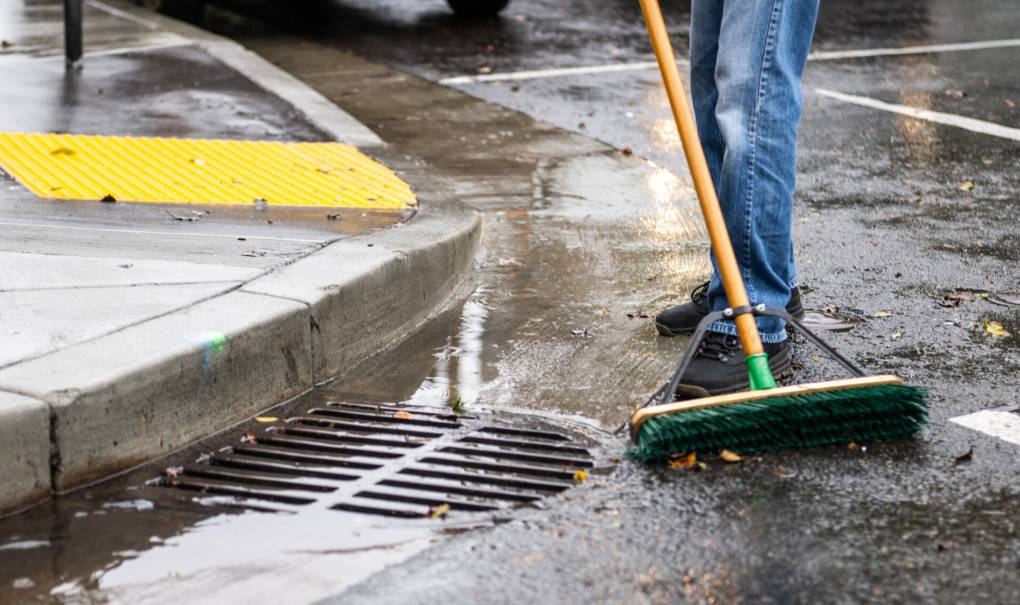
"caption": "Antonio Lopez clears debris from a drain near his home on 21st and Florida Streets in San Francisco on Jan. 5, 2023. Drains like this are all around the city, just waiting to be cleaned up and anointed with punny names!",
"description": null,
"title": "RS61878_010_KQED_BombCyloneStorm_01052023-qut",
"credit": "Beth LaBerge/KQED",
"status": "inherit",
"altTag": "a person in jeans is seen from the waist down, sweeping debris from a wet road near a storm drain",
"isLoading": false,
"fetchFailed": false
},
"arts_13923163": {
"type": "attachments",
"id": "arts_13923163",
"meta": {
"index": "attachments_1716263798",
"site": "arts",
"id": "13923163",
"found": true
},
"parent": 13923127,
"imgSizes": {
"twentyfourteen-full-width": {
"file": "https://ww2.kqed.org/app/uploads/sites/2/2022/12/RS61780_015_KQEDArts_RockyRiveraCrabbing_12192022-qut-1038x576.jpg",
"width": 1038,
"mimeType": "image/jpeg",
"height": 576
},
"thumbnail": {
"file": "https://ww2.kqed.org/app/uploads/sites/2/2022/12/RS61780_015_KQEDArts_RockyRiveraCrabbing_12192022-qut-160x90.jpg",
"width": 160,
"mimeType": "image/jpeg",
"height": 90
},
"post-thumbnail": {
"file": "https://ww2.kqed.org/app/uploads/sites/2/2022/12/RS61780_015_KQEDArts_RockyRiveraCrabbing_12192022-qut-672x372.jpg",
"width": 672,
"mimeType": "image/jpeg",
"height": 372
},
"kqedFullSize": {
"file": "https://ww2.kqed.org/app/uploads/sites/2/2022/12/RS61780_015_KQEDArts_RockyRiveraCrabbing_12192022-qut.jpg",
"width": 1920,
"height": 1080
},
"large": {
"file": "https://ww2.kqed.org/app/uploads/sites/2/2022/12/RS61780_015_KQEDArts_RockyRiveraCrabbing_12192022-qut-1020x574.jpg",
"width": 1020,
"mimeType": "image/jpeg",
"height": 574
},
"1536x1536": {
"file": "https://ww2.kqed.org/app/uploads/sites/2/2022/12/RS61780_015_KQEDArts_RockyRiveraCrabbing_12192022-qut-1536x864.jpg",
"width": 1536,
"mimeType": "image/jpeg",
"height": 864
},
"medium": {
"file": "https://ww2.kqed.org/app/uploads/sites/2/2022/12/RS61780_015_KQEDArts_RockyRiveraCrabbing_12192022-qut-800x450.jpg",
"width": 800,
"mimeType": "image/jpeg",
"height": 450
},
"medium_large": {
"file": "https://ww2.kqed.org/app/uploads/sites/2/2022/12/RS61780_015_KQEDArts_RockyRiveraCrabbing_12192022-qut-768x432.jpg",
"width": 768,
"mimeType": "image/jpeg",
"height": 432
}
},
"publishDate": 1672436410,
"modified": 1672438696,
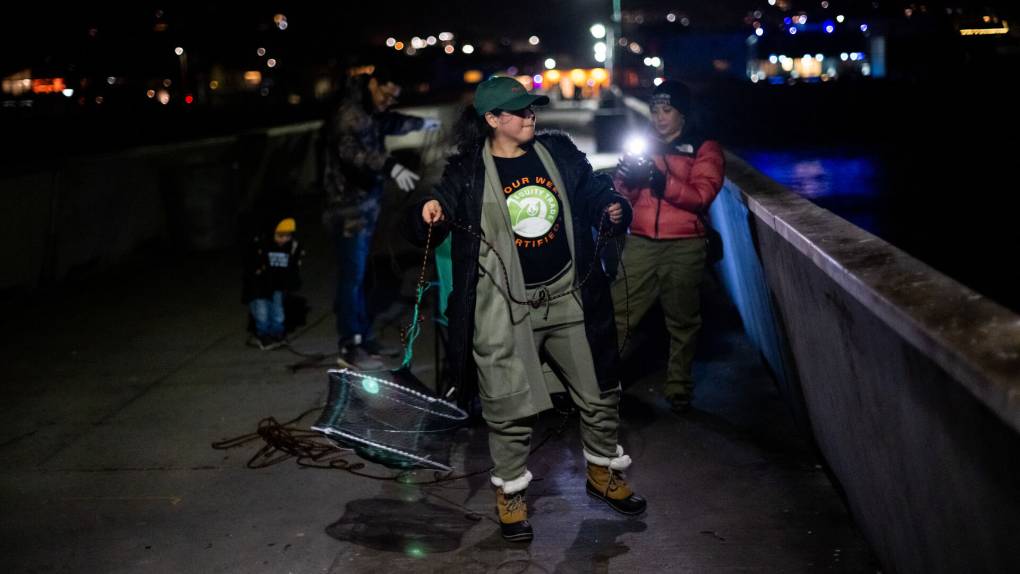
"caption": "The author (right) looks on as her cousin Nina Parks prepares to throw a crab net into the water at the Pacifica Municipal Pier.",
"description": null,
"title": "RS61780_015_KQEDArts_RockyRiveraCrabbing_12192022-qut",
"credit": "Beth LaBerge/KQED",
"status": "inherit",
"altTag": "A woman prepares to toss a crab net over the edge of a pier at night.",
"isLoading": false,
"fetchFailed": false
},
"arts_13922699": {
"type": "attachments",
"id": "arts_13922699",
"meta": {
"index": "attachments_1716263798",
"site": "arts",
"id": "13922699",
"found": true
},
"parent": 13922141,
"imgSizes": {
"thumbnail": {
"file": "https://ww2.kqed.org/app/uploads/sites/2/2022/12/IMG_6253-1020x680-2-160x107.jpg",
"width": 160,
"mimeType": "image/jpeg",
"height": 107
},
"post-thumbnail": {
"file": "https://ww2.kqed.org/app/uploads/sites/2/2022/12/IMG_6253-1020x680-2-672x372.jpg",
"width": 672,
"mimeType": "image/jpeg",
"height": 372
},
"kqedFullSize": {
"file": "https://ww2.kqed.org/app/uploads/sites/2/2022/12/IMG_6253-1020x680-2.jpg",
"width": 848,
"height": 565
},
"medium": {
"file": "https://ww2.kqed.org/app/uploads/sites/2/2022/12/IMG_6253-1020x680-2-800x533.jpg",
"width": 800,
"mimeType": "image/jpeg",
"height": 533
},
"medium_large": {
"file": "https://ww2.kqed.org/app/uploads/sites/2/2022/12/IMG_6253-1020x680-2-768x512.jpg",
"width": 768,
"mimeType": "image/jpeg",
"height": 512
}
},
"publishDate": 1671061790,
"modified": 1671061823,
"caption": "Big Mafi Burgers' 'Berner Burger' is Cellski's homage to fellow SF rapper Berner.",
"description": null,
"title": "IMG_6253-1020x680",
"credit": "Alan Chazaro/KQED",
"status": "inherit",
"altTag": "a cook holds up a \"mash\" burger with an array of ingredients inside",
"isLoading": false,
"fetchFailed": false
},
"arts_13922593": {
"type": "attachments",
"id": "arts_13922593",
"meta": {
"index": "attachments_1716263798",
"site": "arts",
"id": "13922593",
"found": true
},
"parent": 13922560,
"imgSizes": {
"thumbnail": {
"file": "https://ww2.kqed.org/app/uploads/sites/2/2022/12/INdigo.THUMB_-160x90.jpg",
"width": 160,
"mimeType": "image/jpeg",
"height": 90
},
"post-thumbnail": {
"file": "https://ww2.kqed.org/app/uploads/sites/2/2022/12/INdigo.THUMB_-672x372.jpg",
"width": 672,
"mimeType": "image/jpeg",
"height": 372
},
"kqedFullSize": {
"file": "https://ww2.kqed.org/app/uploads/sites/2/2022/12/INdigo.THUMB_.jpg",
"width": 962,
"height": 541
},
"medium": {
"file": "https://ww2.kqed.org/app/uploads/sites/2/2022/12/INdigo.THUMB_-800x450.jpg",
"width": 800,
"mimeType": "image/jpeg",
"height": 450
},
"medium_large": {
"file": "https://ww2.kqed.org/app/uploads/sites/2/2022/12/INdigo.THUMB_-768x432.jpg",
"width": 768,
"mimeType": "image/jpeg",
"height": 432
}
},
"publishDate": 1670618071,
"modified": 1670618111,
"caption": null,
"description": null,
"title": "INdigo.THUMB",
"credit": null,
"status": "inherit",
"altTag": "An artwork dyed with indigo of three Black women sitting together",
"isLoading": false,
"fetchFailed": false
},
"arts_13922291": {
"type": "attachments",
"id": "arts_13922291",
"meta": {
"index": "attachments_1716263798",
"site": "arts",
"id": "13922291",
"found": true
},
"parent": 13922186,
"imgSizes": {
"twentyfourteen-full-width": {
"file": "https://ww2.kqed.org/app/uploads/sites/2/2022/12/Vallejo.Sunset-1038x576.jpg",
"width": 1038,
"mimeType": "image/jpeg",
"height": 576
},
"thumbnail": {
"file": "https://ww2.kqed.org/app/uploads/sites/2/2022/12/Vallejo.Sunset-160x90.jpg",
"width": 160,
"mimeType": "image/jpeg",
"height": 90
},
"post-thumbnail": {
"file": "https://ww2.kqed.org/app/uploads/sites/2/2022/12/Vallejo.Sunset-672x372.jpg",
"width": 672,
"mimeType": "image/jpeg",
"height": 372
},
"kqedFullSize": {
"file": "https://ww2.kqed.org/app/uploads/sites/2/2022/12/Vallejo.Sunset.jpg",
"width": 1920,
"height": 1080
},
"large": {
"file": "https://ww2.kqed.org/app/uploads/sites/2/2022/12/Vallejo.Sunset-1020x574.jpg",
"width": 1020,
"mimeType": "image/jpeg",
"height": 574
},
"1536x1536": {
"file": "https://ww2.kqed.org/app/uploads/sites/2/2022/12/Vallejo.Sunset-1536x864.jpg",
"width": 1536,
"mimeType": "image/jpeg",
"height": 864
},
"medium": {
"file": "https://ww2.kqed.org/app/uploads/sites/2/2022/12/Vallejo.Sunset-800x450.jpg",
"width": 800,
"mimeType": "image/jpeg",
"height": 450
},
"medium_large": {
"file": "https://ww2.kqed.org/app/uploads/sites/2/2022/12/Vallejo.Sunset-768x432.jpg",
"width": 768,
"mimeType": "image/jpeg",
"height": 432
}
},
"publishDate": 1670003751,
"modified": 1670003847,
"caption": "The sun sets over Hwy. 37 in Vallejo — one of nature's many masterpieces on the canvas of Northern California. ",
"description": null,
"title": "Vallejo.Sunset",
"credit": "Pendarvis Harshaw",
"status": "inherit",
"altTag": "A low setting sun behind a bridge above water",
"isLoading": false,
"fetchFailed": false
},
"arts_13921653": {
"type": "attachments",
"id": "arts_13921653",
"meta": {
"index": "attachments_1716263798",
"site": "arts",
"id": "13921653",
"found": true
},
"parent": 13921650,
"imgSizes": {
"twentyfourteen-full-width": {
"file": "https://ww2.kqed.org/app/uploads/sites/2/2022/11/backyard_emmet-crop-1038x576.jpg",
"width": 1038,
"mimeType": "image/jpeg",
"height": 576
},
"thumbnail": {
"file": "https://ww2.kqed.org/app/uploads/sites/2/2022/11/backyard_emmet-crop-160x90.jpg",
"width": 160,
"mimeType": "image/jpeg",
"height": 90
},
"post-thumbnail": {
"file": "https://ww2.kqed.org/app/uploads/sites/2/2022/11/backyard_emmet-crop-672x372.jpg",
"width": 672,
"mimeType": "image/jpeg",
"height": 372
},
"kqedFullSize": {
"file": "https://ww2.kqed.org/app/uploads/sites/2/2022/11/backyard_emmet-crop.jpg",
"width": 1920,
"height": 1080
},
"large": {
"file": "https://ww2.kqed.org/app/uploads/sites/2/2022/11/backyard_emmet-crop-1020x574.jpg",
"width": 1020,
"mimeType": "image/jpeg",
"height": 574
},
"1536x1536": {
"file": "https://ww2.kqed.org/app/uploads/sites/2/2022/11/backyard_emmet-crop-1536x864.jpg",
"width": 1536,
"mimeType": "image/jpeg",
"height": 864
},
"medium": {
"file": "https://ww2.kqed.org/app/uploads/sites/2/2022/11/backyard_emmet-crop-800x450.jpg",
"width": 800,
"mimeType": "image/jpeg",
"height": 450
},
"medium_large": {
"file": "https://ww2.kqed.org/app/uploads/sites/2/2022/11/backyard_emmet-crop-768x432.jpg",
"width": 768,
"mimeType": "image/jpeg",
"height": 432
}
},
"publishDate": 1668565530,
"modified": 1668625533,
"caption": "Emmet Kauffman opened his first food business, the Backyard, this month.",
"description": null,
"title": "backyard_emmet-crop",
"credit": "Alan Chazaro",
"status": "inherit",
"altTag": "food entrepreneur, Emmet Kauffman, stands in the outdoor patio of his new restaurant, The Backyard, which is located in a lot behind a hardware store",
"isLoading": false,
"fetchFailed": false
},
"arts_13062222": {
"type": "attachments",
"id": "arts_13062222",
"meta": {
"index": "attachments_1716263798",
"site": "arts",
"id": "13062222",
"found": true
},
"parent": 13062008,
"imgSizes": {
"small": {
"file": "https://ww2.kqed.org/app/uploads/sites/2/2017/04/Paul-Madonna2016HiRes-520x389.jpg",
"width": 520,
"mimeType": "image/jpeg",
"height": 389
},
"twentyfourteen-full-width": {
"file": "https://ww2.kqed.org/app/uploads/sites/2/2017/04/Paul-Madonna2016HiRes-1038x576.jpg",
"width": 1038,
"mimeType": "image/jpeg",
"height": 576
},
"thumbnail": {
"file": "https://ww2.kqed.org/app/uploads/sites/2/2017/04/Paul-Madonna2016HiRes-160x120.jpg",
"width": 160,
"mimeType": "image/jpeg",
"height": 120
},
"fd-sm": {
"file": "https://ww2.kqed.org/app/uploads/sites/2/2017/04/Paul-Madonna2016HiRes-960x718.jpg",
"width": 960,
"mimeType": "image/jpeg",
"height": 718
},
"post-thumbnail": {
"file": "https://ww2.kqed.org/app/uploads/sites/2/2017/04/Paul-Madonna2016HiRes-672x372.jpg",
"width": 672,
"mimeType": "image/jpeg",
"height": 372
},
"xsmall": {
"file": "https://ww2.kqed.org/app/uploads/sites/2/2017/04/Paul-Madonna2016HiRes-375x281.jpg",
"width": 375,
"mimeType": "image/jpeg",
"height": 281
},
"kqedFullSize": {
"file": "https://ww2.kqed.org/app/uploads/sites/2/2017/04/Paul-Madonna2016HiRes.jpg",
"width": 1800,
"height": 1347
},
"large": {
"file": "https://ww2.kqed.org/app/uploads/sites/2/2017/04/Paul-Madonna2016HiRes-1020x763.jpg",
"width": 1020,
"mimeType": "image/jpeg",
"height": 763
},
"xlarge": {
"file": "https://ww2.kqed.org/app/uploads/sites/2/2017/04/Paul-Madonna2016HiRes-1180x883.jpg",
"width": 1180,
"mimeType": "image/jpeg",
"height": 883
},
"guest-author-50": {
"file": "https://ww2.kqed.org/app/uploads/sites/2/2017/04/Paul-Madonna2016HiRes-50x50.jpg",
"width": 50,
"mimeType": "image/jpeg",
"height": 50
},
"guest-author-96": {
"file": "https://ww2.kqed.org/app/uploads/sites/2/2017/04/Paul-Madonna2016HiRes-96x96.jpg",
"width": 96,
"mimeType": "image/jpeg",
"height": 96
},
"medium": {
"file": "https://ww2.kqed.org/app/uploads/sites/2/2017/04/Paul-Madonna2016HiRes-800x599.jpg",
"width": 800,
"mimeType": "image/jpeg",
"height": 599
},
"guest-author-64": {
"file": "https://ww2.kqed.org/app/uploads/sites/2/2017/04/Paul-Madonna2016HiRes-64x64.jpg",
"width": 64,
"mimeType": "image/jpeg",
"height": 64
},
"guest-author-32": {
"file": "https://ww2.kqed.org/app/uploads/sites/2/2017/04/Paul-Madonna2016HiRes-32x32.jpg",
"width": 32,
"mimeType": "image/jpeg",
"height": 32
},
"fd-med": {
"file": "https://ww2.kqed.org/app/uploads/sites/2/2017/04/Paul-Madonna2016HiRes-1180x883.jpg",
"width": 1180,
"mimeType": "image/jpeg",
"height": 883
},
"detail": {
"file": "https://ww2.kqed.org/app/uploads/sites/2/2017/04/Paul-Madonna2016HiRes-150x150.jpg",
"width": 150,
"mimeType": "image/jpeg",
"height": 150
},
"medium_large": {
"file": "https://ww2.kqed.org/app/uploads/sites/2/2017/04/Paul-Madonna2016HiRes-768x575.jpg",
"width": 768,
"mimeType": "image/jpeg",
"height": 575
},
"guest-author-128": {
"file": "https://ww2.kqed.org/app/uploads/sites/2/2017/04/Paul-Madonna2016HiRes-128x128.jpg",
"width": 128,
"mimeType": "image/jpeg",
"height": 128
},
"xxsmall": {
"file": "https://ww2.kqed.org/app/uploads/sites/2/2017/04/Paul-Madonna2016HiRes-240x180.jpg",
"width": 240,
"mimeType": "image/jpeg",
"height": 180
}
},
"publishDate": 1492359814,
"modified": 1668544239,
"caption": "Paul Madonna in 2017.",
"description": null,
"title": "Paul Madonna in 2017.",
"credit": null,
"status": "inherit",
"altTag": "A 30-something-year-old man with rectangular spectacles and a light beard sits at a diner table wearing a winter coat.",
"isLoading": false,
"fetchFailed": false
}
},
"audioPlayerReducer": {
"postId": "stream_live",
"isPaused": true,
"isPlaying": false,
"pfsActive": false,
"pledgeModalIsOpen": true,
"playerDrawerIsOpen": false,
"liveAudioPlayStartedAt": 0,
"liveAudioPlayContext": ""
},
"authorsReducer": {
"byline_arts_13923980": {
"type": "authors",
"id": "byline_arts_13923980",
"meta": {
"override": true
},
"slug": "byline_arts_13923980",
"name": "Chloe Veltman",
"isLoading": false
},
"gmeline": {
"type": "authors",
"id": "185",
"meta": {
"index": "authors_1716337520",
"id": "185",
"found": true
},
"name": "Gabe Meline",
"firstName": "Gabe",
"lastName": "Meline",
"slug": "gmeline",
"email": "gmeline@kqed.org",
"display_author_email": true,
"staff_mastheads": [
"arts"
],
"title": "Senior Editor, KQED Arts & Culture",
"bio": "Gabe Meline entered journalism at age 15 making photocopied zines, and has since earned awards from the Edward R. Murrow Awards, the Society for Professional Journalists, the Online Journalism Awards, the Association of Alternative Newsweeklies and the California Newspaper Publishers Association. Prior to KQED, he was the editor of the \u003cem>North Bay Bohemian\u003c/em> and a touring musician. He lives with his wife and daughter in his hometown of Santa Rosa, CA.",
"avatar": "https://secure.gravatar.com/avatar/5bebe57be0d8bc2dd318934feb47299e2d2d10cba28d09d8d7afb389a2ce2bdd?s=600&d=blank&r=g",
"twitter": null,
"bluesky": null,
"facebook": null,
"instagram": null,
"linkedin": null,
"sites": [
{
"site": "",
"roles": [
"editor"
]
},
{
"site": "arts",
"roles": [
"administrator"
]
},
{
"site": "artschool",
"roles": [
"editor"
]
},
{
"site": "news",
"roles": [
"author"
]
},
{
"site": "pop",
"roles": [
"editor"
]
},
{
"site": "bayareabites",
"roles": [
"editor"
]
},
{
"site": "food",
"roles": [
"editor"
]
},
{
"site": "forum",
"roles": [
"administrator"
]
},
{
"site": "liveblog",
"roles": [
"editor"
]
},
{
"site": "hiphop",
"roles": [
"editor"
]
}
],
"headData": {
"title": "Gabe Meline | KQED",
"description": "Senior Editor, KQED Arts & Culture",
"ogImgSrc": "https://secure.gravatar.com/avatar/5bebe57be0d8bc2dd318934feb47299e2d2d10cba28d09d8d7afb389a2ce2bdd?s=600&d=blank&r=g",
"twImgSrc": "https://secure.gravatar.com/avatar/5bebe57be0d8bc2dd318934feb47299e2d2d10cba28d09d8d7afb389a2ce2bdd?s=600&d=blank&r=g"
},
"isLoading": false,
"link": "/author/gmeline"
},
"esilvers": {
"type": "authors",
"id": "7237",
"meta": {
"index": "authors_1716337520",
"id": "7237",
"found": true
},
"name": "Emma Silvers",
"firstName": "Emma",
"lastName": "Silvers",
"slug": "esilvers",
"email": "esilvers@kqed.org",
"display_author_email": false,
"staff_mastheads": [],
"title": "KQED Contributor",
"bio": "Emma Silvers is an editor at KQED Arts and a former digital producer at KQED News. Born and raised in the Bay Area, she has previously been an arts and entertainment editor at the \u003cem>San Francisco Chronicle\u003c/em>, \u003cem>SF Weekly\u003c/em> and the \u003cem>San Francisco Bay Guardian.\u003c/em> \u003ca href=\"https://www.emmasilvers.com\">Her work\u003c/a> has also appeared in \u003cem>Rolling Stone\u003c/em>, Pitchfork and \u003cem>Mother Jones\u003c/em>. In 2017 she was the recipient of the Society of Professional Journalists-Northern California's award for arts and culture reporting. In 1993 she \u003ca href=\"https://www.kqed.org/pop/16759/wait-what-my-coworker-was-a-voice-over-hyperventilator-for-jurassic-park\">hyperventilated in \u003cem>Jurassic Park\u003c/em>\u003c/a>.",
"avatar": "https://secure.gravatar.com/avatar/247beada39b88ea5759db1f51dba05cf?s=600&d=blank&r=g",
"twitter": "emmaruthless",
"facebook": null,
"instagram": null,
"linkedin": null,
"sites": [
{
"site": "arts",
"roles": [
"editor"
]
},
{
"site": "news",
"roles": [
"editor"
]
},
{
"site": "pop",
"roles": [
"contributor"
]
},
{
"site": "bayareabites",
"roles": [
"editor"
]
},
{
"site": "food",
"roles": [
"contributor"
]
},
{
"site": "liveblog",
"roles": [
"editor"
]
}
],
"headData": {
"title": "Emma Silvers | KQED",
"description": "KQED Contributor",
"ogImgSrc": "https://secure.gravatar.com/avatar/247beada39b88ea5759db1f51dba05cf?s=600&d=blank&r=g",
"twImgSrc": "https://secure.gravatar.com/avatar/247beada39b88ea5759db1f51dba05cf?s=600&d=blank&r=g"
},
"isLoading": false,
"link": "/author/esilvers"
},
"ralexandra": {
"type": "authors",
"id": "11242",
"meta": {
"index": "authors_1716337520",
"id": "11242",
"found": true
},
"name": "Rae Alexandra",
"firstName": "Rae",
"lastName": "Alexandra",
"slug": "ralexandra",
"email": "ralexandra@kqed.org",
"display_author_email": true,
"staff_mastheads": [],
"title": "Reporter/Producer",
"bio": "Rae Alexandra is a Reporter/Producer for KQED Arts & Culture, and the creator/author of the \u003ca href=\"https://www.kqed.org/arts/program/rebel-girls-from-bay-area-history\">Rebel Girls From Bay Area History\u003c/a> and \u003ca href=\"https://www.kqed.org/bizarrebayarea\">Bizarre Bay Area\u003c/a> series. Her debut book, \u003ca href=\"https://citylights.com/politics-current-events-history/unsung-heroines35-women-who-changed/\">Unsung Heroines: 35 Women Who Changed the Bay Area\u003c/a> was published by City Lights in March 2026. In 2023, Rae was awarded an SPJ Excellence in Journalism Award for Arts & Culture. Rae was born and raised in Wales and subsequently — even after two decades in Northern California — still uses phrases that regularly baffle her coworkers.",
"avatar": "https://secure.gravatar.com/avatar/edfee8176c80cc0a382b051190f5341997df378a934a5774dcb0977732dfd401?s=600&d=blank&r=g",
"twitter": null,
"bluesky": null,
"facebook": null,
"instagram": null,
"linkedin": null,
"sites": [
{
"site": "arts",
"roles": [
"subscriber"
]
},
{
"site": "news",
"roles": [
"subscriber"
]
},
{
"site": "pop",
"roles": [
"subscriber"
]
},
{
"site": "bayareabites",
"roles": [
"subscriber"
]
},
{
"site": "science",
"roles": [
"subscriber"
]
}
],
"headData": {
"title": "Rae Alexandra | KQED",
"description": "Reporter/Producer",
"ogImgSrc": "https://secure.gravatar.com/avatar/edfee8176c80cc0a382b051190f5341997df378a934a5774dcb0977732dfd401?s=600&d=blank&r=g",
"twImgSrc": "https://secure.gravatar.com/avatar/edfee8176c80cc0a382b051190f5341997df378a934a5774dcb0977732dfd401?s=600&d=blank&r=g"
},
"isLoading": false,
"link": "/author/ralexandra"
},
"ogpenn": {
"type": "authors",
"id": "11491",
"meta": {
"index": "authors_1716337520",
"id": "11491",
"found": true
},
"name": "Pendarvis Harshaw",
"firstName": "Pendarvis",
"lastName": "Harshaw",
"slug": "ogpenn",
"email": "ogpenn@gmail.com",
"display_author_email": false,
"staff_mastheads": [
"arts"
],
"title": "Community Engagement Reporter",
"bio": "Pendarvis Harshaw is an educator, host and writer with KQED Arts.",
"avatar": "https://secure.gravatar.com/avatar/972b77ee8e3f346ae2b00622661187fbfabd059b5693bbdc1475ea7a722fd4cd?s=600&d=blank&r=g",
"twitter": null,
"bluesky": null,
"facebook": null,
"instagram": "ogpenn",
"linkedin": null,
"sites": [
{
"site": "arts",
"roles": [
"administrator"
]
},
{
"site": "news",
"roles": [
"editor"
]
},
{
"site": "bayareabites",
"roles": [
"author"
]
},
{
"site": "hiphop",
"roles": [
"editor"
]
}
],
"headData": {
"title": "Pendarvis Harshaw | KQED",
"description": "Community Engagement Reporter",
"ogImgSrc": "https://secure.gravatar.com/avatar/972b77ee8e3f346ae2b00622661187fbfabd059b5693bbdc1475ea7a722fd4cd?s=600&d=blank&r=g",
"twImgSrc": "https://secure.gravatar.com/avatar/972b77ee8e3f346ae2b00622661187fbfabd059b5693bbdc1475ea7a722fd4cd?s=600&d=blank&r=g"
},
"isLoading": false,
"link": "/author/ogpenn"
},
"ltsai": {
"type": "authors",
"id": "11743",
"meta": {
"index": "authors_1716337520",
"id": "11743",
"found": true
},
"name": "Luke Tsai",
"firstName": "Luke",
"lastName": "Tsai",
"slug": "ltsai",
"email": "ltsai@kqed.org",
"display_author_email": true,
"staff_mastheads": [
"arts"
],
"title": "Food Editor",
"bio": "Luke Tsai is KQED's food editor and resident stinky tofu connoisseur. Prior to KQED, he was an editor at Eater SF, \u003cem>San Francisco \u003c/em>magazine, and the \u003cem>East Bay Express\u003c/em>, and his work has also appeared in TASTE, the \u003cem>San Francisco Chronicle\u003c/em>, and the \u003cem>Best Food Writing\u003c/em> anthology. When he isn't writing or editing, you'll find him eating most everything he can get his hands on.",
"avatar": "https://secure.gravatar.com/avatar/1e59b45bf191526e7339d6ba46e33a57b2030d25c27660ecc64ea3cb863e34f7?s=600&d=blank&r=g",
"twitter": "theluketsai",
"bluesky": null,
"facebook": null,
"instagram": null,
"linkedin": null,
"sites": [
{
"site": "",
"roles": [
"editor"
]
},
{
"site": "arts",
"roles": [
"administrator"
]
},
{
"site": "news",
"roles": [
"editor",
"contributor"
]
},
{
"site": "bayareabites",
"roles": [
"editor"
]
},
{
"site": "food",
"roles": [
"editor"
]
}
],
"headData": {
"title": "Luke Tsai | KQED",
"description": "Food Editor",
"ogImgSrc": "https://secure.gravatar.com/avatar/1e59b45bf191526e7339d6ba46e33a57b2030d25c27660ecc64ea3cb863e34f7?s=600&d=blank&r=g",
"twImgSrc": "https://secure.gravatar.com/avatar/1e59b45bf191526e7339d6ba46e33a57b2030d25c27660ecc64ea3cb863e34f7?s=600&d=blank&r=g"
},
"isLoading": false,
"link": "/author/ltsai"
},
"achazaro": {
"type": "authors",
"id": "11748",
"meta": {
"index": "authors_1716337520",
"id": "11748",
"found": true
},
"name": "Alan Chazaro",
"firstName": "Alan",
"lastName": "Chazaro",
"slug": "achazaro",
"email": "agchazaro@gmail.com",
"display_author_email": true,
"staff_mastheads": [],
"title": "Food Writer and Reporter",
"bio": "Alan Chazaro is the author of \u003cem>This Is Not a Frank Ocean Cover Album\u003c/em> (Black Lawrence Press, 2019), \u003cem>Piñata Theory\u003c/em> (Black Lawrence Press, 2020), and \u003cem>Notes from the Eastern Span of the Bay Bridge\u003c/em> (Ghost City Press, 2021). He is a graduate of June Jordan’s Poetry for the People program at UC Berkeley and a former Lawrence Ferlinghetti Fellow at the University of San Francisco. He writes about sports, food, art, music, education, and culture while repping the Bay on \u003ca href=\"https://twitter.com/alan_chazaro\">Twitter\u003c/a> and \u003ca href=\"https://www.instagram.com/alan_chazaro/?hl=en\">Instagram\u003c/a> at @alan_chazaro.",
"avatar": "https://secure.gravatar.com/avatar/ea8b6dd970fc5c29e7a188e7d5861df7?s=600&d=blank&r=g",
"twitter": "alan_chazaro",
"facebook": null,
"instagram": null,
"linkedin": null,
"sites": [
{
"site": "arts",
"roles": [
"contributor"
]
},
{
"site": "news",
"roles": [
"editor"
]
}
],
"headData": {
"title": "Alan Chazaro | KQED",
"description": "Food Writer and Reporter",
"ogImgSrc": "https://secure.gravatar.com/avatar/ea8b6dd970fc5c29e7a188e7d5861df7?s=600&d=blank&r=g",
"twImgSrc": "https://secure.gravatar.com/avatar/ea8b6dd970fc5c29e7a188e7d5861df7?s=600&d=blank&r=g"
},
"isLoading": false,
"link": "/author/achazaro"
},
"rockyrivera": {
"type": "authors",
"id": "11846",
"meta": {
"index": "authors_1716337520",
"id": "11846",
"found": true
},
"name": "Rocky Rivera",
"firstName": "Rocky",
"lastName": "Rivera",
"slug": "rockyrivera",
"email": "ms.rocky.rivera@gmail.com",
"display_author_email": false,
"staff_mastheads": [],
"title": "KQED Contributor",
"bio": "Rocky Rivera is a journalist, emcee, author and activist from San Francisco. She has released four albums through her label, Beatrock Music, and a ten-volume mixtape series with DJ Roza. She released her first book in 2021, entitled \u003cem>Snakeskin: Essays by Rocky Rivera\u003c/em>. Her latest album dropped in September 2024 and is called \"Long Kiss Goodnight\" with emcee/producer Otayo Dubb. She currently writes the Frisco Foodies column as a love letter to her hometown.",
"avatar": "https://secure.gravatar.com/avatar/946241ee2c59e6040607dfc75240d91b?s=600&d=blank&r=g",
"twitter": null,
"facebook": "https://m.facebook.com/rockyriveramusic",
"instagram": "https://instagram.com/rockyrivera",
"linkedin": "https://www.linkedin.com/in/krishtinedeleon/",
"sites": [
{
"site": "arts",
"roles": [
"author"
]
}
],
"headData": {
"title": "Rocky Rivera | KQED",
"description": "KQED Contributor",
"ogImgSrc": "https://secure.gravatar.com/avatar/946241ee2c59e6040607dfc75240d91b?s=600&d=blank&r=g",
"twImgSrc": "https://secure.gravatar.com/avatar/946241ee2c59e6040607dfc75240d91b?s=600&d=blank&r=g"
},
"isLoading": false,
"link": "/author/rockyrivera"
}
},
"pagesReducer": {
"arts_tag_san-francisco": {
"type": "terms",
"id": "arts_1146",
"meta": {
"index": "terms_1716263798",
"site": "arts",
"id": "1146",
"score": 6.722821
},
"featImg": null,
"name": "San Francisco",
"description": null,
"taxonomy": "tag",
"headData": {
"twImgId": null,
"twTitle": null,
"ogTitle": null,
"ogImgId": null,
"twDescription": null,
"description": null,
"title": "San Francisco Archives | KQED Arts",
"ogDescription": null
},
"ttid": 701,
"slug": "san-francisco",
"isLoading": false,
"title": "San Francisco",
"pageMeta": {
"site": "arts",
"WpPageTemplate": "page-topic-editorial",
"currentPage": 38
},
"blocks": [
{
"blockName": "kqed/post-list",
"attrs": {
"layout": "cardArticle2",
"query": "posts/arts?tag=san-francisco",
"seeMore": false,
"paginated": true,
"page": 38
}
},
{
"blockName": "kqed/ad"
}
]
}
},
"pfsSessionReducer": {},
"postsReducer": {
"stream_live": {
"type": "live",
"id": "stream_live",
"audioUrl": "https://streams.kqed.org/kqedradio",
"title": "Live Stream",
"excerpt": "Live Stream information currently unavailable.",
"link": "/radio",
"featImg": "",
"label": {
"name": "KQED Live",
"link": "/"
}
},
"stream_kqedNewscast": {
"type": "posts",
"id": "stream_kqedNewscast",
"audioUrl": "https://www.kqed.org/.stream/anon/radio/RDnews/newscast.mp3?_=1",
"title": "KQED Newscast",
"featImg": "",
"label": {
"name": "88.5 FM",
"link": "/"
}
},
"arts_13923980": {
"type": "posts",
"id": "arts_13923980",
"meta": {
"index": "posts_1716263798",
"site": "arts",
"id": "13923980",
"score": null,
"sort": [
1674511390000
]
},
"guestAuthors": [],
"slug": "san-francisco-chinatown-seniors-welcome-in-the-lunar-new-year-with-rap",
"title": "San Francisco Chinatown Seniors Welcome in the Lunar New Year With Rap",
"publishDate": 1674511390,
"format": "standard",
"headTitle": "San Francisco Chinatown Seniors Welcome in the Lunar New Year With Rap | KQED",
"labelTerm": {
"term": 137,
"site": "arts"
},
"content": "\u003cp>A cabaret dance troupe of elders from San Francisco’s Chinatown has released a rap track and video celebrating the \u003ca href=\"https://www.npr.org/2023/01/20/1150070528/these-lunar-new-year-dishes-remind-those-who-make-them-of-their-family-and-frien\">Lunar New Year\u003c/a>.\u003c/p>\n\u003cp>[aside postid='arts_13923317']“\u003ca href=\"https://www.facebook.com/watch/?v=1600909627034398&t=0\" target=\"_blank\" rel=\"noopener noreferrer\">That Lunar Cheer\u003c/a>,” a collaboration between the \u003ca href=\"http://grantavenuefollies.com\">Grant Avenue Follies\u003c/a> and Los Angeles-based rapper \u003ca href=\"http://jasonchumusic.com\">Jason Chu\u003c/a>, hippety-hops into the Year of the Rabbit with calls for food, family and fun.\u003c/p>\n\u003cp>“We’ve been through a couple challenging years and we want to wish everybody a happy new year as well as making sure that it will be a peaceful and healthy new year. That is very important to us,” Follies co-founder Cynthia Yee told NPR. “We have customs that have to be followed, such as cleaning the house before New Year’s Day to sweep away all the bad luck and welcome the new.”\u003c/p>\n\u003cp>\u003c!-- iframe plugin v.4.3 wordpress.org/plugins/iframe/ -->\u003cbr>\n\u003ciframe loading=\"lazy\" src=\"https://www.facebook.com/plugins/video.php?height=314&href=https%3A%2F%2Fwww.facebook.com%2FAARPAAPI%2Fvideos%2F1600909627034398%2F&show_text=false&width=560&t=0\" width=\"560\" height=\"314\" style=\"border:none;overflow:hidden\" scrolling=\"no\" frameborder=\"0\" allowfullscreen=\"true\" allow=\"autoplay; clipboard-write; encrypted-media; picture-in-picture; web-share\" class=\"iframe-class\">\u003c/iframe>\u003c/p>\n\u003cp>The video was was funded by the AARP, a nonprofit interest group focusing on issues affecting those over the age of 50.\u003c/p>\n\u003ch3>No strangers to hip-hop\u003c/h3>\n\u003cp>The 12 members of the Follies, aged between 61 and 87, might be steeped in tap dance and the songs of the 1950s and ‘60s. But they are no strangers to hip-hop.\u003c/p>\n\u003cp>[ad fullwidth]\u003c/p>\n\u003cp>\u003cem>That Lunar Cheer\u003c/em> is the group’s third rap track to date. The Follies’ song protesting violence against people of Asian descent, \u003cem>Gai Mou Sou Rap \u003c/em>(named after the chicken feature dusters that Chinese parents traditionally use around the home, and also use to spank naughty children), has garnered nearly 90,000 views on YouTube since debuting in May 2021.\u003c/p>\n\u003cp>Follies founder Yee said she feels a connection to the hip-hop genre.\u003c/p>\n\u003cp>‘What better way to express ourselves through poetry, which is a song with rap,” she said.\u003c/p>\n\u003cp>[aside postid='arts_13923548']Their dedication to the art form impressed rapper Chu, who wrote \u003cem>That Lunar Cheer\u003c/em>, and has a strong background in community activism as well as music.\u003c/p>\n\u003cp>“These ladies are strong and feisty and creative,” Chu told NPR. “Getting to collaborate with them is exactly the kind of art I love making — something that highlights culture and community in a way that’s fun and empowering.”\u003c/p>\n\u003cp>\u003c/p>\n\u003cp>Yee added she hopes the song exemplifies the values of the Year of the Rabbit: “Mostly very quiet, very lovable, very fuzzy-wuzzy, and of course all about having lots of family,” she said. “The Year of the Rabbit is about multiplying everything, whether that’s children, grandchildren or money.”\u003c/p>\n\u003cdiv class=\"fullattribution\">\u003cem>Copyright 2023 NPR. To see more, \u003ca href=\"https://www.npr.org\" target=\"_blank\" rel=\"noopener noreferrer\">visit NPR\u003c/a>.\u003cimg decoding=\"async\" src=\"https://www.google-analytics.com/__utm.gif?utmac=UA-5828686-4&utmdt=San+Francisco+Chinatown+seniors+welcome+in+the+Lunar+New+Year+with+rap+&utme=8(APIKey)9(MDAxOTAwOTE4MDEyMTkxMDAzNjczZDljZA004)\">\u003c/em>\u003c/div>\n\n",
"blocks": [],
"excerpt": "The Grant Avenue Follies are steeped in tap dance and songs of the 1950s and ‘60s — but they are no strangers to hip-hop.",
"status": "publish",
"parent": 0,
"modified": 1726771155,
"stats": {
"hasAudio": false,
"hasVideo": false,
"hasChartOrMap": false,
"iframeSrcs": [],
"hasGoogleForm": false,
"hasGallery": false,
"hasHearkenModule": false,
"hasPolis": false,
"paragraphCount": 14,
"wordCount": 436
},
"headData": {
"title": "San Francisco Chinatown Seniors Welcome in the Lunar New Year With Rap | KQED",
"description": "The Grant Avenue Follies are steeped in tap dance and songs of the 1950s and ‘60s — but they are no strangers to hip-hop.",
"ogTitle": "",
"ogDescription": "",
"ogImgId": "",
"twTitle": "",
"twDescription": "",
"twImgId": "",
"schema": {
"@context": "https://schema.org",
"@type": "Article",
"headline": "San Francisco Chinatown Seniors Welcome in the Lunar New Year With Rap",
"datePublished": "2023-01-23T14:03:10-08:00",
"dateModified": "2024-09-19T11:39:15-07:00",
"image": "https://cdn.kqed.org/wp-content/uploads/2020/02/KQED-OG-Image@1x.png"
}
},
"sticky": false,
"nprByline": "Chloe Veltman",
"nprImageAgency": "IW Group",
"nprStoryId": "1150602538",
"nprApiLink": "http://api.npr.org/query?id=1150602538&apiKey=MDAxOTAwOTE4MDEyMTkxMDAzNjczZDljZA004",
"nprHtmlLink": "https://www.npr.org/2023/01/22/1150602538/san-francisco-chinatown-senior-rap-lunar-new-year?ft=nprml&f=1150602538",
"nprRetrievedStory": "1",
"nprPubDate": "Sun, 22 Jan 2023 05:00:00 -0500",
"nprStoryDate": "Sun, 22 Jan 2023 05:00:41 -0500",
"nprLastModifiedDate": "Sun, 22 Jan 2023 05:00:41 -0500",
"templateType": "standard",
"featuredImageType": "standard",
"excludeFromSiteSearch": "Include",
"showOnAuthorArchivePages": "No",
"articleAge": "0",
"path": "/arts/13923980/san-francisco-chinatown-seniors-welcome-in-the-lunar-new-year-with-rap",
"audioTrackLength": null,
"parsedContent": [
{
"type": "contentString",
"content": "\u003cdiv class=\"post-body\">\u003cp>\u003cp>A cabaret dance troupe of elders from San Francisco’s Chinatown has released a rap track and video celebrating the \u003ca href=\"https://www.npr.org/2023/01/20/1150070528/these-lunar-new-year-dishes-remind-those-who-make-them-of-their-family-and-frien\">Lunar New Year\u003c/a>.\u003c/p>\n\u003cp>\u003c/p>\u003c/div>",
"attributes": {
"named": {},
"numeric": []
}
},
{
"type": "component",
"content": "",
"name": "aside",
"attributes": {
"named": {
"postid": "arts_13923317",
"label": ""
},
"numeric": []
}
},
{
"type": "contentString",
"content": "\u003cdiv class=\"post-body\">\u003cp>“\u003ca href=\"https://www.facebook.com/watch/?v=1600909627034398&t=0\" target=\"_blank\" rel=\"noopener noreferrer\">That Lunar Cheer\u003c/a>,” a collaboration between the \u003ca href=\"http://grantavenuefollies.com\">Grant Avenue Follies\u003c/a> and Los Angeles-based rapper \u003ca href=\"http://jasonchumusic.com\">Jason Chu\u003c/a>, hippety-hops into the Year of the Rabbit with calls for food, family and fun.\u003c/p>\n\u003cp>“We’ve been through a couple challenging years and we want to wish everybody a happy new year as well as making sure that it will be a peaceful and healthy new year. That is very important to us,” Follies co-founder Cynthia Yee told NPR. “We have customs that have to be followed, such as cleaning the house before New Year’s Day to sweep away all the bad luck and welcome the new.”\u003c/p>\n\u003cp>\u003c!-- iframe plugin v.4.3 wordpress.org/plugins/iframe/ -->\u003cbr>\n\u003ciframe loading=\"lazy\" src=\"https://www.facebook.com/plugins/video.php?height=314&href=https%3A%2F%2Fwww.facebook.com%2FAARPAAPI%2Fvideos%2F1600909627034398%2F&show_text=false&width=560&t=0\" width=\"560\" height=\"314\" style=\"border:none;overflow:hidden\" scrolling=\"no\" frameborder=\"0\" allowfullscreen=\"true\" allow=\"autoplay; clipboard-write; encrypted-media; picture-in-picture; web-share\" class=\"iframe-class\">\u003c/iframe>\u003c/p>\n\u003cp>The video was was funded by the AARP, a nonprofit interest group focusing on issues affecting those over the age of 50.\u003c/p>\n\u003ch3>No strangers to hip-hop\u003c/h3>\n\u003cp>The 12 members of the Follies, aged between 61 and 87, might be steeped in tap dance and the songs of the 1950s and ‘60s. But they are no strangers to hip-hop.\u003c/p>\n\u003cp>\u003c/p>\u003c/div>",
"attributes": {
"named": {},
"numeric": []
}
},
{
"type": "component",
"content": "",
"name": "ad",
"attributes": {
"named": {
"label": "fullwidth"
},
"numeric": [
"fullwidth"
]
}
},
{
"type": "contentString",
"content": "\u003cdiv class=\"post-body\">\u003cp>\u003c/p>\n\u003cp>\u003cem>That Lunar Cheer\u003c/em> is the group’s third rap track to date. The Follies’ song protesting violence against people of Asian descent, \u003cem>Gai Mou Sou Rap \u003c/em>(named after the chicken feature dusters that Chinese parents traditionally use around the home, and also use to spank naughty children), has garnered nearly 90,000 views on YouTube since debuting in May 2021.\u003c/p>\n\u003cp>Follies founder Yee said she feels a connection to the hip-hop genre.\u003c/p>\n\u003cp>‘What better way to express ourselves through poetry, which is a song with rap,” she said.\u003c/p>\n\u003cp>\u003c/p>\u003c/div>",
"attributes": {
"named": {},
"numeric": []
}
},
{
"type": "component",
"content": "",
"name": "aside",
"attributes": {
"named": {
"postid": "arts_13923548",
"label": ""
},
"numeric": []
}
},
{
"type": "contentString",
"content": "\u003cdiv class=\"post-body\">\u003cp>Their dedication to the art form impressed rapper Chu, who wrote \u003cem>That Lunar Cheer\u003c/em>, and has a strong background in community activism as well as music.\u003c/p>\n\u003cp>“These ladies are strong and feisty and creative,” Chu told NPR. “Getting to collaborate with them is exactly the kind of art I love making — something that highlights culture and community in a way that’s fun and empowering.”\u003c/p>\n\u003cp>\u003c/p>\n\u003cp>Yee added she hopes the song exemplifies the values of the Year of the Rabbit: “Mostly very quiet, very lovable, very fuzzy-wuzzy, and of course all about having lots of family,” she said. “The Year of the Rabbit is about multiplying everything, whether that’s children, grandchildren or money.”\u003c/p>\n\u003cdiv class=\"fullattribution\">\u003cem>Copyright 2023 NPR. To see more, \u003ca href=\"https://www.npr.org\" target=\"_blank\" rel=\"noopener noreferrer\">visit NPR\u003c/a>.\u003cimg decoding=\"async\" src=\"https://www.google-analytics.com/__utm.gif?utmac=UA-5828686-4&utmdt=San+Francisco+Chinatown+seniors+welcome+in+the+Lunar+New+Year+with+rap+&utme=8(APIKey)9(MDAxOTAwOTE4MDEyMTkxMDAzNjczZDljZA004)\">\u003c/em>\u003c/div>\n\n\u003c/div>\u003c/p>",
"attributes": {
"named": {},
"numeric": []
}
}
],
"link": "/arts/13923980/san-francisco-chinatown-seniors-welcome-in-the-lunar-new-year-with-rap",
"authors": [
"byline_arts_13923980"
],
"categories": [
"arts_1",
"arts_966",
"arts_69"
],
"tags": [
"arts_2654",
"arts_831",
"arts_13164",
"arts_1146"
],
"affiliates": [
"arts_137"
],
"featImg": "arts_13923984",
"label": "arts_137"
},
"arts_13923936": {
"type": "posts",
"id": "arts_13923936",
"meta": {
"index": "posts_1716263798",
"site": "arts",
"id": "13923936",
"score": null,
"sort": [
1674496558000
]
},
"parent": 0,
"labelTerm": {},
"blocks": [],
"publishDate": 1674496558,
"format": "standard",
"title": "MoAD’s New Chef-in-Residence Wants to Put Black Women Front and Center",
"headTitle": "MoAD’s New Chef-in-Residence Wants to Put Black Women Front and Center | KQED",
"content": "\u003cp>\u003cspan style=\"font-weight: 400\">The first time I met Jocelyn Jackson, back in 2015, the chef and food activist Bryant Terry was emceeing an Oakland food event where he introduced the organization that Jackson co-founded — \u003ca href=\"http://peopleskitchencollective.com/\">People’s Kitchen Collective\u003c/a> — as the Bay Area food movement’s “house band.” In other words, the group wasn’t always the headliner, but it often worked behind the scenes whenever there was an event or initiative at the intersection of food, art and social justice. One week Jackson and her collaborators might sling vegan tacos at an \u003ca href=\"https://eastbayexpress.com/luz-calvo-wants-to-decolonize-your-plate-2-1/\">anti-colonialist cookbook event\u003c/a>. Another week you’d find them in West Oakland giving away a \u003ca href=\"http://peopleskitchencollective.com/free-breakfast-program\">free hot breakfast\u003c/a> to anyone who wanted one. \u003c/span>\u003c/p>\n\u003cp>All of which is to say: Jackson has been deeply involved in the Bay Area food world for a long time. Or, as she says about the scene, “There is no stranger in this room. … We know each other. We’ve been there for each other — for years.”\u003c/p>\n\u003cp>So there’s some poetry to the fact that Jackson is now stepping into one of the Bay Area food movement’s most prominent, unique positions: At the start of this year, she became the \u003ca href=\"https://www.moadsf.org/\">Museum of the African Diaspora’s\u003c/a> second ever chef-in-residence — a role that Terry himself essentially created and held for seven years.\u003c/p>\n\u003cp>I spoke to Jackson by phone a couple of weeks into her new gig. Here are five things you can expect from the chef’s tenure at MoAD:\u003c/p>\n\u003ch2>\u003cb>1. MoAD’s chef-in-residence program will continue to be one of a kind. \u003c/b>\u003c/h2>\n\u003cp>If you’ve never heard of any other museum having a “chef-in-residence,” that’s because programs like MoAD’s, which focus on the ways that food, art and culture intersect in the Black diaspora, don’t really exist anywhere else — certainly not in such a comprehensive way. Jackson isn’t becoming the museum’s “chef” in the traditional sense of running a restaurant on its premises. Instead, like Terry before her, she’ll run a whole slate of food-related cultural programming all year round (more on the specifics of that programming in a minute).\u003c/p>\n\u003cfigure id=\"attachment_13923965\" class=\"wp-caption alignnone\" style=\"max-width: 1920px\">\u003cimg loading=\"lazy\" decoding=\"async\" class=\"size-full wp-image-13923965\" src=\"https://ww2.kqed.org/app/uploads/sites/2/2023/01/jocelynjackson_diasporadinner.jpg\" alt=\"Artistically arranged of food whose shape resembles the continent of Africa.\" width=\"1920\" height=\"1280\" srcset=\"https://cdn.kqed.org/wp-content/uploads/sites/2/2023/01/jocelynjackson_diasporadinner.jpg 1920w, https://cdn.kqed.org/wp-content/uploads/sites/2/2023/01/jocelynjackson_diasporadinner-800x533.jpg 800w, https://cdn.kqed.org/wp-content/uploads/sites/2/2023/01/jocelynjackson_diasporadinner-1020x680.jpg 1020w, https://cdn.kqed.org/wp-content/uploads/sites/2/2023/01/jocelynjackson_diasporadinner-160x107.jpg 160w, https://cdn.kqed.org/wp-content/uploads/sites/2/2023/01/jocelynjackson_diasporadinner-768x512.jpg 768w, https://cdn.kqed.org/wp-content/uploads/sites/2/2023/01/jocelynjackson_diasporadinner-1536x1024.jpg 1536w\" sizes=\"(max-width: 1920px) 100vw, 1920px\">\u003cfigcaption class=\"wp-caption-text\">A plate of food served by the People’s Kitchen Collective at one of MoAD’s Diaspora Dinners held in 2015. \u003ccite>(Fox Nakai)\u003c/cite>\u003c/figcaption>\u003c/figure>\n\u003cp>“The Museum of the African Diaspora is about reflecting the beauty and wholeness of our people,” Jackson says. “It would be remiss to overlook that food is part of our artistry — it’s part of the way that our people find survival and celebration.”\u003c/p>\n\u003cp>[ad fullwidth]\u003c/p>\n\u003cp>“It’s not static when you’re doing a chef-in-residence,” she continues. “It’s not just something that you simply attend. It’s something that you do. I love that.”\u003c/p>\n\u003ch2>\u003cb>2. Black women will be front and center.\u003c/b>\u003c/h2>\n\u003cp>The tagline for Jackson’s \u003ca href=\"https://www.instagram.com/justuskitchen/?hl=en\">Instagram page\u003c/a> reads, “healing food experiences for Blk womxn.” Providing those kinds of culturally specific experiences — at group retreats, one-on-one sessions and more — has been the main focus of the chef’s company, \u003ca href=\"http://www.justuskitchen.com/\">Justus Kitchen\u003c/a>. It makes sense, then, that under Jackson’s stewardship, MoAD’s chef-in-residence program would make the experiences of Black women an even bigger priority.\u003c/p>\n\u003cp>[pullquote size=\"large\" align=\"right\" citation=\"Jocelyn Jackson\"]“It would be remiss to overlook that food is part of our artistry — it’s part of the way that our people find survival and celebration.”[/pullquote]“It is front of mind in every choice,” Jackson says. “Within my own experience, it is essential to make choices from the perspective of Black womanhood in everything I do. When Black women get free, we all get free.”\u003c/p>\n\u003cp>Jackson says she isn’t quite ready to announce too many of the specifics in terms of how this focus will play out in terms of MoAD’s actual programming. But, just to cite one example, Jackson plans to continue the chef-in-residence program’s longstanding tradition of hosting “Diaspora Dinners” — big, celebratory meals at the museum, usually featuring a prominent guest chef. And this year the events will highlight two Black women in the food industry.\u003c/p>\n\u003cp>Jackson also has a partnership in the works with San Francisco’s \u003ca href=\"https://btwcsc.org/\">Booker T. Washington Community Service Center\u003c/a>, including what she describes as some “beautiful projects” with elders in the community. “Every elder is a library. I don’t want them to pass from this earth without sharing whatever they feel compelled to share with us,” Jackson says.\u003c/p>\n\u003cfigure id=\"attachment_13923968\" class=\"wp-caption alignnone\" style=\"max-width: 1920px\">\u003cimg loading=\"lazy\" decoding=\"async\" class=\"size-full wp-image-13923968\" src=\"https://ww2.kqed.org/app/uploads/sites/2/2023/01/blackfoodsummit_guests.jpg\" alt=\"Three smiling women dressed in all white sit at a table outdoors, awaiting the start of a meal.\" width=\"1920\" height=\"1081\" srcset=\"https://cdn.kqed.org/wp-content/uploads/sites/2/2023/01/blackfoodsummit_guests.jpg 1920w, https://cdn.kqed.org/wp-content/uploads/sites/2/2023/01/blackfoodsummit_guests-800x450.jpg 800w, https://cdn.kqed.org/wp-content/uploads/sites/2/2023/01/blackfoodsummit_guests-1020x574.jpg 1020w, https://cdn.kqed.org/wp-content/uploads/sites/2/2023/01/blackfoodsummit_guests-160x90.jpg 160w, https://cdn.kqed.org/wp-content/uploads/sites/2/2023/01/blackfoodsummit_guests-768x432.jpg 768w, https://cdn.kqed.org/wp-content/uploads/sites/2/2023/01/blackfoodsummit_guests-1536x865.jpg 1536w\" sizes=\"(max-width: 1920px) 100vw, 1920px\">\u003cfigcaption class=\"wp-caption-text\">MoAD board member Jill Cowan and friends at the Black Food Summit, held in September of 2022. \u003ccite>(Tinashe Chidarikire)\u003c/cite>\u003c/figcaption>\u003c/figure>\n\u003ch3>\u003cb>3. The Black Food Summit will live on.\u003c/b>\u003c/h3>\n\u003cp>The capstone of Terry’s seven-year tenure at MoAD was the \u003ca href=\"https://www.kqed.org/arts/13918267/food-events-fall-2022\">Black Food Summit\u003c/a>, a gathering of amazing Black talent from all over the country, across all sectors of the food world — chefs, cookbook authors, photographers, food stylists and more — who came together for two days of workshops, rejuvenation and mutual support. The event was created to advance \u003ca href=\"https://www.kqed.org/arts/13900311/bryant-terry-four-color-books-imprint-food-media-diversity\">Terry’s vision of creating a pipeline\u003c/a> that would allow Black chefs, writers and artists to land the kinds of prestigious gigs that they’ve been shut out of historically.\u003c/p>\n\u003cp>Thankfully, the summit will live on. As Jackson notes, Terry himself will continue to have an advisory role at the museum, and “it makes all the sense in the world” for her to carry on the tradition that he started. Most likely, the first Black Food Summit under Jackson’s stewardship will happen sometime in 2024.\u003c/p>\n\u003ch2>\u003cb>4. Art and artists will get an even bigger spotlight during Jackson’s tenure. \u003c/b>\u003c/h2>\n\u003cp>[aside postID='arts_13900311,arts_13915489,arts_13900855']MoAD is, of course, a \u003ci>museum\u003c/i> first and foremost, and most visitors come to see the art. In that respect, Jackson makes for an ideal chef-in-residence: She’s a practicing artist herself, known for exploring both food and social justice in her work. A notable recent example: an art installation in which Jackson imagined the “\u003ca href=\"http://www.justuskitchen.com/fixed-price-menu\">fixed price menu\u003c/a>” of a meal that Philando Castile and Jeronimo Yanez — the Minnesota police officer who shot and killed Castile in 2016 — might have shared.\u003c/p>\n\u003cp>For that piece, part of Ava DuVernay’s \u003ca href=\"https://www.leapaction.org/\">Law Enforcement Accountability Project\u003c/a> (LEAP), Jackson says, “I was doing quilting. I was doing writing. I was doing sculpture. I could say in that moment, ‘I’ve been training for decades for this.’ As an attorney, as an environmental educator, as an artist — it’s like I got these credentials on purpose in reverse.”\u003c/p>\n\u003cp>The same could be said for Jackson’s new role as MoAD’s chef-in-residence. If anything, she says, her own art background means she’ll place even more of a focus on collaborating with the artists whose work is being featured at the museum, whether that be in terms of new art installations or conversations in which the artists talk about the food connections in their work.\u003c/p>\n\u003cfigure id=\"attachment_13923970\" class=\"wp-caption alignnone\" style=\"max-width: 1920px\">\u003cimg loading=\"lazy\" decoding=\"async\" class=\"wp-image-13923970 size-full\" src=\"https://ww2.kqed.org/app/uploads/sites/2/2023/01/blackfoodsummit_plate.jpg\" alt=\"An abundant plate of food, including greens, beans and mac and cheese.\" width=\"1920\" height=\"2400\" srcset=\"https://cdn.kqed.org/wp-content/uploads/sites/2/2023/01/blackfoodsummit_plate.jpg 1920w, https://cdn.kqed.org/wp-content/uploads/sites/2/2023/01/blackfoodsummit_plate-800x1000.jpg 800w, https://cdn.kqed.org/wp-content/uploads/sites/2/2023/01/blackfoodsummit_plate-1020x1275.jpg 1020w, https://cdn.kqed.org/wp-content/uploads/sites/2/2023/01/blackfoodsummit_plate-160x200.jpg 160w, https://cdn.kqed.org/wp-content/uploads/sites/2/2023/01/blackfoodsummit_plate-768x960.jpg 768w, https://cdn.kqed.org/wp-content/uploads/sites/2/2023/01/blackfoodsummit_plate-1229x1536.jpg 1229w, https://cdn.kqed.org/wp-content/uploads/sites/2/2023/01/blackfoodsummit_plate-1638x2048.jpg 1638w\" sizes=\"(max-width: 1920px) 100vw, 1920px\">\u003cfigcaption class=\"wp-caption-text\">Dinner at the Black Food Summit. \u003ccite>(Tinashe Chidarikire)\u003c/cite>\u003c/figcaption>\u003c/figure>\n\u003ch2>\u003cb>5. Social justice will be the focus of everything she does at the museum.\u003c/b>\u003c/h2>\n\u003cp>It’s not lost on Jackson that she’s stepping into the role at a political moment when it’s become clear, as she puts it, that the long-term changes many hoped for during the widespread protests against police violence in 2020 haven’t really happened. “There was a boomerang effect, and lasting change has not occurred,” she says.\u003c/p>\n\u003cp>[pullquote size=\"large\" align=\"right\" citation=\"Jocelyn Jackson\"]“Artists are first responders. Anyone in this industry of art has that shared responsibility.”[/pullquote]At the same time, Jackson says that her position at MoAD is something of an oasis. “I get to luxuriate in the environment of an organization that’s made by and for Black folks. I get to be calm and peaceful and authentic within that space.”\u003c/p>\n\u003cp>She recognizes that the art world at large isn’t like that. It wasn’t lost on her that the viral incident a couple of weeks ago in which a \u003ca href=\"https://www.sfgate.com/food/article/san-francisco-man-sprays-woman-17708160.php\">San Francisco gallery owner sprayed an unhoused woman with a hose\u003c/a> was also a reflection of the art world.\u003c/p>\n\u003cp>So how can an institution like MoAD play a role in changing that? “How do we present ourselves as warriors for justice? Artists are first responders,” Jackson says, referencing the term \u003ca href=\"https://www.artistasfirstresponder.com/\">coined by Oakland-based artist Ashara Ekundayo\u003c/a>. “Anyone in this industry of art has that shared responsibility.”\u003c/p>\n\u003cp>For Jackson, that mindset has to inform all of her chef-in-residence programming. “There’s nothing that isn’t related to social justice,” she says.\u003c/p>\n\u003cp>\u003cimg loading=\"lazy\" decoding=\"async\" class=\"aligncenter size-full wp-image-12904247\" src=\"https://ww2.kqed.org/app/uploads/sites/2/2017/03/Q.Logo_.Break_-400x39.jpg\" alt=\"\" width=\"400\" height=\"39\" srcset=\"https://cdn.kqed.org/wp-content/uploads/sites/2/2017/03/Q.Logo_.Break_-400x39.jpg 400w, https://cdn.kqed.org/wp-content/uploads/sites/2/2017/03/Q.Logo_.Break_-400x39-160x16.jpg 160w, https://cdn.kqed.org/wp-content/uploads/sites/2/2017/03/Q.Logo_.Break_-400x39-240x23.jpg 240w, https://cdn.kqed.org/wp-content/uploads/sites/2/2017/03/Q.Logo_.Break_-400x39-375x37.jpg 375w\" sizes=\"(max-width: 400px) 100vw, 400px\">\u003c/p>\n\u003cp>[ad floatright]\u003c/p>\n\u003cp>\u003ci>Jocelyn Jackson’s first public event as MoAD’s chef-in-residence will be a \u003ca href=\"https://www.moadsf.org/event/chef-in-residence-presents-two-black-cooks-in-the-kitchen-a-celebration-of-bryant-terry-and-welcome-to-jocelyn-jackson\">conversation with Bryant Terry\u003c/a>, her predecessor in the role. The free event will take place at the museum (685 Mission St. in San Francisco) on Feb. 11 at 2 p.m.\u003c/i>\u003c/p>\n\n",
"stats": {
"hasVideo": false,
"hasChartOrMap": false,
"hasAudio": false,
"hasPolis": false,
"wordCount": 1597,
"hasGoogleForm": false,
"hasGallery": false,
"hasHearkenModule": false,
"iframeSrcs": [],
"paragraphCount": 25
},
"modified": 1705005952,
"excerpt": "Jocelyn Jackson of the People's Kitchen Collective steps into one of the Bay Area food world’s most unique roles.",
"headData": {
"twImgId": "",
"twTitle": "MoAD’s New Chef-in-Residence Wants to Put Black Women Front and Center",
"socialTitle": "Jocelyn Jackson Is the New Chef-in-Residence at MoAD (Museum of African Diaspora) %%page%% %%sep%% KQED",
"ogTitle": "MoAD’s New Chef-in-Residence Wants to Put Black Women Front and Center",
"ogImgId": "",
"twDescription": "",
"description": "Jocelyn Jackson of the People's Kitchen Collective steps into one of the Bay Area food world’s most unique roles.",
"title": "Jocelyn Jackson Is the New Chef-in-Residence at MoAD (Museum of African Diaspora) | KQED",
"ogDescription": "",
"schema": {
"@context": "https://schema.org",
"@type": "Article",
"headline": "MoAD’s New Chef-in-Residence Wants to Put Black Women Front and Center",
"datePublished": "2023-01-23T09:55:58-08:00",
"dateModified": "2024-01-11T12:45:52-08:00",
"image": "https://cdn.kqed.org/wp-content/uploads/2020/02/KQED-OG-Image@1x.png"
}
},
"guestAuthors": [],
"slug": "moad-new-chef-in-residence-jocelyn-jackson-peoples-kitchen-collective",
"status": "publish",
"sourceUrl": "/food/",
"excludeFromSiteSearch": "Include",
"sticky": false,
"source": "Food",
"articleAge": "0",
"path": "/arts/13923936/moad-new-chef-in-residence-jocelyn-jackson-peoples-kitchen-collective",
"audioTrackLength": null,
"parsedContent": [
{
"type": "contentString",
"content": "\u003cdiv class=\"post-body\">\u003cp>\u003cp>\u003cspan style=\"font-weight: 400\">The first time I met Jocelyn Jackson, back in 2015, the chef and food activist Bryant Terry was emceeing an Oakland food event where he introduced the organization that Jackson co-founded — \u003ca href=\"http://peopleskitchencollective.com/\">People’s Kitchen Collective\u003c/a> — as the Bay Area food movement’s “house band.” In other words, the group wasn’t always the headliner, but it often worked behind the scenes whenever there was an event or initiative at the intersection of food, art and social justice. One week Jackson and her collaborators might sling vegan tacos at an \u003ca href=\"https://eastbayexpress.com/luz-calvo-wants-to-decolonize-your-plate-2-1/\">anti-colonialist cookbook event\u003c/a>. Another week you’d find them in West Oakland giving away a \u003ca href=\"http://peopleskitchencollective.com/free-breakfast-program\">free hot breakfast\u003c/a> to anyone who wanted one. \u003c/span>\u003c/p>\n\u003cp>All of which is to say: Jackson has been deeply involved in the Bay Area food world for a long time. Or, as she says about the scene, “There is no stranger in this room. … We know each other. We’ve been there for each other — for years.”\u003c/p>\n\u003cp>So there’s some poetry to the fact that Jackson is now stepping into one of the Bay Area food movement’s most prominent, unique positions: At the start of this year, she became the \u003ca href=\"https://www.moadsf.org/\">Museum of the African Diaspora’s\u003c/a> second ever chef-in-residence — a role that Terry himself essentially created and held for seven years.\u003c/p>\n\u003cp>I spoke to Jackson by phone a couple of weeks into her new gig. Here are five things you can expect from the chef’s tenure at MoAD:\u003c/p>\n\u003ch2>\u003cb>1. MoAD’s chef-in-residence program will continue to be one of a kind. \u003c/b>\u003c/h2>\n\u003cp>If you’ve never heard of any other museum having a “chef-in-residence,” that’s because programs like MoAD’s, which focus on the ways that food, art and culture intersect in the Black diaspora, don’t really exist anywhere else — certainly not in such a comprehensive way. Jackson isn’t becoming the museum’s “chef” in the traditional sense of running a restaurant on its premises. Instead, like Terry before her, she’ll run a whole slate of food-related cultural programming all year round (more on the specifics of that programming in a minute).\u003c/p>\n\u003cfigure id=\"attachment_13923965\" class=\"wp-caption alignnone\" style=\"max-width: 1920px\">\u003cimg loading=\"lazy\" decoding=\"async\" class=\"size-full wp-image-13923965\" src=\"https://ww2.kqed.org/app/uploads/sites/2/2023/01/jocelynjackson_diasporadinner.jpg\" alt=\"Artistically arranged of food whose shape resembles the continent of Africa.\" width=\"1920\" height=\"1280\" srcset=\"https://cdn.kqed.org/wp-content/uploads/sites/2/2023/01/jocelynjackson_diasporadinner.jpg 1920w, https://cdn.kqed.org/wp-content/uploads/sites/2/2023/01/jocelynjackson_diasporadinner-800x533.jpg 800w, https://cdn.kqed.org/wp-content/uploads/sites/2/2023/01/jocelynjackson_diasporadinner-1020x680.jpg 1020w, https://cdn.kqed.org/wp-content/uploads/sites/2/2023/01/jocelynjackson_diasporadinner-160x107.jpg 160w, https://cdn.kqed.org/wp-content/uploads/sites/2/2023/01/jocelynjackson_diasporadinner-768x512.jpg 768w, https://cdn.kqed.org/wp-content/uploads/sites/2/2023/01/jocelynjackson_diasporadinner-1536x1024.jpg 1536w\" sizes=\"(max-width: 1920px) 100vw, 1920px\">\u003cfigcaption class=\"wp-caption-text\">A plate of food served by the People’s Kitchen Collective at one of MoAD’s Diaspora Dinners held in 2015. \u003ccite>(Fox Nakai)\u003c/cite>\u003c/figcaption>\u003c/figure>\n\u003cp>“The Museum of the African Diaspora is about reflecting the beauty and wholeness of our people,” Jackson says. “It would be remiss to overlook that food is part of our artistry — it’s part of the way that our people find survival and celebration.”\u003c/p>\n\u003cp>\u003c/p>\u003c/div>",
"attributes": {
"named": {},
"numeric": []
}
},
{
"type": "component",
"content": "",
"name": "ad",
"attributes": {
"named": {
"label": "fullwidth"
},
"numeric": [
"fullwidth"
]
}
},
{
"type": "contentString",
"content": "\u003cdiv class=\"post-body\">\u003cp>\u003c/p>\n\u003cp>“It’s not static when you’re doing a chef-in-residence,” she continues. “It’s not just something that you simply attend. It’s something that you do. I love that.”\u003c/p>\n\u003ch2>\u003cb>2. Black women will be front and center.\u003c/b>\u003c/h2>\n\u003cp>The tagline for Jackson’s \u003ca href=\"https://www.instagram.com/justuskitchen/?hl=en\">Instagram page\u003c/a> reads, “healing food experiences for Blk womxn.” Providing those kinds of culturally specific experiences — at group retreats, one-on-one sessions and more — has been the main focus of the chef’s company, \u003ca href=\"http://www.justuskitchen.com/\">Justus Kitchen\u003c/a>. It makes sense, then, that under Jackson’s stewardship, MoAD’s chef-in-residence program would make the experiences of Black women an even bigger priority.\u003c/p>\n\u003cp>\u003c/p>\u003c/div>",
"attributes": {
"named": {},
"numeric": []
}
},
{
"type": "component",
"content": "“It would be remiss to overlook that food is part of our artistry — it’s part of the way that our people find survival and celebration.”",
"name": "pullquote",
"attributes": {
"named": {
"size": "large",
"align": "right",
"citation": "Jocelyn Jackson",
"label": ""
},
"numeric": []
}
},
{
"type": "contentString",
"content": "\u003cdiv class=\"post-body\">\u003cp>“It is front of mind in every choice,” Jackson says. “Within my own experience, it is essential to make choices from the perspective of Black womanhood in everything I do. When Black women get free, we all get free.”\u003c/p>\n\u003cp>Jackson says she isn’t quite ready to announce too many of the specifics in terms of how this focus will play out in terms of MoAD’s actual programming. But, just to cite one example, Jackson plans to continue the chef-in-residence program’s longstanding tradition of hosting “Diaspora Dinners” — big, celebratory meals at the museum, usually featuring a prominent guest chef. And this year the events will highlight two Black women in the food industry.\u003c/p>\n\u003cp>Jackson also has a partnership in the works with San Francisco’s \u003ca href=\"https://btwcsc.org/\">Booker T. Washington Community Service Center\u003c/a>, including what she describes as some “beautiful projects” with elders in the community. “Every elder is a library. I don’t want them to pass from this earth without sharing whatever they feel compelled to share with us,” Jackson says.\u003c/p>\n\u003cfigure id=\"attachment_13923968\" class=\"wp-caption alignnone\" style=\"max-width: 1920px\">\u003cimg loading=\"lazy\" decoding=\"async\" class=\"size-full wp-image-13923968\" src=\"https://ww2.kqed.org/app/uploads/sites/2/2023/01/blackfoodsummit_guests.jpg\" alt=\"Three smiling women dressed in all white sit at a table outdoors, awaiting the start of a meal.\" width=\"1920\" height=\"1081\" srcset=\"https://cdn.kqed.org/wp-content/uploads/sites/2/2023/01/blackfoodsummit_guests.jpg 1920w, https://cdn.kqed.org/wp-content/uploads/sites/2/2023/01/blackfoodsummit_guests-800x450.jpg 800w, https://cdn.kqed.org/wp-content/uploads/sites/2/2023/01/blackfoodsummit_guests-1020x574.jpg 1020w, https://cdn.kqed.org/wp-content/uploads/sites/2/2023/01/blackfoodsummit_guests-160x90.jpg 160w, https://cdn.kqed.org/wp-content/uploads/sites/2/2023/01/blackfoodsummit_guests-768x432.jpg 768w, https://cdn.kqed.org/wp-content/uploads/sites/2/2023/01/blackfoodsummit_guests-1536x865.jpg 1536w\" sizes=\"(max-width: 1920px) 100vw, 1920px\">\u003cfigcaption class=\"wp-caption-text\">MoAD board member Jill Cowan and friends at the Black Food Summit, held in September of 2022. \u003ccite>(Tinashe Chidarikire)\u003c/cite>\u003c/figcaption>\u003c/figure>\n\u003ch3>\u003cb>3. The Black Food Summit will live on.\u003c/b>\u003c/h3>\n\u003cp>The capstone of Terry’s seven-year tenure at MoAD was the \u003ca href=\"https://www.kqed.org/arts/13918267/food-events-fall-2022\">Black Food Summit\u003c/a>, a gathering of amazing Black talent from all over the country, across all sectors of the food world — chefs, cookbook authors, photographers, food stylists and more — who came together for two days of workshops, rejuvenation and mutual support. The event was created to advance \u003ca href=\"https://www.kqed.org/arts/13900311/bryant-terry-four-color-books-imprint-food-media-diversity\">Terry’s vision of creating a pipeline\u003c/a> that would allow Black chefs, writers and artists to land the kinds of prestigious gigs that they’ve been shut out of historically.\u003c/p>\n\u003cp>Thankfully, the summit will live on. As Jackson notes, Terry himself will continue to have an advisory role at the museum, and “it makes all the sense in the world” for her to carry on the tradition that he started. Most likely, the first Black Food Summit under Jackson’s stewardship will happen sometime in 2024.\u003c/p>\n\u003ch2>\u003cb>4. Art and artists will get an even bigger spotlight during Jackson’s tenure. \u003c/b>\u003c/h2>\n\u003cp>\u003c/p>\u003c/div>",
"attributes": {
"named": {},
"numeric": []
}
},
{
"type": "component",
"content": "",
"name": "aside",
"attributes": {
"named": {
"postid": "arts_13900311,arts_13915489,arts_13900855",
"label": ""
},
"numeric": []
}
},
{
"type": "contentString",
"content": "\u003cdiv class=\"post-body\">\u003cp>MoAD is, of course, a \u003ci>museum\u003c/i> first and foremost, and most visitors come to see the art. In that respect, Jackson makes for an ideal chef-in-residence: She’s a practicing artist herself, known for exploring both food and social justice in her work. A notable recent example: an art installation in which Jackson imagined the “\u003ca href=\"http://www.justuskitchen.com/fixed-price-menu\">fixed price menu\u003c/a>” of a meal that Philando Castile and Jeronimo Yanez — the Minnesota police officer who shot and killed Castile in 2016 — might have shared.\u003c/p>\n\u003cp>For that piece, part of Ava DuVernay’s \u003ca href=\"https://www.leapaction.org/\">Law Enforcement Accountability Project\u003c/a> (LEAP), Jackson says, “I was doing quilting. I was doing writing. I was doing sculpture. I could say in that moment, ‘I’ve been training for decades for this.’ As an attorney, as an environmental educator, as an artist — it’s like I got these credentials on purpose in reverse.”\u003c/p>\n\u003cp>The same could be said for Jackson’s new role as MoAD’s chef-in-residence. If anything, she says, her own art background means she’ll place even more of a focus on collaborating with the artists whose work is being featured at the museum, whether that be in terms of new art installations or conversations in which the artists talk about the food connections in their work.\u003c/p>\n\u003cfigure id=\"attachment_13923970\" class=\"wp-caption alignnone\" style=\"max-width: 1920px\">\u003cimg loading=\"lazy\" decoding=\"async\" class=\"wp-image-13923970 size-full\" src=\"https://ww2.kqed.org/app/uploads/sites/2/2023/01/blackfoodsummit_plate.jpg\" alt=\"An abundant plate of food, including greens, beans and mac and cheese.\" width=\"1920\" height=\"2400\" srcset=\"https://cdn.kqed.org/wp-content/uploads/sites/2/2023/01/blackfoodsummit_plate.jpg 1920w, https://cdn.kqed.org/wp-content/uploads/sites/2/2023/01/blackfoodsummit_plate-800x1000.jpg 800w, https://cdn.kqed.org/wp-content/uploads/sites/2/2023/01/blackfoodsummit_plate-1020x1275.jpg 1020w, https://cdn.kqed.org/wp-content/uploads/sites/2/2023/01/blackfoodsummit_plate-160x200.jpg 160w, https://cdn.kqed.org/wp-content/uploads/sites/2/2023/01/blackfoodsummit_plate-768x960.jpg 768w, https://cdn.kqed.org/wp-content/uploads/sites/2/2023/01/blackfoodsummit_plate-1229x1536.jpg 1229w, https://cdn.kqed.org/wp-content/uploads/sites/2/2023/01/blackfoodsummit_plate-1638x2048.jpg 1638w\" sizes=\"(max-width: 1920px) 100vw, 1920px\">\u003cfigcaption class=\"wp-caption-text\">Dinner at the Black Food Summit. \u003ccite>(Tinashe Chidarikire)\u003c/cite>\u003c/figcaption>\u003c/figure>\n\u003ch2>\u003cb>5. Social justice will be the focus of everything she does at the museum.\u003c/b>\u003c/h2>\n\u003cp>It’s not lost on Jackson that she’s stepping into the role at a political moment when it’s become clear, as she puts it, that the long-term changes many hoped for during the widespread protests against police violence in 2020 haven’t really happened. “There was a boomerang effect, and lasting change has not occurred,” she says.\u003c/p>\n\u003cp>\u003c/p>\u003c/div>",
"attributes": {
"named": {},
"numeric": []
}
},
{
"type": "component",
"content": "“Artists are first responders. Anyone in this industry of art has that shared responsibility.”",
"name": "pullquote",
"attributes": {
"named": {
"size": "large",
"align": "right",
"citation": "Jocelyn Jackson",
"label": ""
},
"numeric": []
}
},
{
"type": "contentString",
"content": "\u003cdiv class=\"post-body\">\u003cp>At the same time, Jackson says that her position at MoAD is something of an oasis. “I get to luxuriate in the environment of an organization that’s made by and for Black folks. I get to be calm and peaceful and authentic within that space.”\u003c/p>\n\u003cp>She recognizes that the art world at large isn’t like that. It wasn’t lost on her that the viral incident a couple of weeks ago in which a \u003ca href=\"https://www.sfgate.com/food/article/san-francisco-man-sprays-woman-17708160.php\">San Francisco gallery owner sprayed an unhoused woman with a hose\u003c/a> was also a reflection of the art world.\u003c/p>\n\u003cp>So how can an institution like MoAD play a role in changing that? “How do we present ourselves as warriors for justice? Artists are first responders,” Jackson says, referencing the term \u003ca href=\"https://www.artistasfirstresponder.com/\">coined by Oakland-based artist Ashara Ekundayo\u003c/a>. “Anyone in this industry of art has that shared responsibility.”\u003c/p>\n\u003cp>For Jackson, that mindset has to inform all of her chef-in-residence programming. “There’s nothing that isn’t related to social justice,” she says.\u003c/p>\n\u003cp>\u003cimg loading=\"lazy\" decoding=\"async\" class=\"aligncenter size-full wp-image-12904247\" src=\"https://ww2.kqed.org/app/uploads/sites/2/2017/03/Q.Logo_.Break_-400x39.jpg\" alt=\"\" width=\"400\" height=\"39\" srcset=\"https://cdn.kqed.org/wp-content/uploads/sites/2/2017/03/Q.Logo_.Break_-400x39.jpg 400w, https://cdn.kqed.org/wp-content/uploads/sites/2/2017/03/Q.Logo_.Break_-400x39-160x16.jpg 160w, https://cdn.kqed.org/wp-content/uploads/sites/2/2017/03/Q.Logo_.Break_-400x39-240x23.jpg 240w, https://cdn.kqed.org/wp-content/uploads/sites/2/2017/03/Q.Logo_.Break_-400x39-375x37.jpg 375w\" sizes=\"(max-width: 400px) 100vw, 400px\">\u003c/p>\n\u003cp>\u003c/p>\u003c/div>",
"attributes": {
"named": {},
"numeric": []
}
},
{
"type": "component",
"content": "",
"name": "ad",
"attributes": {
"named": {
"label": "floatright"
},
"numeric": [
"floatright"
]
}
},
{
"type": "contentString",
"content": "\u003cdiv class=\"post-body\">\u003cp>\u003c/p>\n\u003cp>\u003ci>Jocelyn Jackson’s first public event as MoAD’s chef-in-residence will be a \u003ca href=\"https://www.moadsf.org/event/chef-in-residence-presents-two-black-cooks-in-the-kitchen-a-celebration-of-bryant-terry-and-welcome-to-jocelyn-jackson\">conversation with Bryant Terry\u003c/a>, her predecessor in the role. The free event will take place at the museum (685 Mission St. in San Francisco) on Feb. 11 at 2 p.m.\u003c/i>\u003c/p>\n\n\u003c/div>\u003c/p>",
"attributes": {
"named": {},
"numeric": []
}
}
],
"link": "/arts/13923936/moad-new-chef-in-residence-jocelyn-jackson-peoples-kitchen-collective",
"authors": [
"11743"
],
"categories": [
"arts_1",
"arts_12276"
],
"tags": [
"arts_3850",
"arts_10278",
"arts_1297",
"arts_1987",
"arts_1143",
"arts_5264",
"arts_1146"
],
"featImg": "arts_13923963",
"label": "source_arts_13923936"
},
"arts_13923560": {
"type": "posts",
"id": "arts_13923560",
"meta": {
"index": "posts_1716263798",
"site": "arts",
"id": "13923560",
"score": null,
"sort": [
1674230634000
]
},
"guestAuthors": [],
"slug": "inez-burns-san-francisco-abortionist-jailed-scandal-fillmore-st",
"title": "The Unrepentant Abortionist Who Defiantly Fought San Francisco Authorities",
"publishDate": 1674230634,
"format": "standard",
"headTitle": "The Unrepentant Abortionist Who Defiantly Fought San Francisco Authorities | KQED",
"labelTerm": {},
"content": "\u003cp>[dropcap]Y[/dropcap]ou don’t notice it unless you’re actively looking: The two-story grey-blue building on Fillmore with tasteful gold trim, just steps away from Haight Street. Today, it’s just another well appointed, two-apartment home. But a century ago, it was the most in-demand abortion clinic in San Francisco: a clean and sterile place run by a defiant woman who was unapologetic about her profession, and unafraid of the authorities who came after her.\u003c/p>\n\u003cp>Her name was Inez Burns. And for almost three decades, she helped tens of thousands of women take charge of their own bodies and their own futures.\u003c/p>\n\u003cp>Inez knew a little something about seizing control of her own destiny. She was born in September 1886 inside a rear tenement apartment in SoMa — then San Francisco’s gangland. Her father was an alcoholic cigar salesman who died at 39. Her mother was a cold, neglectful woman who fought with her fists and took Inez out of school after sixth grade so the child could work alongside her four siblings.\u003c/p>\n\u003cp>[aside postid='arts_13908327']Inez’s formative years made her tough, but never brittle. The natural beauty dedicated her spare time to self-improvement with an eye on clawing her way out of poverty. Inez taught herself to read well, hiding books away from her mother who considered them a waste of time. Inez learned how to walk and talk like a lady. And when she secured herself a job at the Palace Hotel at age 17, she learned to flirt like a lady as well. Inez worked as a manicurist at the hotel’s barber shop, polishing the nails of the most well-to-do men in San Francisco. She was so charming and such a good listener, her customers were prone to lavishing her with extra cash and expensive gifts.\u003c/p>\n\u003cp>One of Inez’s most adoring customers was a doctor named Eugene West who began an affair with her when she was 18. A year later, he offered Inez a job at his clinic, paying her twice what she made at the barbershop. West also covered her rent at Elmer House, a women’s rooming establishment at 324 Bush St. Within three months of starting at West’s clinic, Inez became a medical assistant and began aiding her lover in performing illegal abortions. Inez was a quick study and soon noticed that West sometimes performed sloppy work and didn’t always show his patients the care that Inez felt they were due.\u003c/p>\n\u003cp>[ad fullwidth]\u003c/p>\n\u003cp>After she got pregnant by another suitor named G.W. Merritt, Inez left West’s clinic, stealing a set of medical instruments as she went. Soon after, tragedy struck with the 1906 earthquake — an event that left Inez with only the dress on her back, the hat on her head and the surgical instruments she had taken from West. It wasn’t long before she needed to put them to use.\u003c/p>\n\u003cp>While residing alongside 40,000 other earthquake refugees in Golden Gate Park, Inez encountered seven women who were all desperate for help. One was unmarried, and six were unsure how they’d feed another mouth under the dire circumstances. Inez successfully performed abortions on each of them in the park, carefully sterilizing her instruments before and after each procedure. Though Inez offered her services for free, all women insisted on compensating her in some way.\u003c/p>\n\u003cp>After five weeks of residing in the park, Merritt persuaded Inez to move to Pittsburgh with him to start a new life there. Inez agreed but languished on the East Coast, working for a pittance in a pickle factory. Despite Merritt’s relationship with a younger woman there, Inez bore him two children, George and Bobby. When Bobby was two, Inez managed to save enough money to escape back to San Francisco, forced by Merritt to leave George behind. The boy would return to Inez’s care only when he turned 18.\u003c/p>\n\u003cp>Back in San Francisco, Inez quickly embraced her inner spirit of independence and went to work performing abortions at clinics around the city, all owned by men. Within months she had enough money to start her own facility — one that she operated out of a series of homes in the city, including two in the Excelsior. Unlike many of the other abortion centers in the city at the time, Inez never advertised her services. She didn’t need to. Word quickly spread around the city about Inez’s impeccably clean clinic — one in which women felt safe, cared for and out of the clutches of exploitative male practitioners.\u003c/p>\n\u003cfigure id=\"attachment_13923672\" class=\"wp-caption aligncenter\" style=\"max-width: 800px\">\u003cimg loading=\"lazy\" decoding=\"async\" class=\"size-medium wp-image-13923672\" src=\"https://ww2.kqed.org/app/uploads/sites/2/2023/01/20230112_143737-scaled-e1673569766549-800x1067.jpg\" alt=\"A two-floor home with garage underneath.\" width=\"800\" height=\"1067\" srcset=\"https://cdn.kqed.org/wp-content/uploads/sites/2/2023/01/20230112_143737-scaled-e1673569766549-800x1067.jpg 800w, https://cdn.kqed.org/wp-content/uploads/sites/2/2023/01/20230112_143737-scaled-e1673569766549-1020x1360.jpg 1020w, https://cdn.kqed.org/wp-content/uploads/sites/2/2023/01/20230112_143737-scaled-e1673569766549-160x213.jpg 160w, https://cdn.kqed.org/wp-content/uploads/sites/2/2023/01/20230112_143737-scaled-e1673569766549-768x1024.jpg 768w, https://cdn.kqed.org/wp-content/uploads/sites/2/2023/01/20230112_143737-scaled-e1673569766549-1152x1536.jpg 1152w, https://cdn.kqed.org/wp-content/uploads/sites/2/2023/01/20230112_143737-scaled-e1673569766549-1536x2048.jpg 1536w, https://cdn.kqed.org/wp-content/uploads/sites/2/2023/01/20230112_143737-scaled-e1673569766549.jpg 1920w\" sizes=\"auto, (max-width: 800px) 100vw, 800px\">\u003cfigcaption class=\"wp-caption-text\">The Fillmore Street building where Inez Burns once operated her abortion clinic.\u003c/figcaption>\u003c/figure>\n\u003cp>[dropcap]I[/dropcap]t was in 1921 that Inez moved her clinic to 327 Fillmore Street, an eight-bedroom home with three bathrooms. She painstakingly designed the waiting room there to resemble a high-end tea room, with polished floors, Tiffany lamps and sumptuous rugs. Smoking was not permitted and talking was discouraged unless between nurses and patients. Inez installed an outdoor concrete incinerator for medical waste and a secret staircase that led to a back alley.\u003c/p>\n\u003cp>[aside postid='arts_13912974']Assisting her at the clinic was a discreet team of nurses and a utility man named Joe Hoff — a former bellboy Inez had befriended at the Palace Hotel. Hoff also assisted Inez in scaring off mobsters who sporadically attempted to extort her. Inez’s business was widely considered to be the worst-kept secret in San Francisco, but making weekly payoffs to SFPD officers and politicians kept her doors open. Inez also kept a list of trustworthy physicians on call who could assist her with procedures that resulted in complications.\u003c/p>\n\u003cp>Inez’s services came at a price. Officially, abortions performed by her within the first eight weeks of pregnancy cost $50 (about $880 in today’s money). After that, services went up to $80 (about $1400 now). Despite this, many patients found Inez willing to perform procedures for whatever amount of money they had on hand. For truly dire cases, she charged nothing at all. In one case, she handed a patient with six children an envelope of money and advised her to leave her husband.\u003c/p>\n\u003cp>Still, Inez was making more money than she knew what to do with. With most procedures taking just 15-20 minutes, she quickly amassed a fortune. She built a home at 274 Guerrero St. — an address that delighted Inez because 274 happened to be the California penal code that outlawed abortion. Inez also purchased properties around the city (including one on Waller Street that doubled as a recovery center) and in La Honda and San Mateo County. She used five different aliases to do so.\u003c/p>\n\u003cfigure id=\"attachment_13923671\" class=\"wp-caption aligncenter\" style=\"max-width: 800px\">\u003cimg loading=\"lazy\" decoding=\"async\" class=\"size-medium wp-image-13923671\" src=\"https://ww2.kqed.org/app/uploads/sites/2/2023/01/Inez-Home-Guerrero-800x722.jpg\" alt=\"A two-story rectangular home with four identical windows on the top floors and a five curved windows protruding from the building on the lower level. Large neat hedges grow in front of the home.\" width=\"800\" height=\"722\" srcset=\"https://cdn.kqed.org/wp-content/uploads/sites/2/2023/01/Inez-Home-Guerrero-800x722.jpg 800w, https://cdn.kqed.org/wp-content/uploads/sites/2/2023/01/Inez-Home-Guerrero-1020x921.jpg 1020w, https://cdn.kqed.org/wp-content/uploads/sites/2/2023/01/Inez-Home-Guerrero-160x144.jpg 160w, https://cdn.kqed.org/wp-content/uploads/sites/2/2023/01/Inez-Home-Guerrero-768x693.jpg 768w, https://cdn.kqed.org/wp-content/uploads/sites/2/2023/01/Inez-Home-Guerrero-1536x1387.jpg 1536w, https://cdn.kqed.org/wp-content/uploads/sites/2/2023/01/Inez-Home-Guerrero-1920x1733.jpg 1920w, https://cdn.kqed.org/wp-content/uploads/sites/2/2023/01/Inez-Home-Guerrero.jpg 1964w\" sizes=\"auto, (max-width: 800px) 100vw, 800px\">\u003cfigcaption class=\"wp-caption-text\">The Guerrero Street home that Inez Burns kept until 1973. \u003ccite>(Rae Alexandra)\u003c/cite>\u003c/figcaption>\u003c/figure>\n\u003cp>Inez enjoyed living lavishly, with a lively social life and fierce shopping habit. She bought a limo and hired a driver, doted on her two Pomeranians and kept regular appointments with astrologers. She underwent three plastic surgery operations: One to remove two ribs, another to remove the bones in her pinky toes and finally a facelift in her later years. Still, Inez had so much cash, she took to sewing money into drapes, burying it in lockboxes and hiding it in secret panels around her properties.\u003c/p>\n\u003cp>As Inez’s business grew, so did complications in her love life. She married William Brown in 1915, after having a son (also named William) with him. After Brown died in 1921, Inez married Charlie Granelli, with whom she had a daughter, Alice. In 1927, while Granelli was out of the country on business, Inez fell in love with an assemblyman named Joe Burns. By then, because Inez was already an infamous figure in the city, the love triangle made for salacious headlines. Inez was granted a divorce from Granelli in May 1928 and went on to marry Burns in 1932. The couple stayed together for the rest of their lives, though the relationship was frequently an open one in which fiery disagreements were not uncommon.\u003c/p>\n\u003cp>[dropcap]I[/dropcap]nez’s legal troubles started in 1936, when her financial situation finally came under scrutiny by the authorities. Still, she proved to be a slippery woman to pin down. She had so many informants scattered around the city, she got tipped off and was able to clear her properties before every raid. On one occasion, Inez was so indignant when police arrived that she kicked an inspector in the shins. Efforts to hold her legally accountable after one successful 1938 raid were thwarted by the fact that former patients steadfastly refused to assist investigators.\u003c/p>\n\u003cp>In October 1939, Inez was finally indicted for tax evasion by a grand jury, for the years 1935 and 1936. She pleaded guilty and was fined $10,000, plus an undisclosed additional sum to settle the case. At the time, Judge Harold Louderback noted: “Never in my history on the federal bench has so little information been given the court. For some reason, there seems to be a great reluctance to tell what Mrs. Burns’ business was.” (Her business cards described her only as a “Designer.”)\u003c/p>\n\u003cp>[aside postid='arts_13828983']It was after the war that Inez’s old methods of keeping authorities at bay started to become ineffective. The SFPD had undergone major personnel changes to eradicate widespread corruption. And in 1944, a new district attorney arrived and went to war with the seedier aspects of San Francisco life. Edmund “Pat” Brown (future governor of California and father to Governor Jerry Brown) prosecuted bookies and madams in the Tenderloin. He took licenses away from the rowdiest bars, and he set his sights on Inez to make an example out of her.\u003c/p>\n\u003cp>Brown joined forces with Police Inspector Frank Ahern to go after Inez. Ahern proved impossible to pay off, though Inez tried heartily to do so. Despite Brown and Ahern amassing enormous files of evidence against Inez, a 1945 grand jury refused to indict her. Her luck ran out at the end of that year, however, when a judge announced that Inez and her faithful staff would be tried for felony conspiracy to commit abortion and practicing medicine without a license. It was the beginning of the end.\u003c/p>\n\u003cp>Brown and Ahern had hundreds of thousands of dollars they had confiscated from Inez’s home and clinic. They had notebooks containing the names of thousands of patients and what each of them had paid. They had case history charts and receipts for medical supplies. They even found two women willing to speak about services they’d received from Inez. Part-time clinic employees Madeline Rand, Virginia Westrup and Kathryn Bartram agreed to testify against Inez and other employees in exchange for having the charges against them dropped.\u003c/p>\n\u003cfigure id=\"attachment_13923668\" class=\"wp-caption aligncenter\" style=\"max-width: 800px\">\u003cimg loading=\"lazy\" decoding=\"async\" class=\"size-medium wp-image-13923668\" src=\"https://ww2.kqed.org/app/uploads/sites/2/2023/01/GettyImages-1201272584-800x1024.jpg\" alt=\"A woman with neat brown hair and a balding man bend down to assist a woman who has fainted and is on the floor.\" width=\"800\" height=\"1024\">\u003cfigcaption class=\"wp-caption-text\">Madeline Rand (left), prosecution witness at the Inez Burns trial in San Francisco, and Inspector Edward Penaat assist Kathryn Bartram, surprise prosecution witness who collapsed during a recess in the trial. Bartram allegedly witnessed abortions at 327 Fillmore Street when she was employed there as an anesthetist from 1934-1936. \u003ccite>(Bettmann Archive/Getty Images)\u003c/cite>\u003c/figcaption>\u003c/figure>\n\u003cp>Despite the mountain of evidence, it took three trials for Brown to get a conviction against Inez and her employees. During the first trial, nine male and five female jurors found themselves deadlocked after days of deliberation. The second trial ended similarly with eight women and four men failing to agree on a verdict. Brown wasn’t about to back down, and in September 1946, a third trial resulted in guilty verdicts for Inez and four of her employees. Bail was successfully secured for the appeals portion of the trial, but after the court of appeals denied Inez and her cohorts a new trial and California’s Supreme Court refused to hear the case, Inez and her friends were sent to prison. Each served 29 months and were released in November 1950.\u003c/p>\n\u003cp>[dropcap]I[/dropcap]nez’s legal woes were far from over. In 1951, she was fined $10,000 and sentenced to a year and a day in a federal prison camp for income tax evasion (for the year 1944). Inez was released after nine months but was caught performing abortions shortly afterwards and sent straight back to prison. She was aged 66 at the time and served another 25 months. During that sentence, she was forced to testify before a San Francisco grand jury. Authorities were trying to convict figures suspected of receiving bribes from Inez. During her testimony, Inez gave nothing up, denying ever paying anyone off and seemingly relishing being back in the spotlight. After her time on the stand, she told waiting reporters, “My, I’ve had a wonderful time!”\u003c/p>\n\u003cp>[aside postid='arts_13902628']Inez was released from her final prison sentence in January of 1956. When more tax evasion charges emerged two months later, she had nothing left to offer the government. All of her properties, except for her Guerrero Street home, had already been seized by the IRS. Her son Bobby and his wife had frittered away half a million dollars Inez had left with them for safekeeping. She was broke. By that time also, Inez was so ravaged by arthritis, she could no longer perform abortions, though many women continued to seek out her services.\u003c/p>\n\u003cp>Throughout all of her legal troubles, Burns remained dedicated to his wife. The two remained in their Guerrero Street house until 1973 — the same year that Roe v. Wade finally gave all American women the right to choose. At that time, both in their eighties, Inez and Burns moved to a convalescent home in Moss Beach. Inez died three years later at the age of 87.\u003c/p>\n\u003cp>Inez’s commitment to the safekeeping of women’s bodily autonomy was perhaps best summed up by Burns. “Inez is an artist,” her husband told reporters during one of her trials. “That’s her trade and she won’t quit it. She’s doing a service to the public. Saving people from shame and disgrace.”\u003c/p>\n\u003cp>\u003cimg loading=\"lazy\" decoding=\"async\" class=\"aligncenter size-medium wp-image-12127869\" src=\"https://ww2.kqed.org/arts/wp-content/uploads/sites/2/2016/09/Q.Logo_.Break_-800x78.jpg\" alt=\"\" width=\"800\" height=\"78\" srcset=\"https://cdn.kqed.org/wp-content/uploads/sites/2/2016/09/Q.Logo_.Break_.jpg 800w, https://cdn.kqed.org/wp-content/uploads/sites/2/2016/09/Q.Logo_.Break_-400x39.jpg 400w, https://cdn.kqed.org/wp-content/uploads/sites/2/2016/09/Q.Logo_.Break_-768x75.jpg 768w\" sizes=\"auto, (max-width: 800px) 100vw, 800px\">\u003c/p>\n\u003cp>\u003cem>To learn about other Rebel Girls from Bay Area History, visit the \u003ca href=\"https://www.kqed.org/rebelgirls\" target=\"_blank\" rel=\"noopener noreferrer\">Rebel Girls homepage\u003c/a>.\u003c/em>\u003c/p>\n\u003cp>[ad floatright]\u003c/p>\n\u003cp>\u003cem>A book celebrating women from the Rebel Girls series, \u003ca href=\"https://citylights.com/politics-current-events-history/unsung-heroines35-women-who-changed/\">‘Unsung Heroines: 35 Women Who Changed the Bay Area,’\u003c/a> is available now from City Lights.\u003c/em>\u003c/p>\n\n",
"blocks": [],
"excerpt": "For 25 years, Inez Burns was the city's most prolific abortionist. When authorities came after her, she carried on regardless.",
"status": "publish",
"parent": 0,
"modified": 1769719836,
"stats": {
"hasAudio": false,
"hasVideo": false,
"hasChartOrMap": false,
"iframeSrcs": [],
"hasGoogleForm": false,
"hasGallery": false,
"hasHearkenModule": false,
"hasPolis": false,
"paragraphCount": 30,
"wordCount": 2435
},
"headData": {
"title": "Inez Burns: SF's Most Revered — and Controversial — Abortionist | KQED",
"description": "For 25 years, Inez Burns was the city's most prolific abortionist. When authorities came after her, she carried on regardless.",
"ogTitle": "The Unrepentant Abortionist Who Defiantly Fought San Francisco Authorities",
"ogDescription": "",
"ogImgId": "",
"twTitle": "The Unrepentant Abortionist Who Defiantly Fought San Francisco Authorities",
"twDescription": "",
"twImgId": "",
"socialTitle": "Inez Burns: SF's Most Revered — and Controversial — Abortionist %%page%% %%sep%% KQED",
"schema": {
"@context": "https://schema.org",
"@type": "Article",
"headline": "The Unrepentant Abortionist Who Defiantly Fought San Francisco Authorities",
"datePublished": "2023-01-20T08:03:54-08:00",
"dateModified": "2026-01-29T12:50:36-08:00",
"image": "https://cdn.kqed.org/wp-content/uploads/2020/02/KQED-OG-Image@1x.png"
}
},
"primaryCategory": {
"termId": 7862,
"slug": "history",
"name": "History"
},
"source": "Rebel Girls",
"sourceUrl": "https://www.kqed.org/rebelgirls",
"audioUrl": "https://traffic.omny.fm/d/clips/0af137ef-751e-4b19-a055-aaef00d2d578/ffca7e9f-6831-4[…]f-aaef00f5a073/89edc5c7-7f3b-4aef-b7b6-afd301586ea3/audio.mp3",
"sticky": false,
"WpOldSlug": "the-unrepentant-abortionist-who-defiantly-fought-san-francisco-authorities",
"templateType": "standard",
"featuredImageType": "standard",
"excludeFromSiteSearch": "Include",
"articleAge": "0",
"path": "/arts/13923560/inez-burns-san-francisco-abortionist-jailed-scandal-fillmore-st",
"audioTrackLength": null,
"parsedContent": [
{
"type": "contentString",
"content": "\u003cdiv class=\"post-body\">\u003cp>\u003cp>\u003c/p>\u003cp>\u003cspan class=\"utils-parseShortcode-shortcodes-__dropcapShortcode__dropcap\">Y\u003c/span>\u003c/p>\u003cp>ou don’t notice it unless you’re actively looking: The two-story grey-blue building on Fillmore with tasteful gold trim, just steps away from Haight Street. Today, it’s just another well appointed, two-apartment home. But a century ago, it was the most in-demand abortion clinic in San Francisco: a clean and sterile place run by a defiant woman who was unapologetic about her profession, and unafraid of the authorities who came after her.\u003c/p>\n\u003cp>Her name was Inez Burns. And for almost three decades, she helped tens of thousands of women take charge of their own bodies and their own futures.\u003c/p>\n\u003cp>Inez knew a little something about seizing control of her own destiny. She was born in September 1886 inside a rear tenement apartment in SoMa — then San Francisco’s gangland. Her father was an alcoholic cigar salesman who died at 39. Her mother was a cold, neglectful woman who fought with her fists and took Inez out of school after sixth grade so the child could work alongside her four siblings.\u003c/p>\n\u003cp>\u003c/p>\u003c/div>",
"attributes": {
"named": {},
"numeric": []
}
},
{
"type": "component",
"content": "",
"name": "aside",
"attributes": {
"named": {
"postid": "arts_13908327",
"label": ""
},
"numeric": []
}
},
{
"type": "contentString",
"content": "\u003cdiv class=\"post-body\">\u003cp>Inez’s formative years made her tough, but never brittle. The natural beauty dedicated her spare time to self-improvement with an eye on clawing her way out of poverty. Inez taught herself to read well, hiding books away from her mother who considered them a waste of time. Inez learned how to walk and talk like a lady. And when she secured herself a job at the Palace Hotel at age 17, she learned to flirt like a lady as well. Inez worked as a manicurist at the hotel’s barber shop, polishing the nails of the most well-to-do men in San Francisco. She was so charming and such a good listener, her customers were prone to lavishing her with extra cash and expensive gifts.\u003c/p>\n\u003cp>One of Inez’s most adoring customers was a doctor named Eugene West who began an affair with her when she was 18. A year later, he offered Inez a job at his clinic, paying her twice what she made at the barbershop. West also covered her rent at Elmer House, a women’s rooming establishment at 324 Bush St. Within three months of starting at West’s clinic, Inez became a medical assistant and began aiding her lover in performing illegal abortions. Inez was a quick study and soon noticed that West sometimes performed sloppy work and didn’t always show his patients the care that Inez felt they were due.\u003c/p>\n\u003cp>\u003c/p>\u003c/div>",
"attributes": {
"named": {},
"numeric": []
}
},
{
"type": "component",
"content": "",
"name": "ad",
"attributes": {
"named": {
"label": "fullwidth"
},
"numeric": [
"fullwidth"
]
}
},
{
"type": "contentString",
"content": "\u003cdiv class=\"post-body\">\u003cp>\u003c/p>\n\u003cp>After she got pregnant by another suitor named G.W. Merritt, Inez left West’s clinic, stealing a set of medical instruments as she went. Soon after, tragedy struck with the 1906 earthquake — an event that left Inez with only the dress on her back, the hat on her head and the surgical instruments she had taken from West. It wasn’t long before she needed to put them to use.\u003c/p>\n\u003cp>While residing alongside 40,000 other earthquake refugees in Golden Gate Park, Inez encountered seven women who were all desperate for help. One was unmarried, and six were unsure how they’d feed another mouth under the dire circumstances. Inez successfully performed abortions on each of them in the park, carefully sterilizing her instruments before and after each procedure. Though Inez offered her services for free, all women insisted on compensating her in some way.\u003c/p>\n\u003cp>After five weeks of residing in the park, Merritt persuaded Inez to move to Pittsburgh with him to start a new life there. Inez agreed but languished on the East Coast, working for a pittance in a pickle factory. Despite Merritt’s relationship with a younger woman there, Inez bore him two children, George and Bobby. When Bobby was two, Inez managed to save enough money to escape back to San Francisco, forced by Merritt to leave George behind. The boy would return to Inez’s care only when he turned 18.\u003c/p>\n\u003cp>Back in San Francisco, Inez quickly embraced her inner spirit of independence and went to work performing abortions at clinics around the city, all owned by men. Within months she had enough money to start her own facility — one that she operated out of a series of homes in the city, including two in the Excelsior. Unlike many of the other abortion centers in the city at the time, Inez never advertised her services. She didn’t need to. Word quickly spread around the city about Inez’s impeccably clean clinic — one in which women felt safe, cared for and out of the clutches of exploitative male practitioners.\u003c/p>\n\u003cfigure id=\"attachment_13923672\" class=\"wp-caption aligncenter\" style=\"max-width: 800px\">\u003cimg loading=\"lazy\" decoding=\"async\" class=\"size-medium wp-image-13923672\" src=\"https://ww2.kqed.org/app/uploads/sites/2/2023/01/20230112_143737-scaled-e1673569766549-800x1067.jpg\" alt=\"A two-floor home with garage underneath.\" width=\"800\" height=\"1067\" srcset=\"https://cdn.kqed.org/wp-content/uploads/sites/2/2023/01/20230112_143737-scaled-e1673569766549-800x1067.jpg 800w, https://cdn.kqed.org/wp-content/uploads/sites/2/2023/01/20230112_143737-scaled-e1673569766549-1020x1360.jpg 1020w, https://cdn.kqed.org/wp-content/uploads/sites/2/2023/01/20230112_143737-scaled-e1673569766549-160x213.jpg 160w, https://cdn.kqed.org/wp-content/uploads/sites/2/2023/01/20230112_143737-scaled-e1673569766549-768x1024.jpg 768w, https://cdn.kqed.org/wp-content/uploads/sites/2/2023/01/20230112_143737-scaled-e1673569766549-1152x1536.jpg 1152w, https://cdn.kqed.org/wp-content/uploads/sites/2/2023/01/20230112_143737-scaled-e1673569766549-1536x2048.jpg 1536w, https://cdn.kqed.org/wp-content/uploads/sites/2/2023/01/20230112_143737-scaled-e1673569766549.jpg 1920w\" sizes=\"auto, (max-width: 800px) 100vw, 800px\">\u003cfigcaption class=\"wp-caption-text\">The Fillmore Street building where Inez Burns once operated her abortion clinic.\u003c/figcaption>\u003c/figure>\n\u003cp>\u003c/p>\u003cp>\u003cspan class=\"utils-parseShortcode-shortcodes-__dropcapShortcode__dropcap\">I\u003c/span>\u003c/p>\u003cp>t was in 1921 that Inez moved her clinic to 327 Fillmore Street, an eight-bedroom home with three bathrooms. She painstakingly designed the waiting room there to resemble a high-end tea room, with polished floors, Tiffany lamps and sumptuous rugs. Smoking was not permitted and talking was discouraged unless between nurses and patients. Inez installed an outdoor concrete incinerator for medical waste and a secret staircase that led to a back alley.\u003c/p>\n\u003cp>\u003c/p>\u003c/div>",
"attributes": {
"named": {},
"numeric": []
}
},
{
"type": "component",
"content": "",
"name": "aside",
"attributes": {
"named": {
"postid": "arts_13912974",
"label": ""
},
"numeric": []
}
},
{
"type": "contentString",
"content": "\u003cdiv class=\"post-body\">\u003cp>Assisting her at the clinic was a discreet team of nurses and a utility man named Joe Hoff — a former bellboy Inez had befriended at the Palace Hotel. Hoff also assisted Inez in scaring off mobsters who sporadically attempted to extort her. Inez’s business was widely considered to be the worst-kept secret in San Francisco, but making weekly payoffs to SFPD officers and politicians kept her doors open. Inez also kept a list of trustworthy physicians on call who could assist her with procedures that resulted in complications.\u003c/p>\n\u003cp>Inez’s services came at a price. Officially, abortions performed by her within the first eight weeks of pregnancy cost $50 (about $880 in today’s money). After that, services went up to $80 (about $1400 now). Despite this, many patients found Inez willing to perform procedures for whatever amount of money they had on hand. For truly dire cases, she charged nothing at all. In one case, she handed a patient with six children an envelope of money and advised her to leave her husband.\u003c/p>\n\u003cp>Still, Inez was making more money than she knew what to do with. With most procedures taking just 15-20 minutes, she quickly amassed a fortune. She built a home at 274 Guerrero St. — an address that delighted Inez because 274 happened to be the California penal code that outlawed abortion. Inez also purchased properties around the city (including one on Waller Street that doubled as a recovery center) and in La Honda and San Mateo County. She used five different aliases to do so.\u003c/p>\n\u003cfigure id=\"attachment_13923671\" class=\"wp-caption aligncenter\" style=\"max-width: 800px\">\u003cimg loading=\"lazy\" decoding=\"async\" class=\"size-medium wp-image-13923671\" src=\"https://ww2.kqed.org/app/uploads/sites/2/2023/01/Inez-Home-Guerrero-800x722.jpg\" alt=\"A two-story rectangular home with four identical windows on the top floors and a five curved windows protruding from the building on the lower level. Large neat hedges grow in front of the home.\" width=\"800\" height=\"722\" srcset=\"https://cdn.kqed.org/wp-content/uploads/sites/2/2023/01/Inez-Home-Guerrero-800x722.jpg 800w, https://cdn.kqed.org/wp-content/uploads/sites/2/2023/01/Inez-Home-Guerrero-1020x921.jpg 1020w, https://cdn.kqed.org/wp-content/uploads/sites/2/2023/01/Inez-Home-Guerrero-160x144.jpg 160w, https://cdn.kqed.org/wp-content/uploads/sites/2/2023/01/Inez-Home-Guerrero-768x693.jpg 768w, https://cdn.kqed.org/wp-content/uploads/sites/2/2023/01/Inez-Home-Guerrero-1536x1387.jpg 1536w, https://cdn.kqed.org/wp-content/uploads/sites/2/2023/01/Inez-Home-Guerrero-1920x1733.jpg 1920w, https://cdn.kqed.org/wp-content/uploads/sites/2/2023/01/Inez-Home-Guerrero.jpg 1964w\" sizes=\"auto, (max-width: 800px) 100vw, 800px\">\u003cfigcaption class=\"wp-caption-text\">The Guerrero Street home that Inez Burns kept until 1973. \u003ccite>(Rae Alexandra)\u003c/cite>\u003c/figcaption>\u003c/figure>\n\u003cp>Inez enjoyed living lavishly, with a lively social life and fierce shopping habit. She bought a limo and hired a driver, doted on her two Pomeranians and kept regular appointments with astrologers. She underwent three plastic surgery operations: One to remove two ribs, another to remove the bones in her pinky toes and finally a facelift in her later years. Still, Inez had so much cash, she took to sewing money into drapes, burying it in lockboxes and hiding it in secret panels around her properties.\u003c/p>\n\u003cp>As Inez’s business grew, so did complications in her love life. She married William Brown in 1915, after having a son (also named William) with him. After Brown died in 1921, Inez married Charlie Granelli, with whom she had a daughter, Alice. In 1927, while Granelli was out of the country on business, Inez fell in love with an assemblyman named Joe Burns. By then, because Inez was already an infamous figure in the city, the love triangle made for salacious headlines. Inez was granted a divorce from Granelli in May 1928 and went on to marry Burns in 1932. The couple stayed together for the rest of their lives, though the relationship was frequently an open one in which fiery disagreements were not uncommon.\u003c/p>\n\u003cp>\u003c/p>\u003cp>\u003cspan class=\"utils-parseShortcode-shortcodes-__dropcapShortcode__dropcap\">I\u003c/span>\u003c/p>\u003cp>nez’s legal troubles started in 1936, when her financial situation finally came under scrutiny by the authorities. Still, she proved to be a slippery woman to pin down. She had so many informants scattered around the city, she got tipped off and was able to clear her properties before every raid. On one occasion, Inez was so indignant when police arrived that she kicked an inspector in the shins. Efforts to hold her legally accountable after one successful 1938 raid were thwarted by the fact that former patients steadfastly refused to assist investigators.\u003c/p>\n\u003cp>In October 1939, Inez was finally indicted for tax evasion by a grand jury, for the years 1935 and 1936. She pleaded guilty and was fined $10,000, plus an undisclosed additional sum to settle the case. At the time, Judge Harold Louderback noted: “Never in my history on the federal bench has so little information been given the court. For some reason, there seems to be a great reluctance to tell what Mrs. Burns’ business was.” (Her business cards described her only as a “Designer.”)\u003c/p>\n\u003cp>\u003c/p>\u003c/div>",
"attributes": {
"named": {},
"numeric": []
}
},
{
"type": "component",
"content": "",
"name": "aside",
"attributes": {
"named": {
"postid": "arts_13828983",
"label": ""
},
"numeric": []
}
},
{
"type": "contentString",
"content": "\u003cdiv class=\"post-body\">\u003cp>It was after the war that Inez’s old methods of keeping authorities at bay started to become ineffective. The SFPD had undergone major personnel changes to eradicate widespread corruption. And in 1944, a new district attorney arrived and went to war with the seedier aspects of San Francisco life. Edmund “Pat” Brown (future governor of California and father to Governor Jerry Brown) prosecuted bookies and madams in the Tenderloin. He took licenses away from the rowdiest bars, and he set his sights on Inez to make an example out of her.\u003c/p>\n\u003cp>Brown joined forces with Police Inspector Frank Ahern to go after Inez. Ahern proved impossible to pay off, though Inez tried heartily to do so. Despite Brown and Ahern amassing enormous files of evidence against Inez, a 1945 grand jury refused to indict her. Her luck ran out at the end of that year, however, when a judge announced that Inez and her faithful staff would be tried for felony conspiracy to commit abortion and practicing medicine without a license. It was the beginning of the end.\u003c/p>\n\u003cp>Brown and Ahern had hundreds of thousands of dollars they had confiscated from Inez’s home and clinic. They had notebooks containing the names of thousands of patients and what each of them had paid. They had case history charts and receipts for medical supplies. They even found two women willing to speak about services they’d received from Inez. Part-time clinic employees Madeline Rand, Virginia Westrup and Kathryn Bartram agreed to testify against Inez and other employees in exchange for having the charges against them dropped.\u003c/p>\n\u003cfigure id=\"attachment_13923668\" class=\"wp-caption aligncenter\" style=\"max-width: 800px\">\u003cimg loading=\"lazy\" decoding=\"async\" class=\"size-medium wp-image-13923668\" src=\"https://ww2.kqed.org/app/uploads/sites/2/2023/01/GettyImages-1201272584-800x1024.jpg\" alt=\"A woman with neat brown hair and a balding man bend down to assist a woman who has fainted and is on the floor.\" width=\"800\" height=\"1024\">\u003cfigcaption class=\"wp-caption-text\">Madeline Rand (left), prosecution witness at the Inez Burns trial in San Francisco, and Inspector Edward Penaat assist Kathryn Bartram, surprise prosecution witness who collapsed during a recess in the trial. Bartram allegedly witnessed abortions at 327 Fillmore Street when she was employed there as an anesthetist from 1934-1936. \u003ccite>(Bettmann Archive/Getty Images)\u003c/cite>\u003c/figcaption>\u003c/figure>\n\u003cp>Despite the mountain of evidence, it took three trials for Brown to get a conviction against Inez and her employees. During the first trial, nine male and five female jurors found themselves deadlocked after days of deliberation. The second trial ended similarly with eight women and four men failing to agree on a verdict. Brown wasn’t about to back down, and in September 1946, a third trial resulted in guilty verdicts for Inez and four of her employees. Bail was successfully secured for the appeals portion of the trial, but after the court of appeals denied Inez and her cohorts a new trial and California’s Supreme Court refused to hear the case, Inez and her friends were sent to prison. Each served 29 months and were released in November 1950.\u003c/p>\n\u003cp>\u003c/p>\u003cp>\u003cspan class=\"utils-parseShortcode-shortcodes-__dropcapShortcode__dropcap\">I\u003c/span>\u003c/p>\u003cp>nez’s legal woes were far from over. In 1951, she was fined $10,000 and sentenced to a year and a day in a federal prison camp for income tax evasion (for the year 1944). Inez was released after nine months but was caught performing abortions shortly afterwards and sent straight back to prison. She was aged 66 at the time and served another 25 months. During that sentence, she was forced to testify before a San Francisco grand jury. Authorities were trying to convict figures suspected of receiving bribes from Inez. During her testimony, Inez gave nothing up, denying ever paying anyone off and seemingly relishing being back in the spotlight. After her time on the stand, she told waiting reporters, “My, I’ve had a wonderful time!”\u003c/p>\n\u003cp>\u003c/p>\u003c/div>",
"attributes": {
"named": {},
"numeric": []
}
},
{
"type": "component",
"content": "",
"name": "aside",
"attributes": {
"named": {
"postid": "arts_13902628",
"label": ""
},
"numeric": []
}
},
{
"type": "contentString",
"content": "\u003cdiv class=\"post-body\">\u003cp>Inez was released from her final prison sentence in January of 1956. When more tax evasion charges emerged two months later, she had nothing left to offer the government. All of her properties, except for her Guerrero Street home, had already been seized by the IRS. Her son Bobby and his wife had frittered away half a million dollars Inez had left with them for safekeeping. She was broke. By that time also, Inez was so ravaged by arthritis, she could no longer perform abortions, though many women continued to seek out her services.\u003c/p>\n\u003cp>Throughout all of her legal troubles, Burns remained dedicated to his wife. The two remained in their Guerrero Street house until 1973 — the same year that Roe v. Wade finally gave all American women the right to choose. At that time, both in their eighties, Inez and Burns moved to a convalescent home in Moss Beach. Inez died three years later at the age of 87.\u003c/p>\n\u003cp>Inez’s commitment to the safekeeping of women’s bodily autonomy was perhaps best summed up by Burns. “Inez is an artist,” her husband told reporters during one of her trials. “That’s her trade and she won’t quit it. She’s doing a service to the public. Saving people from shame and disgrace.”\u003c/p>\n\u003cp>\u003cimg loading=\"lazy\" decoding=\"async\" class=\"aligncenter size-medium wp-image-12127869\" src=\"https://ww2.kqed.org/arts/wp-content/uploads/sites/2/2016/09/Q.Logo_.Break_-800x78.jpg\" alt=\"\" width=\"800\" height=\"78\" srcset=\"https://cdn.kqed.org/wp-content/uploads/sites/2/2016/09/Q.Logo_.Break_.jpg 800w, https://cdn.kqed.org/wp-content/uploads/sites/2/2016/09/Q.Logo_.Break_-400x39.jpg 400w, https://cdn.kqed.org/wp-content/uploads/sites/2/2016/09/Q.Logo_.Break_-768x75.jpg 768w\" sizes=\"auto, (max-width: 800px) 100vw, 800px\">\u003c/p>\n\u003cp>\u003cem>To learn about other Rebel Girls from Bay Area History, visit the \u003ca href=\"https://www.kqed.org/rebelgirls\" target=\"_blank\" rel=\"noopener noreferrer\">Rebel Girls homepage\u003c/a>.\u003c/em>\u003c/p>\n\u003cp>\u003c/p>\u003c/div>",
"attributes": {
"named": {},
"numeric": []
}
},
{
"type": "component",
"content": "",
"name": "ad",
"attributes": {
"named": {
"label": "floatright"
},
"numeric": [
"floatright"
]
}
},
{
"type": "contentString",
"content": "\u003cdiv class=\"post-body\">\u003cp>\u003c/p>\n\u003cp>\u003cem>A book celebrating women from the Rebel Girls series, \u003ca href=\"https://citylights.com/politics-current-events-history/unsung-heroines35-women-who-changed/\">‘Unsung Heroines: 35 Women Who Changed the Bay Area,’\u003c/a> is available now from City Lights.\u003c/em>\u003c/p>\n\n\u003c/div>\u003c/p>",
"attributes": {
"named": {},
"numeric": []
}
}
],
"link": "/arts/13923560/inez-burns-san-francisco-abortionist-jailed-scandal-fillmore-st",
"authors": [
"11242"
],
"series": [
"arts_22303"
],
"categories": [
"arts_1",
"arts_7862"
],
"tags": [
"arts_9324",
"arts_10278",
"arts_21841",
"arts_1674",
"arts_1146",
"arts_9325"
],
"featImg": "arts_13923734",
"label": "source_arts_13923560"
},
"arts_13923399": {
"type": "posts",
"id": "arts_13923399",
"meta": {
"index": "posts_1716263798",
"site": "arts",
"id": "13923399",
"score": null,
"sort": [
1673295530000
]
},
"guestAuthors": [],
"slug": "honoring-dave-schubert-san-franciscos-wildest-street-photographer",
"title": "Honoring Dave Schubert, San Francisco’s Wildest Street Photographer",
"publishDate": 1673295530,
"format": "standard",
"headTitle": "Honoring Dave Schubert, San Francisco’s Wildest Street Photographer | KQED",
"labelTerm": {
"site": "arts"
},
"content": "\u003cp>On Friday morning, I got word that my favorite San Francisco photographer \u003ca href=\"https://www.instagram.com/daveschubertsf/\">Dave Schubert\u003c/a> had died suddenly. The long-time Mission District resident was discovered on Thursday, Jan. 5 by concerned friends at the 26th Street home Schubert lived in for two decades.\u003c/p>\n\u003cp>Schubert’s work had been a minor obsession of mine ever since 2005, when I first saw one of his photographs at a \u003ca href=\"https://www.kqed.org/arts/13936275/111-minna-30th-anniversary-show-review-jeremy-fish-alec-huxley-sam-flores-interview\">111 Minna\u003c/a> show. The photo in question — a chaotic 16th Street brawl involving seven people and a bicycle — has hung in my home ever since. It offers a perfect snapshot of Mission District nightlife as I knew it back then: a grimy, hedonistic community of bartenders, graffiti writers, skaters, punks and bike messengers.\u003c/p>\n\u003cfigure id=\"attachment_13923401\" class=\"wp-caption aligncenter\" style=\"max-width: 800px\">\u003cimg loading=\"lazy\" decoding=\"async\" class=\"size-medium wp-image-13923401\" src=\"https://ww2.kqed.org/app/uploads/sites/2/2023/01/Screen-Shot-2023-01-06-at-11.57.33-AM-800x1226.png\" alt=\"A cluster of seven people push and pull each other in a street fight. A woman lies on the ground underneath it all, a bicycle laying on the ground in front of her.\" width=\"800\" height=\"1226\" srcset=\"https://cdn.kqed.org/wp-content/uploads/sites/2/2023/01/Screen-Shot-2023-01-06-at-11.57.33-AM-800x1226.png 800w, https://cdn.kqed.org/wp-content/uploads/sites/2/2023/01/Screen-Shot-2023-01-06-at-11.57.33-AM-160x245.png 160w, https://cdn.kqed.org/wp-content/uploads/sites/2/2023/01/Screen-Shot-2023-01-06-at-11.57.33-AM-768x1177.png 768w, https://cdn.kqed.org/wp-content/uploads/sites/2/2023/01/Screen-Shot-2023-01-06-at-11.57.33-AM.png 860w\" sizes=\"(max-width: 800px) 100vw, 800px\">\u003cfigcaption class=\"wp-caption-text\">Dave Schubert captured this fight outside Delirium on 16th Street in 2003. \u003ccite>(Dave Schubert)\u003c/cite>\u003c/figcaption>\u003c/figure>\n\u003cp>This underworld of smart-ass scrappers, non-stop taggers and street-fighting drunkards was a large part of why I fell in love with San Francisco in the first place. And Schubert documented all of it. Back then, in the late ’90s and early 2000s, it felt like there were no consequences for any amount of ill-advised behavior. If there \u003ci>was\u003c/i> trouble? Well, the story you told the next day was just that much better. In the 18 years since I first found Schubert’s work, no one has captured that chaos better than he did.\u003c/p>\n\u003cp>Schubert and I lived only a few blocks from each other in the Mission, so back in September 2022, I invited him out to lunch to talk about his work. He met me in the back of Old Jerusalem on Mission Street. In person, Schubert was sweet, polite, humble, and just a little wild-eyed. He told me right off the bat that he’d hit his head a lot over the years and showed me \u003ca href=\"https://www.instagram.com/p/CLDyx_BsECr/\">photos of him swollen and bleeding\u003c/a> to prove it. “Bloody head shots,” he called them. He had a whole collection.\u003c/p>\n\u003cfigure id=\"attachment_13923473\" class=\"wp-caption aligncenter\" style=\"max-width: 800px\">\u003cimg loading=\"lazy\" decoding=\"async\" class=\"size-medium wp-image-13923473\" src=\"https://ww2.kqed.org/app/uploads/sites/2/2023/01/Screen-Shot-2023-01-09-at-12.17.47-AM-800x979.png\" alt=\"A young man with blood on his forehead and cheek, with a large lump forming on the side of his face, looks blankly at the camera. \" width=\"800\" height=\"979\" srcset=\"https://cdn.kqed.org/wp-content/uploads/sites/2/2023/01/Screen-Shot-2023-01-09-at-12.17.47-AM-800x979.png 800w, https://cdn.kqed.org/wp-content/uploads/sites/2/2023/01/Screen-Shot-2023-01-09-at-12.17.47-AM-1020x1248.png 1020w, https://cdn.kqed.org/wp-content/uploads/sites/2/2023/01/Screen-Shot-2023-01-09-at-12.17.47-AM-160x196.png 160w, https://cdn.kqed.org/wp-content/uploads/sites/2/2023/01/Screen-Shot-2023-01-09-at-12.17.47-AM-768x940.png 768w, https://cdn.kqed.org/wp-content/uploads/sites/2/2023/01/Screen-Shot-2023-01-09-at-12.17.47-AM.png 1056w\" sizes=\"(max-width: 800px) 100vw, 800px\">\u003cfigcaption class=\"wp-caption-text\">One of Schubert’s self-portraits, this one documenting the aftermath of a bicycle accident. \u003ccite>(Dave Schubert)\u003c/cite>\u003c/figcaption>\u003c/figure>\n\u003cp>But Schubert was also incredibly smart; a scholar about the history of photography and an easy conversationalist. We talked for longer than I expected that day about a wide array of topics. We talked about Schubert’s earliest photography inspirations: \u003ca href=\"https://en.wikipedia.org/wiki/Bob_Richardson_(photographer)\">Bob Richardson\u003c/a>, \u003ca href=\"https://en.wikipedia.org/wiki/Richard_Avedon\">Richard Avedon\u003c/a> and \u003ca href=\"https://en.wikipedia.org/wiki/Robert_Frank\">Robert Frank\u003c/a>. We talked about the history of the Mission. We talked about dead friends, in particular \u003ca href=\"https://www.instagram.com/p/Cf0ZVR9u0DI/\">his best friend Dash Snow\u003c/a>, who Schubert memorialized with \u003ca href=\"https://panopticonpress.bigcartel.com/product/dash-i-miss-you-ap-edition\">a fanzine of photos\u003c/a> after Snow’s death in 2009.\u003c/p>\n\u003cp>[ad fullwidth]\u003c/p>\n\u003cp>Schubert moved to the city in 1995 after being awarded a scholarship to study photography at the \u003ca href=\"https://www.kqed.org/arts/tag/sfai\">San Francisco Art Institute\u003c/a>. Once he arrived, Schubert immersed himself in the Bay’s thriving skateboarding and graffiti scene. Back on the East Coast, he’d been a prolific skate videographer, primarily in Washington, D.C. On that September day, we talked about his more recent work for \u003ca href=\"https://www.skatedeluxe.com/en/gx1000-shop\">GX1000\u003c/a>, his friend’s skate company.\u003c/p>\n\u003cfigure id=\"attachment_13923413\" class=\"wp-caption aligncenter\" style=\"max-width: 800px\">\u003cimg loading=\"lazy\" decoding=\"async\" class=\"size-medium wp-image-13923413\" src=\"https://ww2.kqed.org/app/uploads/sites/2/2023/01/Screen-Shot-2023-01-06-at-4.10.30-PM-800x956.png\" alt=\"A man wearing blue jeans, flannel shirt and a chicken head mask perches on top of a graffitied bathroom stall, money falling from his hands.\" width=\"800\" height=\"956\" srcset=\"https://cdn.kqed.org/wp-content/uploads/sites/2/2023/01/Screen-Shot-2023-01-06-at-4.10.30-PM-800x956.png 800w, https://cdn.kqed.org/wp-content/uploads/sites/2/2023/01/Screen-Shot-2023-01-06-at-4.10.30-PM-160x191.png 160w, https://cdn.kqed.org/wp-content/uploads/sites/2/2023/01/Screen-Shot-2023-01-06-at-4.10.30-PM-768x918.png 768w, https://cdn.kqed.org/wp-content/uploads/sites/2/2023/01/Screen-Shot-2023-01-06-at-4.10.30-PM.png 1014w\" sizes=\"(max-width: 800px) 100vw, 800px\">\u003cfigcaption class=\"wp-caption-text\">Photo taken at The Cock, a New York City gay bar. \u003ccite>(Dave Schubert)\u003c/cite>\u003c/figcaption>\u003c/figure>\n\u003cp>Best of all, we talked about the trouble he’d found himself in while taking photos of strangers doing illegal things — a habit Schubert had that reflected his audacious approach to his craft. He told me of one incident when a group of sex workers attacked him for taking a photo of them smoking crack in the Tenderloin. Mid-attack, Schubert told me, one of them began biting his finger. Hard.\u003c/p>\n\u003cp>“I had just watched a nature film with sharks that week though,” Schubert casually told me. “And it said if you’re attacked by a reef shark, don’t pull your hand out of its mouth because your flesh will tear. Instead, hit it in the throat so it will release you. So that’s what I did. That’s how I got the prostitute off my finger.”\u003c/p>\n\u003cp>Talking to Schubert, these kinds of stories weren’t unusual. They were simply how he lived his life: on the edge, always adjacent to trouble, illuminating the darkest sides of city living with his camera, so that the rest of the world might see it too.\u003c/p>\n\u003cfigure id=\"attachment_13923404\" class=\"wp-caption aligncenter\" style=\"max-width: 800px\">\u003cimg loading=\"lazy\" decoding=\"async\" class=\"size-medium wp-image-13923404\" src=\"https://ww2.kqed.org/app/uploads/sites/2/2023/01/Screen-Shot-2023-01-06-at-11.55.41-AM-800x517.png\" alt=\"A man stands casually wearing black clothing and an San Francisco 49ers baseball cap, while a woman casually tags a Muni bus in San Francisco. The bus doors are still open.\" width=\"800\" height=\"517\" srcset=\"https://cdn.kqed.org/wp-content/uploads/sites/2/2023/01/Screen-Shot-2023-01-06-at-11.55.41-AM-800x517.png 800w, https://cdn.kqed.org/wp-content/uploads/sites/2/2023/01/Screen-Shot-2023-01-06-at-11.55.41-AM-1020x659.png 1020w, https://cdn.kqed.org/wp-content/uploads/sites/2/2023/01/Screen-Shot-2023-01-06-at-11.55.41-AM-160x103.png 160w, https://cdn.kqed.org/wp-content/uploads/sites/2/2023/01/Screen-Shot-2023-01-06-at-11.55.41-AM-768x496.png 768w, https://cdn.kqed.org/wp-content/uploads/sites/2/2023/01/Screen-Shot-2023-01-06-at-11.55.41-AM-1536x993.png 1536w, https://cdn.kqed.org/wp-content/uploads/sites/2/2023/01/Screen-Shot-2023-01-06-at-11.55.41-AM.png 1550w\" sizes=\"(max-width: 800px) 100vw, 800px\">\u003cfigcaption class=\"wp-caption-text\">Every day acts of vandalism in SF, as captured by Dave Schubert. \u003ccite>(Dave Schubert)\u003c/cite>\u003c/figcaption>\u003c/figure>\n\u003cp>“He had a drive and passion for his work that is hard to find these days,” says Lindsay Mape, who first befriended Schubert in 1995. “I was studying painting at SFAI and he would sneak in with me and use the dark rooms all day long to print his film, while I painted in the studios downstairs. Then we would leave and go hang in the Mission or the TL all night, finding trouble, hanging with friends, laughing and chilling with my dog.\u003c/p>\n\u003cp>“He didn’t have a nasty bone in his body,” she remembers. “Genuinely the sweetest soul.”\u003c/p>\n\u003cp>Noah Lang of the San Francisco gallery \u003ca href=\"https://www.instagram.com/p/CnFgYPMS43k/\">Electric Works\u003c/a>, who first befriended Schubert in 1999, has similar memories of the photographer. “Even in his darkest times, he never had any anger,” Lang says. “He was an unstoppable force of positivity. He was very generous. He was interested in sharing everything that he had. He would have 17-year-old skaters email him saying they liked his work and he would just send them [a print]. He was not looking for fame or fortune ever. He just wanted enough money to live and make his books and that was pretty much it.\u003c/p>\n\u003cp>“I feel like street photographers are born noticers,” Lang continues. “They notice all the things that we see but don’t find remarkable, and then they synthesize it. Dave was a really great noticer and synthesizer of the coral reef around him. He knew everything about it. He could see it all and he would make a photo of it and turn normalcy into poetry in 1/60 of a second.”\u003c/p>\n\u003cfigure id=\"attachment_13923472\" class=\"wp-caption aligncenter\" style=\"max-width: 800px\">\u003cimg loading=\"lazy\" decoding=\"async\" class=\"size-medium wp-image-13923472\" src=\"https://ww2.kqed.org/app/uploads/sites/2/2023/01/Screen-Shot-2023-01-09-at-12.08.00-AM-800x512.png\" alt=\"\" width=\"800\" height=\"512\" srcset=\"https://cdn.kqed.org/wp-content/uploads/sites/2/2023/01/Screen-Shot-2023-01-09-at-12.08.00-AM-800x512.png 800w, https://cdn.kqed.org/wp-content/uploads/sites/2/2023/01/Screen-Shot-2023-01-09-at-12.08.00-AM-1020x653.png 1020w, https://cdn.kqed.org/wp-content/uploads/sites/2/2023/01/Screen-Shot-2023-01-09-at-12.08.00-AM-160x102.png 160w, https://cdn.kqed.org/wp-content/uploads/sites/2/2023/01/Screen-Shot-2023-01-09-at-12.08.00-AM-768x491.png 768w, https://cdn.kqed.org/wp-content/uploads/sites/2/2023/01/Screen-Shot-2023-01-09-at-12.08.00-AM-1536x983.png 1536w, https://cdn.kqed.org/wp-content/uploads/sites/2/2023/01/Screen-Shot-2023-01-09-at-12.08.00-AM.png 1910w\" sizes=\"(max-width: 800px) 100vw, 800px\">\u003cfigcaption class=\"wp-caption-text\">A very young Stevie Williams (skateboarder) poses between friends at Pulaski Park in Washington, D.C., 1993. \u003ccite>(Dave Schubert)\u003c/cite>\u003c/figcaption>\u003c/figure>\n\u003cp>Tributes poured in for Schubert over the weekend as news of his untimely death spread.\u003c/p>\n\u003cp>Artist \u003ca href=\"https://www.instagram.com/steveespopowers/\">Steve Powers wrote on Instagram\u003c/a>: “I don’t know a better photographer that shot both skateboarding and graffiti as well as Dave did, but, as he would say about bragging, ‘Don’t tell it, show it’ … Dave Schubert didn’t take pictures, he took the time to love and to show the love.”\u003c/p>\n\u003cp>\u003ca href=\"https://www.juxtapoz.com/news/photography/the-chaos-he-memorialized-rip-san-francisco-photography-legend-dave-schubert/\">Evan Pricco of \u003cem>Juxtapoz\u003c/em> wrote\u003c/a>: “It feels as if an era of San Francisco has passed with the news of the death of photographer, Dave Schubert. Many of my earliest memories of art, of underground culture, of life being fucking lived, was through the lens and eye of Dave Schubert. He was telling me the story of my home city without me even being conscious of it.”\u003c/p>\n\u003cp>\u003cimg loading=\"lazy\" decoding=\"async\" class=\"aligncenter size-medium wp-image-12127869\" src=\"https://ww2.kqed.org/arts/wp-content/uploads/sites/2/2016/09/Q.Logo_.Break_-800x78.jpg\" alt=\"\" width=\"800\" height=\"78\" srcset=\"https://cdn.kqed.org/wp-content/uploads/sites/2/2016/09/Q.Logo_.Break_.jpg 800w, https://cdn.kqed.org/wp-content/uploads/sites/2/2016/09/Q.Logo_.Break_-400x39.jpg 400w, https://cdn.kqed.org/wp-content/uploads/sites/2/2016/09/Q.Logo_.Break_-768x75.jpg 768w\" sizes=\"(max-width: 800px) 100vw, 800px\">\u003c/p>\n\u003cp>\u003cem>Noah Lang and friends have set up a fundraising campaign to save and preserve Dave Schubert’s photographic archive. \u003ca href=\"https://www.gofundme.com/f/dave-schuberts-photographic-legacy?qid=93785caa04562f1ed1bf1235d03c5de5\" target=\"_blank\" rel=\"noopener noreferrer\">Details can be found on their GoFundMe page\u003c/a>.\u003c/em>\u003c/p>\n\u003cp>[ad floatright]\u003c/p>\n\u003cp>\u003cem>An exhibit of Schubert’s photography will be on display at San Francisco’s \u003ca href=\"https://etaletc.com/\">Et Al. Etc. Gallery\u003c/a> (2831 Mission Street) between July 29 and Aug. 18, 2023.\u003c/em>\u003c/p>\n\n",
"blocks": [],
"excerpt": "The underground legend, beloved by skaters, graffiti artists and San Francisco dirtbags, has died at the age of 49.",
"status": "publish",
"parent": 0,
"modified": 1726759139,
"stats": {
"hasAudio": false,
"hasVideo": false,
"hasChartOrMap": false,
"iframeSrcs": [],
"hasGoogleForm": false,
"hasGallery": false,
"hasHearkenModule": false,
"hasPolis": false,
"paragraphCount": 21,
"wordCount": 1246
},
"headData": {
"title": "Honoring Dave Schubert, San Francisco’s Wildest Street Photographer | KQED",
"description": "The underground legend, beloved by skaters, graffiti artists and San Francisco dirtbags, has died at the age of 49.",
"ogTitle": "",
"ogDescription": "",
"ogImgId": "",
"twTitle": "",
"twDescription": "",
"twImgId": "",
"schema": {
"@context": "https://schema.org",
"@type": "Article",
"headline": "Honoring Dave Schubert, San Francisco’s Wildest Street Photographer",
"datePublished": "2023-01-09T12:18:50-08:00",
"dateModified": "2024-09-19T08:18:59-07:00",
"image": "https://cdn.kqed.org/wp-content/uploads/2020/02/KQED-OG-Image@1x.png"
}
},
"audioUrl": "https://traffic.omny.fm/d/clips/0af137ef-751e-4b19-a055-aaef00d2d578/ffca7e9f-6831-4[…]f-aaef00f5a073/98b418c4-9fbc-4c0e-a691-af8f0007282f/audio.mp3",
"sticky": false,
"templateType": "standard",
"featuredImageType": "standard",
"excludeFromSiteSearch": "Include",
"articleAge": "0",
"path": "/arts/13923399/honoring-dave-schubert-san-franciscos-wildest-street-photographer",
"audioTrackLength": null,
"parsedContent": [
{
"type": "contentString",
"content": "\u003cdiv class=\"post-body\">\u003cp>\u003cp>On Friday morning, I got word that my favorite San Francisco photographer \u003ca href=\"https://www.instagram.com/daveschubertsf/\">Dave Schubert\u003c/a> had died suddenly. The long-time Mission District resident was discovered on Thursday, Jan. 5 by concerned friends at the 26th Street home Schubert lived in for two decades.\u003c/p>\n\u003cp>Schubert’s work had been a minor obsession of mine ever since 2005, when I first saw one of his photographs at a \u003ca href=\"https://www.kqed.org/arts/13936275/111-minna-30th-anniversary-show-review-jeremy-fish-alec-huxley-sam-flores-interview\">111 Minna\u003c/a> show. The photo in question — a chaotic 16th Street brawl involving seven people and a bicycle — has hung in my home ever since. It offers a perfect snapshot of Mission District nightlife as I knew it back then: a grimy, hedonistic community of bartenders, graffiti writers, skaters, punks and bike messengers.\u003c/p>\n\u003cfigure id=\"attachment_13923401\" class=\"wp-caption aligncenter\" style=\"max-width: 800px\">\u003cimg loading=\"lazy\" decoding=\"async\" class=\"size-medium wp-image-13923401\" src=\"https://ww2.kqed.org/app/uploads/sites/2/2023/01/Screen-Shot-2023-01-06-at-11.57.33-AM-800x1226.png\" alt=\"A cluster of seven people push and pull each other in a street fight. A woman lies on the ground underneath it all, a bicycle laying on the ground in front of her.\" width=\"800\" height=\"1226\" srcset=\"https://cdn.kqed.org/wp-content/uploads/sites/2/2023/01/Screen-Shot-2023-01-06-at-11.57.33-AM-800x1226.png 800w, https://cdn.kqed.org/wp-content/uploads/sites/2/2023/01/Screen-Shot-2023-01-06-at-11.57.33-AM-160x245.png 160w, https://cdn.kqed.org/wp-content/uploads/sites/2/2023/01/Screen-Shot-2023-01-06-at-11.57.33-AM-768x1177.png 768w, https://cdn.kqed.org/wp-content/uploads/sites/2/2023/01/Screen-Shot-2023-01-06-at-11.57.33-AM.png 860w\" sizes=\"(max-width: 800px) 100vw, 800px\">\u003cfigcaption class=\"wp-caption-text\">Dave Schubert captured this fight outside Delirium on 16th Street in 2003. \u003ccite>(Dave Schubert)\u003c/cite>\u003c/figcaption>\u003c/figure>\n\u003cp>This underworld of smart-ass scrappers, non-stop taggers and street-fighting drunkards was a large part of why I fell in love with San Francisco in the first place. And Schubert documented all of it. Back then, in the late ’90s and early 2000s, it felt like there were no consequences for any amount of ill-advised behavior. If there \u003ci>was\u003c/i> trouble? Well, the story you told the next day was just that much better. In the 18 years since I first found Schubert’s work, no one has captured that chaos better than he did.\u003c/p>\n\u003cp>Schubert and I lived only a few blocks from each other in the Mission, so back in September 2022, I invited him out to lunch to talk about his work. He met me in the back of Old Jerusalem on Mission Street. In person, Schubert was sweet, polite, humble, and just a little wild-eyed. He told me right off the bat that he’d hit his head a lot over the years and showed me \u003ca href=\"https://www.instagram.com/p/CLDyx_BsECr/\">photos of him swollen and bleeding\u003c/a> to prove it. “Bloody head shots,” he called them. He had a whole collection.\u003c/p>\n\u003cfigure id=\"attachment_13923473\" class=\"wp-caption aligncenter\" style=\"max-width: 800px\">\u003cimg loading=\"lazy\" decoding=\"async\" class=\"size-medium wp-image-13923473\" src=\"https://ww2.kqed.org/app/uploads/sites/2/2023/01/Screen-Shot-2023-01-09-at-12.17.47-AM-800x979.png\" alt=\"A young man with blood on his forehead and cheek, with a large lump forming on the side of his face, looks blankly at the camera. \" width=\"800\" height=\"979\" srcset=\"https://cdn.kqed.org/wp-content/uploads/sites/2/2023/01/Screen-Shot-2023-01-09-at-12.17.47-AM-800x979.png 800w, https://cdn.kqed.org/wp-content/uploads/sites/2/2023/01/Screen-Shot-2023-01-09-at-12.17.47-AM-1020x1248.png 1020w, https://cdn.kqed.org/wp-content/uploads/sites/2/2023/01/Screen-Shot-2023-01-09-at-12.17.47-AM-160x196.png 160w, https://cdn.kqed.org/wp-content/uploads/sites/2/2023/01/Screen-Shot-2023-01-09-at-12.17.47-AM-768x940.png 768w, https://cdn.kqed.org/wp-content/uploads/sites/2/2023/01/Screen-Shot-2023-01-09-at-12.17.47-AM.png 1056w\" sizes=\"(max-width: 800px) 100vw, 800px\">\u003cfigcaption class=\"wp-caption-text\">One of Schubert’s self-portraits, this one documenting the aftermath of a bicycle accident. \u003ccite>(Dave Schubert)\u003c/cite>\u003c/figcaption>\u003c/figure>\n\u003cp>But Schubert was also incredibly smart; a scholar about the history of photography and an easy conversationalist. We talked for longer than I expected that day about a wide array of topics. We talked about Schubert’s earliest photography inspirations: \u003ca href=\"https://en.wikipedia.org/wiki/Bob_Richardson_(photographer)\">Bob Richardson\u003c/a>, \u003ca href=\"https://en.wikipedia.org/wiki/Richard_Avedon\">Richard Avedon\u003c/a> and \u003ca href=\"https://en.wikipedia.org/wiki/Robert_Frank\">Robert Frank\u003c/a>. We talked about the history of the Mission. We talked about dead friends, in particular \u003ca href=\"https://www.instagram.com/p/Cf0ZVR9u0DI/\">his best friend Dash Snow\u003c/a>, who Schubert memorialized with \u003ca href=\"https://panopticonpress.bigcartel.com/product/dash-i-miss-you-ap-edition\">a fanzine of photos\u003c/a> after Snow’s death in 2009.\u003c/p>\n\u003cp>\u003c/p>\u003c/div>",
"attributes": {
"named": {},
"numeric": []
}
},
{
"type": "component",
"content": "",
"name": "ad",
"attributes": {
"named": {
"label": "fullwidth"
},
"numeric": [
"fullwidth"
]
}
},
{
"type": "contentString",
"content": "\u003cdiv class=\"post-body\">\u003cp>\u003c/p>\n\u003cp>Schubert moved to the city in 1995 after being awarded a scholarship to study photography at the \u003ca href=\"https://www.kqed.org/arts/tag/sfai\">San Francisco Art Institute\u003c/a>. Once he arrived, Schubert immersed himself in the Bay’s thriving skateboarding and graffiti scene. Back on the East Coast, he’d been a prolific skate videographer, primarily in Washington, D.C. On that September day, we talked about his more recent work for \u003ca href=\"https://www.skatedeluxe.com/en/gx1000-shop\">GX1000\u003c/a>, his friend’s skate company.\u003c/p>\n\u003cfigure id=\"attachment_13923413\" class=\"wp-caption aligncenter\" style=\"max-width: 800px\">\u003cimg loading=\"lazy\" decoding=\"async\" class=\"size-medium wp-image-13923413\" src=\"https://ww2.kqed.org/app/uploads/sites/2/2023/01/Screen-Shot-2023-01-06-at-4.10.30-PM-800x956.png\" alt=\"A man wearing blue jeans, flannel shirt and a chicken head mask perches on top of a graffitied bathroom stall, money falling from his hands.\" width=\"800\" height=\"956\" srcset=\"https://cdn.kqed.org/wp-content/uploads/sites/2/2023/01/Screen-Shot-2023-01-06-at-4.10.30-PM-800x956.png 800w, https://cdn.kqed.org/wp-content/uploads/sites/2/2023/01/Screen-Shot-2023-01-06-at-4.10.30-PM-160x191.png 160w, https://cdn.kqed.org/wp-content/uploads/sites/2/2023/01/Screen-Shot-2023-01-06-at-4.10.30-PM-768x918.png 768w, https://cdn.kqed.org/wp-content/uploads/sites/2/2023/01/Screen-Shot-2023-01-06-at-4.10.30-PM.png 1014w\" sizes=\"(max-width: 800px) 100vw, 800px\">\u003cfigcaption class=\"wp-caption-text\">Photo taken at The Cock, a New York City gay bar. \u003ccite>(Dave Schubert)\u003c/cite>\u003c/figcaption>\u003c/figure>\n\u003cp>Best of all, we talked about the trouble he’d found himself in while taking photos of strangers doing illegal things — a habit Schubert had that reflected his audacious approach to his craft. He told me of one incident when a group of sex workers attacked him for taking a photo of them smoking crack in the Tenderloin. Mid-attack, Schubert told me, one of them began biting his finger. Hard.\u003c/p>\n\u003cp>“I had just watched a nature film with sharks that week though,” Schubert casually told me. “And it said if you’re attacked by a reef shark, don’t pull your hand out of its mouth because your flesh will tear. Instead, hit it in the throat so it will release you. So that’s what I did. That’s how I got the prostitute off my finger.”\u003c/p>\n\u003cp>Talking to Schubert, these kinds of stories weren’t unusual. They were simply how he lived his life: on the edge, always adjacent to trouble, illuminating the darkest sides of city living with his camera, so that the rest of the world might see it too.\u003c/p>\n\u003cfigure id=\"attachment_13923404\" class=\"wp-caption aligncenter\" style=\"max-width: 800px\">\u003cimg loading=\"lazy\" decoding=\"async\" class=\"size-medium wp-image-13923404\" src=\"https://ww2.kqed.org/app/uploads/sites/2/2023/01/Screen-Shot-2023-01-06-at-11.55.41-AM-800x517.png\" alt=\"A man stands casually wearing black clothing and an San Francisco 49ers baseball cap, while a woman casually tags a Muni bus in San Francisco. The bus doors are still open.\" width=\"800\" height=\"517\" srcset=\"https://cdn.kqed.org/wp-content/uploads/sites/2/2023/01/Screen-Shot-2023-01-06-at-11.55.41-AM-800x517.png 800w, https://cdn.kqed.org/wp-content/uploads/sites/2/2023/01/Screen-Shot-2023-01-06-at-11.55.41-AM-1020x659.png 1020w, https://cdn.kqed.org/wp-content/uploads/sites/2/2023/01/Screen-Shot-2023-01-06-at-11.55.41-AM-160x103.png 160w, https://cdn.kqed.org/wp-content/uploads/sites/2/2023/01/Screen-Shot-2023-01-06-at-11.55.41-AM-768x496.png 768w, https://cdn.kqed.org/wp-content/uploads/sites/2/2023/01/Screen-Shot-2023-01-06-at-11.55.41-AM-1536x993.png 1536w, https://cdn.kqed.org/wp-content/uploads/sites/2/2023/01/Screen-Shot-2023-01-06-at-11.55.41-AM.png 1550w\" sizes=\"(max-width: 800px) 100vw, 800px\">\u003cfigcaption class=\"wp-caption-text\">Every day acts of vandalism in SF, as captured by Dave Schubert. \u003ccite>(Dave Schubert)\u003c/cite>\u003c/figcaption>\u003c/figure>\n\u003cp>“He had a drive and passion for his work that is hard to find these days,” says Lindsay Mape, who first befriended Schubert in 1995. “I was studying painting at SFAI and he would sneak in with me and use the dark rooms all day long to print his film, while I painted in the studios downstairs. Then we would leave and go hang in the Mission or the TL all night, finding trouble, hanging with friends, laughing and chilling with my dog.\u003c/p>\n\u003cp>“He didn’t have a nasty bone in his body,” she remembers. “Genuinely the sweetest soul.”\u003c/p>\n\u003cp>Noah Lang of the San Francisco gallery \u003ca href=\"https://www.instagram.com/p/CnFgYPMS43k/\">Electric Works\u003c/a>, who first befriended Schubert in 1999, has similar memories of the photographer. “Even in his darkest times, he never had any anger,” Lang says. “He was an unstoppable force of positivity. He was very generous. He was interested in sharing everything that he had. He would have 17-year-old skaters email him saying they liked his work and he would just send them [a print]. He was not looking for fame or fortune ever. He just wanted enough money to live and make his books and that was pretty much it.\u003c/p>\n\u003cp>“I feel like street photographers are born noticers,” Lang continues. “They notice all the things that we see but don’t find remarkable, and then they synthesize it. Dave was a really great noticer and synthesizer of the coral reef around him. He knew everything about it. He could see it all and he would make a photo of it and turn normalcy into poetry in 1/60 of a second.”\u003c/p>\n\u003cfigure id=\"attachment_13923472\" class=\"wp-caption aligncenter\" style=\"max-width: 800px\">\u003cimg loading=\"lazy\" decoding=\"async\" class=\"size-medium wp-image-13923472\" src=\"https://ww2.kqed.org/app/uploads/sites/2/2023/01/Screen-Shot-2023-01-09-at-12.08.00-AM-800x512.png\" alt=\"\" width=\"800\" height=\"512\" srcset=\"https://cdn.kqed.org/wp-content/uploads/sites/2/2023/01/Screen-Shot-2023-01-09-at-12.08.00-AM-800x512.png 800w, https://cdn.kqed.org/wp-content/uploads/sites/2/2023/01/Screen-Shot-2023-01-09-at-12.08.00-AM-1020x653.png 1020w, https://cdn.kqed.org/wp-content/uploads/sites/2/2023/01/Screen-Shot-2023-01-09-at-12.08.00-AM-160x102.png 160w, https://cdn.kqed.org/wp-content/uploads/sites/2/2023/01/Screen-Shot-2023-01-09-at-12.08.00-AM-768x491.png 768w, https://cdn.kqed.org/wp-content/uploads/sites/2/2023/01/Screen-Shot-2023-01-09-at-12.08.00-AM-1536x983.png 1536w, https://cdn.kqed.org/wp-content/uploads/sites/2/2023/01/Screen-Shot-2023-01-09-at-12.08.00-AM.png 1910w\" sizes=\"(max-width: 800px) 100vw, 800px\">\u003cfigcaption class=\"wp-caption-text\">A very young Stevie Williams (skateboarder) poses between friends at Pulaski Park in Washington, D.C., 1993. \u003ccite>(Dave Schubert)\u003c/cite>\u003c/figcaption>\u003c/figure>\n\u003cp>Tributes poured in for Schubert over the weekend as news of his untimely death spread.\u003c/p>\n\u003cp>Artist \u003ca href=\"https://www.instagram.com/steveespopowers/\">Steve Powers wrote on Instagram\u003c/a>: “I don’t know a better photographer that shot both skateboarding and graffiti as well as Dave did, but, as he would say about bragging, ‘Don’t tell it, show it’ … Dave Schubert didn’t take pictures, he took the time to love and to show the love.”\u003c/p>\n\u003cp>\u003ca href=\"https://www.juxtapoz.com/news/photography/the-chaos-he-memorialized-rip-san-francisco-photography-legend-dave-schubert/\">Evan Pricco of \u003cem>Juxtapoz\u003c/em> wrote\u003c/a>: “It feels as if an era of San Francisco has passed with the news of the death of photographer, Dave Schubert. Many of my earliest memories of art, of underground culture, of life being fucking lived, was through the lens and eye of Dave Schubert. He was telling me the story of my home city without me even being conscious of it.”\u003c/p>\n\u003cp>\u003cimg loading=\"lazy\" decoding=\"async\" class=\"aligncenter size-medium wp-image-12127869\" src=\"https://ww2.kqed.org/arts/wp-content/uploads/sites/2/2016/09/Q.Logo_.Break_-800x78.jpg\" alt=\"\" width=\"800\" height=\"78\" srcset=\"https://cdn.kqed.org/wp-content/uploads/sites/2/2016/09/Q.Logo_.Break_.jpg 800w, https://cdn.kqed.org/wp-content/uploads/sites/2/2016/09/Q.Logo_.Break_-400x39.jpg 400w, https://cdn.kqed.org/wp-content/uploads/sites/2/2016/09/Q.Logo_.Break_-768x75.jpg 768w\" sizes=\"(max-width: 800px) 100vw, 800px\">\u003c/p>\n\u003cp>\u003cem>Noah Lang and friends have set up a fundraising campaign to save and preserve Dave Schubert’s photographic archive. \u003ca href=\"https://www.gofundme.com/f/dave-schuberts-photographic-legacy?qid=93785caa04562f1ed1bf1235d03c5de5\" target=\"_blank\" rel=\"noopener noreferrer\">Details can be found on their GoFundMe page\u003c/a>.\u003c/em>\u003c/p>\n\u003cp>\u003c/p>\u003c/div>",
"attributes": {
"named": {},
"numeric": []
}
},
{
"type": "component",
"content": "",
"name": "ad",
"attributes": {
"named": {
"label": "floatright"
},
"numeric": [
"floatright"
]
}
},
{
"type": "contentString",
"content": "\u003cdiv class=\"post-body\">\u003cp>\u003c/p>\n\u003cp>\u003cem>An exhibit of Schubert’s photography will be on display at San Francisco’s \u003ca href=\"https://etaletc.com/\">Et Al. Etc. Gallery\u003c/a> (2831 Mission Street) between July 29 and Aug. 18, 2023.\u003c/em>\u003c/p>\n\n\u003c/div>\u003c/p>",
"attributes": {
"named": {},
"numeric": []
}
}
],
"link": "/arts/13923399/honoring-dave-schubert-san-franciscos-wildest-street-photographer",
"authors": [
"11242"
],
"categories": [
"arts_1",
"arts_1564"
],
"tags": [
"arts_10278",
"arts_903",
"arts_822",
"arts_1146",
"arts_1442",
"arts_8291",
"arts_901"
],
"featImg": "arts_13923471",
"label": "arts"
},
"arts_13923420": {
"type": "posts",
"id": "arts_13923420",
"meta": {
"index": "posts_1716263798",
"site": "arts",
"id": "13923420",
"score": null,
"sort": [
1673131285000
]
},
"parent": 0,
"labelTerm": {},
"blocks": [],
"publishDate": 1673131285,
"format": "audio",
"title": "There Was a Punk Show on BART Friday Night",
"headTitle": "There Was a Punk Show on BART Friday Night | KQED",
"content": "\u003cp>If you live in the Bay Area, you’ve undoubtedly seen some unexpected entertainment on BART in your time. Dancers, magicians, those dudes that hang upside down from poles, drunk people. What you’ve probably \u003cem>never\u003c/em> seen is a car packed to the gills with punks there to see a two-band show.\u003c/p>\n\u003cp>That’s exactly what happened Friday night when noisy San Francisco outfits \u003ca href=\"https://www.instagram.com/falseflagsf/\" target=\"_blank\" rel=\"noopener noreferrer\">False Flag\u003c/a> and \u003ca href=\"https://www.instagram.com/surpriseprivilege/?hl=en\" target=\"_blank\" rel=\"noopener noreferrer\">Surprise Privilege\u003c/a> managed to organize a show on a blue line BART train. Having boarded at the 16th St. Mission station at 7pm, the bands rode to Dublin Pleasanton as more than 100 fans squeezed in along the way — and then, on the way back to the city, started playing.\u003c/p>\n\u003cp>Unbridled chaos ensued:\u003c/p>\n\u003cp>https://www.instagram.com/p/CnGrbg6D2JR/\u003c/p>\n\u003cp>Round of applause for the human mic stand.\u003c/p>\n\u003cp>[ad fullwidth]\u003c/p>\n\u003cp>Reached by phone the next day, band members said they were surprised at the turnout for what started as “kind of a half-joke” that “we all egged each other on to do,” according to False Flag’s bassist, Pretty. \u003c/p>\n\u003cp>“We weren’t expecting that many people to show up,” she added. “We didn’t even know if we were gonna be able to play because the train was so packed.”\u003c/p>\n\u003cp>\u003cimg loading=\"lazy\" decoding=\"async\" src=\"https://ww2.kqed.org/app/uploads/sites/2/2023/01/BART.PunkShow.jpg\" alt=\"\" width=\"600\" height=\"712\" class=\"aligncenter size-full wp-image-13923451\" srcset=\"https://cdn.kqed.org/wp-content/uploads/sites/2/2023/01/BART.PunkShow.jpg 600w, https://cdn.kqed.org/wp-content/uploads/sites/2/2023/01/BART.PunkShow-160x190.jpg 160w\" sizes=\"(max-width: 600px) 100vw, 600px\">\u003c/p>\n\u003cp>The show required a fair bit of pre-planning. On Instagram, the bands outlined a timetable of BART stops for attendees; directed them to the rear cars, away from commuters; and reminded everyone to pay their fare, stay civil and pick up after themselves.\u003c/p>\n\u003cp>“It’s not our intention to wreck the place or cause any kind of damage — this is meant to be fun,” they wrote. “Be respectful of each other and don’t let anyone get hurt.”\u003c/p>\n\u003cp>Things went awry six stations in, when the train was stalled at Fruitvale due to an obstructed door. “And BART police got on,” said Pretty, “and were just like, ‘Are you serious right now?’”\u003c/p>\n\u003cblockquote class=\"tiktok-embed\" style=\"max-width: 605px;min-width: 325px\" cite=\"https://www.tiktok.com/@loserlees/video/7185796606355279150\" data-video-id=\"7185796606355279150\">\n\u003csection>\u003ca title=\"@loserlees\" href=\"https://www.tiktok.com/@loserlees?refer=embed\" target=\"_blank\" rel=\"noopener noreferrer\">@loserlees\u003c/a> PUNK SHOW ON BART!¡ \u003ca title=\"fyp\" href=\"https://www.tiktok.com/tag/fyp?refer=embed\" target=\"_blank\" rel=\"noopener noreferrer\">#fyp\u003c/a> \u003ca title=\"fypシ\" href=\"https://www.tiktok.com/tag/fyp%E3%82%B7?refer=embed\" target=\"_blank\" rel=\"noopener noreferrer\">#fypシ\u003c/a> \u003ca title=\"punk\" href=\"https://www.tiktok.com/tag/punk?refer=embed\" target=\"_blank\" rel=\"noopener noreferrer\">#punk\u003c/a> \u003ca title=\"bayarea\" href=\"https://www.tiktok.com/tag/bayarea?refer=embed\" target=\"_blank\" rel=\"noopener noreferrer\">#bayarea\u003c/a> \u003ca title=\"sanfrancisco\" href=\"https://www.tiktok.com/tag/sanfrancisco?refer=embed\" target=\"_blank\" rel=\"noopener noreferrer\">#sanfrancisco\u003c/a> \u003ca title=\"diy\" href=\"https://www.tiktok.com/tag/diy?refer=embed\" target=\"_blank\" rel=\"noopener noreferrer\">#DIY\u003c/a> \u003ca title=\"♬ original sound - Lees\" href=\"https://www.tiktok.com/music/original-sound-7185796625409887022?refer=embed\" target=\"_blank\" rel=\"noopener noreferrer\">♬ original sound – Lees\u003c/a>\u003c/section>\n\u003c/blockquote>\n\u003cp>[tiktok]\u003c/p>\n\u003cp>As shown at the end of the above clip, the show was shut down, the cars were evacuated, and at least one reveler was escorted out of the station by authorities while crowds on the platform chanted, “Let him go! Let him go!”\u003c/p>\n\u003cp>Cody, bassist for Surprise Privilege, said the bands still managed to play six songs each, powered by a portable battery — and noted that every band member paid their BART fare.\u003c/p>\n\u003cp>[aside postid='arts_13865042']“All we want to do is raise as much money as possible for BART,” he said. “It’s all just a big publicity campaign to show the world how fine our state-of-the-art public transportation system is.”\u003c/p>\n\u003cp>BART, which \u003ca href=\"https://www.kqed.org/arts/13865042/free-speech-tone-oliver-and-barts-proposed-ban-on-busking\">rejected a 2019 proposal to ban busking on its trains\u003c/a>, did not respond to a request for comment. \u003c/p>\n\u003cp>“The main reaction from the public I’ve seen is people talking about how it must have smelled really bad on the train,” said False Flag guitarist Strong. (“Which it did,” Cody added.)\u003c/p>\n\u003cp>While it lasted, though, the on-train show looked like a damn good time, crowd surfing and all.\u003c/p>\n\u003cp>https://www.instagram.com/p/CnIRhGhSMjf/\u003c/p>\n\u003cp>For those who regret missing a historic slice of what’s known as “\u003ca href=\"https://www.kqed.org/arts/13899154/sunami-review-san-jose-drain-gulch-show\">REAL BAY SHIT\u003c/a>,” and hope for a sequel, the bands’ Instagram post afterward summed it up: “we’re never doing that again lol.”\u003c/p>\n\u003cp>How was \u003cem>your\u003c/em> Friday night?\u003c/p>\n\u003cp>\u003c/p>\n\u003cp>\u003cimg loading=\"lazy\" decoding=\"async\" class=\"aligncenter size-full wp-image-12904247\" src=\"https://ww2.kqed.org/app/uploads/sites/2/2017/03/Q.Logo_.Break_-400x39.jpg\" alt=\"\" width=\"400\" height=\"39\" srcset=\"https://cdn.kqed.org/wp-content/uploads/sites/2/2017/03/Q.Logo_.Break_-400x39.jpg 400w, https://cdn.kqed.org/wp-content/uploads/sites/2/2017/03/Q.Logo_.Break_-400x39-160x16.jpg 160w, https://cdn.kqed.org/wp-content/uploads/sites/2/2017/03/Q.Logo_.Break_-400x39-240x23.jpg 240w, https://cdn.kqed.org/wp-content/uploads/sites/2/2017/03/Q.Logo_.Break_-400x39-375x37.jpg 375w\" sizes=\"(max-width: 400px) 100vw, 400px\">\u003c/p>\n\n",
"stats": {
"hasVideo": false,
"hasChartOrMap": false,
"hasAudio": false,
"hasPolis": false,
"wordCount": 621,
"hasGoogleForm": false,
"hasGallery": false,
"hasHearkenModule": false,
"iframeSrcs": [],
"paragraphCount": 22
},
"modified": 1705005999,
"excerpt": "False Flag and Surprise Privilege played on a BART train, and chaos ensued. ",
"headData": {
"twImgId": "",
"twTitle": "",
"ogTitle": "",
"ogImgId": "",
"twDescription": "",
"description": "False Flag and Surprise Privilege played on a BART train, and chaos ensued. ",
"title": "There Was a Punk Show on BART Friday Night | KQED",
"ogDescription": "",
"schema": {
"@context": "https://schema.org",
"@type": "Article",
"headline": "There Was a Punk Show on BART Friday Night",
"datePublished": "2023-01-07T14:41:25-08:00",
"dateModified": "2024-01-11T12:46:39-08:00",
"image": "https://cdn.kqed.org/wp-content/uploads/2020/02/KQED-OG-Image@1x.png"
}
},
"guestAuthors": [],
"slug": "punk-show-on-bart",
"status": "publish",
"templateType": "standard",
"audioUrl": "https://traffic.omny.fm/d/clips/0af137ef-751e-4b19-a055-aaef00d2d578/ffca7e9f-6831-4[…]f-aaef00f5a073/5cac5967-524e-444d-a3e4-af8500072e9c/audio.mp3",
"excludeFromSiteSearch": "Include",
"featuredImageType": "standard",
"sticky": false,
"source": "2023 Bingo Card",
"articleAge": "0",
"path": "/arts/13923420/punk-show-on-bart",
"audioTrackLength": null,
"parsedContent": [
{
"type": "contentString",
"content": "\u003cdiv class=\"post-body\">\u003cp>\u003cp>If you live in the Bay Area, you’ve undoubtedly seen some unexpected entertainment on BART in your time. Dancers, magicians, those dudes that hang upside down from poles, drunk people. What you’ve probably \u003cem>never\u003c/em> seen is a car packed to the gills with punks there to see a two-band show.\u003c/p>\n\u003cp>That’s exactly what happened Friday night when noisy San Francisco outfits \u003ca href=\"https://www.instagram.com/falseflagsf/\" target=\"_blank\" rel=\"noopener noreferrer\">False Flag\u003c/a> and \u003ca href=\"https://www.instagram.com/surpriseprivilege/?hl=en\" target=\"_blank\" rel=\"noopener noreferrer\">Surprise Privilege\u003c/a> managed to organize a show on a blue line BART train. Having boarded at the 16th St. Mission station at 7pm, the bands rode to Dublin Pleasanton as more than 100 fans squeezed in along the way — and then, on the way back to the city, started playing.\u003c/p>\n\u003cp>Unbridled chaos ensued:\u003c/p>\u003c/p>\u003c/div>",
"attributes": {
"named": {},
"numeric": []
}
},
{
"type": "component",
"content": "",
"name": "instagramLink",
"attributes": {
"named": {
"instagramUrl": "https://www.instagram.com/p/CnGrbg6D2JR/"
},
"numeric": []
}
},
{
"type": "contentString",
"content": "\u003cdiv class=\"post-body\">\u003cp>\u003cp>Round of applause for the human mic stand.\u003c/p>\n\u003cp>\u003c/p>\u003c/div>",
"attributes": {
"named": {},
"numeric": []
}
},
{
"type": "component",
"content": "",
"name": "ad",
"attributes": {
"named": {
"label": "fullwidth"
},
"numeric": [
"fullwidth"
]
}
},
{
"type": "contentString",
"content": "\u003cdiv class=\"post-body\">\u003cp>\u003c/p>\n\u003cp>Reached by phone the next day, band members said they were surprised at the turnout for what started as “kind of a half-joke” that “we all egged each other on to do,” according to False Flag’s bassist, Pretty. \u003c/p>\n\u003cp>“We weren’t expecting that many people to show up,” she added. “We didn’t even know if we were gonna be able to play because the train was so packed.”\u003c/p>\n\u003cp>\u003cimg loading=\"lazy\" decoding=\"async\" src=\"https://ww2.kqed.org/app/uploads/sites/2/2023/01/BART.PunkShow.jpg\" alt=\"\" width=\"600\" height=\"712\" class=\"aligncenter size-full wp-image-13923451\" srcset=\"https://cdn.kqed.org/wp-content/uploads/sites/2/2023/01/BART.PunkShow.jpg 600w, https://cdn.kqed.org/wp-content/uploads/sites/2/2023/01/BART.PunkShow-160x190.jpg 160w\" sizes=\"(max-width: 600px) 100vw, 600px\">\u003c/p>\n\u003cp>The show required a fair bit of pre-planning. On Instagram, the bands outlined a timetable of BART stops for attendees; directed them to the rear cars, away from commuters; and reminded everyone to pay their fare, stay civil and pick up after themselves.\u003c/p>\n\u003cp>“It’s not our intention to wreck the place or cause any kind of damage — this is meant to be fun,” they wrote. “Be respectful of each other and don’t let anyone get hurt.”\u003c/p>\n\u003cp>Things went awry six stations in, when the train was stalled at Fruitvale due to an obstructed door. “And BART police got on,” said Pretty, “and were just like, ‘Are you serious right now?’”\u003c/p>\n\u003cblockquote class=\"tiktok-embed\" style=\"max-width: 605px;min-width: 325px\" cite=\"https://www.tiktok.com/@loserlees/video/7185796606355279150\" data-video-id=\"7185796606355279150\">\n\u003csection>\u003ca title=\"@loserlees\" href=\"https://www.tiktok.com/@loserlees?refer=embed\" target=\"_blank\" rel=\"noopener noreferrer\">@loserlees\u003c/a> PUNK SHOW ON BART!¡ \u003ca title=\"fyp\" href=\"https://www.tiktok.com/tag/fyp?refer=embed\" target=\"_blank\" rel=\"noopener noreferrer\">#fyp\u003c/a> \u003ca title=\"fypシ\" href=\"https://www.tiktok.com/tag/fyp%E3%82%B7?refer=embed\" target=\"_blank\" rel=\"noopener noreferrer\">#fypシ\u003c/a> \u003ca title=\"punk\" href=\"https://www.tiktok.com/tag/punk?refer=embed\" target=\"_blank\" rel=\"noopener noreferrer\">#punk\u003c/a> \u003ca title=\"bayarea\" href=\"https://www.tiktok.com/tag/bayarea?refer=embed\" target=\"_blank\" rel=\"noopener noreferrer\">#bayarea\u003c/a> \u003ca title=\"sanfrancisco\" href=\"https://www.tiktok.com/tag/sanfrancisco?refer=embed\" target=\"_blank\" rel=\"noopener noreferrer\">#sanfrancisco\u003c/a> \u003ca title=\"diy\" href=\"https://www.tiktok.com/tag/diy?refer=embed\" target=\"_blank\" rel=\"noopener noreferrer\">#DIY\u003c/a> \u003ca title=\"♬ original sound - Lees\" href=\"https://www.tiktok.com/music/original-sound-7185796625409887022?refer=embed\" target=\"_blank\" rel=\"noopener noreferrer\">♬ original sound – Lees\u003c/a>\u003c/section>\n\u003c/blockquote>\n\u003cp>\u003c/p>\u003c/div>",
"attributes": {
"named": {},
"numeric": []
}
},
{
"type": "component",
"content": "",
"name": "tiktok",
"attributes": {
"named": {
"label": ""
},
"numeric": []
}
},
{
"type": "contentString",
"content": "\u003cdiv class=\"post-body\">\u003cp>\u003c/p>\n\u003cp>As shown at the end of the above clip, the show was shut down, the cars were evacuated, and at least one reveler was escorted out of the station by authorities while crowds on the platform chanted, “Let him go! Let him go!”\u003c/p>\n\u003cp>Cody, bassist for Surprise Privilege, said the bands still managed to play six songs each, powered by a portable battery — and noted that every band member paid their BART fare.\u003c/p>\n\u003cp>\u003c/p>\u003c/div>",
"attributes": {
"named": {},
"numeric": []
}
},
{
"type": "component",
"content": "",
"name": "aside",
"attributes": {
"named": {
"postid": "arts_13865042",
"label": ""
},
"numeric": []
}
},
{
"type": "contentString",
"content": "\u003cdiv class=\"post-body\">\u003cp>“All we want to do is raise as much money as possible for BART,” he said. “It’s all just a big publicity campaign to show the world how fine our state-of-the-art public transportation system is.”\u003c/p>\n\u003cp>BART, which \u003ca href=\"https://www.kqed.org/arts/13865042/free-speech-tone-oliver-and-barts-proposed-ban-on-busking\">rejected a 2019 proposal to ban busking on its trains\u003c/a>, did not respond to a request for comment. \u003c/p>\n\u003cp>“The main reaction from the public I’ve seen is people talking about how it must have smelled really bad on the train,” said False Flag guitarist Strong. (“Which it did,” Cody added.)\u003c/p>\n\u003cp>While it lasted, though, the on-train show looked like a damn good time, crowd surfing and all.\u003c/p>\u003c/p>\u003c/div>",
"attributes": {
"named": {},
"numeric": []
}
},
{
"type": "component",
"content": "",
"name": "instagramLink",
"attributes": {
"named": {
"instagramUrl": "https://www.instagram.com/p/CnIRhGhSMjf/"
},
"numeric": []
}
},
{
"type": "contentString",
"content": "\u003cdiv class=\"post-body\">\u003cp>\u003cp>For those who regret missing a historic slice of what’s known as “\u003ca href=\"https://www.kqed.org/arts/13899154/sunami-review-san-jose-drain-gulch-show\">REAL BAY SHIT\u003c/a>,” and hope for a sequel, the bands’ Instagram post afterward summed it up: “we’re never doing that again lol.”\u003c/p>\n\u003cp>How was \u003cem>your\u003c/em> Friday night?\u003c/p>\n\u003cp>\u003c/p>\n\u003cp>\u003cimg loading=\"lazy\" decoding=\"async\" class=\"aligncenter size-full wp-image-12904247\" src=\"https://ww2.kqed.org/app/uploads/sites/2/2017/03/Q.Logo_.Break_-400x39.jpg\" alt=\"\" width=\"400\" height=\"39\" srcset=\"https://cdn.kqed.org/wp-content/uploads/sites/2/2017/03/Q.Logo_.Break_-400x39.jpg 400w, https://cdn.kqed.org/wp-content/uploads/sites/2/2017/03/Q.Logo_.Break_-400x39-160x16.jpg 160w, https://cdn.kqed.org/wp-content/uploads/sites/2/2017/03/Q.Logo_.Break_-400x39-240x23.jpg 240w, https://cdn.kqed.org/wp-content/uploads/sites/2/2017/03/Q.Logo_.Break_-400x39-375x37.jpg 375w\" sizes=\"(max-width: 400px) 100vw, 400px\">\u003c/p>\n\n\u003c/div>\u003c/p>",
"attributes": {
"named": {},
"numeric": []
}
}
],
"link": "/arts/13923420/punk-show-on-bart",
"authors": [
"185",
"11242"
],
"categories": [
"arts_1",
"arts_69",
"arts_75"
],
"tags": [
"arts_5814",
"arts_10278",
"arts_7944",
"arts_1143",
"arts_913",
"arts_1146"
],
"featImg": "arts_13923427",
"label": "source_arts_13923420"
},
"arts_13923319": {
"type": "posts",
"id": "arts_13923319",
"meta": {
"index": "posts_1716263798",
"site": "arts",
"id": "13923319",
"score": null,
"sort": [
1672949675000
]
},
"guestAuthors": [],
"slug": "you-can-adopt-a-drain-in-san-francisco-with-naming-rights-included",
"title": "You Can Adopt a Drain in San Francisco — With Naming Rights Included",
"publishDate": 1672949675,
"format": "standard",
"headTitle": "You Can Adopt a Drain in San Francisco — With Naming Rights Included | KQED",
"labelTerm": {
"site": "arts"
},
"content": "\u003cp>Storm drains: Much like garbage disposals or, say, the human digestive system, they’re the kind of thing you don’t really think about until they stop working. And \u003cem>stop working they have\u003c/em> over the past week, as \u003ca href=\"https://www.kqed.org/news/11936812/evacuation-orders-issued-as-storm-barrels-down-on-bay-area\">record-breaking rainfall has contributed to flooded streets\u003c/a> in many Bay Area cities.\u003c/p>\n\u003cp>But in San Francisco, at least, the flooding also seems to have brought some positive attention to one normally unsexy aspect of our civic infrastructure. Via the city’s \u003ca href=\"https://adoptadrain.sfwater.org/\" target=\"_blank\" rel=\"noopener noreferrer\">Adopt-a-Drain\u003c/a> program, passionate citizen volunteers get sweet neon vests, equipment for clearing debris and, notably, naming rights over the storm drain of their choice. That’s how it came to be that there are drains scattered throughout San Francisco with official names like “Thirsty Boi,” “You’re So Drain,” “Here Comes the Drain Again,” “Drainmond Green” and — simply, beautifully — “Mac Drain.”\u003c/p>\n\u003cp>https://twitter.com/theurv/status/1610702283364511745\u003c/p>\n\u003cp>San Francisco Public Utilities Commission spokesperson Sabrina Suzuki \u003ca href=\"https://www.sfgate.com/local/article/Adopt-a-Drain-program-SF-16641794.php\">told SFGATE in 2021\u003c/a> that the initiative, launched by SFPUC’s Water Power Sewer division in 2016, was born of the fact that the crews employed to do so simply couldn’t keep up maintenance of the city’s more than 25,000 storm drains. Which seems … not great! Your tax dollars at work, etc. (Though, given the past couple years of \u003ca href=\"https://www.kqed.org/news/11849113/u-s-attorney-charges-san-francisco-department-head-with-fraud-in-connection-to-bribery-scheme\">headlines coming out of the SFPUC\u003c/a>, perhaps leaves gunking up the city’s drainage system begins to seem like small potatoes.)\u003c/p>\n\u003cp>In any event, what’s now my second-favorite community engagement effort from a San Francisco public utility to date — it will be tough to top this \u003ca href=\"https://www.youtube.com/watch?v=uYJ7aTkEh4A\">BAYCAT-produced music video from 2015\u003c/a> — appears to have been a moderate success, with more than 4,000 drains currently enjoying regular cleanup by local good Samaritans.\u003c/p>\n\u003cp>https://www.youtube.com/watch?v=Z1Vjrx3IAH0\u003c/p>\n\u003cp>That means there are more than 20,000 drains still available for adopting in San Francisco: Visit \u003ca href=\"https://adoptadrain.sfwater.org/\">www.adoptadrain.sfwater.org\u003c/a> for more info or to sign up, or to simply peruse the names and drains that are already taken. (Note that after going viral yesterday, the website is crashing intermittently.)\u003c/p>\n\u003cp>Meanwhile, \u003ca href=\"https://www.cityofsanmateo.org/3715/Adopt-A-Drain\">San Mateo\u003c/a>, \u003ca href=\"https://www.oaklandca.gov/services/adopt-a-drain\">Oakland\u003c/a> and \u003ca href=\"https://www.burlingame.org/departments/public_works/stormwater_management/adoptadrain.php\">Burlingame\u003c/a> all have their own adopt-a-drain programs, though none of those systems seems to have inspired the level of celebrity tribute nor punnery present here in the city. Perhaps it’s time to get \u003ca href=\"https://www.kqed.org/arts/13922616/too-short-way-street-sign-unveiled-oakland\">Too $hort on the case\u003c/a>.\u003c/p>\n\u003cp>[ad fullwidth]\u003c/p>\n\u003cp>\u003c/p>\n",
"blocks": [],
"excerpt": "Help prevent flooding and make some jokes while you’re at it, because ‘Mac Drain’ and ‘Drainmond Green’ need friends. ",
"status": "publish",
"parent": 0,
"modified": 1726759158,
"stats": {
"hasAudio": false,
"hasVideo": true,
"hasChartOrMap": false,
"iframeSrcs": [],
"hasGoogleForm": false,
"hasGallery": false,
"hasHearkenModule": false,
"hasPolis": false,
"paragraphCount": 8,
"wordCount": 426
},
"headData": {
"title": "You Can Adopt a Drain in San Francisco — With Naming Rights Included | KQED",
"description": "Help prevent flooding and make some jokes while you’re at it, because ‘Mac Drain’ and ‘Drainmond Green’ need friends. ",
"ogTitle": "",
"ogDescription": "",
"ogImgId": "",
"twTitle": "",
"twDescription": "",
"twImgId": "",
"schema": {
"@context": "https://schema.org",
"@type": "Article",
"headline": "You Can Adopt a Drain in San Francisco — With Naming Rights Included",
"datePublished": "2023-01-05T12:14:35-08:00",
"dateModified": "2024-09-19T08:19:18-07:00",
"image": "https://cdn.kqed.org/wp-content/uploads/2020/02/KQED-OG-Image@1x.png"
}
},
"sticky": false,
"templateType": "standard",
"featuredImageType": "standard",
"excludeFromSiteSearch": "Include",
"articleAge": "0",
"path": "/arts/13923319/you-can-adopt-a-drain-in-san-francisco-with-naming-rights-included",
"audioTrackLength": null,
"parsedContent": [
{
"type": "contentString",
"content": "\u003cdiv class=\"post-body\">\u003cp>\u003cp>Storm drains: Much like garbage disposals or, say, the human digestive system, they’re the kind of thing you don’t really think about until they stop working. And \u003cem>stop working they have\u003c/em> over the past week, as \u003ca href=\"https://www.kqed.org/news/11936812/evacuation-orders-issued-as-storm-barrels-down-on-bay-area\">record-breaking rainfall has contributed to flooded streets\u003c/a> in many Bay Area cities.\u003c/p>\n\u003cp>But in San Francisco, at least, the flooding also seems to have brought some positive attention to one normally unsexy aspect of our civic infrastructure. Via the city’s \u003ca href=\"https://adoptadrain.sfwater.org/\" target=\"_blank\" rel=\"noopener noreferrer\">Adopt-a-Drain\u003c/a> program, passionate citizen volunteers get sweet neon vests, equipment for clearing debris and, notably, naming rights over the storm drain of their choice. That’s how it came to be that there are drains scattered throughout San Francisco with official names like “Thirsty Boi,” “You’re So Drain,” “Here Comes the Drain Again,” “Drainmond Green” and — simply, beautifully — “Mac Drain.”\u003c/p>\u003c/p>\u003c/div>",
"attributes": {
"named": {},
"numeric": []
}
},
{
"type": "component",
"content": "",
"name": "singleTwitterStatus",
"attributes": {
"named": {
"id": "1610702283364511745"
},
"numeric": []
}
},
{
"type": "contentString",
"content": "\u003cdiv class=\"post-body\">\u003cp>\n\u003cp>San Francisco Public Utilities Commission spokesperson Sabrina Suzuki \u003ca href=\"https://www.sfgate.com/local/article/Adopt-a-Drain-program-SF-16641794.php\">told SFGATE in 2021\u003c/a> that the initiative, launched by SFPUC’s Water Power Sewer division in 2016, was born of the fact that the crews employed to do so simply couldn’t keep up maintenance of the city’s more than 25,000 storm drains. Which seems … not great! Your tax dollars at work, etc. (Though, given the past couple years of \u003ca href=\"https://www.kqed.org/news/11849113/u-s-attorney-charges-san-francisco-department-head-with-fraud-in-connection-to-bribery-scheme\">headlines coming out of the SFPUC\u003c/a>, perhaps leaves gunking up the city’s drainage system begins to seem like small potatoes.)\u003c/p>\n\u003cp>In any event, what’s now my second-favorite community engagement effort from a San Francisco public utility to date — it will be tough to top this \u003ca href=\"https://www.youtube.com/watch?v=uYJ7aTkEh4A\">BAYCAT-produced music video from 2015\u003c/a> — appears to have been a moderate success, with more than 4,000 drains currently enjoying regular cleanup by local good Samaritans.\u003c/p>\u003c/p>\u003cp>\u003cspan class='utils-parseShortcode-shortcodes-__youtubeShortcode__embedYoutube'>\n \u003cspan class='utils-parseShortcode-shortcodes-__youtubeShortcode__embedYoutubeInside'>\n \u003ciframe\n loading='lazy'\n class='utils-parseShortcode-shortcodes-__youtubeShortcode__youtubePlayer'\n type='text/html'\n src='//www.youtube.com/embed/Z1Vjrx3IAH0'\n title='//www.youtube.com/embed/Z1Vjrx3IAH0'\n allowfullscreen='true'\n style='border:0;'>\u003c/iframe>\n \u003c/span>\n \u003c/span>\u003c/p>\u003cp>\u003cp>That means there are more than 20,000 drains still available for adopting in San Francisco: Visit \u003ca href=\"https://adoptadrain.sfwater.org/\">www.adoptadrain.sfwater.org\u003c/a> for more info or to sign up, or to simply peruse the names and drains that are already taken. (Note that after going viral yesterday, the website is crashing intermittently.)\u003c/p>\n\u003cp>Meanwhile, \u003ca href=\"https://www.cityofsanmateo.org/3715/Adopt-A-Drain\">San Mateo\u003c/a>, \u003ca href=\"https://www.oaklandca.gov/services/adopt-a-drain\">Oakland\u003c/a> and \u003ca href=\"https://www.burlingame.org/departments/public_works/stormwater_management/adoptadrain.php\">Burlingame\u003c/a> all have their own adopt-a-drain programs, though none of those systems seems to have inspired the level of celebrity tribute nor punnery present here in the city. Perhaps it’s time to get \u003ca href=\"https://www.kqed.org/arts/13922616/too-short-way-street-sign-unveiled-oakland\">Too $hort on the case\u003c/a>.\u003c/p>\n\u003cp>\u003c/p>\u003c/div>",
"attributes": {
"named": {},
"numeric": []
}
},
{
"type": "component",
"content": "",
"name": "ad",
"attributes": {
"named": {
"label": "fullwidth"
},
"numeric": [
"fullwidth"
]
}
},
{
"type": "contentString",
"content": "\u003cdiv class=\"post-body\">\u003cp>\u003c/p>\n\u003cp>\u003c/p>\n\u003c/div>\u003c/p>",
"attributes": {
"named": {},
"numeric": []
}
}
],
"link": "/arts/13923319/you-can-adopt-a-drain-in-san-francisco-with-naming-rights-included",
"authors": [
"7237"
],
"categories": [
"arts_1",
"arts_235"
],
"tags": [
"arts_1146"
],
"featImg": "arts_13923355",
"label": "arts"
},
"arts_13923127": {
"type": "posts",
"id": "arts_13923127",
"meta": {
"index": "posts_1716263798",
"site": "arts",
"id": "13923127",
"score": null,
"sort": [
1672772965000
]
},
"guestAuthors": [],
"slug": "dungeness-crab-fishing-filipino-american-treasure-island-san-francisco",
"title": "As a Filipino American, Dungeness Crab Was Part of My OG San Francisco Childhood",
"publishDate": 1672772965,
"format": "standard",
"headTitle": "As a Filipino American, Dungeness Crab Was Part of My OG San Francisco Childhood | KQED",
"labelTerm": {},
"content": "\u003cp>\u003cstrong>\u003cem>Frisco Foodies is a recurring column in which a San Francisco local shares food memories of growing up in a now rapidly changing city.\u003c/em>\u003c/strong>\u003c/p>\n\u003cp>[dropcap]I[/dropcap] never learned how to fish when I was growing up in San Francisco, but I did learn how to go crabbing. We lived on Treasure Island — or T.I., as the locals call it — back when the man-made island was still an active naval base. All through my childhood, I was surrounded by the damp, salty smell of waves crashing upon an artificial seawall — the cawing of gulls, faint tapping of metal hooks on flagpoles and ever-present foghorn in the distance.\u003c/p>\n\u003cp>On winter nights, when the weather permitted, my friends and I would bundle up and walk out onto the wooden pier with a crab net, a package of defrosted chicken thighs ready to be strapped into the bait cage. As a kid, it was staying up late that made it exciting — the fattest Dungeness mostly fed at night. As a teenager, it was the camaraderie of wind-whipped faces and timing our beers to when we pulled up the net to examine our haul. I learned how to pick a stray crab up off a net — from behind — before it could scuttle away on the pier, then flip it over to see if we were lucky enough to get some roe out of the catch.\u003c/p>\n\u003cp>When our eyes started drooping and our stomachs started growling, we’d head back to the house for a feast.\u003c/p>\n\u003cfigure id=\"attachment_13923170\" class=\"wp-caption alignnone\" style=\"max-width: 1920px\">\u003cimg loading=\"lazy\" decoding=\"async\" class=\"size-full wp-image-13923170\" src=\"https://ww2.kqed.org/app/uploads/sites/2/2022/12/RS61775_009_KQEDArts_RockyRiveraCrabbing_12192022-qut.jpg\" alt=\"Rocky Rivera watches from a camping chair while her cousin-in-law prepares a crab net.\" width=\"1920\" height=\"1280\" srcset=\"https://cdn.kqed.org/wp-content/uploads/sites/2/2022/12/RS61775_009_KQEDArts_RockyRiveraCrabbing_12192022-qut.jpg 1920w, https://cdn.kqed.org/wp-content/uploads/sites/2/2022/12/RS61775_009_KQEDArts_RockyRiveraCrabbing_12192022-qut-800x533.jpg 800w, https://cdn.kqed.org/wp-content/uploads/sites/2/2022/12/RS61775_009_KQEDArts_RockyRiveraCrabbing_12192022-qut-1020x680.jpg 1020w, https://cdn.kqed.org/wp-content/uploads/sites/2/2022/12/RS61775_009_KQEDArts_RockyRiveraCrabbing_12192022-qut-160x107.jpg 160w, https://cdn.kqed.org/wp-content/uploads/sites/2/2022/12/RS61775_009_KQEDArts_RockyRiveraCrabbing_12192022-qut-768x512.jpg 768w, https://cdn.kqed.org/wp-content/uploads/sites/2/2022/12/RS61775_009_KQEDArts_RockyRiveraCrabbing_12192022-qut-1536x1024.jpg 1536w\" sizes=\"auto, (max-width: 1920px) 100vw, 1920px\">\u003cfigcaption class=\"wp-caption-text\">Rocky Rivera watches while her cousin-in-law, Alyssa Tiglao (foreground), prepares the crab net at the Pacifica Municipal Pier. \u003ccite>(Beth LaBerge/KQED)\u003c/cite>\u003c/figcaption>\u003c/figure>\n\u003cp>Every Filipino American knows that the first order of duty after placing the crabs in the sink is to cook the rice, which was the only other dish we’d prepare to make it a full meal. Someone would boil the water or fire up the oven, and then each household would cook the crab according to their preferred method. Most of us boiled them in seawater (or salted water) to season the meat. We learned to first freeze the crabs to make them sleepy, then throw them in a steamer pot so that they retained their natural salinity.\u003c/p>\n\u003cp>[ad fullwidth]\u003c/p>\n\u003cp>My sister always took the additional step of cracking each joint and pouring melted butter with garlic, tarragon, chili flakes and lemongrass over the crabs, then placing them in a hot oven to roast. Those extra ten minutes elevated the whole experience.\u003c/p>\n\u003cp>When the crab was finally ready to eat, the rice pot went still steaming to the table, along with a saucer of tiltilan for each person so we could dip the crab into the mixture of cane vinegar, smashed garlic, salt and pepper before scooping up rice with our hands. Food always tasted better kamayan-style. After each delicious bite, we’d spoon crab liver and roe over the hot rice and savor the luxurious flavor that had only cost us our sleep and mild hypothermia — a cost we were always willing to pay. Each of us would eat at least three Dungeness apiece.\u003c/p>\n\u003cfigure id=\"attachment_13923173\" class=\"wp-caption alignnone\" style=\"max-width: 1920px\">\u003cimg loading=\"lazy\" decoding=\"async\" class=\"size-full wp-image-13923173\" src=\"https://ww2.kqed.org/app/uploads/sites/2/2022/12/RS61768_005_KQEDArts_RockyRiveraCrabbing_12192022-qut.jpg\" alt=\"Hands tying the rope knots on a crab net.\" width=\"1920\" height=\"1280\" srcset=\"https://cdn.kqed.org/wp-content/uploads/sites/2/2022/12/RS61768_005_KQEDArts_RockyRiveraCrabbing_12192022-qut.jpg 1920w, https://cdn.kqed.org/wp-content/uploads/sites/2/2022/12/RS61768_005_KQEDArts_RockyRiveraCrabbing_12192022-qut-800x533.jpg 800w, https://cdn.kqed.org/wp-content/uploads/sites/2/2022/12/RS61768_005_KQEDArts_RockyRiveraCrabbing_12192022-qut-1020x680.jpg 1020w, https://cdn.kqed.org/wp-content/uploads/sites/2/2022/12/RS61768_005_KQEDArts_RockyRiveraCrabbing_12192022-qut-160x107.jpg 160w, https://cdn.kqed.org/wp-content/uploads/sites/2/2022/12/RS61768_005_KQEDArts_RockyRiveraCrabbing_12192022-qut-768x512.jpg 768w, https://cdn.kqed.org/wp-content/uploads/sites/2/2022/12/RS61768_005_KQEDArts_RockyRiveraCrabbing_12192022-qut-1536x1024.jpg 1536w\" sizes=\"auto, (max-width: 1920px) 100vw, 1920px\">\u003cfigcaption class=\"wp-caption-text\">Tying the rope knots on the crab net. \u003ccite>(Beth LaBerge/KQED)\u003c/cite>\u003c/figcaption>\u003c/figure>\n\u003cp>For Filipinos, our connection with crabs is baked right into the culture. According to old folk tales, Tambanokano was a gigantic crab who was a child of the Sun and Moon. He lived in a hole in the bottom of the ocean and controlled the tides with his movement. He was so powerful that every time he opened and closed his eyes, a bolt of lightning would flash.\u003c/p>\n\u003cp>\u003cspan style=\"font-weight: 400\">[aside postID='arts_13921079,arts_13915581']\u003c/span>Sometimes when Tambanokano would argue with his parents, he became so upset with his mother, the Moon, that he would chase after her and try to swallow her. The villagers would come out with their drums and scare him away in order to save the Moon — an early explanation for what I assume were lunar eclipses.\u003c/p>\n\u003cp>I thought about those stories during the last dog days of summer this past year, on a day forecasted to be so hot that I’d schemed a coastal escape the night before. I wanted to get an early start toward Highway 1 from Oakland to beat the inland heat, so I called my cousin Nina in Pacifica, crossing my fingers that she was around for an impromptu beach day.\u003c/p>\n\u003cp>I parked at her place, migrating my beach bag to the backseat of her car while she recited, “Hail Mary, full of grace, let us find a parking space.” It must have worked because someone left, and Nina busted a U so fast on the 1, we got honked at. We waved them off. As locals, sometimes audacity is all we got when it comes to prime parking. By 11 a.m. the cars were so backed up along the 1 that they looked like a glittering snake on the cliffside.\u003c/p>\n\u003cfigure id=\"attachment_13923175\" class=\"wp-caption alignnone\" style=\"max-width: 1920px\">\u003cimg loading=\"lazy\" decoding=\"async\" class=\"wp-image-13923175 size-full\" src=\"https://ww2.kqed.org/app/uploads/sites/2/2022/12/RS61783_022_KQEDArts_RockyRiveraCrabbing_12192022-qut.jpg\" alt=\"One tiny crab scuttling along the edge of a crab net.\" width=\"1920\" height=\"1280\" srcset=\"https://cdn.kqed.org/wp-content/uploads/sites/2/2022/12/RS61783_022_KQEDArts_RockyRiveraCrabbing_12192022-qut.jpg 1920w, https://cdn.kqed.org/wp-content/uploads/sites/2/2022/12/RS61783_022_KQEDArts_RockyRiveraCrabbing_12192022-qut-800x533.jpg 800w, https://cdn.kqed.org/wp-content/uploads/sites/2/2022/12/RS61783_022_KQEDArts_RockyRiveraCrabbing_12192022-qut-1020x680.jpg 1020w, https://cdn.kqed.org/wp-content/uploads/sites/2/2022/12/RS61783_022_KQEDArts_RockyRiveraCrabbing_12192022-qut-160x107.jpg 160w, https://cdn.kqed.org/wp-content/uploads/sites/2/2022/12/RS61783_022_KQEDArts_RockyRiveraCrabbing_12192022-qut-768x512.jpg 768w, https://cdn.kqed.org/wp-content/uploads/sites/2/2022/12/RS61783_022_KQEDArts_RockyRiveraCrabbing_12192022-qut-1536x1024.jpg 1536w\" sizes=\"auto, (max-width: 1920px) 100vw, 1920px\">\u003cfigcaption class=\"wp-caption-text\">One tiny Dungeness crab — too small to keep — scuttles around the edge of the net. \u003ccite>(Beth LaBerge/KQED)\u003c/cite>\u003c/figcaption>\u003c/figure>\n\u003cp>[aside link1='https://youtu.be/4Ewc9krGDBQ?t=122,Watch: Fishing for the Best Catches at Pillar Point Harbor' hero='https://ww2.kqed.org/app/uploads/sites/2/2022/12/Screen-Shot-2022-12-30-at-4.32.13-PM-e1672447239257.png' heroURL='https://youtu.be/4Ewc9krGDBQ?t=122']After soaking up all the rays I could get, I decided to cool off in the surf, which was when a big wave sent something tumbling onto my legs. It was a full-grown Dungeness crab, so close to me I instinctively bent down to pick it up off the sand. In that split second, I thought, “Wait…what do I look like bringing in a whole-ass crab with no cooler to put it in? With my bare hands?!” In that moment of hesitation, the ocean washed the crab away. When I looked over at Nina, I saw a crab at her feet, too, right before it was carried away by an incoming wave.\u003c/p>\n\u003cp>All we could do was shake our heads at the Disney \u003ci>Moana\u003c/i>-like ocean experience. And to both of us?\u003c/p>\n\u003cp>In all the times my cousins and I played in the ocean together as kids, it had never gifted us a Dungeness to our feet. But now, thousands of miles away from our motherland, the ancestors were kind enough to show themselves through this duo of surfing crabs. Maybe the great Tambonokano was still working his magic on the tides and waves, after all.\u003c/p>\n\u003cfigure id=\"attachment_13923178\" class=\"wp-caption alignnone\" style=\"max-width: 1920px\">\u003cimg loading=\"lazy\" decoding=\"async\" class=\"size-full wp-image-13923178\" src=\"https://ww2.kqed.org/app/uploads/sites/2/2022/12/RS61769_003_KQEDArts_RockyRiveraCrabbing_12192022-qut.jpg\" alt=\"A toddler, bundled up in warm winter clothes, eats a cracker during a family crabbing trip.\" width=\"1920\" height=\"1280\" srcset=\"https://cdn.kqed.org/wp-content/uploads/sites/2/2022/12/RS61769_003_KQEDArts_RockyRiveraCrabbing_12192022-qut.jpg 1920w, https://cdn.kqed.org/wp-content/uploads/sites/2/2022/12/RS61769_003_KQEDArts_RockyRiveraCrabbing_12192022-qut-800x533.jpg 800w, https://cdn.kqed.org/wp-content/uploads/sites/2/2022/12/RS61769_003_KQEDArts_RockyRiveraCrabbing_12192022-qut-1020x680.jpg 1020w, https://cdn.kqed.org/wp-content/uploads/sites/2/2022/12/RS61769_003_KQEDArts_RockyRiveraCrabbing_12192022-qut-160x107.jpg 160w, https://cdn.kqed.org/wp-content/uploads/sites/2/2022/12/RS61769_003_KQEDArts_RockyRiveraCrabbing_12192022-qut-768x512.jpg 768w, https://cdn.kqed.org/wp-content/uploads/sites/2/2022/12/RS61769_003_KQEDArts_RockyRiveraCrabbing_12192022-qut-1536x1024.jpg 1536w\" sizes=\"auto, (max-width: 1920px) 100vw, 1920px\">\u003cfigcaption class=\"wp-caption-text\">The author’s nephew, Kannon Scott-de Leon, on his first crabbing trip. \u003ccite>(Beth LaBerge/KQED)\u003c/cite>\u003c/figcaption>\u003c/figure>\n\u003cp>For the past four years, our family’s crab tradition has been postponed later and later due to the spread of toxic algae in the warming western waters where the Dungeness crabs live. This year’s commercial crab season was supposed to start on Dec. 1, my birthday, before it got pushed back again to the 31st. We’ve played it safe and waited patiently, but the only redeeming quality about having a birthday in December is crab season. Real Frisco heads know this.\u003c/p>\n\u003cp>But with the price of everything in our city going up, and pollution pushing our annual crab feasts further back, this pastime could be soon over by the time my daughter is old enough to throw her own crab net into the Bay.\u003c/p>\n\u003cp>\u003cspan style=\"font-weight: 400\">[pullquote size=\"large\" align=\"right\"]“Maybe that’s the mark of a real San Franciscan: that you love something that no longer exists, or that’s slipping away before your very eyes.”[/pullquote]\u003c/span>The wooden pier on Treasure Island where my family used to crab was condemned, then demolished, a couple years back, replaced by a small ferry pier. And catching Dungeness within the San Francisco Bay hasn’t been legal since the early 2000s anyway. Recently, a young architectural intern showed me a render of plans for the new T.I., in which glass-covered condo skyscrapers would replace the old aviation museum and soldier barracks. Even though those of us who grew up in the tiny island community always knew about the real estate potential and million-dollar view, it’s still strange to see the construction cranes \u003ca href=\"https://youtu.be/qJVTQi1KXzg\">making those changes a reality\u003c/a>.\u003c/p>\n\u003cp>Maybe that’s the mark of a real San Franciscan: that you love something that no longer exists, or that’s slipping away before your very eyes.\u003c/p>\n\u003cfigure id=\"attachment_13923179\" class=\"wp-caption alignnone\" style=\"max-width: 1920px\">\u003cimg loading=\"lazy\" decoding=\"async\" class=\"size-full wp-image-13923179\" src=\"https://ww2.kqed.org/app/uploads/sites/2/2022/12/RS61788_024_KQEDArts_RockyRiveraCrabbing_12192022-qut.jpg\" alt=\"A nighttime family portrait taken on the pier in Pacifica.\" width=\"1920\" height=\"1280\" srcset=\"https://cdn.kqed.org/wp-content/uploads/sites/2/2022/12/RS61788_024_KQEDArts_RockyRiveraCrabbing_12192022-qut.jpg 1920w, https://cdn.kqed.org/wp-content/uploads/sites/2/2022/12/RS61788_024_KQEDArts_RockyRiveraCrabbing_12192022-qut-800x533.jpg 800w, https://cdn.kqed.org/wp-content/uploads/sites/2/2022/12/RS61788_024_KQEDArts_RockyRiveraCrabbing_12192022-qut-1020x680.jpg 1020w, https://cdn.kqed.org/wp-content/uploads/sites/2/2022/12/RS61788_024_KQEDArts_RockyRiveraCrabbing_12192022-qut-160x107.jpg 160w, https://cdn.kqed.org/wp-content/uploads/sites/2/2022/12/RS61788_024_KQEDArts_RockyRiveraCrabbing_12192022-qut-768x512.jpg 768w, https://cdn.kqed.org/wp-content/uploads/sites/2/2022/12/RS61788_024_KQEDArts_RockyRiveraCrabbing_12192022-qut-1536x1024.jpg 1536w\" sizes=\"auto, (max-width: 1920px) 100vw, 1920px\">\u003cfigcaption class=\"wp-caption-text\">For Rocky Rivera, crab fishing has always been a family affair. Pictured from left to right: Alyssa Tiglao, Kannon Scott-de Leon, Mark Scott-de Leon, Makai Scott-de Leon, Nina Parks and Rivera. \u003ccite>(Beth LaBerge/KQED)\u003c/cite>\u003c/figcaption>\u003c/figure>\n\u003cp>Yet at the start of every crab season, I still splurge. On Christmas, when my sister is in town, we head over to Ranch 99 or the Pacific Supermarket on Alemany Ave. and prepare a whole platter in the way we know best, extra steps and all. We don’t forget to pick up some newspapers outside of the store — no one reads ’em anyway — and drape them over the table to absorb the butter and hold the shells.\u003c/p>\n\u003cp>I tell myself that with all the practice from childhood, I could have caught Tambanokano himself with my bare hands. But that magical crab wouldn’t have been pleased. Every responsible crabber knows that we only take what’s necessary and leave the rest for next year’s catch.\u003c/p>\n\u003cp>\u003cimg loading=\"lazy\" decoding=\"async\" class=\"aligncenter size-full wp-image-12904247\" src=\"https://ww2.kqed.org/app/uploads/sites/2/2017/03/Q.Logo_.Break_-400x39.jpg\" alt=\"\" width=\"400\" height=\"39\" srcset=\"https://cdn.kqed.org/wp-content/uploads/sites/2/2017/03/Q.Logo_.Break_-400x39.jpg 400w, https://cdn.kqed.org/wp-content/uploads/sites/2/2017/03/Q.Logo_.Break_-400x39-160x16.jpg 160w, https://cdn.kqed.org/wp-content/uploads/sites/2/2017/03/Q.Logo_.Break_-400x39-240x23.jpg 240w, https://cdn.kqed.org/wp-content/uploads/sites/2/2017/03/Q.Logo_.Break_-400x39-375x37.jpg 375w\" sizes=\"auto, (max-width: 400px) 100vw, 400px\">\u003c/p>\n\u003cp>[ad floatright]\u003c/p>\n\u003cp>\u003cem>\u003ca href=\"https://www.kqed.org/arts/13921079/mom-tribute-dia-de-los-muertos-filipino-food-altar-frisco-foodies\">Rocky Rivera\u003c/a> is a journalist, emcee, author and activist from San Francisco. She has four musical projects out, three of those with her label Beatrock Music. She released her first book last year, entitled \u003c/em>Snakeskin: Essays by Rocky Rivera\u003cem>.\u003c/em>\u003c/p>\n\n",
"blocks": [],
"excerpt": "The author's memories of crab fishing on Treasure Island are in danger of becoming a relic of the past.",
"status": "publish",
"parent": 0,
"modified": 1734635440,
"stats": {
"hasAudio": false,
"hasVideo": false,
"hasChartOrMap": false,
"iframeSrcs": [],
"hasGoogleForm": false,
"hasGallery": false,
"hasHearkenModule": false,
"hasPolis": false,
"paragraphCount": 24,
"wordCount": 1651
},
"headData": {
"title": "As a Filipino American, Dungeness Crab Was Part of My OG San Francisco Childhood | KQED",
"description": "The author's memories of crab fishing on Treasure Island are in danger of becoming a relic of the past.",
"ogTitle": "",
"ogDescription": "",
"ogImgId": "",
"twTitle": "",
"twDescription": "",
"twImgId": "",
"schema": {
"@context": "https://schema.org",
"@type": "Article",
"headline": "As a Filipino American, Dungeness Crab Was Part of My OG San Francisco Childhood",
"datePublished": "2023-01-03T11:09:25-08:00",
"dateModified": "2024-12-19T11:10:40-08:00",
"image": "https://cdn.kqed.org/wp-content/uploads/2020/02/KQED-OG-Image@1x.png"
}
},
"source": "Frisco Foodies",
"sourceUrl": "https://www.kqed.org/arts/tag/frisco-foodies",
"sticky": false,
"templateType": "standard",
"featuredImageType": "standard",
"excludeFromSiteSearch": "Include",
"showOnAuthorArchivePages": "No",
"articleAge": "0",
"path": "/arts/13923127/dungeness-crab-fishing-filipino-american-treasure-island-san-francisco",
"audioTrackLength": null,
"parsedContent": [
{
"type": "contentString",
"content": "\u003cdiv class=\"post-body\">\u003cp>\u003cp>\u003cstrong>\u003cem>Frisco Foodies is a recurring column in which a San Francisco local shares food memories of growing up in a now rapidly changing city.\u003c/em>\u003c/strong>\u003c/p>\n\u003cp>\u003c/p>\u003cp>\u003cspan class=\"utils-parseShortcode-shortcodes-__dropcapShortcode__dropcap\">I\u003c/span>\u003c/p>\u003cp> never learned how to fish when I was growing up in San Francisco, but I did learn how to go crabbing. We lived on Treasure Island — or T.I., as the locals call it — back when the man-made island was still an active naval base. All through my childhood, I was surrounded by the damp, salty smell of waves crashing upon an artificial seawall — the cawing of gulls, faint tapping of metal hooks on flagpoles and ever-present foghorn in the distance.\u003c/p>\n\u003cp>On winter nights, when the weather permitted, my friends and I would bundle up and walk out onto the wooden pier with a crab net, a package of defrosted chicken thighs ready to be strapped into the bait cage. As a kid, it was staying up late that made it exciting — the fattest Dungeness mostly fed at night. As a teenager, it was the camaraderie of wind-whipped faces and timing our beers to when we pulled up the net to examine our haul. I learned how to pick a stray crab up off a net — from behind — before it could scuttle away on the pier, then flip it over to see if we were lucky enough to get some roe out of the catch.\u003c/p>\n\u003cp>When our eyes started drooping and our stomachs started growling, we’d head back to the house for a feast.\u003c/p>\n\u003cfigure id=\"attachment_13923170\" class=\"wp-caption alignnone\" style=\"max-width: 1920px\">\u003cimg loading=\"lazy\" decoding=\"async\" class=\"size-full wp-image-13923170\" src=\"https://ww2.kqed.org/app/uploads/sites/2/2022/12/RS61775_009_KQEDArts_RockyRiveraCrabbing_12192022-qut.jpg\" alt=\"Rocky Rivera watches from a camping chair while her cousin-in-law prepares a crab net.\" width=\"1920\" height=\"1280\" srcset=\"https://cdn.kqed.org/wp-content/uploads/sites/2/2022/12/RS61775_009_KQEDArts_RockyRiveraCrabbing_12192022-qut.jpg 1920w, https://cdn.kqed.org/wp-content/uploads/sites/2/2022/12/RS61775_009_KQEDArts_RockyRiveraCrabbing_12192022-qut-800x533.jpg 800w, https://cdn.kqed.org/wp-content/uploads/sites/2/2022/12/RS61775_009_KQEDArts_RockyRiveraCrabbing_12192022-qut-1020x680.jpg 1020w, https://cdn.kqed.org/wp-content/uploads/sites/2/2022/12/RS61775_009_KQEDArts_RockyRiveraCrabbing_12192022-qut-160x107.jpg 160w, https://cdn.kqed.org/wp-content/uploads/sites/2/2022/12/RS61775_009_KQEDArts_RockyRiveraCrabbing_12192022-qut-768x512.jpg 768w, https://cdn.kqed.org/wp-content/uploads/sites/2/2022/12/RS61775_009_KQEDArts_RockyRiveraCrabbing_12192022-qut-1536x1024.jpg 1536w\" sizes=\"auto, (max-width: 1920px) 100vw, 1920px\">\u003cfigcaption class=\"wp-caption-text\">Rocky Rivera watches while her cousin-in-law, Alyssa Tiglao (foreground), prepares the crab net at the Pacifica Municipal Pier. \u003ccite>(Beth LaBerge/KQED)\u003c/cite>\u003c/figcaption>\u003c/figure>\n\u003cp>Every Filipino American knows that the first order of duty after placing the crabs in the sink is to cook the rice, which was the only other dish we’d prepare to make it a full meal. Someone would boil the water or fire up the oven, and then each household would cook the crab according to their preferred method. Most of us boiled them in seawater (or salted water) to season the meat. We learned to first freeze the crabs to make them sleepy, then throw them in a steamer pot so that they retained their natural salinity.\u003c/p>\n\u003cp>\u003c/p>\u003c/div>",
"attributes": {
"named": {},
"numeric": []
}
},
{
"type": "component",
"content": "",
"name": "ad",
"attributes": {
"named": {
"label": "fullwidth"
},
"numeric": [
"fullwidth"
]
}
},
{
"type": "contentString",
"content": "\u003cdiv class=\"post-body\">\u003cp>\u003c/p>\n\u003cp>My sister always took the additional step of cracking each joint and pouring melted butter with garlic, tarragon, chili flakes and lemongrass over the crabs, then placing them in a hot oven to roast. Those extra ten minutes elevated the whole experience.\u003c/p>\n\u003cp>When the crab was finally ready to eat, the rice pot went still steaming to the table, along with a saucer of tiltilan for each person so we could dip the crab into the mixture of cane vinegar, smashed garlic, salt and pepper before scooping up rice with our hands. Food always tasted better kamayan-style. After each delicious bite, we’d spoon crab liver and roe over the hot rice and savor the luxurious flavor that had only cost us our sleep and mild hypothermia — a cost we were always willing to pay. Each of us would eat at least three Dungeness apiece.\u003c/p>\n\u003cfigure id=\"attachment_13923173\" class=\"wp-caption alignnone\" style=\"max-width: 1920px\">\u003cimg loading=\"lazy\" decoding=\"async\" class=\"size-full wp-image-13923173\" src=\"https://ww2.kqed.org/app/uploads/sites/2/2022/12/RS61768_005_KQEDArts_RockyRiveraCrabbing_12192022-qut.jpg\" alt=\"Hands tying the rope knots on a crab net.\" width=\"1920\" height=\"1280\" srcset=\"https://cdn.kqed.org/wp-content/uploads/sites/2/2022/12/RS61768_005_KQEDArts_RockyRiveraCrabbing_12192022-qut.jpg 1920w, https://cdn.kqed.org/wp-content/uploads/sites/2/2022/12/RS61768_005_KQEDArts_RockyRiveraCrabbing_12192022-qut-800x533.jpg 800w, https://cdn.kqed.org/wp-content/uploads/sites/2/2022/12/RS61768_005_KQEDArts_RockyRiveraCrabbing_12192022-qut-1020x680.jpg 1020w, https://cdn.kqed.org/wp-content/uploads/sites/2/2022/12/RS61768_005_KQEDArts_RockyRiveraCrabbing_12192022-qut-160x107.jpg 160w, https://cdn.kqed.org/wp-content/uploads/sites/2/2022/12/RS61768_005_KQEDArts_RockyRiveraCrabbing_12192022-qut-768x512.jpg 768w, https://cdn.kqed.org/wp-content/uploads/sites/2/2022/12/RS61768_005_KQEDArts_RockyRiveraCrabbing_12192022-qut-1536x1024.jpg 1536w\" sizes=\"auto, (max-width: 1920px) 100vw, 1920px\">\u003cfigcaption class=\"wp-caption-text\">Tying the rope knots on the crab net. \u003ccite>(Beth LaBerge/KQED)\u003c/cite>\u003c/figcaption>\u003c/figure>\n\u003cp>For Filipinos, our connection with crabs is baked right into the culture. According to old folk tales, Tambanokano was a gigantic crab who was a child of the Sun and Moon. He lived in a hole in the bottom of the ocean and controlled the tides with his movement. He was so powerful that every time he opened and closed his eyes, a bolt of lightning would flash.\u003c/p>\n\u003cp>\u003cspan style=\"font-weight: 400\">\u003c/p>\u003c/div>",
"attributes": {
"named": {},
"numeric": []
}
},
{
"type": "component",
"content": "",
"name": "aside",
"attributes": {
"named": {
"postid": "arts_13921079,arts_13915581",
"label": ""
},
"numeric": []
}
},
{
"type": "contentString",
"content": "\u003cdiv class=\"post-body\">\u003cp>\u003c/span>Sometimes when Tambanokano would argue with his parents, he became so upset with his mother, the Moon, that he would chase after her and try to swallow her. The villagers would come out with their drums and scare him away in order to save the Moon — an early explanation for what I assume were lunar eclipses.\u003c/p>\n\u003cp>I thought about those stories during the last dog days of summer this past year, on a day forecasted to be so hot that I’d schemed a coastal escape the night before. I wanted to get an early start toward Highway 1 from Oakland to beat the inland heat, so I called my cousin Nina in Pacifica, crossing my fingers that she was around for an impromptu beach day.\u003c/p>\n\u003cp>I parked at her place, migrating my beach bag to the backseat of her car while she recited, “Hail Mary, full of grace, let us find a parking space.” It must have worked because someone left, and Nina busted a U so fast on the 1, we got honked at. We waved them off. As locals, sometimes audacity is all we got when it comes to prime parking. By 11 a.m. the cars were so backed up along the 1 that they looked like a glittering snake on the cliffside.\u003c/p>\n\u003cfigure id=\"attachment_13923175\" class=\"wp-caption alignnone\" style=\"max-width: 1920px\">\u003cimg loading=\"lazy\" decoding=\"async\" class=\"wp-image-13923175 size-full\" src=\"https://ww2.kqed.org/app/uploads/sites/2/2022/12/RS61783_022_KQEDArts_RockyRiveraCrabbing_12192022-qut.jpg\" alt=\"One tiny crab scuttling along the edge of a crab net.\" width=\"1920\" height=\"1280\" srcset=\"https://cdn.kqed.org/wp-content/uploads/sites/2/2022/12/RS61783_022_KQEDArts_RockyRiveraCrabbing_12192022-qut.jpg 1920w, https://cdn.kqed.org/wp-content/uploads/sites/2/2022/12/RS61783_022_KQEDArts_RockyRiveraCrabbing_12192022-qut-800x533.jpg 800w, https://cdn.kqed.org/wp-content/uploads/sites/2/2022/12/RS61783_022_KQEDArts_RockyRiveraCrabbing_12192022-qut-1020x680.jpg 1020w, https://cdn.kqed.org/wp-content/uploads/sites/2/2022/12/RS61783_022_KQEDArts_RockyRiveraCrabbing_12192022-qut-160x107.jpg 160w, https://cdn.kqed.org/wp-content/uploads/sites/2/2022/12/RS61783_022_KQEDArts_RockyRiveraCrabbing_12192022-qut-768x512.jpg 768w, https://cdn.kqed.org/wp-content/uploads/sites/2/2022/12/RS61783_022_KQEDArts_RockyRiveraCrabbing_12192022-qut-1536x1024.jpg 1536w\" sizes=\"auto, (max-width: 1920px) 100vw, 1920px\">\u003cfigcaption class=\"wp-caption-text\">One tiny Dungeness crab — too small to keep — scuttles around the edge of the net. \u003ccite>(Beth LaBerge/KQED)\u003c/cite>\u003c/figcaption>\u003c/figure>\n\u003cp>\u003c/p>\u003c/div>",
"attributes": {
"named": {},
"numeric": []
}
},
{
"type": "component",
"content": "",
"name": "aside",
"attributes": {
"named": {
"link1": "https://youtu.be/4Ewc9krGDBQ?t=122,Watch: Fishing for the Best Catches at Pillar Point Harbor",
"hero": "https://ww2.kqed.org/app/uploads/sites/2/2022/12/Screen-Shot-2022-12-30-at-4.32.13-PM-e1672447239257.png",
"herourl": "https://youtu.be/4Ewc9krGDBQ?t=122",
"label": ""
},
"numeric": []
}
},
{
"type": "contentString",
"content": "\u003cdiv class=\"post-body\">\u003cp>After soaking up all the rays I could get, I decided to cool off in the surf, which was when a big wave sent something tumbling onto my legs. It was a full-grown Dungeness crab, so close to me I instinctively bent down to pick it up off the sand. In that split second, I thought, “Wait…what do I look like bringing in a whole-ass crab with no cooler to put it in? With my bare hands?!” In that moment of hesitation, the ocean washed the crab away. When I looked over at Nina, I saw a crab at her feet, too, right before it was carried away by an incoming wave.\u003c/p>\n\u003cp>All we could do was shake our heads at the Disney \u003ci>Moana\u003c/i>-like ocean experience. And to both of us?\u003c/p>\n\u003cp>In all the times my cousins and I played in the ocean together as kids, it had never gifted us a Dungeness to our feet. But now, thousands of miles away from our motherland, the ancestors were kind enough to show themselves through this duo of surfing crabs. Maybe the great Tambonokano was still working his magic on the tides and waves, after all.\u003c/p>\n\u003cfigure id=\"attachment_13923178\" class=\"wp-caption alignnone\" style=\"max-width: 1920px\">\u003cimg loading=\"lazy\" decoding=\"async\" class=\"size-full wp-image-13923178\" src=\"https://ww2.kqed.org/app/uploads/sites/2/2022/12/RS61769_003_KQEDArts_RockyRiveraCrabbing_12192022-qut.jpg\" alt=\"A toddler, bundled up in warm winter clothes, eats a cracker during a family crabbing trip.\" width=\"1920\" height=\"1280\" srcset=\"https://cdn.kqed.org/wp-content/uploads/sites/2/2022/12/RS61769_003_KQEDArts_RockyRiveraCrabbing_12192022-qut.jpg 1920w, https://cdn.kqed.org/wp-content/uploads/sites/2/2022/12/RS61769_003_KQEDArts_RockyRiveraCrabbing_12192022-qut-800x533.jpg 800w, https://cdn.kqed.org/wp-content/uploads/sites/2/2022/12/RS61769_003_KQEDArts_RockyRiveraCrabbing_12192022-qut-1020x680.jpg 1020w, https://cdn.kqed.org/wp-content/uploads/sites/2/2022/12/RS61769_003_KQEDArts_RockyRiveraCrabbing_12192022-qut-160x107.jpg 160w, https://cdn.kqed.org/wp-content/uploads/sites/2/2022/12/RS61769_003_KQEDArts_RockyRiveraCrabbing_12192022-qut-768x512.jpg 768w, https://cdn.kqed.org/wp-content/uploads/sites/2/2022/12/RS61769_003_KQEDArts_RockyRiveraCrabbing_12192022-qut-1536x1024.jpg 1536w\" sizes=\"auto, (max-width: 1920px) 100vw, 1920px\">\u003cfigcaption class=\"wp-caption-text\">The author’s nephew, Kannon Scott-de Leon, on his first crabbing trip. \u003ccite>(Beth LaBerge/KQED)\u003c/cite>\u003c/figcaption>\u003c/figure>\n\u003cp>For the past four years, our family’s crab tradition has been postponed later and later due to the spread of toxic algae in the warming western waters where the Dungeness crabs live. This year’s commercial crab season was supposed to start on Dec. 1, my birthday, before it got pushed back again to the 31st. We’ve played it safe and waited patiently, but the only redeeming quality about having a birthday in December is crab season. Real Frisco heads know this.\u003c/p>\n\u003cp>But with the price of everything in our city going up, and pollution pushing our annual crab feasts further back, this pastime could be soon over by the time my daughter is old enough to throw her own crab net into the Bay.\u003c/p>\n\u003cp>\u003cspan style=\"font-weight: 400\">\u003c/p>\u003c/div>",
"attributes": {
"named": {},
"numeric": []
}
},
{
"type": "component",
"content": "“Maybe that’s the mark of a real San Franciscan: that you love something that no longer exists, or that’s slipping away before your very eyes.”",
"name": "pullquote",
"attributes": {
"named": {
"size": "large",
"align": "right",
"label": ""
},
"numeric": []
}
},
{
"type": "contentString",
"content": "\u003cdiv class=\"post-body\">\u003cp>\u003c/span>The wooden pier on Treasure Island where my family used to crab was condemned, then demolished, a couple years back, replaced by a small ferry pier. And catching Dungeness within the San Francisco Bay hasn’t been legal since the early 2000s anyway. Recently, a young architectural intern showed me a render of plans for the new T.I., in which glass-covered condo skyscrapers would replace the old aviation museum and soldier barracks. Even though those of us who grew up in the tiny island community always knew about the real estate potential and million-dollar view, it’s still strange to see the construction cranes \u003ca href=\"https://youtu.be/qJVTQi1KXzg\">making those changes a reality\u003c/a>.\u003c/p>\n\u003cp>Maybe that’s the mark of a real San Franciscan: that you love something that no longer exists, or that’s slipping away before your very eyes.\u003c/p>\n\u003cfigure id=\"attachment_13923179\" class=\"wp-caption alignnone\" style=\"max-width: 1920px\">\u003cimg loading=\"lazy\" decoding=\"async\" class=\"size-full wp-image-13923179\" src=\"https://ww2.kqed.org/app/uploads/sites/2/2022/12/RS61788_024_KQEDArts_RockyRiveraCrabbing_12192022-qut.jpg\" alt=\"A nighttime family portrait taken on the pier in Pacifica.\" width=\"1920\" height=\"1280\" srcset=\"https://cdn.kqed.org/wp-content/uploads/sites/2/2022/12/RS61788_024_KQEDArts_RockyRiveraCrabbing_12192022-qut.jpg 1920w, https://cdn.kqed.org/wp-content/uploads/sites/2/2022/12/RS61788_024_KQEDArts_RockyRiveraCrabbing_12192022-qut-800x533.jpg 800w, https://cdn.kqed.org/wp-content/uploads/sites/2/2022/12/RS61788_024_KQEDArts_RockyRiveraCrabbing_12192022-qut-1020x680.jpg 1020w, https://cdn.kqed.org/wp-content/uploads/sites/2/2022/12/RS61788_024_KQEDArts_RockyRiveraCrabbing_12192022-qut-160x107.jpg 160w, https://cdn.kqed.org/wp-content/uploads/sites/2/2022/12/RS61788_024_KQEDArts_RockyRiveraCrabbing_12192022-qut-768x512.jpg 768w, https://cdn.kqed.org/wp-content/uploads/sites/2/2022/12/RS61788_024_KQEDArts_RockyRiveraCrabbing_12192022-qut-1536x1024.jpg 1536w\" sizes=\"auto, (max-width: 1920px) 100vw, 1920px\">\u003cfigcaption class=\"wp-caption-text\">For Rocky Rivera, crab fishing has always been a family affair. Pictured from left to right: Alyssa Tiglao, Kannon Scott-de Leon, Mark Scott-de Leon, Makai Scott-de Leon, Nina Parks and Rivera. \u003ccite>(Beth LaBerge/KQED)\u003c/cite>\u003c/figcaption>\u003c/figure>\n\u003cp>Yet at the start of every crab season, I still splurge. On Christmas, when my sister is in town, we head over to Ranch 99 or the Pacific Supermarket on Alemany Ave. and prepare a whole platter in the way we know best, extra steps and all. We don’t forget to pick up some newspapers outside of the store — no one reads ’em anyway — and drape them over the table to absorb the butter and hold the shells.\u003c/p>\n\u003cp>I tell myself that with all the practice from childhood, I could have caught Tambanokano himself with my bare hands. But that magical crab wouldn’t have been pleased. Every responsible crabber knows that we only take what’s necessary and leave the rest for next year’s catch.\u003c/p>\n\u003cp>\u003cimg loading=\"lazy\" decoding=\"async\" class=\"aligncenter size-full wp-image-12904247\" src=\"https://ww2.kqed.org/app/uploads/sites/2/2017/03/Q.Logo_.Break_-400x39.jpg\" alt=\"\" width=\"400\" height=\"39\" srcset=\"https://cdn.kqed.org/wp-content/uploads/sites/2/2017/03/Q.Logo_.Break_-400x39.jpg 400w, https://cdn.kqed.org/wp-content/uploads/sites/2/2017/03/Q.Logo_.Break_-400x39-160x16.jpg 160w, https://cdn.kqed.org/wp-content/uploads/sites/2/2017/03/Q.Logo_.Break_-400x39-240x23.jpg 240w, https://cdn.kqed.org/wp-content/uploads/sites/2/2017/03/Q.Logo_.Break_-400x39-375x37.jpg 375w\" sizes=\"auto, (max-width: 400px) 100vw, 400px\">\u003c/p>\n\u003cp>\u003c/p>\u003c/div>",
"attributes": {
"named": {},
"numeric": []
}
},
{
"type": "component",
"content": "",
"name": "ad",
"attributes": {
"named": {
"label": "floatright"
},
"numeric": [
"floatright"
]
}
},
{
"type": "contentString",
"content": "\u003cdiv class=\"post-body\">\u003cp>\u003c/p>\n\u003cp>\u003cem>\u003ca href=\"https://www.kqed.org/arts/13921079/mom-tribute-dia-de-los-muertos-filipino-food-altar-frisco-foodies\">Rocky Rivera\u003c/a> is a journalist, emcee, author and activist from San Francisco. She has four musical projects out, three of those with her label Beatrock Music. She released her first book last year, entitled \u003c/em>Snakeskin: Essays by Rocky Rivera\u003cem>.\u003c/em>\u003c/p>\n\n\u003c/div>\u003c/p>",
"attributes": {
"named": {},
"numeric": []
}
}
],
"link": "/arts/13923127/dungeness-crab-fishing-filipino-american-treasure-island-san-francisco",
"authors": [
"11846"
],
"categories": [
"arts_1",
"arts_12276"
],
"tags": [
"arts_22386",
"arts_10278",
"arts_14183",
"arts_1176",
"arts_18971",
"arts_1332",
"arts_10426",
"arts_1146",
"arts_1925"
],
"featImg": "arts_13923163",
"label": "source_arts_13923127"
},
"arts_13922141": {
"type": "posts",
"id": "arts_13922141",
"meta": {
"index": "posts_1716263798",
"site": "arts",
"id": "13922141",
"score": null,
"sort": [
1671052960000
]
},
"guestAuthors": [],
"slug": "cellskis-big-mafi-burgers-come-with-a-side-of-sf-rap-history",
"title": "Cellski’s Big Mafi Burgers Come With a Side of SF Rap History",
"publishDate": 1671052960,
"format": "standard",
"headTitle": "Cellski’s Big Mafi Burgers Come With a Side of SF Rap History | KQED",
"labelTerm": {},
"content": "\u003cp>\u003cb>\u003ci>¡Hella Hungry! is a column about Bay Area foodmakers, exploring the region’s culinary cultures through the mouth of a first-generation local.\u003c/i>\u003c/b>\u003c/p>\n\u003cp>A group of true San Franciscans is easy to spot in the Bay Area wild. Usually, they’re wearing some OG Frisco gear — like an all-gold satin 49ers jacket and Giants fitted brim — and have someone rolling a blunt in the passenger seat of a nearby Buick or Chevy, doors open and music blaring onto the street.\u003c/p>\n\u003cp>That was the vibe at \u003ca href=\"https://www.instagram.com/bigmafiburgers/\">Big Mafi Burger\u003c/a>’s recent pop-up at \u003ca href=\"https://www.instagram.com/cookiessf/\">Cookies\u003c/a> in Hayward, where San Francisco rapper \u003ca href=\"https://www.instagram.com/cellski415/\">Cellski\u003c/a> came out to supply his culinary goods. Never one to pass up a Bay Area collaboration, \u003ca href=\"https://www.instagram.com/berner415/?hl=en\">Berner\u003c/a>, the S.F. rapper who co-owns Cookies, created his own recipe for the event: The Berner Burger featured jalapeños and barbecue sauce grilled and served on your choice of burger (turkey, beef, vegan) and bun (sesame, brioche, wheat) — all “mashed” into a stack of one, two or three flattened patties.\u003c/p>\n\u003cp>It’s not the first time \u003ca href=\"https://www.kqed.org/arts/13907726/e-40-goon-with-the-spoon-bay-area-rappers-food-entrepreneurs-hustle\">local rap artists have ventured into the food game\u003c/a>. Most recently, East Oakland’s \u003ca href=\"https://twitter.com/22NDWAYS/status/1590126226978791424\">ALLBLACK announced his “ALLBLACK Burger”\u003c/a> — featuring black buns, imported black cheddar, Hennessy and Patron sauce and candied brown sugar bacon — which sold out to fans at the rapper’s latest show. Still available at \u003ca href=\"https://www.instagram.com/ibsberkeley/?hl=en\">I.B.’s in Berkeley\u003c/a>, it goes to show how the rap game feeds the Bay in more ways than one.\u003c/p>\n\u003cp>Though I wasn’t able to catch ALLBLACK’s food debut, I came through to Cookies to show Big Mafi Burgers some love. The first bite was as saucy and flavorful as a ‘90s rap anthem. Here’s what the 415’s “Mr. Predicter” had to say about his love of music and food.\u003c/p>\n\u003cfigure id=\"attachment_13922640\" class=\"wp-caption aligncenter\" style=\"max-width: 800px\">\u003ca href=\"https://ww2.kqed.org/app/uploads/sites/2/2022/12/IMG_6274-scaled.jpg\">\u003cimg loading=\"lazy\" decoding=\"async\" class=\"size-medium wp-image-13922640\" src=\"https://ww2.kqed.org/app/uploads/sites/2/2022/12/IMG_6274-800x533.jpg\" alt='the rapper, Cellski, stands in front of a sign on the street that says \"Big Mafi Burgers\"' width=\"800\" height=\"533\" srcset=\"https://cdn.kqed.org/wp-content/uploads/sites/2/2022/12/IMG_6274-800x533.jpg 800w, https://cdn.kqed.org/wp-content/uploads/sites/2/2022/12/IMG_6274-1020x680.jpg 1020w, https://cdn.kqed.org/wp-content/uploads/sites/2/2022/12/IMG_6274-160x107.jpg 160w, https://cdn.kqed.org/wp-content/uploads/sites/2/2022/12/IMG_6274-768x512.jpg 768w, https://cdn.kqed.org/wp-content/uploads/sites/2/2022/12/IMG_6274-1536x1024.jpg 1536w, https://cdn.kqed.org/wp-content/uploads/sites/2/2022/12/IMG_6274-2048x1365.jpg 2048w, https://cdn.kqed.org/wp-content/uploads/sites/2/2022/12/IMG_6274-1920x1280.jpg 1920w\" sizes=\"(max-width: 800px) 100vw, 800px\">\u003c/a>\u003cfigcaption class=\"wp-caption-text\">SF rapper Cellski at Cookies for his Big Mafi Burger pop-up in Hayward. \u003ccite>(Alan Chazaro/KQED)\u003c/cite>\u003c/figcaption>\u003c/figure>\n\u003cp>\u003cem>This interview has been edited for length and clarity.\u003c/em>\u003c/p>\n\u003cp style=\"text-align: center\">********\u003c/p>\n\u003cp>\u003cstrong>ALAN CHAZARO:\u003c/strong> Tell us about Big Mafi Burger. When did you open and what’s on your menu?\u003c/p>\n\u003cp>\u003cstrong>CELLSKI:\u003c/strong> We opened in October, but it’s an idea I came up with years ago. The food industry is real big right now so I decided to put my burger to the test. I’m using my grandmother’s recipe and wanted the world to taste that. She used to make the best muthafuckin’ burgers, rest in peace.\u003c/p>\n\u003cp>We use up to six spices — our beef recipe uses five and the turkey burger has extra seasoning. Our style is the mash burger. Everyone is doing the smash burger now, but we don’t smash it, we mash it. That’s our signature. I went with the mash style because of the sear and crust on the meat. When you mash it like that, you gotta turn it so [that] it spreads out and it cooks all the way down and then you get that crispy outer layer. Once you flip it and add that cheese? It all just melts in your mouth (laughs).\u003c/p>\n\u003cp>Our most popular item is The Big Mafi Burger, which has chopped onions and green bell peppers mixed in with the meat patty to bring out more flavor. That’s a hood burger from the projects that we used to do — like a seasoned meatloaf. I also use my secret sauce for that. I learned how to make sauce from Beep’s, my favorite burger spot in the neighborhood. It’s in Lakeview, where I grew up. A friend taught me how to make [the sauce] when she worked there back in the day. I added my own little whoop to it, made it my own.\u003c/p>\n\u003cp>\u003cstrong>Lakeview seems to produce a lot of good cooks — that’s also where a founding member of \u003ca href=\"https://www.kqed.org/arts/13916044/sucka-free-soul-the-vegan-hood-chefs-honor-southern-heritage-with-a-frisco-twist\">The Vegan Hood Chefs\u003c/a> is from.\u003c/strong>\u003c/p>\n\u003cp>They’re like little sisters to me. I spoke with them [about starting Big Mafi Burgers]. Anything I do, I study it before I jump in.\u003c/p>\n\u003cp>\u003cstrong>You have an album playfully titled \u003ca href=\"https://open.spotify.com/album/25MKCvouaBw8nNnBKcUyoJ\">\u003cb>\u003ci>Canadian Bacon & Hashbrowns\u003c/i>\u003c/b>\u003c/a>. When did you get involved in food-making? What’s your connection to it?\u003c/strong>\u003c/p>\n\u003cp>That all comes from my grandmother’s kitchen. Her and my mom cooked the best food in my life, and I learned from them both. My grandma’s tacos didn’t taste like nobody else’s. Her burgers. Her soul food. It was just different. I would sit in the kitchen with her when I could and learn her recipes. I knew she wouldn’t always be around so I wrote it down. I tried it. I perfected it. I even used to cook for her later in life. If you \u003cem>know me \u003c/em>know me, you know I can really get down in the kitchen.\u003c/p>\n\u003cp>https://www.youtube.com/watch?v=7eZGFh-_ZHg\u003c/p>\n\u003cp>\u003cstrong>You’ve had a long career in rap. How did you get started and what’s been your experience making music in the Bay Area?\u003c/strong>\u003c/p>\n\u003cp>I started rapping back in the 90s. I’ve been around rap music all my life. My uncle was a drummer — his band practiced in my grandma’s garage and I was always around it. He gave me a drum machine when I was a kid and I just got into music and producing. I’ve done lots of projects with hella artists in the Bay. I’ve been in this game for 30 years. I put my first record out in 1995 [Mr. Predicter]. I was about 18 years old.\u003c/p>\n\u003cp>I grew up under \u003ca href=\"https://www.kqed.org/arts/13916721/sucka-free-history-with-dregs-one\">Cougnut, the greatest Frisco rapper ever\u003c/a>. He was young but I watched him do it. He put me on my first tour. Whenever he performed he let me come out and do my songs. That’s my big bro. Rest his soul. His mom and my mom was real close, even before rapping. It made sense when he made it big that I would come up with him.\u003c/p>\n\u003cp>Frisco Kid was another dude from my neighborhood, too. They was both my influences. Also, shout out Too $hort. Huey MC. The Miller and Budweiser — it used to be them two dudes battling back in the day. That’s real Frisco history right there. That’s some 1987 shit (laughs).\u003c/p>\n\u003cp>\u003cstrong>Why is supporting other locally-owned businesses — like Mistah Fab’s Dope Era Clothing and Berner’s Cookies — important to you?\u003c/strong>\u003c/p>\n\u003cp>We got a small community of Bay Area artists and influencers; we all try to stick together and push each other. It’s very important, even when there’s separation behind the scenes — neighborhood politics, shit like that. But I don’t deal with that, I’m older now. As far as the community of us out here, it’s beautiful. I’m just trying to boost people’s spirits up. That’s what I’m here for. I’m the big bro. I’ve been around Bern and Fab since the beginning of they shit. Bern and I started our brands around the same time. That’s my people.\u003c/p>\n\u003cp>\u003cstrong>There has been a wave of Bay Area rappers going into the food and beverage industry. Why do you think that is?\u003c/strong>\u003c/p>\n\u003cp>As you get older, things change. Rap is cool, but I’ve been doing it 30 years. I got to build businesses outside of that. My fans can come to this now. As a whole rap community, we get fans from each other, and that brings more awareness to what we’re all doing. You get older, you know. I’m in my 40s. We got our core fanbases but those checks ain’t what they used to be for me. It’s just different. I started a streetwear clothing line 10 years ago, \u003ca href=\"https://www.cbcbrand.com/shop-1?page=2\">Chemical Baby\u003c/a>. I also got an equity cannabis license with \u003ca href=\"https://www.2tookfarms.com/\">2Took Farms\u003c/a> and we distribute with Cookies. I’m juggling a few businesses, bro.\u003c/p>\n\u003cfigure id=\"attachment_13922642\" class=\"wp-caption alignnone\" style=\"max-width: 800px\">\u003cimg loading=\"lazy\" decoding=\"async\" class=\"size-medium wp-image-13922642\" src=\"https://ww2.kqed.org/app/uploads/sites/2/2022/12/IMG_6208-800x533.jpg\" alt='a cook \"mashes\" a burger patty by flattening it with an iron press on the grill' width=\"800\" height=\"533\" srcset=\"https://cdn.kqed.org/wp-content/uploads/sites/2/2022/12/IMG_6208-800x533.jpg 800w, https://cdn.kqed.org/wp-content/uploads/sites/2/2022/12/IMG_6208-1020x680.jpg 1020w, https://cdn.kqed.org/wp-content/uploads/sites/2/2022/12/IMG_6208-160x107.jpg 160w, https://cdn.kqed.org/wp-content/uploads/sites/2/2022/12/IMG_6208-768x512.jpg 768w, https://cdn.kqed.org/wp-content/uploads/sites/2/2022/12/IMG_6208-1536x1024.jpg 1536w, https://cdn.kqed.org/wp-content/uploads/sites/2/2022/12/IMG_6208-2048x1365.jpg 2048w, https://cdn.kqed.org/wp-content/uploads/sites/2/2022/12/IMG_6208-1920x1280.jpg 1920w\" sizes=\"(max-width: 800px) 100vw, 800px\">\u003cfigcaption class=\"wp-caption-text\">A cook at Big Mafi Burger “mashes” two beef patties on the grill. \u003ccite>(Alan Chazaro)\u003c/cite>\u003c/figcaption>\u003c/figure>\n\u003cp>\u003cstrong>What’s next for Big Mafi Burgers?\u003c/strong>\u003c/p>\n\u003cp>We’re doing pop-ups right now but we’re working on getting a ghost kitchen in SoMa next year. We’ll be doing takeout from that location, and we’ll announce that at the start of 2023. Hopefully we can get us a brick-and-mortar one day. That’s our goal. But for now I’m also working on a deli, Celly’s Deli, and a soul food kitchen, Eassie Mae’s soul food, which are all my grandmother’s recipes. We’ll be running it all out of the same kitchen. People can come through and pick up, or get delivery.\u003c/p>\n\u003cp>We’re doing a pop-up with Vegan Mob in a few weeks with an all-vegan menu. We’re also doing First Fridays at Dope Era again. We sold out the first time. I’ll also be selling burgers in the 49ers parking lot. I’m performing at the game this Sunday [11/27], so they told me to pull up with the burgers. We do private parties and events, too. We’ll be off during the holidays but we’ll be back in January and then get into the new kitchen. Once we get in there we’ll be on a roll, baby.\u003c/p>\n\u003cp>\u003cimg loading=\"lazy\" decoding=\"async\" class=\"size-full wp-image-12904247 aligncenter\" src=\"https://ww2.kqed.org/app/uploads/sites/2/2017/03/Q.Logo_.Break_-400x39.jpg\" alt=\"\" width=\"400\" height=\"39\" srcset=\"https://cdn.kqed.org/wp-content/uploads/sites/2/2017/03/Q.Logo_.Break_-400x39.jpg 400w, https://cdn.kqed.org/wp-content/uploads/sites/2/2017/03/Q.Logo_.Break_-400x39-160x16.jpg 160w, https://cdn.kqed.org/wp-content/uploads/sites/2/2017/03/Q.Logo_.Break_-400x39-240x23.jpg 240w, https://cdn.kqed.org/wp-content/uploads/sites/2/2017/03/Q.Logo_.Break_-400x39-375x37.jpg 375w\" sizes=\"(max-width: 400px) 100vw, 400px\">\u003c/p>\n\u003cp>\u003ca href=\"https://www.instagram.com/bigmafiburgers/\">\u003ci>Big Mafi Burgers\u003c/i>\u003c/a>\u003ci> is currently serving at pop-up events around the Bay. They will appear next at the Byxbee Park toy drive (2375 Embarcadero Rd, Palo Alto) on Dec. 16 from 11 a.m. to 5 p.m.\u003c/i>\u003c/p>\n\u003cp>[ad fullwidth]\u003c/p>\n\u003cp>[ad floatright]\u003c/p>\n",
"blocks": [],
"excerpt": "With community-oriented pop-ups and a takeout burger spot on the way, the rapper aims to feed the Bay in more ways than one. ",
"status": "publish",
"parent": 0,
"modified": 1727131915,
"stats": {
"hasAudio": false,
"hasVideo": true,
"hasChartOrMap": false,
"iframeSrcs": [],
"hasGoogleForm": false,
"hasGallery": false,
"hasHearkenModule": false,
"hasPolis": false,
"paragraphCount": 29,
"wordCount": 1683
},
"headData": {
"title": "Cellski’s Big Mafi Burgers Come With a Side of SF Rap History | KQED",
"description": "With community-oriented pop-ups and a takeout burger spot on the way, the rapper aims to feed the Bay in more ways than one. ",
"ogTitle": "",
"ogDescription": "",
"ogImgId": "",
"twTitle": "",
"twDescription": "",
"twImgId": "",
"schema": {
"@context": "https://schema.org",
"@type": "Article",
"headline": "Cellski’s Big Mafi Burgers Come With a Side of SF Rap History",
"datePublished": "2022-12-14T13:22:40-08:00",
"dateModified": "2024-09-23T15:51:55-07:00",
"image": "https://cdn.kqed.org/wp-content/uploads/2020/02/KQED-OG-Image@1x.png"
}
},
"source": "Food",
"sourceUrl": "https://www.kqed.org/food",
"sticky": false,
"excludeFromSiteSearch": "Include",
"articleAge": "0",
"path": "/arts/13922141/cellskis-big-mafi-burgers-come-with-a-side-of-sf-rap-history",
"audioTrackLength": null,
"parsedContent": [
{
"type": "contentString",
"content": "\u003cdiv class=\"post-body\">\u003cp>\u003cp>\u003cb>\u003ci>¡Hella Hungry! is a column about Bay Area foodmakers, exploring the region’s culinary cultures through the mouth of a first-generation local.\u003c/i>\u003c/b>\u003c/p>\n\u003cp>A group of true San Franciscans is easy to spot in the Bay Area wild. Usually, they’re wearing some OG Frisco gear — like an all-gold satin 49ers jacket and Giants fitted brim — and have someone rolling a blunt in the passenger seat of a nearby Buick or Chevy, doors open and music blaring onto the street.\u003c/p>\n\u003cp>That was the vibe at \u003ca href=\"https://www.instagram.com/bigmafiburgers/\">Big Mafi Burger\u003c/a>’s recent pop-up at \u003ca href=\"https://www.instagram.com/cookiessf/\">Cookies\u003c/a> in Hayward, where San Francisco rapper \u003ca href=\"https://www.instagram.com/cellski415/\">Cellski\u003c/a> came out to supply his culinary goods. Never one to pass up a Bay Area collaboration, \u003ca href=\"https://www.instagram.com/berner415/?hl=en\">Berner\u003c/a>, the S.F. rapper who co-owns Cookies, created his own recipe for the event: The Berner Burger featured jalapeños and barbecue sauce grilled and served on your choice of burger (turkey, beef, vegan) and bun (sesame, brioche, wheat) — all “mashed” into a stack of one, two or three flattened patties.\u003c/p>\n\u003cp>It’s not the first time \u003ca href=\"https://www.kqed.org/arts/13907726/e-40-goon-with-the-spoon-bay-area-rappers-food-entrepreneurs-hustle\">local rap artists have ventured into the food game\u003c/a>. Most recently, East Oakland’s \u003ca href=\"https://twitter.com/22NDWAYS/status/1590126226978791424\">ALLBLACK announced his “ALLBLACK Burger”\u003c/a> — featuring black buns, imported black cheddar, Hennessy and Patron sauce and candied brown sugar bacon — which sold out to fans at the rapper’s latest show. Still available at \u003ca href=\"https://www.instagram.com/ibsberkeley/?hl=en\">I.B.’s in Berkeley\u003c/a>, it goes to show how the rap game feeds the Bay in more ways than one.\u003c/p>\n\u003cp>Though I wasn’t able to catch ALLBLACK’s food debut, I came through to Cookies to show Big Mafi Burgers some love. The first bite was as saucy and flavorful as a ‘90s rap anthem. Here’s what the 415’s “Mr. Predicter” had to say about his love of music and food.\u003c/p>\n\u003cfigure id=\"attachment_13922640\" class=\"wp-caption aligncenter\" style=\"max-width: 800px\">\u003ca href=\"https://ww2.kqed.org/app/uploads/sites/2/2022/12/IMG_6274-scaled.jpg\">\u003cimg loading=\"lazy\" decoding=\"async\" class=\"size-medium wp-image-13922640\" src=\"https://ww2.kqed.org/app/uploads/sites/2/2022/12/IMG_6274-800x533.jpg\" alt='the rapper, Cellski, stands in front of a sign on the street that says \"Big Mafi Burgers\"' width=\"800\" height=\"533\" srcset=\"https://cdn.kqed.org/wp-content/uploads/sites/2/2022/12/IMG_6274-800x533.jpg 800w, https://cdn.kqed.org/wp-content/uploads/sites/2/2022/12/IMG_6274-1020x680.jpg 1020w, https://cdn.kqed.org/wp-content/uploads/sites/2/2022/12/IMG_6274-160x107.jpg 160w, https://cdn.kqed.org/wp-content/uploads/sites/2/2022/12/IMG_6274-768x512.jpg 768w, https://cdn.kqed.org/wp-content/uploads/sites/2/2022/12/IMG_6274-1536x1024.jpg 1536w, https://cdn.kqed.org/wp-content/uploads/sites/2/2022/12/IMG_6274-2048x1365.jpg 2048w, https://cdn.kqed.org/wp-content/uploads/sites/2/2022/12/IMG_6274-1920x1280.jpg 1920w\" sizes=\"(max-width: 800px) 100vw, 800px\">\u003c/a>\u003cfigcaption class=\"wp-caption-text\">SF rapper Cellski at Cookies for his Big Mafi Burger pop-up in Hayward. \u003ccite>(Alan Chazaro/KQED)\u003c/cite>\u003c/figcaption>\u003c/figure>\n\u003cp>\u003cem>This interview has been edited for length and clarity.\u003c/em>\u003c/p>\n\u003cp style=\"text-align: center\">********\u003c/p>\n\u003cp>\u003cstrong>ALAN CHAZARO:\u003c/strong> Tell us about Big Mafi Burger. When did you open and what’s on your menu?\u003c/p>\n\u003cp>\u003cstrong>CELLSKI:\u003c/strong> We opened in October, but it’s an idea I came up with years ago. The food industry is real big right now so I decided to put my burger to the test. I’m using my grandmother’s recipe and wanted the world to taste that. She used to make the best muthafuckin’ burgers, rest in peace.\u003c/p>\n\u003cp>We use up to six spices — our beef recipe uses five and the turkey burger has extra seasoning. Our style is the mash burger. Everyone is doing the smash burger now, but we don’t smash it, we mash it. That’s our signature. I went with the mash style because of the sear and crust on the meat. When you mash it like that, you gotta turn it so [that] it spreads out and it cooks all the way down and then you get that crispy outer layer. Once you flip it and add that cheese? It all just melts in your mouth (laughs).\u003c/p>\n\u003cp>Our most popular item is The Big Mafi Burger, which has chopped onions and green bell peppers mixed in with the meat patty to bring out more flavor. That’s a hood burger from the projects that we used to do — like a seasoned meatloaf. I also use my secret sauce for that. I learned how to make sauce from Beep’s, my favorite burger spot in the neighborhood. It’s in Lakeview, where I grew up. A friend taught me how to make [the sauce] when she worked there back in the day. I added my own little whoop to it, made it my own.\u003c/p>\n\u003cp>\u003cstrong>Lakeview seems to produce a lot of good cooks — that’s also where a founding member of \u003ca href=\"https://www.kqed.org/arts/13916044/sucka-free-soul-the-vegan-hood-chefs-honor-southern-heritage-with-a-frisco-twist\">The Vegan Hood Chefs\u003c/a> is from.\u003c/strong>\u003c/p>\n\u003cp>They’re like little sisters to me. I spoke with them [about starting Big Mafi Burgers]. Anything I do, I study it before I jump in.\u003c/p>\n\u003cp>\u003cstrong>You have an album playfully titled \u003ca href=\"https://open.spotify.com/album/25MKCvouaBw8nNnBKcUyoJ\">\u003cb>\u003ci>Canadian Bacon & Hashbrowns\u003c/i>\u003c/b>\u003c/a>. When did you get involved in food-making? What’s your connection to it?\u003c/strong>\u003c/p>\n\u003cp>That all comes from my grandmother’s kitchen. Her and my mom cooked the best food in my life, and I learned from them both. My grandma’s tacos didn’t taste like nobody else’s. Her burgers. Her soul food. It was just different. I would sit in the kitchen with her when I could and learn her recipes. I knew she wouldn’t always be around so I wrote it down. I tried it. I perfected it. I even used to cook for her later in life. If you \u003cem>know me \u003c/em>know me, you know I can really get down in the kitchen.\u003c/p>\u003c/p>\u003cp>\u003cspan class='utils-parseShortcode-shortcodes-__youtubeShortcode__embedYoutube'>\n \u003cspan class='utils-parseShortcode-shortcodes-__youtubeShortcode__embedYoutubeInside'>\n \u003ciframe\n loading='lazy'\n class='utils-parseShortcode-shortcodes-__youtubeShortcode__youtubePlayer'\n type='text/html'\n src='//www.youtube.com/embed/7eZGFh-_ZHg'\n title='//www.youtube.com/embed/7eZGFh-_ZHg'\n allowfullscreen='true'\n style='border:0;'>\u003c/iframe>\n \u003c/span>\n \u003c/span>\u003c/p>\u003cp>\u003cp>\u003cstrong>You’ve had a long career in rap. How did you get started and what’s been your experience making music in the Bay Area?\u003c/strong>\u003c/p>\n\u003cp>I started rapping back in the 90s. I’ve been around rap music all my life. My uncle was a drummer — his band practiced in my grandma’s garage and I was always around it. He gave me a drum machine when I was a kid and I just got into music and producing. I’ve done lots of projects with hella artists in the Bay. I’ve been in this game for 30 years. I put my first record out in 1995 [Mr. Predicter]. I was about 18 years old.\u003c/p>\n\u003cp>I grew up under \u003ca href=\"https://www.kqed.org/arts/13916721/sucka-free-history-with-dregs-one\">Cougnut, the greatest Frisco rapper ever\u003c/a>. He was young but I watched him do it. He put me on my first tour. Whenever he performed he let me come out and do my songs. That’s my big bro. Rest his soul. His mom and my mom was real close, even before rapping. It made sense when he made it big that I would come up with him.\u003c/p>\n\u003cp>Frisco Kid was another dude from my neighborhood, too. They was both my influences. Also, shout out Too $hort. Huey MC. The Miller and Budweiser — it used to be them two dudes battling back in the day. That’s real Frisco history right there. That’s some 1987 shit (laughs).\u003c/p>\n\u003cp>\u003cstrong>Why is supporting other locally-owned businesses — like Mistah Fab’s Dope Era Clothing and Berner’s Cookies — important to you?\u003c/strong>\u003c/p>\n\u003cp>We got a small community of Bay Area artists and influencers; we all try to stick together and push each other. It’s very important, even when there’s separation behind the scenes — neighborhood politics, shit like that. But I don’t deal with that, I’m older now. As far as the community of us out here, it’s beautiful. I’m just trying to boost people’s spirits up. That’s what I’m here for. I’m the big bro. I’ve been around Bern and Fab since the beginning of they shit. Bern and I started our brands around the same time. That’s my people.\u003c/p>\n\u003cp>\u003cstrong>There has been a wave of Bay Area rappers going into the food and beverage industry. Why do you think that is?\u003c/strong>\u003c/p>\n\u003cp>As you get older, things change. Rap is cool, but I’ve been doing it 30 years. I got to build businesses outside of that. My fans can come to this now. As a whole rap community, we get fans from each other, and that brings more awareness to what we’re all doing. You get older, you know. I’m in my 40s. We got our core fanbases but those checks ain’t what they used to be for me. It’s just different. I started a streetwear clothing line 10 years ago, \u003ca href=\"https://www.cbcbrand.com/shop-1?page=2\">Chemical Baby\u003c/a>. I also got an equity cannabis license with \u003ca href=\"https://www.2tookfarms.com/\">2Took Farms\u003c/a> and we distribute with Cookies. I’m juggling a few businesses, bro.\u003c/p>\n\u003cfigure id=\"attachment_13922642\" class=\"wp-caption alignnone\" style=\"max-width: 800px\">\u003cimg loading=\"lazy\" decoding=\"async\" class=\"size-medium wp-image-13922642\" src=\"https://ww2.kqed.org/app/uploads/sites/2/2022/12/IMG_6208-800x533.jpg\" alt='a cook \"mashes\" a burger patty by flattening it with an iron press on the grill' width=\"800\" height=\"533\" srcset=\"https://cdn.kqed.org/wp-content/uploads/sites/2/2022/12/IMG_6208-800x533.jpg 800w, https://cdn.kqed.org/wp-content/uploads/sites/2/2022/12/IMG_6208-1020x680.jpg 1020w, https://cdn.kqed.org/wp-content/uploads/sites/2/2022/12/IMG_6208-160x107.jpg 160w, https://cdn.kqed.org/wp-content/uploads/sites/2/2022/12/IMG_6208-768x512.jpg 768w, https://cdn.kqed.org/wp-content/uploads/sites/2/2022/12/IMG_6208-1536x1024.jpg 1536w, https://cdn.kqed.org/wp-content/uploads/sites/2/2022/12/IMG_6208-2048x1365.jpg 2048w, https://cdn.kqed.org/wp-content/uploads/sites/2/2022/12/IMG_6208-1920x1280.jpg 1920w\" sizes=\"(max-width: 800px) 100vw, 800px\">\u003cfigcaption class=\"wp-caption-text\">A cook at Big Mafi Burger “mashes” two beef patties on the grill. \u003ccite>(Alan Chazaro)\u003c/cite>\u003c/figcaption>\u003c/figure>\n\u003cp>\u003cstrong>What’s next for Big Mafi Burgers?\u003c/strong>\u003c/p>\n\u003cp>We’re doing pop-ups right now but we’re working on getting a ghost kitchen in SoMa next year. We’ll be doing takeout from that location, and we’ll announce that at the start of 2023. Hopefully we can get us a brick-and-mortar one day. That’s our goal. But for now I’m also working on a deli, Celly’s Deli, and a soul food kitchen, Eassie Mae’s soul food, which are all my grandmother’s recipes. We’ll be running it all out of the same kitchen. People can come through and pick up, or get delivery.\u003c/p>\n\u003cp>We’re doing a pop-up with Vegan Mob in a few weeks with an all-vegan menu. We’re also doing First Fridays at Dope Era again. We sold out the first time. I’ll also be selling burgers in the 49ers parking lot. I’m performing at the game this Sunday [11/27], so they told me to pull up with the burgers. We do private parties and events, too. We’ll be off during the holidays but we’ll be back in January and then get into the new kitchen. Once we get in there we’ll be on a roll, baby.\u003c/p>\n\u003cp>\u003cimg loading=\"lazy\" decoding=\"async\" class=\"size-full wp-image-12904247 aligncenter\" src=\"https://ww2.kqed.org/app/uploads/sites/2/2017/03/Q.Logo_.Break_-400x39.jpg\" alt=\"\" width=\"400\" height=\"39\" srcset=\"https://cdn.kqed.org/wp-content/uploads/sites/2/2017/03/Q.Logo_.Break_-400x39.jpg 400w, https://cdn.kqed.org/wp-content/uploads/sites/2/2017/03/Q.Logo_.Break_-400x39-160x16.jpg 160w, https://cdn.kqed.org/wp-content/uploads/sites/2/2017/03/Q.Logo_.Break_-400x39-240x23.jpg 240w, https://cdn.kqed.org/wp-content/uploads/sites/2/2017/03/Q.Logo_.Break_-400x39-375x37.jpg 375w\" sizes=\"(max-width: 400px) 100vw, 400px\">\u003c/p>\n\u003cp>\u003ca href=\"https://www.instagram.com/bigmafiburgers/\">\u003ci>Big Mafi Burgers\u003c/i>\u003c/a>\u003ci> is currently serving at pop-up events around the Bay. They will appear next at the Byxbee Park toy drive (2375 Embarcadero Rd, Palo Alto) on Dec. 16 from 11 a.m. to 5 p.m.\u003c/i>\u003c/p>\n\u003cp>\u003c/p>\u003c/div>",
"attributes": {
"named": {},
"numeric": []
}
},
{
"type": "component",
"content": "",
"name": "ad",
"attributes": {
"named": {
"label": "fullwidth"
},
"numeric": [
"fullwidth"
]
}
},
{
"type": "contentString",
"content": "\u003cdiv class=\"post-body\">\u003cp>\u003c/p>\n\u003cp>\u003c/p>\u003c/div>",
"attributes": {
"named": {},
"numeric": []
}
},
{
"type": "component",
"content": "",
"name": "ad",
"attributes": {
"named": {
"label": "floatright"
},
"numeric": [
"floatright"
]
}
},
{
"type": "contentString",
"content": "\u003cdiv class=\"post-body\">\u003cp>\u003c/p>\n\u003c/div>\u003c/p>",
"attributes": {
"named": {},
"numeric": []
}
}
],
"link": "/arts/13922141/cellskis-big-mafi-burgers-come-with-a-side-of-sf-rap-history",
"authors": [
"11748"
],
"series": [
"arts_22307"
],
"categories": [
"arts_1",
"arts_12276"
],
"tags": [
"arts_5397",
"arts_10278",
"arts_1297",
"arts_17573",
"arts_14089",
"arts_974",
"arts_1146"
],
"featImg": "arts_13922699",
"label": "source_arts_13922141"
},
"arts_13922560": {
"type": "posts",
"id": "arts_13922560",
"meta": {
"index": "posts_1716263798",
"site": "arts",
"id": "13922560",
"score": null,
"sort": [
1670620715000
]
},
"parent": 0,
"labelTerm": {
"site": "arts",
"term": 140
},
"blocks": [],
"publishDate": 1670620715,
"format": "standard",
"title": "At SOMArts, 'The Indigo Project' Weaves the Threads of Black History",
"headTitle": "At SOMArts, ‘The Indigo Project’ Weaves the Threads of Black History | KQED",
"content": "\u003cp>The leaves from indigo trees have been used to dye fabric for ages. Through this one plant, one can tell the story of royalty, enslavement and the African diaspora.\u003c/p>\n\u003cp>The use of indigo dye reportedly originated in India. But for centuries it’s been used amongst nobles in West Africa, where fabrics were made so appealing they were once \u003ca href=\"https://www.npr.org/2011/11/07/142094103/indigo-the-indelible-color-that-ruled-the-world\" target=\"_blank\" rel=\"noopener noreferrer\">used as currency\u003c/a>. When enslaved Africans were brought to the United States, their ability to harvest and use indigo was at one point more lucrative than cotton.\u003c/p>\n\u003cp>Now, in an exhibition at SOMArts titled \u003cem>\u003ca href=\"https://somarts.org/event/theindigoproject/\">The Indigo Project\u003c/a>\u003c/em>, a duo of Bay Area-based curators explore the common thread between African descendants in the United States, deep blue dye, and the fabrics we use for art and fashion.\u003c/p>\n\u003cp>Reflecting this history through an art exhibit is an idea that initially came to \u003ca href=\"https://linktr.ee/Bushmama\" target=\"_blank\" rel=\"noopener noreferrer\">Bushmama Africa\u003c/a>, an artist and community priest, as she sat in New Orleans’ Congress Square on Halloween in 2017. While she can trace her family’s lineage back to the area, she says, she was looking for something deeper than DNA. She was on a spiritual mission.\u003c/p>\n\u003cp>“I needed to figure out what was the thread between indigo, denim and cotton, as it relates to us as Africans and African Americans,” says Bushmama.\u003c/p>\n\u003cfigure id=\"attachment_13922568\" class=\"wp-caption aligncenter\" style=\"max-width: 480px\">\u003cimg loading=\"lazy\" decoding=\"async\" class=\"size-large wp-image-13922568\" src=\"https://ww2.kqed.org/app/uploads/sites/2/2022/12/closeline-1020x1194.jpg\" alt='\"Clothesline\" by Abayomi Anli' width=\"480\" height=\"562\" srcset=\"https://cdn.kqed.org/wp-content/uploads/sites/2/2022/12/closeline-1020x1194.jpg 1020w, https://cdn.kqed.org/wp-content/uploads/sites/2/2022/12/closeline-800x936.jpg 800w, https://cdn.kqed.org/wp-content/uploads/sites/2/2022/12/closeline-160x187.jpg 160w, https://cdn.kqed.org/wp-content/uploads/sites/2/2022/12/closeline-768x899.jpg 768w, https://cdn.kqed.org/wp-content/uploads/sites/2/2022/12/closeline.jpg 1080w\" sizes=\"(max-width: 480px) 100vw, 480px\">\u003cfigcaption class=\"wp-caption-text\">‘Clothesline,’ by Abayomi Anli. \u003ccite>(Abayomi Anli)\u003c/cite>\u003c/figcaption>\u003c/figure>\n\u003cp>She began reading and researching, as well as reaching out to people like \u003ca href=\"https://linktr.ee/sagebae333\" target=\"_blank\" rel=\"noopener noreferrer\">Isha Rosemond\u003c/a>. A post-disciplinary artist and founder of the\u003ca href=\"https://blackfreedomfellowship.com/\" target=\"_blank\" rel=\"noopener noreferrer\"> Black Freedom Fellowship\u003c/a>, Rosemond is no stranger to the overlap of art and the African diaspora — whether raising funds for artists in Haiti through the \u003ca href=\"https://blackfreedomfellowship.com/black-freedom-fund\" target=\"_blank\" rel=\"noopener noreferrer\">Black Freedom Fund\u003c/a>, or being an an artist in residence in the Brazilian organization \u003ca href=\"https://mirantexiquexique.org/isha-rosemond/\" target=\"_blank\" rel=\"noopener noreferrer\">Mirante Xique Xique\u003c/a>.\u003c/p>\n\u003cp>[ad fullwidth]\u003c/p>\n\u003cp>The idea clicked (Bushmama calls Rosemond a “spiritual goddaughter”), and a collaboration for \u003cem>The Indigo Project\u003c/em> was born.\u003c/p>\n\u003cp>When asked what attendees should expect, Bushmama says, “They’re going to see a lot of blue.” Laughing and continuing, she adds, “Not so much so that they’re over-inundated. The walls are mostly white. But we threw blue in there where it needed to be.”\u003c/p>\n\u003cfigure id=\"attachment_13922595\" class=\"wp-caption aligncenter\" style=\"max-width: 800px\">\u003cimg loading=\"lazy\" decoding=\"async\" class=\"size-medium wp-image-13922595\" src=\"https://ww2.kqed.org/app/uploads/sites/2/2022/12/IndigoProject.bio_.headshots-800x481.jpg\" alt=\"Two separate headshots in diptych, both showing Black women stylishly dressed and adorned in indigo \" width=\"800\" height=\"481\" srcset=\"https://cdn.kqed.org/wp-content/uploads/sites/2/2022/12/IndigoProject.bio_.headshots-800x481.jpg 800w, https://cdn.kqed.org/wp-content/uploads/sites/2/2022/12/IndigoProject.bio_.headshots-1020x614.jpg 1020w, https://cdn.kqed.org/wp-content/uploads/sites/2/2022/12/IndigoProject.bio_.headshots-160x96.jpg 160w, https://cdn.kqed.org/wp-content/uploads/sites/2/2022/12/IndigoProject.bio_.headshots-768x462.jpg 768w, https://cdn.kqed.org/wp-content/uploads/sites/2/2022/12/IndigoProject.bio_.headshots-1536x924.jpg 1536w, https://cdn.kqed.org/wp-content/uploads/sites/2/2022/12/IndigoProject.bio_.headshots.jpg 1752w\" sizes=\"(max-width: 800px) 100vw, 800px\">\u003cfigcaption class=\"wp-caption-text\">(L–R) Bushmama Africa and Isha Rosemond of ‘The Indigo Project.’ \u003ccite>(Courtesy Photos)\u003c/cite>\u003c/figcaption>\u003c/figure>\n\u003cp>By using visual art, audio recordings and artistic lighting, Bushmama and Rosemond aim to lead people on a spiritual journey. Bushmama predicts that eventgoers will “see their grandparents in the faces of some of these people. They’re going to feel some tingles and some moans.”\u003c/p>\n\u003cp>“The opening is an \u003cem>opening\u003c/em> in the most literal sense,” says Rosemond, noting that it’s the end of the year, and with an end comes the beginning of something new.\u003c/p>\n\u003cp>It also nods to a holiday celebration unlike any other: “It’s the one where they gave the people in the field a day of rest, where they could eat and make merriment with each other,” says Bushmama. “This is how they stayed fortified and strong throughout all the oppression they endured.”\u003c/p>\n\u003cp>\u003cimg loading=\"lazy\" decoding=\"async\" class=\"aligncenter size-full wp-image-12904247\" src=\"https://ww2.kqed.org/app/uploads/sites/2/2017/03/Q.Logo_.Break_-400x39.jpg\" alt=\"\" width=\"400\" height=\"39\" srcset=\"https://cdn.kqed.org/wp-content/uploads/sites/2/2017/03/Q.Logo_.Break_-400x39.jpg 400w, https://cdn.kqed.org/wp-content/uploads/sites/2/2017/03/Q.Logo_.Break_-400x39-160x16.jpg 160w, https://cdn.kqed.org/wp-content/uploads/sites/2/2017/03/Q.Logo_.Break_-400x39-240x23.jpg 240w, https://cdn.kqed.org/wp-content/uploads/sites/2/2017/03/Q.Logo_.Break_-400x39-375x37.jpg 375w\" sizes=\"(max-width: 400px) 100vw, 400px\">\u003c/p>\n\u003cp>\u003c/p>\n\u003cp>\u003cem>‘The Indigo Project,’ with works from Abayomi Anli, Nikesha Breeze, Ashara Ekundayo, Stephen Hamilton, Courtney Desiree Morris, Rachel Parrish, Bryan Keith Thomas, Bushmama Africa and Isha Rosemond, runs Dec. 9–Feb. 5 at SOMArts in San Francisco. A \u003ca href=\"https://www.eventbrite.com/e/the-indigo-project-opening-reception-tickets-468758648737\">free opening reception\u003c/a> is on Friday, Dec. 9, from 6 p.m.–9 p.m. \u003ca href=\"https://somarts.org/event/theindigoproject/\">Details here\u003c/a>.\u003c/em>\u003c/p>\n\n",
"stats": {
"hasVideo": false,
"hasChartOrMap": false,
"hasAudio": false,
"hasPolis": false,
"wordCount": 582,
"hasGoogleForm": false,
"hasGallery": false,
"hasHearkenModule": false,
"iframeSrcs": [],
"paragraphCount": 15
},
"modified": 1705006068,
"excerpt": "At SOMArts, a new exhibition explores the spiritual relationship of indigo dye to descendants of the transatlantic slave trade. ",
"headData": {
"twImgId": "",
"twTitle": "",
"ogTitle": "",
"ogImgId": "",
"twDescription": "",
"description": "At SOMArts, a new exhibition explores the spiritual relationship of indigo dye to descendants of the transatlantic slave trade. ",
"title": "At SOMArts, 'The Indigo Project' Weaves the Threads of Black History | KQED",
"ogDescription": "",
"schema": {
"@context": "https://schema.org",
"@type": "Article",
"headline": "At SOMArts, 'The Indigo Project' Weaves the Threads of Black History",
"datePublished": "2022-12-09T13:18:35-08:00",
"dateModified": "2024-01-11T12:47:48-08:00",
"image": "https://cdn.kqed.org/wp-content/uploads/2020/02/KQED-OG-Image@1x.png"
}
},
"guestAuthors": [],
"slug": "at-somarts-the-indigo-project-weaves-the-threads-of-black-history",
"status": "publish",
"templateType": "standard",
"excludeFromSiteSearch": "Include",
"featuredImageType": "standard",
"sticky": false,
"articleAge": "0",
"path": "/arts/13922560/at-somarts-the-indigo-project-weaves-the-threads-of-black-history",
"audioTrackLength": null,
"parsedContent": [
{
"type": "contentString",
"content": "\u003cdiv class=\"post-body\">\u003cp>\u003cp>The leaves from indigo trees have been used to dye fabric for ages. Through this one plant, one can tell the story of royalty, enslavement and the African diaspora.\u003c/p>\n\u003cp>The use of indigo dye reportedly originated in India. But for centuries it’s been used amongst nobles in West Africa, where fabrics were made so appealing they were once \u003ca href=\"https://www.npr.org/2011/11/07/142094103/indigo-the-indelible-color-that-ruled-the-world\" target=\"_blank\" rel=\"noopener noreferrer\">used as currency\u003c/a>. When enslaved Africans were brought to the United States, their ability to harvest and use indigo was at one point more lucrative than cotton.\u003c/p>\n\u003cp>Now, in an exhibition at SOMArts titled \u003cem>\u003ca href=\"https://somarts.org/event/theindigoproject/\">The Indigo Project\u003c/a>\u003c/em>, a duo of Bay Area-based curators explore the common thread between African descendants in the United States, deep blue dye, and the fabrics we use for art and fashion.\u003c/p>\n\u003cp>Reflecting this history through an art exhibit is an idea that initially came to \u003ca href=\"https://linktr.ee/Bushmama\" target=\"_blank\" rel=\"noopener noreferrer\">Bushmama Africa\u003c/a>, an artist and community priest, as she sat in New Orleans’ Congress Square on Halloween in 2017. While she can trace her family’s lineage back to the area, she says, she was looking for something deeper than DNA. She was on a spiritual mission.\u003c/p>\n\u003cp>“I needed to figure out what was the thread between indigo, denim and cotton, as it relates to us as Africans and African Americans,” says Bushmama.\u003c/p>\n\u003cfigure id=\"attachment_13922568\" class=\"wp-caption aligncenter\" style=\"max-width: 480px\">\u003cimg loading=\"lazy\" decoding=\"async\" class=\"size-large wp-image-13922568\" src=\"https://ww2.kqed.org/app/uploads/sites/2/2022/12/closeline-1020x1194.jpg\" alt='\"Clothesline\" by Abayomi Anli' width=\"480\" height=\"562\" srcset=\"https://cdn.kqed.org/wp-content/uploads/sites/2/2022/12/closeline-1020x1194.jpg 1020w, https://cdn.kqed.org/wp-content/uploads/sites/2/2022/12/closeline-800x936.jpg 800w, https://cdn.kqed.org/wp-content/uploads/sites/2/2022/12/closeline-160x187.jpg 160w, https://cdn.kqed.org/wp-content/uploads/sites/2/2022/12/closeline-768x899.jpg 768w, https://cdn.kqed.org/wp-content/uploads/sites/2/2022/12/closeline.jpg 1080w\" sizes=\"(max-width: 480px) 100vw, 480px\">\u003cfigcaption class=\"wp-caption-text\">‘Clothesline,’ by Abayomi Anli. \u003ccite>(Abayomi Anli)\u003c/cite>\u003c/figcaption>\u003c/figure>\n\u003cp>She began reading and researching, as well as reaching out to people like \u003ca href=\"https://linktr.ee/sagebae333\" target=\"_blank\" rel=\"noopener noreferrer\">Isha Rosemond\u003c/a>. A post-disciplinary artist and founder of the\u003ca href=\"https://blackfreedomfellowship.com/\" target=\"_blank\" rel=\"noopener noreferrer\"> Black Freedom Fellowship\u003c/a>, Rosemond is no stranger to the overlap of art and the African diaspora — whether raising funds for artists in Haiti through the \u003ca href=\"https://blackfreedomfellowship.com/black-freedom-fund\" target=\"_blank\" rel=\"noopener noreferrer\">Black Freedom Fund\u003c/a>, or being an an artist in residence in the Brazilian organization \u003ca href=\"https://mirantexiquexique.org/isha-rosemond/\" target=\"_blank\" rel=\"noopener noreferrer\">Mirante Xique Xique\u003c/a>.\u003c/p>\n\u003cp>\u003c/p>\u003c/div>",
"attributes": {
"named": {},
"numeric": []
}
},
{
"type": "component",
"content": "",
"name": "ad",
"attributes": {
"named": {
"label": "fullwidth"
},
"numeric": [
"fullwidth"
]
}
},
{
"type": "contentString",
"content": "\u003cdiv class=\"post-body\">\u003cp>\u003c/p>\n\u003cp>The idea clicked (Bushmama calls Rosemond a “spiritual goddaughter”), and a collaboration for \u003cem>The Indigo Project\u003c/em> was born.\u003c/p>\n\u003cp>When asked what attendees should expect, Bushmama says, “They’re going to see a lot of blue.” Laughing and continuing, she adds, “Not so much so that they’re over-inundated. The walls are mostly white. But we threw blue in there where it needed to be.”\u003c/p>\n\u003cfigure id=\"attachment_13922595\" class=\"wp-caption aligncenter\" style=\"max-width: 800px\">\u003cimg loading=\"lazy\" decoding=\"async\" class=\"size-medium wp-image-13922595\" src=\"https://ww2.kqed.org/app/uploads/sites/2/2022/12/IndigoProject.bio_.headshots-800x481.jpg\" alt=\"Two separate headshots in diptych, both showing Black women stylishly dressed and adorned in indigo \" width=\"800\" height=\"481\" srcset=\"https://cdn.kqed.org/wp-content/uploads/sites/2/2022/12/IndigoProject.bio_.headshots-800x481.jpg 800w, https://cdn.kqed.org/wp-content/uploads/sites/2/2022/12/IndigoProject.bio_.headshots-1020x614.jpg 1020w, https://cdn.kqed.org/wp-content/uploads/sites/2/2022/12/IndigoProject.bio_.headshots-160x96.jpg 160w, https://cdn.kqed.org/wp-content/uploads/sites/2/2022/12/IndigoProject.bio_.headshots-768x462.jpg 768w, https://cdn.kqed.org/wp-content/uploads/sites/2/2022/12/IndigoProject.bio_.headshots-1536x924.jpg 1536w, https://cdn.kqed.org/wp-content/uploads/sites/2/2022/12/IndigoProject.bio_.headshots.jpg 1752w\" sizes=\"(max-width: 800px) 100vw, 800px\">\u003cfigcaption class=\"wp-caption-text\">(L–R) Bushmama Africa and Isha Rosemond of ‘The Indigo Project.’ \u003ccite>(Courtesy Photos)\u003c/cite>\u003c/figcaption>\u003c/figure>\n\u003cp>By using visual art, audio recordings and artistic lighting, Bushmama and Rosemond aim to lead people on a spiritual journey. Bushmama predicts that eventgoers will “see their grandparents in the faces of some of these people. They’re going to feel some tingles and some moans.”\u003c/p>\n\u003cp>“The opening is an \u003cem>opening\u003c/em> in the most literal sense,” says Rosemond, noting that it’s the end of the year, and with an end comes the beginning of something new.\u003c/p>\n\u003cp>It also nods to a holiday celebration unlike any other: “It’s the one where they gave the people in the field a day of rest, where they could eat and make merriment with each other,” says Bushmama. “This is how they stayed fortified and strong throughout all the oppression they endured.”\u003c/p>\n\u003cp>\u003cimg loading=\"lazy\" decoding=\"async\" class=\"aligncenter size-full wp-image-12904247\" src=\"https://ww2.kqed.org/app/uploads/sites/2/2017/03/Q.Logo_.Break_-400x39.jpg\" alt=\"\" width=\"400\" height=\"39\" srcset=\"https://cdn.kqed.org/wp-content/uploads/sites/2/2017/03/Q.Logo_.Break_-400x39.jpg 400w, https://cdn.kqed.org/wp-content/uploads/sites/2/2017/03/Q.Logo_.Break_-400x39-160x16.jpg 160w, https://cdn.kqed.org/wp-content/uploads/sites/2/2017/03/Q.Logo_.Break_-400x39-240x23.jpg 240w, https://cdn.kqed.org/wp-content/uploads/sites/2/2017/03/Q.Logo_.Break_-400x39-375x37.jpg 375w\" sizes=\"(max-width: 400px) 100vw, 400px\">\u003c/p>\n\u003cp>\u003c/p>\n\u003cp>\u003cem>‘The Indigo Project,’ with works from Abayomi Anli, Nikesha Breeze, Ashara Ekundayo, Stephen Hamilton, Courtney Desiree Morris, Rachel Parrish, Bryan Keith Thomas, Bushmama Africa and Isha Rosemond, runs Dec. 9–Feb. 5 at SOMArts in San Francisco. A \u003ca href=\"https://www.eventbrite.com/e/the-indigo-project-opening-reception-tickets-468758648737\">free opening reception\u003c/a> is on Friday, Dec. 9, from 6 p.m.–9 p.m. \u003ca href=\"https://somarts.org/event/theindigoproject/\">Details here\u003c/a>.\u003c/em>\u003c/p>\n\n\u003c/div>\u003c/p>",
"attributes": {
"named": {},
"numeric": []
}
}
],
"link": "/arts/13922560/at-somarts-the-indigo-project-weaves-the-threads-of-black-history",
"authors": [
"11491"
],
"programs": [
"arts_140"
],
"categories": [
"arts_1",
"arts_70"
],
"tags": [
"arts_2438",
"arts_1696",
"arts_2171",
"arts_1146",
"arts_7723",
"arts_2207",
"arts_585"
],
"featImg": "arts_13922593",
"label": "arts_140"
},
"arts_13922186": {
"type": "posts",
"id": "arts_13922186",
"meta": {
"index": "posts_1716263798",
"site": "arts",
"id": "13922186",
"score": null,
"sort": [
1670007900000
]
},
"parent": 0,
"labelTerm": {},
"blocks": [],
"publishDate": 1670007900,
"format": "standard",
"title": "The Most Memorable Sunset of the Year",
"headTitle": "The Most Memorable Sunset of the Year | KQED",
"content": "\u003cp>\u003cem>This week, as we near the end of 2022, the writers and editors of KQED Arts & Culture are reflecting on \u003ca href=\"https://www.kqed.org/arts/tag/one-beautiful-thing\">One Beautiful Thing\u003c/a> from the year. Here, in a year of endless freeway commutes and big-city gridlock, correspondent Pendarvis Harshaw honors the spiritual regeneration of a well-timed sunset.\u003c/em>\u003c/p>\n\u003cp>\u003cspan style=\"font-size: 4.6875em;float: left;line-height: 0.733em;padding: 0.05em 0.1em 0 0;font-family: times, serif, georgia\">S\u003c/span>omeone asks you the best place to watch a sunset in Northern California, what do you say?\u003c/p>\n\u003cp>Driving down I-80 after leaving Tahoe? Sitting on a beach in Monterey? Pulled over somewhere on Hwy. 1, watching that big burning ball in the sky skinny dip into the Pacific?\u003c/p>\n\u003cp>\u003cimg loading=\"lazy\" decoding=\"async\" src=\"https://ww2.kqed.org/arts/wp-content/uploads/sites/2/2018/05/OGPenn.Cap_-160x184.jpg\" alt=\"\" width=\"160\" height=\"184\" class=\"alignright size-thumbnail wp-image-13833985\" srcset=\"https://cdn.kqed.org/wp-content/uploads/sites/2/2018/05/OGPenn.Cap_-160x184.jpg 160w, https://cdn.kqed.org/wp-content/uploads/sites/2/2018/05/OGPenn.Cap_.jpg 180w\" sizes=\"(max-width: 160px) 100vw, 160px\">This year alone, I’ve seen the sunset from the fishing pier in Benicia, and Lone Tree Point in Rodeo. Have you ever been to San Jose’s Alviso Marina? With its wetlands, wide array of birds and murky waves, it’s like another world during the evening hours.\u003c/p>\n\u003cp>One of my personal top five favorite spots is the east side of Lake Merritt; I love watching the pelicans dive into the water as the sun dips behind the Alameda County Courthouse. And quiet as it’s kept, another personal favorite is the McDonalds parking lot on the hillside of Vallejo’s Magazine Street.\u003c/p>\n\u003cp>[ad fullwidth]\u003c/p>\n\u003cp>This place we call home has so many large bodies of water, changes in elevation, amazing displays of architecture, and evenings of pleasant weather that you really can’t go wrong when it comes to a Northern California sunset. You could literally pull over at the intersection of Road 104 and Road 35 in Davis, among the cows, and fall in love with the colors of the sky.\u003c/p>\n\u003cfigure id=\"attachment_13922295\" class=\"wp-caption aligncenter\" style=\"max-width: 800px\">\u003cimg loading=\"lazy\" decoding=\"async\" src=\"https://ww2.kqed.org/app/uploads/sites/2/2022/12/Davis.Sunset-800x587.jpg\" alt=\"The sun disappears behind the plains of Central California, the sky a burnt amber and blue\" width=\"800\" height=\"587\" class=\"size-medium wp-image-13922295\" srcset=\"https://cdn.kqed.org/wp-content/uploads/sites/2/2022/12/Davis.Sunset-800x587.jpg 800w, https://cdn.kqed.org/wp-content/uploads/sites/2/2022/12/Davis.Sunset-1020x748.jpg 1020w, https://cdn.kqed.org/wp-content/uploads/sites/2/2022/12/Davis.Sunset-160x117.jpg 160w, https://cdn.kqed.org/wp-content/uploads/sites/2/2022/12/Davis.Sunset-768x563.jpg 768w, https://cdn.kqed.org/wp-content/uploads/sites/2/2022/12/Davis.Sunset-1536x1127.jpg 1536w, https://cdn.kqed.org/wp-content/uploads/sites/2/2022/12/Davis.Sunset.jpg 1885w\" sizes=\"(max-width: 800px) 100vw, 800px\">\u003cfigcaption class=\"wp-caption-text\">The view after pulling over at Road 104 and Road 35 in Davis, among the cows. \u003ccite>(Pendarvis Harshaw/KQED)\u003c/cite>\u003c/figcaption>\u003c/figure>\n\u003cp>\u003cspan style=\"font-size: 4.6875em;float: left;line-height: 0.733em;padding: 0.05em 0.1em 0 0;font-family: times, serif, georgia\">T\u003c/span>he most memorable sunset of my year, though, involves an unfortunate carjacking on the Bay Bridge, a much-needed conversation about the under-recognized legacy of San Francisco gangsta rap, and getting blasted by sand on Ocean Beach.\u003c/p>\n\u003cp>The story starts in a boutique hip-hop clothing shop in San Francisco’s Lakeview neighborhood. Varsity jackets and colorful hoodies line one wall, while the other bears a mural painted by \u003ca href=\"https://www.kqed.org/arts/13916721/sucka-free-history-with-dregs-one\">Dregs One\u003c/a>. It’s a collage of Bay Area rappers who’ve transitioned to ancestor-hood. I’m in the middle of the store chopping it up with the shop owner, \u003ca href=\"https://www.instagram.com/cellski415/?hl=en\">Cellski\u003c/a>, a San Francisco rap icon whose career spans four decades.\u003c/p>\n\u003cp>He’s telling me about the history of rappers and dope dealers in the City. That leads to a conversation about Chemical Baby, Cellski’s clothing line, a name inspired by the toxic dirt and water found in his community, as well as the drugs.\u003c/p>\n\u003cfigure id=\"attachment_13922284\" class=\"wp-caption aligncenter\" style=\"max-width: 640px\">\u003cimg loading=\"lazy\" decoding=\"async\" src=\"https://ww2.kqed.org/app/uploads/sites/2/2022/12/IMG_8555-1020x1360.jpg\" alt=\"San Francisco hip-hop legend Cellski, at his boutique clothing store in Lakeview.\" width=\"640\" height=\"853\" class=\"size-large wp-image-13922284\" srcset=\"https://cdn.kqed.org/wp-content/uploads/sites/2/2022/12/IMG_8555-1020x1360.jpg 1020w, https://cdn.kqed.org/wp-content/uploads/sites/2/2022/12/IMG_8555-800x1067.jpg 800w, https://cdn.kqed.org/wp-content/uploads/sites/2/2022/12/IMG_8555-160x213.jpg 160w, https://cdn.kqed.org/wp-content/uploads/sites/2/2022/12/IMG_8555-768x1024.jpg 768w, https://cdn.kqed.org/wp-content/uploads/sites/2/2022/12/IMG_8555-1152x1536.jpg 1152w, https://cdn.kqed.org/wp-content/uploads/sites/2/2022/12/IMG_8555-1536x2048.jpg 1536w, https://cdn.kqed.org/wp-content/uploads/sites/2/2022/12/IMG_8555-scaled.jpg 1920w\" sizes=\"(max-width: 640px) 100vw, 640px\">\u003cfigcaption class=\"wp-caption-text\">San Francisco hip-hop legend Cellski at his boutique clothing store in Lakeview. \u003ccite>(Pendarvis Harshaw/KQED)\u003c/cite>\u003c/figcaption>\u003c/figure>\n\u003cp>We talk about some of his upcoming plans, and then I shake his hand and head toward the door, ready to drive back to Sacramento. He warns me about traffic. On top of the usual 5 p.m. gridlock, apparently there’d been\u003ca href=\"https://www.kron4.com/news/bay-area/chp-looks-for-armed-carjacking-suspect-on-bay-bridge/\"> a carjacking on the Bay Bridge\u003c/a> earlier that day, and The City was a shitshow.\u003c/p>\n\u003cp>So I decide to kill time by grabbing a slice from Northgate Pizza and hitting Ocean Beach. That’s where I messed up. The wind and sand combined to drop a diss track that my car still hasn’t recovered from. The song goes: “Sand in my beard and in my Thermos / Sand all over my clothes and my epidermis.”\u003c/p>\n\u003cp>Beach trip truncated and traffic still a mess, I decide on an alternate route: across the Golden Gate Bridge, up 101 and over Hwy. 37 from Novato to Vallejo. From there, I figure, I can catch 80 and bypass the gridlock as I head back to Sac — and I get more than I bargained for.\u003c/p>\n\u003cfigure id=\"attachment_13922300\" class=\"wp-caption aligncenter\" style=\"max-width: 800px\">\u003cimg loading=\"lazy\" decoding=\"async\" src=\"https://ww2.kqed.org/app/uploads/sites/2/2022/12/LakeMerrit.Sunset.1-800x590.jpg\" alt=\"The sun sets behind the skyline of Oakland's downtown with Lake Merritt in the foreground\" width=\"800\" height=\"590\" class=\"size-medium wp-image-13922300\" srcset=\"https://cdn.kqed.org/wp-content/uploads/sites/2/2022/12/LakeMerrit.Sunset.1-800x590.jpg 800w, https://cdn.kqed.org/wp-content/uploads/sites/2/2022/12/LakeMerrit.Sunset.1-1020x752.jpg 1020w, https://cdn.kqed.org/wp-content/uploads/sites/2/2022/12/LakeMerrit.Sunset.1-160x118.jpg 160w, https://cdn.kqed.org/wp-content/uploads/sites/2/2022/12/LakeMerrit.Sunset.1-768x566.jpg 768w, https://cdn.kqed.org/wp-content/uploads/sites/2/2022/12/LakeMerrit.Sunset.1-1536x1133.jpg 1536w, https://cdn.kqed.org/wp-content/uploads/sites/2/2022/12/LakeMerrit.Sunset.1-2048x1510.jpg 2048w, https://cdn.kqed.org/wp-content/uploads/sites/2/2022/12/LakeMerrit.Sunset.1-1920x1416.jpg 1920w\" sizes=\"(max-width: 800px) 100vw, 800px\">\u003cfigcaption class=\"wp-caption-text\">Lake Merritt, Oakland’s jewel. \u003ccite>(Pendarvis Harshaw/KQED)\u003c/cite>\u003c/figcaption>\u003c/figure>\n\u003cp>\u003cspan style=\"font-size: 4.6875em;float: left;line-height: 0.733em;padding: 0.05em 0.1em 0 0;font-family: times, serif, georgia\">T\u003c/span>he afternoon conversation with the Lakeview lyricist inspired my evening playlist. I slap a couple tracks from Cellski, then 11/5, Cougnut, and an RBL Posse track or two. With early- to mid-’90s Frisco gangsta rap blasting through the speakers of my midsize hybrid, I hit Hwy. 37 right at golden hour.\u003c/p>\n\u003cp>Driving east, the sunset in my rearview, I watch as the spring sky turns beaming, brilliant shades of Baskin-Robbins Rainbow Sherbet and Starburst Passion Fruit purple.\u003c/p>\n\u003cp>California State Route 37 is low-lying, two-lane highway that runs along the northern edge of San Pablo Bay. It’s surrounded by marshy wetlands and a series of sloughs, as well as the Napa River. The water ripples up right next to the road. The cautious mind wonders \u003ca href=\"https://www.pressdemocrat.com/article/news/highway-37-could-be-under-water-decades-from-now-heres-caltrans-solution/\">how long this infrastructure will hold against rising tides\u003c/a>. The imaginative mind feels like it’s riding atop the waves of the Bay.\u003c/p>\n\u003cp>But the present mind enjoys the classic SF gangsta rap reverberating through the stock sound system as the sun sets in my rearview mirror. \u003cem>There’s a bluebird on my shoulder, should I kill it?\u003c/em>\u003c/p>\n\u003cp>With all the photos I’ve taken of sunsets this year, that’s the one I didn’t take. Probably safer to take a pass on getting a pixelated image of a gigantic star burning 91 million miles away, while driving 70 miles per hour on a giant rotating rock. (It would’ve been really, really pretty tho.)\u003c/p>\n\u003cp>Reflecting on this year and all the sunsets I’ve seen, so many of them were background visuals for my lengthy commute. Every once in a while, I’d get to a specific spot, face toward the west, and watch nature’s daily magic happen.\u003c/p>\n\u003cp>And yet my most memorable sunset of the year, I watched as I drove in the opposite direction. How lucky are we? There are so many beautiful places to watch the sunset here in the Bay Area that we can literally turn our back, and it’s still one of the prettiest sights in the world.\u003c/p>\n\u003cp>\u003c/p>\n\u003cp>\u003cimg loading=\"lazy\" decoding=\"async\" class=\"aligncenter size-full wp-image-12127869\" src=\"https://ww2.kqed.org/app/uploads/sites/2/2016/09/Q.Logo_.Break_.jpg\" alt=\"\" width=\"800\" height=\"78\" srcset=\"https://cdn.kqed.org/wp-content/uploads/sites/2/2016/09/Q.Logo_.Break_.jpg 800w, https://cdn.kqed.org/wp-content/uploads/sites/2/2016/09/Q.Logo_.Break_-400x39.jpg 400w, https://cdn.kqed.org/wp-content/uploads/sites/2/2016/09/Q.Logo_.Break_-768x75.jpg 768w\" sizes=\"(max-width: 800px) 100vw, 800px\">\u003c/p>\n\n",
"stats": {
"hasVideo": false,
"hasChartOrMap": false,
"hasAudio": false,
"hasPolis": false,
"wordCount": 1026,
"hasGoogleForm": false,
"hasGallery": false,
"hasHearkenModule": false,
"iframeSrcs": [],
"paragraphCount": 22
},
"modified": 1705006099,
"excerpt": "Even on the unlikeliest of days, a Northern California sunset can stop time.",
"headData": {
"twImgId": "",
"twTitle": "",
"ogTitle": "",
"ogImgId": "",
"twDescription": "",
"description": "Even on the unlikeliest of days, a Northern California sunset can stop time.",
"title": "The Most Memorable Sunset of the Year | KQED",
"ogDescription": "",
"schema": {
"@context": "https://schema.org",
"@type": "Article",
"headline": "The Most Memorable Sunset of the Year",
"datePublished": "2022-12-02T11:05:00-08:00",
"dateModified": "2024-01-11T12:48:19-08:00",
"image": "https://cdn.kqed.org/wp-content/uploads/2020/02/KQED-OG-Image@1x.png"
}
},
"guestAuthors": [],
"slug": "the-most-memorable-sunset-of-the-year",
"status": "publish",
"sourceUrl": "https://www.kqed.org/arts/tag/one-beautiful-thing",
"templateType": "standard",
"excludeFromSiteSearch": "Include",
"featuredImageType": "standard",
"sticky": false,
"subhead": "Take a photo of it?",
"source": "One Beautiful Thing From 2022",
"articleAge": "0",
"path": "/arts/13922186/the-most-memorable-sunset-of-the-year",
"audioTrackLength": null,
"parsedContent": [
{
"type": "contentString",
"content": "\u003cdiv class=\"post-body\">\u003cp>\u003cp>\u003cem>This week, as we near the end of 2022, the writers and editors of KQED Arts & Culture are reflecting on \u003ca href=\"https://www.kqed.org/arts/tag/one-beautiful-thing\">One Beautiful Thing\u003c/a> from the year. Here, in a year of endless freeway commutes and big-city gridlock, correspondent Pendarvis Harshaw honors the spiritual regeneration of a well-timed sunset.\u003c/em>\u003c/p>\n\u003cp>\u003cspan style=\"font-size: 4.6875em;float: left;line-height: 0.733em;padding: 0.05em 0.1em 0 0;font-family: times, serif, georgia\">S\u003c/span>omeone asks you the best place to watch a sunset in Northern California, what do you say?\u003c/p>\n\u003cp>Driving down I-80 after leaving Tahoe? Sitting on a beach in Monterey? Pulled over somewhere on Hwy. 1, watching that big burning ball in the sky skinny dip into the Pacific?\u003c/p>\n\u003cp>\u003cimg loading=\"lazy\" decoding=\"async\" src=\"https://ww2.kqed.org/arts/wp-content/uploads/sites/2/2018/05/OGPenn.Cap_-160x184.jpg\" alt=\"\" width=\"160\" height=\"184\" class=\"alignright size-thumbnail wp-image-13833985\" srcset=\"https://cdn.kqed.org/wp-content/uploads/sites/2/2018/05/OGPenn.Cap_-160x184.jpg 160w, https://cdn.kqed.org/wp-content/uploads/sites/2/2018/05/OGPenn.Cap_.jpg 180w\" sizes=\"(max-width: 160px) 100vw, 160px\">This year alone, I’ve seen the sunset from the fishing pier in Benicia, and Lone Tree Point in Rodeo. Have you ever been to San Jose’s Alviso Marina? With its wetlands, wide array of birds and murky waves, it’s like another world during the evening hours.\u003c/p>\n\u003cp>One of my personal top five favorite spots is the east side of Lake Merritt; I love watching the pelicans dive into the water as the sun dips behind the Alameda County Courthouse. And quiet as it’s kept, another personal favorite is the McDonalds parking lot on the hillside of Vallejo’s Magazine Street.\u003c/p>\n\u003cp>\u003c/p>\u003c/div>",
"attributes": {
"named": {},
"numeric": []
}
},
{
"type": "component",
"content": "",
"name": "ad",
"attributes": {
"named": {
"label": "fullwidth"
},
"numeric": [
"fullwidth"
]
}
},
{
"type": "contentString",
"content": "\u003cdiv class=\"post-body\">\u003cp>\u003c/p>\n\u003cp>This place we call home has so many large bodies of water, changes in elevation, amazing displays of architecture, and evenings of pleasant weather that you really can’t go wrong when it comes to a Northern California sunset. You could literally pull over at the intersection of Road 104 and Road 35 in Davis, among the cows, and fall in love with the colors of the sky.\u003c/p>\n\u003cfigure id=\"attachment_13922295\" class=\"wp-caption aligncenter\" style=\"max-width: 800px\">\u003cimg loading=\"lazy\" decoding=\"async\" src=\"https://ww2.kqed.org/app/uploads/sites/2/2022/12/Davis.Sunset-800x587.jpg\" alt=\"The sun disappears behind the plains of Central California, the sky a burnt amber and blue\" width=\"800\" height=\"587\" class=\"size-medium wp-image-13922295\" srcset=\"https://cdn.kqed.org/wp-content/uploads/sites/2/2022/12/Davis.Sunset-800x587.jpg 800w, https://cdn.kqed.org/wp-content/uploads/sites/2/2022/12/Davis.Sunset-1020x748.jpg 1020w, https://cdn.kqed.org/wp-content/uploads/sites/2/2022/12/Davis.Sunset-160x117.jpg 160w, https://cdn.kqed.org/wp-content/uploads/sites/2/2022/12/Davis.Sunset-768x563.jpg 768w, https://cdn.kqed.org/wp-content/uploads/sites/2/2022/12/Davis.Sunset-1536x1127.jpg 1536w, https://cdn.kqed.org/wp-content/uploads/sites/2/2022/12/Davis.Sunset.jpg 1885w\" sizes=\"(max-width: 800px) 100vw, 800px\">\u003cfigcaption class=\"wp-caption-text\">The view after pulling over at Road 104 and Road 35 in Davis, among the cows. \u003ccite>(Pendarvis Harshaw/KQED)\u003c/cite>\u003c/figcaption>\u003c/figure>\n\u003cp>\u003cspan style=\"font-size: 4.6875em;float: left;line-height: 0.733em;padding: 0.05em 0.1em 0 0;font-family: times, serif, georgia\">T\u003c/span>he most memorable sunset of my year, though, involves an unfortunate carjacking on the Bay Bridge, a much-needed conversation about the under-recognized legacy of San Francisco gangsta rap, and getting blasted by sand on Ocean Beach.\u003c/p>\n\u003cp>The story starts in a boutique hip-hop clothing shop in San Francisco’s Lakeview neighborhood. Varsity jackets and colorful hoodies line one wall, while the other bears a mural painted by \u003ca href=\"https://www.kqed.org/arts/13916721/sucka-free-history-with-dregs-one\">Dregs One\u003c/a>. It’s a collage of Bay Area rappers who’ve transitioned to ancestor-hood. I’m in the middle of the store chopping it up with the shop owner, \u003ca href=\"https://www.instagram.com/cellski415/?hl=en\">Cellski\u003c/a>, a San Francisco rap icon whose career spans four decades.\u003c/p>\n\u003cp>He’s telling me about the history of rappers and dope dealers in the City. That leads to a conversation about Chemical Baby, Cellski’s clothing line, a name inspired by the toxic dirt and water found in his community, as well as the drugs.\u003c/p>\n\u003cfigure id=\"attachment_13922284\" class=\"wp-caption aligncenter\" style=\"max-width: 640px\">\u003cimg loading=\"lazy\" decoding=\"async\" src=\"https://ww2.kqed.org/app/uploads/sites/2/2022/12/IMG_8555-1020x1360.jpg\" alt=\"San Francisco hip-hop legend Cellski, at his boutique clothing store in Lakeview.\" width=\"640\" height=\"853\" class=\"size-large wp-image-13922284\" srcset=\"https://cdn.kqed.org/wp-content/uploads/sites/2/2022/12/IMG_8555-1020x1360.jpg 1020w, https://cdn.kqed.org/wp-content/uploads/sites/2/2022/12/IMG_8555-800x1067.jpg 800w, https://cdn.kqed.org/wp-content/uploads/sites/2/2022/12/IMG_8555-160x213.jpg 160w, https://cdn.kqed.org/wp-content/uploads/sites/2/2022/12/IMG_8555-768x1024.jpg 768w, https://cdn.kqed.org/wp-content/uploads/sites/2/2022/12/IMG_8555-1152x1536.jpg 1152w, https://cdn.kqed.org/wp-content/uploads/sites/2/2022/12/IMG_8555-1536x2048.jpg 1536w, https://cdn.kqed.org/wp-content/uploads/sites/2/2022/12/IMG_8555-scaled.jpg 1920w\" sizes=\"(max-width: 640px) 100vw, 640px\">\u003cfigcaption class=\"wp-caption-text\">San Francisco hip-hop legend Cellski at his boutique clothing store in Lakeview. \u003ccite>(Pendarvis Harshaw/KQED)\u003c/cite>\u003c/figcaption>\u003c/figure>\n\u003cp>We talk about some of his upcoming plans, and then I shake his hand and head toward the door, ready to drive back to Sacramento. He warns me about traffic. On top of the usual 5 p.m. gridlock, apparently there’d been\u003ca href=\"https://www.kron4.com/news/bay-area/chp-looks-for-armed-carjacking-suspect-on-bay-bridge/\"> a carjacking on the Bay Bridge\u003c/a> earlier that day, and The City was a shitshow.\u003c/p>\n\u003cp>So I decide to kill time by grabbing a slice from Northgate Pizza and hitting Ocean Beach. That’s where I messed up. The wind and sand combined to drop a diss track that my car still hasn’t recovered from. The song goes: “Sand in my beard and in my Thermos / Sand all over my clothes and my epidermis.”\u003c/p>\n\u003cp>Beach trip truncated and traffic still a mess, I decide on an alternate route: across the Golden Gate Bridge, up 101 and over Hwy. 37 from Novato to Vallejo. From there, I figure, I can catch 80 and bypass the gridlock as I head back to Sac — and I get more than I bargained for.\u003c/p>\n\u003cfigure id=\"attachment_13922300\" class=\"wp-caption aligncenter\" style=\"max-width: 800px\">\u003cimg loading=\"lazy\" decoding=\"async\" src=\"https://ww2.kqed.org/app/uploads/sites/2/2022/12/LakeMerrit.Sunset.1-800x590.jpg\" alt=\"The sun sets behind the skyline of Oakland's downtown with Lake Merritt in the foreground\" width=\"800\" height=\"590\" class=\"size-medium wp-image-13922300\" srcset=\"https://cdn.kqed.org/wp-content/uploads/sites/2/2022/12/LakeMerrit.Sunset.1-800x590.jpg 800w, https://cdn.kqed.org/wp-content/uploads/sites/2/2022/12/LakeMerrit.Sunset.1-1020x752.jpg 1020w, https://cdn.kqed.org/wp-content/uploads/sites/2/2022/12/LakeMerrit.Sunset.1-160x118.jpg 160w, https://cdn.kqed.org/wp-content/uploads/sites/2/2022/12/LakeMerrit.Sunset.1-768x566.jpg 768w, https://cdn.kqed.org/wp-content/uploads/sites/2/2022/12/LakeMerrit.Sunset.1-1536x1133.jpg 1536w, https://cdn.kqed.org/wp-content/uploads/sites/2/2022/12/LakeMerrit.Sunset.1-2048x1510.jpg 2048w, https://cdn.kqed.org/wp-content/uploads/sites/2/2022/12/LakeMerrit.Sunset.1-1920x1416.jpg 1920w\" sizes=\"(max-width: 800px) 100vw, 800px\">\u003cfigcaption class=\"wp-caption-text\">Lake Merritt, Oakland’s jewel. \u003ccite>(Pendarvis Harshaw/KQED)\u003c/cite>\u003c/figcaption>\u003c/figure>\n\u003cp>\u003cspan style=\"font-size: 4.6875em;float: left;line-height: 0.733em;padding: 0.05em 0.1em 0 0;font-family: times, serif, georgia\">T\u003c/span>he afternoon conversation with the Lakeview lyricist inspired my evening playlist. I slap a couple tracks from Cellski, then 11/5, Cougnut, and an RBL Posse track or two. With early- to mid-’90s Frisco gangsta rap blasting through the speakers of my midsize hybrid, I hit Hwy. 37 right at golden hour.\u003c/p>\n\u003cp>Driving east, the sunset in my rearview, I watch as the spring sky turns beaming, brilliant shades of Baskin-Robbins Rainbow Sherbet and Starburst Passion Fruit purple.\u003c/p>\n\u003cp>California State Route 37 is low-lying, two-lane highway that runs along the northern edge of San Pablo Bay. It’s surrounded by marshy wetlands and a series of sloughs, as well as the Napa River. The water ripples up right next to the road. The cautious mind wonders \u003ca href=\"https://www.pressdemocrat.com/article/news/highway-37-could-be-under-water-decades-from-now-heres-caltrans-solution/\">how long this infrastructure will hold against rising tides\u003c/a>. The imaginative mind feels like it’s riding atop the waves of the Bay.\u003c/p>\n\u003cp>But the present mind enjoys the classic SF gangsta rap reverberating through the stock sound system as the sun sets in my rearview mirror. \u003cem>There’s a bluebird on my shoulder, should I kill it?\u003c/em>\u003c/p>\n\u003cp>With all the photos I’ve taken of sunsets this year, that’s the one I didn’t take. Probably safer to take a pass on getting a pixelated image of a gigantic star burning 91 million miles away, while driving 70 miles per hour on a giant rotating rock. (It would’ve been really, really pretty tho.)\u003c/p>\n\u003cp>Reflecting on this year and all the sunsets I’ve seen, so many of them were background visuals for my lengthy commute. Every once in a while, I’d get to a specific spot, face toward the west, and watch nature’s daily magic happen.\u003c/p>\n\u003cp>And yet my most memorable sunset of the year, I watched as I drove in the opposite direction. How lucky are we? There are so many beautiful places to watch the sunset here in the Bay Area that we can literally turn our back, and it’s still one of the prettiest sights in the world.\u003c/p>\n\u003cp>\u003c/p>\n\u003cp>\u003cimg loading=\"lazy\" decoding=\"async\" class=\"aligncenter size-full wp-image-12127869\" src=\"https://ww2.kqed.org/app/uploads/sites/2/2016/09/Q.Logo_.Break_.jpg\" alt=\"\" width=\"800\" height=\"78\" srcset=\"https://cdn.kqed.org/wp-content/uploads/sites/2/2016/09/Q.Logo_.Break_.jpg 800w, https://cdn.kqed.org/wp-content/uploads/sites/2/2016/09/Q.Logo_.Break_-400x39.jpg 400w, https://cdn.kqed.org/wp-content/uploads/sites/2/2016/09/Q.Logo_.Break_-768x75.jpg 768w\" sizes=\"(max-width: 800px) 100vw, 800px\">\u003c/p>\n\n\u003c/div>\u003c/p>",
"attributes": {
"named": {},
"numeric": []
}
}
],
"link": "/arts/13922186/the-most-memorable-sunset-of-the-year",
"authors": [
"11491"
],
"categories": [
"arts_1",
"arts_2303"
],
"tags": [
"arts_2767",
"arts_10342",
"arts_10278",
"arts_831",
"arts_19127",
"arts_4355",
"arts_1146",
"arts_1084",
"arts_3800"
],
"featImg": "arts_13922291",
"label": "source_arts_13922186"
},
"arts_13921650": {
"type": "posts",
"id": "arts_13921650",
"meta": {
"index": "posts_1716263798",
"site": "arts",
"id": "13921650",
"score": null,
"sort": [
1668630735000
]
},
"guestAuthors": [],
"slug": "the-backyard-richmond-outdoor-restaurant-hardware-store-burgers-breakfast-sandwiches",
"title": "A New Outdoor Restaurant Promises Comfort Food and Music — Behind a Hardware Store in Richmond",
"publishDate": 1668630735,
"format": "standard",
"headTitle": "A New Outdoor Restaurant Promises Comfort Food and Music — Behind a Hardware Store in Richmond | KQED",
"labelTerm": {},
"content": "\u003cp>\u003cb>\u003ci>¡Hella Hungry! is a column about Bay Area foodmakers, exploring the region’s culinary cultures through the mouth of a first-generation local.\u003c/i>\u003c/b>\u003c/p>\n\u003cp>It’s not every day that an outdoor dining spot pops up in the back cuts of Richmond. But near the Chevron refinery and train yards, tucked between the marina’s port and Highway 580, you’ll find a new gathering place for food, drinks and live music: \u003ca href=\"https://www.instagram.com/richmondbackyard/\">the Backyard\u003c/a>.\u003c/p>\n\u003cp>Hidden in an unassuming lot behind the \u003ca href=\"https://www.acehardware.com/store-details/17792\">Whale Point Marine & Hardware\u003c/a> store — where day laborers, fishermen and construction workers pull up for specialty work wear and supplies — the Backyard feels like a quirky oasis surrounded by industrial grit.\u003c/p>\n\u003cp>With lawn games, spacious outdoor seating, a music system that slaps, a large stage, palm trees and splashes of vibrant color that pop in contrast to the surrounding steel and chain-link fences, the venue promises to be a fun, family-friendly place to chill while grubbing on burgers, sandwiches and small shared bites. There’s a plan to project movies at night, too.\u003c/p>\n\u003cp>During the Backyard’s grand opening two weeks ago, \u003ca href=\"https://www.instagram.com/khruangbin/\">Khruangbin\u003c/a>’s psychedelic guitar riffs blared from surrounding speakers to a small crowd of patrons, who — like me — lined up outside of the business’s converted Airstream trailer to order lunch. Even on its first day, the spot was already serving as a restful gathering place for construction workers, young parents, elderly couples and anyone else who needed a break. As 16-wheelers rumbled along Cutting Boulevard, I soaked in a rare beam of sunshine and grubbed on “the Backyard Burger,” a classic cheeseburger with pickled onions and special house sauce served on an Acme bun.\u003c/p>\n\u003cp>[ad fullwidth]\u003c/p>\n\u003cp>It all felt appropriately Richmond — seeing cranes and shipping containers across the street while enjoying a no-frills burger that was cooked up in a food truck next to a gravelly lot.\u003c/p>\n\u003cfigure id=\"attachment_13921652\" class=\"wp-caption alignnone\" style=\"max-width: 800px\">\u003cimg loading=\"lazy\" decoding=\"async\" class=\"size-medium wp-image-13921652\" src=\"https://ww2.kqed.org/app/uploads/sites/2/2022/11/backyard_burger-800x533.jpg\" alt=\"a burger and order of fries on a paper tray on a table at an outdoor eatery in Richmond\" width=\"800\" height=\"533\" srcset=\"https://cdn.kqed.org/wp-content/uploads/sites/2/2022/11/backyard_burger-800x533.jpg 800w, https://cdn.kqed.org/wp-content/uploads/sites/2/2022/11/backyard_burger-1020x680.jpg 1020w, https://cdn.kqed.org/wp-content/uploads/sites/2/2022/11/backyard_burger-160x107.jpg 160w, https://cdn.kqed.org/wp-content/uploads/sites/2/2022/11/backyard_burger-768x512.jpg 768w, https://cdn.kqed.org/wp-content/uploads/sites/2/2022/11/backyard_burger-1536x1024.jpg 1536w, https://cdn.kqed.org/wp-content/uploads/sites/2/2022/11/backyard_burger.jpg 1920w\" sizes=\"(max-width: 800px) 100vw, 800px\">\u003cfigcaption class=\"wp-caption-text\">The Backyard Burger is a staple menu item. \u003ccite>(Alan Chazaro)\u003c/cite>\u003c/figcaption>\u003c/figure>\n\u003cp>The Backyard’s arrival signals the addition of yet another food joint outside of \u003ca href=\"https://www.kqed.org/forum/2010101887986/exploring-richmonds-taco-corridor-and-more-with-luke-tsai\">Richmond’s traditional food corridors\u003c/a> like 23rd St., where Mexican and Central American flavors are as abundant as they are in the Mission and Fruitvale. It’s a sign of Richmond’s growing craft food and beverage scene happening along the city’s periphery, where small businesses like \u003ca href=\"https://www.kqed.org/arts/13914400/el-garage-armistice-brewing-mangonada-beer-richmond\">Armistice Brewing\u003c/a>, \u003ca href=\"https://www.instagram.com/eastbrotherbeer/\">East Brother Beer\u003c/a>, \u003ca href=\"https://www.instagram.com/explore/locations/1035426537/far-west-cider-co/\">Far West Cider\u003c/a> and \u003ca href=\"https://www.instagram.com/rockyislandoysterco/\">Rocky Island Oyster Co.\u003c/a> have all found a home, despite being relatively out of sight and off the grid.\u003c/p>\n\u003cp>As with many independent \u003ca href=\"https://www.kqed.org/forum/2010101891054/finding-amazing-food-in-unlikely-places\">food businesses that are located in unexpected places\u003c/a>, the Backyard runs the risk of being overlooked (see: Black Star Pirate BBQ, the barbecue destination in nearby Point San Pablo that \u003ca href=\"https://www.eastbaytimes.com/2022/10/04/black-star-pirate-bbq-in-richmonds-san-pablo-harbor-to-close-in-november/\">recently lost its lease\u003c/a>). But the Backyard owner Emmet Kauffman, a San Francisco born-and-bred entrepreneur, is used to the grind and ready to embrace the challenge.\u003c/p>\n\u003cp>Here’s what the painter-turned-backyard-chef has to say about Richmond’s latest spot.\u003c/p>\n\u003cp>\u003ci>This interview has been edited for length and clarity.\u003c/i>\u003c/p>\n\u003cp style=\"text-align: center\">********\u003c/p>\n\u003cp>\u003cb>ALAN CHAZARO: \u003c/b>Congratulations on opening this month. Tell us about the Backyard and your vision for this new space.\u003c/p>\n\u003cp>\u003cb>EMMET KAUFFMAN:\u003c/b> I want the Backyard to be a place for people to feel comfortable to come and not just have to buy a burger. If you need a place to hang out with your kids and let them run around and you want some small bites, you can do that.\u003c/p>\n\u003cp>The menu right now is simple, tight and delicious. I’m focusing on those hearty, number one items that people want. We have a solid breakfast menu in an industrial area. This is for your working-class people. You can pull up and get a breakfast sandwich with cheddar cheese, fluffy egg and sausage or bacon. You can add avocado and other toppings. We also have a breakfast box which is a deconstructed breakfast sandwich, with more eggs and a hash brown.\u003c/p>\n\u003cp>For lunch, we currently have two solid burgers: a Santa Fe burger and the Backyard burger. We have a BLT and a grilled cheese, too. We’re using Acme Bread from Berkeley, which is delicious. We also serve tartines [the restaurant’s take on a bruschetta], and we’re getting ready to expand that soon. Currently we have the margherita tartine. That’s my speciality: a bruschetta with goat cheese, cherry tomatoes, garlic, basil, balsamic. It’s like a fresh pizza. We also have avocado [toast] — micro greens, sauteed tomatoes, honey drizzle. We offer charcuterie boards, too — we call it a “cutting board,” since we’re on Cutting Blvd. in Richmond — but only on the weekends. It serves about four — a full spread with brie, salami, nuts, fruits. Something fun to share.\u003c/p>\n\u003cp>My dream restaurant would be like something in Barcelona. A full spread, tapas style. Fancy breads, tartines. That’s the direction we’re going in, and we’re just settling into our capacity.\u003c/p>\n\u003cp>\u003cb>When did your interest in food making begin?\u003c/b>\u003c/p>\n\u003cp>I was born and raised in San Francisco, and I was never the best at school. My mom tried getting me in programs that I could click with. She knew I had a passion for cooking. She got me into a program in Marin. They did an event at the Fillmore Jazz Festival when I was 17. I worked with Chef David Lawrence at \u003ca href=\"https://www.instagram.com/1300onfillmore/\">1300 on Fillmore\u003c/a>, and he spotted me out of everyone and told me to come back the next day. He had me make sweet potato gnocchi. I was a senior in high school, and he hired me to work on the line on the weekends without prior experience. That was it for me. I was there for three and a half years. In between that, my dad had his house remodeled, and the paint contractor was looking for workers. I got a job at a painting company when I was 19 and was working both jobs, 80- to 90-hour weeks.\u003c/p>\n\u003cfigure id=\"attachment_13921654\" class=\"wp-caption alignnone\" style=\"max-width: 800px\">\u003cimg loading=\"lazy\" decoding=\"async\" class=\"wp-image-13921654 size-medium\" src=\"https://ww2.kqed.org/app/uploads/sites/2/2022/11/backyard_mural-800x533.jpg\" alt='a large mural that reads \"the Backyard\" is painted on the side of a wall in a large, outdoor space to eat' width=\"800\" height=\"533\" srcset=\"https://cdn.kqed.org/wp-content/uploads/sites/2/2022/11/backyard_mural-800x533.jpg 800w, https://cdn.kqed.org/wp-content/uploads/sites/2/2022/11/backyard_mural-1020x680.jpg 1020w, https://cdn.kqed.org/wp-content/uploads/sites/2/2022/11/backyard_mural-160x107.jpg 160w, https://cdn.kqed.org/wp-content/uploads/sites/2/2022/11/backyard_mural-768x512.jpg 768w, https://cdn.kqed.org/wp-content/uploads/sites/2/2022/11/backyard_mural-1536x1024.jpg 1536w, https://cdn.kqed.org/wp-content/uploads/sites/2/2022/11/backyard_mural.jpg 1920w\" sizes=\"(max-width: 800px) 100vw, 800px\">\u003cfigcaption class=\"wp-caption-text\">Owner Emmet Kauffman, who used to be a painter, created the mural for the Backyard. \u003ccite>(Alan Chazaro)\u003c/cite>\u003c/figcaption>\u003c/figure>\n\u003cp>\u003cb>How did your work as a painter complement your growth in the food industry?\u003c/b>\u003c/p>\n\u003cp>I went into painting full time and started managing a paint company [in San Francisco] at 19. I had a ton of experience, for about three years. Then I stopped painting and worked at Alexander’s Steakhouse, which had a Michelin star at the time. I got experience there, then joined the California National Guard. I focused on my military training. When I was 21, I started my own painting company [\u003ca href=\"http://kmanskreations.com/\">Kman’s Kreations\u003c/a>] and was in the National Guard for six years. I kept running my paint company for 10 years. COVID shook that up, and I wanted to rethink things.\u003c/p>\n\u003cp>I was priced out of San Francisco. A few years ago I moved to Richmond and saw an opportunity. The military allowed me to move to Richmond with the VA Loan. I fell in love here and took a leap by going back to my roots and passion with cooking. I’ve had over 10 years of experience running a business, building employees, working with clients and customers. This is my new passion project at 31. I still have time to fail (laughs). Food is the best kind of building. You can build it and then eat it and taste it. You can tweak it. It’s a form of art. It reminds me of painting in a way.\u003c/p>\n\u003cp>\u003cb>Do you still operate your painting business in San Francisco?\u003c/b>\u003c/p>\n\u003cp>COVID hit, and everyone went their own ways. I continued working on my own for the past two years. I got a text the other day to come paint a house (laughs). I actually have a product I invented called \u003ca href=\"https://www.sprayersaver.com/\">Sprayer Saver\u003c/a>. It’s a simple product that my brother and I started. It holds your bucket at an angle so you can get all that paint when you’re using a paint sprayer.\u003c/p>\n\u003cp>\u003cb>Is that how you ended up behind the Whale Point Marine & Hardware store? \u003c/b>\u003c/p>\n\u003cp>[aside postID='arts_13909648,arts_13914400,arts_13920831']Definitely. I’ve spent a lot of money at that hardware store (laughs). When I had the idea of creating [the Backyard], I was looking at other areas, but this area in Richmond was perfect. There is a lot getting built and bought very quickly here. I had a relationship with Jay [owner of Whale Point & Marine Hardware] because of my experience in painting. They also sell my product [Sprayer Saver]. He shot my idea down at first, but then a few days later he changed his mind and was down. That was it. I signed a contract and built it out as quickly as possible. It took me five months.\u003c/p>\n\u003cp>I did everything by myself: the fence, the mural, digging the palm trees, putting up the pergola and the foundation, moving everything, setting up the food trailers. It’s a true passion project. My dad would come out and water the palm trees when I was out of town. My brother helped put the fence together. My family is a big support. They’re all in San Francisco still but helped me get here.\u003c/p>\n\u003cp>\u003cb>What other events and surprises are you planning for the Backyard? \u003c/b>\u003c/p>\n\u003cp>In a week or two we’d like to book some live musicians. We’re figuring out a movie aspect as well. There are old, funky movies from the ’40s and ’50s that are in the public domain that we could project once it gets dark. The overall feel that I really want our neighbors to get is this being their own backyard. This is a regular spot to just hang out. No need to spend a ton of money when you go out. We’ll have bands, beer and wine soon. We want this to be a space that can be rented for events, with custom menus, too. We can create a special menu for you. Stuff like that.\u003c/p>\n\u003cfigure id=\"attachment_13921651\" class=\"wp-caption alignnone\" style=\"max-width: 800px\">\u003cimg loading=\"lazy\" decoding=\"async\" class=\"size-medium wp-image-13921651\" src=\"https://ww2.kqed.org/app/uploads/sites/2/2022/11/backyard_avocado_toast-800x533.jpg\" alt=\"an order of avocado toast is served on a paper tray\" width=\"800\" height=\"533\" srcset=\"https://cdn.kqed.org/wp-content/uploads/sites/2/2022/11/backyard_avocado_toast-800x533.jpg 800w, https://cdn.kqed.org/wp-content/uploads/sites/2/2022/11/backyard_avocado_toast-1020x680.jpg 1020w, https://cdn.kqed.org/wp-content/uploads/sites/2/2022/11/backyard_avocado_toast-160x107.jpg 160w, https://cdn.kqed.org/wp-content/uploads/sites/2/2022/11/backyard_avocado_toast-768x512.jpg 768w, https://cdn.kqed.org/wp-content/uploads/sites/2/2022/11/backyard_avocado_toast-1536x1024.jpg 1536w, https://cdn.kqed.org/wp-content/uploads/sites/2/2022/11/backyard_avocado_toast.jpg 1920w\" sizes=\"(max-width: 800px) 100vw, 800px\">\u003cfigcaption class=\"wp-caption-text\">The avocado tartine is topped with micro greens, sautéed tomatoes, avocado and honey drizzle. \u003ccite>(Alan Chazaro)\u003c/cite>\u003c/figcaption>\u003c/figure>\n\u003cp>\u003cb>What do you like about living in Richmond compared to San Francisco? How did you end up on this side of the Bay Bridge?\u003c/b>\u003c/p>\n\u003cp>This is a better way to see the City. I didn’t have a ton of money, but enough to get a starter home here. I was driving around the Bay looking at homes, and I liked Richmond the most, especially down by the Marina. The opportunity presented itself, and I’m glad I ended up here. It reminds me of the Dogpatch [in San Francisco]. About 20 years ago [in what’s now Dogpatch], you could climb into abandoned industrial buildings. I always had a fondness for that. But now it’s like a hotspot in the city. That’s crazy to me. That’s how I see Richmond as a whole, from the industrial side. It’s like the last holdout in the Bay Area. There’s an opportunity for growth. That whole ferry area is growing. I have a fondness for what Frisco used to be, and this reminds me of that.\u003c/p>\n\u003cp>\u003cb>What motivates you to run a food business in the Bay Area, despite the high costs?\u003c/b>\u003c/p>\n\u003cp>Seven generations in California. Our great-great-grandfather was the 13th senator of California. My mom was born in San Francisco. This runs in my blood. My blood runs gold.\u003c/p>\n\u003cp>\u003cimg loading=\"lazy\" decoding=\"async\" class=\"size-full wp-image-12904247 aligncenter\" src=\"https://ww2.kqed.org/app/uploads/sites/2/2017/03/Q.Logo_.Break_-400x39.jpg\" alt=\"\" width=\"400\" height=\"39\" srcset=\"https://cdn.kqed.org/wp-content/uploads/sites/2/2017/03/Q.Logo_.Break_-400x39.jpg 400w, https://cdn.kqed.org/wp-content/uploads/sites/2/2017/03/Q.Logo_.Break_-400x39-160x16.jpg 160w, https://cdn.kqed.org/wp-content/uploads/sites/2/2017/03/Q.Logo_.Break_-400x39-240x23.jpg 240w, https://cdn.kqed.org/wp-content/uploads/sites/2/2017/03/Q.Logo_.Break_-400x39-375x37.jpg 375w\" sizes=\"(max-width: 400px) 100vw, 400px\">\u003c/p>\n\u003cp>[ad floatright]\u003c/p>\n\u003cp>\u003ca href=\"https://www.instagram.com/richmondbackyard/\">\u003ci>The Backyard\u003c/i>\u003c/a>\u003ci> is located at 205 Cutting Blvd., Richmond, behind Whale Point Marine & Hardware. It’s open Mon. through Thu. 8 a.m.–4 p.m. and Fri. through Sun. 8 a.m.–6 p.m.\u003c/i>\u003c/p>\n\n",
"blocks": [],
"excerpt": "The Backyard brings corn hole, burgers and breakfast sandwiches to an industrial part of the city.",
"status": "publish",
"parent": 0,
"modified": 1727131917,
"stats": {
"hasAudio": false,
"hasVideo": false,
"hasChartOrMap": false,
"iframeSrcs": [],
"hasGoogleForm": false,
"hasGallery": false,
"hasHearkenModule": false,
"hasPolis": false,
"paragraphCount": 35,
"wordCount": 2010
},
"headData": {
"title": "The Backyard Promises Comfort Food and Music Behind a Hardware Store in Richmond | KQED",
"description": "The Backyard brings corn hole, burgers and breakfast sandwiches to an industrial part of the city.",
"ogTitle": "A New Outdoor Restaurant Promises Comfort Food and Music — Behind a Hardware Store in Richmond",
"ogDescription": "",
"ogImgId": "",
"twTitle": "A New Outdoor Restaurant Promises Comfort Food and Music — Behind a Hardware Store in Richmond",
"twDescription": "",
"twImgId": "",
"socialTitle": "The Backyard Promises Comfort Food and Music Behind a Hardware Store in Richmond %%page%% %%sep%% KQED",
"schema": {
"@context": "https://schema.org",
"@type": "Article",
"headline": "A New Outdoor Restaurant Promises Comfort Food and Music — Behind a Hardware Store in Richmond",
"datePublished": "2022-11-16T12:32:15-08:00",
"dateModified": "2024-09-23T15:51:57-07:00",
"image": "https://cdn.kqed.org/wp-content/uploads/2020/02/KQED-OG-Image@1x.png"
}
},
"source": "Food",
"sourceUrl": "https://www.kqed.org/food",
"sticky": false,
"excludeFromSiteSearch": "Include",
"path": "/arts/13921650/the-backyard-richmond-outdoor-restaurant-hardware-store-burgers-breakfast-sandwiches",
"audioTrackLength": null,
"parsedContent": [
{
"type": "contentString",
"content": "\u003cdiv class=\"post-body\">\u003cp>\u003cp>\u003cb>\u003ci>¡Hella Hungry! is a column about Bay Area foodmakers, exploring the region’s culinary cultures through the mouth of a first-generation local.\u003c/i>\u003c/b>\u003c/p>\n\u003cp>It’s not every day that an outdoor dining spot pops up in the back cuts of Richmond. But near the Chevron refinery and train yards, tucked between the marina’s port and Highway 580, you’ll find a new gathering place for food, drinks and live music: \u003ca href=\"https://www.instagram.com/richmondbackyard/\">the Backyard\u003c/a>.\u003c/p>\n\u003cp>Hidden in an unassuming lot behind the \u003ca href=\"https://www.acehardware.com/store-details/17792\">Whale Point Marine & Hardware\u003c/a> store — where day laborers, fishermen and construction workers pull up for specialty work wear and supplies — the Backyard feels like a quirky oasis surrounded by industrial grit.\u003c/p>\n\u003cp>With lawn games, spacious outdoor seating, a music system that slaps, a large stage, palm trees and splashes of vibrant color that pop in contrast to the surrounding steel and chain-link fences, the venue promises to be a fun, family-friendly place to chill while grubbing on burgers, sandwiches and small shared bites. There’s a plan to project movies at night, too.\u003c/p>\n\u003cp>During the Backyard’s grand opening two weeks ago, \u003ca href=\"https://www.instagram.com/khruangbin/\">Khruangbin\u003c/a>’s psychedelic guitar riffs blared from surrounding speakers to a small crowd of patrons, who — like me — lined up outside of the business’s converted Airstream trailer to order lunch. Even on its first day, the spot was already serving as a restful gathering place for construction workers, young parents, elderly couples and anyone else who needed a break. As 16-wheelers rumbled along Cutting Boulevard, I soaked in a rare beam of sunshine and grubbed on “the Backyard Burger,” a classic cheeseburger with pickled onions and special house sauce served on an Acme bun.\u003c/p>\n\u003cp>\u003c/p>\u003c/div>",
"attributes": {
"named": {},
"numeric": []
}
},
{
"type": "component",
"content": "",
"name": "ad",
"attributes": {
"named": {
"label": "fullwidth"
},
"numeric": [
"fullwidth"
]
}
},
{
"type": "contentString",
"content": "\u003cdiv class=\"post-body\">\u003cp>\u003c/p>\n\u003cp>It all felt appropriately Richmond — seeing cranes and shipping containers across the street while enjoying a no-frills burger that was cooked up in a food truck next to a gravelly lot.\u003c/p>\n\u003cfigure id=\"attachment_13921652\" class=\"wp-caption alignnone\" style=\"max-width: 800px\">\u003cimg loading=\"lazy\" decoding=\"async\" class=\"size-medium wp-image-13921652\" src=\"https://ww2.kqed.org/app/uploads/sites/2/2022/11/backyard_burger-800x533.jpg\" alt=\"a burger and order of fries on a paper tray on a table at an outdoor eatery in Richmond\" width=\"800\" height=\"533\" srcset=\"https://cdn.kqed.org/wp-content/uploads/sites/2/2022/11/backyard_burger-800x533.jpg 800w, https://cdn.kqed.org/wp-content/uploads/sites/2/2022/11/backyard_burger-1020x680.jpg 1020w, https://cdn.kqed.org/wp-content/uploads/sites/2/2022/11/backyard_burger-160x107.jpg 160w, https://cdn.kqed.org/wp-content/uploads/sites/2/2022/11/backyard_burger-768x512.jpg 768w, https://cdn.kqed.org/wp-content/uploads/sites/2/2022/11/backyard_burger-1536x1024.jpg 1536w, https://cdn.kqed.org/wp-content/uploads/sites/2/2022/11/backyard_burger.jpg 1920w\" sizes=\"(max-width: 800px) 100vw, 800px\">\u003cfigcaption class=\"wp-caption-text\">The Backyard Burger is a staple menu item. \u003ccite>(Alan Chazaro)\u003c/cite>\u003c/figcaption>\u003c/figure>\n\u003cp>The Backyard’s arrival signals the addition of yet another food joint outside of \u003ca href=\"https://www.kqed.org/forum/2010101887986/exploring-richmonds-taco-corridor-and-more-with-luke-tsai\">Richmond’s traditional food corridors\u003c/a> like 23rd St., where Mexican and Central American flavors are as abundant as they are in the Mission and Fruitvale. It’s a sign of Richmond’s growing craft food and beverage scene happening along the city’s periphery, where small businesses like \u003ca href=\"https://www.kqed.org/arts/13914400/el-garage-armistice-brewing-mangonada-beer-richmond\">Armistice Brewing\u003c/a>, \u003ca href=\"https://www.instagram.com/eastbrotherbeer/\">East Brother Beer\u003c/a>, \u003ca href=\"https://www.instagram.com/explore/locations/1035426537/far-west-cider-co/\">Far West Cider\u003c/a> and \u003ca href=\"https://www.instagram.com/rockyislandoysterco/\">Rocky Island Oyster Co.\u003c/a> have all found a home, despite being relatively out of sight and off the grid.\u003c/p>\n\u003cp>As with many independent \u003ca href=\"https://www.kqed.org/forum/2010101891054/finding-amazing-food-in-unlikely-places\">food businesses that are located in unexpected places\u003c/a>, the Backyard runs the risk of being overlooked (see: Black Star Pirate BBQ, the barbecue destination in nearby Point San Pablo that \u003ca href=\"https://www.eastbaytimes.com/2022/10/04/black-star-pirate-bbq-in-richmonds-san-pablo-harbor-to-close-in-november/\">recently lost its lease\u003c/a>). But the Backyard owner Emmet Kauffman, a San Francisco born-and-bred entrepreneur, is used to the grind and ready to embrace the challenge.\u003c/p>\n\u003cp>Here’s what the painter-turned-backyard-chef has to say about Richmond’s latest spot.\u003c/p>\n\u003cp>\u003ci>This interview has been edited for length and clarity.\u003c/i>\u003c/p>\n\u003cp style=\"text-align: center\">********\u003c/p>\n\u003cp>\u003cb>ALAN CHAZARO: \u003c/b>Congratulations on opening this month. Tell us about the Backyard and your vision for this new space.\u003c/p>\n\u003cp>\u003cb>EMMET KAUFFMAN:\u003c/b> I want the Backyard to be a place for people to feel comfortable to come and not just have to buy a burger. If you need a place to hang out with your kids and let them run around and you want some small bites, you can do that.\u003c/p>\n\u003cp>The menu right now is simple, tight and delicious. I’m focusing on those hearty, number one items that people want. We have a solid breakfast menu in an industrial area. This is for your working-class people. You can pull up and get a breakfast sandwich with cheddar cheese, fluffy egg and sausage or bacon. You can add avocado and other toppings. We also have a breakfast box which is a deconstructed breakfast sandwich, with more eggs and a hash brown.\u003c/p>\n\u003cp>For lunch, we currently have two solid burgers: a Santa Fe burger and the Backyard burger. We have a BLT and a grilled cheese, too. We’re using Acme Bread from Berkeley, which is delicious. We also serve tartines [the restaurant’s take on a bruschetta], and we’re getting ready to expand that soon. Currently we have the margherita tartine. That’s my speciality: a bruschetta with goat cheese, cherry tomatoes, garlic, basil, balsamic. It’s like a fresh pizza. We also have avocado [toast] — micro greens, sauteed tomatoes, honey drizzle. We offer charcuterie boards, too — we call it a “cutting board,” since we’re on Cutting Blvd. in Richmond — but only on the weekends. It serves about four — a full spread with brie, salami, nuts, fruits. Something fun to share.\u003c/p>\n\u003cp>My dream restaurant would be like something in Barcelona. A full spread, tapas style. Fancy breads, tartines. That’s the direction we’re going in, and we’re just settling into our capacity.\u003c/p>\n\u003cp>\u003cb>When did your interest in food making begin?\u003c/b>\u003c/p>\n\u003cp>I was born and raised in San Francisco, and I was never the best at school. My mom tried getting me in programs that I could click with. She knew I had a passion for cooking. She got me into a program in Marin. They did an event at the Fillmore Jazz Festival when I was 17. I worked with Chef David Lawrence at \u003ca href=\"https://www.instagram.com/1300onfillmore/\">1300 on Fillmore\u003c/a>, and he spotted me out of everyone and told me to come back the next day. He had me make sweet potato gnocchi. I was a senior in high school, and he hired me to work on the line on the weekends without prior experience. That was it for me. I was there for three and a half years. In between that, my dad had his house remodeled, and the paint contractor was looking for workers. I got a job at a painting company when I was 19 and was working both jobs, 80- to 90-hour weeks.\u003c/p>\n\u003cfigure id=\"attachment_13921654\" class=\"wp-caption alignnone\" style=\"max-width: 800px\">\u003cimg loading=\"lazy\" decoding=\"async\" class=\"wp-image-13921654 size-medium\" src=\"https://ww2.kqed.org/app/uploads/sites/2/2022/11/backyard_mural-800x533.jpg\" alt='a large mural that reads \"the Backyard\" is painted on the side of a wall in a large, outdoor space to eat' width=\"800\" height=\"533\" srcset=\"https://cdn.kqed.org/wp-content/uploads/sites/2/2022/11/backyard_mural-800x533.jpg 800w, https://cdn.kqed.org/wp-content/uploads/sites/2/2022/11/backyard_mural-1020x680.jpg 1020w, https://cdn.kqed.org/wp-content/uploads/sites/2/2022/11/backyard_mural-160x107.jpg 160w, https://cdn.kqed.org/wp-content/uploads/sites/2/2022/11/backyard_mural-768x512.jpg 768w, https://cdn.kqed.org/wp-content/uploads/sites/2/2022/11/backyard_mural-1536x1024.jpg 1536w, https://cdn.kqed.org/wp-content/uploads/sites/2/2022/11/backyard_mural.jpg 1920w\" sizes=\"(max-width: 800px) 100vw, 800px\">\u003cfigcaption class=\"wp-caption-text\">Owner Emmet Kauffman, who used to be a painter, created the mural for the Backyard. \u003ccite>(Alan Chazaro)\u003c/cite>\u003c/figcaption>\u003c/figure>\n\u003cp>\u003cb>How did your work as a painter complement your growth in the food industry?\u003c/b>\u003c/p>\n\u003cp>I went into painting full time and started managing a paint company [in San Francisco] at 19. I had a ton of experience, for about three years. Then I stopped painting and worked at Alexander’s Steakhouse, which had a Michelin star at the time. I got experience there, then joined the California National Guard. I focused on my military training. When I was 21, I started my own painting company [\u003ca href=\"http://kmanskreations.com/\">Kman’s Kreations\u003c/a>] and was in the National Guard for six years. I kept running my paint company for 10 years. COVID shook that up, and I wanted to rethink things.\u003c/p>\n\u003cp>I was priced out of San Francisco. A few years ago I moved to Richmond and saw an opportunity. The military allowed me to move to Richmond with the VA Loan. I fell in love here and took a leap by going back to my roots and passion with cooking. I’ve had over 10 years of experience running a business, building employees, working with clients and customers. This is my new passion project at 31. I still have time to fail (laughs). Food is the best kind of building. You can build it and then eat it and taste it. You can tweak it. It’s a form of art. It reminds me of painting in a way.\u003c/p>\n\u003cp>\u003cb>Do you still operate your painting business in San Francisco?\u003c/b>\u003c/p>\n\u003cp>COVID hit, and everyone went their own ways. I continued working on my own for the past two years. I got a text the other day to come paint a house (laughs). I actually have a product I invented called \u003ca href=\"https://www.sprayersaver.com/\">Sprayer Saver\u003c/a>. It’s a simple product that my brother and I started. It holds your bucket at an angle so you can get all that paint when you’re using a paint sprayer.\u003c/p>\n\u003cp>\u003cb>Is that how you ended up behind the Whale Point Marine & Hardware store? \u003c/b>\u003c/p>\n\u003cp>\u003c/p>\u003c/div>",
"attributes": {
"named": {},
"numeric": []
}
},
{
"type": "component",
"content": "",
"name": "aside",
"attributes": {
"named": {
"postid": "arts_13909648,arts_13914400,arts_13920831",
"label": ""
},
"numeric": []
}
},
{
"type": "contentString",
"content": "\u003cdiv class=\"post-body\">\u003cp>Definitely. I’ve spent a lot of money at that hardware store (laughs). When I had the idea of creating [the Backyard], I was looking at other areas, but this area in Richmond was perfect. There is a lot getting built and bought very quickly here. I had a relationship with Jay [owner of Whale Point & Marine Hardware] because of my experience in painting. They also sell my product [Sprayer Saver]. He shot my idea down at first, but then a few days later he changed his mind and was down. That was it. I signed a contract and built it out as quickly as possible. It took me five months.\u003c/p>\n\u003cp>I did everything by myself: the fence, the mural, digging the palm trees, putting up the pergola and the foundation, moving everything, setting up the food trailers. It’s a true passion project. My dad would come out and water the palm trees when I was out of town. My brother helped put the fence together. My family is a big support. They’re all in San Francisco still but helped me get here.\u003c/p>\n\u003cp>\u003cb>What other events and surprises are you planning for the Backyard? \u003c/b>\u003c/p>\n\u003cp>In a week or two we’d like to book some live musicians. We’re figuring out a movie aspect as well. There are old, funky movies from the ’40s and ’50s that are in the public domain that we could project once it gets dark. The overall feel that I really want our neighbors to get is this being their own backyard. This is a regular spot to just hang out. No need to spend a ton of money when you go out. We’ll have bands, beer and wine soon. We want this to be a space that can be rented for events, with custom menus, too. We can create a special menu for you. Stuff like that.\u003c/p>\n\u003cfigure id=\"attachment_13921651\" class=\"wp-caption alignnone\" style=\"max-width: 800px\">\u003cimg loading=\"lazy\" decoding=\"async\" class=\"size-medium wp-image-13921651\" src=\"https://ww2.kqed.org/app/uploads/sites/2/2022/11/backyard_avocado_toast-800x533.jpg\" alt=\"an order of avocado toast is served on a paper tray\" width=\"800\" height=\"533\" srcset=\"https://cdn.kqed.org/wp-content/uploads/sites/2/2022/11/backyard_avocado_toast-800x533.jpg 800w, https://cdn.kqed.org/wp-content/uploads/sites/2/2022/11/backyard_avocado_toast-1020x680.jpg 1020w, https://cdn.kqed.org/wp-content/uploads/sites/2/2022/11/backyard_avocado_toast-160x107.jpg 160w, https://cdn.kqed.org/wp-content/uploads/sites/2/2022/11/backyard_avocado_toast-768x512.jpg 768w, https://cdn.kqed.org/wp-content/uploads/sites/2/2022/11/backyard_avocado_toast-1536x1024.jpg 1536w, https://cdn.kqed.org/wp-content/uploads/sites/2/2022/11/backyard_avocado_toast.jpg 1920w\" sizes=\"(max-width: 800px) 100vw, 800px\">\u003cfigcaption class=\"wp-caption-text\">The avocado tartine is topped with micro greens, sautéed tomatoes, avocado and honey drizzle. \u003ccite>(Alan Chazaro)\u003c/cite>\u003c/figcaption>\u003c/figure>\n\u003cp>\u003cb>What do you like about living in Richmond compared to San Francisco? How did you end up on this side of the Bay Bridge?\u003c/b>\u003c/p>\n\u003cp>This is a better way to see the City. I didn’t have a ton of money, but enough to get a starter home here. I was driving around the Bay looking at homes, and I liked Richmond the most, especially down by the Marina. The opportunity presented itself, and I’m glad I ended up here. It reminds me of the Dogpatch [in San Francisco]. About 20 years ago [in what’s now Dogpatch], you could climb into abandoned industrial buildings. I always had a fondness for that. But now it’s like a hotspot in the city. That’s crazy to me. That’s how I see Richmond as a whole, from the industrial side. It’s like the last holdout in the Bay Area. There’s an opportunity for growth. That whole ferry area is growing. I have a fondness for what Frisco used to be, and this reminds me of that.\u003c/p>\n\u003cp>\u003cb>What motivates you to run a food business in the Bay Area, despite the high costs?\u003c/b>\u003c/p>\n\u003cp>Seven generations in California. Our great-great-grandfather was the 13th senator of California. My mom was born in San Francisco. This runs in my blood. My blood runs gold.\u003c/p>\n\u003cp>\u003cimg loading=\"lazy\" decoding=\"async\" class=\"size-full wp-image-12904247 aligncenter\" src=\"https://ww2.kqed.org/app/uploads/sites/2/2017/03/Q.Logo_.Break_-400x39.jpg\" alt=\"\" width=\"400\" height=\"39\" srcset=\"https://cdn.kqed.org/wp-content/uploads/sites/2/2017/03/Q.Logo_.Break_-400x39.jpg 400w, https://cdn.kqed.org/wp-content/uploads/sites/2/2017/03/Q.Logo_.Break_-400x39-160x16.jpg 160w, https://cdn.kqed.org/wp-content/uploads/sites/2/2017/03/Q.Logo_.Break_-400x39-240x23.jpg 240w, https://cdn.kqed.org/wp-content/uploads/sites/2/2017/03/Q.Logo_.Break_-400x39-375x37.jpg 375w\" sizes=\"(max-width: 400px) 100vw, 400px\">\u003c/p>\n\u003cp>\u003c/p>\u003c/div>",
"attributes": {
"named": {},
"numeric": []
}
},
{
"type": "component",
"content": "",
"name": "ad",
"attributes": {
"named": {
"label": "floatright"
},
"numeric": [
"floatright"
]
}
},
{
"type": "contentString",
"content": "\u003cdiv class=\"post-body\">\u003cp>\u003c/p>\n\u003cp>\u003ca href=\"https://www.instagram.com/richmondbackyard/\">\u003ci>The Backyard\u003c/i>\u003c/a>\u003ci> is located at 205 Cutting Blvd., Richmond, behind Whale Point Marine & Hardware. It’s open Mon. through Thu. 8 a.m.–4 p.m. and Fri. through Sun. 8 a.m.–6 p.m.\u003c/i>\u003c/p>\n\n\u003c/div>\u003c/p>",
"attributes": {
"named": {},
"numeric": []
}
}
],
"link": "/arts/13921650/the-backyard-richmond-outdoor-restaurant-hardware-store-burgers-breakfast-sandwiches",
"authors": [
"11748"
],
"series": [
"arts_22307"
],
"categories": [
"arts_1",
"arts_12276"
],
"tags": [
"arts_10589",
"arts_10278",
"arts_1297",
"arts_17573",
"arts_989",
"arts_2479",
"arts_1146"
],
"featImg": "arts_13921653",
"label": "source_arts_13921650"
},
"arts_13921623": {
"type": "posts",
"id": "arts_13921623",
"meta": {
"index": "posts_1716263798",
"site": "arts",
"id": "13921623",
"score": null,
"sort": [
1668557609000
]
},
"guestAuthors": [],
"slug": "paul-madonna-go-fund-me-hit-and-run",
"title": "Friends Rally Around SF Artist Paul Madonna After McLaren Park Hit-and-Run",
"publishDate": 1668557609,
"format": "standard",
"headTitle": "Friends Rally Around SF Artist Paul Madonna After McLaren Park Hit-and-Run | KQED",
"labelTerm": {
"site": "arts"
},
"content": "\u003cp>Family and friends of Paul Madonna are rallying together after the beloved San Francisco artist and author was seriously injured in a hit-and-run collision in McLaren Park.\u003c/p>\n\u003cp>Madonna was making his daily drive home through the park when his smart car was struck by a Mercedes Benz driving at approximately 65 miles per hour in the wrong lane. After the Mercedes sped off, witnesses came to Madonna’s aid and called the emergency services, as well as his wife of 21 years, Joen. Madonna subsequently underwent four hours of emergency surgery to repair major internal injuries.\u003c/p>\n\u003cp>“It’s 10 days he’s been in the hospital and last night was the first night he was able to sit up in a chair and eat a meal,” Joen tells KQED Arts. “Paul is really strong, he’s very resilient. I feel like we’ve just turned the ship to where he understands that he’s the one that gets to dictate his recovery; that he will be able to do it. It’s the first day where he’s really been able to feel that kind of power and autonomy over his life again.”\u003c/p>\n\u003cp>In addition to his internal injuries — including a collapsed lung — Madonna also sustained a broken nose, a shattered right heel, injuries to his shoulder and leg, as well as a torn carotid artery and brain blood bleed. The artist was in the ICU for three days. He is expected to be in a wheelchair for several months.\u003c/p>\n\u003cp>Joen, the executive director of \u003ca href=\"https://www.artspan.org/home\">ArtSpan\u003c/a>, was due to travel to a speaking engagement the day of her husband’s accident. She feels fortunate that she wasn’t already mid-flight or in another city when the hit-and-run occurred, but is still reeling from the horror of that afternoon.\u003c/p>\n\u003cp>[ad fullwidth]\u003c/p>\n\u003cp>“Where the crash happened is about a quarter mile from where we live,” she says. “It is a very, very surreal experience to walk out the door and have sirens screaming down the street. And then going to the scene where your husband has just gotten some good Samaritans to call you. That phone call, he was just yelling ‘J, I’ve been hit! J, come! Come! I’ve been hit!’”\u003c/p>\n\u003cp>Joen arrived at McLaren Park in time to see Madonna placed in the ambulance, but was not permitted to accompany him because of COVID protocols. It took Joen three and a half hours to get a full explanation of her husband’s injuries. She spent that time with friends who happen to live across the street from SF General. Those friends have since provided her with a key so that she can come and go from their home as she needs, while Madonna remains in the hospital.\u003c/p>\n\u003cp>Visiting hours, even for Joen, remain restricted because of COVID protocols, but Madonna is already finding ways to reach his loved ones. “I have exchanged some texts with Paul, so he is communicative,” Madonna’s longtime friend John Hessen tells KQED Arts, “but he’s not ready to talk on the phone just yet. The one good piece of news that I did get is that his drawing hand was miraculously not injured, even though most of the rest of him was.”\u003c/p>\n\u003cp>News of the Nov. 6 accident came to light after the Madonnas’ friend Kathryn Patterson started a \u003ca href=\"https://www.gofundme.com/f/paul-madonna-recovery-fund?qid=8487383f5e421a2feaa65cc90bf0c399\">Go Fund Me campaign\u003c/a>. The fundraiser is asking for donations to help the couple with expenses as Madonna recovers from his substantial injuries, and Joen takes time off work to assist him. The campaign raised more than $72,000 in its first 24 hours.\u003c/p>\n\u003cp>[aside postid='arts_13914459']Hessen is encouraging those that want to help the Madonna family to either donate to the Go Fund Me campaign, or to buy books, prints and holiday gifts from \u003ca href=\"https://paul-madonna.myshopify.com/\" target=\"_blank\" rel=\"noopener noreferrer\">Madonna’s website\u003c/a>. Hessen and other friends will be assisting Joen in filling those orders while the artist is unable to do so himself. “We’re going to fill the holes as needed,” Hessen says.\u003c/p>\n\u003cp>“Paul’s just one of those people you meet that really stands out,” Hessen continues. “He’s a genuine, kind, interesting, honest, good guy. He’s brilliantly talented as well. He’s just one of those people you want to hang onto if you get the chance.”\u003c/p>\n\u003cp>Madonna is best known for his \u003cem>All Over Coffee\u003c/em> column that ran for 11 years in the \u003cem>San Francisco Chronicle\u003c/em>. The artist has authored \u003ca href=\"https://paulmadonna.com/031016/page_books.htm\">eight books\u003c/a>, including \u003ca href=\"https://www.bloomsbury.com/us/spirits-of-san-francisco-9781635575880/\">\u003cem>Spirits of San Francisco\u003c/em>\u003c/a> and his most recent, \u003ca href=\"https://www.kqed.org/arts/13914459/paul-madonna-interview-all-over-coffee-san-francisco-you-know-exactly-review\">\u003cem>You Know Exactly\u003c/em>\u003c/a>.\u003c/p>\n\u003cp>SFPD’s Accident Investigation Unit is currently investigating the hit-and-run. Joen hopes that felony charges for the Mercedes driver will result.\u003c/p>\n\u003cp>\u003c/p>\n\u003cp>“[SFPD] can’t tell us very much because it’s an active investigation,” Joen says. “But we really, really hope that justice is served. What Paul is going through, through no fault of his own, is an absolute crime.”\u003c/p>\n\n",
"blocks": [],
"excerpt": "‘He is alive, which is wonderful news,’ Madonna's longtime friend John Hessen told KQED Arts.",
"status": "publish",
"parent": 0,
"modified": 1726771165,
"stats": {
"hasAudio": false,
"hasVideo": false,
"hasChartOrMap": false,
"iframeSrcs": [],
"hasGoogleForm": false,
"hasGallery": false,
"hasHearkenModule": false,
"hasPolis": false,
"paragraphCount": 16,
"wordCount": 871
},
"headData": {
"title": "SF Artist Paul Madonna in Hospital after Hit-and-Run | KQED",
"description": "‘He is alive, which is wonderful news,’ Madonna's longtime friend John Hessen told KQED Arts.",
"ogTitle": "Friends Rally around SF Artist Paul Madonna after McLaren Park Hit-and-Run",
"ogDescription": "",
"ogImgId": "",
"twTitle": "Friends Rally around SF Artist Paul Madonna after McLaren Park Hit-and-Run",
"twDescription": "",
"twImgId": "",
"socialTitle": "SF Artist Paul Madonna in Hospital after Hit-and-Run %%page%% %%sep%% KQED",
"schema": {
"@context": "https://schema.org",
"@type": "Article",
"headline": "Friends Rally Around SF Artist Paul Madonna After McLaren Park Hit-and-Run",
"datePublished": "2022-11-15T16:13:29-08:00",
"dateModified": "2024-09-19T11:39:25-07:00",
"image": "https://cdn.kqed.org/wp-content/uploads/2020/02/KQED-OG-Image@1x.png"
}
},
"sticky": false,
"templateType": "standard",
"featuredImageType": "standard",
"excludeFromSiteSearch": "Include",
"path": "/arts/13921623/paul-madonna-go-fund-me-hit-and-run",
"audioTrackLength": null,
"parsedContent": [
{
"type": "contentString",
"content": "\u003cdiv class=\"post-body\">\u003cp>\u003cp>Family and friends of Paul Madonna are rallying together after the beloved San Francisco artist and author was seriously injured in a hit-and-run collision in McLaren Park.\u003c/p>\n\u003cp>Madonna was making his daily drive home through the park when his smart car was struck by a Mercedes Benz driving at approximately 65 miles per hour in the wrong lane. After the Mercedes sped off, witnesses came to Madonna’s aid and called the emergency services, as well as his wife of 21 years, Joen. Madonna subsequently underwent four hours of emergency surgery to repair major internal injuries.\u003c/p>\n\u003cp>“It’s 10 days he’s been in the hospital and last night was the first night he was able to sit up in a chair and eat a meal,” Joen tells KQED Arts. “Paul is really strong, he’s very resilient. I feel like we’ve just turned the ship to where he understands that he’s the one that gets to dictate his recovery; that he will be able to do it. It’s the first day where he’s really been able to feel that kind of power and autonomy over his life again.”\u003c/p>\n\u003cp>In addition to his internal injuries — including a collapsed lung — Madonna also sustained a broken nose, a shattered right heel, injuries to his shoulder and leg, as well as a torn carotid artery and brain blood bleed. The artist was in the ICU for three days. He is expected to be in a wheelchair for several months.\u003c/p>\n\u003cp>Joen, the executive director of \u003ca href=\"https://www.artspan.org/home\">ArtSpan\u003c/a>, was due to travel to a speaking engagement the day of her husband’s accident. She feels fortunate that she wasn’t already mid-flight or in another city when the hit-and-run occurred, but is still reeling from the horror of that afternoon.\u003c/p>\n\u003cp>\u003c/p>\u003c/div>",
"attributes": {
"named": {},
"numeric": []
}
},
{
"type": "component",
"content": "",
"name": "ad",
"attributes": {
"named": {
"label": "fullwidth"
},
"numeric": [
"fullwidth"
]
}
},
{
"type": "contentString",
"content": "\u003cdiv class=\"post-body\">\u003cp>\u003c/p>\n\u003cp>“Where the crash happened is about a quarter mile from where we live,” she says. “It is a very, very surreal experience to walk out the door and have sirens screaming down the street. And then going to the scene where your husband has just gotten some good Samaritans to call you. That phone call, he was just yelling ‘J, I’ve been hit! J, come! Come! I’ve been hit!’”\u003c/p>\n\u003cp>Joen arrived at McLaren Park in time to see Madonna placed in the ambulance, but was not permitted to accompany him because of COVID protocols. It took Joen three and a half hours to get a full explanation of her husband’s injuries. She spent that time with friends who happen to live across the street from SF General. Those friends have since provided her with a key so that she can come and go from their home as she needs, while Madonna remains in the hospital.\u003c/p>\n\u003cp>Visiting hours, even for Joen, remain restricted because of COVID protocols, but Madonna is already finding ways to reach his loved ones. “I have exchanged some texts with Paul, so he is communicative,” Madonna’s longtime friend John Hessen tells KQED Arts, “but he’s not ready to talk on the phone just yet. The one good piece of news that I did get is that his drawing hand was miraculously not injured, even though most of the rest of him was.”\u003c/p>\n\u003cp>News of the Nov. 6 accident came to light after the Madonnas’ friend Kathryn Patterson started a \u003ca href=\"https://www.gofundme.com/f/paul-madonna-recovery-fund?qid=8487383f5e421a2feaa65cc90bf0c399\">Go Fund Me campaign\u003c/a>. The fundraiser is asking for donations to help the couple with expenses as Madonna recovers from his substantial injuries, and Joen takes time off work to assist him. The campaign raised more than $72,000 in its first 24 hours.\u003c/p>\n\u003cp>\u003c/p>\u003c/div>",
"attributes": {
"named": {},
"numeric": []
}
},
{
"type": "component",
"content": "",
"name": "aside",
"attributes": {
"named": {
"postid": "arts_13914459",
"label": ""
},
"numeric": []
}
},
{
"type": "contentString",
"content": "\u003cdiv class=\"post-body\">\u003cp>Hessen is encouraging those that want to help the Madonna family to either donate to the Go Fund Me campaign, or to buy books, prints and holiday gifts from \u003ca href=\"https://paul-madonna.myshopify.com/\" target=\"_blank\" rel=\"noopener noreferrer\">Madonna’s website\u003c/a>. Hessen and other friends will be assisting Joen in filling those orders while the artist is unable to do so himself. “We’re going to fill the holes as needed,” Hessen says.\u003c/p>\n\u003cp>“Paul’s just one of those people you meet that really stands out,” Hessen continues. “He’s a genuine, kind, interesting, honest, good guy. He’s brilliantly talented as well. He’s just one of those people you want to hang onto if you get the chance.”\u003c/p>\n\u003cp>Madonna is best known for his \u003cem>All Over Coffee\u003c/em> column that ran for 11 years in the \u003cem>San Francisco Chronicle\u003c/em>. The artist has authored \u003ca href=\"https://paulmadonna.com/031016/page_books.htm\">eight books\u003c/a>, including \u003ca href=\"https://www.bloomsbury.com/us/spirits-of-san-francisco-9781635575880/\">\u003cem>Spirits of San Francisco\u003c/em>\u003c/a> and his most recent, \u003ca href=\"https://www.kqed.org/arts/13914459/paul-madonna-interview-all-over-coffee-san-francisco-you-know-exactly-review\">\u003cem>You Know Exactly\u003c/em>\u003c/a>.\u003c/p>\n\u003cp>SFPD’s Accident Investigation Unit is currently investigating the hit-and-run. Joen hopes that felony charges for the Mercedes driver will result.\u003c/p>\n\u003cp>\u003c/p>\n\u003cp>“[SFPD] can’t tell us very much because it’s an active investigation,” Joen says. “But we really, really hope that justice is served. What Paul is going through, through no fault of his own, is an absolute crime.”\u003c/p>\n\n\u003c/div>\u003c/p>",
"attributes": {
"named": {},
"numeric": []
}
}
],
"link": "/arts/13921623/paul-madonna-go-fund-me-hit-and-run",
"authors": [
"11242"
],
"categories": [
"arts_1",
"arts_73",
"arts_235"
],
"tags": [
"arts_4516",
"arts_1942",
"arts_10342",
"arts_10278",
"arts_1146"
],
"featImg": "arts_13062222",
"label": "arts"
}
},
"podcastsReducer": {
"isFetching": false,
"fetchFailed": false,
"hasFetched": false,
"podcasts": {}
},
"radioProgramsReducer": {
"isFetching": false,
"fetchFailed": false,
"hasFetched": false,
"radioPrograms": {}
},
"radioSearchSegmentsReducer": {},
"programsReducer": {
"all-things-considered": {
"id": "all-things-considered",
"title": "All Things Considered",
"info": "Every weekday, \u003cem>All Things Considered\u003c/em> hosts Robert Siegel, Audie Cornish, Ari Shapiro, and Kelly McEvers present the program's trademark mix of news, interviews, commentaries, reviews, and offbeat features. Michel Martin hosts on the weekends.",
"airtime": "MON-FRI 1pm-2pm, 4:30pm-6:30pm\u003cbr />SAT-SUN 5pm-6pm",
"imageSrc": "https://cdn.kqed.org/wp-content/uploads/2024/04/All-Things-Considered-Podcast-Tile-360x360-1.jpg",
"officialWebsiteLink": "https://www.npr.org/programs/all-things-considered/",
"meta": {
"site": "news",
"source": "npr"
},
"link": "/radio/program/all-things-considered"
},
"american-suburb-podcast": {
"id": "american-suburb-podcast",
"title": "American Suburb: The Podcast",
"tagline": "The flip side of gentrification, told through one town",
"info": "Gentrification is changing cities across America, forcing people from neighborhoods they have long called home. Call them the displaced. Now those priced out of the Bay Area are looking for a better life in an unlikely place. American Suburb follows this migration to one California town along the Delta, 45 miles from San Francisco. But is this once sleepy suburb ready for them?",
"imageSrc": "https://cdn.kqed.org/wp-content/uploads/2024/04/American-Suburb-Podcast-Tile-703x703-1.jpg",
"officialWebsiteLink": "/news/series/american-suburb-podcast",
"meta": {
"site": "news",
"source": "kqed",
"order": 19
},
"link": "/news/series/american-suburb-podcast/",
"subscribe": {
"npr": "https://rpb3r.app.goo.gl/RBrW",
"apple": "https://itunes.apple.com/WebObjects/MZStore.woa/wa/viewPodcast?mt=2&id=1287748328",
"tuneIn": "https://tunein.com/radio/American-Suburb-p1086805/",
"rss": "https://ww2.kqed.org/news/series/american-suburb-podcast/feed/podcast",
"google": "https://podcasts.google.com/feed/aHR0cHM6Ly9mZWVkcy5tZWdhcGhvbmUuZm0vS1FJTkMzMDExODgxNjA5"
}
},
"baycurious": {
"id": "baycurious",
"title": "Bay Curious",
"tagline": "Exploring the Bay Area, one question at a time",
"info": "KQED’s new podcast, Bay Curious, gets to the bottom of the mysteries — both profound and peculiar — that give the Bay Area its unique identity. And we’ll do it with your help! You ask the questions. You decide what Bay Curious investigates. And you join us on the journey to find the answers.",
"imageSrc": "https://cdn.kqed.org/wp-content/uploads/2024/04/Bay-Curious-Podcast-Tile-703x703-1.jpg",
"imageAlt": "KQED Bay Curious",
"officialWebsiteLink": "/news/series/baycurious",
"meta": {
"site": "news",
"source": "kqed",
"order": 3
},
"link": "/podcasts/baycurious",
"subscribe": {
"apple": "https://podcasts.apple.com/us/podcast/bay-curious/id1172473406",
"npr": "https://www.npr.org/podcasts/500557090/bay-curious",
"rss": "https://ww2.kqed.org/news/category/bay-curious-podcast/feed/podcast",
"amazon": "https://music.amazon.com/podcasts/9a90d476-aa04-455d-9a4c-0871ed6216d4/bay-curious",
"stitcher": "https://www.stitcher.com/podcast/kqed/bay-curious",
"spotify": "https://open.spotify.com/show/6O76IdmhixfijmhTZLIJ8k"
}
},
"bbc-world-service": {
"id": "bbc-world-service",
"title": "BBC World Service",
"info": "The day's top stories from BBC News compiled twice daily in the week, once at weekends.",
"airtime": "MON-FRI 9pm-10pm, TUE-FRI 1am-2am",
"imageSrc": "https://cdn.kqed.org/wp-content/uploads/2024/04/BBC-World-Service-Podcast-Tile-360x360-1.jpg",
"officialWebsiteLink": "https://www.bbc.co.uk/sounds/play/live:bbc_world_service",
"meta": {
"site": "news",
"source": "BBC World Service"
},
"link": "/radio/program/bbc-world-service",
"subscribe": {
"apple": "https://itunes.apple.com/us/podcast/global-news-podcast/id135067274?mt=2",
"tuneIn": "https://tunein.com/radio/BBC-World-Service-p455581/",
"rss": "https://podcasts.files.bbci.co.uk/p02nq0gn.rss"
}
},
"californiareport": {
"id": "californiareport",
"title": "The California Report",
"tagline": "California, day by day",
"info": "KQED’s statewide radio news program providing daily coverage of issues, trends and public policy decisions.",
"imageSrc": "https://cdn.kqed.org/wp-content/uploads/2024/04/The-California-Report-Podcast-Tile-703x703-1.jpg",
"imageAlt": "KQED The California Report",
"officialWebsiteLink": "/californiareport",
"meta": {
"site": "news",
"source": "kqed",
"order": 8
},
"link": "/californiareport",
"subscribe": {
"apple": "https://podcasts.apple.com/us/podcast/kqeds-the-california-report/id79681292",
"amazon": "https://music.amazon.com/podcasts/26099305-72af-4542-9dde-ac1807fe36d5/kqed-s-the-california-report",
"npr": "https://www.npr.org/podcasts/432285393/the-california-report",
"stitcher": "https://www.stitcher.com/podcast/kqedfm-kqeds-the-california-report-podcast-8838",
"rss": "https://ww2.kqed.org/news/tag/tcram/feed/podcast"
}
},
"californiareportmagazine": {
"id": "californiareportmagazine",
"title": "The California Report Magazine",
"tagline": "Your state, your stories",
"info": "Every week, The California Report Magazine takes you on a road trip for the ears: to visit the places and meet the people who make California unique. The in-depth storytelling podcast from the California Report.",
"airtime": "FRI 4:30pm-5pm, 6:30pm-7pm, 11pm-11:30pm",
"imageSrc": "https://cdn.kqed.org/wp-content/uploads/2024/04/The-California-Report-Magazine-Podcast-Tile-703x703-1.jpg",
"imageAlt": "KQED The California Report Magazine",
"officialWebsiteLink": "/californiareportmagazine",
"meta": {
"site": "news",
"source": "kqed",
"order": 10
},
"link": "/californiareportmagazine",
"subscribe": {
"apple": "https://podcasts.apple.com/us/podcast/the-california-report-magazine/id1314750545",
"google": "https://podcasts.google.com/feed/aHR0cHM6Ly9mZWVkcy5tZWdhcGhvbmUuZm0vS1FJTkM3NjkwNjk1OTAz",
"npr": "https://www.npr.org/podcasts/564733126/the-california-report-magazine",
"stitcher": "https://www.stitcher.com/podcast/kqed/the-california-report-magazine",
"rss": "https://ww2.kqed.org/news/tag/tcrmag/feed/podcast"
}
},
"city-arts": {
"id": "city-arts",
"title": "City Arts & Lectures",
"info": "A one-hour radio program to hear celebrated writers, artists and thinkers address contemporary ideas and values, often discussing the creative process. Please note: tapes or transcripts are not available",
"imageSrc": "https://ww2.kqed.org/radio/wp-content/uploads/sites/50/2018/05/cityartsandlecture-300x300.jpg",
"officialWebsiteLink": "https://www.cityarts.net/",
"airtime": "SUN 1pm-2pm, TUE 10pm, WED 1am",
"meta": {
"site": "news",
"source": "City Arts & Lectures"
},
"link": "https://www.cityarts.net",
"subscribe": {
"tuneIn": "https://tunein.com/radio/City-Arts-and-Lectures-p692/",
"rss": "https://www.cityarts.net/feed/"
}
},
"closealltabs": {
"id": "closealltabs",
"title": "Close All Tabs",
"tagline": "Your irreverent guide to the trends redefining our world",
"info": "Close All Tabs breaks down how digital culture shapes our world through thoughtful insights and irreverent humor.",
"imageSrc": "https://cdn.kqed.org/wp-content/uploads/2025/02/CAT_2_Tile-scaled.jpg",
"imageAlt": "KQED Close All Tabs",
"officialWebsiteLink": "/podcasts/closealltabs",
"meta": {
"site": "news",
"source": "kqed",
"order": 1
},
"link": "/podcasts/closealltabs",
"subscribe": {
"apple": "https://podcasts.apple.com/us/podcast/close-all-tabs/id214663465",
"rss": "https://feeds.megaphone.fm/KQINC6993880386",
"amazon": "https://music.amazon.com/podcasts/92d9d4ac-67a3-4eed-b10a-fb45d45b1ef2/close-all-tabs",
"spotify": "https://open.spotify.com/show/6LAJFHnGK1pYXYzv6SIol6?si=deb0cae19813417c"
}
},
"code-switch-life-kit": {
"id": "code-switch-life-kit",
"title": "Code Switch / Life Kit",
"info": "\u003cem>Code Switch\u003c/em>, which listeners will hear in the first part of the hour, has fearless and much-needed conversations about race. Hosted by journalists of color, the show tackles the subject of race head-on, exploring how it impacts every part of society — from politics and pop culture to history, sports and more.\u003cbr />\u003cbr />\u003cem>Life Kit\u003c/em>, which will be in the second part of the hour, guides you through spaces and feelings no one prepares you for — from finances to mental health, from workplace microaggressions to imposter syndrome, from relationships to parenting. The show features experts with real world experience and shares their knowledge. Because everyone needs a little help being human.\u003cbr />\u003cbr />\u003ca href=\"https://www.npr.org/podcasts/510312/codeswitch\">\u003cem>Code Switch\u003c/em> offical site and podcast\u003c/a>\u003cbr />\u003ca href=\"https://www.npr.org/lifekit\">\u003cem>Life Kit\u003c/em> offical site and podcast\u003c/a>\u003cbr />",
"airtime": "SUN 9pm-10pm",
"imageSrc": "https://cdn.kqed.org/wp-content/uploads/2024/04/Code-Switch-Life-Kit-Podcast-Tile-360x360-1.jpg",
"meta": {
"site": "radio",
"source": "npr"
},
"link": "/radio/program/code-switch-life-kit",
"subscribe": {
"apple": "https://podcasts.apple.com/podcast/1112190608?mt=2&at=11l79Y&ct=nprdirectory",
"google": "https://podcasts.google.com/feed/aHR0cHM6Ly93d3cubnByLm9yZy9yc3MvcG9kY2FzdC5waHA_aWQ9NTEwMzEy",
"spotify": "https://open.spotify.com/show/3bExJ9JQpkwNhoHvaIIuyV",
"rss": "https://feeds.npr.org/510312/podcast.xml"
}
},
"commonwealth-club": {
"id": "commonwealth-club",
"title": "Commonwealth Club of California Podcast",
"info": "The Commonwealth Club of California is the nation's oldest and largest public affairs forum. As a non-partisan forum, The Club brings to the public airwaves diverse viewpoints on important topics. The Club's weekly radio broadcast - the oldest in the U.S., dating back to 1924 - is carried across the nation on public radio stations and is now podcasting. Our website archive features audio of our recent programs, as well as selected speeches from our long and distinguished history. This podcast feed is usually updated twice a week and is always un-edited.",
"airtime": "THU 10pm, FRI 1am",
"imageSrc": "https://cdn.kqed.org/wp-content/uploads/2024/04/Commonwealth-Club-Podcast-Tile-360x360-1.jpg",
"officialWebsiteLink": "https://www.commonwealthclub.org/podcasts",
"meta": {
"site": "news",
"source": "Commonwealth Club of California"
},
"link": "/radio/program/commonwealth-club",
"subscribe": {
"apple": "https://itunes.apple.com/us/podcast/commonwealth-club-of-california-podcast/id976334034?mt=2",
"google": "https://podcasts.google.com/feed/aHR0cDovL3d3dy5jb21tb253ZWFsdGhjbHViLm9yZy9hdWRpby9wb2RjYXN0L3dlZWtseS54bWw",
"tuneIn": "https://tunein.com/radio/Commonwealth-Club-of-California-p1060/"
}
},
"forum": {
"id": "forum",
"title": "Forum",
"tagline": "The conversation starts here",
"info": "KQED’s live call-in program discussing local, state, national and international issues, as well as in-depth interviews.",
"airtime": "MON-FRI 9am-11am, 10pm-11pm",
"imageSrc": "https://cdn.kqed.org/wp-content/uploads/2024/04/Forum-Podcast-Tile-703x703-1.jpg",
"imageAlt": "KQED Forum with Mina Kim and Alexis Madrigal",
"officialWebsiteLink": "/forum",
"meta": {
"site": "news",
"source": "kqed",
"order": 9
},
"link": "/forum",
"subscribe": {
"apple": "https://podcasts.apple.com/us/podcast/kqeds-forum/id73329719",
"google": "https://podcasts.google.com/feed/aHR0cHM6Ly9mZWVkcy5tZWdhcGhvbmUuZm0vS1FJTkM5NTU3MzgxNjMz",
"npr": "https://www.npr.org/podcasts/432307980/forum",
"stitcher": "https://www.stitcher.com/podcast/kqedfm-kqeds-forum-podcast",
"rss": "https://feeds.megaphone.fm/KQINC9557381633"
}
},
"freakonomics-radio": {
"id": "freakonomics-radio",
"title": "Freakonomics Radio",
"info": "Freakonomics Radio is a one-hour award-winning podcast and public-radio project hosted by Stephen Dubner, with co-author Steve Levitt as a regular guest. It is produced in partnership with WNYC.",
"imageSrc": "https://ww2.kqed.org/news/wp-content/uploads/sites/10/2018/05/freakonomicsRadio.png",
"officialWebsiteLink": "http://freakonomics.com/",
"airtime": "SUN 1am-2am, SAT 3pm-4pm",
"meta": {
"site": "radio",
"source": "WNYC"
},
"link": "/radio/program/freakonomics-radio",
"subscribe": {
"npr": "https://rpb3r.app.goo.gl/4s8b",
"apple": "https://itunes.apple.com/us/podcast/freakonomics-radio/id354668519",
"tuneIn": "https://tunein.com/podcasts/WNYC-Podcasts/Freakonomics-Radio-p272293/",
"rss": "https://feeds.feedburner.com/freakonomicsradio"
}
},
"fresh-air": {
"id": "fresh-air",
"title": "Fresh Air",
"info": "Hosted by Terry Gross, \u003cem>Fresh Air from WHYY\u003c/em> is the Peabody Award-winning weekday magazine of contemporary arts and issues. One of public radio's most popular programs, Fresh Air features intimate conversations with today's biggest luminaries.",
"airtime": "MON-FRI 7pm-8pm",
"imageSrc": "https://cdn.kqed.org/wp-content/uploads/2024/04/Fresh-Air-Podcast-Tile-360x360-1.jpg",
"officialWebsiteLink": "https://www.npr.org/programs/fresh-air/",
"meta": {
"site": "radio",
"source": "npr"
},
"link": "/radio/program/fresh-air",
"subscribe": {
"npr": "https://rpb3r.app.goo.gl/4s8b",
"apple": "https://itunes.apple.com/WebObjects/MZStore.woa/wa/viewPodcast?s=143441&mt=2&id=214089682&at=11l79Y&ct=nprdirectory",
"tuneIn": "https://tunein.com/radio/Fresh-Air-p17/",
"rss": "https://feeds.npr.org/381444908/podcast.xml"
}
},
"here-and-now": {
"id": "here-and-now",
"title": "Here & Now",
"info": "A live production of NPR and WBUR Boston, in collaboration with stations across the country, Here & Now reflects the fluid world of news as it's happening in the middle of the day, with timely, in-depth news, interviews and conversation. Hosted by Robin Young, Jeremy Hobson and Tonya Mosley.",
"airtime": "MON-THU 11am-12pm",
"imageSrc": "https://cdn.kqed.org/wp-content/uploads/2024/04/Here-And-Now-Podcast-Tile-360x360-1.jpg",
"officialWebsiteLink": "http://www.wbur.org/hereandnow",
"meta": {
"site": "news",
"source": "npr"
},
"link": "/radio/program/here-and-now",
"subsdcribe": {
"apple": "https://itunes.apple.com/WebObjects/MZStore.woa/wa/viewPodcast?mt=2&id=426698661",
"tuneIn": "https://tunein.com/radio/Here--Now-p211/",
"rss": "https://feeds.npr.org/510051/podcast.xml"
}
},
"hidden-brain": {
"id": "hidden-brain",
"title": "Hidden Brain",
"info": "Shankar Vedantam uses science and storytelling to reveal the unconscious patterns that drive human behavior, shape our choices and direct our relationships.",
"imageSrc": "https://ww2.kqed.org/radio/wp-content/uploads/sites/50/2018/05/hiddenbrain.jpg",
"officialWebsiteLink": "https://www.npr.org/series/423302056/hidden-brain",
"airtime": "SUN 7pm-8pm",
"meta": {
"site": "news",
"source": "NPR"
},
"link": "/radio/program/hidden-brain",
"subscribe": {
"apple": "https://itunes.apple.com/us/podcast/hidden-brain/id1028908750?mt=2",
"tuneIn": "https://tunein.com/podcasts/Science-Podcasts/Hidden-Brain-p787503/",
"rss": "https://feeds.npr.org/510308/podcast.xml"
}
},
"how-i-built-this": {
"id": "how-i-built-this",
"title": "How I Built This with Guy Raz",
"info": "Guy Raz dives into the stories behind some of the world's best known companies. How I Built This weaves a narrative journey about innovators, entrepreneurs and idealists—and the movements they built.",
"imageSrc": "https://ww2.kqed.org/news/wp-content/uploads/sites/10/2018/05/howIBuiltThis.png",
"officialWebsiteLink": "https://www.npr.org/podcasts/510313/how-i-built-this",
"airtime": "SUN 7:30pm-8pm",
"meta": {
"site": "news",
"source": "npr"
},
"link": "/radio/program/how-i-built-this",
"subscribe": {
"npr": "https://rpb3r.app.goo.gl/3zxy",
"apple": "https://itunes.apple.com/us/podcast/how-i-built-this-with-guy-raz/id1150510297?mt=2",
"tuneIn": "https://tunein.com/podcasts/Arts--Culture-Podcasts/How-I-Built-This-p910896/",
"rss": "https://feeds.npr.org/510313/podcast.xml"
}
},
"hyphenacion": {
"id": "hyphenacion",
"title": "Hyphenación",
"tagline": "Where conversation and cultura meet",
"info": "What kind of no sabo word is Hyphenación? For us, it’s about living within a hyphenation. Like being a third-gen Mexican-American from the Texas border now living that Bay Area Chicano life. Like Xorje! Each week we bring together a couple of hyphenated Latinos to talk all about personal life choices: family, careers, relationships, belonging … everything is on the table. ",
"imageSrc": "https://cdn.kqed.org/wp-content/uploads/2025/03/Hyphenacion_FinalAssets_PodcastTile.png",
"imageAlt": "KQED Hyphenación",
"officialWebsiteLink": "/podcasts/hyphenacion",
"meta": {
"site": "news",
"source": "kqed",
"order": 15
},
"link": "/podcasts/hyphenacion",
"subscribe": {
"apple": "https://podcasts.apple.com/us/podcast/hyphenaci%C3%B3n/id1191591838",
"spotify": "https://open.spotify.com/show/2p3Fifq96nw9BPcmFdIq0o?si=39209f7b25774f38",
"youtube": "https://www.youtube.com/c/kqedarts",
"amazon": "https://music.amazon.com/podcasts/6c3dd23c-93fb-4aab-97ba-1725fa6315f1/hyphenaci%C3%B3n",
"rss": "https://feeds.megaphone.fm/KQINC2275451163"
}
},
"jerrybrown": {
"id": "jerrybrown",
"title": "The Political Mind of Jerry Brown",
"tagline": "Lessons from a lifetime in politics",
"info": "The Political Mind of Jerry Brown brings listeners the wisdom of the former Governor, Mayor, and presidential candidate. Scott Shafer interviewed Brown for more than 40 hours, covering the former governor's life and half-century in the political game – and Brown has some lessons he'd like to share. ",
"imageSrc": "https://cdn.kqed.org/wp-content/uploads/2024/04/The-Political-Mind-of-Jerry-Brown-Podcast-Tile-703x703-1.jpg",
"imageAlt": "KQED The Political Mind of Jerry Brown",
"officialWebsiteLink": "/podcasts/jerrybrown",
"meta": {
"site": "news",
"source": "kqed",
"order": 18
},
"link": "/podcasts/jerrybrown",
"subscribe": {
"npr": "https://www.npr.org/podcasts/790253322/the-political-mind-of-jerry-brown",
"apple": "https://itunes.apple.com/us/podcast/id1492194549",
"rss": "https://ww2.kqed.org/news/series/jerrybrown/feed/podcast/",
"tuneIn": "http://tun.in/pjGcK",
"stitcher": "https://www.stitcher.com/podcast/kqed/the-political-mind-of-jerry-brown",
"spotify": "https://open.spotify.com/show/54C1dmuyFyKMFttY6X2j6r?si=K8SgRCoISNK6ZbjpXrX5-w",
"amazon": "https://music.amazon.com/podcasts/44420f75-3b0e-4301-ab3b-16da6b09e543/the-political-mind-of-jerry-brown"
}
},
"latino-usa": {
"id": "latino-usa",
"title": "Latino USA",
"airtime": "MON 1am-2am, SUN 6pm-7pm",
"info": "Latino USA, the radio journal of news and culture, is the only national, English-language radio program produced from a Latino perspective.",
"imageSrc": "https://ww2.kqed.org/radio/wp-content/uploads/sites/50/2018/04/latinoUsa.jpg",
"officialWebsiteLink": "http://latinousa.org/",
"meta": {
"site": "news",
"source": "npr"
},
"link": "/radio/program/latino-usa",
"subscribe": {
"npr": "https://rpb3r.app.goo.gl/xtTd",
"apple": "https://itunes.apple.com/WebObjects/MZStore.woa/wa/viewPodcast?s=143441&mt=2&id=79681317&at=11l79Y&ct=nprdirectory",
"tuneIn": "https://tunein.com/radio/Latino-USA-p621/",
"rss": "https://feeds.npr.org/510016/podcast.xml"
}
},
"marketplace": {
"id": "marketplace",
"title": "Marketplace",
"info": "Our flagship program, helmed by Kai Ryssdal, examines what the day in money delivered, through stories, conversations, newsworthy numbers and more. Updated Monday through Friday at about 3:30 p.m. PT.",
"airtime": "MON-FRI 4pm-4:30pm, MON-WED 6:30pm-7pm",
"imageSrc": "https://cdn.kqed.org/wp-content/uploads/2024/04/Marketplace-Podcast-Tile-360x360-1.jpg",
"officialWebsiteLink": "https://www.marketplace.org/",
"meta": {
"site": "news",
"source": "American Public Media"
},
"link": "/radio/program/marketplace",
"subscribe": {
"apple": "https://itunes.apple.com/WebObjects/MZStore.woa/wa/viewPodcast?s=143441&mt=2&id=201853034&at=11l79Y&ct=nprdirectory",
"tuneIn": "https://tunein.com/radio/APM-Marketplace-p88/",
"rss": "https://feeds.publicradio.org/public_feeds/marketplace-pm/rss/rss"
}
},
"masters-of-scale": {
"id": "masters-of-scale",
"title": "Masters of Scale",
"info": "Masters of Scale is an original podcast in which LinkedIn co-founder and Greylock Partner Reid Hoffman sets out to describe and prove theories that explain how great entrepreneurs take their companies from zero to a gazillion in ingenious fashion.",
"airtime": "Every other Wednesday June 12 through October 16 at 8pm (repeats Thursdays at 2am)",
"imageSrc": "https://cdn.kqed.org/wp-content/uploads/2024/04/Masters-of-Scale-Podcast-Tile-360x360-1.jpg",
"officialWebsiteLink": "https://mastersofscale.com/",
"meta": {
"site": "radio",
"source": "WaitWhat"
},
"link": "/radio/program/masters-of-scale",
"subscribe": {
"apple": "http://mastersofscale.app.link/",
"rss": "https://rss.art19.com/masters-of-scale"
}
},
"mindshift": {
"id": "mindshift",
"title": "MindShift",
"tagline": "A podcast about the future of learning and how we raise our kids",
"info": "The MindShift podcast explores the innovations in education that are shaping how kids learn. Hosts Ki Sung and Katrina Schwartz introduce listeners to educators, researchers, parents and students who are developing effective ways to improve how kids learn. We cover topics like how fed-up administrators are developing surprising tactics to deal with classroom disruptions; how listening to podcasts are helping kids develop reading skills; the consequences of overparenting; and why interdisciplinary learning can engage students on all ends of the traditional achievement spectrum. This podcast is part of the MindShift education site, a division of KQED News. KQED is an NPR/PBS member station based in San Francisco. You can also visit the MindShift website for episodes and supplemental blog posts or tweet us \u003ca href=\"https://twitter.com/MindShiftKQED\">@MindShiftKQED\u003c/a> or visit us at \u003ca href=\"/mindshift\">MindShift.KQED.org\u003c/a>",
"imageSrc": "https://cdn.kqed.org/wp-content/uploads/2024/04/Mindshift-Podcast-Tile-703x703-1.jpg",
"imageAlt": "KQED MindShift: How We Will Learn",
"officialWebsiteLink": "/mindshift/",
"meta": {
"site": "news",
"source": "kqed",
"order": 12
},
"link": "/podcasts/mindshift",
"subscribe": {
"apple": "https://podcasts.apple.com/us/podcast/mindshift-podcast/id1078765985",
"google": "https://podcasts.google.com/feed/aHR0cHM6Ly9mZWVkcy5tZWdhcGhvbmUuZm0vS1FJTkM1NzY0NjAwNDI5",
"npr": "https://www.npr.org/podcasts/464615685/mind-shift-podcast",
"stitcher": "https://www.stitcher.com/podcast/kqed/stories-teachers-share",
"spotify": "https://open.spotify.com/show/0MxSpNYZKNprFLCl7eEtyx"
}
},
"morning-edition": {
"id": "morning-edition",
"title": "Morning Edition",
"info": "\u003cem>Morning Edition\u003c/em> takes listeners around the country and the world with multi-faceted stories and commentaries every weekday. Hosts Steve Inskeep, David Greene and Rachel Martin bring you the latest breaking news and features to prepare you for the day.",
"airtime": "MON-FRI 3am-9am",
"imageSrc": "https://cdn.kqed.org/wp-content/uploads/2024/04/Morning-Edition-Podcast-Tile-360x360-1.jpg",
"officialWebsiteLink": "https://www.npr.org/programs/morning-edition/",
"meta": {
"site": "news",
"source": "npr"
},
"link": "/radio/program/morning-edition"
},
"onourwatch": {
"id": "onourwatch",
"title": "On Our Watch",
"tagline": "Deeply-reported investigative journalism",
"info": "For decades, the process for how police police themselves has been inconsistent – if not opaque. In some states, like California, these proceedings were completely hidden. After a new police transparency law unsealed scores of internal affairs files, our reporters set out to examine these cases and the shadow world of police discipline. On Our Watch brings listeners into the rooms where officers are questioned and witnesses are interrogated to find out who this system is really protecting. Is it the officers, or the public they've sworn to serve?",
"imageSrc": "https://cdn.kqed.org/wp-content/uploads/2024/04/On-Our-Watch-Podcast-Tile-703x703-1.jpg",
"imageAlt": "On Our Watch from NPR and KQED",
"officialWebsiteLink": "/podcasts/onourwatch",
"meta": {
"site": "news",
"source": "kqed",
"order": 11
},
"link": "/podcasts/onourwatch",
"subscribe": {
"apple": "https://podcasts.apple.com/podcast/id1567098962",
"google": "https://podcasts.google.com/feed/aHR0cHM6Ly9mZWVkcy5ucHIub3JnLzUxMDM2MC9wb2RjYXN0LnhtbD9zYz1nb29nbGVwb2RjYXN0cw",
"npr": "https://rpb3r.app.goo.gl/onourwatch",
"spotify": "https://open.spotify.com/show/0OLWoyizopu6tY1XiuX70x",
"tuneIn": "https://tunein.com/radio/On-Our-Watch-p1436229/",
"stitcher": "https://www.stitcher.com/show/on-our-watch",
"rss": "https://feeds.npr.org/510360/podcast.xml"
}
},
"on-the-media": {
"id": "on-the-media",
"title": "On The Media",
"info": "Our weekly podcast explores how the media 'sausage' is made, casts an incisive eye on fluctuations in the marketplace of ideas, and examines threats to the freedom of information and expression in America and abroad. For one hour a week, the show tries to lift the veil from the process of \"making media,\" especially news media, because it's through that lens that we see the world and the world sees us",
"airtime": "SUN 2pm-3pm, MON 12am-1am",
"imageSrc": "https://ww2.kqed.org/radio/wp-content/uploads/sites/50/2018/04/onTheMedia.png",
"officialWebsiteLink": "https://www.wnycstudios.org/shows/otm",
"meta": {
"site": "news",
"source": "wnyc"
},
"link": "/radio/program/on-the-media",
"subscribe": {
"apple": "https://itunes.apple.com/us/podcast/on-the-media/id73330715?mt=2",
"tuneIn": "https://tunein.com/radio/On-the-Media-p69/",
"rss": "http://feeds.wnyc.org/onthemedia"
}
},
"pbs-newshour": {
"id": "pbs-newshour",
"title": "PBS NewsHour",
"info": "Analysis, background reports and updates from the PBS NewsHour putting today's news in context.",
"airtime": "MON-FRI 3pm-4pm",
"imageSrc": "https://cdn.kqed.org/wp-content/uploads/2024/04/PBS-News-Hour-Podcast-Tile-360x360-1.jpg",
"officialWebsiteLink": "https://www.pbs.org/newshour/",
"meta": {
"site": "news",
"source": "pbs"
},
"link": "/radio/program/pbs-newshour",
"subscribe": {
"apple": "https://itunes.apple.com/us/podcast/pbs-newshour-full-show/id394432287?mt=2",
"tuneIn": "https://tunein.com/radio/PBS-NewsHour---Full-Show-p425698/",
"rss": "https://www.pbs.org/newshour/feeds/rss/podcasts/show"
}
},
"perspectives": {
"id": "perspectives",
"title": "Perspectives",
"tagline": "KQED's series of daily listener commentaries since 1991",
"info": "KQED's series of daily listener commentaries since 1991.",
"imageSrc": "https://cdn.kqed.org/wp-content/uploads/2025/01/Perspectives_Tile_Final.jpg",
"imageAlt": "KQED Perspectives",
"officialWebsiteLink": "/perspectives/",
"meta": {
"site": "radio",
"source": "kqed",
"order": 14
},
"link": "/perspectives",
"subscribe": {
"apple": "https://podcasts.apple.com/us/podcast/id73801135",
"npr": "https://www.npr.org/podcasts/432309616/perspectives",
"rss": "https://ww2.kqed.org/perspectives/category/perspectives/feed/",
"google": "https://podcasts.google.com/feed/aHR0cHM6Ly93dzIua3FlZC5vcmcvcGVyc3BlY3RpdmVzL2NhdGVnb3J5L3BlcnNwZWN0aXZlcy9mZWVkLw"
}
},
"planet-money": {
"id": "planet-money",
"title": "Planet Money",
"info": "The economy explained. Imagine you could call up a friend and say, Meet me at the bar and tell me what's going on with the economy. Now imagine that's actually a fun evening.",
"airtime": "SUN 3pm-4pm",
"imageSrc": "https://ww2.kqed.org/radio/wp-content/uploads/sites/50/2018/04/planetmoney.jpg",
"officialWebsiteLink": "https://www.npr.org/sections/money/",
"meta": {
"site": "news",
"source": "npr"
},
"link": "/radio/program/planet-money",
"subscribe": {
"npr": "https://rpb3r.app.goo.gl/M4f5",
"apple": "https://itunes.apple.com/us/podcast/planet-money/id290783428?mt=2",
"tuneIn": "https://tunein.com/podcasts/Business--Economics-Podcasts/Planet-Money-p164680/",
"rss": "https://feeds.npr.org/510289/podcast.xml"
}
},
"politicalbreakdown": {
"id": "politicalbreakdown",
"title": "Political Breakdown",
"tagline": "Politics from a personal perspective",
"info": "Political Breakdown is a new series that explores the political intersection of California and the nation. Each week hosts Scott Shafer and Marisa Lagos are joined with a new special guest to unpack politics -- with personality — and offer an insider’s glimpse at how politics happens.",
"airtime": "THU 6:30pm-7pm",
"imageSrc": "https://cdn.kqed.org/wp-content/uploads/2024/04/Political-Breakdown-2024-Podcast-Tile-703x703-1.jpg",
"imageAlt": "KQED Political Breakdown",
"officialWebsiteLink": "/podcasts/politicalbreakdown",
"meta": {
"site": "radio",
"source": "kqed",
"order": 5
},
"link": "/podcasts/politicalbreakdown",
"subscribe": {
"apple": "https://podcasts.apple.com/us/podcast/political-breakdown/id1327641087",
"amazon": "https://music.amazon.com/podcasts/e0c2d153-ad36-4c8d-901d-f1da6a724824/political-breakdown",
"npr": "https://www.npr.org/podcasts/572155894/political-breakdown",
"stitcher": "https://www.stitcher.com/podcast/kqed/political-breakdown",
"spotify": "https://open.spotify.com/show/07RVyIjIdk2WDuVehvBMoN",
"rss": "https://ww2.kqed.org/news/tag/political-breakdown/feed/podcast"
}
},
"possible": {
"id": "possible",
"title": "Possible",
"info": "Possible is hosted by entrepreneur Reid Hoffman and writer Aria Finger. Together in Possible, Hoffman and Finger lead enlightening discussions about building a brighter collective future. The show features interviews with visionary guests like Trevor Noah, Sam Altman and Janette Sadik-Khan. Possible paints an optimistic portrait of the world we can create through science, policy, business, art and our shared humanity. It asks: What if everything goes right for once? How can we get there? Each episode also includes a short fiction story generated by advanced AI GPT-4, serving as a thought-provoking springboard to speculate how humanity could leverage technology for good.",
"airtime": "SUN 2pm",
"imageSrc": "https://cdn.kqed.org/wp-content/uploads/2024/04/Possible-Podcast-Tile-360x360-1.jpg",
"officialWebsiteLink": "https://www.possible.fm/",
"meta": {
"site": "news",
"source": "Possible"
},
"link": "/radio/program/possible",
"subscribe": {
"apple": "https://podcasts.apple.com/us/podcast/possible/id1677184070",
"spotify": "https://open.spotify.com/show/730YpdUSNlMyPQwNnyjp4k"
}
},
"pri-the-world": {
"id": "pri-the-world",
"title": "PRI's The World: Latest Edition",
"info": "Each weekday, host Marco Werman and his team of producers bring you the world's most interesting stories in an hour of radio that reminds us just how small our planet really is.",
"airtime": "MON-FRI 2pm-3pm",
"imageSrc": "https://cdn.kqed.org/wp-content/uploads/2024/04/The-World-Podcast-Tile-360x360-1.jpg",
"officialWebsiteLink": "https://www.pri.org/programs/the-world",
"meta": {
"site": "news",
"source": "PRI"
},
"link": "/radio/program/pri-the-world",
"subscribe": {
"apple": "https://itunes.apple.com/us/podcast/pris-the-world-latest-edition/id278196007?mt=2",
"tuneIn": "https://tunein.com/podcasts/News--Politics-Podcasts/PRIs-The-World-p24/",
"rss": "http://feeds.feedburner.com/pri/theworld"
}
},
"radiolab": {
"id": "radiolab",
"title": "Radiolab",
"info": "A two-time Peabody Award-winner, Radiolab is an investigation told through sounds and stories, and centered around one big idea. In the Radiolab world, information sounds like music and science and culture collide. Hosted by Jad Abumrad and Robert Krulwich, the show is designed for listeners who demand skepticism, but appreciate wonder. WNYC Studios is the producer of other leading podcasts including Freakonomics Radio, Death, Sex & Money, On the Media and many more.",
"airtime": "SUN 12am-1am, SAT 2pm-3pm",
"imageSrc": "https://ww2.kqed.org/radio/wp-content/uploads/sites/50/2018/04/radiolab1400.png",
"officialWebsiteLink": "https://www.wnycstudios.org/shows/radiolab/",
"meta": {
"site": "science",
"source": "WNYC"
},
"link": "/radio/program/radiolab",
"subscribe": {
"apple": "https://itunes.apple.com/us/podcast/radiolab/id152249110?mt=2",
"tuneIn": "https://tunein.com/radio/RadioLab-p68032/",
"rss": "https://feeds.wnyc.org/radiolab"
}
},
"reveal": {
"id": "reveal",
"title": "Reveal",
"info": "Created by The Center for Investigative Reporting and PRX, Reveal is public radios first one-hour weekly radio show and podcast dedicated to investigative reporting. Credible, fact based and without a partisan agenda, Reveal combines the power and artistry of driveway moment storytelling with data-rich reporting on critically important issues. The result is stories that inform and inspire, arming our listeners with information to right injustices, hold the powerful accountable and improve lives.Reveal is hosted by Al Letson and showcases the award-winning work of CIR and newsrooms large and small across the nation. In a radio and podcast market crowded with choices, Reveal focuses on important and often surprising stories that illuminate the world for our listeners.",
"airtime": "SAT 4pm-5pm",
"imageSrc": "https://ww2.kqed.org/radio/wp-content/uploads/sites/50/2018/04/reveal300px.png",
"officialWebsiteLink": "https://www.revealnews.org/episodes/",
"meta": {
"site": "news",
"source": "npr"
},
"link": "/radio/program/reveal",
"subscribe": {
"apple": "https://itunes.apple.com/us/podcast/reveal/id886009669",
"tuneIn": "https://tunein.com/radio/Reveal-p679597/",
"rss": "http://feeds.revealradio.org/revealpodcast"
}
},
"rightnowish": {
"id": "rightnowish",
"title": "Rightnowish",
"tagline": "Art is where you find it",
"info": "Rightnowish digs into life in the Bay Area right now… ish. Journalist Pendarvis Harshaw takes us to galleries painted on the sides of liquor stores in West Oakland. We'll dance in warehouses in the Bayview, make smoothies with kids in South Berkeley, and listen to classical music in a 1984 Cutlass Supreme in Richmond. Every week, Pen talks to movers and shakers about how the Bay Area shapes what they create, and how they shape the place we call home.",
"imageSrc": "https://cdn.kqed.org/wp-content/uploads/2024/04/Rightnowish-Podcast-Tile-500x500-1.jpg",
"imageAlt": "KQED Rightnowish with Pendarvis Harshaw",
"officialWebsiteLink": "/podcasts/rightnowish",
"meta": {
"site": "arts",
"source": "kqed",
"order": 16
},
"link": "/podcasts/rightnowish",
"subscribe": {
"npr": "https://www.npr.org/podcasts/721590300/rightnowish",
"rss": "https://ww2.kqed.org/arts/programs/rightnowish/feed/podcast",
"apple": "https://podcasts.apple.com/us/podcast/rightnowish/id1482187648",
"stitcher": "https://www.stitcher.com/podcast/kqed/rightnowish",
"google": "https://podcasts.google.com/feed/aHR0cHM6Ly9mZWVkcy5tZWdhcGhvbmUuZm0vS1FJTkMxMjU5MTY3NDc4",
"spotify": "https://open.spotify.com/show/7kEJuafTzTVan7B78ttz1I"
}
},
"science-friday": {
"id": "science-friday",
"title": "Science Friday",
"info": "Science Friday is a weekly science talk show, broadcast live over public radio stations nationwide. Each week, the show focuses on science topics that are in the news and tries to bring an educated, balanced discussion to bear on the scientific issues at hand. Panels of expert guests join host Ira Flatow, a veteran science journalist, to discuss science and to take questions from listeners during the call-in portion of the program.",
"airtime": "FRI 11am-1pm",
"imageSrc": "https://cdn.kqed.org/wp-content/uploads/2024/04/Science-Friday-Podcast-Tile-360x360-1.jpg",
"officialWebsiteLink": "https://www.wnycstudios.org/shows/science-friday",
"meta": {
"site": "news",
"source": "npr"
},
"link": "/radio/program/science-friday",
"subscribe": {
"apple": "https://itunes.apple.com/WebObjects/MZStore.woa/wa/viewPodcast?s=143441&mt=2&id=73329284&at=11l79Y&ct=nprdirectory",
"tuneIn": "https://tunein.com/radio/Science-Friday-p394/",
"rss": "http://feeds.wnyc.org/science-friday"
}
},
"snap-judgment": {
"id": "snap-judgment",
"title": "Snap Judgment",
"tagline": "Real stories with killer beats",
"info": "The Snap Judgment radio show and podcast mixes real stories with killer beats to produce cinematic, dramatic radio. Snap's musical brand of storytelling dares listeners to see the world through the eyes of another. This is storytelling... with a BEAT!! Snap first aired on public radio stations nationwide in July 2010. Today, Snap Judgment airs on over 450 public radio stations and is brought to the airwaves by KQED & PRX.",
"airtime": "SAT 1pm-2pm, 9pm-10pm",
"imageSrc": "https://cdn.kqed.org/wp-content/uploads/2024/05/Snap-Judgment-Podcast-Tile-703x703-1.jpg",
"imageAlt": "KQED Snap Judgment",
"officialWebsiteLink": "https://snapjudgment.org",
"meta": {
"site": "arts",
"source": "kqed",
"order": 4
},
"link": "https://snapjudgment.org",
"subscribe": {
"apple": "https://podcasts.apple.com/us/podcast/snap-judgment/id283657561",
"npr": "https://www.npr.org/podcasts/449018144/snap-judgment",
"stitcher": "https://www.pandora.com/podcast/snap-judgment/PC:241?source=stitcher-sunset",
"spotify": "https://open.spotify.com/show/3Cct7ZWmxHNAtLgBTqjC5v",
"rss": "https://snap.feed.snapjudgment.org/"
}
},
"soldout": {
"id": "soldout",
"title": "SOLD OUT: Rethinking Housing in America",
"tagline": "A new future for housing",
"info": "Sold Out: Rethinking Housing in America",
"imageSrc": "https://cdn.kqed.org/wp-content/uploads/2024/04/Sold-Out-Podcast-Tile-703x703-1.jpg",
"imageAlt": "KQED Sold Out: Rethinking Housing in America",
"officialWebsiteLink": "/podcasts/soldout",
"meta": {
"site": "news",
"source": "kqed",
"order": 13
},
"link": "/podcasts/soldout",
"subscribe": {
"npr": "https://www.npr.org/podcasts/911586047/s-o-l-d-o-u-t-a-new-future-for-housing",
"apple": "https://podcasts.apple.com/us/podcast/introducing-sold-out-rethinking-housing-in-america/id1531354937",
"rss": "https://feeds.megaphone.fm/soldout",
"spotify": "https://open.spotify.com/show/38dTBSk2ISFoPiyYNoKn1X",
"stitcher": "https://www.stitcher.com/podcast/kqed/sold-out-rethinking-housing-in-america",
"tunein": "https://tunein.com/radio/SOLD-OUT-Rethinking-Housing-in-America-p1365871/"
}
},
"spooked": {
"id": "spooked",
"title": "Spooked",
"tagline": "True-life supernatural stories",
"info": "",
"imageSrc": "https://cdn.kqed.org/wp-content/uploads/2024/10/Spooked-Podcast-Tile-703x703-1.jpg",
"imageAlt": "KQED Spooked",
"officialWebsiteLink": "https://spookedpodcast.org/",
"meta": {
"site": "news",
"source": "kqed",
"order": 7
},
"link": "https://spookedpodcast.org/",
"subscribe": {
"apple": "https://podcasts.apple.com/us/podcast/spooked/id1279361017",
"npr": "https://www.npr.org/podcasts/549547848/snap-judgment-presents-spooked",
"spotify": "https://open.spotify.com/show/76571Rfl3m7PLJQZKQIGCT",
"rss": "https://feeds.simplecast.com/TBotaapn"
}
},
"tech-nation": {
"id": "tech-nation",
"title": "Tech Nation Radio Podcast",
"info": "Tech Nation is a weekly public radio program, hosted by Dr. Moira Gunn. Founded in 1993, it has grown from a simple interview show to a multi-faceted production, featuring conversations with noted technology and science leaders, and a weekly science and technology-related commentary.",
"airtime": "FRI 10pm",
"imageSrc": "https://cdn.kqed.org/wp-content/uploads/2024/04/Tech-Nation-Radio-Podcast-Tile-360x360-1.jpg",
"officialWebsiteLink": "http://technation.podomatic.com/",
"meta": {
"site": "science",
"source": "Tech Nation Media"
},
"link": "/radio/program/tech-nation",
"subscribe": {
"rss": "https://technation.podomatic.com/rss2.xml"
}
},
"ted-radio-hour": {
"id": "ted-radio-hour",
"title": "TED Radio Hour",
"info": "The TED Radio Hour is a journey through fascinating ideas, astonishing inventions, fresh approaches to old problems, and new ways to think and create.",
"airtime": "SUN 3pm-4pm, SAT 10pm-11pm",
"imageSrc": "https://ww2.kqed.org/radio/wp-content/uploads/sites/50/2018/04/tedRadioHour.jpg",
"officialWebsiteLink": "https://www.npr.org/programs/ted-radio-hour/?showDate=2018-06-22",
"meta": {
"site": "news",
"source": "npr"
},
"link": "/radio/program/ted-radio-hour",
"subscribe": {
"npr": "https://rpb3r.app.goo.gl/8vsS",
"apple": "https://itunes.apple.com/WebObjects/MZStore.woa/wa/viewPodcast?s=143441&mt=2&id=523121474&at=11l79Y&ct=nprdirectory",
"tuneIn": "https://tunein.com/radio/TED-Radio-Hour-p418021/",
"rss": "https://feeds.npr.org/510298/podcast.xml"
}
},
"thebay": {
"id": "thebay",
"title": "The Bay",
"tagline": "Local news to keep you rooted",
"info": "Host Devin Katayama walks you through the biggest story of the day with reporters and newsmakers.",
"imageSrc": "https://cdn.kqed.org/wp-content/uploads/2024/04/The-Bay-Podcast-Tile-703x703-1.jpg",
"imageAlt": "KQED The Bay",
"officialWebsiteLink": "/podcasts/thebay",
"meta": {
"site": "radio",
"source": "kqed",
"order": 2
},
"link": "/podcasts/thebay",
"subscribe": {
"apple": "https://podcasts.apple.com/us/podcast/the-bay/id1350043452",
"amazon": "https://music.amazon.com/podcasts/d800ea4c-7a2c-42f2-b861-edaf78a5db0b/the-bay",
"npr": "https://www.npr.org/podcasts/586725995/the-bay",
"stitcher": "https://www.stitcher.com/podcast/kqed/the-bay",
"spotify": "https://open.spotify.com/show/4BIKBKIujizLHlIlBNaAqQ",
"rss": "https://feeds.megaphone.fm/KQINC8259786327"
}
},
"thelatest": {
"id": "thelatest",
"title": "The Latest",
"tagline": "Trusted local news in real time",
"info": "",
"imageSrc": "https://cdn.kqed.org/wp-content/uploads/2025/05/The-Latest-2025-Podcast-Tile-703x703-1.jpg",
"imageAlt": "KQED The Latest",
"officialWebsiteLink": "/thelatest",
"meta": {
"site": "news",
"source": "kqed",
"order": 6
},
"link": "/thelatest",
"subscribe": {
"apple": "https://podcasts.apple.com/us/podcast/the-latest-from-kqed/id1197721799",
"npr": "https://www.npr.org/podcasts/1257949365/the-latest-from-k-q-e-d",
"spotify": "https://open.spotify.com/show/5KIIXMgM9GTi5AepwOYvIZ?si=bd3053fec7244dba",
"rss": "https://feeds.megaphone.fm/KQINC9137121918"
}
},
"theleap": {
"id": "theleap",
"title": "The Leap",
"tagline": "What if you closed your eyes, and jumped?",
"info": "Stories about people making dramatic, risky changes, told by award-winning public radio reporter Judy Campbell.",
"imageSrc": "https://cdn.kqed.org/wp-content/uploads/2024/04/The-Leap-Podcast-Tile-703x703-1.jpg",
"imageAlt": "KQED The Leap",
"officialWebsiteLink": "/podcasts/theleap",
"meta": {
"site": "news",
"source": "kqed",
"order": 17
},
"link": "/podcasts/theleap",
"subscribe": {
"apple": "https://podcasts.apple.com/us/podcast/the-leap/id1046668171",
"npr": "https://www.npr.org/podcasts/447248267/the-leap",
"stitcher": "https://www.stitcher.com/podcast/kqed/the-leap",
"spotify": "https://open.spotify.com/show/3sSlVHHzU0ytLwuGs1SD1U",
"rss": "https://ww2.kqed.org/news/programs/the-leap/feed/podcast"
}
},
"the-moth-radio-hour": {
"id": "the-moth-radio-hour",
"title": "The Moth Radio Hour",
"info": "Since its launch in 1997, The Moth has presented thousands of true stories, told live and without notes, to standing-room-only crowds worldwide. Moth storytellers stand alone, under a spotlight, with only a microphone and a roomful of strangers. The storyteller and the audience embark on a high-wire act of shared experience which is both terrifying and exhilarating. Since 2008, The Moth podcast has featured many of our favorite stories told live on Moth stages around the country. For information on all of our programs and live events, visit themoth.org.",
"airtime": "SAT 8pm-9pm and SUN 11am-12pm",
"imageSrc": "https://ww2.kqed.org/radio/wp-content/uploads/sites/50/2018/04/theMoth.jpg",
"officialWebsiteLink": "https://themoth.org/",
"meta": {
"site": "arts",
"source": "prx"
},
"link": "/radio/program/the-moth-radio-hour",
"subscribe": {
"apple": "https://itunes.apple.com/us/podcast/the-moth-podcast/id275699983?mt=2",
"tuneIn": "https://tunein.com/radio/The-Moth-p273888/",
"rss": "http://feeds.themoth.org/themothpodcast"
}
},
"the-new-yorker-radio-hour": {
"id": "the-new-yorker-radio-hour",
"title": "The New Yorker Radio Hour",
"info": "The New Yorker Radio Hour is a weekly program presented by the magazine's editor, David Remnick, and produced by WNYC Studios and The New Yorker. Each episode features a diverse mix of interviews, profiles, storytelling, and an occasional burst of humor inspired by the magazine, and shaped by its writers, artists, and editors. This isn't a radio version of a magazine, but something all its own, reflecting the rich possibilities of audio storytelling and conversation. Theme music for the show was composed and performed by Merrill Garbus of tUnE-YArDs.",
"airtime": "SAT 10am-11am",
"imageSrc": "https://cdn.kqed.org/wp-content/uploads/2024/04/The-New-Yorker-Podcast-Tile-360x360-1.jpg",
"officialWebsiteLink": "https://www.wnycstudios.org/shows/tnyradiohour",
"meta": {
"site": "arts",
"source": "WNYC"
},
"link": "/radio/program/the-new-yorker-radio-hour",
"subscribe": {
"apple": "https://itunes.apple.com/us/podcast/id1050430296",
"tuneIn": "https://tunein.com/podcasts/WNYC-Podcasts/New-Yorker-Radio-Hour-p803804/",
"rss": "https://feeds.feedburner.com/newyorkerradiohour"
}
},
"the-sam-sanders-show": {
"id": "the-sam-sanders-show",
"title": "The Sam Sanders Show",
"info": "One of public radio's most dynamic voices, Sam Sanders helped launch The NPR Politics Podcast and hosted NPR's hit show It's Been A Minute. Now, the award-winning host returns with something brand new, The Sam Sanders Show. Every week, Sam Sanders and friends dig into the culture that shapes our lives: what's driving the biggest trends, how artists really think, and even the memes you can't stop scrolling past. Sam is beloved for his way of unpacking the world and bringing you up close to fresh currents and engaging conversations. The Sam Sanders Show is smart, funny and always a good time.",
"airtime": "FRI 12-1pm AND SAT 11am-12pm",
"imageSrc": "https://cdn.kqed.org/wp-content/uploads/2025/11/The-Sam-Sanders-Show-Podcast-Tile-400x400-1.jpg",
"officialWebsiteLink": "https://www.kcrw.com/shows/the-sam-sanders-show/latest",
"meta": {
"site": "arts",
"source": "KCRW"
},
"link": "https://www.kcrw.com/shows/the-sam-sanders-show/latest",
"subscribe": {
"rss": "https://feed.cdnstream1.com/zjb/feed/download/ac/28/59/ac28594c-e1d0-4231-8728-61865cdc80e8.xml"
}
},
"the-splendid-table": {
"id": "the-splendid-table",
"title": "The Splendid Table",
"info": "\u003cem>The Splendid Table\u003c/em> hosts our nation's conversations about cooking, sustainability and food culture.",
"imageSrc": "https://cdn.kqed.org/wp-content/uploads/2024/04/The-Splendid-Table-Podcast-Tile-360x360-1.jpg",
"officialWebsiteLink": "https://www.splendidtable.org/",
"airtime": "SUN 10-11 pm",
"meta": {
"site": "radio",
"source": "npr"
},
"link": "/radio/program/the-splendid-table"
},
"this-american-life": {
"id": "this-american-life",
"title": "This American Life",
"info": "This American Life is a weekly public radio show, heard by 2.2 million people on more than 500 stations. Another 2.5 million people download the weekly podcast. It is hosted by Ira Glass, produced in collaboration with Chicago Public Media, delivered to stations by PRX The Public Radio Exchange, and has won all of the major broadcasting awards.",
"airtime": "SAT 12pm-1pm, 7pm-8pm",
"imageSrc": "https://ww2.kqed.org/radio/wp-content/uploads/sites/50/2018/04/thisAmericanLife.png",
"officialWebsiteLink": "https://www.thisamericanlife.org/",
"meta": {
"site": "news",
"source": "wbez"
},
"link": "/radio/program/this-american-life",
"subscribe": {
"apple": "https://itunes.apple.com/WebObjects/MZStore.woa/wa/viewPodcast?s=143441&mt=2&id=201671138&at=11l79Y&ct=nprdirectory",
"rss": "https://www.thisamericanlife.org/podcast/rss.xml"
}
},
"tinydeskradio": {
"id": "tinydeskradio",
"title": "Tiny Desk Radio",
"info": "We're bringing the best of Tiny Desk to the airwaves, only on public radio.",
"airtime": "SUN 8pm and SAT 9pm",
"imageSrc": "https://cdn.kqed.org/wp-content/uploads/2025/04/300x300-For-Member-Station-Logo-Tiny-Desk-Radio-@2x.png",
"officialWebsiteLink": "https://www.npr.org/series/g-s1-52030/tiny-desk-radio",
"meta": {
"site": "news",
"source": "npr"
},
"link": "/radio/program/tinydeskradio",
"subscribe": {
"rss": "https://feeds.npr.org/g-s1-52030/rss.xml"
}
},
"wait-wait-dont-tell-me": {
"id": "wait-wait-dont-tell-me",
"title": "Wait Wait... Don't Tell Me!",
"info": "Peter Sagal and Bill Kurtis host the weekly NPR News quiz show alongside some of the best and brightest news and entertainment personalities.",
"airtime": "SUN 10am-11am, SAT 11am-12pm, SAT 6pm-7pm",
"imageSrc": "https://cdn.kqed.org/wp-content/uploads/2024/04/Wait-Wait-Podcast-Tile-300x300-1.jpg",
"officialWebsiteLink": "https://www.npr.org/programs/wait-wait-dont-tell-me/",
"meta": {
"site": "news",
"source": "npr"
},
"link": "/radio/program/wait-wait-dont-tell-me",
"subscribe": {
"npr": "https://rpb3r.app.goo.gl/Xogv",
"apple": "https://itunes.apple.com/WebObjects/MZStore.woa/wa/viewPodcast?s=143441&mt=2&id=121493804&at=11l79Y&ct=nprdirectory",
"tuneIn": "https://tunein.com/radio/Wait-Wait-Dont-Tell-Me-p46/",
"rss": "https://feeds.npr.org/344098539/podcast.xml"
}
},
"weekend-edition-saturday": {
"id": "weekend-edition-saturday",
"title": "Weekend Edition Saturday",
"info": "Weekend Edition Saturday wraps up the week's news and offers a mix of analysis and features on a wide range of topics, including arts, sports, entertainment, and human interest stories. The two-hour program is hosted by NPR's Peabody Award-winning Scott Simon.",
"airtime": "SAT 5am-10am",
"imageSrc": "https://cdn.kqed.org/wp-content/uploads/2024/04/Weekend-Edition-Podcast-Tile-360x360-1.jpg",
"officialWebsiteLink": "https://www.npr.org/programs/weekend-edition-saturday/",
"meta": {
"site": "news",
"source": "npr"
},
"link": "/radio/program/weekend-edition-saturday"
},
"weekend-edition-sunday": {
"id": "weekend-edition-sunday",
"title": "Weekend Edition Sunday",
"info": "Weekend Edition Sunday features interviews with newsmakers, artists, scientists, politicians, musicians, writers, theologians and historians. The program has covered news events from Nelson Mandela's 1990 release from a South African prison to the capture of Saddam Hussein.",
"airtime": "SUN 5am-10am",
"imageSrc": "https://cdn.kqed.org/wp-content/uploads/2024/04/Weekend-Edition-Podcast-Tile-360x360-1.jpg",
"officialWebsiteLink": "https://www.npr.org/programs/weekend-edition-sunday/",
"meta": {
"site": "news",
"source": "npr"
},
"link": "/radio/program/weekend-edition-sunday"
}
},
"racesReducer": {},
"racesGenElectionReducer": {},
"racesGenElection2026Reducer": {},
"radioSchedulesReducer": {},
"listsReducer": {
"posts/arts?tag=san-francisco": {
"isFetching": false,
"latestQuery": {
"from": 444,
"size": 12
},
"vitalsOnly": false,
"totalRequested": 12,
"isLoading": false,
"isLoadingMore": true,
"total": {
"value": 616,
"relation": "eq"
},
"items": [
"arts_13923980",
"arts_13923936",
"arts_13923560",
"arts_13923399",
"arts_13923420",
"arts_13923319",
"arts_13923127",
"arts_13922141",
"arts_13922560",
"arts_13922186",
"arts_13921650",
"arts_13921623"
],
"complete": true
}
},
"recallGuideReducer": {
"intros": {},
"policy": {},
"candidates": {}
},
"savedArticleReducer": {
"articles": [],
"status": {}
},
"newslettersReducer": {
"isFetching": false,
"fetchFailed": false,
"hasFetched": false,
"newsletters": {},
"isSubscribing": false,
"isUnsubscribing": false,
"subscribedNewsletters": {}
},
"termsReducer": {
"about": {
"name": "About",
"type": "terms",
"id": "about",
"slug": "about",
"link": "/about",
"taxonomy": "site"
},
"arts": {
"name": "Arts & Culture",
"grouping": [
"arts",
"pop",
"trulyca"
],
"description": "KQED Arts provides daily in-depth coverage of the Bay Area's music, art, film, performing arts, literature and arts news, as well as cultural commentary and criticism.",
"type": "terms",
"id": "arts",
"slug": "arts",
"link": "/arts",
"taxonomy": "site"
},
"artschool": {
"name": "Art School",
"parent": "arts",
"type": "terms",
"id": "artschool",
"slug": "artschool",
"link": "/artschool",
"taxonomy": "site"
},
"bayareabites": {
"name": "KQED food",
"grouping": [
"food",
"bayareabites",
"checkplease"
],
"parent": "food",
"type": "terms",
"id": "bayareabites",
"slug": "bayareabites",
"link": "/food",
"taxonomy": "site"
},
"bayareahiphop": {
"name": "Bay Area Hiphop",
"type": "terms",
"id": "bayareahiphop",
"slug": "bayareahiphop",
"link": "/bayareahiphop",
"taxonomy": "site"
},
"campaign21": {
"name": "Campaign 21",
"type": "terms",
"id": "campaign21",
"slug": "campaign21",
"link": "/campaign21",
"taxonomy": "site"
},
"careers": {
"name": "Careers",
"type": "terms",
"id": "careers",
"slug": "careers",
"link": "/careers",
"taxonomy": "site"
},
"checkplease": {
"name": "KQED food",
"grouping": [
"food",
"bayareabites",
"checkplease"
],
"parent": "food",
"type": "terms",
"id": "checkplease",
"slug": "checkplease",
"link": "/food",
"taxonomy": "site"
},
"education": {
"name": "Education",
"grouping": [
"education"
],
"type": "terms",
"id": "education",
"slug": "education",
"link": "/education",
"taxonomy": "site"
},
"elections": {
"name": "Elections",
"type": "terms",
"id": "elections",
"slug": "elections",
"link": "/elections",
"taxonomy": "site"
},
"events": {
"name": "Events",
"type": "terms",
"id": "events",
"slug": "events",
"link": "/events",
"taxonomy": "site"
},
"event": {
"name": "Event",
"alias": "events",
"type": "terms",
"id": "event",
"slug": "event",
"link": "/event",
"taxonomy": "site"
},
"filmschoolshorts": {
"name": "Film School Shorts",
"type": "terms",
"id": "filmschoolshorts",
"slug": "filmschoolshorts",
"link": "/filmschoolshorts",
"taxonomy": "site"
},
"food": {
"name": "KQED food",
"grouping": [
"food",
"bayareabites",
"checkplease"
],
"type": "terms",
"id": "food",
"slug": "food",
"link": "/food",
"taxonomy": "site"
},
"forum": {
"name": "Forum",
"relatedContentQuery": "posts/forum?",
"parent": "news",
"type": "terms",
"id": "forum",
"slug": "forum",
"link": "/forum",
"taxonomy": "site"
},
"futureofyou": {
"name": "Future of You",
"grouping": [
"science",
"futureofyou"
],
"parent": "science",
"type": "terms",
"id": "futureofyou",
"slug": "futureofyou",
"link": "/futureofyou",
"taxonomy": "site"
},
"jpepinheart": {
"name": "KQED food",
"relatedContentQuery": "posts/food,bayareabites,checkplease",
"parent": "food",
"type": "terms",
"id": "jpepinheart",
"slug": "jpepinheart",
"link": "/food",
"taxonomy": "site"
},
"liveblog": {
"name": "Live Blog",
"type": "terms",
"id": "liveblog",
"slug": "liveblog",
"link": "/liveblog",
"taxonomy": "site"
},
"livetv": {
"name": "Live TV",
"parent": "tv",
"type": "terms",
"id": "livetv",
"slug": "livetv",
"link": "/livetv",
"taxonomy": "site"
},
"lowdown": {
"name": "The Lowdown",
"relatedContentQuery": "posts/lowdown?",
"parent": "news",
"type": "terms",
"id": "lowdown",
"slug": "lowdown",
"link": "/lowdown",
"taxonomy": "site"
},
"mindshift": {
"name": "Mindshift",
"parent": "news",
"description": "MindShift explores the future of education by highlighting the innovative – and sometimes counterintuitive – ways educators and parents are helping all children succeed.",
"type": "terms",
"id": "mindshift",
"slug": "mindshift",
"link": "/mindshift",
"taxonomy": "site"
},
"news": {
"name": "News",
"grouping": [
"news",
"forum"
],
"type": "terms",
"id": "news",
"slug": "news",
"link": "/news",
"taxonomy": "site"
},
"newsletters": {
"name": "newsletters",
"type": "terms",
"id": "newsletters",
"slug": "newsletters",
"link": "/newsletters",
"taxonomy": "site"
},
"perspectives": {
"name": "Perspectives",
"parent": "radio",
"type": "terms",
"id": "perspectives",
"slug": "perspectives",
"link": "/perspectives",
"taxonomy": "site"
},
"podcasts": {
"name": "Podcasts",
"type": "terms",
"id": "podcasts",
"slug": "podcasts",
"link": "/podcasts",
"taxonomy": "site"
},
"pop": {
"name": "Pop",
"parent": "arts",
"type": "terms",
"id": "pop",
"slug": "pop",
"link": "/pop",
"taxonomy": "site"
},
"pressroom": {
"name": "Pressroom",
"type": "terms",
"id": "pressroom",
"slug": "pressroom",
"link": "/pressroom",
"taxonomy": "site"
},
"quest": {
"name": "Quest",
"parent": "science",
"type": "terms",
"id": "quest",
"slug": "quest",
"link": "/quest",
"taxonomy": "site"
},
"radio": {
"name": "Radio",
"grouping": [
"forum",
"perspectives"
],
"description": "Listen to KQED Public Radio – home of Forum and The California Report – on 88.5 FM in San Francisco, 89.3 FM in Sacramento, 88.3 FM in Santa Rosa and 88.1 FM in Martinez.",
"type": "terms",
"id": "radio",
"slug": "radio",
"link": "/radio",
"taxonomy": "site"
},
"root": {
"name": "KQED",
"image": "https://ww2.kqed.org/app/uploads/2020/02/KQED-OG-Image@1x.png",
"imageWidth": 1200,
"imageHeight": 630,
"headData": {
"title": "KQED | News, Radio, Podcasts, TV | Public Media for Northern California",
"description": "KQED provides public radio, television, and independent reporting on issues that matter to the Bay Area. We’re the NPR and PBS member station for Northern California."
},
"type": "terms",
"id": "root",
"slug": "root",
"link": "/root",
"taxonomy": "site"
},
"science": {
"name": "Science",
"grouping": [
"science",
"futureofyou"
],
"description": "KQED Science brings you award-winning science and environment coverage from the Bay Area and beyond.",
"type": "terms",
"id": "science",
"slug": "science",
"link": "/science",
"taxonomy": "site"
},
"stateofhealth": {
"name": "State of Health",
"parent": "science",
"type": "terms",
"id": "stateofhealth",
"slug": "stateofhealth",
"link": "/stateofhealth",
"taxonomy": "site"
},
"support": {
"name": "Support",
"type": "terms",
"id": "support",
"slug": "support",
"link": "/support",
"taxonomy": "site"
},
"thedolist": {
"name": "The Do List",
"parent": "arts",
"type": "terms",
"id": "thedolist",
"slug": "thedolist",
"link": "/thedolist",
"taxonomy": "site"
},
"trulyca": {
"name": "Truly CA",
"grouping": [
"arts",
"pop",
"trulyca"
],
"parent": "arts",
"type": "terms",
"id": "trulyca",
"slug": "trulyca",
"link": "/trulyca",
"taxonomy": "site"
},
"tv": {
"name": "TV",
"type": "terms",
"id": "tv",
"slug": "tv",
"link": "/tv",
"taxonomy": "site"
},
"voterguide": {
"name": "Voter Guide",
"parent": "elections",
"alias": "elections",
"type": "terms",
"id": "voterguide",
"slug": "voterguide",
"link": "/voterguide",
"taxonomy": "site"
},
"guiaelectoral": {
"name": "Guia Electoral",
"parent": "elections",
"alias": "elections",
"type": "terms",
"id": "guiaelectoral",
"slug": "guiaelectoral",
"link": "/guiaelectoral",
"taxonomy": "site"
},
"arts_tag_san-francisco": {
"isLoading": true
},
"arts_1146": {
"type": "terms",
"id": "arts_1146",
"meta": {
"index": "terms_1716263798",
"site": "arts",
"id": "1146",
"found": true
},
"relationships": {},
"featImg": null,
"name": "San Francisco",
"description": null,
"taxonomy": "tag",
"headData": {
"twImgId": null,
"twTitle": null,
"ogTitle": null,
"ogImgId": null,
"twDescription": null,
"description": null,
"title": "San Francisco Archives | KQED Arts",
"ogDescription": null
},
"ttid": 701,
"slug": "san-francisco",
"isLoading": false,
"link": "/arts/tag/san-francisco"
},
"source_arts_13923936": {
"type": "terms",
"id": "source_arts_13923936",
"meta": {
"override": true
},
"name": "Food",
"link": "/food/",
"isLoading": false
},
"source_arts_13923560": {
"type": "terms",
"id": "source_arts_13923560",
"meta": {
"override": true
},
"name": "Rebel Girls",
"link": "https://www.kqed.org/rebelgirls",
"isLoading": false
},
"source_arts_13923420": {
"type": "terms",
"id": "source_arts_13923420",
"meta": {
"override": true
},
"name": "2023 Bingo Card",
"isLoading": false
},
"source_arts_13923127": {
"type": "terms",
"id": "source_arts_13923127",
"meta": {
"override": true
},
"name": "Frisco Foodies",
"link": "https://www.kqed.org/arts/tag/frisco-foodies",
"isLoading": false
},
"source_arts_13922141": {
"type": "terms",
"id": "source_arts_13922141",
"meta": {
"override": true
},
"name": "Food",
"link": "https://www.kqed.org/food",
"isLoading": false
},
"source_arts_13922186": {
"type": "terms",
"id": "source_arts_13922186",
"meta": {
"override": true
},
"name": "One Beautiful Thing From 2022",
"link": "https://www.kqed.org/arts/tag/one-beautiful-thing",
"isLoading": false
},
"source_arts_13921650": {
"type": "terms",
"id": "source_arts_13921650",
"meta": {
"override": true
},
"name": "Food",
"link": "https://www.kqed.org/food",
"isLoading": false
},
"arts_1": {
"type": "terms",
"id": "arts_1",
"meta": {
"index": "terms_1716263798",
"site": "arts",
"id": "1",
"found": true
},
"relationships": {},
"featImg": null,
"name": "Arts",
"description": null,
"taxonomy": "category",
"headData": {
"twImgId": null,
"twTitle": null,
"ogTitle": null,
"ogImgId": null,
"twDescription": null,
"description": null,
"title": "Arts Archives | KQED Arts",
"ogDescription": null
},
"ttid": 1,
"slug": "arts",
"isLoading": false,
"link": "/arts/category/arts"
},
"arts_966": {
"type": "terms",
"id": "arts_966",
"meta": {
"index": "terms_1716263798",
"site": "arts",
"id": "966",
"found": true
},
"relationships": {},
"featImg": null,
"name": "Dance",
"description": null,
"taxonomy": "category",
"headData": {
"twImgId": null,
"twTitle": null,
"ogTitle": null,
"ogImgId": null,
"twDescription": null,
"description": null,
"title": "Dance Archives | KQED Arts",
"ogDescription": null
},
"ttid": 984,
"slug": "dance",
"isLoading": false,
"link": "/arts/category/dance"
},
"arts_69": {
"type": "terms",
"id": "arts_69",
"meta": {
"index": "terms_1716263798",
"site": "arts",
"id": "69",
"found": true
},
"relationships": {},
"featImg": null,
"name": "Music",
"description": null,
"taxonomy": "category",
"headData": {
"twImgId": null,
"twTitle": null,
"ogTitle": null,
"ogImgId": null,
"twDescription": null,
"description": null,
"title": "Music Archives | KQED Arts",
"ogDescription": null
},
"ttid": 70,
"slug": "music",
"isLoading": false,
"link": "/arts/category/music"
},
"arts_2654": {
"type": "terms",
"id": "arts_2654",
"meta": {
"index": "terms_1716263798",
"site": "arts",
"id": "2654",
"found": true
},
"relationships": {},
"featImg": null,
"name": "chinatown",
"description": null,
"taxonomy": "tag",
"headData": {
"twImgId": null,
"twTitle": null,
"ogTitle": null,
"ogImgId": null,
"twDescription": null,
"description": null,
"title": "chinatown Archives | KQED Arts",
"ogDescription": null
},
"ttid": 2666,
"slug": "chinatown",
"isLoading": false,
"link": "/arts/tag/chinatown"
},
"arts_831": {
"type": "terms",
"id": "arts_831",
"meta": {
"index": "terms_1716263798",
"site": "arts",
"id": "831",
"found": true
},
"relationships": {},
"featImg": null,
"name": "Hip Hop",
"description": null,
"taxonomy": "tag",
"headData": {
"twImgId": null,
"twTitle": null,
"socialTitle": "Fresh Off the Streets: Get Amped by the Bay's Hottest Hip-Hop Stories",
"ogTitle": null,
"ogImgId": null,
"twDescription": null,
"description": "Discover rising stars, hidden gems, and live events that'll keep your head nodding. Find your next favorite local hip hop artist right here.",
"metaRobotsNoIndex": "index",
"title": "Fresh Off the Streets: Get Amped by the Bay's Hottest Hip-Hop Stories",
"ogDescription": null
},
"ttid": 849,
"slug": "hip-hop",
"isLoading": false,
"link": "/arts/tag/hip-hop"
},
"arts_13164": {
"type": "terms",
"id": "arts_13164",
"meta": {
"index": "terms_1716263798",
"site": "arts",
"id": "13164",
"found": true
},
"relationships": {},
"featImg": null,
"name": "Lunar New Year",
"description": null,
"taxonomy": "tag",
"headData": {
"twImgId": null,
"twTitle": null,
"ogTitle": null,
"ogImgId": null,
"twDescription": null,
"description": null,
"title": "Lunar New Year Archives | KQED Arts",
"ogDescription": null
},
"ttid": 13176,
"slug": "lunar-new-year",
"isLoading": false,
"link": "/arts/tag/lunar-new-year"
},
"arts_137": {
"type": "terms",
"id": "arts_137",
"meta": {
"index": "terms_1716263798",
"site": "arts",
"id": "137",
"found": true
},
"relationships": {},
"featImg": "https://ww2.kqed.org/app/uploads/sites/2/2014/04/logo-npr-lg1.png",
"name": "NPR",
"description": null,
"taxonomy": "affiliate",
"headData": {
"twImgId": null,
"twTitle": null,
"ogTitle": null,
"ogImgId": null,
"twDescription": null,
"description": null,
"title": "NPR Archives | KQED Arts",
"ogDescription": null
},
"ttid": 138,
"slug": "npr",
"isLoading": false,
"link": "/arts/affiliate/npr"
},
"arts_12276": {
"type": "terms",
"id": "arts_12276",
"meta": {
"index": "terms_1716263798",
"site": "arts",
"id": "12276",
"found": true
},
"relationships": {},
"featImg": null,
"name": "Food",
"description": null,
"taxonomy": "category",
"headData": {
"twImgId": null,
"twTitle": null,
"ogTitle": null,
"ogImgId": null,
"twDescription": null,
"description": "Explore the Bay Area culinary scene through KQED's food stories, recipes, dining experiences, and stories from the diverse tastemakers that define the Bay's cuisines.",
"title": "Bay Area Food Archives, Articles, News, and Reviews | KQED",
"ogDescription": null
},
"ttid": 12288,
"slug": "food",
"isLoading": false,
"link": "/arts/category/food"
},
"arts_3850": {
"type": "terms",
"id": "arts_3850",
"meta": {
"index": "terms_1716263798",
"site": "arts",
"id": "3850",
"found": true
},
"relationships": {},
"featImg": null,
"name": "ava duvernay",
"description": null,
"taxonomy": "tag",
"headData": {
"twImgId": null,
"twTitle": null,
"ogTitle": null,
"ogImgId": null,
"twDescription": null,
"description": null,
"title": "ava duvernay Archives | KQED Arts",
"ogDescription": null
},
"ttid": 3862,
"slug": "ava-duvernay",
"isLoading": false,
"link": "/arts/tag/ava-duvernay"
},
"arts_10278": {
"type": "terms",
"id": "arts_10278",
"meta": {
"index": "terms_1716263798",
"site": "arts",
"id": "10278",
"found": true
},
"relationships": {},
"featImg": null,
"name": "featured-arts",
"description": null,
"taxonomy": "tag",
"headData": {
"twImgId": null,
"twTitle": null,
"ogTitle": null,
"ogImgId": null,
"twDescription": null,
"description": null,
"title": "featured-arts Archives | KQED Arts",
"ogDescription": null
},
"ttid": 10290,
"slug": "featured-arts",
"isLoading": false,
"link": "/arts/tag/featured-arts"
},
"arts_1297": {
"type": "terms",
"id": "arts_1297",
"meta": {
"index": "terms_1716263798",
"site": "arts",
"id": "1297",
"found": true
},
"relationships": {},
"featImg": null,
"name": "food",
"description": null,
"taxonomy": "tag",
"headData": {
"twImgId": null,
"twTitle": null,
"ogTitle": null,
"ogImgId": null,
"twDescription": null,
"description": null,
"title": "food Archives | KQED Arts",
"ogDescription": null
},
"ttid": 1309,
"slug": "food",
"isLoading": false,
"link": "/arts/tag/food"
},
"arts_1987": {
"type": "terms",
"id": "arts_1987",
"meta": {
"index": "terms_1716263798",
"site": "arts",
"id": "1987",
"found": true
},
"relationships": {},
"featImg": null,
"name": "Museum of the African Diaspora",
"description": null,
"taxonomy": "tag",
"headData": {
"twImgId": null,
"twTitle": null,
"ogTitle": null,
"ogImgId": null,
"twDescription": null,
"description": null,
"title": "Museum of the African Diaspora Archives | KQED Arts",
"ogDescription": null
},
"ttid": 1999,
"slug": "museum-of-the-african-diaspora",
"isLoading": false,
"link": "/arts/tag/museum-of-the-african-diaspora"
},
"arts_1143": {
"type": "terms",
"id": "arts_1143",
"meta": {
"index": "terms_1716263798",
"site": "arts",
"id": "1143",
"found": true
},
"relationships": {},
"featImg": null,
"name": "Oakland",
"description": null,
"taxonomy": "tag",
"headData": {
"twImgId": null,
"twTitle": null,
"ogTitle": null,
"ogImgId": null,
"twDescription": null,
"description": null,
"title": "Oakland Archives | KQED Arts",
"ogDescription": null
},
"ttid": 692,
"slug": "oakland",
"isLoading": false,
"link": "/arts/tag/oakland"
},
"arts_5264": {
"type": "terms",
"id": "arts_5264",
"meta": {
"index": "terms_1716263798",
"site": "arts",
"id": "5264",
"found": true
},
"relationships": {},
"featImg": null,
"name": "People's Kitchen Collective",
"description": null,
"taxonomy": "tag",
"headData": {
"twImgId": null,
"twTitle": null,
"ogTitle": null,
"ogImgId": null,
"twDescription": null,
"description": null,
"title": "People's Kitchen Collective Archives | KQED Arts",
"ogDescription": null
},
"ttid": 5276,
"slug": "peoples-kitchen-collective",
"isLoading": false,
"link": "/arts/tag/peoples-kitchen-collective"
},
"arts_22303": {
"type": "terms",
"id": "arts_22303",
"meta": {
"index": "terms_1716263798",
"site": "arts",
"id": "22303",
"found": true
},
"relationships": {},
"name": "Rebel Girls from Bay Area History",
"slug": "rebelgirls",
"taxonomy": "series",
"description": null,
"featImg": null,
"headData": {
"title": "Rebel Girls from Bay Area History | KQED Arts",
"description": null,
"ogTitle": null,
"ogDescription": null,
"ogImgId": null,
"twTitle": null,
"twDescription": null,
"twImgId": null
},
"ttid": 22315,
"isLoading": false,
"link": "/arts/series/rebelgirls"
},
"arts_7862": {
"type": "terms",
"id": "arts_7862",
"meta": {
"index": "terms_1716263798",
"site": "arts",
"id": "7862",
"found": true
},
"relationships": {},
"featImg": null,
"name": "History",
"description": null,
"taxonomy": "category",
"headData": {
"twImgId": null,
"twTitle": null,
"ogTitle": null,
"ogImgId": null,
"twDescription": null,
"description": null,
"title": "History Archives | KQED Arts",
"ogDescription": null
},
"ttid": 7874,
"slug": "history",
"isLoading": false,
"link": "/arts/category/history"
},
"arts_9324": {
"type": "terms",
"id": "arts_9324",
"meta": {
"index": "terms_1716263798",
"site": "arts",
"id": "9324",
"found": true
},
"relationships": {},
"featImg": null,
"name": "abortion",
"description": null,
"taxonomy": "tag",
"headData": {
"twImgId": null,
"twTitle": null,
"ogTitle": null,
"ogImgId": null,
"twDescription": null,
"description": null,
"title": "abortion Archives | KQED Arts",
"ogDescription": null
},
"ttid": 9336,
"slug": "abortion",
"isLoading": false,
"link": "/arts/tag/abortion"
},
"arts_21841": {
"type": "terms",
"id": "arts_21841",
"meta": {
"index": "terms_1716263798",
"site": "arts",
"id": "21841",
"found": true
},
"relationships": {},
"featImg": null,
"name": "rebelgirls",
"description": null,
"taxonomy": "tag",
"headData": {
"twImgId": null,
"twTitle": null,
"ogTitle": null,
"ogImgId": null,
"twDescription": null,
"description": null,
"title": "rebelgirls Archives | KQED Arts",
"ogDescription": null
},
"ttid": 21853,
"slug": "rebelgirls",
"isLoading": false,
"link": "/arts/tag/rebelgirls"
},
"arts_1674": {
"type": "terms",
"id": "arts_1674",
"meta": {
"index": "terms_1716263798",
"site": "arts",
"id": "1674",
"found": true
},
"relationships": {},
"featImg": null,
"name": "roe v. wade",
"description": null,
"taxonomy": "tag",
"headData": {
"twImgId": null,
"twTitle": null,
"ogTitle": null,
"ogImgId": null,
"twDescription": null,
"description": null,
"title": "roe v. wade Archives | KQED Arts",
"ogDescription": null
},
"ttid": 1686,
"slug": "roe-v-wade",
"isLoading": false,
"link": "/arts/tag/roe-v-wade"
},
"arts_9325": {
"type": "terms",
"id": "arts_9325",
"meta": {
"index": "terms_1716263798",
"site": "arts",
"id": "9325",
"found": true
},
"relationships": {},
"featImg": null,
"name": "women's health",
"description": null,
"taxonomy": "tag",
"headData": {
"twImgId": null,
"twTitle": null,
"ogTitle": null,
"ogImgId": null,
"twDescription": null,
"description": null,
"title": "women's health Archives | KQED Arts",
"ogDescription": null
},
"ttid": 9337,
"slug": "womens-health",
"isLoading": false,
"link": "/arts/tag/womens-health"
},
"arts_1564": {
"type": "terms",
"id": "arts_1564",
"meta": {
"index": "terms_1716263798",
"site": "arts",
"id": "1564",
"found": true
},
"relationships": {},
"featImg": null,
"name": "Remembrance",
"description": null,
"taxonomy": "category",
"headData": {
"twImgId": null,
"twTitle": null,
"ogTitle": null,
"ogImgId": null,
"twDescription": null,
"description": null,
"title": "Remembrance Archives | KQED Arts",
"ogDescription": null
},
"ttid": 1576,
"slug": "remembrance",
"isLoading": false,
"link": "/arts/category/remembrance"
},
"arts_903": {
"type": "terms",
"id": "arts_903",
"meta": {
"index": "terms_1716263798",
"site": "arts",
"id": "903",
"found": true
},
"relationships": {},
"featImg": null,
"name": "graffiti",
"description": null,
"taxonomy": "tag",
"headData": {
"twImgId": null,
"twTitle": null,
"ogTitle": null,
"ogImgId": null,
"twDescription": null,
"description": null,
"title": "graffiti Archives | KQED Arts",
"ogDescription": null
},
"ttid": 921,
"slug": "graffiti",
"isLoading": false,
"link": "/arts/tag/graffiti"
},
"arts_822": {
"type": "terms",
"id": "arts_822",
"meta": {
"index": "terms_1716263798",
"site": "arts",
"id": "822",
"found": true
},
"relationships": {},
"featImg": null,
"name": "photography",
"description": null,
"taxonomy": "tag",
"headData": {
"twImgId": null,
"twTitle": null,
"ogTitle": null,
"ogImgId": null,
"twDescription": null,
"description": null,
"title": "photography Archives | KQED Arts",
"ogDescription": null
},
"ttid": 840,
"slug": "photography",
"isLoading": false,
"link": "/arts/tag/photography"
},
"arts_1442": {
"type": "terms",
"id": "arts_1442",
"meta": {
"index": "terms_1716263798",
"site": "arts",
"id": "1442",
"found": true
},
"relationships": {},
"featImg": null,
"name": "skateboarding",
"description": null,
"taxonomy": "tag",
"headData": {
"twImgId": null,
"twTitle": null,
"ogTitle": null,
"ogImgId": null,
"twDescription": null,
"description": null,
"title": "skateboarding Archives | KQED Arts",
"ogDescription": null
},
"ttid": 1454,
"slug": "skateboarding",
"isLoading": false,
"link": "/arts/tag/skateboarding"
},
"arts_8291": {
"type": "terms",
"id": "arts_8291",
"meta": {
"index": "terms_1716263798",
"site": "arts",
"id": "8291",
"found": true
},
"relationships": {},
"featImg": null,
"name": "subculture",
"description": null,
"taxonomy": "tag",
"headData": {
"twImgId": null,
"twTitle": null,
"ogTitle": null,
"ogImgId": null,
"twDescription": null,
"description": null,
"title": "subculture Archives | KQED Arts",
"ogDescription": null
},
"ttid": 8303,
"slug": "subculture",
"isLoading": false,
"link": "/arts/tag/subculture"
},
"arts_901": {
"type": "terms",
"id": "arts_901",
"meta": {
"index": "terms_1716263798",
"site": "arts",
"id": "901",
"found": true
},
"relationships": {},
"featImg": null,
"name": "visual art",
"description": null,
"taxonomy": "tag",
"headData": {
"twImgId": null,
"twTitle": null,
"ogTitle": null,
"ogImgId": null,
"twDescription": null,
"description": null,
"title": "visual art Archives | KQED Arts",
"ogDescription": null
},
"ttid": 919,
"slug": "visual-art",
"isLoading": false,
"link": "/arts/tag/visual-art"
},
"arts_75": {
"type": "terms",
"id": "arts_75",
"meta": {
"index": "terms_1716263798",
"site": "arts",
"id": "75",
"found": true
},
"relationships": {},
"featImg": null,
"name": "Pop Culture",
"description": null,
"taxonomy": "category",
"headData": {
"twImgId": null,
"twTitle": null,
"ogTitle": null,
"ogImgId": null,
"twDescription": null,
"description": null,
"title": "Pop Culture Archives | KQED Arts",
"ogDescription": null
},
"ttid": 76,
"slug": "popculture",
"isLoading": false,
"link": "/arts/category/popculture"
},
"arts_5814": {
"type": "terms",
"id": "arts_5814",
"meta": {
"index": "terms_1716263798",
"site": "arts",
"id": "5814",
"found": true
},
"relationships": {},
"featImg": null,
"name": "BART",
"description": null,
"taxonomy": "tag",
"headData": {
"twImgId": null,
"twTitle": null,
"ogTitle": null,
"ogImgId": null,
"twDescription": null,
"description": null,
"title": "BART Archives | KQED Arts",
"ogDescription": null
},
"ttid": 5826,
"slug": "bart",
"isLoading": false,
"link": "/arts/tag/bart"
},
"arts_7944": {
"type": "terms",
"id": "arts_7944",
"meta": {
"index": "terms_1716263798",
"site": "arts",
"id": "7944",
"found": true
},
"relationships": {},
"featImg": null,
"name": "fruitvale",
"description": null,
"taxonomy": "tag",
"headData": {
"twImgId": null,
"twTitle": null,
"ogTitle": null,
"ogImgId": null,
"twDescription": null,
"description": null,
"title": "fruitvale Archives | KQED Arts",
"ogDescription": null
},
"ttid": 7956,
"slug": "fruitvale",
"isLoading": false,
"link": "/arts/tag/fruitvale"
},
"arts_913": {
"type": "terms",
"id": "arts_913",
"meta": {
"index": "terms_1716263798",
"site": "arts",
"id": "913",
"found": true
},
"relationships": {},
"featImg": null,
"name": "punk",
"description": null,
"taxonomy": "tag",
"headData": {
"twImgId": null,
"twTitle": null,
"ogTitle": null,
"ogImgId": null,
"twDescription": null,
"description": null,
"title": "punk Archives | KQED Arts",
"ogDescription": null
},
"ttid": 931,
"slug": "punk",
"isLoading": false,
"link": "/arts/tag/punk"
},
"arts_235": {
"type": "terms",
"id": "arts_235",
"meta": {
"index": "terms_1716263798",
"site": "arts",
"id": "235",
"found": true
},
"relationships": {},
"featImg": null,
"name": "News",
"description": null,
"taxonomy": "category",
"headData": {
"twImgId": null,
"twTitle": null,
"ogTitle": null,
"ogImgId": null,
"twDescription": null,
"description": null,
"title": "News Archives | KQED Arts",
"ogDescription": null
},
"ttid": 236,
"slug": "news",
"isLoading": false,
"link": "/arts/category/news"
},
"arts_22386": {
"type": "terms",
"id": "arts_22386",
"meta": {
"index": "terms_1716263798",
"site": "arts",
"id": "22386",
"found": true
},
"relationships": {},
"name": "Dungeness crab",
"slug": "dungeness-crab",
"taxonomy": "tag",
"description": null,
"featImg": null,
"headData": {
"title": "Dungeness crab | KQED Arts",
"description": null,
"ogTitle": null,
"ogDescription": null,
"ogImgId": null,
"twTitle": null,
"twDescription": null,
"twImgId": null
},
"ttid": 22398,
"isLoading": false,
"link": "/arts/tag/dungeness-crab"
},
"arts_14183": {
"type": "terms",
"id": "arts_14183",
"meta": {
"index": "terms_1716263798",
"site": "arts",
"id": "14183",
"found": true
},
"relationships": {},
"featImg": null,
"name": "Filipino food",
"description": null,
"taxonomy": "tag",
"headData": {
"twImgId": null,
"twTitle": null,
"ogTitle": null,
"ogImgId": null,
"twDescription": null,
"description": null,
"title": "Filipino food Archives | KQED Arts",
"ogDescription": null
},
"ttid": 14195,
"slug": "filipino-food",
"isLoading": false,
"link": "/arts/tag/filipino-food"
},
"arts_1176": {
"type": "terms",
"id": "arts_1176",
"meta": {
"index": "terms_1716263798",
"site": "arts",
"id": "1176",
"found": true
},
"relationships": {},
"featImg": null,
"name": "Filipino-American",
"description": null,
"taxonomy": "tag",
"headData": {
"twImgId": null,
"twTitle": null,
"ogTitle": null,
"ogImgId": null,
"twDescription": null,
"description": null,
"title": "Filipino-American Archives | KQED Arts",
"ogDescription": null
},
"ttid": 1188,
"slug": "filipino-american",
"isLoading": false,
"link": "/arts/tag/filipino-american"
},
"arts_18971": {
"type": "terms",
"id": "arts_18971",
"meta": {
"index": "terms_1716263798",
"site": "arts",
"id": "18971",
"found": true
},
"relationships": {},
"featImg": null,
"name": "frisco foodies",
"description": null,
"taxonomy": "tag",
"headData": {
"twImgId": null,
"twTitle": null,
"ogTitle": null,
"ogImgId": null,
"twDescription": null,
"description": null,
"title": "frisco foodies Archives | KQED Arts",
"ogDescription": null
},
"ttid": 18983,
"slug": "frisco-foodies",
"isLoading": false,
"link": "/arts/tag/frisco-foodies"
},
"arts_1332": {
"type": "terms",
"id": "arts_1332",
"meta": {
"index": "terms_1716263798",
"site": "arts",
"id": "1332",
"found": true
},
"relationships": {},
"featImg": null,
"name": "gentrification",
"description": null,
"taxonomy": "tag",
"headData": {
"twImgId": null,
"twTitle": null,
"ogTitle": null,
"ogImgId": null,
"twDescription": null,
"description": null,
"title": "gentrification Archives | KQED Arts",
"ogDescription": null
},
"ttid": 1344,
"slug": "gentrification",
"isLoading": false,
"link": "/arts/tag/gentrification"
},
"arts_10426": {
"type": "terms",
"id": "arts_10426",
"meta": {
"index": "terms_1716263798",
"site": "arts",
"id": "10426",
"found": true
},
"relationships": {},
"featImg": null,
"name": "personal essay",
"description": null,
"taxonomy": "tag",
"headData": {
"twImgId": null,
"twTitle": null,
"ogTitle": null,
"ogImgId": null,
"twDescription": null,
"description": null,
"title": "personal essay Archives | KQED Arts",
"ogDescription": null
},
"ttid": 10438,
"slug": "personal-essay",
"isLoading": false,
"link": "/arts/tag/personal-essay"
},
"arts_1925": {
"type": "terms",
"id": "arts_1925",
"meta": {
"index": "terms_1716263798",
"site": "arts",
"id": "1925",
"found": true
},
"relationships": {},
"featImg": null,
"name": "treasure island",
"description": null,
"taxonomy": "tag",
"headData": {
"twImgId": null,
"twTitle": null,
"ogTitle": null,
"ogImgId": null,
"twDescription": null,
"description": null,
"title": "treasure island Archives | KQED Arts",
"ogDescription": null
},
"ttid": 1937,
"slug": "treasure-island",
"isLoading": false,
"link": "/arts/tag/treasure-island"
},
"arts_22307": {
"type": "terms",
"id": "arts_22307",
"meta": {
"index": "terms_1716263798",
"site": "arts",
"id": "22307",
"found": true
},
"relationships": {},
"name": "¡Hella Hungry!",
"slug": "hella-hungry",
"taxonomy": "series",
"description": null,
"featImg": null,
"headData": {
"title": "¡Hella Hungry! | KQED Arts",
"description": null,
"ogTitle": null,
"ogDescription": null,
"ogImgId": null,
"twTitle": null,
"twDescription": null,
"twImgId": null
},
"ttid": 22319,
"isLoading": false,
"link": "/arts/series/hella-hungry"
},
"arts_5397": {
"type": "terms",
"id": "arts_5397",
"meta": {
"index": "terms_1716263798",
"site": "arts",
"id": "5397",
"found": true
},
"relationships": {},
"featImg": null,
"name": "bay area rap",
"description": null,
"taxonomy": "tag",
"headData": {
"twImgId": null,
"twTitle": null,
"ogTitle": null,
"ogImgId": null,
"twDescription": null,
"description": null,
"title": "bay area rap Archives | KQED Arts",
"ogDescription": null
},
"ttid": 5409,
"slug": "bay-area-rap",
"isLoading": false,
"link": "/arts/tag/bay-area-rap"
},
"arts_17573": {
"type": "terms",
"id": "arts_17573",
"meta": {
"index": "terms_1716263798",
"site": "arts",
"id": "17573",
"found": true
},
"relationships": {},
"featImg": null,
"name": "hella hungry",
"description": null,
"taxonomy": "tag",
"headData": {
"twImgId": null,
"twTitle": null,
"socialTitle": "From Tamales to Trendy Toasts: Hella Hungry Tours Bay Area Flavors",
"ogTitle": null,
"ogImgId": null,
"twDescription": null,
"description": "KQED's food blog, Hella Hungry, dives into the Bay Area's diverse culinary scene. Discover hidden gems, meet passionate chefs, and explore the stories behind the flavors.",
"metaRobotsNoIndex": "index",
"title": "From Tamales to Trendy Toasts: Hella Hungry Tours Bay Area Flavors",
"ogDescription": null
},
"ttid": 17585,
"slug": "hella-hungry",
"isLoading": false,
"link": "/arts/tag/hella-hungry"
},
"arts_14089": {
"type": "terms",
"id": "arts_14089",
"meta": {
"index": "terms_1716263798",
"site": "arts",
"id": "14089",
"found": true
},
"relationships": {},
"featImg": null,
"name": "pop-up",
"description": null,
"taxonomy": "tag",
"headData": {
"twImgId": null,
"twTitle": null,
"ogTitle": null,
"ogImgId": null,
"twDescription": null,
"description": null,
"title": "pop-up Archives | KQED Arts",
"ogDescription": null
},
"ttid": 14101,
"slug": "pop-up",
"isLoading": false,
"link": "/arts/tag/pop-up"
},
"arts_974": {
"type": "terms",
"id": "arts_974",
"meta": {
"index": "terms_1716263798",
"site": "arts",
"id": "974",
"found": true
},
"relationships": {},
"featImg": null,
"name": "rap",
"description": null,
"taxonomy": "tag",
"headData": {
"twImgId": null,
"twTitle": null,
"ogTitle": null,
"ogImgId": null,
"twDescription": null,
"description": null,
"title": "rap Archives | KQED Arts",
"ogDescription": null
},
"ttid": 992,
"slug": "rap",
"isLoading": false,
"link": "/arts/tag/rap"
},
"arts_140": {
"type": "terms",
"id": "arts_140",
"meta": {
"index": "terms_1716263798",
"site": "arts",
"id": "140",
"found": true
},
"relationships": {},
"name": "The Do List",
"slug": "the-do-list",
"taxonomy": "program",
"description": null,
"featImg": "https://cdn.kqed.org/wp-content/uploads/sites/2/2015/11/The-Do-LIst-logo-2014-horizontal-015.png",
"headData": {
"title": "The Do List Archives | KQED Arts",
"description": null,
"ogTitle": null,
"ogDescription": null,
"ogImgId": null,
"twTitle": null,
"twDescription": null,
"twImgId": null
},
"ttid": 141,
"isLoading": false,
"link": "/arts/program/the-do-list"
},
"arts_70": {
"type": "terms",
"id": "arts_70",
"meta": {
"index": "terms_1716263798",
"site": "arts",
"id": "70",
"found": true
},
"relationships": {},
"featImg": null,
"name": "Visual Arts",
"description": null,
"taxonomy": "category",
"headData": {
"twImgId": null,
"twTitle": null,
"ogTitle": null,
"ogImgId": null,
"twDescription": null,
"description": null,
"title": "Visual Arts Archives | KQED Arts",
"ogDescription": null
},
"ttid": 71,
"slug": "visualarts",
"isLoading": false,
"link": "/arts/category/visualarts"
},
"arts_2438": {
"type": "terms",
"id": "arts_2438",
"meta": {
"index": "terms_1716263798",
"site": "arts",
"id": "2438",
"found": true
},
"relationships": {},
"featImg": null,
"name": "African diaspora",
"description": null,
"taxonomy": "tag",
"headData": {
"twImgId": null,
"twTitle": null,
"ogTitle": null,
"ogImgId": null,
"twDescription": null,
"description": null,
"title": "African diaspora Archives | KQED Arts",
"ogDescription": null
},
"ttid": 2450,
"slug": "african-diaspora",
"isLoading": false,
"link": "/arts/tag/african-diaspora"
},
"arts_1696": {
"type": "terms",
"id": "arts_1696",
"meta": {
"index": "terms_1716263798",
"site": "arts",
"id": "1696",
"found": true
},
"relationships": {},
"featImg": null,
"name": "fashion",
"description": null,
"taxonomy": "tag",
"headData": {
"twImgId": null,
"twTitle": null,
"ogTitle": null,
"ogImgId": null,
"twDescription": null,
"description": null,
"title": "fashion Archives | KQED Arts",
"ogDescription": null
},
"ttid": 1708,
"slug": "fashion",
"isLoading": false,
"link": "/arts/tag/fashion"
},
"arts_2171": {
"type": "terms",
"id": "arts_2171",
"meta": {
"index": "terms_1716263798",
"site": "arts",
"id": "2171",
"found": true
},
"relationships": {},
"featImg": null,
"name": "New Orleans",
"description": null,
"taxonomy": "tag",
"headData": {
"twImgId": null,
"twTitle": null,
"ogTitle": null,
"ogImgId": null,
"twDescription": null,
"description": null,
"title": "New Orleans Archives | KQED Arts",
"ogDescription": null
},
"ttid": 2183,
"slug": "new-orleans",
"isLoading": false,
"link": "/arts/tag/new-orleans"
},
"arts_7723": {
"type": "terms",
"id": "arts_7723",
"meta": {
"index": "terms_1716263798",
"site": "arts",
"id": "7723",
"found": true
},
"relationships": {},
"featImg": null,
"name": "slavery",
"description": null,
"taxonomy": "tag",
"headData": {
"twImgId": null,
"twTitle": null,
"ogTitle": null,
"ogImgId": null,
"twDescription": null,
"description": null,
"title": "slavery Archives | KQED Arts",
"ogDescription": null
},
"ttid": 7735,
"slug": "slavery",
"isLoading": false,
"link": "/arts/tag/slavery"
},
"arts_2207": {
"type": "terms",
"id": "arts_2207",
"meta": {
"index": "terms_1716263798",
"site": "arts",
"id": "2207",
"found": true
},
"relationships": {},
"featImg": null,
"name": "SOMArts",
"description": null,
"taxonomy": "tag",
"headData": {
"twImgId": null,
"twTitle": null,
"ogTitle": null,
"ogImgId": null,
"twDescription": null,
"description": null,
"title": "SOMArts Archives | KQED Arts",
"ogDescription": null
},
"ttid": 2219,
"slug": "somarts",
"isLoading": false,
"link": "/arts/tag/somarts"
},
"arts_585": {
"type": "terms",
"id": "arts_585",
"meta": {
"index": "terms_1716263798",
"site": "arts",
"id": "585",
"found": true
},
"relationships": {},
"featImg": null,
"name": "thedolist",
"description": null,
"taxonomy": "tag",
"headData": {
"twImgId": null,
"twTitle": null,
"ogTitle": null,
"ogImgId": null,
"twDescription": null,
"description": null,
"title": "thedolist Archives | KQED Arts",
"ogDescription": null
},
"ttid": 590,
"slug": "thedolist",
"isLoading": false,
"link": "/arts/tag/thedolist"
},
"arts_2303": {
"type": "terms",
"id": "arts_2303",
"meta": {
"index": "terms_1716263798",
"site": "arts",
"id": "2303",
"found": true
},
"relationships": {},
"featImg": null,
"name": "Commentary",
"description": null,
"taxonomy": "category",
"headData": {
"twImgId": null,
"twTitle": null,
"ogTitle": null,
"ogImgId": null,
"twDescription": null,
"description": null,
"title": "Commentary Archives | KQED Arts",
"ogDescription": null
},
"ttid": 2315,
"slug": "commentary",
"isLoading": false,
"link": "/arts/category/commentary"
},
"arts_2767": {
"type": "terms",
"id": "arts_2767",
"meta": {
"index": "terms_1716263798",
"site": "arts",
"id": "2767",
"found": true
},
"relationships": {},
"featImg": null,
"name": "commentary",
"description": null,
"taxonomy": "tag",
"headData": {
"twImgId": null,
"twTitle": null,
"ogTitle": null,
"ogImgId": null,
"twDescription": null,
"description": null,
"title": "commentary Archives | KQED Arts",
"ogDescription": null
},
"ttid": 2779,
"slug": "commentary",
"isLoading": false,
"link": "/arts/tag/commentary"
},
"arts_10342": {
"type": "terms",
"id": "arts_10342",
"meta": {
"index": "terms_1716263798",
"site": "arts",
"id": "10342",
"found": true
},
"relationships": {},
"featImg": null,
"name": "editorspick",
"description": null,
"taxonomy": "tag",
"headData": {
"twImgId": null,
"twTitle": null,
"ogTitle": null,
"ogImgId": null,
"twDescription": null,
"description": null,
"title": "editorspick Archives | KQED Arts",
"ogDescription": null
},
"ttid": 10354,
"slug": "editorspick",
"isLoading": false,
"link": "/arts/tag/editorspick"
},
"arts_19127": {
"type": "terms",
"id": "arts_19127",
"meta": {
"index": "terms_1716263798",
"site": "arts",
"id": "19127",
"found": true
},
"relationships": {},
"name": "One Beautiful Thing",
"slug": "one-beautiful-thing",
"taxonomy": "tag",
"description": null,
"featImg": null,
"headData": {
"title": "One Beautiful Thing | KQED Arts",
"description": null,
"ogTitle": null,
"ogDescription": null,
"ogImgId": null,
"twTitle": null,
"twDescription": null,
"twImgId": null
},
"ttid": 19139,
"isLoading": false,
"link": "/arts/tag/one-beautiful-thing"
},
"arts_4355": {
"type": "terms",
"id": "arts_4355",
"meta": {
"index": "terms_1716263798",
"site": "arts",
"id": "4355",
"found": true
},
"relationships": {},
"featImg": null,
"name": "rbl posse",
"description": null,
"taxonomy": "tag",
"headData": {
"twImgId": null,
"twTitle": null,
"ogTitle": null,
"ogImgId": null,
"twDescription": null,
"description": null,
"title": "rbl posse Archives | KQED Arts",
"ogDescription": null
},
"ttid": 4367,
"slug": "rbl-posse",
"isLoading": false,
"link": "/arts/tag/rbl-posse"
},
"arts_1084": {
"type": "terms",
"id": "arts_1084",
"meta": {
"index": "terms_1716263798",
"site": "arts",
"id": "1084",
"found": true
},
"relationships": {},
"featImg": null,
"name": "San Jose",
"description": null,
"taxonomy": "tag",
"headData": {
"twImgId": null,
"twTitle": null,
"ogTitle": null,
"ogImgId": null,
"twDescription": null,
"description": null,
"title": "San Jose Archives | KQED Arts",
"ogDescription": null
},
"ttid": 1101,
"slug": "san-jose",
"isLoading": false,
"link": "/arts/tag/san-jose"
},
"arts_3800": {
"type": "terms",
"id": "arts_3800",
"meta": {
"index": "terms_1716263798",
"site": "arts",
"id": "3800",
"found": true
},
"relationships": {},
"featImg": null,
"name": "vallejo",
"description": null,
"taxonomy": "tag",
"headData": {
"twImgId": null,
"twTitle": null,
"ogTitle": null,
"ogImgId": null,
"twDescription": null,
"description": null,
"title": "vallejo Archives | KQED Arts",
"ogDescription": null
},
"ttid": 3812,
"slug": "vallejo",
"isLoading": false,
"link": "/arts/tag/vallejo"
},
"arts_10589": {
"type": "terms",
"id": "arts_10589",
"meta": {
"index": "terms_1716263798",
"site": "arts",
"id": "10589",
"found": true
},
"relationships": {},
"featImg": null,
"name": "&Music",
"description": null,
"taxonomy": "tag",
"headData": {
"twImgId": null,
"twTitle": null,
"ogTitle": null,
"ogImgId": null,
"twDescription": null,
"description": null,
"title": "&Music Archives | KQED Arts",
"ogDescription": null
},
"ttid": 10601,
"slug": "music",
"isLoading": false,
"link": "/arts/tag/music"
},
"arts_989": {
"type": "terms",
"id": "arts_989",
"meta": {
"index": "terms_1716263798",
"site": "arts",
"id": "989",
"found": true
},
"relationships": {},
"featImg": null,
"name": "Q&A",
"description": null,
"taxonomy": "tag",
"headData": {
"twImgId": null,
"twTitle": null,
"ogTitle": null,
"ogImgId": null,
"twDescription": null,
"description": null,
"title": "Q&A Archives | KQED Arts",
"ogDescription": null
},
"ttid": 1007,
"slug": "qa",
"isLoading": false,
"link": "/arts/tag/qa"
},
"arts_2479": {
"type": "terms",
"id": "arts_2479",
"meta": {
"index": "terms_1716263798",
"site": "arts",
"id": "2479",
"found": true
},
"relationships": {},
"featImg": null,
"name": "Richmond",
"description": null,
"taxonomy": "tag",
"headData": {
"twImgId": null,
"twTitle": null,
"ogTitle": null,
"ogImgId": null,
"twDescription": null,
"description": null,
"title": "Richmond Archives | KQED Arts",
"ogDescription": null
},
"ttid": 2491,
"slug": "richmond",
"isLoading": false,
"link": "/arts/tag/richmond"
},
"arts_73": {
"type": "terms",
"id": "arts_73",
"meta": {
"index": "terms_1716263798",
"site": "arts",
"id": "73",
"found": true
},
"relationships": {},
"featImg": null,
"name": "Books",
"description": null,
"taxonomy": "category",
"headData": {
"twImgId": null,
"twTitle": null,
"ogTitle": null,
"ogImgId": null,
"twDescription": null,
"description": null,
"title": "Books Archives | KQED Arts",
"ogDescription": null
},
"ttid": 74,
"slug": "literature",
"isLoading": false,
"link": "/arts/category/literature"
},
"arts_4516": {
"type": "terms",
"id": "arts_4516",
"meta": {
"index": "terms_1716263798",
"site": "arts",
"id": "4516",
"found": true
},
"relationships": {},
"featImg": null,
"name": "bay area artists",
"description": null,
"taxonomy": "tag",
"headData": {
"twImgId": null,
"twTitle": null,
"ogTitle": null,
"ogImgId": null,
"twDescription": null,
"description": null,
"title": "bay area artists Archives | KQED Arts",
"ogDescription": null
},
"ttid": 4528,
"slug": "bay-area-artists",
"isLoading": false,
"link": "/arts/tag/bay-area-artists"
},
"arts_1942": {
"type": "terms",
"id": "arts_1942",
"meta": {
"index": "terms_1716263798",
"site": "arts",
"id": "1942",
"found": true
},
"relationships": {},
"featImg": null,
"name": "comics",
"description": null,
"taxonomy": "tag",
"headData": {
"twImgId": null,
"twTitle": null,
"ogTitle": null,
"ogImgId": null,
"twDescription": null,
"description": null,
"title": "comics Archives | KQED Arts",
"ogDescription": null
},
"ttid": 1954,
"slug": "comics",
"isLoading": false,
"link": "/arts/tag/comics"
}
},
"userPermissionsReducer": {
"wpLoggedIn": false
},
"eventsReducer": {},
"fssReducer": {},
"tvDailyScheduleReducer": {},
"tvWeeklyScheduleReducer": {},
"tvPrimetimeScheduleReducer": {},
"tvMonthlyScheduleReducer": {},
"userAccountReducer": {
"user": {
"email": null,
"emailStatus": "EMAIL_UNVALIDATED",
"loggedStatus": "LOGGED_OUT",
"loggingChecked": false,
"articles": [],
"firstName": null,
"lastName": null,
"phoneNumber": null,
"fetchingMembership": false,
"membershipError": false,
"memberships": [
{
"id": null,
"startDate": null,
"firstName": null,
"lastName": null,
"familyNumber": null,
"memberNumber": null,
"memberSince": null,
"expirationDate": null,
"pfsEligible": false,
"isSustaining": false,
"membershipLevel": "Prospect",
"membershipStatus": "Non Member",
"lastGiftDate": null,
"renewalDate": null,
"lastDonationAmount": null
}
]
},
"authModal": {
"isOpen": false,
"view": "LANDING_VIEW"
},
"error": null
},
"youthMediaReducer": {},
"checkPleaseReducer": {
"filterData": {
"region": {
"key": "Restaurant Region",
"filters": [
"Any Region"
]
},
"cuisine": {
"key": "Restaurant Cuisine",
"filters": [
"Any Cuisine"
]
}
},
"restaurantDataById": {},
"restaurantIdsSorted": [],
"error": null
},
"userAgentReducer": {
"userAgent": "Mozilla/5.0 AppleWebKit/537.36 (KHTML, like Gecko; compatible; ClaudeBot/1.0; +claudebot@anthropic.com)",
"isBot": true
},
"requestOutcomesReducer": {
"notFound": []
}
}