window.__IS_SSR__=true
window.__INITIAL_STATE__={
"attachmentsReducer": {
"audio_0": {
"type": "attachments",
"id": "audio_0",
"imgSizes": {
"kqedFullSize": {
"file": "https://ww2.kqed.org/news/wp-content/themes/KQED-unified/img/audio_bgs/background0.jpg"
}
}
},
"audio_1": {
"type": "attachments",
"id": "audio_1",
"imgSizes": {
"kqedFullSize": {
"file": "https://ww2.kqed.org/news/wp-content/themes/KQED-unified/img/audio_bgs/background1.jpg"
}
}
},
"audio_2": {
"type": "attachments",
"id": "audio_2",
"imgSizes": {
"kqedFullSize": {
"file": "https://ww2.kqed.org/news/wp-content/themes/KQED-unified/img/audio_bgs/background2.jpg"
}
}
},
"audio_3": {
"type": "attachments",
"id": "audio_3",
"imgSizes": {
"kqedFullSize": {
"file": "https://ww2.kqed.org/news/wp-content/themes/KQED-unified/img/audio_bgs/background3.jpg"
}
}
},
"audio_4": {
"type": "attachments",
"id": "audio_4",
"imgSizes": {
"kqedFullSize": {
"file": "https://ww2.kqed.org/news/wp-content/themes/KQED-unified/img/audio_bgs/background4.jpg"
}
}
},
"placeholder": {
"type": "attachments",
"id": "placeholder",
"imgSizes": {
"thumbnail": {
"file": "https://cdn.kqed.org/wp-content/uploads/2024/12/KQED-Default-Image-816638274-2000x1333-1-160x107.jpg",
"width": 160,
"height": 107,
"mimeType": "image/jpeg"
},
"medium": {
"file": "https://cdn.kqed.org/wp-content/uploads/2024/12/KQED-Default-Image-816638274-2000x1333-1-800x533.jpg",
"width": 800,
"height": 533,
"mimeType": "image/jpeg"
},
"medium_large": {
"file": "https://cdn.kqed.org/wp-content/uploads/2024/12/KQED-Default-Image-816638274-2000x1333-1-768x512.jpg",
"width": 768,
"height": 512,
"mimeType": "image/jpeg"
},
"large": {
"file": "https://cdn.kqed.org/wp-content/uploads/2024/12/KQED-Default-Image-816638274-2000x1333-1-1020x680.jpg",
"width": 1020,
"height": 680,
"mimeType": "image/jpeg"
},
"1536x1536": {
"file": "https://cdn.kqed.org/wp-content/uploads/2024/12/KQED-Default-Image-816638274-2000x1333-1-1536x1024.jpg",
"width": 1536,
"height": 1024,
"mimeType": "image/jpeg"
},
"fd-lrg": {
"file": "https://cdn.kqed.org/wp-content/uploads/2024/12/KQED-Default-Image-816638274-2000x1333-1-1536x1024.jpg",
"width": 1536,
"height": 1024,
"mimeType": "image/jpeg"
},
"fd-med": {
"file": "https://cdn.kqed.org/wp-content/uploads/2024/12/KQED-Default-Image-816638274-2000x1333-1-1020x680.jpg",
"width": 1020,
"height": 680,
"mimeType": "image/jpeg"
},
"fd-sm": {
"file": "https://cdn.kqed.org/wp-content/uploads/2024/12/KQED-Default-Image-816638274-2000x1333-1-800x533.jpg",
"width": 800,
"height": 533,
"mimeType": "image/jpeg"
},
"post-thumbnail": {
"file": "https://cdn.kqed.org/wp-content/uploads/2024/12/KQED-Default-Image-816638274-2000x1333-1-672x372.jpg",
"width": 672,
"height": 372,
"mimeType": "image/jpeg"
},
"twentyfourteen-full-width": {
"file": "https://cdn.kqed.org/wp-content/uploads/2024/12/KQED-Default-Image-816638274-2000x1333-1-1038x576.jpg",
"width": 1038,
"height": 576,
"mimeType": "image/jpeg"
},
"xxsmall": {
"file": "https://cdn.kqed.org/wp-content/uploads/2024/12/KQED-Default-Image-816638274-2000x1333-1-160x107.jpg",
"width": 160,
"height": 107,
"mimeType": "image/jpeg"
},
"xsmall": {
"file": "https://cdn.kqed.org/wp-content/uploads/2024/12/KQED-Default-Image-816638274-2000x1333-1-672x372.jpg",
"width": 672,
"height": 372,
"mimeType": "image/jpeg"
},
"small": {
"file": "https://cdn.kqed.org/wp-content/uploads/2024/12/KQED-Default-Image-816638274-2000x1333-1-672x372.jpg",
"width": 672,
"height": 372,
"mimeType": "image/jpeg"
},
"xlarge": {
"file": "https://cdn.kqed.org/wp-content/uploads/2024/12/KQED-Default-Image-816638274-2000x1333-1-1020x680.jpg",
"width": 1020,
"height": 680,
"mimeType": "image/jpeg"
},
"full-width": {
"file": "https://cdn.kqed.org/wp-content/uploads/2024/12/KQED-Default-Image-816638274-2000x1333-1-1920x1280.jpg",
"width": 1920,
"height": 1280,
"mimeType": "image/jpeg"
},
"guest-author-32": {
"file": "https://cdn.kqed.org/wp-content/uploads/2025/01/KQED-Default-Image-816638274-1333x1333-1-160x160.jpg",
"width": 32,
"height": 32,
"mimeType": "image/jpeg"
},
"guest-author-50": {
"file": "https://cdn.kqed.org/wp-content/uploads/2025/01/KQED-Default-Image-816638274-1333x1333-1-160x160.jpg",
"width": 50,
"height": 50,
"mimeType": "image/jpeg"
},
"guest-author-64": {
"file": "https://cdn.kqed.org/wp-content/uploads/2025/01/KQED-Default-Image-816638274-1333x1333-1-160x160.jpg",
"width": 64,
"height": 64,
"mimeType": "image/jpeg"
},
"guest-author-96": {
"file": "https://cdn.kqed.org/wp-content/uploads/2025/01/KQED-Default-Image-816638274-1333x1333-1-160x160.jpg",
"width": 96,
"height": 96,
"mimeType": "image/jpeg"
},
"guest-author-128": {
"file": "https://cdn.kqed.org/wp-content/uploads/2025/01/KQED-Default-Image-816638274-1333x1333-1-160x160.jpg",
"width": 128,
"height": 128,
"mimeType": "image/jpeg"
},
"detail": {
"file": "https://cdn.kqed.org/wp-content/uploads/2025/01/KQED-Default-Image-816638274-1333x1333-1-160x160.jpg",
"width": 160,
"height": 160,
"mimeType": "image/jpeg"
},
"kqedFullSize": {
"file": "https://cdn.kqed.org/wp-content/uploads/2024/12/KQED-Default-Image-816638274-2000x1333-1.jpg",
"width": 2000,
"height": 1333
}
}
},
"arts_13921462": {
"type": "attachments",
"id": "arts_13921462",
"meta": {
"index": "attachments_1716263798",
"site": "arts",
"id": "13921462",
"found": true
},
"parent": 13921461,
"imgSizes": {
"twentyfourteen-full-width": {
"file": "https://ww2.kqed.org/app/uploads/sites/2/2022/11/shw_fort_point-header-1038x576.jpg",
"width": 1038,
"mimeType": "image/jpeg",
"height": 576
},
"thumbnail": {
"file": "https://ww2.kqed.org/app/uploads/sites/2/2022/11/shw_fort_point-header-160x90.jpg",
"width": 160,
"mimeType": "image/jpeg",
"height": 90
},
"post-thumbnail": {
"file": "https://ww2.kqed.org/app/uploads/sites/2/2022/11/shw_fort_point-header-672x372.jpg",
"width": 672,
"mimeType": "image/jpeg",
"height": 372
},
"kqedFullSize": {
"file": "https://ww2.kqed.org/app/uploads/sites/2/2022/11/shw_fort_point-header.jpg",
"width": 1920,
"height": 1080
},
"large": {
"file": "https://ww2.kqed.org/app/uploads/sites/2/2022/11/shw_fort_point-header-1020x574.jpg",
"width": 1020,
"mimeType": "image/jpeg",
"height": 574
},
"1536x1536": {
"file": "https://ww2.kqed.org/app/uploads/sites/2/2022/11/shw_fort_point-header-1536x864.jpg",
"width": 1536,
"mimeType": "image/jpeg",
"height": 864
},
"medium": {
"file": "https://ww2.kqed.org/app/uploads/sites/2/2022/11/shw_fort_point-header-800x450.jpg",
"width": 800,
"mimeType": "image/jpeg",
"height": 450
},
"medium_large": {
"file": "https://ww2.kqed.org/app/uploads/sites/2/2022/11/shw_fort_point-header-768x432.jpg",
"width": 768,
"mimeType": "image/jpeg",
"height": 432
}
},
"publishDate": 1668032002,
"modified": 1668101282,
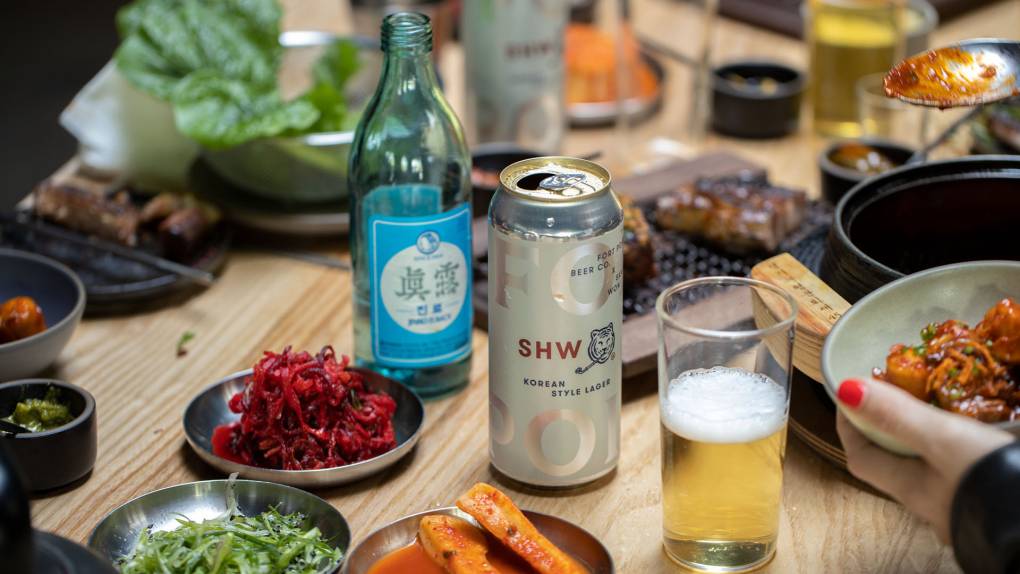
"caption": "SHW is a collaboration between Fort Point Beer Co. and chef Corey Lee's restaurant, San Ho Won.",
"description": null,
"title": "shw_fort_point-header",
"credit": "Fort Point Beer Company",
"status": "inherit",
"altTag": "a table of Korean food that features San Ho Wan's new Korean lager beer at the center",
"isLoading": false,
"fetchFailed": false
},
"arts_13921293": {
"type": "attachments",
"id": "arts_13921293",
"meta": {
"index": "attachments_1716263798",
"site": "arts",
"id": "13921293",
"found": true
},
"parent": 13921123,
"imgSizes": {
"twentyfourteen-full-width": {
"file": "https://ww2.kqed.org/app/uploads/sites/2/2022/11/GettyImages-640506395-1038x576.jpg",
"width": 1038,
"mimeType": "image/jpeg",
"height": 576
},
"thumbnail": {
"file": "https://ww2.kqed.org/app/uploads/sites/2/2022/11/GettyImages-640506395-160x128.jpg",
"width": 160,
"mimeType": "image/jpeg",
"height": 128
},
"post-thumbnail": {
"file": "https://ww2.kqed.org/app/uploads/sites/2/2022/11/GettyImages-640506395-672x372.jpg",
"width": 672,
"mimeType": "image/jpeg",
"height": 372
},
"kqedFullSize": {
"file": "https://ww2.kqed.org/app/uploads/sites/2/2022/11/GettyImages-640506395-scaled-e1667509448868.jpg",
"width": 1920,
"height": 1540
},
"2048x2048": {
"file": "https://ww2.kqed.org/app/uploads/sites/2/2022/11/GettyImages-640506395-2048x1643.jpg",
"width": 2048,
"mimeType": "image/jpeg",
"height": 1643
},
"large": {
"file": "https://ww2.kqed.org/app/uploads/sites/2/2022/11/GettyImages-640506395-1020x818.jpg",
"width": 1020,
"mimeType": "image/jpeg",
"height": 818
},
"1536x1536": {
"file": "https://ww2.kqed.org/app/uploads/sites/2/2022/11/GettyImages-640506395-1536x1232.jpg",
"width": 1536,
"mimeType": "image/jpeg",
"height": 1232
},
"full-width": {
"file": "https://ww2.kqed.org/app/uploads/sites/2/2022/11/GettyImages-640506395-1920x1540.jpg",
"width": 1920,
"mimeType": "image/jpeg",
"height": 1540
},
"medium": {
"file": "https://ww2.kqed.org/app/uploads/sites/2/2022/11/GettyImages-640506395-800x642.jpg",
"width": 800,
"mimeType": "image/jpeg",
"height": 642
},
"medium_large": {
"file": "https://ww2.kqed.org/app/uploads/sites/2/2022/11/GettyImages-640506395-768x616.jpg",
"width": 768,
"mimeType": "image/jpeg",
"height": 616
}
},
"publishDate": 1667509303,
"modified": 1667509741,
"caption": "The newly completed Bay Bridge before it opened, lit up with '8 million lumens of sodium lighting — more than 35 full moons' according to an 'Oakland Tribune' article from the time.",
"description": null,
"title": "The newly completed Bay Bridge before it opened, lit up with '8 million lumens of sodium lighting — more than 35 full moons' according to an 'Oakland Tribune' article from the time.",
"credit": null,
"status": "inherit",
"altTag": "A black and white image of the Oakland-San Francisco Bay Bridge, taken at dusk.",
"isLoading": false,
"fetchFailed": false
},
"arts_13921043": {
"type": "attachments",
"id": "arts_13921043",
"meta": {
"index": "attachments_1716263798",
"site": "arts",
"id": "13921043",
"found": true
},
"parent": 13920973,
"imgSizes": {
"twentyfourteen-full-width": {
"file": "https://ww2.kqed.org/app/uploads/sites/2/2022/10/Dodger-and-Sparky-1038x576.jpg",
"width": 1038,
"mimeType": "image/jpeg",
"height": 576
},
"thumbnail": {
"file": "https://ww2.kqed.org/app/uploads/sites/2/2022/10/Dodger-and-Sparky-160x99.jpg",
"width": 160,
"mimeType": "image/jpeg",
"height": 99
},
"post-thumbnail": {
"file": "https://ww2.kqed.org/app/uploads/sites/2/2022/10/Dodger-and-Sparky-672x372.jpg",
"width": 672,
"mimeType": "image/jpeg",
"height": 372
},
"kqedFullSize": {
"file": "https://ww2.kqed.org/app/uploads/sites/2/2022/10/Dodger-and-Sparky-scaled-e1666981911444.jpg",
"width": 1920,
"height": 1188
},
"2048x2048": {
"file": "https://ww2.kqed.org/app/uploads/sites/2/2022/10/Dodger-and-Sparky-2048x1267.jpg",
"width": 2048,
"mimeType": "image/jpeg",
"height": 1267
},
"large": {
"file": "https://ww2.kqed.org/app/uploads/sites/2/2022/10/Dodger-and-Sparky-1020x631.jpg",
"width": 1020,
"mimeType": "image/jpeg",
"height": 631
},
"1536x1536": {
"file": "https://ww2.kqed.org/app/uploads/sites/2/2022/10/Dodger-and-Sparky-1536x951.jpg",
"width": 1536,
"mimeType": "image/jpeg",
"height": 951
},
"full-width": {
"file": "https://ww2.kqed.org/app/uploads/sites/2/2022/10/Dodger-and-Sparky-1920x1188.jpg",
"width": 1920,
"mimeType": "image/jpeg",
"height": 1188
},
"medium": {
"file": "https://ww2.kqed.org/app/uploads/sites/2/2022/10/Dodger-and-Sparky-800x495.jpg",
"width": 800,
"mimeType": "image/jpeg",
"height": 495
},
"medium_large": {
"file": "https://ww2.kqed.org/app/uploads/sites/2/2022/10/Dodger-and-Sparky-768x475.jpg",
"width": 768,
"mimeType": "image/jpeg",
"height": 475
}
},
"publishDate": 1666981697,
"modified": 1666981945,
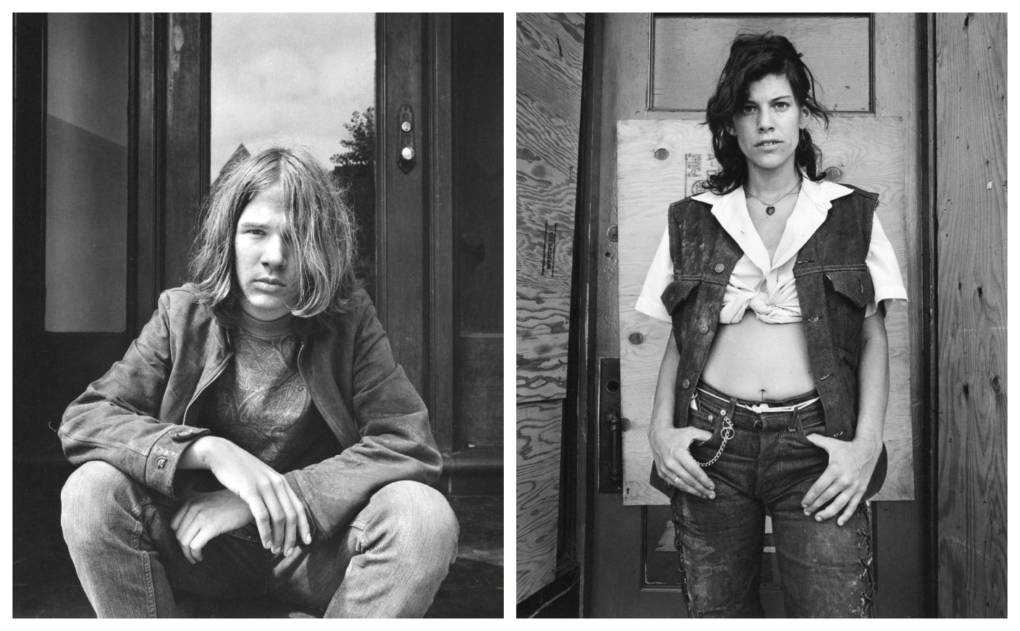
"caption": "(L) 'Man Who is Avoiding the Draft'; (R) Marilee Trabioli, as seen in 'Haight Ashbury Portraits 1967-1968' ",
"description": null,
"title": "(L) 'Man Who is Avoiding the Draft'; (R) Marilee Trabioli, as seen in 'Haight Ashbury Portraits 1967-1968'",
"credit": "Elaine Mayes",
"status": "inherit",
"altTag": "A young man with chin length hair sits listlessly on a front stoop; a woman wearing jeans, a denim vest and a white shirt tied up to reveal her stomach stands in a doorway in a masculine stance.",
"isLoading": false,
"fetchFailed": false
},
"arts_13921113": {
"type": "attachments",
"id": "arts_13921113",
"meta": {
"index": "attachments_1716263798",
"site": "arts",
"id": "13921113",
"found": true
},
"parent": 13921079,
"imgSizes": {
"twentyfourteen-full-width": {
"file": "https://ww2.kqed.org/app/uploads/sites/2/2022/10/rockyrivera-mom-1038x576.jpg",
"width": 1038,
"mimeType": "image/jpeg",
"height": 576
},
"thumbnail": {
"file": "https://ww2.kqed.org/app/uploads/sites/2/2022/10/rockyrivera-mom-160x90.jpg",
"width": 160,
"mimeType": "image/jpeg",
"height": 90
},
"post-thumbnail": {
"file": "https://ww2.kqed.org/app/uploads/sites/2/2022/10/rockyrivera-mom-672x372.jpg",
"width": 672,
"mimeType": "image/jpeg",
"height": 372
},
"kqedFullSize": {
"file": "https://ww2.kqed.org/app/uploads/sites/2/2022/10/rockyrivera-mom-scaled.jpg",
"width": 2560,
"height": 1440
},
"2048x2048": {
"file": "https://ww2.kqed.org/app/uploads/sites/2/2022/10/rockyrivera-mom-2048x1152.jpg",
"width": 2048,
"mimeType": "image/jpeg",
"height": 1152
},
"large": {
"file": "https://ww2.kqed.org/app/uploads/sites/2/2022/10/rockyrivera-mom-1020x574.jpg",
"width": 1020,
"mimeType": "image/jpeg",
"height": 574
},
"1536x1536": {
"file": "https://ww2.kqed.org/app/uploads/sites/2/2022/10/rockyrivera-mom-1536x864.jpg",
"width": 1536,
"mimeType": "image/jpeg",
"height": 864
},
"full-width": {
"file": "https://ww2.kqed.org/app/uploads/sites/2/2022/10/rockyrivera-mom-1920x1080.jpg",
"width": 1920,
"mimeType": "image/jpeg",
"height": 1080
},
"medium": {
"file": "https://ww2.kqed.org/app/uploads/sites/2/2022/10/rockyrivera-mom-800x450.jpg",
"width": 800,
"mimeType": "image/jpeg",
"height": 450
},
"medium_large": {
"file": "https://ww2.kqed.org/app/uploads/sites/2/2022/10/rockyrivera-mom-768x432.jpg",
"width": 768,
"mimeType": "image/jpeg",
"height": 432
}
},
"publishDate": 1667248180,
"modified": 1667260048,
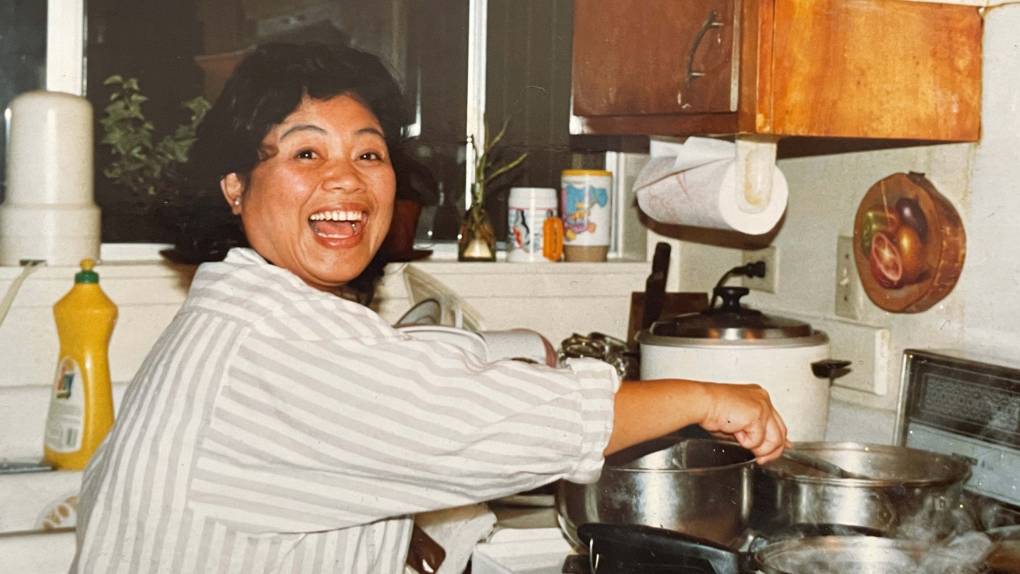
"caption": "The author's mother, Doris T. de Leon, tends to a pot on the stove in this photo taken during the early '90s. She was the one who taught her daughters what it meant to be a \"foodie.\"",
"description": null,
"title": "rockyrivera mom",
"credit": "Courtesy of Rocky Rivera",
"status": "inherit",
"altTag": "A woman looking up at the camera and smiling with delight as she tends to a pot on the stove.",
"isLoading": false,
"fetchFailed": false
},
"arts_13919836": {
"type": "attachments",
"id": "arts_13919836",
"meta": {
"index": "attachments_1716263798",
"site": "arts",
"id": "13919836",
"found": true
},
"parent": 13919834,
"imgSizes": {
"twentyfourteen-full-width": {
"file": "https://ww2.kqed.org/app/uploads/sites/2/2022/09/LatinxHistoryMonth_Final-1038x576.jpg",
"width": 1038,
"mimeType": "image/jpeg",
"height": 576
},
"thumbnail": {
"file": "https://ww2.kqed.org/app/uploads/sites/2/2022/09/LatinxHistoryMonth_Final-160x90.jpg",
"width": 160,
"mimeType": "image/jpeg",
"height": 90
},
"post-thumbnail": {
"file": "https://ww2.kqed.org/app/uploads/sites/2/2022/09/LatinxHistoryMonth_Final-672x372.jpg",
"width": 672,
"mimeType": "image/jpeg",
"height": 372
},
"kqedFullSize": {
"file": "https://ww2.kqed.org/app/uploads/sites/2/2022/09/LatinxHistoryMonth_Final.jpg",
"width": 1920,
"height": 1080
},
"large": {
"file": "https://ww2.kqed.org/app/uploads/sites/2/2022/09/LatinxHistoryMonth_Final-1020x574.jpg",
"width": 1020,
"mimeType": "image/jpeg",
"height": 574
},
"1536x1536": {
"file": "https://ww2.kqed.org/app/uploads/sites/2/2022/09/LatinxHistoryMonth_Final-1536x864.jpg",
"width": 1536,
"mimeType": "image/jpeg",
"height": 864
},
"medium": {
"file": "https://ww2.kqed.org/app/uploads/sites/2/2022/09/LatinxHistoryMonth_Final-800x450.jpg",
"width": 800,
"mimeType": "image/jpeg",
"height": 450
},
"medium_large": {
"file": "https://ww2.kqed.org/app/uploads/sites/2/2022/09/LatinxHistoryMonth_Final-768x432.jpg",
"width": 768,
"mimeType": "image/jpeg",
"height": 432
}
},
"publishDate": 1664480632,
"modified": 1664481102,
"caption": "Latinx dancers featured in 'If Cities Could Dance' series (from left to right): Angie Egea, Audrey Guerrero, María Cruz, Sandy Vazquez and Salvador Martinez Baldenegro.",
"description": "Latinx dancers featured in 'If Cities Could Dance' series (from left to right): Angie Egea, Audrey Guerrero, María Cruz, Sandy Vazquez and Salvador Martinez Baldenegro.",
"title": "LatinxHistoryMonth_Final",
"credit": "Chafic Saad, Armando Aparicio, Elie M. Khadra, Brandon Yadegari",
"status": "inherit",
"altTag": "A collage of five Latinx dancers, each representing a different dance practice, with a banner in the front that says \"If Cities Could Dance\"",
"isLoading": false,
"fetchFailed": false
},
"arts_13919239": {
"type": "attachments",
"id": "arts_13919239",
"meta": {
"index": "attachments_1716263798",
"site": "arts",
"id": "13919239",
"found": true
},
"parent": 13919160,
"imgSizes": {
"twentyfourteen-full-width": {
"file": "https://ww2.kqed.org/app/uploads/sites/2/2022/09/Thumbnail-Sabreena-2-1038x576.png",
"width": 1038,
"mimeType": "image/png",
"height": 576
},
"thumbnail": {
"file": "https://ww2.kqed.org/app/uploads/sites/2/2022/09/Thumbnail-Sabreena-2-160x90.png",
"width": 160,
"mimeType": "image/png",
"height": 90
},
"post-thumbnail": {
"file": "https://ww2.kqed.org/app/uploads/sites/2/2022/09/Thumbnail-Sabreena-2-672x372.png",
"width": 672,
"mimeType": "image/png",
"height": 372
},
"kqedFullSize": {
"file": "https://ww2.kqed.org/app/uploads/sites/2/2022/09/Thumbnail-Sabreena-2.png",
"width": 1920,
"height": 1080
},
"large": {
"file": "https://ww2.kqed.org/app/uploads/sites/2/2022/09/Thumbnail-Sabreena-2-1020x574.png",
"width": 1020,
"mimeType": "image/png",
"height": 574
},
"1536x1536": {
"file": "https://ww2.kqed.org/app/uploads/sites/2/2022/09/Thumbnail-Sabreena-2-1536x864.png",
"width": 1536,
"mimeType": "image/png",
"height": 864
},
"medium": {
"file": "https://ww2.kqed.org/app/uploads/sites/2/2022/09/Thumbnail-Sabreena-2-800x450.png",
"width": 800,
"mimeType": "image/png",
"height": 450
},
"medium_large": {
"file": "https://ww2.kqed.org/app/uploads/sites/2/2022/09/Thumbnail-Sabreena-2-768x432.png",
"width": 768,
"mimeType": "image/png",
"height": 432
}
},
"publishDate": 1663279189,
"modified": 1663279217,
"caption": "Henna and tattoo artist, Sabreena Haque. ",
"description": null,
"title": "Thumbnail Sabreena 2",
"credit": "(Photo by Beth LeBarge, Design by Becca Kao/KQED)",
"status": "inherit",
"altTag": null,
"isLoading": false,
"fetchFailed": false
},
"arts_13919033": {
"type": "attachments",
"id": "arts_13919033",
"meta": {
"index": "attachments_1716263798",
"site": "arts",
"id": "13919033",
"found": true
},
"parent": 13919032,
"imgSizes": {
"twentyfourteen-full-width": {
"file": "https://ww2.kqed.org/app/uploads/sites/2/2022/09/norte54_raquel_plating_cropped-1038x576.jpg",
"width": 1038,
"mimeType": "image/jpeg",
"height": 576
},
"thumbnail": {
"file": "https://ww2.kqed.org/app/uploads/sites/2/2022/09/norte54_raquel_plating_cropped-160x90.jpg",
"width": 160,
"mimeType": "image/jpeg",
"height": 90
},
"post-thumbnail": {
"file": "https://ww2.kqed.org/app/uploads/sites/2/2022/09/norte54_raquel_plating_cropped-672x372.jpg",
"width": 672,
"mimeType": "image/jpeg",
"height": 372
},
"kqedFullSize": {
"file": "https://ww2.kqed.org/app/uploads/sites/2/2022/09/norte54_raquel_plating_cropped-scaled.jpg",
"width": 2560,
"height": 1440
},
"2048x2048": {
"file": "https://ww2.kqed.org/app/uploads/sites/2/2022/09/norte54_raquel_plating_cropped-2048x1152.jpg",
"width": 2048,
"mimeType": "image/jpeg",
"height": 1152
},
"large": {
"file": "https://ww2.kqed.org/app/uploads/sites/2/2022/09/norte54_raquel_plating_cropped-1020x574.jpg",
"width": 1020,
"mimeType": "image/jpeg",
"height": 574
},
"1536x1536": {
"file": "https://ww2.kqed.org/app/uploads/sites/2/2022/09/norte54_raquel_plating_cropped-1536x864.jpg",
"width": 1536,
"mimeType": "image/jpeg",
"height": 864
},
"full-width": {
"file": "https://ww2.kqed.org/app/uploads/sites/2/2022/09/norte54_raquel_plating_cropped-1920x1080.jpg",
"width": 1920,
"mimeType": "image/jpeg",
"height": 1080
},
"medium": {
"file": "https://ww2.kqed.org/app/uploads/sites/2/2022/09/norte54_raquel_plating_cropped-800x450.jpg",
"width": 800,
"mimeType": "image/jpeg",
"height": 450
},
"medium_large": {
"file": "https://ww2.kqed.org/app/uploads/sites/2/2022/09/norte54_raquel_plating_cropped-768x432.jpg",
"width": 768,
"mimeType": "image/jpeg",
"height": 432
}
},
"publishDate": 1663028189,
"modified": 1663028413,
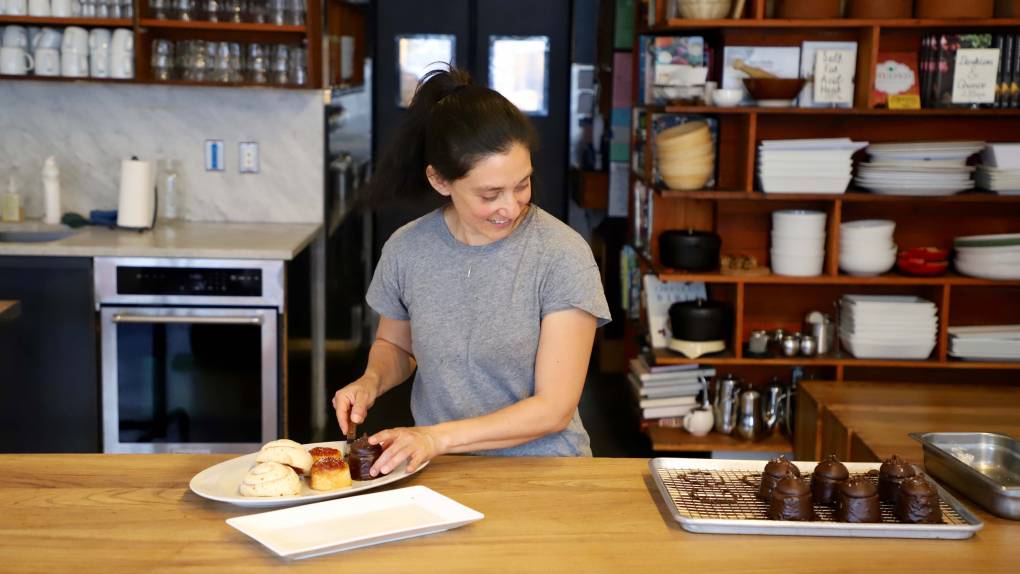
"caption": "Norte 54's founder, Raquel Goldman, plates pan dulce at Nopalito's 18th St. location.",
"description": null,
"title": "norte54_raquel_plating_cropped",
"credit": "Alan Chazaro",
"status": "inherit",
"altTag": "woman stands at a large wooden table, serving Mexican American pastries with a knife",
"isLoading": false,
"fetchFailed": false
},
"arts_13919034": {
"type": "attachments",
"id": "arts_13919034",
"meta": {
"index": "attachments_1716263798",
"site": "arts",
"id": "13919034",
"found": true
},
"parent": 13919032,
"imgSizes": {
"twentyfourteen-full-width": {
"file": "https://ww2.kqed.org/app/uploads/sites/2/2022/09/norte54_box-1038x576.jpg",
"width": 1038,
"mimeType": "image/jpeg",
"height": 576
},
"thumbnail": {
"file": "https://ww2.kqed.org/app/uploads/sites/2/2022/09/norte54_box-160x107.jpg",
"width": 160,
"mimeType": "image/jpeg",
"height": 107
},
"post-thumbnail": {
"file": "https://ww2.kqed.org/app/uploads/sites/2/2022/09/norte54_box-672x372.jpg",
"width": 672,
"mimeType": "image/jpeg",
"height": 372
},
"kqedFullSize": {
"file": "https://ww2.kqed.org/app/uploads/sites/2/2022/09/norte54_box-scaled.jpg",
"width": 2560,
"height": 1707
},
"2048x2048": {
"file": "https://ww2.kqed.org/app/uploads/sites/2/2022/09/norte54_box-2048x1365.jpg",
"width": 2048,
"mimeType": "image/jpeg",
"height": 1365
},
"large": {
"file": "https://ww2.kqed.org/app/uploads/sites/2/2022/09/norte54_box-1020x680.jpg",
"width": 1020,
"mimeType": "image/jpeg",
"height": 680
},
"1536x1536": {
"file": "https://ww2.kqed.org/app/uploads/sites/2/2022/09/norte54_box-1536x1024.jpg",
"width": 1536,
"mimeType": "image/jpeg",
"height": 1024
},
"full-width": {
"file": "https://ww2.kqed.org/app/uploads/sites/2/2022/09/norte54_box-1920x1280.jpg",
"width": 1920,
"mimeType": "image/jpeg",
"height": 1280
},
"medium": {
"file": "https://ww2.kqed.org/app/uploads/sites/2/2022/09/norte54_box-800x533.jpg",
"width": 800,
"mimeType": "image/jpeg",
"height": 533
},
"medium_large": {
"file": "https://ww2.kqed.org/app/uploads/sites/2/2022/09/norte54_box-768x512.jpg",
"width": 768,
"mimeType": "image/jpeg",
"height": 512
}
},
"publishDate": 1663028867,
"modified": 1663028945,
"caption": "A to-go box filled with a variety of Mexican pastries.",
"description": null,
"title": "norte54_box",
"credit": "Alan Chazaro",
"status": "inherit",
"altTag": "a to-go box filled with a variety of Mexican pastries",
"isLoading": false,
"fetchFailed": false
},
"arts_13918835": {
"type": "attachments",
"id": "arts_13918835",
"meta": {
"index": "attachments_1716263798",
"site": "arts",
"id": "13918835",
"found": true
},
"parent": 13918276,
"imgSizes": {
"twentyfourteen-full-width": {
"file": "https://ww2.kqed.org/app/uploads/sites/2/2022/09/Copy-of-Pass-The-Aux-template-4-1038x576.png",
"width": 1038,
"mimeType": "image/png",
"height": 576
},
"thumbnail": {
"file": "https://ww2.kqed.org/app/uploads/sites/2/2022/09/Copy-of-Pass-The-Aux-template-4-160x90.png",
"width": 160,
"mimeType": "image/png",
"height": 90
},
"post-thumbnail": {
"file": "https://ww2.kqed.org/app/uploads/sites/2/2022/09/Copy-of-Pass-The-Aux-template-4-672x372.png",
"width": 672,
"mimeType": "image/png",
"height": 372
},
"kqedFullSize": {
"file": "https://ww2.kqed.org/app/uploads/sites/2/2022/09/Copy-of-Pass-The-Aux-template-4.png",
"width": 1920,
"height": 1080
},
"large": {
"file": "https://ww2.kqed.org/app/uploads/sites/2/2022/09/Copy-of-Pass-The-Aux-template-4-1020x574.png",
"width": 1020,
"mimeType": "image/png",
"height": 574
},
"1536x1536": {
"file": "https://ww2.kqed.org/app/uploads/sites/2/2022/09/Copy-of-Pass-The-Aux-template-4-1536x864.png",
"width": 1536,
"mimeType": "image/png",
"height": 864
},
"medium": {
"file": "https://ww2.kqed.org/app/uploads/sites/2/2022/09/Copy-of-Pass-The-Aux-template-4-800x450.png",
"width": 800,
"mimeType": "image/png",
"height": 450
},
"medium_large": {
"file": "https://ww2.kqed.org/app/uploads/sites/2/2022/09/Copy-of-Pass-The-Aux-template-4-768x432.png",
"width": 768,
"mimeType": "image/png",
"height": 432
}
},
"publishDate": 1662578674,
"modified": 1662578726,
"caption": "Megan Slankard. ",
"description": null,
"title": "Copy of Pass The Aux template (4)",
"credit": "Photo: Laura Kudritzki; illustration: Kelly Heigert. ",
"status": "inherit",
"altTag": null,
"isLoading": false,
"fetchFailed": false
},
"arts_13917897": {
"type": "attachments",
"id": "arts_13917897",
"meta": {
"index": "attachments_1716263798",
"site": "arts",
"id": "13917897",
"found": true
},
"parent": 13917896,
"imgSizes": {
"twentyfourteen-full-width": {
"file": "https://ww2.kqed.org/app/uploads/sites/2/2022/08/08052022-aklasan-276_custom-6b43ffe951c244d66c104ed2c2cb02ce7986846a-1038x576.jpg",
"width": 1038,
"mimeType": "image/jpeg",
"height": 576
},
"thumbnail": {
"file": "https://ww2.kqed.org/app/uploads/sites/2/2022/08/08052022-aklasan-276_custom-6b43ffe951c244d66c104ed2c2cb02ce7986846a-160x107.jpg",
"width": 160,
"mimeType": "image/jpeg",
"height": 107
},
"post-thumbnail": {
"file": "https://ww2.kqed.org/app/uploads/sites/2/2022/08/08052022-aklasan-276_custom-6b43ffe951c244d66c104ed2c2cb02ce7986846a-672x372.jpg",
"width": 672,
"mimeType": "image/jpeg",
"height": 372
},
"kqedFullSize": {
"file": "https://ww2.kqed.org/app/uploads/sites/2/2022/08/08052022-aklasan-276_custom-6b43ffe951c244d66c104ed2c2cb02ce7986846a-scaled.jpg",
"width": 2560,
"height": 1705
},
"2048x2048": {
"file": "https://ww2.kqed.org/app/uploads/sites/2/2022/08/08052022-aklasan-276_custom-6b43ffe951c244d66c104ed2c2cb02ce7986846a-2048x1364.jpg",
"width": 2048,
"mimeType": "image/jpeg",
"height": 1364
},
"large": {
"file": "https://ww2.kqed.org/app/uploads/sites/2/2022/08/08052022-aklasan-276_custom-6b43ffe951c244d66c104ed2c2cb02ce7986846a-1020x679.jpg",
"width": 1020,
"mimeType": "image/jpeg",
"height": 679
},
"1536x1536": {
"file": "https://ww2.kqed.org/app/uploads/sites/2/2022/08/08052022-aklasan-276_custom-6b43ffe951c244d66c104ed2c2cb02ce7986846a-1536x1023.jpg",
"width": 1536,
"mimeType": "image/jpeg",
"height": 1023
},
"full-width": {
"file": "https://ww2.kqed.org/app/uploads/sites/2/2022/08/08052022-aklasan-276_custom-6b43ffe951c244d66c104ed2c2cb02ce7986846a-1920x1279.jpg",
"width": 1920,
"mimeType": "image/jpeg",
"height": 1279
},
"medium": {
"file": "https://ww2.kqed.org/app/uploads/sites/2/2022/08/08052022-aklasan-276_custom-6b43ffe951c244d66c104ed2c2cb02ce7986846a-800x533.jpg",
"width": 800,
"mimeType": "image/jpeg",
"height": 533
},
"medium_large": {
"file": "https://ww2.kqed.org/app/uploads/sites/2/2022/08/08052022-aklasan-276_custom-6b43ffe951c244d66c104ed2c2cb02ce7986846a-768x511.jpg",
"width": 768,
"mimeType": "image/jpeg",
"height": 511
}
},
"publishDate": 1661008612,
"modified": 1661193252,
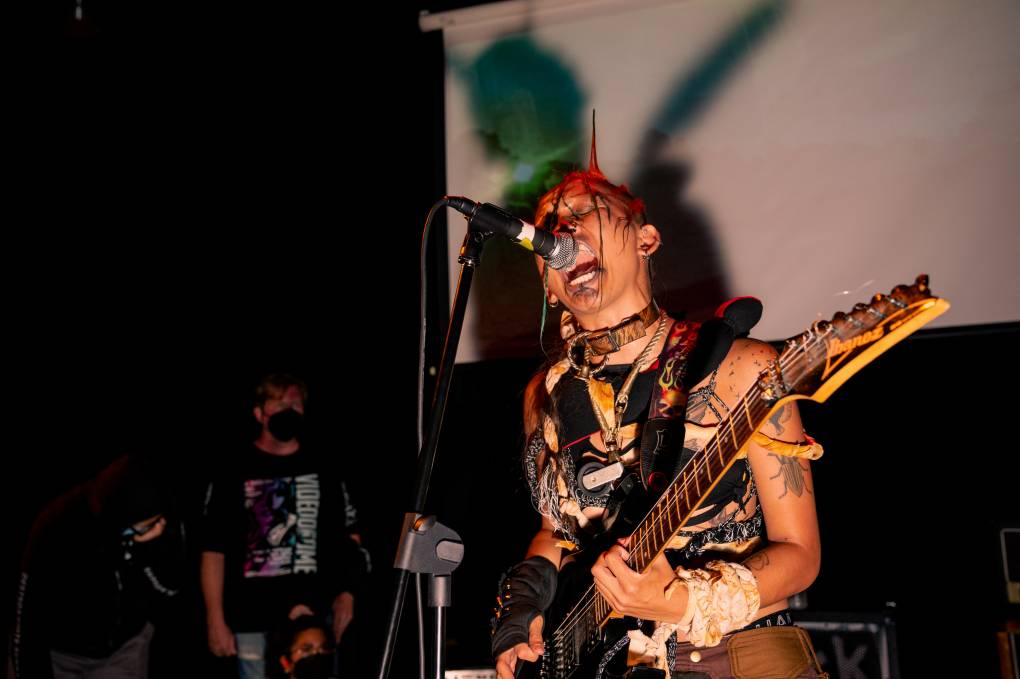
"caption": "Mango, of Mirrored Fatality, performs at the seventh annual Aklasan Festival in San Francisco on Aug. 5, 2022.\n",
"description": null,
"title": "Mango, of Mirrored Fatality, performs at the seventh annual Aklasan Festival in San Francisco on Aug. 5, 2022.",
"credit": "Justin Katigbak for NPR",
"status": "inherit",
"altTag": null,
"isLoading": false,
"fetchFailed": false
},
"arts_13917816": {
"type": "attachments",
"id": "arts_13917816",
"meta": {
"index": "attachments_1716263798",
"site": "arts",
"id": "13917816",
"found": true
},
"parent": 13917810,
"imgSizes": {
"twentyfourteen-full-width": {
"file": "https://ww2.kqed.org/app/uploads/sites/2/2022/08/Lumpia-Lands_featured-1038x576.jpg",
"width": 1038,
"mimeType": "image/jpeg",
"height": 576
},
"thumbnail": {
"file": "https://ww2.kqed.org/app/uploads/sites/2/2022/08/Lumpia-Lands_featured-160x100.jpg",
"width": 160,
"mimeType": "image/jpeg",
"height": 100
},
"post-thumbnail": {
"file": "https://ww2.kqed.org/app/uploads/sites/2/2022/08/Lumpia-Lands_featured-672x372.jpg",
"width": 672,
"mimeType": "image/jpeg",
"height": 372
},
"kqedFullSize": {
"file": "https://ww2.kqed.org/app/uploads/sites/2/2022/08/Lumpia-Lands_featured.jpg",
"width": 1440,
"height": 900
},
"large": {
"file": "https://ww2.kqed.org/app/uploads/sites/2/2022/08/Lumpia-Lands_featured-1020x638.jpg",
"width": 1020,
"mimeType": "image/jpeg",
"height": 638
},
"medium": {
"file": "https://ww2.kqed.org/app/uploads/sites/2/2022/08/Lumpia-Lands_featured-800x500.jpg",
"width": 800,
"mimeType": "image/jpeg",
"height": 500
},
"medium_large": {
"file": "https://ww2.kqed.org/app/uploads/sites/2/2022/08/Lumpia-Lands_featured-768x480.jpg",
"width": 768,
"mimeType": "image/jpeg",
"height": 480
}
},
"publishDate": 1660853422,
"modified": 1660860558,
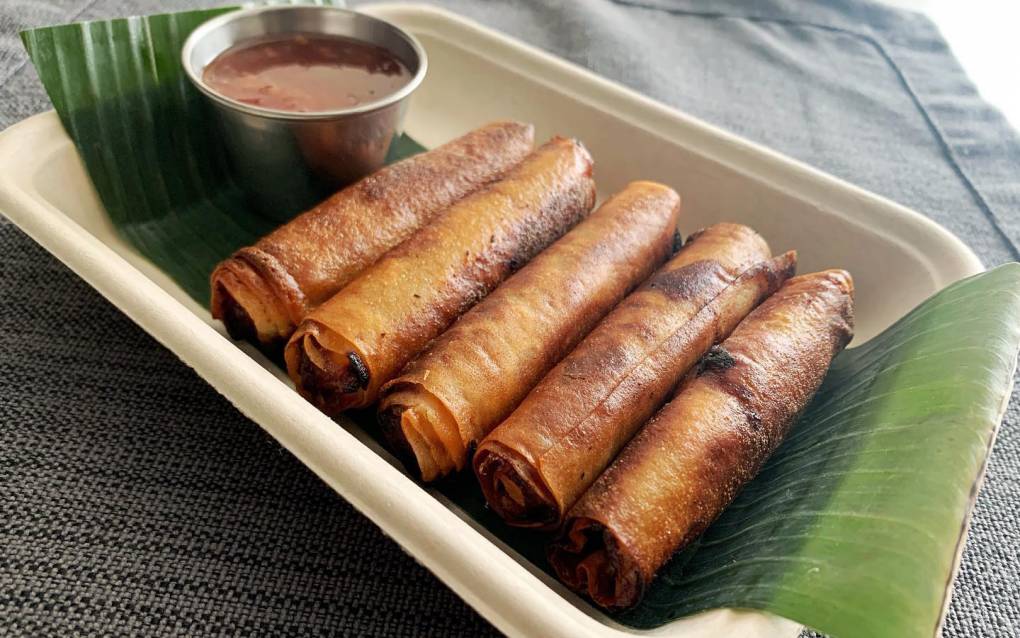
"caption": "A sample of the crispy, golden-brown goodness that will be on display at District Six's Lumpia Lands Filipino food festival.",
"description": null,
"title": "Lumpia Lands_featured",
"credit": "Courtesy of Barya Kitchen",
"status": "inherit",
"altTag": "A cardboard try with five golden-brown lumpia, with dipping sauce on the side.",
"isLoading": false,
"fetchFailed": false
},
"arts_13917667": {
"type": "attachments",
"id": "arts_13917667",
"meta": {
"index": "attachments_1716263798",
"site": "arts",
"id": "13917667",
"found": true
},
"title": "Lil Kayla holding court during a performance at The Chapel on Friday August 12, 2022.",
"publishDate": 1660627521,
"status": "inherit",
"parent": 13917611,
"modified": 1787085919,
"caption": "Lil Kayla holding court during a performance at The Chapel on Friday August 12, 2022.",
"credit": "Pendarvis Harshaw",
"altTag": "Lil Kayla holding court during a performance at The Chapel on Friday August 12, 2022.",
"description": "Lil Kayla holds court during a performance at The Chapel on Friday August 12, 2022.",
"imgSizes": {
"medium": {
"file": "https://cdn.kqed.org/wp-content/uploads/sites/2/2022/08/DBCDF006-A71C-4C63-AECE-36723CC08E8C-800x535.jpg",
"width": 800,
"height": 535,
"mimeType": "image/jpeg"
},
"large": {
"file": "https://cdn.kqed.org/wp-content/uploads/sites/2/2022/08/DBCDF006-A71C-4C63-AECE-36723CC08E8C-1020x683.jpg",
"width": 1020,
"height": 683,
"mimeType": "image/jpeg"
},
"thumbnail": {
"file": "https://cdn.kqed.org/wp-content/uploads/sites/2/2022/08/DBCDF006-A71C-4C63-AECE-36723CC08E8C-160x107.jpg",
"width": 160,
"height": 107,
"mimeType": "image/jpeg"
},
"medium_large": {
"file": "https://cdn.kqed.org/wp-content/uploads/sites/2/2022/08/DBCDF006-A71C-4C63-AECE-36723CC08E8C-768x514.jpg",
"width": 768,
"height": 514,
"mimeType": "image/jpeg"
},
"post-thumbnail": {
"file": "https://cdn.kqed.org/wp-content/uploads/sites/2/2022/08/DBCDF006-A71C-4C63-AECE-36723CC08E8C-672x372.jpg",
"width": 672,
"height": 372,
"mimeType": "image/jpeg"
},
"twentyfourteen-full-width": {
"file": "https://cdn.kqed.org/wp-content/uploads/sites/2/2022/08/DBCDF006-A71C-4C63-AECE-36723CC08E8C-1038x576.jpg",
"width": 1038,
"height": 576,
"mimeType": "image/jpeg"
},
"kqedFullSize": {
"file": "https://cdn.kqed.org/wp-content/uploads/sites/2/2022/08/DBCDF006-A71C-4C63-AECE-36723CC08E8C.jpg",
"width": 1082,
"height": 724
}
},
"isLoading": false,
"fetchFailed": false
},
"arts_13917388": {
"type": "attachments",
"id": "arts_13917388",
"meta": {
"index": "attachments_1716263798",
"site": "arts",
"id": "13917388",
"found": true
},
"parent": 13917340,
"imgSizes": {
"twentyfourteen-full-width": {
"file": "https://ww2.kqed.org/app/uploads/sites/2/2022/08/GettyImages-1298760638-1038x576.jpg",
"width": 1038,
"mimeType": "image/jpeg",
"height": 576
},
"thumbnail": {
"file": "https://ww2.kqed.org/app/uploads/sites/2/2022/08/GettyImages-1298760638-160x106.jpg",
"width": 160,
"mimeType": "image/jpeg",
"height": 106
},
"post-thumbnail": {
"file": "https://ww2.kqed.org/app/uploads/sites/2/2022/08/GettyImages-1298760638-672x372.jpg",
"width": 672,
"mimeType": "image/jpeg",
"height": 372
},
"kqedFullSize": {
"file": "https://ww2.kqed.org/app/uploads/sites/2/2022/08/GettyImages-1298760638-scaled.jpg",
"width": 2560,
"height": 1703
},
"2048x2048": {
"file": "https://ww2.kqed.org/app/uploads/sites/2/2022/08/GettyImages-1298760638-2048x1363.jpg",
"width": 2048,
"mimeType": "image/jpeg",
"height": 1363
},
"large": {
"file": "https://ww2.kqed.org/app/uploads/sites/2/2022/08/GettyImages-1298760638-1020x679.jpg",
"width": 1020,
"mimeType": "image/jpeg",
"height": 679
},
"1536x1536": {
"file": "https://ww2.kqed.org/app/uploads/sites/2/2022/08/GettyImages-1298760638-1536x1022.jpg",
"width": 1536,
"mimeType": "image/jpeg",
"height": 1022
},
"full-width": {
"file": "https://ww2.kqed.org/app/uploads/sites/2/2022/08/GettyImages-1298760638-1920x1278.jpg",
"width": 1920,
"mimeType": "image/jpeg",
"height": 1278
},
"medium": {
"file": "https://ww2.kqed.org/app/uploads/sites/2/2022/08/GettyImages-1298760638-800x532.jpg",
"width": 800,
"mimeType": "image/jpeg",
"height": 532
},
"medium_large": {
"file": "https://ww2.kqed.org/app/uploads/sites/2/2022/08/GettyImages-1298760638-768x511.jpg",
"width": 768,
"mimeType": "image/jpeg",
"height": 511
}
},
"publishDate": 1660153765,
"modified": 1660154023,
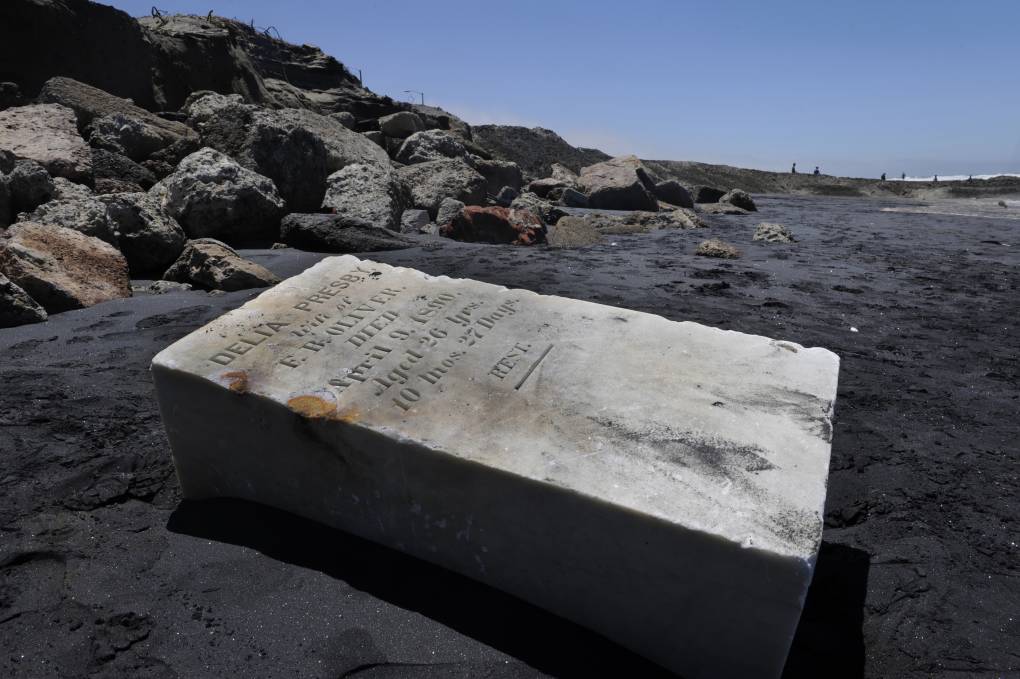
"caption": "The 122-year-old tombstone of Delia Presby lies on the sand at Ocean Beach in June 2012, apparently uncovered by wind and erosion.",
"description": null,
"title": "The 122-year-old tombstone of Delia Presby lies on the sand at Ocean Beach in June 2012, apparently uncovered by wind and erosion.",
"credit": "Megan Farmer/San Francisco Chronicle via Getty Images",
"status": "inherit",
"altTag": null,
"isLoading": false,
"fetchFailed": false
}
},
"audioPlayerReducer": {
"postId": "stream_live",
"isPaused": true,
"isPlaying": false,
"pfsActive": false,
"pledgeModalIsOpen": true,
"playerDrawerIsOpen": false,
"liveAudioPlayStartedAt": 0,
"liveAudioPlayContext": ""
},
"authorsReducer": {
"byline_arts_13917896": {
"type": "authors",
"id": "byline_arts_13917896",
"meta": {
"override": true
},
"slug": "byline_arts_13917896",
"name": "Justin Katigbak",
"isLoading": false
},
"kwhalen": {
"type": "authors",
"id": "3248",
"meta": {
"index": "authors_1716337520",
"id": "3248",
"found": true
},
"name": "Kelly Whalen",
"firstName": "Kelly",
"lastName": "Whalen",
"slug": "kwhalen",
"email": "kwhalen@kqed.org",
"display_author_email": false,
"staff_mastheads": [],
"title": "Senior Video Producer",
"bio": "Kelly Whalen is a filmmaker and educator who directs and produces social justice documentaries and award-winning arts and culture web series. She is the creator of KQED Arts’ three-time Webby Award-winning YouTube series \u003cem>If Cities Could Dance\u003c/em>, featuring dancers across the country representing their cities’ signature moves, and the director of \u003cem>When the Waters Get Deep\u003c/em>, a documentary about Oakland-based artists SOL Development and their work toward healing their communities’ trauma from gun violence.",
"avatar": "https://secure.gravatar.com/avatar/1a2b57e8a13abdcfc3d4966d9c0e1512?s=600&d=blank&r=g",
"twitter": "kellyfilmmaker",
"facebook": null,
"instagram": null,
"linkedin": null,
"sites": [
{
"site": "arts",
"roles": [
"subscriber"
]
}
],
"headData": {
"title": "Kelly Whalen | KQED",
"description": "Senior Video Producer",
"ogImgSrc": "https://secure.gravatar.com/avatar/1a2b57e8a13abdcfc3d4966d9c0e1512?s=600&d=blank&r=g",
"twImgSrc": "https://secure.gravatar.com/avatar/1a2b57e8a13abdcfc3d4966d9c0e1512?s=600&d=blank&r=g"
},
"isLoading": false,
"link": "/author/kwhalen"
},
"ralexandra": {
"type": "authors",
"id": "11242",
"meta": {
"index": "authors_1716337520",
"id": "11242",
"found": true
},
"name": "Rae Alexandra",
"firstName": "Rae",
"lastName": "Alexandra",
"slug": "ralexandra",
"email": "ralexandra@kqed.org",
"display_author_email": true,
"staff_mastheads": [],
"title": "Reporter/Producer",
"bio": "Rae Alexandra is a Reporter/Producer for KQED Arts & Culture, and the creator/author of the \u003ca href=\"https://www.kqed.org/arts/program/rebel-girls-from-bay-area-history\">Rebel Girls From Bay Area History\u003c/a> and \u003ca href=\"https://www.kqed.org/bizarrebayarea\">Bizarre Bay Area\u003c/a> series. Her debut book, \u003ca href=\"https://citylights.com/politics-current-events-history/unsung-heroines35-women-who-changed/\">Unsung Heroines: 35 Women Who Changed the Bay Area\u003c/a> was published by City Lights in March 2026. In 2023, Rae was awarded an SPJ Excellence in Journalism Award for Arts & Culture. Rae was born and raised in Wales and subsequently — even after two decades in Northern California — still uses phrases that regularly baffle her coworkers.",
"avatar": "https://secure.gravatar.com/avatar/edfee8176c80cc0a382b051190f5341997df378a934a5774dcb0977732dfd401?s=600&d=blank&r=g",
"twitter": null,
"bluesky": null,
"facebook": null,
"instagram": null,
"linkedin": null,
"sites": [
{
"site": "arts",
"roles": [
"subscriber"
]
},
{
"site": "news",
"roles": [
"subscriber"
]
},
{
"site": "pop",
"roles": [
"subscriber"
]
},
{
"site": "bayareabites",
"roles": [
"subscriber"
]
},
{
"site": "science",
"roles": [
"subscriber"
]
}
],
"headData": {
"title": "Rae Alexandra | KQED",
"description": "Reporter/Producer",
"ogImgSrc": "https://secure.gravatar.com/avatar/edfee8176c80cc0a382b051190f5341997df378a934a5774dcb0977732dfd401?s=600&d=blank&r=g",
"twImgSrc": "https://secure.gravatar.com/avatar/edfee8176c80cc0a382b051190f5341997df378a934a5774dcb0977732dfd401?s=600&d=blank&r=g"
},
"isLoading": false,
"link": "/author/ralexandra"
},
"ogpenn": {
"type": "authors",
"id": "11491",
"meta": {
"index": "authors_1716337520",
"id": "11491",
"found": true
},
"name": "Pendarvis Harshaw",
"firstName": "Pendarvis",
"lastName": "Harshaw",
"slug": "ogpenn",
"email": "ogpenn@gmail.com",
"display_author_email": false,
"staff_mastheads": [
"arts"
],
"title": "Community Engagement Reporter",
"bio": "Pendarvis Harshaw is an educator, host and writer with KQED Arts.",
"avatar": "https://secure.gravatar.com/avatar/972b77ee8e3f346ae2b00622661187fbfabd059b5693bbdc1475ea7a722fd4cd?s=600&d=blank&r=g",
"twitter": null,
"bluesky": null,
"facebook": null,
"instagram": "ogpenn",
"linkedin": null,
"sites": [
{
"site": "arts",
"roles": [
"administrator"
]
},
{
"site": "news",
"roles": [
"editor"
]
},
{
"site": "bayareabites",
"roles": [
"author"
]
},
{
"site": "hiphop",
"roles": [
"editor"
]
}
],
"headData": {
"title": "Pendarvis Harshaw | KQED",
"description": "Community Engagement Reporter",
"ogImgSrc": "https://secure.gravatar.com/avatar/972b77ee8e3f346ae2b00622661187fbfabd059b5693bbdc1475ea7a722fd4cd?s=600&d=blank&r=g",
"twImgSrc": "https://secure.gravatar.com/avatar/972b77ee8e3f346ae2b00622661187fbfabd059b5693bbdc1475ea7a722fd4cd?s=600&d=blank&r=g"
},
"isLoading": false,
"link": "/author/ogpenn"
},
"mmedina": {
"type": "authors",
"id": "11528",
"meta": {
"index": "authors_1716337520",
"id": "11528",
"found": true
},
"name": "Marisol Medina-Cadena",
"firstName": "Marisol",
"lastName": "Medina-Cadena",
"slug": "mmedina",
"email": "mmedina@KQED.org",
"display_author_email": true,
"staff_mastheads": [],
"title": "Producer, Rightnowish Podcast",
"bio": "Marisol Medina-Cadena is a radio reporter and podcast producer. Before working at KQED, she produced for PBS member station, KCET, in Los Angeles. In 2017, Marisol won an Emmy Award for her work on the televised documentary, \u003cem>City Rising\u003c/em>, examining California's affordable housing crisis and the historical roots of gentrification.",
"avatar": "https://secure.gravatar.com/avatar/6c3db46a1cabb5e1fe9a365b5f4e681e?s=600&d=blank&r=g",
"twitter": "marisolreports",
"facebook": null,
"instagram": null,
"linkedin": null,
"sites": [
{
"site": "arts",
"roles": []
},
{
"site": "news",
"roles": [
"edit_others_posts"
]
}
],
"headData": {
"title": "Marisol Medina-Cadena | KQED",
"description": "Producer, Rightnowish Podcast",
"ogImgSrc": "https://secure.gravatar.com/avatar/6c3db46a1cabb5e1fe9a365b5f4e681e?s=600&d=blank&r=g",
"twImgSrc": "https://secure.gravatar.com/avatar/6c3db46a1cabb5e1fe9a365b5f4e681e?s=600&d=blank&r=g"
},
"isLoading": false,
"link": "/author/mmedina"
},
"achazaro": {
"type": "authors",
"id": "11748",
"meta": {
"index": "authors_1716337520",
"id": "11748",
"found": true
},
"name": "Alan Chazaro",
"firstName": "Alan",
"lastName": "Chazaro",
"slug": "achazaro",
"email": "agchazaro@gmail.com",
"display_author_email": true,
"staff_mastheads": [],
"title": "Food Writer and Reporter",
"bio": "Alan Chazaro is the author of \u003cem>This Is Not a Frank Ocean Cover Album\u003c/em> (Black Lawrence Press, 2019), \u003cem>Piñata Theory\u003c/em> (Black Lawrence Press, 2020), and \u003cem>Notes from the Eastern Span of the Bay Bridge\u003c/em> (Ghost City Press, 2021). He is a graduate of June Jordan’s Poetry for the People program at UC Berkeley and a former Lawrence Ferlinghetti Fellow at the University of San Francisco. He writes about sports, food, art, music, education, and culture while repping the Bay on \u003ca href=\"https://twitter.com/alan_chazaro\">Twitter\u003c/a> and \u003ca href=\"https://www.instagram.com/alan_chazaro/?hl=en\">Instagram\u003c/a> at @alan_chazaro.",
"avatar": "https://secure.gravatar.com/avatar/ea8b6dd970fc5c29e7a188e7d5861df7?s=600&d=blank&r=g",
"twitter": "alan_chazaro",
"facebook": null,
"instagram": null,
"linkedin": null,
"sites": [
{
"site": "arts",
"roles": [
"contributor"
]
},
{
"site": "news",
"roles": [
"editor"
]
}
],
"headData": {
"title": "Alan Chazaro | KQED",
"description": "Food Writer and Reporter",
"ogImgSrc": "https://secure.gravatar.com/avatar/ea8b6dd970fc5c29e7a188e7d5861df7?s=600&d=blank&r=g",
"twImgSrc": "https://secure.gravatar.com/avatar/ea8b6dd970fc5c29e7a188e7d5861df7?s=600&d=blank&r=g"
},
"isLoading": false,
"link": "/author/achazaro"
},
"rockyrivera": {
"type": "authors",
"id": "11846",
"meta": {
"index": "authors_1716337520",
"id": "11846",
"found": true
},
"name": "Rocky Rivera",
"firstName": "Rocky",
"lastName": "Rivera",
"slug": "rockyrivera",
"email": "ms.rocky.rivera@gmail.com",
"display_author_email": false,
"staff_mastheads": [],
"title": "KQED Contributor",
"bio": "Rocky Rivera is a journalist, emcee, author and activist from San Francisco. She has released four albums through her label, Beatrock Music, and a ten-volume mixtape series with DJ Roza. She released her first book in 2021, entitled \u003cem>Snakeskin: Essays by Rocky Rivera\u003c/em>. Her latest album dropped in September 2024 and is called \"Long Kiss Goodnight\" with emcee/producer Otayo Dubb. She currently writes the Frisco Foodies column as a love letter to her hometown.",
"avatar": "https://secure.gravatar.com/avatar/946241ee2c59e6040607dfc75240d91b?s=600&d=blank&r=g",
"twitter": null,
"facebook": "https://m.facebook.com/rockyriveramusic",
"instagram": "https://instagram.com/rockyrivera",
"linkedin": "https://www.linkedin.com/in/krishtinedeleon/",
"sites": [
{
"site": "arts",
"roles": [
"author"
]
}
],
"headData": {
"title": "Rocky Rivera | KQED",
"description": "KQED Contributor",
"ogImgSrc": "https://secure.gravatar.com/avatar/946241ee2c59e6040607dfc75240d91b?s=600&d=blank&r=g",
"twImgSrc": "https://secure.gravatar.com/avatar/946241ee2c59e6040607dfc75240d91b?s=600&d=blank&r=g"
},
"isLoading": false,
"link": "/author/rockyrivera"
}
},
"pagesReducer": {
"arts_tag_san-francisco": {
"type": "terms",
"id": "arts_1146",
"meta": {
"index": "terms_1716263798",
"site": "arts",
"id": "1146",
"score": 6.722821
},
"featImg": null,
"name": "San Francisco",
"description": null,
"taxonomy": "tag",
"headData": {
"twImgId": null,
"twTitle": null,
"ogTitle": null,
"ogImgId": null,
"twDescription": null,
"description": null,
"title": "San Francisco Archives | KQED Arts",
"ogDescription": null
},
"ttid": 701,
"slug": "san-francisco",
"isLoading": false,
"title": "San Francisco",
"pageMeta": {
"site": "arts",
"WpPageTemplate": "page-topic-editorial",
"currentPage": 39
},
"blocks": [
{
"blockName": "kqed/post-list",
"attrs": {
"layout": "cardArticle2",
"query": "posts/arts?tag=san-francisco",
"seeMore": false,
"paginated": true,
"page": 39
}
},
{
"blockName": "kqed/ad"
}
]
}
},
"pfsSessionReducer": {},
"postsReducer": {
"stream_live": {
"type": "live",
"id": "stream_live",
"audioUrl": "https://streams.kqed.org/kqedradio",
"title": "Live Stream",
"excerpt": "Live Stream information currently unavailable.",
"link": "/radio",
"featImg": "",
"label": {
"name": "KQED Live",
"link": "/"
}
},
"stream_kqedNewscast": {
"type": "posts",
"id": "stream_kqedNewscast",
"audioUrl": "https://www.kqed.org/.stream/anon/radio/RDnews/newscast.mp3?_=1",
"title": "KQED Newscast",
"featImg": "",
"label": {
"name": "88.5 FM",
"link": "/"
}
},
"arts_13921461": {
"type": "posts",
"id": "arts_13921461",
"meta": {
"index": "posts_1716263798",
"site": "arts",
"id": "13921461",
"score": null,
"sort": [
1668101756000
]
},
"parent": 0,
"labelTerm": {},
"blocks": [],
"publishDate": 1668101756,
"format": "standard",
"title": "This Michelin-Starred Chef's New Korean Lager Is Brewed Right Here in San Francisco",
"headTitle": "This Michelin-Starred Chef’s New Korean Lager Is Brewed Right Here in San Francisco | KQED",
"content": "\u003cp>Here’s a Bay Area food fact: Our region is home to Corey Lee, the first Korean chef in the world to be awarded with three Michelin stars — and also the first San Francisco chef of any background to reach that milestone when Benu, Lee’s flagship restaurant, first took the honor in 2014.\u003c/p>\n\u003cp>But Lee’s culinary reach doesn’t simply boil down to symbolic gestures, and he does more than serve elevated ingredients on a plate. When he opened San Ho Won — the chef’s first explicitly Korean restaurant — in the Mission District last year, Lee wanted to go beyond the kitchen to accentuate the food’s traditional Korean flavors. That’s the idea behind the restaurant’s latest offering: a fresh Korean lager brewed in collaboration with San Francisco’s Fort Point Beer Company.\u003c/p>\n\u003cfigure id=\"attachment_13921464\" class=\"wp-caption alignnone\" style=\"max-width: 800px\">\u003cimg loading=\"lazy\" decoding=\"async\" class=\"size-medium wp-image-13921464\" src=\"https://ww2.kqed.org/app/uploads/sites/2/2022/11/coreyleeportrait_9360_web_srgb_photo_by_aya_brackett-800x1120.jpg\" alt=\"Michellin-starred chef, Corey Lee, poses casually for a photo\" width=\"800\" height=\"1120\" srcset=\"https://cdn.kqed.org/wp-content/uploads/sites/2/2022/11/coreyleeportrait_9360_web_srgb_photo_by_aya_brackett-800x1120.jpg 800w, https://cdn.kqed.org/wp-content/uploads/sites/2/2022/11/coreyleeportrait_9360_web_srgb_photo_by_aya_brackett-1020x1428.jpg 1020w, https://cdn.kqed.org/wp-content/uploads/sites/2/2022/11/coreyleeportrait_9360_web_srgb_photo_by_aya_brackett-160x224.jpg 160w, https://cdn.kqed.org/wp-content/uploads/sites/2/2022/11/coreyleeportrait_9360_web_srgb_photo_by_aya_brackett-768x1075.jpg 768w, https://cdn.kqed.org/wp-content/uploads/sites/2/2022/11/coreyleeportrait_9360_web_srgb_photo_by_aya_brackett-1097x1536.jpg 1097w, https://cdn.kqed.org/wp-content/uploads/sites/2/2022/11/coreyleeportrait_9360_web_srgb_photo_by_aya_brackett-1463x2048.jpg 1463w, https://cdn.kqed.org/wp-content/uploads/sites/2/2022/11/coreyleeportrait_9360_web_srgb_photo_by_aya_brackett-1920x2688.jpg 1920w, https://cdn.kqed.org/wp-content/uploads/sites/2/2022/11/coreyleeportrait_9360_web_srgb_photo_by_aya_brackett-scaled.jpg 1828w\" sizes=\"(max-width: 800px) 100vw, 800px\">\u003cfigcaption class=\"wp-caption-text\">Chef Corey Lee, who teamed up with Fort Point Beer Co. to create a Korean lager for his restaurant, San Ho Won. \u003ccite>(Aya Brackett)\u003c/cite>\u003c/figcaption>\u003c/figure>\n\u003cp>Under the direction of day-to-day chef Jeongin Hwang, San Ho Won is known for its upscale, seasonal take on Korean-style charcoal barbecue, with classics like galbi and osam bulgogi (grilled pork belly with spicy squid). Now, the restaurant can also offer a signature Korean beer that reminds Lee of his birthplace in South Korea.\u003c/p>\n\u003cp>“We wanted a beer that pairs generally well with Korean cuisine and [is] well-suited for Korean drinking customs,” Lee says about his collaboration with Fort Point. “Korean drinking culture is connected to food. We rarely have drinks without food, so we wanted to make a beer that was versatile.”\u003c/p>\n\u003cp>The result of a six-month process of research, tasting and flavor development, the “SHW” is a 4.6% ABV Korean lager — a style of beer that’s highlighted by its light, crisp body. The beverage will be exclusively available at San Ho Won, as well as Fort Point’s San Francisco locations in the Mission, the Presidio and the Ferry Building.\u003c/p>\n\u003cp>[ad fullwidth]\u003c/p>\n\u003cp>To celebrate their collaborative efforts, Chef Lee and his San Ho Won squad will take over Fort Point Valencia on Nov. 14 for “Ssam Bar and Somaek” — a unique experience centered on Korean bites and communal drinking.\u003c/p>\n\u003cfigure id=\"attachment_13921465\" class=\"wp-caption alignnone\" style=\"max-width: 800px\">\u003cimg loading=\"lazy\" decoding=\"async\" class=\"wp-image-13921465 size-medium\" src=\"https://ww2.kqed.org/app/uploads/sites/2/2022/11/shw_fort_point-3-800x534.jpg\" alt=\"a table of Korean food with a beer being poured into a glass\" width=\"800\" height=\"534\" srcset=\"https://cdn.kqed.org/wp-content/uploads/sites/2/2022/11/shw_fort_point-3-800x534.jpg 800w, https://cdn.kqed.org/wp-content/uploads/sites/2/2022/11/shw_fort_point-3-1020x681.jpg 1020w, https://cdn.kqed.org/wp-content/uploads/sites/2/2022/11/shw_fort_point-3-160x107.jpg 160w, https://cdn.kqed.org/wp-content/uploads/sites/2/2022/11/shw_fort_point-3-768x513.jpg 768w, https://cdn.kqed.org/wp-content/uploads/sites/2/2022/11/shw_fort_point-3-1536x1026.jpg 1536w, https://cdn.kqed.org/wp-content/uploads/sites/2/2022/11/shw_fort_point-3.jpg 1920w\" sizes=\"(max-width: 800px) 100vw, 800px\">\u003cfigcaption class=\"wp-caption-text\">SHW was brewed with Korean food and communal drinking culture in mind. \u003ccite>(Fort Point Beer Company)\u003c/cite>\u003c/figcaption>\u003c/figure>\n\u003cp>The SHW lager was specifically made with somaek — a cocktail made by combining soju and light beer — in mind. At the Fort Point event, the drink will be served with small plates such as assorted ssams (lettuce wraps), including pork belly served with sesame leaf and radish saengchae (a Korean mixed vegetable salad). Other dishes will include hwedupbap (assorted raw fish and vegetables over steamed rice) and crispy cauliflower gangjeong (a deep-fried treat, coated with garlic soy glaze). But the beer will be the central star of the night.\u003c/p>\n\u003cp>“Earlier in my career when I worked in French restaurants, it was important to develop dishes and offer a menu that allowed people to enjoy a variety of wines with their food,” Lee recalls from his days of working in Napa Valley. “But now, it’s not really a consideration. I don’t cook with wine in mind. I try to make a dish as tasty and satisfying as possible and find the beverage that goes well with it later. Personally, I think [it’s] perfect to have ice cold [Korean lager] with sizzling Korean BBQ that’s lightly smokey from grilling over charcoal.”\u003c/p>\n\u003cfigure id=\"attachment_13921463\" class=\"wp-caption alignnone\" style=\"max-width: 1920px\">\u003cimg loading=\"lazy\" decoding=\"async\" class=\"size-full wp-image-13921463\" src=\"https://ww2.kqed.org/app/uploads/sites/2/2022/11/san_ho_won_chef_jeong-in_hwang_grilling_credit_eric_wolfinger.jpg\" alt=\"Chef Jeongin Hwang prepares meat over a charcoal grill at his restaurant\" width=\"1920\" height=\"1280\" srcset=\"https://cdn.kqed.org/wp-content/uploads/sites/2/2022/11/san_ho_won_chef_jeong-in_hwang_grilling_credit_eric_wolfinger.jpg 1920w, https://cdn.kqed.org/wp-content/uploads/sites/2/2022/11/san_ho_won_chef_jeong-in_hwang_grilling_credit_eric_wolfinger-800x533.jpg 800w, https://cdn.kqed.org/wp-content/uploads/sites/2/2022/11/san_ho_won_chef_jeong-in_hwang_grilling_credit_eric_wolfinger-1020x680.jpg 1020w, https://cdn.kqed.org/wp-content/uploads/sites/2/2022/11/san_ho_won_chef_jeong-in_hwang_grilling_credit_eric_wolfinger-160x107.jpg 160w, https://cdn.kqed.org/wp-content/uploads/sites/2/2022/11/san_ho_won_chef_jeong-in_hwang_grilling_credit_eric_wolfinger-768x512.jpg 768w, https://cdn.kqed.org/wp-content/uploads/sites/2/2022/11/san_ho_won_chef_jeong-in_hwang_grilling_credit_eric_wolfinger-1536x1024.jpg 1536w\" sizes=\"(max-width: 1920px) 100vw, 1920px\">\u003cfigcaption class=\"wp-caption-text\">Chef Jeongin Hwang prepares meat over a charcoal grill at San Ho Won. \u003ccite>(Eric Wolfinger)\u003c/cite>\u003c/figcaption>\u003c/figure>\n\u003cp>The chef recalls becoming a fan of Fort Point’s beers during the pandemic, when he — like the rest of us — suddenly had more time to explore different flavor combinations while cooking at home. He enjoyed the balance of Fort Point’s beers and how “food-friendly” they were.\u003c/p>\n\u003cp>“I distinctly remember texting a picture of the \u003ca href=\"https://fortpointbeer.com/products/ksa-kolsch?gclid=CjwKCAiAvK2bBhB8EiwAZUbP1GQ-ks43bO9rv1BcYVTvhkR917Qkt3e9N5iXC-h-IP2ioCs2z2RH6xoC9zgQAvD_BwE\">KSA\u003c/a> [kölsch-style ale] to San Ho Won’s chef, Jeongin Hwang, after trying it with one of our pandemic take-out offerings and saying that it actually goes really well with Korean food,” says Lee.\u003c/p>\n\u003cp>Now, the chef can send out photos of a beer of his own.\u003c/p>\n\u003cp>\u003cimg loading=\"lazy\" decoding=\"async\" class=\"alignnone size-full wp-image-12904247\" src=\"https://ww2.kqed.org/app/uploads/sites/2/2017/03/Q.Logo_.Break_-400x39.jpg\" alt=\"\" width=\"400\" height=\"39\" srcset=\"https://cdn.kqed.org/wp-content/uploads/sites/2/2017/03/Q.Logo_.Break_-400x39.jpg 400w, https://cdn.kqed.org/wp-content/uploads/sites/2/2017/03/Q.Logo_.Break_-400x39-160x16.jpg 160w, https://cdn.kqed.org/wp-content/uploads/sites/2/2017/03/Q.Logo_.Break_-400x39-240x23.jpg 240w, https://cdn.kqed.org/wp-content/uploads/sites/2/2017/03/Q.Logo_.Break_-400x39-375x37.jpg 375w\" sizes=\"(max-width: 400px) 100vw, 400px\">\u003c/p>\n\u003cp>\u003c/p>\n\u003cp>\u003ca href=\"https://www.eventbrite.com/e/somaek-ssam-w-fort-point-san-ho-won-tickets-440644929847\">\u003ci>Tickets for “Ssam Bar and Somaek”\u003c/i>\u003c/a>\u003ci> are available for Monday, Nov. 14 at 5:30 or 7 p.m. $60 per person. The hour-long event will take place at Fort Point Valencia (742 Valencia St., San Francisco). Sixteen-ounce four-packs will be available for \u003c/i>\u003ca href=\"https://fortpointbeer.com/collections\">\u003ci>online delivery\u003c/i>\u003c/a>\u003ci> starting Nov. 9.\u003c/i>\u003c/p>\n\n",
"stats": {
"hasVideo": false,
"hasChartOrMap": false,
"hasAudio": false,
"hasPolis": false,
"wordCount": 799,
"hasGoogleForm": false,
"hasGallery": false,
"hasHearkenModule": false,
"iframeSrcs": [],
"paragraphCount": 15
},
"modified": 1705006169,
"excerpt": null,
"headData": {
"twImgId": "",
"twTitle": "",
"ogTitle": "",
"ogImgId": "",
"twDescription": "",
"description": "Here’s a Bay Area food fact: Our region is home to Corey Lee, the first Korean chef in the world to be awarded with three Michelin stars — and also the first San Francisco chef of any background to reach that milestone when Benu, Lee’s flagship restaurant, first took the honor in 2014. But Lee’s",
"title": "This Michelin-Starred Chef's New Korean Lager Is Brewed Right Here in San Francisco | KQED",
"ogDescription": "",
"schema": {
"@context": "https://schema.org",
"@type": "Article",
"headline": "This Michelin-Starred Chef's New Korean Lager Is Brewed Right Here in San Francisco",
"datePublished": "2022-11-10T09:35:56-08:00",
"dateModified": "2024-01-11T12:49:29-08:00",
"image": "https://cdn.kqed.org/wp-content/uploads/2020/02/KQED-OG-Image@1x.png"
}
},
"guestAuthors": [],
"slug": "san-ho-won-korean-lager-fort-point-beer-corey-lee-san-francisco",
"status": "publish",
"sourceUrl": "https://www.kqed.org/food/",
"excludeFromSiteSearch": "Include",
"sticky": false,
"source": "Food",
"path": "/arts/13921461/san-ho-won-korean-lager-fort-point-beer-corey-lee-san-francisco",
"audioTrackLength": null,
"parsedContent": [
{
"type": "contentString",
"content": "\u003cdiv class=\"post-body\">\u003cp>\u003cp>Here’s a Bay Area food fact: Our region is home to Corey Lee, the first Korean chef in the world to be awarded with three Michelin stars — and also the first San Francisco chef of any background to reach that milestone when Benu, Lee’s flagship restaurant, first took the honor in 2014.\u003c/p>\n\u003cp>But Lee’s culinary reach doesn’t simply boil down to symbolic gestures, and he does more than serve elevated ingredients on a plate. When he opened San Ho Won — the chef’s first explicitly Korean restaurant — in the Mission District last year, Lee wanted to go beyond the kitchen to accentuate the food’s traditional Korean flavors. That’s the idea behind the restaurant’s latest offering: a fresh Korean lager brewed in collaboration with San Francisco’s Fort Point Beer Company.\u003c/p>\n\u003cfigure id=\"attachment_13921464\" class=\"wp-caption alignnone\" style=\"max-width: 800px\">\u003cimg loading=\"lazy\" decoding=\"async\" class=\"size-medium wp-image-13921464\" src=\"https://ww2.kqed.org/app/uploads/sites/2/2022/11/coreyleeportrait_9360_web_srgb_photo_by_aya_brackett-800x1120.jpg\" alt=\"Michellin-starred chef, Corey Lee, poses casually for a photo\" width=\"800\" height=\"1120\" srcset=\"https://cdn.kqed.org/wp-content/uploads/sites/2/2022/11/coreyleeportrait_9360_web_srgb_photo_by_aya_brackett-800x1120.jpg 800w, https://cdn.kqed.org/wp-content/uploads/sites/2/2022/11/coreyleeportrait_9360_web_srgb_photo_by_aya_brackett-1020x1428.jpg 1020w, https://cdn.kqed.org/wp-content/uploads/sites/2/2022/11/coreyleeportrait_9360_web_srgb_photo_by_aya_brackett-160x224.jpg 160w, https://cdn.kqed.org/wp-content/uploads/sites/2/2022/11/coreyleeportrait_9360_web_srgb_photo_by_aya_brackett-768x1075.jpg 768w, https://cdn.kqed.org/wp-content/uploads/sites/2/2022/11/coreyleeportrait_9360_web_srgb_photo_by_aya_brackett-1097x1536.jpg 1097w, https://cdn.kqed.org/wp-content/uploads/sites/2/2022/11/coreyleeportrait_9360_web_srgb_photo_by_aya_brackett-1463x2048.jpg 1463w, https://cdn.kqed.org/wp-content/uploads/sites/2/2022/11/coreyleeportrait_9360_web_srgb_photo_by_aya_brackett-1920x2688.jpg 1920w, https://cdn.kqed.org/wp-content/uploads/sites/2/2022/11/coreyleeportrait_9360_web_srgb_photo_by_aya_brackett-scaled.jpg 1828w\" sizes=\"(max-width: 800px) 100vw, 800px\">\u003cfigcaption class=\"wp-caption-text\">Chef Corey Lee, who teamed up with Fort Point Beer Co. to create a Korean lager for his restaurant, San Ho Won. \u003ccite>(Aya Brackett)\u003c/cite>\u003c/figcaption>\u003c/figure>\n\u003cp>Under the direction of day-to-day chef Jeongin Hwang, San Ho Won is known for its upscale, seasonal take on Korean-style charcoal barbecue, with classics like galbi and osam bulgogi (grilled pork belly with spicy squid). Now, the restaurant can also offer a signature Korean beer that reminds Lee of his birthplace in South Korea.\u003c/p>\n\u003cp>“We wanted a beer that pairs generally well with Korean cuisine and [is] well-suited for Korean drinking customs,” Lee says about his collaboration with Fort Point. “Korean drinking culture is connected to food. We rarely have drinks without food, so we wanted to make a beer that was versatile.”\u003c/p>\n\u003cp>The result of a six-month process of research, tasting and flavor development, the “SHW” is a 4.6% ABV Korean lager — a style of beer that’s highlighted by its light, crisp body. The beverage will be exclusively available at San Ho Won, as well as Fort Point’s San Francisco locations in the Mission, the Presidio and the Ferry Building.\u003c/p>\n\u003cp>\u003c/p>\u003c/div>",
"attributes": {
"named": {},
"numeric": []
}
},
{
"type": "component",
"content": "",
"name": "ad",
"attributes": {
"named": {
"label": "fullwidth"
},
"numeric": [
"fullwidth"
]
}
},
{
"type": "contentString",
"content": "\u003cdiv class=\"post-body\">\u003cp>\u003c/p>\n\u003cp>To celebrate their collaborative efforts, Chef Lee and his San Ho Won squad will take over Fort Point Valencia on Nov. 14 for “Ssam Bar and Somaek” — a unique experience centered on Korean bites and communal drinking.\u003c/p>\n\u003cfigure id=\"attachment_13921465\" class=\"wp-caption alignnone\" style=\"max-width: 800px\">\u003cimg loading=\"lazy\" decoding=\"async\" class=\"wp-image-13921465 size-medium\" src=\"https://ww2.kqed.org/app/uploads/sites/2/2022/11/shw_fort_point-3-800x534.jpg\" alt=\"a table of Korean food with a beer being poured into a glass\" width=\"800\" height=\"534\" srcset=\"https://cdn.kqed.org/wp-content/uploads/sites/2/2022/11/shw_fort_point-3-800x534.jpg 800w, https://cdn.kqed.org/wp-content/uploads/sites/2/2022/11/shw_fort_point-3-1020x681.jpg 1020w, https://cdn.kqed.org/wp-content/uploads/sites/2/2022/11/shw_fort_point-3-160x107.jpg 160w, https://cdn.kqed.org/wp-content/uploads/sites/2/2022/11/shw_fort_point-3-768x513.jpg 768w, https://cdn.kqed.org/wp-content/uploads/sites/2/2022/11/shw_fort_point-3-1536x1026.jpg 1536w, https://cdn.kqed.org/wp-content/uploads/sites/2/2022/11/shw_fort_point-3.jpg 1920w\" sizes=\"(max-width: 800px) 100vw, 800px\">\u003cfigcaption class=\"wp-caption-text\">SHW was brewed with Korean food and communal drinking culture in mind. \u003ccite>(Fort Point Beer Company)\u003c/cite>\u003c/figcaption>\u003c/figure>\n\u003cp>The SHW lager was specifically made with somaek — a cocktail made by combining soju and light beer — in mind. At the Fort Point event, the drink will be served with small plates such as assorted ssams (lettuce wraps), including pork belly served with sesame leaf and radish saengchae (a Korean mixed vegetable salad). Other dishes will include hwedupbap (assorted raw fish and vegetables over steamed rice) and crispy cauliflower gangjeong (a deep-fried treat, coated with garlic soy glaze). But the beer will be the central star of the night.\u003c/p>\n\u003cp>“Earlier in my career when I worked in French restaurants, it was important to develop dishes and offer a menu that allowed people to enjoy a variety of wines with their food,” Lee recalls from his days of working in Napa Valley. “But now, it’s not really a consideration. I don’t cook with wine in mind. I try to make a dish as tasty and satisfying as possible and find the beverage that goes well with it later. Personally, I think [it’s] perfect to have ice cold [Korean lager] with sizzling Korean BBQ that’s lightly smokey from grilling over charcoal.”\u003c/p>\n\u003cfigure id=\"attachment_13921463\" class=\"wp-caption alignnone\" style=\"max-width: 1920px\">\u003cimg loading=\"lazy\" decoding=\"async\" class=\"size-full wp-image-13921463\" src=\"https://ww2.kqed.org/app/uploads/sites/2/2022/11/san_ho_won_chef_jeong-in_hwang_grilling_credit_eric_wolfinger.jpg\" alt=\"Chef Jeongin Hwang prepares meat over a charcoal grill at his restaurant\" width=\"1920\" height=\"1280\" srcset=\"https://cdn.kqed.org/wp-content/uploads/sites/2/2022/11/san_ho_won_chef_jeong-in_hwang_grilling_credit_eric_wolfinger.jpg 1920w, https://cdn.kqed.org/wp-content/uploads/sites/2/2022/11/san_ho_won_chef_jeong-in_hwang_grilling_credit_eric_wolfinger-800x533.jpg 800w, https://cdn.kqed.org/wp-content/uploads/sites/2/2022/11/san_ho_won_chef_jeong-in_hwang_grilling_credit_eric_wolfinger-1020x680.jpg 1020w, https://cdn.kqed.org/wp-content/uploads/sites/2/2022/11/san_ho_won_chef_jeong-in_hwang_grilling_credit_eric_wolfinger-160x107.jpg 160w, https://cdn.kqed.org/wp-content/uploads/sites/2/2022/11/san_ho_won_chef_jeong-in_hwang_grilling_credit_eric_wolfinger-768x512.jpg 768w, https://cdn.kqed.org/wp-content/uploads/sites/2/2022/11/san_ho_won_chef_jeong-in_hwang_grilling_credit_eric_wolfinger-1536x1024.jpg 1536w\" sizes=\"(max-width: 1920px) 100vw, 1920px\">\u003cfigcaption class=\"wp-caption-text\">Chef Jeongin Hwang prepares meat over a charcoal grill at San Ho Won. \u003ccite>(Eric Wolfinger)\u003c/cite>\u003c/figcaption>\u003c/figure>\n\u003cp>The chef recalls becoming a fan of Fort Point’s beers during the pandemic, when he — like the rest of us — suddenly had more time to explore different flavor combinations while cooking at home. He enjoyed the balance of Fort Point’s beers and how “food-friendly” they were.\u003c/p>\n\u003cp>“I distinctly remember texting a picture of the \u003ca href=\"https://fortpointbeer.com/products/ksa-kolsch?gclid=CjwKCAiAvK2bBhB8EiwAZUbP1GQ-ks43bO9rv1BcYVTvhkR917Qkt3e9N5iXC-h-IP2ioCs2z2RH6xoC9zgQAvD_BwE\">KSA\u003c/a> [kölsch-style ale] to San Ho Won’s chef, Jeongin Hwang, after trying it with one of our pandemic take-out offerings and saying that it actually goes really well with Korean food,” says Lee.\u003c/p>\n\u003cp>Now, the chef can send out photos of a beer of his own.\u003c/p>\n\u003cp>\u003cimg loading=\"lazy\" decoding=\"async\" class=\"alignnone size-full wp-image-12904247\" src=\"https://ww2.kqed.org/app/uploads/sites/2/2017/03/Q.Logo_.Break_-400x39.jpg\" alt=\"\" width=\"400\" height=\"39\" srcset=\"https://cdn.kqed.org/wp-content/uploads/sites/2/2017/03/Q.Logo_.Break_-400x39.jpg 400w, https://cdn.kqed.org/wp-content/uploads/sites/2/2017/03/Q.Logo_.Break_-400x39-160x16.jpg 160w, https://cdn.kqed.org/wp-content/uploads/sites/2/2017/03/Q.Logo_.Break_-400x39-240x23.jpg 240w, https://cdn.kqed.org/wp-content/uploads/sites/2/2017/03/Q.Logo_.Break_-400x39-375x37.jpg 375w\" sizes=\"(max-width: 400px) 100vw, 400px\">\u003c/p>\n\u003cp>\u003c/p>\n\u003cp>\u003ca href=\"https://www.eventbrite.com/e/somaek-ssam-w-fort-point-san-ho-won-tickets-440644929847\">\u003ci>Tickets for “Ssam Bar and Somaek”\u003c/i>\u003c/a>\u003ci> are available for Monday, Nov. 14 at 5:30 or 7 p.m. $60 per person. The hour-long event will take place at Fort Point Valencia (742 Valencia St., San Francisco). Sixteen-ounce four-packs will be available for \u003c/i>\u003ca href=\"https://fortpointbeer.com/collections\">\u003ci>online delivery\u003c/i>\u003c/a>\u003ci> starting Nov. 9.\u003c/i>\u003c/p>\n\n\u003c/div>\u003c/p>",
"attributes": {
"named": {},
"numeric": []
}
}
],
"link": "/arts/13921461/san-ho-won-korean-lager-fort-point-beer-corey-lee-san-francisco",
"authors": [
"11748"
],
"programs": [
"arts_140"
],
"categories": [
"arts_1",
"arts_12276"
],
"tags": [
"arts_15443",
"arts_1297",
"arts_15803",
"arts_1146",
"arts_585"
],
"featImg": "arts_13921462",
"label": "source_arts_13921461"
},
"arts_13921123": {
"type": "posts",
"id": "arts_13921123",
"meta": {
"index": "posts_1716263798",
"site": "arts",
"id": "13921123",
"score": null,
"sort": [
1667577205000
]
},
"guestAuthors": [],
"slug": "bay-bridge-anniversary-1936-opening-fdr-celebrations-sf-oakland",
"title": "The Bay Bridge’s 1936 Opening Was Four Days of Non-Stop Drama",
"publishDate": 1667577205,
"format": "standard",
"headTitle": "The Bay Bridge’s 1936 Opening Was Four Days of Non-Stop Drama | KQED",
"labelTerm": {
"site": "arts"
},
"content": "\u003cp>Picture it. The Bay Area. November 1936. The first of the region’s two major bridges just got finished. The world is starting to feel smaller. Your brain is struggling to keep up with all of the feats of engineering going on in your midst, and the future feels closer than ever. What do you do?\u003c/p>\n\u003cp>You write a poem, that’s what.\u003c/p>\n\u003cp>I’m not kidding. The opening of the San Francisco-Oakland Bay Bridge inspired \u003cem>a lot\u003c/em> of poetry. A lot of \u003cem>really bad\u003c/em> poetry.\u003c/p>\n\u003cp>Here’s one the \u003cem>Sacramento Bee \u003c/em>saw fit to publish on Nov. 12 — the same day the Bay Bridge first opened to traffic:\u003c/p>\n\u003cblockquote>\u003cp>I like a bridge —\u003cbr>\nIt cries ‘Come on,\u003cbr>\nI’ll take you there from here and here and from there\u003cbr>\nAnd save you time and toll.’\u003c/p>\u003c/blockquote>\n\u003cblockquote>\u003cp>I like a bridge —\u003cbr>\nIt breathes romance;\u003cbr>\n‘There’s new adventure on the further side\u003cbr>\nAnd I will help you cross.’\u003c/p>\n\u003cp>I like a bridge —\u003cbr>\nIt makes me think\u003cbr>\nThat when a worry comes, my mind will find\u003cbr>\nSomewhere a friendly bridge.\u003c/p>\u003c/blockquote>\n\u003cp>No, I don’t know either.\u003c/p>\n\u003cp>[ad fullwidth]\u003c/p>\n\u003cp>A less bad poem by Jack Burroughs also made it into the\u003cem> Oakland Tribune \u003c/em>that week:\u003c/p>\n\u003cblockquote>\u003cp>We’ve watched you grow from a buttress low\u003cbr>\nTo a towering spread of steel\u003cbr>\nYour form arose with hammer blows\u003cbr>\nAnd the turn of the spinner’s wheel.\u003c/p>\n\u003cp>Now you stand complete and our eyes you greet\u003cbr>\nWith the fruit of a thousand thoughts\u003cbr>\nA span flung wide from the Oakland side\u003cbr>\nTo the Port of the Argonauts.\u003c/p>\n\u003cp>We have seen you write of a victor’s might\u003cbr>\nOf a battle fought and won.\u003cbr>\nYou’ve spanned the Bay and you seem to say:\u003cbr>\n‘I’m the link that makes you one!’\u003c/p>\u003c/blockquote>\n\u003cp>Certainly, poetry was the chosen medium in which to feel overwrought that month. Schoolchildren in Berkeley, Oakland, Alameda and Piedmont were all given assignments to write poems about the brand new bridge. Even \u003ca href=\"https://localwiki.org/oakland/Grant_Miller_Mortuary\" target=\"_blank\" rel=\"noopener noreferrer\">Grant D. Miller\u003c/a>, Alameda County’s coroner (\u003cem>the actual coroner!\u003c/em>) felt the need to share some rhyming words of wisdom about “this modern miracle … the Bay Bridge.”\u003c/p>\n\u003cp>In a large newspaper ad, Miller shared:\u003c/p>\n\u003cblockquote>\u003cp>The bridge that links the cities\u003cbr>\nis gleaming in the sun,\u003cbr>\nIts towers capped and saddled,\u003cbr>\nits massive cables spun.\u003c/p>\u003c/blockquote>\n\u003cp>Nice one, Grant.\u003c/p>\n\u003cp>Looking back, you kind of can’t blame everyone for temporarily lapsing into overly dramatic fugue states. Everything about the Bay Bridge was almost unfathomably huge. The construction had cost $77 million (which was actually under budget). It had taken three years, 152,000 tons of steel, 30,000 tons of reinforcing steel, 70,815 miles of cable wire, 1 million cubic yards of concrete, 1.3 million barrels of cement, 200,000 gallons of paint, 30 million feet of boards and 55 million man hours to complete. Hell, PG&E had to lay a 25,000-foot long underwater power cable before the work could even start.\u003c/p>\n\u003cp>The bridge’s completion also felt a little miraculous, given how unfinished it had looked just months before the opening.\u003c/p>\n\u003cfigure id=\"attachment_13921130\" class=\"wp-caption aligncenter\" style=\"max-width: 800px\">\u003cimg loading=\"lazy\" decoding=\"async\" class=\"size-medium wp-image-13921130\" src=\"https://ww2.kqed.org/app/uploads/sites/2/2022/10/opensfhistory_wnp14.4782-800x469.jpg\" alt=\"The Bay Bridge's towers and cables stand in the Bay, but have no roadways.\" width=\"800\" height=\"469\" srcset=\"https://cdn.kqed.org/wp-content/uploads/sites/2/2022/10/opensfhistory_wnp14.4782-800x469.jpg 800w, https://cdn.kqed.org/wp-content/uploads/sites/2/2022/10/opensfhistory_wnp14.4782-160x94.jpg 160w, https://cdn.kqed.org/wp-content/uploads/sites/2/2022/10/opensfhistory_wnp14.4782-768x450.jpg 768w, https://cdn.kqed.org/wp-content/uploads/sites/2/2022/10/opensfhistory_wnp14.4782.jpg 1000w\" sizes=\"(max-width: 800px) 100vw, 800px\">\u003cfigcaption class=\"wp-caption-text\">This is what the Bay Bridge looked like at the start of 1936. Literally nowhere to put cars. \u003ccite>(OpenSFHistory / wnp14.4782)\u003c/cite>\u003c/figcaption>\u003c/figure>\n\u003cp>This is what the San Francisco side (specifically Perry, near Fourth St.) looked like in September 1935:\u003c/p>\n\u003cfigure id=\"attachment_13921124\" class=\"wp-caption aligncenter\" style=\"max-width: 800px\">\u003cimg loading=\"lazy\" decoding=\"async\" class=\"size-medium wp-image-13921124\" src=\"https://ww2.kqed.org/app/uploads/sites/2/2022/10/opensfhistory_wnp14.3350-800x612.jpg\" alt=\"A very rickety-looking construction of wooden boards to make up a section of bridge.\" width=\"800\" height=\"612\" srcset=\"https://cdn.kqed.org/wp-content/uploads/sites/2/2022/10/opensfhistory_wnp14.3350-800x612.jpg 800w, https://cdn.kqed.org/wp-content/uploads/sites/2/2022/10/opensfhistory_wnp14.3350-160x122.jpg 160w, https://cdn.kqed.org/wp-content/uploads/sites/2/2022/10/opensfhistory_wnp14.3350-768x588.jpg 768w, https://cdn.kqed.org/wp-content/uploads/sites/2/2022/10/opensfhistory_wnp14.3350.jpg 1000w\" sizes=\"(max-width: 800px) 100vw, 800px\">\u003cfigcaption class=\"wp-caption-text\">The Bay Bridge 14 months before opening, looking like a backyard treehouse with lofty ambitions. \u003ccite>(OpenSFHistory / wnp14.3350)\u003c/cite>\u003c/figcaption>\u003c/figure>\n\u003cp>Here’s the Eastern cantilever section that same year:\u003c/p>\n\u003cfigure id=\"attachment_13921132\" class=\"wp-caption aligncenter\" style=\"max-width: 800px\">\u003cimg loading=\"lazy\" decoding=\"async\" class=\"size-medium wp-image-13921132\" src=\"https://ww2.kqed.org/app/uploads/sites/2/2022/10/opensfhistory_wnp27.3599-800x496.jpg\" alt=\"An unfinished bridge stretches out into open waters.\" width=\"800\" height=\"496\" srcset=\"https://cdn.kqed.org/wp-content/uploads/sites/2/2022/10/opensfhistory_wnp27.3599-800x496.jpg 800w, https://cdn.kqed.org/wp-content/uploads/sites/2/2022/10/opensfhistory_wnp27.3599-160x99.jpg 160w, https://cdn.kqed.org/wp-content/uploads/sites/2/2022/10/opensfhistory_wnp27.3599-768x476.jpg 768w, https://cdn.kqed.org/wp-content/uploads/sites/2/2022/10/opensfhistory_wnp27.3599.jpg 1000w\" sizes=\"(max-width: 800px) 100vw, 800px\">\u003cfigcaption class=\"wp-caption-text\">Evel Knievel could’ve done something really cool with this. \u003ccite>(OpenSFHistory / wnp27.3599)\u003c/cite>\u003c/figcaption>\u003c/figure>\n\u003cp>On top of that, folks were also in a tizzy about the small matter of San Francisco and Oakland suddenly being indelibly connected. At one point, the\u003cem> San Francisco Examiner\u003c/em> pondered whether “this new metropolitan area, knit into a single unit” would be called “San Fran-Oakland” or “Oak-Francisco.” (We owe a debt of gratitude to the 1930s humans who refused to allow these terms to catch on.)\u003c/p>\n\u003cp>Needless to say, when the work on the bridge was finally finished, the entire region celebrated in a variety of consistently over-the-top ways. After the poetry had been penned, then came the parades. The first one, on Nov. 11, took over 30 blocks of downtown Oakland.\u003c/p>\n\u003cfigure id=\"attachment_13921183\" class=\"wp-caption aligncenter\" style=\"max-width: 768px\">\u003cimg loading=\"lazy\" decoding=\"async\" class=\"size-full wp-image-13921183\" src=\"https://ww2.kqed.org/app/uploads/sites/2/2022/11/Screen-Shot-2022-11-01-at-2.42.19-PM.png\" alt=\"A hand drawn map of downtown Oakland and Lake Merritt with arrows depicting a parade route.\" width=\"768\" height=\"874\" srcset=\"https://cdn.kqed.org/wp-content/uploads/sites/2/2022/11/Screen-Shot-2022-11-01-at-2.42.19-PM.png 768w, https://cdn.kqed.org/wp-content/uploads/sites/2/2022/11/Screen-Shot-2022-11-01-at-2.42.19-PM-160x182.png 160w\" sizes=\"(max-width: 768px) 100vw, 768px\">\u003cfigcaption class=\"wp-caption-text\">The Armistice Day parade route, as seen in ‘The Oakland Tribune’ on Nov. 9, 1936. It was the largest parade in Oakland’s history. \u003ccite>(Newspapers.com/ Oakland Tribune)\u003c/cite>\u003c/figcaption>\u003c/figure>\n\u003cp>The Armistice Day party was meant to honor the lives of those lost in World War I, while also marveling at the possibilities for the future that were symbolized by the Bay Bridge.\u003c/p>\n\u003cfigure id=\"attachment_13921232\" class=\"wp-caption aligncenter\" style=\"max-width: 800px\">\u003cimg loading=\"lazy\" decoding=\"async\" class=\"size-medium wp-image-13921232\" src=\"https://ww2.kqed.org/app/uploads/sites/2/2022/11/GettyImages-1172276945-800x569.jpg\" alt=\"\" width=\"800\" height=\"569\" srcset=\"https://cdn.kqed.org/wp-content/uploads/sites/2/2022/11/GettyImages-1172276945-800x569.jpg 800w, https://cdn.kqed.org/wp-content/uploads/sites/2/2022/11/GettyImages-1172276945-1020x726.jpg 1020w, https://cdn.kqed.org/wp-content/uploads/sites/2/2022/11/GettyImages-1172276945-160x114.jpg 160w, https://cdn.kqed.org/wp-content/uploads/sites/2/2022/11/GettyImages-1172276945-768x547.jpg 768w, https://cdn.kqed.org/wp-content/uploads/sites/2/2022/11/GettyImages-1172276945-1536x1093.jpg 1536w, https://cdn.kqed.org/wp-content/uploads/sites/2/2022/11/GettyImages-1172276945-2048x1458.jpg 2048w, https://cdn.kqed.org/wp-content/uploads/sites/2/2022/11/GettyImages-1172276945-1920x1367.jpg 1920w\" sizes=\"(max-width: 800px) 100vw, 800px\">\u003cfigcaption class=\"wp-caption-text\">The Armistice Day parade moving along Broadway in Oakland, Nov. 11, 1936. \u003ccite>(MediaNews Group/Oakland Tribune via Getty Images)\u003c/cite>\u003c/figcaption>\u003c/figure>\n\u003cp>Holding the largest parade in Oakland history apparently didn’t feel quite big enough because, that day, there was also a luncheon, a military pageant, a football game, a ball \u003cem>and\u003c/em> fireworks. All of which, believe it or not, was merely the opening act for the actual bridge opening on Nov. 12. Which was, as you may have guessed by now, completely bonkers.\u003c/p>\n\u003cp>The day started with Franklin D. Roosevelt hitting a little button in the Oval Office, which turned on traffic signals on the bridge. This activation of the lights was a more measured gesture to Northern California than the one FDR had offered at the beginning of Bay Bridge construction. That time, the little button on his desk set off a dynamite explosion on Yerba Buena Island.\u003c/p>\n\u003cp>One can only assume that this is how people showed off before the internet existed.\u003c/p>\n\u003cfigure id=\"attachment_13921252\" class=\"wp-caption aligncenter\" style=\"max-width: 800px\">\u003cimg loading=\"lazy\" decoding=\"async\" class=\"size-medium wp-image-13921252\" src=\"https://ww2.kqed.org/app/uploads/sites/2/2022/11/GettyImages-515450230-1-800x623.jpg\" alt=\"A distinguished older man sits at his desk about to press down on a device that resembles a morse code machine.\" width=\"800\" height=\"623\" srcset=\"https://cdn.kqed.org/wp-content/uploads/sites/2/2022/11/GettyImages-515450230-1-800x623.jpg 800w, https://cdn.kqed.org/wp-content/uploads/sites/2/2022/11/GettyImages-515450230-1-1020x794.jpg 1020w, https://cdn.kqed.org/wp-content/uploads/sites/2/2022/11/GettyImages-515450230-1-160x125.jpg 160w, https://cdn.kqed.org/wp-content/uploads/sites/2/2022/11/GettyImages-515450230-1-768x598.jpg 768w, https://cdn.kqed.org/wp-content/uploads/sites/2/2022/11/GettyImages-515450230-1.jpg 1024w\" sizes=\"(max-width: 800px) 100vw, 800px\">\u003cfigcaption class=\"wp-caption-text\">FDR, very casually messing with our traffic lights. \u003ccite>(Getty Images/ Bettmann)\u003c/cite>\u003c/figcaption>\u003c/figure>\n\u003cp>Once those lights were on, cars could begin crossing. Truly, the Bay Bridge started as it continues to this day — with way, \u003cem>way\u003c/em> too much traffic.\u003c/p>\n\u003cfigure id=\"attachment_13921292\" class=\"wp-caption aligncenter\" style=\"max-width: 800px\">\u003cimg loading=\"lazy\" decoding=\"async\" class=\"size-medium wp-image-13921292\" src=\"https://ww2.kqed.org/app/uploads/sites/2/2022/11/GettyImages-1006179310-800x498.jpg\" alt=\"Cars lined up as far as the eye can see, in eight lanes.\" width=\"800\" height=\"498\">\u003cfigcaption class=\"wp-caption-text\">Cars line up at the toll plaza to be some of the first to cross the Bay Bridge. \u003ccite>(Digital First Media Group/Oakland Tribune via Getty Images)\u003c/cite>\u003c/figcaption>\u003c/figure>\n\u003cp>Meanwhile, there was a bridge dedication on both sides of the Bay, while an Army and Navy air show roared overhead. \u003cem>In\u003c/em> the bay, there was a regatta, as well as races involving fishing boats, a merchant life boat, the Sea Scouts and rowing clubs. There were demonstrations by the Coast Guard and the fire-boat service. San Francisco also held swimming and diving competitions at Aquatic Park, and the day culminated in firework displays at either end of the bridge. So, bedlam basically.\u003c/p>\n\u003cp>[aside postid='arts_13910308']There was so much going on at the same time, one radio journalist decided that the easiest way to see it all was by climbing 400 feet to the top of the Bay Bridge’s tower and reporting from there. He stayed up there all day despite objections from his editor that his script might get blown away. (Journalists, amiright?)\u003c/p>\n\u003cp>Those of you accustomed to forking over $7 each time you cross might be interested to hear what then-Governor Frank Finley Merriam declared at the opening. “This bridge belongs to the generation,” he said. “We built it and we shall pay for it. But in a broader sense it belongs to the generations that are to come. When the youths of today became the citizens of tomorrow, they will use it without cost.”\u003c/p>\n\u003cp>Sure, Frank. Sure.\u003c/p>\n\u003cfigure id=\"attachment_13921143\" class=\"wp-caption aligncenter\" style=\"max-width: 800px\">\u003cimg loading=\"lazy\" decoding=\"async\" class=\"size-medium wp-image-13921143\" src=\"https://ww2.kqed.org/app/uploads/sites/2/2022/10/opensfhistory_wnp14.12323-800x646.jpg\" alt=\"\" width=\"800\" height=\"646\" srcset=\"https://cdn.kqed.org/wp-content/uploads/sites/2/2022/10/opensfhistory_wnp14.12323-800x646.jpg 800w, https://cdn.kqed.org/wp-content/uploads/sites/2/2022/10/opensfhistory_wnp14.12323-160x129.jpg 160w, https://cdn.kqed.org/wp-content/uploads/sites/2/2022/10/opensfhistory_wnp14.12323-768x620.jpg 768w, https://cdn.kqed.org/wp-content/uploads/sites/2/2022/10/opensfhistory_wnp14.12323.jpg 1000w\" sizes=\"(max-width: 800px) 100vw, 800px\">\u003cfigcaption class=\"wp-caption-text\">The Bay Bridge Dedication Pageant parade marched down Market St. on Nov. 13, 1936, between decorations that resembled the new bridge. \u003ccite>(OpenSFHistory / wnp14.12323)\u003c/cite>\u003c/figcaption>\u003c/figure>\n\u003cp>Things didn’t get any less dramatic on Day Three. A parade dominated downtown San Francisco from the Ferry Building to Civic Center. Per a report that week from the \u003cem>San Francisco Examiner\u003c/em>, the floats —“a type finer than any which have been shown hereabouts in the past” — depicted “the past, present and future of the Metropolitan Bay Area.”\u003c/p>\n\u003cfigure id=\"attachment_13921126\" class=\"wp-caption aligncenter\" style=\"max-width: 800px\">\u003cimg loading=\"lazy\" decoding=\"async\" class=\"size-medium wp-image-13921126\" src=\"https://ww2.kqed.org/app/uploads/sites/2/2022/10/opensfhistory_wnp14.4476-800x541.jpg\" alt=\"A float carrying a replica of San Francisco's city hall, plus the new Bay Bridge rolls past spectators.\" width=\"800\" height=\"541\" srcset=\"https://cdn.kqed.org/wp-content/uploads/sites/2/2022/10/opensfhistory_wnp14.4476-800x541.jpg 800w, https://cdn.kqed.org/wp-content/uploads/sites/2/2022/10/opensfhistory_wnp14.4476-160x108.jpg 160w, https://cdn.kqed.org/wp-content/uploads/sites/2/2022/10/opensfhistory_wnp14.4476-768x519.jpg 768w, https://cdn.kqed.org/wp-content/uploads/sites/2/2022/10/opensfhistory_wnp14.4476.jpg 1000w\" sizes=\"(max-width: 800px) 100vw, 800px\">\u003cfigcaption class=\"wp-caption-text\">Nov 13, 1936:\u003cbr>The Bay Bridge Dedication Pageant parade, featuring here a ‘Flying A’ gasoline float. \u003ccite>(OpenSFHistory / wnp14.4476)\u003c/cite>\u003c/figcaption>\u003c/figure>\n\u003cp>The parade also, weirdly, facilitated the first horse crossing on the Bay Bridge. The horse in question was named Sundown, he was owned by California Highway patrolman Mark Freitas, and the two were traveling to San Francisco to take part in the pageantry.\u003c/p>\n\u003cfigure id=\"attachment_13921251\" class=\"wp-caption aligncenter\" style=\"max-width: 800px\">\u003cimg loading=\"lazy\" decoding=\"async\" class=\"size-medium wp-image-13921251\" src=\"https://ww2.kqed.org/app/uploads/sites/2/2022/11/GettyImages-1006179288-800x586.jpg\" alt=\"A black horse stands in an open top cart being towed by a classic 1930s car.\" width=\"800\" height=\"586\" srcset=\"https://cdn.kqed.org/wp-content/uploads/sites/2/2022/11/GettyImages-1006179288-800x586.jpg 800w, https://cdn.kqed.org/wp-content/uploads/sites/2/2022/11/GettyImages-1006179288-1020x747.jpg 1020w, https://cdn.kqed.org/wp-content/uploads/sites/2/2022/11/GettyImages-1006179288-160x117.jpg 160w, https://cdn.kqed.org/wp-content/uploads/sites/2/2022/11/GettyImages-1006179288-768x563.jpg 768w, https://cdn.kqed.org/wp-content/uploads/sites/2/2022/11/GettyImages-1006179288.jpg 1024w\" sizes=\"(max-width: 800px) 100vw, 800px\">\u003cfigcaption class=\"wp-caption-text\">Sundown on the Bay Bridge. \u003ccite>(Digital First Media Group/Oakland Tribune via Getty Images)\u003c/cite>\u003c/figcaption>\u003c/figure>\n\u003cp>Sundown, the futuristic floats, marching bands, a 150-foot-long dragon from Chinatown and hordes of dancing girls made their way down Market St., in what the \u003cem>Examiner\u003c/em> described as “a kaleidoscopic procession of gaiety.” They were surrounded on all sides by “miles of garlands and miles of painted canvas, hundreds of immense colored pylons and replicas of bridges, all designed to form a perfect picture of the spirit of the fiesta.”\u003c/p>\n\u003cp>[aside postid='arts_13913489']Fun fact: One of those bridge replicas wound up smashing through the window of a sporting goods shop a few days later. The \u003cem>Examiner\u003c/em> reported that “heavy trolley wires and lamp standards were torn down in the crash. Traffic was disrupted more than an hour,” and had to be diverted to Mission St.\u003c/p>\n\u003cfigure id=\"attachment_13960576\" class=\"wp-caption aligncenter\" style=\"max-width: 1536px\">\u003cimg loading=\"lazy\" decoding=\"async\" class=\"size-full wp-image-13960576\" src=\"https://cdn.kqed.org/wp-content/uploads/sites/2/2022/11/20240627_150310-scaled-e1719613641842.jpg\" alt=\"1930s-style artwork depicting crowds gathered in front of the Bay Bridge with a rainbow curved across the sky.\" width=\"1536\" height=\"1920\">\u003cfigcaption class=\"wp-caption-text\">A souvenir program for the Bay Bridge’s opening celebrations. \u003ccite>(Courtesy of the San Francisco History Center)\u003c/cite>\u003c/figcaption>\u003c/figure>\n\u003cp>The parade caused a traffic jam of sorts too — a human one. “They were clustered on the heads of statuary at the Donahue monuments at Bush and Battery,” the \u003cem>Examiner\u003c/em> reported. “They climbed on the precarious silver arch that linked the street decorations at the Palace Hotel, they clung to dizzy cornices of the buildings, and in window embrasures, showering snow storms of paper upon the marching throngs. Perspiring police threw up their hands as time and again the cheering spectators broke through into the line of march.”\u003c/p>\n\u003cp>[ad floatright]\u003c/p>\n\u003cp>After a final burst of revelry on the 14th, the party was over. The \u003cem>Oakland Tribune\u003c/em> called the bridge opening “the greatest event in the history of the Bay region.” The \u003cem>Examiner\u003c/em> declared: “San Francisco has seen nothing like it. The Portola Festival, the homecoming of the troops from the World War, the spontaneous Mardi Gras of New Year’s Eve — roll them all in to one and they’d give but feeble whispers compared to yesterday’s mighty cheer.”\u003c/p>\n\n",
"blocks": [],
"excerpt": "Parades, parties, pageantry and way too much bad poetry. The Bay Bridge's 1936 opening was bedlam.",
"status": "publish",
"parent": 0,
"modified": 1726771167,
"stats": {
"hasAudio": false,
"hasVideo": false,
"hasChartOrMap": false,
"iframeSrcs": [],
"hasGoogleForm": false,
"hasGallery": false,
"hasHearkenModule": false,
"hasPolis": false,
"paragraphCount": 39,
"wordCount": 1773
},
"headData": {
"title": "The Bay Bridge Turns 86: Revisit its 1936 Opening | KQED",
"description": "Parades, parties, pageantry and way too much bad poetry. The Bay Bridge's 1936 opening was bedlam.",
"ogTitle": "The Bay Bridge’s 1936 Opening Was Four Days of Non-Stop Drama",
"ogDescription": "",
"ogImgId": "",
"twTitle": "The Bay Bridge’s 1936 Opening Was Four Days of Non-Stop Drama",
"twDescription": "",
"twImgId": "",
"socialTitle": "The Bay Bridge Turns 86: Revisit its 1936 Opening%%page%% %%sep%% KQED",
"schema": {
"@context": "https://schema.org",
"@type": "Article",
"headline": "The Bay Bridge’s 1936 Opening Was Four Days of Non-Stop Drama",
"datePublished": "2022-11-04T08:53:25-07:00",
"dateModified": "2024-09-19T11:39:27-07:00",
"image": "https://cdn.kqed.org/wp-content/uploads/2020/02/KQED-OG-Image@1x.png"
}
},
"sticky": false,
"templateType": "standard",
"featuredImageType": "standard",
"excludeFromSiteSearch": "Include",
"articleAge": "0",
"path": "/arts/13921123/bay-bridge-anniversary-1936-opening-fdr-celebrations-sf-oakland",
"audioTrackLength": null,
"parsedContent": [
{
"type": "contentString",
"content": "\u003cdiv class=\"post-body\">\u003cp>\u003cp>Picture it. The Bay Area. November 1936. The first of the region’s two major bridges just got finished. The world is starting to feel smaller. Your brain is struggling to keep up with all of the feats of engineering going on in your midst, and the future feels closer than ever. What do you do?\u003c/p>\n\u003cp>You write a poem, that’s what.\u003c/p>\n\u003cp>I’m not kidding. The opening of the San Francisco-Oakland Bay Bridge inspired \u003cem>a lot\u003c/em> of poetry. A lot of \u003cem>really bad\u003c/em> poetry.\u003c/p>\n\u003cp>Here’s one the \u003cem>Sacramento Bee \u003c/em>saw fit to publish on Nov. 12 — the same day the Bay Bridge first opened to traffic:\u003c/p>\n\u003cblockquote>\u003cp>I like a bridge —\u003cbr>\nIt cries ‘Come on,\u003cbr>\nI’ll take you there from here and here and from there\u003cbr>\nAnd save you time and toll.’\u003c/p>\u003c/blockquote>\n\u003cblockquote>\u003cp>I like a bridge —\u003cbr>\nIt breathes romance;\u003cbr>\n‘There’s new adventure on the further side\u003cbr>\nAnd I will help you cross.’\u003c/p>\n\u003cp>I like a bridge —\u003cbr>\nIt makes me think\u003cbr>\nThat when a worry comes, my mind will find\u003cbr>\nSomewhere a friendly bridge.\u003c/p>\u003c/blockquote>\n\u003cp>No, I don’t know either.\u003c/p>\n\u003cp>\u003c/p>\u003c/div>",
"attributes": {
"named": {},
"numeric": []
}
},
{
"type": "component",
"content": "",
"name": "ad",
"attributes": {
"named": {
"label": "fullwidth"
},
"numeric": [
"fullwidth"
]
}
},
{
"type": "contentString",
"content": "\u003cdiv class=\"post-body\">\u003cp>\u003c/p>\n\u003cp>A less bad poem by Jack Burroughs also made it into the\u003cem> Oakland Tribune \u003c/em>that week:\u003c/p>\n\u003cblockquote>\u003cp>We’ve watched you grow from a buttress low\u003cbr>\nTo a towering spread of steel\u003cbr>\nYour form arose with hammer blows\u003cbr>\nAnd the turn of the spinner’s wheel.\u003c/p>\n\u003cp>Now you stand complete and our eyes you greet\u003cbr>\nWith the fruit of a thousand thoughts\u003cbr>\nA span flung wide from the Oakland side\u003cbr>\nTo the Port of the Argonauts.\u003c/p>\n\u003cp>We have seen you write of a victor’s might\u003cbr>\nOf a battle fought and won.\u003cbr>\nYou’ve spanned the Bay and you seem to say:\u003cbr>\n‘I’m the link that makes you one!’\u003c/p>\u003c/blockquote>\n\u003cp>Certainly, poetry was the chosen medium in which to feel overwrought that month. Schoolchildren in Berkeley, Oakland, Alameda and Piedmont were all given assignments to write poems about the brand new bridge. Even \u003ca href=\"https://localwiki.org/oakland/Grant_Miller_Mortuary\" target=\"_blank\" rel=\"noopener noreferrer\">Grant D. Miller\u003c/a>, Alameda County’s coroner (\u003cem>the actual coroner!\u003c/em>) felt the need to share some rhyming words of wisdom about “this modern miracle … the Bay Bridge.”\u003c/p>\n\u003cp>In a large newspaper ad, Miller shared:\u003c/p>\n\u003cblockquote>\u003cp>The bridge that links the cities\u003cbr>\nis gleaming in the sun,\u003cbr>\nIts towers capped and saddled,\u003cbr>\nits massive cables spun.\u003c/p>\u003c/blockquote>\n\u003cp>Nice one, Grant.\u003c/p>\n\u003cp>Looking back, you kind of can’t blame everyone for temporarily lapsing into overly dramatic fugue states. Everything about the Bay Bridge was almost unfathomably huge. The construction had cost $77 million (which was actually under budget). It had taken three years, 152,000 tons of steel, 30,000 tons of reinforcing steel, 70,815 miles of cable wire, 1 million cubic yards of concrete, 1.3 million barrels of cement, 200,000 gallons of paint, 30 million feet of boards and 55 million man hours to complete. Hell, PG&E had to lay a 25,000-foot long underwater power cable before the work could even start.\u003c/p>\n\u003cp>The bridge’s completion also felt a little miraculous, given how unfinished it had looked just months before the opening.\u003c/p>\n\u003cfigure id=\"attachment_13921130\" class=\"wp-caption aligncenter\" style=\"max-width: 800px\">\u003cimg loading=\"lazy\" decoding=\"async\" class=\"size-medium wp-image-13921130\" src=\"https://ww2.kqed.org/app/uploads/sites/2/2022/10/opensfhistory_wnp14.4782-800x469.jpg\" alt=\"The Bay Bridge's towers and cables stand in the Bay, but have no roadways.\" width=\"800\" height=\"469\" srcset=\"https://cdn.kqed.org/wp-content/uploads/sites/2/2022/10/opensfhistory_wnp14.4782-800x469.jpg 800w, https://cdn.kqed.org/wp-content/uploads/sites/2/2022/10/opensfhistory_wnp14.4782-160x94.jpg 160w, https://cdn.kqed.org/wp-content/uploads/sites/2/2022/10/opensfhistory_wnp14.4782-768x450.jpg 768w, https://cdn.kqed.org/wp-content/uploads/sites/2/2022/10/opensfhistory_wnp14.4782.jpg 1000w\" sizes=\"(max-width: 800px) 100vw, 800px\">\u003cfigcaption class=\"wp-caption-text\">This is what the Bay Bridge looked like at the start of 1936. Literally nowhere to put cars. \u003ccite>(OpenSFHistory / wnp14.4782)\u003c/cite>\u003c/figcaption>\u003c/figure>\n\u003cp>This is what the San Francisco side (specifically Perry, near Fourth St.) looked like in September 1935:\u003c/p>\n\u003cfigure id=\"attachment_13921124\" class=\"wp-caption aligncenter\" style=\"max-width: 800px\">\u003cimg loading=\"lazy\" decoding=\"async\" class=\"size-medium wp-image-13921124\" src=\"https://ww2.kqed.org/app/uploads/sites/2/2022/10/opensfhistory_wnp14.3350-800x612.jpg\" alt=\"A very rickety-looking construction of wooden boards to make up a section of bridge.\" width=\"800\" height=\"612\" srcset=\"https://cdn.kqed.org/wp-content/uploads/sites/2/2022/10/opensfhistory_wnp14.3350-800x612.jpg 800w, https://cdn.kqed.org/wp-content/uploads/sites/2/2022/10/opensfhistory_wnp14.3350-160x122.jpg 160w, https://cdn.kqed.org/wp-content/uploads/sites/2/2022/10/opensfhistory_wnp14.3350-768x588.jpg 768w, https://cdn.kqed.org/wp-content/uploads/sites/2/2022/10/opensfhistory_wnp14.3350.jpg 1000w\" sizes=\"(max-width: 800px) 100vw, 800px\">\u003cfigcaption class=\"wp-caption-text\">The Bay Bridge 14 months before opening, looking like a backyard treehouse with lofty ambitions. \u003ccite>(OpenSFHistory / wnp14.3350)\u003c/cite>\u003c/figcaption>\u003c/figure>\n\u003cp>Here’s the Eastern cantilever section that same year:\u003c/p>\n\u003cfigure id=\"attachment_13921132\" class=\"wp-caption aligncenter\" style=\"max-width: 800px\">\u003cimg loading=\"lazy\" decoding=\"async\" class=\"size-medium wp-image-13921132\" src=\"https://ww2.kqed.org/app/uploads/sites/2/2022/10/opensfhistory_wnp27.3599-800x496.jpg\" alt=\"An unfinished bridge stretches out into open waters.\" width=\"800\" height=\"496\" srcset=\"https://cdn.kqed.org/wp-content/uploads/sites/2/2022/10/opensfhistory_wnp27.3599-800x496.jpg 800w, https://cdn.kqed.org/wp-content/uploads/sites/2/2022/10/opensfhistory_wnp27.3599-160x99.jpg 160w, https://cdn.kqed.org/wp-content/uploads/sites/2/2022/10/opensfhistory_wnp27.3599-768x476.jpg 768w, https://cdn.kqed.org/wp-content/uploads/sites/2/2022/10/opensfhistory_wnp27.3599.jpg 1000w\" sizes=\"(max-width: 800px) 100vw, 800px\">\u003cfigcaption class=\"wp-caption-text\">Evel Knievel could’ve done something really cool with this. \u003ccite>(OpenSFHistory / wnp27.3599)\u003c/cite>\u003c/figcaption>\u003c/figure>\n\u003cp>On top of that, folks were also in a tizzy about the small matter of San Francisco and Oakland suddenly being indelibly connected. At one point, the\u003cem> San Francisco Examiner\u003c/em> pondered whether “this new metropolitan area, knit into a single unit” would be called “San Fran-Oakland” or “Oak-Francisco.” (We owe a debt of gratitude to the 1930s humans who refused to allow these terms to catch on.)\u003c/p>\n\u003cp>Needless to say, when the work on the bridge was finally finished, the entire region celebrated in a variety of consistently over-the-top ways. After the poetry had been penned, then came the parades. The first one, on Nov. 11, took over 30 blocks of downtown Oakland.\u003c/p>\n\u003cfigure id=\"attachment_13921183\" class=\"wp-caption aligncenter\" style=\"max-width: 768px\">\u003cimg loading=\"lazy\" decoding=\"async\" class=\"size-full wp-image-13921183\" src=\"https://ww2.kqed.org/app/uploads/sites/2/2022/11/Screen-Shot-2022-11-01-at-2.42.19-PM.png\" alt=\"A hand drawn map of downtown Oakland and Lake Merritt with arrows depicting a parade route.\" width=\"768\" height=\"874\" srcset=\"https://cdn.kqed.org/wp-content/uploads/sites/2/2022/11/Screen-Shot-2022-11-01-at-2.42.19-PM.png 768w, https://cdn.kqed.org/wp-content/uploads/sites/2/2022/11/Screen-Shot-2022-11-01-at-2.42.19-PM-160x182.png 160w\" sizes=\"(max-width: 768px) 100vw, 768px\">\u003cfigcaption class=\"wp-caption-text\">The Armistice Day parade route, as seen in ‘The Oakland Tribune’ on Nov. 9, 1936. It was the largest parade in Oakland’s history. \u003ccite>(Newspapers.com/ Oakland Tribune)\u003c/cite>\u003c/figcaption>\u003c/figure>\n\u003cp>The Armistice Day party was meant to honor the lives of those lost in World War I, while also marveling at the possibilities for the future that were symbolized by the Bay Bridge.\u003c/p>\n\u003cfigure id=\"attachment_13921232\" class=\"wp-caption aligncenter\" style=\"max-width: 800px\">\u003cimg loading=\"lazy\" decoding=\"async\" class=\"size-medium wp-image-13921232\" src=\"https://ww2.kqed.org/app/uploads/sites/2/2022/11/GettyImages-1172276945-800x569.jpg\" alt=\"\" width=\"800\" height=\"569\" srcset=\"https://cdn.kqed.org/wp-content/uploads/sites/2/2022/11/GettyImages-1172276945-800x569.jpg 800w, https://cdn.kqed.org/wp-content/uploads/sites/2/2022/11/GettyImages-1172276945-1020x726.jpg 1020w, https://cdn.kqed.org/wp-content/uploads/sites/2/2022/11/GettyImages-1172276945-160x114.jpg 160w, https://cdn.kqed.org/wp-content/uploads/sites/2/2022/11/GettyImages-1172276945-768x547.jpg 768w, https://cdn.kqed.org/wp-content/uploads/sites/2/2022/11/GettyImages-1172276945-1536x1093.jpg 1536w, https://cdn.kqed.org/wp-content/uploads/sites/2/2022/11/GettyImages-1172276945-2048x1458.jpg 2048w, https://cdn.kqed.org/wp-content/uploads/sites/2/2022/11/GettyImages-1172276945-1920x1367.jpg 1920w\" sizes=\"(max-width: 800px) 100vw, 800px\">\u003cfigcaption class=\"wp-caption-text\">The Armistice Day parade moving along Broadway in Oakland, Nov. 11, 1936. \u003ccite>(MediaNews Group/Oakland Tribune via Getty Images)\u003c/cite>\u003c/figcaption>\u003c/figure>\n\u003cp>Holding the largest parade in Oakland history apparently didn’t feel quite big enough because, that day, there was also a luncheon, a military pageant, a football game, a ball \u003cem>and\u003c/em> fireworks. All of which, believe it or not, was merely the opening act for the actual bridge opening on Nov. 12. Which was, as you may have guessed by now, completely bonkers.\u003c/p>\n\u003cp>The day started with Franklin D. Roosevelt hitting a little button in the Oval Office, which turned on traffic signals on the bridge. This activation of the lights was a more measured gesture to Northern California than the one FDR had offered at the beginning of Bay Bridge construction. That time, the little button on his desk set off a dynamite explosion on Yerba Buena Island.\u003c/p>\n\u003cp>One can only assume that this is how people showed off before the internet existed.\u003c/p>\n\u003cfigure id=\"attachment_13921252\" class=\"wp-caption aligncenter\" style=\"max-width: 800px\">\u003cimg loading=\"lazy\" decoding=\"async\" class=\"size-medium wp-image-13921252\" src=\"https://ww2.kqed.org/app/uploads/sites/2/2022/11/GettyImages-515450230-1-800x623.jpg\" alt=\"A distinguished older man sits at his desk about to press down on a device that resembles a morse code machine.\" width=\"800\" height=\"623\" srcset=\"https://cdn.kqed.org/wp-content/uploads/sites/2/2022/11/GettyImages-515450230-1-800x623.jpg 800w, https://cdn.kqed.org/wp-content/uploads/sites/2/2022/11/GettyImages-515450230-1-1020x794.jpg 1020w, https://cdn.kqed.org/wp-content/uploads/sites/2/2022/11/GettyImages-515450230-1-160x125.jpg 160w, https://cdn.kqed.org/wp-content/uploads/sites/2/2022/11/GettyImages-515450230-1-768x598.jpg 768w, https://cdn.kqed.org/wp-content/uploads/sites/2/2022/11/GettyImages-515450230-1.jpg 1024w\" sizes=\"(max-width: 800px) 100vw, 800px\">\u003cfigcaption class=\"wp-caption-text\">FDR, very casually messing with our traffic lights. \u003ccite>(Getty Images/ Bettmann)\u003c/cite>\u003c/figcaption>\u003c/figure>\n\u003cp>Once those lights were on, cars could begin crossing. Truly, the Bay Bridge started as it continues to this day — with way, \u003cem>way\u003c/em> too much traffic.\u003c/p>\n\u003cfigure id=\"attachment_13921292\" class=\"wp-caption aligncenter\" style=\"max-width: 800px\">\u003cimg loading=\"lazy\" decoding=\"async\" class=\"size-medium wp-image-13921292\" src=\"https://ww2.kqed.org/app/uploads/sites/2/2022/11/GettyImages-1006179310-800x498.jpg\" alt=\"Cars lined up as far as the eye can see, in eight lanes.\" width=\"800\" height=\"498\">\u003cfigcaption class=\"wp-caption-text\">Cars line up at the toll plaza to be some of the first to cross the Bay Bridge. \u003ccite>(Digital First Media Group/Oakland Tribune via Getty Images)\u003c/cite>\u003c/figcaption>\u003c/figure>\n\u003cp>Meanwhile, there was a bridge dedication on both sides of the Bay, while an Army and Navy air show roared overhead. \u003cem>In\u003c/em> the bay, there was a regatta, as well as races involving fishing boats, a merchant life boat, the Sea Scouts and rowing clubs. There were demonstrations by the Coast Guard and the fire-boat service. San Francisco also held swimming and diving competitions at Aquatic Park, and the day culminated in firework displays at either end of the bridge. So, bedlam basically.\u003c/p>\n\u003cp>\u003c/p>\u003c/div>",
"attributes": {
"named": {},
"numeric": []
}
},
{
"type": "component",
"content": "",
"name": "aside",
"attributes": {
"named": {
"postid": "arts_13910308",
"label": ""
},
"numeric": []
}
},
{
"type": "contentString",
"content": "\u003cdiv class=\"post-body\">\u003cp>There was so much going on at the same time, one radio journalist decided that the easiest way to see it all was by climbing 400 feet to the top of the Bay Bridge’s tower and reporting from there. He stayed up there all day despite objections from his editor that his script might get blown away. (Journalists, amiright?)\u003c/p>\n\u003cp>Those of you accustomed to forking over $7 each time you cross might be interested to hear what then-Governor Frank Finley Merriam declared at the opening. “This bridge belongs to the generation,” he said. “We built it and we shall pay for it. But in a broader sense it belongs to the generations that are to come. When the youths of today became the citizens of tomorrow, they will use it without cost.”\u003c/p>\n\u003cp>Sure, Frank. Sure.\u003c/p>\n\u003cfigure id=\"attachment_13921143\" class=\"wp-caption aligncenter\" style=\"max-width: 800px\">\u003cimg loading=\"lazy\" decoding=\"async\" class=\"size-medium wp-image-13921143\" src=\"https://ww2.kqed.org/app/uploads/sites/2/2022/10/opensfhistory_wnp14.12323-800x646.jpg\" alt=\"\" width=\"800\" height=\"646\" srcset=\"https://cdn.kqed.org/wp-content/uploads/sites/2/2022/10/opensfhistory_wnp14.12323-800x646.jpg 800w, https://cdn.kqed.org/wp-content/uploads/sites/2/2022/10/opensfhistory_wnp14.12323-160x129.jpg 160w, https://cdn.kqed.org/wp-content/uploads/sites/2/2022/10/opensfhistory_wnp14.12323-768x620.jpg 768w, https://cdn.kqed.org/wp-content/uploads/sites/2/2022/10/opensfhistory_wnp14.12323.jpg 1000w\" sizes=\"(max-width: 800px) 100vw, 800px\">\u003cfigcaption class=\"wp-caption-text\">The Bay Bridge Dedication Pageant parade marched down Market St. on Nov. 13, 1936, between decorations that resembled the new bridge. \u003ccite>(OpenSFHistory / wnp14.12323)\u003c/cite>\u003c/figcaption>\u003c/figure>\n\u003cp>Things didn’t get any less dramatic on Day Three. A parade dominated downtown San Francisco from the Ferry Building to Civic Center. Per a report that week from the \u003cem>San Francisco Examiner\u003c/em>, the floats —“a type finer than any which have been shown hereabouts in the past” — depicted “the past, present and future of the Metropolitan Bay Area.”\u003c/p>\n\u003cfigure id=\"attachment_13921126\" class=\"wp-caption aligncenter\" style=\"max-width: 800px\">\u003cimg loading=\"lazy\" decoding=\"async\" class=\"size-medium wp-image-13921126\" src=\"https://ww2.kqed.org/app/uploads/sites/2/2022/10/opensfhistory_wnp14.4476-800x541.jpg\" alt=\"A float carrying a replica of San Francisco's city hall, plus the new Bay Bridge rolls past spectators.\" width=\"800\" height=\"541\" srcset=\"https://cdn.kqed.org/wp-content/uploads/sites/2/2022/10/opensfhistory_wnp14.4476-800x541.jpg 800w, https://cdn.kqed.org/wp-content/uploads/sites/2/2022/10/opensfhistory_wnp14.4476-160x108.jpg 160w, https://cdn.kqed.org/wp-content/uploads/sites/2/2022/10/opensfhistory_wnp14.4476-768x519.jpg 768w, https://cdn.kqed.org/wp-content/uploads/sites/2/2022/10/opensfhistory_wnp14.4476.jpg 1000w\" sizes=\"(max-width: 800px) 100vw, 800px\">\u003cfigcaption class=\"wp-caption-text\">Nov 13, 1936:\u003cbr>The Bay Bridge Dedication Pageant parade, featuring here a ‘Flying A’ gasoline float. \u003ccite>(OpenSFHistory / wnp14.4476)\u003c/cite>\u003c/figcaption>\u003c/figure>\n\u003cp>The parade also, weirdly, facilitated the first horse crossing on the Bay Bridge. The horse in question was named Sundown, he was owned by California Highway patrolman Mark Freitas, and the two were traveling to San Francisco to take part in the pageantry.\u003c/p>\n\u003cfigure id=\"attachment_13921251\" class=\"wp-caption aligncenter\" style=\"max-width: 800px\">\u003cimg loading=\"lazy\" decoding=\"async\" class=\"size-medium wp-image-13921251\" src=\"https://ww2.kqed.org/app/uploads/sites/2/2022/11/GettyImages-1006179288-800x586.jpg\" alt=\"A black horse stands in an open top cart being towed by a classic 1930s car.\" width=\"800\" height=\"586\" srcset=\"https://cdn.kqed.org/wp-content/uploads/sites/2/2022/11/GettyImages-1006179288-800x586.jpg 800w, https://cdn.kqed.org/wp-content/uploads/sites/2/2022/11/GettyImages-1006179288-1020x747.jpg 1020w, https://cdn.kqed.org/wp-content/uploads/sites/2/2022/11/GettyImages-1006179288-160x117.jpg 160w, https://cdn.kqed.org/wp-content/uploads/sites/2/2022/11/GettyImages-1006179288-768x563.jpg 768w, https://cdn.kqed.org/wp-content/uploads/sites/2/2022/11/GettyImages-1006179288.jpg 1024w\" sizes=\"(max-width: 800px) 100vw, 800px\">\u003cfigcaption class=\"wp-caption-text\">Sundown on the Bay Bridge. \u003ccite>(Digital First Media Group/Oakland Tribune via Getty Images)\u003c/cite>\u003c/figcaption>\u003c/figure>\n\u003cp>Sundown, the futuristic floats, marching bands, a 150-foot-long dragon from Chinatown and hordes of dancing girls made their way down Market St., in what the \u003cem>Examiner\u003c/em> described as “a kaleidoscopic procession of gaiety.” They were surrounded on all sides by “miles of garlands and miles of painted canvas, hundreds of immense colored pylons and replicas of bridges, all designed to form a perfect picture of the spirit of the fiesta.”\u003c/p>\n\u003cp>\u003c/p>\u003c/div>",
"attributes": {
"named": {},
"numeric": []
}
},
{
"type": "component",
"content": "",
"name": "aside",
"attributes": {
"named": {
"postid": "arts_13913489",
"label": ""
},
"numeric": []
}
},
{
"type": "contentString",
"content": "\u003cdiv class=\"post-body\">\u003cp>Fun fact: One of those bridge replicas wound up smashing through the window of a sporting goods shop a few days later. The \u003cem>Examiner\u003c/em> reported that “heavy trolley wires and lamp standards were torn down in the crash. Traffic was disrupted more than an hour,” and had to be diverted to Mission St.\u003c/p>\n\u003cfigure id=\"attachment_13960576\" class=\"wp-caption aligncenter\" style=\"max-width: 1536px\">\u003cimg loading=\"lazy\" decoding=\"async\" class=\"size-full wp-image-13960576\" src=\"https://cdn.kqed.org/wp-content/uploads/sites/2/2022/11/20240627_150310-scaled-e1719613641842.jpg\" alt=\"1930s-style artwork depicting crowds gathered in front of the Bay Bridge with a rainbow curved across the sky.\" width=\"1536\" height=\"1920\">\u003cfigcaption class=\"wp-caption-text\">A souvenir program for the Bay Bridge’s opening celebrations. \u003ccite>(Courtesy of the San Francisco History Center)\u003c/cite>\u003c/figcaption>\u003c/figure>\n\u003cp>The parade caused a traffic jam of sorts too — a human one. “They were clustered on the heads of statuary at the Donahue monuments at Bush and Battery,” the \u003cem>Examiner\u003c/em> reported. “They climbed on the precarious silver arch that linked the street decorations at the Palace Hotel, they clung to dizzy cornices of the buildings, and in window embrasures, showering snow storms of paper upon the marching throngs. Perspiring police threw up their hands as time and again the cheering spectators broke through into the line of march.”\u003c/p>\n\u003cp>\u003c/p>\u003c/div>",
"attributes": {
"named": {},
"numeric": []
}
},
{
"type": "component",
"content": "",
"name": "ad",
"attributes": {
"named": {
"label": "floatright"
},
"numeric": [
"floatright"
]
}
},
{
"type": "contentString",
"content": "\u003cdiv class=\"post-body\">\u003cp>\u003c/p>\n\u003cp>After a final burst of revelry on the 14th, the party was over. The \u003cem>Oakland Tribune\u003c/em> called the bridge opening “the greatest event in the history of the Bay region.” The \u003cem>Examiner\u003c/em> declared: “San Francisco has seen nothing like it. The Portola Festival, the homecoming of the troops from the World War, the spontaneous Mardi Gras of New Year’s Eve — roll them all in to one and they’d give but feeble whispers compared to yesterday’s mighty cheer.”\u003c/p>\n\n\u003c/div>\u003c/p>",
"attributes": {
"named": {},
"numeric": []
}
}
],
"link": "/arts/13921123/bay-bridge-anniversary-1936-opening-fdr-celebrations-sf-oakland",
"authors": [
"11242"
],
"categories": [
"arts_1",
"arts_7862"
],
"tags": [
"arts_6660",
"arts_10342",
"arts_10278",
"arts_1143",
"arts_1146"
],
"featImg": "arts_13921293",
"label": "arts"
},
"arts_13920973": {
"type": "posts",
"id": "arts_13920973",
"meta": {
"index": "posts_1716263798",
"site": "arts",
"id": "13920973",
"score": null,
"sort": [
1667315098000
]
},
"guestAuthors": [],
"slug": "haight-ashbury-photography-elaine-mayes-summer-of-love-san-francisco",
"title": "Elaine Mayes’ Portraits Offer a Starker View of the Haight’s Summer of Love",
"publishDate": 1667315098,
"format": "standard",
"headTitle": "Elaine Mayes’ Portraits Offer a Starker View of the Haight’s Summer of Love | KQED",
"labelTerm": {
"site": "arts"
},
"content": "\u003cp>A pretty young woman, age 18, sits cross-legged on a pillow-strewn nook. Her long blonde hair is parted in the center, her slender arms are neatly arranged in her lap, but her facial expression is forlorn.\u003c/p>\n\u003cp>Another young woman sits cross-legged on the grass in Golden Gate Park. Her curly hair is parted in the middle and her wrists decorated with beads, but her face is downbeat.\u003c/p>\n\u003cp>A 16-year-old boy, shirtless underneath a velvet jacket, leans against a tree, arms folded defensively in front of him, looking cynical and serious.\u003c/p>\n\u003cfigure id=\"attachment_13921000\" class=\"wp-caption aligncenter\" style=\"max-width: 800px\">\u003cimg loading=\"lazy\" decoding=\"async\" class=\"size-medium wp-image-13921000\" src=\"https://ww2.kqed.org/app/uploads/sites/2/2022/10/Frank-and-Ruth-800x400.jpg\" alt=\"\" width=\"800\" height=\"400\" srcset=\"https://cdn.kqed.org/wp-content/uploads/sites/2/2022/10/Frank-and-Ruth-800x400.jpg 800w, https://cdn.kqed.org/wp-content/uploads/sites/2/2022/10/Frank-and-Ruth-1020x510.jpg 1020w, https://cdn.kqed.org/wp-content/uploads/sites/2/2022/10/Frank-and-Ruth-160x80.jpg 160w, https://cdn.kqed.org/wp-content/uploads/sites/2/2022/10/Frank-and-Ruth-768x384.jpg 768w, https://cdn.kqed.org/wp-content/uploads/sites/2/2022/10/Frank-and-Ruth-1536x768.jpg 1536w, https://cdn.kqed.org/wp-content/uploads/sites/2/2022/10/Frank-and-Ruth-2048x1024.jpg 2048w, https://cdn.kqed.org/wp-content/uploads/sites/2/2022/10/Frank-and-Ruth-1920x960.jpg 1920w\" sizes=\"(max-width: 800px) 100vw, 800px\">\u003cfigcaption class=\"wp-caption-text\">Frank French (L) and Ruth Murphy (R), two of the young subjects of Elaine Mayes’ new book, ‘Haight Ashbury Portraits 1967-1968’. \u003ccite>(Elaine Mayes)\u003c/cite>\u003c/figcaption>\u003c/figure>\n\u003cp>\u003ca href=\"https://www.elainemayesphoto.com/\" target=\"_blank\" rel=\"noopener noreferrer\">Elaine Mayes\u003c/a>’ new book, \u003ca href=\"https://www.damianieditore.com/en-US/product/836\" target=\"_blank\" rel=\"noopener noreferrer\">\u003cem>Haight Ashbury Portraits 1967-1968\u003c/em>\u003c/a>, is full of photographs like these. They are of young people caught in an historic moment. Teenagers in the midst of rebelling against the status quo while also being simultaneously crushed by it. There are a few exceptions to the rule, but the vast majority of Mayes’ subjects carry an air of concern that belies their youthful features.\u003c/p>\n\u003cp>Mayes’ images offer a more measured depiction of the Summer of Love than is typically presented in these kinds of retrospectives. In her introduction to the 43 images collected here, the photographer explains that she simply asked her subjects “to pose or sit naturally, to look into the camera and project their image onto the film.” The results speak volumes about the stress placed on young people in the era of the draft.\u003c/p>\n\u003cfigure id=\"attachment_13921005\" class=\"wp-caption aligncenter\" style=\"max-width: 800px\">\u003cimg loading=\"lazy\" decoding=\"async\" class=\"size-medium wp-image-13921005\" src=\"https://ww2.kqed.org/app/uploads/sites/2/2022/10/Rebel-and-Cathleen-800x400.jpg\" alt=\"A Black man wearing denim jeans and jacket standing in a wooded area; a teenage girl sitting on a leather couch in a simple white robe.\" width=\"800\" height=\"400\">\u003cfigcaption class=\"wp-caption-text\">Rebel (L) and Cathleen (R), two young people living in the Haight in 1968. \u003ccite>(Elaine Mayes)\u003c/cite>\u003c/figcaption>\u003c/figure>\n\u003cp>Mayes’ Haight Ashbury photography isn’t concerned with directly documenting the hedonism of the period. There is no carefree dancing in the park here, no nudity and — despite \u003ca href=\"https://www.kqed.org/arts/13310178/she-photographed-jimi-hendrix-without-knowing-his-name\" target=\"_blank\" rel=\"noopener noreferrer\">Mayes also being known for her Monterey Pop photos\u003c/a> — no live music.\u003c/p>\n\u003cp>[ad fullwidth]\u003c/p>\n\u003cp>Instead, Mayes catches the individuals at the center of a whirlwind in quiet, contemplative repose, after the music, the party, the protest has stopped. The aura of the time is captured in the small details — peace signs hanging around necks, messages scrawled on walls about love and war and religion. Subjects sit in rooms decorated with rock ‘n’ roll posters, with guitars, empty cups and dirty ashtrays strewn around them. A few of Mayes’ male subjects remain nameless because they were avoiding the draft at the time she took the picture.\u003c/p>\n\u003cfigure id=\"attachment_13921001\" class=\"wp-caption aligncenter\" style=\"max-width: 800px\">\u003cimg loading=\"lazy\" decoding=\"async\" class=\"size-medium wp-image-13921001\" src=\"https://ww2.kqed.org/app/uploads/sites/2/2022/10/Screen-Shot-2022-10-27-at-2.01.26-PM-800x568.png\" alt=\"\" width=\"800\" height=\"568\" srcset=\"https://cdn.kqed.org/wp-content/uploads/sites/2/2022/10/Screen-Shot-2022-10-27-at-2.01.26-PM-800x568.png 800w, https://cdn.kqed.org/wp-content/uploads/sites/2/2022/10/Screen-Shot-2022-10-27-at-2.01.26-PM-1020x724.png 1020w, https://cdn.kqed.org/wp-content/uploads/sites/2/2022/10/Screen-Shot-2022-10-27-at-2.01.26-PM-160x114.png 160w, https://cdn.kqed.org/wp-content/uploads/sites/2/2022/10/Screen-Shot-2022-10-27-at-2.01.26-PM-768x545.png 768w, https://cdn.kqed.org/wp-content/uploads/sites/2/2022/10/Screen-Shot-2022-10-27-at-2.01.26-PM-1536x1090.png 1536w, https://cdn.kqed.org/wp-content/uploads/sites/2/2022/10/Screen-Shot-2022-10-27-at-2.01.26-PM.png 1620w\" sizes=\"(max-width: 800px) 100vw, 800px\">\u003cfigcaption class=\"wp-caption-text\">(L-R) Shari Maynard 19, Red Pappas 18, Stefanie Wyatt 17, Michael 20, and Sean Herrick 18, gather on Haight Street front steps in August 1968. \u003ccite>(Elaine Mayes)\u003c/cite>\u003c/figcaption>\u003c/figure>\n\u003cp>[aside postid='arts_13310178']Mayes’ work doesn’t offer the broad overview or the depth that Jim Marshall’s collection of photos did in his excellent 2014 book,\u003cem> \u003ca href=\"https://www.jimmarshallphotographyllc.com/haight-love-rock-and-revolution\">The Haight: Love, Rock and Revolution\u003c/a>\u003c/em>. But it does offer a quieter, more introspective view of the kids who were there. Kids that — as \u003cem>Haight Ashbury Portraits 1967-1968\u003c/em> so brilliantly encapsulates — were often lost and simply trying to find their place in a world that was pushing down hard on their young shoulders.\u003c/p>\n\u003cp>\u003cimg loading=\"lazy\" decoding=\"async\" class=\"aligncenter size-medium wp-image-12127869\" src=\"https://ww2.kqed.org/arts/wp-content/uploads/sites/2/2016/09/Q.Logo_.Break_-800x78.jpg\" alt=\"\" width=\"800\" height=\"78\" srcset=\"https://cdn.kqed.org/wp-content/uploads/sites/2/2016/09/Q.Logo_.Break_.jpg 800w, https://cdn.kqed.org/wp-content/uploads/sites/2/2016/09/Q.Logo_.Break_-400x39.jpg 400w, https://cdn.kqed.org/wp-content/uploads/sites/2/2016/09/Q.Logo_.Break_-768x75.jpg 768w\" sizes=\"(max-width: 800px) 100vw, 800px\">\u003c/p>\n\u003cp>\u003c/p>\n\u003cp>\u003cem>‘Haight Ashbury Portraits 1967-1968’ by Elaine Mayes is out Nov. 8, 2022, published by Damiani.\u003c/em>\u003c/p>\n\n",
"blocks": [],
"excerpt": "Mayes' new book looks beyond peace and love, documenting the stress of young people in the Vietnam War era.",
"status": "publish",
"parent": 0,
"modified": 1726771169,
"stats": {
"hasAudio": false,
"hasVideo": false,
"hasChartOrMap": false,
"iframeSrcs": [],
"hasGoogleForm": false,
"hasGallery": false,
"hasHearkenModule": false,
"hasPolis": false,
"paragraphCount": 12,
"wordCount": 557
},
"headData": {
"title": "Review: 'Haight Ashbury Portraits 1967-1968' by Elaine Mayes | KQED",
"description": "Mayes' new book looks beyond peace and love, documenting the stress of young people in the Vietnam War era.",
"ogTitle": "Elaine Mayes’ Portraits Offer a Starker View of the Haight’s Summer of Love",
"ogDescription": "",
"ogImgId": "",
"twTitle": "Elaine Mayes’ Portraits Offer a Starker View of the Haight’s Summer of Love",
"twDescription": "",
"twImgId": "",
"socialTitle": "Review: 'Haight Ashbury Portraits 1967-1968' by Elaine Mayes %%page%% %%sep%% KQED",
"schema": {
"@context": "https://schema.org",
"@type": "Article",
"headline": "Elaine Mayes’ Portraits Offer a Starker View of the Haight’s Summer of Love",
"datePublished": "2022-11-01T08:04:58-07:00",
"dateModified": "2024-09-19T11:39:29-07:00",
"image": "https://cdn.kqed.org/wp-content/uploads/2020/02/KQED-OG-Image@1x.png"
}
},
"sticky": false,
"templateType": "standard",
"featuredImageType": "standard",
"excludeFromSiteSearch": "Include",
"articleAge": "0",
"path": "/arts/13920973/haight-ashbury-photography-elaine-mayes-summer-of-love-san-francisco",
"audioTrackLength": null,
"parsedContent": [
{
"type": "contentString",
"content": "\u003cdiv class=\"post-body\">\u003cp>\u003cp>A pretty young woman, age 18, sits cross-legged on a pillow-strewn nook. Her long blonde hair is parted in the center, her slender arms are neatly arranged in her lap, but her facial expression is forlorn.\u003c/p>\n\u003cp>Another young woman sits cross-legged on the grass in Golden Gate Park. Her curly hair is parted in the middle and her wrists decorated with beads, but her face is downbeat.\u003c/p>\n\u003cp>A 16-year-old boy, shirtless underneath a velvet jacket, leans against a tree, arms folded defensively in front of him, looking cynical and serious.\u003c/p>\n\u003cfigure id=\"attachment_13921000\" class=\"wp-caption aligncenter\" style=\"max-width: 800px\">\u003cimg loading=\"lazy\" decoding=\"async\" class=\"size-medium wp-image-13921000\" src=\"https://ww2.kqed.org/app/uploads/sites/2/2022/10/Frank-and-Ruth-800x400.jpg\" alt=\"\" width=\"800\" height=\"400\" srcset=\"https://cdn.kqed.org/wp-content/uploads/sites/2/2022/10/Frank-and-Ruth-800x400.jpg 800w, https://cdn.kqed.org/wp-content/uploads/sites/2/2022/10/Frank-and-Ruth-1020x510.jpg 1020w, https://cdn.kqed.org/wp-content/uploads/sites/2/2022/10/Frank-and-Ruth-160x80.jpg 160w, https://cdn.kqed.org/wp-content/uploads/sites/2/2022/10/Frank-and-Ruth-768x384.jpg 768w, https://cdn.kqed.org/wp-content/uploads/sites/2/2022/10/Frank-and-Ruth-1536x768.jpg 1536w, https://cdn.kqed.org/wp-content/uploads/sites/2/2022/10/Frank-and-Ruth-2048x1024.jpg 2048w, https://cdn.kqed.org/wp-content/uploads/sites/2/2022/10/Frank-and-Ruth-1920x960.jpg 1920w\" sizes=\"(max-width: 800px) 100vw, 800px\">\u003cfigcaption class=\"wp-caption-text\">Frank French (L) and Ruth Murphy (R), two of the young subjects of Elaine Mayes’ new book, ‘Haight Ashbury Portraits 1967-1968’. \u003ccite>(Elaine Mayes)\u003c/cite>\u003c/figcaption>\u003c/figure>\n\u003cp>\u003ca href=\"https://www.elainemayesphoto.com/\" target=\"_blank\" rel=\"noopener noreferrer\">Elaine Mayes\u003c/a>’ new book, \u003ca href=\"https://www.damianieditore.com/en-US/product/836\" target=\"_blank\" rel=\"noopener noreferrer\">\u003cem>Haight Ashbury Portraits 1967-1968\u003c/em>\u003c/a>, is full of photographs like these. They are of young people caught in an historic moment. Teenagers in the midst of rebelling against the status quo while also being simultaneously crushed by it. There are a few exceptions to the rule, but the vast majority of Mayes’ subjects carry an air of concern that belies their youthful features.\u003c/p>\n\u003cp>Mayes’ images offer a more measured depiction of the Summer of Love than is typically presented in these kinds of retrospectives. In her introduction to the 43 images collected here, the photographer explains that she simply asked her subjects “to pose or sit naturally, to look into the camera and project their image onto the film.” The results speak volumes about the stress placed on young people in the era of the draft.\u003c/p>\n\u003cfigure id=\"attachment_13921005\" class=\"wp-caption aligncenter\" style=\"max-width: 800px\">\u003cimg loading=\"lazy\" decoding=\"async\" class=\"size-medium wp-image-13921005\" src=\"https://ww2.kqed.org/app/uploads/sites/2/2022/10/Rebel-and-Cathleen-800x400.jpg\" alt=\"A Black man wearing denim jeans and jacket standing in a wooded area; a teenage girl sitting on a leather couch in a simple white robe.\" width=\"800\" height=\"400\">\u003cfigcaption class=\"wp-caption-text\">Rebel (L) and Cathleen (R), two young people living in the Haight in 1968. \u003ccite>(Elaine Mayes)\u003c/cite>\u003c/figcaption>\u003c/figure>\n\u003cp>Mayes’ Haight Ashbury photography isn’t concerned with directly documenting the hedonism of the period. There is no carefree dancing in the park here, no nudity and — despite \u003ca href=\"https://www.kqed.org/arts/13310178/she-photographed-jimi-hendrix-without-knowing-his-name\" target=\"_blank\" rel=\"noopener noreferrer\">Mayes also being known for her Monterey Pop photos\u003c/a> — no live music.\u003c/p>\n\u003cp>\u003c/p>\u003c/div>",
"attributes": {
"named": {},
"numeric": []
}
},
{
"type": "component",
"content": "",
"name": "ad",
"attributes": {
"named": {
"label": "fullwidth"
},
"numeric": [
"fullwidth"
]
}
},
{
"type": "contentString",
"content": "\u003cdiv class=\"post-body\">\u003cp>\u003c/p>\n\u003cp>Instead, Mayes catches the individuals at the center of a whirlwind in quiet, contemplative repose, after the music, the party, the protest has stopped. The aura of the time is captured in the small details — peace signs hanging around necks, messages scrawled on walls about love and war and religion. Subjects sit in rooms decorated with rock ‘n’ roll posters, with guitars, empty cups and dirty ashtrays strewn around them. A few of Mayes’ male subjects remain nameless because they were avoiding the draft at the time she took the picture.\u003c/p>\n\u003cfigure id=\"attachment_13921001\" class=\"wp-caption aligncenter\" style=\"max-width: 800px\">\u003cimg loading=\"lazy\" decoding=\"async\" class=\"size-medium wp-image-13921001\" src=\"https://ww2.kqed.org/app/uploads/sites/2/2022/10/Screen-Shot-2022-10-27-at-2.01.26-PM-800x568.png\" alt=\"\" width=\"800\" height=\"568\" srcset=\"https://cdn.kqed.org/wp-content/uploads/sites/2/2022/10/Screen-Shot-2022-10-27-at-2.01.26-PM-800x568.png 800w, https://cdn.kqed.org/wp-content/uploads/sites/2/2022/10/Screen-Shot-2022-10-27-at-2.01.26-PM-1020x724.png 1020w, https://cdn.kqed.org/wp-content/uploads/sites/2/2022/10/Screen-Shot-2022-10-27-at-2.01.26-PM-160x114.png 160w, https://cdn.kqed.org/wp-content/uploads/sites/2/2022/10/Screen-Shot-2022-10-27-at-2.01.26-PM-768x545.png 768w, https://cdn.kqed.org/wp-content/uploads/sites/2/2022/10/Screen-Shot-2022-10-27-at-2.01.26-PM-1536x1090.png 1536w, https://cdn.kqed.org/wp-content/uploads/sites/2/2022/10/Screen-Shot-2022-10-27-at-2.01.26-PM.png 1620w\" sizes=\"(max-width: 800px) 100vw, 800px\">\u003cfigcaption class=\"wp-caption-text\">(L-R) Shari Maynard 19, Red Pappas 18, Stefanie Wyatt 17, Michael 20, and Sean Herrick 18, gather on Haight Street front steps in August 1968. \u003ccite>(Elaine Mayes)\u003c/cite>\u003c/figcaption>\u003c/figure>\n\u003cp>\u003c/p>\u003c/div>",
"attributes": {
"named": {},
"numeric": []
}
},
{
"type": "component",
"content": "",
"name": "aside",
"attributes": {
"named": {
"postid": "arts_13310178",
"label": ""
},
"numeric": []
}
},
{
"type": "contentString",
"content": "\u003cdiv class=\"post-body\">\u003cp>Mayes’ work doesn’t offer the broad overview or the depth that Jim Marshall’s collection of photos did in his excellent 2014 book,\u003cem> \u003ca href=\"https://www.jimmarshallphotographyllc.com/haight-love-rock-and-revolution\">The Haight: Love, Rock and Revolution\u003c/a>\u003c/em>. But it does offer a quieter, more introspective view of the kids who were there. Kids that — as \u003cem>Haight Ashbury Portraits 1967-1968\u003c/em> so brilliantly encapsulates — were often lost and simply trying to find their place in a world that was pushing down hard on their young shoulders.\u003c/p>\n\u003cp>\u003cimg loading=\"lazy\" decoding=\"async\" class=\"aligncenter size-medium wp-image-12127869\" src=\"https://ww2.kqed.org/arts/wp-content/uploads/sites/2/2016/09/Q.Logo_.Break_-800x78.jpg\" alt=\"\" width=\"800\" height=\"78\" srcset=\"https://cdn.kqed.org/wp-content/uploads/sites/2/2016/09/Q.Logo_.Break_.jpg 800w, https://cdn.kqed.org/wp-content/uploads/sites/2/2016/09/Q.Logo_.Break_-400x39.jpg 400w, https://cdn.kqed.org/wp-content/uploads/sites/2/2016/09/Q.Logo_.Break_-768x75.jpg 768w\" sizes=\"(max-width: 800px) 100vw, 800px\">\u003c/p>\n\u003cp>\u003c/p>\n\u003cp>\u003cem>‘Haight Ashbury Portraits 1967-1968’ by Elaine Mayes is out Nov. 8, 2022, published by Damiani.\u003c/em>\u003c/p>\n\n\u003c/div>\u003c/p>",
"attributes": {
"named": {},
"numeric": []
}
}
],
"link": "/arts/13920973/haight-ashbury-photography-elaine-mayes-summer-of-love-san-francisco",
"authors": [
"11242"
],
"categories": [
"arts_1",
"arts_73",
"arts_7862",
"arts_75"
],
"tags": [
"arts_5426",
"arts_10278",
"arts_822",
"arts_1146",
"arts_1761",
"arts_901"
],
"featImg": "arts_13921043",
"label": "arts"
},
"arts_13921079": {
"type": "posts",
"id": "arts_13921079",
"meta": {
"index": "posts_1716263798",
"site": "arts",
"id": "13921079",
"score": null,
"sort": [
1667252805000
]
},
"parent": 0,
"labelTerm": {},
"blocks": [],
"publishDate": 1667252805,
"format": "standard",
"title": "A Food Altar for My Mom, Who Taught Me to Love to Eat",
"headTitle": "A Food Altar for My Mom, Who Taught Me to Love to Eat | KQED",
"content": "\u003cp>\u003cstrong>\u003cem>Frisco Foodies is a recurring column in which a San Francisco local shares food memories of growing up in a now rapidly changing city.\u003c/em>\u003c/strong>\u003c/p>\n\u003cp>[dropcap]W[/dropcap]hen I lost my mom in May of 2020, two months after lockdown, I couldn’t mourn in a normal way. Instead of hugs and in-person condolences, I received pings on my Venmo account from all my cousins telling me to order takeout instead of cooking. Not that I could have. I could barely stand up in the shower. The grief was so heavy amidst the isolation of shelter in place that all I can remember was the silence — and the occasional knock on the door for a flower shop delivery or a Caviar order.\u003c/p>\n\u003cp>I found a Filipino restaurant in Oakland called \u003ca href=\"https://tipunan.com/\">Tipunan\u003c/a> that delivered beef rib sinigang soup with the perfect amount of tamarind sourness and crispy pork belly karé karé, with its golden, peanut butter-based sauce and side of fermented shrimp paste to cut through the fat. Of all the condolences sent, this one felt the most appropriate. After all, I had learned to taste food through my mother’s hands when she \u003ci>subu\u003c/i>’d me as a baby and, later, through the cultural sensibilities I inherited from being born in the Philippines — acquiring a palate for things like ampalaya (bitter melon) and burong mustasa (fermented mustard greens).\u003c/p>\n\u003cp>I grew up quite literally in the middle of the Bay on Treasure Island Naval Base, but my mother was the true bridge between two cities, two hemispheres and two cultures.\u003c/p>\n\u003cp>She was also the one who taught me to be a foodie. I remember how my mom would fix plates of Filipino-style spaghetti for the construction workers working on our building, and how she’d take me to Pier 39 to eat Dungeness crab and clam chowder with oyster crackers, a cacophony of sea lions nearby. I remember perusing Japantown with her after her massage appointments, sipping toasted rice tea and eating green tea ice cream at Kintetsu Mall. I remember how she brought home sugarcane from the Alemany farmers market. My sisters and I would crunch down and suck up the sweet juice before spitting out the stalk like some kid version of chewing tobacco.\u003c/p>\n\u003cfigure id=\"attachment_13921119\" class=\"wp-caption alignnone\" style=\"max-width: 1920px\">\u003cimg loading=\"lazy\" decoding=\"async\" class=\"size-full wp-image-13921119\" src=\"https://ww2.kqed.org/app/uploads/sites/2/2022/10/rocky-treasure-island.jpg\" alt=\"A young girl with windswept hair dressed in all red; the pier and waterfront at Treasure Island is in the background.\" width=\"1920\" height=\"1440\" srcset=\"https://cdn.kqed.org/wp-content/uploads/sites/2/2022/10/rocky-treasure-island.jpg 1920w, https://cdn.kqed.org/wp-content/uploads/sites/2/2022/10/rocky-treasure-island-800x600.jpg 800w, https://cdn.kqed.org/wp-content/uploads/sites/2/2022/10/rocky-treasure-island-1020x765.jpg 1020w, https://cdn.kqed.org/wp-content/uploads/sites/2/2022/10/rocky-treasure-island-160x120.jpg 160w, https://cdn.kqed.org/wp-content/uploads/sites/2/2022/10/rocky-treasure-island-768x576.jpg 768w, https://cdn.kqed.org/wp-content/uploads/sites/2/2022/10/rocky-treasure-island-1536x1152.jpg 1536w\" sizes=\"(max-width: 1920px) 100vw, 1920px\">\u003cfigcaption class=\"wp-caption-text\">The author as a child at the waterfront on Treasure Island, where she grew up. \u003ccite>(Courtesy of Rocky Rivera)\u003c/cite>\u003c/figcaption>\u003c/figure>\n\u003cp>The eldest of ten siblings, my mom always woke up at dawn to cook breakfast, most likely silog-style: vinegar-marinated milkfish or salted dried fish with rice and a side of fresh tomato, mango and onion. She’d go back to sleep while everyone else ate. She taught me my native language, Kapampangan, and told me that our people were the best chefs in the Philippines. She even used to brag about raising me a vegetarian — after all, we had access to canned veg-meat in our hometown years before it hit the American mainstream. (These days it would be more accurate to call us flexitarians. We Filipinos \u003ca href=\"https://www.kqed.org/arts/13914750/inay-dalisay-world-famous-lechon-vegan-filipino-play-bindlestiff\">have a hard time\u003c/a> parting with \u003ca href=\"https://www.kqed.org/arts/13915581/lechon-filipino-american-party-oriental-food-market-concord\">meat\u003c/a> entirely.)\u003c/p>\n\u003cp>[ad fullwidth]\u003c/p>\n\u003cp>Throughout my adolescence, my mom expressed the truest love language of an Asian mother, bringing me cut cantaloupes, persimmons and mangoes to my room while I was doing my homework. “Tin … anak … mangan na ka (you eat now),” she’d say to me. It’s no wonder that Filipinos greet each other not with pleasantries, but with inquiries of whether you’ve eaten yet.\u003c/p>\n\u003cp>For me, being a foodie always meant that I enjoyed everyone else’s cooking — my mom’s, my sister’s, my grandma’s, my Tita Lita’s — but never dared to learn or replicate. Why would I when I could just enjoy the fruits of their labor? But now that my daughter is the same age I was when my family immigrated to San Francisco, I’ve learned to cook a few signature dishes: garlic noodles, made with copious amounts of butter, and my Lolo Pepé’s catfish adobo recipe, which my mother passed down to me — with no measurements, of course. It would depend on what was in Mom’s fridge that day. It always required a tomato soft enough to thicken the sauce undetected. But sometimes it would have pepperoncini or jalapeños in it. Sometimes lemongrass. My mother cooked it whenever my partner was in town because he was pescatarian and it was his favorite dish she made.\u003c/p>\n\u003cfigure id=\"attachment_13921125\" class=\"wp-caption alignnone\" style=\"max-width: 1707px\">\u003cimg loading=\"lazy\" decoding=\"async\" class=\"size-full wp-image-13921125\" src=\"https://ww2.kqed.org/app/uploads/sites/2/2022/10/food-altar_full-scaled.jpg\" alt=\"A home altar for honoring the ancestors, covered with framed photos, decorative skulls and food offerings.\" width=\"1707\" height=\"2560\" srcset=\"https://cdn.kqed.org/wp-content/uploads/sites/2/2022/10/food-altar_full-scaled.jpg 1707w, https://cdn.kqed.org/wp-content/uploads/sites/2/2022/10/food-altar_full-800x1200.jpg 800w, https://cdn.kqed.org/wp-content/uploads/sites/2/2022/10/food-altar_full-1020x1529.jpg 1020w, https://cdn.kqed.org/wp-content/uploads/sites/2/2022/10/food-altar_full-160x240.jpg 160w, https://cdn.kqed.org/wp-content/uploads/sites/2/2022/10/food-altar_full-768x1152.jpg 768w, https://cdn.kqed.org/wp-content/uploads/sites/2/2022/10/food-altar_full-1024x1536.jpg 1024w, https://cdn.kqed.org/wp-content/uploads/sites/2/2022/10/food-altar_full-1366x2048.jpg 1366w\" sizes=\"(max-width: 1707px) 100vw, 1707px\">\u003cfigcaption class=\"wp-caption-text\">The author’s home altar for honoring her ancestors. At the very top are framed photos of her mother and her father-in-law Danny. \u003ccite>(Fernando Godinez)\u003c/cite>\u003c/figcaption>\u003c/figure>\n\u003cp>Mom, my Lola Luz and my Tita Lita — who passed away in January — are all gone now. It’s up to my sisters, cousins and I to keep those food memories going, if only to thread our past with our future. These days, I try to continue the Kapampangan traditions with my kids while also incorporating our Americanized palates. I inherited a white-cheddar-and-thyme corn pudding recipe from Tita Lita, who cooked like a Filipina Ina Garten on steroids. Every year, she would roast a separate display turkey to serve alongside the cut pieces of the one she’d already carved — mainly for aesthetics but also to feed our huge family.\u003c/p>\n\u003cp>At her memorial this past January, I made the corn pudding for the family and silently noted the differences in taste due to my use of extra large eggs and the fact that I hadn’t let the batter come to room temperature before baking. Even in death, mine couldn’t compare. I plan on perfecting it this year, and every year after, for Turkey Day.\u003c/p>\n\u003cfigure id=\"attachment_13921122\" class=\"wp-caption alignnone\" style=\"max-width: 1125px\">\u003cimg loading=\"lazy\" decoding=\"async\" class=\"size-full wp-image-13921122\" src=\"https://ww2.kqed.org/app/uploads/sites/2/2022/10/Tita-Lita.jpg\" alt=\"An older woman in a red apron sets up a huge spread of food for an outdoor family gathering.\" width=\"1125\" height=\"844\" srcset=\"https://cdn.kqed.org/wp-content/uploads/sites/2/2022/10/Tita-Lita.jpg 1125w, https://cdn.kqed.org/wp-content/uploads/sites/2/2022/10/Tita-Lita-800x600.jpg 800w, https://cdn.kqed.org/wp-content/uploads/sites/2/2022/10/Tita-Lita-1020x765.jpg 1020w, https://cdn.kqed.org/wp-content/uploads/sites/2/2022/10/Tita-Lita-160x120.jpg 160w, https://cdn.kqed.org/wp-content/uploads/sites/2/2022/10/Tita-Lita-768x576.jpg 768w\" sizes=\"(max-width: 1125px) 100vw, 1125px\">\u003cfigcaption class=\"wp-caption-text\">Tita Lita was like a Filipino Ina Garten, known for cooking up an enormous spread of food for family gatherings. \u003ccite>(Courtesy of Rocky Rivera)\u003c/cite>\u003c/figcaption>\u003c/figure>\n\u003cp>A few months after my mom passed, during that brief moment in the pandemic when things opened up and closed just as fast, I was able to secure a tattoo appointment. In honor of my departed mom, I chose a young picture of her, along with a young San Francisco skyline — no Salesforce Tower in sight — with the Bay Bridge as a backdrop. At the bottom, in curlicued script, are the words “Frisco Queen.” The image represents a time when my mom came here to build a new life as a nurse, a choice to immigrate to this very place and make it our new home. Through every hardship, she was always there for her kids: She was the one who pulled me out of school on my birthday and took me shopping at the downtown FAO Schwartz (RIP), or at the dress shops on Mission after visits to the dentist. She was the one who handled things the first time I got stung by a bee, on the 14 Mission, slamming her thick nursing book once with a heavy thud.\u003c/p>\n\u003cp>\u003cspan style=\"font-weight: 400\">[pullquote size=\"large\" align=\"right\"]“It was because of my mom that I am proud to be a first-generation immigrant daughter — that my identity, though split, could pledge no true allegiance to either side.”[/pullquote]\u003c/span>As the artist — another Frisco native, as we call ourselves — buzzed away at my right thigh, I meditated on the physical pain that felt like a conduit to what I was going through emotionally. It was cathartic. It was heartbreaking. But it was an emblem of survival for me, an homage to my mother and to the place she brought me that I now call home.\u003c/p>\n\u003cp>For much of my life, I wished I was “Born and Raised” like my friends who were delivered at St. Luke’s (RIP) or General Hospital in the city. But it was because of my mom that I am proud to be a first-generation immigrant daughter — that my identity, though split, could pledge no true allegiance to either side, but took only the best of both worlds: the Philippines \u003ci>and\u003c/i> Frisco.\u003c/p>\n\u003cfigure id=\"attachment_13921127\" class=\"wp-caption alignnone\" style=\"max-width: 1920px\">\u003cimg loading=\"lazy\" decoding=\"async\" class=\"size-full wp-image-13921127\" src=\"https://ww2.kqed.org/app/uploads/sites/2/2022/10/Mama-Tattoo.jpg\" alt='A thigh tattoo shows a young woman standing in front of the San Francisco skyline, with the words \"Frisco Queen\" written underneath in cursive.' width=\"1920\" height=\"2560\" srcset=\"https://cdn.kqed.org/wp-content/uploads/sites/2/2022/10/Mama-Tattoo.jpg 1920w, https://cdn.kqed.org/wp-content/uploads/sites/2/2022/10/Mama-Tattoo-800x1067.jpg 800w, https://cdn.kqed.org/wp-content/uploads/sites/2/2022/10/Mama-Tattoo-1020x1360.jpg 1020w, https://cdn.kqed.org/wp-content/uploads/sites/2/2022/10/Mama-Tattoo-160x213.jpg 160w, https://cdn.kqed.org/wp-content/uploads/sites/2/2022/10/Mama-Tattoo-768x1024.jpg 768w, https://cdn.kqed.org/wp-content/uploads/sites/2/2022/10/Mama-Tattoo-1152x1536.jpg 1152w, https://cdn.kqed.org/wp-content/uploads/sites/2/2022/10/Mama-Tattoo-1536x2048.jpg 1536w\" sizes=\"(max-width: 1920px) 100vw, 1920px\">\u003cfigcaption class=\"wp-caption-text\">A tattoo to honor a true “Frisco Queen.” \u003ccite>(Rocky Rivera)\u003c/cite>\u003c/figcaption>\u003c/figure>\n\u003cp>When I moved out on my own after college in the early aughts, I created an altar in my home to honor my ancestors. It was a way for me to stay spiritually connected while rejecting colonizer-imposed Catholicism. At first, it only contained my pictures of my grandfather and my Aunt Agnes, who had passed away at 33. When we moved the altar to the outside balcony, the sugar skulls were soon invaded by pests, the ceremonial chocolate from Colombia eaten and the altar toppled by roof rats. After that, I moved it back inside. Now, it’s crowded with loved ones who passed within the last five years, the most impactful being my father-in-law, my Tita Lita and, of course, my mother.\u003c/p>\n\u003cp>\u003cspan style=\"font-weight: 400\">[aside postID='arts_13915581,arts_13913828']\u003c/span>I was too broken to make a food altar for my mother on Araw ng mga Patay (All Saints Day), the Filipino version of Día de los Muertos, the year she passed. I was too sad to even feed myself and instead ordered Tipunan again to comfort myself, the takeout cartons taking the place of the traditional catfish adobo she had taught me to make.\u003c/p>\n\u003cp>The last time she visited us in Oakland, my mother soared over the zoo in the gondola, laughing as she pointed out all the animals below she could prepare adobo-style. Toward the end of her life, as her health deteriorated, she began to only speak to me in Kapampangan. It was a gift that I was still able to understand her. Meanwhile, my Tita Lita, who famously never cooked Filipino food during the holidays, began to request it from us as she recovered from her first stroke, and again a decade later while succumbing to her next. And my father-in-law, Danny, used to order sisig for every family party after I requested it just one time, even though half of his biological children are now vegan.\u003c/p>\n\u003cfigure id=\"attachment_13921129\" class=\"wp-caption alignnone\" style=\"max-width: 1707px\">\u003cimg loading=\"lazy\" decoding=\"async\" class=\"size-full wp-image-13921129\" src=\"https://ww2.kqed.org/app/uploads/sites/2/2022/10/altar-sisig-scaled.jpg\" alt=\"Close-up of a section of a home altar, with a plate of Filipino sisig on display as an offering to the dead.\" width=\"1707\" height=\"2560\" srcset=\"https://cdn.kqed.org/wp-content/uploads/sites/2/2022/10/altar-sisig-scaled.jpg 1707w, https://cdn.kqed.org/wp-content/uploads/sites/2/2022/10/altar-sisig-800x1200.jpg 800w, https://cdn.kqed.org/wp-content/uploads/sites/2/2022/10/altar-sisig-1020x1529.jpg 1020w, https://cdn.kqed.org/wp-content/uploads/sites/2/2022/10/altar-sisig-160x240.jpg 160w, https://cdn.kqed.org/wp-content/uploads/sites/2/2022/10/altar-sisig-768x1152.jpg 768w, https://cdn.kqed.org/wp-content/uploads/sites/2/2022/10/altar-sisig-1024x1536.jpg 1024w, https://cdn.kqed.org/wp-content/uploads/sites/2/2022/10/altar-sisig-1366x2048.jpg 1366w\" sizes=\"(max-width: 1707px) 100vw, 1707px\">\u003cfigcaption class=\"wp-caption-text\">The plate of sisig is an offering to the author’s father-in-law, who insisted on ordering it for family parties even after many of his children became vegan. \u003ccite>(Fernando Godinez)\u003c/cite>\u003c/figcaption>\u003c/figure>\n\u003cp>The comfort of familiarity is too strong in the end, especially as we are close to death. And as immigrants and children of immigrants, our relationship to food is the strongest relationship we have to culture and lineage, because food is made and prepared with love when it is made at home.\u003c/p>\n\u003cp>This Día de los Muertos, I am returning to that food altar with my recently passed loved ones in mind. Persimmons for Mom and Tita Lita, their favorite winter fruit. A mango for my motherland (and the name of the enchi ball python we bought to celebrate \u003ca href=\"https://www.kqed.org/arts/13894648/rapper-and-activist-rocky-rivera-embraces-growth-in-her-first-book-snakeskin\">the release of my book\u003c/a> — and to keep future roof rats away). A plate of sisig for my father-in-law. A joint for my boy Dex, who just passed from cancer. And a plate of garlic noodles for the Frisco that only exists in my memories now, made with love by Yours Truly.\u003c/p>\n\u003cp>As we eat and savor each bite with our ancestors, remembering places and names that no longer exist on this earthly plane, we say thank you for the sustenance. And the memories. This will be our first holiday without many of them, and I can only hope to be half the foodie they were.\u003c/p>\n\u003cp>\u003cimg loading=\"lazy\" decoding=\"async\" class=\"size-full wp-image-13921131\" src=\"https://ww2.kqed.org/app/uploads/sites/2/2022/10/mom-altar-scaled.jpg\" alt=\"A framed photo of an older Filipino woman in a polka dotted blouse.\" width=\"1707\" height=\"2560\" srcset=\"https://cdn.kqed.org/wp-content/uploads/sites/2/2022/10/mom-altar-scaled.jpg 1707w, https://cdn.kqed.org/wp-content/uploads/sites/2/2022/10/mom-altar-800x1200.jpg 800w, https://cdn.kqed.org/wp-content/uploads/sites/2/2022/10/mom-altar-1020x1529.jpg 1020w, https://cdn.kqed.org/wp-content/uploads/sites/2/2022/10/mom-altar-160x240.jpg 160w, https://cdn.kqed.org/wp-content/uploads/sites/2/2022/10/mom-altar-768x1152.jpg 768w, https://cdn.kqed.org/wp-content/uploads/sites/2/2022/10/mom-altar-1024x1536.jpg 1024w, https://cdn.kqed.org/wp-content/uploads/sites/2/2022/10/mom-altar-1366x2048.jpg 1366w\" sizes=\"(max-width: 1707px) 100vw, 1707px\">\u003c/p>\n\u003cp>\u003cimg loading=\"lazy\" decoding=\"async\" class=\"aligncenter size-full wp-image-12904247\" src=\"https://ww2.kqed.org/app/uploads/sites/2/2017/03/Q.Logo_.Break_-400x39.jpg\" alt=\"\" width=\"400\" height=\"39\" srcset=\"https://cdn.kqed.org/wp-content/uploads/sites/2/2017/03/Q.Logo_.Break_-400x39.jpg 400w, https://cdn.kqed.org/wp-content/uploads/sites/2/2017/03/Q.Logo_.Break_-400x39-160x16.jpg 160w, https://cdn.kqed.org/wp-content/uploads/sites/2/2017/03/Q.Logo_.Break_-400x39-240x23.jpg 240w, https://cdn.kqed.org/wp-content/uploads/sites/2/2017/03/Q.Logo_.Break_-400x39-375x37.jpg 375w\" sizes=\"(max-width: 400px) 100vw, 400px\">\u003c/p>\n\u003cp>[ad floatright]\u003c/p>\n\u003cp>\u003cem>\u003ca href=\"https://www.kqed.org/arts/13921079/mom-tribute-dia-de-los-muertos-filipino-food-altar-frisco-foodies\">Rocky Rivera\u003c/a> is a journalist, emcee, author and activist from San Francisco. She has four musical projects out, three of those with her label Beatrock Music. She released her first book last year, entitled \u003c/em>Snakeskin: Essays by Rocky Rivera\u003cem>.\u003c/em>\u003c/p>\n\n",
"stats": {
"hasVideo": false,
"hasChartOrMap": false,
"hasAudio": false,
"hasPolis": false,
"wordCount": 2001,
"hasGoogleForm": false,
"hasGallery": false,
"hasHearkenModule": false,
"iframeSrcs": [],
"paragraphCount": 24
},
"modified": 1705006202,
"excerpt": "She was our family's original 'foodie' — the one who built our bridge between San Francisco and the Philippines. ",
"headData": {
"twImgId": "",
"twTitle": "A Food Altar for My Mom, Who Taught Me to Love to Eat",
"socialTitle": "A Día de los Muertos Tribute to My Mom, Who Taught Me to Love to Eat %%page%% %%sep%% KQED",
"ogTitle": "A Food Altar for My Mom, Who Taught Me to Love to Eat",
"ogImgId": "",
"twDescription": "",
"description": "She was our family's original 'foodie' — the one who built our bridge between San Francisco and the Philippines. ",
"title": "A Día de los Muertos Tribute to My Mom, Who Taught Me to Love to Eat | KQED",
"ogDescription": "",
"schema": {
"@context": "https://schema.org",
"@type": "Article",
"headline": "A Food Altar for My Mom, Who Taught Me to Love to Eat",
"datePublished": "2022-10-31T14:46:45-07:00",
"dateModified": "2024-01-11T12:50:02-08:00",
"image": "https://cdn.kqed.org/wp-content/uploads/2020/02/KQED-OG-Image@1x.png"
}
},
"guestAuthors": [],
"slug": "mom-tribute-dia-de-los-muertos-filipino-food-altar-frisco-foodies",
"status": "publish",
"sourceUrl": "https://www.kqed.org/food",
"templateType": "standard",
"excludeFromSiteSearch": "Include",
"featuredImageType": "standard",
"sticky": false,
"source": "Frisco Foodies",
"showOnAuthorArchivePages": "No",
"articleAge": "0",
"path": "/arts/13921079/mom-tribute-dia-de-los-muertos-filipino-food-altar-frisco-foodies",
"audioTrackLength": null,
"parsedContent": [
{
"type": "contentString",
"content": "\u003cdiv class=\"post-body\">\u003cp>\u003cp>\u003cstrong>\u003cem>Frisco Foodies is a recurring column in which a San Francisco local shares food memories of growing up in a now rapidly changing city.\u003c/em>\u003c/strong>\u003c/p>\n\u003cp>\u003c/p>\u003cp>\u003cspan class=\"utils-parseShortcode-shortcodes-__dropcapShortcode__dropcap\">W\u003c/span>\u003c/p>\u003cp>hen I lost my mom in May of 2020, two months after lockdown, I couldn’t mourn in a normal way. Instead of hugs and in-person condolences, I received pings on my Venmo account from all my cousins telling me to order takeout instead of cooking. Not that I could have. I could barely stand up in the shower. The grief was so heavy amidst the isolation of shelter in place that all I can remember was the silence — and the occasional knock on the door for a flower shop delivery or a Caviar order.\u003c/p>\n\u003cp>I found a Filipino restaurant in Oakland called \u003ca href=\"https://tipunan.com/\">Tipunan\u003c/a> that delivered beef rib sinigang soup with the perfect amount of tamarind sourness and crispy pork belly karé karé, with its golden, peanut butter-based sauce and side of fermented shrimp paste to cut through the fat. Of all the condolences sent, this one felt the most appropriate. After all, I had learned to taste food through my mother’s hands when she \u003ci>subu\u003c/i>’d me as a baby and, later, through the cultural sensibilities I inherited from being born in the Philippines — acquiring a palate for things like ampalaya (bitter melon) and burong mustasa (fermented mustard greens).\u003c/p>\n\u003cp>I grew up quite literally in the middle of the Bay on Treasure Island Naval Base, but my mother was the true bridge between two cities, two hemispheres and two cultures.\u003c/p>\n\u003cp>She was also the one who taught me to be a foodie. I remember how my mom would fix plates of Filipino-style spaghetti for the construction workers working on our building, and how she’d take me to Pier 39 to eat Dungeness crab and clam chowder with oyster crackers, a cacophony of sea lions nearby. I remember perusing Japantown with her after her massage appointments, sipping toasted rice tea and eating green tea ice cream at Kintetsu Mall. I remember how she brought home sugarcane from the Alemany farmers market. My sisters and I would crunch down and suck up the sweet juice before spitting out the stalk like some kid version of chewing tobacco.\u003c/p>\n\u003cfigure id=\"attachment_13921119\" class=\"wp-caption alignnone\" style=\"max-width: 1920px\">\u003cimg loading=\"lazy\" decoding=\"async\" class=\"size-full wp-image-13921119\" src=\"https://ww2.kqed.org/app/uploads/sites/2/2022/10/rocky-treasure-island.jpg\" alt=\"A young girl with windswept hair dressed in all red; the pier and waterfront at Treasure Island is in the background.\" width=\"1920\" height=\"1440\" srcset=\"https://cdn.kqed.org/wp-content/uploads/sites/2/2022/10/rocky-treasure-island.jpg 1920w, https://cdn.kqed.org/wp-content/uploads/sites/2/2022/10/rocky-treasure-island-800x600.jpg 800w, https://cdn.kqed.org/wp-content/uploads/sites/2/2022/10/rocky-treasure-island-1020x765.jpg 1020w, https://cdn.kqed.org/wp-content/uploads/sites/2/2022/10/rocky-treasure-island-160x120.jpg 160w, https://cdn.kqed.org/wp-content/uploads/sites/2/2022/10/rocky-treasure-island-768x576.jpg 768w, https://cdn.kqed.org/wp-content/uploads/sites/2/2022/10/rocky-treasure-island-1536x1152.jpg 1536w\" sizes=\"(max-width: 1920px) 100vw, 1920px\">\u003cfigcaption class=\"wp-caption-text\">The author as a child at the waterfront on Treasure Island, where she grew up. \u003ccite>(Courtesy of Rocky Rivera)\u003c/cite>\u003c/figcaption>\u003c/figure>\n\u003cp>The eldest of ten siblings, my mom always woke up at dawn to cook breakfast, most likely silog-style: vinegar-marinated milkfish or salted dried fish with rice and a side of fresh tomato, mango and onion. She’d go back to sleep while everyone else ate. She taught me my native language, Kapampangan, and told me that our people were the best chefs in the Philippines. She even used to brag about raising me a vegetarian — after all, we had access to canned veg-meat in our hometown years before it hit the American mainstream. (These days it would be more accurate to call us flexitarians. We Filipinos \u003ca href=\"https://www.kqed.org/arts/13914750/inay-dalisay-world-famous-lechon-vegan-filipino-play-bindlestiff\">have a hard time\u003c/a> parting with \u003ca href=\"https://www.kqed.org/arts/13915581/lechon-filipino-american-party-oriental-food-market-concord\">meat\u003c/a> entirely.)\u003c/p>\n\u003cp>\u003c/p>\u003c/div>",
"attributes": {
"named": {},
"numeric": []
}
},
{
"type": "component",
"content": "",
"name": "ad",
"attributes": {
"named": {
"label": "fullwidth"
},
"numeric": [
"fullwidth"
]
}
},
{
"type": "contentString",
"content": "\u003cdiv class=\"post-body\">\u003cp>\u003c/p>\n\u003cp>Throughout my adolescence, my mom expressed the truest love language of an Asian mother, bringing me cut cantaloupes, persimmons and mangoes to my room while I was doing my homework. “Tin … anak … mangan na ka (you eat now),” she’d say to me. It’s no wonder that Filipinos greet each other not with pleasantries, but with inquiries of whether you’ve eaten yet.\u003c/p>\n\u003cp>For me, being a foodie always meant that I enjoyed everyone else’s cooking — my mom’s, my sister’s, my grandma’s, my Tita Lita’s — but never dared to learn or replicate. Why would I when I could just enjoy the fruits of their labor? But now that my daughter is the same age I was when my family immigrated to San Francisco, I’ve learned to cook a few signature dishes: garlic noodles, made with copious amounts of butter, and my Lolo Pepé’s catfish adobo recipe, which my mother passed down to me — with no measurements, of course. It would depend on what was in Mom’s fridge that day. It always required a tomato soft enough to thicken the sauce undetected. But sometimes it would have pepperoncini or jalapeños in it. Sometimes lemongrass. My mother cooked it whenever my partner was in town because he was pescatarian and it was his favorite dish she made.\u003c/p>\n\u003cfigure id=\"attachment_13921125\" class=\"wp-caption alignnone\" style=\"max-width: 1707px\">\u003cimg loading=\"lazy\" decoding=\"async\" class=\"size-full wp-image-13921125\" src=\"https://ww2.kqed.org/app/uploads/sites/2/2022/10/food-altar_full-scaled.jpg\" alt=\"A home altar for honoring the ancestors, covered with framed photos, decorative skulls and food offerings.\" width=\"1707\" height=\"2560\" srcset=\"https://cdn.kqed.org/wp-content/uploads/sites/2/2022/10/food-altar_full-scaled.jpg 1707w, https://cdn.kqed.org/wp-content/uploads/sites/2/2022/10/food-altar_full-800x1200.jpg 800w, https://cdn.kqed.org/wp-content/uploads/sites/2/2022/10/food-altar_full-1020x1529.jpg 1020w, https://cdn.kqed.org/wp-content/uploads/sites/2/2022/10/food-altar_full-160x240.jpg 160w, https://cdn.kqed.org/wp-content/uploads/sites/2/2022/10/food-altar_full-768x1152.jpg 768w, https://cdn.kqed.org/wp-content/uploads/sites/2/2022/10/food-altar_full-1024x1536.jpg 1024w, https://cdn.kqed.org/wp-content/uploads/sites/2/2022/10/food-altar_full-1366x2048.jpg 1366w\" sizes=\"(max-width: 1707px) 100vw, 1707px\">\u003cfigcaption class=\"wp-caption-text\">The author’s home altar for honoring her ancestors. At the very top are framed photos of her mother and her father-in-law Danny. \u003ccite>(Fernando Godinez)\u003c/cite>\u003c/figcaption>\u003c/figure>\n\u003cp>Mom, my Lola Luz and my Tita Lita — who passed away in January — are all gone now. It’s up to my sisters, cousins and I to keep those food memories going, if only to thread our past with our future. These days, I try to continue the Kapampangan traditions with my kids while also incorporating our Americanized palates. I inherited a white-cheddar-and-thyme corn pudding recipe from Tita Lita, who cooked like a Filipina Ina Garten on steroids. Every year, she would roast a separate display turkey to serve alongside the cut pieces of the one she’d already carved — mainly for aesthetics but also to feed our huge family.\u003c/p>\n\u003cp>At her memorial this past January, I made the corn pudding for the family and silently noted the differences in taste due to my use of extra large eggs and the fact that I hadn’t let the batter come to room temperature before baking. Even in death, mine couldn’t compare. I plan on perfecting it this year, and every year after, for Turkey Day.\u003c/p>\n\u003cfigure id=\"attachment_13921122\" class=\"wp-caption alignnone\" style=\"max-width: 1125px\">\u003cimg loading=\"lazy\" decoding=\"async\" class=\"size-full wp-image-13921122\" src=\"https://ww2.kqed.org/app/uploads/sites/2/2022/10/Tita-Lita.jpg\" alt=\"An older woman in a red apron sets up a huge spread of food for an outdoor family gathering.\" width=\"1125\" height=\"844\" srcset=\"https://cdn.kqed.org/wp-content/uploads/sites/2/2022/10/Tita-Lita.jpg 1125w, https://cdn.kqed.org/wp-content/uploads/sites/2/2022/10/Tita-Lita-800x600.jpg 800w, https://cdn.kqed.org/wp-content/uploads/sites/2/2022/10/Tita-Lita-1020x765.jpg 1020w, https://cdn.kqed.org/wp-content/uploads/sites/2/2022/10/Tita-Lita-160x120.jpg 160w, https://cdn.kqed.org/wp-content/uploads/sites/2/2022/10/Tita-Lita-768x576.jpg 768w\" sizes=\"(max-width: 1125px) 100vw, 1125px\">\u003cfigcaption class=\"wp-caption-text\">Tita Lita was like a Filipino Ina Garten, known for cooking up an enormous spread of food for family gatherings. \u003ccite>(Courtesy of Rocky Rivera)\u003c/cite>\u003c/figcaption>\u003c/figure>\n\u003cp>A few months after my mom passed, during that brief moment in the pandemic when things opened up and closed just as fast, I was able to secure a tattoo appointment. In honor of my departed mom, I chose a young picture of her, along with a young San Francisco skyline — no Salesforce Tower in sight — with the Bay Bridge as a backdrop. At the bottom, in curlicued script, are the words “Frisco Queen.” The image represents a time when my mom came here to build a new life as a nurse, a choice to immigrate to this very place and make it our new home. Through every hardship, she was always there for her kids: She was the one who pulled me out of school on my birthday and took me shopping at the downtown FAO Schwartz (RIP), or at the dress shops on Mission after visits to the dentist. She was the one who handled things the first time I got stung by a bee, on the 14 Mission, slamming her thick nursing book once with a heavy thud.\u003c/p>\n\u003cp>\u003cspan style=\"font-weight: 400\">\u003c/p>\u003c/div>",
"attributes": {
"named": {},
"numeric": []
}
},
{
"type": "component",
"content": "“It was because of my mom that I am proud to be a first-generation immigrant daughter — that my identity, though split, could pledge no true allegiance to either side.”",
"name": "pullquote",
"attributes": {
"named": {
"size": "large",
"align": "right",
"label": ""
},
"numeric": []
}
},
{
"type": "contentString",
"content": "\u003cdiv class=\"post-body\">\u003cp>\u003c/span>As the artist — another Frisco native, as we call ourselves — buzzed away at my right thigh, I meditated on the physical pain that felt like a conduit to what I was going through emotionally. It was cathartic. It was heartbreaking. But it was an emblem of survival for me, an homage to my mother and to the place she brought me that I now call home.\u003c/p>\n\u003cp>For much of my life, I wished I was “Born and Raised” like my friends who were delivered at St. Luke’s (RIP) or General Hospital in the city. But it was because of my mom that I am proud to be a first-generation immigrant daughter — that my identity, though split, could pledge no true allegiance to either side, but took only the best of both worlds: the Philippines \u003ci>and\u003c/i> Frisco.\u003c/p>\n\u003cfigure id=\"attachment_13921127\" class=\"wp-caption alignnone\" style=\"max-width: 1920px\">\u003cimg loading=\"lazy\" decoding=\"async\" class=\"size-full wp-image-13921127\" src=\"https://ww2.kqed.org/app/uploads/sites/2/2022/10/Mama-Tattoo.jpg\" alt='A thigh tattoo shows a young woman standing in front of the San Francisco skyline, with the words \"Frisco Queen\" written underneath in cursive.' width=\"1920\" height=\"2560\" srcset=\"https://cdn.kqed.org/wp-content/uploads/sites/2/2022/10/Mama-Tattoo.jpg 1920w, https://cdn.kqed.org/wp-content/uploads/sites/2/2022/10/Mama-Tattoo-800x1067.jpg 800w, https://cdn.kqed.org/wp-content/uploads/sites/2/2022/10/Mama-Tattoo-1020x1360.jpg 1020w, https://cdn.kqed.org/wp-content/uploads/sites/2/2022/10/Mama-Tattoo-160x213.jpg 160w, https://cdn.kqed.org/wp-content/uploads/sites/2/2022/10/Mama-Tattoo-768x1024.jpg 768w, https://cdn.kqed.org/wp-content/uploads/sites/2/2022/10/Mama-Tattoo-1152x1536.jpg 1152w, https://cdn.kqed.org/wp-content/uploads/sites/2/2022/10/Mama-Tattoo-1536x2048.jpg 1536w\" sizes=\"(max-width: 1920px) 100vw, 1920px\">\u003cfigcaption class=\"wp-caption-text\">A tattoo to honor a true “Frisco Queen.” \u003ccite>(Rocky Rivera)\u003c/cite>\u003c/figcaption>\u003c/figure>\n\u003cp>When I moved out on my own after college in the early aughts, I created an altar in my home to honor my ancestors. It was a way for me to stay spiritually connected while rejecting colonizer-imposed Catholicism. At first, it only contained my pictures of my grandfather and my Aunt Agnes, who had passed away at 33. When we moved the altar to the outside balcony, the sugar skulls were soon invaded by pests, the ceremonial chocolate from Colombia eaten and the altar toppled by roof rats. After that, I moved it back inside. Now, it’s crowded with loved ones who passed within the last five years, the most impactful being my father-in-law, my Tita Lita and, of course, my mother.\u003c/p>\n\u003cp>\u003cspan style=\"font-weight: 400\">\u003c/p>\u003c/div>",
"attributes": {
"named": {},
"numeric": []
}
},
{
"type": "component",
"content": "",
"name": "aside",
"attributes": {
"named": {
"postid": "arts_13915581,arts_13913828",
"label": ""
},
"numeric": []
}
},
{
"type": "contentString",
"content": "\u003cdiv class=\"post-body\">\u003cp>\u003c/span>I was too broken to make a food altar for my mother on Araw ng mga Patay (All Saints Day), the Filipino version of Día de los Muertos, the year she passed. I was too sad to even feed myself and instead ordered Tipunan again to comfort myself, the takeout cartons taking the place of the traditional catfish adobo she had taught me to make.\u003c/p>\n\u003cp>The last time she visited us in Oakland, my mother soared over the zoo in the gondola, laughing as she pointed out all the animals below she could prepare adobo-style. Toward the end of her life, as her health deteriorated, she began to only speak to me in Kapampangan. It was a gift that I was still able to understand her. Meanwhile, my Tita Lita, who famously never cooked Filipino food during the holidays, began to request it from us as she recovered from her first stroke, and again a decade later while succumbing to her next. And my father-in-law, Danny, used to order sisig for every family party after I requested it just one time, even though half of his biological children are now vegan.\u003c/p>\n\u003cfigure id=\"attachment_13921129\" class=\"wp-caption alignnone\" style=\"max-width: 1707px\">\u003cimg loading=\"lazy\" decoding=\"async\" class=\"size-full wp-image-13921129\" src=\"https://ww2.kqed.org/app/uploads/sites/2/2022/10/altar-sisig-scaled.jpg\" alt=\"Close-up of a section of a home altar, with a plate of Filipino sisig on display as an offering to the dead.\" width=\"1707\" height=\"2560\" srcset=\"https://cdn.kqed.org/wp-content/uploads/sites/2/2022/10/altar-sisig-scaled.jpg 1707w, https://cdn.kqed.org/wp-content/uploads/sites/2/2022/10/altar-sisig-800x1200.jpg 800w, https://cdn.kqed.org/wp-content/uploads/sites/2/2022/10/altar-sisig-1020x1529.jpg 1020w, https://cdn.kqed.org/wp-content/uploads/sites/2/2022/10/altar-sisig-160x240.jpg 160w, https://cdn.kqed.org/wp-content/uploads/sites/2/2022/10/altar-sisig-768x1152.jpg 768w, https://cdn.kqed.org/wp-content/uploads/sites/2/2022/10/altar-sisig-1024x1536.jpg 1024w, https://cdn.kqed.org/wp-content/uploads/sites/2/2022/10/altar-sisig-1366x2048.jpg 1366w\" sizes=\"(max-width: 1707px) 100vw, 1707px\">\u003cfigcaption class=\"wp-caption-text\">The plate of sisig is an offering to the author’s father-in-law, who insisted on ordering it for family parties even after many of his children became vegan. \u003ccite>(Fernando Godinez)\u003c/cite>\u003c/figcaption>\u003c/figure>\n\u003cp>The comfort of familiarity is too strong in the end, especially as we are close to death. And as immigrants and children of immigrants, our relationship to food is the strongest relationship we have to culture and lineage, because food is made and prepared with love when it is made at home.\u003c/p>\n\u003cp>This Día de los Muertos, I am returning to that food altar with my recently passed loved ones in mind. Persimmons for Mom and Tita Lita, their favorite winter fruit. A mango for my motherland (and the name of the enchi ball python we bought to celebrate \u003ca href=\"https://www.kqed.org/arts/13894648/rapper-and-activist-rocky-rivera-embraces-growth-in-her-first-book-snakeskin\">the release of my book\u003c/a> — and to keep future roof rats away). A plate of sisig for my father-in-law. A joint for my boy Dex, who just passed from cancer. And a plate of garlic noodles for the Frisco that only exists in my memories now, made with love by Yours Truly.\u003c/p>\n\u003cp>As we eat and savor each bite with our ancestors, remembering places and names that no longer exist on this earthly plane, we say thank you for the sustenance. And the memories. This will be our first holiday without many of them, and I can only hope to be half the foodie they were.\u003c/p>\n\u003cp>\u003cimg loading=\"lazy\" decoding=\"async\" class=\"size-full wp-image-13921131\" src=\"https://ww2.kqed.org/app/uploads/sites/2/2022/10/mom-altar-scaled.jpg\" alt=\"A framed photo of an older Filipino woman in a polka dotted blouse.\" width=\"1707\" height=\"2560\" srcset=\"https://cdn.kqed.org/wp-content/uploads/sites/2/2022/10/mom-altar-scaled.jpg 1707w, https://cdn.kqed.org/wp-content/uploads/sites/2/2022/10/mom-altar-800x1200.jpg 800w, https://cdn.kqed.org/wp-content/uploads/sites/2/2022/10/mom-altar-1020x1529.jpg 1020w, https://cdn.kqed.org/wp-content/uploads/sites/2/2022/10/mom-altar-160x240.jpg 160w, https://cdn.kqed.org/wp-content/uploads/sites/2/2022/10/mom-altar-768x1152.jpg 768w, https://cdn.kqed.org/wp-content/uploads/sites/2/2022/10/mom-altar-1024x1536.jpg 1024w, https://cdn.kqed.org/wp-content/uploads/sites/2/2022/10/mom-altar-1366x2048.jpg 1366w\" sizes=\"(max-width: 1707px) 100vw, 1707px\">\u003c/p>\n\u003cp>\u003cimg loading=\"lazy\" decoding=\"async\" class=\"aligncenter size-full wp-image-12904247\" src=\"https://ww2.kqed.org/app/uploads/sites/2/2017/03/Q.Logo_.Break_-400x39.jpg\" alt=\"\" width=\"400\" height=\"39\" srcset=\"https://cdn.kqed.org/wp-content/uploads/sites/2/2017/03/Q.Logo_.Break_-400x39.jpg 400w, https://cdn.kqed.org/wp-content/uploads/sites/2/2017/03/Q.Logo_.Break_-400x39-160x16.jpg 160w, https://cdn.kqed.org/wp-content/uploads/sites/2/2017/03/Q.Logo_.Break_-400x39-240x23.jpg 240w, https://cdn.kqed.org/wp-content/uploads/sites/2/2017/03/Q.Logo_.Break_-400x39-375x37.jpg 375w\" sizes=\"(max-width: 400px) 100vw, 400px\">\u003c/p>\n\u003cp>\u003c/p>\u003c/div>",
"attributes": {
"named": {},
"numeric": []
}
},
{
"type": "component",
"content": "",
"name": "ad",
"attributes": {
"named": {
"label": "floatright"
},
"numeric": [
"floatright"
]
}
},
{
"type": "contentString",
"content": "\u003cdiv class=\"post-body\">\u003cp>\u003c/p>\n\u003cp>\u003cem>\u003ca href=\"https://www.kqed.org/arts/13921079/mom-tribute-dia-de-los-muertos-filipino-food-altar-frisco-foodies\">Rocky Rivera\u003c/a> is a journalist, emcee, author and activist from San Francisco. She has four musical projects out, three of those with her label Beatrock Music. She released her first book last year, entitled \u003c/em>Snakeskin: Essays by Rocky Rivera\u003cem>.\u003c/em>\u003c/p>\n\n\u003c/div>\u003c/p>",
"attributes": {
"named": {},
"numeric": []
}
}
],
"link": "/arts/13921079/mom-tribute-dia-de-los-muertos-filipino-food-altar-frisco-foodies",
"authors": [
"11846"
],
"categories": [
"arts_1",
"arts_12276"
],
"tags": [
"arts_2839",
"arts_10342",
"arts_10278",
"arts_14183",
"arts_1297",
"arts_18971",
"arts_2838",
"arts_1143",
"arts_10426",
"arts_1146"
],
"featImg": "arts_13921113",
"label": "source_arts_13921079"
},
"arts_13919834": {
"type": "posts",
"id": "arts_13919834",
"meta": {
"index": "posts_1716263798",
"site": "arts",
"id": "13919834",
"score": null,
"sort": [
1664484730000
]
},
"guestAuthors": [],
"slug": "five-dance-films-to-celebrate-latinx-heritage-month",
"title": "Five Dance Films to Celebrate Latinx Heritage Month",
"publishDate": 1664484730,
"format": "standard",
"headTitle": "Five Dance Films to Celebrate Latinx Heritage Month | KQED",
"labelTerm": {
"term": 4422,
"site": "arts"
},
"content": "\u003cp>\u003cem>\u003ca href=\"https://www.youtube.com/playlist?list=PLeGdTT0--8KhbKEVbBBpeaZd9fAznBzz9\" target=\"_blank\" rel=\"noopener noreferrer\">If Cities Could Dance\u003c/a> is KQED Arts and Culture’s award-winning video series featuring dancers across the country who represent their city’s signature moves. \u003ca href=\"https://bit.ly/SubscribeKQEDArts\" target=\"_blank\" rel=\"noopener noreferrer\">Subscribe to our YouTube channel\u003c/a> to never miss an episode of If Cities Could Dance. And \u003ca href=\"https://www.youtube.com/channel/UCS7Oxr5knNkZ8SlryFZnq0g/community?lb=UgkxTT1ph5x5nlxlXNk5VpCX_Wzof4sdIHV8\" target=\"_blank\" rel=\"noopener noreferrer\">tell us what you like most about our series\u003c/a> in our community poll!\u003c/em>\u003c/p>\n\u003cp>This Latinx Heritage Month, we’re looking back on bold artists from across the country who expand our ideas of identity, community and dance.\u003c/p>\n\u003ch2>\u003ca href=\"https://www.kqed.org/arts/13916333/if-cities-could-dance-austin-salsa\" target=\"_blank\" rel=\"noopener noreferrer\">Angie and Audrey\u003c/a>\u003c/h2>\n\u003cp>Angie Egea and Audrey Guerrero, a non-binary couple who came together through their love of Latin dancing, are making the Austin, Texas, salsa scene more inclusive. Angie and Audrey challenge the traditional binary in salsa—where the man leads and the woman follows. Instead, they take turns leading and following, often switching roles within a dance. And don’t miss their \u003ca href=\"https://www.youtube.com/watch?v=_uNxJ4-WPAY\" target=\"_blank\" rel=\"noopener noreferrer\">dance tutorial\u003c/a>.\u003c/p>\n\u003cp>\u003ciframe loading=\"lazy\" title=\"Queer Salsa: How One Nonbinary Couple Leads and Follows | If Cities Could Dance\" width=\"640\" height=\"360\" src=\"https://www.youtube.com/embed/_tFMmU9SFGI?feature=oembed\" frameborder=\"0\" allow=\"accelerometer; autoplay; clipboard-write; encrypted-media; gyroscope; picture-in-picture; web-share\" referrerpolicy=\"strict-origin-when-cross-origin\" allowfullscreen>\u003c/iframe>\u003c/p>\n\u003ch2>\u003ca href=\"https://www.kqed.org/arts/13880670/if-cities-could-dance-san-francisco-la-mezcla\">La Mezcla\u003c/a>\u003c/h2>\n\u003cp>San Francisco’s \u003ca href=\"https://vanessasanchez.net/lamezcla/\" target=\"_blank\" rel=\"noopener noreferrer\">La Mezcla dance company\u003c/a>, founded and led by Vanessa Sanchez, blends tap dance and zapateado (rhythmic footwork from Mexico) to tell stories of Chicana history, culture and resistance. For their work \u003ca href=\"https://vanessasanchez.net/pachuquismo-2/\" target=\"_blank\" rel=\"noopener noreferrer\">\u003cem>Pachuquísmo\u003c/em>\u003c/a>, dancers embody zoot-suited Chicanas of 1940s Los Angeles and take their movement to the streets of the Mission District. Check out Vanessa’s \u003ca href=\"https://youtu.be/jtiD3lC1X88\" target=\"_blank\" rel=\"noopener noreferrer\">basic tap dance tutorial\u003c/a> too.\u003c/p>\n\u003cp>\u003ciframe loading=\"lazy\" title=\"Chicana Dance Crew Blends Tap and Mexican Footwork | If Cities Could Dance\" width=\"640\" height=\"360\" src=\"https://www.youtube.com/embed/U_vm9EU0YBU?feature=oembed\" frameborder=\"0\" allow=\"accelerometer; autoplay; clipboard-write; encrypted-media; gyroscope; picture-in-picture; web-share\" referrerpolicy=\"strict-origin-when-cross-origin\" allowfullscreen>\u003c/iframe>\u003c/p>\n\u003ch2>\u003ca href=\"https://www.kqed.org/arts/13912474/latinx-dancers-honor-migrant-stories-from-the-borderlands\">Safos Dance Theatre\u003c/a>\u003c/h2>\n\u003cp>Pursuing a professional dance career in Tucson, Arizona, Yvonne Montoya didn’t see brown bodies like hers on stage. So she founded \u003ca href=\"https://www.safosdance.org/\" target=\"_blank\" rel=\"noopener noreferrer\">Safos Dance Theatre\u003c/a> to nurture a local community of dance artists who are Latinx, immigrants, queer and other dancers of color. In one work inspired by Montaya’s own family’s history, Safos Dance Theatre tells the story of braceros, migrant farm workers from Mexico who provided seasonal labor to the U.S.\u003c/p>\n\u003cp>\u003ciframe loading=\"lazy\" title=\"Latina Choreographer Uplifts Stories from U.S.-Mexico Borderlands | If Cities Could Dance\" width=\"640\" height=\"360\" src=\"https://www.youtube.com/embed/Ub_CXFmF4sA?feature=oembed\" frameborder=\"0\" allow=\"accelerometer; autoplay; clipboard-write; encrypted-media; gyroscope; picture-in-picture; web-share\" referrerpolicy=\"strict-origin-when-cross-origin\" allowfullscreen>\u003c/iframe>\u003c/p>\n\u003ch2>\u003ca href=\"https://www.kqed.org/arts/13881446/if-cities-could-dance-bomba\" target=\"_blank\" rel=\"noopener noreferrer\">Mar and María Cruz\u003c/a>\u003c/h2>\n\u003cp>Sisters Mar and María Cruz, born and raised in Puerto Rico, represent a new movement of Afro Latinos who are reclaiming their cultural traditions to celebrate Black pride and acknowledge the island’s complex history of racism. Mar also teaches the foundation of Bomba, and breaks down the steps in \u003ca href=\"https://youtu.be/4nFyLdsyIgk\" target=\"_blank\" rel=\"noopener noreferrer\">this dance tutorial\u003c/a>.\u003c/p>\n\u003cp>\u003ciframe loading=\"lazy\" title=\"Puerto Rico's Bomba, A Dance of The African Diaspora | If Cities Could Dance\" width=\"640\" height=\"360\" src=\"https://www.youtube.com/embed/z0vzkGKEWX4?feature=oembed\" frameborder=\"0\" allow=\"accelerometer; autoplay; clipboard-write; encrypted-media; gyroscope; picture-in-picture; web-share\" referrerpolicy=\"strict-origin-when-cross-origin\" allowfullscreen>\u003c/iframe>\u003c/p>\n\u003ch2>\u003ca href=\"https://www.kqed.org/arts/13855686/if-cities-could-dance-fresno\">Los diablos de Juxtlahuaca Oaxaca\u003c/a>\u003c/h2>\n\u003cp>In Fresno, California, farm workers and community members—many of whom are Mexican immigrants—carry on a tradition from the Oaxacan community of Casa San Miguel. Dancers don traditional masks and costumes, all made in Oaxaca; spin to thumping drums and horn blasts; and move in a whip-wielding, barely controlled frenzy called the Danza de los Diablos.\u003c/p>\n\u003cp>\u003ciframe loading=\"lazy\" title=\"Mexican Folk Dance in Fresno | If Cities Could Dance\" width=\"640\" height=\"360\" src=\"https://www.youtube.com/embed/ndhCv9PLfH8?feature=oembed\" frameborder=\"0\" allow=\"accelerometer; autoplay; clipboard-write; encrypted-media; gyroscope; picture-in-picture; web-share\" referrerpolicy=\"strict-origin-when-cross-origin\" allowfullscreen>\u003c/iframe>\u003c/p>\n\u003cp>[ad fullwidth]\u003c/p>\n\u003cp>\u003c/p>\n",
"blocks": [],
"excerpt": "KQED’s If Cities Could Dance series spotlights Latinx artists creating new spaces and connection for their communities. ",
"status": "publish",
"parent": 0,
"modified": 1726759276,
"stats": {
"hasAudio": false,
"hasVideo": true,
"hasChartOrMap": false,
"iframeSrcs": [],
"hasGoogleForm": false,
"hasGallery": false,
"hasHearkenModule": false,
"hasPolis": false,
"paragraphCount": 14,
"wordCount": 431
},
"headData": {
"title": "Five Dance Films to Celebrate Latinx Heritage Month | KQED",
"description": "KQED’s If Cities Could Dance series spotlights Latinx artists creating new spaces and connection for their communities. ",
"ogTitle": "",
"ogDescription": "",
"ogImgId": "",
"twTitle": "",
"twDescription": "",
"twImgId": "",
"schema": {
"@context": "https://schema.org",
"@type": "Article",
"headline": "Five Dance Films to Celebrate Latinx Heritage Month",
"datePublished": "2022-09-29T13:52:10-07:00",
"dateModified": "2024-09-19T08:21:16-07:00",
"image": "https://cdn.kqed.org/wp-content/uploads/2020/02/KQED-OG-Image@1x.png"
}
},
"sticky": false,
"excludeFromSiteSearch": "Include",
"path": "/arts/13919834/five-dance-films-to-celebrate-latinx-heritage-month",
"audioTrackLength": null,
"parsedContent": [
{
"type": "contentString",
"content": "\u003cdiv class=\"post-body\">\u003cp>\u003cp>\u003cem>\u003ca href=\"https://www.youtube.com/playlist?list=PLeGdTT0--8KhbKEVbBBpeaZd9fAznBzz9\" target=\"_blank\" rel=\"noopener noreferrer\">If Cities Could Dance\u003c/a> is KQED Arts and Culture’s award-winning video series featuring dancers across the country who represent their city’s signature moves. \u003ca href=\"https://bit.ly/SubscribeKQEDArts\" target=\"_blank\" rel=\"noopener noreferrer\">Subscribe to our YouTube channel\u003c/a> to never miss an episode of If Cities Could Dance. And \u003ca href=\"https://www.youtube.com/channel/UCS7Oxr5knNkZ8SlryFZnq0g/community?lb=UgkxTT1ph5x5nlxlXNk5VpCX_Wzof4sdIHV8\" target=\"_blank\" rel=\"noopener noreferrer\">tell us what you like most about our series\u003c/a> in our community poll!\u003c/em>\u003c/p>\n\u003cp>This Latinx Heritage Month, we’re looking back on bold artists from across the country who expand our ideas of identity, community and dance.\u003c/p>\n\u003ch2>\u003ca href=\"https://www.kqed.org/arts/13916333/if-cities-could-dance-austin-salsa\" target=\"_blank\" rel=\"noopener noreferrer\">Angie and Audrey\u003c/a>\u003c/h2>\n\u003cp>Angie Egea and Audrey Guerrero, a non-binary couple who came together through their love of Latin dancing, are making the Austin, Texas, salsa scene more inclusive. Angie and Audrey challenge the traditional binary in salsa—where the man leads and the woman follows. Instead, they take turns leading and following, often switching roles within a dance. And don’t miss their \u003ca href=\"https://www.youtube.com/watch?v=_uNxJ4-WPAY\" target=\"_blank\" rel=\"noopener noreferrer\">dance tutorial\u003c/a>.\u003c/p>\n\u003cp>\u003ciframe loading=\"lazy\" title=\"Queer Salsa: How One Nonbinary Couple Leads and Follows | If Cities Could Dance\" width=\"640\" height=\"360\" src=\"https://www.youtube.com/embed/_tFMmU9SFGI?feature=oembed\" frameborder=\"0\" allow=\"accelerometer; autoplay; clipboard-write; encrypted-media; gyroscope; picture-in-picture; web-share\" referrerpolicy=\"strict-origin-when-cross-origin\" allowfullscreen>\u003c/iframe>\u003c/p>\n\u003ch2>\u003ca href=\"https://www.kqed.org/arts/13880670/if-cities-could-dance-san-francisco-la-mezcla\">La Mezcla\u003c/a>\u003c/h2>\n\u003cp>San Francisco’s \u003ca href=\"https://vanessasanchez.net/lamezcla/\" target=\"_blank\" rel=\"noopener noreferrer\">La Mezcla dance company\u003c/a>, founded and led by Vanessa Sanchez, blends tap dance and zapateado (rhythmic footwork from Mexico) to tell stories of Chicana history, culture and resistance. For their work \u003ca href=\"https://vanessasanchez.net/pachuquismo-2/\" target=\"_blank\" rel=\"noopener noreferrer\">\u003cem>Pachuquísmo\u003c/em>\u003c/a>, dancers embody zoot-suited Chicanas of 1940s Los Angeles and take their movement to the streets of the Mission District. Check out Vanessa’s \u003ca href=\"https://youtu.be/jtiD3lC1X88\" target=\"_blank\" rel=\"noopener noreferrer\">basic tap dance tutorial\u003c/a> too.\u003c/p>\n\u003cp>\u003ciframe loading=\"lazy\" title=\"Chicana Dance Crew Blends Tap and Mexican Footwork | If Cities Could Dance\" width=\"640\" height=\"360\" src=\"https://www.youtube.com/embed/U_vm9EU0YBU?feature=oembed\" frameborder=\"0\" allow=\"accelerometer; autoplay; clipboard-write; encrypted-media; gyroscope; picture-in-picture; web-share\" referrerpolicy=\"strict-origin-when-cross-origin\" allowfullscreen>\u003c/iframe>\u003c/p>\n\u003ch2>\u003ca href=\"https://www.kqed.org/arts/13912474/latinx-dancers-honor-migrant-stories-from-the-borderlands\">Safos Dance Theatre\u003c/a>\u003c/h2>\n\u003cp>Pursuing a professional dance career in Tucson, Arizona, Yvonne Montoya didn’t see brown bodies like hers on stage. So she founded \u003ca href=\"https://www.safosdance.org/\" target=\"_blank\" rel=\"noopener noreferrer\">Safos Dance Theatre\u003c/a> to nurture a local community of dance artists who are Latinx, immigrants, queer and other dancers of color. In one work inspired by Montaya’s own family’s history, Safos Dance Theatre tells the story of braceros, migrant farm workers from Mexico who provided seasonal labor to the U.S.\u003c/p>\n\u003cp>\u003ciframe loading=\"lazy\" title=\"Latina Choreographer Uplifts Stories from U.S.-Mexico Borderlands | If Cities Could Dance\" width=\"640\" height=\"360\" src=\"https://www.youtube.com/embed/Ub_CXFmF4sA?feature=oembed\" frameborder=\"0\" allow=\"accelerometer; autoplay; clipboard-write; encrypted-media; gyroscope; picture-in-picture; web-share\" referrerpolicy=\"strict-origin-when-cross-origin\" allowfullscreen>\u003c/iframe>\u003c/p>\n\u003ch2>\u003ca href=\"https://www.kqed.org/arts/13881446/if-cities-could-dance-bomba\" target=\"_blank\" rel=\"noopener noreferrer\">Mar and María Cruz\u003c/a>\u003c/h2>\n\u003cp>Sisters Mar and María Cruz, born and raised in Puerto Rico, represent a new movement of Afro Latinos who are reclaiming their cultural traditions to celebrate Black pride and acknowledge the island’s complex history of racism. Mar also teaches the foundation of Bomba, and breaks down the steps in \u003ca href=\"https://youtu.be/4nFyLdsyIgk\" target=\"_blank\" rel=\"noopener noreferrer\">this dance tutorial\u003c/a>.\u003c/p>\n\u003cp>\u003ciframe loading=\"lazy\" title=\"Puerto Rico's Bomba, A Dance of The African Diaspora | If Cities Could Dance\" width=\"640\" height=\"360\" src=\"https://www.youtube.com/embed/z0vzkGKEWX4?feature=oembed\" frameborder=\"0\" allow=\"accelerometer; autoplay; clipboard-write; encrypted-media; gyroscope; picture-in-picture; web-share\" referrerpolicy=\"strict-origin-when-cross-origin\" allowfullscreen>\u003c/iframe>\u003c/p>\n\u003ch2>\u003ca href=\"https://www.kqed.org/arts/13855686/if-cities-could-dance-fresno\">Los diablos de Juxtlahuaca Oaxaca\u003c/a>\u003c/h2>\n\u003cp>In Fresno, California, farm workers and community members—many of whom are Mexican immigrants—carry on a tradition from the Oaxacan community of Casa San Miguel. Dancers don traditional masks and costumes, all made in Oaxaca; spin to thumping drums and horn blasts; and move in a whip-wielding, barely controlled frenzy called the Danza de los Diablos.\u003c/p>\n\u003cp>\u003ciframe loading=\"lazy\" title=\"Mexican Folk Dance in Fresno | If Cities Could Dance\" width=\"640\" height=\"360\" src=\"https://www.youtube.com/embed/ndhCv9PLfH8?feature=oembed\" frameborder=\"0\" allow=\"accelerometer; autoplay; clipboard-write; encrypted-media; gyroscope; picture-in-picture; web-share\" referrerpolicy=\"strict-origin-when-cross-origin\" allowfullscreen>\u003c/iframe>\u003c/p>\n\u003cp>\u003c/p>\u003c/div>",
"attributes": {
"named": {},
"numeric": []
}
},
{
"type": "component",
"content": "",
"name": "ad",
"attributes": {
"named": {
"label": "fullwidth"
},
"numeric": [
"fullwidth"
]
}
},
{
"type": "contentString",
"content": "\u003cdiv class=\"post-body\">\u003cp>\u003c/p>\n\u003cp>\u003c/p>\n\u003c/div>\u003c/p>",
"attributes": {
"named": {},
"numeric": []
}
}
],
"link": "/arts/13919834/five-dance-films-to-celebrate-latinx-heritage-month",
"authors": [
"3248"
],
"series": [
"arts_4422"
],
"categories": [
"arts_1",
"arts_966",
"arts_22189"
],
"tags": [
"arts_2438",
"arts_7875",
"arts_11374",
"arts_3419",
"arts_879",
"arts_11238",
"arts_10278",
"arts_15595",
"arts_2640",
"arts_16105",
"arts_1256",
"arts_5747",
"arts_7234",
"arts_7239",
"arts_4244",
"arts_1146",
"arts_11240",
"arts_5265",
"arts_1007"
],
"featImg": "arts_13919836",
"label": "arts_4422"
},
"arts_13919160": {
"type": "posts",
"id": "arts_13919160",
"meta": {
"index": "posts_1716263798",
"site": "arts",
"id": "13919160",
"score": null,
"sort": [
1663322462000
]
},
"parent": 0,
"labelTerm": {
"site": "arts",
"term": 8720
},
"blocks": [],
"publishDate": 1663322462,
"format": "audio",
"title": "Permanent Behavior: Henna, Tatts and Setting Intentions",
"headTitle": "Permanent Behavior: Henna, Tatts and Setting Intentions | KQED",
"content": "\u003cp>\u003cem>\u003cstrong>“Permanent Behavior: Getting Tatted in the Bay,” is our\u003ca href=\"https://www.kqed.org/arts/13918368/rightnowish-presents-permanent-behavior-getting-tatted-in-the-bay\"> four-part series\u003c/a>, about local tattoo artists. In these stories, we dive into the permanence of ink as it resides on impermanent beings.\u003c/strong>\u003c/em>\u003c/p>\n\u003cp>\u003cspan style=\"font-weight: 400\">“People really want something that brings meaning into their life,” says Sabreena Haque, a\u003c/span> well-known \u003ca style=\"color: #41a62a\" href=\"https://www.instagram.com/ritualbydesign/\" target=\"_blank\" rel=\"noopener noreferrer\">henna artist \u003c/a>and burgeoning \u003ca href=\"https://www.instagram.com/ritualbydesigntattoo/\" target=\"_blank\" rel=\"noopener noreferrer\">tattoo artist. \u003c/a>\u003c/p>\n\u003cp>[aside postid='arts_13935864']Henna is an important part of wedding rituals and birthday celebrations. Similar to tattoos, henna plays an important role in times of transition.\u003c/p>\n\u003cp>\u003cspan style=\"font-weight: 400\">Sabreena says the practice of receiving henna, which involves patiently sitting still and letting the paste sink into your skin, is an opportunity for people to set intentions. “As the henna fades, that’s when the intentions deepen,” she says. \u003c/span>\u003c/p>\n\u003cp>After the paste has faded away, the memories of the experience and thoughts about how to move forward linger.\u003c/p>\n\u003cfigure id=\"attachment_13919163\" class=\"wp-caption aligncenter\" style=\"max-width: 800px\">\u003cimg loading=\"lazy\" decoding=\"async\" class=\"size-medium wp-image-13919163\" src=\"https://ww2.kqed.org/app/uploads/sites/2/2022/09/hZBS84OQ-800x533.jpg\" alt=\"Sabreena Haque focuses as she does a tattoo on someone's forearm\" width=\"800\" height=\"533\" srcset=\"https://cdn.kqed.org/wp-content/uploads/sites/2/2022/09/hZBS84OQ-800x533.jpg 800w, https://cdn.kqed.org/wp-content/uploads/sites/2/2022/09/hZBS84OQ-1020x680.jpg 1020w, https://cdn.kqed.org/wp-content/uploads/sites/2/2022/09/hZBS84OQ-160x107.jpg 160w, https://cdn.kqed.org/wp-content/uploads/sites/2/2022/09/hZBS84OQ-768x512.jpg 768w, https://cdn.kqed.org/wp-content/uploads/sites/2/2022/09/hZBS84OQ-1536x1024.jpg 1536w, https://cdn.kqed.org/wp-content/uploads/sites/2/2022/09/hZBS84OQ-2048x1365.jpg 2048w, https://cdn.kqed.org/wp-content/uploads/sites/2/2022/09/hZBS84OQ-1920x1280.jpg 1920w\" sizes=\"(max-width: 800px) 100vw, 800px\">\u003cfigcaption class=\"wp-caption-text\">Sabreena Haque focuses as she does a tattoo on someone’s forearm \u003ccite>(Beth LaBerge)\u003c/cite>\u003c/figcaption>\u003c/figure>\n\u003cp>Sabreena’s work is a mixture of calligraphy, defined patterns and artistic touches of nature. Her love of body art goes back to time spent visiting family in Pakistan — specifically wedding hopping with her grandmother, who liked to party.\u003c/p>\n\u003cp>\u003cspan style=\"font-weight: 400\">“We would go from wedding home to wedding home,” she says. “And there I started to learn about henna, also known as the mehndi.” \u003c/span>Sabreena practices her craft at weddings and baby showers, and has even expanded to break-up henna and henna for men — “menna”, as she calls it. A few years ago, she jumped into tattoo work.\u003c/p>\n\u003cp>https://www.instagram.com/p/CU8_vOnIC0O/?utm_source=ig_web_copy_link\u003c/p>\n\u003cp>Sabreena says there’s a major difference between the act of giving someone henna and giving someone a tattoo, but both involve sitting still, setting intentions and having art added to your body as an act of personal agency.\u003c/p>\n\u003cp>This week, Sabreena tells us about her family and her craft, and shares what philosophy has seeped into her by way of doing body art for the community.\u003c/p>\n\u003cp>\u003c!-- iframe plugin v.4.3 wordpress.org/plugins/iframe/ -->\u003cbr>\n\u003ciframe loading=\"lazy\" frameborder=\"0\" height=\"200\" scrolling=\"no\" src=\"https://playlist.megaphone.fm?e=KQINC5479762720&light=true\" width=\"100%\" class=\"iframe-class\">\u003c/iframe>\u003c/p>\n\u003cp>\u003cem>Read the episode transcript \u003ca href=\"https://bit.ly/3DunkQJ\" target=\"_blank\" rel=\"noopener noreferrer\">here\u003c/a>. \u003c/em>\u003c/p>\n\u003cp>\u003cstrong>Below are lightly edited excerpts of my conversation with Sabreena Haque. \u003c/strong>\u003c/p>\n\u003cp>\u003cem>Pen: \u003cspan style=\"font-weight: 400\">Henna is done by people from so many different backgrounds, right? \u003c/span>\u003c/em>\u003c/p>\n\u003cp>\u003cem>Sabreena:\u003c/em> \u003cspan style=\"font-weight: 400\">Yeah, let’s talk about that. I think it’s really important. Henna is a natural plant dye, it is a leaf that grows on a bush, and it grows best in arid, dry climates. So, desert areas. You’ll see it in the Middle East, in Africa, in Southeast Asia. \u003c/span>\u003c/p>\n\u003cp>\u003cspan style=\"font-weight: 400\">India really popularized [henna] with wedding traditions and introduced it to the world. You know, Indian culture in general is so extra — we just do more! More intricate! More gold! More everything! But if you go to parts of Africa, you’ll see it being done in a very different way. The patterns are different even. \u003c/span>\u003c/p>\n\u003cp>\u003cspan style=\"font-weight: 400\">And now, with the internet and everything, it’s practiced all over the world. And that to me is one of the most beautiful things — to see how the art has evolved and how different people from different walks of life have used this natural plant dye to sort of bring meaning to their lives and celebrate themselves.\u003c/span>\u003c/p>\n\u003cfigure id=\"attachment_13919164\" class=\"wp-caption aligncenter\" style=\"max-width: 800px\">\u003cimg loading=\"lazy\" decoding=\"async\" class=\"size-medium wp-image-13919164\" src=\"https://ww2.kqed.org/app/uploads/sites/2/2022/09/6ukKQ2-Q-800x533.jpg\" alt=\"Sabreena Haque sits in Gold Leaf Ink tattoo studio, working on her latest tatt\" width=\"800\" height=\"533\" srcset=\"https://cdn.kqed.org/wp-content/uploads/sites/2/2022/09/6ukKQ2-Q-800x533.jpg 800w, https://cdn.kqed.org/wp-content/uploads/sites/2/2022/09/6ukKQ2-Q-1020x680.jpg 1020w, https://cdn.kqed.org/wp-content/uploads/sites/2/2022/09/6ukKQ2-Q-160x107.jpg 160w, https://cdn.kqed.org/wp-content/uploads/sites/2/2022/09/6ukKQ2-Q-768x512.jpg 768w, https://cdn.kqed.org/wp-content/uploads/sites/2/2022/09/6ukKQ2-Q-1536x1024.jpg 1536w, https://cdn.kqed.org/wp-content/uploads/sites/2/2022/09/6ukKQ2-Q-2048x1365.jpg 2048w, https://cdn.kqed.org/wp-content/uploads/sites/2/2022/09/6ukKQ2-Q-1920x1280.jpg 1920w\" sizes=\"(max-width: 800px) 100vw, 800px\">\u003cfigcaption class=\"wp-caption-text\">Sabreena Haque sits in Gold Leaf Ink tattoo studio, working on her latest tattoo. \u003ccite>(Beth LaBerge)\u003c/cite>\u003c/figcaption>\u003c/figure>\n\u003cp>\u003cem>Pen: \u003cspan style=\"font-weight: 400\">So that naturally brings us to the next question is: With that expansion, how do you deal with folks from all around the world doing henna without crossing the line of cultural appropriation?\u003c/span>\u003c/em>\u003c/p>\n\u003cp>\u003cem>Sabreena:\u003c/em> \u003cspan style=\"font-weight: 400\">I think it’s important with any sort of tradition or cultural practice to educate yourself about where it comes from, you know. Just even understanding that the plant grows in desert climates and so it is a desert art, traditionally. \u003c/span>\u003c/p>\n\u003cp>\u003cspan style=\"font-weight: 400\">That’s important and that’s going to help you do it in a respectful way. \u003c/span>\u003cspan style=\"font-weight: 400\">And that’s really what it boils down to, you know, what is this person’s intention? Are they celebrating the culture or are they trying to take from the culture or look a certain way or be a certain way? \u003c/span>\u003c/p>\n\u003cp>\u003cspan style=\"font-weight: 400\">I think that’s part of my journey; to educate people on where it comes from, what it means, those questions that always come up.\u003c/span>\u003c/p>\n\u003cfigure id=\"attachment_13919161\" class=\"wp-caption aligncenter\" style=\"max-width: 800px\">\u003cimg loading=\"lazy\" decoding=\"async\" class=\"wp-image-13919161 size-medium\" src=\"https://ww2.kqed.org/app/uploads/sites/2/2022/09/6RDe50Qw-800x533.jpg\" alt=\"Sabreena Haque at Gold Leaf Ink\" width=\"800\" height=\"533\" srcset=\"https://cdn.kqed.org/wp-content/uploads/sites/2/2022/09/6RDe50Qw-800x533.jpg 800w, https://cdn.kqed.org/wp-content/uploads/sites/2/2022/09/6RDe50Qw-1020x680.jpg 1020w, https://cdn.kqed.org/wp-content/uploads/sites/2/2022/09/6RDe50Qw-160x107.jpg 160w, https://cdn.kqed.org/wp-content/uploads/sites/2/2022/09/6RDe50Qw-768x512.jpg 768w, https://cdn.kqed.org/wp-content/uploads/sites/2/2022/09/6RDe50Qw-1536x1024.jpg 1536w, https://cdn.kqed.org/wp-content/uploads/sites/2/2022/09/6RDe50Qw-2048x1365.jpg 2048w, https://cdn.kqed.org/wp-content/uploads/sites/2/2022/09/6RDe50Qw-1920x1280.jpg 1920w\" sizes=\"(max-width: 800px) 100vw, 800px\">\u003cfigcaption class=\"wp-caption-text\">Sabreena Haque at Gold Leaf Ink \u003ccite>(Beth LaBerge)\u003c/cite>\u003c/figcaption>\u003c/figure>\n\u003cp>\u003cem>Pen: \u003cspan style=\"font-weight: 400\">I’m all for cultural competency. Yep. Let’s do it. So then the henna, once applied, after so many days it disappears?\u003c/span>\u003c/em>\u003c/p>\n\u003cp>\u003cem>Sabreena: \u003c/em>\u003cspan style=\"font-weight: 400\">Yeah. There’s a beauty behind that, right? So it sets into a part of your skin, and, you know, you have to let it rest on there. The longer you keep that paste on your skin, the darker it’ll be — the longer it’ll last. Then as your skin renews, which is about (depending on the person) a week to two weeks — 7 to 11 days. That’s when it starts to sort of raise and fade away.\u003c/span>\u003c/p>\n\u003cp>\u003cimg loading=\"lazy\" decoding=\"async\" class=\"aligncenter size-full wp-image-12127869\" src=\"https://ww2.kqed.org/app/uploads/sites/2/2016/09/Q.Logo_.Break_.jpg\" alt=\"\" width=\"800\" height=\"78\" srcset=\"https://cdn.kqed.org/wp-content/uploads/sites/2/2016/09/Q.Logo_.Break_.jpg 800w, https://cdn.kqed.org/wp-content/uploads/sites/2/2016/09/Q.Logo_.Break_-400x39.jpg 400w, https://cdn.kqed.org/wp-content/uploads/sites/2/2016/09/Q.Logo_.Break_-768x75.jpg 768w\" sizes=\"(max-width: 800px) 100vw, 800px\">\u003cstrong>\u003cem>Rightnowish is an arts and culture podcast produced at KQED. Listen to it wherever you get your podcasts or click the play button at the top of this page and subscribe to the show on \u003ca href=\"https://www.npr.org/podcasts/721590300/rightnowish\">NPR One\u003c/a>, \u003ca href=\"https://open.spotify.com/show/7kEJuafTzTVan7B78ttz1I\">Spotify\u003c/a>, \u003ca href=\"https://podcasts.apple.com/us/podcast/rightnowish/id1482187648\">Apple Podcasts\u003c/a>, \u003ca href=\"https://tunein.com/podcasts/Arts--Culture-Podcasts/Rightnowish-p1258245/\">TuneIn\u003c/a>, \u003ca href=\"https://www.stitcher.com/podcast/kqed/rightnowish\">Stitcher\u003c/a> or wherever you get your podcasts.\u003c/em>\u003c/strong>\u003c/p>\n\u003cp>[ad fullwidth]\u003c/p>\n\u003cp>\u003c/p>\n",
"stats": {
"hasVideo": false,
"hasChartOrMap": false,
"hasAudio": true,
"hasPolis": false,
"wordCount": 910,
"hasGoogleForm": false,
"hasGallery": false,
"hasHearkenModule": false,
"iframeSrcs": [],
"paragraphCount": 25
},
"modified": 1705006371,
"excerpt": "Sabreena's love of body art goes back to time spent visiting family in Pakistan — specifically wedding hopping with her grandmother, who liked to party.",
"headData": {
"twImgId": "",
"twTitle": "",
"ogTitle": "",
"ogImgId": "",
"twDescription": "",
"description": "Sabreena's love of body art goes back to time spent visiting family in Pakistan — specifically wedding hopping with her grandmother, who liked to party.",
"title": "Permanent Behavior: Henna, Tatts and Setting Intentions | KQED",
"ogDescription": "",
"schema": {
"@context": "https://schema.org",
"@type": "Article",
"headline": "Permanent Behavior: Henna, Tatts and Setting Intentions",
"datePublished": "2022-09-16T03:01:02-07:00",
"dateModified": "2024-01-11T12:52:51-08:00",
"image": "https://cdn.kqed.org/wp-content/uploads/2020/02/KQED-OG-Image@1x.png"
}
},
"guestAuthors": [],
"slug": "permanent-behavior-henna-tatts-and-setting-intentions",
"status": "publish",
"templateType": "standard",
"audioUrl": "https://www.podtrac.com/pts/redirect.mp3/traffic.megaphone.fm/KQINC5479762720.mp3",
"excludeFromSiteSearch": "Include",
"featuredImageType": "standard",
"sticky": false,
"articleAge": "0",
"path": "/arts/13919160/permanent-behavior-henna-tatts-and-setting-intentions",
"audioTrackLength": null,
"parsedContent": [
{
"type": "contentString",
"content": "\u003cdiv class=\"post-body\">\u003cp>\u003cp>\u003cem>\u003cstrong>“Permanent Behavior: Getting Tatted in the Bay,” is our\u003ca href=\"https://www.kqed.org/arts/13918368/rightnowish-presents-permanent-behavior-getting-tatted-in-the-bay\"> four-part series\u003c/a>, about local tattoo artists. In these stories, we dive into the permanence of ink as it resides on impermanent beings.\u003c/strong>\u003c/em>\u003c/p>\n\u003cp>\u003cspan style=\"font-weight: 400\">“People really want something that brings meaning into their life,” says Sabreena Haque, a\u003c/span> well-known \u003ca style=\"color: #41a62a\" href=\"https://www.instagram.com/ritualbydesign/\" target=\"_blank\" rel=\"noopener noreferrer\">henna artist \u003c/a>and burgeoning \u003ca href=\"https://www.instagram.com/ritualbydesigntattoo/\" target=\"_blank\" rel=\"noopener noreferrer\">tattoo artist. \u003c/a>\u003c/p>\n\u003cp>\u003c/p>\u003c/div>",
"attributes": {
"named": {},
"numeric": []
}
},
{
"type": "component",
"content": "",
"name": "aside",
"attributes": {
"named": {
"postid": "arts_13935864",
"label": ""
},
"numeric": []
}
},
{
"type": "contentString",
"content": "\u003cdiv class=\"post-body\">\u003cp>Henna is an important part of wedding rituals and birthday celebrations. Similar to tattoos, henna plays an important role in times of transition.\u003c/p>\n\u003cp>\u003cspan style=\"font-weight: 400\">Sabreena says the practice of receiving henna, which involves patiently sitting still and letting the paste sink into your skin, is an opportunity for people to set intentions. “As the henna fades, that’s when the intentions deepen,” she says. \u003c/span>\u003c/p>\n\u003cp>After the paste has faded away, the memories of the experience and thoughts about how to move forward linger.\u003c/p>\n\u003cfigure id=\"attachment_13919163\" class=\"wp-caption aligncenter\" style=\"max-width: 800px\">\u003cimg loading=\"lazy\" decoding=\"async\" class=\"size-medium wp-image-13919163\" src=\"https://ww2.kqed.org/app/uploads/sites/2/2022/09/hZBS84OQ-800x533.jpg\" alt=\"Sabreena Haque focuses as she does a tattoo on someone's forearm\" width=\"800\" height=\"533\" srcset=\"https://cdn.kqed.org/wp-content/uploads/sites/2/2022/09/hZBS84OQ-800x533.jpg 800w, https://cdn.kqed.org/wp-content/uploads/sites/2/2022/09/hZBS84OQ-1020x680.jpg 1020w, https://cdn.kqed.org/wp-content/uploads/sites/2/2022/09/hZBS84OQ-160x107.jpg 160w, https://cdn.kqed.org/wp-content/uploads/sites/2/2022/09/hZBS84OQ-768x512.jpg 768w, https://cdn.kqed.org/wp-content/uploads/sites/2/2022/09/hZBS84OQ-1536x1024.jpg 1536w, https://cdn.kqed.org/wp-content/uploads/sites/2/2022/09/hZBS84OQ-2048x1365.jpg 2048w, https://cdn.kqed.org/wp-content/uploads/sites/2/2022/09/hZBS84OQ-1920x1280.jpg 1920w\" sizes=\"(max-width: 800px) 100vw, 800px\">\u003cfigcaption class=\"wp-caption-text\">Sabreena Haque focuses as she does a tattoo on someone’s forearm \u003ccite>(Beth LaBerge)\u003c/cite>\u003c/figcaption>\u003c/figure>\n\u003cp>Sabreena’s work is a mixture of calligraphy, defined patterns and artistic touches of nature. Her love of body art goes back to time spent visiting family in Pakistan — specifically wedding hopping with her grandmother, who liked to party.\u003c/p>\n\u003cp>\u003cspan style=\"font-weight: 400\">“We would go from wedding home to wedding home,” she says. “And there I started to learn about henna, also known as the mehndi.” \u003c/span>Sabreena practices her craft at weddings and baby showers, and has even expanded to break-up henna and henna for men — “menna”, as she calls it. A few years ago, she jumped into tattoo work.\u003c/p>\u003c/p>\u003c/div>",
"attributes": {
"named": {},
"numeric": []
}
},
{
"type": "component",
"content": "",
"name": "instagramLink",
"attributes": {
"named": {
"instagramUrl": "https://www.instagram.com/p/CU8_vOnIC0O/?utm_source=ig_web_copy_link"
},
"numeric": []
}
},
{
"type": "contentString",
"content": "\u003cdiv class=\"post-body\">\u003cp>\u003cp>Sabreena says there’s a major difference between the act of giving someone henna and giving someone a tattoo, but both involve sitting still, setting intentions and having art added to your body as an act of personal agency.\u003c/p>\n\u003cp>This week, Sabreena tells us about her family and her craft, and shares what philosophy has seeped into her by way of doing body art for the community.\u003c/p>\n\u003cp>\u003c!-- iframe plugin v.4.3 wordpress.org/plugins/iframe/ -->\u003cbr>\n\u003ciframe loading=\"lazy\" frameborder=\"0\" height=\"200\" scrolling=\"no\" src=\"https://playlist.megaphone.fm?e=KQINC5479762720&light=true\" width=\"100%\" class=\"iframe-class\">\u003c/iframe>\u003c/p>\n\u003cp>\u003cem>Read the episode transcript \u003ca href=\"https://bit.ly/3DunkQJ\" target=\"_blank\" rel=\"noopener noreferrer\">here\u003c/a>. \u003c/em>\u003c/p>\n\u003cp>\u003cstrong>Below are lightly edited excerpts of my conversation with Sabreena Haque. \u003c/strong>\u003c/p>\n\u003cp>\u003cem>Pen: \u003cspan style=\"font-weight: 400\">Henna is done by people from so many different backgrounds, right? \u003c/span>\u003c/em>\u003c/p>\n\u003cp>\u003cem>Sabreena:\u003c/em> \u003cspan style=\"font-weight: 400\">Yeah, let’s talk about that. I think it’s really important. Henna is a natural plant dye, it is a leaf that grows on a bush, and it grows best in arid, dry climates. So, desert areas. You’ll see it in the Middle East, in Africa, in Southeast Asia. \u003c/span>\u003c/p>\n\u003cp>\u003cspan style=\"font-weight: 400\">India really popularized [henna] with wedding traditions and introduced it to the world. You know, Indian culture in general is so extra — we just do more! More intricate! More gold! More everything! But if you go to parts of Africa, you’ll see it being done in a very different way. The patterns are different even. \u003c/span>\u003c/p>\n\u003cp>\u003cspan style=\"font-weight: 400\">And now, with the internet and everything, it’s practiced all over the world. And that to me is one of the most beautiful things — to see how the art has evolved and how different people from different walks of life have used this natural plant dye to sort of bring meaning to their lives and celebrate themselves.\u003c/span>\u003c/p>\n\u003cfigure id=\"attachment_13919164\" class=\"wp-caption aligncenter\" style=\"max-width: 800px\">\u003cimg loading=\"lazy\" decoding=\"async\" class=\"size-medium wp-image-13919164\" src=\"https://ww2.kqed.org/app/uploads/sites/2/2022/09/6ukKQ2-Q-800x533.jpg\" alt=\"Sabreena Haque sits in Gold Leaf Ink tattoo studio, working on her latest tatt\" width=\"800\" height=\"533\" srcset=\"https://cdn.kqed.org/wp-content/uploads/sites/2/2022/09/6ukKQ2-Q-800x533.jpg 800w, https://cdn.kqed.org/wp-content/uploads/sites/2/2022/09/6ukKQ2-Q-1020x680.jpg 1020w, https://cdn.kqed.org/wp-content/uploads/sites/2/2022/09/6ukKQ2-Q-160x107.jpg 160w, https://cdn.kqed.org/wp-content/uploads/sites/2/2022/09/6ukKQ2-Q-768x512.jpg 768w, https://cdn.kqed.org/wp-content/uploads/sites/2/2022/09/6ukKQ2-Q-1536x1024.jpg 1536w, https://cdn.kqed.org/wp-content/uploads/sites/2/2022/09/6ukKQ2-Q-2048x1365.jpg 2048w, https://cdn.kqed.org/wp-content/uploads/sites/2/2022/09/6ukKQ2-Q-1920x1280.jpg 1920w\" sizes=\"(max-width: 800px) 100vw, 800px\">\u003cfigcaption class=\"wp-caption-text\">Sabreena Haque sits in Gold Leaf Ink tattoo studio, working on her latest tattoo. \u003ccite>(Beth LaBerge)\u003c/cite>\u003c/figcaption>\u003c/figure>\n\u003cp>\u003cem>Pen: \u003cspan style=\"font-weight: 400\">So that naturally brings us to the next question is: With that expansion, how do you deal with folks from all around the world doing henna without crossing the line of cultural appropriation?\u003c/span>\u003c/em>\u003c/p>\n\u003cp>\u003cem>Sabreena:\u003c/em> \u003cspan style=\"font-weight: 400\">I think it’s important with any sort of tradition or cultural practice to educate yourself about where it comes from, you know. Just even understanding that the plant grows in desert climates and so it is a desert art, traditionally. \u003c/span>\u003c/p>\n\u003cp>\u003cspan style=\"font-weight: 400\">That’s important and that’s going to help you do it in a respectful way. \u003c/span>\u003cspan style=\"font-weight: 400\">And that’s really what it boils down to, you know, what is this person’s intention? Are they celebrating the culture or are they trying to take from the culture or look a certain way or be a certain way? \u003c/span>\u003c/p>\n\u003cp>\u003cspan style=\"font-weight: 400\">I think that’s part of my journey; to educate people on where it comes from, what it means, those questions that always come up.\u003c/span>\u003c/p>\n\u003cfigure id=\"attachment_13919161\" class=\"wp-caption aligncenter\" style=\"max-width: 800px\">\u003cimg loading=\"lazy\" decoding=\"async\" class=\"wp-image-13919161 size-medium\" src=\"https://ww2.kqed.org/app/uploads/sites/2/2022/09/6RDe50Qw-800x533.jpg\" alt=\"Sabreena Haque at Gold Leaf Ink\" width=\"800\" height=\"533\" srcset=\"https://cdn.kqed.org/wp-content/uploads/sites/2/2022/09/6RDe50Qw-800x533.jpg 800w, https://cdn.kqed.org/wp-content/uploads/sites/2/2022/09/6RDe50Qw-1020x680.jpg 1020w, https://cdn.kqed.org/wp-content/uploads/sites/2/2022/09/6RDe50Qw-160x107.jpg 160w, https://cdn.kqed.org/wp-content/uploads/sites/2/2022/09/6RDe50Qw-768x512.jpg 768w, https://cdn.kqed.org/wp-content/uploads/sites/2/2022/09/6RDe50Qw-1536x1024.jpg 1536w, https://cdn.kqed.org/wp-content/uploads/sites/2/2022/09/6RDe50Qw-2048x1365.jpg 2048w, https://cdn.kqed.org/wp-content/uploads/sites/2/2022/09/6RDe50Qw-1920x1280.jpg 1920w\" sizes=\"(max-width: 800px) 100vw, 800px\">\u003cfigcaption class=\"wp-caption-text\">Sabreena Haque at Gold Leaf Ink \u003ccite>(Beth LaBerge)\u003c/cite>\u003c/figcaption>\u003c/figure>\n\u003cp>\u003cem>Pen: \u003cspan style=\"font-weight: 400\">I’m all for cultural competency. Yep. Let’s do it. So then the henna, once applied, after so many days it disappears?\u003c/span>\u003c/em>\u003c/p>\n\u003cp>\u003cem>Sabreena: \u003c/em>\u003cspan style=\"font-weight: 400\">Yeah. There’s a beauty behind that, right? So it sets into a part of your skin, and, you know, you have to let it rest on there. The longer you keep that paste on your skin, the darker it’ll be — the longer it’ll last. Then as your skin renews, which is about (depending on the person) a week to two weeks — 7 to 11 days. That’s when it starts to sort of raise and fade away.\u003c/span>\u003c/p>\n\u003cp>\u003cimg loading=\"lazy\" decoding=\"async\" class=\"aligncenter size-full wp-image-12127869\" src=\"https://ww2.kqed.org/app/uploads/sites/2/2016/09/Q.Logo_.Break_.jpg\" alt=\"\" width=\"800\" height=\"78\" srcset=\"https://cdn.kqed.org/wp-content/uploads/sites/2/2016/09/Q.Logo_.Break_.jpg 800w, https://cdn.kqed.org/wp-content/uploads/sites/2/2016/09/Q.Logo_.Break_-400x39.jpg 400w, https://cdn.kqed.org/wp-content/uploads/sites/2/2016/09/Q.Logo_.Break_-768x75.jpg 768w\" sizes=\"(max-width: 800px) 100vw, 800px\">\u003cstrong>\u003cem>Rightnowish is an arts and culture podcast produced at KQED. Listen to it wherever you get your podcasts or click the play button at the top of this page and subscribe to the show on \u003ca href=\"https://www.npr.org/podcasts/721590300/rightnowish\">NPR One\u003c/a>, \u003ca href=\"https://open.spotify.com/show/7kEJuafTzTVan7B78ttz1I\">Spotify\u003c/a>, \u003ca href=\"https://podcasts.apple.com/us/podcast/rightnowish/id1482187648\">Apple Podcasts\u003c/a>, \u003ca href=\"https://tunein.com/podcasts/Arts--Culture-Podcasts/Rightnowish-p1258245/\">TuneIn\u003c/a>, \u003ca href=\"https://www.stitcher.com/podcast/kqed/rightnowish\">Stitcher\u003c/a> or wherever you get your podcasts.\u003c/em>\u003c/strong>\u003c/p>\n\u003cp>\u003c/p>\u003c/div>",
"attributes": {
"named": {},
"numeric": []
}
},
{
"type": "component",
"content": "",
"name": "ad",
"attributes": {
"named": {
"label": "fullwidth"
},
"numeric": [
"fullwidth"
]
}
},
{
"type": "contentString",
"content": "\u003cdiv class=\"post-body\">\u003cp>\u003c/p>\n\u003cp>\u003c/p>\n\u003c/div>\u003c/p>",
"attributes": {
"named": {},
"numeric": []
}
}
],
"link": "/arts/13919160/permanent-behavior-henna-tatts-and-setting-intentions",
"authors": [
"11491",
"11528"
],
"programs": [
"arts_8720"
],
"categories": [
"arts_1",
"arts_21759"
],
"tags": [
"arts_18522",
"arts_6764",
"arts_1146"
],
"featImg": "arts_13919239",
"label": "arts_8720"
},
"arts_13919032": {
"type": "posts",
"id": "arts_13919032",
"meta": {
"index": "posts_1716263798",
"site": "arts",
"id": "13919032",
"score": null,
"sort": [
1663096404000
]
},
"guestAuthors": [],
"slug": "norte-54-modern-mexican-american-bakery-conchas-pan-dulce-san-francisco",
"title": "Norte 54 Is Innovating Pan Dulce for Today’s Bay Area",
"publishDate": 1663096404,
"format": "standard",
"headTitle": "Norte 54 Is Innovating Pan Dulce for Today’s Bay Area | KQED",
"labelTerm": {},
"content": "\u003cp>\u003cstrong>\u003ci>¡Hella Hungry! is a column about Bay Area foodmakers, exploring the region’s culinary cultures through the mouth of a first-generation local.\u003c/i>\u003c/strong>\u003c/p>\n\u003cp>\u003cspan style=\"font-weight: 400\">Here’s an outright confession: I’m not a morning pastries kind of guy. Coffee and a bagel? Sure. But when it comes to morning sweets, it takes a certain kind of treat to really get me out of bed. The French and Italian stuff just doesn’t do it for me. I need Mexican pan dulce. \u003c/span>\u003c/p>\n\u003cp>\u003cspan style=\"font-weight: 400\">If you’ve ever bitten into a pillowy, freshly warmed concha, then you know why it’s the most popular morning (and late night) snack for millions of Mexicans of all ages. From the classic chocolate brown and vanilla white flavors to versions whose swirling pinks and oranges resemble a rainbow sherbet spillage, conchas—along with the many other varieties of pan dulce—are a must-have for any madrugada.\u003c/span>\u003c/p>\n\u003cp>\u003cspan style=\"font-weight: 400\">So when I heard about \u003c/span>\u003ca href=\"https://www.instagram.com/norte.54/?hl=en\">\u003cspan style=\"font-weight: 400\">Norte 54, a pop-up bakery\u003c/span>\u003c/a>\u003cspan style=\"font-weight: 400\"> founded in 2020 by former Nopa pastry assistant Raquel Goldman, I knew I had to tap in. Here, the conchas come with decadent, nontraditional toppings like salted caramel, Duvalin (a Mexican candy) and strawberry—some are even filled with fruit. These modernized conchas are just one part of how Goldman is leading the way for a new wave of Mexican baked goods in San Francisco.\u003c/span>\u003c/p>\n\u003cp>\u003cspan style=\"font-weight: 400\">Born in Mexico City, Goldman was mostly raised in Miami before moving to the Bay Area as an adult. While living in the Bay, she discovered the joy of baking and cultural self-expression. She attended the San Francisco Cooking School’s culinary and pastry program in 2018 and has since built a reputation as one of the 415’s most forward-thinking Mexican American bakers. \u003c/span>\u003c/p>\n\u003cp>[ad fullwidth]\u003c/p>\n\u003cp>\u003cspan style=\"font-weight: 400\">With original creations like her Poli cake (a sophisticated interpretation of a famous Twinkie-like Mexican cake) and her rendition of a Mexico City-style Garibaldi, the Cole Valley resident isn’t trying to compete with the classic panaderias of the Mission. Instead, she’s creating her own lane, unique to her identity as a “chilanga” who grew up visiting her family in Mexico City but never felt fully seen as a Mexicana. Now, Goldman is reclaiming her roots and serving up some of the hottest pan dulces in the Bay Area. \u003c/span>\u003c/p>\n\u003cp>\u003cspan style=\"font-weight: 400\">The pan dulce at Norte 54 was more than enough to get me out of bed and across the Bay Bridge for a morning conversation about heritage, home and concha-shaped happiness.\u003c/span>\u003c/p>\n\u003cp>\u003ci>\u003cspan style=\"font-weight: 400\">This interview has been edited for length and clarity.\u003c/span>\u003c/i>\u003c/p>\n\u003cp style=\"text-align: center\">\u003cspan style=\"font-weight: 400\">********\u003c/span>\u003c/p>\n\u003cp>\u003cb>KQED: What’s the story behind Norte 54?\u003c/b>\u003c/p>\n\u003cp>\u003cspan style=\"font-weight: 400\">Norte 54 is the name of the house where my grandmother lives in Colonia Emiliano Zapata in Mexico City. I started Norte 54 in 2020, baking from my home [in San Francisco] for the first three months of the pandemic. My former boss and co-owner of Nopalito\u003c/span> \u003cspan style=\"font-weight: 400\">found out and asked me where I was baking. When I told her I was doing it from home, she told me they had space at Nopalito. Everyone was pivoting at that time. Nopalito had just opened a street-serving window on 18th St. to figure out a way to keep going. So I started serving my conchas there and used their kitchen.\u003c/span>\u003c/p>\n\u003cfigure id=\"attachment_13919034\" class=\"wp-caption alignnone\" style=\"max-width: 800px\">\u003cimg loading=\"lazy\" decoding=\"async\" class=\"wp-image-13919034 size-medium\" src=\"https://ww2.kqed.org/app/uploads/sites/2/2022/09/norte54_box-800x533.jpg\" alt=\"a to-go box filled with a variety of Mexican pastries \" width=\"800\" height=\"533\" srcset=\"https://cdn.kqed.org/wp-content/uploads/sites/2/2022/09/norte54_box-800x533.jpg 800w, https://cdn.kqed.org/wp-content/uploads/sites/2/2022/09/norte54_box-1020x680.jpg 1020w, https://cdn.kqed.org/wp-content/uploads/sites/2/2022/09/norte54_box-160x107.jpg 160w, https://cdn.kqed.org/wp-content/uploads/sites/2/2022/09/norte54_box-768x512.jpg 768w, https://cdn.kqed.org/wp-content/uploads/sites/2/2022/09/norte54_box-1536x1024.jpg 1536w, https://cdn.kqed.org/wp-content/uploads/sites/2/2022/09/norte54_box-2048x1365.jpg 2048w, https://cdn.kqed.org/wp-content/uploads/sites/2/2022/09/norte54_box-1920x1280.jpg 1920w\" sizes=\"(max-width: 800px) 100vw, 800px\">\u003cfigcaption class=\"wp-caption-text\">A to-go box filled with a variety of Mexican pastries (top: conchas; bottom left: Garibaldis; bottom right: Poli Cakes). \u003ccite>(Alan Chazaro)\u003c/cite>\u003c/figcaption>\u003c/figure>\n\u003cp>\u003cb>Can you explain your “modern Mexican baked goods” approach?\u003c/b>\u003c/p>\n\u003cp>\u003cspan style=\"font-weight: 400\">It’s kind of ironic. Conchas have been around for centuries, essentially. There’s nothing modern about that, really. It’s more about leaning into things that I want to look good visually, graphically. That’s a modern design aspect. And we’re in California—I’m trying to tap into local ingredients and highlight seasonal produce. In that sense, it’s modern. I want to stay classic—I don’t want to do anything that is too trendy, I guess. I want to pay homage to a classic panaderia—chocolate, vanilla—as much as possible. I have other ideas and I love what’s happening outside of that in other places, but I want to stay clean and simple. And delicious.\u003c/span>\u003c/p>\n\u003cp>\u003cb>What are “Garibaldis”? I’ve never heard of those pastries, but I’m guessing they’re connected to Plaza Garibaldi in Mexico City?\u003c/b>\u003c/p>\n\u003cp>\u003cspan style=\"font-weight: 400\">Garibaldi was an Italian revolutionary, a Civil War hero in Italy. Mexico has ties to that because many Italians left Italy during that time, and that’s why Garibaldi Plaza [in Mexico City] is named after him. Once Mexico went into their own Civil War, many Italians left that area. But there was a panaderia in Garibaldi called \u003c/span>\u003ca href=\"https://www.elglobo.com.mx/\">\u003cspan style=\"font-weight: 400\">El Globo\u003c/span>\u003c/a>\u003cspan style=\"font-weight: 400\"> that survived. The original location opened at Plaza Garibaldi but then became a national chain. The traditional Garibaldi [pastry] is a pound cake with apricot jam and covered in sprinkles. They’re typical in Mexico City. Mine isn’t covered in sprinkles, though. I use amaranth, and instead of only using apricot jam, I use seasonal fruits. I cycle through whatever is available. This week is stone fruit. Heading into fall, I’ll most likely use apple butter or pear compote. Whatever fruits I can get.\u003c/span>\u003c/p>\n\u003cp>\u003cb>What are some of the most popular menu items that define your bakery? \u003c/b>\u003c/p>\n\u003cp>\u003cspan style=\"font-weight: 400\">Conchas, Garibaldis, novias [sugar buns]. These are pastries I enjoyed while learning techniques from a Mexican baker online. I was exposed to lots of the things he made. Novias are always the same. Conchas I change the topping flavor. And I have a stuffed concha with changing fruit inside. Also, Poli cakes. That’s my version of \u003c/span>\u003ca href=\"https://www.youtube.com/watch?v=m2EqosUo9uQ\">\u003cspan style=\"font-weight: 400\">a Gansito—with jam, marshmallow and chocolate\u003c/span>\u003c/a>\u003cspan style=\"font-weight: 400\">. I get my berries from a local strawberry farmer at the market. “Poli” is his name. He jokingly told me to make Gansitos. So I did and dedicated it to him. I rolled out the Poli cake a year and a half ago. Nothing has its own following like that.\u003c/span>\u003c/p>\n\u003cfigure id=\"attachment_13919035\" class=\"wp-caption aligncenter\" style=\"max-width: 2560px\">\u003cimg loading=\"lazy\" decoding=\"async\" class=\"size-full wp-image-13919035\" src=\"https://ww2.kqed.org/app/uploads/sites/2/2022/09/norte54_poli-scaled.jpg\" alt=\"a knife slices a Mexican chocolate pastry in half, revealing layers of marshmallow, cake and strawberry jam inside\" width=\"2560\" height=\"1707\" srcset=\"https://cdn.kqed.org/wp-content/uploads/sites/2/2022/09/norte54_poli-scaled.jpg 2560w, https://cdn.kqed.org/wp-content/uploads/sites/2/2022/09/norte54_poli-800x533.jpg 800w, https://cdn.kqed.org/wp-content/uploads/sites/2/2022/09/norte54_poli-1020x680.jpg 1020w, https://cdn.kqed.org/wp-content/uploads/sites/2/2022/09/norte54_poli-160x107.jpg 160w, https://cdn.kqed.org/wp-content/uploads/sites/2/2022/09/norte54_poli-768x512.jpg 768w, https://cdn.kqed.org/wp-content/uploads/sites/2/2022/09/norte54_poli-1536x1024.jpg 1536w, https://cdn.kqed.org/wp-content/uploads/sites/2/2022/09/norte54_poli-2048x1365.jpg 2048w, https://cdn.kqed.org/wp-content/uploads/sites/2/2022/09/norte54_poli-1920x1280.jpg 1920w\" sizes=\"(max-width: 2560px) 100vw, 2560px\">\u003cfigcaption class=\"wp-caption-text\">Goldman slices open a Poli cake to reveal layers of marshmallow, cake and strawberry jam. \u003ccite>(Alan Chazaro)\u003c/cite>\u003c/figcaption>\u003c/figure>\n\u003cp>\u003cb>Tell me about your “churro donut.” I’ve never eaten one before.\u003c/b>\u003c/p>\n\u003cp>\u003cspan style=\"font-weight: 400\">It’s a seasonal item, usually for October. It’s a cake doughnut that gets tossed in cinnamon sugar. I like doughnuts, and I like churros, so I thought making this cake doughnut could be fun. Doughnuts aren’t extremely common in Mexico, but I found a way to justify having them. I want to appeal to the core values of Mexicano culture and flavor. It’s a good marriage of straddling both cultures. Who doesn’t love fried dough?\u003c/span>\u003c/p>\n\u003cp>\u003cb>San Francisco, particularly the Mission, has a strong lineage of panaderias. How have you been able to learn from what’s already available here while still adding your own touches and flavors? \u003c/b>\u003c/p>\n\u003cp>\u003cspan style=\"font-weight: 400\">[aside postID='arts_13899700,arts_13917120']I know many panaderias exist. La Mejor, La Victoria, Luna. They have great pan, conchas, everything. But to be honest, I haven’t bothered too much in seeing what others are doing. I appreciate and enjoy them, but I like to stay in my lane and do my own thing. I’m not trying to do what they’re doing, and I’m not at that scale yet anyways. I’m still operating on a micro level and doing things how I’m able to.\u003c/span>\u003c/p>\n\u003cp>\u003cb>Can you tell us more about your Mexican pastry box delivery service? It reminds me of panaderos in Mexico who sell their goods by going door to door in the neighborhood.\u003c/b>\u003c/p>\n\u003cp>\u003cspan style=\"font-weight: 400\">It’s a box with five items (there’s also a mini version for pickup on Sundays at Grand Coffee). It always has a concha, granola and a chocolate chip cookie. The other two items are rotating specials: maybe tres leches, Garibaldis, or Poli cakes. If I want to try something exciting, I might make a pie de queso (cheesecake). Those are items that won’t come out at markets; they’re just for the box orders and available for one-time orders or subscription. It’s a fun way to play around and experiment. I only offer SF delivery at this time.\u003c/span>\u003c/p>\n\u003cp>\u003cb>What’s next at Norte 54?\u003c/b>\u003c/p>\n\u003cp>\u003cspan style=\"font-weight: 400\">October is Latinx Heritage Month so there will be lots to look forward to. I’ll be rolling out pan de muerto and these cute little calaveras. It’s a challenging but fun time, since I make so many during that time. It’s just another way for me to tap into my culture.\u003c/span>\u003c/p>\n\u003cp>\u003cimg loading=\"lazy\" decoding=\"async\" class=\"size-full wp-image-12904247 aligncenter\" src=\"https://ww2.kqed.org/app/uploads/sites/2/2017/03/Q.Logo_.Break_-400x39.jpg\" alt=\"\" width=\"400\" height=\"39\" srcset=\"https://cdn.kqed.org/wp-content/uploads/sites/2/2017/03/Q.Logo_.Break_-400x39.jpg 400w, https://cdn.kqed.org/wp-content/uploads/sites/2/2017/03/Q.Logo_.Break_-400x39-160x16.jpg 160w, https://cdn.kqed.org/wp-content/uploads/sites/2/2017/03/Q.Logo_.Break_-400x39-240x23.jpg 240w, https://cdn.kqed.org/wp-content/uploads/sites/2/2017/03/Q.Logo_.Break_-400x39-375x37.jpg 375w\" sizes=\"(max-width: 400px) 100vw, 400px\">\u003c/p>\n\u003cp>[ad floatright]\u003c/p>\n\u003cp>\u003ca href=\"https://www.norte54.com/\">\u003ci>\u003cspan style=\"font-weight: 400\">Norte 54\u003c/span>\u003c/i>\u003c/a>\u003ci>\u003cspan style=\"font-weight: 400\"> is open on Tuesdays 10am–2pm at Ferry Plaza Market; Thursdays 3–7pm at \u003ca href=\"http://missioncommunitymarket.org/\">Mission Mercado\u003c/a> (March to November); Tues.–Sun. 11:30am until sold out at Nopalito (306 Broderick St., San Francisco); Wed.–Sun. noon until sold out at Nopalito To Go (3690 18th St., San Francisco); Mexican pastry \u003c/span>\u003c/i>\u003ca href=\"https://www.norte54.com/plans-pricing\">\u003ci>\u003cspan style=\"font-weight: 400\">box delivery available weekly\u003c/span>\u003c/i>\u003c/a>\u003ci>\u003cspan style=\"font-weight: 400\"> (SF only).\u003c/span>\u003c/i>\u003c/p>\n\n",
"blocks": [],
"excerpt": "Norte 54’s Raquel Goldman carves out her own lane with churro doughnuts and creative conchas.",
"status": "publish",
"parent": 0,
"modified": 1727131935,
"stats": {
"hasAudio": false,
"hasVideo": false,
"hasChartOrMap": false,
"iframeSrcs": [],
"hasGoogleForm": false,
"hasGallery": false,
"hasHearkenModule": false,
"hasPolis": false,
"paragraphCount": 28,
"wordCount": 1560
},
"headData": {
"title": "SF's Norte 54 Makes Mexican American Pan Dulce for Today’s Bay Area | KQED",
"description": "Norte 54’s Raquel Goldman carves out her own lane with churro doughnuts and creative conchas.",
"ogTitle": "A Mexican American Baker Is Innovating Pan Dulce for Today’s Bay Area",
"ogDescription": "",
"ogImgId": "arts_13919034",
"twTitle": "A Mexican American Baker Is Innovating Pan Dulce for Today’s Bay Area",
"twDescription": "",
"twImgId": "arts_13919034",
"socialTitle": "SF's Norte 54 Makes Mexican American Pan Dulce for Today’s Bay Area %%page%% %%sep%% KQED",
"schema": {
"@context": "https://schema.org",
"@type": "Article",
"headline": "Norte 54 Is Innovating Pan Dulce for Today’s Bay Area",
"datePublished": "2022-09-13T12:13:24-07:00",
"dateModified": "2024-09-23T15:52:15-07:00",
"image": "https://cdn.kqed.org/wp-content/uploads/2020/02/KQED-OG-Image@1x.png"
}
},
"source": "Food",
"sourceUrl": "https://www.kqed.org/food",
"sticky": false,
"excludeFromSiteSearch": "Include",
"articleAge": "0",
"path": "/arts/13919032/norte-54-modern-mexican-american-bakery-conchas-pan-dulce-san-francisco",
"audioTrackLength": null,
"parsedContent": [
{
"type": "contentString",
"content": "\u003cdiv class=\"post-body\">\u003cp>\u003cp>\u003cstrong>\u003ci>¡Hella Hungry! is a column about Bay Area foodmakers, exploring the region’s culinary cultures through the mouth of a first-generation local.\u003c/i>\u003c/strong>\u003c/p>\n\u003cp>\u003cspan style=\"font-weight: 400\">Here’s an outright confession: I’m not a morning pastries kind of guy. Coffee and a bagel? Sure. But when it comes to morning sweets, it takes a certain kind of treat to really get me out of bed. The French and Italian stuff just doesn’t do it for me. I need Mexican pan dulce. \u003c/span>\u003c/p>\n\u003cp>\u003cspan style=\"font-weight: 400\">If you’ve ever bitten into a pillowy, freshly warmed concha, then you know why it’s the most popular morning (and late night) snack for millions of Mexicans of all ages. From the classic chocolate brown and vanilla white flavors to versions whose swirling pinks and oranges resemble a rainbow sherbet spillage, conchas—along with the many other varieties of pan dulce—are a must-have for any madrugada.\u003c/span>\u003c/p>\n\u003cp>\u003cspan style=\"font-weight: 400\">So when I heard about \u003c/span>\u003ca href=\"https://www.instagram.com/norte.54/?hl=en\">\u003cspan style=\"font-weight: 400\">Norte 54, a pop-up bakery\u003c/span>\u003c/a>\u003cspan style=\"font-weight: 400\"> founded in 2020 by former Nopa pastry assistant Raquel Goldman, I knew I had to tap in. Here, the conchas come with decadent, nontraditional toppings like salted caramel, Duvalin (a Mexican candy) and strawberry—some are even filled with fruit. These modernized conchas are just one part of how Goldman is leading the way for a new wave of Mexican baked goods in San Francisco.\u003c/span>\u003c/p>\n\u003cp>\u003cspan style=\"font-weight: 400\">Born in Mexico City, Goldman was mostly raised in Miami before moving to the Bay Area as an adult. While living in the Bay, she discovered the joy of baking and cultural self-expression. She attended the San Francisco Cooking School’s culinary and pastry program in 2018 and has since built a reputation as one of the 415’s most forward-thinking Mexican American bakers. \u003c/span>\u003c/p>\n\u003cp>\u003c/p>\u003c/div>",
"attributes": {
"named": {},
"numeric": []
}
},
{
"type": "component",
"content": "",
"name": "ad",
"attributes": {
"named": {
"label": "fullwidth"
},
"numeric": [
"fullwidth"
]
}
},
{
"type": "contentString",
"content": "\u003cdiv class=\"post-body\">\u003cp>\u003c/p>\n\u003cp>\u003cspan style=\"font-weight: 400\">With original creations like her Poli cake (a sophisticated interpretation of a famous Twinkie-like Mexican cake) and her rendition of a Mexico City-style Garibaldi, the Cole Valley resident isn’t trying to compete with the classic panaderias of the Mission. Instead, she’s creating her own lane, unique to her identity as a “chilanga” who grew up visiting her family in Mexico City but never felt fully seen as a Mexicana. Now, Goldman is reclaiming her roots and serving up some of the hottest pan dulces in the Bay Area. \u003c/span>\u003c/p>\n\u003cp>\u003cspan style=\"font-weight: 400\">The pan dulce at Norte 54 was more than enough to get me out of bed and across the Bay Bridge for a morning conversation about heritage, home and concha-shaped happiness.\u003c/span>\u003c/p>\n\u003cp>\u003ci>\u003cspan style=\"font-weight: 400\">This interview has been edited for length and clarity.\u003c/span>\u003c/i>\u003c/p>\n\u003cp style=\"text-align: center\">\u003cspan style=\"font-weight: 400\">********\u003c/span>\u003c/p>\n\u003cp>\u003cb>KQED: What’s the story behind Norte 54?\u003c/b>\u003c/p>\n\u003cp>\u003cspan style=\"font-weight: 400\">Norte 54 is the name of the house where my grandmother lives in Colonia Emiliano Zapata in Mexico City. I started Norte 54 in 2020, baking from my home [in San Francisco] for the first three months of the pandemic. My former boss and co-owner of Nopalito\u003c/span> \u003cspan style=\"font-weight: 400\">found out and asked me where I was baking. When I told her I was doing it from home, she told me they had space at Nopalito. Everyone was pivoting at that time. Nopalito had just opened a street-serving window on 18th St. to figure out a way to keep going. So I started serving my conchas there and used their kitchen.\u003c/span>\u003c/p>\n\u003cfigure id=\"attachment_13919034\" class=\"wp-caption alignnone\" style=\"max-width: 800px\">\u003cimg loading=\"lazy\" decoding=\"async\" class=\"wp-image-13919034 size-medium\" src=\"https://ww2.kqed.org/app/uploads/sites/2/2022/09/norte54_box-800x533.jpg\" alt=\"a to-go box filled with a variety of Mexican pastries \" width=\"800\" height=\"533\" srcset=\"https://cdn.kqed.org/wp-content/uploads/sites/2/2022/09/norte54_box-800x533.jpg 800w, https://cdn.kqed.org/wp-content/uploads/sites/2/2022/09/norte54_box-1020x680.jpg 1020w, https://cdn.kqed.org/wp-content/uploads/sites/2/2022/09/norte54_box-160x107.jpg 160w, https://cdn.kqed.org/wp-content/uploads/sites/2/2022/09/norte54_box-768x512.jpg 768w, https://cdn.kqed.org/wp-content/uploads/sites/2/2022/09/norte54_box-1536x1024.jpg 1536w, https://cdn.kqed.org/wp-content/uploads/sites/2/2022/09/norte54_box-2048x1365.jpg 2048w, https://cdn.kqed.org/wp-content/uploads/sites/2/2022/09/norte54_box-1920x1280.jpg 1920w\" sizes=\"(max-width: 800px) 100vw, 800px\">\u003cfigcaption class=\"wp-caption-text\">A to-go box filled with a variety of Mexican pastries (top: conchas; bottom left: Garibaldis; bottom right: Poli Cakes). \u003ccite>(Alan Chazaro)\u003c/cite>\u003c/figcaption>\u003c/figure>\n\u003cp>\u003cb>Can you explain your “modern Mexican baked goods” approach?\u003c/b>\u003c/p>\n\u003cp>\u003cspan style=\"font-weight: 400\">It’s kind of ironic. Conchas have been around for centuries, essentially. There’s nothing modern about that, really. It’s more about leaning into things that I want to look good visually, graphically. That’s a modern design aspect. And we’re in California—I’m trying to tap into local ingredients and highlight seasonal produce. In that sense, it’s modern. I want to stay classic—I don’t want to do anything that is too trendy, I guess. I want to pay homage to a classic panaderia—chocolate, vanilla—as much as possible. I have other ideas and I love what’s happening outside of that in other places, but I want to stay clean and simple. And delicious.\u003c/span>\u003c/p>\n\u003cp>\u003cb>What are “Garibaldis”? I’ve never heard of those pastries, but I’m guessing they’re connected to Plaza Garibaldi in Mexico City?\u003c/b>\u003c/p>\n\u003cp>\u003cspan style=\"font-weight: 400\">Garibaldi was an Italian revolutionary, a Civil War hero in Italy. Mexico has ties to that because many Italians left Italy during that time, and that’s why Garibaldi Plaza [in Mexico City] is named after him. Once Mexico went into their own Civil War, many Italians left that area. But there was a panaderia in Garibaldi called \u003c/span>\u003ca href=\"https://www.elglobo.com.mx/\">\u003cspan style=\"font-weight: 400\">El Globo\u003c/span>\u003c/a>\u003cspan style=\"font-weight: 400\"> that survived. The original location opened at Plaza Garibaldi but then became a national chain. The traditional Garibaldi [pastry] is a pound cake with apricot jam and covered in sprinkles. They’re typical in Mexico City. Mine isn’t covered in sprinkles, though. I use amaranth, and instead of only using apricot jam, I use seasonal fruits. I cycle through whatever is available. This week is stone fruit. Heading into fall, I’ll most likely use apple butter or pear compote. Whatever fruits I can get.\u003c/span>\u003c/p>\n\u003cp>\u003cb>What are some of the most popular menu items that define your bakery? \u003c/b>\u003c/p>\n\u003cp>\u003cspan style=\"font-weight: 400\">Conchas, Garibaldis, novias [sugar buns]. These are pastries I enjoyed while learning techniques from a Mexican baker online. I was exposed to lots of the things he made. Novias are always the same. Conchas I change the topping flavor. And I have a stuffed concha with changing fruit inside. Also, Poli cakes. That’s my version of \u003c/span>\u003ca href=\"https://www.youtube.com/watch?v=m2EqosUo9uQ\">\u003cspan style=\"font-weight: 400\">a Gansito—with jam, marshmallow and chocolate\u003c/span>\u003c/a>\u003cspan style=\"font-weight: 400\">. I get my berries from a local strawberry farmer at the market. “Poli” is his name. He jokingly told me to make Gansitos. So I did and dedicated it to him. I rolled out the Poli cake a year and a half ago. Nothing has its own following like that.\u003c/span>\u003c/p>\n\u003cfigure id=\"attachment_13919035\" class=\"wp-caption aligncenter\" style=\"max-width: 2560px\">\u003cimg loading=\"lazy\" decoding=\"async\" class=\"size-full wp-image-13919035\" src=\"https://ww2.kqed.org/app/uploads/sites/2/2022/09/norte54_poli-scaled.jpg\" alt=\"a knife slices a Mexican chocolate pastry in half, revealing layers of marshmallow, cake and strawberry jam inside\" width=\"2560\" height=\"1707\" srcset=\"https://cdn.kqed.org/wp-content/uploads/sites/2/2022/09/norte54_poli-scaled.jpg 2560w, https://cdn.kqed.org/wp-content/uploads/sites/2/2022/09/norte54_poli-800x533.jpg 800w, https://cdn.kqed.org/wp-content/uploads/sites/2/2022/09/norte54_poli-1020x680.jpg 1020w, https://cdn.kqed.org/wp-content/uploads/sites/2/2022/09/norte54_poli-160x107.jpg 160w, https://cdn.kqed.org/wp-content/uploads/sites/2/2022/09/norte54_poli-768x512.jpg 768w, https://cdn.kqed.org/wp-content/uploads/sites/2/2022/09/norte54_poli-1536x1024.jpg 1536w, https://cdn.kqed.org/wp-content/uploads/sites/2/2022/09/norte54_poli-2048x1365.jpg 2048w, https://cdn.kqed.org/wp-content/uploads/sites/2/2022/09/norte54_poli-1920x1280.jpg 1920w\" sizes=\"(max-width: 2560px) 100vw, 2560px\">\u003cfigcaption class=\"wp-caption-text\">Goldman slices open a Poli cake to reveal layers of marshmallow, cake and strawberry jam. \u003ccite>(Alan Chazaro)\u003c/cite>\u003c/figcaption>\u003c/figure>\n\u003cp>\u003cb>Tell me about your “churro donut.” I’ve never eaten one before.\u003c/b>\u003c/p>\n\u003cp>\u003cspan style=\"font-weight: 400\">It’s a seasonal item, usually for October. It’s a cake doughnut that gets tossed in cinnamon sugar. I like doughnuts, and I like churros, so I thought making this cake doughnut could be fun. Doughnuts aren’t extremely common in Mexico, but I found a way to justify having them. I want to appeal to the core values of Mexicano culture and flavor. It’s a good marriage of straddling both cultures. Who doesn’t love fried dough?\u003c/span>\u003c/p>\n\u003cp>\u003cb>San Francisco, particularly the Mission, has a strong lineage of panaderias. How have you been able to learn from what’s already available here while still adding your own touches and flavors? \u003c/b>\u003c/p>\n\u003cp>\u003cspan style=\"font-weight: 400\">\u003c/p>\u003c/div>",
"attributes": {
"named": {},
"numeric": []
}
},
{
"type": "component",
"content": "",
"name": "aside",
"attributes": {
"named": {
"postid": "arts_13899700,arts_13917120",
"label": ""
},
"numeric": []
}
},
{
"type": "contentString",
"content": "\u003cdiv class=\"post-body\">\u003cp>I know many panaderias exist. La Mejor, La Victoria, Luna. They have great pan, conchas, everything. But to be honest, I haven’t bothered too much in seeing what others are doing. I appreciate and enjoy them, but I like to stay in my lane and do my own thing. I’m not trying to do what they’re doing, and I’m not at that scale yet anyways. I’m still operating on a micro level and doing things how I’m able to.\u003c/span>\u003c/p>\n\u003cp>\u003cb>Can you tell us more about your Mexican pastry box delivery service? It reminds me of panaderos in Mexico who sell their goods by going door to door in the neighborhood.\u003c/b>\u003c/p>\n\u003cp>\u003cspan style=\"font-weight: 400\">It’s a box with five items (there’s also a mini version for pickup on Sundays at Grand Coffee). It always has a concha, granola and a chocolate chip cookie. The other two items are rotating specials: maybe tres leches, Garibaldis, or Poli cakes. If I want to try something exciting, I might make a pie de queso (cheesecake). Those are items that won’t come out at markets; they’re just for the box orders and available for one-time orders or subscription. It’s a fun way to play around and experiment. I only offer SF delivery at this time.\u003c/span>\u003c/p>\n\u003cp>\u003cb>What’s next at Norte 54?\u003c/b>\u003c/p>\n\u003cp>\u003cspan style=\"font-weight: 400\">October is Latinx Heritage Month so there will be lots to look forward to. I’ll be rolling out pan de muerto and these cute little calaveras. It’s a challenging but fun time, since I make so many during that time. It’s just another way for me to tap into my culture.\u003c/span>\u003c/p>\n\u003cp>\u003cimg loading=\"lazy\" decoding=\"async\" class=\"size-full wp-image-12904247 aligncenter\" src=\"https://ww2.kqed.org/app/uploads/sites/2/2017/03/Q.Logo_.Break_-400x39.jpg\" alt=\"\" width=\"400\" height=\"39\" srcset=\"https://cdn.kqed.org/wp-content/uploads/sites/2/2017/03/Q.Logo_.Break_-400x39.jpg 400w, https://cdn.kqed.org/wp-content/uploads/sites/2/2017/03/Q.Logo_.Break_-400x39-160x16.jpg 160w, https://cdn.kqed.org/wp-content/uploads/sites/2/2017/03/Q.Logo_.Break_-400x39-240x23.jpg 240w, https://cdn.kqed.org/wp-content/uploads/sites/2/2017/03/Q.Logo_.Break_-400x39-375x37.jpg 375w\" sizes=\"(max-width: 400px) 100vw, 400px\">\u003c/p>\n\u003cp>\u003c/p>\u003c/div>",
"attributes": {
"named": {},
"numeric": []
}
},
{
"type": "component",
"content": "",
"name": "ad",
"attributes": {
"named": {
"label": "floatright"
},
"numeric": [
"floatright"
]
}
},
{
"type": "contentString",
"content": "\u003cdiv class=\"post-body\">\u003cp>\u003c/p>\n\u003cp>\u003ca href=\"https://www.norte54.com/\">\u003ci>\u003cspan style=\"font-weight: 400\">Norte 54\u003c/span>\u003c/i>\u003c/a>\u003ci>\u003cspan style=\"font-weight: 400\"> is open on Tuesdays 10am–2pm at Ferry Plaza Market; Thursdays 3–7pm at \u003ca href=\"http://missioncommunitymarket.org/\">Mission Mercado\u003c/a> (March to November); Tues.–Sun. 11:30am until sold out at Nopalito (306 Broderick St., San Francisco); Wed.–Sun. noon until sold out at Nopalito To Go (3690 18th St., San Francisco); Mexican pastry \u003c/span>\u003c/i>\u003ca href=\"https://www.norte54.com/plans-pricing\">\u003ci>\u003cspan style=\"font-weight: 400\">box delivery available weekly\u003c/span>\u003c/i>\u003c/a>\u003ci>\u003cspan style=\"font-weight: 400\"> (SF only).\u003c/span>\u003c/i>\u003c/p>\n\n\u003c/div>\u003c/p>",
"attributes": {
"named": {},
"numeric": []
}
}
],
"link": "/arts/13919032/norte-54-modern-mexican-american-bakery-conchas-pan-dulce-san-francisco",
"authors": [
"11748"
],
"series": [
"arts_22307"
],
"categories": [
"arts_1",
"arts_12276"
],
"tags": [
"arts_10278",
"arts_1297",
"arts_17573",
"arts_877",
"arts_5573",
"arts_1257",
"arts_1146"
],
"featImg": "arts_13919033",
"label": "source_arts_13919032"
},
"arts_13918276": {
"type": "posts",
"id": "arts_13918276",
"meta": {
"index": "posts_1716263798",
"site": "arts",
"id": "13918276",
"score": null,
"sort": [
1662578800000
]
},
"parent": 0,
"labelTerm": {
"site": "arts"
},
"blocks": [],
"publishDate": 1662578800,
"format": "standard",
"title": "Megan Slankard's 'California' Is a Breakup Anthem for the Whole State",
"headTitle": "Megan Slankard’s ‘California’ Is a Breakup Anthem for the Whole State | KQED",
"content": "\u003cp>\u003cem>Welcome to Pass the Aux, where KQED Arts & Culture brings you our favorite new tracks by Bay Area artists. \u003ca href=\"https://www.kqed.org/arts/tag/pass-the-aux\" target=\"_blank\" rel=\"noopener noreferrer\">Check out past entries and submit a song for future coverage\u003c/a>.\u003c/em>\u003c/p>\n\u003cp>There are three ingredients necessary to make a perfect breakup anthem.\u003c/p>\n\u003col>\n\u003cli>Bitterness with a soupçon of rage\u003c/li>\n\u003cli>Sharp jabs directed at the ex, and\u003c/li>\n\u003cli>A catchy goddamn chorus.\u003c/li>\n\u003c/ol>\n\u003cp>When the sufficiently pissed off songwriter brews these three together correctly, a special alchemy takes place and lightning strikes. (See: “You Outta Know” by Alanis Morissette, “F–k You” by CeeLo Green, Fleetwood Mac’s “Go Your Own Way,” etc.)\u003c/p>\n\u003cp>Enter San Francisco’s own \u003ca href=\"https://www.meganslankard.com/\" target=\"_blank\" rel=\"noopener noreferrer\">Megan Slankard\u003c/a> and her new single “California”—a soaring breakup track that Slankard says should act as a “gentle reminder of why it might not be the best idea to date a songwriter.” It’s a song that checks all the breakup anthem boxes, sneaks up on you, then gets stuck in your head for days.\u003c/p>\n\u003cp>Within the first verse, Slankard is berating her ex for being a mama’s boy and running away from his issues. A single drumbeat runs underneath it all, hitting sporadically like closed fist punches. Then comes a dismissal—”\u003cem>You do what you’ve gotta, you take what you wanna\u003c/em>“—followed by a firm demand. “\u003cem>You’d better leave me with California\u003c/em>,” Slankard seethes. The whole thing takes off in Tom Petty-esque guitar flourishes, soulful excoriations and even some “\u003cem>na-na-na\u003c/em>“s to yell along with in a live setting.\u003c/p>\n\u003cp>[ad fullwidth]\u003c/p>\n\u003cp>The video is a love letter to San Francisco, with all its (literal) ups and downs.\u003c/p>\n\u003cp>https://www.youtube.com/watch?v=GfjI_Orb4Ks\u003c/p>\n\u003cp>\u003c/p>\n\u003cp>“California” is the first new music Slankard has released since the pandemic. The single is available on all platforms now and will also be on Slankard’s upcoming album\u003cem> California and Other Stories, \u003c/em>dropping Oct. 28. In the meantime, you can catch Slankard at \u003ca href=\"https://dice.fm/event/9dqe7-glen-phillips-of-toad-the-wet-sprocket-16th-sep-the-guild-theatre-menlo-park-tickets\">Menlo Park’s Guild Theater on Sept. 16\u003c/a> if you’d like do some cathartic singing along in person.\u003c/p>\n\n",
"stats": {
"hasVideo": true,
"hasChartOrMap": false,
"hasAudio": false,
"hasPolis": false,
"wordCount": 375,
"hasGoogleForm": false,
"hasGallery": false,
"hasHearkenModule": false,
"iframeSrcs": [],
"paragraphCount": 9
},
"modified": 1705006406,
"excerpt": "The SF songwriter's new single is a soaring gift to anyone living with the memory of a crappy ex.",
"headData": {
"twImgId": "",
"twTitle": "",
"ogTitle": "",
"ogImgId": "",
"twDescription": "",
"description": "The SF songwriter's new single is a soaring gift to anyone living with the memory of a crappy ex.",
"title": "Megan Slankard's 'California' Is a Breakup Anthem for the Whole State | KQED",
"ogDescription": "",
"schema": {
"@context": "https://schema.org",
"@type": "Article",
"headline": "Megan Slankard's 'California' Is a Breakup Anthem for the Whole State",
"datePublished": "2022-09-07T12:26:40-07:00",
"dateModified": "2024-01-11T12:53:26-08:00",
"image": "https://cdn.kqed.org/wp-content/uploads/2020/02/KQED-OG-Image@1x.png"
}
},
"guestAuthors": [],
"slug": "megan-slankards-california-is-a-breakup-anthem-for-the-whole-state",
"status": "publish",
"templateType": "standard",
"excludeFromSiteSearch": "Include",
"featuredImageType": "standard",
"sticky": false,
"path": "/arts/13918276/megan-slankards-california-is-a-breakup-anthem-for-the-whole-state",
"audioTrackLength": null,
"parsedContent": [
{
"type": "contentString",
"content": "\u003cdiv class=\"post-body\">\u003cp>\u003cp>\u003cem>Welcome to Pass the Aux, where KQED Arts & Culture brings you our favorite new tracks by Bay Area artists. \u003ca href=\"https://www.kqed.org/arts/tag/pass-the-aux\" target=\"_blank\" rel=\"noopener noreferrer\">Check out past entries and submit a song for future coverage\u003c/a>.\u003c/em>\u003c/p>\n\u003cp>There are three ingredients necessary to make a perfect breakup anthem.\u003c/p>\n\u003col>\n\u003cli>Bitterness with a soupçon of rage\u003c/li>\n\u003cli>Sharp jabs directed at the ex, and\u003c/li>\n\u003cli>A catchy goddamn chorus.\u003c/li>\n\u003c/ol>\n\u003cp>When the sufficiently pissed off songwriter brews these three together correctly, a special alchemy takes place and lightning strikes. (See: “You Outta Know” by Alanis Morissette, “F–k You” by CeeLo Green, Fleetwood Mac’s “Go Your Own Way,” etc.)\u003c/p>\n\u003cp>Enter San Francisco’s own \u003ca href=\"https://www.meganslankard.com/\" target=\"_blank\" rel=\"noopener noreferrer\">Megan Slankard\u003c/a> and her new single “California”—a soaring breakup track that Slankard says should act as a “gentle reminder of why it might not be the best idea to date a songwriter.” It’s a song that checks all the breakup anthem boxes, sneaks up on you, then gets stuck in your head for days.\u003c/p>\n\u003cp>Within the first verse, Slankard is berating her ex for being a mama’s boy and running away from his issues. A single drumbeat runs underneath it all, hitting sporadically like closed fist punches. Then comes a dismissal—”\u003cem>You do what you’ve gotta, you take what you wanna\u003c/em>“—followed by a firm demand. “\u003cem>You’d better leave me with California\u003c/em>,” Slankard seethes. The whole thing takes off in Tom Petty-esque guitar flourishes, soulful excoriations and even some “\u003cem>na-na-na\u003c/em>“s to yell along with in a live setting.\u003c/p>\n\u003cp>\u003c/p>\u003c/div>",
"attributes": {
"named": {},
"numeric": []
}
},
{
"type": "component",
"content": "",
"name": "ad",
"attributes": {
"named": {
"label": "fullwidth"
},
"numeric": [
"fullwidth"
]
}
},
{
"type": "contentString",
"content": "\u003cdiv class=\"post-body\">\u003cp>\u003c/p>\n\u003cp>The video is a love letter to San Francisco, with all its (literal) ups and downs.\u003c/p>\u003c/p>\u003cp>\u003cspan class='utils-parseShortcode-shortcodes-__youtubeShortcode__embedYoutube'>\n \u003cspan class='utils-parseShortcode-shortcodes-__youtubeShortcode__embedYoutubeInside'>\n \u003ciframe\n loading='lazy'\n class='utils-parseShortcode-shortcodes-__youtubeShortcode__youtubePlayer'\n type='text/html'\n src='//www.youtube.com/embed/GfjI_Orb4Ks'\n title='//www.youtube.com/embed/GfjI_Orb4Ks'\n allowfullscreen='true'\n style='border:0;'>\u003c/iframe>\n \u003c/span>\n \u003c/span>\u003c/p>\u003cp>\u003cp>\u003c/p>\n\u003cp>“California” is the first new music Slankard has released since the pandemic. The single is available on all platforms now and will also be on Slankard’s upcoming album\u003cem> California and Other Stories, \u003c/em>dropping Oct. 28. In the meantime, you can catch Slankard at \u003ca href=\"https://dice.fm/event/9dqe7-glen-phillips-of-toad-the-wet-sprocket-16th-sep-the-guild-theatre-menlo-park-tickets\">Menlo Park’s Guild Theater on Sept. 16\u003c/a> if you’d like do some cathartic singing along in person.\u003c/p>\n\n\u003c/div>\u003c/p>",
"attributes": {
"named": {},
"numeric": []
}
}
],
"link": "/arts/13918276/megan-slankards-california-is-a-breakup-anthem-for-the-whole-state",
"authors": [
"11242"
],
"categories": [
"arts_1",
"arts_69"
],
"tags": [
"arts_10278",
"arts_1720",
"arts_2624",
"arts_13240",
"arts_1146",
"arts_2416"
],
"featImg": "arts_13918835",
"label": "arts"
},
"arts_13917896": {
"type": "posts",
"id": "arts_13917896",
"meta": {
"index": "posts_1716263798",
"site": "arts",
"id": "13917896",
"score": null,
"sort": [
1661197366000
]
},
"parent": 0,
"labelTerm": {
"site": "arts",
"term": 10778
},
"blocks": [],
"publishDate": 1661197366,
"format": "standard",
"title": "Aklasan Fest, The Only Filipino Punk Festival in the U.S., Celebrates Its Return",
"headTitle": "Aklasan Fest, The Only Filipino Punk Festival in the U.S., Celebrates Its Return | KQED",
"content": "\u003cp>While the San Francisco Bay area was focused on the larger Outside Lands festival, where mainstream punk band Green Day took the main stage earlier this month, 3 miles south, in the city’s South of Market neighborhood, a smaller minority of predominantly POC and queer folks gathered at Bindlestiff Studios to enjoy the seventh annual Aklasan Fest. The punk scene as we know it is usually a space dominated by cis white men, but in true punk fashion, Aklasan Fest prioritized the often unheard and unseen voices of punk, creating an inclusive space that was not only educating attendees about Filpino oppression but also highlighting the struggles of marginalized identities through the lens of Filipinos and Filipino Americans.\u003c/p>\n\u003cp>Rupert Estanisalo, who founded the event in 2014, says Aklasan Fest is “the only Filipino punk festival or event like this.” He says he wanted to “create a space just for Filipino punks that looked like me and cared about the issues I cared about that are anti-imperialist, activist and pro-people of color.” In Tagalog, Aklasan means “Rise Up,” and after a two-year pandemic-induced hiatus, it returned, featuring 15 bands from across the country.\u003c/p>\n\u003cfigure id=\"attachment_13917915\" class=\"wp-caption alignnone\" style=\"max-width: 2600px\">\u003cimg loading=\"lazy\" decoding=\"async\" class=\"wp-image-13917915 size-full\" src=\"https://ww2.kqed.org/app/uploads/sites/2/2022/08/08052022-aklasan-343_custom-43ebba8432337dc5b83507d7902c7283fe1b8ec8-s2600-c85-1.png\" alt=\"\" width=\"2600\" height=\"1731\" srcset=\"https://cdn.kqed.org/wp-content/uploads/sites/2/2022/08/08052022-aklasan-343_custom-43ebba8432337dc5b83507d7902c7283fe1b8ec8-s2600-c85-1.png 2600w, https://cdn.kqed.org/wp-content/uploads/sites/2/2022/08/08052022-aklasan-343_custom-43ebba8432337dc5b83507d7902c7283fe1b8ec8-s2600-c85-1-800x533.png 800w, https://cdn.kqed.org/wp-content/uploads/sites/2/2022/08/08052022-aklasan-343_custom-43ebba8432337dc5b83507d7902c7283fe1b8ec8-s2600-c85-1-1020x679.png 1020w, https://cdn.kqed.org/wp-content/uploads/sites/2/2022/08/08052022-aklasan-343_custom-43ebba8432337dc5b83507d7902c7283fe1b8ec8-s2600-c85-1-160x107.png 160w, https://cdn.kqed.org/wp-content/uploads/sites/2/2022/08/08052022-aklasan-343_custom-43ebba8432337dc5b83507d7902c7283fe1b8ec8-s2600-c85-1-768x511.png 768w, https://cdn.kqed.org/wp-content/uploads/sites/2/2022/08/08052022-aklasan-343_custom-43ebba8432337dc5b83507d7902c7283fe1b8ec8-s2600-c85-1-1536x1023.png 1536w, https://cdn.kqed.org/wp-content/uploads/sites/2/2022/08/08052022-aklasan-343_custom-43ebba8432337dc5b83507d7902c7283fe1b8ec8-s2600-c85-1-2048x1363.png 2048w, https://cdn.kqed.org/wp-content/uploads/sites/2/2022/08/08052022-aklasan-343_custom-43ebba8432337dc5b83507d7902c7283fe1b8ec8-s2600-c85-1-1920x1278.png 1920w\" sizes=\"(max-width: 2600px) 100vw, 2600px\">\u003cfigcaption class=\"wp-caption-text\">Attendees headbang and dance to the music at the seventh annual Aklasan Festival in San Francisco on Aug. 5, 2022. \u003ccite>(Justin Katigbak for NPR)\u003c/cite>\u003c/figcaption>\u003c/figure>\n\u003cp>As a Filipino-American photographer, Aklasan is important because it creates a space for us to gather, as a community, to express ourselves and tell our stories artistically. Being the only Filipino punk show in the nation in itself is special. The festival is carving its path and place in the punk scene, surrounded by a robust and tight-knit community who cares about the music and the people.\u003c/p>\n\u003cfigure id=\"attachment_13917916\" class=\"wp-caption aligncenter\" style=\"max-width: 2560px\">\u003cimg loading=\"lazy\" decoding=\"async\" class=\"wp-image-13917916 size-full\" src=\"https://ww2.kqed.org/app/uploads/sites/2/2022/08/jk9_custom-0ec71ece9026d42f64310ada91013098fbc7b599-s2600-c85-2-scaled.jpg\" alt=\"\" width=\"2560\" height=\"859\" srcset=\"https://cdn.kqed.org/wp-content/uploads/sites/2/2022/08/jk9_custom-0ec71ece9026d42f64310ada91013098fbc7b599-s2600-c85-2-scaled.jpg 2560w, https://cdn.kqed.org/wp-content/uploads/sites/2/2022/08/jk9_custom-0ec71ece9026d42f64310ada91013098fbc7b599-s2600-c85-2-800x268.jpg 800w, https://cdn.kqed.org/wp-content/uploads/sites/2/2022/08/jk9_custom-0ec71ece9026d42f64310ada91013098fbc7b599-s2600-c85-2-1020x342.jpg 1020w, https://cdn.kqed.org/wp-content/uploads/sites/2/2022/08/jk9_custom-0ec71ece9026d42f64310ada91013098fbc7b599-s2600-c85-2-160x54.jpg 160w, https://cdn.kqed.org/wp-content/uploads/sites/2/2022/08/jk9_custom-0ec71ece9026d42f64310ada91013098fbc7b599-s2600-c85-2-768x258.jpg 768w, https://cdn.kqed.org/wp-content/uploads/sites/2/2022/08/jk9_custom-0ec71ece9026d42f64310ada91013098fbc7b599-s2600-c85-2-1536x515.jpg 1536w, https://cdn.kqed.org/wp-content/uploads/sites/2/2022/08/jk9_custom-0ec71ece9026d42f64310ada91013098fbc7b599-s2600-c85-2-2048x687.jpg 2048w, https://cdn.kqed.org/wp-content/uploads/sites/2/2022/08/jk9_custom-0ec71ece9026d42f64310ada91013098fbc7b599-s2600-c85-2-1920x644.jpg 1920w\" sizes=\"(max-width: 2560px) 100vw, 2560px\">\u003cfigcaption class=\"wp-caption-text\">Juan Salazar, the lead vocalist for Bomb PE, (left) and Brenton Aragon, a vocalist with Moxiebeat, (right) perform at the seventh annual Aklasan Festival in San Francisco on Aug. 5, 2022 (\u003cspan class=\"credit\" aria-label=\"Image credit\">Justin Katigbak for NPR)\u003c/span> \u003ccite>(Justin Katigbak for NPR)\u003c/cite>\u003c/figcaption>\u003c/figure>\n\u003cfigure id=\"attachment_13917919\" class=\"wp-caption alignnone\" style=\"max-width: 2600px\">\u003cimg loading=\"lazy\" decoding=\"async\" class=\"wp-image-13917919 size-full\" src=\"https://ww2.kqed.org/app/uploads/sites/2/2022/08/08062022-aklasan-169-2_custom-2faa6ff56126e0a621be6ba4f84f266182481015-s2600-c85.png\" alt=\"\" width=\"2600\" height=\"1913\" srcset=\"https://cdn.kqed.org/wp-content/uploads/sites/2/2022/08/08062022-aklasan-169-2_custom-2faa6ff56126e0a621be6ba4f84f266182481015-s2600-c85.png 2600w, https://cdn.kqed.org/wp-content/uploads/sites/2/2022/08/08062022-aklasan-169-2_custom-2faa6ff56126e0a621be6ba4f84f266182481015-s2600-c85-800x589.png 800w, https://cdn.kqed.org/wp-content/uploads/sites/2/2022/08/08062022-aklasan-169-2_custom-2faa6ff56126e0a621be6ba4f84f266182481015-s2600-c85-1020x750.png 1020w, https://cdn.kqed.org/wp-content/uploads/sites/2/2022/08/08062022-aklasan-169-2_custom-2faa6ff56126e0a621be6ba4f84f266182481015-s2600-c85-160x118.png 160w, https://cdn.kqed.org/wp-content/uploads/sites/2/2022/08/08062022-aklasan-169-2_custom-2faa6ff56126e0a621be6ba4f84f266182481015-s2600-c85-768x565.png 768w, https://cdn.kqed.org/wp-content/uploads/sites/2/2022/08/08062022-aklasan-169-2_custom-2faa6ff56126e0a621be6ba4f84f266182481015-s2600-c85-1536x1130.png 1536w, https://cdn.kqed.org/wp-content/uploads/sites/2/2022/08/08062022-aklasan-169-2_custom-2faa6ff56126e0a621be6ba4f84f266182481015-s2600-c85-2048x1507.png 2048w, https://cdn.kqed.org/wp-content/uploads/sites/2/2022/08/08062022-aklasan-169-2_custom-2faa6ff56126e0a621be6ba4f84f266182481015-s2600-c85-1920x1413.png 1920w\" sizes=\"(max-width: 2600px) 100vw, 2600px\">\u003cfigcaption class=\"wp-caption-text\">Rupert Estanislao, the lead vocalist for Toxic Culture and Bolo, performs at the seventh annual Aklasan Festival in San Francisco on Aug. 5, 2022. \u003ccite>(Justin Katigbak for NPR)\u003c/cite>\u003c/figcaption>\u003c/figure>\n\u003cp>In the dark setting of Bindlestiff, you find yourself surrounded by straight-edge, immigrant, tatted, vegan, working class, Filipino and Filipino-American hardcore punks as well as fans who range in ages, races and genders, moshing to music in both Tagalog and English. Romeo Reyes-Pagdilao, the lead singer of Silakbo, says, “You got bands like us (Silakbo) or our friends like Material Support and Moxiebeat. They got songs talking about our experiences, being Filipino, working people, and growing up in the bell of the beast, the United States.”\u003c/p>\n\u003cfigure id=\"attachment_13917920\" class=\"wp-caption alignnone\" style=\"max-width: 2600px\">\u003cimg loading=\"lazy\" decoding=\"async\" class=\"size-full wp-image-13917920\" src=\"https://ww2.kqed.org/app/uploads/sites/2/2022/08/08052022-aklasan-106_custom-f6631cc9dc426c5574e078b34e4f2912f1be11b5-s2600-c85.png\" alt=\"\" width=\"2600\" height=\"1731\" srcset=\"https://cdn.kqed.org/wp-content/uploads/sites/2/2022/08/08052022-aklasan-106_custom-f6631cc9dc426c5574e078b34e4f2912f1be11b5-s2600-c85.png 2600w, https://cdn.kqed.org/wp-content/uploads/sites/2/2022/08/08052022-aklasan-106_custom-f6631cc9dc426c5574e078b34e4f2912f1be11b5-s2600-c85-800x533.png 800w, https://cdn.kqed.org/wp-content/uploads/sites/2/2022/08/08052022-aklasan-106_custom-f6631cc9dc426c5574e078b34e4f2912f1be11b5-s2600-c85-1020x679.png 1020w, https://cdn.kqed.org/wp-content/uploads/sites/2/2022/08/08052022-aklasan-106_custom-f6631cc9dc426c5574e078b34e4f2912f1be11b5-s2600-c85-160x107.png 160w, https://cdn.kqed.org/wp-content/uploads/sites/2/2022/08/08052022-aklasan-106_custom-f6631cc9dc426c5574e078b34e4f2912f1be11b5-s2600-c85-768x511.png 768w, https://cdn.kqed.org/wp-content/uploads/sites/2/2022/08/08052022-aklasan-106_custom-f6631cc9dc426c5574e078b34e4f2912f1be11b5-s2600-c85-1536x1023.png 1536w, https://cdn.kqed.org/wp-content/uploads/sites/2/2022/08/08052022-aklasan-106_custom-f6631cc9dc426c5574e078b34e4f2912f1be11b5-s2600-c85-2048x1363.png 2048w, https://cdn.kqed.org/wp-content/uploads/sites/2/2022/08/08052022-aklasan-106_custom-f6631cc9dc426c5574e078b34e4f2912f1be11b5-s2600-c85-1920x1278.png 1920w\" sizes=\"(max-width: 2600px) 100vw, 2600px\">\u003cfigcaption class=\"wp-caption-text\">JJ Weber, of Obsolete Sun, performs at the seventh annual Aklasan Festival in San Francisco on Aug. 5, 2022. \u003ccite>(Justin Katigbak for NPR)\u003c/cite>\u003c/figcaption>\u003c/figure>\n\u003cfigure id=\"attachment_13917921\" class=\"wp-caption alignnone\" style=\"max-width: 2600px\">\u003cimg loading=\"lazy\" decoding=\"async\" class=\"size-full wp-image-13917921\" src=\"https://ww2.kqed.org/app/uploads/sites/2/2022/08/08062022-aklasan-412_custom-7d811384aa00dde53dd40d5da71ec1f31ee31ffc-s2600-c85.png\" alt=\"\" width=\"2600\" height=\"1731\" srcset=\"https://cdn.kqed.org/wp-content/uploads/sites/2/2022/08/08062022-aklasan-412_custom-7d811384aa00dde53dd40d5da71ec1f31ee31ffc-s2600-c85.png 2600w, https://cdn.kqed.org/wp-content/uploads/sites/2/2022/08/08062022-aklasan-412_custom-7d811384aa00dde53dd40d5da71ec1f31ee31ffc-s2600-c85-800x533.png 800w, https://cdn.kqed.org/wp-content/uploads/sites/2/2022/08/08062022-aklasan-412_custom-7d811384aa00dde53dd40d5da71ec1f31ee31ffc-s2600-c85-1020x679.png 1020w, https://cdn.kqed.org/wp-content/uploads/sites/2/2022/08/08062022-aklasan-412_custom-7d811384aa00dde53dd40d5da71ec1f31ee31ffc-s2600-c85-160x107.png 160w, https://cdn.kqed.org/wp-content/uploads/sites/2/2022/08/08062022-aklasan-412_custom-7d811384aa00dde53dd40d5da71ec1f31ee31ffc-s2600-c85-768x511.png 768w, https://cdn.kqed.org/wp-content/uploads/sites/2/2022/08/08062022-aklasan-412_custom-7d811384aa00dde53dd40d5da71ec1f31ee31ffc-s2600-c85-1536x1023.png 1536w, https://cdn.kqed.org/wp-content/uploads/sites/2/2022/08/08062022-aklasan-412_custom-7d811384aa00dde53dd40d5da71ec1f31ee31ffc-s2600-c85-2048x1363.png 2048w, https://cdn.kqed.org/wp-content/uploads/sites/2/2022/08/08062022-aklasan-412_custom-7d811384aa00dde53dd40d5da71ec1f31ee31ffc-s2600-c85-1920x1278.png 1920w\" sizes=\"(max-width: 2600px) 100vw, 2600px\">\u003cfigcaption class=\"wp-caption-text\">Jackie Maegan, the lead vocalist for Material Support, performs at the the seventh annual Aklasan Festival in San Francisco on Aug. 5, 2022. \u003ccite>(Justin Katigbak for NPR)\u003c/cite>\u003c/figcaption>\u003c/figure>\n\u003cp>Material Support performed “Cost of Living,” written to highlight how difficult it is for working-class people to afford basic housing or food for their families in America. One of the most memorable moments of the festival was when Jackie Mariano, Material Support’s lead singer, gutturally sang out “racialized mass graves” to punctuate the end of the song. “When we wrote it,” Mariano says, “I was thinking of the concept of how we’re forced to navigate the world by class and race. My dad, who died in 2016, is buried in a nice Catholic cemetery in Queens (NY) in a conservative, white, middle-class neighborhood, and with that being our only ‘real estate,’ I still felt like we were out of place, didn’t belong there. What a different juxtaposition for my Filipino immigrant dad to be laid to rest in a nice place, versus many other people who die in war, occupation and are dumped in mass graves. When COVID happened, it’s like the concept of racialized mass graves was made real on Potter’s Field — people constantly forgotten because they were marginalized in life and in death.”\u003c/p>\n\u003cp>[ad fullwidth]\u003c/p>\n\u003cp>Like Material Support, most of the bands featured at the festival highlighted the social and economic issues faced by thousands of Filipinos and Filipino-Americans here in the United States and in the Philippines. About the song “World of Death,” Reyes-Pagdilo tells me: “It’s about the world around me and how it can seem very bleak — from climate change (to) living in San Francisco, (the city) with the highest homeless population (where) drug abuse is really rampant — meanwhile, we don’t make enough to eat and (we) work ourselves to the bone.”\u003c/p>\n\u003cfigure id=\"attachment_13917922\" class=\"wp-caption alignnone\" style=\"max-width: 2600px\">\u003cimg loading=\"lazy\" decoding=\"async\" class=\"size-full wp-image-13917922\" src=\"https://ww2.kqed.org/app/uploads/sites/2/2022/08/08052022-aklasan-296_custom-5562ddf32c1e72801069217a6a4660d05a1dc4c4-s2600-c85.png\" alt=\"\" width=\"2600\" height=\"1731\" srcset=\"https://cdn.kqed.org/wp-content/uploads/sites/2/2022/08/08052022-aklasan-296_custom-5562ddf32c1e72801069217a6a4660d05a1dc4c4-s2600-c85.png 2600w, https://cdn.kqed.org/wp-content/uploads/sites/2/2022/08/08052022-aklasan-296_custom-5562ddf32c1e72801069217a6a4660d05a1dc4c4-s2600-c85-800x533.png 800w, https://cdn.kqed.org/wp-content/uploads/sites/2/2022/08/08052022-aklasan-296_custom-5562ddf32c1e72801069217a6a4660d05a1dc4c4-s2600-c85-1020x679.png 1020w, https://cdn.kqed.org/wp-content/uploads/sites/2/2022/08/08052022-aklasan-296_custom-5562ddf32c1e72801069217a6a4660d05a1dc4c4-s2600-c85-160x107.png 160w, https://cdn.kqed.org/wp-content/uploads/sites/2/2022/08/08052022-aklasan-296_custom-5562ddf32c1e72801069217a6a4660d05a1dc4c4-s2600-c85-768x511.png 768w, https://cdn.kqed.org/wp-content/uploads/sites/2/2022/08/08052022-aklasan-296_custom-5562ddf32c1e72801069217a6a4660d05a1dc4c4-s2600-c85-1536x1023.png 1536w, https://cdn.kqed.org/wp-content/uploads/sites/2/2022/08/08052022-aklasan-296_custom-5562ddf32c1e72801069217a6a4660d05a1dc4c4-s2600-c85-2048x1363.png 2048w, https://cdn.kqed.org/wp-content/uploads/sites/2/2022/08/08052022-aklasan-296_custom-5562ddf32c1e72801069217a6a4660d05a1dc4c4-s2600-c85-1920x1278.png 1920w\" sizes=\"(max-width: 2600px) 100vw, 2600px\">\u003cfigcaption class=\"wp-caption-text\">Mango, of Mirrored Fatality, performs at the seventh annual Aklasan Festival in San Francisco on Aug. 5, 2022. \u003ccite>(Justin Katigbak for NPR)\u003c/cite>\u003c/figcaption>\u003c/figure>\n\u003cfigure id=\"attachment_13917923\" class=\"wp-caption alignnone\" style=\"max-width: 2600px\">\u003cimg loading=\"lazy\" decoding=\"async\" class=\"wp-image-13917923 size-full\" src=\"https://ww2.kqed.org/app/uploads/sites/2/2022/08/08052022-aklasan-313_custom-57d8aa559957a3f5493c3ab66759b95549c8e052-s2600-c85.png\" alt=\"\" width=\"2600\" height=\"1731\" srcset=\"https://cdn.kqed.org/wp-content/uploads/sites/2/2022/08/08052022-aklasan-313_custom-57d8aa559957a3f5493c3ab66759b95549c8e052-s2600-c85.png 2600w, https://cdn.kqed.org/wp-content/uploads/sites/2/2022/08/08052022-aklasan-313_custom-57d8aa559957a3f5493c3ab66759b95549c8e052-s2600-c85-800x533.png 800w, https://cdn.kqed.org/wp-content/uploads/sites/2/2022/08/08052022-aklasan-313_custom-57d8aa559957a3f5493c3ab66759b95549c8e052-s2600-c85-1020x679.png 1020w, https://cdn.kqed.org/wp-content/uploads/sites/2/2022/08/08052022-aklasan-313_custom-57d8aa559957a3f5493c3ab66759b95549c8e052-s2600-c85-160x107.png 160w, https://cdn.kqed.org/wp-content/uploads/sites/2/2022/08/08052022-aklasan-313_custom-57d8aa559957a3f5493c3ab66759b95549c8e052-s2600-c85-768x511.png 768w, https://cdn.kqed.org/wp-content/uploads/sites/2/2022/08/08052022-aklasan-313_custom-57d8aa559957a3f5493c3ab66759b95549c8e052-s2600-c85-1536x1023.png 1536w, https://cdn.kqed.org/wp-content/uploads/sites/2/2022/08/08052022-aklasan-313_custom-57d8aa559957a3f5493c3ab66759b95549c8e052-s2600-c85-2048x1363.png 2048w, https://cdn.kqed.org/wp-content/uploads/sites/2/2022/08/08052022-aklasan-313_custom-57d8aa559957a3f5493c3ab66759b95549c8e052-s2600-c85-1920x1278.png 1920w\" sizes=\"(max-width: 2600px) 100vw, 2600px\">\u003cfigcaption class=\"wp-caption-text\">Mango and Samar, of Mirrored Fatality, perform at the seventh annual Aklasan Festival in San Francisco on Aug. 5, 2022. \u003ccite>(Justin Katigbak for NPR)\u003c/cite>\u003c/figcaption>\u003c/figure>\n\u003cp>Aklasan Fest is like no other, but it’s also become a place of community for many of those who played and attended. AJ Santos, of Material Support and a Filipino immigrant, says the festival is “one of the most important punk fests in the entire world … because it’s one of the festivals that feels like a genuine community — because most of the punk fests that I have been in don’t have the feeling of community.” Aklasan has created a space that centers the voices of Filipinos and Filipino-Americans to agitate, organize and mobilize their community to fight for genuine freedom in the Philippines.\u003c/p>\n\u003cfigure id=\"attachment_13917924\" class=\"wp-caption alignnone\" style=\"max-width: 2600px\">\u003cimg loading=\"lazy\" decoding=\"async\" class=\"size-full wp-image-13917924\" src=\"https://ww2.kqed.org/app/uploads/sites/2/2022/08/08052022-aklasan-319_custom-5d2663f96e09a101f89c01aeedd46d24d3f96677-s2600-c85.png\" alt=\"\" width=\"2600\" height=\"1727\" srcset=\"https://cdn.kqed.org/wp-content/uploads/sites/2/2022/08/08052022-aklasan-319_custom-5d2663f96e09a101f89c01aeedd46d24d3f96677-s2600-c85.png 2600w, https://cdn.kqed.org/wp-content/uploads/sites/2/2022/08/08052022-aklasan-319_custom-5d2663f96e09a101f89c01aeedd46d24d3f96677-s2600-c85-800x531.png 800w, https://cdn.kqed.org/wp-content/uploads/sites/2/2022/08/08052022-aklasan-319_custom-5d2663f96e09a101f89c01aeedd46d24d3f96677-s2600-c85-1020x678.png 1020w, https://cdn.kqed.org/wp-content/uploads/sites/2/2022/08/08052022-aklasan-319_custom-5d2663f96e09a101f89c01aeedd46d24d3f96677-s2600-c85-160x106.png 160w, https://cdn.kqed.org/wp-content/uploads/sites/2/2022/08/08052022-aklasan-319_custom-5d2663f96e09a101f89c01aeedd46d24d3f96677-s2600-c85-768x510.png 768w, https://cdn.kqed.org/wp-content/uploads/sites/2/2022/08/08052022-aklasan-319_custom-5d2663f96e09a101f89c01aeedd46d24d3f96677-s2600-c85-1536x1020.png 1536w, https://cdn.kqed.org/wp-content/uploads/sites/2/2022/08/08052022-aklasan-319_custom-5d2663f96e09a101f89c01aeedd46d24d3f96677-s2600-c85-2048x1360.png 2048w, https://cdn.kqed.org/wp-content/uploads/sites/2/2022/08/08052022-aklasan-319_custom-5d2663f96e09a101f89c01aeedd46d24d3f96677-s2600-c85-1920x1275.png 1920w\" sizes=\"(max-width: 2600px) 100vw, 2600px\">\u003cfigcaption class=\"wp-caption-text\">Frankie Ortanez, the lead vocalist for Kanta Kanta, performs at the seventh annual Aklasan Festival in San Francisco on Aug. 5, 2022. \u003ccite>(Justin Katigbak for NPR)\u003c/cite>\u003c/figcaption>\u003c/figure>\n\u003cfigure id=\"attachment_13917925\" class=\"wp-caption alignnone\" style=\"max-width: 2560px\">\u003cimg loading=\"lazy\" decoding=\"async\" class=\"size-full wp-image-13917925\" src=\"https://ww2.kqed.org/app/uploads/sites/2/2022/08/jk6_custom-25252d8ba7bf3202e28ae297f75ad8ce20c231ee-s2600-c85-scaled.jpg\" alt=\"\" width=\"2560\" height=\"850\" srcset=\"https://cdn.kqed.org/wp-content/uploads/sites/2/2022/08/jk6_custom-25252d8ba7bf3202e28ae297f75ad8ce20c231ee-s2600-c85-scaled.jpg 2560w, https://cdn.kqed.org/wp-content/uploads/sites/2/2022/08/jk6_custom-25252d8ba7bf3202e28ae297f75ad8ce20c231ee-s2600-c85-800x266.jpg 800w, https://cdn.kqed.org/wp-content/uploads/sites/2/2022/08/jk6_custom-25252d8ba7bf3202e28ae297f75ad8ce20c231ee-s2600-c85-1020x339.jpg 1020w, https://cdn.kqed.org/wp-content/uploads/sites/2/2022/08/jk6_custom-25252d8ba7bf3202e28ae297f75ad8ce20c231ee-s2600-c85-160x53.jpg 160w, https://cdn.kqed.org/wp-content/uploads/sites/2/2022/08/jk6_custom-25252d8ba7bf3202e28ae297f75ad8ce20c231ee-s2600-c85-768x255.jpg 768w, https://cdn.kqed.org/wp-content/uploads/sites/2/2022/08/jk6_custom-25252d8ba7bf3202e28ae297f75ad8ce20c231ee-s2600-c85-1536x510.jpg 1536w, https://cdn.kqed.org/wp-content/uploads/sites/2/2022/08/jk6_custom-25252d8ba7bf3202e28ae297f75ad8ce20c231ee-s2600-c85-2048x680.jpg 2048w, https://cdn.kqed.org/wp-content/uploads/sites/2/2022/08/jk6_custom-25252d8ba7bf3202e28ae297f75ad8ce20c231ee-s2600-c85-1920x637.jpg 1920w\" sizes=\"(max-width: 2560px) 100vw, 2560px\">\u003cfigcaption class=\"wp-caption-text\">Romeo Reyes-Pagdilao, the lead vocalist for Silakbo, performs (left) as attendees headbang and dance to the music (right) at the seventh annual Aklasan Festival in San Francisco on Aug. 5, 2022.\u003c/figcaption>\u003c/figure>\n\u003cp>As someone new to punk music and who’s only been to a few shows, I felt connected to the people there through their music and how they showed up for each other. As in any gathering of Filipinos, you’re greeted by everyone, taken care of and walk away well fed. At the festival, people in the crowd were handing out water, socializing in between sets and picking up people who’d fallen down during the mosh pit. Bands let other bands borrow their instruments and then stuck around to watch the others play their sets in a show of support. At times, it felt more like I was spending time with family than at a festival.\u003c/p>\n\u003cp>Closing out the night’s lineup, after the last notes from Material Support, Rupert led the crowd in a chant of “Makibaka! Huwag matakot!,” which translates to “Fight! Do not be afraid!”, reminding fans that this festival is bigger than just the beats, screams and guitar riffs: More importantly, it’s about community and our fight for freedom.\u003c/p>\n\u003cfigure id=\"attachment_13917926\" class=\"wp-caption alignnone\" style=\"max-width: 2600px\">\u003cimg loading=\"lazy\" decoding=\"async\" class=\"size-full wp-image-13917926\" src=\"https://ww2.kqed.org/app/uploads/sites/2/2022/08/08062022-aklasan-404_custom-9f61f1ab6d3474c8edcfca6272500b24dbd4fce6-s2600-c85.png\" alt=\"\" width=\"2600\" height=\"1731\" srcset=\"https://cdn.kqed.org/wp-content/uploads/sites/2/2022/08/08062022-aklasan-404_custom-9f61f1ab6d3474c8edcfca6272500b24dbd4fce6-s2600-c85.png 2600w, https://cdn.kqed.org/wp-content/uploads/sites/2/2022/08/08062022-aklasan-404_custom-9f61f1ab6d3474c8edcfca6272500b24dbd4fce6-s2600-c85-800x533.png 800w, https://cdn.kqed.org/wp-content/uploads/sites/2/2022/08/08062022-aklasan-404_custom-9f61f1ab6d3474c8edcfca6272500b24dbd4fce6-s2600-c85-1020x679.png 1020w, https://cdn.kqed.org/wp-content/uploads/sites/2/2022/08/08062022-aklasan-404_custom-9f61f1ab6d3474c8edcfca6272500b24dbd4fce6-s2600-c85-160x107.png 160w, https://cdn.kqed.org/wp-content/uploads/sites/2/2022/08/08062022-aklasan-404_custom-9f61f1ab6d3474c8edcfca6272500b24dbd4fce6-s2600-c85-768x511.png 768w, https://cdn.kqed.org/wp-content/uploads/sites/2/2022/08/08062022-aklasan-404_custom-9f61f1ab6d3474c8edcfca6272500b24dbd4fce6-s2600-c85-1536x1023.png 1536w, https://cdn.kqed.org/wp-content/uploads/sites/2/2022/08/08062022-aklasan-404_custom-9f61f1ab6d3474c8edcfca6272500b24dbd4fce6-s2600-c85-2048x1363.png 2048w, https://cdn.kqed.org/wp-content/uploads/sites/2/2022/08/08062022-aklasan-404_custom-9f61f1ab6d3474c8edcfca6272500b24dbd4fce6-s2600-c85-1920x1278.png 1920w\" sizes=\"(max-width: 2600px) 100vw, 2600px\">\u003cfigcaption class=\"wp-caption-text\">Attendees dance to the music at the seventh annual Aklasan Festival in San Francisco on Aug. 5, 2022. \u003ccite>(Justin Katigbak for NPR)\u003c/cite>\u003c/figcaption>\u003c/figure>\n\u003cfigure id=\"attachment_13917927\" class=\"wp-caption alignnone\" style=\"max-width: 2600px\">\u003cimg loading=\"lazy\" decoding=\"async\" class=\"size-full wp-image-13917927\" src=\"https://ww2.kqed.org/app/uploads/sites/2/2022/08/08052022-aklasan-100_custom-7a15dc8ce0911500ee6d8fa6d4a4c18d945f89fe-s2600-c85.png\" alt=\"\" width=\"2600\" height=\"1731\" srcset=\"https://cdn.kqed.org/wp-content/uploads/sites/2/2022/08/08052022-aklasan-100_custom-7a15dc8ce0911500ee6d8fa6d4a4c18d945f89fe-s2600-c85.png 2600w, https://cdn.kqed.org/wp-content/uploads/sites/2/2022/08/08052022-aklasan-100_custom-7a15dc8ce0911500ee6d8fa6d4a4c18d945f89fe-s2600-c85-800x533.png 800w, https://cdn.kqed.org/wp-content/uploads/sites/2/2022/08/08052022-aklasan-100_custom-7a15dc8ce0911500ee6d8fa6d4a4c18d945f89fe-s2600-c85-1020x679.png 1020w, https://cdn.kqed.org/wp-content/uploads/sites/2/2022/08/08052022-aklasan-100_custom-7a15dc8ce0911500ee6d8fa6d4a4c18d945f89fe-s2600-c85-160x107.png 160w, https://cdn.kqed.org/wp-content/uploads/sites/2/2022/08/08052022-aklasan-100_custom-7a15dc8ce0911500ee6d8fa6d4a4c18d945f89fe-s2600-c85-768x511.png 768w, https://cdn.kqed.org/wp-content/uploads/sites/2/2022/08/08052022-aklasan-100_custom-7a15dc8ce0911500ee6d8fa6d4a4c18d945f89fe-s2600-c85-1536x1023.png 1536w, https://cdn.kqed.org/wp-content/uploads/sites/2/2022/08/08052022-aklasan-100_custom-7a15dc8ce0911500ee6d8fa6d4a4c18d945f89fe-s2600-c85-2048x1363.png 2048w, https://cdn.kqed.org/wp-content/uploads/sites/2/2022/08/08052022-aklasan-100_custom-7a15dc8ce0911500ee6d8fa6d4a4c18d945f89fe-s2600-c85-1920x1278.png 1920w\" sizes=\"(max-width: 2600px) 100vw, 2600px\">\u003cfigcaption class=\"wp-caption-text\">JJ Weber, of Obsolete Sun, performs at the seventh annual Aklasan Festival in San Francisco on Aug. 5, 2022. \u003ccite>(Justin Katigbak for NPR)\u003c/cite>\u003c/figcaption>\u003c/figure>\n\u003cfigure id=\"attachment_13917928\" class=\"wp-caption alignnone\" style=\"max-width: 2600px\">\u003cimg loading=\"lazy\" decoding=\"async\" class=\"size-full wp-image-13917928\" src=\"https://ww2.kqed.org/app/uploads/sites/2/2022/08/08052022-aklasan-279_custom-374f7ae0763cfee4c38aa04ba99845dae569fa09-s2600-c85.png\" alt=\"\" width=\"2600\" height=\"1731\" srcset=\"https://cdn.kqed.org/wp-content/uploads/sites/2/2022/08/08052022-aklasan-279_custom-374f7ae0763cfee4c38aa04ba99845dae569fa09-s2600-c85.png 2600w, https://cdn.kqed.org/wp-content/uploads/sites/2/2022/08/08052022-aklasan-279_custom-374f7ae0763cfee4c38aa04ba99845dae569fa09-s2600-c85-800x533.png 800w, https://cdn.kqed.org/wp-content/uploads/sites/2/2022/08/08052022-aklasan-279_custom-374f7ae0763cfee4c38aa04ba99845dae569fa09-s2600-c85-1020x679.png 1020w, https://cdn.kqed.org/wp-content/uploads/sites/2/2022/08/08052022-aklasan-279_custom-374f7ae0763cfee4c38aa04ba99845dae569fa09-s2600-c85-160x107.png 160w, https://cdn.kqed.org/wp-content/uploads/sites/2/2022/08/08052022-aklasan-279_custom-374f7ae0763cfee4c38aa04ba99845dae569fa09-s2600-c85-768x511.png 768w, https://cdn.kqed.org/wp-content/uploads/sites/2/2022/08/08052022-aklasan-279_custom-374f7ae0763cfee4c38aa04ba99845dae569fa09-s2600-c85-1536x1023.png 1536w, https://cdn.kqed.org/wp-content/uploads/sites/2/2022/08/08052022-aklasan-279_custom-374f7ae0763cfee4c38aa04ba99845dae569fa09-s2600-c85-2048x1363.png 2048w, https://cdn.kqed.org/wp-content/uploads/sites/2/2022/08/08052022-aklasan-279_custom-374f7ae0763cfee4c38aa04ba99845dae569fa09-s2600-c85-1920x1278.png 1920w\" sizes=\"(max-width: 2600px) 100vw, 2600px\">\u003cfigcaption class=\"wp-caption-text\">Mango, of Mirrored Fatality, performs at the seventh annual Aklasan Festival in San Francisco on Aug. 5, 2022. \u003ccite>(Justin Katigbak for NPR)\u003c/cite>\u003c/figcaption>\u003c/figure>\n\u003cp>[ad floatright]\u003c/p>\n\u003cp>\u003cem>Justin Katigbak is a Filipino-American documentary photographer and videographer. See more of Justin Katigbak’s work on his website, \u003c/em>\u003ca href=\"http://www.justinkatigbak.com/\" target=\"_blank\" rel=\"noopener noreferrer\">\u003cem>justinkatigbak.com\u003c/em>\u003c/a>\u003cem>, or on Instagram, at \u003c/em>\u003ca href=\"https://www.instagram.com/justin.katigbak/\" target=\"_blank\" rel=\"noopener noreferrer\">\u003cem>@justin.katigbak\u003c/em>\u003c/a>\u003cem>.\u003c/em>\u003c/p>\n\u003cdiv class=\"fullattribution\">\n\u003cp>\u003cb>\u003ci>Copyright 2022 NPR. To see more, \u003c/i>\u003c/b>\u003ca href=\"https://www.npr.org\" target=\"_blank\" rel=\"noopener noreferrer\">\u003cb>\u003ci>visit NPR\u003c/i>\u003c/b>\u003c/a>.\u003c/p>\n\u003c/div>\n\n",
"stats": {
"hasVideo": false,
"hasChartOrMap": false,
"hasAudio": false,
"hasPolis": false,
"wordCount": 1326,
"hasGoogleForm": false,
"hasGallery": false,
"hasHearkenModule": false,
"iframeSrcs": [],
"paragraphCount": 13
},
"modified": 1705006468,
"excerpt": "In San Francisco, Bindlestiff Studios celebrated the often unheard and unseen Filipino voices of punk.",
"headData": {
"twImgId": "",
"twTitle": "",
"ogTitle": "",
"ogImgId": "",
"twDescription": "",
"description": "In San Francisco, Bindlestiff Studios celebrated the often unheard and unseen Filipino voices of punk.",
"title": "Aklasan Fest, The Only Filipino Punk Festival in the U.S., Celebrates Its Return | KQED",
"ogDescription": "",
"schema": {
"@context": "https://schema.org",
"@type": "Article",
"headline": "Aklasan Fest, The Only Filipino Punk Festival in the U.S., Celebrates Its Return",
"datePublished": "2022-08-22T12:42:46-07:00",
"dateModified": "2024-01-11T12:54:28-08:00",
"image": "https://cdn.kqed.org/wp-content/uploads/2020/02/KQED-OG-Image@1x.png"
}
},
"guestAuthors": [],
"slug": "aklasan-fest-filipino-punk-bindlestiff-photos",
"status": "publish",
"nprApiLink": "http://api.npr.org/query?id=1116742810&apiKey=MDAxOTAwOTE4MDEyMTkxMDAzNjczZDljZA004",
"templateType": "standard",
"nprStoryDate": "Fri, 19 Aug 2022 09:01:12 -0400",
"excludeFromSiteSearch": "Include",
"nprLastModifiedDate": "Fri, 19 Aug 2022 11:25:02 -0400",
"featuredImageType": "standard",
"nprHtmlLink": "https://www.npr.org/sections/pictureshow/2022/08/19/1116742810/san-francisco-aklasan-filipino-punk-festival-returns?ft=nprml&f=1116742810",
"nprImageAgency": "Justin Katigbak for NPR",
"nprStoryId": "1116742810",
"nprByline": "Justin Katigbak",
"sticky": false,
"showOnAuthorArchivePages": "No",
"WpOldSlug": "aklasan-fest-the-only-filipino-punk-festival-in-the-u-s-celebrates-its-return",
"nprRetrievedStory": "1",
"nprPubDate": "Fri, 19 Aug 2022 11:25:00 -0400",
"path": "/arts/13917896/aklasan-fest-filipino-punk-bindlestiff-photos",
"audioTrackLength": null,
"parsedContent": [
{
"type": "contentString",
"content": "\u003cdiv class=\"post-body\">\u003cp>\u003cp>While the San Francisco Bay area was focused on the larger Outside Lands festival, where mainstream punk band Green Day took the main stage earlier this month, 3 miles south, in the city’s South of Market neighborhood, a smaller minority of predominantly POC and queer folks gathered at Bindlestiff Studios to enjoy the seventh annual Aklasan Fest. The punk scene as we know it is usually a space dominated by cis white men, but in true punk fashion, Aklasan Fest prioritized the often unheard and unseen voices of punk, creating an inclusive space that was not only educating attendees about Filpino oppression but also highlighting the struggles of marginalized identities through the lens of Filipinos and Filipino Americans.\u003c/p>\n\u003cp>Rupert Estanisalo, who founded the event in 2014, says Aklasan Fest is “the only Filipino punk festival or event like this.” He says he wanted to “create a space just for Filipino punks that looked like me and cared about the issues I cared about that are anti-imperialist, activist and pro-people of color.” In Tagalog, Aklasan means “Rise Up,” and after a two-year pandemic-induced hiatus, it returned, featuring 15 bands from across the country.\u003c/p>\n\u003cfigure id=\"attachment_13917915\" class=\"wp-caption alignnone\" style=\"max-width: 2600px\">\u003cimg loading=\"lazy\" decoding=\"async\" class=\"wp-image-13917915 size-full\" src=\"https://ww2.kqed.org/app/uploads/sites/2/2022/08/08052022-aklasan-343_custom-43ebba8432337dc5b83507d7902c7283fe1b8ec8-s2600-c85-1.png\" alt=\"\" width=\"2600\" height=\"1731\" srcset=\"https://cdn.kqed.org/wp-content/uploads/sites/2/2022/08/08052022-aklasan-343_custom-43ebba8432337dc5b83507d7902c7283fe1b8ec8-s2600-c85-1.png 2600w, https://cdn.kqed.org/wp-content/uploads/sites/2/2022/08/08052022-aklasan-343_custom-43ebba8432337dc5b83507d7902c7283fe1b8ec8-s2600-c85-1-800x533.png 800w, https://cdn.kqed.org/wp-content/uploads/sites/2/2022/08/08052022-aklasan-343_custom-43ebba8432337dc5b83507d7902c7283fe1b8ec8-s2600-c85-1-1020x679.png 1020w, https://cdn.kqed.org/wp-content/uploads/sites/2/2022/08/08052022-aklasan-343_custom-43ebba8432337dc5b83507d7902c7283fe1b8ec8-s2600-c85-1-160x107.png 160w, https://cdn.kqed.org/wp-content/uploads/sites/2/2022/08/08052022-aklasan-343_custom-43ebba8432337dc5b83507d7902c7283fe1b8ec8-s2600-c85-1-768x511.png 768w, https://cdn.kqed.org/wp-content/uploads/sites/2/2022/08/08052022-aklasan-343_custom-43ebba8432337dc5b83507d7902c7283fe1b8ec8-s2600-c85-1-1536x1023.png 1536w, https://cdn.kqed.org/wp-content/uploads/sites/2/2022/08/08052022-aklasan-343_custom-43ebba8432337dc5b83507d7902c7283fe1b8ec8-s2600-c85-1-2048x1363.png 2048w, https://cdn.kqed.org/wp-content/uploads/sites/2/2022/08/08052022-aklasan-343_custom-43ebba8432337dc5b83507d7902c7283fe1b8ec8-s2600-c85-1-1920x1278.png 1920w\" sizes=\"(max-width: 2600px) 100vw, 2600px\">\u003cfigcaption class=\"wp-caption-text\">Attendees headbang and dance to the music at the seventh annual Aklasan Festival in San Francisco on Aug. 5, 2022. \u003ccite>(Justin Katigbak for NPR)\u003c/cite>\u003c/figcaption>\u003c/figure>\n\u003cp>As a Filipino-American photographer, Aklasan is important because it creates a space for us to gather, as a community, to express ourselves and tell our stories artistically. Being the only Filipino punk show in the nation in itself is special. The festival is carving its path and place in the punk scene, surrounded by a robust and tight-knit community who cares about the music and the people.\u003c/p>\n\u003cfigure id=\"attachment_13917916\" class=\"wp-caption aligncenter\" style=\"max-width: 2560px\">\u003cimg loading=\"lazy\" decoding=\"async\" class=\"wp-image-13917916 size-full\" src=\"https://ww2.kqed.org/app/uploads/sites/2/2022/08/jk9_custom-0ec71ece9026d42f64310ada91013098fbc7b599-s2600-c85-2-scaled.jpg\" alt=\"\" width=\"2560\" height=\"859\" srcset=\"https://cdn.kqed.org/wp-content/uploads/sites/2/2022/08/jk9_custom-0ec71ece9026d42f64310ada91013098fbc7b599-s2600-c85-2-scaled.jpg 2560w, https://cdn.kqed.org/wp-content/uploads/sites/2/2022/08/jk9_custom-0ec71ece9026d42f64310ada91013098fbc7b599-s2600-c85-2-800x268.jpg 800w, https://cdn.kqed.org/wp-content/uploads/sites/2/2022/08/jk9_custom-0ec71ece9026d42f64310ada91013098fbc7b599-s2600-c85-2-1020x342.jpg 1020w, https://cdn.kqed.org/wp-content/uploads/sites/2/2022/08/jk9_custom-0ec71ece9026d42f64310ada91013098fbc7b599-s2600-c85-2-160x54.jpg 160w, https://cdn.kqed.org/wp-content/uploads/sites/2/2022/08/jk9_custom-0ec71ece9026d42f64310ada91013098fbc7b599-s2600-c85-2-768x258.jpg 768w, https://cdn.kqed.org/wp-content/uploads/sites/2/2022/08/jk9_custom-0ec71ece9026d42f64310ada91013098fbc7b599-s2600-c85-2-1536x515.jpg 1536w, https://cdn.kqed.org/wp-content/uploads/sites/2/2022/08/jk9_custom-0ec71ece9026d42f64310ada91013098fbc7b599-s2600-c85-2-2048x687.jpg 2048w, https://cdn.kqed.org/wp-content/uploads/sites/2/2022/08/jk9_custom-0ec71ece9026d42f64310ada91013098fbc7b599-s2600-c85-2-1920x644.jpg 1920w\" sizes=\"(max-width: 2560px) 100vw, 2560px\">\u003cfigcaption class=\"wp-caption-text\">Juan Salazar, the lead vocalist for Bomb PE, (left) and Brenton Aragon, a vocalist with Moxiebeat, (right) perform at the seventh annual Aklasan Festival in San Francisco on Aug. 5, 2022 (\u003cspan class=\"credit\" aria-label=\"Image credit\">Justin Katigbak for NPR)\u003c/span> \u003ccite>(Justin Katigbak for NPR)\u003c/cite>\u003c/figcaption>\u003c/figure>\n\u003cfigure id=\"attachment_13917919\" class=\"wp-caption alignnone\" style=\"max-width: 2600px\">\u003cimg loading=\"lazy\" decoding=\"async\" class=\"wp-image-13917919 size-full\" src=\"https://ww2.kqed.org/app/uploads/sites/2/2022/08/08062022-aklasan-169-2_custom-2faa6ff56126e0a621be6ba4f84f266182481015-s2600-c85.png\" alt=\"\" width=\"2600\" height=\"1913\" srcset=\"https://cdn.kqed.org/wp-content/uploads/sites/2/2022/08/08062022-aklasan-169-2_custom-2faa6ff56126e0a621be6ba4f84f266182481015-s2600-c85.png 2600w, https://cdn.kqed.org/wp-content/uploads/sites/2/2022/08/08062022-aklasan-169-2_custom-2faa6ff56126e0a621be6ba4f84f266182481015-s2600-c85-800x589.png 800w, https://cdn.kqed.org/wp-content/uploads/sites/2/2022/08/08062022-aklasan-169-2_custom-2faa6ff56126e0a621be6ba4f84f266182481015-s2600-c85-1020x750.png 1020w, https://cdn.kqed.org/wp-content/uploads/sites/2/2022/08/08062022-aklasan-169-2_custom-2faa6ff56126e0a621be6ba4f84f266182481015-s2600-c85-160x118.png 160w, https://cdn.kqed.org/wp-content/uploads/sites/2/2022/08/08062022-aklasan-169-2_custom-2faa6ff56126e0a621be6ba4f84f266182481015-s2600-c85-768x565.png 768w, https://cdn.kqed.org/wp-content/uploads/sites/2/2022/08/08062022-aklasan-169-2_custom-2faa6ff56126e0a621be6ba4f84f266182481015-s2600-c85-1536x1130.png 1536w, https://cdn.kqed.org/wp-content/uploads/sites/2/2022/08/08062022-aklasan-169-2_custom-2faa6ff56126e0a621be6ba4f84f266182481015-s2600-c85-2048x1507.png 2048w, https://cdn.kqed.org/wp-content/uploads/sites/2/2022/08/08062022-aklasan-169-2_custom-2faa6ff56126e0a621be6ba4f84f266182481015-s2600-c85-1920x1413.png 1920w\" sizes=\"(max-width: 2600px) 100vw, 2600px\">\u003cfigcaption class=\"wp-caption-text\">Rupert Estanislao, the lead vocalist for Toxic Culture and Bolo, performs at the seventh annual Aklasan Festival in San Francisco on Aug. 5, 2022. \u003ccite>(Justin Katigbak for NPR)\u003c/cite>\u003c/figcaption>\u003c/figure>\n\u003cp>In the dark setting of Bindlestiff, you find yourself surrounded by straight-edge, immigrant, tatted, vegan, working class, Filipino and Filipino-American hardcore punks as well as fans who range in ages, races and genders, moshing to music in both Tagalog and English. Romeo Reyes-Pagdilao, the lead singer of Silakbo, says, “You got bands like us (Silakbo) or our friends like Material Support and Moxiebeat. They got songs talking about our experiences, being Filipino, working people, and growing up in the bell of the beast, the United States.”\u003c/p>\n\u003cfigure id=\"attachment_13917920\" class=\"wp-caption alignnone\" style=\"max-width: 2600px\">\u003cimg loading=\"lazy\" decoding=\"async\" class=\"size-full wp-image-13917920\" src=\"https://ww2.kqed.org/app/uploads/sites/2/2022/08/08052022-aklasan-106_custom-f6631cc9dc426c5574e078b34e4f2912f1be11b5-s2600-c85.png\" alt=\"\" width=\"2600\" height=\"1731\" srcset=\"https://cdn.kqed.org/wp-content/uploads/sites/2/2022/08/08052022-aklasan-106_custom-f6631cc9dc426c5574e078b34e4f2912f1be11b5-s2600-c85.png 2600w, https://cdn.kqed.org/wp-content/uploads/sites/2/2022/08/08052022-aklasan-106_custom-f6631cc9dc426c5574e078b34e4f2912f1be11b5-s2600-c85-800x533.png 800w, https://cdn.kqed.org/wp-content/uploads/sites/2/2022/08/08052022-aklasan-106_custom-f6631cc9dc426c5574e078b34e4f2912f1be11b5-s2600-c85-1020x679.png 1020w, https://cdn.kqed.org/wp-content/uploads/sites/2/2022/08/08052022-aklasan-106_custom-f6631cc9dc426c5574e078b34e4f2912f1be11b5-s2600-c85-160x107.png 160w, https://cdn.kqed.org/wp-content/uploads/sites/2/2022/08/08052022-aklasan-106_custom-f6631cc9dc426c5574e078b34e4f2912f1be11b5-s2600-c85-768x511.png 768w, https://cdn.kqed.org/wp-content/uploads/sites/2/2022/08/08052022-aklasan-106_custom-f6631cc9dc426c5574e078b34e4f2912f1be11b5-s2600-c85-1536x1023.png 1536w, https://cdn.kqed.org/wp-content/uploads/sites/2/2022/08/08052022-aklasan-106_custom-f6631cc9dc426c5574e078b34e4f2912f1be11b5-s2600-c85-2048x1363.png 2048w, https://cdn.kqed.org/wp-content/uploads/sites/2/2022/08/08052022-aklasan-106_custom-f6631cc9dc426c5574e078b34e4f2912f1be11b5-s2600-c85-1920x1278.png 1920w\" sizes=\"(max-width: 2600px) 100vw, 2600px\">\u003cfigcaption class=\"wp-caption-text\">JJ Weber, of Obsolete Sun, performs at the seventh annual Aklasan Festival in San Francisco on Aug. 5, 2022. \u003ccite>(Justin Katigbak for NPR)\u003c/cite>\u003c/figcaption>\u003c/figure>\n\u003cfigure id=\"attachment_13917921\" class=\"wp-caption alignnone\" style=\"max-width: 2600px\">\u003cimg loading=\"lazy\" decoding=\"async\" class=\"size-full wp-image-13917921\" src=\"https://ww2.kqed.org/app/uploads/sites/2/2022/08/08062022-aklasan-412_custom-7d811384aa00dde53dd40d5da71ec1f31ee31ffc-s2600-c85.png\" alt=\"\" width=\"2600\" height=\"1731\" srcset=\"https://cdn.kqed.org/wp-content/uploads/sites/2/2022/08/08062022-aklasan-412_custom-7d811384aa00dde53dd40d5da71ec1f31ee31ffc-s2600-c85.png 2600w, https://cdn.kqed.org/wp-content/uploads/sites/2/2022/08/08062022-aklasan-412_custom-7d811384aa00dde53dd40d5da71ec1f31ee31ffc-s2600-c85-800x533.png 800w, https://cdn.kqed.org/wp-content/uploads/sites/2/2022/08/08062022-aklasan-412_custom-7d811384aa00dde53dd40d5da71ec1f31ee31ffc-s2600-c85-1020x679.png 1020w, https://cdn.kqed.org/wp-content/uploads/sites/2/2022/08/08062022-aklasan-412_custom-7d811384aa00dde53dd40d5da71ec1f31ee31ffc-s2600-c85-160x107.png 160w, https://cdn.kqed.org/wp-content/uploads/sites/2/2022/08/08062022-aklasan-412_custom-7d811384aa00dde53dd40d5da71ec1f31ee31ffc-s2600-c85-768x511.png 768w, https://cdn.kqed.org/wp-content/uploads/sites/2/2022/08/08062022-aklasan-412_custom-7d811384aa00dde53dd40d5da71ec1f31ee31ffc-s2600-c85-1536x1023.png 1536w, https://cdn.kqed.org/wp-content/uploads/sites/2/2022/08/08062022-aklasan-412_custom-7d811384aa00dde53dd40d5da71ec1f31ee31ffc-s2600-c85-2048x1363.png 2048w, https://cdn.kqed.org/wp-content/uploads/sites/2/2022/08/08062022-aklasan-412_custom-7d811384aa00dde53dd40d5da71ec1f31ee31ffc-s2600-c85-1920x1278.png 1920w\" sizes=\"(max-width: 2600px) 100vw, 2600px\">\u003cfigcaption class=\"wp-caption-text\">Jackie Maegan, the lead vocalist for Material Support, performs at the the seventh annual Aklasan Festival in San Francisco on Aug. 5, 2022. \u003ccite>(Justin Katigbak for NPR)\u003c/cite>\u003c/figcaption>\u003c/figure>\n\u003cp>Material Support performed “Cost of Living,” written to highlight how difficult it is for working-class people to afford basic housing or food for their families in America. One of the most memorable moments of the festival was when Jackie Mariano, Material Support’s lead singer, gutturally sang out “racialized mass graves” to punctuate the end of the song. “When we wrote it,” Mariano says, “I was thinking of the concept of how we’re forced to navigate the world by class and race. My dad, who died in 2016, is buried in a nice Catholic cemetery in Queens (NY) in a conservative, white, middle-class neighborhood, and with that being our only ‘real estate,’ I still felt like we were out of place, didn’t belong there. What a different juxtaposition for my Filipino immigrant dad to be laid to rest in a nice place, versus many other people who die in war, occupation and are dumped in mass graves. When COVID happened, it’s like the concept of racialized mass graves was made real on Potter’s Field — people constantly forgotten because they were marginalized in life and in death.”\u003c/p>\n\u003cp>\u003c/p>\u003c/div>",
"attributes": {
"named": {},
"numeric": []
}
},
{
"type": "component",
"content": "",
"name": "ad",
"attributes": {
"named": {
"label": "fullwidth"
},
"numeric": [
"fullwidth"
]
}
},
{
"type": "contentString",
"content": "\u003cdiv class=\"post-body\">\u003cp>\u003c/p>\n\u003cp>Like Material Support, most of the bands featured at the festival highlighted the social and economic issues faced by thousands of Filipinos and Filipino-Americans here in the United States and in the Philippines. About the song “World of Death,” Reyes-Pagdilo tells me: “It’s about the world around me and how it can seem very bleak — from climate change (to) living in San Francisco, (the city) with the highest homeless population (where) drug abuse is really rampant — meanwhile, we don’t make enough to eat and (we) work ourselves to the bone.”\u003c/p>\n\u003cfigure id=\"attachment_13917922\" class=\"wp-caption alignnone\" style=\"max-width: 2600px\">\u003cimg loading=\"lazy\" decoding=\"async\" class=\"size-full wp-image-13917922\" src=\"https://ww2.kqed.org/app/uploads/sites/2/2022/08/08052022-aklasan-296_custom-5562ddf32c1e72801069217a6a4660d05a1dc4c4-s2600-c85.png\" alt=\"\" width=\"2600\" height=\"1731\" srcset=\"https://cdn.kqed.org/wp-content/uploads/sites/2/2022/08/08052022-aklasan-296_custom-5562ddf32c1e72801069217a6a4660d05a1dc4c4-s2600-c85.png 2600w, https://cdn.kqed.org/wp-content/uploads/sites/2/2022/08/08052022-aklasan-296_custom-5562ddf32c1e72801069217a6a4660d05a1dc4c4-s2600-c85-800x533.png 800w, https://cdn.kqed.org/wp-content/uploads/sites/2/2022/08/08052022-aklasan-296_custom-5562ddf32c1e72801069217a6a4660d05a1dc4c4-s2600-c85-1020x679.png 1020w, https://cdn.kqed.org/wp-content/uploads/sites/2/2022/08/08052022-aklasan-296_custom-5562ddf32c1e72801069217a6a4660d05a1dc4c4-s2600-c85-160x107.png 160w, https://cdn.kqed.org/wp-content/uploads/sites/2/2022/08/08052022-aklasan-296_custom-5562ddf32c1e72801069217a6a4660d05a1dc4c4-s2600-c85-768x511.png 768w, https://cdn.kqed.org/wp-content/uploads/sites/2/2022/08/08052022-aklasan-296_custom-5562ddf32c1e72801069217a6a4660d05a1dc4c4-s2600-c85-1536x1023.png 1536w, https://cdn.kqed.org/wp-content/uploads/sites/2/2022/08/08052022-aklasan-296_custom-5562ddf32c1e72801069217a6a4660d05a1dc4c4-s2600-c85-2048x1363.png 2048w, https://cdn.kqed.org/wp-content/uploads/sites/2/2022/08/08052022-aklasan-296_custom-5562ddf32c1e72801069217a6a4660d05a1dc4c4-s2600-c85-1920x1278.png 1920w\" sizes=\"(max-width: 2600px) 100vw, 2600px\">\u003cfigcaption class=\"wp-caption-text\">Mango, of Mirrored Fatality, performs at the seventh annual Aklasan Festival in San Francisco on Aug. 5, 2022. \u003ccite>(Justin Katigbak for NPR)\u003c/cite>\u003c/figcaption>\u003c/figure>\n\u003cfigure id=\"attachment_13917923\" class=\"wp-caption alignnone\" style=\"max-width: 2600px\">\u003cimg loading=\"lazy\" decoding=\"async\" class=\"wp-image-13917923 size-full\" src=\"https://ww2.kqed.org/app/uploads/sites/2/2022/08/08052022-aklasan-313_custom-57d8aa559957a3f5493c3ab66759b95549c8e052-s2600-c85.png\" alt=\"\" width=\"2600\" height=\"1731\" srcset=\"https://cdn.kqed.org/wp-content/uploads/sites/2/2022/08/08052022-aklasan-313_custom-57d8aa559957a3f5493c3ab66759b95549c8e052-s2600-c85.png 2600w, https://cdn.kqed.org/wp-content/uploads/sites/2/2022/08/08052022-aklasan-313_custom-57d8aa559957a3f5493c3ab66759b95549c8e052-s2600-c85-800x533.png 800w, https://cdn.kqed.org/wp-content/uploads/sites/2/2022/08/08052022-aklasan-313_custom-57d8aa559957a3f5493c3ab66759b95549c8e052-s2600-c85-1020x679.png 1020w, https://cdn.kqed.org/wp-content/uploads/sites/2/2022/08/08052022-aklasan-313_custom-57d8aa559957a3f5493c3ab66759b95549c8e052-s2600-c85-160x107.png 160w, https://cdn.kqed.org/wp-content/uploads/sites/2/2022/08/08052022-aklasan-313_custom-57d8aa559957a3f5493c3ab66759b95549c8e052-s2600-c85-768x511.png 768w, https://cdn.kqed.org/wp-content/uploads/sites/2/2022/08/08052022-aklasan-313_custom-57d8aa559957a3f5493c3ab66759b95549c8e052-s2600-c85-1536x1023.png 1536w, https://cdn.kqed.org/wp-content/uploads/sites/2/2022/08/08052022-aklasan-313_custom-57d8aa559957a3f5493c3ab66759b95549c8e052-s2600-c85-2048x1363.png 2048w, https://cdn.kqed.org/wp-content/uploads/sites/2/2022/08/08052022-aklasan-313_custom-57d8aa559957a3f5493c3ab66759b95549c8e052-s2600-c85-1920x1278.png 1920w\" sizes=\"(max-width: 2600px) 100vw, 2600px\">\u003cfigcaption class=\"wp-caption-text\">Mango and Samar, of Mirrored Fatality, perform at the seventh annual Aklasan Festival in San Francisco on Aug. 5, 2022. \u003ccite>(Justin Katigbak for NPR)\u003c/cite>\u003c/figcaption>\u003c/figure>\n\u003cp>Aklasan Fest is like no other, but it’s also become a place of community for many of those who played and attended. AJ Santos, of Material Support and a Filipino immigrant, says the festival is “one of the most important punk fests in the entire world … because it’s one of the festivals that feels like a genuine community — because most of the punk fests that I have been in don’t have the feeling of community.” Aklasan has created a space that centers the voices of Filipinos and Filipino-Americans to agitate, organize and mobilize their community to fight for genuine freedom in the Philippines.\u003c/p>\n\u003cfigure id=\"attachment_13917924\" class=\"wp-caption alignnone\" style=\"max-width: 2600px\">\u003cimg loading=\"lazy\" decoding=\"async\" class=\"size-full wp-image-13917924\" src=\"https://ww2.kqed.org/app/uploads/sites/2/2022/08/08052022-aklasan-319_custom-5d2663f96e09a101f89c01aeedd46d24d3f96677-s2600-c85.png\" alt=\"\" width=\"2600\" height=\"1727\" srcset=\"https://cdn.kqed.org/wp-content/uploads/sites/2/2022/08/08052022-aklasan-319_custom-5d2663f96e09a101f89c01aeedd46d24d3f96677-s2600-c85.png 2600w, https://cdn.kqed.org/wp-content/uploads/sites/2/2022/08/08052022-aklasan-319_custom-5d2663f96e09a101f89c01aeedd46d24d3f96677-s2600-c85-800x531.png 800w, https://cdn.kqed.org/wp-content/uploads/sites/2/2022/08/08052022-aklasan-319_custom-5d2663f96e09a101f89c01aeedd46d24d3f96677-s2600-c85-1020x678.png 1020w, https://cdn.kqed.org/wp-content/uploads/sites/2/2022/08/08052022-aklasan-319_custom-5d2663f96e09a101f89c01aeedd46d24d3f96677-s2600-c85-160x106.png 160w, https://cdn.kqed.org/wp-content/uploads/sites/2/2022/08/08052022-aklasan-319_custom-5d2663f96e09a101f89c01aeedd46d24d3f96677-s2600-c85-768x510.png 768w, https://cdn.kqed.org/wp-content/uploads/sites/2/2022/08/08052022-aklasan-319_custom-5d2663f96e09a101f89c01aeedd46d24d3f96677-s2600-c85-1536x1020.png 1536w, https://cdn.kqed.org/wp-content/uploads/sites/2/2022/08/08052022-aklasan-319_custom-5d2663f96e09a101f89c01aeedd46d24d3f96677-s2600-c85-2048x1360.png 2048w, https://cdn.kqed.org/wp-content/uploads/sites/2/2022/08/08052022-aklasan-319_custom-5d2663f96e09a101f89c01aeedd46d24d3f96677-s2600-c85-1920x1275.png 1920w\" sizes=\"(max-width: 2600px) 100vw, 2600px\">\u003cfigcaption class=\"wp-caption-text\">Frankie Ortanez, the lead vocalist for Kanta Kanta, performs at the seventh annual Aklasan Festival in San Francisco on Aug. 5, 2022. \u003ccite>(Justin Katigbak for NPR)\u003c/cite>\u003c/figcaption>\u003c/figure>\n\u003cfigure id=\"attachment_13917925\" class=\"wp-caption alignnone\" style=\"max-width: 2560px\">\u003cimg loading=\"lazy\" decoding=\"async\" class=\"size-full wp-image-13917925\" src=\"https://ww2.kqed.org/app/uploads/sites/2/2022/08/jk6_custom-25252d8ba7bf3202e28ae297f75ad8ce20c231ee-s2600-c85-scaled.jpg\" alt=\"\" width=\"2560\" height=\"850\" srcset=\"https://cdn.kqed.org/wp-content/uploads/sites/2/2022/08/jk6_custom-25252d8ba7bf3202e28ae297f75ad8ce20c231ee-s2600-c85-scaled.jpg 2560w, https://cdn.kqed.org/wp-content/uploads/sites/2/2022/08/jk6_custom-25252d8ba7bf3202e28ae297f75ad8ce20c231ee-s2600-c85-800x266.jpg 800w, https://cdn.kqed.org/wp-content/uploads/sites/2/2022/08/jk6_custom-25252d8ba7bf3202e28ae297f75ad8ce20c231ee-s2600-c85-1020x339.jpg 1020w, https://cdn.kqed.org/wp-content/uploads/sites/2/2022/08/jk6_custom-25252d8ba7bf3202e28ae297f75ad8ce20c231ee-s2600-c85-160x53.jpg 160w, https://cdn.kqed.org/wp-content/uploads/sites/2/2022/08/jk6_custom-25252d8ba7bf3202e28ae297f75ad8ce20c231ee-s2600-c85-768x255.jpg 768w, https://cdn.kqed.org/wp-content/uploads/sites/2/2022/08/jk6_custom-25252d8ba7bf3202e28ae297f75ad8ce20c231ee-s2600-c85-1536x510.jpg 1536w, https://cdn.kqed.org/wp-content/uploads/sites/2/2022/08/jk6_custom-25252d8ba7bf3202e28ae297f75ad8ce20c231ee-s2600-c85-2048x680.jpg 2048w, https://cdn.kqed.org/wp-content/uploads/sites/2/2022/08/jk6_custom-25252d8ba7bf3202e28ae297f75ad8ce20c231ee-s2600-c85-1920x637.jpg 1920w\" sizes=\"(max-width: 2560px) 100vw, 2560px\">\u003cfigcaption class=\"wp-caption-text\">Romeo Reyes-Pagdilao, the lead vocalist for Silakbo, performs (left) as attendees headbang and dance to the music (right) at the seventh annual Aklasan Festival in San Francisco on Aug. 5, 2022.\u003c/figcaption>\u003c/figure>\n\u003cp>As someone new to punk music and who’s only been to a few shows, I felt connected to the people there through their music and how they showed up for each other. As in any gathering of Filipinos, you’re greeted by everyone, taken care of and walk away well fed. At the festival, people in the crowd were handing out water, socializing in between sets and picking up people who’d fallen down during the mosh pit. Bands let other bands borrow their instruments and then stuck around to watch the others play their sets in a show of support. At times, it felt more like I was spending time with family than at a festival.\u003c/p>\n\u003cp>Closing out the night’s lineup, after the last notes from Material Support, Rupert led the crowd in a chant of “Makibaka! Huwag matakot!,” which translates to “Fight! Do not be afraid!”, reminding fans that this festival is bigger than just the beats, screams and guitar riffs: More importantly, it’s about community and our fight for freedom.\u003c/p>\n\u003cfigure id=\"attachment_13917926\" class=\"wp-caption alignnone\" style=\"max-width: 2600px\">\u003cimg loading=\"lazy\" decoding=\"async\" class=\"size-full wp-image-13917926\" src=\"https://ww2.kqed.org/app/uploads/sites/2/2022/08/08062022-aklasan-404_custom-9f61f1ab6d3474c8edcfca6272500b24dbd4fce6-s2600-c85.png\" alt=\"\" width=\"2600\" height=\"1731\" srcset=\"https://cdn.kqed.org/wp-content/uploads/sites/2/2022/08/08062022-aklasan-404_custom-9f61f1ab6d3474c8edcfca6272500b24dbd4fce6-s2600-c85.png 2600w, https://cdn.kqed.org/wp-content/uploads/sites/2/2022/08/08062022-aklasan-404_custom-9f61f1ab6d3474c8edcfca6272500b24dbd4fce6-s2600-c85-800x533.png 800w, https://cdn.kqed.org/wp-content/uploads/sites/2/2022/08/08062022-aklasan-404_custom-9f61f1ab6d3474c8edcfca6272500b24dbd4fce6-s2600-c85-1020x679.png 1020w, https://cdn.kqed.org/wp-content/uploads/sites/2/2022/08/08062022-aklasan-404_custom-9f61f1ab6d3474c8edcfca6272500b24dbd4fce6-s2600-c85-160x107.png 160w, https://cdn.kqed.org/wp-content/uploads/sites/2/2022/08/08062022-aklasan-404_custom-9f61f1ab6d3474c8edcfca6272500b24dbd4fce6-s2600-c85-768x511.png 768w, https://cdn.kqed.org/wp-content/uploads/sites/2/2022/08/08062022-aklasan-404_custom-9f61f1ab6d3474c8edcfca6272500b24dbd4fce6-s2600-c85-1536x1023.png 1536w, https://cdn.kqed.org/wp-content/uploads/sites/2/2022/08/08062022-aklasan-404_custom-9f61f1ab6d3474c8edcfca6272500b24dbd4fce6-s2600-c85-2048x1363.png 2048w, https://cdn.kqed.org/wp-content/uploads/sites/2/2022/08/08062022-aklasan-404_custom-9f61f1ab6d3474c8edcfca6272500b24dbd4fce6-s2600-c85-1920x1278.png 1920w\" sizes=\"(max-width: 2600px) 100vw, 2600px\">\u003cfigcaption class=\"wp-caption-text\">Attendees dance to the music at the seventh annual Aklasan Festival in San Francisco on Aug. 5, 2022. \u003ccite>(Justin Katigbak for NPR)\u003c/cite>\u003c/figcaption>\u003c/figure>\n\u003cfigure id=\"attachment_13917927\" class=\"wp-caption alignnone\" style=\"max-width: 2600px\">\u003cimg loading=\"lazy\" decoding=\"async\" class=\"size-full wp-image-13917927\" src=\"https://ww2.kqed.org/app/uploads/sites/2/2022/08/08052022-aklasan-100_custom-7a15dc8ce0911500ee6d8fa6d4a4c18d945f89fe-s2600-c85.png\" alt=\"\" width=\"2600\" height=\"1731\" srcset=\"https://cdn.kqed.org/wp-content/uploads/sites/2/2022/08/08052022-aklasan-100_custom-7a15dc8ce0911500ee6d8fa6d4a4c18d945f89fe-s2600-c85.png 2600w, https://cdn.kqed.org/wp-content/uploads/sites/2/2022/08/08052022-aklasan-100_custom-7a15dc8ce0911500ee6d8fa6d4a4c18d945f89fe-s2600-c85-800x533.png 800w, https://cdn.kqed.org/wp-content/uploads/sites/2/2022/08/08052022-aklasan-100_custom-7a15dc8ce0911500ee6d8fa6d4a4c18d945f89fe-s2600-c85-1020x679.png 1020w, https://cdn.kqed.org/wp-content/uploads/sites/2/2022/08/08052022-aklasan-100_custom-7a15dc8ce0911500ee6d8fa6d4a4c18d945f89fe-s2600-c85-160x107.png 160w, https://cdn.kqed.org/wp-content/uploads/sites/2/2022/08/08052022-aklasan-100_custom-7a15dc8ce0911500ee6d8fa6d4a4c18d945f89fe-s2600-c85-768x511.png 768w, https://cdn.kqed.org/wp-content/uploads/sites/2/2022/08/08052022-aklasan-100_custom-7a15dc8ce0911500ee6d8fa6d4a4c18d945f89fe-s2600-c85-1536x1023.png 1536w, https://cdn.kqed.org/wp-content/uploads/sites/2/2022/08/08052022-aklasan-100_custom-7a15dc8ce0911500ee6d8fa6d4a4c18d945f89fe-s2600-c85-2048x1363.png 2048w, https://cdn.kqed.org/wp-content/uploads/sites/2/2022/08/08052022-aklasan-100_custom-7a15dc8ce0911500ee6d8fa6d4a4c18d945f89fe-s2600-c85-1920x1278.png 1920w\" sizes=\"(max-width: 2600px) 100vw, 2600px\">\u003cfigcaption class=\"wp-caption-text\">JJ Weber, of Obsolete Sun, performs at the seventh annual Aklasan Festival in San Francisco on Aug. 5, 2022. \u003ccite>(Justin Katigbak for NPR)\u003c/cite>\u003c/figcaption>\u003c/figure>\n\u003cfigure id=\"attachment_13917928\" class=\"wp-caption alignnone\" style=\"max-width: 2600px\">\u003cimg loading=\"lazy\" decoding=\"async\" class=\"size-full wp-image-13917928\" src=\"https://ww2.kqed.org/app/uploads/sites/2/2022/08/08052022-aklasan-279_custom-374f7ae0763cfee4c38aa04ba99845dae569fa09-s2600-c85.png\" alt=\"\" width=\"2600\" height=\"1731\" srcset=\"https://cdn.kqed.org/wp-content/uploads/sites/2/2022/08/08052022-aklasan-279_custom-374f7ae0763cfee4c38aa04ba99845dae569fa09-s2600-c85.png 2600w, https://cdn.kqed.org/wp-content/uploads/sites/2/2022/08/08052022-aklasan-279_custom-374f7ae0763cfee4c38aa04ba99845dae569fa09-s2600-c85-800x533.png 800w, https://cdn.kqed.org/wp-content/uploads/sites/2/2022/08/08052022-aklasan-279_custom-374f7ae0763cfee4c38aa04ba99845dae569fa09-s2600-c85-1020x679.png 1020w, https://cdn.kqed.org/wp-content/uploads/sites/2/2022/08/08052022-aklasan-279_custom-374f7ae0763cfee4c38aa04ba99845dae569fa09-s2600-c85-160x107.png 160w, https://cdn.kqed.org/wp-content/uploads/sites/2/2022/08/08052022-aklasan-279_custom-374f7ae0763cfee4c38aa04ba99845dae569fa09-s2600-c85-768x511.png 768w, https://cdn.kqed.org/wp-content/uploads/sites/2/2022/08/08052022-aklasan-279_custom-374f7ae0763cfee4c38aa04ba99845dae569fa09-s2600-c85-1536x1023.png 1536w, https://cdn.kqed.org/wp-content/uploads/sites/2/2022/08/08052022-aklasan-279_custom-374f7ae0763cfee4c38aa04ba99845dae569fa09-s2600-c85-2048x1363.png 2048w, https://cdn.kqed.org/wp-content/uploads/sites/2/2022/08/08052022-aklasan-279_custom-374f7ae0763cfee4c38aa04ba99845dae569fa09-s2600-c85-1920x1278.png 1920w\" sizes=\"(max-width: 2600px) 100vw, 2600px\">\u003cfigcaption class=\"wp-caption-text\">Mango, of Mirrored Fatality, performs at the seventh annual Aklasan Festival in San Francisco on Aug. 5, 2022. \u003ccite>(Justin Katigbak for NPR)\u003c/cite>\u003c/figcaption>\u003c/figure>\n\u003cp>\u003c/p>\u003c/div>",
"attributes": {
"named": {},
"numeric": []
}
},
{
"type": "component",
"content": "",
"name": "ad",
"attributes": {
"named": {
"label": "floatright"
},
"numeric": [
"floatright"
]
}
},
{
"type": "contentString",
"content": "\u003cdiv class=\"post-body\">\u003cp>\u003c/p>\n\u003cp>\u003cem>Justin Katigbak is a Filipino-American documentary photographer and videographer. See more of Justin Katigbak’s work on his website, \u003c/em>\u003ca href=\"http://www.justinkatigbak.com/\" target=\"_blank\" rel=\"noopener noreferrer\">\u003cem>justinkatigbak.com\u003c/em>\u003c/a>\u003cem>, or on Instagram, at \u003c/em>\u003ca href=\"https://www.instagram.com/justin.katigbak/\" target=\"_blank\" rel=\"noopener noreferrer\">\u003cem>@justin.katigbak\u003c/em>\u003c/a>\u003cem>.\u003c/em>\u003c/p>\n\u003cdiv class=\"fullattribution\">\n\u003cp>\u003cb>\u003ci>Copyright 2022 NPR. To see more, \u003c/i>\u003c/b>\u003ca href=\"https://www.npr.org\" target=\"_blank\" rel=\"noopener noreferrer\">\u003cb>\u003ci>visit NPR\u003c/i>\u003c/b>\u003c/a>.\u003c/p>\n\u003c/div>\n\n\u003c/div>\u003c/p>",
"attributes": {
"named": {},
"numeric": []
}
}
],
"link": "/arts/13917896/aklasan-fest-filipino-punk-bindlestiff-photos",
"authors": [
"byline_arts_13917896"
],
"categories": [
"arts_1",
"arts_69"
],
"tags": [
"arts_10278",
"arts_913",
"arts_1146",
"arts_4903",
"arts_8836"
],
"affiliates": [
"arts_10778"
],
"featImg": "arts_13917897",
"label": "arts_10778"
},
"arts_13917810": {
"type": "posts",
"id": "arts_13917810",
"meta": {
"index": "posts_1716263798",
"site": "arts",
"id": "13917810",
"score": null,
"sort": [
1660854699000
]
},
"parent": 0,
"labelTerm": {},
"blocks": [],
"publishDate": 1660854699,
"format": "standard",
"title": "At Lumpia Lands, Filipino Flavor Is the Star of the Show",
"headTitle": "At Lumpia Lands, Filipino Flavor Is the Star of the Show | KQED",
"content": "\u003cp>\u003cspan style=\"font-weight: 400\">In the Philippines, a “palengke” is a one-stop outdoor market where everything can be found—from food and alcohol to furniture, jewelry and even cockfights. These are crucial outposts where locals gather to share news, exchange ideas and connect.\u003c/span>\u003c/p>\n\u003cp>\u003cspan style=\"font-weight: 400\">That’s the concept that inspired Anthony Schlander (aka \u003c/span>\u003ca href=\"https://www.instagram.com/anthonypresents/?hl=en\">\u003cspan style=\"font-weight: 400\">Anthony Presents\u003c/span>\u003c/a>\u003cspan style=\"font-weight: 400\">), the local Filipino American entrepreneur and creative director at San Francisco’s \u003c/span>\u003ca href=\"https://www.instagram.com/districtsixsf/?hl=en\">\u003cspan style=\"font-weight: 400\">District Six\u003c/span>\u003c/a>\u003cspan style=\"font-weight: 400\">, to launch Lumpia Lands.\u003c/span>\u003c/p>\n\u003cp>\u003cspan style=\"font-weight: 400\">District Six’s Aug. 21 event will feature no fewer than 10 vendors—all Filipino-owned—who will be on hand at the open-air entertainment venue to celebrate Filipino flavors, culture and unity.\u003c/span>\u003c/p>\n\u003cp>\u003cspan style=\"font-weight: 400\">“It’s a festival with Filipino talent from all over the country,” Schlander says. “A lot of us don’t have the knowledge or bridges to grow. We don’t all know how to market. But if we can all be in the same area together, we can buy food from our vendors, we can support our small businesses. If they win, we all win.”\u003c/span>\u003c/p>\n\u003cp>\u003cspan style=\"font-weight: 400\">The festival is part of a bigger series of events at District Six—including \u003c/span>\u003ca href=\"https://youtu.be/YLnBcR44_VM?t=1265\">\u003cspan style=\"font-weight: 400\">Ube Fest\u003c/span>\u003c/a>\u003cspan style=\"font-weight: 400\"> earlier this year—that promote “family friendly” experiences centered on various diasporic cultures with Bay Area roots.\u003c/span>\u003c/p>\n\u003cfigure id=\"attachment_13917818\" class=\"wp-caption alignnone\" style=\"max-width: 2560px\">\u003cimg loading=\"lazy\" decoding=\"async\" class=\"size-full wp-image-13917818\" src=\"https://ww2.kqed.org/app/uploads/sites/2/2022/08/Lumpia-Lands_district-six-crowd-scaled.jpg\" alt=\"A crowd of festival attendees, many of them holding beer cans, on a beautiful sunny day.\" width=\"2560\" height=\"1707\" srcset=\"https://cdn.kqed.org/wp-content/uploads/sites/2/2022/08/Lumpia-Lands_district-six-crowd-scaled.jpg 2560w, https://cdn.kqed.org/wp-content/uploads/sites/2/2022/08/Lumpia-Lands_district-six-crowd-800x533.jpg 800w, https://cdn.kqed.org/wp-content/uploads/sites/2/2022/08/Lumpia-Lands_district-six-crowd-1020x680.jpg 1020w, https://cdn.kqed.org/wp-content/uploads/sites/2/2022/08/Lumpia-Lands_district-six-crowd-160x107.jpg 160w, https://cdn.kqed.org/wp-content/uploads/sites/2/2022/08/Lumpia-Lands_district-six-crowd-768x512.jpg 768w, https://cdn.kqed.org/wp-content/uploads/sites/2/2022/08/Lumpia-Lands_district-six-crowd-1536x1024.jpg 1536w, https://cdn.kqed.org/wp-content/uploads/sites/2/2022/08/Lumpia-Lands_district-six-crowd-2048x1365.jpg 2048w, https://cdn.kqed.org/wp-content/uploads/sites/2/2022/08/Lumpia-Lands_district-six-crowd-1920x1280.jpg 1920w\" sizes=\"(max-width: 2560px) 100vw, 2560px\">\u003cfigcaption class=\"wp-caption-text\">A crowd of happy festival-goers at a previous District Six event. \u003ccite>(Courtesy of Carla Jay)\u003c/cite>\u003c/figcaption>\u003c/figure>\n\u003cp>\u003cspan style=\"font-weight: 400\">Lumpia Lands is the perfect example of this. It’s a spoof on \u003c/span>\u003ca href=\"https://www.kqed.org/arts/13917310/outside-lands-2022-photos-review\">\u003cspan style=\"font-weight: 400\">Outside Lands (the massive annual music festival whose famous acts and concert-goers take over Golden Gate Park each summer\u003c/span>\u003c/a>\u003cspan style=\"font-weight: 400\">), but with a significantly smaller, hyper-local and food-centric vibe that features live performances from Filipino artists like VRO and DJ Marcus Lee.\u003c/span>\u003c/p>\n\u003cp>[ad fullwidth]\u003c/p>\n\u003cp>\u003cspan style=\"font-weight: 400\">Of course, there will be hella lumpia, too. From traditional pork lumpia to vegetarian versions, there will be more than enough options for any connoisseur of the Filipino egg rolls.\u003c/span>\u003c/p>\n\u003cp>\u003cspan style=\"font-weight: 400\">“My favorite is shrimp lumpia from Lumpia Company, but don’t tell my mom,” Schlander says. \u003c/span>\u003c/p>\n\u003cp>\u003cspan style=\"font-weight: 400\">[aside postID='arts_13915581,arts_13913828']The lineup for the day will include food pop-ups from \u003c/span>\u003ca href=\"https://www.instagram.com/draeslemonade/\">\u003cspan style=\"font-weight: 400\">Drae’s Lemonade\u003c/span>\u003c/a>\u003cspan style=\"font-weight: 400\"> (fresh lemonade and cocktails), \u003c/span>\u003ca href=\"https://www.instagram.com/iriesbites/\">\u003cspan style=\"font-weight: 400\">Iries Bites\u003c/span>\u003c/a>\u003cspan style=\"font-weight: 400\"> (sweet items like madeleines dipped in ube as well as chocolate-covered mangoes), Made By Grace (BBQ skewers) and \u003c/span>\u003ca href=\"https://www.instagram.com/lilalijocatering/?hl=en\">\u003cspan style=\"font-weight: 400\">Lil Alijo\u003c/span>\u003c/a>\u003cspan style=\"font-weight: 400\"> (crab lumpia), among others. (The aforementioned District Six regular \u003c/span>\u003ca href=\"https://www.kqed.org/arts/13907726/e-40-goon-with-the-spoon-bay-area-rappers-food-entrepreneurs-hustle\">\u003cspan style=\"font-weight: 400\">Lumpia Company—which is co-owned by hip-hip entrepreneur E-40\u003c/span>\u003c/a>\u003cspan style=\"font-weight: 400\"> and his business partner, Alex Retodo—won’t be able to make it this time due to scheduling conflicts.) Each vendor is planning an exclusive Lumpia Lands item. \u003c/span>\u003c/p>\n\u003cp>\u003cspan style=\"font-weight: 400\">Schlander is emphatic that the event is not solely for Filipino patrons, nor is it lumpia exclusive. There will be candle makers. There will be clothing brands. There will be essential oils. There will be entertainers. And at the center of it all: Filipino flavor. Because that’s what a “palengke” is all about.\u003c/span>\u003c/p>\n\u003cp>\u003cspan style=\"font-weight: 400\">“We can impact the economy [with these events],” he says. “A lot of these folks are small business owners. With Lumpia Lands, as a Filipino, I’m fortunate enough to help lead a part of this larger Filipino renaissance.”\u003c/span>\u003c/p>\n\u003cp>\u003cimg loading=\"lazy\" decoding=\"async\" class=\"aligncenter size-full wp-image-12904247\" src=\"https://ww2.kqed.org/app/uploads/sites/2/2017/03/Q.Logo_.Break_-400x39.jpg\" alt=\"\" width=\"400\" height=\"39\" srcset=\"https://cdn.kqed.org/wp-content/uploads/sites/2/2017/03/Q.Logo_.Break_-400x39.jpg 400w, https://cdn.kqed.org/wp-content/uploads/sites/2/2017/03/Q.Logo_.Break_-400x39-160x16.jpg 160w, https://cdn.kqed.org/wp-content/uploads/sites/2/2017/03/Q.Logo_.Break_-400x39-240x23.jpg 240w, https://cdn.kqed.org/wp-content/uploads/sites/2/2017/03/Q.Logo_.Break_-400x39-375x37.jpg 375w\" sizes=\"(max-width: 400px) 100vw, 400px\">\u003c/p>\n\u003cp>\u003c/p>\n\u003cp>\u003ca href=\"https://dothebay.com/events/2022/8/20/lumpia-lands-2022-tickets\">\u003ci>\u003cspan style=\"font-weight: 400\">Lumpia Lands\u003c/span>\u003c/i>\u003c/a>\u003ci>\u003cspan style=\"font-weight: 400\"> takes place at District Six (428 11th St., San Francisco) on Sunday, Aug. 21, from noon–5pm (it had previously been scheduled for Sat., Aug 20). Individual tickets are $5; group table reservations are $50. Buying tickets in advance is highly recommended.\u003c/span>\u003c/i>\u003c/p>\n\n",
"stats": {
"hasVideo": false,
"hasChartOrMap": false,
"hasAudio": false,
"hasPolis": false,
"wordCount": 591,
"hasGoogleForm": false,
"hasGallery": false,
"hasHearkenModule": false,
"iframeSrcs": [],
"paragraphCount": 15
},
"modified": 1705006476,
"excerpt": "The District Six festival's headliners include ube-dipped cake, lemonade cocktails and, of course, hella lumpia.",
"headData": {
"twImgId": "",
"twTitle": "At Lumpia Lands, Filipino Flavor Is the Star of the Show",
"socialTitle": "At This SF Lumpia Festival, Filipino Flavor Is the Star of the Show %%page%% %%sep%% KQED",
"ogTitle": "At Lumpia Lands, Filipino Flavor Is the Star of the Show",
"ogImgId": "",
"twDescription": "",
"description": "The District Six festival's headliners include ube-dipped cake, lemonade cocktails and, of course, hella lumpia.",
"title": "At This SF Lumpia Festival, Filipino Flavor Is the Star of the Show | KQED",
"ogDescription": "",
"schema": {
"@context": "https://schema.org",
"@type": "Article",
"headline": "At Lumpia Lands, Filipino Flavor Is the Star of the Show",
"datePublished": "2022-08-18T13:31:39-07:00",
"dateModified": "2024-01-11T12:54:36-08:00",
"image": "https://cdn.kqed.org/wp-content/uploads/2020/02/KQED-OG-Image@1x.png"
}
},
"guestAuthors": [],
"slug": "lumpia-festival-filipino-food-district-six-sf",
"status": "publish",
"sourceUrl": "https://www.kqed.org/food",
"excludeFromSiteSearch": "Include",
"sticky": false,
"source": "Food",
"path": "/arts/13917810/lumpia-festival-filipino-food-district-six-sf",
"audioTrackLength": null,
"parsedContent": [
{
"type": "contentString",
"content": "\u003cdiv class=\"post-body\">\u003cp>\u003cp>\u003cspan style=\"font-weight: 400\">In the Philippines, a “palengke” is a one-stop outdoor market where everything can be found—from food and alcohol to furniture, jewelry and even cockfights. These are crucial outposts where locals gather to share news, exchange ideas and connect.\u003c/span>\u003c/p>\n\u003cp>\u003cspan style=\"font-weight: 400\">That’s the concept that inspired Anthony Schlander (aka \u003c/span>\u003ca href=\"https://www.instagram.com/anthonypresents/?hl=en\">\u003cspan style=\"font-weight: 400\">Anthony Presents\u003c/span>\u003c/a>\u003cspan style=\"font-weight: 400\">), the local Filipino American entrepreneur and creative director at San Francisco’s \u003c/span>\u003ca href=\"https://www.instagram.com/districtsixsf/?hl=en\">\u003cspan style=\"font-weight: 400\">District Six\u003c/span>\u003c/a>\u003cspan style=\"font-weight: 400\">, to launch Lumpia Lands.\u003c/span>\u003c/p>\n\u003cp>\u003cspan style=\"font-weight: 400\">District Six’s Aug. 21 event will feature no fewer than 10 vendors—all Filipino-owned—who will be on hand at the open-air entertainment venue to celebrate Filipino flavors, culture and unity.\u003c/span>\u003c/p>\n\u003cp>\u003cspan style=\"font-weight: 400\">“It’s a festival with Filipino talent from all over the country,” Schlander says. “A lot of us don’t have the knowledge or bridges to grow. We don’t all know how to market. But if we can all be in the same area together, we can buy food from our vendors, we can support our small businesses. If they win, we all win.”\u003c/span>\u003c/p>\n\u003cp>\u003cspan style=\"font-weight: 400\">The festival is part of a bigger series of events at District Six—including \u003c/span>\u003ca href=\"https://youtu.be/YLnBcR44_VM?t=1265\">\u003cspan style=\"font-weight: 400\">Ube Fest\u003c/span>\u003c/a>\u003cspan style=\"font-weight: 400\"> earlier this year—that promote “family friendly” experiences centered on various diasporic cultures with Bay Area roots.\u003c/span>\u003c/p>\n\u003cfigure id=\"attachment_13917818\" class=\"wp-caption alignnone\" style=\"max-width: 2560px\">\u003cimg loading=\"lazy\" decoding=\"async\" class=\"size-full wp-image-13917818\" src=\"https://ww2.kqed.org/app/uploads/sites/2/2022/08/Lumpia-Lands_district-six-crowd-scaled.jpg\" alt=\"A crowd of festival attendees, many of them holding beer cans, on a beautiful sunny day.\" width=\"2560\" height=\"1707\" srcset=\"https://cdn.kqed.org/wp-content/uploads/sites/2/2022/08/Lumpia-Lands_district-six-crowd-scaled.jpg 2560w, https://cdn.kqed.org/wp-content/uploads/sites/2/2022/08/Lumpia-Lands_district-six-crowd-800x533.jpg 800w, https://cdn.kqed.org/wp-content/uploads/sites/2/2022/08/Lumpia-Lands_district-six-crowd-1020x680.jpg 1020w, https://cdn.kqed.org/wp-content/uploads/sites/2/2022/08/Lumpia-Lands_district-six-crowd-160x107.jpg 160w, https://cdn.kqed.org/wp-content/uploads/sites/2/2022/08/Lumpia-Lands_district-six-crowd-768x512.jpg 768w, https://cdn.kqed.org/wp-content/uploads/sites/2/2022/08/Lumpia-Lands_district-six-crowd-1536x1024.jpg 1536w, https://cdn.kqed.org/wp-content/uploads/sites/2/2022/08/Lumpia-Lands_district-six-crowd-2048x1365.jpg 2048w, https://cdn.kqed.org/wp-content/uploads/sites/2/2022/08/Lumpia-Lands_district-six-crowd-1920x1280.jpg 1920w\" sizes=\"(max-width: 2560px) 100vw, 2560px\">\u003cfigcaption class=\"wp-caption-text\">A crowd of happy festival-goers at a previous District Six event. \u003ccite>(Courtesy of Carla Jay)\u003c/cite>\u003c/figcaption>\u003c/figure>\n\u003cp>\u003cspan style=\"font-weight: 400\">Lumpia Lands is the perfect example of this. It’s a spoof on \u003c/span>\u003ca href=\"https://www.kqed.org/arts/13917310/outside-lands-2022-photos-review\">\u003cspan style=\"font-weight: 400\">Outside Lands (the massive annual music festival whose famous acts and concert-goers take over Golden Gate Park each summer\u003c/span>\u003c/a>\u003cspan style=\"font-weight: 400\">), but with a significantly smaller, hyper-local and food-centric vibe that features live performances from Filipino artists like VRO and DJ Marcus Lee.\u003c/span>\u003c/p>\n\u003cp>\u003c/p>\u003c/div>",
"attributes": {
"named": {},
"numeric": []
}
},
{
"type": "component",
"content": "",
"name": "ad",
"attributes": {
"named": {
"label": "fullwidth"
},
"numeric": [
"fullwidth"
]
}
},
{
"type": "contentString",
"content": "\u003cdiv class=\"post-body\">\u003cp>\u003c/p>\n\u003cp>\u003cspan style=\"font-weight: 400\">Of course, there will be hella lumpia, too. From traditional pork lumpia to vegetarian versions, there will be more than enough options for any connoisseur of the Filipino egg rolls.\u003c/span>\u003c/p>\n\u003cp>\u003cspan style=\"font-weight: 400\">“My favorite is shrimp lumpia from Lumpia Company, but don’t tell my mom,” Schlander says. \u003c/span>\u003c/p>\n\u003cp>\u003cspan style=\"font-weight: 400\">\u003c/p>\u003c/div>",
"attributes": {
"named": {},
"numeric": []
}
},
{
"type": "component",
"content": "",
"name": "aside",
"attributes": {
"named": {
"postid": "arts_13915581,arts_13913828",
"label": ""
},
"numeric": []
}
},
{
"type": "contentString",
"content": "\u003cdiv class=\"post-body\">\u003cp>The lineup for the day will include food pop-ups from \u003c/span>\u003ca href=\"https://www.instagram.com/draeslemonade/\">\u003cspan style=\"font-weight: 400\">Drae’s Lemonade\u003c/span>\u003c/a>\u003cspan style=\"font-weight: 400\"> (fresh lemonade and cocktails), \u003c/span>\u003ca href=\"https://www.instagram.com/iriesbites/\">\u003cspan style=\"font-weight: 400\">Iries Bites\u003c/span>\u003c/a>\u003cspan style=\"font-weight: 400\"> (sweet items like madeleines dipped in ube as well as chocolate-covered mangoes), Made By Grace (BBQ skewers) and \u003c/span>\u003ca href=\"https://www.instagram.com/lilalijocatering/?hl=en\">\u003cspan style=\"font-weight: 400\">Lil Alijo\u003c/span>\u003c/a>\u003cspan style=\"font-weight: 400\"> (crab lumpia), among others. (The aforementioned District Six regular \u003c/span>\u003ca href=\"https://www.kqed.org/arts/13907726/e-40-goon-with-the-spoon-bay-area-rappers-food-entrepreneurs-hustle\">\u003cspan style=\"font-weight: 400\">Lumpia Company—which is co-owned by hip-hip entrepreneur E-40\u003c/span>\u003c/a>\u003cspan style=\"font-weight: 400\"> and his business partner, Alex Retodo—won’t be able to make it this time due to scheduling conflicts.) Each vendor is planning an exclusive Lumpia Lands item. \u003c/span>\u003c/p>\n\u003cp>\u003cspan style=\"font-weight: 400\">Schlander is emphatic that the event is not solely for Filipino patrons, nor is it lumpia exclusive. There will be candle makers. There will be clothing brands. There will be essential oils. There will be entertainers. And at the center of it all: Filipino flavor. Because that’s what a “palengke” is all about.\u003c/span>\u003c/p>\n\u003cp>\u003cspan style=\"font-weight: 400\">“We can impact the economy [with these events],” he says. “A lot of these folks are small business owners. With Lumpia Lands, as a Filipino, I’m fortunate enough to help lead a part of this larger Filipino renaissance.”\u003c/span>\u003c/p>\n\u003cp>\u003cimg loading=\"lazy\" decoding=\"async\" class=\"aligncenter size-full wp-image-12904247\" src=\"https://ww2.kqed.org/app/uploads/sites/2/2017/03/Q.Logo_.Break_-400x39.jpg\" alt=\"\" width=\"400\" height=\"39\" srcset=\"https://cdn.kqed.org/wp-content/uploads/sites/2/2017/03/Q.Logo_.Break_-400x39.jpg 400w, https://cdn.kqed.org/wp-content/uploads/sites/2/2017/03/Q.Logo_.Break_-400x39-160x16.jpg 160w, https://cdn.kqed.org/wp-content/uploads/sites/2/2017/03/Q.Logo_.Break_-400x39-240x23.jpg 240w, https://cdn.kqed.org/wp-content/uploads/sites/2/2017/03/Q.Logo_.Break_-400x39-375x37.jpg 375w\" sizes=\"(max-width: 400px) 100vw, 400px\">\u003c/p>\n\u003cp>\u003c/p>\n\u003cp>\u003ca href=\"https://dothebay.com/events/2022/8/20/lumpia-lands-2022-tickets\">\u003ci>\u003cspan style=\"font-weight: 400\">Lumpia Lands\u003c/span>\u003c/i>\u003c/a>\u003ci>\u003cspan style=\"font-weight: 400\"> takes place at District Six (428 11th St., San Francisco) on Sunday, Aug. 21, from noon–5pm (it had previously been scheduled for Sat., Aug 20). Individual tickets are $5; group table reservations are $50. Buying tickets in advance is highly recommended.\u003c/span>\u003c/i>\u003c/p>\n\n\u003c/div>\u003c/p>",
"attributes": {
"named": {},
"numeric": []
}
}
],
"link": "/arts/13917810/lumpia-festival-filipino-food-district-six-sf",
"authors": [
"11748"
],
"programs": [
"arts_140"
],
"categories": [
"arts_1",
"arts_12276"
],
"tags": [
"arts_10278",
"arts_14183",
"arts_1297",
"arts_1146",
"arts_585"
],
"featImg": "arts_13917816",
"label": "source_arts_13917810"
},
"arts_13917611": {
"type": "posts",
"id": "arts_13917611",
"meta": {
"index": "posts_1716263798",
"site": "arts",
"id": "13917611",
"score": null,
"sort": [
1660672873000
]
},
"guestAuthors": [],
"slug": "life-between-the-stages-lil-kayla-and-san-jose-jazz",
"title": "Life Between the Stages: Lil Kayla and San Jose Jazz",
"publishDate": 1660672873,
"format": "standard",
"headTitle": "Life Between the Stages: Lil Kayla and San Jose Jazz | KQED",
"labelTerm": {
"site": "arts"
},
"content": "\u003cp>Mentally I’m somewhere between a Lil Kayla show and the San Jose Jazz Summer Festival. Yup, that’s where I’m at in this stage in life. It clicked this weekend after attending both.\u003c/p>\n\u003cp>I’m an old head at the Lil Kayla show, and a youngsta at the jazz fest. A position that grants me a unique view on the culture around me. I had a moment of gratitude this weekend for being where I am; I like this stage, the in-between stage.\u003c/p>\n\u003cfigure id=\"attachment_13917669\" class=\"wp-caption aligncenter\" style=\"max-width: 800px\">\u003cimg loading=\"lazy\" decoding=\"async\" class=\"wp-image-13917669 size-medium\" src=\"https://ww2.kqed.org/app/uploads/sites/2/2022/08/DSC04034-e1660629307215-800x617.jpg\" alt=\"Fans capture footage as Lil Kayla performs at The Chapel in San Francisco on Friday August 12, 2022.\" width=\"800\" height=\"617\" srcset=\"https://cdn.kqed.org/wp-content/uploads/sites/2/2022/08/DSC04034-e1660629307215-800x617.jpg 800w, https://cdn.kqed.org/wp-content/uploads/sites/2/2022/08/DSC04034-e1660629307215-1020x786.jpg 1020w, https://cdn.kqed.org/wp-content/uploads/sites/2/2022/08/DSC04034-e1660629307215-160x123.jpg 160w, https://cdn.kqed.org/wp-content/uploads/sites/2/2022/08/DSC04034-e1660629307215-768x592.jpg 768w, https://cdn.kqed.org/wp-content/uploads/sites/2/2022/08/DSC04034-e1660629307215.jpg 1288w\" sizes=\"(max-width: 800px) 100vw, 800px\">\u003cfigcaption class=\"wp-caption-text\">Fans capture footage as Lil Kayla performs at The Chapel in San Francisco on Friday, Aug. 12, 2022. \u003ccite>(Pendarvis Harshaw)\u003c/cite>\u003c/figcaption>\u003c/figure>\n\u003cp>\u003ca href=\"https://www.instagram.com/thereal_lilkayla/\" target=\"_blank\" rel=\"noopener noreferrer\">Lil Kayla\u003c/a>, a young lyricist with a big personality and a larger following, is the pride of San Francisco’s Sunnydale projects.\u003c/p>\n\u003cp>On Friday night she brought out the neighborhood, devoted fans and her grandmother. A large portion of the audience inside The Chapel were young women with Xs marked on their hands, a sign of being under the legal drinking age.\u003c/p>\n\u003cp>Girls with big eyelashes passed Backwoods back and forth, others revealed braces on their teeth as they smiled. I saw a person with a ring light attached to the back of their phone—a handheld personal stage, ready for her to show out.\u003c/p>\n\u003cfigure id=\"attachment_13917676\" class=\"wp-caption aligncenter\" style=\"max-width: 800px\">\u003cimg loading=\"lazy\" decoding=\"async\" class=\"size-medium wp-image-13917676\" src=\"https://ww2.kqed.org/app/uploads/sites/2/2022/08/6DDFD960-B179-4C3C-A6AE-00090D35D650-800x535.jpg\" alt=\"A portion of the crowd at the Lil Kayla show at The Chapel in San Francisco on August 12, 2022. \" width=\"800\" height=\"535\" srcset=\"https://cdn.kqed.org/wp-content/uploads/sites/2/2022/08/6DDFD960-B179-4C3C-A6AE-00090D35D650-800x535.jpg 800w, https://cdn.kqed.org/wp-content/uploads/sites/2/2022/08/6DDFD960-B179-4C3C-A6AE-00090D35D650-1020x683.jpg 1020w, https://cdn.kqed.org/wp-content/uploads/sites/2/2022/08/6DDFD960-B179-4C3C-A6AE-00090D35D650-160x107.jpg 160w, https://cdn.kqed.org/wp-content/uploads/sites/2/2022/08/6DDFD960-B179-4C3C-A6AE-00090D35D650-768x514.jpg 768w, https://cdn.kqed.org/wp-content/uploads/sites/2/2022/08/6DDFD960-B179-4C3C-A6AE-00090D35D650.jpg 1082w\" sizes=\"(max-width: 800px) 100vw, 800px\">\u003cfigcaption class=\"wp-caption-text\">A portion of the crowd at the Lil Kayla show at The Chapel in San Francisco on Aug. 12, 2022. \u003ccite>(Pendarvis Harshaw)\u003c/cite>\u003c/figcaption>\u003c/figure>\n\u003cp>Opening acts from San Francisco’s \u003ca href=\"https://www.instagram.com/loafyprincesss/\" target=\"_blank\" rel=\"noopener noreferrer\">Mya’Mya\u003c/a> and East Oakland’s “hyphy princess” \u003ca href=\"https://www.instagram.com/princessjourney_/\" target=\"_blank\" rel=\"noopener noreferrer\">Journey B. The Reason\u003c/a> were interspersed with sets from \u003ca href=\"https://www.instagram.com/djshellheart/\" target=\"_blank\" rel=\"noopener noreferrer\">DJ ShellHeart\u003c/a> and \u003ca href=\"https://www.instagram.com/drewwwbanga/\" target=\"_blank\" rel=\"noopener noreferrer\">Drew Banga\u003c/a>. The crowd was already going when event host \u003ca href=\"https://www.instagram.com/troyllf/\" target=\"_blank\" rel=\"noopener noreferrer\">Troy LLF \u003c/a>announced Lil Kayla was up next.\u003c/p>\n\u003cp>[ad fullwidth]\u003c/p>\n\u003cp>[aside postID='arts_13910972']Phones came out, camera lights came on, arms went skyward, and the from the moment she walked on the stage the crowd recited Lil Kayla’s lyrics bar for bar.\u003c/p>\n\u003cp>About two-thirds of the way into her set, Lil Kayla invited a few audience members to come on stage and spit her rhymes without skipping a word. Three out of four of the women who participated did so without an issue. Crowd participation on another level. Everyone was Lil Kayla that night.\u003c/p>\n\u003cp>\u003ciframe loading=\"lazy\" title=\"Lil Kayla - One More Chance (OFFICIAL MUSIC VIDEO) dir. by KIING FILMZ\" width=\"640\" height=\"360\" src=\"https://www.youtube.com/embed/7ngL8H5yRQw?feature=oembed\" frameborder=\"0\" allow=\"accelerometer; autoplay; clipboard-write; encrypted-media; gyroscope; picture-in-picture; web-share\" referrerpolicy=\"strict-origin-when-cross-origin\" allowfullscreen>\u003c/iframe>\u003c/p>\n\u003cp>While standing directly next to the stage taking photos of Lil Kayla, I got a tap on my shoulder. It was a younger brother who was wearing a ski mask, despite the Tucson-like temperatures. Before asking if he could get past me to get on stage, he said, “Excuse me, sir.”\u003c/p>\n\u003cp>That’s where I’m at in life!? “Sir,” in the middle of a Bay Area hip-hop function? Well I’ll be damned. Let me take my geriatric ass to a jazz festival.\u003c/p>\n\u003cfigure id=\"attachment_13917662\" class=\"wp-caption aligncenter\" style=\"max-width: 800px\">\u003cimg loading=\"lazy\" decoding=\"async\" class=\"size-medium wp-image-13917662\" src=\"https://ww2.kqed.org/app/uploads/sites/2/2022/08/6A7B1855-B118-4476-9279-C911868C6F05-800x535.jpg\" alt=\"Radio host Greg Bridges and photographer Robert Birnbach engage in a conversation about jazz, photography and more during the 2022 San Jose Jazz Summer Fest on Saturday August 13, 2022. \" width=\"800\" height=\"535\" srcset=\"https://cdn.kqed.org/wp-content/uploads/sites/2/2022/08/6A7B1855-B118-4476-9279-C911868C6F05-800x535.jpg 800w, https://cdn.kqed.org/wp-content/uploads/sites/2/2022/08/6A7B1855-B118-4476-9279-C911868C6F05-1020x683.jpg 1020w, https://cdn.kqed.org/wp-content/uploads/sites/2/2022/08/6A7B1855-B118-4476-9279-C911868C6F05-160x107.jpg 160w, https://cdn.kqed.org/wp-content/uploads/sites/2/2022/08/6A7B1855-B118-4476-9279-C911868C6F05-768x514.jpg 768w, https://cdn.kqed.org/wp-content/uploads/sites/2/2022/08/6A7B1855-B118-4476-9279-C911868C6F05.jpg 1082w\" sizes=\"(max-width: 800px) 100vw, 800px\">\u003cfigcaption class=\"wp-caption-text\">Radio host Greg Bridges and photographer Robert Birnbach engage in a conversation about jazz, photography and more during the 2022 San Jose Jazz Summer Fest on Saturday, Aug. 13, 2022. \u003ccite>(Pendarvis Harshaw)\u003c/cite>\u003c/figcaption>\u003c/figure>\n\u003cp>The next morning I drove to the San Jose Jazz Summer Fest, and posted in the back of the Tech Interactive’s New Venture Hall. On stage sat jazz scholar and radio show host \u003ca href=\"https://www.instagram.com/g1rhythm/\" target=\"_blank\" rel=\"noopener noreferrer\">Greg Bridges\u003c/a> and photographer \u003ca href=\"https://www.instagram.com/rbsphoto/\" target=\"_blank\" rel=\"noopener noreferrer\">Robert Birnbach\u003c/a>.\u003c/p>\n\u003cp>“Photographers have a way of adding to the story that the music is telling,” Bridges said at the onset of the conversation. Birnbach discussed best practices for photographing musicians and their instruments from different angles on stage, among other topics.\u003c/p>\n\u003cp>Jumping around from photographic example to photographic example as he talked, Birnbach told the audience his preselected collection of images had gotten out of order. As Birnbach fished for a specific picture, Bridges reminded the audience, “This is jazz, we improvise.”\u003c/p>\n\u003cfigure id=\"attachment_13917674\" class=\"wp-caption aligncenter\" style=\"max-width: 800px\">\u003cimg loading=\"lazy\" decoding=\"async\" class=\"size-medium wp-image-13917674\" src=\"https://ww2.kqed.org/app/uploads/sites/2/2022/08/DSC04134-1-800x535.jpg\" alt=\"Alabama Mike poses for a photo after performing at the at the 2022 San José Jazz Summer Festival.\" width=\"800\" height=\"535\" srcset=\"https://cdn.kqed.org/wp-content/uploads/sites/2/2022/08/DSC04134-1-800x535.jpg 800w, https://cdn.kqed.org/wp-content/uploads/sites/2/2022/08/DSC04134-1-1020x682.jpg 1020w, https://cdn.kqed.org/wp-content/uploads/sites/2/2022/08/DSC04134-1-160x107.jpg 160w, https://cdn.kqed.org/wp-content/uploads/sites/2/2022/08/DSC04134-1-768x513.jpg 768w, https://cdn.kqed.org/wp-content/uploads/sites/2/2022/08/DSC04134-1-1536x1027.jpg 1536w, https://cdn.kqed.org/wp-content/uploads/sites/2/2022/08/DSC04134-1.jpg 1616w\" sizes=\"(max-width: 800px) 100vw, 800px\">\u003cfigcaption class=\"wp-caption-text\">Alabama Mike poses for a photo after performing at the 2022 San Jose Jazz Summer Fest. \u003ccite>(Pendarvis Harshaw)\u003c/cite>\u003c/figcaption>\u003c/figure>\n\u003cp>I went into the jazz fest not knowing what to expect. Improvisation was my entire game plan.\u003c/p>\n\u003cp>After the August sun bounced off of \u003ca href=\"https://www.instagram.com/alabama_mike_blues/?hl=en\" target=\"_blank\" rel=\"noopener noreferrer\">Alabama Mike\u003c/a>‘s gold teeth as he ran through his set, next up was \u003ca href=\"https://diunna.com/\" target=\"_blank\" rel=\"noopener noreferrer\">Diunna Greenleaf\u003c/a>. As she settled into a chair on stage, she said that sitting on stage isn’t her normal forte, but if she were to fall no one in the audience would be strong enough to pick her up.\u003c/p>\n\u003cp>A big woman with an even larger voice, she held the crowd down from her perch. That is, until she deemed that the crowd wasn’t giving back what she was putting out.\u003c/p>\n\u003cp>During Greenleaf’s rendition of Ray Charles’ “Hard Times,” she got out of the chair and slowly walked down the stage’s steps to join the crowd. The grass where people were sprawled on blankets chillin’ became an impromptu stage. With no microphone, standing in the middle of the crowd and nearly wailing, Greenleaf pushed audience members’ emotional buttons. One person in a white dress was in tears. Another in an orange shirt clasped their hands together, as if in prayer.\u003c/p>\n\u003cfigure id=\"attachment_13917663\" class=\"wp-caption aligncenter\" style=\"max-width: 800px\">\u003cimg loading=\"lazy\" decoding=\"async\" class=\"size-medium wp-image-13917663\" src=\"https://ww2.kqed.org/app/uploads/sites/2/2022/08/DSC04162-e1660627054394-800x561.jpg\" alt='Diunna Greenleaf performs \"Hard Times\" in front of a captive audience at the 2022 San José Jazz Summer Festival.' width=\"800\" height=\"561\" srcset=\"https://cdn.kqed.org/wp-content/uploads/sites/2/2022/08/DSC04162-e1660627054394-800x561.jpg 800w, https://cdn.kqed.org/wp-content/uploads/sites/2/2022/08/DSC04162-e1660627054394-1020x715.jpg 1020w, https://cdn.kqed.org/wp-content/uploads/sites/2/2022/08/DSC04162-e1660627054394-160x112.jpg 160w, https://cdn.kqed.org/wp-content/uploads/sites/2/2022/08/DSC04162-e1660627054394-768x538.jpg 768w, https://cdn.kqed.org/wp-content/uploads/sites/2/2022/08/DSC04162-e1660627054394.jpg 1422w\" sizes=\"(max-width: 800px) 100vw, 800px\">\u003cfigcaption class=\"wp-caption-text\">Diunna Greenleaf performs “Hard Times” in front of a captive audience at the 2022 San Jose Jazz Summer Fest. \u003ccite>(Pendarvis Harshaw)\u003c/cite>\u003c/figcaption>\u003c/figure>\n\u003cp>What stage of grief produces this kind of art?\u003c/p>\n\u003cp>After Greenleaf’s performance, came \u003ca href=\"https://ragman.org/tribal-gold\" target=\"_blank\" rel=\"noopener noreferrer\">Tribal Gold\u003c/a>, a combination of the New Orleans Suspects and Big Chief Juan Pardo & the Golden Comanche. They hit the stage and it was instantly Mardi Gras, with the area in front of the stage becoming a dance floor—a sub-stage, if you will.\u003c/p>\n\u003cfigure id=\"attachment_13917668\" class=\"wp-caption aligncenter\" style=\"max-width: 800px\">\u003cimg loading=\"lazy\" decoding=\"async\" class=\"size-medium wp-image-13917668\" src=\"https://ww2.kqed.org/app/uploads/sites/2/2022/08/DSC04203-800x535.jpg\" alt=\"Big Chief Juan Pardo & the Golden Comanche of Tribal Gold perform at the San José Jazz Summer Festival on Saturday August 13, 2022.\" width=\"800\" height=\"535\" srcset=\"https://cdn.kqed.org/wp-content/uploads/sites/2/2022/08/DSC04203-800x535.jpg 800w, https://cdn.kqed.org/wp-content/uploads/sites/2/2022/08/DSC04203-1020x682.jpg 1020w, https://cdn.kqed.org/wp-content/uploads/sites/2/2022/08/DSC04203-160x107.jpg 160w, https://cdn.kqed.org/wp-content/uploads/sites/2/2022/08/DSC04203-768x513.jpg 768w, https://cdn.kqed.org/wp-content/uploads/sites/2/2022/08/DSC04203-1536x1027.jpg 1536w, https://cdn.kqed.org/wp-content/uploads/sites/2/2022/08/DSC04203.jpg 1616w\" sizes=\"(max-width: 800px) 100vw, 800px\">\u003cfigcaption class=\"wp-caption-text\">Big Chief Juan Pardo & the Golden Comanche of Tribal Gold perform at the San Jose Jazz Summer Fest on Saturday, Aug. 13, 2022. \u003ccite>(Pendarvis Harshaw)\u003c/cite>\u003c/figcaption>\u003c/figure>\n\u003cp>A toddler dancing to the the jazz and blues got me thinking about the stages of life: how it’s less about age, and more about where your spirit is at that place and time. I’m clearly at that stage between hyphy and swinging jazz. But I still have questions.\u003c/p>\n\u003cp>How much say do we have in choosing what stage we’re on? Is the stage between stages a stage in itself? What differentiates those who love the limelight from those disabled by stage fright? If life is a series of stages, is it real or is it… staged?\u003c/p>\n\u003cfigure id=\"attachment_13917665\" class=\"wp-caption aligncenter\" style=\"max-width: 800px\">\u003cimg loading=\"lazy\" decoding=\"async\" class=\"size-medium wp-image-13917665\" src=\"https://ww2.kqed.org/app/uploads/sites/2/2022/08/044A8378-0B30-4725-B697-E7F08469AFF4-800x535.jpg\" alt=\"Rapper Pallaví aka Fijiana watching friend and fellow rapper Stoni perform in the Regulars Only backyard on Saturday August 13, 2022.\" width=\"800\" height=\"535\" srcset=\"https://cdn.kqed.org/wp-content/uploads/sites/2/2022/08/044A8378-0B30-4725-B697-E7F08469AFF4-800x535.jpg 800w, https://cdn.kqed.org/wp-content/uploads/sites/2/2022/08/044A8378-0B30-4725-B697-E7F08469AFF4-1020x683.jpg 1020w, https://cdn.kqed.org/wp-content/uploads/sites/2/2022/08/044A8378-0B30-4725-B697-E7F08469AFF4-160x107.jpg 160w, https://cdn.kqed.org/wp-content/uploads/sites/2/2022/08/044A8378-0B30-4725-B697-E7F08469AFF4-768x514.jpg 768w, https://cdn.kqed.org/wp-content/uploads/sites/2/2022/08/044A8378-0B30-4725-B697-E7F08469AFF4.jpg 1082w\" sizes=\"(max-width: 800px) 100vw, 800px\">\u003cfigcaption class=\"wp-caption-text\">Rapper Pallaví aka Fijiana watching friend and fellow rapper Stoni perform in the Regulars Only backyard on Saturday, Aug. 13, 2022. \u003ccite>(Pendarvis Harshaw)\u003c/cite>\u003c/figcaption>\u003c/figure>\n\u003cp>These thoughts ran through my head as I pushed north, up 880 to the final event of the evening: a backyard bonfire and performance at the Regulars Only house.\u003c/p>\n\u003cp>A long list of artists, including \u003ca href=\"https://www.instagram.com/pass510/?hl=en\" target=\"_blank\" rel=\"noopener noreferrer\">Passwurdz\u003c/a>, \u003ca href=\"https://www.instagram.com/iamfijiana/?hl=en\" target=\"_blank\" rel=\"noopener noreferrer\">Fijiana\u003c/a>, \u003ca href=\"https://www.instagram.com/mksmth_/?hl=en\" target=\"_blank\" rel=\"noopener noreferrer\">Mksmth\u003c/a>, \u003ca href=\"https://www.instagram.com/thedakotawytefoxx/?hl=en\" target=\"_blank\" rel=\"noopener noreferrer\">The Dakota Wytefoxx\u003c/a>, \u003ca href=\"https://www.instagram.com/popit4gee/?hl=en\" target=\"_blank\" rel=\"noopener noreferrer\">Gee Pop\u003c/a>, \u003ca href=\"https://www.instagram.com/wantmoren8/?hl=en\" target=\"_blank\" rel=\"noopener noreferrer\">WantMoren8\u003c/a>, \u003ca href=\"https://www.instagram.com/tia.nomore/?hl=en\" target=\"_blank\" rel=\"noopener noreferrer\">Tia Nomore\u003c/a>, \u003ca href=\"https://www.instagram.com/poosie_apex/?hl=en\" target=\"_blank\" rel=\"noopener noreferrer\">Poo$ie,\u003c/a> \u003ca href=\"https://www.instagram.com/princessjourney_/?hl=en\" target=\"_blank\" rel=\"noopener noreferrer\">JourneyB tha Reason\u003c/a>, \u003ca href=\"https://www.instagram.com/kvnalln/?hl=en\" target=\"_blank\" rel=\"noopener noreferrer\">Kevin Allen\u003c/a>, \u003ca href=\"https://www.instagram.com/callherstoni/?hl=en\" target=\"_blank\" rel=\"noopener noreferrer\">Stoni\u003c/a> and more graced the stage.\u003c/p>\n\u003cp>The audience itself was full of talented individuals who could’ve easily rocked the mic with the scheduled performers. Folks like \u003ca href=\"https://www.instagram.com/mad.lines/\" target=\"_blank\" rel=\"noopener noreferrer\">MADlines\u003c/a> and \u003ca href=\"https://www.instagram.com/firstnameian/\" target=\"_blank\" rel=\"noopener noreferrer\">Ian Kelly\u003c/a>, \u003ca href=\"https://www.instagram.com/kingtahoe/\" target=\"_blank\" rel=\"noopener noreferrer\">King Tahoe \u003c/a>and \u003ca href=\"https://www.instagram.com/guapdad4000/\" target=\"_blank\" rel=\"noopener noreferrer\">Guapdad 4000\u003c/a>. \u003ca href=\"https://www.instagram.com/champgreen/\" target=\"_blank\" rel=\"noopener noreferrer\">Champ Green\u003c/a> held down the grill, while \u003ca href=\"https://www.instagram.com/rexxliferaj/\" target=\"_blank\" rel=\"noopener noreferrer\">Rexx Life Raj\u003c/a> was in full photographer mode.\u003c/p>\n\u003cfigure id=\"attachment_13917666\" class=\"wp-caption aligncenter\" style=\"max-width: 800px\">\u003cimg loading=\"lazy\" decoding=\"async\" class=\"size-medium wp-image-13917666\" src=\"https://ww2.kqed.org/app/uploads/sites/2/2022/08/5491A041-12A5-452B-9767-0DA68D518390-800x535.jpg\" alt=\"Wantmoren8 spitting rhymes during a performance in the Regulars Only backyard on Saturday August 13, 2022.\" width=\"800\" height=\"535\" srcset=\"https://cdn.kqed.org/wp-content/uploads/sites/2/2022/08/5491A041-12A5-452B-9767-0DA68D518390-800x535.jpg 800w, https://cdn.kqed.org/wp-content/uploads/sites/2/2022/08/5491A041-12A5-452B-9767-0DA68D518390-1020x682.jpg 1020w, https://cdn.kqed.org/wp-content/uploads/sites/2/2022/08/5491A041-12A5-452B-9767-0DA68D518390-160x107.jpg 160w, https://cdn.kqed.org/wp-content/uploads/sites/2/2022/08/5491A041-12A5-452B-9767-0DA68D518390-768x513.jpg 768w, https://cdn.kqed.org/wp-content/uploads/sites/2/2022/08/5491A041-12A5-452B-9767-0DA68D518390.jpg 1079w\" sizes=\"(max-width: 800px) 100vw, 800px\">\u003cfigcaption class=\"wp-caption-text\">Wantmoren8 spitting rhymes during a performance in the Regulars Only backyard on Saturday, Aug. 13, 2022. \u003ccite>(Pendarvis Harshaw)\u003c/cite>\u003c/figcaption>\u003c/figure>\n\u003cp>At one point Raj hit the stage and grabbed the mic, just to take an orchestrated photo of the crowd. A sea of who’s-who. Smiles and peace signs. Only a portion of the full list of attendees that evening, but it captured the sentiment.\u003c/p>\n\u003cp>The view from the stage shows people at the function, and it shows a house in the background, one that’s being remodeled.\u003c/p>\n\u003cp>https://www.instagram.com/p/ChTIrgOvexd/?utm_source=ig_web_copy_link\u003c/p>\n\u003cp>[ad floatright]\u003c/p>\n\u003cp>This weekend was a reminder that it’s not always about reaching a new level or getting to that next platform, it’s more about appreciating the stage you’re on—even if you’re in between stages.\u003c/p>\n\n",
"blocks": [],
"excerpt": "If you're one part hip-hop function and one part jazz festival, you're not alone, writes Pendarvis Harshaw.",
"status": "publish",
"parent": 0,
"modified": 1726759334,
"stats": {
"hasAudio": false,
"hasVideo": true,
"hasChartOrMap": false,
"iframeSrcs": [],
"hasGoogleForm": false,
"hasGallery": false,
"hasHearkenModule": false,
"hasPolis": false,
"paragraphCount": 30,
"wordCount": 1337
},
"headData": {
"title": "Life Between the Stages: Lil Kayla and San Jose Jazz | KQED",
"description": "If you're one part hip-hop function and one part jazz festival, you're not alone, writes Pendarvis Harshaw.",
"ogTitle": "",
"ogDescription": "",
"ogImgId": "",
"twTitle": "",
"twDescription": "",
"twImgId": "",
"schema": {
"@context": "https://schema.org",
"@type": "Article",
"headline": "Life Between the Stages: Lil Kayla and San Jose Jazz",
"datePublished": "2022-08-16T11:01:13-07:00",
"dateModified": "2024-09-19T08:22:14-07:00",
"image": "https://cdn.kqed.org/wp-content/uploads/2020/02/KQED-OG-Image@1x.png"
}
},
"sticky": false,
"templateType": "standard",
"featuredImageType": "standard",
"subhead": "Lil Kayla, The San Jose Jazz ",
"excludeFromSiteSearch": "Include",
"path": "/arts/13917611/life-between-the-stages-lil-kayla-and-san-jose-jazz",
"audioTrackLength": null,
"parsedContent": [
{
"type": "contentString",
"content": "\u003cdiv class=\"post-body\">\u003cp>\u003cp>Mentally I’m somewhere between a Lil Kayla show and the San Jose Jazz Summer Festival. Yup, that’s where I’m at in this stage in life. It clicked this weekend after attending both.\u003c/p>\n\u003cp>I’m an old head at the Lil Kayla show, and a youngsta at the jazz fest. A position that grants me a unique view on the culture around me. I had a moment of gratitude this weekend for being where I am; I like this stage, the in-between stage.\u003c/p>\n\u003cfigure id=\"attachment_13917669\" class=\"wp-caption aligncenter\" style=\"max-width: 800px\">\u003cimg loading=\"lazy\" decoding=\"async\" class=\"wp-image-13917669 size-medium\" src=\"https://ww2.kqed.org/app/uploads/sites/2/2022/08/DSC04034-e1660629307215-800x617.jpg\" alt=\"Fans capture footage as Lil Kayla performs at The Chapel in San Francisco on Friday August 12, 2022.\" width=\"800\" height=\"617\" srcset=\"https://cdn.kqed.org/wp-content/uploads/sites/2/2022/08/DSC04034-e1660629307215-800x617.jpg 800w, https://cdn.kqed.org/wp-content/uploads/sites/2/2022/08/DSC04034-e1660629307215-1020x786.jpg 1020w, https://cdn.kqed.org/wp-content/uploads/sites/2/2022/08/DSC04034-e1660629307215-160x123.jpg 160w, https://cdn.kqed.org/wp-content/uploads/sites/2/2022/08/DSC04034-e1660629307215-768x592.jpg 768w, https://cdn.kqed.org/wp-content/uploads/sites/2/2022/08/DSC04034-e1660629307215.jpg 1288w\" sizes=\"(max-width: 800px) 100vw, 800px\">\u003cfigcaption class=\"wp-caption-text\">Fans capture footage as Lil Kayla performs at The Chapel in San Francisco on Friday, Aug. 12, 2022. \u003ccite>(Pendarvis Harshaw)\u003c/cite>\u003c/figcaption>\u003c/figure>\n\u003cp>\u003ca href=\"https://www.instagram.com/thereal_lilkayla/\" target=\"_blank\" rel=\"noopener noreferrer\">Lil Kayla\u003c/a>, a young lyricist with a big personality and a larger following, is the pride of San Francisco’s Sunnydale projects.\u003c/p>\n\u003cp>On Friday night she brought out the neighborhood, devoted fans and her grandmother. A large portion of the audience inside The Chapel were young women with Xs marked on their hands, a sign of being under the legal drinking age.\u003c/p>\n\u003cp>Girls with big eyelashes passed Backwoods back and forth, others revealed braces on their teeth as they smiled. I saw a person with a ring light attached to the back of their phone—a handheld personal stage, ready for her to show out.\u003c/p>\n\u003cfigure id=\"attachment_13917676\" class=\"wp-caption aligncenter\" style=\"max-width: 800px\">\u003cimg loading=\"lazy\" decoding=\"async\" class=\"size-medium wp-image-13917676\" src=\"https://ww2.kqed.org/app/uploads/sites/2/2022/08/6DDFD960-B179-4C3C-A6AE-00090D35D650-800x535.jpg\" alt=\"A portion of the crowd at the Lil Kayla show at The Chapel in San Francisco on August 12, 2022. \" width=\"800\" height=\"535\" srcset=\"https://cdn.kqed.org/wp-content/uploads/sites/2/2022/08/6DDFD960-B179-4C3C-A6AE-00090D35D650-800x535.jpg 800w, https://cdn.kqed.org/wp-content/uploads/sites/2/2022/08/6DDFD960-B179-4C3C-A6AE-00090D35D650-1020x683.jpg 1020w, https://cdn.kqed.org/wp-content/uploads/sites/2/2022/08/6DDFD960-B179-4C3C-A6AE-00090D35D650-160x107.jpg 160w, https://cdn.kqed.org/wp-content/uploads/sites/2/2022/08/6DDFD960-B179-4C3C-A6AE-00090D35D650-768x514.jpg 768w, https://cdn.kqed.org/wp-content/uploads/sites/2/2022/08/6DDFD960-B179-4C3C-A6AE-00090D35D650.jpg 1082w\" sizes=\"(max-width: 800px) 100vw, 800px\">\u003cfigcaption class=\"wp-caption-text\">A portion of the crowd at the Lil Kayla show at The Chapel in San Francisco on Aug. 12, 2022. \u003ccite>(Pendarvis Harshaw)\u003c/cite>\u003c/figcaption>\u003c/figure>\n\u003cp>Opening acts from San Francisco’s \u003ca href=\"https://www.instagram.com/loafyprincesss/\" target=\"_blank\" rel=\"noopener noreferrer\">Mya’Mya\u003c/a> and East Oakland’s “hyphy princess” \u003ca href=\"https://www.instagram.com/princessjourney_/\" target=\"_blank\" rel=\"noopener noreferrer\">Journey B. The Reason\u003c/a> were interspersed with sets from \u003ca href=\"https://www.instagram.com/djshellheart/\" target=\"_blank\" rel=\"noopener noreferrer\">DJ ShellHeart\u003c/a> and \u003ca href=\"https://www.instagram.com/drewwwbanga/\" target=\"_blank\" rel=\"noopener noreferrer\">Drew Banga\u003c/a>. The crowd was already going when event host \u003ca href=\"https://www.instagram.com/troyllf/\" target=\"_blank\" rel=\"noopener noreferrer\">Troy LLF \u003c/a>announced Lil Kayla was up next.\u003c/p>\n\u003cp>\u003c/p>\u003c/div>",
"attributes": {
"named": {},
"numeric": []
}
},
{
"type": "component",
"content": "",
"name": "ad",
"attributes": {
"named": {
"label": "fullwidth"
},
"numeric": [
"fullwidth"
]
}
},
{
"type": "contentString",
"content": "\u003cdiv class=\"post-body\">\u003cp>\u003c/p>\n\u003cp>\u003c/p>\u003c/div>",
"attributes": {
"named": {},
"numeric": []
}
},
{
"type": "component",
"content": "",
"name": "aside",
"attributes": {
"named": {
"postid": "arts_13910972",
"label": ""
},
"numeric": []
}
},
{
"type": "contentString",
"content": "\u003cdiv class=\"post-body\">\u003cp>Phones came out, camera lights came on, arms went skyward, and the from the moment she walked on the stage the crowd recited Lil Kayla’s lyrics bar for bar.\u003c/p>\n\u003cp>About two-thirds of the way into her set, Lil Kayla invited a few audience members to come on stage and spit her rhymes without skipping a word. Three out of four of the women who participated did so without an issue. Crowd participation on another level. Everyone was Lil Kayla that night.\u003c/p>\n\u003cp>\u003ciframe loading=\"lazy\" title=\"Lil Kayla - One More Chance (OFFICIAL MUSIC VIDEO) dir. by KIING FILMZ\" width=\"640\" height=\"360\" src=\"https://www.youtube.com/embed/7ngL8H5yRQw?feature=oembed\" frameborder=\"0\" allow=\"accelerometer; autoplay; clipboard-write; encrypted-media; gyroscope; picture-in-picture; web-share\" referrerpolicy=\"strict-origin-when-cross-origin\" allowfullscreen>\u003c/iframe>\u003c/p>\n\u003cp>While standing directly next to the stage taking photos of Lil Kayla, I got a tap on my shoulder. It was a younger brother who was wearing a ski mask, despite the Tucson-like temperatures. Before asking if he could get past me to get on stage, he said, “Excuse me, sir.”\u003c/p>\n\u003cp>That’s where I’m at in life!? “Sir,” in the middle of a Bay Area hip-hop function? Well I’ll be damned. Let me take my geriatric ass to a jazz festival.\u003c/p>\n\u003cfigure id=\"attachment_13917662\" class=\"wp-caption aligncenter\" style=\"max-width: 800px\">\u003cimg loading=\"lazy\" decoding=\"async\" class=\"size-medium wp-image-13917662\" src=\"https://ww2.kqed.org/app/uploads/sites/2/2022/08/6A7B1855-B118-4476-9279-C911868C6F05-800x535.jpg\" alt=\"Radio host Greg Bridges and photographer Robert Birnbach engage in a conversation about jazz, photography and more during the 2022 San Jose Jazz Summer Fest on Saturday August 13, 2022. \" width=\"800\" height=\"535\" srcset=\"https://cdn.kqed.org/wp-content/uploads/sites/2/2022/08/6A7B1855-B118-4476-9279-C911868C6F05-800x535.jpg 800w, https://cdn.kqed.org/wp-content/uploads/sites/2/2022/08/6A7B1855-B118-4476-9279-C911868C6F05-1020x683.jpg 1020w, https://cdn.kqed.org/wp-content/uploads/sites/2/2022/08/6A7B1855-B118-4476-9279-C911868C6F05-160x107.jpg 160w, https://cdn.kqed.org/wp-content/uploads/sites/2/2022/08/6A7B1855-B118-4476-9279-C911868C6F05-768x514.jpg 768w, https://cdn.kqed.org/wp-content/uploads/sites/2/2022/08/6A7B1855-B118-4476-9279-C911868C6F05.jpg 1082w\" sizes=\"(max-width: 800px) 100vw, 800px\">\u003cfigcaption class=\"wp-caption-text\">Radio host Greg Bridges and photographer Robert Birnbach engage in a conversation about jazz, photography and more during the 2022 San Jose Jazz Summer Fest on Saturday, Aug. 13, 2022. \u003ccite>(Pendarvis Harshaw)\u003c/cite>\u003c/figcaption>\u003c/figure>\n\u003cp>The next morning I drove to the San Jose Jazz Summer Fest, and posted in the back of the Tech Interactive’s New Venture Hall. On stage sat jazz scholar and radio show host \u003ca href=\"https://www.instagram.com/g1rhythm/\" target=\"_blank\" rel=\"noopener noreferrer\">Greg Bridges\u003c/a> and photographer \u003ca href=\"https://www.instagram.com/rbsphoto/\" target=\"_blank\" rel=\"noopener noreferrer\">Robert Birnbach\u003c/a>.\u003c/p>\n\u003cp>“Photographers have a way of adding to the story that the music is telling,” Bridges said at the onset of the conversation. Birnbach discussed best practices for photographing musicians and their instruments from different angles on stage, among other topics.\u003c/p>\n\u003cp>Jumping around from photographic example to photographic example as he talked, Birnbach told the audience his preselected collection of images had gotten out of order. As Birnbach fished for a specific picture, Bridges reminded the audience, “This is jazz, we improvise.”\u003c/p>\n\u003cfigure id=\"attachment_13917674\" class=\"wp-caption aligncenter\" style=\"max-width: 800px\">\u003cimg loading=\"lazy\" decoding=\"async\" class=\"size-medium wp-image-13917674\" src=\"https://ww2.kqed.org/app/uploads/sites/2/2022/08/DSC04134-1-800x535.jpg\" alt=\"Alabama Mike poses for a photo after performing at the at the 2022 San José Jazz Summer Festival.\" width=\"800\" height=\"535\" srcset=\"https://cdn.kqed.org/wp-content/uploads/sites/2/2022/08/DSC04134-1-800x535.jpg 800w, https://cdn.kqed.org/wp-content/uploads/sites/2/2022/08/DSC04134-1-1020x682.jpg 1020w, https://cdn.kqed.org/wp-content/uploads/sites/2/2022/08/DSC04134-1-160x107.jpg 160w, https://cdn.kqed.org/wp-content/uploads/sites/2/2022/08/DSC04134-1-768x513.jpg 768w, https://cdn.kqed.org/wp-content/uploads/sites/2/2022/08/DSC04134-1-1536x1027.jpg 1536w, https://cdn.kqed.org/wp-content/uploads/sites/2/2022/08/DSC04134-1.jpg 1616w\" sizes=\"(max-width: 800px) 100vw, 800px\">\u003cfigcaption class=\"wp-caption-text\">Alabama Mike poses for a photo after performing at the 2022 San Jose Jazz Summer Fest. \u003ccite>(Pendarvis Harshaw)\u003c/cite>\u003c/figcaption>\u003c/figure>\n\u003cp>I went into the jazz fest not knowing what to expect. Improvisation was my entire game plan.\u003c/p>\n\u003cp>After the August sun bounced off of \u003ca href=\"https://www.instagram.com/alabama_mike_blues/?hl=en\" target=\"_blank\" rel=\"noopener noreferrer\">Alabama Mike\u003c/a>‘s gold teeth as he ran through his set, next up was \u003ca href=\"https://diunna.com/\" target=\"_blank\" rel=\"noopener noreferrer\">Diunna Greenleaf\u003c/a>. As she settled into a chair on stage, she said that sitting on stage isn’t her normal forte, but if she were to fall no one in the audience would be strong enough to pick her up.\u003c/p>\n\u003cp>A big woman with an even larger voice, she held the crowd down from her perch. That is, until she deemed that the crowd wasn’t giving back what she was putting out.\u003c/p>\n\u003cp>During Greenleaf’s rendition of Ray Charles’ “Hard Times,” she got out of the chair and slowly walked down the stage’s steps to join the crowd. The grass where people were sprawled on blankets chillin’ became an impromptu stage. With no microphone, standing in the middle of the crowd and nearly wailing, Greenleaf pushed audience members’ emotional buttons. One person in a white dress was in tears. Another in an orange shirt clasped their hands together, as if in prayer.\u003c/p>\n\u003cfigure id=\"attachment_13917663\" class=\"wp-caption aligncenter\" style=\"max-width: 800px\">\u003cimg loading=\"lazy\" decoding=\"async\" class=\"size-medium wp-image-13917663\" src=\"https://ww2.kqed.org/app/uploads/sites/2/2022/08/DSC04162-e1660627054394-800x561.jpg\" alt='Diunna Greenleaf performs \"Hard Times\" in front of a captive audience at the 2022 San José Jazz Summer Festival.' width=\"800\" height=\"561\" srcset=\"https://cdn.kqed.org/wp-content/uploads/sites/2/2022/08/DSC04162-e1660627054394-800x561.jpg 800w, https://cdn.kqed.org/wp-content/uploads/sites/2/2022/08/DSC04162-e1660627054394-1020x715.jpg 1020w, https://cdn.kqed.org/wp-content/uploads/sites/2/2022/08/DSC04162-e1660627054394-160x112.jpg 160w, https://cdn.kqed.org/wp-content/uploads/sites/2/2022/08/DSC04162-e1660627054394-768x538.jpg 768w, https://cdn.kqed.org/wp-content/uploads/sites/2/2022/08/DSC04162-e1660627054394.jpg 1422w\" sizes=\"(max-width: 800px) 100vw, 800px\">\u003cfigcaption class=\"wp-caption-text\">Diunna Greenleaf performs “Hard Times” in front of a captive audience at the 2022 San Jose Jazz Summer Fest. \u003ccite>(Pendarvis Harshaw)\u003c/cite>\u003c/figcaption>\u003c/figure>\n\u003cp>What stage of grief produces this kind of art?\u003c/p>\n\u003cp>After Greenleaf’s performance, came \u003ca href=\"https://ragman.org/tribal-gold\" target=\"_blank\" rel=\"noopener noreferrer\">Tribal Gold\u003c/a>, a combination of the New Orleans Suspects and Big Chief Juan Pardo & the Golden Comanche. They hit the stage and it was instantly Mardi Gras, with the area in front of the stage becoming a dance floor—a sub-stage, if you will.\u003c/p>\n\u003cfigure id=\"attachment_13917668\" class=\"wp-caption aligncenter\" style=\"max-width: 800px\">\u003cimg loading=\"lazy\" decoding=\"async\" class=\"size-medium wp-image-13917668\" src=\"https://ww2.kqed.org/app/uploads/sites/2/2022/08/DSC04203-800x535.jpg\" alt=\"Big Chief Juan Pardo & the Golden Comanche of Tribal Gold perform at the San José Jazz Summer Festival on Saturday August 13, 2022.\" width=\"800\" height=\"535\" srcset=\"https://cdn.kqed.org/wp-content/uploads/sites/2/2022/08/DSC04203-800x535.jpg 800w, https://cdn.kqed.org/wp-content/uploads/sites/2/2022/08/DSC04203-1020x682.jpg 1020w, https://cdn.kqed.org/wp-content/uploads/sites/2/2022/08/DSC04203-160x107.jpg 160w, https://cdn.kqed.org/wp-content/uploads/sites/2/2022/08/DSC04203-768x513.jpg 768w, https://cdn.kqed.org/wp-content/uploads/sites/2/2022/08/DSC04203-1536x1027.jpg 1536w, https://cdn.kqed.org/wp-content/uploads/sites/2/2022/08/DSC04203.jpg 1616w\" sizes=\"(max-width: 800px) 100vw, 800px\">\u003cfigcaption class=\"wp-caption-text\">Big Chief Juan Pardo & the Golden Comanche of Tribal Gold perform at the San Jose Jazz Summer Fest on Saturday, Aug. 13, 2022. \u003ccite>(Pendarvis Harshaw)\u003c/cite>\u003c/figcaption>\u003c/figure>\n\u003cp>A toddler dancing to the the jazz and blues got me thinking about the stages of life: how it’s less about age, and more about where your spirit is at that place and time. I’m clearly at that stage between hyphy and swinging jazz. But I still have questions.\u003c/p>\n\u003cp>How much say do we have in choosing what stage we’re on? Is the stage between stages a stage in itself? What differentiates those who love the limelight from those disabled by stage fright? If life is a series of stages, is it real or is it… staged?\u003c/p>\n\u003cfigure id=\"attachment_13917665\" class=\"wp-caption aligncenter\" style=\"max-width: 800px\">\u003cimg loading=\"lazy\" decoding=\"async\" class=\"size-medium wp-image-13917665\" src=\"https://ww2.kqed.org/app/uploads/sites/2/2022/08/044A8378-0B30-4725-B697-E7F08469AFF4-800x535.jpg\" alt=\"Rapper Pallaví aka Fijiana watching friend and fellow rapper Stoni perform in the Regulars Only backyard on Saturday August 13, 2022.\" width=\"800\" height=\"535\" srcset=\"https://cdn.kqed.org/wp-content/uploads/sites/2/2022/08/044A8378-0B30-4725-B697-E7F08469AFF4-800x535.jpg 800w, https://cdn.kqed.org/wp-content/uploads/sites/2/2022/08/044A8378-0B30-4725-B697-E7F08469AFF4-1020x683.jpg 1020w, https://cdn.kqed.org/wp-content/uploads/sites/2/2022/08/044A8378-0B30-4725-B697-E7F08469AFF4-160x107.jpg 160w, https://cdn.kqed.org/wp-content/uploads/sites/2/2022/08/044A8378-0B30-4725-B697-E7F08469AFF4-768x514.jpg 768w, https://cdn.kqed.org/wp-content/uploads/sites/2/2022/08/044A8378-0B30-4725-B697-E7F08469AFF4.jpg 1082w\" sizes=\"(max-width: 800px) 100vw, 800px\">\u003cfigcaption class=\"wp-caption-text\">Rapper Pallaví aka Fijiana watching friend and fellow rapper Stoni perform in the Regulars Only backyard on Saturday, Aug. 13, 2022. \u003ccite>(Pendarvis Harshaw)\u003c/cite>\u003c/figcaption>\u003c/figure>\n\u003cp>These thoughts ran through my head as I pushed north, up 880 to the final event of the evening: a backyard bonfire and performance at the Regulars Only house.\u003c/p>\n\u003cp>A long list of artists, including \u003ca href=\"https://www.instagram.com/pass510/?hl=en\" target=\"_blank\" rel=\"noopener noreferrer\">Passwurdz\u003c/a>, \u003ca href=\"https://www.instagram.com/iamfijiana/?hl=en\" target=\"_blank\" rel=\"noopener noreferrer\">Fijiana\u003c/a>, \u003ca href=\"https://www.instagram.com/mksmth_/?hl=en\" target=\"_blank\" rel=\"noopener noreferrer\">Mksmth\u003c/a>, \u003ca href=\"https://www.instagram.com/thedakotawytefoxx/?hl=en\" target=\"_blank\" rel=\"noopener noreferrer\">The Dakota Wytefoxx\u003c/a>, \u003ca href=\"https://www.instagram.com/popit4gee/?hl=en\" target=\"_blank\" rel=\"noopener noreferrer\">Gee Pop\u003c/a>, \u003ca href=\"https://www.instagram.com/wantmoren8/?hl=en\" target=\"_blank\" rel=\"noopener noreferrer\">WantMoren8\u003c/a>, \u003ca href=\"https://www.instagram.com/tia.nomore/?hl=en\" target=\"_blank\" rel=\"noopener noreferrer\">Tia Nomore\u003c/a>, \u003ca href=\"https://www.instagram.com/poosie_apex/?hl=en\" target=\"_blank\" rel=\"noopener noreferrer\">Poo$ie,\u003c/a> \u003ca href=\"https://www.instagram.com/princessjourney_/?hl=en\" target=\"_blank\" rel=\"noopener noreferrer\">JourneyB tha Reason\u003c/a>, \u003ca href=\"https://www.instagram.com/kvnalln/?hl=en\" target=\"_blank\" rel=\"noopener noreferrer\">Kevin Allen\u003c/a>, \u003ca href=\"https://www.instagram.com/callherstoni/?hl=en\" target=\"_blank\" rel=\"noopener noreferrer\">Stoni\u003c/a> and more graced the stage.\u003c/p>\n\u003cp>The audience itself was full of talented individuals who could’ve easily rocked the mic with the scheduled performers. Folks like \u003ca href=\"https://www.instagram.com/mad.lines/\" target=\"_blank\" rel=\"noopener noreferrer\">MADlines\u003c/a> and \u003ca href=\"https://www.instagram.com/firstnameian/\" target=\"_blank\" rel=\"noopener noreferrer\">Ian Kelly\u003c/a>, \u003ca href=\"https://www.instagram.com/kingtahoe/\" target=\"_blank\" rel=\"noopener noreferrer\">King Tahoe \u003c/a>and \u003ca href=\"https://www.instagram.com/guapdad4000/\" target=\"_blank\" rel=\"noopener noreferrer\">Guapdad 4000\u003c/a>. \u003ca href=\"https://www.instagram.com/champgreen/\" target=\"_blank\" rel=\"noopener noreferrer\">Champ Green\u003c/a> held down the grill, while \u003ca href=\"https://www.instagram.com/rexxliferaj/\" target=\"_blank\" rel=\"noopener noreferrer\">Rexx Life Raj\u003c/a> was in full photographer mode.\u003c/p>\n\u003cfigure id=\"attachment_13917666\" class=\"wp-caption aligncenter\" style=\"max-width: 800px\">\u003cimg loading=\"lazy\" decoding=\"async\" class=\"size-medium wp-image-13917666\" src=\"https://ww2.kqed.org/app/uploads/sites/2/2022/08/5491A041-12A5-452B-9767-0DA68D518390-800x535.jpg\" alt=\"Wantmoren8 spitting rhymes during a performance in the Regulars Only backyard on Saturday August 13, 2022.\" width=\"800\" height=\"535\" srcset=\"https://cdn.kqed.org/wp-content/uploads/sites/2/2022/08/5491A041-12A5-452B-9767-0DA68D518390-800x535.jpg 800w, https://cdn.kqed.org/wp-content/uploads/sites/2/2022/08/5491A041-12A5-452B-9767-0DA68D518390-1020x682.jpg 1020w, https://cdn.kqed.org/wp-content/uploads/sites/2/2022/08/5491A041-12A5-452B-9767-0DA68D518390-160x107.jpg 160w, https://cdn.kqed.org/wp-content/uploads/sites/2/2022/08/5491A041-12A5-452B-9767-0DA68D518390-768x513.jpg 768w, https://cdn.kqed.org/wp-content/uploads/sites/2/2022/08/5491A041-12A5-452B-9767-0DA68D518390.jpg 1079w\" sizes=\"(max-width: 800px) 100vw, 800px\">\u003cfigcaption class=\"wp-caption-text\">Wantmoren8 spitting rhymes during a performance in the Regulars Only backyard on Saturday, Aug. 13, 2022. \u003ccite>(Pendarvis Harshaw)\u003c/cite>\u003c/figcaption>\u003c/figure>\n\u003cp>At one point Raj hit the stage and grabbed the mic, just to take an orchestrated photo of the crowd. A sea of who’s-who. Smiles and peace signs. Only a portion of the full list of attendees that evening, but it captured the sentiment.\u003c/p>\n\u003cp>The view from the stage shows people at the function, and it shows a house in the background, one that’s being remodeled.\u003c/p>\u003c/p>\u003c/div>",
"attributes": {
"named": {},
"numeric": []
}
},
{
"type": "component",
"content": "",
"name": "instagramLink",
"attributes": {
"named": {
"instagramUrl": "https://www.instagram.com/p/ChTIrgOvexd/?utm_source=ig_web_copy_link"
},
"numeric": []
}
},
{
"type": "contentString",
"content": "\u003cdiv class=\"post-body\">\u003cp>\u003cp>\u003c/p>\u003c/div>",
"attributes": {
"named": {},
"numeric": []
}
},
{
"type": "component",
"content": "",
"name": "ad",
"attributes": {
"named": {
"label": "floatright"
},
"numeric": [
"floatright"
]
}
},
{
"type": "contentString",
"content": "\u003cdiv class=\"post-body\">\u003cp>\u003c/p>\n\u003cp>This weekend was a reminder that it’s not always about reaching a new level or getting to that next platform, it’s more about appreciating the stage you’re on—even if you’re in between stages.\u003c/p>\n\n\u003c/div>\u003c/p>",
"attributes": {
"named": {},
"numeric": []
}
}
],
"link": "/arts/13917611/life-between-the-stages-lil-kayla-and-san-jose-jazz",
"authors": [
"11491"
],
"categories": [
"arts_1",
"arts_69"
],
"tags": [
"arts_1331",
"arts_10278",
"arts_831",
"arts_1420",
"arts_1143",
"arts_1146",
"arts_1084",
"arts_2078"
],
"featImg": "arts_13917667",
"label": "arts"
},
"arts_13917340": {
"type": "posts",
"id": "arts_13917340",
"meta": {
"index": "posts_1716263798",
"site": "arts",
"id": "13917340",
"score": null,
"sort": [
1660591370000
]
},
"guestAuthors": [],
"slug": "hidden-old-tombstones-guide-san-francisco-history",
"title": "Beyond the Grave: How Old Tombstones Became Part of the Fabric of San Francisco",
"publishDate": 1660591370,
"format": "standard",
"headTitle": "Beyond the Grave: How Old Tombstones Became Part of the Fabric of San Francisco | KQED",
"labelTerm": {
"site": "arts"
},
"content": "\u003cp>At first glance, San Francisco is strangely devoid of gravestones. It’s been illegal to bury new bodies in the city for over 120 years. And, as most Bay Area residents already know, the city was emptied of the vast majority of its dead back in the 1930s, when bodies were moved en masse to Colma.\u003c/p>\n\u003cp>Twenty-six thousand occupants of the Odd Fellows Cemetery—today’s \u003ca href=\"https://sfrecpark.org/1000/Rossi-Playground-Picnic-Area\" target=\"_blank\" rel=\"noopener noreferrer\">Rossi Park\u003c/a> and surrounding areas—ended up in \u003ca href=\"https://www.greenlawnmemorialpark.com/history\" target=\"_blank\" rel=\"noopener noreferrer\">Greenlawn Memorial Park\u003c/a>, for example. Those bodies are now buried in a part of the Colma cemetery not open to the public.\u003c/p>\n\u003cfigure id=\"attachment_13917413\" class=\"wp-caption aligncenter\" style=\"max-width: 800px\">\u003cimg loading=\"lazy\" decoding=\"async\" class=\"size-medium wp-image-13917413\" src=\"https://ww2.kqed.org/app/uploads/sites/2/2022/08/opensfhistory_wnp15.208-800x502.jpg\" alt=\"A woman in black Victorian mourning dress gazes down upon a graveyard full of marble monuments and gravestones.\" width=\"800\" height=\"502\" srcset=\"https://cdn.kqed.org/wp-content/uploads/sites/2/2022/08/opensfhistory_wnp15.208-800x502.jpg 800w, https://cdn.kqed.org/wp-content/uploads/sites/2/2022/08/opensfhistory_wnp15.208-160x100.jpg 160w, https://cdn.kqed.org/wp-content/uploads/sites/2/2022/08/opensfhistory_wnp15.208-768x482.jpg 768w, https://cdn.kqed.org/wp-content/uploads/sites/2/2022/08/opensfhistory_wnp15.208.jpg 1000w\" sizes=\"(max-width: 800px) 100vw, 800px\">\u003cfigcaption class=\"wp-caption-text\">Odd Fellows Cemetery as it was in the 1900s. The Columbarium on the right of the shot is the only thing that remains today. \u003ccite>(OpenSFHistory / wnp15.208)\u003c/cite>\u003c/figcaption>\u003c/figure>\n\u003cfigure id=\"attachment_13917412\" class=\"wp-caption aligncenter\" style=\"max-width: 800px\">\u003cimg loading=\"lazy\" decoding=\"async\" class=\"size-medium wp-image-13917412\" src=\"https://ww2.kqed.org/app/uploads/sites/2/2022/08/opensfhistory_wnp14.2426-800x636.jpg\" alt=\"\" width=\"800\" height=\"636\" srcset=\"https://cdn.kqed.org/wp-content/uploads/sites/2/2022/08/opensfhistory_wnp14.2426-800x636.jpg 800w, https://cdn.kqed.org/wp-content/uploads/sites/2/2022/08/opensfhistory_wnp14.2426-160x127.jpg 160w, https://cdn.kqed.org/wp-content/uploads/sites/2/2022/08/opensfhistory_wnp14.2426-768x611.jpg 768w, https://cdn.kqed.org/wp-content/uploads/sites/2/2022/08/opensfhistory_wnp14.2426.jpg 1000w\" sizes=\"(max-width: 800px) 100vw, 800px\">\u003cfigcaption class=\"wp-caption-text\">Workers in the process of converting Odd Fellows Cemetery into Rossi Playground in December 1933. \u003ccite>(OpenSFHistory / wnp14.2426)\u003c/cite>\u003c/figcaption>\u003c/figure>\n\u003cp>While almost all of San Francisco’s dead were moved to Colma, many of their headstones and mausoleums remained in the city. That’s because even when relatives of the deceased were successfully contacted, they frequently couldn’t afford to have grave markers moved. (The mass eviction happened during the Great Depression, after all.) The thousands of gravestones left behind were inherited by the Department of Public Works, who started using them in city infrastructure projects.\u003c/p>\n\u003cp>As a result, the north and west sides of San Francisco are still awash with tombstones. They ended up on that side of the city in large part because of where San Francisco’s four largest burial plots were originally located. The Laurel Hill, Masonic, Odd Fellows and Calvary cemeteries once dominated the area around Geary and Masonic. (Laurel Hill Cemetery alone covered 54 acres.)\u003c/p>\n\u003cp>Here’s where you can still find glimpses of what’s left of the grave markers in our midst.\u003c/p>\n\u003ch2>Ocean Beach / The Great Highway\u003c/h2>\n\u003cfigure id=\"attachment_13917358\" class=\"wp-caption aligncenter\" style=\"max-width: 800px\">\u003cimg loading=\"lazy\" decoding=\"async\" class=\"size-medium wp-image-13917358\" src=\"https://ww2.kqed.org/app/uploads/sites/2/2022/08/GettyImages-1298760629-800x532.jpg\" alt=\"\" width=\"800\" height=\"532\" srcset=\"https://cdn.kqed.org/wp-content/uploads/sites/2/2022/08/GettyImages-1298760629-800x532.jpg 800w, https://cdn.kqed.org/wp-content/uploads/sites/2/2022/08/GettyImages-1298760629-1020x679.jpg 1020w, https://cdn.kqed.org/wp-content/uploads/sites/2/2022/08/GettyImages-1298760629-160x106.jpg 160w, https://cdn.kqed.org/wp-content/uploads/sites/2/2022/08/GettyImages-1298760629-768x511.jpg 768w, https://cdn.kqed.org/wp-content/uploads/sites/2/2022/08/GettyImages-1298760629-1536x1022.jpg 1536w, https://cdn.kqed.org/wp-content/uploads/sites/2/2022/08/GettyImages-1298760629-2048x1363.jpg 2048w, https://cdn.kqed.org/wp-content/uploads/sites/2/2022/08/GettyImages-1298760629-1920x1278.jpg 1920w\" sizes=\"(max-width: 800px) 100vw, 800px\">\u003cfigcaption class=\"wp-caption-text\">A small dog hangs out on part of an old mausoleum, half submerged in sand. The former burial chamber showed up at the intersection of Rivera St. and the Great Highway in 2012. \u003ccite>(Megan Farmer/San Francisco Chronicle via Getty Images)\u003c/cite>\u003c/figcaption>\u003c/figure>\n\u003cp>When the 35,000 bodies in Laurel Hill Cemetery were exhumed and removed, their once distinguished burial monuments were smashed up into more manageable slabs and transported to the beach. Some of the largest pieces were then piled up into fortifying, erosion-reducing diagonal walls along Ocean Beach. Some of the gravestones were also used as bedding in the Great Highway—the road the new walls were intended to protect.\u003c/p>\n\u003cp>[ad fullwidth]\u003c/p>\n\u003cp>Entirely intact headstones with perfectly legible epitaphs have since been uncovered at sporadic intervals on the shoreline. In 1977, \u003cem>The Chronicle\u003c/em> talked to beachgoers who were stunned to find headstones in the sand. In 2012, grave markers from 1876 and 1890 showed up on the beach within weeks of each other. Brace yourself after inclement weather, then—there’s undoubtedly more where these came from.\u003c/p>\n\u003ch2>Buena Vista Park’s Gutters\u003c/h2>\n\u003cfigure id=\"attachment_13917441\" class=\"wp-caption aligncenter\" style=\"max-width: 800px\">\u003cimg loading=\"lazy\" decoding=\"async\" class=\"size-medium wp-image-13917441\" src=\"https://ww2.kqed.org/app/uploads/sites/2/2022/08/buena-vista-800x495.jpg\" alt=\"\" width=\"800\" height=\"495\" srcset=\"https://cdn.kqed.org/wp-content/uploads/sites/2/2022/08/buena-vista-800x495.jpg 800w, https://cdn.kqed.org/wp-content/uploads/sites/2/2022/08/buena-vista-1020x631.jpg 1020w, https://cdn.kqed.org/wp-content/uploads/sites/2/2022/08/buena-vista-160x99.jpg 160w, https://cdn.kqed.org/wp-content/uploads/sites/2/2022/08/buena-vista-768x475.jpg 768w, https://cdn.kqed.org/wp-content/uploads/sites/2/2022/08/buena-vista-1536x951.jpg 1536w, https://cdn.kqed.org/wp-content/uploads/sites/2/2022/08/buena-vista-2048x1267.jpg 2048w, https://cdn.kqed.org/wp-content/uploads/sites/2/2022/08/buena-vista-1920x1188.jpg 1920w\" sizes=\"(max-width: 800px) 100vw, 800px\">\u003cfigcaption class=\"wp-caption-text\">(R, L) Pieces of headstones in Buena Vista Park’s rain gutters, (C) How the gutters look from the path. \u003ccite>(Rae Alexandra)\u003c/cite>\u003c/figcaption>\u003c/figure>\n\u003cp>While many of the Ocean Beach tombstones stayed intact, the marble ones that made it to Buena Vista Park were smashed up into small fragments and used to line rain gutters. Tantalizing small portions of names and dates are still visible in places, though the vast majority of the stones were positioned with their epitaphs facing down.\u003c/p>\n\u003cp>[aside postid='arts_13883118']While Buena Vista is the oldest park in San Francisco (it was established in 1867), the gravestone gutters were a direct result of Franklin D. Roosevelt’s solution to the Great Depression in 1935. Roosevelt introduced the \u003ca href=\"https://www.history.com/topics/great-depression/works-progress-administration\" target=\"_blank\" rel=\"noopener noreferrer\">Works Progress Administration\u003c/a> to improve and beautify public spaces while also providing millions of people with jobs—8.3 million people over eight years, in fact. It was some of those WPA workers who constructed the gutters.\u003c/p>\n\u003cp>To visit the former headstones, enter near the playground at Waller. The gutters run directly opposite and can be followed from there.\u003c/p>\n\u003ch2>Aquatic Park’s Sea Wall\u003c/h2>\n\u003cfigure id=\"attachment_13917437\" class=\"wp-caption aligncenter\" style=\"max-width: 800px\">\u003cimg loading=\"lazy\" decoding=\"async\" class=\"size-medium wp-image-13917437\" src=\"https://ww2.kqed.org/app/uploads/sites/2/2022/08/aquatic-park-800x533.jpg\" alt=\"\" width=\"800\" height=\"533\" srcset=\"https://cdn.kqed.org/wp-content/uploads/sites/2/2022/08/aquatic-park-800x533.jpg 800w, https://cdn.kqed.org/wp-content/uploads/sites/2/2022/08/aquatic-park-1020x680.jpg 1020w, https://cdn.kqed.org/wp-content/uploads/sites/2/2022/08/aquatic-park-160x107.jpg 160w, https://cdn.kqed.org/wp-content/uploads/sites/2/2022/08/aquatic-park-768x512.jpg 768w, https://cdn.kqed.org/wp-content/uploads/sites/2/2022/08/aquatic-park-1536x1024.jpg 1536w, https://cdn.kqed.org/wp-content/uploads/sites/2/2022/08/aquatic-park-2048x1365.jpg 2048w, https://cdn.kqed.org/wp-content/uploads/sites/2/2022/08/aquatic-park-1920x1280.jpg 1920w\" sizes=\"(max-width: 800px) 100vw, 800px\">\u003cfigcaption class=\"wp-caption-text\">Remnants of gravestones and pieces of tombs seen next to Aquatic Park’s seawall during low tide. \u003ccite>(Rae Alexandra)\u003c/cite>\u003c/figcaption>\u003c/figure>\n\u003cp>The WPA was responsible for more than just city maintenance in the 1930s. Workers also constructed schools, hospitals and recreation areas. Aquatic Park’s sea wall—to the left of the beach and on the walk towards the long, curved pier that helps keeps the waters calm—was one of these projects. And it utilized unclaimed gravestones from Odd Fellows Cemetery in order to save money on construction.\u003c/p>\n\u003cp>At low tide, the tombstones at Aquatic Park are remarkably visible once you start actively looking for them. What’s left of the rectangular gravestones stands out starkly against the Bay’s natural detritus.\u003c/p>\n\u003ch2>The Wave Organ\u003c/h2>\n\u003cfigure id=\"attachment_13917454\" class=\"wp-caption aligncenter\" style=\"max-width: 800px\">\u003cimg loading=\"lazy\" decoding=\"async\" class=\"size-medium wp-image-13917454\" src=\"https://ww2.kqed.org/app/uploads/sites/2/2022/08/wave-organ-800x800.jpg\" alt=\"\" width=\"800\" height=\"800\" srcset=\"https://cdn.kqed.org/wp-content/uploads/sites/2/2022/08/wave-organ-800x800.jpg 800w, https://cdn.kqed.org/wp-content/uploads/sites/2/2022/08/wave-organ-1020x1020.jpg 1020w, https://cdn.kqed.org/wp-content/uploads/sites/2/2022/08/wave-organ-160x160.jpg 160w, https://cdn.kqed.org/wp-content/uploads/sites/2/2022/08/wave-organ-768x768.jpg 768w, https://cdn.kqed.org/wp-content/uploads/sites/2/2022/08/wave-organ-1536x1536.jpg 1536w, https://cdn.kqed.org/wp-content/uploads/sites/2/2022/08/wave-organ-2048x2048.jpg 2048w, https://cdn.kqed.org/wp-content/uploads/sites/2/2022/08/wave-organ-1920x1920.jpg 1920w\" sizes=\"(max-width: 800px) 100vw, 800px\">\u003cfigcaption class=\"wp-caption-text\">Details of the Wave Organ clearly show large segments of old mausoleums and tombs. \u003ccite>(Rae Alexandra)\u003c/cite>\u003c/figcaption>\u003c/figure>\n\u003cp>Behind St. Francis Yacht Club, at the end of a jetty, a strange sculpture stands, amplifying the sounds of the waves below. \u003cem>The Wave Organ\u003c/em> was designed by artist Peter Richards in 1986, constructed by sculptor and stone mason George Gonzales, and sponsored by the Exploratorium. (Both men had previously been artists-in-residence at the museum.)\u003c/p>\n\u003cp>The organ is made from cement tubes, 25 PVC organ pipes, found bricks and, yes, large chunks of abandoned turn-of-the-century crypts and mausoleums. Roman numerals are still visible in several parts of \u003cem>The Wave Organ\u003c/em>.\u003c/p>\n\u003cfigure id=\"attachment_13917455\" class=\"wp-caption aligncenter\" style=\"max-width: 800px\">\u003cimg loading=\"lazy\" decoding=\"async\" class=\"size-medium wp-image-13917455\" src=\"https://ww2.kqed.org/app/uploads/sites/2/2022/08/wave-organ-numerals-800x533.jpg\" alt=\"\" width=\"800\" height=\"533\" srcset=\"https://cdn.kqed.org/wp-content/uploads/sites/2/2022/08/wave-organ-numerals-800x533.jpg 800w, https://cdn.kqed.org/wp-content/uploads/sites/2/2022/08/wave-organ-numerals-1020x680.jpg 1020w, https://cdn.kqed.org/wp-content/uploads/sites/2/2022/08/wave-organ-numerals-160x107.jpg 160w, https://cdn.kqed.org/wp-content/uploads/sites/2/2022/08/wave-organ-numerals-768x512.jpg 768w, https://cdn.kqed.org/wp-content/uploads/sites/2/2022/08/wave-organ-numerals-1536x1024.jpg 1536w, https://cdn.kqed.org/wp-content/uploads/sites/2/2022/08/wave-organ-numerals-2048x1365.jpg 2048w, https://cdn.kqed.org/wp-content/uploads/sites/2/2022/08/wave-organ-numerals-1920x1280.jpg 1920w\" sizes=\"(max-width: 800px) 100vw, 800px\">\u003cfigcaption class=\"wp-caption-text\">Inscriptions of old roman numerals on the Wave Organ. \u003ccite>(Rae Alexandra)\u003c/cite>\u003c/figcaption>\u003c/figure>\n\u003cp>The walk along the jetty up to the sculpture is also littered with old graveyard remnants. Parts of gravestones and unusual corners of crypts and tombs are clearly visible on either side of the path.\u003c/p>\n\u003cfigure id=\"attachment_13917457\" class=\"wp-caption aligncenter\" style=\"max-width: 800px\">\u003cimg loading=\"lazy\" decoding=\"async\" class=\"size-medium wp-image-13917457\" src=\"https://ww2.kqed.org/app/uploads/sites/2/2022/08/wave-organ-approach-800x533.jpg\" alt=\"\" width=\"800\" height=\"533\" srcset=\"https://cdn.kqed.org/wp-content/uploads/sites/2/2022/08/wave-organ-approach-800x533.jpg 800w, https://cdn.kqed.org/wp-content/uploads/sites/2/2022/08/wave-organ-approach-1020x680.jpg 1020w, https://cdn.kqed.org/wp-content/uploads/sites/2/2022/08/wave-organ-approach-160x107.jpg 160w, https://cdn.kqed.org/wp-content/uploads/sites/2/2022/08/wave-organ-approach-768x512.jpg 768w, https://cdn.kqed.org/wp-content/uploads/sites/2/2022/08/wave-organ-approach-1536x1024.jpg 1536w, https://cdn.kqed.org/wp-content/uploads/sites/2/2022/08/wave-organ-approach-2048x1365.jpg 2048w, https://cdn.kqed.org/wp-content/uploads/sites/2/2022/08/wave-organ-approach-1920x1280.jpg 1920w\" sizes=\"(max-width: 800px) 100vw, 800px\">\u003cfigcaption class=\"wp-caption-text\">Large pieces of old grave monuments are dotted along either side of the jetty approaching the Wave Organ. \u003ccite>(Rae Alexandra)\u003c/cite>\u003c/figcaption>\u003c/figure>\n\u003cp>The fact that there were still so many of these cemetery relics available in the 1980s to construct \u003cem>The Wave Organ\u003c/em> demonstrates just how much was left behind in the 1930s.\u003c/p>\n\u003ch2>Marina District’s Yacht Harbor\u003c/h2>\n\u003cfigure id=\"attachment_13917444\" class=\"wp-caption aligncenter\" style=\"max-width: 800px\">\u003cimg loading=\"lazy\" decoding=\"async\" class=\"size-medium wp-image-13917444\" src=\"https://ww2.kqed.org/app/uploads/sites/2/2022/08/Screen-Shot-2022-08-11-at-10.30.24-AM-800x591.png\" alt=\"\" width=\"800\" height=\"591\" srcset=\"https://cdn.kqed.org/wp-content/uploads/sites/2/2022/08/Screen-Shot-2022-08-11-at-10.30.24-AM-800x591.png 800w, https://cdn.kqed.org/wp-content/uploads/sites/2/2022/08/Screen-Shot-2022-08-11-at-10.30.24-AM-1020x753.png 1020w, https://cdn.kqed.org/wp-content/uploads/sites/2/2022/08/Screen-Shot-2022-08-11-at-10.30.24-AM-160x118.png 160w, https://cdn.kqed.org/wp-content/uploads/sites/2/2022/08/Screen-Shot-2022-08-11-at-10.30.24-AM-768x567.png 768w, https://cdn.kqed.org/wp-content/uploads/sites/2/2022/08/Screen-Shot-2022-08-11-at-10.30.24-AM-1536x1134.png 1536w, https://cdn.kqed.org/wp-content/uploads/sites/2/2022/08/Screen-Shot-2022-08-11-at-10.30.24-AM.png 1734w\" sizes=\"(max-width: 800px) 100vw, 800px\">\u003cfigcaption class=\"wp-caption-text\">The white portions of the wall at the Marina’s yacht club are likely made up of old gravestones. \u003ccite>(Rae Alexandra)\u003c/cite>\u003c/figcaption>\u003c/figure>\n\u003cp>In November 1934, piles of discarded gravestones arrived in the Marina District and construction crews began turning them into a sea wall for the yacht harbor. Photos from the time show workers organizing small uniform rectangles of white slabs. The white stones in the harbor wall still stand out next to the bricks and darker stones.\u003c/p>\n\u003cp>[aside postid='arts_13894837']Not all of the abandoned gravestones in San Francisco found themselves utilized in such a fashion. Over the years, random tombstones have been uncovered in a variety of unexpected places. In July 1977, a group of Miraloma Park children called the police after they found a collection of turn-of-the-century headstones while playing on Mount Davidson. In 1998, a rototiller working at Turk and Arguello hit the gravestone of a saloon owner named Pierre Giraud who had died in 1878, aged 39. And in 2017, electricians working on an Iris Avenue home in Laurel Heights found a 155-year-old headstone etched with the names of an entire family, including an infant son.\u003c/p>\n\u003cp>[ad floatright]\u003c/p>\n\u003cp>Though few graves remain in the city—the Columbarium and cemeteries at the Presidio and Mission Dolores are all that’s left—the memories of the evicted dead are harder to scrub from the city. Their memorials, after all, make up the very fabric of it.\u003c/p>\n\n",
"blocks": [],
"excerpt": "When San Francisco’s dead were moved to Colma, their gravestones stayed put. Here’s where to find them today.",
"status": "publish",
"parent": 0,
"modified": 1726771182,
"stats": {
"hasAudio": false,
"hasVideo": false,
"hasChartOrMap": false,
"iframeSrcs": [],
"hasGoogleForm": false,
"hasGallery": false,
"hasHearkenModule": false,
"hasPolis": false,
"paragraphCount": 21,
"wordCount": 1282
},
"headData": {
"title": "A Guide to Finding Hidden Tombstones in San Francisco | KQED",
"description": "When San Francisco’s dead were moved to Colma, their gravestones stayed put. Here’s where to find them today.",
"ogTitle": "Beyond the Grave: How Old Tombstones Became Part of the Fabric of San Francisco",
"ogDescription": "",
"ogImgId": "",
"twTitle": "Beyond the Grave: How Old Tombstones Became Part of the Fabric of San Francisco",
"twDescription": "",
"twImgId": "",
"socialTitle": "A Guide to Finding Hidden Tombstones in San Francisco %%page%% %%sep%% KQED",
"schema": {
"@context": "https://schema.org",
"@type": "Article",
"headline": "Beyond the Grave: How Old Tombstones Became Part of the Fabric of San Francisco",
"datePublished": "2022-08-15T12:22:50-07:00",
"dateModified": "2024-09-19T11:39:42-07:00",
"image": "https://cdn.kqed.org/wp-content/uploads/2020/02/KQED-OG-Image@1x.png"
}
},
"audioUrl": "https://traffic.omny.fm/d/clips/0af137ef-751e-4b19-a055-aaef00d2d578/ffca7e9f-6831-4[…]f-aaef00f5a073/9449c6a8-4357-462d-9f3b-af00014a369f/audio.mp3",
"sticky": false,
"templateType": "standard",
"featuredImageType": "standard",
"excludeFromSiteSearch": "Include",
"articleAge": "0",
"path": "/arts/13917340/hidden-old-tombstones-guide-san-francisco-history",
"audioTrackLength": null,
"parsedContent": [
{
"type": "contentString",
"content": "\u003cdiv class=\"post-body\">\u003cp>\u003cp>At first glance, San Francisco is strangely devoid of gravestones. It’s been illegal to bury new bodies in the city for over 120 years. And, as most Bay Area residents already know, the city was emptied of the vast majority of its dead back in the 1930s, when bodies were moved en masse to Colma.\u003c/p>\n\u003cp>Twenty-six thousand occupants of the Odd Fellows Cemetery—today’s \u003ca href=\"https://sfrecpark.org/1000/Rossi-Playground-Picnic-Area\" target=\"_blank\" rel=\"noopener noreferrer\">Rossi Park\u003c/a> and surrounding areas—ended up in \u003ca href=\"https://www.greenlawnmemorialpark.com/history\" target=\"_blank\" rel=\"noopener noreferrer\">Greenlawn Memorial Park\u003c/a>, for example. Those bodies are now buried in a part of the Colma cemetery not open to the public.\u003c/p>\n\u003cfigure id=\"attachment_13917413\" class=\"wp-caption aligncenter\" style=\"max-width: 800px\">\u003cimg loading=\"lazy\" decoding=\"async\" class=\"size-medium wp-image-13917413\" src=\"https://ww2.kqed.org/app/uploads/sites/2/2022/08/opensfhistory_wnp15.208-800x502.jpg\" alt=\"A woman in black Victorian mourning dress gazes down upon a graveyard full of marble monuments and gravestones.\" width=\"800\" height=\"502\" srcset=\"https://cdn.kqed.org/wp-content/uploads/sites/2/2022/08/opensfhistory_wnp15.208-800x502.jpg 800w, https://cdn.kqed.org/wp-content/uploads/sites/2/2022/08/opensfhistory_wnp15.208-160x100.jpg 160w, https://cdn.kqed.org/wp-content/uploads/sites/2/2022/08/opensfhistory_wnp15.208-768x482.jpg 768w, https://cdn.kqed.org/wp-content/uploads/sites/2/2022/08/opensfhistory_wnp15.208.jpg 1000w\" sizes=\"(max-width: 800px) 100vw, 800px\">\u003cfigcaption class=\"wp-caption-text\">Odd Fellows Cemetery as it was in the 1900s. The Columbarium on the right of the shot is the only thing that remains today. \u003ccite>(OpenSFHistory / wnp15.208)\u003c/cite>\u003c/figcaption>\u003c/figure>\n\u003cfigure id=\"attachment_13917412\" class=\"wp-caption aligncenter\" style=\"max-width: 800px\">\u003cimg loading=\"lazy\" decoding=\"async\" class=\"size-medium wp-image-13917412\" src=\"https://ww2.kqed.org/app/uploads/sites/2/2022/08/opensfhistory_wnp14.2426-800x636.jpg\" alt=\"\" width=\"800\" height=\"636\" srcset=\"https://cdn.kqed.org/wp-content/uploads/sites/2/2022/08/opensfhistory_wnp14.2426-800x636.jpg 800w, https://cdn.kqed.org/wp-content/uploads/sites/2/2022/08/opensfhistory_wnp14.2426-160x127.jpg 160w, https://cdn.kqed.org/wp-content/uploads/sites/2/2022/08/opensfhistory_wnp14.2426-768x611.jpg 768w, https://cdn.kqed.org/wp-content/uploads/sites/2/2022/08/opensfhistory_wnp14.2426.jpg 1000w\" sizes=\"(max-width: 800px) 100vw, 800px\">\u003cfigcaption class=\"wp-caption-text\">Workers in the process of converting Odd Fellows Cemetery into Rossi Playground in December 1933. \u003ccite>(OpenSFHistory / wnp14.2426)\u003c/cite>\u003c/figcaption>\u003c/figure>\n\u003cp>While almost all of San Francisco’s dead were moved to Colma, many of their headstones and mausoleums remained in the city. That’s because even when relatives of the deceased were successfully contacted, they frequently couldn’t afford to have grave markers moved. (The mass eviction happened during the Great Depression, after all.) The thousands of gravestones left behind were inherited by the Department of Public Works, who started using them in city infrastructure projects.\u003c/p>\n\u003cp>As a result, the north and west sides of San Francisco are still awash with tombstones. They ended up on that side of the city in large part because of where San Francisco’s four largest burial plots were originally located. The Laurel Hill, Masonic, Odd Fellows and Calvary cemeteries once dominated the area around Geary and Masonic. (Laurel Hill Cemetery alone covered 54 acres.)\u003c/p>\n\u003cp>Here’s where you can still find glimpses of what’s left of the grave markers in our midst.\u003c/p>\n\u003ch2>Ocean Beach / The Great Highway\u003c/h2>\n\u003cfigure id=\"attachment_13917358\" class=\"wp-caption aligncenter\" style=\"max-width: 800px\">\u003cimg loading=\"lazy\" decoding=\"async\" class=\"size-medium wp-image-13917358\" src=\"https://ww2.kqed.org/app/uploads/sites/2/2022/08/GettyImages-1298760629-800x532.jpg\" alt=\"\" width=\"800\" height=\"532\" srcset=\"https://cdn.kqed.org/wp-content/uploads/sites/2/2022/08/GettyImages-1298760629-800x532.jpg 800w, https://cdn.kqed.org/wp-content/uploads/sites/2/2022/08/GettyImages-1298760629-1020x679.jpg 1020w, https://cdn.kqed.org/wp-content/uploads/sites/2/2022/08/GettyImages-1298760629-160x106.jpg 160w, https://cdn.kqed.org/wp-content/uploads/sites/2/2022/08/GettyImages-1298760629-768x511.jpg 768w, https://cdn.kqed.org/wp-content/uploads/sites/2/2022/08/GettyImages-1298760629-1536x1022.jpg 1536w, https://cdn.kqed.org/wp-content/uploads/sites/2/2022/08/GettyImages-1298760629-2048x1363.jpg 2048w, https://cdn.kqed.org/wp-content/uploads/sites/2/2022/08/GettyImages-1298760629-1920x1278.jpg 1920w\" sizes=\"(max-width: 800px) 100vw, 800px\">\u003cfigcaption class=\"wp-caption-text\">A small dog hangs out on part of an old mausoleum, half submerged in sand. The former burial chamber showed up at the intersection of Rivera St. and the Great Highway in 2012. \u003ccite>(Megan Farmer/San Francisco Chronicle via Getty Images)\u003c/cite>\u003c/figcaption>\u003c/figure>\n\u003cp>When the 35,000 bodies in Laurel Hill Cemetery were exhumed and removed, their once distinguished burial monuments were smashed up into more manageable slabs and transported to the beach. Some of the largest pieces were then piled up into fortifying, erosion-reducing diagonal walls along Ocean Beach. Some of the gravestones were also used as bedding in the Great Highway—the road the new walls were intended to protect.\u003c/p>\n\u003cp>\u003c/p>\u003c/div>",
"attributes": {
"named": {},
"numeric": []
}
},
{
"type": "component",
"content": "",
"name": "ad",
"attributes": {
"named": {
"label": "fullwidth"
},
"numeric": [
"fullwidth"
]
}
},
{
"type": "contentString",
"content": "\u003cdiv class=\"post-body\">\u003cp>\u003c/p>\n\u003cp>Entirely intact headstones with perfectly legible epitaphs have since been uncovered at sporadic intervals on the shoreline. In 1977, \u003cem>The Chronicle\u003c/em> talked to beachgoers who were stunned to find headstones in the sand. In 2012, grave markers from 1876 and 1890 showed up on the beach within weeks of each other. Brace yourself after inclement weather, then—there’s undoubtedly more where these came from.\u003c/p>\n\u003ch2>Buena Vista Park’s Gutters\u003c/h2>\n\u003cfigure id=\"attachment_13917441\" class=\"wp-caption aligncenter\" style=\"max-width: 800px\">\u003cimg loading=\"lazy\" decoding=\"async\" class=\"size-medium wp-image-13917441\" src=\"https://ww2.kqed.org/app/uploads/sites/2/2022/08/buena-vista-800x495.jpg\" alt=\"\" width=\"800\" height=\"495\" srcset=\"https://cdn.kqed.org/wp-content/uploads/sites/2/2022/08/buena-vista-800x495.jpg 800w, https://cdn.kqed.org/wp-content/uploads/sites/2/2022/08/buena-vista-1020x631.jpg 1020w, https://cdn.kqed.org/wp-content/uploads/sites/2/2022/08/buena-vista-160x99.jpg 160w, https://cdn.kqed.org/wp-content/uploads/sites/2/2022/08/buena-vista-768x475.jpg 768w, https://cdn.kqed.org/wp-content/uploads/sites/2/2022/08/buena-vista-1536x951.jpg 1536w, https://cdn.kqed.org/wp-content/uploads/sites/2/2022/08/buena-vista-2048x1267.jpg 2048w, https://cdn.kqed.org/wp-content/uploads/sites/2/2022/08/buena-vista-1920x1188.jpg 1920w\" sizes=\"(max-width: 800px) 100vw, 800px\">\u003cfigcaption class=\"wp-caption-text\">(R, L) Pieces of headstones in Buena Vista Park’s rain gutters, (C) How the gutters look from the path. \u003ccite>(Rae Alexandra)\u003c/cite>\u003c/figcaption>\u003c/figure>\n\u003cp>While many of the Ocean Beach tombstones stayed intact, the marble ones that made it to Buena Vista Park were smashed up into small fragments and used to line rain gutters. Tantalizing small portions of names and dates are still visible in places, though the vast majority of the stones were positioned with their epitaphs facing down.\u003c/p>\n\u003cp>\u003c/p>\u003c/div>",
"attributes": {
"named": {},
"numeric": []
}
},
{
"type": "component",
"content": "",
"name": "aside",
"attributes": {
"named": {
"postid": "arts_13883118",
"label": ""
},
"numeric": []
}
},
{
"type": "contentString",
"content": "\u003cdiv class=\"post-body\">\u003cp>While Buena Vista is the oldest park in San Francisco (it was established in 1867), the gravestone gutters were a direct result of Franklin D. Roosevelt’s solution to the Great Depression in 1935. Roosevelt introduced the \u003ca href=\"https://www.history.com/topics/great-depression/works-progress-administration\" target=\"_blank\" rel=\"noopener noreferrer\">Works Progress Administration\u003c/a> to improve and beautify public spaces while also providing millions of people with jobs—8.3 million people over eight years, in fact. It was some of those WPA workers who constructed the gutters.\u003c/p>\n\u003cp>To visit the former headstones, enter near the playground at Waller. The gutters run directly opposite and can be followed from there.\u003c/p>\n\u003ch2>Aquatic Park’s Sea Wall\u003c/h2>\n\u003cfigure id=\"attachment_13917437\" class=\"wp-caption aligncenter\" style=\"max-width: 800px\">\u003cimg loading=\"lazy\" decoding=\"async\" class=\"size-medium wp-image-13917437\" src=\"https://ww2.kqed.org/app/uploads/sites/2/2022/08/aquatic-park-800x533.jpg\" alt=\"\" width=\"800\" height=\"533\" srcset=\"https://cdn.kqed.org/wp-content/uploads/sites/2/2022/08/aquatic-park-800x533.jpg 800w, https://cdn.kqed.org/wp-content/uploads/sites/2/2022/08/aquatic-park-1020x680.jpg 1020w, https://cdn.kqed.org/wp-content/uploads/sites/2/2022/08/aquatic-park-160x107.jpg 160w, https://cdn.kqed.org/wp-content/uploads/sites/2/2022/08/aquatic-park-768x512.jpg 768w, https://cdn.kqed.org/wp-content/uploads/sites/2/2022/08/aquatic-park-1536x1024.jpg 1536w, https://cdn.kqed.org/wp-content/uploads/sites/2/2022/08/aquatic-park-2048x1365.jpg 2048w, https://cdn.kqed.org/wp-content/uploads/sites/2/2022/08/aquatic-park-1920x1280.jpg 1920w\" sizes=\"(max-width: 800px) 100vw, 800px\">\u003cfigcaption class=\"wp-caption-text\">Remnants of gravestones and pieces of tombs seen next to Aquatic Park’s seawall during low tide. \u003ccite>(Rae Alexandra)\u003c/cite>\u003c/figcaption>\u003c/figure>\n\u003cp>The WPA was responsible for more than just city maintenance in the 1930s. Workers also constructed schools, hospitals and recreation areas. Aquatic Park’s sea wall—to the left of the beach and on the walk towards the long, curved pier that helps keeps the waters calm—was one of these projects. And it utilized unclaimed gravestones from Odd Fellows Cemetery in order to save money on construction.\u003c/p>\n\u003cp>At low tide, the tombstones at Aquatic Park are remarkably visible once you start actively looking for them. What’s left of the rectangular gravestones stands out starkly against the Bay’s natural detritus.\u003c/p>\n\u003ch2>The Wave Organ\u003c/h2>\n\u003cfigure id=\"attachment_13917454\" class=\"wp-caption aligncenter\" style=\"max-width: 800px\">\u003cimg loading=\"lazy\" decoding=\"async\" class=\"size-medium wp-image-13917454\" src=\"https://ww2.kqed.org/app/uploads/sites/2/2022/08/wave-organ-800x800.jpg\" alt=\"\" width=\"800\" height=\"800\" srcset=\"https://cdn.kqed.org/wp-content/uploads/sites/2/2022/08/wave-organ-800x800.jpg 800w, https://cdn.kqed.org/wp-content/uploads/sites/2/2022/08/wave-organ-1020x1020.jpg 1020w, https://cdn.kqed.org/wp-content/uploads/sites/2/2022/08/wave-organ-160x160.jpg 160w, https://cdn.kqed.org/wp-content/uploads/sites/2/2022/08/wave-organ-768x768.jpg 768w, https://cdn.kqed.org/wp-content/uploads/sites/2/2022/08/wave-organ-1536x1536.jpg 1536w, https://cdn.kqed.org/wp-content/uploads/sites/2/2022/08/wave-organ-2048x2048.jpg 2048w, https://cdn.kqed.org/wp-content/uploads/sites/2/2022/08/wave-organ-1920x1920.jpg 1920w\" sizes=\"(max-width: 800px) 100vw, 800px\">\u003cfigcaption class=\"wp-caption-text\">Details of the Wave Organ clearly show large segments of old mausoleums and tombs. \u003ccite>(Rae Alexandra)\u003c/cite>\u003c/figcaption>\u003c/figure>\n\u003cp>Behind St. Francis Yacht Club, at the end of a jetty, a strange sculpture stands, amplifying the sounds of the waves below. \u003cem>The Wave Organ\u003c/em> was designed by artist Peter Richards in 1986, constructed by sculptor and stone mason George Gonzales, and sponsored by the Exploratorium. (Both men had previously been artists-in-residence at the museum.)\u003c/p>\n\u003cp>The organ is made from cement tubes, 25 PVC organ pipes, found bricks and, yes, large chunks of abandoned turn-of-the-century crypts and mausoleums. Roman numerals are still visible in several parts of \u003cem>The Wave Organ\u003c/em>.\u003c/p>\n\u003cfigure id=\"attachment_13917455\" class=\"wp-caption aligncenter\" style=\"max-width: 800px\">\u003cimg loading=\"lazy\" decoding=\"async\" class=\"size-medium wp-image-13917455\" src=\"https://ww2.kqed.org/app/uploads/sites/2/2022/08/wave-organ-numerals-800x533.jpg\" alt=\"\" width=\"800\" height=\"533\" srcset=\"https://cdn.kqed.org/wp-content/uploads/sites/2/2022/08/wave-organ-numerals-800x533.jpg 800w, https://cdn.kqed.org/wp-content/uploads/sites/2/2022/08/wave-organ-numerals-1020x680.jpg 1020w, https://cdn.kqed.org/wp-content/uploads/sites/2/2022/08/wave-organ-numerals-160x107.jpg 160w, https://cdn.kqed.org/wp-content/uploads/sites/2/2022/08/wave-organ-numerals-768x512.jpg 768w, https://cdn.kqed.org/wp-content/uploads/sites/2/2022/08/wave-organ-numerals-1536x1024.jpg 1536w, https://cdn.kqed.org/wp-content/uploads/sites/2/2022/08/wave-organ-numerals-2048x1365.jpg 2048w, https://cdn.kqed.org/wp-content/uploads/sites/2/2022/08/wave-organ-numerals-1920x1280.jpg 1920w\" sizes=\"(max-width: 800px) 100vw, 800px\">\u003cfigcaption class=\"wp-caption-text\">Inscriptions of old roman numerals on the Wave Organ. \u003ccite>(Rae Alexandra)\u003c/cite>\u003c/figcaption>\u003c/figure>\n\u003cp>The walk along the jetty up to the sculpture is also littered with old graveyard remnants. Parts of gravestones and unusual corners of crypts and tombs are clearly visible on either side of the path.\u003c/p>\n\u003cfigure id=\"attachment_13917457\" class=\"wp-caption aligncenter\" style=\"max-width: 800px\">\u003cimg loading=\"lazy\" decoding=\"async\" class=\"size-medium wp-image-13917457\" src=\"https://ww2.kqed.org/app/uploads/sites/2/2022/08/wave-organ-approach-800x533.jpg\" alt=\"\" width=\"800\" height=\"533\" srcset=\"https://cdn.kqed.org/wp-content/uploads/sites/2/2022/08/wave-organ-approach-800x533.jpg 800w, https://cdn.kqed.org/wp-content/uploads/sites/2/2022/08/wave-organ-approach-1020x680.jpg 1020w, https://cdn.kqed.org/wp-content/uploads/sites/2/2022/08/wave-organ-approach-160x107.jpg 160w, https://cdn.kqed.org/wp-content/uploads/sites/2/2022/08/wave-organ-approach-768x512.jpg 768w, https://cdn.kqed.org/wp-content/uploads/sites/2/2022/08/wave-organ-approach-1536x1024.jpg 1536w, https://cdn.kqed.org/wp-content/uploads/sites/2/2022/08/wave-organ-approach-2048x1365.jpg 2048w, https://cdn.kqed.org/wp-content/uploads/sites/2/2022/08/wave-organ-approach-1920x1280.jpg 1920w\" sizes=\"(max-width: 800px) 100vw, 800px\">\u003cfigcaption class=\"wp-caption-text\">Large pieces of old grave monuments are dotted along either side of the jetty approaching the Wave Organ. \u003ccite>(Rae Alexandra)\u003c/cite>\u003c/figcaption>\u003c/figure>\n\u003cp>The fact that there were still so many of these cemetery relics available in the 1980s to construct \u003cem>The Wave Organ\u003c/em> demonstrates just how much was left behind in the 1930s.\u003c/p>\n\u003ch2>Marina District’s Yacht Harbor\u003c/h2>\n\u003cfigure id=\"attachment_13917444\" class=\"wp-caption aligncenter\" style=\"max-width: 800px\">\u003cimg loading=\"lazy\" decoding=\"async\" class=\"size-medium wp-image-13917444\" src=\"https://ww2.kqed.org/app/uploads/sites/2/2022/08/Screen-Shot-2022-08-11-at-10.30.24-AM-800x591.png\" alt=\"\" width=\"800\" height=\"591\" srcset=\"https://cdn.kqed.org/wp-content/uploads/sites/2/2022/08/Screen-Shot-2022-08-11-at-10.30.24-AM-800x591.png 800w, https://cdn.kqed.org/wp-content/uploads/sites/2/2022/08/Screen-Shot-2022-08-11-at-10.30.24-AM-1020x753.png 1020w, https://cdn.kqed.org/wp-content/uploads/sites/2/2022/08/Screen-Shot-2022-08-11-at-10.30.24-AM-160x118.png 160w, https://cdn.kqed.org/wp-content/uploads/sites/2/2022/08/Screen-Shot-2022-08-11-at-10.30.24-AM-768x567.png 768w, https://cdn.kqed.org/wp-content/uploads/sites/2/2022/08/Screen-Shot-2022-08-11-at-10.30.24-AM-1536x1134.png 1536w, https://cdn.kqed.org/wp-content/uploads/sites/2/2022/08/Screen-Shot-2022-08-11-at-10.30.24-AM.png 1734w\" sizes=\"(max-width: 800px) 100vw, 800px\">\u003cfigcaption class=\"wp-caption-text\">The white portions of the wall at the Marina’s yacht club are likely made up of old gravestones. \u003ccite>(Rae Alexandra)\u003c/cite>\u003c/figcaption>\u003c/figure>\n\u003cp>In November 1934, piles of discarded gravestones arrived in the Marina District and construction crews began turning them into a sea wall for the yacht harbor. Photos from the time show workers organizing small uniform rectangles of white slabs. The white stones in the harbor wall still stand out next to the bricks and darker stones.\u003c/p>\n\u003cp>\u003c/p>\u003c/div>",
"attributes": {
"named": {},
"numeric": []
}
},
{
"type": "component",
"content": "",
"name": "aside",
"attributes": {
"named": {
"postid": "arts_13894837",
"label": ""
},
"numeric": []
}
},
{
"type": "contentString",
"content": "\u003cdiv class=\"post-body\">\u003cp>Not all of the abandoned gravestones in San Francisco found themselves utilized in such a fashion. Over the years, random tombstones have been uncovered in a variety of unexpected places. In July 1977, a group of Miraloma Park children called the police after they found a collection of turn-of-the-century headstones while playing on Mount Davidson. In 1998, a rototiller working at Turk and Arguello hit the gravestone of a saloon owner named Pierre Giraud who had died in 1878, aged 39. And in 2017, electricians working on an Iris Avenue home in Laurel Heights found a 155-year-old headstone etched with the names of an entire family, including an infant son.\u003c/p>\n\u003cp>\u003c/p>\u003c/div>",
"attributes": {
"named": {},
"numeric": []
}
},
{
"type": "component",
"content": "",
"name": "ad",
"attributes": {
"named": {
"label": "floatright"
},
"numeric": [
"floatright"
]
}
},
{
"type": "contentString",
"content": "\u003cdiv class=\"post-body\">\u003cp>\u003c/p>\n\u003cp>Though few graves remain in the city—the Columbarium and cemeteries at the Presidio and Mission Dolores are all that’s left—the memories of the evicted dead are harder to scrub from the city. Their memorials, after all, make up the very fabric of it.\u003c/p>\n\n\u003c/div>\u003c/p>",
"attributes": {
"named": {},
"numeric": []
}
}
],
"link": "/arts/13917340/hidden-old-tombstones-guide-san-francisco-history",
"authors": [
"11242"
],
"categories": [
"arts_1",
"arts_7862"
],
"tags": [
"arts_6660",
"arts_14353",
"arts_10342",
"arts_1146"
],
"featImg": "arts_13917388",
"label": "arts"
}
},
"podcastsReducer": {
"isFetching": false,
"fetchFailed": false,
"hasFetched": false,
"podcasts": {}
},
"radioProgramsReducer": {
"isFetching": false,
"fetchFailed": false,
"hasFetched": false,
"radioPrograms": {}
},
"radioSearchSegmentsReducer": {},
"programsReducer": {
"all-things-considered": {
"id": "all-things-considered",
"title": "All Things Considered",
"info": "Every weekday, \u003cem>All Things Considered\u003c/em> hosts Robert Siegel, Audie Cornish, Ari Shapiro, and Kelly McEvers present the program's trademark mix of news, interviews, commentaries, reviews, and offbeat features. Michel Martin hosts on the weekends.",
"airtime": "MON-FRI 1pm-2pm, 4:30pm-6:30pm\u003cbr />SAT-SUN 5pm-6pm",
"imageSrc": "https://cdn.kqed.org/wp-content/uploads/2024/04/All-Things-Considered-Podcast-Tile-360x360-1.jpg",
"officialWebsiteLink": "https://www.npr.org/programs/all-things-considered/",
"meta": {
"site": "news",
"source": "npr"
},
"link": "/radio/program/all-things-considered"
},
"american-suburb-podcast": {
"id": "american-suburb-podcast",
"title": "American Suburb: The Podcast",
"tagline": "The flip side of gentrification, told through one town",
"info": "Gentrification is changing cities across America, forcing people from neighborhoods they have long called home. Call them the displaced. Now those priced out of the Bay Area are looking for a better life in an unlikely place. American Suburb follows this migration to one California town along the Delta, 45 miles from San Francisco. But is this once sleepy suburb ready for them?",
"imageSrc": "https://cdn.kqed.org/wp-content/uploads/2024/04/American-Suburb-Podcast-Tile-703x703-1.jpg",
"officialWebsiteLink": "/news/series/american-suburb-podcast",
"meta": {
"site": "news",
"source": "kqed",
"order": 19
},
"link": "/news/series/american-suburb-podcast/",
"subscribe": {
"npr": "https://rpb3r.app.goo.gl/RBrW",
"apple": "https://itunes.apple.com/WebObjects/MZStore.woa/wa/viewPodcast?mt=2&id=1287748328",
"tuneIn": "https://tunein.com/radio/American-Suburb-p1086805/",
"rss": "https://ww2.kqed.org/news/series/american-suburb-podcast/feed/podcast",
"google": "https://podcasts.google.com/feed/aHR0cHM6Ly9mZWVkcy5tZWdhcGhvbmUuZm0vS1FJTkMzMDExODgxNjA5"
}
},
"baycurious": {
"id": "baycurious",
"title": "Bay Curious",
"tagline": "Exploring the Bay Area, one question at a time",
"info": "KQED’s new podcast, Bay Curious, gets to the bottom of the mysteries — both profound and peculiar — that give the Bay Area its unique identity. And we’ll do it with your help! You ask the questions. You decide what Bay Curious investigates. And you join us on the journey to find the answers.",
"imageSrc": "https://cdn.kqed.org/wp-content/uploads/2024/04/Bay-Curious-Podcast-Tile-703x703-1.jpg",
"imageAlt": "KQED Bay Curious",
"officialWebsiteLink": "/news/series/baycurious",
"meta": {
"site": "news",
"source": "kqed",
"order": 3
},
"link": "/podcasts/baycurious",
"subscribe": {
"apple": "https://podcasts.apple.com/us/podcast/bay-curious/id1172473406",
"npr": "https://www.npr.org/podcasts/500557090/bay-curious",
"rss": "https://ww2.kqed.org/news/category/bay-curious-podcast/feed/podcast",
"amazon": "https://music.amazon.com/podcasts/9a90d476-aa04-455d-9a4c-0871ed6216d4/bay-curious",
"stitcher": "https://www.stitcher.com/podcast/kqed/bay-curious",
"spotify": "https://open.spotify.com/show/6O76IdmhixfijmhTZLIJ8k"
}
},
"bbc-world-service": {
"id": "bbc-world-service",
"title": "BBC World Service",
"info": "The day's top stories from BBC News compiled twice daily in the week, once at weekends.",
"airtime": "MON-FRI 9pm-10pm, TUE-FRI 1am-2am",
"imageSrc": "https://cdn.kqed.org/wp-content/uploads/2024/04/BBC-World-Service-Podcast-Tile-360x360-1.jpg",
"officialWebsiteLink": "https://www.bbc.co.uk/sounds/play/live:bbc_world_service",
"meta": {
"site": "news",
"source": "BBC World Service"
},
"link": "/radio/program/bbc-world-service",
"subscribe": {
"apple": "https://itunes.apple.com/us/podcast/global-news-podcast/id135067274?mt=2",
"tuneIn": "https://tunein.com/radio/BBC-World-Service-p455581/",
"rss": "https://podcasts.files.bbci.co.uk/p02nq0gn.rss"
}
},
"californiareport": {
"id": "californiareport",
"title": "The California Report",
"tagline": "California, day by day",
"info": "KQED’s statewide radio news program providing daily coverage of issues, trends and public policy decisions.",
"imageSrc": "https://cdn.kqed.org/wp-content/uploads/2024/04/The-California-Report-Podcast-Tile-703x703-1.jpg",
"imageAlt": "KQED The California Report",
"officialWebsiteLink": "/californiareport",
"meta": {
"site": "news",
"source": "kqed",
"order": 8
},
"link": "/californiareport",
"subscribe": {
"apple": "https://podcasts.apple.com/us/podcast/kqeds-the-california-report/id79681292",
"amazon": "https://music.amazon.com/podcasts/26099305-72af-4542-9dde-ac1807fe36d5/kqed-s-the-california-report",
"npr": "https://www.npr.org/podcasts/432285393/the-california-report",
"stitcher": "https://www.stitcher.com/podcast/kqedfm-kqeds-the-california-report-podcast-8838",
"rss": "https://ww2.kqed.org/news/tag/tcram/feed/podcast"
}
},
"californiareportmagazine": {
"id": "californiareportmagazine",
"title": "The California Report Magazine",
"tagline": "Your state, your stories",
"info": "Every week, The California Report Magazine takes you on a road trip for the ears: to visit the places and meet the people who make California unique. The in-depth storytelling podcast from the California Report.",
"airtime": "FRI 4:30pm-5pm, 6:30pm-7pm, 11pm-11:30pm",
"imageSrc": "https://cdn.kqed.org/wp-content/uploads/2024/04/The-California-Report-Magazine-Podcast-Tile-703x703-1.jpg",
"imageAlt": "KQED The California Report Magazine",
"officialWebsiteLink": "/californiareportmagazine",
"meta": {
"site": "news",
"source": "kqed",
"order": 10
},
"link": "/californiareportmagazine",
"subscribe": {
"apple": "https://podcasts.apple.com/us/podcast/the-california-report-magazine/id1314750545",
"google": "https://podcasts.google.com/feed/aHR0cHM6Ly9mZWVkcy5tZWdhcGhvbmUuZm0vS1FJTkM3NjkwNjk1OTAz",
"npr": "https://www.npr.org/podcasts/564733126/the-california-report-magazine",
"stitcher": "https://www.stitcher.com/podcast/kqed/the-california-report-magazine",
"rss": "https://ww2.kqed.org/news/tag/tcrmag/feed/podcast"
}
},
"city-arts": {
"id": "city-arts",
"title": "City Arts & Lectures",
"info": "A one-hour radio program to hear celebrated writers, artists and thinkers address contemporary ideas and values, often discussing the creative process. Please note: tapes or transcripts are not available",
"imageSrc": "https://ww2.kqed.org/radio/wp-content/uploads/sites/50/2018/05/cityartsandlecture-300x300.jpg",
"officialWebsiteLink": "https://www.cityarts.net/",
"airtime": "SUN 1pm-2pm, TUE 10pm, WED 1am",
"meta": {
"site": "news",
"source": "City Arts & Lectures"
},
"link": "https://www.cityarts.net",
"subscribe": {
"tuneIn": "https://tunein.com/radio/City-Arts-and-Lectures-p692/",
"rss": "https://www.cityarts.net/feed/"
}
},
"closealltabs": {
"id": "closealltabs",
"title": "Close All Tabs",
"tagline": "Your irreverent guide to the trends redefining our world",
"info": "Close All Tabs breaks down how digital culture shapes our world through thoughtful insights and irreverent humor.",
"imageSrc": "https://cdn.kqed.org/wp-content/uploads/2025/02/CAT_2_Tile-scaled.jpg",
"imageAlt": "KQED Close All Tabs",
"officialWebsiteLink": "/podcasts/closealltabs",
"meta": {
"site": "news",
"source": "kqed",
"order": 1
},
"link": "/podcasts/closealltabs",
"subscribe": {
"apple": "https://podcasts.apple.com/us/podcast/close-all-tabs/id214663465",
"rss": "https://feeds.megaphone.fm/KQINC6993880386",
"amazon": "https://music.amazon.com/podcasts/92d9d4ac-67a3-4eed-b10a-fb45d45b1ef2/close-all-tabs",
"spotify": "https://open.spotify.com/show/6LAJFHnGK1pYXYzv6SIol6?si=deb0cae19813417c"
}
},
"code-switch-life-kit": {
"id": "code-switch-life-kit",
"title": "Code Switch / Life Kit",
"info": "\u003cem>Code Switch\u003c/em>, which listeners will hear in the first part of the hour, has fearless and much-needed conversations about race. Hosted by journalists of color, the show tackles the subject of race head-on, exploring how it impacts every part of society — from politics and pop culture to history, sports and more.\u003cbr />\u003cbr />\u003cem>Life Kit\u003c/em>, which will be in the second part of the hour, guides you through spaces and feelings no one prepares you for — from finances to mental health, from workplace microaggressions to imposter syndrome, from relationships to parenting. The show features experts with real world experience and shares their knowledge. Because everyone needs a little help being human.\u003cbr />\u003cbr />\u003ca href=\"https://www.npr.org/podcasts/510312/codeswitch\">\u003cem>Code Switch\u003c/em> offical site and podcast\u003c/a>\u003cbr />\u003ca href=\"https://www.npr.org/lifekit\">\u003cem>Life Kit\u003c/em> offical site and podcast\u003c/a>\u003cbr />",
"airtime": "SUN 9pm-10pm",
"imageSrc": "https://cdn.kqed.org/wp-content/uploads/2024/04/Code-Switch-Life-Kit-Podcast-Tile-360x360-1.jpg",
"meta": {
"site": "radio",
"source": "npr"
},
"link": "/radio/program/code-switch-life-kit",
"subscribe": {
"apple": "https://podcasts.apple.com/podcast/1112190608?mt=2&at=11l79Y&ct=nprdirectory",
"google": "https://podcasts.google.com/feed/aHR0cHM6Ly93d3cubnByLm9yZy9yc3MvcG9kY2FzdC5waHA_aWQ9NTEwMzEy",
"spotify": "https://open.spotify.com/show/3bExJ9JQpkwNhoHvaIIuyV",
"rss": "https://feeds.npr.org/510312/podcast.xml"
}
},
"commonwealth-club": {
"id": "commonwealth-club",
"title": "Commonwealth Club of California Podcast",
"info": "The Commonwealth Club of California is the nation's oldest and largest public affairs forum. As a non-partisan forum, The Club brings to the public airwaves diverse viewpoints on important topics. The Club's weekly radio broadcast - the oldest in the U.S., dating back to 1924 - is carried across the nation on public radio stations and is now podcasting. Our website archive features audio of our recent programs, as well as selected speeches from our long and distinguished history. This podcast feed is usually updated twice a week and is always un-edited.",
"airtime": "THU 10pm, FRI 1am",
"imageSrc": "https://cdn.kqed.org/wp-content/uploads/2024/04/Commonwealth-Club-Podcast-Tile-360x360-1.jpg",
"officialWebsiteLink": "https://www.commonwealthclub.org/podcasts",
"meta": {
"site": "news",
"source": "Commonwealth Club of California"
},
"link": "/radio/program/commonwealth-club",
"subscribe": {
"apple": "https://itunes.apple.com/us/podcast/commonwealth-club-of-california-podcast/id976334034?mt=2",
"google": "https://podcasts.google.com/feed/aHR0cDovL3d3dy5jb21tb253ZWFsdGhjbHViLm9yZy9hdWRpby9wb2RjYXN0L3dlZWtseS54bWw",
"tuneIn": "https://tunein.com/radio/Commonwealth-Club-of-California-p1060/"
}
},
"forum": {
"id": "forum",
"title": "Forum",
"tagline": "The conversation starts here",
"info": "KQED’s live call-in program discussing local, state, national and international issues, as well as in-depth interviews.",
"airtime": "MON-FRI 9am-11am, 10pm-11pm",
"imageSrc": "https://cdn.kqed.org/wp-content/uploads/2024/04/Forum-Podcast-Tile-703x703-1.jpg",
"imageAlt": "KQED Forum with Mina Kim and Alexis Madrigal",
"officialWebsiteLink": "/forum",
"meta": {
"site": "news",
"source": "kqed",
"order": 9
},
"link": "/forum",
"subscribe": {
"apple": "https://podcasts.apple.com/us/podcast/kqeds-forum/id73329719",
"google": "https://podcasts.google.com/feed/aHR0cHM6Ly9mZWVkcy5tZWdhcGhvbmUuZm0vS1FJTkM5NTU3MzgxNjMz",
"npr": "https://www.npr.org/podcasts/432307980/forum",
"stitcher": "https://www.stitcher.com/podcast/kqedfm-kqeds-forum-podcast",
"rss": "https://feeds.megaphone.fm/KQINC9557381633"
}
},
"freakonomics-radio": {
"id": "freakonomics-radio",
"title": "Freakonomics Radio",
"info": "Freakonomics Radio is a one-hour award-winning podcast and public-radio project hosted by Stephen Dubner, with co-author Steve Levitt as a regular guest. It is produced in partnership with WNYC.",
"imageSrc": "https://ww2.kqed.org/news/wp-content/uploads/sites/10/2018/05/freakonomicsRadio.png",
"officialWebsiteLink": "http://freakonomics.com/",
"airtime": "SUN 1am-2am, SAT 3pm-4pm",
"meta": {
"site": "radio",
"source": "WNYC"
},
"link": "/radio/program/freakonomics-radio",
"subscribe": {
"npr": "https://rpb3r.app.goo.gl/4s8b",
"apple": "https://itunes.apple.com/us/podcast/freakonomics-radio/id354668519",
"tuneIn": "https://tunein.com/podcasts/WNYC-Podcasts/Freakonomics-Radio-p272293/",
"rss": "https://feeds.feedburner.com/freakonomicsradio"
}
},
"fresh-air": {
"id": "fresh-air",
"title": "Fresh Air",
"info": "Hosted by Terry Gross, \u003cem>Fresh Air from WHYY\u003c/em> is the Peabody Award-winning weekday magazine of contemporary arts and issues. One of public radio's most popular programs, Fresh Air features intimate conversations with today's biggest luminaries.",
"airtime": "MON-FRI 7pm-8pm",
"imageSrc": "https://cdn.kqed.org/wp-content/uploads/2024/04/Fresh-Air-Podcast-Tile-360x360-1.jpg",
"officialWebsiteLink": "https://www.npr.org/programs/fresh-air/",
"meta": {
"site": "radio",
"source": "npr"
},
"link": "/radio/program/fresh-air",
"subscribe": {
"npr": "https://rpb3r.app.goo.gl/4s8b",
"apple": "https://itunes.apple.com/WebObjects/MZStore.woa/wa/viewPodcast?s=143441&mt=2&id=214089682&at=11l79Y&ct=nprdirectory",
"tuneIn": "https://tunein.com/radio/Fresh-Air-p17/",
"rss": "https://feeds.npr.org/381444908/podcast.xml"
}
},
"here-and-now": {
"id": "here-and-now",
"title": "Here & Now",
"info": "A live production of NPR and WBUR Boston, in collaboration with stations across the country, Here & Now reflects the fluid world of news as it's happening in the middle of the day, with timely, in-depth news, interviews and conversation. Hosted by Robin Young, Jeremy Hobson and Tonya Mosley.",
"airtime": "MON-THU 11am-12pm",
"imageSrc": "https://cdn.kqed.org/wp-content/uploads/2024/04/Here-And-Now-Podcast-Tile-360x360-1.jpg",
"officialWebsiteLink": "http://www.wbur.org/hereandnow",
"meta": {
"site": "news",
"source": "npr"
},
"link": "/radio/program/here-and-now",
"subsdcribe": {
"apple": "https://itunes.apple.com/WebObjects/MZStore.woa/wa/viewPodcast?mt=2&id=426698661",
"tuneIn": "https://tunein.com/radio/Here--Now-p211/",
"rss": "https://feeds.npr.org/510051/podcast.xml"
}
},
"hidden-brain": {
"id": "hidden-brain",
"title": "Hidden Brain",
"info": "Shankar Vedantam uses science and storytelling to reveal the unconscious patterns that drive human behavior, shape our choices and direct our relationships.",
"imageSrc": "https://ww2.kqed.org/radio/wp-content/uploads/sites/50/2018/05/hiddenbrain.jpg",
"officialWebsiteLink": "https://www.npr.org/series/423302056/hidden-brain",
"airtime": "SUN 7pm-8pm",
"meta": {
"site": "news",
"source": "NPR"
},
"link": "/radio/program/hidden-brain",
"subscribe": {
"apple": "https://itunes.apple.com/us/podcast/hidden-brain/id1028908750?mt=2",
"tuneIn": "https://tunein.com/podcasts/Science-Podcasts/Hidden-Brain-p787503/",
"rss": "https://feeds.npr.org/510308/podcast.xml"
}
},
"how-i-built-this": {
"id": "how-i-built-this",
"title": "How I Built This with Guy Raz",
"info": "Guy Raz dives into the stories behind some of the world's best known companies. How I Built This weaves a narrative journey about innovators, entrepreneurs and idealists—and the movements they built.",
"imageSrc": "https://ww2.kqed.org/news/wp-content/uploads/sites/10/2018/05/howIBuiltThis.png",
"officialWebsiteLink": "https://www.npr.org/podcasts/510313/how-i-built-this",
"airtime": "SUN 7:30pm-8pm",
"meta": {
"site": "news",
"source": "npr"
},
"link": "/radio/program/how-i-built-this",
"subscribe": {
"npr": "https://rpb3r.app.goo.gl/3zxy",
"apple": "https://itunes.apple.com/us/podcast/how-i-built-this-with-guy-raz/id1150510297?mt=2",
"tuneIn": "https://tunein.com/podcasts/Arts--Culture-Podcasts/How-I-Built-This-p910896/",
"rss": "https://feeds.npr.org/510313/podcast.xml"
}
},
"hyphenacion": {
"id": "hyphenacion",
"title": "Hyphenación",
"tagline": "Where conversation and cultura meet",
"info": "What kind of no sabo word is Hyphenación? For us, it’s about living within a hyphenation. Like being a third-gen Mexican-American from the Texas border now living that Bay Area Chicano life. Like Xorje! Each week we bring together a couple of hyphenated Latinos to talk all about personal life choices: family, careers, relationships, belonging … everything is on the table. ",
"imageSrc": "https://cdn.kqed.org/wp-content/uploads/2025/03/Hyphenacion_FinalAssets_PodcastTile.png",
"imageAlt": "KQED Hyphenación",
"officialWebsiteLink": "/podcasts/hyphenacion",
"meta": {
"site": "news",
"source": "kqed",
"order": 15
},
"link": "/podcasts/hyphenacion",
"subscribe": {
"apple": "https://podcasts.apple.com/us/podcast/hyphenaci%C3%B3n/id1191591838",
"spotify": "https://open.spotify.com/show/2p3Fifq96nw9BPcmFdIq0o?si=39209f7b25774f38",
"youtube": "https://www.youtube.com/c/kqedarts",
"amazon": "https://music.amazon.com/podcasts/6c3dd23c-93fb-4aab-97ba-1725fa6315f1/hyphenaci%C3%B3n",
"rss": "https://feeds.megaphone.fm/KQINC2275451163"
}
},
"jerrybrown": {
"id": "jerrybrown",
"title": "The Political Mind of Jerry Brown",
"tagline": "Lessons from a lifetime in politics",
"info": "The Political Mind of Jerry Brown brings listeners the wisdom of the former Governor, Mayor, and presidential candidate. Scott Shafer interviewed Brown for more than 40 hours, covering the former governor's life and half-century in the political game – and Brown has some lessons he'd like to share. ",
"imageSrc": "https://cdn.kqed.org/wp-content/uploads/2024/04/The-Political-Mind-of-Jerry-Brown-Podcast-Tile-703x703-1.jpg",
"imageAlt": "KQED The Political Mind of Jerry Brown",
"officialWebsiteLink": "/podcasts/jerrybrown",
"meta": {
"site": "news",
"source": "kqed",
"order": 18
},
"link": "/podcasts/jerrybrown",
"subscribe": {
"npr": "https://www.npr.org/podcasts/790253322/the-political-mind-of-jerry-brown",
"apple": "https://itunes.apple.com/us/podcast/id1492194549",
"rss": "https://ww2.kqed.org/news/series/jerrybrown/feed/podcast/",
"tuneIn": "http://tun.in/pjGcK",
"stitcher": "https://www.stitcher.com/podcast/kqed/the-political-mind-of-jerry-brown",
"spotify": "https://open.spotify.com/show/54C1dmuyFyKMFttY6X2j6r?si=K8SgRCoISNK6ZbjpXrX5-w",
"amazon": "https://music.amazon.com/podcasts/44420f75-3b0e-4301-ab3b-16da6b09e543/the-political-mind-of-jerry-brown"
}
},
"latino-usa": {
"id": "latino-usa",
"title": "Latino USA",
"airtime": "MON 1am-2am, SUN 6pm-7pm",
"info": "Latino USA, the radio journal of news and culture, is the only national, English-language radio program produced from a Latino perspective.",
"imageSrc": "https://ww2.kqed.org/radio/wp-content/uploads/sites/50/2018/04/latinoUsa.jpg",
"officialWebsiteLink": "http://latinousa.org/",
"meta": {
"site": "news",
"source": "npr"
},
"link": "/radio/program/latino-usa",
"subscribe": {
"npr": "https://rpb3r.app.goo.gl/xtTd",
"apple": "https://itunes.apple.com/WebObjects/MZStore.woa/wa/viewPodcast?s=143441&mt=2&id=79681317&at=11l79Y&ct=nprdirectory",
"tuneIn": "https://tunein.com/radio/Latino-USA-p621/",
"rss": "https://feeds.npr.org/510016/podcast.xml"
}
},
"marketplace": {
"id": "marketplace",
"title": "Marketplace",
"info": "Our flagship program, helmed by Kai Ryssdal, examines what the day in money delivered, through stories, conversations, newsworthy numbers and more. Updated Monday through Friday at about 3:30 p.m. PT.",
"airtime": "MON-FRI 4pm-4:30pm, MON-WED 6:30pm-7pm",
"imageSrc": "https://cdn.kqed.org/wp-content/uploads/2024/04/Marketplace-Podcast-Tile-360x360-1.jpg",
"officialWebsiteLink": "https://www.marketplace.org/",
"meta": {
"site": "news",
"source": "American Public Media"
},
"link": "/radio/program/marketplace",
"subscribe": {
"apple": "https://itunes.apple.com/WebObjects/MZStore.woa/wa/viewPodcast?s=143441&mt=2&id=201853034&at=11l79Y&ct=nprdirectory",
"tuneIn": "https://tunein.com/radio/APM-Marketplace-p88/",
"rss": "https://feeds.publicradio.org/public_feeds/marketplace-pm/rss/rss"
}
},
"masters-of-scale": {
"id": "masters-of-scale",
"title": "Masters of Scale",
"info": "Masters of Scale is an original podcast in which LinkedIn co-founder and Greylock Partner Reid Hoffman sets out to describe and prove theories that explain how great entrepreneurs take their companies from zero to a gazillion in ingenious fashion.",
"airtime": "Every other Wednesday June 12 through October 16 at 8pm (repeats Thursdays at 2am)",
"imageSrc": "https://cdn.kqed.org/wp-content/uploads/2024/04/Masters-of-Scale-Podcast-Tile-360x360-1.jpg",
"officialWebsiteLink": "https://mastersofscale.com/",
"meta": {
"site": "radio",
"source": "WaitWhat"
},
"link": "/radio/program/masters-of-scale",
"subscribe": {
"apple": "http://mastersofscale.app.link/",
"rss": "https://rss.art19.com/masters-of-scale"
}
},
"mindshift": {
"id": "mindshift",
"title": "MindShift",
"tagline": "A podcast about the future of learning and how we raise our kids",
"info": "The MindShift podcast explores the innovations in education that are shaping how kids learn. Hosts Ki Sung and Katrina Schwartz introduce listeners to educators, researchers, parents and students who are developing effective ways to improve how kids learn. We cover topics like how fed-up administrators are developing surprising tactics to deal with classroom disruptions; how listening to podcasts are helping kids develop reading skills; the consequences of overparenting; and why interdisciplinary learning can engage students on all ends of the traditional achievement spectrum. This podcast is part of the MindShift education site, a division of KQED News. KQED is an NPR/PBS member station based in San Francisco. You can also visit the MindShift website for episodes and supplemental blog posts or tweet us \u003ca href=\"https://twitter.com/MindShiftKQED\">@MindShiftKQED\u003c/a> or visit us at \u003ca href=\"/mindshift\">MindShift.KQED.org\u003c/a>",
"imageSrc": "https://cdn.kqed.org/wp-content/uploads/2024/04/Mindshift-Podcast-Tile-703x703-1.jpg",
"imageAlt": "KQED MindShift: How We Will Learn",
"officialWebsiteLink": "/mindshift/",
"meta": {
"site": "news",
"source": "kqed",
"order": 12
},
"link": "/podcasts/mindshift",
"subscribe": {
"apple": "https://podcasts.apple.com/us/podcast/mindshift-podcast/id1078765985",
"google": "https://podcasts.google.com/feed/aHR0cHM6Ly9mZWVkcy5tZWdhcGhvbmUuZm0vS1FJTkM1NzY0NjAwNDI5",
"npr": "https://www.npr.org/podcasts/464615685/mind-shift-podcast",
"stitcher": "https://www.stitcher.com/podcast/kqed/stories-teachers-share",
"spotify": "https://open.spotify.com/show/0MxSpNYZKNprFLCl7eEtyx"
}
},
"morning-edition": {
"id": "morning-edition",
"title": "Morning Edition",
"info": "\u003cem>Morning Edition\u003c/em> takes listeners around the country and the world with multi-faceted stories and commentaries every weekday. Hosts Steve Inskeep, David Greene and Rachel Martin bring you the latest breaking news and features to prepare you for the day.",
"airtime": "MON-FRI 3am-9am",
"imageSrc": "https://cdn.kqed.org/wp-content/uploads/2024/04/Morning-Edition-Podcast-Tile-360x360-1.jpg",
"officialWebsiteLink": "https://www.npr.org/programs/morning-edition/",
"meta": {
"site": "news",
"source": "npr"
},
"link": "/radio/program/morning-edition"
},
"onourwatch": {
"id": "onourwatch",
"title": "On Our Watch",
"tagline": "Deeply-reported investigative journalism",
"info": "For decades, the process for how police police themselves has been inconsistent – if not opaque. In some states, like California, these proceedings were completely hidden. After a new police transparency law unsealed scores of internal affairs files, our reporters set out to examine these cases and the shadow world of police discipline. On Our Watch brings listeners into the rooms where officers are questioned and witnesses are interrogated to find out who this system is really protecting. Is it the officers, or the public they've sworn to serve?",
"imageSrc": "https://cdn.kqed.org/wp-content/uploads/2024/04/On-Our-Watch-Podcast-Tile-703x703-1.jpg",
"imageAlt": "On Our Watch from NPR and KQED",
"officialWebsiteLink": "/podcasts/onourwatch",
"meta": {
"site": "news",
"source": "kqed",
"order": 11
},
"link": "/podcasts/onourwatch",
"subscribe": {
"apple": "https://podcasts.apple.com/podcast/id1567098962",
"google": "https://podcasts.google.com/feed/aHR0cHM6Ly9mZWVkcy5ucHIub3JnLzUxMDM2MC9wb2RjYXN0LnhtbD9zYz1nb29nbGVwb2RjYXN0cw",
"npr": "https://rpb3r.app.goo.gl/onourwatch",
"spotify": "https://open.spotify.com/show/0OLWoyizopu6tY1XiuX70x",
"tuneIn": "https://tunein.com/radio/On-Our-Watch-p1436229/",
"stitcher": "https://www.stitcher.com/show/on-our-watch",
"rss": "https://feeds.npr.org/510360/podcast.xml"
}
},
"on-the-media": {
"id": "on-the-media",
"title": "On The Media",
"info": "Our weekly podcast explores how the media 'sausage' is made, casts an incisive eye on fluctuations in the marketplace of ideas, and examines threats to the freedom of information and expression in America and abroad. For one hour a week, the show tries to lift the veil from the process of \"making media,\" especially news media, because it's through that lens that we see the world and the world sees us",
"airtime": "SUN 2pm-3pm, MON 12am-1am",
"imageSrc": "https://ww2.kqed.org/radio/wp-content/uploads/sites/50/2018/04/onTheMedia.png",
"officialWebsiteLink": "https://www.wnycstudios.org/shows/otm",
"meta": {
"site": "news",
"source": "wnyc"
},
"link": "/radio/program/on-the-media",
"subscribe": {
"apple": "https://itunes.apple.com/us/podcast/on-the-media/id73330715?mt=2",
"tuneIn": "https://tunein.com/radio/On-the-Media-p69/",
"rss": "http://feeds.wnyc.org/onthemedia"
}
},
"pbs-newshour": {
"id": "pbs-newshour",
"title": "PBS NewsHour",
"info": "Analysis, background reports and updates from the PBS NewsHour putting today's news in context.",
"airtime": "MON-FRI 3pm-4pm",
"imageSrc": "https://cdn.kqed.org/wp-content/uploads/2024/04/PBS-News-Hour-Podcast-Tile-360x360-1.jpg",
"officialWebsiteLink": "https://www.pbs.org/newshour/",
"meta": {
"site": "news",
"source": "pbs"
},
"link": "/radio/program/pbs-newshour",
"subscribe": {
"apple": "https://itunes.apple.com/us/podcast/pbs-newshour-full-show/id394432287?mt=2",
"tuneIn": "https://tunein.com/radio/PBS-NewsHour---Full-Show-p425698/",
"rss": "https://www.pbs.org/newshour/feeds/rss/podcasts/show"
}
},
"perspectives": {
"id": "perspectives",
"title": "Perspectives",
"tagline": "KQED's series of daily listener commentaries since 1991",
"info": "KQED's series of daily listener commentaries since 1991.",
"imageSrc": "https://cdn.kqed.org/wp-content/uploads/2025/01/Perspectives_Tile_Final.jpg",
"imageAlt": "KQED Perspectives",
"officialWebsiteLink": "/perspectives/",
"meta": {
"site": "radio",
"source": "kqed",
"order": 14
},
"link": "/perspectives",
"subscribe": {
"apple": "https://podcasts.apple.com/us/podcast/id73801135",
"npr": "https://www.npr.org/podcasts/432309616/perspectives",
"rss": "https://ww2.kqed.org/perspectives/category/perspectives/feed/",
"google": "https://podcasts.google.com/feed/aHR0cHM6Ly93dzIua3FlZC5vcmcvcGVyc3BlY3RpdmVzL2NhdGVnb3J5L3BlcnNwZWN0aXZlcy9mZWVkLw"
}
},
"planet-money": {
"id": "planet-money",
"title": "Planet Money",
"info": "The economy explained. Imagine you could call up a friend and say, Meet me at the bar and tell me what's going on with the economy. Now imagine that's actually a fun evening.",
"airtime": "SUN 3pm-4pm",
"imageSrc": "https://ww2.kqed.org/radio/wp-content/uploads/sites/50/2018/04/planetmoney.jpg",
"officialWebsiteLink": "https://www.npr.org/sections/money/",
"meta": {
"site": "news",
"source": "npr"
},
"link": "/radio/program/planet-money",
"subscribe": {
"npr": "https://rpb3r.app.goo.gl/M4f5",
"apple": "https://itunes.apple.com/us/podcast/planet-money/id290783428?mt=2",
"tuneIn": "https://tunein.com/podcasts/Business--Economics-Podcasts/Planet-Money-p164680/",
"rss": "https://feeds.npr.org/510289/podcast.xml"
}
},
"politicalbreakdown": {
"id": "politicalbreakdown",
"title": "Political Breakdown",
"tagline": "Politics from a personal perspective",
"info": "Political Breakdown is a new series that explores the political intersection of California and the nation. Each week hosts Scott Shafer and Marisa Lagos are joined with a new special guest to unpack politics -- with personality — and offer an insider’s glimpse at how politics happens.",
"airtime": "THU 6:30pm-7pm",
"imageSrc": "https://cdn.kqed.org/wp-content/uploads/2024/04/Political-Breakdown-2024-Podcast-Tile-703x703-1.jpg",
"imageAlt": "KQED Political Breakdown",
"officialWebsiteLink": "/podcasts/politicalbreakdown",
"meta": {
"site": "radio",
"source": "kqed",
"order": 5
},
"link": "/podcasts/politicalbreakdown",
"subscribe": {
"apple": "https://podcasts.apple.com/us/podcast/political-breakdown/id1327641087",
"amazon": "https://music.amazon.com/podcasts/e0c2d153-ad36-4c8d-901d-f1da6a724824/political-breakdown",
"npr": "https://www.npr.org/podcasts/572155894/political-breakdown",
"stitcher": "https://www.stitcher.com/podcast/kqed/political-breakdown",
"spotify": "https://open.spotify.com/show/07RVyIjIdk2WDuVehvBMoN",
"rss": "https://ww2.kqed.org/news/tag/political-breakdown/feed/podcast"
}
},
"possible": {
"id": "possible",
"title": "Possible",
"info": "Possible is hosted by entrepreneur Reid Hoffman and writer Aria Finger. Together in Possible, Hoffman and Finger lead enlightening discussions about building a brighter collective future. The show features interviews with visionary guests like Trevor Noah, Sam Altman and Janette Sadik-Khan. Possible paints an optimistic portrait of the world we can create through science, policy, business, art and our shared humanity. It asks: What if everything goes right for once? How can we get there? Each episode also includes a short fiction story generated by advanced AI GPT-4, serving as a thought-provoking springboard to speculate how humanity could leverage technology for good.",
"airtime": "SUN 2pm",
"imageSrc": "https://cdn.kqed.org/wp-content/uploads/2024/04/Possible-Podcast-Tile-360x360-1.jpg",
"officialWebsiteLink": "https://www.possible.fm/",
"meta": {
"site": "news",
"source": "Possible"
},
"link": "/radio/program/possible",
"subscribe": {
"apple": "https://podcasts.apple.com/us/podcast/possible/id1677184070",
"spotify": "https://open.spotify.com/show/730YpdUSNlMyPQwNnyjp4k"
}
},
"pri-the-world": {
"id": "pri-the-world",
"title": "PRI's The World: Latest Edition",
"info": "Each weekday, host Marco Werman and his team of producers bring you the world's most interesting stories in an hour of radio that reminds us just how small our planet really is.",
"airtime": "MON-FRI 2pm-3pm",
"imageSrc": "https://cdn.kqed.org/wp-content/uploads/2024/04/The-World-Podcast-Tile-360x360-1.jpg",
"officialWebsiteLink": "https://www.pri.org/programs/the-world",
"meta": {
"site": "news",
"source": "PRI"
},
"link": "/radio/program/pri-the-world",
"subscribe": {
"apple": "https://itunes.apple.com/us/podcast/pris-the-world-latest-edition/id278196007?mt=2",
"tuneIn": "https://tunein.com/podcasts/News--Politics-Podcasts/PRIs-The-World-p24/",
"rss": "http://feeds.feedburner.com/pri/theworld"
}
},
"radiolab": {
"id": "radiolab",
"title": "Radiolab",
"info": "A two-time Peabody Award-winner, Radiolab is an investigation told through sounds and stories, and centered around one big idea. In the Radiolab world, information sounds like music and science and culture collide. Hosted by Jad Abumrad and Robert Krulwich, the show is designed for listeners who demand skepticism, but appreciate wonder. WNYC Studios is the producer of other leading podcasts including Freakonomics Radio, Death, Sex & Money, On the Media and many more.",
"airtime": "SUN 12am-1am, SAT 2pm-3pm",
"imageSrc": "https://ww2.kqed.org/radio/wp-content/uploads/sites/50/2018/04/radiolab1400.png",
"officialWebsiteLink": "https://www.wnycstudios.org/shows/radiolab/",
"meta": {
"site": "science",
"source": "WNYC"
},
"link": "/radio/program/radiolab",
"subscribe": {
"apple": "https://itunes.apple.com/us/podcast/radiolab/id152249110?mt=2",
"tuneIn": "https://tunein.com/radio/RadioLab-p68032/",
"rss": "https://feeds.wnyc.org/radiolab"
}
},
"reveal": {
"id": "reveal",
"title": "Reveal",
"info": "Created by The Center for Investigative Reporting and PRX, Reveal is public radios first one-hour weekly radio show and podcast dedicated to investigative reporting. Credible, fact based and without a partisan agenda, Reveal combines the power and artistry of driveway moment storytelling with data-rich reporting on critically important issues. The result is stories that inform and inspire, arming our listeners with information to right injustices, hold the powerful accountable and improve lives.Reveal is hosted by Al Letson and showcases the award-winning work of CIR and newsrooms large and small across the nation. In a radio and podcast market crowded with choices, Reveal focuses on important and often surprising stories that illuminate the world for our listeners.",
"airtime": "SAT 4pm-5pm",
"imageSrc": "https://ww2.kqed.org/radio/wp-content/uploads/sites/50/2018/04/reveal300px.png",
"officialWebsiteLink": "https://www.revealnews.org/episodes/",
"meta": {
"site": "news",
"source": "npr"
},
"link": "/radio/program/reveal",
"subscribe": {
"apple": "https://itunes.apple.com/us/podcast/reveal/id886009669",
"tuneIn": "https://tunein.com/radio/Reveal-p679597/",
"rss": "http://feeds.revealradio.org/revealpodcast"
}
},
"rightnowish": {
"id": "rightnowish",
"title": "Rightnowish",
"tagline": "Art is where you find it",
"info": "Rightnowish digs into life in the Bay Area right now… ish. Journalist Pendarvis Harshaw takes us to galleries painted on the sides of liquor stores in West Oakland. We'll dance in warehouses in the Bayview, make smoothies with kids in South Berkeley, and listen to classical music in a 1984 Cutlass Supreme in Richmond. Every week, Pen talks to movers and shakers about how the Bay Area shapes what they create, and how they shape the place we call home.",
"imageSrc": "https://cdn.kqed.org/wp-content/uploads/2024/04/Rightnowish-Podcast-Tile-500x500-1.jpg",
"imageAlt": "KQED Rightnowish with Pendarvis Harshaw",
"officialWebsiteLink": "/podcasts/rightnowish",
"meta": {
"site": "arts",
"source": "kqed",
"order": 16
},
"link": "/podcasts/rightnowish",
"subscribe": {
"npr": "https://www.npr.org/podcasts/721590300/rightnowish",
"rss": "https://ww2.kqed.org/arts/programs/rightnowish/feed/podcast",
"apple": "https://podcasts.apple.com/us/podcast/rightnowish/id1482187648",
"stitcher": "https://www.stitcher.com/podcast/kqed/rightnowish",
"google": "https://podcasts.google.com/feed/aHR0cHM6Ly9mZWVkcy5tZWdhcGhvbmUuZm0vS1FJTkMxMjU5MTY3NDc4",
"spotify": "https://open.spotify.com/show/7kEJuafTzTVan7B78ttz1I"
}
},
"science-friday": {
"id": "science-friday",
"title": "Science Friday",
"info": "Science Friday is a weekly science talk show, broadcast live over public radio stations nationwide. Each week, the show focuses on science topics that are in the news and tries to bring an educated, balanced discussion to bear on the scientific issues at hand. Panels of expert guests join host Ira Flatow, a veteran science journalist, to discuss science and to take questions from listeners during the call-in portion of the program.",
"airtime": "FRI 11am-1pm",
"imageSrc": "https://cdn.kqed.org/wp-content/uploads/2024/04/Science-Friday-Podcast-Tile-360x360-1.jpg",
"officialWebsiteLink": "https://www.wnycstudios.org/shows/science-friday",
"meta": {
"site": "news",
"source": "npr"
},
"link": "/radio/program/science-friday",
"subscribe": {
"apple": "https://itunes.apple.com/WebObjects/MZStore.woa/wa/viewPodcast?s=143441&mt=2&id=73329284&at=11l79Y&ct=nprdirectory",
"tuneIn": "https://tunein.com/radio/Science-Friday-p394/",
"rss": "http://feeds.wnyc.org/science-friday"
}
},
"snap-judgment": {
"id": "snap-judgment",
"title": "Snap Judgment",
"tagline": "Real stories with killer beats",
"info": "The Snap Judgment radio show and podcast mixes real stories with killer beats to produce cinematic, dramatic radio. Snap's musical brand of storytelling dares listeners to see the world through the eyes of another. This is storytelling... with a BEAT!! Snap first aired on public radio stations nationwide in July 2010. Today, Snap Judgment airs on over 450 public radio stations and is brought to the airwaves by KQED & PRX.",
"airtime": "SAT 1pm-2pm, 9pm-10pm",
"imageSrc": "https://cdn.kqed.org/wp-content/uploads/2024/05/Snap-Judgment-Podcast-Tile-703x703-1.jpg",
"imageAlt": "KQED Snap Judgment",
"officialWebsiteLink": "https://snapjudgment.org",
"meta": {
"site": "arts",
"source": "kqed",
"order": 4
},
"link": "https://snapjudgment.org",
"subscribe": {
"apple": "https://podcasts.apple.com/us/podcast/snap-judgment/id283657561",
"npr": "https://www.npr.org/podcasts/449018144/snap-judgment",
"stitcher": "https://www.pandora.com/podcast/snap-judgment/PC:241?source=stitcher-sunset",
"spotify": "https://open.spotify.com/show/3Cct7ZWmxHNAtLgBTqjC5v",
"rss": "https://snap.feed.snapjudgment.org/"
}
},
"soldout": {
"id": "soldout",
"title": "SOLD OUT: Rethinking Housing in America",
"tagline": "A new future for housing",
"info": "Sold Out: Rethinking Housing in America",
"imageSrc": "https://cdn.kqed.org/wp-content/uploads/2024/04/Sold-Out-Podcast-Tile-703x703-1.jpg",
"imageAlt": "KQED Sold Out: Rethinking Housing in America",
"officialWebsiteLink": "/podcasts/soldout",
"meta": {
"site": "news",
"source": "kqed",
"order": 13
},
"link": "/podcasts/soldout",
"subscribe": {
"npr": "https://www.npr.org/podcasts/911586047/s-o-l-d-o-u-t-a-new-future-for-housing",
"apple": "https://podcasts.apple.com/us/podcast/introducing-sold-out-rethinking-housing-in-america/id1531354937",
"rss": "https://feeds.megaphone.fm/soldout",
"spotify": "https://open.spotify.com/show/38dTBSk2ISFoPiyYNoKn1X",
"stitcher": "https://www.stitcher.com/podcast/kqed/sold-out-rethinking-housing-in-america",
"tunein": "https://tunein.com/radio/SOLD-OUT-Rethinking-Housing-in-America-p1365871/"
}
},
"spooked": {
"id": "spooked",
"title": "Spooked",
"tagline": "True-life supernatural stories",
"info": "",
"imageSrc": "https://cdn.kqed.org/wp-content/uploads/2024/10/Spooked-Podcast-Tile-703x703-1.jpg",
"imageAlt": "KQED Spooked",
"officialWebsiteLink": "https://spookedpodcast.org/",
"meta": {
"site": "news",
"source": "kqed",
"order": 7
},
"link": "https://spookedpodcast.org/",
"subscribe": {
"apple": "https://podcasts.apple.com/us/podcast/spooked/id1279361017",
"npr": "https://www.npr.org/podcasts/549547848/snap-judgment-presents-spooked",
"spotify": "https://open.spotify.com/show/76571Rfl3m7PLJQZKQIGCT",
"rss": "https://feeds.simplecast.com/TBotaapn"
}
},
"tech-nation": {
"id": "tech-nation",
"title": "Tech Nation Radio Podcast",
"info": "Tech Nation is a weekly public radio program, hosted by Dr. Moira Gunn. Founded in 1993, it has grown from a simple interview show to a multi-faceted production, featuring conversations with noted technology and science leaders, and a weekly science and technology-related commentary.",
"airtime": "FRI 10pm",
"imageSrc": "https://cdn.kqed.org/wp-content/uploads/2024/04/Tech-Nation-Radio-Podcast-Tile-360x360-1.jpg",
"officialWebsiteLink": "http://technation.podomatic.com/",
"meta": {
"site": "science",
"source": "Tech Nation Media"
},
"link": "/radio/program/tech-nation",
"subscribe": {
"rss": "https://technation.podomatic.com/rss2.xml"
}
},
"ted-radio-hour": {
"id": "ted-radio-hour",
"title": "TED Radio Hour",
"info": "The TED Radio Hour is a journey through fascinating ideas, astonishing inventions, fresh approaches to old problems, and new ways to think and create.",
"airtime": "SUN 3pm-4pm, SAT 10pm-11pm",
"imageSrc": "https://ww2.kqed.org/radio/wp-content/uploads/sites/50/2018/04/tedRadioHour.jpg",
"officialWebsiteLink": "https://www.npr.org/programs/ted-radio-hour/?showDate=2018-06-22",
"meta": {
"site": "news",
"source": "npr"
},
"link": "/radio/program/ted-radio-hour",
"subscribe": {
"npr": "https://rpb3r.app.goo.gl/8vsS",
"apple": "https://itunes.apple.com/WebObjects/MZStore.woa/wa/viewPodcast?s=143441&mt=2&id=523121474&at=11l79Y&ct=nprdirectory",
"tuneIn": "https://tunein.com/radio/TED-Radio-Hour-p418021/",
"rss": "https://feeds.npr.org/510298/podcast.xml"
}
},
"thebay": {
"id": "thebay",
"title": "The Bay",
"tagline": "Local news to keep you rooted",
"info": "Host Devin Katayama walks you through the biggest story of the day with reporters and newsmakers.",
"imageSrc": "https://cdn.kqed.org/wp-content/uploads/2024/04/The-Bay-Podcast-Tile-703x703-1.jpg",
"imageAlt": "KQED The Bay",
"officialWebsiteLink": "/podcasts/thebay",
"meta": {
"site": "radio",
"source": "kqed",
"order": 2
},
"link": "/podcasts/thebay",
"subscribe": {
"apple": "https://podcasts.apple.com/us/podcast/the-bay/id1350043452",
"amazon": "https://music.amazon.com/podcasts/d800ea4c-7a2c-42f2-b861-edaf78a5db0b/the-bay",
"npr": "https://www.npr.org/podcasts/586725995/the-bay",
"stitcher": "https://www.stitcher.com/podcast/kqed/the-bay",
"spotify": "https://open.spotify.com/show/4BIKBKIujizLHlIlBNaAqQ",
"rss": "https://feeds.megaphone.fm/KQINC8259786327"
}
},
"thelatest": {
"id": "thelatest",
"title": "The Latest",
"tagline": "Trusted local news in real time",
"info": "",
"imageSrc": "https://cdn.kqed.org/wp-content/uploads/2025/05/The-Latest-2025-Podcast-Tile-703x703-1.jpg",
"imageAlt": "KQED The Latest",
"officialWebsiteLink": "/thelatest",
"meta": {
"site": "news",
"source": "kqed",
"order": 6
},
"link": "/thelatest",
"subscribe": {
"apple": "https://podcasts.apple.com/us/podcast/the-latest-from-kqed/id1197721799",
"npr": "https://www.npr.org/podcasts/1257949365/the-latest-from-k-q-e-d",
"spotify": "https://open.spotify.com/show/5KIIXMgM9GTi5AepwOYvIZ?si=bd3053fec7244dba",
"rss": "https://feeds.megaphone.fm/KQINC9137121918"
}
},
"theleap": {
"id": "theleap",
"title": "The Leap",
"tagline": "What if you closed your eyes, and jumped?",
"info": "Stories about people making dramatic, risky changes, told by award-winning public radio reporter Judy Campbell.",
"imageSrc": "https://cdn.kqed.org/wp-content/uploads/2024/04/The-Leap-Podcast-Tile-703x703-1.jpg",
"imageAlt": "KQED The Leap",
"officialWebsiteLink": "/podcasts/theleap",
"meta": {
"site": "news",
"source": "kqed",
"order": 17
},
"link": "/podcasts/theleap",
"subscribe": {
"apple": "https://podcasts.apple.com/us/podcast/the-leap/id1046668171",
"npr": "https://www.npr.org/podcasts/447248267/the-leap",
"stitcher": "https://www.stitcher.com/podcast/kqed/the-leap",
"spotify": "https://open.spotify.com/show/3sSlVHHzU0ytLwuGs1SD1U",
"rss": "https://ww2.kqed.org/news/programs/the-leap/feed/podcast"
}
},
"the-moth-radio-hour": {
"id": "the-moth-radio-hour",
"title": "The Moth Radio Hour",
"info": "Since its launch in 1997, The Moth has presented thousands of true stories, told live and without notes, to standing-room-only crowds worldwide. Moth storytellers stand alone, under a spotlight, with only a microphone and a roomful of strangers. The storyteller and the audience embark on a high-wire act of shared experience which is both terrifying and exhilarating. Since 2008, The Moth podcast has featured many of our favorite stories told live on Moth stages around the country. For information on all of our programs and live events, visit themoth.org.",
"airtime": "SAT 8pm-9pm and SUN 11am-12pm",
"imageSrc": "https://ww2.kqed.org/radio/wp-content/uploads/sites/50/2018/04/theMoth.jpg",
"officialWebsiteLink": "https://themoth.org/",
"meta": {
"site": "arts",
"source": "prx"
},
"link": "/radio/program/the-moth-radio-hour",
"subscribe": {
"apple": "https://itunes.apple.com/us/podcast/the-moth-podcast/id275699983?mt=2",
"tuneIn": "https://tunein.com/radio/The-Moth-p273888/",
"rss": "http://feeds.themoth.org/themothpodcast"
}
},
"the-new-yorker-radio-hour": {
"id": "the-new-yorker-radio-hour",
"title": "The New Yorker Radio Hour",
"info": "The New Yorker Radio Hour is a weekly program presented by the magazine's editor, David Remnick, and produced by WNYC Studios and The New Yorker. Each episode features a diverse mix of interviews, profiles, storytelling, and an occasional burst of humor inspired by the magazine, and shaped by its writers, artists, and editors. This isn't a radio version of a magazine, but something all its own, reflecting the rich possibilities of audio storytelling and conversation. Theme music for the show was composed and performed by Merrill Garbus of tUnE-YArDs.",
"airtime": "SAT 10am-11am",
"imageSrc": "https://cdn.kqed.org/wp-content/uploads/2024/04/The-New-Yorker-Podcast-Tile-360x360-1.jpg",
"officialWebsiteLink": "https://www.wnycstudios.org/shows/tnyradiohour",
"meta": {
"site": "arts",
"source": "WNYC"
},
"link": "/radio/program/the-new-yorker-radio-hour",
"subscribe": {
"apple": "https://itunes.apple.com/us/podcast/id1050430296",
"tuneIn": "https://tunein.com/podcasts/WNYC-Podcasts/New-Yorker-Radio-Hour-p803804/",
"rss": "https://feeds.feedburner.com/newyorkerradiohour"
}
},
"the-sam-sanders-show": {
"id": "the-sam-sanders-show",
"title": "The Sam Sanders Show",
"info": "One of public radio's most dynamic voices, Sam Sanders helped launch The NPR Politics Podcast and hosted NPR's hit show It's Been A Minute. Now, the award-winning host returns with something brand new, The Sam Sanders Show. Every week, Sam Sanders and friends dig into the culture that shapes our lives: what's driving the biggest trends, how artists really think, and even the memes you can't stop scrolling past. Sam is beloved for his way of unpacking the world and bringing you up close to fresh currents and engaging conversations. The Sam Sanders Show is smart, funny and always a good time.",
"airtime": "FRI 12-1pm AND SAT 11am-12pm",
"imageSrc": "https://cdn.kqed.org/wp-content/uploads/2025/11/The-Sam-Sanders-Show-Podcast-Tile-400x400-1.jpg",
"officialWebsiteLink": "https://www.kcrw.com/shows/the-sam-sanders-show/latest",
"meta": {
"site": "arts",
"source": "KCRW"
},
"link": "https://www.kcrw.com/shows/the-sam-sanders-show/latest",
"subscribe": {
"rss": "https://feed.cdnstream1.com/zjb/feed/download/ac/28/59/ac28594c-e1d0-4231-8728-61865cdc80e8.xml"
}
},
"the-splendid-table": {
"id": "the-splendid-table",
"title": "The Splendid Table",
"info": "\u003cem>The Splendid Table\u003c/em> hosts our nation's conversations about cooking, sustainability and food culture.",
"imageSrc": "https://cdn.kqed.org/wp-content/uploads/2024/04/The-Splendid-Table-Podcast-Tile-360x360-1.jpg",
"officialWebsiteLink": "https://www.splendidtable.org/",
"airtime": "SUN 10-11 pm",
"meta": {
"site": "radio",
"source": "npr"
},
"link": "/radio/program/the-splendid-table"
},
"this-american-life": {
"id": "this-american-life",
"title": "This American Life",
"info": "This American Life is a weekly public radio show, heard by 2.2 million people on more than 500 stations. Another 2.5 million people download the weekly podcast. It is hosted by Ira Glass, produced in collaboration with Chicago Public Media, delivered to stations by PRX The Public Radio Exchange, and has won all of the major broadcasting awards.",
"airtime": "SAT 12pm-1pm, 7pm-8pm",
"imageSrc": "https://ww2.kqed.org/radio/wp-content/uploads/sites/50/2018/04/thisAmericanLife.png",
"officialWebsiteLink": "https://www.thisamericanlife.org/",
"meta": {
"site": "news",
"source": "wbez"
},
"link": "/radio/program/this-american-life",
"subscribe": {
"apple": "https://itunes.apple.com/WebObjects/MZStore.woa/wa/viewPodcast?s=143441&mt=2&id=201671138&at=11l79Y&ct=nprdirectory",
"rss": "https://www.thisamericanlife.org/podcast/rss.xml"
}
},
"tinydeskradio": {
"id": "tinydeskradio",
"title": "Tiny Desk Radio",
"info": "We're bringing the best of Tiny Desk to the airwaves, only on public radio.",
"airtime": "SUN 8pm and SAT 9pm",
"imageSrc": "https://cdn.kqed.org/wp-content/uploads/2025/04/300x300-For-Member-Station-Logo-Tiny-Desk-Radio-@2x.png",
"officialWebsiteLink": "https://www.npr.org/series/g-s1-52030/tiny-desk-radio",
"meta": {
"site": "news",
"source": "npr"
},
"link": "/radio/program/tinydeskradio",
"subscribe": {
"rss": "https://feeds.npr.org/g-s1-52030/rss.xml"
}
},
"wait-wait-dont-tell-me": {
"id": "wait-wait-dont-tell-me",
"title": "Wait Wait... Don't Tell Me!",
"info": "Peter Sagal and Bill Kurtis host the weekly NPR News quiz show alongside some of the best and brightest news and entertainment personalities.",
"airtime": "SUN 10am-11am, SAT 11am-12pm, SAT 6pm-7pm",
"imageSrc": "https://cdn.kqed.org/wp-content/uploads/2024/04/Wait-Wait-Podcast-Tile-300x300-1.jpg",
"officialWebsiteLink": "https://www.npr.org/programs/wait-wait-dont-tell-me/",
"meta": {
"site": "news",
"source": "npr"
},
"link": "/radio/program/wait-wait-dont-tell-me",
"subscribe": {
"npr": "https://rpb3r.app.goo.gl/Xogv",
"apple": "https://itunes.apple.com/WebObjects/MZStore.woa/wa/viewPodcast?s=143441&mt=2&id=121493804&at=11l79Y&ct=nprdirectory",
"tuneIn": "https://tunein.com/radio/Wait-Wait-Dont-Tell-Me-p46/",
"rss": "https://feeds.npr.org/344098539/podcast.xml"
}
},
"weekend-edition-saturday": {
"id": "weekend-edition-saturday",
"title": "Weekend Edition Saturday",
"info": "Weekend Edition Saturday wraps up the week's news and offers a mix of analysis and features on a wide range of topics, including arts, sports, entertainment, and human interest stories. The two-hour program is hosted by NPR's Peabody Award-winning Scott Simon.",
"airtime": "SAT 5am-10am",
"imageSrc": "https://cdn.kqed.org/wp-content/uploads/2024/04/Weekend-Edition-Podcast-Tile-360x360-1.jpg",
"officialWebsiteLink": "https://www.npr.org/programs/weekend-edition-saturday/",
"meta": {
"site": "news",
"source": "npr"
},
"link": "/radio/program/weekend-edition-saturday"
},
"weekend-edition-sunday": {
"id": "weekend-edition-sunday",
"title": "Weekend Edition Sunday",
"info": "Weekend Edition Sunday features interviews with newsmakers, artists, scientists, politicians, musicians, writers, theologians and historians. The program has covered news events from Nelson Mandela's 1990 release from a South African prison to the capture of Saddam Hussein.",
"airtime": "SUN 5am-10am",
"imageSrc": "https://cdn.kqed.org/wp-content/uploads/2024/04/Weekend-Edition-Podcast-Tile-360x360-1.jpg",
"officialWebsiteLink": "https://www.npr.org/programs/weekend-edition-sunday/",
"meta": {
"site": "news",
"source": "npr"
},
"link": "/radio/program/weekend-edition-sunday"
}
},
"racesReducer": {},
"racesGenElectionReducer": {},
"racesGenElection2026Reducer": {},
"radioSchedulesReducer": {},
"listsReducer": {
"posts/arts?tag=san-francisco": {
"isFetching": false,
"latestQuery": {
"from": 456,
"size": 12
},
"vitalsOnly": false,
"totalRequested": 12,
"isLoading": false,
"isLoadingMore": true,
"total": {
"value": 616,
"relation": "eq"
},
"items": [
"arts_13921461",
"arts_13921123",
"arts_13920973",
"arts_13921079",
"arts_13919834",
"arts_13919160",
"arts_13919032",
"arts_13918276",
"arts_13917896",
"arts_13917810",
"arts_13917611",
"arts_13917340"
],
"complete": true
}
},
"recallGuideReducer": {
"intros": {},
"policy": {},
"candidates": {}
},
"savedArticleReducer": {
"articles": [],
"status": {}
},
"newslettersReducer": {
"isFetching": false,
"fetchFailed": false,
"hasFetched": false,
"newsletters": {},
"isSubscribing": false,
"isUnsubscribing": false,
"subscribedNewsletters": {}
},
"termsReducer": {
"about": {
"name": "About",
"type": "terms",
"id": "about",
"slug": "about",
"link": "/about",
"taxonomy": "site"
},
"arts": {
"name": "Arts & Culture",
"grouping": [
"arts",
"pop",
"trulyca"
],
"description": "KQED Arts provides daily in-depth coverage of the Bay Area's music, art, film, performing arts, literature and arts news, as well as cultural commentary and criticism.",
"type": "terms",
"id": "arts",
"slug": "arts",
"link": "/arts",
"taxonomy": "site"
},
"artschool": {
"name": "Art School",
"parent": "arts",
"type": "terms",
"id": "artschool",
"slug": "artschool",
"link": "/artschool",
"taxonomy": "site"
},
"bayareabites": {
"name": "KQED food",
"grouping": [
"food",
"bayareabites",
"checkplease"
],
"parent": "food",
"type": "terms",
"id": "bayareabites",
"slug": "bayareabites",
"link": "/food",
"taxonomy": "site"
},
"bayareahiphop": {
"name": "Bay Area Hiphop",
"type": "terms",
"id": "bayareahiphop",
"slug": "bayareahiphop",
"link": "/bayareahiphop",
"taxonomy": "site"
},
"campaign21": {
"name": "Campaign 21",
"type": "terms",
"id": "campaign21",
"slug": "campaign21",
"link": "/campaign21",
"taxonomy": "site"
},
"careers": {
"name": "Careers",
"type": "terms",
"id": "careers",
"slug": "careers",
"link": "/careers",
"taxonomy": "site"
},
"checkplease": {
"name": "KQED food",
"grouping": [
"food",
"bayareabites",
"checkplease"
],
"parent": "food",
"type": "terms",
"id": "checkplease",
"slug": "checkplease",
"link": "/food",
"taxonomy": "site"
},
"education": {
"name": "Education",
"grouping": [
"education"
],
"type": "terms",
"id": "education",
"slug": "education",
"link": "/education",
"taxonomy": "site"
},
"elections": {
"name": "Elections",
"type": "terms",
"id": "elections",
"slug": "elections",
"link": "/elections",
"taxonomy": "site"
},
"events": {
"name": "Events",
"type": "terms",
"id": "events",
"slug": "events",
"link": "/events",
"taxonomy": "site"
},
"event": {
"name": "Event",
"alias": "events",
"type": "terms",
"id": "event",
"slug": "event",
"link": "/event",
"taxonomy": "site"
},
"filmschoolshorts": {
"name": "Film School Shorts",
"type": "terms",
"id": "filmschoolshorts",
"slug": "filmschoolshorts",
"link": "/filmschoolshorts",
"taxonomy": "site"
},
"food": {
"name": "KQED food",
"grouping": [
"food",
"bayareabites",
"checkplease"
],
"type": "terms",
"id": "food",
"slug": "food",
"link": "/food",
"taxonomy": "site"
},
"forum": {
"name": "Forum",
"relatedContentQuery": "posts/forum?",
"parent": "news",
"type": "terms",
"id": "forum",
"slug": "forum",
"link": "/forum",
"taxonomy": "site"
},
"futureofyou": {
"name": "Future of You",
"grouping": [
"science",
"futureofyou"
],
"parent": "science",
"type": "terms",
"id": "futureofyou",
"slug": "futureofyou",
"link": "/futureofyou",
"taxonomy": "site"
},
"jpepinheart": {
"name": "KQED food",
"relatedContentQuery": "posts/food,bayareabites,checkplease",
"parent": "food",
"type": "terms",
"id": "jpepinheart",
"slug": "jpepinheart",
"link": "/food",
"taxonomy": "site"
},
"liveblog": {
"name": "Live Blog",
"type": "terms",
"id": "liveblog",
"slug": "liveblog",
"link": "/liveblog",
"taxonomy": "site"
},
"livetv": {
"name": "Live TV",
"parent": "tv",
"type": "terms",
"id": "livetv",
"slug": "livetv",
"link": "/livetv",
"taxonomy": "site"
},
"lowdown": {
"name": "The Lowdown",
"relatedContentQuery": "posts/lowdown?",
"parent": "news",
"type": "terms",
"id": "lowdown",
"slug": "lowdown",
"link": "/lowdown",
"taxonomy": "site"
},
"mindshift": {
"name": "Mindshift",
"parent": "news",
"description": "MindShift explores the future of education by highlighting the innovative – and sometimes counterintuitive – ways educators and parents are helping all children succeed.",
"type": "terms",
"id": "mindshift",
"slug": "mindshift",
"link": "/mindshift",
"taxonomy": "site"
},
"news": {
"name": "News",
"grouping": [
"news",
"forum"
],
"type": "terms",
"id": "news",
"slug": "news",
"link": "/news",
"taxonomy": "site"
},
"newsletters": {
"name": "newsletters",
"type": "terms",
"id": "newsletters",
"slug": "newsletters",
"link": "/newsletters",
"taxonomy": "site"
},
"perspectives": {
"name": "Perspectives",
"parent": "radio",
"type": "terms",
"id": "perspectives",
"slug": "perspectives",
"link": "/perspectives",
"taxonomy": "site"
},
"podcasts": {
"name": "Podcasts",
"type": "terms",
"id": "podcasts",
"slug": "podcasts",
"link": "/podcasts",
"taxonomy": "site"
},
"pop": {
"name": "Pop",
"parent": "arts",
"type": "terms",
"id": "pop",
"slug": "pop",
"link": "/pop",
"taxonomy": "site"
},
"pressroom": {
"name": "Pressroom",
"type": "terms",
"id": "pressroom",
"slug": "pressroom",
"link": "/pressroom",
"taxonomy": "site"
},
"quest": {
"name": "Quest",
"parent": "science",
"type": "terms",
"id": "quest",
"slug": "quest",
"link": "/quest",
"taxonomy": "site"
},
"radio": {
"name": "Radio",
"grouping": [
"forum",
"perspectives"
],
"description": "Listen to KQED Public Radio – home of Forum and The California Report – on 88.5 FM in San Francisco, 89.3 FM in Sacramento, 88.3 FM in Santa Rosa and 88.1 FM in Martinez.",
"type": "terms",
"id": "radio",
"slug": "radio",
"link": "/radio",
"taxonomy": "site"
},
"root": {
"name": "KQED",
"image": "https://ww2.kqed.org/app/uploads/2020/02/KQED-OG-Image@1x.png",
"imageWidth": 1200,
"imageHeight": 630,
"headData": {
"title": "KQED | News, Radio, Podcasts, TV | Public Media for Northern California",
"description": "KQED provides public radio, television, and independent reporting on issues that matter to the Bay Area. We’re the NPR and PBS member station for Northern California."
},
"type": "terms",
"id": "root",
"slug": "root",
"link": "/root",
"taxonomy": "site"
},
"science": {
"name": "Science",
"grouping": [
"science",
"futureofyou"
],
"description": "KQED Science brings you award-winning science and environment coverage from the Bay Area and beyond.",
"type": "terms",
"id": "science",
"slug": "science",
"link": "/science",
"taxonomy": "site"
},
"stateofhealth": {
"name": "State of Health",
"parent": "science",
"type": "terms",
"id": "stateofhealth",
"slug": "stateofhealth",
"link": "/stateofhealth",
"taxonomy": "site"
},
"support": {
"name": "Support",
"type": "terms",
"id": "support",
"slug": "support",
"link": "/support",
"taxonomy": "site"
},
"thedolist": {
"name": "The Do List",
"parent": "arts",
"type": "terms",
"id": "thedolist",
"slug": "thedolist",
"link": "/thedolist",
"taxonomy": "site"
},
"trulyca": {
"name": "Truly CA",
"grouping": [
"arts",
"pop",
"trulyca"
],
"parent": "arts",
"type": "terms",
"id": "trulyca",
"slug": "trulyca",
"link": "/trulyca",
"taxonomy": "site"
},
"tv": {
"name": "TV",
"type": "terms",
"id": "tv",
"slug": "tv",
"link": "/tv",
"taxonomy": "site"
},
"voterguide": {
"name": "Voter Guide",
"parent": "elections",
"alias": "elections",
"type": "terms",
"id": "voterguide",
"slug": "voterguide",
"link": "/voterguide",
"taxonomy": "site"
},
"guiaelectoral": {
"name": "Guia Electoral",
"parent": "elections",
"alias": "elections",
"type": "terms",
"id": "guiaelectoral",
"slug": "guiaelectoral",
"link": "/guiaelectoral",
"taxonomy": "site"
},
"arts_tag_san-francisco": {
"isLoading": true
},
"arts_1146": {
"type": "terms",
"id": "arts_1146",
"meta": {
"index": "terms_1716263798",
"site": "arts",
"id": "1146",
"found": true
},
"relationships": {},
"featImg": null,
"name": "San Francisco",
"description": null,
"taxonomy": "tag",
"headData": {
"twImgId": null,
"twTitle": null,
"ogTitle": null,
"ogImgId": null,
"twDescription": null,
"description": null,
"title": "San Francisco Archives | KQED Arts",
"ogDescription": null
},
"ttid": 701,
"slug": "san-francisco",
"isLoading": false,
"link": "/arts/tag/san-francisco"
},
"source_arts_13921461": {
"type": "terms",
"id": "source_arts_13921461",
"meta": {
"override": true
},
"name": "Food",
"link": "https://www.kqed.org/food/",
"isLoading": false
},
"source_arts_13921079": {
"type": "terms",
"id": "source_arts_13921079",
"meta": {
"override": true
},
"name": "Frisco Foodies",
"link": "https://www.kqed.org/food",
"isLoading": false
},
"source_arts_13919032": {
"type": "terms",
"id": "source_arts_13919032",
"meta": {
"override": true
},
"name": "Food",
"link": "https://www.kqed.org/food",
"isLoading": false
},
"source_arts_13917810": {
"type": "terms",
"id": "source_arts_13917810",
"meta": {
"override": true
},
"name": "Food",
"link": "https://www.kqed.org/food",
"isLoading": false
},
"arts_140": {
"type": "terms",
"id": "arts_140",
"meta": {
"index": "terms_1716263798",
"site": "arts",
"id": "140",
"found": true
},
"relationships": {},
"name": "The Do List",
"slug": "the-do-list",
"taxonomy": "program",
"description": null,
"featImg": "https://cdn.kqed.org/wp-content/uploads/sites/2/2015/11/The-Do-LIst-logo-2014-horizontal-015.png",
"headData": {
"title": "The Do List Archives | KQED Arts",
"description": null,
"ogTitle": null,
"ogDescription": null,
"ogImgId": null,
"twTitle": null,
"twDescription": null,
"twImgId": null
},
"ttid": 141,
"isLoading": false,
"link": "/arts/program/the-do-list"
},
"arts_1": {
"type": "terms",
"id": "arts_1",
"meta": {
"index": "terms_1716263798",
"site": "arts",
"id": "1",
"found": true
},
"relationships": {},
"featImg": null,
"name": "Arts",
"description": null,
"taxonomy": "category",
"headData": {
"twImgId": null,
"twTitle": null,
"ogTitle": null,
"ogImgId": null,
"twDescription": null,
"description": null,
"title": "Arts Archives | KQED Arts",
"ogDescription": null
},
"ttid": 1,
"slug": "arts",
"isLoading": false,
"link": "/arts/category/arts"
},
"arts_12276": {
"type": "terms",
"id": "arts_12276",
"meta": {
"index": "terms_1716263798",
"site": "arts",
"id": "12276",
"found": true
},
"relationships": {},
"featImg": null,
"name": "Food",
"description": null,
"taxonomy": "category",
"headData": {
"twImgId": null,
"twTitle": null,
"ogTitle": null,
"ogImgId": null,
"twDescription": null,
"description": "Explore the Bay Area culinary scene through KQED's food stories, recipes, dining experiences, and stories from the diverse tastemakers that define the Bay's cuisines.",
"title": "Bay Area Food Archives, Articles, News, and Reviews | KQED",
"ogDescription": null
},
"ttid": 12288,
"slug": "food",
"isLoading": false,
"link": "/arts/category/food"
},
"arts_15443": {
"type": "terms",
"id": "arts_15443",
"meta": {
"index": "terms_1716263798",
"site": "arts",
"id": "15443",
"found": true
},
"relationships": {},
"featImg": null,
"name": "beer",
"description": null,
"taxonomy": "tag",
"headData": {
"twImgId": null,
"twTitle": null,
"ogTitle": null,
"ogImgId": null,
"twDescription": null,
"description": null,
"title": "beer Archives | KQED Arts",
"ogDescription": null
},
"ttid": 15455,
"slug": "beer",
"isLoading": false,
"link": "/arts/tag/beer"
},
"arts_1297": {
"type": "terms",
"id": "arts_1297",
"meta": {
"index": "terms_1716263798",
"site": "arts",
"id": "1297",
"found": true
},
"relationships": {},
"featImg": null,
"name": "food",
"description": null,
"taxonomy": "tag",
"headData": {
"twImgId": null,
"twTitle": null,
"ogTitle": null,
"ogImgId": null,
"twDescription": null,
"description": null,
"title": "food Archives | KQED Arts",
"ogDescription": null
},
"ttid": 1309,
"slug": "food",
"isLoading": false,
"link": "/arts/tag/food"
},
"arts_15803": {
"type": "terms",
"id": "arts_15803",
"meta": {
"index": "terms_1716263798",
"site": "arts",
"id": "15803",
"found": true
},
"relationships": {},
"featImg": null,
"name": "korean food",
"description": null,
"taxonomy": "tag",
"headData": {
"twImgId": null,
"twTitle": null,
"ogTitle": null,
"ogImgId": null,
"twDescription": null,
"description": null,
"title": "korean food Archives | KQED Arts",
"ogDescription": null
},
"ttid": 15815,
"slug": "korean-food",
"isLoading": false,
"link": "/arts/tag/korean-food"
},
"arts_585": {
"type": "terms",
"id": "arts_585",
"meta": {
"index": "terms_1716263798",
"site": "arts",
"id": "585",
"found": true
},
"relationships": {},
"featImg": null,
"name": "thedolist",
"description": null,
"taxonomy": "tag",
"headData": {
"twImgId": null,
"twTitle": null,
"ogTitle": null,
"ogImgId": null,
"twDescription": null,
"description": null,
"title": "thedolist Archives | KQED Arts",
"ogDescription": null
},
"ttid": 590,
"slug": "thedolist",
"isLoading": false,
"link": "/arts/tag/thedolist"
},
"arts_7862": {
"type": "terms",
"id": "arts_7862",
"meta": {
"index": "terms_1716263798",
"site": "arts",
"id": "7862",
"found": true
},
"relationships": {},
"featImg": null,
"name": "History",
"description": null,
"taxonomy": "category",
"headData": {
"twImgId": null,
"twTitle": null,
"ogTitle": null,
"ogImgId": null,
"twDescription": null,
"description": null,
"title": "History Archives | KQED Arts",
"ogDescription": null
},
"ttid": 7874,
"slug": "history",
"isLoading": false,
"link": "/arts/category/history"
},
"arts_6660": {
"type": "terms",
"id": "arts_6660",
"meta": {
"index": "terms_1716263798",
"site": "arts",
"id": "6660",
"found": true
},
"relationships": {},
"featImg": null,
"name": "bay area history",
"description": null,
"taxonomy": "tag",
"headData": {
"twImgId": null,
"twTitle": null,
"ogTitle": null,
"ogImgId": null,
"twDescription": null,
"description": null,
"title": "bay area history Archives | KQED Arts",
"ogDescription": null
},
"ttid": 6672,
"slug": "bay-area-history",
"isLoading": false,
"link": "/arts/tag/bay-area-history"
},
"arts_10342": {
"type": "terms",
"id": "arts_10342",
"meta": {
"index": "terms_1716263798",
"site": "arts",
"id": "10342",
"found": true
},
"relationships": {},
"featImg": null,
"name": "editorspick",
"description": null,
"taxonomy": "tag",
"headData": {
"twImgId": null,
"twTitle": null,
"ogTitle": null,
"ogImgId": null,
"twDescription": null,
"description": null,
"title": "editorspick Archives | KQED Arts",
"ogDescription": null
},
"ttid": 10354,
"slug": "editorspick",
"isLoading": false,
"link": "/arts/tag/editorspick"
},
"arts_10278": {
"type": "terms",
"id": "arts_10278",
"meta": {
"index": "terms_1716263798",
"site": "arts",
"id": "10278",
"found": true
},
"relationships": {},
"featImg": null,
"name": "featured-arts",
"description": null,
"taxonomy": "tag",
"headData": {
"twImgId": null,
"twTitle": null,
"ogTitle": null,
"ogImgId": null,
"twDescription": null,
"description": null,
"title": "featured-arts Archives | KQED Arts",
"ogDescription": null
},
"ttid": 10290,
"slug": "featured-arts",
"isLoading": false,
"link": "/arts/tag/featured-arts"
},
"arts_1143": {
"type": "terms",
"id": "arts_1143",
"meta": {
"index": "terms_1716263798",
"site": "arts",
"id": "1143",
"found": true
},
"relationships": {},
"featImg": null,
"name": "Oakland",
"description": null,
"taxonomy": "tag",
"headData": {
"twImgId": null,
"twTitle": null,
"ogTitle": null,
"ogImgId": null,
"twDescription": null,
"description": null,
"title": "Oakland Archives | KQED Arts",
"ogDescription": null
},
"ttid": 692,
"slug": "oakland",
"isLoading": false,
"link": "/arts/tag/oakland"
},
"arts_73": {
"type": "terms",
"id": "arts_73",
"meta": {
"index": "terms_1716263798",
"site": "arts",
"id": "73",
"found": true
},
"relationships": {},
"featImg": null,
"name": "Books",
"description": null,
"taxonomy": "category",
"headData": {
"twImgId": null,
"twTitle": null,
"ogTitle": null,
"ogImgId": null,
"twDescription": null,
"description": null,
"title": "Books Archives | KQED Arts",
"ogDescription": null
},
"ttid": 74,
"slug": "literature",
"isLoading": false,
"link": "/arts/category/literature"
},
"arts_75": {
"type": "terms",
"id": "arts_75",
"meta": {
"index": "terms_1716263798",
"site": "arts",
"id": "75",
"found": true
},
"relationships": {},
"featImg": null,
"name": "Pop Culture",
"description": null,
"taxonomy": "category",
"headData": {
"twImgId": null,
"twTitle": null,
"ogTitle": null,
"ogImgId": null,
"twDescription": null,
"description": null,
"title": "Pop Culture Archives | KQED Arts",
"ogDescription": null
},
"ttid": 76,
"slug": "popculture",
"isLoading": false,
"link": "/arts/category/popculture"
},
"arts_5426": {
"type": "terms",
"id": "arts_5426",
"meta": {
"index": "terms_1716263798",
"site": "arts",
"id": "5426",
"found": true
},
"relationships": {},
"name": "1960s",
"slug": "1960s",
"taxonomy": "tag",
"description": null,
"featImg": null,
"headData": {
"title": "1960s | KQED Arts",
"description": null,
"ogTitle": null,
"ogDescription": null,
"ogImgId": null,
"twTitle": null,
"twDescription": null,
"twImgId": null
},
"ttid": 5438,
"isLoading": false,
"link": "/arts/tag/1960s"
},
"arts_822": {
"type": "terms",
"id": "arts_822",
"meta": {
"index": "terms_1716263798",
"site": "arts",
"id": "822",
"found": true
},
"relationships": {},
"featImg": null,
"name": "photography",
"description": null,
"taxonomy": "tag",
"headData": {
"twImgId": null,
"twTitle": null,
"ogTitle": null,
"ogImgId": null,
"twDescription": null,
"description": null,
"title": "photography Archives | KQED Arts",
"ogDescription": null
},
"ttid": 840,
"slug": "photography",
"isLoading": false,
"link": "/arts/tag/photography"
},
"arts_1761": {
"type": "terms",
"id": "arts_1761",
"meta": {
"index": "terms_1716263798",
"site": "arts",
"id": "1761",
"found": true
},
"relationships": {},
"featImg": null,
"name": "summer of love",
"description": null,
"taxonomy": "tag",
"headData": {
"twImgId": null,
"twTitle": null,
"ogTitle": null,
"ogImgId": null,
"twDescription": null,
"description": null,
"title": "summer of love Archives | KQED Arts",
"ogDescription": null
},
"ttid": 1773,
"slug": "summer-of-love",
"isLoading": false,
"link": "/arts/tag/summer-of-love"
},
"arts_901": {
"type": "terms",
"id": "arts_901",
"meta": {
"index": "terms_1716263798",
"site": "arts",
"id": "901",
"found": true
},
"relationships": {},
"featImg": null,
"name": "visual art",
"description": null,
"taxonomy": "tag",
"headData": {
"twImgId": null,
"twTitle": null,
"ogTitle": null,
"ogImgId": null,
"twDescription": null,
"description": null,
"title": "visual art Archives | KQED Arts",
"ogDescription": null
},
"ttid": 919,
"slug": "visual-art",
"isLoading": false,
"link": "/arts/tag/visual-art"
},
"arts_2839": {
"type": "terms",
"id": "arts_2839",
"meta": {
"index": "terms_1716263798",
"site": "arts",
"id": "2839",
"found": true
},
"relationships": {},
"featImg": null,
"name": "dia de los muertos",
"description": null,
"taxonomy": "tag",
"headData": {
"twImgId": null,
"twTitle": null,
"ogTitle": null,
"ogImgId": null,
"twDescription": null,
"description": null,
"title": "dia de los muertos Archives | KQED Arts",
"ogDescription": null
},
"ttid": 2851,
"slug": "dia-de-los-muertos",
"isLoading": false,
"link": "/arts/tag/dia-de-los-muertos"
},
"arts_14183": {
"type": "terms",
"id": "arts_14183",
"meta": {
"index": "terms_1716263798",
"site": "arts",
"id": "14183",
"found": true
},
"relationships": {},
"featImg": null,
"name": "Filipino food",
"description": null,
"taxonomy": "tag",
"headData": {
"twImgId": null,
"twTitle": null,
"ogTitle": null,
"ogImgId": null,
"twDescription": null,
"description": null,
"title": "Filipino food Archives | KQED Arts",
"ogDescription": null
},
"ttid": 14195,
"slug": "filipino-food",
"isLoading": false,
"link": "/arts/tag/filipino-food"
},
"arts_18971": {
"type": "terms",
"id": "arts_18971",
"meta": {
"index": "terms_1716263798",
"site": "arts",
"id": "18971",
"found": true
},
"relationships": {},
"featImg": null,
"name": "frisco foodies",
"description": null,
"taxonomy": "tag",
"headData": {
"twImgId": null,
"twTitle": null,
"ogTitle": null,
"ogImgId": null,
"twDescription": null,
"description": null,
"title": "frisco foodies Archives | KQED Arts",
"ogDescription": null
},
"ttid": 18983,
"slug": "frisco-foodies",
"isLoading": false,
"link": "/arts/tag/frisco-foodies"
},
"arts_2838": {
"type": "terms",
"id": "arts_2838",
"meta": {
"index": "terms_1716263798",
"site": "arts",
"id": "2838",
"found": true
},
"relationships": {},
"featImg": null,
"name": "grief",
"description": null,
"taxonomy": "tag",
"headData": {
"twImgId": null,
"twTitle": null,
"ogTitle": null,
"ogImgId": null,
"twDescription": null,
"description": null,
"title": "grief Archives | KQED Arts",
"ogDescription": null
},
"ttid": 2850,
"slug": "grief",
"isLoading": false,
"link": "/arts/tag/grief"
},
"arts_10426": {
"type": "terms",
"id": "arts_10426",
"meta": {
"index": "terms_1716263798",
"site": "arts",
"id": "10426",
"found": true
},
"relationships": {},
"featImg": null,
"name": "personal essay",
"description": null,
"taxonomy": "tag",
"headData": {
"twImgId": null,
"twTitle": null,
"ogTitle": null,
"ogImgId": null,
"twDescription": null,
"description": null,
"title": "personal essay Archives | KQED Arts",
"ogDescription": null
},
"ttid": 10438,
"slug": "personal-essay",
"isLoading": false,
"link": "/arts/tag/personal-essay"
},
"arts_4422": {
"type": "terms",
"id": "arts_4422",
"meta": {
"index": "terms_1716263798",
"site": "arts",
"id": "4422",
"found": true
},
"relationships": {},
"featImg": null,
"name": "If Cities Could Dance: A Video Series",
"description": null,
"taxonomy": "series",
"headData": {
"twImgId": null,
"twTitle": null,
"ogTitle": null,
"ogImgId": null,
"twDescription": null,
"description": null,
"title": "If Cities Could Dance: A Video Series Archives | KQED Arts",
"ogDescription": null
},
"ttid": 4434,
"slug": "ifcitiescoulddance",
"isLoading": false,
"link": "/arts/series/ifcitiescoulddance"
},
"arts_966": {
"type": "terms",
"id": "arts_966",
"meta": {
"index": "terms_1716263798",
"site": "arts",
"id": "966",
"found": true
},
"relationships": {},
"featImg": null,
"name": "Dance",
"description": null,
"taxonomy": "category",
"headData": {
"twImgId": null,
"twTitle": null,
"ogTitle": null,
"ogImgId": null,
"twDescription": null,
"description": null,
"title": "Dance Archives | KQED Arts",
"ogDescription": null
},
"ttid": 984,
"slug": "dance",
"isLoading": false,
"link": "/arts/category/dance"
},
"arts_22189": {
"type": "terms",
"id": "arts_22189",
"meta": {
"index": "terms_1716263798",
"site": "arts",
"id": "22189",
"found": true
},
"relationships": {},
"name": "Video",
"slug": "video",
"taxonomy": "category",
"description": null,
"featImg": null,
"headData": {
"title": "Video Archives | KQED Arts",
"description": null,
"ogTitle": null,
"ogDescription": null,
"ogImgId": null,
"twTitle": null,
"twDescription": null,
"twImgId": null
},
"ttid": 22201,
"isLoading": false,
"link": "/arts/category/video"
},
"arts_2438": {
"type": "terms",
"id": "arts_2438",
"meta": {
"index": "terms_1716263798",
"site": "arts",
"id": "2438",
"found": true
},
"relationships": {},
"featImg": null,
"name": "African diaspora",
"description": null,
"taxonomy": "tag",
"headData": {
"twImgId": null,
"twTitle": null,
"ogTitle": null,
"ogImgId": null,
"twDescription": null,
"description": null,
"title": "African diaspora Archives | KQED Arts",
"ogDescription": null
},
"ttid": 2450,
"slug": "african-diaspora",
"isLoading": false,
"link": "/arts/tag/african-diaspora"
},
"arts_7875": {
"type": "terms",
"id": "arts_7875",
"meta": {
"index": "terms_1716263798",
"site": "arts",
"id": "7875",
"found": true
},
"relationships": {},
"featImg": null,
"name": "afro-latinx representation",
"description": null,
"taxonomy": "tag",
"headData": {
"twImgId": null,
"twTitle": null,
"ogTitle": null,
"ogImgId": null,
"twDescription": null,
"description": null,
"title": "afro-latinx representation Archives | KQED Arts",
"ogDescription": null
},
"ttid": 7887,
"slug": "afro-latinx-representation",
"isLoading": false,
"link": "/arts/tag/afro-latinx-representation"
},
"arts_11374": {
"type": "terms",
"id": "arts_11374",
"meta": {
"index": "terms_1716263798",
"site": "arts",
"id": "11374",
"found": true
},
"relationships": {},
"featImg": null,
"name": "arts-featured",
"description": null,
"taxonomy": "tag",
"headData": {
"twImgId": null,
"twTitle": null,
"ogTitle": null,
"ogImgId": null,
"twDescription": null,
"description": null,
"title": "arts-featured Archives | KQED Arts",
"ogDescription": null
},
"ttid": 11386,
"slug": "arts-featured",
"isLoading": false,
"link": "/arts/tag/arts-featured"
},
"arts_3419": {
"type": "terms",
"id": "arts_3419",
"meta": {
"index": "terms_1716263798",
"site": "arts",
"id": "3419",
"found": true
},
"relationships": {},
"featImg": null,
"name": "Chicano",
"description": null,
"taxonomy": "tag",
"headData": {
"twImgId": null,
"twTitle": null,
"ogTitle": null,
"ogImgId": null,
"twDescription": null,
"description": null,
"title": "Chicano Archives | KQED Arts",
"ogDescription": null
},
"ttid": 3431,
"slug": "chicano",
"isLoading": false,
"link": "/arts/tag/chicano"
},
"arts_879": {
"type": "terms",
"id": "arts_879",
"meta": {
"index": "terms_1716263798",
"site": "arts",
"id": "879",
"found": true
},
"relationships": {},
"featImg": null,
"name": "dance",
"description": "Covering dance events in the Bay Area and more.",
"taxonomy": "tag",
"headData": {
"twImgId": null,
"twTitle": null,
"ogTitle": null,
"ogImgId": null,
"twDescription": null,
"description": "Covering dance events in the Bay Area and more.",
"title": "dance Archives | KQED Arts",
"ogDescription": null
},
"ttid": 897,
"slug": "dance",
"isLoading": false,
"link": "/arts/tag/dance"
},
"arts_11238": {
"type": "terms",
"id": "arts_11238",
"meta": {
"index": "terms_1716263798",
"site": "arts",
"id": "11238",
"found": true
},
"relationships": {},
"featImg": null,
"name": "dance video",
"description": null,
"taxonomy": "tag",
"headData": {
"twImgId": null,
"twTitle": null,
"ogTitle": null,
"ogImgId": null,
"twDescription": null,
"description": null,
"title": "dance video Archives | KQED Arts",
"ogDescription": null
},
"ttid": 11250,
"slug": "dance-video",
"isLoading": false,
"link": "/arts/tag/dance-video"
},
"arts_15595": {
"type": "terms",
"id": "arts_15595",
"meta": {
"index": "terms_1716263798",
"site": "arts",
"id": "15595",
"found": true
},
"relationships": {},
"featImg": null,
"name": "Hispanic Heritage Month",
"description": null,
"taxonomy": "tag",
"headData": {
"twImgId": null,
"twTitle": null,
"ogTitle": null,
"ogImgId": null,
"twDescription": null,
"description": null,
"title": "Hispanic Heritage Month Archives | KQED Arts",
"ogDescription": null
},
"ttid": 15607,
"slug": "hispanic-heritage-month",
"isLoading": false,
"link": "/arts/tag/hispanic-heritage-month"
},
"arts_2640": {
"type": "terms",
"id": "arts_2640",
"meta": {
"index": "terms_1716263798",
"site": "arts",
"id": "2640",
"found": true
},
"relationships": {},
"featImg": null,
"name": "history",
"description": null,
"taxonomy": "tag",
"headData": {
"twImgId": null,
"twTitle": null,
"ogTitle": null,
"ogImgId": null,
"twDescription": null,
"description": null,
"title": "history Archives | KQED Arts",
"ogDescription": null
},
"ttid": 2652,
"slug": "history",
"isLoading": false,
"link": "/arts/tag/history"
},
"arts_16105": {
"type": "terms",
"id": "arts_16105",
"meta": {
"index": "terms_1716263798",
"site": "arts",
"id": "16105",
"found": true
},
"relationships": {},
"featImg": null,
"name": "immigrants",
"description": null,
"taxonomy": "tag",
"headData": {
"twImgId": null,
"twTitle": null,
"ogTitle": null,
"ogImgId": null,
"twDescription": null,
"description": null,
"title": "immigrants Archives | KQED Arts",
"ogDescription": null
},
"ttid": 16117,
"slug": "immigrants",
"isLoading": false,
"link": "/arts/tag/immigrants"
},
"arts_1256": {
"type": "terms",
"id": "arts_1256",
"meta": {
"index": "terms_1716263798",
"site": "arts",
"id": "1256",
"found": true
},
"relationships": {},
"featImg": null,
"name": "Latino",
"description": null,
"taxonomy": "tag",
"headData": {
"twImgId": null,
"twTitle": null,
"ogTitle": null,
"ogImgId": null,
"twDescription": null,
"description": null,
"title": "Latino Archives | KQED Arts",
"ogDescription": null
},
"ttid": 1268,
"slug": "latino",
"isLoading": false,
"link": "/arts/tag/latino"
},
"arts_5747": {
"type": "terms",
"id": "arts_5747",
"meta": {
"index": "terms_1716263798",
"site": "arts",
"id": "5747",
"found": true
},
"relationships": {},
"featImg": null,
"name": "latinx",
"description": null,
"taxonomy": "tag",
"headData": {
"twImgId": null,
"twTitle": null,
"ogTitle": null,
"ogImgId": null,
"twDescription": null,
"description": null,
"title": "latinx Archives | KQED Arts",
"ogDescription": null
},
"ttid": 5759,
"slug": "latinx",
"isLoading": false,
"link": "/arts/tag/latinx"
},
"arts_7234": {
"type": "terms",
"id": "arts_7234",
"meta": {
"index": "terms_1716263798",
"site": "arts",
"id": "7234",
"found": true
},
"relationships": {},
"featImg": null,
"name": "Mexican traditions",
"description": null,
"taxonomy": "tag",
"headData": {
"twImgId": null,
"twTitle": null,
"ogTitle": null,
"ogImgId": null,
"twDescription": null,
"description": null,
"title": "Mexican traditions Archives | KQED Arts",
"ogDescription": null
},
"ttid": 7246,
"slug": "mexican-traditions",
"isLoading": false,
"link": "/arts/tag/mexican-traditions"
},
"arts_7239": {
"type": "terms",
"id": "arts_7239",
"meta": {
"index": "terms_1716263798",
"site": "arts",
"id": "7239",
"found": true
},
"relationships": {},
"featImg": null,
"name": "Mixteco community",
"description": null,
"taxonomy": "tag",
"headData": {
"twImgId": null,
"twTitle": null,
"ogTitle": null,
"ogImgId": null,
"twDescription": null,
"description": null,
"title": "Mixteco community Archives | KQED Arts",
"ogDescription": null
},
"ttid": 7251,
"slug": "mixteco-community",
"isLoading": false,
"link": "/arts/tag/mixteco-community"
},
"arts_4244": {
"type": "terms",
"id": "arts_4244",
"meta": {
"index": "terms_1716263798",
"site": "arts",
"id": "4244",
"found": true
},
"relationships": {},
"featImg": null,
"name": "Puerto Rico",
"description": null,
"taxonomy": "tag",
"headData": {
"twImgId": null,
"twTitle": null,
"ogTitle": null,
"ogImgId": null,
"twDescription": null,
"description": null,
"title": "Puerto Rico Archives | KQED Arts",
"ogDescription": null
},
"ttid": 4256,
"slug": "puerto-rico",
"isLoading": false,
"link": "/arts/tag/puerto-rico"
},
"arts_11240": {
"type": "terms",
"id": "arts_11240",
"meta": {
"index": "terms_1716263798",
"site": "arts",
"id": "11240",
"found": true
},
"relationships": {},
"featImg": null,
"name": "San Juan",
"description": null,
"taxonomy": "tag",
"headData": {
"twImgId": null,
"twTitle": null,
"ogTitle": null,
"ogImgId": null,
"twDescription": null,
"description": null,
"title": "San Juan Archives | KQED Arts",
"ogDescription": null
},
"ttid": 11252,
"slug": "san-juan",
"isLoading": false,
"link": "/arts/tag/san-juan"
},
"arts_5265": {
"type": "terms",
"id": "arts_5265",
"meta": {
"index": "terms_1716263798",
"site": "arts",
"id": "5265",
"found": true
},
"relationships": {},
"featImg": null,
"name": "social justice",
"description": null,
"taxonomy": "tag",
"headData": {
"twImgId": null,
"twTitle": null,
"ogTitle": null,
"ogImgId": null,
"twDescription": null,
"description": null,
"title": "social justice Archives | KQED Arts",
"ogDescription": null
},
"ttid": 5277,
"slug": "social-justice",
"isLoading": false,
"link": "/arts/tag/social-justice"
},
"arts_1007": {
"type": "terms",
"id": "arts_1007",
"meta": {
"index": "terms_1716263798",
"site": "arts",
"id": "1007",
"found": true
},
"relationships": {},
"featImg": null,
"name": "video",
"description": null,
"taxonomy": "tag",
"headData": {
"twImgId": null,
"twTitle": null,
"ogTitle": null,
"ogImgId": null,
"twDescription": null,
"description": null,
"title": "video Archives | KQED Arts",
"ogDescription": null
},
"ttid": 1024,
"slug": "video",
"isLoading": false,
"link": "/arts/tag/video"
},
"arts_8720": {
"type": "terms",
"id": "arts_8720",
"meta": {
"index": "terms_1716263798",
"site": "arts",
"id": "8720",
"found": true
},
"relationships": {},
"featImg": null,
"name": "Rightnowish",
"description": null,
"taxonomy": "program",
"headData": {
"twImgId": null,
"twTitle": null,
"ogTitle": null,
"ogImgId": null,
"twDescription": null,
"description": null,
"title": "Rightnowish Archives | KQED Arts",
"ogDescription": null
},
"ttid": 8732,
"slug": "rightnowish",
"isLoading": false,
"link": "/arts/program/rightnowish"
},
"arts_21759": {
"type": "terms",
"id": "arts_21759",
"meta": {
"index": "terms_1716263798",
"site": "arts",
"id": "21759",
"found": true
},
"relationships": {},
"featImg": null,
"name": "Podcast",
"description": null,
"taxonomy": "category",
"headData": {
"twImgId": null,
"twTitle": null,
"ogTitle": null,
"ogImgId": null,
"twDescription": null,
"description": null,
"title": "Podcast Archives | KQED Arts",
"ogDescription": null
},
"ttid": 21771,
"slug": "podcast",
"isLoading": false,
"link": "/arts/category/podcast"
},
"arts_18522": {
"type": "terms",
"id": "arts_18522",
"meta": {
"index": "terms_1716263798",
"site": "arts",
"id": "18522",
"found": true
},
"relationships": {},
"featImg": null,
"name": "Permanent Behavior",
"description": null,
"taxonomy": "tag",
"headData": {
"twImgId": null,
"twTitle": null,
"ogTitle": null,
"ogImgId": null,
"twDescription": null,
"description": null,
"title": "Permanent Behavior Archives | KQED Arts",
"ogDescription": null
},
"ttid": 18534,
"slug": "permanent-behavior",
"isLoading": false,
"link": "/arts/tag/permanent-behavior"
},
"arts_6764": {
"type": "terms",
"id": "arts_6764",
"meta": {
"index": "terms_1716263798",
"site": "arts",
"id": "6764",
"found": true
},
"relationships": {},
"featImg": "https://ww2.kqed.org/app/uploads/sites/2/2019/02/Rightnowish-Link-for-Social.jpg",
"name": "Rightnowish",
"description": "Art is where you find it. Each week, follow lifelong Oaklander, Pendarvis Harshaw, on a brief but memorable trip through the Bay Area’s creative hubs. ",
"taxonomy": "tag",
"headData": {
"twImgId": null,
"twTitle": null,
"ogTitle": null,
"ogImgId": null,
"twDescription": null,
"description": "Art is where you find it. Each week, follow lifelong Oaklander, Pendarvis Harshaw, on a brief but memorable trip through the Bay Area’s creative hubs.",
"title": "Rightnowish Archives | KQED Arts",
"ogDescription": null
},
"ttid": 6776,
"slug": "rightnowish",
"isLoading": false,
"link": "/arts/tag/rightnowish"
},
"arts_22307": {
"type": "terms",
"id": "arts_22307",
"meta": {
"index": "terms_1716263798",
"site": "arts",
"id": "22307",
"found": true
},
"relationships": {},
"name": "¡Hella Hungry!",
"slug": "hella-hungry",
"taxonomy": "series",
"description": null,
"featImg": null,
"headData": {
"title": "¡Hella Hungry! | KQED Arts",
"description": null,
"ogTitle": null,
"ogDescription": null,
"ogImgId": null,
"twTitle": null,
"twDescription": null,
"twImgId": null
},
"ttid": 22319,
"isLoading": false,
"link": "/arts/series/hella-hungry"
},
"arts_17573": {
"type": "terms",
"id": "arts_17573",
"meta": {
"index": "terms_1716263798",
"site": "arts",
"id": "17573",
"found": true
},
"relationships": {},
"featImg": null,
"name": "hella hungry",
"description": null,
"taxonomy": "tag",
"headData": {
"twImgId": null,
"twTitle": null,
"socialTitle": "From Tamales to Trendy Toasts: Hella Hungry Tours Bay Area Flavors",
"ogTitle": null,
"ogImgId": null,
"twDescription": null,
"description": "KQED's food blog, Hella Hungry, dives into the Bay Area's diverse culinary scene. Discover hidden gems, meet passionate chefs, and explore the stories behind the flavors.",
"metaRobotsNoIndex": "index",
"title": "From Tamales to Trendy Toasts: Hella Hungry Tours Bay Area Flavors",
"ogDescription": null
},
"ttid": 17585,
"slug": "hella-hungry",
"isLoading": false,
"link": "/arts/tag/hella-hungry"
},
"arts_877": {
"type": "terms",
"id": "arts_877",
"meta": {
"index": "terms_1716263798",
"site": "arts",
"id": "877",
"found": true
},
"relationships": {},
"featImg": null,
"name": "Mexican American",
"description": null,
"taxonomy": "tag",
"headData": {
"twImgId": null,
"twTitle": null,
"ogTitle": null,
"ogImgId": null,
"twDescription": null,
"description": null,
"title": "Mexican American Archives | KQED Arts",
"ogDescription": null
},
"ttid": 895,
"slug": "mexican-american",
"isLoading": false,
"link": "/arts/tag/mexican-american"
},
"arts_5573": {
"type": "terms",
"id": "arts_5573",
"meta": {
"index": "terms_1716263798",
"site": "arts",
"id": "5573",
"found": true
},
"relationships": {},
"featImg": null,
"name": "mexico",
"description": null,
"taxonomy": "tag",
"headData": {
"twImgId": null,
"twTitle": null,
"ogTitle": null,
"ogImgId": null,
"twDescription": null,
"description": null,
"title": "mexico Archives | KQED Arts",
"ogDescription": null
},
"ttid": 5585,
"slug": "mexico",
"isLoading": false,
"link": "/arts/tag/mexico"
},
"arts_1257": {
"type": "terms",
"id": "arts_1257",
"meta": {
"index": "terms_1716263798",
"site": "arts",
"id": "1257",
"found": true
},
"relationships": {},
"featImg": null,
"name": "Mission District",
"description": null,
"taxonomy": "tag",
"headData": {
"twImgId": null,
"twTitle": null,
"ogTitle": null,
"ogImgId": null,
"twDescription": null,
"description": null,
"title": "Mission District Archives | KQED Arts",
"ogDescription": null
},
"ttid": 1269,
"slug": "mission-district",
"isLoading": false,
"link": "/arts/tag/mission-district"
},
"arts_69": {
"type": "terms",
"id": "arts_69",
"meta": {
"index": "terms_1716263798",
"site": "arts",
"id": "69",
"found": true
},
"relationships": {},
"featImg": null,
"name": "Music",
"description": null,
"taxonomy": "category",
"headData": {
"twImgId": null,
"twTitle": null,
"ogTitle": null,
"ogImgId": null,
"twDescription": null,
"description": null,
"title": "Music Archives | KQED Arts",
"ogDescription": null
},
"ttid": 70,
"slug": "music",
"isLoading": false,
"link": "/arts/category/music"
},
"arts_1720": {
"type": "terms",
"id": "arts_1720",
"meta": {
"index": "terms_1716263798",
"site": "arts",
"id": "1720",
"found": true
},
"relationships": {},
"featImg": null,
"name": "local music",
"description": null,
"taxonomy": "tag",
"headData": {
"twImgId": null,
"twTitle": null,
"ogTitle": null,
"ogImgId": null,
"twDescription": null,
"description": null,
"title": "local music Archives | KQED Arts",
"ogDescription": null
},
"ttid": 1732,
"slug": "local-music",
"isLoading": false,
"link": "/arts/tag/local-music"
},
"arts_2624": {
"type": "terms",
"id": "arts_2624",
"meta": {
"index": "terms_1716263798",
"site": "arts",
"id": "2624",
"found": true
},
"relationships": {},
"featImg": null,
"name": "new music",
"description": null,
"taxonomy": "tag",
"headData": {
"twImgId": null,
"twTitle": null,
"ogTitle": null,
"ogImgId": null,
"twDescription": null,
"description": null,
"title": "new music Archives | KQED Arts",
"ogDescription": null
},
"ttid": 2636,
"slug": "new-music",
"isLoading": false,
"link": "/arts/tag/new-music"
},
"arts_13240": {
"type": "terms",
"id": "arts_13240",
"meta": {
"index": "terms_1716263798",
"site": "arts",
"id": "13240",
"found": true
},
"relationships": {},
"featImg": null,
"name": "Pass the Aux",
"description": null,
"taxonomy": "tag",
"headData": {
"twImgId": null,
"twTitle": null,
"socialTitle": "Bay Area Beats: Discover New Music with KQED's Pass the Aux",
"ogTitle": null,
"ogImgId": null,
"twDescription": null,
"description": "Discover rising stars, genre-bending gems, and local legends recommended by our music experts. Tune in, crank it up, and find your next musical obsession.",
"metaRobotsNoIndex": "index",
"title": "Bay Area Beats: Discover New Music with KQED's Pass the Aux",
"ogDescription": null
},
"ttid": 13252,
"slug": "pass-the-aux",
"isLoading": false,
"link": "/arts/tag/pass-the-aux"
},
"arts_2416": {
"type": "terms",
"id": "arts_2416",
"meta": {
"index": "terms_1716263798",
"site": "arts",
"id": "2416",
"found": true
},
"relationships": {},
"featImg": null,
"name": "singer-songwriter",
"description": null,
"taxonomy": "tag",
"headData": {
"twImgId": null,
"twTitle": null,
"ogTitle": null,
"ogImgId": null,
"twDescription": null,
"description": null,
"title": "singer-songwriter Archives | KQED Arts",
"ogDescription": null
},
"ttid": 2428,
"slug": "singer-songwriter",
"isLoading": false,
"link": "/arts/tag/singer-songwriter"
},
"arts_913": {
"type": "terms",
"id": "arts_913",
"meta": {
"index": "terms_1716263798",
"site": "arts",
"id": "913",
"found": true
},
"relationships": {},
"featImg": null,
"name": "punk",
"description": null,
"taxonomy": "tag",
"headData": {
"twImgId": null,
"twTitle": null,
"ogTitle": null,
"ogImgId": null,
"twDescription": null,
"description": null,
"title": "punk Archives | KQED Arts",
"ogDescription": null
},
"ttid": 931,
"slug": "punk",
"isLoading": false,
"link": "/arts/tag/punk"
},
"arts_4903": {
"type": "terms",
"id": "arts_4903",
"meta": {
"index": "terms_1716263798",
"site": "arts",
"id": "4903",
"found": true
},
"relationships": {},
"featImg": null,
"name": "soma",
"description": null,
"taxonomy": "tag",
"headData": {
"twImgId": null,
"twTitle": null,
"ogTitle": null,
"ogImgId": null,
"twDescription": null,
"description": null,
"title": "soma Archives | KQED Arts",
"ogDescription": null
},
"ttid": 4915,
"slug": "soma",
"isLoading": false,
"link": "/arts/tag/soma"
},
"arts_8836": {
"type": "terms",
"id": "arts_8836",
"meta": {
"index": "terms_1716263798",
"site": "arts",
"id": "8836",
"found": true
},
"relationships": {},
"featImg": null,
"name": "SOMA Pilipinas",
"description": null,
"taxonomy": "tag",
"headData": {
"twImgId": null,
"twTitle": null,
"ogTitle": null,
"ogImgId": null,
"twDescription": null,
"description": null,
"title": "SOMA Pilipinas Archives | KQED Arts",
"ogDescription": null
},
"ttid": 8848,
"slug": "soma-pilipinas",
"isLoading": false,
"link": "/arts/tag/soma-pilipinas"
},
"arts_10778": {
"type": "terms",
"id": "arts_10778",
"meta": {
"index": "terms_1716263798",
"site": "arts",
"id": "10778",
"found": true
},
"relationships": {},
"featImg": null,
"name": "NPR",
"description": null,
"taxonomy": "affiliate",
"headData": {
"twImgId": null,
"twTitle": null,
"ogTitle": null,
"ogImgId": null,
"twDescription": null,
"description": null,
"title": "NPR Archives | KQED Arts",
"ogDescription": null
},
"ttid": 10790,
"slug": "his-is-a-good-time-to-start-a-garden-heres-how",
"isLoading": false,
"link": "/arts/affiliate/his-is-a-good-time-to-start-a-garden-heres-how"
},
"arts_1331": {
"type": "terms",
"id": "arts_1331",
"meta": {
"index": "terms_1716263798",
"site": "arts",
"id": "1331",
"found": true
},
"relationships": {},
"featImg": null,
"name": "bay area",
"description": null,
"taxonomy": "tag",
"headData": {
"twImgId": null,
"twTitle": null,
"ogTitle": null,
"ogImgId": null,
"twDescription": null,
"description": null,
"title": "bay area Archives | KQED Arts",
"ogDescription": null
},
"ttid": 1343,
"slug": "bay-area",
"isLoading": false,
"link": "/arts/tag/bay-area"
},
"arts_831": {
"type": "terms",
"id": "arts_831",
"meta": {
"index": "terms_1716263798",
"site": "arts",
"id": "831",
"found": true
},
"relationships": {},
"featImg": null,
"name": "Hip Hop",
"description": null,
"taxonomy": "tag",
"headData": {
"twImgId": null,
"twTitle": null,
"socialTitle": "Fresh Off the Streets: Get Amped by the Bay's Hottest Hip-Hop Stories",
"ogTitle": null,
"ogImgId": null,
"twDescription": null,
"description": "Discover rising stars, hidden gems, and live events that'll keep your head nodding. Find your next favorite local hip hop artist right here.",
"metaRobotsNoIndex": "index",
"title": "Fresh Off the Streets: Get Amped by the Bay's Hottest Hip-Hop Stories",
"ogDescription": null
},
"ttid": 849,
"slug": "hip-hop",
"isLoading": false,
"link": "/arts/tag/hip-hop"
},
"arts_1420": {
"type": "terms",
"id": "arts_1420",
"meta": {
"index": "terms_1716263798",
"site": "arts",
"id": "1420",
"found": true
},
"relationships": {},
"featImg": null,
"name": "jazz",
"description": null,
"taxonomy": "tag",
"headData": {
"twImgId": null,
"twTitle": null,
"ogTitle": null,
"ogImgId": null,
"twDescription": null,
"description": null,
"title": "jazz Archives | KQED Arts",
"ogDescription": null
},
"ttid": 1432,
"slug": "jazz",
"isLoading": false,
"link": "/arts/tag/jazz"
},
"arts_1084": {
"type": "terms",
"id": "arts_1084",
"meta": {
"index": "terms_1716263798",
"site": "arts",
"id": "1084",
"found": true
},
"relationships": {},
"featImg": null,
"name": "San Jose",
"description": null,
"taxonomy": "tag",
"headData": {
"twImgId": null,
"twTitle": null,
"ogTitle": null,
"ogImgId": null,
"twDescription": null,
"description": null,
"title": "San Jose Archives | KQED Arts",
"ogDescription": null
},
"ttid": 1101,
"slug": "san-jose",
"isLoading": false,
"link": "/arts/tag/san-jose"
},
"arts_2078": {
"type": "terms",
"id": "arts_2078",
"meta": {
"index": "terms_1716263798",
"site": "arts",
"id": "2078",
"found": true
},
"relationships": {},
"featImg": null,
"name": "san jose jazz",
"description": null,
"taxonomy": "tag",
"headData": {
"twImgId": null,
"twTitle": null,
"ogTitle": null,
"ogImgId": null,
"twDescription": null,
"description": null,
"title": "san jose jazz Archives | KQED Arts",
"ogDescription": null
},
"ttid": 2090,
"slug": "san-jose-jazz",
"isLoading": false,
"link": "/arts/tag/san-jose-jazz"
},
"arts_14353": {
"type": "terms",
"id": "arts_14353",
"meta": {
"index": "terms_1716263798",
"site": "arts",
"id": "14353",
"found": true
},
"relationships": {},
"featImg": null,
"name": "bizarrebayarea",
"description": null,
"taxonomy": "tag",
"headData": {
"twImgId": null,
"twTitle": null,
"ogTitle": null,
"ogImgId": null,
"twDescription": null,
"description": null,
"title": "bizarrebayarea Archives | KQED Arts",
"ogDescription": null
},
"ttid": 14365,
"slug": "bizarrebayarea",
"isLoading": false,
"link": "/arts/tag/bizarrebayarea"
}
},
"userPermissionsReducer": {
"wpLoggedIn": false
},
"eventsReducer": {},
"fssReducer": {},
"tvDailyScheduleReducer": {},
"tvWeeklyScheduleReducer": {},
"tvPrimetimeScheduleReducer": {},
"tvMonthlyScheduleReducer": {},
"userAccountReducer": {
"user": {
"email": null,
"emailStatus": "EMAIL_UNVALIDATED",
"loggedStatus": "LOGGED_OUT",
"loggingChecked": false,
"articles": [],
"firstName": null,
"lastName": null,
"phoneNumber": null,
"fetchingMembership": false,
"membershipError": false,
"memberships": [
{
"id": null,
"startDate": null,
"firstName": null,
"lastName": null,
"familyNumber": null,
"memberNumber": null,
"memberSince": null,
"expirationDate": null,
"pfsEligible": false,
"isSustaining": false,
"membershipLevel": "Prospect",
"membershipStatus": "Non Member",
"lastGiftDate": null,
"renewalDate": null,
"lastDonationAmount": null
}
]
},
"authModal": {
"isOpen": false,
"view": "LANDING_VIEW"
},
"error": null
},
"youthMediaReducer": {},
"checkPleaseReducer": {
"filterData": {
"region": {
"key": "Restaurant Region",
"filters": [
"Any Region"
]
},
"cuisine": {
"key": "Restaurant Cuisine",
"filters": [
"Any Cuisine"
]
}
},
"restaurantDataById": {},
"restaurantIdsSorted": [],
"error": null
},
"userAgentReducer": {
"userAgent": "Mozilla/5.0 AppleWebKit/537.36 (KHTML, like Gecko; compatible; ClaudeBot/1.0; +claudebot@anthropic.com)",
"isBot": true
},
"requestOutcomesReducer": {
"notFound": []
}
}