window.__IS_SSR__=true
window.__INITIAL_STATE__={
"attachmentsReducer": {
"audio_0": {
"type": "attachments",
"id": "audio_0",
"imgSizes": {
"kqedFullSize": {
"file": "https://ww2.kqed.org/news/wp-content/themes/KQED-unified/img/audio_bgs/background0.jpg"
}
}
},
"audio_1": {
"type": "attachments",
"id": "audio_1",
"imgSizes": {
"kqedFullSize": {
"file": "https://ww2.kqed.org/news/wp-content/themes/KQED-unified/img/audio_bgs/background1.jpg"
}
}
},
"audio_2": {
"type": "attachments",
"id": "audio_2",
"imgSizes": {
"kqedFullSize": {
"file": "https://ww2.kqed.org/news/wp-content/themes/KQED-unified/img/audio_bgs/background2.jpg"
}
}
},
"audio_3": {
"type": "attachments",
"id": "audio_3",
"imgSizes": {
"kqedFullSize": {
"file": "https://ww2.kqed.org/news/wp-content/themes/KQED-unified/img/audio_bgs/background3.jpg"
}
}
},
"audio_4": {
"type": "attachments",
"id": "audio_4",
"imgSizes": {
"kqedFullSize": {
"file": "https://ww2.kqed.org/news/wp-content/themes/KQED-unified/img/audio_bgs/background4.jpg"
}
}
},
"placeholder": {
"type": "attachments",
"id": "placeholder",
"imgSizes": {
"thumbnail": {
"file": "https://cdn.kqed.org/wp-content/uploads/2024/12/KQED-Default-Image-816638274-2000x1333-1-160x107.jpg",
"width": 160,
"height": 107,
"mimeType": "image/jpeg"
},
"medium": {
"file": "https://cdn.kqed.org/wp-content/uploads/2024/12/KQED-Default-Image-816638274-2000x1333-1-800x533.jpg",
"width": 800,
"height": 533,
"mimeType": "image/jpeg"
},
"medium_large": {
"file": "https://cdn.kqed.org/wp-content/uploads/2024/12/KQED-Default-Image-816638274-2000x1333-1-768x512.jpg",
"width": 768,
"height": 512,
"mimeType": "image/jpeg"
},
"large": {
"file": "https://cdn.kqed.org/wp-content/uploads/2024/12/KQED-Default-Image-816638274-2000x1333-1-1020x680.jpg",
"width": 1020,
"height": 680,
"mimeType": "image/jpeg"
},
"1536x1536": {
"file": "https://cdn.kqed.org/wp-content/uploads/2024/12/KQED-Default-Image-816638274-2000x1333-1-1536x1024.jpg",
"width": 1536,
"height": 1024,
"mimeType": "image/jpeg"
},
"fd-lrg": {
"file": "https://cdn.kqed.org/wp-content/uploads/2024/12/KQED-Default-Image-816638274-2000x1333-1-1536x1024.jpg",
"width": 1536,
"height": 1024,
"mimeType": "image/jpeg"
},
"fd-med": {
"file": "https://cdn.kqed.org/wp-content/uploads/2024/12/KQED-Default-Image-816638274-2000x1333-1-1020x680.jpg",
"width": 1020,
"height": 680,
"mimeType": "image/jpeg"
},
"fd-sm": {
"file": "https://cdn.kqed.org/wp-content/uploads/2024/12/KQED-Default-Image-816638274-2000x1333-1-800x533.jpg",
"width": 800,
"height": 533,
"mimeType": "image/jpeg"
},
"post-thumbnail": {
"file": "https://cdn.kqed.org/wp-content/uploads/2024/12/KQED-Default-Image-816638274-2000x1333-1-672x372.jpg",
"width": 672,
"height": 372,
"mimeType": "image/jpeg"
},
"twentyfourteen-full-width": {
"file": "https://cdn.kqed.org/wp-content/uploads/2024/12/KQED-Default-Image-816638274-2000x1333-1-1038x576.jpg",
"width": 1038,
"height": 576,
"mimeType": "image/jpeg"
},
"xxsmall": {
"file": "https://cdn.kqed.org/wp-content/uploads/2024/12/KQED-Default-Image-816638274-2000x1333-1-160x107.jpg",
"width": 160,
"height": 107,
"mimeType": "image/jpeg"
},
"xsmall": {
"file": "https://cdn.kqed.org/wp-content/uploads/2024/12/KQED-Default-Image-816638274-2000x1333-1-672x372.jpg",
"width": 672,
"height": 372,
"mimeType": "image/jpeg"
},
"small": {
"file": "https://cdn.kqed.org/wp-content/uploads/2024/12/KQED-Default-Image-816638274-2000x1333-1-672x372.jpg",
"width": 672,
"height": 372,
"mimeType": "image/jpeg"
},
"xlarge": {
"file": "https://cdn.kqed.org/wp-content/uploads/2024/12/KQED-Default-Image-816638274-2000x1333-1-1020x680.jpg",
"width": 1020,
"height": 680,
"mimeType": "image/jpeg"
},
"full-width": {
"file": "https://cdn.kqed.org/wp-content/uploads/2024/12/KQED-Default-Image-816638274-2000x1333-1-1920x1280.jpg",
"width": 1920,
"height": 1280,
"mimeType": "image/jpeg"
},
"guest-author-32": {
"file": "https://cdn.kqed.org/wp-content/uploads/2025/01/KQED-Default-Image-816638274-1333x1333-1-160x160.jpg",
"width": 32,
"height": 32,
"mimeType": "image/jpeg"
},
"guest-author-50": {
"file": "https://cdn.kqed.org/wp-content/uploads/2025/01/KQED-Default-Image-816638274-1333x1333-1-160x160.jpg",
"width": 50,
"height": 50,
"mimeType": "image/jpeg"
},
"guest-author-64": {
"file": "https://cdn.kqed.org/wp-content/uploads/2025/01/KQED-Default-Image-816638274-1333x1333-1-160x160.jpg",
"width": 64,
"height": 64,
"mimeType": "image/jpeg"
},
"guest-author-96": {
"file": "https://cdn.kqed.org/wp-content/uploads/2025/01/KQED-Default-Image-816638274-1333x1333-1-160x160.jpg",
"width": 96,
"height": 96,
"mimeType": "image/jpeg"
},
"guest-author-128": {
"file": "https://cdn.kqed.org/wp-content/uploads/2025/01/KQED-Default-Image-816638274-1333x1333-1-160x160.jpg",
"width": 128,
"height": 128,
"mimeType": "image/jpeg"
},
"detail": {
"file": "https://cdn.kqed.org/wp-content/uploads/2025/01/KQED-Default-Image-816638274-1333x1333-1-160x160.jpg",
"width": 160,
"height": 160,
"mimeType": "image/jpeg"
},
"kqedFullSize": {
"file": "https://cdn.kqed.org/wp-content/uploads/2024/12/KQED-Default-Image-816638274-2000x1333-1.jpg",
"width": 2000,
"height": 1333
}
}
},
"arts_13911571": {
"type": "attachments",
"id": "arts_13911571",
"meta": {
"index": "attachments_1716263798",
"site": "arts",
"id": "13911571",
"found": true
},
"parent": 13911548,
"imgSizes": {
"twentyfourteen-full-width": {
"file": "https://ww2.kqed.org/app/uploads/sites/2/2022/04/KyrahAAyers-1038x576.jpg",
"width": 1038,
"mimeType": "image/jpeg",
"height": 576
},
"thumbnail": {
"file": "https://ww2.kqed.org/app/uploads/sites/2/2022/04/KyrahAAyers-160x90.jpg",
"width": 160,
"mimeType": "image/jpeg",
"height": 90
},
"post-thumbnail": {
"file": "https://ww2.kqed.org/app/uploads/sites/2/2022/04/KyrahAAyers-672x372.jpg",
"width": 672,
"mimeType": "image/jpeg",
"height": 372
},
"kqedFullSize": {
"file": "https://ww2.kqed.org/app/uploads/sites/2/2022/04/KyrahAAyers.jpg",
"width": 1920,
"height": 1080
},
"large": {
"file": "https://ww2.kqed.org/app/uploads/sites/2/2022/04/KyrahAAyers-1020x574.jpg",
"width": 1020,
"mimeType": "image/jpeg",
"height": 574
},
"1536x1536": {
"file": "https://ww2.kqed.org/app/uploads/sites/2/2022/04/KyrahAAyers-1536x864.jpg",
"width": 1536,
"mimeType": "image/jpeg",
"height": 864
},
"medium": {
"file": "https://ww2.kqed.org/app/uploads/sites/2/2022/04/KyrahAAyers-800x450.jpg",
"width": 800,
"mimeType": "image/jpeg",
"height": 450
},
"medium_large": {
"file": "https://ww2.kqed.org/app/uploads/sites/2/2022/04/KyrahAAyers-768x432.jpg",
"width": 768,
"mimeType": "image/jpeg",
"height": 432
}
},
"publishDate": 1649203659,
"modified": 1649203689,
"caption": "Kyrah A. Ayers",
"description": null,
"title": "KyrahAAyers",
"credit": "via Kyrah A. Ayers",
"status": "inherit",
"altTag": null,
"isLoading": false,
"fetchFailed": false
},
"arts_13910045": {
"type": "attachments",
"id": "arts_13910045",
"meta": {
"index": "attachments_1716263798",
"site": "arts",
"id": "13910045",
"found": true
},
"parent": 13910030,
"imgSizes": {
"twentyfourteen-full-width": {
"file": "https://ww2.kqed.org/app/uploads/sites/2/2022/03/20220302_150812-1038x576.jpg",
"width": 1038,
"mimeType": "image/jpeg",
"height": 576
},
"thumbnail": {
"file": "https://ww2.kqed.org/app/uploads/sites/2/2022/03/20220302_150812-160x90.jpg",
"width": 160,
"mimeType": "image/jpeg",
"height": 90
},
"post-thumbnail": {
"file": "https://ww2.kqed.org/app/uploads/sites/2/2022/03/20220302_150812-672x372.jpg",
"width": 672,
"mimeType": "image/jpeg",
"height": 372
},
"kqedFullSize": {
"file": "https://ww2.kqed.org/app/uploads/sites/2/2022/03/20220302_150812-scaled-e1646346280825.jpg",
"width": 1920,
"height": 1081
},
"2048x2048": {
"file": "https://ww2.kqed.org/app/uploads/sites/2/2022/03/20220302_150812-2048x1153.jpg",
"width": 2048,
"mimeType": "image/jpeg",
"height": 1153
},
"large": {
"file": "https://ww2.kqed.org/app/uploads/sites/2/2022/03/20220302_150812-1020x574.jpg",
"width": 1020,
"mimeType": "image/jpeg",
"height": 574
},
"1536x1536": {
"file": "https://ww2.kqed.org/app/uploads/sites/2/2022/03/20220302_150812-1536x865.jpg",
"width": 1536,
"mimeType": "image/jpeg",
"height": 865
},
"full-width": {
"file": "https://ww2.kqed.org/app/uploads/sites/2/2022/03/20220302_150812-1920x1081.jpg",
"width": 1920,
"mimeType": "image/jpeg",
"height": 1081
},
"medium": {
"file": "https://ww2.kqed.org/app/uploads/sites/2/2022/03/20220302_150812-800x450.jpg",
"width": 800,
"mimeType": "image/jpeg",
"height": 450
},
"medium_large": {
"file": "https://ww2.kqed.org/app/uploads/sites/2/2022/03/20220302_150812-768x432.jpg",
"width": 768,
"mimeType": "image/jpeg",
"height": 432
}
},
"publishDate": 1646346114,
"modified": 1646352040,
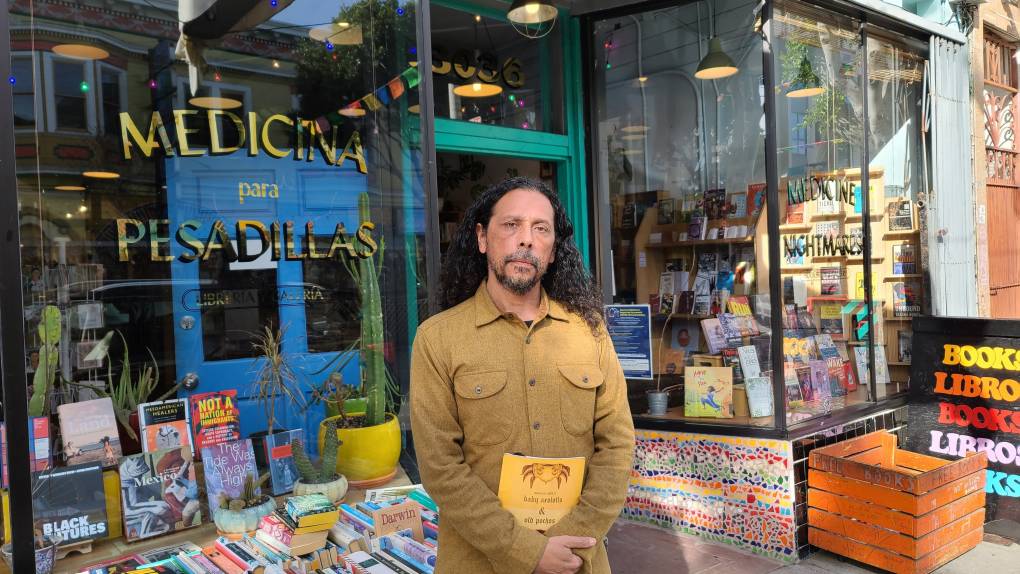
"caption": "Josiah Luis Alderete stands in front of Medicine for Nightmares with his book of poetry in hand. ",
"description": "Josiah Luis Alderete",
"title": "Josiah Luis Alderete",
"credit": "Carlos Cabrera-Lomelí",
"status": "inherit",
"altTag": "Josiah Luis Alderete stands in front of the windows of his bookstore, he wears a mustard shirt and holds his book of poems at his waist.",
"isLoading": false,
"fetchFailed": false
},
"arts_13907277": {
"type": "attachments",
"id": "arts_13907277",
"meta": {
"index": "attachments_1716263798",
"site": "arts",
"id": "13907277",
"found": true
},
"parent": 13907271,
"imgSizes": {
"twentyfourteen-full-width": {
"file": "https://ww2.kqed.org/app/uploads/sites/2/2021/12/6_Etel-Adnan-on-Mount-Tamalpais-California-courtesy-the-artist-and-Sfeir-Semler-Gallery-Hamburg_Beirut_COVER-1038x576.jpg",
"width": 1038,
"mimeType": "image/jpeg",
"height": 576
},
"thumbnail": {
"file": "https://ww2.kqed.org/app/uploads/sites/2/2021/12/6_Etel-Adnan-on-Mount-Tamalpais-California-courtesy-the-artist-and-Sfeir-Semler-Gallery-Hamburg_Beirut_COVER-160x110.jpg",
"width": 160,
"mimeType": "image/jpeg",
"height": 110
},
"post-thumbnail": {
"file": "https://ww2.kqed.org/app/uploads/sites/2/2021/12/6_Etel-Adnan-on-Mount-Tamalpais-California-courtesy-the-artist-and-Sfeir-Semler-Gallery-Hamburg_Beirut_COVER-672x372.jpg",
"width": 672,
"mimeType": "image/jpeg",
"height": 372
},
"kqedFullSize": {
"file": "https://ww2.kqed.org/app/uploads/sites/2/2021/12/6_Etel-Adnan-on-Mount-Tamalpais-California-courtesy-the-artist-and-Sfeir-Semler-Gallery-Hamburg_Beirut_COVER.jpg",
"width": 1181,
"height": 810
},
"large": {
"file": "https://ww2.kqed.org/app/uploads/sites/2/2021/12/6_Etel-Adnan-on-Mount-Tamalpais-California-courtesy-the-artist-and-Sfeir-Semler-Gallery-Hamburg_Beirut_COVER-1020x700.jpg",
"width": 1020,
"mimeType": "image/jpeg",
"height": 700
},
"medium": {
"file": "https://ww2.kqed.org/app/uploads/sites/2/2021/12/6_Etel-Adnan-on-Mount-Tamalpais-California-courtesy-the-artist-and-Sfeir-Semler-Gallery-Hamburg_Beirut_COVER-800x549.jpg",
"width": 800,
"mimeType": "image/jpeg",
"height": 549
},
"medium_large": {
"file": "https://ww2.kqed.org/app/uploads/sites/2/2021/12/6_Etel-Adnan-on-Mount-Tamalpais-California-courtesy-the-artist-and-Sfeir-Semler-Gallery-Hamburg_Beirut_COVER-768x527.jpg",
"width": 768,
"mimeType": "image/jpeg",
"height": 527
}
},
"publishDate": 1639433069,
"modified": 1639433137,
"caption": "Etel Adnan on Mount Tamalpais, California.",
"description": null,
"title": "6_Etel-Adnan-on-Mount-Tamalpais,-California;-courtesy-the-artist-and-Sfeir-Semler-Gallery-Hamburg_Beirut_COVER",
"credit": "Courtesy the artist and Sfeir-Semler Gallery Hamburg / Beirut",
"status": "inherit",
"altTag": "Black-and-white image of an older woman in front of foggy landscape.",
"isLoading": false,
"fetchFailed": false
},
"arts_13905116": {
"type": "attachments",
"id": "arts_13905116",
"meta": {
"index": "attachments_1716263798",
"site": "arts",
"id": "13905116",
"found": true
},
"parent": 13905115,
"imgSizes": {
"twentyfourteen-full-width": {
"file": "https://ww2.kqed.org/app/uploads/sites/2/2021/10/del-sol-quartet-credit-lenny-gonzalez-03a4635699a700b71ca229d623b3fb87e97fdc8f-1-1038x576.jpg",
"width": 1038,
"mimeType": "image/jpeg",
"height": 576
},
"thumbnail": {
"file": "https://ww2.kqed.org/app/uploads/sites/2/2021/10/del-sol-quartet-credit-lenny-gonzalez-03a4635699a700b71ca229d623b3fb87e97fdc8f-1-160x120.jpg",
"width": 160,
"mimeType": "image/jpeg",
"height": 120
},
"post-thumbnail": {
"file": "https://ww2.kqed.org/app/uploads/sites/2/2021/10/del-sol-quartet-credit-lenny-gonzalez-03a4635699a700b71ca229d623b3fb87e97fdc8f-1-672x372.jpg",
"width": 672,
"mimeType": "image/jpeg",
"height": 372
},
"kqedFullSize": {
"file": "https://ww2.kqed.org/app/uploads/sites/2/2021/10/del-sol-quartet-credit-lenny-gonzalez-03a4635699a700b71ca229d623b3fb87e97fdc8f-1-scaled.jpg",
"width": 2560,
"height": 1919
},
"2048x2048": {
"file": "https://ww2.kqed.org/app/uploads/sites/2/2021/10/del-sol-quartet-credit-lenny-gonzalez-03a4635699a700b71ca229d623b3fb87e97fdc8f-1-2048x1535.jpg",
"width": 2048,
"mimeType": "image/jpeg",
"height": 1535
},
"large": {
"file": "https://ww2.kqed.org/app/uploads/sites/2/2021/10/del-sol-quartet-credit-lenny-gonzalez-03a4635699a700b71ca229d623b3fb87e97fdc8f-1-1020x765.jpg",
"width": 1020,
"mimeType": "image/jpeg",
"height": 765
},
"1536x1536": {
"file": "https://ww2.kqed.org/app/uploads/sites/2/2021/10/del-sol-quartet-credit-lenny-gonzalez-03a4635699a700b71ca229d623b3fb87e97fdc8f-1-1536x1151.jpg",
"width": 1536,
"mimeType": "image/jpeg",
"height": 1151
},
"full-width": {
"file": "https://ww2.kqed.org/app/uploads/sites/2/2021/10/del-sol-quartet-credit-lenny-gonzalez-03a4635699a700b71ca229d623b3fb87e97fdc8f-1-1920x1439.jpg",
"width": 1920,
"mimeType": "image/jpeg",
"height": 1439
},
"medium": {
"file": "https://ww2.kqed.org/app/uploads/sites/2/2021/10/del-sol-quartet-credit-lenny-gonzalez-03a4635699a700b71ca229d623b3fb87e97fdc8f-1-800x600.jpg",
"width": 800,
"mimeType": "image/jpeg",
"height": 600
},
"medium_large": {
"file": "https://ww2.kqed.org/app/uploads/sites/2/2021/10/del-sol-quartet-credit-lenny-gonzalez-03a4635699a700b71ca229d623b3fb87e97fdc8f-1-768x576.jpg",
"width": 768,
"mimeType": "image/jpeg",
"height": 576
}
},
"publishDate": 1634943843,
"modified": 1634943843,
"caption": null,
"description": null,
"title": "Del Sol Quartet",
"credit": null,
"status": "inherit",
"altTag": null,
"isLoading": false,
"fetchFailed": false
},
"arts_13902348": {
"type": "attachments",
"id": "arts_13902348",
"meta": {
"index": "attachments_1716263798",
"site": "arts",
"id": "13902348",
"found": true
},
"parent": 13902268,
"imgSizes": {
"twentyfourteen-full-width": {
"file": "https://ww2.kqed.org/app/uploads/sites/2/2021/09/fall_arts_guide2021-1038x576.png",
"width": 1038,
"mimeType": "image/png",
"height": 576
},
"thumbnail": {
"file": "https://ww2.kqed.org/app/uploads/sites/2/2021/09/fall_arts_guide2021-160x90.png",
"width": 160,
"mimeType": "image/png",
"height": 90
},
"post-thumbnail": {
"file": "https://ww2.kqed.org/app/uploads/sites/2/2021/09/fall_arts_guide2021-672x372.png",
"width": 672,
"mimeType": "image/png",
"height": 372
},
"kqedFullSize": {
"file": "https://ww2.kqed.org/app/uploads/sites/2/2021/09/fall_arts_guide2021.png",
"width": 1920,
"height": 1080
},
"large": {
"file": "https://ww2.kqed.org/app/uploads/sites/2/2021/09/fall_arts_guide2021-1020x574.png",
"width": 1020,
"mimeType": "image/png",
"height": 574
},
"1536x1536": {
"file": "https://ww2.kqed.org/app/uploads/sites/2/2021/09/fall_arts_guide2021-1536x864.png",
"width": 1536,
"mimeType": "image/png",
"height": 864
},
"medium": {
"file": "https://ww2.kqed.org/app/uploads/sites/2/2021/09/fall_arts_guide2021-800x450.png",
"width": 800,
"mimeType": "image/png",
"height": 450
},
"medium_large": {
"file": "https://ww2.kqed.org/app/uploads/sites/2/2021/09/fall_arts_guide2021-768x432.png",
"width": 768,
"mimeType": "image/png",
"height": 432
}
},
"publishDate": 1630536259,
"modified": 1630536466,
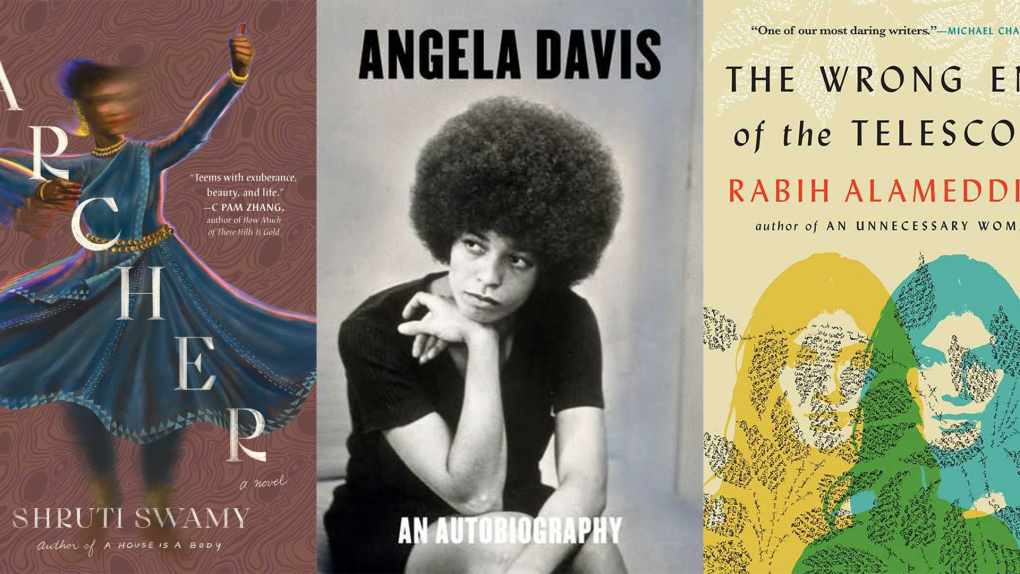
"caption": "Covers of books coming out in Fall 2021.",
"description": "Covers of books coming out in Fall 2021.",
"title": "fall_arts_guide2021",
"credit": null,
"status": "inherit",
"altTag": "A collage of covers for Shruti Swamy’s \"The Archer,\" the third edition of Angela Davis' Autobiography, and Rabih Alameddine's \"The Wrong End of the Telescope.\"",
"isLoading": false,
"fetchFailed": false
},
"arts_13903572": {
"type": "attachments",
"id": "arts_13903572",
"meta": {
"index": "attachments_1716263798",
"site": "arts",
"id": "13903572",
"found": true
},
"parent": 13903567,
"imgSizes": {
"thumbnail": {
"file": "https://ww2.kqed.org/app/uploads/sites/2/2021/09/monterey_poetry_festival-160x93.jpg",
"width": 160,
"mimeType": "image/jpeg",
"height": 93
},
"post-thumbnail": {
"file": "https://ww2.kqed.org/app/uploads/sites/2/2021/09/monterey_poetry_festival-672x372.jpg",
"width": 672,
"mimeType": "image/jpeg",
"height": 372
},
"kqedFullSize": {
"file": "https://ww2.kqed.org/app/uploads/sites/2/2021/09/monterey_poetry_festival.jpg",
"width": 958,
"height": 559
},
"medium": {
"file": "https://ww2.kqed.org/app/uploads/sites/2/2021/09/monterey_poetry_festival-800x467.jpg",
"width": 800,
"mimeType": "image/jpeg",
"height": 467
},
"medium_large": {
"file": "https://ww2.kqed.org/app/uploads/sites/2/2021/09/monterey_poetry_festival-768x448.jpg",
"width": 768,
"mimeType": "image/jpeg",
"height": 448
}
},
"publishDate": 1632260414,
"modified": 1632260951,
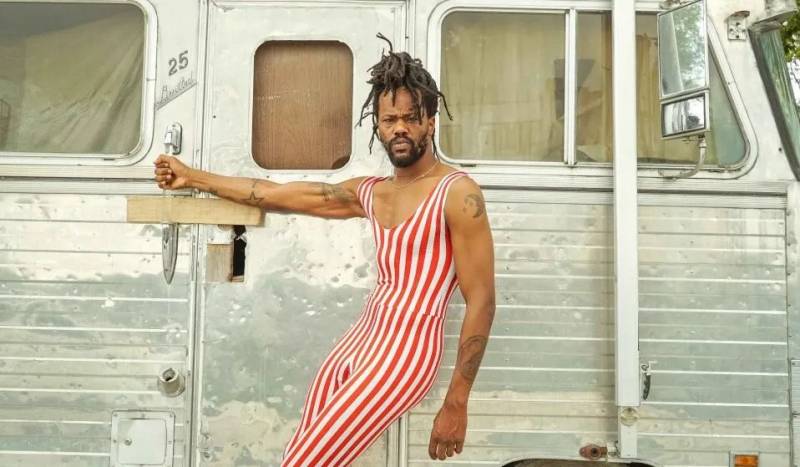
"caption": "The multidisciplinary artist Chris Carr will read his poetry for the festival. ",
"description": "The multidisciplinary artist Chris Carr will read his poetry for the festival. ",
"title": "monterey_poetry_festival",
"credit": "Courtesy of Old Capitol Books",
"status": "inherit",
"altTag": "A man in a red-and-white striped unitard leaning against a RV.",
"isLoading": false,
"fetchFailed": false
},
"arts_13901258": {
"type": "attachments",
"id": "arts_13901258",
"meta": {
"index": "attachments_1716263798",
"site": "arts",
"id": "13901258",
"found": true
},
"parent": 13901124,
"imgSizes": {
"twentyfourteen-full-width": {
"file": "https://ww2.kqed.org/app/uploads/sites/2/2021/08/THIS-ONE-1038x576.png",
"width": 1038,
"mimeType": "image/png",
"height": 576
},
"thumbnail": {
"file": "https://ww2.kqed.org/app/uploads/sites/2/2021/08/THIS-ONE-160x90.png",
"width": 160,
"mimeType": "image/png",
"height": 90
},
"post-thumbnail": {
"file": "https://ww2.kqed.org/app/uploads/sites/2/2021/08/THIS-ONE-672x372.png",
"width": 672,
"mimeType": "image/png",
"height": 372
},
"kqedFullSize": {
"file": "https://ww2.kqed.org/app/uploads/sites/2/2021/08/THIS-ONE.png",
"width": 1920,
"height": 1080
},
"large": {
"file": "https://ww2.kqed.org/app/uploads/sites/2/2021/08/THIS-ONE-1020x574.png",
"width": 1020,
"mimeType": "image/png",
"height": 574
},
"1536x1536": {
"file": "https://ww2.kqed.org/app/uploads/sites/2/2021/08/THIS-ONE-1536x864.png",
"width": 1536,
"mimeType": "image/png",
"height": 864
},
"medium": {
"file": "https://ww2.kqed.org/app/uploads/sites/2/2021/08/THIS-ONE-800x450.png",
"width": 800,
"mimeType": "image/png",
"height": 450
},
"medium_large": {
"file": "https://ww2.kqed.org/app/uploads/sites/2/2021/08/THIS-ONE-768x432.png",
"width": 768,
"mimeType": "image/png",
"height": 432
}
},
"publishDate": 1628875517,
"modified": 1628875555,
"caption": null,
"description": null,
"title": null,
"credit": null,
"status": "inherit",
"altTag": "Prentice Powell looking into the camera",
"isLoading": false,
"fetchFailed": false
},
"arts_13900716": {
"type": "attachments",
"id": "arts_13900716",
"meta": {
"index": "attachments_1716263798",
"site": "arts",
"id": "13900716",
"found": true
},
"parent": 13900685,
"imgSizes": {
"twentyfourteen-full-width": {
"file": "https://ww2.kqed.org/app/uploads/sites/2/2021/08/L1002721-3-1038x576.jpeg",
"width": 1038,
"mimeType": "image/jpeg",
"height": 576
},
"thumbnail": {
"file": "https://ww2.kqed.org/app/uploads/sites/2/2021/08/L1002721-3-160x107.jpeg",
"width": 160,
"mimeType": "image/jpeg",
"height": 107
},
"post-thumbnail": {
"file": "https://ww2.kqed.org/app/uploads/sites/2/2021/08/L1002721-3-672x372.jpeg",
"width": 672,
"mimeType": "image/jpeg",
"height": 372
},
"kqedFullSize": {
"file": "https://ww2.kqed.org/app/uploads/sites/2/2021/08/L1002721-3.jpeg",
"width": 1600,
"height": 1067
},
"large": {
"file": "https://ww2.kqed.org/app/uploads/sites/2/2021/08/L1002721-3-1020x680.jpeg",
"width": 1020,
"mimeType": "image/jpeg",
"height": 680
},
"1536x1536": {
"file": "https://ww2.kqed.org/app/uploads/sites/2/2021/08/L1002721-3-1536x1024.jpeg",
"width": 1536,
"mimeType": "image/jpeg",
"height": 1024
},
"medium": {
"file": "https://ww2.kqed.org/app/uploads/sites/2/2021/08/L1002721-3-800x534.jpeg",
"width": 800,
"mimeType": "image/jpeg",
"height": 534
},
"medium_large": {
"file": "https://ww2.kqed.org/app/uploads/sites/2/2021/08/L1002721-3-768x512.jpeg",
"width": 768,
"mimeType": "image/jpeg",
"height": 512
}
},
"publishDate": 1628182402,
"modified": 1628182421,
"caption": "Writer DeMareon Gipson wears a tan hat and a blue jean jacket as he poses with his book, Annalise's Cough.",
"description": "Writer DeMareon Gipson wears a tan hat and a blue jean jacket as he poses with his book, Annalise's Cough.",
"title": "Writer DeMareon Gipson wears a tan hat and a blue jean jacket as he poses with his book, Annalise's Cough.",
"credit": "Amir Aziz",
"status": "inherit",
"altTag": "Writer DeMareon Gipson wears a tan hat and a blue jean jacket as he poses with his book, Annalise's Cough.",
"isLoading": false,
"fetchFailed": false
},
"arts_13900171": {
"type": "attachments",
"id": "arts_13900171",
"meta": {
"index": "attachments_1716263798",
"site": "arts",
"id": "13900171",
"found": true
},
"parent": 0,
"imgSizes": {
"twentyfourteen-full-width": {
"file": "https://ww2.kqed.org/app/uploads/sites/2/2021/07/018_KQEDArts_Oakland_AyodeleNzinga_07192021-1-1038x576.jpg",
"width": 1038,
"mimeType": "image/jpeg",
"height": 576
},
"thumbnail": {
"file": "https://ww2.kqed.org/app/uploads/sites/2/2021/07/018_KQEDArts_Oakland_AyodeleNzinga_07192021-1-160x107.jpg",
"width": 160,
"mimeType": "image/jpeg",
"height": 107
},
"post-thumbnail": {
"file": "https://ww2.kqed.org/app/uploads/sites/2/2021/07/018_KQEDArts_Oakland_AyodeleNzinga_07192021-1-672x372.jpg",
"width": 672,
"mimeType": "image/jpeg",
"height": 372
},
"kqedFullSize": {
"file": "https://ww2.kqed.org/app/uploads/sites/2/2021/07/018_KQEDArts_Oakland_AyodeleNzinga_07192021-1.jpg",
"width": 1920,
"height": 1280
},
"large": {
"file": "https://ww2.kqed.org/app/uploads/sites/2/2021/07/018_KQEDArts_Oakland_AyodeleNzinga_07192021-1-1020x680.jpg",
"width": 1020,
"mimeType": "image/jpeg",
"height": 680
},
"1536x1536": {
"file": "https://ww2.kqed.org/app/uploads/sites/2/2021/07/018_KQEDArts_Oakland_AyodeleNzinga_07192021-1-1536x1024.jpg",
"width": 1536,
"mimeType": "image/jpeg",
"height": 1024
},
"medium": {
"file": "https://ww2.kqed.org/app/uploads/sites/2/2021/07/018_KQEDArts_Oakland_AyodeleNzinga_07192021-1-800x533.jpg",
"width": 800,
"mimeType": "image/jpeg",
"height": 533
},
"medium_large": {
"file": "https://ww2.kqed.org/app/uploads/sites/2/2021/07/018_KQEDArts_Oakland_AyodeleNzinga_07192021-1-768x512.jpg",
"width": 768,
"mimeType": "image/jpeg",
"height": 512
}
},
"publishDate": 1626979294,
"modified": 1626979591,
"caption": "Ayodele Nzinga raises her fist in front of a mural that says, \"We Got Us\" by the organization AeroSoul in Oakland on July 19, 2021.",
"description": "Ayodele Nzinga raises her fist in front of a mural that says, \"We Got Us\" by the organization AeroSoul in Oakland on July 19, 2021.",
"title": "018_KQEDArts_Oakland_AyodeleNzinga_07192021 (1)",
"credit": "Beth LaBerge/KQED",
"status": "inherit",
"altTag": "Ayodele Nzinga raises her fist in front of a mural that says, \"We Got Us\" by the organization AeroSoul in Oakland on July 19, 2021.",
"isLoading": false,
"fetchFailed": false
},
"arts_13896948": {
"type": "attachments",
"id": "arts_13896948",
"meta": {
"index": "attachments_1716263798",
"site": "arts",
"id": "13896948",
"found": true
},
"parent": 13896800,
"imgSizes": {
"twentyfourteen-full-width": {
"file": "https://ww2.kqed.org/app/uploads/sites/2/2021/05/iStock-1051534808-1038x576.jpg",
"width": 1038,
"mimeType": "image/jpeg",
"height": 576
},
"thumbnail": {
"file": "https://ww2.kqed.org/app/uploads/sites/2/2021/05/iStock-1051534808-160x120.jpg",
"width": 160,
"mimeType": "image/jpeg",
"height": 120
},
"post-thumbnail": {
"file": "https://ww2.kqed.org/app/uploads/sites/2/2021/05/iStock-1051534808-672x372.jpg",
"width": 672,
"mimeType": "image/jpeg",
"height": 372
},
"kqedFullSize": {
"file": "https://ww2.kqed.org/app/uploads/sites/2/2021/05/iStock-1051534808.jpg",
"width": 1183,
"height": 887
},
"large": {
"file": "https://ww2.kqed.org/app/uploads/sites/2/2021/05/iStock-1051534808-1020x765.jpg",
"width": 1020,
"mimeType": "image/jpeg",
"height": 765
},
"medium": {
"file": "https://ww2.kqed.org/app/uploads/sites/2/2021/05/iStock-1051534808-800x600.jpg",
"width": 800,
"mimeType": "image/jpeg",
"height": 600
},
"medium_large": {
"file": "https://ww2.kqed.org/app/uploads/sites/2/2021/05/iStock-1051534808-768x576.jpg",
"width": 768,
"mimeType": "image/jpeg",
"height": 576
}
},
"publishDate": 1620405273,
"modified": 1620405366,
"caption": "Bay Area poets shared original work with us that covered topics as varied as friendship, insects and time. The youngest poet is 10 years old. ",
"description": "Bay Area poets shared original work with us that covered topics as varied as friendship, insects and time. The youngest poet is 10 years old. ",
"title": "Advance of Inner Lines",
"credit": "agsandrew/iStock",
"status": "inherit",
"altTag": null,
"isLoading": false,
"fetchFailed": false
},
"arts_13896611": {
"type": "attachments",
"id": "arts_13896611",
"meta": {
"index": "attachments_1716263798",
"site": "arts",
"id": "13896611",
"found": true
},
"parent": 13896604,
"imgSizes": {
"twentyfourteen-full-width": {
"file": "https://ww2.kqed.org/app/uploads/sites/2/2021/04/ChinakaRiri-1038x576.jpg",
"width": 1038,
"mimeType": "image/jpeg",
"height": 576
},
"thumbnail": {
"file": "https://ww2.kqed.org/app/uploads/sites/2/2021/04/ChinakaRiri-160x90.jpg",
"width": 160,
"mimeType": "image/jpeg",
"height": 90
},
"post-thumbnail": {
"file": "https://ww2.kqed.org/app/uploads/sites/2/2021/04/ChinakaRiri-672x372.jpg",
"width": 672,
"mimeType": "image/jpeg",
"height": 372
},
"kqedFullSize": {
"file": "https://ww2.kqed.org/app/uploads/sites/2/2021/04/ChinakaRiri.jpg",
"width": 1372,
"height": 772
},
"large": {
"file": "https://ww2.kqed.org/app/uploads/sites/2/2021/04/ChinakaRiri-1020x574.jpg",
"width": 1020,
"mimeType": "image/jpeg",
"height": 574
},
"medium": {
"file": "https://ww2.kqed.org/app/uploads/sites/2/2021/04/ChinakaRiri-800x450.jpg",
"width": 800,
"mimeType": "image/jpeg",
"height": 450
},
"medium_large": {
"file": "https://ww2.kqed.org/app/uploads/sites/2/2021/04/ChinakaRiri-768x432.jpg",
"width": 768,
"mimeType": "image/jpeg",
"height": 432
}
},
"publishDate": 1619809960,
"modified": 1619810038,
"caption": "Chinaka Hodge (L) has been tapped for Disney's 'Ironheart' series, based on Riri Williams (R).",
"description": "Chinaka Hodge (L) has been tapped for Disney's 'Ironheart' series.",
"title": "ChinakaRiri",
"credit": "Christina Campbell/Marvel",
"status": "inherit",
"altTag": "Chinaka Hodge (L) has been tapped for Disney's 'Ironheart' series.",
"isLoading": false,
"fetchFailed": false
},
"arts_13896393": {
"type": "attachments",
"id": "arts_13896393",
"meta": {
"index": "attachments_1716263798",
"site": "arts",
"id": "13896393",
"found": true
},
"parent": 13896385,
"imgSizes": {
"twentyfourteen-full-width": {
"file": "https://ww2.kqed.org/app/uploads/sites/2/2021/04/Screen-Shot-2021-04-27-at-12.10.49-PM-1038x576.png",
"width": 1038,
"mimeType": "image/png",
"height": 576
},
"thumbnail": {
"file": "https://ww2.kqed.org/app/uploads/sites/2/2021/04/Screen-Shot-2021-04-27-at-12.10.49-PM-160x105.png",
"width": 160,
"mimeType": "image/png",
"height": 105
},
"post-thumbnail": {
"file": "https://ww2.kqed.org/app/uploads/sites/2/2021/04/Screen-Shot-2021-04-27-at-12.10.49-PM-672x372.png",
"width": 672,
"mimeType": "image/png",
"height": 372
},
"kqedFullSize": {
"file": "https://ww2.kqed.org/app/uploads/sites/2/2021/04/Screen-Shot-2021-04-27-at-12.10.49-PM.png",
"width": 2020,
"height": 1324
},
"large": {
"file": "https://ww2.kqed.org/app/uploads/sites/2/2021/04/Screen-Shot-2021-04-27-at-12.10.49-PM-1020x669.png",
"width": 1020,
"mimeType": "image/png",
"height": 669
},
"1536x1536": {
"file": "https://ww2.kqed.org/app/uploads/sites/2/2021/04/Screen-Shot-2021-04-27-at-12.10.49-PM-1536x1007.png",
"width": 1536,
"mimeType": "image/png",
"height": 1007
},
"full-width": {
"file": "https://ww2.kqed.org/app/uploads/sites/2/2021/04/Screen-Shot-2021-04-27-at-12.10.49-PM-1920x1258.png",
"width": 1920,
"mimeType": "image/png",
"height": 1258
},
"medium": {
"file": "https://ww2.kqed.org/app/uploads/sites/2/2021/04/Screen-Shot-2021-04-27-at-12.10.49-PM-800x524.png",
"width": 800,
"mimeType": "image/png",
"height": 524
},
"medium_large": {
"file": "https://ww2.kqed.org/app/uploads/sites/2/2021/04/Screen-Shot-2021-04-27-at-12.10.49-PM-768x503.png",
"width": 768,
"mimeType": "image/png",
"height": 503
}
},
"publishDate": 1619551151,
"modified": 1619551212,
"caption": "Detail from the cover of 'Curb' by Divya Victor.",
"description": "Detail from the cover of 'Curb' by Divya Victor.",
"title": "Detail from the cover of 'Curb' by Divya Victor.",
"credit": "Nightboat Books",
"status": "inherit",
"altTag": "An illustration of a row of houses, all dark except for one upstairs window, from the cover of 'Curb' by Divya Victor.",
"isLoading": false,
"fetchFailed": false
}
},
"audioPlayerReducer": {
"postId": "stream_live",
"isPaused": true,
"isPlaying": false,
"pfsActive": false,
"pledgeModalIsOpen": true,
"playerDrawerIsOpen": false,
"liveAudioPlayStartedAt": 0,
"liveAudioPlayContext": ""
},
"authorsReducer": {
"byline_arts_13911548": {
"type": "authors",
"id": "byline_arts_13911548",
"meta": {
"override": true
},
"slug": "byline_arts_13911548",
"name": "Kyrah A. Ayers and Pendarvis Harshaw",
"isLoading": false
},
"byline_arts_13907271": {
"type": "authors",
"id": "byline_arts_13907271",
"meta": {
"override": true
},
"slug": "byline_arts_13907271",
"name": "Pedro Jiménez",
"isLoading": false
},
"byline_arts_13905115": {
"type": "authors",
"id": "byline_arts_13905115",
"meta": {
"override": true
},
"slug": "byline_arts_13905115",
"name": "Chloe Veltman",
"isLoading": false
},
"byline_arts_13896385": {
"type": "authors",
"id": "byline_arts_13896385",
"meta": {
"override": true
},
"slug": "byline_arts_13896385",
"name": "Jenny Bhatt",
"isLoading": false
},
"gmeline": {
"type": "authors",
"id": "185",
"meta": {
"index": "authors_1716337520",
"id": "185",
"found": true
},
"name": "Gabe Meline",
"firstName": "Gabe",
"lastName": "Meline",
"slug": "gmeline",
"email": "gmeline@kqed.org",
"display_author_email": true,
"staff_mastheads": [
"arts"
],
"title": "Senior Editor, KQED Arts & Culture",
"bio": "Gabe Meline entered journalism at age 15 making photocopied zines, and has since earned awards from the Edward R. Murrow Awards, the Society for Professional Journalists, the Online Journalism Awards, the Association of Alternative Newsweeklies and the California Newspaper Publishers Association. Prior to KQED, he was the editor of the \u003cem>North Bay Bohemian\u003c/em> and a touring musician. He lives with his wife and daughter in his hometown of Santa Rosa, CA.",
"avatar": "https://secure.gravatar.com/avatar/5bebe57be0d8bc2dd318934feb47299e2d2d10cba28d09d8d7afb389a2ce2bdd?s=600&d=blank&r=g",
"twitter": null,
"bluesky": null,
"facebook": null,
"instagram": null,
"linkedin": null,
"sites": [
{
"site": "",
"roles": [
"editor"
]
},
{
"site": "arts",
"roles": [
"administrator"
]
},
{
"site": "artschool",
"roles": [
"editor"
]
},
{
"site": "news",
"roles": [
"author"
]
},
{
"site": "pop",
"roles": [
"editor"
]
},
{
"site": "bayareabites",
"roles": [
"editor"
]
},
{
"site": "food",
"roles": [
"editor"
]
},
{
"site": "forum",
"roles": [
"administrator"
]
},
{
"site": "liveblog",
"roles": [
"editor"
]
},
{
"site": "hiphop",
"roles": [
"editor"
]
}
],
"headData": {
"title": "Gabe Meline | KQED",
"description": "Senior Editor, KQED Arts & Culture",
"ogImgSrc": "https://secure.gravatar.com/avatar/5bebe57be0d8bc2dd318934feb47299e2d2d10cba28d09d8d7afb389a2ce2bdd?s=600&d=blank&r=g",
"twImgSrc": "https://secure.gravatar.com/avatar/5bebe57be0d8bc2dd318934feb47299e2d2d10cba28d09d8d7afb389a2ce2bdd?s=600&d=blank&r=g"
},
"isLoading": false,
"link": "/author/gmeline"
},
"ogpenn": {
"type": "authors",
"id": "11491",
"meta": {
"index": "authors_1716337520",
"id": "11491",
"found": true
},
"name": "Pendarvis Harshaw",
"firstName": "Pendarvis",
"lastName": "Harshaw",
"slug": "ogpenn",
"email": "ogpenn@gmail.com",
"display_author_email": false,
"staff_mastheads": [
"arts"
],
"title": "Community Engagement Reporter",
"bio": "Pendarvis Harshaw is an educator, host and writer with KQED Arts.",
"avatar": "https://secure.gravatar.com/avatar/972b77ee8e3f346ae2b00622661187fbfabd059b5693bbdc1475ea7a722fd4cd?s=600&d=blank&r=g",
"twitter": null,
"bluesky": null,
"facebook": null,
"instagram": "ogpenn",
"linkedin": null,
"sites": [
{
"site": "arts",
"roles": [
"administrator"
]
},
{
"site": "news",
"roles": [
"editor"
]
},
{
"site": "bayareabites",
"roles": [
"author"
]
},
{
"site": "hiphop",
"roles": [
"editor"
]
}
],
"headData": {
"title": "Pendarvis Harshaw | KQED",
"description": "Community Engagement Reporter",
"ogImgSrc": "https://secure.gravatar.com/avatar/972b77ee8e3f346ae2b00622661187fbfabd059b5693bbdc1475ea7a722fd4cd?s=600&d=blank&r=g",
"twImgSrc": "https://secure.gravatar.com/avatar/972b77ee8e3f346ae2b00622661187fbfabd059b5693bbdc1475ea7a722fd4cd?s=600&d=blank&r=g"
},
"isLoading": false,
"link": "/author/ogpenn"
},
"mmedina": {
"type": "authors",
"id": "11528",
"meta": {
"index": "authors_1716337520",
"id": "11528",
"found": true
},
"name": "Marisol Medina-Cadena",
"firstName": "Marisol",
"lastName": "Medina-Cadena",
"slug": "mmedina",
"email": "mmedina@KQED.org",
"display_author_email": true,
"staff_mastheads": [],
"title": "Producer, Rightnowish Podcast",
"bio": "Marisol Medina-Cadena is a radio reporter and podcast producer. Before working at KQED, she produced for PBS member station, KCET, in Los Angeles. In 2017, Marisol won an Emmy Award for her work on the televised documentary, \u003cem>City Rising\u003c/em>, examining California's affordable housing crisis and the historical roots of gentrification.",
"avatar": "https://secure.gravatar.com/avatar/6c3db46a1cabb5e1fe9a365b5f4e681e?s=600&d=blank&r=g",
"twitter": "marisolreports",
"facebook": null,
"instagram": null,
"linkedin": null,
"sites": [
{
"site": "arts",
"roles": []
},
{
"site": "news",
"roles": [
"edit_others_posts"
]
}
],
"headData": {
"title": "Marisol Medina-Cadena | KQED",
"description": "Producer, Rightnowish Podcast",
"ogImgSrc": "https://secure.gravatar.com/avatar/6c3db46a1cabb5e1fe9a365b5f4e681e?s=600&d=blank&r=g",
"twImgSrc": "https://secure.gravatar.com/avatar/6c3db46a1cabb5e1fe9a365b5f4e681e?s=600&d=blank&r=g"
},
"isLoading": false,
"link": "/author/mmedina"
},
"spineda": {
"type": "authors",
"id": "11684",
"meta": {
"index": "authors_1716337520",
"id": "11684",
"found": true
},
"name": "Sarah Pineda",
"firstName": "Sarah",
"lastName": "Pineda",
"slug": "spineda",
"email": "spineda@kqed.org",
"display_author_email": true,
"staff_mastheads": [],
"title": "Engagement Producer",
"bio": "Sarah Pineda is a community engagement journalist working on building trust, deepening relationships and uplifting the work of community members for public media newsrooms. Before KQED, her engagement work contributions with Los Angeles' NPR-member station KPCC-LAist, was awarded ONA's 2019 Gather Award in Engaged Journalism.",
"avatar": "https://secure.gravatar.com/avatar/8213013f15f43594830671e7f557a820?s=600&d=blank&r=g",
"twitter": "sarahnpineda",
"facebook": null,
"instagram": null,
"linkedin": null,
"sites": [
{
"site": "arts",
"roles": [
"contributor"
]
},
{
"site": "pop",
"roles": [
"editor"
]
}
],
"headData": {
"title": "Sarah Pineda | KQED",
"description": "Engagement Producer",
"ogImgSrc": "https://secure.gravatar.com/avatar/8213013f15f43594830671e7f557a820?s=600&d=blank&r=g",
"twImgSrc": "https://secure.gravatar.com/avatar/8213013f15f43594830671e7f557a820?s=600&d=blank&r=g"
},
"isLoading": false,
"link": "/author/spineda"
},
"achazaro": {
"type": "authors",
"id": "11748",
"meta": {
"index": "authors_1716337520",
"id": "11748",
"found": true
},
"name": "Alan Chazaro",
"firstName": "Alan",
"lastName": "Chazaro",
"slug": "achazaro",
"email": "agchazaro@gmail.com",
"display_author_email": true,
"staff_mastheads": [],
"title": "Food Writer and Reporter",
"bio": "Alan Chazaro is the author of \u003cem>This Is Not a Frank Ocean Cover Album\u003c/em> (Black Lawrence Press, 2019), \u003cem>Piñata Theory\u003c/em> (Black Lawrence Press, 2020), and \u003cem>Notes from the Eastern Span of the Bay Bridge\u003c/em> (Ghost City Press, 2021). He is a graduate of June Jordan’s Poetry for the People program at UC Berkeley and a former Lawrence Ferlinghetti Fellow at the University of San Francisco. He writes about sports, food, art, music, education, and culture while repping the Bay on \u003ca href=\"https://twitter.com/alan_chazaro\">Twitter\u003c/a> and \u003ca href=\"https://www.instagram.com/alan_chazaro/?hl=en\">Instagram\u003c/a> at @alan_chazaro.",
"avatar": "https://secure.gravatar.com/avatar/ea8b6dd970fc5c29e7a188e7d5861df7?s=600&d=blank&r=g",
"twitter": "alan_chazaro",
"facebook": null,
"instagram": null,
"linkedin": null,
"sites": [
{
"site": "arts",
"roles": [
"contributor"
]
},
{
"site": "news",
"roles": [
"editor"
]
}
],
"headData": {
"title": "Alan Chazaro | KQED",
"description": "Food Writer and Reporter",
"ogImgSrc": "https://secure.gravatar.com/avatar/ea8b6dd970fc5c29e7a188e7d5861df7?s=600&d=blank&r=g",
"twImgSrc": "https://secure.gravatar.com/avatar/ea8b6dd970fc5c29e7a188e7d5861df7?s=600&d=blank&r=g"
},
"isLoading": false,
"link": "/author/achazaro"
},
"athapliyal": {
"type": "authors",
"id": "11766",
"meta": {
"index": "authors_1716337520",
"id": "11766",
"found": true
},
"name": "Adesh Thapliyal",
"firstName": "Adesh",
"lastName": "Thapliyal",
"slug": "athapliyal",
"email": "athapliyal@kqed.org",
"display_author_email": false,
"staff_mastheads": [],
"title": "KQED Contributor",
"bio": "Adesh Thapliyal is KQED Arts' Editorial Intern. Previously, he wrote for the experimental newsletter \u003cem>Tone Glow\u003c/em> and the pop music blog \u003cem>The Singles Jukebox\u003c/em>.",
"avatar": "https://secure.gravatar.com/avatar/25c945182616a5283c4f746e7017bca3?s=600&d=blank&r=g",
"twitter": null,
"facebook": null,
"instagram": null,
"linkedin": null,
"sites": [
{
"site": "arts",
"roles": [
"author"
]
}
],
"headData": {
"title": "Adesh Thapliyal | KQED",
"description": "KQED Contributor",
"ogImgSrc": "https://secure.gravatar.com/avatar/25c945182616a5283c4f746e7017bca3?s=600&d=blank&r=g",
"twImgSrc": "https://secure.gravatar.com/avatar/25c945182616a5283c4f746e7017bca3?s=600&d=blank&r=g"
},
"isLoading": false,
"link": "/author/athapliyal"
}
},
"pagesReducer": {
"arts_tag_poetry": {
"type": "terms",
"id": "arts_1496",
"meta": {
"index": "terms_1716263798",
"site": "arts",
"id": "1496",
"score": 8.457502
},
"featImg": null,
"name": "Poetry",
"description": null,
"taxonomy": "tag",
"headData": {
"twImgId": null,
"twTitle": null,
"ogTitle": null,
"ogImgId": null,
"twDescription": null,
"description": null,
"title": "Poetry Archives | KQED Arts",
"ogDescription": null
},
"ttid": 1508,
"slug": "poetry",
"isLoading": false,
"title": "Poetry",
"pageMeta": {
"site": "arts",
"WpPageTemplate": "page-topic-editorial",
"currentPage": 4
},
"blocks": [
{
"blockName": "kqed/post-list",
"attrs": {
"layout": "cardArticle2",
"query": "posts/arts?tag=poetry",
"seeMore": false,
"paginated": true,
"page": 4
}
},
{
"blockName": "kqed/ad"
}
]
}
},
"pfsSessionReducer": {},
"postsReducer": {
"stream_live": {
"type": "live",
"id": "stream_live",
"audioUrl": "https://streams.kqed.org/kqedradio",
"title": "Live Stream",
"excerpt": "Live Stream information currently unavailable.",
"link": "/radio",
"featImg": "",
"label": {
"name": "KQED Live",
"link": "/"
}
},
"stream_kqedNewscast": {
"type": "posts",
"id": "stream_kqedNewscast",
"audioUrl": "https://www.kqed.org/.stream/anon/radio/RDnews/newscast.mp3?_=1",
"title": "KQED Newscast",
"featImg": "",
"label": {
"name": "88.5 FM",
"link": "/"
}
},
"arts_13911548": {
"type": "posts",
"id": "arts_13911548",
"meta": {
"index": "posts_1716263798",
"site": "arts",
"id": "13911548",
"score": null,
"sort": [
1649260827000
]
},
"parent": 0,
"labelTerm": {},
"blocks": [],
"publishDate": 1649260827,
"format": "aside",
"title": "Kyrah A. Ayers, 'My Soul'",
"headTitle": "Kyrah A. Ayers, ‘My Soul’ | KQED",
"content": "\u003cfigure id=\"attachment_13911570\" class=\"wp-caption aligncenter\" style=\"max-width: 800px\">\u003cimg loading=\"lazy\" decoding=\"async\" class=\"size-medium wp-image-13911570\" src=\"https://ww2.kqed.org/app/uploads/sites/2/2022/04/KyrahAAyers.MAIN_-800x800.jpg\" alt=\"An African American man in a white suit jacket, dreadlocks, and a necklace, in a green field\" width=\"800\" height=\"800\" srcset=\"https://cdn.kqed.org/wp-content/uploads/sites/2/2022/04/KyrahAAyers.MAIN_-800x800.jpg 800w, https://cdn.kqed.org/wp-content/uploads/sites/2/2022/04/KyrahAAyers.MAIN_-160x160.jpg 160w, https://cdn.kqed.org/wp-content/uploads/sites/2/2022/04/KyrahAAyers.MAIN_-768x768.jpg 768w, https://cdn.kqed.org/wp-content/uploads/sites/2/2022/04/KyrahAAyers.MAIN_.jpg 1020w\" sizes=\"(max-width: 800px) 100vw, 800px\" />\u003cfigcaption class=\"wp-caption-text\">Kyrah A. Ayers. \u003ccite>(via Kyrah Ayers)\u003c/cite>\u003c/figcaption>\u003c/figure>\n\u003cp>\u003cem>\u003cstrong>Editor’s Note\u003c/strong>: Welcome to \u003ca href=\"https://poets.org/national-poetry-month\" target=\"_blank\" rel=\"noopener noreferrer\">National Poetry Month\u003c/a>. Twice each week in April, KQED Arts & Culture will present a poem by a Bay Area poet. This \u003ca href=\"https://www.kqed.org/arts/tag/poetry\" rel=\"noopener noreferrer\" target=\"_blank\">series\u003c/a> is curated by \u003cem>\u003ca href=\"https://www.kqed.org/podcasts/rightnowish\" rel=\"noopener noreferrer\" target=\"_blank\">Rightnowish\u003c/a>\u003c/em> host \u003ca href=\"https://www.kqed.org/author/ogpenn\" target=\"_blank\" rel=\"noopener noreferrer\">Pendarvis Harshaw\u003c/a>, who also speaks with each poet about their work. \u003c/em>\u003c/p>\n\u003ch2>“My Soul,” by Kyrah A. Ayers\u003c/h2>\n\u003cp>\u003cem>My soul\u003c/em>\u003c/p>\n\u003cp>\u003cem>Is tolled with knowing\u003c/em>\u003c/p>\n\u003cp>\u003cem>As my sons get older\u003c/em>\u003c/p>\n\u003cp>\u003cem>That their lives are valued less\u003c/em>\u003c/p>\n\u003cp>\u003cem>As they inherit our mess\u003c/em>\u003c/p>\n\u003cp>\u003cem>My shoulders weighed down\u003c/em>\u003c/p>\n\u003cp>\u003cem>With the task\u003c/em>\u003c/p>\n\u003cp>\u003cem>Of explaining that English, Science and Math\u003c/em>\u003c/p>\n\u003cp>\u003cem>Are not the only tools they need to survive\u003c/em>\u003c/p>\n\u003cp>\u003cem>For black men to stay alive\u003c/em>\u003c/p>\n\u003cp>\u003cem>We have to appear non-threatening\u003c/em>\u003c/p>\n\u003cp>\u003cem>Grin through every sock to the chin\u003c/em>\u003c/p>\n\u003cp>\u003cem>And send Thank You cards to the assailant\u003c/em>\u003c/p>\n\u003cp>\u003cem>Be stronger, but appear weaker\u003c/em>\u003c/p>\n\u003cp>\u003cem>Be smarter, but be the listener and not the speaker\u003c/em>\u003c/p>\n\u003cp>\u003cem>Even when the speaker’s wrong\u003c/em>\u003c/p>\n\u003cp>\u003cem>Hold your tongue\u003c/em>\u003c/p>\n\u003cp>\u003cem>Master the language\u003c/em>\u003c/p>\n\u003cp>\u003cem>Of the corporate world and where you’re from\u003c/em>\u003c/p>\n\u003cp>\u003cem>I’m raising sons\u003c/em>\u003c/p>\n\u003cp>\u003cem>In a world that’s seen a Raisin In The Sun\u003c/em>\u003c/p>\n\u003cp>\u003cem>Numb to the fact that gun control\u003c/em>\u003c/p>\n\u003cp>\u003cem>Only applies to the victims\u003c/em>\u003c/p>\n\u003cp>\u003cem>Reactions based on fear\u003c/em>\u003c/p>\n\u003cp>\u003cem>Appear justified\u003c/em>\u003c/p>\n\u003cp>\u003cem>It’s clear that as my sons prepare for college\u003c/em>\u003c/p>\n\u003cp>\u003cem>They may meet campus police\u003c/em>\u003c/p>\n\u003cp>\u003cem>Overzealous and partly jealous that they’re obtaining degrees \u003c/em>\u003c/p>\n\u003cp>\u003cem>Scared of what they can’t imagine\u003c/em>\u003c/p>\n\u003cp>\u003cem>Keeps his hand near his piece\u003c/em>\u003c/p>\n\u003cp>\u003cem>My son could die on the way to a study group\u003c/em>\u003c/p>\n\u003cp>\u003cem>While the murderer is released\u003c/em>\u003c/p>\n\u003cp>\u003cem>In self-defense\u003c/em>\u003c/p>\n\u003cp>\u003cem>My head is heavy today\u003c/em>\u003c/p>\n\u003cp>\u003cem>But I must walk tall\u003c/em>\u003c/p>\n\u003cp>\u003cem>Because small minds\u003c/em>\u003c/p>\n\u003cp>\u003cem>Devalue what they can’t find\u003c/em>\u003c/p>\n\u003cp>\u003cem>As useful to their own kind\u003c/em>\u003c/p>\n\u003cp>\u003cem>The truth is often combined with perspective\u003c/em>\u003c/p>\n\u003cp>\u003cem>But there’s no rewind\u003c/em>\u003c/p>\n\u003cp>\u003cem>When bullets fly and sons lie\u003c/em>\u003c/p>\n\u003cp>\u003cem>On concrete for hours\u003c/em>\u003c/p>\n\u003cp>\u003cem>No chalk outline is necessary\u003c/em>\u003c/p>\n\u003cp>\u003cem>We see him; we all see him!\u003c/em>\u003c/p>\n\u003cp>\u003cem>Some have the luxury of living through mistakes \u003c/em>\u003c/p>\n\u003cp>\u003cem>Not my sons\u003c/em>\u003c/p>\n\u003cp>\u003cem>Born with two strikes\u003c/em>\u003c/p>\n\u003cp>\u003cem>In a world where we lose rights\u003c/em>\u003c/p>\n\u003cp>\u003cem>Like car keys, or five dollars at the craps table\u003c/em>\u003c/p>\n\u003cp>\u003cem>Go ahead and roll the dice\u003c/em>\u003c/p>\n\u003cp>\u003cem>We play odds and think twice\u003c/em>\u003c/p>\n\u003cp>\u003cem>Through forced smiles\u003c/em>\u003c/p>\n\u003cp>\u003cem>Absorbing pain from cop car lights\u003c/em>\u003c/p>\n\u003cp>\u003cem>Internalize it and ignites\u003c/em>\u003c/p>\n\u003cp>\u003cem>A flame within us\u003c/em>\u003c/p>\n\u003cp>\u003cem>Sparked by a fear of being out too late at night\u003c/em>\u003c/p>\n\u003cp>\u003cem>Driving while black, naw you don’t understand the plight\u003c/em>\u003c/p>\n\u003cp>\u003cem>Ever been pulled over three times in a week\u003c/em>\u003c/p>\n\u003cp>\u003cem>And issued warning after warning\u003c/em>\u003c/p>\n\u003cp>\u003cem>How do I warn my sons so their mother isn’t mourning\u003c/em>\u003c/p>\n\u003cp>\u003cem>So that they’re still alive in the morning\u003c/em>\u003c/p>\n\u003cp>\u003cem>And still not be ashamed of the skin they’re born in\u003c/em>\u003c/p>\n\u003cp>\u003cem>What a fight…\u003c/em>\u003c/p>\n\u003cp>\u003cem>My soul\u003c/em>\u003c/p>\n\u003cp>\u003cem>Is tolled with knowing\u003c/em>\u003c/p>\n\u003cp>\u003cem>As my sons get older\u003c/em>\u003c/p>\n\u003cp>\u003cem>That their lives are valued less\u003c/em>\u003c/p>\n\u003cp>\u003cem>As they inherit our mess\u003c/em>\u003c/p>\n\u003cp>\u003cem>May the souls of the lives we’ve lost… rest\u003c/em>\u003c/p>\n\u003cfigure id=\"attachment_13911555\" class=\"wp-caption aligncenter\" style=\"max-width: 720px\">\u003cimg loading=\"lazy\" decoding=\"async\" class=\"size-full wp-image-13911555\" src=\"https://ww2.kqed.org/app/uploads/sites/2/2022/04/unnamed-2.jpg\" alt=\"Kyrah Ayers and family. Left to right: Amir, Lilly, Kyrah, Kayden (up top), Reggie.\" width=\"720\" height=\"960\" srcset=\"https://cdn.kqed.org/wp-content/uploads/sites/2/2022/04/unnamed-2.jpg 720w, https://cdn.kqed.org/wp-content/uploads/sites/2/2022/04/unnamed-2-160x213.jpg 160w\" sizes=\"(max-width: 720px) 100vw, 720px\" />\u003cfigcaption class=\"wp-caption-text\">Kyrah Ayers and family. Left to right: Amir, Lilly, Kyrah, Kayden (up top), Reggie. \u003ccite>(Via Kyrah Ayers)\u003c/cite>\u003c/figcaption>\u003c/figure>\n\u003cp>\u003cstrong>Pendarvis Harshaw: Was there a specific instance that inspired this piece?\u003c/strong>\u003c/p>\n\u003cp>Kyrah Ayers: This piece was written in 2020 after the murder of George Floyd. Like many people, this was based on mounting frustrations after the loss of too many black people under similar circumstances. It’s difficult being a father and raise kids in love while watching so many injustices occur to people who look just like us.\u003c/p>\n\u003cp>\u003cstrong>What has been the response from this piece?\u003c/strong>\u003c/p>\n\u003cp>This piece has been well received for the most part. Many tears, some of them mine, have been shed. We’re all fed up with these injustices.\u003c/p>\n\u003cp>\u003cstrong>The Bay Area has a long history of well-known poets. What does it mean to be a part of this legacy?\u003c/strong>\u003c/p>\n\u003cp>I’m honored to be a part of this legacy. I started writing at age 11 as a creative outlet. I didn’t start sharing my poetry until ten years later. In 2008 I founded a poetry show called “\u003ca href=\"https://www.facebook.com/PoetryByTheBay/community/\" target=\"_blank\" rel=\"noopener noreferrer\">Poetry By The Bay\u003c/a>” in Vallejo, which grew to become the largest and longest running poetry show in Solano County. Recently I’ve been blessed to start another show called “\u003ca href=\"https://www.queenhippiegypsy.com/events/the-revival-poetry-night\" target=\"_blank\" rel=\"noopener noreferrer\">The Revival\u003c/a>” which takes place once a month in downtown Oakland inside of my wife & I’s store, \u003ca href=\"https://www.queenhippiegypsy.com/\" target=\"_blank\" rel=\"noopener noreferrer\">Queen Hippie Gypsy\u003c/a>. It’s hosted by the incomparable \u003ca href=\"https://www.instagram.com/briblueslife/\" target=\"_blank\" rel=\"noopener noreferrer\">Bri Blue\u003c/a>. The next show is on April 17, where we will honor National Poetry Month and are excited to feature the phenomenal work of \u003ca href=\"https://www.instagram.com/darlingtiara/\" target=\"_blank\" rel=\"noopener noreferrer\">Darling Tiara\u003c/a>.\u003c/p>\n\u003cp>\u003cimg loading=\"lazy\" decoding=\"async\" class=\"aligncenter size-full wp-image-12904247\" src=\"https://ww2.kqed.org/app/uploads/sites/2/2017/03/Q.Logo_.Break_-400x39.jpg\" alt=\"\" width=\"400\" height=\"39\" srcset=\"https://cdn.kqed.org/wp-content/uploads/sites/2/2017/03/Q.Logo_.Break_-400x39.jpg 400w, https://cdn.kqed.org/wp-content/uploads/sites/2/2017/03/Q.Logo_.Break_-400x39-160x16.jpg 160w, https://cdn.kqed.org/wp-content/uploads/sites/2/2017/03/Q.Logo_.Break_-400x39-240x23.jpg 240w, https://cdn.kqed.org/wp-content/uploads/sites/2/2017/03/Q.Logo_.Break_-400x39-375x37.jpg 375w\" sizes=\"(max-width: 400px) 100vw, 400px\" />\u003c/p>\n\u003cp>\u003cem>For more details on Kyrah A. Ayers and the poetry series ‘The Revival,’ \u003ca href=\"https://www.queenhippiegypsy.com/qhgevents\" target=\"_blank\" rel=\"noopener noreferrer\">see here\u003c/a>. \u003c/em>\u003c/p>\n",
"stats": {
"hasVideo": false,
"hasChartOrMap": false,
"hasAudio": false,
"hasPolis": false,
"wordCount": 772,
"hasGoogleForm": false,
"hasGallery": false,
"hasHearkenModule": false,
"iframeSrcs": [],
"paragraphCount": 78
},
"modified": 1705007002,
"excerpt": "For National Poetry Month, read Kyrah A. Ayers' poem written after the murder of George Floyd.",
"headData": {
"twImgId": "",
"twTitle": "",
"ogTitle": "",
"ogImgId": "",
"twDescription": "",
"description": "For National Poetry Month, read Kyrah A. Ayers' poem written after the murder of George Floyd.",
"title": "Kyrah A. Ayers, 'My Soul' | KQED",
"ogDescription": "",
"schema": {
"@context": "https://schema.org",
"@type": "Article",
"headline": "Kyrah A. Ayers, 'My Soul'",
"datePublished": "2022-04-06T09:00:27-07:00",
"dateModified": "2024-01-11T13:03:22-08:00",
"image": "https://cdn.kqed.org/wp-content/uploads/2020/02/KQED-OG-Image@1x.png"
}
},
"guestAuthors": [],
"slug": "kyrah-a-ayers-my-soul",
"status": "publish",
"sourceUrl": "https://www.kqed.org/arts/tag/poetry",
"templateType": "standard",
"nprByline": "Kyrah A. Ayers and Pendarvis Harshaw",
"excludeFromSiteSearch": "Include",
"featuredImageType": "standard",
"sticky": false,
"source": "National Poetry Month ",
"showOnAuthorArchivePages": "Yes",
"articleAge": "0",
"path": "/arts/13911548/kyrah-a-ayers-my-soul",
"audioTrackLength": null,
"parsedContent": [
{
"type": "contentString",
"content": "\u003cdiv class=\"post-body\">\u003cp>\u003cfigure id=\"attachment_13911570\" class=\"wp-caption aligncenter\" style=\"max-width: 800px\">\u003cimg loading=\"lazy\" decoding=\"async\" class=\"size-medium wp-image-13911570\" src=\"https://ww2.kqed.org/app/uploads/sites/2/2022/04/KyrahAAyers.MAIN_-800x800.jpg\" alt=\"An African American man in a white suit jacket, dreadlocks, and a necklace, in a green field\" width=\"800\" height=\"800\" srcset=\"https://cdn.kqed.org/wp-content/uploads/sites/2/2022/04/KyrahAAyers.MAIN_-800x800.jpg 800w, https://cdn.kqed.org/wp-content/uploads/sites/2/2022/04/KyrahAAyers.MAIN_-160x160.jpg 160w, https://cdn.kqed.org/wp-content/uploads/sites/2/2022/04/KyrahAAyers.MAIN_-768x768.jpg 768w, https://cdn.kqed.org/wp-content/uploads/sites/2/2022/04/KyrahAAyers.MAIN_.jpg 1020w\" sizes=\"(max-width: 800px) 100vw, 800px\" />\u003cfigcaption class=\"wp-caption-text\">Kyrah A. Ayers. \u003ccite>(via Kyrah Ayers)\u003c/cite>\u003c/figcaption>\u003c/figure>\n\u003cp>\u003cem>\u003cstrong>Editor’s Note\u003c/strong>: Welcome to \u003ca href=\"https://poets.org/national-poetry-month\" target=\"_blank\" rel=\"noopener noreferrer\">National Poetry Month\u003c/a>. Twice each week in April, KQED Arts & Culture will present a poem by a Bay Area poet. This \u003ca href=\"https://www.kqed.org/arts/tag/poetry\" rel=\"noopener noreferrer\" target=\"_blank\">series\u003c/a> is curated by \u003cem>\u003ca href=\"https://www.kqed.org/podcasts/rightnowish\" rel=\"noopener noreferrer\" target=\"_blank\">Rightnowish\u003c/a>\u003c/em> host \u003ca href=\"https://www.kqed.org/author/ogpenn\" target=\"_blank\" rel=\"noopener noreferrer\">Pendarvis Harshaw\u003c/a>, who also speaks with each poet about their work. \u003c/em>\u003c/p>\n\u003ch2>“My Soul,” by Kyrah A. Ayers\u003c/h2>\n\u003cp>\u003cem>My soul\u003c/em>\u003c/p>\n\u003cp>\u003cem>Is tolled with knowing\u003c/em>\u003c/p>\n\u003cp>\u003cem>As my sons get older\u003c/em>\u003c/p>\n\u003cp>\u003cem>That their lives are valued less\u003c/em>\u003c/p>\n\u003cp>\u003cem>As they inherit our mess\u003c/em>\u003c/p>\n\u003cp>\u003cem>My shoulders weighed down\u003c/em>\u003c/p>\n\u003cp>\u003cem>With the task\u003c/em>\u003c/p>\n\u003cp>\u003cem>Of explaining that English, Science and Math\u003c/em>\u003c/p>\n\u003cp>\u003cem>Are not the only tools they need to survive\u003c/em>\u003c/p>\n\u003cp>\u003cem>For black men to stay alive\u003c/em>\u003c/p>\n\u003cp>\u003cem>We have to appear non-threatening\u003c/em>\u003c/p>\n\u003cp>\u003cem>Grin through every sock to the chin\u003c/em>\u003c/p>\n\u003cp>\u003cem>And send Thank You cards to the assailant\u003c/em>\u003c/p>\n\u003cp>\u003cem>Be stronger, but appear weaker\u003c/em>\u003c/p>\n\u003cp>\u003cem>Be smarter, but be the listener and not the speaker\u003c/em>\u003c/p>\n\u003cp>\u003cem>Even when the speaker’s wrong\u003c/em>\u003c/p>\n\u003cp>\u003cem>Hold your tongue\u003c/em>\u003c/p>\n\u003cp>\u003cem>Master the language\u003c/em>\u003c/p>\n\u003cp>\u003cem>Of the corporate world and where you’re from\u003c/em>\u003c/p>\n\u003cp>\u003cem>I’m raising sons\u003c/em>\u003c/p>\n\u003cp>\u003cem>In a world that’s seen a Raisin In The Sun\u003c/em>\u003c/p>\n\u003cp>\u003cem>Numb to the fact that gun control\u003c/em>\u003c/p>\n\u003cp>\u003cem>Only applies to the victims\u003c/em>\u003c/p>\n\u003cp>\u003cem>Reactions based on fear\u003c/em>\u003c/p>\n\u003cp>\u003cem>Appear justified\u003c/em>\u003c/p>\n\u003cp>\u003cem>It’s clear that as my sons prepare for college\u003c/em>\u003c/p>\n\u003cp>\u003cem>They may meet campus police\u003c/em>\u003c/p>\n\u003cp>\u003cem>Overzealous and partly jealous that they’re obtaining degrees \u003c/em>\u003c/p>\n\u003cp>\u003cem>Scared of what they can’t imagine\u003c/em>\u003c/p>\n\u003cp>\u003cem>Keeps his hand near his piece\u003c/em>\u003c/p>\n\u003cp>\u003cem>My son could die on the way to a study group\u003c/em>\u003c/p>\n\u003cp>\u003cem>While the murderer is released\u003c/em>\u003c/p>\n\u003cp>\u003cem>In self-defense\u003c/em>\u003c/p>\n\u003cp>\u003cem>My head is heavy today\u003c/em>\u003c/p>\n\u003cp>\u003cem>But I must walk tall\u003c/em>\u003c/p>\n\u003cp>\u003cem>Because small minds\u003c/em>\u003c/p>\n\u003cp>\u003cem>Devalue what they can’t find\u003c/em>\u003c/p>\n\u003cp>\u003cem>As useful to their own kind\u003c/em>\u003c/p>\n\u003cp>\u003cem>The truth is often combined with perspective\u003c/em>\u003c/p>\n\u003cp>\u003cem>But there’s no rewind\u003c/em>\u003c/p>\n\u003cp>\u003cem>When bullets fly and sons lie\u003c/em>\u003c/p>\n\u003cp>\u003cem>On concrete for hours\u003c/em>\u003c/p>\n\u003cp>\u003cem>No chalk outline is necessary\u003c/em>\u003c/p>\n\u003cp>\u003cem>We see him; we all see him!\u003c/em>\u003c/p>\n\u003cp>\u003cem>Some have the luxury of living through mistakes \u003c/em>\u003c/p>\n\u003cp>\u003cem>Not my sons\u003c/em>\u003c/p>\n\u003cp>\u003cem>Born with two strikes\u003c/em>\u003c/p>\n\u003cp>\u003cem>In a world where we lose rights\u003c/em>\u003c/p>\n\u003cp>\u003cem>Like car keys, or five dollars at the craps table\u003c/em>\u003c/p>\n\u003cp>\u003cem>Go ahead and roll the dice\u003c/em>\u003c/p>\n\u003cp>\u003cem>We play odds and think twice\u003c/em>\u003c/p>\n\u003cp>\u003cem>Through forced smiles\u003c/em>\u003c/p>\n\u003cp>\u003cem>Absorbing pain from cop car lights\u003c/em>\u003c/p>\n\u003cp>\u003cem>Internalize it and ignites\u003c/em>\u003c/p>\n\u003cp>\u003cem>A flame within us\u003c/em>\u003c/p>\n\u003cp>\u003cem>Sparked by a fear of being out too late at night\u003c/em>\u003c/p>\n\u003cp>\u003cem>Driving while black, naw you don’t understand the plight\u003c/em>\u003c/p>\n\u003cp>\u003cem>Ever been pulled over three times in a week\u003c/em>\u003c/p>\n\u003cp>\u003cem>And issued warning after warning\u003c/em>\u003c/p>\n\u003cp>\u003cem>How do I warn my sons so their mother isn’t mourning\u003c/em>\u003c/p>\n\u003cp>\u003cem>So that they’re still alive in the morning\u003c/em>\u003c/p>\n\u003cp>\u003cem>And still not be ashamed of the skin they’re born in\u003c/em>\u003c/p>\n\u003cp>\u003cem>What a fight…\u003c/em>\u003c/p>\n\u003cp>\u003cem>My soul\u003c/em>\u003c/p>\n\u003cp>\u003cem>Is tolled with knowing\u003c/em>\u003c/p>\n\u003cp>\u003cem>As my sons get older\u003c/em>\u003c/p>\n\u003cp>\u003cem>That their lives are valued less\u003c/em>\u003c/p>\n\u003cp>\u003cem>As they inherit our mess\u003c/em>\u003c/p>\n\u003cp>\u003cem>May the souls of the lives we’ve lost… rest\u003c/em>\u003c/p>\n\u003cfigure id=\"attachment_13911555\" class=\"wp-caption aligncenter\" style=\"max-width: 720px\">\u003cimg loading=\"lazy\" decoding=\"async\" class=\"size-full wp-image-13911555\" src=\"https://ww2.kqed.org/app/uploads/sites/2/2022/04/unnamed-2.jpg\" alt=\"Kyrah Ayers and family. Left to right: Amir, Lilly, Kyrah, Kayden (up top), Reggie.\" width=\"720\" height=\"960\" srcset=\"https://cdn.kqed.org/wp-content/uploads/sites/2/2022/04/unnamed-2.jpg 720w, https://cdn.kqed.org/wp-content/uploads/sites/2/2022/04/unnamed-2-160x213.jpg 160w\" sizes=\"(max-width: 720px) 100vw, 720px\" />\u003cfigcaption class=\"wp-caption-text\">Kyrah Ayers and family. Left to right: Amir, Lilly, Kyrah, Kayden (up top), Reggie. \u003ccite>(Via Kyrah Ayers)\u003c/cite>\u003c/figcaption>\u003c/figure>\n\u003cp>\u003cstrong>Pendarvis Harshaw: Was there a specific instance that inspired this piece?\u003c/strong>\u003c/p>\n\u003cp>Kyrah Ayers: This piece was written in 2020 after the murder of George Floyd. Like many people, this was based on mounting frustrations after the loss of too many black people under similar circumstances. It’s difficult being a father and raise kids in love while watching so many injustices occur to people who look just like us.\u003c/p>\n\u003cp>\u003cstrong>What has been the response from this piece?\u003c/strong>\u003c/p>\n\u003cp>This piece has been well received for the most part. Many tears, some of them mine, have been shed. We’re all fed up with these injustices.\u003c/p>\n\u003cp>\u003cstrong>The Bay Area has a long history of well-known poets. What does it mean to be a part of this legacy?\u003c/strong>\u003c/p>\n\u003cp>I’m honored to be a part of this legacy. I started writing at age 11 as a creative outlet. I didn’t start sharing my poetry until ten years later. In 2008 I founded a poetry show called “\u003ca href=\"https://www.facebook.com/PoetryByTheBay/community/\" target=\"_blank\" rel=\"noopener noreferrer\">Poetry By The Bay\u003c/a>” in Vallejo, which grew to become the largest and longest running poetry show in Solano County. Recently I’ve been blessed to start another show called “\u003ca href=\"https://www.queenhippiegypsy.com/events/the-revival-poetry-night\" target=\"_blank\" rel=\"noopener noreferrer\">The Revival\u003c/a>” which takes place once a month in downtown Oakland inside of my wife & I’s store, \u003ca href=\"https://www.queenhippiegypsy.com/\" target=\"_blank\" rel=\"noopener noreferrer\">Queen Hippie Gypsy\u003c/a>. It’s hosted by the incomparable \u003ca href=\"https://www.instagram.com/briblueslife/\" target=\"_blank\" rel=\"noopener noreferrer\">Bri Blue\u003c/a>. The next show is on April 17, where we will honor National Poetry Month and are excited to feature the phenomenal work of \u003ca href=\"https://www.instagram.com/darlingtiara/\" target=\"_blank\" rel=\"noopener noreferrer\">Darling Tiara\u003c/a>.\u003c/p>\n\u003cp>\u003cimg loading=\"lazy\" decoding=\"async\" class=\"aligncenter size-full wp-image-12904247\" src=\"https://ww2.kqed.org/app/uploads/sites/2/2017/03/Q.Logo_.Break_-400x39.jpg\" alt=\"\" width=\"400\" height=\"39\" srcset=\"https://cdn.kqed.org/wp-content/uploads/sites/2/2017/03/Q.Logo_.Break_-400x39.jpg 400w, https://cdn.kqed.org/wp-content/uploads/sites/2/2017/03/Q.Logo_.Break_-400x39-160x16.jpg 160w, https://cdn.kqed.org/wp-content/uploads/sites/2/2017/03/Q.Logo_.Break_-400x39-240x23.jpg 240w, https://cdn.kqed.org/wp-content/uploads/sites/2/2017/03/Q.Logo_.Break_-400x39-375x37.jpg 375w\" sizes=\"(max-width: 400px) 100vw, 400px\" />\u003c/p>\n\u003cp>\u003cem>For more details on Kyrah A. Ayers and the poetry series ‘The Revival,’ \u003ca href=\"https://www.queenhippiegypsy.com/qhgevents\" target=\"_blank\" rel=\"noopener noreferrer\">see here\u003c/a>. \u003c/em>\u003c/p>\n\u003c/div>\u003c/p>",
"attributes": {
"named": {},
"numeric": []
}
}
],
"link": "/arts/13911548/kyrah-a-ayers-my-soul",
"authors": [
"byline_arts_13911548"
],
"categories": [
"arts_1",
"arts_73"
],
"tags": [
"arts_10278",
"arts_11163",
"arts_13982",
"arts_1496"
],
"featImg": "arts_13911571",
"label": "source_arts_13911548"
},
"arts_13910030": {
"type": "posts",
"id": "arts_13910030",
"meta": {
"index": "posts_1716263798",
"site": "arts",
"id": "13910030",
"score": null,
"sort": [
1646391624000
]
},
"parent": 0,
"labelTerm": {},
"blocks": [],
"publishDate": 1646391624,
"format": "standard",
"title": "A Pocho Poet’s Ode to La Misión, Axolotls, and Bookstores",
"headTitle": "A Pocho Poet’s Ode to La Misión, Axolotls, and Bookstores | KQED",
"content": "\u003cp>\u003c!-- iframe plugin v.4.3 wordpress.org/plugins/iframe/ -->\u003cbr>\n\u003ciframe loading=\"lazy\" frameborder=\"0\" height=\"200\" scrolling=\"no\" src=\"https://playlist.megaphone.fm?e=KQINC2348259333\" width=\"100%\" class=\"iframe-class\">\u003c/iframe>\u003c/p>\n\u003cp>If you’ve ever done an open mic night, you know what that adrenaline rush feels like: Part panic, \u003cem>“dios mío, should I really put myself out there\u003c/em>?!” And part “\u003cem>órale, let’s DO this!”\u003c/em>\u003c/p>\n\u003cp>If you’ve never stood up on that stage, just imagine: you’re a poet whose starting out on the scene and you’ve spent weeks working up the courage to share your work. You get to the venue and there’s a raucous crowd of OG poets. They’re cheering, but they’re also waiting to see what’s good as each person steps to the mic. If the OG poets think your poem is a cheap knockoff of someone else’s work, they’ll throw peanut shells against the bar’s aluminum walls. That sound will stay with you.\u003c/p>\n\u003cp>This might sound chaotic and harsh (don’t worry this is not how open mics in the bay roll these days) but it \u003cem>was\u003c/em> the environment where Spanglish speaking pocho poet Josiah Luis Alderete sharpened his performance chops. In the mid ’80s and ’90s, Thursday nights at \u003ca href=\"http://portable-infinite.blogspot.com/2021/01/cafe-babar-revisited-interviews-with.html\">Cafe Babar \u003c/a>in the Mission District was an epicenter for San Francisco’s poetry scene.\u003c/p>\n\u003cp>\u003cspan style=\"font-weight: 400\">Josiah remembers poets would show up from all over the City including those from the Fillmore, la Misión, plus folks from the East Bay. Sitting on wooden benches, you could hear the words of Julia Vinograd,\u003c/span> Juan Felipe Herrera,\u003cspan style=\"font-weight: 400\"> David Lerner, David West and \u003c/span>\u003cspan style=\"font-weight: 400\">Jack Micheline.\u003c/span>\u003c/p>\n\u003cp>\u003cspan style=\"font-weight: 400\">“Babar really opened my eyes and my heart to what poetry was. I remember leaving that place like leaving the church after you get saved… This is flor y canto! This is poesía! That fucking fire coming out of mouth! That truth.” \u003c/span>\u003c/p>\n\u003cp>In our conversation, poet Josiah shares some literary history of the Mission, why Axolotl’s show up in his work, and how co-owing \u003ca href=\"https://medicinefornightmares.com/\">Medicine for Nightmares Bookstore & Gallery\u003c/a> is helping keep the Mission’s poetry scene alive.\u003c/p>\n\u003cp>\u003cstrong>Below are some lightly edited excerpts of my conversation with Josiah Luis Alderete.\u003c/strong>\u003c/p>\n\u003cp>\u003cem>Marisol: On the cover [of your book] is a picture of a salamander indigenous to Mexico. It has the cute grin and the crown of feathery gills and in Nahuatl it’s called the “axolotl”… That’s also part of the name of your monthly poetry readings, \u003ca href=\"https://www.facebook.com/Speaking-Axolotl-243297536383923\">Speaking Axolotl\u003c/a>. I’d love to know what the axolotl symbolizes for you?\u003c/em>\u003c/p>\n\u003cp>Josiah: The axolotl for me goes way back to my high school days. I went to a school that mostly only taught dead white males. So basically, I went to a very, very white school and never saw myself or my cultura in anything that was taught. That was the first place I was ever called a wetback. I remember that quite distinctly. I remember not knowing what it was. There were a lot of other words used there too.\u003c/p>\n\u003cp>Josiah: But the last month before graduating, the English teacher gave us a short story to read called “Axolotl,” which is a \u003ca href=\"https://ambystoma.uky.edu/teachers_materials/axolitbook/AxolotlByJulioCortazar.html\">story by Julio Cortazar\u003c/a>. And I remember reading that story and connecting with it – Don’t get me wrong, I love reading other cultures, I love them dead white males, they’re great. But I looked [Cortazar] up right after that. I was like, ‘Quién? Who the hell is this?’\u003c/p>\n\u003cp>Josiah: From Cortazar I found Márquez. From Márquez I found Borges. From Borges I found Silvina Ocampo. From Ocampo, Jimmy Santiago Baca. So it’s Julio that got me jumping off to those other people.\u003c/p>\n\u003cp>Josiah: So a lot of times when you see me using the axolotl, it’s kind of me giving a tribute back to Julio and that first moment when I connected as a youngster.\u003c/p>\n\u003cp>\u003cem>Marisol: Do the qualities of the axolotl — in that like they regenerate any time a limb is cut off or an organ is cut off — does any of that have resonance for you too?\u003c/em>\u003c/p>\n\u003cp>Josiah: Oh yeah… when I realized that the reason we’ve discovered this is because there was some weird, nerdy dude in a science lab basically cutting off the little axolotl limb and he’s going, AHHHHH, (we can’t hear that) but [the limb] does come back, que no, it’s the resilience.\u003c/p>\n\u003cp>\u003cem>Marisol: You mentioning the fact that we know a lot about axolotls is because like some scientist in the lab…I think that’s the strange paradox: the axolotl in Mexico are at the brink of extinction yet they’re like one of the most popular animals in research labs around the world. Maybe it’s also an allegory for like Latinx culture: it’s consumed but then [Latinx] people are barely hanging on here in the City.\u003c/em>\u003c/p>\n\u003cp>Josiah: Yeah, that makes sense. That makes sense, that dissecting us, they’re always yanking things off. Like, ‘What’s this taste like?’ [laughs], Yeah, man. That’s that’s a good one. I like that.\u003c/p>\n\u003cp>\u003cem>Marisol: In the spirit of having, community members come in and share their cuentos and their words [at Medicine for Nightmares]. I want to have you read one of your poems from your book, \u003ca href=\"https://www.blackfreighterpress.com/catalog/p/baby-axolotls-y-old-pochos\">Baby Axolotls & Old Pochos\u003c/a>…\u003c/em>\u003c/p>\n\u003cp>\u003cstrong>(untitled)\u003cbr>\n\u003c/strong>\u003c/p>\n\u003cp>\u003cstrong>The rules for Español\u003c/strong>\u003cbr>\n\u003cstrong>en el caro or en la casa\u003c/strong>\u003c/p>\n\u003cp>\u003cstrong>the rules for Spanglish\u003c/strong>\u003cbr>\n\u003cstrong>near the front door or on certain playgrounds\u003c/strong>\u003c/p>\n\u003cp>\u003cstrong>the rules for English\u003c/strong>\u003cbr>\n\u003cstrong>near the Sizzler salad bar or when we talked about history\u003c/strong>\u003c/p>\n\u003cp>\u003cstrong>the rules for Nahuatl that I heard in mi dreams\u003c/strong>\u003cbr>\n\u003cstrong>pues no me acuerdo\u003c/strong>\u003c/p>\n\u003cp>\u003cstrong>mi accent goes way way back\u003c/strong>\u003cbr>\n\u003cstrong>and was not formed by the neighborhood I grew up in\u003c/strong>\u003cbr>\n\u003cstrong>or the place that mi familia is from\u003c/strong>\u003c/p>\n\u003cp>\u003cstrong>mi accent has been formed\u003c/strong>\u003cbr>\n\u003cstrong>by all those things about ourselves\u003c/strong>\u003cbr>\n\u003cstrong>that were not taught to us\u003c/strong>\u003c/p>\n\u003cp>\u003cstrong>by all those things that our ancestors were not allowed to say\u003c/strong>\u003c/p>\n\u003cp>\u003cstrong>mi accent has been formed by the forced violent migration\u003c/strong>\u003cbr>\n\u003cstrong>of our gente\u003c/strong>\u003cbr>\n\u003cstrong>by the mystical milagroso migration of our gente\u003c/strong>\u003c/p>\n\u003cp>\u003cstrong>along the way\u003c/strong>\u003cbr>\n\u003cstrong>along miles and years\u003c/strong>\u003cbr>\n\u003cstrong>between generations of talking blood and our children becoming our ancestors\u003c/strong>\u003c/p>\n\u003cp>\u003cstrong>we have peeled and transformed the idiomas that we have been given\u003c/strong>\u003cbr>\n\u003cstrong>so that we can believe what we are saying about ourselves\u003c/strong>\u003c/p>\n\u003cp>\u003cstrong>we’ve used what we’ve forgotten how to pronounce\u003c/strong>\u003cbr>\n\u003cstrong>without even knowing it\u003c/strong>\u003cbr>\n\u003cstrong>como constellations in el cielo\u003c/strong>\u003cbr>\n\u003cstrong>como slang directions to the party\u003c/strong>\u003cbr>\n\u003cstrong>como sagrado pronunciations of a ritual\u003c/strong>\u003cbr>\n\u003cstrong>como palabras that your abuelo spoke folded up in your corazon’s memorias\u003c/strong>\u003c/p>\n\u003cp>\u003cstrong>through no fault of our own mispronunciations\u003c/strong>\u003cbr>\n\u003cstrong>our tamales had one oliva each\u003c/strong>\u003cbr>\n\u003cstrong>with a hole in a hole in a hole\u003c/strong>\u003cbr>\n\u003cstrong>where what we were saying should have gone\u003c/strong>\u003c/p>\n\u003cp>\u003cstrong>cuando we were little\u003c/strong>\u003cbr>\n\u003cstrong>we spread the palabras out\u003c/strong>\u003cbr>\n\u003cstrong>on our Abuelita’s kitchen table\u003c/strong>\u003cbr>\n\u003cstrong>we’d mix the palabras up\u003c/strong>\u003cbr>\n\u003cstrong>with frijoles and tortillas that Abuelita would make for us\u003c/strong>\u003cbr>\n\u003cstrong>we could taste the history in what we were eating\u003c/strong>\u003cbr>\n\u003cstrong>we didn’t know what it was\u003c/strong>\u003cbr>\n\u003cstrong>we just knew it tasted good\u003c/strong>\u003c/p>\n\u003cp>\u003cstrong>that was when I learned\u003c/strong>\u003cbr>\n\u003cstrong>que the palabras that they give to us\u003c/strong>\u003cbr>\n\u003cstrong>no tienen sabor\u003c/strong>\u003c/p>\n\u003cp>\u003cstrong>the patron calls us another word for what we are\u003c/strong>\u003cbr>\n\u003cstrong>the religious man calls us another word for who we are\u003c/strong>\u003cbr>\n\u003cstrong>and so many of us end up believing them\u003c/strong>\u003c/p>\n\u003cp>\u003cstrong>si no los ponemos trucha\u003c/strong>\u003cbr>\n\u003cstrong>they’ll go ahead and lose us in-between the lines\u003c/strong>\u003cbr>\n\u003cstrong>they’ll go ahead and lose us in translation\u003c/strong>\u003c/p>\n\u003cp>\u003cstrong>¿can you pronounce yourself with the words that they have given you?\u003c/strong>\u003cbr>\n\u003cstrong>¿can you pronounce your cultura with the words that they have given you?\u003c/strong>\u003c/p>\n\u003cp>\u003cstrong>we can and do speak border because we have to\u003c/strong>\u003cbr>\n\u003cstrong>we can and do speak very clearly with our ancestor’s voices\u003c/strong>\u003cbr>\n\u003cstrong>I can speak just like mi Tia Vangie in a dream\u003c/strong>\u003c/p>\n\u003cp>\u003cstrong>I remember all of this\u003c/strong>\u003cbr>\n\u003cstrong>cuando I pronounce and mispronounce the palabras\u003c/strong>\u003c/p>\n\u003cp>\u003cem>Marisol: I picked that poem because I thought it spoke to this idea of identity formation and memory keeping, which I think a lot of your poems talk about. How do you see your poetry as a form of culture keeping?\u003c/em>\u003c/p>\n\u003cp>Josiah: I mean, Black and brown poets, we’re historians. Art — for a lot of us — is all about survival and survival is history… is memoria.\u003c/p>\n\u003cp>Josiah: In a very small way my poesía is keeping track of us. Remembering the little things in the neighborhood.\u003c/p>\n\u003cp>\u003cem>Marisol: How do you think younger Josiah would feel about being here in the space as a co-owner alongside two other poets [J.K. Fowler and Tân Khánh Cao] owning a bookstore?\u003c/em>\u003c/p>\n\u003cp>Josiah: It’s really silly, I always dreamed these dreams, but now that I’m doing it… like, how the hell did this happen? To flash forward and see the possibility that my book is going to be on the shelf and one of these strange, awkward little Latinx test tube babies is going to come in and pick it up and hopefully read something in there that connects ‘em… that’s a beautiful thing. If my poetry could do that to somebody I think I got what I was supposed to do.\u003c/p>\n\u003cp>\u003cimg loading=\"lazy\" decoding=\"async\" class=\"aligncenter size-full wp-image-12127869\" src=\"https://ww2.kqed.org/app/uploads/sites/2/2016/09/Q.Logo_.Break_.jpg\" alt=\"\" width=\"800\" height=\"78\" srcset=\"https://cdn.kqed.org/wp-content/uploads/sites/2/2016/09/Q.Logo_.Break_.jpg 800w, https://cdn.kqed.org/wp-content/uploads/sites/2/2016/09/Q.Logo_.Break_-400x39.jpg 400w, https://cdn.kqed.org/wp-content/uploads/sites/2/2016/09/Q.Logo_.Break_-768x75.jpg 768w\" sizes=\"(max-width: 800px) 100vw, 800px\">\u003c/p>\n\u003cp>\u003cstrong>\u003cem>Rightnowish is an arts and culture podcast produced at KQED. Listen to it wherever you get your podcasts or click the play button at the top of this page and subscribe to the show on \u003ca href=\"https://www.npr.org/podcasts/721590300/rightnowish\">NPR One\u003c/a>, \u003ca href=\"https://open.spotify.com/show/7kEJuafTzTVan7B78ttz1I\">Spotify\u003c/a>, \u003ca href=\"https://podcasts.apple.com/us/podcast/rightnowish/id1482187648\">Apple Podcasts\u003c/a>, \u003ca href=\"https://tunein.com/podcasts/Arts--Culture-Podcasts/Rightnowish-p1258245/\">TuneIn\u003c/a>, \u003ca href=\"https://www.stitcher.com/podcast/kqed/rightnowish\">Stitcher\u003c/a> or wherever you get your podcasts. \u003c/em>\u003c/strong>\u003c/p>\n\u003cp>[ad fullwidth]\u003c/p>\n\u003cp>[ad floatright]\u003c/p>\n",
"stats": {
"hasVideo": false,
"hasChartOrMap": false,
"hasAudio": true,
"hasPolis": false,
"wordCount": 1671,
"hasGoogleForm": false,
"hasGallery": false,
"hasHearkenModule": false,
"iframeSrcs": [],
"paragraphCount": 47
},
"modified": 1705007132,
"excerpt": "People tend to say North Beach is the heart of a literary scene in San Francisco. Josiah Luis Alderete disagrees. It's the Mission. \r\n",
"headData": {
"twImgId": "",
"twTitle": "",
"ogTitle": "",
"ogImgId": "",
"twDescription": "",
"description": "People tend to say North Beach is the heart of a literary scene in San Francisco. Josiah Luis Alderete disagrees. It's the Mission. \r\n",
"title": "A Pocho Poet’s Ode to La Misión, Axolotls, and Bookstores | KQED",
"ogDescription": "",
"schema": {
"@context": "https://schema.org",
"@type": "Article",
"headline": "A Pocho Poet’s Ode to La Misión, Axolotls, and Bookstores",
"datePublished": "2022-03-04T03:00:24-08:00",
"dateModified": "2024-01-11T13:05:32-08:00",
"image": "https://cdn.kqed.org/wp-content/uploads/2020/02/KQED-OG-Image@1x.png"
}
},
"guestAuthors": [],
"slug": "rightnowish-josiah-luis-alderete-medicine-for-nightmares",
"status": "publish",
"sourceUrl": "https://www.kqed.org/podcasts/rightnowish",
"audioUrl": "https://www.podtrac.com/pts/redirect.mp3/traffic.megaphone.fm/KQINC2348259333.mp3?updated=1646348378",
"excludeFromSiteSearch": "Include",
"sticky": false,
"subhead": "Josiah Luis Alderete's poems speak truths about colonialism and displacement but are also imbued with irreverent humor for culture vultures.",
"source": "Rightnowish",
"path": "/arts/13910030/rightnowish-josiah-luis-alderete-medicine-for-nightmares",
"audioTrackLength": null,
"parsedContent": [
{
"type": "contentString",
"content": "\u003cdiv class=\"post-body\">\u003cp>\u003cp>\u003c!-- iframe plugin v.4.3 wordpress.org/plugins/iframe/ -->\u003cbr>\n\u003ciframe loading=\"lazy\" frameborder=\"0\" height=\"200\" scrolling=\"no\" src=\"https://playlist.megaphone.fm?e=KQINC2348259333\" width=\"100%\" class=\"iframe-class\">\u003c/iframe>\u003c/p>\n\u003cp>If you’ve ever done an open mic night, you know what that adrenaline rush feels like: Part panic, \u003cem>“dios mío, should I really put myself out there\u003c/em>?!” And part “\u003cem>órale, let’s DO this!”\u003c/em>\u003c/p>\n\u003cp>If you’ve never stood up on that stage, just imagine: you’re a poet whose starting out on the scene and you’ve spent weeks working up the courage to share your work. You get to the venue and there’s a raucous crowd of OG poets. They’re cheering, but they’re also waiting to see what’s good as each person steps to the mic. If the OG poets think your poem is a cheap knockoff of someone else’s work, they’ll throw peanut shells against the bar’s aluminum walls. That sound will stay with you.\u003c/p>\n\u003cp>This might sound chaotic and harsh (don’t worry this is not how open mics in the bay roll these days) but it \u003cem>was\u003c/em> the environment where Spanglish speaking pocho poet Josiah Luis Alderete sharpened his performance chops. In the mid ’80s and ’90s, Thursday nights at \u003ca href=\"http://portable-infinite.blogspot.com/2021/01/cafe-babar-revisited-interviews-with.html\">Cafe Babar \u003c/a>in the Mission District was an epicenter for San Francisco’s poetry scene.\u003c/p>\n\u003cp>\u003cspan style=\"font-weight: 400\">Josiah remembers poets would show up from all over the City including those from the Fillmore, la Misión, plus folks from the East Bay. Sitting on wooden benches, you could hear the words of Julia Vinograd,\u003c/span> Juan Felipe Herrera,\u003cspan style=\"font-weight: 400\"> David Lerner, David West and \u003c/span>\u003cspan style=\"font-weight: 400\">Jack Micheline.\u003c/span>\u003c/p>\n\u003cp>\u003cspan style=\"font-weight: 400\">“Babar really opened my eyes and my heart to what poetry was. I remember leaving that place like leaving the church after you get saved… This is flor y canto! This is poesía! That fucking fire coming out of mouth! That truth.” \u003c/span>\u003c/p>\n\u003cp>In our conversation, poet Josiah shares some literary history of the Mission, why Axolotl’s show up in his work, and how co-owing \u003ca href=\"https://medicinefornightmares.com/\">Medicine for Nightmares Bookstore & Gallery\u003c/a> is helping keep the Mission’s poetry scene alive.\u003c/p>\n\u003cp>\u003cstrong>Below are some lightly edited excerpts of my conversation with Josiah Luis Alderete.\u003c/strong>\u003c/p>\n\u003cp>\u003cem>Marisol: On the cover [of your book] is a picture of a salamander indigenous to Mexico. It has the cute grin and the crown of feathery gills and in Nahuatl it’s called the “axolotl”… That’s also part of the name of your monthly poetry readings, \u003ca href=\"https://www.facebook.com/Speaking-Axolotl-243297536383923\">Speaking Axolotl\u003c/a>. I’d love to know what the axolotl symbolizes for you?\u003c/em>\u003c/p>\n\u003cp>Josiah: The axolotl for me goes way back to my high school days. I went to a school that mostly only taught dead white males. So basically, I went to a very, very white school and never saw myself or my cultura in anything that was taught. That was the first place I was ever called a wetback. I remember that quite distinctly. I remember not knowing what it was. There were a lot of other words used there too.\u003c/p>\n\u003cp>Josiah: But the last month before graduating, the English teacher gave us a short story to read called “Axolotl,” which is a \u003ca href=\"https://ambystoma.uky.edu/teachers_materials/axolitbook/AxolotlByJulioCortazar.html\">story by Julio Cortazar\u003c/a>. And I remember reading that story and connecting with it – Don’t get me wrong, I love reading other cultures, I love them dead white males, they’re great. But I looked [Cortazar] up right after that. I was like, ‘Quién? Who the hell is this?’\u003c/p>\n\u003cp>Josiah: From Cortazar I found Márquez. From Márquez I found Borges. From Borges I found Silvina Ocampo. From Ocampo, Jimmy Santiago Baca. So it’s Julio that got me jumping off to those other people.\u003c/p>\n\u003cp>Josiah: So a lot of times when you see me using the axolotl, it’s kind of me giving a tribute back to Julio and that first moment when I connected as a youngster.\u003c/p>\n\u003cp>\u003cem>Marisol: Do the qualities of the axolotl — in that like they regenerate any time a limb is cut off or an organ is cut off — does any of that have resonance for you too?\u003c/em>\u003c/p>\n\u003cp>Josiah: Oh yeah… when I realized that the reason we’ve discovered this is because there was some weird, nerdy dude in a science lab basically cutting off the little axolotl limb and he’s going, AHHHHH, (we can’t hear that) but [the limb] does come back, que no, it’s the resilience.\u003c/p>\n\u003cp>\u003cem>Marisol: You mentioning the fact that we know a lot about axolotls is because like some scientist in the lab…I think that’s the strange paradox: the axolotl in Mexico are at the brink of extinction yet they’re like one of the most popular animals in research labs around the world. Maybe it’s also an allegory for like Latinx culture: it’s consumed but then [Latinx] people are barely hanging on here in the City.\u003c/em>\u003c/p>\n\u003cp>Josiah: Yeah, that makes sense. That makes sense, that dissecting us, they’re always yanking things off. Like, ‘What’s this taste like?’ [laughs], Yeah, man. That’s that’s a good one. I like that.\u003c/p>\n\u003cp>\u003cem>Marisol: In the spirit of having, community members come in and share their cuentos and their words [at Medicine for Nightmares]. I want to have you read one of your poems from your book, \u003ca href=\"https://www.blackfreighterpress.com/catalog/p/baby-axolotls-y-old-pochos\">Baby Axolotls & Old Pochos\u003c/a>…\u003c/em>\u003c/p>\n\u003cp>\u003cstrong>(untitled)\u003cbr>\n\u003c/strong>\u003c/p>\n\u003cp>\u003cstrong>The rules for Español\u003c/strong>\u003cbr>\n\u003cstrong>en el caro or en la casa\u003c/strong>\u003c/p>\n\u003cp>\u003cstrong>the rules for Spanglish\u003c/strong>\u003cbr>\n\u003cstrong>near the front door or on certain playgrounds\u003c/strong>\u003c/p>\n\u003cp>\u003cstrong>the rules for English\u003c/strong>\u003cbr>\n\u003cstrong>near the Sizzler salad bar or when we talked about history\u003c/strong>\u003c/p>\n\u003cp>\u003cstrong>the rules for Nahuatl that I heard in mi dreams\u003c/strong>\u003cbr>\n\u003cstrong>pues no me acuerdo\u003c/strong>\u003c/p>\n\u003cp>\u003cstrong>mi accent goes way way back\u003c/strong>\u003cbr>\n\u003cstrong>and was not formed by the neighborhood I grew up in\u003c/strong>\u003cbr>\n\u003cstrong>or the place that mi familia is from\u003c/strong>\u003c/p>\n\u003cp>\u003cstrong>mi accent has been formed\u003c/strong>\u003cbr>\n\u003cstrong>by all those things about ourselves\u003c/strong>\u003cbr>\n\u003cstrong>that were not taught to us\u003c/strong>\u003c/p>\n\u003cp>\u003cstrong>by all those things that our ancestors were not allowed to say\u003c/strong>\u003c/p>\n\u003cp>\u003cstrong>mi accent has been formed by the forced violent migration\u003c/strong>\u003cbr>\n\u003cstrong>of our gente\u003c/strong>\u003cbr>\n\u003cstrong>by the mystical milagroso migration of our gente\u003c/strong>\u003c/p>\n\u003cp>\u003cstrong>along the way\u003c/strong>\u003cbr>\n\u003cstrong>along miles and years\u003c/strong>\u003cbr>\n\u003cstrong>between generations of talking blood and our children becoming our ancestors\u003c/strong>\u003c/p>\n\u003cp>\u003cstrong>we have peeled and transformed the idiomas that we have been given\u003c/strong>\u003cbr>\n\u003cstrong>so that we can believe what we are saying about ourselves\u003c/strong>\u003c/p>\n\u003cp>\u003cstrong>we’ve used what we’ve forgotten how to pronounce\u003c/strong>\u003cbr>\n\u003cstrong>without even knowing it\u003c/strong>\u003cbr>\n\u003cstrong>como constellations in el cielo\u003c/strong>\u003cbr>\n\u003cstrong>como slang directions to the party\u003c/strong>\u003cbr>\n\u003cstrong>como sagrado pronunciations of a ritual\u003c/strong>\u003cbr>\n\u003cstrong>como palabras that your abuelo spoke folded up in your corazon’s memorias\u003c/strong>\u003c/p>\n\u003cp>\u003cstrong>through no fault of our own mispronunciations\u003c/strong>\u003cbr>\n\u003cstrong>our tamales had one oliva each\u003c/strong>\u003cbr>\n\u003cstrong>with a hole in a hole in a hole\u003c/strong>\u003cbr>\n\u003cstrong>where what we were saying should have gone\u003c/strong>\u003c/p>\n\u003cp>\u003cstrong>cuando we were little\u003c/strong>\u003cbr>\n\u003cstrong>we spread the palabras out\u003c/strong>\u003cbr>\n\u003cstrong>on our Abuelita’s kitchen table\u003c/strong>\u003cbr>\n\u003cstrong>we’d mix the palabras up\u003c/strong>\u003cbr>\n\u003cstrong>with frijoles and tortillas that Abuelita would make for us\u003c/strong>\u003cbr>\n\u003cstrong>we could taste the history in what we were eating\u003c/strong>\u003cbr>\n\u003cstrong>we didn’t know what it was\u003c/strong>\u003cbr>\n\u003cstrong>we just knew it tasted good\u003c/strong>\u003c/p>\n\u003cp>\u003cstrong>that was when I learned\u003c/strong>\u003cbr>\n\u003cstrong>que the palabras that they give to us\u003c/strong>\u003cbr>\n\u003cstrong>no tienen sabor\u003c/strong>\u003c/p>\n\u003cp>\u003cstrong>the patron calls us another word for what we are\u003c/strong>\u003cbr>\n\u003cstrong>the religious man calls us another word for who we are\u003c/strong>\u003cbr>\n\u003cstrong>and so many of us end up believing them\u003c/strong>\u003c/p>\n\u003cp>\u003cstrong>si no los ponemos trucha\u003c/strong>\u003cbr>\n\u003cstrong>they’ll go ahead and lose us in-between the lines\u003c/strong>\u003cbr>\n\u003cstrong>they’ll go ahead and lose us in translation\u003c/strong>\u003c/p>\n\u003cp>\u003cstrong>¿can you pronounce yourself with the words that they have given you?\u003c/strong>\u003cbr>\n\u003cstrong>¿can you pronounce your cultura with the words that they have given you?\u003c/strong>\u003c/p>\n\u003cp>\u003cstrong>we can and do speak border because we have to\u003c/strong>\u003cbr>\n\u003cstrong>we can and do speak very clearly with our ancestor’s voices\u003c/strong>\u003cbr>\n\u003cstrong>I can speak just like mi Tia Vangie in a dream\u003c/strong>\u003c/p>\n\u003cp>\u003cstrong>I remember all of this\u003c/strong>\u003cbr>\n\u003cstrong>cuando I pronounce and mispronounce the palabras\u003c/strong>\u003c/p>\n\u003cp>\u003cem>Marisol: I picked that poem because I thought it spoke to this idea of identity formation and memory keeping, which I think a lot of your poems talk about. How do you see your poetry as a form of culture keeping?\u003c/em>\u003c/p>\n\u003cp>Josiah: I mean, Black and brown poets, we’re historians. Art — for a lot of us — is all about survival and survival is history… is memoria.\u003c/p>\n\u003cp>Josiah: In a very small way my poesía is keeping track of us. Remembering the little things in the neighborhood.\u003c/p>\n\u003cp>\u003cem>Marisol: How do you think younger Josiah would feel about being here in the space as a co-owner alongside two other poets [J.K. Fowler and Tân Khánh Cao] owning a bookstore?\u003c/em>\u003c/p>\n\u003cp>Josiah: It’s really silly, I always dreamed these dreams, but now that I’m doing it… like, how the hell did this happen? To flash forward and see the possibility that my book is going to be on the shelf and one of these strange, awkward little Latinx test tube babies is going to come in and pick it up and hopefully read something in there that connects ‘em… that’s a beautiful thing. If my poetry could do that to somebody I think I got what I was supposed to do.\u003c/p>\n\u003cp>\u003cimg loading=\"lazy\" decoding=\"async\" class=\"aligncenter size-full wp-image-12127869\" src=\"https://ww2.kqed.org/app/uploads/sites/2/2016/09/Q.Logo_.Break_.jpg\" alt=\"\" width=\"800\" height=\"78\" srcset=\"https://cdn.kqed.org/wp-content/uploads/sites/2/2016/09/Q.Logo_.Break_.jpg 800w, https://cdn.kqed.org/wp-content/uploads/sites/2/2016/09/Q.Logo_.Break_-400x39.jpg 400w, https://cdn.kqed.org/wp-content/uploads/sites/2/2016/09/Q.Logo_.Break_-768x75.jpg 768w\" sizes=\"(max-width: 800px) 100vw, 800px\">\u003c/p>\n\u003cp>\u003cstrong>\u003cem>Rightnowish is an arts and culture podcast produced at KQED. Listen to it wherever you get your podcasts or click the play button at the top of this page and subscribe to the show on \u003ca href=\"https://www.npr.org/podcasts/721590300/rightnowish\">NPR One\u003c/a>, \u003ca href=\"https://open.spotify.com/show/7kEJuafTzTVan7B78ttz1I\">Spotify\u003c/a>, \u003ca href=\"https://podcasts.apple.com/us/podcast/rightnowish/id1482187648\">Apple Podcasts\u003c/a>, \u003ca href=\"https://tunein.com/podcasts/Arts--Culture-Podcasts/Rightnowish-p1258245/\">TuneIn\u003c/a>, \u003ca href=\"https://www.stitcher.com/podcast/kqed/rightnowish\">Stitcher\u003c/a> or wherever you get your podcasts. \u003c/em>\u003c/strong>\u003c/p>\n\u003cp>\u003c/p>\u003c/div>",
"attributes": {
"named": {},
"numeric": []
}
},
{
"type": "component",
"content": "",
"name": "ad",
"attributes": {
"named": {
"label": "fullwidth"
},
"numeric": [
"fullwidth"
]
}
},
{
"type": "contentString",
"content": "\u003cdiv class=\"post-body\">\u003cp>\u003c/p>\n\u003cp>\u003c/p>\u003c/div>",
"attributes": {
"named": {},
"numeric": []
}
},
{
"type": "component",
"content": "",
"name": "ad",
"attributes": {
"named": {
"label": "floatright"
},
"numeric": [
"floatright"
]
}
},
{
"type": "contentString",
"content": "\u003cdiv class=\"post-body\">\u003cp>\u003c/p>\n\u003c/div>\u003c/p>",
"attributes": {
"named": {},
"numeric": []
}
}
],
"link": "/arts/13910030/rightnowish-josiah-luis-alderete-medicine-for-nightmares",
"authors": [
"11528"
],
"programs": [
"arts_8720"
],
"categories": [
"arts_1",
"arts_21759"
],
"tags": [
"arts_928",
"arts_3419",
"arts_1118",
"arts_1332",
"arts_1257",
"arts_1496",
"arts_6764",
"arts_16816"
],
"featImg": "arts_13910045",
"label": "source_arts_13910030"
},
"arts_13907271": {
"type": "posts",
"id": "arts_13907271",
"meta": {
"index": "posts_1716263798",
"site": "arts",
"id": "13907271",
"score": null,
"sort": [
1639501253000
]
},
"parent": 0,
"labelTerm": {
"site": "arts"
},
"blocks": [],
"publishDate": 1639501253,
"format": "standard",
"title": "For Etel Adnan, Poet and Painter With Bay Area Ties, Art Was Pure Energy",
"headTitle": "For Etel Adnan, Poet and Painter With Bay Area Ties, Art Was Pure Energy | KQED",
"content": "\u003cp>On Nov. 14, \u003ca href=\"http://www.eteladnan.com/\" rel=\"noopener noreferrer\" target=\"_blank\">Etel Adnan\u003c/a> died in Paris at the age of 96. Her life was an expanding triangle: artist, poet and thinker. She is survived by her longtime partner, fellow artist and editor Simone Fattal. The daughter of a Syrian Muslim father and a Christian Greek mother from Smyrna, Adnan was born in Beirut in 1925. She studied in a French Catholic school in Lebanon where no other language but French was tolerated. At home, her father spoke Turkish, her mother Greek, and outside their home, she heard Arabic spoken on the street. She studied philosophy at the Sorbonne and continued her studies at UC Berkeley, where she fell in love with the geography and ethos of the San Francisco Bay Area.\u003c/p>\n\u003cp>That overseas trip in 1955 caused a transfiguration in her character. She found her measure, rhythm and pause in the English language she came to master. She developed a Dionysian aphoristic style, terse and clever, worthy of comparison to Emerson. English liberated her from the bounds of “professional writing” as defined by French culture, opening the doors to something more experimental, something we might now label punk. She entered the realms of what John Keats famously described as the chameleon-like qualities of the poet—a person without a fixed identity. Despite being born and raised in Lebanon, Adnan always cheekily described herself as an American poet and a California artist. \u003c/p>\n\u003cfigure id=\"attachment_13843158\" class=\"wp-caption aligncenter\" style=\"max-width: 1200px\">\u003cimg loading=\"lazy\" decoding=\"async\" src=\"https://ww2.kqed.org/app/uploads/sites/2/2018/10/5_Etel-Adnan-Untitled-2018-oil-on-canvas-courtesy-the-artist-and-Sfeir-Semler-Gallery-Hamburg_Beirut_308_1200.jpg\" alt=\"Painting of solid-colored flat shapes in orange, green, pink, brown and lilac.\" width=\"1200\" height=\"941\" class=\"size-full wp-image-13843158\" srcset=\"https://cdn.kqed.org/wp-content/uploads/sites/2/2018/10/5_Etel-Adnan-Untitled-2018-oil-on-canvas-courtesy-the-artist-and-Sfeir-Semler-Gallery-Hamburg_Beirut_308_1200.jpg 1200w, https://cdn.kqed.org/wp-content/uploads/sites/2/2018/10/5_Etel-Adnan-Untitled-2018-oil-on-canvas-courtesy-the-artist-and-Sfeir-Semler-Gallery-Hamburg_Beirut_308_1200-160x125.jpg 160w, https://cdn.kqed.org/wp-content/uploads/sites/2/2018/10/5_Etel-Adnan-Untitled-2018-oil-on-canvas-courtesy-the-artist-and-Sfeir-Semler-Gallery-Hamburg_Beirut_308_1200-800x627.jpg 800w, https://cdn.kqed.org/wp-content/uploads/sites/2/2018/10/5_Etel-Adnan-Untitled-2018-oil-on-canvas-courtesy-the-artist-and-Sfeir-Semler-Gallery-Hamburg_Beirut_308_1200-768x602.jpg 768w, https://cdn.kqed.org/wp-content/uploads/sites/2/2018/10/5_Etel-Adnan-Untitled-2018-oil-on-canvas-courtesy-the-artist-and-Sfeir-Semler-Gallery-Hamburg_Beirut_308_1200-1020x800.jpg 1020w, https://cdn.kqed.org/wp-content/uploads/sites/2/2018/10/5_Etel-Adnan-Untitled-2018-oil-on-canvas-courtesy-the-artist-and-Sfeir-Semler-Gallery-Hamburg_Beirut_308_1200-1180x925.jpg 1180w, https://cdn.kqed.org/wp-content/uploads/sites/2/2018/10/5_Etel-Adnan-Untitled-2018-oil-on-canvas-courtesy-the-artist-and-Sfeir-Semler-Gallery-Hamburg_Beirut_308_1200-960x753.jpg 960w, https://cdn.kqed.org/wp-content/uploads/sites/2/2018/10/5_Etel-Adnan-Untitled-2018-oil-on-canvas-courtesy-the-artist-and-Sfeir-Semler-Gallery-Hamburg_Beirut_308_1200-240x188.jpg 240w, https://cdn.kqed.org/wp-content/uploads/sites/2/2018/10/5_Etel-Adnan-Untitled-2018-oil-on-canvas-courtesy-the-artist-and-Sfeir-Semler-Gallery-Hamburg_Beirut_308_1200-375x294.jpg 375w, https://cdn.kqed.org/wp-content/uploads/sites/2/2018/10/5_Etel-Adnan-Untitled-2018-oil-on-canvas-courtesy-the-artist-and-Sfeir-Semler-Gallery-Hamburg_Beirut_308_1200-520x408.jpg 520w\" sizes=\"(max-width: 1200px) 100vw, 1200px\">\u003cfigcaption class=\"wp-caption-text\">Etel Adnan, ‘Untitled,’ 2018; oil on canvas. \u003ccite>(Courtesy the artist and Sfeir-Semler Gallery Hamburg / Beirut)\u003c/cite>\u003c/figcaption>\u003c/figure>\n\u003cp>Establishing her linguistic identity gave way to an autonomy that allowed her to express her position in the face of a motley crew of historical catastrophes, including the Suez Canal crisis and the struggles for the independence of Algeria. But it also freed Adnan to channel her impetus—her burgeoning \u003cem>élan vital\u003c/em>—into new artistic practices.\u003c/p>\n\u003cp>Art making did not come into Adnan’s life through the path of a professional career, but while she was teaching philosophy at Dominican College of San Rafael between 1958 and 1972. Her classes on aesthetics included readings from Wassily Kandinsky’s \u003cem>On the Spiritual in Art\u003c/em> and Paul Klee’s diaries. The head of the art department was artist Ann O’Hanlon, who gave her some pastels with the suggestion to explore the assumptions underpinning the class readings. With discipline, Adnan turned that moment into a grammar of painterly stains made up with felicitous contrasting colors. Recurring symbols appear in her paintings, prose and poems: mountain, sky, sun and sea. Mount Tamalpais became her grounding symbol and dominant metaphor, hundreds of times revisited and seen from a unique interior toponymy. And then it became the manifestation of the voyage itself. \u003c/p>\n\u003cp>It was simply a matter of time before the words, watercolors and ink found their way into the designs of her \u003cem>Leporellos\u003c/em>, the first of which she made in 1961. These delicate manuscripts—done in Arabic calligraphy with motifs on accordion-folded paper—mix verses of Sufi poets and traditional litanies. In this context, writing ceases to be an artifice of communication. Instead, words and images become luminous, drawing on the silence of the white page and surging together to create meaning. \u003c/p>\n\u003cfigure id=\"attachment_13843185\" class=\"wp-caption aligncenter\" style=\"max-width: 1200px\">\u003cimg loading=\"lazy\" decoding=\"async\" src=\"https://ww2.kqed.org/app/uploads/sites/2/2018/10/9_New-Work-Etel-Adnan-2018-installation-view-SFMOMA-photo-Katherine-Du-Tiel_1200.jpg\" alt=\"Mostly orange tapestry hangs over vitrine of accordion-fold books.\" width=\"1200\" height=\"921\" class=\"size-full wp-image-13843185\" srcset=\"https://cdn.kqed.org/wp-content/uploads/sites/2/2018/10/9_New-Work-Etel-Adnan-2018-installation-view-SFMOMA-photo-Katherine-Du-Tiel_1200.jpg 1200w, https://cdn.kqed.org/wp-content/uploads/sites/2/2018/10/9_New-Work-Etel-Adnan-2018-installation-view-SFMOMA-photo-Katherine-Du-Tiel_1200-160x123.jpg 160w, https://cdn.kqed.org/wp-content/uploads/sites/2/2018/10/9_New-Work-Etel-Adnan-2018-installation-view-SFMOMA-photo-Katherine-Du-Tiel_1200-800x614.jpg 800w, https://cdn.kqed.org/wp-content/uploads/sites/2/2018/10/9_New-Work-Etel-Adnan-2018-installation-view-SFMOMA-photo-Katherine-Du-Tiel_1200-768x589.jpg 768w, https://cdn.kqed.org/wp-content/uploads/sites/2/2018/10/9_New-Work-Etel-Adnan-2018-installation-view-SFMOMA-photo-Katherine-Du-Tiel_1200-1020x783.jpg 1020w, https://cdn.kqed.org/wp-content/uploads/sites/2/2018/10/9_New-Work-Etel-Adnan-2018-installation-view-SFMOMA-photo-Katherine-Du-Tiel_1200-1180x906.jpg 1180w, https://cdn.kqed.org/wp-content/uploads/sites/2/2018/10/9_New-Work-Etel-Adnan-2018-installation-view-SFMOMA-photo-Katherine-Du-Tiel_1200-960x737.jpg 960w, https://cdn.kqed.org/wp-content/uploads/sites/2/2018/10/9_New-Work-Etel-Adnan-2018-installation-view-SFMOMA-photo-Katherine-Du-Tiel_1200-240x184.jpg 240w, https://cdn.kqed.org/wp-content/uploads/sites/2/2018/10/9_New-Work-Etel-Adnan-2018-installation-view-SFMOMA-photo-Katherine-Du-Tiel_1200-375x288.jpg 375w, https://cdn.kqed.org/wp-content/uploads/sites/2/2018/10/9_New-Work-Etel-Adnan-2018-installation-view-SFMOMA-photo-Katherine-Du-Tiel_1200-520x399.jpg 520w\" sizes=\"(max-width: 1200px) 100vw, 1200px\">\u003cfigcaption class=\"wp-caption-text\">Etel Adnan, Installation view of ‘New Work,’ 2018. \u003ccite>(Photo: Katherine Du Tiel; Courtesy SFMOMA)\u003c/cite>\u003c/figcaption>\u003c/figure>\n\u003cp>The Six Day War, the repression of the Palestinian people and tensions in the region motivated Adnan to move back to Lebanon in 1972 to begin dispatching polemical essays, and to write the masterful \u003cem>\u003ca href=\"https://litmuspress.org/product/sitt-marie-rose/\" rel=\"noopener noreferrer\" target=\"_blank\">Sitt Marie Rose\u003c/a>\u003c/em> (1978), a novella reflecting on the themes of gender, race and politics that she continued to pursue elsewhere. \u003c/p>\n\u003cp>[ad fullwidth]\u003c/p>\n\u003cp>[aside postID='arts_13843088']Adnan was 87 years old when the international public discovered her in 2012’s \u003cem>\u003ca href=\"https://www.documenta.de/en/retrospective/documenta_13\" rel=\"noopener noreferrer\" target=\"_blank\">Documenta 13\u003c/a>\u003c/em>. Exhibitions followed all around the world. In the Bay Area, she was included in SFMOMA’s \u003cem>\u003ca href=\"https://www.sfmoma.org/exhibition/new-work-etel-adnan/\" rel=\"noopener noreferrer\" target=\"_blank\">New Work\u003c/a>\u003c/em> series, for which she sent 15 paintings from 2018, one tapestry from the 1960s, and a new tapestry designed in 1968 but brought to fruition for that exhibit. In 2021 she had major showings at the \u003ca href=\"https://www.guggenheim.org/exhibition/etel-adnan-lights-new-measure\" rel=\"noopener noreferrer\" target=\"_blank\">Guggenheim\u003c/a> in New York and the \u003ca href=\"https://www.centrepompidou-metz.fr/en/writing-drawing\" rel=\"noopener noreferrer\" target=\"_blank\">Pompidou\u003c/a> in Metz. And the San Francisco project space Cushion Works opened \u003cem>\u003ca href=\"https://www.cushionworks.info/exhibitions/the-weather-is-nowadays-crazy\" rel=\"noopener noreferrer\" target=\"_blank\">The Weather is Nowadays Crazy\u003c/a>\u003c/em> on Dec. 11, a show of collaborative works with Lynn Marie Kirby, with whom Adnan published the artist book \u003cem>\u003ca href=\"https://www.xartistsbooks.com/books/oracular-transmissions\" rel=\"noopener noreferrer\" target=\"_blank\">Oracular Transmissions\u003c/a>\u003c/em> in 2020.\u003c/p>\n\u003cfigure id=\"attachment_13907279\" class=\"wp-caption aligncenter\" style=\"max-width: 1200px\">\u003cimg loading=\"lazy\" decoding=\"async\" src=\"https://ww2.kqed.org/app/uploads/sites/2/2021/12/3_Etel-Adnan-Untitled-2018-oil-on-canvas-courtesy-the-artist-and-Sfeir-Semler-Gallery-Hamburg_Beirut_301_1200.jpg\" alt=\"Solid-color flat shapes in greens, blues, pink, yellow and mauve.\" width=\"1200\" height=\"1417\" class=\"size-full wp-image-13907279\" srcset=\"https://cdn.kqed.org/wp-content/uploads/sites/2/2021/12/3_Etel-Adnan-Untitled-2018-oil-on-canvas-courtesy-the-artist-and-Sfeir-Semler-Gallery-Hamburg_Beirut_301_1200.jpg 1200w, https://cdn.kqed.org/wp-content/uploads/sites/2/2021/12/3_Etel-Adnan-Untitled-2018-oil-on-canvas-courtesy-the-artist-and-Sfeir-Semler-Gallery-Hamburg_Beirut_301_1200-800x945.jpg 800w, https://cdn.kqed.org/wp-content/uploads/sites/2/2021/12/3_Etel-Adnan-Untitled-2018-oil-on-canvas-courtesy-the-artist-and-Sfeir-Semler-Gallery-Hamburg_Beirut_301_1200-1020x1204.jpg 1020w, https://cdn.kqed.org/wp-content/uploads/sites/2/2021/12/3_Etel-Adnan-Untitled-2018-oil-on-canvas-courtesy-the-artist-and-Sfeir-Semler-Gallery-Hamburg_Beirut_301_1200-160x189.jpg 160w, https://cdn.kqed.org/wp-content/uploads/sites/2/2021/12/3_Etel-Adnan-Untitled-2018-oil-on-canvas-courtesy-the-artist-and-Sfeir-Semler-Gallery-Hamburg_Beirut_301_1200-768x907.jpg 768w\" sizes=\"(max-width: 1200px) 100vw, 1200px\">\u003cfigcaption class=\"wp-caption-text\">Etel Adnan, ‘Untitled,’ 2018; oil on canvas. \u003ccite>(Courtesy the artist and Sfeir-Semler Gallery Hamburg / Beirut)\u003c/cite>\u003c/figcaption>\u003c/figure>\n\u003cp>Etel Adnan’s graphic language—lines and shapes, squares and rectangles, unmixed colors laid flat, brushless work, and an august conception of scale—has not changed since those early days of discovery. It’s the testimony of a daily practice and an undaunted optimism that embodies something sublime and worldly. Her work does not overwhelm by its magnitude nor surprise by its constructive daring, but rather reveals something with a natural and unexpected iridescence. She created atmospheres that allow an immersion in worlds and words where our own presence expands and contracts. In all her efforts there’s palpable joy, an emotion that seizes upon a certain melancholic beauty suffused with grace. \u003c/p>\n\u003cp>“I write what I see and paint what I am,” was Adnan’s pithy expression of her expansive vision where painting and writing are discrete fields in fusion. Hers was an operation that transformed reality into poems, paintings, designs, thoughts, fabrics, voices, and weaving—all expressions of pure energy. \u003c/p>\n\u003cp>\u003cimg loading=\"lazy\" decoding=\"async\" src=\"https://ww2.kqed.org/app/uploads/sites/2/2016/09/Q.Logo_.Break_.jpg\" alt=\"\" width=\"800\" height=\"78\" class=\"aligncenter size-full wp-image-12127869\" srcset=\"https://cdn.kqed.org/wp-content/uploads/sites/2/2016/09/Q.Logo_.Break_.jpg 800w, https://cdn.kqed.org/wp-content/uploads/sites/2/2016/09/Q.Logo_.Break_-400x39.jpg 400w, https://cdn.kqed.org/wp-content/uploads/sites/2/2016/09/Q.Logo_.Break_-768x75.jpg 768w\" sizes=\"(max-width: 800px) 100vw, 800px\">\u003c/p>\n\u003cp>\u003ci>Pedro Jiménez is an essayist, translator and the editor of \u003ca href=\"http://www.archivo48.com/libros.html\" rel=\"noopener noreferrer\" target=\"_blank\">Archive 48\u003c/a>, a binational publishing project based in Mexico City and San Francisco. Archive 48 published the first Spanish translation of Etel Adnan’s ‘Seasons’ in 2020 and will publish a translation of her poems ‘Sea and Fog’ in 2022.\u003c/i>\u003c/p>\n\u003cp>\u003c/p>\n\u003cp>\u003ci>The author would like to thank Eungie Joo, Senior Curator of Contemporary Art at SFMOMA and interdisciplinary artist Lynn Marie Kirby for their conversations about Etel Adnan.\u003c/i>\u003c/p>\n\n",
"stats": {
"hasVideo": false,
"hasChartOrMap": false,
"hasAudio": false,
"hasPolis": false,
"wordCount": 1009,
"hasGoogleForm": false,
"hasGallery": false,
"hasHearkenModule": false,
"iframeSrcs": [],
"paragraphCount": 14
},
"modified": 1705007391,
"excerpt": "Born in Beirut, Adnan found a second home—and her voice as a poet—in the Bay Area.",
"headData": {
"twImgId": "",
"twTitle": "",
"ogTitle": "",
"ogImgId": "",
"twDescription": "",
"description": "Born in Beirut, Adnan found a second home—and her voice as a poet—in the Bay Area.",
"title": "For Etel Adnan, Poet and Painter With Bay Area Ties, Art Was Pure Energy | KQED",
"ogDescription": "",
"schema": {
"@context": "https://schema.org",
"@type": "Article",
"headline": "For Etel Adnan, Poet and Painter With Bay Area Ties, Art Was Pure Energy",
"datePublished": "2021-12-14T09:00:53-08:00",
"dateModified": "2024-01-11T13:09:51-08:00",
"image": "https://cdn.kqed.org/wp-content/uploads/2020/02/KQED-OG-Image@1x.png"
}
},
"guestAuthors": [],
"slug": "etel-adnan-remembrance-poet-painter",
"status": "publish",
"templateType": "standard",
"nprByline": "Pedro Jiménez",
"excludeFromSiteSearch": "Include",
"featuredImageType": "standard",
"sticky": false,
"showOnAuthorArchivePages": "No",
"path": "/arts/13907271/etel-adnan-remembrance-poet-painter",
"audioTrackLength": null,
"parsedContent": [
{
"type": "contentString",
"content": "\u003cdiv class=\"post-body\">\u003cp>\u003cp>On Nov. 14, \u003ca href=\"http://www.eteladnan.com/\" rel=\"noopener noreferrer\" target=\"_blank\">Etel Adnan\u003c/a> died in Paris at the age of 96. Her life was an expanding triangle: artist, poet and thinker. She is survived by her longtime partner, fellow artist and editor Simone Fattal. The daughter of a Syrian Muslim father and a Christian Greek mother from Smyrna, Adnan was born in Beirut in 1925. She studied in a French Catholic school in Lebanon where no other language but French was tolerated. At home, her father spoke Turkish, her mother Greek, and outside their home, she heard Arabic spoken on the street. She studied philosophy at the Sorbonne and continued her studies at UC Berkeley, where she fell in love with the geography and ethos of the San Francisco Bay Area.\u003c/p>\n\u003cp>That overseas trip in 1955 caused a transfiguration in her character. She found her measure, rhythm and pause in the English language she came to master. She developed a Dionysian aphoristic style, terse and clever, worthy of comparison to Emerson. English liberated her from the bounds of “professional writing” as defined by French culture, opening the doors to something more experimental, something we might now label punk. She entered the realms of what John Keats famously described as the chameleon-like qualities of the poet—a person without a fixed identity. Despite being born and raised in Lebanon, Adnan always cheekily described herself as an American poet and a California artist. \u003c/p>\n\u003cfigure id=\"attachment_13843158\" class=\"wp-caption aligncenter\" style=\"max-width: 1200px\">\u003cimg loading=\"lazy\" decoding=\"async\" src=\"https://ww2.kqed.org/app/uploads/sites/2/2018/10/5_Etel-Adnan-Untitled-2018-oil-on-canvas-courtesy-the-artist-and-Sfeir-Semler-Gallery-Hamburg_Beirut_308_1200.jpg\" alt=\"Painting of solid-colored flat shapes in orange, green, pink, brown and lilac.\" width=\"1200\" height=\"941\" class=\"size-full wp-image-13843158\" srcset=\"https://cdn.kqed.org/wp-content/uploads/sites/2/2018/10/5_Etel-Adnan-Untitled-2018-oil-on-canvas-courtesy-the-artist-and-Sfeir-Semler-Gallery-Hamburg_Beirut_308_1200.jpg 1200w, https://cdn.kqed.org/wp-content/uploads/sites/2/2018/10/5_Etel-Adnan-Untitled-2018-oil-on-canvas-courtesy-the-artist-and-Sfeir-Semler-Gallery-Hamburg_Beirut_308_1200-160x125.jpg 160w, https://cdn.kqed.org/wp-content/uploads/sites/2/2018/10/5_Etel-Adnan-Untitled-2018-oil-on-canvas-courtesy-the-artist-and-Sfeir-Semler-Gallery-Hamburg_Beirut_308_1200-800x627.jpg 800w, https://cdn.kqed.org/wp-content/uploads/sites/2/2018/10/5_Etel-Adnan-Untitled-2018-oil-on-canvas-courtesy-the-artist-and-Sfeir-Semler-Gallery-Hamburg_Beirut_308_1200-768x602.jpg 768w, https://cdn.kqed.org/wp-content/uploads/sites/2/2018/10/5_Etel-Adnan-Untitled-2018-oil-on-canvas-courtesy-the-artist-and-Sfeir-Semler-Gallery-Hamburg_Beirut_308_1200-1020x800.jpg 1020w, https://cdn.kqed.org/wp-content/uploads/sites/2/2018/10/5_Etel-Adnan-Untitled-2018-oil-on-canvas-courtesy-the-artist-and-Sfeir-Semler-Gallery-Hamburg_Beirut_308_1200-1180x925.jpg 1180w, https://cdn.kqed.org/wp-content/uploads/sites/2/2018/10/5_Etel-Adnan-Untitled-2018-oil-on-canvas-courtesy-the-artist-and-Sfeir-Semler-Gallery-Hamburg_Beirut_308_1200-960x753.jpg 960w, https://cdn.kqed.org/wp-content/uploads/sites/2/2018/10/5_Etel-Adnan-Untitled-2018-oil-on-canvas-courtesy-the-artist-and-Sfeir-Semler-Gallery-Hamburg_Beirut_308_1200-240x188.jpg 240w, https://cdn.kqed.org/wp-content/uploads/sites/2/2018/10/5_Etel-Adnan-Untitled-2018-oil-on-canvas-courtesy-the-artist-and-Sfeir-Semler-Gallery-Hamburg_Beirut_308_1200-375x294.jpg 375w, https://cdn.kqed.org/wp-content/uploads/sites/2/2018/10/5_Etel-Adnan-Untitled-2018-oil-on-canvas-courtesy-the-artist-and-Sfeir-Semler-Gallery-Hamburg_Beirut_308_1200-520x408.jpg 520w\" sizes=\"(max-width: 1200px) 100vw, 1200px\">\u003cfigcaption class=\"wp-caption-text\">Etel Adnan, ‘Untitled,’ 2018; oil on canvas. \u003ccite>(Courtesy the artist and Sfeir-Semler Gallery Hamburg / Beirut)\u003c/cite>\u003c/figcaption>\u003c/figure>\n\u003cp>Establishing her linguistic identity gave way to an autonomy that allowed her to express her position in the face of a motley crew of historical catastrophes, including the Suez Canal crisis and the struggles for the independence of Algeria. But it also freed Adnan to channel her impetus—her burgeoning \u003cem>élan vital\u003c/em>—into new artistic practices.\u003c/p>\n\u003cp>Art making did not come into Adnan’s life through the path of a professional career, but while she was teaching philosophy at Dominican College of San Rafael between 1958 and 1972. Her classes on aesthetics included readings from Wassily Kandinsky’s \u003cem>On the Spiritual in Art\u003c/em> and Paul Klee’s diaries. The head of the art department was artist Ann O’Hanlon, who gave her some pastels with the suggestion to explore the assumptions underpinning the class readings. With discipline, Adnan turned that moment into a grammar of painterly stains made up with felicitous contrasting colors. Recurring symbols appear in her paintings, prose and poems: mountain, sky, sun and sea. Mount Tamalpais became her grounding symbol and dominant metaphor, hundreds of times revisited and seen from a unique interior toponymy. And then it became the manifestation of the voyage itself. \u003c/p>\n\u003cp>It was simply a matter of time before the words, watercolors and ink found their way into the designs of her \u003cem>Leporellos\u003c/em>, the first of which she made in 1961. These delicate manuscripts—done in Arabic calligraphy with motifs on accordion-folded paper—mix verses of Sufi poets and traditional litanies. In this context, writing ceases to be an artifice of communication. Instead, words and images become luminous, drawing on the silence of the white page and surging together to create meaning. \u003c/p>\n\u003cfigure id=\"attachment_13843185\" class=\"wp-caption aligncenter\" style=\"max-width: 1200px\">\u003cimg loading=\"lazy\" decoding=\"async\" src=\"https://ww2.kqed.org/app/uploads/sites/2/2018/10/9_New-Work-Etel-Adnan-2018-installation-view-SFMOMA-photo-Katherine-Du-Tiel_1200.jpg\" alt=\"Mostly orange tapestry hangs over vitrine of accordion-fold books.\" width=\"1200\" height=\"921\" class=\"size-full wp-image-13843185\" srcset=\"https://cdn.kqed.org/wp-content/uploads/sites/2/2018/10/9_New-Work-Etel-Adnan-2018-installation-view-SFMOMA-photo-Katherine-Du-Tiel_1200.jpg 1200w, https://cdn.kqed.org/wp-content/uploads/sites/2/2018/10/9_New-Work-Etel-Adnan-2018-installation-view-SFMOMA-photo-Katherine-Du-Tiel_1200-160x123.jpg 160w, https://cdn.kqed.org/wp-content/uploads/sites/2/2018/10/9_New-Work-Etel-Adnan-2018-installation-view-SFMOMA-photo-Katherine-Du-Tiel_1200-800x614.jpg 800w, https://cdn.kqed.org/wp-content/uploads/sites/2/2018/10/9_New-Work-Etel-Adnan-2018-installation-view-SFMOMA-photo-Katherine-Du-Tiel_1200-768x589.jpg 768w, https://cdn.kqed.org/wp-content/uploads/sites/2/2018/10/9_New-Work-Etel-Adnan-2018-installation-view-SFMOMA-photo-Katherine-Du-Tiel_1200-1020x783.jpg 1020w, https://cdn.kqed.org/wp-content/uploads/sites/2/2018/10/9_New-Work-Etel-Adnan-2018-installation-view-SFMOMA-photo-Katherine-Du-Tiel_1200-1180x906.jpg 1180w, https://cdn.kqed.org/wp-content/uploads/sites/2/2018/10/9_New-Work-Etel-Adnan-2018-installation-view-SFMOMA-photo-Katherine-Du-Tiel_1200-960x737.jpg 960w, https://cdn.kqed.org/wp-content/uploads/sites/2/2018/10/9_New-Work-Etel-Adnan-2018-installation-view-SFMOMA-photo-Katherine-Du-Tiel_1200-240x184.jpg 240w, https://cdn.kqed.org/wp-content/uploads/sites/2/2018/10/9_New-Work-Etel-Adnan-2018-installation-view-SFMOMA-photo-Katherine-Du-Tiel_1200-375x288.jpg 375w, https://cdn.kqed.org/wp-content/uploads/sites/2/2018/10/9_New-Work-Etel-Adnan-2018-installation-view-SFMOMA-photo-Katherine-Du-Tiel_1200-520x399.jpg 520w\" sizes=\"(max-width: 1200px) 100vw, 1200px\">\u003cfigcaption class=\"wp-caption-text\">Etel Adnan, Installation view of ‘New Work,’ 2018. \u003ccite>(Photo: Katherine Du Tiel; Courtesy SFMOMA)\u003c/cite>\u003c/figcaption>\u003c/figure>\n\u003cp>The Six Day War, the repression of the Palestinian people and tensions in the region motivated Adnan to move back to Lebanon in 1972 to begin dispatching polemical essays, and to write the masterful \u003cem>\u003ca href=\"https://litmuspress.org/product/sitt-marie-rose/\" rel=\"noopener noreferrer\" target=\"_blank\">Sitt Marie Rose\u003c/a>\u003c/em> (1978), a novella reflecting on the themes of gender, race and politics that she continued to pursue elsewhere. \u003c/p>\n\u003cp>\u003c/p>\u003c/div>",
"attributes": {
"named": {},
"numeric": []
}
},
{
"type": "component",
"content": "",
"name": "ad",
"attributes": {
"named": {
"label": "fullwidth"
},
"numeric": [
"fullwidth"
]
}
},
{
"type": "contentString",
"content": "\u003cdiv class=\"post-body\">\u003cp>\u003c/p>\n\u003cp>\u003c/p>\u003c/div>",
"attributes": {
"named": {},
"numeric": []
}
},
{
"type": "component",
"content": "",
"name": "aside",
"attributes": {
"named": {
"postid": "arts_13843088",
"label": ""
},
"numeric": []
}
},
{
"type": "contentString",
"content": "\u003cdiv class=\"post-body\">\u003cp>Adnan was 87 years old when the international public discovered her in 2012’s \u003cem>\u003ca href=\"https://www.documenta.de/en/retrospective/documenta_13\" rel=\"noopener noreferrer\" target=\"_blank\">Documenta 13\u003c/a>\u003c/em>. Exhibitions followed all around the world. In the Bay Area, she was included in SFMOMA’s \u003cem>\u003ca href=\"https://www.sfmoma.org/exhibition/new-work-etel-adnan/\" rel=\"noopener noreferrer\" target=\"_blank\">New Work\u003c/a>\u003c/em> series, for which she sent 15 paintings from 2018, one tapestry from the 1960s, and a new tapestry designed in 1968 but brought to fruition for that exhibit. In 2021 she had major showings at the \u003ca href=\"https://www.guggenheim.org/exhibition/etel-adnan-lights-new-measure\" rel=\"noopener noreferrer\" target=\"_blank\">Guggenheim\u003c/a> in New York and the \u003ca href=\"https://www.centrepompidou-metz.fr/en/writing-drawing\" rel=\"noopener noreferrer\" target=\"_blank\">Pompidou\u003c/a> in Metz. And the San Francisco project space Cushion Works opened \u003cem>\u003ca href=\"https://www.cushionworks.info/exhibitions/the-weather-is-nowadays-crazy\" rel=\"noopener noreferrer\" target=\"_blank\">The Weather is Nowadays Crazy\u003c/a>\u003c/em> on Dec. 11, a show of collaborative works with Lynn Marie Kirby, with whom Adnan published the artist book \u003cem>\u003ca href=\"https://www.xartistsbooks.com/books/oracular-transmissions\" rel=\"noopener noreferrer\" target=\"_blank\">Oracular Transmissions\u003c/a>\u003c/em> in 2020.\u003c/p>\n\u003cfigure id=\"attachment_13907279\" class=\"wp-caption aligncenter\" style=\"max-width: 1200px\">\u003cimg loading=\"lazy\" decoding=\"async\" src=\"https://ww2.kqed.org/app/uploads/sites/2/2021/12/3_Etel-Adnan-Untitled-2018-oil-on-canvas-courtesy-the-artist-and-Sfeir-Semler-Gallery-Hamburg_Beirut_301_1200.jpg\" alt=\"Solid-color flat shapes in greens, blues, pink, yellow and mauve.\" width=\"1200\" height=\"1417\" class=\"size-full wp-image-13907279\" srcset=\"https://cdn.kqed.org/wp-content/uploads/sites/2/2021/12/3_Etel-Adnan-Untitled-2018-oil-on-canvas-courtesy-the-artist-and-Sfeir-Semler-Gallery-Hamburg_Beirut_301_1200.jpg 1200w, https://cdn.kqed.org/wp-content/uploads/sites/2/2021/12/3_Etel-Adnan-Untitled-2018-oil-on-canvas-courtesy-the-artist-and-Sfeir-Semler-Gallery-Hamburg_Beirut_301_1200-800x945.jpg 800w, https://cdn.kqed.org/wp-content/uploads/sites/2/2021/12/3_Etel-Adnan-Untitled-2018-oil-on-canvas-courtesy-the-artist-and-Sfeir-Semler-Gallery-Hamburg_Beirut_301_1200-1020x1204.jpg 1020w, https://cdn.kqed.org/wp-content/uploads/sites/2/2021/12/3_Etel-Adnan-Untitled-2018-oil-on-canvas-courtesy-the-artist-and-Sfeir-Semler-Gallery-Hamburg_Beirut_301_1200-160x189.jpg 160w, https://cdn.kqed.org/wp-content/uploads/sites/2/2021/12/3_Etel-Adnan-Untitled-2018-oil-on-canvas-courtesy-the-artist-and-Sfeir-Semler-Gallery-Hamburg_Beirut_301_1200-768x907.jpg 768w\" sizes=\"(max-width: 1200px) 100vw, 1200px\">\u003cfigcaption class=\"wp-caption-text\">Etel Adnan, ‘Untitled,’ 2018; oil on canvas. \u003ccite>(Courtesy the artist and Sfeir-Semler Gallery Hamburg / Beirut)\u003c/cite>\u003c/figcaption>\u003c/figure>\n\u003cp>Etel Adnan’s graphic language—lines and shapes, squares and rectangles, unmixed colors laid flat, brushless work, and an august conception of scale—has not changed since those early days of discovery. It’s the testimony of a daily practice and an undaunted optimism that embodies something sublime and worldly. Her work does not overwhelm by its magnitude nor surprise by its constructive daring, but rather reveals something with a natural and unexpected iridescence. She created atmospheres that allow an immersion in worlds and words where our own presence expands and contracts. In all her efforts there’s palpable joy, an emotion that seizes upon a certain melancholic beauty suffused with grace. \u003c/p>\n\u003cp>“I write what I see and paint what I am,” was Adnan’s pithy expression of her expansive vision where painting and writing are discrete fields in fusion. Hers was an operation that transformed reality into poems, paintings, designs, thoughts, fabrics, voices, and weaving—all expressions of pure energy. \u003c/p>\n\u003cp>\u003cimg loading=\"lazy\" decoding=\"async\" src=\"https://ww2.kqed.org/app/uploads/sites/2/2016/09/Q.Logo_.Break_.jpg\" alt=\"\" width=\"800\" height=\"78\" class=\"aligncenter size-full wp-image-12127869\" srcset=\"https://cdn.kqed.org/wp-content/uploads/sites/2/2016/09/Q.Logo_.Break_.jpg 800w, https://cdn.kqed.org/wp-content/uploads/sites/2/2016/09/Q.Logo_.Break_-400x39.jpg 400w, https://cdn.kqed.org/wp-content/uploads/sites/2/2016/09/Q.Logo_.Break_-768x75.jpg 768w\" sizes=\"(max-width: 800px) 100vw, 800px\">\u003c/p>\n\u003cp>\u003ci>Pedro Jiménez is an essayist, translator and the editor of \u003ca href=\"http://www.archivo48.com/libros.html\" rel=\"noopener noreferrer\" target=\"_blank\">Archive 48\u003c/a>, a binational publishing project based in Mexico City and San Francisco. Archive 48 published the first Spanish translation of Etel Adnan’s ‘Seasons’ in 2020 and will publish a translation of her poems ‘Sea and Fog’ in 2022.\u003c/i>\u003c/p>\n\u003cp>\u003c/p>\n\u003cp>\u003ci>The author would like to thank Eungie Joo, Senior Curator of Contemporary Art at SFMOMA and interdisciplinary artist Lynn Marie Kirby for their conversations about Etel Adnan.\u003c/i>\u003c/p>\n\n\u003c/div>\u003c/p>",
"attributes": {
"named": {},
"numeric": []
}
}
],
"link": "/arts/13907271/etel-adnan-remembrance-poet-painter",
"authors": [
"byline_arts_13907271"
],
"categories": [
"arts_1"
],
"tags": [
"arts_10278",
"arts_2636",
"arts_1496"
],
"featImg": "arts_13907277",
"label": "arts"
},
"arts_13905115": {
"type": "posts",
"id": "arts_13905115",
"meta": {
"index": "posts_1716263798",
"site": "arts",
"id": "13905115",
"score": null,
"sort": [
1634944967000
]
},
"guestAuthors": [],
"slug": "composer-huang-ruo-gives-voice-to-angel-islands-dark-history",
"title": "Composer Huang Ruo Gives Voice to Angel Island's Dark History",
"publishDate": 1634944967,
"format": "standard",
"headTitle": "Composer Huang Ruo Gives Voice to Angel Island’s Dark History | KQED",
"labelTerm": {
"term": 10778,
"site": "arts"
},
"content": "\u003cp>It’s easy to miss the poems carved into the walls of the immigration station on \u003ca href=\"https://www.parks.ca.gov/?page_id=468\">Angel Island\u003c/a> in the middle of the San Francisco Bay. But if you look carefully, thousands of Chinese characters start to emerge from the dingy layers of green and yellow paint. The roughly hundred-year-old verses tell a little-known story of what happened to many Chinese immigrants when they tried to get into the country at a time when they were not welcome here. \u003c/p>\n\u003cp>Now a California state park, Angel Island has a history as an immigration hub far less familiar than that of New York’s Ellis Island. It’s also much darker: U.S. authorities detained hundreds of thousands of Chinese immigrants there between 1910 and 1940, under harsh conditions.\u003c/p>\n\u003cp>Now, a Chinese-American composer based in New York has teamed up with a string quartet and vocal ensemble from San Francisco to bring to life, through music, the struggles of those immigrants. \u003c/p>\n\u003cp>\u003cstrong>Poems that shock\u003c/strong>\u003c/p>\n\u003cp>“Seeing these poems here in this context is pretty shocking,” says Charlton Lee, a violist with the \u003ca href=\"https://www.delsolquartet.com/\">Del Sol Quartet\u003c/a>, the San Francisco-based group that commissioned \u003ca href=\"https://www.delsolquartet.com/angelisland\">\u003cem>Angel Island\u003c/em>\u003c/a>\u003cem>.\u003c/em>\u003c/p>\n\u003cp>[ad fullwidth]\u003c/p>\n\u003cp>The quartet will perform the work with the vocal ensemble \u003ca href=\"http://voltisf.org/\">Volti \u003c/a>on the island on Oct. 23—weather permitting. The world-premiere performance takes place tonight, at San Francisco’s Presidio Theatre.\u003c/p>\n\u003cp>Lee, a second-generation Chinese immigrant, is from the San Francisco Bay Area. But, he says, he only found out about Angel Island’s immigration history as a college student at the University of California, Berkeley.\u003c/p>\n\u003cp>“In other parts of the country — and probably even here, to some degree — it’s like you don’t learn anything about this history at all,” Lee says. \u003c/p>\n\u003cp>Even today, the subject isn’t widely taught in schools. “There are pockets of places and teachers who seek out this sort of content and are teaching it,” says Tuyen Tran, assistant director of the \u003ca href=\"https://chssp.ucdavis.edu/\">California History-Social Science Project\u003c/a>, a University of California Davis group that monitors history teaching and curricula in California K-12 schools. “But is it mandated? No.”\u003c/p>\n\u003cp>Indeed, many people interviewed for this story, including Chinese-Americans with family members who experienced Angel Island firsthand, talk about the suppression of this history. “When we were interviewing people about their days on Angel Island, my father was adamant that my mother not speak to us,” says \u003ca href=\"https://www.poetryfoundation.org/poets/genny-lim\">Genny Lim\u003c/a>, a San Francisco-based Chinese-American poet, educator, playwright and activist, whose mother immigrated via the island. Lim was part of a group of people who first translated the wall poems of Angel Island in the late 1970s and conducted research with people who’d been detained there. They published these poems in the 1980 book, \u003ca href=\"https://www.amazon.com/Island-History-Immigrants-1910-1940-Endowment/dp/029599407X\">\u003cem>Island: Poetry and History of Chinese Immigrants on Angel Island\u003c/em>\u003c/a>.\u003c/p>\n\u003cp>“I’ve been an educator for 20 years — it’s really, really difficult to find people who know much about Angel Island,” says Andi Wong, whose own grandparents came through it.\u003c/p>\n\u003cp>\u003cstrong>A bleak history\u003c/strong>\u003c/p>\n\u003cp>The bleakness of Angel Island’s history partly explains why many people don’t like to talk about it.\u003c/p>\n\u003cp>“For the 30 years of operation, this facility, while nicknamed the ‘Ellis Island of the West,’ was called by the people that worked here the ‘Guardian of the Western Gate,’ ” says California State Parks interpreter Casey Dexter-Lee. “And their job was to keep people out.”\u003c/p>\n\u003cp>Dexter-Lee says the majority of the immigrants who traveled through Angel Island were from places like China, Japan and India. As a result of racist immigration laws, including the 1882 \u003ca href=\"https://en.wikipedia.org/wiki/Chinese_Exclusion_Act\">Chinese Exclusion Act\u003c/a>, Chinese newcomers faced particularly grueling interrogations and average stays of weeks or even months. Other applicants typically stayed just a couple of days. Dexter-Lee says deportation and appeal rates for Chinese people were also higher. “About 50 percent of Chinese immigrants failed their initial entry hearing,” she says.\u003c/p>\n\u003cp>After the Second World War, the station was decommissioned and eventually fell into neglect; it was nearly torn down in the 1960s. But in 1970, a visiting park ranger noticed poems carved into the walls which, Dexter-Lee says, sparked interest in preserving the grimy building. Today, it’s a national historic landmark.\u003c/p>\n\u003cp>“The poems on the walls are what saved this building from destruction,” Dexter-Lee says.\u003c/p>\n\u003cp>The composer \u003ca href=\"https://huangruo.com/\">Huang Ruo\u003c/a>, who came to the U.S. from China in the 1990s to study music, fell under the spell of Angel Island’s poems after learning about them. That interest eventually led, in 2018, to Ruo and the Del Sol Quartet staging a performance on Angel Island, comprised of music improvised around one of the wall poems.\u003c/p>\n\u003cp>https://www.youtube.com/watch?v=FySqi5Xq7-Y\u003c/p>\n\u003cp>\u003cstrong>A musical journey\u003c/strong>\u003c/p>\n\u003cp>In a recent interview, Ruo said that the research trip was a visceral journey — he went from regaling in the beautiful outdoor scenery to understanding something of the horror of being confined indoors. \u003c/p>\n\u003cp>“I feel I could relate being there, looking out from inside,” he says. The music Ruo went on to compose takes the listener on a similar journey. \u003c/p>\n\u003cp>In addition to calling for musicians to read aloud several historic texts relating to attitudes towards Chinese immigrants — including a list of people killed in the Chinese Massacre of 1871 in Los Angeles and the anti-Chinese \u003ca href=\"https://en.wikipedia.org/wiki/Page_Act_of_1875\">Page Act\u003c/a> of 1875 — the work sets three of the Angel Island wall poems. \u003c/p>\n\u003cp>The arc of the piece follows a hopeful immigrant’s experience of traveling to America, through the shattering of hope as a detainee stuck for months on Angel Island, to a prisoner’s final, hopeless death on the island. \u003c/p>\n\u003cp>“The third poem is a funeral poem,” Ruo says. “Someone died, and this person’s friend carved a poem on the wall to mourn his friend: how his will was not fulfilled by coming this far, how he lays under the cold clay and mud.”\u003c/p>\n\u003cp>\u003cstrong>Connecting the past with the present\u003c/strong>\u003c/p>\n\u003cp>Though \u003cem>Angel Island\u003c/em> is steeped in historical material, the work carries resonance today. \u003c/p>\n\u003cp>“There’s nothing new about this treatment of immigrants,” says Wong, who in addition to being an “Angel Island descendant” herself, is managing the \u003ca href=\"https://www.delsolquartet.com/angelislandinsight\">community outreach effort\u003c/a> around the new musical work, such as public discussions and a community photography exhibition aimed at connecting Angel Island’s past with our own times. “It comes in waves.” \u003c/p>\n\u003cp>Wong’s grandmother came through Angel Island in 1929. Wong says her grandfather, who had already immigrated, was forced to pay a fee of $1,000 (around $16,000 in today’s money) for his wife’s release. \u003c/p>\n\u003cp>“She would have been sent back,” says Wong in response to the question of what would have happened to her grandmother, then pregnant with her father, if that fee hadn’t been paid. “So I wouldn’t be standing here, talking to you.” \u003c/p>\n\u003cp>Wong says this country’s attitude towards many immigrants hasn’t improved much since then — what with the ongoing issues at the U.S.-Mexico border, and the lack of leniency towards Haitian asylum seekers today. Plus, the waves of attacks against Asian immigrants and their descendants haven’t gone away since the earliest days of Chinese immigration here.\u003c/p>\n\u003cp>And that’s where art comes in: Wong says works like \u003cem>Angel Island\u003c/em> can help us reconnect with the past in a new way.\u003c/p>\n\u003cp>[ad floatright]\u003c/p>\n\u003cp>“The key thing is engendering empathy through hearing these stories,” Wong says. “If you know that all of us are here because somebody in our past made that journey, you’re more likely to care and be empathetic.” \u003c/p>\n\u003cdiv class=\"fullattribution\">\u003cem>Copyright 2021 NPR. To see more, visit \u003ca href=\"https://www.npr.org\" rel=\"noopener noreferrer\" target=\"_blank\">NPR\u003c/a>\u003c/em>.\u003cimg decoding=\"async\" src=\"https://www.google-analytics.com/__utm.gif?utmac=UA-5828686-4&utmdt=Composer+Huang+Ruo+gives+voice+to+the+dark+history+of+Angel+Island&utme=8(APIKey)9(MDAxOTAwOTE4MDEyMTkxMDAzNjczZDljZA004)\">\u003c/div>\n\n",
"blocks": [],
"excerpt": "Composer Huang Ruo explores the struggles of Chinese immigrants detained at Angel Island in the early 1900s.",
"status": "publish",
"parent": 0,
"modified": 1729111937,
"stats": {
"hasAudio": false,
"hasVideo": true,
"hasChartOrMap": false,
"iframeSrcs": [],
"hasGoogleForm": false,
"hasGallery": false,
"hasHearkenModule": false,
"hasPolis": false,
"paragraphCount": 34,
"wordCount": 1356
},
"headData": {
"title": "Composer Huang Ruo Gives Voice to Angel Island's Dark History | KQED",
"description": "Composer Huang Ruo explores the struggles of Chinese immigrants detained at Angel Island in the early 1900s.",
"ogTitle": "",
"ogDescription": "",
"ogImgId": "",
"twTitle": "",
"twDescription": "",
"twImgId": "",
"schema": {
"@context": "https://schema.org",
"@type": "Article",
"headline": "Composer Huang Ruo Gives Voice to Angel Island's Dark History",
"datePublished": "2021-10-22T16:22:47-07:00",
"dateModified": "2024-10-16T13:52:17-07:00",
"image": "https://cdn.kqed.org/wp-content/uploads/2020/02/KQED-OG-Image@1x.png"
}
},
"sticky": false,
"nprByline": "Chloe Veltman",
"nprImageAgency": "Lenny Gonzalez",
"nprStoryId": "1047816103",
"nprApiLink": "http://api.npr.org/query?id=1047816103&apiKey=MDAxOTAwOTE4MDEyMTkxMDAzNjczZDljZA004",
"nprHtmlLink": "https://www.npr.org/sections/deceptivecadence/2021/10/22/1047816103/huang-ruo-del-sol-quartet-volti-angel-island?ft=nprml&f=1047816103",
"nprRetrievedStory": "1",
"nprPubDate": "Fri, 22 Oct 2021 18:18:00 -0400",
"nprStoryDate": "Fri, 22 Oct 2021 16:15:00 -0400",
"nprLastModifiedDate": "Fri, 22 Oct 2021 18:08:12 -0400",
"nprAudio": "https://ondemand.npr.org/anon.npr-mp3/npr/atc/2021/10/20211022_atc_composer_huang_ruo_gives_voice_to_the_dark_history_of_angel_island.mp3?orgId=1&topicId=613820055&d=274&p=2&story=1047816103&ft=nprml&f=1047816103",
"nprAudioM3u": "http://api.npr.org/m3u/11048492747-ce3abf.m3u?orgId=1&topicId=613820055&d=274&p=2&story=1047816103&ft=nprml&f=1047816103",
"templateType": "standard",
"featuredImageType": "standard",
"excludeFromSiteSearch": "Include",
"path": "/arts/13905115/composer-huang-ruo-gives-voice-to-angel-islands-dark-history",
"audioUrl": "https://ondemand.npr.org/anon.npr-mp3/npr/atc/2021/10/20211022_atc_composer_huang_ruo_gives_voice_to_the_dark_history_of_angel_island.mp3?orgId=1&topicId=613820055&d=274&p=2&story=1047816103&ft=nprml&f=1047816103",
"audioTrackLength": null,
"parsedContent": [
{
"type": "contentString",
"content": "\u003cdiv class=\"post-body\">\u003cp>\u003cp>It’s easy to miss the poems carved into the walls of the immigration station on \u003ca href=\"https://www.parks.ca.gov/?page_id=468\">Angel Island\u003c/a> in the middle of the San Francisco Bay. But if you look carefully, thousands of Chinese characters start to emerge from the dingy layers of green and yellow paint. The roughly hundred-year-old verses tell a little-known story of what happened to many Chinese immigrants when they tried to get into the country at a time when they were not welcome here. \u003c/p>\n\u003cp>Now a California state park, Angel Island has a history as an immigration hub far less familiar than that of New York’s Ellis Island. It’s also much darker: U.S. authorities detained hundreds of thousands of Chinese immigrants there between 1910 and 1940, under harsh conditions.\u003c/p>\n\u003cp>Now, a Chinese-American composer based in New York has teamed up with a string quartet and vocal ensemble from San Francisco to bring to life, through music, the struggles of those immigrants. \u003c/p>\n\u003cp>\u003cstrong>Poems that shock\u003c/strong>\u003c/p>\n\u003cp>“Seeing these poems here in this context is pretty shocking,” says Charlton Lee, a violist with the \u003ca href=\"https://www.delsolquartet.com/\">Del Sol Quartet\u003c/a>, the San Francisco-based group that commissioned \u003ca href=\"https://www.delsolquartet.com/angelisland\">\u003cem>Angel Island\u003c/em>\u003c/a>\u003cem>.\u003c/em>\u003c/p>\n\u003cp>\u003c/p>\u003c/div>",
"attributes": {
"named": {},
"numeric": []
}
},
{
"type": "component",
"content": "",
"name": "ad",
"attributes": {
"named": {
"label": "fullwidth"
},
"numeric": [
"fullwidth"
]
}
},
{
"type": "contentString",
"content": "\u003cdiv class=\"post-body\">\u003cp>\u003c/p>\n\u003cp>The quartet will perform the work with the vocal ensemble \u003ca href=\"http://voltisf.org/\">Volti \u003c/a>on the island on Oct. 23—weather permitting. The world-premiere performance takes place tonight, at San Francisco’s Presidio Theatre.\u003c/p>\n\u003cp>Lee, a second-generation Chinese immigrant, is from the San Francisco Bay Area. But, he says, he only found out about Angel Island’s immigration history as a college student at the University of California, Berkeley.\u003c/p>\n\u003cp>“In other parts of the country — and probably even here, to some degree — it’s like you don’t learn anything about this history at all,” Lee says. \u003c/p>\n\u003cp>Even today, the subject isn’t widely taught in schools. “There are pockets of places and teachers who seek out this sort of content and are teaching it,” says Tuyen Tran, assistant director of the \u003ca href=\"https://chssp.ucdavis.edu/\">California History-Social Science Project\u003c/a>, a University of California Davis group that monitors history teaching and curricula in California K-12 schools. “But is it mandated? No.”\u003c/p>\n\u003cp>Indeed, many people interviewed for this story, including Chinese-Americans with family members who experienced Angel Island firsthand, talk about the suppression of this history. “When we were interviewing people about their days on Angel Island, my father was adamant that my mother not speak to us,” says \u003ca href=\"https://www.poetryfoundation.org/poets/genny-lim\">Genny Lim\u003c/a>, a San Francisco-based Chinese-American poet, educator, playwright and activist, whose mother immigrated via the island. Lim was part of a group of people who first translated the wall poems of Angel Island in the late 1970s and conducted research with people who’d been detained there. They published these poems in the 1980 book, \u003ca href=\"https://www.amazon.com/Island-History-Immigrants-1910-1940-Endowment/dp/029599407X\">\u003cem>Island: Poetry and History of Chinese Immigrants on Angel Island\u003c/em>\u003c/a>.\u003c/p>\n\u003cp>“I’ve been an educator for 20 years — it’s really, really difficult to find people who know much about Angel Island,” says Andi Wong, whose own grandparents came through it.\u003c/p>\n\u003cp>\u003cstrong>A bleak history\u003c/strong>\u003c/p>\n\u003cp>The bleakness of Angel Island’s history partly explains why many people don’t like to talk about it.\u003c/p>\n\u003cp>“For the 30 years of operation, this facility, while nicknamed the ‘Ellis Island of the West,’ was called by the people that worked here the ‘Guardian of the Western Gate,’ ” says California State Parks interpreter Casey Dexter-Lee. “And their job was to keep people out.”\u003c/p>\n\u003cp>Dexter-Lee says the majority of the immigrants who traveled through Angel Island were from places like China, Japan and India. As a result of racist immigration laws, including the 1882 \u003ca href=\"https://en.wikipedia.org/wiki/Chinese_Exclusion_Act\">Chinese Exclusion Act\u003c/a>, Chinese newcomers faced particularly grueling interrogations and average stays of weeks or even months. Other applicants typically stayed just a couple of days. Dexter-Lee says deportation and appeal rates for Chinese people were also higher. “About 50 percent of Chinese immigrants failed their initial entry hearing,” she says.\u003c/p>\n\u003cp>After the Second World War, the station was decommissioned and eventually fell into neglect; it was nearly torn down in the 1960s. But in 1970, a visiting park ranger noticed poems carved into the walls which, Dexter-Lee says, sparked interest in preserving the grimy building. Today, it’s a national historic landmark.\u003c/p>\n\u003cp>“The poems on the walls are what saved this building from destruction,” Dexter-Lee says.\u003c/p>\n\u003cp>The composer \u003ca href=\"https://huangruo.com/\">Huang Ruo\u003c/a>, who came to the U.S. from China in the 1990s to study music, fell under the spell of Angel Island’s poems after learning about them. That interest eventually led, in 2018, to Ruo and the Del Sol Quartet staging a performance on Angel Island, comprised of music improvised around one of the wall poems.\u003c/p>\u003c/p>\u003cp>\u003cspan class='utils-parseShortcode-shortcodes-__youtubeShortcode__embedYoutube'>\n \u003cspan class='utils-parseShortcode-shortcodes-__youtubeShortcode__embedYoutubeInside'>\n \u003ciframe\n loading='lazy'\n class='utils-parseShortcode-shortcodes-__youtubeShortcode__youtubePlayer'\n type='text/html'\n src='//www.youtube.com/embed/FySqi5Xq7-Y'\n title='//www.youtube.com/embed/FySqi5Xq7-Y'\n allowfullscreen='true'\n style='border:0;'>\u003c/iframe>\n \u003c/span>\n \u003c/span>\u003c/p>\u003cp>\u003cp>\u003cstrong>A musical journey\u003c/strong>\u003c/p>\n\u003cp>In a recent interview, Ruo said that the research trip was a visceral journey — he went from regaling in the beautiful outdoor scenery to understanding something of the horror of being confined indoors. \u003c/p>\n\u003cp>“I feel I could relate being there, looking out from inside,” he says. The music Ruo went on to compose takes the listener on a similar journey. \u003c/p>\n\u003cp>In addition to calling for musicians to read aloud several historic texts relating to attitudes towards Chinese immigrants — including a list of people killed in the Chinese Massacre of 1871 in Los Angeles and the anti-Chinese \u003ca href=\"https://en.wikipedia.org/wiki/Page_Act_of_1875\">Page Act\u003c/a> of 1875 — the work sets three of the Angel Island wall poems. \u003c/p>\n\u003cp>The arc of the piece follows a hopeful immigrant’s experience of traveling to America, through the shattering of hope as a detainee stuck for months on Angel Island, to a prisoner’s final, hopeless death on the island. \u003c/p>\n\u003cp>“The third poem is a funeral poem,” Ruo says. “Someone died, and this person’s friend carved a poem on the wall to mourn his friend: how his will was not fulfilled by coming this far, how he lays under the cold clay and mud.”\u003c/p>\n\u003cp>\u003cstrong>Connecting the past with the present\u003c/strong>\u003c/p>\n\u003cp>Though \u003cem>Angel Island\u003c/em> is steeped in historical material, the work carries resonance today. \u003c/p>\n\u003cp>“There’s nothing new about this treatment of immigrants,” says Wong, who in addition to being an “Angel Island descendant” herself, is managing the \u003ca href=\"https://www.delsolquartet.com/angelislandinsight\">community outreach effort\u003c/a> around the new musical work, such as public discussions and a community photography exhibition aimed at connecting Angel Island’s past with our own times. “It comes in waves.” \u003c/p>\n\u003cp>Wong’s grandmother came through Angel Island in 1929. Wong says her grandfather, who had already immigrated, was forced to pay a fee of $1,000 (around $16,000 in today’s money) for his wife’s release. \u003c/p>\n\u003cp>“She would have been sent back,” says Wong in response to the question of what would have happened to her grandmother, then pregnant with her father, if that fee hadn’t been paid. “So I wouldn’t be standing here, talking to you.” \u003c/p>\n\u003cp>Wong says this country’s attitude towards many immigrants hasn’t improved much since then — what with the ongoing issues at the U.S.-Mexico border, and the lack of leniency towards Haitian asylum seekers today. Plus, the waves of attacks against Asian immigrants and their descendants haven’t gone away since the earliest days of Chinese immigration here.\u003c/p>\n\u003cp>And that’s where art comes in: Wong says works like \u003cem>Angel Island\u003c/em> can help us reconnect with the past in a new way.\u003c/p>\n\u003cp>\u003c/p>\u003c/div>",
"attributes": {
"named": {},
"numeric": []
}
},
{
"type": "component",
"content": "",
"name": "ad",
"attributes": {
"named": {
"label": "floatright"
},
"numeric": [
"floatright"
]
}
},
{
"type": "contentString",
"content": "\u003cdiv class=\"post-body\">\u003cp>\u003c/p>\n\u003cp>“The key thing is engendering empathy through hearing these stories,” Wong says. “If you know that all of us are here because somebody in our past made that journey, you’re more likely to care and be empathetic.” \u003c/p>\n\u003cdiv class=\"fullattribution\">\u003cem>Copyright 2021 NPR. To see more, visit \u003ca href=\"https://www.npr.org\" rel=\"noopener noreferrer\" target=\"_blank\">NPR\u003c/a>\u003c/em>.\u003cimg decoding=\"async\" src=\"https://www.google-analytics.com/__utm.gif?utmac=UA-5828686-4&utmdt=Composer+Huang+Ruo+gives+voice+to+the+dark+history+of+Angel+Island&utme=8(APIKey)9(MDAxOTAwOTE4MDEyMTkxMDAzNjczZDljZA004)\">\u003c/div>\n\n\u003c/div>\u003c/p>",
"attributes": {
"named": {},
"numeric": []
}
}
],
"link": "/arts/13905115/composer-huang-ruo-gives-voice-to-angel-islands-dark-history",
"authors": [
"byline_arts_13905115"
],
"categories": [
"arts_1",
"arts_22352",
"arts_69"
],
"tags": [
"arts_15393",
"arts_10342",
"arts_1773",
"arts_1496"
],
"affiliates": [
"arts_10778"
],
"featImg": "arts_13905116",
"label": "arts_10778"
},
"arts_13902268": {
"type": "posts",
"id": "arts_13902268",
"meta": {
"index": "posts_1716263798",
"site": "arts",
"id": "13902268",
"score": null,
"sort": [
1630540925000
]
},
"parent": 0,
"labelTerm": {
"site": "arts"
},
"blocks": [],
"publishDate": 1630540925,
"format": "standard",
"title": "Looking Ahead to Bay Area Books to Read This Fall",
"headTitle": "Looking Ahead to Bay Area Books to Read This Fall | KQED",
"content": "\u003cp>The Bay Area book scene has been boiling hot this year, with this summer alone bringing Alexandra Kleeman’s Hollywood satire meets Cli-Fi novel \u003cem>Something New Under The Sun\u003c/em>; Anthony Veasna So’s \u003cem>Afterparties\u003c/em>, a posthumous collection of short stories centering around Cambodian Americans; and Jaime Cortez’s \u003cem>Gordo\u003c/em>, a set of stories about migrant laborers in Santa Cruz County.\u003c/p>\n\u003cp>\u003ca href=\"https://www.kqed.org/arts/tag/fallarts2021\" target=\"_blank\" rel=\"noopener noreferrer\">\u003cimg loading=\"lazy\" decoding=\"async\" class=\"alignleft size-full wp-image-13901773\" src=\"https://ww2.kqed.org/app/uploads/sites/2/2021/08/FallArtsPreview2021_400x400_blue.jpg\" alt=\"\" width=\"200\" height=\"200\" srcset=\"https://cdn.kqed.org/wp-content/uploads/sites/2/2021/08/FallArtsPreview2021_400x400_blue.jpg 400w, https://cdn.kqed.org/wp-content/uploads/sites/2/2021/08/FallArtsPreview2021_400x400_blue-160x160.jpg 160w\" sizes=\"(max-width: 200px) 100vw, 200px\">\u003c/a>This fall’s lineup of books keeps this focus on social justice, whether advocated through fiction, non-fiction, or poetry. Tongo Eisen-Martin aims to capture the breadth of the Black experience while Rabih Alameddine worries about the unrepresentability of the refugee suffering; Angela Davis pushes for the abolition of prisons and police while Gene Slater mourns California’s history of white backlash to racially integrated neighborhoods.\u003c/p>\n\u003cp>Live events, put on hold during the pandemic, have made a slow recovery as the public readjusts to new restrictions. The most ambitious event in the calendar? October’s Litquake, with the in-person return of the pure pandemonium that is Lit Crawl. And what’s a good bar crawl without a good pregame? Here are seven shots and one chaser.\u003c/p>\n\u003cfigure id=\"attachment_13902321\" class=\"wp-caption alignright\" style=\"max-width: 160px\">\u003cimg loading=\"lazy\" decoding=\"async\" class=\"wp-image-13902321 size-thumbnail\" src=\"https://ww2.kqed.org/app/uploads/sites/2/2021/09/the_archer-160x246.jpg\" alt=\"\" width=\"160\" height=\"246\" srcset=\"https://cdn.kqed.org/wp-content/uploads/sites/2/2021/09/the_archer-160x246.jpg 160w, https://cdn.kqed.org/wp-content/uploads/sites/2/2021/09/the_archer-800x1231.jpg 800w, https://cdn.kqed.org/wp-content/uploads/sites/2/2021/09/the_archer-768x1182.jpg 768w, https://cdn.kqed.org/wp-content/uploads/sites/2/2021/09/the_archer.jpg 832w\" sizes=\"(max-width: 160px) 100vw, 160px\">\u003cfigcaption class=\"wp-caption-text\">The cover of Shruti Swamy’s “The Archer.” \u003ccite>(Algonquin Books)\u003c/cite>\u003c/figcaption>\u003c/figure>\n\u003ch2>‘The Archer’\u003c/h2>\n\u003cp>\u003cem>By Shruti Swamy\u003cbr>\nPublishes Sept. 7\u003c/em>\u003c/p>\n\u003cp>Shruti Swamy made her debut last year with \u003cem>A House is a Body\u003c/em>, a short story collection focusing on motherhood, terror and the climate crisis. In an interview with \u003cem>Electric Lit\u003c/em>, she summarized the two questions with which her work grapples: “How do we live here at the edge? How do we find meaning?” If her stories focused on the former, \u003cem>The Archer\u003c/em> pivots to the latter: it is a künstlerroman focused on a young kathak dancer coming to terms with the meaning of art and life amidst the turmoil of 1970s Bombay.\u003c/p>\n\u003cp>[ad fullwidth]\u003c/p>\n\u003cp> \u003c/p>\n\u003cfigure id=\"attachment_13902322\" class=\"wp-caption alignright\" style=\"max-width: 160px\">\u003cimg loading=\"lazy\" decoding=\"async\" class=\"wp-image-13902322 size-thumbnail\" src=\"https://ww2.kqed.org/app/uploads/sites/2/2021/09/wrong_end_of_the_telescope-160x241.jpg\" alt=\"\" width=\"160\" height=\"241\" srcset=\"https://cdn.kqed.org/wp-content/uploads/sites/2/2021/09/wrong_end_of_the_telescope-160x241.jpg 160w, https://cdn.kqed.org/wp-content/uploads/sites/2/2021/09/wrong_end_of_the_telescope.jpg 600w\" sizes=\"(max-width: 160px) 100vw, 160px\">\u003cfigcaption class=\"wp-caption-text\">The cover of Rabih Alameddine’s “The Wrong End of the Telescope.” \u003ccite>(Grove Atlantic)\u003c/cite>\u003c/figcaption>\u003c/figure>\n\u003ch2>‘The Wrong End of the Telescope’\u003c/h2>\n\u003cp>\u003cem>By Rabih Alameddine\u003cbr>\nPublishes Sept. 19\u003c/em>\u003c/p>\n\u003cp>San Francisco author Rabih Alameddine is known for his careful portraits of LGBTQ+ Arab Americans in the Bay Area. Another such figure arrives in September with \u003cem>The Wrong End of the Telescope\u003c/em>’s Mina Simpson: a Lebanese doctor, estranged from her family after her transition, currently flying halfway across the globe to help fleeing Syrian refugees in Greece access medical care. Herself displaced from her native Beirut as a child, she bonds with the ailing matriarch Sumaiya, who desperately needs a liver cancer treatment only available in the well-stocked hospitals of Athens.\u003c/p>\n\u003cp> \u003c/p>\n\u003cfigure id=\"attachment_13902323\" class=\"wp-caption alignright\" style=\"max-width: 160px\">\u003cimg loading=\"lazy\" decoding=\"async\" class=\"wp-image-13902323 size-thumbnail\" src=\"https://ww2.kqed.org/app/uploads/sites/2/2021/09/freedom_to_discriminate-160x240.jpg\" alt=\"\" width=\"160\" height=\"240\" srcset=\"https://cdn.kqed.org/wp-content/uploads/sites/2/2021/09/freedom_to_discriminate-160x240.jpg 160w, https://cdn.kqed.org/wp-content/uploads/sites/2/2021/09/freedom_to_discriminate-800x1200.jpg 800w, https://cdn.kqed.org/wp-content/uploads/sites/2/2021/09/freedom_to_discriminate-768x1152.jpg 768w, https://cdn.kqed.org/wp-content/uploads/sites/2/2021/09/freedom_to_discriminate.jpg 853w\" sizes=\"(max-width: 160px) 100vw, 160px\">\u003cfigcaption class=\"wp-caption-text\">The cover of Gene Slater’s “Freedom to Discriminate.” \u003ccite>(Heyday Books)\u003c/cite>\u003c/figcaption>\u003c/figure>\n\u003ch2>‘Freedom to Discriminate’\u003c/h2>\n\u003cp>\u003cem>By Gene Slater\u003cbr>\nPublishes Sept. 21\u003c/em>\u003c/p>\n\u003cp>California’s shameful 1964 Proposition 14 used the ballot amendment process to put racist fear to a public vote: Can housing discriminate on the basis of race? 65% of Californians voted yes. Longtime affordable housing advocate Gene Slater teases out the complex history of this vote, beginning with the fact that the nation’s first single-family zoning regulations, which created all-white housing tracts, were enacted close to home in Berkeley. \u003cem>Freedom to Discriminate\u003c/em> shows how realtors organized to suppress facts, fight civil rights legislation and hammer home a “color-blind” message of individual liberty that would become an influential mantra in the budding conservative movement.\u003c/p>\n\u003cp> \u003c/p>\n\u003cfigure id=\"attachment_13902325\" class=\"wp-caption alignright\" style=\"max-width: 160px\">\u003cimg loading=\"lazy\" decoding=\"async\" class=\"wp-image-13902325 size-thumbnail\" src=\"https://ww2.kqed.org/app/uploads/sites/2/2021/09/blood_on_the_fog-160x198.jpeg\" alt=\"\" width=\"160\" height=\"198\" srcset=\"https://cdn.kqed.org/wp-content/uploads/sites/2/2021/09/blood_on_the_fog-160x198.jpeg 160w, https://cdn.kqed.org/wp-content/uploads/sites/2/2021/09/blood_on_the_fog-800x991.jpeg 800w, https://cdn.kqed.org/wp-content/uploads/sites/2/2021/09/blood_on_the_fog-1020x1264.jpeg 1020w, https://cdn.kqed.org/wp-content/uploads/sites/2/2021/09/blood_on_the_fog-768x952.jpeg 768w, https://cdn.kqed.org/wp-content/uploads/sites/2/2021/09/blood_on_the_fog.jpeg 1117w\" sizes=\"(max-width: 160px) 100vw, 160px\">\u003cfigcaption class=\"wp-caption-text\">The cover of Tongo Eisen-Martin’s “Blood on the Fog.” \u003ccite>(City Lights)\u003c/cite>\u003c/figcaption>\u003c/figure>\n\u003ch2>‘Blood on the Fog’\u003c/h2>\n\u003cp>\u003cem>By Tongo Eisen-Martin\u003cbr>\nPublishes Sept. 21\u003c/em>\u003c/p>\n\u003cp>Tongo Eisen-Martin’s poems “yell, shriek, whisper, mumble in a mosaic of disenfranchised voices,” as a KQED review of his second poetry collection \u003cem>Heaven is All Goodbyes\u003c/em> put it. Now, San Francisco’s current poet laureate releases his third book—his first “on the job”—continuing his exploration of jazz rhythms, city life and the call of Black liberation.\u003c/p>\n\u003cp> \u003c/p>\n\u003cfigure id=\"attachment_13902344\" class=\"wp-caption alignright\" style=\"max-width: 160px\">\u003cimg loading=\"lazy\" decoding=\"async\" class=\"size-thumbnail wp-image-13902344\" src=\"https://ww2.kqed.org/app/uploads/sites/2/2021/09/heather_flescher-160x216.jpg\" alt=\"\" width=\"160\" height=\"216\" srcset=\"https://cdn.kqed.org/wp-content/uploads/sites/2/2021/09/heather_flescher-160x216.jpg 160w, https://cdn.kqed.org/wp-content/uploads/sites/2/2021/09/heather_flescher.jpg 517w\" sizes=\"(max-width: 160px) 100vw, 160px\">\u003cfigcaption class=\"wp-caption-text\">A headshot of poet Heather Flescher. \u003ccite>(Old Capitol Books)\u003c/cite>\u003c/figcaption>\u003c/figure>\n\u003ch2>Monterey Poetry Festival 2021\u003c/h2>\n\u003cp>\u003cem>Oct. 1–3\u003c/em>\u003c/p>\n\u003cp>The spacious neighborhood standby Old Capitol Books was forced to shut down during the pandemic—but, in a happy ending, it reopened this spring just a couple blocks away from its old location. Consider the weekend-long Monterey Poetry Festival at Old Capitol Books a tribute to independent bookstores, which connect readers with local artists and writers like nothing else. This year’s slate of events includes “A Night of Trans Poetry,” a showcase of CSU Monterey Bay students and a fundraiser for undocumented rights advocacy group No More Deaths.\u003c/p>\n\u003cp> \u003c/p>\n\u003cfigure id=\"attachment_13885566\" class=\"wp-caption alignright\" style=\"max-width: 160px\">\u003cimg loading=\"lazy\" decoding=\"async\" class=\"wp-image-13885566 size-thumbnail\" src=\"https://ww2.kqed.org/app/uploads/sites/2/2020/08/Mikl-em_KennethRexroth_BikestoBooks2013_photocredit_NicoleGluckstern_kqed-160x120.jpeg\" alt=\"\" width=\"160\" height=\"120\" srcset=\"https://cdn.kqed.org/wp-content/uploads/sites/2/2020/08/Mikl-em_KennethRexroth_BikestoBooks2013_photocredit_NicoleGluckstern_kqed-160x120.jpeg 160w, https://cdn.kqed.org/wp-content/uploads/sites/2/2020/08/Mikl-em_KennethRexroth_BikestoBooks2013_photocredit_NicoleGluckstern_kqed-800x600.jpeg 800w, https://cdn.kqed.org/wp-content/uploads/sites/2/2020/08/Mikl-em_KennethRexroth_BikestoBooks2013_photocredit_NicoleGluckstern_kqed-1020x765.jpeg 1020w, https://cdn.kqed.org/wp-content/uploads/sites/2/2020/08/Mikl-em_KennethRexroth_BikestoBooks2013_photocredit_NicoleGluckstern_kqed-768x576.jpeg 768w, https://cdn.kqed.org/wp-content/uploads/sites/2/2020/08/Mikl-em_KennethRexroth_BikestoBooks2013_photocredit_NicoleGluckstern_kqed-1536x1152.jpeg 1536w, https://cdn.kqed.org/wp-content/uploads/sites/2/2020/08/Mikl-em_KennethRexroth_BikestoBooks2013_photocredit_NicoleGluckstern_kqed.jpeg 1824w\" sizes=\"(max-width: 160px) 100vw, 160px\">\u003cfigcaption class=\"wp-caption-text\">Mikl-em reading as Kenneth Rexroth for Bikes to Books, outside City Lights Books. \u003ccite>(Nicole Gluckstern)\u003c/cite>\u003c/figcaption>\u003c/figure>\n\u003ch2>Bikes to Books Eight-Year Anniversary Ride\u003c/h2>\n\u003cp>\u003cem>Oct. 2\u003c/em>\u003c/p>\n\u003cp>The recently passed Lawrence Ferlinghetti pushed the city of San Francisco to rename several of its streets after famous local writers: Jack Kerouac Alley, William Saroyan Place and, eventually, his own Via Ferlinghetti. Bikes to Books is a tribute to the literary legacy of the city that Ferlinghetti sought to enshrine; it is an on-bike street tour of the various offices, apartments, and cafes that the literary stars of the past frequented. Plus, it ends right outside City Lights—perfect timing to sit down with a good book.\u003c/p>\n\u003cp> \u003c/p>\n\u003cfigure id=\"attachment_13902324\" class=\"wp-caption alignright\" style=\"max-width: 160px\">\u003cimg loading=\"lazy\" decoding=\"async\" class=\"wp-image-13902324 size-thumbnail\" src=\"https://ww2.kqed.org/app/uploads/sites/2/2021/09/angeladavis-160x237.jpg\" alt=\"\" width=\"160\" height=\"237\" srcset=\"https://cdn.kqed.org/wp-content/uploads/sites/2/2021/09/angeladavis-160x237.jpg 160w, https://cdn.kqed.org/wp-content/uploads/sites/2/2021/09/angeladavis.jpg 400w\" sizes=\"(max-width: 160px) 100vw, 160px\">\u003cfigcaption class=\"wp-caption-text\">The cover of the third edition of Angela Davis’ autobiography. \u003ccite>(Haymarket Books)\u003c/cite>\u003c/figcaption>\u003c/figure>\n\u003ch2>‘Angela Davis: An Autobiography’ & ‘Abolition. Feminism. Now.’\u003c/h2>\n\u003cp>\u003cem>Publishes Oct. 19; Oct. 26\u003c/em>\u003c/p>\n\u003cp>Angela Davis’ autobiography, first published in 1974, is a classic of radical literature. Now, Haymarket Books publishes the third edition of the book with a new introduction by Davis reflecting on her intellectual development from the ’80s (at the time of the second publication of the book) until the present. The new edition is accompanied by the publication of the \u003cem>Abolition. Feminism. Now.\u003c/em> manifesto on divesting from jails and policing, co-written by Davis, Gina Dent, Erica Meiners and Beth E. Richie.\u003c/p>\n\u003cp> \u003c/p>\n\u003cfigure id=\"attachment_13902345\" class=\"wp-caption alignright\" style=\"max-width: 160px\">\u003cimg loading=\"lazy\" decoding=\"async\" class=\"size-thumbnail wp-image-13902345\" src=\"https://ww2.kqed.org/app/uploads/sites/2/2021/09/litquake-160x214.jpg\" alt=\"\" width=\"160\" height=\"214\" srcset=\"https://cdn.kqed.org/wp-content/uploads/sites/2/2021/09/litquake-160x214.jpg 160w, https://cdn.kqed.org/wp-content/uploads/sites/2/2021/09/litquake.jpg 337w\" sizes=\"(max-width: 160px) 100vw, 160px\">\u003cfigcaption class=\"wp-caption-text\">SF Writer’s Grotto holds court at Ritual Roasters during the 2008 Lit Crawl. \u003ccite>(Christine Krieg)\u003c/cite>\u003c/figcaption>\u003c/figure>\n\u003ch2>Litquake 2021\u003c/h2>\n\u003cp>\u003cem>Oct. 7–23\u003c/em>\u003c/p>\n\u003cp>[ad floatright]\u003c/p>\n\u003cp>The Bay Area’s biggest literary event of the year returns as a half-virtual, half-indoors amalgam of talks, readings and panels. This year’s guests include Isabel Allende, Tommy Orange, Dave Eggers, Chang-rae Lee and Paul Auster. The iconic Lit Crawl also returns after going virtual during the pandemic, which will take place, as customary, at various locations around San Francisco’s Mission District, with festival-goers stumbling between venues like barflies.\u003c/p>\n\n",
"stats": {
"hasVideo": false,
"hasChartOrMap": false,
"hasAudio": false,
"hasPolis": false,
"wordCount": 1126,
"hasGoogleForm": false,
"hasGallery": false,
"hasHearkenModule": false,
"iframeSrcs": [],
"paragraphCount": 21
},
"modified": 1705007814,
"excerpt": "Bay Area authors call for abolition, fair housing, and an end to the refugee crisis—and take center stage at Litquake.",
"headData": {
"twImgId": "",
"twTitle": "",
"ogTitle": "",
"ogImgId": "",
"twDescription": "",
"description": "Bay Area authors call for abolition, fair housing, and an end to the refugee crisis—and take center stage at Litquake.",
"title": "Looking Ahead to Bay Area Books to Read This Fall | KQED",
"ogDescription": "",
"schema": {
"@context": "https://schema.org",
"@type": "Article",
"headline": "Looking Ahead to Bay Area Books to Read This Fall",
"datePublished": "2021-09-01T17:02:05-07:00",
"dateModified": "2024-01-11T13:16:54-08:00",
"image": "https://cdn.kqed.org/wp-content/uploads/2020/02/KQED-OG-Image@1x.png"
}
},
"guestAuthors": [],
"slug": "looking-ahead-to-bay-area-books-to-read-this-fall",
"status": "publish",
"templateType": "standard",
"featuredImageType": "standard",
"sticky": false,
"path": "/arts/13902268/looking-ahead-to-bay-area-books-to-read-this-fall",
"audioTrackLength": null,
"parsedContent": [
{
"type": "contentString",
"content": "\u003cdiv class=\"post-body\">\u003cp>\u003cp>The Bay Area book scene has been boiling hot this year, with this summer alone bringing Alexandra Kleeman’s Hollywood satire meets Cli-Fi novel \u003cem>Something New Under The Sun\u003c/em>; Anthony Veasna So’s \u003cem>Afterparties\u003c/em>, a posthumous collection of short stories centering around Cambodian Americans; and Jaime Cortez’s \u003cem>Gordo\u003c/em>, a set of stories about migrant laborers in Santa Cruz County.\u003c/p>\n\u003cp>\u003ca href=\"https://www.kqed.org/arts/tag/fallarts2021\" target=\"_blank\" rel=\"noopener noreferrer\">\u003cimg loading=\"lazy\" decoding=\"async\" class=\"alignleft size-full wp-image-13901773\" src=\"https://ww2.kqed.org/app/uploads/sites/2/2021/08/FallArtsPreview2021_400x400_blue.jpg\" alt=\"\" width=\"200\" height=\"200\" srcset=\"https://cdn.kqed.org/wp-content/uploads/sites/2/2021/08/FallArtsPreview2021_400x400_blue.jpg 400w, https://cdn.kqed.org/wp-content/uploads/sites/2/2021/08/FallArtsPreview2021_400x400_blue-160x160.jpg 160w\" sizes=\"(max-width: 200px) 100vw, 200px\">\u003c/a>This fall’s lineup of books keeps this focus on social justice, whether advocated through fiction, non-fiction, or poetry. Tongo Eisen-Martin aims to capture the breadth of the Black experience while Rabih Alameddine worries about the unrepresentability of the refugee suffering; Angela Davis pushes for the abolition of prisons and police while Gene Slater mourns California’s history of white backlash to racially integrated neighborhoods.\u003c/p>\n\u003cp>Live events, put on hold during the pandemic, have made a slow recovery as the public readjusts to new restrictions. The most ambitious event in the calendar? October’s Litquake, with the in-person return of the pure pandemonium that is Lit Crawl. And what’s a good bar crawl without a good pregame? Here are seven shots and one chaser.\u003c/p>\n\u003cfigure id=\"attachment_13902321\" class=\"wp-caption alignright\" style=\"max-width: 160px\">\u003cimg loading=\"lazy\" decoding=\"async\" class=\"wp-image-13902321 size-thumbnail\" src=\"https://ww2.kqed.org/app/uploads/sites/2/2021/09/the_archer-160x246.jpg\" alt=\"\" width=\"160\" height=\"246\" srcset=\"https://cdn.kqed.org/wp-content/uploads/sites/2/2021/09/the_archer-160x246.jpg 160w, https://cdn.kqed.org/wp-content/uploads/sites/2/2021/09/the_archer-800x1231.jpg 800w, https://cdn.kqed.org/wp-content/uploads/sites/2/2021/09/the_archer-768x1182.jpg 768w, https://cdn.kqed.org/wp-content/uploads/sites/2/2021/09/the_archer.jpg 832w\" sizes=\"(max-width: 160px) 100vw, 160px\">\u003cfigcaption class=\"wp-caption-text\">The cover of Shruti Swamy’s “The Archer.” \u003ccite>(Algonquin Books)\u003c/cite>\u003c/figcaption>\u003c/figure>\n\u003ch2>‘The Archer’\u003c/h2>\n\u003cp>\u003cem>By Shruti Swamy\u003cbr>\nPublishes Sept. 7\u003c/em>\u003c/p>\n\u003cp>Shruti Swamy made her debut last year with \u003cem>A House is a Body\u003c/em>, a short story collection focusing on motherhood, terror and the climate crisis. In an interview with \u003cem>Electric Lit\u003c/em>, she summarized the two questions with which her work grapples: “How do we live here at the edge? How do we find meaning?” If her stories focused on the former, \u003cem>The Archer\u003c/em> pivots to the latter: it is a künstlerroman focused on a young kathak dancer coming to terms with the meaning of art and life amidst the turmoil of 1970s Bombay.\u003c/p>\n\u003cp>\u003c/p>\u003c/div>",
"attributes": {
"named": {},
"numeric": []
}
},
{
"type": "component",
"content": "",
"name": "ad",
"attributes": {
"named": {
"label": "fullwidth"
},
"numeric": [
"fullwidth"
]
}
},
{
"type": "contentString",
"content": "\u003cdiv class=\"post-body\">\u003cp>\u003c/p>\n\u003cp> \u003c/p>\n\u003cfigure id=\"attachment_13902322\" class=\"wp-caption alignright\" style=\"max-width: 160px\">\u003cimg loading=\"lazy\" decoding=\"async\" class=\"wp-image-13902322 size-thumbnail\" src=\"https://ww2.kqed.org/app/uploads/sites/2/2021/09/wrong_end_of_the_telescope-160x241.jpg\" alt=\"\" width=\"160\" height=\"241\" srcset=\"https://cdn.kqed.org/wp-content/uploads/sites/2/2021/09/wrong_end_of_the_telescope-160x241.jpg 160w, https://cdn.kqed.org/wp-content/uploads/sites/2/2021/09/wrong_end_of_the_telescope.jpg 600w\" sizes=\"(max-width: 160px) 100vw, 160px\">\u003cfigcaption class=\"wp-caption-text\">The cover of Rabih Alameddine’s “The Wrong End of the Telescope.” \u003ccite>(Grove Atlantic)\u003c/cite>\u003c/figcaption>\u003c/figure>\n\u003ch2>‘The Wrong End of the Telescope’\u003c/h2>\n\u003cp>\u003cem>By Rabih Alameddine\u003cbr>\nPublishes Sept. 19\u003c/em>\u003c/p>\n\u003cp>San Francisco author Rabih Alameddine is known for his careful portraits of LGBTQ+ Arab Americans in the Bay Area. Another such figure arrives in September with \u003cem>The Wrong End of the Telescope\u003c/em>’s Mina Simpson: a Lebanese doctor, estranged from her family after her transition, currently flying halfway across the globe to help fleeing Syrian refugees in Greece access medical care. Herself displaced from her native Beirut as a child, she bonds with the ailing matriarch Sumaiya, who desperately needs a liver cancer treatment only available in the well-stocked hospitals of Athens.\u003c/p>\n\u003cp> \u003c/p>\n\u003cfigure id=\"attachment_13902323\" class=\"wp-caption alignright\" style=\"max-width: 160px\">\u003cimg loading=\"lazy\" decoding=\"async\" class=\"wp-image-13902323 size-thumbnail\" src=\"https://ww2.kqed.org/app/uploads/sites/2/2021/09/freedom_to_discriminate-160x240.jpg\" alt=\"\" width=\"160\" height=\"240\" srcset=\"https://cdn.kqed.org/wp-content/uploads/sites/2/2021/09/freedom_to_discriminate-160x240.jpg 160w, https://cdn.kqed.org/wp-content/uploads/sites/2/2021/09/freedom_to_discriminate-800x1200.jpg 800w, https://cdn.kqed.org/wp-content/uploads/sites/2/2021/09/freedom_to_discriminate-768x1152.jpg 768w, https://cdn.kqed.org/wp-content/uploads/sites/2/2021/09/freedom_to_discriminate.jpg 853w\" sizes=\"(max-width: 160px) 100vw, 160px\">\u003cfigcaption class=\"wp-caption-text\">The cover of Gene Slater’s “Freedom to Discriminate.” \u003ccite>(Heyday Books)\u003c/cite>\u003c/figcaption>\u003c/figure>\n\u003ch2>‘Freedom to Discriminate’\u003c/h2>\n\u003cp>\u003cem>By Gene Slater\u003cbr>\nPublishes Sept. 21\u003c/em>\u003c/p>\n\u003cp>California’s shameful 1964 Proposition 14 used the ballot amendment process to put racist fear to a public vote: Can housing discriminate on the basis of race? 65% of Californians voted yes. Longtime affordable housing advocate Gene Slater teases out the complex history of this vote, beginning with the fact that the nation’s first single-family zoning regulations, which created all-white housing tracts, were enacted close to home in Berkeley. \u003cem>Freedom to Discriminate\u003c/em> shows how realtors organized to suppress facts, fight civil rights legislation and hammer home a “color-blind” message of individual liberty that would become an influential mantra in the budding conservative movement.\u003c/p>\n\u003cp> \u003c/p>\n\u003cfigure id=\"attachment_13902325\" class=\"wp-caption alignright\" style=\"max-width: 160px\">\u003cimg loading=\"lazy\" decoding=\"async\" class=\"wp-image-13902325 size-thumbnail\" src=\"https://ww2.kqed.org/app/uploads/sites/2/2021/09/blood_on_the_fog-160x198.jpeg\" alt=\"\" width=\"160\" height=\"198\" srcset=\"https://cdn.kqed.org/wp-content/uploads/sites/2/2021/09/blood_on_the_fog-160x198.jpeg 160w, https://cdn.kqed.org/wp-content/uploads/sites/2/2021/09/blood_on_the_fog-800x991.jpeg 800w, https://cdn.kqed.org/wp-content/uploads/sites/2/2021/09/blood_on_the_fog-1020x1264.jpeg 1020w, https://cdn.kqed.org/wp-content/uploads/sites/2/2021/09/blood_on_the_fog-768x952.jpeg 768w, https://cdn.kqed.org/wp-content/uploads/sites/2/2021/09/blood_on_the_fog.jpeg 1117w\" sizes=\"(max-width: 160px) 100vw, 160px\">\u003cfigcaption class=\"wp-caption-text\">The cover of Tongo Eisen-Martin’s “Blood on the Fog.” \u003ccite>(City Lights)\u003c/cite>\u003c/figcaption>\u003c/figure>\n\u003ch2>‘Blood on the Fog’\u003c/h2>\n\u003cp>\u003cem>By Tongo Eisen-Martin\u003cbr>\nPublishes Sept. 21\u003c/em>\u003c/p>\n\u003cp>Tongo Eisen-Martin’s poems “yell, shriek, whisper, mumble in a mosaic of disenfranchised voices,” as a KQED review of his second poetry collection \u003cem>Heaven is All Goodbyes\u003c/em> put it. Now, San Francisco’s current poet laureate releases his third book—his first “on the job”—continuing his exploration of jazz rhythms, city life and the call of Black liberation.\u003c/p>\n\u003cp> \u003c/p>\n\u003cfigure id=\"attachment_13902344\" class=\"wp-caption alignright\" style=\"max-width: 160px\">\u003cimg loading=\"lazy\" decoding=\"async\" class=\"size-thumbnail wp-image-13902344\" src=\"https://ww2.kqed.org/app/uploads/sites/2/2021/09/heather_flescher-160x216.jpg\" alt=\"\" width=\"160\" height=\"216\" srcset=\"https://cdn.kqed.org/wp-content/uploads/sites/2/2021/09/heather_flescher-160x216.jpg 160w, https://cdn.kqed.org/wp-content/uploads/sites/2/2021/09/heather_flescher.jpg 517w\" sizes=\"(max-width: 160px) 100vw, 160px\">\u003cfigcaption class=\"wp-caption-text\">A headshot of poet Heather Flescher. \u003ccite>(Old Capitol Books)\u003c/cite>\u003c/figcaption>\u003c/figure>\n\u003ch2>Monterey Poetry Festival 2021\u003c/h2>\n\u003cp>\u003cem>Oct. 1–3\u003c/em>\u003c/p>\n\u003cp>The spacious neighborhood standby Old Capitol Books was forced to shut down during the pandemic—but, in a happy ending, it reopened this spring just a couple blocks away from its old location. Consider the weekend-long Monterey Poetry Festival at Old Capitol Books a tribute to independent bookstores, which connect readers with local artists and writers like nothing else. This year’s slate of events includes “A Night of Trans Poetry,” a showcase of CSU Monterey Bay students and a fundraiser for undocumented rights advocacy group No More Deaths.\u003c/p>\n\u003cp> \u003c/p>\n\u003cfigure id=\"attachment_13885566\" class=\"wp-caption alignright\" style=\"max-width: 160px\">\u003cimg loading=\"lazy\" decoding=\"async\" class=\"wp-image-13885566 size-thumbnail\" src=\"https://ww2.kqed.org/app/uploads/sites/2/2020/08/Mikl-em_KennethRexroth_BikestoBooks2013_photocredit_NicoleGluckstern_kqed-160x120.jpeg\" alt=\"\" width=\"160\" height=\"120\" srcset=\"https://cdn.kqed.org/wp-content/uploads/sites/2/2020/08/Mikl-em_KennethRexroth_BikestoBooks2013_photocredit_NicoleGluckstern_kqed-160x120.jpeg 160w, https://cdn.kqed.org/wp-content/uploads/sites/2/2020/08/Mikl-em_KennethRexroth_BikestoBooks2013_photocredit_NicoleGluckstern_kqed-800x600.jpeg 800w, https://cdn.kqed.org/wp-content/uploads/sites/2/2020/08/Mikl-em_KennethRexroth_BikestoBooks2013_photocredit_NicoleGluckstern_kqed-1020x765.jpeg 1020w, https://cdn.kqed.org/wp-content/uploads/sites/2/2020/08/Mikl-em_KennethRexroth_BikestoBooks2013_photocredit_NicoleGluckstern_kqed-768x576.jpeg 768w, https://cdn.kqed.org/wp-content/uploads/sites/2/2020/08/Mikl-em_KennethRexroth_BikestoBooks2013_photocredit_NicoleGluckstern_kqed-1536x1152.jpeg 1536w, https://cdn.kqed.org/wp-content/uploads/sites/2/2020/08/Mikl-em_KennethRexroth_BikestoBooks2013_photocredit_NicoleGluckstern_kqed.jpeg 1824w\" sizes=\"(max-width: 160px) 100vw, 160px\">\u003cfigcaption class=\"wp-caption-text\">Mikl-em reading as Kenneth Rexroth for Bikes to Books, outside City Lights Books. \u003ccite>(Nicole Gluckstern)\u003c/cite>\u003c/figcaption>\u003c/figure>\n\u003ch2>Bikes to Books Eight-Year Anniversary Ride\u003c/h2>\n\u003cp>\u003cem>Oct. 2\u003c/em>\u003c/p>\n\u003cp>The recently passed Lawrence Ferlinghetti pushed the city of San Francisco to rename several of its streets after famous local writers: Jack Kerouac Alley, William Saroyan Place and, eventually, his own Via Ferlinghetti. Bikes to Books is a tribute to the literary legacy of the city that Ferlinghetti sought to enshrine; it is an on-bike street tour of the various offices, apartments, and cafes that the literary stars of the past frequented. Plus, it ends right outside City Lights—perfect timing to sit down with a good book.\u003c/p>\n\u003cp> \u003c/p>\n\u003cfigure id=\"attachment_13902324\" class=\"wp-caption alignright\" style=\"max-width: 160px\">\u003cimg loading=\"lazy\" decoding=\"async\" class=\"wp-image-13902324 size-thumbnail\" src=\"https://ww2.kqed.org/app/uploads/sites/2/2021/09/angeladavis-160x237.jpg\" alt=\"\" width=\"160\" height=\"237\" srcset=\"https://cdn.kqed.org/wp-content/uploads/sites/2/2021/09/angeladavis-160x237.jpg 160w, https://cdn.kqed.org/wp-content/uploads/sites/2/2021/09/angeladavis.jpg 400w\" sizes=\"(max-width: 160px) 100vw, 160px\">\u003cfigcaption class=\"wp-caption-text\">The cover of the third edition of Angela Davis’ autobiography. \u003ccite>(Haymarket Books)\u003c/cite>\u003c/figcaption>\u003c/figure>\n\u003ch2>‘Angela Davis: An Autobiography’ & ‘Abolition. Feminism. Now.’\u003c/h2>\n\u003cp>\u003cem>Publishes Oct. 19; Oct. 26\u003c/em>\u003c/p>\n\u003cp>Angela Davis’ autobiography, first published in 1974, is a classic of radical literature. Now, Haymarket Books publishes the third edition of the book with a new introduction by Davis reflecting on her intellectual development from the ’80s (at the time of the second publication of the book) until the present. The new edition is accompanied by the publication of the \u003cem>Abolition. Feminism. Now.\u003c/em> manifesto on divesting from jails and policing, co-written by Davis, Gina Dent, Erica Meiners and Beth E. Richie.\u003c/p>\n\u003cp> \u003c/p>\n\u003cfigure id=\"attachment_13902345\" class=\"wp-caption alignright\" style=\"max-width: 160px\">\u003cimg loading=\"lazy\" decoding=\"async\" class=\"size-thumbnail wp-image-13902345\" src=\"https://ww2.kqed.org/app/uploads/sites/2/2021/09/litquake-160x214.jpg\" alt=\"\" width=\"160\" height=\"214\" srcset=\"https://cdn.kqed.org/wp-content/uploads/sites/2/2021/09/litquake-160x214.jpg 160w, https://cdn.kqed.org/wp-content/uploads/sites/2/2021/09/litquake.jpg 337w\" sizes=\"(max-width: 160px) 100vw, 160px\">\u003cfigcaption class=\"wp-caption-text\">SF Writer’s Grotto holds court at Ritual Roasters during the 2008 Lit Crawl. \u003ccite>(Christine Krieg)\u003c/cite>\u003c/figcaption>\u003c/figure>\n\u003ch2>Litquake 2021\u003c/h2>\n\u003cp>\u003cem>Oct. 7–23\u003c/em>\u003c/p>\n\u003cp>\u003c/p>\u003c/div>",
"attributes": {
"named": {},
"numeric": []
}
},
{
"type": "component",
"content": "",
"name": "ad",
"attributes": {
"named": {
"label": "floatright"
},
"numeric": [
"floatright"
]
}
},
{
"type": "contentString",
"content": "\u003cdiv class=\"post-body\">\u003cp>\u003c/p>\n\u003cp>The Bay Area’s biggest literary event of the year returns as a half-virtual, half-indoors amalgam of talks, readings and panels. This year’s guests include Isabel Allende, Tommy Orange, Dave Eggers, Chang-rae Lee and Paul Auster. The iconic Lit Crawl also returns after going virtual during the pandemic, which will take place, as customary, at various locations around San Francisco’s Mission District, with festival-goers stumbling between venues like barflies.\u003c/p>\n\n\u003c/div>\u003c/p>",
"attributes": {
"named": {},
"numeric": []
}
}
],
"link": "/arts/13902268/looking-ahead-to-bay-area-books-to-read-this-fall",
"authors": [
"11766"
],
"categories": [
"arts_1",
"arts_73"
],
"tags": [
"arts_4906",
"arts_928",
"arts_15307",
"arts_10278",
"arts_1194",
"arts_1496",
"arts_585",
"arts_2209"
],
"featImg": "arts_13902348",
"label": "arts"
},
"arts_13903567": {
"type": "posts",
"id": "arts_13903567",
"meta": {
"index": "posts_1716263798",
"site": "arts",
"id": "13903567",
"score": null,
"sort": [
1630527811000
]
},
"parent": 0,
"labelTerm": {
"site": "arts",
"term": 140
},
"blocks": [],
"publishDate": 1630527811,
"format": "standard",
"title": "Monterey Poetry Festival Returns at the Revived Old Capitol Books",
"headTitle": "Monterey Poetry Festival Returns at the Revived Old Capitol Books | KQED",
"content": "\u003cp>The Downtown Monterey standby Old Capitol Books was forced to shut down during the pandemic—but, in a happy ending, it reopened this spring just a couple blocks away from its old location. Consider the weekend-long \u003ca href=\"https://oldcapitolbooks.com/2021/07/09/2021-monterey-poetry-festival/\" target=\"_blank\" rel=\"noopener noreferrer\">Monterey Poetry Festival\u003c/a> at Old Capitol Books a tribute to the tenacity of independent bookstores, which connect readers with local artists and writers like nothing else.\u003c/p>\n\u003cp>The festival will take place over one weekend, Oct. 1–3, in the surprisingly spacious nooks of Old Capitol Books. Dozens of local poets are scheduled to read their work, including Aideed Medina, Brian Sheffield and Heather Flescher.\u003c/p>\n\u003cp>This year’s slate of events includes a poetry writing workshop, a showcase of the work of CSU Monterey Bay students and a fundraiser for undocumented rights advocacy group No More Deaths. The festival will conclude on Sunday with the launch parties of several zines, including the underground music circular \u003ci>\u003ca href=\"https://www.instagram.com/lowpassmagazine/?hl=en\" rel=\"noopener noreferrer\" target=\"_blank\">Lowpass Magazine\u003c/a>\u003c/i> and the feminist, art-focused \u003ci>\u003ca href=\"https://www.instagram.com/virgo__mag/\" rel=\"noopener noreferrer\" target=\"_blank\">Virgo Mag\u003c/a>\u003c/i>.\u003c/p>\n\u003cp>\u003cem>The Monterey Poetry Festival runs Oct. 1–3. Events are ticketed and prices vary. \u003ca href=\"https://oldcapitolbooks.com/2021/07/09/2021-monterey-poetry-festival/\" target=\"_blank\" rel=\"noopener noreferrer\">Details here\u003c/a>.\u003c/em>\u003c/p>\n\u003cp>[ad fullwidth]\u003c/p>\u003cp>\u003c/p>\n",
"stats": {
"hasVideo": false,
"hasChartOrMap": false,
"hasAudio": false,
"hasPolis": false,
"wordCount": 182,
"hasGoogleForm": false,
"hasGallery": false,
"hasHearkenModule": false,
"iframeSrcs": [],
"paragraphCount": 6
},
"modified": 1705007820,
"excerpt": "The festival is a tribute to the tenacity of independent bookstores, which connect readers with local artists and writers like nothing else.",
"headData": {
"twImgId": "",
"twTitle": "",
"ogTitle": "",
"ogImgId": "",
"twDescription": "",
"description": "The festival is a tribute to the tenacity of independent bookstores, which connect readers with local artists and writers like nothing else.",
"title": "Monterey Poetry Festival Returns at the Revived Old Capitol Books | KQED",
"ogDescription": "",
"schema": {
"@context": "https://schema.org",
"@type": "Article",
"headline": "Monterey Poetry Festival Returns at the Revived Old Capitol Books",
"datePublished": "2021-09-01T13:23:31-07:00",
"dateModified": "2024-01-11T13:17:00-08:00",
"image": "https://cdn.kqed.org/wp-content/uploads/2020/02/KQED-OG-Image@1x.png"
}
},
"guestAuthors": [],
"slug": "monterey-poetry-festival-old-capitol-books",
"status": "publish",
"templateType": "standard",
"featuredImageType": "standard",
"sticky": false,
"path": "/arts/13903567/monterey-poetry-festival-old-capitol-books",
"audioTrackLength": null,
"parsedContent": [
{
"type": "contentString",
"content": "\u003cdiv class=\"post-body\">\u003cp>\u003cp>The Downtown Monterey standby Old Capitol Books was forced to shut down during the pandemic—but, in a happy ending, it reopened this spring just a couple blocks away from its old location. Consider the weekend-long \u003ca href=\"https://oldcapitolbooks.com/2021/07/09/2021-monterey-poetry-festival/\" target=\"_blank\" rel=\"noopener noreferrer\">Monterey Poetry Festival\u003c/a> at Old Capitol Books a tribute to the tenacity of independent bookstores, which connect readers with local artists and writers like nothing else.\u003c/p>\n\u003cp>The festival will take place over one weekend, Oct. 1–3, in the surprisingly spacious nooks of Old Capitol Books. Dozens of local poets are scheduled to read their work, including Aideed Medina, Brian Sheffield and Heather Flescher.\u003c/p>\n\u003cp>This year’s slate of events includes a poetry writing workshop, a showcase of the work of CSU Monterey Bay students and a fundraiser for undocumented rights advocacy group No More Deaths. The festival will conclude on Sunday with the launch parties of several zines, including the underground music circular \u003ci>\u003ca href=\"https://www.instagram.com/lowpassmagazine/?hl=en\" rel=\"noopener noreferrer\" target=\"_blank\">Lowpass Magazine\u003c/a>\u003c/i> and the feminist, art-focused \u003ci>\u003ca href=\"https://www.instagram.com/virgo__mag/\" rel=\"noopener noreferrer\" target=\"_blank\">Virgo Mag\u003c/a>\u003c/i>.\u003c/p>\n\u003cp>\u003cem>The Monterey Poetry Festival runs Oct. 1–3. Events are ticketed and prices vary. \u003ca href=\"https://oldcapitolbooks.com/2021/07/09/2021-monterey-poetry-festival/\" target=\"_blank\" rel=\"noopener noreferrer\">Details here\u003c/a>.\u003c/em>\u003c/p>\n\u003cp>\u003c/p>\u003c/div>",
"attributes": {
"named": {},
"numeric": []
}
},
{
"type": "component",
"content": "",
"name": "ad",
"attributes": {
"named": {
"label": "fullwidth"
},
"numeric": [
"fullwidth"
]
}
},
{
"type": "contentString",
"content": "\u003cdiv class=\"post-body\">\u003cp>\u003c/p>\u003cp>\u003c/p>\n\u003c/div>\u003c/p>",
"attributes": {
"named": {},
"numeric": []
}
}
],
"link": "/arts/13903567/monterey-poetry-festival-old-capitol-books",
"authors": [
"11766"
],
"programs": [
"arts_140"
],
"categories": [
"arts_1"
],
"tags": [
"arts_928",
"arts_1496",
"arts_585"
],
"featImg": "arts_13903572",
"label": "arts_140"
},
"arts_13901124": {
"type": "posts",
"id": "arts_13901124",
"meta": {
"index": "posts_1716263798",
"site": "arts",
"id": "13901124",
"score": null,
"sort": [
1628848851000
]
},
"parent": 0,
"labelTerm": {},
"blocks": [],
"publishDate": 1628848851,
"format": "aside",
"title": "How the Art of Fatherhood Informs the Craft of Poetry for Prentice Powell",
"headTitle": "How the Art of Fatherhood Informs the Craft of Poetry for Prentice Powell | KQED",
"content": "\u003cfigure id=\"attachment_13901125\" class=\"wp-caption alignnone\" style=\"max-width: 800px\">\u003cimg loading=\"lazy\" decoding=\"async\" class=\"size-medium wp-image-13901125\" src=\"https://ww2.kqed.org/app/uploads/sites/2/2021/08/download-2-800x800.jpg\" alt=\"Prentice Powell poses with a bit of a mean mug in a black and white portrait photo.\" width=\"800\" height=\"800\" srcset=\"https://cdn.kqed.org/wp-content/uploads/sites/2/2021/08/download-2-800x800.jpg 800w, https://cdn.kqed.org/wp-content/uploads/sites/2/2021/08/download-2-1020x1020.jpg 1020w, https://cdn.kqed.org/wp-content/uploads/sites/2/2021/08/download-2-160x160.jpg 160w, https://cdn.kqed.org/wp-content/uploads/sites/2/2021/08/download-2-768x768.jpg 768w, https://cdn.kqed.org/wp-content/uploads/sites/2/2021/08/download-2.jpg 1152w\" sizes=\"(max-width: 800px) 100vw, 800px\">\u003cfigcaption class=\"wp-caption-text\">Prentice Powell poses with a bit of a mean mug in a black and white portrait photo. \u003ccite>(Via Prentice Powell)\u003c/cite>\u003c/figcaption>\u003c/figure>\n\u003cp>\u003c!-- iframe plugin v.4.3 wordpress.org/plugins/iframe/ -->\u003cbr>\n\u003ciframe loading=\"lazy\" frameborder=\"0\" height=\"200\" scrolling=\"no\" src=\"https://playlist.megaphone.fm?e=KQINC5021234418\" width=\"100%\" class=\"iframe-class\">\u003c/iframe>\u003c/p>\n\u003cp>\u003ca href=\"https://www.instagram.com/prenticepowell1906/\" target=\"_blank\" rel=\"noopener noreferrer\">Prentice Powell \u003c/a>is an East Bay poet whose been working from home a lot lately. This has caused some confusion for his kids, “They were just like, ‘So dad, do you have a job?'”\u003c/p>\n\u003cp>Powell \u003cem>does\u003c/em> have a job, and does big things: he’s performed his poems on The Arsenio Hall Show, Verses and Flow, and in the upcoming Nick Cannon movie, \u003cem>\u003ca href=\"https://www.youtube.com/watch?v=q5rXUascvD0\" target=\"_blank\" rel=\"noopener noreferrer\">She Ball.\u003c/a>\u003c/em> And just this week, Powell concluded a residency at The Kennedy Center in Washington DC with \u003ca href=\"https://www.instagram.com/fiveology/\" target=\"_blank\" rel=\"noopener noreferrer\">Fiveology, \u003c/a>a poetry group of his longtime friends and collaborators.\u003c/p>\n\u003cp>https://www.youtube.com/watch?v=DP7yCkwjgTg\u003c/p>\n\u003cp>For Powell, poetry is his work, his passion, a way to express what he feels and work out what he thinks. And while he puts a lot of his life into his poems, he’s decided there are certain topics to keep off the page and the stage, and certain poems he’d like to leave in the past.\u003c/p>\n\u003cp>This week on Rightnowish, Prentice Powell talks about fatherhood and poetry: how sometimes they mix and sometimes they don’t.\u003c/p>\n\u003cp>\u003cstrong>Below are lightly edited excerpts of my conversation with Prentice Powell. \u003c/strong>\u003c/p>\n\u003cp>\u003cem>Pen: So when I saw you Juneteenth, you told me you’re juggling a million different things… One notable project is Nick Cannon’s new movie She Ball… In it you play yourself and perform some of your original poetry… And a very big name scored your performance.\u003c/em>\u003c/p>\n\u003cp>Prentice: Not only was I cast to perform my poem, Stevie Wonder caught wind of my poem and composed some original music to accompany my poem in the movie. So I now have official collaboration credits to say that I have worked with Mr. Stevie Wonder, brother so…\u003c/p>\n\u003cp>\u003cem>Pen: That’s dope, that’s hell of an accomplishment, something definitely like to tell the next generation and say, I did this.\u003c/em>\u003c/p>\n\u003cp>Prentice: It’s more so like, can I take this accomplishment and figure out how to make it feed me to work harder? Like… how can I pull from it to see what this could do for my next step.\u003c/p>\n\u003cp>\u003cem>Pen: What was the actual poem that you performed?\u003c/em>\u003c/p>\n\u003cp>Prentice: It’s called “Good Father.” One of the ones I did on The Arsenio Hall Show about my son being in Florida and me having to fly over there from Oakland every four weeks to bring him back for six weeks. So it’s about being a single father and the journey I’ve been through with him.\u003c/p>\n\u003cp>https://www.youtube.com/watch?v=A-mJUcWpg1U\u003c/p>\n\u003cp>\u003cem>Pen: That poem, man, that poem is powerful.\u003c/em>\u003c/p>\n\u003cp>Prentice: I hate that poem\u003c/p>\n\u003cp>\u003cem>Pen: Why?\u003c/em>\u003c/p>\n\u003cp>Prentice: Ah, the pain. I don’t wish that on anybody. So regardless if it was me or somebody else, oof, You know, I just I don’t want nobody else to have that.\u003c/p>\n\u003cp>\u003cem>Pen: So you wrote the poem years ago and… things have changed, and you’re still performing it to this day. How does it feel to revisit those wounds?\u003c/em>\u003c/p>\n\u003cp>Prentice: As much as it’s a piece of art, it’s my real life, you know what I’m saying? There’s certain parts of my life that gotta stay in a certain place. And I think I’m learning with my work and my poems that some of these aren’t meant to stay with me forever.\u003c/p>\n\u003cp>\u003cem>Pen: Gotcha… \u003c/em>\u003cem>Do you have rules about things that you don’t mention in your writing?\u003c/em>\u003c/p>\n\u003cp>Prentice: I do. I will not talk about my children’s mothers in my work. I leave them out of it… I just try to keep it about me.\u003c/p>\n\u003cp>\u003cimg loading=\"lazy\" decoding=\"async\" class=\"aligncenter size-full wp-image-12127869\" src=\"https://ww2.kqed.org/app/uploads/sites/2/2016/09/Q.Logo_.Break_.jpg\" alt=\"\" width=\"800\" height=\"78\" srcset=\"https://cdn.kqed.org/wp-content/uploads/sites/2/2016/09/Q.Logo_.Break_.jpg 800w, https://cdn.kqed.org/wp-content/uploads/sites/2/2016/09/Q.Logo_.Break_-400x39.jpg 400w, https://cdn.kqed.org/wp-content/uploads/sites/2/2016/09/Q.Logo_.Break_-768x75.jpg 768w\" sizes=\"(max-width: 800px) 100vw, 800px\">\u003c/p>\n\u003cp>\u003cstrong>\u003cem>Rightnowish is an arts and culture podcast produced at KQED. Listen to it wherever you get your podcasts or click the play button at the top of this page and subscribe to the show on \u003ca href=\"https://www.npr.org/podcasts/721590300/rightnowish\">NPR One\u003c/a>, \u003ca href=\"https://open.spotify.com/show/7kEJuafTzTVan7B78ttz1I\">Spotify\u003c/a>, \u003ca href=\"https://podcasts.apple.com/us/podcast/rightnowish/id1482187648\">Apple Podcasts\u003c/a>, \u003ca href=\"https://tunein.com/podcasts/Arts--Culture-Podcasts/Rightnowish-p1258245/\">TuneIn\u003c/a>, \u003ca href=\"https://www.stitcher.com/podcast/kqed/rightnowish\">Stitcher\u003c/a> or wherever you get your podcasts. \u003c/em>\u003c/strong>\u003c/p>\n\u003cp>[ad fullwidth]\u003c/p>\n\u003cp>\u003c/p>\n",
"stats": {
"hasVideo": true,
"hasChartOrMap": false,
"hasAudio": true,
"hasPolis": false,
"wordCount": 717,
"hasGoogleForm": false,
"hasGallery": false,
"hasHearkenModule": false,
"iframeSrcs": [],
"paragraphCount": 24
},
"modified": 1705007964,
"excerpt": "Working from home while taking care of your kids doesn't make this poet a \"stay-at-home dad.\"",
"headData": {
"twImgId": "",
"twTitle": "",
"ogTitle": "",
"ogImgId": "",
"twDescription": "",
"description": "Working from home while taking care of your kids doesn't make this poet a "stay-at-home dad."",
"title": "How the Art of Fatherhood Informs the Craft of Poetry for Prentice Powell | KQED",
"ogDescription": "",
"schema": {
"@context": "https://schema.org",
"@type": "Article",
"headline": "How the Art of Fatherhood Informs the Craft of Poetry for Prentice Powell",
"datePublished": "2021-08-13T03:00:51-07:00",
"dateModified": "2024-01-11T13:19:24-08:00",
"image": "https://cdn.kqed.org/wp-content/uploads/2020/02/KQED-OG-Image@1x.png"
}
},
"guestAuthors": [],
"slug": "rightnowish-prentice-powell",
"status": "publish",
"sourceUrl": "https://www.kqed.org/podcasts/rightnowish",
"audioUrl": "https://www.podtrac.com/pts/redirect.mp3/traffic.megaphone.fm/KQINC5021234418.mp3?updated=1628802454",
"sticky": false,
"source": "Rightnowish",
"WpOldSlug": "13901124",
"path": "/arts/13901124/rightnowish-prentice-powell",
"audioTrackLength": null,
"parsedContent": [
{
"type": "contentString",
"content": "\u003cdiv class=\"post-body\">\u003cp>\u003cfigure id=\"attachment_13901125\" class=\"wp-caption alignnone\" style=\"max-width: 800px\">\u003cimg loading=\"lazy\" decoding=\"async\" class=\"size-medium wp-image-13901125\" src=\"https://ww2.kqed.org/app/uploads/sites/2/2021/08/download-2-800x800.jpg\" alt=\"Prentice Powell poses with a bit of a mean mug in a black and white portrait photo.\" width=\"800\" height=\"800\" srcset=\"https://cdn.kqed.org/wp-content/uploads/sites/2/2021/08/download-2-800x800.jpg 800w, https://cdn.kqed.org/wp-content/uploads/sites/2/2021/08/download-2-1020x1020.jpg 1020w, https://cdn.kqed.org/wp-content/uploads/sites/2/2021/08/download-2-160x160.jpg 160w, https://cdn.kqed.org/wp-content/uploads/sites/2/2021/08/download-2-768x768.jpg 768w, https://cdn.kqed.org/wp-content/uploads/sites/2/2021/08/download-2.jpg 1152w\" sizes=\"(max-width: 800px) 100vw, 800px\">\u003cfigcaption class=\"wp-caption-text\">Prentice Powell poses with a bit of a mean mug in a black and white portrait photo. \u003ccite>(Via Prentice Powell)\u003c/cite>\u003c/figcaption>\u003c/figure>\n\u003cp>\u003c!-- iframe plugin v.4.3 wordpress.org/plugins/iframe/ -->\u003cbr>\n\u003ciframe loading=\"lazy\" frameborder=\"0\" height=\"200\" scrolling=\"no\" src=\"https://playlist.megaphone.fm?e=KQINC5021234418\" width=\"100%\" class=\"iframe-class\">\u003c/iframe>\u003c/p>\n\u003cp>\u003ca href=\"https://www.instagram.com/prenticepowell1906/\" target=\"_blank\" rel=\"noopener noreferrer\">Prentice Powell \u003c/a>is an East Bay poet whose been working from home a lot lately. This has caused some confusion for his kids, “They were just like, ‘So dad, do you have a job?'”\u003c/p>\n\u003cp>Powell \u003cem>does\u003c/em> have a job, and does big things: he’s performed his poems on The Arsenio Hall Show, Verses and Flow, and in the upcoming Nick Cannon movie, \u003cem>\u003ca href=\"https://www.youtube.com/watch?v=q5rXUascvD0\" target=\"_blank\" rel=\"noopener noreferrer\">She Ball.\u003c/a>\u003c/em> And just this week, Powell concluded a residency at The Kennedy Center in Washington DC with \u003ca href=\"https://www.instagram.com/fiveology/\" target=\"_blank\" rel=\"noopener noreferrer\">Fiveology, \u003c/a>a poetry group of his longtime friends and collaborators.\u003c/p>\u003c/p>\u003cp>\u003cspan class='utils-parseShortcode-shortcodes-__youtubeShortcode__embedYoutube'>\n \u003cspan class='utils-parseShortcode-shortcodes-__youtubeShortcode__embedYoutubeInside'>\n \u003ciframe\n loading='lazy'\n class='utils-parseShortcode-shortcodes-__youtubeShortcode__youtubePlayer'\n type='text/html'\n src='//www.youtube.com/embed/DP7yCkwjgTg'\n title='//www.youtube.com/embed/DP7yCkwjgTg'\n allowfullscreen='true'\n style='border:0;'>\u003c/iframe>\n \u003c/span>\n \u003c/span>\u003c/p>\u003cp>\u003cp>For Powell, poetry is his work, his passion, a way to express what he feels and work out what he thinks. And while he puts a lot of his life into his poems, he’s decided there are certain topics to keep off the page and the stage, and certain poems he’d like to leave in the past.\u003c/p>\n\u003cp>This week on Rightnowish, Prentice Powell talks about fatherhood and poetry: how sometimes they mix and sometimes they don’t.\u003c/p>\n\u003cp>\u003cstrong>Below are lightly edited excerpts of my conversation with Prentice Powell. \u003c/strong>\u003c/p>\n\u003cp>\u003cem>Pen: So when I saw you Juneteenth, you told me you’re juggling a million different things… One notable project is Nick Cannon’s new movie She Ball… In it you play yourself and perform some of your original poetry… And a very big name scored your performance.\u003c/em>\u003c/p>\n\u003cp>Prentice: Not only was I cast to perform my poem, Stevie Wonder caught wind of my poem and composed some original music to accompany my poem in the movie. So I now have official collaboration credits to say that I have worked with Mr. Stevie Wonder, brother so…\u003c/p>\n\u003cp>\u003cem>Pen: That’s dope, that’s hell of an accomplishment, something definitely like to tell the next generation and say, I did this.\u003c/em>\u003c/p>\n\u003cp>Prentice: It’s more so like, can I take this accomplishment and figure out how to make it feed me to work harder? Like… how can I pull from it to see what this could do for my next step.\u003c/p>\n\u003cp>\u003cem>Pen: What was the actual poem that you performed?\u003c/em>\u003c/p>\n\u003cp>Prentice: It’s called “Good Father.” One of the ones I did on The Arsenio Hall Show about my son being in Florida and me having to fly over there from Oakland every four weeks to bring him back for six weeks. So it’s about being a single father and the journey I’ve been through with him.\u003c/p>\u003c/p>\u003cp>\u003cspan class='utils-parseShortcode-shortcodes-__youtubeShortcode__embedYoutube'>\n \u003cspan class='utils-parseShortcode-shortcodes-__youtubeShortcode__embedYoutubeInside'>\n \u003ciframe\n loading='lazy'\n class='utils-parseShortcode-shortcodes-__youtubeShortcode__youtubePlayer'\n type='text/html'\n src='//www.youtube.com/embed/A-mJUcWpg1U'\n title='//www.youtube.com/embed/A-mJUcWpg1U'\n allowfullscreen='true'\n style='border:0;'>\u003c/iframe>\n \u003c/span>\n \u003c/span>\u003c/p>\u003cp>\u003cp>\u003cem>Pen: That poem, man, that poem is powerful.\u003c/em>\u003c/p>\n\u003cp>Prentice: I hate that poem\u003c/p>\n\u003cp>\u003cem>Pen: Why?\u003c/em>\u003c/p>\n\u003cp>Prentice: Ah, the pain. I don’t wish that on anybody. So regardless if it was me or somebody else, oof, You know, I just I don’t want nobody else to have that.\u003c/p>\n\u003cp>\u003cem>Pen: So you wrote the poem years ago and… things have changed, and you’re still performing it to this day. How does it feel to revisit those wounds?\u003c/em>\u003c/p>\n\u003cp>Prentice: As much as it’s a piece of art, it’s my real life, you know what I’m saying? There’s certain parts of my life that gotta stay in a certain place. And I think I’m learning with my work and my poems that some of these aren’t meant to stay with me forever.\u003c/p>\n\u003cp>\u003cem>Pen: Gotcha… \u003c/em>\u003cem>Do you have rules about things that you don’t mention in your writing?\u003c/em>\u003c/p>\n\u003cp>Prentice: I do. I will not talk about my children’s mothers in my work. I leave them out of it… I just try to keep it about me.\u003c/p>\n\u003cp>\u003cimg loading=\"lazy\" decoding=\"async\" class=\"aligncenter size-full wp-image-12127869\" src=\"https://ww2.kqed.org/app/uploads/sites/2/2016/09/Q.Logo_.Break_.jpg\" alt=\"\" width=\"800\" height=\"78\" srcset=\"https://cdn.kqed.org/wp-content/uploads/sites/2/2016/09/Q.Logo_.Break_.jpg 800w, https://cdn.kqed.org/wp-content/uploads/sites/2/2016/09/Q.Logo_.Break_-400x39.jpg 400w, https://cdn.kqed.org/wp-content/uploads/sites/2/2016/09/Q.Logo_.Break_-768x75.jpg 768w\" sizes=\"(max-width: 800px) 100vw, 800px\">\u003c/p>\n\u003cp>\u003cstrong>\u003cem>Rightnowish is an arts and culture podcast produced at KQED. Listen to it wherever you get your podcasts or click the play button at the top of this page and subscribe to the show on \u003ca href=\"https://www.npr.org/podcasts/721590300/rightnowish\">NPR One\u003c/a>, \u003ca href=\"https://open.spotify.com/show/7kEJuafTzTVan7B78ttz1I\">Spotify\u003c/a>, \u003ca href=\"https://podcasts.apple.com/us/podcast/rightnowish/id1482187648\">Apple Podcasts\u003c/a>, \u003ca href=\"https://tunein.com/podcasts/Arts--Culture-Podcasts/Rightnowish-p1258245/\">TuneIn\u003c/a>, \u003ca href=\"https://www.stitcher.com/podcast/kqed/rightnowish\">Stitcher\u003c/a> or wherever you get your podcasts. \u003c/em>\u003c/strong>\u003c/p>\n\u003cp>\u003c/p>\u003c/div>",
"attributes": {
"named": {},
"numeric": []
}
},
{
"type": "component",
"content": "",
"name": "ad",
"attributes": {
"named": {
"label": "fullwidth"
},
"numeric": [
"fullwidth"
]
}
},
{
"type": "contentString",
"content": "\u003cdiv class=\"post-body\">\u003cp>\u003c/p>\n\u003cp>\u003c/p>\n\u003c/div>\u003c/p>",
"attributes": {
"named": {},
"numeric": []
}
}
],
"link": "/arts/13901124/rightnowish-prentice-powell",
"authors": [
"11491",
"11528"
],
"programs": [
"arts_8720"
],
"categories": [
"arts_1",
"arts_21759"
],
"tags": [
"arts_1118",
"arts_1496",
"arts_924",
"arts_6764"
],
"featImg": "arts_13901258",
"label": "source_arts_13901124"
},
"arts_13900685": {
"type": "posts",
"id": "arts_13900685",
"meta": {
"index": "posts_1716263798",
"site": "arts",
"id": "13900685",
"score": null,
"sort": [
1628181128000
]
},
"parent": 0,
"labelTerm": {
"site": "arts",
"term": 140
},
"blocks": [],
"publishDate": 1628181128,
"format": "aside",
"title": "A Book to Help Children Understand the Effects of Environmental Racism",
"headTitle": "A Book to Help Children Understand the Effects of Environmental Racism | KQED",
"content": "\u003cfigure id=\"attachment_13900704\" class=\"wp-caption aligncenter\" style=\"max-width: 640px\">\u003cimg loading=\"lazy\" decoding=\"async\" class=\"size-large wp-image-13900704\" src=\"https://ww2.kqed.org/app/uploads/sites/2/2021/08/DeMareonGipson.CRED_.AmirAziz-1020x1529.jpg\" alt=\"Writer DeMareon Gipson wears a tan hat and a blue jean jacket as he poses with his book, Annalise's Cough.\" width=\"640\" height=\"959\">\u003cfigcaption class=\"wp-caption-text\">Vallejo author DeMareon Gipson helps children understand environmental racism with his new book, ‘Annalise’s Cough.’\u003c/figcaption>\u003c/figure>\n\u003cp>In the children’s book \u003cem>\u003ca href=\"http://www.forwardpublishinghouse.com/new-products/annalises-cough-physical-copy\">Annalise’s Cough\u003c/a>\u003c/em>, two young girls grow to understand the impacts of environmental racism and its connections to their personal health.\u003c/p>\n\u003cp>Although the story has touches of fantasy and references to African spirituality, the book speaks to real local issues—like toxic waste in San Francisco’s Hunters Point, harmful chemicals near Mare Island in Vallejo and the pollution of refineries in Richmond.\u003c/p>\n\u003cp>The book, illustrated by \u003ca href=\"https://www.instagram.com/gocosmicninja/\" target=\"_blank\" rel=\"noopener noreferrer\">Jessica Jones\u003c/a>, is written by \u003ca href=\"https://www.instagram.com/brother_gipson/\" target=\"_blank\" rel=\"noopener noreferrer\">DeMareon Gipson\u003c/a>. This weekend, Gipson appears at a \u003ca href=\"https://oaklandlibrary.org/events/online-program/afternoon-demareon-gipson\" target=\"_blank\" rel=\"noopener noreferrer\">virtual presentation of his work\u003c/a> as a part of the Oakland Public Library’s series highlighting local authors.\u003c/p>\n\u003cp>Gipson, a multifaceted writer from Vallejo, says the online event will have something for people of all ages.\u003c/p>\n\u003cp>Along with reading from \u003cem>Annalise’s Cough\u003c/em>, Gipson plans to recite poetry, participate in a question-and-answer session and screen his short film,\u003cem> \u003ca href=\"https://www.instagram.com/tv/CQUDFN_AwF-/?utm_source=ig_web_copy_link\" target=\"_blank\" rel=\"noopener noreferrer\">The Heraldist\u003c/a>,\u003c/em> which he debuted on Juneteenth.\u003c/p>\n\u003cp>[ad fullwidth]\u003c/p>\n\u003cp>“I feel like creativity has no bounds,” says Gipson, rejecting the idea of a creative person being confined to one title or “box.” Gipson, who works for the Oakland Unified School District’s African American Male Achievement Department, says, “I can write a children’s book. I can help people with music. I can do whatever. I think that’s the main thing… to showcase of the range of the work that I’m able to create.”\u003c/p>\n\u003cp>The notion of boundless creativity is what Gipson hopes attendees take away from his presentation, no matter their age.\u003c/p>\n\u003cp>\u003cimg loading=\"lazy\" decoding=\"async\" class=\"aligncenter size-full wp-image-12127869\" src=\"https://ww2.kqed.org/app/uploads/sites/2/2016/09/Q.Logo_.Break_.jpg\" alt=\"\" width=\"800\" height=\"78\" srcset=\"https://cdn.kqed.org/wp-content/uploads/sites/2/2016/09/Q.Logo_.Break_.jpg 800w, https://cdn.kqed.org/wp-content/uploads/sites/2/2016/09/Q.Logo_.Break_-400x39.jpg 400w, https://cdn.kqed.org/wp-content/uploads/sites/2/2016/09/Q.Logo_.Break_-768x75.jpg 768w\" sizes=\"(max-width: 800px) 100vw, 800px\">\u003c/p>\n\u003cp>\u003c/p>\n\u003cp>\u003cem>DeMareon Gipson presents ‘Annalise’s Cough’ in a free online event on Saturday, Aug. 7, from 2:30pm–4:00pm. \u003ca href=\"https://oaklandlibrary.org/events/online-program/afternoon-demareon-gipson\" target=\"_blank\" rel=\"noopener noreferrer\">Details here\u003c/a>.\u003c/em>\u003c/p>\n\n",
"stats": {
"hasVideo": false,
"hasChartOrMap": false,
"hasAudio": false,
"hasPolis": false,
"wordCount": 313,
"hasGoogleForm": false,
"hasGallery": false,
"hasHearkenModule": false,
"iframeSrcs": [],
"paragraphCount": 11
},
"modified": 1705008022,
"excerpt": "'Annalise's Cough,' by DeMareon Gipson and Jessica Jones, gives children the tools to advocate for clean air and healthy neighborhoods. ",
"headData": {
"twImgId": "",
"twTitle": "",
"ogTitle": "",
"ogImgId": "",
"twDescription": "",
"description": "'Annalise's Cough,' by DeMareon Gipson and Jessica Jones, gives children the tools to advocate for clean air and healthy neighborhoods. ",
"title": "A Book to Help Children Understand the Effects of Environmental Racism | KQED",
"ogDescription": "",
"schema": {
"@context": "https://schema.org",
"@type": "Article",
"headline": "A Book to Help Children Understand the Effects of Environmental Racism",
"datePublished": "2021-08-05T09:32:08-07:00",
"dateModified": "2024-01-11T13:20:22-08:00",
"image": "https://cdn.kqed.org/wp-content/uploads/2020/02/KQED-OG-Image@1x.png"
}
},
"guestAuthors": [],
"slug": "a-book-to-help-children-understand-the-effects-of-environmental-racism",
"status": "publish",
"templateType": "standard",
"featuredImageType": "standard",
"sticky": false,
"path": "/arts/13900685/a-book-to-help-children-understand-the-effects-of-environmental-racism",
"audioTrackLength": null,
"parsedContent": [
{
"type": "contentString",
"content": "\u003cdiv class=\"post-body\">\u003cp>\u003cfigure id=\"attachment_13900704\" class=\"wp-caption aligncenter\" style=\"max-width: 640px\">\u003cimg loading=\"lazy\" decoding=\"async\" class=\"size-large wp-image-13900704\" src=\"https://ww2.kqed.org/app/uploads/sites/2/2021/08/DeMareonGipson.CRED_.AmirAziz-1020x1529.jpg\" alt=\"Writer DeMareon Gipson wears a tan hat and a blue jean jacket as he poses with his book, Annalise's Cough.\" width=\"640\" height=\"959\">\u003cfigcaption class=\"wp-caption-text\">Vallejo author DeMareon Gipson helps children understand environmental racism with his new book, ‘Annalise’s Cough.’\u003c/figcaption>\u003c/figure>\n\u003cp>In the children’s book \u003cem>\u003ca href=\"http://www.forwardpublishinghouse.com/new-products/annalises-cough-physical-copy\">Annalise’s Cough\u003c/a>\u003c/em>, two young girls grow to understand the impacts of environmental racism and its connections to their personal health.\u003c/p>\n\u003cp>Although the story has touches of fantasy and references to African spirituality, the book speaks to real local issues—like toxic waste in San Francisco’s Hunters Point, harmful chemicals near Mare Island in Vallejo and the pollution of refineries in Richmond.\u003c/p>\n\u003cp>The book, illustrated by \u003ca href=\"https://www.instagram.com/gocosmicninja/\" target=\"_blank\" rel=\"noopener noreferrer\">Jessica Jones\u003c/a>, is written by \u003ca href=\"https://www.instagram.com/brother_gipson/\" target=\"_blank\" rel=\"noopener noreferrer\">DeMareon Gipson\u003c/a>. This weekend, Gipson appears at a \u003ca href=\"https://oaklandlibrary.org/events/online-program/afternoon-demareon-gipson\" target=\"_blank\" rel=\"noopener noreferrer\">virtual presentation of his work\u003c/a> as a part of the Oakland Public Library’s series highlighting local authors.\u003c/p>\n\u003cp>Gipson, a multifaceted writer from Vallejo, says the online event will have something for people of all ages.\u003c/p>\n\u003cp>Along with reading from \u003cem>Annalise’s Cough\u003c/em>, Gipson plans to recite poetry, participate in a question-and-answer session and screen his short film,\u003cem> \u003ca href=\"https://www.instagram.com/tv/CQUDFN_AwF-/?utm_source=ig_web_copy_link\" target=\"_blank\" rel=\"noopener noreferrer\">The Heraldist\u003c/a>,\u003c/em> which he debuted on Juneteenth.\u003c/p>\n\u003cp>\u003c/p>\u003c/div>",
"attributes": {
"named": {},
"numeric": []
}
},
{
"type": "component",
"content": "",
"name": "ad",
"attributes": {
"named": {
"label": "fullwidth"
},
"numeric": [
"fullwidth"
]
}
},
{
"type": "contentString",
"content": "\u003cdiv class=\"post-body\">\u003cp>\u003c/p>\n\u003cp>“I feel like creativity has no bounds,” says Gipson, rejecting the idea of a creative person being confined to one title or “box.” Gipson, who works for the Oakland Unified School District’s African American Male Achievement Department, says, “I can write a children’s book. I can help people with music. I can do whatever. I think that’s the main thing… to showcase of the range of the work that I’m able to create.”\u003c/p>\n\u003cp>The notion of boundless creativity is what Gipson hopes attendees take away from his presentation, no matter their age.\u003c/p>\n\u003cp>\u003cimg loading=\"lazy\" decoding=\"async\" class=\"aligncenter size-full wp-image-12127869\" src=\"https://ww2.kqed.org/app/uploads/sites/2/2016/09/Q.Logo_.Break_.jpg\" alt=\"\" width=\"800\" height=\"78\" srcset=\"https://cdn.kqed.org/wp-content/uploads/sites/2/2016/09/Q.Logo_.Break_.jpg 800w, https://cdn.kqed.org/wp-content/uploads/sites/2/2016/09/Q.Logo_.Break_-400x39.jpg 400w, https://cdn.kqed.org/wp-content/uploads/sites/2/2016/09/Q.Logo_.Break_-768x75.jpg 768w\" sizes=\"(max-width: 800px) 100vw, 800px\">\u003c/p>\n\u003cp>\u003c/p>\n\u003cp>\u003cem>DeMareon Gipson presents ‘Annalise’s Cough’ in a free online event on Saturday, Aug. 7, from 2:30pm–4:00pm. \u003ca href=\"https://oaklandlibrary.org/events/online-program/afternoon-demareon-gipson\" target=\"_blank\" rel=\"noopener noreferrer\">Details here\u003c/a>.\u003c/em>\u003c/p>\n\n\u003c/div>\u003c/p>",
"attributes": {
"named": {},
"numeric": []
}
}
],
"link": "/arts/13900685/a-book-to-help-children-understand-the-effects-of-environmental-racism",
"authors": [
"11491"
],
"programs": [
"arts_140"
],
"categories": [
"arts_1",
"arts_73"
],
"tags": [
"arts_1143",
"arts_1496",
"arts_3652",
"arts_3800"
],
"featImg": "arts_13900716",
"label": "arts_140"
},
"arts_13900077": {
"type": "posts",
"id": "arts_13900077",
"meta": {
"index": "posts_1716263798",
"site": "arts",
"id": "13900077",
"score": null,
"sort": [
1627056022000
]
},
"parent": 0,
"labelTerm": {
"site": "arts"
},
"blocks": [],
"publishDate": 1627056022,
"format": "standard",
"title": "Ayodele Nzinga, Oakland’s First Poet Laureate, Is Here for the People",
"headTitle": "Ayodele Nzinga, Oakland’s First Poet Laureate, Is Here for the People | KQED",
"content": "\u003cp>\u003cspan style=\"font-weight: 400\">[dropcap]P[/dropcap]oets often exaggerate and embellish to make their points. Well, here’s something that may seem hyperbolic but isn’t: Oakland is currently undergoing some of its most significant changes in recent years, by and for the people. \u003c/span>\u003c/p>\n\u003cp>\u003cspan style=\"font-weight: 400\">Whether it’s \u003c/span>\u003ca href=\"https://www.kqed.org/news/11842392/how-moms-4-housing-changed-laws-and-inspired-a-movement\" target=\"_blank\" rel=\"noopener noreferrer\">\u003cspan style=\"font-weight: 400\">a group of mothers resisting displacement\u003c/span>\u003c/a>\u003cspan style=\"font-weight: 400\"> or artists \u003c/span>\u003ca href=\"https://www.kqed.org/arts/13897823/nft-artists-bay-area\" target=\"_blank\" rel=\"noopener noreferrer\">\u003cspan style=\"font-weight: 400\">turning the empty fifth floor of the Tribune Tower into an art installation\u003c/span>\u003c/a>\u003cspan style=\"font-weight: 400\">, you only need to look around to appreciate the work happening here. \u003c/span>\u003ca href=\"https://www.kqed.org/news/11858928/west-oakland-mural-honors-women-of-black-panther-party\" target=\"_blank\" rel=\"noopener noreferrer\">\u003cspan style=\"font-weight: 400\">Muralists\u003c/span>\u003c/a>\u003cspan style=\"font-weight: 400\">, \u003c/span>\u003ca href=\"https://www.kqed.org/podcasts/rightnowish\" target=\"_blank\" rel=\"noopener noreferrer\">\u003cspan style=\"font-weight: 400\">journalists\u003c/span>\u003c/a>\u003cspan style=\"font-weight: 400\">, \u003c/span>\u003ca href=\"https://www.kqed.org/arts/13897246/with-j-dillas-help-rapper-seti-x-launches-a-new-music-program-for-sf-youth\" target=\"_blank\" rel=\"noopener noreferrer\">\u003cspan style=\"font-weight: 400\">educators\u003c/span>\u003c/a>\u003cspan style=\"font-weight: 400\">, \u003c/span>\u003ca href=\"https://www.kqed.org/arts/13885918/grand-nationxl-a-wolf-pack-of-artists\" target=\"_blank\" rel=\"noopener noreferrer\">\u003cspan style=\"font-weight: 400\">rappers\u003c/span>\u003c/a>\u003cspan style=\"font-weight: 400\">, \u003c/span>\u003ca href=\"https://thebolditalic.com/bay-area-mural-program-on-full-display-at-oaklands-art-clash-d9ea1b5a46b8\" target=\"_blank\" rel=\"noopener noreferrer\">\u003cspan style=\"font-weight: 400\">community organizations\u003c/span>\u003c/a>\u003cspan style=\"font-weight: 400\">, \u003c/span>\u003ca href=\"https://www.kqed.org/news/11854487/by-the-people-youve-protested-voted-donated-cat-brooks-on-whats-next\" target=\"_blank\" rel=\"noopener noreferrer\">\u003cspan style=\"font-weight: 400\">activists\u003c/span>\u003c/a>\u003cspan style=\"font-weight: 400\"> and everyday Oaklanders are united on the front lines of change, and making visible progress.\u003c/span>\u003c/p>\n\u003cp>\u003cspan style=\"font-weight: 400\">Now, thanks to their collective efforts, we can finally add a Poet Laureate of Oakland to that list. For the first time in the Town’s 169-year history, the city has announced an official literary arts representative—a designated wordsmith who will not only capture Oakland on the page, but share it throughout the world’s literary circuit. The champion selected for this tremendous task? \u003c/span>\u003c/p>\n\u003cp>\u003ca href=\"https://www.ayodelenzinga.com/\" target=\"_blank\" rel=\"noopener noreferrer\">\u003cspan style=\"font-weight: 400\">Ayodele Nzinga\u003c/span>\u003c/a>\u003cspan style=\"font-weight: 400\">.\u003c/span>\u003c/p>\n\u003cp>\u003cspan style=\"font-weight: 400\">You might’ve heard of Dr. Nzinga before. She’s a longtime West Oakland resident who founded and directs the Lower Bottom Playaz, a local theater company that centers Black stories, established in 1999. In addition to being a respected community playwright and poet, she’s also an educator and activist who was most recently involved in the city’s massive \u003ca href=\"https://oaklandvoices.us/2021/03/29/oakland-reimagining-public-safety/\" target=\"_blank\" rel=\"noopener noreferrer\">Refund movement\u003c/a>, the campaign to reallocate resources from the police budget to community programs.\u003c/span>\u003c/p>\n\u003cp>\u003cspan style=\"font-weight: 400\">“I hate politics. It’s the art of compromise,” Nzinga tells me. “But some things cannot be compromised, and if there’s any hope for politics, it’s local. I couldn’t just be an artist anymore.” \u003c/span>\u003c/p>\n\u003cp>\u003cspan style=\"font-weight: 400\">In addition to her creative efforts, she has attended countless meetings and hearings with local officials, delivering messages on behalf of her people. The collective efforts of Nzinga, Cat Brooks, the Anti Police-Terror Project, the Oakland Progressive Alliance and many others helped ensure \u003c/span>\u003ca href=\"https://www.kqed.org/news/11879404/oakland-just-redirected-18-million-away-from-police-into-violence-prevention-programs\">\u003cspan style=\"font-weight: 400\">a victory for the Refund movement\u003c/span>\u003c/a>. In June, Oakland C\u003cspan style=\"font-weight: 400\">ity Council voted to redirect $18 million away from the mayor’s proposed police budget into alternative methods for community crime prevention.\u003c/span>\u003c/p>\n\u003cp>\u003cspan style=\"font-weight: 400\">As Nzinga’s collaborator, Brooks, wrote in her piece \u003c/span>\u003ca href=\"https://oaklandvoices.us/2021/03/29/oakland-reimagining-public-safety/\" target=\"_blank\" rel=\"noopener noreferrer\">\u003cspan style=\"font-weight: 400\">“Oakland can ‘Defund the Police’ and ‘Refund the Community,’”\u003c/span>\u003c/a>\u003cspan style=\"font-weight: 400\"> “‘all violence is state violence’ [and] it is the state that creates the conditions under which tragic realities play out.” If that’s true, then it must mean that our poets and artists are fostering the conditions in which the possibilities for healing can occur.\u003c/span>\u003c/p>\n\u003cp>\u003cspan style=\"font-weight: 400\">And healing is what Nzinga knows best; it’s her chosen form of poetry.\u003c/span>\u003c/p>\n\u003cp>\u003cspan style=\"font-weight: 400\">“I have lived in every segment of Oakland,” she tells me during our phone conversation. “I appreciate the slightly different flavors, and I am interested in every little nuance.” \u003c/span>\u003c/p>\n\u003cfigure id=\"attachment_13900172\" class=\"wp-caption aligncenter\" style=\"max-width: 800px\">\u003cimg loading=\"lazy\" decoding=\"async\" class=\"size-medium wp-image-13900172\" src=\"https://ww2.kqed.org/app/uploads/sites/2/2021/07/005_KQEDArts_Oakland_AyodeleNzinga_07192021-800x533.jpg\" alt=\"\" width=\"800\" height=\"533\" srcset=\"https://cdn.kqed.org/wp-content/uploads/sites/2/2021/07/005_KQEDArts_Oakland_AyodeleNzinga_07192021-800x533.jpg 800w, https://cdn.kqed.org/wp-content/uploads/sites/2/2021/07/005_KQEDArts_Oakland_AyodeleNzinga_07192021-1020x680.jpg 1020w, https://cdn.kqed.org/wp-content/uploads/sites/2/2021/07/005_KQEDArts_Oakland_AyodeleNzinga_07192021-160x107.jpg 160w, https://cdn.kqed.org/wp-content/uploads/sites/2/2021/07/005_KQEDArts_Oakland_AyodeleNzinga_07192021-768x512.jpg 768w, https://cdn.kqed.org/wp-content/uploads/sites/2/2021/07/005_KQEDArts_Oakland_AyodeleNzinga_07192021-1536x1024.jpg 1536w, https://cdn.kqed.org/wp-content/uploads/sites/2/2021/07/005_KQEDArts_Oakland_AyodeleNzinga_07192021.jpg 1920w\" sizes=\"(max-width: 800px) 100vw, 800px\">\u003cfigcaption class=\"wp-caption-text\">Ayodele Nzinga, Oakland poet, playwright, community activist, and the city’s inaugural poet laureate, poses for a portrait in downtown Oakland on July 19, 2021. \u003ccite>(Beth LaBerge/KQED)\u003c/cite>\u003c/figcaption>\u003c/figure>\n\u003cp>\u003cspan style=\"font-weight: 400\">[dropcap]A[/dropcap]s she gets accustomed to her new role, Nzinga is indulging in her desires to build bridges across Oakland’s mosaic of neighborhoods. What poets has she yet to meet in Little Saigon? What writers in Fruitvale will she meet and kick it with? There is a Hmong community in East Oakland, and she \u003c/span>wants to be among them. She will be everywhere “where people want to see a laureate.”\u003c/p>\n\u003cp>\u003cspan style=\"font-weight: 400\">Nzinga has a peaceful aura. But don’t get it twisted: she’s a warrior who is strongly rooted in herself, in her beliefs, in her people. She has demands for city officials and challenges for her audiences, too. \u003c/span>\u003c/p>\n\u003cp>\u003cspan style=\"font-weight: 400\">“If you want this, you also have to listen to the truth,” she says. “The truth can be beautiful. Maybe I won’t get invited back to some of these places after they hear me, and that’s okay.”\u003c/span>\u003c/p>\n\u003cfigure id=\"attachment_13900169\" class=\"wp-caption aligncenter\" style=\"max-width: 800px\">\u003cimg loading=\"lazy\" decoding=\"async\" class=\"size-medium wp-image-13900169\" src=\"https://ww2.kqed.org/app/uploads/sites/2/2021/07/029_KQEDArts_Oakland_AyodeleNzinga_07192021-1-800x533.jpg\" alt=\"\" width=\"800\" height=\"533\" srcset=\"https://cdn.kqed.org/wp-content/uploads/sites/2/2021/07/029_KQEDArts_Oakland_AyodeleNzinga_07192021-1-800x533.jpg 800w, https://cdn.kqed.org/wp-content/uploads/sites/2/2021/07/029_KQEDArts_Oakland_AyodeleNzinga_07192021-1-1020x680.jpg 1020w, https://cdn.kqed.org/wp-content/uploads/sites/2/2021/07/029_KQEDArts_Oakland_AyodeleNzinga_07192021-1-160x107.jpg 160w, https://cdn.kqed.org/wp-content/uploads/sites/2/2021/07/029_KQEDArts_Oakland_AyodeleNzinga_07192021-1-768x512.jpg 768w, https://cdn.kqed.org/wp-content/uploads/sites/2/2021/07/029_KQEDArts_Oakland_AyodeleNzinga_07192021-1-1536x1024.jpg 1536w, https://cdn.kqed.org/wp-content/uploads/sites/2/2021/07/029_KQEDArts_Oakland_AyodeleNzinga_07192021-1.jpg 1920w\" sizes=\"(max-width: 800px) 100vw, 800px\">\u003cfigcaption class=\"wp-caption-text\">Ayodele Nzinga, Oakland poet, playwright, community activist, and the city’s inaugural poet laureate, poses for a portrait in downtown Oakland on July 19, 2021. \u003ccite>(Beth LaBerge/KQED)\u003c/cite>\u003c/figcaption>\u003c/figure>\n\u003cp>\u003cspan style=\"font-weight: 400\">[dropcap]N[/dropcap]zinga holds an MFA in Writing and Consciousness from the New College of California and a Ph.D. in Transformative Education & Change from the California Institute of Integral Studies in San Francisco. She’s fiercely perceptive and resolute, yet tender-eared, as the most generous of poets must be. An afternoon talking to her simultaneously feels like reconnecting with a favorite family member and attending a profound seminar. She is both a communal elder and a judicious scholar; a loving aunt who slips you $5 on a hot day then, later on, asks you to join her as she leads a group of folks on the frontlines of a protest. \u003c/span>\u003c/p>\n\u003cp>\u003cspan style=\"font-weight: 400\">She writes poetry on paper, of course, but it’s her actions that express her highest form of poetic engagement with her surroundings. She breaks lines in our society’s flawed barriers and clarifies ancient truths many of us know to exist but cannot articulate with the same level of candor, intuition and clarity. And she doesn’t merely bury this knowledge inside her books, either.\u003c/span>\u003c/p>\n\u003cp>\u003cspan style=\"font-weight: 400\">“If I want to continue to make art in Oakland, I have to do more than make art,” Nzinga says. “Can you have anything you’re not really willing to roll up your sleeves and work for?”\u003c/span>\u003c/p>\n\u003cfigure id=\"attachment_13900174\" class=\"wp-caption aligncenter\" style=\"max-width: 800px\">\u003cimg loading=\"lazy\" decoding=\"async\" class=\"size-medium wp-image-13900174\" src=\"https://ww2.kqed.org/app/uploads/sites/2/2021/07/009_KQEDArts_Oakland_AyodeleNzinga_07192021-800x533.jpg\" alt=\"\" width=\"800\" height=\"533\" srcset=\"https://cdn.kqed.org/wp-content/uploads/sites/2/2021/07/009_KQEDArts_Oakland_AyodeleNzinga_07192021-800x533.jpg 800w, https://cdn.kqed.org/wp-content/uploads/sites/2/2021/07/009_KQEDArts_Oakland_AyodeleNzinga_07192021-1020x680.jpg 1020w, https://cdn.kqed.org/wp-content/uploads/sites/2/2021/07/009_KQEDArts_Oakland_AyodeleNzinga_07192021-160x107.jpg 160w, https://cdn.kqed.org/wp-content/uploads/sites/2/2021/07/009_KQEDArts_Oakland_AyodeleNzinga_07192021-768x512.jpg 768w, https://cdn.kqed.org/wp-content/uploads/sites/2/2021/07/009_KQEDArts_Oakland_AyodeleNzinga_07192021-1536x1024.jpg 1536w, https://cdn.kqed.org/wp-content/uploads/sites/2/2021/07/009_KQEDArts_Oakland_AyodeleNzinga_07192021.jpg 1920w\" sizes=\"(max-width: 800px) 100vw, 800px\">\u003cfigcaption class=\"wp-caption-text\">Ayodele Nzinga speaks with Oakland’s Cultural Affairs Manager Roberto Bedoya in downtown Oakland on July 19, 2021. \u003ccite>(Beth LaBerge/KQED)\u003c/cite>\u003c/figcaption>\u003c/figure>\n\u003cp>\u003cspan style=\"font-weight: 400\">Over the years, she has worked her way into local political spaces, not for ego’s sake, but with purpose and intention. In receiving a title like poet laureate, she hopes to galvanize more residents to disrupt systemic iniquity. Or, as she poetically puts it, “to educate [the community] that they are already aware of the intersections of inequalities and point them to soft spots in places we can leverage.”\u003c/span>\u003c/p>\n\u003cp>\u003cspan style=\"font-weight: 400\">During our conversation, she speaks of her admiration for Amiri Baraka, the transcendent writer from the Black Arts Movement who became laureate of Newark, New Jersey in 2002. Bakara created a roadmap for how Nzinga envisions her new role, and she speaks of subverting the “top-down model” by favoring a “bottom-up” approach—in both the political and literary sense.\u003c/span>\u003c/p>\n\u003cp>\u003cspan style=\"font-weight: 400\">Inviting children to share a microphone in North Oakland. Hosting celebrations at San Antonio Park in East Oakland. Leading a workshop at a home in West Oakland. Going to a country club and requiring “those in upper places” to pay a fee to listen to poets from the flatlands. These are the sorts of things we can expect from this laureate.\u003c/span>\u003c/p>\n\u003cp>\u003cspan style=\"font-weight: 400\">“There are no boundaries,” she says, with excitement in her tone. “How many places can we illuminate by literature? How many people can we give permission to tell their stories and provide an audience to listen?”\u003c/span>\u003c/p>\n\u003cp>\u003cspan style=\"font-weight: 400\">Nzinga’s term as the Oakland laureate will last two years. The position comes with a $5,000 stipend and additional funding to organize events through the Oakland Public Library. And though Oakland has appointed a youth poet laureate for the past decade (spotlighting young writers such as Leila Mottley, \u003c/span>\u003ca href=\"https://oaklandlibrary.org/blogs/library-community/2020-poem-oaklands-youth-poet-laureate-greer-nakadegawa-lee\" target=\"_blank\" rel=\"noopener noreferrer\">\u003cspan style=\"font-weight: 400\">Greer Nakadegawa-Lee\u003c/span>\u003c/a>\u003cspan style=\"font-weight: 400\">, former KQED Arts intern Samuel Getachew and, most recently, \u003ca href=\"https://www.kalw.org/news/2021-06-10/myra-estrada-named-oaklands-youth-poet-laureate\" target=\"_blank\" rel=\"noopener noreferrer\">Myra Estrada\u003c/a>) the induction of an adult position is nothing short of monumental. \u003c/span>\u003c/p>\n\u003cfigure id=\"attachment_13900173\" class=\"wp-caption aligncenter\" style=\"max-width: 800px\">\u003cimg loading=\"lazy\" decoding=\"async\" class=\"size-medium wp-image-13900173\" src=\"https://ww2.kqed.org/app/uploads/sites/2/2021/07/019_KQEDArts_Oakland_AyodeleNzinga_07192021-800x533.jpg\" alt=\"\" width=\"800\" height=\"533\" srcset=\"https://cdn.kqed.org/wp-content/uploads/sites/2/2021/07/019_KQEDArts_Oakland_AyodeleNzinga_07192021-800x533.jpg 800w, https://cdn.kqed.org/wp-content/uploads/sites/2/2021/07/019_KQEDArts_Oakland_AyodeleNzinga_07192021-1020x680.jpg 1020w, https://cdn.kqed.org/wp-content/uploads/sites/2/2021/07/019_KQEDArts_Oakland_AyodeleNzinga_07192021-160x107.jpg 160w, https://cdn.kqed.org/wp-content/uploads/sites/2/2021/07/019_KQEDArts_Oakland_AyodeleNzinga_07192021-768x512.jpg 768w, https://cdn.kqed.org/wp-content/uploads/sites/2/2021/07/019_KQEDArts_Oakland_AyodeleNzinga_07192021-1536x1024.jpg 1536w, https://cdn.kqed.org/wp-content/uploads/sites/2/2021/07/019_KQEDArts_Oakland_AyodeleNzinga_07192021.jpg 1920w\" sizes=\"(max-width: 800px) 100vw, 800px\">\u003cfigcaption class=\"wp-caption-text\">Ayodele Nzinga points to a mural of Bobby Seale that says “Seize the Time” by Madow Futur and AeroSoul in Oakland on July 19, 2021. \u003ccite>(Beth LaBerge/KQED)\u003c/cite>\u003c/figcaption>\u003c/figure>\n\u003cp>\u003cspan style=\"font-weight: 400\">[dropcap]N[/dropcap]zinga and Cultural Affairs Commissioners Roberto Bedoya and J.K. Fowler, who have long been involved in helping make this position a reality, have plans to expand the laureate’s reach beyond Oakland’s limits. They have already hinted at collaborations across the Bay Bridge and throughout the East Bay, with other poets and laureates in neighboring cities, an act of intentional solidarity that isn’t as common as you might think.\u003c/span>\u003c/p>\n\u003cp>\u003cspan style=\"font-weight: 400\">“How can a poet emblematize community engagement across Oakland, and beyond? Who could best represent the seven districts?” Fowler, the founding executive director of Oakland’s Nomadic Press, says.\u003c/span>\u003c/p>\n\u003cp>\u003cspan style=\"font-weight: 400\">He, Bedoya and others on the commission have spearheaded the launch of Oakland’s inaugural laureateship as a way to deepen the public’s engagement with the literary arts, and to use the literary arts as a form of civic engagement.\u003c/span>\u003c/p>\n\u003cp>\u003cspan style=\"font-weight: 400\">“It seemed silly that Oakland, of all cities, didn’t have this position available,” Fowler says. “We wanted to be sure to bring someone in who was honestly and truly engaged across communities. Who is the people’s poet?”\u003c/span>\u003c/p>\n\u003cp>\u003cspan style=\"font-weight: 400\">Nzinga might be the first to fill that role, but Oakland’s tradition of activism and poetry runs deep. With luminaries like Ishmael Reed and Chinaka Hodge, poetry and activism go hand-in-hand in this city and region. (San Francisco has been going hard with \u003c/span>\u003ca href=\"https://sfpl.org/books-and-media/san-francisco-poet-laureate#:~:text=Breed%20announced%20San%20Francisco's%208th%20Poet%20Laureate%20is%20Tongo%20Eisen%2DMartin.\">\u003cspan style=\"font-weight: 400\">official laureates since 1998\u003c/span>\u003c/a>\u003cspan style=\"font-weight: 400\">.) But Oakland hasn’t officially recognized poetry’s impact in a formalized, financially-supported and keys-to-all-the-libraries kind of way. Not until this year. And that is progress that can lead to future opportunities for more voices to be heard across more platforms. Seeing that finally happen “is dope,” Nzinga says.\u003c/span>\u003c/p>\n\u003cp>\u003cspan style=\"font-weight: 400\">Still, she is aware of her position as the first-ever laureate, and doesn’t plan to just read from behind a dusty podium or hoard clout for herself. \u003c/span>\u003c/p>\n\u003cfigure id=\"attachment_13900168\" class=\"wp-caption aligncenter\" style=\"max-width: 800px\">\u003cimg loading=\"lazy\" decoding=\"async\" class=\"size-medium wp-image-13900168\" src=\"https://ww2.kqed.org/app/uploads/sites/2/2021/07/025_KQEDArts_Oakland_AyodeleNzinga_07192021-800x533.jpg\" alt=\"\" width=\"800\" height=\"533\" srcset=\"https://cdn.kqed.org/wp-content/uploads/sites/2/2021/07/025_KQEDArts_Oakland_AyodeleNzinga_07192021-800x533.jpg 800w, https://cdn.kqed.org/wp-content/uploads/sites/2/2021/07/025_KQEDArts_Oakland_AyodeleNzinga_07192021-1020x680.jpg 1020w, https://cdn.kqed.org/wp-content/uploads/sites/2/2021/07/025_KQEDArts_Oakland_AyodeleNzinga_07192021-160x107.jpg 160w, https://cdn.kqed.org/wp-content/uploads/sites/2/2021/07/025_KQEDArts_Oakland_AyodeleNzinga_07192021-768x512.jpg 768w, https://cdn.kqed.org/wp-content/uploads/sites/2/2021/07/025_KQEDArts_Oakland_AyodeleNzinga_07192021-1536x1024.jpg 1536w, https://cdn.kqed.org/wp-content/uploads/sites/2/2021/07/025_KQEDArts_Oakland_AyodeleNzinga_07192021.jpg 1920w\" sizes=\"(max-width: 800px) 100vw, 800px\">\u003cfigcaption class=\"wp-caption-text\">Ayodele Nzinga stands in front of a photo of herself, a part of the project Story Windows, at PianoFight theater in Oakland on July 19, 2021. \u003ccite>(Beth LaBerge/KQED)\u003c/cite>\u003c/figcaption>\u003c/figure>\n\u003cp>\u003cspan style=\"font-weight: 400\">“My job is to keep that door open, not to let it close,” Nzinga declares. “I got my feet and shoulders in the door, and if I’m successful, there won’t be a door when I’m done. We need to collect all the Black and Brown poets throughout Oakland, and the East Bay, and raise hell.”\u003c/span>\u003c/p>\n\u003cp>\u003cspan style=\"font-weight: 400\">To some, this might seem like a confrontational or aggressive approach. And maybe it is; maybe it has to be, when positions like this have been historically denied to these communities for centuries. But above that, it’s a statement born from undiluted love—a love for her people, a love for her craft, a love for leading the way into what she calls a more “humanist” future. \u003c/span>\u003c/p>\n\u003cp>\u003cspan style=\"font-weight: 400\">“Being a laureate puts me in conversation with more people,” she says. “The message doesn’t change. There is a steadfastness in what I do. I’m just trying to see liberty and good, strong living for humans, for Black people.”\u003c/span>\u003c/p>\n\u003cp>\u003cspan style=\"font-weight: 400\">Poetry may get a bad reputation for being overly complex and inaccessible, but for Nzinga, its purpose is simple: to unite us. Join her in conversation as she reads poems and organizes events throughout the next 24 months. To be sure, Nzinga’s legacy won’t be a fleeting stanza, but an epic.\u003c/span>\u003c/p>\n\u003cp>\u003cem>\u003ca href=\"https://www.ayodelenzinga.com/\" target=\"_blank\" rel=\"noopener noreferrer\">\u003cspan style=\"font-weight: 400\">Ayodele Nzinga\u003c/span>\u003c/a>\u003cspan style=\"font-weight: 400\"> is the author of \u003c/span>\u003c/em>\u003cspan style=\"font-weight: 400\">The Horse Eaters\u003c/span>\u003cem>\u003cspan style=\"font-weight: 400\"> (2017), \u003c/span>\u003c/em>\u003cspan style=\"font-weight: 400\">Sorrowland Oracle\u003c/span>\u003cem>\u003cspan style=\"font-weight: 400\"> (2020), and the forthcoming \u003c/span>\u003c/em>\u003cspan style=\"font-weight: 400\">Incandescent: Poems of Power \u003c/span>\u003cem>\u003cspan style=\"font-weight: 400\">(2021).\u003c/span>\u003c/em>\u003c/p>\n\u003cp>[ad fullwidth]\u003c/p>\n\u003cp>[ad floatright]\u003c/p>\n",
"stats": {
"hasVideo": false,
"hasChartOrMap": false,
"hasAudio": false,
"hasPolis": false,
"wordCount": 1951,
"hasGoogleForm": false,
"hasGallery": false,
"hasHearkenModule": false,
"iframeSrcs": [],
"paragraphCount": 34
},
"modified": 1705008059,
"excerpt": "The poet, playwright and activist is the Town's first official literary representative, and she wants to bring Oakland's Black and Brown poets with her. ",
"headData": {
"twImgId": "",
"twTitle": "",
"ogTitle": "",
"ogImgId": "",
"twDescription": "",
"description": "The poet, playwright and activist is the Town's first official literary representative, and she wants to bring Oakland's Black and Brown poets with her. ",
"title": "Ayodele Nzinga, Oakland’s First Poet Laureate, Is Here for the People | KQED",
"ogDescription": "",
"schema": {
"@context": "https://schema.org",
"@type": "Article",
"headline": "Ayodele Nzinga, Oakland’s First Poet Laureate, Is Here for the People",
"datePublished": "2021-07-23T09:00:22-07:00",
"dateModified": "2024-01-11T13:20:59-08:00",
"image": "https://cdn.kqed.org/wp-content/uploads/2020/02/KQED-OG-Image@1x.png"
}
},
"guestAuthors": [],
"slug": "ayodele-nzinga-oaklands-first-poet-laureate-is-here-for-the-people",
"status": "publish",
"templateType": "standard",
"excludeFromSiteSearch": "Include",
"featuredImageType": "standard",
"sticky": false,
"articleAge": "0",
"path": "/arts/13900077/ayodele-nzinga-oaklands-first-poet-laureate-is-here-for-the-people",
"audioTrackLength": null,
"parsedContent": [
{
"type": "contentString",
"content": "\u003cdiv class=\"post-body\">\u003cp>\u003cp>\u003cspan style=\"font-weight: 400\">\u003c/p>\u003cp>\u003cspan class=\"utils-parseShortcode-shortcodes-__dropcapShortcode__dropcap\">P\u003c/span>\u003c/p>\u003cp>oets often exaggerate and embellish to make their points. Well, here’s something that may seem hyperbolic but isn’t: Oakland is currently undergoing some of its most significant changes in recent years, by and for the people. \u003c/span>\u003c/p>\n\u003cp>\u003cspan style=\"font-weight: 400\">Whether it’s \u003c/span>\u003ca href=\"https://www.kqed.org/news/11842392/how-moms-4-housing-changed-laws-and-inspired-a-movement\" target=\"_blank\" rel=\"noopener noreferrer\">\u003cspan style=\"font-weight: 400\">a group of mothers resisting displacement\u003c/span>\u003c/a>\u003cspan style=\"font-weight: 400\"> or artists \u003c/span>\u003ca href=\"https://www.kqed.org/arts/13897823/nft-artists-bay-area\" target=\"_blank\" rel=\"noopener noreferrer\">\u003cspan style=\"font-weight: 400\">turning the empty fifth floor of the Tribune Tower into an art installation\u003c/span>\u003c/a>\u003cspan style=\"font-weight: 400\">, you only need to look around to appreciate the work happening here. \u003c/span>\u003ca href=\"https://www.kqed.org/news/11858928/west-oakland-mural-honors-women-of-black-panther-party\" target=\"_blank\" rel=\"noopener noreferrer\">\u003cspan style=\"font-weight: 400\">Muralists\u003c/span>\u003c/a>\u003cspan style=\"font-weight: 400\">, \u003c/span>\u003ca href=\"https://www.kqed.org/podcasts/rightnowish\" target=\"_blank\" rel=\"noopener noreferrer\">\u003cspan style=\"font-weight: 400\">journalists\u003c/span>\u003c/a>\u003cspan style=\"font-weight: 400\">, \u003c/span>\u003ca href=\"https://www.kqed.org/arts/13897246/with-j-dillas-help-rapper-seti-x-launches-a-new-music-program-for-sf-youth\" target=\"_blank\" rel=\"noopener noreferrer\">\u003cspan style=\"font-weight: 400\">educators\u003c/span>\u003c/a>\u003cspan style=\"font-weight: 400\">, \u003c/span>\u003ca href=\"https://www.kqed.org/arts/13885918/grand-nationxl-a-wolf-pack-of-artists\" target=\"_blank\" rel=\"noopener noreferrer\">\u003cspan style=\"font-weight: 400\">rappers\u003c/span>\u003c/a>\u003cspan style=\"font-weight: 400\">, \u003c/span>\u003ca href=\"https://thebolditalic.com/bay-area-mural-program-on-full-display-at-oaklands-art-clash-d9ea1b5a46b8\" target=\"_blank\" rel=\"noopener noreferrer\">\u003cspan style=\"font-weight: 400\">community organizations\u003c/span>\u003c/a>\u003cspan style=\"font-weight: 400\">, \u003c/span>\u003ca href=\"https://www.kqed.org/news/11854487/by-the-people-youve-protested-voted-donated-cat-brooks-on-whats-next\" target=\"_blank\" rel=\"noopener noreferrer\">\u003cspan style=\"font-weight: 400\">activists\u003c/span>\u003c/a>\u003cspan style=\"font-weight: 400\"> and everyday Oaklanders are united on the front lines of change, and making visible progress.\u003c/span>\u003c/p>\n\u003cp>\u003cspan style=\"font-weight: 400\">Now, thanks to their collective efforts, we can finally add a Poet Laureate of Oakland to that list. For the first time in the Town’s 169-year history, the city has announced an official literary arts representative—a designated wordsmith who will not only capture Oakland on the page, but share it throughout the world’s literary circuit. The champion selected for this tremendous task? \u003c/span>\u003c/p>\n\u003cp>\u003ca href=\"https://www.ayodelenzinga.com/\" target=\"_blank\" rel=\"noopener noreferrer\">\u003cspan style=\"font-weight: 400\">Ayodele Nzinga\u003c/span>\u003c/a>\u003cspan style=\"font-weight: 400\">.\u003c/span>\u003c/p>\n\u003cp>\u003cspan style=\"font-weight: 400\">You might’ve heard of Dr. Nzinga before. She’s a longtime West Oakland resident who founded and directs the Lower Bottom Playaz, a local theater company that centers Black stories, established in 1999. In addition to being a respected community playwright and poet, she’s also an educator and activist who was most recently involved in the city’s massive \u003ca href=\"https://oaklandvoices.us/2021/03/29/oakland-reimagining-public-safety/\" target=\"_blank\" rel=\"noopener noreferrer\">Refund movement\u003c/a>, the campaign to reallocate resources from the police budget to community programs.\u003c/span>\u003c/p>\n\u003cp>\u003cspan style=\"font-weight: 400\">“I hate politics. It’s the art of compromise,” Nzinga tells me. “But some things cannot be compromised, and if there’s any hope for politics, it’s local. I couldn’t just be an artist anymore.” \u003c/span>\u003c/p>\n\u003cp>\u003cspan style=\"font-weight: 400\">In addition to her creative efforts, she has attended countless meetings and hearings with local officials, delivering messages on behalf of her people. The collective efforts of Nzinga, Cat Brooks, the Anti Police-Terror Project, the Oakland Progressive Alliance and many others helped ensure \u003c/span>\u003ca href=\"https://www.kqed.org/news/11879404/oakland-just-redirected-18-million-away-from-police-into-violence-prevention-programs\">\u003cspan style=\"font-weight: 400\">a victory for the Refund movement\u003c/span>\u003c/a>. In June, Oakland C\u003cspan style=\"font-weight: 400\">ity Council voted to redirect $18 million away from the mayor’s proposed police budget into alternative methods for community crime prevention.\u003c/span>\u003c/p>\n\u003cp>\u003cspan style=\"font-weight: 400\">As Nzinga’s collaborator, Brooks, wrote in her piece \u003c/span>\u003ca href=\"https://oaklandvoices.us/2021/03/29/oakland-reimagining-public-safety/\" target=\"_blank\" rel=\"noopener noreferrer\">\u003cspan style=\"font-weight: 400\">“Oakland can ‘Defund the Police’ and ‘Refund the Community,’”\u003c/span>\u003c/a>\u003cspan style=\"font-weight: 400\"> “‘all violence is state violence’ [and] it is the state that creates the conditions under which tragic realities play out.” If that’s true, then it must mean that our poets and artists are fostering the conditions in which the possibilities for healing can occur.\u003c/span>\u003c/p>\n\u003cp>\u003cspan style=\"font-weight: 400\">And healing is what Nzinga knows best; it’s her chosen form of poetry.\u003c/span>\u003c/p>\n\u003cp>\u003cspan style=\"font-weight: 400\">“I have lived in every segment of Oakland,” she tells me during our phone conversation. “I appreciate the slightly different flavors, and I am interested in every little nuance.” \u003c/span>\u003c/p>\n\u003cfigure id=\"attachment_13900172\" class=\"wp-caption aligncenter\" style=\"max-width: 800px\">\u003cimg loading=\"lazy\" decoding=\"async\" class=\"size-medium wp-image-13900172\" src=\"https://ww2.kqed.org/app/uploads/sites/2/2021/07/005_KQEDArts_Oakland_AyodeleNzinga_07192021-800x533.jpg\" alt=\"\" width=\"800\" height=\"533\" srcset=\"https://cdn.kqed.org/wp-content/uploads/sites/2/2021/07/005_KQEDArts_Oakland_AyodeleNzinga_07192021-800x533.jpg 800w, https://cdn.kqed.org/wp-content/uploads/sites/2/2021/07/005_KQEDArts_Oakland_AyodeleNzinga_07192021-1020x680.jpg 1020w, https://cdn.kqed.org/wp-content/uploads/sites/2/2021/07/005_KQEDArts_Oakland_AyodeleNzinga_07192021-160x107.jpg 160w, https://cdn.kqed.org/wp-content/uploads/sites/2/2021/07/005_KQEDArts_Oakland_AyodeleNzinga_07192021-768x512.jpg 768w, https://cdn.kqed.org/wp-content/uploads/sites/2/2021/07/005_KQEDArts_Oakland_AyodeleNzinga_07192021-1536x1024.jpg 1536w, https://cdn.kqed.org/wp-content/uploads/sites/2/2021/07/005_KQEDArts_Oakland_AyodeleNzinga_07192021.jpg 1920w\" sizes=\"(max-width: 800px) 100vw, 800px\">\u003cfigcaption class=\"wp-caption-text\">Ayodele Nzinga, Oakland poet, playwright, community activist, and the city’s inaugural poet laureate, poses for a portrait in downtown Oakland on July 19, 2021. \u003ccite>(Beth LaBerge/KQED)\u003c/cite>\u003c/figcaption>\u003c/figure>\n\u003cp>\u003cspan style=\"font-weight: 400\">\u003c/p>\u003cp>\u003cspan class=\"utils-parseShortcode-shortcodes-__dropcapShortcode__dropcap\">A\u003c/span>\u003c/p>\u003cp>s she gets accustomed to her new role, Nzinga is indulging in her desires to build bridges across Oakland’s mosaic of neighborhoods. What poets has she yet to meet in Little Saigon? What writers in Fruitvale will she meet and kick it with? There is a Hmong community in East Oakland, and she \u003c/span>wants to be among them. She will be everywhere “where people want to see a laureate.”\u003c/p>\n\u003cp>\u003cspan style=\"font-weight: 400\">Nzinga has a peaceful aura. But don’t get it twisted: she’s a warrior who is strongly rooted in herself, in her beliefs, in her people. She has demands for city officials and challenges for her audiences, too. \u003c/span>\u003c/p>\n\u003cp>\u003cspan style=\"font-weight: 400\">“If you want this, you also have to listen to the truth,” she says. “The truth can be beautiful. Maybe I won’t get invited back to some of these places after they hear me, and that’s okay.”\u003c/span>\u003c/p>\n\u003cfigure id=\"attachment_13900169\" class=\"wp-caption aligncenter\" style=\"max-width: 800px\">\u003cimg loading=\"lazy\" decoding=\"async\" class=\"size-medium wp-image-13900169\" src=\"https://ww2.kqed.org/app/uploads/sites/2/2021/07/029_KQEDArts_Oakland_AyodeleNzinga_07192021-1-800x533.jpg\" alt=\"\" width=\"800\" height=\"533\" srcset=\"https://cdn.kqed.org/wp-content/uploads/sites/2/2021/07/029_KQEDArts_Oakland_AyodeleNzinga_07192021-1-800x533.jpg 800w, https://cdn.kqed.org/wp-content/uploads/sites/2/2021/07/029_KQEDArts_Oakland_AyodeleNzinga_07192021-1-1020x680.jpg 1020w, https://cdn.kqed.org/wp-content/uploads/sites/2/2021/07/029_KQEDArts_Oakland_AyodeleNzinga_07192021-1-160x107.jpg 160w, https://cdn.kqed.org/wp-content/uploads/sites/2/2021/07/029_KQEDArts_Oakland_AyodeleNzinga_07192021-1-768x512.jpg 768w, https://cdn.kqed.org/wp-content/uploads/sites/2/2021/07/029_KQEDArts_Oakland_AyodeleNzinga_07192021-1-1536x1024.jpg 1536w, https://cdn.kqed.org/wp-content/uploads/sites/2/2021/07/029_KQEDArts_Oakland_AyodeleNzinga_07192021-1.jpg 1920w\" sizes=\"(max-width: 800px) 100vw, 800px\">\u003cfigcaption class=\"wp-caption-text\">Ayodele Nzinga, Oakland poet, playwright, community activist, and the city’s inaugural poet laureate, poses for a portrait in downtown Oakland on July 19, 2021. \u003ccite>(Beth LaBerge/KQED)\u003c/cite>\u003c/figcaption>\u003c/figure>\n\u003cp>\u003cspan style=\"font-weight: 400\">\u003c/p>\u003cp>\u003cspan class=\"utils-parseShortcode-shortcodes-__dropcapShortcode__dropcap\">N\u003c/span>\u003c/p>\u003cp>zinga holds an MFA in Writing and Consciousness from the New College of California and a Ph.D. in Transformative Education & Change from the California Institute of Integral Studies in San Francisco. She’s fiercely perceptive and resolute, yet tender-eared, as the most generous of poets must be. An afternoon talking to her simultaneously feels like reconnecting with a favorite family member and attending a profound seminar. She is both a communal elder and a judicious scholar; a loving aunt who slips you $5 on a hot day then, later on, asks you to join her as she leads a group of folks on the frontlines of a protest. \u003c/span>\u003c/p>\n\u003cp>\u003cspan style=\"font-weight: 400\">She writes poetry on paper, of course, but it’s her actions that express her highest form of poetic engagement with her surroundings. She breaks lines in our society’s flawed barriers and clarifies ancient truths many of us know to exist but cannot articulate with the same level of candor, intuition and clarity. And she doesn’t merely bury this knowledge inside her books, either.\u003c/span>\u003c/p>\n\u003cp>\u003cspan style=\"font-weight: 400\">“If I want to continue to make art in Oakland, I have to do more than make art,” Nzinga says. “Can you have anything you’re not really willing to roll up your sleeves and work for?”\u003c/span>\u003c/p>\n\u003cfigure id=\"attachment_13900174\" class=\"wp-caption aligncenter\" style=\"max-width: 800px\">\u003cimg loading=\"lazy\" decoding=\"async\" class=\"size-medium wp-image-13900174\" src=\"https://ww2.kqed.org/app/uploads/sites/2/2021/07/009_KQEDArts_Oakland_AyodeleNzinga_07192021-800x533.jpg\" alt=\"\" width=\"800\" height=\"533\" srcset=\"https://cdn.kqed.org/wp-content/uploads/sites/2/2021/07/009_KQEDArts_Oakland_AyodeleNzinga_07192021-800x533.jpg 800w, https://cdn.kqed.org/wp-content/uploads/sites/2/2021/07/009_KQEDArts_Oakland_AyodeleNzinga_07192021-1020x680.jpg 1020w, https://cdn.kqed.org/wp-content/uploads/sites/2/2021/07/009_KQEDArts_Oakland_AyodeleNzinga_07192021-160x107.jpg 160w, https://cdn.kqed.org/wp-content/uploads/sites/2/2021/07/009_KQEDArts_Oakland_AyodeleNzinga_07192021-768x512.jpg 768w, https://cdn.kqed.org/wp-content/uploads/sites/2/2021/07/009_KQEDArts_Oakland_AyodeleNzinga_07192021-1536x1024.jpg 1536w, https://cdn.kqed.org/wp-content/uploads/sites/2/2021/07/009_KQEDArts_Oakland_AyodeleNzinga_07192021.jpg 1920w\" sizes=\"(max-width: 800px) 100vw, 800px\">\u003cfigcaption class=\"wp-caption-text\">Ayodele Nzinga speaks with Oakland’s Cultural Affairs Manager Roberto Bedoya in downtown Oakland on July 19, 2021. \u003ccite>(Beth LaBerge/KQED)\u003c/cite>\u003c/figcaption>\u003c/figure>\n\u003cp>\u003cspan style=\"font-weight: 400\">Over the years, she has worked her way into local political spaces, not for ego’s sake, but with purpose and intention. In receiving a title like poet laureate, she hopes to galvanize more residents to disrupt systemic iniquity. Or, as she poetically puts it, “to educate [the community] that they are already aware of the intersections of inequalities and point them to soft spots in places we can leverage.”\u003c/span>\u003c/p>\n\u003cp>\u003cspan style=\"font-weight: 400\">During our conversation, she speaks of her admiration for Amiri Baraka, the transcendent writer from the Black Arts Movement who became laureate of Newark, New Jersey in 2002. Bakara created a roadmap for how Nzinga envisions her new role, and she speaks of subverting the “top-down model” by favoring a “bottom-up” approach—in both the political and literary sense.\u003c/span>\u003c/p>\n\u003cp>\u003cspan style=\"font-weight: 400\">Inviting children to share a microphone in North Oakland. Hosting celebrations at San Antonio Park in East Oakland. Leading a workshop at a home in West Oakland. Going to a country club and requiring “those in upper places” to pay a fee to listen to poets from the flatlands. These are the sorts of things we can expect from this laureate.\u003c/span>\u003c/p>\n\u003cp>\u003cspan style=\"font-weight: 400\">“There are no boundaries,” she says, with excitement in her tone. “How many places can we illuminate by literature? How many people can we give permission to tell their stories and provide an audience to listen?”\u003c/span>\u003c/p>\n\u003cp>\u003cspan style=\"font-weight: 400\">Nzinga’s term as the Oakland laureate will last two years. The position comes with a $5,000 stipend and additional funding to organize events through the Oakland Public Library. And though Oakland has appointed a youth poet laureate for the past decade (spotlighting young writers such as Leila Mottley, \u003c/span>\u003ca href=\"https://oaklandlibrary.org/blogs/library-community/2020-poem-oaklands-youth-poet-laureate-greer-nakadegawa-lee\" target=\"_blank\" rel=\"noopener noreferrer\">\u003cspan style=\"font-weight: 400\">Greer Nakadegawa-Lee\u003c/span>\u003c/a>\u003cspan style=\"font-weight: 400\">, former KQED Arts intern Samuel Getachew and, most recently, \u003ca href=\"https://www.kalw.org/news/2021-06-10/myra-estrada-named-oaklands-youth-poet-laureate\" target=\"_blank\" rel=\"noopener noreferrer\">Myra Estrada\u003c/a>) the induction of an adult position is nothing short of monumental. \u003c/span>\u003c/p>\n\u003cfigure id=\"attachment_13900173\" class=\"wp-caption aligncenter\" style=\"max-width: 800px\">\u003cimg loading=\"lazy\" decoding=\"async\" class=\"size-medium wp-image-13900173\" src=\"https://ww2.kqed.org/app/uploads/sites/2/2021/07/019_KQEDArts_Oakland_AyodeleNzinga_07192021-800x533.jpg\" alt=\"\" width=\"800\" height=\"533\" srcset=\"https://cdn.kqed.org/wp-content/uploads/sites/2/2021/07/019_KQEDArts_Oakland_AyodeleNzinga_07192021-800x533.jpg 800w, https://cdn.kqed.org/wp-content/uploads/sites/2/2021/07/019_KQEDArts_Oakland_AyodeleNzinga_07192021-1020x680.jpg 1020w, https://cdn.kqed.org/wp-content/uploads/sites/2/2021/07/019_KQEDArts_Oakland_AyodeleNzinga_07192021-160x107.jpg 160w, https://cdn.kqed.org/wp-content/uploads/sites/2/2021/07/019_KQEDArts_Oakland_AyodeleNzinga_07192021-768x512.jpg 768w, https://cdn.kqed.org/wp-content/uploads/sites/2/2021/07/019_KQEDArts_Oakland_AyodeleNzinga_07192021-1536x1024.jpg 1536w, https://cdn.kqed.org/wp-content/uploads/sites/2/2021/07/019_KQEDArts_Oakland_AyodeleNzinga_07192021.jpg 1920w\" sizes=\"(max-width: 800px) 100vw, 800px\">\u003cfigcaption class=\"wp-caption-text\">Ayodele Nzinga points to a mural of Bobby Seale that says “Seize the Time” by Madow Futur and AeroSoul in Oakland on July 19, 2021. \u003ccite>(Beth LaBerge/KQED)\u003c/cite>\u003c/figcaption>\u003c/figure>\n\u003cp>\u003cspan style=\"font-weight: 400\">\u003c/p>\u003cp>\u003cspan class=\"utils-parseShortcode-shortcodes-__dropcapShortcode__dropcap\">N\u003c/span>\u003c/p>\u003cp>zinga and Cultural Affairs Commissioners Roberto Bedoya and J.K. Fowler, who have long been involved in helping make this position a reality, have plans to expand the laureate’s reach beyond Oakland’s limits. They have already hinted at collaborations across the Bay Bridge and throughout the East Bay, with other poets and laureates in neighboring cities, an act of intentional solidarity that isn’t as common as you might think.\u003c/span>\u003c/p>\n\u003cp>\u003cspan style=\"font-weight: 400\">“How can a poet emblematize community engagement across Oakland, and beyond? Who could best represent the seven districts?” Fowler, the founding executive director of Oakland’s Nomadic Press, says.\u003c/span>\u003c/p>\n\u003cp>\u003cspan style=\"font-weight: 400\">He, Bedoya and others on the commission have spearheaded the launch of Oakland’s inaugural laureateship as a way to deepen the public’s engagement with the literary arts, and to use the literary arts as a form of civic engagement.\u003c/span>\u003c/p>\n\u003cp>\u003cspan style=\"font-weight: 400\">“It seemed silly that Oakland, of all cities, didn’t have this position available,” Fowler says. “We wanted to be sure to bring someone in who was honestly and truly engaged across communities. Who is the people’s poet?”\u003c/span>\u003c/p>\n\u003cp>\u003cspan style=\"font-weight: 400\">Nzinga might be the first to fill that role, but Oakland’s tradition of activism and poetry runs deep. With luminaries like Ishmael Reed and Chinaka Hodge, poetry and activism go hand-in-hand in this city and region. (San Francisco has been going hard with \u003c/span>\u003ca href=\"https://sfpl.org/books-and-media/san-francisco-poet-laureate#:~:text=Breed%20announced%20San%20Francisco's%208th%20Poet%20Laureate%20is%20Tongo%20Eisen%2DMartin.\">\u003cspan style=\"font-weight: 400\">official laureates since 1998\u003c/span>\u003c/a>\u003cspan style=\"font-weight: 400\">.) But Oakland hasn’t officially recognized poetry’s impact in a formalized, financially-supported and keys-to-all-the-libraries kind of way. Not until this year. And that is progress that can lead to future opportunities for more voices to be heard across more platforms. Seeing that finally happen “is dope,” Nzinga says.\u003c/span>\u003c/p>\n\u003cp>\u003cspan style=\"font-weight: 400\">Still, she is aware of her position as the first-ever laureate, and doesn’t plan to just read from behind a dusty podium or hoard clout for herself. \u003c/span>\u003c/p>\n\u003cfigure id=\"attachment_13900168\" class=\"wp-caption aligncenter\" style=\"max-width: 800px\">\u003cimg loading=\"lazy\" decoding=\"async\" class=\"size-medium wp-image-13900168\" src=\"https://ww2.kqed.org/app/uploads/sites/2/2021/07/025_KQEDArts_Oakland_AyodeleNzinga_07192021-800x533.jpg\" alt=\"\" width=\"800\" height=\"533\" srcset=\"https://cdn.kqed.org/wp-content/uploads/sites/2/2021/07/025_KQEDArts_Oakland_AyodeleNzinga_07192021-800x533.jpg 800w, https://cdn.kqed.org/wp-content/uploads/sites/2/2021/07/025_KQEDArts_Oakland_AyodeleNzinga_07192021-1020x680.jpg 1020w, https://cdn.kqed.org/wp-content/uploads/sites/2/2021/07/025_KQEDArts_Oakland_AyodeleNzinga_07192021-160x107.jpg 160w, https://cdn.kqed.org/wp-content/uploads/sites/2/2021/07/025_KQEDArts_Oakland_AyodeleNzinga_07192021-768x512.jpg 768w, https://cdn.kqed.org/wp-content/uploads/sites/2/2021/07/025_KQEDArts_Oakland_AyodeleNzinga_07192021-1536x1024.jpg 1536w, https://cdn.kqed.org/wp-content/uploads/sites/2/2021/07/025_KQEDArts_Oakland_AyodeleNzinga_07192021.jpg 1920w\" sizes=\"(max-width: 800px) 100vw, 800px\">\u003cfigcaption class=\"wp-caption-text\">Ayodele Nzinga stands in front of a photo of herself, a part of the project Story Windows, at PianoFight theater in Oakland on July 19, 2021. \u003ccite>(Beth LaBerge/KQED)\u003c/cite>\u003c/figcaption>\u003c/figure>\n\u003cp>\u003cspan style=\"font-weight: 400\">“My job is to keep that door open, not to let it close,” Nzinga declares. “I got my feet and shoulders in the door, and if I’m successful, there won’t be a door when I’m done. We need to collect all the Black and Brown poets throughout Oakland, and the East Bay, and raise hell.”\u003c/span>\u003c/p>\n\u003cp>\u003cspan style=\"font-weight: 400\">To some, this might seem like a confrontational or aggressive approach. And maybe it is; maybe it has to be, when positions like this have been historically denied to these communities for centuries. But above that, it’s a statement born from undiluted love—a love for her people, a love for her craft, a love for leading the way into what she calls a more “humanist” future. \u003c/span>\u003c/p>\n\u003cp>\u003cspan style=\"font-weight: 400\">“Being a laureate puts me in conversation with more people,” she says. “The message doesn’t change. There is a steadfastness in what I do. I’m just trying to see liberty and good, strong living for humans, for Black people.”\u003c/span>\u003c/p>\n\u003cp>\u003cspan style=\"font-weight: 400\">Poetry may get a bad reputation for being overly complex and inaccessible, but for Nzinga, its purpose is simple: to unite us. Join her in conversation as she reads poems and organizes events throughout the next 24 months. To be sure, Nzinga’s legacy won’t be a fleeting stanza, but an epic.\u003c/span>\u003c/p>\n\u003cp>\u003cem>\u003ca href=\"https://www.ayodelenzinga.com/\" target=\"_blank\" rel=\"noopener noreferrer\">\u003cspan style=\"font-weight: 400\">Ayodele Nzinga\u003c/span>\u003c/a>\u003cspan style=\"font-weight: 400\"> is the author of \u003c/span>\u003c/em>\u003cspan style=\"font-weight: 400\">The Horse Eaters\u003c/span>\u003cem>\u003cspan style=\"font-weight: 400\"> (2017), \u003c/span>\u003c/em>\u003cspan style=\"font-weight: 400\">Sorrowland Oracle\u003c/span>\u003cem>\u003cspan style=\"font-weight: 400\"> (2020), and the forthcoming \u003c/span>\u003c/em>\u003cspan style=\"font-weight: 400\">Incandescent: Poems of Power \u003c/span>\u003cem>\u003cspan style=\"font-weight: 400\">(2021).\u003c/span>\u003c/em>\u003c/p>\n\u003cp>\u003c/p>\u003c/div>",
"attributes": {
"named": {},
"numeric": []
}
},
{
"type": "component",
"content": "",
"name": "ad",
"attributes": {
"named": {
"label": "fullwidth"
},
"numeric": [
"fullwidth"
]
}
},
{
"type": "contentString",
"content": "\u003cdiv class=\"post-body\">\u003cp>\u003c/p>\n\u003cp>\u003c/p>\u003c/div>",
"attributes": {
"named": {},
"numeric": []
}
},
{
"type": "component",
"content": "",
"name": "ad",
"attributes": {
"named": {
"label": "floatright"
},
"numeric": [
"floatright"
]
}
},
{
"type": "contentString",
"content": "\u003cdiv class=\"post-body\">\u003cp>\u003c/p>\n\u003c/div>\u003c/p>",
"attributes": {
"named": {},
"numeric": []
}
}
],
"link": "/arts/13900077/ayodele-nzinga-oaklands-first-poet-laureate-is-here-for-the-people",
"authors": [
"11748"
],
"categories": [
"arts_1"
],
"tags": [
"arts_7624",
"arts_10342",
"arts_1143",
"arts_1496",
"arts_5637",
"arts_1072"
],
"featImg": "arts_13900171",
"label": "arts"
},
"arts_13896800": {
"type": "posts",
"id": "arts_13896800",
"meta": {
"index": "posts_1716263798",
"site": "arts",
"id": "13896800",
"score": null,
"sort": [
1620405609000
]
},
"parent": 0,
"labelTerm": {
"site": "arts"
},
"blocks": [],
"publishDate": 1620405609,
"format": "audio",
"title": "Read the Poems Bay Area Writers Shared On Air for National Poetry Month",
"headTitle": "Read the Poems Bay Area Writers Shared On Air for National Poetry Month | KQED",
"content": "\u003cp>\u003cspan style=\"font-weight: 400\">In honor of National Poetry Month in April, KQED’s radio show \u003c/span>\u003cem>\u003ca href=\"https://www.kqed.org/forum\">\u003cspan style=\"font-weight: 400\">Forum\u003c/span>\u003c/a>\u003c/em>\u003cspan style=\"font-weight: 400\"> and the Arts & Culture team \u003ca href=\"https://twitter.com/KQEDarts/status/1375511619191508992?s=20\">invited our readers and listeners \u003c/a>to submit their poems to be shared on air. \u003c/span>\u003c/p>\n\u003cp>\u003cspan style=\"font-weight: 400\">Out of the 115 original poems we received, 16 were selected to play on KQED’s airwaves every Friday in April. \u003c/span>\u003c/p>\n\u003cp>\u003cspan style=\"font-weight: 400\">The writers got creative and covered a variety of different topics: friendship, time, California and even bugs getting dressed up for a garden party. The poets come from all over the Bay Area, and included professionals in poetry, amateurs and students (fifth grade to be exact). The youngest poet who submitted is just 10 years old.\u003c/span>\u003c/p>\n\u003cp>\u003cspan style=\"font-weight: 400\">Below you’ll find the poem text and audio recordings from the broadcast. If you’re interested in reading the full 115 submitted works, you can view them \u003ca href=\"https://docs.google.com/spreadsheets/d/12yQTmA6MKCJdMsWvA1nErkxqvnm1eEypupBClaG8ljU/edit#gid=0\">here\u003c/a>.\u003c/span>\u003c/p>\n\u003ch2>Daniel Ari\u003cbr>\n“How do you know all is well?”\u003c/h2>\n\u003cfigure>\u003caudio src=\"https://ww2.kqed.org/app/uploads/sites/2/2021/05/03ec407a5976-How_do_you_know_all_is_well.m4a\" controls=\"controls\">\u003cbr>\nYour browser does not support the\u003cbr>\n\u003ccode>audio\u003c/code> element.\u003cbr>\n\u003c/audio>\u003c/figure>\n\u003cblockquote>\u003cp>And while you’re thinking that,\u003cbr>\nhere’s a curious garden path\u003cbr>\nthat winds back to a familiar piece of land,\u003cbr>\nsmall and intentionally tended,\u003cbr>\nthe body that you grew up in,\u003c/p>\n\u003cp>and an abstract center or heart: a pear tree\u003cbr>\nwhose branches reach just beyond your skin\u003cbr>\nand say, wordlessly,\u003cbr>\n“While you’re thinking that,\u003cbr>\nremember the hinge of your jaw,\u003c/p>\n\u003cp>the twin tunnels in your nose,\u003cbr>\ntight muscles over arm bones—\u003cbr>\nfeel how they cling there—\u003cbr>\nand the space between the tissues\u003cbr>\namong your tarsals.”\u003c/p>\n\u003cp>Standing there,\u003cbr>\nyou keep breathing the sky—\u003cbr>\nwhich is falling—\u003cbr>\nas always.\u003cbr>\nThe tree doesn’t know\u003c/p>\n\u003cp>it’s Wednesday,\u003cbr>\nonly that it’s winter,\u003cbr>\nand there against a gray background\u003cbr>\nis an alumy but edible pear.\u003cbr>\nThat’s how you know.\u003c/p>\u003c/blockquote>\n\u003cp>https://www.instagram.com/p/CNJokdQDDxm/\u003c/p>\n\u003ch2>Alina Nguyen\u003cbr>\n“Nửa Việt & Half American”\u003c/h2>\n\u003cfigure> \u003caudio src=\"https://ww2.kqed.org/app/uploads/sites/2/2021/05/99424bc8037f-N%E1%BB%ADa_Vi%E1%BB%87t___Half_American_by_Alina_Nguyen.m4a\" controls=\"controls\">\u003cbr>\nYour browser does not support the\u003cbr>\n\u003ccode>audio\u003c/code> element.\u003cbr>\n\u003c/audio>\u003c/figure>\n\u003cblockquote>\u003cp>The war was budding outside\u003cbr>\nmy home in Quảng Ngãi & everywhere.\u003cbr>\nI lived with Ông Ngoại because his daughter\u003cbr>\ndidn’t want me.\u003cbr>\nFor school, I owned one color\u003cbr>\npencil, double-headed: red\u003cbr>\n& blue, so the white must have been somewhere\u003cbr>\ninside of me.\u003cbr>\nI sat in class until the 5th grade, so when my children pass\u003cbr>\nelementary, I’ll burst—the thrill of knowing\u003cbr>\nthey’re smarter than me.\u003c/p>\u003c/blockquote>\n\u003ch2>Paul Kelly Campos\u003cbr>\n“Popocoteptl”\u003c/h2>\n\u003cfigure> \u003caudio src=\"https://ww2.kqed.org/app/uploads/sites/2/2021/05/a61128d0d983-Popocotepl.mp3\" controls=\"controls\">\u003cbr>\nYour browser does not support the\u003cbr>\n\u003ccode>audio\u003c/code> element.\u003cbr>\n\u003c/audio>\u003c/figure>\n\u003cblockquote>\u003cp>As I washed my hands they felt like a stranger’s – blue-veined and purple-nailed. And as I\u003cbr>\nglanced through the foggy window I caught a glimpse of myself on the roof with you.\u003c/p>\n\u003cp>On the roof, gravel shifting beneath us, you nudge out of the moist soil the green buds\u003cbr>\nyou’ve been working so hard on. The world is so large out here, I try my best to take in with a breath.\u003c/p>\n\u003cp>Standing below, you hand me the planter and within it I can feel the wet grainy heat of the\u003cbr>\nlife struggling to bloom.\u003c/p>\n\u003cp>“¡Quédate Quieto!” you yell to me in a command, as you prepare, what looks like,\u003cbr>\ngolden empanadas in the kitchen. “¡Estas como un niño baboso! ¡Sentate!”\u003c/p>\n\u003cp>This loving and necessary ridicule casts you in the light of a different evening. In a house made\u003cbr>\nof white adobe and reddish tiles. Where the smell of fire, steaming earth, and flour are not far away\u003c/p>\n\u003cp>Sitting finally, I’m unable to stop laughing even with the warm food in my mouth. I laugh at\u003cbr>\nmyself, at the absurdity around us, and most of all at my inability to stop laughing. My laughter\u003cbr>\ncontinues until I cannot remember laughing and can only recall sobbing sorrowfully. But you are\u003cbr>\nso strong, strong in ways that, sometimes, I am not sure I deserve. You drape yourself around my shoulders like a quilt and cool me down by telling me the story of Popocatepetl and Iztaccíhuatl.\u003c/p>\u003c/blockquote>\n\u003cfigure id=\"attachment_13896905\" class=\"wp-caption alignnone\" style=\"max-width: 800px\">\u003cimg loading=\"lazy\" decoding=\"async\" class=\"size-medium wp-image-13896905\" src=\"https://ww2.kqed.org/app/uploads/sites/2/2021/05/iStock-1286595015-800x533.jpg\" alt=\"Four black vultures sit on a dead tree with a bright neon orange background\" width=\"800\" height=\"533\" srcset=\"https://cdn.kqed.org/wp-content/uploads/sites/2/2021/05/iStock-1286595015-800x533.jpg 800w, https://cdn.kqed.org/wp-content/uploads/sites/2/2021/05/iStock-1286595015-1020x680.jpg 1020w, https://cdn.kqed.org/wp-content/uploads/sites/2/2021/05/iStock-1286595015-160x107.jpg 160w, https://cdn.kqed.org/wp-content/uploads/sites/2/2021/05/iStock-1286595015-768x512.jpg 768w, https://cdn.kqed.org/wp-content/uploads/sites/2/2021/05/iStock-1286595015-1536x1024.jpg 1536w, https://cdn.kqed.org/wp-content/uploads/sites/2/2021/05/iStock-1286595015-2048x1365.jpg 2048w, https://cdn.kqed.org/wp-content/uploads/sites/2/2021/05/iStock-1286595015-1920x1280.jpg 1920w\" sizes=\"(max-width: 800px) 100vw, 800px\">\u003cfigcaption class=\"wp-caption-text\">(Leeni Vilpas/iStock) \u003ccite>(Leeni Vilpas)\u003c/cite>\u003c/figcaption>\u003c/figure>\n\u003ch2>Albert Flynn DeSilver\u003cbr>\n“A Haiku for California”\u003c/h2>\n\u003cfigure> \u003caudio src=\"https://ww2.kqed.org/app/uploads/sites/2/2021/05/366b432740c8-New_Recording_19.m4a\" controls=\"controls\">\u003cbr>\nYour browser does not support the\u003cbr>\n\u003ccode>audio\u003c/code> element.\u003cbr>\n\u003c/audio>\u003c/figure>\n\u003cblockquote>\u003cp>pair of black vultures\u003cbr>\nglide between two burnt trees—\u003cbr>\nnot a word between them\u003c/p>\u003c/blockquote>\n\u003ch2>Kavitha Sridhar\u003cbr>\n“Always Together ..”\u003c/h2>\n\u003cfigure> \u003caudio src=\"https://ww2.kqed.org/app/uploads/sites/2/2021/05/daacd7056c18-New_Recording_3.m4a\" controls=\"controls\">\u003cbr>\nYour browser does not support the\u003cbr>\n\u003ccode>audio\u003c/code> element.\u003cbr>\n\u003c/audio>\u003c/figure>\n\u003cblockquote>\u003cp>When I am hurt, And you feel it..\u003cbr>\nWhen you feel I decide to ignore..\u003cbr>\nWhen I ignore you agree..\u003cbr>\nWhen you agree I forget ..\u003cbr>\nWhen I forget you come back..\u003cbr>\nAnd when you come back we walk together again..\u003c/p>\n\u003cp>~ No Sorry ..No forgiveness .. Just friendship .\u003c/p>\n\u003cp>Always together ..\u003c/p>\u003c/blockquote>\n\u003ch2>Michal “MJ” Jones\u003cbr>\n“Turnstiles”\u003c/h2>\n\u003cfigure> \u003caudio src=\"https://ww2.kqed.org/app/uploads/sites/2/2021/05/1376e7d8f857-Turnstiles_KQED.m4a\" controls=\"controls\">\u003cbr>\nYour browser does not support the\u003cbr>\n\u003ccode>audio\u003c/code> element.\u003cbr>\n\u003c/audio>\u003c/figure>\n\u003cblockquote>\u003cp>When I came here / lifted from mother’s / abdomen like soil\u003cbr>\nI had enough lives / stockpiled to know / there is nothing to\u003cbr>\nthe myth / getting it right / no matter how / many rotations we\u003cbr>\nspin and spin / til we’re sick dizzy / son & I / In centripetal orbit,\u003cbr>\nfleshy upright turnstiles / we scream a laughter / into ether like\u003cbr>\nprayer already answered / He’s exhausted bones / by nautical\u003cbr>\ntwilight I gaze / between crib bars / brown skin / in deepening dusk\u003cbr>\ncrest & trough / his dulcet breath / Oceans tide my looking / Perfection\u003cbr>\nmy sins may deface / At star-rise ceremony / in blackness / I lift him\u003cbr>\nsoft swift certain / of an un-caging / in my chest. Lay him / out just\u003cbr>\na moment for apex / of breath / hummingbird heart / thrumming\u003cbr>\nagainst my life line / I could weep / at my own / capacity to hurt him &\u003cbr>\nhurt him again / Be the reason / he therapies / But for now I kiss\u003cbr>\nsweet sternum / massage soft tendrils / sprung from scalp\u003cbr>\nStare into ceaseless / forgiving night.\u003c/p>\u003c/blockquote>\n\u003cp>https://www.instagram.com/p/CMnCACarROs/\u003c/p>\n\u003ch2>Meg Adler\u003cbr>\n“The Ladybug Band”\u003c/h2>\n\u003cfigure> \u003caudio src=\"https://ww2.kqed.org/app/uploads/sites/2/2021/05/fe6897d5ea98-The_Ladybug_Band_by_Meg_Adler.m4a\" controls=\"controls\">\u003cbr>\nYour browser does not support the\u003cbr>\n\u003ccode>audio\u003c/code> element.\u003cbr>\n\u003c/audio>\u003c/figure>\n\u003cblockquote>\u003cp>Have you ever seen a ladybug playing a violin?\u003cbr>\nOr making sweet music on an old accordion?\u003cbr>\nMaybe I was dreaming but I swear I think there was\u003cbr>\na ladybug band playing by the ranunculus.\u003c/p>\n\u003cp>They practice every evening, after a working day.\u003cbr>\nSome drum on tambourines, others pick the bass.\u003cbr>\nIt’s more of an orchestra, everyone joins in\u003cbr>\nuntil the sun goes down and daylight grows too thin.\u003c/p>\n\u003cp>Then once a month or so, they put on a show.\u003cbr>\nAll bugs in the garden get dressed-up to go:\u003cbr>\nThe butterflies wear bow-ties; rolly pollies in shiny shoes;\u003cbr>\nspiders love their fancy hats and dancing to the blues.\u003c/p>\n\u003cp>So anytime a ladybug lands upon your hand\u003cbr>\nmaybe they are asking if you’d like to hear the band.\u003cbr>\nThere’s so much in a garden that we don’t always know\u003cbr>\nbut if you listen well, you may hear a tuba blow.\u003c/p>\u003c/blockquote>\n\u003cfigure id=\"attachment_13896907\" class=\"wp-caption alignnone\" style=\"max-width: 800px\">\u003cimg loading=\"lazy\" decoding=\"async\" class=\"size-medium wp-image-13896907\" src=\"https://ww2.kqed.org/app/uploads/sites/2/2021/05/iStock-600417354-1-800x532.jpg\" alt=\"An bug's eye view looking up of a pink blossom tree and it's branches\" width=\"800\" height=\"532\" srcset=\"https://cdn.kqed.org/wp-content/uploads/sites/2/2021/05/iStock-600417354-1-800x532.jpg 800w, https://cdn.kqed.org/wp-content/uploads/sites/2/2021/05/iStock-600417354-1-1020x679.jpg 1020w, https://cdn.kqed.org/wp-content/uploads/sites/2/2021/05/iStock-600417354-1-160x106.jpg 160w, https://cdn.kqed.org/wp-content/uploads/sites/2/2021/05/iStock-600417354-1-768x511.jpg 768w, https://cdn.kqed.org/wp-content/uploads/sites/2/2021/05/iStock-600417354-1-1536x1022.jpg 1536w, https://cdn.kqed.org/wp-content/uploads/sites/2/2021/05/iStock-600417354-1-2048x1363.jpg 2048w, https://cdn.kqed.org/wp-content/uploads/sites/2/2021/05/iStock-600417354-1-1920x1278.jpg 1920w\" sizes=\"(max-width: 800px) 100vw, 800px\">\u003cfigcaption class=\"wp-caption-text\">(RPFerreira/iStock)\u003c/figcaption>\u003c/figure>\n\u003ch2>Nicolas Bowen\u003cbr>\n“The pink leaved blossom tree”\u003c/h2>\n\u003cfigure> \u003caudio src=\"https://ww2.kqed.org/app/uploads/sites/2/2021/05/eec917cf9a43-The_Pink_Leaved_Blossom_Tree___Nicolas_Bowen.m4a\" controls=\"controls\">\u003cbr>\nYour browser does not support the\u003cbr>\n\u003ccode>audio\u003c/code> element.\u003cbr>\n\u003c/audio>\u003c/figure>\n\u003cblockquote>\u003cp>There was a pink leaved blossom tree that got prettier as the days went by.\u003cbr>\nAnd every time I looked at it, my voice turned to a sigh.\u003cbr>\nIt was growing in my garden, getting taller every day.\u003cbr>\nI sat down in my chair as my years faded away.\u003cbr>\nI admired that tree, even in my dreams.\u003cbr>\nBut then, I woke up and I started to see\u003cbr>\nThat there were not many days left for me.\u003cbr>\nSo I might as well sit down and admire the blossom tree.\u003c/p>\u003c/blockquote>\n\u003ch2>Ecco Driscoll\u003cbr>\n“The Flesh of Time”\u003c/h2>\n\u003cfigure> \u003caudio src=\"https://ww2.kqed.org/app/uploads/sites/2/2021/05/97e543baadaf-The_Flesh_of_Time.m4a\" controls=\"controls\">\u003cbr>\nYour browser does not support the\u003cbr>\n\u003ccode>audio\u003c/code> element.\u003cbr>\n\u003c/audio>\u003c/figure>\n\u003cblockquote>\u003cp>How do you spend time? With quarters and pennies\u003cbr>\ntossed into sun-splash fountains, meager transactions\u003cbr>\nfor any sweet bitter moment? How bold it is to claim\u003cbr>\nthat we can spend time, like crumpled dollars ordered\u003cbr>\nin a register in exchange for some fruit or a single box\u003cbr>\nof yet-to-be-bent spaghetti. I guess we are just hungry\u003cbr>\nfor something, anything, that we are truly capable of\u003cbr>\nsinking our teeth into. After all, there is no raw pinky flesh of time\u003cbr>\nto tenderize, no chewy chocolate hours we can melt\u003cbr>\nbeneath our tongues. We spend time just to buy time\u003cbr>\nfor quality time, for some leisure time, for playtime–\u003cbr>\nand that’s all we’re really doing, isn’t it? Just playing\u003cbr>\ntime, or playing it out, replaying it, or playing with it\u003cbr>\nas an imaginary friend we’ll never quite get to touch.\u003c/p>\u003c/blockquote>\n\u003ch2>Jasmine Kapadia\u003cbr>\n“sunshine baby”\u003c/h2>\n\u003cfigure> \u003caudio src=\"https://ww2.kqed.org/app/uploads/sites/2/2021/05/7db170203580-sunshine_baby__jasmine_kapadia.mp3\" controls=\"controls\">\u003cbr>\nYour browser does not support the\u003cbr>\n\u003ccode>audio\u003c/code> element.\u003cbr>\n\u003c/audio>\u003c/figure>\n\u003cblockquote>\u003cp>in june of 1979, when our edges run like mango juice down chins, she dunks me into the ocean\u003cbr>\nand i come up with my nose dripping. on her tongue there is a paper crane, electric blue, like my\u003cbr>\nfavourite flavour of sour candy. she drips melted wax all over my feet, tips the can of soda into\u003cbr>\nher mouth. i catch the tail end of a prayer, sneak glances as she slips out of her swimsuit. her\u003cbr>\ncollarbone is the most beautiful thing i have ever seen. the sun is bright in my eyes, god in the\u003cbr>\nsharp intake of breath. i write poems about summer in november, having just found the words\u003cbr>\nfor the way the sky stuttered. like hey, i don’t know if you’ll ever see this but, and it shatters,\u003cbr>\nrains chunks of blue on my shoulders. her teeth sink into the plump part of my lip.\u003c/p>\u003c/blockquote>\n\u003ch2>Jeffrey Edalatpour\u003cbr>\n“Desert Frost”\u003c/h2>\n\u003cfigure> \u003caudio src=\"https://ww2.kqed.org/app/uploads/sites/2/2021/05/d31850a891d8-DesertFrost.mp3\" controls=\"controls\">\u003cbr>\nYour browser does not support the\u003cbr>\n\u003ccode>audio\u003c/code> element.\u003cbr>\n\u003c/audio>\u003c/figure>\n\u003cblockquote>\u003cp>it was all burned by the sun — the valley\u003cbr>\nswollen with strip malls, the ash brown hills\u003cbr>\npocked with gray rocks and the remnants\u003cbr>\nof human hands: a check suitcase filled\u003cbr>\nwith sand, the lining torn open to rot and dust;\u003cbr>\nslabs of broken concrete littering the dry\u003cbr>\nriverbed; a chain link fence crowning\u003cbr>\nthe high embankment, gone with rust\u003cbr>\nand warped by the daylight’s constant blaze.\u003cbr>\nwe walked here, past the cacti, the alien\u003cbr>\nhowl of the peacocks, their brilliant plumes hidden\u003cbr>\nbehind the walls of a compound. do you remember?\u003cbr>\nI once found a feather, the indigo eye circling\u003cbr>\non a black matte plane, gazing back at us\u003cbr>\nor beyond our bodies to the horizon\u003cbr>\nseeing nothing at all, its beauty intact\u003cbr>\nand useless. our gripped hands held and\u003cbr>\nreleased a pressure, the language of skin\u003cbr>\non skin. love, sunset signaled our turn to home,\u003cbr>\nthe sky’s spare colors, just rose flesh\u003cbr>\nand blue. the cold would descend at dusk,\u003cbr>\na whiteness taking hold inside the night.\u003cbr>\nI couldn’t wait to undress, embrace and kiss.\u003cbr>\nI thought I would always keep you warm.\u003c/p>\u003c/blockquote>\n\u003cfigure id=\"attachment_13896908\" class=\"wp-caption alignnone\" style=\"max-width: 800px\">\u003cimg loading=\"lazy\" decoding=\"async\" class=\"size-medium wp-image-13896908\" src=\"https://ww2.kqed.org/app/uploads/sites/2/2021/05/iStock-1126344816-800x800.jpg\" alt=\"An illustration of three bumble bees in black and white floating\" width=\"800\" height=\"800\" srcset=\"https://cdn.kqed.org/wp-content/uploads/sites/2/2021/05/iStock-1126344816-800x800.jpg 800w, https://cdn.kqed.org/wp-content/uploads/sites/2/2021/05/iStock-1126344816-1020x1020.jpg 1020w, https://cdn.kqed.org/wp-content/uploads/sites/2/2021/05/iStock-1126344816-160x160.jpg 160w, https://cdn.kqed.org/wp-content/uploads/sites/2/2021/05/iStock-1126344816-768x768.jpg 768w, https://cdn.kqed.org/wp-content/uploads/sites/2/2021/05/iStock-1126344816-1536x1536.jpg 1536w, https://cdn.kqed.org/wp-content/uploads/sites/2/2021/05/iStock-1126344816-2048x2048.jpg 2048w, https://cdn.kqed.org/wp-content/uploads/sites/2/2021/05/iStock-1126344816-1920x1920.jpg 1920w\" sizes=\"(max-width: 800px) 100vw, 800px\">\u003cfigcaption class=\"wp-caption-text\">(Valeriya Pichugina/iStock)\u003c/figcaption>\u003c/figure>\n\u003ch2>Esther Lim Palmer\u003cbr>\n“The Binding Bee”\u003c/h2>\n\u003cfigure> \u003caudio src=\"https://ww2.kqed.org/app/uploads/sites/2/2021/05/f023e28b6d9c-The_Binding_Bee.m4a\" controls=\"controls\">\u003cbr>\nYour browser does not support the\u003cbr>\n\u003ccode>audio\u003c/code> element.\u003cbr>\n\u003c/audio>\u003c/figure>\n\u003cblockquote>\u003cp>Do we wake to wither, or climb\u003cbr>\nHigh for the rounded sky?\u003cbr>\nMust it be either?\u003c/p>\n\u003cp>I’ve grown in stillness—letting\u003cbr>\nBumblebees sip my sweet nectar, and feeling\u003cbr>\nTheir soft fur fill the hollow of my face\u003cbr>\nAs they wiggle with natural contentment.\u003cbr>\nHere comes the rain again.\u003c/p>\n\u003cp>Let me not turn like autumn leaves,\u003cbr>\nRed and brittle with age,\u003cbr>\nFallen and forgotten underfoot.\u003c/p>\n\u003cp>Let me live renewed in evergreen glades,\u003cbr>\nAmong the hum of bees in the hive of bliss—\u003cbr>\nThey will bring.\u003c/p>\u003c/blockquote>\n\u003ch2>Jo Podvin\u003cbr>\n“Open Invitation”\u003c/h2>\n\u003cfigure> \u003caudio src=\"https://ww2.kqed.org/app/uploads/sites/2/2021/05/5e50def9e16a-Jo_Podvin_poem_Open_Invitation.m4a\" controls=\"controls\">\u003cbr>\nYour browser does not support the\u003cbr>\n\u003ccode>audio\u003c/code> element.\u003cbr>\n\u003c/audio>\u003c/figure>\n\u003cblockquote>\u003cp>Would you please explain to me this preference for gravity\u003cbr>\nThis lingering upon the shore, legs plastered to the sand\u003c/p>\n\u003cp>When weightlessness awaits at hand, bright buoyancy\u003cbr>\nAbounds for free — leave lead behind, enter the sea\u003c/p>\n\u003cp>Discover, know yourself to be mere tiny mote, bit of\u003cbr>\nDelight, held, embraced by liquid light — released\u003c/p>\n\u003cp>To play, awash in glee, loosened from sobriety\u003cbr>\nFloating, hyaline, vasty\u003c/p>\u003c/blockquote>\n\u003cp>https://www.instagram.com/p/COTKYUXBHLs/\u003c/p>\n\u003ch2>silvi alcivar\u003cbr>\n“because the world’s heart is on fire”\u003c/h2>\n\u003cfigure> \u003caudio src=\"https://ww2.kqed.org/app/uploads/sites/2/2021/05/61e14e4fc4ce-because_the_world%E2%80%99s_heart_is_on_fire__1_.m4a\" controls=\"controls\">\u003cbr>\nYour browser does not support the\u003cbr>\n\u003ccode>audio\u003c/code> element.\u003cbr>\n\u003c/audio>\u003c/figure>\n\u003cblockquote>\u003cp>take the air in like your truest friend\u003cbr>\nbecause it, like death, is your body’s constant\u003cbr>\nmost consistent companion. say yes to the\u003cbr>\nheavy rise and fall of your chest when sleep comes\u003cbr>\nand you dream of waking in a field of dandelions\u003cbr>\nbursting to seed, miles of softness matching\u003cbr>\nhow you hold your own hand in your hand,\u003cbr>\nfold your fingers over your own fingers,\u003cbr>\nimagining each pointer and pinky and thumb\u003cbr>\nis a friend giving another friend a hug. be stranger\u003cbr>\nto no one, especially yourself. when you feel distant\u003cbr>\nfrom who you think you are meant to be, spend\u003cbr>\nevery minute of brushing your teeth looking\u003cbr>\nin the mirror at the centers of your eyes until\u003cbr>\nyour pupils dilate signifying you are in love.\u003cbr>\ndo not be afraid of loving every thing, even\u003cbr>\nthe dead jellyfish on the beach still glowing\u003cbr>\na bit of purple inside translucent skin, or\u003cbr>\nthe car alarm going off at three am when you\u003cbr>\njust began your cycle of REM, or the browning\u003cbr>\nleaves of the orchid you can’t get to bloom again,\u003cbr>\nor the homeless man who screams and spits,\u003cbr>\nor the shoelace that breaks off when you tie it,\u003cbr>\nor the missing last page of the novel you couldn’t\u003cbr>\nwait to finish, or the doubt in your head that\u003cbr>\nkeeps trying to convince you your efforts\u003cbr>\nat efforting are worthless. no matter what\u003cbr>\ndo not die another death inside. do ignite\u003cbr>\nthe fire starter that’s easy to light. or the\u003cbr>\nfirecrackers that remind you of being a child.\u003cbr>\nand run around with sparklers in daytime making\u003cbr>\nsure not to catch your hair or the too dry grass.\u003cbr>\nbecause the world’s heart is on fire and you\u003cbr>\nmust not also burn away into piles of ash.\u003c/p>\u003c/blockquote>\n\u003ch2>Siddharth Mahi Haasan\u003cbr>\n“Yellow”\u003c/h2>\n\u003cfigure> \u003caudio src=\"https://ww2.kqed.org/app/uploads/sites/2/2021/05/ee9a61130114-YELLOW_a_poem_by_Siddharth_Haasan-1.mp3\" controls=\"controls\">\u003cbr>\nYour browser does not support the\u003cbr>\n\u003ccode>audio\u003c/code> element.\u003cbr>\n\u003c/audio>\u003c/figure>\n\u003cblockquote>\u003cp>Yellow is the feeling you get when you’re outside having fun.\u003cbr>\nYellow is the color of the big, bright sun.\u003cbr>\nYellow is the sound of a nice breeze.\u003cbr>\nYellow is the taste of hot and gooey cheese.\u003c/p>\n\u003cp>Yellow is the sound of a happy parade.\u003cbr>\nYellow is the taste of ice-cold lemonade.\u003cbr>\nYellow is the feeling you get when you get helped by a friend.\u003cbr>\nYellow is the sound of bones getting a mend.\u003c/p>\n\u003cp>Yellow is the color of a vivid flower.\u003cbr>\nYellow is the smell of a steaming hot shower.\u003cbr>\nYellow is the feeling you get after a hard day’s work.\u003cbr>\nYellow is the color of a bright field, where animals lurk.\u003c/p>\n\u003cp>Yellow is the smell outside on a hot summer day.\u003cbr>\nYellow is the feeling you get when there’s a kind word you hear someone say.\u003cbr>\nYellow is the color of a bright shooting star.\u003cbr>\nYellow is the sound of a starting car.\u003c/p>\n\u003cp>And, yellow is a color that is warm and mellow.\u003c/p>\u003c/blockquote>\n\u003ch2>SunJa Kim\u003c/h2>\n\u003ch2>“A Sudden Shower”\u003c/h2>\n\u003cfigure> \u003caudio src=\"https://ww2.kqed.org/app/uploads/sites/2/2021/05/Poem-V4-use.mp3\" controls=\"controls\">\u003cbr>\nYour browser does not support the\u003cbr>\n\u003ccode>audio\u003c/code> element.\u003cbr>\n\u003c/audio>\u003c/figure>\n\u003cblockquote>\u003cp>At times\u003c/p>\n\u003cp>The sky must get angry and wants to pelt\u003c/p>\n\u003cp>Roaring rocking pouring\u003c/p>\n\u003cp>The dust of this land is washed away.\u003c/p>\n\u003cp> \u003c/p>\n\u003cp>If I had known there would be a sudden shower\u003c/p>\n\u003cp>All the things I don’t want to remember\u003c/p>\n\u003cp>All those would have been left outside.\u003c/p>\n\u003cp> \u003c/p>\n\u003cp>On a sudden shower day\u003c/p>\n\u003cp>I will be standing there.\u003c/p>\n\u003cp> \u003c/p>\n\u003cp>As if nothing happened\u003c/p>\n\u003cp>The sun mischievously\u003c/p>\n\u003cp>Smiles broadly.\u003c/p>\u003c/blockquote>\n\u003cp>[ad fullwidth]\u003c/p>\u003cp>[ad floatright]\u003c/p>\n",
"stats": {
"hasVideo": false,
"hasChartOrMap": false,
"hasAudio": false,
"hasPolis": false,
"wordCount": 2663,
"hasGoogleForm": false,
"hasGallery": false,
"hasHearkenModule": false,
"iframeSrcs": [],
"paragraphCount": 57
},
"modified": 1705008408,
"excerpt": "Here are the 16 poems we chose out of 115 submissions. ",
"headData": {
"twImgId": "",
"twTitle": "",
"ogTitle": "",
"ogImgId": "",
"twDescription": "",
"description": "Here are the 16 poems we chose out of 115 submissions. ",
"title": "Read the Poems Bay Area Writers Shared On Air for National Poetry Month | KQED",
"ogDescription": "",
"schema": {
"@context": "https://schema.org",
"@type": "Article",
"headline": "Read the Poems Bay Area Writers Shared On Air for National Poetry Month",
"datePublished": "2021-05-07T09:40:09-07:00",
"dateModified": "2024-01-11T13:26:48-08:00",
"image": "https://cdn.kqed.org/wp-content/uploads/2020/02/KQED-OG-Image@1x.png"
}
},
"guestAuthors": [],
"slug": "read-the-poems-bay-area-writers-shared-on-air-for-national-poetry-month",
"status": "publish",
"templateType": "standard",
"featuredImageType": "standard",
"sticky": false,
"path": "/arts/13896800/read-the-poems-bay-area-writers-shared-on-air-for-national-poetry-month",
"audioTrackLength": null,
"parsedContent": [
{
"type": "contentString",
"content": "\u003cdiv class=\"post-body\">\u003cp>\u003cp>\u003cspan style=\"font-weight: 400\">In honor of National Poetry Month in April, KQED’s radio show \u003c/span>\u003cem>\u003ca href=\"https://www.kqed.org/forum\">\u003cspan style=\"font-weight: 400\">Forum\u003c/span>\u003c/a>\u003c/em>\u003cspan style=\"font-weight: 400\"> and the Arts & Culture team \u003ca href=\"https://twitter.com/KQEDarts/status/1375511619191508992?s=20\">invited our readers and listeners \u003c/a>to submit their poems to be shared on air. \u003c/span>\u003c/p>\n\u003cp>\u003cspan style=\"font-weight: 400\">Out of the 115 original poems we received, 16 were selected to play on KQED’s airwaves every Friday in April. \u003c/span>\u003c/p>\n\u003cp>\u003cspan style=\"font-weight: 400\">The writers got creative and covered a variety of different topics: friendship, time, California and even bugs getting dressed up for a garden party. The poets come from all over the Bay Area, and included professionals in poetry, amateurs and students (fifth grade to be exact). The youngest poet who submitted is just 10 years old.\u003c/span>\u003c/p>\n\u003cp>\u003cspan style=\"font-weight: 400\">Below you’ll find the poem text and audio recordings from the broadcast. If you’re interested in reading the full 115 submitted works, you can view them \u003ca href=\"https://docs.google.com/spreadsheets/d/12yQTmA6MKCJdMsWvA1nErkxqvnm1eEypupBClaG8ljU/edit#gid=0\">here\u003c/a>.\u003c/span>\u003c/p>\n\u003ch2>Daniel Ari\u003cbr>\n“How do you know all is well?”\u003c/h2>\n\u003cfigure>\u003caudio src=\"https://ww2.kqed.org/app/uploads/sites/2/2021/05/03ec407a5976-How_do_you_know_all_is_well.m4a\" controls=\"controls\">\u003cbr>\nYour browser does not support the\u003cbr>\n\u003ccode>audio\u003c/code> element.\u003cbr>\n\u003c/audio>\u003c/figure>\n\u003cblockquote>\u003cp>And while you’re thinking that,\u003cbr>\nhere’s a curious garden path\u003cbr>\nthat winds back to a familiar piece of land,\u003cbr>\nsmall and intentionally tended,\u003cbr>\nthe body that you grew up in,\u003c/p>\n\u003cp>and an abstract center or heart: a pear tree\u003cbr>\nwhose branches reach just beyond your skin\u003cbr>\nand say, wordlessly,\u003cbr>\n“While you’re thinking that,\u003cbr>\nremember the hinge of your jaw,\u003c/p>\n\u003cp>the twin tunnels in your nose,\u003cbr>\ntight muscles over arm bones—\u003cbr>\nfeel how they cling there—\u003cbr>\nand the space between the tissues\u003cbr>\namong your tarsals.”\u003c/p>\n\u003cp>Standing there,\u003cbr>\nyou keep breathing the sky—\u003cbr>\nwhich is falling—\u003cbr>\nas always.\u003cbr>\nThe tree doesn’t know\u003c/p>\n\u003cp>it’s Wednesday,\u003cbr>\nonly that it’s winter,\u003cbr>\nand there against a gray background\u003cbr>\nis an alumy but edible pear.\u003cbr>\nThat’s how you know.\u003c/p>\u003c/blockquote>\u003c/p>\u003c/div>",
"attributes": {
"named": {},
"numeric": []
}
},
{
"type": "component",
"content": "",
"name": "instagramLink",
"attributes": {
"named": {
"instagramUrl": "https://www.instagram.com/p/CNJokdQDDxm/"
},
"numeric": []
}
},
{
"type": "contentString",
"content": "\u003cdiv class=\"post-body\">\u003cp>\u003ch2>Alina Nguyen\u003cbr>\n“Nửa Việt & Half American”\u003c/h2>\n\u003cfigure> \u003caudio src=\"https://ww2.kqed.org/app/uploads/sites/2/2021/05/99424bc8037f-N%E1%BB%ADa_Vi%E1%BB%87t___Half_American_by_Alina_Nguyen.m4a\" controls=\"controls\">\u003cbr>\nYour browser does not support the\u003cbr>\n\u003ccode>audio\u003c/code> element.\u003cbr>\n\u003c/audio>\u003c/figure>\n\u003cblockquote>\u003cp>The war was budding outside\u003cbr>\nmy home in Quảng Ngãi & everywhere.\u003cbr>\nI lived with Ông Ngoại because his daughter\u003cbr>\ndidn’t want me.\u003cbr>\nFor school, I owned one color\u003cbr>\npencil, double-headed: red\u003cbr>\n& blue, so the white must have been somewhere\u003cbr>\ninside of me.\u003cbr>\nI sat in class until the 5th grade, so when my children pass\u003cbr>\nelementary, I’ll burst—the thrill of knowing\u003cbr>\nthey’re smarter than me.\u003c/p>\u003c/blockquote>\n\u003ch2>Paul Kelly Campos\u003cbr>\n“Popocoteptl”\u003c/h2>\n\u003cfigure> \u003caudio src=\"https://ww2.kqed.org/app/uploads/sites/2/2021/05/a61128d0d983-Popocotepl.mp3\" controls=\"controls\">\u003cbr>\nYour browser does not support the\u003cbr>\n\u003ccode>audio\u003c/code> element.\u003cbr>\n\u003c/audio>\u003c/figure>\n\u003cblockquote>\u003cp>As I washed my hands they felt like a stranger’s – blue-veined and purple-nailed. And as I\u003cbr>\nglanced through the foggy window I caught a glimpse of myself on the roof with you.\u003c/p>\n\u003cp>On the roof, gravel shifting beneath us, you nudge out of the moist soil the green buds\u003cbr>\nyou’ve been working so hard on. The world is so large out here, I try my best to take in with a breath.\u003c/p>\n\u003cp>Standing below, you hand me the planter and within it I can feel the wet grainy heat of the\u003cbr>\nlife struggling to bloom.\u003c/p>\n\u003cp>“¡Quédate Quieto!” you yell to me in a command, as you prepare, what looks like,\u003cbr>\ngolden empanadas in the kitchen. “¡Estas como un niño baboso! ¡Sentate!”\u003c/p>\n\u003cp>This loving and necessary ridicule casts you in the light of a different evening. In a house made\u003cbr>\nof white adobe and reddish tiles. Where the smell of fire, steaming earth, and flour are not far away\u003c/p>\n\u003cp>Sitting finally, I’m unable to stop laughing even with the warm food in my mouth. I laugh at\u003cbr>\nmyself, at the absurdity around us, and most of all at my inability to stop laughing. My laughter\u003cbr>\ncontinues until I cannot remember laughing and can only recall sobbing sorrowfully. But you are\u003cbr>\nso strong, strong in ways that, sometimes, I am not sure I deserve. You drape yourself around my shoulders like a quilt and cool me down by telling me the story of Popocatepetl and Iztaccíhuatl.\u003c/p>\u003c/blockquote>\n\u003cfigure id=\"attachment_13896905\" class=\"wp-caption alignnone\" style=\"max-width: 800px\">\u003cimg loading=\"lazy\" decoding=\"async\" class=\"size-medium wp-image-13896905\" src=\"https://ww2.kqed.org/app/uploads/sites/2/2021/05/iStock-1286595015-800x533.jpg\" alt=\"Four black vultures sit on a dead tree with a bright neon orange background\" width=\"800\" height=\"533\" srcset=\"https://cdn.kqed.org/wp-content/uploads/sites/2/2021/05/iStock-1286595015-800x533.jpg 800w, https://cdn.kqed.org/wp-content/uploads/sites/2/2021/05/iStock-1286595015-1020x680.jpg 1020w, https://cdn.kqed.org/wp-content/uploads/sites/2/2021/05/iStock-1286595015-160x107.jpg 160w, https://cdn.kqed.org/wp-content/uploads/sites/2/2021/05/iStock-1286595015-768x512.jpg 768w, https://cdn.kqed.org/wp-content/uploads/sites/2/2021/05/iStock-1286595015-1536x1024.jpg 1536w, https://cdn.kqed.org/wp-content/uploads/sites/2/2021/05/iStock-1286595015-2048x1365.jpg 2048w, https://cdn.kqed.org/wp-content/uploads/sites/2/2021/05/iStock-1286595015-1920x1280.jpg 1920w\" sizes=\"(max-width: 800px) 100vw, 800px\">\u003cfigcaption class=\"wp-caption-text\">(Leeni Vilpas/iStock) \u003ccite>(Leeni Vilpas)\u003c/cite>\u003c/figcaption>\u003c/figure>\n\u003ch2>Albert Flynn DeSilver\u003cbr>\n“A Haiku for California”\u003c/h2>\n\u003cfigure> \u003caudio src=\"https://ww2.kqed.org/app/uploads/sites/2/2021/05/366b432740c8-New_Recording_19.m4a\" controls=\"controls\">\u003cbr>\nYour browser does not support the\u003cbr>\n\u003ccode>audio\u003c/code> element.\u003cbr>\n\u003c/audio>\u003c/figure>\n\u003cblockquote>\u003cp>pair of black vultures\u003cbr>\nglide between two burnt trees—\u003cbr>\nnot a word between them\u003c/p>\u003c/blockquote>\n\u003ch2>Kavitha Sridhar\u003cbr>\n“Always Together ..”\u003c/h2>\n\u003cfigure> \u003caudio src=\"https://ww2.kqed.org/app/uploads/sites/2/2021/05/daacd7056c18-New_Recording_3.m4a\" controls=\"controls\">\u003cbr>\nYour browser does not support the\u003cbr>\n\u003ccode>audio\u003c/code> element.\u003cbr>\n\u003c/audio>\u003c/figure>\n\u003cblockquote>\u003cp>When I am hurt, And you feel it..\u003cbr>\nWhen you feel I decide to ignore..\u003cbr>\nWhen I ignore you agree..\u003cbr>\nWhen you agree I forget ..\u003cbr>\nWhen I forget you come back..\u003cbr>\nAnd when you come back we walk together again..\u003c/p>\n\u003cp>~ No Sorry ..No forgiveness .. Just friendship .\u003c/p>\n\u003cp>Always together ..\u003c/p>\u003c/blockquote>\n\u003ch2>Michal “MJ” Jones\u003cbr>\n“Turnstiles”\u003c/h2>\n\u003cfigure> \u003caudio src=\"https://ww2.kqed.org/app/uploads/sites/2/2021/05/1376e7d8f857-Turnstiles_KQED.m4a\" controls=\"controls\">\u003cbr>\nYour browser does not support the\u003cbr>\n\u003ccode>audio\u003c/code> element.\u003cbr>\n\u003c/audio>\u003c/figure>\n\u003cblockquote>\u003cp>When I came here / lifted from mother’s / abdomen like soil\u003cbr>\nI had enough lives / stockpiled to know / there is nothing to\u003cbr>\nthe myth / getting it right / no matter how / many rotations we\u003cbr>\nspin and spin / til we’re sick dizzy / son & I / In centripetal orbit,\u003cbr>\nfleshy upright turnstiles / we scream a laughter / into ether like\u003cbr>\nprayer already answered / He’s exhausted bones / by nautical\u003cbr>\ntwilight I gaze / between crib bars / brown skin / in deepening dusk\u003cbr>\ncrest & trough / his dulcet breath / Oceans tide my looking / Perfection\u003cbr>\nmy sins may deface / At star-rise ceremony / in blackness / I lift him\u003cbr>\nsoft swift certain / of an un-caging / in my chest. Lay him / out just\u003cbr>\na moment for apex / of breath / hummingbird heart / thrumming\u003cbr>\nagainst my life line / I could weep / at my own / capacity to hurt him &\u003cbr>\nhurt him again / Be the reason / he therapies / But for now I kiss\u003cbr>\nsweet sternum / massage soft tendrils / sprung from scalp\u003cbr>\nStare into ceaseless / forgiving night.\u003c/p>\u003c/blockquote>\u003c/p>\u003c/div>",
"attributes": {
"named": {},
"numeric": []
}
},
{
"type": "component",
"content": "",
"name": "instagramLink",
"attributes": {
"named": {
"instagramUrl": "https://www.instagram.com/p/CMnCACarROs/"
},
"numeric": []
}
},
{
"type": "contentString",
"content": "\u003cdiv class=\"post-body\">\u003cp>\u003ch2>Meg Adler\u003cbr>\n“The Ladybug Band”\u003c/h2>\n\u003cfigure> \u003caudio src=\"https://ww2.kqed.org/app/uploads/sites/2/2021/05/fe6897d5ea98-The_Ladybug_Band_by_Meg_Adler.m4a\" controls=\"controls\">\u003cbr>\nYour browser does not support the\u003cbr>\n\u003ccode>audio\u003c/code> element.\u003cbr>\n\u003c/audio>\u003c/figure>\n\u003cblockquote>\u003cp>Have you ever seen a ladybug playing a violin?\u003cbr>\nOr making sweet music on an old accordion?\u003cbr>\nMaybe I was dreaming but I swear I think there was\u003cbr>\na ladybug band playing by the ranunculus.\u003c/p>\n\u003cp>They practice every evening, after a working day.\u003cbr>\nSome drum on tambourines, others pick the bass.\u003cbr>\nIt’s more of an orchestra, everyone joins in\u003cbr>\nuntil the sun goes down and daylight grows too thin.\u003c/p>\n\u003cp>Then once a month or so, they put on a show.\u003cbr>\nAll bugs in the garden get dressed-up to go:\u003cbr>\nThe butterflies wear bow-ties; rolly pollies in shiny shoes;\u003cbr>\nspiders love their fancy hats and dancing to the blues.\u003c/p>\n\u003cp>So anytime a ladybug lands upon your hand\u003cbr>\nmaybe they are asking if you’d like to hear the band.\u003cbr>\nThere’s so much in a garden that we don’t always know\u003cbr>\nbut if you listen well, you may hear a tuba blow.\u003c/p>\u003c/blockquote>\n\u003cfigure id=\"attachment_13896907\" class=\"wp-caption alignnone\" style=\"max-width: 800px\">\u003cimg loading=\"lazy\" decoding=\"async\" class=\"size-medium wp-image-13896907\" src=\"https://ww2.kqed.org/app/uploads/sites/2/2021/05/iStock-600417354-1-800x532.jpg\" alt=\"An bug's eye view looking up of a pink blossom tree and it's branches\" width=\"800\" height=\"532\" srcset=\"https://cdn.kqed.org/wp-content/uploads/sites/2/2021/05/iStock-600417354-1-800x532.jpg 800w, https://cdn.kqed.org/wp-content/uploads/sites/2/2021/05/iStock-600417354-1-1020x679.jpg 1020w, https://cdn.kqed.org/wp-content/uploads/sites/2/2021/05/iStock-600417354-1-160x106.jpg 160w, https://cdn.kqed.org/wp-content/uploads/sites/2/2021/05/iStock-600417354-1-768x511.jpg 768w, https://cdn.kqed.org/wp-content/uploads/sites/2/2021/05/iStock-600417354-1-1536x1022.jpg 1536w, https://cdn.kqed.org/wp-content/uploads/sites/2/2021/05/iStock-600417354-1-2048x1363.jpg 2048w, https://cdn.kqed.org/wp-content/uploads/sites/2/2021/05/iStock-600417354-1-1920x1278.jpg 1920w\" sizes=\"(max-width: 800px) 100vw, 800px\">\u003cfigcaption class=\"wp-caption-text\">(RPFerreira/iStock)\u003c/figcaption>\u003c/figure>\n\u003ch2>Nicolas Bowen\u003cbr>\n“The pink leaved blossom tree”\u003c/h2>\n\u003cfigure> \u003caudio src=\"https://ww2.kqed.org/app/uploads/sites/2/2021/05/eec917cf9a43-The_Pink_Leaved_Blossom_Tree___Nicolas_Bowen.m4a\" controls=\"controls\">\u003cbr>\nYour browser does not support the\u003cbr>\n\u003ccode>audio\u003c/code> element.\u003cbr>\n\u003c/audio>\u003c/figure>\n\u003cblockquote>\u003cp>There was a pink leaved blossom tree that got prettier as the days went by.\u003cbr>\nAnd every time I looked at it, my voice turned to a sigh.\u003cbr>\nIt was growing in my garden, getting taller every day.\u003cbr>\nI sat down in my chair as my years faded away.\u003cbr>\nI admired that tree, even in my dreams.\u003cbr>\nBut then, I woke up and I started to see\u003cbr>\nThat there were not many days left for me.\u003cbr>\nSo I might as well sit down and admire the blossom tree.\u003c/p>\u003c/blockquote>\n\u003ch2>Ecco Driscoll\u003cbr>\n“The Flesh of Time”\u003c/h2>\n\u003cfigure> \u003caudio src=\"https://ww2.kqed.org/app/uploads/sites/2/2021/05/97e543baadaf-The_Flesh_of_Time.m4a\" controls=\"controls\">\u003cbr>\nYour browser does not support the\u003cbr>\n\u003ccode>audio\u003c/code> element.\u003cbr>\n\u003c/audio>\u003c/figure>\n\u003cblockquote>\u003cp>How do you spend time? With quarters and pennies\u003cbr>\ntossed into sun-splash fountains, meager transactions\u003cbr>\nfor any sweet bitter moment? How bold it is to claim\u003cbr>\nthat we can spend time, like crumpled dollars ordered\u003cbr>\nin a register in exchange for some fruit or a single box\u003cbr>\nof yet-to-be-bent spaghetti. I guess we are just hungry\u003cbr>\nfor something, anything, that we are truly capable of\u003cbr>\nsinking our teeth into. After all, there is no raw pinky flesh of time\u003cbr>\nto tenderize, no chewy chocolate hours we can melt\u003cbr>\nbeneath our tongues. We spend time just to buy time\u003cbr>\nfor quality time, for some leisure time, for playtime–\u003cbr>\nand that’s all we’re really doing, isn’t it? Just playing\u003cbr>\ntime, or playing it out, replaying it, or playing with it\u003cbr>\nas an imaginary friend we’ll never quite get to touch.\u003c/p>\u003c/blockquote>\n\u003ch2>Jasmine Kapadia\u003cbr>\n“sunshine baby”\u003c/h2>\n\u003cfigure> \u003caudio src=\"https://ww2.kqed.org/app/uploads/sites/2/2021/05/7db170203580-sunshine_baby__jasmine_kapadia.mp3\" controls=\"controls\">\u003cbr>\nYour browser does not support the\u003cbr>\n\u003ccode>audio\u003c/code> element.\u003cbr>\n\u003c/audio>\u003c/figure>\n\u003cblockquote>\u003cp>in june of 1979, when our edges run like mango juice down chins, she dunks me into the ocean\u003cbr>\nand i come up with my nose dripping. on her tongue there is a paper crane, electric blue, like my\u003cbr>\nfavourite flavour of sour candy. she drips melted wax all over my feet, tips the can of soda into\u003cbr>\nher mouth. i catch the tail end of a prayer, sneak glances as she slips out of her swimsuit. her\u003cbr>\ncollarbone is the most beautiful thing i have ever seen. the sun is bright in my eyes, god in the\u003cbr>\nsharp intake of breath. i write poems about summer in november, having just found the words\u003cbr>\nfor the way the sky stuttered. like hey, i don’t know if you’ll ever see this but, and it shatters,\u003cbr>\nrains chunks of blue on my shoulders. her teeth sink into the plump part of my lip.\u003c/p>\u003c/blockquote>\n\u003ch2>Jeffrey Edalatpour\u003cbr>\n“Desert Frost”\u003c/h2>\n\u003cfigure> \u003caudio src=\"https://ww2.kqed.org/app/uploads/sites/2/2021/05/d31850a891d8-DesertFrost.mp3\" controls=\"controls\">\u003cbr>\nYour browser does not support the\u003cbr>\n\u003ccode>audio\u003c/code> element.\u003cbr>\n\u003c/audio>\u003c/figure>\n\u003cblockquote>\u003cp>it was all burned by the sun — the valley\u003cbr>\nswollen with strip malls, the ash brown hills\u003cbr>\npocked with gray rocks and the remnants\u003cbr>\nof human hands: a check suitcase filled\u003cbr>\nwith sand, the lining torn open to rot and dust;\u003cbr>\nslabs of broken concrete littering the dry\u003cbr>\nriverbed; a chain link fence crowning\u003cbr>\nthe high embankment, gone with rust\u003cbr>\nand warped by the daylight’s constant blaze.\u003cbr>\nwe walked here, past the cacti, the alien\u003cbr>\nhowl of the peacocks, their brilliant plumes hidden\u003cbr>\nbehind the walls of a compound. do you remember?\u003cbr>\nI once found a feather, the indigo eye circling\u003cbr>\non a black matte plane, gazing back at us\u003cbr>\nor beyond our bodies to the horizon\u003cbr>\nseeing nothing at all, its beauty intact\u003cbr>\nand useless. our gripped hands held and\u003cbr>\nreleased a pressure, the language of skin\u003cbr>\non skin. love, sunset signaled our turn to home,\u003cbr>\nthe sky’s spare colors, just rose flesh\u003cbr>\nand blue. the cold would descend at dusk,\u003cbr>\na whiteness taking hold inside the night.\u003cbr>\nI couldn’t wait to undress, embrace and kiss.\u003cbr>\nI thought I would always keep you warm.\u003c/p>\u003c/blockquote>\n\u003cfigure id=\"attachment_13896908\" class=\"wp-caption alignnone\" style=\"max-width: 800px\">\u003cimg loading=\"lazy\" decoding=\"async\" class=\"size-medium wp-image-13896908\" src=\"https://ww2.kqed.org/app/uploads/sites/2/2021/05/iStock-1126344816-800x800.jpg\" alt=\"An illustration of three bumble bees in black and white floating\" width=\"800\" height=\"800\" srcset=\"https://cdn.kqed.org/wp-content/uploads/sites/2/2021/05/iStock-1126344816-800x800.jpg 800w, https://cdn.kqed.org/wp-content/uploads/sites/2/2021/05/iStock-1126344816-1020x1020.jpg 1020w, https://cdn.kqed.org/wp-content/uploads/sites/2/2021/05/iStock-1126344816-160x160.jpg 160w, https://cdn.kqed.org/wp-content/uploads/sites/2/2021/05/iStock-1126344816-768x768.jpg 768w, https://cdn.kqed.org/wp-content/uploads/sites/2/2021/05/iStock-1126344816-1536x1536.jpg 1536w, https://cdn.kqed.org/wp-content/uploads/sites/2/2021/05/iStock-1126344816-2048x2048.jpg 2048w, https://cdn.kqed.org/wp-content/uploads/sites/2/2021/05/iStock-1126344816-1920x1920.jpg 1920w\" sizes=\"(max-width: 800px) 100vw, 800px\">\u003cfigcaption class=\"wp-caption-text\">(Valeriya Pichugina/iStock)\u003c/figcaption>\u003c/figure>\n\u003ch2>Esther Lim Palmer\u003cbr>\n“The Binding Bee”\u003c/h2>\n\u003cfigure> \u003caudio src=\"https://ww2.kqed.org/app/uploads/sites/2/2021/05/f023e28b6d9c-The_Binding_Bee.m4a\" controls=\"controls\">\u003cbr>\nYour browser does not support the\u003cbr>\n\u003ccode>audio\u003c/code> element.\u003cbr>\n\u003c/audio>\u003c/figure>\n\u003cblockquote>\u003cp>Do we wake to wither, or climb\u003cbr>\nHigh for the rounded sky?\u003cbr>\nMust it be either?\u003c/p>\n\u003cp>I’ve grown in stillness—letting\u003cbr>\nBumblebees sip my sweet nectar, and feeling\u003cbr>\nTheir soft fur fill the hollow of my face\u003cbr>\nAs they wiggle with natural contentment.\u003cbr>\nHere comes the rain again.\u003c/p>\n\u003cp>Let me not turn like autumn leaves,\u003cbr>\nRed and brittle with age,\u003cbr>\nFallen and forgotten underfoot.\u003c/p>\n\u003cp>Let me live renewed in evergreen glades,\u003cbr>\nAmong the hum of bees in the hive of bliss—\u003cbr>\nThey will bring.\u003c/p>\u003c/blockquote>\n\u003ch2>Jo Podvin\u003cbr>\n“Open Invitation”\u003c/h2>\n\u003cfigure> \u003caudio src=\"https://ww2.kqed.org/app/uploads/sites/2/2021/05/5e50def9e16a-Jo_Podvin_poem_Open_Invitation.m4a\" controls=\"controls\">\u003cbr>\nYour browser does not support the\u003cbr>\n\u003ccode>audio\u003c/code> element.\u003cbr>\n\u003c/audio>\u003c/figure>\n\u003cblockquote>\u003cp>Would you please explain to me this preference for gravity\u003cbr>\nThis lingering upon the shore, legs plastered to the sand\u003c/p>\n\u003cp>When weightlessness awaits at hand, bright buoyancy\u003cbr>\nAbounds for free — leave lead behind, enter the sea\u003c/p>\n\u003cp>Discover, know yourself to be mere tiny mote, bit of\u003cbr>\nDelight, held, embraced by liquid light — released\u003c/p>\n\u003cp>To play, awash in glee, loosened from sobriety\u003cbr>\nFloating, hyaline, vasty\u003c/p>\u003c/blockquote>\u003c/p>\u003c/div>",
"attributes": {
"named": {},
"numeric": []
}
},
{
"type": "component",
"content": "",
"name": "instagramLink",
"attributes": {
"named": {
"instagramUrl": "https://www.instagram.com/p/COTKYUXBHLs/"
},
"numeric": []
}
},
{
"type": "contentString",
"content": "\u003cdiv class=\"post-body\">\u003cp>\u003ch2>silvi alcivar\u003cbr>\n“because the world’s heart is on fire”\u003c/h2>\n\u003cfigure> \u003caudio src=\"https://ww2.kqed.org/app/uploads/sites/2/2021/05/61e14e4fc4ce-because_the_world%E2%80%99s_heart_is_on_fire__1_.m4a\" controls=\"controls\">\u003cbr>\nYour browser does not support the\u003cbr>\n\u003ccode>audio\u003c/code> element.\u003cbr>\n\u003c/audio>\u003c/figure>\n\u003cblockquote>\u003cp>take the air in like your truest friend\u003cbr>\nbecause it, like death, is your body’s constant\u003cbr>\nmost consistent companion. say yes to the\u003cbr>\nheavy rise and fall of your chest when sleep comes\u003cbr>\nand you dream of waking in a field of dandelions\u003cbr>\nbursting to seed, miles of softness matching\u003cbr>\nhow you hold your own hand in your hand,\u003cbr>\nfold your fingers over your own fingers,\u003cbr>\nimagining each pointer and pinky and thumb\u003cbr>\nis a friend giving another friend a hug. be stranger\u003cbr>\nto no one, especially yourself. when you feel distant\u003cbr>\nfrom who you think you are meant to be, spend\u003cbr>\nevery minute of brushing your teeth looking\u003cbr>\nin the mirror at the centers of your eyes until\u003cbr>\nyour pupils dilate signifying you are in love.\u003cbr>\ndo not be afraid of loving every thing, even\u003cbr>\nthe dead jellyfish on the beach still glowing\u003cbr>\na bit of purple inside translucent skin, or\u003cbr>\nthe car alarm going off at three am when you\u003cbr>\njust began your cycle of REM, or the browning\u003cbr>\nleaves of the orchid you can’t get to bloom again,\u003cbr>\nor the homeless man who screams and spits,\u003cbr>\nor the shoelace that breaks off when you tie it,\u003cbr>\nor the missing last page of the novel you couldn’t\u003cbr>\nwait to finish, or the doubt in your head that\u003cbr>\nkeeps trying to convince you your efforts\u003cbr>\nat efforting are worthless. no matter what\u003cbr>\ndo not die another death inside. do ignite\u003cbr>\nthe fire starter that’s easy to light. or the\u003cbr>\nfirecrackers that remind you of being a child.\u003cbr>\nand run around with sparklers in daytime making\u003cbr>\nsure not to catch your hair or the too dry grass.\u003cbr>\nbecause the world’s heart is on fire and you\u003cbr>\nmust not also burn away into piles of ash.\u003c/p>\u003c/blockquote>\n\u003ch2>Siddharth Mahi Haasan\u003cbr>\n“Yellow”\u003c/h2>\n\u003cfigure> \u003caudio src=\"https://ww2.kqed.org/app/uploads/sites/2/2021/05/ee9a61130114-YELLOW_a_poem_by_Siddharth_Haasan-1.mp3\" controls=\"controls\">\u003cbr>\nYour browser does not support the\u003cbr>\n\u003ccode>audio\u003c/code> element.\u003cbr>\n\u003c/audio>\u003c/figure>\n\u003cblockquote>\u003cp>Yellow is the feeling you get when you’re outside having fun.\u003cbr>\nYellow is the color of the big, bright sun.\u003cbr>\nYellow is the sound of a nice breeze.\u003cbr>\nYellow is the taste of hot and gooey cheese.\u003c/p>\n\u003cp>Yellow is the sound of a happy parade.\u003cbr>\nYellow is the taste of ice-cold lemonade.\u003cbr>\nYellow is the feeling you get when you get helped by a friend.\u003cbr>\nYellow is the sound of bones getting a mend.\u003c/p>\n\u003cp>Yellow is the color of a vivid flower.\u003cbr>\nYellow is the smell of a steaming hot shower.\u003cbr>\nYellow is the feeling you get after a hard day’s work.\u003cbr>\nYellow is the color of a bright field, where animals lurk.\u003c/p>\n\u003cp>Yellow is the smell outside on a hot summer day.\u003cbr>\nYellow is the feeling you get when there’s a kind word you hear someone say.\u003cbr>\nYellow is the color of a bright shooting star.\u003cbr>\nYellow is the sound of a starting car.\u003c/p>\n\u003cp>And, yellow is a color that is warm and mellow.\u003c/p>\u003c/blockquote>\n\u003ch2>SunJa Kim\u003c/h2>\n\u003ch2>“A Sudden Shower”\u003c/h2>\n\u003cfigure> \u003caudio src=\"https://ww2.kqed.org/app/uploads/sites/2/2021/05/Poem-V4-use.mp3\" controls=\"controls\">\u003cbr>\nYour browser does not support the\u003cbr>\n\u003ccode>audio\u003c/code> element.\u003cbr>\n\u003c/audio>\u003c/figure>\n\u003cblockquote>\u003cp>At times\u003c/p>\n\u003cp>The sky must get angry and wants to pelt\u003c/p>\n\u003cp>Roaring rocking pouring\u003c/p>\n\u003cp>The dust of this land is washed away.\u003c/p>\n\u003cp> \u003c/p>\n\u003cp>If I had known there would be a sudden shower\u003c/p>\n\u003cp>All the things I don’t want to remember\u003c/p>\n\u003cp>All those would have been left outside.\u003c/p>\n\u003cp> \u003c/p>\n\u003cp>On a sudden shower day\u003c/p>\n\u003cp>I will be standing there.\u003c/p>\n\u003cp> \u003c/p>\n\u003cp>As if nothing happened\u003c/p>\n\u003cp>The sun mischievously\u003c/p>\n\u003cp>Smiles broadly.\u003c/p>\u003c/blockquote>\n\u003cp>\u003c/p>\u003c/div>",
"attributes": {
"named": {},
"numeric": []
}
},
{
"type": "component",
"content": "",
"name": "ad",
"attributes": {
"named": {
"label": "fullwidth"
},
"numeric": [
"fullwidth"
]
}
},
{
"type": "contentString",
"content": "\u003cdiv class=\"post-body\">\u003cp>\u003c/p>\u003cp>\u003c/p>\u003c/div>",
"attributes": {
"named": {},
"numeric": []
}
},
{
"type": "component",
"content": "",
"name": "ad",
"attributes": {
"named": {
"label": "floatright"
},
"numeric": [
"floatright"
]
}
},
{
"type": "contentString",
"content": "\u003cdiv class=\"post-body\">\u003cp>\u003c/p>\n\u003c/div>\u003c/p>",
"attributes": {
"named": {},
"numeric": []
}
}
],
"link": "/arts/13896800/read-the-poems-bay-area-writers-shared-on-air-for-national-poetry-month",
"authors": [
"11684"
],
"categories": [
"arts_1"
],
"tags": [
"arts_10278",
"arts_1496"
],
"featImg": "arts_13896948",
"label": "arts"
},
"arts_13896604": {
"type": "posts",
"id": "arts_13896604",
"meta": {
"index": "posts_1716263798",
"site": "arts",
"id": "13896604",
"score": null,
"sort": [
1619810434000
]
},
"parent": 0,
"labelTerm": {
"site": "arts"
},
"blocks": [],
"publishDate": 1619810434,
"format": "standard",
"title": "Chinaka Hodge Named Head Writer for Disney's 'Ironheart'",
"headTitle": "Chinaka Hodge Named Head Writer for Disney’s ‘Ironheart’ | KQED",
"content": "\u003cp>Disney+ has named Oakland native and screenwriter, poet, and playwright Chinaka Hodge as the head writer for its new \u003cem>Ironheart\u003c/em> series. Hodge was selected after pitching her vision for all six episodes of the show to Marvel. The writer’s room will open in May. \u003c/p>\n\u003cp>Born and raised in Oakland, Hodge graduated from New York University’s Gallatin School of Individualized Study in May of 2006. She has written multiple plays, including \u003cem>Mirrors in Every Corner\u003c/em> and \u003cem>Chasing Mehserle\u003c/em>, as well as two books, \u003cem>For Girls With Hips: Collected Poems and Writings\u003c/em> and \u003cem>Dated Emcees\u003c/em>. Her past writing credits include the TNT series adaptation of \u003cem>Snowpiercer\u003c/em> starring her friend, longtime collaborator, and fellow Oakland native Daveed Diggs, as well as the Apple reboot of \u003cem>Amazing Stories\u003c/em>. \u003c/p>\n\u003cp>[aside postID='arts_13798311']Hodge previously partnered with Shang-Chi and \u003cem>Legend of the Ten Rings\u003c/em> director Destin Daniel Cretton and \u003cem>Black Panther\u003c/em> director Ryan Coogler to develop the television drama series \u003cem>Minors\u003c/em>, which draws on Coogler and Hodge’s experiences growing up in the Bay and working with underserved youth. \u003c/p>\n\u003cp>Dominique Thorne will star in \u003cem>Ironheart\u003c/em> as Marvel character Riri Williams, an inventive 15-year-old MIT student who reverse-engineers Iron Man’s armor to create her own suit. \u003c/p>\n\u003cp>[ad fullwidth]\u003c/p>\u003cp>\u003c/p>\n",
"stats": {
"hasVideo": false,
"hasChartOrMap": false,
"hasAudio": false,
"hasPolis": false,
"wordCount": 212,
"hasGoogleForm": false,
"hasGallery": false,
"hasHearkenModule": false,
"iframeSrcs": [],
"paragraphCount": 6
},
"modified": 1705019089,
"excerpt": "The Oakland-raised screenwriter, poet, and playwright will shape the series, based on Riri Williams.",
"headData": {
"twImgId": "",
"twTitle": "",
"ogTitle": "",
"ogImgId": "",
"twDescription": "",
"description": "The Oakland-raised screenwriter, poet, and playwright will shape the series, based on Riri Williams.",
"title": "Chinaka Hodge Named Head Writer for Disney's 'Ironheart' | KQED",
"ogDescription": "",
"schema": {
"@context": "https://schema.org",
"@type": "Article",
"headline": "Chinaka Hodge Named Head Writer for Disney's 'Ironheart'",
"datePublished": "2021-04-30T12:20:34-07:00",
"dateModified": "2024-01-11T16:24:49-08:00",
"image": "https://cdn.kqed.org/wp-content/uploads/2020/02/KQED-OG-Image@1x.png"
}
},
"guestAuthors": [],
"slug": "chinaka-hodge-named-head-writer-for-disneys-ironheart",
"status": "publish",
"templateType": "standard",
"featuredImageType": "standard",
"sticky": false,
"path": "/arts/13896604/chinaka-hodge-named-head-writer-for-disneys-ironheart",
"audioTrackLength": null,
"parsedContent": [
{
"type": "contentString",
"content": "\u003cdiv class=\"post-body\">\u003cp>\u003cp>Disney+ has named Oakland native and screenwriter, poet, and playwright Chinaka Hodge as the head writer for its new \u003cem>Ironheart\u003c/em> series. Hodge was selected after pitching her vision for all six episodes of the show to Marvel. The writer’s room will open in May. \u003c/p>\n\u003cp>Born and raised in Oakland, Hodge graduated from New York University’s Gallatin School of Individualized Study in May of 2006. She has written multiple plays, including \u003cem>Mirrors in Every Corner\u003c/em> and \u003cem>Chasing Mehserle\u003c/em>, as well as two books, \u003cem>For Girls With Hips: Collected Poems and Writings\u003c/em> and \u003cem>Dated Emcees\u003c/em>. Her past writing credits include the TNT series adaptation of \u003cem>Snowpiercer\u003c/em> starring her friend, longtime collaborator, and fellow Oakland native Daveed Diggs, as well as the Apple reboot of \u003cem>Amazing Stories\u003c/em>. \u003c/p>\n\u003cp>\u003c/p>\u003c/div>",
"attributes": {
"named": {},
"numeric": []
}
},
{
"type": "component",
"content": "",
"name": "aside",
"attributes": {
"named": {
"postid": "arts_13798311",
"label": ""
},
"numeric": []
}
},
{
"type": "contentString",
"content": "\u003cdiv class=\"post-body\">\u003cp>Hodge previously partnered with Shang-Chi and \u003cem>Legend of the Ten Rings\u003c/em> director Destin Daniel Cretton and \u003cem>Black Panther\u003c/em> director Ryan Coogler to develop the television drama series \u003cem>Minors\u003c/em>, which draws on Coogler and Hodge’s experiences growing up in the Bay and working with underserved youth. \u003c/p>\n\u003cp>Dominique Thorne will star in \u003cem>Ironheart\u003c/em> as Marvel character Riri Williams, an inventive 15-year-old MIT student who reverse-engineers Iron Man’s armor to create her own suit. \u003c/p>\n\u003cp>\u003c/p>\u003c/div>",
"attributes": {
"named": {},
"numeric": []
}
},
{
"type": "component",
"content": "",
"name": "ad",
"attributes": {
"named": {
"label": "fullwidth"
},
"numeric": [
"fullwidth"
]
}
},
{
"type": "contentString",
"content": "\u003cdiv class=\"post-body\">\u003cp>\u003c/p>\u003cp>\u003c/p>\n\u003c/div>\u003c/p>",
"attributes": {
"named": {},
"numeric": []
}
}
],
"link": "/arts/13896604/chinaka-hodge-named-head-writer-for-disneys-ironheart",
"authors": [
"185"
],
"categories": [
"arts_1"
],
"tags": [
"arts_3114",
"arts_3570",
"arts_1143",
"arts_1496",
"arts_9555"
],
"featImg": "arts_13896611",
"label": "arts"
},
"arts_13896385": {
"type": "posts",
"id": "arts_13896385",
"meta": {
"index": "posts_1716263798",
"site": "arts",
"id": "13896385",
"score": null,
"sort": [
1619551251000
]
},
"parent": 0,
"labelTerm": {
"site": "arts",
"term": 137
},
"blocks": [],
"publishDate": 1619551251,
"format": "standard",
"title": "'Curb' Uses Poetry to Scrub at the Wounds of Anti-Asian Racism",
"headTitle": "‘Curb’ Uses Poetry to Scrub at the Wounds of Anti-Asian Racism | KQED",
"content": "\u003cp>The recent wave of anti-Asian violence this year reminds us all again of our vulnerability and our long, fraught, and relatively under-explored history in this country. Just like their European counterparts, South Asian immigrant laborers, students, merchants, religious leaders, and professionals came to American shores filled with hopes for a better life, only to be faced with hostile government policies and anti-immigrant sentiment rooted in racism and xenophobia. And since the events of September 11, 2001, there has been more visible violence against South Asian immigrants in the U.S—yet many cases go unreported because of fears of deportation.\u003c/p>\n\u003cp>Divya Victor’s new book, \u003cem>Curb\u003c/em>, considers post 9/11 domestic terrorism against South Asians across America. Like her previous book, \u003cem>Kith\u003c/em>, this is also a hybrid collection of verse and prose, memoir and history, reflections and imaginings, cultural criticism and what writer Cathy Park Hong has called “minor feelings.”\u003c/p>\n\u003cp>The opening piece is a brief, heartbreaking statement made by Victor’s mother during a casual walk:\u003c/p>\n\u003cblockquote>\u003cp>yes; I am // afraid all // the time; all // the places are all // the same to me; all // of us are the same to all // of them; this is all // that matters; all // of us don’t matter at all.\u003c/p>\u003c/blockquote>\n\u003cp>In her endnotes Victor says that confession, from a mother fearful of everything and everyone in a foreign country helped her cross an emotional threshold to begin the book. Like blood blooming from that open wound, Victor’s words spill onto page after page with an unstanchable urgency. In addition to exploring her own modes of survival, belonging, and displacement, she meditates on the deaths of five South Asian men—\u003ca href=\"https://storycorps.org/stories/remembering-balbir-singh-sodhi-sikh-man-killed-in-post-911-hate-crime/\" target=\"_blank\" rel=\"noopener noreferrer\">Balbir Singh Sodhi\u003c/a>; \u003ca href=\"https://www.tandfonline.com/doi/abs/10.17953/amer.22.2.5383143vq7222t92?journalCode=ramj20\" target=\"_blank\" rel=\"noopener noreferrer\">Navroze Mody\u003c/a>; \u003ca href=\"http://divyendusinha.com/\" target=\"_blank\" rel=\"noopener noreferrer\">Divyendu Sinha\u003c/a>; \u003ca href=\"https://www.nydailynews.com/new-york/subway-shove-victim-mourned-article-1.1230475\" target=\"_blank\" rel=\"noopener noreferrer\">Sunando Sen\u003c/a>; \u003ca href=\"https://www.nytimes.com/2017/07/08/us/he-became-a-hate-crime-victim-she-became-a-widow.html\" target=\"_blank\" rel=\"noopener noreferrer\">Srinivas Kuchibhotla\u003c/a>—killed by white supremacists and nationalists.\u003c/p>\n\u003cp>[aside postid='arts_13877013']Victor’s painfully vivid and sharp fragments of prose and poetry are loaded with kinesthetic and synesthetic images as well as multilingual alliterations and repetitions. Many of these pages have geographic coordinates at their top-right corners to locate the specific sites of the events being described, and to remind us that reading is a physical act that leaves traces. The carefully-constructed white spaces on Victor’s pages are not merely aesthetic flourishes but much-needed pauses to allow the language, emotions, and thoughts to flow into us and pool in those places that 24/7 news and social media have left numb.\u003c/p>\n\u003cp>[ad fullwidth]\u003c/p>\n\u003cp>There are experimental pieces where Victor takes formal legal documents like immigration petitions and turns them into deeply personal accounts of sensations and perceptions: “I am filing a petition for her eyes & her tendency to leave jars open, & the way a nape turning away from me is a bride walking towards me …” And a series of conversations with South Asian immigrant Uber drivers that reveal casteism, internalized racism and colonialism, but also kinship:\u003c/p>\n\u003cblockquote>\u003cp>… what he wants to say // & cannot // is that my eyes // are the color // of shade, a dark // oval left on the earth // by a fig tree // from his hometown …\u003c/p>\u003c/blockquote>\n\u003cp>Even the more traditional pieces, with scenes familiar to most immigrants, are unsettling. For example, the block party where Victor’s Indian first name becomes prolonged, agonizing small talk, like the weather or a local business:\u003c/p>\n\u003cblockquote>\u003cp>They face her, head cocked. Olivia? Vivian? Vivia? Diva? Tibia? “It’s Teeveeya”, one offers […] She is laughing the same laugh that she has heard her father laugh at so many all white office parties, cheering their attempts, playing surrogate to their embarrassment, comforting them into peace in their mouths …\u003c/p>\u003c/blockquote>\n\u003cp>And the gardening scene, when:\u003c/p>\n\u003cblockquote>\u003cp>Do you have stones, someone is asking me. Where you are from, do you have stones, like these. We have purple sunbirds, I am saying, & their hearts have four rooms, one for every answer to questions like these.\u003c/p>\u003c/blockquote>\n\u003cp>This book is not only for South Asians or immigrants. The treasure trove of metaphorical, literary, and cultural symbols and allusions goes beyond South Asia and America. Victor, a professor of creative writing and transnational poetry and poetics, brings together rich strands from other geographies, mythologies, and timespaces too. In doing so, she helps us all recontextualize, reconstruct, and recharge our own memories. Her goal is to have us interrogate what we remember, feel, think, and know about South Asia’s place in the world, its immigrant diaspora, and the losses of these five men in particular.\u003c/p>\n\u003cp>[aside postid='arts_13880441']In a \u003ca href=\"https://aaww.org/sugar-on-the-gash/\" target=\"_blank\" rel=\"noopener noreferrer\">2018 essay\u003c/a>, Victor writes about witnessing a childhood incident in India where a mother presses sugar into a young girl’s cut lip to stop the bleeding. Sugar on the gash. Describing how this facilitates debridement—”the removal of dead tissue and foreign objects from the site of a wound”—Victor asserts that poetic acts of debridement can occur at the woundings in our histories, so that “the scene of recitation becomes the scene of wounding, and subsequently, and importantly, the scene of rescue.”\u003c/p>\n\u003cp>\u003cem>Curb \u003c/em>is more than a personal poetics of loss and identity. It is even more than a well-written eulogy of five murdered South Asian Americans. It is a profound act of poetic debridement for the South Asian American diaspora, and an insistent plea to resist erasure by first acknowledging, absorbing, processing, and remembering our own communal histories.\u003c/p>\n\u003cp>\u003c/p>\n\u003cp>\u003cem>Jenny Bhatt is a writer, literary translator, book critic, and host of the \u003c/em>Desi Books \u003cem>podcast. \u003c/em>\u003ca href=\"https://jennybhattwriter.com/\" target=\"_blank\" rel=\"noopener noreferrer\">https://jennybhattwriter.com\u003c/a>.\u003c/p>\n\u003cdiv class=\"fullattribution\">\u003cem>Copyright 2021 NPR. To see more, visit \u003ca href=\"https://www.npr.org\" target=\"_blank\" rel=\"noopener noreferrer\">NPR\u003c/a>.\u003cimg decoding=\"async\" src=\"https://www.google-analytics.com/__utm.gif?utmac=UA-5828686-4&utmdt=%27Curb%27+Uses+Poetry+To+Scrub+At+The+Wounds+Of+Anti-Asian+Racism&utme=8(APIKey)9(MDAxOTAwOTE4MDEyMTkxMDAzNjczZDljZA004)\">\u003c/em>\u003c/div>\n\n",
"stats": {
"hasVideo": false,
"hasChartOrMap": false,
"hasAudio": false,
"hasPolis": false,
"wordCount": 941,
"hasGoogleForm": false,
"hasGallery": false,
"hasHearkenModule": false,
"iframeSrcs": [],
"paragraphCount": 18
},
"modified": 1705019109,
"excerpt": "Divya Victor's new book is a compilation of poems, memories, histories and essays that spill out on the page like blood.",
"headData": {
"twImgId": "",
"twTitle": "",
"ogTitle": "",
"ogImgId": "",
"twDescription": "",
"description": "Divya Victor's new book is a compilation of poems, memories, histories and essays that spill out on the page like blood.",
"title": "'Curb' Uses Poetry to Scrub at the Wounds of Anti-Asian Racism | KQED",
"ogDescription": "",
"schema": {
"@context": "https://schema.org",
"@type": "Article",
"headline": "'Curb' Uses Poetry to Scrub at the Wounds of Anti-Asian Racism",
"datePublished": "2021-04-27T12:20:51-07:00",
"dateModified": "2024-01-11T16:25:09-08:00",
"image": "https://cdn.kqed.org/wp-content/uploads/2020/02/KQED-OG-Image@1x.png"
}
},
"guestAuthors": [],
"slug": "curb-uses-poetry-to-scrub-at-the-wounds-of-anti-asian-racism",
"status": "publish",
"nprApiLink": "http://api.npr.org/query?id=985926080&apiKey=MDAxOTAwOTE4MDEyMTkxMDAzNjczZDljZA004",
"templateType": "standard",
"nprByline": "Jenny Bhatt",
"nprStoryDate": "Sun, 25 Apr 2021 07:00:23 -0400",
"nprLastModifiedDate": "Sun, 25 Apr 2021 07:00:23 -0400",
"featuredImageType": "standard",
"sticky": false,
"nprHtmlLink": "https://www.npr.org/2021/04/25/985926080/curb-uses-poetry-to-scrub-at-the-wounds-of-anti-asian-racism?ft=nprml&f=985926080",
"nprImageAgency": "Nightboat Books",
"nprStoryId": "985926080",
"nprRetrievedStory": "1",
"nprPubDate": "Sun, 25 Apr 2021 07:00:00 -0400",
"path": "/arts/13896385/curb-uses-poetry-to-scrub-at-the-wounds-of-anti-asian-racism",
"audioTrackLength": null,
"parsedContent": [
{
"type": "contentString",
"content": "\u003cdiv class=\"post-body\">\u003cp>\u003cp>The recent wave of anti-Asian violence this year reminds us all again of our vulnerability and our long, fraught, and relatively under-explored history in this country. Just like their European counterparts, South Asian immigrant laborers, students, merchants, religious leaders, and professionals came to American shores filled with hopes for a better life, only to be faced with hostile government policies and anti-immigrant sentiment rooted in racism and xenophobia. And since the events of September 11, 2001, there has been more visible violence against South Asian immigrants in the U.S—yet many cases go unreported because of fears of deportation.\u003c/p>\n\u003cp>Divya Victor’s new book, \u003cem>Curb\u003c/em>, considers post 9/11 domestic terrorism against South Asians across America. Like her previous book, \u003cem>Kith\u003c/em>, this is also a hybrid collection of verse and prose, memoir and history, reflections and imaginings, cultural criticism and what writer Cathy Park Hong has called “minor feelings.”\u003c/p>\n\u003cp>The opening piece is a brief, heartbreaking statement made by Victor’s mother during a casual walk:\u003c/p>\n\u003cblockquote>\u003cp>yes; I am // afraid all // the time; all // the places are all // the same to me; all // of us are the same to all // of them; this is all // that matters; all // of us don’t matter at all.\u003c/p>\u003c/blockquote>\n\u003cp>In her endnotes Victor says that confession, from a mother fearful of everything and everyone in a foreign country helped her cross an emotional threshold to begin the book. Like blood blooming from that open wound, Victor’s words spill onto page after page with an unstanchable urgency. In addition to exploring her own modes of survival, belonging, and displacement, she meditates on the deaths of five South Asian men—\u003ca href=\"https://storycorps.org/stories/remembering-balbir-singh-sodhi-sikh-man-killed-in-post-911-hate-crime/\" target=\"_blank\" rel=\"noopener noreferrer\">Balbir Singh Sodhi\u003c/a>; \u003ca href=\"https://www.tandfonline.com/doi/abs/10.17953/amer.22.2.5383143vq7222t92?journalCode=ramj20\" target=\"_blank\" rel=\"noopener noreferrer\">Navroze Mody\u003c/a>; \u003ca href=\"http://divyendusinha.com/\" target=\"_blank\" rel=\"noopener noreferrer\">Divyendu Sinha\u003c/a>; \u003ca href=\"https://www.nydailynews.com/new-york/subway-shove-victim-mourned-article-1.1230475\" target=\"_blank\" rel=\"noopener noreferrer\">Sunando Sen\u003c/a>; \u003ca href=\"https://www.nytimes.com/2017/07/08/us/he-became-a-hate-crime-victim-she-became-a-widow.html\" target=\"_blank\" rel=\"noopener noreferrer\">Srinivas Kuchibhotla\u003c/a>—killed by white supremacists and nationalists.\u003c/p>\n\u003cp>\u003c/p>\u003c/div>",
"attributes": {
"named": {},
"numeric": []
}
},
{
"type": "component",
"content": "",
"name": "aside",
"attributes": {
"named": {
"postid": "arts_13877013",
"label": ""
},
"numeric": []
}
},
{
"type": "contentString",
"content": "\u003cdiv class=\"post-body\">\u003cp>Victor’s painfully vivid and sharp fragments of prose and poetry are loaded with kinesthetic and synesthetic images as well as multilingual alliterations and repetitions. Many of these pages have geographic coordinates at their top-right corners to locate the specific sites of the events being described, and to remind us that reading is a physical act that leaves traces. The carefully-constructed white spaces on Victor’s pages are not merely aesthetic flourishes but much-needed pauses to allow the language, emotions, and thoughts to flow into us and pool in those places that 24/7 news and social media have left numb.\u003c/p>\n\u003cp>\u003c/p>\u003c/div>",
"attributes": {
"named": {},
"numeric": []
}
},
{
"type": "component",
"content": "",
"name": "ad",
"attributes": {
"named": {
"label": "fullwidth"
},
"numeric": [
"fullwidth"
]
}
},
{
"type": "contentString",
"content": "\u003cdiv class=\"post-body\">\u003cp>\u003c/p>\n\u003cp>There are experimental pieces where Victor takes formal legal documents like immigration petitions and turns them into deeply personal accounts of sensations and perceptions: “I am filing a petition for her eyes & her tendency to leave jars open, & the way a nape turning away from me is a bride walking towards me …” And a series of conversations with South Asian immigrant Uber drivers that reveal casteism, internalized racism and colonialism, but also kinship:\u003c/p>\n\u003cblockquote>\u003cp>… what he wants to say // & cannot // is that my eyes // are the color // of shade, a dark // oval left on the earth // by a fig tree // from his hometown …\u003c/p>\u003c/blockquote>\n\u003cp>Even the more traditional pieces, with scenes familiar to most immigrants, are unsettling. For example, the block party where Victor’s Indian first name becomes prolonged, agonizing small talk, like the weather or a local business:\u003c/p>\n\u003cblockquote>\u003cp>They face her, head cocked. Olivia? Vivian? Vivia? Diva? Tibia? “It’s Teeveeya”, one offers […] She is laughing the same laugh that she has heard her father laugh at so many all white office parties, cheering their attempts, playing surrogate to their embarrassment, comforting them into peace in their mouths …\u003c/p>\u003c/blockquote>\n\u003cp>And the gardening scene, when:\u003c/p>\n\u003cblockquote>\u003cp>Do you have stones, someone is asking me. Where you are from, do you have stones, like these. We have purple sunbirds, I am saying, & their hearts have four rooms, one for every answer to questions like these.\u003c/p>\u003c/blockquote>\n\u003cp>This book is not only for South Asians or immigrants. The treasure trove of metaphorical, literary, and cultural symbols and allusions goes beyond South Asia and America. Victor, a professor of creative writing and transnational poetry and poetics, brings together rich strands from other geographies, mythologies, and timespaces too. In doing so, she helps us all recontextualize, reconstruct, and recharge our own memories. Her goal is to have us interrogate what we remember, feel, think, and know about South Asia’s place in the world, its immigrant diaspora, and the losses of these five men in particular.\u003c/p>\n\u003cp>\u003c/p>\u003c/div>",
"attributes": {
"named": {},
"numeric": []
}
},
{
"type": "component",
"content": "",
"name": "aside",
"attributes": {
"named": {
"postid": "arts_13880441",
"label": ""
},
"numeric": []
}
},
{
"type": "contentString",
"content": "\u003cdiv class=\"post-body\">\u003cp>In a \u003ca href=\"https://aaww.org/sugar-on-the-gash/\" target=\"_blank\" rel=\"noopener noreferrer\">2018 essay\u003c/a>, Victor writes about witnessing a childhood incident in India where a mother presses sugar into a young girl’s cut lip to stop the bleeding. Sugar on the gash. Describing how this facilitates debridement—”the removal of dead tissue and foreign objects from the site of a wound”—Victor asserts that poetic acts of debridement can occur at the woundings in our histories, so that “the scene of recitation becomes the scene of wounding, and subsequently, and importantly, the scene of rescue.”\u003c/p>\n\u003cp>\u003cem>Curb \u003c/em>is more than a personal poetics of loss and identity. It is even more than a well-written eulogy of five murdered South Asian Americans. It is a profound act of poetic debridement for the South Asian American diaspora, and an insistent plea to resist erasure by first acknowledging, absorbing, processing, and remembering our own communal histories.\u003c/p>\n\u003cp>\u003c/p>\n\u003cp>\u003cem>Jenny Bhatt is a writer, literary translator, book critic, and host of the \u003c/em>Desi Books \u003cem>podcast. \u003c/em>\u003ca href=\"https://jennybhattwriter.com/\" target=\"_blank\" rel=\"noopener noreferrer\">https://jennybhattwriter.com\u003c/a>.\u003c/p>\n\u003cdiv class=\"fullattribution\">\u003cem>Copyright 2021 NPR. To see more, visit \u003ca href=\"https://www.npr.org\" target=\"_blank\" rel=\"noopener noreferrer\">NPR\u003c/a>.\u003cimg decoding=\"async\" src=\"https://www.google-analytics.com/__utm.gif?utmac=UA-5828686-4&utmdt=%27Curb%27+Uses+Poetry+To+Scrub+At+The+Wounds+Of+Anti-Asian+Racism&utme=8(APIKey)9(MDAxOTAwOTE4MDEyMTkxMDAzNjczZDljZA004)\">\u003c/em>\u003c/div>\n\n\u003c/div>\u003c/p>",
"attributes": {
"named": {},
"numeric": []
}
}
],
"link": "/arts/13896385/curb-uses-poetry-to-scrub-at-the-wounds-of-anti-asian-racism",
"authors": [
"byline_arts_13896385"
],
"categories": [
"arts_1",
"arts_73"
],
"tags": [
"arts_1496",
"arts_3652"
],
"affiliates": [
"arts_137"
],
"featImg": "arts_13896393",
"label": "arts_137"
}
},
"podcastsReducer": {
"isFetching": false,
"fetchFailed": false,
"hasFetched": false,
"podcasts": {}
},
"radioProgramsReducer": {
"isFetching": false,
"fetchFailed": false,
"hasFetched": false,
"radioPrograms": {}
},
"radioSearchSegmentsReducer": {},
"programsReducer": {
"all-things-considered": {
"id": "all-things-considered",
"title": "All Things Considered",
"info": "Every weekday, \u003cem>All Things Considered\u003c/em> hosts Robert Siegel, Audie Cornish, Ari Shapiro, and Kelly McEvers present the program's trademark mix of news, interviews, commentaries, reviews, and offbeat features. Michel Martin hosts on the weekends.",
"airtime": "MON-FRI 1pm-2pm, 4:30pm-6:30pm\u003cbr />SAT-SUN 5pm-6pm",
"imageSrc": "https://cdn.kqed.org/wp-content/uploads/2024/04/All-Things-Considered-Podcast-Tile-360x360-1.jpg",
"officialWebsiteLink": "https://www.npr.org/programs/all-things-considered/",
"meta": {
"site": "news",
"source": "npr"
},
"link": "/radio/program/all-things-considered"
},
"american-suburb-podcast": {
"id": "american-suburb-podcast",
"title": "American Suburb: The Podcast",
"tagline": "The flip side of gentrification, told through one town",
"info": "Gentrification is changing cities across America, forcing people from neighborhoods they have long called home. Call them the displaced. Now those priced out of the Bay Area are looking for a better life in an unlikely place. American Suburb follows this migration to one California town along the Delta, 45 miles from San Francisco. But is this once sleepy suburb ready for them?",
"imageSrc": "https://cdn.kqed.org/wp-content/uploads/2024/04/American-Suburb-Podcast-Tile-703x703-1.jpg",
"officialWebsiteLink": "/news/series/american-suburb-podcast",
"meta": {
"site": "news",
"source": "kqed",
"order": 19
},
"link": "/news/series/american-suburb-podcast/",
"subscribe": {
"npr": "https://rpb3r.app.goo.gl/RBrW",
"apple": "https://itunes.apple.com/WebObjects/MZStore.woa/wa/viewPodcast?mt=2&id=1287748328",
"tuneIn": "https://tunein.com/radio/American-Suburb-p1086805/",
"rss": "https://ww2.kqed.org/news/series/american-suburb-podcast/feed/podcast",
"google": "https://podcasts.google.com/feed/aHR0cHM6Ly9mZWVkcy5tZWdhcGhvbmUuZm0vS1FJTkMzMDExODgxNjA5"
}
},
"baycurious": {
"id": "baycurious",
"title": "Bay Curious",
"tagline": "Exploring the Bay Area, one question at a time",
"info": "KQED’s new podcast, Bay Curious, gets to the bottom of the mysteries — both profound and peculiar — that give the Bay Area its unique identity. And we’ll do it with your help! You ask the questions. You decide what Bay Curious investigates. And you join us on the journey to find the answers.",
"imageSrc": "https://cdn.kqed.org/wp-content/uploads/2024/04/Bay-Curious-Podcast-Tile-703x703-1.jpg",
"imageAlt": "KQED Bay Curious",
"officialWebsiteLink": "/news/series/baycurious",
"meta": {
"site": "news",
"source": "kqed",
"order": 3
},
"link": "/podcasts/baycurious",
"subscribe": {
"apple": "https://podcasts.apple.com/us/podcast/bay-curious/id1172473406",
"npr": "https://www.npr.org/podcasts/500557090/bay-curious",
"rss": "https://ww2.kqed.org/news/category/bay-curious-podcast/feed/podcast",
"amazon": "https://music.amazon.com/podcasts/9a90d476-aa04-455d-9a4c-0871ed6216d4/bay-curious",
"stitcher": "https://www.stitcher.com/podcast/kqed/bay-curious",
"spotify": "https://open.spotify.com/show/6O76IdmhixfijmhTZLIJ8k"
}
},
"bbc-world-service": {
"id": "bbc-world-service",
"title": "BBC World Service",
"info": "The day's top stories from BBC News compiled twice daily in the week, once at weekends.",
"airtime": "MON-FRI 9pm-10pm, TUE-FRI 1am-2am",
"imageSrc": "https://cdn.kqed.org/wp-content/uploads/2024/04/BBC-World-Service-Podcast-Tile-360x360-1.jpg",
"officialWebsiteLink": "https://www.bbc.co.uk/sounds/play/live:bbc_world_service",
"meta": {
"site": "news",
"source": "BBC World Service"
},
"link": "/radio/program/bbc-world-service",
"subscribe": {
"apple": "https://itunes.apple.com/us/podcast/global-news-podcast/id135067274?mt=2",
"tuneIn": "https://tunein.com/radio/BBC-World-Service-p455581/",
"rss": "https://podcasts.files.bbci.co.uk/p02nq0gn.rss"
}
},
"californiareport": {
"id": "californiareport",
"title": "The California Report",
"tagline": "California, day by day",
"info": "KQED’s statewide radio news program providing daily coverage of issues, trends and public policy decisions.",
"imageSrc": "https://cdn.kqed.org/wp-content/uploads/2024/04/The-California-Report-Podcast-Tile-703x703-1.jpg",
"imageAlt": "KQED The California Report",
"officialWebsiteLink": "/californiareport",
"meta": {
"site": "news",
"source": "kqed",
"order": 8
},
"link": "/californiareport",
"subscribe": {
"apple": "https://podcasts.apple.com/us/podcast/kqeds-the-california-report/id79681292",
"amazon": "https://music.amazon.com/podcasts/26099305-72af-4542-9dde-ac1807fe36d5/kqed-s-the-california-report",
"npr": "https://www.npr.org/podcasts/432285393/the-california-report",
"stitcher": "https://www.stitcher.com/podcast/kqedfm-kqeds-the-california-report-podcast-8838",
"rss": "https://ww2.kqed.org/news/tag/tcram/feed/podcast"
}
},
"californiareportmagazine": {
"id": "californiareportmagazine",
"title": "The California Report Magazine",
"tagline": "Your state, your stories",
"info": "Every week, The California Report Magazine takes you on a road trip for the ears: to visit the places and meet the people who make California unique. The in-depth storytelling podcast from the California Report.",
"airtime": "FRI 4:30pm-5pm, 6:30pm-7pm, 11pm-11:30pm",
"imageSrc": "https://cdn.kqed.org/wp-content/uploads/2024/04/The-California-Report-Magazine-Podcast-Tile-703x703-1.jpg",
"imageAlt": "KQED The California Report Magazine",
"officialWebsiteLink": "/californiareportmagazine",
"meta": {
"site": "news",
"source": "kqed",
"order": 10
},
"link": "/californiareportmagazine",
"subscribe": {
"apple": "https://podcasts.apple.com/us/podcast/the-california-report-magazine/id1314750545",
"google": "https://podcasts.google.com/feed/aHR0cHM6Ly9mZWVkcy5tZWdhcGhvbmUuZm0vS1FJTkM3NjkwNjk1OTAz",
"npr": "https://www.npr.org/podcasts/564733126/the-california-report-magazine",
"stitcher": "https://www.stitcher.com/podcast/kqed/the-california-report-magazine",
"rss": "https://ww2.kqed.org/news/tag/tcrmag/feed/podcast"
}
},
"city-arts": {
"id": "city-arts",
"title": "City Arts & Lectures",
"info": "A one-hour radio program to hear celebrated writers, artists and thinkers address contemporary ideas and values, often discussing the creative process. Please note: tapes or transcripts are not available",
"imageSrc": "https://ww2.kqed.org/radio/wp-content/uploads/sites/50/2018/05/cityartsandlecture-300x300.jpg",
"officialWebsiteLink": "https://www.cityarts.net/",
"airtime": "SUN 1pm-2pm, TUE 10pm, WED 1am",
"meta": {
"site": "news",
"source": "City Arts & Lectures"
},
"link": "https://www.cityarts.net",
"subscribe": {
"tuneIn": "https://tunein.com/radio/City-Arts-and-Lectures-p692/",
"rss": "https://www.cityarts.net/feed/"
}
},
"closealltabs": {
"id": "closealltabs",
"title": "Close All Tabs",
"tagline": "Your irreverent guide to the trends redefining our world",
"info": "Close All Tabs breaks down how digital culture shapes our world through thoughtful insights and irreverent humor.",
"imageSrc": "https://cdn.kqed.org/wp-content/uploads/2025/02/CAT_2_Tile-scaled.jpg",
"imageAlt": "KQED Close All Tabs",
"officialWebsiteLink": "/podcasts/closealltabs",
"meta": {
"site": "news",
"source": "kqed",
"order": 1
},
"link": "/podcasts/closealltabs",
"subscribe": {
"apple": "https://podcasts.apple.com/us/podcast/close-all-tabs/id214663465",
"rss": "https://feeds.megaphone.fm/KQINC6993880386",
"amazon": "https://music.amazon.com/podcasts/92d9d4ac-67a3-4eed-b10a-fb45d45b1ef2/close-all-tabs",
"spotify": "https://open.spotify.com/show/6LAJFHnGK1pYXYzv6SIol6?si=deb0cae19813417c"
}
},
"code-switch-life-kit": {
"id": "code-switch-life-kit",
"title": "Code Switch / Life Kit",
"info": "\u003cem>Code Switch\u003c/em>, which listeners will hear in the first part of the hour, has fearless and much-needed conversations about race. Hosted by journalists of color, the show tackles the subject of race head-on, exploring how it impacts every part of society — from politics and pop culture to history, sports and more.\u003cbr />\u003cbr />\u003cem>Life Kit\u003c/em>, which will be in the second part of the hour, guides you through spaces and feelings no one prepares you for — from finances to mental health, from workplace microaggressions to imposter syndrome, from relationships to parenting. The show features experts with real world experience and shares their knowledge. Because everyone needs a little help being human.\u003cbr />\u003cbr />\u003ca href=\"https://www.npr.org/podcasts/510312/codeswitch\">\u003cem>Code Switch\u003c/em> offical site and podcast\u003c/a>\u003cbr />\u003ca href=\"https://www.npr.org/lifekit\">\u003cem>Life Kit\u003c/em> offical site and podcast\u003c/a>\u003cbr />",
"airtime": "SUN 9pm-10pm",
"imageSrc": "https://cdn.kqed.org/wp-content/uploads/2024/04/Code-Switch-Life-Kit-Podcast-Tile-360x360-1.jpg",
"meta": {
"site": "radio",
"source": "npr"
},
"link": "/radio/program/code-switch-life-kit",
"subscribe": {
"apple": "https://podcasts.apple.com/podcast/1112190608?mt=2&at=11l79Y&ct=nprdirectory",
"google": "https://podcasts.google.com/feed/aHR0cHM6Ly93d3cubnByLm9yZy9yc3MvcG9kY2FzdC5waHA_aWQ9NTEwMzEy",
"spotify": "https://open.spotify.com/show/3bExJ9JQpkwNhoHvaIIuyV",
"rss": "https://feeds.npr.org/510312/podcast.xml"
}
},
"commonwealth-club": {
"id": "commonwealth-club",
"title": "Commonwealth Club of California Podcast",
"info": "The Commonwealth Club of California is the nation's oldest and largest public affairs forum. As a non-partisan forum, The Club brings to the public airwaves diverse viewpoints on important topics. The Club's weekly radio broadcast - the oldest in the U.S., dating back to 1924 - is carried across the nation on public radio stations and is now podcasting. Our website archive features audio of our recent programs, as well as selected speeches from our long and distinguished history. This podcast feed is usually updated twice a week and is always un-edited.",
"airtime": "THU 10pm, FRI 1am",
"imageSrc": "https://cdn.kqed.org/wp-content/uploads/2024/04/Commonwealth-Club-Podcast-Tile-360x360-1.jpg",
"officialWebsiteLink": "https://www.commonwealthclub.org/podcasts",
"meta": {
"site": "news",
"source": "Commonwealth Club of California"
},
"link": "/radio/program/commonwealth-club",
"subscribe": {
"apple": "https://itunes.apple.com/us/podcast/commonwealth-club-of-california-podcast/id976334034?mt=2",
"google": "https://podcasts.google.com/feed/aHR0cDovL3d3dy5jb21tb253ZWFsdGhjbHViLm9yZy9hdWRpby9wb2RjYXN0L3dlZWtseS54bWw",
"tuneIn": "https://tunein.com/radio/Commonwealth-Club-of-California-p1060/"
}
},
"forum": {
"id": "forum",
"title": "Forum",
"tagline": "The conversation starts here",
"info": "KQED’s live call-in program discussing local, state, national and international issues, as well as in-depth interviews.",
"airtime": "MON-FRI 9am-11am, 10pm-11pm",
"imageSrc": "https://cdn.kqed.org/wp-content/uploads/2024/04/Forum-Podcast-Tile-703x703-1.jpg",
"imageAlt": "KQED Forum with Mina Kim and Alexis Madrigal",
"officialWebsiteLink": "/forum",
"meta": {
"site": "news",
"source": "kqed",
"order": 9
},
"link": "/forum",
"subscribe": {
"apple": "https://podcasts.apple.com/us/podcast/kqeds-forum/id73329719",
"google": "https://podcasts.google.com/feed/aHR0cHM6Ly9mZWVkcy5tZWdhcGhvbmUuZm0vS1FJTkM5NTU3MzgxNjMz",
"npr": "https://www.npr.org/podcasts/432307980/forum",
"stitcher": "https://www.stitcher.com/podcast/kqedfm-kqeds-forum-podcast",
"rss": "https://feeds.megaphone.fm/KQINC9557381633"
}
},
"freakonomics-radio": {
"id": "freakonomics-radio",
"title": "Freakonomics Radio",
"info": "Freakonomics Radio is a one-hour award-winning podcast and public-radio project hosted by Stephen Dubner, with co-author Steve Levitt as a regular guest. It is produced in partnership with WNYC.",
"imageSrc": "https://ww2.kqed.org/news/wp-content/uploads/sites/10/2018/05/freakonomicsRadio.png",
"officialWebsiteLink": "http://freakonomics.com/",
"airtime": "SUN 1am-2am, SAT 3pm-4pm",
"meta": {
"site": "radio",
"source": "WNYC"
},
"link": "/radio/program/freakonomics-radio",
"subscribe": {
"npr": "https://rpb3r.app.goo.gl/4s8b",
"apple": "https://itunes.apple.com/us/podcast/freakonomics-radio/id354668519",
"tuneIn": "https://tunein.com/podcasts/WNYC-Podcasts/Freakonomics-Radio-p272293/",
"rss": "https://feeds.feedburner.com/freakonomicsradio"
}
},
"fresh-air": {
"id": "fresh-air",
"title": "Fresh Air",
"info": "Hosted by Terry Gross, \u003cem>Fresh Air from WHYY\u003c/em> is the Peabody Award-winning weekday magazine of contemporary arts and issues. One of public radio's most popular programs, Fresh Air features intimate conversations with today's biggest luminaries.",
"airtime": "MON-FRI 7pm-8pm",
"imageSrc": "https://cdn.kqed.org/wp-content/uploads/2024/04/Fresh-Air-Podcast-Tile-360x360-1.jpg",
"officialWebsiteLink": "https://www.npr.org/programs/fresh-air/",
"meta": {
"site": "radio",
"source": "npr"
},
"link": "/radio/program/fresh-air",
"subscribe": {
"npr": "https://rpb3r.app.goo.gl/4s8b",
"apple": "https://itunes.apple.com/WebObjects/MZStore.woa/wa/viewPodcast?s=143441&mt=2&id=214089682&at=11l79Y&ct=nprdirectory",
"tuneIn": "https://tunein.com/radio/Fresh-Air-p17/",
"rss": "https://feeds.npr.org/381444908/podcast.xml"
}
},
"here-and-now": {
"id": "here-and-now",
"title": "Here & Now",
"info": "A live production of NPR and WBUR Boston, in collaboration with stations across the country, Here & Now reflects the fluid world of news as it's happening in the middle of the day, with timely, in-depth news, interviews and conversation. Hosted by Robin Young, Jeremy Hobson and Tonya Mosley.",
"airtime": "MON-THU 11am-12pm",
"imageSrc": "https://cdn.kqed.org/wp-content/uploads/2024/04/Here-And-Now-Podcast-Tile-360x360-1.jpg",
"officialWebsiteLink": "http://www.wbur.org/hereandnow",
"meta": {
"site": "news",
"source": "npr"
},
"link": "/radio/program/here-and-now",
"subsdcribe": {
"apple": "https://itunes.apple.com/WebObjects/MZStore.woa/wa/viewPodcast?mt=2&id=426698661",
"tuneIn": "https://tunein.com/radio/Here--Now-p211/",
"rss": "https://feeds.npr.org/510051/podcast.xml"
}
},
"hidden-brain": {
"id": "hidden-brain",
"title": "Hidden Brain",
"info": "Shankar Vedantam uses science and storytelling to reveal the unconscious patterns that drive human behavior, shape our choices and direct our relationships.",
"imageSrc": "https://ww2.kqed.org/radio/wp-content/uploads/sites/50/2018/05/hiddenbrain.jpg",
"officialWebsiteLink": "https://www.npr.org/series/423302056/hidden-brain",
"airtime": "SUN 7pm-8pm",
"meta": {
"site": "news",
"source": "NPR"
},
"link": "/radio/program/hidden-brain",
"subscribe": {
"apple": "https://itunes.apple.com/us/podcast/hidden-brain/id1028908750?mt=2",
"tuneIn": "https://tunein.com/podcasts/Science-Podcasts/Hidden-Brain-p787503/",
"rss": "https://feeds.npr.org/510308/podcast.xml"
}
},
"how-i-built-this": {
"id": "how-i-built-this",
"title": "How I Built This with Guy Raz",
"info": "Guy Raz dives into the stories behind some of the world's best known companies. How I Built This weaves a narrative journey about innovators, entrepreneurs and idealists—and the movements they built.",
"imageSrc": "https://ww2.kqed.org/news/wp-content/uploads/sites/10/2018/05/howIBuiltThis.png",
"officialWebsiteLink": "https://www.npr.org/podcasts/510313/how-i-built-this",
"airtime": "SUN 7:30pm-8pm",
"meta": {
"site": "news",
"source": "npr"
},
"link": "/radio/program/how-i-built-this",
"subscribe": {
"npr": "https://rpb3r.app.goo.gl/3zxy",
"apple": "https://itunes.apple.com/us/podcast/how-i-built-this-with-guy-raz/id1150510297?mt=2",
"tuneIn": "https://tunein.com/podcasts/Arts--Culture-Podcasts/How-I-Built-This-p910896/",
"rss": "https://feeds.npr.org/510313/podcast.xml"
}
},
"hyphenacion": {
"id": "hyphenacion",
"title": "Hyphenación",
"tagline": "Where conversation and cultura meet",
"info": "What kind of no sabo word is Hyphenación? For us, it’s about living within a hyphenation. Like being a third-gen Mexican-American from the Texas border now living that Bay Area Chicano life. Like Xorje! Each week we bring together a couple of hyphenated Latinos to talk all about personal life choices: family, careers, relationships, belonging … everything is on the table. ",
"imageSrc": "https://cdn.kqed.org/wp-content/uploads/2025/03/Hyphenacion_FinalAssets_PodcastTile.png",
"imageAlt": "KQED Hyphenación",
"officialWebsiteLink": "/podcasts/hyphenacion",
"meta": {
"site": "news",
"source": "kqed",
"order": 15
},
"link": "/podcasts/hyphenacion",
"subscribe": {
"apple": "https://podcasts.apple.com/us/podcast/hyphenaci%C3%B3n/id1191591838",
"spotify": "https://open.spotify.com/show/2p3Fifq96nw9BPcmFdIq0o?si=39209f7b25774f38",
"youtube": "https://www.youtube.com/c/kqedarts",
"amazon": "https://music.amazon.com/podcasts/6c3dd23c-93fb-4aab-97ba-1725fa6315f1/hyphenaci%C3%B3n",
"rss": "https://feeds.megaphone.fm/KQINC2275451163"
}
},
"jerrybrown": {
"id": "jerrybrown",
"title": "The Political Mind of Jerry Brown",
"tagline": "Lessons from a lifetime in politics",
"info": "The Political Mind of Jerry Brown brings listeners the wisdom of the former Governor, Mayor, and presidential candidate. Scott Shafer interviewed Brown for more than 40 hours, covering the former governor's life and half-century in the political game – and Brown has some lessons he'd like to share. ",
"imageSrc": "https://cdn.kqed.org/wp-content/uploads/2024/04/The-Political-Mind-of-Jerry-Brown-Podcast-Tile-703x703-1.jpg",
"imageAlt": "KQED The Political Mind of Jerry Brown",
"officialWebsiteLink": "/podcasts/jerrybrown",
"meta": {
"site": "news",
"source": "kqed",
"order": 18
},
"link": "/podcasts/jerrybrown",
"subscribe": {
"npr": "https://www.npr.org/podcasts/790253322/the-political-mind-of-jerry-brown",
"apple": "https://itunes.apple.com/us/podcast/id1492194549",
"rss": "https://ww2.kqed.org/news/series/jerrybrown/feed/podcast/",
"tuneIn": "http://tun.in/pjGcK",
"stitcher": "https://www.stitcher.com/podcast/kqed/the-political-mind-of-jerry-brown",
"spotify": "https://open.spotify.com/show/54C1dmuyFyKMFttY6X2j6r?si=K8SgRCoISNK6ZbjpXrX5-w",
"amazon": "https://music.amazon.com/podcasts/44420f75-3b0e-4301-ab3b-16da6b09e543/the-political-mind-of-jerry-brown"
}
},
"latino-usa": {
"id": "latino-usa",
"title": "Latino USA",
"airtime": "MON 1am-2am, SUN 6pm-7pm",
"info": "Latino USA, the radio journal of news and culture, is the only national, English-language radio program produced from a Latino perspective.",
"imageSrc": "https://ww2.kqed.org/radio/wp-content/uploads/sites/50/2018/04/latinoUsa.jpg",
"officialWebsiteLink": "http://latinousa.org/",
"meta": {
"site": "news",
"source": "npr"
},
"link": "/radio/program/latino-usa",
"subscribe": {
"npr": "https://rpb3r.app.goo.gl/xtTd",
"apple": "https://itunes.apple.com/WebObjects/MZStore.woa/wa/viewPodcast?s=143441&mt=2&id=79681317&at=11l79Y&ct=nprdirectory",
"tuneIn": "https://tunein.com/radio/Latino-USA-p621/",
"rss": "https://feeds.npr.org/510016/podcast.xml"
}
},
"marketplace": {
"id": "marketplace",
"title": "Marketplace",
"info": "Our flagship program, helmed by Kai Ryssdal, examines what the day in money delivered, through stories, conversations, newsworthy numbers and more. Updated Monday through Friday at about 3:30 p.m. PT.",
"airtime": "MON-FRI 4pm-4:30pm, MON-WED 6:30pm-7pm",
"imageSrc": "https://cdn.kqed.org/wp-content/uploads/2024/04/Marketplace-Podcast-Tile-360x360-1.jpg",
"officialWebsiteLink": "https://www.marketplace.org/",
"meta": {
"site": "news",
"source": "American Public Media"
},
"link": "/radio/program/marketplace",
"subscribe": {
"apple": "https://itunes.apple.com/WebObjects/MZStore.woa/wa/viewPodcast?s=143441&mt=2&id=201853034&at=11l79Y&ct=nprdirectory",
"tuneIn": "https://tunein.com/radio/APM-Marketplace-p88/",
"rss": "https://feeds.publicradio.org/public_feeds/marketplace-pm/rss/rss"
}
},
"masters-of-scale": {
"id": "masters-of-scale",
"title": "Masters of Scale",
"info": "Masters of Scale is an original podcast in which LinkedIn co-founder and Greylock Partner Reid Hoffman sets out to describe and prove theories that explain how great entrepreneurs take their companies from zero to a gazillion in ingenious fashion.",
"airtime": "Every other Wednesday June 12 through October 16 at 8pm (repeats Thursdays at 2am)",
"imageSrc": "https://cdn.kqed.org/wp-content/uploads/2024/04/Masters-of-Scale-Podcast-Tile-360x360-1.jpg",
"officialWebsiteLink": "https://mastersofscale.com/",
"meta": {
"site": "radio",
"source": "WaitWhat"
},
"link": "/radio/program/masters-of-scale",
"subscribe": {
"apple": "http://mastersofscale.app.link/",
"rss": "https://rss.art19.com/masters-of-scale"
}
},
"mindshift": {
"id": "mindshift",
"title": "MindShift",
"tagline": "A podcast about the future of learning and how we raise our kids",
"info": "The MindShift podcast explores the innovations in education that are shaping how kids learn. Hosts Ki Sung and Katrina Schwartz introduce listeners to educators, researchers, parents and students who are developing effective ways to improve how kids learn. We cover topics like how fed-up administrators are developing surprising tactics to deal with classroom disruptions; how listening to podcasts are helping kids develop reading skills; the consequences of overparenting; and why interdisciplinary learning can engage students on all ends of the traditional achievement spectrum. This podcast is part of the MindShift education site, a division of KQED News. KQED is an NPR/PBS member station based in San Francisco. You can also visit the MindShift website for episodes and supplemental blog posts or tweet us \u003ca href=\"https://twitter.com/MindShiftKQED\">@MindShiftKQED\u003c/a> or visit us at \u003ca href=\"/mindshift\">MindShift.KQED.org\u003c/a>",
"imageSrc": "https://cdn.kqed.org/wp-content/uploads/2024/04/Mindshift-Podcast-Tile-703x703-1.jpg",
"imageAlt": "KQED MindShift: How We Will Learn",
"officialWebsiteLink": "/mindshift/",
"meta": {
"site": "news",
"source": "kqed",
"order": 12
},
"link": "/podcasts/mindshift",
"subscribe": {
"apple": "https://podcasts.apple.com/us/podcast/mindshift-podcast/id1078765985",
"google": "https://podcasts.google.com/feed/aHR0cHM6Ly9mZWVkcy5tZWdhcGhvbmUuZm0vS1FJTkM1NzY0NjAwNDI5",
"npr": "https://www.npr.org/podcasts/464615685/mind-shift-podcast",
"stitcher": "https://www.stitcher.com/podcast/kqed/stories-teachers-share",
"spotify": "https://open.spotify.com/show/0MxSpNYZKNprFLCl7eEtyx"
}
},
"morning-edition": {
"id": "morning-edition",
"title": "Morning Edition",
"info": "\u003cem>Morning Edition\u003c/em> takes listeners around the country and the world with multi-faceted stories and commentaries every weekday. Hosts Steve Inskeep, David Greene and Rachel Martin bring you the latest breaking news and features to prepare you for the day.",
"airtime": "MON-FRI 3am-9am",
"imageSrc": "https://cdn.kqed.org/wp-content/uploads/2024/04/Morning-Edition-Podcast-Tile-360x360-1.jpg",
"officialWebsiteLink": "https://www.npr.org/programs/morning-edition/",
"meta": {
"site": "news",
"source": "npr"
},
"link": "/radio/program/morning-edition"
},
"onourwatch": {
"id": "onourwatch",
"title": "On Our Watch",
"tagline": "Deeply-reported investigative journalism",
"info": "For decades, the process for how police police themselves has been inconsistent – if not opaque. In some states, like California, these proceedings were completely hidden. After a new police transparency law unsealed scores of internal affairs files, our reporters set out to examine these cases and the shadow world of police discipline. On Our Watch brings listeners into the rooms where officers are questioned and witnesses are interrogated to find out who this system is really protecting. Is it the officers, or the public they've sworn to serve?",
"imageSrc": "https://cdn.kqed.org/wp-content/uploads/2024/04/On-Our-Watch-Podcast-Tile-703x703-1.jpg",
"imageAlt": "On Our Watch from NPR and KQED",
"officialWebsiteLink": "/podcasts/onourwatch",
"meta": {
"site": "news",
"source": "kqed",
"order": 11
},
"link": "/podcasts/onourwatch",
"subscribe": {
"apple": "https://podcasts.apple.com/podcast/id1567098962",
"google": "https://podcasts.google.com/feed/aHR0cHM6Ly9mZWVkcy5ucHIub3JnLzUxMDM2MC9wb2RjYXN0LnhtbD9zYz1nb29nbGVwb2RjYXN0cw",
"npr": "https://rpb3r.app.goo.gl/onourwatch",
"spotify": "https://open.spotify.com/show/0OLWoyizopu6tY1XiuX70x",
"tuneIn": "https://tunein.com/radio/On-Our-Watch-p1436229/",
"stitcher": "https://www.stitcher.com/show/on-our-watch",
"rss": "https://feeds.npr.org/510360/podcast.xml"
}
},
"on-the-media": {
"id": "on-the-media",
"title": "On The Media",
"info": "Our weekly podcast explores how the media 'sausage' is made, casts an incisive eye on fluctuations in the marketplace of ideas, and examines threats to the freedom of information and expression in America and abroad. For one hour a week, the show tries to lift the veil from the process of \"making media,\" especially news media, because it's through that lens that we see the world and the world sees us",
"airtime": "SUN 2pm-3pm, MON 12am-1am",
"imageSrc": "https://ww2.kqed.org/radio/wp-content/uploads/sites/50/2018/04/onTheMedia.png",
"officialWebsiteLink": "https://www.wnycstudios.org/shows/otm",
"meta": {
"site": "news",
"source": "wnyc"
},
"link": "/radio/program/on-the-media",
"subscribe": {
"apple": "https://itunes.apple.com/us/podcast/on-the-media/id73330715?mt=2",
"tuneIn": "https://tunein.com/radio/On-the-Media-p69/",
"rss": "http://feeds.wnyc.org/onthemedia"
}
},
"pbs-newshour": {
"id": "pbs-newshour",
"title": "PBS NewsHour",
"info": "Analysis, background reports and updates from the PBS NewsHour putting today's news in context.",
"airtime": "MON-FRI 3pm-4pm",
"imageSrc": "https://cdn.kqed.org/wp-content/uploads/2024/04/PBS-News-Hour-Podcast-Tile-360x360-1.jpg",
"officialWebsiteLink": "https://www.pbs.org/newshour/",
"meta": {
"site": "news",
"source": "pbs"
},
"link": "/radio/program/pbs-newshour",
"subscribe": {
"apple": "https://itunes.apple.com/us/podcast/pbs-newshour-full-show/id394432287?mt=2",
"tuneIn": "https://tunein.com/radio/PBS-NewsHour---Full-Show-p425698/",
"rss": "https://www.pbs.org/newshour/feeds/rss/podcasts/show"
}
},
"perspectives": {
"id": "perspectives",
"title": "Perspectives",
"tagline": "KQED's series of daily listener commentaries since 1991",
"info": "KQED's series of daily listener commentaries since 1991.",
"imageSrc": "https://cdn.kqed.org/wp-content/uploads/2025/01/Perspectives_Tile_Final.jpg",
"imageAlt": "KQED Perspectives",
"officialWebsiteLink": "/perspectives/",
"meta": {
"site": "radio",
"source": "kqed",
"order": 14
},
"link": "/perspectives",
"subscribe": {
"apple": "https://podcasts.apple.com/us/podcast/id73801135",
"npr": "https://www.npr.org/podcasts/432309616/perspectives",
"rss": "https://ww2.kqed.org/perspectives/category/perspectives/feed/",
"google": "https://podcasts.google.com/feed/aHR0cHM6Ly93dzIua3FlZC5vcmcvcGVyc3BlY3RpdmVzL2NhdGVnb3J5L3BlcnNwZWN0aXZlcy9mZWVkLw"
}
},
"planet-money": {
"id": "planet-money",
"title": "Planet Money",
"info": "The economy explained. Imagine you could call up a friend and say, Meet me at the bar and tell me what's going on with the economy. Now imagine that's actually a fun evening.",
"airtime": "SUN 3pm-4pm",
"imageSrc": "https://ww2.kqed.org/radio/wp-content/uploads/sites/50/2018/04/planetmoney.jpg",
"officialWebsiteLink": "https://www.npr.org/sections/money/",
"meta": {
"site": "news",
"source": "npr"
},
"link": "/radio/program/planet-money",
"subscribe": {
"npr": "https://rpb3r.app.goo.gl/M4f5",
"apple": "https://itunes.apple.com/us/podcast/planet-money/id290783428?mt=2",
"tuneIn": "https://tunein.com/podcasts/Business--Economics-Podcasts/Planet-Money-p164680/",
"rss": "https://feeds.npr.org/510289/podcast.xml"
}
},
"politicalbreakdown": {
"id": "politicalbreakdown",
"title": "Political Breakdown",
"tagline": "Politics from a personal perspective",
"info": "Political Breakdown is a new series that explores the political intersection of California and the nation. Each week hosts Scott Shafer and Marisa Lagos are joined with a new special guest to unpack politics -- with personality — and offer an insider’s glimpse at how politics happens.",
"airtime": "THU 6:30pm-7pm",
"imageSrc": "https://cdn.kqed.org/wp-content/uploads/2024/04/Political-Breakdown-2024-Podcast-Tile-703x703-1.jpg",
"imageAlt": "KQED Political Breakdown",
"officialWebsiteLink": "/podcasts/politicalbreakdown",
"meta": {
"site": "radio",
"source": "kqed",
"order": 5
},
"link": "/podcasts/politicalbreakdown",
"subscribe": {
"apple": "https://podcasts.apple.com/us/podcast/political-breakdown/id1327641087",
"amazon": "https://music.amazon.com/podcasts/e0c2d153-ad36-4c8d-901d-f1da6a724824/political-breakdown",
"npr": "https://www.npr.org/podcasts/572155894/political-breakdown",
"stitcher": "https://www.stitcher.com/podcast/kqed/political-breakdown",
"spotify": "https://open.spotify.com/show/07RVyIjIdk2WDuVehvBMoN",
"rss": "https://ww2.kqed.org/news/tag/political-breakdown/feed/podcast"
}
},
"possible": {
"id": "possible",
"title": "Possible",
"info": "Possible is hosted by entrepreneur Reid Hoffman and writer Aria Finger. Together in Possible, Hoffman and Finger lead enlightening discussions about building a brighter collective future. The show features interviews with visionary guests like Trevor Noah, Sam Altman and Janette Sadik-Khan. Possible paints an optimistic portrait of the world we can create through science, policy, business, art and our shared humanity. It asks: What if everything goes right for once? How can we get there? Each episode also includes a short fiction story generated by advanced AI GPT-4, serving as a thought-provoking springboard to speculate how humanity could leverage technology for good.",
"airtime": "SUN 2pm",
"imageSrc": "https://cdn.kqed.org/wp-content/uploads/2024/04/Possible-Podcast-Tile-360x360-1.jpg",
"officialWebsiteLink": "https://www.possible.fm/",
"meta": {
"site": "news",
"source": "Possible"
},
"link": "/radio/program/possible",
"subscribe": {
"apple": "https://podcasts.apple.com/us/podcast/possible/id1677184070",
"spotify": "https://open.spotify.com/show/730YpdUSNlMyPQwNnyjp4k"
}
},
"pri-the-world": {
"id": "pri-the-world",
"title": "PRI's The World: Latest Edition",
"info": "Each weekday, host Marco Werman and his team of producers bring you the world's most interesting stories in an hour of radio that reminds us just how small our planet really is.",
"airtime": "MON-FRI 2pm-3pm",
"imageSrc": "https://cdn.kqed.org/wp-content/uploads/2024/04/The-World-Podcast-Tile-360x360-1.jpg",
"officialWebsiteLink": "https://www.pri.org/programs/the-world",
"meta": {
"site": "news",
"source": "PRI"
},
"link": "/radio/program/pri-the-world",
"subscribe": {
"apple": "https://itunes.apple.com/us/podcast/pris-the-world-latest-edition/id278196007?mt=2",
"tuneIn": "https://tunein.com/podcasts/News--Politics-Podcasts/PRIs-The-World-p24/",
"rss": "http://feeds.feedburner.com/pri/theworld"
}
},
"radiolab": {
"id": "radiolab",
"title": "Radiolab",
"info": "A two-time Peabody Award-winner, Radiolab is an investigation told through sounds and stories, and centered around one big idea. In the Radiolab world, information sounds like music and science and culture collide. Hosted by Jad Abumrad and Robert Krulwich, the show is designed for listeners who demand skepticism, but appreciate wonder. WNYC Studios is the producer of other leading podcasts including Freakonomics Radio, Death, Sex & Money, On the Media and many more.",
"airtime": "SUN 12am-1am, SAT 2pm-3pm",
"imageSrc": "https://ww2.kqed.org/radio/wp-content/uploads/sites/50/2018/04/radiolab1400.png",
"officialWebsiteLink": "https://www.wnycstudios.org/shows/radiolab/",
"meta": {
"site": "science",
"source": "WNYC"
},
"link": "/radio/program/radiolab",
"subscribe": {
"apple": "https://itunes.apple.com/us/podcast/radiolab/id152249110?mt=2",
"tuneIn": "https://tunein.com/radio/RadioLab-p68032/",
"rss": "https://feeds.wnyc.org/radiolab"
}
},
"reveal": {
"id": "reveal",
"title": "Reveal",
"info": "Created by The Center for Investigative Reporting and PRX, Reveal is public radios first one-hour weekly radio show and podcast dedicated to investigative reporting. Credible, fact based and without a partisan agenda, Reveal combines the power and artistry of driveway moment storytelling with data-rich reporting on critically important issues. The result is stories that inform and inspire, arming our listeners with information to right injustices, hold the powerful accountable and improve lives.Reveal is hosted by Al Letson and showcases the award-winning work of CIR and newsrooms large and small across the nation. In a radio and podcast market crowded with choices, Reveal focuses on important and often surprising stories that illuminate the world for our listeners.",
"airtime": "SAT 4pm-5pm",
"imageSrc": "https://ww2.kqed.org/radio/wp-content/uploads/sites/50/2018/04/reveal300px.png",
"officialWebsiteLink": "https://www.revealnews.org/episodes/",
"meta": {
"site": "news",
"source": "npr"
},
"link": "/radio/program/reveal",
"subscribe": {
"apple": "https://itunes.apple.com/us/podcast/reveal/id886009669",
"tuneIn": "https://tunein.com/radio/Reveal-p679597/",
"rss": "http://feeds.revealradio.org/revealpodcast"
}
},
"rightnowish": {
"id": "rightnowish",
"title": "Rightnowish",
"tagline": "Art is where you find it",
"info": "Rightnowish digs into life in the Bay Area right now… ish. Journalist Pendarvis Harshaw takes us to galleries painted on the sides of liquor stores in West Oakland. We'll dance in warehouses in the Bayview, make smoothies with kids in South Berkeley, and listen to classical music in a 1984 Cutlass Supreme in Richmond. Every week, Pen talks to movers and shakers about how the Bay Area shapes what they create, and how they shape the place we call home.",
"imageSrc": "https://cdn.kqed.org/wp-content/uploads/2024/04/Rightnowish-Podcast-Tile-500x500-1.jpg",
"imageAlt": "KQED Rightnowish with Pendarvis Harshaw",
"officialWebsiteLink": "/podcasts/rightnowish",
"meta": {
"site": "arts",
"source": "kqed",
"order": 16
},
"link": "/podcasts/rightnowish",
"subscribe": {
"npr": "https://www.npr.org/podcasts/721590300/rightnowish",
"rss": "https://ww2.kqed.org/arts/programs/rightnowish/feed/podcast",
"apple": "https://podcasts.apple.com/us/podcast/rightnowish/id1482187648",
"stitcher": "https://www.stitcher.com/podcast/kqed/rightnowish",
"google": "https://podcasts.google.com/feed/aHR0cHM6Ly9mZWVkcy5tZWdhcGhvbmUuZm0vS1FJTkMxMjU5MTY3NDc4",
"spotify": "https://open.spotify.com/show/7kEJuafTzTVan7B78ttz1I"
}
},
"science-friday": {
"id": "science-friday",
"title": "Science Friday",
"info": "Science Friday is a weekly science talk show, broadcast live over public radio stations nationwide. Each week, the show focuses on science topics that are in the news and tries to bring an educated, balanced discussion to bear on the scientific issues at hand. Panels of expert guests join host Ira Flatow, a veteran science journalist, to discuss science and to take questions from listeners during the call-in portion of the program.",
"airtime": "FRI 11am-1pm",
"imageSrc": "https://cdn.kqed.org/wp-content/uploads/2024/04/Science-Friday-Podcast-Tile-360x360-1.jpg",
"officialWebsiteLink": "https://www.wnycstudios.org/shows/science-friday",
"meta": {
"site": "news",
"source": "npr"
},
"link": "/radio/program/science-friday",
"subscribe": {
"apple": "https://itunes.apple.com/WebObjects/MZStore.woa/wa/viewPodcast?s=143441&mt=2&id=73329284&at=11l79Y&ct=nprdirectory",
"tuneIn": "https://tunein.com/radio/Science-Friday-p394/",
"rss": "http://feeds.wnyc.org/science-friday"
}
},
"snap-judgment": {
"id": "snap-judgment",
"title": "Snap Judgment",
"tagline": "Real stories with killer beats",
"info": "The Snap Judgment radio show and podcast mixes real stories with killer beats to produce cinematic, dramatic radio. Snap's musical brand of storytelling dares listeners to see the world through the eyes of another. This is storytelling... with a BEAT!! Snap first aired on public radio stations nationwide in July 2010. Today, Snap Judgment airs on over 450 public radio stations and is brought to the airwaves by KQED & PRX.",
"airtime": "SAT 1pm-2pm, 9pm-10pm",
"imageSrc": "https://cdn.kqed.org/wp-content/uploads/2024/05/Snap-Judgment-Podcast-Tile-703x703-1.jpg",
"imageAlt": "KQED Snap Judgment",
"officialWebsiteLink": "https://snapjudgment.org",
"meta": {
"site": "arts",
"source": "kqed",
"order": 4
},
"link": "https://snapjudgment.org",
"subscribe": {
"apple": "https://podcasts.apple.com/us/podcast/snap-judgment/id283657561",
"npr": "https://www.npr.org/podcasts/449018144/snap-judgment",
"stitcher": "https://www.pandora.com/podcast/snap-judgment/PC:241?source=stitcher-sunset",
"spotify": "https://open.spotify.com/show/3Cct7ZWmxHNAtLgBTqjC5v",
"rss": "https://snap.feed.snapjudgment.org/"
}
},
"soldout": {
"id": "soldout",
"title": "SOLD OUT: Rethinking Housing in America",
"tagline": "A new future for housing",
"info": "Sold Out: Rethinking Housing in America",
"imageSrc": "https://cdn.kqed.org/wp-content/uploads/2024/04/Sold-Out-Podcast-Tile-703x703-1.jpg",
"imageAlt": "KQED Sold Out: Rethinking Housing in America",
"officialWebsiteLink": "/podcasts/soldout",
"meta": {
"site": "news",
"source": "kqed",
"order": 13
},
"link": "/podcasts/soldout",
"subscribe": {
"npr": "https://www.npr.org/podcasts/911586047/s-o-l-d-o-u-t-a-new-future-for-housing",
"apple": "https://podcasts.apple.com/us/podcast/introducing-sold-out-rethinking-housing-in-america/id1531354937",
"rss": "https://feeds.megaphone.fm/soldout",
"spotify": "https://open.spotify.com/show/38dTBSk2ISFoPiyYNoKn1X",
"stitcher": "https://www.stitcher.com/podcast/kqed/sold-out-rethinking-housing-in-america",
"tunein": "https://tunein.com/radio/SOLD-OUT-Rethinking-Housing-in-America-p1365871/"
}
},
"spooked": {
"id": "spooked",
"title": "Spooked",
"tagline": "True-life supernatural stories",
"info": "",
"imageSrc": "https://cdn.kqed.org/wp-content/uploads/2024/10/Spooked-Podcast-Tile-703x703-1.jpg",
"imageAlt": "KQED Spooked",
"officialWebsiteLink": "https://spookedpodcast.org/",
"meta": {
"site": "news",
"source": "kqed",
"order": 7
},
"link": "https://spookedpodcast.org/",
"subscribe": {
"apple": "https://podcasts.apple.com/us/podcast/spooked/id1279361017",
"npr": "https://www.npr.org/podcasts/549547848/snap-judgment-presents-spooked",
"spotify": "https://open.spotify.com/show/76571Rfl3m7PLJQZKQIGCT",
"rss": "https://feeds.simplecast.com/TBotaapn"
}
},
"tech-nation": {
"id": "tech-nation",
"title": "Tech Nation Radio Podcast",
"info": "Tech Nation is a weekly public radio program, hosted by Dr. Moira Gunn. Founded in 1993, it has grown from a simple interview show to a multi-faceted production, featuring conversations with noted technology and science leaders, and a weekly science and technology-related commentary.",
"airtime": "FRI 10pm",
"imageSrc": "https://cdn.kqed.org/wp-content/uploads/2024/04/Tech-Nation-Radio-Podcast-Tile-360x360-1.jpg",
"officialWebsiteLink": "http://technation.podomatic.com/",
"meta": {
"site": "science",
"source": "Tech Nation Media"
},
"link": "/radio/program/tech-nation",
"subscribe": {
"rss": "https://technation.podomatic.com/rss2.xml"
}
},
"ted-radio-hour": {
"id": "ted-radio-hour",
"title": "TED Radio Hour",
"info": "The TED Radio Hour is a journey through fascinating ideas, astonishing inventions, fresh approaches to old problems, and new ways to think and create.",
"airtime": "SUN 3pm-4pm, SAT 10pm-11pm",
"imageSrc": "https://ww2.kqed.org/radio/wp-content/uploads/sites/50/2018/04/tedRadioHour.jpg",
"officialWebsiteLink": "https://www.npr.org/programs/ted-radio-hour/?showDate=2018-06-22",
"meta": {
"site": "news",
"source": "npr"
},
"link": "/radio/program/ted-radio-hour",
"subscribe": {
"npr": "https://rpb3r.app.goo.gl/8vsS",
"apple": "https://itunes.apple.com/WebObjects/MZStore.woa/wa/viewPodcast?s=143441&mt=2&id=523121474&at=11l79Y&ct=nprdirectory",
"tuneIn": "https://tunein.com/radio/TED-Radio-Hour-p418021/",
"rss": "https://feeds.npr.org/510298/podcast.xml"
}
},
"thebay": {
"id": "thebay",
"title": "The Bay",
"tagline": "Local news to keep you rooted",
"info": "Host Devin Katayama walks you through the biggest story of the day with reporters and newsmakers.",
"imageSrc": "https://cdn.kqed.org/wp-content/uploads/2024/04/The-Bay-Podcast-Tile-703x703-1.jpg",
"imageAlt": "KQED The Bay",
"officialWebsiteLink": "/podcasts/thebay",
"meta": {
"site": "radio",
"source": "kqed",
"order": 2
},
"link": "/podcasts/thebay",
"subscribe": {
"apple": "https://podcasts.apple.com/us/podcast/the-bay/id1350043452",
"amazon": "https://music.amazon.com/podcasts/d800ea4c-7a2c-42f2-b861-edaf78a5db0b/the-bay",
"npr": "https://www.npr.org/podcasts/586725995/the-bay",
"stitcher": "https://www.stitcher.com/podcast/kqed/the-bay",
"spotify": "https://open.spotify.com/show/4BIKBKIujizLHlIlBNaAqQ",
"rss": "https://feeds.megaphone.fm/KQINC8259786327"
}
},
"thelatest": {
"id": "thelatest",
"title": "The Latest",
"tagline": "Trusted local news in real time",
"info": "",
"imageSrc": "https://cdn.kqed.org/wp-content/uploads/2025/05/The-Latest-2025-Podcast-Tile-703x703-1.jpg",
"imageAlt": "KQED The Latest",
"officialWebsiteLink": "/thelatest",
"meta": {
"site": "news",
"source": "kqed",
"order": 6
},
"link": "/thelatest",
"subscribe": {
"apple": "https://podcasts.apple.com/us/podcast/the-latest-from-kqed/id1197721799",
"npr": "https://www.npr.org/podcasts/1257949365/the-latest-from-k-q-e-d",
"spotify": "https://open.spotify.com/show/5KIIXMgM9GTi5AepwOYvIZ?si=bd3053fec7244dba",
"rss": "https://feeds.megaphone.fm/KQINC9137121918"
}
},
"theleap": {
"id": "theleap",
"title": "The Leap",
"tagline": "What if you closed your eyes, and jumped?",
"info": "Stories about people making dramatic, risky changes, told by award-winning public radio reporter Judy Campbell.",
"imageSrc": "https://cdn.kqed.org/wp-content/uploads/2024/04/The-Leap-Podcast-Tile-703x703-1.jpg",
"imageAlt": "KQED The Leap",
"officialWebsiteLink": "/podcasts/theleap",
"meta": {
"site": "news",
"source": "kqed",
"order": 17
},
"link": "/podcasts/theleap",
"subscribe": {
"apple": "https://podcasts.apple.com/us/podcast/the-leap/id1046668171",
"npr": "https://www.npr.org/podcasts/447248267/the-leap",
"stitcher": "https://www.stitcher.com/podcast/kqed/the-leap",
"spotify": "https://open.spotify.com/show/3sSlVHHzU0ytLwuGs1SD1U",
"rss": "https://ww2.kqed.org/news/programs/the-leap/feed/podcast"
}
},
"the-moth-radio-hour": {
"id": "the-moth-radio-hour",
"title": "The Moth Radio Hour",
"info": "Since its launch in 1997, The Moth has presented thousands of true stories, told live and without notes, to standing-room-only crowds worldwide. Moth storytellers stand alone, under a spotlight, with only a microphone and a roomful of strangers. The storyteller and the audience embark on a high-wire act of shared experience which is both terrifying and exhilarating. Since 2008, The Moth podcast has featured many of our favorite stories told live on Moth stages around the country. For information on all of our programs and live events, visit themoth.org.",
"airtime": "SAT 8pm-9pm and SUN 11am-12pm",
"imageSrc": "https://ww2.kqed.org/radio/wp-content/uploads/sites/50/2018/04/theMoth.jpg",
"officialWebsiteLink": "https://themoth.org/",
"meta": {
"site": "arts",
"source": "prx"
},
"link": "/radio/program/the-moth-radio-hour",
"subscribe": {
"apple": "https://itunes.apple.com/us/podcast/the-moth-podcast/id275699983?mt=2",
"tuneIn": "https://tunein.com/radio/The-Moth-p273888/",
"rss": "http://feeds.themoth.org/themothpodcast"
}
},
"the-new-yorker-radio-hour": {
"id": "the-new-yorker-radio-hour",
"title": "The New Yorker Radio Hour",
"info": "The New Yorker Radio Hour is a weekly program presented by the magazine's editor, David Remnick, and produced by WNYC Studios and The New Yorker. Each episode features a diverse mix of interviews, profiles, storytelling, and an occasional burst of humor inspired by the magazine, and shaped by its writers, artists, and editors. This isn't a radio version of a magazine, but something all its own, reflecting the rich possibilities of audio storytelling and conversation. Theme music for the show was composed and performed by Merrill Garbus of tUnE-YArDs.",
"airtime": "SAT 10am-11am",
"imageSrc": "https://cdn.kqed.org/wp-content/uploads/2024/04/The-New-Yorker-Podcast-Tile-360x360-1.jpg",
"officialWebsiteLink": "https://www.wnycstudios.org/shows/tnyradiohour",
"meta": {
"site": "arts",
"source": "WNYC"
},
"link": "/radio/program/the-new-yorker-radio-hour",
"subscribe": {
"apple": "https://itunes.apple.com/us/podcast/id1050430296",
"tuneIn": "https://tunein.com/podcasts/WNYC-Podcasts/New-Yorker-Radio-Hour-p803804/",
"rss": "https://feeds.feedburner.com/newyorkerradiohour"
}
},
"the-sam-sanders-show": {
"id": "the-sam-sanders-show",
"title": "The Sam Sanders Show",
"info": "One of public radio's most dynamic voices, Sam Sanders helped launch The NPR Politics Podcast and hosted NPR's hit show It's Been A Minute. Now, the award-winning host returns with something brand new, The Sam Sanders Show. Every week, Sam Sanders and friends dig into the culture that shapes our lives: what's driving the biggest trends, how artists really think, and even the memes you can't stop scrolling past. Sam is beloved for his way of unpacking the world and bringing you up close to fresh currents and engaging conversations. The Sam Sanders Show is smart, funny and always a good time.",
"airtime": "FRI 12-1pm AND SAT 11am-12pm",
"imageSrc": "https://cdn.kqed.org/wp-content/uploads/2025/11/The-Sam-Sanders-Show-Podcast-Tile-400x400-1.jpg",
"officialWebsiteLink": "https://www.kcrw.com/shows/the-sam-sanders-show/latest",
"meta": {
"site": "arts",
"source": "KCRW"
},
"link": "https://www.kcrw.com/shows/the-sam-sanders-show/latest",
"subscribe": {
"rss": "https://feed.cdnstream1.com/zjb/feed/download/ac/28/59/ac28594c-e1d0-4231-8728-61865cdc80e8.xml"
}
},
"the-splendid-table": {
"id": "the-splendid-table",
"title": "The Splendid Table",
"info": "\u003cem>The Splendid Table\u003c/em> hosts our nation's conversations about cooking, sustainability and food culture.",
"imageSrc": "https://cdn.kqed.org/wp-content/uploads/2024/04/The-Splendid-Table-Podcast-Tile-360x360-1.jpg",
"officialWebsiteLink": "https://www.splendidtable.org/",
"airtime": "SUN 10-11 pm",
"meta": {
"site": "radio",
"source": "npr"
},
"link": "/radio/program/the-splendid-table"
},
"this-american-life": {
"id": "this-american-life",
"title": "This American Life",
"info": "This American Life is a weekly public radio show, heard by 2.2 million people on more than 500 stations. Another 2.5 million people download the weekly podcast. It is hosted by Ira Glass, produced in collaboration with Chicago Public Media, delivered to stations by PRX The Public Radio Exchange, and has won all of the major broadcasting awards.",
"airtime": "SAT 12pm-1pm, 7pm-8pm",
"imageSrc": "https://ww2.kqed.org/radio/wp-content/uploads/sites/50/2018/04/thisAmericanLife.png",
"officialWebsiteLink": "https://www.thisamericanlife.org/",
"meta": {
"site": "news",
"source": "wbez"
},
"link": "/radio/program/this-american-life",
"subscribe": {
"apple": "https://itunes.apple.com/WebObjects/MZStore.woa/wa/viewPodcast?s=143441&mt=2&id=201671138&at=11l79Y&ct=nprdirectory",
"rss": "https://www.thisamericanlife.org/podcast/rss.xml"
}
},
"tinydeskradio": {
"id": "tinydeskradio",
"title": "Tiny Desk Radio",
"info": "We're bringing the best of Tiny Desk to the airwaves, only on public radio.",
"airtime": "SUN 8pm and SAT 9pm",
"imageSrc": "https://cdn.kqed.org/wp-content/uploads/2025/04/300x300-For-Member-Station-Logo-Tiny-Desk-Radio-@2x.png",
"officialWebsiteLink": "https://www.npr.org/series/g-s1-52030/tiny-desk-radio",
"meta": {
"site": "news",
"source": "npr"
},
"link": "/radio/program/tinydeskradio",
"subscribe": {
"rss": "https://feeds.npr.org/g-s1-52030/rss.xml"
}
},
"wait-wait-dont-tell-me": {
"id": "wait-wait-dont-tell-me",
"title": "Wait Wait... Don't Tell Me!",
"info": "Peter Sagal and Bill Kurtis host the weekly NPR News quiz show alongside some of the best and brightest news and entertainment personalities.",
"airtime": "SUN 10am-11am, SAT 11am-12pm, SAT 6pm-7pm",
"imageSrc": "https://cdn.kqed.org/wp-content/uploads/2024/04/Wait-Wait-Podcast-Tile-300x300-1.jpg",
"officialWebsiteLink": "https://www.npr.org/programs/wait-wait-dont-tell-me/",
"meta": {
"site": "news",
"source": "npr"
},
"link": "/radio/program/wait-wait-dont-tell-me",
"subscribe": {
"npr": "https://rpb3r.app.goo.gl/Xogv",
"apple": "https://itunes.apple.com/WebObjects/MZStore.woa/wa/viewPodcast?s=143441&mt=2&id=121493804&at=11l79Y&ct=nprdirectory",
"tuneIn": "https://tunein.com/radio/Wait-Wait-Dont-Tell-Me-p46/",
"rss": "https://feeds.npr.org/344098539/podcast.xml"
}
},
"weekend-edition-saturday": {
"id": "weekend-edition-saturday",
"title": "Weekend Edition Saturday",
"info": "Weekend Edition Saturday wraps up the week's news and offers a mix of analysis and features on a wide range of topics, including arts, sports, entertainment, and human interest stories. The two-hour program is hosted by NPR's Peabody Award-winning Scott Simon.",
"airtime": "SAT 5am-10am",
"imageSrc": "https://cdn.kqed.org/wp-content/uploads/2024/04/Weekend-Edition-Podcast-Tile-360x360-1.jpg",
"officialWebsiteLink": "https://www.npr.org/programs/weekend-edition-saturday/",
"meta": {
"site": "news",
"source": "npr"
},
"link": "/radio/program/weekend-edition-saturday"
},
"weekend-edition-sunday": {
"id": "weekend-edition-sunday",
"title": "Weekend Edition Sunday",
"info": "Weekend Edition Sunday features interviews with newsmakers, artists, scientists, politicians, musicians, writers, theologians and historians. The program has covered news events from Nelson Mandela's 1990 release from a South African prison to the capture of Saddam Hussein.",
"airtime": "SUN 5am-10am",
"imageSrc": "https://cdn.kqed.org/wp-content/uploads/2024/04/Weekend-Edition-Podcast-Tile-360x360-1.jpg",
"officialWebsiteLink": "https://www.npr.org/programs/weekend-edition-sunday/",
"meta": {
"site": "news",
"source": "npr"
},
"link": "/radio/program/weekend-edition-sunday"
}
},
"racesReducer": {},
"racesGenElectionReducer": {},
"racesGenElection2026Reducer": {},
"radioSchedulesReducer": {},
"listsReducer": {
"posts/arts?tag=poetry": {
"isFetching": false,
"latestQuery": {
"from": 36,
"size": 12
},
"vitalsOnly": false,
"totalRequested": 12,
"isLoading": false,
"isLoadingMore": true,
"total": {
"value": 97,
"relation": "eq"
},
"items": [
"arts_13911548",
"arts_13910030",
"arts_13907271",
"arts_13905115",
"arts_13902268",
"arts_13903567",
"arts_13901124",
"arts_13900685",
"arts_13900077",
"arts_13896800",
"arts_13896604",
"arts_13896385"
],
"complete": true
}
},
"recallGuideReducer": {
"intros": {},
"policy": {},
"candidates": {}
},
"savedArticleReducer": {
"articles": [],
"status": {}
},
"newslettersReducer": {
"isFetching": false,
"fetchFailed": false,
"hasFetched": false,
"newsletters": {},
"isSubscribing": false,
"isUnsubscribing": false,
"subscribedNewsletters": {}
},
"termsReducer": {
"about": {
"name": "About",
"type": "terms",
"id": "about",
"slug": "about",
"link": "/about",
"taxonomy": "site"
},
"arts": {
"name": "Arts & Culture",
"grouping": [
"arts",
"pop",
"trulyca"
],
"description": "KQED Arts provides daily in-depth coverage of the Bay Area's music, art, film, performing arts, literature and arts news, as well as cultural commentary and criticism.",
"type": "terms",
"id": "arts",
"slug": "arts",
"link": "/arts",
"taxonomy": "site"
},
"artschool": {
"name": "Art School",
"parent": "arts",
"type": "terms",
"id": "artschool",
"slug": "artschool",
"link": "/artschool",
"taxonomy": "site"
},
"bayareabites": {
"name": "KQED food",
"grouping": [
"food",
"bayareabites",
"checkplease"
],
"parent": "food",
"type": "terms",
"id": "bayareabites",
"slug": "bayareabites",
"link": "/food",
"taxonomy": "site"
},
"bayareahiphop": {
"name": "Bay Area Hiphop",
"type": "terms",
"id": "bayareahiphop",
"slug": "bayareahiphop",
"link": "/bayareahiphop",
"taxonomy": "site"
},
"campaign21": {
"name": "Campaign 21",
"type": "terms",
"id": "campaign21",
"slug": "campaign21",
"link": "/campaign21",
"taxonomy": "site"
},
"careers": {
"name": "Careers",
"type": "terms",
"id": "careers",
"slug": "careers",
"link": "/careers",
"taxonomy": "site"
},
"checkplease": {
"name": "KQED food",
"grouping": [
"food",
"bayareabites",
"checkplease"
],
"parent": "food",
"type": "terms",
"id": "checkplease",
"slug": "checkplease",
"link": "/food",
"taxonomy": "site"
},
"education": {
"name": "Education",
"grouping": [
"education"
],
"type": "terms",
"id": "education",
"slug": "education",
"link": "/education",
"taxonomy": "site"
},
"elections": {
"name": "Elections",
"type": "terms",
"id": "elections",
"slug": "elections",
"link": "/elections",
"taxonomy": "site"
},
"events": {
"name": "Events",
"type": "terms",
"id": "events",
"slug": "events",
"link": "/events",
"taxonomy": "site"
},
"event": {
"name": "Event",
"alias": "events",
"type": "terms",
"id": "event",
"slug": "event",
"link": "/event",
"taxonomy": "site"
},
"filmschoolshorts": {
"name": "Film School Shorts",
"type": "terms",
"id": "filmschoolshorts",
"slug": "filmschoolshorts",
"link": "/filmschoolshorts",
"taxonomy": "site"
},
"food": {
"name": "KQED food",
"grouping": [
"food",
"bayareabites",
"checkplease"
],
"type": "terms",
"id": "food",
"slug": "food",
"link": "/food",
"taxonomy": "site"
},
"forum": {
"name": "Forum",
"relatedContentQuery": "posts/forum?",
"parent": "news",
"type": "terms",
"id": "forum",
"slug": "forum",
"link": "/forum",
"taxonomy": "site"
},
"futureofyou": {
"name": "Future of You",
"grouping": [
"science",
"futureofyou"
],
"parent": "science",
"type": "terms",
"id": "futureofyou",
"slug": "futureofyou",
"link": "/futureofyou",
"taxonomy": "site"
},
"jpepinheart": {
"name": "KQED food",
"relatedContentQuery": "posts/food,bayareabites,checkplease",
"parent": "food",
"type": "terms",
"id": "jpepinheart",
"slug": "jpepinheart",
"link": "/food",
"taxonomy": "site"
},
"liveblog": {
"name": "Live Blog",
"type": "terms",
"id": "liveblog",
"slug": "liveblog",
"link": "/liveblog",
"taxonomy": "site"
},
"livetv": {
"name": "Live TV",
"parent": "tv",
"type": "terms",
"id": "livetv",
"slug": "livetv",
"link": "/livetv",
"taxonomy": "site"
},
"lowdown": {
"name": "The Lowdown",
"relatedContentQuery": "posts/lowdown?",
"parent": "news",
"type": "terms",
"id": "lowdown",
"slug": "lowdown",
"link": "/lowdown",
"taxonomy": "site"
},
"mindshift": {
"name": "Mindshift",
"parent": "news",
"description": "MindShift explores the future of education by highlighting the innovative – and sometimes counterintuitive – ways educators and parents are helping all children succeed.",
"type": "terms",
"id": "mindshift",
"slug": "mindshift",
"link": "/mindshift",
"taxonomy": "site"
},
"news": {
"name": "News",
"grouping": [
"news",
"forum"
],
"type": "terms",
"id": "news",
"slug": "news",
"link": "/news",
"taxonomy": "site"
},
"newsletters": {
"name": "newsletters",
"type": "terms",
"id": "newsletters",
"slug": "newsletters",
"link": "/newsletters",
"taxonomy": "site"
},
"perspectives": {
"name": "Perspectives",
"parent": "radio",
"type": "terms",
"id": "perspectives",
"slug": "perspectives",
"link": "/perspectives",
"taxonomy": "site"
},
"podcasts": {
"name": "Podcasts",
"type": "terms",
"id": "podcasts",
"slug": "podcasts",
"link": "/podcasts",
"taxonomy": "site"
},
"pop": {
"name": "Pop",
"parent": "arts",
"type": "terms",
"id": "pop",
"slug": "pop",
"link": "/pop",
"taxonomy": "site"
},
"pressroom": {
"name": "Pressroom",
"type": "terms",
"id": "pressroom",
"slug": "pressroom",
"link": "/pressroom",
"taxonomy": "site"
},
"quest": {
"name": "Quest",
"parent": "science",
"type": "terms",
"id": "quest",
"slug": "quest",
"link": "/quest",
"taxonomy": "site"
},
"radio": {
"name": "Radio",
"grouping": [
"forum",
"perspectives"
],
"description": "Listen to KQED Public Radio – home of Forum and The California Report – on 88.5 FM in San Francisco, 89.3 FM in Sacramento, 88.3 FM in Santa Rosa and 88.1 FM in Martinez.",
"type": "terms",
"id": "radio",
"slug": "radio",
"link": "/radio",
"taxonomy": "site"
},
"root": {
"name": "KQED",
"image": "https://ww2.kqed.org/app/uploads/2020/02/KQED-OG-Image@1x.png",
"imageWidth": 1200,
"imageHeight": 630,
"headData": {
"title": "KQED | News, Radio, Podcasts, TV | Public Media for Northern California",
"description": "KQED provides public radio, television, and independent reporting on issues that matter to the Bay Area. We’re the NPR and PBS member station for Northern California."
},
"type": "terms",
"id": "root",
"slug": "root",
"link": "/root",
"taxonomy": "site"
},
"science": {
"name": "Science",
"grouping": [
"science",
"futureofyou"
],
"description": "KQED Science brings you award-winning science and environment coverage from the Bay Area and beyond.",
"type": "terms",
"id": "science",
"slug": "science",
"link": "/science",
"taxonomy": "site"
},
"stateofhealth": {
"name": "State of Health",
"parent": "science",
"type": "terms",
"id": "stateofhealth",
"slug": "stateofhealth",
"link": "/stateofhealth",
"taxonomy": "site"
},
"support": {
"name": "Support",
"type": "terms",
"id": "support",
"slug": "support",
"link": "/support",
"taxonomy": "site"
},
"thedolist": {
"name": "The Do List",
"parent": "arts",
"type": "terms",
"id": "thedolist",
"slug": "thedolist",
"link": "/thedolist",
"taxonomy": "site"
},
"trulyca": {
"name": "Truly CA",
"grouping": [
"arts",
"pop",
"trulyca"
],
"parent": "arts",
"type": "terms",
"id": "trulyca",
"slug": "trulyca",
"link": "/trulyca",
"taxonomy": "site"
},
"tv": {
"name": "TV",
"type": "terms",
"id": "tv",
"slug": "tv",
"link": "/tv",
"taxonomy": "site"
},
"voterguide": {
"name": "Voter Guide",
"parent": "elections",
"alias": "elections",
"type": "terms",
"id": "voterguide",
"slug": "voterguide",
"link": "/voterguide",
"taxonomy": "site"
},
"guiaelectoral": {
"name": "Guia Electoral",
"parent": "elections",
"alias": "elections",
"type": "terms",
"id": "guiaelectoral",
"slug": "guiaelectoral",
"link": "/guiaelectoral",
"taxonomy": "site"
},
"arts_tag_poetry": {
"isLoading": true
},
"arts_1496": {
"type": "terms",
"id": "arts_1496",
"meta": {
"index": "terms_1716263798",
"site": "arts",
"id": "1496",
"found": true
},
"relationships": {},
"featImg": null,
"name": "Poetry",
"description": null,
"taxonomy": "tag",
"headData": {
"twImgId": null,
"twTitle": null,
"ogTitle": null,
"ogImgId": null,
"twDescription": null,
"description": null,
"title": "Poetry Archives | KQED Arts",
"ogDescription": null
},
"ttid": 1508,
"slug": "poetry",
"isLoading": false,
"link": "/arts/tag/poetry"
},
"source_arts_13911548": {
"type": "terms",
"id": "source_arts_13911548",
"meta": {
"override": true
},
"name": "National Poetry Month ",
"link": "https://www.kqed.org/arts/tag/poetry",
"isLoading": false
},
"source_arts_13910030": {
"type": "terms",
"id": "source_arts_13910030",
"meta": {
"override": true
},
"name": "Rightnowish",
"link": "https://www.kqed.org/podcasts/rightnowish",
"isLoading": false
},
"source_arts_13901124": {
"type": "terms",
"id": "source_arts_13901124",
"meta": {
"override": true
},
"name": "Rightnowish",
"link": "https://www.kqed.org/podcasts/rightnowish",
"isLoading": false
},
"arts_1": {
"type": "terms",
"id": "arts_1",
"meta": {
"index": "terms_1716263798",
"site": "arts",
"id": "1",
"found": true
},
"relationships": {},
"featImg": null,
"name": "Arts",
"description": null,
"taxonomy": "category",
"headData": {
"twImgId": null,
"twTitle": null,
"ogTitle": null,
"ogImgId": null,
"twDescription": null,
"description": null,
"title": "Arts Archives | KQED Arts",
"ogDescription": null
},
"ttid": 1,
"slug": "arts",
"isLoading": false,
"link": "/arts/category/arts"
},
"arts_73": {
"type": "terms",
"id": "arts_73",
"meta": {
"index": "terms_1716263798",
"site": "arts",
"id": "73",
"found": true
},
"relationships": {},
"featImg": null,
"name": "Books",
"description": null,
"taxonomy": "category",
"headData": {
"twImgId": null,
"twTitle": null,
"ogTitle": null,
"ogImgId": null,
"twDescription": null,
"description": null,
"title": "Books Archives | KQED Arts",
"ogDescription": null
},
"ttid": 74,
"slug": "literature",
"isLoading": false,
"link": "/arts/category/literature"
},
"arts_10278": {
"type": "terms",
"id": "arts_10278",
"meta": {
"index": "terms_1716263798",
"site": "arts",
"id": "10278",
"found": true
},
"relationships": {},
"featImg": null,
"name": "featured-arts",
"description": null,
"taxonomy": "tag",
"headData": {
"twImgId": null,
"twTitle": null,
"ogTitle": null,
"ogImgId": null,
"twDescription": null,
"description": null,
"title": "featured-arts Archives | KQED Arts",
"ogDescription": null
},
"ttid": 10290,
"slug": "featured-arts",
"isLoading": false,
"link": "/arts/tag/featured-arts"
},
"arts_11163": {
"type": "terms",
"id": "arts_11163",
"meta": {
"index": "terms_1716263798",
"site": "arts",
"id": "11163",
"found": true
},
"relationships": {},
"featImg": null,
"name": "george floyd",
"description": null,
"taxonomy": "tag",
"headData": {
"twImgId": null,
"twTitle": null,
"ogTitle": null,
"ogImgId": null,
"twDescription": null,
"description": null,
"title": "george floyd Archives | KQED Arts",
"ogDescription": null
},
"ttid": 11175,
"slug": "george-floyd",
"isLoading": false,
"link": "/arts/tag/george-floyd"
},
"arts_13982": {
"type": "terms",
"id": "arts_13982",
"meta": {
"index": "terms_1716263798",
"site": "arts",
"id": "13982",
"found": true
},
"relationships": {},
"featImg": null,
"name": "National Poetry Month",
"description": null,
"taxonomy": "tag",
"headData": {
"twImgId": null,
"twTitle": null,
"ogTitle": null,
"ogImgId": null,
"twDescription": null,
"description": null,
"title": "National Poetry Month Archives | KQED Arts",
"ogDescription": null
},
"ttid": 13994,
"slug": "national-poetry-month",
"isLoading": false,
"link": "/arts/tag/national-poetry-month"
},
"arts_8720": {
"type": "terms",
"id": "arts_8720",
"meta": {
"index": "terms_1716263798",
"site": "arts",
"id": "8720",
"found": true
},
"relationships": {},
"featImg": null,
"name": "Rightnowish",
"description": null,
"taxonomy": "program",
"headData": {
"twImgId": null,
"twTitle": null,
"ogTitle": null,
"ogImgId": null,
"twDescription": null,
"description": null,
"title": "Rightnowish Archives | KQED Arts",
"ogDescription": null
},
"ttid": 8732,
"slug": "rightnowish",
"isLoading": false,
"link": "/arts/program/rightnowish"
},
"arts_21759": {
"type": "terms",
"id": "arts_21759",
"meta": {
"index": "terms_1716263798",
"site": "arts",
"id": "21759",
"found": true
},
"relationships": {},
"featImg": null,
"name": "Podcast",
"description": null,
"taxonomy": "category",
"headData": {
"twImgId": null,
"twTitle": null,
"ogTitle": null,
"ogImgId": null,
"twDescription": null,
"description": null,
"title": "Podcast Archives | KQED Arts",
"ogDescription": null
},
"ttid": 21771,
"slug": "podcast",
"isLoading": false,
"link": "/arts/category/podcast"
},
"arts_928": {
"type": "terms",
"id": "arts_928",
"meta": {
"index": "terms_1716263798",
"site": "arts",
"id": "928",
"found": true
},
"relationships": {},
"featImg": null,
"name": "books",
"description": null,
"taxonomy": "tag",
"headData": {
"twImgId": null,
"twTitle": null,
"ogTitle": null,
"ogImgId": null,
"twDescription": null,
"description": null,
"title": "books Archives | KQED Arts",
"ogDescription": null
},
"ttid": 946,
"slug": "books",
"isLoading": false,
"link": "/arts/tag/books"
},
"arts_3419": {
"type": "terms",
"id": "arts_3419",
"meta": {
"index": "terms_1716263798",
"site": "arts",
"id": "3419",
"found": true
},
"relationships": {},
"featImg": null,
"name": "Chicano",
"description": null,
"taxonomy": "tag",
"headData": {
"twImgId": null,
"twTitle": null,
"ogTitle": null,
"ogImgId": null,
"twDescription": null,
"description": null,
"title": "Chicano Archives | KQED Arts",
"ogDescription": null
},
"ttid": 3431,
"slug": "chicano",
"isLoading": false,
"link": "/arts/tag/chicano"
},
"arts_1118": {
"type": "terms",
"id": "arts_1118",
"meta": {
"index": "terms_1716263798",
"site": "arts",
"id": "1118",
"found": true
},
"relationships": {},
"featImg": null,
"name": "featured",
"description": null,
"taxonomy": "tag",
"headData": {
"twImgId": null,
"twTitle": null,
"ogTitle": null,
"ogImgId": null,
"twDescription": null,
"description": null,
"title": "featured Archives | KQED Arts",
"ogDescription": null
},
"ttid": 1135,
"slug": "featured",
"isLoading": false,
"link": "/arts/tag/featured"
},
"arts_1332": {
"type": "terms",
"id": "arts_1332",
"meta": {
"index": "terms_1716263798",
"site": "arts",
"id": "1332",
"found": true
},
"relationships": {},
"featImg": null,
"name": "gentrification",
"description": null,
"taxonomy": "tag",
"headData": {
"twImgId": null,
"twTitle": null,
"ogTitle": null,
"ogImgId": null,
"twDescription": null,
"description": null,
"title": "gentrification Archives | KQED Arts",
"ogDescription": null
},
"ttid": 1344,
"slug": "gentrification",
"isLoading": false,
"link": "/arts/tag/gentrification"
},
"arts_1257": {
"type": "terms",
"id": "arts_1257",
"meta": {
"index": "terms_1716263798",
"site": "arts",
"id": "1257",
"found": true
},
"relationships": {},
"featImg": null,
"name": "Mission District",
"description": null,
"taxonomy": "tag",
"headData": {
"twImgId": null,
"twTitle": null,
"ogTitle": null,
"ogImgId": null,
"twDescription": null,
"description": null,
"title": "Mission District Archives | KQED Arts",
"ogDescription": null
},
"ttid": 1269,
"slug": "mission-district",
"isLoading": false,
"link": "/arts/tag/mission-district"
},
"arts_6764": {
"type": "terms",
"id": "arts_6764",
"meta": {
"index": "terms_1716263798",
"site": "arts",
"id": "6764",
"found": true
},
"relationships": {},
"featImg": "https://ww2.kqed.org/app/uploads/sites/2/2019/02/Rightnowish-Link-for-Social.jpg",
"name": "Rightnowish",
"description": "Art is where you find it. Each week, follow lifelong Oaklander, Pendarvis Harshaw, on a brief but memorable trip through the Bay Area’s creative hubs. ",
"taxonomy": "tag",
"headData": {
"twImgId": null,
"twTitle": null,
"ogTitle": null,
"ogImgId": null,
"twDescription": null,
"description": "Art is where you find it. Each week, follow lifelong Oaklander, Pendarvis Harshaw, on a brief but memorable trip through the Bay Area’s creative hubs.",
"title": "Rightnowish Archives | KQED Arts",
"ogDescription": null
},
"ttid": 6776,
"slug": "rightnowish",
"isLoading": false,
"link": "/arts/tag/rightnowish"
},
"arts_16816": {
"type": "terms",
"id": "arts_16816",
"meta": {
"index": "terms_1716263798",
"site": "arts",
"id": "16816",
"found": true
},
"relationships": {},
"featImg": null,
"name": "spanglish",
"description": null,
"taxonomy": "tag",
"headData": {
"twImgId": null,
"twTitle": null,
"ogTitle": null,
"ogImgId": null,
"twDescription": null,
"description": null,
"title": "spanglish Archives | KQED Arts",
"ogDescription": null
},
"ttid": 16828,
"slug": "spanglish",
"isLoading": false,
"link": "/arts/tag/spanglish"
},
"arts_2636": {
"type": "terms",
"id": "arts_2636",
"meta": {
"index": "terms_1716263798",
"site": "arts",
"id": "2636",
"found": true
},
"relationships": {},
"featImg": null,
"name": "painting",
"description": null,
"taxonomy": "tag",
"headData": {
"twImgId": null,
"twTitle": null,
"ogTitle": null,
"ogImgId": null,
"twDescription": null,
"description": null,
"title": "painting Archives | KQED Arts",
"ogDescription": null
},
"ttid": 2648,
"slug": "painting",
"isLoading": false,
"link": "/arts/tag/painting"
},
"arts_22352": {
"type": "terms",
"id": "arts_22352",
"meta": {
"index": "terms_1716263798",
"site": "arts",
"id": "22352",
"found": true
},
"relationships": {},
"name": "Immigration",
"slug": "immigration",
"taxonomy": "category",
"description": null,
"featImg": null,
"headData": {
"title": "Immigration | KQED Arts",
"description": null,
"ogTitle": null,
"ogDescription": null,
"ogImgId": null,
"twTitle": null,
"twDescription": null,
"twImgId": null
},
"ttid": 22364,
"isLoading": false,
"link": "/arts/category/immigration"
},
"arts_69": {
"type": "terms",
"id": "arts_69",
"meta": {
"index": "terms_1716263798",
"site": "arts",
"id": "69",
"found": true
},
"relationships": {},
"featImg": null,
"name": "Music",
"description": null,
"taxonomy": "category",
"headData": {
"twImgId": null,
"twTitle": null,
"ogTitle": null,
"ogImgId": null,
"twDescription": null,
"description": null,
"title": "Music Archives | KQED Arts",
"ogDescription": null
},
"ttid": 70,
"slug": "music",
"isLoading": false,
"link": "/arts/category/music"
},
"arts_15393": {
"type": "terms",
"id": "arts_15393",
"meta": {
"index": "terms_1716263798",
"site": "arts",
"id": "15393",
"found": true
},
"relationships": {},
"featImg": null,
"name": "classical",
"description": null,
"taxonomy": "tag",
"headData": {
"twImgId": null,
"twTitle": null,
"ogTitle": null,
"ogImgId": null,
"twDescription": null,
"description": null,
"title": "classical Archives | KQED Arts",
"ogDescription": null
},
"ttid": 15405,
"slug": "classical",
"isLoading": false,
"link": "/arts/tag/classical"
},
"arts_10342": {
"type": "terms",
"id": "arts_10342",
"meta": {
"index": "terms_1716263798",
"site": "arts",
"id": "10342",
"found": true
},
"relationships": {},
"featImg": null,
"name": "editorspick",
"description": null,
"taxonomy": "tag",
"headData": {
"twImgId": null,
"twTitle": null,
"ogTitle": null,
"ogImgId": null,
"twDescription": null,
"description": null,
"title": "editorspick Archives | KQED Arts",
"ogDescription": null
},
"ttid": 10354,
"slug": "editorspick",
"isLoading": false,
"link": "/arts/tag/editorspick"
},
"arts_1773": {
"type": "terms",
"id": "arts_1773",
"meta": {
"index": "terms_1716263798",
"site": "arts",
"id": "1773",
"found": true
},
"relationships": {},
"featImg": null,
"name": "immigration",
"description": null,
"taxonomy": "tag",
"headData": {
"twImgId": null,
"twTitle": null,
"ogTitle": null,
"ogImgId": null,
"twDescription": null,
"description": null,
"title": "immigration Archives | KQED Arts",
"ogDescription": null
},
"ttid": 1785,
"slug": "immigration",
"isLoading": false,
"link": "/arts/tag/immigration"
},
"arts_10778": {
"type": "terms",
"id": "arts_10778",
"meta": {
"index": "terms_1716263798",
"site": "arts",
"id": "10778",
"found": true
},
"relationships": {},
"featImg": null,
"name": "NPR",
"description": null,
"taxonomy": "affiliate",
"headData": {
"twImgId": null,
"twTitle": null,
"ogTitle": null,
"ogImgId": null,
"twDescription": null,
"description": null,
"title": "NPR Archives | KQED Arts",
"ogDescription": null
},
"ttid": 10790,
"slug": "his-is-a-good-time-to-start-a-garden-heres-how",
"isLoading": false,
"link": "/arts/affiliate/his-is-a-good-time-to-start-a-garden-heres-how"
},
"arts_4906": {
"type": "terms",
"id": "arts_4906",
"meta": {
"index": "terms_1716263798",
"site": "arts",
"id": "4906",
"found": true
},
"relationships": {},
"featImg": null,
"name": "angela davis",
"description": null,
"taxonomy": "tag",
"headData": {
"twImgId": null,
"twTitle": null,
"ogTitle": null,
"ogImgId": null,
"twDescription": null,
"description": null,
"title": "angela davis Archives | KQED Arts",
"ogDescription": null
},
"ttid": 4918,
"slug": "angela-davis",
"isLoading": false,
"link": "/arts/tag/angela-davis"
},
"arts_15307": {
"type": "terms",
"id": "arts_15307",
"meta": {
"index": "terms_1716263798",
"site": "arts",
"id": "15307",
"found": true
},
"relationships": {},
"featImg": null,
"name": "Fall Arts Preview 2021",
"description": "\u003cimg src=\"https://ww2.kqed.org/app/uploads/sites/2/2021/08/FallArtsPreview2021_400x400_blue.jpg\" alt=\"\" width=\"200\" height=\"200\" class=\"aligncenter size-full wp-image-13901773\" />\r\n\r\n\u003cbr>\u003cbr>\r\n\r\nOur staff and contributors pick the top arts events for the fall in the Bay Area.\r\n\r\n\u003cbr>\u003cbr>\r\n\r\n\u003cem>\u003cstrong>Reminder\u003c/strong>: COVID precautions remain in flux. Proof of vaccination is a requirement for many indoor events. Before making plans, and again before arrival, be sure to check event websites for the latest protocols.\u003c/em>",
"taxonomy": "tag",
"headData": {
"twImgId": null,
"twTitle": null,
"ogTitle": null,
"ogImgId": null,
"twDescription": null,
"description": "Our staff and contributors pick the top arts events for the fall in the Bay Area. Reminder: COVID precautions remain in flux. Proof of vaccination is a requirement for many indoor events. Before making plans, and again before arrival, be sure to check event websites for the latest protocols.",
"title": "Fall Arts Preview 2021 Archives | KQED Arts",
"ogDescription": null
},
"ttid": 15319,
"slug": "fallarts2021",
"isLoading": false,
"link": "/arts/tag/fallarts2021"
},
"arts_1194": {
"type": "terms",
"id": "arts_1194",
"meta": {
"index": "terms_1716263798",
"site": "arts",
"id": "1194",
"found": true
},
"relationships": {},
"featImg": null,
"name": "litquake",
"description": null,
"taxonomy": "tag",
"headData": {
"twImgId": null,
"twTitle": null,
"ogTitle": null,
"ogImgId": null,
"twDescription": null,
"description": null,
"title": "litquake Archives | KQED Arts",
"ogDescription": null
},
"ttid": 1206,
"slug": "litquake",
"isLoading": false,
"link": "/arts/tag/litquake"
},
"arts_585": {
"type": "terms",
"id": "arts_585",
"meta": {
"index": "terms_1716263798",
"site": "arts",
"id": "585",
"found": true
},
"relationships": {},
"featImg": null,
"name": "thedolist",
"description": null,
"taxonomy": "tag",
"headData": {
"twImgId": null,
"twTitle": null,
"ogTitle": null,
"ogImgId": null,
"twDescription": null,
"description": null,
"title": "thedolist Archives | KQED Arts",
"ogDescription": null
},
"ttid": 590,
"slug": "thedolist",
"isLoading": false,
"link": "/arts/tag/thedolist"
},
"arts_2209": {
"type": "terms",
"id": "arts_2209",
"meta": {
"index": "terms_1716263798",
"site": "arts",
"id": "2209",
"found": true
},
"relationships": {},
"featImg": null,
"name": "Tongo Eisen-Martin",
"description": null,
"taxonomy": "tag",
"headData": {
"twImgId": null,
"twTitle": null,
"ogTitle": null,
"ogImgId": null,
"twDescription": null,
"description": null,
"title": "Tongo Eisen-Martin Archives | KQED Arts",
"ogDescription": null
},
"ttid": 2221,
"slug": "tongo-eisen-martin",
"isLoading": false,
"link": "/arts/tag/tongo-eisen-martin"
},
"arts_140": {
"type": "terms",
"id": "arts_140",
"meta": {
"index": "terms_1716263798",
"site": "arts",
"id": "140",
"found": true
},
"relationships": {},
"name": "The Do List",
"slug": "the-do-list",
"taxonomy": "program",
"description": null,
"featImg": "https://cdn.kqed.org/wp-content/uploads/sites/2/2015/11/The-Do-LIst-logo-2014-horizontal-015.png",
"headData": {
"title": "The Do List Archives | KQED Arts",
"description": null,
"ogTitle": null,
"ogDescription": null,
"ogImgId": null,
"twTitle": null,
"twDescription": null,
"twImgId": null
},
"ttid": 141,
"isLoading": false,
"link": "/arts/program/the-do-list"
},
"arts_924": {
"type": "terms",
"id": "arts_924",
"meta": {
"index": "terms_1716263798",
"site": "arts",
"id": "924",
"found": true
},
"relationships": {},
"featImg": null,
"name": "R&B",
"description": null,
"taxonomy": "tag",
"headData": {
"twImgId": null,
"twTitle": null,
"ogTitle": null,
"ogImgId": null,
"twDescription": null,
"description": null,
"title": "R&B Archives | KQED Arts",
"ogDescription": null
},
"ttid": 942,
"slug": "rb",
"isLoading": false,
"link": "/arts/tag/rb"
},
"arts_1143": {
"type": "terms",
"id": "arts_1143",
"meta": {
"index": "terms_1716263798",
"site": "arts",
"id": "1143",
"found": true
},
"relationships": {},
"featImg": null,
"name": "Oakland",
"description": null,
"taxonomy": "tag",
"headData": {
"twImgId": null,
"twTitle": null,
"ogTitle": null,
"ogImgId": null,
"twDescription": null,
"description": null,
"title": "Oakland Archives | KQED Arts",
"ogDescription": null
},
"ttid": 692,
"slug": "oakland",
"isLoading": false,
"link": "/arts/tag/oakland"
},
"arts_3652": {
"type": "terms",
"id": "arts_3652",
"meta": {
"index": "terms_1716263798",
"site": "arts",
"id": "3652",
"found": true
},
"relationships": {},
"featImg": null,
"name": "racism",
"description": null,
"taxonomy": "tag",
"headData": {
"twImgId": null,
"twTitle": null,
"ogTitle": null,
"ogImgId": null,
"twDescription": null,
"description": null,
"title": "racism Archives | KQED Arts",
"ogDescription": null
},
"ttid": 3664,
"slug": "racism",
"isLoading": false,
"link": "/arts/tag/racism"
},
"arts_3800": {
"type": "terms",
"id": "arts_3800",
"meta": {
"index": "terms_1716263798",
"site": "arts",
"id": "3800",
"found": true
},
"relationships": {},
"featImg": null,
"name": "vallejo",
"description": null,
"taxonomy": "tag",
"headData": {
"twImgId": null,
"twTitle": null,
"ogTitle": null,
"ogImgId": null,
"twDescription": null,
"description": null,
"title": "vallejo Archives | KQED Arts",
"ogDescription": null
},
"ttid": 3812,
"slug": "vallejo",
"isLoading": false,
"link": "/arts/tag/vallejo"
},
"arts_7624": {
"type": "terms",
"id": "arts_7624",
"meta": {
"index": "terms_1716263798",
"site": "arts",
"id": "7624",
"found": true
},
"relationships": {},
"featImg": null,
"name": "ayodele nzinga",
"description": null,
"taxonomy": "tag",
"headData": {
"twImgId": null,
"twTitle": null,
"ogTitle": null,
"ogImgId": null,
"twDescription": null,
"description": null,
"title": "ayodele nzinga Archives | KQED Arts",
"ogDescription": null
},
"ttid": 7636,
"slug": "ayodele-nzinga",
"isLoading": false,
"link": "/arts/tag/ayodele-nzinga"
},
"arts_5637": {
"type": "terms",
"id": "arts_5637",
"meta": {
"index": "terms_1716263798",
"site": "arts",
"id": "5637",
"found": true
},
"relationships": {},
"featImg": null,
"name": "roberto bedoya",
"description": null,
"taxonomy": "tag",
"headData": {
"twImgId": null,
"twTitle": null,
"ogTitle": null,
"ogImgId": null,
"twDescription": null,
"description": null,
"title": "roberto bedoya Archives | KQED Arts",
"ogDescription": null
},
"ttid": 5649,
"slug": "roberto-bedoya",
"isLoading": false,
"link": "/arts/tag/roberto-bedoya"
},
"arts_1072": {
"type": "terms",
"id": "arts_1072",
"meta": {
"index": "terms_1716263798",
"site": "arts",
"id": "1072",
"found": true
},
"relationships": {},
"featImg": null,
"name": "theater",
"description": null,
"taxonomy": "tag",
"headData": {
"twImgId": null,
"twTitle": null,
"ogTitle": null,
"ogImgId": null,
"twDescription": null,
"description": null,
"title": "theater Archives | KQED Arts",
"ogDescription": null
},
"ttid": 1089,
"slug": "theater",
"isLoading": false,
"link": "/arts/tag/theater"
},
"arts_3114": {
"type": "terms",
"id": "arts_3114",
"meta": {
"index": "terms_1716263798",
"site": "arts",
"id": "3114",
"found": true
},
"relationships": {},
"featImg": null,
"name": "Disney",
"description": null,
"taxonomy": "tag",
"headData": {
"twImgId": null,
"twTitle": null,
"ogTitle": null,
"ogImgId": null,
"twDescription": null,
"description": null,
"title": "Disney Archives | KQED Arts",
"ogDescription": null
},
"ttid": 3126,
"slug": "disney",
"isLoading": false,
"link": "/arts/tag/disney"
},
"arts_3570": {
"type": "terms",
"id": "arts_3570",
"meta": {
"index": "terms_1716263798",
"site": "arts",
"id": "3570",
"found": true
},
"relationships": {},
"featImg": null,
"name": "Marvel",
"description": null,
"taxonomy": "tag",
"headData": {
"twImgId": null,
"twTitle": null,
"ogTitle": null,
"ogImgId": null,
"twDescription": null,
"description": null,
"title": "Marvel Archives | KQED Arts",
"ogDescription": null
},
"ttid": 3582,
"slug": "marvel",
"isLoading": false,
"link": "/arts/tag/marvel"
},
"arts_9555": {
"type": "terms",
"id": "arts_9555",
"meta": {
"index": "terms_1716263798",
"site": "arts",
"id": "9555",
"found": true
},
"relationships": {},
"featImg": null,
"name": "superheroes",
"description": null,
"taxonomy": "tag",
"headData": {
"twImgId": null,
"twTitle": null,
"ogTitle": null,
"ogImgId": null,
"twDescription": null,
"description": null,
"title": "superheroes Archives | KQED Arts",
"ogDescription": null
},
"ttid": 9567,
"slug": "superheroes",
"isLoading": false,
"link": "/arts/tag/superheroes"
},
"arts_137": {
"type": "terms",
"id": "arts_137",
"meta": {
"index": "terms_1716263798",
"site": "arts",
"id": "137",
"found": true
},
"relationships": {},
"featImg": "https://ww2.kqed.org/app/uploads/sites/2/2014/04/logo-npr-lg1.png",
"name": "NPR",
"description": null,
"taxonomy": "affiliate",
"headData": {
"twImgId": null,
"twTitle": null,
"ogTitle": null,
"ogImgId": null,
"twDescription": null,
"description": null,
"title": "NPR Archives | KQED Arts",
"ogDescription": null
},
"ttid": 138,
"slug": "npr",
"isLoading": false,
"link": "/arts/affiliate/npr"
}
},
"userPermissionsReducer": {
"wpLoggedIn": false
},
"eventsReducer": {},
"fssReducer": {},
"tvDailyScheduleReducer": {},
"tvWeeklyScheduleReducer": {},
"tvPrimetimeScheduleReducer": {},
"tvMonthlyScheduleReducer": {},
"userAccountReducer": {
"user": {
"email": null,
"emailStatus": "EMAIL_UNVALIDATED",
"loggedStatus": "LOGGED_OUT",
"loggingChecked": false,
"articles": [],
"firstName": null,
"lastName": null,
"phoneNumber": null,
"fetchingMembership": false,
"membershipError": false,
"memberships": [
{
"id": null,
"startDate": null,
"firstName": null,
"lastName": null,
"familyNumber": null,
"memberNumber": null,
"memberSince": null,
"expirationDate": null,
"pfsEligible": false,
"isSustaining": false,
"membershipLevel": "Prospect",
"membershipStatus": "Non Member",
"lastGiftDate": null,
"renewalDate": null,
"lastDonationAmount": null
}
]
},
"authModal": {
"isOpen": false,
"view": "LANDING_VIEW"
},
"error": null
},
"youthMediaReducer": {},
"checkPleaseReducer": {
"filterData": {
"region": {
"key": "Restaurant Region",
"filters": [
"Any Region"
]
},
"cuisine": {
"key": "Restaurant Cuisine",
"filters": [
"Any Cuisine"
]
}
},
"restaurantDataById": {},
"restaurantIdsSorted": [],
"error": null
},
"userAgentReducer": {
"userAgent": "Mozilla/5.0 AppleWebKit/537.36 (KHTML, like Gecko; compatible; ClaudeBot/1.0; +claudebot@anthropic.com)",
"isBot": true
},
"requestOutcomesReducer": {
"notFound": []
}
}