window.__IS_SSR__=true
window.__INITIAL_STATE__={
"attachmentsReducer": {
"audio_0": {
"type": "attachments",
"id": "audio_0",
"imgSizes": {
"kqedFullSize": {
"file": "https://ww2.kqed.org/news/wp-content/themes/KQED-unified/img/audio_bgs/background0.jpg"
}
}
},
"audio_1": {
"type": "attachments",
"id": "audio_1",
"imgSizes": {
"kqedFullSize": {
"file": "https://ww2.kqed.org/news/wp-content/themes/KQED-unified/img/audio_bgs/background1.jpg"
}
}
},
"audio_2": {
"type": "attachments",
"id": "audio_2",
"imgSizes": {
"kqedFullSize": {
"file": "https://ww2.kqed.org/news/wp-content/themes/KQED-unified/img/audio_bgs/background2.jpg"
}
}
},
"audio_3": {
"type": "attachments",
"id": "audio_3",
"imgSizes": {
"kqedFullSize": {
"file": "https://ww2.kqed.org/news/wp-content/themes/KQED-unified/img/audio_bgs/background3.jpg"
}
}
},
"audio_4": {
"type": "attachments",
"id": "audio_4",
"imgSizes": {
"kqedFullSize": {
"file": "https://ww2.kqed.org/news/wp-content/themes/KQED-unified/img/audio_bgs/background4.jpg"
}
}
},
"placeholder": {
"type": "attachments",
"id": "placeholder",
"imgSizes": {
"thumbnail": {
"file": "https://cdn.kqed.org/wp-content/uploads/2024/12/KQED-Default-Image-816638274-2000x1333-1-160x107.jpg",
"width": 160,
"height": 107,
"mimeType": "image/jpeg"
},
"medium": {
"file": "https://cdn.kqed.org/wp-content/uploads/2024/12/KQED-Default-Image-816638274-2000x1333-1-800x533.jpg",
"width": 800,
"height": 533,
"mimeType": "image/jpeg"
},
"medium_large": {
"file": "https://cdn.kqed.org/wp-content/uploads/2024/12/KQED-Default-Image-816638274-2000x1333-1-768x512.jpg",
"width": 768,
"height": 512,
"mimeType": "image/jpeg"
},
"large": {
"file": "https://cdn.kqed.org/wp-content/uploads/2024/12/KQED-Default-Image-816638274-2000x1333-1-1020x680.jpg",
"width": 1020,
"height": 680,
"mimeType": "image/jpeg"
},
"1536x1536": {
"file": "https://cdn.kqed.org/wp-content/uploads/2024/12/KQED-Default-Image-816638274-2000x1333-1-1536x1024.jpg",
"width": 1536,
"height": 1024,
"mimeType": "image/jpeg"
},
"fd-lrg": {
"file": "https://cdn.kqed.org/wp-content/uploads/2024/12/KQED-Default-Image-816638274-2000x1333-1-1536x1024.jpg",
"width": 1536,
"height": 1024,
"mimeType": "image/jpeg"
},
"fd-med": {
"file": "https://cdn.kqed.org/wp-content/uploads/2024/12/KQED-Default-Image-816638274-2000x1333-1-1020x680.jpg",
"width": 1020,
"height": 680,
"mimeType": "image/jpeg"
},
"fd-sm": {
"file": "https://cdn.kqed.org/wp-content/uploads/2024/12/KQED-Default-Image-816638274-2000x1333-1-800x533.jpg",
"width": 800,
"height": 533,
"mimeType": "image/jpeg"
},
"post-thumbnail": {
"file": "https://cdn.kqed.org/wp-content/uploads/2024/12/KQED-Default-Image-816638274-2000x1333-1-672x372.jpg",
"width": 672,
"height": 372,
"mimeType": "image/jpeg"
},
"twentyfourteen-full-width": {
"file": "https://cdn.kqed.org/wp-content/uploads/2024/12/KQED-Default-Image-816638274-2000x1333-1-1038x576.jpg",
"width": 1038,
"height": 576,
"mimeType": "image/jpeg"
},
"xxsmall": {
"file": "https://cdn.kqed.org/wp-content/uploads/2024/12/KQED-Default-Image-816638274-2000x1333-1-160x107.jpg",
"width": 160,
"height": 107,
"mimeType": "image/jpeg"
},
"xsmall": {
"file": "https://cdn.kqed.org/wp-content/uploads/2024/12/KQED-Default-Image-816638274-2000x1333-1-672x372.jpg",
"width": 672,
"height": 372,
"mimeType": "image/jpeg"
},
"small": {
"file": "https://cdn.kqed.org/wp-content/uploads/2024/12/KQED-Default-Image-816638274-2000x1333-1-672x372.jpg",
"width": 672,
"height": 372,
"mimeType": "image/jpeg"
},
"xlarge": {
"file": "https://cdn.kqed.org/wp-content/uploads/2024/12/KQED-Default-Image-816638274-2000x1333-1-1020x680.jpg",
"width": 1020,
"height": 680,
"mimeType": "image/jpeg"
},
"full-width": {
"file": "https://cdn.kqed.org/wp-content/uploads/2024/12/KQED-Default-Image-816638274-2000x1333-1-1920x1280.jpg",
"width": 1920,
"height": 1280,
"mimeType": "image/jpeg"
},
"guest-author-32": {
"file": "https://cdn.kqed.org/wp-content/uploads/2025/01/KQED-Default-Image-816638274-1333x1333-1-160x160.jpg",
"width": 32,
"height": 32,
"mimeType": "image/jpeg"
},
"guest-author-50": {
"file": "https://cdn.kqed.org/wp-content/uploads/2025/01/KQED-Default-Image-816638274-1333x1333-1-160x160.jpg",
"width": 50,
"height": 50,
"mimeType": "image/jpeg"
},
"guest-author-64": {
"file": "https://cdn.kqed.org/wp-content/uploads/2025/01/KQED-Default-Image-816638274-1333x1333-1-160x160.jpg",
"width": 64,
"height": 64,
"mimeType": "image/jpeg"
},
"guest-author-96": {
"file": "https://cdn.kqed.org/wp-content/uploads/2025/01/KQED-Default-Image-816638274-1333x1333-1-160x160.jpg",
"width": 96,
"height": 96,
"mimeType": "image/jpeg"
},
"guest-author-128": {
"file": "https://cdn.kqed.org/wp-content/uploads/2025/01/KQED-Default-Image-816638274-1333x1333-1-160x160.jpg",
"width": 128,
"height": 128,
"mimeType": "image/jpeg"
},
"detail": {
"file": "https://cdn.kqed.org/wp-content/uploads/2025/01/KQED-Default-Image-816638274-1333x1333-1-160x160.jpg",
"width": 160,
"height": 160,
"mimeType": "image/jpeg"
},
"kqedFullSize": {
"file": "https://cdn.kqed.org/wp-content/uploads/2024/12/KQED-Default-Image-816638274-2000x1333-1.jpg",
"width": 2000,
"height": 1333
}
}
},
"arts_13917510": {
"type": "attachments",
"id": "arts_13917510",
"meta": {
"index": "attachments_1716263798",
"site": "arts",
"id": "13917510",
"found": true
},
"parent": 13917509,
"imgSizes": {
"twentyfourteen-full-width": {
"file": "https://ww2.kqed.org/app/uploads/sites/2/2022/08/RS57405_006_KQED_TongoEisenMartin_07272022-qut-1038x576.jpg",
"width": 1038,
"mimeType": "image/jpeg",
"height": 576
},
"thumbnail": {
"file": "https://ww2.kqed.org/app/uploads/sites/2/2022/08/RS57405_006_KQED_TongoEisenMartin_07272022-qut-160x107.jpg",
"width": 160,
"mimeType": "image/jpeg",
"height": 107
},
"post-thumbnail": {
"file": "https://ww2.kqed.org/app/uploads/sites/2/2022/08/RS57405_006_KQED_TongoEisenMartin_07272022-qut-672x372.jpg",
"width": 672,
"mimeType": "image/jpeg",
"height": 372
},
"kqedFullSize": {
"file": "https://ww2.kqed.org/app/uploads/sites/2/2022/08/RS57405_006_KQED_TongoEisenMartin_07272022-qut.jpg",
"width": 1920,
"height": 1280
},
"large": {
"file": "https://ww2.kqed.org/app/uploads/sites/2/2022/08/RS57405_006_KQED_TongoEisenMartin_07272022-qut-1020x680.jpg",
"width": 1020,
"mimeType": "image/jpeg",
"height": 680
},
"1536x1536": {
"file": "https://ww2.kqed.org/app/uploads/sites/2/2022/08/RS57405_006_KQED_TongoEisenMartin_07272022-qut-1536x1024.jpg",
"width": 1536,
"mimeType": "image/jpeg",
"height": 1024
},
"medium": {
"file": "https://ww2.kqed.org/app/uploads/sites/2/2022/08/RS57405_006_KQED_TongoEisenMartin_07272022-qut-800x533.jpg",
"width": 800,
"mimeType": "image/jpeg",
"height": 533
},
"medium_large": {
"file": "https://ww2.kqed.org/app/uploads/sites/2/2022/08/RS57405_006_KQED_TongoEisenMartin_07272022-qut-768x512.jpg",
"width": 768,
"mimeType": "image/jpeg",
"height": 512
}
},
"publishDate": 1660256318,
"modified": 1660262458,
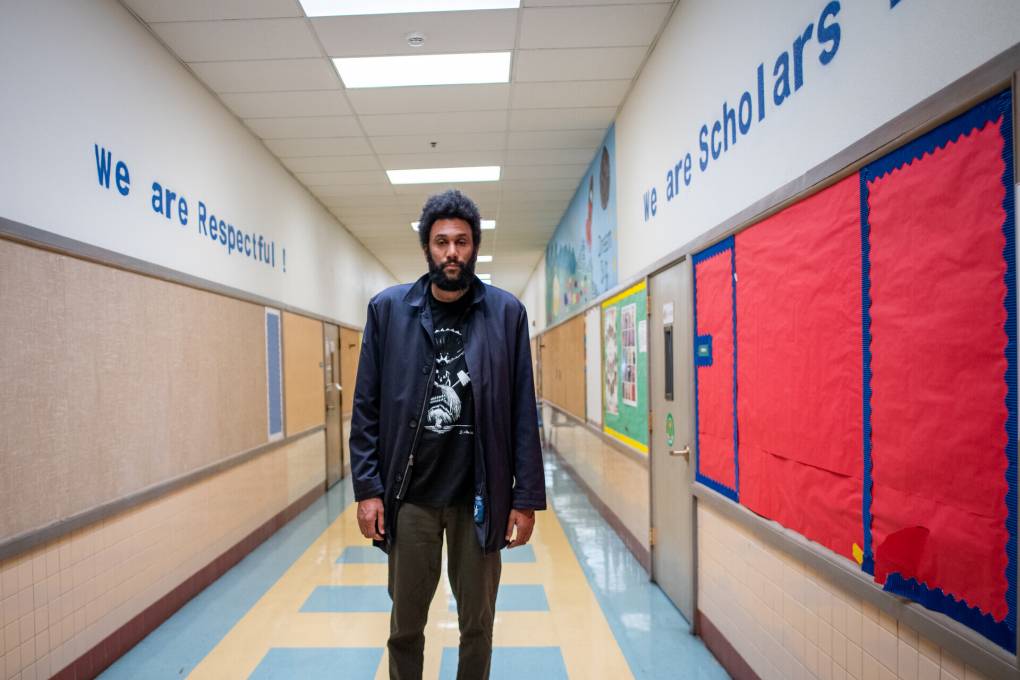
"caption": "Tongo Eisen-Martin, a poet, educator and organizer, poses for a portrait at Parker Elementary School in Oakland on July 27, 2022.",
"description": "Tongo Eisen-Martin, a poet, educator and organizer, poses for a portrait at Parker Elementary School in Oakland on July 27, 2022.",
"title": "Tongo Eisen-Martin stands in the hallway of Parker Elementary School in East Oakland.",
"credit": "Beth LaBerge ",
"status": "inherit",
"altTag": "Tongo Eisen-Martin stands in the hallway of Parker Elementary School in East Oakland.",
"isLoading": false,
"fetchFailed": false
},
"arts_13915973": {
"type": "attachments",
"id": "arts_13915973",
"meta": {
"index": "attachments_1716263798",
"site": "arts",
"id": "13915973",
"found": true
},
"parent": 13915970,
"imgSizes": {
"twentyfourteen-full-width": {
"file": "https://ww2.kqed.org/app/uploads/sites/2/2022/07/Screen-Shot-2022-07-12-at-10.41.04-AM-1038x576.png",
"width": 1038,
"mimeType": "image/png",
"height": 576
},
"thumbnail": {
"file": "https://ww2.kqed.org/app/uploads/sites/2/2022/07/Screen-Shot-2022-07-12-at-10.41.04-AM-160x97.png",
"width": 160,
"mimeType": "image/png",
"height": 97
},
"post-thumbnail": {
"file": "https://ww2.kqed.org/app/uploads/sites/2/2022/07/Screen-Shot-2022-07-12-at-10.41.04-AM-672x372.png",
"width": 672,
"mimeType": "image/png",
"height": 372
},
"kqedFullSize": {
"file": "https://ww2.kqed.org/app/uploads/sites/2/2022/07/Screen-Shot-2022-07-12-at-10.41.04-AM.png",
"width": 2176,
"height": 1320
},
"2048x2048": {
"file": "https://ww2.kqed.org/app/uploads/sites/2/2022/07/Screen-Shot-2022-07-12-at-10.41.04-AM-2048x1242.png",
"width": 2048,
"mimeType": "image/png",
"height": 1242
},
"large": {
"file": "https://ww2.kqed.org/app/uploads/sites/2/2022/07/Screen-Shot-2022-07-12-at-10.41.04-AM-1020x619.png",
"width": 1020,
"mimeType": "image/png",
"height": 619
},
"1536x1536": {
"file": "https://ww2.kqed.org/app/uploads/sites/2/2022/07/Screen-Shot-2022-07-12-at-10.41.04-AM-1536x932.png",
"width": 1536,
"mimeType": "image/png",
"height": 932
},
"full-width": {
"file": "https://ww2.kqed.org/app/uploads/sites/2/2022/07/Screen-Shot-2022-07-12-at-10.41.04-AM-1920x1165.png",
"width": 1920,
"mimeType": "image/png",
"height": 1165
},
"medium": {
"file": "https://ww2.kqed.org/app/uploads/sites/2/2022/07/Screen-Shot-2022-07-12-at-10.41.04-AM-800x485.png",
"width": 800,
"mimeType": "image/png",
"height": 485
},
"medium_large": {
"file": "https://ww2.kqed.org/app/uploads/sites/2/2022/07/Screen-Shot-2022-07-12-at-10.41.04-AM-768x466.png",
"width": 768,
"mimeType": "image/png",
"height": 466
}
},
"publishDate": 1657647686,
"modified": 1657647799,
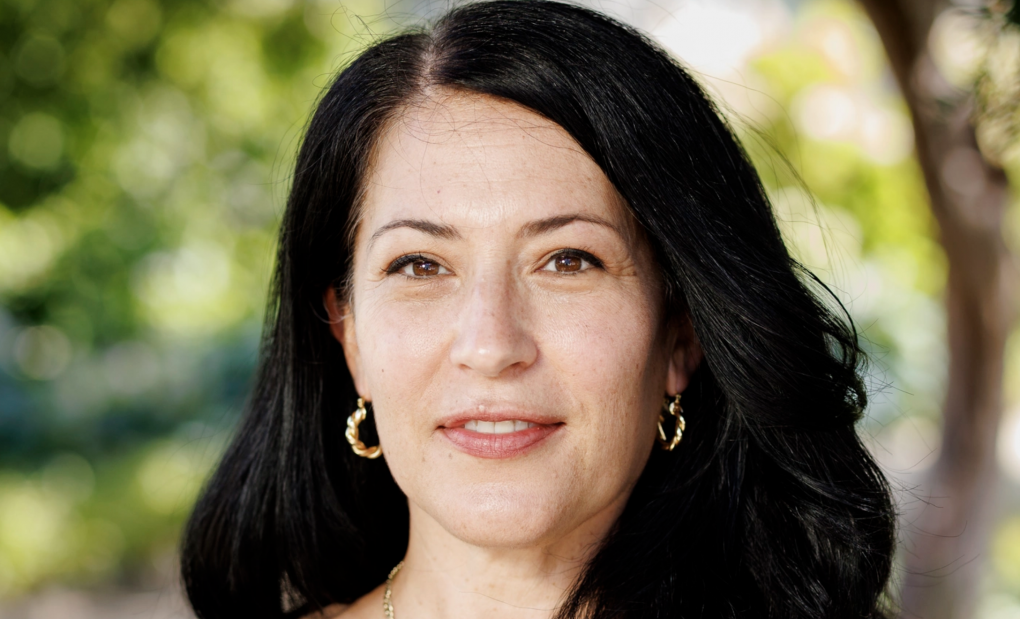
"caption": "Ada Limón.",
"description": null,
"title": "Ada Limón.",
"credit": "Shawn Miller/Library of Congress",
"status": "inherit",
"altTag": "A woman with long, flowing black hair smiles for the camera. She is wearing small hoop earrings and standing in a park.",
"isLoading": false,
"fetchFailed": false
},
"arts_13915852": {
"type": "attachments",
"id": "arts_13915852",
"meta": {
"index": "attachments_1716263798",
"site": "arts",
"id": "13915852",
"found": true
},
"parent": 13915849,
"imgSizes": {
"twentyfourteen-full-width": {
"file": "https://ww2.kqed.org/app/uploads/sites/2/2022/07/Image-from-iOS-5-1038x576.jpg",
"width": 1038,
"mimeType": "image/jpeg",
"height": 576
},
"thumbnail": {
"file": "https://ww2.kqed.org/app/uploads/sites/2/2022/07/Image-from-iOS-5-160x106.jpg",
"width": 160,
"mimeType": "image/jpeg",
"height": 106
},
"post-thumbnail": {
"file": "https://ww2.kqed.org/app/uploads/sites/2/2022/07/Image-from-iOS-5-672x372.jpg",
"width": 672,
"mimeType": "image/jpeg",
"height": 372
},
"kqedFullSize": {
"file": "https://ww2.kqed.org/app/uploads/sites/2/2022/07/Image-from-iOS-5.jpg",
"width": 2094,
"height": 1391
},
"2048x2048": {
"file": "https://ww2.kqed.org/app/uploads/sites/2/2022/07/Image-from-iOS-5-2048x1360.jpg",
"width": 2048,
"mimeType": "image/jpeg",
"height": 1360
},
"large": {
"file": "https://ww2.kqed.org/app/uploads/sites/2/2022/07/Image-from-iOS-5-1020x678.jpg",
"width": 1020,
"mimeType": "image/jpeg",
"height": 678
},
"1536x1536": {
"file": "https://ww2.kqed.org/app/uploads/sites/2/2022/07/Image-from-iOS-5-1536x1020.jpg",
"width": 1536,
"mimeType": "image/jpeg",
"height": 1020
},
"full-width": {
"file": "https://ww2.kqed.org/app/uploads/sites/2/2022/07/Image-from-iOS-5-1920x1275.jpg",
"width": 1920,
"mimeType": "image/jpeg",
"height": 1275
},
"medium": {
"file": "https://ww2.kqed.org/app/uploads/sites/2/2022/07/Image-from-iOS-5-800x531.jpg",
"width": 800,
"mimeType": "image/jpeg",
"height": 531
},
"medium_large": {
"file": "https://ww2.kqed.org/app/uploads/sites/2/2022/07/Image-from-iOS-5-768x510.jpg",
"width": 768,
"mimeType": "image/jpeg",
"height": 510
}
},
"publishDate": 1657220086,
"modified": 1657221022,
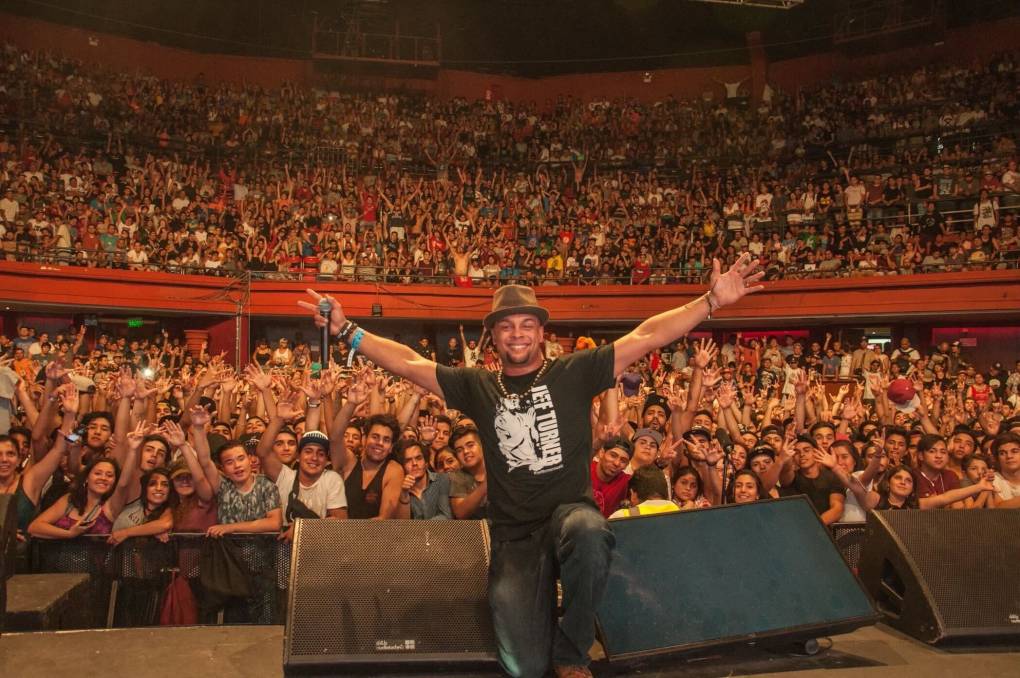
"caption": "Jeff Turner, a.k.a. Freeman Flow, in front of a crowd at God Level Fest in Chile, Santiago in 2018. The San Jose-born rapper says touring in other countries helps open his mind. ",
"description": null,
"title": "Image from iOS (5)",
"credit": "Courtesy Jeff Turner",
"status": "inherit",
"altTag": "A young man in a black shirt and a fedora kneels and smiles on stage in front of a huge crowd at a music festival",
"isLoading": false,
"fetchFailed": false
},
"arts_13914842": {
"type": "attachments",
"id": "arts_13914842",
"meta": {
"index": "attachments_1716263798",
"site": "arts",
"id": "13914842",
"found": true
},
"parent": 13914834,
"imgSizes": {
"twentyfourteen-full-width": {
"file": "https://ww2.kqed.org/app/uploads/sites/2/2022/06/Screen-Shot-2022-06-15-at-11.04.30-AM-1038x576.png",
"width": 1038,
"mimeType": "image/png",
"height": 576
},
"thumbnail": {
"file": "https://ww2.kqed.org/app/uploads/sites/2/2022/06/Screen-Shot-2022-06-15-at-11.04.30-AM-160x94.png",
"width": 160,
"mimeType": "image/png",
"height": 94
},
"post-thumbnail": {
"file": "https://ww2.kqed.org/app/uploads/sites/2/2022/06/Screen-Shot-2022-06-15-at-11.04.30-AM-672x372.png",
"width": 672,
"mimeType": "image/png",
"height": 372
},
"kqedFullSize": {
"file": "https://ww2.kqed.org/app/uploads/sites/2/2022/06/Screen-Shot-2022-06-15-at-11.04.30-AM.png",
"width": 2456,
"height": 1440
},
"2048x2048": {
"file": "https://ww2.kqed.org/app/uploads/sites/2/2022/06/Screen-Shot-2022-06-15-at-11.04.30-AM-2048x1201.png",
"width": 2048,
"mimeType": "image/png",
"height": 1201
},
"large": {
"file": "https://ww2.kqed.org/app/uploads/sites/2/2022/06/Screen-Shot-2022-06-15-at-11.04.30-AM-1020x598.png",
"width": 1020,
"mimeType": "image/png",
"height": 598
},
"1536x1536": {
"file": "https://ww2.kqed.org/app/uploads/sites/2/2022/06/Screen-Shot-2022-06-15-at-11.04.30-AM-1536x901.png",
"width": 1536,
"mimeType": "image/png",
"height": 901
},
"full-width": {
"file": "https://ww2.kqed.org/app/uploads/sites/2/2022/06/Screen-Shot-2022-06-15-at-11.04.30-AM-1920x1126.png",
"width": 1920,
"mimeType": "image/png",
"height": 1126
},
"medium": {
"file": "https://ww2.kqed.org/app/uploads/sites/2/2022/06/Screen-Shot-2022-06-15-at-11.04.30-AM-800x469.png",
"width": 800,
"mimeType": "image/png",
"height": 469
},
"medium_large": {
"file": "https://ww2.kqed.org/app/uploads/sites/2/2022/06/Screen-Shot-2022-06-15-at-11.04.30-AM-768x450.png",
"width": 768,
"mimeType": "image/png",
"height": 450
}
},
"publishDate": 1655316286,
"modified": 1655316389,
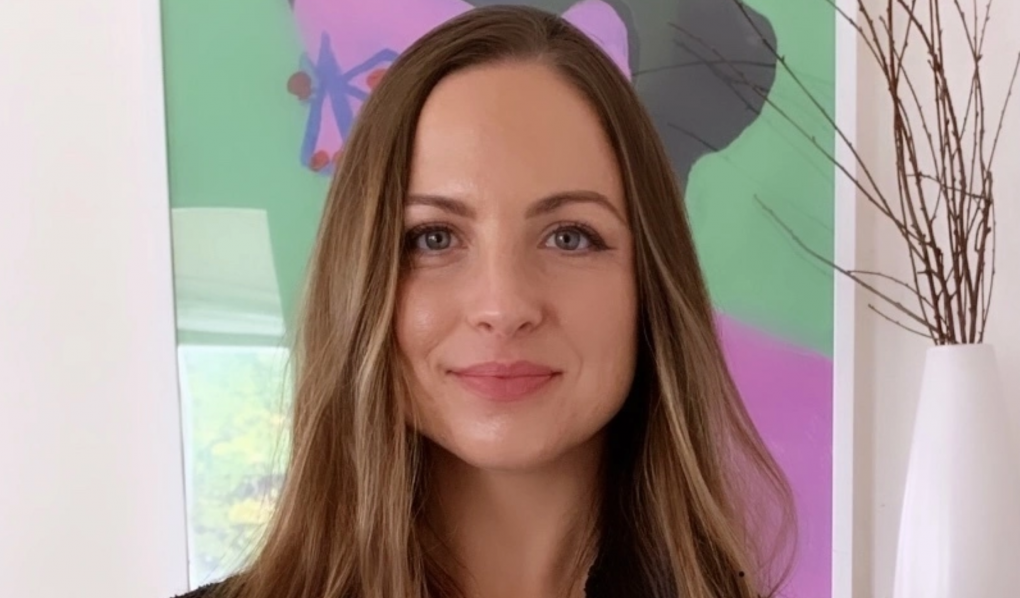
"caption": "Poet Ryann Stevenson",
"description": null,
"title": "Poet Ryann Stevenson",
"credit": "William Brewer",
"status": "inherit",
"altTag": "A white woman with long light brown hair faces the camera, half smiling with a colorful painting behind her.",
"isLoading": false,
"fetchFailed": false
},
"arts_13913624": {
"type": "attachments",
"id": "arts_13913624",
"meta": {
"index": "attachments_1716263798",
"site": "arts",
"id": "13913624",
"found": true
},
"parent": 13913622,
"imgSizes": {
"twentyfourteen-full-width": {
"file": "https://ww2.kqed.org/app/uploads/sites/2/2022/05/image_from_ios-1038x576.jpg",
"width": 1038,
"mimeType": "image/jpeg",
"height": 576
},
"thumbnail": {
"file": "https://ww2.kqed.org/app/uploads/sites/2/2022/05/image_from_ios-160x120.jpg",
"width": 160,
"mimeType": "image/jpeg",
"height": 120
},
"post-thumbnail": {
"file": "https://ww2.kqed.org/app/uploads/sites/2/2022/05/image_from_ios-672x372.jpg",
"width": 672,
"mimeType": "image/jpeg",
"height": 372
},
"kqedFullSize": {
"file": "https://ww2.kqed.org/app/uploads/sites/2/2022/05/image_from_ios-scaled.jpg",
"width": 2560,
"height": 1920
},
"2048x2048": {
"file": "https://ww2.kqed.org/app/uploads/sites/2/2022/05/image_from_ios-2048x1536.jpg",
"width": 2048,
"mimeType": "image/jpeg",
"height": 1536
},
"large": {
"file": "https://ww2.kqed.org/app/uploads/sites/2/2022/05/image_from_ios-1020x765.jpg",
"width": 1020,
"mimeType": "image/jpeg",
"height": 765
},
"1536x1536": {
"file": "https://ww2.kqed.org/app/uploads/sites/2/2022/05/image_from_ios-1536x1152.jpg",
"width": 1536,
"mimeType": "image/jpeg",
"height": 1152
},
"full-width": {
"file": "https://ww2.kqed.org/app/uploads/sites/2/2022/05/image_from_ios-1920x1440.jpg",
"width": 1920,
"mimeType": "image/jpeg",
"height": 1440
},
"medium": {
"file": "https://ww2.kqed.org/app/uploads/sites/2/2022/05/image_from_ios-800x600.jpg",
"width": 800,
"mimeType": "image/jpeg",
"height": 600
},
"medium_large": {
"file": "https://ww2.kqed.org/app/uploads/sites/2/2022/05/image_from_ios-768x576.jpg",
"width": 768,
"mimeType": "image/jpeg",
"height": 576
}
},
"publishDate": 1652980362,
"modified": 1652980416,
"caption": "Nijla Mu'min",
"description": "Nijla Mu'min",
"title": "Nijla Mu'min",
"credit": "Pendarvis Harshaw",
"status": "inherit",
"altTag": "Nijla Mu'min",
"isLoading": false,
"fetchFailed": false
},
"arts_13912749": {
"type": "attachments",
"id": "arts_13912749",
"meta": {
"index": "attachments_1716263798",
"site": "arts",
"id": "13912749",
"found": true
},
"parent": 13912744,
"imgSizes": {
"thumbnail": {
"file": "https://ww2.kqed.org/app/uploads/sites/2/2022/04/MichaelTurnerIII.thumb_-160x90.jpg",
"width": 160,
"mimeType": "image/jpeg",
"height": 90
},
"post-thumbnail": {
"file": "https://ww2.kqed.org/app/uploads/sites/2/2022/04/MichaelTurnerIII.thumb_-672x372.jpg",
"width": 672,
"mimeType": "image/jpeg",
"height": 372
},
"kqedFullSize": {
"file": "https://ww2.kqed.org/app/uploads/sites/2/2022/04/MichaelTurnerIII.thumb_.jpg",
"width": 800,
"height": 450
},
"medium_large": {
"file": "https://ww2.kqed.org/app/uploads/sites/2/2022/04/MichaelTurnerIII.thumb_-768x432.jpg",
"width": 768,
"mimeType": "image/jpeg",
"height": 432
}
},
"publishDate": 1651250894,
"modified": 1651250894,
"caption": null,
"description": null,
"title": "MichaelTurnerIII.thumb",
"credit": null,
"status": "inherit",
"altTag": null,
"isLoading": false,
"fetchFailed": false
},
"arts_13912543": {
"type": "attachments",
"id": "arts_13912543",
"meta": {
"index": "attachments_1716263798",
"site": "arts",
"id": "13912543",
"found": true
},
"parent": 13912523,
"imgSizes": {
"twentyfourteen-full-width": {
"file": "https://ww2.kqed.org/app/uploads/sites/2/2022/04/AndreaAbiKaram.thumb_-1038x576.jpg",
"width": 1038,
"mimeType": "image/jpeg",
"height": 576
},
"thumbnail": {
"file": "https://ww2.kqed.org/app/uploads/sites/2/2022/04/AndreaAbiKaram.thumb_-160x90.jpg",
"width": 160,
"mimeType": "image/jpeg",
"height": 90
},
"post-thumbnail": {
"file": "https://ww2.kqed.org/app/uploads/sites/2/2022/04/AndreaAbiKaram.thumb_-672x372.jpg",
"width": 672,
"mimeType": "image/jpeg",
"height": 372
},
"kqedFullSize": {
"file": "https://ww2.kqed.org/app/uploads/sites/2/2022/04/AndreaAbiKaram.thumb_.jpg",
"width": 1280,
"height": 720
},
"large": {
"file": "https://ww2.kqed.org/app/uploads/sites/2/2022/04/AndreaAbiKaram.thumb_-1020x574.jpg",
"width": 1020,
"mimeType": "image/jpeg",
"height": 574
},
"medium": {
"file": "https://ww2.kqed.org/app/uploads/sites/2/2022/04/AndreaAbiKaram.thumb_-800x450.jpg",
"width": 800,
"mimeType": "image/jpeg",
"height": 450
},
"medium_large": {
"file": "https://ww2.kqed.org/app/uploads/sites/2/2022/04/AndreaAbiKaram.thumb_-768x432.jpg",
"width": 768,
"mimeType": "image/jpeg",
"height": 432
}
},
"publishDate": 1651080846,
"modified": 1651080882,
"caption": "Andrea Abi-Karam",
"description": null,
"title": "AndreaAbiKaram.thumb",
"credit": "Andrea Abi-Karam",
"status": "inherit",
"altTag": null,
"isLoading": false,
"fetchFailed": false
},
"arts_13912361": {
"type": "attachments",
"id": "arts_13912361",
"meta": {
"index": "attachments_1716263798",
"site": "arts",
"id": "13912361",
"found": true
},
"parent": 13912073,
"imgSizes": {
"thumbnail": {
"file": "https://ww2.kqed.org/app/uploads/sites/2/2022/04/Serenity.feat_-160x90.jpg",
"width": 160,
"mimeType": "image/jpeg",
"height": 90
},
"post-thumbnail": {
"file": "https://ww2.kqed.org/app/uploads/sites/2/2022/04/Serenity.feat_-672x372.jpg",
"width": 672,
"mimeType": "image/jpeg",
"height": 372
},
"kqedFullSize": {
"file": "https://ww2.kqed.org/app/uploads/sites/2/2022/04/Serenity.feat_.jpg",
"width": 800,
"height": 450
},
"medium_large": {
"file": "https://ww2.kqed.org/app/uploads/sites/2/2022/04/Serenity.feat_-768x432.jpg",
"width": 768,
"mimeType": "image/jpeg",
"height": 432
}
},
"publishDate": 1650873635,
"modified": 1650873688,
"caption": "Serenity Belton. ",
"description": "Serenity Belton. ",
"title": "Serenity.feat",
"credit": "Serenity Belton",
"status": "inherit",
"altTag": "Young Black woman in glasses with braids",
"isLoading": false,
"fetchFailed": false
},
"arts_13912163": {
"type": "attachments",
"id": "arts_13912163",
"meta": {
"index": "attachments_1716263798",
"site": "arts",
"id": "13912163",
"found": true
},
"parent": 13911977,
"imgSizes": {
"thumbnail": {
"file": "https://ww2.kqed.org/app/uploads/sites/2/2022/04/thisone-160x92.jpg",
"width": 160,
"mimeType": "image/jpeg",
"height": 92
},
"post-thumbnail": {
"file": "https://ww2.kqed.org/app/uploads/sites/2/2022/04/thisone-672x372.jpg",
"width": 672,
"mimeType": "image/jpeg",
"height": 372
},
"kqedFullSize": {
"file": "https://ww2.kqed.org/app/uploads/sites/2/2022/04/thisone.jpg",
"width": 850,
"height": 488
},
"medium": {
"file": "https://ww2.kqed.org/app/uploads/sites/2/2022/04/thisone-800x459.jpg",
"width": 800,
"mimeType": "image/jpeg",
"height": 459
},
"medium_large": {
"file": "https://ww2.kqed.org/app/uploads/sites/2/2022/04/thisone-768x441.jpg",
"width": 768,
"mimeType": "image/jpeg",
"height": 441
}
},
"publishDate": 1650415399,
"modified": 1650415479,
"caption": "Oakland poet Dazié Grego, who performs May 14-15 at the San Francisco Public Libary as part of the performance art group Skywatchers.",
"description": null,
"title": "Dazié Grego",
"credit": "Dazié Grego",
"status": "inherit",
"altTag": "a man in a peach sweatshirt sits looking sternly at the camera",
"isLoading": false,
"fetchFailed": false
},
"arts_13912011": {
"type": "attachments",
"id": "arts_13912011",
"meta": {
"index": "attachments_1716263798",
"site": "arts",
"id": "13912011",
"found": true
},
"parent": 13911973,
"imgSizes": {
"twentyfourteen-full-width": {
"file": "https://ww2.kqed.org/app/uploads/sites/2/2022/04/KevinMadrigal-1038x576.jpg",
"width": 1038,
"mimeType": "image/jpeg",
"height": 576
},
"thumbnail": {
"file": "https://ww2.kqed.org/app/uploads/sites/2/2022/04/KevinMadrigal-160x90.jpg",
"width": 160,
"mimeType": "image/jpeg",
"height": 90
},
"post-thumbnail": {
"file": "https://ww2.kqed.org/app/uploads/sites/2/2022/04/KevinMadrigal-672x372.jpg",
"width": 672,
"mimeType": "image/jpeg",
"height": 372
},
"kqedFullSize": {
"file": "https://ww2.kqed.org/app/uploads/sites/2/2022/04/KevinMadrigal.jpg",
"width": 1322,
"height": 744
},
"large": {
"file": "https://ww2.kqed.org/app/uploads/sites/2/2022/04/KevinMadrigal-1020x574.jpg",
"width": 1020,
"mimeType": "image/jpeg",
"height": 574
},
"medium": {
"file": "https://ww2.kqed.org/app/uploads/sites/2/2022/04/KevinMadrigal-800x450.jpg",
"width": 800,
"mimeType": "image/jpeg",
"height": 450
},
"medium_large": {
"file": "https://ww2.kqed.org/app/uploads/sites/2/2022/04/KevinMadrigal-768x432.jpg",
"width": 768,
"mimeType": "image/jpeg",
"height": 432
}
},
"publishDate": 1650228355,
"modified": 1650242867,
"caption": "Kevin Madrigal.",
"description": null,
"title": "KevinMadrigal",
"credit": "Syd Yatco",
"status": "inherit",
"altTag": "Kevin Madrigal wears a blue and white collared shirt as he looks into the camera for a portrait photo.",
"isLoading": false,
"fetchFailed": false
},
"arts_13911881": {
"type": "attachments",
"id": "arts_13911881",
"meta": {
"index": "attachments_1716263798",
"site": "arts",
"id": "13911881",
"found": true
},
"parent": 13911859,
"imgSizes": {
"thumbnail": {
"file": "https://ww2.kqed.org/app/uploads/sites/2/2022/04/LynPatterson.THUMB_-160x90.jpg",
"width": 160,
"mimeType": "image/jpeg",
"height": 90
},
"post-thumbnail": {
"file": "https://ww2.kqed.org/app/uploads/sites/2/2022/04/LynPatterson.THUMB_-672x372.jpg",
"width": 672,
"mimeType": "image/jpeg",
"height": 372
},
"kqedFullSize": {
"file": "https://ww2.kqed.org/app/uploads/sites/2/2022/04/LynPatterson.THUMB_.jpg",
"width": 800,
"height": 450
},
"medium_large": {
"file": "https://ww2.kqed.org/app/uploads/sites/2/2022/04/LynPatterson.THUMB_-768x432.jpg",
"width": 768,
"mimeType": "image/jpeg",
"height": 432
}
},
"publishDate": 1649835914,
"modified": 1649835986,
"caption": "Lyn Patterson.",
"description": null,
"title": "LynPatterson.THUMB",
"credit": "Courtesy Lyn Patterson",
"status": "inherit",
"altTag": "Lyn Patterson looks straight into the camera, posing while wearing a black top.",
"isLoading": false,
"fetchFailed": false
},
"arts_13911720": {
"type": "attachments",
"id": "arts_13911720",
"meta": {
"index": "attachments_1716263798",
"site": "arts",
"id": "13911720",
"found": true
},
"parent": 13911593,
"imgSizes": {
"twentyfourteen-full-width": {
"file": "https://ww2.kqed.org/app/uploads/sites/2/2022/04/Clay.THUMBNAIL-1038x576.jpg",
"width": 1038,
"mimeType": "image/jpeg",
"height": 576
},
"thumbnail": {
"file": "https://ww2.kqed.org/app/uploads/sites/2/2022/04/Clay.THUMBNAIL-160x90.jpg",
"width": 160,
"mimeType": "image/jpeg",
"height": 90
},
"post-thumbnail": {
"file": "https://ww2.kqed.org/app/uploads/sites/2/2022/04/Clay.THUMBNAIL-672x372.jpg",
"width": 672,
"mimeType": "image/jpeg",
"height": 372
},
"kqedFullSize": {
"file": "https://ww2.kqed.org/app/uploads/sites/2/2022/04/Clay.THUMBNAIL.jpg",
"width": 1068,
"height": 601
},
"large": {
"file": "https://ww2.kqed.org/app/uploads/sites/2/2022/04/Clay.THUMBNAIL-1020x574.jpg",
"width": 1020,
"mimeType": "image/jpeg",
"height": 574
},
"medium": {
"file": "https://ww2.kqed.org/app/uploads/sites/2/2022/04/Clay.THUMBNAIL-800x450.jpg",
"width": 800,
"mimeType": "image/jpeg",
"height": 450
},
"medium_large": {
"file": "https://ww2.kqed.org/app/uploads/sites/2/2022/04/Clay.THUMBNAIL-768x432.jpg",
"width": 768,
"mimeType": "image/jpeg",
"height": 432
}
},
"publishDate": 1649639012,
"modified": 1649639077,
"caption": "Oakland-based poet Meilani Clay poses as she takes a selfie.",
"description": null,
"title": "Clay.THUMBNAIL",
"credit": "Meilani Clay",
"status": "inherit",
"altTag": "An African-American woman purses her lips in a selfie",
"isLoading": false,
"fetchFailed": false
}
},
"audioPlayerReducer": {
"postId": "stream_live",
"isPaused": true,
"isPlaying": false,
"pfsActive": false,
"pledgeModalIsOpen": true,
"playerDrawerIsOpen": false,
"liveAudioPlayStartedAt": 0,
"liveAudioPlayContext": ""
},
"authorsReducer": {
"byline_arts_13915970": {
"type": "authors",
"id": "byline_arts_13915970",
"meta": {
"override": true
},
"slug": "byline_arts_13915970",
"name": "Meghan Collins Sullivan",
"isLoading": false
},
"byline_arts_13914834": {
"type": "authors",
"id": "byline_arts_13914834",
"meta": {
"override": true
},
"slug": "byline_arts_13914834",
"name": "Jeevika Verma",
"isLoading": false
},
"byline_arts_13912744": {
"type": "authors",
"id": "byline_arts_13912744",
"meta": {
"override": true
},
"slug": "byline_arts_13912744",
"name": "Michael Wayne Turner III and Pendarvis Harshaw",
"isLoading": false
},
"byline_arts_13912523": {
"type": "authors",
"id": "byline_arts_13912523",
"meta": {
"override": true
},
"slug": "byline_arts_13912523",
"name": "Andrea Abi-Karam and Pendarvis Harshaw",
"isLoading": false
},
"byline_arts_13912073": {
"type": "authors",
"id": "byline_arts_13912073",
"meta": {
"override": true
},
"slug": "byline_arts_13912073",
"name": "Serenity Belton and Pendarvis Harshaw",
"isLoading": false
},
"byline_arts_13911977": {
"type": "authors",
"id": "byline_arts_13911977",
"meta": {
"override": true
},
"slug": "byline_arts_13911977",
"name": "Dazié Grego and Pendarvis Harshaw",
"isLoading": false
},
"byline_arts_13911973": {
"type": "authors",
"id": "byline_arts_13911973",
"meta": {
"override": true
},
"slug": "byline_arts_13911973",
"name": "Kevin Madrigal and Pendarvis Harshaw",
"isLoading": false
},
"byline_arts_13911859": {
"type": "authors",
"id": "byline_arts_13911859",
"meta": {
"override": true
},
"slug": "byline_arts_13911859",
"name": "Lyn Patterson and Pendarvis Harshaw",
"isLoading": false
},
"byline_arts_13911593": {
"type": "authors",
"id": "byline_arts_13911593",
"meta": {
"override": true
},
"slug": "byline_arts_13911593",
"name": "Meilani Clay and Pendarvis Harshaw",
"isLoading": false
},
"ogpenn": {
"type": "authors",
"id": "11491",
"meta": {
"index": "authors_1716337520",
"id": "11491",
"found": true
},
"name": "Pendarvis Harshaw",
"firstName": "Pendarvis",
"lastName": "Harshaw",
"slug": "ogpenn",
"email": "ogpenn@gmail.com",
"display_author_email": false,
"staff_mastheads": [
"arts"
],
"title": "Community Engagement Reporter",
"bio": "Pendarvis Harshaw is an educator, host and writer with KQED Arts.",
"avatar": "https://secure.gravatar.com/avatar/972b77ee8e3f346ae2b00622661187fbfabd059b5693bbdc1475ea7a722fd4cd?s=600&d=blank&r=g",
"twitter": null,
"bluesky": null,
"facebook": null,
"instagram": "ogpenn",
"linkedin": null,
"sites": [
{
"site": "arts",
"roles": [
"administrator"
]
},
{
"site": "news",
"roles": [
"editor"
]
},
{
"site": "bayareabites",
"roles": [
"author"
]
},
{
"site": "hiphop",
"roles": [
"editor"
]
}
],
"headData": {
"title": "Pendarvis Harshaw | KQED",
"description": "Community Engagement Reporter",
"ogImgSrc": "https://secure.gravatar.com/avatar/972b77ee8e3f346ae2b00622661187fbfabd059b5693bbdc1475ea7a722fd4cd?s=600&d=blank&r=g",
"twImgSrc": "https://secure.gravatar.com/avatar/972b77ee8e3f346ae2b00622661187fbfabd059b5693bbdc1475ea7a722fd4cd?s=600&d=blank&r=g"
},
"isLoading": false,
"link": "/author/ogpenn"
},
"mmedina": {
"type": "authors",
"id": "11528",
"meta": {
"index": "authors_1716337520",
"id": "11528",
"found": true
},
"name": "Marisol Medina-Cadena",
"firstName": "Marisol",
"lastName": "Medina-Cadena",
"slug": "mmedina",
"email": "mmedina@KQED.org",
"display_author_email": true,
"staff_mastheads": [],
"title": "Producer, Rightnowish Podcast",
"bio": "Marisol Medina-Cadena is a radio reporter and podcast producer. Before working at KQED, she produced for PBS member station, KCET, in Los Angeles. In 2017, Marisol won an Emmy Award for her work on the televised documentary, \u003cem>City Rising\u003c/em>, examining California's affordable housing crisis and the historical roots of gentrification.",
"avatar": "https://secure.gravatar.com/avatar/6c3db46a1cabb5e1fe9a365b5f4e681e?s=600&d=blank&r=g",
"twitter": "marisolreports",
"facebook": null,
"instagram": null,
"linkedin": null,
"sites": [
{
"site": "arts",
"roles": []
},
{
"site": "news",
"roles": [
"edit_others_posts"
]
}
],
"headData": {
"title": "Marisol Medina-Cadena | KQED",
"description": "Producer, Rightnowish Podcast",
"ogImgSrc": "https://secure.gravatar.com/avatar/6c3db46a1cabb5e1fe9a365b5f4e681e?s=600&d=blank&r=g",
"twImgSrc": "https://secure.gravatar.com/avatar/6c3db46a1cabb5e1fe9a365b5f4e681e?s=600&d=blank&r=g"
},
"isLoading": false,
"link": "/author/mmedina"
},
"jsorapuru": {
"type": "authors",
"id": "11792",
"meta": {
"index": "authors_1716337520",
"id": "11792",
"found": true
},
"name": "Julian E.J. Sorapuru",
"firstName": "Julian",
"lastName": "Sorapuru",
"slug": "jsorapuru",
"email": "jsorapuru@kqed.org",
"display_author_email": true,
"staff_mastheads": [],
"title": "Arts & Culture Reporter",
"bio": "Julian E.J. Sorapuru is an Arts & Culture Intern at KQED. Prior to joining KQED Arts, he interned at both POLITICO, covering transportation policy, and \u003cem>The Times-Picayune\u003c/em>, covering government and politics in his hometown of New Orleans, LA. Julian was the first and only Black male Editor-in-Chief in the 119 year history of the University of San Francisco's student newspaper, the\u003cem> San Francisco Foghorn\u003c/em>. He currently resides in San Francisco, CA and enjoys soccer, photography, and reading.",
"avatar": "https://secure.gravatar.com/avatar/e4d0156d1244f96b87927aa011d794a8?s=600&d=blank&r=g",
"twitter": "JulianSorapuru",
"facebook": null,
"instagram": null,
"linkedin": null,
"sites": [
{
"site": "arts",
"roles": [
"editor"
]
}
],
"headData": {
"title": "Julian E.J. Sorapuru | KQED",
"description": "Arts & Culture Reporter",
"ogImgSrc": "https://secure.gravatar.com/avatar/e4d0156d1244f96b87927aa011d794a8?s=600&d=blank&r=g",
"twImgSrc": "https://secure.gravatar.com/avatar/e4d0156d1244f96b87927aa011d794a8?s=600&d=blank&r=g"
},
"isLoading": false,
"link": "/author/jsorapuru"
}
},
"pagesReducer": {
"arts_tag_poetry": {
"type": "terms",
"id": "arts_1496",
"meta": {
"index": "terms_1716263798",
"site": "arts",
"id": "1496",
"score": 8.457502
},
"featImg": null,
"name": "Poetry",
"description": null,
"taxonomy": "tag",
"headData": {
"twImgId": null,
"twTitle": null,
"ogTitle": null,
"ogImgId": null,
"twDescription": null,
"description": null,
"title": "Poetry Archives | KQED Arts",
"ogDescription": null
},
"ttid": 1508,
"slug": "poetry",
"isLoading": false,
"title": "Poetry",
"pageMeta": {
"site": "arts",
"WpPageTemplate": "page-topic-editorial",
"currentPage": 3
},
"blocks": [
{
"blockName": "kqed/post-list",
"attrs": {
"layout": "cardArticle2",
"query": "posts/arts?tag=poetry",
"seeMore": false,
"paginated": true,
"page": 3
}
},
{
"blockName": "kqed/ad"
}
]
}
},
"pfsSessionReducer": {},
"postsReducer": {
"stream_live": {
"type": "live",
"id": "stream_live",
"audioUrl": "https://streams.kqed.org/kqedradio",
"title": "Live Stream",
"excerpt": "Live Stream information currently unavailable.",
"link": "/radio",
"featImg": "",
"label": {
"name": "KQED Live",
"link": "/"
}
},
"stream_kqedNewscast": {
"type": "posts",
"id": "stream_kqedNewscast",
"audioUrl": "https://www.kqed.org/.stream/anon/radio/RDnews/newscast.mp3?_=1",
"title": "KQED Newscast",
"featImg": "",
"label": {
"name": "88.5 FM",
"link": "/"
}
},
"arts_13917509": {
"type": "posts",
"id": "arts_13917509",
"meta": {
"index": "posts_1716263798",
"site": "arts",
"id": "13917509",
"score": null,
"sort": [
1660298436000
]
},
"guestAuthors": [],
"slug": "dispatch-from-parker-elementary-with-tongo-eisen-martin",
"title": "Dispatch From Parker Elementary with Tongo Eisen-Martin",
"publishDate": 1660298436,
"format": "audio",
"headTitle": "Dispatch From Parker Elementary with Tongo Eisen-Martin | KQED",
"labelTerm": {
"term": 8720,
"site": "arts"
},
"content": "\u003cp id=\"embed-code\" class=\"inconsolata\">\u003cem>\u003cstrong>Hey Rightnowish listeners, you can help shape the future of the podcast! \u003cb data-stringify-type=\"bold\">\u003ci data-stringify-type=\"italic\">Just \u003c/i>\u003c/b>\u003cb data-stringify-type=\"bold\">\u003ci data-stringify-type=\"italic\">\u003ca class=\"c-link\" href=\"https://survey.alchemer.com/s3/6838454/2e522245cbb6\" target=\"_blank\" rel=\"noopener noreferrer\" data-stringify-link=\"https://survey.alchemer.com/s3/6838454/2e522245cbb6\" data-sk=\"tooltip_parent\" data-remove-tab-index=\"true\">fill out a short survey\u003c/a>\u003c/i>\u003c/b>\u003cb data-stringify-type=\"bold\">\u003ci data-stringify-type=\"italic\">.\u003c/i>\u003c/b>\u003c/strong>\u003c/em>\u003c/p>\n\u003cp class=\"inconsolata\">\n\u003c!-- iframe plugin v.4.3 wordpress.org/plugins/iframe/ -->\u003cbr>\n\u003ciframe loading=\"lazy\" frameborder=\"0\" height=\"200\" scrolling=\"no\" src=\"https://playlist.megaphone.fm?e=KQINC6941179634&light=true\" width=\"100%\" class=\"iframe-class\">\u003c/iframe>\n\u003c/p>\n\u003cp class=\"inconsolata\">Last year, renowned writer and San Francisco Poet Laureate, \u003ca href=\"https://www.instagram.com/_tongogara_/\" target=\"_blank\" rel=\"noopener noreferrer\">Tongo Eisen-Martin\u003c/a>, told us that it’s not enough to simply be a poet. “The poet needs to just come on down to the trenches,” he said, explaining that quality writing comes from the lived experience of participating in community activism.\u003c/p>\n\u003cp>In direct application of his own philosophy, Tongo has been involved with the occupation of Parker Elementary School, where organizers are fighting against the latest round of school closures in Oakland Unified School District — schools that are located in communities that are largely populated by Black and brown students.\u003c/p>\n\u003cp>Tongo has been a part of the group’s Freedom Friday events, where artists of all sorts are invited to show up and perform.\u003c/p>\n\u003cp>\u003cb>“We have poets and (an) open mic,” Tongo says during a recent phone call. “We also intersperse political dialogue in between the poets, making sure that everyone knows what we doing here.”\u003c/b>\u003c/p>\n\u003cp>\u003ca href=\"https://www.kqed.org/arts/13916674/tongo-eisen-martin-poet-laureate-parker-occupied-school-city-lights\" target=\"_blank\" rel=\"noopener noreferrer\">The ongoing fight against school closures\u003c/a> has resulted in physical altercations, as well as legal actions. KQED will continue to share updates as the \u003ca href=\"https://www.kqed.org/news/11921807/parker-elementary-activists-demand-investigation-after-clash-with-ousd-security\">story progresses\u003c/a>.\u003c/p>\n\u003cp>In the meantime, we’re going into the archives this week to share Tongo’s poem, “A Sketch of Genocide.” The piece was included in his book, \u003cspan id=\"productTitle\" class=\"a-size-extra-large\">\u003cem>Heaven Is All Goodbyes\u003c/em>, which won a 2018 American Book Award. \u003c/span>\u003c/p>\n\u003cp>\u003cimg loading=\"lazy\" decoding=\"async\" class=\"aligncenter size-full wp-image-12127869\" src=\"https://ww2.kqed.org/app/uploads/sites/2/2016/09/Q.Logo_.Break_.jpg\" alt=\"\" width=\"800\" height=\"78\" srcset=\"https://cdn.kqed.org/wp-content/uploads/sites/2/2016/09/Q.Logo_.Break_.jpg 800w, https://cdn.kqed.org/wp-content/uploads/sites/2/2016/09/Q.Logo_.Break_-400x39.jpg 400w, https://cdn.kqed.org/wp-content/uploads/sites/2/2016/09/Q.Logo_.Break_-768x75.jpg 768w\" sizes=\"(max-width: 800px) 100vw, 800px\">\u003c/p>\n\u003cp>\u003cstrong>\u003cem>Rightnowish is an arts and culture podcast produced at KQED. Listen to it wherever you get your podcasts or click the play button at the top of this page and subscribe to the show on \u003ca href=\"https://www.npr.org/podcasts/721590300/rightnowish\">NPR One\u003c/a>, \u003ca href=\"https://open.spotify.com/show/7kEJuafTzTVan7B78ttz1I\">Spotify\u003c/a>, \u003ca href=\"https://podcasts.apple.com/us/podcast/rightnowish/id1482187648\">Apple Podcasts\u003c/a>, \u003ca href=\"https://tunein.com/podcasts/Arts--Culture-Podcasts/Rightnowish-p1258245/\">TuneIn\u003c/a>, \u003ca href=\"https://www.stitcher.com/podcast/kqed/rightnowish\">Stitcher\u003c/a> or wherever you get your podcasts. \u003c/em>\u003c/strong>\u003c/p>\n\u003cp>[ad fullwidth]\u003c/p>\n\u003cp>\u003c/p>\n",
"blocks": [],
"excerpt": null,
"status": "publish",
"parent": 0,
"modified": 1726759352,
"stats": {
"hasAudio": true,
"hasVideo": false,
"hasChartOrMap": false,
"iframeSrcs": [],
"hasGoogleForm": false,
"hasGallery": false,
"hasHearkenModule": false,
"hasPolis": false,
"paragraphCount": 9,
"wordCount": 305
},
"headData": {
"title": "Dispatch From Parker Elementary with Tongo Eisen-Martin | KQED",
"description": "Hey Rightnowish listeners, you can help shape the future of the podcast! Just fill out a short survey. Last year, renowned writer and San Francisco Poet Laureate, Tongo Eisen-Martin, told us that it's not enough to simply be a poet. "The poet needs to just come on down to the trenches," he said, explaining that quality writing comes from the lived experience of participating in community activism. In direct application of his own philosophy, Tongo has been involved with the occupation of Parker Elementary School, where organizers are fighting against the latest round of school closures in Oakland Unified School District",
"ogTitle": "",
"ogDescription": "",
"ogImgId": "",
"twTitle": "",
"twDescription": "",
"twImgId": "",
"schema": {
"@context": "https://schema.org",
"@type": "Article",
"headline": "Dispatch From Parker Elementary with Tongo Eisen-Martin",
"datePublished": "2022-08-12T03:00:36-07:00",
"dateModified": "2024-09-19T08:22:32-07:00",
"image": "https://cdn.kqed.org/wp-content/uploads/2020/02/KQED-OG-Image@1x.png"
}
},
"audioUrl": "https://www.podtrac.com/pts/redirect.mp3/traffic.megaphone.fm/KQINC6941179634.mp3?updated=1660272981",
"sticky": false,
"excludeFromSiteSearch": "Include",
"path": "/arts/13917509/dispatch-from-parker-elementary-with-tongo-eisen-martin",
"audioTrackLength": null,
"parsedContent": [
{
"type": "contentString",
"content": "\u003cdiv class=\"post-body\">\u003cp>\u003cp id=\"embed-code\" class=\"inconsolata\">\u003cem>\u003cstrong>Hey Rightnowish listeners, you can help shape the future of the podcast! \u003cb data-stringify-type=\"bold\">\u003ci data-stringify-type=\"italic\">Just \u003c/i>\u003c/b>\u003cb data-stringify-type=\"bold\">\u003ci data-stringify-type=\"italic\">\u003ca class=\"c-link\" href=\"https://survey.alchemer.com/s3/6838454/2e522245cbb6\" target=\"_blank\" rel=\"noopener noreferrer\" data-stringify-link=\"https://survey.alchemer.com/s3/6838454/2e522245cbb6\" data-sk=\"tooltip_parent\" data-remove-tab-index=\"true\">fill out a short survey\u003c/a>\u003c/i>\u003c/b>\u003cb data-stringify-type=\"bold\">\u003ci data-stringify-type=\"italic\">.\u003c/i>\u003c/b>\u003c/strong>\u003c/em>\u003c/p>\n\u003cp class=\"inconsolata\">\n\u003c!-- iframe plugin v.4.3 wordpress.org/plugins/iframe/ -->\u003cbr>\n\u003ciframe loading=\"lazy\" frameborder=\"0\" height=\"200\" scrolling=\"no\" src=\"https://playlist.megaphone.fm?e=KQINC6941179634&light=true\" width=\"100%\" class=\"iframe-class\">\u003c/iframe>\n\u003c/p>\n\u003cp class=\"inconsolata\">Last year, renowned writer and San Francisco Poet Laureate, \u003ca href=\"https://www.instagram.com/_tongogara_/\" target=\"_blank\" rel=\"noopener noreferrer\">Tongo Eisen-Martin\u003c/a>, told us that it’s not enough to simply be a poet. “The poet needs to just come on down to the trenches,” he said, explaining that quality writing comes from the lived experience of participating in community activism.\u003c/p>\n\u003cp>In direct application of his own philosophy, Tongo has been involved with the occupation of Parker Elementary School, where organizers are fighting against the latest round of school closures in Oakland Unified School District — schools that are located in communities that are largely populated by Black and brown students.\u003c/p>\n\u003cp>Tongo has been a part of the group’s Freedom Friday events, where artists of all sorts are invited to show up and perform.\u003c/p>\n\u003cp>\u003cb>“We have poets and (an) open mic,” Tongo says during a recent phone call. “We also intersperse political dialogue in between the poets, making sure that everyone knows what we doing here.”\u003c/b>\u003c/p>\n\u003cp>\u003ca href=\"https://www.kqed.org/arts/13916674/tongo-eisen-martin-poet-laureate-parker-occupied-school-city-lights\" target=\"_blank\" rel=\"noopener noreferrer\">The ongoing fight against school closures\u003c/a> has resulted in physical altercations, as well as legal actions. KQED will continue to share updates as the \u003ca href=\"https://www.kqed.org/news/11921807/parker-elementary-activists-demand-investigation-after-clash-with-ousd-security\">story progresses\u003c/a>.\u003c/p>\n\u003cp>In the meantime, we’re going into the archives this week to share Tongo’s poem, “A Sketch of Genocide.” The piece was included in his book, \u003cspan id=\"productTitle\" class=\"a-size-extra-large\">\u003cem>Heaven Is All Goodbyes\u003c/em>, which won a 2018 American Book Award. \u003c/span>\u003c/p>\n\u003cp>\u003cimg loading=\"lazy\" decoding=\"async\" class=\"aligncenter size-full wp-image-12127869\" src=\"https://ww2.kqed.org/app/uploads/sites/2/2016/09/Q.Logo_.Break_.jpg\" alt=\"\" width=\"800\" height=\"78\" srcset=\"https://cdn.kqed.org/wp-content/uploads/sites/2/2016/09/Q.Logo_.Break_.jpg 800w, https://cdn.kqed.org/wp-content/uploads/sites/2/2016/09/Q.Logo_.Break_-400x39.jpg 400w, https://cdn.kqed.org/wp-content/uploads/sites/2/2016/09/Q.Logo_.Break_-768x75.jpg 768w\" sizes=\"(max-width: 800px) 100vw, 800px\">\u003c/p>\n\u003cp>\u003cstrong>\u003cem>Rightnowish is an arts and culture podcast produced at KQED. Listen to it wherever you get your podcasts or click the play button at the top of this page and subscribe to the show on \u003ca href=\"https://www.npr.org/podcasts/721590300/rightnowish\">NPR One\u003c/a>, \u003ca href=\"https://open.spotify.com/show/7kEJuafTzTVan7B78ttz1I\">Spotify\u003c/a>, \u003ca href=\"https://podcasts.apple.com/us/podcast/rightnowish/id1482187648\">Apple Podcasts\u003c/a>, \u003ca href=\"https://tunein.com/podcasts/Arts--Culture-Podcasts/Rightnowish-p1258245/\">TuneIn\u003c/a>, \u003ca href=\"https://www.stitcher.com/podcast/kqed/rightnowish\">Stitcher\u003c/a> or wherever you get your podcasts. \u003c/em>\u003c/strong>\u003c/p>\n\u003cp>\u003c/p>\u003c/div>",
"attributes": {
"named": {},
"numeric": []
}
},
{
"type": "component",
"content": "",
"name": "ad",
"attributes": {
"named": {
"label": "fullwidth"
},
"numeric": [
"fullwidth"
]
}
},
{
"type": "contentString",
"content": "\u003cdiv class=\"post-body\">\u003cp>\u003c/p>\n\u003cp>\u003c/p>\n\u003c/div>\u003c/p>",
"attributes": {
"named": {},
"numeric": []
}
}
],
"link": "/arts/13917509/dispatch-from-parker-elementary-with-tongo-eisen-martin",
"authors": [
"11491",
"11528"
],
"programs": [
"arts_8720"
],
"categories": [
"arts_1",
"arts_73",
"arts_21759"
],
"tags": [
"arts_820",
"arts_8167",
"arts_1143",
"arts_1496",
"arts_1756",
"arts_6764",
"arts_1146",
"arts_2209"
],
"featImg": "arts_13917510",
"label": "arts_8720"
},
"arts_13915970": {
"type": "posts",
"id": "arts_13915970",
"meta": {
"index": "posts_1716263798",
"site": "arts",
"id": "13915970",
"score": null,
"sort": [
1657647912000
]
},
"parent": 0,
"labelTerm": {
"site": "arts",
"term": 137
},
"blocks": [],
"publishDate": 1657647912,
"format": "standard",
"title": "Sonoma Writer Ada Limón Named New U.S. Poet Laureate",
"headTitle": "Sonoma Writer Ada Limón Named New U.S. Poet Laureate | KQED",
"content": "\u003cp>Ada Limón was named Tuesday by the Library of Congress as the nation’s 24th poet laureate.\u003c/p>\n\u003cp>She will take over in September from Joy Harjo, who has held the position since 2019. Harjo was only the second poet laureate to be named to a third term; Robert Pinsky also holds that honor.\u003c/p>\n\u003cp>Limón’s \u003ca href=\"https://www.npr.org/2022/05/09/1096005629/ada-limon-hurting-kind-review-poetry\" target=\"_blank\" rel=\"noopener noreferrer\">latest collection\u003c/a>, \u003cem>The Hurting Kind\u003c/em>, was published in May. In a review of the book, NPR’s Jeevika Verma notes: “As in her previous notable collections—\u003cem>The Carrying\u003c/em> won the National Book Critics Circle Award and before that, \u003cem>Bright Dead Things\u003c/em> was a National Book Award finalist—Limón is acutely aware of the natural world in \u003cem>The Hurting Kind\u003c/em>. And she has a knack for acknowledging its little mysteries in order to fully capture its history and abundance.”\u003c/p>\n\u003cp>Limón has published six poetry collections and is the host of the podcast \u003cem>The Slowdown\u003c/em>. She also teaches in the MFA program at Queens University of Charlotte.\u003c/p>\n\u003cp>In a press release, Librarian of Congress Carla Hayden said, “Ada Limón is a poet who connects. Her accessible, engaging poems ground us in where we are and who we share our world with. They speak of intimate truths, of the beauty and heartbreak that is living, in ways that help us move forward.”\u003c/p>\n\u003cp>[ad fullwidth]\u003c/p>\n\u003cp>Limón described to All Things Considered her reaction to receiving the news of her appointment. She said thoughts of previous poets to hold the post ran through her mind.\u003c/p>\n\u003cp>“To me, it felt like ‘How am I even allowed to stand in that lineage?'” she said. “And so I took a deep breath, and I said ‘Yes,’ and we all sort of laughed together. An incredible honor and the shock of a lifetime.”\u003c/p>\n\u003cp>Limón reflected on being chosen for the position at this particular time in U.S. history.\u003c/p>\n\u003cp>[aside postid='arts_13915849']“I think that it’s really important to remember that even in this particularly hard moment, divided moment, poetry can really help us reclaim our humanity,” Limón told All Things Considered. “I think we need to remember that we possess the full spectrum of human emotions. And I think moving through that grief and trauma, anger, rage—through poetry I think we can actually remember that on the other side of that is also contentment, joy, a little peace now and again. And that those are all a part of the same spectrum. And that without one, we don’t have the other.”\u003c/p>\n\u003cp>\u003c/p>\n\u003cp>The Library of Congress has had a poet consultant since 1937. In 1985, an act of Congress officially established the role that is now known as Poet Laureate Consultant in Poetry. The position is appointed annually.\u003c/p>\n\u003cdiv class=\"fullattribution\">\u003cem>Copyright 2022 NPR. To see more, \u003ca href=\"https://www.npr.org\" target=\"_blank\" rel=\"noopener noreferrer\">visit NPR\u003c/a>.\u003cimg decoding=\"async\" src=\"https://www.google-analytics.com/__utm.gif?utmac=UA-5828686-4&utmdt=Ada+Lim%C3%B3n+named+new+U.S.+poet+laureate&utme=8(APIKey)9(MDAxOTAwOTE4MDEyMTkxMDAzNjczZDljZA004)\">\u003c/em>\u003c/div>\n\n",
"stats": {
"hasVideo": false,
"hasChartOrMap": false,
"hasAudio": false,
"hasPolis": false,
"wordCount": 494,
"hasGoogleForm": false,
"hasGallery": false,
"hasHearkenModule": false,
"iframeSrcs": [],
"paragraphCount": 12
},
"modified": 1705006628,
"excerpt": "Ada Limón was named as the nation's 24th poet laureate by the Library of Congress. She will take over from Joy Harjo.",
"headData": {
"twImgId": "",
"twTitle": "",
"ogTitle": "",
"ogImgId": "",
"twDescription": "",
"description": "Ada Limón was named as the nation's 24th poet laureate by the Library of Congress. She will take over from Joy Harjo.",
"title": "Sonoma Writer Ada Limón Named New U.S. Poet Laureate | KQED",
"ogDescription": "",
"schema": {
"@context": "https://schema.org",
"@type": "Article",
"headline": "Sonoma Writer Ada Limón Named New U.S. Poet Laureate",
"datePublished": "2022-07-12T10:45:12-07:00",
"dateModified": "2024-01-11T12:57:08-08:00",
"image": "https://cdn.kqed.org/wp-content/uploads/2020/02/KQED-OG-Image@1x.png"
}
},
"guestAuthors": [],
"slug": "sonoma-writer-ada-limon-named-new-u-s-poet-laureate",
"status": "publish",
"nprApiLink": "http://api.npr.org/query?id=1110804783&apiKey=MDAxOTAwOTE4MDEyMTkxMDAzNjczZDljZA004",
"templateType": "standard",
"nprStoryDate": "Tue, 12 Jul 2022 05:00:00 -0400",
"excludeFromSiteSearch": "Include",
"nprLastModifiedDate": "Tue, 12 Jul 2022 10:45:50 -0400",
"featuredImageType": "standard",
"nprHtmlLink": "https://www.npr.org/2022/07/12/1110804783/ada-limon-named-new-u-s-poet-laureate?ft=nprml&f=1110804783",
"nprImageAgency": "Library of Congress",
"nprStoryId": "1110804783",
"nprByline": "Meghan Collins Sullivan",
"sticky": false,
"nprImageCredit": "Shawn Miller",
"showOnAuthorArchivePages": "No",
"nprRetrievedStory": "1",
"nprPubDate": "Tue, 12 Jul 2022 10:45:00 -0400",
"path": "/arts/13915970/sonoma-writer-ada-limon-named-new-u-s-poet-laureate",
"audioTrackLength": null,
"parsedContent": [
{
"type": "contentString",
"content": "\u003cdiv class=\"post-body\">\u003cp>\u003cp>Ada Limón was named Tuesday by the Library of Congress as the nation’s 24th poet laureate.\u003c/p>\n\u003cp>She will take over in September from Joy Harjo, who has held the position since 2019. Harjo was only the second poet laureate to be named to a third term; Robert Pinsky also holds that honor.\u003c/p>\n\u003cp>Limón’s \u003ca href=\"https://www.npr.org/2022/05/09/1096005629/ada-limon-hurting-kind-review-poetry\" target=\"_blank\" rel=\"noopener noreferrer\">latest collection\u003c/a>, \u003cem>The Hurting Kind\u003c/em>, was published in May. In a review of the book, NPR’s Jeevika Verma notes: “As in her previous notable collections—\u003cem>The Carrying\u003c/em> won the National Book Critics Circle Award and before that, \u003cem>Bright Dead Things\u003c/em> was a National Book Award finalist—Limón is acutely aware of the natural world in \u003cem>The Hurting Kind\u003c/em>. And she has a knack for acknowledging its little mysteries in order to fully capture its history and abundance.”\u003c/p>\n\u003cp>Limón has published six poetry collections and is the host of the podcast \u003cem>The Slowdown\u003c/em>. She also teaches in the MFA program at Queens University of Charlotte.\u003c/p>\n\u003cp>In a press release, Librarian of Congress Carla Hayden said, “Ada Limón is a poet who connects. Her accessible, engaging poems ground us in where we are and who we share our world with. They speak of intimate truths, of the beauty and heartbreak that is living, in ways that help us move forward.”\u003c/p>\n\u003cp>\u003c/p>\u003c/div>",
"attributes": {
"named": {},
"numeric": []
}
},
{
"type": "component",
"content": "",
"name": "ad",
"attributes": {
"named": {
"label": "fullwidth"
},
"numeric": [
"fullwidth"
]
}
},
{
"type": "contentString",
"content": "\u003cdiv class=\"post-body\">\u003cp>\u003c/p>\n\u003cp>Limón described to All Things Considered her reaction to receiving the news of her appointment. She said thoughts of previous poets to hold the post ran through her mind.\u003c/p>\n\u003cp>“To me, it felt like ‘How am I even allowed to stand in that lineage?'” she said. “And so I took a deep breath, and I said ‘Yes,’ and we all sort of laughed together. An incredible honor and the shock of a lifetime.”\u003c/p>\n\u003cp>Limón reflected on being chosen for the position at this particular time in U.S. history.\u003c/p>\n\u003cp>\u003c/p>\u003c/div>",
"attributes": {
"named": {},
"numeric": []
}
},
{
"type": "component",
"content": "",
"name": "aside",
"attributes": {
"named": {
"postid": "arts_13915849",
"label": ""
},
"numeric": []
}
},
{
"type": "contentString",
"content": "\u003cdiv class=\"post-body\">\u003cp>“I think that it’s really important to remember that even in this particularly hard moment, divided moment, poetry can really help us reclaim our humanity,” Limón told All Things Considered. “I think we need to remember that we possess the full spectrum of human emotions. And I think moving through that grief and trauma, anger, rage—through poetry I think we can actually remember that on the other side of that is also contentment, joy, a little peace now and again. And that those are all a part of the same spectrum. And that without one, we don’t have the other.”\u003c/p>\n\u003cp>\u003c/p>\n\u003cp>The Library of Congress has had a poet consultant since 1937. In 1985, an act of Congress officially established the role that is now known as Poet Laureate Consultant in Poetry. The position is appointed annually.\u003c/p>\n\u003cdiv class=\"fullattribution\">\u003cem>Copyright 2022 NPR. To see more, \u003ca href=\"https://www.npr.org\" target=\"_blank\" rel=\"noopener noreferrer\">visit NPR\u003c/a>.\u003cimg decoding=\"async\" src=\"https://www.google-analytics.com/__utm.gif?utmac=UA-5828686-4&utmdt=Ada+Lim%C3%B3n+named+new+U.S.+poet+laureate&utme=8(APIKey)9(MDAxOTAwOTE4MDEyMTkxMDAzNjczZDljZA004)\">\u003c/em>\u003c/div>\n\n\u003c/div>\u003c/p>",
"attributes": {
"named": {},
"numeric": []
}
}
],
"link": "/arts/13915970/sonoma-writer-ada-limon-named-new-u-s-poet-laureate",
"authors": [
"byline_arts_13915970"
],
"categories": [
"arts_1",
"arts_73"
],
"tags": [
"arts_7669",
"arts_1496",
"arts_2822"
],
"affiliates": [
"arts_137"
],
"featImg": "arts_13915973",
"label": "arts_137"
},
"arts_13915849": {
"type": "posts",
"id": "arts_13915849",
"meta": {
"index": "posts_1716263798",
"site": "arts",
"id": "13915849",
"score": null,
"sort": [
1657226084000
]
},
"parent": 0,
"labelTerm": {
"site": "arts"
},
"blocks": [],
"publishDate": 1657226084,
"format": "standard",
"title": "For San Jose's Freeman Flow, Live Hip-Hop 'Reminds Us How We're Connected'",
"headTitle": "For San Jose’s Freeman Flow, Live Hip-Hop ‘Reminds Us How We’re Connected’ | KQED",
"content": "\u003cp>My first encounter with Jeff Turner, also known as \u003ca href=\"https://www.instagram.com/thefreemanflow/\" target=\"_blank\" rel=\"noopener noreferrer\">Freeman Flow\u003c/a>, was watching him conduct an impromptu freestyle exercise. It was a couple months ago, at a gathering at San Francisco’s District Six event space, where Turner hadn’t expected to perform—but when prompted, he was ready: I watched as the rapper/singer built an off-the-dome verse around any word suggested by an audience member, knocked his knuckles against the body of his guitar, strummed its strings and beat-boxed.\u003c/p>\n\u003cp>I took my opportunity to get involved, and yelled out “Graduation!” since I was only about a week away from completing my undergraduate degree.\u003c/p>\n\u003cp>Turner came back with:\u003c/p>\n\u003cp>\u003cem>Graduation! Oh my gosh, yes it’s time! \u003c/em>\u003cbr>\n\u003cem>Graduation, finally you’ve reached the finish line\u003c/em>\u003cbr>\n\u003cem>So congratulations, and yes indeed we’re gonna search\u003c/em>\u003cbr>\n\u003cem>You did all of that motha motha effin homework\u003c/em>\u003c/p>\n\u003cp>This interaction sums up Turner as an artist: a master of instruments, freestyling and live street performance, whose music evokes a sense of community—with a focus on audience interaction.\u003c/p>\n\u003cfigure id=\"attachment_13915857\" class=\"wp-caption aligncenter\" style=\"max-width: 800px\">\u003ca href=\"https://ww2.kqed.org/app/uploads/sites/2/2022/07/Image-from-iOS-7-scaled.jpg\">\u003cimg loading=\"lazy\" decoding=\"async\" class=\"size-medium wp-image-13915857\" src=\"https://ww2.kqed.org/app/uploads/sites/2/2022/07/Image-from-iOS-7-800x530.jpg\" alt=\"A young man in a backwards cap smiles as he raps into a microphone\" width=\"800\" height=\"530\" srcset=\"https://cdn.kqed.org/wp-content/uploads/sites/2/2022/07/Image-from-iOS-7-800x530.jpg 800w, https://cdn.kqed.org/wp-content/uploads/sites/2/2022/07/Image-from-iOS-7-1020x676.jpg 1020w, https://cdn.kqed.org/wp-content/uploads/sites/2/2022/07/Image-from-iOS-7-160x106.jpg 160w, https://cdn.kqed.org/wp-content/uploads/sites/2/2022/07/Image-from-iOS-7-768x509.jpg 768w, https://cdn.kqed.org/wp-content/uploads/sites/2/2022/07/Image-from-iOS-7-1536x1017.jpg 1536w, https://cdn.kqed.org/wp-content/uploads/sites/2/2022/07/Image-from-iOS-7-2048x1356.jpg 2048w, https://cdn.kqed.org/wp-content/uploads/sites/2/2022/07/Image-from-iOS-7-1920x1272.jpg 1920w\" sizes=\"(max-width: 800px) 100vw, 800px\">\u003c/a>\u003cfigcaption class=\"wp-caption-text\">Jeff Turner \u003ccite>(Courtesy Jeff Turner)\u003c/cite>\u003c/figcaption>\u003c/figure>\n\u003cp>“I’m interested in keeping the soul in (music), and the human element in it, the more digital it all becomes,” says Turner. “I’ve always been interested in live performance that evokes the best out of people and makes real-life memories.”\u003c/p>\n\u003cp>[ad fullwidth]\u003c/p>\n\u003cp>Turner grew up in San Jose, where he was in the foster care system from the age of 7—an experience that had a “profound effect” on his passion for poetry, he says. Growing up in that system created “lots of intense feelings, and you need a place to put them,” says Turner.\u003c/p>\n\u003cp>In high school, he was introduced to rhyming on a beat when he noticed two groups of students facing off against each other in a hallway. Turner walked over to the groups, expecting to see a fight, but what he witnessed next changed his life.\u003c/p>\n\u003cp>The students launched into a cypher—a collaborative, freestyle rap session—with one person beat-boxing and another rapping. “That piqued my curiosity,” Turner says. “The cypher is a place that you can say anything, and that’s a rare place for young people.”\u003c/p>\n\u003cp>https://www.youtube.com/watch?v=2GNJssDrfzc\u003c/p>\n\u003cp>Though his first time hopping into a cypher “didn’t go so well,” Turner says it lit up a conviction in him to perfect his performance skills.\u003c/p>\n\u003cp>He did just that every week for five years. From ages 21 to 25, Turner would meet up with other freestyle artists at a bar called Johnny V’s in downtown San Jose on Wednesday nights, and rhyme back and forth in front of crowds for five hours straight. Turner says those sessions “made me an excellent live performer because I understood what it was to perform with others, and in front of people.”\u003c/p>\n\u003cp>His street performance grind paid off when he joined the professional cypher circuit with the San Francisco group Team Backpack in 2012. The verses Turner spit as part of Team Backpack garnered millions of views online, and attracted fans to his produced music. Soon, he was getting booked to open for acts like Bone Thugs-n-Harmony, Andre Nickatina and Atmosphere.\u003c/p>\n\u003cp>https://www.youtube.com/watch?v=SR4UYw-MdAM\u003c/p>\n\u003cp>Now 34, Turner says his love for connecting with others through live performance is stronger than ever. In part, he says, his passion was relit by feelings of isolation brought on by the pandemic.\u003c/p>\n\u003cp>“I think we’re feeling a little stuck still in one spot. Maybe from being inside, we all got inside our heads. I know that I definitely was up in my head a lot, especially in the last couple of years during COVID,” Turner says. “This is my way of being my own therapist, and coming out of my mind and out of what I think, and learning about myself through others’ stories.”\u003c/p>\n\u003cp>Don Budd, a music producer who has collaborated with Turner for 11 years, says Turner cares deeply about how his music will translate to a live audience; in fact, that’s “always a major portion of what he’s thinking about” when making music in the studio. “I wish more people would think that way,” Budd says.\u003c/p>\n\u003cp>https://www.youtube.com/watch?v=RoUuAwaQM6A\u003c/p>\n\u003cp>Turner’s latest album, \u003cem>WAMO\u003c/em>, was released in 2021; the title stands for We All Make One. That phrase “sums up a lot of what I see myself and my music doing in the world: reminding people of the ways that we are connected,” says the rapper.\u003c/p>\n\u003cp>This philosophy has recently taken him to some far-out places to spread the \u003cem>WAMO\u003c/em> gospel. Turner speaks highly of his experiences performing in Chile, Spain and Italy, where language barriers presented an extra challenge.\u003c/p>\n\u003cp>“There’s a level of conviction that you have to have, but also humility,” he says of performing in another country. “I have a lot of love in my heart, but I still have a lot of (difficult) things that I’m dealing with as well, and I think that they could feel that. I wasn’t too soft or too hard, just strong, like a peaceful warrior.”\u003c/p>\n\u003cp>He also learned a lot from his fans abroad. “I think expanding our world and learning (about) other cultures and languages is an obligation as an American because we’re so in our own little bubble,” he says. “It widened my ideas on what rhythm and flow is, and what hip-hop is.”\u003c/p>\n\u003cfigure id=\"attachment_13915861\" class=\"wp-caption aligncenter\" style=\"max-width: 800px\">\u003ca href=\"https://ww2.kqed.org/app/uploads/sites/2/2022/07/Image-from-iOS-9.jpg\">\u003cimg loading=\"lazy\" decoding=\"async\" class=\"size-full wp-image-13915861\" src=\"https://ww2.kqed.org/app/uploads/sites/2/2022/07/Image-from-iOS-9.jpg\" alt=\"a rapper performs on stage in front of hundreds of fans with their arms in the air\" width=\"800\" height=\"450\" srcset=\"https://cdn.kqed.org/wp-content/uploads/sites/2/2022/07/Image-from-iOS-9.jpg 800w, https://cdn.kqed.org/wp-content/uploads/sites/2/2022/07/Image-from-iOS-9-160x90.jpg 160w, https://cdn.kqed.org/wp-content/uploads/sites/2/2022/07/Image-from-iOS-9-768x432.jpg 768w\" sizes=\"(max-width: 800px) 100vw, 800px\">\u003c/a>\u003cfigcaption class=\"wp-caption-text\">Jeff Turner performs in Santiago, Chile in 2018. \u003ccite>(Courtesy Jeff Turner)\u003c/cite>\u003c/figcaption>\u003c/figure>\n\u003cp>Soon, he’ll return to Europe to perform, including stops in Sweden, Spain and Italy. Until then, he’s giving back to the Bay Area community, as a “professional expert” teaching youth ages 11 to 24 music production and songwriting three times a week at the REACH Ashland Youth Center in San Leandro.\u003c/p>\n\u003cp>“Jeff Turner brings his full self to every class that these young people experience with him. He never phones it in,” says Joaquin Newman, the arts program manager at REACH Ashland Youth Center, adding that it’s sometimes tough to fit his schedule when Turner is touring the world—but they make it work because he’s so passionate about mentorship.\u003c/p>\n\u003cp>“He doesn’t come to our classroom flexing and showing what an amazing performer he is,” says Newman, who’s been working with Turner since 2015. “He brings his talent to these young people and it kind of sneaks up on them by just having a really strong relationship … he really sees the importance of everybody having the access to learn a creative craft. He sees it as an important element of building equity in our society.”\u003c/p>\n\u003cp>Turner echoes this sentiment, noting that he wants “to highlight the purpose of music”: to bring folks together.\u003c/p>\n\u003cp>“Before there was celebrity people used music—and still do use music—to tell a story and to channel what they’re going through,” Turner says. “I think that music is pretty much a fire to gather around so people can see each other.”\u003c/p>\n\u003cp>https://www.youtube.com/watch?v=jLB0EnnjYIs\u003c/p>\n\u003cp>[ad floatright]\u003c/p>\n\u003cp>\u003cimg loading=\"lazy\" decoding=\"async\" class=\"aligncenter size-medium wp-image-12127869\" src=\"https://ww2.kqed.org/app/uploads/sites/2/2016/09/Q.Logo_.Break_-800x78.jpg\" alt=\"\" width=\"800\" height=\"78\" srcset=\"https://cdn.kqed.org/wp-content/uploads/sites/2/2016/09/Q.Logo_.Break_.jpg 800w, https://cdn.kqed.org/wp-content/uploads/sites/2/2016/09/Q.Logo_.Break_-400x39.jpg 400w, https://cdn.kqed.org/wp-content/uploads/sites/2/2016/09/Q.Logo_.Break_-768x75.jpg 768w\" sizes=\"(max-width: 800px) 100vw, 800px\">\u003c/p>\n\n",
"stats": {
"hasVideo": true,
"hasChartOrMap": false,
"hasAudio": false,
"hasPolis": false,
"wordCount": 1278,
"hasGoogleForm": false,
"hasGallery": false,
"hasHearkenModule": false,
"iframeSrcs": [],
"paragraphCount": 27
},
"modified": 1705006642,
"excerpt": "After a childhood in the foster care system, Jeff Turner says freestyling changed his life—and now he wants to pay it forward. ",
"headData": {
"twImgId": "",
"twTitle": "",
"ogTitle": "",
"ogImgId": "",
"twDescription": "",
"description": "After a childhood in the foster care system, Jeff Turner says freestyling changed his life—and now he wants to pay it forward. ",
"title": "For San Jose's Freeman Flow, Live Hip-Hop 'Reminds Us How We're Connected' | KQED",
"ogDescription": "",
"schema": {
"@context": "https://schema.org",
"@type": "Article",
"headline": "For San Jose's Freeman Flow, Live Hip-Hop 'Reminds Us How We're Connected'",
"datePublished": "2022-07-07T13:34:44-07:00",
"dateModified": "2024-01-11T12:57:22-08:00",
"image": "https://cdn.kqed.org/wp-content/uploads/2020/02/KQED-OG-Image@1x.png"
}
},
"guestAuthors": [],
"slug": "for-san-joses-freeman-flow-live-hip-hop-reminds-us-how-were-connected",
"status": "publish",
"excludeFromSiteSearch": "Include",
"sticky": false,
"path": "/arts/13915849/for-san-joses-freeman-flow-live-hip-hop-reminds-us-how-were-connected",
"audioTrackLength": null,
"parsedContent": [
{
"type": "contentString",
"content": "\u003cdiv class=\"post-body\">\u003cp>\u003cp>My first encounter with Jeff Turner, also known as \u003ca href=\"https://www.instagram.com/thefreemanflow/\" target=\"_blank\" rel=\"noopener noreferrer\">Freeman Flow\u003c/a>, was watching him conduct an impromptu freestyle exercise. It was a couple months ago, at a gathering at San Francisco’s District Six event space, where Turner hadn’t expected to perform—but when prompted, he was ready: I watched as the rapper/singer built an off-the-dome verse around any word suggested by an audience member, knocked his knuckles against the body of his guitar, strummed its strings and beat-boxed.\u003c/p>\n\u003cp>I took my opportunity to get involved, and yelled out “Graduation!” since I was only about a week away from completing my undergraduate degree.\u003c/p>\n\u003cp>Turner came back with:\u003c/p>\n\u003cp>\u003cem>Graduation! Oh my gosh, yes it’s time! \u003c/em>\u003cbr>\n\u003cem>Graduation, finally you’ve reached the finish line\u003c/em>\u003cbr>\n\u003cem>So congratulations, and yes indeed we’re gonna search\u003c/em>\u003cbr>\n\u003cem>You did all of that motha motha effin homework\u003c/em>\u003c/p>\n\u003cp>This interaction sums up Turner as an artist: a master of instruments, freestyling and live street performance, whose music evokes a sense of community—with a focus on audience interaction.\u003c/p>\n\u003cfigure id=\"attachment_13915857\" class=\"wp-caption aligncenter\" style=\"max-width: 800px\">\u003ca href=\"https://ww2.kqed.org/app/uploads/sites/2/2022/07/Image-from-iOS-7-scaled.jpg\">\u003cimg loading=\"lazy\" decoding=\"async\" class=\"size-medium wp-image-13915857\" src=\"https://ww2.kqed.org/app/uploads/sites/2/2022/07/Image-from-iOS-7-800x530.jpg\" alt=\"A young man in a backwards cap smiles as he raps into a microphone\" width=\"800\" height=\"530\" srcset=\"https://cdn.kqed.org/wp-content/uploads/sites/2/2022/07/Image-from-iOS-7-800x530.jpg 800w, https://cdn.kqed.org/wp-content/uploads/sites/2/2022/07/Image-from-iOS-7-1020x676.jpg 1020w, https://cdn.kqed.org/wp-content/uploads/sites/2/2022/07/Image-from-iOS-7-160x106.jpg 160w, https://cdn.kqed.org/wp-content/uploads/sites/2/2022/07/Image-from-iOS-7-768x509.jpg 768w, https://cdn.kqed.org/wp-content/uploads/sites/2/2022/07/Image-from-iOS-7-1536x1017.jpg 1536w, https://cdn.kqed.org/wp-content/uploads/sites/2/2022/07/Image-from-iOS-7-2048x1356.jpg 2048w, https://cdn.kqed.org/wp-content/uploads/sites/2/2022/07/Image-from-iOS-7-1920x1272.jpg 1920w\" sizes=\"(max-width: 800px) 100vw, 800px\">\u003c/a>\u003cfigcaption class=\"wp-caption-text\">Jeff Turner \u003ccite>(Courtesy Jeff Turner)\u003c/cite>\u003c/figcaption>\u003c/figure>\n\u003cp>“I’m interested in keeping the soul in (music), and the human element in it, the more digital it all becomes,” says Turner. “I’ve always been interested in live performance that evokes the best out of people and makes real-life memories.”\u003c/p>\n\u003cp>\u003c/p>\u003c/div>",
"attributes": {
"named": {},
"numeric": []
}
},
{
"type": "component",
"content": "",
"name": "ad",
"attributes": {
"named": {
"label": "fullwidth"
},
"numeric": [
"fullwidth"
]
}
},
{
"type": "contentString",
"content": "\u003cdiv class=\"post-body\">\u003cp>\u003c/p>\n\u003cp>Turner grew up in San Jose, where he was in the foster care system from the age of 7—an experience that had a “profound effect” on his passion for poetry, he says. Growing up in that system created “lots of intense feelings, and you need a place to put them,” says Turner.\u003c/p>\n\u003cp>In high school, he was introduced to rhyming on a beat when he noticed two groups of students facing off against each other in a hallway. Turner walked over to the groups, expecting to see a fight, but what he witnessed next changed his life.\u003c/p>\n\u003cp>The students launched into a cypher—a collaborative, freestyle rap session—with one person beat-boxing and another rapping. “That piqued my curiosity,” Turner says. “The cypher is a place that you can say anything, and that’s a rare place for young people.”\u003c/p>\u003c/p>\u003cp>\u003cspan class='utils-parseShortcode-shortcodes-__youtubeShortcode__embedYoutube'>\n \u003cspan class='utils-parseShortcode-shortcodes-__youtubeShortcode__embedYoutubeInside'>\n \u003ciframe\n loading='lazy'\n class='utils-parseShortcode-shortcodes-__youtubeShortcode__youtubePlayer'\n type='text/html'\n src='//www.youtube.com/embed/2GNJssDrfzc'\n title='//www.youtube.com/embed/2GNJssDrfzc'\n allowfullscreen='true'\n style='border:0;'>\u003c/iframe>\n \u003c/span>\n \u003c/span>\u003c/p>\u003cp>\u003cp>Though his first time hopping into a cypher “didn’t go so well,” Turner says it lit up a conviction in him to perfect his performance skills.\u003c/p>\n\u003cp>He did just that every week for five years. From ages 21 to 25, Turner would meet up with other freestyle artists at a bar called Johnny V’s in downtown San Jose on Wednesday nights, and rhyme back and forth in front of crowds for five hours straight. Turner says those sessions “made me an excellent live performer because I understood what it was to perform with others, and in front of people.”\u003c/p>\n\u003cp>His street performance grind paid off when he joined the professional cypher circuit with the San Francisco group Team Backpack in 2012. The verses Turner spit as part of Team Backpack garnered millions of views online, and attracted fans to his produced music. Soon, he was getting booked to open for acts like Bone Thugs-n-Harmony, Andre Nickatina and Atmosphere.\u003c/p>\u003c/p>\u003cp>\u003cspan class='utils-parseShortcode-shortcodes-__youtubeShortcode__embedYoutube'>\n \u003cspan class='utils-parseShortcode-shortcodes-__youtubeShortcode__embedYoutubeInside'>\n \u003ciframe\n loading='lazy'\n class='utils-parseShortcode-shortcodes-__youtubeShortcode__youtubePlayer'\n type='text/html'\n src='//www.youtube.com/embed/SR4UYw-MdAM'\n title='//www.youtube.com/embed/SR4UYw-MdAM'\n allowfullscreen='true'\n style='border:0;'>\u003c/iframe>\n \u003c/span>\n \u003c/span>\u003c/p>\u003cp>\u003cp>Now 34, Turner says his love for connecting with others through live performance is stronger than ever. In part, he says, his passion was relit by feelings of isolation brought on by the pandemic.\u003c/p>\n\u003cp>“I think we’re feeling a little stuck still in one spot. Maybe from being inside, we all got inside our heads. I know that I definitely was up in my head a lot, especially in the last couple of years during COVID,” Turner says. “This is my way of being my own therapist, and coming out of my mind and out of what I think, and learning about myself through others’ stories.”\u003c/p>\n\u003cp>Don Budd, a music producer who has collaborated with Turner for 11 years, says Turner cares deeply about how his music will translate to a live audience; in fact, that’s “always a major portion of what he’s thinking about” when making music in the studio. “I wish more people would think that way,” Budd says.\u003c/p>\u003c/p>\u003cp>\u003cspan class='utils-parseShortcode-shortcodes-__youtubeShortcode__embedYoutube'>\n \u003cspan class='utils-parseShortcode-shortcodes-__youtubeShortcode__embedYoutubeInside'>\n \u003ciframe\n loading='lazy'\n class='utils-parseShortcode-shortcodes-__youtubeShortcode__youtubePlayer'\n type='text/html'\n src='//www.youtube.com/embed/RoUuAwaQM6A'\n title='//www.youtube.com/embed/RoUuAwaQM6A'\n allowfullscreen='true'\n style='border:0;'>\u003c/iframe>\n \u003c/span>\n \u003c/span>\u003c/p>\u003cp>\u003cp>Turner’s latest album, \u003cem>WAMO\u003c/em>, was released in 2021; the title stands for We All Make One. That phrase “sums up a lot of what I see myself and my music doing in the world: reminding people of the ways that we are connected,” says the rapper.\u003c/p>\n\u003cp>This philosophy has recently taken him to some far-out places to spread the \u003cem>WAMO\u003c/em> gospel. Turner speaks highly of his experiences performing in Chile, Spain and Italy, where language barriers presented an extra challenge.\u003c/p>\n\u003cp>“There’s a level of conviction that you have to have, but also humility,” he says of performing in another country. “I have a lot of love in my heart, but I still have a lot of (difficult) things that I’m dealing with as well, and I think that they could feel that. I wasn’t too soft or too hard, just strong, like a peaceful warrior.”\u003c/p>\n\u003cp>He also learned a lot from his fans abroad. “I think expanding our world and learning (about) other cultures and languages is an obligation as an American because we’re so in our own little bubble,” he says. “It widened my ideas on what rhythm and flow is, and what hip-hop is.”\u003c/p>\n\u003cfigure id=\"attachment_13915861\" class=\"wp-caption aligncenter\" style=\"max-width: 800px\">\u003ca href=\"https://ww2.kqed.org/app/uploads/sites/2/2022/07/Image-from-iOS-9.jpg\">\u003cimg loading=\"lazy\" decoding=\"async\" class=\"size-full wp-image-13915861\" src=\"https://ww2.kqed.org/app/uploads/sites/2/2022/07/Image-from-iOS-9.jpg\" alt=\"a rapper performs on stage in front of hundreds of fans with their arms in the air\" width=\"800\" height=\"450\" srcset=\"https://cdn.kqed.org/wp-content/uploads/sites/2/2022/07/Image-from-iOS-9.jpg 800w, https://cdn.kqed.org/wp-content/uploads/sites/2/2022/07/Image-from-iOS-9-160x90.jpg 160w, https://cdn.kqed.org/wp-content/uploads/sites/2/2022/07/Image-from-iOS-9-768x432.jpg 768w\" sizes=\"(max-width: 800px) 100vw, 800px\">\u003c/a>\u003cfigcaption class=\"wp-caption-text\">Jeff Turner performs in Santiago, Chile in 2018. \u003ccite>(Courtesy Jeff Turner)\u003c/cite>\u003c/figcaption>\u003c/figure>\n\u003cp>Soon, he’ll return to Europe to perform, including stops in Sweden, Spain and Italy. Until then, he’s giving back to the Bay Area community, as a “professional expert” teaching youth ages 11 to 24 music production and songwriting three times a week at the REACH Ashland Youth Center in San Leandro.\u003c/p>\n\u003cp>“Jeff Turner brings his full self to every class that these young people experience with him. He never phones it in,” says Joaquin Newman, the arts program manager at REACH Ashland Youth Center, adding that it’s sometimes tough to fit his schedule when Turner is touring the world—but they make it work because he’s so passionate about mentorship.\u003c/p>\n\u003cp>“He doesn’t come to our classroom flexing and showing what an amazing performer he is,” says Newman, who’s been working with Turner since 2015. “He brings his talent to these young people and it kind of sneaks up on them by just having a really strong relationship … he really sees the importance of everybody having the access to learn a creative craft. He sees it as an important element of building equity in our society.”\u003c/p>\n\u003cp>Turner echoes this sentiment, noting that he wants “to highlight the purpose of music”: to bring folks together.\u003c/p>\n\u003cp>“Before there was celebrity people used music—and still do use music—to tell a story and to channel what they’re going through,” Turner says. “I think that music is pretty much a fire to gather around so people can see each other.”\u003c/p>\u003c/p>\u003cp>\u003cspan class='utils-parseShortcode-shortcodes-__youtubeShortcode__embedYoutube'>\n \u003cspan class='utils-parseShortcode-shortcodes-__youtubeShortcode__embedYoutubeInside'>\n \u003ciframe\n loading='lazy'\n class='utils-parseShortcode-shortcodes-__youtubeShortcode__youtubePlayer'\n type='text/html'\n src='//www.youtube.com/embed/jLB0EnnjYIs'\n title='//www.youtube.com/embed/jLB0EnnjYIs'\n allowfullscreen='true'\n style='border:0;'>\u003c/iframe>\n \u003c/span>\n \u003c/span>\u003c/p>\u003cp>\u003cp>\u003c/p>\u003c/div>",
"attributes": {
"named": {},
"numeric": []
}
},
{
"type": "component",
"content": "",
"name": "ad",
"attributes": {
"named": {
"label": "floatright"
},
"numeric": [
"floatright"
]
}
},
{
"type": "contentString",
"content": "\u003cdiv class=\"post-body\">\u003cp>\u003c/p>\n\u003cp>\u003cimg loading=\"lazy\" decoding=\"async\" class=\"aligncenter size-medium wp-image-12127869\" src=\"https://ww2.kqed.org/app/uploads/sites/2/2016/09/Q.Logo_.Break_-800x78.jpg\" alt=\"\" width=\"800\" height=\"78\" srcset=\"https://cdn.kqed.org/wp-content/uploads/sites/2/2016/09/Q.Logo_.Break_.jpg 800w, https://cdn.kqed.org/wp-content/uploads/sites/2/2016/09/Q.Logo_.Break_-400x39.jpg 400w, https://cdn.kqed.org/wp-content/uploads/sites/2/2016/09/Q.Logo_.Break_-768x75.jpg 768w\" sizes=\"(max-width: 800px) 100vw, 800px\">\u003c/p>\n\n\u003c/div>\u003c/p>",
"attributes": {
"named": {},
"numeric": []
}
}
],
"link": "/arts/13915849/for-san-joses-freeman-flow-live-hip-hop-reminds-us-how-were-connected",
"authors": [
"11792"
],
"categories": [
"arts_1",
"arts_69"
],
"tags": [
"arts_8505",
"arts_10278",
"arts_1496",
"arts_1084",
"arts_5265"
],
"featImg": "arts_13915852",
"label": "arts"
},
"arts_13914834": {
"type": "posts",
"id": "arts_13914834",
"meta": {
"index": "posts_1716263798",
"site": "arts",
"id": "13914834",
"score": null,
"sort": [
1655317114000
]
},
"parent": 0,
"labelTerm": {
"site": "arts",
"term": 137
},
"blocks": [],
"publishDate": 1655317114,
"format": "standard",
"title": "In 'Human Resources' an Oakland Poet Finds Her Voice Working on A.I.",
"headTitle": "In ‘Human Resources’ an Oakland Poet Finds Her Voice Working on A.I. | KQED",
"content": "\u003cp>In 2016, poet Ryann Stevenson wasn’t feeling very stimulated at her publishing job in New York. Then, her husband got a job in the Bay Area.\u003c/p>\n\u003cp>[aside postid='arts_13912523']“As we were thinking about our move, someone shared with me [an] article I think that came out in \u003cem>The\u003c/em> \u003cem>Washington Post\u003c/em>, titled ‘\u003ca href=\"https://www.washingtonpost.com/news/the-switch/wp/2016/04/07/why-poets-are-flocking-to-silicon-valley/\" target=\"_blank\" rel=\"noopener noreferrer\">The next hot job in Silicon Valley is for poets\u003c/a>‘, Stevenson says. “And I basically just emailed every startup that was listed or mentioned in that article and ended up talking with a CEO of a very small startup right away.”\u003c/p>\n\u003cp>As Stevenson started designing voices for an artificial intelligence startup, she realized she was thinking about poetry every day.\u003c/p>\n\u003cp>Now, her debut poetry collection, \u003cem>Human Resources, \u003c/em>comes out this week—and shows how she came into her own voice as a poet.\u003c/p>\n\u003cfigure id=\"attachment_13914836\" class=\"wp-caption aligncenter\" style=\"max-width: 800px\">\u003cimg loading=\"lazy\" decoding=\"async\" class=\"size-medium wp-image-13914836\" src=\"https://ww2.kqed.org/app/uploads/sites/2/2022/06/humanresources_300dpi_rgb_custom-2638cd3f45ef1acc7b4eb40fe45fb976ab8203f0-800x1236.jpg\" alt=\"A book cover shows an abstract pixelated outline of a human head and shoulders.\" width=\"800\" height=\"1236\" srcset=\"https://cdn.kqed.org/wp-content/uploads/sites/2/2022/06/humanresources_300dpi_rgb_custom-2638cd3f45ef1acc7b4eb40fe45fb976ab8203f0-800x1236.jpg 800w, https://cdn.kqed.org/wp-content/uploads/sites/2/2022/06/humanresources_300dpi_rgb_custom-2638cd3f45ef1acc7b4eb40fe45fb976ab8203f0-1020x1576.jpg 1020w, https://cdn.kqed.org/wp-content/uploads/sites/2/2022/06/humanresources_300dpi_rgb_custom-2638cd3f45ef1acc7b4eb40fe45fb976ab8203f0-160x247.jpg 160w, https://cdn.kqed.org/wp-content/uploads/sites/2/2022/06/humanresources_300dpi_rgb_custom-2638cd3f45ef1acc7b4eb40fe45fb976ab8203f0-768x1187.jpg 768w, https://cdn.kqed.org/wp-content/uploads/sites/2/2022/06/humanresources_300dpi_rgb_custom-2638cd3f45ef1acc7b4eb40fe45fb976ab8203f0-994x1536.jpg 994w, https://cdn.kqed.org/wp-content/uploads/sites/2/2022/06/humanresources_300dpi_rgb_custom-2638cd3f45ef1acc7b4eb40fe45fb976ab8203f0-1325x2048.jpg 1325w, https://cdn.kqed.org/wp-content/uploads/sites/2/2022/06/humanresources_300dpi_rgb_custom-2638cd3f45ef1acc7b4eb40fe45fb976ab8203f0.jpg 1650w\" sizes=\"(max-width: 800px) 100vw, 800px\">\u003cfigcaption class=\"wp-caption-text\">‘Human Resources’ by Ryann Stevenson. \u003ccite>(Milkweed Editions)\u003c/cite>\u003c/figcaption>\u003c/figure>\n\u003cp>“In the first couple of jobs that I had, we were designing conversational interfaces for speakers, like smart speakers, and I was thinking a lot about voice and disembodied speakers calling to an unknown user,” she says. “To me, this had a direct correlation to poetry, the speaker of a poem, and the readers.”\u003c/p>\n\u003cp>[ad fullwidth]\u003c/p>\n\u003cp>In \u003cem>Human Resources\u003c/em>, the speaker is often isolated, even as she’s building technology that’s supposed to help connect people. Much of this isolation, the poet conveys, came from being a woman in a male-dominated industry.\u003c/p>\n\u003cp>“Building voices that are designed to be predominantly female and thinking about that from my point of view, as usual as one of the only women in the room, was something that I was navigating.”\u003c/p>\n\u003cp>She talks about this in her poem “The Valley”. Here’s an excerpt:\u003c/p>\n\u003cblockquote>\u003cp>\u003cem>We want them to look and act human\u003cbr>\nbut not too real. Get it?\u003cbr>\n\u003c/em>my boss said, touching the dip in a line graph—\u003cbr>\nthe uncanny valley.\u003c/p>\n\u003cp>We worked on his boat.\u003cbr>\nHe said that made our company a ship\u003cbr>\nand he, our captain.\u003cbr>\nIn an interview about gender bias in AI\u003c/p>\n\u003cp>I overheard him say that he was proud\u003cbr>\nto have built his ship\u003cbr>\nout of women. I understood\u003cbr>\nthose women to be me.\u003c/p>\u003c/blockquote>\n\u003cp>[aside postid='arts_13913622']By thinking about connecting with an unknown being on the other side of a screen or a speaker, Stevenson addresses a kind of detachment that is a result of modern technology. And yet, by thinking of the woman’s role in a male-dominated space, she actually joins a sisterhood of poets who bravely capture the feeling of female isolation.\u003c/p>\n\u003cp>\u003c/p>\n\u003cp>\u003cem>Human Resources\u003c/em> won the 2021 Max Ritvo Poetry Prize and was selected by Henri Cole.\u003c/p>\n\u003cdiv class=\"fullattribution\">\u003cem>Copyright 2022 NPR. To see more, \u003ca href=\"https://www.npr.org\" target=\"_blank\" rel=\"noopener noreferrer\">visit NPR\u003c/a>.\u003cimg decoding=\"async\" src=\"https://www.google-analytics.com/__utm.gif?utmac=UA-5828686-4&utmdt=In+%27Human+Resources%2C%27+a+poet+finds+her+voice+by+working+on+artificial+intelligence&utme=8(APIKey)9(MDAxOTAwOTE4MDEyMTkxMDAzNjczZDljZA004)\">\u003c/em>\u003c/div>\n\n",
"stats": {
"hasVideo": false,
"hasChartOrMap": false,
"hasAudio": false,
"hasPolis": false,
"wordCount": 468,
"hasGoogleForm": false,
"hasGallery": false,
"hasHearkenModule": false,
"iframeSrcs": [],
"paragraphCount": 15
},
"modified": 1705006726,
"excerpt": "Ryann Stevenson's debut collection won the Max Ritvo Poetry Prize. It examines how technology both connects and separates us.",
"headData": {
"twImgId": "",
"twTitle": "",
"ogTitle": "",
"ogImgId": "",
"twDescription": "",
"description": "Ryann Stevenson's debut collection won the Max Ritvo Poetry Prize. It examines how technology both connects and separates us.",
"title": "In 'Human Resources' an Oakland Poet Finds Her Voice Working on A.I. | KQED",
"ogDescription": "",
"schema": {
"@context": "https://schema.org",
"@type": "Article",
"headline": "In 'Human Resources' an Oakland Poet Finds Her Voice Working on A.I.",
"datePublished": "2022-06-15T11:18:34-07:00",
"dateModified": "2024-01-11T12:58:46-08:00",
"image": "https://cdn.kqed.org/wp-content/uploads/2020/02/KQED-OG-Image@1x.png"
}
},
"guestAuthors": [],
"slug": "in-human-resources-an-oakland-poet-finds-her-voice-working-on-a-i",
"status": "publish",
"nprApiLink": "http://api.npr.org/query?id=1104668541&apiKey=MDAxOTAwOTE4MDEyMTkxMDAzNjczZDljZA004",
"templateType": "standard",
"nprStoryDate": "Wed, 15 Jun 2022 05:11:28 -0400",
"excludeFromSiteSearch": "Include",
"nprLastModifiedDate": "Wed, 15 Jun 2022 05:11:28 -0400",
"featuredImageType": "standard",
"nprHtmlLink": "https://www.npr.org/2022/06/15/1104668541/human-resources-ryann-stevenson-interview?ft=nprml&f=1104668541",
"nprAudio": "https://ondemand.npr.org/anon.npr-mp3/npr/me/2022/06/20220615_me_in_human_resources_a_poet_finds_her_voice_by_working_on_artificial_intelligence.mp3?orgId=1&topicId=1032&d=119&p=3&story=1104668541&ft=nprml&f=1104668541",
"nprImageAgency": "William Brewer",
"nprAudioM3u": "http://api.npr.org/m3u/11105162645-0ae57f.m3u?orgId=1&topicId=1032&d=119&p=3&story=1104668541&ft=nprml&f=1104668541",
"nprStoryId": "1104668541",
"nprByline": "Jeevika Verma",
"sticky": false,
"showOnAuthorArchivePages": "No",
"nprRetrievedStory": "1",
"nprPubDate": "Wed, 15 Jun 2022 08:24:00 -0400",
"path": "/arts/13914834/in-human-resources-an-oakland-poet-finds-her-voice-working-on-a-i",
"audioUrl": "https://ondemand.npr.org/anon.npr-mp3/npr/me/2022/06/20220615_me_in_human_resources_a_poet_finds_her_voice_by_working_on_artificial_intelligence.mp3?orgId=1&topicId=1032&d=119&p=3&story=1104668541&ft=nprml&f=1104668541",
"audioTrackLength": null,
"parsedContent": [
{
"type": "contentString",
"content": "\u003cdiv class=\"post-body\">\u003cp>\u003cp>In 2016, poet Ryann Stevenson wasn’t feeling very stimulated at her publishing job in New York. Then, her husband got a job in the Bay Area.\u003c/p>\n\u003cp>\u003c/p>\u003c/div>",
"attributes": {
"named": {},
"numeric": []
}
},
{
"type": "component",
"content": "",
"name": "aside",
"attributes": {
"named": {
"postid": "arts_13912523",
"label": ""
},
"numeric": []
}
},
{
"type": "contentString",
"content": "\u003cdiv class=\"post-body\">\u003cp>“As we were thinking about our move, someone shared with me [an] article I think that came out in \u003cem>The\u003c/em> \u003cem>Washington Post\u003c/em>, titled ‘\u003ca href=\"https://www.washingtonpost.com/news/the-switch/wp/2016/04/07/why-poets-are-flocking-to-silicon-valley/\" target=\"_blank\" rel=\"noopener noreferrer\">The next hot job in Silicon Valley is for poets\u003c/a>‘, Stevenson says. “And I basically just emailed every startup that was listed or mentioned in that article and ended up talking with a CEO of a very small startup right away.”\u003c/p>\n\u003cp>As Stevenson started designing voices for an artificial intelligence startup, she realized she was thinking about poetry every day.\u003c/p>\n\u003cp>Now, her debut poetry collection, \u003cem>Human Resources, \u003c/em>comes out this week—and shows how she came into her own voice as a poet.\u003c/p>\n\u003cfigure id=\"attachment_13914836\" class=\"wp-caption aligncenter\" style=\"max-width: 800px\">\u003cimg loading=\"lazy\" decoding=\"async\" class=\"size-medium wp-image-13914836\" src=\"https://ww2.kqed.org/app/uploads/sites/2/2022/06/humanresources_300dpi_rgb_custom-2638cd3f45ef1acc7b4eb40fe45fb976ab8203f0-800x1236.jpg\" alt=\"A book cover shows an abstract pixelated outline of a human head and shoulders.\" width=\"800\" height=\"1236\" srcset=\"https://cdn.kqed.org/wp-content/uploads/sites/2/2022/06/humanresources_300dpi_rgb_custom-2638cd3f45ef1acc7b4eb40fe45fb976ab8203f0-800x1236.jpg 800w, https://cdn.kqed.org/wp-content/uploads/sites/2/2022/06/humanresources_300dpi_rgb_custom-2638cd3f45ef1acc7b4eb40fe45fb976ab8203f0-1020x1576.jpg 1020w, https://cdn.kqed.org/wp-content/uploads/sites/2/2022/06/humanresources_300dpi_rgb_custom-2638cd3f45ef1acc7b4eb40fe45fb976ab8203f0-160x247.jpg 160w, https://cdn.kqed.org/wp-content/uploads/sites/2/2022/06/humanresources_300dpi_rgb_custom-2638cd3f45ef1acc7b4eb40fe45fb976ab8203f0-768x1187.jpg 768w, https://cdn.kqed.org/wp-content/uploads/sites/2/2022/06/humanresources_300dpi_rgb_custom-2638cd3f45ef1acc7b4eb40fe45fb976ab8203f0-994x1536.jpg 994w, https://cdn.kqed.org/wp-content/uploads/sites/2/2022/06/humanresources_300dpi_rgb_custom-2638cd3f45ef1acc7b4eb40fe45fb976ab8203f0-1325x2048.jpg 1325w, https://cdn.kqed.org/wp-content/uploads/sites/2/2022/06/humanresources_300dpi_rgb_custom-2638cd3f45ef1acc7b4eb40fe45fb976ab8203f0.jpg 1650w\" sizes=\"(max-width: 800px) 100vw, 800px\">\u003cfigcaption class=\"wp-caption-text\">‘Human Resources’ by Ryann Stevenson. \u003ccite>(Milkweed Editions)\u003c/cite>\u003c/figcaption>\u003c/figure>\n\u003cp>“In the first couple of jobs that I had, we were designing conversational interfaces for speakers, like smart speakers, and I was thinking a lot about voice and disembodied speakers calling to an unknown user,” she says. “To me, this had a direct correlation to poetry, the speaker of a poem, and the readers.”\u003c/p>\n\u003cp>\u003c/p>\u003c/div>",
"attributes": {
"named": {},
"numeric": []
}
},
{
"type": "component",
"content": "",
"name": "ad",
"attributes": {
"named": {
"label": "fullwidth"
},
"numeric": [
"fullwidth"
]
}
},
{
"type": "contentString",
"content": "\u003cdiv class=\"post-body\">\u003cp>\u003c/p>\n\u003cp>In \u003cem>Human Resources\u003c/em>, the speaker is often isolated, even as she’s building technology that’s supposed to help connect people. Much of this isolation, the poet conveys, came from being a woman in a male-dominated industry.\u003c/p>\n\u003cp>“Building voices that are designed to be predominantly female and thinking about that from my point of view, as usual as one of the only women in the room, was something that I was navigating.”\u003c/p>\n\u003cp>She talks about this in her poem “The Valley”. Here’s an excerpt:\u003c/p>\n\u003cblockquote>\u003cp>\u003cem>We want them to look and act human\u003cbr>\nbut not too real. Get it?\u003cbr>\n\u003c/em>my boss said, touching the dip in a line graph—\u003cbr>\nthe uncanny valley.\u003c/p>\n\u003cp>We worked on his boat.\u003cbr>\nHe said that made our company a ship\u003cbr>\nand he, our captain.\u003cbr>\nIn an interview about gender bias in AI\u003c/p>\n\u003cp>I overheard him say that he was proud\u003cbr>\nto have built his ship\u003cbr>\nout of women. I understood\u003cbr>\nthose women to be me.\u003c/p>\u003c/blockquote>\n\u003cp>\u003c/p>\u003c/div>",
"attributes": {
"named": {},
"numeric": []
}
},
{
"type": "component",
"content": "",
"name": "aside",
"attributes": {
"named": {
"postid": "arts_13913622",
"label": ""
},
"numeric": []
}
},
{
"type": "contentString",
"content": "\u003cdiv class=\"post-body\">\u003cp>By thinking about connecting with an unknown being on the other side of a screen or a speaker, Stevenson addresses a kind of detachment that is a result of modern technology. And yet, by thinking of the woman’s role in a male-dominated space, she actually joins a sisterhood of poets who bravely capture the feeling of female isolation.\u003c/p>\n\u003cp>\u003c/p>\n\u003cp>\u003cem>Human Resources\u003c/em> won the 2021 Max Ritvo Poetry Prize and was selected by Henri Cole.\u003c/p>\n\u003cdiv class=\"fullattribution\">\u003cem>Copyright 2022 NPR. To see more, \u003ca href=\"https://www.npr.org\" target=\"_blank\" rel=\"noopener noreferrer\">visit NPR\u003c/a>.\u003cimg decoding=\"async\" src=\"https://www.google-analytics.com/__utm.gif?utmac=UA-5828686-4&utmdt=In+%27Human+Resources%2C%27+a+poet+finds+her+voice+by+working+on+artificial+intelligence&utme=8(APIKey)9(MDAxOTAwOTE4MDEyMTkxMDAzNjczZDljZA004)\">\u003c/em>\u003c/div>\n\n\u003c/div>\u003c/p>",
"attributes": {
"named": {},
"numeric": []
}
}
],
"link": "/arts/13914834/in-human-resources-an-oakland-poet-finds-her-voice-working-on-a-i",
"authors": [
"byline_arts_13914834"
],
"categories": [
"arts_1",
"arts_73"
],
"tags": [
"arts_3634",
"arts_1496",
"arts_3001",
"arts_1935",
"arts_2792"
],
"affiliates": [
"arts_137"
],
"featImg": "arts_13914842",
"label": "arts_137"
},
"arts_13913622": {
"type": "posts",
"id": "arts_13913622",
"meta": {
"index": "posts_1716263798",
"site": "arts",
"id": "13913622",
"score": null,
"sort": [
1653040826000
]
},
"parent": 0,
"labelTerm": {},
"blocks": [],
"publishDate": 1653040826,
"format": "standard",
"title": "'Love me Before the City Disappears' from The Bay Podcast",
"headTitle": "‘Love me Before the City Disappears’ from The Bay Podcast | KQED",
"content": "\u003cp>Nijla Mu’min’s poetry preserves her home by painting portraits with words.\u003c/p>\n\u003cp>She speaks about childhood memories of the East Oakland Black Muslim community. She shares notes on her time spent hanging out by Lake Merritt. And she questions what’s come of the East Bay neighborhoods where she socialized as a young person.\u003c/p>\n\u003cp>All of her memories are woven together to show appreciation for the culture that raised her.\u003c/p>\n\u003cp>I first befriended Nijla years ago while running in the same creative Bay Area circles, since then I’ve watched her craft flourish. From her film, Jinn, winning the \u003ca href=\"https://www.sxsw.com/film/2018/nijla-mumin-discusses-her-narrative-feature-special-jury-award-winning-film-jinn/\" target=\"_blank\" rel=\"noopener noreferrer\">SXSW Special Jury Recognition Award for Writing \u003c/a>to writing and directing for acclaimed shows, \u003cem>Queen Sugar, \u003c/em>the\u003cem> Blindspotting \u003c/em>series\u003cem>, \u003c/em>\u003cem>Wu-Tang: An American Saga\u003c/em>, and \u003cem>Insecure\u003c/em>.\u003c/p>\n\u003cp>But way before all of that, Nijla attended UC Berkeley, where her experiences in June Jordan’s Poetry for the People Program left an indelible mark. She still writes poetry to this day.\u003c/p>\n\u003cp>In late April, Nijla shared some of her work with the Bay Podcast’s Maria Esquinca in celebration of National Poetry Month.\u003c/p>\n\u003cp>This week we’re sharing that episode with you.\u003c/p>\n\u003cp>\u003c!-- iframe plugin v.4.3 wordpress.org/plugins/iframe/ -->\u003cbr>\n\u003ciframe loading=\"lazy\" frameborder=\"0\" height=\"200\" scrolling=\"no\" src=\"https://playlist.megaphone.fm?e=KQINC4501089091\" width=\"100%\" class=\"iframe-class\">\u003c/iframe>\u003c/p>\n\u003cfigure id=\"attachment_13913623\" class=\"wp-caption aligncenter\" style=\"max-width: 800px\">\u003cimg loading=\"lazy\" decoding=\"async\" class=\"size-medium wp-image-13913623\" src=\"https://ww2.kqed.org/app/uploads/sites/2/2022/05/image_from_ios-2-800x535.jpg\" alt=\"Nijla Mu'min stands in front of a mural that reads "Oakland Dreams," painted by the by the Trust Your Struggle Collective. \" width=\"800\" height=\"535\" srcset=\"https://cdn.kqed.org/wp-content/uploads/sites/2/2022/05/image_from_ios-2-800x535.jpg 800w, https://cdn.kqed.org/wp-content/uploads/sites/2/2022/05/image_from_ios-2-1020x682.jpg 1020w, https://cdn.kqed.org/wp-content/uploads/sites/2/2022/05/image_from_ios-2-160x107.jpg 160w, https://cdn.kqed.org/wp-content/uploads/sites/2/2022/05/image_from_ios-2-768x513.jpg 768w, https://cdn.kqed.org/wp-content/uploads/sites/2/2022/05/image_from_ios-2-1536x1027.jpg 1536w, https://cdn.kqed.org/wp-content/uploads/sites/2/2022/05/image_from_ios-2.jpg 1616w\" sizes=\"(max-width: 800px) 100vw, 800px\">\u003cfigcaption class=\"wp-caption-text\">Nijla Mu’min stands in front of a mural that reads “Oakland Dreams,” painted by the by the Trust Your Struggle Collective. \u003ccite>(Pendarvis Harshaw)\u003c/cite>\u003c/figcaption>\u003c/figure>\n\u003cp style=\"text-align: center\">\u003ca href=\"https://bit.ly/3Kw0nwm\">Read the Transcript of The Bay’s Episode. \u003c/a>\u003c/p>\n\u003cp>\u003cimg loading=\"lazy\" decoding=\"async\" class=\"aligncenter size-full wp-image-12127869\" src=\"https://ww2.kqed.org/app/uploads/sites/2/2016/09/Q.Logo_.Break_.jpg\" alt=\"\" width=\"800\" height=\"78\" srcset=\"https://cdn.kqed.org/wp-content/uploads/sites/2/2016/09/Q.Logo_.Break_.jpg 800w, https://cdn.kqed.org/wp-content/uploads/sites/2/2016/09/Q.Logo_.Break_-400x39.jpg 400w, https://cdn.kqed.org/wp-content/uploads/sites/2/2016/09/Q.Logo_.Break_-768x75.jpg 768w\" sizes=\"(max-width: 800px) 100vw, 800px\">\u003c/p>\n\u003cp>\u003cstrong>\u003cem>Rightnowish is an arts and culture podcast produced at KQED. Listen to it wherever you get your podcasts or click the play button at the top of this page and subscribe to the show on \u003ca href=\"https://www.npr.org/podcasts/721590300/rightnowish\">NPR One\u003c/a>, \u003ca href=\"https://open.spotify.com/show/7kEJuafTzTVan7B78ttz1I\">Spotify\u003c/a>, \u003ca href=\"https://podcasts.apple.com/us/podcast/rightnowish/id1482187648\">Apple Podcasts\u003c/a>, \u003ca href=\"https://tunein.com/podcasts/Arts--Culture-Podcasts/Rightnowish-p1258245/\">TuneIn\u003c/a>, \u003ca href=\"https://www.stitcher.com/podcast/kqed/rightnowish\">Stitcher\u003c/a> or wherever you get your podcasts. \u003c/em>\u003c/strong>\u003c/p>\n\u003cp>[ad fullwidth]\u003c/p>\n\u003cp>\u003c/p>\n",
"stats": {
"hasVideo": false,
"hasChartOrMap": false,
"hasAudio": true,
"hasPolis": false,
"wordCount": 284,
"hasGoogleForm": false,
"hasGallery": false,
"hasHearkenModule": false,
"iframeSrcs": [],
"paragraphCount": 12
},
"modified": 1705006822,
"excerpt": "Poet Nijla Mu'min weaves together memories to show appreciation for the Bay Area culture that raised her.",
"headData": {
"twImgId": "",
"twTitle": "",
"ogTitle": "",
"ogImgId": "",
"twDescription": "",
"description": "Poet Nijla Mu'min weaves together memories to show appreciation for the Bay Area culture that raised her.",
"title": "'Love me Before the City Disappears' from The Bay Podcast | KQED",
"ogDescription": "",
"schema": {
"@context": "https://schema.org",
"@type": "Article",
"headline": "'Love me Before the City Disappears' from The Bay Podcast",
"datePublished": "2022-05-20T03:00:26-07:00",
"dateModified": "2024-01-11T13:00:22-08:00",
"image": "https://cdn.kqed.org/wp-content/uploads/2020/02/KQED-OG-Image@1x.png"
}
},
"guestAuthors": [],
"slug": "rightnowish-the-bay-nijla-mumin",
"status": "publish",
"sourceUrl": "https://www.kqed.org/podcasts/rightnowish",
"audioUrl": "https://www.podtrac.com/pts/redirect.mp3/traffic.megaphone.fm/KQINC4501089091.mp3?updated=1652984763",
"excludeFromSiteSearch": "Include",
"sticky": false,
"subhead": "Poet Nijla Mu'min weaves together memories to show appreciation for the Bay Area culture that raised her.",
"source": "Rightnowish",
"path": "/arts/13913622/rightnowish-the-bay-nijla-mumin",
"audioTrackLength": null,
"parsedContent": [
{
"type": "contentString",
"content": "\u003cdiv class=\"post-body\">\u003cp>\u003cp>Nijla Mu’min’s poetry preserves her home by painting portraits with words.\u003c/p>\n\u003cp>She speaks about childhood memories of the East Oakland Black Muslim community. She shares notes on her time spent hanging out by Lake Merritt. And she questions what’s come of the East Bay neighborhoods where she socialized as a young person.\u003c/p>\n\u003cp>All of her memories are woven together to show appreciation for the culture that raised her.\u003c/p>\n\u003cp>I first befriended Nijla years ago while running in the same creative Bay Area circles, since then I’ve watched her craft flourish. From her film, Jinn, winning the \u003ca href=\"https://www.sxsw.com/film/2018/nijla-mumin-discusses-her-narrative-feature-special-jury-award-winning-film-jinn/\" target=\"_blank\" rel=\"noopener noreferrer\">SXSW Special Jury Recognition Award for Writing \u003c/a>to writing and directing for acclaimed shows, \u003cem>Queen Sugar, \u003c/em>the\u003cem> Blindspotting \u003c/em>series\u003cem>, \u003c/em>\u003cem>Wu-Tang: An American Saga\u003c/em>, and \u003cem>Insecure\u003c/em>.\u003c/p>\n\u003cp>But way before all of that, Nijla attended UC Berkeley, where her experiences in June Jordan’s Poetry for the People Program left an indelible mark. She still writes poetry to this day.\u003c/p>\n\u003cp>In late April, Nijla shared some of her work with the Bay Podcast’s Maria Esquinca in celebration of National Poetry Month.\u003c/p>\n\u003cp>This week we’re sharing that episode with you.\u003c/p>\n\u003cp>\u003c!-- iframe plugin v.4.3 wordpress.org/plugins/iframe/ -->\u003cbr>\n\u003ciframe loading=\"lazy\" frameborder=\"0\" height=\"200\" scrolling=\"no\" src=\"https://playlist.megaphone.fm?e=KQINC4501089091\" width=\"100%\" class=\"iframe-class\">\u003c/iframe>\u003c/p>\n\u003cfigure id=\"attachment_13913623\" class=\"wp-caption aligncenter\" style=\"max-width: 800px\">\u003cimg loading=\"lazy\" decoding=\"async\" class=\"size-medium wp-image-13913623\" src=\"https://ww2.kqed.org/app/uploads/sites/2/2022/05/image_from_ios-2-800x535.jpg\" alt=\"Nijla Mu'min stands in front of a mural that reads "Oakland Dreams," painted by the by the Trust Your Struggle Collective. \" width=\"800\" height=\"535\" srcset=\"https://cdn.kqed.org/wp-content/uploads/sites/2/2022/05/image_from_ios-2-800x535.jpg 800w, https://cdn.kqed.org/wp-content/uploads/sites/2/2022/05/image_from_ios-2-1020x682.jpg 1020w, https://cdn.kqed.org/wp-content/uploads/sites/2/2022/05/image_from_ios-2-160x107.jpg 160w, https://cdn.kqed.org/wp-content/uploads/sites/2/2022/05/image_from_ios-2-768x513.jpg 768w, https://cdn.kqed.org/wp-content/uploads/sites/2/2022/05/image_from_ios-2-1536x1027.jpg 1536w, https://cdn.kqed.org/wp-content/uploads/sites/2/2022/05/image_from_ios-2.jpg 1616w\" sizes=\"(max-width: 800px) 100vw, 800px\">\u003cfigcaption class=\"wp-caption-text\">Nijla Mu’min stands in front of a mural that reads “Oakland Dreams,” painted by the by the Trust Your Struggle Collective. \u003ccite>(Pendarvis Harshaw)\u003c/cite>\u003c/figcaption>\u003c/figure>\n\u003cp style=\"text-align: center\">\u003ca href=\"https://bit.ly/3Kw0nwm\">Read the Transcript of The Bay’s Episode. \u003c/a>\u003c/p>\n\u003cp>\u003cimg loading=\"lazy\" decoding=\"async\" class=\"aligncenter size-full wp-image-12127869\" src=\"https://ww2.kqed.org/app/uploads/sites/2/2016/09/Q.Logo_.Break_.jpg\" alt=\"\" width=\"800\" height=\"78\" srcset=\"https://cdn.kqed.org/wp-content/uploads/sites/2/2016/09/Q.Logo_.Break_.jpg 800w, https://cdn.kqed.org/wp-content/uploads/sites/2/2016/09/Q.Logo_.Break_-400x39.jpg 400w, https://cdn.kqed.org/wp-content/uploads/sites/2/2016/09/Q.Logo_.Break_-768x75.jpg 768w\" sizes=\"(max-width: 800px) 100vw, 800px\">\u003c/p>\n\u003cp>\u003cstrong>\u003cem>Rightnowish is an arts and culture podcast produced at KQED. Listen to it wherever you get your podcasts or click the play button at the top of this page and subscribe to the show on \u003ca href=\"https://www.npr.org/podcasts/721590300/rightnowish\">NPR One\u003c/a>, \u003ca href=\"https://open.spotify.com/show/7kEJuafTzTVan7B78ttz1I\">Spotify\u003c/a>, \u003ca href=\"https://podcasts.apple.com/us/podcast/rightnowish/id1482187648\">Apple Podcasts\u003c/a>, \u003ca href=\"https://tunein.com/podcasts/Arts--Culture-Podcasts/Rightnowish-p1258245/\">TuneIn\u003c/a>, \u003ca href=\"https://www.stitcher.com/podcast/kqed/rightnowish\">Stitcher\u003c/a> or wherever you get your podcasts. \u003c/em>\u003c/strong>\u003c/p>\n\u003cp>\u003c/p>\u003c/div>",
"attributes": {
"named": {},
"numeric": []
}
},
{
"type": "component",
"content": "",
"name": "ad",
"attributes": {
"named": {
"label": "fullwidth"
},
"numeric": [
"fullwidth"
]
}
},
{
"type": "contentString",
"content": "\u003cdiv class=\"post-body\">\u003cp>\u003c/p>\n\u003cp>\u003c/p>\n\u003c/div>\u003c/p>",
"attributes": {
"named": {},
"numeric": []
}
}
],
"link": "/arts/13913622/rightnowish-the-bay-nijla-mumin",
"authors": [
"11491"
],
"programs": [
"arts_8720"
],
"categories": [
"arts_1",
"arts_21759"
],
"tags": [
"arts_1270",
"arts_2468",
"arts_1118",
"arts_3851",
"arts_1496",
"arts_17559",
"arts_6764",
"arts_5422"
],
"featImg": "arts_13913624",
"label": "source_arts_13913622"
},
"arts_13912744": {
"type": "posts",
"id": "arts_13912744",
"meta": {
"index": "posts_1716263798",
"site": "arts",
"id": "13912744",
"score": null,
"sort": [
1651251522000
]
},
"parent": 0,
"labelTerm": {},
"blocks": [],
"publishDate": 1651251522,
"format": "aside",
"title": "Michael Wayne Turner III, 'Satisfied'",
"headTitle": "Michael Wayne Turner III, ‘Satisfied’ | KQED",
"content": "\u003cfigure id=\"attachment_13912747\" class=\"wp-caption aligncenter\" style=\"max-width: 800px\">\u003cimg loading=\"lazy\" decoding=\"async\" src=\"https://ww2.kqed.org/app/uploads/sites/2/2022/04/MichaelTurnerIII.MAIN_.jpg\" alt=\"A young Black man stands in front of the Pacific Ocean\" width=\"800\" height=\"800\" class=\"size-full wp-image-13912747\" srcset=\"https://cdn.kqed.org/wp-content/uploads/sites/2/2022/04/MichaelTurnerIII.MAIN_.jpg 800w, https://cdn.kqed.org/wp-content/uploads/sites/2/2022/04/MichaelTurnerIII.MAIN_-160x160.jpg 160w, https://cdn.kqed.org/wp-content/uploads/sites/2/2022/04/MichaelTurnerIII.MAIN_-768x768.jpg 768w\" sizes=\"(max-width: 800px) 100vw, 800px\" />\u003cfigcaption class=\"wp-caption-text\">Michael Wayne Turner III. \u003ccite>(Courtesy Photo)\u003c/cite>\u003c/figcaption>\u003c/figure>\n\u003cp>\u003cem>\u003cstrong>Editor’s Note\u003c/strong>: Welcome to \u003ca href=\"https://poets.org/national-poetry-month\" target=\"_blank\" rel=\"noopener noreferrer\">National Poetry Month\u003c/a>. Twice each week in April, KQED Arts & Culture will present a poem by a Bay Area poet. This \u003ca href=\"https://www.kqed.org/arts/tag/poetry\" target=\"_blank\" rel=\"noopener noreferrer\">series\u003c/a> is curated by \u003cem>\u003ca href=\"https://www.kqed.org/podcasts/rightnowish\" target=\"_blank\" rel=\"noopener noreferrer\">Rightnowish\u003c/a>\u003c/em> host \u003ca href=\"https://www.kqed.org/author/ogpenn\" target=\"_blank\" rel=\"noopener noreferrer\">Pendarvis Harshaw\u003c/a>, who also speaks with each poet about their work. \u003c/em>\u003c/p>\n\u003cp> \u003c/p>\n\u003ch2>Michael Wayne Turner III, ‘Satisfied’\u003c/h2>\n\u003cp>\u003cem>I look for water if ever I find myself lost. \u003c/em>\u003cbr />\n\u003cem>Be lost as I may; I know how to spot a grey cloud and track it for rain. \u003c/em>\u003c/p>\n\u003cp>\u003cem>I’m looking for oceans in the open space we hold so dear. \u003c/em>\u003cbr />\n\u003cem>Dear beloved beholder; may a queer love find you.\u003c/em>\u003cbr />\n\u003cem> Let it be different and unique; special in specifics to you.\u003c/em>\u003cbr />\n\u003cem> May you live long enough to give it a chance. \u003c/em>\u003c/p>\n\u003cp>\u003cem>Perchance you find yourself and find someone to love it. \u003c/em>\u003cbr />\n\u003cem>Will it satisfy?\u003c/em>\u003cbr />\n\u003cem> Will you ever be satisfied?\u003c/em>\u003cbr />\n\u003cem> What skill may that require? \u003c/em>\u003cbr />\n\u003cem>If any. \u003c/em>\u003cbr />\n\u003cem>I’m sure some…..\u003c/em>\u003cbr />\n\u003cem>being satisfied with who you are \u003c/em>\u003cbr />\n\u003cem>and what you’ve come to accomplish in route to accomplishing must require some skill. \u003c/em>\u003c/p>\n\u003cp>\u003cem>Where might we learn this skill? \u003c/em>\u003cbr />\n\u003cem>Who’s teaching it? To be satisfied….\u003c/em>\u003cbr />\n\u003cem>who even wants to be satisfied nowadays. \u003c/em>\u003cbr />\n\u003cem>It seems like no one….\u003c/em>\u003cbr />\n\u003cem>yet everyone at the same time. \u003c/em>\u003c/p>\n\u003cp>\u003cem>I’ll race to it;\u003c/em>\u003cbr />\n\u003cem> where my happiness lies to confront the truth of my joy. \u003c/em>\u003cbr />\n\u003cem>I pray that you find yourself and find someone to love it and be satisfied. \u003c/em>\u003c/p>\n\u003cfigure id=\"attachment_13912746\" class=\"wp-caption aligncenter\" style=\"max-width: 480px\">\u003cimg loading=\"lazy\" decoding=\"async\" src=\"https://ww2.kqed.org/app/uploads/sites/2/2022/04/MichaelTurner.embed_.jpg\" alt=\"A young Black man stands in front of the Pacific Ocean\" width=\"480\" height=\"720\" class=\"size-full wp-image-13912746\" srcset=\"https://cdn.kqed.org/wp-content/uploads/sites/2/2022/04/MichaelTurner.embed_.jpg 480w, https://cdn.kqed.org/wp-content/uploads/sites/2/2022/04/MichaelTurner.embed_-160x240.jpg 160w\" sizes=\"(max-width: 480px) 100vw, 480px\" />\u003cfigcaption class=\"wp-caption-text\">Michael Wayne Turner III. \u003ccite>(Courtesy Photo)\u003c/cite>\u003c/figcaption>\u003c/figure>\n\u003cp>\u003cstrong>Pendarvis Harshaw: What inspired this poem?\u003c/strong>\u003c/p>\n\u003cp>Michael Wayne Turner III: The work I do is in pursuit of affirmations of black life in public space. I’ve witnessed firsthand the magic and transformation of empathy when you blend classical string music with real, raw, and colorful stories about our lives and our collective American experience. The work I create, I do so with a promise to hold people and their stories sensitively and beautifully. I create art fashioned to uplift the joy and happiness brilliance in humanity. I am a performing artist of the last 15 years. To some of you who know me, you know this all too well—others wouldn’t have the slightest clue. For all involved, I have something big coming from you.\u003c/p>\n\u003cp>\u003cimg loading=\"lazy\" decoding=\"async\" src=\"https://ww2.kqed.org/app/uploads/sites/2/2017/03/Q.Logo_.Break_-400x39.jpg\" alt=\"\" width=\"400\" height=\"39\" class=\"aligncenter size-full wp-image-12904247\" srcset=\"https://cdn.kqed.org/wp-content/uploads/sites/2/2017/03/Q.Logo_.Break_-400x39.jpg 400w, https://cdn.kqed.org/wp-content/uploads/sites/2/2017/03/Q.Logo_.Break_-400x39-160x16.jpg 160w, https://cdn.kqed.org/wp-content/uploads/sites/2/2017/03/Q.Logo_.Break_-400x39-240x23.jpg 240w, https://cdn.kqed.org/wp-content/uploads/sites/2/2017/03/Q.Logo_.Break_-400x39-375x37.jpg 375w\" sizes=\"(max-width: 400px) 100vw, 400px\" />\u003c/p>\n\u003cp>\u003cem>‘Satisfied’ is from Michael Wayne Turner III’s upcoming production, \u003ca href=\"https://oaklandtheaterproject.org/hatmatter\" rel=\"noopener noreferrer\" target=\"_blank\">‘Hat Matter: Thoughts of a Black Mad Hatter,’ running May 13–22 at the Oakland Theater Project\u003c/a>. Keep up with Michael Wayne Turner III \u003ca href=\"https://www.instagram.com/sir_michaelwayne/\" rel=\"noopener noreferrer\" target=\"_blank\">on Instagram\u003c/a>.\u003c/em>\u003c/p>\n",
"stats": {
"hasVideo": false,
"hasChartOrMap": false,
"hasAudio": false,
"hasPolis": false,
"wordCount": 425,
"hasGoogleForm": false,
"hasGallery": false,
"hasHearkenModule": false,
"iframeSrcs": [],
"paragraphCount": 10
},
"modified": 1705006908,
"excerpt": "'Dear beloved beholder; may a queer love find you,' writes Michael Wayne Turner III in this poem for National Poetry Month.",
"headData": {
"twImgId": "",
"twTitle": "",
"ogTitle": "",
"ogImgId": "",
"twDescription": "",
"description": "'Dear beloved beholder; may a queer love find you,' writes Michael Wayne Turner III in this poem for National Poetry Month.",
"title": "Michael Wayne Turner III, 'Satisfied' | KQED",
"ogDescription": "",
"schema": {
"@context": "https://schema.org",
"@type": "Article",
"headline": "Michael Wayne Turner III, 'Satisfied'",
"datePublished": "2022-04-29T09:58:42-07:00",
"dateModified": "2024-01-11T13:01:48-08:00",
"image": "https://cdn.kqed.org/wp-content/uploads/2020/02/KQED-OG-Image@1x.png"
}
},
"guestAuthors": [],
"slug": "michael-wayne-turner-iii-satisfied-national-poetry-month",
"status": "publish",
"sourceUrl": "https://www.kqed.org/arts/tag/poetry",
"templateType": "standard",
"nprByline": "Michael Wayne Turner III and Pendarvis Harshaw",
"excludeFromSiteSearch": "Include",
"featuredImageType": "standard",
"sticky": false,
"source": "National Poetry Month ",
"showOnAuthorArchivePages": "No",
"WpOldSlug": "michael-wayne-turner-iii-satisfied",
"articleAge": "0",
"path": "/arts/13912744/michael-wayne-turner-iii-satisfied-national-poetry-month",
"audioTrackLength": null,
"parsedContent": [
{
"type": "contentString",
"content": "\u003cdiv class=\"post-body\">\u003cp>\u003cfigure id=\"attachment_13912747\" class=\"wp-caption aligncenter\" style=\"max-width: 800px\">\u003cimg loading=\"lazy\" decoding=\"async\" src=\"https://ww2.kqed.org/app/uploads/sites/2/2022/04/MichaelTurnerIII.MAIN_.jpg\" alt=\"A young Black man stands in front of the Pacific Ocean\" width=\"800\" height=\"800\" class=\"size-full wp-image-13912747\" srcset=\"https://cdn.kqed.org/wp-content/uploads/sites/2/2022/04/MichaelTurnerIII.MAIN_.jpg 800w, https://cdn.kqed.org/wp-content/uploads/sites/2/2022/04/MichaelTurnerIII.MAIN_-160x160.jpg 160w, https://cdn.kqed.org/wp-content/uploads/sites/2/2022/04/MichaelTurnerIII.MAIN_-768x768.jpg 768w\" sizes=\"(max-width: 800px) 100vw, 800px\" />\u003cfigcaption class=\"wp-caption-text\">Michael Wayne Turner III. \u003ccite>(Courtesy Photo)\u003c/cite>\u003c/figcaption>\u003c/figure>\n\u003cp>\u003cem>\u003cstrong>Editor’s Note\u003c/strong>: Welcome to \u003ca href=\"https://poets.org/national-poetry-month\" target=\"_blank\" rel=\"noopener noreferrer\">National Poetry Month\u003c/a>. Twice each week in April, KQED Arts & Culture will present a poem by a Bay Area poet. This \u003ca href=\"https://www.kqed.org/arts/tag/poetry\" target=\"_blank\" rel=\"noopener noreferrer\">series\u003c/a> is curated by \u003cem>\u003ca href=\"https://www.kqed.org/podcasts/rightnowish\" target=\"_blank\" rel=\"noopener noreferrer\">Rightnowish\u003c/a>\u003c/em> host \u003ca href=\"https://www.kqed.org/author/ogpenn\" target=\"_blank\" rel=\"noopener noreferrer\">Pendarvis Harshaw\u003c/a>, who also speaks with each poet about their work. \u003c/em>\u003c/p>\n\u003cp> \u003c/p>\n\u003ch2>Michael Wayne Turner III, ‘Satisfied’\u003c/h2>\n\u003cp>\u003cem>I look for water if ever I find myself lost. \u003c/em>\u003cbr />\n\u003cem>Be lost as I may; I know how to spot a grey cloud and track it for rain. \u003c/em>\u003c/p>\n\u003cp>\u003cem>I’m looking for oceans in the open space we hold so dear. \u003c/em>\u003cbr />\n\u003cem>Dear beloved beholder; may a queer love find you.\u003c/em>\u003cbr />\n\u003cem> Let it be different and unique; special in specifics to you.\u003c/em>\u003cbr />\n\u003cem> May you live long enough to give it a chance. \u003c/em>\u003c/p>\n\u003cp>\u003cem>Perchance you find yourself and find someone to love it. \u003c/em>\u003cbr />\n\u003cem>Will it satisfy?\u003c/em>\u003cbr />\n\u003cem> Will you ever be satisfied?\u003c/em>\u003cbr />\n\u003cem> What skill may that require? \u003c/em>\u003cbr />\n\u003cem>If any. \u003c/em>\u003cbr />\n\u003cem>I’m sure some…..\u003c/em>\u003cbr />\n\u003cem>being satisfied with who you are \u003c/em>\u003cbr />\n\u003cem>and what you’ve come to accomplish in route to accomplishing must require some skill. \u003c/em>\u003c/p>\n\u003cp>\u003cem>Where might we learn this skill? \u003c/em>\u003cbr />\n\u003cem>Who’s teaching it? To be satisfied….\u003c/em>\u003cbr />\n\u003cem>who even wants to be satisfied nowadays. \u003c/em>\u003cbr />\n\u003cem>It seems like no one….\u003c/em>\u003cbr />\n\u003cem>yet everyone at the same time. \u003c/em>\u003c/p>\n\u003cp>\u003cem>I’ll race to it;\u003c/em>\u003cbr />\n\u003cem> where my happiness lies to confront the truth of my joy. \u003c/em>\u003cbr />\n\u003cem>I pray that you find yourself and find someone to love it and be satisfied. \u003c/em>\u003c/p>\n\u003cfigure id=\"attachment_13912746\" class=\"wp-caption aligncenter\" style=\"max-width: 480px\">\u003cimg loading=\"lazy\" decoding=\"async\" src=\"https://ww2.kqed.org/app/uploads/sites/2/2022/04/MichaelTurner.embed_.jpg\" alt=\"A young Black man stands in front of the Pacific Ocean\" width=\"480\" height=\"720\" class=\"size-full wp-image-13912746\" srcset=\"https://cdn.kqed.org/wp-content/uploads/sites/2/2022/04/MichaelTurner.embed_.jpg 480w, https://cdn.kqed.org/wp-content/uploads/sites/2/2022/04/MichaelTurner.embed_-160x240.jpg 160w\" sizes=\"(max-width: 480px) 100vw, 480px\" />\u003cfigcaption class=\"wp-caption-text\">Michael Wayne Turner III. \u003ccite>(Courtesy Photo)\u003c/cite>\u003c/figcaption>\u003c/figure>\n\u003cp>\u003cstrong>Pendarvis Harshaw: What inspired this poem?\u003c/strong>\u003c/p>\n\u003cp>Michael Wayne Turner III: The work I do is in pursuit of affirmations of black life in public space. I’ve witnessed firsthand the magic and transformation of empathy when you blend classical string music with real, raw, and colorful stories about our lives and our collective American experience. The work I create, I do so with a promise to hold people and their stories sensitively and beautifully. I create art fashioned to uplift the joy and happiness brilliance in humanity. I am a performing artist of the last 15 years. To some of you who know me, you know this all too well—others wouldn’t have the slightest clue. For all involved, I have something big coming from you.\u003c/p>\n\u003cp>\u003cimg loading=\"lazy\" decoding=\"async\" src=\"https://ww2.kqed.org/app/uploads/sites/2/2017/03/Q.Logo_.Break_-400x39.jpg\" alt=\"\" width=\"400\" height=\"39\" class=\"aligncenter size-full wp-image-12904247\" srcset=\"https://cdn.kqed.org/wp-content/uploads/sites/2/2017/03/Q.Logo_.Break_-400x39.jpg 400w, https://cdn.kqed.org/wp-content/uploads/sites/2/2017/03/Q.Logo_.Break_-400x39-160x16.jpg 160w, https://cdn.kqed.org/wp-content/uploads/sites/2/2017/03/Q.Logo_.Break_-400x39-240x23.jpg 240w, https://cdn.kqed.org/wp-content/uploads/sites/2/2017/03/Q.Logo_.Break_-400x39-375x37.jpg 375w\" sizes=\"(max-width: 400px) 100vw, 400px\" />\u003c/p>\n\u003cp>\u003cem>‘Satisfied’ is from Michael Wayne Turner III’s upcoming production, \u003ca href=\"https://oaklandtheaterproject.org/hatmatter\" rel=\"noopener noreferrer\" target=\"_blank\">‘Hat Matter: Thoughts of a Black Mad Hatter,’ running May 13–22 at the Oakland Theater Project\u003c/a>. Keep up with Michael Wayne Turner III \u003ca href=\"https://www.instagram.com/sir_michaelwayne/\" rel=\"noopener noreferrer\" target=\"_blank\">on Instagram\u003c/a>.\u003c/em>\u003c/p>\n\u003c/div>\u003c/p>",
"attributes": {
"named": {},
"numeric": []
}
}
],
"link": "/arts/13912744/michael-wayne-turner-iii-satisfied-national-poetry-month",
"authors": [
"byline_arts_13912744"
],
"categories": [
"arts_1",
"arts_73"
],
"tags": [
"arts_13982",
"arts_1496",
"arts_4640",
"arts_1072"
],
"featImg": "arts_13912749",
"label": "source_arts_13912744"
},
"arts_13912523": {
"type": "posts",
"id": "arts_13912523",
"meta": {
"index": "posts_1716263798",
"site": "arts",
"id": "13912523",
"score": null,
"sort": [
1651081292000
]
},
"parent": 0,
"labelTerm": {},
"blocks": [],
"publishDate": 1651081292,
"format": "aside",
"title": "Andrea Abi-Karam, 'Poetry as Forces'",
"headTitle": "Andrea Abi-Karam, ‘Poetry as Forces’ | KQED",
"content": "\u003cfigure id=\"attachment_13912540\" class=\"wp-caption aligncenter\" style=\"max-width: 800px\">\u003cimg loading=\"lazy\" decoding=\"async\" class=\"size-full wp-image-13912540\" src=\"https://ww2.kqed.org/app/uploads/sites/2/2022/04/Karam.MAIN_.jpg\" alt=\"The poet looks into the camera in a blue shirt\" width=\"800\" height=\"800\" srcset=\"https://cdn.kqed.org/wp-content/uploads/sites/2/2022/04/Karam.MAIN_.jpg 800w, https://cdn.kqed.org/wp-content/uploads/sites/2/2022/04/Karam.MAIN_-160x160.jpg 160w, https://cdn.kqed.org/wp-content/uploads/sites/2/2022/04/Karam.MAIN_-768x768.jpg 768w\" sizes=\"(max-width: 800px) 100vw, 800px\" />\u003cfigcaption class=\"wp-caption-text\">Andrea Abi-Karam. \u003ccite>(Courtesy Andrea Abi-Karam)\u003c/cite>\u003c/figcaption>\u003c/figure>\n\u003cp>\u003cem>\u003cstrong>Editor’s Note\u003c/strong>: Welcome to \u003ca href=\"https://poets.org/national-poetry-month\" target=\"_blank\" rel=\"noopener noreferrer\">National Poetry Month\u003c/a>. Twice each week in April, KQED Arts & Culture will present a poem by a Bay Area poet. This \u003ca href=\"https://www.kqed.org/arts/tag/poetry\" target=\"_blank\" rel=\"noopener noreferrer\">series\u003c/a> is curated by \u003cem>\u003ca href=\"https://www.kqed.org/podcasts/rightnowish\" target=\"_blank\" rel=\"noopener noreferrer\">Rightnowish\u003c/a>\u003c/em> host \u003ca href=\"https://www.kqed.org/author/ogpenn\" target=\"_blank\" rel=\"noopener noreferrer\">Pendarvis Harshaw\u003c/a>, who also speaks with each poet about their work. \u003c/em>\u003c/p>\n\u003cp> \u003c/p>\n\u003ch2>Andrea Abi-Karam, ‘POETRY AS FORCES,’ AFTER Cecilia Vicuña\u003c/h2>\n\u003cp>\u003cem>The “about to happen” / “poetry as forces”—when Cecilia Vicuña says that the lies (the words, the language) of the Chilean dictatorship murdered & tortured thousands of people I remember the power of the word & i remember the power of poetry—“made of forces”—that holds something in the action of language—material consequences can occur—not always—literal action is necessary but the line between language & action no longer feels quite as precise as the street vs. the aftermath—an emergence of literature—unrestrained\u003c/em>\u003c/p>\n\u003cp>i ask questions like\u003c/p>\n\u003cp>how to weaponize my own body\u003c/p>\n\u003cp>or what’s left\u003c/p>\n\u003cp>of it how do we weaponize our selves\u003c/p>\n\u003cp>how to weaponize the poem \u003cem>(words as weapons)\u003c/em>\u003c/p>\n\u003cp>give the poem teeth\u003c/p>\n\u003cp>overflow its vacancies\u003c/p>\n\u003cp>with sharpnesses\u003c/p>\n\u003cp>momentary, transitory criminal aesthetics\u003c/p>\n\u003cp>an unpublished sketch\u003c/p>\n\u003cp>of affinities\u003c/p>\n\u003cp>explicit revenge fantasy\u003c/p>\n\u003cp>& pride orgy\u003c/p>\n\u003cp>accumulation becomes\u003c/p>\n\u003cp>a book\u003c/p>\n\u003cp>a constellation of bruises\u003c/p>\n\u003cp>a blockade\u003c/p>\n\u003cp>a dance party\u003c/p>\n\u003cp>on the freeway\u003c/p>\n\u003cp>Andrea Abi -Karam alongside, from\u003c/p>\n\u003cp>within, erupting\u003c/p>\n\u003cp>out of\u003c/p>\n\u003cp>we sharpen\u003c/p>\n\u003cp>our teeth\u003c/p>\n\u003cp>& make attempts\u003c/p>\n\u003cp>glass breaking\u003c/p>\n\u003cp>disruption\u003c/p>\n\u003cp>simultaneous\u003c/p>\n\u003cp style=\"text-align: center\">…\u003c/p>\n\u003cp>\u003cstrong>Pendarvis Harshaw: What specifically inspired this piece?\u003c/strong>\u003c/p>\n\u003cp>Andrea Abi-Karam: “POETRY AS FORCES” AFTER Cecilia Vicuña draws inspiration directly from the revolutionary life and work of oral performer, poet, and visual artist Cecilia Vicuña, looking towards the movements and interventions her work has been a part of in the face of the Chilean dictatorship (1973-1990) and seeks to apply those interventions to a contemporary context. One of the many elements I love about Cecilia Vicuña’s performances is that they are collaborative with the audience and the environment around her—she invites everything in to participate. This invitation embraces spontaneity, disruption, and adaptation to the predetermined performance and revels in the possibility of collective force.\u003c/p>\n\u003cp>\u003cstrong>In the face of injustice, what can words and poems do?\u003c/strong>\u003c/p>\n\u003cp>I believe that action is necessary to combat injustice, and that poetry can act as an accomplice to that action—but can’t stand alone against it. This is something that Kay Gabriel and I deep dive into in the introduction to \u003ca href=\"https://nightboat.org/book/we-want-it-all/\" target=\"_blank\" rel=\"noopener noreferrer\">\u003cem>We Want It All: An Anthology of Radical Trans Poetics\u003c/em> (Nightboat Books, 2020)\u003c/a>.\u003c/p>\n\u003cp>\u003cstrong>How does your identity inform your art?\u003c/strong>\u003c/p>\n\u003cp>I write extensively from my own experience where my multitude of identities as queer, trans, and Arab American is infused into everything, but is not always the headlining subject. I write a lot about the dangers and necessity of being visibly queer and trans in public—I feel it’s important to demand space for queer and trans revelry in public space, and in the face of danger, friendship and collectivity prevails. I also sink into the SWANA histories and literary legacy that I am a part of, and work to draw attention to post-9/11 state and military violences. Some writers that I’m endlessly inspired by are Etel Adnan, Solmaz Sharif, Marwa Helal, George Abraham, and Fargo Tbakhi.\u003c/p>\n\u003cp>\u003cstrong>Where are you from and where can people find more of your work? \u003c/strong>\u003c/p>\n\u003cp>I grew up in Connecticut and have lived in Boston, Oakland, and New York. I came of age as a trans person and a poet in Oakland. Kelsey Street Press in Berkeley published my first book \u003ca href=\"https://www.spdbooks.org/Products/9780932716897/extratransmission.aspx\" target=\"_blank\" rel=\"noopener noreferrer\">\u003cem>EXTRATRANSMISSION\u003c/em> \u003c/a>(2019), which is a critique of the U.S. military’s involvement in the War on Terror. In the fall of 2021, Nightboat Books published my second book \u003ca href=\"https://nightboat.org/book/villainy/\" target=\"_blank\" rel=\"noopener noreferrer\">\u003cem>Villainy\u003c/em>\u003c/a>, which reimagines militant collectivity in the wake of the Ghost Ship fire and the Muslim Ban.\u003c/p>\n\u003cp>\u003cimg loading=\"lazy\" decoding=\"async\" class=\"aligncenter size-full wp-image-12904247\" src=\"https://ww2.kqed.org/app/uploads/sites/2/2017/03/Q.Logo_.Break_-400x39.jpg\" alt=\"\" width=\"400\" height=\"39\" srcset=\"https://cdn.kqed.org/wp-content/uploads/sites/2/2017/03/Q.Logo_.Break_-400x39.jpg 400w, https://cdn.kqed.org/wp-content/uploads/sites/2/2017/03/Q.Logo_.Break_-400x39-160x16.jpg 160w, https://cdn.kqed.org/wp-content/uploads/sites/2/2017/03/Q.Logo_.Break_-400x39-240x23.jpg 240w, https://cdn.kqed.org/wp-content/uploads/sites/2/2017/03/Q.Logo_.Break_-400x39-375x37.jpg 375w\" sizes=\"(max-width: 400px) 100vw, 400px\" />\u003c/p>\n\u003cp>\u003cem>Keep up with events and other activities at \u003ca href=\"http://andreaak.com/\" target=\"_blank\" rel=\"noopener noreferrer\">Andrea Abi-Karam’s website\u003c/a> or \u003ca href=\"https://www.instagram.com/wolf_hour/\" target=\"_blank\" rel=\"noopener noreferrer\">Instagram\u003c/a>.\u003c/em>\u003c/p>\n",
"stats": {
"hasVideo": false,
"hasChartOrMap": false,
"hasAudio": false,
"hasPolis": false,
"wordCount": 668,
"hasGoogleForm": false,
"hasGallery": false,
"hasHearkenModule": false,
"iframeSrcs": [],
"paragraphCount": 40
},
"modified": 1705006926,
"excerpt": "For National Poetry Month, read Andrea Abi-Karam's poem inspired by resistance to the Chilean dictatorship. ",
"headData": {
"twImgId": "",
"twTitle": "",
"ogTitle": "",
"ogImgId": "",
"twDescription": "",
"description": "For National Poetry Month, read Andrea Abi-Karam's poem inspired by resistance to the Chilean dictatorship. ",
"title": "Andrea Abi-Karam, 'Poetry as Forces' | KQED",
"ogDescription": "",
"schema": {
"@context": "https://schema.org",
"@type": "Article",
"headline": "Andrea Abi-Karam, 'Poetry as Forces'",
"datePublished": "2022-04-27T10:41:32-07:00",
"dateModified": "2024-01-11T13:02:06-08:00",
"image": "https://cdn.kqed.org/wp-content/uploads/2020/02/KQED-OG-Image@1x.png"
}
},
"guestAuthors": [],
"slug": "andrea-abi-karam-poetry-as-forces-national-poetry-month",
"status": "publish",
"sourceUrl": "https://www.kqed.org/arts/tag/poetry",
"templateType": "standard",
"nprByline": "Andrea Abi-Karam and Pendarvis Harshaw",
"excludeFromSiteSearch": "Include",
"featuredImageType": "standard",
"sticky": false,
"source": "National Poetry Month ",
"showOnAuthorArchivePages": "Yes",
"articleAge": "0",
"path": "/arts/13912523/andrea-abi-karam-poetry-as-forces-national-poetry-month",
"audioTrackLength": null,
"parsedContent": [
{
"type": "contentString",
"content": "\u003cdiv class=\"post-body\">\u003cp>\u003cfigure id=\"attachment_13912540\" class=\"wp-caption aligncenter\" style=\"max-width: 800px\">\u003cimg loading=\"lazy\" decoding=\"async\" class=\"size-full wp-image-13912540\" src=\"https://ww2.kqed.org/app/uploads/sites/2/2022/04/Karam.MAIN_.jpg\" alt=\"The poet looks into the camera in a blue shirt\" width=\"800\" height=\"800\" srcset=\"https://cdn.kqed.org/wp-content/uploads/sites/2/2022/04/Karam.MAIN_.jpg 800w, https://cdn.kqed.org/wp-content/uploads/sites/2/2022/04/Karam.MAIN_-160x160.jpg 160w, https://cdn.kqed.org/wp-content/uploads/sites/2/2022/04/Karam.MAIN_-768x768.jpg 768w\" sizes=\"(max-width: 800px) 100vw, 800px\" />\u003cfigcaption class=\"wp-caption-text\">Andrea Abi-Karam. \u003ccite>(Courtesy Andrea Abi-Karam)\u003c/cite>\u003c/figcaption>\u003c/figure>\n\u003cp>\u003cem>\u003cstrong>Editor’s Note\u003c/strong>: Welcome to \u003ca href=\"https://poets.org/national-poetry-month\" target=\"_blank\" rel=\"noopener noreferrer\">National Poetry Month\u003c/a>. Twice each week in April, KQED Arts & Culture will present a poem by a Bay Area poet. This \u003ca href=\"https://www.kqed.org/arts/tag/poetry\" target=\"_blank\" rel=\"noopener noreferrer\">series\u003c/a> is curated by \u003cem>\u003ca href=\"https://www.kqed.org/podcasts/rightnowish\" target=\"_blank\" rel=\"noopener noreferrer\">Rightnowish\u003c/a>\u003c/em> host \u003ca href=\"https://www.kqed.org/author/ogpenn\" target=\"_blank\" rel=\"noopener noreferrer\">Pendarvis Harshaw\u003c/a>, who also speaks with each poet about their work. \u003c/em>\u003c/p>\n\u003cp> \u003c/p>\n\u003ch2>Andrea Abi-Karam, ‘POETRY AS FORCES,’ AFTER Cecilia Vicuña\u003c/h2>\n\u003cp>\u003cem>The “about to happen” / “poetry as forces”—when Cecilia Vicuña says that the lies (the words, the language) of the Chilean dictatorship murdered & tortured thousands of people I remember the power of the word & i remember the power of poetry—“made of forces”—that holds something in the action of language—material consequences can occur—not always—literal action is necessary but the line between language & action no longer feels quite as precise as the street vs. the aftermath—an emergence of literature—unrestrained\u003c/em>\u003c/p>\n\u003cp>i ask questions like\u003c/p>\n\u003cp>how to weaponize my own body\u003c/p>\n\u003cp>or what’s left\u003c/p>\n\u003cp>of it how do we weaponize our selves\u003c/p>\n\u003cp>how to weaponize the poem \u003cem>(words as weapons)\u003c/em>\u003c/p>\n\u003cp>give the poem teeth\u003c/p>\n\u003cp>overflow its vacancies\u003c/p>\n\u003cp>with sharpnesses\u003c/p>\n\u003cp>momentary, transitory criminal aesthetics\u003c/p>\n\u003cp>an unpublished sketch\u003c/p>\n\u003cp>of affinities\u003c/p>\n\u003cp>explicit revenge fantasy\u003c/p>\n\u003cp>& pride orgy\u003c/p>\n\u003cp>accumulation becomes\u003c/p>\n\u003cp>a book\u003c/p>\n\u003cp>a constellation of bruises\u003c/p>\n\u003cp>a blockade\u003c/p>\n\u003cp>a dance party\u003c/p>\n\u003cp>on the freeway\u003c/p>\n\u003cp>Andrea Abi -Karam alongside, from\u003c/p>\n\u003cp>within, erupting\u003c/p>\n\u003cp>out of\u003c/p>\n\u003cp>we sharpen\u003c/p>\n\u003cp>our teeth\u003c/p>\n\u003cp>& make attempts\u003c/p>\n\u003cp>glass breaking\u003c/p>\n\u003cp>disruption\u003c/p>\n\u003cp>simultaneous\u003c/p>\n\u003cp style=\"text-align: center\">…\u003c/p>\n\u003cp>\u003cstrong>Pendarvis Harshaw: What specifically inspired this piece?\u003c/strong>\u003c/p>\n\u003cp>Andrea Abi-Karam: “POETRY AS FORCES” AFTER Cecilia Vicuña draws inspiration directly from the revolutionary life and work of oral performer, poet, and visual artist Cecilia Vicuña, looking towards the movements and interventions her work has been a part of in the face of the Chilean dictatorship (1973-1990) and seeks to apply those interventions to a contemporary context. One of the many elements I love about Cecilia Vicuña’s performances is that they are collaborative with the audience and the environment around her—she invites everything in to participate. This invitation embraces spontaneity, disruption, and adaptation to the predetermined performance and revels in the possibility of collective force.\u003c/p>\n\u003cp>\u003cstrong>In the face of injustice, what can words and poems do?\u003c/strong>\u003c/p>\n\u003cp>I believe that action is necessary to combat injustice, and that poetry can act as an accomplice to that action—but can’t stand alone against it. This is something that Kay Gabriel and I deep dive into in the introduction to \u003ca href=\"https://nightboat.org/book/we-want-it-all/\" target=\"_blank\" rel=\"noopener noreferrer\">\u003cem>We Want It All: An Anthology of Radical Trans Poetics\u003c/em> (Nightboat Books, 2020)\u003c/a>.\u003c/p>\n\u003cp>\u003cstrong>How does your identity inform your art?\u003c/strong>\u003c/p>\n\u003cp>I write extensively from my own experience where my multitude of identities as queer, trans, and Arab American is infused into everything, but is not always the headlining subject. I write a lot about the dangers and necessity of being visibly queer and trans in public—I feel it’s important to demand space for queer and trans revelry in public space, and in the face of danger, friendship and collectivity prevails. I also sink into the SWANA histories and literary legacy that I am a part of, and work to draw attention to post-9/11 state and military violences. Some writers that I’m endlessly inspired by are Etel Adnan, Solmaz Sharif, Marwa Helal, George Abraham, and Fargo Tbakhi.\u003c/p>\n\u003cp>\u003cstrong>Where are you from and where can people find more of your work? \u003c/strong>\u003c/p>\n\u003cp>I grew up in Connecticut and have lived in Boston, Oakland, and New York. I came of age as a trans person and a poet in Oakland. Kelsey Street Press in Berkeley published my first book \u003ca href=\"https://www.spdbooks.org/Products/9780932716897/extratransmission.aspx\" target=\"_blank\" rel=\"noopener noreferrer\">\u003cem>EXTRATRANSMISSION\u003c/em> \u003c/a>(2019), which is a critique of the U.S. military’s involvement in the War on Terror. In the fall of 2021, Nightboat Books published my second book \u003ca href=\"https://nightboat.org/book/villainy/\" target=\"_blank\" rel=\"noopener noreferrer\">\u003cem>Villainy\u003c/em>\u003c/a>, which reimagines militant collectivity in the wake of the Ghost Ship fire and the Muslim Ban.\u003c/p>\n\u003cp>\u003cimg loading=\"lazy\" decoding=\"async\" class=\"aligncenter size-full wp-image-12904247\" src=\"https://ww2.kqed.org/app/uploads/sites/2/2017/03/Q.Logo_.Break_-400x39.jpg\" alt=\"\" width=\"400\" height=\"39\" srcset=\"https://cdn.kqed.org/wp-content/uploads/sites/2/2017/03/Q.Logo_.Break_-400x39.jpg 400w, https://cdn.kqed.org/wp-content/uploads/sites/2/2017/03/Q.Logo_.Break_-400x39-160x16.jpg 160w, https://cdn.kqed.org/wp-content/uploads/sites/2/2017/03/Q.Logo_.Break_-400x39-240x23.jpg 240w, https://cdn.kqed.org/wp-content/uploads/sites/2/2017/03/Q.Logo_.Break_-400x39-375x37.jpg 375w\" sizes=\"(max-width: 400px) 100vw, 400px\" />\u003c/p>\n\u003cp>\u003cem>Keep up with events and other activities at \u003ca href=\"http://andreaak.com/\" target=\"_blank\" rel=\"noopener noreferrer\">Andrea Abi-Karam’s website\u003c/a> or \u003ca href=\"https://www.instagram.com/wolf_hour/\" target=\"_blank\" rel=\"noopener noreferrer\">Instagram\u003c/a>.\u003c/em>\u003c/p>\n\u003c/div>\u003c/p>",
"attributes": {
"named": {},
"numeric": []
}
}
],
"link": "/arts/13912523/andrea-abi-karam-poetry-as-forces-national-poetry-month",
"authors": [
"byline_arts_13912523"
],
"categories": [
"arts_1",
"arts_73"
],
"tags": [
"arts_13982",
"arts_1496",
"arts_4640",
"arts_7565"
],
"featImg": "arts_13912543",
"label": "source_arts_13912523"
},
"arts_13912073": {
"type": "posts",
"id": "arts_13912073",
"meta": {
"index": "posts_1716263798",
"site": "arts",
"id": "13912073",
"score": null,
"sort": [
1650898842000
]
},
"parent": 0,
"labelTerm": {},
"blocks": [],
"publishDate": 1650898842,
"format": "aside",
"title": "Serenity Belton, 'Mask'",
"headTitle": "Serenity Belton, ‘Mask’ | KQED",
"content": "\u003cfigure id=\"attachment_13912360\" class=\"wp-caption aligncenter\" style=\"max-width: 800px\">\u003cimg loading=\"lazy\" decoding=\"async\" src=\"https://ww2.kqed.org/app/uploads/sites/2/2022/04/Serenity.MAIN_.jpg\" alt=\"A young Black woman in glasses and braids\" width=\"800\" height=\"800\" class=\"size-full wp-image-13912360\" srcset=\"https://cdn.kqed.org/wp-content/uploads/sites/2/2022/04/Serenity.MAIN_.jpg 800w, https://cdn.kqed.org/wp-content/uploads/sites/2/2022/04/Serenity.MAIN_-160x160.jpg 160w, https://cdn.kqed.org/wp-content/uploads/sites/2/2022/04/Serenity.MAIN_-768x768.jpg 768w\" sizes=\"(max-width: 800px) 100vw, 800px\" />\u003cfigcaption class=\"wp-caption-text\">Serenity Belton. \u003ccite>(Courtesy Serenity Belton)\u003c/cite>\u003c/figcaption>\u003c/figure>\n\u003cp>\u003cem>\u003cstrong>Editor’s Note\u003c/strong>: Welcome to \u003ca href=\"https://poets.org/national-poetry-month\" target=\"_blank\" rel=\"noopener noreferrer\">National Poetry Month\u003c/a>. Twice each week in April, KQED Arts & Culture will present a poem by a Bay Area poet. This \u003ca href=\"https://www.kqed.org/arts/tag/poetry\" target=\"_blank\" rel=\"noopener noreferrer\">series\u003c/a> is curated by \u003cem>\u003ca href=\"https://www.kqed.org/podcasts/rightnowish\" target=\"_blank\" rel=\"noopener noreferrer\">Rightnowish\u003c/a>\u003c/em> host \u003ca href=\"https://www.kqed.org/author/ogpenn\" target=\"_blank\" rel=\"noopener noreferrer\">Pendarvis Harshaw\u003c/a>, who also speaks with each poet about their work. \u003c/em>\u003c/p>\n\u003ch2>‘Mask’ by Serenity Belton\u003c/h2>\n\u003cp>\u003cem>Behind a mask…\u003c/em>\u003c/p>\n\u003cp>\u003cem>Behind a mask lies emotionless eyes..\u003c/em>\u003c/p>\n\u003cp>\u003cem>behind a mask lies a broken heart.. \u003c/em>\u003c/p>\n\u003cp>\u003cem>behind a mask lies a me that’s falling apart…\u003c/em>\u003c/p>\n\u003cp>\u003cem>behind a mask lies a true me that i don’t show…\u003c/em>\u003c/p>\n\u003cp>\u003cem>a me that I’d rather not expose..\u003c/em>\u003c/p>\n\u003cp>\u003cem>behind a mask is a scared me..\u003c/em>\u003c/p>\n\u003cp>\u003cem>one that wants to cry, maybe even a whole sea…\u003c/em>\u003c/p>\n\u003cp>\u003cem>behind a mask I tell myself I’m fine…\u003c/em>\u003c/p>\n\u003cp>\u003cem>Behind a mask is not a smile..behind a mask is a me that wants to open up..\u003c/em>\u003c/p>\n\u003cp>\u003cem>but gets consumed by the fears..which stops me from seeing what’s clear.. \u003c/em>\u003c/p>\n\u003cp>\u003cem>behind a mask lies a different sere..one that i’m scared of you to see..\u003c/em>\u003c/p>\n\u003cp>\u003cem>so day after day..I put on a mask before you can ask…\u003c/em>\u003c/p>\n\u003cp>\u003cem>Sometimes I feel like I’m walking on glass…\u003c/em>\u003c/p>\n\u003cp>\u003cem>The pain I feel everywhere…\u003c/em>\u003c/p>\n\u003cp>\u003cem>Sometimes I just can’t bare…\u003c/em>\u003c/p>\n\u003cp>\u003cem>I smile and pretend… \u003c/em>\u003c/p>\n\u003cp>\u003cem>because I’m not used to this painful pair of skin..\u003c/em>\u003c/p>\n\u003cp>\u003cem>behind a mask..is a whole other story..one that im not ready to share…\u003c/em>\u003c/p>\n\u003cp>\u003cem>behind a mask…is a frown…\u003c/em>\u003c/p>\n\u003cp>\u003cem>one that I’m not sure how to turn upside down..\u003c/em>\u003c/p>\n\u003cp>\u003cem>Each day, I hide behind a mask before you can even ask.\u003c/em>\u003c/p>\n\u003cfigure id=\"attachment_13912362\" class=\"wp-caption aligncenter\" style=\"max-width: 600px\">\u003cimg loading=\"lazy\" decoding=\"async\" src=\"https://ww2.kqed.org/app/uploads/sites/2/2022/04/Serenity.1.jpg\" alt=\"Serenity Belton wears glasses and a cloth mask over her nose and face while taking a selfie.\" width=\"600\" height=\"750\" class=\"size-full wp-image-13912362\" srcset=\"https://cdn.kqed.org/wp-content/uploads/sites/2/2022/04/Serenity.1.jpg 600w, https://cdn.kqed.org/wp-content/uploads/sites/2/2022/04/Serenity.1-160x200.jpg 160w\" sizes=\"(max-width: 600px) 100vw, 600px\" />\u003cfigcaption class=\"wp-caption-text\">Serenity Belton. \u003ccite>(Courtesy Serenity Belton)\u003c/cite>\u003c/figcaption>\u003c/figure>\n\u003cp>\u003cb>Pendarvis Harshaw\u003c/b>: What inspired this poem?\u003c/p>\n\u003cp>\u003cb>Serenity Belton\u003c/b>: What inspired this poem was mainly my feelings, and wanting to express them. At that time I was heavily struggling with depression and opening up, I didn’t know what to do, and writing came to mind. So I ended up writing.\u003c/p>\n\u003cp>\u003cb>How has your poetry been received? What do people say when they hear or read your work?\u003c/b>\u003c/p>\n\u003cp>To be honest, I’m not sure, since I haven’t shared my poems with others before. This is the first time letting one of my poems be out for others to see. At first I was afraid of hearing what others would say about my poems, but I took a chance this time to let others see my work.\u003c/p>\n\u003cp>\u003cb>How old are you, and what does it feel like to be part of the Bay Area’s poetry legacy?\u003c/b>\u003c/p>\n\u003cp>I’m 17 years old, and it feels nice to have my poem be a part of the Bay Area’s poetry legacy. It feels like my poem has been acknowledged, as well as my feelings—since that poem held my feelings within it.\u003c/p>\n\u003cp>\u003cimg loading=\"lazy\" decoding=\"async\" src=\"https://ww2.kqed.org/app/uploads/sites/2/2017/03/Q.Logo_.Break_-400x39.jpg\" alt=\"\" width=\"400\" height=\"39\" class=\"aligncenter size-full wp-image-12904247\" srcset=\"https://cdn.kqed.org/wp-content/uploads/sites/2/2017/03/Q.Logo_.Break_-400x39.jpg 400w, https://cdn.kqed.org/wp-content/uploads/sites/2/2017/03/Q.Logo_.Break_-400x39-160x16.jpg 160w, https://cdn.kqed.org/wp-content/uploads/sites/2/2017/03/Q.Logo_.Break_-400x39-240x23.jpg 240w, https://cdn.kqed.org/wp-content/uploads/sites/2/2017/03/Q.Logo_.Break_-400x39-375x37.jpg 375w\" sizes=\"(max-width: 400px) 100vw, 400px\" />\u003c/p>\n",
"stats": {
"hasVideo": false,
"hasChartOrMap": false,
"hasAudio": false,
"hasPolis": false,
"wordCount": 492,
"hasGoogleForm": false,
"hasGallery": false,
"hasHearkenModule": false,
"iframeSrcs": [],
"paragraphCount": 30
},
"modified": 1705006939,
"excerpt": "For National Poetry Month, read 17-year-old Serenity Bolton's poem about all that a mask truly hides. ",
"headData": {
"twImgId": "",
"twTitle": "",
"ogTitle": "",
"ogImgId": "",
"twDescription": "",
"description": "For National Poetry Month, read 17-year-old Serenity Bolton's poem about all that a mask truly hides. ",
"title": "Serenity Belton, 'Mask' | KQED",
"ogDescription": "",
"schema": {
"@context": "https://schema.org",
"@type": "Article",
"headline": "Serenity Belton, 'Mask'",
"datePublished": "2022-04-25T08:00:42-07:00",
"dateModified": "2024-01-11T13:02:19-08:00",
"image": "https://cdn.kqed.org/wp-content/uploads/2020/02/KQED-OG-Image@1x.png"
}
},
"guestAuthors": [],
"slug": "serenity-belton-mask",
"status": "publish",
"sourceUrl": "https://www.kqed.org/arts/tag/poetry",
"templateType": "standard",
"nprByline": "Serenity Belton and Pendarvis Harshaw",
"excludeFromSiteSearch": "Include",
"featuredImageType": "standard",
"sticky": false,
"source": "National Poetry Month ",
"showOnAuthorArchivePages": "Yes",
"articleAge": "0",
"path": "/arts/13912073/serenity-belton-mask",
"audioTrackLength": null,
"parsedContent": [
{
"type": "contentString",
"content": "\u003cdiv class=\"post-body\">\u003cp>\u003cfigure id=\"attachment_13912360\" class=\"wp-caption aligncenter\" style=\"max-width: 800px\">\u003cimg loading=\"lazy\" decoding=\"async\" src=\"https://ww2.kqed.org/app/uploads/sites/2/2022/04/Serenity.MAIN_.jpg\" alt=\"A young Black woman in glasses and braids\" width=\"800\" height=\"800\" class=\"size-full wp-image-13912360\" srcset=\"https://cdn.kqed.org/wp-content/uploads/sites/2/2022/04/Serenity.MAIN_.jpg 800w, https://cdn.kqed.org/wp-content/uploads/sites/2/2022/04/Serenity.MAIN_-160x160.jpg 160w, https://cdn.kqed.org/wp-content/uploads/sites/2/2022/04/Serenity.MAIN_-768x768.jpg 768w\" sizes=\"(max-width: 800px) 100vw, 800px\" />\u003cfigcaption class=\"wp-caption-text\">Serenity Belton. \u003ccite>(Courtesy Serenity Belton)\u003c/cite>\u003c/figcaption>\u003c/figure>\n\u003cp>\u003cem>\u003cstrong>Editor’s Note\u003c/strong>: Welcome to \u003ca href=\"https://poets.org/national-poetry-month\" target=\"_blank\" rel=\"noopener noreferrer\">National Poetry Month\u003c/a>. Twice each week in April, KQED Arts & Culture will present a poem by a Bay Area poet. This \u003ca href=\"https://www.kqed.org/arts/tag/poetry\" target=\"_blank\" rel=\"noopener noreferrer\">series\u003c/a> is curated by \u003cem>\u003ca href=\"https://www.kqed.org/podcasts/rightnowish\" target=\"_blank\" rel=\"noopener noreferrer\">Rightnowish\u003c/a>\u003c/em> host \u003ca href=\"https://www.kqed.org/author/ogpenn\" target=\"_blank\" rel=\"noopener noreferrer\">Pendarvis Harshaw\u003c/a>, who also speaks with each poet about their work. \u003c/em>\u003c/p>\n\u003ch2>‘Mask’ by Serenity Belton\u003c/h2>\n\u003cp>\u003cem>Behind a mask…\u003c/em>\u003c/p>\n\u003cp>\u003cem>Behind a mask lies emotionless eyes..\u003c/em>\u003c/p>\n\u003cp>\u003cem>behind a mask lies a broken heart.. \u003c/em>\u003c/p>\n\u003cp>\u003cem>behind a mask lies a me that’s falling apart…\u003c/em>\u003c/p>\n\u003cp>\u003cem>behind a mask lies a true me that i don’t show…\u003c/em>\u003c/p>\n\u003cp>\u003cem>a me that I’d rather not expose..\u003c/em>\u003c/p>\n\u003cp>\u003cem>behind a mask is a scared me..\u003c/em>\u003c/p>\n\u003cp>\u003cem>one that wants to cry, maybe even a whole sea…\u003c/em>\u003c/p>\n\u003cp>\u003cem>behind a mask I tell myself I’m fine…\u003c/em>\u003c/p>\n\u003cp>\u003cem>Behind a mask is not a smile..behind a mask is a me that wants to open up..\u003c/em>\u003c/p>\n\u003cp>\u003cem>but gets consumed by the fears..which stops me from seeing what’s clear.. \u003c/em>\u003c/p>\n\u003cp>\u003cem>behind a mask lies a different sere..one that i’m scared of you to see..\u003c/em>\u003c/p>\n\u003cp>\u003cem>so day after day..I put on a mask before you can ask…\u003c/em>\u003c/p>\n\u003cp>\u003cem>Sometimes I feel like I’m walking on glass…\u003c/em>\u003c/p>\n\u003cp>\u003cem>The pain I feel everywhere…\u003c/em>\u003c/p>\n\u003cp>\u003cem>Sometimes I just can’t bare…\u003c/em>\u003c/p>\n\u003cp>\u003cem>I smile and pretend… \u003c/em>\u003c/p>\n\u003cp>\u003cem>because I’m not used to this painful pair of skin..\u003c/em>\u003c/p>\n\u003cp>\u003cem>behind a mask..is a whole other story..one that im not ready to share…\u003c/em>\u003c/p>\n\u003cp>\u003cem>behind a mask…is a frown…\u003c/em>\u003c/p>\n\u003cp>\u003cem>one that I’m not sure how to turn upside down..\u003c/em>\u003c/p>\n\u003cp>\u003cem>Each day, I hide behind a mask before you can even ask.\u003c/em>\u003c/p>\n\u003cfigure id=\"attachment_13912362\" class=\"wp-caption aligncenter\" style=\"max-width: 600px\">\u003cimg loading=\"lazy\" decoding=\"async\" src=\"https://ww2.kqed.org/app/uploads/sites/2/2022/04/Serenity.1.jpg\" alt=\"Serenity Belton wears glasses and a cloth mask over her nose and face while taking a selfie.\" width=\"600\" height=\"750\" class=\"size-full wp-image-13912362\" srcset=\"https://cdn.kqed.org/wp-content/uploads/sites/2/2022/04/Serenity.1.jpg 600w, https://cdn.kqed.org/wp-content/uploads/sites/2/2022/04/Serenity.1-160x200.jpg 160w\" sizes=\"(max-width: 600px) 100vw, 600px\" />\u003cfigcaption class=\"wp-caption-text\">Serenity Belton. \u003ccite>(Courtesy Serenity Belton)\u003c/cite>\u003c/figcaption>\u003c/figure>\n\u003cp>\u003cb>Pendarvis Harshaw\u003c/b>: What inspired this poem?\u003c/p>\n\u003cp>\u003cb>Serenity Belton\u003c/b>: What inspired this poem was mainly my feelings, and wanting to express them. At that time I was heavily struggling with depression and opening up, I didn’t know what to do, and writing came to mind. So I ended up writing.\u003c/p>\n\u003cp>\u003cb>How has your poetry been received? What do people say when they hear or read your work?\u003c/b>\u003c/p>\n\u003cp>To be honest, I’m not sure, since I haven’t shared my poems with others before. This is the first time letting one of my poems be out for others to see. At first I was afraid of hearing what others would say about my poems, but I took a chance this time to let others see my work.\u003c/p>\n\u003cp>\u003cb>How old are you, and what does it feel like to be part of the Bay Area’s poetry legacy?\u003c/b>\u003c/p>\n\u003cp>I’m 17 years old, and it feels nice to have my poem be a part of the Bay Area’s poetry legacy. It feels like my poem has been acknowledged, as well as my feelings—since that poem held my feelings within it.\u003c/p>\n\u003cp>\u003cimg loading=\"lazy\" decoding=\"async\" src=\"https://ww2.kqed.org/app/uploads/sites/2/2017/03/Q.Logo_.Break_-400x39.jpg\" alt=\"\" width=\"400\" height=\"39\" class=\"aligncenter size-full wp-image-12904247\" srcset=\"https://cdn.kqed.org/wp-content/uploads/sites/2/2017/03/Q.Logo_.Break_-400x39.jpg 400w, https://cdn.kqed.org/wp-content/uploads/sites/2/2017/03/Q.Logo_.Break_-400x39-160x16.jpg 160w, https://cdn.kqed.org/wp-content/uploads/sites/2/2017/03/Q.Logo_.Break_-400x39-240x23.jpg 240w, https://cdn.kqed.org/wp-content/uploads/sites/2/2017/03/Q.Logo_.Break_-400x39-375x37.jpg 375w\" sizes=\"(max-width: 400px) 100vw, 400px\" />\u003c/p>\n\u003c/div>\u003c/p>",
"attributes": {
"named": {},
"numeric": []
}
}
],
"link": "/arts/13912073/serenity-belton-mask",
"authors": [
"byline_arts_13912073"
],
"categories": [
"arts_1",
"arts_73"
],
"tags": [
"arts_10278",
"arts_10985",
"arts_13982",
"arts_1496",
"arts_4533"
],
"featImg": "arts_13912361",
"label": "source_arts_13912073"
},
"arts_13911977": {
"type": "posts",
"id": "arts_13911977",
"meta": {
"index": "posts_1716263798",
"site": "arts",
"id": "13911977",
"score": null,
"sort": [
1650470414000
]
},
"parent": 0,
"labelTerm": {},
"blocks": [],
"publishDate": 1650470414,
"format": "aside",
"title": "Dazié Grego, 'Middle Passaged'",
"headTitle": "Dazié Grego, ‘Middle Passaged’ | KQED",
"content": "\u003cfigure id=\"attachment_13912168\" class=\"wp-caption aligncenter\" style=\"max-width: 800px\">\u003cimg loading=\"lazy\" decoding=\"async\" src=\"https://ww2.kqed.org/app/uploads/sites/2/2022/04/DazieGrego.MAIN_-800x800.jpg\" alt=\"\" width=\"800\" height=\"800\" class=\"size-medium wp-image-13912168\" srcset=\"https://cdn.kqed.org/wp-content/uploads/sites/2/2022/04/DazieGrego.MAIN_-800x800.jpg 800w, https://cdn.kqed.org/wp-content/uploads/sites/2/2022/04/DazieGrego.MAIN_-160x160.jpg 160w, https://cdn.kqed.org/wp-content/uploads/sites/2/2022/04/DazieGrego.MAIN_-768x768.jpg 768w, https://cdn.kqed.org/wp-content/uploads/sites/2/2022/04/DazieGrego.MAIN_.jpg 854w\" sizes=\"(max-width: 800px) 100vw, 800px\" />\u003cfigcaption class=\"wp-caption-text\">Dazié Grego. \u003ccite>(Courtesy Dazié Grego)\u003c/cite>\u003c/figcaption>\u003c/figure>\n\u003cp>\u003cem>\u003cstrong>Editor’s Note\u003c/strong>: Welcome to \u003ca href=\"https://poets.org/national-poetry-month\" target=\"_blank\" rel=\"noopener noreferrer\">National Poetry Month\u003c/a>. Twice each week in April, KQED Arts & Culture will present a poem by a Bay Area poet. This \u003ca href=\"https://www.kqed.org/arts/tag/poetry\" target=\"_blank\" rel=\"noopener noreferrer\">series\u003c/a> is curated by \u003cem>\u003ca href=\"https://www.kqed.org/podcasts/rightnowish\" target=\"_blank\" rel=\"noopener noreferrer\">Rightnowish\u003c/a>\u003c/em> host \u003ca href=\"https://www.kqed.org/author/ogpenn\" target=\"_blank\" rel=\"noopener noreferrer\">Pendarvis Harshaw\u003c/a>, who also speaks with each poet about their work. \u003c/em>\u003c/p>\n\u003ch2>‘Middle Passaged,’ by Dazié Grego\u003c/h2>\n\u003cp>\u003cem>Born of cotton wombs\u003c/em>\u003c/p>\n\u003cp>\u003cem>Softly whipped\u003c/em>\u003c/p>\n\u003cp>\u003cem>to coffin\u003c/em>\u003c/p>\n\u003cp>\u003cem>Nappy hair to prune\u003c/em>\u003c/p>\n\u003cp>\u003cem>in hopes to stop the laughin’\u003c/em>\u003c/p>\n\u003cp>\u003cem>Blistered foot is doomed\u003c/em>\u003c/p>\n\u003cp>\u003cem>to walk, another day\u003c/em>\u003c/p>\n\u003cp>\u003cem>Uneducated tongue\u003c/em>\u003c/p>\n\u003cp>\u003cem>careful what you say\u003c/em>\u003c/p>\n\u003cp>\u003cem>Broke shoulders spend your life\u003c/em>\u003c/p>\n\u003cp>\u003cem>Hesitant but look\u003c/em>\u003c/p>\n\u003cp>\u003cem>See not what holds today\u003c/em>\u003c/p>\n\u003cp>\u003cem>but pray for what’s been took\u003c/em>\u003c/p>\n\u003cp>\u003cem>We connect to our ancestors\u003c/em>\u003c/p>\n\u003cp>\u003cem>through the dialect we speak.\u003c/em>\u003c/p>\n\u003cp>\u003cem>We protect our broken English\u003c/em>\u003c/p>\n\u003cp>\u003cem>Our so called “poor” grammar\u003c/em>\u003c/p>\n\u003cp>\u003cem>Because more important than any language\u003c/em>\u003c/p>\n\u003cp>\u003cem>is the oral history we must keep\u003c/em>\u003c/p>\n\u003cp>\u003cem>It is swimming between our tongues\u003c/em>\u003c/p>\n\u003cp>\u003cem>and the very roof of our mouths.\u003c/em>\u003c/p>\n\u003cp>\u003cem>It is an accent from Africa, United States\u003c/em>\u003c/p>\n\u003cp>\u003cem>North or South\u003c/em>\u003c/p>\n\u003cp>\u003cem>We are the children who have no written language\u003c/em>\u003c/p>\n\u003cp>\u003cem>We hieroglyph pilgrims of the ocean\u003c/em>\u003c/p>\n\u003cp>\u003cem>We Voo Doo Prince\u003c/em>\u003c/p>\n\u003cp>\u003cem>Eyes weeping willows\u003c/em>\u003c/p>\n\u003cp>\u003cem>Green moss and forgotten days of mounting lions\u003c/em>\u003c/p>\n\u003cp>\u003cem>who still know our names.\u003c/em>\u003c/p>\n\u003cp>\u003cem>They pace behind bars\u003c/em>\u003c/p>\n\u003cp>\u003cem>in zoos\u003c/em>\u003c/p>\n\u003cp>\u003cem>Not unlike to many young Black brothers\u003c/em>\u003c/p>\n\u003cp>\u003cem>The growls disturb the once sweet dreams\u003c/em>\u003c/p>\n\u003cp>\u003cem>We hear them under covers\u003c/em>\u003c/p>\n\u003cp>\u003cem>Can’t reach for the hand of God\u003c/em>\u003c/p>\n\u003cp>\u003cem>but passed the hand of mothers\u003c/em>\u003c/p>\n\u003cp>\u003cem>Hoard the love that’s in your heart\u003c/em>\u003c/p>\n\u003cp>\u003cem>then look for some from others\u003c/em>\u003c/p>\n\u003cp>\u003cem>He thrashes his hips against his lover\u003c/em>\u003c/p>\n\u003cp>\u003cem>Refuses to turn over\u003c/em>\u003c/p>\n\u003cp>\u003cem>and become receptive\u003c/em>\u003c/p>\n\u003cp>\u003cem>Believes that death is born of absorbing\u003c/em>\u003c/p>\n\u003cp>\u003cem>His lovers own dying seed\u003c/em>\u003c/p>\n\u003cp>\u003cem>Nothing grows.\u003c/em>\u003c/p>\n\u003cp>\u003cem>Wearing skin\u003c/em>\u003c/p>\n\u003cp>\u003cem>like withered leaves\u003c/em>\u003c/p>\n\u003cp>\u003cem>Press your ear to my chest\u003c/em>\u003c/p>\n\u003cp>\u003cem>Hear the mischievous wind\u003c/em>\u003c/p>\n\u003cp>\u003cem>left seeping,\u003c/em>\u003c/p>\n\u003cp>\u003cem>heart keeping\u003c/em>\u003c/p>\n\u003cp>\u003cem>Kisses left by breath\u003c/em>\u003c/p>\n\u003cp>\u003cem>that can not be perceived\u003c/em>\u003c/p>\n\u003cp>\u003cem>Do not forget\u003c/em>\u003c/p>\n\u003cp>\u003cem>the beloved can always leave\u003c/em>\u003c/p>\n\u003cp>\u003cem>Water thrusts spilling blood of pirates\u003c/em>\u003c/p>\n\u003cp>\u003cem>with swords unsheathed\u003c/em>\u003c/p>\n\u003cp>\u003cem>Froth on the shore\u003c/em>\u003c/p>\n\u003cp>\u003cem>Un-drying saliva of Africans bones and names\u003c/em>\u003c/p>\n\u003cp>\u003cem>that will never be retrieved\u003c/em>\u003c/p>\n\u003cp>\u003cem>I look to her call out cousin\u003c/em>\u003c/p>\n\u003cp>\u003cem>scream “uncle”\u003c/em>\u003c/p>\n\u003cp>\u003cem>Cry do you remember me?\u003c/em>\u003c/p>\n\u003cp>\u003cem>Was it the vessel, the ocean, or pale skins\u003c/em>\u003c/p>\n\u003cp>\u003cem>that stole you from me?\u003c/em>\u003c/p>\n\u003cp>\u003cem>No tears travel from the green in my Atlantic\u003c/em>\u003c/p>\n\u003cp>\u003cem>I middle passaged tenderly.\u003c/em>\u003c/p>\n\u003cfigure id=\"attachment_13912130\" class=\"wp-caption aligncenter\" style=\"max-width: 600px\">\u003cimg loading=\"lazy\" decoding=\"async\" src=\"https://ww2.kqed.org/app/uploads/sites/2/2022/04/download-1-e1650386603715-800x935.jpg\" alt=\"Poet Dazié Grego wears a black sweater while posing and looking directly into the camera.\" width=\"600\" height=\"700\" class=\"size-medium wp-image-13912130\" srcset=\"https://cdn.kqed.org/wp-content/uploads/sites/2/2022/04/download-1-e1650386603715-800x935.jpg 800w, https://cdn.kqed.org/wp-content/uploads/sites/2/2022/04/download-1-e1650386603715-160x187.jpg 160w, https://cdn.kqed.org/wp-content/uploads/sites/2/2022/04/download-1-e1650386603715-768x897.jpg 768w, https://cdn.kqed.org/wp-content/uploads/sites/2/2022/04/download-1-e1650386603715.jpg 854w\" sizes=\"(max-width: 600px) 100vw, 600px\" />\u003cfigcaption class=\"wp-caption-text\">Oakland poet Dazié Grego. \u003ccite>(Courtesy Dazié Grego)\u003c/cite>\u003c/figcaption>\u003c/figure>\n\u003cp>\u003cstrong>Pendarvis Harshaw: What inspired this piece?\u003c/strong>\u003c/p>\n\u003cp>Dazié Grego: This poem was born in an attempt to identify the moment in our history that an African womb became “a cotton womb.” One giving birth to an African child. The other producing a Black slave. “Born of cotton wombs” was a thought that I felt compelled to complete. I investigate the origin of Blackness throughout many of my poems. In other words, I am inspired by exploring how our survival in this country has caused Africans to transform into Black Americans. I see the Middle Passage as the first major catalyst in producing that change.\u003c/p>\n\u003cp>\u003cstrong>When you write or perform, do you feel a connection to your ancestors? If so, can you describe that feeling?\u003c/strong>\u003c/p>\n\u003cp>Poetry is the language my ancestors speak. Often, I have said that I don’t possess the gift of writing. It is a gift that possesses me. Some of my best work was written as if I was being dictated to by an outside force. That force is the collective voice of my ancestors. It tells me who I am, and whose I am.\u003c/p>\n\u003cp>\u003cstrong>What is the role of poetry in society?\u003c/strong>\u003c/p>\n\u003cp>Poems are playgrounds for our words and a refuge to our emotions. They are the essence of empathy, mirrors we use to reveal the true nature of our humanity. Poetry is where society looks in order to experience us as our highest selves. It is the origin of self-revelation. When all other forms of communication have failed, we write and read poems.\u003c/p>\n\u003cp>\u003cimg loading=\"lazy\" decoding=\"async\" class=\"aligncenter size-full wp-image-12904247\" src=\"https://ww2.kqed.org/app/uploads/sites/2/2017/03/Q.Logo_.Break_-400x39.jpg\" alt=\"\" width=\"400\" height=\"39\" srcset=\"https://cdn.kqed.org/wp-content/uploads/sites/2/2017/03/Q.Logo_.Break_-400x39.jpg 400w, https://cdn.kqed.org/wp-content/uploads/sites/2/2017/03/Q.Logo_.Break_-400x39-160x16.jpg 160w, https://cdn.kqed.org/wp-content/uploads/sites/2/2017/03/Q.Logo_.Break_-400x39-240x23.jpg 240w, https://cdn.kqed.org/wp-content/uploads/sites/2/2017/03/Q.Logo_.Break_-400x39-375x37.jpg 375w\" sizes=\"(max-width: 400px) 100vw, 400px\" />\u003c/p>\n\u003cp>\u003cem>Dazié Grego performs on May 14 and 15 at 3pm at the main branch of the San Francisco Public Library as part of Skywatchers, a Tenderloin performance art ensemble of which he is an associate artistic director. \u003ca href=\"https://www.abdproductions.org\" target=\"_blank\" rel=\"noopener noreferrer\">Details here\u003c/a>.\u003c/em>\u003c/p>\n\u003cp>\u003cem>Grego’s 2020 poetry collection ‘Black Faggotry’ (Nomadic Press) is \u003ca href=\"https://www.nomadicpress.org/store/p/blackfaggotry\" target=\"_blank\" rel=\"noopener noreferrer\">available here\u003c/a>, and his spoken word album ‘Make Me Black’ is \u003ca href=\"https://www.daziegrego.com/commercial\" target=\"_blank\" rel=\"noopener noreferrer\">available here\u003c/a>. \u003c/em>\u003c/p>\n",
"stats": {
"hasVideo": false,
"hasChartOrMap": false,
"hasAudio": false,
"hasPolis": false,
"wordCount": 719,
"hasGoogleForm": false,
"hasGallery": false,
"hasHearkenModule": false,
"iframeSrcs": [],
"paragraphCount": 76
},
"modified": 1705006955,
"excerpt": "Read Oakland poet's Dazié Grego's investigation of 'the origin of Blackness,' a powerful tribute to his ancestors. ",
"headData": {
"twImgId": "",
"twTitle": "National Poetry Month: Dazié Grego, 'Middle Passaged'",
"socialTitle": "National Poetry Month: Dazié Grego, 'Middle Passaged' %%page%% %%sep%% KQED",
"ogTitle": "National Poetry Month: Dazié Grego, 'Middle Passaged'",
"ogImgId": "",
"twDescription": "",
"description": "Read Oakland poet's Dazié Grego's investigation of 'the origin of Blackness,' a powerful tribute to his ancestors. ",
"title": "National Poetry Month: Dazié Grego, 'Middle Passaged' | KQED",
"ogDescription": "",
"schema": {
"@context": "https://schema.org",
"@type": "Article",
"headline": "Dazié Grego, 'Middle Passaged'",
"datePublished": "2022-04-20T09:00:14-07:00",
"dateModified": "2024-01-11T13:02:35-08:00",
"image": "https://cdn.kqed.org/wp-content/uploads/2020/02/KQED-OG-Image@1x.png"
}
},
"guestAuthors": [],
"slug": "dazie-grego-middle-passaged",
"status": "publish",
"sourceUrl": "https://www.kqed.org/arts/tag/poetry",
"templateType": "standard",
"nprByline": "Dazié Grego and Pendarvis Harshaw",
"excludeFromSiteSearch": "Include",
"featuredImageType": "standard",
"sticky": false,
"source": "National Poetry Month",
"showOnAuthorArchivePages": "Yes",
"articleAge": "0",
"path": "/arts/13911977/dazie-grego-middle-passaged",
"audioTrackLength": null,
"parsedContent": [
{
"type": "contentString",
"content": "\u003cdiv class=\"post-body\">\u003cp>\u003cfigure id=\"attachment_13912168\" class=\"wp-caption aligncenter\" style=\"max-width: 800px\">\u003cimg loading=\"lazy\" decoding=\"async\" src=\"https://ww2.kqed.org/app/uploads/sites/2/2022/04/DazieGrego.MAIN_-800x800.jpg\" alt=\"\" width=\"800\" height=\"800\" class=\"size-medium wp-image-13912168\" srcset=\"https://cdn.kqed.org/wp-content/uploads/sites/2/2022/04/DazieGrego.MAIN_-800x800.jpg 800w, https://cdn.kqed.org/wp-content/uploads/sites/2/2022/04/DazieGrego.MAIN_-160x160.jpg 160w, https://cdn.kqed.org/wp-content/uploads/sites/2/2022/04/DazieGrego.MAIN_-768x768.jpg 768w, https://cdn.kqed.org/wp-content/uploads/sites/2/2022/04/DazieGrego.MAIN_.jpg 854w\" sizes=\"(max-width: 800px) 100vw, 800px\" />\u003cfigcaption class=\"wp-caption-text\">Dazié Grego. \u003ccite>(Courtesy Dazié Grego)\u003c/cite>\u003c/figcaption>\u003c/figure>\n\u003cp>\u003cem>\u003cstrong>Editor’s Note\u003c/strong>: Welcome to \u003ca href=\"https://poets.org/national-poetry-month\" target=\"_blank\" rel=\"noopener noreferrer\">National Poetry Month\u003c/a>. Twice each week in April, KQED Arts & Culture will present a poem by a Bay Area poet. This \u003ca href=\"https://www.kqed.org/arts/tag/poetry\" target=\"_blank\" rel=\"noopener noreferrer\">series\u003c/a> is curated by \u003cem>\u003ca href=\"https://www.kqed.org/podcasts/rightnowish\" target=\"_blank\" rel=\"noopener noreferrer\">Rightnowish\u003c/a>\u003c/em> host \u003ca href=\"https://www.kqed.org/author/ogpenn\" target=\"_blank\" rel=\"noopener noreferrer\">Pendarvis Harshaw\u003c/a>, who also speaks with each poet about their work. \u003c/em>\u003c/p>\n\u003ch2>‘Middle Passaged,’ by Dazié Grego\u003c/h2>\n\u003cp>\u003cem>Born of cotton wombs\u003c/em>\u003c/p>\n\u003cp>\u003cem>Softly whipped\u003c/em>\u003c/p>\n\u003cp>\u003cem>to coffin\u003c/em>\u003c/p>\n\u003cp>\u003cem>Nappy hair to prune\u003c/em>\u003c/p>\n\u003cp>\u003cem>in hopes to stop the laughin’\u003c/em>\u003c/p>\n\u003cp>\u003cem>Blistered foot is doomed\u003c/em>\u003c/p>\n\u003cp>\u003cem>to walk, another day\u003c/em>\u003c/p>\n\u003cp>\u003cem>Uneducated tongue\u003c/em>\u003c/p>\n\u003cp>\u003cem>careful what you say\u003c/em>\u003c/p>\n\u003cp>\u003cem>Broke shoulders spend your life\u003c/em>\u003c/p>\n\u003cp>\u003cem>Hesitant but look\u003c/em>\u003c/p>\n\u003cp>\u003cem>See not what holds today\u003c/em>\u003c/p>\n\u003cp>\u003cem>but pray for what’s been took\u003c/em>\u003c/p>\n\u003cp>\u003cem>We connect to our ancestors\u003c/em>\u003c/p>\n\u003cp>\u003cem>through the dialect we speak.\u003c/em>\u003c/p>\n\u003cp>\u003cem>We protect our broken English\u003c/em>\u003c/p>\n\u003cp>\u003cem>Our so called “poor” grammar\u003c/em>\u003c/p>\n\u003cp>\u003cem>Because more important than any language\u003c/em>\u003c/p>\n\u003cp>\u003cem>is the oral history we must keep\u003c/em>\u003c/p>\n\u003cp>\u003cem>It is swimming between our tongues\u003c/em>\u003c/p>\n\u003cp>\u003cem>and the very roof of our mouths.\u003c/em>\u003c/p>\n\u003cp>\u003cem>It is an accent from Africa, United States\u003c/em>\u003c/p>\n\u003cp>\u003cem>North or South\u003c/em>\u003c/p>\n\u003cp>\u003cem>We are the children who have no written language\u003c/em>\u003c/p>\n\u003cp>\u003cem>We hieroglyph pilgrims of the ocean\u003c/em>\u003c/p>\n\u003cp>\u003cem>We Voo Doo Prince\u003c/em>\u003c/p>\n\u003cp>\u003cem>Eyes weeping willows\u003c/em>\u003c/p>\n\u003cp>\u003cem>Green moss and forgotten days of mounting lions\u003c/em>\u003c/p>\n\u003cp>\u003cem>who still know our names.\u003c/em>\u003c/p>\n\u003cp>\u003cem>They pace behind bars\u003c/em>\u003c/p>\n\u003cp>\u003cem>in zoos\u003c/em>\u003c/p>\n\u003cp>\u003cem>Not unlike to many young Black brothers\u003c/em>\u003c/p>\n\u003cp>\u003cem>The growls disturb the once sweet dreams\u003c/em>\u003c/p>\n\u003cp>\u003cem>We hear them under covers\u003c/em>\u003c/p>\n\u003cp>\u003cem>Can’t reach for the hand of God\u003c/em>\u003c/p>\n\u003cp>\u003cem>but passed the hand of mothers\u003c/em>\u003c/p>\n\u003cp>\u003cem>Hoard the love that’s in your heart\u003c/em>\u003c/p>\n\u003cp>\u003cem>then look for some from others\u003c/em>\u003c/p>\n\u003cp>\u003cem>He thrashes his hips against his lover\u003c/em>\u003c/p>\n\u003cp>\u003cem>Refuses to turn over\u003c/em>\u003c/p>\n\u003cp>\u003cem>and become receptive\u003c/em>\u003c/p>\n\u003cp>\u003cem>Believes that death is born of absorbing\u003c/em>\u003c/p>\n\u003cp>\u003cem>His lovers own dying seed\u003c/em>\u003c/p>\n\u003cp>\u003cem>Nothing grows.\u003c/em>\u003c/p>\n\u003cp>\u003cem>Wearing skin\u003c/em>\u003c/p>\n\u003cp>\u003cem>like withered leaves\u003c/em>\u003c/p>\n\u003cp>\u003cem>Press your ear to my chest\u003c/em>\u003c/p>\n\u003cp>\u003cem>Hear the mischievous wind\u003c/em>\u003c/p>\n\u003cp>\u003cem>left seeping,\u003c/em>\u003c/p>\n\u003cp>\u003cem>heart keeping\u003c/em>\u003c/p>\n\u003cp>\u003cem>Kisses left by breath\u003c/em>\u003c/p>\n\u003cp>\u003cem>that can not be perceived\u003c/em>\u003c/p>\n\u003cp>\u003cem>Do not forget\u003c/em>\u003c/p>\n\u003cp>\u003cem>the beloved can always leave\u003c/em>\u003c/p>\n\u003cp>\u003cem>Water thrusts spilling blood of pirates\u003c/em>\u003c/p>\n\u003cp>\u003cem>with swords unsheathed\u003c/em>\u003c/p>\n\u003cp>\u003cem>Froth on the shore\u003c/em>\u003c/p>\n\u003cp>\u003cem>Un-drying saliva of Africans bones and names\u003c/em>\u003c/p>\n\u003cp>\u003cem>that will never be retrieved\u003c/em>\u003c/p>\n\u003cp>\u003cem>I look to her call out cousin\u003c/em>\u003c/p>\n\u003cp>\u003cem>scream “uncle”\u003c/em>\u003c/p>\n\u003cp>\u003cem>Cry do you remember me?\u003c/em>\u003c/p>\n\u003cp>\u003cem>Was it the vessel, the ocean, or pale skins\u003c/em>\u003c/p>\n\u003cp>\u003cem>that stole you from me?\u003c/em>\u003c/p>\n\u003cp>\u003cem>No tears travel from the green in my Atlantic\u003c/em>\u003c/p>\n\u003cp>\u003cem>I middle passaged tenderly.\u003c/em>\u003c/p>\n\u003cfigure id=\"attachment_13912130\" class=\"wp-caption aligncenter\" style=\"max-width: 600px\">\u003cimg loading=\"lazy\" decoding=\"async\" src=\"https://ww2.kqed.org/app/uploads/sites/2/2022/04/download-1-e1650386603715-800x935.jpg\" alt=\"Poet Dazié Grego wears a black sweater while posing and looking directly into the camera.\" width=\"600\" height=\"700\" class=\"size-medium wp-image-13912130\" srcset=\"https://cdn.kqed.org/wp-content/uploads/sites/2/2022/04/download-1-e1650386603715-800x935.jpg 800w, https://cdn.kqed.org/wp-content/uploads/sites/2/2022/04/download-1-e1650386603715-160x187.jpg 160w, https://cdn.kqed.org/wp-content/uploads/sites/2/2022/04/download-1-e1650386603715-768x897.jpg 768w, https://cdn.kqed.org/wp-content/uploads/sites/2/2022/04/download-1-e1650386603715.jpg 854w\" sizes=\"(max-width: 600px) 100vw, 600px\" />\u003cfigcaption class=\"wp-caption-text\">Oakland poet Dazié Grego. \u003ccite>(Courtesy Dazié Grego)\u003c/cite>\u003c/figcaption>\u003c/figure>\n\u003cp>\u003cstrong>Pendarvis Harshaw: What inspired this piece?\u003c/strong>\u003c/p>\n\u003cp>Dazié Grego: This poem was born in an attempt to identify the moment in our history that an African womb became “a cotton womb.” One giving birth to an African child. The other producing a Black slave. “Born of cotton wombs” was a thought that I felt compelled to complete. I investigate the origin of Blackness throughout many of my poems. In other words, I am inspired by exploring how our survival in this country has caused Africans to transform into Black Americans. I see the Middle Passage as the first major catalyst in producing that change.\u003c/p>\n\u003cp>\u003cstrong>When you write or perform, do you feel a connection to your ancestors? If so, can you describe that feeling?\u003c/strong>\u003c/p>\n\u003cp>Poetry is the language my ancestors speak. Often, I have said that I don’t possess the gift of writing. It is a gift that possesses me. Some of my best work was written as if I was being dictated to by an outside force. That force is the collective voice of my ancestors. It tells me who I am, and whose I am.\u003c/p>\n\u003cp>\u003cstrong>What is the role of poetry in society?\u003c/strong>\u003c/p>\n\u003cp>Poems are playgrounds for our words and a refuge to our emotions. They are the essence of empathy, mirrors we use to reveal the true nature of our humanity. Poetry is where society looks in order to experience us as our highest selves. It is the origin of self-revelation. When all other forms of communication have failed, we write and read poems.\u003c/p>\n\u003cp>\u003cimg loading=\"lazy\" decoding=\"async\" class=\"aligncenter size-full wp-image-12904247\" src=\"https://ww2.kqed.org/app/uploads/sites/2/2017/03/Q.Logo_.Break_-400x39.jpg\" alt=\"\" width=\"400\" height=\"39\" srcset=\"https://cdn.kqed.org/wp-content/uploads/sites/2/2017/03/Q.Logo_.Break_-400x39.jpg 400w, https://cdn.kqed.org/wp-content/uploads/sites/2/2017/03/Q.Logo_.Break_-400x39-160x16.jpg 160w, https://cdn.kqed.org/wp-content/uploads/sites/2/2017/03/Q.Logo_.Break_-400x39-240x23.jpg 240w, https://cdn.kqed.org/wp-content/uploads/sites/2/2017/03/Q.Logo_.Break_-400x39-375x37.jpg 375w\" sizes=\"(max-width: 400px) 100vw, 400px\" />\u003c/p>\n\u003cp>\u003cem>Dazié Grego performs on May 14 and 15 at 3pm at the main branch of the San Francisco Public Library as part of Skywatchers, a Tenderloin performance art ensemble of which he is an associate artistic director. \u003ca href=\"https://www.abdproductions.org\" target=\"_blank\" rel=\"noopener noreferrer\">Details here\u003c/a>.\u003c/em>\u003c/p>\n\u003cp>\u003cem>Grego’s 2020 poetry collection ‘Black Faggotry’ (Nomadic Press) is \u003ca href=\"https://www.nomadicpress.org/store/p/blackfaggotry\" target=\"_blank\" rel=\"noopener noreferrer\">available here\u003c/a>, and his spoken word album ‘Make Me Black’ is \u003ca href=\"https://www.daziegrego.com/commercial\" target=\"_blank\" rel=\"noopener noreferrer\">available here\u003c/a>. \u003c/em>\u003c/p>\n\u003c/div>\u003c/p>",
"attributes": {
"named": {},
"numeric": []
}
}
],
"link": "/arts/13911977/dazie-grego-middle-passaged",
"authors": [
"byline_arts_13911977"
],
"categories": [
"arts_1",
"arts_73"
],
"tags": [
"arts_10278",
"arts_13982",
"arts_17282",
"arts_1143",
"arts_1496",
"arts_3573"
],
"featImg": "arts_13912163",
"label": "source_arts_13911977"
},
"arts_13911973": {
"type": "posts",
"id": "arts_13911973",
"meta": {
"index": "posts_1716263798",
"site": "arts",
"id": "13911973",
"score": null,
"sort": [
1650286809000
]
},
"guestAuthors": [],
"slug": "kevin-madrigal-galindo-bittersweet-national-poetry-month",
"title": "Kevin Madrigal Galindo, 'Bittersweet'",
"publishDate": 1650286809,
"format": "aside",
"headTitle": "Kevin Madrigal Galindo, ‘Bittersweet’ | KQED",
"labelTerm": {},
"content": "\u003cfigure id=\"attachment_13912010\" class=\"wp-caption aligncenter\" style=\"max-width: 800px\">\u003cimg loading=\"lazy\" decoding=\"async\" class=\"size-medium wp-image-13912010\" src=\"https://ww2.kqed.org/app/uploads/sites/2/2022/04/KevinMadrigal.MAIN_-800x800.jpg\" alt=\"Kevin Madrigal wears a blue and white collared shirt as he looks into the camera for a portrait photo.\" width=\"800\" height=\"800\" srcset=\"https://cdn.kqed.org/wp-content/uploads/sites/2/2022/04/KevinMadrigal.MAIN_-800x800.jpg 800w, https://cdn.kqed.org/wp-content/uploads/sites/2/2022/04/KevinMadrigal.MAIN_-1020x1020.jpg 1020w, https://cdn.kqed.org/wp-content/uploads/sites/2/2022/04/KevinMadrigal.MAIN_-160x160.jpg 160w, https://cdn.kqed.org/wp-content/uploads/sites/2/2022/04/KevinMadrigal.MAIN_-768x768.jpg 768w, https://cdn.kqed.org/wp-content/uploads/sites/2/2022/04/KevinMadrigal.MAIN_.jpg 1322w\" sizes=\"(max-width: 800px) 100vw, 800px\" />\u003cfigcaption class=\"wp-caption-text\">Kevin Madrigal. \u003ccite>(Syd Yatco)\u003c/cite>\u003c/figcaption>\u003c/figure>\n\u003cp>\u003cem>\u003cstrong>Editor’s Note\u003c/strong>: Welcome to \u003ca href=\"https://poets.org/national-poetry-month\" target=\"_blank\" rel=\"noopener noreferrer\">National Poetry Month\u003c/a>. Twice each week in April, KQED Arts & Culture will present a poem by a Bay Area poet. This \u003ca href=\"https://www.kqed.org/arts/tag/poetry\" target=\"_blank\" rel=\"noopener noreferrer\">series\u003c/a> is curated by \u003cem>\u003ca href=\"https://www.kqed.org/podcasts/rightnowish\" target=\"_blank\" rel=\"noopener noreferrer\">Rightnowish\u003c/a>\u003c/em> host \u003ca href=\"https://www.kqed.org/author/ogpenn\" target=\"_blank\" rel=\"noopener noreferrer\">Pendarvis Harshaw\u003c/a>, who also speaks with each poet about their work. \u003c/em>\u003c/p>\n\u003ch2>‘Bittersweet’ by Kevin Madrigal Galindo\u003c/h2>\n\u003cp>\u003cem>Losing my sense of smell made me realize all food tastes the same and what are we at the end of the day if not the stories & memories associated with scents of the past.\u003c/em>\u003c/p>\n\u003cp>\u003cem>What I mean to say is COVID made me inhuman & contagious and I have never wanted to dissociate my mind from my body more than the sore throat, body aches, and isolation I was rewarded with for being reckless.\u003c/em>\u003c/p>\n\u003cp>\u003cem>The first person to call and check in was my primo Luis in Guadalajara, whose father died from COVID and I can’t help but notice that he sounds more like my memory of his father. I wonder if it’s intentional, regardless I have COVID but won’t die from it, most likely.\u003c/em>\u003c/p>\n\u003cp>\u003cem>The weird thing about losing your sense of smell is that complex flavors like aged triple cream cheese condense to salty and my favorite apple, the pink lady, loses its tartness and becomes only sweet.\u003c/em>\u003c/p>\n\u003cp>\u003cem>Like 80% dark chocolate, there’s a bitter truth about living through hardships your loved ones couldn’t survive but right now that truth only tastes sweet.\u003c/em>\u003c/p>\n\u003cfigure id=\"attachment_13912009\" class=\"wp-caption aligncenter\" style=\"max-width: 600px\">\u003cimg loading=\"lazy\" decoding=\"async\" class=\"size-full wp-image-13912009\" src=\"https://ww2.kqed.org/app/uploads/sites/2/2022/04/Kevin-Madrigal-TBT.jpg\" alt=\"\" width=\"600\" height=\"750\" srcset=\"https://cdn.kqed.org/wp-content/uploads/sites/2/2022/04/Kevin-Madrigal-TBT.jpg 600w, https://cdn.kqed.org/wp-content/uploads/sites/2/2022/04/Kevin-Madrigal-TBT-160x200.jpg 160w\" sizes=\"(max-width: 600px) 100vw, 600px\" />\u003cfigcaption class=\"wp-caption-text\">A throwback photo of Kevin Madrigal. \u003ccite>(Kelsey Krach)\u003c/cite>\u003c/figcaption>\u003c/figure>\n\u003cp>\u003cstrong>Pendarvis Harshaw: What specific experience inspired this piece?\u003c/strong>\u003c/p>\n\u003cp>Kevin Madrigal Galindo: I caught COVID in October of 2021 while living at home with my parents (I’m vaccinated, they are too, and we are all okay, thankfully). I’ve been working as a chef & nutrition educator in some capacity for the past nine years, so when I came down with symptoms and ended up losing my sense of smell, it really messed with me. A year before, in September of 2020, my tío Jose died from COVID. I had started off 2020 living with him and his family in Guadalajara, until I eventually returned home after news of the pandemic. I wrote this piece while I was in isolation, just eating food because I had to. I couldn’t help but think about my tío, the stark differences of our COVID experiences, and the family he left behind.\u003c/p>\n\u003cp>\u003cstrong>Personally, I struggled with finding the language and energy to express my own experience with COVID. How did you manage to do so, and how did it feel to get it off your chest?\u003c/strong>\u003c/p>\n\u003cp>Since I began writing, poetry has served both as an outlet for expression and a sort of personal therapeutic practice. I felt like I had to write about what I was feeling in order to really process what was going on. When I do sit with this piece, though, I always feel a sense of guilt, connected with all the people that I know (even just within my own family) that have died from COVID. I don’t know if that guilt will ever go away, but I think it’s necessary to carry it along with the memories of my ancestors.\u003c/p>\n\u003cp>\u003cstrong>Why do you write?\u003c/strong>\u003c/p>\n\u003cp>I think Josiah Luis Alderete said it best: “Black and brown poets, we’re historians. Art for a lot of us is about survival. Survival is history, memoria.”\u003c/p>\n\u003cp>\u003cimg loading=\"lazy\" decoding=\"async\" class=\"aligncenter size-full wp-image-12904247\" src=\"https://ww2.kqed.org/app/uploads/sites/2/2017/03/Q.Logo_.Break_-400x39.jpg\" alt=\"\" width=\"400\" height=\"39\" srcset=\"https://cdn.kqed.org/wp-content/uploads/sites/2/2017/03/Q.Logo_.Break_-400x39.jpg 400w, https://cdn.kqed.org/wp-content/uploads/sites/2/2017/03/Q.Logo_.Break_-400x39-160x16.jpg 160w, https://cdn.kqed.org/wp-content/uploads/sites/2/2017/03/Q.Logo_.Break_-400x39-240x23.jpg 240w, https://cdn.kqed.org/wp-content/uploads/sites/2/2017/03/Q.Logo_.Break_-400x39-375x37.jpg 375w\" sizes=\"(max-width: 400px) 100vw, 400px\" />\u003c/p>\n\u003cp>\u003cem>Keep up with Kevin Madrigal’s activities \u003ca href=\"https://linktr.ee/kmadirl\" target=\"_blank\" rel=\"noopener noreferrer\">here\u003c/a> or \u003ca href=\"https://www.instagram.com/kmadrigal/\" target=\"_blank\" rel=\"noopener noreferrer\">on Instagram\u003c/a>; his debut chapbook ‘Hell/a Mexican’ can be found at \u003ca href=\"https://medicinefornightmares.com/\" target=\"_blank\" rel=\"noopener noreferrer\">Medicine for Nightmares\u003c/a> in San Francisco, or online at \u003ca href=\"https://www.nomadicpress.org/store/p/hellamexican\" target=\"_blank\" rel=\"noopener noreferrer\">Nomadic Press\u003c/a>.\u003c/em>\u003c/p>\n",
"blocks": [],
"excerpt": "Kevin Madrigal's poem was inspired by getting COVID—and the family it took from him. Read it here for National Poetry Month. ",
"status": "publish",
"parent": 0,
"modified": 1726759559,
"stats": {
"hasAudio": false,
"hasVideo": false,
"hasChartOrMap": false,
"iframeSrcs": [],
"hasGoogleForm": false,
"hasGallery": false,
"hasHearkenModule": false,
"hasPolis": false,
"paragraphCount": 14,
"wordCount": 617
},
"headData": {
"title": "National Poetry Month: Kevin Madrigal, 'Bittersweet' | KQED",
"description": "Kevin Madrigal's poem was inspired by getting COVID—and the family it took from him. Read it here.",
"ogTitle": "National Poetry Month: Kevin Madrigal, 'Bittersweet'",
"ogDescription": "Kevin Madrigal's poem was inspired by getting COVID—and the family it took from him. Read it here.",
"ogImgId": "",
"twTitle": "National Poetry Month: Kevin Madrigal, 'Bittersweet'",
"twDescription": "Kevin Madrigal's poem was inspired by getting COVID—and the family it took from him. Read it here.",
"twImgId": "",
"socialTitle": "National Poetry Month: Kevin Madrigal, 'Bittersweet' %%page%% %%sep%% KQED",
"socialDescription": "Kevin Madrigal's poem was inspired by getting COVID—and the family it took from him. Read it here.",
"schema": {
"@context": "https://schema.org",
"@type": "Article",
"headline": "Kevin Madrigal Galindo, 'Bittersweet'",
"datePublished": "2022-04-18T06:00:09-07:00",
"dateModified": "2024-09-19T08:25:59-07:00",
"image": "https://cdn.kqed.org/wp-content/uploads/2020/02/KQED-OG-Image@1x.png"
}
},
"source": "National Poetry Month ",
"sourceUrl": "https://www.kqed.org/arts/tag/poetry",
"sticky": false,
"WpOldSlug": "kevin-madrigal-galindo-bittersweet",
"nprByline": "Kevin Madrigal and Pendarvis Harshaw",
"templateType": "standard",
"featuredImageType": "standard",
"excludeFromSiteSearch": "Include",
"showOnAuthorArchivePages": "Yes",
"articleAge": "0",
"path": "/arts/13911973/kevin-madrigal-galindo-bittersweet-national-poetry-month",
"audioTrackLength": null,
"parsedContent": [
{
"type": "contentString",
"content": "\u003cdiv class=\"post-body\">\u003cp>\u003cfigure id=\"attachment_13912010\" class=\"wp-caption aligncenter\" style=\"max-width: 800px\">\u003cimg loading=\"lazy\" decoding=\"async\" class=\"size-medium wp-image-13912010\" src=\"https://ww2.kqed.org/app/uploads/sites/2/2022/04/KevinMadrigal.MAIN_-800x800.jpg\" alt=\"Kevin Madrigal wears a blue and white collared shirt as he looks into the camera for a portrait photo.\" width=\"800\" height=\"800\" srcset=\"https://cdn.kqed.org/wp-content/uploads/sites/2/2022/04/KevinMadrigal.MAIN_-800x800.jpg 800w, https://cdn.kqed.org/wp-content/uploads/sites/2/2022/04/KevinMadrigal.MAIN_-1020x1020.jpg 1020w, https://cdn.kqed.org/wp-content/uploads/sites/2/2022/04/KevinMadrigal.MAIN_-160x160.jpg 160w, https://cdn.kqed.org/wp-content/uploads/sites/2/2022/04/KevinMadrigal.MAIN_-768x768.jpg 768w, https://cdn.kqed.org/wp-content/uploads/sites/2/2022/04/KevinMadrigal.MAIN_.jpg 1322w\" sizes=\"(max-width: 800px) 100vw, 800px\" />\u003cfigcaption class=\"wp-caption-text\">Kevin Madrigal. \u003ccite>(Syd Yatco)\u003c/cite>\u003c/figcaption>\u003c/figure>\n\u003cp>\u003cem>\u003cstrong>Editor’s Note\u003c/strong>: Welcome to \u003ca href=\"https://poets.org/national-poetry-month\" target=\"_blank\" rel=\"noopener noreferrer\">National Poetry Month\u003c/a>. Twice each week in April, KQED Arts & Culture will present a poem by a Bay Area poet. This \u003ca href=\"https://www.kqed.org/arts/tag/poetry\" target=\"_blank\" rel=\"noopener noreferrer\">series\u003c/a> is curated by \u003cem>\u003ca href=\"https://www.kqed.org/podcasts/rightnowish\" target=\"_blank\" rel=\"noopener noreferrer\">Rightnowish\u003c/a>\u003c/em> host \u003ca href=\"https://www.kqed.org/author/ogpenn\" target=\"_blank\" rel=\"noopener noreferrer\">Pendarvis Harshaw\u003c/a>, who also speaks with each poet about their work. \u003c/em>\u003c/p>\n\u003ch2>‘Bittersweet’ by Kevin Madrigal Galindo\u003c/h2>\n\u003cp>\u003cem>Losing my sense of smell made me realize all food tastes the same and what are we at the end of the day if not the stories & memories associated with scents of the past.\u003c/em>\u003c/p>\n\u003cp>\u003cem>What I mean to say is COVID made me inhuman & contagious and I have never wanted to dissociate my mind from my body more than the sore throat, body aches, and isolation I was rewarded with for being reckless.\u003c/em>\u003c/p>\n\u003cp>\u003cem>The first person to call and check in was my primo Luis in Guadalajara, whose father died from COVID and I can’t help but notice that he sounds more like my memory of his father. I wonder if it’s intentional, regardless I have COVID but won’t die from it, most likely.\u003c/em>\u003c/p>\n\u003cp>\u003cem>The weird thing about losing your sense of smell is that complex flavors like aged triple cream cheese condense to salty and my favorite apple, the pink lady, loses its tartness and becomes only sweet.\u003c/em>\u003c/p>\n\u003cp>\u003cem>Like 80% dark chocolate, there’s a bitter truth about living through hardships your loved ones couldn’t survive but right now that truth only tastes sweet.\u003c/em>\u003c/p>\n\u003cfigure id=\"attachment_13912009\" class=\"wp-caption aligncenter\" style=\"max-width: 600px\">\u003cimg loading=\"lazy\" decoding=\"async\" class=\"size-full wp-image-13912009\" src=\"https://ww2.kqed.org/app/uploads/sites/2/2022/04/Kevin-Madrigal-TBT.jpg\" alt=\"\" width=\"600\" height=\"750\" srcset=\"https://cdn.kqed.org/wp-content/uploads/sites/2/2022/04/Kevin-Madrigal-TBT.jpg 600w, https://cdn.kqed.org/wp-content/uploads/sites/2/2022/04/Kevin-Madrigal-TBT-160x200.jpg 160w\" sizes=\"(max-width: 600px) 100vw, 600px\" />\u003cfigcaption class=\"wp-caption-text\">A throwback photo of Kevin Madrigal. \u003ccite>(Kelsey Krach)\u003c/cite>\u003c/figcaption>\u003c/figure>\n\u003cp>\u003cstrong>Pendarvis Harshaw: What specific experience inspired this piece?\u003c/strong>\u003c/p>\n\u003cp>Kevin Madrigal Galindo: I caught COVID in October of 2021 while living at home with my parents (I’m vaccinated, they are too, and we are all okay, thankfully). I’ve been working as a chef & nutrition educator in some capacity for the past nine years, so when I came down with symptoms and ended up losing my sense of smell, it really messed with me. A year before, in September of 2020, my tío Jose died from COVID. I had started off 2020 living with him and his family in Guadalajara, until I eventually returned home after news of the pandemic. I wrote this piece while I was in isolation, just eating food because I had to. I couldn’t help but think about my tío, the stark differences of our COVID experiences, and the family he left behind.\u003c/p>\n\u003cp>\u003cstrong>Personally, I struggled with finding the language and energy to express my own experience with COVID. How did you manage to do so, and how did it feel to get it off your chest?\u003c/strong>\u003c/p>\n\u003cp>Since I began writing, poetry has served both as an outlet for expression and a sort of personal therapeutic practice. I felt like I had to write about what I was feeling in order to really process what was going on. When I do sit with this piece, though, I always feel a sense of guilt, connected with all the people that I know (even just within my own family) that have died from COVID. I don’t know if that guilt will ever go away, but I think it’s necessary to carry it along with the memories of my ancestors.\u003c/p>\n\u003cp>\u003cstrong>Why do you write?\u003c/strong>\u003c/p>\n\u003cp>I think Josiah Luis Alderete said it best: “Black and brown poets, we’re historians. Art for a lot of us is about survival. Survival is history, memoria.”\u003c/p>\n\u003cp>\u003cimg loading=\"lazy\" decoding=\"async\" class=\"aligncenter size-full wp-image-12904247\" src=\"https://ww2.kqed.org/app/uploads/sites/2/2017/03/Q.Logo_.Break_-400x39.jpg\" alt=\"\" width=\"400\" height=\"39\" srcset=\"https://cdn.kqed.org/wp-content/uploads/sites/2/2017/03/Q.Logo_.Break_-400x39.jpg 400w, https://cdn.kqed.org/wp-content/uploads/sites/2/2017/03/Q.Logo_.Break_-400x39-160x16.jpg 160w, https://cdn.kqed.org/wp-content/uploads/sites/2/2017/03/Q.Logo_.Break_-400x39-240x23.jpg 240w, https://cdn.kqed.org/wp-content/uploads/sites/2/2017/03/Q.Logo_.Break_-400x39-375x37.jpg 375w\" sizes=\"(max-width: 400px) 100vw, 400px\" />\u003c/p>\n\u003cp>\u003cem>Keep up with Kevin Madrigal’s activities \u003ca href=\"https://linktr.ee/kmadirl\" target=\"_blank\" rel=\"noopener noreferrer\">here\u003c/a> or \u003ca href=\"https://www.instagram.com/kmadrigal/\" target=\"_blank\" rel=\"noopener noreferrer\">on Instagram\u003c/a>; his debut chapbook ‘Hell/a Mexican’ can be found at \u003ca href=\"https://medicinefornightmares.com/\" target=\"_blank\" rel=\"noopener noreferrer\">Medicine for Nightmares\u003c/a> in San Francisco, or online at \u003ca href=\"https://www.nomadicpress.org/store/p/hellamexican\" target=\"_blank\" rel=\"noopener noreferrer\">Nomadic Press\u003c/a>.\u003c/em>\u003c/p>\n\u003c/div>\u003c/p>",
"attributes": {
"named": {},
"numeric": []
}
}
],
"link": "/arts/13911973/kevin-madrigal-galindo-bittersweet-national-poetry-month",
"authors": [
"byline_arts_13911973"
],
"categories": [
"arts_1",
"arts_73",
"arts_1564"
],
"tags": [
"arts_10126",
"arts_11014",
"arts_654",
"arts_10278",
"arts_2838",
"arts_17239",
"arts_13982",
"arts_1496"
],
"featImg": "arts_13912011",
"label": "source_arts_13911973"
},
"arts_13911859": {
"type": "posts",
"id": "arts_13911859",
"meta": {
"index": "posts_1716263798",
"site": "arts",
"id": "13911859",
"score": null,
"sort": [
1649854839000
]
},
"parent": 0,
"labelTerm": {},
"blocks": [],
"publishDate": 1649854839,
"format": "aside",
"title": "Lyn Patterson, 'Doing Donuts'",
"headTitle": "Lyn Patterson, ‘Doing Donuts’ | KQED",
"content": "\u003cfigure id=\"attachment_13911880\" class=\"wp-caption aligncenter\" style=\"max-width: 800px\">\u003cimg loading=\"lazy\" decoding=\"async\" class=\"size-full wp-image-13911880\" src=\"https://ww2.kqed.org/app/uploads/sites/2/2022/04/LynPatterson.MAIN_.jpg\" alt=\"Lyn Patterson looks straight into the camera, posing while wearing a black top. \" width=\"800\" height=\"800\" srcset=\"https://cdn.kqed.org/wp-content/uploads/sites/2/2022/04/LynPatterson.MAIN_.jpg 800w, https://cdn.kqed.org/wp-content/uploads/sites/2/2022/04/LynPatterson.MAIN_-160x160.jpg 160w, https://cdn.kqed.org/wp-content/uploads/sites/2/2022/04/LynPatterson.MAIN_-768x768.jpg 768w\" sizes=\"(max-width: 800px) 100vw, 800px\" />\u003cfigcaption class=\"wp-caption-text\">Lyn Patterson. \u003ccite>(Courtesy Lyn Patterson)\u003c/cite>\u003c/figcaption>\u003c/figure>\n\u003cp>\u003cem>\u003cstrong>Editor’s Note\u003c/strong>: Welcome to \u003ca href=\"https://poets.org/national-poetry-month\" target=\"_blank\" rel=\"noopener noreferrer\">National Poetry Month\u003c/a>. Twice each week in April, KQED Arts & Culture will present a poem by a Bay Area poet. This \u003ca href=\"https://www.kqed.org/arts/tag/poetry\" target=\"_blank\" rel=\"noopener noreferrer\">series\u003c/a> is curated by \u003cem>\u003ca href=\"https://www.kqed.org/podcasts/rightnowish\" target=\"_blank\" rel=\"noopener noreferrer\">Rightnowish\u003c/a>\u003c/em> host \u003ca href=\"https://www.kqed.org/author/ogpenn\" target=\"_blank\" rel=\"noopener noreferrer\">Pendarvis Harshaw\u003c/a>, who also speaks with each poet about their work. \u003c/em>\u003c/p>\n\u003ch2>‘Doing Donuts,’ by Lyn Patterson\u003c/h2>\n\u003cp>\u003cem>Labyrinths of joy on asphalt; like the gleeful chalky lines of hopscotch, which decorate our summer sidewalks.\u003c/em>\u003c/p>\n\u003cp>\u003cem>Round rotundas of vigorous jovial resistance. Symbols of our fresh-faced resilience.\u003c/em>\u003c/p>\n\u003cp>\u003cem>Some things just don’t need to be explained; like why mama’s macaroni always smacks, or the jittery goodness of young love’s first taste of brown sugar and molasses, eating the pavement is spiritual and there’s a reason why we call it soul food.\u003c/em>\u003c/p>\n\u003cp>\u003cem>The screech of skid marks and the stench of burning rubber seeps into our senses. Reminding us that life is more than just a hamster wheel.\u003c/em>\u003c/p>\n\u003cp>\u003cem>That we are more than specks of dust trapped in the pull of the great big swirl. And it is our God-given right to be this young and reckless.\u003c/em>\u003c/p>\n\u003cp>\u003cem>So, we bend the concrete, rotate the rear, peel back, and pray that we don’t wipe out.\u003c/em>\u003c/p>\n\u003cp>\u003cem>Because even though there is so much waiting for us ahead, there is even more uncertainty about what’s coming next.\u003c/em>\u003c/p>\n\u003cp>\u003cem>That’s why we always pour out a little bit of Henny, before we fight our never-ending battle with gravity.\u003c/em>\u003c/p>\n\u003cp>\u003cem>For we are growing aware of the fact that we are stuck in a cycle of endings and beginnings that not everybody wins. And before we meet our end, we flirt with our own immortality.\u003c/em>\u003c/p>\n\u003cp>\u003cem>You see, it is an evolutionary need of man to posture. Thus, we spell out our names in an infinity of endless arrays, that reminds everyone who passes this way, that we were here.\u003c/em>\u003c/p>\n\u003cp>\u003cem>With each spin we are teetering on the cusp of whiplash, destiny, or destruction. Writing the eloquent language of our rage in the dirt.\u003c/em>\u003c/p>\n\u003cp>\u003cem>For it could be so easy for us to be thrown from this orbit. But for this moment, we are the epitome of time itself. Rotating around the sun and leaving our mark emblazoned in the Earth.\u003c/em>\u003c/p>\n\u003cfigure id=\"attachment_13911861\" class=\"wp-caption aligncenter\" style=\"max-width: 640px\">\u003cimg loading=\"lazy\" decoding=\"async\" class=\"size-medium wp-image-13911861\" src=\"https://ww2.kqed.org/app/uploads/sites/2/2022/04/headshot20-800x1204.jpg\" alt=\"Lyn Patterson poses while holding a handrail of a fancy staircase.\" width=\"640\" height=\"963\" srcset=\"https://cdn.kqed.org/wp-content/uploads/sites/2/2022/04/headshot20-800x1204.jpg 800w, https://cdn.kqed.org/wp-content/uploads/sites/2/2022/04/headshot20-160x241.jpg 160w, https://cdn.kqed.org/wp-content/uploads/sites/2/2022/04/headshot20-768x1156.jpg 768w, https://cdn.kqed.org/wp-content/uploads/sites/2/2022/04/headshot20.jpg 836w\" sizes=\"(max-width: 640px) 100vw, 640px\" />\u003cfigcaption class=\"wp-caption-text\">Lyn Patterson. \u003ccite>(Courtesy Lyn Patterson)\u003c/cite>\u003c/figcaption>\u003c/figure>\n\u003cp>\u003cstrong>Pendarvis Harshaw: Was there a specific instance that inspired this piece? If so, tell me about it. \u003c/strong>\u003c/p>\n\u003cp>Lyn Patterson: There were a few instances which inspired this piece. First, I live in Oakland a block away from the Estuary. I knew immediately when I pulled up to the neighborhood that I wanted to live here. I fell in love with my neighborhood almost immediately. During the day, you’ve got the water and a beautiful dog park where I go often to sit and write. At nighttime, especially on weekends, people show up with their souped-up cars to stunt and do donuts. I live on the corner of my building, so every weekend I get to see a sideshow in action. I love the celebratory culture of it, the stuntin’, posturing, listening to loud music and hanging out with friends. It reminded me a lot of where I grew up in Seattle.\u003c/p>\n\u003cp>Observing this got me thinking about my own youth and doing donuts with my friends. I feel like in my neighborhood, doing donuts was like a rite of passage—maybe a bit reckless, but a way to celebrate your youth, and leave your mark on the pavement. For me this period of life coincided with losing some friends and realizing that I was not guaranteed forever on this Earth. There’s a saying that everyone quotes that basically says, “At some point in your childhood, you and your friends went outside to play together for the last time, and nobody knew it.” I wanted to dig into this idea more, and sort of explore these ideas of youth, wildness, and existentialism through this poem.\u003c/p>\n\u003cp>\u003cstrong>Have you shared this previously? If so, how was the response?\u003c/strong>\u003c/p>\n\u003cp>I’ve shared this poem on Instagram and in a graduate poetry class I’m taking at Mills College. The response has been great. Again, it’s about that moment of time in your youth when you just feel so alive and connected to the friends you have around you. Where nothing matters and being reckless is just part of what makes that time in your youth so special. I think most people can resonate with the spirit of the poem even if they have never done donuts.\u003c/p>\n\u003cp>I will say that as a Black poet, these are often the types of life experiences I’m interested in capturing. I think for far too long, mainstream Black storytelling has centered narratives of struggle and resistance, which are important, but not the epitome of who I am as a human being. In my work, I’m interested in centering Black joy and humanity. I’m often trying to tune into experiences like recklessness, falling in love, feeling uncertain about the future, and coming of age—and wanting to tell stories about those life experiences through my lens as a Black woman.\u003c/p>\n\u003cp>\u003cstrong>Where are you from, and what does it mean to be a poet in the Bay Area right now?\u003c/strong>\u003c/p>\n\u003cp>I am from the Central District of Seattle, though my family now resides in Renton, Washington. Just before coming to the Bay, my husband and I sold all of our stuff and spent 11 months on the road traveling around the United States and internationally, figuring out where we wanted to settle down. In the 10 years before that, I lived on the East Coast mostly in Baltimore, Philly, New York, and New Haven. Coming back to the West Coast has felt like coming home in a sense. When I was on the East Coast, I started my poetry journey and had some wonderful communities that I was a part of. At the same time, there was always sort of an air of hustling and trying to “make it” that kept me from truly feeling a part of any one community. That hustler’s mentality also meant that I was constantly working. When I moved to the Bay, I found myself saying “no worries” again, and actually meaning it. It was a complete lifestyle change where I’ve felt like I’ve had the opportunity to slow down.\u003c/p>\n\u003cp>I also found so many supportive arts communities here. I joined an organization called \u003ca href=\"https://www.instagram.com/gold.beams/\" target=\"_blank\" rel=\"noopener noreferrer\">Gold Beams\u003c/a>, which supports Black artists in the Bay and curates really dope experiences for artists to showcase their talents. Because of working with them, I’ve met so many wonderful people and fellow poets. The artist community here is unlike any place I’ve ever lived. At the same time, I recognize that there’s a lot happening in the Bay right now; for example, the effects of the housing crisis, environmental impacts, and gentrification are really palpable. There’s such a powerful history in Oakland of Black activism which poets and artists have always been a part of. And I want to be a part of it! But I also think that as a poet who is a transplant to the wonderful city of Oakland, there’s a responsibility to listen, observe, and be mindful of my impact. So, I’m still figuring out what it means for me to be a poet in the Bay right now.\u003c/p>\n\u003cp>\u003cstrong>What’s the purpose of poetry?\u003c/strong>\u003c/p>\n\u003cp>I think that poetry is an important component of understanding life. As a teacher, I see a lot of what we teach children about history and experience depending on research or non-fiction writing, but I think poetry is just as important! It’s writing that helps us to unpack the more ambiguous concepts of life and being human. My favorite poet, Audre Lorde, once said, “Poetry is not a luxury. It is a vital necessity for our existence. It forms the quality of the light within which we predicate our hopes and dreams toward survival and change, first made into language, then into idea, then into more tangible action.” I’ve learned through sharing my poetry with others that poetry can often create communities of care through shared experiences, and has the power to move people’s hearts and minds. There’s a reason you can find poetry in the Bible, the Quran, the Vedas and so many other religious texts. To me, the purpose of poetry is to make tangible the magic of life that we can’t understand through science. Those things we all feel but have trouble putting into exact words.\u003c/p>\n\u003cp>\u003cimg loading=\"lazy\" decoding=\"async\" class=\"aligncenter size-full wp-image-12904247\" src=\"https://ww2.kqed.org/app/uploads/sites/2/2017/03/Q.Logo_.Break_-400x39.jpg\" alt=\"\" width=\"400\" height=\"39\" srcset=\"https://cdn.kqed.org/wp-content/uploads/sites/2/2017/03/Q.Logo_.Break_-400x39.jpg 400w, https://cdn.kqed.org/wp-content/uploads/sites/2/2017/03/Q.Logo_.Break_-400x39-160x16.jpg 160w, https://cdn.kqed.org/wp-content/uploads/sites/2/2017/03/Q.Logo_.Break_-400x39-240x23.jpg 240w, https://cdn.kqed.org/wp-content/uploads/sites/2/2017/03/Q.Logo_.Break_-400x39-375x37.jpg 375w\" sizes=\"(max-width: 400px) 100vw, 400px\" />\u003c/p>\n\u003cp>\u003cem>More information about \u003ca href=\"https://www.instagram.com/poetryntings/\" target=\"_blank\" rel=\"noopener noreferrer\">Lyn Patterson\u003c/a> and her book ‘\u003ca href=\"https://www.etsy.com/shop/PoetryNTings\" target=\"_blank\" rel=\"noopener noreferrer\">Everything Sucks & I Hate It Here\u003c/a>‘ can be found \u003ca href=\"https://www.instagram.com/poetryntings/\" target=\"_blank\" rel=\"noopener noreferrer\">here\u003c/a>.\u003c/em>\u003c/p>\n",
"stats": {
"hasVideo": false,
"hasChartOrMap": false,
"hasAudio": false,
"hasPolis": false,
"wordCount": 1470,
"hasGoogleForm": false,
"hasGallery": false,
"hasHearkenModule": false,
"iframeSrcs": [],
"paragraphCount": 26
},
"modified": 1705006979,
"excerpt": "For National Poetry Month, read Lyn Patterson's ode to Oakland sideshows: their air of recklessness, freedom, uncertainty and love.",
"headData": {
"twImgId": "",
"twTitle": "Lyn Patterson, 'Doing Donuts'",
"socialTitle": "National Poetry Month: Lyn Patterson, 'Doing Donuts' %%page%% %%sep%% KQED",
"ogTitle": "Lyn Patterson, 'Doing Donuts'",
"ogImgId": "",
"twDescription": "",
"description": "Read Lyn Patterson's ode to Oakland sideshows: their air of recklessness, freedom, uncertainty and love.",
"socialDescription": "Read Lyn Patterson's ode to Oakland sideshows: their air of recklessness, freedom, uncertainty and love.",
"title": "National Poetry Month: Lyn Patterson, 'Doing Donuts' | KQED",
"ogDescription": "",
"schema": {
"@context": "https://schema.org",
"@type": "Article",
"headline": "Lyn Patterson, 'Doing Donuts'",
"datePublished": "2022-04-13T06:00:39-07:00",
"dateModified": "2024-01-11T13:02:59-08:00",
"image": "https://cdn.kqed.org/wp-content/uploads/2020/02/KQED-OG-Image@1x.png"
}
},
"guestAuthors": [],
"slug": "lyn-patterson-doing-donuts-poetry-oakland-sideshows",
"status": "publish",
"sourceUrl": "https://www.kqed.org/arts/tag/poetry",
"templateType": "standard",
"nprByline": "Lyn Patterson and Pendarvis Harshaw",
"excludeFromSiteSearch": "Include",
"featuredImageType": "standard",
"sticky": false,
"source": "National Poetry Month ",
"showOnAuthorArchivePages": "Yes",
"articleAge": "0",
"path": "/arts/13911859/lyn-patterson-doing-donuts-poetry-oakland-sideshows",
"audioTrackLength": null,
"parsedContent": [
{
"type": "contentString",
"content": "\u003cdiv class=\"post-body\">\u003cp>\u003cfigure id=\"attachment_13911880\" class=\"wp-caption aligncenter\" style=\"max-width: 800px\">\u003cimg loading=\"lazy\" decoding=\"async\" class=\"size-full wp-image-13911880\" src=\"https://ww2.kqed.org/app/uploads/sites/2/2022/04/LynPatterson.MAIN_.jpg\" alt=\"Lyn Patterson looks straight into the camera, posing while wearing a black top. \" width=\"800\" height=\"800\" srcset=\"https://cdn.kqed.org/wp-content/uploads/sites/2/2022/04/LynPatterson.MAIN_.jpg 800w, https://cdn.kqed.org/wp-content/uploads/sites/2/2022/04/LynPatterson.MAIN_-160x160.jpg 160w, https://cdn.kqed.org/wp-content/uploads/sites/2/2022/04/LynPatterson.MAIN_-768x768.jpg 768w\" sizes=\"(max-width: 800px) 100vw, 800px\" />\u003cfigcaption class=\"wp-caption-text\">Lyn Patterson. \u003ccite>(Courtesy Lyn Patterson)\u003c/cite>\u003c/figcaption>\u003c/figure>\n\u003cp>\u003cem>\u003cstrong>Editor’s Note\u003c/strong>: Welcome to \u003ca href=\"https://poets.org/national-poetry-month\" target=\"_blank\" rel=\"noopener noreferrer\">National Poetry Month\u003c/a>. Twice each week in April, KQED Arts & Culture will present a poem by a Bay Area poet. This \u003ca href=\"https://www.kqed.org/arts/tag/poetry\" target=\"_blank\" rel=\"noopener noreferrer\">series\u003c/a> is curated by \u003cem>\u003ca href=\"https://www.kqed.org/podcasts/rightnowish\" target=\"_blank\" rel=\"noopener noreferrer\">Rightnowish\u003c/a>\u003c/em> host \u003ca href=\"https://www.kqed.org/author/ogpenn\" target=\"_blank\" rel=\"noopener noreferrer\">Pendarvis Harshaw\u003c/a>, who also speaks with each poet about their work. \u003c/em>\u003c/p>\n\u003ch2>‘Doing Donuts,’ by Lyn Patterson\u003c/h2>\n\u003cp>\u003cem>Labyrinths of joy on asphalt; like the gleeful chalky lines of hopscotch, which decorate our summer sidewalks.\u003c/em>\u003c/p>\n\u003cp>\u003cem>Round rotundas of vigorous jovial resistance. Symbols of our fresh-faced resilience.\u003c/em>\u003c/p>\n\u003cp>\u003cem>Some things just don’t need to be explained; like why mama’s macaroni always smacks, or the jittery goodness of young love’s first taste of brown sugar and molasses, eating the pavement is spiritual and there’s a reason why we call it soul food.\u003c/em>\u003c/p>\n\u003cp>\u003cem>The screech of skid marks and the stench of burning rubber seeps into our senses. Reminding us that life is more than just a hamster wheel.\u003c/em>\u003c/p>\n\u003cp>\u003cem>That we are more than specks of dust trapped in the pull of the great big swirl. And it is our God-given right to be this young and reckless.\u003c/em>\u003c/p>\n\u003cp>\u003cem>So, we bend the concrete, rotate the rear, peel back, and pray that we don’t wipe out.\u003c/em>\u003c/p>\n\u003cp>\u003cem>Because even though there is so much waiting for us ahead, there is even more uncertainty about what’s coming next.\u003c/em>\u003c/p>\n\u003cp>\u003cem>That’s why we always pour out a little bit of Henny, before we fight our never-ending battle with gravity.\u003c/em>\u003c/p>\n\u003cp>\u003cem>For we are growing aware of the fact that we are stuck in a cycle of endings and beginnings that not everybody wins. And before we meet our end, we flirt with our own immortality.\u003c/em>\u003c/p>\n\u003cp>\u003cem>You see, it is an evolutionary need of man to posture. Thus, we spell out our names in an infinity of endless arrays, that reminds everyone who passes this way, that we were here.\u003c/em>\u003c/p>\n\u003cp>\u003cem>With each spin we are teetering on the cusp of whiplash, destiny, or destruction. Writing the eloquent language of our rage in the dirt.\u003c/em>\u003c/p>\n\u003cp>\u003cem>For it could be so easy for us to be thrown from this orbit. But for this moment, we are the epitome of time itself. Rotating around the sun and leaving our mark emblazoned in the Earth.\u003c/em>\u003c/p>\n\u003cfigure id=\"attachment_13911861\" class=\"wp-caption aligncenter\" style=\"max-width: 640px\">\u003cimg loading=\"lazy\" decoding=\"async\" class=\"size-medium wp-image-13911861\" src=\"https://ww2.kqed.org/app/uploads/sites/2/2022/04/headshot20-800x1204.jpg\" alt=\"Lyn Patterson poses while holding a handrail of a fancy staircase.\" width=\"640\" height=\"963\" srcset=\"https://cdn.kqed.org/wp-content/uploads/sites/2/2022/04/headshot20-800x1204.jpg 800w, https://cdn.kqed.org/wp-content/uploads/sites/2/2022/04/headshot20-160x241.jpg 160w, https://cdn.kqed.org/wp-content/uploads/sites/2/2022/04/headshot20-768x1156.jpg 768w, https://cdn.kqed.org/wp-content/uploads/sites/2/2022/04/headshot20.jpg 836w\" sizes=\"(max-width: 640px) 100vw, 640px\" />\u003cfigcaption class=\"wp-caption-text\">Lyn Patterson. \u003ccite>(Courtesy Lyn Patterson)\u003c/cite>\u003c/figcaption>\u003c/figure>\n\u003cp>\u003cstrong>Pendarvis Harshaw: Was there a specific instance that inspired this piece? If so, tell me about it. \u003c/strong>\u003c/p>\n\u003cp>Lyn Patterson: There were a few instances which inspired this piece. First, I live in Oakland a block away from the Estuary. I knew immediately when I pulled up to the neighborhood that I wanted to live here. I fell in love with my neighborhood almost immediately. During the day, you’ve got the water and a beautiful dog park where I go often to sit and write. At nighttime, especially on weekends, people show up with their souped-up cars to stunt and do donuts. I live on the corner of my building, so every weekend I get to see a sideshow in action. I love the celebratory culture of it, the stuntin’, posturing, listening to loud music and hanging out with friends. It reminded me a lot of where I grew up in Seattle.\u003c/p>\n\u003cp>Observing this got me thinking about my own youth and doing donuts with my friends. I feel like in my neighborhood, doing donuts was like a rite of passage—maybe a bit reckless, but a way to celebrate your youth, and leave your mark on the pavement. For me this period of life coincided with losing some friends and realizing that I was not guaranteed forever on this Earth. There’s a saying that everyone quotes that basically says, “At some point in your childhood, you and your friends went outside to play together for the last time, and nobody knew it.” I wanted to dig into this idea more, and sort of explore these ideas of youth, wildness, and existentialism through this poem.\u003c/p>\n\u003cp>\u003cstrong>Have you shared this previously? If so, how was the response?\u003c/strong>\u003c/p>\n\u003cp>I’ve shared this poem on Instagram and in a graduate poetry class I’m taking at Mills College. The response has been great. Again, it’s about that moment of time in your youth when you just feel so alive and connected to the friends you have around you. Where nothing matters and being reckless is just part of what makes that time in your youth so special. I think most people can resonate with the spirit of the poem even if they have never done donuts.\u003c/p>\n\u003cp>I will say that as a Black poet, these are often the types of life experiences I’m interested in capturing. I think for far too long, mainstream Black storytelling has centered narratives of struggle and resistance, which are important, but not the epitome of who I am as a human being. In my work, I’m interested in centering Black joy and humanity. I’m often trying to tune into experiences like recklessness, falling in love, feeling uncertain about the future, and coming of age—and wanting to tell stories about those life experiences through my lens as a Black woman.\u003c/p>\n\u003cp>\u003cstrong>Where are you from, and what does it mean to be a poet in the Bay Area right now?\u003c/strong>\u003c/p>\n\u003cp>I am from the Central District of Seattle, though my family now resides in Renton, Washington. Just before coming to the Bay, my husband and I sold all of our stuff and spent 11 months on the road traveling around the United States and internationally, figuring out where we wanted to settle down. In the 10 years before that, I lived on the East Coast mostly in Baltimore, Philly, New York, and New Haven. Coming back to the West Coast has felt like coming home in a sense. When I was on the East Coast, I started my poetry journey and had some wonderful communities that I was a part of. At the same time, there was always sort of an air of hustling and trying to “make it” that kept me from truly feeling a part of any one community. That hustler’s mentality also meant that I was constantly working. When I moved to the Bay, I found myself saying “no worries” again, and actually meaning it. It was a complete lifestyle change where I’ve felt like I’ve had the opportunity to slow down.\u003c/p>\n\u003cp>I also found so many supportive arts communities here. I joined an organization called \u003ca href=\"https://www.instagram.com/gold.beams/\" target=\"_blank\" rel=\"noopener noreferrer\">Gold Beams\u003c/a>, which supports Black artists in the Bay and curates really dope experiences for artists to showcase their talents. Because of working with them, I’ve met so many wonderful people and fellow poets. The artist community here is unlike any place I’ve ever lived. At the same time, I recognize that there’s a lot happening in the Bay right now; for example, the effects of the housing crisis, environmental impacts, and gentrification are really palpable. There’s such a powerful history in Oakland of Black activism which poets and artists have always been a part of. And I want to be a part of it! But I also think that as a poet who is a transplant to the wonderful city of Oakland, there’s a responsibility to listen, observe, and be mindful of my impact. So, I’m still figuring out what it means for me to be a poet in the Bay right now.\u003c/p>\n\u003cp>\u003cstrong>What’s the purpose of poetry?\u003c/strong>\u003c/p>\n\u003cp>I think that poetry is an important component of understanding life. As a teacher, I see a lot of what we teach children about history and experience depending on research or non-fiction writing, but I think poetry is just as important! It’s writing that helps us to unpack the more ambiguous concepts of life and being human. My favorite poet, Audre Lorde, once said, “Poetry is not a luxury. It is a vital necessity for our existence. It forms the quality of the light within which we predicate our hopes and dreams toward survival and change, first made into language, then into idea, then into more tangible action.” I’ve learned through sharing my poetry with others that poetry can often create communities of care through shared experiences, and has the power to move people’s hearts and minds. There’s a reason you can find poetry in the Bible, the Quran, the Vedas and so many other religious texts. To me, the purpose of poetry is to make tangible the magic of life that we can’t understand through science. Those things we all feel but have trouble putting into exact words.\u003c/p>\n\u003cp>\u003cimg loading=\"lazy\" decoding=\"async\" class=\"aligncenter size-full wp-image-12904247\" src=\"https://ww2.kqed.org/app/uploads/sites/2/2017/03/Q.Logo_.Break_-400x39.jpg\" alt=\"\" width=\"400\" height=\"39\" srcset=\"https://cdn.kqed.org/wp-content/uploads/sites/2/2017/03/Q.Logo_.Break_-400x39.jpg 400w, https://cdn.kqed.org/wp-content/uploads/sites/2/2017/03/Q.Logo_.Break_-400x39-160x16.jpg 160w, https://cdn.kqed.org/wp-content/uploads/sites/2/2017/03/Q.Logo_.Break_-400x39-240x23.jpg 240w, https://cdn.kqed.org/wp-content/uploads/sites/2/2017/03/Q.Logo_.Break_-400x39-375x37.jpg 375w\" sizes=\"(max-width: 400px) 100vw, 400px\" />\u003c/p>\n\u003cp>\u003cem>More information about \u003ca href=\"https://www.instagram.com/poetryntings/\" target=\"_blank\" rel=\"noopener noreferrer\">Lyn Patterson\u003c/a> and her book ‘\u003ca href=\"https://www.etsy.com/shop/PoetryNTings\" target=\"_blank\" rel=\"noopener noreferrer\">Everything Sucks & I Hate It Here\u003c/a>‘ can be found \u003ca href=\"https://www.instagram.com/poetryntings/\" target=\"_blank\" rel=\"noopener noreferrer\">here\u003c/a>.\u003c/em>\u003c/p>\n\u003c/div>\u003c/p>",
"attributes": {
"named": {},
"numeric": []
}
}
],
"link": "/arts/13911859/lyn-patterson-doing-donuts-poetry-oakland-sideshows",
"authors": [
"byline_arts_13911859"
],
"categories": [
"arts_1",
"arts_73"
],
"tags": [
"arts_10342",
"arts_10278",
"arts_8756",
"arts_13982",
"arts_1496",
"arts_3965"
],
"featImg": "arts_13911881",
"label": "source_arts_13911859"
},
"arts_13911593": {
"type": "posts",
"id": "arts_13911593",
"meta": {
"index": "posts_1716263798",
"site": "arts",
"id": "13911593",
"score": null,
"sort": [
1649682050000
]
},
"parent": 0,
"labelTerm": {},
"blocks": [],
"publishDate": 1649682050,
"format": "aside",
"title": "Meilani Clay, 'Birthright'",
"headTitle": "Meilani Clay, ‘Birthright’ | KQED",
"content": "\u003cfigure id=\"attachment_13911721\" class=\"wp-caption aligncenter\" style=\"max-width: 800px\">\u003ca href=\"https://ww2.kqed.org/app/uploads/sites/2/2022/04/Clay.MAIN_.jpg\">\u003cimg loading=\"lazy\" decoding=\"async\" class=\"size-medium wp-image-13911721\" src=\"https://ww2.kqed.org/app/uploads/sites/2/2022/04/Clay.MAIN_-800x800.jpg\" alt=\"An African-American woman in a blue shirt smiles in a selfie.\" width=\"800\" height=\"800\" srcset=\"https://cdn.kqed.org/wp-content/uploads/sites/2/2022/04/Clay.MAIN_-800x800.jpg 800w, https://cdn.kqed.org/wp-content/uploads/sites/2/2022/04/Clay.MAIN_-1020x1020.jpg 1020w, https://cdn.kqed.org/wp-content/uploads/sites/2/2022/04/Clay.MAIN_-160x160.jpg 160w, https://cdn.kqed.org/wp-content/uploads/sites/2/2022/04/Clay.MAIN_-768x768.jpg 768w, https://cdn.kqed.org/wp-content/uploads/sites/2/2022/04/Clay.MAIN_.jpg 1068w\" sizes=\"(max-width: 800px) 100vw, 800px\" />\u003c/a>\u003cfigcaption class=\"wp-caption-text\">Oakland-based poet Meilani Clay. \u003ccite>(Meilani Clay)\u003c/cite>\u003c/figcaption>\u003c/figure>\n\u003cp>\u003cem>\u003cstrong>Editor’s Note\u003c/strong>: Welcome to \u003ca href=\"https://poets.org/national-poetry-month\" target=\"_blank\" rel=\"noopener noreferrer\">National Poetry Month\u003c/a>. Twice each week in April, KQED Arts & Culture will present a poem by a Bay Area poet. This \u003ca href=\"https://www.kqed.org/arts/tag/poetry\" rel=\"noopener noreferrer\" target=\"_blank\">series\u003c/a> is curated by \u003cem>\u003ca href=\"https://www.kqed.org/podcasts/rightnowish\" target=\"_blank\" rel=\"noopener noreferrer\">Rightnowish\u003c/a>\u003c/em> host \u003ca href=\"https://www.kqed.org/author/ogpenn\" target=\"_blank\" rel=\"noopener noreferrer\">Pendarvis Harshaw\u003c/a>, who also speaks with each poet about their work. \u003c/em>\u003c/p>\n\u003ch2>“Birthright,” by Meilani Clay\u003c/h2>\n\u003cp>\u003cem>i tired of writing poems for white people\u003c/em>\u003c/p>\n\u003cp>\u003cem>so i gave birth to one they can’t read\u003c/em>\u003c/p>\n\u003cp>\u003cem>a copper-skinned poem\u003c/em>\u003c/p>\n\u003cp>\u003cem>revised for 37 weeks and 5 days\u003c/em>\u003c/p>\n\u003cp>\u003cem>a poem with my exuberance\u003c/em>\u003c/p>\n\u003cp>\u003cem>wound helix around each curl\u003c/em>\u003c/p>\n\u003cp>\u003cem>l\u003c/em>\u003cem>aughing loud toward the sky\u003c/em>\u003c/p>\n\u003cp>\u003cem>a poem with my resistance\u003c/em>\u003c/p>\n\u003cp>\u003cem>etched into a tiny furrowed brow\u003c/em>\u003c/p>\n\u003cp>\u003cem>i gave birth to a poem with my rage\u003c/em>\u003c/p>\n\u003cp>\u003cem>alchemized into a gilded voice\u003c/em>\u003c/p>\n\u003cp>\u003cem>never backing down\u003c/em>\u003c/p>\n\u003cp>\u003cem>never silent on command\u003c/em>\u003c/p>\n\u003cp>\u003cem>a poem with my hope\u003c/em>\u003c/p>\n\u003cp>\u003cem>sewn carefully to its sternum\u003c/em>\u003c/p>\n\u003cp>\u003cem>a little patchwork yet certain all the same\u003c/em>\u003c/p>\n\u003cp>\u003cem>i gave birth to a poem\u003c/em>\u003c/p>\n\u003cp>\u003cem>that doesn’t know any words\u003c/em>\u003c/p>\n\u003cp>\u003cem>but synonyms for love and freedom\u003c/em>\u003c/p>\n\u003cp>\u003cem>a poem that careens down sidewalks\u003c/em>\u003c/p>\n\u003cp>\u003cem>ecstatic shrieks prayers laid at the highest altar\u003c/em>\u003c/p>\n\u003cp>\u003cem>this poem’s eyelids\u003c/em>\u003c/p>\n\u003cp>\u003cem>are lined with the silk of my faith\u003c/em>\u003c/p>\n\u003cp>\u003cem>this poem is invincible\u003c/em>\u003c/p>\n\u003cp>\u003cem>still, one day, though i gave birth to this poem\u003c/em>\u003c/p>\n\u003cp>\u003cem>this people’s poem\u003c/em>\u003c/p>\n\u003cp>\u003cem>i know someone will try to read her, anyway\u003c/em>\u003c/p>\n\u003cp>\u003cem>failing they will demand i translate\u003c/em>\u003c/p>\n\u003cp>\u003cem>but the poem i birthed\u003c/em>\u003c/p>\n\u003cp>\u003cem>was never meant for their understanding\u003c/em>\u003c/p>\n\u003cp>\u003cem>for between the lines of this poem’s lashes\u003c/em>\u003c/p>\n\u003cp>\u003cem>i placed a single dream:\u003c/em>\u003c/p>\n\u003cp>\u003cem>a future that is this poem’s\u003c/em>\u003c/p>\n\u003cp>\u003cem>and this poem’s alone\u003c/em>\u003c/p>\n\u003cp>\u003cem>to write\u003c/em>\u003c/p>\n\u003cfigure id=\"attachment_13911723\" class=\"wp-caption aligncenter\" style=\"max-width: 640px\">\u003cimg loading=\"lazy\" decoding=\"async\" src=\"https://ww2.kqed.org/app/uploads/sites/2/2022/04/Image-from-iOS-2-1020x1275.jpg\" alt=\"Meilani Clay\" width=\"640\" height=\"800\" class=\"size-large wp-image-13911723\" srcset=\"https://cdn.kqed.org/wp-content/uploads/sites/2/2022/04/Image-from-iOS-2-1020x1275.jpg 1020w, https://cdn.kqed.org/wp-content/uploads/sites/2/2022/04/Image-from-iOS-2-800x1000.jpg 800w, https://cdn.kqed.org/wp-content/uploads/sites/2/2022/04/Image-from-iOS-2-160x200.jpg 160w, https://cdn.kqed.org/wp-content/uploads/sites/2/2022/04/Image-from-iOS-2-768x960.jpg 768w, https://cdn.kqed.org/wp-content/uploads/sites/2/2022/04/Image-from-iOS-2-1229x1536.jpg 1229w, https://cdn.kqed.org/wp-content/uploads/sites/2/2022/04/Image-from-iOS-2-1638x2048.jpg 1638w, https://cdn.kqed.org/wp-content/uploads/sites/2/2022/04/Image-from-iOS-2-1920x2400.jpg 1920w, https://cdn.kqed.org/wp-content/uploads/sites/2/2022/04/Image-from-iOS-2-scaled.jpg 2048w\" sizes=\"(max-width: 640px) 100vw, 640px\" />\u003cfigcaption class=\"wp-caption-text\">Oakland poet Meilani Clay, whose book ‘and the creek don’t rise’ was published in Dec. 2021. \u003ccite>(Meilani Clay)\u003c/cite>\u003c/figcaption>\u003c/figure>\n\u003cp>\u003cstrong>Pendarvis Harshaw: What inspired this?\u003c/strong>\u003c/p>\n\u003cp>Meilani Clay: Early in the pandemic I was in the audience of a Zoom fundraiser for Marcus Books with some of the dopest poets (e.g. Chinaka Hodge, Danez Smith, so forth) and someone there—I feel so bad I can’t for the life of me remember this person’s name—talked about writing a poem about a concept or person, where instead of naming it, you say “this poem is/does/etc,” and then proceeded to share incredible examples.\u003c/p>\n\u003cp>I had been trying to successfully write a poem about my almost 3-year old (at the time) but they all came out hella corny or just not what I was trying to say. After hearing this poet, I was able to use that setup to craft the love letter to her I had been aching to write.\u003c/p>\n\u003cp>\u003cstrong>How did it feel to birth this poem?\u003c/strong>\u003c/p>\n\u003cp>It felt like a release! Much in the same way her actual birth felt, I let out this huge sigh of relief that I had managed to get her earthside safely.\u003c/p>\n\u003cp>\u003cstrong>You came up in Bay Area poetry circles (Youth Speaks). How does it feel being an adult doing this art in the Bay now? Any difference? \u003c/strong>\u003c/p>\n\u003cp>What’s interesting about my journey is that I haven’t been able to participate much in the adult poetry scene in the Bay. I came back home during a time in my life where I was really struggling to write, then that snowball of grad school, career, family took me even further from the work and I’ve been coming back into myself larger during this pandemic, where the human connection so vital to any of the arts has been missing.\u003c/p>\n\u003cp>All that to say, I feel new to this, even though I’m true to this. But I’ve been blessed to be connected to ridiculously smart and creative people who bring me into the fold. I’m on my way back.\u003c/p>\n\u003cp>\u003cimg loading=\"lazy\" decoding=\"async\" class=\"aligncenter size-full wp-image-12904247\" src=\"https://ww2.kqed.org/app/uploads/sites/2/2017/03/Q.Logo_.Break_-400x39.jpg\" alt=\"\" width=\"400\" height=\"39\" srcset=\"https://cdn.kqed.org/wp-content/uploads/sites/2/2017/03/Q.Logo_.Break_-400x39.jpg 400w, https://cdn.kqed.org/wp-content/uploads/sites/2/2017/03/Q.Logo_.Break_-400x39-160x16.jpg 160w, https://cdn.kqed.org/wp-content/uploads/sites/2/2017/03/Q.Logo_.Break_-400x39-240x23.jpg 240w, https://cdn.kqed.org/wp-content/uploads/sites/2/2017/03/Q.Logo_.Break_-400x39-375x37.jpg 375w\" sizes=\"(max-width: 400px) 100vw, 400px\" />\u003c/p>\n\u003cp>More information about Meilani Clay’s recently published poetry book, \u003ca href=\"https://www.spdbooks.org/Products/9781889292823/and-the-creek-dont-rise.aspx\" target=\"_blank\" rel=\"noopener noreferrer\">\u003cem>and the creek don’t rise\u003c/em>, can be found here\u003c/a>.\u003c/p>\n",
"stats": {
"hasVideo": false,
"hasChartOrMap": false,
"hasAudio": false,
"hasPolis": false,
"wordCount": 655,
"hasGoogleForm": false,
"hasGallery": false,
"hasHearkenModule": false,
"iframeSrcs": [],
"paragraphCount": 46
},
"modified": 1705006992,
"excerpt": "For National Poetry Month, read Meilani Clay's poem written for her daughter. ",
"headData": {
"twImgId": "",
"twTitle": "Meilani Clay, 'Birthright'",
"socialTitle": "National Poetry Month: Meilani Clay, 'Birthright' %%page%% %%sep%% KQED",
"ogTitle": "Meilani Clay, 'Birthright'",
"ogImgId": "",
"twDescription": "",
"description": "For National Poetry Month, read Meilani Clay's poem written for her daughter. ",
"title": "National Poetry Month: Meilani Clay, 'Birthright' | KQED",
"ogDescription": "",
"schema": {
"@context": "https://schema.org",
"@type": "Article",
"headline": "Meilani Clay, 'Birthright'",
"datePublished": "2022-04-11T06:00:50-07:00",
"dateModified": "2024-01-11T13:03:12-08:00",
"image": "https://cdn.kqed.org/wp-content/uploads/2020/02/KQED-OG-Image@1x.png"
}
},
"guestAuthors": [],
"slug": "national-poetry-month-meilani-clay-birthright",
"status": "publish",
"sourceUrl": "https://www.kqed.org/arts/tag/poetry",
"templateType": "standard",
"nprByline": "Meilani Clay and Pendarvis Harshaw",
"excludeFromSiteSearch": "Include",
"featuredImageType": "standard",
"sticky": false,
"source": "National Poetry Month ",
"showOnAuthorArchivePages": "Yes",
"articleAge": "0",
"path": "/arts/13911593/national-poetry-month-meilani-clay-birthright",
"audioTrackLength": null,
"parsedContent": [
{
"type": "contentString",
"content": "\u003cdiv class=\"post-body\">\u003cp>\u003cfigure id=\"attachment_13911721\" class=\"wp-caption aligncenter\" style=\"max-width: 800px\">\u003ca href=\"https://ww2.kqed.org/app/uploads/sites/2/2022/04/Clay.MAIN_.jpg\">\u003cimg loading=\"lazy\" decoding=\"async\" class=\"size-medium wp-image-13911721\" src=\"https://ww2.kqed.org/app/uploads/sites/2/2022/04/Clay.MAIN_-800x800.jpg\" alt=\"An African-American woman in a blue shirt smiles in a selfie.\" width=\"800\" height=\"800\" srcset=\"https://cdn.kqed.org/wp-content/uploads/sites/2/2022/04/Clay.MAIN_-800x800.jpg 800w, https://cdn.kqed.org/wp-content/uploads/sites/2/2022/04/Clay.MAIN_-1020x1020.jpg 1020w, https://cdn.kqed.org/wp-content/uploads/sites/2/2022/04/Clay.MAIN_-160x160.jpg 160w, https://cdn.kqed.org/wp-content/uploads/sites/2/2022/04/Clay.MAIN_-768x768.jpg 768w, https://cdn.kqed.org/wp-content/uploads/sites/2/2022/04/Clay.MAIN_.jpg 1068w\" sizes=\"(max-width: 800px) 100vw, 800px\" />\u003c/a>\u003cfigcaption class=\"wp-caption-text\">Oakland-based poet Meilani Clay. \u003ccite>(Meilani Clay)\u003c/cite>\u003c/figcaption>\u003c/figure>\n\u003cp>\u003cem>\u003cstrong>Editor’s Note\u003c/strong>: Welcome to \u003ca href=\"https://poets.org/national-poetry-month\" target=\"_blank\" rel=\"noopener noreferrer\">National Poetry Month\u003c/a>. Twice each week in April, KQED Arts & Culture will present a poem by a Bay Area poet. This \u003ca href=\"https://www.kqed.org/arts/tag/poetry\" rel=\"noopener noreferrer\" target=\"_blank\">series\u003c/a> is curated by \u003cem>\u003ca href=\"https://www.kqed.org/podcasts/rightnowish\" target=\"_blank\" rel=\"noopener noreferrer\">Rightnowish\u003c/a>\u003c/em> host \u003ca href=\"https://www.kqed.org/author/ogpenn\" target=\"_blank\" rel=\"noopener noreferrer\">Pendarvis Harshaw\u003c/a>, who also speaks with each poet about their work. \u003c/em>\u003c/p>\n\u003ch2>“Birthright,” by Meilani Clay\u003c/h2>\n\u003cp>\u003cem>i tired of writing poems for white people\u003c/em>\u003c/p>\n\u003cp>\u003cem>so i gave birth to one they can’t read\u003c/em>\u003c/p>\n\u003cp>\u003cem>a copper-skinned poem\u003c/em>\u003c/p>\n\u003cp>\u003cem>revised for 37 weeks and 5 days\u003c/em>\u003c/p>\n\u003cp>\u003cem>a poem with my exuberance\u003c/em>\u003c/p>\n\u003cp>\u003cem>wound helix around each curl\u003c/em>\u003c/p>\n\u003cp>\u003cem>l\u003c/em>\u003cem>aughing loud toward the sky\u003c/em>\u003c/p>\n\u003cp>\u003cem>a poem with my resistance\u003c/em>\u003c/p>\n\u003cp>\u003cem>etched into a tiny furrowed brow\u003c/em>\u003c/p>\n\u003cp>\u003cem>i gave birth to a poem with my rage\u003c/em>\u003c/p>\n\u003cp>\u003cem>alchemized into a gilded voice\u003c/em>\u003c/p>\n\u003cp>\u003cem>never backing down\u003c/em>\u003c/p>\n\u003cp>\u003cem>never silent on command\u003c/em>\u003c/p>\n\u003cp>\u003cem>a poem with my hope\u003c/em>\u003c/p>\n\u003cp>\u003cem>sewn carefully to its sternum\u003c/em>\u003c/p>\n\u003cp>\u003cem>a little patchwork yet certain all the same\u003c/em>\u003c/p>\n\u003cp>\u003cem>i gave birth to a poem\u003c/em>\u003c/p>\n\u003cp>\u003cem>that doesn’t know any words\u003c/em>\u003c/p>\n\u003cp>\u003cem>but synonyms for love and freedom\u003c/em>\u003c/p>\n\u003cp>\u003cem>a poem that careens down sidewalks\u003c/em>\u003c/p>\n\u003cp>\u003cem>ecstatic shrieks prayers laid at the highest altar\u003c/em>\u003c/p>\n\u003cp>\u003cem>this poem’s eyelids\u003c/em>\u003c/p>\n\u003cp>\u003cem>are lined with the silk of my faith\u003c/em>\u003c/p>\n\u003cp>\u003cem>this poem is invincible\u003c/em>\u003c/p>\n\u003cp>\u003cem>still, one day, though i gave birth to this poem\u003c/em>\u003c/p>\n\u003cp>\u003cem>this people’s poem\u003c/em>\u003c/p>\n\u003cp>\u003cem>i know someone will try to read her, anyway\u003c/em>\u003c/p>\n\u003cp>\u003cem>failing they will demand i translate\u003c/em>\u003c/p>\n\u003cp>\u003cem>but the poem i birthed\u003c/em>\u003c/p>\n\u003cp>\u003cem>was never meant for their understanding\u003c/em>\u003c/p>\n\u003cp>\u003cem>for between the lines of this poem’s lashes\u003c/em>\u003c/p>\n\u003cp>\u003cem>i placed a single dream:\u003c/em>\u003c/p>\n\u003cp>\u003cem>a future that is this poem’s\u003c/em>\u003c/p>\n\u003cp>\u003cem>and this poem’s alone\u003c/em>\u003c/p>\n\u003cp>\u003cem>to write\u003c/em>\u003c/p>\n\u003cfigure id=\"attachment_13911723\" class=\"wp-caption aligncenter\" style=\"max-width: 640px\">\u003cimg loading=\"lazy\" decoding=\"async\" src=\"https://ww2.kqed.org/app/uploads/sites/2/2022/04/Image-from-iOS-2-1020x1275.jpg\" alt=\"Meilani Clay\" width=\"640\" height=\"800\" class=\"size-large wp-image-13911723\" srcset=\"https://cdn.kqed.org/wp-content/uploads/sites/2/2022/04/Image-from-iOS-2-1020x1275.jpg 1020w, https://cdn.kqed.org/wp-content/uploads/sites/2/2022/04/Image-from-iOS-2-800x1000.jpg 800w, https://cdn.kqed.org/wp-content/uploads/sites/2/2022/04/Image-from-iOS-2-160x200.jpg 160w, https://cdn.kqed.org/wp-content/uploads/sites/2/2022/04/Image-from-iOS-2-768x960.jpg 768w, https://cdn.kqed.org/wp-content/uploads/sites/2/2022/04/Image-from-iOS-2-1229x1536.jpg 1229w, https://cdn.kqed.org/wp-content/uploads/sites/2/2022/04/Image-from-iOS-2-1638x2048.jpg 1638w, https://cdn.kqed.org/wp-content/uploads/sites/2/2022/04/Image-from-iOS-2-1920x2400.jpg 1920w, https://cdn.kqed.org/wp-content/uploads/sites/2/2022/04/Image-from-iOS-2-scaled.jpg 2048w\" sizes=\"(max-width: 640px) 100vw, 640px\" />\u003cfigcaption class=\"wp-caption-text\">Oakland poet Meilani Clay, whose book ‘and the creek don’t rise’ was published in Dec. 2021. \u003ccite>(Meilani Clay)\u003c/cite>\u003c/figcaption>\u003c/figure>\n\u003cp>\u003cstrong>Pendarvis Harshaw: What inspired this?\u003c/strong>\u003c/p>\n\u003cp>Meilani Clay: Early in the pandemic I was in the audience of a Zoom fundraiser for Marcus Books with some of the dopest poets (e.g. Chinaka Hodge, Danez Smith, so forth) and someone there—I feel so bad I can’t for the life of me remember this person’s name—talked about writing a poem about a concept or person, where instead of naming it, you say “this poem is/does/etc,” and then proceeded to share incredible examples.\u003c/p>\n\u003cp>I had been trying to successfully write a poem about my almost 3-year old (at the time) but they all came out hella corny or just not what I was trying to say. After hearing this poet, I was able to use that setup to craft the love letter to her I had been aching to write.\u003c/p>\n\u003cp>\u003cstrong>How did it feel to birth this poem?\u003c/strong>\u003c/p>\n\u003cp>It felt like a release! Much in the same way her actual birth felt, I let out this huge sigh of relief that I had managed to get her earthside safely.\u003c/p>\n\u003cp>\u003cstrong>You came up in Bay Area poetry circles (Youth Speaks). How does it feel being an adult doing this art in the Bay now? Any difference? \u003c/strong>\u003c/p>\n\u003cp>What’s interesting about my journey is that I haven’t been able to participate much in the adult poetry scene in the Bay. I came back home during a time in my life where I was really struggling to write, then that snowball of grad school, career, family took me even further from the work and I’ve been coming back into myself larger during this pandemic, where the human connection so vital to any of the arts has been missing.\u003c/p>\n\u003cp>All that to say, I feel new to this, even though I’m true to this. But I’ve been blessed to be connected to ridiculously smart and creative people who bring me into the fold. I’m on my way back.\u003c/p>\n\u003cp>\u003cimg loading=\"lazy\" decoding=\"async\" class=\"aligncenter size-full wp-image-12904247\" src=\"https://ww2.kqed.org/app/uploads/sites/2/2017/03/Q.Logo_.Break_-400x39.jpg\" alt=\"\" width=\"400\" height=\"39\" srcset=\"https://cdn.kqed.org/wp-content/uploads/sites/2/2017/03/Q.Logo_.Break_-400x39.jpg 400w, https://cdn.kqed.org/wp-content/uploads/sites/2/2017/03/Q.Logo_.Break_-400x39-160x16.jpg 160w, https://cdn.kqed.org/wp-content/uploads/sites/2/2017/03/Q.Logo_.Break_-400x39-240x23.jpg 240w, https://cdn.kqed.org/wp-content/uploads/sites/2/2017/03/Q.Logo_.Break_-400x39-375x37.jpg 375w\" sizes=\"(max-width: 400px) 100vw, 400px\" />\u003c/p>\n\u003cp>More information about Meilani Clay’s recently published poetry book, \u003ca href=\"https://www.spdbooks.org/Products/9781889292823/and-the-creek-dont-rise.aspx\" target=\"_blank\" rel=\"noopener noreferrer\">\u003cem>and the creek don’t rise\u003c/em>, can be found here\u003c/a>.\u003c/p>\n\u003c/div>\u003c/p>",
"attributes": {
"named": {},
"numeric": []
}
}
],
"link": "/arts/13911593/national-poetry-month-meilani-clay-birthright",
"authors": [
"byline_arts_13911593"
],
"categories": [
"arts_1",
"arts_73"
],
"tags": [
"arts_10278",
"arts_13982",
"arts_1143",
"arts_1496"
],
"featImg": "arts_13911720",
"label": "source_arts_13911593"
}
},
"podcastsReducer": {
"isFetching": false,
"fetchFailed": false,
"hasFetched": false,
"podcasts": {}
},
"radioProgramsReducer": {
"isFetching": false,
"fetchFailed": false,
"hasFetched": false,
"radioPrograms": {}
},
"radioSearchSegmentsReducer": {},
"programsReducer": {
"all-things-considered": {
"id": "all-things-considered",
"title": "All Things Considered",
"info": "Every weekday, \u003cem>All Things Considered\u003c/em> hosts Robert Siegel, Audie Cornish, Ari Shapiro, and Kelly McEvers present the program's trademark mix of news, interviews, commentaries, reviews, and offbeat features. Michel Martin hosts on the weekends.",
"airtime": "MON-FRI 1pm-2pm, 4:30pm-6:30pm\u003cbr />SAT-SUN 5pm-6pm",
"imageSrc": "https://cdn.kqed.org/wp-content/uploads/2024/04/All-Things-Considered-Podcast-Tile-360x360-1.jpg",
"officialWebsiteLink": "https://www.npr.org/programs/all-things-considered/",
"meta": {
"site": "news",
"source": "npr"
},
"link": "/radio/program/all-things-considered"
},
"american-suburb-podcast": {
"id": "american-suburb-podcast",
"title": "American Suburb: The Podcast",
"tagline": "The flip side of gentrification, told through one town",
"info": "Gentrification is changing cities across America, forcing people from neighborhoods they have long called home. Call them the displaced. Now those priced out of the Bay Area are looking for a better life in an unlikely place. American Suburb follows this migration to one California town along the Delta, 45 miles from San Francisco. But is this once sleepy suburb ready for them?",
"imageSrc": "https://cdn.kqed.org/wp-content/uploads/2024/04/American-Suburb-Podcast-Tile-703x703-1.jpg",
"officialWebsiteLink": "/news/series/american-suburb-podcast",
"meta": {
"site": "news",
"source": "kqed",
"order": 19
},
"link": "/news/series/american-suburb-podcast/",
"subscribe": {
"npr": "https://rpb3r.app.goo.gl/RBrW",
"apple": "https://itunes.apple.com/WebObjects/MZStore.woa/wa/viewPodcast?mt=2&id=1287748328",
"tuneIn": "https://tunein.com/radio/American-Suburb-p1086805/",
"rss": "https://ww2.kqed.org/news/series/american-suburb-podcast/feed/podcast",
"google": "https://podcasts.google.com/feed/aHR0cHM6Ly9mZWVkcy5tZWdhcGhvbmUuZm0vS1FJTkMzMDExODgxNjA5"
}
},
"baycurious": {
"id": "baycurious",
"title": "Bay Curious",
"tagline": "Exploring the Bay Area, one question at a time",
"info": "KQED’s new podcast, Bay Curious, gets to the bottom of the mysteries — both profound and peculiar — that give the Bay Area its unique identity. And we’ll do it with your help! You ask the questions. You decide what Bay Curious investigates. And you join us on the journey to find the answers.",
"imageSrc": "https://cdn.kqed.org/wp-content/uploads/2024/04/Bay-Curious-Podcast-Tile-703x703-1.jpg",
"imageAlt": "KQED Bay Curious",
"officialWebsiteLink": "/news/series/baycurious",
"meta": {
"site": "news",
"source": "kqed",
"order": 3
},
"link": "/podcasts/baycurious",
"subscribe": {
"apple": "https://podcasts.apple.com/us/podcast/bay-curious/id1172473406",
"npr": "https://www.npr.org/podcasts/500557090/bay-curious",
"rss": "https://ww2.kqed.org/news/category/bay-curious-podcast/feed/podcast",
"amazon": "https://music.amazon.com/podcasts/9a90d476-aa04-455d-9a4c-0871ed6216d4/bay-curious",
"stitcher": "https://www.stitcher.com/podcast/kqed/bay-curious",
"spotify": "https://open.spotify.com/show/6O76IdmhixfijmhTZLIJ8k"
}
},
"bbc-world-service": {
"id": "bbc-world-service",
"title": "BBC World Service",
"info": "The day's top stories from BBC News compiled twice daily in the week, once at weekends.",
"airtime": "MON-FRI 9pm-10pm, TUE-FRI 1am-2am",
"imageSrc": "https://cdn.kqed.org/wp-content/uploads/2024/04/BBC-World-Service-Podcast-Tile-360x360-1.jpg",
"officialWebsiteLink": "https://www.bbc.co.uk/sounds/play/live:bbc_world_service",
"meta": {
"site": "news",
"source": "BBC World Service"
},
"link": "/radio/program/bbc-world-service",
"subscribe": {
"apple": "https://itunes.apple.com/us/podcast/global-news-podcast/id135067274?mt=2",
"tuneIn": "https://tunein.com/radio/BBC-World-Service-p455581/",
"rss": "https://podcasts.files.bbci.co.uk/p02nq0gn.rss"
}
},
"californiareport": {
"id": "californiareport",
"title": "The California Report",
"tagline": "California, day by day",
"info": "KQED’s statewide radio news program providing daily coverage of issues, trends and public policy decisions.",
"imageSrc": "https://cdn.kqed.org/wp-content/uploads/2024/04/The-California-Report-Podcast-Tile-703x703-1.jpg",
"imageAlt": "KQED The California Report",
"officialWebsiteLink": "/californiareport",
"meta": {
"site": "news",
"source": "kqed",
"order": 8
},
"link": "/californiareport",
"subscribe": {
"apple": "https://podcasts.apple.com/us/podcast/kqeds-the-california-report/id79681292",
"amazon": "https://music.amazon.com/podcasts/26099305-72af-4542-9dde-ac1807fe36d5/kqed-s-the-california-report",
"npr": "https://www.npr.org/podcasts/432285393/the-california-report",
"stitcher": "https://www.stitcher.com/podcast/kqedfm-kqeds-the-california-report-podcast-8838",
"rss": "https://ww2.kqed.org/news/tag/tcram/feed/podcast"
}
},
"californiareportmagazine": {
"id": "californiareportmagazine",
"title": "The California Report Magazine",
"tagline": "Your state, your stories",
"info": "Every week, The California Report Magazine takes you on a road trip for the ears: to visit the places and meet the people who make California unique. The in-depth storytelling podcast from the California Report.",
"airtime": "FRI 4:30pm-5pm, 6:30pm-7pm, 11pm-11:30pm",
"imageSrc": "https://cdn.kqed.org/wp-content/uploads/2024/04/The-California-Report-Magazine-Podcast-Tile-703x703-1.jpg",
"imageAlt": "KQED The California Report Magazine",
"officialWebsiteLink": "/californiareportmagazine",
"meta": {
"site": "news",
"source": "kqed",
"order": 10
},
"link": "/californiareportmagazine",
"subscribe": {
"apple": "https://podcasts.apple.com/us/podcast/the-california-report-magazine/id1314750545",
"google": "https://podcasts.google.com/feed/aHR0cHM6Ly9mZWVkcy5tZWdhcGhvbmUuZm0vS1FJTkM3NjkwNjk1OTAz",
"npr": "https://www.npr.org/podcasts/564733126/the-california-report-magazine",
"stitcher": "https://www.stitcher.com/podcast/kqed/the-california-report-magazine",
"rss": "https://ww2.kqed.org/news/tag/tcrmag/feed/podcast"
}
},
"city-arts": {
"id": "city-arts",
"title": "City Arts & Lectures",
"info": "A one-hour radio program to hear celebrated writers, artists and thinkers address contemporary ideas and values, often discussing the creative process. Please note: tapes or transcripts are not available",
"imageSrc": "https://ww2.kqed.org/radio/wp-content/uploads/sites/50/2018/05/cityartsandlecture-300x300.jpg",
"officialWebsiteLink": "https://www.cityarts.net/",
"airtime": "SUN 1pm-2pm, TUE 10pm, WED 1am",
"meta": {
"site": "news",
"source": "City Arts & Lectures"
},
"link": "https://www.cityarts.net",
"subscribe": {
"tuneIn": "https://tunein.com/radio/City-Arts-and-Lectures-p692/",
"rss": "https://www.cityarts.net/feed/"
}
},
"closealltabs": {
"id": "closealltabs",
"title": "Close All Tabs",
"tagline": "Your irreverent guide to the trends redefining our world",
"info": "Close All Tabs breaks down how digital culture shapes our world through thoughtful insights and irreverent humor.",
"imageSrc": "https://cdn.kqed.org/wp-content/uploads/2025/02/CAT_2_Tile-scaled.jpg",
"imageAlt": "KQED Close All Tabs",
"officialWebsiteLink": "/podcasts/closealltabs",
"meta": {
"site": "news",
"source": "kqed",
"order": 1
},
"link": "/podcasts/closealltabs",
"subscribe": {
"apple": "https://podcasts.apple.com/us/podcast/close-all-tabs/id214663465",
"rss": "https://feeds.megaphone.fm/KQINC6993880386",
"amazon": "https://music.amazon.com/podcasts/92d9d4ac-67a3-4eed-b10a-fb45d45b1ef2/close-all-tabs",
"spotify": "https://open.spotify.com/show/6LAJFHnGK1pYXYzv6SIol6?si=deb0cae19813417c"
}
},
"code-switch-life-kit": {
"id": "code-switch-life-kit",
"title": "Code Switch / Life Kit",
"info": "\u003cem>Code Switch\u003c/em>, which listeners will hear in the first part of the hour, has fearless and much-needed conversations about race. Hosted by journalists of color, the show tackles the subject of race head-on, exploring how it impacts every part of society — from politics and pop culture to history, sports and more.\u003cbr />\u003cbr />\u003cem>Life Kit\u003c/em>, which will be in the second part of the hour, guides you through spaces and feelings no one prepares you for — from finances to mental health, from workplace microaggressions to imposter syndrome, from relationships to parenting. The show features experts with real world experience and shares their knowledge. Because everyone needs a little help being human.\u003cbr />\u003cbr />\u003ca href=\"https://www.npr.org/podcasts/510312/codeswitch\">\u003cem>Code Switch\u003c/em> offical site and podcast\u003c/a>\u003cbr />\u003ca href=\"https://www.npr.org/lifekit\">\u003cem>Life Kit\u003c/em> offical site and podcast\u003c/a>\u003cbr />",
"airtime": "SUN 9pm-10pm",
"imageSrc": "https://cdn.kqed.org/wp-content/uploads/2024/04/Code-Switch-Life-Kit-Podcast-Tile-360x360-1.jpg",
"meta": {
"site": "radio",
"source": "npr"
},
"link": "/radio/program/code-switch-life-kit",
"subscribe": {
"apple": "https://podcasts.apple.com/podcast/1112190608?mt=2&at=11l79Y&ct=nprdirectory",
"google": "https://podcasts.google.com/feed/aHR0cHM6Ly93d3cubnByLm9yZy9yc3MvcG9kY2FzdC5waHA_aWQ9NTEwMzEy",
"spotify": "https://open.spotify.com/show/3bExJ9JQpkwNhoHvaIIuyV",
"rss": "https://feeds.npr.org/510312/podcast.xml"
}
},
"commonwealth-club": {
"id": "commonwealth-club",
"title": "Commonwealth Club of California Podcast",
"info": "The Commonwealth Club of California is the nation's oldest and largest public affairs forum. As a non-partisan forum, The Club brings to the public airwaves diverse viewpoints on important topics. The Club's weekly radio broadcast - the oldest in the U.S., dating back to 1924 - is carried across the nation on public radio stations and is now podcasting. Our website archive features audio of our recent programs, as well as selected speeches from our long and distinguished history. This podcast feed is usually updated twice a week and is always un-edited.",
"airtime": "THU 10pm, FRI 1am",
"imageSrc": "https://cdn.kqed.org/wp-content/uploads/2024/04/Commonwealth-Club-Podcast-Tile-360x360-1.jpg",
"officialWebsiteLink": "https://www.commonwealthclub.org/podcasts",
"meta": {
"site": "news",
"source": "Commonwealth Club of California"
},
"link": "/radio/program/commonwealth-club",
"subscribe": {
"apple": "https://itunes.apple.com/us/podcast/commonwealth-club-of-california-podcast/id976334034?mt=2",
"google": "https://podcasts.google.com/feed/aHR0cDovL3d3dy5jb21tb253ZWFsdGhjbHViLm9yZy9hdWRpby9wb2RjYXN0L3dlZWtseS54bWw",
"tuneIn": "https://tunein.com/radio/Commonwealth-Club-of-California-p1060/"
}
},
"forum": {
"id": "forum",
"title": "Forum",
"tagline": "The conversation starts here",
"info": "KQED’s live call-in program discussing local, state, national and international issues, as well as in-depth interviews.",
"airtime": "MON-FRI 9am-11am, 10pm-11pm",
"imageSrc": "https://cdn.kqed.org/wp-content/uploads/2024/04/Forum-Podcast-Tile-703x703-1.jpg",
"imageAlt": "KQED Forum with Mina Kim and Alexis Madrigal",
"officialWebsiteLink": "/forum",
"meta": {
"site": "news",
"source": "kqed",
"order": 9
},
"link": "/forum",
"subscribe": {
"apple": "https://podcasts.apple.com/us/podcast/kqeds-forum/id73329719",
"google": "https://podcasts.google.com/feed/aHR0cHM6Ly9mZWVkcy5tZWdhcGhvbmUuZm0vS1FJTkM5NTU3MzgxNjMz",
"npr": "https://www.npr.org/podcasts/432307980/forum",
"stitcher": "https://www.stitcher.com/podcast/kqedfm-kqeds-forum-podcast",
"rss": "https://feeds.megaphone.fm/KQINC9557381633"
}
},
"freakonomics-radio": {
"id": "freakonomics-radio",
"title": "Freakonomics Radio",
"info": "Freakonomics Radio is a one-hour award-winning podcast and public-radio project hosted by Stephen Dubner, with co-author Steve Levitt as a regular guest. It is produced in partnership with WNYC.",
"imageSrc": "https://ww2.kqed.org/news/wp-content/uploads/sites/10/2018/05/freakonomicsRadio.png",
"officialWebsiteLink": "http://freakonomics.com/",
"airtime": "SUN 1am-2am, SAT 3pm-4pm",
"meta": {
"site": "radio",
"source": "WNYC"
},
"link": "/radio/program/freakonomics-radio",
"subscribe": {
"npr": "https://rpb3r.app.goo.gl/4s8b",
"apple": "https://itunes.apple.com/us/podcast/freakonomics-radio/id354668519",
"tuneIn": "https://tunein.com/podcasts/WNYC-Podcasts/Freakonomics-Radio-p272293/",
"rss": "https://feeds.feedburner.com/freakonomicsradio"
}
},
"fresh-air": {
"id": "fresh-air",
"title": "Fresh Air",
"info": "Hosted by Terry Gross, \u003cem>Fresh Air from WHYY\u003c/em> is the Peabody Award-winning weekday magazine of contemporary arts and issues. One of public radio's most popular programs, Fresh Air features intimate conversations with today's biggest luminaries.",
"airtime": "MON-FRI 7pm-8pm",
"imageSrc": "https://cdn.kqed.org/wp-content/uploads/2024/04/Fresh-Air-Podcast-Tile-360x360-1.jpg",
"officialWebsiteLink": "https://www.npr.org/programs/fresh-air/",
"meta": {
"site": "radio",
"source": "npr"
},
"link": "/radio/program/fresh-air",
"subscribe": {
"npr": "https://rpb3r.app.goo.gl/4s8b",
"apple": "https://itunes.apple.com/WebObjects/MZStore.woa/wa/viewPodcast?s=143441&mt=2&id=214089682&at=11l79Y&ct=nprdirectory",
"tuneIn": "https://tunein.com/radio/Fresh-Air-p17/",
"rss": "https://feeds.npr.org/381444908/podcast.xml"
}
},
"here-and-now": {
"id": "here-and-now",
"title": "Here & Now",
"info": "A live production of NPR and WBUR Boston, in collaboration with stations across the country, Here & Now reflects the fluid world of news as it's happening in the middle of the day, with timely, in-depth news, interviews and conversation. Hosted by Robin Young, Jeremy Hobson and Tonya Mosley.",
"airtime": "MON-THU 11am-12pm",
"imageSrc": "https://cdn.kqed.org/wp-content/uploads/2024/04/Here-And-Now-Podcast-Tile-360x360-1.jpg",
"officialWebsiteLink": "http://www.wbur.org/hereandnow",
"meta": {
"site": "news",
"source": "npr"
},
"link": "/radio/program/here-and-now",
"subsdcribe": {
"apple": "https://itunes.apple.com/WebObjects/MZStore.woa/wa/viewPodcast?mt=2&id=426698661",
"tuneIn": "https://tunein.com/radio/Here--Now-p211/",
"rss": "https://feeds.npr.org/510051/podcast.xml"
}
},
"hidden-brain": {
"id": "hidden-brain",
"title": "Hidden Brain",
"info": "Shankar Vedantam uses science and storytelling to reveal the unconscious patterns that drive human behavior, shape our choices and direct our relationships.",
"imageSrc": "https://ww2.kqed.org/radio/wp-content/uploads/sites/50/2018/05/hiddenbrain.jpg",
"officialWebsiteLink": "https://www.npr.org/series/423302056/hidden-brain",
"airtime": "SUN 7pm-8pm",
"meta": {
"site": "news",
"source": "NPR"
},
"link": "/radio/program/hidden-brain",
"subscribe": {
"apple": "https://itunes.apple.com/us/podcast/hidden-brain/id1028908750?mt=2",
"tuneIn": "https://tunein.com/podcasts/Science-Podcasts/Hidden-Brain-p787503/",
"rss": "https://feeds.npr.org/510308/podcast.xml"
}
},
"how-i-built-this": {
"id": "how-i-built-this",
"title": "How I Built This with Guy Raz",
"info": "Guy Raz dives into the stories behind some of the world's best known companies. How I Built This weaves a narrative journey about innovators, entrepreneurs and idealists—and the movements they built.",
"imageSrc": "https://ww2.kqed.org/news/wp-content/uploads/sites/10/2018/05/howIBuiltThis.png",
"officialWebsiteLink": "https://www.npr.org/podcasts/510313/how-i-built-this",
"airtime": "SUN 7:30pm-8pm",
"meta": {
"site": "news",
"source": "npr"
},
"link": "/radio/program/how-i-built-this",
"subscribe": {
"npr": "https://rpb3r.app.goo.gl/3zxy",
"apple": "https://itunes.apple.com/us/podcast/how-i-built-this-with-guy-raz/id1150510297?mt=2",
"tuneIn": "https://tunein.com/podcasts/Arts--Culture-Podcasts/How-I-Built-This-p910896/",
"rss": "https://feeds.npr.org/510313/podcast.xml"
}
},
"hyphenacion": {
"id": "hyphenacion",
"title": "Hyphenación",
"tagline": "Where conversation and cultura meet",
"info": "What kind of no sabo word is Hyphenación? For us, it’s about living within a hyphenation. Like being a third-gen Mexican-American from the Texas border now living that Bay Area Chicano life. Like Xorje! Each week we bring together a couple of hyphenated Latinos to talk all about personal life choices: family, careers, relationships, belonging … everything is on the table. ",
"imageSrc": "https://cdn.kqed.org/wp-content/uploads/2025/03/Hyphenacion_FinalAssets_PodcastTile.png",
"imageAlt": "KQED Hyphenación",
"officialWebsiteLink": "/podcasts/hyphenacion",
"meta": {
"site": "news",
"source": "kqed",
"order": 15
},
"link": "/podcasts/hyphenacion",
"subscribe": {
"apple": "https://podcasts.apple.com/us/podcast/hyphenaci%C3%B3n/id1191591838",
"spotify": "https://open.spotify.com/show/2p3Fifq96nw9BPcmFdIq0o?si=39209f7b25774f38",
"youtube": "https://www.youtube.com/c/kqedarts",
"amazon": "https://music.amazon.com/podcasts/6c3dd23c-93fb-4aab-97ba-1725fa6315f1/hyphenaci%C3%B3n",
"rss": "https://feeds.megaphone.fm/KQINC2275451163"
}
},
"jerrybrown": {
"id": "jerrybrown",
"title": "The Political Mind of Jerry Brown",
"tagline": "Lessons from a lifetime in politics",
"info": "The Political Mind of Jerry Brown brings listeners the wisdom of the former Governor, Mayor, and presidential candidate. Scott Shafer interviewed Brown for more than 40 hours, covering the former governor's life and half-century in the political game – and Brown has some lessons he'd like to share. ",
"imageSrc": "https://cdn.kqed.org/wp-content/uploads/2024/04/The-Political-Mind-of-Jerry-Brown-Podcast-Tile-703x703-1.jpg",
"imageAlt": "KQED The Political Mind of Jerry Brown",
"officialWebsiteLink": "/podcasts/jerrybrown",
"meta": {
"site": "news",
"source": "kqed",
"order": 18
},
"link": "/podcasts/jerrybrown",
"subscribe": {
"npr": "https://www.npr.org/podcasts/790253322/the-political-mind-of-jerry-brown",
"apple": "https://itunes.apple.com/us/podcast/id1492194549",
"rss": "https://ww2.kqed.org/news/series/jerrybrown/feed/podcast/",
"tuneIn": "http://tun.in/pjGcK",
"stitcher": "https://www.stitcher.com/podcast/kqed/the-political-mind-of-jerry-brown",
"spotify": "https://open.spotify.com/show/54C1dmuyFyKMFttY6X2j6r?si=K8SgRCoISNK6ZbjpXrX5-w",
"amazon": "https://music.amazon.com/podcasts/44420f75-3b0e-4301-ab3b-16da6b09e543/the-political-mind-of-jerry-brown"
}
},
"latino-usa": {
"id": "latino-usa",
"title": "Latino USA",
"airtime": "MON 1am-2am, SUN 6pm-7pm",
"info": "Latino USA, the radio journal of news and culture, is the only national, English-language radio program produced from a Latino perspective.",
"imageSrc": "https://ww2.kqed.org/radio/wp-content/uploads/sites/50/2018/04/latinoUsa.jpg",
"officialWebsiteLink": "http://latinousa.org/",
"meta": {
"site": "news",
"source": "npr"
},
"link": "/radio/program/latino-usa",
"subscribe": {
"npr": "https://rpb3r.app.goo.gl/xtTd",
"apple": "https://itunes.apple.com/WebObjects/MZStore.woa/wa/viewPodcast?s=143441&mt=2&id=79681317&at=11l79Y&ct=nprdirectory",
"tuneIn": "https://tunein.com/radio/Latino-USA-p621/",
"rss": "https://feeds.npr.org/510016/podcast.xml"
}
},
"marketplace": {
"id": "marketplace",
"title": "Marketplace",
"info": "Our flagship program, helmed by Kai Ryssdal, examines what the day in money delivered, through stories, conversations, newsworthy numbers and more. Updated Monday through Friday at about 3:30 p.m. PT.",
"airtime": "MON-FRI 4pm-4:30pm, MON-WED 6:30pm-7pm",
"imageSrc": "https://cdn.kqed.org/wp-content/uploads/2024/04/Marketplace-Podcast-Tile-360x360-1.jpg",
"officialWebsiteLink": "https://www.marketplace.org/",
"meta": {
"site": "news",
"source": "American Public Media"
},
"link": "/radio/program/marketplace",
"subscribe": {
"apple": "https://itunes.apple.com/WebObjects/MZStore.woa/wa/viewPodcast?s=143441&mt=2&id=201853034&at=11l79Y&ct=nprdirectory",
"tuneIn": "https://tunein.com/radio/APM-Marketplace-p88/",
"rss": "https://feeds.publicradio.org/public_feeds/marketplace-pm/rss/rss"
}
},
"masters-of-scale": {
"id": "masters-of-scale",
"title": "Masters of Scale",
"info": "Masters of Scale is an original podcast in which LinkedIn co-founder and Greylock Partner Reid Hoffman sets out to describe and prove theories that explain how great entrepreneurs take their companies from zero to a gazillion in ingenious fashion.",
"airtime": "Every other Wednesday June 12 through October 16 at 8pm (repeats Thursdays at 2am)",
"imageSrc": "https://cdn.kqed.org/wp-content/uploads/2024/04/Masters-of-Scale-Podcast-Tile-360x360-1.jpg",
"officialWebsiteLink": "https://mastersofscale.com/",
"meta": {
"site": "radio",
"source": "WaitWhat"
},
"link": "/radio/program/masters-of-scale",
"subscribe": {
"apple": "http://mastersofscale.app.link/",
"rss": "https://rss.art19.com/masters-of-scale"
}
},
"mindshift": {
"id": "mindshift",
"title": "MindShift",
"tagline": "A podcast about the future of learning and how we raise our kids",
"info": "The MindShift podcast explores the innovations in education that are shaping how kids learn. Hosts Ki Sung and Katrina Schwartz introduce listeners to educators, researchers, parents and students who are developing effective ways to improve how kids learn. We cover topics like how fed-up administrators are developing surprising tactics to deal with classroom disruptions; how listening to podcasts are helping kids develop reading skills; the consequences of overparenting; and why interdisciplinary learning can engage students on all ends of the traditional achievement spectrum. This podcast is part of the MindShift education site, a division of KQED News. KQED is an NPR/PBS member station based in San Francisco. You can also visit the MindShift website for episodes and supplemental blog posts or tweet us \u003ca href=\"https://twitter.com/MindShiftKQED\">@MindShiftKQED\u003c/a> or visit us at \u003ca href=\"/mindshift\">MindShift.KQED.org\u003c/a>",
"imageSrc": "https://cdn.kqed.org/wp-content/uploads/2024/04/Mindshift-Podcast-Tile-703x703-1.jpg",
"imageAlt": "KQED MindShift: How We Will Learn",
"officialWebsiteLink": "/mindshift/",
"meta": {
"site": "news",
"source": "kqed",
"order": 12
},
"link": "/podcasts/mindshift",
"subscribe": {
"apple": "https://podcasts.apple.com/us/podcast/mindshift-podcast/id1078765985",
"google": "https://podcasts.google.com/feed/aHR0cHM6Ly9mZWVkcy5tZWdhcGhvbmUuZm0vS1FJTkM1NzY0NjAwNDI5",
"npr": "https://www.npr.org/podcasts/464615685/mind-shift-podcast",
"stitcher": "https://www.stitcher.com/podcast/kqed/stories-teachers-share",
"spotify": "https://open.spotify.com/show/0MxSpNYZKNprFLCl7eEtyx"
}
},
"morning-edition": {
"id": "morning-edition",
"title": "Morning Edition",
"info": "\u003cem>Morning Edition\u003c/em> takes listeners around the country and the world with multi-faceted stories and commentaries every weekday. Hosts Steve Inskeep, David Greene and Rachel Martin bring you the latest breaking news and features to prepare you for the day.",
"airtime": "MON-FRI 3am-9am",
"imageSrc": "https://cdn.kqed.org/wp-content/uploads/2024/04/Morning-Edition-Podcast-Tile-360x360-1.jpg",
"officialWebsiteLink": "https://www.npr.org/programs/morning-edition/",
"meta": {
"site": "news",
"source": "npr"
},
"link": "/radio/program/morning-edition"
},
"onourwatch": {
"id": "onourwatch",
"title": "On Our Watch",
"tagline": "Deeply-reported investigative journalism",
"info": "For decades, the process for how police police themselves has been inconsistent – if not opaque. In some states, like California, these proceedings were completely hidden. After a new police transparency law unsealed scores of internal affairs files, our reporters set out to examine these cases and the shadow world of police discipline. On Our Watch brings listeners into the rooms where officers are questioned and witnesses are interrogated to find out who this system is really protecting. Is it the officers, or the public they've sworn to serve?",
"imageSrc": "https://cdn.kqed.org/wp-content/uploads/2024/04/On-Our-Watch-Podcast-Tile-703x703-1.jpg",
"imageAlt": "On Our Watch from NPR and KQED",
"officialWebsiteLink": "/podcasts/onourwatch",
"meta": {
"site": "news",
"source": "kqed",
"order": 11
},
"link": "/podcasts/onourwatch",
"subscribe": {
"apple": "https://podcasts.apple.com/podcast/id1567098962",
"google": "https://podcasts.google.com/feed/aHR0cHM6Ly9mZWVkcy5ucHIub3JnLzUxMDM2MC9wb2RjYXN0LnhtbD9zYz1nb29nbGVwb2RjYXN0cw",
"npr": "https://rpb3r.app.goo.gl/onourwatch",
"spotify": "https://open.spotify.com/show/0OLWoyizopu6tY1XiuX70x",
"tuneIn": "https://tunein.com/radio/On-Our-Watch-p1436229/",
"stitcher": "https://www.stitcher.com/show/on-our-watch",
"rss": "https://feeds.npr.org/510360/podcast.xml"
}
},
"on-the-media": {
"id": "on-the-media",
"title": "On The Media",
"info": "Our weekly podcast explores how the media 'sausage' is made, casts an incisive eye on fluctuations in the marketplace of ideas, and examines threats to the freedom of information and expression in America and abroad. For one hour a week, the show tries to lift the veil from the process of \"making media,\" especially news media, because it's through that lens that we see the world and the world sees us",
"airtime": "SUN 2pm-3pm, MON 12am-1am",
"imageSrc": "https://ww2.kqed.org/radio/wp-content/uploads/sites/50/2018/04/onTheMedia.png",
"officialWebsiteLink": "https://www.wnycstudios.org/shows/otm",
"meta": {
"site": "news",
"source": "wnyc"
},
"link": "/radio/program/on-the-media",
"subscribe": {
"apple": "https://itunes.apple.com/us/podcast/on-the-media/id73330715?mt=2",
"tuneIn": "https://tunein.com/radio/On-the-Media-p69/",
"rss": "http://feeds.wnyc.org/onthemedia"
}
},
"pbs-newshour": {
"id": "pbs-newshour",
"title": "PBS NewsHour",
"info": "Analysis, background reports and updates from the PBS NewsHour putting today's news in context.",
"airtime": "MON-FRI 3pm-4pm",
"imageSrc": "https://cdn.kqed.org/wp-content/uploads/2024/04/PBS-News-Hour-Podcast-Tile-360x360-1.jpg",
"officialWebsiteLink": "https://www.pbs.org/newshour/",
"meta": {
"site": "news",
"source": "pbs"
},
"link": "/radio/program/pbs-newshour",
"subscribe": {
"apple": "https://itunes.apple.com/us/podcast/pbs-newshour-full-show/id394432287?mt=2",
"tuneIn": "https://tunein.com/radio/PBS-NewsHour---Full-Show-p425698/",
"rss": "https://www.pbs.org/newshour/feeds/rss/podcasts/show"
}
},
"perspectives": {
"id": "perspectives",
"title": "Perspectives",
"tagline": "KQED's series of daily listener commentaries since 1991",
"info": "KQED's series of daily listener commentaries since 1991.",
"imageSrc": "https://cdn.kqed.org/wp-content/uploads/2025/01/Perspectives_Tile_Final.jpg",
"imageAlt": "KQED Perspectives",
"officialWebsiteLink": "/perspectives/",
"meta": {
"site": "radio",
"source": "kqed",
"order": 14
},
"link": "/perspectives",
"subscribe": {
"apple": "https://podcasts.apple.com/us/podcast/id73801135",
"npr": "https://www.npr.org/podcasts/432309616/perspectives",
"rss": "https://ww2.kqed.org/perspectives/category/perspectives/feed/",
"google": "https://podcasts.google.com/feed/aHR0cHM6Ly93dzIua3FlZC5vcmcvcGVyc3BlY3RpdmVzL2NhdGVnb3J5L3BlcnNwZWN0aXZlcy9mZWVkLw"
}
},
"planet-money": {
"id": "planet-money",
"title": "Planet Money",
"info": "The economy explained. Imagine you could call up a friend and say, Meet me at the bar and tell me what's going on with the economy. Now imagine that's actually a fun evening.",
"airtime": "SUN 3pm-4pm",
"imageSrc": "https://ww2.kqed.org/radio/wp-content/uploads/sites/50/2018/04/planetmoney.jpg",
"officialWebsiteLink": "https://www.npr.org/sections/money/",
"meta": {
"site": "news",
"source": "npr"
},
"link": "/radio/program/planet-money",
"subscribe": {
"npr": "https://rpb3r.app.goo.gl/M4f5",
"apple": "https://itunes.apple.com/us/podcast/planet-money/id290783428?mt=2",
"tuneIn": "https://tunein.com/podcasts/Business--Economics-Podcasts/Planet-Money-p164680/",
"rss": "https://feeds.npr.org/510289/podcast.xml"
}
},
"politicalbreakdown": {
"id": "politicalbreakdown",
"title": "Political Breakdown",
"tagline": "Politics from a personal perspective",
"info": "Political Breakdown is a new series that explores the political intersection of California and the nation. Each week hosts Scott Shafer and Marisa Lagos are joined with a new special guest to unpack politics -- with personality — and offer an insider’s glimpse at how politics happens.",
"airtime": "THU 6:30pm-7pm",
"imageSrc": "https://cdn.kqed.org/wp-content/uploads/2024/04/Political-Breakdown-2024-Podcast-Tile-703x703-1.jpg",
"imageAlt": "KQED Political Breakdown",
"officialWebsiteLink": "/podcasts/politicalbreakdown",
"meta": {
"site": "radio",
"source": "kqed",
"order": 5
},
"link": "/podcasts/politicalbreakdown",
"subscribe": {
"apple": "https://podcasts.apple.com/us/podcast/political-breakdown/id1327641087",
"amazon": "https://music.amazon.com/podcasts/e0c2d153-ad36-4c8d-901d-f1da6a724824/political-breakdown",
"npr": "https://www.npr.org/podcasts/572155894/political-breakdown",
"stitcher": "https://www.stitcher.com/podcast/kqed/political-breakdown",
"spotify": "https://open.spotify.com/show/07RVyIjIdk2WDuVehvBMoN",
"rss": "https://ww2.kqed.org/news/tag/political-breakdown/feed/podcast"
}
},
"possible": {
"id": "possible",
"title": "Possible",
"info": "Possible is hosted by entrepreneur Reid Hoffman and writer Aria Finger. Together in Possible, Hoffman and Finger lead enlightening discussions about building a brighter collective future. The show features interviews with visionary guests like Trevor Noah, Sam Altman and Janette Sadik-Khan. Possible paints an optimistic portrait of the world we can create through science, policy, business, art and our shared humanity. It asks: What if everything goes right for once? How can we get there? Each episode also includes a short fiction story generated by advanced AI GPT-4, serving as a thought-provoking springboard to speculate how humanity could leverage technology for good.",
"airtime": "SUN 2pm",
"imageSrc": "https://cdn.kqed.org/wp-content/uploads/2024/04/Possible-Podcast-Tile-360x360-1.jpg",
"officialWebsiteLink": "https://www.possible.fm/",
"meta": {
"site": "news",
"source": "Possible"
},
"link": "/radio/program/possible",
"subscribe": {
"apple": "https://podcasts.apple.com/us/podcast/possible/id1677184070",
"spotify": "https://open.spotify.com/show/730YpdUSNlMyPQwNnyjp4k"
}
},
"pri-the-world": {
"id": "pri-the-world",
"title": "PRI's The World: Latest Edition",
"info": "Each weekday, host Marco Werman and his team of producers bring you the world's most interesting stories in an hour of radio that reminds us just how small our planet really is.",
"airtime": "MON-FRI 2pm-3pm",
"imageSrc": "https://cdn.kqed.org/wp-content/uploads/2024/04/The-World-Podcast-Tile-360x360-1.jpg",
"officialWebsiteLink": "https://www.pri.org/programs/the-world",
"meta": {
"site": "news",
"source": "PRI"
},
"link": "/radio/program/pri-the-world",
"subscribe": {
"apple": "https://itunes.apple.com/us/podcast/pris-the-world-latest-edition/id278196007?mt=2",
"tuneIn": "https://tunein.com/podcasts/News--Politics-Podcasts/PRIs-The-World-p24/",
"rss": "http://feeds.feedburner.com/pri/theworld"
}
},
"radiolab": {
"id": "radiolab",
"title": "Radiolab",
"info": "A two-time Peabody Award-winner, Radiolab is an investigation told through sounds and stories, and centered around one big idea. In the Radiolab world, information sounds like music and science and culture collide. Hosted by Jad Abumrad and Robert Krulwich, the show is designed for listeners who demand skepticism, but appreciate wonder. WNYC Studios is the producer of other leading podcasts including Freakonomics Radio, Death, Sex & Money, On the Media and many more.",
"airtime": "SUN 12am-1am, SAT 2pm-3pm",
"imageSrc": "https://ww2.kqed.org/radio/wp-content/uploads/sites/50/2018/04/radiolab1400.png",
"officialWebsiteLink": "https://www.wnycstudios.org/shows/radiolab/",
"meta": {
"site": "science",
"source": "WNYC"
},
"link": "/radio/program/radiolab",
"subscribe": {
"apple": "https://itunes.apple.com/us/podcast/radiolab/id152249110?mt=2",
"tuneIn": "https://tunein.com/radio/RadioLab-p68032/",
"rss": "https://feeds.wnyc.org/radiolab"
}
},
"reveal": {
"id": "reveal",
"title": "Reveal",
"info": "Created by The Center for Investigative Reporting and PRX, Reveal is public radios first one-hour weekly radio show and podcast dedicated to investigative reporting. Credible, fact based and without a partisan agenda, Reveal combines the power and artistry of driveway moment storytelling with data-rich reporting on critically important issues. The result is stories that inform and inspire, arming our listeners with information to right injustices, hold the powerful accountable and improve lives.Reveal is hosted by Al Letson and showcases the award-winning work of CIR and newsrooms large and small across the nation. In a radio and podcast market crowded with choices, Reveal focuses on important and often surprising stories that illuminate the world for our listeners.",
"airtime": "SAT 4pm-5pm",
"imageSrc": "https://ww2.kqed.org/radio/wp-content/uploads/sites/50/2018/04/reveal300px.png",
"officialWebsiteLink": "https://www.revealnews.org/episodes/",
"meta": {
"site": "news",
"source": "npr"
},
"link": "/radio/program/reveal",
"subscribe": {
"apple": "https://itunes.apple.com/us/podcast/reveal/id886009669",
"tuneIn": "https://tunein.com/radio/Reveal-p679597/",
"rss": "http://feeds.revealradio.org/revealpodcast"
}
},
"rightnowish": {
"id": "rightnowish",
"title": "Rightnowish",
"tagline": "Art is where you find it",
"info": "Rightnowish digs into life in the Bay Area right now… ish. Journalist Pendarvis Harshaw takes us to galleries painted on the sides of liquor stores in West Oakland. We'll dance in warehouses in the Bayview, make smoothies with kids in South Berkeley, and listen to classical music in a 1984 Cutlass Supreme in Richmond. Every week, Pen talks to movers and shakers about how the Bay Area shapes what they create, and how they shape the place we call home.",
"imageSrc": "https://cdn.kqed.org/wp-content/uploads/2024/04/Rightnowish-Podcast-Tile-500x500-1.jpg",
"imageAlt": "KQED Rightnowish with Pendarvis Harshaw",
"officialWebsiteLink": "/podcasts/rightnowish",
"meta": {
"site": "arts",
"source": "kqed",
"order": 16
},
"link": "/podcasts/rightnowish",
"subscribe": {
"npr": "https://www.npr.org/podcasts/721590300/rightnowish",
"rss": "https://ww2.kqed.org/arts/programs/rightnowish/feed/podcast",
"apple": "https://podcasts.apple.com/us/podcast/rightnowish/id1482187648",
"stitcher": "https://www.stitcher.com/podcast/kqed/rightnowish",
"google": "https://podcasts.google.com/feed/aHR0cHM6Ly9mZWVkcy5tZWdhcGhvbmUuZm0vS1FJTkMxMjU5MTY3NDc4",
"spotify": "https://open.spotify.com/show/7kEJuafTzTVan7B78ttz1I"
}
},
"science-friday": {
"id": "science-friday",
"title": "Science Friday",
"info": "Science Friday is a weekly science talk show, broadcast live over public radio stations nationwide. Each week, the show focuses on science topics that are in the news and tries to bring an educated, balanced discussion to bear on the scientific issues at hand. Panels of expert guests join host Ira Flatow, a veteran science journalist, to discuss science and to take questions from listeners during the call-in portion of the program.",
"airtime": "FRI 11am-1pm",
"imageSrc": "https://cdn.kqed.org/wp-content/uploads/2024/04/Science-Friday-Podcast-Tile-360x360-1.jpg",
"officialWebsiteLink": "https://www.wnycstudios.org/shows/science-friday",
"meta": {
"site": "news",
"source": "npr"
},
"link": "/radio/program/science-friday",
"subscribe": {
"apple": "https://itunes.apple.com/WebObjects/MZStore.woa/wa/viewPodcast?s=143441&mt=2&id=73329284&at=11l79Y&ct=nprdirectory",
"tuneIn": "https://tunein.com/radio/Science-Friday-p394/",
"rss": "http://feeds.wnyc.org/science-friday"
}
},
"snap-judgment": {
"id": "snap-judgment",
"title": "Snap Judgment",
"tagline": "Real stories with killer beats",
"info": "The Snap Judgment radio show and podcast mixes real stories with killer beats to produce cinematic, dramatic radio. Snap's musical brand of storytelling dares listeners to see the world through the eyes of another. This is storytelling... with a BEAT!! Snap first aired on public radio stations nationwide in July 2010. Today, Snap Judgment airs on over 450 public radio stations and is brought to the airwaves by KQED & PRX.",
"airtime": "SAT 1pm-2pm, 9pm-10pm",
"imageSrc": "https://cdn.kqed.org/wp-content/uploads/2024/05/Snap-Judgment-Podcast-Tile-703x703-1.jpg",
"imageAlt": "KQED Snap Judgment",
"officialWebsiteLink": "https://snapjudgment.org",
"meta": {
"site": "arts",
"source": "kqed",
"order": 4
},
"link": "https://snapjudgment.org",
"subscribe": {
"apple": "https://podcasts.apple.com/us/podcast/snap-judgment/id283657561",
"npr": "https://www.npr.org/podcasts/449018144/snap-judgment",
"stitcher": "https://www.pandora.com/podcast/snap-judgment/PC:241?source=stitcher-sunset",
"spotify": "https://open.spotify.com/show/3Cct7ZWmxHNAtLgBTqjC5v",
"rss": "https://snap.feed.snapjudgment.org/"
}
},
"soldout": {
"id": "soldout",
"title": "SOLD OUT: Rethinking Housing in America",
"tagline": "A new future for housing",
"info": "Sold Out: Rethinking Housing in America",
"imageSrc": "https://cdn.kqed.org/wp-content/uploads/2024/04/Sold-Out-Podcast-Tile-703x703-1.jpg",
"imageAlt": "KQED Sold Out: Rethinking Housing in America",
"officialWebsiteLink": "/podcasts/soldout",
"meta": {
"site": "news",
"source": "kqed",
"order": 13
},
"link": "/podcasts/soldout",
"subscribe": {
"npr": "https://www.npr.org/podcasts/911586047/s-o-l-d-o-u-t-a-new-future-for-housing",
"apple": "https://podcasts.apple.com/us/podcast/introducing-sold-out-rethinking-housing-in-america/id1531354937",
"rss": "https://feeds.megaphone.fm/soldout",
"spotify": "https://open.spotify.com/show/38dTBSk2ISFoPiyYNoKn1X",
"stitcher": "https://www.stitcher.com/podcast/kqed/sold-out-rethinking-housing-in-america",
"tunein": "https://tunein.com/radio/SOLD-OUT-Rethinking-Housing-in-America-p1365871/"
}
},
"spooked": {
"id": "spooked",
"title": "Spooked",
"tagline": "True-life supernatural stories",
"info": "",
"imageSrc": "https://cdn.kqed.org/wp-content/uploads/2024/10/Spooked-Podcast-Tile-703x703-1.jpg",
"imageAlt": "KQED Spooked",
"officialWebsiteLink": "https://spookedpodcast.org/",
"meta": {
"site": "news",
"source": "kqed",
"order": 7
},
"link": "https://spookedpodcast.org/",
"subscribe": {
"apple": "https://podcasts.apple.com/us/podcast/spooked/id1279361017",
"npr": "https://www.npr.org/podcasts/549547848/snap-judgment-presents-spooked",
"spotify": "https://open.spotify.com/show/76571Rfl3m7PLJQZKQIGCT",
"rss": "https://feeds.simplecast.com/TBotaapn"
}
},
"tech-nation": {
"id": "tech-nation",
"title": "Tech Nation Radio Podcast",
"info": "Tech Nation is a weekly public radio program, hosted by Dr. Moira Gunn. Founded in 1993, it has grown from a simple interview show to a multi-faceted production, featuring conversations with noted technology and science leaders, and a weekly science and technology-related commentary.",
"airtime": "FRI 10pm",
"imageSrc": "https://cdn.kqed.org/wp-content/uploads/2024/04/Tech-Nation-Radio-Podcast-Tile-360x360-1.jpg",
"officialWebsiteLink": "http://technation.podomatic.com/",
"meta": {
"site": "science",
"source": "Tech Nation Media"
},
"link": "/radio/program/tech-nation",
"subscribe": {
"rss": "https://technation.podomatic.com/rss2.xml"
}
},
"ted-radio-hour": {
"id": "ted-radio-hour",
"title": "TED Radio Hour",
"info": "The TED Radio Hour is a journey through fascinating ideas, astonishing inventions, fresh approaches to old problems, and new ways to think and create.",
"airtime": "SUN 3pm-4pm, SAT 10pm-11pm",
"imageSrc": "https://ww2.kqed.org/radio/wp-content/uploads/sites/50/2018/04/tedRadioHour.jpg",
"officialWebsiteLink": "https://www.npr.org/programs/ted-radio-hour/?showDate=2018-06-22",
"meta": {
"site": "news",
"source": "npr"
},
"link": "/radio/program/ted-radio-hour",
"subscribe": {
"npr": "https://rpb3r.app.goo.gl/8vsS",
"apple": "https://itunes.apple.com/WebObjects/MZStore.woa/wa/viewPodcast?s=143441&mt=2&id=523121474&at=11l79Y&ct=nprdirectory",
"tuneIn": "https://tunein.com/radio/TED-Radio-Hour-p418021/",
"rss": "https://feeds.npr.org/510298/podcast.xml"
}
},
"thebay": {
"id": "thebay",
"title": "The Bay",
"tagline": "Local news to keep you rooted",
"info": "Host Devin Katayama walks you through the biggest story of the day with reporters and newsmakers.",
"imageSrc": "https://cdn.kqed.org/wp-content/uploads/2024/04/The-Bay-Podcast-Tile-703x703-1.jpg",
"imageAlt": "KQED The Bay",
"officialWebsiteLink": "/podcasts/thebay",
"meta": {
"site": "radio",
"source": "kqed",
"order": 2
},
"link": "/podcasts/thebay",
"subscribe": {
"apple": "https://podcasts.apple.com/us/podcast/the-bay/id1350043452",
"amazon": "https://music.amazon.com/podcasts/d800ea4c-7a2c-42f2-b861-edaf78a5db0b/the-bay",
"npr": "https://www.npr.org/podcasts/586725995/the-bay",
"stitcher": "https://www.stitcher.com/podcast/kqed/the-bay",
"spotify": "https://open.spotify.com/show/4BIKBKIujizLHlIlBNaAqQ",
"rss": "https://feeds.megaphone.fm/KQINC8259786327"
}
},
"thelatest": {
"id": "thelatest",
"title": "The Latest",
"tagline": "Trusted local news in real time",
"info": "",
"imageSrc": "https://cdn.kqed.org/wp-content/uploads/2025/05/The-Latest-2025-Podcast-Tile-703x703-1.jpg",
"imageAlt": "KQED The Latest",
"officialWebsiteLink": "/thelatest",
"meta": {
"site": "news",
"source": "kqed",
"order": 6
},
"link": "/thelatest",
"subscribe": {
"apple": "https://podcasts.apple.com/us/podcast/the-latest-from-kqed/id1197721799",
"npr": "https://www.npr.org/podcasts/1257949365/the-latest-from-k-q-e-d",
"spotify": "https://open.spotify.com/show/5KIIXMgM9GTi5AepwOYvIZ?si=bd3053fec7244dba",
"rss": "https://feeds.megaphone.fm/KQINC9137121918"
}
},
"theleap": {
"id": "theleap",
"title": "The Leap",
"tagline": "What if you closed your eyes, and jumped?",
"info": "Stories about people making dramatic, risky changes, told by award-winning public radio reporter Judy Campbell.",
"imageSrc": "https://cdn.kqed.org/wp-content/uploads/2024/04/The-Leap-Podcast-Tile-703x703-1.jpg",
"imageAlt": "KQED The Leap",
"officialWebsiteLink": "/podcasts/theleap",
"meta": {
"site": "news",
"source": "kqed",
"order": 17
},
"link": "/podcasts/theleap",
"subscribe": {
"apple": "https://podcasts.apple.com/us/podcast/the-leap/id1046668171",
"npr": "https://www.npr.org/podcasts/447248267/the-leap",
"stitcher": "https://www.stitcher.com/podcast/kqed/the-leap",
"spotify": "https://open.spotify.com/show/3sSlVHHzU0ytLwuGs1SD1U",
"rss": "https://ww2.kqed.org/news/programs/the-leap/feed/podcast"
}
},
"the-moth-radio-hour": {
"id": "the-moth-radio-hour",
"title": "The Moth Radio Hour",
"info": "Since its launch in 1997, The Moth has presented thousands of true stories, told live and without notes, to standing-room-only crowds worldwide. Moth storytellers stand alone, under a spotlight, with only a microphone and a roomful of strangers. The storyteller and the audience embark on a high-wire act of shared experience which is both terrifying and exhilarating. Since 2008, The Moth podcast has featured many of our favorite stories told live on Moth stages around the country. For information on all of our programs and live events, visit themoth.org.",
"airtime": "SAT 8pm-9pm and SUN 11am-12pm",
"imageSrc": "https://ww2.kqed.org/radio/wp-content/uploads/sites/50/2018/04/theMoth.jpg",
"officialWebsiteLink": "https://themoth.org/",
"meta": {
"site": "arts",
"source": "prx"
},
"link": "/radio/program/the-moth-radio-hour",
"subscribe": {
"apple": "https://itunes.apple.com/us/podcast/the-moth-podcast/id275699983?mt=2",
"tuneIn": "https://tunein.com/radio/The-Moth-p273888/",
"rss": "http://feeds.themoth.org/themothpodcast"
}
},
"the-new-yorker-radio-hour": {
"id": "the-new-yorker-radio-hour",
"title": "The New Yorker Radio Hour",
"info": "The New Yorker Radio Hour is a weekly program presented by the magazine's editor, David Remnick, and produced by WNYC Studios and The New Yorker. Each episode features a diverse mix of interviews, profiles, storytelling, and an occasional burst of humor inspired by the magazine, and shaped by its writers, artists, and editors. This isn't a radio version of a magazine, but something all its own, reflecting the rich possibilities of audio storytelling and conversation. Theme music for the show was composed and performed by Merrill Garbus of tUnE-YArDs.",
"airtime": "SAT 10am-11am",
"imageSrc": "https://cdn.kqed.org/wp-content/uploads/2024/04/The-New-Yorker-Podcast-Tile-360x360-1.jpg",
"officialWebsiteLink": "https://www.wnycstudios.org/shows/tnyradiohour",
"meta": {
"site": "arts",
"source": "WNYC"
},
"link": "/radio/program/the-new-yorker-radio-hour",
"subscribe": {
"apple": "https://itunes.apple.com/us/podcast/id1050430296",
"tuneIn": "https://tunein.com/podcasts/WNYC-Podcasts/New-Yorker-Radio-Hour-p803804/",
"rss": "https://feeds.feedburner.com/newyorkerradiohour"
}
},
"the-sam-sanders-show": {
"id": "the-sam-sanders-show",
"title": "The Sam Sanders Show",
"info": "One of public radio's most dynamic voices, Sam Sanders helped launch The NPR Politics Podcast and hosted NPR's hit show It's Been A Minute. Now, the award-winning host returns with something brand new, The Sam Sanders Show. Every week, Sam Sanders and friends dig into the culture that shapes our lives: what's driving the biggest trends, how artists really think, and even the memes you can't stop scrolling past. Sam is beloved for his way of unpacking the world and bringing you up close to fresh currents and engaging conversations. The Sam Sanders Show is smart, funny and always a good time.",
"airtime": "FRI 12-1pm AND SAT 11am-12pm",
"imageSrc": "https://cdn.kqed.org/wp-content/uploads/2025/11/The-Sam-Sanders-Show-Podcast-Tile-400x400-1.jpg",
"officialWebsiteLink": "https://www.kcrw.com/shows/the-sam-sanders-show/latest",
"meta": {
"site": "arts",
"source": "KCRW"
},
"link": "https://www.kcrw.com/shows/the-sam-sanders-show/latest",
"subscribe": {
"rss": "https://feed.cdnstream1.com/zjb/feed/download/ac/28/59/ac28594c-e1d0-4231-8728-61865cdc80e8.xml"
}
},
"the-splendid-table": {
"id": "the-splendid-table",
"title": "The Splendid Table",
"info": "\u003cem>The Splendid Table\u003c/em> hosts our nation's conversations about cooking, sustainability and food culture.",
"imageSrc": "https://cdn.kqed.org/wp-content/uploads/2024/04/The-Splendid-Table-Podcast-Tile-360x360-1.jpg",
"officialWebsiteLink": "https://www.splendidtable.org/",
"airtime": "SUN 10-11 pm",
"meta": {
"site": "radio",
"source": "npr"
},
"link": "/radio/program/the-splendid-table"
},
"this-american-life": {
"id": "this-american-life",
"title": "This American Life",
"info": "This American Life is a weekly public radio show, heard by 2.2 million people on more than 500 stations. Another 2.5 million people download the weekly podcast. It is hosted by Ira Glass, produced in collaboration with Chicago Public Media, delivered to stations by PRX The Public Radio Exchange, and has won all of the major broadcasting awards.",
"airtime": "SAT 12pm-1pm, 7pm-8pm",
"imageSrc": "https://ww2.kqed.org/radio/wp-content/uploads/sites/50/2018/04/thisAmericanLife.png",
"officialWebsiteLink": "https://www.thisamericanlife.org/",
"meta": {
"site": "news",
"source": "wbez"
},
"link": "/radio/program/this-american-life",
"subscribe": {
"apple": "https://itunes.apple.com/WebObjects/MZStore.woa/wa/viewPodcast?s=143441&mt=2&id=201671138&at=11l79Y&ct=nprdirectory",
"rss": "https://www.thisamericanlife.org/podcast/rss.xml"
}
},
"tinydeskradio": {
"id": "tinydeskradio",
"title": "Tiny Desk Radio",
"info": "We're bringing the best of Tiny Desk to the airwaves, only on public radio.",
"airtime": "SUN 8pm and SAT 9pm",
"imageSrc": "https://cdn.kqed.org/wp-content/uploads/2025/04/300x300-For-Member-Station-Logo-Tiny-Desk-Radio-@2x.png",
"officialWebsiteLink": "https://www.npr.org/series/g-s1-52030/tiny-desk-radio",
"meta": {
"site": "news",
"source": "npr"
},
"link": "/radio/program/tinydeskradio",
"subscribe": {
"rss": "https://feeds.npr.org/g-s1-52030/rss.xml"
}
},
"wait-wait-dont-tell-me": {
"id": "wait-wait-dont-tell-me",
"title": "Wait Wait... Don't Tell Me!",
"info": "Peter Sagal and Bill Kurtis host the weekly NPR News quiz show alongside some of the best and brightest news and entertainment personalities.",
"airtime": "SUN 10am-11am, SAT 11am-12pm, SAT 6pm-7pm",
"imageSrc": "https://cdn.kqed.org/wp-content/uploads/2024/04/Wait-Wait-Podcast-Tile-300x300-1.jpg",
"officialWebsiteLink": "https://www.npr.org/programs/wait-wait-dont-tell-me/",
"meta": {
"site": "news",
"source": "npr"
},
"link": "/radio/program/wait-wait-dont-tell-me",
"subscribe": {
"npr": "https://rpb3r.app.goo.gl/Xogv",
"apple": "https://itunes.apple.com/WebObjects/MZStore.woa/wa/viewPodcast?s=143441&mt=2&id=121493804&at=11l79Y&ct=nprdirectory",
"tuneIn": "https://tunein.com/radio/Wait-Wait-Dont-Tell-Me-p46/",
"rss": "https://feeds.npr.org/344098539/podcast.xml"
}
},
"weekend-edition-saturday": {
"id": "weekend-edition-saturday",
"title": "Weekend Edition Saturday",
"info": "Weekend Edition Saturday wraps up the week's news and offers a mix of analysis and features on a wide range of topics, including arts, sports, entertainment, and human interest stories. The two-hour program is hosted by NPR's Peabody Award-winning Scott Simon.",
"airtime": "SAT 5am-10am",
"imageSrc": "https://cdn.kqed.org/wp-content/uploads/2024/04/Weekend-Edition-Podcast-Tile-360x360-1.jpg",
"officialWebsiteLink": "https://www.npr.org/programs/weekend-edition-saturday/",
"meta": {
"site": "news",
"source": "npr"
},
"link": "/radio/program/weekend-edition-saturday"
},
"weekend-edition-sunday": {
"id": "weekend-edition-sunday",
"title": "Weekend Edition Sunday",
"info": "Weekend Edition Sunday features interviews with newsmakers, artists, scientists, politicians, musicians, writers, theologians and historians. The program has covered news events from Nelson Mandela's 1990 release from a South African prison to the capture of Saddam Hussein.",
"airtime": "SUN 5am-10am",
"imageSrc": "https://cdn.kqed.org/wp-content/uploads/2024/04/Weekend-Edition-Podcast-Tile-360x360-1.jpg",
"officialWebsiteLink": "https://www.npr.org/programs/weekend-edition-sunday/",
"meta": {
"site": "news",
"source": "npr"
},
"link": "/radio/program/weekend-edition-sunday"
}
},
"racesReducer": {},
"racesGenElectionReducer": {},
"racesGenElection2026Reducer": {},
"radioSchedulesReducer": {},
"listsReducer": {
"posts/arts?tag=poetry": {
"isFetching": false,
"latestQuery": {
"from": 24,
"size": 12
},
"vitalsOnly": false,
"totalRequested": 12,
"isLoading": false,
"isLoadingMore": true,
"total": {
"value": 97,
"relation": "eq"
},
"items": [
"arts_13917509",
"arts_13915970",
"arts_13915849",
"arts_13914834",
"arts_13913622",
"arts_13912744",
"arts_13912523",
"arts_13912073",
"arts_13911977",
"arts_13911973",
"arts_13911859",
"arts_13911593"
],
"complete": true
}
},
"recallGuideReducer": {
"intros": {},
"policy": {},
"candidates": {}
},
"savedArticleReducer": {
"articles": [],
"status": {}
},
"newslettersReducer": {
"isFetching": false,
"fetchFailed": false,
"hasFetched": false,
"newsletters": {},
"isSubscribing": false,
"isUnsubscribing": false,
"subscribedNewsletters": {}
},
"termsReducer": {
"about": {
"name": "About",
"type": "terms",
"id": "about",
"slug": "about",
"link": "/about",
"taxonomy": "site"
},
"arts": {
"name": "Arts & Culture",
"grouping": [
"arts",
"pop",
"trulyca"
],
"description": "KQED Arts provides daily in-depth coverage of the Bay Area's music, art, film, performing arts, literature and arts news, as well as cultural commentary and criticism.",
"type": "terms",
"id": "arts",
"slug": "arts",
"link": "/arts",
"taxonomy": "site"
},
"artschool": {
"name": "Art School",
"parent": "arts",
"type": "terms",
"id": "artschool",
"slug": "artschool",
"link": "/artschool",
"taxonomy": "site"
},
"bayareabites": {
"name": "KQED food",
"grouping": [
"food",
"bayareabites",
"checkplease"
],
"parent": "food",
"type": "terms",
"id": "bayareabites",
"slug": "bayareabites",
"link": "/food",
"taxonomy": "site"
},
"bayareahiphop": {
"name": "Bay Area Hiphop",
"type": "terms",
"id": "bayareahiphop",
"slug": "bayareahiphop",
"link": "/bayareahiphop",
"taxonomy": "site"
},
"campaign21": {
"name": "Campaign 21",
"type": "terms",
"id": "campaign21",
"slug": "campaign21",
"link": "/campaign21",
"taxonomy": "site"
},
"careers": {
"name": "Careers",
"type": "terms",
"id": "careers",
"slug": "careers",
"link": "/careers",
"taxonomy": "site"
},
"checkplease": {
"name": "KQED food",
"grouping": [
"food",
"bayareabites",
"checkplease"
],
"parent": "food",
"type": "terms",
"id": "checkplease",
"slug": "checkplease",
"link": "/food",
"taxonomy": "site"
},
"education": {
"name": "Education",
"grouping": [
"education"
],
"type": "terms",
"id": "education",
"slug": "education",
"link": "/education",
"taxonomy": "site"
},
"elections": {
"name": "Elections",
"type": "terms",
"id": "elections",
"slug": "elections",
"link": "/elections",
"taxonomy": "site"
},
"events": {
"name": "Events",
"type": "terms",
"id": "events",
"slug": "events",
"link": "/events",
"taxonomy": "site"
},
"event": {
"name": "Event",
"alias": "events",
"type": "terms",
"id": "event",
"slug": "event",
"link": "/event",
"taxonomy": "site"
},
"filmschoolshorts": {
"name": "Film School Shorts",
"type": "terms",
"id": "filmschoolshorts",
"slug": "filmschoolshorts",
"link": "/filmschoolshorts",
"taxonomy": "site"
},
"food": {
"name": "KQED food",
"grouping": [
"food",
"bayareabites",
"checkplease"
],
"type": "terms",
"id": "food",
"slug": "food",
"link": "/food",
"taxonomy": "site"
},
"forum": {
"name": "Forum",
"relatedContentQuery": "posts/forum?",
"parent": "news",
"type": "terms",
"id": "forum",
"slug": "forum",
"link": "/forum",
"taxonomy": "site"
},
"futureofyou": {
"name": "Future of You",
"grouping": [
"science",
"futureofyou"
],
"parent": "science",
"type": "terms",
"id": "futureofyou",
"slug": "futureofyou",
"link": "/futureofyou",
"taxonomy": "site"
},
"jpepinheart": {
"name": "KQED food",
"relatedContentQuery": "posts/food,bayareabites,checkplease",
"parent": "food",
"type": "terms",
"id": "jpepinheart",
"slug": "jpepinheart",
"link": "/food",
"taxonomy": "site"
},
"liveblog": {
"name": "Live Blog",
"type": "terms",
"id": "liveblog",
"slug": "liveblog",
"link": "/liveblog",
"taxonomy": "site"
},
"livetv": {
"name": "Live TV",
"parent": "tv",
"type": "terms",
"id": "livetv",
"slug": "livetv",
"link": "/livetv",
"taxonomy": "site"
},
"lowdown": {
"name": "The Lowdown",
"relatedContentQuery": "posts/lowdown?",
"parent": "news",
"type": "terms",
"id": "lowdown",
"slug": "lowdown",
"link": "/lowdown",
"taxonomy": "site"
},
"mindshift": {
"name": "Mindshift",
"parent": "news",
"description": "MindShift explores the future of education by highlighting the innovative – and sometimes counterintuitive – ways educators and parents are helping all children succeed.",
"type": "terms",
"id": "mindshift",
"slug": "mindshift",
"link": "/mindshift",
"taxonomy": "site"
},
"news": {
"name": "News",
"grouping": [
"news",
"forum"
],
"type": "terms",
"id": "news",
"slug": "news",
"link": "/news",
"taxonomy": "site"
},
"newsletters": {
"name": "newsletters",
"type": "terms",
"id": "newsletters",
"slug": "newsletters",
"link": "/newsletters",
"taxonomy": "site"
},
"perspectives": {
"name": "Perspectives",
"parent": "radio",
"type": "terms",
"id": "perspectives",
"slug": "perspectives",
"link": "/perspectives",
"taxonomy": "site"
},
"podcasts": {
"name": "Podcasts",
"type": "terms",
"id": "podcasts",
"slug": "podcasts",
"link": "/podcasts",
"taxonomy": "site"
},
"pop": {
"name": "Pop",
"parent": "arts",
"type": "terms",
"id": "pop",
"slug": "pop",
"link": "/pop",
"taxonomy": "site"
},
"pressroom": {
"name": "Pressroom",
"type": "terms",
"id": "pressroom",
"slug": "pressroom",
"link": "/pressroom",
"taxonomy": "site"
},
"quest": {
"name": "Quest",
"parent": "science",
"type": "terms",
"id": "quest",
"slug": "quest",
"link": "/quest",
"taxonomy": "site"
},
"radio": {
"name": "Radio",
"grouping": [
"forum",
"perspectives"
],
"description": "Listen to KQED Public Radio – home of Forum and The California Report – on 88.5 FM in San Francisco, 89.3 FM in Sacramento, 88.3 FM in Santa Rosa and 88.1 FM in Martinez.",
"type": "terms",
"id": "radio",
"slug": "radio",
"link": "/radio",
"taxonomy": "site"
},
"root": {
"name": "KQED",
"image": "https://ww2.kqed.org/app/uploads/2020/02/KQED-OG-Image@1x.png",
"imageWidth": 1200,
"imageHeight": 630,
"headData": {
"title": "KQED | News, Radio, Podcasts, TV | Public Media for Northern California",
"description": "KQED provides public radio, television, and independent reporting on issues that matter to the Bay Area. We’re the NPR and PBS member station for Northern California."
},
"type": "terms",
"id": "root",
"slug": "root",
"link": "/root",
"taxonomy": "site"
},
"science": {
"name": "Science",
"grouping": [
"science",
"futureofyou"
],
"description": "KQED Science brings you award-winning science and environment coverage from the Bay Area and beyond.",
"type": "terms",
"id": "science",
"slug": "science",
"link": "/science",
"taxonomy": "site"
},
"stateofhealth": {
"name": "State of Health",
"parent": "science",
"type": "terms",
"id": "stateofhealth",
"slug": "stateofhealth",
"link": "/stateofhealth",
"taxonomy": "site"
},
"support": {
"name": "Support",
"type": "terms",
"id": "support",
"slug": "support",
"link": "/support",
"taxonomy": "site"
},
"thedolist": {
"name": "The Do List",
"parent": "arts",
"type": "terms",
"id": "thedolist",
"slug": "thedolist",
"link": "/thedolist",
"taxonomy": "site"
},
"trulyca": {
"name": "Truly CA",
"grouping": [
"arts",
"pop",
"trulyca"
],
"parent": "arts",
"type": "terms",
"id": "trulyca",
"slug": "trulyca",
"link": "/trulyca",
"taxonomy": "site"
},
"tv": {
"name": "TV",
"type": "terms",
"id": "tv",
"slug": "tv",
"link": "/tv",
"taxonomy": "site"
},
"voterguide": {
"name": "Voter Guide",
"parent": "elections",
"alias": "elections",
"type": "terms",
"id": "voterguide",
"slug": "voterguide",
"link": "/voterguide",
"taxonomy": "site"
},
"guiaelectoral": {
"name": "Guia Electoral",
"parent": "elections",
"alias": "elections",
"type": "terms",
"id": "guiaelectoral",
"slug": "guiaelectoral",
"link": "/guiaelectoral",
"taxonomy": "site"
},
"arts_tag_poetry": {
"isLoading": true
},
"arts_1496": {
"type": "terms",
"id": "arts_1496",
"meta": {
"index": "terms_1716263798",
"site": "arts",
"id": "1496",
"found": true
},
"relationships": {},
"featImg": null,
"name": "Poetry",
"description": null,
"taxonomy": "tag",
"headData": {
"twImgId": null,
"twTitle": null,
"ogTitle": null,
"ogImgId": null,
"twDescription": null,
"description": null,
"title": "Poetry Archives | KQED Arts",
"ogDescription": null
},
"ttid": 1508,
"slug": "poetry",
"isLoading": false,
"link": "/arts/tag/poetry"
},
"source_arts_13913622": {
"type": "terms",
"id": "source_arts_13913622",
"meta": {
"override": true
},
"name": "Rightnowish",
"link": "https://www.kqed.org/podcasts/rightnowish",
"isLoading": false
},
"source_arts_13912744": {
"type": "terms",
"id": "source_arts_13912744",
"meta": {
"override": true
},
"name": "National Poetry Month ",
"link": "https://www.kqed.org/arts/tag/poetry",
"isLoading": false
},
"source_arts_13912523": {
"type": "terms",
"id": "source_arts_13912523",
"meta": {
"override": true
},
"name": "National Poetry Month ",
"link": "https://www.kqed.org/arts/tag/poetry",
"isLoading": false
},
"source_arts_13912073": {
"type": "terms",
"id": "source_arts_13912073",
"meta": {
"override": true
},
"name": "National Poetry Month ",
"link": "https://www.kqed.org/arts/tag/poetry",
"isLoading": false
},
"source_arts_13911977": {
"type": "terms",
"id": "source_arts_13911977",
"meta": {
"override": true
},
"name": "National Poetry Month",
"link": "https://www.kqed.org/arts/tag/poetry",
"isLoading": false
},
"source_arts_13911973": {
"type": "terms",
"id": "source_arts_13911973",
"meta": {
"override": true
},
"name": "National Poetry Month ",
"link": "https://www.kqed.org/arts/tag/poetry",
"isLoading": false
},
"source_arts_13911859": {
"type": "terms",
"id": "source_arts_13911859",
"meta": {
"override": true
},
"name": "National Poetry Month ",
"link": "https://www.kqed.org/arts/tag/poetry",
"isLoading": false
},
"source_arts_13911593": {
"type": "terms",
"id": "source_arts_13911593",
"meta": {
"override": true
},
"name": "National Poetry Month ",
"link": "https://www.kqed.org/arts/tag/poetry",
"isLoading": false
},
"arts_8720": {
"type": "terms",
"id": "arts_8720",
"meta": {
"index": "terms_1716263798",
"site": "arts",
"id": "8720",
"found": true
},
"relationships": {},
"featImg": null,
"name": "Rightnowish",
"description": null,
"taxonomy": "program",
"headData": {
"twImgId": null,
"twTitle": null,
"ogTitle": null,
"ogImgId": null,
"twDescription": null,
"description": null,
"title": "Rightnowish Archives | KQED Arts",
"ogDescription": null
},
"ttid": 8732,
"slug": "rightnowish",
"isLoading": false,
"link": "/arts/program/rightnowish"
},
"arts_1": {
"type": "terms",
"id": "arts_1",
"meta": {
"index": "terms_1716263798",
"site": "arts",
"id": "1",
"found": true
},
"relationships": {},
"featImg": null,
"name": "Arts",
"description": null,
"taxonomy": "category",
"headData": {
"twImgId": null,
"twTitle": null,
"ogTitle": null,
"ogImgId": null,
"twDescription": null,
"description": null,
"title": "Arts Archives | KQED Arts",
"ogDescription": null
},
"ttid": 1,
"slug": "arts",
"isLoading": false,
"link": "/arts/category/arts"
},
"arts_73": {
"type": "terms",
"id": "arts_73",
"meta": {
"index": "terms_1716263798",
"site": "arts",
"id": "73",
"found": true
},
"relationships": {},
"featImg": null,
"name": "Books",
"description": null,
"taxonomy": "category",
"headData": {
"twImgId": null,
"twTitle": null,
"ogTitle": null,
"ogImgId": null,
"twDescription": null,
"description": null,
"title": "Books Archives | KQED Arts",
"ogDescription": null
},
"ttid": 74,
"slug": "literature",
"isLoading": false,
"link": "/arts/category/literature"
},
"arts_21759": {
"type": "terms",
"id": "arts_21759",
"meta": {
"index": "terms_1716263798",
"site": "arts",
"id": "21759",
"found": true
},
"relationships": {},
"featImg": null,
"name": "Podcast",
"description": null,
"taxonomy": "category",
"headData": {
"twImgId": null,
"twTitle": null,
"ogTitle": null,
"ogImgId": null,
"twDescription": null,
"description": null,
"title": "Podcast Archives | KQED Arts",
"ogDescription": null
},
"ttid": 21771,
"slug": "podcast",
"isLoading": false,
"link": "/arts/category/podcast"
},
"arts_820": {
"type": "terms",
"id": "arts_820",
"meta": {
"index": "terms_1716263798",
"site": "arts",
"id": "820",
"found": true
},
"relationships": {},
"featImg": null,
"name": "art",
"description": null,
"taxonomy": "tag",
"headData": {
"twImgId": null,
"twTitle": null,
"ogTitle": null,
"ogImgId": null,
"twDescription": null,
"description": null,
"title": "art Archives | KQED Arts",
"ogDescription": null
},
"ttid": 838,
"slug": "art",
"isLoading": false,
"link": "/arts/tag/art"
},
"arts_8167": {
"type": "terms",
"id": "arts_8167",
"meta": {
"index": "terms_1716263798",
"site": "arts",
"id": "8167",
"found": true
},
"relationships": {},
"featImg": null,
"name": "community",
"description": null,
"taxonomy": "tag",
"headData": {
"twImgId": null,
"twTitle": null,
"ogTitle": null,
"ogImgId": null,
"twDescription": null,
"description": null,
"title": "community Archives | KQED Arts",
"ogDescription": null
},
"ttid": 8179,
"slug": "community",
"isLoading": false,
"link": "/arts/tag/community"
},
"arts_1143": {
"type": "terms",
"id": "arts_1143",
"meta": {
"index": "terms_1716263798",
"site": "arts",
"id": "1143",
"found": true
},
"relationships": {},
"featImg": null,
"name": "Oakland",
"description": null,
"taxonomy": "tag",
"headData": {
"twImgId": null,
"twTitle": null,
"ogTitle": null,
"ogImgId": null,
"twDescription": null,
"description": null,
"title": "Oakland Archives | KQED Arts",
"ogDescription": null
},
"ttid": 692,
"slug": "oakland",
"isLoading": false,
"link": "/arts/tag/oakland"
},
"arts_1756": {
"type": "terms",
"id": "arts_1756",
"meta": {
"index": "terms_1716263798",
"site": "arts",
"id": "1756",
"found": true
},
"relationships": {},
"featImg": null,
"name": "protest",
"description": null,
"taxonomy": "tag",
"headData": {
"twImgId": null,
"twTitle": null,
"ogTitle": null,
"ogImgId": null,
"twDescription": null,
"description": null,
"title": "protest Archives | KQED Arts",
"ogDescription": null
},
"ttid": 1768,
"slug": "protest",
"isLoading": false,
"link": "/arts/tag/protest"
},
"arts_6764": {
"type": "terms",
"id": "arts_6764",
"meta": {
"index": "terms_1716263798",
"site": "arts",
"id": "6764",
"found": true
},
"relationships": {},
"featImg": "https://ww2.kqed.org/app/uploads/sites/2/2019/02/Rightnowish-Link-for-Social.jpg",
"name": "Rightnowish",
"description": "Art is where you find it. Each week, follow lifelong Oaklander, Pendarvis Harshaw, on a brief but memorable trip through the Bay Area’s creative hubs. ",
"taxonomy": "tag",
"headData": {
"twImgId": null,
"twTitle": null,
"ogTitle": null,
"ogImgId": null,
"twDescription": null,
"description": "Art is where you find it. Each week, follow lifelong Oaklander, Pendarvis Harshaw, on a brief but memorable trip through the Bay Area’s creative hubs.",
"title": "Rightnowish Archives | KQED Arts",
"ogDescription": null
},
"ttid": 6776,
"slug": "rightnowish",
"isLoading": false,
"link": "/arts/tag/rightnowish"
},
"arts_1146": {
"type": "terms",
"id": "arts_1146",
"meta": {
"index": "terms_1716263798",
"site": "arts",
"id": "1146",
"found": true
},
"relationships": {},
"featImg": null,
"name": "San Francisco",
"description": null,
"taxonomy": "tag",
"headData": {
"twImgId": null,
"twTitle": null,
"ogTitle": null,
"ogImgId": null,
"twDescription": null,
"description": null,
"title": "San Francisco Archives | KQED Arts",
"ogDescription": null
},
"ttid": 701,
"slug": "san-francisco",
"isLoading": false,
"link": "/arts/tag/san-francisco"
},
"arts_2209": {
"type": "terms",
"id": "arts_2209",
"meta": {
"index": "terms_1716263798",
"site": "arts",
"id": "2209",
"found": true
},
"relationships": {},
"featImg": null,
"name": "Tongo Eisen-Martin",
"description": null,
"taxonomy": "tag",
"headData": {
"twImgId": null,
"twTitle": null,
"ogTitle": null,
"ogImgId": null,
"twDescription": null,
"description": null,
"title": "Tongo Eisen-Martin Archives | KQED Arts",
"ogDescription": null
},
"ttid": 2221,
"slug": "tongo-eisen-martin",
"isLoading": false,
"link": "/arts/tag/tongo-eisen-martin"
},
"arts_7669": {
"type": "terms",
"id": "arts_7669",
"meta": {
"index": "terms_1716263798",
"site": "arts",
"id": "7669",
"found": true
},
"relationships": {},
"featImg": null,
"name": "poet laureate",
"description": null,
"taxonomy": "tag",
"headData": {
"twImgId": null,
"twTitle": null,
"ogTitle": null,
"ogImgId": null,
"twDescription": null,
"description": null,
"title": "poet laureate Archives | KQED Arts",
"ogDescription": null
},
"ttid": 7681,
"slug": "poet-laureate",
"isLoading": false,
"link": "/arts/tag/poet-laureate"
},
"arts_2822": {
"type": "terms",
"id": "arts_2822",
"meta": {
"index": "terms_1716263798",
"site": "arts",
"id": "2822",
"found": true
},
"relationships": {},
"featImg": null,
"name": "Sonoma",
"description": null,
"taxonomy": "tag",
"headData": {
"twImgId": null,
"twTitle": null,
"ogTitle": null,
"ogImgId": null,
"twDescription": null,
"description": null,
"title": "Sonoma Archives | KQED Arts",
"ogDescription": null
},
"ttid": 2834,
"slug": "sonoma",
"isLoading": false,
"link": "/arts/tag/sonoma"
},
"arts_137": {
"type": "terms",
"id": "arts_137",
"meta": {
"index": "terms_1716263798",
"site": "arts",
"id": "137",
"found": true
},
"relationships": {},
"featImg": "https://ww2.kqed.org/app/uploads/sites/2/2014/04/logo-npr-lg1.png",
"name": "NPR",
"description": null,
"taxonomy": "affiliate",
"headData": {
"twImgId": null,
"twTitle": null,
"ogTitle": null,
"ogImgId": null,
"twDescription": null,
"description": null,
"title": "NPR Archives | KQED Arts",
"ogDescription": null
},
"ttid": 138,
"slug": "npr",
"isLoading": false,
"link": "/arts/affiliate/npr"
},
"arts_69": {
"type": "terms",
"id": "arts_69",
"meta": {
"index": "terms_1716263798",
"site": "arts",
"id": "69",
"found": true
},
"relationships": {},
"featImg": null,
"name": "Music",
"description": null,
"taxonomy": "category",
"headData": {
"twImgId": null,
"twTitle": null,
"ogTitle": null,
"ogImgId": null,
"twDescription": null,
"description": null,
"title": "Music Archives | KQED Arts",
"ogDescription": null
},
"ttid": 70,
"slug": "music",
"isLoading": false,
"link": "/arts/category/music"
},
"arts_8505": {
"type": "terms",
"id": "arts_8505",
"meta": {
"index": "terms_1716263798",
"site": "arts",
"id": "8505",
"found": true
},
"relationships": {},
"featImg": null,
"name": "bay area hip-hop",
"description": null,
"taxonomy": "tag",
"headData": {
"twImgId": null,
"twTitle": null,
"ogTitle": null,
"ogImgId": null,
"twDescription": null,
"description": null,
"title": "bay area hip-hop Archives | KQED Arts",
"ogDescription": null
},
"ttid": 8517,
"slug": "bay-area-hip-hop",
"isLoading": false,
"link": "/arts/tag/bay-area-hip-hop"
},
"arts_10278": {
"type": "terms",
"id": "arts_10278",
"meta": {
"index": "terms_1716263798",
"site": "arts",
"id": "10278",
"found": true
},
"relationships": {},
"featImg": null,
"name": "featured-arts",
"description": null,
"taxonomy": "tag",
"headData": {
"twImgId": null,
"twTitle": null,
"ogTitle": null,
"ogImgId": null,
"twDescription": null,
"description": null,
"title": "featured-arts Archives | KQED Arts",
"ogDescription": null
},
"ttid": 10290,
"slug": "featured-arts",
"isLoading": false,
"link": "/arts/tag/featured-arts"
},
"arts_1084": {
"type": "terms",
"id": "arts_1084",
"meta": {
"index": "terms_1716263798",
"site": "arts",
"id": "1084",
"found": true
},
"relationships": {},
"featImg": null,
"name": "San Jose",
"description": null,
"taxonomy": "tag",
"headData": {
"twImgId": null,
"twTitle": null,
"ogTitle": null,
"ogImgId": null,
"twDescription": null,
"description": null,
"title": "San Jose Archives | KQED Arts",
"ogDescription": null
},
"ttid": 1101,
"slug": "san-jose",
"isLoading": false,
"link": "/arts/tag/san-jose"
},
"arts_5265": {
"type": "terms",
"id": "arts_5265",
"meta": {
"index": "terms_1716263798",
"site": "arts",
"id": "5265",
"found": true
},
"relationships": {},
"featImg": null,
"name": "social justice",
"description": null,
"taxonomy": "tag",
"headData": {
"twImgId": null,
"twTitle": null,
"ogTitle": null,
"ogImgId": null,
"twDescription": null,
"description": null,
"title": "social justice Archives | KQED Arts",
"ogDescription": null
},
"ttid": 5277,
"slug": "social-justice",
"isLoading": false,
"link": "/arts/tag/social-justice"
},
"arts_3634": {
"type": "terms",
"id": "arts_3634",
"meta": {
"index": "terms_1716263798",
"site": "arts",
"id": "3634",
"found": true
},
"relationships": {},
"featImg": null,
"name": "artificial intelligence",
"description": null,
"taxonomy": "tag",
"headData": {
"twImgId": null,
"twTitle": null,
"ogTitle": null,
"ogImgId": null,
"twDescription": null,
"description": null,
"title": "artificial intelligence Archives | KQED Arts",
"ogDescription": null
},
"ttid": 3646,
"slug": "artificial-intelligence",
"isLoading": false,
"link": "/arts/tag/artificial-intelligence"
},
"arts_3001": {
"type": "terms",
"id": "arts_3001",
"meta": {
"index": "terms_1716263798",
"site": "arts",
"id": "3001",
"found": true
},
"relationships": {},
"featImg": null,
"name": "silicon valley",
"description": null,
"taxonomy": "tag",
"headData": {
"twImgId": null,
"twTitle": null,
"ogTitle": null,
"ogImgId": null,
"twDescription": null,
"description": null,
"title": "silicon valley Archives | KQED Arts",
"ogDescription": null
},
"ttid": 3013,
"slug": "silicon-valley",
"isLoading": false,
"link": "/arts/tag/silicon-valley"
},
"arts_1935": {
"type": "terms",
"id": "arts_1935",
"meta": {
"index": "terms_1716263798",
"site": "arts",
"id": "1935",
"found": true
},
"relationships": {},
"featImg": null,
"name": "tech",
"description": null,
"taxonomy": "tag",
"headData": {
"twImgId": null,
"twTitle": null,
"ogTitle": null,
"ogImgId": null,
"twDescription": null,
"description": null,
"title": "tech Archives | KQED Arts",
"ogDescription": null
},
"ttid": 1947,
"slug": "tech",
"isLoading": false,
"link": "/arts/tag/tech"
},
"arts_2792": {
"type": "terms",
"id": "arts_2792",
"meta": {
"index": "terms_1716263798",
"site": "arts",
"id": "2792",
"found": true
},
"relationships": {},
"featImg": null,
"name": "tv",
"description": null,
"taxonomy": "tag",
"headData": {
"twImgId": null,
"twTitle": null,
"ogTitle": null,
"ogImgId": null,
"twDescription": null,
"description": null,
"title": "tv Archives | KQED Arts",
"ogDescription": null
},
"ttid": 2804,
"slug": "tv",
"isLoading": false,
"link": "/arts/tag/tv"
},
"arts_1270": {
"type": "terms",
"id": "arts_1270",
"meta": {
"index": "terms_1716263798",
"site": "arts",
"id": "1270",
"found": true
},
"relationships": {},
"featImg": null,
"name": "Berkeley",
"description": null,
"taxonomy": "tag",
"headData": {
"twImgId": null,
"twTitle": null,
"ogTitle": null,
"ogImgId": null,
"twDescription": null,
"description": null,
"title": "Berkeley Archives | KQED Arts",
"ogDescription": null
},
"ttid": 1282,
"slug": "berkeley",
"isLoading": false,
"link": "/arts/tag/berkeley"
},
"arts_2468": {
"type": "terms",
"id": "arts_2468",
"meta": {
"index": "terms_1716263798",
"site": "arts",
"id": "2468",
"found": true
},
"relationships": {},
"featImg": null,
"name": "blindspotting",
"description": null,
"taxonomy": "tag",
"headData": {
"twImgId": null,
"twTitle": null,
"ogTitle": null,
"ogImgId": null,
"twDescription": null,
"description": null,
"title": "blindspotting Archives | KQED Arts",
"ogDescription": null
},
"ttid": 2480,
"slug": "blindspotting",
"isLoading": false,
"link": "/arts/tag/blindspotting"
},
"arts_1118": {
"type": "terms",
"id": "arts_1118",
"meta": {
"index": "terms_1716263798",
"site": "arts",
"id": "1118",
"found": true
},
"relationships": {},
"featImg": null,
"name": "featured",
"description": null,
"taxonomy": "tag",
"headData": {
"twImgId": null,
"twTitle": null,
"ogTitle": null,
"ogImgId": null,
"twDescription": null,
"description": null,
"title": "featured Archives | KQED Arts",
"ogDescription": null
},
"ttid": 1135,
"slug": "featured",
"isLoading": false,
"link": "/arts/tag/featured"
},
"arts_3851": {
"type": "terms",
"id": "arts_3851",
"meta": {
"index": "terms_1716263798",
"site": "arts",
"id": "3851",
"found": true
},
"relationships": {},
"featImg": null,
"name": "Nijla Mu’min",
"description": null,
"taxonomy": "tag",
"headData": {
"twImgId": null,
"twTitle": null,
"ogTitle": null,
"ogImgId": null,
"twDescription": null,
"description": null,
"title": "Nijla Mu’min Archives | KQED Arts",
"ogDescription": null
},
"ttid": 3863,
"slug": "nijla-mumin",
"isLoading": false,
"link": "/arts/tag/nijla-mumin"
},
"arts_17559": {
"type": "terms",
"id": "arts_17559",
"meta": {
"index": "terms_1716263798",
"site": "arts",
"id": "17559",
"found": true
},
"relationships": {},
"featImg": null,
"name": "Queen Sugar",
"description": null,
"taxonomy": "tag",
"headData": {
"twImgId": null,
"twTitle": null,
"ogTitle": null,
"ogImgId": null,
"twDescription": null,
"description": null,
"title": "Queen Sugar Archives | KQED Arts",
"ogDescription": null
},
"ttid": 17571,
"slug": "queen-sugar",
"isLoading": false,
"link": "/arts/tag/queen-sugar"
},
"arts_5422": {
"type": "terms",
"id": "arts_5422",
"meta": {
"index": "terms_1716263798",
"site": "arts",
"id": "5422",
"found": true
},
"relationships": {},
"featImg": null,
"name": "television",
"description": null,
"taxonomy": "tag",
"headData": {
"twImgId": null,
"twTitle": null,
"ogTitle": null,
"ogImgId": null,
"twDescription": null,
"description": null,
"title": "television Archives | KQED Arts",
"ogDescription": null
},
"ttid": 5434,
"slug": "television",
"isLoading": false,
"link": "/arts/tag/television"
},
"arts_13982": {
"type": "terms",
"id": "arts_13982",
"meta": {
"index": "terms_1716263798",
"site": "arts",
"id": "13982",
"found": true
},
"relationships": {},
"featImg": null,
"name": "National Poetry Month",
"description": null,
"taxonomy": "tag",
"headData": {
"twImgId": null,
"twTitle": null,
"ogTitle": null,
"ogImgId": null,
"twDescription": null,
"description": null,
"title": "National Poetry Month Archives | KQED Arts",
"ogDescription": null
},
"ttid": 13994,
"slug": "national-poetry-month",
"isLoading": false,
"link": "/arts/tag/national-poetry-month"
},
"arts_4640": {
"type": "terms",
"id": "arts_4640",
"meta": {
"index": "terms_1716263798",
"site": "arts",
"id": "4640",
"found": true
},
"relationships": {},
"featImg": null,
"name": "queer",
"description": null,
"taxonomy": "tag",
"headData": {
"twImgId": null,
"twTitle": null,
"ogTitle": null,
"ogImgId": null,
"twDescription": null,
"description": null,
"title": "queer Archives | KQED Arts",
"ogDescription": null
},
"ttid": 4652,
"slug": "queer",
"isLoading": false,
"link": "/arts/tag/queer"
},
"arts_1072": {
"type": "terms",
"id": "arts_1072",
"meta": {
"index": "terms_1716263798",
"site": "arts",
"id": "1072",
"found": true
},
"relationships": {},
"featImg": null,
"name": "theater",
"description": null,
"taxonomy": "tag",
"headData": {
"twImgId": null,
"twTitle": null,
"ogTitle": null,
"ogImgId": null,
"twDescription": null,
"description": null,
"title": "theater Archives | KQED Arts",
"ogDescription": null
},
"ttid": 1089,
"slug": "theater",
"isLoading": false,
"link": "/arts/tag/theater"
},
"arts_7565": {
"type": "terms",
"id": "arts_7565",
"meta": {
"index": "terms_1716263798",
"site": "arts",
"id": "7565",
"found": true
},
"relationships": {},
"featImg": null,
"name": "transgender identity",
"description": null,
"taxonomy": "tag",
"headData": {
"twImgId": null,
"twTitle": null,
"ogTitle": null,
"ogImgId": null,
"twDescription": null,
"description": null,
"title": "transgender identity Archives | KQED Arts",
"ogDescription": null
},
"ttid": 7577,
"slug": "transgender-identity",
"isLoading": false,
"link": "/arts/tag/transgender-identity"
},
"arts_10985": {
"type": "terms",
"id": "arts_10985",
"meta": {
"index": "terms_1716263798",
"site": "arts",
"id": "10985",
"found": true
},
"relationships": {},
"featImg": null,
"name": "masks",
"description": null,
"taxonomy": "tag",
"headData": {
"twImgId": null,
"twTitle": null,
"ogTitle": null,
"ogImgId": null,
"twDescription": null,
"description": null,
"title": "masks Archives | KQED Arts",
"ogDescription": null
},
"ttid": 10997,
"slug": "masks",
"isLoading": false,
"link": "/arts/tag/masks"
},
"arts_4533": {
"type": "terms",
"id": "arts_4533",
"meta": {
"index": "terms_1716263798",
"site": "arts",
"id": "4533",
"found": true
},
"relationships": {},
"featImg": null,
"name": "Youth Takeover",
"description": null,
"taxonomy": "tag",
"headData": {
"twImgId": null,
"twTitle": null,
"ogTitle": null,
"ogImgId": null,
"twDescription": null,
"description": null,
"title": "Youth Takeover Archives | KQED Arts",
"ogDescription": null
},
"ttid": 4545,
"slug": "youth-takeover",
"isLoading": false,
"link": "/arts/tag/youth-takeover"
},
"arts_17282": {
"type": "terms",
"id": "arts_17282",
"meta": {
"index": "terms_1716263798",
"site": "arts",
"id": "17282",
"found": true
},
"relationships": {},
"featImg": null,
"name": "nomadic press",
"description": null,
"taxonomy": "tag",
"headData": {
"twImgId": null,
"twTitle": null,
"ogTitle": null,
"ogImgId": null,
"twDescription": null,
"description": null,
"title": "nomadic press Archives | KQED Arts",
"ogDescription": null
},
"ttid": 17294,
"slug": "nomadic-press",
"isLoading": false,
"link": "/arts/tag/nomadic-press"
},
"arts_3573": {
"type": "terms",
"id": "arts_3573",
"meta": {
"index": "terms_1716263798",
"site": "arts",
"id": "3573",
"found": true
},
"relationships": {},
"featImg": null,
"name": "San Francisco Public Library",
"description": null,
"taxonomy": "tag",
"headData": {
"twImgId": null,
"twTitle": null,
"ogTitle": null,
"ogImgId": null,
"twDescription": null,
"description": null,
"title": "San Francisco Public Library Archives | KQED Arts",
"ogDescription": null
},
"ttid": 3585,
"slug": "san-francisco-public-library",
"isLoading": false,
"link": "/arts/tag/san-francisco-public-library"
},
"arts_1564": {
"type": "terms",
"id": "arts_1564",
"meta": {
"index": "terms_1716263798",
"site": "arts",
"id": "1564",
"found": true
},
"relationships": {},
"featImg": null,
"name": "Remembrance",
"description": null,
"taxonomy": "category",
"headData": {
"twImgId": null,
"twTitle": null,
"ogTitle": null,
"ogImgId": null,
"twDescription": null,
"description": null,
"title": "Remembrance Archives | KQED Arts",
"ogDescription": null
},
"ttid": 1576,
"slug": "remembrance",
"isLoading": false,
"link": "/arts/category/remembrance"
},
"arts_10126": {
"type": "terms",
"id": "arts_10126",
"meta": {
"index": "terms_1716263798",
"site": "arts",
"id": "10126",
"found": true
},
"relationships": {},
"featImg": null,
"name": "coronavirus",
"description": null,
"taxonomy": "tag",
"headData": {
"twImgId": null,
"twTitle": null,
"ogTitle": null,
"ogImgId": null,
"twDescription": null,
"description": null,
"title": "coronavirus Archives | KQED Arts",
"ogDescription": null
},
"ttid": 10138,
"slug": "coronavirus",
"isLoading": false,
"link": "/arts/tag/coronavirus"
},
"arts_11014": {
"type": "terms",
"id": "arts_11014",
"meta": {
"index": "terms_1716263798",
"site": "arts",
"id": "11014",
"found": true
},
"relationships": {},
"featImg": null,
"name": "COVID",
"description": null,
"taxonomy": "tag",
"headData": {
"twImgId": null,
"twTitle": null,
"ogTitle": null,
"ogImgId": null,
"twDescription": null,
"description": null,
"title": "COVID Archives | KQED Arts",
"ogDescription": null
},
"ttid": 11026,
"slug": "covid",
"isLoading": false,
"link": "/arts/tag/covid"
},
"arts_654": {
"type": "terms",
"id": "arts_654",
"meta": {
"index": "terms_1716263798",
"site": "arts",
"id": "654",
"found": true
},
"relationships": {},
"featImg": null,
"name": "family",
"description": null,
"taxonomy": "tag",
"headData": {
"twImgId": null,
"twTitle": null,
"ogTitle": null,
"ogImgId": null,
"twDescription": null,
"description": null,
"title": "family Archives | KQED Arts",
"ogDescription": null
},
"ttid": 663,
"slug": "family",
"isLoading": false,
"link": "/arts/tag/family"
},
"arts_2838": {
"type": "terms",
"id": "arts_2838",
"meta": {
"index": "terms_1716263798",
"site": "arts",
"id": "2838",
"found": true
},
"relationships": {},
"featImg": null,
"name": "grief",
"description": null,
"taxonomy": "tag",
"headData": {
"twImgId": null,
"twTitle": null,
"ogTitle": null,
"ogImgId": null,
"twDescription": null,
"description": null,
"title": "grief Archives | KQED Arts",
"ogDescription": null
},
"ttid": 2850,
"slug": "grief",
"isLoading": false,
"link": "/arts/tag/grief"
},
"arts_17239": {
"type": "terms",
"id": "arts_17239",
"meta": {
"index": "terms_1716263798",
"site": "arts",
"id": "17239",
"found": true
},
"relationships": {},
"featImg": null,
"name": "loss",
"description": null,
"taxonomy": "tag",
"headData": {
"twImgId": null,
"twTitle": null,
"ogTitle": null,
"ogImgId": null,
"twDescription": null,
"description": null,
"title": "loss Archives | KQED Arts",
"ogDescription": null
},
"ttid": 17251,
"slug": "loss",
"isLoading": false,
"link": "/arts/tag/loss"
},
"arts_10342": {
"type": "terms",
"id": "arts_10342",
"meta": {
"index": "terms_1716263798",
"site": "arts",
"id": "10342",
"found": true
},
"relationships": {},
"featImg": null,
"name": "editorspick",
"description": null,
"taxonomy": "tag",
"headData": {
"twImgId": null,
"twTitle": null,
"ogTitle": null,
"ogImgId": null,
"twDescription": null,
"description": null,
"title": "editorspick Archives | KQED Arts",
"ogDescription": null
},
"ttid": 10354,
"slug": "editorspick",
"isLoading": false,
"link": "/arts/tag/editorspick"
},
"arts_8756": {
"type": "terms",
"id": "arts_8756",
"meta": {
"index": "terms_1716263798",
"site": "arts",
"id": "8756",
"found": true
},
"relationships": {},
"featImg": null,
"name": "illegal sideshows",
"description": null,
"taxonomy": "tag",
"headData": {
"twImgId": null,
"twTitle": null,
"ogTitle": null,
"ogImgId": null,
"twDescription": null,
"description": null,
"title": "illegal sideshows Archives | KQED Arts",
"ogDescription": null
},
"ttid": 8768,
"slug": "illegal-sideshows",
"isLoading": false,
"link": "/arts/tag/illegal-sideshows"
},
"arts_3965": {
"type": "terms",
"id": "arts_3965",
"meta": {
"index": "terms_1716263798",
"site": "arts",
"id": "3965",
"found": true
},
"relationships": {},
"featImg": null,
"name": "sideshows",
"description": null,
"taxonomy": "tag",
"headData": {
"twImgId": null,
"twTitle": null,
"ogTitle": null,
"ogImgId": null,
"twDescription": null,
"description": null,
"title": "sideshows Archives | KQED Arts",
"ogDescription": null
},
"ttid": 3977,
"slug": "sideshows",
"isLoading": false,
"link": "/arts/tag/sideshows"
}
},
"userPermissionsReducer": {
"wpLoggedIn": false
},
"eventsReducer": {},
"fssReducer": {},
"tvDailyScheduleReducer": {},
"tvWeeklyScheduleReducer": {},
"tvPrimetimeScheduleReducer": {},
"tvMonthlyScheduleReducer": {},
"userAccountReducer": {
"user": {
"email": null,
"emailStatus": "EMAIL_UNVALIDATED",
"loggedStatus": "LOGGED_OUT",
"loggingChecked": false,
"articles": [],
"firstName": null,
"lastName": null,
"phoneNumber": null,
"fetchingMembership": false,
"membershipError": false,
"memberships": [
{
"id": null,
"startDate": null,
"firstName": null,
"lastName": null,
"familyNumber": null,
"memberNumber": null,
"memberSince": null,
"expirationDate": null,
"pfsEligible": false,
"isSustaining": false,
"membershipLevel": "Prospect",
"membershipStatus": "Non Member",
"lastGiftDate": null,
"renewalDate": null,
"lastDonationAmount": null
}
]
},
"authModal": {
"isOpen": false,
"view": "LANDING_VIEW"
},
"error": null
},
"youthMediaReducer": {},
"checkPleaseReducer": {
"filterData": {
"region": {
"key": "Restaurant Region",
"filters": [
"Any Region"
]
},
"cuisine": {
"key": "Restaurant Cuisine",
"filters": [
"Any Cuisine"
]
}
},
"restaurantDataById": {},
"restaurantIdsSorted": [],
"error": null
},
"userAgentReducer": {
"userAgent": "Mozilla/5.0 AppleWebKit/537.36 (KHTML, like Gecko; compatible; ClaudeBot/1.0; +claudebot@anthropic.com)",
"isBot": true
},
"requestOutcomesReducer": {
"notFound": []
}
}