window.__IS_SSR__=true
window.__INITIAL_STATE__={
"attachmentsReducer": {
"audio_0": {
"type": "attachments",
"id": "audio_0",
"imgSizes": {
"kqedFullSize": {
"file": "https://ww2.kqed.org/news/wp-content/themes/KQED-unified/img/audio_bgs/background0.jpg"
}
}
},
"audio_1": {
"type": "attachments",
"id": "audio_1",
"imgSizes": {
"kqedFullSize": {
"file": "https://ww2.kqed.org/news/wp-content/themes/KQED-unified/img/audio_bgs/background1.jpg"
}
}
},
"audio_2": {
"type": "attachments",
"id": "audio_2",
"imgSizes": {
"kqedFullSize": {
"file": "https://ww2.kqed.org/news/wp-content/themes/KQED-unified/img/audio_bgs/background2.jpg"
}
}
},
"audio_3": {
"type": "attachments",
"id": "audio_3",
"imgSizes": {
"kqedFullSize": {
"file": "https://ww2.kqed.org/news/wp-content/themes/KQED-unified/img/audio_bgs/background3.jpg"
}
}
},
"audio_4": {
"type": "attachments",
"id": "audio_4",
"imgSizes": {
"kqedFullSize": {
"file": "https://ww2.kqed.org/news/wp-content/themes/KQED-unified/img/audio_bgs/background4.jpg"
}
}
},
"placeholder": {
"type": "attachments",
"id": "placeholder",
"imgSizes": {
"thumbnail": {
"file": "https://cdn.kqed.org/wp-content/uploads/2024/12/KQED-Default-Image-816638274-2000x1333-1-160x107.jpg",
"width": 160,
"height": 107,
"mimeType": "image/jpeg"
},
"medium": {
"file": "https://cdn.kqed.org/wp-content/uploads/2024/12/KQED-Default-Image-816638274-2000x1333-1-800x533.jpg",
"width": 800,
"height": 533,
"mimeType": "image/jpeg"
},
"medium_large": {
"file": "https://cdn.kqed.org/wp-content/uploads/2024/12/KQED-Default-Image-816638274-2000x1333-1-768x512.jpg",
"width": 768,
"height": 512,
"mimeType": "image/jpeg"
},
"large": {
"file": "https://cdn.kqed.org/wp-content/uploads/2024/12/KQED-Default-Image-816638274-2000x1333-1-1020x680.jpg",
"width": 1020,
"height": 680,
"mimeType": "image/jpeg"
},
"1536x1536": {
"file": "https://cdn.kqed.org/wp-content/uploads/2024/12/KQED-Default-Image-816638274-2000x1333-1-1536x1024.jpg",
"width": 1536,
"height": 1024,
"mimeType": "image/jpeg"
},
"fd-lrg": {
"file": "https://cdn.kqed.org/wp-content/uploads/2024/12/KQED-Default-Image-816638274-2000x1333-1-1536x1024.jpg",
"width": 1536,
"height": 1024,
"mimeType": "image/jpeg"
},
"fd-med": {
"file": "https://cdn.kqed.org/wp-content/uploads/2024/12/KQED-Default-Image-816638274-2000x1333-1-1020x680.jpg",
"width": 1020,
"height": 680,
"mimeType": "image/jpeg"
},
"fd-sm": {
"file": "https://cdn.kqed.org/wp-content/uploads/2024/12/KQED-Default-Image-816638274-2000x1333-1-800x533.jpg",
"width": 800,
"height": 533,
"mimeType": "image/jpeg"
},
"post-thumbnail": {
"file": "https://cdn.kqed.org/wp-content/uploads/2024/12/KQED-Default-Image-816638274-2000x1333-1-672x372.jpg",
"width": 672,
"height": 372,
"mimeType": "image/jpeg"
},
"twentyfourteen-full-width": {
"file": "https://cdn.kqed.org/wp-content/uploads/2024/12/KQED-Default-Image-816638274-2000x1333-1-1038x576.jpg",
"width": 1038,
"height": 576,
"mimeType": "image/jpeg"
},
"xxsmall": {
"file": "https://cdn.kqed.org/wp-content/uploads/2024/12/KQED-Default-Image-816638274-2000x1333-1-160x107.jpg",
"width": 160,
"height": 107,
"mimeType": "image/jpeg"
},
"xsmall": {
"file": "https://cdn.kqed.org/wp-content/uploads/2024/12/KQED-Default-Image-816638274-2000x1333-1-672x372.jpg",
"width": 672,
"height": 372,
"mimeType": "image/jpeg"
},
"small": {
"file": "https://cdn.kqed.org/wp-content/uploads/2024/12/KQED-Default-Image-816638274-2000x1333-1-672x372.jpg",
"width": 672,
"height": 372,
"mimeType": "image/jpeg"
},
"xlarge": {
"file": "https://cdn.kqed.org/wp-content/uploads/2024/12/KQED-Default-Image-816638274-2000x1333-1-1020x680.jpg",
"width": 1020,
"height": 680,
"mimeType": "image/jpeg"
},
"full-width": {
"file": "https://cdn.kqed.org/wp-content/uploads/2024/12/KQED-Default-Image-816638274-2000x1333-1-1920x1280.jpg",
"width": 1920,
"height": 1280,
"mimeType": "image/jpeg"
},
"guest-author-32": {
"file": "https://cdn.kqed.org/wp-content/uploads/2025/01/KQED-Default-Image-816638274-1333x1333-1-160x160.jpg",
"width": 32,
"height": 32,
"mimeType": "image/jpeg"
},
"guest-author-50": {
"file": "https://cdn.kqed.org/wp-content/uploads/2025/01/KQED-Default-Image-816638274-1333x1333-1-160x160.jpg",
"width": 50,
"height": 50,
"mimeType": "image/jpeg"
},
"guest-author-64": {
"file": "https://cdn.kqed.org/wp-content/uploads/2025/01/KQED-Default-Image-816638274-1333x1333-1-160x160.jpg",
"width": 64,
"height": 64,
"mimeType": "image/jpeg"
},
"guest-author-96": {
"file": "https://cdn.kqed.org/wp-content/uploads/2025/01/KQED-Default-Image-816638274-1333x1333-1-160x160.jpg",
"width": 96,
"height": 96,
"mimeType": "image/jpeg"
},
"guest-author-128": {
"file": "https://cdn.kqed.org/wp-content/uploads/2025/01/KQED-Default-Image-816638274-1333x1333-1-160x160.jpg",
"width": 128,
"height": 128,
"mimeType": "image/jpeg"
},
"detail": {
"file": "https://cdn.kqed.org/wp-content/uploads/2025/01/KQED-Default-Image-816638274-1333x1333-1-160x160.jpg",
"width": 160,
"height": 160,
"mimeType": "image/jpeg"
},
"kqedFullSize": {
"file": "https://cdn.kqed.org/wp-content/uploads/2024/12/KQED-Default-Image-816638274-2000x1333-1.jpg",
"width": 2000,
"height": 1333
}
}
},
"arts_13912037": {
"type": "attachments",
"id": "arts_13912037",
"meta": {
"index": "attachments_1716263798",
"site": "arts",
"id": "13912037",
"found": true
},
"parent": 13911905,
"imgSizes": {
"twentyfourteen-full-width": {
"file": "https://ww2.kqed.org/app/uploads/sites/2/2022/04/AnthonyBraxton1987-1024x576.jpg",
"width": 1024,
"mimeType": "image/jpeg",
"height": 576
},
"thumbnail": {
"file": "https://ww2.kqed.org/app/uploads/sites/2/2022/04/AnthonyBraxton1987-160x108.jpg",
"width": 160,
"mimeType": "image/jpeg",
"height": 108
},
"post-thumbnail": {
"file": "https://ww2.kqed.org/app/uploads/sites/2/2022/04/AnthonyBraxton1987-672x372.jpg",
"width": 672,
"mimeType": "image/jpeg",
"height": 372
},
"kqedFullSize": {
"file": "https://ww2.kqed.org/app/uploads/sites/2/2022/04/AnthonyBraxton1987.jpg",
"width": 1024,
"height": 690
},
"large": {
"file": "https://ww2.kqed.org/app/uploads/sites/2/2022/04/AnthonyBraxton1987-1020x687.jpg",
"width": 1020,
"mimeType": "image/jpeg",
"height": 687
},
"medium": {
"file": "https://ww2.kqed.org/app/uploads/sites/2/2022/04/AnthonyBraxton1987-800x539.jpg",
"width": 800,
"mimeType": "image/jpeg",
"height": 539
},
"medium_large": {
"file": "https://ww2.kqed.org/app/uploads/sites/2/2022/04/AnthonyBraxton1987-768x518.jpg",
"width": 768,
"mimeType": "image/jpeg",
"height": 518
}
},
"publishDate": 1650271858,
"modified": 1650271977,
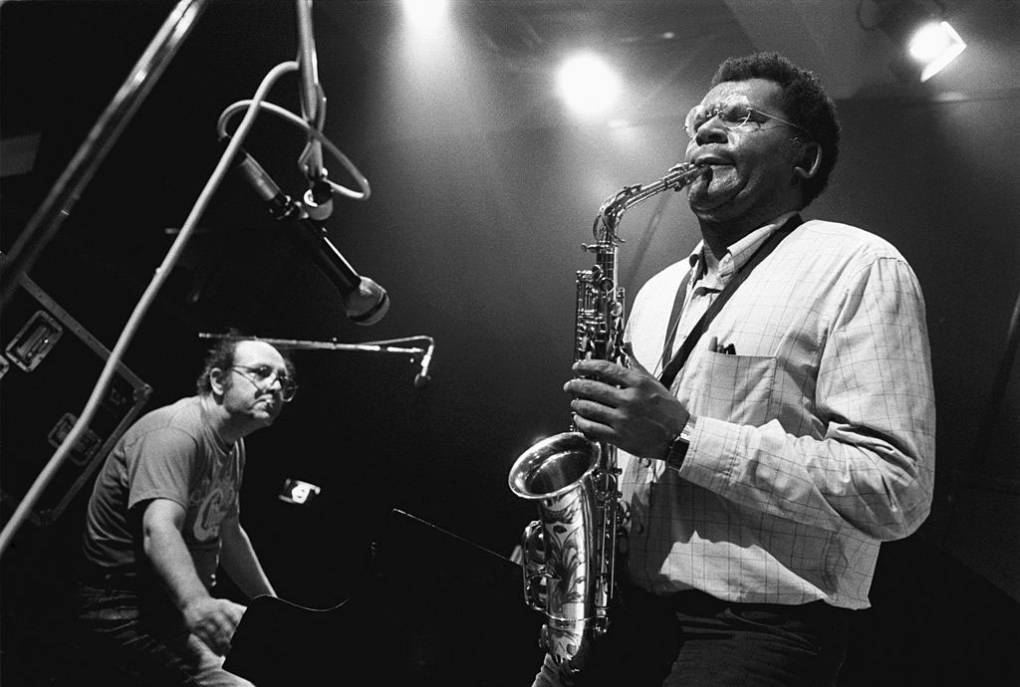
"caption": "Amidst his time teaching at Mills College, jazz musician Anthony Braxton performs with Misha Mengelberg and the ICP Orchestra in Amsterdam, Netherlands, in 1987.",
"description": null,
"title": "Anthony Braxton 1987",
"credit": "Frans Schellekens/Redferns",
"status": "inherit",
"altTag": "A middle-aged Black man plays the alto saxophone on a dimly lit stage",
"isLoading": false,
"fetchFailed": false
},
"arts_13909230": {
"type": "attachments",
"id": "arts_13909230",
"meta": {
"index": "attachments_1716263798",
"site": "arts",
"id": "13909230",
"found": true
},
"parent": 13909188,
"imgSizes": {
"twentyfourteen-full-width": {
"file": "https://ww2.kqed.org/app/uploads/sites/2/2022/02/Audium.COMposers-1038x576.jpg",
"width": 1038,
"mimeType": "image/jpeg",
"height": 576
},
"thumbnail": {
"file": "https://ww2.kqed.org/app/uploads/sites/2/2022/02/Audium.COMposers-160x100.jpg",
"width": 160,
"mimeType": "image/jpeg",
"height": 100
},
"post-thumbnail": {
"file": "https://ww2.kqed.org/app/uploads/sites/2/2022/02/Audium.COMposers-672x372.jpg",
"width": 672,
"mimeType": "image/jpeg",
"height": 372
},
"kqedFullSize": {
"file": "https://ww2.kqed.org/app/uploads/sites/2/2022/02/Audium.COMposers.jpg",
"width": 1920,
"height": 1200
},
"large": {
"file": "https://ww2.kqed.org/app/uploads/sites/2/2022/02/Audium.COMposers-1020x638.jpg",
"width": 1020,
"mimeType": "image/jpeg",
"height": 638
},
"1536x1536": {
"file": "https://ww2.kqed.org/app/uploads/sites/2/2022/02/Audium.COMposers-1536x960.jpg",
"width": 1536,
"mimeType": "image/jpeg",
"height": 960
},
"medium": {
"file": "https://ww2.kqed.org/app/uploads/sites/2/2022/02/Audium.COMposers-800x500.jpg",
"width": 800,
"mimeType": "image/jpeg",
"height": 500
},
"medium_large": {
"file": "https://ww2.kqed.org/app/uploads/sites/2/2022/02/Audium.COMposers-768x480.jpg",
"width": 768,
"mimeType": "image/jpeg",
"height": 480
}
},
"publishDate": 1644534847,
"modified": 1644534998,
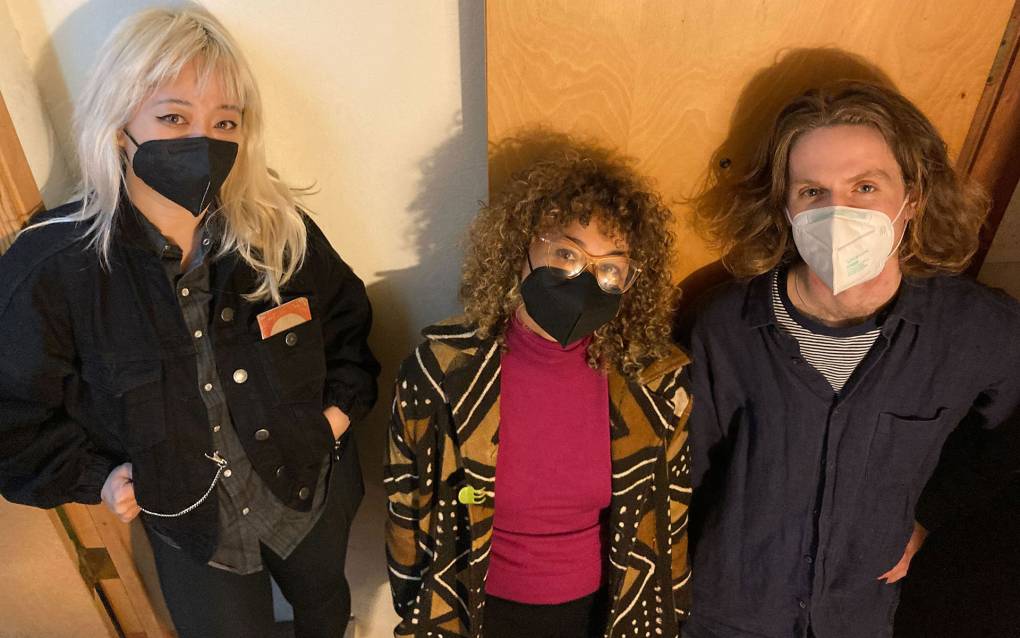
"caption": "Victoria Shen, Alexa Burrell and Noah Berrie (L–R) are Audium's first residency artists in the San Francisco institution's 55-year history. ",
"description": null,
"title": "Audium.COMposers",
"credit": "Gabe Meline/KQED",
"status": "inherit",
"altTag": null,
"isLoading": false,
"fetchFailed": false
},
"arts_13901388": {
"type": "attachments",
"id": "arts_13901388",
"meta": {
"index": "attachments_1716263798",
"site": "arts",
"id": "13901388",
"found": true
},
"parent": 13901368,
"imgSizes": {
"twentyfourteen-full-width": {
"file": "https://ww2.kqed.org/app/uploads/sites/2/2021/08/Copy-of-Pass-The-Aux-template-2-1-1038x576.jpg",
"width": 1038,
"mimeType": "image/jpeg",
"height": 576
},
"thumbnail": {
"file": "https://ww2.kqed.org/app/uploads/sites/2/2021/08/Copy-of-Pass-The-Aux-template-2-1-160x90.jpg",
"width": 160,
"mimeType": "image/jpeg",
"height": 90
},
"post-thumbnail": {
"file": "https://ww2.kqed.org/app/uploads/sites/2/2021/08/Copy-of-Pass-The-Aux-template-2-1-672x372.jpg",
"width": 672,
"mimeType": "image/jpeg",
"height": 372
},
"kqedFullSize": {
"file": "https://ww2.kqed.org/app/uploads/sites/2/2021/08/Copy-of-Pass-The-Aux-template-2-1.jpg",
"width": 1920,
"height": 1080
},
"large": {
"file": "https://ww2.kqed.org/app/uploads/sites/2/2021/08/Copy-of-Pass-The-Aux-template-2-1-1020x574.jpg",
"width": 1020,
"mimeType": "image/jpeg",
"height": 574
},
"1536x1536": {
"file": "https://ww2.kqed.org/app/uploads/sites/2/2021/08/Copy-of-Pass-The-Aux-template-2-1-1536x864.jpg",
"width": 1536,
"mimeType": "image/jpeg",
"height": 864
},
"medium": {
"file": "https://ww2.kqed.org/app/uploads/sites/2/2021/08/Copy-of-Pass-The-Aux-template-2-1-800x450.jpg",
"width": 800,
"mimeType": "image/jpeg",
"height": 450
},
"medium_large": {
"file": "https://ww2.kqed.org/app/uploads/sites/2/2021/08/Copy-of-Pass-The-Aux-template-2-1-768x432.jpg",
"width": 768,
"mimeType": "image/jpeg",
"height": 432
}
},
"publishDate": 1629154256,
"modified": 1629154303,
"caption": "IDHAZ' \"if i am afraid\" is a textured, industrial electronic track with an equally unsettling music video. ",
"description": "IDHAZ' \"if i am afraid\" is a textured, industrial electronic track with an equally unsettling music video. ",
"title": "Copy of Pass The Aux template (2)",
"credit": "Photo: courtesy of the artist; illustration: Kelly Heigert",
"status": "inherit",
"altTag": null,
"isLoading": false,
"fetchFailed": false
},
"arts_13895399": {
"type": "attachments",
"id": "arts_13895399",
"meta": {
"index": "attachments_1716263798",
"site": "arts",
"id": "13895399",
"found": true
},
"parent": 13895379,
"imgSizes": {
"twentyfourteen-full-width": {
"file": "https://ww2.kqed.org/app/uploads/sites/2/2021/04/GettyImages-848664320-1038x576.jpg",
"width": 1038,
"mimeType": "image/jpeg",
"height": 576
},
"thumbnail": {
"file": "https://ww2.kqed.org/app/uploads/sites/2/2021/04/GettyImages-848664320-160x107.jpg",
"width": 160,
"mimeType": "image/jpeg",
"height": 107
},
"post-thumbnail": {
"file": "https://ww2.kqed.org/app/uploads/sites/2/2021/04/GettyImages-848664320-672x372.jpg",
"width": 672,
"mimeType": "image/jpeg",
"height": 372
},
"kqedFullSize": {
"file": "https://ww2.kqed.org/app/uploads/sites/2/2021/04/GettyImages-848664320-scaled.jpg",
"width": 2560,
"height": 1707
},
"2048x2048": {
"file": "https://ww2.kqed.org/app/uploads/sites/2/2021/04/GettyImages-848664320-2048x1365.jpg",
"width": 2048,
"mimeType": "image/jpeg",
"height": 1365
},
"large": {
"file": "https://ww2.kqed.org/app/uploads/sites/2/2021/04/GettyImages-848664320-1020x680.jpg",
"width": 1020,
"mimeType": "image/jpeg",
"height": 680
},
"1536x1536": {
"file": "https://ww2.kqed.org/app/uploads/sites/2/2021/04/GettyImages-848664320-1536x1024.jpg",
"width": 1536,
"mimeType": "image/jpeg",
"height": 1024
},
"full-width": {
"file": "https://ww2.kqed.org/app/uploads/sites/2/2021/04/GettyImages-848664320-1920x1280.jpg",
"width": 1920,
"mimeType": "image/jpeg",
"height": 1280
},
"medium": {
"file": "https://ww2.kqed.org/app/uploads/sites/2/2021/04/GettyImages-848664320-800x533.jpg",
"width": 800,
"mimeType": "image/jpeg",
"height": 533
},
"medium_large": {
"file": "https://ww2.kqed.org/app/uploads/sites/2/2021/04/GettyImages-848664320-768x512.jpg",
"width": 768,
"mimeType": "image/jpeg",
"height": 512
}
},
"publishDate": 1617912905,
"modified": 1617912983,
"caption": "Bassnectar performs at the 2017 Meadows Music and Arts Festival, New York City. ",
"description": "Bassnectar performs at the 2017 Meadows Music and Arts Festival, New York City. ",
"title": "Bassnectar performs at the 2017 Meadows Music and Arts Festival, New York City.",
"credit": "Mike Coppola/Getty Images",
"status": "inherit",
"altTag": "Bassnectar performs at the 2017 Meadows Music and Arts Festival, New York City.",
"isLoading": false,
"fetchFailed": false
},
"arts_13895339": {
"type": "attachments",
"id": "arts_13895339",
"meta": {
"index": "attachments_1716263798",
"site": "arts",
"id": "13895339",
"found": true
},
"parent": 13895335,
"imgSizes": {
"thumbnail": {
"file": "https://ww2.kqed.org/app/uploads/sites/2/2021/04/Moor.Mother-160x90.jpg",
"width": 160,
"mimeType": "image/jpeg",
"height": 90
},
"post-thumbnail": {
"file": "https://ww2.kqed.org/app/uploads/sites/2/2021/04/Moor.Mother-672x372.jpg",
"width": 672,
"mimeType": "image/jpeg",
"height": 372
},
"kqedFullSize": {
"file": "https://ww2.kqed.org/app/uploads/sites/2/2021/04/Moor.Mother.jpg",
"width": 1000,
"height": 563
},
"medium": {
"file": "https://ww2.kqed.org/app/uploads/sites/2/2021/04/Moor.Mother-800x450.jpg",
"width": 800,
"mimeType": "image/jpeg",
"height": 450
},
"medium_large": {
"file": "https://ww2.kqed.org/app/uploads/sites/2/2021/04/Moor.Mother-768x432.jpg",
"width": 768,
"mimeType": "image/jpeg",
"height": 432
}
},
"publishDate": 1617822568,
"modified": 1617822611,
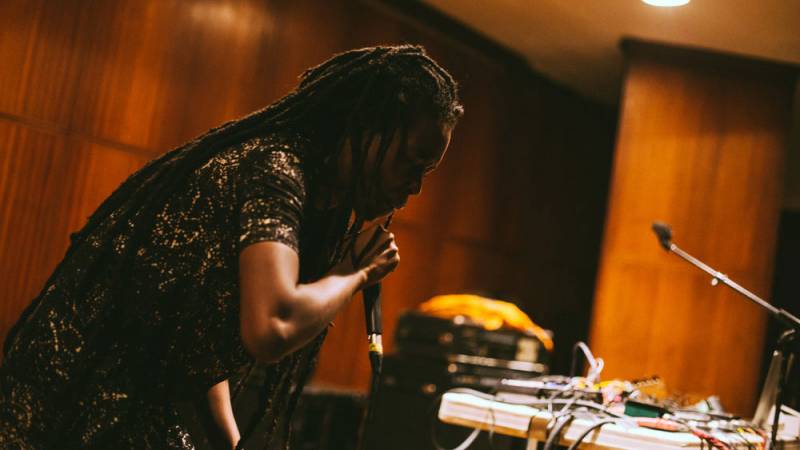
"caption": "Philadelphia artist Moor Mother joins The Lab's Dance A Thon this weekend. ",
"description": "Philadelphia artist Moor Mother joins The Lab's Dance A Thon this weekend. ",
"title": "Moor.Mother",
"credit": "Chris Sikich",
"status": "inherit",
"altTag": "Moor Mother performs at a DJ table",
"isLoading": false,
"fetchFailed": false
},
"arts_13892490": {
"type": "attachments",
"id": "arts_13892490",
"meta": {
"index": "attachments_1716263798",
"site": "arts",
"id": "13892490",
"found": true
},
"parent": 13892489,
"imgSizes": {
"twentyfourteen-full-width": {
"file": "https://ww2.kqed.org/app/uploads/sites/2/2021/02/maryanne-amacher-courtesy-of-peggy-weil_wide-65252ab30c247d21bce2fd9323352b5810b50382-1038x576.jpg",
"width": 1038,
"mimeType": "image/jpeg",
"height": 576
},
"thumbnail": {
"file": "https://ww2.kqed.org/app/uploads/sites/2/2021/02/maryanne-amacher-courtesy-of-peggy-weil_wide-65252ab30c247d21bce2fd9323352b5810b50382-160x90.jpg",
"width": 160,
"mimeType": "image/jpeg",
"height": 90
},
"post-thumbnail": {
"file": "https://ww2.kqed.org/app/uploads/sites/2/2021/02/maryanne-amacher-courtesy-of-peggy-weil_wide-65252ab30c247d21bce2fd9323352b5810b50382-672x372.jpg",
"width": 672,
"mimeType": "image/jpeg",
"height": 372
},
"kqedFullSize": {
"file": "https://ww2.kqed.org/app/uploads/sites/2/2021/02/maryanne-amacher-courtesy-of-peggy-weil_wide-65252ab30c247d21bce2fd9323352b5810b50382.jpg",
"width": 1596,
"height": 898
},
"large": {
"file": "https://ww2.kqed.org/app/uploads/sites/2/2021/02/maryanne-amacher-courtesy-of-peggy-weil_wide-65252ab30c247d21bce2fd9323352b5810b50382-1020x574.jpg",
"width": 1020,
"mimeType": "image/jpeg",
"height": 574
},
"1536x1536": {
"file": "https://ww2.kqed.org/app/uploads/sites/2/2021/02/maryanne-amacher-courtesy-of-peggy-weil_wide-65252ab30c247d21bce2fd9323352b5810b50382-1536x864.jpg",
"width": 1536,
"mimeType": "image/jpeg",
"height": 864
},
"medium": {
"file": "https://ww2.kqed.org/app/uploads/sites/2/2021/02/maryanne-amacher-courtesy-of-peggy-weil_wide-65252ab30c247d21bce2fd9323352b5810b50382-800x450.jpg",
"width": 800,
"mimeType": "image/jpeg",
"height": 450
},
"medium_large": {
"file": "https://ww2.kqed.org/app/uploads/sites/2/2021/02/maryanne-amacher-courtesy-of-peggy-weil_wide-65252ab30c247d21bce2fd9323352b5810b50382-768x432.jpg",
"width": 768,
"mimeType": "image/jpeg",
"height": 432
}
},
"publishDate": 1612914190,
"modified": 1612914697,
"caption": "Maryanne Amacher, an artist and composer, is one of the women featured in the new documentary 'Sisters with Transistors.'",
"description": "Maryanne Amacher, an artist and composer, is one of the women featured in the new documentary 'Sisters with Transistors.'",
"title": "Maryanne Amacher, an artist and composer, is one of the women featured in the new documentary 'Sisters with Transistors.'",
"credit": "Peggy Weil/Courtesy of the artist",
"status": "inherit",
"altTag": "Maryanne Amacher, an artist and composer, is one of the women featured in the new documentary 'Sisters with Transistors.'",
"isLoading": false,
"fetchFailed": false
},
"arts_13892314": {
"type": "attachments",
"id": "arts_13892314",
"meta": {
"index": "attachments_1716263798",
"site": "arts",
"id": "13892314",
"found": true
},
"parent": 13892295,
"imgSizes": {
"twentyfourteen-full-width": {
"file": "https://ww2.kqed.org/app/uploads/sites/2/2021/02/Screen-Shot-2021-02-05-at-10.45.25-AM-1000x576.png",
"width": 1000,
"mimeType": "image/png",
"height": 576
},
"thumbnail": {
"file": "https://ww2.kqed.org/app/uploads/sites/2/2021/02/Screen-Shot-2021-02-05-at-10.45.25-AM-160x119.png",
"width": 160,
"mimeType": "image/png",
"height": 119
},
"post-thumbnail": {
"file": "https://ww2.kqed.org/app/uploads/sites/2/2021/02/Screen-Shot-2021-02-05-at-10.45.25-AM-672x372.png",
"width": 672,
"mimeType": "image/png",
"height": 372
},
"kqedFullSize": {
"file": "https://ww2.kqed.org/app/uploads/sites/2/2021/02/Screen-Shot-2021-02-05-at-10.45.25-AM.png",
"width": 1000,
"height": 746
},
"medium": {
"file": "https://ww2.kqed.org/app/uploads/sites/2/2021/02/Screen-Shot-2021-02-05-at-10.45.25-AM-800x597.png",
"width": 800,
"mimeType": "image/png",
"height": 597
},
"medium_large": {
"file": "https://ww2.kqed.org/app/uploads/sites/2/2021/02/Screen-Shot-2021-02-05-at-10.45.25-AM-768x573.png",
"width": 768,
"mimeType": "image/png",
"height": 573
}
},
"publishDate": 1612551210,
"modified": 1612551975,
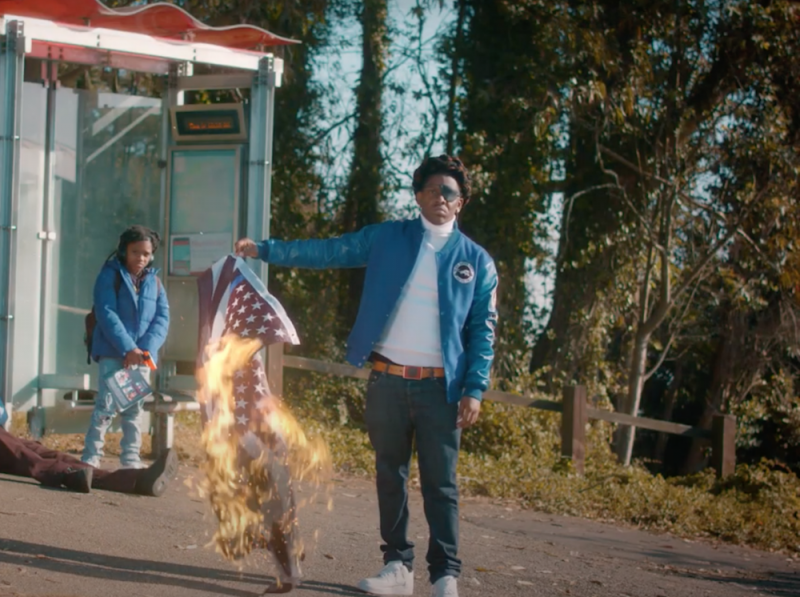
"caption": "A still from Gunna Goes Global’s music video for “Blue Klux Klan.”",
"description": "A still from Gunna Goes Global’s music video for “Blue Klux Klan.”",
"title": "Screen Shot 2021-02-05 at 10.45.25 AM",
"credit": "Gunna Goes Global",
"status": "inherit",
"altTag": null,
"isLoading": false,
"fetchFailed": false
},
"arts_13892248": {
"type": "attachments",
"id": "arts_13892248",
"meta": {
"index": "attachments_1716263798",
"site": "arts",
"id": "13892248",
"found": true
},
"parent": 13892242,
"imgSizes": {
"twentyfourteen-full-width": {
"file": "https://ww2.kqed.org/app/uploads/sites/2/2021/02/dorothy-ashby-wendy-carlos-1038x576.jpg",
"width": 1038,
"mimeType": "image/jpeg",
"height": 576
},
"thumbnail": {
"file": "https://ww2.kqed.org/app/uploads/sites/2/2021/02/dorothy-ashby-wendy-carlos-160x91.jpg",
"width": 160,
"mimeType": "image/jpeg",
"height": 91
},
"post-thumbnail": {
"file": "https://ww2.kqed.org/app/uploads/sites/2/2021/02/dorothy-ashby-wendy-carlos-672x372.jpg",
"width": 672,
"mimeType": "image/jpeg",
"height": 372
},
"kqedFullSize": {
"file": "https://ww2.kqed.org/app/uploads/sites/2/2021/02/dorothy-ashby-wendy-carlos.jpg",
"width": 1057,
"height": 600
},
"large": {
"file": "https://ww2.kqed.org/app/uploads/sites/2/2021/02/dorothy-ashby-wendy-carlos-1020x579.jpg",
"width": 1020,
"mimeType": "image/jpeg",
"height": 579
},
"medium": {
"file": "https://ww2.kqed.org/app/uploads/sites/2/2021/02/dorothy-ashby-wendy-carlos-800x454.jpg",
"width": 800,
"mimeType": "image/jpeg",
"height": 454
},
"medium_large": {
"file": "https://ww2.kqed.org/app/uploads/sites/2/2021/02/dorothy-ashby-wendy-carlos-768x436.jpg",
"width": 768,
"mimeType": "image/jpeg",
"height": 436
}
},
"publishDate": 1612479066,
"modified": 1612479184,
"caption": "Jazz harpist Dorothy Ashby, an influence of Stevie Wonder’s, and electronic music innovator Wendy Carlos are two of the women Mark Montgomery French covers in his course, “The Unsung Women of Music.”",
"description": "Jazz harpist Dorothy Ashby, an influence of Stevie Wonder’s, and electronic music innovator Wendy Carlos are two of the women Mark Montgomery French covers in his course, “The Unsung Women of Music.”",
"title": "dorothy ashby-wendy carlos",
"credit": "Serendip LLC/Courtesy of the artist",
"status": "inherit",
"altTag": null,
"isLoading": false,
"fetchFailed": false
},
"arts_13889183": {
"type": "attachments",
"id": "arts_13889183",
"meta": {
"index": "attachments_1716263798",
"site": "arts",
"id": "13889183",
"found": true
},
"parent": 13889170,
"imgSizes": {
"twentyfourteen-full-width": {
"file": "https://ww2.kqed.org/app/uploads/sites/2/2020/11/Xyla_4-1038x576.jpg",
"width": 1038,
"mimeType": "image/jpeg",
"height": 576
},
"thumbnail": {
"file": "https://ww2.kqed.org/app/uploads/sites/2/2020/11/Xyla_4-160x107.jpg",
"width": 160,
"mimeType": "image/jpeg",
"height": 107
},
"post-thumbnail": {
"file": "https://ww2.kqed.org/app/uploads/sites/2/2020/11/Xyla_4-672x372.jpg",
"width": 672,
"mimeType": "image/jpeg",
"height": 372
},
"kqedFullSize": {
"file": "https://ww2.kqed.org/app/uploads/sites/2/2020/11/Xyla_4.jpg",
"width": 1920,
"height": 1280
},
"large": {
"file": "https://ww2.kqed.org/app/uploads/sites/2/2020/11/Xyla_4-1020x680.jpg",
"width": 1020,
"mimeType": "image/jpeg",
"height": 680
},
"1536x1536": {
"file": "https://ww2.kqed.org/app/uploads/sites/2/2020/11/Xyla_4-1536x1024.jpg",
"width": 1536,
"mimeType": "image/jpeg",
"height": 1024
},
"medium": {
"file": "https://ww2.kqed.org/app/uploads/sites/2/2020/11/Xyla_4-800x533.jpg",
"width": 800,
"mimeType": "image/jpeg",
"height": 533
},
"medium_large": {
"file": "https://ww2.kqed.org/app/uploads/sites/2/2020/11/Xyla_4-768x512.jpg",
"width": 768,
"mimeType": "image/jpeg",
"height": 512
}
},
"publishDate": 1605213498,
"modified": 1605214615,
"caption": "Xyla studied French horn at the San Francisco Conservatory of Music. Now she's found her niche as a producer of genre-traversing, emotive electronic music.",
"description": "Xyla studied French horn at the San Francisco Conservatory of music. Now she's found her niche as a producer of genre-traversing, emotive electronic music.",
"title": "_Xyla_4",
"credit": "Mariah Tiffany",
"status": "inherit",
"isLoading": false,
"fetchFailed": false
},
"arts_13884484": {
"type": "attachments",
"id": "arts_13884484",
"meta": {
"index": "attachments_1716263798",
"site": "arts",
"id": "13884484",
"found": true
},
"parent": 13884473,
"imgSizes": {
"twentyfourteen-full-width": {
"file": "https://ww2.kqed.org/app/uploads/sites/2/2020/08/mosaic-of-transformation-1038x576.jpg",
"width": 1038,
"mimeType": "image/jpeg",
"height": 576
},
"thumbnail": {
"file": "https://ww2.kqed.org/app/uploads/sites/2/2020/08/mosaic-of-transformation-160x160.jpg",
"width": 160,
"mimeType": "image/jpeg",
"height": 160
},
"post-thumbnail": {
"file": "https://ww2.kqed.org/app/uploads/sites/2/2020/08/mosaic-of-transformation-672x372.jpg",
"width": 672,
"mimeType": "image/jpeg",
"height": 372
},
"kqedFullSize": {
"file": "https://ww2.kqed.org/app/uploads/sites/2/2020/08/mosaic-of-transformation.jpg",
"width": 1200,
"height": 1200
},
"large": {
"file": "https://ww2.kqed.org/app/uploads/sites/2/2020/08/mosaic-of-transformation-1020x1020.jpg",
"width": 1020,
"mimeType": "image/jpeg",
"height": 1020
},
"medium": {
"file": "https://ww2.kqed.org/app/uploads/sites/2/2020/08/mosaic-of-transformation-800x800.jpg",
"width": 800,
"mimeType": "image/jpeg",
"height": 800
},
"medium_large": {
"file": "https://ww2.kqed.org/app/uploads/sites/2/2020/08/mosaic-of-transformation-768x768.jpg",
"width": 768,
"mimeType": "image/jpeg",
"height": 768
}
},
"publishDate": 1596736669,
"modified": 1596736757,
"caption": "Kaitlyn Aurelia Smith, 'The Mosaic of Transformation.'",
"description": "Kaitlyn Aurelia Smith, 'The Mosaic of Transformation.'",
"title": "mosaic of transformation",
"credit": null,
"status": "inherit",
"isLoading": false,
"fetchFailed": false
},
"arts_13874923": {
"type": "attachments",
"id": "arts_13874923",
"meta": {
"index": "attachments_1716263798",
"site": "arts",
"id": "13874923",
"found": true
},
"parent": 13874920,
"imgSizes": {
"thumbnail": {
"file": "https://ww2.kqed.org/app/uploads/sites/2/2020/02/93eex2q4Ttg9IzGw8jQ4MeMoRJk-1020x574-160x90.jpg",
"width": 160,
"mimeType": "image/jpeg",
"height": 90
},
"post-thumbnail": {
"file": "https://ww2.kqed.org/app/uploads/sites/2/2020/02/93eex2q4Ttg9IzGw8jQ4MeMoRJk-1020x574-672x372.jpg",
"width": 672,
"mimeType": "image/jpeg",
"height": 372
},
"kqedFullSize": {
"file": "https://ww2.kqed.org/app/uploads/sites/2/2020/02/93eex2q4Ttg9IzGw8jQ4MeMoRJk-1020x574.jpg",
"width": 1020,
"height": 574
},
"large": {
"file": "https://ww2.kqed.org/app/uploads/sites/2/2020/02/93eex2q4Ttg9IzGw8jQ4MeMoRJk-1020x574-1020x574.jpg",
"width": 1020,
"mimeType": "image/jpeg",
"height": 574
},
"medium": {
"file": "https://ww2.kqed.org/app/uploads/sites/2/2020/02/93eex2q4Ttg9IzGw8jQ4MeMoRJk-1020x574-800x450.jpg",
"width": 800,
"mimeType": "image/jpeg",
"height": 450
},
"medium_large": {
"file": "https://ww2.kqed.org/app/uploads/sites/2/2020/02/93eex2q4Ttg9IzGw8jQ4MeMoRJk-1020x574-768x432.jpg",
"width": 768,
"mimeType": "image/jpeg",
"height": 432
}
},
"publishDate": 1581625576,
"modified": 1581625593,
"caption": "Real-life San Francisco DJ, Polywog, appearing in 'Groove' (2000)",
"description": "Real-life San Francisco DJ, Polywog, appearing in 'Groove' (2000)",
"title": "Real-life San Francisco DJ, Polywog, appearing in 'Groove' (2000)",
"credit": null,
"status": "inherit",
"isLoading": false,
"fetchFailed": false
},
"arts_13831419": {
"type": "attachments",
"id": "arts_13831419",
"meta": {
"index": "attachments_1716263798",
"site": "arts",
"id": "13831419",
"found": true
},
"parent": 0,
"imgSizes": {
"small": {
"file": "https://ww2.kqed.org/app/uploads/sites/2/2018/05/MG_9076-520x347.jpg",
"width": 520,
"mimeType": "image/jpeg",
"height": 347
},
"twentyfourteen-full-width": {
"file": "https://ww2.kqed.org/app/uploads/sites/2/2018/05/MG_9076-1038x576.jpg",
"width": 1038,
"mimeType": "image/jpeg",
"height": 576
},
"thumbnail": {
"file": "https://ww2.kqed.org/app/uploads/sites/2/2018/05/MG_9076-160x107.jpg",
"width": 160,
"mimeType": "image/jpeg",
"height": 107
},
"fd-sm": {
"file": "https://ww2.kqed.org/app/uploads/sites/2/2018/05/MG_9076-960x640.jpg",
"width": 960,
"mimeType": "image/jpeg",
"height": 640
},
"post-thumbnail": {
"file": "https://ww2.kqed.org/app/uploads/sites/2/2018/05/MG_9076-672x372.jpg",
"width": 672,
"mimeType": "image/jpeg",
"height": 372
},
"xsmall": {
"file": "https://ww2.kqed.org/app/uploads/sites/2/2018/05/MG_9076-375x250.jpg",
"width": 375,
"mimeType": "image/jpeg",
"height": 250
},
"kqedFullSize": {
"file": "https://ww2.kqed.org/app/uploads/sites/2/2018/05/MG_9076.jpg",
"width": 1920,
"height": 1280
},
"large": {
"file": "https://ww2.kqed.org/app/uploads/sites/2/2018/05/MG_9076-1020x680.jpg",
"width": 1020,
"mimeType": "image/jpeg",
"height": 680
},
"xlarge": {
"file": "https://ww2.kqed.org/app/uploads/sites/2/2018/05/MG_9076-1180x787.jpg",
"width": 1180,
"mimeType": "image/jpeg",
"height": 787
},
"complete_open_graph": {
"file": "https://ww2.kqed.org/app/uploads/sites/2/2018/05/MG_9076-1200x800.jpg",
"width": 1200,
"mimeType": "image/jpeg",
"height": 800
},
"guest-author-50": {
"file": "https://ww2.kqed.org/app/uploads/sites/2/2018/05/MG_9076-50x50.jpg",
"width": 50,
"mimeType": "image/jpeg",
"height": 50
},
"guest-author-96": {
"file": "https://ww2.kqed.org/app/uploads/sites/2/2018/05/MG_9076-96x96.jpg",
"width": 96,
"mimeType": "image/jpeg",
"height": 96
},
"medium": {
"file": "https://ww2.kqed.org/app/uploads/sites/2/2018/05/MG_9076-800x533.jpg",
"width": 800,
"mimeType": "image/jpeg",
"height": 533
},
"guest-author-64": {
"file": "https://ww2.kqed.org/app/uploads/sites/2/2018/05/MG_9076-64x64.jpg",
"width": 64,
"mimeType": "image/jpeg",
"height": 64
},
"guest-author-32": {
"file": "https://ww2.kqed.org/app/uploads/sites/2/2018/05/MG_9076-32x32.jpg",
"width": 32,
"mimeType": "image/jpeg",
"height": 32
},
"fd-lrg": {
"file": "https://ww2.kqed.org/app/uploads/sites/2/2018/05/MG_9076-1920x1280.jpg",
"width": 1920,
"mimeType": "image/jpeg",
"height": 1280
},
"fd-med": {
"file": "https://ww2.kqed.org/app/uploads/sites/2/2018/05/MG_9076-1180x787.jpg",
"width": 1180,
"mimeType": "image/jpeg",
"height": 787
},
"full-width": {
"file": "https://ww2.kqed.org/app/uploads/sites/2/2018/05/MG_9076-1920x1280.jpg",
"width": 1920,
"mimeType": "image/jpeg",
"height": 1280
},
"detail": {
"file": "https://ww2.kqed.org/app/uploads/sites/2/2018/05/MG_9076-150x150.jpg",
"width": 150,
"mimeType": "image/jpeg",
"height": 150
},
"medium_large": {
"file": "https://ww2.kqed.org/app/uploads/sites/2/2018/05/MG_9076-768x512.jpg",
"width": 768,
"mimeType": "image/jpeg",
"height": 512
},
"guest-author-128": {
"file": "https://ww2.kqed.org/app/uploads/sites/2/2018/05/MG_9076-128x128.jpg",
"width": 128,
"mimeType": "image/jpeg",
"height": 128
},
"xxsmall": {
"file": "https://ww2.kqed.org/app/uploads/sites/2/2018/05/MG_9076-240x160.jpg",
"width": 240,
"mimeType": "image/jpeg",
"height": 160
}
},
"publishDate": 1525684235,
"modified": 1525709338,
"caption": "Siete Catorce and Pecoo play night four of the 2018 Mutek SF Festival.",
"description": "Siete Catorce and Pecoo play night four of the 2018 Mutek SF Festival.",
"title": "Siete Catorce and Pecoo play night four of the 2018 Mutek SF Festival.",
"credit": "Estefany Gonzalez",
"status": "inherit",
"isLoading": false,
"fetchFailed": false
}
},
"audioPlayerReducer": {
"postId": "stream_live",
"isPaused": true,
"isPlaying": false,
"pfsActive": false,
"pledgeModalIsOpen": true,
"playerDrawerIsOpen": false,
"liveAudioPlayStartedAt": 0,
"liveAudioPlayContext": ""
},
"authorsReducer": {
"byline_arts_13892489": {
"type": "authors",
"id": "byline_arts_13892489",
"meta": {
"override": true
},
"slug": "byline_arts_13892489",
"name": "Allyson McCabe",
"isLoading": false
},
"byline_arts_13889170": {
"type": "authors",
"id": "byline_arts_13889170",
"meta": {
"override": true
},
"slug": "byline_arts_13889170",
"name": "Adrian Spinelli",
"isLoading": false
},
"agilbert": {
"type": "authors",
"id": "86",
"meta": {
"index": "authors_1716337520",
"id": "86",
"found": true
},
"name": "Andrew Gilbert",
"firstName": "Andrew",
"lastName": "Gilbert",
"slug": "agilbert",
"email": "jazzscribe@aol.com",
"display_author_email": false,
"staff_mastheads": [],
"title": "KQED Contributor",
"bio": "A Los Angeles native based in the Berkeley area since 1996, Andrew Gilbert covers jazz, international music and dance for KQED's \u003ci>California Report, \u003c/i>the\u003ci> Mercury News\u003c/i>, \u003ci>San Francisco Chronicle\u003c/i>, \u003ci>Berkeleyside.com\u003c/i>, and other publications. He is available for weddings and bar and bat mitzvahs. #jazzscribe",
"avatar": "https://secure.gravatar.com/avatar/d7bcafdbefdd39e9a68f88724ca616eb4e7a5a6bff9cdfb62de652a1e1751471?s=600&d=blank&r=g",
"twitter": null,
"bluesky": null,
"facebook": null,
"instagram": null,
"linkedin": null,
"sites": [
{
"site": "arts",
"roles": [
"Contributor",
"author"
]
},
{
"site": "news",
"roles": [
"author"
]
}
],
"headData": {
"title": "Andrew Gilbert | KQED",
"description": "KQED Contributor",
"ogImgSrc": "https://secure.gravatar.com/avatar/d7bcafdbefdd39e9a68f88724ca616eb4e7a5a6bff9cdfb62de652a1e1751471?s=600&d=blank&r=g",
"twImgSrc": "https://secure.gravatar.com/avatar/d7bcafdbefdd39e9a68f88724ca616eb4e7a5a6bff9cdfb62de652a1e1751471?s=600&d=blank&r=g"
},
"isLoading": false,
"link": "/author/agilbert"
},
"gmeline": {
"type": "authors",
"id": "185",
"meta": {
"index": "authors_1716337520",
"id": "185",
"found": true
},
"name": "Gabe Meline",
"firstName": "Gabe",
"lastName": "Meline",
"slug": "gmeline",
"email": "gmeline@kqed.org",
"display_author_email": true,
"staff_mastheads": [
"arts"
],
"title": "Senior Editor, KQED Arts & Culture",
"bio": "Gabe Meline entered journalism at age 15 making photocopied zines, and has since earned awards from the Edward R. Murrow Awards, the Society for Professional Journalists, the Online Journalism Awards, the Association of Alternative Newsweeklies and the California Newspaper Publishers Association. Prior to KQED, he was the editor of the \u003cem>North Bay Bohemian\u003c/em> and a touring musician. He lives with his wife and daughter in his hometown of Santa Rosa, CA.",
"avatar": "https://secure.gravatar.com/avatar/5bebe57be0d8bc2dd318934feb47299e2d2d10cba28d09d8d7afb389a2ce2bdd?s=600&d=blank&r=g",
"twitter": null,
"bluesky": null,
"facebook": null,
"instagram": null,
"linkedin": null,
"sites": [
{
"site": "",
"roles": [
"editor"
]
},
{
"site": "arts",
"roles": [
"administrator"
]
},
{
"site": "artschool",
"roles": [
"editor"
]
},
{
"site": "news",
"roles": [
"author"
]
},
{
"site": "pop",
"roles": [
"editor"
]
},
{
"site": "bayareabites",
"roles": [
"editor"
]
},
{
"site": "food",
"roles": [
"editor"
]
},
{
"site": "forum",
"roles": [
"administrator"
]
},
{
"site": "liveblog",
"roles": [
"editor"
]
},
{
"site": "hiphop",
"roles": [
"editor"
]
}
],
"headData": {
"title": "Gabe Meline | KQED",
"description": "Senior Editor, KQED Arts & Culture",
"ogImgSrc": "https://secure.gravatar.com/avatar/5bebe57be0d8bc2dd318934feb47299e2d2d10cba28d09d8d7afb389a2ce2bdd?s=600&d=blank&r=g",
"twImgSrc": "https://secure.gravatar.com/avatar/5bebe57be0d8bc2dd318934feb47299e2d2d10cba28d09d8d7afb389a2ce2bdd?s=600&d=blank&r=g"
},
"isLoading": false,
"link": "/author/gmeline"
},
"ralexandra": {
"type": "authors",
"id": "11242",
"meta": {
"index": "authors_1716337520",
"id": "11242",
"found": true
},
"name": "Rae Alexandra",
"firstName": "Rae",
"lastName": "Alexandra",
"slug": "ralexandra",
"email": "ralexandra@kqed.org",
"display_author_email": true,
"staff_mastheads": [],
"title": "Reporter/Producer",
"bio": "Rae Alexandra is a Reporter/Producer for KQED Arts & Culture, and the creator/author of the \u003ca href=\"https://www.kqed.org/arts/program/rebel-girls-from-bay-area-history\">Rebel Girls From Bay Area History\u003c/a> and \u003ca href=\"https://www.kqed.org/bizarrebayarea\">Bizarre Bay Area\u003c/a> series. Her debut book, \u003ca href=\"https://citylights.com/politics-current-events-history/unsung-heroines35-women-who-changed/\">Unsung Heroines: 35 Women Who Changed the Bay Area\u003c/a> was published by City Lights in March 2026. In 2023, Rae was awarded an SPJ Excellence in Journalism Award for Arts & Culture. Rae was born and raised in Wales and subsequently — even after two decades in Northern California — still uses phrases that regularly baffle her coworkers.",
"avatar": "https://secure.gravatar.com/avatar/edfee8176c80cc0a382b051190f5341997df378a934a5774dcb0977732dfd401?s=600&d=blank&r=g",
"twitter": null,
"bluesky": null,
"facebook": null,
"instagram": null,
"linkedin": null,
"sites": [
{
"site": "arts",
"roles": [
"subscriber"
]
},
{
"site": "news",
"roles": [
"subscriber"
]
},
{
"site": "pop",
"roles": [
"subscriber"
]
},
{
"site": "bayareabites",
"roles": [
"subscriber"
]
},
{
"site": "science",
"roles": [
"subscriber"
]
}
],
"headData": {
"title": "Rae Alexandra | KQED",
"description": "Reporter/Producer",
"ogImgSrc": "https://secure.gravatar.com/avatar/edfee8176c80cc0a382b051190f5341997df378a934a5774dcb0977732dfd401?s=600&d=blank&r=g",
"twImgSrc": "https://secure.gravatar.com/avatar/edfee8176c80cc0a382b051190f5341997df378a934a5774dcb0977732dfd401?s=600&d=blank&r=g"
},
"isLoading": false,
"link": "/author/ralexandra"
},
"nvoynovskaya": {
"type": "authors",
"id": "11387",
"meta": {
"index": "authors_1716337520",
"id": "11387",
"found": true
},
"name": "Nastia Voynovskaya",
"firstName": "Nastia",
"lastName": "Voynovskaya",
"slug": "nvoynovskaya",
"email": "nvoynovskaya@kqed.org",
"display_author_email": false,
"staff_mastheads": [
"arts"
],
"title": "Editor and reporter",
"bio": "Nastia Voynovskaya is a reporter, editor and host at KQED Arts & Culture. She's been covering the arts in the Bay Area for over a decade, with a focus on music, queer culture, labor issues and grassroots organizing. She has edited KQED story series such as Trans Bay: A History of San Francisco's Gender-Diverse Community, and co-created KQED's Bay Area hip-hop history project, That's My Word. Nastia's work has been recognized by the Society of Professional Journalists and San Francisco Press Club. She regularly appears on podcasts and radio programs, including NPR's All Songs Considered, and hosts live events where music, culture and conversation meet.",
"avatar": "https://secure.gravatar.com/avatar/5025ee460e5a85d69ca20ea6c6f2f80d7e17795c828f61ea3aecfcd924e9042e?s=600&d=blank&r=g",
"twitter": null,
"bluesky": null,
"facebook": null,
"instagram": "https://www.instagram.com/nananastia/",
"linkedin": null,
"sites": [
{
"site": "",
"roles": [
"editor"
]
},
{
"site": "arts",
"roles": [
"administrator"
]
},
{
"site": "news",
"roles": [
"editor"
]
},
{
"site": "pop",
"roles": [
"administrator"
]
},
{
"site": "bayareabites",
"roles": [
"editor"
]
},
{
"site": "podcasts",
"roles": [
"editor"
]
},
{
"site": "hiphop",
"roles": [
"editor"
]
}
],
"headData": {
"title": "Nastia Voynovskaya | KQED",
"description": "Editor and reporter",
"ogImgSrc": "https://secure.gravatar.com/avatar/5025ee460e5a85d69ca20ea6c6f2f80d7e17795c828f61ea3aecfcd924e9042e?s=600&d=blank&r=g",
"twImgSrc": "https://secure.gravatar.com/avatar/5025ee460e5a85d69ca20ea6c6f2f80d7e17795c828f61ea3aecfcd924e9042e?s=600&d=blank&r=g"
},
"isLoading": false,
"link": "/author/nvoynovskaya"
},
"ogpenn": {
"type": "authors",
"id": "11491",
"meta": {
"index": "authors_1716337520",
"id": "11491",
"found": true
},
"name": "Pendarvis Harshaw",
"firstName": "Pendarvis",
"lastName": "Harshaw",
"slug": "ogpenn",
"email": "ogpenn@gmail.com",
"display_author_email": false,
"staff_mastheads": [
"arts"
],
"title": "Community Engagement Reporter",
"bio": "Pendarvis Harshaw is an educator, host and writer with KQED Arts.",
"avatar": "https://secure.gravatar.com/avatar/972b77ee8e3f346ae2b00622661187fbfabd059b5693bbdc1475ea7a722fd4cd?s=600&d=blank&r=g",
"twitter": null,
"bluesky": null,
"facebook": null,
"instagram": "ogpenn",
"linkedin": null,
"sites": [
{
"site": "arts",
"roles": [
"administrator"
]
},
{
"site": "news",
"roles": [
"editor"
]
},
{
"site": "bayareabites",
"roles": [
"author"
]
},
{
"site": "hiphop",
"roles": [
"editor"
]
}
],
"headData": {
"title": "Pendarvis Harshaw | KQED",
"description": "Community Engagement Reporter",
"ogImgSrc": "https://secure.gravatar.com/avatar/972b77ee8e3f346ae2b00622661187fbfabd059b5693bbdc1475ea7a722fd4cd?s=600&d=blank&r=g",
"twImgSrc": "https://secure.gravatar.com/avatar/972b77ee8e3f346ae2b00622661187fbfabd059b5693bbdc1475ea7a722fd4cd?s=600&d=blank&r=g"
},
"isLoading": false,
"link": "/author/ogpenn"
},
"sgetachew": {
"type": "authors",
"id": "11734",
"meta": {
"index": "authors_1716337520",
"id": "11734",
"found": true
},
"name": "Samuel Getachew",
"firstName": "Samuel",
"lastName": "Getachew",
"slug": "sgetachew",
"email": "sgetachew@kqed.org",
"display_author_email": false,
"staff_mastheads": [],
"title": "KQED Contributor",
"bio": "\u003cspan style=\"font-weight: 400;\">Samuel Getachew is an 18-year-old poet and writer from Oakland, California. He is the 2019 Oakland Youth Poet Laureate, a 2020 Finalist for National Youth Poet Laureate, and a 4-time YoungArts Winner. His writing has been published in Teen Vogue, the New York Times, the Washington Post, and more. He will attend Yale University in the fall of 2021.\u003c/span>",
"avatar": "https://secure.gravatar.com/avatar/ebad3dcf2295975cfe77698fa670a089?s=600&d=blank&r=g",
"twitter": null,
"facebook": null,
"instagram": null,
"linkedin": null,
"sites": [
{
"site": "arts",
"roles": [
"subscriber"
]
}
],
"headData": {
"title": "Samuel Getachew | KQED",
"description": "KQED Contributor",
"ogImgSrc": "https://secure.gravatar.com/avatar/ebad3dcf2295975cfe77698fa670a089?s=600&d=blank&r=g",
"twImgSrc": "https://secure.gravatar.com/avatar/ebad3dcf2295975cfe77698fa670a089?s=600&d=blank&r=g"
},
"isLoading": false,
"link": "/author/sgetachew"
}
},
"pagesReducer": {
"arts_tag_electronic-music": {
"type": "terms",
"id": "arts_1501",
"meta": {
"index": "terms_1716263798",
"site": "arts",
"id": "1501",
"score": 9.893174
},
"featImg": null,
"name": "electronic music",
"description": null,
"taxonomy": "tag",
"headData": {
"twImgId": null,
"twTitle": null,
"ogTitle": null,
"ogImgId": null,
"twDescription": null,
"description": null,
"title": "electronic music Archives | KQED Arts",
"ogDescription": null
},
"ttid": 1513,
"slug": "electronic-music",
"isLoading": false,
"title": "electronic music",
"pageMeta": {
"site": "arts",
"WpPageTemplate": "page-topic-editorial",
"currentPage": 3
},
"blocks": [
{
"blockName": "kqed/post-list",
"attrs": {
"layout": "cardArticle2",
"query": "posts/arts?tag=electronic-music",
"seeMore": false,
"paginated": true,
"page": 3
}
},
{
"blockName": "kqed/ad"
}
]
}
},
"pfsSessionReducer": {},
"postsReducer": {
"stream_live": {
"type": "live",
"id": "stream_live",
"audioUrl": "https://streams.kqed.org/kqedradio",
"title": "Live Stream",
"excerpt": "Live Stream information currently unavailable.",
"link": "/radio",
"featImg": "",
"label": {
"name": "KQED Live",
"link": "/"
}
},
"stream_kqedNewscast": {
"type": "posts",
"id": "stream_kqedNewscast",
"audioUrl": "https://www.kqed.org/.stream/anon/radio/RDnews/newscast.mp3?_=1",
"title": "KQED Newscast",
"featImg": "",
"label": {
"name": "88.5 FM",
"link": "/"
}
},
"arts_13911905": {
"type": "posts",
"id": "arts_13911905",
"meta": {
"index": "posts_1716263798",
"site": "arts",
"id": "13911905",
"score": null,
"sort": [
1650319219000
]
},
"guestAuthors": [],
"slug": "mills-college-music-department-experimental-avant-garde-northeastern",
"title": "With the Future Uncertain, Mills' Experimental 'Music in the Fault Zone' is Feted in Four-Day Fest",
"publishDate": 1650319219,
"format": "standard",
"headTitle": "With the Future Uncertain, Mills’ Experimental ‘Music in the Fault Zone’ is Feted in Four-Day Fest | KQED",
"labelTerm": {
"site": "arts"
},
"content": "\u003cp>The festival’s name wasn’t intended to evoke the increasingly precarious status of the Bay Area’s most celebrated outpost for new music. But it’s hard not to read a double meaning into \u003cem>\u003ca href=\"https://performingarts.mills.edu/programs/mills-music-now/fault-zone/index.php\">Music in the Fault Zone\u003c/a>: Experimental Music at Mills College (1939 to the present)\u003c/em>.\u003c/p>\n\u003cp>A program of eight concerts that runs over four days, April 21-24, \u003cem>Music in the Fault Zone\u003c/em> brings together a broad swath of the world’s most venturesome musicians, many of whom studied at Mills. Together, they’ll perform works by epochal Mills-associated composers, including Pauline Oliveros, Darius Milhaud, John Cage, Lou Harrison, Roscoe Mitchell, Robert Ashley, Anthony Braxton, Terry Riley and Henry Cowell.\u003c/p>\n\u003cp>Presented by the Mills College Music Department and the \u003ca href=\"https://www.mills.edu/academics/graduate-programs/music/center-contemporary-music/index.php\">Center for Contemporary Music\u003c/a>, the festival showcases a priceless legacy—and one that’s at risk, as seismic forces threaten to swallow a music program that’s long served as a proving ground for the future of music the world over.\u003c/p>\n\u003cfigure id=\"attachment_13912032\" class=\"wp-caption aligncenter\" style=\"max-width: 800px\">\u003cimg loading=\"lazy\" decoding=\"async\" class=\"size-medium wp-image-13912032\" src=\"https://ww2.kqed.org/app/uploads/sites/2/2022/04/MortonSubtonick-800x547.jpg\" alt=\"An elderly man at a string of laptops on stage.\" width=\"800\" height=\"547\" srcset=\"https://cdn.kqed.org/wp-content/uploads/sites/2/2022/04/MortonSubtonick-800x547.jpg 800w, https://cdn.kqed.org/wp-content/uploads/sites/2/2022/04/MortonSubtonick-1020x697.jpg 1020w, https://cdn.kqed.org/wp-content/uploads/sites/2/2022/04/MortonSubtonick-160x109.jpg 160w, https://cdn.kqed.org/wp-content/uploads/sites/2/2022/04/MortonSubtonick-768x525.jpg 768w, https://cdn.kqed.org/wp-content/uploads/sites/2/2022/04/MortonSubtonick.jpg 1024w\" sizes=\"(max-width: 800px) 100vw, 800px\">\u003cfigcaption class=\"wp-caption-text\">Morton Subotnick, perhaps best known for his late-1960s album ‘Silver Apples of the Moon,’ co-founded the San Francisco Tape Music Center at Mills College in 1961. He is shown here in New York City in 2004. \u003ccite>(Jack Vartoogian/Getty Images)\u003c/cite>\u003c/figcaption>\u003c/figure>\n\u003cp>Acquired last year by \u003ca href=\"https://www.kqed.org/news/11888178/mills-college-to-merge-with-northeastern-university-after-months-long-court-battle\">Northeastern University\u003c/a>, Mills is “merging” with the non-profit Boston school in a deal that’s slated for completion on July 1. Efforts by Mills alumni to halt the process haven’t gained legal traction, and much of their campaign has focused on the loss of yet another all-women undergraduate institution. (The loss of Mills leaves just under three dozen of them across the United States.)\u003c/p>\n\u003cp>While the graduate music program has always accepted men, women figured prominently in the Center for Contemporary Music long before they were welcomed at other music schools.\u003c/p>\n\u003cp>[ad fullwidth]\u003c/p>\n\u003cp>[aside postID='arts_12248119']“When I first moved to the Bay Area from Fresno in 1967, I spent a lot of time there because that’s where the action was,” says composer Charles Amirkhanian, who has collaborated with, commissioned and presented dozens of musicians associated with Mills as music director at KPFA from 1969-1992 and as founder of the new music organization and festival \u003ca href=\"https://www.otherminds.org/team/charles-amirkhanian/\">Other Minds\u003c/a>.\u003c/p>\n\u003cp>Pauline Oliveros, who co-founded the San Francisco Tape Music Center in 1961 with composers Ramon Sender and Morton Subotnick, became director of the pioneering electronic music laboratory (later re-named the Center for Contemporary Music) when it moved to Mills in the fall of 1966, “which inspired a bunch of woman,” Amirkhanian says.\u003c/p>\n\u003cp>“It was a way station for people like Laurie Anderson. I remember seeing a concert she gave in the Mills cafeteria for about 10 people. We were so stunned by what she did. She couldn’t get a gig anywhere else, but Mills welcomed her. It’s sad to think such a big piece of music history is evaporating.”\u003c/p>\n\u003cp>https://www.youtube.com/watch?v=Gcl6dS4_HnU\u003c/p>\n\u003cp>Northeastern has revealed few details about what the campus will look like after the merger establishes what’s to be known as Mills College at Northeastern University and the overlapping Mills Institute, which is slated to focus on “advancing women’s leadership and to empowering BIPOC and first-generation students,” according to Northeastern.\u003c/p>\n\u003cp>“Mills and Northeastern are working closely together to create new programs that leverage each institution’s unique strengths,” a representative from Northeastern told KQED, when asked about plans regarding the Center for Contemporary Music and its extensive, historically important archive, which contains scores of recordings and cutting-edge instruments dating back 60 years. “Mills’ world-renowned music program remains a high priority for both institutions, and so is the preservation of the program’s historical archives. ”\u003c/p>\n\u003cp>https://www.youtube.com/watch?v=oUfd6KI90gQ\u003c/p>\n\u003cp>Featuring two concerts per day with intimate afternoon sessions in Lisser Hall, followed by evening performances in the gorgeous Littlefield Concert Hall, \u003cem>Music in the Fault Zone \u003c/em>conveys a proper sense of what’s at stake. The festival kicks off Thursday, April 21, with a celebration of the late Oliveros, titled “Pauline Dreams,” by her partner, the playwright, poet and sound artist Ione, joined by Anne Hege, Brenda Hutchinson and Jennifer Wilsey.\u003c/p>\n\u003cfigure id=\"attachment_13912040\" class=\"wp-caption aligncenter\" style=\"max-width: 800px\">\u003cimg loading=\"lazy\" decoding=\"async\" class=\"size-medium wp-image-13912040\" src=\"https://ww2.kqed.org/app/uploads/sites/2/2022/04/Oliveros_tape.Ione_-800x345.jpg\" alt=\"A young woman with glasses sits at a tape machine; An African-American woman in her 60s or 70s smiles at the camera, wearing a black and blue patterned shirt.\" width=\"800\" height=\"345\" srcset=\"https://cdn.kqed.org/wp-content/uploads/sites/2/2022/04/Oliveros_tape.Ione_-800x345.jpg 800w, https://cdn.kqed.org/wp-content/uploads/sites/2/2022/04/Oliveros_tape.Ione_-1020x440.jpg 1020w, https://cdn.kqed.org/wp-content/uploads/sites/2/2022/04/Oliveros_tape.Ione_-160x69.jpg 160w, https://cdn.kqed.org/wp-content/uploads/sites/2/2022/04/Oliveros_tape.Ione_-768x331.jpg 768w, https://cdn.kqed.org/wp-content/uploads/sites/2/2022/04/Oliveros_tape.Ione_.jpg 1240w\" sizes=\"(max-width: 800px) 100vw, 800px\">\u003cfigcaption class=\"wp-caption-text\">Pauline Oliveros (left) was a professor at Mills College and director of what came to be called its Center for Contemporary Music; Oliveros’ partner Ione (right) will perform a tribute to Oliveros with Anne Hege, Brenda Hutchinson and Jennifer Wilsey on April 21 as part of ‘Music in the Fault Zone.’ \u003ccite>(Oliveros Courtesy the CCM Archive, Mills College; Ione courtesy the artist)\u003c/cite>\u003c/figcaption>\u003c/figure>\n\u003cp>The opening-night program also includes the ambient Americana of Saariselka, a project by Mills graduates Marielle Jakobson and Chuck Johnson; Gamelan Encinal performing works by John Cage, Lou Harrison and Daniel Schmidt; and a closing set by feminist noise reggaeton duo Las Sucias featuring Mills alumni Danishta Rivero and Alexandra Buschman. Like all \u003cem>Fault Zone \u003c/em>concerts, it will be available for viewing via livestream.\u003c/p>\n\u003cp>https://www.youtube.com/watch?v=RDlTgY5n5_c\u003c/p>\n\u003cp>Thursday’s evening concert includes Opera Parallèle’s Nicole Paiement conducting “La création du monde” and “L’homme et son désir” by French composer Darius Milhaud, who taught at Mills from 1940-71 after fleeing the Nazis (among his many students was the future jazz star Dave Brubeck).\u003c/p>\n\u003cp>The other half of Thursday’s program features works by Art Ensemble of Chicago co-founder Roscoe Mitchell, whose influence still reverberates widely in the Bay Area after his 12-year stint as a Mills professor holding the Darius Milhaud Chair of Composition. Pianist Sarah Cahill and violinist Kate Stenberg perform the world premiere of Mitchell’s “Cards in 3D Colors,” and Steed Cowart conducts “Distant Radio Transmission” for improvisers and orchestra along with “Sustain and Run” for orchestra and solo improvisers (including Mitchell himself).\u003c/p>\n\u003cfigure id=\"attachment_13885086\" class=\"wp-caption aligncenter\" style=\"max-width: 800px\">\u003cimg loading=\"lazy\" decoding=\"async\" class=\"size-medium wp-image-13885086\" src=\"https://ww2.kqed.org/app/uploads/sites/2/2020/08/Roscoe-Mitchell-by-Ken-Weiss-800x535.jpg\" alt=\"\" width=\"800\" height=\"535\" srcset=\"https://cdn.kqed.org/wp-content/uploads/sites/2/2020/08/Roscoe-Mitchell-by-Ken-Weiss-800x535.jpg 800w, https://cdn.kqed.org/wp-content/uploads/sites/2/2020/08/Roscoe-Mitchell-by-Ken-Weiss-1020x683.jpg 1020w, https://cdn.kqed.org/wp-content/uploads/sites/2/2020/08/Roscoe-Mitchell-by-Ken-Weiss-160x107.jpg 160w, https://cdn.kqed.org/wp-content/uploads/sites/2/2020/08/Roscoe-Mitchell-by-Ken-Weiss-768x514.jpg 768w, https://cdn.kqed.org/wp-content/uploads/sites/2/2020/08/Roscoe-Mitchell-by-Ken-Weiss-1536x1028.jpg 1536w, https://cdn.kqed.org/wp-content/uploads/sites/2/2020/08/Roscoe-Mitchell-by-Ken-Weiss.jpg 1920w\" sizes=\"(max-width: 800px) 100vw, 800px\">\u003cfigcaption class=\"wp-caption-text\">Longtime Mills College professor Roscoe Mitchell. \u003ccite>(Ken Weiss)\u003c/cite>\u003c/figcaption>\u003c/figure>\n\u003cp>The sheer density of musicians and composers brought together on the festival’s stage echoes the creative frisson sparked at Mills over the decades, as adventurous musicians regularly flew into each other’s orbit. For percussionist William Winant, going to work in the Mills music building was a daily sojourn into the unknown. For some four decades, the his studio door stayed open to sonic adventures with protean artists who’d then go on to compose music for him.\u003c/p>\n\u003cp>On Friday night at \u003cem>Fault Zone\u003c/em>, as part of an improvisational trio with James Fei and David Rosenboom, Winant performs the music of the legendary composer/multi-instrumentalist Anthony Braxton, who taught at Mills from 1985 to 1990. Saturday evening’s concert concludes with a duo improvisation featuring Winant and French bass virtuoso Joëlle Léandre, who served as Milhaud Professor for several years in the aughts.\u003c/p>\n\u003cp>https://www.youtube.com/watch?v=vcBhXjCb8R8\u003c/p>\n\u003cp>“That was one of the incredible things, I never knew who would be across the hall,” Winant said. “Roscoe, Braxton, Lou Harrison, Joëlle Léandre.\u003c/p>\n\u003cp>“She would hear me practicing for hour after hour, and she would be doing her thing. We got to be good friends. When she was invited to come play the festival she asked to do a duo with me, and I was very touched. She’s one of the great artists of all time, one of the best bassists I’ve ever heard.”\u003c/p>\n\u003cp>Winant performs in two different settings Saturday. The concert opens with a work by David Behrman performed by a trio with Winant, computer music pioneer John Bischoff, and harpist Zeena Parkins, the current Darius Milhaud Chair in Composition. The final concert concludes with a performance by the William Winant Percussion Ensemble playing music by John Cage, Lou Harrison, and Steed Cowart.\u003c/p>\n\u003cp>The future of music at Mills is uncertain at best. Winant worries that \u003cem>Fault Lines\u003c/em> will bring down the boom upon an astonishing legacy.\u003c/p>\n\u003cfigure id=\"attachment_13912022\" class=\"wp-caption aligncenter\" style=\"max-width: 800px\">\u003ca href=\"https://ww2.kqed.org/app/uploads/sites/2/2022/04/William-Winant.jpeg\">\u003cimg loading=\"lazy\" decoding=\"async\" class=\"size-medium wp-image-13912022\" src=\"https://ww2.kqed.org/app/uploads/sites/2/2022/04/William-Winant-800x533.jpeg\" alt=\"A white man plays a variety of drums as a seated audience looks on.\" width=\"800\" height=\"533\" srcset=\"https://cdn.kqed.org/wp-content/uploads/sites/2/2022/04/William-Winant-800x533.jpeg 800w, https://cdn.kqed.org/wp-content/uploads/sites/2/2022/04/William-Winant-160x107.jpeg 160w, https://cdn.kqed.org/wp-content/uploads/sites/2/2022/04/William-Winant-768x512.jpeg 768w, https://cdn.kqed.org/wp-content/uploads/sites/2/2022/04/William-Winant.jpeg 960w\" sizes=\"(max-width: 800px) 100vw, 800px\">\u003c/a>\u003cfigcaption class=\"wp-caption-text\">William Winant performs as part of ‘Music in the Fault Zone’ at Mills on April 24. \u003ccite>(Courtesy of the artist)\u003c/cite>\u003c/figcaption>\u003c/figure>\n\u003cp>“I have a feeling it’s the end of an era,” he said. “It would be good if Northeastern keeps the program going, but I’m not sure if they’re aware of the incredible history over the last 100 years, in terms of supporting innovative and creative music. For a small little college, it’s incredible. And it continues in the 21st century. Mills is still producing amazing students all the time.”\u003c/p>\n\u003cp>\u003cimg loading=\"lazy\" decoding=\"async\" class=\"aligncenter size-full wp-image-12904247\" src=\"https://ww2.kqed.org/app/uploads/sites/2/2017/03/Q.Logo_.Break_-400x39.jpg\" alt=\"\" width=\"400\" height=\"39\" srcset=\"https://cdn.kqed.org/wp-content/uploads/sites/2/2017/03/Q.Logo_.Break_-400x39.jpg 400w, https://cdn.kqed.org/wp-content/uploads/sites/2/2017/03/Q.Logo_.Break_-400x39-160x16.jpg 160w, https://cdn.kqed.org/wp-content/uploads/sites/2/2017/03/Q.Logo_.Break_-400x39-240x23.jpg 240w, https://cdn.kqed.org/wp-content/uploads/sites/2/2017/03/Q.Logo_.Break_-400x39-375x37.jpg 375w\" sizes=\"(max-width: 400px) 100vw, 400px\">\u003cem>‘Music In the Fault Zone’ runs April 21–24 at Mills College in Oakland. \u003ca href=\"https://performingarts.mills.edu/programs/mills-music-now/fault-zone/index.php\" target=\"_blank\" rel=\"noopener noreferrer\">Details here\u003c/a>. \u003c/em>\u003c/p>\n\u003cp>\u003cem>\u003cstrong>Correction\u003c/strong>: A previous version of this article classified Northeastern University as a for-profit college. It is a 501(c)(3), a non-profit university, and not a for-profit college. KQED regrets the error. \u003c/em>\u003c/p>\n\u003cp>\u003cem>Watch a KQED ‘Spark’ episode about Pauline Oliveros from 2004 below:\u003c/em>\u003c/p>\n\u003cp>https://www.youtube.com/watch?v=eQ2W42bOQxY\u003c/p>\n\u003cp>[ad floatright]\u003c/p>\n\u003cp> \u003c/p>\n\n",
"blocks": [],
"excerpt": "Mills College celebrates—and perhaps eulogizes—its influential avant-garde musical legacy at an April 21–24 festival.",
"status": "publish",
"parent": 0,
"modified": 1726700658,
"stats": {
"hasAudio": false,
"hasVideo": true,
"hasChartOrMap": false,
"iframeSrcs": [],
"hasGoogleForm": false,
"hasGallery": false,
"hasHearkenModule": false,
"hasPolis": false,
"paragraphCount": 26,
"wordCount": 1562
},
"headData": {
"title": "With the Future Uncertain, Mills' Experimental 'Music in the Fault Zone' is Feted in Four-Day Fest | KQED",
"description": "Mills College celebrates—and perhaps eulogizes—its influential avant-garde musical legacy at an April 21–24 festival.",
"ogTitle": "",
"ogDescription": "",
"ogImgId": "",
"twTitle": "",
"twDescription": "",
"twImgId": "",
"schema": {
"@context": "https://schema.org",
"@type": "Article",
"headline": "With the Future Uncertain, Mills' Experimental 'Music in the Fault Zone' is Feted in Four-Day Fest",
"datePublished": "2022-04-18T15:00:19-07:00",
"dateModified": "2024-09-18T16:04:18-07:00",
"image": "https://cdn.kqed.org/wp-content/uploads/2020/02/KQED-OG-Image@1x.png"
}
},
"sticky": false,
"templateType": "standard",
"featuredImageType": "standard",
"excludeFromSiteSearch": "Include",
"path": "/arts/13911905/mills-college-music-department-experimental-avant-garde-northeastern",
"audioTrackLength": null,
"parsedContent": [
{
"type": "contentString",
"content": "\u003cdiv class=\"post-body\">\u003cp>\u003cp>The festival’s name wasn’t intended to evoke the increasingly precarious status of the Bay Area’s most celebrated outpost for new music. But it’s hard not to read a double meaning into \u003cem>\u003ca href=\"https://performingarts.mills.edu/programs/mills-music-now/fault-zone/index.php\">Music in the Fault Zone\u003c/a>: Experimental Music at Mills College (1939 to the present)\u003c/em>.\u003c/p>\n\u003cp>A program of eight concerts that runs over four days, April 21-24, \u003cem>Music in the Fault Zone\u003c/em> brings together a broad swath of the world’s most venturesome musicians, many of whom studied at Mills. Together, they’ll perform works by epochal Mills-associated composers, including Pauline Oliveros, Darius Milhaud, John Cage, Lou Harrison, Roscoe Mitchell, Robert Ashley, Anthony Braxton, Terry Riley and Henry Cowell.\u003c/p>\n\u003cp>Presented by the Mills College Music Department and the \u003ca href=\"https://www.mills.edu/academics/graduate-programs/music/center-contemporary-music/index.php\">Center for Contemporary Music\u003c/a>, the festival showcases a priceless legacy—and one that’s at risk, as seismic forces threaten to swallow a music program that’s long served as a proving ground for the future of music the world over.\u003c/p>\n\u003cfigure id=\"attachment_13912032\" class=\"wp-caption aligncenter\" style=\"max-width: 800px\">\u003cimg loading=\"lazy\" decoding=\"async\" class=\"size-medium wp-image-13912032\" src=\"https://ww2.kqed.org/app/uploads/sites/2/2022/04/MortonSubtonick-800x547.jpg\" alt=\"An elderly man at a string of laptops on stage.\" width=\"800\" height=\"547\" srcset=\"https://cdn.kqed.org/wp-content/uploads/sites/2/2022/04/MortonSubtonick-800x547.jpg 800w, https://cdn.kqed.org/wp-content/uploads/sites/2/2022/04/MortonSubtonick-1020x697.jpg 1020w, https://cdn.kqed.org/wp-content/uploads/sites/2/2022/04/MortonSubtonick-160x109.jpg 160w, https://cdn.kqed.org/wp-content/uploads/sites/2/2022/04/MortonSubtonick-768x525.jpg 768w, https://cdn.kqed.org/wp-content/uploads/sites/2/2022/04/MortonSubtonick.jpg 1024w\" sizes=\"(max-width: 800px) 100vw, 800px\">\u003cfigcaption class=\"wp-caption-text\">Morton Subotnick, perhaps best known for his late-1960s album ‘Silver Apples of the Moon,’ co-founded the San Francisco Tape Music Center at Mills College in 1961. He is shown here in New York City in 2004. \u003ccite>(Jack Vartoogian/Getty Images)\u003c/cite>\u003c/figcaption>\u003c/figure>\n\u003cp>Acquired last year by \u003ca href=\"https://www.kqed.org/news/11888178/mills-college-to-merge-with-northeastern-university-after-months-long-court-battle\">Northeastern University\u003c/a>, Mills is “merging” with the non-profit Boston school in a deal that’s slated for completion on July 1. Efforts by Mills alumni to halt the process haven’t gained legal traction, and much of their campaign has focused on the loss of yet another all-women undergraduate institution. (The loss of Mills leaves just under three dozen of them across the United States.)\u003c/p>\n\u003cp>While the graduate music program has always accepted men, women figured prominently in the Center for Contemporary Music long before they were welcomed at other music schools.\u003c/p>\n\u003cp>\u003c/p>\u003c/div>",
"attributes": {
"named": {},
"numeric": []
}
},
{
"type": "component",
"content": "",
"name": "ad",
"attributes": {
"named": {
"label": "fullwidth"
},
"numeric": [
"fullwidth"
]
}
},
{
"type": "contentString",
"content": "\u003cdiv class=\"post-body\">\u003cp>\u003c/p>\n\u003cp>\u003c/p>\u003c/div>",
"attributes": {
"named": {},
"numeric": []
}
},
{
"type": "component",
"content": "",
"name": "aside",
"attributes": {
"named": {
"postid": "arts_12248119",
"label": ""
},
"numeric": []
}
},
{
"type": "contentString",
"content": "\u003cdiv class=\"post-body\">\u003cp>“When I first moved to the Bay Area from Fresno in 1967, I spent a lot of time there because that’s where the action was,” says composer Charles Amirkhanian, who has collaborated with, commissioned and presented dozens of musicians associated with Mills as music director at KPFA from 1969-1992 and as founder of the new music organization and festival \u003ca href=\"https://www.otherminds.org/team/charles-amirkhanian/\">Other Minds\u003c/a>.\u003c/p>\n\u003cp>Pauline Oliveros, who co-founded the San Francisco Tape Music Center in 1961 with composers Ramon Sender and Morton Subotnick, became director of the pioneering electronic music laboratory (later re-named the Center for Contemporary Music) when it moved to Mills in the fall of 1966, “which inspired a bunch of woman,” Amirkhanian says.\u003c/p>\n\u003cp>“It was a way station for people like Laurie Anderson. I remember seeing a concert she gave in the Mills cafeteria for about 10 people. We were so stunned by what she did. She couldn’t get a gig anywhere else, but Mills welcomed her. It’s sad to think such a big piece of music history is evaporating.”\u003c/p>\u003c/p>\u003cp>\u003cspan class='utils-parseShortcode-shortcodes-__youtubeShortcode__embedYoutube'>\n \u003cspan class='utils-parseShortcode-shortcodes-__youtubeShortcode__embedYoutubeInside'>\n \u003ciframe\n loading='lazy'\n class='utils-parseShortcode-shortcodes-__youtubeShortcode__youtubePlayer'\n type='text/html'\n src='//www.youtube.com/embed/Gcl6dS4_HnU'\n title='//www.youtube.com/embed/Gcl6dS4_HnU'\n allowfullscreen='true'\n style='border:0;'>\u003c/iframe>\n \u003c/span>\n \u003c/span>\u003c/p>\u003cp>\u003cp>Northeastern has revealed few details about what the campus will look like after the merger establishes what’s to be known as Mills College at Northeastern University and the overlapping Mills Institute, which is slated to focus on “advancing women’s leadership and to empowering BIPOC and first-generation students,” according to Northeastern.\u003c/p>\n\u003cp>“Mills and Northeastern are working closely together to create new programs that leverage each institution’s unique strengths,” a representative from Northeastern told KQED, when asked about plans regarding the Center for Contemporary Music and its extensive, historically important archive, which contains scores of recordings and cutting-edge instruments dating back 60 years. “Mills’ world-renowned music program remains a high priority for both institutions, and so is the preservation of the program’s historical archives. ”\u003c/p>\u003c/p>\u003cp>\u003cspan class='utils-parseShortcode-shortcodes-__youtubeShortcode__embedYoutube'>\n \u003cspan class='utils-parseShortcode-shortcodes-__youtubeShortcode__embedYoutubeInside'>\n \u003ciframe\n loading='lazy'\n class='utils-parseShortcode-shortcodes-__youtubeShortcode__youtubePlayer'\n type='text/html'\n src='//www.youtube.com/embed/oUfd6KI90gQ'\n title='//www.youtube.com/embed/oUfd6KI90gQ'\n allowfullscreen='true'\n style='border:0;'>\u003c/iframe>\n \u003c/span>\n \u003c/span>\u003c/p>\u003cp>\u003cp>Featuring two concerts per day with intimate afternoon sessions in Lisser Hall, followed by evening performances in the gorgeous Littlefield Concert Hall, \u003cem>Music in the Fault Zone \u003c/em>conveys a proper sense of what’s at stake. The festival kicks off Thursday, April 21, with a celebration of the late Oliveros, titled “Pauline Dreams,” by her partner, the playwright, poet and sound artist Ione, joined by Anne Hege, Brenda Hutchinson and Jennifer Wilsey.\u003c/p>\n\u003cfigure id=\"attachment_13912040\" class=\"wp-caption aligncenter\" style=\"max-width: 800px\">\u003cimg loading=\"lazy\" decoding=\"async\" class=\"size-medium wp-image-13912040\" src=\"https://ww2.kqed.org/app/uploads/sites/2/2022/04/Oliveros_tape.Ione_-800x345.jpg\" alt=\"A young woman with glasses sits at a tape machine; An African-American woman in her 60s or 70s smiles at the camera, wearing a black and blue patterned shirt.\" width=\"800\" height=\"345\" srcset=\"https://cdn.kqed.org/wp-content/uploads/sites/2/2022/04/Oliveros_tape.Ione_-800x345.jpg 800w, https://cdn.kqed.org/wp-content/uploads/sites/2/2022/04/Oliveros_tape.Ione_-1020x440.jpg 1020w, https://cdn.kqed.org/wp-content/uploads/sites/2/2022/04/Oliveros_tape.Ione_-160x69.jpg 160w, https://cdn.kqed.org/wp-content/uploads/sites/2/2022/04/Oliveros_tape.Ione_-768x331.jpg 768w, https://cdn.kqed.org/wp-content/uploads/sites/2/2022/04/Oliveros_tape.Ione_.jpg 1240w\" sizes=\"(max-width: 800px) 100vw, 800px\">\u003cfigcaption class=\"wp-caption-text\">Pauline Oliveros (left) was a professor at Mills College and director of what came to be called its Center for Contemporary Music; Oliveros’ partner Ione (right) will perform a tribute to Oliveros with Anne Hege, Brenda Hutchinson and Jennifer Wilsey on April 21 as part of ‘Music in the Fault Zone.’ \u003ccite>(Oliveros Courtesy the CCM Archive, Mills College; Ione courtesy the artist)\u003c/cite>\u003c/figcaption>\u003c/figure>\n\u003cp>The opening-night program also includes the ambient Americana of Saariselka, a project by Mills graduates Marielle Jakobson and Chuck Johnson; Gamelan Encinal performing works by John Cage, Lou Harrison and Daniel Schmidt; and a closing set by feminist noise reggaeton duo Las Sucias featuring Mills alumni Danishta Rivero and Alexandra Buschman. Like all \u003cem>Fault Zone \u003c/em>concerts, it will be available for viewing via livestream.\u003c/p>\u003c/p>\u003cp>\u003cspan class='utils-parseShortcode-shortcodes-__youtubeShortcode__embedYoutube'>\n \u003cspan class='utils-parseShortcode-shortcodes-__youtubeShortcode__embedYoutubeInside'>\n \u003ciframe\n loading='lazy'\n class='utils-parseShortcode-shortcodes-__youtubeShortcode__youtubePlayer'\n type='text/html'\n src='//www.youtube.com/embed/RDlTgY5n5_c'\n title='//www.youtube.com/embed/RDlTgY5n5_c'\n allowfullscreen='true'\n style='border:0;'>\u003c/iframe>\n \u003c/span>\n \u003c/span>\u003c/p>\u003cp>\u003cp>Thursday’s evening concert includes Opera Parallèle’s Nicole Paiement conducting “La création du monde” and “L’homme et son désir” by French composer Darius Milhaud, who taught at Mills from 1940-71 after fleeing the Nazis (among his many students was the future jazz star Dave Brubeck).\u003c/p>\n\u003cp>The other half of Thursday’s program features works by Art Ensemble of Chicago co-founder Roscoe Mitchell, whose influence still reverberates widely in the Bay Area after his 12-year stint as a Mills professor holding the Darius Milhaud Chair of Composition. Pianist Sarah Cahill and violinist Kate Stenberg perform the world premiere of Mitchell’s “Cards in 3D Colors,” and Steed Cowart conducts “Distant Radio Transmission” for improvisers and orchestra along with “Sustain and Run” for orchestra and solo improvisers (including Mitchell himself).\u003c/p>\n\u003cfigure id=\"attachment_13885086\" class=\"wp-caption aligncenter\" style=\"max-width: 800px\">\u003cimg loading=\"lazy\" decoding=\"async\" class=\"size-medium wp-image-13885086\" src=\"https://ww2.kqed.org/app/uploads/sites/2/2020/08/Roscoe-Mitchell-by-Ken-Weiss-800x535.jpg\" alt=\"\" width=\"800\" height=\"535\" srcset=\"https://cdn.kqed.org/wp-content/uploads/sites/2/2020/08/Roscoe-Mitchell-by-Ken-Weiss-800x535.jpg 800w, https://cdn.kqed.org/wp-content/uploads/sites/2/2020/08/Roscoe-Mitchell-by-Ken-Weiss-1020x683.jpg 1020w, https://cdn.kqed.org/wp-content/uploads/sites/2/2020/08/Roscoe-Mitchell-by-Ken-Weiss-160x107.jpg 160w, https://cdn.kqed.org/wp-content/uploads/sites/2/2020/08/Roscoe-Mitchell-by-Ken-Weiss-768x514.jpg 768w, https://cdn.kqed.org/wp-content/uploads/sites/2/2020/08/Roscoe-Mitchell-by-Ken-Weiss-1536x1028.jpg 1536w, https://cdn.kqed.org/wp-content/uploads/sites/2/2020/08/Roscoe-Mitchell-by-Ken-Weiss.jpg 1920w\" sizes=\"(max-width: 800px) 100vw, 800px\">\u003cfigcaption class=\"wp-caption-text\">Longtime Mills College professor Roscoe Mitchell. \u003ccite>(Ken Weiss)\u003c/cite>\u003c/figcaption>\u003c/figure>\n\u003cp>The sheer density of musicians and composers brought together on the festival’s stage echoes the creative frisson sparked at Mills over the decades, as adventurous musicians regularly flew into each other’s orbit. For percussionist William Winant, going to work in the Mills music building was a daily sojourn into the unknown. For some four decades, the his studio door stayed open to sonic adventures with protean artists who’d then go on to compose music for him.\u003c/p>\n\u003cp>On Friday night at \u003cem>Fault Zone\u003c/em>, as part of an improvisational trio with James Fei and David Rosenboom, Winant performs the music of the legendary composer/multi-instrumentalist Anthony Braxton, who taught at Mills from 1985 to 1990. Saturday evening’s concert concludes with a duo improvisation featuring Winant and French bass virtuoso Joëlle Léandre, who served as Milhaud Professor for several years in the aughts.\u003c/p>\u003c/p>\u003cp>\u003cspan class='utils-parseShortcode-shortcodes-__youtubeShortcode__embedYoutube'>\n \u003cspan class='utils-parseShortcode-shortcodes-__youtubeShortcode__embedYoutubeInside'>\n \u003ciframe\n loading='lazy'\n class='utils-parseShortcode-shortcodes-__youtubeShortcode__youtubePlayer'\n type='text/html'\n src='//www.youtube.com/embed/vcBhXjCb8R8'\n title='//www.youtube.com/embed/vcBhXjCb8R8'\n allowfullscreen='true'\n style='border:0;'>\u003c/iframe>\n \u003c/span>\n \u003c/span>\u003c/p>\u003cp>\u003cp>“That was one of the incredible things, I never knew who would be across the hall,” Winant said. “Roscoe, Braxton, Lou Harrison, Joëlle Léandre.\u003c/p>\n\u003cp>“She would hear me practicing for hour after hour, and she would be doing her thing. We got to be good friends. When she was invited to come play the festival she asked to do a duo with me, and I was very touched. She’s one of the great artists of all time, one of the best bassists I’ve ever heard.”\u003c/p>\n\u003cp>Winant performs in two different settings Saturday. The concert opens with a work by David Behrman performed by a trio with Winant, computer music pioneer John Bischoff, and harpist Zeena Parkins, the current Darius Milhaud Chair in Composition. The final concert concludes with a performance by the William Winant Percussion Ensemble playing music by John Cage, Lou Harrison, and Steed Cowart.\u003c/p>\n\u003cp>The future of music at Mills is uncertain at best. Winant worries that \u003cem>Fault Lines\u003c/em> will bring down the boom upon an astonishing legacy.\u003c/p>\n\u003cfigure id=\"attachment_13912022\" class=\"wp-caption aligncenter\" style=\"max-width: 800px\">\u003ca href=\"https://ww2.kqed.org/app/uploads/sites/2/2022/04/William-Winant.jpeg\">\u003cimg loading=\"lazy\" decoding=\"async\" class=\"size-medium wp-image-13912022\" src=\"https://ww2.kqed.org/app/uploads/sites/2/2022/04/William-Winant-800x533.jpeg\" alt=\"A white man plays a variety of drums as a seated audience looks on.\" width=\"800\" height=\"533\" srcset=\"https://cdn.kqed.org/wp-content/uploads/sites/2/2022/04/William-Winant-800x533.jpeg 800w, https://cdn.kqed.org/wp-content/uploads/sites/2/2022/04/William-Winant-160x107.jpeg 160w, https://cdn.kqed.org/wp-content/uploads/sites/2/2022/04/William-Winant-768x512.jpeg 768w, https://cdn.kqed.org/wp-content/uploads/sites/2/2022/04/William-Winant.jpeg 960w\" sizes=\"(max-width: 800px) 100vw, 800px\">\u003c/a>\u003cfigcaption class=\"wp-caption-text\">William Winant performs as part of ‘Music in the Fault Zone’ at Mills on April 24. \u003ccite>(Courtesy of the artist)\u003c/cite>\u003c/figcaption>\u003c/figure>\n\u003cp>“I have a feeling it’s the end of an era,” he said. “It would be good if Northeastern keeps the program going, but I’m not sure if they’re aware of the incredible history over the last 100 years, in terms of supporting innovative and creative music. For a small little college, it’s incredible. And it continues in the 21st century. Mills is still producing amazing students all the time.”\u003c/p>\n\u003cp>\u003cimg loading=\"lazy\" decoding=\"async\" class=\"aligncenter size-full wp-image-12904247\" src=\"https://ww2.kqed.org/app/uploads/sites/2/2017/03/Q.Logo_.Break_-400x39.jpg\" alt=\"\" width=\"400\" height=\"39\" srcset=\"https://cdn.kqed.org/wp-content/uploads/sites/2/2017/03/Q.Logo_.Break_-400x39.jpg 400w, https://cdn.kqed.org/wp-content/uploads/sites/2/2017/03/Q.Logo_.Break_-400x39-160x16.jpg 160w, https://cdn.kqed.org/wp-content/uploads/sites/2/2017/03/Q.Logo_.Break_-400x39-240x23.jpg 240w, https://cdn.kqed.org/wp-content/uploads/sites/2/2017/03/Q.Logo_.Break_-400x39-375x37.jpg 375w\" sizes=\"(max-width: 400px) 100vw, 400px\">\u003cem>‘Music In the Fault Zone’ runs April 21–24 at Mills College in Oakland. \u003ca href=\"https://performingarts.mills.edu/programs/mills-music-now/fault-zone/index.php\" target=\"_blank\" rel=\"noopener noreferrer\">Details here\u003c/a>. \u003c/em>\u003c/p>\n\u003cp>\u003cem>\u003cstrong>Correction\u003c/strong>: A previous version of this article classified Northeastern University as a for-profit college. It is a 501(c)(3), a non-profit university, and not a for-profit college. KQED regrets the error. \u003c/em>\u003c/p>\n\u003cp>\u003cem>Watch a KQED ‘Spark’ episode about Pauline Oliveros from 2004 below:\u003c/em>\u003c/p>\u003c/p>\u003cp>\u003cspan class='utils-parseShortcode-shortcodes-__youtubeShortcode__embedYoutube'>\n \u003cspan class='utils-parseShortcode-shortcodes-__youtubeShortcode__embedYoutubeInside'>\n \u003ciframe\n loading='lazy'\n class='utils-parseShortcode-shortcodes-__youtubeShortcode__youtubePlayer'\n type='text/html'\n src='//www.youtube.com/embed/eQ2W42bOQxY'\n title='//www.youtube.com/embed/eQ2W42bOQxY'\n allowfullscreen='true'\n style='border:0;'>\u003c/iframe>\n \u003c/span>\n \u003c/span>\u003c/p>\u003cp>\u003cp>\u003c/p>\u003c/div>",
"attributes": {
"named": {},
"numeric": []
}
},
{
"type": "component",
"content": "",
"name": "ad",
"attributes": {
"named": {
"label": "floatright"
},
"numeric": [
"floatright"
]
}
},
{
"type": "contentString",
"content": "\u003cdiv class=\"post-body\">\u003cp>\u003c/p>\n\u003cp> \u003c/p>\n\n\u003c/div>\u003c/p>",
"attributes": {
"named": {},
"numeric": []
}
}
],
"link": "/arts/13911905/mills-college-music-department-experimental-avant-garde-northeastern",
"authors": [
"86"
],
"categories": [
"arts_1",
"arts_69"
],
"tags": [
"arts_15393",
"arts_10342",
"arts_1501",
"arts_3607",
"arts_10278",
"arts_6583",
"arts_1420",
"arts_2299",
"arts_585"
],
"featImg": "arts_13912037",
"label": "arts"
},
"arts_13909188": {
"type": "posts",
"id": "arts_13909188",
"meta": {
"index": "posts_1716263798",
"site": "arts",
"id": "13909188",
"score": null,
"sort": [
1644537464000
]
},
"parent": 0,
"labelTerm": {
"site": "arts",
"term": 140
},
"blocks": [],
"publishDate": 1644537464,
"format": "standard",
"title": "It's a New Era for Audium, San Francisco's 'Theater of Sound'",
"headTitle": "It’s a New Era for Audium, San Francisco’s ‘Theater of Sound’ | KQED",
"content": "\u003cp>It’s a Wednesday night in San Francisco, and I’m sitting in pitch-black darkness. In one minute, I’m sailing on the sea, and the next minute I’m in an airplane with loose, squeaky wings. Eventually I’m floating through a glass factory. Then the lights come up, and I’m back in a futuristic-looking room on Bush Street, snapped out of my reverie. \u003c/p>\n\u003cp>Since its opening here in 1975, this room, \u003ca href=\"https://www.audium.org/\" rel=\"noopener noreferrer\" target=\"_blank\">Audium\u003c/a>, has been one of San Francisco’s most adventurous first dates. Billing itself as a “theater of sound,” Audium hosts attendees in a circle and pipes experimental music, noises, and soundscapes out of the walls, floor and ceiling in total darkness. Call it surround-sound gone berserk.\u003c/p>\n\u003cp>Or, in the words of Audium’s director David Shaff: “There’s 176 speakers, we turn the lights out, you listen for an hour, and hopefully it takes you somewhere.”\u003c/p>\n\u003cfigure id=\"attachment_13909229\" class=\"wp-caption aligncenter\" style=\"max-width: 800px\">\u003cimg loading=\"lazy\" decoding=\"async\" src=\"https://ww2.kqed.org/app/uploads/sites/2/2022/02/Audium.Room_-800x600.jpg\" alt=\"\" width=\"800\" height=\"600\" class=\"size-medium wp-image-13909229\" srcset=\"https://cdn.kqed.org/wp-content/uploads/sites/2/2022/02/Audium.Room_-800x600.jpg 800w, https://cdn.kqed.org/wp-content/uploads/sites/2/2022/02/Audium.Room_-1020x765.jpg 1020w, https://cdn.kqed.org/wp-content/uploads/sites/2/2022/02/Audium.Room_-160x120.jpg 160w, https://cdn.kqed.org/wp-content/uploads/sites/2/2022/02/Audium.Room_-768x576.jpg 768w, https://cdn.kqed.org/wp-content/uploads/sites/2/2022/02/Audium.Room_-1536x1152.jpg 1536w, https://cdn.kqed.org/wp-content/uploads/sites/2/2022/02/Audium.Room_.jpg 1920w\" sizes=\"(max-width: 800px) 100vw, 800px\">\u003cfigcaption class=\"wp-caption-text\">The listening room at Audium, seen from the control booth, is outfitted with 176 speakers. \u003ccite>(Gabe Meline/KQED)\u003c/cite>\u003c/figcaption>\u003c/figure>\n\u003cp>For over 50 years (the venue’s first location opened in 1967), the sound composition at Audium was programmed solely by co-founder Stan Shaff. In 2018, his son David began sharing the control booth. Now, Audium’s first-ever residency program is providing the Bay Area’s deep listeners with new work by three young Bay Area artists: Victoria Shen, Alexa Burrell, and Noah Berrie.\u003c/p>\n\u003cp>And if the final rehearsal for \u003cem>\u003ca href=\"https://www.audium.org/new-voices/\" rel=\"noopener noreferrer\" target=\"_blank\">New Voices\u003c/a>\u003c/em> is any indication, they’ve brought a fresh approach and truly imagined Audium as, in the words of Shaff, a “composable being” unto itself.\u003c/p>\n\u003cp>[ad fullwidth]\u003c/p>\n\u003cp>Shen’s \u003cem>Terpsichore\u003c/em> is an homage to Audium, mixing her own analog background as a builder of modular synthesizers and \u003ca href=\"https://twitter.com/evicshen/status/1403368102742532096\" rel=\"noopener noreferrer\" target=\"_blank\">turntable manipulator\u003c/a> with the space’s new digital setup. \u003cem>A(void Fire)\u003c/em> by Alexa Burrell is an “Afro-surrealist techno-horror fairytale” influenced by surviving the 2016 Ghost Ship warehouse fire, and the 2017 wildfires that burned down her mother’s house. Noah Berrie’s \u003cem>Organ Music\u003c/em> draws on voice, skin textures and other “bodily things,” with a custom-built instrument to augment the soundscape.\u003c/p>\n\u003cp>None of the three had visited Audium before applying to the residency, but all show a deep respect for the venue. Burrell calls it a “deeply emotional and spiritual” experience to sit in darkness and “sink into listening and hearing.” \u003c/p>\n\u003cfigure id=\"attachment_13909227\" class=\"wp-caption aligncenter\" style=\"max-width: 800px\">\u003cimg loading=\"lazy\" decoding=\"async\" src=\"https://ww2.kqed.org/app/uploads/sites/2/2022/02/Audium.DavidSheff-800x600.jpg\" alt=\"\" width=\"800\" height=\"600\" class=\"size-medium wp-image-13909227\" srcset=\"https://cdn.kqed.org/wp-content/uploads/sites/2/2022/02/Audium.DavidSheff-800x600.jpg 800w, https://cdn.kqed.org/wp-content/uploads/sites/2/2022/02/Audium.DavidSheff-1020x765.jpg 1020w, https://cdn.kqed.org/wp-content/uploads/sites/2/2022/02/Audium.DavidSheff-160x120.jpg 160w, https://cdn.kqed.org/wp-content/uploads/sites/2/2022/02/Audium.DavidSheff-768x576.jpg 768w, https://cdn.kqed.org/wp-content/uploads/sites/2/2022/02/Audium.DavidSheff-1536x1152.jpg 1536w, https://cdn.kqed.org/wp-content/uploads/sites/2/2022/02/Audium.DavidSheff.jpg 1920w\" sizes=\"(max-width: 800px) 100vw, 800px\">\u003cfigcaption class=\"wp-caption-text\">David Shaff sits at Audium’s master control. \u003ccite>(Gabe Meline/KQED)\u003c/cite>\u003c/figcaption>\u003c/figure>\n\u003cp>Shaff tells me that he was intentionally looking for artists who work outside of his father’s magnetic-tape, musique-concrète style; “people who can have a conversation with this place, and figure out what works and what doesn’t,’ he says. “That was the conversation that Dad was having for 50 years, but it was just one conversation.”\u003c/p>\n\u003cp>The elder Shaff, now 92 and still involved in a consulting capacity, made Audium a destination. Musicians like Pierre Henry and members of the Grateful Dead and the Sun Ra Arkestra would come to marinate within its walls. Engineers from Dolby, Disney and Meyer Sound also visited, drawing on its pioneering approach to inform their own digital sound advances.\u003c/p>\n\u003cp>During the pandemic, Audium itself used the downtime to switch over to digital. The sound is crisp and clean now out of each speaker, Shaff says, instead of being “smudged” into certain areas of the room.\u003c/p>\n\u003cp>And while there may be longtime Audium fans dismayed that the old Ampex reel-to-reel tape console now sits unused, and the old analog board with its knobs and switches is dismantled and perched on its side, the digital shift befits Audium’s spirit of exploration and newness. (It doesn’t seem to have changed Audium’s core mission, either. On a butcher-paper brainstorm for Audium’s future hanging on the office wall, under a section titled “Values,” I notice that someone’s written, “Money: OK, if there is intent. Art + Listening = #1.”) \u003c/p>\n\u003cfigure id=\"attachment_13909294\" class=\"wp-caption aligncenter\" style=\"max-width: 800px\">\u003cimg loading=\"lazy\" decoding=\"async\" src=\"https://ww2.kqed.org/app/uploads/sites/2/2022/02/Audium.Tape_.2-800x600.jpg\" alt=\"\" width=\"800\" height=\"600\" class=\"size-medium wp-image-13909294\" srcset=\"https://cdn.kqed.org/wp-content/uploads/sites/2/2022/02/Audium.Tape_.2-800x600.jpg 800w, https://cdn.kqed.org/wp-content/uploads/sites/2/2022/02/Audium.Tape_.2-1020x765.jpg 1020w, https://cdn.kqed.org/wp-content/uploads/sites/2/2022/02/Audium.Tape_.2-160x120.jpg 160w, https://cdn.kqed.org/wp-content/uploads/sites/2/2022/02/Audium.Tape_.2-768x576.jpg 768w, https://cdn.kqed.org/wp-content/uploads/sites/2/2022/02/Audium.Tape_.2-1536x1152.jpg 1536w, https://cdn.kqed.org/wp-content/uploads/sites/2/2022/02/Audium.Tape_.2.jpg 1920w\" sizes=\"(max-width: 800px) 100vw, 800px\">\u003cfigcaption class=\"wp-caption-text\">The old Ampex tape console at Audium. \u003ccite>(Gabe Meline/KQED)\u003c/cite>\u003c/figcaption>\u003c/figure>\n\u003cp>Shaff plans to make residencies with Bay Area artists an annual tradition—along with inviting others in for a month at a time, like Amy X Neuburg’s takeover of the space this coming July. But he’s keeping one foot firmly planted in its history, and the irreplaceable legacy of the family business.\u003c/p>\n\u003cp>Before the crew takes a pizza-and-beer break out on the sidewalk beneath Audium’s distinctive \u003ca href=\"https://www.pinterest.ch/pin/53198839328553529/\" rel=\"noopener noreferrer\" target=\"_blank\">wooden facade\u003c/a>, Shen says it best: “It’s one of the last cool, weird, old-school things in San Francisco.”\u003c/p>\n\u003cp>\u003cimg loading=\"lazy\" decoding=\"async\" src=\"https://ww2.kqed.org/app/uploads/sites/2/2016/09/Q.Logo_.Break_.jpg\" alt=\"\" width=\"800\" height=\"78\" class=\"aligncenter size-full wp-image-12127869\" srcset=\"https://cdn.kqed.org/wp-content/uploads/sites/2/2016/09/Q.Logo_.Break_.jpg 800w, https://cdn.kqed.org/wp-content/uploads/sites/2/2016/09/Q.Logo_.Break_-400x39.jpg 400w, https://cdn.kqed.org/wp-content/uploads/sites/2/2016/09/Q.Logo_.Break_-768x75.jpg 768w\" sizes=\"(max-width: 800px) 100vw, 800px\">\u003c/p>\n\u003cp>\u003c/p>\n\u003cp>\u003cem>‘New Voices’ opens Thursday, Feb. 10 and runs through April 2 at Audium (1616 Bush St., San Francisco). \u003ca href=\"https://www.audium.org/new-voices/\" rel=\"noopener noreferrer\" target=\"_blank\">Details here\u003c/a>. \u003c/em>\u003c/p>\n\n",
"stats": {
"hasVideo": false,
"hasChartOrMap": false,
"hasAudio": false,
"hasPolis": false,
"wordCount": 838,
"hasGoogleForm": false,
"hasGallery": false,
"hasHearkenModule": false,
"iframeSrcs": [],
"paragraphCount": 17
},
"modified": 1705007208,
"excerpt": "Audium's first-ever residency program brings new sound artists to the 55-year-old institution. ",
"headData": {
"twImgId": "",
"twTitle": "It's a New Era for Audium, San Francisco's 'Theater of Sound'",
"socialTitle": "Audium’s New Residency Program in San Francisco %%page%% %%sep%% KQED",
"ogTitle": "It's a New Era for Audium, San Francisco's 'Theater of Sound'",
"ogImgId": "",
"twDescription": "Audium's first-ever residency program brings new composers into the 55-year-old institution.",
"description": "Audium's first-ever residency program brings new sound artists to the 55-year-old institution. ",
"title": "Audium’s New Residency Program in San Francisco | KQED",
"ogDescription": "Audium's first-ever residency program brings new composers into the 55-year-old institution.",
"schema": {
"@context": "https://schema.org",
"@type": "Article",
"headline": "It's a New Era for Audium, San Francisco's 'Theater of Sound'",
"datePublished": "2022-02-10T15:57:44-08:00",
"dateModified": "2024-01-11T13:06:48-08:00",
"image": "https://cdn.kqed.org/wp-content/uploads/2020/02/KQED-OG-Image@1x.png"
}
},
"guestAuthors": [],
"slug": "audium-residency-san-francisco-sound",
"status": "publish",
"templateType": "standard",
"excludeFromSiteSearch": "Include",
"featuredImageType": "standard",
"sticky": false,
"path": "/arts/13909188/audium-residency-san-francisco-sound",
"audioTrackLength": null,
"parsedContent": [
{
"type": "contentString",
"content": "\u003cdiv class=\"post-body\">\u003cp>\u003cp>It’s a Wednesday night in San Francisco, and I’m sitting in pitch-black darkness. In one minute, I’m sailing on the sea, and the next minute I’m in an airplane with loose, squeaky wings. Eventually I’m floating through a glass factory. Then the lights come up, and I’m back in a futuristic-looking room on Bush Street, snapped out of my reverie. \u003c/p>\n\u003cp>Since its opening here in 1975, this room, \u003ca href=\"https://www.audium.org/\" rel=\"noopener noreferrer\" target=\"_blank\">Audium\u003c/a>, has been one of San Francisco’s most adventurous first dates. Billing itself as a “theater of sound,” Audium hosts attendees in a circle and pipes experimental music, noises, and soundscapes out of the walls, floor and ceiling in total darkness. Call it surround-sound gone berserk.\u003c/p>\n\u003cp>Or, in the words of Audium’s director David Shaff: “There’s 176 speakers, we turn the lights out, you listen for an hour, and hopefully it takes you somewhere.”\u003c/p>\n\u003cfigure id=\"attachment_13909229\" class=\"wp-caption aligncenter\" style=\"max-width: 800px\">\u003cimg loading=\"lazy\" decoding=\"async\" src=\"https://ww2.kqed.org/app/uploads/sites/2/2022/02/Audium.Room_-800x600.jpg\" alt=\"\" width=\"800\" height=\"600\" class=\"size-medium wp-image-13909229\" srcset=\"https://cdn.kqed.org/wp-content/uploads/sites/2/2022/02/Audium.Room_-800x600.jpg 800w, https://cdn.kqed.org/wp-content/uploads/sites/2/2022/02/Audium.Room_-1020x765.jpg 1020w, https://cdn.kqed.org/wp-content/uploads/sites/2/2022/02/Audium.Room_-160x120.jpg 160w, https://cdn.kqed.org/wp-content/uploads/sites/2/2022/02/Audium.Room_-768x576.jpg 768w, https://cdn.kqed.org/wp-content/uploads/sites/2/2022/02/Audium.Room_-1536x1152.jpg 1536w, https://cdn.kqed.org/wp-content/uploads/sites/2/2022/02/Audium.Room_.jpg 1920w\" sizes=\"(max-width: 800px) 100vw, 800px\">\u003cfigcaption class=\"wp-caption-text\">The listening room at Audium, seen from the control booth, is outfitted with 176 speakers. \u003ccite>(Gabe Meline/KQED)\u003c/cite>\u003c/figcaption>\u003c/figure>\n\u003cp>For over 50 years (the venue’s first location opened in 1967), the sound composition at Audium was programmed solely by co-founder Stan Shaff. In 2018, his son David began sharing the control booth. Now, Audium’s first-ever residency program is providing the Bay Area’s deep listeners with new work by three young Bay Area artists: Victoria Shen, Alexa Burrell, and Noah Berrie.\u003c/p>\n\u003cp>And if the final rehearsal for \u003cem>\u003ca href=\"https://www.audium.org/new-voices/\" rel=\"noopener noreferrer\" target=\"_blank\">New Voices\u003c/a>\u003c/em> is any indication, they’ve brought a fresh approach and truly imagined Audium as, in the words of Shaff, a “composable being” unto itself.\u003c/p>\n\u003cp>\u003c/p>\u003c/div>",
"attributes": {
"named": {},
"numeric": []
}
},
{
"type": "component",
"content": "",
"name": "ad",
"attributes": {
"named": {
"label": "fullwidth"
},
"numeric": [
"fullwidth"
]
}
},
{
"type": "contentString",
"content": "\u003cdiv class=\"post-body\">\u003cp>\u003c/p>\n\u003cp>Shen’s \u003cem>Terpsichore\u003c/em> is an homage to Audium, mixing her own analog background as a builder of modular synthesizers and \u003ca href=\"https://twitter.com/evicshen/status/1403368102742532096\" rel=\"noopener noreferrer\" target=\"_blank\">turntable manipulator\u003c/a> with the space’s new digital setup. \u003cem>A(void Fire)\u003c/em> by Alexa Burrell is an “Afro-surrealist techno-horror fairytale” influenced by surviving the 2016 Ghost Ship warehouse fire, and the 2017 wildfires that burned down her mother’s house. Noah Berrie’s \u003cem>Organ Music\u003c/em> draws on voice, skin textures and other “bodily things,” with a custom-built instrument to augment the soundscape.\u003c/p>\n\u003cp>None of the three had visited Audium before applying to the residency, but all show a deep respect for the venue. Burrell calls it a “deeply emotional and spiritual” experience to sit in darkness and “sink into listening and hearing.” \u003c/p>\n\u003cfigure id=\"attachment_13909227\" class=\"wp-caption aligncenter\" style=\"max-width: 800px\">\u003cimg loading=\"lazy\" decoding=\"async\" src=\"https://ww2.kqed.org/app/uploads/sites/2/2022/02/Audium.DavidSheff-800x600.jpg\" alt=\"\" width=\"800\" height=\"600\" class=\"size-medium wp-image-13909227\" srcset=\"https://cdn.kqed.org/wp-content/uploads/sites/2/2022/02/Audium.DavidSheff-800x600.jpg 800w, https://cdn.kqed.org/wp-content/uploads/sites/2/2022/02/Audium.DavidSheff-1020x765.jpg 1020w, https://cdn.kqed.org/wp-content/uploads/sites/2/2022/02/Audium.DavidSheff-160x120.jpg 160w, https://cdn.kqed.org/wp-content/uploads/sites/2/2022/02/Audium.DavidSheff-768x576.jpg 768w, https://cdn.kqed.org/wp-content/uploads/sites/2/2022/02/Audium.DavidSheff-1536x1152.jpg 1536w, https://cdn.kqed.org/wp-content/uploads/sites/2/2022/02/Audium.DavidSheff.jpg 1920w\" sizes=\"(max-width: 800px) 100vw, 800px\">\u003cfigcaption class=\"wp-caption-text\">David Shaff sits at Audium’s master control. \u003ccite>(Gabe Meline/KQED)\u003c/cite>\u003c/figcaption>\u003c/figure>\n\u003cp>Shaff tells me that he was intentionally looking for artists who work outside of his father’s magnetic-tape, musique-concrète style; “people who can have a conversation with this place, and figure out what works and what doesn’t,’ he says. “That was the conversation that Dad was having for 50 years, but it was just one conversation.”\u003c/p>\n\u003cp>The elder Shaff, now 92 and still involved in a consulting capacity, made Audium a destination. Musicians like Pierre Henry and members of the Grateful Dead and the Sun Ra Arkestra would come to marinate within its walls. Engineers from Dolby, Disney and Meyer Sound also visited, drawing on its pioneering approach to inform their own digital sound advances.\u003c/p>\n\u003cp>During the pandemic, Audium itself used the downtime to switch over to digital. The sound is crisp and clean now out of each speaker, Shaff says, instead of being “smudged” into certain areas of the room.\u003c/p>\n\u003cp>And while there may be longtime Audium fans dismayed that the old Ampex reel-to-reel tape console now sits unused, and the old analog board with its knobs and switches is dismantled and perched on its side, the digital shift befits Audium’s spirit of exploration and newness. (It doesn’t seem to have changed Audium’s core mission, either. On a butcher-paper brainstorm for Audium’s future hanging on the office wall, under a section titled “Values,” I notice that someone’s written, “Money: OK, if there is intent. Art + Listening = #1.”) \u003c/p>\n\u003cfigure id=\"attachment_13909294\" class=\"wp-caption aligncenter\" style=\"max-width: 800px\">\u003cimg loading=\"lazy\" decoding=\"async\" src=\"https://ww2.kqed.org/app/uploads/sites/2/2022/02/Audium.Tape_.2-800x600.jpg\" alt=\"\" width=\"800\" height=\"600\" class=\"size-medium wp-image-13909294\" srcset=\"https://cdn.kqed.org/wp-content/uploads/sites/2/2022/02/Audium.Tape_.2-800x600.jpg 800w, https://cdn.kqed.org/wp-content/uploads/sites/2/2022/02/Audium.Tape_.2-1020x765.jpg 1020w, https://cdn.kqed.org/wp-content/uploads/sites/2/2022/02/Audium.Tape_.2-160x120.jpg 160w, https://cdn.kqed.org/wp-content/uploads/sites/2/2022/02/Audium.Tape_.2-768x576.jpg 768w, https://cdn.kqed.org/wp-content/uploads/sites/2/2022/02/Audium.Tape_.2-1536x1152.jpg 1536w, https://cdn.kqed.org/wp-content/uploads/sites/2/2022/02/Audium.Tape_.2.jpg 1920w\" sizes=\"(max-width: 800px) 100vw, 800px\">\u003cfigcaption class=\"wp-caption-text\">The old Ampex tape console at Audium. \u003ccite>(Gabe Meline/KQED)\u003c/cite>\u003c/figcaption>\u003c/figure>\n\u003cp>Shaff plans to make residencies with Bay Area artists an annual tradition—along with inviting others in for a month at a time, like Amy X Neuburg’s takeover of the space this coming July. But he’s keeping one foot firmly planted in its history, and the irreplaceable legacy of the family business.\u003c/p>\n\u003cp>Before the crew takes a pizza-and-beer break out on the sidewalk beneath Audium’s distinctive \u003ca href=\"https://www.pinterest.ch/pin/53198839328553529/\" rel=\"noopener noreferrer\" target=\"_blank\">wooden facade\u003c/a>, Shen says it best: “It’s one of the last cool, weird, old-school things in San Francisco.”\u003c/p>\n\u003cp>\u003cimg loading=\"lazy\" decoding=\"async\" src=\"https://ww2.kqed.org/app/uploads/sites/2/2016/09/Q.Logo_.Break_.jpg\" alt=\"\" width=\"800\" height=\"78\" class=\"aligncenter size-full wp-image-12127869\" srcset=\"https://cdn.kqed.org/wp-content/uploads/sites/2/2016/09/Q.Logo_.Break_.jpg 800w, https://cdn.kqed.org/wp-content/uploads/sites/2/2016/09/Q.Logo_.Break_-400x39.jpg 400w, https://cdn.kqed.org/wp-content/uploads/sites/2/2016/09/Q.Logo_.Break_-768x75.jpg 768w\" sizes=\"(max-width: 800px) 100vw, 800px\">\u003c/p>\n\u003cp>\u003c/p>\n\u003cp>\u003cem>‘New Voices’ opens Thursday, Feb. 10 and runs through April 2 at Audium (1616 Bush St., San Francisco). \u003ca href=\"https://www.audium.org/new-voices/\" rel=\"noopener noreferrer\" target=\"_blank\">Details here\u003c/a>. \u003c/em>\u003c/p>\n\n\u003c/div>\u003c/p>",
"attributes": {
"named": {},
"numeric": []
}
}
],
"link": "/arts/13909188/audium-residency-san-francisco-sound",
"authors": [
"185"
],
"programs": [
"arts_140"
],
"categories": [
"arts_1",
"arts_69"
],
"tags": [
"arts_16655",
"arts_16679",
"arts_1501",
"arts_3607",
"arts_10278",
"arts_1146",
"arts_16678",
"arts_585"
],
"featImg": "arts_13909230",
"label": "arts_140"
},
"arts_13901368": {
"type": "posts",
"id": "arts_13901368",
"meta": {
"index": "posts_1716263798",
"site": "arts",
"id": "13901368",
"score": null,
"sort": [
1629157637000
]
},
"parent": 0,
"labelTerm": {
"site": "arts"
},
"blocks": [],
"publishDate": 1629157637,
"format": "standard",
"title": "IDHAZ Dances Through a Chilling, Desolate San Francisco in 'if i am afraid'",
"headTitle": "IDHAZ Dances Through a Chilling, Desolate San Francisco in ‘if i am afraid’ | KQED",
"content": "\u003cp>\u003cem>Welcome to Pass the Aux, where every week we feature new music by Bay Area artists. Check out past entries and submit a song for future coverage \u003ca href=\"https://www.kqed.org/arts/tag/pass-the-aux\" target=\"_blank\" rel=\"noopener noreferrer\">here\u003c/a>.\u003c/em>\u003c/p>\n\u003cp>Remember when the streets were completely desolate during the start of the pandemic? A visceral feeling of uncertainty permeated our day-to-day, and familiar places looked and felt eerie without the usual signs of life.\u003c/p>\n\u003cp>\u003ca href=\"https://idhaz.bandcamp.com/\" target=\"_blank\" rel=\"noopener noreferrer\">IDHAZ\u003c/a> captures that post-apocalyptic anxiety in his new music video for “if i am afraid,” a heart-racing track where delicate wisps of R&B vocals float like smoke over harsh, industrial electronic instruments. Synths echo like elevator shafts; drums clang like swords drawn from sheathes. Underneath its atmospheric gloom, the track is as textured and tactile as the urban environment in the music video.\u003c/p>\n\u003cp>Directed by \u003ca href=\"http://brandontauszik.com\" target=\"_blank\" rel=\"noopener noreferrer\">Brandon Tauszik\u003c/a>, the video shows IDHAZ dancing in Joker-esque makeup throughout the empty streets of San Francisco, joined by turf dancer Yaya Muhammad and breaker Justice Marttila, both of whom honed their crafts in battles and street performances. The trio’s movements are mesmerizing as they slink their way through a sinister landscape before we’re left questioning whether the whole thing was a dream.\u003c/p>\n\u003cp>“if i am afraid” is the lead single from IDHAZ’ debut full-length album, \u003ca href=\"https://lefthandpathwax.bandcamp.com/album/psychic-behaviors\" target=\"_blank\" rel=\"noopener noreferrer\">\u003cem>psychic behaviors\u003c/em>\u003c/a>, out now on San Francisco experimental electronic label Left Hand Path.\u003c/p>\n\u003cp>https://youtu.be/7nfptrJpFgs\u003c/p>\n\u003cp>[ad fullwidth]\u003c/p>\n\u003cp>\u003c/p>\n",
"stats": {
"hasVideo": false,
"hasChartOrMap": false,
"hasAudio": false,
"hasPolis": false,
"wordCount": 240,
"hasGoogleForm": false,
"hasGallery": false,
"hasHearkenModule": false,
"iframeSrcs": [],
"paragraphCount": 7
},
"modified": 1705007949,
"excerpt": "The new video is as unsettling as the textured electronic music on IDHAZ' new album, 'psychic behaviors.'",
"headData": {
"twImgId": "",
"twTitle": "",
"ogTitle": "",
"ogImgId": "",
"twDescription": "",
"description": "The new video is as unsettling as the textured electronic music on IDHAZ' new album, 'psychic behaviors.'",
"title": "IDHAZ Dances Through a Chilling, Desolate San Francisco in 'if i am afraid' | KQED",
"ogDescription": "",
"schema": {
"@context": "https://schema.org",
"@type": "Article",
"headline": "IDHAZ Dances Through a Chilling, Desolate San Francisco in 'if i am afraid'",
"datePublished": "2021-08-16T16:47:17-07:00",
"dateModified": "2024-01-11T13:19:09-08:00",
"image": "https://cdn.kqed.org/wp-content/uploads/2020/02/KQED-OG-Image@1x.png"
}
},
"guestAuthors": [],
"slug": "idhaz-dances-through-a-chilling-desolate-san-francisco-in-if-i-am-afraid",
"status": "publish",
"templateType": "standard",
"featuredImageType": "standard",
"sticky": false,
"path": "/arts/13901368/idhaz-dances-through-a-chilling-desolate-san-francisco-in-if-i-am-afraid",
"audioTrackLength": null,
"parsedContent": [
{
"type": "contentString",
"content": "\u003cdiv class=\"post-body\">\u003cp>\u003cp>\u003cem>Welcome to Pass the Aux, where every week we feature new music by Bay Area artists. Check out past entries and submit a song for future coverage \u003ca href=\"https://www.kqed.org/arts/tag/pass-the-aux\" target=\"_blank\" rel=\"noopener noreferrer\">here\u003c/a>.\u003c/em>\u003c/p>\n\u003cp>Remember when the streets were completely desolate during the start of the pandemic? A visceral feeling of uncertainty permeated our day-to-day, and familiar places looked and felt eerie without the usual signs of life.\u003c/p>\n\u003cp>\u003ca href=\"https://idhaz.bandcamp.com/\" target=\"_blank\" rel=\"noopener noreferrer\">IDHAZ\u003c/a> captures that post-apocalyptic anxiety in his new music video for “if i am afraid,” a heart-racing track where delicate wisps of R&B vocals float like smoke over harsh, industrial electronic instruments. Synths echo like elevator shafts; drums clang like swords drawn from sheathes. Underneath its atmospheric gloom, the track is as textured and tactile as the urban environment in the music video.\u003c/p>\n\u003cp>Directed by \u003ca href=\"http://brandontauszik.com\" target=\"_blank\" rel=\"noopener noreferrer\">Brandon Tauszik\u003c/a>, the video shows IDHAZ dancing in Joker-esque makeup throughout the empty streets of San Francisco, joined by turf dancer Yaya Muhammad and breaker Justice Marttila, both of whom honed their crafts in battles and street performances. The trio’s movements are mesmerizing as they slink their way through a sinister landscape before we’re left questioning whether the whole thing was a dream.\u003c/p>\n\u003cp>“if i am afraid” is the lead single from IDHAZ’ debut full-length album, \u003ca href=\"https://lefthandpathwax.bandcamp.com/album/psychic-behaviors\" target=\"_blank\" rel=\"noopener noreferrer\">\u003cem>psychic behaviors\u003c/em>\u003c/a>, out now on San Francisco experimental electronic label Left Hand Path.\u003c/p>\u003c/p>\u003cp>\u003cspan class='utils-parseShortcode-shortcodes-__youtubeShortcode__embedYoutube'>\n \u003cspan class='utils-parseShortcode-shortcodes-__youtubeShortcode__embedYoutubeInside'>\n \u003ciframe\n loading='lazy'\n class='utils-parseShortcode-shortcodes-__youtubeShortcode__youtubePlayer'\n type='text/html'\n src='//www.youtube.com/embed/7nfptrJpFgs'\n title='//www.youtube.com/embed/7nfptrJpFgs'\n allowfullscreen='true'\n style='border:0;'>\u003c/iframe>\n \u003c/span>\n \u003c/span>\u003c/p>\u003cp>\u003cp>\u003c/p>\u003c/div>",
"attributes": {
"named": {},
"numeric": []
}
},
{
"type": "component",
"content": "",
"name": "ad",
"attributes": {
"named": {
"label": "fullwidth"
},
"numeric": [
"fullwidth"
]
}
},
{
"type": "contentString",
"content": "\u003cdiv class=\"post-body\">\u003cp>\u003c/p>\n\u003cp>\u003c/p>\n\u003c/div>\u003c/p>",
"attributes": {
"named": {},
"numeric": []
}
}
],
"link": "/arts/13901368/idhaz-dances-through-a-chilling-desolate-san-francisco-in-if-i-am-afraid",
"authors": [
"11387"
],
"categories": [
"arts_1"
],
"tags": [
"arts_1501",
"arts_10278",
"arts_13240"
],
"featImg": "arts_13901388",
"label": "arts"
},
"arts_13895379": {
"type": "posts",
"id": "arts_13895379",
"meta": {
"index": "posts_1716263798",
"site": "arts",
"id": "13895379",
"score": null,
"sort": [
1617921943000
]
},
"parent": 0,
"labelTerm": {
"site": "arts"
},
"blocks": [],
"publishDate": 1617921943,
"format": "standard",
"title": "Bassnectar and San Francisco’s Amorphous Music Sued For Sexual Abuse, Trafficking",
"headTitle": "Bassnectar and San Francisco’s Amorphous Music Sued For Sexual Abuse, Trafficking | KQED",
"content": "\u003cp>On Monday, April 5, a lawsuit was brought against Bassnectar by two women who say they had sexual relationships with the Santa Cruz DJ-producer while they were still underage. The case also accuses the EDM star—real name Lorin Ashton—of human trafficking, as well as making and possessing child pornography. [aside postid='arts_13883674']\u003c/p>\n\u003cp>Co-defendants in the lawsuit include San Francisco record label \u003ca href=\"https://www.amorphousmusic.net/\" target=\"_blank\" rel=\"noopener noreferrer\">Amorphous Music\u003c/a>, along with Bassnectar Touring, \u003ca href=\"https://electronicdivision.redlightmanagement.com/artistmanagement/\" target=\"_blank\" rel=\"noopener noreferrer\">Red Light Management\u003c/a>, \u003ca href=\"https://www.c3presents.com/\" target=\"_blank\" rel=\"noopener noreferrer\">C3 Presents\u003c/a> and the \u003ca href=\"https://interactivegivingfund.org/\" target=\"_blank\" rel=\"noopener noreferrer\">Interactive Giving Fund\u003c/a> organization. In a \u003ca href=\"https://www.laffeybuccikent.com/world-famous-dj-bassnectar-management-companies-sued-for-human-trafficking-and-sexual-abuse/?fbclid=IwAR3JexSpeAYDCAS1ZVNZSuTWsexet2Bs9GaKjz1otHxsvnoNQlVoaBjoCMo\" target=\"_blank\" rel=\"noopener noreferrer\">press release\u003c/a>, a lawyer acting on behalf of Ashton’s accusers, Rachel Ramsbottom and Alexis Bowling, said: “This lawsuit is about seeking justice not just against Bassnectar but against the corporations that cooperate in and help facilitate the abuses he is alleged to have committed.”\u003c/p>\n\u003cp>Ashton’s attorney Mitchell Schuster, \u003ca href=\"https://www.rollingstone.com/music/music-news/bassnectar-lawsuit-sexual-abuse-child-pornography-allegations-1151652/\" target=\"_blank\" rel=\"noopener noreferrer\">in a statement to \u003cem>Rolling Stone\u003c/em>\u003c/a>, called the accusations by Ramsbottom and Bowling “outrageous claims.” He also suggested they were “clearly designed for the media, rather than the courts.”\u003c/p>\n\u003cp>Ashton announced he was \u003ca href=\"https://www.rollingstone.com/music/music-news/bassnectar-sexual-misconduct-allegations-1024324/\" target=\"_blank\" rel=\"noopener noreferrer\">stepping back\u003c/a> from music nine months ago, after multiple allegations about his relationships with young women and girls emerged online. These allegations, along with screenshots of emails and DMs from Ashton, were primarily gathered and shared by the \u003ca href=\"https://www.instagram.com/evidenceagainstbassnectar/?hl=en\" target=\"_blank\" rel=\"noopener noreferrer\">@EvidenceAgainstBassnectar\u003c/a> Instagram account that launched in June 2020.\u003c/p>\n\u003cp>Ramsbottom and Bowling say Ashton initiated contact with them both via Twitter, initially in the manner of a friend and mentor. Interactions, they say, later became suggestive. Both say they had sex with him while underage, and that he solicited explicit photos from them. Ramsbottom says that several years later, Ashton offered her money to stay quiet about their former relationship.\u003c/p>\n\u003cp>[ad fullwidth]\u003c/p>\n\u003cp>Some of the details included in Ramsbottom and Bowling’s lawsuit had already been posted to the @EvidenceAgainstBassnectar Instagram page. Multiple stories shared by the account accuse Ashton of knowingly engaging in \u003ca href=\"https://www.instagram.com/p/CCAmhzFpdPJ/\" target=\"_blank\" rel=\"noopener noreferrer\">sex with minors\u003c/a>, listing “young girls” on \u003ca href=\"https://www.instagram.com/p/CCCBd6VpEmC/\" target=\"_blank\" rel=\"noopener noreferrer\">his rider\u003c/a>, targeting \u003ca href=\"https://www.instagram.com/p/CCEia1apHy6/\" target=\"_blank\" rel=\"noopener noreferrer\">underage girls\u003c/a> online, using methods of \u003ca href=\"https://www.instagram.com/p/CCHUtODJCgn/\" target=\"_blank\" rel=\"noopener noreferrer\">grooming\u003c/a> and \u003ca href=\"https://www.instagram.com/p/CCDV9JkpK-C/\" target=\"_blank\" rel=\"noopener noreferrer\">emotional manipulation\u003c/a>, trying to make girls \u003ca href=\"https://www.instagram.com/p/CB_5_54Jo7M/\" target=\"_blank\" rel=\"noopener noreferrer\">sign NDAs\u003c/a> and encouraging fans to \u003ca href=\"https://www.instagram.com/p/CB_7dy6JIfF/\" target=\"_blank\" rel=\"noopener noreferrer\">bully his critics\u003c/a>. One post claims that the rumors about his relationships with underage girls date all the way \u003ca href=\"https://www.instagram.com/p/CB_1A9FJuT3/\" target=\"_blank\" rel=\"noopener noreferrer\">back to 2010\u003c/a>.\u003c/p>\n\u003cp>Former Bassnectar collaborators \u003ca href=\"https://mimipagemusic.tumblr.com/post/624224339345244160/an-open-letter-to-lorin-ashton-bassnectar-from\" target=\"_blank\" rel=\"noopener noreferrer\">Mimi Page\u003c/a> and \u003ca href=\"https://www.instagram.com/p/CB_1v3LJRvZ/\" target=\"_blank\" rel=\"noopener noreferrer\">Miranda Hughes\u003c/a> have since publicly denounced Ashton. But @EvidenceAgainstBassnectar has also inspired some of his former lovers to write Tumblr essays detailing their own negative experiences with him. “\u003ca href=\"https://mynameislauren2020.tumblr.com/\" target=\"_blank\" rel=\"noopener noreferrer\">My Name Is Lauren\u003c/a>” accuses Ashton of committing “psychological abuse for his own perverse pleasure” and “inappropriately target[ing] young women.” And the “\u003ca href=\"https://psychicprincesscreation.tumblr.com/post/623014073571885056/some-notesedits-made-77-bassnectar-told-me\" target=\"_blank\" rel=\"noopener noreferrer\">My EAB\u003c/a>” page claims that Ashton “DEFINITELY knows he’s doing something wrong, otherwise he wouldn’t be sharing that hush money with you, or asking you to hide and delete everything.” [aside postid='pop_61190']\u003c/p>\n\u003cp>\u003c/p>\n\u003cp>Ashton, who rose to fame playing sets at Burning Man and EDM parties in San Francisco, has long publicly identified as anti-sexist. (In one private\u003ca href=\"https://www.instagram.com/p/CCDHkryJwZI/\" target=\"_blank\" rel=\"noopener noreferrer\"> message\u003c/a> shared by @EvidenceAgainstBassnectar, he describes himself as “an earnest feminist, and a total ally.”) In a \u003ca href=\"https://www.instagram.com/p/CCMigC_gkXL/\" target=\"_blank\" rel=\"noopener noreferrer\">statement shared in a private Facebook fan group\u003c/a> last June, the DJ firmly defended himself. “The rumors of sexual misconduct that are circulating about me are completely untrue,” he wrote. “I have never been involved in anything that was not absolutely, unequivocally consensual … I have always supported victims of abuse and assault. I have protected women my whole life and I would simply never harm a woman.”\u003c/p>\n\n",
"stats": {
"hasVideo": false,
"hasChartOrMap": false,
"hasAudio": false,
"hasPolis": false,
"wordCount": 597,
"hasGoogleForm": false,
"hasGallery": false,
"hasHearkenModule": false,
"iframeSrcs": [],
"paragraphCount": 10
},
"modified": 1705019200,
"excerpt": "The Santa Cruz DJ has battled accusations of sexual misconduct and abuse since last summer, and rumors circulated long before.",
"headData": {
"twImgId": "",
"twTitle": "",
"ogTitle": "",
"ogImgId": "",
"twDescription": "",
"description": "The Santa Cruz DJ has battled accusations of sexual misconduct and abuse since last summer, and rumors circulated long before.",
"title": "Bassnectar and San Francisco’s Amorphous Music Sued For Sexual Abuse, Trafficking | KQED",
"ogDescription": "",
"schema": {
"@context": "https://schema.org",
"@type": "Article",
"headline": "Bassnectar and San Francisco’s Amorphous Music Sued For Sexual Abuse, Trafficking",
"datePublished": "2021-04-08T15:45:43-07:00",
"dateModified": "2024-01-11T16:26:40-08:00",
"image": "https://cdn.kqed.org/wp-content/uploads/2020/02/KQED-OG-Image@1x.png"
}
},
"guestAuthors": [],
"slug": "bassnectar-and-san-franciscos-amorphous-music-sued-for-sexual-abuse-trafficking",
"status": "publish",
"templateType": "standard",
"featuredImageType": "standard",
"sticky": false,
"path": "/arts/13895379/bassnectar-and-san-franciscos-amorphous-music-sued-for-sexual-abuse-trafficking",
"audioTrackLength": null,
"parsedContent": [
{
"type": "contentString",
"content": "\u003cdiv class=\"post-body\">\u003cp>\u003cp>On Monday, April 5, a lawsuit was brought against Bassnectar by two women who say they had sexual relationships with the Santa Cruz DJ-producer while they were still underage. The case also accuses the EDM star—real name Lorin Ashton—of human trafficking, as well as making and possessing child pornography. \u003c/p>\u003c/div>",
"attributes": {
"named": {},
"numeric": []
}
},
{
"type": "component",
"content": "",
"name": "aside",
"attributes": {
"named": {
"postid": "arts_13883674",
"label": ""
},
"numeric": []
}
},
{
"type": "contentString",
"content": "\u003cdiv class=\"post-body\">\u003cp>\u003c/p>\n\u003cp>Co-defendants in the lawsuit include San Francisco record label \u003ca href=\"https://www.amorphousmusic.net/\" target=\"_blank\" rel=\"noopener noreferrer\">Amorphous Music\u003c/a>, along with Bassnectar Touring, \u003ca href=\"https://electronicdivision.redlightmanagement.com/artistmanagement/\" target=\"_blank\" rel=\"noopener noreferrer\">Red Light Management\u003c/a>, \u003ca href=\"https://www.c3presents.com/\" target=\"_blank\" rel=\"noopener noreferrer\">C3 Presents\u003c/a> and the \u003ca href=\"https://interactivegivingfund.org/\" target=\"_blank\" rel=\"noopener noreferrer\">Interactive Giving Fund\u003c/a> organization. In a \u003ca href=\"https://www.laffeybuccikent.com/world-famous-dj-bassnectar-management-companies-sued-for-human-trafficking-and-sexual-abuse/?fbclid=IwAR3JexSpeAYDCAS1ZVNZSuTWsexet2Bs9GaKjz1otHxsvnoNQlVoaBjoCMo\" target=\"_blank\" rel=\"noopener noreferrer\">press release\u003c/a>, a lawyer acting on behalf of Ashton’s accusers, Rachel Ramsbottom and Alexis Bowling, said: “This lawsuit is about seeking justice not just against Bassnectar but against the corporations that cooperate in and help facilitate the abuses he is alleged to have committed.”\u003c/p>\n\u003cp>Ashton’s attorney Mitchell Schuster, \u003ca href=\"https://www.rollingstone.com/music/music-news/bassnectar-lawsuit-sexual-abuse-child-pornography-allegations-1151652/\" target=\"_blank\" rel=\"noopener noreferrer\">in a statement to \u003cem>Rolling Stone\u003c/em>\u003c/a>, called the accusations by Ramsbottom and Bowling “outrageous claims.” He also suggested they were “clearly designed for the media, rather than the courts.”\u003c/p>\n\u003cp>Ashton announced he was \u003ca href=\"https://www.rollingstone.com/music/music-news/bassnectar-sexual-misconduct-allegations-1024324/\" target=\"_blank\" rel=\"noopener noreferrer\">stepping back\u003c/a> from music nine months ago, after multiple allegations about his relationships with young women and girls emerged online. These allegations, along with screenshots of emails and DMs from Ashton, were primarily gathered and shared by the \u003ca href=\"https://www.instagram.com/evidenceagainstbassnectar/?hl=en\" target=\"_blank\" rel=\"noopener noreferrer\">@EvidenceAgainstBassnectar\u003c/a> Instagram account that launched in June 2020.\u003c/p>\n\u003cp>Ramsbottom and Bowling say Ashton initiated contact with them both via Twitter, initially in the manner of a friend and mentor. Interactions, they say, later became suggestive. Both say they had sex with him while underage, and that he solicited explicit photos from them. Ramsbottom says that several years later, Ashton offered her money to stay quiet about their former relationship.\u003c/p>\n\u003cp>\u003c/p>\u003c/div>",
"attributes": {
"named": {},
"numeric": []
}
},
{
"type": "component",
"content": "",
"name": "ad",
"attributes": {
"named": {
"label": "fullwidth"
},
"numeric": [
"fullwidth"
]
}
},
{
"type": "contentString",
"content": "\u003cdiv class=\"post-body\">\u003cp>\u003c/p>\n\u003cp>Some of the details included in Ramsbottom and Bowling’s lawsuit had already been posted to the @EvidenceAgainstBassnectar Instagram page. Multiple stories shared by the account accuse Ashton of knowingly engaging in \u003ca href=\"https://www.instagram.com/p/CCAmhzFpdPJ/\" target=\"_blank\" rel=\"noopener noreferrer\">sex with minors\u003c/a>, listing “young girls” on \u003ca href=\"https://www.instagram.com/p/CCCBd6VpEmC/\" target=\"_blank\" rel=\"noopener noreferrer\">his rider\u003c/a>, targeting \u003ca href=\"https://www.instagram.com/p/CCEia1apHy6/\" target=\"_blank\" rel=\"noopener noreferrer\">underage girls\u003c/a> online, using methods of \u003ca href=\"https://www.instagram.com/p/CCHUtODJCgn/\" target=\"_blank\" rel=\"noopener noreferrer\">grooming\u003c/a> and \u003ca href=\"https://www.instagram.com/p/CCDV9JkpK-C/\" target=\"_blank\" rel=\"noopener noreferrer\">emotional manipulation\u003c/a>, trying to make girls \u003ca href=\"https://www.instagram.com/p/CB_5_54Jo7M/\" target=\"_blank\" rel=\"noopener noreferrer\">sign NDAs\u003c/a> and encouraging fans to \u003ca href=\"https://www.instagram.com/p/CB_7dy6JIfF/\" target=\"_blank\" rel=\"noopener noreferrer\">bully his critics\u003c/a>. One post claims that the rumors about his relationships with underage girls date all the way \u003ca href=\"https://www.instagram.com/p/CB_1A9FJuT3/\" target=\"_blank\" rel=\"noopener noreferrer\">back to 2010\u003c/a>.\u003c/p>\n\u003cp>Former Bassnectar collaborators \u003ca href=\"https://mimipagemusic.tumblr.com/post/624224339345244160/an-open-letter-to-lorin-ashton-bassnectar-from\" target=\"_blank\" rel=\"noopener noreferrer\">Mimi Page\u003c/a> and \u003ca href=\"https://www.instagram.com/p/CB_1v3LJRvZ/\" target=\"_blank\" rel=\"noopener noreferrer\">Miranda Hughes\u003c/a> have since publicly denounced Ashton. But @EvidenceAgainstBassnectar has also inspired some of his former lovers to write Tumblr essays detailing their own negative experiences with him. “\u003ca href=\"https://mynameislauren2020.tumblr.com/\" target=\"_blank\" rel=\"noopener noreferrer\">My Name Is Lauren\u003c/a>” accuses Ashton of committing “psychological abuse for his own perverse pleasure” and “inappropriately target[ing] young women.” And the “\u003ca href=\"https://psychicprincesscreation.tumblr.com/post/623014073571885056/some-notesedits-made-77-bassnectar-told-me\" target=\"_blank\" rel=\"noopener noreferrer\">My EAB\u003c/a>” page claims that Ashton “DEFINITELY knows he’s doing something wrong, otherwise he wouldn’t be sharing that hush money with you, or asking you to hide and delete everything.” \u003c/p>\u003c/div>",
"attributes": {
"named": {},
"numeric": []
}
},
{
"type": "component",
"content": "",
"name": "aside",
"attributes": {
"named": {
"postid": "pop_61190",
"label": ""
},
"numeric": []
}
},
{
"type": "contentString",
"content": "\u003cdiv class=\"post-body\">\u003cp>\u003c/p>\n\u003cp>\u003c/p>\n\u003cp>Ashton, who rose to fame playing sets at Burning Man and EDM parties in San Francisco, has long publicly identified as anti-sexist. (In one private\u003ca href=\"https://www.instagram.com/p/CCDHkryJwZI/\" target=\"_blank\" rel=\"noopener noreferrer\"> message\u003c/a> shared by @EvidenceAgainstBassnectar, he describes himself as “an earnest feminist, and a total ally.”) In a \u003ca href=\"https://www.instagram.com/p/CCMigC_gkXL/\" target=\"_blank\" rel=\"noopener noreferrer\">statement shared in a private Facebook fan group\u003c/a> last June, the DJ firmly defended himself. “The rumors of sexual misconduct that are circulating about me are completely untrue,” he wrote. “I have never been involved in anything that was not absolutely, unequivocally consensual … I have always supported victims of abuse and assault. I have protected women my whole life and I would simply never harm a woman.”\u003c/p>\n\n\u003c/div>\u003c/p>",
"attributes": {
"named": {},
"numeric": []
}
}
],
"link": "/arts/13895379/bassnectar-and-san-franciscos-amorphous-music-sued-for-sexual-abuse-trafficking",
"authors": [
"11242"
],
"categories": [
"arts_1",
"arts_69",
"arts_235"
],
"tags": [
"arts_1501",
"arts_10278",
"arts_2098",
"arts_2305",
"arts_1028"
],
"featImg": "arts_13895399",
"label": "arts"
},
"arts_13895335": {
"type": "posts",
"id": "arts_13895335",
"meta": {
"index": "posts_1716263798",
"site": "arts",
"id": "13895335",
"score": null,
"sort": [
1617823820000
]
},
"guestAuthors": [],
"slug": "an-all-night-dance-party-with-electronic-and-experimental-artists-for-the-lab",
"title": "An All-Night Dance Party With Electronic and Experimental Artists for The Lab",
"publishDate": 1617823820,
"format": "standard",
"headTitle": "An All-Night Dance Party With Electronic and Experimental Artists for The Lab | KQED",
"labelTerm": {
"term": 140,
"site": "arts"
},
"content": "\u003cp>While the chance to safely attend physical dance parties remains on the horizon, this weekend San Francisco-based nonprofit and experimental art space The Lab will offer the next best thing: a 12-hour Dance A Thon fundraiser.\u003c/p>\n\u003cp>The event features DJs and artists Moor Mother, Brontez Purnell, William Basinski & Preston Wendel, Matmos, Dan Deacon, The Garbage Man (Grouper’s Liz Harris), Deerhoof’s Greg Saunier with Sarah Harris, emcees Peaches Christ, Fauxnique, Marvin K. White, and more. \u003c/p>\n\u003cp>“Funds raised during the Dance A Thon will help The Lab continue to provide direct financial relief to artists,” said Executive Director Dena Beard in a statement, “while offering all of us a chance for celebration and connectivity.” According to Beard, The Lab’s Dance A Thon was inspired by the Dance Marathons of the 1930s, which allowed emotional reprieve amidst the Great Depression.\u003c/p>\n\u003cp>With 50 minutes of dancing followed by a 10 minute break on the hour, the event will run from 7:30pm–7:30am with a mix of DJs, performers, and other artists. Dancers who would like to participate must first set up a pledge page and begin fundraising, much like a school walk-a-thon; they’ll receive a link to join the livestream after raising a minimum of $75. The event is free for the public to watch online. \u003c/p>\n\u003cp>In partnership with Bandcamp, The Lab will offer multiple prizes for dancers throughout the event. A $50 Bandcamp gift card will go to the Best Dancer, determined by the audience. A $150 Bandcamp gift card will go to the Highest Fundraiser, and a $150 Bandcamp gift card will go to the Last Dancer Left Standing. \u003c/p>\n\u003cp>[ad fullwidth]\u003c/p>\n\u003cp>\u003cimg loading=\"lazy\" decoding=\"async\" src=\"https://ww2.kqed.org/app/uploads/sites/2/2017/03/Q.Logo_.Break_-400x39.jpg\" alt=\"\" width=\"400\" height=\"39\" class=\"aligncenter size-full wp-image-12904247\" srcset=\"https://cdn.kqed.org/wp-content/uploads/sites/2/2017/03/Q.Logo_.Break_-400x39.jpg 400w, https://cdn.kqed.org/wp-content/uploads/sites/2/2017/03/Q.Logo_.Break_-400x39-160x16.jpg 160w, https://cdn.kqed.org/wp-content/uploads/sites/2/2017/03/Q.Logo_.Break_-400x39-240x23.jpg 240w, https://cdn.kqed.org/wp-content/uploads/sites/2/2017/03/Q.Logo_.Break_-400x39-375x37.jpg 375w\" sizes=\"(max-width: 400px) 100vw, 400px\">\u003c/p>\n\u003cp>\u003c/p>\n\u003cp>\u003cem>The Lab’s Dance A Thon starts at 7:30pm PST on April 10 and runs until 7:30am PST on Sunday, April 11. \u003ca href=\"https://www.thelab.org/projects/danceathon\" rel=\"noopener noreferrer\" target=\"_blank\">Details here\u003c/a>. \u003c/em>\u003c/p>\n\n",
"blocks": [],
"excerpt": "The eclectic performance space in the Mission hosts a Dance A Thon fundraiser with Moor Mother, Dan Deacon, Grouper, William Basinski and more. ",
"status": "publish",
"parent": 0,
"modified": 1726761076,
"stats": {
"hasAudio": false,
"hasVideo": false,
"hasChartOrMap": false,
"iframeSrcs": [],
"hasGoogleForm": false,
"hasGallery": false,
"hasHearkenModule": false,
"hasPolis": false,
"paragraphCount": 9,
"wordCount": 316
},
"headData": {
"title": "An All-Night Dance Party With Electronic and Experimental Artists for The Lab | KQED",
"description": "The eclectic performance space in the Mission hosts a Dance A Thon fundraiser with Moor Mother, Dan Deacon, Grouper, William Basinski and more. ",
"ogTitle": "",
"ogDescription": "",
"ogImgId": "",
"twTitle": "",
"twDescription": "",
"twImgId": "",
"schema": {
"@context": "https://schema.org",
"@type": "Article",
"headline": "An All-Night Dance Party With Electronic and Experimental Artists for The Lab",
"datePublished": "2021-04-07T12:30:20-07:00",
"dateModified": "2024-09-19T08:51:16-07:00",
"image": "https://cdn.kqed.org/wp-content/uploads/2020/02/KQED-OG-Image@1x.png"
}
},
"sticky": false,
"templateType": "standard",
"featuredImageType": "standard",
"path": "/arts/13895335/an-all-night-dance-party-with-electronic-and-experimental-artists-for-the-lab",
"audioTrackLength": null,
"parsedContent": [
{
"type": "contentString",
"content": "\u003cdiv class=\"post-body\">\u003cp>\u003cp>While the chance to safely attend physical dance parties remains on the horizon, this weekend San Francisco-based nonprofit and experimental art space The Lab will offer the next best thing: a 12-hour Dance A Thon fundraiser.\u003c/p>\n\u003cp>The event features DJs and artists Moor Mother, Brontez Purnell, William Basinski & Preston Wendel, Matmos, Dan Deacon, The Garbage Man (Grouper’s Liz Harris), Deerhoof’s Greg Saunier with Sarah Harris, emcees Peaches Christ, Fauxnique, Marvin K. White, and more. \u003c/p>\n\u003cp>“Funds raised during the Dance A Thon will help The Lab continue to provide direct financial relief to artists,” said Executive Director Dena Beard in a statement, “while offering all of us a chance for celebration and connectivity.” According to Beard, The Lab’s Dance A Thon was inspired by the Dance Marathons of the 1930s, which allowed emotional reprieve amidst the Great Depression.\u003c/p>\n\u003cp>With 50 minutes of dancing followed by a 10 minute break on the hour, the event will run from 7:30pm–7:30am with a mix of DJs, performers, and other artists. Dancers who would like to participate must first set up a pledge page and begin fundraising, much like a school walk-a-thon; they’ll receive a link to join the livestream after raising a minimum of $75. The event is free for the public to watch online. \u003c/p>\n\u003cp>In partnership with Bandcamp, The Lab will offer multiple prizes for dancers throughout the event. A $50 Bandcamp gift card will go to the Best Dancer, determined by the audience. A $150 Bandcamp gift card will go to the Highest Fundraiser, and a $150 Bandcamp gift card will go to the Last Dancer Left Standing. \u003c/p>\n\u003cp>\u003c/p>\u003c/div>",
"attributes": {
"named": {},
"numeric": []
}
},
{
"type": "component",
"content": "",
"name": "ad",
"attributes": {
"named": {
"label": "fullwidth"
},
"numeric": [
"fullwidth"
]
}
},
{
"type": "contentString",
"content": "\u003cdiv class=\"post-body\">\u003cp>\u003c/p>\n\u003cp>\u003cimg loading=\"lazy\" decoding=\"async\" src=\"https://ww2.kqed.org/app/uploads/sites/2/2017/03/Q.Logo_.Break_-400x39.jpg\" alt=\"\" width=\"400\" height=\"39\" class=\"aligncenter size-full wp-image-12904247\" srcset=\"https://cdn.kqed.org/wp-content/uploads/sites/2/2017/03/Q.Logo_.Break_-400x39.jpg 400w, https://cdn.kqed.org/wp-content/uploads/sites/2/2017/03/Q.Logo_.Break_-400x39-160x16.jpg 160w, https://cdn.kqed.org/wp-content/uploads/sites/2/2017/03/Q.Logo_.Break_-400x39-240x23.jpg 240w, https://cdn.kqed.org/wp-content/uploads/sites/2/2017/03/Q.Logo_.Break_-400x39-375x37.jpg 375w\" sizes=\"(max-width: 400px) 100vw, 400px\">\u003c/p>\n\u003cp>\u003c/p>\n\u003cp>\u003cem>The Lab’s Dance A Thon starts at 7:30pm PST on April 10 and runs until 7:30am PST on Sunday, April 11. \u003ca href=\"https://www.thelab.org/projects/danceathon\" rel=\"noopener noreferrer\" target=\"_blank\">Details here\u003c/a>. \u003c/em>\u003c/p>\n\n\u003c/div>\u003c/p>",
"attributes": {
"named": {},
"numeric": []
}
}
],
"link": "/arts/13895335/an-all-night-dance-party-with-electronic-and-experimental-artists-for-the-lab",
"authors": [
"11734"
],
"programs": [
"arts_140"
],
"categories": [
"arts_1",
"arts_966",
"arts_69"
],
"tags": [
"arts_1831",
"arts_1556",
"arts_1501",
"arts_10278",
"arts_4109"
],
"featImg": "arts_13895339",
"label": "arts_140"
},
"arts_13892489": {
"type": "posts",
"id": "arts_13892489",
"meta": {
"index": "posts_1716263798",
"site": "arts",
"id": "13892489",
"score": null,
"sort": [
1612915114000
]
},
"parent": 0,
"labelTerm": {
"site": "arts",
"term": 137
},
"blocks": [],
"publishDate": 1612915114,
"format": "standard",
"title": "'Sisters With Transistors' Traces Female Pioneers of Electronic Music",
"headTitle": "‘Sisters With Transistors’ Traces Female Pioneers of Electronic Music | KQED",
"content": "\u003cp>In the 1920s, the Russian physicist Leon Theremin debuted an electronic instrument that could be played without any physical contact. Players stood in front of a box and waved their hands over antennas, \u003ca href=\"https://www.youtube.com/watch?v=w5qf9O6c20o\" target=\"_blank\" rel=\"noopener noreferrer\">summoning otherworldly sounds\u003c/a> seemingly from thin air. The theremin might have been regarded as a passing novelty if not for the late \u003ca href=\"http://nadiareisenberg-clararockmore.org/clara-rockmore-biography/\" target=\"_blank\" rel=\"noopener noreferrer\">Clara Rockmore\u003c/a>, a virtuoso who helped to refine the instrument’s design, and wowed concert hall audiences with her performances.\u003c/p>\n\u003cp>https://www.youtube.com/watch?v=pSzTPGlNa5U\u003c/p>\n\u003cp>Rockmore is but a single figure in a long line of women who have changed the shape and sound of modern music—often invisibly, says filmmaker Lisa Rovner. “I think when most people think of electronic music, in most cases they’ll picture men pushing the buttons, the knobs, and the boundaries.” [aside postid='pop_92372']\u003c/p>\n\u003cp>Rovner’s new documentary, \u003ca href=\"https://sisterswithtransistors.com/\" target=\"_blank\" rel=\"noopener noreferrer\">\u003cem>Sisters with Transistors\u003c/em>\u003c/a>, corrects the record. Narrated by \u003ca href=\"https://laurieanderson.com/\" target=\"_blank\" rel=\"noopener noreferrer\">Laurie Anderson\u003c/a>, the film celebrates the achievements of early pioneers such as Daphne Oram, who was hired by the BBC as a studio engineer in the 1940s. After hours, Oram began recording and manipulating sounds on magnetic tape, experiments that led to the co-founding of the BBC’s Radiophonic Workshop in 1958. Another pioneer, Delia Derbyshire, crafted sounds for nearly 200 BBC programs, including the \u003ca href=\"https://youtu.be/75V4ClJZME4\" target=\"_blank\" rel=\"noopener noreferrer\">iconic theme music for the sci-fi series \u003cem>Doctor Who\u003c/em>\u003c/a>\u003cem>,\u003c/em> which debuted in 1963.\u003c/p>\n\u003cp>Modular synthesizers soon followed, and the development of the first commercially available models was guided by women. \u003ca href=\"http://www.wendycarlos.com/\" target=\"_blank\" rel=\"noopener noreferrer\">Wendy Carlos\u003c/a> advised Robert Moog on the design of the first keyboard-based model, and introduced it to the general public on her 1968 album, \u003cem>Switched-On Bach\u003c/em>, which sold more than a million copies. \u003ca href=\"https://www.sevwave.com/\" target=\"_blank\" rel=\"noopener noreferrer\">Suzanne Ciani\u003c/a> realized the \u003ca href=\"https://youtu.be/7vZGeHBfxU0\" target=\"_blank\" rel=\"noopener noreferrer\">creative potential\u003c/a> of a contemporaneous system designed by Don Buchla, which allowed artists to patch components together to control characteristics of sound such as pitch and timbre.\u003c/p>\n\u003cp>[ad fullwidth]\u003c/p>\n\u003cp>Juilliard-trained composer \u003ca href=\"http://retiary.org/ls/index.html\" target=\"_blank\" rel=\"noopener noreferrer\">Laurie Spiegel\u003c/a> describes these technologies as revolutionary. “The way composing was previously done was you wrote on a piece of paper, with a pencil, a set of instructions for someone else to make music,” she recalls. Free to realize her own creative vision, Spiegel programmed computer-based music generation systems while working as a researcher at Bell Labs in the 1970s. She was able to fashion \u003ca href=\"https://www.youtube.com/watch?v=BUgSJt7Q7gw\" target=\"_blank\" rel=\"noopener noreferrer\">entirely new sounds, as well as variations within sound itself\u003c/a>, and share her music directly with audiences.\u003c/p>\n\u003cp>https://www.youtube.com/watch?v=22PRZO2HnJE\u003c/p>\n\u003cp>In 1977, Spiegel’s work caught the attention of NASA. Her \u003ca href=\"https://youtu.be/ErT83n_YdGs\" target=\"_blank\" rel=\"noopener noreferrer\">musical interpretation\u003c/a> of Johannes Kepler’s “Harmonices Mundi” was included on the Voyager Golden Records, launched into space to represent all of humankind. However, she is quick to point out that she is too often seen as an anomaly. Spiegel recalled being part of an active community of women who were affiliated with university-based and non-profit electronic music studios in and around New York City. Some of those studios, such as \u003ca href=\"https://www.harvestworks.org/mission/\" target=\"_blank\" rel=\"noopener noreferrer\">Harvestworks\u003c/a>, are still around today. [aside postid='arts_13892242']\u003c/p>\n\u003cp>In a sense, all music is “electronic” now, since digital technology is a ubiquitous part of how tracks and albums are made and consumed. But composer Yvette Janine Jackson, \u003ca href=\"https://www.fridmangallery.com/product-page/yvette-janine-jackson-freedom\" target=\"_blank\" rel=\"noopener noreferrer\">whose work explores historical events and current social issues\u003c/a>, says there is still plenty of room for innovation and legacy building.\u003c/p>\n\u003cp>“My creative journey with electronic music has been centered around trying to find a voice,” says Jackson, “an African American voice, a queer voice, a female voice, the intersection of these voices.” She hopes tomorrow’s creators will have expanded access to tools, and receive greater recognition for their work.\u003c/p>\n\u003cp>\u003c/p>\n\u003cp>Having premiered at SXSW in 2020, \u003cem>Sisters with Transistors\u003c/em> has screened at prestigious U.S. and international festivals, including Sundance and the AFI. It is slated for national release on virtual cinema platforms early this spring.\u003c/p>\n\u003cdiv class=\"fullattribution\">\u003cem>Copyright 2021 NPR. To see more, visit \u003ca href=\"https://www.npr.org\" target=\"_blank\" rel=\"noopener noreferrer\">NPR\u003c/a>.\u003cimg decoding=\"async\" src=\"https://www.google-analytics.com/__utm.gif?utmac=UA-5828686-4&utmdt=%27Sisters+With+Transistors%27%3A+Pioneers+Of+Electronic+Music&utme=8(APIKey)9(MDAxOTAwOTE4MDEyMTkxMDAzNjczZDljZA004)\">\u003c/em>\u003c/div>\n\n",
"stats": {
"hasVideo": true,
"hasChartOrMap": false,
"hasAudio": false,
"hasPolis": false,
"wordCount": 663,
"hasGoogleForm": false,
"hasGallery": false,
"hasHearkenModule": false,
"iframeSrcs": [],
"paragraphCount": 11
},
"modified": 1705019508,
"excerpt": "The documentary tells the story of the roles women played—and continue to play—in the creation and development of electronic music.",
"headData": {
"twImgId": "",
"twTitle": "",
"ogTitle": "",
"ogImgId": "",
"twDescription": "",
"description": "The documentary tells the story of the roles women played—and continue to play—in the creation and development of electronic music.",
"title": "'Sisters With Transistors' Traces Female Pioneers of Electronic Music | KQED",
"ogDescription": "",
"schema": {
"@context": "https://schema.org",
"@type": "Article",
"headline": "'Sisters With Transistors' Traces Female Pioneers of Electronic Music",
"datePublished": "2021-02-09T15:58:34-08:00",
"dateModified": "2024-01-11T16:31:48-08:00",
"image": "https://cdn.kqed.org/wp-content/uploads/2020/02/KQED-OG-Image@1x.png"
}
},
"guestAuthors": [],
"slug": "sisters-with-transistors-traces-female-pioneers-of-electronic-music",
"status": "publish",
"nprApiLink": "http://api.npr.org/query?id=963206642&apiKey=MDAxOTAwOTE4MDEyMTkxMDAzNjczZDljZA004",
"templateType": "standard",
"nprStoryDate": "Tue, 09 Feb 2021 16:21:00 -0500",
"nprLastModifiedDate": "Tue, 09 Feb 2021 17:53:58 -0500",
"featuredImageType": "standard",
"nprHtmlLink": "https://www.npr.org/2021/02/09/963206642/sisters-with-transistors-pioneers-of-electronic-music?ft=nprml&f=963206642",
"nprAudio": "https://ondemand.npr.org/anon.npr-mp3/npr/atc/2021/02/20210209_atc_sisters_with_transistors_pioneers_of_electronic_music.mp3?orgId=1&topicId=613820055&d=328&p=2&story=963206642&ft=nprml&f=963206642",
"nprImageAgency": "Courtesy of the artist",
"nprAudioM3u": "http://api.npr.org/m3u/1965966868-5cd56a.m3u?orgId=1&topicId=613820055&d=328&p=2&story=963206642&ft=nprml&f=963206642",
"nprStoryId": "963206642",
"nprByline": "Allyson McCabe",
"sticky": false,
"nprImageCredit": "Peggy Weil",
"nprRetrievedStory": "1",
"nprPubDate": "Tue, 09 Feb 2021 16:27:00 -0500",
"path": "/arts/13892489/sisters-with-transistors-traces-female-pioneers-of-electronic-music",
"audioUrl": "https://ondemand.npr.org/anon.npr-mp3/npr/atc/2021/02/20210209_atc_sisters_with_transistors_pioneers_of_electronic_music.mp3?orgId=1&topicId=613820055&d=328&p=2&story=963206642&ft=nprml&f=963206642",
"audioTrackLength": null,
"parsedContent": [
{
"type": "contentString",
"content": "\u003cdiv class=\"post-body\">\u003cp>\u003cp>In the 1920s, the Russian physicist Leon Theremin debuted an electronic instrument that could be played without any physical contact. Players stood in front of a box and waved their hands over antennas, \u003ca href=\"https://www.youtube.com/watch?v=w5qf9O6c20o\" target=\"_blank\" rel=\"noopener noreferrer\">summoning otherworldly sounds\u003c/a> seemingly from thin air. The theremin might have been regarded as a passing novelty if not for the late \u003ca href=\"http://nadiareisenberg-clararockmore.org/clara-rockmore-biography/\" target=\"_blank\" rel=\"noopener noreferrer\">Clara Rockmore\u003c/a>, a virtuoso who helped to refine the instrument’s design, and wowed concert hall audiences with her performances.\u003c/p>\u003c/p>\u003cp>\u003cspan class='utils-parseShortcode-shortcodes-__youtubeShortcode__embedYoutube'>\n \u003cspan class='utils-parseShortcode-shortcodes-__youtubeShortcode__embedYoutubeInside'>\n \u003ciframe\n loading='lazy'\n class='utils-parseShortcode-shortcodes-__youtubeShortcode__youtubePlayer'\n type='text/html'\n src='//www.youtube.com/embed/pSzTPGlNa5U'\n title='//www.youtube.com/embed/pSzTPGlNa5U'\n allowfullscreen='true'\n style='border:0;'>\u003c/iframe>\n \u003c/span>\n \u003c/span>\u003c/p>\u003cp>\u003cp>Rockmore is but a single figure in a long line of women who have changed the shape and sound of modern music—often invisibly, says filmmaker Lisa Rovner. “I think when most people think of electronic music, in most cases they’ll picture men pushing the buttons, the knobs, and the boundaries.” \u003c/p>\u003c/div>",
"attributes": {
"named": {},
"numeric": []
}
},
{
"type": "component",
"content": "",
"name": "aside",
"attributes": {
"named": {
"postid": "pop_92372",
"label": ""
},
"numeric": []
}
},
{
"type": "contentString",
"content": "\u003cdiv class=\"post-body\">\u003cp>\u003c/p>\n\u003cp>Rovner’s new documentary, \u003ca href=\"https://sisterswithtransistors.com/\" target=\"_blank\" rel=\"noopener noreferrer\">\u003cem>Sisters with Transistors\u003c/em>\u003c/a>, corrects the record. Narrated by \u003ca href=\"https://laurieanderson.com/\" target=\"_blank\" rel=\"noopener noreferrer\">Laurie Anderson\u003c/a>, the film celebrates the achievements of early pioneers such as Daphne Oram, who was hired by the BBC as a studio engineer in the 1940s. After hours, Oram began recording and manipulating sounds on magnetic tape, experiments that led to the co-founding of the BBC’s Radiophonic Workshop in 1958. Another pioneer, Delia Derbyshire, crafted sounds for nearly 200 BBC programs, including the \u003ca href=\"https://youtu.be/75V4ClJZME4\" target=\"_blank\" rel=\"noopener noreferrer\">iconic theme music for the sci-fi series \u003cem>Doctor Who\u003c/em>\u003c/a>\u003cem>,\u003c/em> which debuted in 1963.\u003c/p>\n\u003cp>Modular synthesizers soon followed, and the development of the first commercially available models was guided by women. \u003ca href=\"http://www.wendycarlos.com/\" target=\"_blank\" rel=\"noopener noreferrer\">Wendy Carlos\u003c/a> advised Robert Moog on the design of the first keyboard-based model, and introduced it to the general public on her 1968 album, \u003cem>Switched-On Bach\u003c/em>, which sold more than a million copies. \u003ca href=\"https://www.sevwave.com/\" target=\"_blank\" rel=\"noopener noreferrer\">Suzanne Ciani\u003c/a> realized the \u003ca href=\"https://youtu.be/7vZGeHBfxU0\" target=\"_blank\" rel=\"noopener noreferrer\">creative potential\u003c/a> of a contemporaneous system designed by Don Buchla, which allowed artists to patch components together to control characteristics of sound such as pitch and timbre.\u003c/p>\n\u003cp>\u003c/p>\u003c/div>",
"attributes": {
"named": {},
"numeric": []
}
},
{
"type": "component",
"content": "",
"name": "ad",
"attributes": {
"named": {
"label": "fullwidth"
},
"numeric": [
"fullwidth"
]
}
},
{
"type": "contentString",
"content": "\u003cdiv class=\"post-body\">\u003cp>\u003c/p>\n\u003cp>Juilliard-trained composer \u003ca href=\"http://retiary.org/ls/index.html\" target=\"_blank\" rel=\"noopener noreferrer\">Laurie Spiegel\u003c/a> describes these technologies as revolutionary. “The way composing was previously done was you wrote on a piece of paper, with a pencil, a set of instructions for someone else to make music,” she recalls. Free to realize her own creative vision, Spiegel programmed computer-based music generation systems while working as a researcher at Bell Labs in the 1970s. She was able to fashion \u003ca href=\"https://www.youtube.com/watch?v=BUgSJt7Q7gw\" target=\"_blank\" rel=\"noopener noreferrer\">entirely new sounds, as well as variations within sound itself\u003c/a>, and share her music directly with audiences.\u003c/p>\u003c/p>\u003cp>\u003cspan class='utils-parseShortcode-shortcodes-__youtubeShortcode__embedYoutube'>\n \u003cspan class='utils-parseShortcode-shortcodes-__youtubeShortcode__embedYoutubeInside'>\n \u003ciframe\n loading='lazy'\n class='utils-parseShortcode-shortcodes-__youtubeShortcode__youtubePlayer'\n type='text/html'\n src='//www.youtube.com/embed/22PRZO2HnJE'\n title='//www.youtube.com/embed/22PRZO2HnJE'\n allowfullscreen='true'\n style='border:0;'>\u003c/iframe>\n \u003c/span>\n \u003c/span>\u003c/p>\u003cp>\u003cp>In 1977, Spiegel’s work caught the attention of NASA. Her \u003ca href=\"https://youtu.be/ErT83n_YdGs\" target=\"_blank\" rel=\"noopener noreferrer\">musical interpretation\u003c/a> of Johannes Kepler’s “Harmonices Mundi” was included on the Voyager Golden Records, launched into space to represent all of humankind. However, she is quick to point out that she is too often seen as an anomaly. Spiegel recalled being part of an active community of women who were affiliated with university-based and non-profit electronic music studios in and around New York City. Some of those studios, such as \u003ca href=\"https://www.harvestworks.org/mission/\" target=\"_blank\" rel=\"noopener noreferrer\">Harvestworks\u003c/a>, are still around today. \u003c/p>\u003c/div>",
"attributes": {
"named": {},
"numeric": []
}
},
{
"type": "component",
"content": "",
"name": "aside",
"attributes": {
"named": {
"postid": "arts_13892242",
"label": ""
},
"numeric": []
}
},
{
"type": "contentString",
"content": "\u003cdiv class=\"post-body\">\u003cp>\u003c/p>\n\u003cp>In a sense, all music is “electronic” now, since digital technology is a ubiquitous part of how tracks and albums are made and consumed. But composer Yvette Janine Jackson, \u003ca href=\"https://www.fridmangallery.com/product-page/yvette-janine-jackson-freedom\" target=\"_blank\" rel=\"noopener noreferrer\">whose work explores historical events and current social issues\u003c/a>, says there is still plenty of room for innovation and legacy building.\u003c/p>\n\u003cp>“My creative journey with electronic music has been centered around trying to find a voice,” says Jackson, “an African American voice, a queer voice, a female voice, the intersection of these voices.” She hopes tomorrow’s creators will have expanded access to tools, and receive greater recognition for their work.\u003c/p>\n\u003cp>\u003c/p>\n\u003cp>Having premiered at SXSW in 2020, \u003cem>Sisters with Transistors\u003c/em> has screened at prestigious U.S. and international festivals, including Sundance and the AFI. It is slated for national release on virtual cinema platforms early this spring.\u003c/p>\n\u003cdiv class=\"fullattribution\">\u003cem>Copyright 2021 NPR. To see more, visit \u003ca href=\"https://www.npr.org\" target=\"_blank\" rel=\"noopener noreferrer\">NPR\u003c/a>.\u003cimg decoding=\"async\" src=\"https://www.google-analytics.com/__utm.gif?utmac=UA-5828686-4&utmdt=%27Sisters+With+Transistors%27%3A+Pioneers+Of+Electronic+Music&utme=8(APIKey)9(MDAxOTAwOTE4MDEyMTkxMDAzNjczZDljZA004)\">\u003c/em>\u003c/div>\n\n\u003c/div>\u003c/p>",
"attributes": {
"named": {},
"numeric": []
}
}
],
"link": "/arts/13892489/sisters-with-transistors-traces-female-pioneers-of-electronic-music",
"authors": [
"byline_arts_13892489"
],
"categories": [
"arts_1",
"arts_74",
"arts_69"
],
"tags": [
"arts_1501"
],
"affiliates": [
"arts_137"
],
"featImg": "arts_13892490",
"label": "arts_137"
},
"arts_13892295": {
"type": "posts",
"id": "arts_13892295",
"meta": {
"index": "posts_1716263798",
"site": "arts",
"id": "13892295",
"score": null,
"sort": [
1612555148000
]
},
"parent": 0,
"labelTerm": {
"site": "arts"
},
"blocks": [],
"publishDate": 1612555148,
"format": "standard",
"title": "Pass the Aux: New Tracks by Gunna Goes Global, DÆMON, Kehlani, Ian Kelly and Nihar",
"headTitle": "Pass the Aux: New Tracks by Gunna Goes Global, DÆMON, Kehlani, Ian Kelly and Nihar | KQED",
"content": "\u003cp>Do you miss packing your friends into the car, playing your favorite tracks and dancing in your seat? Us too. Welcome to \u003cem>Pass the Aux\u003c/em>, where every other week the KQED Arts & Culture team introduces you to new(ish) releases from Bay Area artists. Here’s what we have on deck.\u003cem>—Nastia Voynovskaya\u003c/em>\u003c/p>\n\u003cp>https://youtu.be/cgBzWvwvWc4\u003c/p>\n\u003ch2>Gunna Goes Global, “Blue Klux Klan”\u003c/h2>\n\u003cp>San Francisco’s \u003ca href=\"https://linktr.ee/GunnaGoesGlobal\" target=\"_blank\" rel=\"noopener noreferrer\">Gunna Goes Global\u003c/a> started off Black History Month by releasing a song that stands as a statement: “Blue Klux Klan.” It’s a straightforward shot at white supremacy, police brutality and racism in America.\u003c/p>\n\u003cp>The actor and rapper begins the track with a monologue. “The most heinous acts of violence in American history have been committed against Black bodies with no legal ramifications, no apologies, no acknowledgement, no accountability; just more atrocities,” says Gunna. “Malicious acts do not come from fear, they come from hate. That shit is over with.”\u003c/p>\n\u003cp>The video, directed by Ace, shows Gunna witnessing a cop stalk a young Black child, much in the same way Trayvon Martin was reportedly followed by George Zimmerman before the young boy was killed. In this fictional depiction, Gunna gets to the stalker before the stalker gets to the child, killing the cop in cold blood. Both the song and the video are centered on the trial that follows the fictional killing. While on the stand, Gunna lyrically goes through the cop’s background and upbringing—turning the justifications typically used for police violence on their head.\u003c/p>\n\u003cp>[ad fullwidth]\u003c/p>\n\u003cp>The track concludes with another monologue from Gunna, this one about tangible actions needed to change the reality Black people face in America. “Retroactive prison reform, marijuana conviction expungement, Black faces in tech spaces,” are among the objectives he names. Gunna tells me that while this song is art based in reality, it’s also part of a forthcoming documentary about some of the very real issues covered on this track.\u003cem>—Pendarvis Harshaw\u003c/em>\u003c/p>\n\u003cp>\u003c!-- iframe plugin v.4.3 wordpress.org/plugins/iframe/ -->\u003cbr>\n\u003ciframe loading=\"lazy\" style=\"border: 0; width: 100%; height: 120px;\" src=\"https://bandcamp.com/EmbeddedPlayer/album=2065646827/size=large/bgcol=ffffff/linkcol=0687f5/tracklist=false/artwork=small/track=2136189519/transparent=true/\" width=\"100%\" height=\"500\" scrolling=\"yes\" class=\"iframe-class\" frameborder=\"0\">\u003c/iframe>\u003c/p>\n\u003ch2>Auton, “Beneath Paving Stones” (Nihar remix)\u003c/h2>\n\u003cp>When the Ohio producer \u003ca href=\"https://lefthandpathwax.bandcamp.com/album/without-hindrance\" target=\"_blank\" rel=\"noopener noreferrer\">Auton\u003c/a> performed in the Bay Area for a 2018 Honey Soundsystem party, she quickly caught the attention of local label Left Hand Path. Three years later, the San Francisco label is releasing Auton’s \u003cem>Without Hindrance\u003c/em>, an album inspired by the May 1968 uprising in France, made up of four original tracks and four remixes. Among those remixes, San Francisco producer (and label co-owner) Nihar turns “Beneath Paving Stones” into a mental journey that’s as thrilling as it is deep. Starting with a simple high-C note on repeat, new elements slowly introduce themselves, one by one, pulling your brain into its moving tapestry. Two minutes later, the track no longer resembles its origins; the frequencies are lurching and buzzing and slicing. By the time you’re through, don’t be surprised if you don’t resemble your origins either.\u003cem>—Gabe Meline\u003c/em>\u003c/p>\n\u003cp>https://youtu.be/qNrM3QqTkdQ\u003c/p>\n\u003ch2>DÆMON and Endgame, “Eye Teeth”\u003c/h2>\n\u003cp>\u003ca href=\"https://daemondaemon.bandcamp.com/\" target=\"_blank\" rel=\"noopener noreferrer\">DÆMON\u003c/a> is a hip-hop artist from Oakland whose style is what some might refer to as experimental or alternative. No matter the label, his music is definitely unique. His latest track, “Eye Teeth,” a single from the \u003ca href=\"https://infinitemachine.bandcamp.com/album/im082-d-mon-endgame-dxe\" target=\"_blank\" rel=\"noopener noreferrer\">\u003cem>DXE\u003c/em> EP\u003c/a>, is a collaborative effort with Endgame of Precious Metals. The song’s uptempo drum pattern seem like it could’ve been used in a scene from \u003cem>Mortal Kombat\u003c/em>. It’s matched with aggressive synthesizers that sound like they’re directly from 1984, and makes for a sound the artists describe as “cybernetic warfare melodies.” [aside postid='arts_13891687']\u003c/p>\n\u003cp>The lyrics are about DÆMON’s pursuit of an attractive woman who won’t be stopped or limited by any man or occupation. But the icing on the cake is the video. Shot inside of the Home Depot in Emeryville by director Brandon Tauszik, the video uses 360-degree technology to turn a casual walk through the hardware store into a full-blown experience. The song and video are on par with the experimental stylings of DÆMON, who is not new to obscure videos. For the song “\u003ca href=\"https://youtu.be/7NgyIrNV8vk\" target=\"_blank\" rel=\"noopener noreferrer\">In-App Purchases\u003c/a>,” he filmed a video inside of a vacant mall. And for the track “\u003ca href=\"https://youtu.be/OT0AzsIunGg\" target=\"_blank\" rel=\"noopener noreferrer\">Sirenxe\u003c/a>,” I can’t even explain what’s going on there. But it’s thrilling. Looking forward to more from DÆMON.\u003cem>—P.H.\u003c/em>\u003c/p>\n\u003cp>https://youtu.be/RkVyo5RRYU0\u003c/p>\n\u003ch2>Ian Kelly, “Gold Chain”\u003c/h2>\n\u003cp>The concept of building a legacy is heavy on \u003ca href=\"https://iankelly.fanlink.to/kellsisdead\" target=\"_blank\" rel=\"noopener noreferrer\">Ian Kelly\u003c/a>’s mind on “Gold Chain,” a standout track on his latest album, \u003ci>Kells is D.E.A.D\u003c/i>. The name of the song might have you expecting three minutes of braggadocio, but Kelly hits his listeners with a pump fake, rhyming instead about treasuring family heirlooms (in the forms of both gold and knowledge), and sacrificing temporary flashiness for long-term gains. The track is sunny and airy, with an 808 bounce punctuated by an organ loop, and lines like “I got my ancestors’ respect” make you perk your ears up as you bob your head, lest you miss any of the generations-old wisdom Kelly shares. \u003ci>Kells is D.E.A.D.\u003c/i> is the Oakland artist’s latest release with \u003ca href=\"https://www.jamlarecords.com/\" target=\"_blank\" rel=\"noopener noreferrer\">Jamla\u003c/a>, 9th Wonder’s independent label that also reps Rapsody, and it’s well worth your time.\u003cem>—N.V.\u003c/em>\u003c/p>\n\u003cp>https://youtu.be/GZagrum0fbQ\u003c/p>\n\u003ch2>Lil Durk feat. Kehlani, “Love You Too”\u003c/h2>\n\u003cp>Oakland born-and-raised R&B star \u003ca href=\"https://www.kehlani.com/\" target=\"_blank\" rel=\"noopener noreferrer\">Kehlani\u003c/a> joins forces with Chicago’s Lil Durk for “Love You Too,” a somber three-minute track that dropped Wednesday night. With his signature drawling and crooning style, Lil Durk alternates between singing and rapping over a dark, brooding beat before Kehlani joins with her sharp pen and raspy vocals. “Never takin’ love for granted / Many die young before they have this,” they sing together, emphasizing their gratitude for a once-in-a-lifetime connection.\u003c/p>\n\u003cp>[ad floatright]\u003c/p>\n\u003cp>The song reflects on the importance of valuing your partner, intermingled with Lil Durk’s declarations of both admiration and attraction. He vows to never let his feelings go unknown, repeating the line, “So come through, I’ma show you.” With two weeks left before Valentines Day, “Love You Too” is a beautiful sonic reminder to show the people you love how much you care.\u003cem>—Samuel Getachew\u003c/em>\u003c/p>\n\n",
"stats": {
"hasVideo": false,
"hasChartOrMap": true,
"hasAudio": false,
"hasPolis": false,
"wordCount": 1122,
"hasGoogleForm": false,
"hasGallery": false,
"hasHearkenModule": false,
"iframeSrcs": [
"https://bandcamp.com/EmbeddedPlayer/album=2065646827/size=large/bgcol=ffffff/linkcol=0687f5/tracklist=false/artwork=small/track=2136189519/transparent=true/"
],
"paragraphCount": 14
},
"modified": 1705019525,
"excerpt": "Hit play on our favorite new tracks by Bay Area artists. ",
"headData": {
"twImgId": "",
"twTitle": "",
"ogTitle": "",
"ogImgId": "",
"twDescription": "",
"description": "Hit play on our favorite new tracks by Bay Area artists. ",
"title": "Pass the Aux: New Tracks by Gunna Goes Global, DÆMON, Kehlani, Ian Kelly and Nihar | KQED",
"ogDescription": "",
"schema": {
"@context": "https://schema.org",
"@type": "Article",
"headline": "Pass the Aux: New Tracks by Gunna Goes Global, DÆMON, Kehlani, Ian Kelly and Nihar",
"datePublished": "2021-02-05T11:59:08-08:00",
"dateModified": "2024-01-11T16:32:05-08:00",
"image": "https://cdn.kqed.org/wp-content/uploads/2020/02/KQED-OG-Image@1x.png"
}
},
"guestAuthors": [],
"slug": "pass-the-aux-new-tracks-by-gunna-goes-global-daemon-kehlani-ian-kelly-and-nihar",
"status": "publish",
"templateType": "standard",
"featuredImageType": "standard",
"sticky": false,
"path": "/arts/13892295/pass-the-aux-new-tracks-by-gunna-goes-global-daemon-kehlani-ian-kelly-and-nihar",
"audioTrackLength": null,
"parsedContent": [
{
"type": "contentString",
"content": "\u003cdiv class=\"post-body\">\u003cp>\u003cp>Do you miss packing your friends into the car, playing your favorite tracks and dancing in your seat? Us too. Welcome to \u003cem>Pass the Aux\u003c/em>, where every other week the KQED Arts & Culture team introduces you to new(ish) releases from Bay Area artists. Here’s what we have on deck.\u003cem>—Nastia Voynovskaya\u003c/em>\u003c/p>\u003c/p>\u003cp>\u003cspan class='utils-parseShortcode-shortcodes-__youtubeShortcode__embedYoutube'>\n \u003cspan class='utils-parseShortcode-shortcodes-__youtubeShortcode__embedYoutubeInside'>\n \u003ciframe\n loading='lazy'\n class='utils-parseShortcode-shortcodes-__youtubeShortcode__youtubePlayer'\n type='text/html'\n src='//www.youtube.com/embed/cgBzWvwvWc4'\n title='//www.youtube.com/embed/cgBzWvwvWc4'\n allowfullscreen='true'\n style='border:0;'>\u003c/iframe>\n \u003c/span>\n \u003c/span>\u003c/p>\u003cp>\u003ch2>Gunna Goes Global, “Blue Klux Klan”\u003c/h2>\n\u003cp>San Francisco’s \u003ca href=\"https://linktr.ee/GunnaGoesGlobal\" target=\"_blank\" rel=\"noopener noreferrer\">Gunna Goes Global\u003c/a> started off Black History Month by releasing a song that stands as a statement: “Blue Klux Klan.” It’s a straightforward shot at white supremacy, police brutality and racism in America.\u003c/p>\n\u003cp>The actor and rapper begins the track with a monologue. “The most heinous acts of violence in American history have been committed against Black bodies with no legal ramifications, no apologies, no acknowledgement, no accountability; just more atrocities,” says Gunna. “Malicious acts do not come from fear, they come from hate. That shit is over with.”\u003c/p>\n\u003cp>The video, directed by Ace, shows Gunna witnessing a cop stalk a young Black child, much in the same way Trayvon Martin was reportedly followed by George Zimmerman before the young boy was killed. In this fictional depiction, Gunna gets to the stalker before the stalker gets to the child, killing the cop in cold blood. Both the song and the video are centered on the trial that follows the fictional killing. While on the stand, Gunna lyrically goes through the cop’s background and upbringing—turning the justifications typically used for police violence on their head.\u003c/p>\n\u003cp>\u003c/p>\u003c/div>",
"attributes": {
"named": {},
"numeric": []
}
},
{
"type": "component",
"content": "",
"name": "ad",
"attributes": {
"named": {
"label": "fullwidth"
},
"numeric": [
"fullwidth"
]
}
},
{
"type": "contentString",
"content": "\u003cdiv class=\"post-body\">\u003cp>\u003c/p>\n\u003cp>The track concludes with another monologue from Gunna, this one about tangible actions needed to change the reality Black people face in America. “Retroactive prison reform, marijuana conviction expungement, Black faces in tech spaces,” are among the objectives he names. Gunna tells me that while this song is art based in reality, it’s also part of a forthcoming documentary about some of the very real issues covered on this track.\u003cem>—Pendarvis Harshaw\u003c/em>\u003c/p>\n\u003cp>\u003c!-- iframe plugin v.4.3 wordpress.org/plugins/iframe/ -->\u003cbr>\n\u003ciframe loading=\"lazy\" style=\"border: 0; width: 100%; height: 120px;\" src=\"https://bandcamp.com/EmbeddedPlayer/album=2065646827/size=large/bgcol=ffffff/linkcol=0687f5/tracklist=false/artwork=small/track=2136189519/transparent=true/\" width=\"100%\" height=\"500\" scrolling=\"yes\" class=\"iframe-class\" frameborder=\"0\">\u003c/iframe>\u003c/p>\n\u003ch2>Auton, “Beneath Paving Stones” (Nihar remix)\u003c/h2>\n\u003cp>When the Ohio producer \u003ca href=\"https://lefthandpathwax.bandcamp.com/album/without-hindrance\" target=\"_blank\" rel=\"noopener noreferrer\">Auton\u003c/a> performed in the Bay Area for a 2018 Honey Soundsystem party, she quickly caught the attention of local label Left Hand Path. Three years later, the San Francisco label is releasing Auton’s \u003cem>Without Hindrance\u003c/em>, an album inspired by the May 1968 uprising in France, made up of four original tracks and four remixes. Among those remixes, San Francisco producer (and label co-owner) Nihar turns “Beneath Paving Stones” into a mental journey that’s as thrilling as it is deep. Starting with a simple high-C note on repeat, new elements slowly introduce themselves, one by one, pulling your brain into its moving tapestry. Two minutes later, the track no longer resembles its origins; the frequencies are lurching and buzzing and slicing. By the time you’re through, don’t be surprised if you don’t resemble your origins either.\u003cem>—Gabe Meline\u003c/em>\u003c/p>\u003c/p>\u003cp>\u003cspan class='utils-parseShortcode-shortcodes-__youtubeShortcode__embedYoutube'>\n \u003cspan class='utils-parseShortcode-shortcodes-__youtubeShortcode__embedYoutubeInside'>\n \u003ciframe\n loading='lazy'\n class='utils-parseShortcode-shortcodes-__youtubeShortcode__youtubePlayer'\n type='text/html'\n src='//www.youtube.com/embed/qNrM3QqTkdQ'\n title='//www.youtube.com/embed/qNrM3QqTkdQ'\n allowfullscreen='true'\n style='border:0;'>\u003c/iframe>\n \u003c/span>\n \u003c/span>\u003c/p>\u003cp>\u003ch2>DÆMON and Endgame, “Eye Teeth”\u003c/h2>\n\u003cp>\u003ca href=\"https://daemondaemon.bandcamp.com/\" target=\"_blank\" rel=\"noopener noreferrer\">DÆMON\u003c/a> is a hip-hop artist from Oakland whose style is what some might refer to as experimental or alternative. No matter the label, his music is definitely unique. His latest track, “Eye Teeth,” a single from the \u003ca href=\"https://infinitemachine.bandcamp.com/album/im082-d-mon-endgame-dxe\" target=\"_blank\" rel=\"noopener noreferrer\">\u003cem>DXE\u003c/em> EP\u003c/a>, is a collaborative effort with Endgame of Precious Metals. The song’s uptempo drum pattern seem like it could’ve been used in a scene from \u003cem>Mortal Kombat\u003c/em>. It’s matched with aggressive synthesizers that sound like they’re directly from 1984, and makes for a sound the artists describe as “cybernetic warfare melodies.” \u003c/p>\u003c/div>",
"attributes": {
"named": {},
"numeric": []
}
},
{
"type": "component",
"content": "",
"name": "aside",
"attributes": {
"named": {
"postid": "arts_13891687",
"label": ""
},
"numeric": []
}
},
{
"type": "contentString",
"content": "\u003cdiv class=\"post-body\">\u003cp>\u003c/p>\n\u003cp>The lyrics are about DÆMON’s pursuit of an attractive woman who won’t be stopped or limited by any man or occupation. But the icing on the cake is the video. Shot inside of the Home Depot in Emeryville by director Brandon Tauszik, the video uses 360-degree technology to turn a casual walk through the hardware store into a full-blown experience. The song and video are on par with the experimental stylings of DÆMON, who is not new to obscure videos. For the song “\u003ca href=\"https://youtu.be/7NgyIrNV8vk\" target=\"_blank\" rel=\"noopener noreferrer\">In-App Purchases\u003c/a>,” he filmed a video inside of a vacant mall. And for the track “\u003ca href=\"https://youtu.be/OT0AzsIunGg\" target=\"_blank\" rel=\"noopener noreferrer\">Sirenxe\u003c/a>,” I can’t even explain what’s going on there. But it’s thrilling. Looking forward to more from DÆMON.\u003cem>—P.H.\u003c/em>\u003c/p>\u003c/p>\u003cp>\u003cspan class='utils-parseShortcode-shortcodes-__youtubeShortcode__embedYoutube'>\n \u003cspan class='utils-parseShortcode-shortcodes-__youtubeShortcode__embedYoutubeInside'>\n \u003ciframe\n loading='lazy'\n class='utils-parseShortcode-shortcodes-__youtubeShortcode__youtubePlayer'\n type='text/html'\n src='//www.youtube.com/embed/RkVyo5RRYU0'\n title='//www.youtube.com/embed/RkVyo5RRYU0'\n allowfullscreen='true'\n style='border:0;'>\u003c/iframe>\n \u003c/span>\n \u003c/span>\u003c/p>\u003cp>\u003ch2>Ian Kelly, “Gold Chain”\u003c/h2>\n\u003cp>The concept of building a legacy is heavy on \u003ca href=\"https://iankelly.fanlink.to/kellsisdead\" target=\"_blank\" rel=\"noopener noreferrer\">Ian Kelly\u003c/a>’s mind on “Gold Chain,” a standout track on his latest album, \u003ci>Kells is D.E.A.D\u003c/i>. The name of the song might have you expecting three minutes of braggadocio, but Kelly hits his listeners with a pump fake, rhyming instead about treasuring family heirlooms (in the forms of both gold and knowledge), and sacrificing temporary flashiness for long-term gains. The track is sunny and airy, with an 808 bounce punctuated by an organ loop, and lines like “I got my ancestors’ respect” make you perk your ears up as you bob your head, lest you miss any of the generations-old wisdom Kelly shares. \u003ci>Kells is D.E.A.D.\u003c/i> is the Oakland artist’s latest release with \u003ca href=\"https://www.jamlarecords.com/\" target=\"_blank\" rel=\"noopener noreferrer\">Jamla\u003c/a>, 9th Wonder’s independent label that also reps Rapsody, and it’s well worth your time.\u003cem>—N.V.\u003c/em>\u003c/p>\u003c/p>\u003cp>\u003cspan class='utils-parseShortcode-shortcodes-__youtubeShortcode__embedYoutube'>\n \u003cspan class='utils-parseShortcode-shortcodes-__youtubeShortcode__embedYoutubeInside'>\n \u003ciframe\n loading='lazy'\n class='utils-parseShortcode-shortcodes-__youtubeShortcode__youtubePlayer'\n type='text/html'\n src='//www.youtube.com/embed/GZagrum0fbQ'\n title='//www.youtube.com/embed/GZagrum0fbQ'\n allowfullscreen='true'\n style='border:0;'>\u003c/iframe>\n \u003c/span>\n \u003c/span>\u003c/p>\u003cp>\u003ch2>Lil Durk feat. Kehlani, “Love You Too”\u003c/h2>\n\u003cp>Oakland born-and-raised R&B star \u003ca href=\"https://www.kehlani.com/\" target=\"_blank\" rel=\"noopener noreferrer\">Kehlani\u003c/a> joins forces with Chicago’s Lil Durk for “Love You Too,” a somber three-minute track that dropped Wednesday night. With his signature drawling and crooning style, Lil Durk alternates between singing and rapping over a dark, brooding beat before Kehlani joins with her sharp pen and raspy vocals. “Never takin’ love for granted / Many die young before they have this,” they sing together, emphasizing their gratitude for a once-in-a-lifetime connection.\u003c/p>\n\u003cp>\u003c/p>\u003c/div>",
"attributes": {
"named": {},
"numeric": []
}
},
{
"type": "component",
"content": "",
"name": "ad",
"attributes": {
"named": {
"label": "floatright"
},
"numeric": [
"floatright"
]
}
},
{
"type": "contentString",
"content": "\u003cdiv class=\"post-body\">\u003cp>\u003c/p>\n\u003cp>The song reflects on the importance of valuing your partner, intermingled with Lil Durk’s declarations of both admiration and attraction. He vows to never let his feelings go unknown, repeating the line, “So come through, I’ma show you.” With two weeks left before Valentines Day, “Love You Too” is a beautiful sonic reminder to show the people you love how much you care.\u003cem>—Samuel Getachew\u003c/em>\u003c/p>\n\n\u003c/div>\u003c/p>",
"attributes": {
"named": {},
"numeric": []
}
}
],
"link": "/arts/13892295/pass-the-aux-new-tracks-by-gunna-goes-global-daemon-kehlani-ian-kelly-and-nihar",
"authors": [
"11387",
"11491",
"185",
"11734"
],
"categories": [
"arts_1"
],
"tags": [
"arts_1501",
"arts_10278",
"arts_831",
"arts_6129",
"arts_1829",
"arts_13240"
],
"featImg": "arts_13892314",
"label": "arts"
},
"arts_13892242": {
"type": "posts",
"id": "arts_13892242",
"meta": {
"index": "posts_1716263798",
"site": "arts",
"id": "13892242",
"score": null,
"sort": [
1612479806000
]
},
"parent": 0,
"labelTerm": {
"site": "arts",
"term": 140
},
"blocks": [],
"publishDate": 1612479806,
"format": "standard",
"title": "Honoring the Female Musicians, Inventors and Execs Who Shaped Popular Music",
"headTitle": "Honoring the Female Musicians, Inventors and Execs Who Shaped Popular Music | KQED",
"content": "\u003cp>Did you know that the A-X in Stax Records stands for Estelle Axton, one of the country’s first female record executives? Or that a Black, bisexual guitarist named Sister Rosetta Tharpe was a major influence of Chuck Berry, Elvis Presley and Bob Dylan?\u003c/p>\n\u003cp>Speaker, writer and composer Mark Montgomery French is on a mission to make sure that the legacies of these and other influential women in music aren’t forgotten. In early 2020, French enjoyed a successful run with his talk “All Your Favorite Music is (Probably) Black.” And during the pandemic, he’s stayed busy with various projects, including creative directing the online broadcasts for GLIDE Memorial Church, writing for \u003ca href=\"https://www.popmatters.com/\" target=\"_blank\" rel=\"noopener noreferrer\">PopMatters\u003c/a> and managing queer country singer \u003ca href=\"https://emchy.bandcamp.com/album/the-chaser\" target=\"_blank\" rel=\"noopener noreferrer\">Secret Emchy Society\u003c/a>. Now, he’s getting ready to launch a new online course, “\u003ca href=\"http://www.rhythmix.org/events/unsung-women-of-music/\" target=\"_blank\" rel=\"noopener noreferrer\">The Unsung Women of Music\u003c/a>,” through Rhythmix Cultural Works. [aside postid='arts_13873204']\u003c/p>\n\u003cp>Beginning on Feb. 23 and running through the end of March, Women’s History Month, the course is divided into six subject areas: rock ’n’ roll; jazz and hip-hop; songwriters and composers; R&B and electronica; blues, gospel and country; and iconoclasts and inventors. (You can either sign up for the full six-week course or drop into one session at a time.)\u003c/p>\n\u003cp>Music lovers might recognize some of the featured artists, such as jazz harpist Dorothy Ashby—a favorite of Stevie Wonder’s—or Wendy Carlos, an electronic music innovator and soundtrack composer (\u003cem>A Clockwork Orange\u003c/em>, \u003cem>The Shining\u003c/em>) whose public coming out was huge for trans visibility in the late ’70s. “I definitely talk about some people who were behind the scenes as well that people don’t know, who started labels, were equipment manufacturers or were guitarists who played on records,” French says.\u003c/p>\n\u003cp>Indeed, to fully appreciate women’s contributions to popular music, those behind-the-scenes figures are just as important to celebrate as the stars: even now, only 5% of music producers are women. The music industry has a tremendous way to go when it comes to gender equality, and French’s project reminds us that to move forward towards progress, we must also honor the past.\u003c/p>\n\u003cp>[ad fullwidth]\u003c/p>\n\u003cp>\u003c/p>\n\u003cp>\u003cem>More information on “The Unsung Women of Music” can be found \u003ca href=\"http://www.rhythmix.org/events/unsung-women-of-music/\" target=\"_blank\" rel=\"noopener noreferrer\">here\u003c/a>. \u003c/em>\u003c/p>\n\n",
"stats": {
"hasVideo": false,
"hasChartOrMap": false,
"hasAudio": false,
"hasPolis": false,
"wordCount": 397,
"hasGoogleForm": false,
"hasGallery": false,
"hasHearkenModule": false,
"iframeSrcs": [],
"paragraphCount": 8
},
"modified": 1705019537,
"excerpt": "A new online course dives into the fascinating legacies of women who played on, produced and influenced some of the biggest records of the last 100 years. ",
"headData": {
"twImgId": "",
"twTitle": "",
"ogTitle": "",
"ogImgId": "",
"twDescription": "",
"description": "A new online course dives into the fascinating legacies of women who played on, produced and influenced some of the biggest records of the last 100 years. ",
"title": "Honoring the Female Musicians, Inventors and Execs Who Shaped Popular Music | KQED",
"ogDescription": "",
"schema": {
"@context": "https://schema.org",
"@type": "Article",
"headline": "Honoring the Female Musicians, Inventors and Execs Who Shaped Popular Music",
"datePublished": "2021-02-04T15:03:26-08:00",
"dateModified": "2024-01-11T16:32:17-08:00",
"image": "https://cdn.kqed.org/wp-content/uploads/2020/02/KQED-OG-Image@1x.png"
}
},
"guestAuthors": [],
"slug": "honoring-the-female-musicians-inventors-and-execs-who-shaped-popular-music",
"status": "publish",
"templateType": "standard",
"featuredImageType": "standard",
"sticky": false,
"path": "/arts/13892242/honoring-the-female-musicians-inventors-and-execs-who-shaped-popular-music",
"audioTrackLength": null,
"parsedContent": [
{
"type": "contentString",
"content": "\u003cdiv class=\"post-body\">\u003cp>\u003cp>Did you know that the A-X in Stax Records stands for Estelle Axton, one of the country’s first female record executives? Or that a Black, bisexual guitarist named Sister Rosetta Tharpe was a major influence of Chuck Berry, Elvis Presley and Bob Dylan?\u003c/p>\n\u003cp>Speaker, writer and composer Mark Montgomery French is on a mission to make sure that the legacies of these and other influential women in music aren’t forgotten. In early 2020, French enjoyed a successful run with his talk “All Your Favorite Music is (Probably) Black.” And during the pandemic, he’s stayed busy with various projects, including creative directing the online broadcasts for GLIDE Memorial Church, writing for \u003ca href=\"https://www.popmatters.com/\" target=\"_blank\" rel=\"noopener noreferrer\">PopMatters\u003c/a> and managing queer country singer \u003ca href=\"https://emchy.bandcamp.com/album/the-chaser\" target=\"_blank\" rel=\"noopener noreferrer\">Secret Emchy Society\u003c/a>. Now, he’s getting ready to launch a new online course, “\u003ca href=\"http://www.rhythmix.org/events/unsung-women-of-music/\" target=\"_blank\" rel=\"noopener noreferrer\">The Unsung Women of Music\u003c/a>,” through Rhythmix Cultural Works. \u003c/p>\u003c/div>",
"attributes": {
"named": {},
"numeric": []
}
},
{
"type": "component",
"content": "",
"name": "aside",
"attributes": {
"named": {
"postid": "arts_13873204",
"label": ""
},
"numeric": []
}
},
{
"type": "contentString",
"content": "\u003cdiv class=\"post-body\">\u003cp>\u003c/p>\n\u003cp>Beginning on Feb. 23 and running through the end of March, Women’s History Month, the course is divided into six subject areas: rock ’n’ roll; jazz and hip-hop; songwriters and composers; R&B and electronica; blues, gospel and country; and iconoclasts and inventors. (You can either sign up for the full six-week course or drop into one session at a time.)\u003c/p>\n\u003cp>Music lovers might recognize some of the featured artists, such as jazz harpist Dorothy Ashby—a favorite of Stevie Wonder’s—or Wendy Carlos, an electronic music innovator and soundtrack composer (\u003cem>A Clockwork Orange\u003c/em>, \u003cem>The Shining\u003c/em>) whose public coming out was huge for trans visibility in the late ’70s. “I definitely talk about some people who were behind the scenes as well that people don’t know, who started labels, were equipment manufacturers or were guitarists who played on records,” French says.\u003c/p>\n\u003cp>Indeed, to fully appreciate women’s contributions to popular music, those behind-the-scenes figures are just as important to celebrate as the stars: even now, only 5% of music producers are women. The music industry has a tremendous way to go when it comes to gender equality, and French’s project reminds us that to move forward towards progress, we must also honor the past.\u003c/p>\n\u003cp>\u003c/p>\u003c/div>",
"attributes": {
"named": {},
"numeric": []
}
},
{
"type": "component",
"content": "",
"name": "ad",
"attributes": {
"named": {
"label": "fullwidth"
},
"numeric": [
"fullwidth"
]
}
},
{
"type": "contentString",
"content": "\u003cdiv class=\"post-body\">\u003cp>\u003c/p>\n\u003cp>\u003c/p>\n\u003cp>\u003cem>More information on “The Unsung Women of Music” can be found \u003ca href=\"http://www.rhythmix.org/events/unsung-women-of-music/\" target=\"_blank\" rel=\"noopener noreferrer\">here\u003c/a>. \u003c/em>\u003c/p>\n\n\u003c/div>\u003c/p>",
"attributes": {
"named": {},
"numeric": []
}
}
],
"link": "/arts/13892242/honoring-the-female-musicians-inventors-and-execs-who-shaped-popular-music",
"authors": [
"11387"
],
"programs": [
"arts_140"
],
"categories": [
"arts_1"
],
"tags": [
"arts_1501",
"arts_10278",
"arts_585"
],
"featImg": "arts_13892248",
"label": "arts_140"
},
"arts_13889170": {
"type": "posts",
"id": "arts_13889170",
"meta": {
"index": "posts_1716263798",
"site": "arts",
"id": "13889170",
"score": null,
"sort": [
1605214248000
]
},
"parent": 0,
"labelTerm": {
"site": "arts"
},
"blocks": [],
"publishDate": 1605214248,
"format": "standard",
"title": "Xyla’s Thoughtful Electronic Music Warms Up a Winter at Home",
"headTitle": "Xyla’s Thoughtful Electronic Music Warms Up a Winter at Home | KQED",
"content": "\u003cp>When \u003ca href=\"https://xylasf.bandcamp.com/\" target=\"_blank\" rel=\"noopener noreferrer\">Xyla\u003c/a> first arrived in San Francisco from the Houston area as an undergraduate in 2013, it was to study French horn performance at the prestigious San Francisco Conservatory of Music. While there, she toured Europe with the SF Youth Orchestra and studied under SF Symphony French horn player \u003ca href=\"https://sfcm.edu/faculty/jonathan-ring\" target=\"_blank\" rel=\"noopener noreferrer\">Jonathan Ring\u003c/a>. But midway through her four years at the school, something happened that set her on a different path, one that led her to release one of the most exciting Bay Area electronic music albums of 2020.\u003c/p>\n\u003cp>“I went through what most people do in college, where you say, ‘Is this really what I want to do?’” Xyla says from her home in San Francisco’s Sunset District. She found her calling when the conservatory had opened up a program called \u003ca href=\"https://www.kqed.org/arts/13826120/in-san-francisco-video-games-are-classical-musics-new-frontier\" target=\"_blank\" rel=\"noopener noreferrer\">TAC\u003c/a> (Technology and Applied Composition) that caters to students studying production and sound engineering. On a whim of curiosity, Xyla decided to enroll in an Intro to Ableton elective and a light bulb went off.\u003c/p>\n\u003cp>“I hadn’t used [Ableton] before, but I immediately thought it was so cool and fell in love with it my last year and a half of college,” she says. “For me, producing was a way to decompress from conservatory life as a classical French horn player. As much as I love the instrument and the genre, I couldn’t feel as creative as I wanted to be.”\u003c/p>\n\u003cp>Xyla’s debut album, \u003ca href=\"https://xylasf.bandcamp.com/album/ways\" target=\"_blank\" rel=\"noopener noreferrer\">\u003cem>Ways\u003c/em>\u003c/a>, was released on Oct. 30 on \u003ca href=\"https://leavingrecords.com/\" target=\"_blank\" rel=\"noopener noreferrer\">LEAVING Records\u003c/a>. It’s a polished expression of IDM and footwork rhythms, with undertones of R&B and atmospheric drum and bass. Its eight tracks clock in at a mere 37 minutes, but when it’s over, inspired moments of pushing forward in the face of heartbreak have washed over you, like the fog rolling over the stillness of San Francisco’s outer extremities. Ways slots in masterfully alongside LEAVING’s roster of the eclectic and avant-garde, including the liquid jazz of \u003ca href=\"https://samgendel.bandcamp.com/album/drm\" target=\"_blank\" rel=\"noopener noreferrer\">Sam Gendel\u003c/a>, the desolate beauty of harpist \u003ca href=\"https://nailahhunter.bandcamp.com/\" target=\"_blank\" rel=\"noopener noreferrer\">Nailah Hunter\u003c/a> and the smoky jungle of San Francisco’s own \u003ca href=\"https://broganbentley.bandcamp.com/\" target=\"_blank\" rel=\"noopener noreferrer\">Brogan Bentley\u003c/a>.\u003c/p>\n\u003cp>\u003c!-- iframe plugin v.4.3 wordpress.org/plugins/iframe/ -->\u003cbr>\n\u003ciframe loading=\"lazy\" style=\"border: 0; width: 100%; height: 120px;\" src=\"https://bandcamp.com/EmbeddedPlayer/album=1252696711/size=large/bgcol=ffffff/linkcol=0687f5/tracklist=false/artwork=small/track=3274083478/transparent=true/\" width=\"100%\" height=\"500\" scrolling=\"yes\" class=\"iframe-class\" frameborder=\"0\">\u003c/iframe>\u003c/p>\n\u003cp>[ad fullwidth]\u003c/p>\n\u003cp>The path from classical music student to a signed electronic producer has indeed been anything but linear for Xyla.\u003c/p>\n\u003cp>At the end of 2019, she quit her job and “escaped” to Berlin. She felt overwhelmed by the loss of friends who exited her life one way or another and admits that she was in a very transitional phase. The producer, who identifies as queer, would spend her days walking around Berlin’s hip and lowkey Kreuzberg district and working on new compositions in bed by day, then going to clubs and concerts at night. It was here that she felt she was finally honing in on the music she wanted to make. Around this time, she was surprised to find a reply from LEAVING label boss \u003ca href=\"https://matthewdavidmcq.bandcamp.com/album/outmind\" target=\"_blank\" rel=\"noopener noreferrer\">Matthewdavid\u003c/a> to a message she had sent him on Soundcloud a couple months prior. Their exchange was brief. She soon returned to San Francisco in the dead of winter, a time of year when the weather systems here don’t offer much in the way of emotional support.\u003c/p>\n\u003cfigure id=\"attachment_13889185\" class=\"wp-caption alignright\" style=\"max-width: 800px\">\u003cimg loading=\"lazy\" decoding=\"async\" class=\"size-full wp-image-13889185\" src=\"https://ww2.kqed.org/app/uploads/sites/2/2020/11/xyla_selects_high-res_v2_13.jpg\" alt=\"\" width=\"800\" height=\"1200\" srcset=\"https://cdn.kqed.org/wp-content/uploads/sites/2/2020/11/xyla_selects_high-res_v2_13.jpg 800w, https://cdn.kqed.org/wp-content/uploads/sites/2/2020/11/xyla_selects_high-res_v2_13-160x240.jpg 160w, https://cdn.kqed.org/wp-content/uploads/sites/2/2020/11/xyla_selects_high-res_v2_13-768x1152.jpg 768w\" sizes=\"(max-width: 800px) 100vw, 800px\">\u003cfigcaption class=\"wp-caption-text\">Xyla found her love of Ableton in the SF Conservatory’s Technology and Applied Composition program. \u003ccite>(Mariah Tiffany)\u003c/cite>\u003c/figcaption>\u003c/figure>\n\u003cp>“When I came back from Berlin, it was very cold here…\u003cem>very\u003c/em> winter, \u003cem>very\u003c/em> foggy,” Xyla says. “I was kind of alone and depressed and I’d wake up and all I would do was produce. It was the only thing I had the energy to do.”\u003c/p>\n\u003cp>She sent LEAVING a demo and when April came around, Matthewdavid asked if she wanted to take part in their pandemic livestream series, opening for revered experimental hip-hop and free jazz producer Flying Lotus. Of course she obliged. Shortly thereafter, Xyla came on to the label’s roster, even though she didn’t have an album to release yet per se.\u003c/p>\n\u003cp>“I never went into [producing for] the album process,” she says. “But when he asked me, I knew every single track that I would want to be on it. Everything I was working on fell into place.”\u003c/p>\n\u003cp>On the title track, a deep bass punch hits like standing in front of a speaker at a rave. D&B snares pair with shades of Detroit techno and an underlying ambient hip-hop vibe stitched throughout. Xyla explains that going to underground raves and hip-hop shows in the Bay Area influenced these types of compositions.\u003c/p>\n\u003cp>“Cold” takes a slowed down footwork breakbeat and acid house rhythm juxtaposed with a sample from Ashanti’s “Foolish.” The beat hits and your mind is sent into shifting directions, trying to grapple with how it makes you feel and the questions linger, like effective IDM. It speaks to Xyla’s penchant for prodding at different moods.\u003c/p>\n\u003cp>\u003c!-- iframe plugin v.4.3 wordpress.org/plugins/iframe/ -->\u003cbr>\n\u003ciframe loading=\"lazy\" style=\"border: 0; width: 100%; height: 120px;\" src=\"https://bandcamp.com/EmbeddedPlayer/album=1252696711/size=large/bgcol=ffffff/linkcol=0687f5/tracklist=false/artwork=small/track=1357473444/transparent=true/\" width=\"100%\" height=\"500\" scrolling=\"yes\" class=\"iframe-class\" frameborder=\"0\">\u003c/iframe>\u003c/p>\n\u003cp>“I’m very much a nostalgic and romantic, so that really affects my music a lot,” she says. “I think my music makes you remember those amazing moments of being in front of a big sound system. But also of being pensive, alone in a room and thinking on what the music makes you feel like.” [aside postid='arts_13887363']\u003c/p>\n\u003cp>This is indeed music for both sides of the brain—the part that seeks comfort in living room solitude and the part that craves a club with just the right amount of darkness. But as we all know, one of those experiences isn’t possible in this pandemic era. So Xyla, who admits she’s not a DJ, sees the upside in how the circumstances affect the experience of what she’s created.\u003c/p>\n\u003cp>\u003c/p>\n\u003cp>“Music has a lot of different facets. It’s not just listening—it’s also community, events, the socialization aspect of it,” she says. “But when you take all of those things away, all you’re really left with, is the most important part: \u003cem>Listening to the music\u003c/em>.”\u003c/p>\n\n",
"stats": {
"hasVideo": false,
"hasChartOrMap": true,
"hasAudio": false,
"hasPolis": false,
"wordCount": 1041,
"hasGoogleForm": false,
"hasGallery": false,
"hasHearkenModule": false,
"iframeSrcs": [
"https://bandcamp.com/EmbeddedPlayer/album=1252696711/size=large/bgcol=ffffff/linkcol=0687f5/tracklist=false/artwork=small/track=3274083478/transparent=true/",
"https://bandcamp.com/EmbeddedPlayer/album=1252696711/size=large/bgcol=ffffff/linkcol=0687f5/tracklist=false/artwork=small/track=1357473444/transparent=true/"
],
"paragraphCount": 18
},
"modified": 1705019865,
"excerpt": "Xyla studied French horn at the San Francisco Conservatory of Music. Now she's found her niche as a producer of genre-traversing beats.",
"headData": {
"twImgId": "",
"twTitle": "",
"ogTitle": "",
"ogImgId": "",
"twDescription": "",
"description": "Xyla studied French horn at the San Francisco Conservatory of Music. Now she's found her niche as a producer of genre-traversing beats.",
"title": "Xyla’s Thoughtful Electronic Music Warms Up a Winter at Home | KQED",
"ogDescription": "",
"schema": {
"@context": "https://schema.org",
"@type": "Article",
"headline": "Xyla’s Thoughtful Electronic Music Warms Up a Winter at Home",
"datePublished": "2020-11-12T12:50:48-08:00",
"dateModified": "2024-01-11T16:37:45-08:00",
"image": "https://cdn.kqed.org/wp-content/uploads/2020/02/KQED-OG-Image@1x.png"
}
},
"guestAuthors": [],
"slug": "xylas-thoughtful-electronic-music-warms-up-a-winter-at-home",
"status": "publish",
"templateType": "standard",
"nprByline": "Adrian Spinelli",
"featuredImageType": "standard",
"sticky": false,
"path": "/arts/13889170/xylas-thoughtful-electronic-music-warms-up-a-winter-at-home",
"audioTrackLength": null,
"parsedContent": [
{
"type": "contentString",
"content": "\u003cdiv class=\"post-body\">\u003cp>\u003cp>When \u003ca href=\"https://xylasf.bandcamp.com/\" target=\"_blank\" rel=\"noopener noreferrer\">Xyla\u003c/a> first arrived in San Francisco from the Houston area as an undergraduate in 2013, it was to study French horn performance at the prestigious San Francisco Conservatory of Music. While there, she toured Europe with the SF Youth Orchestra and studied under SF Symphony French horn player \u003ca href=\"https://sfcm.edu/faculty/jonathan-ring\" target=\"_blank\" rel=\"noopener noreferrer\">Jonathan Ring\u003c/a>. But midway through her four years at the school, something happened that set her on a different path, one that led her to release one of the most exciting Bay Area electronic music albums of 2020.\u003c/p>\n\u003cp>“I went through what most people do in college, where you say, ‘Is this really what I want to do?’” Xyla says from her home in San Francisco’s Sunset District. She found her calling when the conservatory had opened up a program called \u003ca href=\"https://www.kqed.org/arts/13826120/in-san-francisco-video-games-are-classical-musics-new-frontier\" target=\"_blank\" rel=\"noopener noreferrer\">TAC\u003c/a> (Technology and Applied Composition) that caters to students studying production and sound engineering. On a whim of curiosity, Xyla decided to enroll in an Intro to Ableton elective and a light bulb went off.\u003c/p>\n\u003cp>“I hadn’t used [Ableton] before, but I immediately thought it was so cool and fell in love with it my last year and a half of college,” she says. “For me, producing was a way to decompress from conservatory life as a classical French horn player. As much as I love the instrument and the genre, I couldn’t feel as creative as I wanted to be.”\u003c/p>\n\u003cp>Xyla’s debut album, \u003ca href=\"https://xylasf.bandcamp.com/album/ways\" target=\"_blank\" rel=\"noopener noreferrer\">\u003cem>Ways\u003c/em>\u003c/a>, was released on Oct. 30 on \u003ca href=\"https://leavingrecords.com/\" target=\"_blank\" rel=\"noopener noreferrer\">LEAVING Records\u003c/a>. It’s a polished expression of IDM and footwork rhythms, with undertones of R&B and atmospheric drum and bass. Its eight tracks clock in at a mere 37 minutes, but when it’s over, inspired moments of pushing forward in the face of heartbreak have washed over you, like the fog rolling over the stillness of San Francisco’s outer extremities. Ways slots in masterfully alongside LEAVING’s roster of the eclectic and avant-garde, including the liquid jazz of \u003ca href=\"https://samgendel.bandcamp.com/album/drm\" target=\"_blank\" rel=\"noopener noreferrer\">Sam Gendel\u003c/a>, the desolate beauty of harpist \u003ca href=\"https://nailahhunter.bandcamp.com/\" target=\"_blank\" rel=\"noopener noreferrer\">Nailah Hunter\u003c/a> and the smoky jungle of San Francisco’s own \u003ca href=\"https://broganbentley.bandcamp.com/\" target=\"_blank\" rel=\"noopener noreferrer\">Brogan Bentley\u003c/a>.\u003c/p>\n\u003cp>\u003c!-- iframe plugin v.4.3 wordpress.org/plugins/iframe/ -->\u003cbr>\n\u003ciframe loading=\"lazy\" style=\"border: 0; width: 100%; height: 120px;\" src=\"https://bandcamp.com/EmbeddedPlayer/album=1252696711/size=large/bgcol=ffffff/linkcol=0687f5/tracklist=false/artwork=small/track=3274083478/transparent=true/\" width=\"100%\" height=\"500\" scrolling=\"yes\" class=\"iframe-class\" frameborder=\"0\">\u003c/iframe>\u003c/p>\n\u003cp>\u003c/p>\u003c/div>",
"attributes": {
"named": {},
"numeric": []
}
},
{
"type": "component",
"content": "",
"name": "ad",
"attributes": {
"named": {
"label": "fullwidth"
},
"numeric": [
"fullwidth"
]
}
},
{
"type": "contentString",
"content": "\u003cdiv class=\"post-body\">\u003cp>\u003c/p>\n\u003cp>The path from classical music student to a signed electronic producer has indeed been anything but linear for Xyla.\u003c/p>\n\u003cp>At the end of 2019, she quit her job and “escaped” to Berlin. She felt overwhelmed by the loss of friends who exited her life one way or another and admits that she was in a very transitional phase. The producer, who identifies as queer, would spend her days walking around Berlin’s hip and lowkey Kreuzberg district and working on new compositions in bed by day, then going to clubs and concerts at night. It was here that she felt she was finally honing in on the music she wanted to make. Around this time, she was surprised to find a reply from LEAVING label boss \u003ca href=\"https://matthewdavidmcq.bandcamp.com/album/outmind\" target=\"_blank\" rel=\"noopener noreferrer\">Matthewdavid\u003c/a> to a message she had sent him on Soundcloud a couple months prior. Their exchange was brief. She soon returned to San Francisco in the dead of winter, a time of year when the weather systems here don’t offer much in the way of emotional support.\u003c/p>\n\u003cfigure id=\"attachment_13889185\" class=\"wp-caption alignright\" style=\"max-width: 800px\">\u003cimg loading=\"lazy\" decoding=\"async\" class=\"size-full wp-image-13889185\" src=\"https://ww2.kqed.org/app/uploads/sites/2/2020/11/xyla_selects_high-res_v2_13.jpg\" alt=\"\" width=\"800\" height=\"1200\" srcset=\"https://cdn.kqed.org/wp-content/uploads/sites/2/2020/11/xyla_selects_high-res_v2_13.jpg 800w, https://cdn.kqed.org/wp-content/uploads/sites/2/2020/11/xyla_selects_high-res_v2_13-160x240.jpg 160w, https://cdn.kqed.org/wp-content/uploads/sites/2/2020/11/xyla_selects_high-res_v2_13-768x1152.jpg 768w\" sizes=\"(max-width: 800px) 100vw, 800px\">\u003cfigcaption class=\"wp-caption-text\">Xyla found her love of Ableton in the SF Conservatory’s Technology and Applied Composition program. \u003ccite>(Mariah Tiffany)\u003c/cite>\u003c/figcaption>\u003c/figure>\n\u003cp>“When I came back from Berlin, it was very cold here…\u003cem>very\u003c/em> winter, \u003cem>very\u003c/em> foggy,” Xyla says. “I was kind of alone and depressed and I’d wake up and all I would do was produce. It was the only thing I had the energy to do.”\u003c/p>\n\u003cp>She sent LEAVING a demo and when April came around, Matthewdavid asked if she wanted to take part in their pandemic livestream series, opening for revered experimental hip-hop and free jazz producer Flying Lotus. Of course she obliged. Shortly thereafter, Xyla came on to the label’s roster, even though she didn’t have an album to release yet per se.\u003c/p>\n\u003cp>“I never went into [producing for] the album process,” she says. “But when he asked me, I knew every single track that I would want to be on it. Everything I was working on fell into place.”\u003c/p>\n\u003cp>On the title track, a deep bass punch hits like standing in front of a speaker at a rave. D&B snares pair with shades of Detroit techno and an underlying ambient hip-hop vibe stitched throughout. Xyla explains that going to underground raves and hip-hop shows in the Bay Area influenced these types of compositions.\u003c/p>\n\u003cp>“Cold” takes a slowed down footwork breakbeat and acid house rhythm juxtaposed with a sample from Ashanti’s “Foolish.” The beat hits and your mind is sent into shifting directions, trying to grapple with how it makes you feel and the questions linger, like effective IDM. It speaks to Xyla’s penchant for prodding at different moods.\u003c/p>\n\u003cp>\u003c!-- iframe plugin v.4.3 wordpress.org/plugins/iframe/ -->\u003cbr>\n\u003ciframe loading=\"lazy\" style=\"border: 0; width: 100%; height: 120px;\" src=\"https://bandcamp.com/EmbeddedPlayer/album=1252696711/size=large/bgcol=ffffff/linkcol=0687f5/tracklist=false/artwork=small/track=1357473444/transparent=true/\" width=\"100%\" height=\"500\" scrolling=\"yes\" class=\"iframe-class\" frameborder=\"0\">\u003c/iframe>\u003c/p>\n\u003cp>“I’m very much a nostalgic and romantic, so that really affects my music a lot,” she says. “I think my music makes you remember those amazing moments of being in front of a big sound system. But also of being pensive, alone in a room and thinking on what the music makes you feel like.” \u003c/p>\u003c/div>",
"attributes": {
"named": {},
"numeric": []
}
},
{
"type": "component",
"content": "",
"name": "aside",
"attributes": {
"named": {
"postid": "arts_13887363",
"label": ""
},
"numeric": []
}
},
{
"type": "contentString",
"content": "\u003cdiv class=\"post-body\">\u003cp>\u003c/p>\n\u003cp>This is indeed music for both sides of the brain—the part that seeks comfort in living room solitude and the part that craves a club with just the right amount of darkness. But as we all know, one of those experiences isn’t possible in this pandemic era. So Xyla, who admits she’s not a DJ, sees the upside in how the circumstances affect the experience of what she’s created.\u003c/p>\n\u003cp>\u003c/p>\n\u003cp>“Music has a lot of different facets. It’s not just listening—it’s also community, events, the socialization aspect of it,” she says. “But when you take all of those things away, all you’re really left with, is the most important part: \u003cem>Listening to the music\u003c/em>.”\u003c/p>\n\n\u003c/div>\u003c/p>",
"attributes": {
"named": {},
"numeric": []
}
}
],
"link": "/arts/13889170/xylas-thoughtful-electronic-music-warms-up-a-winter-at-home",
"authors": [
"byline_arts_13889170"
],
"categories": [
"arts_1"
],
"tags": [
"arts_15393",
"arts_1501",
"arts_10278"
],
"featImg": "arts_13889183",
"label": "arts"
},
"arts_13884473": {
"type": "posts",
"id": "arts_13884473",
"meta": {
"index": "posts_1716263798",
"site": "arts",
"id": "13884473",
"score": null,
"sort": [
1596739189000
]
},
"parent": 0,
"labelTerm": {
"site": "arts",
"term": 140
},
"blocks": [],
"publishDate": 1596739189,
"format": "standard",
"title": "Kaitlyn Aurelia Smith Performs Synthesizer Sorcery in a Livestream",
"headTitle": "Kaitlyn Aurelia Smith Performs Synthesizer Sorcery in a Livestream | KQED",
"content": "\u003cp>Five months into sheltering in place, it’s clear that Instagram concerts and YouTube recaps of music festivals can never replace the feeling of getting blissfully lost in live music among a sea of strangers. But since that’s not an option right now, one artist whose vintage synthesizer sorcery is worth witnessing—even if it’s only online—is Kaitlyn Aurelia Smith.\u003c/p>\n\u003cp>On Aug. 13, the experimental musician livestreams her first-ever performance of her new album, \u003cem>The Mosaic of Transformation\u003c/em>, \u003ca href=\"https://www.outermostagency.com/stream/kaitlyn-aurelia-smith-gray-area\">online\u003c/a>. Full of bright, bubbling melodies, emotive string sections and hypnotizing, chant-like vocals, the meditative new project invites the listener to cultivate a sense of wonder in a world that currently feels so dark. It plays like stumbling upon an enchanted clearing in a forest—surprising yet full of calm, with warm, healing tones that put the listener at peace, much like the spiritual jazz of the 1960s and ’70s. Smith describes the album as a “bubble of joy.”\u003c/p>\n\u003cp>For the livestreamed concert, filmmaker and animator Sean Hellfritsch created visuals for the event, and a portion of proceeds go to the \u003ca href=\"https://www.artsbusinesscollaborative.org/asp-products/black-trans-femmes-in-the-arts-sponsored-projected_/\" target=\"_blank\" rel=\"noopener noreferrer\">Black Trans Femmes in the Arts Collective\u003c/a>. Details \u003ca href=\"https://www.outermostagency.com/stream/kaitlyn-aurelia-smith-gray-area\" target=\"_blank\" rel=\"noopener noreferrer\">here\u003c/a>.\u003c/p>\n\u003cp>\u003c!-- iframe plugin v.4.3 wordpress.org/plugins/iframe/ -->\u003cbr>\n\u003ciframe loading=\"lazy\" style=\"border: 0; width: 100%; height: 120px;\" src=\"https://bandcamp.com/EmbeddedPlayer/album=3623353059/size=large/bgcol=ffffff/linkcol=0687f5/tracklist=false/artwork=small/transparent=true/\" width=\"100%\" height=\"500\" scrolling=\"yes\" class=\"iframe-class\" frameborder=\"0\">\u003c/iframe>\u003c/p>\n\u003cp>[ad fullwidth]\u003c/p>\u003cp>\u003c/p>\n",
"stats": {
"hasVideo": false,
"hasChartOrMap": true,
"hasAudio": false,
"hasPolis": false,
"wordCount": 204,
"hasGoogleForm": false,
"hasGallery": false,
"hasHearkenModule": false,
"iframeSrcs": [
"https://bandcamp.com/EmbeddedPlayer/album=3623353059/size=large/bgcol=ffffff/linkcol=0687f5/tracklist=false/artwork=small/transparent=true/"
],
"paragraphCount": 6
},
"modified": 1705020324,
"excerpt": "Smith’s new album is full of healing electronic tones that invite listeners to cultivate a sense of peace.",
"headData": {
"twImgId": "",
"twTitle": "",
"ogTitle": "",
"ogImgId": "",
"twDescription": "",
"description": "Smith’s new album is full of healing electronic tones that invite listeners to cultivate a sense of peace.",
"title": "Kaitlyn Aurelia Smith Performs Synthesizer Sorcery in a Livestream | KQED",
"ogDescription": "",
"schema": {
"@context": "https://schema.org",
"@type": "Article",
"headline": "Kaitlyn Aurelia Smith Performs Synthesizer Sorcery in a Livestream",
"datePublished": "2020-08-06T11:39:49-07:00",
"dateModified": "2024-01-11T16:45:24-08:00",
"image": "https://cdn.kqed.org/wp-content/uploads/2020/02/KQED-OG-Image@1x.png"
}
},
"guestAuthors": [],
"slug": "kaitlyn-aurelia-smith-performs-synthesizer-sorcery-in-a-livestream",
"status": "publish",
"templateType": "standard",
"featuredImageType": "standard",
"sticky": false,
"path": "/arts/13884473/kaitlyn-aurelia-smith-performs-synthesizer-sorcery-in-a-livestream",
"audioTrackLength": null,
"parsedContent": [
{
"type": "contentString",
"content": "\u003cdiv class=\"post-body\">\u003cp>\u003cp>Five months into sheltering in place, it’s clear that Instagram concerts and YouTube recaps of music festivals can never replace the feeling of getting blissfully lost in live music among a sea of strangers. But since that’s not an option right now, one artist whose vintage synthesizer sorcery is worth witnessing—even if it’s only online—is Kaitlyn Aurelia Smith.\u003c/p>\n\u003cp>On Aug. 13, the experimental musician livestreams her first-ever performance of her new album, \u003cem>The Mosaic of Transformation\u003c/em>, \u003ca href=\"https://www.outermostagency.com/stream/kaitlyn-aurelia-smith-gray-area\">online\u003c/a>. Full of bright, bubbling melodies, emotive string sections and hypnotizing, chant-like vocals, the meditative new project invites the listener to cultivate a sense of wonder in a world that currently feels so dark. It plays like stumbling upon an enchanted clearing in a forest—surprising yet full of calm, with warm, healing tones that put the listener at peace, much like the spiritual jazz of the 1960s and ’70s. Smith describes the album as a “bubble of joy.”\u003c/p>\n\u003cp>For the livestreamed concert, filmmaker and animator Sean Hellfritsch created visuals for the event, and a portion of proceeds go to the \u003ca href=\"https://www.artsbusinesscollaborative.org/asp-products/black-trans-femmes-in-the-arts-sponsored-projected_/\" target=\"_blank\" rel=\"noopener noreferrer\">Black Trans Femmes in the Arts Collective\u003c/a>. Details \u003ca href=\"https://www.outermostagency.com/stream/kaitlyn-aurelia-smith-gray-area\" target=\"_blank\" rel=\"noopener noreferrer\">here\u003c/a>.\u003c/p>\n\u003cp>\u003c!-- iframe plugin v.4.3 wordpress.org/plugins/iframe/ -->\u003cbr>\n\u003ciframe loading=\"lazy\" style=\"border: 0; width: 100%; height: 120px;\" src=\"https://bandcamp.com/EmbeddedPlayer/album=3623353059/size=large/bgcol=ffffff/linkcol=0687f5/tracklist=false/artwork=small/transparent=true/\" width=\"100%\" height=\"500\" scrolling=\"yes\" class=\"iframe-class\" frameborder=\"0\">\u003c/iframe>\u003c/p>\n\u003cp>\u003c/p>\u003c/div>",
"attributes": {
"named": {},
"numeric": []
}
},
{
"type": "component",
"content": "",
"name": "ad",
"attributes": {
"named": {
"label": "fullwidth"
},
"numeric": [
"fullwidth"
]
}
},
{
"type": "contentString",
"content": "\u003cdiv class=\"post-body\">\u003cp>\u003c/p>\u003cp>\u003c/p>\n\u003c/div>\u003c/p>",
"attributes": {
"named": {},
"numeric": []
}
}
],
"link": "/arts/13884473/kaitlyn-aurelia-smith-performs-synthesizer-sorcery-in-a-livestream",
"authors": [
"11387"
],
"programs": [
"arts_140"
],
"categories": [
"arts_1",
"arts_69"
],
"tags": [
"arts_1501",
"arts_3607",
"arts_10278",
"arts_585"
],
"featImg": "arts_13884484",
"label": "arts_140"
},
"arts_13874920": {
"type": "posts",
"id": "arts_13874920",
"meta": {
"index": "posts_1716263798",
"site": "arts",
"id": "13874920",
"score": null,
"sort": [
1595629213000
]
},
"parent": 0,
"labelTerm": {
"site": "arts",
"term": 140
},
"blocks": [],
"publishDate": 1595629213,
"format": "standard",
"title": "Let’s Time Travel to the ’90s With Rave Movies ‘Go,’ ‘Groove’ and ‘Human Traffic’",
"headTitle": "Let’s Time Travel to the ’90s With Rave Movies ‘Go,’ ‘Groove’ and ‘Human Traffic’ | KQED",
"content": "\u003cp>Let us now take you back in time to another world. A world where face masks are just kooky accessories and cell phones exist but nobody uses them. A world where Napster has been invented but CD sales are \u003ca href=\"https://www.statista.com/statistics/186772/album-shipments-in-the-us-music-industry-since-1999/\" target=\"_blank\" rel=\"noopener noreferrer\">at an all-time high\u003c/a>. It’s a post-internet, pre-social media world, which means everyone feels futuristic but still has to leave the house to see other people. And so they do. They crowd into small cars and sweaty rooms and dance their faces off at raves until dawn, unimpeded by selfies, sobriety or—*checks notes*—sheltering in place.\u003c/p>\n\u003cp>[aside postid='arts_13883181']How can we transport you back to this land that time forgot, you ask? Via three movies—\u003cem>Groove, \u003c/em>\u003cem>Human Traffic \u003c/em>and \u003cem>Go. \u003c/em>Each of which provides a perfect snapshot of rave culture as the new millennium approached. Back then, dance culture was big enough to be internationally popular but small enough to remain independent and scrappy.\u003c/p>\n\u003cp>\u003cem>Go\u003c/em> was by far the shiniest of the bunch. To start with, \u003cem>Human Traffic, \u003c/em>set in working class Wales, and \u003cem>Groove, \u003c/em>set in San Francisco’s pre-condo “warehouse district,” are both indies. But they also both offer grittier realities, in which no one would ever confuse aspirin for ecstasy, as green teens do in \u003cem>Go\u003c/em>. What all three movies \u003cem>do\u003c/em> have in common, however, is a thirst for escapism, a passion for irresponsible behavior and—we mention this up front so you have the option to leave if you wish—a very cavalier attitude towards illegal drug-taking.\u003c/p>\n\u003cp>That was not unusual for the time. Between 1998 and 2001, dance culture brought with it the first open, mass acceptance of hard drug use since the Summer of Love 30 years before. According to an in-depth \u003ca href=\"https://www.ncbi.nlm.nih.gov/pmc/articles/PMC2967577/#R6\" target=\"_blank\" rel=\"noopener noreferrer\">2011 study\u003c/a>, ecstasy use during those years “rose sharply [and] doubled among 12th graders, college students, and young adults, and nearly doubled in the lower grades. In 2000 even the 8th graders showed a significant increase in use. Among young adults, the increase in use occurred primarily among those under age 29.”\u003c/p>\n\u003cp>\u003cem>Human Traffic\u003c/em> doesn’t just reflect that period, it actively endorses it. In one scene at the club, a voiceover from protagonist Jip dreamily states: “We forget all the pain and the hurt in life. We want to go somewhere else. All our insecurities have evaporated. We’re in the clouds now. We’re spacemen orbiting the earth. We risk sanity for moments of temporary enlightenment. We embrace an overwhelming feeling of love. We flow in unison. We’re together.”\u003c/p>\n\u003cp>[ad fullwidth]\u003c/p>\n\u003cp>https://www.youtube.com/watch?v=HAPK6ZYq_p0\u003c/p>\n\u003cp>In another, when a doctor warns that ecstasy use can cause depression, sexual dysfunction and heatstroke, Jip argues: “Statistically you’re more likely to die from choking on a cabbage leaf or an argument in the pub than you are from dropping an E. Alcohol kills 30,000 people a year alone in Britain. But that’s alright because it’s a good taxable drug nonetheless.” At the end of the night, he and best friend Koop talk philosophy over lines of cocaine. Despite all of the drugs he’s taken, no one worries about Jip driving everyone home at sunrise.\u003c/p>\n\u003cp>\u003cem>Groove\u003c/em> was equally unconcerned about driving under the influence, and equally happy to promote ecstasy use. “Pop and beer, they fuck you up,” Cliff, full-time teacher’s assistant and part-time drug dealer, advises. “This enhances you. It heightens your awareness, especially touch. The feeling of connection, openness, honesty. It’s like being a kid…”\u003c/p>\n\u003cp>https://www.youtube.com/watch?v=1k9pAL8Qg-I\u003c/p>\n\u003cp>Mostly though, \u003cem>Groove\u003c/em> focused on the sheer effort and organizational clout it took to throw unlicensed parties back then, as well as emphasizing how worthwhile it all was. The film follows several groups of dance enthusiasts who battle power cuts, unreliable DJs, bad directions, sticker-wielding candy ravers and a cop (played by a pre-fame Nick Offerman) in order to have their party—but party they do, against all odds. (Talk about a mid-pandemic fantasy!)\u003c/p>\n\u003cp>Success is hard won in \u003cem>Go\u003c/em> too—a movie that uses a Christmas rave in L.A. as the backdrop for intertwining tales about three broke teenagers, their obnoxious British co-worker, two gay soap opera actors and a gun-toting ecstasy dealer. The Mary X-Mas dance party is a laser-blasted, blacklit spectacular full of glowsticks, bucket hats, mini backpacks and the kinds of space bun hairdos that disappeared with the last century.\u003c/p>\n\u003cp>https://www.youtube.com/watch?v=WSOBdkzG1YI&t=87s\u003c/p>\n\u003cp>In the end, \u003cem>Human Traffic\u003c/em>, \u003cem>Groove\u003c/em> and \u003cem>Go\u003c/em> all captured lightning in a bottle. Partly because of good timing, partly because they were all made by people who understood the culture they were documenting.\u003c/p>\n\u003cp>\u003c/p>\n\u003cp>[aside postid='arts_13877402']More importantly for us, escapism looms large over all of them. In \u003cem>Human Traffic\u003c/em>, for Jip and Nina, clubbing makes selling popcorn and jeans all week a little more bearable. In \u003cem>Groove\u003c/em>, when Harmony sees her fiancé making out with a man, she simply goes back to where the DJ is and lets loose. In \u003cem>Go\u003c/em>, the only time we see Ronna not stressing about her rent money is when she’s on the Mary X-Mas dance floor. As long as we no longer have the same means to escape our daily realities, it’s a surprisingly good time watching them do it.\u003c/p>\n\n",
"stats": {
"hasVideo": true,
"hasChartOrMap": false,
"hasAudio": false,
"hasPolis": false,
"wordCount": 943,
"hasGoogleForm": false,
"hasGallery": false,
"hasHearkenModule": false,
"iframeSrcs": [],
"paragraphCount": 13
},
"modified": 1714004526,
"excerpt": "Sick of all the venues being shuttered? Time to visit underground club culture like it's 1999.",
"headData": {
"twImgId": "",
"twTitle": "",
"ogTitle": "",
"ogImgId": "",
"twDescription": "",
"description": "Sick of all the venues being shuttered? Time to visit underground club culture like it's 1999.",
"title": "Let’s Time Travel to the ’90s With Rave Movies ‘Go,’ ‘Groove’ and ‘Human Traffic’ | KQED",
"ogDescription": "",
"schema": {
"@context": "https://schema.org",
"@type": "Article",
"headline": "Let’s Time Travel to the ’90s With Rave Movies ‘Go,’ ‘Groove’ and ‘Human Traffic’",
"datePublished": "2020-07-24T15:20:13-07:00",
"dateModified": "2024-04-24T17:22:06-07:00",
"image": "https://cdn.kqed.org/wp-content/uploads/2020/02/KQED-OG-Image@1x.png"
}
},
"guestAuthors": [],
"slug": "lets-time-travel-to-the-90s-with-rave-movies-go-groove-and-human-traffic",
"status": "publish",
"templateType": "standard",
"excludeFromSiteSearch": "Include",
"featuredImageType": "standard",
"sticky": false,
"articleAge": "0",
"nprStoryId": "kqed-13874920",
"path": "/arts/13874920/lets-time-travel-to-the-90s-with-rave-movies-go-groove-and-human-traffic",
"audioTrackLength": null,
"parsedContent": [
{
"type": "contentString",
"content": "\u003cdiv class=\"post-body\">\u003cp>\u003cp>Let us now take you back in time to another world. A world where face masks are just kooky accessories and cell phones exist but nobody uses them. A world where Napster has been invented but CD sales are \u003ca href=\"https://www.statista.com/statistics/186772/album-shipments-in-the-us-music-industry-since-1999/\" target=\"_blank\" rel=\"noopener noreferrer\">at an all-time high\u003c/a>. It’s a post-internet, pre-social media world, which means everyone feels futuristic but still has to leave the house to see other people. And so they do. They crowd into small cars and sweaty rooms and dance their faces off at raves until dawn, unimpeded by selfies, sobriety or—*checks notes*—sheltering in place.\u003c/p>\n\u003cp>\u003c/p>\u003c/div>",
"attributes": {
"named": {},
"numeric": []
}
},
{
"type": "component",
"content": "",
"name": "aside",
"attributes": {
"named": {
"postid": "arts_13883181",
"label": ""
},
"numeric": []
}
},
{
"type": "contentString",
"content": "\u003cdiv class=\"post-body\">\u003cp>How can we transport you back to this land that time forgot, you ask? Via three movies—\u003cem>Groove, \u003c/em>\u003cem>Human Traffic \u003c/em>and \u003cem>Go. \u003c/em>Each of which provides a perfect snapshot of rave culture as the new millennium approached. Back then, dance culture was big enough to be internationally popular but small enough to remain independent and scrappy.\u003c/p>\n\u003cp>\u003cem>Go\u003c/em> was by far the shiniest of the bunch. To start with, \u003cem>Human Traffic, \u003c/em>set in working class Wales, and \u003cem>Groove, \u003c/em>set in San Francisco’s pre-condo “warehouse district,” are both indies. But they also both offer grittier realities, in which no one would ever confuse aspirin for ecstasy, as green teens do in \u003cem>Go\u003c/em>. What all three movies \u003cem>do\u003c/em> have in common, however, is a thirst for escapism, a passion for irresponsible behavior and—we mention this up front so you have the option to leave if you wish—a very cavalier attitude towards illegal drug-taking.\u003c/p>\n\u003cp>That was not unusual for the time. Between 1998 and 2001, dance culture brought with it the first open, mass acceptance of hard drug use since the Summer of Love 30 years before. According to an in-depth \u003ca href=\"https://www.ncbi.nlm.nih.gov/pmc/articles/PMC2967577/#R6\" target=\"_blank\" rel=\"noopener noreferrer\">2011 study\u003c/a>, ecstasy use during those years “rose sharply [and] doubled among 12th graders, college students, and young adults, and nearly doubled in the lower grades. In 2000 even the 8th graders showed a significant increase in use. Among young adults, the increase in use occurred primarily among those under age 29.”\u003c/p>\n\u003cp>\u003cem>Human Traffic\u003c/em> doesn’t just reflect that period, it actively endorses it. In one scene at the club, a voiceover from protagonist Jip dreamily states: “We forget all the pain and the hurt in life. We want to go somewhere else. All our insecurities have evaporated. We’re in the clouds now. We’re spacemen orbiting the earth. We risk sanity for moments of temporary enlightenment. We embrace an overwhelming feeling of love. We flow in unison. We’re together.”\u003c/p>\n\u003cp>\u003c/p>\u003c/div>",
"attributes": {
"named": {},
"numeric": []
}
},
{
"type": "component",
"content": "",
"name": "ad",
"attributes": {
"named": {
"label": "fullwidth"
},
"numeric": [
"fullwidth"
]
}
},
{
"type": "contentString",
"content": "\u003cdiv class=\"post-body\">\u003cp>\u003c/p>\u003c/p>\u003cp>\u003cspan class='utils-parseShortcode-shortcodes-__youtubeShortcode__embedYoutube'>\n \u003cspan class='utils-parseShortcode-shortcodes-__youtubeShortcode__embedYoutubeInside'>\n \u003ciframe\n loading='lazy'\n class='utils-parseShortcode-shortcodes-__youtubeShortcode__youtubePlayer'\n type='text/html'\n src='//www.youtube.com/embed/HAPK6ZYq_p0'\n title='//www.youtube.com/embed/HAPK6ZYq_p0'\n allowfullscreen='true'\n style='border:0;'>\u003c/iframe>\n \u003c/span>\n \u003c/span>\u003c/p>\u003cp>\u003cp>In another, when a doctor warns that ecstasy use can cause depression, sexual dysfunction and heatstroke, Jip argues: “Statistically you’re more likely to die from choking on a cabbage leaf or an argument in the pub than you are from dropping an E. Alcohol kills 30,000 people a year alone in Britain. But that’s alright because it’s a good taxable drug nonetheless.” At the end of the night, he and best friend Koop talk philosophy over lines of cocaine. Despite all of the drugs he’s taken, no one worries about Jip driving everyone home at sunrise.\u003c/p>\n\u003cp>\u003cem>Groove\u003c/em> was equally unconcerned about driving under the influence, and equally happy to promote ecstasy use. “Pop and beer, they fuck you up,” Cliff, full-time teacher’s assistant and part-time drug dealer, advises. “This enhances you. It heightens your awareness, especially touch. The feeling of connection, openness, honesty. It’s like being a kid…”\u003c/p>\u003c/p>\u003cp>\u003cspan class='utils-parseShortcode-shortcodes-__youtubeShortcode__embedYoutube'>\n \u003cspan class='utils-parseShortcode-shortcodes-__youtubeShortcode__embedYoutubeInside'>\n \u003ciframe\n loading='lazy'\n class='utils-parseShortcode-shortcodes-__youtubeShortcode__youtubePlayer'\n type='text/html'\n src='//www.youtube.com/embed/1k9pAL8Qg-I'\n title='//www.youtube.com/embed/1k9pAL8Qg-I'\n allowfullscreen='true'\n style='border:0;'>\u003c/iframe>\n \u003c/span>\n \u003c/span>\u003c/p>\u003cp>\u003cp>Mostly though, \u003cem>Groove\u003c/em> focused on the sheer effort and organizational clout it took to throw unlicensed parties back then, as well as emphasizing how worthwhile it all was. The film follows several groups of dance enthusiasts who battle power cuts, unreliable DJs, bad directions, sticker-wielding candy ravers and a cop (played by a pre-fame Nick Offerman) in order to have their party—but party they do, against all odds. (Talk about a mid-pandemic fantasy!)\u003c/p>\n\u003cp>Success is hard won in \u003cem>Go\u003c/em> too—a movie that uses a Christmas rave in L.A. as the backdrop for intertwining tales about three broke teenagers, their obnoxious British co-worker, two gay soap opera actors and a gun-toting ecstasy dealer. The Mary X-Mas dance party is a laser-blasted, blacklit spectacular full of glowsticks, bucket hats, mini backpacks and the kinds of space bun hairdos that disappeared with the last century.\u003c/p>\u003c/p>\u003cp>\u003cspan class='utils-parseShortcode-shortcodes-__youtubeShortcode__embedYoutube'>\n \u003cspan class='utils-parseShortcode-shortcodes-__youtubeShortcode__embedYoutubeInside'>\n \u003ciframe\n loading='lazy'\n class='utils-parseShortcode-shortcodes-__youtubeShortcode__youtubePlayer'\n type='text/html'\n src='//www.youtube.com/embed/WSOBdkzG1YI'\n title='//www.youtube.com/embed/WSOBdkzG1YI'\n allowfullscreen='true'\n style='border:0;'>\u003c/iframe>\n \u003c/span>\n \u003c/span>\u003c/p>\u003cp>\u003cp>In the end, \u003cem>Human Traffic\u003c/em>, \u003cem>Groove\u003c/em> and \u003cem>Go\u003c/em> all captured lightning in a bottle. Partly because of good timing, partly because they were all made by people who understood the culture they were documenting.\u003c/p>\n\u003cp>\u003c/p>\n\u003cp>\u003c/p>\u003c/div>",
"attributes": {
"named": {},
"numeric": []
}
},
{
"type": "component",
"content": "",
"name": "aside",
"attributes": {
"named": {
"postid": "arts_13877402",
"label": ""
},
"numeric": []
}
},
{
"type": "contentString",
"content": "\u003cdiv class=\"post-body\">\u003cp>More importantly for us, escapism looms large over all of them. In \u003cem>Human Traffic\u003c/em>, for Jip and Nina, clubbing makes selling popcorn and jeans all week a little more bearable. In \u003cem>Groove\u003c/em>, when Harmony sees her fiancé making out with a man, she simply goes back to where the DJ is and lets loose. In \u003cem>Go\u003c/em>, the only time we see Ronna not stressing about her rent money is when she’s on the Mary X-Mas dance floor. As long as we no longer have the same means to escape our daily realities, it’s a surprisingly good time watching them do it.\u003c/p>\n\n\u003c/div>\u003c/p>",
"attributes": {
"named": {},
"numeric": []
}
}
],
"link": "/arts/13874920/lets-time-travel-to-the-90s-with-rave-movies-go-groove-and-human-traffic",
"authors": [
"11242"
],
"programs": [
"arts_140"
],
"categories": [
"arts_1",
"arts_74",
"arts_69"
],
"tags": [
"arts_8054",
"arts_6222",
"arts_1501",
"arts_10416",
"arts_585"
],
"featImg": "arts_13874923",
"label": "arts_140"
},
"arts_13880563": {
"type": "posts",
"id": "arts_13880563",
"meta": {
"index": "posts_1716263798",
"site": "arts",
"id": "13880563",
"score": null,
"sort": [
1589574069000
]
},
"parent": 0,
"labelTerm": {
"site": "arts",
"term": 140
},
"blocks": [],
"publishDate": 1589574069,
"format": "standard",
"title": "Techno Festival MUTEK.SF Becomes an Interactive Online Party",
"headTitle": "Techno Festival MUTEK.SF Becomes an Interactive Online Party | KQED",
"content": "\u003cp>Mutek, the electronic music and arts festival founded in Montreal, expanded to San Francisco in 2018. The vibe is part museum and part rave: festival-goers dance at late-night shows to legacy techno acts and new artists alike; play with installations that use augmented reality and interactive video; and attend panels with artists and thinkers at the cross-sections of music, digital art and science.\u003c/p>\n\u003cp>Dance club the Midway, experimental art space Gray Area and even the California Academy of Sciences have been involved in Mutek’s events over the last two years. And now, during the pandemic, the festival is going entirely online.\u003c/p>\n\u003cp>On May 23 and 24, Mutek.SF presents \u003ca href=\"https://nexus.mutek.us/\" target=\"_blank\" rel=\"noopener noreferrer\">NEXUS Experience\u003c/a>: two days of performances, short film screenings, a digital art gallery and more. It’s hosted on an interactive platform called Currents.FM, where attendees can hang out in virtual viewing rooms with their friends and navigate the festival almost as if it were a physical space.\u003c/p>\n\u003cp>The event is entirely donation-based. Attendees can register for free, but a sliding-scale donation gives additional perks like the ability to host a private viewing room where one can video chat (and dance!) with up to 10 friends.\u003c/p>\n\u003cp>The first wave of the musical lineup is below. \u003ca href=\"https://nexus.mutek.us/\" rel=\"noopener noreferrer\" target=\"_blank\">Details here\u003c/a>.\u003c/p>\n\u003cp>[ad fullwidth]\u003c/p>\n\u003cp>\u003c/p>\n\u003cp>AAAA (MX) / Auscultation + Jason Worden (US) / Drew McDowall + Florence To (UK/US + UK/DE) / Eichef (MX/US) / Force Placement (US) / Francesco Tristano presents: Pianorig Sessions (LU/ES) / Infinite Jess (US) / Jasmine Infiniti + Cozy (US) / Jensen Interceptor b2b Kris Baha + Multiple Man (Visuals) (AU/DE + AU/US) / K-HAND (US) / Marpi (US) / Minimal Violence (CA) / Nate Boyce (US) / Patricia + Josephine Ravitz (US) / Pelada (CA) / RP Boo (US) / Selim X (US) / Solar b2b Mozhgan (US) / Synthestruct (US) / The Creatrix (US) / Very Much Romance (US + BG/US) / YobKiss + Pankow Visual Artists (NL/US + RU/US)\u003c/p>\n\n",
"stats": {
"hasVideo": false,
"hasChartOrMap": false,
"hasAudio": false,
"hasPolis": false,
"wordCount": 309,
"hasGoogleForm": false,
"hasGallery": false,
"hasHearkenModule": false,
"iframeSrcs": [],
"paragraphCount": 8
},
"modified": 1705020729,
"excerpt": "NEXUS Experience, the festival’s digital offering, includes musical performances, an online art gallery and short films. ",
"headData": {
"twImgId": "",
"twTitle": "",
"ogTitle": "",
"ogImgId": "",
"twDescription": "",
"description": "NEXUS Experience, the festival’s digital offering, includes musical performances, an online art gallery and short films. ",
"title": "Techno Festival MUTEK.SF Becomes an Interactive Online Party | KQED",
"ogDescription": "",
"schema": {
"@context": "https://schema.org",
"@type": "Article",
"headline": "Techno Festival MUTEK.SF Becomes an Interactive Online Party",
"datePublished": "2020-05-15T13:21:09-07:00",
"dateModified": "2024-01-11T16:52:09-08:00",
"image": "https://cdn.kqed.org/wp-content/uploads/2020/02/KQED-OG-Image@1x.png"
}
},
"guestAuthors": [],
"slug": "techno-festival-mutek-sf-becomes-an-interactive-online-party",
"status": "publish",
"templateType": "standard",
"featuredImageType": "standard",
"sticky": false,
"path": "/arts/13880563/techno-festival-mutek-sf-becomes-an-interactive-online-party",
"audioTrackLength": null,
"parsedContent": [
{
"type": "contentString",
"content": "\u003cdiv class=\"post-body\">\u003cp>\u003cp>Mutek, the electronic music and arts festival founded in Montreal, expanded to San Francisco in 2018. The vibe is part museum and part rave: festival-goers dance at late-night shows to legacy techno acts and new artists alike; play with installations that use augmented reality and interactive video; and attend panels with artists and thinkers at the cross-sections of music, digital art and science.\u003c/p>\n\u003cp>Dance club the Midway, experimental art space Gray Area and even the California Academy of Sciences have been involved in Mutek’s events over the last two years. And now, during the pandemic, the festival is going entirely online.\u003c/p>\n\u003cp>On May 23 and 24, Mutek.SF presents \u003ca href=\"https://nexus.mutek.us/\" target=\"_blank\" rel=\"noopener noreferrer\">NEXUS Experience\u003c/a>: two days of performances, short film screenings, a digital art gallery and more. It’s hosted on an interactive platform called Currents.FM, where attendees can hang out in virtual viewing rooms with their friends and navigate the festival almost as if it were a physical space.\u003c/p>\n\u003cp>The event is entirely donation-based. Attendees can register for free, but a sliding-scale donation gives additional perks like the ability to host a private viewing room where one can video chat (and dance!) with up to 10 friends.\u003c/p>\n\u003cp>The first wave of the musical lineup is below. \u003ca href=\"https://nexus.mutek.us/\" rel=\"noopener noreferrer\" target=\"_blank\">Details here\u003c/a>.\u003c/p>\n\u003cp>\u003c/p>\u003c/div>",
"attributes": {
"named": {},
"numeric": []
}
},
{
"type": "component",
"content": "",
"name": "ad",
"attributes": {
"named": {
"label": "fullwidth"
},
"numeric": [
"fullwidth"
]
}
},
{
"type": "contentString",
"content": "\u003cdiv class=\"post-body\">\u003cp>\u003c/p>\n\u003cp>\u003c/p>\n\u003cp>AAAA (MX) / Auscultation + Jason Worden (US) / Drew McDowall + Florence To (UK/US + UK/DE) / Eichef (MX/US) / Force Placement (US) / Francesco Tristano presents: Pianorig Sessions (LU/ES) / Infinite Jess (US) / Jasmine Infiniti + Cozy (US) / Jensen Interceptor b2b Kris Baha + Multiple Man (Visuals) (AU/DE + AU/US) / K-HAND (US) / Marpi (US) / Minimal Violence (CA) / Nate Boyce (US) / Patricia + Josephine Ravitz (US) / Pelada (CA) / RP Boo (US) / Selim X (US) / Solar b2b Mozhgan (US) / Synthestruct (US) / The Creatrix (US) / Very Much Romance (US + BG/US) / YobKiss + Pankow Visual Artists (NL/US + RU/US)\u003c/p>\n\n\u003c/div>\u003c/p>",
"attributes": {
"named": {},
"numeric": []
}
}
],
"link": "/arts/13880563/techno-festival-mutek-sf-becomes-an-interactive-online-party",
"authors": [
"11387"
],
"programs": [
"arts_140"
],
"categories": [
"arts_1",
"arts_69"
],
"tags": [
"arts_1501",
"arts_585"
],
"featImg": "arts_13831419",
"label": "arts_140"
}
},
"podcastsReducer": {
"isFetching": false,
"fetchFailed": false,
"hasFetched": false,
"podcasts": {}
},
"radioProgramsReducer": {
"isFetching": false,
"fetchFailed": false,
"hasFetched": false,
"radioPrograms": {}
},
"radioSearchSegmentsReducer": {},
"programsReducer": {
"all-things-considered": {
"id": "all-things-considered",
"title": "All Things Considered",
"info": "Every weekday, \u003cem>All Things Considered\u003c/em> hosts Robert Siegel, Audie Cornish, Ari Shapiro, and Kelly McEvers present the program's trademark mix of news, interviews, commentaries, reviews, and offbeat features. Michel Martin hosts on the weekends.",
"airtime": "MON-FRI 1pm-2pm, 4:30pm-6:30pm\u003cbr />SAT-SUN 5pm-6pm",
"imageSrc": "https://cdn.kqed.org/wp-content/uploads/2024/04/All-Things-Considered-Podcast-Tile-360x360-1.jpg",
"officialWebsiteLink": "https://www.npr.org/programs/all-things-considered/",
"meta": {
"site": "news",
"source": "npr"
},
"link": "/radio/program/all-things-considered"
},
"american-suburb-podcast": {
"id": "american-suburb-podcast",
"title": "American Suburb: The Podcast",
"tagline": "The flip side of gentrification, told through one town",
"info": "Gentrification is changing cities across America, forcing people from neighborhoods they have long called home. Call them the displaced. Now those priced out of the Bay Area are looking for a better life in an unlikely place. American Suburb follows this migration to one California town along the Delta, 45 miles from San Francisco. But is this once sleepy suburb ready for them?",
"imageSrc": "https://cdn.kqed.org/wp-content/uploads/2024/04/American-Suburb-Podcast-Tile-703x703-1.jpg",
"officialWebsiteLink": "/news/series/american-suburb-podcast",
"meta": {
"site": "news",
"source": "kqed",
"order": 19
},
"link": "/news/series/american-suburb-podcast/",
"subscribe": {
"npr": "https://rpb3r.app.goo.gl/RBrW",
"apple": "https://itunes.apple.com/WebObjects/MZStore.woa/wa/viewPodcast?mt=2&id=1287748328",
"tuneIn": "https://tunein.com/radio/American-Suburb-p1086805/",
"rss": "https://ww2.kqed.org/news/series/american-suburb-podcast/feed/podcast",
"google": "https://podcasts.google.com/feed/aHR0cHM6Ly9mZWVkcy5tZWdhcGhvbmUuZm0vS1FJTkMzMDExODgxNjA5"
}
},
"baycurious": {
"id": "baycurious",
"title": "Bay Curious",
"tagline": "Exploring the Bay Area, one question at a time",
"info": "KQED’s new podcast, Bay Curious, gets to the bottom of the mysteries — both profound and peculiar — that give the Bay Area its unique identity. And we’ll do it with your help! You ask the questions. You decide what Bay Curious investigates. And you join us on the journey to find the answers.",
"imageSrc": "https://cdn.kqed.org/wp-content/uploads/2024/04/Bay-Curious-Podcast-Tile-703x703-1.jpg",
"imageAlt": "KQED Bay Curious",
"officialWebsiteLink": "/news/series/baycurious",
"meta": {
"site": "news",
"source": "kqed",
"order": 3
},
"link": "/podcasts/baycurious",
"subscribe": {
"apple": "https://podcasts.apple.com/us/podcast/bay-curious/id1172473406",
"npr": "https://www.npr.org/podcasts/500557090/bay-curious",
"rss": "https://ww2.kqed.org/news/category/bay-curious-podcast/feed/podcast",
"amazon": "https://music.amazon.com/podcasts/9a90d476-aa04-455d-9a4c-0871ed6216d4/bay-curious",
"stitcher": "https://www.stitcher.com/podcast/kqed/bay-curious",
"spotify": "https://open.spotify.com/show/6O76IdmhixfijmhTZLIJ8k"
}
},
"bbc-world-service": {
"id": "bbc-world-service",
"title": "BBC World Service",
"info": "The day's top stories from BBC News compiled twice daily in the week, once at weekends.",
"airtime": "MON-FRI 9pm-10pm, TUE-FRI 1am-2am",
"imageSrc": "https://cdn.kqed.org/wp-content/uploads/2024/04/BBC-World-Service-Podcast-Tile-360x360-1.jpg",
"officialWebsiteLink": "https://www.bbc.co.uk/sounds/play/live:bbc_world_service",
"meta": {
"site": "news",
"source": "BBC World Service"
},
"link": "/radio/program/bbc-world-service",
"subscribe": {
"apple": "https://itunes.apple.com/us/podcast/global-news-podcast/id135067274?mt=2",
"tuneIn": "https://tunein.com/radio/BBC-World-Service-p455581/",
"rss": "https://podcasts.files.bbci.co.uk/p02nq0gn.rss"
}
},
"californiareport": {
"id": "californiareport",
"title": "The California Report",
"tagline": "California, day by day",
"info": "KQED’s statewide radio news program providing daily coverage of issues, trends and public policy decisions.",
"imageSrc": "https://cdn.kqed.org/wp-content/uploads/2024/04/The-California-Report-Podcast-Tile-703x703-1.jpg",
"imageAlt": "KQED The California Report",
"officialWebsiteLink": "/californiareport",
"meta": {
"site": "news",
"source": "kqed",
"order": 8
},
"link": "/californiareport",
"subscribe": {
"apple": "https://podcasts.apple.com/us/podcast/kqeds-the-california-report/id79681292",
"amazon": "https://music.amazon.com/podcasts/26099305-72af-4542-9dde-ac1807fe36d5/kqed-s-the-california-report",
"npr": "https://www.npr.org/podcasts/432285393/the-california-report",
"stitcher": "https://www.stitcher.com/podcast/kqedfm-kqeds-the-california-report-podcast-8838",
"rss": "https://ww2.kqed.org/news/tag/tcram/feed/podcast"
}
},
"californiareportmagazine": {
"id": "californiareportmagazine",
"title": "The California Report Magazine",
"tagline": "Your state, your stories",
"info": "Every week, The California Report Magazine takes you on a road trip for the ears: to visit the places and meet the people who make California unique. The in-depth storytelling podcast from the California Report.",
"airtime": "FRI 4:30pm-5pm, 6:30pm-7pm, 11pm-11:30pm",
"imageSrc": "https://cdn.kqed.org/wp-content/uploads/2024/04/The-California-Report-Magazine-Podcast-Tile-703x703-1.jpg",
"imageAlt": "KQED The California Report Magazine",
"officialWebsiteLink": "/californiareportmagazine",
"meta": {
"site": "news",
"source": "kqed",
"order": 10
},
"link": "/californiareportmagazine",
"subscribe": {
"apple": "https://podcasts.apple.com/us/podcast/the-california-report-magazine/id1314750545",
"google": "https://podcasts.google.com/feed/aHR0cHM6Ly9mZWVkcy5tZWdhcGhvbmUuZm0vS1FJTkM3NjkwNjk1OTAz",
"npr": "https://www.npr.org/podcasts/564733126/the-california-report-magazine",
"stitcher": "https://www.stitcher.com/podcast/kqed/the-california-report-magazine",
"rss": "https://ww2.kqed.org/news/tag/tcrmag/feed/podcast"
}
},
"city-arts": {
"id": "city-arts",
"title": "City Arts & Lectures",
"info": "A one-hour radio program to hear celebrated writers, artists and thinkers address contemporary ideas and values, often discussing the creative process. Please note: tapes or transcripts are not available",
"imageSrc": "https://ww2.kqed.org/radio/wp-content/uploads/sites/50/2018/05/cityartsandlecture-300x300.jpg",
"officialWebsiteLink": "https://www.cityarts.net/",
"airtime": "SUN 1pm-2pm, TUE 10pm, WED 1am",
"meta": {
"site": "news",
"source": "City Arts & Lectures"
},
"link": "https://www.cityarts.net",
"subscribe": {
"tuneIn": "https://tunein.com/radio/City-Arts-and-Lectures-p692/",
"rss": "https://www.cityarts.net/feed/"
}
},
"closealltabs": {
"id": "closealltabs",
"title": "Close All Tabs",
"tagline": "Your irreverent guide to the trends redefining our world",
"info": "Close All Tabs breaks down how digital culture shapes our world through thoughtful insights and irreverent humor.",
"imageSrc": "https://cdn.kqed.org/wp-content/uploads/2025/02/CAT_2_Tile-scaled.jpg",
"imageAlt": "KQED Close All Tabs",
"officialWebsiteLink": "/podcasts/closealltabs",
"meta": {
"site": "news",
"source": "kqed",
"order": 1
},
"link": "/podcasts/closealltabs",
"subscribe": {
"apple": "https://podcasts.apple.com/us/podcast/close-all-tabs/id214663465",
"rss": "https://feeds.megaphone.fm/KQINC6993880386",
"amazon": "https://music.amazon.com/podcasts/92d9d4ac-67a3-4eed-b10a-fb45d45b1ef2/close-all-tabs",
"spotify": "https://open.spotify.com/show/6LAJFHnGK1pYXYzv6SIol6?si=deb0cae19813417c"
}
},
"code-switch-life-kit": {
"id": "code-switch-life-kit",
"title": "Code Switch / Life Kit",
"info": "\u003cem>Code Switch\u003c/em>, which listeners will hear in the first part of the hour, has fearless and much-needed conversations about race. Hosted by journalists of color, the show tackles the subject of race head-on, exploring how it impacts every part of society — from politics and pop culture to history, sports and more.\u003cbr />\u003cbr />\u003cem>Life Kit\u003c/em>, which will be in the second part of the hour, guides you through spaces and feelings no one prepares you for — from finances to mental health, from workplace microaggressions to imposter syndrome, from relationships to parenting. The show features experts with real world experience and shares their knowledge. Because everyone needs a little help being human.\u003cbr />\u003cbr />\u003ca href=\"https://www.npr.org/podcasts/510312/codeswitch\">\u003cem>Code Switch\u003c/em> offical site and podcast\u003c/a>\u003cbr />\u003ca href=\"https://www.npr.org/lifekit\">\u003cem>Life Kit\u003c/em> offical site and podcast\u003c/a>\u003cbr />",
"airtime": "SUN 9pm-10pm",
"imageSrc": "https://cdn.kqed.org/wp-content/uploads/2024/04/Code-Switch-Life-Kit-Podcast-Tile-360x360-1.jpg",
"meta": {
"site": "radio",
"source": "npr"
},
"link": "/radio/program/code-switch-life-kit",
"subscribe": {
"apple": "https://podcasts.apple.com/podcast/1112190608?mt=2&at=11l79Y&ct=nprdirectory",
"google": "https://podcasts.google.com/feed/aHR0cHM6Ly93d3cubnByLm9yZy9yc3MvcG9kY2FzdC5waHA_aWQ9NTEwMzEy",
"spotify": "https://open.spotify.com/show/3bExJ9JQpkwNhoHvaIIuyV",
"rss": "https://feeds.npr.org/510312/podcast.xml"
}
},
"commonwealth-club": {
"id": "commonwealth-club",
"title": "Commonwealth Club of California Podcast",
"info": "The Commonwealth Club of California is the nation's oldest and largest public affairs forum. As a non-partisan forum, The Club brings to the public airwaves diverse viewpoints on important topics. The Club's weekly radio broadcast - the oldest in the U.S., dating back to 1924 - is carried across the nation on public radio stations and is now podcasting. Our website archive features audio of our recent programs, as well as selected speeches from our long and distinguished history. This podcast feed is usually updated twice a week and is always un-edited.",
"airtime": "THU 10pm, FRI 1am",
"imageSrc": "https://cdn.kqed.org/wp-content/uploads/2024/04/Commonwealth-Club-Podcast-Tile-360x360-1.jpg",
"officialWebsiteLink": "https://www.commonwealthclub.org/podcasts",
"meta": {
"site": "news",
"source": "Commonwealth Club of California"
},
"link": "/radio/program/commonwealth-club",
"subscribe": {
"apple": "https://itunes.apple.com/us/podcast/commonwealth-club-of-california-podcast/id976334034?mt=2",
"google": "https://podcasts.google.com/feed/aHR0cDovL3d3dy5jb21tb253ZWFsdGhjbHViLm9yZy9hdWRpby9wb2RjYXN0L3dlZWtseS54bWw",
"tuneIn": "https://tunein.com/radio/Commonwealth-Club-of-California-p1060/"
}
},
"forum": {
"id": "forum",
"title": "Forum",
"tagline": "The conversation starts here",
"info": "KQED’s live call-in program discussing local, state, national and international issues, as well as in-depth interviews.",
"airtime": "MON-FRI 9am-11am, 10pm-11pm",
"imageSrc": "https://cdn.kqed.org/wp-content/uploads/2024/04/Forum-Podcast-Tile-703x703-1.jpg",
"imageAlt": "KQED Forum with Mina Kim and Alexis Madrigal",
"officialWebsiteLink": "/forum",
"meta": {
"site": "news",
"source": "kqed",
"order": 9
},
"link": "/forum",
"subscribe": {
"apple": "https://podcasts.apple.com/us/podcast/kqeds-forum/id73329719",
"google": "https://podcasts.google.com/feed/aHR0cHM6Ly9mZWVkcy5tZWdhcGhvbmUuZm0vS1FJTkM5NTU3MzgxNjMz",
"npr": "https://www.npr.org/podcasts/432307980/forum",
"stitcher": "https://www.stitcher.com/podcast/kqedfm-kqeds-forum-podcast",
"rss": "https://feeds.megaphone.fm/KQINC9557381633"
}
},
"freakonomics-radio": {
"id": "freakonomics-radio",
"title": "Freakonomics Radio",
"info": "Freakonomics Radio is a one-hour award-winning podcast and public-radio project hosted by Stephen Dubner, with co-author Steve Levitt as a regular guest. It is produced in partnership with WNYC.",
"imageSrc": "https://ww2.kqed.org/news/wp-content/uploads/sites/10/2018/05/freakonomicsRadio.png",
"officialWebsiteLink": "http://freakonomics.com/",
"airtime": "SUN 1am-2am, SAT 3pm-4pm",
"meta": {
"site": "radio",
"source": "WNYC"
},
"link": "/radio/program/freakonomics-radio",
"subscribe": {
"npr": "https://rpb3r.app.goo.gl/4s8b",
"apple": "https://itunes.apple.com/us/podcast/freakonomics-radio/id354668519",
"tuneIn": "https://tunein.com/podcasts/WNYC-Podcasts/Freakonomics-Radio-p272293/",
"rss": "https://feeds.feedburner.com/freakonomicsradio"
}
},
"fresh-air": {
"id": "fresh-air",
"title": "Fresh Air",
"info": "Hosted by Terry Gross, \u003cem>Fresh Air from WHYY\u003c/em> is the Peabody Award-winning weekday magazine of contemporary arts and issues. One of public radio's most popular programs, Fresh Air features intimate conversations with today's biggest luminaries.",
"airtime": "MON-FRI 7pm-8pm",
"imageSrc": "https://cdn.kqed.org/wp-content/uploads/2024/04/Fresh-Air-Podcast-Tile-360x360-1.jpg",
"officialWebsiteLink": "https://www.npr.org/programs/fresh-air/",
"meta": {
"site": "radio",
"source": "npr"
},
"link": "/radio/program/fresh-air",
"subscribe": {
"npr": "https://rpb3r.app.goo.gl/4s8b",
"apple": "https://itunes.apple.com/WebObjects/MZStore.woa/wa/viewPodcast?s=143441&mt=2&id=214089682&at=11l79Y&ct=nprdirectory",
"tuneIn": "https://tunein.com/radio/Fresh-Air-p17/",
"rss": "https://feeds.npr.org/381444908/podcast.xml"
}
},
"here-and-now": {
"id": "here-and-now",
"title": "Here & Now",
"info": "A live production of NPR and WBUR Boston, in collaboration with stations across the country, Here & Now reflects the fluid world of news as it's happening in the middle of the day, with timely, in-depth news, interviews and conversation. Hosted by Robin Young, Jeremy Hobson and Tonya Mosley.",
"airtime": "MON-THU 11am-12pm",
"imageSrc": "https://cdn.kqed.org/wp-content/uploads/2024/04/Here-And-Now-Podcast-Tile-360x360-1.jpg",
"officialWebsiteLink": "http://www.wbur.org/hereandnow",
"meta": {
"site": "news",
"source": "npr"
},
"link": "/radio/program/here-and-now",
"subsdcribe": {
"apple": "https://itunes.apple.com/WebObjects/MZStore.woa/wa/viewPodcast?mt=2&id=426698661",
"tuneIn": "https://tunein.com/radio/Here--Now-p211/",
"rss": "https://feeds.npr.org/510051/podcast.xml"
}
},
"hidden-brain": {
"id": "hidden-brain",
"title": "Hidden Brain",
"info": "Shankar Vedantam uses science and storytelling to reveal the unconscious patterns that drive human behavior, shape our choices and direct our relationships.",
"imageSrc": "https://ww2.kqed.org/radio/wp-content/uploads/sites/50/2018/05/hiddenbrain.jpg",
"officialWebsiteLink": "https://www.npr.org/series/423302056/hidden-brain",
"airtime": "SUN 7pm-8pm",
"meta": {
"site": "news",
"source": "NPR"
},
"link": "/radio/program/hidden-brain",
"subscribe": {
"apple": "https://itunes.apple.com/us/podcast/hidden-brain/id1028908750?mt=2",
"tuneIn": "https://tunein.com/podcasts/Science-Podcasts/Hidden-Brain-p787503/",
"rss": "https://feeds.npr.org/510308/podcast.xml"
}
},
"how-i-built-this": {
"id": "how-i-built-this",
"title": "How I Built This with Guy Raz",
"info": "Guy Raz dives into the stories behind some of the world's best known companies. How I Built This weaves a narrative journey about innovators, entrepreneurs and idealists—and the movements they built.",
"imageSrc": "https://ww2.kqed.org/news/wp-content/uploads/sites/10/2018/05/howIBuiltThis.png",
"officialWebsiteLink": "https://www.npr.org/podcasts/510313/how-i-built-this",
"airtime": "SUN 7:30pm-8pm",
"meta": {
"site": "news",
"source": "npr"
},
"link": "/radio/program/how-i-built-this",
"subscribe": {
"npr": "https://rpb3r.app.goo.gl/3zxy",
"apple": "https://itunes.apple.com/us/podcast/how-i-built-this-with-guy-raz/id1150510297?mt=2",
"tuneIn": "https://tunein.com/podcasts/Arts--Culture-Podcasts/How-I-Built-This-p910896/",
"rss": "https://feeds.npr.org/510313/podcast.xml"
}
},
"hyphenacion": {
"id": "hyphenacion",
"title": "Hyphenación",
"tagline": "Where conversation and cultura meet",
"info": "What kind of no sabo word is Hyphenación? For us, it’s about living within a hyphenation. Like being a third-gen Mexican-American from the Texas border now living that Bay Area Chicano life. Like Xorje! Each week we bring together a couple of hyphenated Latinos to talk all about personal life choices: family, careers, relationships, belonging … everything is on the table. ",
"imageSrc": "https://cdn.kqed.org/wp-content/uploads/2025/03/Hyphenacion_FinalAssets_PodcastTile.png",
"imageAlt": "KQED Hyphenación",
"officialWebsiteLink": "/podcasts/hyphenacion",
"meta": {
"site": "news",
"source": "kqed",
"order": 15
},
"link": "/podcasts/hyphenacion",
"subscribe": {
"apple": "https://podcasts.apple.com/us/podcast/hyphenaci%C3%B3n/id1191591838",
"spotify": "https://open.spotify.com/show/2p3Fifq96nw9BPcmFdIq0o?si=39209f7b25774f38",
"youtube": "https://www.youtube.com/c/kqedarts",
"amazon": "https://music.amazon.com/podcasts/6c3dd23c-93fb-4aab-97ba-1725fa6315f1/hyphenaci%C3%B3n",
"rss": "https://feeds.megaphone.fm/KQINC2275451163"
}
},
"jerrybrown": {
"id": "jerrybrown",
"title": "The Political Mind of Jerry Brown",
"tagline": "Lessons from a lifetime in politics",
"info": "The Political Mind of Jerry Brown brings listeners the wisdom of the former Governor, Mayor, and presidential candidate. Scott Shafer interviewed Brown for more than 40 hours, covering the former governor's life and half-century in the political game – and Brown has some lessons he'd like to share. ",
"imageSrc": "https://cdn.kqed.org/wp-content/uploads/2024/04/The-Political-Mind-of-Jerry-Brown-Podcast-Tile-703x703-1.jpg",
"imageAlt": "KQED The Political Mind of Jerry Brown",
"officialWebsiteLink": "/podcasts/jerrybrown",
"meta": {
"site": "news",
"source": "kqed",
"order": 18
},
"link": "/podcasts/jerrybrown",
"subscribe": {
"npr": "https://www.npr.org/podcasts/790253322/the-political-mind-of-jerry-brown",
"apple": "https://itunes.apple.com/us/podcast/id1492194549",
"rss": "https://ww2.kqed.org/news/series/jerrybrown/feed/podcast/",
"tuneIn": "http://tun.in/pjGcK",
"stitcher": "https://www.stitcher.com/podcast/kqed/the-political-mind-of-jerry-brown",
"spotify": "https://open.spotify.com/show/54C1dmuyFyKMFttY6X2j6r?si=K8SgRCoISNK6ZbjpXrX5-w",
"amazon": "https://music.amazon.com/podcasts/44420f75-3b0e-4301-ab3b-16da6b09e543/the-political-mind-of-jerry-brown"
}
},
"latino-usa": {
"id": "latino-usa",
"title": "Latino USA",
"airtime": "MON 1am-2am, SUN 6pm-7pm",
"info": "Latino USA, the radio journal of news and culture, is the only national, English-language radio program produced from a Latino perspective.",
"imageSrc": "https://ww2.kqed.org/radio/wp-content/uploads/sites/50/2018/04/latinoUsa.jpg",
"officialWebsiteLink": "http://latinousa.org/",
"meta": {
"site": "news",
"source": "npr"
},
"link": "/radio/program/latino-usa",
"subscribe": {
"npr": "https://rpb3r.app.goo.gl/xtTd",
"apple": "https://itunes.apple.com/WebObjects/MZStore.woa/wa/viewPodcast?s=143441&mt=2&id=79681317&at=11l79Y&ct=nprdirectory",
"tuneIn": "https://tunein.com/radio/Latino-USA-p621/",
"rss": "https://feeds.npr.org/510016/podcast.xml"
}
},
"marketplace": {
"id": "marketplace",
"title": "Marketplace",
"info": "Our flagship program, helmed by Kai Ryssdal, examines what the day in money delivered, through stories, conversations, newsworthy numbers and more. Updated Monday through Friday at about 3:30 p.m. PT.",
"airtime": "MON-FRI 4pm-4:30pm, MON-WED 6:30pm-7pm",
"imageSrc": "https://cdn.kqed.org/wp-content/uploads/2024/04/Marketplace-Podcast-Tile-360x360-1.jpg",
"officialWebsiteLink": "https://www.marketplace.org/",
"meta": {
"site": "news",
"source": "American Public Media"
},
"link": "/radio/program/marketplace",
"subscribe": {
"apple": "https://itunes.apple.com/WebObjects/MZStore.woa/wa/viewPodcast?s=143441&mt=2&id=201853034&at=11l79Y&ct=nprdirectory",
"tuneIn": "https://tunein.com/radio/APM-Marketplace-p88/",
"rss": "https://feeds.publicradio.org/public_feeds/marketplace-pm/rss/rss"
}
},
"masters-of-scale": {
"id": "masters-of-scale",
"title": "Masters of Scale",
"info": "Masters of Scale is an original podcast in which LinkedIn co-founder and Greylock Partner Reid Hoffman sets out to describe and prove theories that explain how great entrepreneurs take their companies from zero to a gazillion in ingenious fashion.",
"airtime": "Every other Wednesday June 12 through October 16 at 8pm (repeats Thursdays at 2am)",
"imageSrc": "https://cdn.kqed.org/wp-content/uploads/2024/04/Masters-of-Scale-Podcast-Tile-360x360-1.jpg",
"officialWebsiteLink": "https://mastersofscale.com/",
"meta": {
"site": "radio",
"source": "WaitWhat"
},
"link": "/radio/program/masters-of-scale",
"subscribe": {
"apple": "http://mastersofscale.app.link/",
"rss": "https://rss.art19.com/masters-of-scale"
}
},
"mindshift": {
"id": "mindshift",
"title": "MindShift",
"tagline": "A podcast about the future of learning and how we raise our kids",
"info": "The MindShift podcast explores the innovations in education that are shaping how kids learn. Hosts Ki Sung and Katrina Schwartz introduce listeners to educators, researchers, parents and students who are developing effective ways to improve how kids learn. We cover topics like how fed-up administrators are developing surprising tactics to deal with classroom disruptions; how listening to podcasts are helping kids develop reading skills; the consequences of overparenting; and why interdisciplinary learning can engage students on all ends of the traditional achievement spectrum. This podcast is part of the MindShift education site, a division of KQED News. KQED is an NPR/PBS member station based in San Francisco. You can also visit the MindShift website for episodes and supplemental blog posts or tweet us \u003ca href=\"https://twitter.com/MindShiftKQED\">@MindShiftKQED\u003c/a> or visit us at \u003ca href=\"/mindshift\">MindShift.KQED.org\u003c/a>",
"imageSrc": "https://cdn.kqed.org/wp-content/uploads/2024/04/Mindshift-Podcast-Tile-703x703-1.jpg",
"imageAlt": "KQED MindShift: How We Will Learn",
"officialWebsiteLink": "/mindshift/",
"meta": {
"site": "news",
"source": "kqed",
"order": 12
},
"link": "/podcasts/mindshift",
"subscribe": {
"apple": "https://podcasts.apple.com/us/podcast/mindshift-podcast/id1078765985",
"google": "https://podcasts.google.com/feed/aHR0cHM6Ly9mZWVkcy5tZWdhcGhvbmUuZm0vS1FJTkM1NzY0NjAwNDI5",
"npr": "https://www.npr.org/podcasts/464615685/mind-shift-podcast",
"stitcher": "https://www.stitcher.com/podcast/kqed/stories-teachers-share",
"spotify": "https://open.spotify.com/show/0MxSpNYZKNprFLCl7eEtyx"
}
},
"morning-edition": {
"id": "morning-edition",
"title": "Morning Edition",
"info": "\u003cem>Morning Edition\u003c/em> takes listeners around the country and the world with multi-faceted stories and commentaries every weekday. Hosts Steve Inskeep, David Greene and Rachel Martin bring you the latest breaking news and features to prepare you for the day.",
"airtime": "MON-FRI 3am-9am",
"imageSrc": "https://cdn.kqed.org/wp-content/uploads/2024/04/Morning-Edition-Podcast-Tile-360x360-1.jpg",
"officialWebsiteLink": "https://www.npr.org/programs/morning-edition/",
"meta": {
"site": "news",
"source": "npr"
},
"link": "/radio/program/morning-edition"
},
"onourwatch": {
"id": "onourwatch",
"title": "On Our Watch",
"tagline": "Deeply-reported investigative journalism",
"info": "For decades, the process for how police police themselves has been inconsistent – if not opaque. In some states, like California, these proceedings were completely hidden. After a new police transparency law unsealed scores of internal affairs files, our reporters set out to examine these cases and the shadow world of police discipline. On Our Watch brings listeners into the rooms where officers are questioned and witnesses are interrogated to find out who this system is really protecting. Is it the officers, or the public they've sworn to serve?",
"imageSrc": "https://cdn.kqed.org/wp-content/uploads/2024/04/On-Our-Watch-Podcast-Tile-703x703-1.jpg",
"imageAlt": "On Our Watch from NPR and KQED",
"officialWebsiteLink": "/podcasts/onourwatch",
"meta": {
"site": "news",
"source": "kqed",
"order": 11
},
"link": "/podcasts/onourwatch",
"subscribe": {
"apple": "https://podcasts.apple.com/podcast/id1567098962",
"google": "https://podcasts.google.com/feed/aHR0cHM6Ly9mZWVkcy5ucHIub3JnLzUxMDM2MC9wb2RjYXN0LnhtbD9zYz1nb29nbGVwb2RjYXN0cw",
"npr": "https://rpb3r.app.goo.gl/onourwatch",
"spotify": "https://open.spotify.com/show/0OLWoyizopu6tY1XiuX70x",
"tuneIn": "https://tunein.com/radio/On-Our-Watch-p1436229/",
"stitcher": "https://www.stitcher.com/show/on-our-watch",
"rss": "https://feeds.npr.org/510360/podcast.xml"
}
},
"on-the-media": {
"id": "on-the-media",
"title": "On The Media",
"info": "Our weekly podcast explores how the media 'sausage' is made, casts an incisive eye on fluctuations in the marketplace of ideas, and examines threats to the freedom of information and expression in America and abroad. For one hour a week, the show tries to lift the veil from the process of \"making media,\" especially news media, because it's through that lens that we see the world and the world sees us",
"airtime": "SUN 2pm-3pm, MON 12am-1am",
"imageSrc": "https://ww2.kqed.org/radio/wp-content/uploads/sites/50/2018/04/onTheMedia.png",
"officialWebsiteLink": "https://www.wnycstudios.org/shows/otm",
"meta": {
"site": "news",
"source": "wnyc"
},
"link": "/radio/program/on-the-media",
"subscribe": {
"apple": "https://itunes.apple.com/us/podcast/on-the-media/id73330715?mt=2",
"tuneIn": "https://tunein.com/radio/On-the-Media-p69/",
"rss": "http://feeds.wnyc.org/onthemedia"
}
},
"pbs-newshour": {
"id": "pbs-newshour",
"title": "PBS NewsHour",
"info": "Analysis, background reports and updates from the PBS NewsHour putting today's news in context.",
"airtime": "MON-FRI 3pm-4pm",
"imageSrc": "https://cdn.kqed.org/wp-content/uploads/2024/04/PBS-News-Hour-Podcast-Tile-360x360-1.jpg",
"officialWebsiteLink": "https://www.pbs.org/newshour/",
"meta": {
"site": "news",
"source": "pbs"
},
"link": "/radio/program/pbs-newshour",
"subscribe": {
"apple": "https://itunes.apple.com/us/podcast/pbs-newshour-full-show/id394432287?mt=2",
"tuneIn": "https://tunein.com/radio/PBS-NewsHour---Full-Show-p425698/",
"rss": "https://www.pbs.org/newshour/feeds/rss/podcasts/show"
}
},
"perspectives": {
"id": "perspectives",
"title": "Perspectives",
"tagline": "KQED's series of daily listener commentaries since 1991",
"info": "KQED's series of daily listener commentaries since 1991.",
"imageSrc": "https://cdn.kqed.org/wp-content/uploads/2025/01/Perspectives_Tile_Final.jpg",
"imageAlt": "KQED Perspectives",
"officialWebsiteLink": "/perspectives/",
"meta": {
"site": "radio",
"source": "kqed",
"order": 14
},
"link": "/perspectives",
"subscribe": {
"apple": "https://podcasts.apple.com/us/podcast/id73801135",
"npr": "https://www.npr.org/podcasts/432309616/perspectives",
"rss": "https://ww2.kqed.org/perspectives/category/perspectives/feed/",
"google": "https://podcasts.google.com/feed/aHR0cHM6Ly93dzIua3FlZC5vcmcvcGVyc3BlY3RpdmVzL2NhdGVnb3J5L3BlcnNwZWN0aXZlcy9mZWVkLw"
}
},
"planet-money": {
"id": "planet-money",
"title": "Planet Money",
"info": "The economy explained. Imagine you could call up a friend and say, Meet me at the bar and tell me what's going on with the economy. Now imagine that's actually a fun evening.",
"airtime": "SUN 3pm-4pm",
"imageSrc": "https://ww2.kqed.org/radio/wp-content/uploads/sites/50/2018/04/planetmoney.jpg",
"officialWebsiteLink": "https://www.npr.org/sections/money/",
"meta": {
"site": "news",
"source": "npr"
},
"link": "/radio/program/planet-money",
"subscribe": {
"npr": "https://rpb3r.app.goo.gl/M4f5",
"apple": "https://itunes.apple.com/us/podcast/planet-money/id290783428?mt=2",
"tuneIn": "https://tunein.com/podcasts/Business--Economics-Podcasts/Planet-Money-p164680/",
"rss": "https://feeds.npr.org/510289/podcast.xml"
}
},
"politicalbreakdown": {
"id": "politicalbreakdown",
"title": "Political Breakdown",
"tagline": "Politics from a personal perspective",
"info": "Political Breakdown is a new series that explores the political intersection of California and the nation. Each week hosts Scott Shafer and Marisa Lagos are joined with a new special guest to unpack politics -- with personality — and offer an insider’s glimpse at how politics happens.",
"airtime": "THU 6:30pm-7pm",
"imageSrc": "https://cdn.kqed.org/wp-content/uploads/2024/04/Political-Breakdown-2024-Podcast-Tile-703x703-1.jpg",
"imageAlt": "KQED Political Breakdown",
"officialWebsiteLink": "/podcasts/politicalbreakdown",
"meta": {
"site": "radio",
"source": "kqed",
"order": 5
},
"link": "/podcasts/politicalbreakdown",
"subscribe": {
"apple": "https://podcasts.apple.com/us/podcast/political-breakdown/id1327641087",
"amazon": "https://music.amazon.com/podcasts/e0c2d153-ad36-4c8d-901d-f1da6a724824/political-breakdown",
"npr": "https://www.npr.org/podcasts/572155894/political-breakdown",
"stitcher": "https://www.stitcher.com/podcast/kqed/political-breakdown",
"spotify": "https://open.spotify.com/show/07RVyIjIdk2WDuVehvBMoN",
"rss": "https://ww2.kqed.org/news/tag/political-breakdown/feed/podcast"
}
},
"possible": {
"id": "possible",
"title": "Possible",
"info": "Possible is hosted by entrepreneur Reid Hoffman and writer Aria Finger. Together in Possible, Hoffman and Finger lead enlightening discussions about building a brighter collective future. The show features interviews with visionary guests like Trevor Noah, Sam Altman and Janette Sadik-Khan. Possible paints an optimistic portrait of the world we can create through science, policy, business, art and our shared humanity. It asks: What if everything goes right for once? How can we get there? Each episode also includes a short fiction story generated by advanced AI GPT-4, serving as a thought-provoking springboard to speculate how humanity could leverage technology for good.",
"airtime": "SUN 2pm",
"imageSrc": "https://cdn.kqed.org/wp-content/uploads/2024/04/Possible-Podcast-Tile-360x360-1.jpg",
"officialWebsiteLink": "https://www.possible.fm/",
"meta": {
"site": "news",
"source": "Possible"
},
"link": "/radio/program/possible",
"subscribe": {
"apple": "https://podcasts.apple.com/us/podcast/possible/id1677184070",
"spotify": "https://open.spotify.com/show/730YpdUSNlMyPQwNnyjp4k"
}
},
"pri-the-world": {
"id": "pri-the-world",
"title": "PRI's The World: Latest Edition",
"info": "Each weekday, host Marco Werman and his team of producers bring you the world's most interesting stories in an hour of radio that reminds us just how small our planet really is.",
"airtime": "MON-FRI 2pm-3pm",
"imageSrc": "https://cdn.kqed.org/wp-content/uploads/2024/04/The-World-Podcast-Tile-360x360-1.jpg",
"officialWebsiteLink": "https://www.pri.org/programs/the-world",
"meta": {
"site": "news",
"source": "PRI"
},
"link": "/radio/program/pri-the-world",
"subscribe": {
"apple": "https://itunes.apple.com/us/podcast/pris-the-world-latest-edition/id278196007?mt=2",
"tuneIn": "https://tunein.com/podcasts/News--Politics-Podcasts/PRIs-The-World-p24/",
"rss": "http://feeds.feedburner.com/pri/theworld"
}
},
"radiolab": {
"id": "radiolab",
"title": "Radiolab",
"info": "A two-time Peabody Award-winner, Radiolab is an investigation told through sounds and stories, and centered around one big idea. In the Radiolab world, information sounds like music and science and culture collide. Hosted by Jad Abumrad and Robert Krulwich, the show is designed for listeners who demand skepticism, but appreciate wonder. WNYC Studios is the producer of other leading podcasts including Freakonomics Radio, Death, Sex & Money, On the Media and many more.",
"airtime": "SUN 12am-1am, SAT 2pm-3pm",
"imageSrc": "https://ww2.kqed.org/radio/wp-content/uploads/sites/50/2018/04/radiolab1400.png",
"officialWebsiteLink": "https://www.wnycstudios.org/shows/radiolab/",
"meta": {
"site": "science",
"source": "WNYC"
},
"link": "/radio/program/radiolab",
"subscribe": {
"apple": "https://itunes.apple.com/us/podcast/radiolab/id152249110?mt=2",
"tuneIn": "https://tunein.com/radio/RadioLab-p68032/",
"rss": "https://feeds.wnyc.org/radiolab"
}
},
"reveal": {
"id": "reveal",
"title": "Reveal",
"info": "Created by The Center for Investigative Reporting and PRX, Reveal is public radios first one-hour weekly radio show and podcast dedicated to investigative reporting. Credible, fact based and without a partisan agenda, Reveal combines the power and artistry of driveway moment storytelling with data-rich reporting on critically important issues. The result is stories that inform and inspire, arming our listeners with information to right injustices, hold the powerful accountable and improve lives.Reveal is hosted by Al Letson and showcases the award-winning work of CIR and newsrooms large and small across the nation. In a radio and podcast market crowded with choices, Reveal focuses on important and often surprising stories that illuminate the world for our listeners.",
"airtime": "SAT 4pm-5pm",
"imageSrc": "https://ww2.kqed.org/radio/wp-content/uploads/sites/50/2018/04/reveal300px.png",
"officialWebsiteLink": "https://www.revealnews.org/episodes/",
"meta": {
"site": "news",
"source": "npr"
},
"link": "/radio/program/reveal",
"subscribe": {
"apple": "https://itunes.apple.com/us/podcast/reveal/id886009669",
"tuneIn": "https://tunein.com/radio/Reveal-p679597/",
"rss": "http://feeds.revealradio.org/revealpodcast"
}
},
"rightnowish": {
"id": "rightnowish",
"title": "Rightnowish",
"tagline": "Art is where you find it",
"info": "Rightnowish digs into life in the Bay Area right now… ish. Journalist Pendarvis Harshaw takes us to galleries painted on the sides of liquor stores in West Oakland. We'll dance in warehouses in the Bayview, make smoothies with kids in South Berkeley, and listen to classical music in a 1984 Cutlass Supreme in Richmond. Every week, Pen talks to movers and shakers about how the Bay Area shapes what they create, and how they shape the place we call home.",
"imageSrc": "https://cdn.kqed.org/wp-content/uploads/2024/04/Rightnowish-Podcast-Tile-500x500-1.jpg",
"imageAlt": "KQED Rightnowish with Pendarvis Harshaw",
"officialWebsiteLink": "/podcasts/rightnowish",
"meta": {
"site": "arts",
"source": "kqed",
"order": 16
},
"link": "/podcasts/rightnowish",
"subscribe": {
"npr": "https://www.npr.org/podcasts/721590300/rightnowish",
"rss": "https://ww2.kqed.org/arts/programs/rightnowish/feed/podcast",
"apple": "https://podcasts.apple.com/us/podcast/rightnowish/id1482187648",
"stitcher": "https://www.stitcher.com/podcast/kqed/rightnowish",
"google": "https://podcasts.google.com/feed/aHR0cHM6Ly9mZWVkcy5tZWdhcGhvbmUuZm0vS1FJTkMxMjU5MTY3NDc4",
"spotify": "https://open.spotify.com/show/7kEJuafTzTVan7B78ttz1I"
}
},
"science-friday": {
"id": "science-friday",
"title": "Science Friday",
"info": "Science Friday is a weekly science talk show, broadcast live over public radio stations nationwide. Each week, the show focuses on science topics that are in the news and tries to bring an educated, balanced discussion to bear on the scientific issues at hand. Panels of expert guests join host Ira Flatow, a veteran science journalist, to discuss science and to take questions from listeners during the call-in portion of the program.",
"airtime": "FRI 11am-1pm",
"imageSrc": "https://cdn.kqed.org/wp-content/uploads/2024/04/Science-Friday-Podcast-Tile-360x360-1.jpg",
"officialWebsiteLink": "https://www.wnycstudios.org/shows/science-friday",
"meta": {
"site": "news",
"source": "npr"
},
"link": "/radio/program/science-friday",
"subscribe": {
"apple": "https://itunes.apple.com/WebObjects/MZStore.woa/wa/viewPodcast?s=143441&mt=2&id=73329284&at=11l79Y&ct=nprdirectory",
"tuneIn": "https://tunein.com/radio/Science-Friday-p394/",
"rss": "http://feeds.wnyc.org/science-friday"
}
},
"snap-judgment": {
"id": "snap-judgment",
"title": "Snap Judgment",
"tagline": "Real stories with killer beats",
"info": "The Snap Judgment radio show and podcast mixes real stories with killer beats to produce cinematic, dramatic radio. Snap's musical brand of storytelling dares listeners to see the world through the eyes of another. This is storytelling... with a BEAT!! Snap first aired on public radio stations nationwide in July 2010. Today, Snap Judgment airs on over 450 public radio stations and is brought to the airwaves by KQED & PRX.",
"airtime": "SAT 1pm-2pm, 9pm-10pm",
"imageSrc": "https://cdn.kqed.org/wp-content/uploads/2024/05/Snap-Judgment-Podcast-Tile-703x703-1.jpg",
"imageAlt": "KQED Snap Judgment",
"officialWebsiteLink": "https://snapjudgment.org",
"meta": {
"site": "arts",
"source": "kqed",
"order": 4
},
"link": "https://snapjudgment.org",
"subscribe": {
"apple": "https://podcasts.apple.com/us/podcast/snap-judgment/id283657561",
"npr": "https://www.npr.org/podcasts/449018144/snap-judgment",
"stitcher": "https://www.pandora.com/podcast/snap-judgment/PC:241?source=stitcher-sunset",
"spotify": "https://open.spotify.com/show/3Cct7ZWmxHNAtLgBTqjC5v",
"rss": "https://snap.feed.snapjudgment.org/"
}
},
"soldout": {
"id": "soldout",
"title": "SOLD OUT: Rethinking Housing in America",
"tagline": "A new future for housing",
"info": "Sold Out: Rethinking Housing in America",
"imageSrc": "https://cdn.kqed.org/wp-content/uploads/2024/04/Sold-Out-Podcast-Tile-703x703-1.jpg",
"imageAlt": "KQED Sold Out: Rethinking Housing in America",
"officialWebsiteLink": "/podcasts/soldout",
"meta": {
"site": "news",
"source": "kqed",
"order": 13
},
"link": "/podcasts/soldout",
"subscribe": {
"npr": "https://www.npr.org/podcasts/911586047/s-o-l-d-o-u-t-a-new-future-for-housing",
"apple": "https://podcasts.apple.com/us/podcast/introducing-sold-out-rethinking-housing-in-america/id1531354937",
"rss": "https://feeds.megaphone.fm/soldout",
"spotify": "https://open.spotify.com/show/38dTBSk2ISFoPiyYNoKn1X",
"stitcher": "https://www.stitcher.com/podcast/kqed/sold-out-rethinking-housing-in-america",
"tunein": "https://tunein.com/radio/SOLD-OUT-Rethinking-Housing-in-America-p1365871/"
}
},
"spooked": {
"id": "spooked",
"title": "Spooked",
"tagline": "True-life supernatural stories",
"info": "",
"imageSrc": "https://cdn.kqed.org/wp-content/uploads/2024/10/Spooked-Podcast-Tile-703x703-1.jpg",
"imageAlt": "KQED Spooked",
"officialWebsiteLink": "https://spookedpodcast.org/",
"meta": {
"site": "news",
"source": "kqed",
"order": 7
},
"link": "https://spookedpodcast.org/",
"subscribe": {
"apple": "https://podcasts.apple.com/us/podcast/spooked/id1279361017",
"npr": "https://www.npr.org/podcasts/549547848/snap-judgment-presents-spooked",
"spotify": "https://open.spotify.com/show/76571Rfl3m7PLJQZKQIGCT",
"rss": "https://feeds.simplecast.com/TBotaapn"
}
},
"tech-nation": {
"id": "tech-nation",
"title": "Tech Nation Radio Podcast",
"info": "Tech Nation is a weekly public radio program, hosted by Dr. Moira Gunn. Founded in 1993, it has grown from a simple interview show to a multi-faceted production, featuring conversations with noted technology and science leaders, and a weekly science and technology-related commentary.",
"airtime": "FRI 10pm",
"imageSrc": "https://cdn.kqed.org/wp-content/uploads/2024/04/Tech-Nation-Radio-Podcast-Tile-360x360-1.jpg",
"officialWebsiteLink": "http://technation.podomatic.com/",
"meta": {
"site": "science",
"source": "Tech Nation Media"
},
"link": "/radio/program/tech-nation",
"subscribe": {
"rss": "https://technation.podomatic.com/rss2.xml"
}
},
"ted-radio-hour": {
"id": "ted-radio-hour",
"title": "TED Radio Hour",
"info": "The TED Radio Hour is a journey through fascinating ideas, astonishing inventions, fresh approaches to old problems, and new ways to think and create.",
"airtime": "SUN 3pm-4pm, SAT 10pm-11pm",
"imageSrc": "https://ww2.kqed.org/radio/wp-content/uploads/sites/50/2018/04/tedRadioHour.jpg",
"officialWebsiteLink": "https://www.npr.org/programs/ted-radio-hour/?showDate=2018-06-22",
"meta": {
"site": "news",
"source": "npr"
},
"link": "/radio/program/ted-radio-hour",
"subscribe": {
"npr": "https://rpb3r.app.goo.gl/8vsS",
"apple": "https://itunes.apple.com/WebObjects/MZStore.woa/wa/viewPodcast?s=143441&mt=2&id=523121474&at=11l79Y&ct=nprdirectory",
"tuneIn": "https://tunein.com/radio/TED-Radio-Hour-p418021/",
"rss": "https://feeds.npr.org/510298/podcast.xml"
}
},
"thebay": {
"id": "thebay",
"title": "The Bay",
"tagline": "Local news to keep you rooted",
"info": "Host Devin Katayama walks you through the biggest story of the day with reporters and newsmakers.",
"imageSrc": "https://cdn.kqed.org/wp-content/uploads/2024/04/The-Bay-Podcast-Tile-703x703-1.jpg",
"imageAlt": "KQED The Bay",
"officialWebsiteLink": "/podcasts/thebay",
"meta": {
"site": "radio",
"source": "kqed",
"order": 2
},
"link": "/podcasts/thebay",
"subscribe": {
"apple": "https://podcasts.apple.com/us/podcast/the-bay/id1350043452",
"amazon": "https://music.amazon.com/podcasts/d800ea4c-7a2c-42f2-b861-edaf78a5db0b/the-bay",
"npr": "https://www.npr.org/podcasts/586725995/the-bay",
"stitcher": "https://www.stitcher.com/podcast/kqed/the-bay",
"spotify": "https://open.spotify.com/show/4BIKBKIujizLHlIlBNaAqQ",
"rss": "https://feeds.megaphone.fm/KQINC8259786327"
}
},
"thelatest": {
"id": "thelatest",
"title": "The Latest",
"tagline": "Trusted local news in real time",
"info": "",
"imageSrc": "https://cdn.kqed.org/wp-content/uploads/2025/05/The-Latest-2025-Podcast-Tile-703x703-1.jpg",
"imageAlt": "KQED The Latest",
"officialWebsiteLink": "/thelatest",
"meta": {
"site": "news",
"source": "kqed",
"order": 6
},
"link": "/thelatest",
"subscribe": {
"apple": "https://podcasts.apple.com/us/podcast/the-latest-from-kqed/id1197721799",
"npr": "https://www.npr.org/podcasts/1257949365/the-latest-from-k-q-e-d",
"spotify": "https://open.spotify.com/show/5KIIXMgM9GTi5AepwOYvIZ?si=bd3053fec7244dba",
"rss": "https://feeds.megaphone.fm/KQINC9137121918"
}
},
"theleap": {
"id": "theleap",
"title": "The Leap",
"tagline": "What if you closed your eyes, and jumped?",
"info": "Stories about people making dramatic, risky changes, told by award-winning public radio reporter Judy Campbell.",
"imageSrc": "https://cdn.kqed.org/wp-content/uploads/2024/04/The-Leap-Podcast-Tile-703x703-1.jpg",
"imageAlt": "KQED The Leap",
"officialWebsiteLink": "/podcasts/theleap",
"meta": {
"site": "news",
"source": "kqed",
"order": 17
},
"link": "/podcasts/theleap",
"subscribe": {
"apple": "https://podcasts.apple.com/us/podcast/the-leap/id1046668171",
"npr": "https://www.npr.org/podcasts/447248267/the-leap",
"stitcher": "https://www.stitcher.com/podcast/kqed/the-leap",
"spotify": "https://open.spotify.com/show/3sSlVHHzU0ytLwuGs1SD1U",
"rss": "https://ww2.kqed.org/news/programs/the-leap/feed/podcast"
}
},
"the-moth-radio-hour": {
"id": "the-moth-radio-hour",
"title": "The Moth Radio Hour",
"info": "Since its launch in 1997, The Moth has presented thousands of true stories, told live and without notes, to standing-room-only crowds worldwide. Moth storytellers stand alone, under a spotlight, with only a microphone and a roomful of strangers. The storyteller and the audience embark on a high-wire act of shared experience which is both terrifying and exhilarating. Since 2008, The Moth podcast has featured many of our favorite stories told live on Moth stages around the country. For information on all of our programs and live events, visit themoth.org.",
"airtime": "SAT 8pm-9pm and SUN 11am-12pm",
"imageSrc": "https://ww2.kqed.org/radio/wp-content/uploads/sites/50/2018/04/theMoth.jpg",
"officialWebsiteLink": "https://themoth.org/",
"meta": {
"site": "arts",
"source": "prx"
},
"link": "/radio/program/the-moth-radio-hour",
"subscribe": {
"apple": "https://itunes.apple.com/us/podcast/the-moth-podcast/id275699983?mt=2",
"tuneIn": "https://tunein.com/radio/The-Moth-p273888/",
"rss": "http://feeds.themoth.org/themothpodcast"
}
},
"the-new-yorker-radio-hour": {
"id": "the-new-yorker-radio-hour",
"title": "The New Yorker Radio Hour",
"info": "The New Yorker Radio Hour is a weekly program presented by the magazine's editor, David Remnick, and produced by WNYC Studios and The New Yorker. Each episode features a diverse mix of interviews, profiles, storytelling, and an occasional burst of humor inspired by the magazine, and shaped by its writers, artists, and editors. This isn't a radio version of a magazine, but something all its own, reflecting the rich possibilities of audio storytelling and conversation. Theme music for the show was composed and performed by Merrill Garbus of tUnE-YArDs.",
"airtime": "SAT 10am-11am",
"imageSrc": "https://cdn.kqed.org/wp-content/uploads/2024/04/The-New-Yorker-Podcast-Tile-360x360-1.jpg",
"officialWebsiteLink": "https://www.wnycstudios.org/shows/tnyradiohour",
"meta": {
"site": "arts",
"source": "WNYC"
},
"link": "/radio/program/the-new-yorker-radio-hour",
"subscribe": {
"apple": "https://itunes.apple.com/us/podcast/id1050430296",
"tuneIn": "https://tunein.com/podcasts/WNYC-Podcasts/New-Yorker-Radio-Hour-p803804/",
"rss": "https://feeds.feedburner.com/newyorkerradiohour"
}
},
"the-sam-sanders-show": {
"id": "the-sam-sanders-show",
"title": "The Sam Sanders Show",
"info": "One of public radio's most dynamic voices, Sam Sanders helped launch The NPR Politics Podcast and hosted NPR's hit show It's Been A Minute. Now, the award-winning host returns with something brand new, The Sam Sanders Show. Every week, Sam Sanders and friends dig into the culture that shapes our lives: what's driving the biggest trends, how artists really think, and even the memes you can't stop scrolling past. Sam is beloved for his way of unpacking the world and bringing you up close to fresh currents and engaging conversations. The Sam Sanders Show is smart, funny and always a good time.",
"airtime": "FRI 12-1pm AND SAT 11am-12pm",
"imageSrc": "https://cdn.kqed.org/wp-content/uploads/2025/11/The-Sam-Sanders-Show-Podcast-Tile-400x400-1.jpg",
"officialWebsiteLink": "https://www.kcrw.com/shows/the-sam-sanders-show/latest",
"meta": {
"site": "arts",
"source": "KCRW"
},
"link": "https://www.kcrw.com/shows/the-sam-sanders-show/latest",
"subscribe": {
"rss": "https://feed.cdnstream1.com/zjb/feed/download/ac/28/59/ac28594c-e1d0-4231-8728-61865cdc80e8.xml"
}
},
"the-splendid-table": {
"id": "the-splendid-table",
"title": "The Splendid Table",
"info": "\u003cem>The Splendid Table\u003c/em> hosts our nation's conversations about cooking, sustainability and food culture.",
"imageSrc": "https://cdn.kqed.org/wp-content/uploads/2024/04/The-Splendid-Table-Podcast-Tile-360x360-1.jpg",
"officialWebsiteLink": "https://www.splendidtable.org/",
"airtime": "SUN 10-11 pm",
"meta": {
"site": "radio",
"source": "npr"
},
"link": "/radio/program/the-splendid-table"
},
"this-american-life": {
"id": "this-american-life",
"title": "This American Life",
"info": "This American Life is a weekly public radio show, heard by 2.2 million people on more than 500 stations. Another 2.5 million people download the weekly podcast. It is hosted by Ira Glass, produced in collaboration with Chicago Public Media, delivered to stations by PRX The Public Radio Exchange, and has won all of the major broadcasting awards.",
"airtime": "SAT 12pm-1pm, 7pm-8pm",
"imageSrc": "https://ww2.kqed.org/radio/wp-content/uploads/sites/50/2018/04/thisAmericanLife.png",
"officialWebsiteLink": "https://www.thisamericanlife.org/",
"meta": {
"site": "news",
"source": "wbez"
},
"link": "/radio/program/this-american-life",
"subscribe": {
"apple": "https://itunes.apple.com/WebObjects/MZStore.woa/wa/viewPodcast?s=143441&mt=2&id=201671138&at=11l79Y&ct=nprdirectory",
"rss": "https://www.thisamericanlife.org/podcast/rss.xml"
}
},
"tinydeskradio": {
"id": "tinydeskradio",
"title": "Tiny Desk Radio",
"info": "We're bringing the best of Tiny Desk to the airwaves, only on public radio.",
"airtime": "SUN 8pm and SAT 9pm",
"imageSrc": "https://cdn.kqed.org/wp-content/uploads/2025/04/300x300-For-Member-Station-Logo-Tiny-Desk-Radio-@2x.png",
"officialWebsiteLink": "https://www.npr.org/series/g-s1-52030/tiny-desk-radio",
"meta": {
"site": "news",
"source": "npr"
},
"link": "/radio/program/tinydeskradio",
"subscribe": {
"rss": "https://feeds.npr.org/g-s1-52030/rss.xml"
}
},
"wait-wait-dont-tell-me": {
"id": "wait-wait-dont-tell-me",
"title": "Wait Wait... Don't Tell Me!",
"info": "Peter Sagal and Bill Kurtis host the weekly NPR News quiz show alongside some of the best and brightest news and entertainment personalities.",
"airtime": "SUN 10am-11am, SAT 11am-12pm, SAT 6pm-7pm",
"imageSrc": "https://cdn.kqed.org/wp-content/uploads/2024/04/Wait-Wait-Podcast-Tile-300x300-1.jpg",
"officialWebsiteLink": "https://www.npr.org/programs/wait-wait-dont-tell-me/",
"meta": {
"site": "news",
"source": "npr"
},
"link": "/radio/program/wait-wait-dont-tell-me",
"subscribe": {
"npr": "https://rpb3r.app.goo.gl/Xogv",
"apple": "https://itunes.apple.com/WebObjects/MZStore.woa/wa/viewPodcast?s=143441&mt=2&id=121493804&at=11l79Y&ct=nprdirectory",
"tuneIn": "https://tunein.com/radio/Wait-Wait-Dont-Tell-Me-p46/",
"rss": "https://feeds.npr.org/344098539/podcast.xml"
}
},
"weekend-edition-saturday": {
"id": "weekend-edition-saturday",
"title": "Weekend Edition Saturday",
"info": "Weekend Edition Saturday wraps up the week's news and offers a mix of analysis and features on a wide range of topics, including arts, sports, entertainment, and human interest stories. The two-hour program is hosted by NPR's Peabody Award-winning Scott Simon.",
"airtime": "SAT 5am-10am",
"imageSrc": "https://cdn.kqed.org/wp-content/uploads/2024/04/Weekend-Edition-Podcast-Tile-360x360-1.jpg",
"officialWebsiteLink": "https://www.npr.org/programs/weekend-edition-saturday/",
"meta": {
"site": "news",
"source": "npr"
},
"link": "/radio/program/weekend-edition-saturday"
},
"weekend-edition-sunday": {
"id": "weekend-edition-sunday",
"title": "Weekend Edition Sunday",
"info": "Weekend Edition Sunday features interviews with newsmakers, artists, scientists, politicians, musicians, writers, theologians and historians. The program has covered news events from Nelson Mandela's 1990 release from a South African prison to the capture of Saddam Hussein.",
"airtime": "SUN 5am-10am",
"imageSrc": "https://cdn.kqed.org/wp-content/uploads/2024/04/Weekend-Edition-Podcast-Tile-360x360-1.jpg",
"officialWebsiteLink": "https://www.npr.org/programs/weekend-edition-sunday/",
"meta": {
"site": "news",
"source": "npr"
},
"link": "/radio/program/weekend-edition-sunday"
}
},
"racesReducer": {},
"racesGenElectionReducer": {},
"racesGenElection2026Reducer": {},
"radioSchedulesReducer": {},
"listsReducer": {
"posts/arts?tag=electronic-music": {
"isFetching": false,
"latestQuery": {
"from": 24,
"size": 12
},
"vitalsOnly": false,
"totalRequested": 12,
"isLoading": false,
"isLoadingMore": true,
"total": {
"value": 71,
"relation": "eq"
},
"items": [
"arts_13911905",
"arts_13909188",
"arts_13901368",
"arts_13895379",
"arts_13895335",
"arts_13892489",
"arts_13892295",
"arts_13892242",
"arts_13889170",
"arts_13884473",
"arts_13874920",
"arts_13880563"
],
"complete": true
}
},
"recallGuideReducer": {
"intros": {},
"policy": {},
"candidates": {}
},
"savedArticleReducer": {
"articles": [],
"status": {}
},
"newslettersReducer": {
"isFetching": false,
"fetchFailed": false,
"hasFetched": false,
"newsletters": {},
"isSubscribing": false,
"isUnsubscribing": false,
"subscribedNewsletters": {}
},
"termsReducer": {
"about": {
"name": "About",
"type": "terms",
"id": "about",
"slug": "about",
"link": "/about",
"taxonomy": "site"
},
"arts": {
"name": "Arts & Culture",
"grouping": [
"arts",
"pop",
"trulyca"
],
"description": "KQED Arts provides daily in-depth coverage of the Bay Area's music, art, film, performing arts, literature and arts news, as well as cultural commentary and criticism.",
"type": "terms",
"id": "arts",
"slug": "arts",
"link": "/arts",
"taxonomy": "site"
},
"artschool": {
"name": "Art School",
"parent": "arts",
"type": "terms",
"id": "artschool",
"slug": "artschool",
"link": "/artschool",
"taxonomy": "site"
},
"bayareabites": {
"name": "KQED food",
"grouping": [
"food",
"bayareabites",
"checkplease"
],
"parent": "food",
"type": "terms",
"id": "bayareabites",
"slug": "bayareabites",
"link": "/food",
"taxonomy": "site"
},
"bayareahiphop": {
"name": "Bay Area Hiphop",
"type": "terms",
"id": "bayareahiphop",
"slug": "bayareahiphop",
"link": "/bayareahiphop",
"taxonomy": "site"
},
"campaign21": {
"name": "Campaign 21",
"type": "terms",
"id": "campaign21",
"slug": "campaign21",
"link": "/campaign21",
"taxonomy": "site"
},
"careers": {
"name": "Careers",
"type": "terms",
"id": "careers",
"slug": "careers",
"link": "/careers",
"taxonomy": "site"
},
"checkplease": {
"name": "KQED food",
"grouping": [
"food",
"bayareabites",
"checkplease"
],
"parent": "food",
"type": "terms",
"id": "checkplease",
"slug": "checkplease",
"link": "/food",
"taxonomy": "site"
},
"education": {
"name": "Education",
"grouping": [
"education"
],
"type": "terms",
"id": "education",
"slug": "education",
"link": "/education",
"taxonomy": "site"
},
"elections": {
"name": "Elections",
"type": "terms",
"id": "elections",
"slug": "elections",
"link": "/elections",
"taxonomy": "site"
},
"events": {
"name": "Events",
"type": "terms",
"id": "events",
"slug": "events",
"link": "/events",
"taxonomy": "site"
},
"event": {
"name": "Event",
"alias": "events",
"type": "terms",
"id": "event",
"slug": "event",
"link": "/event",
"taxonomy": "site"
},
"filmschoolshorts": {
"name": "Film School Shorts",
"type": "terms",
"id": "filmschoolshorts",
"slug": "filmschoolshorts",
"link": "/filmschoolshorts",
"taxonomy": "site"
},
"food": {
"name": "KQED food",
"grouping": [
"food",
"bayareabites",
"checkplease"
],
"type": "terms",
"id": "food",
"slug": "food",
"link": "/food",
"taxonomy": "site"
},
"forum": {
"name": "Forum",
"relatedContentQuery": "posts/forum?",
"parent": "news",
"type": "terms",
"id": "forum",
"slug": "forum",
"link": "/forum",
"taxonomy": "site"
},
"futureofyou": {
"name": "Future of You",
"grouping": [
"science",
"futureofyou"
],
"parent": "science",
"type": "terms",
"id": "futureofyou",
"slug": "futureofyou",
"link": "/futureofyou",
"taxonomy": "site"
},
"jpepinheart": {
"name": "KQED food",
"relatedContentQuery": "posts/food,bayareabites,checkplease",
"parent": "food",
"type": "terms",
"id": "jpepinheart",
"slug": "jpepinheart",
"link": "/food",
"taxonomy": "site"
},
"liveblog": {
"name": "Live Blog",
"type": "terms",
"id": "liveblog",
"slug": "liveblog",
"link": "/liveblog",
"taxonomy": "site"
},
"livetv": {
"name": "Live TV",
"parent": "tv",
"type": "terms",
"id": "livetv",
"slug": "livetv",
"link": "/livetv",
"taxonomy": "site"
},
"lowdown": {
"name": "The Lowdown",
"relatedContentQuery": "posts/lowdown?",
"parent": "news",
"type": "terms",
"id": "lowdown",
"slug": "lowdown",
"link": "/lowdown",
"taxonomy": "site"
},
"mindshift": {
"name": "Mindshift",
"parent": "news",
"description": "MindShift explores the future of education by highlighting the innovative – and sometimes counterintuitive – ways educators and parents are helping all children succeed.",
"type": "terms",
"id": "mindshift",
"slug": "mindshift",
"link": "/mindshift",
"taxonomy": "site"
},
"news": {
"name": "News",
"grouping": [
"news",
"forum"
],
"type": "terms",
"id": "news",
"slug": "news",
"link": "/news",
"taxonomy": "site"
},
"newsletters": {
"name": "newsletters",
"type": "terms",
"id": "newsletters",
"slug": "newsletters",
"link": "/newsletters",
"taxonomy": "site"
},
"perspectives": {
"name": "Perspectives",
"parent": "radio",
"type": "terms",
"id": "perspectives",
"slug": "perspectives",
"link": "/perspectives",
"taxonomy": "site"
},
"podcasts": {
"name": "Podcasts",
"type": "terms",
"id": "podcasts",
"slug": "podcasts",
"link": "/podcasts",
"taxonomy": "site"
},
"pop": {
"name": "Pop",
"parent": "arts",
"type": "terms",
"id": "pop",
"slug": "pop",
"link": "/pop",
"taxonomy": "site"
},
"pressroom": {
"name": "Pressroom",
"type": "terms",
"id": "pressroom",
"slug": "pressroom",
"link": "/pressroom",
"taxonomy": "site"
},
"quest": {
"name": "Quest",
"parent": "science",
"type": "terms",
"id": "quest",
"slug": "quest",
"link": "/quest",
"taxonomy": "site"
},
"radio": {
"name": "Radio",
"grouping": [
"forum",
"perspectives"
],
"description": "Listen to KQED Public Radio – home of Forum and The California Report – on 88.5 FM in San Francisco, 89.3 FM in Sacramento, 88.3 FM in Santa Rosa and 88.1 FM in Martinez.",
"type": "terms",
"id": "radio",
"slug": "radio",
"link": "/radio",
"taxonomy": "site"
},
"root": {
"name": "KQED",
"image": "https://ww2.kqed.org/app/uploads/2020/02/KQED-OG-Image@1x.png",
"imageWidth": 1200,
"imageHeight": 630,
"headData": {
"title": "KQED | News, Radio, Podcasts, TV | Public Media for Northern California",
"description": "KQED provides public radio, television, and independent reporting on issues that matter to the Bay Area. We’re the NPR and PBS member station for Northern California."
},
"type": "terms",
"id": "root",
"slug": "root",
"link": "/root",
"taxonomy": "site"
},
"science": {
"name": "Science",
"grouping": [
"science",
"futureofyou"
],
"description": "KQED Science brings you award-winning science and environment coverage from the Bay Area and beyond.",
"type": "terms",
"id": "science",
"slug": "science",
"link": "/science",
"taxonomy": "site"
},
"stateofhealth": {
"name": "State of Health",
"parent": "science",
"type": "terms",
"id": "stateofhealth",
"slug": "stateofhealth",
"link": "/stateofhealth",
"taxonomy": "site"
},
"support": {
"name": "Support",
"type": "terms",
"id": "support",
"slug": "support",
"link": "/support",
"taxonomy": "site"
},
"thedolist": {
"name": "The Do List",
"parent": "arts",
"type": "terms",
"id": "thedolist",
"slug": "thedolist",
"link": "/thedolist",
"taxonomy": "site"
},
"trulyca": {
"name": "Truly CA",
"grouping": [
"arts",
"pop",
"trulyca"
],
"parent": "arts",
"type": "terms",
"id": "trulyca",
"slug": "trulyca",
"link": "/trulyca",
"taxonomy": "site"
},
"tv": {
"name": "TV",
"type": "terms",
"id": "tv",
"slug": "tv",
"link": "/tv",
"taxonomy": "site"
},
"voterguide": {
"name": "Voter Guide",
"parent": "elections",
"alias": "elections",
"type": "terms",
"id": "voterguide",
"slug": "voterguide",
"link": "/voterguide",
"taxonomy": "site"
},
"guiaelectoral": {
"name": "Guia Electoral",
"parent": "elections",
"alias": "elections",
"type": "terms",
"id": "guiaelectoral",
"slug": "guiaelectoral",
"link": "/guiaelectoral",
"taxonomy": "site"
},
"arts_tag_electronic-music": {
"isLoading": true
},
"arts_1501": {
"type": "terms",
"id": "arts_1501",
"meta": {
"index": "terms_1716263798",
"site": "arts",
"id": "1501",
"found": true
},
"relationships": {},
"featImg": null,
"name": "electronic music",
"description": null,
"taxonomy": "tag",
"headData": {
"twImgId": null,
"twTitle": null,
"ogTitle": null,
"ogImgId": null,
"twDescription": null,
"description": null,
"title": "electronic music Archives | KQED Arts",
"ogDescription": null
},
"ttid": 1513,
"slug": "electronic-music",
"isLoading": false,
"link": "/arts/tag/electronic-music"
},
"arts_1": {
"type": "terms",
"id": "arts_1",
"meta": {
"index": "terms_1716263798",
"site": "arts",
"id": "1",
"found": true
},
"relationships": {},
"featImg": null,
"name": "Arts",
"description": null,
"taxonomy": "category",
"headData": {
"twImgId": null,
"twTitle": null,
"ogTitle": null,
"ogImgId": null,
"twDescription": null,
"description": null,
"title": "Arts Archives | KQED Arts",
"ogDescription": null
},
"ttid": 1,
"slug": "arts",
"isLoading": false,
"link": "/arts/category/arts"
},
"arts_69": {
"type": "terms",
"id": "arts_69",
"meta": {
"index": "terms_1716263798",
"site": "arts",
"id": "69",
"found": true
},
"relationships": {},
"featImg": null,
"name": "Music",
"description": null,
"taxonomy": "category",
"headData": {
"twImgId": null,
"twTitle": null,
"ogTitle": null,
"ogImgId": null,
"twDescription": null,
"description": null,
"title": "Music Archives | KQED Arts",
"ogDescription": null
},
"ttid": 70,
"slug": "music",
"isLoading": false,
"link": "/arts/category/music"
},
"arts_15393": {
"type": "terms",
"id": "arts_15393",
"meta": {
"index": "terms_1716263798",
"site": "arts",
"id": "15393",
"found": true
},
"relationships": {},
"featImg": null,
"name": "classical",
"description": null,
"taxonomy": "tag",
"headData": {
"twImgId": null,
"twTitle": null,
"ogTitle": null,
"ogImgId": null,
"twDescription": null,
"description": null,
"title": "classical Archives | KQED Arts",
"ogDescription": null
},
"ttid": 15405,
"slug": "classical",
"isLoading": false,
"link": "/arts/tag/classical"
},
"arts_10342": {
"type": "terms",
"id": "arts_10342",
"meta": {
"index": "terms_1716263798",
"site": "arts",
"id": "10342",
"found": true
},
"relationships": {},
"featImg": null,
"name": "editorspick",
"description": null,
"taxonomy": "tag",
"headData": {
"twImgId": null,
"twTitle": null,
"ogTitle": null,
"ogImgId": null,
"twDescription": null,
"description": null,
"title": "editorspick Archives | KQED Arts",
"ogDescription": null
},
"ttid": 10354,
"slug": "editorspick",
"isLoading": false,
"link": "/arts/tag/editorspick"
},
"arts_3607": {
"type": "terms",
"id": "arts_3607",
"meta": {
"index": "terms_1716263798",
"site": "arts",
"id": "3607",
"found": true
},
"relationships": {},
"featImg": null,
"name": "experimental music",
"description": null,
"taxonomy": "tag",
"headData": {
"twImgId": null,
"twTitle": null,
"ogTitle": null,
"ogImgId": null,
"twDescription": null,
"description": null,
"title": "experimental music Archives | KQED Arts",
"ogDescription": null
},
"ttid": 3619,
"slug": "experimental-music",
"isLoading": false,
"link": "/arts/tag/experimental-music"
},
"arts_10278": {
"type": "terms",
"id": "arts_10278",
"meta": {
"index": "terms_1716263798",
"site": "arts",
"id": "10278",
"found": true
},
"relationships": {},
"featImg": null,
"name": "featured-arts",
"description": null,
"taxonomy": "tag",
"headData": {
"twImgId": null,
"twTitle": null,
"ogTitle": null,
"ogImgId": null,
"twDescription": null,
"description": null,
"title": "featured-arts Archives | KQED Arts",
"ogDescription": null
},
"ttid": 10290,
"slug": "featured-arts",
"isLoading": false,
"link": "/arts/tag/featured-arts"
},
"arts_6583": {
"type": "terms",
"id": "arts_6583",
"meta": {
"index": "terms_1716263798",
"site": "arts",
"id": "6583",
"found": true
},
"relationships": {},
"featImg": null,
"name": "fred frith",
"description": null,
"taxonomy": "tag",
"headData": {
"twImgId": null,
"twTitle": null,
"ogTitle": null,
"ogImgId": null,
"twDescription": null,
"description": null,
"title": "fred frith Archives | KQED Arts",
"ogDescription": null
},
"ttid": 6595,
"slug": "fred-frith",
"isLoading": false,
"link": "/arts/tag/fred-frith"
},
"arts_1420": {
"type": "terms",
"id": "arts_1420",
"meta": {
"index": "terms_1716263798",
"site": "arts",
"id": "1420",
"found": true
},
"relationships": {},
"featImg": null,
"name": "jazz",
"description": null,
"taxonomy": "tag",
"headData": {
"twImgId": null,
"twTitle": null,
"ogTitle": null,
"ogImgId": null,
"twDescription": null,
"description": null,
"title": "jazz Archives | KQED Arts",
"ogDescription": null
},
"ttid": 1432,
"slug": "jazz",
"isLoading": false,
"link": "/arts/tag/jazz"
},
"arts_2299": {
"type": "terms",
"id": "arts_2299",
"meta": {
"index": "terms_1716263798",
"site": "arts",
"id": "2299",
"found": true
},
"relationships": {},
"featImg": null,
"name": "Mills College",
"description": null,
"taxonomy": "tag",
"headData": {
"twImgId": null,
"twTitle": null,
"ogTitle": null,
"ogImgId": null,
"twDescription": null,
"description": null,
"title": "Mills College Archives | KQED Arts",
"ogDescription": null
},
"ttid": 2311,
"slug": "mills-college",
"isLoading": false,
"link": "/arts/tag/mills-college"
},
"arts_585": {
"type": "terms",
"id": "arts_585",
"meta": {
"index": "terms_1716263798",
"site": "arts",
"id": "585",
"found": true
},
"relationships": {},
"featImg": null,
"name": "thedolist",
"description": null,
"taxonomy": "tag",
"headData": {
"twImgId": null,
"twTitle": null,
"ogTitle": null,
"ogImgId": null,
"twDescription": null,
"description": null,
"title": "thedolist Archives | KQED Arts",
"ogDescription": null
},
"ttid": 590,
"slug": "thedolist",
"isLoading": false,
"link": "/arts/tag/thedolist"
},
"arts_140": {
"type": "terms",
"id": "arts_140",
"meta": {
"index": "terms_1716263798",
"site": "arts",
"id": "140",
"found": true
},
"relationships": {},
"name": "The Do List",
"slug": "the-do-list",
"taxonomy": "program",
"description": null,
"featImg": "https://cdn.kqed.org/wp-content/uploads/sites/2/2015/11/The-Do-LIst-logo-2014-horizontal-015.png",
"headData": {
"title": "The Do List Archives | KQED Arts",
"description": null,
"ogTitle": null,
"ogDescription": null,
"ogImgId": null,
"twTitle": null,
"twDescription": null,
"twImgId": null
},
"ttid": 141,
"isLoading": false,
"link": "/arts/program/the-do-list"
},
"arts_16655": {
"type": "terms",
"id": "arts_16655",
"meta": {
"index": "terms_1716263798",
"site": "arts",
"id": "16655",
"found": true
},
"relationships": {},
"featImg": null,
"name": "audium",
"description": null,
"taxonomy": "tag",
"headData": {
"twImgId": null,
"twTitle": null,
"ogTitle": null,
"ogImgId": null,
"twDescription": null,
"description": null,
"title": "audium Archives | KQED Arts",
"ogDescription": null
},
"ttid": 16667,
"slug": "audium",
"isLoading": false,
"link": "/arts/tag/audium"
},
"arts_16679": {
"type": "terms",
"id": "arts_16679",
"meta": {
"index": "terms_1716263798",
"site": "arts",
"id": "16679",
"found": true
},
"relationships": {},
"featImg": null,
"name": "david shaff",
"description": null,
"taxonomy": "tag",
"headData": {
"twImgId": null,
"twTitle": null,
"ogTitle": null,
"ogImgId": null,
"twDescription": null,
"description": null,
"title": "david shaff Archives | KQED Arts",
"ogDescription": null
},
"ttid": 16691,
"slug": "david-shaff",
"isLoading": false,
"link": "/arts/tag/david-shaff"
},
"arts_1146": {
"type": "terms",
"id": "arts_1146",
"meta": {
"index": "terms_1716263798",
"site": "arts",
"id": "1146",
"found": true
},
"relationships": {},
"featImg": null,
"name": "San Francisco",
"description": null,
"taxonomy": "tag",
"headData": {
"twImgId": null,
"twTitle": null,
"ogTitle": null,
"ogImgId": null,
"twDescription": null,
"description": null,
"title": "San Francisco Archives | KQED Arts",
"ogDescription": null
},
"ttid": 701,
"slug": "san-francisco",
"isLoading": false,
"link": "/arts/tag/san-francisco"
},
"arts_16678": {
"type": "terms",
"id": "arts_16678",
"meta": {
"index": "terms_1716263798",
"site": "arts",
"id": "16678",
"found": true
},
"relationships": {},
"featImg": null,
"name": "stan shaff",
"description": null,
"taxonomy": "tag",
"headData": {
"twImgId": null,
"twTitle": null,
"ogTitle": null,
"ogImgId": null,
"twDescription": null,
"description": null,
"title": "stan shaff Archives | KQED Arts",
"ogDescription": null
},
"ttid": 16690,
"slug": "stan-shaff",
"isLoading": false,
"link": "/arts/tag/stan-shaff"
},
"arts_13240": {
"type": "terms",
"id": "arts_13240",
"meta": {
"index": "terms_1716263798",
"site": "arts",
"id": "13240",
"found": true
},
"relationships": {},
"featImg": null,
"name": "Pass the Aux",
"description": null,
"taxonomy": "tag",
"headData": {
"twImgId": null,
"twTitle": null,
"socialTitle": "Bay Area Beats: Discover New Music with KQED's Pass the Aux",
"ogTitle": null,
"ogImgId": null,
"twDescription": null,
"description": "Discover rising stars, genre-bending gems, and local legends recommended by our music experts. Tune in, crank it up, and find your next musical obsession.",
"metaRobotsNoIndex": "index",
"title": "Bay Area Beats: Discover New Music with KQED's Pass the Aux",
"ogDescription": null
},
"ttid": 13252,
"slug": "pass-the-aux",
"isLoading": false,
"link": "/arts/tag/pass-the-aux"
},
"arts_235": {
"type": "terms",
"id": "arts_235",
"meta": {
"index": "terms_1716263798",
"site": "arts",
"id": "235",
"found": true
},
"relationships": {},
"featImg": null,
"name": "News",
"description": null,
"taxonomy": "category",
"headData": {
"twImgId": null,
"twTitle": null,
"ogTitle": null,
"ogImgId": null,
"twDescription": null,
"description": null,
"title": "News Archives | KQED Arts",
"ogDescription": null
},
"ttid": 236,
"slug": "news",
"isLoading": false,
"link": "/arts/category/news"
},
"arts_2098": {
"type": "terms",
"id": "arts_2098",
"meta": {
"index": "terms_1716263798",
"site": "arts",
"id": "2098",
"found": true
},
"relationships": {},
"featImg": null,
"name": "instagram",
"description": null,
"taxonomy": "tag",
"headData": {
"twImgId": null,
"twTitle": null,
"ogTitle": null,
"ogImgId": null,
"twDescription": null,
"description": null,
"title": "instagram Archives | KQED Arts",
"ogDescription": null
},
"ttid": 2110,
"slug": "instagram",
"isLoading": false,
"link": "/arts/tag/instagram"
},
"arts_2305": {
"type": "terms",
"id": "arts_2305",
"meta": {
"index": "terms_1716263798",
"site": "arts",
"id": "2305",
"found": true
},
"relationships": {},
"featImg": null,
"name": "internet",
"description": null,
"taxonomy": "tag",
"headData": {
"twImgId": null,
"twTitle": null,
"ogTitle": null,
"ogImgId": null,
"twDescription": null,
"description": null,
"title": "internet Archives | KQED Arts",
"ogDescription": null
},
"ttid": 2317,
"slug": "internet",
"isLoading": false,
"link": "/arts/tag/internet"
},
"arts_1028": {
"type": "terms",
"id": "arts_1028",
"meta": {
"index": "terms_1716263798",
"site": "arts",
"id": "1028",
"found": true
},
"relationships": {},
"featImg": null,
"name": "Santa Cruz",
"description": null,
"taxonomy": "tag",
"headData": {
"twImgId": null,
"twTitle": null,
"ogTitle": null,
"ogImgId": null,
"twDescription": null,
"description": null,
"title": "Santa Cruz Archives | KQED Arts",
"ogDescription": null
},
"ttid": 1045,
"slug": "santa-cruz",
"isLoading": false,
"link": "/arts/tag/santa-cruz"
},
"arts_966": {
"type": "terms",
"id": "arts_966",
"meta": {
"index": "terms_1716263798",
"site": "arts",
"id": "966",
"found": true
},
"relationships": {},
"featImg": null,
"name": "Dance",
"description": null,
"taxonomy": "category",
"headData": {
"twImgId": null,
"twTitle": null,
"ogTitle": null,
"ogImgId": null,
"twDescription": null,
"description": null,
"title": "Dance Archives | KQED Arts",
"ogDescription": null
},
"ttid": 984,
"slug": "dance",
"isLoading": false,
"link": "/arts/category/dance"
},
"arts_1831": {
"type": "terms",
"id": "arts_1831",
"meta": {
"index": "terms_1716263798",
"site": "arts",
"id": "1831",
"found": true
},
"relationships": {},
"featImg": null,
"name": "brontez purnell",
"description": null,
"taxonomy": "tag",
"headData": {
"twImgId": null,
"twTitle": null,
"ogTitle": null,
"ogImgId": null,
"twDescription": null,
"description": null,
"title": "brontez purnell Archives | KQED Arts",
"ogDescription": null
},
"ttid": 1843,
"slug": "brontez-purnell",
"isLoading": false,
"link": "/arts/tag/brontez-purnell"
},
"arts_1556": {
"type": "terms",
"id": "arts_1556",
"meta": {
"index": "terms_1716263798",
"site": "arts",
"id": "1556",
"found": true
},
"relationships": {},
"featImg": null,
"name": "drag",
"description": null,
"taxonomy": "tag",
"headData": {
"twImgId": null,
"twTitle": null,
"ogTitle": null,
"ogImgId": null,
"twDescription": null,
"description": null,
"title": "drag Archives | KQED Arts",
"ogDescription": null
},
"ttid": 1568,
"slug": "drag",
"isLoading": false,
"link": "/arts/tag/drag"
},
"arts_4109": {
"type": "terms",
"id": "arts_4109",
"meta": {
"index": "terms_1716263798",
"site": "arts",
"id": "4109",
"found": true
},
"relationships": {},
"featImg": null,
"name": "The Lab",
"description": null,
"taxonomy": "tag",
"headData": {
"twImgId": null,
"twTitle": null,
"ogTitle": null,
"ogImgId": null,
"twDescription": null,
"description": null,
"title": "The Lab Archives | KQED Arts",
"ogDescription": null
},
"ttid": 4121,
"slug": "the-lab",
"isLoading": false,
"link": "/arts/tag/the-lab"
},
"arts_74": {
"type": "terms",
"id": "arts_74",
"meta": {
"index": "terms_1716263798",
"site": "arts",
"id": "74",
"found": true
},
"relationships": {},
"featImg": null,
"name": "Movies",
"description": null,
"taxonomy": "category",
"headData": {
"twImgId": null,
"twTitle": null,
"ogTitle": null,
"ogImgId": null,
"twDescription": null,
"description": null,
"title": "Movies Archives | KQED Arts",
"ogDescription": null
},
"ttid": 75,
"slug": "movies",
"isLoading": false,
"link": "/arts/category/movies"
},
"arts_137": {
"type": "terms",
"id": "arts_137",
"meta": {
"index": "terms_1716263798",
"site": "arts",
"id": "137",
"found": true
},
"relationships": {},
"featImg": "https://ww2.kqed.org/app/uploads/sites/2/2014/04/logo-npr-lg1.png",
"name": "NPR",
"description": null,
"taxonomy": "affiliate",
"headData": {
"twImgId": null,
"twTitle": null,
"ogTitle": null,
"ogImgId": null,
"twDescription": null,
"description": null,
"title": "NPR Archives | KQED Arts",
"ogDescription": null
},
"ttid": 138,
"slug": "npr",
"isLoading": false,
"link": "/arts/affiliate/npr"
},
"arts_831": {
"type": "terms",
"id": "arts_831",
"meta": {
"index": "terms_1716263798",
"site": "arts",
"id": "831",
"found": true
},
"relationships": {},
"featImg": null,
"name": "Hip Hop",
"description": null,
"taxonomy": "tag",
"headData": {
"twImgId": null,
"twTitle": null,
"socialTitle": "Fresh Off the Streets: Get Amped by the Bay's Hottest Hip-Hop Stories",
"ogTitle": null,
"ogImgId": null,
"twDescription": null,
"description": "Discover rising stars, hidden gems, and live events that'll keep your head nodding. Find your next favorite local hip hop artist right here.",
"metaRobotsNoIndex": "index",
"title": "Fresh Off the Streets: Get Amped by the Bay's Hottest Hip-Hop Stories",
"ogDescription": null
},
"ttid": 849,
"slug": "hip-hop",
"isLoading": false,
"link": "/arts/tag/hip-hop"
},
"arts_6129": {
"type": "terms",
"id": "arts_6129",
"meta": {
"index": "terms_1716263798",
"site": "arts",
"id": "6129",
"found": true
},
"relationships": {},
"featImg": null,
"name": "Ian Kelly",
"description": null,
"taxonomy": "tag",
"headData": {
"twImgId": null,
"twTitle": null,
"ogTitle": null,
"ogImgId": null,
"twDescription": null,
"description": null,
"title": "Ian Kelly Archives | KQED Arts",
"ogDescription": null
},
"ttid": 6141,
"slug": "ian-kelly",
"isLoading": false,
"link": "/arts/tag/ian-kelly"
},
"arts_1829": {
"type": "terms",
"id": "arts_1829",
"meta": {
"index": "terms_1716263798",
"site": "arts",
"id": "1829",
"found": true
},
"relationships": {},
"featImg": null,
"name": "kehlani",
"description": null,
"taxonomy": "tag",
"headData": {
"twImgId": null,
"twTitle": null,
"ogTitle": null,
"ogImgId": null,
"twDescription": null,
"description": null,
"title": "kehlani Archives | KQED Arts",
"ogDescription": null
},
"ttid": 1841,
"slug": "kehlani",
"isLoading": false,
"link": "/arts/tag/kehlani"
},
"arts_8054": {
"type": "terms",
"id": "arts_8054",
"meta": {
"index": "terms_1716263798",
"site": "arts",
"id": "8054",
"found": true
},
"relationships": {},
"featImg": null,
"name": "1990s",
"description": null,
"taxonomy": "tag",
"headData": {
"twImgId": null,
"twTitle": null,
"ogTitle": null,
"ogImgId": null,
"twDescription": null,
"description": null,
"title": "1990s Archives | KQED Arts",
"ogDescription": null
},
"ttid": 8066,
"slug": "1990s",
"isLoading": false,
"link": "/arts/tag/1990s"
},
"arts_6222": {
"type": "terms",
"id": "arts_6222",
"meta": {
"index": "terms_1716263798",
"site": "arts",
"id": "6222",
"found": true
},
"relationships": {},
"featImg": null,
"name": "90s",
"description": null,
"taxonomy": "tag",
"headData": {
"twImgId": null,
"twTitle": null,
"ogTitle": null,
"ogImgId": null,
"twDescription": null,
"description": null,
"title": "90s Archives | KQED Arts",
"ogDescription": null
},
"ttid": 6234,
"slug": "90s",
"isLoading": false,
"link": "/arts/tag/90s"
},
"arts_10416": {
"type": "terms",
"id": "arts_10416",
"meta": {
"index": "terms_1716263798",
"site": "arts",
"id": "10416",
"found": true
},
"relationships": {},
"featImg": null,
"name": "shelter in place",
"description": null,
"taxonomy": "tag",
"headData": {
"twImgId": null,
"twTitle": null,
"ogTitle": null,
"ogImgId": null,
"twDescription": null,
"description": null,
"title": "shelter in place Archives | KQED Arts",
"ogDescription": null
},
"ttid": 10428,
"slug": "shelter-in-place",
"isLoading": false,
"link": "/arts/tag/shelter-in-place"
}
},
"userPermissionsReducer": {
"wpLoggedIn": false
},
"eventsReducer": {},
"fssReducer": {},
"tvDailyScheduleReducer": {},
"tvWeeklyScheduleReducer": {},
"tvPrimetimeScheduleReducer": {},
"tvMonthlyScheduleReducer": {},
"userAccountReducer": {
"user": {
"email": null,
"emailStatus": "EMAIL_UNVALIDATED",
"loggedStatus": "LOGGED_OUT",
"loggingChecked": false,
"articles": [],
"firstName": null,
"lastName": null,
"phoneNumber": null,
"fetchingMembership": false,
"membershipError": false,
"memberships": [
{
"id": null,
"startDate": null,
"firstName": null,
"lastName": null,
"familyNumber": null,
"memberNumber": null,
"memberSince": null,
"expirationDate": null,
"pfsEligible": false,
"isSustaining": false,
"membershipLevel": "Prospect",
"membershipStatus": "Non Member",
"lastGiftDate": null,
"renewalDate": null,
"lastDonationAmount": null
}
]
},
"authModal": {
"isOpen": false,
"view": "LANDING_VIEW"
},
"error": null
},
"youthMediaReducer": {},
"checkPleaseReducer": {
"filterData": {
"region": {
"key": "Restaurant Region",
"filters": [
"Any Region"
]
},
"cuisine": {
"key": "Restaurant Cuisine",
"filters": [
"Any Cuisine"
]
}
},
"restaurantDataById": {},
"restaurantIdsSorted": [],
"error": null
},
"userAgentReducer": {
"userAgent": "Mozilla/5.0 AppleWebKit/537.36 (KHTML, like Gecko; compatible; ClaudeBot/1.0; +claudebot@anthropic.com)",
"isBot": true
},
"requestOutcomesReducer": {
"notFound": []
}
}