window.__IS_SSR__=true
window.__INITIAL_STATE__={
"attachmentsReducer": {
"audio_0": {
"type": "attachments",
"id": "audio_0",
"imgSizes": {
"kqedFullSize": {
"file": "https://ww2.kqed.org/news/wp-content/themes/KQED-unified/img/audio_bgs/background0.jpg"
}
}
},
"audio_1": {
"type": "attachments",
"id": "audio_1",
"imgSizes": {
"kqedFullSize": {
"file": "https://ww2.kqed.org/news/wp-content/themes/KQED-unified/img/audio_bgs/background1.jpg"
}
}
},
"audio_2": {
"type": "attachments",
"id": "audio_2",
"imgSizes": {
"kqedFullSize": {
"file": "https://ww2.kqed.org/news/wp-content/themes/KQED-unified/img/audio_bgs/background2.jpg"
}
}
},
"audio_3": {
"type": "attachments",
"id": "audio_3",
"imgSizes": {
"kqedFullSize": {
"file": "https://ww2.kqed.org/news/wp-content/themes/KQED-unified/img/audio_bgs/background3.jpg"
}
}
},
"audio_4": {
"type": "attachments",
"id": "audio_4",
"imgSizes": {
"kqedFullSize": {
"file": "https://ww2.kqed.org/news/wp-content/themes/KQED-unified/img/audio_bgs/background4.jpg"
}
}
},
"placeholder": {
"type": "attachments",
"id": "placeholder",
"imgSizes": {
"thumbnail": {
"file": "https://cdn.kqed.org/wp-content/uploads/2024/12/KQED-Default-Image-816638274-2000x1333-1-160x107.jpg",
"width": 160,
"height": 107,
"mimeType": "image/jpeg"
},
"medium": {
"file": "https://cdn.kqed.org/wp-content/uploads/2024/12/KQED-Default-Image-816638274-2000x1333-1-800x533.jpg",
"width": 800,
"height": 533,
"mimeType": "image/jpeg"
},
"medium_large": {
"file": "https://cdn.kqed.org/wp-content/uploads/2024/12/KQED-Default-Image-816638274-2000x1333-1-768x512.jpg",
"width": 768,
"height": 512,
"mimeType": "image/jpeg"
},
"large": {
"file": "https://cdn.kqed.org/wp-content/uploads/2024/12/KQED-Default-Image-816638274-2000x1333-1-1020x680.jpg",
"width": 1020,
"height": 680,
"mimeType": "image/jpeg"
},
"1536x1536": {
"file": "https://cdn.kqed.org/wp-content/uploads/2024/12/KQED-Default-Image-816638274-2000x1333-1-1536x1024.jpg",
"width": 1536,
"height": 1024,
"mimeType": "image/jpeg"
},
"fd-lrg": {
"file": "https://cdn.kqed.org/wp-content/uploads/2024/12/KQED-Default-Image-816638274-2000x1333-1-1536x1024.jpg",
"width": 1536,
"height": 1024,
"mimeType": "image/jpeg"
},
"fd-med": {
"file": "https://cdn.kqed.org/wp-content/uploads/2024/12/KQED-Default-Image-816638274-2000x1333-1-1020x680.jpg",
"width": 1020,
"height": 680,
"mimeType": "image/jpeg"
},
"fd-sm": {
"file": "https://cdn.kqed.org/wp-content/uploads/2024/12/KQED-Default-Image-816638274-2000x1333-1-800x533.jpg",
"width": 800,
"height": 533,
"mimeType": "image/jpeg"
},
"post-thumbnail": {
"file": "https://cdn.kqed.org/wp-content/uploads/2024/12/KQED-Default-Image-816638274-2000x1333-1-672x372.jpg",
"width": 672,
"height": 372,
"mimeType": "image/jpeg"
},
"twentyfourteen-full-width": {
"file": "https://cdn.kqed.org/wp-content/uploads/2024/12/KQED-Default-Image-816638274-2000x1333-1-1038x576.jpg",
"width": 1038,
"height": 576,
"mimeType": "image/jpeg"
},
"xxsmall": {
"file": "https://cdn.kqed.org/wp-content/uploads/2024/12/KQED-Default-Image-816638274-2000x1333-1-160x107.jpg",
"width": 160,
"height": 107,
"mimeType": "image/jpeg"
},
"xsmall": {
"file": "https://cdn.kqed.org/wp-content/uploads/2024/12/KQED-Default-Image-816638274-2000x1333-1-672x372.jpg",
"width": 672,
"height": 372,
"mimeType": "image/jpeg"
},
"small": {
"file": "https://cdn.kqed.org/wp-content/uploads/2024/12/KQED-Default-Image-816638274-2000x1333-1-672x372.jpg",
"width": 672,
"height": 372,
"mimeType": "image/jpeg"
},
"xlarge": {
"file": "https://cdn.kqed.org/wp-content/uploads/2024/12/KQED-Default-Image-816638274-2000x1333-1-1020x680.jpg",
"width": 1020,
"height": 680,
"mimeType": "image/jpeg"
},
"full-width": {
"file": "https://cdn.kqed.org/wp-content/uploads/2024/12/KQED-Default-Image-816638274-2000x1333-1-1920x1280.jpg",
"width": 1920,
"height": 1280,
"mimeType": "image/jpeg"
},
"guest-author-32": {
"file": "https://cdn.kqed.org/wp-content/uploads/2025/01/KQED-Default-Image-816638274-1333x1333-1-160x160.jpg",
"width": 32,
"height": 32,
"mimeType": "image/jpeg"
},
"guest-author-50": {
"file": "https://cdn.kqed.org/wp-content/uploads/2025/01/KQED-Default-Image-816638274-1333x1333-1-160x160.jpg",
"width": 50,
"height": 50,
"mimeType": "image/jpeg"
},
"guest-author-64": {
"file": "https://cdn.kqed.org/wp-content/uploads/2025/01/KQED-Default-Image-816638274-1333x1333-1-160x160.jpg",
"width": 64,
"height": 64,
"mimeType": "image/jpeg"
},
"guest-author-96": {
"file": "https://cdn.kqed.org/wp-content/uploads/2025/01/KQED-Default-Image-816638274-1333x1333-1-160x160.jpg",
"width": 96,
"height": 96,
"mimeType": "image/jpeg"
},
"guest-author-128": {
"file": "https://cdn.kqed.org/wp-content/uploads/2025/01/KQED-Default-Image-816638274-1333x1333-1-160x160.jpg",
"width": 128,
"height": 128,
"mimeType": "image/jpeg"
},
"detail": {
"file": "https://cdn.kqed.org/wp-content/uploads/2025/01/KQED-Default-Image-816638274-1333x1333-1-160x160.jpg",
"width": 160,
"height": 160,
"mimeType": "image/jpeg"
},
"kqedFullSize": {
"file": "https://cdn.kqed.org/wp-content/uploads/2024/12/KQED-Default-Image-816638274-2000x1333-1.jpg",
"width": 2000,
"height": 1333
}
}
},
"arts_13904011": {
"type": "attachments",
"id": "arts_13904011",
"meta": {
"index": "attachments_1716263798",
"site": "arts",
"id": "13904011",
"found": true
},
"parent": 13904009,
"imgSizes": {
"twentyfourteen-full-width": {
"file": "https://ww2.kqed.org/app/uploads/sites/2/2021/09/Image-from-iOS-15-1038x576.jpg",
"width": 1038,
"mimeType": "image/jpeg",
"height": 576
},
"thumbnail": {
"file": "https://ww2.kqed.org/app/uploads/sites/2/2021/09/Image-from-iOS-15-160x107.jpg",
"width": 160,
"mimeType": "image/jpeg",
"height": 107
},
"post-thumbnail": {
"file": "https://ww2.kqed.org/app/uploads/sites/2/2021/09/Image-from-iOS-15-672x372.jpg",
"width": 672,
"mimeType": "image/jpeg",
"height": 372
},
"kqedFullSize": {
"file": "https://ww2.kqed.org/app/uploads/sites/2/2021/09/Image-from-iOS-15.jpg",
"width": 1616,
"height": 1080
},
"large": {
"file": "https://ww2.kqed.org/app/uploads/sites/2/2021/09/Image-from-iOS-15-1020x682.jpg",
"width": 1020,
"mimeType": "image/jpeg",
"height": 682
},
"1536x1536": {
"file": "https://ww2.kqed.org/app/uploads/sites/2/2021/09/Image-from-iOS-15-1536x1027.jpg",
"width": 1536,
"mimeType": "image/jpeg",
"height": 1027
},
"medium": {
"file": "https://ww2.kqed.org/app/uploads/sites/2/2021/09/Image-from-iOS-15-800x535.jpg",
"width": 800,
"mimeType": "image/jpeg",
"height": 535
},
"medium_large": {
"file": "https://ww2.kqed.org/app/uploads/sites/2/2021/09/Image-from-iOS-15-768x513.jpg",
"width": 768,
"mimeType": "image/jpeg",
"height": 513
}
},
"publishDate": 1633035919,
"modified": 1633036190,
"caption": "\"Dynamite\" Daisy Bamberger looks directly into the camera as she drapes her arms over the boxing ring ropes while wearing boxing gloves. ",
"description": null,
"title": "\"Dynamite\" Daisy Bamberger looks directly into the camera as she drapes her arms over the boxing ring ropes while wearing boxing gloves.",
"credit": "Pendarvis Harshaw",
"status": "inherit",
"altTag": "\"Dynamite\" Daisy Bamberger looks directly into the camera as she drapes her arms over the boxing ring ropes while wearing boxing gloves.",
"isLoading": false,
"fetchFailed": false
},
"arts_13898281": {
"type": "attachments",
"id": "arts_13898281",
"meta": {
"index": "attachments_1716263798",
"site": "arts",
"id": "13898281",
"found": true
},
"parent": 13898252,
"imgSizes": {
"twentyfourteen-full-width": {
"file": "https://ww2.kqed.org/app/uploads/sites/2/2021/06/Screen-Shot-2021-06-03-at-3.20.30-PM-1038x576.png",
"width": 1038,
"mimeType": "image/png",
"height": 576
},
"thumbnail": {
"file": "https://ww2.kqed.org/app/uploads/sites/2/2021/06/Screen-Shot-2021-06-03-at-3.20.30-PM-160x111.png",
"width": 160,
"mimeType": "image/png",
"height": 111
},
"post-thumbnail": {
"file": "https://ww2.kqed.org/app/uploads/sites/2/2021/06/Screen-Shot-2021-06-03-at-3.20.30-PM-672x372.png",
"width": 672,
"mimeType": "image/png",
"height": 372
},
"kqedFullSize": {
"file": "https://ww2.kqed.org/app/uploads/sites/2/2021/06/Screen-Shot-2021-06-03-at-3.20.30-PM.png",
"width": 1512,
"height": 1050
},
"large": {
"file": "https://ww2.kqed.org/app/uploads/sites/2/2021/06/Screen-Shot-2021-06-03-at-3.20.30-PM-1020x708.png",
"width": 1020,
"mimeType": "image/png",
"height": 708
},
"medium": {
"file": "https://ww2.kqed.org/app/uploads/sites/2/2021/06/Screen-Shot-2021-06-03-at-3.20.30-PM-800x556.png",
"width": 800,
"mimeType": "image/png",
"height": 556
},
"medium_large": {
"file": "https://ww2.kqed.org/app/uploads/sites/2/2021/06/Screen-Shot-2021-06-03-at-3.20.30-PM-768x533.png",
"width": 768,
"mimeType": "image/png",
"height": 533
}
},
"publishDate": 1622758855,
"modified": 1622759001,
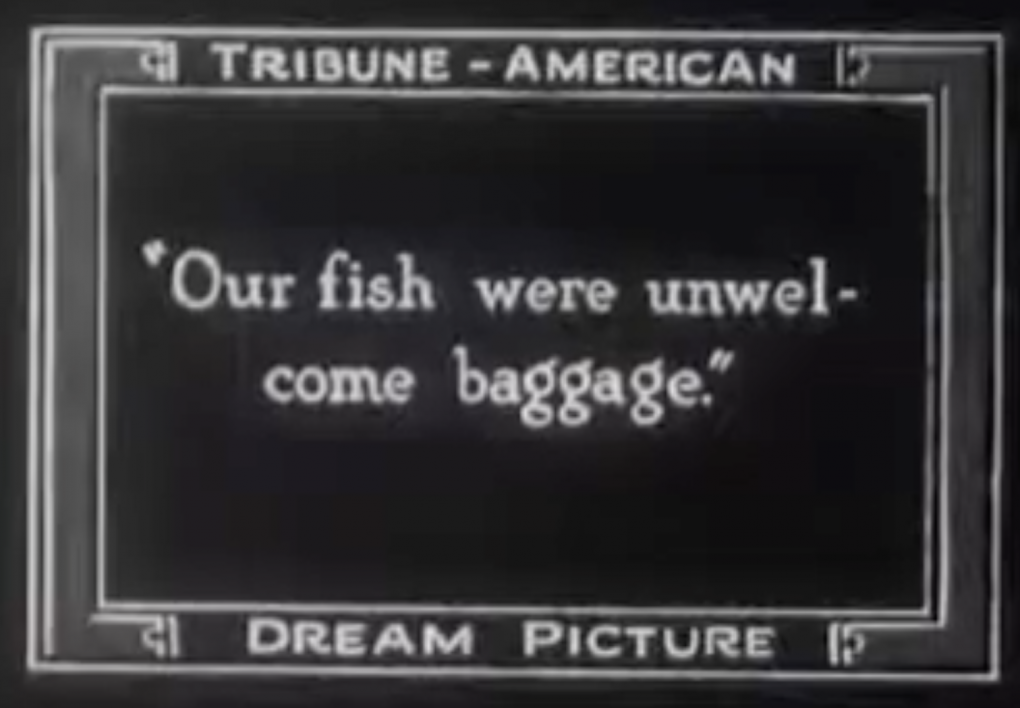
"caption": "\"Our fish were unwelcome baggage.\" One of the bizarre captions from the 1925 silent short film, based on the dream of an 'Oakland Tribune' reader.",
"description": "\"Our fish were unwelcome baggage.\" One of the bizarre captions from the 1925 silent short film, based on the dream of an 'Oakland Tribune' reader.",
"title": "\"Our fish were unwelcome baggage.\" One of the bizarre captions from the 1925 silent short film, based on the dream of an 'Oakland Tribune' reader.",
"credit": "YouTube/ @MindsiMedia Home",
"status": "inherit",
"altTag": "\"Our fish were unwelcome baggage.\" One of the bizarre captions from the 1925 silent short film, based on the dream of an 'Oakland Tribune' reader.",
"isLoading": false,
"fetchFailed": false
},
"arts_13897066": {
"type": "attachments",
"id": "arts_13897066",
"meta": {
"index": "attachments_1716263798",
"site": "arts",
"id": "13897066",
"found": true
},
"parent": 13897056,
"imgSizes": {
"twentyfourteen-full-width": {
"file": "https://ww2.kqed.org/app/uploads/sites/2/2021/05/Screen-Shot-2021-05-12-at-11.58.23-AM-1038x576.png",
"width": 1038,
"mimeType": "image/png",
"height": 576
},
"thumbnail": {
"file": "https://ww2.kqed.org/app/uploads/sites/2/2021/05/Screen-Shot-2021-05-12-at-11.58.23-AM-160x93.png",
"width": 160,
"mimeType": "image/png",
"height": 93
},
"post-thumbnail": {
"file": "https://ww2.kqed.org/app/uploads/sites/2/2021/05/Screen-Shot-2021-05-12-at-11.58.23-AM-672x372.png",
"width": 672,
"mimeType": "image/png",
"height": 372
},
"kqedFullSize": {
"file": "https://ww2.kqed.org/app/uploads/sites/2/2021/05/Screen-Shot-2021-05-12-at-11.58.23-AM-e1620845965188.png",
"width": 1920,
"height": 1120
},
"2048x2048": {
"file": "https://ww2.kqed.org/app/uploads/sites/2/2021/05/Screen-Shot-2021-05-12-at-11.58.23-AM-2048x1195.png",
"width": 2048,
"mimeType": "image/png",
"height": 1195
},
"large": {
"file": "https://ww2.kqed.org/app/uploads/sites/2/2021/05/Screen-Shot-2021-05-12-at-11.58.23-AM-1020x595.png",
"width": 1020,
"mimeType": "image/png",
"height": 595
},
"1536x1536": {
"file": "https://ww2.kqed.org/app/uploads/sites/2/2021/05/Screen-Shot-2021-05-12-at-11.58.23-AM-1536x896.png",
"width": 1536,
"mimeType": "image/png",
"height": 896
},
"full-width": {
"file": "https://ww2.kqed.org/app/uploads/sites/2/2021/05/Screen-Shot-2021-05-12-at-11.58.23-AM-1920x1120.png",
"width": 1920,
"mimeType": "image/png",
"height": 1120
},
"medium": {
"file": "https://ww2.kqed.org/app/uploads/sites/2/2021/05/Screen-Shot-2021-05-12-at-11.58.23-AM-800x467.png",
"width": 800,
"mimeType": "image/png",
"height": 467
},
"medium_large": {
"file": "https://ww2.kqed.org/app/uploads/sites/2/2021/05/Screen-Shot-2021-05-12-at-11.58.23-AM-768x448.png",
"width": 768,
"mimeType": "image/png",
"height": 448
}
},
"publishDate": 1620845938,
"modified": 1620846041,
"caption": "Jasmine Cephas Jones returns to her role as Ashley in the 'Blindspotting' TV series.",
"description": "Jasmine Cephas Jones returns to her role as Ashley in the 'Blindspotting' TV series.",
"title": "Jasmine Cephas Jones returns to her role as Ashley in the 'Blindspotting' TV series.",
"credit": "Twitter/ @blindspottingtv",
"status": "inherit",
"altTag": "Jasmine Cephas Jones returns to her role as Ashley in the 'Blindspotting' TV series.",
"isLoading": false,
"fetchFailed": false
},
"arts_13895051": {
"type": "attachments",
"id": "arts_13895051",
"meta": {
"index": "attachments_1716263798",
"site": "arts",
"id": "13895051",
"found": true
},
"parent": 13894961,
"imgSizes": {
"twentyfourteen-full-width": {
"file": "https://ww2.kqed.org/app/uploads/sites/2/2021/04/Manhaters_Sept-2018_-by-Brooke-Heineken-1038x576.jpg",
"width": 1038,
"mimeType": "image/jpeg",
"height": 576
},
"thumbnail": {
"file": "https://ww2.kqed.org/app/uploads/sites/2/2021/04/Manhaters_Sept-2018_-by-Brooke-Heineken-160x107.jpg",
"width": 160,
"mimeType": "image/jpeg",
"height": 107
},
"post-thumbnail": {
"file": "https://ww2.kqed.org/app/uploads/sites/2/2021/04/Manhaters_Sept-2018_-by-Brooke-Heineken-672x372.jpg",
"width": 672,
"mimeType": "image/jpeg",
"height": 372
},
"kqedFullSize": {
"file": "https://ww2.kqed.org/app/uploads/sites/2/2021/04/Manhaters_Sept-2018_-by-Brooke-Heineken.jpg",
"width": 2048,
"height": 1365
},
"large": {
"file": "https://ww2.kqed.org/app/uploads/sites/2/2021/04/Manhaters_Sept-2018_-by-Brooke-Heineken-1020x680.jpg",
"width": 1020,
"mimeType": "image/jpeg",
"height": 680
},
"1536x1536": {
"file": "https://ww2.kqed.org/app/uploads/sites/2/2021/04/Manhaters_Sept-2018_-by-Brooke-Heineken-1536x1024.jpg",
"width": 1536,
"mimeType": "image/jpeg",
"height": 1024
},
"full-width": {
"file": "https://ww2.kqed.org/app/uploads/sites/2/2021/04/Manhaters_Sept-2018_-by-Brooke-Heineken-1920x1280.jpg",
"width": 1920,
"mimeType": "image/jpeg",
"height": 1280
},
"medium": {
"file": "https://ww2.kqed.org/app/uploads/sites/2/2021/04/Manhaters_Sept-2018_-by-Brooke-Heineken-800x533.jpg",
"width": 800,
"mimeType": "image/jpeg",
"height": 533
},
"medium_large": {
"file": "https://ww2.kqed.org/app/uploads/sites/2/2021/04/Manhaters_Sept-2018_-by-Brooke-Heineken-768x512.jpg",
"width": 768,
"mimeType": "image/jpeg",
"height": 512
}
},
"publishDate": 1617316359,
"modified": 1617641560,
"caption": "Jackie Keliiaa performing at Manhaters.",
"description": "Standup Comedian Jackie Keliiaa holds a microphone on stage, she leans forward slightly, smiling out at the audience.",
"title": "Jackie Keliiaa performing at Manhaters.",
"credit": "Brooke Heinichen",
"status": "inherit",
"altTag": "Standup Comedian Jackie Keliiaa holds a microphone on stage, she leans forward slightly, smiling out at the audience.",
"isLoading": false,
"fetchFailed": false
},
"arts_13894315": {
"type": "attachments",
"id": "arts_13894315",
"meta": {
"index": "attachments_1716263798",
"site": "arts",
"id": "13894315",
"found": true
},
"parent": 13894169,
"imgSizes": {
"twentyfourteen-full-width": {
"file": "https://ww2.kqed.org/app/uploads/sites/2/2021/03/PunkHouseOakland-1038x576.jpg",
"width": 1038,
"mimeType": "image/jpeg",
"height": 576
},
"thumbnail": {
"file": "https://ww2.kqed.org/app/uploads/sites/2/2021/03/PunkHouseOakland-160x99.jpg",
"width": 160,
"mimeType": "image/jpeg",
"height": 99
},
"post-thumbnail": {
"file": "https://ww2.kqed.org/app/uploads/sites/2/2021/03/PunkHouseOakland-672x372.jpg",
"width": 672,
"mimeType": "image/jpeg",
"height": 372
},
"kqedFullSize": {
"file": "https://ww2.kqed.org/app/uploads/sites/2/2021/03/PunkHouseOakland-scaled-e1616186881703.jpg",
"width": 1920,
"height": 1188
},
"2048x2048": {
"file": "https://ww2.kqed.org/app/uploads/sites/2/2021/03/PunkHouseOakland-2048x1267.jpg",
"width": 2048,
"mimeType": "image/jpeg",
"height": 1267
},
"large": {
"file": "https://ww2.kqed.org/app/uploads/sites/2/2021/03/PunkHouseOakland-1020x631.jpg",
"width": 1020,
"mimeType": "image/jpeg",
"height": 631
},
"1536x1536": {
"file": "https://ww2.kqed.org/app/uploads/sites/2/2021/03/PunkHouseOakland-1536x951.jpg",
"width": 1536,
"mimeType": "image/jpeg",
"height": 951
},
"full-width": {
"file": "https://ww2.kqed.org/app/uploads/sites/2/2021/03/PunkHouseOakland-1920x1188.jpg",
"width": 1920,
"mimeType": "image/jpeg",
"height": 1188
},
"medium": {
"file": "https://ww2.kqed.org/app/uploads/sites/2/2021/03/PunkHouseOakland-800x495.jpg",
"width": 800,
"mimeType": "image/jpeg",
"height": 495
},
"medium_large": {
"file": "https://ww2.kqed.org/app/uploads/sites/2/2021/03/PunkHouseOakland-768x475.jpg",
"width": 768,
"mimeType": "image/jpeg",
"height": 475
}
},
"publishDate": 1616186204,
"modified": 1616523099,
"caption": "(L-R) Orlando and Tanya (photo by Patti Tuori); Mike Matusio, Elizabeth D.",
"description": "(L-R) Orlando and Tanya (photo by Patti Tuori); Mike Matusio, Elizabeth D.",
"title": "Oakland punks in the '90s. (L-R) Orlando and Tanya (photo by Patti Tuori); Mike Matusio, Elizabeth D.",
"credit": "Instagram/@punkhouseoakland",
"status": "inherit",
"altTag": "Oakland punks in the '90s. (L-R) Orlando and Tanya (photo by Patti Tuori); Mike Matusio, Elizabeth D.",
"isLoading": false,
"fetchFailed": false
},
"arts_13886658": {
"type": "attachments",
"id": "arts_13886658",
"meta": {
"index": "attachments_1716263798",
"site": "arts",
"id": "13886658",
"found": true
},
"parent": 13886388,
"imgSizes": {
"twentyfourteen-full-width": {
"file": "https://ww2.kqed.org/app/uploads/sites/2/2020/09/BP_KQED_8-1038x576.jpeg",
"width": 1038,
"mimeType": "image/jpeg",
"height": 576
},
"thumbnail": {
"file": "https://ww2.kqed.org/app/uploads/sites/2/2020/09/BP_KQED_8-160x90.jpeg",
"width": 160,
"mimeType": "image/jpeg",
"height": 90
},
"post-thumbnail": {
"file": "https://ww2.kqed.org/app/uploads/sites/2/2020/09/BP_KQED_8-672x372.jpeg",
"width": 672,
"mimeType": "image/jpeg",
"height": 372
},
"kqedFullSize": {
"file": "https://ww2.kqed.org/app/uploads/sites/2/2020/09/BP_KQED_8-scaled.jpeg",
"width": 2560,
"height": 1440
},
"2048x2048": {
"file": "https://ww2.kqed.org/app/uploads/sites/2/2020/09/BP_KQED_8-2048x1152.jpeg",
"width": 2048,
"mimeType": "image/jpeg",
"height": 1152
},
"large": {
"file": "https://ww2.kqed.org/app/uploads/sites/2/2020/09/BP_KQED_8-1020x574.jpeg",
"width": 1020,
"mimeType": "image/jpeg",
"height": 574
},
"1536x1536": {
"file": "https://ww2.kqed.org/app/uploads/sites/2/2020/09/BP_KQED_8-1536x864.jpeg",
"width": 1536,
"mimeType": "image/jpeg",
"height": 864
},
"full-width": {
"file": "https://ww2.kqed.org/app/uploads/sites/2/2020/09/BP_KQED_8-1920x1080.jpeg",
"width": 1920,
"mimeType": "image/jpeg",
"height": 1080
},
"medium": {
"file": "https://ww2.kqed.org/app/uploads/sites/2/2020/09/BP_KQED_8-800x450.jpeg",
"width": 800,
"mimeType": "image/jpeg",
"height": 450
},
"medium_large": {
"file": "https://ww2.kqed.org/app/uploads/sites/2/2020/09/BP_KQED_8-768x432.jpeg",
"width": 768,
"mimeType": "image/jpeg",
"height": 432
}
},
"publishDate": 1600799445,
"modified": 1600799545,
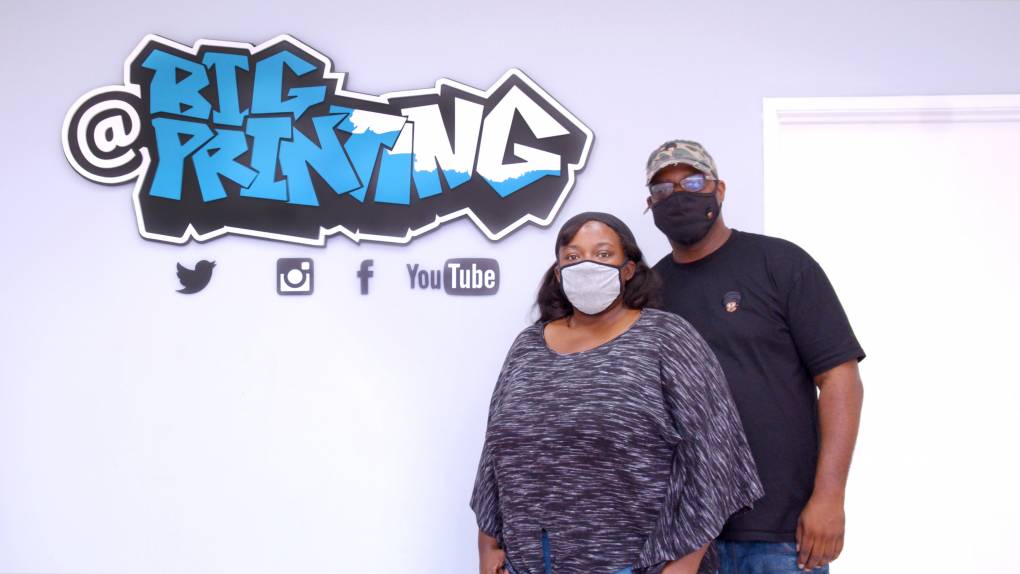
"caption": "Kesney and Dawaud Muhammad of Big Printing T-shirt Clothing",
"description": "Kesney and Dawaud Muhammad of Big Printing T-shirt Clothing",
"title": "Kesney and Dawaud Muhammad of Big Printing T-shirt Clothing",
"credit": " Lauren J. Richardson of LacedMedia",
"status": "inherit",
"isLoading": false,
"fetchFailed": false
},
"arts_13877528": {
"type": "attachments",
"id": "arts_13877528",
"meta": {
"index": "attachments_1716263798",
"site": "arts",
"id": "13877528",
"found": true
},
"parent": 13877498,
"imgSizes": {
"twentyfourteen-full-width": {
"file": "https://ww2.kqed.org/app/uploads/sites/2/2020/03/DSC8527-1038x576.jpg",
"width": 1038,
"mimeType": "image/jpeg",
"height": 576
},
"thumbnail": {
"file": "https://ww2.kqed.org/app/uploads/sites/2/2020/03/DSC8527-160x107.jpg",
"width": 160,
"mimeType": "image/jpeg",
"height": 107
},
"post-thumbnail": {
"file": "https://ww2.kqed.org/app/uploads/sites/2/2020/03/DSC8527-672x372.jpg",
"width": 672,
"mimeType": "image/jpeg",
"height": 372
},
"kqedFullSize": {
"file": "https://ww2.kqed.org/app/uploads/sites/2/2020/03/DSC8527.jpg",
"width": 1616,
"height": 1080
},
"large": {
"file": "https://ww2.kqed.org/app/uploads/sites/2/2020/03/DSC8527-1020x682.jpg",
"width": 1020,
"mimeType": "image/jpeg",
"height": 682
},
"medium": {
"file": "https://ww2.kqed.org/app/uploads/sites/2/2020/03/DSC8527-800x535.jpg",
"width": 800,
"mimeType": "image/jpeg",
"height": 535
},
"medium_large": {
"file": "https://ww2.kqed.org/app/uploads/sites/2/2020/03/DSC8527-768x513.jpg",
"width": 768,
"mimeType": "image/jpeg",
"height": 513
}
},
"publishDate": 1585237355,
"modified": 1585257953,
"caption": "Scid Howard in front of the Contra Loma Regional Trail in February 2020 (before shelter-in-place).",
"description": "Scid Howard in front of the Contra Loma Regional Trail in February 2020 (before shelter-in-place).",
"title": "Scid Howard in front of the Contra Loma Regional Trail in February 2020 (before shelter-in-place).",
"credit": "Pendarvis Harshaw",
"status": "inherit",
"isLoading": false,
"fetchFailed": false
},
"arts_13869567": {
"type": "attachments",
"id": "arts_13869567",
"meta": {
"index": "attachments_1716263798",
"site": "arts",
"id": "13869567",
"found": true
},
"parent": 13869562,
"imgSizes": {
"twentyfourteen-full-width": {
"file": "https://ww2.kqed.org/app/uploads/sites/2/2019/11/maxresdefault-1038x576.jpg",
"width": 1038,
"mimeType": "image/jpeg",
"height": 576
},
"thumbnail": {
"file": "https://ww2.kqed.org/app/uploads/sites/2/2019/11/maxresdefault-160x90.jpg",
"width": 160,
"mimeType": "image/jpeg",
"height": 90
},
"post-thumbnail": {
"file": "https://ww2.kqed.org/app/uploads/sites/2/2019/11/maxresdefault-672x372.jpg",
"width": 672,
"mimeType": "image/jpeg",
"height": 372
},
"kqedFullSize": {
"file": "https://ww2.kqed.org/app/uploads/sites/2/2019/11/maxresdefault.jpg",
"width": 1280,
"height": 720
},
"large": {
"file": "https://ww2.kqed.org/app/uploads/sites/2/2019/11/maxresdefault-1020x574.jpg",
"width": 1020,
"mimeType": "image/jpeg",
"height": 574
},
"complete_open_graph": {
"file": "https://ww2.kqed.org/app/uploads/sites/2/2019/11/maxresdefault-1200x675.jpg",
"width": 1200,
"mimeType": "image/jpeg",
"height": 675
},
"medium": {
"file": "https://ww2.kqed.org/app/uploads/sites/2/2019/11/maxresdefault-800x450.jpg",
"width": 800,
"mimeType": "image/jpeg",
"height": 450
},
"medium_large": {
"file": "https://ww2.kqed.org/app/uploads/sites/2/2019/11/maxresdefault-768x432.jpg",
"width": 768,
"mimeType": "image/jpeg",
"height": 432
}
},
"publishDate": 1573084323,
"modified": 1573084350,
"caption": "Ms. Mallari and her second grade class in Pittsburg.",
"description": "Ms. Mallari and her second grade class in Pittsburg.",
"title": "Ms. Mallari and her second grade class in Pittsburg.",
"credit": "YouTube",
"status": "inherit",
"isLoading": false,
"fetchFailed": false
},
"arts_13853051": {
"type": "attachments",
"id": "arts_13853051",
"meta": {
"index": "attachments_1716263798",
"site": "arts",
"id": "13853051",
"found": true
},
"parent": 13853006,
"imgSizes": {
"twentyfourteen-full-width": {
"file": "https://ww2.kqed.org/app/uploads/sites/2/2019/03/ShyanG.LoadingDock.MAIN_-1038x576.jpg",
"width": 1038,
"mimeType": "image/jpeg",
"height": 576
},
"thumbnail": {
"file": "https://ww2.kqed.org/app/uploads/sites/2/2019/03/ShyanG.LoadingDock.MAIN_-160x100.jpg",
"width": 160,
"mimeType": "image/jpeg",
"height": 100
},
"post-thumbnail": {
"file": "https://ww2.kqed.org/app/uploads/sites/2/2019/03/ShyanG.LoadingDock.MAIN_-672x372.jpg",
"width": 672,
"mimeType": "image/jpeg",
"height": 372
},
"kqedFullSize": {
"file": "https://ww2.kqed.org/app/uploads/sites/2/2019/03/ShyanG.LoadingDock.MAIN_.jpg",
"width": 1920,
"height": 1200
},
"large": {
"file": "https://ww2.kqed.org/app/uploads/sites/2/2019/03/ShyanG.LoadingDock.MAIN_-1020x638.jpg",
"width": 1020,
"mimeType": "image/jpeg",
"height": 638
},
"complete_open_graph": {
"file": "https://ww2.kqed.org/app/uploads/sites/2/2019/03/ShyanG.LoadingDock.MAIN_-1200x750.jpg",
"width": 1200,
"mimeType": "image/jpeg",
"height": 750
},
"guest-author-50": {
"file": "https://ww2.kqed.org/app/uploads/sites/2/2019/03/ShyanG.LoadingDock.MAIN_-50x50.jpg",
"width": 50,
"mimeType": "image/jpeg",
"height": 50
},
"guest-author-96": {
"file": "https://ww2.kqed.org/app/uploads/sites/2/2019/03/ShyanG.LoadingDock.MAIN_-96x96.jpg",
"width": 96,
"mimeType": "image/jpeg",
"height": 96
},
"medium": {
"file": "https://ww2.kqed.org/app/uploads/sites/2/2019/03/ShyanG.LoadingDock.MAIN_-800x500.jpg",
"width": 800,
"mimeType": "image/jpeg",
"height": 500
},
"guest-author-64": {
"file": "https://ww2.kqed.org/app/uploads/sites/2/2019/03/ShyanG.LoadingDock.MAIN_-64x64.jpg",
"width": 64,
"mimeType": "image/jpeg",
"height": 64
},
"guest-author-32": {
"file": "https://ww2.kqed.org/app/uploads/sites/2/2019/03/ShyanG.LoadingDock.MAIN_-32x32.jpg",
"width": 32,
"mimeType": "image/jpeg",
"height": 32
},
"full-width": {
"file": "https://ww2.kqed.org/app/uploads/sites/2/2019/03/ShyanG.LoadingDock.MAIN_-1920x1200.jpg",
"width": 1920,
"mimeType": "image/jpeg",
"height": 1200
},
"medium_large": {
"file": "https://ww2.kqed.org/app/uploads/sites/2/2019/03/ShyanG.LoadingDock.MAIN_-768x480.jpg",
"width": 768,
"mimeType": "image/jpeg",
"height": 480
},
"guest-author-128": {
"file": "https://ww2.kqed.org/app/uploads/sites/2/2019/03/ShyanG.LoadingDock.MAIN_-128x128.jpg",
"width": 128,
"mimeType": "image/jpeg",
"height": 128
}
},
"publishDate": 1552680477,
"modified": 1552680517,
"caption": "Shy'an G with her cousin and manager, Blake Simons.",
"description": "Shy'an G with her cousin and manager, Blake Simons.",
"title": "ShyanG.LoadingDock.MAIN",
"credit": "Pendarvis Harshaw",
"status": "inherit",
"isLoading": false,
"fetchFailed": false
},
"arts_13832899": {
"type": "attachments",
"id": "arts_13832899",
"meta": {
"index": "attachments_1716263798",
"site": "arts",
"id": "13832899",
"found": true
},
"parent": 13832886,
"imgSizes": {
"small": {
"file": "https://ww2.kqed.org/app/uploads/sites/2/2018/05/cover-520x293.jpg",
"width": 520,
"mimeType": "image/jpeg",
"height": 293
},
"twentyfourteen-full-width": {
"file": "https://ww2.kqed.org/app/uploads/sites/2/2018/05/cover-1038x576.jpg",
"width": 1038,
"mimeType": "image/jpeg",
"height": 576
},
"thumbnail": {
"file": "https://ww2.kqed.org/app/uploads/sites/2/2018/05/cover-160x90.jpg",
"width": 160,
"mimeType": "image/jpeg",
"height": 90
},
"fd-sm": {
"file": "https://ww2.kqed.org/app/uploads/sites/2/2018/05/cover-960x540.jpg",
"width": 960,
"mimeType": "image/jpeg",
"height": 540
},
"post-thumbnail": {
"file": "https://ww2.kqed.org/app/uploads/sites/2/2018/05/cover-672x372.jpg",
"width": 672,
"mimeType": "image/jpeg",
"height": 372
},
"xsmall": {
"file": "https://ww2.kqed.org/app/uploads/sites/2/2018/05/cover-375x211.jpg",
"width": 375,
"mimeType": "image/jpeg",
"height": 211
},
"kqedFullSize": {
"file": "https://ww2.kqed.org/app/uploads/sites/2/2018/05/cover.jpg",
"width": 1920,
"height": 1080
},
"large": {
"file": "https://ww2.kqed.org/app/uploads/sites/2/2018/05/cover-1020x574.jpg",
"width": 1020,
"mimeType": "image/jpeg",
"height": 574
},
"xlarge": {
"file": "https://ww2.kqed.org/app/uploads/sites/2/2018/05/cover-1180x664.jpg",
"width": 1180,
"mimeType": "image/jpeg",
"height": 664
},
"complete_open_graph": {
"file": "https://ww2.kqed.org/app/uploads/sites/2/2018/05/cover-1200x675.jpg",
"width": 1200,
"mimeType": "image/jpeg",
"height": 675
},
"guest-author-50": {
"file": "https://ww2.kqed.org/app/uploads/sites/2/2018/05/cover-50x50.jpg",
"width": 50,
"mimeType": "image/jpeg",
"height": 50
},
"guest-author-96": {
"file": "https://ww2.kqed.org/app/uploads/sites/2/2018/05/cover-96x96.jpg",
"width": 96,
"mimeType": "image/jpeg",
"height": 96
},
"medium": {
"file": "https://ww2.kqed.org/app/uploads/sites/2/2018/05/cover-800x450.jpg",
"width": 800,
"mimeType": "image/jpeg",
"height": 450
},
"guest-author-64": {
"file": "https://ww2.kqed.org/app/uploads/sites/2/2018/05/cover-64x64.jpg",
"width": 64,
"mimeType": "image/jpeg",
"height": 64
},
"guest-author-32": {
"file": "https://ww2.kqed.org/app/uploads/sites/2/2018/05/cover-32x32.jpg",
"width": 32,
"mimeType": "image/jpeg",
"height": 32
},
"fd-lrg": {
"file": "https://ww2.kqed.org/app/uploads/sites/2/2018/05/cover-1920x1080.jpg",
"width": 1920,
"mimeType": "image/jpeg",
"height": 1080
},
"fd-med": {
"file": "https://ww2.kqed.org/app/uploads/sites/2/2018/05/cover-1180x664.jpg",
"width": 1180,
"mimeType": "image/jpeg",
"height": 664
},
"full-width": {
"file": "https://ww2.kqed.org/app/uploads/sites/2/2018/05/cover-1920x1080.jpg",
"width": 1920,
"mimeType": "image/jpeg",
"height": 1080
},
"detail": {
"file": "https://ww2.kqed.org/app/uploads/sites/2/2018/05/cover-150x150.jpg",
"width": 150,
"mimeType": "image/jpeg",
"height": 150
},
"medium_large": {
"file": "https://ww2.kqed.org/app/uploads/sites/2/2018/05/cover-768x432.jpg",
"width": 768,
"mimeType": "image/jpeg",
"height": 432
},
"guest-author-128": {
"file": "https://ww2.kqed.org/app/uploads/sites/2/2018/05/cover-128x128.jpg",
"width": 128,
"mimeType": "image/jpeg",
"height": 128
},
"xxsmall": {
"file": "https://ww2.kqed.org/app/uploads/sites/2/2018/05/cover-240x135.jpg",
"width": 240,
"mimeType": "image/jpeg",
"height": 135
}
},
"publishDate": 1526932428,
"modified": 1526935431,
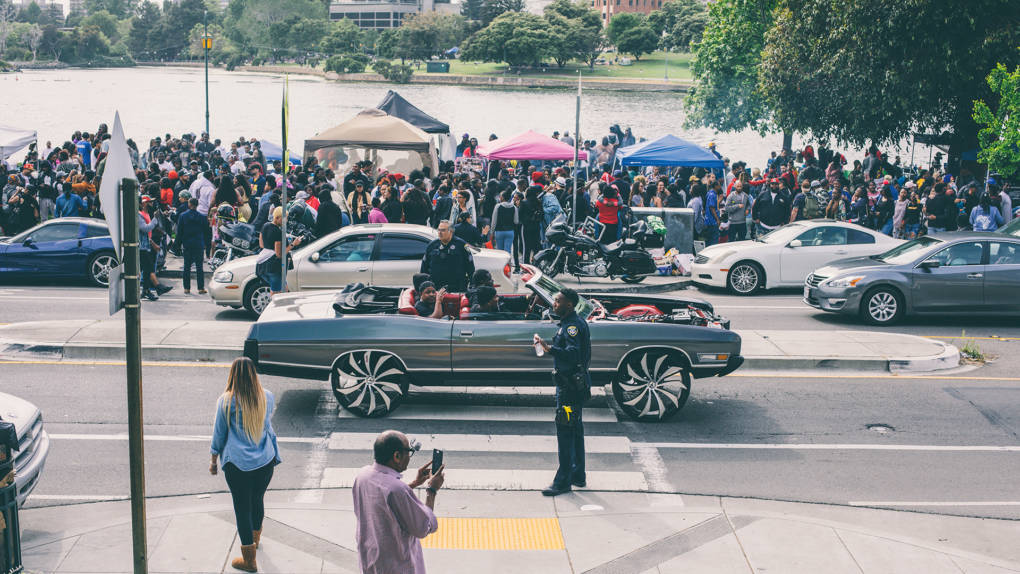
"caption": "Hundreds of black Oaklanders and their supporters came to \"BBQ'n While Black\" at Lake Merritt on May 20 following a white woman's racially charged police complaint.",
"description": "Hundreds of black Oaklanders and their supporters came to BBQ'n While Black at Lake Merritt on May 20 following a white woman's racially charged police complaint.",
"title": "cover",
"credit": "Kevin Allen",
"status": "inherit",
"isLoading": false,
"fetchFailed": false
},
"arts_13856345": {
"type": "attachments",
"id": "arts_13856345",
"meta": {
"index": "attachments_1716263798",
"site": "arts",
"id": "13856345",
"found": true
},
"parent": 13856335,
"imgSizes": {
"twentyfourteen-full-width": {
"file": "https://ww2.kqed.org/app/uploads/sites/2/2019/04/ICCD_Oakland-1-1038x576.jpg",
"width": 1038,
"mimeType": "image/jpeg",
"height": 576
},
"thumbnail": {
"file": "https://ww2.kqed.org/app/uploads/sites/2/2019/04/ICCD_Oakland-1-160x90.jpg",
"width": 160,
"mimeType": "image/jpeg",
"height": 90
},
"post-thumbnail": {
"file": "https://ww2.kqed.org/app/uploads/sites/2/2019/04/ICCD_Oakland-1-672x372.jpg",
"width": 672,
"mimeType": "image/jpeg",
"height": 372
},
"kqedFullSize": {
"file": "https://ww2.kqed.org/app/uploads/sites/2/2019/04/ICCD_Oakland-1.jpg",
"width": 1920,
"height": 1079
},
"large": {
"file": "https://ww2.kqed.org/app/uploads/sites/2/2019/04/ICCD_Oakland-1-1020x573.jpg",
"width": 1020,
"mimeType": "image/jpeg",
"height": 573
},
"complete_open_graph": {
"file": "https://ww2.kqed.org/app/uploads/sites/2/2019/04/ICCD_Oakland-1-1200x674.jpg",
"width": 1200,
"mimeType": "image/jpeg",
"height": 674
},
"full-width": {
"file": "https://ww2.kqed.org/app/uploads/sites/2/2019/04/ICCD_Oakland-1-1920x1079.jpg",
"width": 1920,
"mimeType": "image/jpeg",
"height": 1079
},
"medium": {
"file": "https://ww2.kqed.org/app/uploads/sites/2/2019/04/ICCD_Oakland-1-800x450.jpg",
"width": 800,
"mimeType": "image/jpeg",
"height": 450
},
"medium_large": {
"file": "https://ww2.kqed.org/app/uploads/sites/2/2019/04/ICCD_Oakland-1-768x432.jpg",
"width": 768,
"mimeType": "image/jpeg",
"height": 432
}
},
"publishDate": 1556664310,
"modified": 1558567142,
"caption": "Turf Feinz member Garion \"Icecold3000\" Morgan in Oakland",
"description": "Turf Feinz member Garion \"Icecold3000\" Morgan in Oakland",
"title": "ICCD_Oakland",
"credit": null,
"status": "inherit",
"isLoading": false,
"fetchFailed": false
},
"arts_13840284": {
"type": "attachments",
"id": "arts_13840284",
"meta": {
"index": "attachments_1716263798",
"site": "arts",
"id": "13840284",
"found": true
},
"parent": 13840062,
"imgSizes": {
"small": {
"file": "https://ww2.kqed.org/app/uploads/sites/2/2018/08/Nico_Medina_Graham_Holoch_KQED_10_INTRO_COVER-520x293.jpg",
"width": 520,
"mimeType": "image/jpeg",
"height": 293
},
"twentyfourteen-full-width": {
"file": "https://ww2.kqed.org/app/uploads/sites/2/2018/08/Nico_Medina_Graham_Holoch_KQED_10_INTRO_COVER-1038x576.jpg",
"width": 1038,
"mimeType": "image/jpeg",
"height": 576
},
"thumbnail": {
"file": "https://ww2.kqed.org/app/uploads/sites/2/2018/08/Nico_Medina_Graham_Holoch_KQED_10_INTRO_COVER-160x90.jpg",
"width": 160,
"mimeType": "image/jpeg",
"height": 90
},
"fd-sm": {
"file": "https://ww2.kqed.org/app/uploads/sites/2/2018/08/Nico_Medina_Graham_Holoch_KQED_10_INTRO_COVER-960x540.jpg",
"width": 960,
"mimeType": "image/jpeg",
"height": 540
},
"post-thumbnail": {
"file": "https://ww2.kqed.org/app/uploads/sites/2/2018/08/Nico_Medina_Graham_Holoch_KQED_10_INTRO_COVER-672x372.jpg",
"width": 672,
"mimeType": "image/jpeg",
"height": 372
},
"xsmall": {
"file": "https://ww2.kqed.org/app/uploads/sites/2/2018/08/Nico_Medina_Graham_Holoch_KQED_10_INTRO_COVER-375x211.jpg",
"width": 375,
"mimeType": "image/jpeg",
"height": 211
},
"kqedFullSize": {
"file": "https://ww2.kqed.org/app/uploads/sites/2/2018/08/Nico_Medina_Graham_Holoch_KQED_10_INTRO_COVER.jpg",
"width": 1920,
"height": 1080
},
"large": {
"file": "https://ww2.kqed.org/app/uploads/sites/2/2018/08/Nico_Medina_Graham_Holoch_KQED_10_INTRO_COVER-1020x574.jpg",
"width": 1020,
"mimeType": "image/jpeg",
"height": 574
},
"xlarge": {
"file": "https://ww2.kqed.org/app/uploads/sites/2/2018/08/Nico_Medina_Graham_Holoch_KQED_10_INTRO_COVER-1180x664.jpg",
"width": 1180,
"mimeType": "image/jpeg",
"height": 664
},
"complete_open_graph": {
"file": "https://ww2.kqed.org/app/uploads/sites/2/2018/08/Nico_Medina_Graham_Holoch_KQED_10_INTRO_COVER-1200x675.jpg",
"width": 1200,
"mimeType": "image/jpeg",
"height": 675
},
"guest-author-50": {
"file": "https://ww2.kqed.org/app/uploads/sites/2/2018/08/Nico_Medina_Graham_Holoch_KQED_10_INTRO_COVER-50x50.jpg",
"width": 50,
"mimeType": "image/jpeg",
"height": 50
},
"guest-author-96": {
"file": "https://ww2.kqed.org/app/uploads/sites/2/2018/08/Nico_Medina_Graham_Holoch_KQED_10_INTRO_COVER-96x96.jpg",
"width": 96,
"mimeType": "image/jpeg",
"height": 96
},
"medium": {
"file": "https://ww2.kqed.org/app/uploads/sites/2/2018/08/Nico_Medina_Graham_Holoch_KQED_10_INTRO_COVER-800x450.jpg",
"width": 800,
"mimeType": "image/jpeg",
"height": 450
},
"guest-author-64": {
"file": "https://ww2.kqed.org/app/uploads/sites/2/2018/08/Nico_Medina_Graham_Holoch_KQED_10_INTRO_COVER-64x64.jpg",
"width": 64,
"mimeType": "image/jpeg",
"height": 64
},
"guest-author-32": {
"file": "https://ww2.kqed.org/app/uploads/sites/2/2018/08/Nico_Medina_Graham_Holoch_KQED_10_INTRO_COVER-32x32.jpg",
"width": 32,
"mimeType": "image/jpeg",
"height": 32
},
"fd-lrg": {
"file": "https://ww2.kqed.org/app/uploads/sites/2/2018/08/Nico_Medina_Graham_Holoch_KQED_10_INTRO_COVER-1920x1080.jpg",
"width": 1920,
"mimeType": "image/jpeg",
"height": 1080
},
"fd-med": {
"file": "https://ww2.kqed.org/app/uploads/sites/2/2018/08/Nico_Medina_Graham_Holoch_KQED_10_INTRO_COVER-1180x664.jpg",
"width": 1180,
"mimeType": "image/jpeg",
"height": 664
},
"full-width": {
"file": "https://ww2.kqed.org/app/uploads/sites/2/2018/08/Nico_Medina_Graham_Holoch_KQED_10_INTRO_COVER-1920x1080.jpg",
"width": 1920,
"mimeType": "image/jpeg",
"height": 1080
},
"detail": {
"file": "https://ww2.kqed.org/app/uploads/sites/2/2018/08/Nico_Medina_Graham_Holoch_KQED_10_INTRO_COVER-150x150.jpg",
"width": 150,
"mimeType": "image/jpeg",
"height": 150
},
"medium_large": {
"file": "https://ww2.kqed.org/app/uploads/sites/2/2018/08/Nico_Medina_Graham_Holoch_KQED_10_INTRO_COVER-768x432.jpg",
"width": 768,
"mimeType": "image/jpeg",
"height": 432
},
"guest-author-128": {
"file": "https://ww2.kqed.org/app/uploads/sites/2/2018/08/Nico_Medina_Graham_Holoch_KQED_10_INTRO_COVER-128x128.jpg",
"width": 128,
"mimeType": "image/jpeg",
"height": 128
},
"xxsmall": {
"file": "https://ww2.kqed.org/app/uploads/sites/2/2018/08/Nico_Medina_Graham_Holoch_KQED_10_INTRO_COVER-240x135.jpg",
"width": 240,
"mimeType": "image/jpeg",
"height": 135
}
},
"publishDate": 1536086418,
"modified": 1536086488,
"caption": "Nicólas González-Medina in his Oakland home studio.",
"description": "Nicólas González-Medina in his Oakland home studio.",
"title": "Nico_Medina_Graham_Holoch_KQED_10_INTRO_COVER",
"credit": "Graham Holoch/KQED",
"status": "inherit",
"isLoading": false,
"fetchFailed": false
}
},
"audioPlayerReducer": {
"postId": "stream_live",
"isPaused": true,
"isPlaying": false,
"pfsActive": false,
"pledgeModalIsOpen": true,
"playerDrawerIsOpen": false,
"liveAudioPlayStartedAt": 0,
"liveAudioPlayContext": ""
},
"authorsReducer": {
"byline_arts_13904009": {
"type": "authors",
"id": "byline_arts_13904009",
"meta": {
"override": true
},
"slug": "byline_arts_13904009",
"name": "Pendarvis Harshaw, Marisol Medina-Cadena, Gary Baca",
"isLoading": false
},
"byline_arts_13856335": {
"type": "authors",
"id": "byline_arts_13856335",
"meta": {
"override": true
},
"slug": "byline_arts_13856335",
"name": "Yoram Savion, Elie Khadra and Kelly Whalen",
"isLoading": false
},
"shotchkiss": {
"type": "authors",
"id": "61",
"meta": {
"index": "authors_1716337520",
"id": "61",
"found": true
},
"name": "Sarah Hotchkiss",
"firstName": "Sarah",
"lastName": "Hotchkiss",
"slug": "shotchkiss",
"email": "shotchkiss@kqed.org",
"display_author_email": true,
"staff_mastheads": [
"arts"
],
"title": "Senior Editor",
"bio": "Sarah Hotchkiss is a San Francisco \u003ca href=\"http://www.sarahhotchkiss.com\">artist\u003c/a> and arts writer. In 2019, she received the Dorothea & Leo Rabkin Foundation grant for visual art journalism and in 2020 she received a Society of Professional Journalists, Northern California award for excellence in arts and culture reporting.",
"avatar": "https://secure.gravatar.com/avatar/bc662df144b3d27fd8b1b6f1c2a420d34e91e53154d411bb7ad353cc8b6cea8d?s=600&d=blank&r=g",
"twitter": null,
"bluesky": null,
"facebook": null,
"instagram": null,
"linkedin": null,
"sites": [
{
"site": "",
"roles": [
"editor"
]
},
{
"site": "arts",
"roles": [
"Contributor",
"administrator"
]
},
{
"site": "artschool",
"roles": [
"administrator"
]
},
{
"site": "news",
"roles": [
"editor"
]
},
{
"site": "pop",
"roles": [
"administrator"
]
},
{
"site": "bayareabites",
"roles": [
"editor"
]
},
{
"site": "spark",
"roles": [
"editor"
]
},
{
"site": "checkplease",
"roles": [
"editor"
]
}
],
"headData": {
"title": "Sarah Hotchkiss | KQED",
"description": "Senior Editor",
"ogImgSrc": "https://secure.gravatar.com/avatar/bc662df144b3d27fd8b1b6f1c2a420d34e91e53154d411bb7ad353cc8b6cea8d?s=600&d=blank&r=g",
"twImgSrc": "https://secure.gravatar.com/avatar/bc662df144b3d27fd8b1b6f1c2a420d34e91e53154d411bb7ad353cc8b6cea8d?s=600&d=blank&r=g"
},
"isLoading": false,
"link": "/author/shotchkiss"
},
"slefebvre": {
"type": "authors",
"id": "11091",
"meta": {
"index": "authors_1716337520",
"id": "11091",
"found": true
},
"name": "Sam Lefebvre",
"firstName": "Sam",
"lastName": "Lefebvre",
"slug": "slefebvre",
"email": "sdlefebvre@gmail.com",
"display_author_email": false,
"staff_mastheads": [],
"title": "KQED Contributor",
"bio": "Sam Lefebvre is an award-winning reporter at KQED Arts. He has worked as an editor and columnist at the \u003cem>East Bay Express\u003c/em>, \u003cem>SF Weekly \u003c/em>and Impose Magazine, and his journalism and criticism has appeared in \u003cem>The New York Times\u003c/em>, the Guardian and Pitchfork.",
"avatar": "https://secure.gravatar.com/avatar/49d39b42930b77fb13784ddd9fa63fe780666b71bf289368509dba576b64e69b?s=600&d=blank&r=g",
"twitter": "Lefebvre_Sam",
"bluesky": null,
"facebook": null,
"instagram": null,
"linkedin": null,
"sites": [
{
"site": "arts",
"roles": [
"subscriber"
]
},
{
"site": "news",
"roles": [
"author"
]
}
],
"headData": {
"title": "Sam Lefebvre | KQED",
"description": "KQED Contributor",
"ogImgSrc": "https://secure.gravatar.com/avatar/49d39b42930b77fb13784ddd9fa63fe780666b71bf289368509dba576b64e69b?s=600&d=blank&r=g",
"twImgSrc": "https://secure.gravatar.com/avatar/49d39b42930b77fb13784ddd9fa63fe780666b71bf289368509dba576b64e69b?s=600&d=blank&r=g"
},
"isLoading": false,
"link": "/author/slefebvre"
},
"ralexandra": {
"type": "authors",
"id": "11242",
"meta": {
"index": "authors_1716337520",
"id": "11242",
"found": true
},
"name": "Rae Alexandra",
"firstName": "Rae",
"lastName": "Alexandra",
"slug": "ralexandra",
"email": "ralexandra@kqed.org",
"display_author_email": true,
"staff_mastheads": [],
"title": "Reporter/Producer",
"bio": "Rae Alexandra is a Reporter/Producer for KQED Arts & Culture, and the creator/author of the \u003ca href=\"https://www.kqed.org/arts/program/rebel-girls-from-bay-area-history\">Rebel Girls From Bay Area History\u003c/a> and \u003ca href=\"https://www.kqed.org/bizarrebayarea\">Bizarre Bay Area\u003c/a> series. Her debut book, \u003ca href=\"https://citylights.com/politics-current-events-history/unsung-heroines35-women-who-changed/\">Unsung Heroines: 35 Women Who Changed the Bay Area\u003c/a> was published by City Lights in March 2026. In 2023, Rae was awarded an SPJ Excellence in Journalism Award for Arts & Culture. Rae was born and raised in Wales and subsequently — even after two decades in Northern California — still uses phrases that regularly baffle her coworkers.",
"avatar": "https://secure.gravatar.com/avatar/edfee8176c80cc0a382b051190f5341997df378a934a5774dcb0977732dfd401?s=600&d=blank&r=g",
"twitter": null,
"bluesky": null,
"facebook": null,
"instagram": null,
"linkedin": null,
"sites": [
{
"site": "arts",
"roles": [
"subscriber"
]
},
{
"site": "news",
"roles": [
"subscriber"
]
},
{
"site": "pop",
"roles": [
"subscriber"
]
},
{
"site": "bayareabites",
"roles": [
"subscriber"
]
},
{
"site": "science",
"roles": [
"subscriber"
]
}
],
"headData": {
"title": "Rae Alexandra | KQED",
"description": "Reporter/Producer",
"ogImgSrc": "https://secure.gravatar.com/avatar/edfee8176c80cc0a382b051190f5341997df378a934a5774dcb0977732dfd401?s=600&d=blank&r=g",
"twImgSrc": "https://secure.gravatar.com/avatar/edfee8176c80cc0a382b051190f5341997df378a934a5774dcb0977732dfd401?s=600&d=blank&r=g"
},
"isLoading": false,
"link": "/author/ralexandra"
},
"ogpenn": {
"type": "authors",
"id": "11491",
"meta": {
"index": "authors_1716337520",
"id": "11491",
"found": true
},
"name": "Pendarvis Harshaw",
"firstName": "Pendarvis",
"lastName": "Harshaw",
"slug": "ogpenn",
"email": "ogpenn@gmail.com",
"display_author_email": false,
"staff_mastheads": [
"arts"
],
"title": "Community Engagement Reporter",
"bio": "Pendarvis Harshaw is an educator, host and writer with KQED Arts.",
"avatar": "https://secure.gravatar.com/avatar/972b77ee8e3f346ae2b00622661187fbfabd059b5693bbdc1475ea7a722fd4cd?s=600&d=blank&r=g",
"twitter": null,
"bluesky": null,
"facebook": null,
"instagram": "ogpenn",
"linkedin": null,
"sites": [
{
"site": "arts",
"roles": [
"administrator"
]
},
{
"site": "news",
"roles": [
"editor"
]
},
{
"site": "bayareabites",
"roles": [
"author"
]
},
{
"site": "hiphop",
"roles": [
"editor"
]
}
],
"headData": {
"title": "Pendarvis Harshaw | KQED",
"description": "Community Engagement Reporter",
"ogImgSrc": "https://secure.gravatar.com/avatar/972b77ee8e3f346ae2b00622661187fbfabd059b5693bbdc1475ea7a722fd4cd?s=600&d=blank&r=g",
"twImgSrc": "https://secure.gravatar.com/avatar/972b77ee8e3f346ae2b00622661187fbfabd059b5693bbdc1475ea7a722fd4cd?s=600&d=blank&r=g"
},
"isLoading": false,
"link": "/author/ogpenn"
},
"mmedina": {
"type": "authors",
"id": "11528",
"meta": {
"index": "authors_1716337520",
"id": "11528",
"found": true
},
"name": "Marisol Medina-Cadena",
"firstName": "Marisol",
"lastName": "Medina-Cadena",
"slug": "mmedina",
"email": "mmedina@KQED.org",
"display_author_email": true,
"staff_mastheads": [],
"title": "Producer, Rightnowish Podcast",
"bio": "Marisol Medina-Cadena is a radio reporter and podcast producer. Before working at KQED, she produced for PBS member station, KCET, in Los Angeles. In 2017, Marisol won an Emmy Award for her work on the televised documentary, \u003cem>City Rising\u003c/em>, examining California's affordable housing crisis and the historical roots of gentrification.",
"avatar": "https://secure.gravatar.com/avatar/6c3db46a1cabb5e1fe9a365b5f4e681e?s=600&d=blank&r=g",
"twitter": "marisolreports",
"facebook": null,
"instagram": null,
"linkedin": null,
"sites": [
{
"site": "arts",
"roles": []
},
{
"site": "news",
"roles": [
"edit_others_posts"
]
}
],
"headData": {
"title": "Marisol Medina-Cadena | KQED",
"description": "Producer, Rightnowish Podcast",
"ogImgSrc": "https://secure.gravatar.com/avatar/6c3db46a1cabb5e1fe9a365b5f4e681e?s=600&d=blank&r=g",
"twImgSrc": "https://secure.gravatar.com/avatar/6c3db46a1cabb5e1fe9a365b5f4e681e?s=600&d=blank&r=g"
},
"isLoading": false,
"link": "/author/mmedina"
}
},
"pagesReducer": {
"arts_tag_east-bay": {
"type": "terms",
"id": "arts_5569",
"meta": {
"index": "terms_1716263798",
"site": "arts",
"id": "5569",
"score": 7.0134916
},
"featImg": null,
"name": "east bay",
"description": null,
"taxonomy": "tag",
"headData": {
"twImgId": null,
"twTitle": null,
"ogTitle": null,
"ogImgId": null,
"twDescription": null,
"description": null,
"title": "east bay Archives | KQED Arts",
"ogDescription": null
},
"ttid": 5581,
"slug": "east-bay",
"isLoading": false,
"title": "east bay",
"pageMeta": {
"site": "arts",
"WpPageTemplate": "page-topic-editorial",
"currentPage": 3
},
"blocks": [
{
"blockName": "kqed/post-list",
"attrs": {
"layout": "cardArticle2",
"query": "posts/arts?tag=east-bay",
"seeMore": false,
"paginated": true,
"page": 3
}
},
{
"blockName": "kqed/ad"
}
]
}
},
"pfsSessionReducer": {},
"postsReducer": {
"stream_live": {
"type": "live",
"id": "stream_live",
"audioUrl": "https://streams.kqed.org/kqedradio",
"title": "Live Stream",
"excerpt": "Live Stream information currently unavailable.",
"link": "/radio",
"featImg": "",
"label": {
"name": "KQED Live",
"link": "/"
}
},
"stream_kqedNewscast": {
"type": "posts",
"id": "stream_kqedNewscast",
"audioUrl": "https://www.kqed.org/.stream/anon/radio/RDnews/newscast.mp3?_=1",
"title": "KQED Newscast",
"featImg": "",
"label": {
"name": "88.5 FM",
"link": "/"
}
},
"arts_13904009": {
"type": "posts",
"id": "arts_13904009",
"meta": {
"index": "posts_1716263798",
"site": "arts",
"id": "13904009",
"score": null,
"sort": [
1633082419000
]
},
"parent": 0,
"labelTerm": {},
"blocks": [],
"publishDate": 1633082419,
"format": "standard",
"title": "A ‘Dynamite’ Young Boxer From Hayward With Olympic Dreams",
"headTitle": "A ‘Dynamite’ Young Boxer From Hayward With Olympic Dreams | KQED",
"content": "\u003cp>\u003c!-- iframe plugin v.4.3 wordpress.org/plugins/iframe/ -->\u003cbr>\n\u003ciframe loading=\"lazy\" frameborder=\"0\" height=\"200\" scrolling=\"no\" src=\"https://playlist.megaphone.fm?e=KQINC5540227396\" width=\"100%\" class=\"iframe-class\">\u003c/iframe>\u003c/p>\n\u003cp>\u003ca href=\"https://www.instagram.com/daisybamberger/\" target=\"_blank\" rel=\"noopener noreferrer\">“Dynamite” Daisy Bamberger\u003c/a> stands inside the boxing ring by herself, shadowboxing. The ring is surrounded by free weights, kettle balls, punching bags and framed photos from old tournaments. Daisy continues to go through her routine. It’s a routine that’s obviously working for her.\u003c/p>\n\u003cp>Daisy is 19, from Hayward and a highly decorated boxer. After winning 10 national championships and ranking number one in the country, she’s setting her sights on competing in the 2024 Olympics.\u003c/p>\n\u003cp>And the dream started right here, at \u003ca href=\"https://www.lightningsboxingclub.com/\">Lightning’s Boxing Club\u003c/a>. She’s been punching these bags since she was in elementary school when her father, Mario Bamberger, used to bring her to the gym while pursuing his own boxing career.\u003c/p>\n\u003cp>“The gym was like my babysitter,” says Daisy.\u003c/p>\n\u003cp>Now her father is passing the torch and training her to become the next big champion. As a product of Hayward High School, the same school that birthed legendary boxer \u003ca href=\"https://andresogward.com/\" target=\"_blank\" rel=\"noopener noreferrer\">Andre Ward\u003c/a>, Daisy looks to carry on the East Bay Boxing legacy.\u003cbr>\n\u003cimg loading=\"lazy\" decoding=\"async\" class=\"size-medium wp-image-13904010\" src=\"https://ww2.kqed.org/app/uploads/sites/2/2021/09/Image-from-iOS-15-copy-800x535.jpg\" alt=\"Outside of Lightning's Boxing Club in East Oakland Mario Bamberger and Daisy Bamberger pose for a photo in front of a mural of boxing legends. \" width=\"800\" height=\"535\" srcset=\"https://cdn.kqed.org/wp-content/uploads/sites/2/2021/09/Image-from-iOS-15-copy-800x535.jpg 800w, https://cdn.kqed.org/wp-content/uploads/sites/2/2021/09/Image-from-iOS-15-copy-1020x682.jpg 1020w, https://cdn.kqed.org/wp-content/uploads/sites/2/2021/09/Image-from-iOS-15-copy-160x107.jpg 160w, https://cdn.kqed.org/wp-content/uploads/sites/2/2021/09/Image-from-iOS-15-copy-768x513.jpg 768w, https://cdn.kqed.org/wp-content/uploads/sites/2/2021/09/Image-from-iOS-15-copy-1536x1027.jpg 1536w, https://cdn.kqed.org/wp-content/uploads/sites/2/2021/09/Image-from-iOS-15-copy.jpg 1616w\" sizes=\"(max-width: 800px) 100vw, 800px\">\u003c/p>\n\u003cp>This week on the podcast we hear how Daisy went from being teased in elementary school for being “overweight,” to laying the foundation for a run at Olympic gold and representing her town and her people.\u003c/p>\n\u003cp>\u003cimg loading=\"lazy\" decoding=\"async\" class=\"aligncenter size-full wp-image-12127869\" src=\"https://ww2.kqed.org/app/uploads/sites/2/2016/09/Q.Logo_.Break_.jpg\" alt=\"\" width=\"800\" height=\"78\" srcset=\"https://cdn.kqed.org/wp-content/uploads/sites/2/2016/09/Q.Logo_.Break_.jpg 800w, https://cdn.kqed.org/wp-content/uploads/sites/2/2016/09/Q.Logo_.Break_-400x39.jpg 400w, https://cdn.kqed.org/wp-content/uploads/sites/2/2016/09/Q.Logo_.Break_-768x75.jpg 768w\" sizes=\"(max-width: 800px) 100vw, 800px\">\u003c/p>\n\u003cp>\u003cstrong>\u003cem>Rightnowish is an arts and culture podcast produced at KQED. Listen to it wherever you get your podcasts or click the play button at the top of this page and subscribe to the show on \u003ca href=\"https://www.npr.org/podcasts/721590300/rightnowish\">NPR One\u003c/a>, \u003ca href=\"https://open.spotify.com/show/7kEJuafTzTVan7B78ttz1I\">Spotify\u003c/a>, \u003ca href=\"https://podcasts.apple.com/us/podcast/rightnowish/id1482187648\">Apple Podcasts\u003c/a>, \u003ca href=\"https://tunein.com/podcasts/Arts--Culture-Podcasts/Rightnowish-p1258245/\">TuneIn\u003c/a>, \u003ca href=\"https://www.stitcher.com/podcast/kqed/rightnowish\">Stitcher\u003c/a> or wherever you get your podcasts. \u003c/em>\u003c/strong>\u003c/p>\n\u003cp>[ad fullwidth]\u003c/p>\n\u003cp>\u003c/p>\n",
"stats": {
"hasVideo": false,
"hasChartOrMap": false,
"hasAudio": true,
"hasPolis": false,
"wordCount": 267,
"hasGoogleForm": false,
"hasGallery": false,
"hasHearkenModule": false,
"iframeSrcs": [],
"paragraphCount": 11
},
"modified": 1705007671,
"excerpt": "\"Dynamite\" Daisy Bamberger has big dreams in the boxing ring. ",
"headData": {
"twImgId": "",
"twTitle": "",
"ogTitle": "",
"ogImgId": "",
"twDescription": "",
"description": ""Dynamite" Daisy Bamberger has big dreams in the boxing ring. ",
"title": "A ‘Dynamite’ Young Boxer From Hayward With Olympic Dreams | KQED",
"ogDescription": "",
"schema": {
"@context": "https://schema.org",
"@type": "Article",
"headline": "A ‘Dynamite’ Young Boxer From Hayward With Olympic Dreams",
"datePublished": "2021-10-01T03:00:19-07:00",
"dateModified": "2024-01-11T13:14:31-08:00",
"image": "https://cdn.kqed.org/wp-content/uploads/2020/02/KQED-OG-Image@1x.png"
}
},
"guestAuthors": [],
"slug": "a-dynamite-young-boxer-from-hayward-with-olympic-dream",
"status": "publish",
"sourceUrl": "https://www.kqed.org/podcasts/rightnowish",
"audioUrl": "https://www.podtrac.com/pts/redirect.mp3/traffic.megaphone.fm/KQINC5540227396.mp3?updated=1633042889",
"nprByline": "Pendarvis Harshaw, Marisol Medina-Cadena, Gary Baca",
"sticky": false,
"source": "Rightnowish",
"path": "/arts/13904009/a-dynamite-young-boxer-from-hayward-with-olympic-dream",
"audioTrackLength": null,
"parsedContent": [
{
"type": "contentString",
"content": "\u003cdiv class=\"post-body\">\u003cp>\u003cp>\u003c!-- iframe plugin v.4.3 wordpress.org/plugins/iframe/ -->\u003cbr>\n\u003ciframe loading=\"lazy\" frameborder=\"0\" height=\"200\" scrolling=\"no\" src=\"https://playlist.megaphone.fm?e=KQINC5540227396\" width=\"100%\" class=\"iframe-class\">\u003c/iframe>\u003c/p>\n\u003cp>\u003ca href=\"https://www.instagram.com/daisybamberger/\" target=\"_blank\" rel=\"noopener noreferrer\">“Dynamite” Daisy Bamberger\u003c/a> stands inside the boxing ring by herself, shadowboxing. The ring is surrounded by free weights, kettle balls, punching bags and framed photos from old tournaments. Daisy continues to go through her routine. It’s a routine that’s obviously working for her.\u003c/p>\n\u003cp>Daisy is 19, from Hayward and a highly decorated boxer. After winning 10 national championships and ranking number one in the country, she’s setting her sights on competing in the 2024 Olympics.\u003c/p>\n\u003cp>And the dream started right here, at \u003ca href=\"https://www.lightningsboxingclub.com/\">Lightning’s Boxing Club\u003c/a>. She’s been punching these bags since she was in elementary school when her father, Mario Bamberger, used to bring her to the gym while pursuing his own boxing career.\u003c/p>\n\u003cp>“The gym was like my babysitter,” says Daisy.\u003c/p>\n\u003cp>Now her father is passing the torch and training her to become the next big champion. As a product of Hayward High School, the same school that birthed legendary boxer \u003ca href=\"https://andresogward.com/\" target=\"_blank\" rel=\"noopener noreferrer\">Andre Ward\u003c/a>, Daisy looks to carry on the East Bay Boxing legacy.\u003cbr>\n\u003cimg loading=\"lazy\" decoding=\"async\" class=\"size-medium wp-image-13904010\" src=\"https://ww2.kqed.org/app/uploads/sites/2/2021/09/Image-from-iOS-15-copy-800x535.jpg\" alt=\"Outside of Lightning's Boxing Club in East Oakland Mario Bamberger and Daisy Bamberger pose for a photo in front of a mural of boxing legends. \" width=\"800\" height=\"535\" srcset=\"https://cdn.kqed.org/wp-content/uploads/sites/2/2021/09/Image-from-iOS-15-copy-800x535.jpg 800w, https://cdn.kqed.org/wp-content/uploads/sites/2/2021/09/Image-from-iOS-15-copy-1020x682.jpg 1020w, https://cdn.kqed.org/wp-content/uploads/sites/2/2021/09/Image-from-iOS-15-copy-160x107.jpg 160w, https://cdn.kqed.org/wp-content/uploads/sites/2/2021/09/Image-from-iOS-15-copy-768x513.jpg 768w, https://cdn.kqed.org/wp-content/uploads/sites/2/2021/09/Image-from-iOS-15-copy-1536x1027.jpg 1536w, https://cdn.kqed.org/wp-content/uploads/sites/2/2021/09/Image-from-iOS-15-copy.jpg 1616w\" sizes=\"(max-width: 800px) 100vw, 800px\">\u003c/p>\n\u003cp>This week on the podcast we hear how Daisy went from being teased in elementary school for being “overweight,” to laying the foundation for a run at Olympic gold and representing her town and her people.\u003c/p>\n\u003cp>\u003cimg loading=\"lazy\" decoding=\"async\" class=\"aligncenter size-full wp-image-12127869\" src=\"https://ww2.kqed.org/app/uploads/sites/2/2016/09/Q.Logo_.Break_.jpg\" alt=\"\" width=\"800\" height=\"78\" srcset=\"https://cdn.kqed.org/wp-content/uploads/sites/2/2016/09/Q.Logo_.Break_.jpg 800w, https://cdn.kqed.org/wp-content/uploads/sites/2/2016/09/Q.Logo_.Break_-400x39.jpg 400w, https://cdn.kqed.org/wp-content/uploads/sites/2/2016/09/Q.Logo_.Break_-768x75.jpg 768w\" sizes=\"(max-width: 800px) 100vw, 800px\">\u003c/p>\n\u003cp>\u003cstrong>\u003cem>Rightnowish is an arts and culture podcast produced at KQED. Listen to it wherever you get your podcasts or click the play button at the top of this page and subscribe to the show on \u003ca href=\"https://www.npr.org/podcasts/721590300/rightnowish\">NPR One\u003c/a>, \u003ca href=\"https://open.spotify.com/show/7kEJuafTzTVan7B78ttz1I\">Spotify\u003c/a>, \u003ca href=\"https://podcasts.apple.com/us/podcast/rightnowish/id1482187648\">Apple Podcasts\u003c/a>, \u003ca href=\"https://tunein.com/podcasts/Arts--Culture-Podcasts/Rightnowish-p1258245/\">TuneIn\u003c/a>, \u003ca href=\"https://www.stitcher.com/podcast/kqed/rightnowish\">Stitcher\u003c/a> or wherever you get your podcasts. \u003c/em>\u003c/strong>\u003c/p>\n\u003cp>\u003c/p>\u003c/div>",
"attributes": {
"named": {},
"numeric": []
}
},
{
"type": "component",
"content": "",
"name": "ad",
"attributes": {
"named": {
"label": "fullwidth"
},
"numeric": [
"fullwidth"
]
}
},
{
"type": "contentString",
"content": "\u003cdiv class=\"post-body\">\u003cp>\u003c/p>\n\u003cp>\u003c/p>\n\u003c/div>\u003c/p>",
"attributes": {
"named": {},
"numeric": []
}
}
],
"link": "/arts/13904009/a-dynamite-young-boxer-from-hayward-with-olympic-dream",
"authors": [
"byline_arts_13904009"
],
"programs": [
"arts_8720"
],
"categories": [
"arts_1",
"arts_21759"
],
"tags": [
"arts_5569",
"arts_5016",
"arts_1118",
"arts_3920",
"arts_6764"
],
"featImg": "arts_13904011",
"label": "source_arts_13904009"
},
"arts_13898252": {
"type": "posts",
"id": "arts_13898252",
"meta": {
"index": "posts_1716263798",
"site": "arts",
"id": "13898252",
"score": null,
"sort": [
1623094605000
]
},
"parent": 0,
"labelTerm": {
"site": "arts"
},
"blocks": [],
"publishDate": 1623094605,
"format": "standard",
"title": "Watch: The Surreal Silent Film the Oakland Tribune Made in 1925 ... About a Reader’s Dream",
"headTitle": "Watch: The Surreal Silent Film the Oakland Tribune Made in 1925 … About a Reader’s Dream | KQED",
"content": "\u003cp>“Have you ever received a warning or intimation of approaching good or ill while wrapt in dreamy slumber? Have you ever been the victim of baffling situations, mysterious penalties, grotesque associations, or weird inconsistencies, because all the while you were enchanted in the stable fetters of sleep?”\u003c/p>\n\u003cp>This is how, on Nov. 16, 1925, the \u003ca href=\"https://twitter.com/OakTribNews\" target=\"_blank\" rel=\"noopener noreferrer\">\u003cem>Oakland Tribune\u003c/em>\u003c/a> launched the most surreal competition in its history: The Tribune-American Theater Dream Contest. Readers were asked to send in detailed descriptions of strange dreams they’d had, for the chance to win $25 and a movie role. “The winning dream,” the \u003cem>Tribune\u003c/em> explained, “will be made with local backgrounds and with the dreamers themselves re-enacting their slumber visions.” The film would then be shown at the American Theatre—then located on San Pablo Avenue near the corner of 17th Street.\u003c/p>\n\u003cfigure id=\"attachment_13898285\" class=\"wp-caption aligncenter\" style=\"max-width: 800px\">\u003cimg loading=\"lazy\" decoding=\"async\" class=\"size-medium wp-image-13898285\" src=\"https://ww2.kqed.org/app/uploads/sites/2/2021/06/Screen-Shot-2021-06-03-at-3.25.58-PM-800x289.png\" alt=\"The dream contest form, as seen in 'The Oakland Tribune' throughout November and December 1925.\" width=\"800\" height=\"289\" srcset=\"https://cdn.kqed.org/wp-content/uploads/sites/2/2021/06/Screen-Shot-2021-06-03-at-3.25.58-PM-800x289.png 800w, https://cdn.kqed.org/wp-content/uploads/sites/2/2021/06/Screen-Shot-2021-06-03-at-3.25.58-PM-1020x369.png 1020w, https://cdn.kqed.org/wp-content/uploads/sites/2/2021/06/Screen-Shot-2021-06-03-at-3.25.58-PM-160x58.png 160w, https://cdn.kqed.org/wp-content/uploads/sites/2/2021/06/Screen-Shot-2021-06-03-at-3.25.58-PM-768x278.png 768w, https://cdn.kqed.org/wp-content/uploads/sites/2/2021/06/Screen-Shot-2021-06-03-at-3.25.58-PM.png 1350w\" sizes=\"(max-width: 800px) 100vw, 800px\">\u003cfigcaption class=\"wp-caption-text\">The dream contest form, as seen in ‘The Oakland Tribune’ throughout November and December 1925. \u003ccite>(The Oakland Tribune)\u003c/cite>\u003c/figcaption>\u003c/figure>\n\u003cp>Within days, the newspaper was bombarded with entries from all over the Bay Area. “The chance to ‘see yourself in the movies’ has appealed to many aspirants who have long desired a screen test of themselves,” the \u003cem>Tribune\u003c/em> reported, “and numerous replies have been received from kiddies ambitious to make their screen debut.” In addition to entries from Oakland, Alameda and Berkeley, one story proudly stated, the paper also received dream summaries from “Stege, Avon, Glen Ellen, Hayward, Niles, Pinole, Watsonville and San Jose.”\u003c/p>\n\u003cp>[aside postid='arts_13884403']Readers told of dreams in which they died, became British royalty, received “nocturnal warnings,” and rode whales to France. The Nov. 19 \u003cem>Tribune\u003c/em> listed highlights from the “Dream Editor’s mail.” These included tales about “the Prince of Wales in a 1913 aeroplane, golden winged birds in fairy castles, a pedestrian jaunt across San Francisco Bay, a wicked hermit having a bodyguard of fierce lions, a midnight sky full of waving American flags,” and many more.\u003c/p>\n\u003cp>Some lucky entries were even given the dream analysis treatment in the \u003cem>Tribune\u003c/em>—a practice that had grown increasingly fashionable since Sigmund Freud published \u003cem>The Interpretation of Dreams\u003c/em> in 1900. (“To see one’s self beheaded is a sign that loyal friends are near you,” a \u003cem>Tribune\u003c/em> interpreter advised one reader.)\u003c/p>\n\u003cp>[ad fullwidth]\u003c/p>\n\u003cp>Then on Nov. 23, the \u003cem>Tribune\u003c/em> finally announced its winner: a Mrs. L. L. Nicholson of 3812 San Juan St., Oakland, who dreamed her baby stole the family car and got a speeding ticket. Nicholson, her husband, and their baby boy, Bobby, made a special appearance in the newspaper, photographed while receiving their $25 check.\u003c/p>\n\u003cfigure id=\"attachment_13898264\" class=\"wp-caption aligncenter\" style=\"max-width: 800px\">\u003cimg loading=\"lazy\" decoding=\"async\" class=\"size-medium wp-image-13898264\" src=\"https://ww2.kqed.org/app/uploads/sites/2/2021/06/Screen-Shot-2021-06-02-at-5.18.31-PM-800x717.png\" alt=\"The Nicholson family, as seen in the 'Oakland Tribune' on Nov. 28, 1925.\" width=\"800\" height=\"717\" srcset=\"https://cdn.kqed.org/wp-content/uploads/sites/2/2021/06/Screen-Shot-2021-06-02-at-5.18.31-PM-800x717.png 800w, https://cdn.kqed.org/wp-content/uploads/sites/2/2021/06/Screen-Shot-2021-06-02-at-5.18.31-PM-1020x914.png 1020w, https://cdn.kqed.org/wp-content/uploads/sites/2/2021/06/Screen-Shot-2021-06-02-at-5.18.31-PM-160x143.png 160w, https://cdn.kqed.org/wp-content/uploads/sites/2/2021/06/Screen-Shot-2021-06-02-at-5.18.31-PM-768x688.png 768w, https://cdn.kqed.org/wp-content/uploads/sites/2/2021/06/Screen-Shot-2021-06-02-at-5.18.31-PM.png 1216w\" sizes=\"(max-width: 800px) 100vw, 800px\">\u003cfigcaption class=\"wp-caption-text\">The Nicholson family, as seen in the ‘Oakland Tribune’ on Nov. 28, 1925. \u003ccite>(The Oakland Tribune)\u003c/cite>\u003c/figcaption>\u003c/figure>\n\u003cp>Five days before they appeared, the \u003cem>Tribune\u003c/em> had excitedly announced, “OAKLAND BOY, 11 MONTHS, TO STAR IN DREAM MOVIE.” The resulting seven-and-a-half-minute silent film starts at the family’s home in Oakland, travels to the ferry building in San Francisco, then back to the East Bay in a row boat. There are peculiar subplots involving two fish, and an “auto” acting “queerly.”\u003c/p>\n\u003cp>The Nicholson family’s dream movie can be seen in all its glory below:\u003c/p>\n\u003cp>https://www.youtube.com/watch?v=f3E0INvKAwQ\u003c/p>\n\u003cp>The \u003cem>Tribune\u003c/em> ran the dream competition two more times before the end of 1925. The second winner—Miss Carolyn Flowers of 5437 Thomas St.—won for a dream in which a KLX radio orchestra struggled to survive “repeated sinister interruptions.” A third winner was supposed to be named in mid-December, but that announcement can’t be found in the available \u003cem>Tribune\u003c/em> archives.\u003c/p>\n\u003cp>\u003c/p>\n\u003cp>The curious competition ultimately leaves us with a fascinating snapshot of the pop culture trends of 1925. Dreams, this contest leads us to believe, were celebrated as a wonderful form of escapism. As the \u003cem>Tribune\u003c/em> reported on Dec. 7: “In dreamland you abolish the limitations of time and space. You explore the weedy depths of the seven seas and are present at the birth of the morning.”\u003c/p>\n\n",
"stats": {
"hasVideo": true,
"hasChartOrMap": false,
"hasAudio": false,
"hasPolis": false,
"wordCount": 707,
"hasGoogleForm": false,
"hasGallery": false,
"hasHearkenModule": false,
"iframeSrcs": [],
"paragraphCount": 12
},
"modified": 1705008262,
"excerpt": "Winners of the hugely popular Tribune-American Theatre Dream Contest got $25 and a starring role in their own dream movie. ",
"headData": {
"twImgId": "",
"twTitle": "",
"ogTitle": "",
"ogImgId": "",
"twDescription": "",
"description": "Winners of the hugely popular Tribune-American Theatre Dream Contest got $25 and a starring role in their own dream movie. ",
"title": "Watch: The Surreal Silent Film the Oakland Tribune Made in 1925 ... About a Reader’s Dream | KQED",
"ogDescription": "",
"schema": {
"@context": "https://schema.org",
"@type": "Article",
"headline": "Watch: The Surreal Silent Film the Oakland Tribune Made in 1925 ... About a Reader’s Dream",
"datePublished": "2021-06-07T12:36:45-07:00",
"dateModified": "2024-01-11T13:24:22-08:00",
"image": "https://cdn.kqed.org/wp-content/uploads/2020/02/KQED-OG-Image@1x.png"
}
},
"guestAuthors": [],
"slug": "watch-the-surreal-silent-film-the-oakland-tribune-made-in-1925-about-a-readers-dream",
"status": "publish",
"templateType": "standard",
"featuredImageType": "standard",
"sticky": false,
"path": "/arts/13898252/watch-the-surreal-silent-film-the-oakland-tribune-made-in-1925-about-a-readers-dream",
"audioTrackLength": null,
"parsedContent": [
{
"type": "contentString",
"content": "\u003cdiv class=\"post-body\">\u003cp>\u003cp>“Have you ever received a warning or intimation of approaching good or ill while wrapt in dreamy slumber? Have you ever been the victim of baffling situations, mysterious penalties, grotesque associations, or weird inconsistencies, because all the while you were enchanted in the stable fetters of sleep?”\u003c/p>\n\u003cp>This is how, on Nov. 16, 1925, the \u003ca href=\"https://twitter.com/OakTribNews\" target=\"_blank\" rel=\"noopener noreferrer\">\u003cem>Oakland Tribune\u003c/em>\u003c/a> launched the most surreal competition in its history: The Tribune-American Theater Dream Contest. Readers were asked to send in detailed descriptions of strange dreams they’d had, for the chance to win $25 and a movie role. “The winning dream,” the \u003cem>Tribune\u003c/em> explained, “will be made with local backgrounds and with the dreamers themselves re-enacting their slumber visions.” The film would then be shown at the American Theatre—then located on San Pablo Avenue near the corner of 17th Street.\u003c/p>\n\u003cfigure id=\"attachment_13898285\" class=\"wp-caption aligncenter\" style=\"max-width: 800px\">\u003cimg loading=\"lazy\" decoding=\"async\" class=\"size-medium wp-image-13898285\" src=\"https://ww2.kqed.org/app/uploads/sites/2/2021/06/Screen-Shot-2021-06-03-at-3.25.58-PM-800x289.png\" alt=\"The dream contest form, as seen in 'The Oakland Tribune' throughout November and December 1925.\" width=\"800\" height=\"289\" srcset=\"https://cdn.kqed.org/wp-content/uploads/sites/2/2021/06/Screen-Shot-2021-06-03-at-3.25.58-PM-800x289.png 800w, https://cdn.kqed.org/wp-content/uploads/sites/2/2021/06/Screen-Shot-2021-06-03-at-3.25.58-PM-1020x369.png 1020w, https://cdn.kqed.org/wp-content/uploads/sites/2/2021/06/Screen-Shot-2021-06-03-at-3.25.58-PM-160x58.png 160w, https://cdn.kqed.org/wp-content/uploads/sites/2/2021/06/Screen-Shot-2021-06-03-at-3.25.58-PM-768x278.png 768w, https://cdn.kqed.org/wp-content/uploads/sites/2/2021/06/Screen-Shot-2021-06-03-at-3.25.58-PM.png 1350w\" sizes=\"(max-width: 800px) 100vw, 800px\">\u003cfigcaption class=\"wp-caption-text\">The dream contest form, as seen in ‘The Oakland Tribune’ throughout November and December 1925. \u003ccite>(The Oakland Tribune)\u003c/cite>\u003c/figcaption>\u003c/figure>\n\u003cp>Within days, the newspaper was bombarded with entries from all over the Bay Area. “The chance to ‘see yourself in the movies’ has appealed to many aspirants who have long desired a screen test of themselves,” the \u003cem>Tribune\u003c/em> reported, “and numerous replies have been received from kiddies ambitious to make their screen debut.” In addition to entries from Oakland, Alameda and Berkeley, one story proudly stated, the paper also received dream summaries from “Stege, Avon, Glen Ellen, Hayward, Niles, Pinole, Watsonville and San Jose.”\u003c/p>\n\u003cp>\u003c/p>\u003c/div>",
"attributes": {
"named": {},
"numeric": []
}
},
{
"type": "component",
"content": "",
"name": "aside",
"attributes": {
"named": {
"postid": "arts_13884403",
"label": ""
},
"numeric": []
}
},
{
"type": "contentString",
"content": "\u003cdiv class=\"post-body\">\u003cp>Readers told of dreams in which they died, became British royalty, received “nocturnal warnings,” and rode whales to France. The Nov. 19 \u003cem>Tribune\u003c/em> listed highlights from the “Dream Editor’s mail.” These included tales about “the Prince of Wales in a 1913 aeroplane, golden winged birds in fairy castles, a pedestrian jaunt across San Francisco Bay, a wicked hermit having a bodyguard of fierce lions, a midnight sky full of waving American flags,” and many more.\u003c/p>\n\u003cp>Some lucky entries were even given the dream analysis treatment in the \u003cem>Tribune\u003c/em>—a practice that had grown increasingly fashionable since Sigmund Freud published \u003cem>The Interpretation of Dreams\u003c/em> in 1900. (“To see one’s self beheaded is a sign that loyal friends are near you,” a \u003cem>Tribune\u003c/em> interpreter advised one reader.)\u003c/p>\n\u003cp>\u003c/p>\u003c/div>",
"attributes": {
"named": {},
"numeric": []
}
},
{
"type": "component",
"content": "",
"name": "ad",
"attributes": {
"named": {
"label": "fullwidth"
},
"numeric": [
"fullwidth"
]
}
},
{
"type": "contentString",
"content": "\u003cdiv class=\"post-body\">\u003cp>\u003c/p>\n\u003cp>Then on Nov. 23, the \u003cem>Tribune\u003c/em> finally announced its winner: a Mrs. L. L. Nicholson of 3812 San Juan St., Oakland, who dreamed her baby stole the family car and got a speeding ticket. Nicholson, her husband, and their baby boy, Bobby, made a special appearance in the newspaper, photographed while receiving their $25 check.\u003c/p>\n\u003cfigure id=\"attachment_13898264\" class=\"wp-caption aligncenter\" style=\"max-width: 800px\">\u003cimg loading=\"lazy\" decoding=\"async\" class=\"size-medium wp-image-13898264\" src=\"https://ww2.kqed.org/app/uploads/sites/2/2021/06/Screen-Shot-2021-06-02-at-5.18.31-PM-800x717.png\" alt=\"The Nicholson family, as seen in the 'Oakland Tribune' on Nov. 28, 1925.\" width=\"800\" height=\"717\" srcset=\"https://cdn.kqed.org/wp-content/uploads/sites/2/2021/06/Screen-Shot-2021-06-02-at-5.18.31-PM-800x717.png 800w, https://cdn.kqed.org/wp-content/uploads/sites/2/2021/06/Screen-Shot-2021-06-02-at-5.18.31-PM-1020x914.png 1020w, https://cdn.kqed.org/wp-content/uploads/sites/2/2021/06/Screen-Shot-2021-06-02-at-5.18.31-PM-160x143.png 160w, https://cdn.kqed.org/wp-content/uploads/sites/2/2021/06/Screen-Shot-2021-06-02-at-5.18.31-PM-768x688.png 768w, https://cdn.kqed.org/wp-content/uploads/sites/2/2021/06/Screen-Shot-2021-06-02-at-5.18.31-PM.png 1216w\" sizes=\"(max-width: 800px) 100vw, 800px\">\u003cfigcaption class=\"wp-caption-text\">The Nicholson family, as seen in the ‘Oakland Tribune’ on Nov. 28, 1925. \u003ccite>(The Oakland Tribune)\u003c/cite>\u003c/figcaption>\u003c/figure>\n\u003cp>Five days before they appeared, the \u003cem>Tribune\u003c/em> had excitedly announced, “OAKLAND BOY, 11 MONTHS, TO STAR IN DREAM MOVIE.” The resulting seven-and-a-half-minute silent film starts at the family’s home in Oakland, travels to the ferry building in San Francisco, then back to the East Bay in a row boat. There are peculiar subplots involving two fish, and an “auto” acting “queerly.”\u003c/p>\n\u003cp>The Nicholson family’s dream movie can be seen in all its glory below:\u003c/p>\u003c/p>\u003cp>\u003cspan class='utils-parseShortcode-shortcodes-__youtubeShortcode__embedYoutube'>\n \u003cspan class='utils-parseShortcode-shortcodes-__youtubeShortcode__embedYoutubeInside'>\n \u003ciframe\n loading='lazy'\n class='utils-parseShortcode-shortcodes-__youtubeShortcode__youtubePlayer'\n type='text/html'\n src='//www.youtube.com/embed/f3E0INvKAwQ'\n title='//www.youtube.com/embed/f3E0INvKAwQ'\n allowfullscreen='true'\n style='border:0;'>\u003c/iframe>\n \u003c/span>\n \u003c/span>\u003c/p>\u003cp>\u003cp>The \u003cem>Tribune\u003c/em> ran the dream competition two more times before the end of 1925. The second winner—Miss Carolyn Flowers of 5437 Thomas St.—won for a dream in which a KLX radio orchestra struggled to survive “repeated sinister interruptions.” A third winner was supposed to be named in mid-December, but that announcement can’t be found in the available \u003cem>Tribune\u003c/em> archives.\u003c/p>\n\u003cp>\u003c/p>\n\u003cp>The curious competition ultimately leaves us with a fascinating snapshot of the pop culture trends of 1925. Dreams, this contest leads us to believe, were celebrated as a wonderful form of escapism. As the \u003cem>Tribune\u003c/em> reported on Dec. 7: “In dreamland you abolish the limitations of time and space. You explore the weedy depths of the seven seas and are present at the birth of the morning.”\u003c/p>\n\n\u003c/div>\u003c/p>",
"attributes": {
"named": {},
"numeric": []
}
}
],
"link": "/arts/13898252/watch-the-surreal-silent-film-the-oakland-tribune-made-in-1925-about-a-readers-dream",
"authors": [
"11242"
],
"categories": [
"arts_1",
"arts_7862",
"arts_75"
],
"tags": [
"arts_14353",
"arts_5569",
"arts_10278",
"arts_977",
"arts_1143"
],
"featImg": "arts_13898281",
"label": "arts"
},
"arts_13897056": {
"type": "posts",
"id": "arts_13897056",
"meta": {
"index": "posts_1716263798",
"site": "arts",
"id": "13897056",
"score": null,
"sort": [
1620850657000
]
},
"guestAuthors": [],
"slug": "watch-the-first-trailer-for-blindspotting-rafael-casal-and-daveed-diggs-tv-spin-off",
"title": "Watch the First Trailer for ‘Blindspotting,’ Rafael Casal and Daveed Diggs’ TV Spin-Off",
"publishDate": 1620850657,
"format": "standard",
"headTitle": "Watch the First Trailer for ‘Blindspotting,’ Rafael Casal and Daveed Diggs’ TV Spin-Off | KQED",
"labelTerm": {
"site": "arts"
},
"content": "\u003cp>The first trailer for \u003cem>Blindspotting\u003c/em>’s TV spin-off just dropped—and this time the focus is female.\u003c/p>\n\u003cp>The new Starz series is, like the original, set in Oakland and co-written by Daveed Diggs and Rafael Casal. Unlike the 2018 movie, however, the eight-episode half-hour dramedy will be told from the perspective of Ashley (Jasmine Cephas Jones). The longtime partner of, and co-parent with Casal’s Miles is seen struggling to make it work after Miles is incarcerated.\u003c/p>\n\u003cp>[aside postid='arts_13837184']The trailer shows Ashley navigating her new life living with Miles’ mom (Helen Hunt) and sister (Jaylen Barron), working the front desk at the fancy Alcatraz Hotel, and supporting Miles in jail and in the courtroom. The show also clearly has surreal elements, with multiple spontaneous dance scenes—including one that breaks out inside a penitentiary waiting room. Diggs’ character Collin is conspicuously absent throughout.\u003c/p>\n\u003cp>“The Bay isn’t just in the backdrop,” \u003ca href=\"https://www.sfgate.com/sf-culture/article/Blindspotting-Rafael-Casal-TV-series-Starz-Oakland-15937028.php\" target=\"_blank\" rel=\"noopener noreferrer\">Casal told \u003cem>SFGate\u003c/em>\u003c/a> in February. “Like the movie, the Bay is in everything the show touches. So much of the clothing is sourced from local brands and the music is heavily sourced from Bay artists. It’s in the soundscapes, the dancing styles, the art on the walls. It’s all carefully curated to bring the Bay to the world.”\u003c/p>\n\u003cp>In addition to co-writing the series with Nijla Mu’min, Benjamin Earl Turner (who plays Earl), Alanna Brown, and Priscila García-Jacquier, Diggs and Casal are also executive producers. Casal is serving as showrunner and Jones is acting as producer. The series premieres on Sunday, June 13, on Starz.\u003c/p>\n\u003cp>[ad fullwidth]\u003c/p>\n\u003cp>You can see the trailer below.\u003c/p>\n\u003cp>\u003c/p>\n\u003cp>https://www.youtube.com/watch?v=fCtdIC666Ec\u003c/p>\n\n",
"blocks": [],
"excerpt": "The eight-part half-hour Starz dramedy premieres June 13.",
"status": "publish",
"parent": 0,
"modified": 1726771285,
"stats": {
"hasAudio": false,
"hasVideo": true,
"hasChartOrMap": false,
"iframeSrcs": [],
"hasGoogleForm": false,
"hasGallery": false,
"hasHearkenModule": false,
"hasPolis": false,
"paragraphCount": 8,
"wordCount": 299
},
"headData": {
"title": "Watch the First Trailer for ‘Blindspotting,’ Rafael Casal and Daveed Diggs’ TV Spin-Off | KQED",
"description": "The eight-part half-hour Starz dramedy premieres June 13.",
"ogTitle": "",
"ogDescription": "",
"ogImgId": "",
"twTitle": "",
"twDescription": "",
"twImgId": "",
"schema": {
"@context": "https://schema.org",
"@type": "Article",
"headline": "Watch the First Trailer for ‘Blindspotting,’ Rafael Casal and Daveed Diggs’ TV Spin-Off",
"datePublished": "2021-05-12T13:17:37-07:00",
"dateModified": "2024-09-19T11:41:25-07:00",
"image": "https://cdn.kqed.org/wp-content/uploads/2020/02/KQED-OG-Image@1x.png"
}
},
"sticky": false,
"templateType": "standard",
"featuredImageType": "standard",
"path": "/arts/13897056/watch-the-first-trailer-for-blindspotting-rafael-casal-and-daveed-diggs-tv-spin-off",
"audioTrackLength": null,
"parsedContent": [
{
"type": "contentString",
"content": "\u003cdiv class=\"post-body\">\u003cp>\u003cp>The first trailer for \u003cem>Blindspotting\u003c/em>’s TV spin-off just dropped—and this time the focus is female.\u003c/p>\n\u003cp>The new Starz series is, like the original, set in Oakland and co-written by Daveed Diggs and Rafael Casal. Unlike the 2018 movie, however, the eight-episode half-hour dramedy will be told from the perspective of Ashley (Jasmine Cephas Jones). The longtime partner of, and co-parent with Casal’s Miles is seen struggling to make it work after Miles is incarcerated.\u003c/p>\n\u003cp>\u003c/p>\u003c/div>",
"attributes": {
"named": {},
"numeric": []
}
},
{
"type": "component",
"content": "",
"name": "aside",
"attributes": {
"named": {
"postid": "arts_13837184",
"label": ""
},
"numeric": []
}
},
{
"type": "contentString",
"content": "\u003cdiv class=\"post-body\">\u003cp>The trailer shows Ashley navigating her new life living with Miles’ mom (Helen Hunt) and sister (Jaylen Barron), working the front desk at the fancy Alcatraz Hotel, and supporting Miles in jail and in the courtroom. The show also clearly has surreal elements, with multiple spontaneous dance scenes—including one that breaks out inside a penitentiary waiting room. Diggs’ character Collin is conspicuously absent throughout.\u003c/p>\n\u003cp>“The Bay isn’t just in the backdrop,” \u003ca href=\"https://www.sfgate.com/sf-culture/article/Blindspotting-Rafael-Casal-TV-series-Starz-Oakland-15937028.php\" target=\"_blank\" rel=\"noopener noreferrer\">Casal told \u003cem>SFGate\u003c/em>\u003c/a> in February. “Like the movie, the Bay is in everything the show touches. So much of the clothing is sourced from local brands and the music is heavily sourced from Bay artists. It’s in the soundscapes, the dancing styles, the art on the walls. It’s all carefully curated to bring the Bay to the world.”\u003c/p>\n\u003cp>In addition to co-writing the series with Nijla Mu’min, Benjamin Earl Turner (who plays Earl), Alanna Brown, and Priscila García-Jacquier, Diggs and Casal are also executive producers. Casal is serving as showrunner and Jones is acting as producer. The series premieres on Sunday, June 13, on Starz.\u003c/p>\n\u003cp>\u003c/p>\u003c/div>",
"attributes": {
"named": {},
"numeric": []
}
},
{
"type": "component",
"content": "",
"name": "ad",
"attributes": {
"named": {
"label": "fullwidth"
},
"numeric": [
"fullwidth"
]
}
},
{
"type": "contentString",
"content": "\u003cdiv class=\"post-body\">\u003cp>\u003c/p>\n\u003cp>You can see the trailer below.\u003c/p>\n\u003cp>\u003c/p>\u003c/p>\u003cp>\u003cspan class='utils-parseShortcode-shortcodes-__youtubeShortcode__embedYoutube'>\n \u003cspan class='utils-parseShortcode-shortcodes-__youtubeShortcode__embedYoutubeInside'>\n \u003ciframe\n loading='lazy'\n class='utils-parseShortcode-shortcodes-__youtubeShortcode__youtubePlayer'\n type='text/html'\n src='//www.youtube.com/embed/fCtdIC666Ec'\n title='//www.youtube.com/embed/fCtdIC666Ec'\n allowfullscreen='true'\n style='border:0;'>\u003c/iframe>\n \u003c/span>\n \u003c/span>\u003c/p>\u003cp>\n\u003c/div>\u003c/p>",
"attributes": {
"named": {},
"numeric": []
}
}
],
"link": "/arts/13897056/watch-the-first-trailer-for-blindspotting-rafael-casal-and-daveed-diggs-tv-spin-off",
"authors": [
"11242"
],
"categories": [
"arts_1",
"arts_990"
],
"tags": [
"arts_2468",
"arts_2467",
"arts_5569",
"arts_1143",
"arts_5308",
"arts_5422"
],
"featImg": "arts_13897066",
"label": "arts"
},
"arts_13894961": {
"type": "posts",
"id": "arts_13894961",
"meta": {
"index": "posts_1716263798",
"site": "arts",
"id": "13894961",
"score": null,
"sort": [
1617357627000
]
},
"parent": 0,
"labelTerm": {},
"blocks": [],
"publishDate": 1617357627,
"format": "standard",
"title": "Comedian Jackie Keliiaa on Keeping Tahoe Washoe",
"headTitle": "Comedian Jackie Keliiaa on Keeping Tahoe Washoe | KQED",
"content": "\u003cp>\u003c!-- iframe plugin v.4.3 wordpress.org/plugins/iframe/ -->\u003cbr>\n\u003ciframe loading=\"lazy\" frameborder=\"0\" height=\"200\" scrolling=\"no\" src=\"https://playlist.megaphone.fm?e=KQINC5478457922&light=true\" width=\"100%\" class=\"iframe-class\">\u003c/iframe>\u003c/p>\n\u003cp>\u003cspan style=\"font-weight: 400\">\u003ca href=\"https://www.instagram.com/jackiecomedy/?hl=en\">Jackie Keliiaa\u003c/a> is a stand-up comedian raised in Hayward and based in Oakland. She’s unapologetically Bay, and proud of her Yerington Paiute and Washoe roots. She’s also funny af. \u003c/span>\u003c/p>\n\u003cp>“I get asked a lot of weird questions like, ‘What brings you to the mainland?’ I have to burst their bubble and let them know I’m not from Hawaii. I’m from this exotic land in the East Bay called Hayward.”\u003c/p>\n\u003cp>Building off \u003ca href=\"https://www.youtube.com/watch?v=sDz6P26PNzY&ab_channel=DonGiller\">Charlie Hill\u003c/a>‘s legacy, Keliiaa cracks jokes about colonialism, Native culture and family, alongside her trials and tribulations with dating.\u003c/p>\n\u003cp>Before the pandemic, you could catch her sets at Punchline San Francisco, Comedy Oakland and Tommy T’s. Pivoting in these virtual times, she’s organized virtual comedy shows, \u003ca href=\"https://www.facebook.com/GoodMedicineComedy/\">Good Medicine\u003c/a>, to fundraise for Indigenous communities hard hit by COVID-19.\u003c/p>\n\u003cp>Keliiaa is also featured alongside other Native comedians in the televised ‘\u003ca href=\"https://www.amazon.com/First-Nations-Comedy-Experience/dp/B07W4WM45C\">First Nation Comedy Experience’\u003c/a> and continues to \u003ca href=\"https://www.youtube.com/watch?v=8cp2k81fGvU\">co-produce Amazonians\u003c/a> which showcases women comics, and recently launched \u003ca href=\"https://open.spotify.com/show/3rZOWh2Vt6SBDeSzcLrDxE?si=ZWVJ1sHJQVWTeHUP5OYCjQ\">a podcast where she interviews her creative friends\u003c/a>.\u003c/p>\n\u003cp>One of Keliaa’s latest endeavors includes contributing a chapter in the newly published book, \u003ca href=\"https://www.simonandschuster.com/books/We-Had-a-Little-Real-Estate-Problem/Kliph-Nesteroff/9781982103033\">\u003cem>We Had a Little Real Estate Problem: The Unheralded Story of Native Americans & Comedy. \u003c/em>\u003c/a>It’s a deep dive into the under-appreciated legacy of Native comedians, taking its name from an iconic Charlie Hill joke, “My people are from Wisconsin. We used to be from New York… We had a little real estate problem.”\u003c/p>\n\u003cp>In this episode of \u003cem>Rightnowish\u003c/em>, Jackie Keliiaa gets real about the (sometimes) therapeutic benefits of comedy, why talking about land-theft isn’t hard, and teasing as a form of love.\u003c/p>\n\u003cp>https://www.instagram.com/p/CLXuXV1gR0E/?utm_source=ig_web_copy_link\u003c/p>\n\u003cp>\u003cstrong>Below are lightly edited excerpts of my conversation with Jackie Keliiaa.\u003c/strong>\u003c/p>\n\u003cp>Jackie: This is something that not a lot of people know, but teasing, it’s a really big thing in the Native community… just making fun of people. It’s way that you show love and affection… So when I get on stage, I always mess around with my dad. That’s what I do for a lot of my Native audiences.\u003c/p>\n\u003cp>\u003cem>Marisol: What is that like to have your dad in your material? Is he like ‘that’s great, that’s me she’s talking about!’ Or is he like, ‘we got to talk…’\u003c/em>\u003c/p>\n\u003cp>Jackie: Oh, no, he’s totally into it. Like, I remember my first ever showcase, it was at La Estrellita here in Oakland, and my dad came with my whole family. It was my first ever showcase — doing a full ten minutes — and I could just hear him laughing, like a real belly laugh. And I was like, ah, we’re good.\u003c/p>\n\u003cp>Jackie: In that particular performance. I was talking about sexuality. I was talking about all kinds of things. And it was just a fun way to, like, have a talk with my family without having a talk with my family… my family gets to meet me in a different light.\u003c/p>\n\u003cp>\u003cem>Marisol: It’s clicking for me… comedy is helping me to communicate things to my family or friends that I can’t otherwise say. I can go on stage and I can fabricate these experiences that are rooted in my lived experience. It’s like an opportunity to talk about something with them after the show.\u003c/em>\u003c/p>\n\u003cp>Jackie: I think it is important to think about it as a space where you can unpack stuff. My teacher would always say, ‘Wait until you’ve processed it, wait until you’ve worked through it, because the last thing you want to do is like gut yourself on stage for the sake of a laugh and then you just feel naked and vulnerable’\u003c/p>\n\u003cp>Jackie: Go to therapy, basically, like, go to therapy.\u003c/p>\n\u003cp>\u003cem>Marisol: I’m curious to know your thoughts about talking about really challenging difficult things, but finding the laugh in it. It’s like a guttural laugh because you’re like, oh, snap like that hits because it’s truth and we don’t talk about it.\u003c/em>\u003c/p>\n\u003cp>Jackie: Colonization, genocide and land theft all happened. And it’s just a fact and it’s a reality that I’m aware of. So for me, it’s not necessarily difficult to talk about, but I know it’s difficult for the audience to absorb. And it’s fun for me because I like to mess with that audience. Like one of the jokes that I was like, really proud of writing was about Lake Tahoe… \u003cspan style=\"font-weight: 400\">I’m like, Lake Tahoe is the ancestral homeland of my people, the Washoe people. So this past winter, when you were skiing the slopes of Squaw Valley, just know that you were desecrating the sacred lands of my ancestors…\u003c/span>\u003c/p>\n\u003cp>Jackie: And I usually point at a white man in the front and I’m like, ‘You got a season pass!’ It’s the funniest thing, because it’s a way to remind you this shit was stolen… I love Lake Tahoe, but guess what? I can’t afford a rental on the beachfront. And you need to know these things. You need to know that this is where we’re from. This should be for us.\u003c/p>\n\u003cp>Jackie: It’s not just white people. It’s everybody. It’s anyone who participates in this American dream. We all have to acknowledge the land on which we stand.\u003c/p>\n\u003cp>\u003cem>Marisol: I wanted to have you talk a little bit about the chapter that you contributed to the newly published book titled \u003c/em>We Had a Little Real Estate Problem: The Unheralded Story of Native Americans and Comedy\u003cem>. Your chapter is about your roots in the East Bay, its richness but also how the urban Native community came to be.\u003c/em>\u003c/p>\n\u003cp>Jackie: There was Urban Indian relocation that happened. It was about disinvesting Native people from their lands. Let’s be real. It was like, “Hey, is the reservation not doing it for you economically?” — It was built not to do it for you economically — but they were like, “Here’s a ticket. Go to an urban hub in the country. We’ll get you a job, we’ll get you a place to stay. And you can learn new trades and get jobs.” And so once that happened, flocks of Native folks came from all over the country.\u003c/p>\n\u003cp>Jackie: It brought all these people who are not used to cities. A lot of these folks are from straight rural ass places and [the program] brought them to the cities. If you don’t know your way and you’re not fluent, you could get caught up in something. And the housing was terrible, the jobs weren’t great. And [after getting this] one way ticket, they got here and the stuff that they were promised didn’t come through… surprise… a federal program.\u003c/p>\n\u003cp>Jackie: …[but] you had a time in the East Bay, and particularly in Oakland and San Francisco, where there were Natives of all nations everywhere. My dad grew up in that environment. So they had dances, and they had what was called the Four Winds Club in downtown Oakland. And my grandfather was huge into sports, and so my dad played all the Indians sports league.\u003c/p>\n\u003cp>\u003cem>Marisol: I think an unintended consequence of this program that was really trying to assimilate Indigenous culture ended up having the reverse effect because essentially the government put all these Native folks together and they were like, ‘hey, let’s learn from each other. Let’s like grow this community.’ And now you have descendants who are still living in these urban places and still carrying on their culture that their family passed down, but also inventing new ones, too.\u003c/em>\u003c/p>\n\u003cp>Jackie: Absolutely. I mean, the fact that I can make jokes with my friends…. And we relate so heavily to all of our jokes, even though we’re all from different backgrounds, like we’re different tribes, we have different experiences…There’s something special about the fact that we can relate on so many levels and also simultaneously be so unique and so different…\u003c/p>\n\u003cp>Jackie: I’m just really proud of this book because it’s spotlighting so many amazing comics and writers that I want the world to see them and to know. Visibility has always been a big problem for Native folks. We always have the burden of proving we’re here. And so it’s exciting to have a book that’s like a rolodex essentially.\u003c/p>\n\u003cp>\u003cimg loading=\"lazy\" decoding=\"async\" class=\"aligncenter size-full wp-image-12127869\" src=\"https://ww2.kqed.org/app/uploads/sites/2/2016/09/Q.Logo_.Break_.jpg\" alt=\"\" width=\"800\" height=\"78\" srcset=\"https://cdn.kqed.org/wp-content/uploads/sites/2/2016/09/Q.Logo_.Break_.jpg 800w, https://cdn.kqed.org/wp-content/uploads/sites/2/2016/09/Q.Logo_.Break_-400x39.jpg 400w, https://cdn.kqed.org/wp-content/uploads/sites/2/2016/09/Q.Logo_.Break_-768x75.jpg 768w\" sizes=\"(max-width: 800px) 100vw, 800px\">\u003c/p>\n\u003cp>\u003cstrong>\u003cem>Rightnowish is an arts and culture podcast produced at KQED. Listen to it wherever you get your podcasts or click the play button at the top of this page and subscribe to the show on \u003ca href=\"https://www.npr.org/podcasts/721590300/rightnowish\">NPR One\u003c/a>, \u003ca href=\"https://open.spotify.com/show/7kEJuafTzTVan7B78ttz1I\">Spotify\u003c/a>, \u003ca href=\"https://podcasts.apple.com/us/podcast/rightnowish/id1482187648\">Apple Podcasts\u003c/a>, \u003ca href=\"https://tunein.com/podcasts/Arts--Culture-Podcasts/Rightnowish-p1258245/\">TuneIn\u003c/a>, \u003ca href=\"https://www.stitcher.com/podcast/kqed/rightnowish\">Stitcher\u003c/a> or wherever you get your podcasts. \u003c/em>\u003c/strong>\u003c/p>\n\u003cp>[ad fullwidth]\u003c/p>\n\u003cp>[ad floatright]\u003c/p>\n",
"stats": {
"hasVideo": false,
"hasChartOrMap": false,
"hasAudio": true,
"hasPolis": false,
"wordCount": 1585,
"hasGoogleForm": false,
"hasGallery": false,
"hasHearkenModule": false,
"iframeSrcs": [],
"paragraphCount": 31
},
"modified": 1705019230,
"excerpt": "Building off Charlie Hill's legacy, Keliiaa cracks jokes about colonialism, Native culture and family.",
"headData": {
"twImgId": "",
"twTitle": "",
"ogTitle": "",
"ogImgId": "",
"twDescription": "",
"description": "Building off Charlie Hill's legacy, Keliiaa cracks jokes about colonialism, Native culture and family.",
"title": "Comedian Jackie Keliiaa on Keeping Tahoe Washoe | KQED",
"ogDescription": "",
"schema": {
"@context": "https://schema.org",
"@type": "Article",
"headline": "Comedian Jackie Keliiaa on Keeping Tahoe Washoe",
"datePublished": "2021-04-02T03:00:27-07:00",
"dateModified": "2024-01-11T16:27:10-08:00",
"image": "https://cdn.kqed.org/wp-content/uploads/2020/02/KQED-OG-Image@1x.png"
}
},
"guestAuthors": [],
"slug": "rightnowish-jackie-keliiaa",
"status": "publish",
"sourceUrl": "https://www.kqed.org/podcasts/rightnowish",
"audioUrl": "https://www.podtrac.com/pts/redirect.mp3/traffic.megaphone.fm/KQINC5478457922.mp3?updated=1617316022",
"sticky": false,
"source": "Rightnowish",
"path": "/arts/13894961/rightnowish-jackie-keliiaa",
"audioTrackLength": null,
"parsedContent": [
{
"type": "contentString",
"content": "\u003cdiv class=\"post-body\">\u003cp>\u003cp>\u003c!-- iframe plugin v.4.3 wordpress.org/plugins/iframe/ -->\u003cbr>\n\u003ciframe loading=\"lazy\" frameborder=\"0\" height=\"200\" scrolling=\"no\" src=\"https://playlist.megaphone.fm?e=KQINC5478457922&light=true\" width=\"100%\" class=\"iframe-class\">\u003c/iframe>\u003c/p>\n\u003cp>\u003cspan style=\"font-weight: 400\">\u003ca href=\"https://www.instagram.com/jackiecomedy/?hl=en\">Jackie Keliiaa\u003c/a> is a stand-up comedian raised in Hayward and based in Oakland. She’s unapologetically Bay, and proud of her Yerington Paiute and Washoe roots. She’s also funny af. \u003c/span>\u003c/p>\n\u003cp>“I get asked a lot of weird questions like, ‘What brings you to the mainland?’ I have to burst their bubble and let them know I’m not from Hawaii. I’m from this exotic land in the East Bay called Hayward.”\u003c/p>\n\u003cp>Building off \u003ca href=\"https://www.youtube.com/watch?v=sDz6P26PNzY&ab_channel=DonGiller\">Charlie Hill\u003c/a>‘s legacy, Keliiaa cracks jokes about colonialism, Native culture and family, alongside her trials and tribulations with dating.\u003c/p>\n\u003cp>Before the pandemic, you could catch her sets at Punchline San Francisco, Comedy Oakland and Tommy T’s. Pivoting in these virtual times, she’s organized virtual comedy shows, \u003ca href=\"https://www.facebook.com/GoodMedicineComedy/\">Good Medicine\u003c/a>, to fundraise for Indigenous communities hard hit by COVID-19.\u003c/p>\n\u003cp>Keliiaa is also featured alongside other Native comedians in the televised ‘\u003ca href=\"https://www.amazon.com/First-Nations-Comedy-Experience/dp/B07W4WM45C\">First Nation Comedy Experience’\u003c/a> and continues to \u003ca href=\"https://www.youtube.com/watch?v=8cp2k81fGvU\">co-produce Amazonians\u003c/a> which showcases women comics, and recently launched \u003ca href=\"https://open.spotify.com/show/3rZOWh2Vt6SBDeSzcLrDxE?si=ZWVJ1sHJQVWTeHUP5OYCjQ\">a podcast where she interviews her creative friends\u003c/a>.\u003c/p>\n\u003cp>One of Keliaa’s latest endeavors includes contributing a chapter in the newly published book, \u003ca href=\"https://www.simonandschuster.com/books/We-Had-a-Little-Real-Estate-Problem/Kliph-Nesteroff/9781982103033\">\u003cem>We Had a Little Real Estate Problem: The Unheralded Story of Native Americans & Comedy. \u003c/em>\u003c/a>It’s a deep dive into the under-appreciated legacy of Native comedians, taking its name from an iconic Charlie Hill joke, “My people are from Wisconsin. We used to be from New York… We had a little real estate problem.”\u003c/p>\n\u003cp>In this episode of \u003cem>Rightnowish\u003c/em>, Jackie Keliiaa gets real about the (sometimes) therapeutic benefits of comedy, why talking about land-theft isn’t hard, and teasing as a form of love.\u003c/p>\u003c/p>\u003c/div>",
"attributes": {
"named": {},
"numeric": []
}
},
{
"type": "component",
"content": "",
"name": "instagramLink",
"attributes": {
"named": {
"instagramUrl": "https://www.instagram.com/p/CLXuXV1gR0E/?utm_source=ig_web_copy_link"
},
"numeric": []
}
},
{
"type": "contentString",
"content": "\u003cdiv class=\"post-body\">\u003cp>\u003cp>\u003cstrong>Below are lightly edited excerpts of my conversation with Jackie Keliiaa.\u003c/strong>\u003c/p>\n\u003cp>Jackie: This is something that not a lot of people know, but teasing, it’s a really big thing in the Native community… just making fun of people. It’s way that you show love and affection… So when I get on stage, I always mess around with my dad. That’s what I do for a lot of my Native audiences.\u003c/p>\n\u003cp>\u003cem>Marisol: What is that like to have your dad in your material? Is he like ‘that’s great, that’s me she’s talking about!’ Or is he like, ‘we got to talk…’\u003c/em>\u003c/p>\n\u003cp>Jackie: Oh, no, he’s totally into it. Like, I remember my first ever showcase, it was at La Estrellita here in Oakland, and my dad came with my whole family. It was my first ever showcase — doing a full ten minutes — and I could just hear him laughing, like a real belly laugh. And I was like, ah, we’re good.\u003c/p>\n\u003cp>Jackie: In that particular performance. I was talking about sexuality. I was talking about all kinds of things. And it was just a fun way to, like, have a talk with my family without having a talk with my family… my family gets to meet me in a different light.\u003c/p>\n\u003cp>\u003cem>Marisol: It’s clicking for me… comedy is helping me to communicate things to my family or friends that I can’t otherwise say. I can go on stage and I can fabricate these experiences that are rooted in my lived experience. It’s like an opportunity to talk about something with them after the show.\u003c/em>\u003c/p>\n\u003cp>Jackie: I think it is important to think about it as a space where you can unpack stuff. My teacher would always say, ‘Wait until you’ve processed it, wait until you’ve worked through it, because the last thing you want to do is like gut yourself on stage for the sake of a laugh and then you just feel naked and vulnerable’\u003c/p>\n\u003cp>Jackie: Go to therapy, basically, like, go to therapy.\u003c/p>\n\u003cp>\u003cem>Marisol: I’m curious to know your thoughts about talking about really challenging difficult things, but finding the laugh in it. It’s like a guttural laugh because you’re like, oh, snap like that hits because it’s truth and we don’t talk about it.\u003c/em>\u003c/p>\n\u003cp>Jackie: Colonization, genocide and land theft all happened. And it’s just a fact and it’s a reality that I’m aware of. So for me, it’s not necessarily difficult to talk about, but I know it’s difficult for the audience to absorb. And it’s fun for me because I like to mess with that audience. Like one of the jokes that I was like, really proud of writing was about Lake Tahoe… \u003cspan style=\"font-weight: 400\">I’m like, Lake Tahoe is the ancestral homeland of my people, the Washoe people. So this past winter, when you were skiing the slopes of Squaw Valley, just know that you were desecrating the sacred lands of my ancestors…\u003c/span>\u003c/p>\n\u003cp>Jackie: And I usually point at a white man in the front and I’m like, ‘You got a season pass!’ It’s the funniest thing, because it’s a way to remind you this shit was stolen… I love Lake Tahoe, but guess what? I can’t afford a rental on the beachfront. And you need to know these things. You need to know that this is where we’re from. This should be for us.\u003c/p>\n\u003cp>Jackie: It’s not just white people. It’s everybody. It’s anyone who participates in this American dream. We all have to acknowledge the land on which we stand.\u003c/p>\n\u003cp>\u003cem>Marisol: I wanted to have you talk a little bit about the chapter that you contributed to the newly published book titled \u003c/em>We Had a Little Real Estate Problem: The Unheralded Story of Native Americans and Comedy\u003cem>. Your chapter is about your roots in the East Bay, its richness but also how the urban Native community came to be.\u003c/em>\u003c/p>\n\u003cp>Jackie: There was Urban Indian relocation that happened. It was about disinvesting Native people from their lands. Let’s be real. It was like, “Hey, is the reservation not doing it for you economically?” — It was built not to do it for you economically — but they were like, “Here’s a ticket. Go to an urban hub in the country. We’ll get you a job, we’ll get you a place to stay. And you can learn new trades and get jobs.” And so once that happened, flocks of Native folks came from all over the country.\u003c/p>\n\u003cp>Jackie: It brought all these people who are not used to cities. A lot of these folks are from straight rural ass places and [the program] brought them to the cities. If you don’t know your way and you’re not fluent, you could get caught up in something. And the housing was terrible, the jobs weren’t great. And [after getting this] one way ticket, they got here and the stuff that they were promised didn’t come through… surprise… a federal program.\u003c/p>\n\u003cp>Jackie: …[but] you had a time in the East Bay, and particularly in Oakland and San Francisco, where there were Natives of all nations everywhere. My dad grew up in that environment. So they had dances, and they had what was called the Four Winds Club in downtown Oakland. And my grandfather was huge into sports, and so my dad played all the Indians sports league.\u003c/p>\n\u003cp>\u003cem>Marisol: I think an unintended consequence of this program that was really trying to assimilate Indigenous culture ended up having the reverse effect because essentially the government put all these Native folks together and they were like, ‘hey, let’s learn from each other. Let’s like grow this community.’ And now you have descendants who are still living in these urban places and still carrying on their culture that their family passed down, but also inventing new ones, too.\u003c/em>\u003c/p>\n\u003cp>Jackie: Absolutely. I mean, the fact that I can make jokes with my friends…. And we relate so heavily to all of our jokes, even though we’re all from different backgrounds, like we’re different tribes, we have different experiences…There’s something special about the fact that we can relate on so many levels and also simultaneously be so unique and so different…\u003c/p>\n\u003cp>Jackie: I’m just really proud of this book because it’s spotlighting so many amazing comics and writers that I want the world to see them and to know. Visibility has always been a big problem for Native folks. We always have the burden of proving we’re here. And so it’s exciting to have a book that’s like a rolodex essentially.\u003c/p>\n\u003cp>\u003cimg loading=\"lazy\" decoding=\"async\" class=\"aligncenter size-full wp-image-12127869\" src=\"https://ww2.kqed.org/app/uploads/sites/2/2016/09/Q.Logo_.Break_.jpg\" alt=\"\" width=\"800\" height=\"78\" srcset=\"https://cdn.kqed.org/wp-content/uploads/sites/2/2016/09/Q.Logo_.Break_.jpg 800w, https://cdn.kqed.org/wp-content/uploads/sites/2/2016/09/Q.Logo_.Break_-400x39.jpg 400w, https://cdn.kqed.org/wp-content/uploads/sites/2/2016/09/Q.Logo_.Break_-768x75.jpg 768w\" sizes=\"(max-width: 800px) 100vw, 800px\">\u003c/p>\n\u003cp>\u003cstrong>\u003cem>Rightnowish is an arts and culture podcast produced at KQED. Listen to it wherever you get your podcasts or click the play button at the top of this page and subscribe to the show on \u003ca href=\"https://www.npr.org/podcasts/721590300/rightnowish\">NPR One\u003c/a>, \u003ca href=\"https://open.spotify.com/show/7kEJuafTzTVan7B78ttz1I\">Spotify\u003c/a>, \u003ca href=\"https://podcasts.apple.com/us/podcast/rightnowish/id1482187648\">Apple Podcasts\u003c/a>, \u003ca href=\"https://tunein.com/podcasts/Arts--Culture-Podcasts/Rightnowish-p1258245/\">TuneIn\u003c/a>, \u003ca href=\"https://www.stitcher.com/podcast/kqed/rightnowish\">Stitcher\u003c/a> or wherever you get your podcasts. \u003c/em>\u003c/strong>\u003c/p>\n\u003cp>\u003c/p>\u003c/div>",
"attributes": {
"named": {},
"numeric": []
}
},
{
"type": "component",
"content": "",
"name": "ad",
"attributes": {
"named": {
"label": "fullwidth"
},
"numeric": [
"fullwidth"
]
}
},
{
"type": "contentString",
"content": "\u003cdiv class=\"post-body\">\u003cp>\u003c/p>\n\u003cp>\u003c/p>\u003c/div>",
"attributes": {
"named": {},
"numeric": []
}
},
{
"type": "component",
"content": "",
"name": "ad",
"attributes": {
"named": {
"label": "floatright"
},
"numeric": [
"floatright"
]
}
},
{
"type": "contentString",
"content": "\u003cdiv class=\"post-body\">\u003cp>\u003c/p>\n\u003c/div>\u003c/p>",
"attributes": {
"named": {},
"numeric": []
}
}
],
"link": "/arts/13894961/rightnowish-jackie-keliiaa",
"authors": [
"11528"
],
"programs": [
"arts_8720"
],
"categories": [
"arts_1",
"arts_968",
"arts_21759"
],
"tags": [
"arts_5569",
"arts_1118",
"arts_7005",
"arts_3178",
"arts_6764",
"arts_1871"
],
"featImg": "arts_13895051",
"label": "source_arts_13894961"
},
"arts_13894169": {
"type": "posts",
"id": "arts_13894169",
"meta": {
"index": "posts_1716263798",
"site": "arts",
"id": "13894169",
"score": null,
"sort": [
1616451568000
]
},
"guestAuthors": [],
"slug": "punk-house-oakland-captures-a-bay-area-subculture-like-never-before",
"title": "‘Punk House Oakland’ Captures a Bay Area Subculture Like Never Before",
"publishDate": 1616451568,
"format": "standard",
"headTitle": "‘Punk House Oakland’ Captures a Bay Area Subculture Like Never Before | KQED",
"labelTerm": {
"site": "arts"
},
"content": "\u003cp>The network of punk houses that thrived in Oakland and Berkeley in the late ’90s and early 2000s was the result of a perfect storm. Large rentable homes in ungentrified neighborhoods. Gangs of scrappy, creative kids who didn’t mind sleeping three to a room. Plus, of course, a punk scene that was still dominating Bay Area music. The conditions were ripe to create a much-treasured moment in time for everyone who went through those houses. [aside postid='arts_13871151']\u003c/p>\n\u003cp>For many folks who lived in and frequented them, punk house memories now are nebulous—misty snapshots of sights, smells, fights and oh-so-many \u003cem>feelings\u003c/em>. The scraps likely piece together into a fairly short mental highlights reel. Because not only did everything happen pre-camera phone and before social media, punks on a budget just didn’t take many photos back then. (You had to pay to get them developed, after all.)\u003c/p>\n\u003cp>But on March 6, that changed. After digging out old photos for a friend’s birthday, Elizabeth Whitney—herself an occupant of three different East Bay punk houses in the ’90s and 2000s—decided, on a whim, to throw some pics up online. “I just thought, ‘God,’” Whitney tells KQED Arts, “‘I get to look at all these awesome pictures all the time and the people that are in them don’t get to share them with me.’ So I went on a three-hour late-night bender of loading them all.”\u003c/p>\n\u003cp>\u003cimg loading=\"lazy\" decoding=\"async\" class=\"size-medium wp-image-13895166 aligncenter\" src=\"https://ww2.kqed.org/app/uploads/sites/2/2021/03/punk-house-indoors-800x800.jpg\" alt=\"\" width=\"800\" height=\"800\" srcset=\"https://cdn.kqed.org/wp-content/uploads/sites/2/2021/03/punk-house-indoors-800x800.jpg 800w, https://cdn.kqed.org/wp-content/uploads/sites/2/2021/03/punk-house-indoors-1020x1020.jpg 1020w, https://cdn.kqed.org/wp-content/uploads/sites/2/2021/03/punk-house-indoors-160x160.jpg 160w, https://cdn.kqed.org/wp-content/uploads/sites/2/2021/03/punk-house-indoors-768x768.jpg 768w, https://cdn.kqed.org/wp-content/uploads/sites/2/2021/03/punk-house-indoors-1536x1536.jpg 1536w, https://cdn.kqed.org/wp-content/uploads/sites/2/2021/03/punk-house-indoors-2048x2048.jpg 2048w, https://cdn.kqed.org/wp-content/uploads/sites/2/2021/03/punk-house-indoors-1920x1920.jpg 1920w\" sizes=\"(max-width: 800px) 100vw, 800px\">\u003c/p>\n\u003cp>Whitney started a brand new Instagram account she decided to call, simply, \u003ca href=\"https://www.instagram.com/punkhouseoakland/\" target=\"_blank\" rel=\"noopener noreferrer\">@PunkHouseOakland\u003c/a>. Within a few hours and a handful of tags, the new account wasn’t just being warmly received, it was blowing up. Whitney was quickly bombarded with photos from other former punk house kids. Some were old friends, some were strangers. It didn’t matter. Despite the years since the punk house peak, and the dispersal (and many deaths) of people in the scene, the DIY collective mentality of old quickly sprang back to life.\u003c/p>\n\u003cp>[ad fullwidth]\u003c/p>\n\u003cp>In the weeks since, Whitney—who now owns and runs a pilates and yoga studio in Brooklyn—has received so many hundreds of photos to share, she’s currently struggling to clear the backlog of submissions.\u003c/p>\n\u003cp>\u003cimg loading=\"lazy\" decoding=\"async\" class=\"alignnone size-medium wp-image-13895167\" src=\"https://ww2.kqed.org/app/uploads/sites/2/2021/03/punk-house-outdoors-800x800.jpg\" alt=\"\" width=\"800\" height=\"800\" srcset=\"https://cdn.kqed.org/wp-content/uploads/sites/2/2021/03/punk-house-outdoors-800x800.jpg 800w, https://cdn.kqed.org/wp-content/uploads/sites/2/2021/03/punk-house-outdoors-1020x1020.jpg 1020w, https://cdn.kqed.org/wp-content/uploads/sites/2/2021/03/punk-house-outdoors-160x160.jpg 160w, https://cdn.kqed.org/wp-content/uploads/sites/2/2021/03/punk-house-outdoors-768x768.jpg 768w, https://cdn.kqed.org/wp-content/uploads/sites/2/2021/03/punk-house-outdoors-1536x1536.jpg 1536w, https://cdn.kqed.org/wp-content/uploads/sites/2/2021/03/punk-house-outdoors-2048x2048.jpg 2048w, https://cdn.kqed.org/wp-content/uploads/sites/2/2021/03/punk-house-outdoors-1920x1920.jpg 1920w\" sizes=\"(max-width: 800px) 100vw, 800px\">\u003c/p>\n\u003cp>“It’s been truly joyous and incredible to witness,” she says. “To have other people fill in the gaps of my memory, to have us celebrate and tell stories about each other—it’s been really reparative and healing. And so many people have reached out saying the same thing—that they’ve found people they thought they lost, or they healed some old wounds, or reconnected in some way.”\u003c/p>\n\u003cp>“Also,” Whitney continues, “in this time where physicality or intimacy with a large group of people is a really scary thing, there is, like, a deep yearning ache inside me when I look at how close we were. I can’t imagine I’m the only one. [We were all] just kissing, and on top of each other, and laying around holding each other, and dancing.”\u003c/p>\n\u003cfigure id=\"attachment_13894328\" class=\"wp-caption aligncenter\" style=\"max-width: 800px\">\u003cimg loading=\"lazy\" decoding=\"async\" class=\"size-medium wp-image-13894328\" src=\"https://ww2.kqed.org/app/uploads/sites/2/2021/03/hugs-800x495.jpg\" alt=\"Three pairs of hugging friends. (L-R) Nipple and Hilary; Julie and Heiko; Marc and Forest.\" width=\"800\" height=\"495\" srcset=\"https://cdn.kqed.org/wp-content/uploads/sites/2/2021/03/hugs-800x495.jpg 800w, https://cdn.kqed.org/wp-content/uploads/sites/2/2021/03/hugs-1020x631.jpg 1020w, https://cdn.kqed.org/wp-content/uploads/sites/2/2021/03/hugs-160x99.jpg 160w, https://cdn.kqed.org/wp-content/uploads/sites/2/2021/03/hugs-768x475.jpg 768w, https://cdn.kqed.org/wp-content/uploads/sites/2/2021/03/hugs-1536x951.jpg 1536w, https://cdn.kqed.org/wp-content/uploads/sites/2/2021/03/hugs-2048x1267.jpg 2048w, https://cdn.kqed.org/wp-content/uploads/sites/2/2021/03/hugs-1920x1188.jpg 1920w\" sizes=\"(max-width: 800px) 100vw, 800px\">\u003cfigcaption class=\"wp-caption-text\">(L-R) Nipple and Hilary; Julie and Heiko; Marc and Forest.\u003c/figcaption>\u003c/figure>\n\u003cp>“We were so deeply alive,” Whitney says. “In our suffering, in our love for each other, in the things we were creating, in the things we despised. Just so, so much passion. And basically just trying to live life like it was our last day on Earth, every single day.”\u003c/p>\n\u003cp>In true punk rock fashion, Whitney doesn’t edit any of the content she receives. She just throws up the photos and asks followers to tag the people they recognize. Together for the first time, these photos act as a time machine for those who were there. And for those who weren’t, the collection offers a look inside punk houses—a lifestyle almost impossible to completely convey with just words.\u003c/p>\n\u003cp>“For me, seeing a true punk house for the first time, it was just mayhem,” Whitney recalls. “People lived under stairs, in the laundry room, in shacks out back, in vans in the driveway, it was just jam-packed. So many people and constant rotation of out-of-town travelers. I cannot overstate how in love I was with the scariness, craziness and feral wildness that existed in everyday life. Just complete wide-eyed wonder and awe that you could live this way, with no rules.”\u003c/p>\n\u003cfigure id=\"attachment_13894317\" class=\"wp-caption aligncenter\" style=\"max-width: 800px\">\u003cimg loading=\"lazy\" decoding=\"async\" class=\"size-medium wp-image-13894317\" src=\"https://ww2.kqed.org/app/uploads/sites/2/2021/03/Sleeping-quarters-800x800.jpg\" alt=\"Some examples of punk house sleeping quarters. Top row: (L) Nate and Hilary, couch nappers. Bottom row: "Nobunny's room" and Seth.\" width=\"800\" height=\"800\">\u003cfigcaption class=\"wp-caption-text\">Some examples of punk house sleeping quarters. Top row: (L) Nate and Hilary, (R) couch nappers. Bottom row: (L) “Nobunny’s room” and (R) Seth. \u003ccite>(Instagram/@punkhouseoakland)\u003c/cite>\u003c/figcaption>\u003c/figure>\n\u003cp>As expected with a scene rooted in punk, music looms large across the pictures pouring in. Photos include \u003ca href=\"https://www.instagram.com/p/CMkdaj5hKo7/\" target=\"_blank\" rel=\"noopener noreferrer\">backyard\u003c/a> and \u003ca href=\"https://www.instagram.com/p/CMe37exhhkw/\" target=\"_blank\" rel=\"noopener noreferrer\">basement shows\u003c/a>, and a multitude of underground bands, local and otherwise. You can spot members of Green Day, AFI, Pinhead Gunpowder, Screw 32, Avail, Los Crudos, One Man Army, The PeeChees, Black Fork, Talk is Poison, The Criminals, El Dopa, Defiance, The Enemies, Behead the Prophet, The Shattered, Logical Nonsense and many more.\u003c/p>\n\u003cp>Sometimes, it’s the more obscure bands that are the most fun to look back on.\u003c/p>\n\u003cp>\u003cimg loading=\"lazy\" decoding=\"async\" class=\"size-medium wp-image-13895162 aligncenter\" src=\"https://ww2.kqed.org/app/uploads/sites/2/2021/03/Screen-Shot-2021-04-02-at-5.01.11-PM-800x352.png\" alt=\"\" width=\"800\" height=\"352\" srcset=\"https://cdn.kqed.org/wp-content/uploads/sites/2/2021/03/Screen-Shot-2021-04-02-at-5.01.11-PM-800x352.png 800w, https://cdn.kqed.org/wp-content/uploads/sites/2/2021/03/Screen-Shot-2021-04-02-at-5.01.11-PM-1020x449.png 1020w, https://cdn.kqed.org/wp-content/uploads/sites/2/2021/03/Screen-Shot-2021-04-02-at-5.01.11-PM-160x70.png 160w, https://cdn.kqed.org/wp-content/uploads/sites/2/2021/03/Screen-Shot-2021-04-02-at-5.01.11-PM-768x338.png 768w, https://cdn.kqed.org/wp-content/uploads/sites/2/2021/03/Screen-Shot-2021-04-02-at-5.01.11-PM-1536x676.png 1536w, https://cdn.kqed.org/wp-content/uploads/sites/2/2021/03/Screen-Shot-2021-04-02-at-5.01.11-PM-2048x901.png 2048w, https://cdn.kqed.org/wp-content/uploads/sites/2/2021/03/Screen-Shot-2021-04-02-at-5.01.11-PM-1920x845.png 1920w\" sizes=\"(max-width: 800px) 100vw, 800px\">\u003c/p>\n\u003cp>But the account is just as likely to include photos of scene kids carving pumpkins, doing each other’s hair, chilling with \u003ca href=\"https://www.instagram.com/p/CMdZrqMhk_z/\" target=\"_blank\" rel=\"noopener noreferrer\">pets\u003c/a> (including \u003ca href=\"https://www.instagram.com/p/CMdZmxYB83E/\" target=\"_blank\" rel=\"noopener noreferrer\">baby raccoons\u003c/a>!), hanging \u003ca href=\"https://www.instagram.com/p/CMgEFvehc10/\" target=\"_blank\" rel=\"noopener noreferrer\">on the front porch\u003c/a>, in the \u003ca href=\"https://www.instagram.com/p/CMfW1hUhIiO/\" target=\"_blank\" rel=\"noopener noreferrer\">backyard\u003c/a>, and also playing \u003ca href=\"https://www.instagram.com/p/CMf5HrRBu6M/\" target=\"_blank\" rel=\"noopener noreferrer\">dress up\u003c/a>. (There is \u003cem>a lot\u003c/em> of \u003ca href=\"https://www.instagram.com/p/CMf9x_eB_a7/\" target=\"_blank\" rel=\"noopener noreferrer\">dress up\u003c/a>.) One photo recently emerged of a bunch of \u003ca href=\"https://www.instagram.com/p/CMn4XRxBc-a/\" target=\"_blank\" rel=\"noopener noreferrer\">punks working in a call center\u003c/a>, all lined up in cubicles. (Whitney says “75% of all punks in the Bay” worked in telemarketing at the time.)\u003c/p>\n\u003cp>It’s impossible to tell the story of Oakland punk houses, however, without including the fact that this was a scene in which a lot of people died way too young. Whitney handles this simply but effectively, by including an ‘RIP’ next to anyone in the photos who’s no longer alive.\u003c/p>\n\u003cp>“Maybe this was punk everywhere,” Whitney explains, “but Oakland punk houses were, for the most part, made up of people that maybe had experienced some not great things in our early lives. We were coming together in some sort of sleep-away camp orphanage to create our own families, with our own rules and morals and infrastructures. And within those structures, there was a sense of being allowed to be what you were.”\u003c/p>\n\u003cp>“But in that scene,” she continues, “there just wasn’t an infrastructure for aging, or getting older in a tenable way that looked cool, where we could all stay together. No one knew how to do it. A lot of people partied too hard, and it was really intense. I think a lot of people didn’t know how to stay in the scene and not self-destruct.”\u003c/p>\n\u003cfigure id=\"attachment_13894333\" class=\"wp-caption alignnone\" style=\"max-width: 800px\">\u003cimg loading=\"lazy\" decoding=\"async\" class=\"size-medium wp-image-13894333\" src=\"https://ww2.kqed.org/app/uploads/sites/2/2021/03/RIP-800x371.jpg\" alt=\"Elizabeth Whitney adds 'RIP' whenever captioning pictures of punk house regulars who are no longer alive. Like (L-R): Heiko Schrepel, Shelly Skelley, Freud Reia and 'Dead Boy'.\" width=\"800\" height=\"371\" srcset=\"https://cdn.kqed.org/wp-content/uploads/sites/2/2021/03/RIP-800x371.jpg 800w, https://cdn.kqed.org/wp-content/uploads/sites/2/2021/03/RIP-1020x473.jpg 1020w, https://cdn.kqed.org/wp-content/uploads/sites/2/2021/03/RIP-160x74.jpg 160w, https://cdn.kqed.org/wp-content/uploads/sites/2/2021/03/RIP-768x356.jpg 768w, https://cdn.kqed.org/wp-content/uploads/sites/2/2021/03/RIP-1536x713.jpg 1536w, https://cdn.kqed.org/wp-content/uploads/sites/2/2021/03/RIP-2048x951.jpg 2048w, https://cdn.kqed.org/wp-content/uploads/sites/2/2021/03/RIP-1920x891.jpg 1920w\" sizes=\"(max-width: 800px) 100vw, 800px\">\u003cfigcaption class=\"wp-caption-text\">Elizabeth Whitney adds ‘RIP’ whenever captioning pictures of punk house regulars who are no longer alive. Like (L-R): Heiko Schrepel, Shelly Skelley, Freud Reia and ‘Dead Boy’. \u003ccite>(Instagram/@punkhouseoakland)\u003c/cite>\u003c/figcaption>\u003c/figure>\n\u003cp>The heightened sense of mortality also influenced Whitney’s desire to start the account. “I wanted us not just to celebrate and tell stories at funerals,” she says. “I want the people I love and admire, and the people that touched my life in some way—I want them to know it. And I’m watching that spread now in just the raddest way.”\u003c/p>\n\u003cp>\u003cimg loading=\"lazy\" decoding=\"async\" class=\"aligncenter size-medium wp-image-12127869\" src=\"https://ww2.kqed.org/arts/wp-content/uploads/sites/2/2016/09/Q.Logo_.Break_-800x78.jpg\" alt=\"\" width=\"800\" height=\"78\" srcset=\"https://cdn.kqed.org/wp-content/uploads/sites/2/2016/09/Q.Logo_.Break_.jpg 800w, https://cdn.kqed.org/wp-content/uploads/sites/2/2016/09/Q.Logo_.Break_-400x39.jpg 400w, https://cdn.kqed.org/wp-content/uploads/sites/2/2016/09/Q.Logo_.Break_-768x75.jpg 768w\" sizes=\"(max-width: 800px) 100vw, 800px\">\u003c/p>\n\u003cp>[ad floatright]\u003c/p>\n\u003cp>\u003cem>\u003ca href=\"https://www.instagram.com/punkhouseoakland/\" target=\"_blank\" rel=\"noopener noreferrer\">Punk House Oakland\u003c/a> can be found on Instagram and is accepting photo submissions on an ongoing basis. It has already inspired a spin-off account—\u003ca href=\"https://www.instagram.com/punkhousechicago/\" target=\"_blank\" rel=\"noopener noreferrer\">@punkhousechicago\u003c/a>—and Elizabeth Whitney hopes it will inspire more.\u003c/em>\u003c/p>\n\n",
"blocks": [],
"excerpt": "The account captures the legendary (and almost undocumented) network of East Bay punk houses during the late ’90s and early 2000s.",
"status": "publish",
"parent": 0,
"modified": 1726771288,
"stats": {
"hasAudio": false,
"hasVideo": false,
"hasChartOrMap": false,
"iframeSrcs": [],
"hasGoogleForm": false,
"hasGallery": false,
"hasHearkenModule": false,
"hasPolis": false,
"paragraphCount": 24,
"wordCount": 1328
},
"headData": {
"title": "‘Punk House Oakland’ Captures a Bay Area Subculture Like Never Before | KQED",
"description": "The account captures the legendary (and almost undocumented) network of East Bay punk houses during the late ’90s and early 2000s.",
"ogTitle": "",
"ogDescription": "",
"ogImgId": "",
"twTitle": "",
"twDescription": "",
"twImgId": "",
"schema": {
"@context": "https://schema.org",
"@type": "Article",
"headline": "‘Punk House Oakland’ Captures a Bay Area Subculture Like Never Before",
"datePublished": "2021-03-22T15:19:28-07:00",
"dateModified": "2024-09-19T11:41:28-07:00",
"image": "https://cdn.kqed.org/wp-content/uploads/2020/02/KQED-OG-Image@1x.png"
}
},
"audioUrl": "https://www.kqed.org/.stream/anon/radio/RDnews/2021/04/AlexandraPunkHouses.mp3",
"sticky": false,
"templateType": "standard",
"featuredImageType": "standard",
"path": "/arts/13894169/punk-house-oakland-captures-a-bay-area-subculture-like-never-before",
"audioTrackLength": null,
"parsedContent": [
{
"type": "contentString",
"content": "\u003cdiv class=\"post-body\">\u003cp>\u003cp>The network of punk houses that thrived in Oakland and Berkeley in the late ’90s and early 2000s was the result of a perfect storm. Large rentable homes in ungentrified neighborhoods. Gangs of scrappy, creative kids who didn’t mind sleeping three to a room. Plus, of course, a punk scene that was still dominating Bay Area music. The conditions were ripe to create a much-treasured moment in time for everyone who went through those houses. \u003c/p>\u003c/div>",
"attributes": {
"named": {},
"numeric": []
}
},
{
"type": "component",
"content": "",
"name": "aside",
"attributes": {
"named": {
"postid": "arts_13871151",
"label": ""
},
"numeric": []
}
},
{
"type": "contentString",
"content": "\u003cdiv class=\"post-body\">\u003cp>\u003c/p>\n\u003cp>For many folks who lived in and frequented them, punk house memories now are nebulous—misty snapshots of sights, smells, fights and oh-so-many \u003cem>feelings\u003c/em>. The scraps likely piece together into a fairly short mental highlights reel. Because not only did everything happen pre-camera phone and before social media, punks on a budget just didn’t take many photos back then. (You had to pay to get them developed, after all.)\u003c/p>\n\u003cp>But on March 6, that changed. After digging out old photos for a friend’s birthday, Elizabeth Whitney—herself an occupant of three different East Bay punk houses in the ’90s and 2000s—decided, on a whim, to throw some pics up online. “I just thought, ‘God,’” Whitney tells KQED Arts, “‘I get to look at all these awesome pictures all the time and the people that are in them don’t get to share them with me.’ So I went on a three-hour late-night bender of loading them all.”\u003c/p>\n\u003cp>\u003cimg loading=\"lazy\" decoding=\"async\" class=\"size-medium wp-image-13895166 aligncenter\" src=\"https://ww2.kqed.org/app/uploads/sites/2/2021/03/punk-house-indoors-800x800.jpg\" alt=\"\" width=\"800\" height=\"800\" srcset=\"https://cdn.kqed.org/wp-content/uploads/sites/2/2021/03/punk-house-indoors-800x800.jpg 800w, https://cdn.kqed.org/wp-content/uploads/sites/2/2021/03/punk-house-indoors-1020x1020.jpg 1020w, https://cdn.kqed.org/wp-content/uploads/sites/2/2021/03/punk-house-indoors-160x160.jpg 160w, https://cdn.kqed.org/wp-content/uploads/sites/2/2021/03/punk-house-indoors-768x768.jpg 768w, https://cdn.kqed.org/wp-content/uploads/sites/2/2021/03/punk-house-indoors-1536x1536.jpg 1536w, https://cdn.kqed.org/wp-content/uploads/sites/2/2021/03/punk-house-indoors-2048x2048.jpg 2048w, https://cdn.kqed.org/wp-content/uploads/sites/2/2021/03/punk-house-indoors-1920x1920.jpg 1920w\" sizes=\"(max-width: 800px) 100vw, 800px\">\u003c/p>\n\u003cp>Whitney started a brand new Instagram account she decided to call, simply, \u003ca href=\"https://www.instagram.com/punkhouseoakland/\" target=\"_blank\" rel=\"noopener noreferrer\">@PunkHouseOakland\u003c/a>. Within a few hours and a handful of tags, the new account wasn’t just being warmly received, it was blowing up. Whitney was quickly bombarded with photos from other former punk house kids. Some were old friends, some were strangers. It didn’t matter. Despite the years since the punk house peak, and the dispersal (and many deaths) of people in the scene, the DIY collective mentality of old quickly sprang back to life.\u003c/p>\n\u003cp>\u003c/p>\u003c/div>",
"attributes": {
"named": {},
"numeric": []
}
},
{
"type": "component",
"content": "",
"name": "ad",
"attributes": {
"named": {
"label": "fullwidth"
},
"numeric": [
"fullwidth"
]
}
},
{
"type": "contentString",
"content": "\u003cdiv class=\"post-body\">\u003cp>\u003c/p>\n\u003cp>In the weeks since, Whitney—who now owns and runs a pilates and yoga studio in Brooklyn—has received so many hundreds of photos to share, she’s currently struggling to clear the backlog of submissions.\u003c/p>\n\u003cp>\u003cimg loading=\"lazy\" decoding=\"async\" class=\"alignnone size-medium wp-image-13895167\" src=\"https://ww2.kqed.org/app/uploads/sites/2/2021/03/punk-house-outdoors-800x800.jpg\" alt=\"\" width=\"800\" height=\"800\" srcset=\"https://cdn.kqed.org/wp-content/uploads/sites/2/2021/03/punk-house-outdoors-800x800.jpg 800w, https://cdn.kqed.org/wp-content/uploads/sites/2/2021/03/punk-house-outdoors-1020x1020.jpg 1020w, https://cdn.kqed.org/wp-content/uploads/sites/2/2021/03/punk-house-outdoors-160x160.jpg 160w, https://cdn.kqed.org/wp-content/uploads/sites/2/2021/03/punk-house-outdoors-768x768.jpg 768w, https://cdn.kqed.org/wp-content/uploads/sites/2/2021/03/punk-house-outdoors-1536x1536.jpg 1536w, https://cdn.kqed.org/wp-content/uploads/sites/2/2021/03/punk-house-outdoors-2048x2048.jpg 2048w, https://cdn.kqed.org/wp-content/uploads/sites/2/2021/03/punk-house-outdoors-1920x1920.jpg 1920w\" sizes=\"(max-width: 800px) 100vw, 800px\">\u003c/p>\n\u003cp>“It’s been truly joyous and incredible to witness,” she says. “To have other people fill in the gaps of my memory, to have us celebrate and tell stories about each other—it’s been really reparative and healing. And so many people have reached out saying the same thing—that they’ve found people they thought they lost, or they healed some old wounds, or reconnected in some way.”\u003c/p>\n\u003cp>“Also,” Whitney continues, “in this time where physicality or intimacy with a large group of people is a really scary thing, there is, like, a deep yearning ache inside me when I look at how close we were. I can’t imagine I’m the only one. [We were all] just kissing, and on top of each other, and laying around holding each other, and dancing.”\u003c/p>\n\u003cfigure id=\"attachment_13894328\" class=\"wp-caption aligncenter\" style=\"max-width: 800px\">\u003cimg loading=\"lazy\" decoding=\"async\" class=\"size-medium wp-image-13894328\" src=\"https://ww2.kqed.org/app/uploads/sites/2/2021/03/hugs-800x495.jpg\" alt=\"Three pairs of hugging friends. (L-R) Nipple and Hilary; Julie and Heiko; Marc and Forest.\" width=\"800\" height=\"495\" srcset=\"https://cdn.kqed.org/wp-content/uploads/sites/2/2021/03/hugs-800x495.jpg 800w, https://cdn.kqed.org/wp-content/uploads/sites/2/2021/03/hugs-1020x631.jpg 1020w, https://cdn.kqed.org/wp-content/uploads/sites/2/2021/03/hugs-160x99.jpg 160w, https://cdn.kqed.org/wp-content/uploads/sites/2/2021/03/hugs-768x475.jpg 768w, https://cdn.kqed.org/wp-content/uploads/sites/2/2021/03/hugs-1536x951.jpg 1536w, https://cdn.kqed.org/wp-content/uploads/sites/2/2021/03/hugs-2048x1267.jpg 2048w, https://cdn.kqed.org/wp-content/uploads/sites/2/2021/03/hugs-1920x1188.jpg 1920w\" sizes=\"(max-width: 800px) 100vw, 800px\">\u003cfigcaption class=\"wp-caption-text\">(L-R) Nipple and Hilary; Julie and Heiko; Marc and Forest.\u003c/figcaption>\u003c/figure>\n\u003cp>“We were so deeply alive,” Whitney says. “In our suffering, in our love for each other, in the things we were creating, in the things we despised. Just so, so much passion. And basically just trying to live life like it was our last day on Earth, every single day.”\u003c/p>\n\u003cp>In true punk rock fashion, Whitney doesn’t edit any of the content she receives. She just throws up the photos and asks followers to tag the people they recognize. Together for the first time, these photos act as a time machine for those who were there. And for those who weren’t, the collection offers a look inside punk houses—a lifestyle almost impossible to completely convey with just words.\u003c/p>\n\u003cp>“For me, seeing a true punk house for the first time, it was just mayhem,” Whitney recalls. “People lived under stairs, in the laundry room, in shacks out back, in vans in the driveway, it was just jam-packed. So many people and constant rotation of out-of-town travelers. I cannot overstate how in love I was with the scariness, craziness and feral wildness that existed in everyday life. Just complete wide-eyed wonder and awe that you could live this way, with no rules.”\u003c/p>\n\u003cfigure id=\"attachment_13894317\" class=\"wp-caption aligncenter\" style=\"max-width: 800px\">\u003cimg loading=\"lazy\" decoding=\"async\" class=\"size-medium wp-image-13894317\" src=\"https://ww2.kqed.org/app/uploads/sites/2/2021/03/Sleeping-quarters-800x800.jpg\" alt=\"Some examples of punk house sleeping quarters. Top row: (L) Nate and Hilary, couch nappers. Bottom row: "Nobunny's room" and Seth.\" width=\"800\" height=\"800\">\u003cfigcaption class=\"wp-caption-text\">Some examples of punk house sleeping quarters. Top row: (L) Nate and Hilary, (R) couch nappers. Bottom row: (L) “Nobunny’s room” and (R) Seth. \u003ccite>(Instagram/@punkhouseoakland)\u003c/cite>\u003c/figcaption>\u003c/figure>\n\u003cp>As expected with a scene rooted in punk, music looms large across the pictures pouring in. Photos include \u003ca href=\"https://www.instagram.com/p/CMkdaj5hKo7/\" target=\"_blank\" rel=\"noopener noreferrer\">backyard\u003c/a> and \u003ca href=\"https://www.instagram.com/p/CMe37exhhkw/\" target=\"_blank\" rel=\"noopener noreferrer\">basement shows\u003c/a>, and a multitude of underground bands, local and otherwise. You can spot members of Green Day, AFI, Pinhead Gunpowder, Screw 32, Avail, Los Crudos, One Man Army, The PeeChees, Black Fork, Talk is Poison, The Criminals, El Dopa, Defiance, The Enemies, Behead the Prophet, The Shattered, Logical Nonsense and many more.\u003c/p>\n\u003cp>Sometimes, it’s the more obscure bands that are the most fun to look back on.\u003c/p>\n\u003cp>\u003cimg loading=\"lazy\" decoding=\"async\" class=\"size-medium wp-image-13895162 aligncenter\" src=\"https://ww2.kqed.org/app/uploads/sites/2/2021/03/Screen-Shot-2021-04-02-at-5.01.11-PM-800x352.png\" alt=\"\" width=\"800\" height=\"352\" srcset=\"https://cdn.kqed.org/wp-content/uploads/sites/2/2021/03/Screen-Shot-2021-04-02-at-5.01.11-PM-800x352.png 800w, https://cdn.kqed.org/wp-content/uploads/sites/2/2021/03/Screen-Shot-2021-04-02-at-5.01.11-PM-1020x449.png 1020w, https://cdn.kqed.org/wp-content/uploads/sites/2/2021/03/Screen-Shot-2021-04-02-at-5.01.11-PM-160x70.png 160w, https://cdn.kqed.org/wp-content/uploads/sites/2/2021/03/Screen-Shot-2021-04-02-at-5.01.11-PM-768x338.png 768w, https://cdn.kqed.org/wp-content/uploads/sites/2/2021/03/Screen-Shot-2021-04-02-at-5.01.11-PM-1536x676.png 1536w, https://cdn.kqed.org/wp-content/uploads/sites/2/2021/03/Screen-Shot-2021-04-02-at-5.01.11-PM-2048x901.png 2048w, https://cdn.kqed.org/wp-content/uploads/sites/2/2021/03/Screen-Shot-2021-04-02-at-5.01.11-PM-1920x845.png 1920w\" sizes=\"(max-width: 800px) 100vw, 800px\">\u003c/p>\n\u003cp>But the account is just as likely to include photos of scene kids carving pumpkins, doing each other’s hair, chilling with \u003ca href=\"https://www.instagram.com/p/CMdZrqMhk_z/\" target=\"_blank\" rel=\"noopener noreferrer\">pets\u003c/a> (including \u003ca href=\"https://www.instagram.com/p/CMdZmxYB83E/\" target=\"_blank\" rel=\"noopener noreferrer\">baby raccoons\u003c/a>!), hanging \u003ca href=\"https://www.instagram.com/p/CMgEFvehc10/\" target=\"_blank\" rel=\"noopener noreferrer\">on the front porch\u003c/a>, in the \u003ca href=\"https://www.instagram.com/p/CMfW1hUhIiO/\" target=\"_blank\" rel=\"noopener noreferrer\">backyard\u003c/a>, and also playing \u003ca href=\"https://www.instagram.com/p/CMf5HrRBu6M/\" target=\"_blank\" rel=\"noopener noreferrer\">dress up\u003c/a>. (There is \u003cem>a lot\u003c/em> of \u003ca href=\"https://www.instagram.com/p/CMf9x_eB_a7/\" target=\"_blank\" rel=\"noopener noreferrer\">dress up\u003c/a>.) One photo recently emerged of a bunch of \u003ca href=\"https://www.instagram.com/p/CMn4XRxBc-a/\" target=\"_blank\" rel=\"noopener noreferrer\">punks working in a call center\u003c/a>, all lined up in cubicles. (Whitney says “75% of all punks in the Bay” worked in telemarketing at the time.)\u003c/p>\n\u003cp>It’s impossible to tell the story of Oakland punk houses, however, without including the fact that this was a scene in which a lot of people died way too young. Whitney handles this simply but effectively, by including an ‘RIP’ next to anyone in the photos who’s no longer alive.\u003c/p>\n\u003cp>“Maybe this was punk everywhere,” Whitney explains, “but Oakland punk houses were, for the most part, made up of people that maybe had experienced some not great things in our early lives. We were coming together in some sort of sleep-away camp orphanage to create our own families, with our own rules and morals and infrastructures. And within those structures, there was a sense of being allowed to be what you were.”\u003c/p>\n\u003cp>“But in that scene,” she continues, “there just wasn’t an infrastructure for aging, or getting older in a tenable way that looked cool, where we could all stay together. No one knew how to do it. A lot of people partied too hard, and it was really intense. I think a lot of people didn’t know how to stay in the scene and not self-destruct.”\u003c/p>\n\u003cfigure id=\"attachment_13894333\" class=\"wp-caption alignnone\" style=\"max-width: 800px\">\u003cimg loading=\"lazy\" decoding=\"async\" class=\"size-medium wp-image-13894333\" src=\"https://ww2.kqed.org/app/uploads/sites/2/2021/03/RIP-800x371.jpg\" alt=\"Elizabeth Whitney adds 'RIP' whenever captioning pictures of punk house regulars who are no longer alive. Like (L-R): Heiko Schrepel, Shelly Skelley, Freud Reia and 'Dead Boy'.\" width=\"800\" height=\"371\" srcset=\"https://cdn.kqed.org/wp-content/uploads/sites/2/2021/03/RIP-800x371.jpg 800w, https://cdn.kqed.org/wp-content/uploads/sites/2/2021/03/RIP-1020x473.jpg 1020w, https://cdn.kqed.org/wp-content/uploads/sites/2/2021/03/RIP-160x74.jpg 160w, https://cdn.kqed.org/wp-content/uploads/sites/2/2021/03/RIP-768x356.jpg 768w, https://cdn.kqed.org/wp-content/uploads/sites/2/2021/03/RIP-1536x713.jpg 1536w, https://cdn.kqed.org/wp-content/uploads/sites/2/2021/03/RIP-2048x951.jpg 2048w, https://cdn.kqed.org/wp-content/uploads/sites/2/2021/03/RIP-1920x891.jpg 1920w\" sizes=\"(max-width: 800px) 100vw, 800px\">\u003cfigcaption class=\"wp-caption-text\">Elizabeth Whitney adds ‘RIP’ whenever captioning pictures of punk house regulars who are no longer alive. Like (L-R): Heiko Schrepel, Shelly Skelley, Freud Reia and ‘Dead Boy’. \u003ccite>(Instagram/@punkhouseoakland)\u003c/cite>\u003c/figcaption>\u003c/figure>\n\u003cp>The heightened sense of mortality also influenced Whitney’s desire to start the account. “I wanted us not just to celebrate and tell stories at funerals,” she says. “I want the people I love and admire, and the people that touched my life in some way—I want them to know it. And I’m watching that spread now in just the raddest way.”\u003c/p>\n\u003cp>\u003cimg loading=\"lazy\" decoding=\"async\" class=\"aligncenter size-medium wp-image-12127869\" src=\"https://ww2.kqed.org/arts/wp-content/uploads/sites/2/2016/09/Q.Logo_.Break_-800x78.jpg\" alt=\"\" width=\"800\" height=\"78\" srcset=\"https://cdn.kqed.org/wp-content/uploads/sites/2/2016/09/Q.Logo_.Break_.jpg 800w, https://cdn.kqed.org/wp-content/uploads/sites/2/2016/09/Q.Logo_.Break_-400x39.jpg 400w, https://cdn.kqed.org/wp-content/uploads/sites/2/2016/09/Q.Logo_.Break_-768x75.jpg 768w\" sizes=\"(max-width: 800px) 100vw, 800px\">\u003c/p>\n\u003cp>\u003c/p>\u003c/div>",
"attributes": {
"named": {},
"numeric": []
}
},
{
"type": "component",
"content": "",
"name": "ad",
"attributes": {
"named": {
"label": "floatright"
},
"numeric": [
"floatright"
]
}
},
{
"type": "contentString",
"content": "\u003cdiv class=\"post-body\">\u003cp>\u003c/p>\n\u003cp>\u003cem>\u003ca href=\"https://www.instagram.com/punkhouseoakland/\" target=\"_blank\" rel=\"noopener noreferrer\">Punk House Oakland\u003c/a> can be found on Instagram and is accepting photo submissions on an ongoing basis. It has already inspired a spin-off account—\u003ca href=\"https://www.instagram.com/punkhousechicago/\" target=\"_blank\" rel=\"noopener noreferrer\">@punkhousechicago\u003c/a>—and Elizabeth Whitney hopes it will inspire more.\u003c/em>\u003c/p>\n\n\u003c/div>\u003c/p>",
"attributes": {
"named": {},
"numeric": []
}
}
],
"link": "/arts/13894169/punk-house-oakland-captures-a-bay-area-subculture-like-never-before",
"authors": [
"11242"
],
"categories": [
"arts_1",
"arts_75"
],
"tags": [
"arts_8054",
"arts_1779",
"arts_5569",
"arts_10342",
"arts_2098",
"arts_1143",
"arts_913"
],
"featImg": "arts_13894315",
"label": "arts"
},
"arts_13886388": {
"type": "posts",
"id": "arts_13886388",
"meta": {
"index": "posts_1716263798",
"site": "arts",
"id": "13886388",
"score": null,
"sort": [
1600906215000
]
},
"guestAuthors": [],
"slug": "how-one-black-owned-printing-company-doubled-its-footprint-overnight",
"title": "How One Black-Owned Printing Company Doubled its Footprint Overnight",
"publishDate": 1600906215,
"format": "standard",
"headTitle": "How One Black-Owned Printing Company Doubled its Footprint Overnight | KQED",
"labelTerm": {},
"content": "\u003cp>\u003cspan style=\"font-size: 4.6875em;float: left;line-height: 0.733em;padding: 0.05em 0.1em 0 0;font-family: times, serif, georgia\">A\u003c/span>ll it took was a worldwide pandemic, nationwide protests of racial injustice and one huge purchase order to change a Black-owned East Bay clothing business—possibly forever.\u003c/p>\n\u003cp>Y’all remember the summer of 2020, right? That’s when it started. Before the natural disaster that is this election season and prior to the manmade disaster that is California’s annual wildfire season.\u003c/p>\n\u003cp>\u003cimg loading=\"lazy\" decoding=\"async\" class=\"alignright size-thumbnail wp-image-13833985\" src=\"https://ww2.kqed.org/arts/wp-content/uploads/sites/2/2018/05/OGPenn.Cap_-160x184.jpg\" alt=\"\" width=\"160\" height=\"184\" srcset=\"https://cdn.kqed.org/wp-content/uploads/sites/2/2018/05/OGPenn.Cap_-160x184.jpg 160w, https://cdn.kqed.org/wp-content/uploads/sites/2/2018/05/OGPenn.Cap_.jpg 180w\" sizes=\"(max-width: 160px) 100vw, 160px\">\u003c/p>\n\u003cp>Back when people got fed up with police brutality, groups of artists \u003ca href=\"https://www.kqed.org/news/11824301/black-lives-matter-painted-tall-on-san-francisco-streets\" target=\"_blank\" rel=\"noopener noreferrer\">painted “Black Lives Matter”\u003c/a> on the streets of major American cities and high-ranking officials from the Democratic party \u003ca href=\"https://www.kqed.org/arts/13881731/a-front-row-seat-at-the-woke-theatre\" target=\"_blank\" rel=\"noopener noreferrer\">posed for photos in Kente Cloth\u003c/a>. You recall: that bygone period in time when companies and celebrities issued \u003ca href=\"https://twitter.com/calebsaysthings/status/1269443711621947394\" target=\"_blank\" rel=\"noopener noreferrer\">vague “statements of solidarity”\u003c/a> with the Black Lives Matter movement once they realized posturing themselves on the right side of history would do well for their bottom line.\u003c/p>\n\u003cp>In the midst of all of that, a certain multinational Fortune 500 company made a politically incorrect blunder. It was so public, and the backlash so strong, that the company figured the best way to save face was to not only order a huge shipment of Black Lives Matter-inspired shirts for their employees, but also hire a Black-owned printing company to make them.\u003c/p>\n\u003cp>Enter \u003ca href=\"http://www.bigprintingonline.com/bptc/shop/home\" target=\"_blank\" rel=\"noopener noreferrer\">Big Printing T-shirt Company\u003c/a>.\u003c/p>\n\u003cfigure id=\"attachment_13886659\" class=\"wp-caption alignnone\" style=\"max-width: 800px\">\u003cimg loading=\"lazy\" decoding=\"async\" class=\"size-medium wp-image-13886659\" src=\"https://ww2.kqed.org/app/uploads/sites/2/2020/09/BP_KQED_5-800x422.jpeg\" alt=\"Dawaud Muhammad in the Big Printing factory in San Leandro.\" width=\"800\" height=\"422\" srcset=\"https://cdn.kqed.org/wp-content/uploads/sites/2/2020/09/BP_KQED_5-800x422.jpeg 800w, https://cdn.kqed.org/wp-content/uploads/sites/2/2020/09/BP_KQED_5-1020x538.jpeg 1020w, https://cdn.kqed.org/wp-content/uploads/sites/2/2020/09/BP_KQED_5-160x84.jpeg 160w, https://cdn.kqed.org/wp-content/uploads/sites/2/2020/09/BP_KQED_5-768x405.jpeg 768w, https://cdn.kqed.org/wp-content/uploads/sites/2/2020/09/BP_KQED_5-1536x810.jpeg 1536w, https://cdn.kqed.org/wp-content/uploads/sites/2/2020/09/BP_KQED_5-2048x1080.jpeg 2048w, https://cdn.kqed.org/wp-content/uploads/sites/2/2020/09/BP_KQED_5-1920x1013.jpeg 1920w\" sizes=\"(max-width: 800px) 100vw, 800px\">\u003cfigcaption class=\"wp-caption-text\">Dawaud Muhammad in the Big Printing factory in San Leandro. \u003ccite>(Lauren J. Richardson of LacedMedia)\u003c/cite>\u003c/figcaption>\u003c/figure>\n\u003cp>\u003cspan style=\"font-size: 4.6875em;float: left;line-height: 0.733em;padding: 0.05em 0.1em 0 0;font-family: times, serif, georgia\">W\u003c/span>ith headquarters in San Leandro, Big Printing is the backbone to some of the most \u003ca href=\"https://www.instagram.com/bigprinting/\" target=\"_blank\" rel=\"noopener noreferrer\">prominent street brands\u003c/a> in the clothing game, all around the nation. Locally, they print \u003ca href=\"https://www.instagram.com/philthyrichfod/\" target=\"_blank\" rel=\"noopener noreferrer\">Philthy Rich’s FOD line\u003c/a>, \u003ca href=\"https://www.instagram.com/realbeedaweeda/\" target=\"_blank\" rel=\"noopener noreferrer\">Beeda Weeda’s Mackin’ & Mobbin’\u003c/a> and \u003ca href=\"https://www.instagram.com/fabbydavisjr1/\" target=\"_blank\" rel=\"noopener noreferrer\">Mistah Fab’s DOPE ERA\u003c/a>, as well as the rapper \u003ca href=\"https://www.instagram.com/cookie_money/\" target=\"_blank\" rel=\"noopener noreferrer\">Cookie Money\u003c/a>. Threads have been assembled in their factory and landed on the backs of Snoop Dogg, Andre Ward and Marshawn Lynch.\u003c/p>\n\u003cp>But success isn’t an overnight shipment. The company has been at it for over two decades. And their origin story is about as authentically 1990s East Oakland as one can get.\u003c/p>\n\u003cp>In 1994, a 19-year-old ambitious teenager named Dawaud Muhammad was “looking for a hustle that wasn’t involved in the street life” when \u003ca href=\"https://www.kqed.org/arts/13877570/a-tribute-to-soul-beat-tv-the-black-owned-network-of-east-oakland\" target=\"_blank\" rel=\"noopener noreferrer\">Soul Beat\u003c/a>‘s footage of the \u003ca href=\"https://www.kqed.org/news/11690787/when-oakland-was-a-chocolate-city-a-brief-history-of-festival-at-the-lake\" target=\"_blank\" rel=\"noopener noreferrer\">Festival at The Lake\u003c/a> caught his eye—specifically a guy selling T-shirts.\u003c/p>\n\u003cp>Long story short: he met the guy, got some shirts wholesale and started a small business. Dawaud chose an animated brown-skinned man with a stern face and small afro as his logo. I’d go on to see the image all throughout my childhood.\u003c/p>\n\u003cfigure id=\"attachment_13886730\" class=\"wp-caption alignnone\" style=\"max-width: 800px\">\u003cimg loading=\"lazy\" decoding=\"async\" class=\"size-medium wp-image-13886730\" src=\"https://ww2.kqed.org/app/uploads/sites/2/2020/09/Screen-Shot-2020-09-23-at-10.02.09-AM-800x791.png\" alt=\"V White and Mac Dre in Big Pimpin' turf clothes.\" width=\"800\" height=\"791\" srcset=\"https://cdn.kqed.org/wp-content/uploads/sites/2/2020/09/Screen-Shot-2020-09-23-at-10.02.09-AM-800x791.png 800w, https://cdn.kqed.org/wp-content/uploads/sites/2/2020/09/Screen-Shot-2020-09-23-at-10.02.09-AM-1020x1008.png 1020w, https://cdn.kqed.org/wp-content/uploads/sites/2/2020/09/Screen-Shot-2020-09-23-at-10.02.09-AM-160x158.png 160w, https://cdn.kqed.org/wp-content/uploads/sites/2/2020/09/Screen-Shot-2020-09-23-at-10.02.09-AM-768x759.png 768w, https://cdn.kqed.org/wp-content/uploads/sites/2/2020/09/Screen-Shot-2020-09-23-at-10.02.09-AM.png 1198w\" sizes=\"(max-width: 800px) 100vw, 800px\">\u003cfigcaption class=\"wp-caption-text\">V White and Mac Dre in Big Pimpin’ Turf Clothes. \u003ccite>(Big Printing Archives)\u003c/cite>\u003c/figcaption>\u003c/figure>\n\u003cp>Initially, the company was called Big Pimpin’ Turf Clothes. There’s photos of \u003ca href=\"https://www.instagram.com/p/Bk4SSxVjKr0/?utm_source=ig_web_copy_link\" target=\"_blank\" rel=\"noopener noreferrer\">V White (formerly known as V-Dal) of the Delinquents and the late Mac Dre\u003c/a>, as well as images of \u003ca href=\"https://www.instagram.com/p/CDRd4FXnMZA/\" target=\"_blank\" rel=\"noopener noreferrer\">Master P\u003c/a>, all sporting early renditions of the gear.\u003c/p>\n\u003cp>I recall versions of the shirts that were made for specifically for Oakland neighborhoods, like the Shady 80s or the Murda Dubbs (Murder Doves). (And it was deeper than just clothing: A childhood friend of mine, Marcell (RIP), once put hands on someone for wearing the shirt of a ‘hood he wasn’t really from. Made the kid take the shirt off in the middle of Dimond Park.)\u003c/p>\n\u003cp>Along the way, Big Pimpin’ blossomed. Dawaud started out selling the shirts out of his trunk. He moved on to cultural hubs like T’s Wauzi, a record store in the Eastmont Mall. And then he landed in places like the Solano Mall, Sacramento’s Arden Fair Mall and San Leandro’s Bayfair Mall.\u003c/p>\n\u003cp>[ad fullwidth]\u003c/p>\n\u003cp>That last location proved to be immensely important. Not just because of how popular that mall used to be back in the day, but because it was the place where Dawaud would meet Kesney, who’s now the chief financial officer of Big Printing—as well as Dawaud’s partner in marriage.\u003c/p>\n\u003cp>Kesney came from a different background than Dawaud, who grew up on 86th Avenue and Birch Street in East Oakland. She’s from the East Bay suburb of Benicia. A Howard University grad who was working in Silicon Valley, her financial management expertis. e would prove to be key.\u003c/p>\n\u003cp>With her savviness, Big Pimpin’ Turf Clothes rebranded itself as Big Printing. It also grew from a single press in Dawaud’s grandmother’s house to multiple presses.\u003c/p>\n\u003cp>Dawaud and Kesney were married at the turn of the millennium, got a loft across the street from McClymonds High School in West Oakland in 2002, and in 2004 acquired an automatic press. So in 2005, they relocated to 900 Doolittle Drive in San Leandro.\u003c/p>\n\u003cfigure id=\"attachment_13886729\" class=\"wp-caption alignnone\" style=\"max-width: 800px\">\u003cimg loading=\"lazy\" decoding=\"async\" class=\"size-medium wp-image-13886729\" src=\"https://ww2.kqed.org/app/uploads/sites/2/2020/09/IMG_1468-800x600.jpg\" alt=\"New threads fresh off the Big Printing press for the Detroit-based clothing company BossTooDeath\" width=\"800\" height=\"600\" srcset=\"https://cdn.kqed.org/wp-content/uploads/sites/2/2020/09/IMG_1468-800x600.jpg 800w, https://cdn.kqed.org/wp-content/uploads/sites/2/2020/09/IMG_1468-1020x765.jpg 1020w, https://cdn.kqed.org/wp-content/uploads/sites/2/2020/09/IMG_1468-160x120.jpg 160w, https://cdn.kqed.org/wp-content/uploads/sites/2/2020/09/IMG_1468-768x576.jpg 768w, https://cdn.kqed.org/wp-content/uploads/sites/2/2020/09/IMG_1468-1536x1152.jpg 1536w, https://cdn.kqed.org/wp-content/uploads/sites/2/2020/09/IMG_1468-2048x1536.jpg 2048w, https://cdn.kqed.org/wp-content/uploads/sites/2/2020/09/IMG_1468-1920x1440.jpg 1920w\" sizes=\"(max-width: 800px) 100vw, 800px\">\u003cfigcaption class=\"wp-caption-text\">New threads fresh off the Big Printing press for the Detroit-based clothing company BossTooDeath. \u003ccite>(Pendarvis Harshaw)\u003c/cite>\u003c/figcaption>\u003c/figure>\n\u003cp>Along with the acquisition of two embroidery machines, that move allowed the business to go from a 1,500-square-foot spot to a 2,500-square-foot location in the same area. Two years later they doubled in size to 5,000 square feet, still in San Leandro.\u003c/p>\n\u003cp>As the company grew, they honed the focus of their clientele: motorcycle clubs, churches and startup streetwear brands.\u003c/p>\n\u003cp>Social media, specifically Instagram and its paid ads, allowed the company to find customers from all around the country. “We found a lot more of ‘\u003cem>us\u003c/em>,'” says Dawaud, in reference to his community of African American entrepreneurs.\u003c/p>\n\u003cp>“We were happy and grateful to be a three-press shop with some embroidery,” says Kesney. “But as we began to work toward our niche market of developing brands, we began to see this need for our community.” Kesney says the business was a magnet for young African American folks who “had great vision, cool ideas and just needed a little bit of help to bring it to life.”\u003c/p>\n\u003cfigure id=\"attachment_13886731\" class=\"wp-caption alignnone\" style=\"max-width: 800px\">\u003cimg loading=\"lazy\" decoding=\"async\" class=\"size-medium wp-image-13886731\" src=\"https://ww2.kqed.org/app/uploads/sites/2/2020/09/BP_KQED_7-800x450.jpeg\" alt=\"Kesney Muhammad checking her phone in the Big Printing reception area \" width=\"800\" height=\"450\" srcset=\"https://cdn.kqed.org/wp-content/uploads/sites/2/2020/09/BP_KQED_7-800x450.jpeg 800w, https://cdn.kqed.org/wp-content/uploads/sites/2/2020/09/BP_KQED_7-1020x574.jpeg 1020w, https://cdn.kqed.org/wp-content/uploads/sites/2/2020/09/BP_KQED_7-160x90.jpeg 160w, https://cdn.kqed.org/wp-content/uploads/sites/2/2020/09/BP_KQED_7-768x432.jpeg 768w, https://cdn.kqed.org/wp-content/uploads/sites/2/2020/09/BP_KQED_7-1536x864.jpeg 1536w, https://cdn.kqed.org/wp-content/uploads/sites/2/2020/09/BP_KQED_7.jpeg 1920w\" sizes=\"(max-width: 800px) 100vw, 800px\">\u003cfigcaption class=\"wp-caption-text\">Kesney Muhammad checks her phone in the Big Printing reception area. \u003ccite>( Lauren J. Richardson of LacedMedia)\u003c/cite>\u003c/figcaption>\u003c/figure>\n\u003cp>\u003cspan style=\"font-size: 4.6875em;float: left;line-height: 0.733em;padding: 0.05em 0.1em 0 0;font-family: times, serif, georgia\">C\u003c/span>ontractually, Big Printing can’t reveal the name of the giant Fortune 500 company that placed the huge Black Lives Matter order. But years of doing business has led Kesney to understanding the importance of this purchase order, and how it is a step toward finding a remedy to the economic divide that exists in America.\u003c/p>\n\u003cp>Talking with her about it brought up issues I was familiar with, like the disparity in wealth between Black and white households, as well as the U.S. unemployment rate, which is always worse for African Americans than just about any other demographic. But until I talked to Kesney, I didn’t know that so few Black-owned businesses actually have employees.\u003c/p>\n\u003cp>Citing the U.S. Census 2012 Survey of Business Owners, \u003ca href=\"https://blackdemographics.com/economics/black-owned-businesses/\" target=\"_blank\" rel=\"noopener noreferrer\">BlackDemographics.com\u003c/a> reports that approximately 95% of African American businesses don’t have a staff, aside from the owner or partnership.\u003c/p>\n\u003cp>Couple that with the \u003ca href=\"https://www.nber.org/papers/w27309.pdf\" target=\"_blank\" rel=\"noopener noreferrer\">National Bureau of Economic Research’s\u003c/a> analysis that during the early stages of COVID-19, “African-American businesses were hit especially hard, experiencing a 41 percent drop,” and you start to see how important it is for small, Black-owned businesses to be integrated into larger businesses’ supply chain.\u003c/p>\n\u003cp>Big Printing took some early licks this year when business slowed down in China, but otherwise they weren’t phased by COVID-19. If anything, the pandemic brought business to their door. “The business started to skyrocket,” says Dawaud, noting that they got a few people thanking them for simply being open.\u003c/p>\n\u003cp>But nothing was like the big order they received at the start of the summer.\u003c/p>\n\u003cp>“I don’t know anybody who’s done 100,000 shirts,” says Dawaud, proudly reflecting on the order his company fulfilled.\u003c/p>\n\u003cp>“We have a business,” says Kesney, in a grounding tone. “We work for the money that we earn. We do a damn good job for every client we go out and print. Just the chance to bid on this type of order is great for us, and well-deserved.”\u003c/p>\n\u003cfigure id=\"attachment_13886732\" class=\"wp-caption alignnone\" style=\"max-width: 800px\">\u003cimg loading=\"lazy\" decoding=\"async\" class=\"size-medium wp-image-13886732\" src=\"https://ww2.kqed.org/app/uploads/sites/2/2020/09/IMG_1465-800x600.jpg\" alt=\"Hats being embroidered at the Big Printing HQ\" width=\"800\" height=\"600\" srcset=\"https://cdn.kqed.org/wp-content/uploads/sites/2/2020/09/IMG_1465-800x600.jpg 800w, https://cdn.kqed.org/wp-content/uploads/sites/2/2020/09/IMG_1465-1020x765.jpg 1020w, https://cdn.kqed.org/wp-content/uploads/sites/2/2020/09/IMG_1465-160x120.jpg 160w, https://cdn.kqed.org/wp-content/uploads/sites/2/2020/09/IMG_1465-768x576.jpg 768w, https://cdn.kqed.org/wp-content/uploads/sites/2/2020/09/IMG_1465-1536x1152.jpg 1536w, https://cdn.kqed.org/wp-content/uploads/sites/2/2020/09/IMG_1465-2048x1536.jpg 2048w, https://cdn.kqed.org/wp-content/uploads/sites/2/2020/09/IMG_1465-1920x1440.jpg 1920w\" sizes=\"(max-width: 800px) 100vw, 800px\">\u003cfigcaption class=\"wp-caption-text\">Hats being embroidered at the Big Printing HQ. \u003ccite>(Pendarvis Harshaw)\u003c/cite>\u003c/figcaption>\u003c/figure>\n\u003cp>After 25 years of steady growth, the giant order allowed Big Printing to increase their staff by nearly 20%, acquire new machinery and double their physical footprint, in just three weeks.\u003c/p>\n\u003cp>The beneficiaries of this investment will be the owners and employees, as well as the numerous members of the community the business serves, which is heavily African American.\u003c/p>\n\u003cp>Kesney and Dawaud understand that ripple effect. They also understand the waves of woes that Africans Americans face when it comes to inequalities, particularly economic inequality, in the United States.\u003c/p>\n\u003cp>To that, Dawaud says, “You can make a statement, or you can make a donation. But you really don’t have to go that far to make a difference. All you really have to do is go to your procurement department and ask them, ‘Are we doing any business with Black vendors?’ If not, then make a conscious effort to see about changing that.”\u003c/p>\n\u003cp>[ad floatright]\u003c/p>\n",
"blocks": [],
"excerpt": "Big Printing, in the East Bay for over 25 years, is using a large corporate purchase order to invest in the Black community.",
"status": "publish",
"parent": 0,
"modified": 1726761444,
"stats": {
"hasAudio": false,
"hasVideo": false,
"hasChartOrMap": false,
"iframeSrcs": [],
"hasGoogleForm": false,
"hasGallery": false,
"hasHearkenModule": false,
"hasPolis": false,
"paragraphCount": 35,
"wordCount": 1551
},
"headData": {
"title": "How One Black-Owned Printing Company Doubled its Footprint Overnight | KQED",
"description": "Big Printing, in the East Bay for over 25 years, is using a large corporate purchase order to invest in the Black community.",
"ogTitle": "",
"ogDescription": "",
"ogImgId": "",
"twTitle": "",
"twDescription": "",
"twImgId": "",
"schema": {
"@context": "https://schema.org",
"@type": "Article",
"headline": "How One Black-Owned Printing Company Doubled its Footprint Overnight",
"datePublished": "2020-09-23T17:10:15-07:00",
"dateModified": "2024-09-19T08:57:24-07:00",
"image": "https://cdn.kqed.org/wp-content/uploads/2020/02/KQED-OG-Image@1x.png"
}
},
"source": "Commentary",
"sourceUrl": "https://www.kqed.org/artscommentary",
"sticky": false,
"templateType": "standard",
"featuredImageType": "standard",
"excludeFromSiteSearch": "Include",
"articleAge": "0",
"path": "/arts/13886388/how-one-black-owned-printing-company-doubled-its-footprint-overnight",
"audioTrackLength": null,
"parsedContent": [
{
"type": "contentString",
"content": "\u003cdiv class=\"post-body\">\u003cp>\u003cp>\u003cspan style=\"font-size: 4.6875em;float: left;line-height: 0.733em;padding: 0.05em 0.1em 0 0;font-family: times, serif, georgia\">A\u003c/span>ll it took was a worldwide pandemic, nationwide protests of racial injustice and one huge purchase order to change a Black-owned East Bay clothing business—possibly forever.\u003c/p>\n\u003cp>Y’all remember the summer of 2020, right? That’s when it started. Before the natural disaster that is this election season and prior to the manmade disaster that is California’s annual wildfire season.\u003c/p>\n\u003cp>\u003cimg loading=\"lazy\" decoding=\"async\" class=\"alignright size-thumbnail wp-image-13833985\" src=\"https://ww2.kqed.org/arts/wp-content/uploads/sites/2/2018/05/OGPenn.Cap_-160x184.jpg\" alt=\"\" width=\"160\" height=\"184\" srcset=\"https://cdn.kqed.org/wp-content/uploads/sites/2/2018/05/OGPenn.Cap_-160x184.jpg 160w, https://cdn.kqed.org/wp-content/uploads/sites/2/2018/05/OGPenn.Cap_.jpg 180w\" sizes=\"(max-width: 160px) 100vw, 160px\">\u003c/p>\n\u003cp>Back when people got fed up with police brutality, groups of artists \u003ca href=\"https://www.kqed.org/news/11824301/black-lives-matter-painted-tall-on-san-francisco-streets\" target=\"_blank\" rel=\"noopener noreferrer\">painted “Black Lives Matter”\u003c/a> on the streets of major American cities and high-ranking officials from the Democratic party \u003ca href=\"https://www.kqed.org/arts/13881731/a-front-row-seat-at-the-woke-theatre\" target=\"_blank\" rel=\"noopener noreferrer\">posed for photos in Kente Cloth\u003c/a>. You recall: that bygone period in time when companies and celebrities issued \u003ca href=\"https://twitter.com/calebsaysthings/status/1269443711621947394\" target=\"_blank\" rel=\"noopener noreferrer\">vague “statements of solidarity”\u003c/a> with the Black Lives Matter movement once they realized posturing themselves on the right side of history would do well for their bottom line.\u003c/p>\n\u003cp>In the midst of all of that, a certain multinational Fortune 500 company made a politically incorrect blunder. It was so public, and the backlash so strong, that the company figured the best way to save face was to not only order a huge shipment of Black Lives Matter-inspired shirts for their employees, but also hire a Black-owned printing company to make them.\u003c/p>\n\u003cp>Enter \u003ca href=\"http://www.bigprintingonline.com/bptc/shop/home\" target=\"_blank\" rel=\"noopener noreferrer\">Big Printing T-shirt Company\u003c/a>.\u003c/p>\n\u003cfigure id=\"attachment_13886659\" class=\"wp-caption alignnone\" style=\"max-width: 800px\">\u003cimg loading=\"lazy\" decoding=\"async\" class=\"size-medium wp-image-13886659\" src=\"https://ww2.kqed.org/app/uploads/sites/2/2020/09/BP_KQED_5-800x422.jpeg\" alt=\"Dawaud Muhammad in the Big Printing factory in San Leandro.\" width=\"800\" height=\"422\" srcset=\"https://cdn.kqed.org/wp-content/uploads/sites/2/2020/09/BP_KQED_5-800x422.jpeg 800w, https://cdn.kqed.org/wp-content/uploads/sites/2/2020/09/BP_KQED_5-1020x538.jpeg 1020w, https://cdn.kqed.org/wp-content/uploads/sites/2/2020/09/BP_KQED_5-160x84.jpeg 160w, https://cdn.kqed.org/wp-content/uploads/sites/2/2020/09/BP_KQED_5-768x405.jpeg 768w, https://cdn.kqed.org/wp-content/uploads/sites/2/2020/09/BP_KQED_5-1536x810.jpeg 1536w, https://cdn.kqed.org/wp-content/uploads/sites/2/2020/09/BP_KQED_5-2048x1080.jpeg 2048w, https://cdn.kqed.org/wp-content/uploads/sites/2/2020/09/BP_KQED_5-1920x1013.jpeg 1920w\" sizes=\"(max-width: 800px) 100vw, 800px\">\u003cfigcaption class=\"wp-caption-text\">Dawaud Muhammad in the Big Printing factory in San Leandro. \u003ccite>(Lauren J. Richardson of LacedMedia)\u003c/cite>\u003c/figcaption>\u003c/figure>\n\u003cp>\u003cspan style=\"font-size: 4.6875em;float: left;line-height: 0.733em;padding: 0.05em 0.1em 0 0;font-family: times, serif, georgia\">W\u003c/span>ith headquarters in San Leandro, Big Printing is the backbone to some of the most \u003ca href=\"https://www.instagram.com/bigprinting/\" target=\"_blank\" rel=\"noopener noreferrer\">prominent street brands\u003c/a> in the clothing game, all around the nation. Locally, they print \u003ca href=\"https://www.instagram.com/philthyrichfod/\" target=\"_blank\" rel=\"noopener noreferrer\">Philthy Rich’s FOD line\u003c/a>, \u003ca href=\"https://www.instagram.com/realbeedaweeda/\" target=\"_blank\" rel=\"noopener noreferrer\">Beeda Weeda’s Mackin’ & Mobbin’\u003c/a> and \u003ca href=\"https://www.instagram.com/fabbydavisjr1/\" target=\"_blank\" rel=\"noopener noreferrer\">Mistah Fab’s DOPE ERA\u003c/a>, as well as the rapper \u003ca href=\"https://www.instagram.com/cookie_money/\" target=\"_blank\" rel=\"noopener noreferrer\">Cookie Money\u003c/a>. Threads have been assembled in their factory and landed on the backs of Snoop Dogg, Andre Ward and Marshawn Lynch.\u003c/p>\n\u003cp>But success isn’t an overnight shipment. The company has been at it for over two decades. And their origin story is about as authentically 1990s East Oakland as one can get.\u003c/p>\n\u003cp>In 1994, a 19-year-old ambitious teenager named Dawaud Muhammad was “looking for a hustle that wasn’t involved in the street life” when \u003ca href=\"https://www.kqed.org/arts/13877570/a-tribute-to-soul-beat-tv-the-black-owned-network-of-east-oakland\" target=\"_blank\" rel=\"noopener noreferrer\">Soul Beat\u003c/a>‘s footage of the \u003ca href=\"https://www.kqed.org/news/11690787/when-oakland-was-a-chocolate-city-a-brief-history-of-festival-at-the-lake\" target=\"_blank\" rel=\"noopener noreferrer\">Festival at The Lake\u003c/a> caught his eye—specifically a guy selling T-shirts.\u003c/p>\n\u003cp>Long story short: he met the guy, got some shirts wholesale and started a small business. Dawaud chose an animated brown-skinned man with a stern face and small afro as his logo. I’d go on to see the image all throughout my childhood.\u003c/p>\n\u003cfigure id=\"attachment_13886730\" class=\"wp-caption alignnone\" style=\"max-width: 800px\">\u003cimg loading=\"lazy\" decoding=\"async\" class=\"size-medium wp-image-13886730\" src=\"https://ww2.kqed.org/app/uploads/sites/2/2020/09/Screen-Shot-2020-09-23-at-10.02.09-AM-800x791.png\" alt=\"V White and Mac Dre in Big Pimpin' turf clothes.\" width=\"800\" height=\"791\" srcset=\"https://cdn.kqed.org/wp-content/uploads/sites/2/2020/09/Screen-Shot-2020-09-23-at-10.02.09-AM-800x791.png 800w, https://cdn.kqed.org/wp-content/uploads/sites/2/2020/09/Screen-Shot-2020-09-23-at-10.02.09-AM-1020x1008.png 1020w, https://cdn.kqed.org/wp-content/uploads/sites/2/2020/09/Screen-Shot-2020-09-23-at-10.02.09-AM-160x158.png 160w, https://cdn.kqed.org/wp-content/uploads/sites/2/2020/09/Screen-Shot-2020-09-23-at-10.02.09-AM-768x759.png 768w, https://cdn.kqed.org/wp-content/uploads/sites/2/2020/09/Screen-Shot-2020-09-23-at-10.02.09-AM.png 1198w\" sizes=\"(max-width: 800px) 100vw, 800px\">\u003cfigcaption class=\"wp-caption-text\">V White and Mac Dre in Big Pimpin’ Turf Clothes. \u003ccite>(Big Printing Archives)\u003c/cite>\u003c/figcaption>\u003c/figure>\n\u003cp>Initially, the company was called Big Pimpin’ Turf Clothes. There’s photos of \u003ca href=\"https://www.instagram.com/p/Bk4SSxVjKr0/?utm_source=ig_web_copy_link\" target=\"_blank\" rel=\"noopener noreferrer\">V White (formerly known as V-Dal) of the Delinquents and the late Mac Dre\u003c/a>, as well as images of \u003ca href=\"https://www.instagram.com/p/CDRd4FXnMZA/\" target=\"_blank\" rel=\"noopener noreferrer\">Master P\u003c/a>, all sporting early renditions of the gear.\u003c/p>\n\u003cp>I recall versions of the shirts that were made for specifically for Oakland neighborhoods, like the Shady 80s or the Murda Dubbs (Murder Doves). (And it was deeper than just clothing: A childhood friend of mine, Marcell (RIP), once put hands on someone for wearing the shirt of a ‘hood he wasn’t really from. Made the kid take the shirt off in the middle of Dimond Park.)\u003c/p>\n\u003cp>Along the way, Big Pimpin’ blossomed. Dawaud started out selling the shirts out of his trunk. He moved on to cultural hubs like T’s Wauzi, a record store in the Eastmont Mall. And then he landed in places like the Solano Mall, Sacramento’s Arden Fair Mall and San Leandro’s Bayfair Mall.\u003c/p>\n\u003cp>\u003c/p>\u003c/div>",
"attributes": {
"named": {},
"numeric": []
}
},
{
"type": "component",
"content": "",
"name": "ad",
"attributes": {
"named": {
"label": "fullwidth"
},
"numeric": [
"fullwidth"
]
}
},
{
"type": "contentString",
"content": "\u003cdiv class=\"post-body\">\u003cp>\u003c/p>\n\u003cp>That last location proved to be immensely important. Not just because of how popular that mall used to be back in the day, but because it was the place where Dawaud would meet Kesney, who’s now the chief financial officer of Big Printing—as well as Dawaud’s partner in marriage.\u003c/p>\n\u003cp>Kesney came from a different background than Dawaud, who grew up on 86th Avenue and Birch Street in East Oakland. She’s from the East Bay suburb of Benicia. A Howard University grad who was working in Silicon Valley, her financial management expertis. e would prove to be key.\u003c/p>\n\u003cp>With her savviness, Big Pimpin’ Turf Clothes rebranded itself as Big Printing. It also grew from a single press in Dawaud’s grandmother’s house to multiple presses.\u003c/p>\n\u003cp>Dawaud and Kesney were married at the turn of the millennium, got a loft across the street from McClymonds High School in West Oakland in 2002, and in 2004 acquired an automatic press. So in 2005, they relocated to 900 Doolittle Drive in San Leandro.\u003c/p>\n\u003cfigure id=\"attachment_13886729\" class=\"wp-caption alignnone\" style=\"max-width: 800px\">\u003cimg loading=\"lazy\" decoding=\"async\" class=\"size-medium wp-image-13886729\" src=\"https://ww2.kqed.org/app/uploads/sites/2/2020/09/IMG_1468-800x600.jpg\" alt=\"New threads fresh off the Big Printing press for the Detroit-based clothing company BossTooDeath\" width=\"800\" height=\"600\" srcset=\"https://cdn.kqed.org/wp-content/uploads/sites/2/2020/09/IMG_1468-800x600.jpg 800w, https://cdn.kqed.org/wp-content/uploads/sites/2/2020/09/IMG_1468-1020x765.jpg 1020w, https://cdn.kqed.org/wp-content/uploads/sites/2/2020/09/IMG_1468-160x120.jpg 160w, https://cdn.kqed.org/wp-content/uploads/sites/2/2020/09/IMG_1468-768x576.jpg 768w, https://cdn.kqed.org/wp-content/uploads/sites/2/2020/09/IMG_1468-1536x1152.jpg 1536w, https://cdn.kqed.org/wp-content/uploads/sites/2/2020/09/IMG_1468-2048x1536.jpg 2048w, https://cdn.kqed.org/wp-content/uploads/sites/2/2020/09/IMG_1468-1920x1440.jpg 1920w\" sizes=\"(max-width: 800px) 100vw, 800px\">\u003cfigcaption class=\"wp-caption-text\">New threads fresh off the Big Printing press for the Detroit-based clothing company BossTooDeath. \u003ccite>(Pendarvis Harshaw)\u003c/cite>\u003c/figcaption>\u003c/figure>\n\u003cp>Along with the acquisition of two embroidery machines, that move allowed the business to go from a 1,500-square-foot spot to a 2,500-square-foot location in the same area. Two years later they doubled in size to 5,000 square feet, still in San Leandro.\u003c/p>\n\u003cp>As the company grew, they honed the focus of their clientele: motorcycle clubs, churches and startup streetwear brands.\u003c/p>\n\u003cp>Social media, specifically Instagram and its paid ads, allowed the company to find customers from all around the country. “We found a lot more of ‘\u003cem>us\u003c/em>,'” says Dawaud, in reference to his community of African American entrepreneurs.\u003c/p>\n\u003cp>“We were happy and grateful to be a three-press shop with some embroidery,” says Kesney. “But as we began to work toward our niche market of developing brands, we began to see this need for our community.” Kesney says the business was a magnet for young African American folks who “had great vision, cool ideas and just needed a little bit of help to bring it to life.”\u003c/p>\n\u003cfigure id=\"attachment_13886731\" class=\"wp-caption alignnone\" style=\"max-width: 800px\">\u003cimg loading=\"lazy\" decoding=\"async\" class=\"size-medium wp-image-13886731\" src=\"https://ww2.kqed.org/app/uploads/sites/2/2020/09/BP_KQED_7-800x450.jpeg\" alt=\"Kesney Muhammad checking her phone in the Big Printing reception area \" width=\"800\" height=\"450\" srcset=\"https://cdn.kqed.org/wp-content/uploads/sites/2/2020/09/BP_KQED_7-800x450.jpeg 800w, https://cdn.kqed.org/wp-content/uploads/sites/2/2020/09/BP_KQED_7-1020x574.jpeg 1020w, https://cdn.kqed.org/wp-content/uploads/sites/2/2020/09/BP_KQED_7-160x90.jpeg 160w, https://cdn.kqed.org/wp-content/uploads/sites/2/2020/09/BP_KQED_7-768x432.jpeg 768w, https://cdn.kqed.org/wp-content/uploads/sites/2/2020/09/BP_KQED_7-1536x864.jpeg 1536w, https://cdn.kqed.org/wp-content/uploads/sites/2/2020/09/BP_KQED_7.jpeg 1920w\" sizes=\"(max-width: 800px) 100vw, 800px\">\u003cfigcaption class=\"wp-caption-text\">Kesney Muhammad checks her phone in the Big Printing reception area. \u003ccite>( Lauren J. Richardson of LacedMedia)\u003c/cite>\u003c/figcaption>\u003c/figure>\n\u003cp>\u003cspan style=\"font-size: 4.6875em;float: left;line-height: 0.733em;padding: 0.05em 0.1em 0 0;font-family: times, serif, georgia\">C\u003c/span>ontractually, Big Printing can’t reveal the name of the giant Fortune 500 company that placed the huge Black Lives Matter order. But years of doing business has led Kesney to understanding the importance of this purchase order, and how it is a step toward finding a remedy to the economic divide that exists in America.\u003c/p>\n\u003cp>Talking with her about it brought up issues I was familiar with, like the disparity in wealth between Black and white households, as well as the U.S. unemployment rate, which is always worse for African Americans than just about any other demographic. But until I talked to Kesney, I didn’t know that so few Black-owned businesses actually have employees.\u003c/p>\n\u003cp>Citing the U.S. Census 2012 Survey of Business Owners, \u003ca href=\"https://blackdemographics.com/economics/black-owned-businesses/\" target=\"_blank\" rel=\"noopener noreferrer\">BlackDemographics.com\u003c/a> reports that approximately 95% of African American businesses don’t have a staff, aside from the owner or partnership.\u003c/p>\n\u003cp>Couple that with the \u003ca href=\"https://www.nber.org/papers/w27309.pdf\" target=\"_blank\" rel=\"noopener noreferrer\">National Bureau of Economic Research’s\u003c/a> analysis that during the early stages of COVID-19, “African-American businesses were hit especially hard, experiencing a 41 percent drop,” and you start to see how important it is for small, Black-owned businesses to be integrated into larger businesses’ supply chain.\u003c/p>\n\u003cp>Big Printing took some early licks this year when business slowed down in China, but otherwise they weren’t phased by COVID-19. If anything, the pandemic brought business to their door. “The business started to skyrocket,” says Dawaud, noting that they got a few people thanking them for simply being open.\u003c/p>\n\u003cp>But nothing was like the big order they received at the start of the summer.\u003c/p>\n\u003cp>“I don’t know anybody who’s done 100,000 shirts,” says Dawaud, proudly reflecting on the order his company fulfilled.\u003c/p>\n\u003cp>“We have a business,” says Kesney, in a grounding tone. “We work for the money that we earn. We do a damn good job for every client we go out and print. Just the chance to bid on this type of order is great for us, and well-deserved.”\u003c/p>\n\u003cfigure id=\"attachment_13886732\" class=\"wp-caption alignnone\" style=\"max-width: 800px\">\u003cimg loading=\"lazy\" decoding=\"async\" class=\"size-medium wp-image-13886732\" src=\"https://ww2.kqed.org/app/uploads/sites/2/2020/09/IMG_1465-800x600.jpg\" alt=\"Hats being embroidered at the Big Printing HQ\" width=\"800\" height=\"600\" srcset=\"https://cdn.kqed.org/wp-content/uploads/sites/2/2020/09/IMG_1465-800x600.jpg 800w, https://cdn.kqed.org/wp-content/uploads/sites/2/2020/09/IMG_1465-1020x765.jpg 1020w, https://cdn.kqed.org/wp-content/uploads/sites/2/2020/09/IMG_1465-160x120.jpg 160w, https://cdn.kqed.org/wp-content/uploads/sites/2/2020/09/IMG_1465-768x576.jpg 768w, https://cdn.kqed.org/wp-content/uploads/sites/2/2020/09/IMG_1465-1536x1152.jpg 1536w, https://cdn.kqed.org/wp-content/uploads/sites/2/2020/09/IMG_1465-2048x1536.jpg 2048w, https://cdn.kqed.org/wp-content/uploads/sites/2/2020/09/IMG_1465-1920x1440.jpg 1920w\" sizes=\"(max-width: 800px) 100vw, 800px\">\u003cfigcaption class=\"wp-caption-text\">Hats being embroidered at the Big Printing HQ. \u003ccite>(Pendarvis Harshaw)\u003c/cite>\u003c/figcaption>\u003c/figure>\n\u003cp>After 25 years of steady growth, the giant order allowed Big Printing to increase their staff by nearly 20%, acquire new machinery and double their physical footprint, in just three weeks.\u003c/p>\n\u003cp>The beneficiaries of this investment will be the owners and employees, as well as the numerous members of the community the business serves, which is heavily African American.\u003c/p>\n\u003cp>Kesney and Dawaud understand that ripple effect. They also understand the waves of woes that Africans Americans face when it comes to inequalities, particularly economic inequality, in the United States.\u003c/p>\n\u003cp>To that, Dawaud says, “You can make a statement, or you can make a donation. But you really don’t have to go that far to make a difference. All you really have to do is go to your procurement department and ask them, ‘Are we doing any business with Black vendors?’ If not, then make a conscious effort to see about changing that.”\u003c/p>\n\u003cp>\u003c/p>\u003c/div>",
"attributes": {
"named": {},
"numeric": []
}
},
{
"type": "component",
"content": "",
"name": "ad",
"attributes": {
"named": {
"label": "floatright"
},
"numeric": [
"floatright"
]
}
},
{
"type": "contentString",
"content": "\u003cdiv class=\"post-body\">\u003cp>\u003c/p>\n\u003c/div>\u003c/p>",
"attributes": {
"named": {},
"numeric": []
}
}
],
"link": "/arts/13886388/how-one-black-owned-printing-company-doubled-its-footprint-overnight",
"authors": [
"11491"
],
"categories": [
"arts_1",
"arts_2303",
"arts_76"
],
"tags": [
"arts_888",
"arts_12241",
"arts_2767",
"arts_5569",
"arts_5016",
"arts_10278",
"arts_831",
"arts_1143",
"arts_1635"
],
"featImg": "arts_13886658",
"label": "source_arts_13886388"
},
"arts_13877498": {
"type": "posts",
"id": "arts_13877498",
"meta": {
"index": "posts_1716263798",
"site": "arts",
"id": "13877498",
"score": null,
"sort": [
1585303249000
]
},
"guestAuthors": [],
"slug": "snakes-tarantulas-and-geckos-oh-my",
"title": "Trap Nature with Scid the Snakeman",
"publishDate": 1585303249,
"format": "audio",
"headTitle": "Trap Nature with Scid the Snakeman | KQED",
"labelTerm": {},
"content": "\u003cp>Scid Howard is a self-taught wildlife scholar who documents his ventures on \u003ca href=\"https://www.instagram.com/officialtrapnature/\" target=\"_blank\" rel=\"noopener noreferrer\">social media.\u003c/a> He fell in love with animals as a youngster in East Oakland and that affection has only grown as he’s matured.\u003c/p>\n\u003cp>https://www.youtube.com/watch?v=ixTRk3-n1fo\u003c/p>\n\u003cp>Now he has no problem with hiking off trails to find tarantulas. People call him to remove invasive snakes they find in or near their homes. And he is the owner of over 50 pets, including a handful of dogs, a few big snakes and a gecko named Nipsey.\u003c/p>\n\u003cfigure id=\"attachment_13877530\" class=\"wp-caption alignnone\" style=\"max-width: 800px\">\u003cimg loading=\"lazy\" decoding=\"async\" class=\"size-medium wp-image-13877530\" src=\"https://ww2.kqed.org/app/uploads/sites/2/2020/03/DSC8513-800x535.jpg\" alt=\"Scid Howard and Nipsey the Gecko\" width=\"800\" height=\"535\" srcset=\"https://cdn.kqed.org/wp-content/uploads/sites/2/2020/03/DSC8513-800x535.jpg 800w, https://cdn.kqed.org/wp-content/uploads/sites/2/2020/03/DSC8513-160x107.jpg 160w, https://cdn.kqed.org/wp-content/uploads/sites/2/2020/03/DSC8513-768x513.jpg 768w, https://cdn.kqed.org/wp-content/uploads/sites/2/2020/03/DSC8513-1020x682.jpg 1020w, https://cdn.kqed.org/wp-content/uploads/sites/2/2020/03/DSC8513.jpg 1616w\" sizes=\"(max-width: 800px) 100vw, 800px\">\u003cfigcaption class=\"wp-caption-text\">Scid Howard and Nipsey the Gecko \u003ccite>(Pendarvis Harshaw)\u003c/cite>\u003c/figcaption>\u003c/figure>\n\u003cp>I’ve known him for a while, even \u003ca href=\"https://www.kqed.org/arts/13833979/the-snake-man-of-east-oakland\" target=\"_blank\" rel=\"noopener noreferrer\">interviewed him\u003c/a> in 2018. And a few weeks ago, we went out to Antioch, where Scid now lives. We got familiar with some of his animals as well as some of the nature that surrounds him.\u003c/p>\n\u003cp>\u003cimg loading=\"lazy\" decoding=\"async\" class=\"aligncenter size-full wp-image-12127869\" src=\"https://ww2.kqed.org/app/uploads/sites/2/2016/09/Q.Logo_.Break_.jpg\" alt=\"\" width=\"800\" height=\"78\" srcset=\"https://cdn.kqed.org/wp-content/uploads/sites/2/2016/09/Q.Logo_.Break_.jpg 800w, https://cdn.kqed.org/wp-content/uploads/sites/2/2016/09/Q.Logo_.Break_-400x39.jpg 400w, https://cdn.kqed.org/wp-content/uploads/sites/2/2016/09/Q.Logo_.Break_-768x75.jpg 768w\" sizes=\"(max-width: 800px) 100vw, 800px\">\u003cbr>\n\u003cem>Rightnowish is an arts and culture podcast produced at KQED. Listen to it wherever you get your podcasts or click the play button at the top of this page.\u003c/em>\u003c/p>\n\u003cp>[ad fullwidth]\u003c/p>\u003cp>\u003c/p>\n",
"blocks": [],
"excerpt": "He's a nature-loving animal advocate who documents his journeys on social media. He's Scid \"The Snake man\" Howard. ",
"status": "publish",
"parent": 0,
"modified": 1726763998,
"stats": {
"hasAudio": false,
"hasVideo": true,
"hasChartOrMap": false,
"iframeSrcs": [],
"hasGoogleForm": false,
"hasGallery": false,
"hasHearkenModule": false,
"hasPolis": false,
"paragraphCount": 6,
"wordCount": 179
},
"headData": {
"title": "Trap Nature with Scid the Snakeman | KQED",
"description": "He's a nature-loving animal advocate who documents his journeys on social media. He's Scid "The Snake man" Howard. ",
"ogTitle": "",
"ogDescription": "",
"ogImgId": "",
"twTitle": "",
"twDescription": "",
"twImgId": "",
"schema": {
"@context": "https://schema.org",
"@type": "Article",
"headline": "Trap Nature with Scid the Snakeman",
"datePublished": "2020-03-27T03:00:49-07:00",
"dateModified": "2024-09-19T09:39:58-07:00",
"image": "https://cdn.kqed.org/wp-content/uploads/2020/02/KQED-OG-Image@1x.png"
}
},
"source": "Rightnowish",
"sourceUrl": "https://www.kqed.org/podcasts/rightnowish",
"audioUrl": "https://www.kqed.org/.stream/anon/radio/rightnowish/2020/03/RightnowishEp23Scid.mp3",
"sticky": false,
"path": "/arts/13877498/snakes-tarantulas-and-geckos-oh-my",
"audioTrackLength": null,
"parsedContent": [
{
"type": "contentString",
"content": "\u003cdiv class=\"post-body\">\u003cp>\u003cp>Scid Howard is a self-taught wildlife scholar who documents his ventures on \u003ca href=\"https://www.instagram.com/officialtrapnature/\" target=\"_blank\" rel=\"noopener noreferrer\">social media.\u003c/a> He fell in love with animals as a youngster in East Oakland and that affection has only grown as he’s matured.\u003c/p>\u003c/p>\u003cp>\u003cspan class='utils-parseShortcode-shortcodes-__youtubeShortcode__embedYoutube'>\n \u003cspan class='utils-parseShortcode-shortcodes-__youtubeShortcode__embedYoutubeInside'>\n \u003ciframe\n loading='lazy'\n class='utils-parseShortcode-shortcodes-__youtubeShortcode__youtubePlayer'\n type='text/html'\n src='//www.youtube.com/embed/ixTRk3-n1fo'\n title='//www.youtube.com/embed/ixTRk3-n1fo'\n allowfullscreen='true'\n style='border:0;'>\u003c/iframe>\n \u003c/span>\n \u003c/span>\u003c/p>\u003cp>\u003cp>Now he has no problem with hiking off trails to find tarantulas. People call him to remove invasive snakes they find in or near their homes. And he is the owner of over 50 pets, including a handful of dogs, a few big snakes and a gecko named Nipsey.\u003c/p>\n\u003cfigure id=\"attachment_13877530\" class=\"wp-caption alignnone\" style=\"max-width: 800px\">\u003cimg loading=\"lazy\" decoding=\"async\" class=\"size-medium wp-image-13877530\" src=\"https://ww2.kqed.org/app/uploads/sites/2/2020/03/DSC8513-800x535.jpg\" alt=\"Scid Howard and Nipsey the Gecko\" width=\"800\" height=\"535\" srcset=\"https://cdn.kqed.org/wp-content/uploads/sites/2/2020/03/DSC8513-800x535.jpg 800w, https://cdn.kqed.org/wp-content/uploads/sites/2/2020/03/DSC8513-160x107.jpg 160w, https://cdn.kqed.org/wp-content/uploads/sites/2/2020/03/DSC8513-768x513.jpg 768w, https://cdn.kqed.org/wp-content/uploads/sites/2/2020/03/DSC8513-1020x682.jpg 1020w, https://cdn.kqed.org/wp-content/uploads/sites/2/2020/03/DSC8513.jpg 1616w\" sizes=\"(max-width: 800px) 100vw, 800px\">\u003cfigcaption class=\"wp-caption-text\">Scid Howard and Nipsey the Gecko \u003ccite>(Pendarvis Harshaw)\u003c/cite>\u003c/figcaption>\u003c/figure>\n\u003cp>I’ve known him for a while, even \u003ca href=\"https://www.kqed.org/arts/13833979/the-snake-man-of-east-oakland\" target=\"_blank\" rel=\"noopener noreferrer\">interviewed him\u003c/a> in 2018. And a few weeks ago, we went out to Antioch, where Scid now lives. We got familiar with some of his animals as well as some of the nature that surrounds him.\u003c/p>\n\u003cp>\u003cimg loading=\"lazy\" decoding=\"async\" class=\"aligncenter size-full wp-image-12127869\" src=\"https://ww2.kqed.org/app/uploads/sites/2/2016/09/Q.Logo_.Break_.jpg\" alt=\"\" width=\"800\" height=\"78\" srcset=\"https://cdn.kqed.org/wp-content/uploads/sites/2/2016/09/Q.Logo_.Break_.jpg 800w, https://cdn.kqed.org/wp-content/uploads/sites/2/2016/09/Q.Logo_.Break_-400x39.jpg 400w, https://cdn.kqed.org/wp-content/uploads/sites/2/2016/09/Q.Logo_.Break_-768x75.jpg 768w\" sizes=\"(max-width: 800px) 100vw, 800px\">\u003cbr>\n\u003cem>Rightnowish is an arts and culture podcast produced at KQED. Listen to it wherever you get your podcasts or click the play button at the top of this page.\u003c/em>\u003c/p>\n\u003cp>\u003c/p>\u003c/div>",
"attributes": {
"named": {},
"numeric": []
}
},
{
"type": "component",
"content": "",
"name": "ad",
"attributes": {
"named": {
"label": "fullwidth"
},
"numeric": [
"fullwidth"
]
}
},
{
"type": "contentString",
"content": "\u003cdiv class=\"post-body\">\u003cp>\u003c/p>\u003cp>\u003c/p>\n\u003c/div>\u003c/p>",
"attributes": {
"named": {},
"numeric": []
}
}
],
"link": "/arts/13877498/snakes-tarantulas-and-geckos-oh-my",
"authors": [
"11491"
],
"programs": [
"arts_8720"
],
"categories": [
"arts_21759"
],
"tags": [
"arts_5278",
"arts_5569",
"arts_1118",
"arts_10475",
"arts_2832",
"arts_1143",
"arts_974",
"arts_6764"
],
"featImg": "arts_13877528",
"label": "source_arts_13877498"
},
"arts_13869562": {
"type": "posts",
"id": "arts_13869562",
"meta": {
"index": "posts_1716263798",
"site": "arts",
"id": "13869562",
"score": null,
"sort": [
1573085144000
]
},
"parent": 0,
"labelTerm": {
"site": "arts"
},
"blocks": [],
"publishDate": 1573085144,
"format": "standard",
"title": "Bay Area Teacher Uses Lizzo to Teach Second Graders How to Be Great",
"headTitle": "Bay Area Teacher Uses Lizzo to Teach Second Graders How to Be Great | KQED",
"content": "\u003cp>In case anyone was still in any doubt over the fact that our nation’s teachers are American heroes, please take a moment to salute Ms. Mallari of \u003ca href=\"https://www.pittsburg.k12.ca.us/losmedanos\" target=\"_blank\" rel=\"noopener\">Los Medanos Elementary School\u003c/a> in Pittsburg. The ridiculously cool second grade teacher is helping her students learn about responsibility, respect and supporting each other, via an adapted version of Lizzo’s “Truth Hurts”—and just a little dancing on the furniture.\u003c/p>\n\u003cp>Ms. Mallari keeps the song totally kid-friendly, changing Lizzo’s lyrics to fit the young audience. The most famous line in “Truth Hurts,” for example, gets changed to: “I just took an ELA test, turns out, I’m 100 percent that smart.”\u003c/p>\n\u003cp>https://www.youtube.com/watch?time_continue=41&v=TzM6IwxGuB4\u003c/p>\n\u003cp>The 75-second clip went viral almost immediately, with an outpouring of support on social media from the likes of \u003ca href=\"https://twitter.com/PittsburgPD/status/1191933643096092672\" target=\"_blank\" rel=\"noopener\">Pittsburg’s police department\u003c/a> and, oh yes, Lizzo herself.\u003c/p>\n\u003cp>https://twitter.com/lizzo/status/1192219867598016512\u003c/p>\n\u003cp>[ad fullwidth]\u003c/p>\n\u003cp>\u003c/p>\n\u003cp>Bravo, Ms. Mallari. Bravo.\u003c/p>\n\n",
"stats": {
"hasVideo": true,
"hasChartOrMap": false,
"hasAudio": false,
"hasPolis": false,
"wordCount": 176,
"hasGoogleForm": false,
"hasGallery": false,
"hasHearkenModule": false,
"iframeSrcs": [],
"paragraphCount": 6
},
"modified": 1705021852,
"excerpt": "Lizzo's 'Truth Hurts' becomes a table-dancing lesson for respect and hard work in Ms. Mallori's classroom in Los Medanos Elementary School.",
"headData": {
"twImgId": "",
"twTitle": "",
"ogTitle": "",
"ogImgId": "",
"twDescription": "",
"description": "Lizzo's 'Truth Hurts' becomes a table-dancing lesson for respect and hard work in Ms. Mallori's classroom in Los Medanos Elementary School.",
"title": "Bay Area Teacher Uses Lizzo to Teach Second Graders How to Be Great | KQED",
"ogDescription": "",
"schema": {
"@context": "https://schema.org",
"@type": "Article",
"headline": "Bay Area Teacher Uses Lizzo to Teach Second Graders How to Be Great",
"datePublished": "2019-11-06T16:05:44-08:00",
"dateModified": "2024-01-11T17:10:52-08:00",
"image": "https://cdn.kqed.org/wp-content/uploads/2020/02/KQED-OG-Image@1x.png"
}
},
"guestAuthors": [],
"slug": "bay-area-teacher-uses-lizzo-to-teach-second-graders-how-to-be-great",
"status": "publish",
"templateType": "standard",
"featuredImageType": "standard",
"sticky": false,
"path": "/arts/13869562/bay-area-teacher-uses-lizzo-to-teach-second-graders-how-to-be-great",
"audioTrackLength": null,
"parsedContent": [
{
"type": "contentString",
"content": "\u003cdiv class=\"post-body\">\u003cp>\u003cp>In case anyone was still in any doubt over the fact that our nation’s teachers are American heroes, please take a moment to salute Ms. Mallari of \u003ca href=\"https://www.pittsburg.k12.ca.us/losmedanos\" target=\"_blank\" rel=\"noopener\">Los Medanos Elementary School\u003c/a> in Pittsburg. The ridiculously cool second grade teacher is helping her students learn about responsibility, respect and supporting each other, via an adapted version of Lizzo’s “Truth Hurts”—and just a little dancing on the furniture.\u003c/p>\n\u003cp>Ms. Mallari keeps the song totally kid-friendly, changing Lizzo’s lyrics to fit the young audience. The most famous line in “Truth Hurts,” for example, gets changed to: “I just took an ELA test, turns out, I’m 100 percent that smart.”\u003c/p>\u003c/p>\u003cp>\u003cspan class='utils-parseShortcode-shortcodes-__youtubeShortcode__embedYoutube'>\n \u003cspan class='utils-parseShortcode-shortcodes-__youtubeShortcode__embedYoutubeInside'>\n \u003ciframe\n loading='lazy'\n class='utils-parseShortcode-shortcodes-__youtubeShortcode__youtubePlayer'\n type='text/html'\n src='//www.youtube.com/embed/TzM6IwxGuB4'\n title='//www.youtube.com/embed/TzM6IwxGuB4'\n allowfullscreen='true'\n style='border:0;'>\u003c/iframe>\n \u003c/span>\n \u003c/span>\u003c/p>\u003cp>\u003cp>The 75-second clip went viral almost immediately, with an outpouring of support on social media from the likes of \u003ca href=\"https://twitter.com/PittsburgPD/status/1191933643096092672\" target=\"_blank\" rel=\"noopener\">Pittsburg’s police department\u003c/a> and, oh yes, Lizzo herself.\u003c/p>\u003c/p>\u003c/div>",
"attributes": {
"named": {},
"numeric": []
}
},
{
"type": "component",
"content": "",
"name": "singleTwitterStatus",
"attributes": {
"named": {
"id": "1192219867598016512"
},
"numeric": []
}
},
{
"type": "contentString",
"content": "\u003cdiv class=\"post-body\">\u003cp>\n\u003cp>\u003c/p>\u003c/div>",
"attributes": {
"named": {},
"numeric": []
}
},
{
"type": "component",
"content": "",
"name": "ad",
"attributes": {
"named": {
"label": "fullwidth"
},
"numeric": [
"fullwidth"
]
}
},
{
"type": "contentString",
"content": "\u003cdiv class=\"post-body\">\u003cp>\u003c/p>\n\u003cp>\u003c/p>\n\u003cp>Bravo, Ms. Mallari. Bravo.\u003c/p>\n\n\u003c/div>\u003c/p>",
"attributes": {
"named": {},
"numeric": []
}
}
],
"link": "/arts/13869562/bay-area-teacher-uses-lizzo-to-teach-second-graders-how-to-be-great",
"authors": [
"11242"
],
"categories": [
"arts_69",
"arts_235",
"arts_75"
],
"tags": [
"arts_5569",
"arts_2968",
"arts_9159",
"arts_8491"
],
"featImg": "arts_13869567",
"label": "arts"
},
"arts_13853006": {
"type": "posts",
"id": "arts_13853006",
"meta": {
"index": "posts_1716263798",
"site": "arts",
"id": "13853006",
"score": null,
"sort": [
1572634852000
]
},
"guestAuthors": [],
"slug": "rightnowish-shyan-gs-open-book-of-rhymes-and-family-ties",
"title": "Rightnowish: Shy'an G's Open Book of Rhymes and Family Ties",
"publishDate": 1572634852,
"format": "audio",
"headTitle": "Rightnowish: Shy’an G’s Open Book of Rhymes and Family Ties | KQED",
"labelTerm": {
"term": 8720,
"site": "arts"
},
"content": "\u003cp>\u003cem>Note: This episode originally aired March 17, 2019\u003c/em>\u003c/p>\n\u003cp>Shy’an G’s music is like listening to an open diary entry.\u003c/p>\n\u003cp>Shy’an, an East Bay native, says her style of writing dates back to the time she stole her sister’s copy of Tupac’s \u003cem>All Eyez on Me\u003c/em>.\u003c/p>\n\u003cp>The short version is that she sat under the jungle gym on the playground while listening to the album on a Discman, penning her own rhymes, and she hasn’t stopped since.\u003c/p>\n\u003cfigure id=\"attachment_13853017\" class=\"wp-caption aligncenter\" style=\"max-width: 800px\">\u003cimg loading=\"lazy\" decoding=\"async\" class=\"size-medium wp-image-13853017\" src=\"https://ww2.kqed.org/arts/wp-content/uploads/sites/2/2019/03/ShyanG.Rightnowish.MAIN_-800x500.jpg\" alt=\"Cover detail from Shy'an'G's new album, 'The Reset.'\" width=\"800\" height=\"500\" srcset=\"https://cdn.kqed.org/wp-content/uploads/sites/2/2019/03/ShyanG.Rightnowish.MAIN_-800x500.jpg 800w, https://cdn.kqed.org/wp-content/uploads/sites/2/2019/03/ShyanG.Rightnowish.MAIN_-160x100.jpg 160w, https://cdn.kqed.org/wp-content/uploads/sites/2/2019/03/ShyanG.Rightnowish.MAIN_-768x480.jpg 768w, https://cdn.kqed.org/wp-content/uploads/sites/2/2019/03/ShyanG.Rightnowish.MAIN_.jpg 1000w\" sizes=\"(max-width: 800px) 100vw, 800px\">\u003cfigcaption class=\"wp-caption-text\">Cover detail from Shy’an’G’s new album, ‘The Reset.’ \u003ccite>(Shyan'G)\u003c/cite>\u003c/figcaption>\u003c/figure>\n\u003cp>The longer, more nuanced version is the story of a young woman who honed her craft and has used it to navigate all that life has thrown at her, from educational hurdles to unsavory roommates.\u003c/p>\n\u003cp>[ad fullwidth]\u003c/p>\n\u003cp>Writing and family have been Shy’an’s support system through it all. As an ode to her support system, she recently dropped \u003cem>\u003ca href=\"https://soundcloud.com/shyan-g/sets/the-reset\">The Reset\u003c/a>\u003c/em>, her second studio project. For this week’s episode of \u003cem>Rightnowish\u003c/em>, I chopped it up with her about the project, which highlights family, writing and taking a moment to realize you’ve made it through some trials.\u003c/p>\n\u003cp>\u003c/p>\n\u003cp>Click the audio link above to check it out.\u003c/p>\n\n",
"blocks": [],
"excerpt": "Listen as Pendarvis Harshaw checks in with the East Bay rap artist and her new album, 'The Reset.'",
"status": "publish",
"parent": 0,
"modified": 1726764968,
"stats": {
"hasAudio": false,
"hasVideo": false,
"hasChartOrMap": false,
"iframeSrcs": [],
"hasGoogleForm": false,
"hasGallery": false,
"hasHearkenModule": false,
"hasPolis": false,
"paragraphCount": 9,
"wordCount": 218
},
"headData": {
"title": "Rightnowish: Shy'an G's Open Book of Rhymes and Family Ties | KQED",
"description": "Listen as Pendarvis Harshaw checks in with the East Bay rap artist and her new album, 'The Reset.'",
"ogTitle": "",
"ogDescription": "",
"ogImgId": "",
"twTitle": "",
"twDescription": "",
"twImgId": "",
"schema": {
"@context": "https://schema.org",
"@type": "Article",
"headline": "Rightnowish: Shy'an G's Open Book of Rhymes and Family Ties",
"datePublished": "2019-11-01T12:00:52-07:00",
"dateModified": "2024-09-19T09:56:08-07:00",
"image": "https://cdn.kqed.org/wp-content/uploads/2020/02/KQED-OG-Image@1x.png"
}
},
"audioUrl": "https://www.kqed.org/.stream/anon/radio/rightnowish/2019/06/RightnowishEp4ShyanGWeb.mp3",
"sticky": false,
"audioTrackLength": 242,
"path": "/arts/13853006/rightnowish-shyan-gs-open-book-of-rhymes-and-family-ties",
"parsedContent": [
{
"type": "contentString",
"content": "\u003cdiv class=\"post-body\">\u003cp>\u003cp>\u003cem>Note: This episode originally aired March 17, 2019\u003c/em>\u003c/p>\n\u003cp>Shy’an G’s music is like listening to an open diary entry.\u003c/p>\n\u003cp>Shy’an, an East Bay native, says her style of writing dates back to the time she stole her sister’s copy of Tupac’s \u003cem>All Eyez on Me\u003c/em>.\u003c/p>\n\u003cp>The short version is that she sat under the jungle gym on the playground while listening to the album on a Discman, penning her own rhymes, and she hasn’t stopped since.\u003c/p>\n\u003cfigure id=\"attachment_13853017\" class=\"wp-caption aligncenter\" style=\"max-width: 800px\">\u003cimg loading=\"lazy\" decoding=\"async\" class=\"size-medium wp-image-13853017\" src=\"https://ww2.kqed.org/arts/wp-content/uploads/sites/2/2019/03/ShyanG.Rightnowish.MAIN_-800x500.jpg\" alt=\"Cover detail from Shy'an'G's new album, 'The Reset.'\" width=\"800\" height=\"500\" srcset=\"https://cdn.kqed.org/wp-content/uploads/sites/2/2019/03/ShyanG.Rightnowish.MAIN_-800x500.jpg 800w, https://cdn.kqed.org/wp-content/uploads/sites/2/2019/03/ShyanG.Rightnowish.MAIN_-160x100.jpg 160w, https://cdn.kqed.org/wp-content/uploads/sites/2/2019/03/ShyanG.Rightnowish.MAIN_-768x480.jpg 768w, https://cdn.kqed.org/wp-content/uploads/sites/2/2019/03/ShyanG.Rightnowish.MAIN_.jpg 1000w\" sizes=\"(max-width: 800px) 100vw, 800px\">\u003cfigcaption class=\"wp-caption-text\">Cover detail from Shy’an’G’s new album, ‘The Reset.’ \u003ccite>(Shyan'G)\u003c/cite>\u003c/figcaption>\u003c/figure>\n\u003cp>The longer, more nuanced version is the story of a young woman who honed her craft and has used it to navigate all that life has thrown at her, from educational hurdles to unsavory roommates.\u003c/p>\n\u003cp>\u003c/p>\u003c/div>",
"attributes": {
"named": {},
"numeric": []
}
},
{
"type": "component",
"content": "",
"name": "ad",
"attributes": {
"named": {
"label": "fullwidth"
},
"numeric": [
"fullwidth"
]
}
},
{
"type": "contentString",
"content": "\u003cdiv class=\"post-body\">\u003cp>\u003c/p>\n\u003cp>Writing and family have been Shy’an’s support system through it all. As an ode to her support system, she recently dropped \u003cem>\u003ca href=\"https://soundcloud.com/shyan-g/sets/the-reset\">The Reset\u003c/a>\u003c/em>, her second studio project. For this week’s episode of \u003cem>Rightnowish\u003c/em>, I chopped it up with her about the project, which highlights family, writing and taking a moment to realize you’ve made it through some trials.\u003c/p>\n\u003cp>\u003c/p>\n\u003cp>Click the audio link above to check it out.\u003c/p>\n\n\u003c/div>\u003c/p>",
"attributes": {
"named": {},
"numeric": []
}
}
],
"link": "/arts/13853006/rightnowish-shyan-gs-open-book-of-rhymes-and-family-ties",
"authors": [
"11491"
],
"programs": [
"arts_8720"
],
"categories": [
"arts_69",
"arts_21759"
],
"tags": [
"arts_5569",
"arts_1118",
"arts_831",
"arts_1143",
"arts_2356",
"arts_6764",
"arts_6500",
"arts_6903"
],
"featImg": "arts_13853051",
"label": "arts_8720"
},
"arts_13856920": {
"type": "posts",
"id": "arts_13856920",
"meta": {
"index": "posts_1716263798",
"site": "arts",
"id": "13856920",
"score": null,
"sort": [
1558562460000
]
},
"guestAuthors": [],
"slug": "hot-summer-guide-2019-get-outside-in-the-east-bay-this-summer",
"title": "Hot Summer Guide 2019: Get Outside in the East Bay this Summer",
"publishDate": 1558562460,
"format": "standard",
"headTitle": "Hot Summer Guide 2019: Get Outside in the East Bay this Summer | KQED",
"labelTerm": {
"term": 140,
"site": "arts"
},
"content": "\u003cp>East Bay residents seize the summertime to bring culture into the streets and parks, showcasing music, dance and film outdoors in city centers and outlying neighborhoods alike. The events below offer opportunities for entertainment and education rooted in the cultural and even ecological history of the region. Many of these picks are free and family-friendly, and all but one take place outdoors. \u003c/p>\n\u003cfigure id=\"attachment_13856930\" class=\"wp-caption aligncenter\" style=\"max-width: 800px\">\u003cimg loading=\"lazy\" decoding=\"async\" src=\"https://ww2.kqed.org/arts/wp-content/uploads/sites/2/2019/05/ruthissasadako-800x468.jpg\" alt=\"The Pointer Sisters headline the 2018 edition of Art + Soul.\" width=\"800\" height=\"468\" class=\"size-medium wp-image-13856930\" srcset=\"https://cdn.kqed.org/wp-content/uploads/sites/2/2019/05/ruthissasadako-800x468.jpg 800w, https://cdn.kqed.org/wp-content/uploads/sites/2/2019/05/ruthissasadako-160x94.jpg 160w, https://cdn.kqed.org/wp-content/uploads/sites/2/2019/05/ruthissasadako-768x449.jpg 768w, https://cdn.kqed.org/wp-content/uploads/sites/2/2019/05/ruthissasadako.jpg 900w\" sizes=\"(max-width: 800px) 100vw, 800px\">\u003cfigcaption class=\"wp-caption-text\">The Pointer Sisters headline the 2018 edition of Art + Soul. \u003ccite>(Courtesy Pointer Sisters)\u003c/cite>\u003c/figcaption>\u003c/figure>\n\u003ch2>Art + Soul\u003c/h2>\n\u003cp>\u003cem>July 27—28\u003cbr>\nDowntown Oakland\u003cbr>\n\u003ca href=\"https://www.artandsouloakland.com/\">More information\u003c/a>\u003c/em> \u003c/p>\n\u003cp>Art + Soul brings the spirit of Oakland to the heart of the city, with vendors, dancers and musicians sprawling throughout downtown. This year, the city-sponsored festival is headlined by artists yet to be announced. Other stages feature lineups themed around blues, gospel, salsa music and the kinetic or circus arts. As usual, there’s ample family-friendly programming in store, and tickets start at a modest $12 for adults. \u003c/p>\n\u003cfigure id=\"attachment_11722121\" class=\"wp-caption aligncenter\" style=\"max-width: 800px\">\u003cimg loading=\"lazy\" decoding=\"async\" src=\"https://ww2.kqed.org/arts/wp-content/uploads/sites/2/2016/06/Garden.JohnBenson.MAIN_-800x450.jpg\" alt=\"John Benson performs with his milk-covered drum at Garden of Memory in 2016.\" width=\"800\" height=\"450\" class=\"size-medium wp-image-11722121\" srcset=\"https://cdn.kqed.org/wp-content/uploads/sites/2/2016/06/Garden.JohnBenson.MAIN_-800x450.jpg 800w, https://cdn.kqed.org/wp-content/uploads/sites/2/2016/06/Garden.JohnBenson.MAIN_-400x225.jpg 400w, https://cdn.kqed.org/wp-content/uploads/sites/2/2016/06/Garden.JohnBenson.MAIN_-768x432.jpg 768w, https://cdn.kqed.org/wp-content/uploads/sites/2/2016/06/Garden.JohnBenson.MAIN_-1180x664.jpg 1180w, https://cdn.kqed.org/wp-content/uploads/sites/2/2016/06/Garden.JohnBenson.MAIN_.jpg 1920w, https://cdn.kqed.org/wp-content/uploads/sites/2/2016/06/Garden.JohnBenson.MAIN_-960x540.jpg 960w\" sizes=\"(max-width: 800px) 100vw, 800px\">\u003cfigcaption class=\"wp-caption-text\">John Benson performs with his milk-covered drum at Garden of Memory in 2016. \u003ccite>(Kristin Shaw)\u003c/cite>\u003c/figcaption>\u003c/figure>\n\u003ch2>Garden of Memory\u003c/h2>\n\u003cp>\u003cem>June 21\u003cbr>\nChapel of the Chimes, Oakland\u003cbr>\n\u003ca href=\"http://www.gardenofmemory.com/\">More information \u003c/a>\u003c/em>\u003c/p>\n\u003cp>This one’s indoors, but there’s plenty of greenery and natural light. On the longest day of the year, the regal, naturally-lit Chapel of the Chimes columbarium erupts with sound as dozens of musicians perform simultaneously for a roaming audience at Garden of Memory. The annual event, which started in 1996, features small chamber groups, solo experimentalists and other ensembles expertly drawn from the local music scene, and culminates with a participatory bell-ringing ceremony to mark the solstice at sunset. \u003c/p>\n\u003cfigure id=\"attachment_13843026\" class=\"wp-caption aligncenter\" style=\"max-width: 800px\">\u003cimg loading=\"lazy\" decoding=\"async\" src=\"https://ww2.kqed.org/arts/wp-content/uploads/sites/2/2018/10/mistah-fab-kenzie-hiero-day-2018-800x450.jpg\" alt=\"Mistah F.A.B. and Kenzie Smith at Hiero Day 2018.\" width=\"800\" height=\"450\" class=\"size-medium wp-image-13843026\" srcset=\"https://cdn.kqed.org/wp-content/uploads/sites/2/2018/10/mistah-fab-kenzie-hiero-day-2018.jpg 800w, https://cdn.kqed.org/wp-content/uploads/sites/2/2018/10/mistah-fab-kenzie-hiero-day-2018-160x90.jpg 160w, https://cdn.kqed.org/wp-content/uploads/sites/2/2018/10/mistah-fab-kenzie-hiero-day-2018-768x432.jpg 768w, https://cdn.kqed.org/wp-content/uploads/sites/2/2018/10/mistah-fab-kenzie-hiero-day-2018-240x135.jpg 240w, https://cdn.kqed.org/wp-content/uploads/sites/2/2018/10/mistah-fab-kenzie-hiero-day-2018-375x211.jpg 375w, https://cdn.kqed.org/wp-content/uploads/sites/2/2018/10/mistah-fab-kenzie-hiero-day-2018-520x293.jpg 520w\" sizes=\"(max-width: 800px) 100vw, 800px\">\u003cfigcaption class=\"wp-caption-text\">Mistah F.A.B. and Kenzie Smith at Hiero Day 2018. \u003ccite>(Estefany Gonzalez)\u003c/cite>\u003c/figcaption>\u003c/figure>\n\u003ch2>Hiero Day\u003c/h2>\n\u003cp>\u003cem>Sept. 2\u003cbr>\nJack London District, Oakland\u003cbr>\n\u003ca href=\"https://www.hieroday.com/\">More information\u003c/a>\u003c/em>\u003c/p>\n\u003cp>The lineup and exact location of this year’s Hiero Day is still to be determined, but the annual Labor Day music festival has become one of the foremost hip-hop events in Oakland. Local rap group Hieroglyphics founded the festival (tickets cost $19.93, a nod to Souls of Mischief’s “‘93 Til Infinity”), and it reliably boasts an impressive lineup of golden-age headliners and emerging locals. Last year featured artists including The Roots’ Black Thought, Mannie Fresh, Guapdad4000, DJ Fresh and Traxamillion, and the festival spread across several blocks in the Jack London District of Oakland. Tickets generally sell out long before the lineup is confirmed. \u003c/p>\n\u003cp>[ad fullwidth]\u003c/p>\n\u003cfigure id=\"attachment_11316316\" class=\"wp-caption aligncenter\" style=\"max-width: 800px\">\u003cimg loading=\"lazy\" decoding=\"async\" src=\"https://ww2.kqed.org/arts/wp-content/uploads/sites/2/2016/02/JW.MAIN_-800x450.jpg\" alt=\"John Waters at Burger Boogaloo 2015.\" width=\"800\" height=\"450\" class=\"size-medium wp-image-11316316\" srcset=\"https://cdn.kqed.org/wp-content/uploads/sites/2/2016/02/JW.MAIN_-800x450.jpg 800w, https://cdn.kqed.org/wp-content/uploads/sites/2/2016/02/JW.MAIN_-400x225.jpg 400w, https://cdn.kqed.org/wp-content/uploads/sites/2/2016/02/JW.MAIN_-768x432.jpg 768w, https://cdn.kqed.org/wp-content/uploads/sites/2/2016/02/JW.MAIN_.jpg 913w\" sizes=\"(max-width: 800px) 100vw, 800px\">\u003cfigcaption class=\"wp-caption-text\">John Waters at Burger Boogaloo 2015. \u003ccite>(Wild About You Photography)\u003c/cite>\u003c/figcaption>\u003c/figure>\n\u003ch2>Burger Boogaloo\u003c/h2>\n\u003cp>\u003cem>July 6—7\u003cbr>\nMosswood Park, Oakland\u003cbr>\n\u003ca href=\"http://burgerboogaloo.com/\">More Information\u003c/a>\u003c/em>\u003c/p>\n\u003cp>During the first weekend of July, the Burger Boogaloo turns a disused concrete amphitheater in the corner of Mosswood Park into a riot of color of sound. The music festival, a partnership between Total Trash Productions and Southern California label Burger Records, celebrates the campiness of punk and garage rock, and it’s fittingly hosted by the filmmaker John Waters—a sort of spiritual advisor and patron saint to the scene. Its tenth annual edition will draw thousands to Oakland’s Temescal district for first-wave punk acts such as the Dead Boys, newer groups Sheer Mag and Shannon & the Clams and headliner the Jesus & Mary Chain. \u003c/p>\n\u003cfigure id=\"attachment_13832897\" class=\"wp-caption aligncenter\" style=\"max-width: 800px\">\u003cimg loading=\"lazy\" decoding=\"async\" src=\"https://ww2.kqed.org/arts/wp-content/uploads/sites/2/2018/05/703A5122-800x533.jpg\" alt=\"DJ Twelvz spins at Lake Merrit for "BBQ'n While Black," a celebration of African-American culture sparked by a white woman's widely lampooned police complaint.\" width=\"800\" height=\"533\" class=\"size-medium wp-image-13832897\" srcset=\"https://cdn.kqed.org/wp-content/uploads/sites/2/2018/05/703A5122-800x533.jpg 800w, https://cdn.kqed.org/wp-content/uploads/sites/2/2018/05/703A5122-160x107.jpg 160w, https://cdn.kqed.org/wp-content/uploads/sites/2/2018/05/703A5122-768x512.jpg 768w, https://cdn.kqed.org/wp-content/uploads/sites/2/2018/05/703A5122-1020x680.jpg 1020w, https://cdn.kqed.org/wp-content/uploads/sites/2/2018/05/703A5122-1200x800.jpg 1200w, https://cdn.kqed.org/wp-content/uploads/sites/2/2018/05/703A5122.jpg 1920w, https://cdn.kqed.org/wp-content/uploads/sites/2/2018/05/703A5122-1180x787.jpg 1180w, https://cdn.kqed.org/wp-content/uploads/sites/2/2018/05/703A5122-960x640.jpg 960w, https://cdn.kqed.org/wp-content/uploads/sites/2/2018/05/703A5122-240x160.jpg 240w, https://cdn.kqed.org/wp-content/uploads/sites/2/2018/05/703A5122-375x250.jpg 375w, https://cdn.kqed.org/wp-content/uploads/sites/2/2018/05/703A5122-520x347.jpg 520w\" sizes=\"(max-width: 800px) 100vw, 800px\">\u003cfigcaption class=\"wp-caption-text\">DJ Twelvz spins at Lake Merrit for “BBQ’n While Black,” a celebration of African-American culture sparked by a white woman’s widely lampooned police complaint.\u003c/figcaption>\u003c/figure>\n\u003ch2>BBQin’ While Black at Lake Merritt\u003c/h2>\n\u003cp>\u003cem>July 21\u003cbr>\nLake Merritt, Oakland\u003cbr>\n\u003ca href=\"https://www.gofundme.com/f/BBQnWhileBlack\">More information\u003c/a>\u003c/em> \u003c/p>\n\u003cp>One afternoon last April, a white woman harassed two black men for grilling at Lake Merritt, and proceeded to call the Oakland Police Department. Cell-phone footage of the incident immortalized the woman online as “#BBQBecky,” and prompted a discussion about race and access to public space amid gentrification in Oakland. It also prompted black Oaklanders to double down on the perceived offense by continuing to grill, week in and week out, at Lake Merritt. This year there’s a fundraiser to support more of the same, on an even grander scale.\u003c/p>\n\u003cfigure id=\"attachment_13856933\" class=\"wp-caption aligncenter\" style=\"max-width: 800px\">\u003cimg loading=\"lazy\" decoding=\"async\" src=\"https://ww2.kqed.org/arts/wp-content/uploads/sites/2/2019/05/8587826505_6377441764_o-1440x933-800x518.jpg\" alt=\"Port of Oakland, from the Oakland estuary.\" width=\"800\" height=\"518\" class=\"size-medium wp-image-13856933\" srcset=\"https://cdn.kqed.org/wp-content/uploads/sites/2/2019/05/8587826505_6377441764_o-1440x933-800x518.jpg 800w, https://cdn.kqed.org/wp-content/uploads/sites/2/2019/05/8587826505_6377441764_o-1440x933-160x104.jpg 160w, https://cdn.kqed.org/wp-content/uploads/sites/2/2019/05/8587826505_6377441764_o-1440x933-768x498.jpg 768w, https://cdn.kqed.org/wp-content/uploads/sites/2/2019/05/8587826505_6377441764_o-1440x933-1020x661.jpg 1020w, https://cdn.kqed.org/wp-content/uploads/sites/2/2019/05/8587826505_6377441764_o-1440x933-1200x778.jpg 1200w, https://cdn.kqed.org/wp-content/uploads/sites/2/2019/05/8587826505_6377441764_o-1440x933.jpg 1440w\" sizes=\"(max-width: 800px) 100vw, 800px\">\u003cfigcaption class=\"wp-caption-text\">Port of Oakland, from the Oakland estuary. \u003ccite>(Dan Brekke/KQED)\u003c/cite>\u003c/figcaption>\u003c/figure>\n\u003ch2>Waterfront Tours\u003c/h2>\n\u003cp>\u003cem>May 17—August 10\u003c/em> \u003c/p>\n\u003cp>The story of the Oakland waterfront is one of environmental degradation, intercontinental commerce, real-estate squabbles and even armed conflict. Soon, the waterfront will also be a part of the story of the Oakland A’s, when the baseball team erects a new stadium at Howard Terminal. This summer there are two ways to explore the waterfront by boat: Free harbor tours sponsored by the \u003ca href=\"https://jacklondonsquare.com/event/Free-Harbor-Tours/2145525184/\">Port of Oakland\u003c/a> on a Blue & Gold Fleet vessel, and $45 tours organized by local historian Liam O’Donoghue of the \u003ca href=\"https://eastbayyesterday.com/journey-through-centuries-of-waterfront-history/\">East Bay Yesterday\u003c/a> podcast. Tickets for the latter tour, which launches on an Emeryville fishing boat, are mostly sold out, so check for additional dates.\u003c/p>\n\u003cfigure id=\"attachment_11283312\" class=\"wp-caption aligncenter\" style=\"max-width: 800px\">\u003cimg loading=\"lazy\" decoding=\"async\" src=\"https://ww2.kqed.org/arts/wp-content/uploads/sites/2/2016/01/BAMPFA-DSR-16-01-4786_A-800x533.jpg\" alt=\"Diller Scofidio + Renfro, UC Berkeley Art Museum and Pacific Film Archive, 2016; Aerial view from the UC Berkeley Campus.\" width=\"800\" height=\"533\" class=\"size-medium wp-image-11283312\" srcset=\"https://cdn.kqed.org/wp-content/uploads/sites/2/2016/01/BAMPFA-DSR-16-01-4786_A-800x533.jpg 800w, https://cdn.kqed.org/wp-content/uploads/sites/2/2016/01/BAMPFA-DSR-16-01-4786_A-400x267.jpg 400w, https://cdn.kqed.org/wp-content/uploads/sites/2/2016/01/BAMPFA-DSR-16-01-4786_A-768x512.jpg 768w, https://cdn.kqed.org/wp-content/uploads/sites/2/2016/01/BAMPFA-DSR-16-01-4786_A-1180x787.jpg 1180w, https://cdn.kqed.org/wp-content/uploads/sites/2/2016/01/BAMPFA-DSR-16-01-4786_A-960x640.jpg 960w, https://cdn.kqed.org/wp-content/uploads/sites/2/2016/01/BAMPFA-DSR-16-01-4786_A.jpg 1200w\" sizes=\"(max-width: 800px) 100vw, 800px\">\u003cfigcaption class=\"wp-caption-text\">Diller Scofidio + Renfro, UC Berkeley Art Museum and Pacific Film Archive, 2016; Aerial view from the UC Berkeley Campus. \u003ccite>(Courtesy Diller Scofidio + Renfro)\u003c/cite>\u003c/figcaption>\u003c/figure>\n\u003ch2>Outdoor Rock ‘n’ Roll Film Screenings at Berkeley Art Museum\u003c/h2>\n\u003cp>\u003cem>June 13—August 8\u003cbr>\nBerkeley Art Museum and Pacific Film Archives, Berkeley\u003cbr>\nMore information \u003c/em>\u003c/p>\n\u003cp>Since reopening in downtown Berkeley, the Berkeley Art Museum and Pacific Film Archive has organized a free, outdoor summer cinema series on its massive LED screen at the corner of Addison and Oxford streets. This year, as part of a broader rock ‘n’ roll-themed film program, the museum is screening several classics: \u003cem>Stop Making Sense\u003c/em>, the 1984 Talking Heads concert film by Jonathan Demme; a British Invasion double-feature of \u003cem>A Hard Day’s Night\u003c/em> and \u003cem>Charlie is My Darling\u003c/em>; and a Bay Area counterculture pairing of \u003cem>Monterey Pop\u003c/em> and \u003cem>Jimi Plays Berkeley\u003c/em>. A pop-up stand operated by Babette, the BAMPFA cafe, will offer moviegoers refreshments. \u003c/p>\n\u003cfigure id=\"attachment_13825652\" class=\"wp-caption aligncenter\" style=\"max-width: 800px\">\u003cimg loading=\"lazy\" decoding=\"async\" src=\"https://ww2.kqed.org/arts/wp-content/uploads/sites/2/2018/02/1-800x533.jpg\" alt=\"A young lady rides a horse, as a member of the Black Cowboys chaperones her, at a Juneteenth festival in East Oakland.\" width=\"800\" height=\"533\" class=\"size-medium wp-image-13825652\" srcset=\"https://cdn.kqed.org/wp-content/uploads/sites/2/2018/02/1-800x533.jpg 800w, https://cdn.kqed.org/wp-content/uploads/sites/2/2018/02/1-160x107.jpg 160w, https://cdn.kqed.org/wp-content/uploads/sites/2/2018/02/1-768x512.jpg 768w, https://cdn.kqed.org/wp-content/uploads/sites/2/2018/02/1-1020x680.jpg 1020w, https://cdn.kqed.org/wp-content/uploads/sites/2/2018/02/1.jpg 1920w, https://cdn.kqed.org/wp-content/uploads/sites/2/2018/02/1-1180x787.jpg 1180w, https://cdn.kqed.org/wp-content/uploads/sites/2/2018/02/1-960x640.jpg 960w, https://cdn.kqed.org/wp-content/uploads/sites/2/2018/02/1-240x160.jpg 240w, https://cdn.kqed.org/wp-content/uploads/sites/2/2018/02/1-375x250.jpg 375w, https://cdn.kqed.org/wp-content/uploads/sites/2/2018/02/1-520x347.jpg 520w\" sizes=\"(max-width: 800px) 100vw, 800px\">\u003cfigcaption class=\"wp-caption-text\">A young lady rides a horse, as a member of the Black Cowboys chaperones her, at a Juneteenth festival in East Oakland. \u003ccite>(Pendarvis Harshaw)\u003c/cite>\u003c/figcaption>\u003c/figure>\n\u003ch2>Juneteenth in Berkeley and Richmond\u003c/h2>\n\u003cp>\u003cem>June 15—16\u003cbr>\nAlcatraz-Adeline corridor in \u003ca href=\"http://www.berkeleyjuneteenth.org/\">Berkeley\u003c/a> and Nicholl Park in \u003ca href=\"https://www.ci.richmond.ca.us/427/Festivals\">Richmond\u003c/a>\u003c/em>\u003c/p>\n\u003cp>On June 19, 1865, a regiment of Union soldiers arrived in Galveston, Texas with news that the Civil War was over, and slavery was officially abolished in the United States. Today the event is marked in cities nationwide by Juneteenth, a celebration of black culture and heritage. Berkeley’s festival, which launched in 1987, brings first-rate performers and food, along with historical exhibits and health screenings, to the Alcatraz-Adeline corridor for free. One day earlier in Richmond, meanwhile, a parade orbits the family-friendly festival in Nicholl Park. \u003c/p>\n\u003cp>[ad floatright]\u003c/p>\n",
"blocks": [],
"excerpt": "Our picks for music, dance, film and more outdoors and in the streets this summer in the East Bay.",
"status": "publish",
"parent": 0,
"modified": 1726766941,
"stats": {
"hasAudio": false,
"hasVideo": false,
"hasChartOrMap": false,
"iframeSrcs": [],
"hasGoogleForm": false,
"hasGallery": false,
"hasHearkenModule": false,
"hasPolis": false,
"paragraphCount": 19,
"wordCount": 1111
},
"headData": {
"title": "Hot Summer Guide 2019: Get Outside in the East Bay this Summer | KQED",
"description": "Our picks for music, dance, film and more outdoors and in the streets this summer in the East Bay.",
"ogTitle": "",
"ogDescription": "",
"ogImgId": "",
"twTitle": "",
"twDescription": "",
"twImgId": "",
"schema": {
"@context": "https://schema.org",
"@type": "Article",
"headline": "Hot Summer Guide 2019: Get Outside in the East Bay this Summer",
"datePublished": "2019-05-22T15:01:00-07:00",
"dateModified": "2024-09-19T10:29:01-07:00",
"image": "https://cdn.kqed.org/wp-content/uploads/2020/02/KQED-OG-Image@1x.png"
}
},
"sticky": false,
"path": "/arts/13856920/hot-summer-guide-2019-get-outside-in-the-east-bay-this-summer",
"audioTrackLength": null,
"parsedContent": [
{
"type": "contentString",
"content": "\u003cdiv class=\"post-body\">\u003cp>\u003cp>East Bay residents seize the summertime to bring culture into the streets and parks, showcasing music, dance and film outdoors in city centers and outlying neighborhoods alike. The events below offer opportunities for entertainment and education rooted in the cultural and even ecological history of the region. Many of these picks are free and family-friendly, and all but one take place outdoors. \u003c/p>\n\u003cfigure id=\"attachment_13856930\" class=\"wp-caption aligncenter\" style=\"max-width: 800px\">\u003cimg loading=\"lazy\" decoding=\"async\" src=\"https://ww2.kqed.org/arts/wp-content/uploads/sites/2/2019/05/ruthissasadako-800x468.jpg\" alt=\"The Pointer Sisters headline the 2018 edition of Art + Soul.\" width=\"800\" height=\"468\" class=\"size-medium wp-image-13856930\" srcset=\"https://cdn.kqed.org/wp-content/uploads/sites/2/2019/05/ruthissasadako-800x468.jpg 800w, https://cdn.kqed.org/wp-content/uploads/sites/2/2019/05/ruthissasadako-160x94.jpg 160w, https://cdn.kqed.org/wp-content/uploads/sites/2/2019/05/ruthissasadako-768x449.jpg 768w, https://cdn.kqed.org/wp-content/uploads/sites/2/2019/05/ruthissasadako.jpg 900w\" sizes=\"(max-width: 800px) 100vw, 800px\">\u003cfigcaption class=\"wp-caption-text\">The Pointer Sisters headline the 2018 edition of Art + Soul. \u003ccite>(Courtesy Pointer Sisters)\u003c/cite>\u003c/figcaption>\u003c/figure>\n\u003ch2>Art + Soul\u003c/h2>\n\u003cp>\u003cem>July 27—28\u003cbr>\nDowntown Oakland\u003cbr>\n\u003ca href=\"https://www.artandsouloakland.com/\">More information\u003c/a>\u003c/em> \u003c/p>\n\u003cp>Art + Soul brings the spirit of Oakland to the heart of the city, with vendors, dancers and musicians sprawling throughout downtown. This year, the city-sponsored festival is headlined by artists yet to be announced. Other stages feature lineups themed around blues, gospel, salsa music and the kinetic or circus arts. As usual, there’s ample family-friendly programming in store, and tickets start at a modest $12 for adults. \u003c/p>\n\u003cfigure id=\"attachment_11722121\" class=\"wp-caption aligncenter\" style=\"max-width: 800px\">\u003cimg loading=\"lazy\" decoding=\"async\" src=\"https://ww2.kqed.org/arts/wp-content/uploads/sites/2/2016/06/Garden.JohnBenson.MAIN_-800x450.jpg\" alt=\"John Benson performs with his milk-covered drum at Garden of Memory in 2016.\" width=\"800\" height=\"450\" class=\"size-medium wp-image-11722121\" srcset=\"https://cdn.kqed.org/wp-content/uploads/sites/2/2016/06/Garden.JohnBenson.MAIN_-800x450.jpg 800w, https://cdn.kqed.org/wp-content/uploads/sites/2/2016/06/Garden.JohnBenson.MAIN_-400x225.jpg 400w, https://cdn.kqed.org/wp-content/uploads/sites/2/2016/06/Garden.JohnBenson.MAIN_-768x432.jpg 768w, https://cdn.kqed.org/wp-content/uploads/sites/2/2016/06/Garden.JohnBenson.MAIN_-1180x664.jpg 1180w, https://cdn.kqed.org/wp-content/uploads/sites/2/2016/06/Garden.JohnBenson.MAIN_.jpg 1920w, https://cdn.kqed.org/wp-content/uploads/sites/2/2016/06/Garden.JohnBenson.MAIN_-960x540.jpg 960w\" sizes=\"(max-width: 800px) 100vw, 800px\">\u003cfigcaption class=\"wp-caption-text\">John Benson performs with his milk-covered drum at Garden of Memory in 2016. \u003ccite>(Kristin Shaw)\u003c/cite>\u003c/figcaption>\u003c/figure>\n\u003ch2>Garden of Memory\u003c/h2>\n\u003cp>\u003cem>June 21\u003cbr>\nChapel of the Chimes, Oakland\u003cbr>\n\u003ca href=\"http://www.gardenofmemory.com/\">More information \u003c/a>\u003c/em>\u003c/p>\n\u003cp>This one’s indoors, but there’s plenty of greenery and natural light. On the longest day of the year, the regal, naturally-lit Chapel of the Chimes columbarium erupts with sound as dozens of musicians perform simultaneously for a roaming audience at Garden of Memory. The annual event, which started in 1996, features small chamber groups, solo experimentalists and other ensembles expertly drawn from the local music scene, and culminates with a participatory bell-ringing ceremony to mark the solstice at sunset. \u003c/p>\n\u003cfigure id=\"attachment_13843026\" class=\"wp-caption aligncenter\" style=\"max-width: 800px\">\u003cimg loading=\"lazy\" decoding=\"async\" src=\"https://ww2.kqed.org/arts/wp-content/uploads/sites/2/2018/10/mistah-fab-kenzie-hiero-day-2018-800x450.jpg\" alt=\"Mistah F.A.B. and Kenzie Smith at Hiero Day 2018.\" width=\"800\" height=\"450\" class=\"size-medium wp-image-13843026\" srcset=\"https://cdn.kqed.org/wp-content/uploads/sites/2/2018/10/mistah-fab-kenzie-hiero-day-2018.jpg 800w, https://cdn.kqed.org/wp-content/uploads/sites/2/2018/10/mistah-fab-kenzie-hiero-day-2018-160x90.jpg 160w, https://cdn.kqed.org/wp-content/uploads/sites/2/2018/10/mistah-fab-kenzie-hiero-day-2018-768x432.jpg 768w, https://cdn.kqed.org/wp-content/uploads/sites/2/2018/10/mistah-fab-kenzie-hiero-day-2018-240x135.jpg 240w, https://cdn.kqed.org/wp-content/uploads/sites/2/2018/10/mistah-fab-kenzie-hiero-day-2018-375x211.jpg 375w, https://cdn.kqed.org/wp-content/uploads/sites/2/2018/10/mistah-fab-kenzie-hiero-day-2018-520x293.jpg 520w\" sizes=\"(max-width: 800px) 100vw, 800px\">\u003cfigcaption class=\"wp-caption-text\">Mistah F.A.B. and Kenzie Smith at Hiero Day 2018. \u003ccite>(Estefany Gonzalez)\u003c/cite>\u003c/figcaption>\u003c/figure>\n\u003ch2>Hiero Day\u003c/h2>\n\u003cp>\u003cem>Sept. 2\u003cbr>\nJack London District, Oakland\u003cbr>\n\u003ca href=\"https://www.hieroday.com/\">More information\u003c/a>\u003c/em>\u003c/p>\n\u003cp>The lineup and exact location of this year’s Hiero Day is still to be determined, but the annual Labor Day music festival has become one of the foremost hip-hop events in Oakland. Local rap group Hieroglyphics founded the festival (tickets cost $19.93, a nod to Souls of Mischief’s “‘93 Til Infinity”), and it reliably boasts an impressive lineup of golden-age headliners and emerging locals. Last year featured artists including The Roots’ Black Thought, Mannie Fresh, Guapdad4000, DJ Fresh and Traxamillion, and the festival spread across several blocks in the Jack London District of Oakland. Tickets generally sell out long before the lineup is confirmed. \u003c/p>\n\u003cp>\u003c/p>\u003c/div>",
"attributes": {
"named": {},
"numeric": []
}
},
{
"type": "component",
"content": "",
"name": "ad",
"attributes": {
"named": {
"label": "fullwidth"
},
"numeric": [
"fullwidth"
]
}
},
{
"type": "contentString",
"content": "\u003cdiv class=\"post-body\">\u003cp>\u003c/p>\n\u003cfigure id=\"attachment_11316316\" class=\"wp-caption aligncenter\" style=\"max-width: 800px\">\u003cimg loading=\"lazy\" decoding=\"async\" src=\"https://ww2.kqed.org/arts/wp-content/uploads/sites/2/2016/02/JW.MAIN_-800x450.jpg\" alt=\"John Waters at Burger Boogaloo 2015.\" width=\"800\" height=\"450\" class=\"size-medium wp-image-11316316\" srcset=\"https://cdn.kqed.org/wp-content/uploads/sites/2/2016/02/JW.MAIN_-800x450.jpg 800w, https://cdn.kqed.org/wp-content/uploads/sites/2/2016/02/JW.MAIN_-400x225.jpg 400w, https://cdn.kqed.org/wp-content/uploads/sites/2/2016/02/JW.MAIN_-768x432.jpg 768w, https://cdn.kqed.org/wp-content/uploads/sites/2/2016/02/JW.MAIN_.jpg 913w\" sizes=\"(max-width: 800px) 100vw, 800px\">\u003cfigcaption class=\"wp-caption-text\">John Waters at Burger Boogaloo 2015. \u003ccite>(Wild About You Photography)\u003c/cite>\u003c/figcaption>\u003c/figure>\n\u003ch2>Burger Boogaloo\u003c/h2>\n\u003cp>\u003cem>July 6—7\u003cbr>\nMosswood Park, Oakland\u003cbr>\n\u003ca href=\"http://burgerboogaloo.com/\">More Information\u003c/a>\u003c/em>\u003c/p>\n\u003cp>During the first weekend of July, the Burger Boogaloo turns a disused concrete amphitheater in the corner of Mosswood Park into a riot of color of sound. The music festival, a partnership between Total Trash Productions and Southern California label Burger Records, celebrates the campiness of punk and garage rock, and it’s fittingly hosted by the filmmaker John Waters—a sort of spiritual advisor and patron saint to the scene. Its tenth annual edition will draw thousands to Oakland’s Temescal district for first-wave punk acts such as the Dead Boys, newer groups Sheer Mag and Shannon & the Clams and headliner the Jesus & Mary Chain. \u003c/p>\n\u003cfigure id=\"attachment_13832897\" class=\"wp-caption aligncenter\" style=\"max-width: 800px\">\u003cimg loading=\"lazy\" decoding=\"async\" src=\"https://ww2.kqed.org/arts/wp-content/uploads/sites/2/2018/05/703A5122-800x533.jpg\" alt=\"DJ Twelvz spins at Lake Merrit for "BBQ'n While Black," a celebration of African-American culture sparked by a white woman's widely lampooned police complaint.\" width=\"800\" height=\"533\" class=\"size-medium wp-image-13832897\" srcset=\"https://cdn.kqed.org/wp-content/uploads/sites/2/2018/05/703A5122-800x533.jpg 800w, https://cdn.kqed.org/wp-content/uploads/sites/2/2018/05/703A5122-160x107.jpg 160w, https://cdn.kqed.org/wp-content/uploads/sites/2/2018/05/703A5122-768x512.jpg 768w, https://cdn.kqed.org/wp-content/uploads/sites/2/2018/05/703A5122-1020x680.jpg 1020w, https://cdn.kqed.org/wp-content/uploads/sites/2/2018/05/703A5122-1200x800.jpg 1200w, https://cdn.kqed.org/wp-content/uploads/sites/2/2018/05/703A5122.jpg 1920w, https://cdn.kqed.org/wp-content/uploads/sites/2/2018/05/703A5122-1180x787.jpg 1180w, https://cdn.kqed.org/wp-content/uploads/sites/2/2018/05/703A5122-960x640.jpg 960w, https://cdn.kqed.org/wp-content/uploads/sites/2/2018/05/703A5122-240x160.jpg 240w, https://cdn.kqed.org/wp-content/uploads/sites/2/2018/05/703A5122-375x250.jpg 375w, https://cdn.kqed.org/wp-content/uploads/sites/2/2018/05/703A5122-520x347.jpg 520w\" sizes=\"(max-width: 800px) 100vw, 800px\">\u003cfigcaption class=\"wp-caption-text\">DJ Twelvz spins at Lake Merrit for “BBQ’n While Black,” a celebration of African-American culture sparked by a white woman’s widely lampooned police complaint.\u003c/figcaption>\u003c/figure>\n\u003ch2>BBQin’ While Black at Lake Merritt\u003c/h2>\n\u003cp>\u003cem>July 21\u003cbr>\nLake Merritt, Oakland\u003cbr>\n\u003ca href=\"https://www.gofundme.com/f/BBQnWhileBlack\">More information\u003c/a>\u003c/em> \u003c/p>\n\u003cp>One afternoon last April, a white woman harassed two black men for grilling at Lake Merritt, and proceeded to call the Oakland Police Department. Cell-phone footage of the incident immortalized the woman online as “#BBQBecky,” and prompted a discussion about race and access to public space amid gentrification in Oakland. It also prompted black Oaklanders to double down on the perceived offense by continuing to grill, week in and week out, at Lake Merritt. This year there’s a fundraiser to support more of the same, on an even grander scale.\u003c/p>\n\u003cfigure id=\"attachment_13856933\" class=\"wp-caption aligncenter\" style=\"max-width: 800px\">\u003cimg loading=\"lazy\" decoding=\"async\" src=\"https://ww2.kqed.org/arts/wp-content/uploads/sites/2/2019/05/8587826505_6377441764_o-1440x933-800x518.jpg\" alt=\"Port of Oakland, from the Oakland estuary.\" width=\"800\" height=\"518\" class=\"size-medium wp-image-13856933\" srcset=\"https://cdn.kqed.org/wp-content/uploads/sites/2/2019/05/8587826505_6377441764_o-1440x933-800x518.jpg 800w, https://cdn.kqed.org/wp-content/uploads/sites/2/2019/05/8587826505_6377441764_o-1440x933-160x104.jpg 160w, https://cdn.kqed.org/wp-content/uploads/sites/2/2019/05/8587826505_6377441764_o-1440x933-768x498.jpg 768w, https://cdn.kqed.org/wp-content/uploads/sites/2/2019/05/8587826505_6377441764_o-1440x933-1020x661.jpg 1020w, https://cdn.kqed.org/wp-content/uploads/sites/2/2019/05/8587826505_6377441764_o-1440x933-1200x778.jpg 1200w, https://cdn.kqed.org/wp-content/uploads/sites/2/2019/05/8587826505_6377441764_o-1440x933.jpg 1440w\" sizes=\"(max-width: 800px) 100vw, 800px\">\u003cfigcaption class=\"wp-caption-text\">Port of Oakland, from the Oakland estuary. \u003ccite>(Dan Brekke/KQED)\u003c/cite>\u003c/figcaption>\u003c/figure>\n\u003ch2>Waterfront Tours\u003c/h2>\n\u003cp>\u003cem>May 17—August 10\u003c/em> \u003c/p>\n\u003cp>The story of the Oakland waterfront is one of environmental degradation, intercontinental commerce, real-estate squabbles and even armed conflict. Soon, the waterfront will also be a part of the story of the Oakland A’s, when the baseball team erects a new stadium at Howard Terminal. This summer there are two ways to explore the waterfront by boat: Free harbor tours sponsored by the \u003ca href=\"https://jacklondonsquare.com/event/Free-Harbor-Tours/2145525184/\">Port of Oakland\u003c/a> on a Blue & Gold Fleet vessel, and $45 tours organized by local historian Liam O’Donoghue of the \u003ca href=\"https://eastbayyesterday.com/journey-through-centuries-of-waterfront-history/\">East Bay Yesterday\u003c/a> podcast. Tickets for the latter tour, which launches on an Emeryville fishing boat, are mostly sold out, so check for additional dates.\u003c/p>\n\u003cfigure id=\"attachment_11283312\" class=\"wp-caption aligncenter\" style=\"max-width: 800px\">\u003cimg loading=\"lazy\" decoding=\"async\" src=\"https://ww2.kqed.org/arts/wp-content/uploads/sites/2/2016/01/BAMPFA-DSR-16-01-4786_A-800x533.jpg\" alt=\"Diller Scofidio + Renfro, UC Berkeley Art Museum and Pacific Film Archive, 2016; Aerial view from the UC Berkeley Campus.\" width=\"800\" height=\"533\" class=\"size-medium wp-image-11283312\" srcset=\"https://cdn.kqed.org/wp-content/uploads/sites/2/2016/01/BAMPFA-DSR-16-01-4786_A-800x533.jpg 800w, https://cdn.kqed.org/wp-content/uploads/sites/2/2016/01/BAMPFA-DSR-16-01-4786_A-400x267.jpg 400w, https://cdn.kqed.org/wp-content/uploads/sites/2/2016/01/BAMPFA-DSR-16-01-4786_A-768x512.jpg 768w, https://cdn.kqed.org/wp-content/uploads/sites/2/2016/01/BAMPFA-DSR-16-01-4786_A-1180x787.jpg 1180w, https://cdn.kqed.org/wp-content/uploads/sites/2/2016/01/BAMPFA-DSR-16-01-4786_A-960x640.jpg 960w, https://cdn.kqed.org/wp-content/uploads/sites/2/2016/01/BAMPFA-DSR-16-01-4786_A.jpg 1200w\" sizes=\"(max-width: 800px) 100vw, 800px\">\u003cfigcaption class=\"wp-caption-text\">Diller Scofidio + Renfro, UC Berkeley Art Museum and Pacific Film Archive, 2016; Aerial view from the UC Berkeley Campus. \u003ccite>(Courtesy Diller Scofidio + Renfro)\u003c/cite>\u003c/figcaption>\u003c/figure>\n\u003ch2>Outdoor Rock ‘n’ Roll Film Screenings at Berkeley Art Museum\u003c/h2>\n\u003cp>\u003cem>June 13—August 8\u003cbr>\nBerkeley Art Museum and Pacific Film Archives, Berkeley\u003cbr>\nMore information \u003c/em>\u003c/p>\n\u003cp>Since reopening in downtown Berkeley, the Berkeley Art Museum and Pacific Film Archive has organized a free, outdoor summer cinema series on its massive LED screen at the corner of Addison and Oxford streets. This year, as part of a broader rock ‘n’ roll-themed film program, the museum is screening several classics: \u003cem>Stop Making Sense\u003c/em>, the 1984 Talking Heads concert film by Jonathan Demme; a British Invasion double-feature of \u003cem>A Hard Day’s Night\u003c/em> and \u003cem>Charlie is My Darling\u003c/em>; and a Bay Area counterculture pairing of \u003cem>Monterey Pop\u003c/em> and \u003cem>Jimi Plays Berkeley\u003c/em>. A pop-up stand operated by Babette, the BAMPFA cafe, will offer moviegoers refreshments. \u003c/p>\n\u003cfigure id=\"attachment_13825652\" class=\"wp-caption aligncenter\" style=\"max-width: 800px\">\u003cimg loading=\"lazy\" decoding=\"async\" src=\"https://ww2.kqed.org/arts/wp-content/uploads/sites/2/2018/02/1-800x533.jpg\" alt=\"A young lady rides a horse, as a member of the Black Cowboys chaperones her, at a Juneteenth festival in East Oakland.\" width=\"800\" height=\"533\" class=\"size-medium wp-image-13825652\" srcset=\"https://cdn.kqed.org/wp-content/uploads/sites/2/2018/02/1-800x533.jpg 800w, https://cdn.kqed.org/wp-content/uploads/sites/2/2018/02/1-160x107.jpg 160w, https://cdn.kqed.org/wp-content/uploads/sites/2/2018/02/1-768x512.jpg 768w, https://cdn.kqed.org/wp-content/uploads/sites/2/2018/02/1-1020x680.jpg 1020w, https://cdn.kqed.org/wp-content/uploads/sites/2/2018/02/1.jpg 1920w, https://cdn.kqed.org/wp-content/uploads/sites/2/2018/02/1-1180x787.jpg 1180w, https://cdn.kqed.org/wp-content/uploads/sites/2/2018/02/1-960x640.jpg 960w, https://cdn.kqed.org/wp-content/uploads/sites/2/2018/02/1-240x160.jpg 240w, https://cdn.kqed.org/wp-content/uploads/sites/2/2018/02/1-375x250.jpg 375w, https://cdn.kqed.org/wp-content/uploads/sites/2/2018/02/1-520x347.jpg 520w\" sizes=\"(max-width: 800px) 100vw, 800px\">\u003cfigcaption class=\"wp-caption-text\">A young lady rides a horse, as a member of the Black Cowboys chaperones her, at a Juneteenth festival in East Oakland. \u003ccite>(Pendarvis Harshaw)\u003c/cite>\u003c/figcaption>\u003c/figure>\n\u003ch2>Juneteenth in Berkeley and Richmond\u003c/h2>\n\u003cp>\u003cem>June 15—16\u003cbr>\nAlcatraz-Adeline corridor in \u003ca href=\"http://www.berkeleyjuneteenth.org/\">Berkeley\u003c/a> and Nicholl Park in \u003ca href=\"https://www.ci.richmond.ca.us/427/Festivals\">Richmond\u003c/a>\u003c/em>\u003c/p>\n\u003cp>On June 19, 1865, a regiment of Union soldiers arrived in Galveston, Texas with news that the Civil War was over, and slavery was officially abolished in the United States. Today the event is marked in cities nationwide by Juneteenth, a celebration of black culture and heritage. Berkeley’s festival, which launched in 1987, brings first-rate performers and food, along with historical exhibits and health screenings, to the Alcatraz-Adeline corridor for free. One day earlier in Richmond, meanwhile, a parade orbits the family-friendly festival in Nicholl Park. \u003c/p>\n\u003cp>\u003c/p>\u003c/div>",
"attributes": {
"named": {},
"numeric": []
}
},
{
"type": "component",
"content": "",
"name": "ad",
"attributes": {
"named": {
"label": "floatright"
},
"numeric": [
"floatright"
]
}
},
{
"type": "contentString",
"content": "\u003cdiv class=\"post-body\">\u003cp>\u003c/p>\n\u003c/div>\u003c/p>",
"attributes": {
"named": {},
"numeric": []
}
}
],
"link": "/arts/13856920/hot-summer-guide-2019-get-outside-in-the-east-bay-this-summer",
"authors": [
"11091"
],
"programs": [
"arts_140"
],
"categories": [
"arts_1",
"arts_74",
"arts_69"
],
"tags": [
"arts_1693",
"arts_5569",
"arts_1118",
"arts_1006",
"arts_1088",
"arts_7455",
"arts_7465",
"arts_596",
"arts_1143"
],
"featImg": "arts_13832899",
"label": "arts_140"
},
"arts_13856335": {
"type": "posts",
"id": "arts_13856335",
"meta": {
"index": "posts_1716263798",
"site": "arts",
"id": "13856335",
"score": null,
"sort": [
1556666454000
]
},
"guestAuthors": [],
"slug": "if-cities-could-dance-oakland",
"title": "How Turfing Became Synonymous with Oakland",
"publishDate": 1556666454,
"format": "video",
"headTitle": "How Turfing Became Synonymous with Oakland | KQED",
"labelTerm": {
"term": 4422,
"site": "arts"
},
"content": "\u003cp>\u003ci>Editor’s Note: Step into the shoes of dancers from across the country who dare to imagine what it would look like if their city could dance with KQED’s \u003c/i>\u003ca href=\"https://www.kqed.org/arts/series/ifcitiescoulddance\" target=\"_blank\" rel=\"noopener noreferrer\">If Cities Could Dance\u003c/a>\u003ci>. Watch a new episode from season two of the video series every Tuesday through May 14, 2019.\u003c/i>\u003c/p>\n\u003cp>If you’ve spent any time in Oakland, you’ve probably witnessed some turfing. The homegrown dance happens everywhere: on BART, at the First Friday art walk, at the Warriors’ Oracle Arena and even in music videos for Bay Area rap stars like E-40 and G-Eazy.\u003c/p>\n\u003cp>“Turfin, it’s just a part of our culture\u003cem>—\u003c/em>a way of life,” says Jesus El, aka Zeus, a member of The Animaniakz.\u003c/p>\n\u003cp>Turfing emerged on Oakland streets in the early 2000s, and has become synonymous with regional urban culture. Combining abrupt, angular movements like popping, tutting and bone breaking with graceful, ballet-like footwork, turfing stands for “taking up room on the floor.” Dancers credit Jeriel Bey for coining the term in 2006—he’s a co-founder of the Architeckz, the first organized turfing crew to come out of West Oakland.\u003c/p>\n\u003cp>In the mid-2000s, other crews came along, including \u003ca href=\"https://www.facebook.com/LegendaryTurfFeinz/\" target=\"_blank\" rel=\"noopener noreferrer\">Turf Feinz\u003c/a>, whose work was critical in taking turfing to the international stage. Turf Feinz worked with local production company \u003ca href=\"https://vimeo.com/yak\" target=\"_blank\" rel=\"noopener noreferrer\">Yak Films\u003c/a> to create dance videos, including ones paying homage to fallen friends during a spike in homicides. One particularly moving video, “\u003ca href=\"https://youtu.be/JQRRnAhmB58\" target=\"_blank\" rel=\"noopener noreferrer\">Dancing in the Rain\u003c/a>,” a tribute to the late RichD, went viral across the world. Soon, Turf Feinz and Yak Films were flying out to Paris and collaborating with internationally renowned dancers like Les Twins (who were recently featured in Beyoncé’s \u003cem>Homecoming\u003c/em>).\u003c/p>\n\u003cp>[ad fullwidth]\u003c/p>\n\u003cp>\u003c/p>\n\u003cp>Now, turf dance crews like Turf Feinz are in their second generation of dancers, and their members continue to pass down the craft through all-ages battles and after-school workshops. In this Oakland episode of \u003cem>If Cities Could Dance\u003c/em>, directed by Yak Film’s Yoram Savion, we meet Oakland dance stars Zeus, Yung Phil and Icecold3000. Watch as they dance in front of the Creators Gone Create turfing mural in West Oakland, MacArthur BART station and \u003ca href=\"https://www.youthuprising.org/\" target=\"_blank\" rel=\"noopener noreferrer\">Youth UpRising teen center\u003c/a> in East Oakland to the music of \u003ca href=\"https://www.kqed.org/arts/13811320/behind-the-beats-drew-banga\" target=\"_blank\" rel=\"noopener noreferrer\">Drew Banga\u003c/a> and \u003ca href=\"https://soundcloud.com/jwalt-official\" target=\"_blank\" rel=\"noopener noreferrer\">Jwalt\u003c/a>, also featuring Mistah Fab. \u003cem>— Text by Nastia Voynovskaya\u003c/em>\u003c/p>\n\n",
"blocks": [],
"excerpt": "Meet the dancers taking the Oakland style to the international stage, and passing it down to younger generations.",
"status": "publish",
"parent": 0,
"modified": 1725920606,
"stats": {
"hasAudio": false,
"hasVideo": false,
"hasChartOrMap": false,
"iframeSrcs": [],
"hasGoogleForm": false,
"hasGallery": false,
"hasHearkenModule": false,
"hasPolis": false,
"paragraphCount": 8,
"wordCount": 410
},
"headData": {
"title": "How Turfing Became Synonymous with Oakland | KQED",
"description": "Meet the dancers taking the Oakland style to the international stage, and passing it down to younger generations.",
"ogTitle": "",
"ogDescription": "",
"ogImgId": "",
"twTitle": "",
"twDescription": "",
"twImgId": "",
"schema": {
"@context": "https://schema.org",
"@type": "Article",
"headline": "How Turfing Became Synonymous with Oakland",
"datePublished": "2019-04-30T16:20:54-07:00",
"dateModified": "2024-09-09T15:23:26-07:00",
"image": "https://cdn.kqed.org/wp-content/uploads/2020/02/KQED-OG-Image@1x.png"
}
},
"videoEmbed": "https://youtu.be/uaFImAw3C0M",
"pbsMediaId": "3029060280",
"sticky": false,
"nprByline": "Yoram Savion, Elie Khadra and Kelly Whalen",
"excludeFromSiteSearch": "Include",
"showOnAuthorArchivePages": "No",
"path": "/arts/13856335/if-cities-could-dance-oakland",
"audioTrackLength": null,
"parsedContent": [
{
"type": "contentString",
"content": "\u003cdiv class=\"post-body\">\u003cp>\u003cp>\u003ci>Editor’s Note: Step into the shoes of dancers from across the country who dare to imagine what it would look like if their city could dance with KQED’s \u003c/i>\u003ca href=\"https://www.kqed.org/arts/series/ifcitiescoulddance\" target=\"_blank\" rel=\"noopener noreferrer\">If Cities Could Dance\u003c/a>\u003ci>. Watch a new episode from season two of the video series every Tuesday through May 14, 2019.\u003c/i>\u003c/p>\n\u003cp>If you’ve spent any time in Oakland, you’ve probably witnessed some turfing. The homegrown dance happens everywhere: on BART, at the First Friday art walk, at the Warriors’ Oracle Arena and even in music videos for Bay Area rap stars like E-40 and G-Eazy.\u003c/p>\n\u003cp>“Turfin, it’s just a part of our culture\u003cem>—\u003c/em>a way of life,” says Jesus El, aka Zeus, a member of The Animaniakz.\u003c/p>\n\u003cp>Turfing emerged on Oakland streets in the early 2000s, and has become synonymous with regional urban culture. Combining abrupt, angular movements like popping, tutting and bone breaking with graceful, ballet-like footwork, turfing stands for “taking up room on the floor.” Dancers credit Jeriel Bey for coining the term in 2006—he’s a co-founder of the Architeckz, the first organized turfing crew to come out of West Oakland.\u003c/p>\n\u003cp>In the mid-2000s, other crews came along, including \u003ca href=\"https://www.facebook.com/LegendaryTurfFeinz/\" target=\"_blank\" rel=\"noopener noreferrer\">Turf Feinz\u003c/a>, whose work was critical in taking turfing to the international stage. Turf Feinz worked with local production company \u003ca href=\"https://vimeo.com/yak\" target=\"_blank\" rel=\"noopener noreferrer\">Yak Films\u003c/a> to create dance videos, including ones paying homage to fallen friends during a spike in homicides. One particularly moving video, “\u003ca href=\"https://youtu.be/JQRRnAhmB58\" target=\"_blank\" rel=\"noopener noreferrer\">Dancing in the Rain\u003c/a>,” a tribute to the late RichD, went viral across the world. Soon, Turf Feinz and Yak Films were flying out to Paris and collaborating with internationally renowned dancers like Les Twins (who were recently featured in Beyoncé’s \u003cem>Homecoming\u003c/em>).\u003c/p>\n\u003cp>\u003c/p>\u003c/div>",
"attributes": {
"named": {},
"numeric": []
}
},
{
"type": "component",
"content": "",
"name": "ad",
"attributes": {
"named": {
"label": "fullwidth"
},
"numeric": [
"fullwidth"
]
}
},
{
"type": "contentString",
"content": "\u003cdiv class=\"post-body\">\u003cp>\u003c/p>\n\u003cp>\u003c/p>\n\u003cp>Now, turf dance crews like Turf Feinz are in their second generation of dancers, and their members continue to pass down the craft through all-ages battles and after-school workshops. In this Oakland episode of \u003cem>If Cities Could Dance\u003c/em>, directed by Yak Film’s Yoram Savion, we meet Oakland dance stars Zeus, Yung Phil and Icecold3000. Watch as they dance in front of the Creators Gone Create turfing mural in West Oakland, MacArthur BART station and \u003ca href=\"https://www.youthuprising.org/\" target=\"_blank\" rel=\"noopener noreferrer\">Youth UpRising teen center\u003c/a> in East Oakland to the music of \u003ca href=\"https://www.kqed.org/arts/13811320/behind-the-beats-drew-banga\" target=\"_blank\" rel=\"noopener noreferrer\">Drew Banga\u003c/a> and \u003ca href=\"https://soundcloud.com/jwalt-official\" target=\"_blank\" rel=\"noopener noreferrer\">Jwalt\u003c/a>, also featuring Mistah Fab. \u003cem>— Text by Nastia Voynovskaya\u003c/em>\u003c/p>\n\n\u003c/div>\u003c/p>",
"attributes": {
"named": {},
"numeric": []
}
}
],
"link": "/arts/13856335/if-cities-could-dance-oakland",
"authors": [
"byline_arts_13856335"
],
"series": [
"arts_4422"
],
"categories": [
"arts_966",
"arts_22189"
],
"tags": [
"arts_879",
"arts_5569",
"arts_1118",
"arts_977",
"arts_4522",
"arts_7113",
"arts_4524",
"arts_5266",
"arts_1737",
"arts_596",
"arts_1143",
"arts_1007"
],
"featImg": "arts_13856345",
"label": "arts_4422"
},
"arts_13840062": {
"type": "posts",
"id": "arts_13840062",
"meta": {
"index": "posts_1716263798",
"site": "arts",
"id": "13840062",
"score": null,
"sort": [
1536087556000
]
},
"parent": 0,
"labelTerm": {
"site": "arts"
},
"blocks": [],
"publishDate": 1536087556,
"format": "standard",
"title": "Meet the East Bay Artists Redefining Pride",
"headTitle": "Meet the East Bay Artists Redefining Pride | KQED",
"content": "\u003cp>The Bay Area’s LGBTQ community has far more to celebrate than can possibly fit into one month of Pride—or even two months, including Oakland’s Pride in September. And for the visual artists profiled in KQED Arts’ series \u003cem>\u003ca href=\"https://www.kqed.org/arts/tag/redefining-pride\" rel=\"noopener\" target=\"_blank\">Redefining Pride: The East Bay’s Queer Artists\u003c/a>\u003c/em>, the work of creating greater visibility and acceptance doesn’t end with a dedicated month—it’s a year-long (and sometimes lifelong) pursuit.\u003c/p>\n\u003cp>In this series, running every Tuesday for the month of September, KQED Arts contributor \u003ca href=\"https://www.kqed.org/author/eholmes\" rel=\"noopener\" target=\"_blank\">Emily Holmes\u003c/a> highlights the work of queer-identified artists of the East Bay who are redefining our understanding of pride, foregrounding visual artists of color and a wide range of artistic approaches.\u003c/p>\n\u003cp>For these artists, pride is about honoring the people and histories not necessarily included in mainstream presentations of the queer community. It’s about pride of place; how they’ve made homes for themselves and found their artistic support networks in the East Bay. And it’s about creating, through their work, platforms for not just their own voices, but spaces in which others can see their lives and their stories reflected.\u003c/p>\n\u003cp>The artists of \u003cem>Redefining Pride\u003c/em> are just four examples of the Bay Area’s extraordinary artistic talent, who can serve as introductions, we hope, to a thriving scene of ambitious, radical and queer East Bay-rooted art.\u003c/p>\n\u003cp>\u003ci>—Sarah Hotchkiss, Visual Arts Editor, KQED Arts\u003c/i>\u003c/p>\n\u003cp>[ad fullwidth]\u003c/p>\u003cp>\u003c/p>\n",
"stats": {
"hasVideo": false,
"hasChartOrMap": false,
"hasAudio": false,
"hasPolis": false,
"wordCount": 249,
"hasGoogleForm": false,
"hasGallery": false,
"hasHearkenModule": false,
"iframeSrcs": [],
"paragraphCount": 7
},
"modified": 1705027294,
"excerpt": "Our month-long series highlights the ambitious and radical work of queer East Bay artists. ",
"headData": {
"twImgId": "",
"twTitle": "",
"ogTitle": "",
"ogImgId": "",
"twDescription": "",
"description": "Our month-long series highlights the ambitious and radical work of queer East Bay artists. ",
"title": "Meet the East Bay Artists Redefining Pride | KQED",
"ogDescription": "",
"schema": {
"@context": "https://schema.org",
"@type": "Article",
"headline": "Meet the East Bay Artists Redefining Pride",
"datePublished": "2018-09-04T11:59:16-07:00",
"dateModified": "2024-01-11T18:41:34-08:00",
"image": "https://cdn.kqed.org/wp-content/uploads/2020/02/KQED-OG-Image@1x.png"
}
},
"guestAuthors": [],
"slug": "meet-the-east-bay-artists-redefining-pride",
"status": "publish",
"sticky": false,
"path": "/arts/13840062/meet-the-east-bay-artists-redefining-pride",
"audioTrackLength": null,
"parsedContent": [
{
"type": "contentString",
"content": "\u003cdiv class=\"post-body\">\u003cp>\u003cp>The Bay Area’s LGBTQ community has far more to celebrate than can possibly fit into one month of Pride—or even two months, including Oakland’s Pride in September. And for the visual artists profiled in KQED Arts’ series \u003cem>\u003ca href=\"https://www.kqed.org/arts/tag/redefining-pride\" rel=\"noopener\" target=\"_blank\">Redefining Pride: The East Bay’s Queer Artists\u003c/a>\u003c/em>, the work of creating greater visibility and acceptance doesn’t end with a dedicated month—it’s a year-long (and sometimes lifelong) pursuit.\u003c/p>\n\u003cp>In this series, running every Tuesday for the month of September, KQED Arts contributor \u003ca href=\"https://www.kqed.org/author/eholmes\" rel=\"noopener\" target=\"_blank\">Emily Holmes\u003c/a> highlights the work of queer-identified artists of the East Bay who are redefining our understanding of pride, foregrounding visual artists of color and a wide range of artistic approaches.\u003c/p>\n\u003cp>For these artists, pride is about honoring the people and histories not necessarily included in mainstream presentations of the queer community. It’s about pride of place; how they’ve made homes for themselves and found their artistic support networks in the East Bay. And it’s about creating, through their work, platforms for not just their own voices, but spaces in which others can see their lives and their stories reflected.\u003c/p>\n\u003cp>The artists of \u003cem>Redefining Pride\u003c/em> are just four examples of the Bay Area’s extraordinary artistic talent, who can serve as introductions, we hope, to a thriving scene of ambitious, radical and queer East Bay-rooted art.\u003c/p>\n\u003cp>\u003ci>—Sarah Hotchkiss, Visual Arts Editor, KQED Arts\u003c/i>\u003c/p>\n\u003cp>\u003c/p>\u003c/div>",
"attributes": {
"named": {},
"numeric": []
}
},
{
"type": "component",
"content": "",
"name": "ad",
"attributes": {
"named": {
"label": "fullwidth"
},
"numeric": [
"fullwidth"
]
}
},
{
"type": "contentString",
"content": "\u003cdiv class=\"post-body\">\u003cp>\u003c/p>\u003cp>\u003c/p>\n\u003c/div>\u003c/p>",
"attributes": {
"named": {},
"numeric": []
}
}
],
"link": "/arts/13840062/meet-the-east-bay-artists-redefining-pride",
"authors": [
"61"
],
"categories": [
"arts_1",
"arts_70"
],
"tags": [
"arts_5569",
"arts_3226",
"arts_596",
"arts_5158"
],
"featImg": "arts_13840284",
"label": "arts"
}
},
"podcastsReducer": {
"isFetching": false,
"fetchFailed": false,
"hasFetched": false,
"podcasts": {}
},
"radioProgramsReducer": {
"isFetching": false,
"fetchFailed": false,
"hasFetched": false,
"radioPrograms": {}
},
"radioSearchSegmentsReducer": {},
"programsReducer": {
"all-things-considered": {
"id": "all-things-considered",
"title": "All Things Considered",
"info": "Every weekday, \u003cem>All Things Considered\u003c/em> hosts Robert Siegel, Audie Cornish, Ari Shapiro, and Kelly McEvers present the program's trademark mix of news, interviews, commentaries, reviews, and offbeat features. Michel Martin hosts on the weekends.",
"airtime": "MON-FRI 1pm-2pm, 4:30pm-6:30pm\u003cbr />SAT-SUN 5pm-6pm",
"imageSrc": "https://cdn.kqed.org/wp-content/uploads/2024/04/All-Things-Considered-Podcast-Tile-360x360-1.jpg",
"officialWebsiteLink": "https://www.npr.org/programs/all-things-considered/",
"meta": {
"site": "news",
"source": "npr"
},
"link": "/radio/program/all-things-considered"
},
"american-suburb-podcast": {
"id": "american-suburb-podcast",
"title": "American Suburb: The Podcast",
"tagline": "The flip side of gentrification, told through one town",
"info": "Gentrification is changing cities across America, forcing people from neighborhoods they have long called home. Call them the displaced. Now those priced out of the Bay Area are looking for a better life in an unlikely place. American Suburb follows this migration to one California town along the Delta, 45 miles from San Francisco. But is this once sleepy suburb ready for them?",
"imageSrc": "https://cdn.kqed.org/wp-content/uploads/2024/04/American-Suburb-Podcast-Tile-703x703-1.jpg",
"officialWebsiteLink": "/news/series/american-suburb-podcast",
"meta": {
"site": "news",
"source": "kqed",
"order": 19
},
"link": "/news/series/american-suburb-podcast/",
"subscribe": {
"npr": "https://rpb3r.app.goo.gl/RBrW",
"apple": "https://itunes.apple.com/WebObjects/MZStore.woa/wa/viewPodcast?mt=2&id=1287748328",
"tuneIn": "https://tunein.com/radio/American-Suburb-p1086805/",
"rss": "https://ww2.kqed.org/news/series/american-suburb-podcast/feed/podcast",
"google": "https://podcasts.google.com/feed/aHR0cHM6Ly9mZWVkcy5tZWdhcGhvbmUuZm0vS1FJTkMzMDExODgxNjA5"
}
},
"baycurious": {
"id": "baycurious",
"title": "Bay Curious",
"tagline": "Exploring the Bay Area, one question at a time",
"info": "KQED’s new podcast, Bay Curious, gets to the bottom of the mysteries — both profound and peculiar — that give the Bay Area its unique identity. And we’ll do it with your help! You ask the questions. You decide what Bay Curious investigates. And you join us on the journey to find the answers.",
"imageSrc": "https://cdn.kqed.org/wp-content/uploads/2024/04/Bay-Curious-Podcast-Tile-703x703-1.jpg",
"imageAlt": "KQED Bay Curious",
"officialWebsiteLink": "/news/series/baycurious",
"meta": {
"site": "news",
"source": "kqed",
"order": 3
},
"link": "/podcasts/baycurious",
"subscribe": {
"apple": "https://podcasts.apple.com/us/podcast/bay-curious/id1172473406",
"npr": "https://www.npr.org/podcasts/500557090/bay-curious",
"rss": "https://ww2.kqed.org/news/category/bay-curious-podcast/feed/podcast",
"amazon": "https://music.amazon.com/podcasts/9a90d476-aa04-455d-9a4c-0871ed6216d4/bay-curious",
"stitcher": "https://www.stitcher.com/podcast/kqed/bay-curious",
"spotify": "https://open.spotify.com/show/6O76IdmhixfijmhTZLIJ8k"
}
},
"bbc-world-service": {
"id": "bbc-world-service",
"title": "BBC World Service",
"info": "The day's top stories from BBC News compiled twice daily in the week, once at weekends.",
"airtime": "MON-FRI 9pm-10pm, TUE-FRI 1am-2am",
"imageSrc": "https://cdn.kqed.org/wp-content/uploads/2024/04/BBC-World-Service-Podcast-Tile-360x360-1.jpg",
"officialWebsiteLink": "https://www.bbc.co.uk/sounds/play/live:bbc_world_service",
"meta": {
"site": "news",
"source": "BBC World Service"
},
"link": "/radio/program/bbc-world-service",
"subscribe": {
"apple": "https://itunes.apple.com/us/podcast/global-news-podcast/id135067274?mt=2",
"tuneIn": "https://tunein.com/radio/BBC-World-Service-p455581/",
"rss": "https://podcasts.files.bbci.co.uk/p02nq0gn.rss"
}
},
"californiareport": {
"id": "californiareport",
"title": "The California Report",
"tagline": "California, day by day",
"info": "KQED’s statewide radio news program providing daily coverage of issues, trends and public policy decisions.",
"imageSrc": "https://cdn.kqed.org/wp-content/uploads/2024/04/The-California-Report-Podcast-Tile-703x703-1.jpg",
"imageAlt": "KQED The California Report",
"officialWebsiteLink": "/californiareport",
"meta": {
"site": "news",
"source": "kqed",
"order": 8
},
"link": "/californiareport",
"subscribe": {
"apple": "https://podcasts.apple.com/us/podcast/kqeds-the-california-report/id79681292",
"amazon": "https://music.amazon.com/podcasts/26099305-72af-4542-9dde-ac1807fe36d5/kqed-s-the-california-report",
"npr": "https://www.npr.org/podcasts/432285393/the-california-report",
"stitcher": "https://www.stitcher.com/podcast/kqedfm-kqeds-the-california-report-podcast-8838",
"rss": "https://ww2.kqed.org/news/tag/tcram/feed/podcast"
}
},
"californiareportmagazine": {
"id": "californiareportmagazine",
"title": "The California Report Magazine",
"tagline": "Your state, your stories",
"info": "Every week, The California Report Magazine takes you on a road trip for the ears: to visit the places and meet the people who make California unique. The in-depth storytelling podcast from the California Report.",
"airtime": "FRI 4:30pm-5pm, 6:30pm-7pm, 11pm-11:30pm",
"imageSrc": "https://cdn.kqed.org/wp-content/uploads/2024/04/The-California-Report-Magazine-Podcast-Tile-703x703-1.jpg",
"imageAlt": "KQED The California Report Magazine",
"officialWebsiteLink": "/californiareportmagazine",
"meta": {
"site": "news",
"source": "kqed",
"order": 10
},
"link": "/californiareportmagazine",
"subscribe": {
"apple": "https://podcasts.apple.com/us/podcast/the-california-report-magazine/id1314750545",
"google": "https://podcasts.google.com/feed/aHR0cHM6Ly9mZWVkcy5tZWdhcGhvbmUuZm0vS1FJTkM3NjkwNjk1OTAz",
"npr": "https://www.npr.org/podcasts/564733126/the-california-report-magazine",
"stitcher": "https://www.stitcher.com/podcast/kqed/the-california-report-magazine",
"rss": "https://ww2.kqed.org/news/tag/tcrmag/feed/podcast"
}
},
"city-arts": {
"id": "city-arts",
"title": "City Arts & Lectures",
"info": "A one-hour radio program to hear celebrated writers, artists and thinkers address contemporary ideas and values, often discussing the creative process. Please note: tapes or transcripts are not available",
"imageSrc": "https://ww2.kqed.org/radio/wp-content/uploads/sites/50/2018/05/cityartsandlecture-300x300.jpg",
"officialWebsiteLink": "https://www.cityarts.net/",
"airtime": "SUN 1pm-2pm, TUE 10pm, WED 1am",
"meta": {
"site": "news",
"source": "City Arts & Lectures"
},
"link": "https://www.cityarts.net",
"subscribe": {
"tuneIn": "https://tunein.com/radio/City-Arts-and-Lectures-p692/",
"rss": "https://www.cityarts.net/feed/"
}
},
"closealltabs": {
"id": "closealltabs",
"title": "Close All Tabs",
"tagline": "Your irreverent guide to the trends redefining our world",
"info": "Close All Tabs breaks down how digital culture shapes our world through thoughtful insights and irreverent humor.",
"imageSrc": "https://cdn.kqed.org/wp-content/uploads/2025/02/CAT_2_Tile-scaled.jpg",
"imageAlt": "KQED Close All Tabs",
"officialWebsiteLink": "/podcasts/closealltabs",
"meta": {
"site": "news",
"source": "kqed",
"order": 1
},
"link": "/podcasts/closealltabs",
"subscribe": {
"apple": "https://podcasts.apple.com/us/podcast/close-all-tabs/id214663465",
"rss": "https://feeds.megaphone.fm/KQINC6993880386",
"amazon": "https://music.amazon.com/podcasts/92d9d4ac-67a3-4eed-b10a-fb45d45b1ef2/close-all-tabs",
"spotify": "https://open.spotify.com/show/6LAJFHnGK1pYXYzv6SIol6?si=deb0cae19813417c"
}
},
"code-switch-life-kit": {
"id": "code-switch-life-kit",
"title": "Code Switch / Life Kit",
"info": "\u003cem>Code Switch\u003c/em>, which listeners will hear in the first part of the hour, has fearless and much-needed conversations about race. Hosted by journalists of color, the show tackles the subject of race head-on, exploring how it impacts every part of society — from politics and pop culture to history, sports and more.\u003cbr />\u003cbr />\u003cem>Life Kit\u003c/em>, which will be in the second part of the hour, guides you through spaces and feelings no one prepares you for — from finances to mental health, from workplace microaggressions to imposter syndrome, from relationships to parenting. The show features experts with real world experience and shares their knowledge. Because everyone needs a little help being human.\u003cbr />\u003cbr />\u003ca href=\"https://www.npr.org/podcasts/510312/codeswitch\">\u003cem>Code Switch\u003c/em> offical site and podcast\u003c/a>\u003cbr />\u003ca href=\"https://www.npr.org/lifekit\">\u003cem>Life Kit\u003c/em> offical site and podcast\u003c/a>\u003cbr />",
"airtime": "SUN 9pm-10pm",
"imageSrc": "https://cdn.kqed.org/wp-content/uploads/2024/04/Code-Switch-Life-Kit-Podcast-Tile-360x360-1.jpg",
"meta": {
"site": "radio",
"source": "npr"
},
"link": "/radio/program/code-switch-life-kit",
"subscribe": {
"apple": "https://podcasts.apple.com/podcast/1112190608?mt=2&at=11l79Y&ct=nprdirectory",
"google": "https://podcasts.google.com/feed/aHR0cHM6Ly93d3cubnByLm9yZy9yc3MvcG9kY2FzdC5waHA_aWQ9NTEwMzEy",
"spotify": "https://open.spotify.com/show/3bExJ9JQpkwNhoHvaIIuyV",
"rss": "https://feeds.npr.org/510312/podcast.xml"
}
},
"commonwealth-club": {
"id": "commonwealth-club",
"title": "Commonwealth Club of California Podcast",
"info": "The Commonwealth Club of California is the nation's oldest and largest public affairs forum. As a non-partisan forum, The Club brings to the public airwaves diverse viewpoints on important topics. The Club's weekly radio broadcast - the oldest in the U.S., dating back to 1924 - is carried across the nation on public radio stations and is now podcasting. Our website archive features audio of our recent programs, as well as selected speeches from our long and distinguished history. This podcast feed is usually updated twice a week and is always un-edited.",
"airtime": "THU 10pm, FRI 1am",
"imageSrc": "https://cdn.kqed.org/wp-content/uploads/2024/04/Commonwealth-Club-Podcast-Tile-360x360-1.jpg",
"officialWebsiteLink": "https://www.commonwealthclub.org/podcasts",
"meta": {
"site": "news",
"source": "Commonwealth Club of California"
},
"link": "/radio/program/commonwealth-club",
"subscribe": {
"apple": "https://itunes.apple.com/us/podcast/commonwealth-club-of-california-podcast/id976334034?mt=2",
"google": "https://podcasts.google.com/feed/aHR0cDovL3d3dy5jb21tb253ZWFsdGhjbHViLm9yZy9hdWRpby9wb2RjYXN0L3dlZWtseS54bWw",
"tuneIn": "https://tunein.com/radio/Commonwealth-Club-of-California-p1060/"
}
},
"forum": {
"id": "forum",
"title": "Forum",
"tagline": "The conversation starts here",
"info": "KQED’s live call-in program discussing local, state, national and international issues, as well as in-depth interviews.",
"airtime": "MON-FRI 9am-11am, 10pm-11pm",
"imageSrc": "https://cdn.kqed.org/wp-content/uploads/2024/04/Forum-Podcast-Tile-703x703-1.jpg",
"imageAlt": "KQED Forum with Mina Kim and Alexis Madrigal",
"officialWebsiteLink": "/forum",
"meta": {
"site": "news",
"source": "kqed",
"order": 9
},
"link": "/forum",
"subscribe": {
"apple": "https://podcasts.apple.com/us/podcast/kqeds-forum/id73329719",
"google": "https://podcasts.google.com/feed/aHR0cHM6Ly9mZWVkcy5tZWdhcGhvbmUuZm0vS1FJTkM5NTU3MzgxNjMz",
"npr": "https://www.npr.org/podcasts/432307980/forum",
"stitcher": "https://www.stitcher.com/podcast/kqedfm-kqeds-forum-podcast",
"rss": "https://feeds.megaphone.fm/KQINC9557381633"
}
},
"freakonomics-radio": {
"id": "freakonomics-radio",
"title": "Freakonomics Radio",
"info": "Freakonomics Radio is a one-hour award-winning podcast and public-radio project hosted by Stephen Dubner, with co-author Steve Levitt as a regular guest. It is produced in partnership with WNYC.",
"imageSrc": "https://ww2.kqed.org/news/wp-content/uploads/sites/10/2018/05/freakonomicsRadio.png",
"officialWebsiteLink": "http://freakonomics.com/",
"airtime": "SUN 1am-2am, SAT 3pm-4pm",
"meta": {
"site": "radio",
"source": "WNYC"
},
"link": "/radio/program/freakonomics-radio",
"subscribe": {
"npr": "https://rpb3r.app.goo.gl/4s8b",
"apple": "https://itunes.apple.com/us/podcast/freakonomics-radio/id354668519",
"tuneIn": "https://tunein.com/podcasts/WNYC-Podcasts/Freakonomics-Radio-p272293/",
"rss": "https://feeds.feedburner.com/freakonomicsradio"
}
},
"fresh-air": {
"id": "fresh-air",
"title": "Fresh Air",
"info": "Hosted by Terry Gross, \u003cem>Fresh Air from WHYY\u003c/em> is the Peabody Award-winning weekday magazine of contemporary arts and issues. One of public radio's most popular programs, Fresh Air features intimate conversations with today's biggest luminaries.",
"airtime": "MON-FRI 7pm-8pm",
"imageSrc": "https://cdn.kqed.org/wp-content/uploads/2024/04/Fresh-Air-Podcast-Tile-360x360-1.jpg",
"officialWebsiteLink": "https://www.npr.org/programs/fresh-air/",
"meta": {
"site": "radio",
"source": "npr"
},
"link": "/radio/program/fresh-air",
"subscribe": {
"npr": "https://rpb3r.app.goo.gl/4s8b",
"apple": "https://itunes.apple.com/WebObjects/MZStore.woa/wa/viewPodcast?s=143441&mt=2&id=214089682&at=11l79Y&ct=nprdirectory",
"tuneIn": "https://tunein.com/radio/Fresh-Air-p17/",
"rss": "https://feeds.npr.org/381444908/podcast.xml"
}
},
"here-and-now": {
"id": "here-and-now",
"title": "Here & Now",
"info": "A live production of NPR and WBUR Boston, in collaboration with stations across the country, Here & Now reflects the fluid world of news as it's happening in the middle of the day, with timely, in-depth news, interviews and conversation. Hosted by Robin Young, Jeremy Hobson and Tonya Mosley.",
"airtime": "MON-THU 11am-12pm",
"imageSrc": "https://cdn.kqed.org/wp-content/uploads/2024/04/Here-And-Now-Podcast-Tile-360x360-1.jpg",
"officialWebsiteLink": "http://www.wbur.org/hereandnow",
"meta": {
"site": "news",
"source": "npr"
},
"link": "/radio/program/here-and-now",
"subsdcribe": {
"apple": "https://itunes.apple.com/WebObjects/MZStore.woa/wa/viewPodcast?mt=2&id=426698661",
"tuneIn": "https://tunein.com/radio/Here--Now-p211/",
"rss": "https://feeds.npr.org/510051/podcast.xml"
}
},
"hidden-brain": {
"id": "hidden-brain",
"title": "Hidden Brain",
"info": "Shankar Vedantam uses science and storytelling to reveal the unconscious patterns that drive human behavior, shape our choices and direct our relationships.",
"imageSrc": "https://ww2.kqed.org/radio/wp-content/uploads/sites/50/2018/05/hiddenbrain.jpg",
"officialWebsiteLink": "https://www.npr.org/series/423302056/hidden-brain",
"airtime": "SUN 7pm-8pm",
"meta": {
"site": "news",
"source": "NPR"
},
"link": "/radio/program/hidden-brain",
"subscribe": {
"apple": "https://itunes.apple.com/us/podcast/hidden-brain/id1028908750?mt=2",
"tuneIn": "https://tunein.com/podcasts/Science-Podcasts/Hidden-Brain-p787503/",
"rss": "https://feeds.npr.org/510308/podcast.xml"
}
},
"how-i-built-this": {
"id": "how-i-built-this",
"title": "How I Built This with Guy Raz",
"info": "Guy Raz dives into the stories behind some of the world's best known companies. How I Built This weaves a narrative journey about innovators, entrepreneurs and idealists—and the movements they built.",
"imageSrc": "https://ww2.kqed.org/news/wp-content/uploads/sites/10/2018/05/howIBuiltThis.png",
"officialWebsiteLink": "https://www.npr.org/podcasts/510313/how-i-built-this",
"airtime": "SUN 7:30pm-8pm",
"meta": {
"site": "news",
"source": "npr"
},
"link": "/radio/program/how-i-built-this",
"subscribe": {
"npr": "https://rpb3r.app.goo.gl/3zxy",
"apple": "https://itunes.apple.com/us/podcast/how-i-built-this-with-guy-raz/id1150510297?mt=2",
"tuneIn": "https://tunein.com/podcasts/Arts--Culture-Podcasts/How-I-Built-This-p910896/",
"rss": "https://feeds.npr.org/510313/podcast.xml"
}
},
"hyphenacion": {
"id": "hyphenacion",
"title": "Hyphenación",
"tagline": "Where conversation and cultura meet",
"info": "What kind of no sabo word is Hyphenación? For us, it’s about living within a hyphenation. Like being a third-gen Mexican-American from the Texas border now living that Bay Area Chicano life. Like Xorje! Each week we bring together a couple of hyphenated Latinos to talk all about personal life choices: family, careers, relationships, belonging … everything is on the table. ",
"imageSrc": "https://cdn.kqed.org/wp-content/uploads/2025/03/Hyphenacion_FinalAssets_PodcastTile.png",
"imageAlt": "KQED Hyphenación",
"officialWebsiteLink": "/podcasts/hyphenacion",
"meta": {
"site": "news",
"source": "kqed",
"order": 15
},
"link": "/podcasts/hyphenacion",
"subscribe": {
"apple": "https://podcasts.apple.com/us/podcast/hyphenaci%C3%B3n/id1191591838",
"spotify": "https://open.spotify.com/show/2p3Fifq96nw9BPcmFdIq0o?si=39209f7b25774f38",
"youtube": "https://www.youtube.com/c/kqedarts",
"amazon": "https://music.amazon.com/podcasts/6c3dd23c-93fb-4aab-97ba-1725fa6315f1/hyphenaci%C3%B3n",
"rss": "https://feeds.megaphone.fm/KQINC2275451163"
}
},
"jerrybrown": {
"id": "jerrybrown",
"title": "The Political Mind of Jerry Brown",
"tagline": "Lessons from a lifetime in politics",
"info": "The Political Mind of Jerry Brown brings listeners the wisdom of the former Governor, Mayor, and presidential candidate. Scott Shafer interviewed Brown for more than 40 hours, covering the former governor's life and half-century in the political game – and Brown has some lessons he'd like to share. ",
"imageSrc": "https://cdn.kqed.org/wp-content/uploads/2024/04/The-Political-Mind-of-Jerry-Brown-Podcast-Tile-703x703-1.jpg",
"imageAlt": "KQED The Political Mind of Jerry Brown",
"officialWebsiteLink": "/podcasts/jerrybrown",
"meta": {
"site": "news",
"source": "kqed",
"order": 18
},
"link": "/podcasts/jerrybrown",
"subscribe": {
"npr": "https://www.npr.org/podcasts/790253322/the-political-mind-of-jerry-brown",
"apple": "https://itunes.apple.com/us/podcast/id1492194549",
"rss": "https://ww2.kqed.org/news/series/jerrybrown/feed/podcast/",
"tuneIn": "http://tun.in/pjGcK",
"stitcher": "https://www.stitcher.com/podcast/kqed/the-political-mind-of-jerry-brown",
"spotify": "https://open.spotify.com/show/54C1dmuyFyKMFttY6X2j6r?si=K8SgRCoISNK6ZbjpXrX5-w",
"amazon": "https://music.amazon.com/podcasts/44420f75-3b0e-4301-ab3b-16da6b09e543/the-political-mind-of-jerry-brown"
}
},
"latino-usa": {
"id": "latino-usa",
"title": "Latino USA",
"airtime": "MON 1am-2am, SUN 6pm-7pm",
"info": "Latino USA, the radio journal of news and culture, is the only national, English-language radio program produced from a Latino perspective.",
"imageSrc": "https://ww2.kqed.org/radio/wp-content/uploads/sites/50/2018/04/latinoUsa.jpg",
"officialWebsiteLink": "http://latinousa.org/",
"meta": {
"site": "news",
"source": "npr"
},
"link": "/radio/program/latino-usa",
"subscribe": {
"npr": "https://rpb3r.app.goo.gl/xtTd",
"apple": "https://itunes.apple.com/WebObjects/MZStore.woa/wa/viewPodcast?s=143441&mt=2&id=79681317&at=11l79Y&ct=nprdirectory",
"tuneIn": "https://tunein.com/radio/Latino-USA-p621/",
"rss": "https://feeds.npr.org/510016/podcast.xml"
}
},
"marketplace": {
"id": "marketplace",
"title": "Marketplace",
"info": "Our flagship program, helmed by Kai Ryssdal, examines what the day in money delivered, through stories, conversations, newsworthy numbers and more. Updated Monday through Friday at about 3:30 p.m. PT.",
"airtime": "MON-FRI 4pm-4:30pm, MON-WED 6:30pm-7pm",
"imageSrc": "https://cdn.kqed.org/wp-content/uploads/2024/04/Marketplace-Podcast-Tile-360x360-1.jpg",
"officialWebsiteLink": "https://www.marketplace.org/",
"meta": {
"site": "news",
"source": "American Public Media"
},
"link": "/radio/program/marketplace",
"subscribe": {
"apple": "https://itunes.apple.com/WebObjects/MZStore.woa/wa/viewPodcast?s=143441&mt=2&id=201853034&at=11l79Y&ct=nprdirectory",
"tuneIn": "https://tunein.com/radio/APM-Marketplace-p88/",
"rss": "https://feeds.publicradio.org/public_feeds/marketplace-pm/rss/rss"
}
},
"masters-of-scale": {
"id": "masters-of-scale",
"title": "Masters of Scale",
"info": "Masters of Scale is an original podcast in which LinkedIn co-founder and Greylock Partner Reid Hoffman sets out to describe and prove theories that explain how great entrepreneurs take their companies from zero to a gazillion in ingenious fashion.",
"airtime": "Every other Wednesday June 12 through October 16 at 8pm (repeats Thursdays at 2am)",
"imageSrc": "https://cdn.kqed.org/wp-content/uploads/2024/04/Masters-of-Scale-Podcast-Tile-360x360-1.jpg",
"officialWebsiteLink": "https://mastersofscale.com/",
"meta": {
"site": "radio",
"source": "WaitWhat"
},
"link": "/radio/program/masters-of-scale",
"subscribe": {
"apple": "http://mastersofscale.app.link/",
"rss": "https://rss.art19.com/masters-of-scale"
}
},
"mindshift": {
"id": "mindshift",
"title": "MindShift",
"tagline": "A podcast about the future of learning and how we raise our kids",
"info": "The MindShift podcast explores the innovations in education that are shaping how kids learn. Hosts Ki Sung and Katrina Schwartz introduce listeners to educators, researchers, parents and students who are developing effective ways to improve how kids learn. We cover topics like how fed-up administrators are developing surprising tactics to deal with classroom disruptions; how listening to podcasts are helping kids develop reading skills; the consequences of overparenting; and why interdisciplinary learning can engage students on all ends of the traditional achievement spectrum. This podcast is part of the MindShift education site, a division of KQED News. KQED is an NPR/PBS member station based in San Francisco. You can also visit the MindShift website for episodes and supplemental blog posts or tweet us \u003ca href=\"https://twitter.com/MindShiftKQED\">@MindShiftKQED\u003c/a> or visit us at \u003ca href=\"/mindshift\">MindShift.KQED.org\u003c/a>",
"imageSrc": "https://cdn.kqed.org/wp-content/uploads/2024/04/Mindshift-Podcast-Tile-703x703-1.jpg",
"imageAlt": "KQED MindShift: How We Will Learn",
"officialWebsiteLink": "/mindshift/",
"meta": {
"site": "news",
"source": "kqed",
"order": 12
},
"link": "/podcasts/mindshift",
"subscribe": {
"apple": "https://podcasts.apple.com/us/podcast/mindshift-podcast/id1078765985",
"google": "https://podcasts.google.com/feed/aHR0cHM6Ly9mZWVkcy5tZWdhcGhvbmUuZm0vS1FJTkM1NzY0NjAwNDI5",
"npr": "https://www.npr.org/podcasts/464615685/mind-shift-podcast",
"stitcher": "https://www.stitcher.com/podcast/kqed/stories-teachers-share",
"spotify": "https://open.spotify.com/show/0MxSpNYZKNprFLCl7eEtyx"
}
},
"morning-edition": {
"id": "morning-edition",
"title": "Morning Edition",
"info": "\u003cem>Morning Edition\u003c/em> takes listeners around the country and the world with multi-faceted stories and commentaries every weekday. Hosts Steve Inskeep, David Greene and Rachel Martin bring you the latest breaking news and features to prepare you for the day.",
"airtime": "MON-FRI 3am-9am",
"imageSrc": "https://cdn.kqed.org/wp-content/uploads/2024/04/Morning-Edition-Podcast-Tile-360x360-1.jpg",
"officialWebsiteLink": "https://www.npr.org/programs/morning-edition/",
"meta": {
"site": "news",
"source": "npr"
},
"link": "/radio/program/morning-edition"
},
"onourwatch": {
"id": "onourwatch",
"title": "On Our Watch",
"tagline": "Deeply-reported investigative journalism",
"info": "For decades, the process for how police police themselves has been inconsistent – if not opaque. In some states, like California, these proceedings were completely hidden. After a new police transparency law unsealed scores of internal affairs files, our reporters set out to examine these cases and the shadow world of police discipline. On Our Watch brings listeners into the rooms where officers are questioned and witnesses are interrogated to find out who this system is really protecting. Is it the officers, or the public they've sworn to serve?",
"imageSrc": "https://cdn.kqed.org/wp-content/uploads/2024/04/On-Our-Watch-Podcast-Tile-703x703-1.jpg",
"imageAlt": "On Our Watch from NPR and KQED",
"officialWebsiteLink": "/podcasts/onourwatch",
"meta": {
"site": "news",
"source": "kqed",
"order": 11
},
"link": "/podcasts/onourwatch",
"subscribe": {
"apple": "https://podcasts.apple.com/podcast/id1567098962",
"google": "https://podcasts.google.com/feed/aHR0cHM6Ly9mZWVkcy5ucHIub3JnLzUxMDM2MC9wb2RjYXN0LnhtbD9zYz1nb29nbGVwb2RjYXN0cw",
"npr": "https://rpb3r.app.goo.gl/onourwatch",
"spotify": "https://open.spotify.com/show/0OLWoyizopu6tY1XiuX70x",
"tuneIn": "https://tunein.com/radio/On-Our-Watch-p1436229/",
"stitcher": "https://www.stitcher.com/show/on-our-watch",
"rss": "https://feeds.npr.org/510360/podcast.xml"
}
},
"on-the-media": {
"id": "on-the-media",
"title": "On The Media",
"info": "Our weekly podcast explores how the media 'sausage' is made, casts an incisive eye on fluctuations in the marketplace of ideas, and examines threats to the freedom of information and expression in America and abroad. For one hour a week, the show tries to lift the veil from the process of \"making media,\" especially news media, because it's through that lens that we see the world and the world sees us",
"airtime": "SUN 2pm-3pm, MON 12am-1am",
"imageSrc": "https://ww2.kqed.org/radio/wp-content/uploads/sites/50/2018/04/onTheMedia.png",
"officialWebsiteLink": "https://www.wnycstudios.org/shows/otm",
"meta": {
"site": "news",
"source": "wnyc"
},
"link": "/radio/program/on-the-media",
"subscribe": {
"apple": "https://itunes.apple.com/us/podcast/on-the-media/id73330715?mt=2",
"tuneIn": "https://tunein.com/radio/On-the-Media-p69/",
"rss": "http://feeds.wnyc.org/onthemedia"
}
},
"pbs-newshour": {
"id": "pbs-newshour",
"title": "PBS NewsHour",
"info": "Analysis, background reports and updates from the PBS NewsHour putting today's news in context.",
"airtime": "MON-FRI 3pm-4pm",
"imageSrc": "https://cdn.kqed.org/wp-content/uploads/2024/04/PBS-News-Hour-Podcast-Tile-360x360-1.jpg",
"officialWebsiteLink": "https://www.pbs.org/newshour/",
"meta": {
"site": "news",
"source": "pbs"
},
"link": "/radio/program/pbs-newshour",
"subscribe": {
"apple": "https://itunes.apple.com/us/podcast/pbs-newshour-full-show/id394432287?mt=2",
"tuneIn": "https://tunein.com/radio/PBS-NewsHour---Full-Show-p425698/",
"rss": "https://www.pbs.org/newshour/feeds/rss/podcasts/show"
}
},
"perspectives": {
"id": "perspectives",
"title": "Perspectives",
"tagline": "KQED's series of daily listener commentaries since 1991",
"info": "KQED's series of daily listener commentaries since 1991.",
"imageSrc": "https://cdn.kqed.org/wp-content/uploads/2025/01/Perspectives_Tile_Final.jpg",
"imageAlt": "KQED Perspectives",
"officialWebsiteLink": "/perspectives/",
"meta": {
"site": "radio",
"source": "kqed",
"order": 14
},
"link": "/perspectives",
"subscribe": {
"apple": "https://podcasts.apple.com/us/podcast/id73801135",
"npr": "https://www.npr.org/podcasts/432309616/perspectives",
"rss": "https://ww2.kqed.org/perspectives/category/perspectives/feed/",
"google": "https://podcasts.google.com/feed/aHR0cHM6Ly93dzIua3FlZC5vcmcvcGVyc3BlY3RpdmVzL2NhdGVnb3J5L3BlcnNwZWN0aXZlcy9mZWVkLw"
}
},
"planet-money": {
"id": "planet-money",
"title": "Planet Money",
"info": "The economy explained. Imagine you could call up a friend and say, Meet me at the bar and tell me what's going on with the economy. Now imagine that's actually a fun evening.",
"airtime": "SUN 3pm-4pm",
"imageSrc": "https://ww2.kqed.org/radio/wp-content/uploads/sites/50/2018/04/planetmoney.jpg",
"officialWebsiteLink": "https://www.npr.org/sections/money/",
"meta": {
"site": "news",
"source": "npr"
},
"link": "/radio/program/planet-money",
"subscribe": {
"npr": "https://rpb3r.app.goo.gl/M4f5",
"apple": "https://itunes.apple.com/us/podcast/planet-money/id290783428?mt=2",
"tuneIn": "https://tunein.com/podcasts/Business--Economics-Podcasts/Planet-Money-p164680/",
"rss": "https://feeds.npr.org/510289/podcast.xml"
}
},
"politicalbreakdown": {
"id": "politicalbreakdown",
"title": "Political Breakdown",
"tagline": "Politics from a personal perspective",
"info": "Political Breakdown is a new series that explores the political intersection of California and the nation. Each week hosts Scott Shafer and Marisa Lagos are joined with a new special guest to unpack politics -- with personality — and offer an insider’s glimpse at how politics happens.",
"airtime": "THU 6:30pm-7pm",
"imageSrc": "https://cdn.kqed.org/wp-content/uploads/2024/04/Political-Breakdown-2024-Podcast-Tile-703x703-1.jpg",
"imageAlt": "KQED Political Breakdown",
"officialWebsiteLink": "/podcasts/politicalbreakdown",
"meta": {
"site": "radio",
"source": "kqed",
"order": 5
},
"link": "/podcasts/politicalbreakdown",
"subscribe": {
"apple": "https://podcasts.apple.com/us/podcast/political-breakdown/id1327641087",
"amazon": "https://music.amazon.com/podcasts/e0c2d153-ad36-4c8d-901d-f1da6a724824/political-breakdown",
"npr": "https://www.npr.org/podcasts/572155894/political-breakdown",
"stitcher": "https://www.stitcher.com/podcast/kqed/political-breakdown",
"spotify": "https://open.spotify.com/show/07RVyIjIdk2WDuVehvBMoN",
"rss": "https://ww2.kqed.org/news/tag/political-breakdown/feed/podcast"
}
},
"possible": {
"id": "possible",
"title": "Possible",
"info": "Possible is hosted by entrepreneur Reid Hoffman and writer Aria Finger. Together in Possible, Hoffman and Finger lead enlightening discussions about building a brighter collective future. The show features interviews with visionary guests like Trevor Noah, Sam Altman and Janette Sadik-Khan. Possible paints an optimistic portrait of the world we can create through science, policy, business, art and our shared humanity. It asks: What if everything goes right for once? How can we get there? Each episode also includes a short fiction story generated by advanced AI GPT-4, serving as a thought-provoking springboard to speculate how humanity could leverage technology for good.",
"airtime": "SUN 2pm",
"imageSrc": "https://cdn.kqed.org/wp-content/uploads/2024/04/Possible-Podcast-Tile-360x360-1.jpg",
"officialWebsiteLink": "https://www.possible.fm/",
"meta": {
"site": "news",
"source": "Possible"
},
"link": "/radio/program/possible",
"subscribe": {
"apple": "https://podcasts.apple.com/us/podcast/possible/id1677184070",
"spotify": "https://open.spotify.com/show/730YpdUSNlMyPQwNnyjp4k"
}
},
"pri-the-world": {
"id": "pri-the-world",
"title": "PRI's The World: Latest Edition",
"info": "Each weekday, host Marco Werman and his team of producers bring you the world's most interesting stories in an hour of radio that reminds us just how small our planet really is.",
"airtime": "MON-FRI 2pm-3pm",
"imageSrc": "https://cdn.kqed.org/wp-content/uploads/2024/04/The-World-Podcast-Tile-360x360-1.jpg",
"officialWebsiteLink": "https://www.pri.org/programs/the-world",
"meta": {
"site": "news",
"source": "PRI"
},
"link": "/radio/program/pri-the-world",
"subscribe": {
"apple": "https://itunes.apple.com/us/podcast/pris-the-world-latest-edition/id278196007?mt=2",
"tuneIn": "https://tunein.com/podcasts/News--Politics-Podcasts/PRIs-The-World-p24/",
"rss": "http://feeds.feedburner.com/pri/theworld"
}
},
"radiolab": {
"id": "radiolab",
"title": "Radiolab",
"info": "A two-time Peabody Award-winner, Radiolab is an investigation told through sounds and stories, and centered around one big idea. In the Radiolab world, information sounds like music and science and culture collide. Hosted by Jad Abumrad and Robert Krulwich, the show is designed for listeners who demand skepticism, but appreciate wonder. WNYC Studios is the producer of other leading podcasts including Freakonomics Radio, Death, Sex & Money, On the Media and many more.",
"airtime": "SUN 12am-1am, SAT 2pm-3pm",
"imageSrc": "https://ww2.kqed.org/radio/wp-content/uploads/sites/50/2018/04/radiolab1400.png",
"officialWebsiteLink": "https://www.wnycstudios.org/shows/radiolab/",
"meta": {
"site": "science",
"source": "WNYC"
},
"link": "/radio/program/radiolab",
"subscribe": {
"apple": "https://itunes.apple.com/us/podcast/radiolab/id152249110?mt=2",
"tuneIn": "https://tunein.com/radio/RadioLab-p68032/",
"rss": "https://feeds.wnyc.org/radiolab"
}
},
"reveal": {
"id": "reveal",
"title": "Reveal",
"info": "Created by The Center for Investigative Reporting and PRX, Reveal is public radios first one-hour weekly radio show and podcast dedicated to investigative reporting. Credible, fact based and without a partisan agenda, Reveal combines the power and artistry of driveway moment storytelling with data-rich reporting on critically important issues. The result is stories that inform and inspire, arming our listeners with information to right injustices, hold the powerful accountable and improve lives.Reveal is hosted by Al Letson and showcases the award-winning work of CIR and newsrooms large and small across the nation. In a radio and podcast market crowded with choices, Reveal focuses on important and often surprising stories that illuminate the world for our listeners.",
"airtime": "SAT 4pm-5pm",
"imageSrc": "https://ww2.kqed.org/radio/wp-content/uploads/sites/50/2018/04/reveal300px.png",
"officialWebsiteLink": "https://www.revealnews.org/episodes/",
"meta": {
"site": "news",
"source": "npr"
},
"link": "/radio/program/reveal",
"subscribe": {
"apple": "https://itunes.apple.com/us/podcast/reveal/id886009669",
"tuneIn": "https://tunein.com/radio/Reveal-p679597/",
"rss": "http://feeds.revealradio.org/revealpodcast"
}
},
"rightnowish": {
"id": "rightnowish",
"title": "Rightnowish",
"tagline": "Art is where you find it",
"info": "Rightnowish digs into life in the Bay Area right now… ish. Journalist Pendarvis Harshaw takes us to galleries painted on the sides of liquor stores in West Oakland. We'll dance in warehouses in the Bayview, make smoothies with kids in South Berkeley, and listen to classical music in a 1984 Cutlass Supreme in Richmond. Every week, Pen talks to movers and shakers about how the Bay Area shapes what they create, and how they shape the place we call home.",
"imageSrc": "https://cdn.kqed.org/wp-content/uploads/2024/04/Rightnowish-Podcast-Tile-500x500-1.jpg",
"imageAlt": "KQED Rightnowish with Pendarvis Harshaw",
"officialWebsiteLink": "/podcasts/rightnowish",
"meta": {
"site": "arts",
"source": "kqed",
"order": 16
},
"link": "/podcasts/rightnowish",
"subscribe": {
"npr": "https://www.npr.org/podcasts/721590300/rightnowish",
"rss": "https://ww2.kqed.org/arts/programs/rightnowish/feed/podcast",
"apple": "https://podcasts.apple.com/us/podcast/rightnowish/id1482187648",
"stitcher": "https://www.stitcher.com/podcast/kqed/rightnowish",
"google": "https://podcasts.google.com/feed/aHR0cHM6Ly9mZWVkcy5tZWdhcGhvbmUuZm0vS1FJTkMxMjU5MTY3NDc4",
"spotify": "https://open.spotify.com/show/7kEJuafTzTVan7B78ttz1I"
}
},
"science-friday": {
"id": "science-friday",
"title": "Science Friday",
"info": "Science Friday is a weekly science talk show, broadcast live over public radio stations nationwide. Each week, the show focuses on science topics that are in the news and tries to bring an educated, balanced discussion to bear on the scientific issues at hand. Panels of expert guests join host Ira Flatow, a veteran science journalist, to discuss science and to take questions from listeners during the call-in portion of the program.",
"airtime": "FRI 11am-1pm",
"imageSrc": "https://cdn.kqed.org/wp-content/uploads/2024/04/Science-Friday-Podcast-Tile-360x360-1.jpg",
"officialWebsiteLink": "https://www.wnycstudios.org/shows/science-friday",
"meta": {
"site": "news",
"source": "npr"
},
"link": "/radio/program/science-friday",
"subscribe": {
"apple": "https://itunes.apple.com/WebObjects/MZStore.woa/wa/viewPodcast?s=143441&mt=2&id=73329284&at=11l79Y&ct=nprdirectory",
"tuneIn": "https://tunein.com/radio/Science-Friday-p394/",
"rss": "http://feeds.wnyc.org/science-friday"
}
},
"snap-judgment": {
"id": "snap-judgment",
"title": "Snap Judgment",
"tagline": "Real stories with killer beats",
"info": "The Snap Judgment radio show and podcast mixes real stories with killer beats to produce cinematic, dramatic radio. Snap's musical brand of storytelling dares listeners to see the world through the eyes of another. This is storytelling... with a BEAT!! Snap first aired on public radio stations nationwide in July 2010. Today, Snap Judgment airs on over 450 public radio stations and is brought to the airwaves by KQED & PRX.",
"airtime": "SAT 1pm-2pm, 9pm-10pm",
"imageSrc": "https://cdn.kqed.org/wp-content/uploads/2024/05/Snap-Judgment-Podcast-Tile-703x703-1.jpg",
"imageAlt": "KQED Snap Judgment",
"officialWebsiteLink": "https://snapjudgment.org",
"meta": {
"site": "arts",
"source": "kqed",
"order": 4
},
"link": "https://snapjudgment.org",
"subscribe": {
"apple": "https://podcasts.apple.com/us/podcast/snap-judgment/id283657561",
"npr": "https://www.npr.org/podcasts/449018144/snap-judgment",
"stitcher": "https://www.pandora.com/podcast/snap-judgment/PC:241?source=stitcher-sunset",
"spotify": "https://open.spotify.com/show/3Cct7ZWmxHNAtLgBTqjC5v",
"rss": "https://snap.feed.snapjudgment.org/"
}
},
"soldout": {
"id": "soldout",
"title": "SOLD OUT: Rethinking Housing in America",
"tagline": "A new future for housing",
"info": "Sold Out: Rethinking Housing in America",
"imageSrc": "https://cdn.kqed.org/wp-content/uploads/2024/04/Sold-Out-Podcast-Tile-703x703-1.jpg",
"imageAlt": "KQED Sold Out: Rethinking Housing in America",
"officialWebsiteLink": "/podcasts/soldout",
"meta": {
"site": "news",
"source": "kqed",
"order": 13
},
"link": "/podcasts/soldout",
"subscribe": {
"npr": "https://www.npr.org/podcasts/911586047/s-o-l-d-o-u-t-a-new-future-for-housing",
"apple": "https://podcasts.apple.com/us/podcast/introducing-sold-out-rethinking-housing-in-america/id1531354937",
"rss": "https://feeds.megaphone.fm/soldout",
"spotify": "https://open.spotify.com/show/38dTBSk2ISFoPiyYNoKn1X",
"stitcher": "https://www.stitcher.com/podcast/kqed/sold-out-rethinking-housing-in-america",
"tunein": "https://tunein.com/radio/SOLD-OUT-Rethinking-Housing-in-America-p1365871/"
}
},
"spooked": {
"id": "spooked",
"title": "Spooked",
"tagline": "True-life supernatural stories",
"info": "",
"imageSrc": "https://cdn.kqed.org/wp-content/uploads/2024/10/Spooked-Podcast-Tile-703x703-1.jpg",
"imageAlt": "KQED Spooked",
"officialWebsiteLink": "https://spookedpodcast.org/",
"meta": {
"site": "news",
"source": "kqed",
"order": 7
},
"link": "https://spookedpodcast.org/",
"subscribe": {
"apple": "https://podcasts.apple.com/us/podcast/spooked/id1279361017",
"npr": "https://www.npr.org/podcasts/549547848/snap-judgment-presents-spooked",
"spotify": "https://open.spotify.com/show/76571Rfl3m7PLJQZKQIGCT",
"rss": "https://feeds.simplecast.com/TBotaapn"
}
},
"tech-nation": {
"id": "tech-nation",
"title": "Tech Nation Radio Podcast",
"info": "Tech Nation is a weekly public radio program, hosted by Dr. Moira Gunn. Founded in 1993, it has grown from a simple interview show to a multi-faceted production, featuring conversations with noted technology and science leaders, and a weekly science and technology-related commentary.",
"airtime": "FRI 10pm",
"imageSrc": "https://cdn.kqed.org/wp-content/uploads/2024/04/Tech-Nation-Radio-Podcast-Tile-360x360-1.jpg",
"officialWebsiteLink": "http://technation.podomatic.com/",
"meta": {
"site": "science",
"source": "Tech Nation Media"
},
"link": "/radio/program/tech-nation",
"subscribe": {
"rss": "https://technation.podomatic.com/rss2.xml"
}
},
"ted-radio-hour": {
"id": "ted-radio-hour",
"title": "TED Radio Hour",
"info": "The TED Radio Hour is a journey through fascinating ideas, astonishing inventions, fresh approaches to old problems, and new ways to think and create.",
"airtime": "SUN 3pm-4pm, SAT 10pm-11pm",
"imageSrc": "https://ww2.kqed.org/radio/wp-content/uploads/sites/50/2018/04/tedRadioHour.jpg",
"officialWebsiteLink": "https://www.npr.org/programs/ted-radio-hour/?showDate=2018-06-22",
"meta": {
"site": "news",
"source": "npr"
},
"link": "/radio/program/ted-radio-hour",
"subscribe": {
"npr": "https://rpb3r.app.goo.gl/8vsS",
"apple": "https://itunes.apple.com/WebObjects/MZStore.woa/wa/viewPodcast?s=143441&mt=2&id=523121474&at=11l79Y&ct=nprdirectory",
"tuneIn": "https://tunein.com/radio/TED-Radio-Hour-p418021/",
"rss": "https://feeds.npr.org/510298/podcast.xml"
}
},
"thebay": {
"id": "thebay",
"title": "The Bay",
"tagline": "Local news to keep you rooted",
"info": "Host Devin Katayama walks you through the biggest story of the day with reporters and newsmakers.",
"imageSrc": "https://cdn.kqed.org/wp-content/uploads/2024/04/The-Bay-Podcast-Tile-703x703-1.jpg",
"imageAlt": "KQED The Bay",
"officialWebsiteLink": "/podcasts/thebay",
"meta": {
"site": "radio",
"source": "kqed",
"order": 2
},
"link": "/podcasts/thebay",
"subscribe": {
"apple": "https://podcasts.apple.com/us/podcast/the-bay/id1350043452",
"amazon": "https://music.amazon.com/podcasts/d800ea4c-7a2c-42f2-b861-edaf78a5db0b/the-bay",
"npr": "https://www.npr.org/podcasts/586725995/the-bay",
"stitcher": "https://www.stitcher.com/podcast/kqed/the-bay",
"spotify": "https://open.spotify.com/show/4BIKBKIujizLHlIlBNaAqQ",
"rss": "https://feeds.megaphone.fm/KQINC8259786327"
}
},
"thelatest": {
"id": "thelatest",
"title": "The Latest",
"tagline": "Trusted local news in real time",
"info": "",
"imageSrc": "https://cdn.kqed.org/wp-content/uploads/2025/05/The-Latest-2025-Podcast-Tile-703x703-1.jpg",
"imageAlt": "KQED The Latest",
"officialWebsiteLink": "/thelatest",
"meta": {
"site": "news",
"source": "kqed",
"order": 6
},
"link": "/thelatest",
"subscribe": {
"apple": "https://podcasts.apple.com/us/podcast/the-latest-from-kqed/id1197721799",
"npr": "https://www.npr.org/podcasts/1257949365/the-latest-from-k-q-e-d",
"spotify": "https://open.spotify.com/show/5KIIXMgM9GTi5AepwOYvIZ?si=bd3053fec7244dba",
"rss": "https://feeds.megaphone.fm/KQINC9137121918"
}
},
"theleap": {
"id": "theleap",
"title": "The Leap",
"tagline": "What if you closed your eyes, and jumped?",
"info": "Stories about people making dramatic, risky changes, told by award-winning public radio reporter Judy Campbell.",
"imageSrc": "https://cdn.kqed.org/wp-content/uploads/2024/04/The-Leap-Podcast-Tile-703x703-1.jpg",
"imageAlt": "KQED The Leap",
"officialWebsiteLink": "/podcasts/theleap",
"meta": {
"site": "news",
"source": "kqed",
"order": 17
},
"link": "/podcasts/theleap",
"subscribe": {
"apple": "https://podcasts.apple.com/us/podcast/the-leap/id1046668171",
"npr": "https://www.npr.org/podcasts/447248267/the-leap",
"stitcher": "https://www.stitcher.com/podcast/kqed/the-leap",
"spotify": "https://open.spotify.com/show/3sSlVHHzU0ytLwuGs1SD1U",
"rss": "https://ww2.kqed.org/news/programs/the-leap/feed/podcast"
}
},
"the-moth-radio-hour": {
"id": "the-moth-radio-hour",
"title": "The Moth Radio Hour",
"info": "Since its launch in 1997, The Moth has presented thousands of true stories, told live and without notes, to standing-room-only crowds worldwide. Moth storytellers stand alone, under a spotlight, with only a microphone and a roomful of strangers. The storyteller and the audience embark on a high-wire act of shared experience which is both terrifying and exhilarating. Since 2008, The Moth podcast has featured many of our favorite stories told live on Moth stages around the country. For information on all of our programs and live events, visit themoth.org.",
"airtime": "SAT 8pm-9pm and SUN 11am-12pm",
"imageSrc": "https://ww2.kqed.org/radio/wp-content/uploads/sites/50/2018/04/theMoth.jpg",
"officialWebsiteLink": "https://themoth.org/",
"meta": {
"site": "arts",
"source": "prx"
},
"link": "/radio/program/the-moth-radio-hour",
"subscribe": {
"apple": "https://itunes.apple.com/us/podcast/the-moth-podcast/id275699983?mt=2",
"tuneIn": "https://tunein.com/radio/The-Moth-p273888/",
"rss": "http://feeds.themoth.org/themothpodcast"
}
},
"the-new-yorker-radio-hour": {
"id": "the-new-yorker-radio-hour",
"title": "The New Yorker Radio Hour",
"info": "The New Yorker Radio Hour is a weekly program presented by the magazine's editor, David Remnick, and produced by WNYC Studios and The New Yorker. Each episode features a diverse mix of interviews, profiles, storytelling, and an occasional burst of humor inspired by the magazine, and shaped by its writers, artists, and editors. This isn't a radio version of a magazine, but something all its own, reflecting the rich possibilities of audio storytelling and conversation. Theme music for the show was composed and performed by Merrill Garbus of tUnE-YArDs.",
"airtime": "SAT 10am-11am",
"imageSrc": "https://cdn.kqed.org/wp-content/uploads/2024/04/The-New-Yorker-Podcast-Tile-360x360-1.jpg",
"officialWebsiteLink": "https://www.wnycstudios.org/shows/tnyradiohour",
"meta": {
"site": "arts",
"source": "WNYC"
},
"link": "/radio/program/the-new-yorker-radio-hour",
"subscribe": {
"apple": "https://itunes.apple.com/us/podcast/id1050430296",
"tuneIn": "https://tunein.com/podcasts/WNYC-Podcasts/New-Yorker-Radio-Hour-p803804/",
"rss": "https://feeds.feedburner.com/newyorkerradiohour"
}
},
"the-sam-sanders-show": {
"id": "the-sam-sanders-show",
"title": "The Sam Sanders Show",
"info": "One of public radio's most dynamic voices, Sam Sanders helped launch The NPR Politics Podcast and hosted NPR's hit show It's Been A Minute. Now, the award-winning host returns with something brand new, The Sam Sanders Show. Every week, Sam Sanders and friends dig into the culture that shapes our lives: what's driving the biggest trends, how artists really think, and even the memes you can't stop scrolling past. Sam is beloved for his way of unpacking the world and bringing you up close to fresh currents and engaging conversations. The Sam Sanders Show is smart, funny and always a good time.",
"airtime": "FRI 12-1pm AND SAT 11am-12pm",
"imageSrc": "https://cdn.kqed.org/wp-content/uploads/2025/11/The-Sam-Sanders-Show-Podcast-Tile-400x400-1.jpg",
"officialWebsiteLink": "https://www.kcrw.com/shows/the-sam-sanders-show/latest",
"meta": {
"site": "arts",
"source": "KCRW"
},
"link": "https://www.kcrw.com/shows/the-sam-sanders-show/latest",
"subscribe": {
"rss": "https://feed.cdnstream1.com/zjb/feed/download/ac/28/59/ac28594c-e1d0-4231-8728-61865cdc80e8.xml"
}
},
"the-splendid-table": {
"id": "the-splendid-table",
"title": "The Splendid Table",
"info": "\u003cem>The Splendid Table\u003c/em> hosts our nation's conversations about cooking, sustainability and food culture.",
"imageSrc": "https://cdn.kqed.org/wp-content/uploads/2024/04/The-Splendid-Table-Podcast-Tile-360x360-1.jpg",
"officialWebsiteLink": "https://www.splendidtable.org/",
"airtime": "SUN 10-11 pm",
"meta": {
"site": "radio",
"source": "npr"
},
"link": "/radio/program/the-splendid-table"
},
"this-american-life": {
"id": "this-american-life",
"title": "This American Life",
"info": "This American Life is a weekly public radio show, heard by 2.2 million people on more than 500 stations. Another 2.5 million people download the weekly podcast. It is hosted by Ira Glass, produced in collaboration with Chicago Public Media, delivered to stations by PRX The Public Radio Exchange, and has won all of the major broadcasting awards.",
"airtime": "SAT 12pm-1pm, 7pm-8pm",
"imageSrc": "https://ww2.kqed.org/radio/wp-content/uploads/sites/50/2018/04/thisAmericanLife.png",
"officialWebsiteLink": "https://www.thisamericanlife.org/",
"meta": {
"site": "news",
"source": "wbez"
},
"link": "/radio/program/this-american-life",
"subscribe": {
"apple": "https://itunes.apple.com/WebObjects/MZStore.woa/wa/viewPodcast?s=143441&mt=2&id=201671138&at=11l79Y&ct=nprdirectory",
"rss": "https://www.thisamericanlife.org/podcast/rss.xml"
}
},
"tinydeskradio": {
"id": "tinydeskradio",
"title": "Tiny Desk Radio",
"info": "We're bringing the best of Tiny Desk to the airwaves, only on public radio.",
"airtime": "SUN 8pm and SAT 9pm",
"imageSrc": "https://cdn.kqed.org/wp-content/uploads/2025/04/300x300-For-Member-Station-Logo-Tiny-Desk-Radio-@2x.png",
"officialWebsiteLink": "https://www.npr.org/series/g-s1-52030/tiny-desk-radio",
"meta": {
"site": "news",
"source": "npr"
},
"link": "/radio/program/tinydeskradio",
"subscribe": {
"rss": "https://feeds.npr.org/g-s1-52030/rss.xml"
}
},
"wait-wait-dont-tell-me": {
"id": "wait-wait-dont-tell-me",
"title": "Wait Wait... Don't Tell Me!",
"info": "Peter Sagal and Bill Kurtis host the weekly NPR News quiz show alongside some of the best and brightest news and entertainment personalities.",
"airtime": "SUN 10am-11am, SAT 11am-12pm, SAT 6pm-7pm",
"imageSrc": "https://cdn.kqed.org/wp-content/uploads/2024/04/Wait-Wait-Podcast-Tile-300x300-1.jpg",
"officialWebsiteLink": "https://www.npr.org/programs/wait-wait-dont-tell-me/",
"meta": {
"site": "news",
"source": "npr"
},
"link": "/radio/program/wait-wait-dont-tell-me",
"subscribe": {
"npr": "https://rpb3r.app.goo.gl/Xogv",
"apple": "https://itunes.apple.com/WebObjects/MZStore.woa/wa/viewPodcast?s=143441&mt=2&id=121493804&at=11l79Y&ct=nprdirectory",
"tuneIn": "https://tunein.com/radio/Wait-Wait-Dont-Tell-Me-p46/",
"rss": "https://feeds.npr.org/344098539/podcast.xml"
}
},
"weekend-edition-saturday": {
"id": "weekend-edition-saturday",
"title": "Weekend Edition Saturday",
"info": "Weekend Edition Saturday wraps up the week's news and offers a mix of analysis and features on a wide range of topics, including arts, sports, entertainment, and human interest stories. The two-hour program is hosted by NPR's Peabody Award-winning Scott Simon.",
"airtime": "SAT 5am-10am",
"imageSrc": "https://cdn.kqed.org/wp-content/uploads/2024/04/Weekend-Edition-Podcast-Tile-360x360-1.jpg",
"officialWebsiteLink": "https://www.npr.org/programs/weekend-edition-saturday/",
"meta": {
"site": "news",
"source": "npr"
},
"link": "/radio/program/weekend-edition-saturday"
},
"weekend-edition-sunday": {
"id": "weekend-edition-sunday",
"title": "Weekend Edition Sunday",
"info": "Weekend Edition Sunday features interviews with newsmakers, artists, scientists, politicians, musicians, writers, theologians and historians. The program has covered news events from Nelson Mandela's 1990 release from a South African prison to the capture of Saddam Hussein.",
"airtime": "SUN 5am-10am",
"imageSrc": "https://cdn.kqed.org/wp-content/uploads/2024/04/Weekend-Edition-Podcast-Tile-360x360-1.jpg",
"officialWebsiteLink": "https://www.npr.org/programs/weekend-edition-sunday/",
"meta": {
"site": "news",
"source": "npr"
},
"link": "/radio/program/weekend-edition-sunday"
}
},
"racesReducer": {},
"racesGenElectionReducer": {},
"racesGenElection2026Reducer": {},
"radioSchedulesReducer": {},
"listsReducer": {
"posts/arts?tag=east-bay": {
"isFetching": false,
"latestQuery": {
"from": 24,
"size": 12
},
"vitalsOnly": false,
"totalRequested": 12,
"isLoading": false,
"isLoadingMore": true,
"total": {
"value": 36,
"relation": "eq"
},
"items": [
"arts_13904009",
"arts_13898252",
"arts_13897056",
"arts_13894961",
"arts_13894169",
"arts_13886388",
"arts_13877498",
"arts_13869562",
"arts_13853006",
"arts_13856920",
"arts_13856335",
"arts_13840062"
],
"complete": true
}
},
"recallGuideReducer": {
"intros": {},
"policy": {},
"candidates": {}
},
"savedArticleReducer": {
"articles": [],
"status": {}
},
"newslettersReducer": {
"isFetching": false,
"fetchFailed": false,
"hasFetched": false,
"newsletters": {},
"isSubscribing": false,
"isUnsubscribing": false,
"subscribedNewsletters": {}
},
"termsReducer": {
"about": {
"name": "About",
"type": "terms",
"id": "about",
"slug": "about",
"link": "/about",
"taxonomy": "site"
},
"arts": {
"name": "Arts & Culture",
"grouping": [
"arts",
"pop",
"trulyca"
],
"description": "KQED Arts provides daily in-depth coverage of the Bay Area's music, art, film, performing arts, literature and arts news, as well as cultural commentary and criticism.",
"type": "terms",
"id": "arts",
"slug": "arts",
"link": "/arts",
"taxonomy": "site"
},
"artschool": {
"name": "Art School",
"parent": "arts",
"type": "terms",
"id": "artschool",
"slug": "artschool",
"link": "/artschool",
"taxonomy": "site"
},
"bayareabites": {
"name": "KQED food",
"grouping": [
"food",
"bayareabites",
"checkplease"
],
"parent": "food",
"type": "terms",
"id": "bayareabites",
"slug": "bayareabites",
"link": "/food",
"taxonomy": "site"
},
"bayareahiphop": {
"name": "Bay Area Hiphop",
"type": "terms",
"id": "bayareahiphop",
"slug": "bayareahiphop",
"link": "/bayareahiphop",
"taxonomy": "site"
},
"campaign21": {
"name": "Campaign 21",
"type": "terms",
"id": "campaign21",
"slug": "campaign21",
"link": "/campaign21",
"taxonomy": "site"
},
"careers": {
"name": "Careers",
"type": "terms",
"id": "careers",
"slug": "careers",
"link": "/careers",
"taxonomy": "site"
},
"checkplease": {
"name": "KQED food",
"grouping": [
"food",
"bayareabites",
"checkplease"
],
"parent": "food",
"type": "terms",
"id": "checkplease",
"slug": "checkplease",
"link": "/food",
"taxonomy": "site"
},
"education": {
"name": "Education",
"grouping": [
"education"
],
"type": "terms",
"id": "education",
"slug": "education",
"link": "/education",
"taxonomy": "site"
},
"elections": {
"name": "Elections",
"type": "terms",
"id": "elections",
"slug": "elections",
"link": "/elections",
"taxonomy": "site"
},
"events": {
"name": "Events",
"type": "terms",
"id": "events",
"slug": "events",
"link": "/events",
"taxonomy": "site"
},
"event": {
"name": "Event",
"alias": "events",
"type": "terms",
"id": "event",
"slug": "event",
"link": "/event",
"taxonomy": "site"
},
"filmschoolshorts": {
"name": "Film School Shorts",
"type": "terms",
"id": "filmschoolshorts",
"slug": "filmschoolshorts",
"link": "/filmschoolshorts",
"taxonomy": "site"
},
"food": {
"name": "KQED food",
"grouping": [
"food",
"bayareabites",
"checkplease"
],
"type": "terms",
"id": "food",
"slug": "food",
"link": "/food",
"taxonomy": "site"
},
"forum": {
"name": "Forum",
"relatedContentQuery": "posts/forum?",
"parent": "news",
"type": "terms",
"id": "forum",
"slug": "forum",
"link": "/forum",
"taxonomy": "site"
},
"futureofyou": {
"name": "Future of You",
"grouping": [
"science",
"futureofyou"
],
"parent": "science",
"type": "terms",
"id": "futureofyou",
"slug": "futureofyou",
"link": "/futureofyou",
"taxonomy": "site"
},
"jpepinheart": {
"name": "KQED food",
"relatedContentQuery": "posts/food,bayareabites,checkplease",
"parent": "food",
"type": "terms",
"id": "jpepinheart",
"slug": "jpepinheart",
"link": "/food",
"taxonomy": "site"
},
"liveblog": {
"name": "Live Blog",
"type": "terms",
"id": "liveblog",
"slug": "liveblog",
"link": "/liveblog",
"taxonomy": "site"
},
"livetv": {
"name": "Live TV",
"parent": "tv",
"type": "terms",
"id": "livetv",
"slug": "livetv",
"link": "/livetv",
"taxonomy": "site"
},
"lowdown": {
"name": "The Lowdown",
"relatedContentQuery": "posts/lowdown?",
"parent": "news",
"type": "terms",
"id": "lowdown",
"slug": "lowdown",
"link": "/lowdown",
"taxonomy": "site"
},
"mindshift": {
"name": "Mindshift",
"parent": "news",
"description": "MindShift explores the future of education by highlighting the innovative – and sometimes counterintuitive – ways educators and parents are helping all children succeed.",
"type": "terms",
"id": "mindshift",
"slug": "mindshift",
"link": "/mindshift",
"taxonomy": "site"
},
"news": {
"name": "News",
"grouping": [
"news",
"forum"
],
"type": "terms",
"id": "news",
"slug": "news",
"link": "/news",
"taxonomy": "site"
},
"newsletters": {
"name": "newsletters",
"type": "terms",
"id": "newsletters",
"slug": "newsletters",
"link": "/newsletters",
"taxonomy": "site"
},
"perspectives": {
"name": "Perspectives",
"parent": "radio",
"type": "terms",
"id": "perspectives",
"slug": "perspectives",
"link": "/perspectives",
"taxonomy": "site"
},
"podcasts": {
"name": "Podcasts",
"type": "terms",
"id": "podcasts",
"slug": "podcasts",
"link": "/podcasts",
"taxonomy": "site"
},
"pop": {
"name": "Pop",
"parent": "arts",
"type": "terms",
"id": "pop",
"slug": "pop",
"link": "/pop",
"taxonomy": "site"
},
"pressroom": {
"name": "Pressroom",
"type": "terms",
"id": "pressroom",
"slug": "pressroom",
"link": "/pressroom",
"taxonomy": "site"
},
"quest": {
"name": "Quest",
"parent": "science",
"type": "terms",
"id": "quest",
"slug": "quest",
"link": "/quest",
"taxonomy": "site"
},
"radio": {
"name": "Radio",
"grouping": [
"forum",
"perspectives"
],
"description": "Listen to KQED Public Radio – home of Forum and The California Report – on 88.5 FM in San Francisco, 89.3 FM in Sacramento, 88.3 FM in Santa Rosa and 88.1 FM in Martinez.",
"type": "terms",
"id": "radio",
"slug": "radio",
"link": "/radio",
"taxonomy": "site"
},
"root": {
"name": "KQED",
"image": "https://ww2.kqed.org/app/uploads/2020/02/KQED-OG-Image@1x.png",
"imageWidth": 1200,
"imageHeight": 630,
"headData": {
"title": "KQED | News, Radio, Podcasts, TV | Public Media for Northern California",
"description": "KQED provides public radio, television, and independent reporting on issues that matter to the Bay Area. We’re the NPR and PBS member station for Northern California."
},
"type": "terms",
"id": "root",
"slug": "root",
"link": "/root",
"taxonomy": "site"
},
"science": {
"name": "Science",
"grouping": [
"science",
"futureofyou"
],
"description": "KQED Science brings you award-winning science and environment coverage from the Bay Area and beyond.",
"type": "terms",
"id": "science",
"slug": "science",
"link": "/science",
"taxonomy": "site"
},
"stateofhealth": {
"name": "State of Health",
"parent": "science",
"type": "terms",
"id": "stateofhealth",
"slug": "stateofhealth",
"link": "/stateofhealth",
"taxonomy": "site"
},
"support": {
"name": "Support",
"type": "terms",
"id": "support",
"slug": "support",
"link": "/support",
"taxonomy": "site"
},
"thedolist": {
"name": "The Do List",
"parent": "arts",
"type": "terms",
"id": "thedolist",
"slug": "thedolist",
"link": "/thedolist",
"taxonomy": "site"
},
"trulyca": {
"name": "Truly CA",
"grouping": [
"arts",
"pop",
"trulyca"
],
"parent": "arts",
"type": "terms",
"id": "trulyca",
"slug": "trulyca",
"link": "/trulyca",
"taxonomy": "site"
},
"tv": {
"name": "TV",
"type": "terms",
"id": "tv",
"slug": "tv",
"link": "/tv",
"taxonomy": "site"
},
"voterguide": {
"name": "Voter Guide",
"parent": "elections",
"alias": "elections",
"type": "terms",
"id": "voterguide",
"slug": "voterguide",
"link": "/voterguide",
"taxonomy": "site"
},
"guiaelectoral": {
"name": "Guia Electoral",
"parent": "elections",
"alias": "elections",
"type": "terms",
"id": "guiaelectoral",
"slug": "guiaelectoral",
"link": "/guiaelectoral",
"taxonomy": "site"
},
"arts_tag_east-bay": {
"isLoading": true
},
"arts_5569": {
"type": "terms",
"id": "arts_5569",
"meta": {
"index": "terms_1716263798",
"site": "arts",
"id": "5569",
"found": true
},
"relationships": {},
"featImg": null,
"name": "east bay",
"description": null,
"taxonomy": "tag",
"headData": {
"twImgId": null,
"twTitle": null,
"ogTitle": null,
"ogImgId": null,
"twDescription": null,
"description": null,
"title": "east bay Archives | KQED Arts",
"ogDescription": null
},
"ttid": 5581,
"slug": "east-bay",
"isLoading": false,
"link": "/arts/tag/east-bay"
},
"source_arts_13904009": {
"type": "terms",
"id": "source_arts_13904009",
"meta": {
"override": true
},
"name": "Rightnowish",
"link": "https://www.kqed.org/podcasts/rightnowish",
"isLoading": false
},
"source_arts_13894961": {
"type": "terms",
"id": "source_arts_13894961",
"meta": {
"override": true
},
"name": "Rightnowish",
"link": "https://www.kqed.org/podcasts/rightnowish",
"isLoading": false
},
"source_arts_13886388": {
"type": "terms",
"id": "source_arts_13886388",
"meta": {
"override": true
},
"name": "Commentary",
"link": "https://www.kqed.org/artscommentary",
"isLoading": false
},
"source_arts_13877498": {
"type": "terms",
"id": "source_arts_13877498",
"meta": {
"override": true
},
"name": "Rightnowish",
"link": "https://www.kqed.org/podcasts/rightnowish",
"isLoading": false
},
"arts_8720": {
"type": "terms",
"id": "arts_8720",
"meta": {
"index": "terms_1716263798",
"site": "arts",
"id": "8720",
"found": true
},
"relationships": {},
"featImg": null,
"name": "Rightnowish",
"description": null,
"taxonomy": "program",
"headData": {
"twImgId": null,
"twTitle": null,
"ogTitle": null,
"ogImgId": null,
"twDescription": null,
"description": null,
"title": "Rightnowish Archives | KQED Arts",
"ogDescription": null
},
"ttid": 8732,
"slug": "rightnowish",
"isLoading": false,
"link": "/arts/program/rightnowish"
},
"arts_1": {
"type": "terms",
"id": "arts_1",
"meta": {
"index": "terms_1716263798",
"site": "arts",
"id": "1",
"found": true
},
"relationships": {},
"featImg": null,
"name": "Arts",
"description": null,
"taxonomy": "category",
"headData": {
"twImgId": null,
"twTitle": null,
"ogTitle": null,
"ogImgId": null,
"twDescription": null,
"description": null,
"title": "Arts Archives | KQED Arts",
"ogDescription": null
},
"ttid": 1,
"slug": "arts",
"isLoading": false,
"link": "/arts/category/arts"
},
"arts_21759": {
"type": "terms",
"id": "arts_21759",
"meta": {
"index": "terms_1716263798",
"site": "arts",
"id": "21759",
"found": true
},
"relationships": {},
"featImg": null,
"name": "Podcast",
"description": null,
"taxonomy": "category",
"headData": {
"twImgId": null,
"twTitle": null,
"ogTitle": null,
"ogImgId": null,
"twDescription": null,
"description": null,
"title": "Podcast Archives | KQED Arts",
"ogDescription": null
},
"ttid": 21771,
"slug": "podcast",
"isLoading": false,
"link": "/arts/category/podcast"
},
"arts_5016": {
"type": "terms",
"id": "arts_5016",
"meta": {
"index": "terms_1716263798",
"site": "arts",
"id": "5016",
"found": true
},
"relationships": {},
"featImg": null,
"name": "east oakland",
"description": null,
"taxonomy": "tag",
"headData": {
"twImgId": null,
"twTitle": null,
"ogTitle": null,
"ogImgId": null,
"twDescription": null,
"description": null,
"title": "east oakland Archives | KQED Arts",
"ogDescription": null
},
"ttid": 5028,
"slug": "east-oakland",
"isLoading": false,
"link": "/arts/tag/east-oakland"
},
"arts_1118": {
"type": "terms",
"id": "arts_1118",
"meta": {
"index": "terms_1716263798",
"site": "arts",
"id": "1118",
"found": true
},
"relationships": {},
"featImg": null,
"name": "featured",
"description": null,
"taxonomy": "tag",
"headData": {
"twImgId": null,
"twTitle": null,
"ogTitle": null,
"ogImgId": null,
"twDescription": null,
"description": null,
"title": "featured Archives | KQED Arts",
"ogDescription": null
},
"ttid": 1135,
"slug": "featured",
"isLoading": false,
"link": "/arts/tag/featured"
},
"arts_3920": {
"type": "terms",
"id": "arts_3920",
"meta": {
"index": "terms_1716263798",
"site": "arts",
"id": "3920",
"found": true
},
"relationships": {},
"featImg": null,
"name": "Olympics",
"description": null,
"taxonomy": "tag",
"headData": {
"twImgId": null,
"twTitle": null,
"ogTitle": null,
"ogImgId": null,
"twDescription": null,
"description": null,
"title": "Olympics Archives | KQED Arts",
"ogDescription": null
},
"ttid": 3932,
"slug": "olympics",
"isLoading": false,
"link": "/arts/tag/olympics"
},
"arts_6764": {
"type": "terms",
"id": "arts_6764",
"meta": {
"index": "terms_1716263798",
"site": "arts",
"id": "6764",
"found": true
},
"relationships": {},
"featImg": "https://ww2.kqed.org/app/uploads/sites/2/2019/02/Rightnowish-Link-for-Social.jpg",
"name": "Rightnowish",
"description": "Art is where you find it. Each week, follow lifelong Oaklander, Pendarvis Harshaw, on a brief but memorable trip through the Bay Area’s creative hubs. ",
"taxonomy": "tag",
"headData": {
"twImgId": null,
"twTitle": null,
"ogTitle": null,
"ogImgId": null,
"twDescription": null,
"description": "Art is where you find it. Each week, follow lifelong Oaklander, Pendarvis Harshaw, on a brief but memorable trip through the Bay Area’s creative hubs.",
"title": "Rightnowish Archives | KQED Arts",
"ogDescription": null
},
"ttid": 6776,
"slug": "rightnowish",
"isLoading": false,
"link": "/arts/tag/rightnowish"
},
"arts_7862": {
"type": "terms",
"id": "arts_7862",
"meta": {
"index": "terms_1716263798",
"site": "arts",
"id": "7862",
"found": true
},
"relationships": {},
"featImg": null,
"name": "History",
"description": null,
"taxonomy": "category",
"headData": {
"twImgId": null,
"twTitle": null,
"ogTitle": null,
"ogImgId": null,
"twDescription": null,
"description": null,
"title": "History Archives | KQED Arts",
"ogDescription": null
},
"ttid": 7874,
"slug": "history",
"isLoading": false,
"link": "/arts/category/history"
},
"arts_75": {
"type": "terms",
"id": "arts_75",
"meta": {
"index": "terms_1716263798",
"site": "arts",
"id": "75",
"found": true
},
"relationships": {},
"featImg": null,
"name": "Pop Culture",
"description": null,
"taxonomy": "category",
"headData": {
"twImgId": null,
"twTitle": null,
"ogTitle": null,
"ogImgId": null,
"twDescription": null,
"description": null,
"title": "Pop Culture Archives | KQED Arts",
"ogDescription": null
},
"ttid": 76,
"slug": "popculture",
"isLoading": false,
"link": "/arts/category/popculture"
},
"arts_14353": {
"type": "terms",
"id": "arts_14353",
"meta": {
"index": "terms_1716263798",
"site": "arts",
"id": "14353",
"found": true
},
"relationships": {},
"featImg": null,
"name": "bizarrebayarea",
"description": null,
"taxonomy": "tag",
"headData": {
"twImgId": null,
"twTitle": null,
"ogTitle": null,
"ogImgId": null,
"twDescription": null,
"description": null,
"title": "bizarrebayarea Archives | KQED Arts",
"ogDescription": null
},
"ttid": 14365,
"slug": "bizarrebayarea",
"isLoading": false,
"link": "/arts/tag/bizarrebayarea"
},
"arts_10278": {
"type": "terms",
"id": "arts_10278",
"meta": {
"index": "terms_1716263798",
"site": "arts",
"id": "10278",
"found": true
},
"relationships": {},
"featImg": null,
"name": "featured-arts",
"description": null,
"taxonomy": "tag",
"headData": {
"twImgId": null,
"twTitle": null,
"ogTitle": null,
"ogImgId": null,
"twDescription": null,
"description": null,
"title": "featured-arts Archives | KQED Arts",
"ogDescription": null
},
"ttid": 10290,
"slug": "featured-arts",
"isLoading": false,
"link": "/arts/tag/featured-arts"
},
"arts_977": {
"type": "terms",
"id": "arts_977",
"meta": {
"index": "terms_1716263798",
"site": "arts",
"id": "977",
"found": true
},
"relationships": {},
"name": "Film",
"slug": "film",
"taxonomy": "tag",
"description": null,
"featImg": null,
"headData": {
"title": "Film Archives | KQED Arts",
"description": null,
"ogTitle": null,
"ogDescription": null,
"ogImgId": null,
"twTitle": null,
"twDescription": null,
"twImgId": null
},
"ttid": 995,
"isLoading": false,
"link": "/arts/tag/film"
},
"arts_1143": {
"type": "terms",
"id": "arts_1143",
"meta": {
"index": "terms_1716263798",
"site": "arts",
"id": "1143",
"found": true
},
"relationships": {},
"featImg": null,
"name": "Oakland",
"description": null,
"taxonomy": "tag",
"headData": {
"twImgId": null,
"twTitle": null,
"ogTitle": null,
"ogImgId": null,
"twDescription": null,
"description": null,
"title": "Oakland Archives | KQED Arts",
"ogDescription": null
},
"ttid": 692,
"slug": "oakland",
"isLoading": false,
"link": "/arts/tag/oakland"
},
"arts_990": {
"type": "terms",
"id": "arts_990",
"meta": {
"index": "terms_1716263798",
"site": "arts",
"id": "990",
"found": true
},
"relationships": {},
"featImg": null,
"name": "TV",
"description": null,
"taxonomy": "category",
"headData": {
"twImgId": null,
"twTitle": null,
"ogTitle": null,
"ogImgId": null,
"twDescription": null,
"description": null,
"title": "TV Archives | KQED Arts",
"ogDescription": null
},
"ttid": 1008,
"slug": "tv",
"isLoading": false,
"link": "/arts/category/tv"
},
"arts_2468": {
"type": "terms",
"id": "arts_2468",
"meta": {
"index": "terms_1716263798",
"site": "arts",
"id": "2468",
"found": true
},
"relationships": {},
"featImg": null,
"name": "blindspotting",
"description": null,
"taxonomy": "tag",
"headData": {
"twImgId": null,
"twTitle": null,
"ogTitle": null,
"ogImgId": null,
"twDescription": null,
"description": null,
"title": "blindspotting Archives | KQED Arts",
"ogDescription": null
},
"ttid": 2480,
"slug": "blindspotting",
"isLoading": false,
"link": "/arts/tag/blindspotting"
},
"arts_2467": {
"type": "terms",
"id": "arts_2467",
"meta": {
"index": "terms_1716263798",
"site": "arts",
"id": "2467",
"found": true
},
"relationships": {},
"featImg": null,
"name": "daveed diggs",
"description": null,
"taxonomy": "tag",
"headData": {
"twImgId": null,
"twTitle": null,
"ogTitle": null,
"ogImgId": null,
"twDescription": null,
"description": null,
"title": "daveed diggs Archives | KQED Arts",
"ogDescription": null
},
"ttid": 2479,
"slug": "daveed-diggs",
"isLoading": false,
"link": "/arts/tag/daveed-diggs"
},
"arts_5308": {
"type": "terms",
"id": "arts_5308",
"meta": {
"index": "terms_1716263798",
"site": "arts",
"id": "5308",
"found": true
},
"relationships": {},
"featImg": null,
"name": "rafael casal",
"description": null,
"taxonomy": "tag",
"headData": {
"twImgId": null,
"twTitle": null,
"ogTitle": null,
"ogImgId": null,
"twDescription": null,
"description": null,
"title": "rafael casal Archives | KQED Arts",
"ogDescription": null
},
"ttid": 5320,
"slug": "rafael-casal",
"isLoading": false,
"link": "/arts/tag/rafael-casal"
},
"arts_5422": {
"type": "terms",
"id": "arts_5422",
"meta": {
"index": "terms_1716263798",
"site": "arts",
"id": "5422",
"found": true
},
"relationships": {},
"featImg": null,
"name": "television",
"description": null,
"taxonomy": "tag",
"headData": {
"twImgId": null,
"twTitle": null,
"ogTitle": null,
"ogImgId": null,
"twDescription": null,
"description": null,
"title": "television Archives | KQED Arts",
"ogDescription": null
},
"ttid": 5434,
"slug": "television",
"isLoading": false,
"link": "/arts/tag/television"
},
"arts_968": {
"type": "terms",
"id": "arts_968",
"meta": {
"index": "terms_1716263798",
"site": "arts",
"id": "968",
"found": true
},
"relationships": {},
"featImg": null,
"name": "Comedy",
"description": null,
"taxonomy": "category",
"headData": {
"twImgId": null,
"twTitle": null,
"ogTitle": null,
"ogImgId": null,
"twDescription": null,
"description": null,
"title": "Comedy Archives | KQED Arts",
"ogDescription": null
},
"ttid": 986,
"slug": "comedy",
"isLoading": false,
"link": "/arts/category/comedy"
},
"arts_7005": {
"type": "terms",
"id": "arts_7005",
"meta": {
"index": "terms_1716263798",
"site": "arts",
"id": "7005",
"found": true
},
"relationships": {},
"featImg": null,
"name": "Indigenous",
"description": null,
"taxonomy": "tag",
"headData": {
"twImgId": null,
"twTitle": null,
"ogTitle": null,
"ogImgId": null,
"twDescription": null,
"description": null,
"title": "Indigenous Archives | KQED Arts",
"ogDescription": null
},
"ttid": 7017,
"slug": "indigenous",
"isLoading": false,
"link": "/arts/tag/indigenous"
},
"arts_3178": {
"type": "terms",
"id": "arts_3178",
"meta": {
"index": "terms_1716263798",
"site": "arts",
"id": "3178",
"found": true
},
"relationships": {},
"featImg": null,
"name": "native american",
"description": null,
"taxonomy": "tag",
"headData": {
"twImgId": null,
"twTitle": null,
"ogTitle": null,
"ogImgId": null,
"twDescription": null,
"description": null,
"title": "native american Archives | KQED Arts",
"ogDescription": null
},
"ttid": 3190,
"slug": "native-american",
"isLoading": false,
"link": "/arts/tag/native-american"
},
"arts_1871": {
"type": "terms",
"id": "arts_1871",
"meta": {
"index": "terms_1716263798",
"site": "arts",
"id": "1871",
"found": true
},
"relationships": {},
"featImg": null,
"name": "standup comedy",
"description": null,
"taxonomy": "tag",
"headData": {
"twImgId": null,
"twTitle": null,
"ogTitle": null,
"ogImgId": null,
"twDescription": null,
"description": null,
"title": "standup comedy Archives | KQED Arts",
"ogDescription": null
},
"ttid": 1883,
"slug": "standup-comedy",
"isLoading": false,
"link": "/arts/tag/standup-comedy"
},
"arts_8054": {
"type": "terms",
"id": "arts_8054",
"meta": {
"index": "terms_1716263798",
"site": "arts",
"id": "8054",
"found": true
},
"relationships": {},
"featImg": null,
"name": "1990s",
"description": null,
"taxonomy": "tag",
"headData": {
"twImgId": null,
"twTitle": null,
"ogTitle": null,
"ogImgId": null,
"twDescription": null,
"description": null,
"title": "1990s Archives | KQED Arts",
"ogDescription": null
},
"ttid": 8066,
"slug": "1990s",
"isLoading": false,
"link": "/arts/tag/1990s"
},
"arts_1779": {
"type": "terms",
"id": "arts_1779",
"meta": {
"index": "terms_1716263798",
"site": "arts",
"id": "1779",
"found": true
},
"relationships": {},
"featImg": null,
"name": "diy",
"description": null,
"taxonomy": "tag",
"headData": {
"twImgId": null,
"twTitle": null,
"ogTitle": null,
"ogImgId": null,
"twDescription": null,
"description": null,
"title": "diy Archives | KQED Arts",
"ogDescription": null
},
"ttid": 1791,
"slug": "diy",
"isLoading": false,
"link": "/arts/tag/diy"
},
"arts_10342": {
"type": "terms",
"id": "arts_10342",
"meta": {
"index": "terms_1716263798",
"site": "arts",
"id": "10342",
"found": true
},
"relationships": {},
"featImg": null,
"name": "editorspick",
"description": null,
"taxonomy": "tag",
"headData": {
"twImgId": null,
"twTitle": null,
"ogTitle": null,
"ogImgId": null,
"twDescription": null,
"description": null,
"title": "editorspick Archives | KQED Arts",
"ogDescription": null
},
"ttid": 10354,
"slug": "editorspick",
"isLoading": false,
"link": "/arts/tag/editorspick"
},
"arts_2098": {
"type": "terms",
"id": "arts_2098",
"meta": {
"index": "terms_1716263798",
"site": "arts",
"id": "2098",
"found": true
},
"relationships": {},
"featImg": null,
"name": "instagram",
"description": null,
"taxonomy": "tag",
"headData": {
"twImgId": null,
"twTitle": null,
"ogTitle": null,
"ogImgId": null,
"twDescription": null,
"description": null,
"title": "instagram Archives | KQED Arts",
"ogDescription": null
},
"ttid": 2110,
"slug": "instagram",
"isLoading": false,
"link": "/arts/tag/instagram"
},
"arts_913": {
"type": "terms",
"id": "arts_913",
"meta": {
"index": "terms_1716263798",
"site": "arts",
"id": "913",
"found": true
},
"relationships": {},
"featImg": null,
"name": "punk",
"description": null,
"taxonomy": "tag",
"headData": {
"twImgId": null,
"twTitle": null,
"ogTitle": null,
"ogImgId": null,
"twDescription": null,
"description": null,
"title": "punk Archives | KQED Arts",
"ogDescription": null
},
"ttid": 931,
"slug": "punk",
"isLoading": false,
"link": "/arts/tag/punk"
},
"arts_2303": {
"type": "terms",
"id": "arts_2303",
"meta": {
"index": "terms_1716263798",
"site": "arts",
"id": "2303",
"found": true
},
"relationships": {},
"featImg": null,
"name": "Commentary",
"description": null,
"taxonomy": "category",
"headData": {
"twImgId": null,
"twTitle": null,
"ogTitle": null,
"ogImgId": null,
"twDescription": null,
"description": null,
"title": "Commentary Archives | KQED Arts",
"ogDescription": null
},
"ttid": 2315,
"slug": "commentary",
"isLoading": false,
"link": "/arts/category/commentary"
},
"arts_76": {
"type": "terms",
"id": "arts_76",
"meta": {
"index": "terms_1716263798",
"site": "arts",
"id": "76",
"found": true
},
"relationships": {},
"featImg": null,
"name": "Fashion/Design",
"description": null,
"taxonomy": "category",
"headData": {
"twImgId": null,
"twTitle": null,
"ogTitle": null,
"ogImgId": null,
"twDescription": null,
"description": null,
"title": "Fashion/Design Archives | KQED Arts",
"ogDescription": null
},
"ttid": 77,
"slug": "design",
"isLoading": false,
"link": "/arts/category/design"
},
"arts_888": {
"type": "terms",
"id": "arts_888",
"meta": {
"index": "terms_1716263798",
"site": "arts",
"id": "888",
"found": true
},
"relationships": {},
"featImg": null,
"name": "African American",
"description": null,
"taxonomy": "tag",
"headData": {
"twImgId": null,
"twTitle": null,
"ogTitle": null,
"ogImgId": null,
"twDescription": null,
"description": null,
"title": "African American Archives | KQED Arts",
"ogDescription": null
},
"ttid": 906,
"slug": "african-american",
"isLoading": false,
"link": "/arts/tag/african-american"
},
"arts_12241": {
"type": "terms",
"id": "arts_12241",
"meta": {
"index": "terms_1716263798",
"site": "arts",
"id": "12241",
"found": true
},
"relationships": {},
"featImg": null,
"name": "Clothing",
"description": null,
"taxonomy": "tag",
"headData": {
"twImgId": null,
"twTitle": null,
"ogTitle": null,
"ogImgId": null,
"twDescription": null,
"description": null,
"title": "Clothing Archives | KQED Arts",
"ogDescription": null
},
"ttid": 12253,
"slug": "clothing",
"isLoading": false,
"link": "/arts/tag/clothing"
},
"arts_2767": {
"type": "terms",
"id": "arts_2767",
"meta": {
"index": "terms_1716263798",
"site": "arts",
"id": "2767",
"found": true
},
"relationships": {},
"featImg": null,
"name": "commentary",
"description": null,
"taxonomy": "tag",
"headData": {
"twImgId": null,
"twTitle": null,
"ogTitle": null,
"ogImgId": null,
"twDescription": null,
"description": null,
"title": "commentary Archives | KQED Arts",
"ogDescription": null
},
"ttid": 2779,
"slug": "commentary",
"isLoading": false,
"link": "/arts/tag/commentary"
},
"arts_831": {
"type": "terms",
"id": "arts_831",
"meta": {
"index": "terms_1716263798",
"site": "arts",
"id": "831",
"found": true
},
"relationships": {},
"featImg": null,
"name": "Hip Hop",
"description": null,
"taxonomy": "tag",
"headData": {
"twImgId": null,
"twTitle": null,
"socialTitle": "Fresh Off the Streets: Get Amped by the Bay's Hottest Hip-Hop Stories",
"ogTitle": null,
"ogImgId": null,
"twDescription": null,
"description": "Discover rising stars, hidden gems, and live events that'll keep your head nodding. Find your next favorite local hip hop artist right here.",
"metaRobotsNoIndex": "index",
"title": "Fresh Off the Streets: Get Amped by the Bay's Hottest Hip-Hop Stories",
"ogDescription": null
},
"ttid": 849,
"slug": "hip-hop",
"isLoading": false,
"link": "/arts/tag/hip-hop"
},
"arts_1635": {
"type": "terms",
"id": "arts_1635",
"meta": {
"index": "terms_1716263798",
"site": "arts",
"id": "1635",
"found": true
},
"relationships": {},
"featImg": null,
"name": "San Leandro",
"description": null,
"taxonomy": "tag",
"headData": {
"twImgId": null,
"twTitle": null,
"ogTitle": null,
"ogImgId": null,
"twDescription": null,
"description": null,
"title": "San Leandro Archives | KQED Arts",
"ogDescription": null
},
"ttid": 1647,
"slug": "san-leandro",
"isLoading": false,
"link": "/arts/tag/san-leandro"
},
"arts_5278": {
"type": "terms",
"id": "arts_5278",
"meta": {
"index": "terms_1716263798",
"site": "arts",
"id": "5278",
"found": true
},
"relationships": {},
"featImg": null,
"name": "antioch",
"description": null,
"taxonomy": "tag",
"headData": {
"twImgId": null,
"twTitle": null,
"ogTitle": null,
"ogImgId": null,
"twDescription": null,
"description": null,
"title": "antioch Archives | KQED Arts",
"ogDescription": null
},
"ttid": 5290,
"slug": "antioch",
"isLoading": false,
"link": "/arts/tag/antioch"
},
"arts_10475": {
"type": "terms",
"id": "arts_10475",
"meta": {
"index": "terms_1716263798",
"site": "arts",
"id": "10475",
"found": true
},
"relationships": {},
"featImg": null,
"name": "Hiking",
"description": null,
"taxonomy": "tag",
"headData": {
"twImgId": null,
"twTitle": null,
"ogTitle": null,
"ogImgId": null,
"twDescription": null,
"description": null,
"title": "Hiking Archives | KQED Arts",
"ogDescription": null
},
"ttid": 10487,
"slug": "hiking",
"isLoading": false,
"link": "/arts/tag/hiking"
},
"arts_2832": {
"type": "terms",
"id": "arts_2832",
"meta": {
"index": "terms_1716263798",
"site": "arts",
"id": "2832",
"found": true
},
"relationships": {},
"featImg": null,
"name": "nature",
"description": null,
"taxonomy": "tag",
"headData": {
"twImgId": null,
"twTitle": null,
"ogTitle": null,
"ogImgId": null,
"twDescription": null,
"description": null,
"title": "nature Archives | KQED Arts",
"ogDescription": null
},
"ttid": 2844,
"slug": "nature",
"isLoading": false,
"link": "/arts/tag/nature"
},
"arts_974": {
"type": "terms",
"id": "arts_974",
"meta": {
"index": "terms_1716263798",
"site": "arts",
"id": "974",
"found": true
},
"relationships": {},
"featImg": null,
"name": "rap",
"description": null,
"taxonomy": "tag",
"headData": {
"twImgId": null,
"twTitle": null,
"ogTitle": null,
"ogImgId": null,
"twDescription": null,
"description": null,
"title": "rap Archives | KQED Arts",
"ogDescription": null
},
"ttid": 992,
"slug": "rap",
"isLoading": false,
"link": "/arts/tag/rap"
},
"arts_69": {
"type": "terms",
"id": "arts_69",
"meta": {
"index": "terms_1716263798",
"site": "arts",
"id": "69",
"found": true
},
"relationships": {},
"featImg": null,
"name": "Music",
"description": null,
"taxonomy": "category",
"headData": {
"twImgId": null,
"twTitle": null,
"ogTitle": null,
"ogImgId": null,
"twDescription": null,
"description": null,
"title": "Music Archives | KQED Arts",
"ogDescription": null
},
"ttid": 70,
"slug": "music",
"isLoading": false,
"link": "/arts/category/music"
},
"arts_235": {
"type": "terms",
"id": "arts_235",
"meta": {
"index": "terms_1716263798",
"site": "arts",
"id": "235",
"found": true
},
"relationships": {},
"featImg": null,
"name": "News",
"description": null,
"taxonomy": "category",
"headData": {
"twImgId": null,
"twTitle": null,
"ogTitle": null,
"ogImgId": null,
"twDescription": null,
"description": null,
"title": "News Archives | KQED Arts",
"ogDescription": null
},
"ttid": 236,
"slug": "news",
"isLoading": false,
"link": "/arts/category/news"
},
"arts_2968": {
"type": "terms",
"id": "arts_2968",
"meta": {
"index": "terms_1716263798",
"site": "arts",
"id": "2968",
"found": true
},
"relationships": {},
"featImg": null,
"name": "Lizzo",
"description": null,
"taxonomy": "tag",
"headData": {
"twImgId": null,
"twTitle": null,
"ogTitle": null,
"ogImgId": null,
"twDescription": null,
"description": null,
"title": "Lizzo Archives | KQED Arts",
"ogDescription": null
},
"ttid": 2980,
"slug": "lizzo",
"isLoading": false,
"link": "/arts/tag/lizzo"
},
"arts_9159": {
"type": "terms",
"id": "arts_9159",
"meta": {
"index": "terms_1716263798",
"site": "arts",
"id": "9159",
"found": true
},
"relationships": {},
"featImg": null,
"name": "schools",
"description": null,
"taxonomy": "tag",
"headData": {
"twImgId": null,
"twTitle": null,
"ogTitle": null,
"ogImgId": null,
"twDescription": null,
"description": null,
"title": "schools Archives | KQED Arts",
"ogDescription": null
},
"ttid": 9171,
"slug": "schools",
"isLoading": false,
"link": "/arts/tag/schools"
},
"arts_8491": {
"type": "terms",
"id": "arts_8491",
"meta": {
"index": "terms_1716263798",
"site": "arts",
"id": "8491",
"found": true
},
"relationships": {},
"featImg": null,
"name": "viral video",
"description": null,
"taxonomy": "tag",
"headData": {
"twImgId": null,
"twTitle": null,
"ogTitle": null,
"ogImgId": null,
"twDescription": null,
"description": null,
"title": "viral video Archives | KQED Arts",
"ogDescription": null
},
"ttid": 8503,
"slug": "viral-video",
"isLoading": false,
"link": "/arts/tag/viral-video"
},
"arts_2356": {
"type": "terms",
"id": "arts_2356",
"meta": {
"index": "terms_1716263798",
"site": "arts",
"id": "2356",
"found": true
},
"relationships": {},
"featImg": null,
"name": "ogpenn",
"description": null,
"taxonomy": "tag",
"headData": {
"twImgId": null,
"twTitle": null,
"ogTitle": null,
"ogImgId": null,
"twDescription": null,
"description": null,
"title": "ogpenn Archives | KQED Arts",
"ogDescription": null
},
"ttid": 2368,
"slug": "ogpenn",
"isLoading": false,
"link": "/arts/tag/ogpenn"
},
"arts_6500": {
"type": "terms",
"id": "arts_6500",
"meta": {
"index": "terms_1716263798",
"site": "arts",
"id": "6500",
"found": true
},
"relationships": {},
"featImg": null,
"name": "shy'an g",
"description": null,
"taxonomy": "tag",
"headData": {
"twImgId": null,
"twTitle": null,
"ogTitle": null,
"ogImgId": null,
"twDescription": null,
"description": null,
"title": "shy'an g Archives | KQED Arts",
"ogDescription": null
},
"ttid": 6512,
"slug": "shyan-g",
"isLoading": false,
"link": "/arts/tag/shyan-g"
},
"arts_6903": {
"type": "terms",
"id": "arts_6903",
"meta": {
"index": "terms_1716263798",
"site": "arts",
"id": "6903",
"found": true
},
"relationships": {},
"featImg": null,
"name": "Tupac",
"description": null,
"taxonomy": "tag",
"headData": {
"twImgId": null,
"twTitle": null,
"ogTitle": null,
"ogImgId": null,
"twDescription": null,
"description": null,
"title": "Tupac Archives | KQED Arts",
"ogDescription": null
},
"ttid": 6915,
"slug": "tupac",
"isLoading": false,
"link": "/arts/tag/tupac"
},
"arts_140": {
"type": "terms",
"id": "arts_140",
"meta": {
"index": "terms_1716263798",
"site": "arts",
"id": "140",
"found": true
},
"relationships": {},
"name": "The Do List",
"slug": "the-do-list",
"taxonomy": "program",
"description": null,
"featImg": "https://cdn.kqed.org/wp-content/uploads/sites/2/2015/11/The-Do-LIst-logo-2014-horizontal-015.png",
"headData": {
"title": "The Do List Archives | KQED Arts",
"description": null,
"ogTitle": null,
"ogDescription": null,
"ogImgId": null,
"twTitle": null,
"twDescription": null,
"twImgId": null
},
"ttid": 141,
"isLoading": false,
"link": "/arts/program/the-do-list"
},
"arts_74": {
"type": "terms",
"id": "arts_74",
"meta": {
"index": "terms_1716263798",
"site": "arts",
"id": "74",
"found": true
},
"relationships": {},
"featImg": null,
"name": "Movies",
"description": null,
"taxonomy": "category",
"headData": {
"twImgId": null,
"twTitle": null,
"ogTitle": null,
"ogImgId": null,
"twDescription": null,
"description": null,
"title": "Movies Archives | KQED Arts",
"ogDescription": null
},
"ttid": 75,
"slug": "movies",
"isLoading": false,
"link": "/arts/category/movies"
},
"arts_1693": {
"type": "terms",
"id": "arts_1693",
"meta": {
"index": "terms_1716263798",
"site": "arts",
"id": "1693",
"found": true
},
"relationships": {},
"featImg": null,
"name": "burger boogaloo",
"description": null,
"taxonomy": "tag",
"headData": {
"twImgId": null,
"twTitle": null,
"ogTitle": null,
"ogImgId": null,
"twDescription": null,
"description": null,
"title": "burger boogaloo Archives | KQED Arts",
"ogDescription": null
},
"ttid": 1705,
"slug": "burger-boogaloo",
"isLoading": false,
"link": "/arts/tag/burger-boogaloo"
},
"arts_1006": {
"type": "terms",
"id": "arts_1006",
"meta": {
"index": "terms_1716263798",
"site": "arts",
"id": "1006",
"found": true
},
"relationships": {},
"featImg": null,
"name": "guide",
"description": null,
"taxonomy": "tag",
"headData": {
"twImgId": null,
"twTitle": null,
"ogTitle": null,
"ogImgId": null,
"twDescription": null,
"description": null,
"title": "guide Archives | KQED Arts",
"ogDescription": null
},
"ttid": 1023,
"slug": "guide",
"isLoading": false,
"link": "/arts/tag/guide"
},
"arts_1088": {
"type": "terms",
"id": "arts_1088",
"meta": {
"index": "terms_1716263798",
"site": "arts",
"id": "1088",
"found": true
},
"relationships": {},
"featImg": null,
"name": "Hiero Day",
"description": null,
"taxonomy": "tag",
"headData": {
"twImgId": null,
"twTitle": null,
"ogTitle": null,
"ogImgId": null,
"twDescription": null,
"description": null,
"title": "Hiero Day Archives | KQED Arts",
"ogDescription": null
},
"ttid": 1105,
"slug": "hiero-day",
"isLoading": false,
"link": "/arts/tag/hiero-day"
},
"arts_7455": {
"type": "terms",
"id": "arts_7455",
"meta": {
"index": "terms_1716263798",
"site": "arts",
"id": "7455",
"found": true
},
"relationships": {},
"featImg": null,
"name": "hot summer guide 2019",
"description": null,
"taxonomy": "tag",
"headData": {
"twImgId": null,
"twTitle": null,
"ogTitle": null,
"ogImgId": null,
"twDescription": null,
"description": null,
"title": "hot summer guide 2019 Archives | KQED Arts",
"ogDescription": null
},
"ttid": 7467,
"slug": "hot-summer-guide-2019",
"isLoading": false,
"link": "/arts/tag/hot-summer-guide-2019"
},
"arts_7465": {
"type": "terms",
"id": "arts_7465",
"meta": {
"index": "terms_1716263798",
"site": "arts",
"id": "7465",
"found": true
},
"relationships": {},
"featImg": null,
"name": "juneteenth",
"description": null,
"taxonomy": "tag",
"headData": {
"twImgId": null,
"twTitle": null,
"ogTitle": null,
"ogImgId": null,
"twDescription": null,
"description": null,
"title": "juneteenth Archives | KQED Arts",
"ogDescription": null
},
"ttid": 7477,
"slug": "juneteenth",
"isLoading": false,
"link": "/arts/tag/juneteenth"
},
"arts_596": {
"type": "terms",
"id": "arts_596",
"meta": {
"index": "terms_1716263798",
"site": "arts",
"id": "596",
"found": true
},
"relationships": {},
"featImg": null,
"name": "ntv",
"description": null,
"taxonomy": "tag",
"headData": {
"twImgId": null,
"twTitle": null,
"ogTitle": null,
"ogImgId": null,
"twDescription": null,
"description": null,
"title": "ntv Archives | KQED Arts",
"ogDescription": null
},
"ttid": 602,
"slug": "ntv",
"isLoading": false,
"link": "/arts/tag/ntv"
},
"arts_4422": {
"type": "terms",
"id": "arts_4422",
"meta": {
"index": "terms_1716263798",
"site": "arts",
"id": "4422",
"found": true
},
"relationships": {},
"featImg": null,
"name": "If Cities Could Dance: A Video Series",
"description": null,
"taxonomy": "series",
"headData": {
"twImgId": null,
"twTitle": null,
"ogTitle": null,
"ogImgId": null,
"twDescription": null,
"description": null,
"title": "If Cities Could Dance: A Video Series Archives | KQED Arts",
"ogDescription": null
},
"ttid": 4434,
"slug": "ifcitiescoulddance",
"isLoading": false,
"link": "/arts/series/ifcitiescoulddance"
},
"arts_966": {
"type": "terms",
"id": "arts_966",
"meta": {
"index": "terms_1716263798",
"site": "arts",
"id": "966",
"found": true
},
"relationships": {},
"featImg": null,
"name": "Dance",
"description": null,
"taxonomy": "category",
"headData": {
"twImgId": null,
"twTitle": null,
"ogTitle": null,
"ogImgId": null,
"twDescription": null,
"description": null,
"title": "Dance Archives | KQED Arts",
"ogDescription": null
},
"ttid": 984,
"slug": "dance",
"isLoading": false,
"link": "/arts/category/dance"
},
"arts_22189": {
"type": "terms",
"id": "arts_22189",
"meta": {
"index": "terms_1716263798",
"site": "arts",
"id": "22189",
"found": true
},
"relationships": {},
"name": "Video",
"slug": "video",
"taxonomy": "category",
"description": null,
"featImg": null,
"headData": {
"title": "Video Archives | KQED Arts",
"description": null,
"ogTitle": null,
"ogDescription": null,
"ogImgId": null,
"twTitle": null,
"twDescription": null,
"twImgId": null
},
"ttid": 22201,
"isLoading": false,
"link": "/arts/category/video"
},
"arts_879": {
"type": "terms",
"id": "arts_879",
"meta": {
"index": "terms_1716263798",
"site": "arts",
"id": "879",
"found": true
},
"relationships": {},
"featImg": null,
"name": "dance",
"description": "Covering dance events in the Bay Area and more.",
"taxonomy": "tag",
"headData": {
"twImgId": null,
"twTitle": null,
"ogTitle": null,
"ogImgId": null,
"twDescription": null,
"description": "Covering dance events in the Bay Area and more.",
"title": "dance Archives | KQED Arts",
"ogDescription": null
},
"ttid": 897,
"slug": "dance",
"isLoading": false,
"link": "/arts/tag/dance"
},
"arts_4522": {
"type": "terms",
"id": "arts_4522",
"meta": {
"index": "terms_1716263798",
"site": "arts",
"id": "4522",
"found": true
},
"relationships": {},
"featImg": null,
"name": "if cities could dance",
"description": null,
"taxonomy": "tag",
"headData": {
"twImgId": null,
"twTitle": null,
"ogTitle": null,
"ogImgId": null,
"twDescription": null,
"description": null,
"title": "if cities could dance Archives | KQED Arts",
"ogDescription": null
},
"ttid": 4534,
"slug": "if-cities-could-dance",
"isLoading": false,
"link": "/arts/tag/if-cities-could-dance"
},
"arts_7113": {
"type": "terms",
"id": "arts_7113",
"meta": {
"index": "terms_1716263798",
"site": "arts",
"id": "7113",
"found": true
},
"relationships": {},
"featImg": null,
"name": "if cities could dance 2",
"description": null,
"taxonomy": "tag",
"headData": {
"twImgId": null,
"twTitle": null,
"ogTitle": null,
"ogImgId": null,
"twDescription": null,
"description": null,
"title": "if cities could dance 2 Archives | KQED Arts",
"ogDescription": null
},
"ttid": 7125,
"slug": "if-cities-could-dance-2",
"isLoading": false,
"link": "/arts/tag/if-cities-could-dance-2"
},
"arts_4524": {
"type": "terms",
"id": "arts_4524",
"meta": {
"index": "terms_1716263798",
"site": "arts",
"id": "4524",
"found": true
},
"relationships": {},
"featImg": null,
"name": "if-cities-could-dance-featured",
"description": null,
"taxonomy": "tag",
"headData": {
"twImgId": null,
"twTitle": null,
"ogTitle": null,
"ogImgId": null,
"twDescription": null,
"description": null,
"title": "if-cities-could-dance-featured Archives | KQED Arts",
"ogDescription": null
},
"ttid": 4536,
"slug": "if-cities-could-dance-featured",
"isLoading": false,
"link": "/arts/tag/if-cities-could-dance-featured"
},
"arts_5266": {
"type": "terms",
"id": "arts_5266",
"meta": {
"index": "terms_1716263798",
"site": "arts",
"id": "5266",
"found": true
},
"relationships": {},
"featImg": null,
"name": "KQED Arts",
"description": null,
"taxonomy": "tag",
"headData": {
"twImgId": null,
"twTitle": null,
"ogTitle": null,
"ogImgId": null,
"twDescription": null,
"description": null,
"title": "KQED Arts Archives | KQED Arts",
"ogDescription": null
},
"ttid": 5278,
"slug": "kqed-arts",
"isLoading": false,
"link": "/arts/tag/kqed-arts"
},
"arts_1737": {
"type": "terms",
"id": "arts_1737",
"meta": {
"index": "terms_1716263798",
"site": "arts",
"id": "1737",
"found": true
},
"relationships": {},
"featImg": null,
"name": "murals",
"description": null,
"taxonomy": "tag",
"headData": {
"twImgId": null,
"twTitle": null,
"ogTitle": null,
"ogImgId": null,
"twDescription": null,
"description": null,
"title": "murals Archives | KQED Arts",
"ogDescription": null
},
"ttid": 1749,
"slug": "murals",
"isLoading": false,
"link": "/arts/tag/murals"
},
"arts_1007": {
"type": "terms",
"id": "arts_1007",
"meta": {
"index": "terms_1716263798",
"site": "arts",
"id": "1007",
"found": true
},
"relationships": {},
"featImg": null,
"name": "video",
"description": null,
"taxonomy": "tag",
"headData": {
"twImgId": null,
"twTitle": null,
"ogTitle": null,
"ogImgId": null,
"twDescription": null,
"description": null,
"title": "video Archives | KQED Arts",
"ogDescription": null
},
"ttid": 1024,
"slug": "video",
"isLoading": false,
"link": "/arts/tag/video"
},
"arts_70": {
"type": "terms",
"id": "arts_70",
"meta": {
"index": "terms_1716263798",
"site": "arts",
"id": "70",
"found": true
},
"relationships": {},
"featImg": null,
"name": "Visual Arts",
"description": null,
"taxonomy": "category",
"headData": {
"twImgId": null,
"twTitle": null,
"ogTitle": null,
"ogImgId": null,
"twDescription": null,
"description": null,
"title": "Visual Arts Archives | KQED Arts",
"ogDescription": null
},
"ttid": 71,
"slug": "visualarts",
"isLoading": false,
"link": "/arts/category/visualarts"
},
"arts_3226": {
"type": "terms",
"id": "arts_3226",
"meta": {
"index": "terms_1716263798",
"site": "arts",
"id": "3226",
"found": true
},
"relationships": {},
"name": "LGBTQ+",
"slug": "lgbtq",
"taxonomy": "tag",
"description": null,
"featImg": null,
"headData": {
"title": "LGBTQ+ | KQED Arts",
"description": null,
"ogTitle": null,
"ogDescription": null,
"ogImgId": null,
"twTitle": null,
"twDescription": null,
"twImgId": null
},
"ttid": 3238,
"isLoading": false,
"link": "/arts/tag/lgbtq"
},
"arts_5158": {
"type": "terms",
"id": "arts_5158",
"meta": {
"index": "terms_1716263798",
"site": "arts",
"id": "5158",
"found": true
},
"relationships": {},
"name": "Pride",
"slug": "pride",
"taxonomy": "tag",
"description": null,
"featImg": null,
"headData": {
"title": "Pride | KQED Arts",
"description": null,
"ogTitle": null,
"ogDescription": null,
"ogImgId": null,
"twTitle": null,
"twDescription": null,
"twImgId": null
},
"ttid": 5170,
"isLoading": false,
"link": "/arts/tag/pride"
}
},
"userPermissionsReducer": {
"wpLoggedIn": false
},
"eventsReducer": {},
"fssReducer": {},
"tvDailyScheduleReducer": {},
"tvWeeklyScheduleReducer": {},
"tvPrimetimeScheduleReducer": {},
"tvMonthlyScheduleReducer": {},
"userAccountReducer": {
"user": {
"email": null,
"emailStatus": "EMAIL_UNVALIDATED",
"loggedStatus": "LOGGED_OUT",
"loggingChecked": false,
"articles": [],
"firstName": null,
"lastName": null,
"phoneNumber": null,
"fetchingMembership": false,
"membershipError": false,
"memberships": [
{
"id": null,
"startDate": null,
"firstName": null,
"lastName": null,
"familyNumber": null,
"memberNumber": null,
"memberSince": null,
"expirationDate": null,
"pfsEligible": false,
"isSustaining": false,
"membershipLevel": "Prospect",
"membershipStatus": "Non Member",
"lastGiftDate": null,
"renewalDate": null,
"lastDonationAmount": null
}
]
},
"authModal": {
"isOpen": false,
"view": "LANDING_VIEW"
},
"error": null
},
"youthMediaReducer": {},
"checkPleaseReducer": {
"filterData": {
"region": {
"key": "Restaurant Region",
"filters": [
"Any Region"
]
},
"cuisine": {
"key": "Restaurant Cuisine",
"filters": [
"Any Cuisine"
]
}
},
"restaurantDataById": {},
"restaurantIdsSorted": [],
"error": null
},
"userAgentReducer": {
"userAgent": "Mozilla/5.0 AppleWebKit/537.36 (KHTML, like Gecko; compatible; ClaudeBot/1.0; +claudebot@anthropic.com)",
"isBot": true
},
"requestOutcomesReducer": {
"notFound": []
}
}