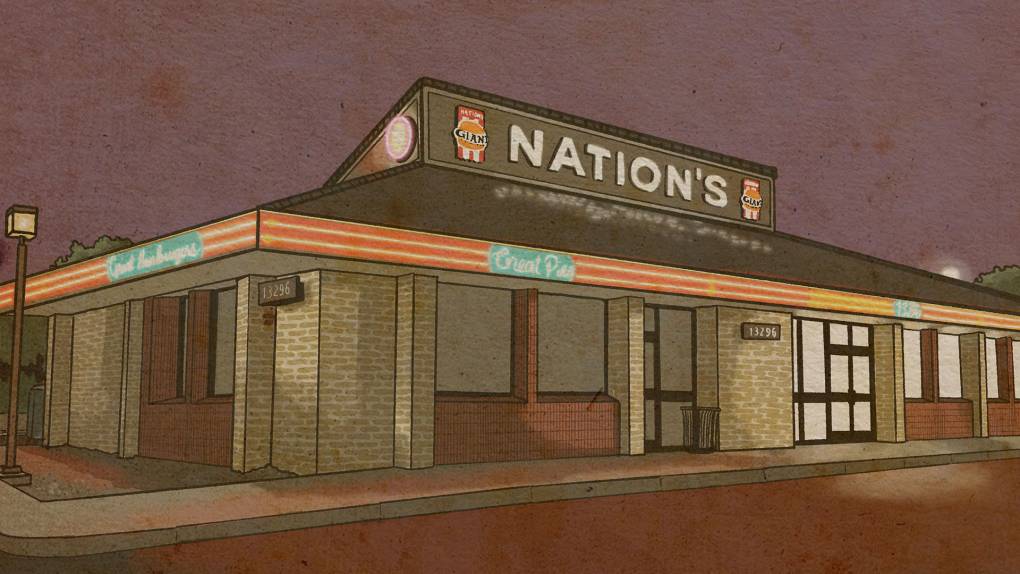
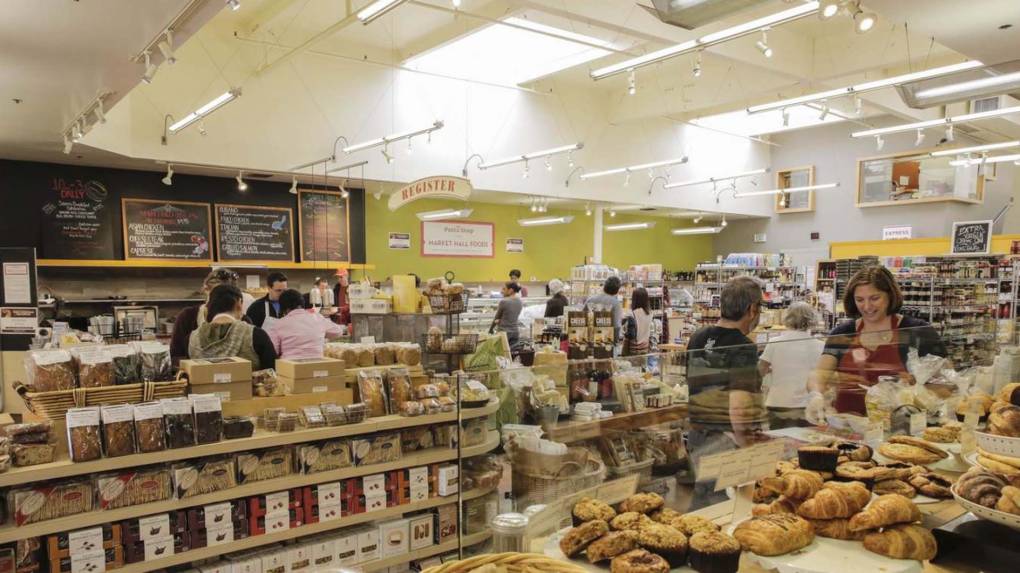
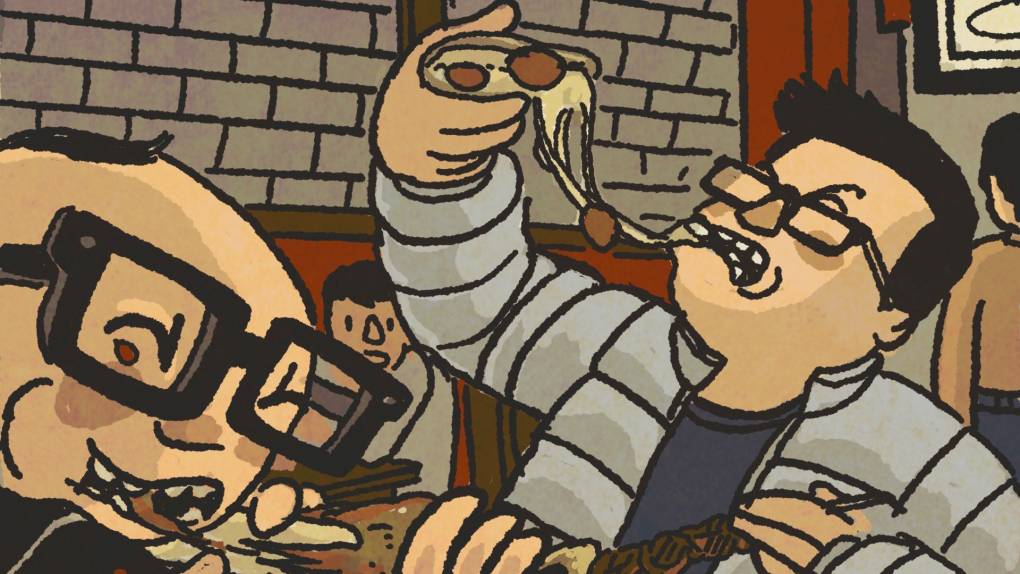
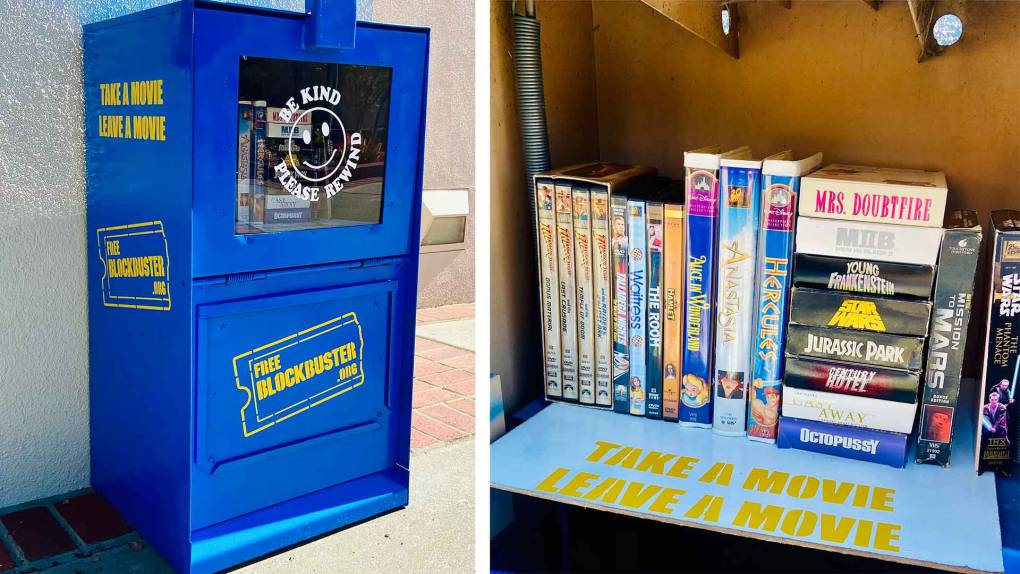
window.__IS_SSR__=true
window.__INITIAL_STATE__={
"attachmentsReducer": {
"audio_0": {
"type": "attachments",
"id": "audio_0",
"imgSizes": {
"kqedFullSize": {
"file": "https://ww2.kqed.org/news/wp-content/themes/KQED-unified/img/audio_bgs/background0.jpg"
}
}
},
"audio_1": {
"type": "attachments",
"id": "audio_1",
"imgSizes": {
"kqedFullSize": {
"file": "https://ww2.kqed.org/news/wp-content/themes/KQED-unified/img/audio_bgs/background1.jpg"
}
}
},
"audio_2": {
"type": "attachments",
"id": "audio_2",
"imgSizes": {
"kqedFullSize": {
"file": "https://ww2.kqed.org/news/wp-content/themes/KQED-unified/img/audio_bgs/background2.jpg"
}
}
},
"audio_3": {
"type": "attachments",
"id": "audio_3",
"imgSizes": {
"kqedFullSize": {
"file": "https://ww2.kqed.org/news/wp-content/themes/KQED-unified/img/audio_bgs/background3.jpg"
}
}
},
"audio_4": {
"type": "attachments",
"id": "audio_4",
"imgSizes": {
"kqedFullSize": {
"file": "https://ww2.kqed.org/news/wp-content/themes/KQED-unified/img/audio_bgs/background4.jpg"
}
}
},
"placeholder": {
"type": "attachments",
"id": "placeholder",
"imgSizes": {
"thumbnail": {
"file": "https://cdn.kqed.org/wp-content/uploads/2024/12/KQED-Default-Image-816638274-2000x1333-1-160x107.jpg",
"width": 160,
"height": 107,
"mimeType": "image/jpeg"
},
"medium": {
"file": "https://cdn.kqed.org/wp-content/uploads/2024/12/KQED-Default-Image-816638274-2000x1333-1-800x533.jpg",
"width": 800,
"height": 533,
"mimeType": "image/jpeg"
},
"medium_large": {
"file": "https://cdn.kqed.org/wp-content/uploads/2024/12/KQED-Default-Image-816638274-2000x1333-1-768x512.jpg",
"width": 768,
"height": 512,
"mimeType": "image/jpeg"
},
"large": {
"file": "https://cdn.kqed.org/wp-content/uploads/2024/12/KQED-Default-Image-816638274-2000x1333-1-1020x680.jpg",
"width": 1020,
"height": 680,
"mimeType": "image/jpeg"
},
"1536x1536": {
"file": "https://cdn.kqed.org/wp-content/uploads/2024/12/KQED-Default-Image-816638274-2000x1333-1-1536x1024.jpg",
"width": 1536,
"height": 1024,
"mimeType": "image/jpeg"
},
"fd-lrg": {
"file": "https://cdn.kqed.org/wp-content/uploads/2024/12/KQED-Default-Image-816638274-2000x1333-1-1536x1024.jpg",
"width": 1536,
"height": 1024,
"mimeType": "image/jpeg"
},
"fd-med": {
"file": "https://cdn.kqed.org/wp-content/uploads/2024/12/KQED-Default-Image-816638274-2000x1333-1-1020x680.jpg",
"width": 1020,
"height": 680,
"mimeType": "image/jpeg"
},
"fd-sm": {
"file": "https://cdn.kqed.org/wp-content/uploads/2024/12/KQED-Default-Image-816638274-2000x1333-1-800x533.jpg",
"width": 800,
"height": 533,
"mimeType": "image/jpeg"
},
"post-thumbnail": {
"file": "https://cdn.kqed.org/wp-content/uploads/2024/12/KQED-Default-Image-816638274-2000x1333-1-672x372.jpg",
"width": 672,
"height": 372,
"mimeType": "image/jpeg"
},
"twentyfourteen-full-width": {
"file": "https://cdn.kqed.org/wp-content/uploads/2024/12/KQED-Default-Image-816638274-2000x1333-1-1038x576.jpg",
"width": 1038,
"height": 576,
"mimeType": "image/jpeg"
},
"xxsmall": {
"file": "https://cdn.kqed.org/wp-content/uploads/2024/12/KQED-Default-Image-816638274-2000x1333-1-160x107.jpg",
"width": 160,
"height": 107,
"mimeType": "image/jpeg"
},
"xsmall": {
"file": "https://cdn.kqed.org/wp-content/uploads/2024/12/KQED-Default-Image-816638274-2000x1333-1-672x372.jpg",
"width": 672,
"height": 372,
"mimeType": "image/jpeg"
},
"small": {
"file": "https://cdn.kqed.org/wp-content/uploads/2024/12/KQED-Default-Image-816638274-2000x1333-1-672x372.jpg",
"width": 672,
"height": 372,
"mimeType": "image/jpeg"
},
"xlarge": {
"file": "https://cdn.kqed.org/wp-content/uploads/2024/12/KQED-Default-Image-816638274-2000x1333-1-1020x680.jpg",
"width": 1020,
"height": 680,
"mimeType": "image/jpeg"
},
"full-width": {
"file": "https://cdn.kqed.org/wp-content/uploads/2024/12/KQED-Default-Image-816638274-2000x1333-1-1920x1280.jpg",
"width": 1920,
"height": 1280,
"mimeType": "image/jpeg"
},
"guest-author-32": {
"file": "https://cdn.kqed.org/wp-content/uploads/2025/01/KQED-Default-Image-816638274-1333x1333-1-160x160.jpg",
"width": 32,
"height": 32,
"mimeType": "image/jpeg"
},
"guest-author-50": {
"file": "https://cdn.kqed.org/wp-content/uploads/2025/01/KQED-Default-Image-816638274-1333x1333-1-160x160.jpg",
"width": 50,
"height": 50,
"mimeType": "image/jpeg"
},
"guest-author-64": {
"file": "https://cdn.kqed.org/wp-content/uploads/2025/01/KQED-Default-Image-816638274-1333x1333-1-160x160.jpg",
"width": 64,
"height": 64,
"mimeType": "image/jpeg"
},
"guest-author-96": {
"file": "https://cdn.kqed.org/wp-content/uploads/2025/01/KQED-Default-Image-816638274-1333x1333-1-160x160.jpg",
"width": 96,
"height": 96,
"mimeType": "image/jpeg"
},
"guest-author-128": {
"file": "https://cdn.kqed.org/wp-content/uploads/2025/01/KQED-Default-Image-816638274-1333x1333-1-160x160.jpg",
"width": 128,
"height": 128,
"mimeType": "image/jpeg"
},
"detail": {
"file": "https://cdn.kqed.org/wp-content/uploads/2025/01/KQED-Default-Image-816638274-1333x1333-1-160x160.jpg",
"width": 160,
"height": 160,
"mimeType": "image/jpeg"
},
"kqedFullSize": {
"file": "https://cdn.kqed.org/wp-content/uploads/2024/12/KQED-Default-Image-816638274-2000x1333-1.jpg",
"width": 2000,
"height": 1333
}
}
},
"arts_13958940": {
"type": "attachments",
"id": "arts_13958940",
"meta": {
"index": "attachments_1716263798",
"site": "arts",
"id": "13958940",
"found": true
},
"title": "Nations_2 crop",
"publishDate": 1717182305,
"status": "inherit",
"parent": 13958926,
"modified": 1717182340,
"caption": "The original San Pablo location of Nation's is still open 24/7.",
"credit": "Briana Loewinsohn",
"altTag": "Illustration: The exterior of a Nation's fast food burger restaurant, lit up in neon at night.",
"description": null,
"imgSizes": {
"medium": {
"file": "https://cdn.kqed.org/wp-content/uploads/sites/2/2024/05/Nations_2-crop-800x450.jpg",
"width": 800,
"height": 450,
"mimeType": "image/jpeg"
},
"large": {
"file": "https://cdn.kqed.org/wp-content/uploads/sites/2/2024/05/Nations_2-crop-1020x574.jpg",
"width": 1020,
"height": 574,
"mimeType": "image/jpeg"
},
"thumbnail": {
"file": "https://cdn.kqed.org/wp-content/uploads/sites/2/2024/05/Nations_2-crop-160x90.jpg",
"width": 160,
"height": 90,
"mimeType": "image/jpeg"
},
"medium_large": {
"file": "https://cdn.kqed.org/wp-content/uploads/sites/2/2024/05/Nations_2-crop-768x432.jpg",
"width": 768,
"height": 432,
"mimeType": "image/jpeg"
},
"1536x1536": {
"file": "https://cdn.kqed.org/wp-content/uploads/sites/2/2024/05/Nations_2-crop-1536x864.jpg",
"width": 1536,
"height": 864,
"mimeType": "image/jpeg"
},
"post-thumbnail": {
"file": "https://cdn.kqed.org/wp-content/uploads/sites/2/2024/05/Nations_2-crop-672x372.jpg",
"width": 672,
"height": 372,
"mimeType": "image/jpeg"
},
"twentyfourteen-full-width": {
"file": "https://cdn.kqed.org/wp-content/uploads/sites/2/2024/05/Nations_2-crop-1038x576.jpg",
"width": 1038,
"height": 576,
"mimeType": "image/jpeg"
},
"kqedFullSize": {
"file": "https://cdn.kqed.org/wp-content/uploads/sites/2/2024/05/Nations_2-crop.jpg",
"width": 1920,
"height": 1080
}
},
"isLoading": false,
"fetchFailed": false
},
"arts_13956906": {
"type": "attachments",
"id": "arts_13956906",
"meta": {
"index": "attachments_1716263798",
"site": "arts",
"id": "13956906",
"found": true
},
"parent": 13956901,
"imgSizes": {
"twentyfourteen-full-width": {
"file": "https://cdn.kqed.org/wp-content/uploads/sites/2/2024/04/market-hall-visit-berkeley-1038x576.jpg",
"width": 1038,
"mimeType": "image/jpeg",
"height": 576
},
"thumbnail": {
"file": "https://cdn.kqed.org/wp-content/uploads/sites/2/2024/04/market-hall-visit-berkeley-160x90.jpg",
"width": 160,
"mimeType": "image/jpeg",
"height": 90
},
"post-thumbnail": {
"file": "https://cdn.kqed.org/wp-content/uploads/sites/2/2024/04/market-hall-visit-berkeley-672x372.jpg",
"width": 672,
"mimeType": "image/jpeg",
"height": 372
},
"kqedFullSize": {
"file": "https://cdn.kqed.org/wp-content/uploads/sites/2/2024/04/market-hall-visit-berkeley.jpg",
"width": 1920,
"height": 1079
},
"large": {
"file": "https://cdn.kqed.org/wp-content/uploads/sites/2/2024/04/market-hall-visit-berkeley-1020x573.jpg",
"width": 1020,
"mimeType": "image/jpeg",
"height": 573
},
"1536x1536": {
"file": "https://cdn.kqed.org/wp-content/uploads/sites/2/2024/04/market-hall-visit-berkeley-1536x863.jpg",
"width": 1536,
"mimeType": "image/jpeg",
"height": 863
},
"medium": {
"file": "https://cdn.kqed.org/wp-content/uploads/sites/2/2024/04/market-hall-visit-berkeley-800x450.jpg",
"width": 800,
"mimeType": "image/jpeg",
"height": 450
},
"medium_large": {
"file": "https://cdn.kqed.org/wp-content/uploads/sites/2/2024/04/market-hall-visit-berkeley-768x432.jpg",
"width": 768,
"mimeType": "image/jpeg",
"height": 432
}
},
"publishDate": 1714518682,
"modified": 1714518758,
"caption": "Berkeley's Market Hall Foods has been open since 1996. It will close in May.",
"description": null,
"title": "market hall - visit berkeley",
"credit": "Courtesy of Visit Berkeley and Market Hall Foods",
"status": "inherit",
"altTag": "Bustling aisles inside a grocery store.",
"isLoading": false,
"fetchFailed": false
},
"arts_13955526": {
"type": "attachments",
"id": "arts_13955526",
"meta": {
"index": "attachments_1716263798",
"site": "arts",
"id": "13955526",
"found": true
},
"parent": 13955522,
"imgSizes": {
"twentyfourteen-full-width": {
"file": "https://cdn.kqed.org/wp-content/uploads/sites/2/2024/04/sultans-kebab-crop-1038x576.jpg",
"width": 1038,
"mimeType": "image/jpeg",
"height": 576
},
"thumbnail": {
"file": "https://cdn.kqed.org/wp-content/uploads/sites/2/2024/04/sultans-kebab-crop-160x90.jpg",
"width": 160,
"mimeType": "image/jpeg",
"height": 90
},
"post-thumbnail": {
"file": "https://cdn.kqed.org/wp-content/uploads/sites/2/2024/04/sultans-kebab-crop-672x372.jpg",
"width": 672,
"mimeType": "image/jpeg",
"height": 372
},
"kqedFullSize": {
"file": "https://cdn.kqed.org/wp-content/uploads/sites/2/2024/04/sultans-kebab-crop.jpg",
"width": 1920,
"height": 1080
},
"large": {
"file": "https://cdn.kqed.org/wp-content/uploads/sites/2/2024/04/sultans-kebab-crop-1020x574.jpg",
"width": 1020,
"mimeType": "image/jpeg",
"height": 574
},
"1536x1536": {
"file": "https://cdn.kqed.org/wp-content/uploads/sites/2/2024/04/sultans-kebab-crop-1536x864.jpg",
"width": 1536,
"mimeType": "image/jpeg",
"height": 864
},
"medium": {
"file": "https://cdn.kqed.org/wp-content/uploads/sites/2/2024/04/sultans-kebab-crop-800x450.jpg",
"width": 800,
"mimeType": "image/jpeg",
"height": 450
},
"medium_large": {
"file": "https://cdn.kqed.org/wp-content/uploads/sites/2/2024/04/sultans-kebab-crop-768x432.jpg",
"width": 768,
"mimeType": "image/jpeg",
"height": 432
}
},
"publishDate": 1712276040,
"modified": 1712276206,
"caption": "The must-order item at Sultan's Kebab is the boat-shaped cheese pide. The restaurant's Livermore location is a late-night hub in the outer East Bay, open until 11:30 p.m. daily.",
"description": null,
"title": "sultans kebab crop",
"credit": "Thien Pham",
"status": "inherit",
"altTag": "Two men devour a Turkish cheese bread, pulling the stretchy cheese away from their mouths with grotesque expressions on their face.",
"isLoading": false,
"fetchFailed": false
},
"arts_13955365": {
"type": "attachments",
"id": "arts_13955365",
"meta": {
"index": "attachments_1716263798",
"site": "arts",
"id": "13955365",
"found": true
},
"parent": 0,
"imgSizes": {
"twentyfourteen-full-width": {
"file": "https://cdn.kqed.org/wp-content/uploads/sites/2/2024/04/IMG_3641-1038x576.jpg",
"width": 1038,
"mimeType": "image/jpeg",
"height": 576
},
"thumbnail": {
"file": "https://cdn.kqed.org/wp-content/uploads/sites/2/2024/04/IMG_3641-160x90.jpg",
"width": 160,
"mimeType": "image/jpeg",
"height": 90
},
"post-thumbnail": {
"file": "https://cdn.kqed.org/wp-content/uploads/sites/2/2024/04/IMG_3641-672x372.jpg",
"width": 672,
"mimeType": "image/jpeg",
"height": 372
},
"kqedFullSize": {
"file": "https://cdn.kqed.org/wp-content/uploads/sites/2/2024/04/IMG_3641.jpg",
"width": 1920,
"height": 1080
},
"large": {
"file": "https://cdn.kqed.org/wp-content/uploads/sites/2/2024/04/IMG_3641-1020x574.jpg",
"width": 1020,
"mimeType": "image/jpeg",
"height": 574
},
"1536x1536": {
"file": "https://cdn.kqed.org/wp-content/uploads/sites/2/2024/04/IMG_3641-1536x864.jpg",
"width": 1536,
"mimeType": "image/jpeg",
"height": 864
},
"medium": {
"file": "https://cdn.kqed.org/wp-content/uploads/sites/2/2024/04/IMG_3641-800x450.jpg",
"width": 800,
"mimeType": "image/jpeg",
"height": 450
},
"medium_large": {
"file": "https://cdn.kqed.org/wp-content/uploads/sites/2/2024/04/IMG_3641-768x432.jpg",
"width": 768,
"mimeType": "image/jpeg",
"height": 432
}
},
"publishDate": 1712169146,
"modified": 1712170526,
"caption": "Free Blockbuster is a nationwide movement that has just arrived in downtown Benicia.",
"description": null,
"title": "IMG_3641",
"credit": "Courtesy Thomas Brungardt",
"status": "inherit",
"altTag": "a refurbished news stand is displayed with old VHS tapes and DVDs inside",
"isLoading": false,
"fetchFailed": false
},
"arts_13951668": {
"type": "attachments",
"id": "arts_13951668",
"meta": {
"index": "attachments_1716263798",
"site": "arts",
"id": "13951668",
"found": true
},
"parent": 13951651,
"imgSizes": {
"twentyfourteen-full-width": {
"file": "https://cdn.kqed.org/wp-content/uploads/sites/2/2024/02/JadePlant.MAIN_-1038x576.jpg",
"width": 1038,
"mimeType": "image/jpeg",
"height": 576
},
"thumbnail": {
"file": "https://cdn.kqed.org/wp-content/uploads/sites/2/2024/02/JadePlant.MAIN_-160x90.jpg",
"width": 160,
"mimeType": "image/jpeg",
"height": 90
},
"post-thumbnail": {
"file": "https://cdn.kqed.org/wp-content/uploads/sites/2/2024/02/JadePlant.MAIN_-672x372.jpg",
"width": 672,
"mimeType": "image/jpeg",
"height": 372
},
"kqedFullSize": {
"file": "https://cdn.kqed.org/wp-content/uploads/sites/2/2024/02/JadePlant.MAIN_.jpg",
"width": 1456,
"height": 819
},
"large": {
"file": "https://cdn.kqed.org/wp-content/uploads/sites/2/2024/02/JadePlant.MAIN_-1020x574.jpg",
"width": 1020,
"mimeType": "image/jpeg",
"height": 574
},
"medium": {
"file": "https://cdn.kqed.org/wp-content/uploads/sites/2/2024/02/JadePlant.MAIN_-800x450.jpg",
"width": 800,
"mimeType": "image/jpeg",
"height": 450
},
"medium_large": {
"file": "https://cdn.kqed.org/wp-content/uploads/sites/2/2024/02/JadePlant.MAIN_-768x432.jpg",
"width": 768,
"mimeType": "image/jpeg",
"height": 432
}
},
"publishDate": 1707249577,
"modified": 1707249635,
"caption": "As a longtime resident of the East Bay, the jade plant is a marker of 'old Bay Area.'",
"description": null,
"title": "JadePlant.MAIN",
"credit": "Alexis Madrigal/KQED",
"status": "inherit",
"altTag": "CLose-up of white five-point flowers with a pink center growing from bulbous green leaves.",
"isLoading": false,
"fetchFailed": false
},
"arts_13938624": {
"type": "attachments",
"id": "arts_13938624",
"meta": {
"index": "attachments_1716263798",
"site": "arts",
"id": "13938624",
"found": true
},
"parent": 13938619,
"imgSizes": {
"twentyfourteen-full-width": {
"file": "https://ww2.kqed.org/app/uploads/sites/2/2023/11/porch-party-ari-lead_celadon-loo-1038x576.jpg",
"width": 1038,
"mimeType": "image/jpeg",
"height": 576
},
"thumbnail": {
"file": "https://ww2.kqed.org/app/uploads/sites/2/2023/11/porch-party-ari-lead_celadon-loo-160x90.jpg",
"width": 160,
"mimeType": "image/jpeg",
"height": 90
},
"post-thumbnail": {
"file": "https://ww2.kqed.org/app/uploads/sites/2/2023/11/porch-party-ari-lead_celadon-loo-672x372.jpg",
"width": 672,
"mimeType": "image/jpeg",
"height": 372
},
"kqedFullSize": {
"file": "https://ww2.kqed.org/app/uploads/sites/2/2023/11/porch-party-ari-lead_celadon-loo.jpg",
"width": 1920,
"height": 1080
},
"large": {
"file": "https://ww2.kqed.org/app/uploads/sites/2/2023/11/porch-party-ari-lead_celadon-loo-1020x574.jpg",
"width": 1020,
"mimeType": "image/jpeg",
"height": 574
},
"1536x1536": {
"file": "https://ww2.kqed.org/app/uploads/sites/2/2023/11/porch-party-ari-lead_celadon-loo-1536x864.jpg",
"width": 1536,
"mimeType": "image/jpeg",
"height": 864
},
"medium": {
"file": "https://ww2.kqed.org/app/uploads/sites/2/2023/11/porch-party-ari-lead_celadon-loo-800x450.jpg",
"width": 800,
"mimeType": "image/jpeg",
"height": 450
},
"medium_large": {
"file": "https://ww2.kqed.org/app/uploads/sites/2/2023/11/porch-party-ari-lead_celadon-loo-768x432.jpg",
"width": 768,
"mimeType": "image/jpeg",
"height": 432
}
},
"publishDate": 1701219050,
"modified": 1701219366,
"caption": "Ari Louie preps vegetables in their home kitchen in West Oakland. Louie's pop-up, Porch Party, has become a local favorite, especially among the East Bay's artistic and activist communities.",
"description": null,
"title": "porch party - ari lead_celadon loo",
"credit": "Courtesy of Celadon Loo",
"status": "inherit",
"altTag": "A woman slices green onions in her home kitchen.",
"isLoading": false,
"fetchFailed": false
},
"arts_13931312": {
"type": "attachments",
"id": "arts_13931312",
"meta": {
"index": "attachments_1716263798",
"site": "arts",
"id": "13931312",
"found": true
},
"parent": 13931296,
"imgSizes": {
"twentyfourteen-full-width": {
"file": "https://ww2.kqed.org/app/uploads/sites/2/2023/07/urelios-lead-crop-1038x576.jpg",
"width": 1038,
"mimeType": "image/jpeg",
"height": 576
},
"thumbnail": {
"file": "https://ww2.kqed.org/app/uploads/sites/2/2023/07/urelios-lead-crop-160x90.jpg",
"width": 160,
"mimeType": "image/jpeg",
"height": 90
},
"post-thumbnail": {
"file": "https://ww2.kqed.org/app/uploads/sites/2/2023/07/urelios-lead-crop-672x372.jpg",
"width": 672,
"mimeType": "image/jpeg",
"height": 372
},
"kqedFullSize": {
"file": "https://ww2.kqed.org/app/uploads/sites/2/2023/07/urelios-lead-crop.jpg",
"width": 1920,
"height": 1080
},
"large": {
"file": "https://ww2.kqed.org/app/uploads/sites/2/2023/07/urelios-lead-crop-1020x574.jpg",
"width": 1020,
"mimeType": "image/jpeg",
"height": 574
},
"1536x1536": {
"file": "https://ww2.kqed.org/app/uploads/sites/2/2023/07/urelios-lead-crop-1536x864.jpg",
"width": 1536,
"mimeType": "image/jpeg",
"height": 864
},
"medium": {
"file": "https://ww2.kqed.org/app/uploads/sites/2/2023/07/urelios-lead-crop-800x450.jpg",
"width": 800,
"mimeType": "image/jpeg",
"height": 450
},
"medium_large": {
"file": "https://ww2.kqed.org/app/uploads/sites/2/2023/07/urelios-lead-crop-768x432.jpg",
"width": 768,
"mimeType": "image/jpeg",
"height": 432
}
},
"publishDate": 1688753150,
"modified": 1688753513,
"caption": "Wood-fired pizzas (cheese with durac salami on left; margherita on right) are the stars at Urelio's pizza pop-up.",
"description": null,
"title": "urelios-lead-crop",
"credit": "Alan Chazaro",
"status": "inherit",
"altTag": "Two wood-fired pizzas on a wodden table",
"isLoading": false,
"fetchFailed": false
},
"arts_13926206": {
"type": "attachments",
"id": "arts_13926206",
"meta": {
"index": "attachments_1716263798",
"site": "arts",
"id": "13926206",
"found": true
},
"parent": 13926202,
"imgSizes": {
"twentyfourteen-full-width": {
"file": "https://ww2.kqed.org/app/uploads/sites/2/2023/03/RS63611_03102023_kqed_uglyface-071-qut-1038x576.jpg",
"width": 1038,
"mimeType": "image/jpeg",
"height": 576
},
"thumbnail": {
"file": "https://ww2.kqed.org/app/uploads/sites/2/2023/03/RS63611_03102023_kqed_uglyface-071-qut-160x106.jpg",
"width": 160,
"mimeType": "image/jpeg",
"height": 106
},
"post-thumbnail": {
"file": "https://ww2.kqed.org/app/uploads/sites/2/2023/03/RS63611_03102023_kqed_uglyface-071-qut-672x372.jpg",
"width": 672,
"mimeType": "image/jpeg",
"height": 372
},
"kqedFullSize": {
"file": "https://ww2.kqed.org/app/uploads/sites/2/2023/03/RS63611_03102023_kqed_uglyface-071-qut.jpg",
"width": 1920,
"height": 1277
},
"large": {
"file": "https://ww2.kqed.org/app/uploads/sites/2/2023/03/RS63611_03102023_kqed_uglyface-071-qut-1020x678.jpg",
"width": 1020,
"mimeType": "image/jpeg",
"height": 678
},
"1536x1536": {
"file": "https://ww2.kqed.org/app/uploads/sites/2/2023/03/RS63611_03102023_kqed_uglyface-071-qut-1536x1022.jpg",
"width": 1536,
"mimeType": "image/jpeg",
"height": 1022
},
"medium": {
"file": "https://ww2.kqed.org/app/uploads/sites/2/2023/03/RS63611_03102023_kqed_uglyface-071-qut-800x532.jpg",
"width": 800,
"mimeType": "image/jpeg",
"height": 532
},
"medium_large": {
"file": "https://ww2.kqed.org/app/uploads/sites/2/2023/03/RS63611_03102023_kqed_uglyface-071-qut-768x511.jpg",
"width": 768,
"mimeType": "image/jpeg",
"height": 511
}
},
"publishDate": 1678812904,
"modified": 1678813362,
"caption": "From left, Kevin Farpella, Andre Mosley, Aaron Temple and Aric Jones of UglyFace stand for a portrait in Richmond, California on March 10, 2023.",
"description": null,
"title": "RS63611_03102023_kqed_uglyface 071-qut",
"credit": "Kori Suzuki/KQED",
"status": "inherit",
"altTag": "A group of rappers pose for a portrait photo",
"isLoading": false,
"fetchFailed": false
},
"arts_13916314": {
"type": "attachments",
"id": "arts_13916314",
"meta": {
"index": "attachments_1716263798",
"site": "arts",
"id": "13916314",
"found": true
},
"parent": 13916312,
"imgSizes": {
"twentyfourteen-full-width": {
"file": "https://ww2.kqed.org/app/uploads/sites/2/2022/07/054_KQEDArts_TaiwanBento_05082021-1038x576.jpg",
"width": 1038,
"mimeType": "image/jpeg",
"height": 576
},
"thumbnail": {
"file": "https://ww2.kqed.org/app/uploads/sites/2/2022/07/054_KQEDArts_TaiwanBento_05082021-160x90.jpg",
"width": 160,
"mimeType": "image/jpeg",
"height": 90
},
"post-thumbnail": {
"file": "https://ww2.kqed.org/app/uploads/sites/2/2022/07/054_KQEDArts_TaiwanBento_05082021-672x372.jpg",
"width": 672,
"mimeType": "image/jpeg",
"height": 372
},
"kqedFullSize": {
"file": "https://ww2.kqed.org/app/uploads/sites/2/2022/07/054_KQEDArts_TaiwanBento_05082021.jpg",
"width": 1981,
"height": 1115
},
"large": {
"file": "https://ww2.kqed.org/app/uploads/sites/2/2022/07/054_KQEDArts_TaiwanBento_05082021-1020x574.jpg",
"width": 1020,
"mimeType": "image/jpeg",
"height": 574
},
"1536x1536": {
"file": "https://ww2.kqed.org/app/uploads/sites/2/2022/07/054_KQEDArts_TaiwanBento_05082021-1536x865.jpg",
"width": 1536,
"mimeType": "image/jpeg",
"height": 865
},
"full-width": {
"file": "https://ww2.kqed.org/app/uploads/sites/2/2022/07/054_KQEDArts_TaiwanBento_05082021-1920x1081.jpg",
"width": 1920,
"mimeType": "image/jpeg",
"height": 1081
},
"medium": {
"file": "https://ww2.kqed.org/app/uploads/sites/2/2022/07/054_KQEDArts_TaiwanBento_05082021-800x450.jpg",
"width": 800,
"mimeType": "image/jpeg",
"height": 450
},
"medium_large": {
"file": "https://ww2.kqed.org/app/uploads/sites/2/2022/07/054_KQEDArts_TaiwanBento_05082021-768x432.jpg",
"width": 768,
"mimeType": "image/jpeg",
"height": 432
}
},
"publishDate": 1658263339,
"modified": 1658263448,
"caption": "Owners Stacy Tang (right) and Willy Wang have run Taiwan Bento in downtown Oakland since 2014. The restaurant will close on July 29, 2022.",
"description": null,
"title": "054_KQEDArts_TaiwanBento_05082021",
"credit": "Beth LaBerge/KQED",
"status": "inherit",
"altTag": "Willy Wang and Stacy Tang, both in face masks, pose inside their Oakland restaurant Taiwan Bento.",
"isLoading": false,
"fetchFailed": false
},
"arts_13913739": {
"type": "attachments",
"id": "arts_13913739",
"meta": {
"index": "attachments_1716263798",
"site": "arts",
"id": "13913739",
"found": true
},
"parent": 13913584,
"imgSizes": {
"twentyfourteen-full-width": {
"file": "https://ww2.kqed.org/app/uploads/sites/2/2022/05/WORKING-FILE-Our-Creative-Futures-Featured-Image-1-1038x576.jpg",
"width": 1038,
"mimeType": "image/jpeg",
"height": 576
},
"thumbnail": {
"file": "https://ww2.kqed.org/app/uploads/sites/2/2022/05/WORKING-FILE-Our-Creative-Futures-Featured-Image-1-160x90.jpg",
"width": 160,
"mimeType": "image/jpeg",
"height": 90
},
"post-thumbnail": {
"file": "https://ww2.kqed.org/app/uploads/sites/2/2022/05/WORKING-FILE-Our-Creative-Futures-Featured-Image-1-672x372.jpg",
"width": 672,
"mimeType": "image/jpeg",
"height": 372
},
"kqedFullSize": {
"file": "https://ww2.kqed.org/app/uploads/sites/2/2022/05/WORKING-FILE-Our-Creative-Futures-Featured-Image-1.jpg",
"width": 1920,
"height": 1080
},
"large": {
"file": "https://ww2.kqed.org/app/uploads/sites/2/2022/05/WORKING-FILE-Our-Creative-Futures-Featured-Image-1-1020x574.jpg",
"width": 1020,
"mimeType": "image/jpeg",
"height": 574
},
"1536x1536": {
"file": "https://ww2.kqed.org/app/uploads/sites/2/2022/05/WORKING-FILE-Our-Creative-Futures-Featured-Image-1-1536x864.jpg",
"width": 1536,
"mimeType": "image/jpeg",
"height": 864
},
"medium": {
"file": "https://ww2.kqed.org/app/uploads/sites/2/2022/05/WORKING-FILE-Our-Creative-Futures-Featured-Image-1-800x450.jpg",
"width": 800,
"mimeType": "image/jpeg",
"height": 450
},
"medium_large": {
"file": "https://ww2.kqed.org/app/uploads/sites/2/2022/05/WORKING-FILE-Our-Creative-Futures-Featured-Image-1-768x432.jpg",
"width": 768,
"mimeType": "image/jpeg",
"height": 432
}
},
"publishDate": 1653074166,
"modified": 1653074351,
"caption": "In color, left to right: Oakland to All ball organizers Shireen Rahimi, Guerrilla Davis and Ashlee Banks. Black and white: performers from the Back with a Vengeance Ball at Oakland's Lake Merritt in Sept. 2021.",
"description": null,
"title": "{WORKING FILE} Our Creative Futures Featured Image (1)",
"credit": "Photos: Beth LaBerge and Estefany Gonzalez; design: Kelly Heigert",
"status": "inherit",
"altTag": "A colorful collage features portraits of event organizers and vogue dancers competing at a ball.",
"isLoading": false,
"fetchFailed": false
},
"arts_13910351": {
"type": "attachments",
"id": "arts_13910351",
"meta": {
"index": "attachments_1716263798",
"site": "arts",
"id": "13910351",
"found": true
},
"parent": 13910308,
"imgSizes": {
"twentyfourteen-full-width": {
"file": "https://ww2.kqed.org/app/uploads/sites/2/2022/03/Screen-Shot-2022-03-10-at-2.01.07-PM-1038x576.png",
"width": 1038,
"mimeType": "image/png",
"height": 576
},
"thumbnail": {
"file": "https://ww2.kqed.org/app/uploads/sites/2/2022/03/Screen-Shot-2022-03-10-at-2.01.07-PM-160x102.png",
"width": 160,
"mimeType": "image/png",
"height": 102
},
"post-thumbnail": {
"file": "https://ww2.kqed.org/app/uploads/sites/2/2022/03/Screen-Shot-2022-03-10-at-2.01.07-PM-672x372.png",
"width": 672,
"mimeType": "image/png",
"height": 372
},
"kqedFullSize": {
"file": "https://ww2.kqed.org/app/uploads/sites/2/2022/03/Screen-Shot-2022-03-10-at-2.01.07-PM.png",
"width": 1812,
"height": 1156
},
"large": {
"file": "https://ww2.kqed.org/app/uploads/sites/2/2022/03/Screen-Shot-2022-03-10-at-2.01.07-PM-1020x651.png",
"width": 1020,
"mimeType": "image/png",
"height": 651
},
"1536x1536": {
"file": "https://ww2.kqed.org/app/uploads/sites/2/2022/03/Screen-Shot-2022-03-10-at-2.01.07-PM-1536x980.png",
"width": 1536,
"mimeType": "image/png",
"height": 980
},
"medium": {
"file": "https://ww2.kqed.org/app/uploads/sites/2/2022/03/Screen-Shot-2022-03-10-at-2.01.07-PM-800x510.png",
"width": 800,
"mimeType": "image/png",
"height": 510
},
"medium_large": {
"file": "https://ww2.kqed.org/app/uploads/sites/2/2022/03/Screen-Shot-2022-03-10-at-2.01.07-PM-768x490.png",
"width": 768,
"mimeType": "image/png",
"height": 490
}
},
"publishDate": 1646949683,
"modified": 1647296799,
"caption": "Alameda's Neptune Beach was considered the 'Coney Island of the West.'",
"description": null,
"title": "Alameda's Neptune Beach was considered the 'Coney Island of the West.'",
"credit": null,
"status": "inherit",
"altTag": "Colorful postcard image of water and amusement park",
"isLoading": false,
"fetchFailed": false
},
"arts_13904998": {
"type": "attachments",
"id": "arts_13904998",
"meta": {
"index": "attachments_1716263798",
"site": "arts",
"id": "13904998",
"found": true
},
"parent": 13904810,
"imgSizes": {
"twentyfourteen-full-width": {
"file": "https://ww2.kqed.org/app/uploads/sites/2/2021/10/TAZ-1038x576.jpg",
"width": 1038,
"mimeType": "image/jpeg",
"height": 576
},
"thumbnail": {
"file": "https://ww2.kqed.org/app/uploads/sites/2/2021/10/TAZ-160x90.jpg",
"width": 160,
"mimeType": "image/jpeg",
"height": 90
},
"post-thumbnail": {
"file": "https://ww2.kqed.org/app/uploads/sites/2/2021/10/TAZ-672x372.jpg",
"width": 672,
"mimeType": "image/jpeg",
"height": 372
},
"kqedFullSize": {
"file": "https://ww2.kqed.org/app/uploads/sites/2/2021/10/TAZ.jpg",
"width": 1616,
"height": 909
},
"large": {
"file": "https://ww2.kqed.org/app/uploads/sites/2/2021/10/TAZ-1020x574.jpg",
"width": 1020,
"mimeType": "image/jpeg",
"height": 574
},
"1536x1536": {
"file": "https://ww2.kqed.org/app/uploads/sites/2/2021/10/TAZ-1536x864.jpg",
"width": 1536,
"mimeType": "image/jpeg",
"height": 864
},
"medium": {
"file": "https://ww2.kqed.org/app/uploads/sites/2/2021/10/TAZ-800x450.jpg",
"width": 800,
"mimeType": "image/jpeg",
"height": 450
},
"medium_large": {
"file": "https://ww2.kqed.org/app/uploads/sites/2/2021/10/TAZ-768x432.jpg",
"width": 768,
"mimeType": "image/jpeg",
"height": 432
}
},
"publishDate": 1634847487,
"modified": 1634847530,
"caption": "Born in Oakland, Infamous TAZ and his family soon moved Pittsburg, part of a two-decade shift in Bay Area demographics. ",
"description": null,
"title": "TAZ",
"credit": "Pendarvis Harshaw/KQED",
"status": "inherit",
"altTag": null,
"isLoading": false,
"fetchFailed": false
}
},
"audioPlayerReducer": {
"postId": "stream_live",
"isPaused": true,
"isPlaying": false,
"pfsActive": false,
"pledgeModalIsOpen": true,
"playerDrawerIsOpen": false,
"liveAudioPlayStartedAt": 0,
"liveAudioPlayContext": ""
},
"authorsReducer": {
"byline_arts_13938619": {
"type": "authors",
"id": "byline_arts_13938619",
"meta": {
"override": true
},
"slug": "byline_arts_13938619",
"name": "Giovanna Lomanto",
"isLoading": false
},
"ralexandra": {
"type": "authors",
"id": "11242",
"meta": {
"index": "authors_1716337520",
"id": "11242",
"found": true
},
"name": "Rae Alexandra",
"firstName": "Rae",
"lastName": "Alexandra",
"slug": "ralexandra",
"email": "ralexandra@kqed.org",
"display_author_email": true,
"staff_mastheads": [],
"title": "Reporter/Producer",
"bio": "Rae Alexandra is a Reporter/Producer for KQED Arts & Culture, and the creator/author of the \u003ca href=\"https://www.kqed.org/arts/program/rebel-girls-from-bay-area-history\">Rebel Girls From Bay Area History\u003c/a> and \u003ca href=\"https://www.kqed.org/bizarrebayarea\">Bizarre Bay Area\u003c/a> series. Her debut book, \u003ca href=\"https://citylights.com/politics-current-events-history/unsung-heroines35-women-who-changed/\">Unsung Heroines: 35 Women Who Changed the Bay Area\u003c/a> was published by City Lights in March 2026. In 2023, Rae was awarded an SPJ Excellence in Journalism Award for Arts & Culture. Rae was born and raised in Wales and subsequently — even after two decades in Northern California — still uses phrases that regularly baffle her coworkers.",
"avatar": "https://secure.gravatar.com/avatar/edfee8176c80cc0a382b051190f5341997df378a934a5774dcb0977732dfd401?s=600&d=blank&r=g",
"twitter": null,
"bluesky": null,
"facebook": null,
"instagram": null,
"linkedin": null,
"sites": [
{
"site": "arts",
"roles": [
"subscriber"
]
},
{
"site": "news",
"roles": [
"subscriber"
]
},
{
"site": "pop",
"roles": [
"subscriber"
]
},
{
"site": "bayareabites",
"roles": [
"subscriber"
]
},
{
"site": "science",
"roles": [
"subscriber"
]
}
],
"headData": {
"title": "Rae Alexandra | KQED",
"description": "Reporter/Producer",
"ogImgSrc": "https://secure.gravatar.com/avatar/edfee8176c80cc0a382b051190f5341997df378a934a5774dcb0977732dfd401?s=600&d=blank&r=g",
"twImgSrc": "https://secure.gravatar.com/avatar/edfee8176c80cc0a382b051190f5341997df378a934a5774dcb0977732dfd401?s=600&d=blank&r=g"
},
"isLoading": false,
"link": "/author/ralexandra"
},
"ogpenn": {
"type": "authors",
"id": "11491",
"meta": {
"index": "authors_1716337520",
"id": "11491",
"found": true
},
"name": "Pendarvis Harshaw",
"firstName": "Pendarvis",
"lastName": "Harshaw",
"slug": "ogpenn",
"email": "ogpenn@gmail.com",
"display_author_email": false,
"staff_mastheads": [
"arts"
],
"title": "Community Engagement Reporter",
"bio": "Pendarvis Harshaw is an educator, host and writer with KQED Arts.",
"avatar": "https://secure.gravatar.com/avatar/972b77ee8e3f346ae2b00622661187fbfabd059b5693bbdc1475ea7a722fd4cd?s=600&d=blank&r=g",
"twitter": null,
"bluesky": null,
"facebook": null,
"instagram": "ogpenn",
"linkedin": null,
"sites": [
{
"site": "arts",
"roles": [
"administrator"
]
},
{
"site": "news",
"roles": [
"editor"
]
},
{
"site": "bayareabites",
"roles": [
"author"
]
},
{
"site": "hiphop",
"roles": [
"editor"
]
}
],
"headData": {
"title": "Pendarvis Harshaw | KQED",
"description": "Community Engagement Reporter",
"ogImgSrc": "https://secure.gravatar.com/avatar/972b77ee8e3f346ae2b00622661187fbfabd059b5693bbdc1475ea7a722fd4cd?s=600&d=blank&r=g",
"twImgSrc": "https://secure.gravatar.com/avatar/972b77ee8e3f346ae2b00622661187fbfabd059b5693bbdc1475ea7a722fd4cd?s=600&d=blank&r=g"
},
"isLoading": false,
"link": "/author/ogpenn"
},
"ccabreralomeli": {
"type": "authors",
"id": "11708",
"meta": {
"index": "authors_1716337520",
"id": "11708",
"found": true
},
"name": "Carlos Cabrera-Lomelí",
"firstName": "Carlos",
"lastName": "Cabrera-Lomelí",
"slug": "ccabreralomeli",
"email": "ccabreralomeli@KQED.org",
"display_author_email": true,
"staff_mastheads": [
"news"
],
"title": "Community Reporter",
"bio": "Carlos Cabrera-Lomelí is a community reporter with KQED's digital engagement team. He also reports and co-produces for KQED's bilingual news hub KQED en Español. He grew up in San Francisco's Mission District and has previously worked with Univision, 48 Hills and REFORMA in Mexico City.",
"avatar": "https://secure.gravatar.com/avatar/c309be9665e484f887b818c89e273ecc673004f426f36b24d00a4d813a2e0518?s=600&d=blank&r=g",
"twitter": "@LomeliCabrera",
"bluesky": null,
"facebook": null,
"instagram": null,
"linkedin": null,
"sites": [
{
"site": "arts",
"roles": [
"editor"
]
},
{
"site": "news",
"roles": [
"editor"
]
},
{
"site": "about",
"roles": [
"editor"
]
},
{
"site": "science",
"roles": [
"editor"
]
},
{
"site": "perspectives",
"roles": [
"editor"
]
},
{
"site": "elections",
"roles": [
"editor"
]
},
{
"site": "liveblog",
"roles": [
"contributor"
]
}
],
"headData": {
"title": "Carlos Cabrera-Lomelí | KQED",
"description": "Community Reporter",
"ogImgSrc": "https://secure.gravatar.com/avatar/c309be9665e484f887b818c89e273ecc673004f426f36b24d00a4d813a2e0518?s=600&d=blank&r=g",
"twImgSrc": "https://secure.gravatar.com/avatar/c309be9665e484f887b818c89e273ecc673004f426f36b24d00a4d813a2e0518?s=600&d=blank&r=g"
},
"isLoading": false,
"link": "/author/ccabreralomeli"
},
"ltsai": {
"type": "authors",
"id": "11743",
"meta": {
"index": "authors_1716337520",
"id": "11743",
"found": true
},
"name": "Luke Tsai",
"firstName": "Luke",
"lastName": "Tsai",
"slug": "ltsai",
"email": "ltsai@kqed.org",
"display_author_email": true,
"staff_mastheads": [
"arts"
],
"title": "Food Editor",
"bio": "Luke Tsai is KQED's food editor and resident stinky tofu connoisseur. Prior to KQED, he was an editor at Eater SF, \u003cem>San Francisco \u003c/em>magazine, and the \u003cem>East Bay Express\u003c/em>, and his work has also appeared in TASTE, the \u003cem>San Francisco Chronicle\u003c/em>, and the \u003cem>Best Food Writing\u003c/em> anthology. When he isn't writing or editing, you'll find him eating most everything he can get his hands on.",
"avatar": "https://secure.gravatar.com/avatar/1e59b45bf191526e7339d6ba46e33a57b2030d25c27660ecc64ea3cb863e34f7?s=600&d=blank&r=g",
"twitter": "theluketsai",
"bluesky": null,
"facebook": null,
"instagram": null,
"linkedin": null,
"sites": [
{
"site": "",
"roles": [
"editor"
]
},
{
"site": "arts",
"roles": [
"administrator"
]
},
{
"site": "news",
"roles": [
"editor",
"contributor"
]
},
{
"site": "bayareabites",
"roles": [
"editor"
]
},
{
"site": "food",
"roles": [
"editor"
]
}
],
"headData": {
"title": "Luke Tsai | KQED",
"description": "Food Editor",
"ogImgSrc": "https://secure.gravatar.com/avatar/1e59b45bf191526e7339d6ba46e33a57b2030d25c27660ecc64ea3cb863e34f7?s=600&d=blank&r=g",
"twImgSrc": "https://secure.gravatar.com/avatar/1e59b45bf191526e7339d6ba46e33a57b2030d25c27660ecc64ea3cb863e34f7?s=600&d=blank&r=g"
},
"isLoading": false,
"link": "/author/ltsai"
},
"achazaro": {
"type": "authors",
"id": "11748",
"meta": {
"index": "authors_1716337520",
"id": "11748",
"found": true
},
"name": "Alan Chazaro",
"firstName": "Alan",
"lastName": "Chazaro",
"slug": "achazaro",
"email": "agchazaro@gmail.com",
"display_author_email": true,
"staff_mastheads": [],
"title": "Food Writer and Reporter",
"bio": "Alan Chazaro is the author of \u003cem>This Is Not a Frank Ocean Cover Album\u003c/em> (Black Lawrence Press, 2019), \u003cem>Piñata Theory\u003c/em> (Black Lawrence Press, 2020), and \u003cem>Notes from the Eastern Span of the Bay Bridge\u003c/em> (Ghost City Press, 2021). He is a graduate of June Jordan’s Poetry for the People program at UC Berkeley and a former Lawrence Ferlinghetti Fellow at the University of San Francisco. He writes about sports, food, art, music, education, and culture while repping the Bay on \u003ca href=\"https://twitter.com/alan_chazaro\">Twitter\u003c/a> and \u003ca href=\"https://www.instagram.com/alan_chazaro/?hl=en\">Instagram\u003c/a> at @alan_chazaro.",
"avatar": "https://secure.gravatar.com/avatar/ea8b6dd970fc5c29e7a188e7d5861df7?s=600&d=blank&r=g",
"twitter": "alan_chazaro",
"facebook": null,
"instagram": null,
"linkedin": null,
"sites": [
{
"site": "arts",
"roles": [
"contributor"
]
},
{
"site": "news",
"roles": [
"editor"
]
}
],
"headData": {
"title": "Alan Chazaro | KQED",
"description": "Food Writer and Reporter",
"ogImgSrc": "https://secure.gravatar.com/avatar/ea8b6dd970fc5c29e7a188e7d5861df7?s=600&d=blank&r=g",
"twImgSrc": "https://secure.gravatar.com/avatar/ea8b6dd970fc5c29e7a188e7d5861df7?s=600&d=blank&r=g"
},
"isLoading": false,
"link": "/author/achazaro"
},
"tpham": {
"type": "authors",
"id": "11753",
"meta": {
"index": "authors_1716337520",
"id": "11753",
"found": true
},
"name": "Thien Pham",
"firstName": "Thien",
"lastName": "Pham",
"slug": "tpham",
"email": "thiendog@gmail.com",
"display_author_email": false,
"staff_mastheads": [],
"title": "KQED Contributor",
"bio": null,
"avatar": "https://secure.gravatar.com/avatar/a5b4729969ad46d88e7b9ec9dd4f3fa6af84dd0fa8fa91f01d8d9481694999bc?s=600&d=blank&r=g",
"twitter": null,
"bluesky": null,
"facebook": null,
"instagram": null,
"linkedin": null,
"sites": [
{
"site": "arts",
"roles": [
"contributor"
]
}
],
"headData": {
"title": "Thien Pham | KQED",
"description": "KQED Contributor",
"ogImgSrc": "https://secure.gravatar.com/avatar/a5b4729969ad46d88e7b9ec9dd4f3fa6af84dd0fa8fa91f01d8d9481694999bc?s=600&d=blank&r=g",
"twImgSrc": "https://secure.gravatar.com/avatar/a5b4729969ad46d88e7b9ec9dd4f3fa6af84dd0fa8fa91f01d8d9481694999bc?s=600&d=blank&r=g"
},
"isLoading": false,
"link": "/author/tpham"
},
"amadrigal": {
"type": "authors",
"id": "11757",
"meta": {
"index": "authors_1716337520",
"id": "11757",
"found": true
},
"name": "Alexis Madrigal",
"firstName": "Alexis",
"lastName": "Madrigal",
"slug": "amadrigal",
"email": "amadrigal@kqed.org",
"display_author_email": true,
"staff_mastheads": [],
"title": "Co-Host Forum",
"bio": "Alexis Madrigal is the co-host of Forum. He is also a contributing writer at \u003cem>The Atlantic \u003c/em>and the co-founder of the COVID Tracking Project. He's the creator of the podcast, \u003cem>Containers\u003c/em>, and has been a staff writer at \u003cem>Wired. \u003c/em>He was a visiting scholar at UC Berkeley's Information School, and is working on a book about Oakland and the Bay Area's revolutionary ideas.",
"avatar": "https://secure.gravatar.com/avatar/ffeee1fe99a3e31957381f377ca63502bdcc0c3dbccaaa701e579a10aa0c5e1f?s=600&d=blank&r=g",
"twitter": "alexismadrigal",
"bluesky": null,
"facebook": null,
"instagram": null,
"linkedin": null,
"sites": [
{
"site": "arts",
"roles": [
"editor"
]
},
{
"site": "news",
"roles": [
"editor"
]
},
{
"site": "forum",
"roles": [
"editor"
]
}
],
"headData": {
"title": "Alexis Madrigal | KQED",
"description": "Co-Host Forum",
"ogImgSrc": "https://secure.gravatar.com/avatar/ffeee1fe99a3e31957381f377ca63502bdcc0c3dbccaaa701e579a10aa0c5e1f?s=600&d=blank&r=g",
"twImgSrc": "https://secure.gravatar.com/avatar/ffeee1fe99a3e31957381f377ca63502bdcc0c3dbccaaa701e579a10aa0c5e1f?s=600&d=blank&r=g"
},
"isLoading": false,
"link": "/author/amadrigal"
},
"bloewinsohn": {
"type": "authors",
"id": "11904",
"meta": {
"index": "authors_1716337520",
"id": "11904",
"found": true
},
"name": "Briana Loewinsohn",
"firstName": "Briana",
"lastName": "Loewinsohn",
"slug": "bloewinsohn",
"email": "brianabreaks@gmail.com",
"display_author_email": false,
"staff_mastheads": [],
"title": "KQED Contributor",
"bio": null,
"avatar": "https://secure.gravatar.com/avatar/939d84e992d1263b5df583828709edae706c0bba1db57ec593f24f34274ef0ec?s=600&d=blank&r=g",
"twitter": null,
"bluesky": null,
"facebook": null,
"instagram": null,
"linkedin": null,
"sites": [
{
"site": "arts",
"roles": [
"contributor"
]
}
],
"headData": {
"title": "Briana Loewinsohn | KQED",
"description": "KQED Contributor",
"ogImgSrc": "https://secure.gravatar.com/avatar/939d84e992d1263b5df583828709edae706c0bba1db57ec593f24f34274ef0ec?s=600&d=blank&r=g",
"twImgSrc": "https://secure.gravatar.com/avatar/939d84e992d1263b5df583828709edae706c0bba1db57ec593f24f34274ef0ec?s=600&d=blank&r=g"
},
"isLoading": false,
"link": "/author/bloewinsohn"
}
},
"pagesReducer": {
"arts_tag_east-bay": {
"type": "terms",
"id": "arts_5569",
"meta": {
"index": "terms_1716263798",
"site": "arts",
"id": "5569",
"score": 7.0134916
},
"featImg": null,
"name": "east bay",
"description": null,
"taxonomy": "tag",
"headData": {
"twImgId": null,
"twTitle": null,
"ogTitle": null,
"ogImgId": null,
"twDescription": null,
"description": null,
"title": "east bay Archives | KQED Arts",
"ogDescription": null
},
"ttid": 5581,
"slug": "east-bay",
"isLoading": false,
"title": "east bay",
"pageMeta": {
"site": "arts",
"WpPageTemplate": "page-topic-editorial",
"currentPage": 2
},
"blocks": [
{
"blockName": "kqed/post-list",
"attrs": {
"layout": "cardArticle2",
"query": "posts/arts?tag=east-bay",
"seeMore": false,
"paginated": true,
"page": 2
}
},
{
"blockName": "kqed/ad"
}
]
}
},
"pfsSessionReducer": {},
"postsReducer": {
"stream_live": {
"type": "live",
"id": "stream_live",
"audioUrl": "https://streams.kqed.org/kqedradio",
"title": "Live Stream",
"excerpt": "Live Stream information currently unavailable.",
"link": "/radio",
"featImg": "",
"label": {
"name": "KQED Live",
"link": "/"
}
},
"stream_kqedNewscast": {
"type": "posts",
"id": "stream_kqedNewscast",
"audioUrl": "https://www.kqed.org/.stream/anon/radio/RDnews/newscast.mp3?_=1",
"title": "KQED Newscast",
"featImg": "",
"label": {
"name": "88.5 FM",
"link": "/"
}
},
"arts_13958926": {
"type": "posts",
"id": "arts_13958926",
"meta": {
"index": "posts_1716263798",
"site": "arts",
"id": "13958926",
"score": null,
"sort": [
1717182913000
]
},
"guestAuthors": [],
"slug": "nations-burgers-pies-late-night-diner-san-pablo",
"title": "This 24-Hour Burger Chain Is a Late-Night Landmark in the Bay",
"publishDate": 1717182913,
"format": "aside",
"headTitle": "This 24-Hour Burger Chain Is a Late-Night Landmark in the Bay | KQED",
"labelTerm": {},
"content": "\u003cfigure id=\"attachment_13958934\" class=\"wp-caption alignnone\" style=\"max-width: 1920px\">\u003cimg loading=\"lazy\" decoding=\"async\" class=\"size-full wp-image-13958934\" src=\"https://cdn.kqed.org/wp-content/uploads/sites/2/2024/05/Nations_1-1.jpg\" alt=\"Illustration: Two men eating a spread of diner food (burger, onion rings, bacon, strawberry pie) while a woman approaches the table carrying more food on a tray.\" width=\"1920\" height=\"1920\" srcset=\"https://cdn.kqed.org/wp-content/uploads/sites/2/2024/05/Nations_1-1.jpg 1920w, https://cdn.kqed.org/wp-content/uploads/sites/2/2024/05/Nations_1-1-800x800.jpg 800w, https://cdn.kqed.org/wp-content/uploads/sites/2/2024/05/Nations_1-1-1020x1020.jpg 1020w, https://cdn.kqed.org/wp-content/uploads/sites/2/2024/05/Nations_1-1-160x160.jpg 160w, https://cdn.kqed.org/wp-content/uploads/sites/2/2024/05/Nations_1-1-768x768.jpg 768w, https://cdn.kqed.org/wp-content/uploads/sites/2/2024/05/Nations_1-1-1536x1536.jpg 1536w\" sizes=\"(max-width: 1920px) 100vw, 1920px\">\u003cfigcaption class=\"wp-caption-text\">Nation’s hefty cheeseburgers and glistening strawberry pies are classic Bay Area diner food. \u003ccite>(Briana Loewinsohn)\u003c/cite>\u003c/figcaption>\u003c/figure>\n\u003cp>\u003ca href=\"https://www.kqed.org/arts/tag/the-midnight-diners\">\u003ci>The Midnight Diners\u003c/i>\u003c/a>\u003ci> is a regular collaboration between KQED food editor Luke Tsai and graphic novelist \u003c/i>\u003ca href=\"https://www.instagram.com/thiendog/?hl=en\">\u003ci>Thien Pham\u003c/i>\u003c/a>\u003ci>. Follow them each week as they explore the hot pot restaurants, taco carts and 24-hour casino buffets that make up the Bay Area’s after-hours dining scene. This week, they were joined by guest artist — and longtime Nation’s enthusiast — Briana Loewinsohn. \u003c/i>\u003c/p>\n\u003cp>\u003ca href=\"https://nationsrestaurants.com\">Nation’s Giant Hamburgers and Great Pies\u003c/a> probably doesn’t need much of an introduction.\u003c/p>\n\u003cp>Particularly if you grew up in the East Bay, chances are there was one of these fast food diners in or near your hometown. Maybe it was where your family went to grab a quick dinner when no one felt like cooking, or where the Little League coach would bring the team for post-game burgers and shakes. In high school, you might have spent hours there after school, multiple times a week, just shooting the shit with friends.\u003c/p>\n\u003cp>And for a wide swath of the Bay, the local Nation’s was almost certainly one of the only places in town where you could order a slice of pie or a full breakfast plate at 1 or 2 o’clock in the morning.\u003c/p>\n\u003cp>So when we saw that the chain’s original location in San Pablo is still open 24/7, we knew we had to pay a visit. The restaurant opened in 1952 as a tiny, \u003ca href=\"https://nationsrestaurants.com/our-story\">six-stool hot dog counter\u003c/a> (originally called “\u003ca href=\"https://www.sfgate.com/food/article/Nations-Giant-Hamburgers-East-Bay-16211282.php\">Harvey’s\u003c/a>”). The current, and much larger, iteration of the building sits across the street from the (also 24-hour) San Pablo Lytton Casino, and when you pull up after dark, it looks very much like the image of the quintessential diner that I hold in my mind’s eye: a squat, brick-faced beacon in the night, all aglow with red and white neon.\u003c/p>\n\u003cfigure id=\"attachment_13958936\" class=\"wp-caption alignnone\" style=\"max-width: 1920px\">\u003cimg loading=\"lazy\" decoding=\"async\" class=\"size-full wp-image-13958936\" src=\"https://cdn.kqed.org/wp-content/uploads/sites/2/2024/05/Nations_2.jpg\" alt=\"Illustration: The exterior of a Nation's fast food burger restaurant, lit up in neon at night.\" width=\"1920\" height=\"1920\" srcset=\"https://cdn.kqed.org/wp-content/uploads/sites/2/2024/05/Nations_2.jpg 1920w, https://cdn.kqed.org/wp-content/uploads/sites/2/2024/05/Nations_2-800x800.jpg 800w, https://cdn.kqed.org/wp-content/uploads/sites/2/2024/05/Nations_2-1020x1020.jpg 1020w, https://cdn.kqed.org/wp-content/uploads/sites/2/2024/05/Nations_2-160x160.jpg 160w, https://cdn.kqed.org/wp-content/uploads/sites/2/2024/05/Nations_2-768x768.jpg 768w, https://cdn.kqed.org/wp-content/uploads/sites/2/2024/05/Nations_2-1536x1536.jpg 1536w\" sizes=\"(max-width: 1920px) 100vw, 1920px\">\u003cfigcaption class=\"wp-caption-text\">The original San Pablo location of Nation’s is still open 24/7. \u003ccite>(Briana Loewinsohn)\u003c/cite>\u003c/figcaption>\u003c/figure>\n\u003cp>On a recent Thursday night, the crowd inside was about 40% young families out late with their kids, 40% chatty high schoolers and 20% very hungry middle-aged men (salute to my people), with their diner breakfast plates \u003ci>and\u003c/i> chili con carne \u003ci>and\u003c/i> banana cream pie spread out on the table like some midcentury still life.\u003c/p>\n\u003cp>[ad fullwidth]\u003c/p>\n\u003cp>More than anything, it seemed to be a strictly locals kind of place – Nation’s, as a rule, is not much of a destination restaurant. “I guess you guys are from out of town,” the woman next to us in line said, laughing, not unkindly, when she saw us taking photos of the pie case and gawking at the menu with a little bit too much excitement.\u003c/p>\n\u003cp>If in doubt, you’ll probably just want to order a cheeseburger. So many Bay Area people talk up In-N-Out, our most celebrated SoCal import, that it’s easy to forget that Nation’s is the Bay’s own homegrown — and arguably superior — fast food burger chain.\u003c/p>\n\u003cp>A Nation’s cheeseburger has its own particular architecture. It has a surprising heft, mostly attributable to the thick, 5-ounce patty, but the main points of distinction are 1) the massive dollop of mayonnaise slathered underneath the patty and 2) the thick rounds of crunchy raw onion that provide a sharp counterpoint to the salty, fatty beef and cheese. (Ignore the wrongheaded people who try to convince you that it’s “too much onion.”) It’s a tasty, well-constructed burger — and if you’re feeling decadent, the fried egg and the uncommonly crispy bacon are both excellent add-ons.\u003c/p>\n\u003cp>\u003cspan style=\"font-weight: 400\">\u003cspan style=\"color: #2b2b2b;font-weight: 400\">[aside postID='arts_13958466,arts_13954597,arts_13956683']\u003c/span>\u003c/span>We found the rest of the menu to be a little bit hit or miss. The fries were mediocre. The onion rings, while piping hot, were crumbly and underseasoned, and fell apart when we tried to eat them. The Oreo milkshake, on the other hand, was fantastic, with the ideal, slurpable thickness. And the classic breakfast plates — available in One-Egger, Two-Egger and Three-Egger permutations — are as solid as they come for an after-midnight breakfast option, with properly runny fried eggs and more of that good bacon (even if the hash browns were a bit pale and limp).\u003c/p>\n\u003cp>Our apologies, though, that we’ve gone this far without talking about Nation’s second biggest claim to fame: its pies.To be more specific, the strawberry pies, which the chain sells each spring and early summer as part of a big seasonal promotion that also features strawberry pancakes, strawberry French toast, strawberry cheesecake and straight-up bowls of strawberries (the quaintest, and most Bay Area, option).\u003c/p>\n\u003cp>The stunner, though, is the individual-size strawberry tart: a fairly standard pie shell with a mound of whole, fresh strawberries piled probably six inches high, ringed with spray-can whipped cream and coated in goopy red glaze — a pleasing juxtaposition in the way it’s both natural \u003ci>and \u003c/i>unnatural. Despite the glop, the luxuriousness of this Nation’s pie is that you’re essentially just eating a whole pint’s worth of surprisingly sweet, ripe strawberries.\u003c/p>\n\u003cp>I suppose that’s Bay Area diner culture, in a nutshell. And to be able to eat such a pie, and such a burger, at 3 o’clock in the morning? It’s what makes Nation’s a Bay Area classic.\u003c/p>\n\u003chr>\n\u003cp>\u003c/p>\n\u003cp>\u003ca href=\"https://nationsrestaurants.com/\">\u003ci>Nation’s\u003c/i>\u003c/a>\u003ci> has 28 locations in Northern California, mostly concentrated in the East Bay (plus two in Texas). The original San Pablo location at 13296 San Pablo Dam Rd. is open 24/7.\u003c/i>\u003c/p>\n\n",
"blocks": [],
"excerpt": "Nation’s Giant Hamburgers has been a classic after-hours hangout spot for more than 70 years.",
"status": "publish",
"parent": 0,
"modified": 1726786319,
"stats": {
"hasAudio": false,
"hasVideo": false,
"hasChartOrMap": false,
"iframeSrcs": [],
"hasGoogleForm": false,
"hasGallery": false,
"hasHearkenModule": false,
"hasPolis": false,
"paragraphCount": 16,
"wordCount": 982
},
"headData": {
"title": "Nation's 24-Hour Burger Restaurant Is a Late-Night East Bay Landmark | KQED",
"description": "Nation’s Giant Hamburgers has been a classic after-hours hangout spot for more than 70 years.",
"ogTitle": "This 24-Hour Burger Chain Is a Late-Night Landmark in the Bay",
"ogDescription": "",
"ogImgId": "",
"twTitle": "This 24-Hour Burger Chain Is a Late-Night Landmark in the Bay",
"twDescription": "",
"twImgId": "",
"socialTitle": "Nation's 24-Hour Burger Restaurant Is a Late-Night East Bay Landmark %%page%% %%sep%% KQED",
"schema": {
"@context": "https://schema.org",
"@type": "Article",
"headline": "This 24-Hour Burger Chain Is a Late-Night Landmark in the Bay",
"datePublished": "2024-05-31T12:15:13-07:00",
"dateModified": "2024-09-19T15:51:59-07:00",
"image": "https://cdn.kqed.org/wp-content/uploads/2020/02/KQED-OG-Image@1x.png"
}
},
"source": "The Midnight Diners",
"sourceUrl": "https://www.kqed.org/arts/tag/the-midnight-diners",
"sticky": false,
"nprStoryId": "kqed-13958926",
"excludeFromSiteSearch": "Include",
"articleAge": "0",
"path": "/arts/13958926/nations-burgers-pies-late-night-diner-san-pablo",
"audioTrackLength": null,
"parsedContent": [
{
"type": "contentString",
"content": "\u003cdiv class=\"post-body\">\u003cp>\u003cfigure id=\"attachment_13958934\" class=\"wp-caption alignnone\" style=\"max-width: 1920px\">\u003cimg loading=\"lazy\" decoding=\"async\" class=\"size-full wp-image-13958934\" src=\"https://cdn.kqed.org/wp-content/uploads/sites/2/2024/05/Nations_1-1.jpg\" alt=\"Illustration: Two men eating a spread of diner food (burger, onion rings, bacon, strawberry pie) while a woman approaches the table carrying more food on a tray.\" width=\"1920\" height=\"1920\" srcset=\"https://cdn.kqed.org/wp-content/uploads/sites/2/2024/05/Nations_1-1.jpg 1920w, https://cdn.kqed.org/wp-content/uploads/sites/2/2024/05/Nations_1-1-800x800.jpg 800w, https://cdn.kqed.org/wp-content/uploads/sites/2/2024/05/Nations_1-1-1020x1020.jpg 1020w, https://cdn.kqed.org/wp-content/uploads/sites/2/2024/05/Nations_1-1-160x160.jpg 160w, https://cdn.kqed.org/wp-content/uploads/sites/2/2024/05/Nations_1-1-768x768.jpg 768w, https://cdn.kqed.org/wp-content/uploads/sites/2/2024/05/Nations_1-1-1536x1536.jpg 1536w\" sizes=\"(max-width: 1920px) 100vw, 1920px\">\u003cfigcaption class=\"wp-caption-text\">Nation’s hefty cheeseburgers and glistening strawberry pies are classic Bay Area diner food. \u003ccite>(Briana Loewinsohn)\u003c/cite>\u003c/figcaption>\u003c/figure>\n\u003cp>\u003ca href=\"https://www.kqed.org/arts/tag/the-midnight-diners\">\u003ci>The Midnight Diners\u003c/i>\u003c/a>\u003ci> is a regular collaboration between KQED food editor Luke Tsai and graphic novelist \u003c/i>\u003ca href=\"https://www.instagram.com/thiendog/?hl=en\">\u003ci>Thien Pham\u003c/i>\u003c/a>\u003ci>. Follow them each week as they explore the hot pot restaurants, taco carts and 24-hour casino buffets that make up the Bay Area’s after-hours dining scene. This week, they were joined by guest artist — and longtime Nation’s enthusiast — Briana Loewinsohn. \u003c/i>\u003c/p>\n\u003cp>\u003ca href=\"https://nationsrestaurants.com\">Nation’s Giant Hamburgers and Great Pies\u003c/a> probably doesn’t need much of an introduction.\u003c/p>\n\u003cp>Particularly if you grew up in the East Bay, chances are there was one of these fast food diners in or near your hometown. Maybe it was where your family went to grab a quick dinner when no one felt like cooking, or where the Little League coach would bring the team for post-game burgers and shakes. In high school, you might have spent hours there after school, multiple times a week, just shooting the shit with friends.\u003c/p>\n\u003cp>And for a wide swath of the Bay, the local Nation’s was almost certainly one of the only places in town where you could order a slice of pie or a full breakfast plate at 1 or 2 o’clock in the morning.\u003c/p>\n\u003cp>So when we saw that the chain’s original location in San Pablo is still open 24/7, we knew we had to pay a visit. The restaurant opened in 1952 as a tiny, \u003ca href=\"https://nationsrestaurants.com/our-story\">six-stool hot dog counter\u003c/a> (originally called “\u003ca href=\"https://www.sfgate.com/food/article/Nations-Giant-Hamburgers-East-Bay-16211282.php\">Harvey’s\u003c/a>”). The current, and much larger, iteration of the building sits across the street from the (also 24-hour) San Pablo Lytton Casino, and when you pull up after dark, it looks very much like the image of the quintessential diner that I hold in my mind’s eye: a squat, brick-faced beacon in the night, all aglow with red and white neon.\u003c/p>\n\u003cfigure id=\"attachment_13958936\" class=\"wp-caption alignnone\" style=\"max-width: 1920px\">\u003cimg loading=\"lazy\" decoding=\"async\" class=\"size-full wp-image-13958936\" src=\"https://cdn.kqed.org/wp-content/uploads/sites/2/2024/05/Nations_2.jpg\" alt=\"Illustration: The exterior of a Nation's fast food burger restaurant, lit up in neon at night.\" width=\"1920\" height=\"1920\" srcset=\"https://cdn.kqed.org/wp-content/uploads/sites/2/2024/05/Nations_2.jpg 1920w, https://cdn.kqed.org/wp-content/uploads/sites/2/2024/05/Nations_2-800x800.jpg 800w, https://cdn.kqed.org/wp-content/uploads/sites/2/2024/05/Nations_2-1020x1020.jpg 1020w, https://cdn.kqed.org/wp-content/uploads/sites/2/2024/05/Nations_2-160x160.jpg 160w, https://cdn.kqed.org/wp-content/uploads/sites/2/2024/05/Nations_2-768x768.jpg 768w, https://cdn.kqed.org/wp-content/uploads/sites/2/2024/05/Nations_2-1536x1536.jpg 1536w\" sizes=\"(max-width: 1920px) 100vw, 1920px\">\u003cfigcaption class=\"wp-caption-text\">The original San Pablo location of Nation’s is still open 24/7. \u003ccite>(Briana Loewinsohn)\u003c/cite>\u003c/figcaption>\u003c/figure>\n\u003cp>On a recent Thursday night, the crowd inside was about 40% young families out late with their kids, 40% chatty high schoolers and 20% very hungry middle-aged men (salute to my people), with their diner breakfast plates \u003ci>and\u003c/i> chili con carne \u003ci>and\u003c/i> banana cream pie spread out on the table like some midcentury still life.\u003c/p>\n\u003cp>\u003c/p>\u003c/div>",
"attributes": {
"named": {},
"numeric": []
}
},
{
"type": "component",
"content": "",
"name": "ad",
"attributes": {
"named": {
"label": "fullwidth"
},
"numeric": [
"fullwidth"
]
}
},
{
"type": "contentString",
"content": "\u003cdiv class=\"post-body\">\u003cp>\u003c/p>\n\u003cp>More than anything, it seemed to be a strictly locals kind of place – Nation’s, as a rule, is not much of a destination restaurant. “I guess you guys are from out of town,” the woman next to us in line said, laughing, not unkindly, when she saw us taking photos of the pie case and gawking at the menu with a little bit too much excitement.\u003c/p>\n\u003cp>If in doubt, you’ll probably just want to order a cheeseburger. So many Bay Area people talk up In-N-Out, our most celebrated SoCal import, that it’s easy to forget that Nation’s is the Bay’s own homegrown — and arguably superior — fast food burger chain.\u003c/p>\n\u003cp>A Nation’s cheeseburger has its own particular architecture. It has a surprising heft, mostly attributable to the thick, 5-ounce patty, but the main points of distinction are 1) the massive dollop of mayonnaise slathered underneath the patty and 2) the thick rounds of crunchy raw onion that provide a sharp counterpoint to the salty, fatty beef and cheese. (Ignore the wrongheaded people who try to convince you that it’s “too much onion.”) It’s a tasty, well-constructed burger — and if you’re feeling decadent, the fried egg and the uncommonly crispy bacon are both excellent add-ons.\u003c/p>\n\u003cp>\u003cspan style=\"font-weight: 400\">\u003cspan style=\"color: #2b2b2b;font-weight: 400\">\u003c/p>\u003c/div>",
"attributes": {
"named": {},
"numeric": []
}
},
{
"type": "component",
"content": "",
"name": "aside",
"attributes": {
"named": {
"postid": "arts_13958466,arts_13954597,arts_13956683",
"label": ""
},
"numeric": []
}
},
{
"type": "contentString",
"content": "\u003cdiv class=\"post-body\">\u003cp>\u003c/span>\u003c/span>We found the rest of the menu to be a little bit hit or miss. The fries were mediocre. The onion rings, while piping hot, were crumbly and underseasoned, and fell apart when we tried to eat them. The Oreo milkshake, on the other hand, was fantastic, with the ideal, slurpable thickness. And the classic breakfast plates — available in One-Egger, Two-Egger and Three-Egger permutations — are as solid as they come for an after-midnight breakfast option, with properly runny fried eggs and more of that good bacon (even if the hash browns were a bit pale and limp).\u003c/p>\n\u003cp>Our apologies, though, that we’ve gone this far without talking about Nation’s second biggest claim to fame: its pies.To be more specific, the strawberry pies, which the chain sells each spring and early summer as part of a big seasonal promotion that also features strawberry pancakes, strawberry French toast, strawberry cheesecake and straight-up bowls of strawberries (the quaintest, and most Bay Area, option).\u003c/p>\n\u003cp>The stunner, though, is the individual-size strawberry tart: a fairly standard pie shell with a mound of whole, fresh strawberries piled probably six inches high, ringed with spray-can whipped cream and coated in goopy red glaze — a pleasing juxtaposition in the way it’s both natural \u003ci>and \u003c/i>unnatural. Despite the glop, the luxuriousness of this Nation’s pie is that you’re essentially just eating a whole pint’s worth of surprisingly sweet, ripe strawberries.\u003c/p>\n\u003cp>I suppose that’s Bay Area diner culture, in a nutshell. And to be able to eat such a pie, and such a burger, at 3 o’clock in the morning? It’s what makes Nation’s a Bay Area classic.\u003c/p>\n\u003chr>\n\u003cp>\u003c/p>\n\u003cp>\u003ca href=\"https://nationsrestaurants.com/\">\u003ci>Nation’s\u003c/i>\u003c/a>\u003ci> has 28 locations in Northern California, mostly concentrated in the East Bay (plus two in Texas). The original San Pablo location at 13296 San Pablo Dam Rd. is open 24/7.\u003c/i>\u003c/p>\n\n\u003c/div>\u003c/p>",
"attributes": {
"named": {},
"numeric": []
}
}
],
"link": "/arts/13958926/nations-burgers-pies-late-night-diner-san-pablo",
"authors": [
"11743",
"11904"
],
"series": [
"arts_22316"
],
"categories": [
"arts_1",
"arts_12276"
],
"tags": [
"arts_21946",
"arts_22144",
"arts_5569",
"arts_10278",
"arts_1297",
"arts_8805",
"arts_22169",
"arts_21928"
],
"featImg": "arts_13958940",
"label": "source_arts_13958926"
},
"arts_13956901": {
"type": "posts",
"id": "arts_13956901",
"meta": {
"index": "posts_1716263798",
"site": "arts",
"id": "13956901",
"score": null,
"sort": [
1714518854000
]
},
"parent": 0,
"labelTerm": {},
"blocks": [],
"publishDate": 1714518854,
"format": "standard",
"title": "Berkeley's Market Hall Foods Is Closing After 28 Years",
"headTitle": "Berkeley’s Market Hall Foods Is Closing After 28 Years | KQED",
"content": "\u003cp>Anyone who has ever perused the quaint aisles of specialty cheeses, imported pastas, organic jams and much more at \u003ca href=\"https://www.instagram.com/markethallfoods/\">Market Hall Foods\u003c/a> on Fourth Street in Berkeley will be saddened to hear that the 28-year specialty grocer will be shuttering next month. Market Hall’s flagship location in Rockridge will remain open.\u003c/p>\n\u003cp>Open since 1996, the upscale shop (formerly known as The Pasta Shop) has always been the kind of place where you’d run into local chefs stocking up on hard-to-find goods — a reliable little market where you could pop by for a quality lunch on the go. It’s also been \u003ca href=\"https://edibleeastbay.com/2017/11/15/market-hall-at-30/\">a cornerstone for locally-sourced ingredients and high-quality products\u003c/a> long before it became a national trend.\u003c/p>\n\u003cp>[aside postID='arts_13954342,arts_13931296']The market’s Berkeley location is slated for its final day on Sunday, May 26 (Memorial Day weekend). Customers will be able to continue shopping there for the next few weeks. After that, there won’t be any remaining grocery options in the Fourth Street shopping district proper, though a Trader Joe’s, a Whole Foods and Berkeley Bowl West all continue to operate nearby.\u003c/p>\n\u003cp>In a heartfelt \u003ca href=\"https://rockridgemarkethall.com/images/mf4_announcement.pdf\">public letter\u003c/a> released earlier today, co-owner Sara E. Wilson — who founded the original shop in Oakland in 1987 with her two brothers, Tony and Peter — stated a variety of post-COVID economic factors that has led to the difficult decision. “We recognize that this closure is the best way to ensure the strength of our overall business,” she says.\u003c/p>\n\u003cp>It’s the latest in an ongoing slew of small, local businesses having to unexpectedly pivot — either by downsizing or closing completely — due to various cost factors in an ever-expensive Bay Area economy.\u003c/p>\n\u003cp>[ad fullwidth]\u003c/p>\n\u003cp>“Like many other retailers and food establishments, we have been experiencing new challenges post-COVID… with more people working from home, we could no longer rely on those customers.”\u003c/p>\n\u003cp>In addition to serving fewer customers than in the past, the letter also references how remaining customers ”have become more cautious with their spending and are buying fewer items.” They make clear that the building owners did not raise rent or anything of the sort, instead citing “shifts in customer patterns” as an unscalable financial barrier.\u003c/p>\n\u003cfigure id=\"attachment_13956921\" class=\"wp-caption alignnone\" style=\"max-width: 1920px\">\u003cimg loading=\"lazy\" decoding=\"async\" class=\"size-full wp-image-13956921\" src=\"https://cdn.kqed.org/wp-content/uploads/sites/2/2024/04/market-hall-foods-courtesy.jpg\" alt='Exterior facade of a specialty grocery store. The sign reads, \"Market Hall Foods on 4th.\"' width=\"1920\" height=\"1440\" srcset=\"https://cdn.kqed.org/wp-content/uploads/sites/2/2024/04/market-hall-foods-courtesy.jpg 1920w, https://cdn.kqed.org/wp-content/uploads/sites/2/2024/04/market-hall-foods-courtesy-800x600.jpg 800w, https://cdn.kqed.org/wp-content/uploads/sites/2/2024/04/market-hall-foods-courtesy-1020x765.jpg 1020w, https://cdn.kqed.org/wp-content/uploads/sites/2/2024/04/market-hall-foods-courtesy-160x120.jpg 160w, https://cdn.kqed.org/wp-content/uploads/sites/2/2024/04/market-hall-foods-courtesy-768x576.jpg 768w, https://cdn.kqed.org/wp-content/uploads/sites/2/2024/04/market-hall-foods-courtesy-1536x1152.jpg 1536w\" sizes=\"(max-width: 1920px) 100vw, 1920px\">\u003cfigcaption class=\"wp-caption-text\">The shop’s final day of business will be May 26. \u003ccite>(Courtesy of Market Hall Foods)\u003c/cite>\u003c/figcaption>\u003c/figure>\n\u003cp>Wilson also cited how it has been challenging for the company “to cover increased wage and benefit costs” — a reference, perhaps, to the City of Berkeley’s recent increase of its minimum wage to $20 per hour.\u003c/p>\n\u003cp>Fortunately, the market’s sister location in Oakland’s Rockridge neighborhood will continue to operate. In her letter, Wilson notes that because the Rockridge location is centralized in a residential area, it has been able to better endure the challenges of a difficult economy.\u003c/p>\n\u003cp>Of the 48 employees — kitchen, bakery and retail — who will be affected by the closure, some will be transferring to the Oakland location, while others will receive severance packages. They were informed on April 30.\u003c/p>\n\u003cp>\u003c/p>\n\u003cp>For its final weekend in Berkeley, Market Hall Foods will host a “closing celebration,” with more details to be announced shortly.\u003c/p>\n\n",
"stats": {
"hasVideo": false,
"hasChartOrMap": false,
"hasAudio": false,
"hasPolis": false,
"wordCount": 561,
"hasGoogleForm": false,
"hasGallery": false,
"hasHearkenModule": false,
"iframeSrcs": [],
"paragraphCount": 13
},
"modified": 1714537959,
"excerpt": "The locally-adored Fourth St. market is unexpectedly shuttering due to post-COVID challenges.",
"headData": {
"twImgId": "",
"twTitle": "",
"ogTitle": "",
"ogImgId": "",
"twDescription": "",
"description": "The locally-adored Fourth St. market is unexpectedly shuttering due to post-COVID challenges.",
"title": "Berkeley's Market Hall Foods Is Closing After 28 Years | KQED",
"ogDescription": "",
"schema": {
"@context": "https://schema.org",
"@type": "Article",
"headline": "Berkeley's Market Hall Foods Is Closing After 28 Years",
"datePublished": "2024-04-30T16:14:14-07:00",
"dateModified": "2024-04-30T21:32:39-07:00",
"image": "https://cdn.kqed.org/wp-content/uploads/2020/02/KQED-OG-Image@1x.png"
}
},
"guestAuthors": [],
"slug": "fourth-street-market-hall-foods-berkeley-closed",
"status": "publish",
"sourceUrl": "https://www.kqed.org/food",
"excludeFromSiteSearch": "Include",
"sticky": false,
"source": "Food",
"articleAge": "0",
"nprStoryId": "kqed-13956901",
"path": "/arts/13956901/fourth-street-market-hall-foods-berkeley-closed",
"audioTrackLength": null,
"parsedContent": [
{
"type": "contentString",
"content": "\u003cdiv class=\"post-body\">\u003cp>\u003cp>Anyone who has ever perused the quaint aisles of specialty cheeses, imported pastas, organic jams and much more at \u003ca href=\"https://www.instagram.com/markethallfoods/\">Market Hall Foods\u003c/a> on Fourth Street in Berkeley will be saddened to hear that the 28-year specialty grocer will be shuttering next month. Market Hall’s flagship location in Rockridge will remain open.\u003c/p>\n\u003cp>Open since 1996, the upscale shop (formerly known as The Pasta Shop) has always been the kind of place where you’d run into local chefs stocking up on hard-to-find goods — a reliable little market where you could pop by for a quality lunch on the go. It’s also been \u003ca href=\"https://edibleeastbay.com/2017/11/15/market-hall-at-30/\">a cornerstone for locally-sourced ingredients and high-quality products\u003c/a> long before it became a national trend.\u003c/p>\n\u003cp>\u003c/p>\u003c/div>",
"attributes": {
"named": {},
"numeric": []
}
},
{
"type": "component",
"content": "",
"name": "aside",
"attributes": {
"named": {
"postid": "arts_13954342,arts_13931296",
"label": ""
},
"numeric": []
}
},
{
"type": "contentString",
"content": "\u003cdiv class=\"post-body\">\u003cp>The market’s Berkeley location is slated for its final day on Sunday, May 26 (Memorial Day weekend). Customers will be able to continue shopping there for the next few weeks. After that, there won’t be any remaining grocery options in the Fourth Street shopping district proper, though a Trader Joe’s, a Whole Foods and Berkeley Bowl West all continue to operate nearby.\u003c/p>\n\u003cp>In a heartfelt \u003ca href=\"https://rockridgemarkethall.com/images/mf4_announcement.pdf\">public letter\u003c/a> released earlier today, co-owner Sara E. Wilson — who founded the original shop in Oakland in 1987 with her two brothers, Tony and Peter — stated a variety of post-COVID economic factors that has led to the difficult decision. “We recognize that this closure is the best way to ensure the strength of our overall business,” she says.\u003c/p>\n\u003cp>It’s the latest in an ongoing slew of small, local businesses having to unexpectedly pivot — either by downsizing or closing completely — due to various cost factors in an ever-expensive Bay Area economy.\u003c/p>\n\u003cp>\u003c/p>\u003c/div>",
"attributes": {
"named": {},
"numeric": []
}
},
{
"type": "component",
"content": "",
"name": "ad",
"attributes": {
"named": {
"label": "fullwidth"
},
"numeric": [
"fullwidth"
]
}
},
{
"type": "contentString",
"content": "\u003cdiv class=\"post-body\">\u003cp>\u003c/p>\n\u003cp>“Like many other retailers and food establishments, we have been experiencing new challenges post-COVID… with more people working from home, we could no longer rely on those customers.”\u003c/p>\n\u003cp>In addition to serving fewer customers than in the past, the letter also references how remaining customers ”have become more cautious with their spending and are buying fewer items.” They make clear that the building owners did not raise rent or anything of the sort, instead citing “shifts in customer patterns” as an unscalable financial barrier.\u003c/p>\n\u003cfigure id=\"attachment_13956921\" class=\"wp-caption alignnone\" style=\"max-width: 1920px\">\u003cimg loading=\"lazy\" decoding=\"async\" class=\"size-full wp-image-13956921\" src=\"https://cdn.kqed.org/wp-content/uploads/sites/2/2024/04/market-hall-foods-courtesy.jpg\" alt='Exterior facade of a specialty grocery store. The sign reads, \"Market Hall Foods on 4th.\"' width=\"1920\" height=\"1440\" srcset=\"https://cdn.kqed.org/wp-content/uploads/sites/2/2024/04/market-hall-foods-courtesy.jpg 1920w, https://cdn.kqed.org/wp-content/uploads/sites/2/2024/04/market-hall-foods-courtesy-800x600.jpg 800w, https://cdn.kqed.org/wp-content/uploads/sites/2/2024/04/market-hall-foods-courtesy-1020x765.jpg 1020w, https://cdn.kqed.org/wp-content/uploads/sites/2/2024/04/market-hall-foods-courtesy-160x120.jpg 160w, https://cdn.kqed.org/wp-content/uploads/sites/2/2024/04/market-hall-foods-courtesy-768x576.jpg 768w, https://cdn.kqed.org/wp-content/uploads/sites/2/2024/04/market-hall-foods-courtesy-1536x1152.jpg 1536w\" sizes=\"(max-width: 1920px) 100vw, 1920px\">\u003cfigcaption class=\"wp-caption-text\">The shop’s final day of business will be May 26. \u003ccite>(Courtesy of Market Hall Foods)\u003c/cite>\u003c/figcaption>\u003c/figure>\n\u003cp>Wilson also cited how it has been challenging for the company “to cover increased wage and benefit costs” — a reference, perhaps, to the City of Berkeley’s recent increase of its minimum wage to $20 per hour.\u003c/p>\n\u003cp>Fortunately, the market’s sister location in Oakland’s Rockridge neighborhood will continue to operate. In her letter, Wilson notes that because the Rockridge location is centralized in a residential area, it has been able to better endure the challenges of a difficult economy.\u003c/p>\n\u003cp>Of the 48 employees — kitchen, bakery and retail — who will be affected by the closure, some will be transferring to the Oakland location, while others will receive severance packages. They were informed on April 30.\u003c/p>\n\u003cp>\u003c/p>\n\u003cp>For its final weekend in Berkeley, Market Hall Foods will host a “closing celebration,” with more details to be announced shortly.\u003c/p>\n\n\u003c/div>\u003c/p>",
"attributes": {
"named": {},
"numeric": []
}
}
],
"link": "/arts/13956901/fourth-street-market-hall-foods-berkeley-closed",
"authors": [
"11748"
],
"categories": [
"arts_1",
"arts_12276",
"arts_235"
],
"tags": [
"arts_1270",
"arts_10331",
"arts_5569",
"arts_10278",
"arts_1297"
],
"featImg": "arts_13956906",
"label": "source_arts_13956901"
},
"arts_13955522": {
"type": "posts",
"id": "arts_13955522",
"meta": {
"index": "posts_1716263798",
"site": "arts",
"id": "13955522",
"score": null,
"sort": [
1712276745000
]
},
"parent": 0,
"labelTerm": {},
"blocks": [],
"publishDate": 1712276745,
"format": "aside",
"title": "This Turkish Kebab Spot Is a Late-Night Oasis in the Outer East Bay Suburbs",
"headTitle": "This Turkish Kebab Spot Is a Late-Night Oasis in the Outer East Bay Suburbs | KQED",
"content": "\u003cfigure id=\"attachment_13955527\" class=\"wp-caption alignnone\" style=\"max-width: 1920px\">\u003cimg loading=\"lazy\" decoding=\"async\" class=\"size-full wp-image-13955527\" src=\"https://cdn.kqed.org/wp-content/uploads/sites/2/2024/04/IMG_3671.jpg\" alt=\"Two men devour a Turkish cheese bread, pulling the stretchy cheese away from their mouths with grotesque expressions on their face.\" width=\"1920\" height=\"1920\" srcset=\"https://cdn.kqed.org/wp-content/uploads/sites/2/2024/04/IMG_3671.jpg 1920w, https://cdn.kqed.org/wp-content/uploads/sites/2/2024/04/IMG_3671-800x800.jpg 800w, https://cdn.kqed.org/wp-content/uploads/sites/2/2024/04/IMG_3671-1020x1020.jpg 1020w, https://cdn.kqed.org/wp-content/uploads/sites/2/2024/04/IMG_3671-160x160.jpg 160w, https://cdn.kqed.org/wp-content/uploads/sites/2/2024/04/IMG_3671-768x768.jpg 768w, https://cdn.kqed.org/wp-content/uploads/sites/2/2024/04/IMG_3671-1536x1536.jpg 1536w\" sizes=\"(max-width: 1920px) 100vw, 1920px\">\u003cfigcaption class=\"wp-caption-text\">The must-order item at Sultan’s Kebab is the boat-shaped cheese pide. The restaurant’s Livermore location is a late-night hub in the outer East Bay, open until 11:30 p.m. daily. \u003ccite>(Thien Pham)\u003c/cite>\u003c/figcaption>\u003c/figure>\n\u003cp>\u003ca href=\"https://www.kqed.org/arts/tag/the-midnight-diners\">\u003ci>The Midnight Diners\u003c/i>\u003c/a>\u003ci> is a regular collaboration between KQED food editor Luke Tsai and artist Thien Pham. Follow them each week as they explore the hot pot restaurants, taco carts and 24-hour casino buffets that make up the Bay Area’s after-hours dining scene.\u003c/i>\u003c/p>\n\u003cp>Even with its handful of bustling dive bars and lounges, Downtown Livermore probably isn’t ever going to be known as an after-hours hotspot. But for the past year, at least, Livermoreans who get hungry after 11 o’clock at night have had at least one place — \u003ca href=\"https://www.instagram.com/p/BtUo7sYHm2D/\">Sultan’s Kebab\u003c/a> — where they can go to satisfy their cravings for shawarma, kebabs and, most spectacularly, hot, cheesy Turkish flatbreads.\u003c/p>\n\u003cp>At least that was how it seemed on a recent Friday night, when the casually chic counter-service restaurant only seemed to get busier and busier after 10 p.m. Every booth and table was filled with groups of friends, young couples on dates, even families with small children (no judgment!). By the time we left, it felt like every person in Livermore who was still awake must have been sitting down for a meal at Sultan’s.\u003c/p>\n\u003cp>Since the original Pleasanton storefront debuted in 2010, the restaurant has expanded into a mini sultanate, if you will, with three kebab shop locations spread across the sleepy Tri-Valley suburbs. With its sleek bar counter, fire-engine red interior and faux wisteria tree (in glorious, faux full bloom) overhanging the entrance, the year-old Livermore location is the fanciest-looking of the three — and the only one that’s open late enough to qualify as a late-night restaurant.\u003c/p>\n\u003cp>Sultan’s Kebab is a Turkish restaurant that markets itself as “Mediterranean” — which, in contemporary American restaurant parlance, largely functions as \u003ca href=\"https://melmagazine.com/en-us/story/should-you-be-embarrassed-to-confuse-middle-eastern-food-with-mediterranean-food#google_vignette\">a way for immigrant chefs to make their food businesses palatable\u003c/a> when they aren’t sure how comfortable customers will be with dining at an establishment that’s explicitly Afghan, Palestinian or Iranian. For most diners, it’s just shorthand for the fact that you’ll probably find hummus and some kind of kebab on the menu.\u003c/p>\n\u003cfigure id=\"attachment_13955528\" class=\"wp-caption alignnone\" style=\"max-width: 1920px\">\u003cimg loading=\"lazy\" decoding=\"async\" class=\"size-full wp-image-13955528\" src=\"https://cdn.kqed.org/wp-content/uploads/sites/2/2024/04/IMG_3673.jpg\" alt=\"The exterior of a brick-lined restaurant. The lit-up sign reads, "Sultan's Kebab"\" width=\"1920\" height=\"1920\" srcset=\"https://cdn.kqed.org/wp-content/uploads/sites/2/2024/04/IMG_3673.jpg 1920w, https://cdn.kqed.org/wp-content/uploads/sites/2/2024/04/IMG_3673-800x800.jpg 800w, https://cdn.kqed.org/wp-content/uploads/sites/2/2024/04/IMG_3673-1020x1020.jpg 1020w, https://cdn.kqed.org/wp-content/uploads/sites/2/2024/04/IMG_3673-160x160.jpg 160w, https://cdn.kqed.org/wp-content/uploads/sites/2/2024/04/IMG_3673-768x768.jpg 768w, https://cdn.kqed.org/wp-content/uploads/sites/2/2024/04/IMG_3673-1536x1536.jpg 1536w\" sizes=\"(max-width: 1920px) 100vw, 1920px\">\u003cfigcaption class=\"wp-caption-text\">At 11 o’clock on a Friday night, it feels like every Livermorean who’s still awake is dining at Sultan’s. \u003ccite>(Thien Pham)\u003c/cite>\u003c/figcaption>\u003c/figure>\n\u003cp>At a place like Sultan’s, though, it really is possible to see the throughline between cuisines as seemingly disparate as Turkish and Italian — say, in the mild and delectable braised lamb shank, with its rich gravy studded with strands of celery, a dish which, if you look at it a little sideways, doesn’t look or taste so different from the osso buco served at your local homestyle Milanese spot. You can even see it in the Iskender kebab: thin slices of spit-roasted lamb and crunchy pita, all tossed in tomato sauce and served alongside a massive pool of yogurt. Sultan’s is the most “marinara” version of the dish I’ve ever eaten — so sweet and saucy, it wouldn’t feel out of place at my favorite red-sauce Italian joint.\u003c/p>\n\u003cp>[ad fullwidth]\u003c/p>\n\u003cp>\u003cspan style=\"color: #2b2b2b;font-weight: 400\">\u003cb>\u003cstrong>\u003cspan style=\"font-weight: 400\">[aside postID='arts_13954983,arts_13954597,arts_13953224']\u003c/span>\u003c/strong>\u003c/b>\u003c/span>This act of cultural translation is perhaps most explicit in Sultan’s selection of the kind of traditional Turkish flatbreads that are popularly known in the West as “Turkish pizza” — a rarity here in the Bay Area. There’s the thin-crusted lahmacun, with its topping of heavily seasoned minced lamb and raw onions. And then there are the toasty, boat-shaped pides, which bear a passing resemblance to the (Republic of) Georgian cheese boats known as khachapuri. The one we ordered was topped with oozy melted cheese and shjouk (aka sujuk), a Turkish sausage that’s like a coarser, more thickly sliced pepperoni. This was exactly the kind of thing I crave late at night: hot carbs with a slick of grease and, as an added bonus, an epic cheese pull.\u003c/p>\n\u003cp>If I were to send you to Sultan’s — at any time of day but especially after 10 p.m. — I would have you start by sharing one of these piping hot cheese pides. From there, if you are a lamb eater, I’d have you order the lamb kebab plate: #1 on the menu, a straightforward classic, and also by far the tastiest of the entrees I tried. Super-savory, well-blistered and exquisitely tender, the meat comes with rice, good hummus, pita, salad — a perfect self-contained meal. Finally, for dessert, if you don’t \u003ca href=\"https://www.youtube.com/watch?v=DhrdSylKQ-Q\">pull an “Edmund”\u003c/a> and get distracted by Sultan’s colorful display case full of Turkish delight, I recommend the homemade rice pudding. It’s very cold and refreshing version, with a thin, golden-brown layer of milk skin on top that’s especially satisfying to cut into with your fork.\u003c/p>\n\u003cp>That’s a meal that will send anyone to bed feeling generously stuffed and well taken care of, whether you’re a Livermore resident heading home just down the road or a visitor passing through, on your way to some other, less kebab-wealthy part of the Bay.\u003c/p>\n\u003chr>\n\u003cp>\u003c/p>\n\u003cp>\u003ci>The Livermore location of \u003c/i>\u003ca href=\"https://www.sultanskebab.net/\">\u003ci>Sultan’s Kebab\u003c/i>\u003c/a>\u003ci> is open from 10:30 a.m. to 11:30 p.m. daily at 2491 1st St. The restaurant also has locations in Pleasanton and Danville, but those aren’t open as late.\u003c/i>\u003c/p>\n\n",
"stats": {
"hasVideo": false,
"hasChartOrMap": false,
"hasAudio": false,
"hasPolis": false,
"wordCount": 973,
"hasGoogleForm": false,
"hasGallery": false,
"hasHearkenModule": false,
"iframeSrcs": [],
"paragraphCount": 12
},
"modified": 1712276745,
"excerpt": "Sultan’s has made a name for itself with crowd-pleasing kebabs, braised lamb shanks and ‘Turkish pizza.’ ",
"headData": {
"twImgId": "",
"twTitle": "This Turkish Kebab Spot Is a Late-Night Oasis in the Outer East Bay Suburbs",
"socialTitle": "Sultan's Is a Late-Night Turkish Kebab Spot in Livermore %%page%% %%sep%% KQED",
"ogTitle": "This Turkish Kebab Spot Is a Late-Night Oasis in the Outer East Bay Suburbs",
"ogImgId": "",
"twDescription": "",
"description": "Sultan’s has made a name for itself with crowd-pleasing kebabs, braised lamb shanks and ‘Turkish pizza.’ ",
"title": "Sultan's Is a Late-Night Turkish Kebab Spot in Livermore | KQED",
"ogDescription": "",
"schema": {
"@context": "https://schema.org",
"@type": "Article",
"headline": "This Turkish Kebab Spot Is a Late-Night Oasis in the Outer East Bay Suburbs",
"datePublished": "2024-04-04T17:25:45-07:00",
"dateModified": "2024-04-04T17:25:45-07:00",
"image": "https://cdn.kqed.org/wp-content/uploads/2020/02/KQED-OG-Image@1x.png"
}
},
"guestAuthors": [],
"slug": "sultans-kebab-turkish-restaurant-pide-late-night-livermore",
"status": "publish",
"sourceUrl": "https://www.kqed.org/arts/tag/the-midnight-diners",
"excludeFromSiteSearch": "Include",
"sticky": false,
"source": "The Midnight Diners",
"articleAge": "0",
"path": "/arts/13955522/sultans-kebab-turkish-restaurant-pide-late-night-livermore",
"audioTrackLength": null,
"parsedContent": [
{
"type": "contentString",
"content": "\u003cdiv class=\"post-body\">\u003cp>\u003cfigure id=\"attachment_13955527\" class=\"wp-caption alignnone\" style=\"max-width: 1920px\">\u003cimg loading=\"lazy\" decoding=\"async\" class=\"size-full wp-image-13955527\" src=\"https://cdn.kqed.org/wp-content/uploads/sites/2/2024/04/IMG_3671.jpg\" alt=\"Two men devour a Turkish cheese bread, pulling the stretchy cheese away from their mouths with grotesque expressions on their face.\" width=\"1920\" height=\"1920\" srcset=\"https://cdn.kqed.org/wp-content/uploads/sites/2/2024/04/IMG_3671.jpg 1920w, https://cdn.kqed.org/wp-content/uploads/sites/2/2024/04/IMG_3671-800x800.jpg 800w, https://cdn.kqed.org/wp-content/uploads/sites/2/2024/04/IMG_3671-1020x1020.jpg 1020w, https://cdn.kqed.org/wp-content/uploads/sites/2/2024/04/IMG_3671-160x160.jpg 160w, https://cdn.kqed.org/wp-content/uploads/sites/2/2024/04/IMG_3671-768x768.jpg 768w, https://cdn.kqed.org/wp-content/uploads/sites/2/2024/04/IMG_3671-1536x1536.jpg 1536w\" sizes=\"(max-width: 1920px) 100vw, 1920px\">\u003cfigcaption class=\"wp-caption-text\">The must-order item at Sultan’s Kebab is the boat-shaped cheese pide. The restaurant’s Livermore location is a late-night hub in the outer East Bay, open until 11:30 p.m. daily. \u003ccite>(Thien Pham)\u003c/cite>\u003c/figcaption>\u003c/figure>\n\u003cp>\u003ca href=\"https://www.kqed.org/arts/tag/the-midnight-diners\">\u003ci>The Midnight Diners\u003c/i>\u003c/a>\u003ci> is a regular collaboration between KQED food editor Luke Tsai and artist Thien Pham. Follow them each week as they explore the hot pot restaurants, taco carts and 24-hour casino buffets that make up the Bay Area’s after-hours dining scene.\u003c/i>\u003c/p>\n\u003cp>Even with its handful of bustling dive bars and lounges, Downtown Livermore probably isn’t ever going to be known as an after-hours hotspot. But for the past year, at least, Livermoreans who get hungry after 11 o’clock at night have had at least one place — \u003ca href=\"https://www.instagram.com/p/BtUo7sYHm2D/\">Sultan’s Kebab\u003c/a> — where they can go to satisfy their cravings for shawarma, kebabs and, most spectacularly, hot, cheesy Turkish flatbreads.\u003c/p>\n\u003cp>At least that was how it seemed on a recent Friday night, when the casually chic counter-service restaurant only seemed to get busier and busier after 10 p.m. Every booth and table was filled with groups of friends, young couples on dates, even families with small children (no judgment!). By the time we left, it felt like every person in Livermore who was still awake must have been sitting down for a meal at Sultan’s.\u003c/p>\n\u003cp>Since the original Pleasanton storefront debuted in 2010, the restaurant has expanded into a mini sultanate, if you will, with three kebab shop locations spread across the sleepy Tri-Valley suburbs. With its sleek bar counter, fire-engine red interior and faux wisteria tree (in glorious, faux full bloom) overhanging the entrance, the year-old Livermore location is the fanciest-looking of the three — and the only one that’s open late enough to qualify as a late-night restaurant.\u003c/p>\n\u003cp>Sultan’s Kebab is a Turkish restaurant that markets itself as “Mediterranean” — which, in contemporary American restaurant parlance, largely functions as \u003ca href=\"https://melmagazine.com/en-us/story/should-you-be-embarrassed-to-confuse-middle-eastern-food-with-mediterranean-food#google_vignette\">a way for immigrant chefs to make their food businesses palatable\u003c/a> when they aren’t sure how comfortable customers will be with dining at an establishment that’s explicitly Afghan, Palestinian or Iranian. For most diners, it’s just shorthand for the fact that you’ll probably find hummus and some kind of kebab on the menu.\u003c/p>\n\u003cfigure id=\"attachment_13955528\" class=\"wp-caption alignnone\" style=\"max-width: 1920px\">\u003cimg loading=\"lazy\" decoding=\"async\" class=\"size-full wp-image-13955528\" src=\"https://cdn.kqed.org/wp-content/uploads/sites/2/2024/04/IMG_3673.jpg\" alt=\"The exterior of a brick-lined restaurant. The lit-up sign reads, "Sultan's Kebab"\" width=\"1920\" height=\"1920\" srcset=\"https://cdn.kqed.org/wp-content/uploads/sites/2/2024/04/IMG_3673.jpg 1920w, https://cdn.kqed.org/wp-content/uploads/sites/2/2024/04/IMG_3673-800x800.jpg 800w, https://cdn.kqed.org/wp-content/uploads/sites/2/2024/04/IMG_3673-1020x1020.jpg 1020w, https://cdn.kqed.org/wp-content/uploads/sites/2/2024/04/IMG_3673-160x160.jpg 160w, https://cdn.kqed.org/wp-content/uploads/sites/2/2024/04/IMG_3673-768x768.jpg 768w, https://cdn.kqed.org/wp-content/uploads/sites/2/2024/04/IMG_3673-1536x1536.jpg 1536w\" sizes=\"(max-width: 1920px) 100vw, 1920px\">\u003cfigcaption class=\"wp-caption-text\">At 11 o’clock on a Friday night, it feels like every Livermorean who’s still awake is dining at Sultan’s. \u003ccite>(Thien Pham)\u003c/cite>\u003c/figcaption>\u003c/figure>\n\u003cp>At a place like Sultan’s, though, it really is possible to see the throughline between cuisines as seemingly disparate as Turkish and Italian — say, in the mild and delectable braised lamb shank, with its rich gravy studded with strands of celery, a dish which, if you look at it a little sideways, doesn’t look or taste so different from the osso buco served at your local homestyle Milanese spot. You can even see it in the Iskender kebab: thin slices of spit-roasted lamb and crunchy pita, all tossed in tomato sauce and served alongside a massive pool of yogurt. Sultan’s is the most “marinara” version of the dish I’ve ever eaten — so sweet and saucy, it wouldn’t feel out of place at my favorite red-sauce Italian joint.\u003c/p>\n\u003cp>\u003c/p>\u003c/div>",
"attributes": {
"named": {},
"numeric": []
}
},
{
"type": "component",
"content": "",
"name": "ad",
"attributes": {
"named": {
"label": "fullwidth"
},
"numeric": [
"fullwidth"
]
}
},
{
"type": "contentString",
"content": "\u003cdiv class=\"post-body\">\u003cp>\u003c/p>\n\u003cp>\u003cspan style=\"color: #2b2b2b;font-weight: 400\">\u003cb>\u003cstrong>\u003cspan style=\"font-weight: 400\">\u003c/p>\u003c/div>",
"attributes": {
"named": {},
"numeric": []
}
},
{
"type": "component",
"content": "",
"name": "aside",
"attributes": {
"named": {
"postid": "arts_13954983,arts_13954597,arts_13953224",
"label": ""
},
"numeric": []
}
},
{
"type": "contentString",
"content": "\u003cdiv class=\"post-body\">\u003cp>\u003c/span>\u003c/strong>\u003c/b>\u003c/span>This act of cultural translation is perhaps most explicit in Sultan’s selection of the kind of traditional Turkish flatbreads that are popularly known in the West as “Turkish pizza” — a rarity here in the Bay Area. There’s the thin-crusted lahmacun, with its topping of heavily seasoned minced lamb and raw onions. And then there are the toasty, boat-shaped pides, which bear a passing resemblance to the (Republic of) Georgian cheese boats known as khachapuri. The one we ordered was topped with oozy melted cheese and shjouk (aka sujuk), a Turkish sausage that’s like a coarser, more thickly sliced pepperoni. This was exactly the kind of thing I crave late at night: hot carbs with a slick of grease and, as an added bonus, an epic cheese pull.\u003c/p>\n\u003cp>If I were to send you to Sultan’s — at any time of day but especially after 10 p.m. — I would have you start by sharing one of these piping hot cheese pides. From there, if you are a lamb eater, I’d have you order the lamb kebab plate: #1 on the menu, a straightforward classic, and also by far the tastiest of the entrees I tried. Super-savory, well-blistered and exquisitely tender, the meat comes with rice, good hummus, pita, salad — a perfect self-contained meal. Finally, for dessert, if you don’t \u003ca href=\"https://www.youtube.com/watch?v=DhrdSylKQ-Q\">pull an “Edmund”\u003c/a> and get distracted by Sultan’s colorful display case full of Turkish delight, I recommend the homemade rice pudding. It’s very cold and refreshing version, with a thin, golden-brown layer of milk skin on top that’s especially satisfying to cut into with your fork.\u003c/p>\n\u003cp>That’s a meal that will send anyone to bed feeling generously stuffed and well taken care of, whether you’re a Livermore resident heading home just down the road or a visitor passing through, on your way to some other, less kebab-wealthy part of the Bay.\u003c/p>\n\u003chr>\n\u003cp>\u003c/p>\n\u003cp>\u003ci>The Livermore location of \u003c/i>\u003ca href=\"https://www.sultanskebab.net/\">\u003ci>Sultan’s Kebab\u003c/i>\u003c/a>\u003ci> is open from 10:30 a.m. to 11:30 p.m. daily at 2491 1st St. The restaurant also has locations in Pleasanton and Danville, but those aren’t open as late.\u003c/i>\u003c/p>\n\n\u003c/div>\u003c/p>",
"attributes": {
"named": {},
"numeric": []
}
}
],
"link": "/arts/13955522/sultans-kebab-turkish-restaurant-pide-late-night-livermore",
"authors": [
"11743",
"11753"
],
"categories": [
"arts_1",
"arts_12276"
],
"tags": [
"arts_5569",
"arts_10278",
"arts_8805",
"arts_7172",
"arts_21928"
],
"featImg": "arts_13955526",
"label": "source_arts_13955522"
},
"arts_13955250": {
"type": "posts",
"id": "arts_13955250",
"meta": {
"index": "posts_1716263798",
"site": "arts",
"id": "13955250",
"score": null,
"sort": [
1712180992000
]
},
"guestAuthors": [],
"slug": "blockbuster-returns-kinda-to-the-bay-area",
"title": "Blockbuster Returns (Kinda!) to the Bay Area",
"publishDate": 1712180992,
"format": "standard",
"headTitle": "Blockbuster Returns (Kinda!) to the Bay Area | KQED",
"labelTerm": {
"site": "arts"
},
"content": "\u003cp>In the summer of 1999, \u003ci>Deep Blue Sea\u003c/i> was released as a top-budget action blockbuster, wherein Samuel L. Jackson (spoiler alert) gets devoured by a ravenously brain-enhanced shark. It’s not the kind of cinema that garners awards; for most, the movie is now forgotten in the streaming age of endless new content.\u003c/p>\n\u003cp>But \u003ci>Deep Blue Sea\u003c/i> is exactly the sort of faint cinematic memory that Benicia resident Thomas Brungardt is hoping to add to his vintage VHS tape collection. With roughly 450 VHS tapes between him and his business partner, Tony Bernasconi, the duo sells old, odd films at \u003ca href=\"https://www.instagram.com/pocketmonkeyvintage/\">Pocket Monkey Vintage\u003c/a> in downtown Benicia.\u003c/p>\n\u003cp>Now, they’re taking their cinephile nostalgia to the next level by launching Benicia’s first and only \u003ca href=\"https://www.instagram.com/freeblockbusterbayarea/\">Free Blockbuster neighborhood kiosk\u003c/a>.\u003c/p>\n\u003cfigure id=\"attachment_13955368\" class=\"wp-caption alignnone\" style=\"max-width: 1920px\">\u003cimg loading=\"lazy\" decoding=\"async\" class=\"size-full wp-image-13955368\" src=\"https://cdn.kqed.org/wp-content/uploads/sites/2/2024/04/IMG_3647.jpg\" alt=\"a refurbished news stand is displayed with old VHS tapes and DVDs inside with the two creators standing beside it\" width=\"1920\" height=\"1920\" srcset=\"https://cdn.kqed.org/wp-content/uploads/sites/2/2024/04/IMG_3647.jpg 1920w, https://cdn.kqed.org/wp-content/uploads/sites/2/2024/04/IMG_3647-800x800.jpg 800w, https://cdn.kqed.org/wp-content/uploads/sites/2/2024/04/IMG_3647-1020x1020.jpg 1020w, https://cdn.kqed.org/wp-content/uploads/sites/2/2024/04/IMG_3647-160x160.jpg 160w, https://cdn.kqed.org/wp-content/uploads/sites/2/2024/04/IMG_3647-768x768.jpg 768w, https://cdn.kqed.org/wp-content/uploads/sites/2/2024/04/IMG_3647-1536x1536.jpg 1536w\" sizes=\"(max-width: 1920px) 100vw, 1920px\">\u003cfigcaption class=\"wp-caption-text\">Thomas Brungardt (left) and Tony Bernasconi refurbished a donated newsrack and turned it into a community exchange program for VHS tapes and DVDs. \u003ccite>(Courtesy Thomas Brungardt)\u003c/cite>\u003c/figcaption>\u003c/figure>\n\u003cp>On April 1, Brungardt and Bernasconi launched the community lending program by installing a refurbished newsrack on First Street in front of Pocket Monkey Vintage. The outdoor newsrack, donated by the city’s 121-year-old newspaper \u003cem>\u003ca href=\"https://beniciaheraldonline.com/about/\">The Benicia Herald\u003c/a>\u003c/em>, is painted in the iconic blue-and-yellow theme of a Blockbuster video rental shop.\u003c/p>\n\u003cp>Think of it as one of those \u003ca href=\"https://littlefreelibrary.org/\">Little Free Libraries\u003c/a> where passersby take or leave a book. Except instead of books, strangers exchange movies like \u003ci>Indiana Jones\u003c/i>, \u003ci>Jurassic Park\u003c/i>, \u003ci>Titanic\u003c/i> and \u003ci>The Empire Strikes Back\u003c/i>.\u003c/p>\n\u003cp>[ad fullwidth]\u003c/p>\n\u003cp>“We love video rental stores,” Brungardt says. “I used to go to mom ‘n’ pop video stores and Blockbuster for cult classics. [Free Blockbuster] is for those who still like having the physical form, and for younger generations who haven’t used [VHS or DVD] before. We wanted a way for people to have that. It’s just about bringing that joy back.”\u003c/p>\n\u003cp>Brungardt and Bernasconi aren’t alone in their fondness for Blockbuster. In fact, \u003ca href=\"https://www.freeblockbuster.org/\">Free Blockbuster began in 2019\u003c/a> when a former Blockbuster employee in Los Angeles installed the first DIY community box in his neighborhood, and invited others to do the same in their own cities. There are now \u003ca href=\"https://thehill.com/homenews/nexstar_media_wire/3565102-miss-blockbuster-heres-how-you-can-kind-of-relive-the-magic/\">at least 340 reported locations\u003c/a> around the globe, with a handful already in the Bay Area. \u003c/p>\n\u003cp>So far, Brungardt says, younger people in particular have responded favorably. \u003c/p>\n\u003cp>“The younger generation has never seen a VCR or TV that is square,” says Brungardt. “They watch the movies and experience something new and they take out their phones and post it on TikTok. It’s quirky for them. A few young folks have turned into collectors now. It’s cool to expose them to what we had growing up. And their parents come by, too.”\u003c/p>\n\u003cfigure id=\"attachment_13955364\" class=\"wp-caption alignnone\" style=\"max-width: 1920px\">\u003cimg loading=\"lazy\" decoding=\"async\" class=\"size-full wp-image-13955364\" src=\"https://cdn.kqed.org/wp-content/uploads/sites/2/2024/04/IMG_3642.jpg\" alt=\"a refurbished news stand is displayed with old VHS tapes and DVDs inside\" width=\"1920\" height=\"1920\" srcset=\"https://cdn.kqed.org/wp-content/uploads/sites/2/2024/04/IMG_3642.jpg 1920w, https://cdn.kqed.org/wp-content/uploads/sites/2/2024/04/IMG_3642-800x800.jpg 800w, https://cdn.kqed.org/wp-content/uploads/sites/2/2024/04/IMG_3642-1020x1020.jpg 1020w, https://cdn.kqed.org/wp-content/uploads/sites/2/2024/04/IMG_3642-160x160.jpg 160w, https://cdn.kqed.org/wp-content/uploads/sites/2/2024/04/IMG_3642-768x768.jpg 768w, https://cdn.kqed.org/wp-content/uploads/sites/2/2024/04/IMG_3642-1536x1536.jpg 1536w\" sizes=\"(max-width: 1920px) 100vw, 1920px\">\u003cfigcaption class=\"wp-caption-text\">The formerly beat-up newsrack was donated by The Benicia Herald, and can be found in front of Pocket Monkey Vintage. \u003ccite>(Courtesy Thomas Brungardt)\u003c/cite>\u003c/figcaption>\u003c/figure>\n\u003cp>Inside Pocket Monkey Vintage, Brungardt and Bernasconi — who also operate \u003ca href=\"https://www.instagram.com/travelingmuseum/\">The Traveling Museum\u003c/a>, a roving collection of items from the ’80s, ’90s and aughts housed in a 1978 Ford van — have set up a makeshift watch room, where movie collectors can pop a VHS tape into a VCR and test out the quality of each tape. (They also have a vintage Playstation 1 on deck).\u003c/p>\n\u003cp>The two friends get most of their material from estate sales, where they buy boxes in bulk and sift until they find the good stuff. Many of their duplicates populate their Free Blockbuster box. They’re hoping other local movie lovers will also drop off any extras while taking something to add to their own collections.\u003c/p>\n\u003cp>For Brungardt and Bernasconi, it’s a basic act of kindness that also unleashes a childhood sense of satisfaction. There’s also something innately altruistic about trading VHS tapes and DVDs with strangers. It recalls the age-old adage that movie shops once preached — “Be Kind, Rewind” — a reminder to think about the next person in line.\u003c/p>\n\u003cp>“We’re not changing lives,” Brungardt admits. “Our goal is to spark nostalgia and bring happiness to others. If we can make someone happy for just 10 minutes a day, that’s what it’s about.”\u003c/p>\n\u003cp>\u003cimg loading=\"lazy\" decoding=\"async\" class=\"alignnone size-full wp-image-12127869\" src=\"https://cdn.kqed.org/wp-content/uploads/sites/2/2016/09/Q.Logo_.Break_.jpg\" alt=\"\" width=\"800\" height=\"78\" srcset=\"https://cdn.kqed.org/wp-content/uploads/sites/2/2016/09/Q.Logo_.Break_.jpg 800w, https://cdn.kqed.org/wp-content/uploads/sites/2/2016/09/Q.Logo_.Break_-400x39.jpg 400w, https://cdn.kqed.org/wp-content/uploads/sites/2/2016/09/Q.Logo_.Break_-768x75.jpg 768w\" sizes=\"(max-width: 800px) 100vw, 800px\">\u003c/p>\n\u003cp>\u003c/p>\n\u003cp>\u003ci>The newest \u003c/i>\u003ca href=\"https://www.instagram.com/freeblockbusterbayarea/\">\u003ci>Free Blockbuster Bay Area\u003c/i>\u003c/a>\u003ci> is located in front of Pocket Monkey Vintage (560 1st St, Benicia). \u003c/i>\u003ca href=\"https://www.instagram.com/travelingmuseum/\">\u003ci>Traveling Museum\u003c/i>\u003c/a>\u003ci> is a retro mobile that pops-up around the Bay Area; check their page for listings.\u003c/i>\u003c/p>\n\n",
"blocks": [],
"excerpt": "Free VHS tapes and DVDs are now available as part of a growing 'Free Blockbuster' exchange program.",
"status": "publish",
"parent": 0,
"modified": 1726701745,
"stats": {
"hasAudio": false,
"hasVideo": false,
"hasChartOrMap": false,
"iframeSrcs": [],
"hasGoogleForm": false,
"hasGallery": false,
"hasHearkenModule": false,
"hasPolis": false,
"paragraphCount": 17,
"wordCount": 765
},
"headData": {
"title": "Blockbuster Returns (Kinda!) to the Bay Area | KQED",
"description": "Free VHS tapes and DVDs are now available as part of a growing 'Free Blockbuster' exchange program.",
"ogTitle": "",
"ogDescription": "",
"ogImgId": "",
"twTitle": "",
"twDescription": "",
"twImgId": "",
"schema": {
"@context": "https://schema.org",
"@type": "Article",
"headline": "Blockbuster Returns (Kinda!) to the Bay Area",
"datePublished": "2024-04-03T14:49:52-07:00",
"dateModified": "2024-09-18T16:22:25-07:00",
"image": "https://cdn.kqed.org/wp-content/uploads/2020/02/KQED-OG-Image@1x.png"
}
},
"sticky": false,
"templateType": "standard",
"featuredImageType": "standard",
"excludeFromSiteSearch": "Include",
"articleAge": "0",
"path": "/arts/13955250/blockbuster-returns-kinda-to-the-bay-area",
"audioTrackLength": null,
"parsedContent": [
{
"type": "contentString",
"content": "\u003cdiv class=\"post-body\">\u003cp>\u003cp>In the summer of 1999, \u003ci>Deep Blue Sea\u003c/i> was released as a top-budget action blockbuster, wherein Samuel L. Jackson (spoiler alert) gets devoured by a ravenously brain-enhanced shark. It’s not the kind of cinema that garners awards; for most, the movie is now forgotten in the streaming age of endless new content.\u003c/p>\n\u003cp>But \u003ci>Deep Blue Sea\u003c/i> is exactly the sort of faint cinematic memory that Benicia resident Thomas Brungardt is hoping to add to his vintage VHS tape collection. With roughly 450 VHS tapes between him and his business partner, Tony Bernasconi, the duo sells old, odd films at \u003ca href=\"https://www.instagram.com/pocketmonkeyvintage/\">Pocket Monkey Vintage\u003c/a> in downtown Benicia.\u003c/p>\n\u003cp>Now, they’re taking their cinephile nostalgia to the next level by launching Benicia’s first and only \u003ca href=\"https://www.instagram.com/freeblockbusterbayarea/\">Free Blockbuster neighborhood kiosk\u003c/a>.\u003c/p>\n\u003cfigure id=\"attachment_13955368\" class=\"wp-caption alignnone\" style=\"max-width: 1920px\">\u003cimg loading=\"lazy\" decoding=\"async\" class=\"size-full wp-image-13955368\" src=\"https://cdn.kqed.org/wp-content/uploads/sites/2/2024/04/IMG_3647.jpg\" alt=\"a refurbished news stand is displayed with old VHS tapes and DVDs inside with the two creators standing beside it\" width=\"1920\" height=\"1920\" srcset=\"https://cdn.kqed.org/wp-content/uploads/sites/2/2024/04/IMG_3647.jpg 1920w, https://cdn.kqed.org/wp-content/uploads/sites/2/2024/04/IMG_3647-800x800.jpg 800w, https://cdn.kqed.org/wp-content/uploads/sites/2/2024/04/IMG_3647-1020x1020.jpg 1020w, https://cdn.kqed.org/wp-content/uploads/sites/2/2024/04/IMG_3647-160x160.jpg 160w, https://cdn.kqed.org/wp-content/uploads/sites/2/2024/04/IMG_3647-768x768.jpg 768w, https://cdn.kqed.org/wp-content/uploads/sites/2/2024/04/IMG_3647-1536x1536.jpg 1536w\" sizes=\"(max-width: 1920px) 100vw, 1920px\">\u003cfigcaption class=\"wp-caption-text\">Thomas Brungardt (left) and Tony Bernasconi refurbished a donated newsrack and turned it into a community exchange program for VHS tapes and DVDs. \u003ccite>(Courtesy Thomas Brungardt)\u003c/cite>\u003c/figcaption>\u003c/figure>\n\u003cp>On April 1, Brungardt and Bernasconi launched the community lending program by installing a refurbished newsrack on First Street in front of Pocket Monkey Vintage. The outdoor newsrack, donated by the city’s 121-year-old newspaper \u003cem>\u003ca href=\"https://beniciaheraldonline.com/about/\">The Benicia Herald\u003c/a>\u003c/em>, is painted in the iconic blue-and-yellow theme of a Blockbuster video rental shop.\u003c/p>\n\u003cp>Think of it as one of those \u003ca href=\"https://littlefreelibrary.org/\">Little Free Libraries\u003c/a> where passersby take or leave a book. Except instead of books, strangers exchange movies like \u003ci>Indiana Jones\u003c/i>, \u003ci>Jurassic Park\u003c/i>, \u003ci>Titanic\u003c/i> and \u003ci>The Empire Strikes Back\u003c/i>.\u003c/p>\n\u003cp>\u003c/p>\u003c/div>",
"attributes": {
"named": {},
"numeric": []
}
},
{
"type": "component",
"content": "",
"name": "ad",
"attributes": {
"named": {
"label": "fullwidth"
},
"numeric": [
"fullwidth"
]
}
},
{
"type": "contentString",
"content": "\u003cdiv class=\"post-body\">\u003cp>\u003c/p>\n\u003cp>“We love video rental stores,” Brungardt says. “I used to go to mom ‘n’ pop video stores and Blockbuster for cult classics. [Free Blockbuster] is for those who still like having the physical form, and for younger generations who haven’t used [VHS or DVD] before. We wanted a way for people to have that. It’s just about bringing that joy back.”\u003c/p>\n\u003cp>Brungardt and Bernasconi aren’t alone in their fondness for Blockbuster. In fact, \u003ca href=\"https://www.freeblockbuster.org/\">Free Blockbuster began in 2019\u003c/a> when a former Blockbuster employee in Los Angeles installed the first DIY community box in his neighborhood, and invited others to do the same in their own cities. There are now \u003ca href=\"https://thehill.com/homenews/nexstar_media_wire/3565102-miss-blockbuster-heres-how-you-can-kind-of-relive-the-magic/\">at least 340 reported locations\u003c/a> around the globe, with a handful already in the Bay Area. \u003c/p>\n\u003cp>So far, Brungardt says, younger people in particular have responded favorably. \u003c/p>\n\u003cp>“The younger generation has never seen a VCR or TV that is square,” says Brungardt. “They watch the movies and experience something new and they take out their phones and post it on TikTok. It’s quirky for them. A few young folks have turned into collectors now. It’s cool to expose them to what we had growing up. And their parents come by, too.”\u003c/p>\n\u003cfigure id=\"attachment_13955364\" class=\"wp-caption alignnone\" style=\"max-width: 1920px\">\u003cimg loading=\"lazy\" decoding=\"async\" class=\"size-full wp-image-13955364\" src=\"https://cdn.kqed.org/wp-content/uploads/sites/2/2024/04/IMG_3642.jpg\" alt=\"a refurbished news stand is displayed with old VHS tapes and DVDs inside\" width=\"1920\" height=\"1920\" srcset=\"https://cdn.kqed.org/wp-content/uploads/sites/2/2024/04/IMG_3642.jpg 1920w, https://cdn.kqed.org/wp-content/uploads/sites/2/2024/04/IMG_3642-800x800.jpg 800w, https://cdn.kqed.org/wp-content/uploads/sites/2/2024/04/IMG_3642-1020x1020.jpg 1020w, https://cdn.kqed.org/wp-content/uploads/sites/2/2024/04/IMG_3642-160x160.jpg 160w, https://cdn.kqed.org/wp-content/uploads/sites/2/2024/04/IMG_3642-768x768.jpg 768w, https://cdn.kqed.org/wp-content/uploads/sites/2/2024/04/IMG_3642-1536x1536.jpg 1536w\" sizes=\"(max-width: 1920px) 100vw, 1920px\">\u003cfigcaption class=\"wp-caption-text\">The formerly beat-up newsrack was donated by The Benicia Herald, and can be found in front of Pocket Monkey Vintage. \u003ccite>(Courtesy Thomas Brungardt)\u003c/cite>\u003c/figcaption>\u003c/figure>\n\u003cp>Inside Pocket Monkey Vintage, Brungardt and Bernasconi — who also operate \u003ca href=\"https://www.instagram.com/travelingmuseum/\">The Traveling Museum\u003c/a>, a roving collection of items from the ’80s, ’90s and aughts housed in a 1978 Ford van — have set up a makeshift watch room, where movie collectors can pop a VHS tape into a VCR and test out the quality of each tape. (They also have a vintage Playstation 1 on deck).\u003c/p>\n\u003cp>The two friends get most of their material from estate sales, where they buy boxes in bulk and sift until they find the good stuff. Many of their duplicates populate their Free Blockbuster box. They’re hoping other local movie lovers will also drop off any extras while taking something to add to their own collections.\u003c/p>\n\u003cp>For Brungardt and Bernasconi, it’s a basic act of kindness that also unleashes a childhood sense of satisfaction. There’s also something innately altruistic about trading VHS tapes and DVDs with strangers. It recalls the age-old adage that movie shops once preached — “Be Kind, Rewind” — a reminder to think about the next person in line.\u003c/p>\n\u003cp>“We’re not changing lives,” Brungardt admits. “Our goal is to spark nostalgia and bring happiness to others. If we can make someone happy for just 10 minutes a day, that’s what it’s about.”\u003c/p>\n\u003cp>\u003cimg loading=\"lazy\" decoding=\"async\" class=\"alignnone size-full wp-image-12127869\" src=\"https://cdn.kqed.org/wp-content/uploads/sites/2/2016/09/Q.Logo_.Break_.jpg\" alt=\"\" width=\"800\" height=\"78\" srcset=\"https://cdn.kqed.org/wp-content/uploads/sites/2/2016/09/Q.Logo_.Break_.jpg 800w, https://cdn.kqed.org/wp-content/uploads/sites/2/2016/09/Q.Logo_.Break_-400x39.jpg 400w, https://cdn.kqed.org/wp-content/uploads/sites/2/2016/09/Q.Logo_.Break_-768x75.jpg 768w\" sizes=\"(max-width: 800px) 100vw, 800px\">\u003c/p>\n\u003cp>\u003c/p>\n\u003cp>\u003ci>The newest \u003c/i>\u003ca href=\"https://www.instagram.com/freeblockbusterbayarea/\">\u003ci>Free Blockbuster Bay Area\u003c/i>\u003c/a>\u003ci> is located in front of Pocket Monkey Vintage (560 1st St, Benicia). \u003c/i>\u003ca href=\"https://www.instagram.com/travelingmuseum/\">\u003ci>Traveling Museum\u003c/i>\u003c/a>\u003ci> is a retro mobile that pops-up around the Bay Area; check their page for listings.\u003c/i>\u003c/p>\n\n\u003c/div>\u003c/p>",
"attributes": {
"named": {},
"numeric": []
}
}
],
"link": "/arts/13955250/blockbuster-returns-kinda-to-the-bay-area",
"authors": [
"11748"
],
"categories": [
"arts_1",
"arts_74"
],
"tags": [
"arts_10493",
"arts_18849",
"arts_5569",
"arts_10278",
"arts_3465",
"arts_22058"
],
"featImg": "arts_13955365",
"label": "arts"
},
"arts_13951651": {
"type": "posts",
"id": "arts_13951651",
"meta": {
"index": "posts_1716263798",
"site": "arts",
"id": "13951651",
"score": null,
"sort": [
1707263400000
]
},
"parent": 0,
"labelTerm": {
"site": "arts"
},
"blocks": [],
"publishDate": 1707263400,
"format": "standard",
"title": "What Jade Plants Can Tell Us About East Bay Gentrification",
"headTitle": "What Jade Plants Can Tell Us About East Bay Gentrification | KQED",
"content": "\u003cp>While meandering down the street the other day, I noticed: the jade plants are blooming! They have happy little flowers, white stars, tinged with pink.\u003c/p>\n\u003cp>A jade plant is defined by its succulent leaves and thick trunks. This is a plant that is a complete idea, minus any blooms. But that’s part of the charm — flowers as lagniappe.\u003c/p>\n\u003cp>Once you notice one jade plant, you notice they’re \u003cem>everywhere\u003c/em>. I don’t think you could go a single residential block in the East Bay without finding at least one, and probably 10 or 50. They might be the region’s single most popular plant, \u003ca href=\"https://oaklandgardenclub.substack.com/p/19-thoughts-on-touch-grass\">if you don’t count grass\u003c/a>. (Not strongly evidenced, just a guess.) I find myself apologizing to beautiful specimens everywhere I go now. \u003cem>I’m sorry I couldn’t see you before, you absolute unit.\u003c/em>\u003c/p>\n\u003cfigure id=\"attachment_13951663\" class=\"wp-caption aligncenter\" style=\"max-width: 1456px\">\u003cimg loading=\"lazy\" decoding=\"async\" src=\"https://cdn.kqed.org/wp-content/uploads/sites/2/2024/02/ezgif-5-98a9b16a2a.jpg\" alt=\"\" width=\"1456\" height=\"1092\" class=\"size-full wp-image-13951663\" srcset=\"https://cdn.kqed.org/wp-content/uploads/sites/2/2024/02/ezgif-5-98a9b16a2a.jpg 1456w, https://cdn.kqed.org/wp-content/uploads/sites/2/2024/02/ezgif-5-98a9b16a2a-800x600.jpg 800w, https://cdn.kqed.org/wp-content/uploads/sites/2/2024/02/ezgif-5-98a9b16a2a-1020x765.jpg 1020w, https://cdn.kqed.org/wp-content/uploads/sites/2/2024/02/ezgif-5-98a9b16a2a-160x120.jpg 160w, https://cdn.kqed.org/wp-content/uploads/sites/2/2024/02/ezgif-5-98a9b16a2a-768x576.jpg 768w\" sizes=\"(max-width: 1456px) 100vw, 1456px\">\u003cfigcaption class=\"wp-caption-text\">The hearty jade plant can seemingly grow anywhere — even in a street bollard. \u003ccite>(Alexis Madrigal/KQED)\u003c/cite>\u003c/figcaption>\u003c/figure>\n\u003cp>Here’s the thing, though: while succulents are currently very fashionable, the jade plant is … not. And it has not been for many years. I’m sure you know the house-being-flipped look: ornamental grasses, perhaps some rosette-y succulents, wood chips to cover the flaws. But never, ever, ever a jade plant.\u003c/p>\n\u003cp>Trends change; plants grow. So now, the jadescape is a living negative image of gentrification. If there’s a thick jade in the front yard (or over by the trash can storage, or half fallen over in a pot), you know that place probably has not changed hands for quiiiite a while. Thick jadescape means old Bay Area, crystals aligned for a Raiders victory, forgotten spiritualities of shuttered second-wave coffee shops. But how’d they get there in the first place? When were jade plants so popular?\u003c/p>\n\u003cp>[ad fullwidth]\u003c/p>\n\u003cp>No one really tracks these things or writes histories about the growth and distribution of plant varieties in Northern California. But doesn’t the sturdy jade deserve it? I went back through newspaper archives and old books. Here’s the best I’ve been able to figure it.\u003c/p>\n\u003cfigure id=\"attachment_13951662\" class=\"wp-caption aligncenter\" style=\"max-width: 1456px\">\u003cimg loading=\"lazy\" decoding=\"async\" src=\"https://cdn.kqed.org/wp-content/uploads/sites/2/2024/02/ezgif-5-d84b82807b.jpg\" alt=\"\" width=\"1456\" height=\"1092\" class=\"size-full wp-image-13951662\" srcset=\"https://cdn.kqed.org/wp-content/uploads/sites/2/2024/02/ezgif-5-d84b82807b.jpg 1456w, https://cdn.kqed.org/wp-content/uploads/sites/2/2024/02/ezgif-5-d84b82807b-800x600.jpg 800w, https://cdn.kqed.org/wp-content/uploads/sites/2/2024/02/ezgif-5-d84b82807b-1020x765.jpg 1020w, https://cdn.kqed.org/wp-content/uploads/sites/2/2024/02/ezgif-5-d84b82807b-160x120.jpg 160w, https://cdn.kqed.org/wp-content/uploads/sites/2/2024/02/ezgif-5-d84b82807b-768x576.jpg 768w\" sizes=\"(max-width: 1456px) 100vw, 1456px\">\u003cfigcaption class=\"wp-caption-text\">When you see a jade plant in front of a house or building, it’s a sign of longevity. \u003ccite>(Alexis Madrigal/KQED)\u003c/cite>\u003c/figcaption>\u003c/figure>\n\u003cp>Scientific name, \u003cem>Crassula ovata\u003c/em>. Like many succulents, the jade plant is from southern Africa. I couldn’t find any specific data on when it entered wide distribution, but it rode in on a wave of orientalism. By 1923, \u003cem>House and Garden\u003c/em> magazine could say, “From every point of view, there could be few more attractive ornaments for a room than one of these Oriental jade plants, and may we not suppose that it would bring something of the enchantment of strange lands and mysterious temples?” \u003c/p>\n\u003cp>Fast forward to 1966 in Stockton, and a newspaper columnist related that “a friend of mine who is very interested in Oriental art and culture loves to display her jade plant in front of a fine hand-painted screen.” Elegante!\u003c/p>\n\u003cp>So, it was an “exotic plant” with a vaguely Eastern gloss that could be had for $1.59 in a 4” pot. It was unkillable, tolerated (even loved) being forgotten, and could be propagated by crudely breaking off a branch and sticking it somewhere. Free jade, easier than free love.\u003c/p>\n\u003cfigure id=\"attachment_13951661\" class=\"wp-caption aligncenter\" style=\"max-width: 693px\">\u003cimg loading=\"lazy\" decoding=\"async\" src=\"https://cdn.kqed.org/wp-content/uploads/sites/2/2024/02/ezgif-5-53a57fba13.jpg\" alt=\"\" width=\"693\" height=\"653\" class=\"size-full wp-image-13951661\" srcset=\"https://cdn.kqed.org/wp-content/uploads/sites/2/2024/02/ezgif-5-53a57fba13.jpg 924w, https://cdn.kqed.org/wp-content/uploads/sites/2/2024/02/ezgif-5-53a57fba13-800x753.jpg 800w, https://cdn.kqed.org/wp-content/uploads/sites/2/2024/02/ezgif-5-53a57fba13-160x151.jpg 160w, https://cdn.kqed.org/wp-content/uploads/sites/2/2024/02/ezgif-5-53a57fba13-768x723.jpg 768w\" sizes=\"(max-width: 693px) 100vw, 693px\">\u003cfigcaption class=\"wp-caption-text\">Maggie Maylis’ ‘Plant Parenthood,’ published in the middle of the plant boom in 1975. \u003ccite>(101 Productions)\u003c/cite>\u003c/figcaption>\u003c/figure>\n\u003cp>And here’s the crux of the story. In the early 1970s, ecology had become a new way of seeing the world. City residents were inventing a new kind of relationship with other living things. This is the era that birthed the “fern bar,” macrame hangers, the open space movement, and visionary ecological art like \u003ca href=\"https://www.kqed.org/arts/13950359/bonnie-ora-sherk-fort-mason-review-life-frames-since-1970\">Bonnie Ora Sherk’s “Portable Parks” series\u003c/a>, where she installed temporary parks inside urban infrastructure. Plant sales, including jade, boomed in all the groovy cosmopolitan places.\u003c/p>\n\u003cfigure id=\"attachment_13951659\" class=\"wp-caption aligncenter\" style=\"max-width: 1456px\">\u003cimg loading=\"lazy\" decoding=\"async\" src=\"https://cdn.kqed.org/wp-content/uploads/sites/2/2024/02/ezgif-5-42080238b9.jpg\" alt=\"\" width=\"1456\" height=\"650\" class=\"size-full wp-image-13951659\" srcset=\"https://cdn.kqed.org/wp-content/uploads/sites/2/2024/02/ezgif-5-42080238b9.jpg 1456w, https://cdn.kqed.org/wp-content/uploads/sites/2/2024/02/ezgif-5-42080238b9-800x357.jpg 800w, https://cdn.kqed.org/wp-content/uploads/sites/2/2024/02/ezgif-5-42080238b9-1020x455.jpg 1020w, https://cdn.kqed.org/wp-content/uploads/sites/2/2024/02/ezgif-5-42080238b9-160x71.jpg 160w, https://cdn.kqed.org/wp-content/uploads/sites/2/2024/02/ezgif-5-42080238b9-768x343.jpg 768w\" sizes=\"(max-width: 1456px) 100vw, 1456px\">\u003cfigcaption class=\"wp-caption-text\">Installation view of ‘Bonnie Ora Sherk: Life Frames Since 1970’ at the Fort Mason Center for Arts & Culture. \u003ccite>(Alexis Madrigal/KQED)\u003c/cite>\u003c/figcaption>\u003c/figure>\n\u003cp>And then? The plant boom ended. You have to love this August 1977 lede in the \u003cem>San Francisco Examiner\u003c/em> by Mickey Friedman, and its checklist of high ’70s Bay Area references:\u003c/p>\n\u003cblockquote>\u003cp>The plant mania that engulfed us a few years ago has dissipated. For a while, it seemed that all hip Bay Area citizens were about to give up their accustomed interests — tie dyeing, primal therapy, movies of the ’40s — to immerse themselves in leaf cuttings and fish emulsion. Should you talk to your plants or play music to them? Kill spider mites with soapsuds or malathion? These were issues of the day, debated as hotly as the merits of est versus Esalen. Now, we can be sensible about plants again. The truth is, plants are nice to have around, but the greater proportion of the populace is not fish-emulsion oriented.\u003c/p>\u003c/blockquote>\n\u003cp>But people didn’t necessarily want to go back to a plant-less life, Friedman argued. They just wanted easier plants, and what easier plant could there be than the jade? It went above the fold.\u003c/p>\n\u003cfigure id=\"attachment_13951660\" class=\"wp-caption aligncenter\" style=\"max-width: 1456px\">\u003cimg loading=\"lazy\" decoding=\"async\" src=\"https://cdn.kqed.org/wp-content/uploads/sites/2/2024/02/ezgif-5-85198e5bd4.jpg\" alt=\"\" width=\"1456\" height=\"2560\" class=\"size-full wp-image-13951660\" srcset=\"https://cdn.kqed.org/wp-content/uploads/sites/2/2024/02/ezgif-5-85198e5bd4.jpg 1456w, https://cdn.kqed.org/wp-content/uploads/sites/2/2024/02/ezgif-5-85198e5bd4-800x1407.jpg 800w, https://cdn.kqed.org/wp-content/uploads/sites/2/2024/02/ezgif-5-85198e5bd4-1020x1793.jpg 1020w, https://cdn.kqed.org/wp-content/uploads/sites/2/2024/02/ezgif-5-85198e5bd4-160x281.jpg 160w, https://cdn.kqed.org/wp-content/uploads/sites/2/2024/02/ezgif-5-85198e5bd4-768x1350.jpg 768w, https://cdn.kqed.org/wp-content/uploads/sites/2/2024/02/ezgif-5-85198e5bd4-874x1536.jpg 874w, https://cdn.kqed.org/wp-content/uploads/sites/2/2024/02/ezgif-5-85198e5bd4-1165x2048.jpg 1165w\" sizes=\"(max-width: 1456px) 100vw, 1456px\">\u003cfigcaption class=\"wp-caption-text\">A 1977 column from Mickey Friedman in the San Francisco Examiner. \u003ccite>(Bancroft Library/Examiner Archives)\u003c/cite>\u003c/figcaption>\u003c/figure>\n\u003cp>As time went by, jade plants ended up in odd places, tucked into forgotten corners, snipped into makeshift hedges, wrapped around a pole, thickening by the driveway, greening up the single-room occupancy hotel. Our climate agreed with them. They thrived wherever no one was looking. They didn’t need to be cared for, just left alone.\u003c/p>\n\u003cp>And some people \u003cem>do\u003c/em> love them! Despite their South African origin, jade plants became popular among some Asian Americans. Strategist Rena Tom recalls her parents’ lovingly tended border in a Sacramento suburb: “Jade is a staple gift for Chinese people, store openings and such, so that’s one way it has spread far and wide,” she said, “by choice and not neglect.”\u003c/p>\n\u003cp>Jade plants propagate so easily that a few really productive plants likely seeded whole blocks. In an interwoven place like Berkeley, maybe all the jade is distantly related, some ceramics auntie’s prize specimen multiplying yard-by-yard. Even generations removed, mustn’t the plants still retain a whiff, an essence of low-note earthiness? I hope so. We need it, we people of blue light hairlessness, of Zoom and emoji eggplants and bright airy kitchens.\u003c/p>\n\u003cp>In any case, I predict a jade resurgence.\u003c/p>\n\u003cp>\u003cimg loading=\"lazy\" decoding=\"async\" src=\"https://cdn.kqed.org/wp-content/uploads/sites/2/2016/09/Q.Logo_.Break_.jpg\" alt=\"\" width=\"800\" height=\"78\" class=\"aligncenter size-full wp-image-12127869\" srcset=\"https://cdn.kqed.org/wp-content/uploads/sites/2/2016/09/Q.Logo_.Break_.jpg 800w, https://cdn.kqed.org/wp-content/uploads/sites/2/2016/09/Q.Logo_.Break_-400x39.jpg 400w, https://cdn.kqed.org/wp-content/uploads/sites/2/2016/09/Q.Logo_.Break_-768x75.jpg 768w\" sizes=\"(max-width: 800px) 100vw, 800px\">\u003c/p>\n\u003cp>[ad floatright]\u003c/p>\n\u003cp>\u003cem>This story originally appeared in \u003ca href=\"https://oaklandgardenclub.substack.com/\">Oakland Garden Club\u003c/a>, a newsletter about plants and the urban environment. \u003c/em>\u003c/p>\n\n",
"stats": {
"hasVideo": false,
"hasChartOrMap": false,
"hasAudio": false,
"hasPolis": false,
"wordCount": 1129,
"hasGoogleForm": false,
"hasGallery": false,
"hasHearkenModule": false,
"iframeSrcs": [],
"paragraphCount": 21
},
"modified": 1707335193,
"excerpt": "Jade plants, those longtime residents of the East Bay, are in bloom — a reminder of the region's changes.",
"headData": {
"twImgId": "",
"twTitle": "",
"ogTitle": "",
"ogImgId": "",
"twDescription": "",
"description": "Jade plants, those longtime residents of the East Bay, are in bloom — a reminder of the region's changes.",
"title": "What Jade Plants Can Tell Us About East Bay Gentrification | KQED",
"ogDescription": "",
"schema": {
"@context": "https://schema.org",
"@type": "Article",
"headline": "What Jade Plants Can Tell Us About East Bay Gentrification",
"datePublished": "2024-02-06T15:50:00-08:00",
"dateModified": "2024-02-07T11:46:33-08:00",
"image": "https://cdn.kqed.org/wp-content/uploads/2020/02/KQED-OG-Image@1x.png"
}
},
"guestAuthors": [],
"slug": "jade-plants-east-bay-gentrification",
"status": "publish",
"templateType": "standard",
"excludeFromSiteSearch": "Include",
"featuredImageType": "standard",
"sticky": false,
"articleAge": "0",
"path": "/arts/13951651/jade-plants-east-bay-gentrification",
"audioTrackLength": null,
"parsedContent": [
{
"type": "contentString",
"content": "\u003cdiv class=\"post-body\">\u003cp>\u003cp>While meandering down the street the other day, I noticed: the jade plants are blooming! They have happy little flowers, white stars, tinged with pink.\u003c/p>\n\u003cp>A jade plant is defined by its succulent leaves and thick trunks. This is a plant that is a complete idea, minus any blooms. But that’s part of the charm — flowers as lagniappe.\u003c/p>\n\u003cp>Once you notice one jade plant, you notice they’re \u003cem>everywhere\u003c/em>. I don’t think you could go a single residential block in the East Bay without finding at least one, and probably 10 or 50. They might be the region’s single most popular plant, \u003ca href=\"https://oaklandgardenclub.substack.com/p/19-thoughts-on-touch-grass\">if you don’t count grass\u003c/a>. (Not strongly evidenced, just a guess.) I find myself apologizing to beautiful specimens everywhere I go now. \u003cem>I’m sorry I couldn’t see you before, you absolute unit.\u003c/em>\u003c/p>\n\u003cfigure id=\"attachment_13951663\" class=\"wp-caption aligncenter\" style=\"max-width: 1456px\">\u003cimg loading=\"lazy\" decoding=\"async\" src=\"https://cdn.kqed.org/wp-content/uploads/sites/2/2024/02/ezgif-5-98a9b16a2a.jpg\" alt=\"\" width=\"1456\" height=\"1092\" class=\"size-full wp-image-13951663\" srcset=\"https://cdn.kqed.org/wp-content/uploads/sites/2/2024/02/ezgif-5-98a9b16a2a.jpg 1456w, https://cdn.kqed.org/wp-content/uploads/sites/2/2024/02/ezgif-5-98a9b16a2a-800x600.jpg 800w, https://cdn.kqed.org/wp-content/uploads/sites/2/2024/02/ezgif-5-98a9b16a2a-1020x765.jpg 1020w, https://cdn.kqed.org/wp-content/uploads/sites/2/2024/02/ezgif-5-98a9b16a2a-160x120.jpg 160w, https://cdn.kqed.org/wp-content/uploads/sites/2/2024/02/ezgif-5-98a9b16a2a-768x576.jpg 768w\" sizes=\"(max-width: 1456px) 100vw, 1456px\">\u003cfigcaption class=\"wp-caption-text\">The hearty jade plant can seemingly grow anywhere — even in a street bollard. \u003ccite>(Alexis Madrigal/KQED)\u003c/cite>\u003c/figcaption>\u003c/figure>\n\u003cp>Here’s the thing, though: while succulents are currently very fashionable, the jade plant is … not. And it has not been for many years. I’m sure you know the house-being-flipped look: ornamental grasses, perhaps some rosette-y succulents, wood chips to cover the flaws. But never, ever, ever a jade plant.\u003c/p>\n\u003cp>Trends change; plants grow. So now, the jadescape is a living negative image of gentrification. If there’s a thick jade in the front yard (or over by the trash can storage, or half fallen over in a pot), you know that place probably has not changed hands for quiiiite a while. Thick jadescape means old Bay Area, crystals aligned for a Raiders victory, forgotten spiritualities of shuttered second-wave coffee shops. But how’d they get there in the first place? When were jade plants so popular?\u003c/p>\n\u003cp>\u003c/p>\u003c/div>",
"attributes": {
"named": {},
"numeric": []
}
},
{
"type": "component",
"content": "",
"name": "ad",
"attributes": {
"named": {
"label": "fullwidth"
},
"numeric": [
"fullwidth"
]
}
},
{
"type": "contentString",
"content": "\u003cdiv class=\"post-body\">\u003cp>\u003c/p>\n\u003cp>No one really tracks these things or writes histories about the growth and distribution of plant varieties in Northern California. But doesn’t the sturdy jade deserve it? I went back through newspaper archives and old books. Here’s the best I’ve been able to figure it.\u003c/p>\n\u003cfigure id=\"attachment_13951662\" class=\"wp-caption aligncenter\" style=\"max-width: 1456px\">\u003cimg loading=\"lazy\" decoding=\"async\" src=\"https://cdn.kqed.org/wp-content/uploads/sites/2/2024/02/ezgif-5-d84b82807b.jpg\" alt=\"\" width=\"1456\" height=\"1092\" class=\"size-full wp-image-13951662\" srcset=\"https://cdn.kqed.org/wp-content/uploads/sites/2/2024/02/ezgif-5-d84b82807b.jpg 1456w, https://cdn.kqed.org/wp-content/uploads/sites/2/2024/02/ezgif-5-d84b82807b-800x600.jpg 800w, https://cdn.kqed.org/wp-content/uploads/sites/2/2024/02/ezgif-5-d84b82807b-1020x765.jpg 1020w, https://cdn.kqed.org/wp-content/uploads/sites/2/2024/02/ezgif-5-d84b82807b-160x120.jpg 160w, https://cdn.kqed.org/wp-content/uploads/sites/2/2024/02/ezgif-5-d84b82807b-768x576.jpg 768w\" sizes=\"(max-width: 1456px) 100vw, 1456px\">\u003cfigcaption class=\"wp-caption-text\">When you see a jade plant in front of a house or building, it’s a sign of longevity. \u003ccite>(Alexis Madrigal/KQED)\u003c/cite>\u003c/figcaption>\u003c/figure>\n\u003cp>Scientific name, \u003cem>Crassula ovata\u003c/em>. Like many succulents, the jade plant is from southern Africa. I couldn’t find any specific data on when it entered wide distribution, but it rode in on a wave of orientalism. By 1923, \u003cem>House and Garden\u003c/em> magazine could say, “From every point of view, there could be few more attractive ornaments for a room than one of these Oriental jade plants, and may we not suppose that it would bring something of the enchantment of strange lands and mysterious temples?” \u003c/p>\n\u003cp>Fast forward to 1966 in Stockton, and a newspaper columnist related that “a friend of mine who is very interested in Oriental art and culture loves to display her jade plant in front of a fine hand-painted screen.” Elegante!\u003c/p>\n\u003cp>So, it was an “exotic plant” with a vaguely Eastern gloss that could be had for $1.59 in a 4” pot. It was unkillable, tolerated (even loved) being forgotten, and could be propagated by crudely breaking off a branch and sticking it somewhere. Free jade, easier than free love.\u003c/p>\n\u003cfigure id=\"attachment_13951661\" class=\"wp-caption aligncenter\" style=\"max-width: 693px\">\u003cimg loading=\"lazy\" decoding=\"async\" src=\"https://cdn.kqed.org/wp-content/uploads/sites/2/2024/02/ezgif-5-53a57fba13.jpg\" alt=\"\" width=\"693\" height=\"653\" class=\"size-full wp-image-13951661\" srcset=\"https://cdn.kqed.org/wp-content/uploads/sites/2/2024/02/ezgif-5-53a57fba13.jpg 924w, https://cdn.kqed.org/wp-content/uploads/sites/2/2024/02/ezgif-5-53a57fba13-800x753.jpg 800w, https://cdn.kqed.org/wp-content/uploads/sites/2/2024/02/ezgif-5-53a57fba13-160x151.jpg 160w, https://cdn.kqed.org/wp-content/uploads/sites/2/2024/02/ezgif-5-53a57fba13-768x723.jpg 768w\" sizes=\"(max-width: 693px) 100vw, 693px\">\u003cfigcaption class=\"wp-caption-text\">Maggie Maylis’ ‘Plant Parenthood,’ published in the middle of the plant boom in 1975. \u003ccite>(101 Productions)\u003c/cite>\u003c/figcaption>\u003c/figure>\n\u003cp>And here’s the crux of the story. In the early 1970s, ecology had become a new way of seeing the world. City residents were inventing a new kind of relationship with other living things. This is the era that birthed the “fern bar,” macrame hangers, the open space movement, and visionary ecological art like \u003ca href=\"https://www.kqed.org/arts/13950359/bonnie-ora-sherk-fort-mason-review-life-frames-since-1970\">Bonnie Ora Sherk’s “Portable Parks” series\u003c/a>, where she installed temporary parks inside urban infrastructure. Plant sales, including jade, boomed in all the groovy cosmopolitan places.\u003c/p>\n\u003cfigure id=\"attachment_13951659\" class=\"wp-caption aligncenter\" style=\"max-width: 1456px\">\u003cimg loading=\"lazy\" decoding=\"async\" src=\"https://cdn.kqed.org/wp-content/uploads/sites/2/2024/02/ezgif-5-42080238b9.jpg\" alt=\"\" width=\"1456\" height=\"650\" class=\"size-full wp-image-13951659\" srcset=\"https://cdn.kqed.org/wp-content/uploads/sites/2/2024/02/ezgif-5-42080238b9.jpg 1456w, https://cdn.kqed.org/wp-content/uploads/sites/2/2024/02/ezgif-5-42080238b9-800x357.jpg 800w, https://cdn.kqed.org/wp-content/uploads/sites/2/2024/02/ezgif-5-42080238b9-1020x455.jpg 1020w, https://cdn.kqed.org/wp-content/uploads/sites/2/2024/02/ezgif-5-42080238b9-160x71.jpg 160w, https://cdn.kqed.org/wp-content/uploads/sites/2/2024/02/ezgif-5-42080238b9-768x343.jpg 768w\" sizes=\"(max-width: 1456px) 100vw, 1456px\">\u003cfigcaption class=\"wp-caption-text\">Installation view of ‘Bonnie Ora Sherk: Life Frames Since 1970’ at the Fort Mason Center for Arts & Culture. \u003ccite>(Alexis Madrigal/KQED)\u003c/cite>\u003c/figcaption>\u003c/figure>\n\u003cp>And then? The plant boom ended. You have to love this August 1977 lede in the \u003cem>San Francisco Examiner\u003c/em> by Mickey Friedman, and its checklist of high ’70s Bay Area references:\u003c/p>\n\u003cblockquote>\u003cp>The plant mania that engulfed us a few years ago has dissipated. For a while, it seemed that all hip Bay Area citizens were about to give up their accustomed interests — tie dyeing, primal therapy, movies of the ’40s — to immerse themselves in leaf cuttings and fish emulsion. Should you talk to your plants or play music to them? Kill spider mites with soapsuds or malathion? These were issues of the day, debated as hotly as the merits of est versus Esalen. Now, we can be sensible about plants again. The truth is, plants are nice to have around, but the greater proportion of the populace is not fish-emulsion oriented.\u003c/p>\u003c/blockquote>\n\u003cp>But people didn’t necessarily want to go back to a plant-less life, Friedman argued. They just wanted easier plants, and what easier plant could there be than the jade? It went above the fold.\u003c/p>\n\u003cfigure id=\"attachment_13951660\" class=\"wp-caption aligncenter\" style=\"max-width: 1456px\">\u003cimg loading=\"lazy\" decoding=\"async\" src=\"https://cdn.kqed.org/wp-content/uploads/sites/2/2024/02/ezgif-5-85198e5bd4.jpg\" alt=\"\" width=\"1456\" height=\"2560\" class=\"size-full wp-image-13951660\" srcset=\"https://cdn.kqed.org/wp-content/uploads/sites/2/2024/02/ezgif-5-85198e5bd4.jpg 1456w, https://cdn.kqed.org/wp-content/uploads/sites/2/2024/02/ezgif-5-85198e5bd4-800x1407.jpg 800w, https://cdn.kqed.org/wp-content/uploads/sites/2/2024/02/ezgif-5-85198e5bd4-1020x1793.jpg 1020w, https://cdn.kqed.org/wp-content/uploads/sites/2/2024/02/ezgif-5-85198e5bd4-160x281.jpg 160w, https://cdn.kqed.org/wp-content/uploads/sites/2/2024/02/ezgif-5-85198e5bd4-768x1350.jpg 768w, https://cdn.kqed.org/wp-content/uploads/sites/2/2024/02/ezgif-5-85198e5bd4-874x1536.jpg 874w, https://cdn.kqed.org/wp-content/uploads/sites/2/2024/02/ezgif-5-85198e5bd4-1165x2048.jpg 1165w\" sizes=\"(max-width: 1456px) 100vw, 1456px\">\u003cfigcaption class=\"wp-caption-text\">A 1977 column from Mickey Friedman in the San Francisco Examiner. \u003ccite>(Bancroft Library/Examiner Archives)\u003c/cite>\u003c/figcaption>\u003c/figure>\n\u003cp>As time went by, jade plants ended up in odd places, tucked into forgotten corners, snipped into makeshift hedges, wrapped around a pole, thickening by the driveway, greening up the single-room occupancy hotel. Our climate agreed with them. They thrived wherever no one was looking. They didn’t need to be cared for, just left alone.\u003c/p>\n\u003cp>And some people \u003cem>do\u003c/em> love them! Despite their South African origin, jade plants became popular among some Asian Americans. Strategist Rena Tom recalls her parents’ lovingly tended border in a Sacramento suburb: “Jade is a staple gift for Chinese people, store openings and such, so that’s one way it has spread far and wide,” she said, “by choice and not neglect.”\u003c/p>\n\u003cp>Jade plants propagate so easily that a few really productive plants likely seeded whole blocks. In an interwoven place like Berkeley, maybe all the jade is distantly related, some ceramics auntie’s prize specimen multiplying yard-by-yard. Even generations removed, mustn’t the plants still retain a whiff, an essence of low-note earthiness? I hope so. We need it, we people of blue light hairlessness, of Zoom and emoji eggplants and bright airy kitchens.\u003c/p>\n\u003cp>In any case, I predict a jade resurgence.\u003c/p>\n\u003cp>\u003cimg loading=\"lazy\" decoding=\"async\" src=\"https://cdn.kqed.org/wp-content/uploads/sites/2/2016/09/Q.Logo_.Break_.jpg\" alt=\"\" width=\"800\" height=\"78\" class=\"aligncenter size-full wp-image-12127869\" srcset=\"https://cdn.kqed.org/wp-content/uploads/sites/2/2016/09/Q.Logo_.Break_.jpg 800w, https://cdn.kqed.org/wp-content/uploads/sites/2/2016/09/Q.Logo_.Break_-400x39.jpg 400w, https://cdn.kqed.org/wp-content/uploads/sites/2/2016/09/Q.Logo_.Break_-768x75.jpg 768w\" sizes=\"(max-width: 800px) 100vw, 800px\">\u003c/p>\n\u003cp>\u003c/p>\u003c/div>",
"attributes": {
"named": {},
"numeric": []
}
},
{
"type": "component",
"content": "",
"name": "ad",
"attributes": {
"named": {
"label": "floatright"
},
"numeric": [
"floatright"
]
}
},
{
"type": "contentString",
"content": "\u003cdiv class=\"post-body\">\u003cp>\u003c/p>\n\u003cp>\u003cem>This story originally appeared in \u003ca href=\"https://oaklandgardenclub.substack.com/\">Oakland Garden Club\u003c/a>, a newsletter about plants and the urban environment. \u003c/em>\u003c/p>\n\n\u003c/div>\u003c/p>",
"attributes": {
"named": {},
"numeric": []
}
}
],
"link": "/arts/13951651/jade-plants-east-bay-gentrification",
"authors": [
"11757"
],
"categories": [
"arts_1",
"arts_76"
],
"tags": [
"arts_1270",
"arts_5569",
"arts_10342",
"arts_10278",
"arts_12034",
"arts_1332",
"arts_1143"
],
"featImg": "arts_13951668",
"label": "arts"
},
"arts_13938619": {
"type": "posts",
"id": "arts_13938619",
"meta": {
"index": "posts_1716263798",
"site": "arts",
"id": "13938619",
"score": null,
"sort": [
1701292122000
]
},
"parent": 0,
"labelTerm": {},
"blocks": [],
"publishDate": 1701292122,
"format": "standard",
"title": "A Home Cook's Porch Parties Are Helping Fuel the East Bay's Artistic Community",
"headTitle": "A Home Cook’s Porch Parties Are Helping Fuel the East Bay’s Artistic Community | KQED",
"content": "\u003cp>[dropcap]A[/dropcap]ri Louie throws porch parties. The schedule varies, but usually on Sundays, they’ll post a handwritten menu on \u003ca href=\"https://www.instagram.com/_porchparty_/\">Instagram\u003c/a>. And then on Tuesday, people from all over the East Bay flock to their porch in West Oakland to share a home-cooked meal, finding community in helpings of hot food and scratch-made buttermilk biscuits. For Louie, the informal “Porch Party” pop-ups are yet another step in their long journey of feeding people.\u003c/p>\n\u003cp>In layman’s terms, they say, “I am just your neighbor cooking for you in my kitchen.”\u003c/p>\n\u003cp>After tasting the fruits of the chef’s labor at several art events in Oakland, I began to recognize Louie as an East Bay staple. Our first chance meeting was at a celebration of queer art at \u003ca href=\"https://www.instagram.com/helvella.art/?hl=en\">Helvella Art\u003c/a>, where Louie plated up crispy pork belly with the perfect level of chewy crunch, and jasmine oat lattes that sang with floral notes and grounded nuttiness. The second was a West Oakland Farmers Market art sale, where they sold “chips ‘n’ fixin’s,” a hearty plate of tortilla chips topped with slow-stewed beans, fresh cotija cheese and a tangy-sweet yogurt slaw to tickle the tastebuds.\u003c/p>\n\u003cp>For each of these events, Louie’s three-dimensional flavor pairings paid homage to the many different food traditions that allow the Bay Area’s diasporic landscape to thrive. And their presence at art-focused events piqued my interest in how necessary the culinary arts are to feeding our inner artists — and how even mundane tasks can be a vehicle for creative expression.\u003c/p>\n\u003cp>At home in their kitchen on a recent Tuesday evening, Louie carefully moved pre-prepped ingredients into stir-fries, mixing in oyster sauces, vinegars and salts while a pot of jook simmered nearby. They worked quickly, cutting with precision and trimming scallions into perfect diagonals.\u003c/p>\n\u003cfigure id=\"attachment_13938627\" class=\"wp-caption alignnone\" style=\"max-width: 1707px\">\u003cimg loading=\"lazy\" decoding=\"async\" class=\"size-full wp-image-13938627\" src=\"https://ww2.kqed.org/app/uploads/sites/2/2023/11/porch-party-jook_celadon-loo-scaled.jpg\" alt=\"A bowl of jook (rice porridge) topped with scallions and stir-fried vegetables.\" width=\"1707\" height=\"2560\" srcset=\"https://cdn.kqed.org/wp-content/uploads/sites/2/2023/11/porch-party-jook_celadon-loo-scaled.jpg 1707w, https://cdn.kqed.org/wp-content/uploads/sites/2/2023/11/porch-party-jook_celadon-loo-800x1200.jpg 800w, https://cdn.kqed.org/wp-content/uploads/sites/2/2023/11/porch-party-jook_celadon-loo-1020x1529.jpg 1020w, https://cdn.kqed.org/wp-content/uploads/sites/2/2023/11/porch-party-jook_celadon-loo-160x240.jpg 160w, https://cdn.kqed.org/wp-content/uploads/sites/2/2023/11/porch-party-jook_celadon-loo-768x1152.jpg 768w, https://cdn.kqed.org/wp-content/uploads/sites/2/2023/11/porch-party-jook_celadon-loo-1024x1536.jpg 1024w, https://cdn.kqed.org/wp-content/uploads/sites/2/2023/11/porch-party-jook_celadon-loo-1366x2048.jpg 1366w\" sizes=\"(max-width: 1707px) 100vw, 1707px\">\u003cfigcaption class=\"wp-caption-text\">A bowl of Louie’s homemade jook — a labor of love. The chopsticks are from Louie’s grandmother’s Chinese restaurant. \u003ccite>(Courtesy of Celadon Loo)\u003c/cite>\u003c/figcaption>\u003c/figure>\n\u003cp>Louie has been cooking for as long as they can remember. Their grandmother owned a classic 1950s Chinese restaurant in the Southern California suburbs. Through that lineage, Louie immersed themselves in a world of restaurant tools, kitchen efficiency and the age-old habit of tasting as you go. Growing up in the San Gabriel Valley, Louie learned that community was something that thrived in the comfort of a home kitchen — and with the guidance of their father, who was also a talented home cook, they soon became the resident chef for the family’s big parties and annual gatherings.\u003c/p>\n\u003cp>[ad fullwidth]\u003c/p>\n\u003cp>For Louie, these early years weren’t particularly conventional. They left high school and graduated late, choosing to work as a campaigner for Hillary Clinton’s presidential bid in 2016. In the days following election night, they and their coworkers found themselves bereft. To break out of their funk, Louie leaned into their Jewish upbringing and cooked weekly Shabbat meals for campaigners in the Los Angeles Area. The process of breaking bread became a way for the group to bond, and together, they began to use those Friday night meals as a time to gather for community actions.\u003c/p>\n\u003cp>Eventually, Louie left L.A. to attend UC Berkeley and began working as a head cook at the Berkeley Student Co-ops. There, Louie and a team of five assistant cooks would serve 140 people (and any guests they brought) a four-course meal every week. The food — like beans hydrated in an overnight marinade or elaborate bowls of fresh noodles — quickly developed a reputation for its flavor and execution.\u003c/p>\n\u003cp>When the pandemic struck and massive protests over police violence erupted all around the country, Louie moved back home to L.A. and decided to raise money for Black Lives Matter by hosting a neighborhood bake sale — unbeknownst to their family. Louie’s mother, father and brothers came home to find flour on the floor, baking pans stacked in the sink, and a frantic baker. Thus, Louie’s subsequent attempts at activism came with a single caveat: They had to allow their family to help.\u003c/p>\n\u003cp>So began an entire operation. Louie’s father helped source ingredients. Their brother developed software to manage ordering. And Louie and their mother baked. Over the course of Louie’s year at home, they raised $34,000 for the movement.\u003cspan style=\"font-weight: 400\">[pullquote size=\"large\" align=\"right\"]‘Here, neighbors can have meaningful dialogue about community actions, their personal well-being \u003cem>and\u003c/em> the food at hand.’[/pullquote]\u003c/span>\u003c/p>\n\u003cp>Through that experience, Louie found their passion. Food was a way that communities could gather and celebrate. And Louie had witnessed firsthand the joy of creating both the space and opportunity for their neighbors to engage in community action. Initially, Louie’s idea was to enter the restaurant business to create physical spaces where people could share meals and conversation. But after several stints at high-end restaurants in Los Angeles and the Bay, Louie realized that they found their greatest joy in cooking meals for neighbors — at home. Thus, Porch Party was born. Louie hosted the first iteration in August of 2022.\u003c/p>\n\u003cp>Porch Party, in Louie’s words, is “here to serve and support and bring joy to artists, activists, creatives, and community-builders as we all do our part to destroy the racist capitalist imperialist heteropatriarchy.” Each week’s iteration has a new menu. Sometimes the pop-up takes the form of home deliveries or pickups. And, most importantly, sometimes there are actual, \u003ca href=\"https://www.instagram.com/p/C0M37b3OnIX/?img_index=1\">in-person porch parties\u003c/a>.\u003c/p>\n\u003cp>During these pop-ups, Louie’s house serves as a place where “things can get pretty intense,” meaning community members from all around the East Bay wind up engaging in large-group conversations that go beyond a simple “how are you.” While knowing your neighbor feels rarer than ever, Louie strives to create a space where guests can feed their body, their social calendar and their mind. Here, neighbors can have meaningful dialogue about community actions, their personal well-being \u003cem>and\u003c/em> the food at hand — all while fueling good causes.\u003c/p>\n\u003cfigure id=\"attachment_13938628\" class=\"wp-caption alignnone\" style=\"max-width: 1707px\">\u003cimg loading=\"lazy\" decoding=\"async\" class=\"size-full wp-image-13938628\" src=\"https://ww2.kqed.org/app/uploads/sites/2/2023/11/porch-party-ari-in-profile_celadon-loo-scaled.jpg\" alt=\"A woman stirs a large pot of jook with a soup spoon.\" width=\"1707\" height=\"2560\" srcset=\"https://cdn.kqed.org/wp-content/uploads/sites/2/2023/11/porch-party-ari-in-profile_celadon-loo-scaled.jpg 1707w, https://cdn.kqed.org/wp-content/uploads/sites/2/2023/11/porch-party-ari-in-profile_celadon-loo-800x1200.jpg 800w, https://cdn.kqed.org/wp-content/uploads/sites/2/2023/11/porch-party-ari-in-profile_celadon-loo-1020x1530.jpg 1020w, https://cdn.kqed.org/wp-content/uploads/sites/2/2023/11/porch-party-ari-in-profile_celadon-loo-160x240.jpg 160w, https://cdn.kqed.org/wp-content/uploads/sites/2/2023/11/porch-party-ari-in-profile_celadon-loo-768x1152.jpg 768w, https://cdn.kqed.org/wp-content/uploads/sites/2/2023/11/porch-party-ari-in-profile_celadon-loo-1024x1536.jpg 1024w, https://cdn.kqed.org/wp-content/uploads/sites/2/2023/11/porch-party-ari-in-profile_celadon-loo-1365x2048.jpg 1365w\" sizes=\"(max-width: 1707px) 100vw, 1707px\">\u003cfigcaption class=\"wp-caption-text\">Louie checks on the jook, which had a wonderful, pillowy texture. \u003ccite>(Courtesy of Celadon Loo)\u003c/cite>\u003c/figcaption>\u003c/figure>\n\u003cp>Recently, Louie’s Porch Party menus went viral because they were donating proceeds to the Palestinian Children’s Relief Fund, raising $1,600 in one week alone — and a total of \u003ca href=\"https://www.instagram.com/p/C0M37b3OnIX/\">about $6,600\u003c/a> over the course of a few pop-ups. The most recent pop-up split its proceeds between the Palestinian humanitarian aid nonprofit and the \u003ca href=\"https://sogoreate-landtrust.org/\">Sogorea Te’ Land Trust\u003c/a>, an indigenous land rematriation project whose work breathes life into more home kitchens in the Bay.\u003c/p>\n\u003cp>\u003cspan style=\"color: #2b2b2b;font-weight: 400\">\u003cb>\u003cstrong>\u003cspan style=\"font-weight: 400\">[aside postID='arts_13929177,arts_13938506,arts_13928345']\u003c/span>\u003c/strong>\u003c/b>When Louie offered me a sneak peek at that last Porch Party menu, I jumped at the chance. Louie had made a homemade chicken broth with ginger and chicken bones, and then used that stock to make a heavenly jook. The rice had softened to a pillowy texture, perfectly emulsifying within the salty broth and treasures of egg ribbons. They also served a heaping pile of stir-fried mushrooms, broccoli, shallots and purple cabbage, all tossed in chili oil and a slightly sweet, umami-filled sauce — a combination so delicious that I drizzled it onto my jook as well. Every bite was grounded in a surprising new dimension of flavor.\u003c/span>\u003c/p>\n\u003cp>Louie’s community work boasts the same characteristics as their culinary practices, letting the flavors of diverse lives mix and mingle to create a masterpiece. The chef’s big-picture dreams have evolved over the years — from becoming a rhetoric professor to a TV show host showcasing home cooks. Now, their biggest dream is to create art about what food means to our society. While serving piping hot meals, they want to gather folks around their literal and metaphoric table to engage in oral history, movement building and elevating stories of marginalized communities whose foods we eat every day.\u003c/p>\n\u003cp>After all, the story of food, to Louie, is a story about the people who make it happen. And, as the mind behind Porch Party, Louie wants to do both — the making and the telling.\u003c/p>\n\u003cp>\u003cimg loading=\"lazy\" decoding=\"async\" class=\"alignnone size-full wp-image-12127869\" src=\"https://ww2.kqed.org/app/uploads/sites/2/2016/09/Q.Logo_.Break_.jpg\" alt=\"\" width=\"800\" height=\"78\" srcset=\"https://cdn.kqed.org/wp-content/uploads/sites/2/2016/09/Q.Logo_.Break_.jpg 800w, https://cdn.kqed.org/wp-content/uploads/sites/2/2016/09/Q.Logo_.Break_-400x39.jpg 400w, https://cdn.kqed.org/wp-content/uploads/sites/2/2016/09/Q.Logo_.Break_-768x75.jpg 768w\" sizes=\"(max-width: 800px) 100vw, 800px\">\u003c/p>\n\u003cp>[ad floatright]\u003c/p>\n\u003cp>\u003cem>The next Porch Party pop-up will be an \u003ca href=\"https://www.instagram.com/p/C0M37b3OnIX/?img_index=1\">in-person brunch event\u003c/a> in West Oakland on Sunday, Dec. 3, from 11 a.m.–3 p.m. RSVP by \u003ca href=\"https://www.luckyporchparty.com/\">preordering online\u003c/a> by 1 p.m. on Friday, Dec. 1 (or whenever all of the food sells out). \u003c/em>\u003c/p>\n\n",
"stats": {
"hasVideo": false,
"hasChartOrMap": false,
"hasAudio": false,
"hasPolis": false,
"wordCount": 1457,
"hasGoogleForm": false,
"hasGallery": false,
"hasHearkenModule": false,
"iframeSrcs": [],
"paragraphCount": 21
},
"modified": 1705003046,
"excerpt": "Art, activism and home-cooked jook come together at this beloved West Oakland pop-up.",
"headData": {
"twImgId": "",
"twTitle": "A Home Cook's Porch Parties Are Helping Fuel the East Bay's Artistic Community",
"socialTitle": "West Oakland's 'Porch Party' Pop-Up Fuels Artists and Activists %%page%% %%sep%% KQED",
"ogTitle": "A Home Cook's Porch Parties Are Helping Fuel the East Bay's Artistic Community",
"ogImgId": "",
"twDescription": "",
"description": "Art, activism and home-cooked jook come together at this beloved West Oakland pop-up.",
"title": "West Oakland's 'Porch Party' Pop-Up Fuels Artists and Activists | KQED",
"ogDescription": "",
"schema": {
"@context": "https://schema.org",
"@type": "Article",
"headline": "A Home Cook's Porch Parties Are Helping Fuel the East Bay's Artistic Community",
"datePublished": "2023-11-29T13:08:42-08:00",
"dateModified": "2024-01-11T11:57:26-08:00",
"image": "https://cdn.kqed.org/wp-content/uploads/2020/02/KQED-OG-Image@1x.png"
}
},
"guestAuthors": [],
"slug": "porch-party-oakland-pop-up-art-activism-community",
"status": "publish",
"sourceUrl": "https://www.kqed.org/food",
"nprByline": "Giovanna Lomanto",
"excludeFromSiteSearch": "Include",
"sticky": false,
"source": "Food",
"showOnAuthorArchivePages": "No",
"articleAge": "0",
"path": "/arts/13938619/porch-party-oakland-pop-up-art-activism-community",
"audioTrackLength": null,
"parsedContent": [
{
"type": "contentString",
"content": "\u003cdiv class=\"post-body\">\u003cp>\u003cp>\u003c/p>\u003cp>\u003cspan class=\"utils-parseShortcode-shortcodes-__dropcapShortcode__dropcap\">A\u003c/span>\u003c/p>\u003cp>ri Louie throws porch parties. The schedule varies, but usually on Sundays, they’ll post a handwritten menu on \u003ca href=\"https://www.instagram.com/_porchparty_/\">Instagram\u003c/a>. And then on Tuesday, people from all over the East Bay flock to their porch in West Oakland to share a home-cooked meal, finding community in helpings of hot food and scratch-made buttermilk biscuits. For Louie, the informal “Porch Party” pop-ups are yet another step in their long journey of feeding people.\u003c/p>\n\u003cp>In layman’s terms, they say, “I am just your neighbor cooking for you in my kitchen.”\u003c/p>\n\u003cp>After tasting the fruits of the chef’s labor at several art events in Oakland, I began to recognize Louie as an East Bay staple. Our first chance meeting was at a celebration of queer art at \u003ca href=\"https://www.instagram.com/helvella.art/?hl=en\">Helvella Art\u003c/a>, where Louie plated up crispy pork belly with the perfect level of chewy crunch, and jasmine oat lattes that sang with floral notes and grounded nuttiness. The second was a West Oakland Farmers Market art sale, where they sold “chips ‘n’ fixin’s,” a hearty plate of tortilla chips topped with slow-stewed beans, fresh cotija cheese and a tangy-sweet yogurt slaw to tickle the tastebuds.\u003c/p>\n\u003cp>For each of these events, Louie’s three-dimensional flavor pairings paid homage to the many different food traditions that allow the Bay Area’s diasporic landscape to thrive. And their presence at art-focused events piqued my interest in how necessary the culinary arts are to feeding our inner artists — and how even mundane tasks can be a vehicle for creative expression.\u003c/p>\n\u003cp>At home in their kitchen on a recent Tuesday evening, Louie carefully moved pre-prepped ingredients into stir-fries, mixing in oyster sauces, vinegars and salts while a pot of jook simmered nearby. They worked quickly, cutting with precision and trimming scallions into perfect diagonals.\u003c/p>\n\u003cfigure id=\"attachment_13938627\" class=\"wp-caption alignnone\" style=\"max-width: 1707px\">\u003cimg loading=\"lazy\" decoding=\"async\" class=\"size-full wp-image-13938627\" src=\"https://ww2.kqed.org/app/uploads/sites/2/2023/11/porch-party-jook_celadon-loo-scaled.jpg\" alt=\"A bowl of jook (rice porridge) topped with scallions and stir-fried vegetables.\" width=\"1707\" height=\"2560\" srcset=\"https://cdn.kqed.org/wp-content/uploads/sites/2/2023/11/porch-party-jook_celadon-loo-scaled.jpg 1707w, https://cdn.kqed.org/wp-content/uploads/sites/2/2023/11/porch-party-jook_celadon-loo-800x1200.jpg 800w, https://cdn.kqed.org/wp-content/uploads/sites/2/2023/11/porch-party-jook_celadon-loo-1020x1529.jpg 1020w, https://cdn.kqed.org/wp-content/uploads/sites/2/2023/11/porch-party-jook_celadon-loo-160x240.jpg 160w, https://cdn.kqed.org/wp-content/uploads/sites/2/2023/11/porch-party-jook_celadon-loo-768x1152.jpg 768w, https://cdn.kqed.org/wp-content/uploads/sites/2/2023/11/porch-party-jook_celadon-loo-1024x1536.jpg 1024w, https://cdn.kqed.org/wp-content/uploads/sites/2/2023/11/porch-party-jook_celadon-loo-1366x2048.jpg 1366w\" sizes=\"(max-width: 1707px) 100vw, 1707px\">\u003cfigcaption class=\"wp-caption-text\">A bowl of Louie’s homemade jook — a labor of love. The chopsticks are from Louie’s grandmother’s Chinese restaurant. \u003ccite>(Courtesy of Celadon Loo)\u003c/cite>\u003c/figcaption>\u003c/figure>\n\u003cp>Louie has been cooking for as long as they can remember. Their grandmother owned a classic 1950s Chinese restaurant in the Southern California suburbs. Through that lineage, Louie immersed themselves in a world of restaurant tools, kitchen efficiency and the age-old habit of tasting as you go. Growing up in the San Gabriel Valley, Louie learned that community was something that thrived in the comfort of a home kitchen — and with the guidance of their father, who was also a talented home cook, they soon became the resident chef for the family’s big parties and annual gatherings.\u003c/p>\n\u003cp>\u003c/p>\u003c/div>",
"attributes": {
"named": {},
"numeric": []
}
},
{
"type": "component",
"content": "",
"name": "ad",
"attributes": {
"named": {
"label": "fullwidth"
},
"numeric": [
"fullwidth"
]
}
},
{
"type": "contentString",
"content": "\u003cdiv class=\"post-body\">\u003cp>\u003c/p>\n\u003cp>For Louie, these early years weren’t particularly conventional. They left high school and graduated late, choosing to work as a campaigner for Hillary Clinton’s presidential bid in 2016. In the days following election night, they and their coworkers found themselves bereft. To break out of their funk, Louie leaned into their Jewish upbringing and cooked weekly Shabbat meals for campaigners in the Los Angeles Area. The process of breaking bread became a way for the group to bond, and together, they began to use those Friday night meals as a time to gather for community actions.\u003c/p>\n\u003cp>Eventually, Louie left L.A. to attend UC Berkeley and began working as a head cook at the Berkeley Student Co-ops. There, Louie and a team of five assistant cooks would serve 140 people (and any guests they brought) a four-course meal every week. The food — like beans hydrated in an overnight marinade or elaborate bowls of fresh noodles — quickly developed a reputation for its flavor and execution.\u003c/p>\n\u003cp>When the pandemic struck and massive protests over police violence erupted all around the country, Louie moved back home to L.A. and decided to raise money for Black Lives Matter by hosting a neighborhood bake sale — unbeknownst to their family. Louie’s mother, father and brothers came home to find flour on the floor, baking pans stacked in the sink, and a frantic baker. Thus, Louie’s subsequent attempts at activism came with a single caveat: They had to allow their family to help.\u003c/p>\n\u003cp>So began an entire operation. Louie’s father helped source ingredients. Their brother developed software to manage ordering. And Louie and their mother baked. Over the course of Louie’s year at home, they raised $34,000 for the movement.\u003cspan style=\"font-weight: 400\">\u003c/p>\u003c/div>",
"attributes": {
"named": {},
"numeric": []
}
},
{
"type": "component",
"content": "‘Here, neighbors can have meaningful dialogue about community actions, their personal well-being \u003cem>and\u003c/em> the food at hand.’",
"name": "pullquote",
"attributes": {
"named": {
"size": "large",
"align": "right",
"label": ""
},
"numeric": []
}
},
{
"type": "contentString",
"content": "\u003cdiv class=\"post-body\">\u003cp>\u003c/span>\u003c/p>\n\u003cp>Through that experience, Louie found their passion. Food was a way that communities could gather and celebrate. And Louie had witnessed firsthand the joy of creating both the space and opportunity for their neighbors to engage in community action. Initially, Louie’s idea was to enter the restaurant business to create physical spaces where people could share meals and conversation. But after several stints at high-end restaurants in Los Angeles and the Bay, Louie realized that they found their greatest joy in cooking meals for neighbors — at home. Thus, Porch Party was born. Louie hosted the first iteration in August of 2022.\u003c/p>\n\u003cp>Porch Party, in Louie’s words, is “here to serve and support and bring joy to artists, activists, creatives, and community-builders as we all do our part to destroy the racist capitalist imperialist heteropatriarchy.” Each week’s iteration has a new menu. Sometimes the pop-up takes the form of home deliveries or pickups. And, most importantly, sometimes there are actual, \u003ca href=\"https://www.instagram.com/p/C0M37b3OnIX/?img_index=1\">in-person porch parties\u003c/a>.\u003c/p>\n\u003cp>During these pop-ups, Louie’s house serves as a place where “things can get pretty intense,” meaning community members from all around the East Bay wind up engaging in large-group conversations that go beyond a simple “how are you.” While knowing your neighbor feels rarer than ever, Louie strives to create a space where guests can feed their body, their social calendar and their mind. Here, neighbors can have meaningful dialogue about community actions, their personal well-being \u003cem>and\u003c/em> the food at hand — all while fueling good causes.\u003c/p>\n\u003cfigure id=\"attachment_13938628\" class=\"wp-caption alignnone\" style=\"max-width: 1707px\">\u003cimg loading=\"lazy\" decoding=\"async\" class=\"size-full wp-image-13938628\" src=\"https://ww2.kqed.org/app/uploads/sites/2/2023/11/porch-party-ari-in-profile_celadon-loo-scaled.jpg\" alt=\"A woman stirs a large pot of jook with a soup spoon.\" width=\"1707\" height=\"2560\" srcset=\"https://cdn.kqed.org/wp-content/uploads/sites/2/2023/11/porch-party-ari-in-profile_celadon-loo-scaled.jpg 1707w, https://cdn.kqed.org/wp-content/uploads/sites/2/2023/11/porch-party-ari-in-profile_celadon-loo-800x1200.jpg 800w, https://cdn.kqed.org/wp-content/uploads/sites/2/2023/11/porch-party-ari-in-profile_celadon-loo-1020x1530.jpg 1020w, https://cdn.kqed.org/wp-content/uploads/sites/2/2023/11/porch-party-ari-in-profile_celadon-loo-160x240.jpg 160w, https://cdn.kqed.org/wp-content/uploads/sites/2/2023/11/porch-party-ari-in-profile_celadon-loo-768x1152.jpg 768w, https://cdn.kqed.org/wp-content/uploads/sites/2/2023/11/porch-party-ari-in-profile_celadon-loo-1024x1536.jpg 1024w, https://cdn.kqed.org/wp-content/uploads/sites/2/2023/11/porch-party-ari-in-profile_celadon-loo-1365x2048.jpg 1365w\" sizes=\"(max-width: 1707px) 100vw, 1707px\">\u003cfigcaption class=\"wp-caption-text\">Louie checks on the jook, which had a wonderful, pillowy texture. \u003ccite>(Courtesy of Celadon Loo)\u003c/cite>\u003c/figcaption>\u003c/figure>\n\u003cp>Recently, Louie’s Porch Party menus went viral because they were donating proceeds to the Palestinian Children’s Relief Fund, raising $1,600 in one week alone — and a total of \u003ca href=\"https://www.instagram.com/p/C0M37b3OnIX/\">about $6,600\u003c/a> over the course of a few pop-ups. The most recent pop-up split its proceeds between the Palestinian humanitarian aid nonprofit and the \u003ca href=\"https://sogoreate-landtrust.org/\">Sogorea Te’ Land Trust\u003c/a>, an indigenous land rematriation project whose work breathes life into more home kitchens in the Bay.\u003c/p>\n\u003cp>\u003cspan style=\"color: #2b2b2b;font-weight: 400\">\u003cb>\u003cstrong>\u003cspan style=\"font-weight: 400\">\u003c/p>\u003c/div>",
"attributes": {
"named": {},
"numeric": []
}
},
{
"type": "component",
"content": "",
"name": "aside",
"attributes": {
"named": {
"postid": "arts_13929177,arts_13938506,arts_13928345",
"label": ""
},
"numeric": []
}
},
{
"type": "contentString",
"content": "\u003cdiv class=\"post-body\">\u003cp>\u003c/span>\u003c/strong>\u003c/b>When Louie offered me a sneak peek at that last Porch Party menu, I jumped at the chance. Louie had made a homemade chicken broth with ginger and chicken bones, and then used that stock to make a heavenly jook. The rice had softened to a pillowy texture, perfectly emulsifying within the salty broth and treasures of egg ribbons. They also served a heaping pile of stir-fried mushrooms, broccoli, shallots and purple cabbage, all tossed in chili oil and a slightly sweet, umami-filled sauce — a combination so delicious that I drizzled it onto my jook as well. Every bite was grounded in a surprising new dimension of flavor.\u003c/span>\u003c/p>\n\u003cp>Louie’s community work boasts the same characteristics as their culinary practices, letting the flavors of diverse lives mix and mingle to create a masterpiece. The chef’s big-picture dreams have evolved over the years — from becoming a rhetoric professor to a TV show host showcasing home cooks. Now, their biggest dream is to create art about what food means to our society. While serving piping hot meals, they want to gather folks around their literal and metaphoric table to engage in oral history, movement building and elevating stories of marginalized communities whose foods we eat every day.\u003c/p>\n\u003cp>After all, the story of food, to Louie, is a story about the people who make it happen. And, as the mind behind Porch Party, Louie wants to do both — the making and the telling.\u003c/p>\n\u003cp>\u003cimg loading=\"lazy\" decoding=\"async\" class=\"alignnone size-full wp-image-12127869\" src=\"https://ww2.kqed.org/app/uploads/sites/2/2016/09/Q.Logo_.Break_.jpg\" alt=\"\" width=\"800\" height=\"78\" srcset=\"https://cdn.kqed.org/wp-content/uploads/sites/2/2016/09/Q.Logo_.Break_.jpg 800w, https://cdn.kqed.org/wp-content/uploads/sites/2/2016/09/Q.Logo_.Break_-400x39.jpg 400w, https://cdn.kqed.org/wp-content/uploads/sites/2/2016/09/Q.Logo_.Break_-768x75.jpg 768w\" sizes=\"(max-width: 800px) 100vw, 800px\">\u003c/p>\n\u003cp>\u003c/p>\u003c/div>",
"attributes": {
"named": {},
"numeric": []
}
},
{
"type": "component",
"content": "",
"name": "ad",
"attributes": {
"named": {
"label": "floatright"
},
"numeric": [
"floatright"
]
}
},
{
"type": "contentString",
"content": "\u003cdiv class=\"post-body\">\u003cp>\u003c/p>\n\u003cp>\u003cem>The next Porch Party pop-up will be an \u003ca href=\"https://www.instagram.com/p/C0M37b3OnIX/?img_index=1\">in-person brunch event\u003c/a> in West Oakland on Sunday, Dec. 3, from 11 a.m.–3 p.m. RSVP by \u003ca href=\"https://www.luckyporchparty.com/\">preordering online\u003c/a> by 1 p.m. on Friday, Dec. 1 (or whenever all of the food sells out). \u003c/em>\u003c/p>\n\n\u003c/div>\u003c/p>",
"attributes": {
"named": {},
"numeric": []
}
}
],
"link": "/arts/13938619/porch-party-oakland-pop-up-art-activism-community",
"authors": [
"byline_arts_13938619"
],
"programs": [
"arts_140"
],
"categories": [
"arts_1",
"arts_12276"
],
"tags": [
"arts_4459",
"arts_21727",
"arts_5569",
"arts_10278",
"arts_1297",
"arts_1143",
"arts_21682",
"arts_14089",
"arts_585",
"arts_2533"
],
"featImg": "arts_13938624",
"label": "source_arts_13938619"
},
"arts_13931296": {
"type": "posts",
"id": "arts_13931296",
"meta": {
"index": "posts_1716263798",
"site": "arts",
"id": "13931296",
"score": null,
"sort": [
1689009530000
]
},
"guestAuthors": [],
"slug": "urelio-s-pizza-west-berkeley-pickup-truck-pop-up-hella-hungry",
"title": "This Pizza-On-Wheels Pop-Up Roams the East Bay’s Streets",
"publishDate": 1689009530,
"format": "standard",
"headTitle": "This Pizza-On-Wheels Pop-Up Roams the East Bay’s Streets | KQED",
"labelTerm": {},
"content": "\u003cp>In my former life as a UC Berkeley student, the industrial blocks around Gilman Street in West Berkeley never seemed to offer much outside of Pyramid Brewing — which was one of the first microbreweries in the region but, sadly, \u003ca href=\"https://eastbayexpress.com/pyramid-alehouses-berkeley-location-shuts-down-2-1/\">no longer exists\u003c/a>. Admittedly, I don’t remember visiting Gilman very often in those days, unless I needed to reach the freeway.\u003c/p>\n\u003cp>In recent years, however, \u003ca href=\"https://www.berkeleyside.org/2023/04/14/berkeley-natural-wine-guide\">a sparkling concentration of wineries and breweries\u003c/a> have emerged to revitalize this particular stretch of the neighborhood, turning sparse lots into an inviting space to imbibe natural wines and explore a constant rotation of the Bay Area’s latest food pop-ups. And I’m here for it.\u003c/p>\n\u003cp>The area — anchored around the intersection of Gilman and Fifth — offers a combination of outdoor seating, chill warehouse vibes and a mingling of young families and hipster adults in an easily overlooked sliver of the East Bay. It’s an ideal location for something like \u003ca href=\"https://www.instagram.com/ureliospizza/?hl=en\">Urelio’s\u003c/a>, a pop-up \u003ca href=\"https://www.kqed.org/arts/tag/pizza\">pizzeria\u003c/a> on wheels run from the back of a 1989 Ford F-250. Owners Samuel Ciccarelli and Rosie Dooley toss their pizzas all over the East Bay, but they most frequently appear at \u003ca href=\"https://www.instagram.com/broccellars/?hl=en\">Broc Cellars\u003c/a>, one of West Berkeley’s most popular upstart wineries.\u003c/p>\n\u003cp>If you’re a pizza traditionalist infatuated with the classically thin Neapolitan crust, then Urelio’s is definitely your kind of slice. Envision an oven-fresh, fire-kissed chewiness with simple, quality toppings. Without question, Ciccarelli, the main pizza chef, has perfected the balance of old-world favorites like the classic margherita and marinara. He also obsesses over seasonal showcases, including a corn, mushroom and lemon pie this summer, and an experimental rendition of vitello tonnato (an elegant Italian dish of veal with tuna sauce).\u003c/p>\n\u003cp>While slammed with orders on a hot July afternoon, Ciccarelli and his team turned naturally leavened sourdough into wood-flamed perfection with nothing more than a bundle of fresh ingredients, patience and a love for excellent pie-making. Here’s what Ciccarelli had to say about his journey from working as a cook in high-end kitchens around the country to shoveling pizzas from the back of his truck.\u003c/p>\n\u003cfigure id=\"attachment_13931322\" class=\"wp-caption alignnone\" style=\"max-width: 800px\">\u003cimg loading=\"lazy\" decoding=\"async\" class=\"size-medium wp-image-13931322\" src=\"https://ww2.kqed.org/app/uploads/sites/2/2023/07/Sam-800x541.jpg\" alt=\"A man wearing a Urelio's Pizza shirt takes a pizza out of an oven that is attached to a pick up truck at an outdoor food pop-up in Berkeley\" width=\"800\" height=\"541\" srcset=\"https://cdn.kqed.org/wp-content/uploads/sites/2/2023/07/Sam-800x541.jpg 800w, https://cdn.kqed.org/wp-content/uploads/sites/2/2023/07/Sam-1020x690.jpg 1020w, https://cdn.kqed.org/wp-content/uploads/sites/2/2023/07/Sam-160x108.jpg 160w, https://cdn.kqed.org/wp-content/uploads/sites/2/2023/07/Sam-768x519.jpg 768w, https://cdn.kqed.org/wp-content/uploads/sites/2/2023/07/Sam-1536x1039.jpg 1536w, https://cdn.kqed.org/wp-content/uploads/sites/2/2023/07/Sam.jpg 1893w\" sizes=\"(max-width: 800px) 100vw, 800px\">\u003cfigcaption class=\"wp-caption-text\">Sam Ciccarelli patiently stokes the fire and handles pizza making from a self-built oven at Urelio’s. \u003ccite>(Alan Chazaro)\u003c/cite>\u003c/figcaption>\u003c/figure>\n\u003cp>\u003ci>This interview has been edited for length and clarity.\u003c/i>\u003c/p>\n\u003cp>[ad fullwidth]\u003c/p>\n\u003cp style=\"text-align: center\">********\u003c/p>\n\u003cp>\u003cb>ALAN CHAZARO: I get the sense that Urelio’s is a tribute to someone important in your life. What’s your connection to that name?\u003c/b>\u003c/p>\n\u003cfigure id=\"attachment_13931313\" class=\"wp-caption alignright\" style=\"max-width: 480px\">\u003cimg loading=\"lazy\" decoding=\"async\" class=\"wp-image-13931313 size-full\" src=\"https://ww2.kqed.org/app/uploads/sites/2/2023/07/urelios_dough_720.jpg\" alt=\"A man wearing a Urelio's Pizza shirt stretches pizza dough at an outdoor food pop-up in Berkeley\" width=\"480\" height=\"720\" srcset=\"https://cdn.kqed.org/wp-content/uploads/sites/2/2023/07/urelios_dough_720.jpg 480w, https://cdn.kqed.org/wp-content/uploads/sites/2/2023/07/urelios_dough_720-160x240.jpg 160w\" sizes=\"(max-width: 480px) 100vw, 480px\">\u003cfigcaption class=\"wp-caption-text\">Naturally leavened dough is prepared for the oven. \u003ccite>(Alan Chazaro)\u003c/cite>\u003c/figcaption>\u003c/figure>\n\u003cp>\u003cb>SAM CICCARELLI:\u003c/b> That’s my great-grandfather’s name. He used to live in Modesto on our family ranch and we’d go to his house for big family gatherings. Full tables of pasta, salad, tri-tip. My earliest food memories were always at his house as a central gathering place. It felt proper to pay respect to him and the atmosphere he curated for the family. His parents immigrated here from Italy, first to San Jose, then Modesto. Back then, they had a family farm that grew almonds and walnuts. Urelio lived on that farm throughout his life, and now my grandfather lives on the ranch. They sold the orchards but still live on the property.\u003c/p>\n\u003cp>\u003cb>Did you grow up in Modesto as well?\u003c/b>\u003c/p>\n\u003cp>I grew up in Modesto, but a lot of our family lives in the Bay Area. I spent summers in San Francisco at my aunt and uncle’s apartment, right near Ghirardelli Square. I would skate around there and eat food. It left a big impression on me. I’ve been fortunate to travel to other places, but every time I visit a new city it makes me reflect on how much I love the Bay and want to invest in this community. My partner, Rosie, feels the same. We’ve both always wanted to have a restaurant in San Francisco, and that’s still our goal.\u003c/p>\n\u003cp>\u003cb>You began by working at restaurants in New York City, and later at Chez Panisse in Berkeley. What was your role there, and what drew you towards pizza making?\u003c/b>\u003c/p>\n\u003cp>My role changed quite a bit at Chez over my four years there. I was an intern at first, then I worked the line — the pizza oven, the grill, the salad station. I always loved pizza. My first job ever was at a place in Modesto that served tapas and pizza. We always ordered pizza there, and it was owned by family friends. I had never really thought too much about making it, though, until I had exposure at Chez. My partner Rosie and I met while working there. When we went on dates, she’d always take us out to pizza places. I realized later on that she was listening to me more than I was listening to myself, since I always talked about pizza.\u003c/p>\n\u003cp>During the pandemic, when \u003ca href=\"https://www.sfgate.com/food/article/Chez-Panisse-Berkeley-takeout-sandwiches-Waters-15446533.php\">Chez began doing a marketplace\u003c/a> because of shelter in place, there came a time when we were going to do pizzas, and the chefs asked me to help get that off the ground. To go from not working with food for months and then being in front of the oven again, starting fires, making pizzas every day, it was a major outlet that I wanted to focus on. Pizza is such a common ground for people. It’s approachable for anyone.\u003c/p>\n\u003cfigure id=\"attachment_13931309\" class=\"wp-caption alignnone\" style=\"max-width: 800px\">\u003cimg loading=\"lazy\" decoding=\"async\" class=\"size-medium wp-image-13931309\" src=\"https://ww2.kqed.org/app/uploads/sites/2/2023/07/urelios_making-800x533.jpg\" alt=\"A man wearing a Urelio's Pizza shirt places toppings on pizzas at an outdoor food pop-up in Berkeley\" width=\"800\" height=\"533\" srcset=\"https://cdn.kqed.org/wp-content/uploads/sites/2/2023/07/urelios_making-800x533.jpg 800w, https://cdn.kqed.org/wp-content/uploads/sites/2/2023/07/urelios_making-1020x680.jpg 1020w, https://cdn.kqed.org/wp-content/uploads/sites/2/2023/07/urelios_making-160x107.jpg 160w, https://cdn.kqed.org/wp-content/uploads/sites/2/2023/07/urelios_making-768x512.jpg 768w, https://cdn.kqed.org/wp-content/uploads/sites/2/2023/07/urelios_making-1536x1024.jpg 1536w, https://cdn.kqed.org/wp-content/uploads/sites/2/2023/07/urelios_making.jpg 1920w\" sizes=\"(max-width: 800px) 100vw, 800px\">\u003cfigcaption class=\"wp-caption-text\">Urelio’s uses naturally leavened dough with seasonal California ingredients. \u003ccite>(Alan Chazaro)\u003c/cite>\u003c/figcaption>\u003c/figure>\n\u003cp>\u003cb>Have you ever been to Italy?\u003c/b>\u003c/p>\n\u003cp>I still have family there along the Adriatic in a tiny fishing village. They visited us about 10 years ago. I’ve been to Europe and interned at Noma in Copenhagen, but I actually haven’t been to Italy yet. We’re due to visit it soon and plan to go on our honeymoon.\u003c/p>\n\u003cp>\u003cb>You operate Urelio’s from a mobile oven attached to a modified Ford F-250 truck. Tell me about the oven — and about the truck — and how it all came together for you.\u003c/b>\u003c/p>\n\u003cp>I knew I really wanted to make pizza and was thinking of a way to get our product out. In a world with a lot of pizza makers doing similar things, I was thinking of doing something different. I’ve always liked classic stuff — old cars, things like that. At first I was thinking of making a pizza trailer, but I’d seen that, and I didn’t even have a trailer. But my family used to have a Ford truck on the family ranch. It’s a simple, clean look. I wondered about building an oven on a truck like that. It’s one of the only vehicles that can actually hold the weight. So I bought [a Ford F-250] from a dairy farmer in Petaluma. That was the first piece for us, and then we conceptualized the oven.\u003c/p>\n\u003cfigure id=\"attachment_13931324\" class=\"wp-caption alignnone\" style=\"max-width: 800px\">\u003cimg loading=\"lazy\" decoding=\"async\" class=\"size-medium wp-image-13931324\" src=\"https://ww2.kqed.org/app/uploads/sites/2/2023/07/urelios_truck-800x533.jpg\" alt=\"a vintage Ford pick up with a Urelio's Pizza logo on the passenger door\" width=\"800\" height=\"533\" srcset=\"https://cdn.kqed.org/wp-content/uploads/sites/2/2023/07/urelios_truck-800x533.jpg 800w, https://cdn.kqed.org/wp-content/uploads/sites/2/2023/07/urelios_truck-1020x680.jpg 1020w, https://cdn.kqed.org/wp-content/uploads/sites/2/2023/07/urelios_truck-160x107.jpg 160w, https://cdn.kqed.org/wp-content/uploads/sites/2/2023/07/urelios_truck-768x512.jpg 768w, https://cdn.kqed.org/wp-content/uploads/sites/2/2023/07/urelios_truck-1536x1024.jpg 1536w, https://cdn.kqed.org/wp-content/uploads/sites/2/2023/07/urelios_truck.jpg 1920w\" sizes=\"(max-width: 800px) 100vw, 800px\">\u003cfigcaption class=\"wp-caption-text\">Urelio’s 1989 Ford F-250 reminds Ciccareli of his great grandfather’s life as a Modesto farmer. \u003ccite>(Alan Chazaro)\u003c/cite>\u003c/figcaption>\u003c/figure>\n\u003cp>\u003cb>How does one build and install a pizza oven on a truck?\u003c/b>\u003c/p>\n\u003cp>\u003cspan style=\"font-weight: 400\">[aside postID='arts_13928196,arts_13917120,arts_13930138']\u003c/span>It’s a lot of work. I bought the core of the oven precast, and we mounted it onto the truck bed and built from there. What goes into building it, you can use a steel core or refractory cement. There’s a specific one I love from Italy. The floor is one piece so there’s no cracks, and it’s better for heat retention and not allowing cold spots. I have no masonry experience, so I couldn’t cast it myself. So you can buy the core and the internal dome. You get about 1,200 pounds of oven. Then you do the rest: a plate on the bottom, vibration isolators under that. You weld a mold around it to hold it all in place. We used aircraft cables over that. It’s fully on the plate. It’ll only come off with a forklift if I unbolt it first.\u003c/p>\n\u003cp>I have another job, so it was a lot to do whenever we could. My friend who helped would come over after his job, and then we’d work on the oven at night with headlamps. It took about two months to build it and make it usable. It was a great workout for the tendons in my wrist and arms that I never even knew I had.\u003c/p>\n\u003cp>\u003cb>It seems laborious, but clearly the results are delicious. What draws you to the grind of making wood-fired pizzas without taking any shortcuts?\u003c/b>\u003c/p>\n\u003cp>I love the romance of it. It feels primal to take a fire in an oven and tend it through the day and then try to control it and make a product that already can be wild, especially when it’s naturally leavened. There’s levels to the details you have to pay attention to. Like making art. If you throw too many logs, the temperature spikes and it won’t come out right. There’s a delicate balance, and I feel connected to that craft. Using fire was one of the first ways pizza was made in Naples. I think it’s cool to be connected to those roots. There’s always tweaks to be made, but if it’s just right — the proofing, the fire, the balanced toppings, a crispy oven bake, the timing — it feels perfect. It’s too nice of an end product to be okay with anything less than that.\u003c/p>\n\u003cfigure id=\"attachment_13931310\" class=\"wp-caption alignleft\" style=\"max-width: 800px\">\u003cimg loading=\"lazy\" decoding=\"async\" class=\"size-medium wp-image-13931310\" src=\"https://ww2.kqed.org/app/uploads/sites/2/2023/07/urelios_mortadella_pie-800x1200.jpg\" alt=\"A woman wearing a Urelio's Pizza shirt slices a baloney and cheese pizza at an outdoor food pop-up in Berkeley\" width=\"800\" height=\"1200\" srcset=\"https://cdn.kqed.org/wp-content/uploads/sites/2/2023/07/urelios_mortadella_pie-800x1200.jpg 800w, https://cdn.kqed.org/wp-content/uploads/sites/2/2023/07/urelios_mortadella_pie-1020x1530.jpg 1020w, https://cdn.kqed.org/wp-content/uploads/sites/2/2023/07/urelios_mortadella_pie-160x240.jpg 160w, https://cdn.kqed.org/wp-content/uploads/sites/2/2023/07/urelios_mortadella_pie-768x1152.jpg 768w, https://cdn.kqed.org/wp-content/uploads/sites/2/2023/07/urelios_mortadella_pie-1024x1536.jpg 1024w, https://cdn.kqed.org/wp-content/uploads/sites/2/2023/07/urelios_mortadella_pie-1365x2048.jpg 1365w, https://cdn.kqed.org/wp-content/uploads/sites/2/2023/07/urelios_mortadella_pie-scaled.jpg 1707w\" sizes=\"(max-width: 800px) 100vw, 800px\">\u003cfigcaption class=\"wp-caption-text\">A whole pie is freshly sliced at Urelio’s. \u003ccite>(Alan Chazaro)\u003c/cite>\u003c/figcaption>\u003c/figure>\n\u003cp>\u003cb>On weeknights my family usually just orders Little Caesars, but I appreciate the artistry and delicacy of the craft.\u003c/b>\u003c/p>\n\u003cp>There’s a place for everything. I love all pizza. I’ll eat it all. That’s the fun thing. There are so many pizza genres. They’re all different kinds of expressions. I personally just love the wood fire. Starting the fire every morning is so peaceful. You continually stoke it for the entire day. It’s a careful balance. You might notice the oven dipping, so you have to choose a certain size of log. Or it might be too intense and you have to scale back. I have to split logs ahead of time and sort them by size at home, and then I stack them in a certain way by the truck so I know which ones to use depending on what the fire needs when I’m on the line. If there are lots of customers that day and I have to pump out more pizzas, I’ll toss in the biggest log. Those kinds of things. It’s a fun challenge.\u003c/p>\n\u003cp>\u003cb>What are your thoughts on the Bay Area’s pizza scene overall, and who — besides yourself — makes your favorite pies?\u003c/b>\u003c/p>\n\u003cp>The Bay Area is having a pizza moment right now. There’s lots of attention on it. Rosie and I love going to \u003ca href=\"https://www.rosepizzeria.com/\">Rose Pizzeria\u003c/a> in Berkeley. It’s a cozy family spot with tasty stuff and great wine. I also enjoy \u003ca href=\"https://www.instagram.com/thatsouttasight/?hl=en\">Outta Sight Pizza\u003c/a> in the Tenderloin. It’s a slice shop. Super cool. It’s run by some skaters, and I used to skateboard, so I like that \u003ca href=\"https://www.kqed.org/arts/13928196/pizza-supreme-being-sourdough-punk-rock-skateboard-merch-sacramento\">connection between pizza makers and people into skating\u003c/a>, punk, surfing. I feel that connection and admire seeing it from afar. I also love Pollara, although \u003ca href=\"https://sf.eater.com/2023/6/12/23758287/berkeley-pollara-pizzeria-closing\">I heard they’re moving back to New Jersey\u003c/a>. Oh, and \u003ca href=\"https://www.instagram.com/pizzeriadelfina/?hl=en\">Delfina\u003c/a>. That’s a classic San Franciscan spot I ate at growing up. One of the people who trained me at Chez worked there for a long time. It’s sentimental.\u003c/p>\n\u003cp>\u003cimg loading=\"lazy\" decoding=\"async\" class=\"alignnone size-medium wp-image-12127869\" src=\"https://ww2.kqed.org/app/uploads/sites/2/2016/09/Q.Logo_.Break_-800x78.jpg\" alt=\"\" width=\"800\" height=\"78\" srcset=\"https://cdn.kqed.org/wp-content/uploads/sites/2/2016/09/Q.Logo_.Break_.jpg 800w, https://cdn.kqed.org/wp-content/uploads/sites/2/2016/09/Q.Logo_.Break_-400x39.jpg 400w, https://cdn.kqed.org/wp-content/uploads/sites/2/2016/09/Q.Logo_.Break_-768x75.jpg 768w\" sizes=\"(max-width: 800px) 100vw, 800px\">\u003c/p>\n\u003cp>[ad floatright]\u003c/p>\n\u003cp>\u003ca href=\"https://www.instagram.com/ureliospizza/?hl=en\">\u003ci>Urelio’s Pizza\u003c/i>\u003c/a>\u003ci> operates on a limited pop-up schedule with rotating locations around the East Bay. \u003c/i>\u003ca href=\"https://www.ureliospizza.com/\">\u003ci>Check their page for details\u003c/i>\u003c/a>\u003ci> about upcoming events.\u003c/i>\u003c/p>\n\n",
"blocks": [],
"excerpt": "Urelio's serves old-world Italian pizza with seasonal California toppings — from the back of a pickup truck.",
"status": "publish",
"parent": 0,
"modified": 1727131845,
"stats": {
"hasAudio": false,
"hasVideo": false,
"hasChartOrMap": false,
"iframeSrcs": [],
"hasGoogleForm": false,
"hasGallery": false,
"hasHearkenModule": false,
"hasPolis": false,
"paragraphCount": 30,
"wordCount": 2040
},
"headData": {
"title": "Urelio's Slings Pizza From the Back of Pickup Truck in Berkeley | KQED",
"description": "Urelio's serves old-world Italian pizza with seasonal California toppings — from the back of a pickup truck.",
"ogTitle": "This Pizza-On-Wheels Pop-Up Roams the East Bay’s Streets",
"ogDescription": "",
"ogImgId": "",
"twTitle": "This Pizza-On-Wheels Pop-Up Roams the East Bay’s Streets",
"twDescription": "",
"twImgId": "",
"socialTitle": "Urelio's Slings Pizza From the Back of Pickup Truck in Berkeley %%page%% %%sep%% KQED",
"schema": {
"@context": "https://schema.org",
"@type": "Article",
"headline": "This Pizza-On-Wheels Pop-Up Roams the East Bay’s Streets",
"datePublished": "2023-07-10T10:18:50-07:00",
"dateModified": "2024-09-23T15:50:45-07:00",
"image": "https://cdn.kqed.org/wp-content/uploads/2020/02/KQED-OG-Image@1x.png"
}
},
"source": "Food",
"sourceUrl": "https://www.kqed.org/food",
"sticky": false,
"excludeFromSiteSearch": "Include",
"articleAge": "0",
"path": "/arts/13931296/urelio-s-pizza-west-berkeley-pickup-truck-pop-up-hella-hungry",
"audioTrackLength": null,
"parsedContent": [
{
"type": "contentString",
"content": "\u003cdiv class=\"post-body\">\u003cp>\u003cp>In my former life as a UC Berkeley student, the industrial blocks around Gilman Street in West Berkeley never seemed to offer much outside of Pyramid Brewing — which was one of the first microbreweries in the region but, sadly, \u003ca href=\"https://eastbayexpress.com/pyramid-alehouses-berkeley-location-shuts-down-2-1/\">no longer exists\u003c/a>. Admittedly, I don’t remember visiting Gilman very often in those days, unless I needed to reach the freeway.\u003c/p>\n\u003cp>In recent years, however, \u003ca href=\"https://www.berkeleyside.org/2023/04/14/berkeley-natural-wine-guide\">a sparkling concentration of wineries and breweries\u003c/a> have emerged to revitalize this particular stretch of the neighborhood, turning sparse lots into an inviting space to imbibe natural wines and explore a constant rotation of the Bay Area’s latest food pop-ups. And I’m here for it.\u003c/p>\n\u003cp>The area — anchored around the intersection of Gilman and Fifth — offers a combination of outdoor seating, chill warehouse vibes and a mingling of young families and hipster adults in an easily overlooked sliver of the East Bay. It’s an ideal location for something like \u003ca href=\"https://www.instagram.com/ureliospizza/?hl=en\">Urelio’s\u003c/a>, a pop-up \u003ca href=\"https://www.kqed.org/arts/tag/pizza\">pizzeria\u003c/a> on wheels run from the back of a 1989 Ford F-250. Owners Samuel Ciccarelli and Rosie Dooley toss their pizzas all over the East Bay, but they most frequently appear at \u003ca href=\"https://www.instagram.com/broccellars/?hl=en\">Broc Cellars\u003c/a>, one of West Berkeley’s most popular upstart wineries.\u003c/p>\n\u003cp>If you’re a pizza traditionalist infatuated with the classically thin Neapolitan crust, then Urelio’s is definitely your kind of slice. Envision an oven-fresh, fire-kissed chewiness with simple, quality toppings. Without question, Ciccarelli, the main pizza chef, has perfected the balance of old-world favorites like the classic margherita and marinara. He also obsesses over seasonal showcases, including a corn, mushroom and lemon pie this summer, and an experimental rendition of vitello tonnato (an elegant Italian dish of veal with tuna sauce).\u003c/p>\n\u003cp>While slammed with orders on a hot July afternoon, Ciccarelli and his team turned naturally leavened sourdough into wood-flamed perfection with nothing more than a bundle of fresh ingredients, patience and a love for excellent pie-making. Here’s what Ciccarelli had to say about his journey from working as a cook in high-end kitchens around the country to shoveling pizzas from the back of his truck.\u003c/p>\n\u003cfigure id=\"attachment_13931322\" class=\"wp-caption alignnone\" style=\"max-width: 800px\">\u003cimg loading=\"lazy\" decoding=\"async\" class=\"size-medium wp-image-13931322\" src=\"https://ww2.kqed.org/app/uploads/sites/2/2023/07/Sam-800x541.jpg\" alt=\"A man wearing a Urelio's Pizza shirt takes a pizza out of an oven that is attached to a pick up truck at an outdoor food pop-up in Berkeley\" width=\"800\" height=\"541\" srcset=\"https://cdn.kqed.org/wp-content/uploads/sites/2/2023/07/Sam-800x541.jpg 800w, https://cdn.kqed.org/wp-content/uploads/sites/2/2023/07/Sam-1020x690.jpg 1020w, https://cdn.kqed.org/wp-content/uploads/sites/2/2023/07/Sam-160x108.jpg 160w, https://cdn.kqed.org/wp-content/uploads/sites/2/2023/07/Sam-768x519.jpg 768w, https://cdn.kqed.org/wp-content/uploads/sites/2/2023/07/Sam-1536x1039.jpg 1536w, https://cdn.kqed.org/wp-content/uploads/sites/2/2023/07/Sam.jpg 1893w\" sizes=\"(max-width: 800px) 100vw, 800px\">\u003cfigcaption class=\"wp-caption-text\">Sam Ciccarelli patiently stokes the fire and handles pizza making from a self-built oven at Urelio’s. \u003ccite>(Alan Chazaro)\u003c/cite>\u003c/figcaption>\u003c/figure>\n\u003cp>\u003ci>This interview has been edited for length and clarity.\u003c/i>\u003c/p>\n\u003cp>\u003c/p>\u003c/div>",
"attributes": {
"named": {},
"numeric": []
}
},
{
"type": "component",
"content": "",
"name": "ad",
"attributes": {
"named": {
"label": "fullwidth"
},
"numeric": [
"fullwidth"
]
}
},
{
"type": "contentString",
"content": "\u003cdiv class=\"post-body\">\u003cp>\u003c/p>\n\u003cp style=\"text-align: center\">********\u003c/p>\n\u003cp>\u003cb>ALAN CHAZARO: I get the sense that Urelio’s is a tribute to someone important in your life. What’s your connection to that name?\u003c/b>\u003c/p>\n\u003cfigure id=\"attachment_13931313\" class=\"wp-caption alignright\" style=\"max-width: 480px\">\u003cimg loading=\"lazy\" decoding=\"async\" class=\"wp-image-13931313 size-full\" src=\"https://ww2.kqed.org/app/uploads/sites/2/2023/07/urelios_dough_720.jpg\" alt=\"A man wearing a Urelio's Pizza shirt stretches pizza dough at an outdoor food pop-up in Berkeley\" width=\"480\" height=\"720\" srcset=\"https://cdn.kqed.org/wp-content/uploads/sites/2/2023/07/urelios_dough_720.jpg 480w, https://cdn.kqed.org/wp-content/uploads/sites/2/2023/07/urelios_dough_720-160x240.jpg 160w\" sizes=\"(max-width: 480px) 100vw, 480px\">\u003cfigcaption class=\"wp-caption-text\">Naturally leavened dough is prepared for the oven. \u003ccite>(Alan Chazaro)\u003c/cite>\u003c/figcaption>\u003c/figure>\n\u003cp>\u003cb>SAM CICCARELLI:\u003c/b> That’s my great-grandfather’s name. He used to live in Modesto on our family ranch and we’d go to his house for big family gatherings. Full tables of pasta, salad, tri-tip. My earliest food memories were always at his house as a central gathering place. It felt proper to pay respect to him and the atmosphere he curated for the family. His parents immigrated here from Italy, first to San Jose, then Modesto. Back then, they had a family farm that grew almonds and walnuts. Urelio lived on that farm throughout his life, and now my grandfather lives on the ranch. They sold the orchards but still live on the property.\u003c/p>\n\u003cp>\u003cb>Did you grow up in Modesto as well?\u003c/b>\u003c/p>\n\u003cp>I grew up in Modesto, but a lot of our family lives in the Bay Area. I spent summers in San Francisco at my aunt and uncle’s apartment, right near Ghirardelli Square. I would skate around there and eat food. It left a big impression on me. I’ve been fortunate to travel to other places, but every time I visit a new city it makes me reflect on how much I love the Bay and want to invest in this community. My partner, Rosie, feels the same. We’ve both always wanted to have a restaurant in San Francisco, and that’s still our goal.\u003c/p>\n\u003cp>\u003cb>You began by working at restaurants in New York City, and later at Chez Panisse in Berkeley. What was your role there, and what drew you towards pizza making?\u003c/b>\u003c/p>\n\u003cp>My role changed quite a bit at Chez over my four years there. I was an intern at first, then I worked the line — the pizza oven, the grill, the salad station. I always loved pizza. My first job ever was at a place in Modesto that served tapas and pizza. We always ordered pizza there, and it was owned by family friends. I had never really thought too much about making it, though, until I had exposure at Chez. My partner Rosie and I met while working there. When we went on dates, she’d always take us out to pizza places. I realized later on that she was listening to me more than I was listening to myself, since I always talked about pizza.\u003c/p>\n\u003cp>During the pandemic, when \u003ca href=\"https://www.sfgate.com/food/article/Chez-Panisse-Berkeley-takeout-sandwiches-Waters-15446533.php\">Chez began doing a marketplace\u003c/a> because of shelter in place, there came a time when we were going to do pizzas, and the chefs asked me to help get that off the ground. To go from not working with food for months and then being in front of the oven again, starting fires, making pizzas every day, it was a major outlet that I wanted to focus on. Pizza is such a common ground for people. It’s approachable for anyone.\u003c/p>\n\u003cfigure id=\"attachment_13931309\" class=\"wp-caption alignnone\" style=\"max-width: 800px\">\u003cimg loading=\"lazy\" decoding=\"async\" class=\"size-medium wp-image-13931309\" src=\"https://ww2.kqed.org/app/uploads/sites/2/2023/07/urelios_making-800x533.jpg\" alt=\"A man wearing a Urelio's Pizza shirt places toppings on pizzas at an outdoor food pop-up in Berkeley\" width=\"800\" height=\"533\" srcset=\"https://cdn.kqed.org/wp-content/uploads/sites/2/2023/07/urelios_making-800x533.jpg 800w, https://cdn.kqed.org/wp-content/uploads/sites/2/2023/07/urelios_making-1020x680.jpg 1020w, https://cdn.kqed.org/wp-content/uploads/sites/2/2023/07/urelios_making-160x107.jpg 160w, https://cdn.kqed.org/wp-content/uploads/sites/2/2023/07/urelios_making-768x512.jpg 768w, https://cdn.kqed.org/wp-content/uploads/sites/2/2023/07/urelios_making-1536x1024.jpg 1536w, https://cdn.kqed.org/wp-content/uploads/sites/2/2023/07/urelios_making.jpg 1920w\" sizes=\"(max-width: 800px) 100vw, 800px\">\u003cfigcaption class=\"wp-caption-text\">Urelio’s uses naturally leavened dough with seasonal California ingredients. \u003ccite>(Alan Chazaro)\u003c/cite>\u003c/figcaption>\u003c/figure>\n\u003cp>\u003cb>Have you ever been to Italy?\u003c/b>\u003c/p>\n\u003cp>I still have family there along the Adriatic in a tiny fishing village. They visited us about 10 years ago. I’ve been to Europe and interned at Noma in Copenhagen, but I actually haven’t been to Italy yet. We’re due to visit it soon and plan to go on our honeymoon.\u003c/p>\n\u003cp>\u003cb>You operate Urelio’s from a mobile oven attached to a modified Ford F-250 truck. Tell me about the oven — and about the truck — and how it all came together for you.\u003c/b>\u003c/p>\n\u003cp>I knew I really wanted to make pizza and was thinking of a way to get our product out. In a world with a lot of pizza makers doing similar things, I was thinking of doing something different. I’ve always liked classic stuff — old cars, things like that. At first I was thinking of making a pizza trailer, but I’d seen that, and I didn’t even have a trailer. But my family used to have a Ford truck on the family ranch. It’s a simple, clean look. I wondered about building an oven on a truck like that. It’s one of the only vehicles that can actually hold the weight. So I bought [a Ford F-250] from a dairy farmer in Petaluma. That was the first piece for us, and then we conceptualized the oven.\u003c/p>\n\u003cfigure id=\"attachment_13931324\" class=\"wp-caption alignnone\" style=\"max-width: 800px\">\u003cimg loading=\"lazy\" decoding=\"async\" class=\"size-medium wp-image-13931324\" src=\"https://ww2.kqed.org/app/uploads/sites/2/2023/07/urelios_truck-800x533.jpg\" alt=\"a vintage Ford pick up with a Urelio's Pizza logo on the passenger door\" width=\"800\" height=\"533\" srcset=\"https://cdn.kqed.org/wp-content/uploads/sites/2/2023/07/urelios_truck-800x533.jpg 800w, https://cdn.kqed.org/wp-content/uploads/sites/2/2023/07/urelios_truck-1020x680.jpg 1020w, https://cdn.kqed.org/wp-content/uploads/sites/2/2023/07/urelios_truck-160x107.jpg 160w, https://cdn.kqed.org/wp-content/uploads/sites/2/2023/07/urelios_truck-768x512.jpg 768w, https://cdn.kqed.org/wp-content/uploads/sites/2/2023/07/urelios_truck-1536x1024.jpg 1536w, https://cdn.kqed.org/wp-content/uploads/sites/2/2023/07/urelios_truck.jpg 1920w\" sizes=\"(max-width: 800px) 100vw, 800px\">\u003cfigcaption class=\"wp-caption-text\">Urelio’s 1989 Ford F-250 reminds Ciccareli of his great grandfather’s life as a Modesto farmer. \u003ccite>(Alan Chazaro)\u003c/cite>\u003c/figcaption>\u003c/figure>\n\u003cp>\u003cb>How does one build and install a pizza oven on a truck?\u003c/b>\u003c/p>\n\u003cp>\u003cspan style=\"font-weight: 400\">\u003c/p>\u003c/div>",
"attributes": {
"named": {},
"numeric": []
}
},
{
"type": "component",
"content": "",
"name": "aside",
"attributes": {
"named": {
"postid": "arts_13928196,arts_13917120,arts_13930138",
"label": ""
},
"numeric": []
}
},
{
"type": "contentString",
"content": "\u003cdiv class=\"post-body\">\u003cp>\u003c/span>It’s a lot of work. I bought the core of the oven precast, and we mounted it onto the truck bed and built from there. What goes into building it, you can use a steel core or refractory cement. There’s a specific one I love from Italy. The floor is one piece so there’s no cracks, and it’s better for heat retention and not allowing cold spots. I have no masonry experience, so I couldn’t cast it myself. So you can buy the core and the internal dome. You get about 1,200 pounds of oven. Then you do the rest: a plate on the bottom, vibration isolators under that. You weld a mold around it to hold it all in place. We used aircraft cables over that. It’s fully on the plate. It’ll only come off with a forklift if I unbolt it first.\u003c/p>\n\u003cp>I have another job, so it was a lot to do whenever we could. My friend who helped would come over after his job, and then we’d work on the oven at night with headlamps. It took about two months to build it and make it usable. It was a great workout for the tendons in my wrist and arms that I never even knew I had.\u003c/p>\n\u003cp>\u003cb>It seems laborious, but clearly the results are delicious. What draws you to the grind of making wood-fired pizzas without taking any shortcuts?\u003c/b>\u003c/p>\n\u003cp>I love the romance of it. It feels primal to take a fire in an oven and tend it through the day and then try to control it and make a product that already can be wild, especially when it’s naturally leavened. There’s levels to the details you have to pay attention to. Like making art. If you throw too many logs, the temperature spikes and it won’t come out right. There’s a delicate balance, and I feel connected to that craft. Using fire was one of the first ways pizza was made in Naples. I think it’s cool to be connected to those roots. There’s always tweaks to be made, but if it’s just right — the proofing, the fire, the balanced toppings, a crispy oven bake, the timing — it feels perfect. It’s too nice of an end product to be okay with anything less than that.\u003c/p>\n\u003cfigure id=\"attachment_13931310\" class=\"wp-caption alignleft\" style=\"max-width: 800px\">\u003cimg loading=\"lazy\" decoding=\"async\" class=\"size-medium wp-image-13931310\" src=\"https://ww2.kqed.org/app/uploads/sites/2/2023/07/urelios_mortadella_pie-800x1200.jpg\" alt=\"A woman wearing a Urelio's Pizza shirt slices a baloney and cheese pizza at an outdoor food pop-up in Berkeley\" width=\"800\" height=\"1200\" srcset=\"https://cdn.kqed.org/wp-content/uploads/sites/2/2023/07/urelios_mortadella_pie-800x1200.jpg 800w, https://cdn.kqed.org/wp-content/uploads/sites/2/2023/07/urelios_mortadella_pie-1020x1530.jpg 1020w, https://cdn.kqed.org/wp-content/uploads/sites/2/2023/07/urelios_mortadella_pie-160x240.jpg 160w, https://cdn.kqed.org/wp-content/uploads/sites/2/2023/07/urelios_mortadella_pie-768x1152.jpg 768w, https://cdn.kqed.org/wp-content/uploads/sites/2/2023/07/urelios_mortadella_pie-1024x1536.jpg 1024w, https://cdn.kqed.org/wp-content/uploads/sites/2/2023/07/urelios_mortadella_pie-1365x2048.jpg 1365w, https://cdn.kqed.org/wp-content/uploads/sites/2/2023/07/urelios_mortadella_pie-scaled.jpg 1707w\" sizes=\"(max-width: 800px) 100vw, 800px\">\u003cfigcaption class=\"wp-caption-text\">A whole pie is freshly sliced at Urelio’s. \u003ccite>(Alan Chazaro)\u003c/cite>\u003c/figcaption>\u003c/figure>\n\u003cp>\u003cb>On weeknights my family usually just orders Little Caesars, but I appreciate the artistry and delicacy of the craft.\u003c/b>\u003c/p>\n\u003cp>There’s a place for everything. I love all pizza. I’ll eat it all. That’s the fun thing. There are so many pizza genres. They’re all different kinds of expressions. I personally just love the wood fire. Starting the fire every morning is so peaceful. You continually stoke it for the entire day. It’s a careful balance. You might notice the oven dipping, so you have to choose a certain size of log. Or it might be too intense and you have to scale back. I have to split logs ahead of time and sort them by size at home, and then I stack them in a certain way by the truck so I know which ones to use depending on what the fire needs when I’m on the line. If there are lots of customers that day and I have to pump out more pizzas, I’ll toss in the biggest log. Those kinds of things. It’s a fun challenge.\u003c/p>\n\u003cp>\u003cb>What are your thoughts on the Bay Area’s pizza scene overall, and who — besides yourself — makes your favorite pies?\u003c/b>\u003c/p>\n\u003cp>The Bay Area is having a pizza moment right now. There’s lots of attention on it. Rosie and I love going to \u003ca href=\"https://www.rosepizzeria.com/\">Rose Pizzeria\u003c/a> in Berkeley. It’s a cozy family spot with tasty stuff and great wine. I also enjoy \u003ca href=\"https://www.instagram.com/thatsouttasight/?hl=en\">Outta Sight Pizza\u003c/a> in the Tenderloin. It’s a slice shop. Super cool. It’s run by some skaters, and I used to skateboard, so I like that \u003ca href=\"https://www.kqed.org/arts/13928196/pizza-supreme-being-sourdough-punk-rock-skateboard-merch-sacramento\">connection between pizza makers and people into skating\u003c/a>, punk, surfing. I feel that connection and admire seeing it from afar. I also love Pollara, although \u003ca href=\"https://sf.eater.com/2023/6/12/23758287/berkeley-pollara-pizzeria-closing\">I heard they’re moving back to New Jersey\u003c/a>. Oh, and \u003ca href=\"https://www.instagram.com/pizzeriadelfina/?hl=en\">Delfina\u003c/a>. That’s a classic San Franciscan spot I ate at growing up. One of the people who trained me at Chez worked there for a long time. It’s sentimental.\u003c/p>\n\u003cp>\u003cimg loading=\"lazy\" decoding=\"async\" class=\"alignnone size-medium wp-image-12127869\" src=\"https://ww2.kqed.org/app/uploads/sites/2/2016/09/Q.Logo_.Break_-800x78.jpg\" alt=\"\" width=\"800\" height=\"78\" srcset=\"https://cdn.kqed.org/wp-content/uploads/sites/2/2016/09/Q.Logo_.Break_.jpg 800w, https://cdn.kqed.org/wp-content/uploads/sites/2/2016/09/Q.Logo_.Break_-400x39.jpg 400w, https://cdn.kqed.org/wp-content/uploads/sites/2/2016/09/Q.Logo_.Break_-768x75.jpg 768w\" sizes=\"(max-width: 800px) 100vw, 800px\">\u003c/p>\n\u003cp>\u003c/p>\u003c/div>",
"attributes": {
"named": {},
"numeric": []
}
},
{
"type": "component",
"content": "",
"name": "ad",
"attributes": {
"named": {
"label": "floatright"
},
"numeric": [
"floatright"
]
}
},
{
"type": "contentString",
"content": "\u003cdiv class=\"post-body\">\u003cp>\u003c/p>\n\u003cp>\u003ca href=\"https://www.instagram.com/ureliospizza/?hl=en\">\u003ci>Urelio’s Pizza\u003c/i>\u003c/a>\u003ci> operates on a limited pop-up schedule with rotating locations around the East Bay. \u003c/i>\u003ca href=\"https://www.ureliospizza.com/\">\u003ci>Check their page for details\u003c/i>\u003c/a>\u003ci> about upcoming events.\u003c/i>\u003c/p>\n\n\u003c/div>\u003c/p>",
"attributes": {
"named": {},
"numeric": []
}
}
],
"link": "/arts/13931296/urelio-s-pizza-west-berkeley-pickup-truck-pop-up-hella-hungry",
"authors": [
"11748"
],
"series": [
"arts_22307"
],
"categories": [
"arts_1",
"arts_12276"
],
"tags": [
"arts_1270",
"arts_21110",
"arts_5569",
"arts_10278",
"arts_1297",
"arts_17573",
"arts_14730",
"arts_14089"
],
"featImg": "arts_13931312",
"label": "source_arts_13931296"
},
"arts_13926202": {
"type": "posts",
"id": "arts_13926202",
"meta": {
"index": "posts_1716263798",
"site": "arts",
"id": "13926202",
"score": null,
"sort": [
1678987239000
]
},
"guestAuthors": [],
"slug": "uglyface-hip-hop-crew-tracy",
"title": "Friendship Over Fame: Hip-Hop Crew UglyFace Highlights the Power of a Collective",
"publishDate": 1678987239,
"format": "standard",
"headTitle": "Friendship Over Fame: Hip-Hop Crew UglyFace Highlights the Power of a Collective | KQED",
"labelTerm": {
"site": "arts"
},
"content": "\u003cp>It’s easier than ever to feel out of sync with others. The past few years have brought an alarming \u003ca href=\"https://www.pewresearch.org/fact-tank/2023/03/02/mental-health-and-the-pandemic-what-u-s-surveys-have-found/\">rise in purposelessness and a lack of belonging\u003c/a> among young people. And despite social media’s promise of constant connectivity, studies show that \u003ca href=\"https://www.npr.org/sections/health-shots/2017/03/06/518362255/feeling-lonely-too-much-time-on-social-media-may-be-why\">it makes us feel lonelier\u003c/a>, especially when TikTok stars, Instagram fame and polarizing Twitter debates all promote individual glory over collective growth.\u003c/p>\n\u003cp>\u003ca href=\"https://www.instagram.com/uglyface.88/?hl=en\">UglyFace\u003c/a> — a rap quartet of former high school homies who’ve since grown up and kept in touch through music — wants none of that.\u003c/p>\n\u003cp>“The popular thought is to push individualism, but that just creates division,” says Andre Mosley, a founding member of the group. “We don’t have to step on each other’s necks to be big. We can all be our own version of big. There’s a bunch of stars in the sky, they all get to shine and coexist. Why can’t we?”\u003c/p>\n\u003cp>Originating in Tracy in 2007, UglyFace is leaning into free-spirited collaboration without any end goal, other than to connect with each other and their audience. Their latest effort, \u003ci>FIND YOUR TRiBE\u003c/i>, is proof.\u003c/p>\n\u003cp>https://www.youtube.com/watch?v=sOjHuZzD2L8\u003c/p>\n\u003cp>Initially released as \u003ca href=\"https://open.spotify.com/album/4Z7OPWbaoOtmwFGyFoCsVx\">Episodes 1\u003c/a> and \u003ca href=\"https://open.spotify.com/album/2An37IdU5MJ84RSJfi8i7j\">2\u003c/a> in January and February of this year, FIND YOUR TRiBE (the lowercase “i” intentionally de-emphasizes individual ego) is a monthly series of multimedia content — audio, music and visuals that document their countless hours spent kicking it, goofing around and recording.\u003c/p>\n\u003cp>The projects span 21 and 32 minutes, with 26 and 17 tracks, respectively, and embrace a fragmented stream-of-consciousness approach. Imagine watching YouTube videos, while listening to a dope rap album, while overhearing your best friends’ opinions and peeking inside a notebook of someone’s sketches. While it might sound overwhelming, the end product is cohesive — more artful than haphazard — and surprisingly effortless to digest.\u003c/p>\n\u003cfigure id=\"attachment_13926207\" class=\"wp-caption aligncenter\" style=\"max-width: 800px\">\u003cimg loading=\"lazy\" decoding=\"async\" class=\"size-medium wp-image-13926207\" src=\"https://ww2.kqed.org/app/uploads/sites/2/2023/03/RS63612_03102023_kqed_uglyface-195-qut-800x532.jpg\" alt=\"A group of local rappers wanders along the coast of the San Pablo Bay\" width=\"800\" height=\"532\" srcset=\"https://cdn.kqed.org/wp-content/uploads/sites/2/2023/03/RS63612_03102023_kqed_uglyface-195-qut-800x532.jpg 800w, https://cdn.kqed.org/wp-content/uploads/sites/2/2023/03/RS63612_03102023_kqed_uglyface-195-qut-1020x678.jpg 1020w, https://cdn.kqed.org/wp-content/uploads/sites/2/2023/03/RS63612_03102023_kqed_uglyface-195-qut-160x106.jpg 160w, https://cdn.kqed.org/wp-content/uploads/sites/2/2023/03/RS63612_03102023_kqed_uglyface-195-qut-768x511.jpg 768w, https://cdn.kqed.org/wp-content/uploads/sites/2/2023/03/RS63612_03102023_kqed_uglyface-195-qut-1536x1022.jpg 1536w, https://cdn.kqed.org/wp-content/uploads/sites/2/2023/03/RS63612_03102023_kqed_uglyface-195-qut.jpg 1920w\" sizes=\"(max-width: 800px) 100vw, 800px\">\u003cfigcaption class=\"wp-caption-text\">From left, Andre Mosley, Aric Jones, Kevin Farpella and Aaron Temple of UglyFace walk along the waterfront in Richmond, California on March 10, 2023. \u003ccite>(Kori Suzuki/KQED)\u003c/cite>\u003c/figcaption>\u003c/figure>\n\u003cp>The group is made up of Mosley (a baritone vocalist and playful lyricist who often sings the hooks), Aaron Temple (a versatile rapper, producer, singer, videographer and sound editor who provides an anchor for the group), Aric Jones (the group’s third rapper, producer, songwriter and singer who originally hails from Chicago) and Kevin Farpella (a wizardly producer, writer, and audio engineer who brings it all together at his guest house in Tracy, which has been converted into their recording studio).\u003c/p>\n\u003cp>With stylistic qualities that range from \u003ci>Chappelle’s Show\u003c/i> (which utilized comedic sketches as a form of social critique) to \u003ca href=\"https://www.kqed.org/arts/13916267/learn-the-story-of-san-franciscos-toughest-skate-spot-in-new-thrasher-video\">Thrasher Magazine \u003c/a>(with an in-your-face DIY aesthetic), \u003ci>FIND YOUR TRiBE\u003c/i> feels expansive, inviting multiple audiences to mingle with it. During our conversation, Temple cited \u003ca href=\"https://www.youtube.com/watch?v=kRJA2YrA6qI\">Spice 1’s “187 Proof” music video\u003c/a>, which features claymation, as inspiration. Farpella credits early Kanye West production as his guidance. Jones is a Bone Thugs and Twista enthusiast. Meanwhile, Mosley pays homage to Northern California icons, like E-40 and Mac Dre, through his wordplay. It’s an amalgamation of all that flavor.\u003c/p>\n\u003cfigure id=\"attachment_13926210\" class=\"wp-caption aligncenter\" style=\"max-width: 800px\">\u003cimg loading=\"lazy\" decoding=\"async\" class=\"size-medium wp-image-13926210\" src=\"https://ww2.kqed.org/app/uploads/sites/2/2023/03/RS63621_03102023_kqed_uglyface-207-qut-800x532.jpg\" alt=\"A group of local rappers stands in front of a wall with graffiti in Richmond, CA\" width=\"800\" height=\"532\" srcset=\"https://cdn.kqed.org/wp-content/uploads/sites/2/2023/03/RS63621_03102023_kqed_uglyface-207-qut-800x532.jpg 800w, https://cdn.kqed.org/wp-content/uploads/sites/2/2023/03/RS63621_03102023_kqed_uglyface-207-qut-1020x678.jpg 1020w, https://cdn.kqed.org/wp-content/uploads/sites/2/2023/03/RS63621_03102023_kqed_uglyface-207-qut-160x106.jpg 160w, https://cdn.kqed.org/wp-content/uploads/sites/2/2023/03/RS63621_03102023_kqed_uglyface-207-qut-768x511.jpg 768w, https://cdn.kqed.org/wp-content/uploads/sites/2/2023/03/RS63621_03102023_kqed_uglyface-207-qut-1536x1022.jpg 1536w, https://cdn.kqed.org/wp-content/uploads/sites/2/2023/03/RS63621_03102023_kqed_uglyface-207-qut.jpg 1920w\" sizes=\"(max-width: 800px) 100vw, 800px\">\u003cfigcaption class=\"wp-caption-text\">UglyFace stands for a portrait in front of an abandoned building after recording content for their online series. \u003ccite>(Kori Suzuki/KQED)\u003c/cite>\u003c/figcaption>\u003c/figure>\n\u003cp>As a unit, they’re paving a way for a hyper-blended genre made up of low-budget storytelling, group therapy and good ol’ sound system-rattling slaps. Collectively, they’ve become a contemporary rap ensemble built on deep trust, versatility and quirky experimentation — allowing for vulnerability to shine from different angles.\u003c/p>\n\u003cp>“Nobody wants to be stuck in one role,” Mosely says. “Sometimes we want to make a beat, or sing, or rap, or make a movie, or a podcast. I grew up in the choir, but I don’t want to just fucking sing everyday. Sometimes I want to make a video. It helps us to not become fatigued in one role.”\u003c/p>\n\u003cp>That multi-layered approach is obvious on an album that isn’t afraid to veer outside the box. Slow-crooning tracks like “OFF HAND EP2” bleed into snippets of podcast excerpts like “AUTOCORRECT FYT.” Chippy conversations about who’s the best \u003ca href=\"http://techdeck.com/en_us\">Tech Deck\u003c/a> user on “SKATE FYT” are preceded by the playfully upbeat and optimistically worded “Instructional Song EP2.” From moment to moment, the project is spontaneous and largely unscripted: It’s basement-comedy in the form of a visual documentary. It’s a smoker’s lounge soundtrack with Bay Area argot. They even include faux commercials, like “GHETTO ASHTRAY PSA,” reminiscent of ‘90s rap album skits.\u003c/p>\n\u003cp>“I was just trying to get in where I fit in with my ideas,” says Temple. “We thought of it like we were making a show. It’s just a mix of our jokes, car shit, tapes on financial advice, cooking advice, our interests, opinions and views.”\u003c/p>\n\u003cp>https://www.youtube.com/watch?v=fPhpbri7nnI\u003c/p>\n\u003cp>Currently, they’re working on future evolutions of their project — EP3 and EP4 are nearly finished — and have been in talks with DJ Toure of the Hieroglyphics for potential expansion and collaboration. No matter how it manifests, at its core, the series is a reminder about the importance of fostering our friendships and sharing that joy with others.\u003c/p>\n\u003cp>But the project doesn’t only highlight the idyllic elements of community-building. At times, the songs and accompanying videos highlight the messy challenges of artistic process and group dynamics. Perhaps most notably, a four-minute argument between Temple and Mosley is included on EP2 as “THE FIGHT FYT,” an unfiltered display of anger and hostility between group members. (It ends in genuine daps and apologies.)\u003c/p>\n\u003cp>“We almost stopped filming but it happened, it’s real, and they reconciled,” Farpella tells me of the fight. “The feedback so far has been heavily geared towards that argument, about how it even helped some listeners learn strategies about how to communicate more effectively when they’re angry. I was honestly surprised.”\u003c/p>\n\u003cp>Like a ‘90s VHS skate video with bloopers, injuries and outtakes, it’s all part of their cascade of caught-on-camera moments presented naturally, with minimal editing. The result is endearing, provocative and relatable, utilizing footage that other internet creators might dismiss due to a perceived lack of cohesion.\u003c/p>\n\u003cfigure id=\"attachment_13926211\" class=\"wp-caption aligncenter\" style=\"max-width: 800px\">\u003cimg loading=\"lazy\" decoding=\"async\" class=\"size-medium wp-image-13926211\" src=\"https://ww2.kqed.org/app/uploads/sites/2/2023/03/RS63616_03102023_kqed_uglyface-244-qut-800x532.jpg\" alt=\"a local rapper texts his friend on the phone\" width=\"800\" height=\"532\" srcset=\"https://cdn.kqed.org/wp-content/uploads/sites/2/2023/03/RS63616_03102023_kqed_uglyface-244-qut-800x532.jpg 800w, https://cdn.kqed.org/wp-content/uploads/sites/2/2023/03/RS63616_03102023_kqed_uglyface-244-qut-1020x678.jpg 1020w, https://cdn.kqed.org/wp-content/uploads/sites/2/2023/03/RS63616_03102023_kqed_uglyface-244-qut-160x106.jpg 160w, https://cdn.kqed.org/wp-content/uploads/sites/2/2023/03/RS63616_03102023_kqed_uglyface-244-qut-768x511.jpg 768w, https://cdn.kqed.org/wp-content/uploads/sites/2/2023/03/RS63616_03102023_kqed_uglyface-244-qut-1536x1022.jpg 1536w, https://cdn.kqed.org/wp-content/uploads/sites/2/2023/03/RS63616_03102023_kqed_uglyface-244-qut.jpg 1920w\" sizes=\"(max-width: 800px) 100vw, 800px\">\u003cfigcaption class=\"wp-caption-text\">Aric Jones of UglyFace wears a hoodie reading “Tribe”, part of the title of the group’s latest series. \u003ccite>(Kori Suzuki/KQED)\u003c/cite>\u003c/figcaption>\u003c/figure>\n\u003cp>They’re also learning and growing — in real time. In one of UglyFace’s more innovative approaches, they’ve invited listeners to \u003ca href=\"https://uglyfaced.com/blogs/news/tagged/fan-surveys\">fill out surveys\u003c/a>, so that anyone can provide feedback or request what they want to see or hear next from the group. In doing so, participants gain a 1% share for any song of their choice in the group’s catalogue (a process that involves fans receiving a check, as they explain on “ONE PERCENT SURVEY FYT”). It’s reminiscent of what Vallejo rapper LaRussell has done in recent years with his \u003ca href=\"https://southernlaced.com/2022/10/05/larussells-pay-what-you-want-approach-garners-one-thousand-album-sales-first-day/\">“pay what you want” model\u003c/a>; still, it’s a “fan empowerment” tactic that is far from common in the rap game.\u003c/p>\n\u003cp>“We like to do protype things, just off the feeling and vibe,” says Jones, the only member who’s no longer local; he’s currently living in LA. “[FIND YOUR TRiBE] is still in the pilot phase, but we’re not afraid to fail or go down other avenues. People don’t always like to be vulnerable like that.”\u003c/p>\n\u003cfigure id=\"attachment_13926209\" class=\"wp-caption alignnone\" style=\"max-width: 800px\">\u003cimg loading=\"lazy\" decoding=\"async\" class=\"size-medium wp-image-13926209\" src=\"https://ww2.kqed.org/app/uploads/sites/2/2023/03/RS63608_03102023_kqed_uglyface-088-qut-800x532.jpg\" alt=\"A group of rappers stand in front of the San Pablo Bay\" width=\"800\" height=\"532\" srcset=\"https://cdn.kqed.org/wp-content/uploads/sites/2/2023/03/RS63608_03102023_kqed_uglyface-088-qut-800x532.jpg 800w, https://cdn.kqed.org/wp-content/uploads/sites/2/2023/03/RS63608_03102023_kqed_uglyface-088-qut-1020x678.jpg 1020w, https://cdn.kqed.org/wp-content/uploads/sites/2/2023/03/RS63608_03102023_kqed_uglyface-088-qut-160x106.jpg 160w, https://cdn.kqed.org/wp-content/uploads/sites/2/2023/03/RS63608_03102023_kqed_uglyface-088-qut-768x511.jpg 768w, https://cdn.kqed.org/wp-content/uploads/sites/2/2023/03/RS63608_03102023_kqed_uglyface-088-qut-1536x1022.jpg 1536w, https://cdn.kqed.org/wp-content/uploads/sites/2/2023/03/RS63608_03102023_kqed_uglyface-088-qut.jpg 1920w\" sizes=\"(max-width: 800px) 100vw, 800px\">\u003cfigcaption class=\"wp-caption-text\">Friends since high school, the members of UglyFace stand on an island in front of the San Pablo Bay. \u003ccite>(Kori Suzuki/KQED)\u003c/cite>\u003c/figcaption>\u003c/figure>\n\u003cp>The result is a rare rap collaboration that is rough-edged, unfinished and imperfect, without any over-curated bullshit, but nevertheless worthy of being shared. In our age of symmetrical crops and sparkling filters, it’s a breath of fresh air to see strangers messing around — and messing up — while wandering towards something new.\u003c/p>\n\u003cp>\u003cimg loading=\"lazy\" decoding=\"async\" class=\"alignnone size-full wp-image-12904247\" src=\"https://ww2.kqed.org/app/uploads/sites/2/2017/03/Q.Logo_.Break_-400x39.jpg\" alt=\"\" width=\"400\" height=\"39\" srcset=\"https://cdn.kqed.org/wp-content/uploads/sites/2/2017/03/Q.Logo_.Break_-400x39.jpg 400w, https://cdn.kqed.org/wp-content/uploads/sites/2/2017/03/Q.Logo_.Break_-400x39-160x16.jpg 160w, https://cdn.kqed.org/wp-content/uploads/sites/2/2017/03/Q.Logo_.Break_-400x39-240x23.jpg 240w, https://cdn.kqed.org/wp-content/uploads/sites/2/2017/03/Q.Logo_.Break_-400x39-375x37.jpg 375w\" sizes=\"(max-width: 400px) 100vw, 400px\">\u003c/p>\n\u003cp>\u003ci>‘FIND YOUR TRiBE’ \u003c/i>\u003ca href=\"https://open.spotify.com/album/4Z7OPWbaoOtmwFGyFoCsVx\">\u003ci>EP1\u003c/i>\u003c/a>\u003ci> and \u003c/i>\u003ca href=\"https://open.spotify.com/album/2An37IdU5MJ84RSJfi8i7j\">\u003ci>EP2\u003c/i>\u003c/a>\u003ci> (albums and compilation videos) are currently available on all streaming platforms. EP3 is scheduled to release in the last week of March. Follow \u003c/i>\u003ca href=\"https://www.instagram.com/uglyface.88/?hl=en\">\u003ci>UglyFace\u003c/i>\u003c/a>\u003ci> online for livestreams and announcements about their album-making process.\u003c/i>\u003c/p>\n\u003cp>[ad fullwidth]\u003c/p>\n\u003cp>[ad floatright]\u003c/p>\n",
"blocks": [],
"excerpt": "The East Bay group has launched 'FIND YOUR TRiBE,' an exhilaratingly unpolished audio-visual experiment. ",
"status": "publish",
"parent": 0,
"modified": 1726758856,
"stats": {
"hasAudio": false,
"hasVideo": true,
"hasChartOrMap": false,
"iframeSrcs": [],
"hasGoogleForm": false,
"hasGallery": false,
"hasHearkenModule": false,
"hasPolis": false,
"paragraphCount": 23,
"wordCount": 1454
},
"headData": {
"title": "Friendship Over Fame: Hip-Hop Crew UglyFace Highlights the Power of a Collective | KQED",
"description": "The East Bay group has launched 'FIND YOUR TRiBE,' an exhilaratingly unpolished audio-visual experiment. ",
"ogTitle": "",
"ogDescription": "",
"ogImgId": "",
"twTitle": "",
"twDescription": "",
"twImgId": "",
"schema": {
"@context": "https://schema.org",
"@type": "Article",
"headline": "Friendship Over Fame: Hip-Hop Crew UglyFace Highlights the Power of a Collective",
"datePublished": "2023-03-16T10:20:39-07:00",
"dateModified": "2024-09-19T08:14:16-07:00",
"image": "https://cdn.kqed.org/wp-content/uploads/2020/02/KQED-OG-Image@1x.png"
}
},
"sticky": false,
"WpOldSlug": "friendship-over-fame-hip-hop-crew-uglyface-highlights-the-power-of-a-collective",
"templateType": "standard",
"featuredImageType": "standard",
"excludeFromSiteSearch": "Include",
"articleAge": "0",
"path": "/arts/13926202/uglyface-hip-hop-crew-tracy",
"audioTrackLength": null,
"parsedContent": [
{
"type": "contentString",
"content": "\u003cdiv class=\"post-body\">\u003cp>\u003cp>It’s easier than ever to feel out of sync with others. The past few years have brought an alarming \u003ca href=\"https://www.pewresearch.org/fact-tank/2023/03/02/mental-health-and-the-pandemic-what-u-s-surveys-have-found/\">rise in purposelessness and a lack of belonging\u003c/a> among young people. And despite social media’s promise of constant connectivity, studies show that \u003ca href=\"https://www.npr.org/sections/health-shots/2017/03/06/518362255/feeling-lonely-too-much-time-on-social-media-may-be-why\">it makes us feel lonelier\u003c/a>, especially when TikTok stars, Instagram fame and polarizing Twitter debates all promote individual glory over collective growth.\u003c/p>\n\u003cp>\u003ca href=\"https://www.instagram.com/uglyface.88/?hl=en\">UglyFace\u003c/a> — a rap quartet of former high school homies who’ve since grown up and kept in touch through music — wants none of that.\u003c/p>\n\u003cp>“The popular thought is to push individualism, but that just creates division,” says Andre Mosley, a founding member of the group. “We don’t have to step on each other’s necks to be big. We can all be our own version of big. There’s a bunch of stars in the sky, they all get to shine and coexist. Why can’t we?”\u003c/p>\n\u003cp>Originating in Tracy in 2007, UglyFace is leaning into free-spirited collaboration without any end goal, other than to connect with each other and their audience. Their latest effort, \u003ci>FIND YOUR TRiBE\u003c/i>, is proof.\u003c/p>\u003c/p>\u003cp>\u003cspan class='utils-parseShortcode-shortcodes-__youtubeShortcode__embedYoutube'>\n \u003cspan class='utils-parseShortcode-shortcodes-__youtubeShortcode__embedYoutubeInside'>\n \u003ciframe\n loading='lazy'\n class='utils-parseShortcode-shortcodes-__youtubeShortcode__youtubePlayer'\n type='text/html'\n src='//www.youtube.com/embed/sOjHuZzD2L8'\n title='//www.youtube.com/embed/sOjHuZzD2L8'\n allowfullscreen='true'\n style='border:0;'>\u003c/iframe>\n \u003c/span>\n \u003c/span>\u003c/p>\u003cp>\u003cp>Initially released as \u003ca href=\"https://open.spotify.com/album/4Z7OPWbaoOtmwFGyFoCsVx\">Episodes 1\u003c/a> and \u003ca href=\"https://open.spotify.com/album/2An37IdU5MJ84RSJfi8i7j\">2\u003c/a> in January and February of this year, FIND YOUR TRiBE (the lowercase “i” intentionally de-emphasizes individual ego) is a monthly series of multimedia content — audio, music and visuals that document their countless hours spent kicking it, goofing around and recording.\u003c/p>\n\u003cp>The projects span 21 and 32 minutes, with 26 and 17 tracks, respectively, and embrace a fragmented stream-of-consciousness approach. Imagine watching YouTube videos, while listening to a dope rap album, while overhearing your best friends’ opinions and peeking inside a notebook of someone’s sketches. While it might sound overwhelming, the end product is cohesive — more artful than haphazard — and surprisingly effortless to digest.\u003c/p>\n\u003cfigure id=\"attachment_13926207\" class=\"wp-caption aligncenter\" style=\"max-width: 800px\">\u003cimg loading=\"lazy\" decoding=\"async\" class=\"size-medium wp-image-13926207\" src=\"https://ww2.kqed.org/app/uploads/sites/2/2023/03/RS63612_03102023_kqed_uglyface-195-qut-800x532.jpg\" alt=\"A group of local rappers wanders along the coast of the San Pablo Bay\" width=\"800\" height=\"532\" srcset=\"https://cdn.kqed.org/wp-content/uploads/sites/2/2023/03/RS63612_03102023_kqed_uglyface-195-qut-800x532.jpg 800w, https://cdn.kqed.org/wp-content/uploads/sites/2/2023/03/RS63612_03102023_kqed_uglyface-195-qut-1020x678.jpg 1020w, https://cdn.kqed.org/wp-content/uploads/sites/2/2023/03/RS63612_03102023_kqed_uglyface-195-qut-160x106.jpg 160w, https://cdn.kqed.org/wp-content/uploads/sites/2/2023/03/RS63612_03102023_kqed_uglyface-195-qut-768x511.jpg 768w, https://cdn.kqed.org/wp-content/uploads/sites/2/2023/03/RS63612_03102023_kqed_uglyface-195-qut-1536x1022.jpg 1536w, https://cdn.kqed.org/wp-content/uploads/sites/2/2023/03/RS63612_03102023_kqed_uglyface-195-qut.jpg 1920w\" sizes=\"(max-width: 800px) 100vw, 800px\">\u003cfigcaption class=\"wp-caption-text\">From left, Andre Mosley, Aric Jones, Kevin Farpella and Aaron Temple of UglyFace walk along the waterfront in Richmond, California on March 10, 2023. \u003ccite>(Kori Suzuki/KQED)\u003c/cite>\u003c/figcaption>\u003c/figure>\n\u003cp>The group is made up of Mosley (a baritone vocalist and playful lyricist who often sings the hooks), Aaron Temple (a versatile rapper, producer, singer, videographer and sound editor who provides an anchor for the group), Aric Jones (the group’s third rapper, producer, songwriter and singer who originally hails from Chicago) and Kevin Farpella (a wizardly producer, writer, and audio engineer who brings it all together at his guest house in Tracy, which has been converted into their recording studio).\u003c/p>\n\u003cp>With stylistic qualities that range from \u003ci>Chappelle’s Show\u003c/i> (which utilized comedic sketches as a form of social critique) to \u003ca href=\"https://www.kqed.org/arts/13916267/learn-the-story-of-san-franciscos-toughest-skate-spot-in-new-thrasher-video\">Thrasher Magazine \u003c/a>(with an in-your-face DIY aesthetic), \u003ci>FIND YOUR TRiBE\u003c/i> feels expansive, inviting multiple audiences to mingle with it. During our conversation, Temple cited \u003ca href=\"https://www.youtube.com/watch?v=kRJA2YrA6qI\">Spice 1’s “187 Proof” music video\u003c/a>, which features claymation, as inspiration. Farpella credits early Kanye West production as his guidance. Jones is a Bone Thugs and Twista enthusiast. Meanwhile, Mosley pays homage to Northern California icons, like E-40 and Mac Dre, through his wordplay. It’s an amalgamation of all that flavor.\u003c/p>\n\u003cfigure id=\"attachment_13926210\" class=\"wp-caption aligncenter\" style=\"max-width: 800px\">\u003cimg loading=\"lazy\" decoding=\"async\" class=\"size-medium wp-image-13926210\" src=\"https://ww2.kqed.org/app/uploads/sites/2/2023/03/RS63621_03102023_kqed_uglyface-207-qut-800x532.jpg\" alt=\"A group of local rappers stands in front of a wall with graffiti in Richmond, CA\" width=\"800\" height=\"532\" srcset=\"https://cdn.kqed.org/wp-content/uploads/sites/2/2023/03/RS63621_03102023_kqed_uglyface-207-qut-800x532.jpg 800w, https://cdn.kqed.org/wp-content/uploads/sites/2/2023/03/RS63621_03102023_kqed_uglyface-207-qut-1020x678.jpg 1020w, https://cdn.kqed.org/wp-content/uploads/sites/2/2023/03/RS63621_03102023_kqed_uglyface-207-qut-160x106.jpg 160w, https://cdn.kqed.org/wp-content/uploads/sites/2/2023/03/RS63621_03102023_kqed_uglyface-207-qut-768x511.jpg 768w, https://cdn.kqed.org/wp-content/uploads/sites/2/2023/03/RS63621_03102023_kqed_uglyface-207-qut-1536x1022.jpg 1536w, https://cdn.kqed.org/wp-content/uploads/sites/2/2023/03/RS63621_03102023_kqed_uglyface-207-qut.jpg 1920w\" sizes=\"(max-width: 800px) 100vw, 800px\">\u003cfigcaption class=\"wp-caption-text\">UglyFace stands for a portrait in front of an abandoned building after recording content for their online series. \u003ccite>(Kori Suzuki/KQED)\u003c/cite>\u003c/figcaption>\u003c/figure>\n\u003cp>As a unit, they’re paving a way for a hyper-blended genre made up of low-budget storytelling, group therapy and good ol’ sound system-rattling slaps. Collectively, they’ve become a contemporary rap ensemble built on deep trust, versatility and quirky experimentation — allowing for vulnerability to shine from different angles.\u003c/p>\n\u003cp>“Nobody wants to be stuck in one role,” Mosely says. “Sometimes we want to make a beat, or sing, or rap, or make a movie, or a podcast. I grew up in the choir, but I don’t want to just fucking sing everyday. Sometimes I want to make a video. It helps us to not become fatigued in one role.”\u003c/p>\n\u003cp>That multi-layered approach is obvious on an album that isn’t afraid to veer outside the box. Slow-crooning tracks like “OFF HAND EP2” bleed into snippets of podcast excerpts like “AUTOCORRECT FYT.” Chippy conversations about who’s the best \u003ca href=\"http://techdeck.com/en_us\">Tech Deck\u003c/a> user on “SKATE FYT” are preceded by the playfully upbeat and optimistically worded “Instructional Song EP2.” From moment to moment, the project is spontaneous and largely unscripted: It’s basement-comedy in the form of a visual documentary. It’s a smoker’s lounge soundtrack with Bay Area argot. They even include faux commercials, like “GHETTO ASHTRAY PSA,” reminiscent of ‘90s rap album skits.\u003c/p>\n\u003cp>“I was just trying to get in where I fit in with my ideas,” says Temple. “We thought of it like we were making a show. It’s just a mix of our jokes, car shit, tapes on financial advice, cooking advice, our interests, opinions and views.”\u003c/p>\u003c/p>\u003cp>\u003cspan class='utils-parseShortcode-shortcodes-__youtubeShortcode__embedYoutube'>\n \u003cspan class='utils-parseShortcode-shortcodes-__youtubeShortcode__embedYoutubeInside'>\n \u003ciframe\n loading='lazy'\n class='utils-parseShortcode-shortcodes-__youtubeShortcode__youtubePlayer'\n type='text/html'\n src='//www.youtube.com/embed/fPhpbri7nnI'\n title='//www.youtube.com/embed/fPhpbri7nnI'\n allowfullscreen='true'\n style='border:0;'>\u003c/iframe>\n \u003c/span>\n \u003c/span>\u003c/p>\u003cp>\u003cp>Currently, they’re working on future evolutions of their project — EP3 and EP4 are nearly finished — and have been in talks with DJ Toure of the Hieroglyphics for potential expansion and collaboration. No matter how it manifests, at its core, the series is a reminder about the importance of fostering our friendships and sharing that joy with others.\u003c/p>\n\u003cp>But the project doesn’t only highlight the idyllic elements of community-building. At times, the songs and accompanying videos highlight the messy challenges of artistic process and group dynamics. Perhaps most notably, a four-minute argument between Temple and Mosley is included on EP2 as “THE FIGHT FYT,” an unfiltered display of anger and hostility between group members. (It ends in genuine daps and apologies.)\u003c/p>\n\u003cp>“We almost stopped filming but it happened, it’s real, and they reconciled,” Farpella tells me of the fight. “The feedback so far has been heavily geared towards that argument, about how it even helped some listeners learn strategies about how to communicate more effectively when they’re angry. I was honestly surprised.”\u003c/p>\n\u003cp>Like a ‘90s VHS skate video with bloopers, injuries and outtakes, it’s all part of their cascade of caught-on-camera moments presented naturally, with minimal editing. The result is endearing, provocative and relatable, utilizing footage that other internet creators might dismiss due to a perceived lack of cohesion.\u003c/p>\n\u003cfigure id=\"attachment_13926211\" class=\"wp-caption aligncenter\" style=\"max-width: 800px\">\u003cimg loading=\"lazy\" decoding=\"async\" class=\"size-medium wp-image-13926211\" src=\"https://ww2.kqed.org/app/uploads/sites/2/2023/03/RS63616_03102023_kqed_uglyface-244-qut-800x532.jpg\" alt=\"a local rapper texts his friend on the phone\" width=\"800\" height=\"532\" srcset=\"https://cdn.kqed.org/wp-content/uploads/sites/2/2023/03/RS63616_03102023_kqed_uglyface-244-qut-800x532.jpg 800w, https://cdn.kqed.org/wp-content/uploads/sites/2/2023/03/RS63616_03102023_kqed_uglyface-244-qut-1020x678.jpg 1020w, https://cdn.kqed.org/wp-content/uploads/sites/2/2023/03/RS63616_03102023_kqed_uglyface-244-qut-160x106.jpg 160w, https://cdn.kqed.org/wp-content/uploads/sites/2/2023/03/RS63616_03102023_kqed_uglyface-244-qut-768x511.jpg 768w, https://cdn.kqed.org/wp-content/uploads/sites/2/2023/03/RS63616_03102023_kqed_uglyface-244-qut-1536x1022.jpg 1536w, https://cdn.kqed.org/wp-content/uploads/sites/2/2023/03/RS63616_03102023_kqed_uglyface-244-qut.jpg 1920w\" sizes=\"(max-width: 800px) 100vw, 800px\">\u003cfigcaption class=\"wp-caption-text\">Aric Jones of UglyFace wears a hoodie reading “Tribe”, part of the title of the group’s latest series. \u003ccite>(Kori Suzuki/KQED)\u003c/cite>\u003c/figcaption>\u003c/figure>\n\u003cp>They’re also learning and growing — in real time. In one of UglyFace’s more innovative approaches, they’ve invited listeners to \u003ca href=\"https://uglyfaced.com/blogs/news/tagged/fan-surveys\">fill out surveys\u003c/a>, so that anyone can provide feedback or request what they want to see or hear next from the group. In doing so, participants gain a 1% share for any song of their choice in the group’s catalogue (a process that involves fans receiving a check, as they explain on “ONE PERCENT SURVEY FYT”). It’s reminiscent of what Vallejo rapper LaRussell has done in recent years with his \u003ca href=\"https://southernlaced.com/2022/10/05/larussells-pay-what-you-want-approach-garners-one-thousand-album-sales-first-day/\">“pay what you want” model\u003c/a>; still, it’s a “fan empowerment” tactic that is far from common in the rap game.\u003c/p>\n\u003cp>“We like to do protype things, just off the feeling and vibe,” says Jones, the only member who’s no longer local; he’s currently living in LA. “[FIND YOUR TRiBE] is still in the pilot phase, but we’re not afraid to fail or go down other avenues. People don’t always like to be vulnerable like that.”\u003c/p>\n\u003cfigure id=\"attachment_13926209\" class=\"wp-caption alignnone\" style=\"max-width: 800px\">\u003cimg loading=\"lazy\" decoding=\"async\" class=\"size-medium wp-image-13926209\" src=\"https://ww2.kqed.org/app/uploads/sites/2/2023/03/RS63608_03102023_kqed_uglyface-088-qut-800x532.jpg\" alt=\"A group of rappers stand in front of the San Pablo Bay\" width=\"800\" height=\"532\" srcset=\"https://cdn.kqed.org/wp-content/uploads/sites/2/2023/03/RS63608_03102023_kqed_uglyface-088-qut-800x532.jpg 800w, https://cdn.kqed.org/wp-content/uploads/sites/2/2023/03/RS63608_03102023_kqed_uglyface-088-qut-1020x678.jpg 1020w, https://cdn.kqed.org/wp-content/uploads/sites/2/2023/03/RS63608_03102023_kqed_uglyface-088-qut-160x106.jpg 160w, https://cdn.kqed.org/wp-content/uploads/sites/2/2023/03/RS63608_03102023_kqed_uglyface-088-qut-768x511.jpg 768w, https://cdn.kqed.org/wp-content/uploads/sites/2/2023/03/RS63608_03102023_kqed_uglyface-088-qut-1536x1022.jpg 1536w, https://cdn.kqed.org/wp-content/uploads/sites/2/2023/03/RS63608_03102023_kqed_uglyface-088-qut.jpg 1920w\" sizes=\"(max-width: 800px) 100vw, 800px\">\u003cfigcaption class=\"wp-caption-text\">Friends since high school, the members of UglyFace stand on an island in front of the San Pablo Bay. \u003ccite>(Kori Suzuki/KQED)\u003c/cite>\u003c/figcaption>\u003c/figure>\n\u003cp>The result is a rare rap collaboration that is rough-edged, unfinished and imperfect, without any over-curated bullshit, but nevertheless worthy of being shared. In our age of symmetrical crops and sparkling filters, it’s a breath of fresh air to see strangers messing around — and messing up — while wandering towards something new.\u003c/p>\n\u003cp>\u003cimg loading=\"lazy\" decoding=\"async\" class=\"alignnone size-full wp-image-12904247\" src=\"https://ww2.kqed.org/app/uploads/sites/2/2017/03/Q.Logo_.Break_-400x39.jpg\" alt=\"\" width=\"400\" height=\"39\" srcset=\"https://cdn.kqed.org/wp-content/uploads/sites/2/2017/03/Q.Logo_.Break_-400x39.jpg 400w, https://cdn.kqed.org/wp-content/uploads/sites/2/2017/03/Q.Logo_.Break_-400x39-160x16.jpg 160w, https://cdn.kqed.org/wp-content/uploads/sites/2/2017/03/Q.Logo_.Break_-400x39-240x23.jpg 240w, https://cdn.kqed.org/wp-content/uploads/sites/2/2017/03/Q.Logo_.Break_-400x39-375x37.jpg 375w\" sizes=\"(max-width: 400px) 100vw, 400px\">\u003c/p>\n\u003cp>\u003ci>‘FIND YOUR TRiBE’ \u003c/i>\u003ca href=\"https://open.spotify.com/album/4Z7OPWbaoOtmwFGyFoCsVx\">\u003ci>EP1\u003c/i>\u003c/a>\u003ci> and \u003c/i>\u003ca href=\"https://open.spotify.com/album/2An37IdU5MJ84RSJfi8i7j\">\u003ci>EP2\u003c/i>\u003c/a>\u003ci> (albums and compilation videos) are currently available on all streaming platforms. EP3 is scheduled to release in the last week of March. Follow \u003c/i>\u003ca href=\"https://www.instagram.com/uglyface.88/?hl=en\">\u003ci>UglyFace\u003c/i>\u003c/a>\u003ci> online for livestreams and announcements about their album-making process.\u003c/i>\u003c/p>\n\u003cp>\u003c/p>\u003c/div>",
"attributes": {
"named": {},
"numeric": []
}
},
{
"type": "component",
"content": "",
"name": "ad",
"attributes": {
"named": {
"label": "fullwidth"
},
"numeric": [
"fullwidth"
]
}
},
{
"type": "contentString",
"content": "\u003cdiv class=\"post-body\">\u003cp>\u003c/p>\n\u003cp>\u003c/p>\u003c/div>",
"attributes": {
"named": {},
"numeric": []
}
},
{
"type": "component",
"content": "",
"name": "ad",
"attributes": {
"named": {
"label": "floatright"
},
"numeric": [
"floatright"
]
}
},
{
"type": "contentString",
"content": "\u003cdiv class=\"post-body\">\u003cp>\u003c/p>\n\u003c/div>\u003c/p>",
"attributes": {
"named": {},
"numeric": []
}
}
],
"link": "/arts/13926202/uglyface-hip-hop-crew-tracy",
"authors": [
"11748"
],
"categories": [
"arts_1",
"arts_69"
],
"tags": [
"arts_5397",
"arts_5569",
"arts_10278",
"arts_3837"
],
"featImg": "arts_13926206",
"label": "arts"
},
"arts_13916312": {
"type": "posts",
"id": "arts_13916312",
"meta": {
"index": "posts_1716263798",
"site": "arts",
"id": "13916312",
"score": null,
"sort": [
1658268107000
]
},
"parent": 0,
"labelTerm": {},
"blocks": [],
"publishDate": 1658268107,
"format": "standard",
"title": "Taiwan Bento, a Pioneer of the East Bay’s Taiwanese Food Scene, Is Closing",
"headTitle": "Taiwan Bento, a Pioneer of the East Bay’s Taiwanese Food Scene, Is Closing | KQED",
"content": "\u003cp>\u003cspan style=\"font-weight: 400\">When Stacy Tang first opened \u003c/span>\u003ca href=\"http://www.taiwanbento.us/\">\u003cspan style=\"font-weight: 400\">Taiwan Bento\u003c/span>\u003c/a>\u003cspan style=\"font-weight: 400\"> in downtown Oakland in 2014, customers routinely asked whether the restaurant served Thai food or Japanese takeout. No one seemed to have even heard of Taiwanese beef noodle soup, so Tang and her husband, Willy Wang, spent an inordinate amount of time each day explaining how Taiwan’s national dish differed from ramen or pho.\u003c/span>\u003c/p>\n\u003cp>\u003cspan style=\"font-weight: 400\">Eight years later, the \u003c/span>\u003ca href=\"https://www.kqed.org/arts/13897272/bay-area-taiwanese-food-scene-nostalgia\">\u003cspan style=\"font-weight: 400\">landscape of Taiwanese cuisine in the Bay Area is completely different\u003c/span>\u003c/a>\u003cspan style=\"font-weight: 400\">, thanks in part to Tang’s scrappy little restaurant, which served many local, non-Taiwanese customers their first gua bao, their first classic Taiwanese pork chop over rice. “Right now, it’s easier to be yourself,” Tang says. “Because people know more about [Taiwanese food], you don’t need a lot of explanation.”\u003c/span>\u003c/p>\n\u003cp>\u003cspan style=\"font-weight: 400\">It’s more than a little bittersweet, then, that Tang and Wang have decided to close Taiwan Bento at the end of this month, marking the end of an era for one of the real pioneers of Taiwanese food culture in the Bay Area. The restaurant’s last day of business will be Friday, July 29.\u003c/span>\u003c/p>\n\u003cfigure id=\"attachment_13897347\" class=\"wp-caption alignnone\" style=\"max-width: 1981px\">\u003cimg loading=\"lazy\" decoding=\"async\" class=\"size-full wp-image-13897347\" src=\"https://ww2.kqed.org/app/uploads/sites/2/2021/05/048_KQEDArts_TaiwanBento_05082021.jpg\" alt=\"Stacy Tang holds a steamed bun in the kitchen at her restaurant, Taiwan Bento.\" width=\"1981\" height=\"1321\" srcset=\"https://cdn.kqed.org/wp-content/uploads/sites/2/2021/05/048_KQEDArts_TaiwanBento_05082021.jpg 1981w, https://cdn.kqed.org/wp-content/uploads/sites/2/2021/05/048_KQEDArts_TaiwanBento_05082021-800x533.jpg 800w, https://cdn.kqed.org/wp-content/uploads/sites/2/2021/05/048_KQEDArts_TaiwanBento_05082021-1020x680.jpg 1020w, https://cdn.kqed.org/wp-content/uploads/sites/2/2021/05/048_KQEDArts_TaiwanBento_05082021-160x107.jpg 160w, https://cdn.kqed.org/wp-content/uploads/sites/2/2021/05/048_KQEDArts_TaiwanBento_05082021-768x512.jpg 768w, https://cdn.kqed.org/wp-content/uploads/sites/2/2021/05/048_KQEDArts_TaiwanBento_05082021-1536x1024.jpg 1536w, https://cdn.kqed.org/wp-content/uploads/sites/2/2021/05/048_KQEDArts_TaiwanBento_05082021-1920x1280.jpg 1920w\" sizes=\"(max-width: 1981px) 100vw, 1981px\">\u003cfigcaption class=\"wp-caption-text\">Stacy Tang (left) prepares some steamed bao at her Oakland restaurant, Taiwan Bento. \u003ccite>(Beth LaBerge/KQED)\u003c/cite>\u003c/figcaption>\u003c/figure>\n\u003cp>\u003cspan style=\"font-weight: 400\">According to Tang, it’s closing due to a combination of factors. Of course, the pandemic has been brutal, and Tang says Taiwan Bento is still dealing with the same COVID-related staffing shortages and financial pressures that have put so many other local restaurants through the wringer. Still, she says of the pandemic, “We actually made it through it.” \u003c/span>\u003c/p>\n\u003cp>\u003cspan style=\"font-weight: 400\">More immediately, Tang says she needs to take some time away from the industry in order to be with her family. Last year was especially tough: In Taiwan, her godfather passed away, and her mother underwent a major surgical procedure. But because of the daily pressures of running a restaurant, she never had a chance to plan a trip there. \u003c/span>\u003c/p>\n\u003cp>[ad fullwidth]\u003c/p>\n\u003cp>\u003cspan style=\"font-weight: 400\">“I wasn’t able to see my family and take care of my mom,” she says. “That time with family—if you miss it, you miss it.”\u003c/span>\u003c/p>\n\u003cp>\u003cspan style=\"font-weight: 400\">With the restaurant’s lease set to expire at the end of the month, Tang says she just couldn’t see herself committing to another five years. But looking back on it now, she says she’s proud of the business she built from the ground up. As a brand new immigrant who only moved to the United States in 2012, just two years before she opened the restaurant, she says the first few years were incredibly challenging because of how naive and inexperienced she was about running a business in the U.S. “Every day was overwhelming for me,” she says. At one point, when she was still tweaking the restaurant’s initial set of recipes, she says she became so stressed that she lost her sense of taste for nearly a month.\u003c/span>\u003c/p>\n\u003cp>\u003cspan style=\"font-weight: 400\">While the South Bay has a fairly long, \u003c/span>\u003ca href=\"https://www.kqed.org/arts/13897830/taiwanese-restaurants-silicon-valley-cupertino-tech\">\u003cspan style=\"font-weight: 400\">established history of Taiwanese restaurants\u003c/span>\u003c/a>\u003cspan style=\"font-weight: 400\">, there were almost none in the Oakland and Berkeley area back in the early and mid-2010s. Still, slowly but surely, the restaurant built up a following. It was one of the first non-boba shop businesses in the area to serve Taiwanese popcorn chicken—properly garnished, of course, with plenty of fried basil. It was one of the only East Bay restaurants where you could get Taiwanese-style beef noodle soup on a consistent basis. More recently, it became the first restaurant in Oakland that would occasionally serve \u003c/span>\u003ca href=\"https://www.kqed.org/arts/13897868/taiwanese-breakfast-bay-area\">\u003cspan style=\"font-weight: 400\">Taiwanese breakfast\u003c/span>\u003c/a>\u003cspan style=\"font-weight: 400\">.\u003c/span>\u003c/p>\n\u003cfigure id=\"attachment_13897876\" class=\"wp-caption alignnone\" style=\"max-width: 1761px\">\u003cimg loading=\"lazy\" decoding=\"async\" class=\"size-full wp-image-13897876\" src=\"https://ww2.kqed.org/app/uploads/sites/2/2021/05/005_KQEDArts_TaiwanBento_05082021.jpg\" alt=\"Overhead view of a takeout box with sticky rice rolls, scallion egg pancake, and other Taiwanese breakfast items from Taiwan Bento.\" width=\"1761\" height=\"1174\" srcset=\"https://cdn.kqed.org/wp-content/uploads/sites/2/2021/05/005_KQEDArts_TaiwanBento_05082021.jpg 1761w, https://cdn.kqed.org/wp-content/uploads/sites/2/2021/05/005_KQEDArts_TaiwanBento_05082021-800x533.jpg 800w, https://cdn.kqed.org/wp-content/uploads/sites/2/2021/05/005_KQEDArts_TaiwanBento_05082021-1020x680.jpg 1020w, https://cdn.kqed.org/wp-content/uploads/sites/2/2021/05/005_KQEDArts_TaiwanBento_05082021-160x107.jpg 160w, https://cdn.kqed.org/wp-content/uploads/sites/2/2021/05/005_KQEDArts_TaiwanBento_05082021-768x512.jpg 768w, https://cdn.kqed.org/wp-content/uploads/sites/2/2021/05/005_KQEDArts_TaiwanBento_05082021-1536x1024.jpg 1536w\" sizes=\"(max-width: 1761px) 100vw, 1761px\">\u003cfigcaption class=\"wp-caption-text\">Starting in 2021, Taiwan Bento hosted occasional Taiwanese breakfast pop-ups, where it would serve hard-to-find dishes such as fan tuan and dan bing. \u003ccite>(Beth LaBerge/KQED)\u003c/cite>\u003c/figcaption>\u003c/figure>\n\u003cp>\u003cspan style=\"font-weight: 400\">These days, Tang says, she doesn’t have to justify or explain her Taiwanese menu.\u003c/span>\u003c/p>\n\u003cp>\u003cspan style=\"font-weight: 400\">[aside postID='arts_13897272,arts_13897868,arts_13901982']“Now more and more people are coming, and they say, ‘gua bao’ or even ‘lu rou fan,’” she says, using the Mandarin names for dishes she used to have to translate using Westernized terms like “pork belly sandwich.” And after the restaurant was featured in an episode of KQED’s \u003c/span>\u003ca href=\"https://www.kqed.org/checkplease/21212/check-please-you-gotta-try-this-reviews-beef-hot-dog-best-indian-pizza-fried-pork-chop-bento\">\u003ci>\u003cspan style=\"font-weight: 400\">Check, Please! Bay Area\u003c/span>\u003c/i>\u003c/a> \u003cspan style=\"font-weight: 400\">last year, it got an influx of older customers of all races—in their 60s, 70s and even 90s—who came to the restaurant wanting to try Taiwanese food for the first time.\u003c/span>\u003c/p>\n\u003cp>\u003cspan style=\"font-weight: 400\">“Some became regulars,” Tang says. “That’s truly amazing.”\u003c/span>\u003c/p>\n\u003cp>\u003cspan style=\"font-weight: 400\">Tang and Wang say they won’t rule out the possibility of opening some new incarnation of Taiwan Bento somewhere down the line, especially if they’re able to figure out a way to do it while striking a better work-life balance. For now, however, Tang is focused on helping her staff secure new jobs, saying final farewells and closing out the restaurant’s last two weeks of service right. \u003c/span>\u003c/p>\n\u003cp>\u003cspan style=\"font-weight: 400\">After that? She’ll be buying a one-way ticket to Taiwan.\u003c/span>\u003c/p>\n\u003cp>\u003cimg loading=\"lazy\" decoding=\"async\" class=\"aligncenter size-full wp-image-12904247\" src=\"https://ww2.kqed.org/app/uploads/sites/2/2017/03/Q.Logo_.Break_-400x39.jpg\" alt=\"\" width=\"400\" height=\"39\" srcset=\"https://cdn.kqed.org/wp-content/uploads/sites/2/2017/03/Q.Logo_.Break_-400x39.jpg 400w, https://cdn.kqed.org/wp-content/uploads/sites/2/2017/03/Q.Logo_.Break_-400x39-160x16.jpg 160w, https://cdn.kqed.org/wp-content/uploads/sites/2/2017/03/Q.Logo_.Break_-400x39-240x23.jpg 240w, https://cdn.kqed.org/wp-content/uploads/sites/2/2017/03/Q.Logo_.Break_-400x39-375x37.jpg 375w\" sizes=\"(max-width: 400px) 100vw, 400px\">\u003c/p>\n\u003cp>\u003c/p>\n\u003cp>\u003ci>\u003cspan style=\"font-weight: 400\">\u003ca href=\"http://www.taiwanbento.us/\">Taiwan Bento\u003c/a> is open 11:30 am–8 pm at 412 22nd St. in Oakland. The restaurant’s last day of business will be Friday, July 29.\u003c/span>\u003c/i>\u003c/p>\n\n",
"stats": {
"hasVideo": false,
"hasChartOrMap": false,
"hasAudio": false,
"hasPolis": false,
"wordCount": 896,
"hasGoogleForm": false,
"hasGallery": false,
"hasHearkenModule": false,
"iframeSrcs": [],
"paragraphCount": 17
},
"modified": 1705006595,
"excerpt": "The Oakland restaurant will serve its last bowl of beef noodle soup on Friday, July 29.",
"headData": {
"twImgId": "",
"twTitle": "",
"ogTitle": "",
"ogImgId": "",
"twDescription": "",
"description": "The Oakland restaurant will serve its last bowl of beef noodle soup on Friday, July 29.",
"title": "Taiwan Bento, a Pioneer of the East Bay’s Taiwanese Food Scene, Is Closing | KQED",
"ogDescription": "",
"schema": {
"@context": "https://schema.org",
"@type": "Article",
"headline": "Taiwan Bento, a Pioneer of the East Bay’s Taiwanese Food Scene, Is Closing",
"datePublished": "2022-07-19T15:01:47-07:00",
"dateModified": "2024-01-11T12:56:35-08:00",
"image": "https://cdn.kqed.org/wp-content/uploads/2020/02/KQED-OG-Image@1x.png"
}
},
"guestAuthors": [],
"slug": "taiwan-bento-closing-taiwanese-restaurant-oakland",
"status": "publish",
"sourceUrl": "/food/",
"excludeFromSiteSearch": "Include",
"sticky": false,
"source": "Food",
"path": "/arts/13916312/taiwan-bento-closing-taiwanese-restaurant-oakland",
"audioTrackLength": null,
"parsedContent": [
{
"type": "contentString",
"content": "\u003cdiv class=\"post-body\">\u003cp>\u003cp>\u003cspan style=\"font-weight: 400\">When Stacy Tang first opened \u003c/span>\u003ca href=\"http://www.taiwanbento.us/\">\u003cspan style=\"font-weight: 400\">Taiwan Bento\u003c/span>\u003c/a>\u003cspan style=\"font-weight: 400\"> in downtown Oakland in 2014, customers routinely asked whether the restaurant served Thai food or Japanese takeout. No one seemed to have even heard of Taiwanese beef noodle soup, so Tang and her husband, Willy Wang, spent an inordinate amount of time each day explaining how Taiwan’s national dish differed from ramen or pho.\u003c/span>\u003c/p>\n\u003cp>\u003cspan style=\"font-weight: 400\">Eight years later, the \u003c/span>\u003ca href=\"https://www.kqed.org/arts/13897272/bay-area-taiwanese-food-scene-nostalgia\">\u003cspan style=\"font-weight: 400\">landscape of Taiwanese cuisine in the Bay Area is completely different\u003c/span>\u003c/a>\u003cspan style=\"font-weight: 400\">, thanks in part to Tang’s scrappy little restaurant, which served many local, non-Taiwanese customers their first gua bao, their first classic Taiwanese pork chop over rice. “Right now, it’s easier to be yourself,” Tang says. “Because people know more about [Taiwanese food], you don’t need a lot of explanation.”\u003c/span>\u003c/p>\n\u003cp>\u003cspan style=\"font-weight: 400\">It’s more than a little bittersweet, then, that Tang and Wang have decided to close Taiwan Bento at the end of this month, marking the end of an era for one of the real pioneers of Taiwanese food culture in the Bay Area. The restaurant’s last day of business will be Friday, July 29.\u003c/span>\u003c/p>\n\u003cfigure id=\"attachment_13897347\" class=\"wp-caption alignnone\" style=\"max-width: 1981px\">\u003cimg loading=\"lazy\" decoding=\"async\" class=\"size-full wp-image-13897347\" src=\"https://ww2.kqed.org/app/uploads/sites/2/2021/05/048_KQEDArts_TaiwanBento_05082021.jpg\" alt=\"Stacy Tang holds a steamed bun in the kitchen at her restaurant, Taiwan Bento.\" width=\"1981\" height=\"1321\" srcset=\"https://cdn.kqed.org/wp-content/uploads/sites/2/2021/05/048_KQEDArts_TaiwanBento_05082021.jpg 1981w, https://cdn.kqed.org/wp-content/uploads/sites/2/2021/05/048_KQEDArts_TaiwanBento_05082021-800x533.jpg 800w, https://cdn.kqed.org/wp-content/uploads/sites/2/2021/05/048_KQEDArts_TaiwanBento_05082021-1020x680.jpg 1020w, https://cdn.kqed.org/wp-content/uploads/sites/2/2021/05/048_KQEDArts_TaiwanBento_05082021-160x107.jpg 160w, https://cdn.kqed.org/wp-content/uploads/sites/2/2021/05/048_KQEDArts_TaiwanBento_05082021-768x512.jpg 768w, https://cdn.kqed.org/wp-content/uploads/sites/2/2021/05/048_KQEDArts_TaiwanBento_05082021-1536x1024.jpg 1536w, https://cdn.kqed.org/wp-content/uploads/sites/2/2021/05/048_KQEDArts_TaiwanBento_05082021-1920x1280.jpg 1920w\" sizes=\"(max-width: 1981px) 100vw, 1981px\">\u003cfigcaption class=\"wp-caption-text\">Stacy Tang (left) prepares some steamed bao at her Oakland restaurant, Taiwan Bento. \u003ccite>(Beth LaBerge/KQED)\u003c/cite>\u003c/figcaption>\u003c/figure>\n\u003cp>\u003cspan style=\"font-weight: 400\">According to Tang, it’s closing due to a combination of factors. Of course, the pandemic has been brutal, and Tang says Taiwan Bento is still dealing with the same COVID-related staffing shortages and financial pressures that have put so many other local restaurants through the wringer. Still, she says of the pandemic, “We actually made it through it.” \u003c/span>\u003c/p>\n\u003cp>\u003cspan style=\"font-weight: 400\">More immediately, Tang says she needs to take some time away from the industry in order to be with her family. Last year was especially tough: In Taiwan, her godfather passed away, and her mother underwent a major surgical procedure. But because of the daily pressures of running a restaurant, she never had a chance to plan a trip there. \u003c/span>\u003c/p>\n\u003cp>\u003c/p>\u003c/div>",
"attributes": {
"named": {},
"numeric": []
}
},
{
"type": "component",
"content": "",
"name": "ad",
"attributes": {
"named": {
"label": "fullwidth"
},
"numeric": [
"fullwidth"
]
}
},
{
"type": "contentString",
"content": "\u003cdiv class=\"post-body\">\u003cp>\u003c/p>\n\u003cp>\u003cspan style=\"font-weight: 400\">“I wasn’t able to see my family and take care of my mom,” she says. “That time with family—if you miss it, you miss it.”\u003c/span>\u003c/p>\n\u003cp>\u003cspan style=\"font-weight: 400\">With the restaurant’s lease set to expire at the end of the month, Tang says she just couldn’t see herself committing to another five years. But looking back on it now, she says she’s proud of the business she built from the ground up. As a brand new immigrant who only moved to the United States in 2012, just two years before she opened the restaurant, she says the first few years were incredibly challenging because of how naive and inexperienced she was about running a business in the U.S. “Every day was overwhelming for me,” she says. At one point, when she was still tweaking the restaurant’s initial set of recipes, she says she became so stressed that she lost her sense of taste for nearly a month.\u003c/span>\u003c/p>\n\u003cp>\u003cspan style=\"font-weight: 400\">While the South Bay has a fairly long, \u003c/span>\u003ca href=\"https://www.kqed.org/arts/13897830/taiwanese-restaurants-silicon-valley-cupertino-tech\">\u003cspan style=\"font-weight: 400\">established history of Taiwanese restaurants\u003c/span>\u003c/a>\u003cspan style=\"font-weight: 400\">, there were almost none in the Oakland and Berkeley area back in the early and mid-2010s. Still, slowly but surely, the restaurant built up a following. It was one of the first non-boba shop businesses in the area to serve Taiwanese popcorn chicken—properly garnished, of course, with plenty of fried basil. It was one of the only East Bay restaurants where you could get Taiwanese-style beef noodle soup on a consistent basis. More recently, it became the first restaurant in Oakland that would occasionally serve \u003c/span>\u003ca href=\"https://www.kqed.org/arts/13897868/taiwanese-breakfast-bay-area\">\u003cspan style=\"font-weight: 400\">Taiwanese breakfast\u003c/span>\u003c/a>\u003cspan style=\"font-weight: 400\">.\u003c/span>\u003c/p>\n\u003cfigure id=\"attachment_13897876\" class=\"wp-caption alignnone\" style=\"max-width: 1761px\">\u003cimg loading=\"lazy\" decoding=\"async\" class=\"size-full wp-image-13897876\" src=\"https://ww2.kqed.org/app/uploads/sites/2/2021/05/005_KQEDArts_TaiwanBento_05082021.jpg\" alt=\"Overhead view of a takeout box with sticky rice rolls, scallion egg pancake, and other Taiwanese breakfast items from Taiwan Bento.\" width=\"1761\" height=\"1174\" srcset=\"https://cdn.kqed.org/wp-content/uploads/sites/2/2021/05/005_KQEDArts_TaiwanBento_05082021.jpg 1761w, https://cdn.kqed.org/wp-content/uploads/sites/2/2021/05/005_KQEDArts_TaiwanBento_05082021-800x533.jpg 800w, https://cdn.kqed.org/wp-content/uploads/sites/2/2021/05/005_KQEDArts_TaiwanBento_05082021-1020x680.jpg 1020w, https://cdn.kqed.org/wp-content/uploads/sites/2/2021/05/005_KQEDArts_TaiwanBento_05082021-160x107.jpg 160w, https://cdn.kqed.org/wp-content/uploads/sites/2/2021/05/005_KQEDArts_TaiwanBento_05082021-768x512.jpg 768w, https://cdn.kqed.org/wp-content/uploads/sites/2/2021/05/005_KQEDArts_TaiwanBento_05082021-1536x1024.jpg 1536w\" sizes=\"(max-width: 1761px) 100vw, 1761px\">\u003cfigcaption class=\"wp-caption-text\">Starting in 2021, Taiwan Bento hosted occasional Taiwanese breakfast pop-ups, where it would serve hard-to-find dishes such as fan tuan and dan bing. \u003ccite>(Beth LaBerge/KQED)\u003c/cite>\u003c/figcaption>\u003c/figure>\n\u003cp>\u003cspan style=\"font-weight: 400\">These days, Tang says, she doesn’t have to justify or explain her Taiwanese menu.\u003c/span>\u003c/p>\n\u003cp>\u003cspan style=\"font-weight: 400\">\u003c/p>\u003c/div>",
"attributes": {
"named": {},
"numeric": []
}
},
{
"type": "component",
"content": "",
"name": "aside",
"attributes": {
"named": {
"postid": "arts_13897272,arts_13897868,arts_13901982",
"label": ""
},
"numeric": []
}
},
{
"type": "contentString",
"content": "\u003cdiv class=\"post-body\">\u003cp>“Now more and more people are coming, and they say, ‘gua bao’ or even ‘lu rou fan,’” she says, using the Mandarin names for dishes she used to have to translate using Westernized terms like “pork belly sandwich.” And after the restaurant was featured in an episode of KQED’s \u003c/span>\u003ca href=\"https://www.kqed.org/checkplease/21212/check-please-you-gotta-try-this-reviews-beef-hot-dog-best-indian-pizza-fried-pork-chop-bento\">\u003ci>\u003cspan style=\"font-weight: 400\">Check, Please! Bay Area\u003c/span>\u003c/i>\u003c/a> \u003cspan style=\"font-weight: 400\">last year, it got an influx of older customers of all races—in their 60s, 70s and even 90s—who came to the restaurant wanting to try Taiwanese food for the first time.\u003c/span>\u003c/p>\n\u003cp>\u003cspan style=\"font-weight: 400\">“Some became regulars,” Tang says. “That’s truly amazing.”\u003c/span>\u003c/p>\n\u003cp>\u003cspan style=\"font-weight: 400\">Tang and Wang say they won’t rule out the possibility of opening some new incarnation of Taiwan Bento somewhere down the line, especially if they’re able to figure out a way to do it while striking a better work-life balance. For now, however, Tang is focused on helping her staff secure new jobs, saying final farewells and closing out the restaurant’s last two weeks of service right. \u003c/span>\u003c/p>\n\u003cp>\u003cspan style=\"font-weight: 400\">After that? She’ll be buying a one-way ticket to Taiwan.\u003c/span>\u003c/p>\n\u003cp>\u003cimg loading=\"lazy\" decoding=\"async\" class=\"aligncenter size-full wp-image-12904247\" src=\"https://ww2.kqed.org/app/uploads/sites/2/2017/03/Q.Logo_.Break_-400x39.jpg\" alt=\"\" width=\"400\" height=\"39\" srcset=\"https://cdn.kqed.org/wp-content/uploads/sites/2/2017/03/Q.Logo_.Break_-400x39.jpg 400w, https://cdn.kqed.org/wp-content/uploads/sites/2/2017/03/Q.Logo_.Break_-400x39-160x16.jpg 160w, https://cdn.kqed.org/wp-content/uploads/sites/2/2017/03/Q.Logo_.Break_-400x39-240x23.jpg 240w, https://cdn.kqed.org/wp-content/uploads/sites/2/2017/03/Q.Logo_.Break_-400x39-375x37.jpg 375w\" sizes=\"(max-width: 400px) 100vw, 400px\">\u003c/p>\n\u003cp>\u003c/p>\n\u003cp>\u003ci>\u003cspan style=\"font-weight: 400\">\u003ca href=\"http://www.taiwanbento.us/\">Taiwan Bento\u003c/a> is open 11:30 am–8 pm at 412 22nd St. in Oakland. The restaurant’s last day of business will be Friday, July 29.\u003c/span>\u003c/i>\u003c/p>\n\n\u003c/div>\u003c/p>",
"attributes": {
"named": {},
"numeric": []
}
}
],
"link": "/arts/13916312/taiwan-bento-closing-taiwanese-restaurant-oakland",
"authors": [
"11743"
],
"categories": [
"arts_1",
"arts_12276"
],
"tags": [
"arts_5569",
"arts_10278",
"arts_1297",
"arts_1143",
"arts_14396",
"arts_15151"
],
"featImg": "arts_13916314",
"label": "source_arts_13916312"
},
"arts_13913584": {
"type": "posts",
"id": "arts_13913584",
"meta": {
"index": "posts_1716263798",
"site": "arts",
"id": "13913584",
"score": null,
"sort": [
1653324219000
]
},
"guestAuthors": [],
"slug": "oakland-to-all-ballroom-vogue-lgbtq-mental-health",
"title": "Beyond Ballroom, ‘Oakland to All’ Uplifts LGBTQ+ Health",
"publishDate": 1653324219,
"format": "standard",
"headTitle": "Beyond Ballroom, ‘Oakland to All’ Uplifts LGBTQ+ Health | KQED",
"labelTerm": {},
"content": "\u003cp>\u003cem>\u003cstrong>Editor’s note:\u003c/strong> Two years into the pandemic, artists are charting new paths forward. Across the Bay Area, they’re advocating for better pay, sharing resources and looking out for their communities’ wellbeing. Welcome to \u003c/em>\u003ca href=\"http://kqed.org/ourcreativefutures\" target=\"_blank\" rel=\"noopener noreferrer\">Our Creative Futures\u003c/a>\u003cem>, a KQED Arts & Culture series that takes stock of the arts in this unpredictable climate. \u003ca href=\"https://artskqed.typeform.com/Artist2022\" target=\"_blank\" rel=\"noopener noreferrer\">Share your story here\u003c/a>.\u003c/em>\u003c/p>\n\u003cp>In 2017, Alora Lemalu and two friends packed their clothes in a car and left their hometown in Missouri for the Bay Area.\u003c/p>\n\u003cp>Back home, Lemalu and her friends felt alone, without any spaces where they could safely connect with other queer people of color. “The decision to come out here was because of the lack of community that any of us had in Missouri,” says the 27-year-old Oakland resident.\u003c/p>\n\u003cp>Tumblr and other social media platforms gave Lemalu a window into what queer spaces were like in the rest of the country. By watching \u003ca href=\"https://www.youtube.com/watch?v=9SqvD1-0odY\" target=\"_blank\" rel=\"noopener noreferrer\">\u003cem>Paris is Burning\u003c/em>\u003c/a> and competitions on YouTube as a teen, she learned more about voguing and ballroom scenes in places like New York and the Bay Area.\u003c/p>\n\u003cp>“Seeing these women, specifically Black trans women, perform was amazing,” she says. “It was so graceful and so beautiful. But it was also so empowering. In vogue and ballroom you have to have nerve and a certain amount of self-belief and attitude that carries you.”\u003c/p>\n\u003cp>She also learned that vogue was a lot more than just a dance style. Voguing is deeply rooted in the Black ballroom scene of 1970s and 1980s New York City, where queer and trans people of color formed houses—chosen families that provide their members with protection, offer emotional and material support and celebrate each other’s growth as dancers, musicians and artists.\u003c/p>\n\u003cp>[pullquote align=\"right\" size=\"medium\" citation=\"Alora Lemalu\"]‘In vogue and ballroom you have to have nerve and a certain amount of self-belief and attitude that carries you.’[/pullquote]Houses face off in ballroom competitions that include multiple categories and cash prizes. Categories can change from ball to ball, but typical ones include runway, where contestants pull up with ornate outfits they create themselves; selling face, where the emphasis is on the make-up and attitude; and of course, vogue performance.\u003c/p>\n\u003cp>Vogue performance is the opportunity for dancers to come in and give it their all, each with their own style, using their own original techniques and those crafted and refined by previous generations. Hand performances come together with spins, duck walks and drops as the commentator injects energy into the crowd and hypes up each performer.\u003c/p>\n\u003cp>https://www.youtube.com/watch?v=Fw5jn1xrfnY\u003c/p>\n\u003cp>The \u003ca href=\"https://www.sfweekly.com/music/gay-and-transgender-divas-battle-for-stardom-in-bay-areas-ballroom-scene/\">ballroom scene grew across the West Coast in the ’90s\u003c/a>, and that legacy lured Lemalu to the Bay—along with the promise of being able to live safely as a queer person of color. Once she and her friends made it to California in 2017, they began taking classes and going to functions. Eventually, Lemalu was adopted into a house and expanded her chosen family.\u003c/p>\n\u003cp>It was through attending small events that she met Ashlee Banks, Shireen Rahimi and Guerrilla Davis. The three artists are close friends who’ve been part of the scene for years. Banks, a.k.a. Ashlee Basquiat, is a dancer and currently the lead youth wellness coordinator at the \u003ca href=\"https://www.oaklandlgbtqcenter.org/\" target=\"_blank\" rel=\"noopener noreferrer\">Oakland LGBTQ Community Center\u003c/a>; Rahimi, a.k.a. Hype Kitty, is a choreographer, dancer and event producer; and Davis, a.k.a. Guerrilla Pump, is a photographer, DJ and organizer with \u003ca href=\"https://www.instagram.com/wearetheoneswevebeenwaitingfor/\" target=\"_blank\" rel=\"noopener noreferrer\">We Are the Ones We’ve Been Waiting For\u003c/a>, a mutual aid collective that provides \u003ca href=\"https://www.mic.com/life/arm-the-girls-is-empowering-bipoc-queer-trans-femmes-to-fight-back-81225542\" target=\"_blank\" rel=\"noopener noreferrer\">self-defense gear\u003c/a> and other forms of assistance to trans femmes.\u003c/p>\n\u003cfigure id=\"attachment_13913695\" class=\"wp-caption aligncenter\" style=\"max-width: 1360px\">\u003cimg loading=\"lazy\" decoding=\"async\" class=\"size-full wp-image-13913695\" src=\"https://ww2.kqed.org/app/uploads/sites/2/2022/05/OTA_Lake_Merritt_1.png\" alt=\"Three people stand in front of Lake Merritt in Oakland and pose while looking at the camera.\" width=\"1360\" height=\"898\" srcset=\"https://cdn.kqed.org/wp-content/uploads/sites/2/2022/05/OTA_Lake_Merritt_1.png 1360w, https://cdn.kqed.org/wp-content/uploads/sites/2/2022/05/OTA_Lake_Merritt_1-800x528.png 800w, https://cdn.kqed.org/wp-content/uploads/sites/2/2022/05/OTA_Lake_Merritt_1-1020x674.png 1020w, https://cdn.kqed.org/wp-content/uploads/sites/2/2022/05/OTA_Lake_Merritt_1-160x106.png 160w, https://cdn.kqed.org/wp-content/uploads/sites/2/2022/05/OTA_Lake_Merritt_1-768x507.png 768w\" sizes=\"(max-width: 1360px) 100vw, 1360px\">\u003cfigcaption class=\"wp-caption-text\">From left to right: Shireen Rahimi Ashlee Banks and Guerrilla Davis. The three have become close friends after meeting through the Bay Area ballroom scene. They now work together to create balls that tackle issues that are disproportionately affecting Black and brown queer people. \u003ccite>(Beth LaBerge/KQED)\u003c/cite>\u003c/figcaption>\u003c/figure>\n\u003cp>Since 2020, the three have worked to transform the voguing scene in the Bay Area—organizing balls, renegade parties and teaching dance sessions promoted by Oakland to All, a platform the group created back in 2017. Each of these events is produced with intention, centering issues like mental health, substance abuse and efforts to resist police brutality. By doing so, Oakland to All is building on the legacy of balls from the 1980s and 1990s that connected voguers to HIV/AIDS testing and treatment at a time when queer Black and Latinx communities had limited access to these resources.\u003c/p>\n\u003cp>“Our prerogative has always been to provide a safe space for people to just exist,” says Davis. “For trans femme people who exist in the world and get stares and catcalled, balls are one of the few spaces that you can exist without all the bullshit.”\u003c/p>\n\u003cfigure id=\"attachment_13902890\" class=\"wp-caption aligncenter\" style=\"max-width: 800px\">\u003cimg loading=\"lazy\" decoding=\"async\" class=\"size-full wp-image-13902890\" src=\"https://ww2.kqed.org/app/uploads/sites/2/2021/09/D7A4052.jpg\" alt=\"\" width=\"800\" height=\"533\" srcset=\"https://cdn.kqed.org/wp-content/uploads/sites/2/2021/09/D7A4052.jpg 800w, https://cdn.kqed.org/wp-content/uploads/sites/2/2021/09/D7A4052-160x107.jpg 160w, https://cdn.kqed.org/wp-content/uploads/sites/2/2021/09/D7A4052-768x512.jpg 768w\" sizes=\"(max-width: 800px) 100vw, 800px\">\u003cfigcaption class=\"wp-caption-text\">“Set it off” OTA Performance contest at Back with a Vengeance Ball at Lake Merritt Amphitheater on Saturday, Sept. 11, 2021. \u003ccite>(Estefany Gonzalez )\u003c/cite>\u003c/figcaption>\u003c/figure>\n\u003ch2>\u003cstrong>Bringing Together a New Generation\u003c/strong>\u003c/h2>\n\u003cp>Over the years, Banks, Rahimi and Davis have supported Lemalu and other young members of the scene by organizing mutual aid funds for emergencies, helping to find housing and connecting them to mental health resources. 2020 was an especially rough year as pandemic health restrictions severely limited balls and other in-person events at a time when Lemalu and her friends felt the world was falling apart.\u003c/p>\n\u003cp>Lemalu wasn’t the only one feeling this way. Banks, Rahimi and Davis heard from young people all over the Bay Area who said they needed some sort of space to come together, see each other, dance and hype each other up. “The kids were asking for balls. The kids are asking for sessions,” Banks says. “We wanted to give them that, but we also wanted to make sure everyone was safe.”\u003c/p>\n\u003cp>The trio had to make sure any event they organized was outdoors to protect against COVID-19. Securing an all-ages space was crucial because ballroom is an important outlet for many queer and trans young people under the age of 21.\u003c/p>\n\u003cp>[pullquote align=\"right\" size=\"medium\" citation=\"Guerrilla Davis, co-founder of Oakland to All\"]‘For trans femme people who exist in the world and get stares and catcalled, balls are one of the few spaces that you can exist without all the bullshit.’[/pullquote]On Aug. 30, 2020, the trio, along with other community groups, threw the \u003ca href=\"https://www.facebook.com/events/lake-merritt-amphitheater/amerikkka-is-burning-ball-830-oaklandca/981801608930387/\" target=\"_blank\" rel=\"noopener noreferrer\">Amerikkka is Burning Ball\u003c/a> at the Lake Merritt Amphitheater. The categories were designed to address the racial reckoning following the murder of George Floyd by a Minneapolis police officer. One category asked voguers to honor victims of police brutality such as Breonna Taylor and Eric Garner, as well as slain trans women such as \u003ca href=\"https://www.advocate.com/crime/2020/3/24/trans-businesswoman-shot-death-while-being-treated-ambulance\" target=\"_blank\" rel=\"noopener noreferrer\">Monika Diamond\u003c/a>. Another \u003ca href=\"https://www.facebook.com/events/lake-merritt-amphitheater/amerikkka-is-burning-ball-830-oaklandca/981801608930387/\">asked participants to create a bizarre look\u003c/a> that showed their “resourcefulness, ingenuity, and creativity focused on protection and survival from the rona or police brutality.”\u003c/p>\n\u003cp>The turnout and energy that pulled through exceeded what any of the organizers ever expected. Although there were plenty of balls in the Bay Area before Amerikkka is Burning, few had sought to engage the younger generations that came of age during the pandemic and weren’t around to experience what the scene was like in the ’90s and early 2000s.\u003c/p>\n\u003cp>Rahimi remembers meeting young people from all over the region, from places like San Jose, Antioch and Palo Alto—something she had rarely seen before. “2020, we connected and changed the motherfucking game, for lack of a better word,” Rahimi says. “That’s when a whole new generation birthed.”\u003c/p>\n\u003cfigure id=\"attachment_13902900\" class=\"wp-caption aligncenter\" style=\"max-width: 800px\">\u003cimg loading=\"lazy\" decoding=\"async\" class=\"size-full wp-image-13902900\" src=\"https://ww2.kqed.org/app/uploads/sites/2/2021/09/D7A4265.jpg\" alt=\"\" width=\"800\" height=\"533\" srcset=\"https://cdn.kqed.org/wp-content/uploads/sites/2/2021/09/D7A4265.jpg 800w, https://cdn.kqed.org/wp-content/uploads/sites/2/2021/09/D7A4265-160x107.jpg 160w, https://cdn.kqed.org/wp-content/uploads/sites/2/2021/09/D7A4265-768x512.jpg 768w\" sizes=\"(max-width: 800px) 100vw, 800px\">\u003cfigcaption class=\"wp-caption-text\">Isaiah Wilder competes in the “Set it off” OTA Performance contest at Back with a Vengeance Ball at Lake Merritt Amphitheater on Saturday, Sept. 11, 2021. \u003ccite>(Estefany Gonzalez )\u003c/cite>\u003c/figcaption>\u003c/figure>\n\u003ch2>\u003cstrong>Community Care Through Mutual Aid\u003c/strong>\u003c/h2>\n\u003cp>After Amerikkka is Burning and other events at Lake Merritt, Oakland to All was getting requests for more balls. The community support was there, but now the question was where to throw the events, Davis says. While Lake Merritt provided an option that was both outdoors and open to all ages, the group was concerned about safety around the lake following a series of shootings in the area in 2021.\u003c/p>\n\u003cp>[aside postID=\"arts_13913116\" hero=\"https://ww2.kqed.org/app/uploads/sites/2/2022/05/continental-club-2-1020x574.jpg\"]Last April, the group threw a \u003ca href=\"https://www.instagram.com/p/Cbf9XodvELr/\">Battle of the Bay Ball\u003c/a> at the Continental Club, a historic venue in West Oakland that hosted many notable Black blues and R&B artists for decades and reopened at the start of 2022. Plans to have a second ball at the Continental in May were scrapped after the nonprofit Hip-Hop for Change and other event organizers in Oakland \u003ca href=\"https://www.kqed.org/arts/13913116/hip-hop-for-change-boycotts-continental-club-over-alleged-discrimination\">accused the club’s new owner of racism, homophobia and sexism\u003c/a>.\u003c/p>\n\u003cp>The next Oakland to All ball—The Kunty Mental Ball—will take place on Thursday, May 26, at \u003ca href=\"https://omnicommons.org/\">Omni Commons\u003c/a>, a community center in Oakland’s Temescal neighborhood and a hub for mutual aid collectives like \u003ca href=\"https://www.instagram.com/northoakland_mutualaid/?hl=en\" target=\"_blank\" rel=\"noopener noreferrer\">North Oakland Mutual Aid\u003c/a> and \u003ca href=\"https://eastbayfoodnotbombs.org/\">Food Not Bombs\u003c/a>.\u003c/p>\n\u003cp>https://www.instagram.com/p/Cdow0IwJ3Wo/\u003c/p>\n\u003cp>Each ball is made possible thanks to a support network that Banks, Rahimi and Davis have built across the Bay Area since before COVID-19. Friends volunteer to run the sound system and bring chairs; audience members’ donations go to the cash prizes for performers.\u003c/p>\n\u003cp>“The idea of mutual aid is more than just raising money,” adds Davis. “It means what resources do we have and how can we share [them] together so that we are all empowered together so we can all survive.”\u003c/p>\n\u003cp>Oakland to All has also partnered up with public health nonprofits, such as \u003ca href=\"https://www.calpep.org/\">CAL-PEP\u003c/a>, which offers health services for sex workers. Agencies like \u003ca href=\"https://www.acbhcs.org/\">Alameda County Behavioral Health Care Services \u003c/a>connect ball-goers with HIV/AIDS testing, mental health services and substance abuse treatment during the event. These organizations are invited to table at the balls so they can answer questions and educate attendees about resources like the HIV-prevention drugs \u003ca href=\"https://www.cdc.gov/hiv/clinicians/prevention/prep-and-pep.html\" target=\"_blank\" rel=\"noopener noreferrer\">PrEP and PEP\u003c/a>.\u003c/p>\n\u003cp>[aside postID=\"arts_13905452\" hero=\"https://ww2.kqed.org/app/uploads/sites/2/2021/11/aliceLaureldancing.jpg\"]“Vogue is not a dance class. It’s not just here for entertainment,” says Rahimi, adding that vogue and ballroom culture has been highly commercialized in the past few years by those not from the scene. Vogue at its core, she explains, has always been a radical space for queer people of color to protect, celebrate and care for one another.\u003c/p>\n\u003cp>When Oakland to All links their community with health resources, that’s part of a greater history of the ballroom scene. Balls across the country have prioritized HIV/AIDS education and healthcare access since the 1980s.\u003c/p>\n\u003cp>“HIV/AIDS has affected this community the most,” Rahimi says. “Coming into the conversation is mental health.” A 2022 survey from The Trevor Project, a nationwide group that focuses on suicide prevention for LGBTQ+ youth, \u003ca href=\"https://www.pbs.org/newshour/show/political-targeting-the-pandemic-exacerbate-mental-health-struggles-of-lgbtq-youth\">found the pandemic has exacerbated mental health issues for queer and trans people of color\u003c/a>. Greater isolation played a part, and so did homophobic and transphobic attacks and a rise in \u003ca href=\"https://www.aclu.org/legislation-affecting-lgbtq-rights-across-country\" target=\"_blank\" rel=\"noopener noreferrer\">anti-LGBTQ+ legislation\u003c/a>.\u003c/p>\n\u003cp>From their daily conversations with young people in the scene, Banks, Rahimi and Davis have noticed a similar pattern locally during the past two years. They’ve also noticed more folks dealing with substance abuse. They say the stigma and lack of information about available resources have made it difficult for people to get help.\u003c/p>\n\u003cp>[aside postID=\"news_11908813\" hero=\"https://ww2.kqed.org/app/uploads/sites/10/2022/03/022222-COVID-Kids-Mental-Health-AJ-CM-12-1020x680.jpg\"]“Substance abuse and mental health go hand in hand,” Rahimi says. Crystal meth has really taken a toll on the scene, she adds. “We’ve lost people that are legends and icons, and those that are up-and-coming.”\u003c/p>\n\u003cp>That’s why the group is putting mental health front and center in the Kunty Mental Ball. The name itself is a reminder that caring for one’s mental health is an indispensable part of self-empowerment. All the categories will be related one way or another to mental health. Several are asking participants to involve green (representing the green ribbon, symbol of mental health awareness).\u003c/p>\n\u003cp>For the face category, voguers will have to “meet [their] reflection in the mirror and send [themselves] loving and self-affirming affirmations.” The tag team performance category invites dancers to show how they are physically, mentally and emotionally present for a loved one.\u003c/p>\n\u003cp>The group hopes that what happens on the runway will impact life outside of it. “We can still have fun and teach other. Care for each other,” Banks says. “You’re around people that are telling you it’s OK. That are telling you, ‘I’ll go with you. If you need me to hold your hand, I’ll hold your hand.’”\u003c/p>\n\u003cfigure id=\"attachment_13913693\" class=\"wp-caption aligncenter\" style=\"max-width: 1364px\">\u003cimg loading=\"lazy\" decoding=\"async\" class=\"size-full wp-image-13913693\" src=\"https://ww2.kqed.org/app/uploads/sites/2/2022/05/OTA_Lake_Merritt_3.png\" alt=\"Three people stand in front of Lake Merritt in Oakland and pose while looking away from the camera, to their right.\" width=\"1364\" height=\"902\" srcset=\"https://cdn.kqed.org/wp-content/uploads/sites/2/2022/05/OTA_Lake_Merritt_3.png 1364w, https://cdn.kqed.org/wp-content/uploads/sites/2/2022/05/OTA_Lake_Merritt_3-800x529.png 800w, https://cdn.kqed.org/wp-content/uploads/sites/2/2022/05/OTA_Lake_Merritt_3-1020x675.png 1020w, https://cdn.kqed.org/wp-content/uploads/sites/2/2022/05/OTA_Lake_Merritt_3-160x106.png 160w, https://cdn.kqed.org/wp-content/uploads/sites/2/2022/05/OTA_Lake_Merritt_3-768x508.png 768w\" sizes=\"(max-width: 1364px) 100vw, 1364px\">\u003cfigcaption class=\"wp-caption-text\">Rahimi, Banks and Davis all found their chosen family through the ballroom scene and it was this network of support and care that got them through some of their toughest moments. Their hope is that Oakland to All help younger generations of queer people of color find the resources they need to care for each other. \u003ccite>(Beth LaBerge/KQED)\u003c/cite>\u003c/figcaption>\u003c/figure>\n\u003cp>Alora, who came to California to seek refuge in the Bay Area’s ballroom scene, has now found an additional layer of comfort in the balls organized by Oakland to All. She doesn’t just talk to Banks, Rahimi and Davis, she also receives their care and love—and the love of so many others. Both her talent and mental health are valued and looked after.\u003c/p>\n\u003cp>“I’m in a place where life is kind of overwhelming, but I’m finding so much groundedness in ballroom,” she says. “There’s just so much collective trauma both in this country and in the air. All of us are going through it. But the one thing that literally keeps us going is meeting every week and just voguing down.”\u003c/p>\n\u003cp>\u003cimg loading=\"lazy\" decoding=\"async\" class=\"aligncenter size-medium wp-image-12127869\" src=\"https://ww2.kqed.org/app/uploads/sites/2/2016/09/Q.Logo_.Break_-800x78.jpg\" alt=\"\" width=\"800\" height=\"78\" srcset=\"https://cdn.kqed.org/wp-content/uploads/sites/2/2016/09/Q.Logo_.Break_.jpg 800w, https://cdn.kqed.org/wp-content/uploads/sites/2/2016/09/Q.Logo_.Break_-400x39.jpg 400w, https://cdn.kqed.org/wp-content/uploads/sites/2/2016/09/Q.Logo_.Break_-768x75.jpg 768w\" sizes=\"(max-width: 800px) 100vw, 800px\">\u003c/p>\n\u003cp>\u003cem>Read more stories from \u003c/em>\u003ca href=\"http://kqed.org/ourcreativefutures\" target=\"_blank\" rel=\"noopener noreferrer\">Our Creative Futures\u003c/a>\u003cem> here. Have something to share? Tell us about how \u003ca href=\"https://artskqed.typeform.com/Artist2022\" target=\"_blank\" rel=\"noopener noreferrer\">the pandemic has impacted your art practice or community\u003c/a>.\u003c/em>\u003c/p>\n\u003cp>[ad fullwidth]\u003c/p>\n\u003cp>[ad floatright]\u003c/p>\n",
"blocks": [],
"excerpt": "For this collective, voguing and ballroom culture are about queer and trans community care. ",
"status": "publish",
"parent": 0,
"modified": 1726759475,
"stats": {
"hasAudio": false,
"hasVideo": true,
"hasChartOrMap": false,
"iframeSrcs": [],
"hasGoogleForm": false,
"hasGallery": false,
"hasHearkenModule": false,
"hasPolis": false,
"paragraphCount": 38,
"wordCount": 2441
},
"headData": {
"title": "Beyond Ballroom, ‘Oakland to All’ Uplifts LGBTQ+ Health | KQED",
"description": "For this collective, voguing and ballroom culture are about queer and trans community care. ",
"ogTitle": "",
"ogDescription": "",
"ogImgId": "arts_13913739",
"twTitle": "",
"twDescription": "",
"twImgId": "arts_13913739",
"schema": {
"@context": "https://schema.org",
"@type": "Article",
"headline": "Beyond Ballroom, ‘Oakland to All’ Uplifts LGBTQ+ Health",
"datePublished": "2022-05-23T09:43:39-07:00",
"dateModified": "2024-09-19T08:24:35-07:00",
"image": "https://cdn.kqed.org/wp-content/uploads/2020/02/KQED-OG-Image@1x.png"
}
},
"source": "Our Creative Futures",
"sourceUrl": "http://kqed.org/ourcreativefutures",
"sticky": false,
"templateType": "standard",
"featuredImageType": "standard",
"excludeFromSiteSearch": "Include",
"path": "/arts/13913584/oakland-to-all-ballroom-vogue-lgbtq-mental-health",
"audioTrackLength": null,
"parsedContent": [
{
"type": "contentString",
"content": "\u003cdiv class=\"post-body\">\u003cp>\u003cp>\u003cem>\u003cstrong>Editor’s note:\u003c/strong> Two years into the pandemic, artists are charting new paths forward. Across the Bay Area, they’re advocating for better pay, sharing resources and looking out for their communities’ wellbeing. Welcome to \u003c/em>\u003ca href=\"http://kqed.org/ourcreativefutures\" target=\"_blank\" rel=\"noopener noreferrer\">Our Creative Futures\u003c/a>\u003cem>, a KQED Arts & Culture series that takes stock of the arts in this unpredictable climate. \u003ca href=\"https://artskqed.typeform.com/Artist2022\" target=\"_blank\" rel=\"noopener noreferrer\">Share your story here\u003c/a>.\u003c/em>\u003c/p>\n\u003cp>In 2017, Alora Lemalu and two friends packed their clothes in a car and left their hometown in Missouri for the Bay Area.\u003c/p>\n\u003cp>Back home, Lemalu and her friends felt alone, without any spaces where they could safely connect with other queer people of color. “The decision to come out here was because of the lack of community that any of us had in Missouri,” says the 27-year-old Oakland resident.\u003c/p>\n\u003cp>Tumblr and other social media platforms gave Lemalu a window into what queer spaces were like in the rest of the country. By watching \u003ca href=\"https://www.youtube.com/watch?v=9SqvD1-0odY\" target=\"_blank\" rel=\"noopener noreferrer\">\u003cem>Paris is Burning\u003c/em>\u003c/a> and competitions on YouTube as a teen, she learned more about voguing and ballroom scenes in places like New York and the Bay Area.\u003c/p>\n\u003cp>“Seeing these women, specifically Black trans women, perform was amazing,” she says. “It was so graceful and so beautiful. But it was also so empowering. In vogue and ballroom you have to have nerve and a certain amount of self-belief and attitude that carries you.”\u003c/p>\n\u003cp>She also learned that vogue was a lot more than just a dance style. Voguing is deeply rooted in the Black ballroom scene of 1970s and 1980s New York City, where queer and trans people of color formed houses—chosen families that provide their members with protection, offer emotional and material support and celebrate each other’s growth as dancers, musicians and artists.\u003c/p>\n\u003cp>\u003c/p>\u003c/div>",
"attributes": {
"named": {},
"numeric": []
}
},
{
"type": "component",
"content": "‘In vogue and ballroom you have to have nerve and a certain amount of self-belief and attitude that carries you.’",
"name": "pullquote",
"attributes": {
"named": {
"align": "right",
"size": "medium",
"citation": "Alora Lemalu",
"label": ""
},
"numeric": []
}
},
{
"type": "contentString",
"content": "\u003cdiv class=\"post-body\">\u003cp>Houses face off in ballroom competitions that include multiple categories and cash prizes. Categories can change from ball to ball, but typical ones include runway, where contestants pull up with ornate outfits they create themselves; selling face, where the emphasis is on the make-up and attitude; and of course, vogue performance.\u003c/p>\n\u003cp>Vogue performance is the opportunity for dancers to come in and give it their all, each with their own style, using their own original techniques and those crafted and refined by previous generations. Hand performances come together with spins, duck walks and drops as the commentator injects energy into the crowd and hypes up each performer.\u003c/p>\u003c/p>\u003cp>\u003cspan class='utils-parseShortcode-shortcodes-__youtubeShortcode__embedYoutube'>\n \u003cspan class='utils-parseShortcode-shortcodes-__youtubeShortcode__embedYoutubeInside'>\n \u003ciframe\n loading='lazy'\n class='utils-parseShortcode-shortcodes-__youtubeShortcode__youtubePlayer'\n type='text/html'\n src='//www.youtube.com/embed/Fw5jn1xrfnY'\n title='//www.youtube.com/embed/Fw5jn1xrfnY'\n allowfullscreen='true'\n style='border:0;'>\u003c/iframe>\n \u003c/span>\n \u003c/span>\u003c/p>\u003cp>\u003cp>The \u003ca href=\"https://www.sfweekly.com/music/gay-and-transgender-divas-battle-for-stardom-in-bay-areas-ballroom-scene/\">ballroom scene grew across the West Coast in the ’90s\u003c/a>, and that legacy lured Lemalu to the Bay—along with the promise of being able to live safely as a queer person of color. Once she and her friends made it to California in 2017, they began taking classes and going to functions. Eventually, Lemalu was adopted into a house and expanded her chosen family.\u003c/p>\n\u003cp>It was through attending small events that she met Ashlee Banks, Shireen Rahimi and Guerrilla Davis. The three artists are close friends who’ve been part of the scene for years. Banks, a.k.a. Ashlee Basquiat, is a dancer and currently the lead youth wellness coordinator at the \u003ca href=\"https://www.oaklandlgbtqcenter.org/\" target=\"_blank\" rel=\"noopener noreferrer\">Oakland LGBTQ Community Center\u003c/a>; Rahimi, a.k.a. Hype Kitty, is a choreographer, dancer and event producer; and Davis, a.k.a. Guerrilla Pump, is a photographer, DJ and organizer with \u003ca href=\"https://www.instagram.com/wearetheoneswevebeenwaitingfor/\" target=\"_blank\" rel=\"noopener noreferrer\">We Are the Ones We’ve Been Waiting For\u003c/a>, a mutual aid collective that provides \u003ca href=\"https://www.mic.com/life/arm-the-girls-is-empowering-bipoc-queer-trans-femmes-to-fight-back-81225542\" target=\"_blank\" rel=\"noopener noreferrer\">self-defense gear\u003c/a> and other forms of assistance to trans femmes.\u003c/p>\n\u003cfigure id=\"attachment_13913695\" class=\"wp-caption aligncenter\" style=\"max-width: 1360px\">\u003cimg loading=\"lazy\" decoding=\"async\" class=\"size-full wp-image-13913695\" src=\"https://ww2.kqed.org/app/uploads/sites/2/2022/05/OTA_Lake_Merritt_1.png\" alt=\"Three people stand in front of Lake Merritt in Oakland and pose while looking at the camera.\" width=\"1360\" height=\"898\" srcset=\"https://cdn.kqed.org/wp-content/uploads/sites/2/2022/05/OTA_Lake_Merritt_1.png 1360w, https://cdn.kqed.org/wp-content/uploads/sites/2/2022/05/OTA_Lake_Merritt_1-800x528.png 800w, https://cdn.kqed.org/wp-content/uploads/sites/2/2022/05/OTA_Lake_Merritt_1-1020x674.png 1020w, https://cdn.kqed.org/wp-content/uploads/sites/2/2022/05/OTA_Lake_Merritt_1-160x106.png 160w, https://cdn.kqed.org/wp-content/uploads/sites/2/2022/05/OTA_Lake_Merritt_1-768x507.png 768w\" sizes=\"(max-width: 1360px) 100vw, 1360px\">\u003cfigcaption class=\"wp-caption-text\">From left to right: Shireen Rahimi Ashlee Banks and Guerrilla Davis. The three have become close friends after meeting through the Bay Area ballroom scene. They now work together to create balls that tackle issues that are disproportionately affecting Black and brown queer people. \u003ccite>(Beth LaBerge/KQED)\u003c/cite>\u003c/figcaption>\u003c/figure>\n\u003cp>Since 2020, the three have worked to transform the voguing scene in the Bay Area—organizing balls, renegade parties and teaching dance sessions promoted by Oakland to All, a platform the group created back in 2017. Each of these events is produced with intention, centering issues like mental health, substance abuse and efforts to resist police brutality. By doing so, Oakland to All is building on the legacy of balls from the 1980s and 1990s that connected voguers to HIV/AIDS testing and treatment at a time when queer Black and Latinx communities had limited access to these resources.\u003c/p>\n\u003cp>“Our prerogative has always been to provide a safe space for people to just exist,” says Davis. “For trans femme people who exist in the world and get stares and catcalled, balls are one of the few spaces that you can exist without all the bullshit.”\u003c/p>\n\u003cfigure id=\"attachment_13902890\" class=\"wp-caption aligncenter\" style=\"max-width: 800px\">\u003cimg loading=\"lazy\" decoding=\"async\" class=\"size-full wp-image-13902890\" src=\"https://ww2.kqed.org/app/uploads/sites/2/2021/09/D7A4052.jpg\" alt=\"\" width=\"800\" height=\"533\" srcset=\"https://cdn.kqed.org/wp-content/uploads/sites/2/2021/09/D7A4052.jpg 800w, https://cdn.kqed.org/wp-content/uploads/sites/2/2021/09/D7A4052-160x107.jpg 160w, https://cdn.kqed.org/wp-content/uploads/sites/2/2021/09/D7A4052-768x512.jpg 768w\" sizes=\"(max-width: 800px) 100vw, 800px\">\u003cfigcaption class=\"wp-caption-text\">“Set it off” OTA Performance contest at Back with a Vengeance Ball at Lake Merritt Amphitheater on Saturday, Sept. 11, 2021. \u003ccite>(Estefany Gonzalez )\u003c/cite>\u003c/figcaption>\u003c/figure>\n\u003ch2>\u003cstrong>Bringing Together a New Generation\u003c/strong>\u003c/h2>\n\u003cp>Over the years, Banks, Rahimi and Davis have supported Lemalu and other young members of the scene by organizing mutual aid funds for emergencies, helping to find housing and connecting them to mental health resources. 2020 was an especially rough year as pandemic health restrictions severely limited balls and other in-person events at a time when Lemalu and her friends felt the world was falling apart.\u003c/p>\n\u003cp>Lemalu wasn’t the only one feeling this way. Banks, Rahimi and Davis heard from young people all over the Bay Area who said they needed some sort of space to come together, see each other, dance and hype each other up. “The kids were asking for balls. The kids are asking for sessions,” Banks says. “We wanted to give them that, but we also wanted to make sure everyone was safe.”\u003c/p>\n\u003cp>The trio had to make sure any event they organized was outdoors to protect against COVID-19. Securing an all-ages space was crucial because ballroom is an important outlet for many queer and trans young people under the age of 21.\u003c/p>\n\u003cp>\u003c/p>\u003c/div>",
"attributes": {
"named": {},
"numeric": []
}
},
{
"type": "component",
"content": "‘For trans femme people who exist in the world and get stares and catcalled, balls are one of the few spaces that you can exist without all the bullshit.’",
"name": "pullquote",
"attributes": {
"named": {
"align": "right",
"size": "medium",
"citation": "Guerrilla Davis, co-founder of Oakland to All",
"label": ""
},
"numeric": []
}
},
{
"type": "contentString",
"content": "\u003cdiv class=\"post-body\">\u003cp>On Aug. 30, 2020, the trio, along with other community groups, threw the \u003ca href=\"https://www.facebook.com/events/lake-merritt-amphitheater/amerikkka-is-burning-ball-830-oaklandca/981801608930387/\" target=\"_blank\" rel=\"noopener noreferrer\">Amerikkka is Burning Ball\u003c/a> at the Lake Merritt Amphitheater. The categories were designed to address the racial reckoning following the murder of George Floyd by a Minneapolis police officer. One category asked voguers to honor victims of police brutality such as Breonna Taylor and Eric Garner, as well as slain trans women such as \u003ca href=\"https://www.advocate.com/crime/2020/3/24/trans-businesswoman-shot-death-while-being-treated-ambulance\" target=\"_blank\" rel=\"noopener noreferrer\">Monika Diamond\u003c/a>. Another \u003ca href=\"https://www.facebook.com/events/lake-merritt-amphitheater/amerikkka-is-burning-ball-830-oaklandca/981801608930387/\">asked participants to create a bizarre look\u003c/a> that showed their “resourcefulness, ingenuity, and creativity focused on protection and survival from the rona or police brutality.”\u003c/p>\n\u003cp>The turnout and energy that pulled through exceeded what any of the organizers ever expected. Although there were plenty of balls in the Bay Area before Amerikkka is Burning, few had sought to engage the younger generations that came of age during the pandemic and weren’t around to experience what the scene was like in the ’90s and early 2000s.\u003c/p>\n\u003cp>Rahimi remembers meeting young people from all over the region, from places like San Jose, Antioch and Palo Alto—something she had rarely seen before. “2020, we connected and changed the motherfucking game, for lack of a better word,” Rahimi says. “That’s when a whole new generation birthed.”\u003c/p>\n\u003cfigure id=\"attachment_13902900\" class=\"wp-caption aligncenter\" style=\"max-width: 800px\">\u003cimg loading=\"lazy\" decoding=\"async\" class=\"size-full wp-image-13902900\" src=\"https://ww2.kqed.org/app/uploads/sites/2/2021/09/D7A4265.jpg\" alt=\"\" width=\"800\" height=\"533\" srcset=\"https://cdn.kqed.org/wp-content/uploads/sites/2/2021/09/D7A4265.jpg 800w, https://cdn.kqed.org/wp-content/uploads/sites/2/2021/09/D7A4265-160x107.jpg 160w, https://cdn.kqed.org/wp-content/uploads/sites/2/2021/09/D7A4265-768x512.jpg 768w\" sizes=\"(max-width: 800px) 100vw, 800px\">\u003cfigcaption class=\"wp-caption-text\">Isaiah Wilder competes in the “Set it off” OTA Performance contest at Back with a Vengeance Ball at Lake Merritt Amphitheater on Saturday, Sept. 11, 2021. \u003ccite>(Estefany Gonzalez )\u003c/cite>\u003c/figcaption>\u003c/figure>\n\u003ch2>\u003cstrong>Community Care Through Mutual Aid\u003c/strong>\u003c/h2>\n\u003cp>After Amerikkka is Burning and other events at Lake Merritt, Oakland to All was getting requests for more balls. The community support was there, but now the question was where to throw the events, Davis says. While Lake Merritt provided an option that was both outdoors and open to all ages, the group was concerned about safety around the lake following a series of shootings in the area in 2021.\u003c/p>\n\u003cp>\u003c/p>\u003c/div>",
"attributes": {
"named": {},
"numeric": []
}
},
{
"type": "component",
"content": "",
"name": "aside",
"attributes": {
"named": {
"postid": "arts_13913116",
"hero": "https://ww2.kqed.org/app/uploads/sites/2/2022/05/continental-club-2-1020x574.jpg",
"label": ""
},
"numeric": []
}
},
{
"type": "contentString",
"content": "\u003cdiv class=\"post-body\">\u003cp>Last April, the group threw a \u003ca href=\"https://www.instagram.com/p/Cbf9XodvELr/\">Battle of the Bay Ball\u003c/a> at the Continental Club, a historic venue in West Oakland that hosted many notable Black blues and R&B artists for decades and reopened at the start of 2022. Plans to have a second ball at the Continental in May were scrapped after the nonprofit Hip-Hop for Change and other event organizers in Oakland \u003ca href=\"https://www.kqed.org/arts/13913116/hip-hop-for-change-boycotts-continental-club-over-alleged-discrimination\">accused the club’s new owner of racism, homophobia and sexism\u003c/a>.\u003c/p>\n\u003cp>The next Oakland to All ball—The Kunty Mental Ball—will take place on Thursday, May 26, at \u003ca href=\"https://omnicommons.org/\">Omni Commons\u003c/a>, a community center in Oakland’s Temescal neighborhood and a hub for mutual aid collectives like \u003ca href=\"https://www.instagram.com/northoakland_mutualaid/?hl=en\" target=\"_blank\" rel=\"noopener noreferrer\">North Oakland Mutual Aid\u003c/a> and \u003ca href=\"https://eastbayfoodnotbombs.org/\">Food Not Bombs\u003c/a>.\u003c/p>\u003c/p>\u003c/div>",
"attributes": {
"named": {},
"numeric": []
}
},
{
"type": "component",
"content": "",
"name": "instagramLink",
"attributes": {
"named": {
"instagramUrl": "https://www.instagram.com/p/Cdow0IwJ3Wo/"
},
"numeric": []
}
},
{
"type": "contentString",
"content": "\u003cdiv class=\"post-body\">\u003cp>\u003cp>Each ball is made possible thanks to a support network that Banks, Rahimi and Davis have built across the Bay Area since before COVID-19. Friends volunteer to run the sound system and bring chairs; audience members’ donations go to the cash prizes for performers.\u003c/p>\n\u003cp>“The idea of mutual aid is more than just raising money,” adds Davis. “It means what resources do we have and how can we share [them] together so that we are all empowered together so we can all survive.”\u003c/p>\n\u003cp>Oakland to All has also partnered up with public health nonprofits, such as \u003ca href=\"https://www.calpep.org/\">CAL-PEP\u003c/a>, which offers health services for sex workers. Agencies like \u003ca href=\"https://www.acbhcs.org/\">Alameda County Behavioral Health Care Services \u003c/a>connect ball-goers with HIV/AIDS testing, mental health services and substance abuse treatment during the event. These organizations are invited to table at the balls so they can answer questions and educate attendees about resources like the HIV-prevention drugs \u003ca href=\"https://www.cdc.gov/hiv/clinicians/prevention/prep-and-pep.html\" target=\"_blank\" rel=\"noopener noreferrer\">PrEP and PEP\u003c/a>.\u003c/p>\n\u003cp>\u003c/p>\u003c/div>",
"attributes": {
"named": {},
"numeric": []
}
},
{
"type": "component",
"content": "",
"name": "aside",
"attributes": {
"named": {
"postid": "arts_13905452",
"hero": "https://ww2.kqed.org/app/uploads/sites/2/2021/11/aliceLaureldancing.jpg",
"label": ""
},
"numeric": []
}
},
{
"type": "contentString",
"content": "\u003cdiv class=\"post-body\">\u003cp>“Vogue is not a dance class. It’s not just here for entertainment,” says Rahimi, adding that vogue and ballroom culture has been highly commercialized in the past few years by those not from the scene. Vogue at its core, she explains, has always been a radical space for queer people of color to protect, celebrate and care for one another.\u003c/p>\n\u003cp>When Oakland to All links their community with health resources, that’s part of a greater history of the ballroom scene. Balls across the country have prioritized HIV/AIDS education and healthcare access since the 1980s.\u003c/p>\n\u003cp>“HIV/AIDS has affected this community the most,” Rahimi says. “Coming into the conversation is mental health.” A 2022 survey from The Trevor Project, a nationwide group that focuses on suicide prevention for LGBTQ+ youth, \u003ca href=\"https://www.pbs.org/newshour/show/political-targeting-the-pandemic-exacerbate-mental-health-struggles-of-lgbtq-youth\">found the pandemic has exacerbated mental health issues for queer and trans people of color\u003c/a>. Greater isolation played a part, and so did homophobic and transphobic attacks and a rise in \u003ca href=\"https://www.aclu.org/legislation-affecting-lgbtq-rights-across-country\" target=\"_blank\" rel=\"noopener noreferrer\">anti-LGBTQ+ legislation\u003c/a>.\u003c/p>\n\u003cp>From their daily conversations with young people in the scene, Banks, Rahimi and Davis have noticed a similar pattern locally during the past two years. They’ve also noticed more folks dealing with substance abuse. They say the stigma and lack of information about available resources have made it difficult for people to get help.\u003c/p>\n\u003cp>\u003c/p>\u003c/div>",
"attributes": {
"named": {},
"numeric": []
}
},
{
"type": "component",
"content": "",
"name": "aside",
"attributes": {
"named": {
"postid": "news_11908813",
"hero": "https://ww2.kqed.org/app/uploads/sites/10/2022/03/022222-COVID-Kids-Mental-Health-AJ-CM-12-1020x680.jpg",
"label": ""
},
"numeric": []
}
},
{
"type": "contentString",
"content": "\u003cdiv class=\"post-body\">\u003cp>“Substance abuse and mental health go hand in hand,” Rahimi says. Crystal meth has really taken a toll on the scene, she adds. “We’ve lost people that are legends and icons, and those that are up-and-coming.”\u003c/p>\n\u003cp>That’s why the group is putting mental health front and center in the Kunty Mental Ball. The name itself is a reminder that caring for one’s mental health is an indispensable part of self-empowerment. All the categories will be related one way or another to mental health. Several are asking participants to involve green (representing the green ribbon, symbol of mental health awareness).\u003c/p>\n\u003cp>For the face category, voguers will have to “meet [their] reflection in the mirror and send [themselves] loving and self-affirming affirmations.” The tag team performance category invites dancers to show how they are physically, mentally and emotionally present for a loved one.\u003c/p>\n\u003cp>The group hopes that what happens on the runway will impact life outside of it. “We can still have fun and teach other. Care for each other,” Banks says. “You’re around people that are telling you it’s OK. That are telling you, ‘I’ll go with you. If you need me to hold your hand, I’ll hold your hand.’”\u003c/p>\n\u003cfigure id=\"attachment_13913693\" class=\"wp-caption aligncenter\" style=\"max-width: 1364px\">\u003cimg loading=\"lazy\" decoding=\"async\" class=\"size-full wp-image-13913693\" src=\"https://ww2.kqed.org/app/uploads/sites/2/2022/05/OTA_Lake_Merritt_3.png\" alt=\"Three people stand in front of Lake Merritt in Oakland and pose while looking away from the camera, to their right.\" width=\"1364\" height=\"902\" srcset=\"https://cdn.kqed.org/wp-content/uploads/sites/2/2022/05/OTA_Lake_Merritt_3.png 1364w, https://cdn.kqed.org/wp-content/uploads/sites/2/2022/05/OTA_Lake_Merritt_3-800x529.png 800w, https://cdn.kqed.org/wp-content/uploads/sites/2/2022/05/OTA_Lake_Merritt_3-1020x675.png 1020w, https://cdn.kqed.org/wp-content/uploads/sites/2/2022/05/OTA_Lake_Merritt_3-160x106.png 160w, https://cdn.kqed.org/wp-content/uploads/sites/2/2022/05/OTA_Lake_Merritt_3-768x508.png 768w\" sizes=\"(max-width: 1364px) 100vw, 1364px\">\u003cfigcaption class=\"wp-caption-text\">Rahimi, Banks and Davis all found their chosen family through the ballroom scene and it was this network of support and care that got them through some of their toughest moments. Their hope is that Oakland to All help younger generations of queer people of color find the resources they need to care for each other. \u003ccite>(Beth LaBerge/KQED)\u003c/cite>\u003c/figcaption>\u003c/figure>\n\u003cp>Alora, who came to California to seek refuge in the Bay Area’s ballroom scene, has now found an additional layer of comfort in the balls organized by Oakland to All. She doesn’t just talk to Banks, Rahimi and Davis, she also receives their care and love—and the love of so many others. Both her talent and mental health are valued and looked after.\u003c/p>\n\u003cp>“I’m in a place where life is kind of overwhelming, but I’m finding so much groundedness in ballroom,” she says. “There’s just so much collective trauma both in this country and in the air. All of us are going through it. But the one thing that literally keeps us going is meeting every week and just voguing down.”\u003c/p>\n\u003cp>\u003cimg loading=\"lazy\" decoding=\"async\" class=\"aligncenter size-medium wp-image-12127869\" src=\"https://ww2.kqed.org/app/uploads/sites/2/2016/09/Q.Logo_.Break_-800x78.jpg\" alt=\"\" width=\"800\" height=\"78\" srcset=\"https://cdn.kqed.org/wp-content/uploads/sites/2/2016/09/Q.Logo_.Break_.jpg 800w, https://cdn.kqed.org/wp-content/uploads/sites/2/2016/09/Q.Logo_.Break_-400x39.jpg 400w, https://cdn.kqed.org/wp-content/uploads/sites/2/2016/09/Q.Logo_.Break_-768x75.jpg 768w\" sizes=\"(max-width: 800px) 100vw, 800px\">\u003c/p>\n\u003cp>\u003cem>Read more stories from \u003c/em>\u003ca href=\"http://kqed.org/ourcreativefutures\" target=\"_blank\" rel=\"noopener noreferrer\">Our Creative Futures\u003c/a>\u003cem> here. Have something to share? Tell us about how \u003ca href=\"https://artskqed.typeform.com/Artist2022\" target=\"_blank\" rel=\"noopener noreferrer\">the pandemic has impacted your art practice or community\u003c/a>.\u003c/em>\u003c/p>\n\u003cp>\u003c/p>\u003c/div>",
"attributes": {
"named": {},
"numeric": []
}
},
{
"type": "component",
"content": "",
"name": "ad",
"attributes": {
"named": {
"label": "fullwidth"
},
"numeric": [
"fullwidth"
]
}
},
{
"type": "contentString",
"content": "\u003cdiv class=\"post-body\">\u003cp>\u003c/p>\n\u003cp>\u003c/p>\u003c/div>",
"attributes": {
"named": {},
"numeric": []
}
},
{
"type": "component",
"content": "",
"name": "ad",
"attributes": {
"named": {
"label": "floatright"
},
"numeric": [
"floatright"
]
}
},
{
"type": "contentString",
"content": "\u003cdiv class=\"post-body\">\u003cp>\u003c/p>\n\u003c/div>\u003c/p>",
"attributes": {
"named": {},
"numeric": []
}
}
],
"link": "/arts/13913584/oakland-to-all-ballroom-vogue-lgbtq-mental-health",
"authors": [
"11708"
],
"categories": [
"arts_1",
"arts_966"
],
"tags": [
"arts_5569",
"arts_10278",
"arts_3226",
"arts_1143",
"arts_17542",
"arts_4469"
],
"featImg": "arts_13913739",
"label": "source_arts_13913584"
},
"arts_13910308": {
"type": "posts",
"id": "arts_13910308",
"meta": {
"index": "posts_1716263798",
"site": "arts",
"id": "13910308",
"score": null,
"sort": [
1647297010000
]
},
"guestAuthors": [],
"slug": "city-of-oakland-hot-air-balloon-idora-park-piedmont-baths-neptune-beach",
"title": "5 Long-Lost East Bay Attractions That Should’ve Been Saved",
"publishDate": 1647297010,
"format": "aside",
"headTitle": "5 Long-Lost East Bay Attractions That Should’ve Been Saved | KQED",
"labelTerm": {
"site": "arts"
},
"content": "\u003cp>These days, anyone in the Bay Area seeking fairground thrills and spills needs to travel to Vallejo or Santa Clara to get ’em. But in the days before Six Flags, Great America and, well, regular people owning cars, the amusements mostly stayed close to Oakland and \u003ca href=\"https://www.kqed.org/arts/13909983\" target=\"_blank\" rel=\"noopener noreferrer\">San Francisco\u003c/a> to maximize visitor numbers. And that’s not all that was on offer… Here are five old East Bay attractions that should’ve been saved from the scrap pile.\u003c/p>\n\u003ch2>Idora Park\u003c/h2>\n\u003cfigure id=\"attachment_13910338\" class=\"wp-caption aligncenter\" style=\"max-width: 800px\">\u003cimg loading=\"lazy\" decoding=\"async\" class=\"size-medium wp-image-13910338\" src=\"https://ww2.kqed.org/app/uploads/sites/2/2022/03/Screen-Shot-2022-03-10-at-12.32.21-PM-800x490.png\" alt=\"\" width=\"800\" height=\"490\" srcset=\"https://cdn.kqed.org/wp-content/uploads/sites/2/2022/03/Screen-Shot-2022-03-10-at-12.32.21-PM-800x490.png 800w, https://cdn.kqed.org/wp-content/uploads/sites/2/2022/03/Screen-Shot-2022-03-10-at-12.32.21-PM-1020x625.png 1020w, https://cdn.kqed.org/wp-content/uploads/sites/2/2022/03/Screen-Shot-2022-03-10-at-12.32.21-PM-160x98.png 160w, https://cdn.kqed.org/wp-content/uploads/sites/2/2022/03/Screen-Shot-2022-03-10-at-12.32.21-PM-768x471.png 768w, https://cdn.kqed.org/wp-content/uploads/sites/2/2022/03/Screen-Shot-2022-03-10-at-12.32.21-PM-1536x942.png 1536w, https://cdn.kqed.org/wp-content/uploads/sites/2/2022/03/Screen-Shot-2022-03-10-at-12.32.21-PM-2048x1255.png 2048w, https://cdn.kqed.org/wp-content/uploads/sites/2/2022/03/Screen-Shot-2022-03-10-at-12.32.21-PM-1920x1177.png 1920w\" sizes=\"(max-width: 800px) 100vw, 800px\">\u003cfigcaption class=\"wp-caption-text\">One of the rides at Oakland’s Idora Park—a giant swing.\u003c/figcaption>\u003c/figure>\n\u003cp>It’s a fairly anonymous patch of Oakland now—residential homes, freeway underpasses, parking lots and such—but for 25 years, the plot of land between 56th, 58th, Telegraph and Shattuck was a glorious amusement ground. Idora Park opened in 1904 and was originally conceived as a “trolley park”—an attraction specifically designed to get people to ride public transportation on the weekends. But, oh boy, did the park offer ample incentives for visitors to flock there.\u003c/p>\n\u003cp>[aside postid='arts_13900997']Idora featured beautiful \u003ca href=\"https://alamedainfo.com/idora-park-oakland-california/#bwg2/3743\" target=\"_blank\" rel=\"noopener noreferrer\">gardens\u003c/a>, a giant \u003ca href=\"https://alamedainfo.com/idora-park-oakland-california/#bwg2/3744\" target=\"_blank\" rel=\"noopener noreferrer\">roller-skating rink\u003c/a>, a zoo, racetrack, archery range, dance hall, miniature railway, amphitheater with grand outdoor stage, bandstand, Japanese garden \u003cem>and\u003c/em> ostrich farm. All for an entry fee of 10 cents (about three dollars in 2022 money). Plus—there’s more!—peppered throughout the park were \u003ca href=\"https://alamedainfo.com/idora-park-oakland-california/#bwg2/162\" target=\"_blank\" rel=\"noopener noreferrer\">roller coasters\u003c/a> and a variety of fairground attractions including a \u003ca href=\"https://alamedainfo.com/idora-park-oakland-california/#bwg2/179\" target=\"_blank\" rel=\"noopener noreferrer\">mountain slide\u003c/a>, \u003ca href=\"https://alamedainfo.com/idora-park-oakland-california/#bwg2/163\" target=\"_blank\" rel=\"noopener noreferrer\">circular swing\u003c/a>, penny arcade and whatever \u003ca href=\"https://alamedainfo.com/idora-park-oakland-california/#bwg2/184\" target=\"_blank\" rel=\"noopener noreferrer\">Shooting the Rapids\u003c/a>, the \u003ca href=\"https://alamedainfo.com/idora-park-oakland-california/#bwg2/189\" target=\"_blank\" rel=\"noopener noreferrer\">Tickler\u003c/a> and the Social Whirl were.\u003c/p>\n\u003cp>The fun came crashing down after cars became more affordable in the 1920s, and folks in Oakland had the means to venture further afield. Idora Park was demolished in 1929. Today, its name is primarily invoked by \u003ca href=\"https://www.532aileen.com/neighborhood-1\" target=\"_blank\" rel=\"noopener noreferrer\">realtors trying to sell homes in the Temescal district\u003c/a>.\u003c/p>\n\u003ch2>The ‘City of Oakland’ Hot Air Balloon\u003c/h2>\n\u003cfigure id=\"attachment_13910326\" class=\"wp-caption aligncenter\" style=\"max-width: 800px\">\u003cimg loading=\"lazy\" decoding=\"async\" class=\"size-medium wp-image-13910326\" src=\"https://ww2.kqed.org/app/uploads/sites/2/2022/03/Screen-Shot-2022-03-09-at-4.47.28-PM-800x480.png\" alt=\"\" width=\"800\" height=\"480\" srcset=\"https://cdn.kqed.org/wp-content/uploads/sites/2/2022/03/Screen-Shot-2022-03-09-at-4.47.28-PM-800x480.png 800w, https://cdn.kqed.org/wp-content/uploads/sites/2/2022/03/Screen-Shot-2022-03-09-at-4.47.28-PM-1020x612.png 1020w, https://cdn.kqed.org/wp-content/uploads/sites/2/2022/03/Screen-Shot-2022-03-09-at-4.47.28-PM-160x96.png 160w, https://cdn.kqed.org/wp-content/uploads/sites/2/2022/03/Screen-Shot-2022-03-09-at-4.47.28-PM-768x461.png 768w, https://cdn.kqed.org/wp-content/uploads/sites/2/2022/03/Screen-Shot-2022-03-09-at-4.47.28-PM-1536x922.png 1536w, https://cdn.kqed.org/wp-content/uploads/sites/2/2022/03/Screen-Shot-2022-03-09-at-4.47.28-PM-2048x1230.png 2048w, https://cdn.kqed.org/wp-content/uploads/sites/2/2022/03/Screen-Shot-2022-03-09-at-4.47.28-PM-1920x1153.png 1920w\" sizes=\"(max-width: 800px) 100vw, 800px\">\u003cfigcaption class=\"wp-caption-text\">The “City of Oakland” hot air balloon, surrounded by throngs of well-wishers in 1909, as it prepared to take off from 14th and Franklin in Oakland. \u003ccite>(Public domain)\u003c/cite>\u003c/figcaption>\u003c/figure>\n\u003cp>The \u003cem>City of Oakland\u003c/em>’s maiden voyage happened on Aug. 14, 1909. Surrounded by throngs of people, the balloon took off from 14th and Webster in Oakland. Its 40-foot diameter narrowly avoided a collision with the spires of the First Presbyterian Church, almost drifted out to sea, and eventually plunged to the ground three hours later when 50-mile-per-hour winds hit. Balloon pilots (or “aeronauts” as they were known), Professor A. Van der Naillen Jr. and P. A. Van Tassel, were dragged for half a mile across the floor of a rocky canyon—and through two barbed wire fences!—before the balloon came to a stop.\u003c/p>\n\u003cp>[ad fullwidth]\u003c/p>\n\u003cp>“During the half mile of dragging we experienced, the basket turned completely over once and I am still wondering how we kept from falling out,” Van der Naillen later told the \u003cem>San Francisco Chronicle\u003c/em>. Regardless, the voyage was considered a success, with the \u003cem>City of Oakland\u003c/em> reaching its optimum altitude of 5,000 feet.\u003c/p>\n\u003cp>For the next year, the \u003cem>City of Oakland\u003c/em> went out, up and down the coast, again and again, winning races and giving The Town’s residents a boost of pride. In October 1909, the balloon won a race against the \u003cem>Queen of the Pacific\u003c/em>—a newsworthy event because both were piloted by women. The following month, the balloon beat a \u003cem>City of San Francisco\u003c/em> vessel in a race that started on 11th and Market in San Francisco.\u003c/p>\n\u003cp>Which all begs the question: Why is this thing not on permanent display somewhere?\u003c/p>\n\u003ch2>Piedmont Baths\u003c/h2>\n\u003cfigure id=\"attachment_13910344\" class=\"wp-caption aligncenter\" style=\"max-width: 800px\">\u003cimg loading=\"lazy\" decoding=\"async\" class=\"size-medium wp-image-13910344\" src=\"https://ww2.kqed.org/app/uploads/sites/2/2022/03/Screen-Shot-2022-03-10-at-1.23.00-PM-800x471.png\" alt=\"A sprawling red brick structure with rounded exterior walls and tall chimneys behind. \" width=\"800\" height=\"471\" srcset=\"https://cdn.kqed.org/wp-content/uploads/sites/2/2022/03/Screen-Shot-2022-03-10-at-1.23.00-PM-800x471.png 800w, https://cdn.kqed.org/wp-content/uploads/sites/2/2022/03/Screen-Shot-2022-03-10-at-1.23.00-PM-1020x600.png 1020w, https://cdn.kqed.org/wp-content/uploads/sites/2/2022/03/Screen-Shot-2022-03-10-at-1.23.00-PM-160x94.png 160w, https://cdn.kqed.org/wp-content/uploads/sites/2/2022/03/Screen-Shot-2022-03-10-at-1.23.00-PM-768x452.png 768w, https://cdn.kqed.org/wp-content/uploads/sites/2/2022/03/Screen-Shot-2022-03-10-at-1.23.00-PM-1536x904.png 1536w, https://cdn.kqed.org/wp-content/uploads/sites/2/2022/03/Screen-Shot-2022-03-10-at-1.23.00-PM-1920x1130.png 1920w, https://cdn.kqed.org/wp-content/uploads/sites/2/2022/03/Screen-Shot-2022-03-10-at-1.23.00-PM.png 1954w\" sizes=\"(max-width: 800px) 100vw, 800px\">\u003cfigcaption class=\"wp-caption-text\">The Piedmont Baths, in all of their turn-of-the-century glory. \u003ccite>(Public domain)\u003c/cite>\u003c/figcaption>\u003c/figure>\n\u003cp>You know the Whole Foods currently standing at Bay Place and Vernon Street? Just up the street from \u003ca href=\"https://fairyland.org/\" target=\"_blank\" rel=\"noopener noreferrer\">Fairyland\u003c/a> and Lake Merritt? Well, that site used to be home to a luxurious and sprawling bathhouse and spa.\u003c/p>\n\u003cp>[aside postid='pop_103040']Founded in 1890, Piedmont Baths provided Victorians with “20 different kinds of baths” (including Turkish and Russian), hot tubs (salt or fresh water), massages, plus a café and candy stand for snack time. It also housed a stunning 70-foot-by-120-foot swimming pool, complete with springboards and a trapeze. The saltwater was drawn from Lake Merritt using a Worthington pump (which could supply 500 gallons per minute) and a circular pump. The water was heated by waste steam from a nearby cable car power plant owned by the Oakland Transit Company.\u003c/p>\n\u003cp>An ad in the \u003cem>Oakland Tribune\u003c/em>, placed Sept. 10, 1900, confidently stated: “People who have visited all the principal baths in this country and Europe all agree that the Piedmont Baths are the most complete in detail and are finished and furnished the best of any baths they have seen in their tour around the world.” The promotion added: “Doctors recommend swimming in tepid saltwater as the very best kind of exercise for young and old, sick and well.”\u003c/p>\n\u003ch2>Tompkins Park Roller Coaster\u003c/h2>\n\u003cfigure id=\"attachment_13910519\" class=\"wp-caption aligncenter\" style=\"max-width: 800px\">\u003cimg loading=\"lazy\" decoding=\"async\" class=\"size-medium wp-image-13910519\" src=\"https://ww2.kqed.org/app/uploads/sites/2/2022/03/Screen-Shot-2022-03-11-at-4.43.51-PM-800x589.png\" alt=\"Seven children, most around the age of 10, all wearing white shirts, hats and suspenders, sit in a miniature railway car.\" width=\"800\" height=\"589\" srcset=\"https://cdn.kqed.org/wp-content/uploads/sites/2/2022/03/Screen-Shot-2022-03-11-at-4.43.51-PM-800x589.png 800w, https://cdn.kqed.org/wp-content/uploads/sites/2/2022/03/Screen-Shot-2022-03-11-at-4.43.51-PM-1020x750.png 1020w, https://cdn.kqed.org/wp-content/uploads/sites/2/2022/03/Screen-Shot-2022-03-11-at-4.43.51-PM-160x118.png 160w, https://cdn.kqed.org/wp-content/uploads/sites/2/2022/03/Screen-Shot-2022-03-11-at-4.43.51-PM-768x565.png 768w, https://cdn.kqed.org/wp-content/uploads/sites/2/2022/03/Screen-Shot-2022-03-11-at-4.43.51-PM.png 1370w\" sizes=\"(max-width: 800px) 100vw, 800px\">\u003cfigcaption class=\"wp-caption-text\">The scrappy bunch of kids who built their own 200-foot-long roller coaster in West Oakland in 1915. \u003ccite>(Oakland Tribune, March 27, 1915)\u003c/cite>\u003c/figcaption>\u003c/figure>\n\u003cp>Picture it: West Oakland, 1915. A bunch of streetwise children spend a lot of free time hanging out in Tompkins Park. Directly opposite is an infamous vacant lot that’s known as the “dumps” on account of how much junk and trash gets discarded there. One day, local kids Vincent Carvalho and Raymond Antwiler notice a set of rails and part of a miniature railway have joined the junk pile. So they decide to build themselves a roller coaster. When word spreads of the project, five more enterprising kids—Joey Gomez, Marion Cabral, Ben Viera, Joe Swartz and Frank Dominguez—step up to assist. And, within two weeks, against the odds (insert inspiring montage here), the ragtag crew actually succeeds.\u003c/p>\n\u003cp>[aside postid='arts_13909983']On March 27, 1915, the \u003cem>Oakland Tribune\u003c/em> reported on the structure which was set up on a path through and over refuse in the dumps. The \u003ca href=\"https://www.kqed.org/arts/13909983\" target=\"_blank\" rel=\"noopener noreferrer\">gravity railroad\u003c/a>-style ride was apparently held up—and propelled—by a large boiler at the top, followed by “a trestle of wood blocks, and driftwood from the beach.” The boys even added some novel customizations.\u003c/p>\n\u003cp>“There was a switch in the system,” the \u003cem>Tribune\u003c/em> reported, “and a side tracking a sharp curve between an old concrete mixer and a discarded boiler … About 200 feet of track in all was laid and a swift trip, though one perhaps somewhat lacking in scenic attractions, was provided for the throngs of young ones that clamored for the privilege.”\u003c/p>\n\u003ch2>Neptune Beach\u003c/h2>\n\u003cfigure id=\"attachment_13910351\" class=\"wp-caption aligncenter\" style=\"max-width: 800px\">\u003cimg loading=\"lazy\" decoding=\"async\" class=\"size-medium wp-image-13910351\" src=\"https://ww2.kqed.org/app/uploads/sites/2/2022/03/Screen-Shot-2022-03-10-at-2.01.07-PM-800x510.png\" alt=\"An old postcard depicts one giant swimming pool, and a smaller one next to it, surrounded by green space and fairground attractions.\" width=\"800\" height=\"510\" srcset=\"https://cdn.kqed.org/wp-content/uploads/sites/2/2022/03/Screen-Shot-2022-03-10-at-2.01.07-PM-800x510.png 800w, https://cdn.kqed.org/wp-content/uploads/sites/2/2022/03/Screen-Shot-2022-03-10-at-2.01.07-PM-1020x651.png 1020w, https://cdn.kqed.org/wp-content/uploads/sites/2/2022/03/Screen-Shot-2022-03-10-at-2.01.07-PM-160x102.png 160w, https://cdn.kqed.org/wp-content/uploads/sites/2/2022/03/Screen-Shot-2022-03-10-at-2.01.07-PM-768x490.png 768w, https://cdn.kqed.org/wp-content/uploads/sites/2/2022/03/Screen-Shot-2022-03-10-at-2.01.07-PM-1536x980.png 1536w, https://cdn.kqed.org/wp-content/uploads/sites/2/2022/03/Screen-Shot-2022-03-10-at-2.01.07-PM.png 1812w\" sizes=\"(max-width: 800px) 100vw, 800px\">\u003cfigcaption class=\"wp-caption-text\">Alameda’s Neptune Beach was considered the ‘Coney Island of the West.’\u003c/figcaption>\u003c/figure>\n\u003cp>There are many legends about Neptune Beach. This Alameda water and amusement park is where the popsicle, snow cone \u003cem>and\u003c/em> Kewpie doll all apparently made their debuts! Open between 1917 and 1939 where \u003ca href=\"https://www.ebparks.org/parks/visitor-centers/crab-cove\" target=\"_blank\" rel=\"noopener noreferrer\">Crab Cove\u003c/a> is today, Neptune Park had two outdoor pools (one was Olympic-sized), a dance hall, barbecue pits and rentable vacation cottages. Non-swimmers could amuse themselves on the massive roller coaster, Ferris wheel and a carousel that was hand-carved by Philadelphia’s \u003ca href=\"https://en.wikipedia.org/wiki/Dentzel_Carousel_Company\" target=\"_blank\" rel=\"noopener noreferrer\">Dentzel Company\u003c/a>. Entry to the park was just a dime.\u003c/p>\n\u003cp>[ad floatright]\u003c/p>\n\u003cp>Attendance slowed down during the Great Depression, and hit a major slump after the Bay Bridge opened in 1936. By 1939, the park was in deep debt. That year, the Central Bank of Oakland foreclosed and, in 1940, the once-hallowed contents of Neptune Beach were sold off at auction for a pittance. Today, the last remaining sign that it was ever there are the \u003ca href=\"https://www.neptunecourtapartments.com/history\" target=\"_blank\" rel=\"noopener noreferrer\">Neptune Court Apartments\u003c/a>, built in the 1920s by \u003ca href=\"https://alamedasun.com/news/100-years-later-remembering-robert-strehlow\" target=\"_blank\" rel=\"noopener noreferrer\">Robert Strehlow\u003c/a>, who was a co-founder of the park. You can currently rent a one-bedroom there for $2,200 and up.\u003c/p>\n\n",
"blocks": [],
"excerpt": "A giant hot air balloon. Lavish baths. A West Oakland roller coaster built by children. Here’s what made Oakland hella fun.",
"status": "publish",
"parent": 0,
"modified": 1726771229,
"stats": {
"hasAudio": false,
"hasVideo": false,
"hasChartOrMap": false,
"iframeSrcs": [],
"hasGoogleForm": false,
"hasGallery": false,
"hasHearkenModule": false,
"hasPolis": false,
"paragraphCount": 18,
"wordCount": 1344
},
"headData": {
"title": "5 Long-Lost East Bay Attractions That Should’ve Been Saved | KQED",
"description": "A giant hot air balloon. Lavish baths. A West Oakland roller coaster built by children. Here’s what made Oakland hella fun.",
"ogTitle": "",
"ogDescription": "",
"ogImgId": "",
"twTitle": "",
"twDescription": "",
"twImgId": "",
"schema": {
"@context": "https://schema.org",
"@type": "Article",
"headline": "5 Long-Lost East Bay Attractions That Should’ve Been Saved",
"datePublished": "2022-03-14T15:30:10-07:00",
"dateModified": "2024-09-19T11:40:29-07:00",
"image": "https://cdn.kqed.org/wp-content/uploads/2020/02/KQED-OG-Image@1x.png"
}
},
"sticky": false,
"templateType": "standard",
"featuredImageType": "standard",
"excludeFromSiteSearch": "Include",
"articleAge": "0",
"path": "/arts/13910308/city-of-oakland-hot-air-balloon-idora-park-piedmont-baths-neptune-beach",
"audioTrackLength": null,
"parsedContent": [
{
"type": "contentString",
"content": "\u003cdiv class=\"post-body\">\u003cp>\u003cp>These days, anyone in the Bay Area seeking fairground thrills and spills needs to travel to Vallejo or Santa Clara to get ’em. But in the days before Six Flags, Great America and, well, regular people owning cars, the amusements mostly stayed close to Oakland and \u003ca href=\"https://www.kqed.org/arts/13909983\" target=\"_blank\" rel=\"noopener noreferrer\">San Francisco\u003c/a> to maximize visitor numbers. And that’s not all that was on offer… Here are five old East Bay attractions that should’ve been saved from the scrap pile.\u003c/p>\n\u003ch2>Idora Park\u003c/h2>\n\u003cfigure id=\"attachment_13910338\" class=\"wp-caption aligncenter\" style=\"max-width: 800px\">\u003cimg loading=\"lazy\" decoding=\"async\" class=\"size-medium wp-image-13910338\" src=\"https://ww2.kqed.org/app/uploads/sites/2/2022/03/Screen-Shot-2022-03-10-at-12.32.21-PM-800x490.png\" alt=\"\" width=\"800\" height=\"490\" srcset=\"https://cdn.kqed.org/wp-content/uploads/sites/2/2022/03/Screen-Shot-2022-03-10-at-12.32.21-PM-800x490.png 800w, https://cdn.kqed.org/wp-content/uploads/sites/2/2022/03/Screen-Shot-2022-03-10-at-12.32.21-PM-1020x625.png 1020w, https://cdn.kqed.org/wp-content/uploads/sites/2/2022/03/Screen-Shot-2022-03-10-at-12.32.21-PM-160x98.png 160w, https://cdn.kqed.org/wp-content/uploads/sites/2/2022/03/Screen-Shot-2022-03-10-at-12.32.21-PM-768x471.png 768w, https://cdn.kqed.org/wp-content/uploads/sites/2/2022/03/Screen-Shot-2022-03-10-at-12.32.21-PM-1536x942.png 1536w, https://cdn.kqed.org/wp-content/uploads/sites/2/2022/03/Screen-Shot-2022-03-10-at-12.32.21-PM-2048x1255.png 2048w, https://cdn.kqed.org/wp-content/uploads/sites/2/2022/03/Screen-Shot-2022-03-10-at-12.32.21-PM-1920x1177.png 1920w\" sizes=\"(max-width: 800px) 100vw, 800px\">\u003cfigcaption class=\"wp-caption-text\">One of the rides at Oakland’s Idora Park—a giant swing.\u003c/figcaption>\u003c/figure>\n\u003cp>It’s a fairly anonymous patch of Oakland now—residential homes, freeway underpasses, parking lots and such—but for 25 years, the plot of land between 56th, 58th, Telegraph and Shattuck was a glorious amusement ground. Idora Park opened in 1904 and was originally conceived as a “trolley park”—an attraction specifically designed to get people to ride public transportation on the weekends. But, oh boy, did the park offer ample incentives for visitors to flock there.\u003c/p>\n\u003cp>\u003c/p>\u003c/div>",
"attributes": {
"named": {},
"numeric": []
}
},
{
"type": "component",
"content": "",
"name": "aside",
"attributes": {
"named": {
"postid": "arts_13900997",
"label": ""
},
"numeric": []
}
},
{
"type": "contentString",
"content": "\u003cdiv class=\"post-body\">\u003cp>Idora featured beautiful \u003ca href=\"https://alamedainfo.com/idora-park-oakland-california/#bwg2/3743\" target=\"_blank\" rel=\"noopener noreferrer\">gardens\u003c/a>, a giant \u003ca href=\"https://alamedainfo.com/idora-park-oakland-california/#bwg2/3744\" target=\"_blank\" rel=\"noopener noreferrer\">roller-skating rink\u003c/a>, a zoo, racetrack, archery range, dance hall, miniature railway, amphitheater with grand outdoor stage, bandstand, Japanese garden \u003cem>and\u003c/em> ostrich farm. All for an entry fee of 10 cents (about three dollars in 2022 money). Plus—there’s more!—peppered throughout the park were \u003ca href=\"https://alamedainfo.com/idora-park-oakland-california/#bwg2/162\" target=\"_blank\" rel=\"noopener noreferrer\">roller coasters\u003c/a> and a variety of fairground attractions including a \u003ca href=\"https://alamedainfo.com/idora-park-oakland-california/#bwg2/179\" target=\"_blank\" rel=\"noopener noreferrer\">mountain slide\u003c/a>, \u003ca href=\"https://alamedainfo.com/idora-park-oakland-california/#bwg2/163\" target=\"_blank\" rel=\"noopener noreferrer\">circular swing\u003c/a>, penny arcade and whatever \u003ca href=\"https://alamedainfo.com/idora-park-oakland-california/#bwg2/184\" target=\"_blank\" rel=\"noopener noreferrer\">Shooting the Rapids\u003c/a>, the \u003ca href=\"https://alamedainfo.com/idora-park-oakland-california/#bwg2/189\" target=\"_blank\" rel=\"noopener noreferrer\">Tickler\u003c/a> and the Social Whirl were.\u003c/p>\n\u003cp>The fun came crashing down after cars became more affordable in the 1920s, and folks in Oakland had the means to venture further afield. Idora Park was demolished in 1929. Today, its name is primarily invoked by \u003ca href=\"https://www.532aileen.com/neighborhood-1\" target=\"_blank\" rel=\"noopener noreferrer\">realtors trying to sell homes in the Temescal district\u003c/a>.\u003c/p>\n\u003ch2>The ‘City of Oakland’ Hot Air Balloon\u003c/h2>\n\u003cfigure id=\"attachment_13910326\" class=\"wp-caption aligncenter\" style=\"max-width: 800px\">\u003cimg loading=\"lazy\" decoding=\"async\" class=\"size-medium wp-image-13910326\" src=\"https://ww2.kqed.org/app/uploads/sites/2/2022/03/Screen-Shot-2022-03-09-at-4.47.28-PM-800x480.png\" alt=\"\" width=\"800\" height=\"480\" srcset=\"https://cdn.kqed.org/wp-content/uploads/sites/2/2022/03/Screen-Shot-2022-03-09-at-4.47.28-PM-800x480.png 800w, https://cdn.kqed.org/wp-content/uploads/sites/2/2022/03/Screen-Shot-2022-03-09-at-4.47.28-PM-1020x612.png 1020w, https://cdn.kqed.org/wp-content/uploads/sites/2/2022/03/Screen-Shot-2022-03-09-at-4.47.28-PM-160x96.png 160w, https://cdn.kqed.org/wp-content/uploads/sites/2/2022/03/Screen-Shot-2022-03-09-at-4.47.28-PM-768x461.png 768w, https://cdn.kqed.org/wp-content/uploads/sites/2/2022/03/Screen-Shot-2022-03-09-at-4.47.28-PM-1536x922.png 1536w, https://cdn.kqed.org/wp-content/uploads/sites/2/2022/03/Screen-Shot-2022-03-09-at-4.47.28-PM-2048x1230.png 2048w, https://cdn.kqed.org/wp-content/uploads/sites/2/2022/03/Screen-Shot-2022-03-09-at-4.47.28-PM-1920x1153.png 1920w\" sizes=\"(max-width: 800px) 100vw, 800px\">\u003cfigcaption class=\"wp-caption-text\">The “City of Oakland” hot air balloon, surrounded by throngs of well-wishers in 1909, as it prepared to take off from 14th and Franklin in Oakland. \u003ccite>(Public domain)\u003c/cite>\u003c/figcaption>\u003c/figure>\n\u003cp>The \u003cem>City of Oakland\u003c/em>’s maiden voyage happened on Aug. 14, 1909. Surrounded by throngs of people, the balloon took off from 14th and Webster in Oakland. Its 40-foot diameter narrowly avoided a collision with the spires of the First Presbyterian Church, almost drifted out to sea, and eventually plunged to the ground three hours later when 50-mile-per-hour winds hit. Balloon pilots (or “aeronauts” as they were known), Professor A. Van der Naillen Jr. and P. A. Van Tassel, were dragged for half a mile across the floor of a rocky canyon—and through two barbed wire fences!—before the balloon came to a stop.\u003c/p>\n\u003cp>\u003c/p>\u003c/div>",
"attributes": {
"named": {},
"numeric": []
}
},
{
"type": "component",
"content": "",
"name": "ad",
"attributes": {
"named": {
"label": "fullwidth"
},
"numeric": [
"fullwidth"
]
}
},
{
"type": "contentString",
"content": "\u003cdiv class=\"post-body\">\u003cp>\u003c/p>\n\u003cp>“During the half mile of dragging we experienced, the basket turned completely over once and I am still wondering how we kept from falling out,” Van der Naillen later told the \u003cem>San Francisco Chronicle\u003c/em>. Regardless, the voyage was considered a success, with the \u003cem>City of Oakland\u003c/em> reaching its optimum altitude of 5,000 feet.\u003c/p>\n\u003cp>For the next year, the \u003cem>City of Oakland\u003c/em> went out, up and down the coast, again and again, winning races and giving The Town’s residents a boost of pride. In October 1909, the balloon won a race against the \u003cem>Queen of the Pacific\u003c/em>—a newsworthy event because both were piloted by women. The following month, the balloon beat a \u003cem>City of San Francisco\u003c/em> vessel in a race that started on 11th and Market in San Francisco.\u003c/p>\n\u003cp>Which all begs the question: Why is this thing not on permanent display somewhere?\u003c/p>\n\u003ch2>Piedmont Baths\u003c/h2>\n\u003cfigure id=\"attachment_13910344\" class=\"wp-caption aligncenter\" style=\"max-width: 800px\">\u003cimg loading=\"lazy\" decoding=\"async\" class=\"size-medium wp-image-13910344\" src=\"https://ww2.kqed.org/app/uploads/sites/2/2022/03/Screen-Shot-2022-03-10-at-1.23.00-PM-800x471.png\" alt=\"A sprawling red brick structure with rounded exterior walls and tall chimneys behind. \" width=\"800\" height=\"471\" srcset=\"https://cdn.kqed.org/wp-content/uploads/sites/2/2022/03/Screen-Shot-2022-03-10-at-1.23.00-PM-800x471.png 800w, https://cdn.kqed.org/wp-content/uploads/sites/2/2022/03/Screen-Shot-2022-03-10-at-1.23.00-PM-1020x600.png 1020w, https://cdn.kqed.org/wp-content/uploads/sites/2/2022/03/Screen-Shot-2022-03-10-at-1.23.00-PM-160x94.png 160w, https://cdn.kqed.org/wp-content/uploads/sites/2/2022/03/Screen-Shot-2022-03-10-at-1.23.00-PM-768x452.png 768w, https://cdn.kqed.org/wp-content/uploads/sites/2/2022/03/Screen-Shot-2022-03-10-at-1.23.00-PM-1536x904.png 1536w, https://cdn.kqed.org/wp-content/uploads/sites/2/2022/03/Screen-Shot-2022-03-10-at-1.23.00-PM-1920x1130.png 1920w, https://cdn.kqed.org/wp-content/uploads/sites/2/2022/03/Screen-Shot-2022-03-10-at-1.23.00-PM.png 1954w\" sizes=\"(max-width: 800px) 100vw, 800px\">\u003cfigcaption class=\"wp-caption-text\">The Piedmont Baths, in all of their turn-of-the-century glory. \u003ccite>(Public domain)\u003c/cite>\u003c/figcaption>\u003c/figure>\n\u003cp>You know the Whole Foods currently standing at Bay Place and Vernon Street? Just up the street from \u003ca href=\"https://fairyland.org/\" target=\"_blank\" rel=\"noopener noreferrer\">Fairyland\u003c/a> and Lake Merritt? Well, that site used to be home to a luxurious and sprawling bathhouse and spa.\u003c/p>\n\u003cp>\u003c/p>\u003c/div>",
"attributes": {
"named": {},
"numeric": []
}
},
{
"type": "component",
"content": "",
"name": "aside",
"attributes": {
"named": {
"postid": "pop_103040",
"label": ""
},
"numeric": []
}
},
{
"type": "contentString",
"content": "\u003cdiv class=\"post-body\">\u003cp>Founded in 1890, Piedmont Baths provided Victorians with “20 different kinds of baths” (including Turkish and Russian), hot tubs (salt or fresh water), massages, plus a café and candy stand for snack time. It also housed a stunning 70-foot-by-120-foot swimming pool, complete with springboards and a trapeze. The saltwater was drawn from Lake Merritt using a Worthington pump (which could supply 500 gallons per minute) and a circular pump. The water was heated by waste steam from a nearby cable car power plant owned by the Oakland Transit Company.\u003c/p>\n\u003cp>An ad in the \u003cem>Oakland Tribune\u003c/em>, placed Sept. 10, 1900, confidently stated: “People who have visited all the principal baths in this country and Europe all agree that the Piedmont Baths are the most complete in detail and are finished and furnished the best of any baths they have seen in their tour around the world.” The promotion added: “Doctors recommend swimming in tepid saltwater as the very best kind of exercise for young and old, sick and well.”\u003c/p>\n\u003ch2>Tompkins Park Roller Coaster\u003c/h2>\n\u003cfigure id=\"attachment_13910519\" class=\"wp-caption aligncenter\" style=\"max-width: 800px\">\u003cimg loading=\"lazy\" decoding=\"async\" class=\"size-medium wp-image-13910519\" src=\"https://ww2.kqed.org/app/uploads/sites/2/2022/03/Screen-Shot-2022-03-11-at-4.43.51-PM-800x589.png\" alt=\"Seven children, most around the age of 10, all wearing white shirts, hats and suspenders, sit in a miniature railway car.\" width=\"800\" height=\"589\" srcset=\"https://cdn.kqed.org/wp-content/uploads/sites/2/2022/03/Screen-Shot-2022-03-11-at-4.43.51-PM-800x589.png 800w, https://cdn.kqed.org/wp-content/uploads/sites/2/2022/03/Screen-Shot-2022-03-11-at-4.43.51-PM-1020x750.png 1020w, https://cdn.kqed.org/wp-content/uploads/sites/2/2022/03/Screen-Shot-2022-03-11-at-4.43.51-PM-160x118.png 160w, https://cdn.kqed.org/wp-content/uploads/sites/2/2022/03/Screen-Shot-2022-03-11-at-4.43.51-PM-768x565.png 768w, https://cdn.kqed.org/wp-content/uploads/sites/2/2022/03/Screen-Shot-2022-03-11-at-4.43.51-PM.png 1370w\" sizes=\"(max-width: 800px) 100vw, 800px\">\u003cfigcaption class=\"wp-caption-text\">The scrappy bunch of kids who built their own 200-foot-long roller coaster in West Oakland in 1915. \u003ccite>(Oakland Tribune, March 27, 1915)\u003c/cite>\u003c/figcaption>\u003c/figure>\n\u003cp>Picture it: West Oakland, 1915. A bunch of streetwise children spend a lot of free time hanging out in Tompkins Park. Directly opposite is an infamous vacant lot that’s known as the “dumps” on account of how much junk and trash gets discarded there. One day, local kids Vincent Carvalho and Raymond Antwiler notice a set of rails and part of a miniature railway have joined the junk pile. So they decide to build themselves a roller coaster. When word spreads of the project, five more enterprising kids—Joey Gomez, Marion Cabral, Ben Viera, Joe Swartz and Frank Dominguez—step up to assist. And, within two weeks, against the odds (insert inspiring montage here), the ragtag crew actually succeeds.\u003c/p>\n\u003cp>\u003c/p>\u003c/div>",
"attributes": {
"named": {},
"numeric": []
}
},
{
"type": "component",
"content": "",
"name": "aside",
"attributes": {
"named": {
"postid": "arts_13909983",
"label": ""
},
"numeric": []
}
},
{
"type": "contentString",
"content": "\u003cdiv class=\"post-body\">\u003cp>On March 27, 1915, the \u003cem>Oakland Tribune\u003c/em> reported on the structure which was set up on a path through and over refuse in the dumps. The \u003ca href=\"https://www.kqed.org/arts/13909983\" target=\"_blank\" rel=\"noopener noreferrer\">gravity railroad\u003c/a>-style ride was apparently held up—and propelled—by a large boiler at the top, followed by “a trestle of wood blocks, and driftwood from the beach.” The boys even added some novel customizations.\u003c/p>\n\u003cp>“There was a switch in the system,” the \u003cem>Tribune\u003c/em> reported, “and a side tracking a sharp curve between an old concrete mixer and a discarded boiler … About 200 feet of track in all was laid and a swift trip, though one perhaps somewhat lacking in scenic attractions, was provided for the throngs of young ones that clamored for the privilege.”\u003c/p>\n\u003ch2>Neptune Beach\u003c/h2>\n\u003cfigure id=\"attachment_13910351\" class=\"wp-caption aligncenter\" style=\"max-width: 800px\">\u003cimg loading=\"lazy\" decoding=\"async\" class=\"size-medium wp-image-13910351\" src=\"https://ww2.kqed.org/app/uploads/sites/2/2022/03/Screen-Shot-2022-03-10-at-2.01.07-PM-800x510.png\" alt=\"An old postcard depicts one giant swimming pool, and a smaller one next to it, surrounded by green space and fairground attractions.\" width=\"800\" height=\"510\" srcset=\"https://cdn.kqed.org/wp-content/uploads/sites/2/2022/03/Screen-Shot-2022-03-10-at-2.01.07-PM-800x510.png 800w, https://cdn.kqed.org/wp-content/uploads/sites/2/2022/03/Screen-Shot-2022-03-10-at-2.01.07-PM-1020x651.png 1020w, https://cdn.kqed.org/wp-content/uploads/sites/2/2022/03/Screen-Shot-2022-03-10-at-2.01.07-PM-160x102.png 160w, https://cdn.kqed.org/wp-content/uploads/sites/2/2022/03/Screen-Shot-2022-03-10-at-2.01.07-PM-768x490.png 768w, https://cdn.kqed.org/wp-content/uploads/sites/2/2022/03/Screen-Shot-2022-03-10-at-2.01.07-PM-1536x980.png 1536w, https://cdn.kqed.org/wp-content/uploads/sites/2/2022/03/Screen-Shot-2022-03-10-at-2.01.07-PM.png 1812w\" sizes=\"(max-width: 800px) 100vw, 800px\">\u003cfigcaption class=\"wp-caption-text\">Alameda’s Neptune Beach was considered the ‘Coney Island of the West.’\u003c/figcaption>\u003c/figure>\n\u003cp>There are many legends about Neptune Beach. This Alameda water and amusement park is where the popsicle, snow cone \u003cem>and\u003c/em> Kewpie doll all apparently made their debuts! Open between 1917 and 1939 where \u003ca href=\"https://www.ebparks.org/parks/visitor-centers/crab-cove\" target=\"_blank\" rel=\"noopener noreferrer\">Crab Cove\u003c/a> is today, Neptune Park had two outdoor pools (one was Olympic-sized), a dance hall, barbecue pits and rentable vacation cottages. Non-swimmers could amuse themselves on the massive roller coaster, Ferris wheel and a carousel that was hand-carved by Philadelphia’s \u003ca href=\"https://en.wikipedia.org/wiki/Dentzel_Carousel_Company\" target=\"_blank\" rel=\"noopener noreferrer\">Dentzel Company\u003c/a>. Entry to the park was just a dime.\u003c/p>\n\u003cp>\u003c/p>\u003c/div>",
"attributes": {
"named": {},
"numeric": []
}
},
{
"type": "component",
"content": "",
"name": "ad",
"attributes": {
"named": {
"label": "floatright"
},
"numeric": [
"floatright"
]
}
},
{
"type": "contentString",
"content": "\u003cdiv class=\"post-body\">\u003cp>\u003c/p>\n\u003cp>Attendance slowed down during the Great Depression, and hit a major slump after the Bay Bridge opened in 1936. By 1939, the park was in deep debt. That year, the Central Bank of Oakland foreclosed and, in 1940, the once-hallowed contents of Neptune Beach were sold off at auction for a pittance. Today, the last remaining sign that it was ever there are the \u003ca href=\"https://www.neptunecourtapartments.com/history\" target=\"_blank\" rel=\"noopener noreferrer\">Neptune Court Apartments\u003c/a>, built in the 1920s by \u003ca href=\"https://alamedasun.com/news/100-years-later-remembering-robert-strehlow\" target=\"_blank\" rel=\"noopener noreferrer\">Robert Strehlow\u003c/a>, who was a co-founder of the park. You can currently rent a one-bedroom there for $2,200 and up.\u003c/p>\n\n\u003c/div>\u003c/p>",
"attributes": {
"named": {},
"numeric": []
}
}
],
"link": "/arts/13910308/city-of-oakland-hot-air-balloon-idora-park-piedmont-baths-neptune-beach",
"authors": [
"11242"
],
"categories": [
"arts_1",
"arts_7862"
],
"tags": [
"arts_16944",
"arts_6660",
"arts_5569",
"arts_10342",
"arts_10278",
"arts_1143"
],
"featImg": "arts_13910351",
"label": "arts"
},
"arts_13904810": {
"type": "posts",
"id": "arts_13904810",
"meta": {
"index": "posts_1716263798",
"site": "arts",
"id": "13904810",
"score": null,
"sort": [
1634845557000
]
},
"guestAuthors": [],
"slug": "infamous-taz-pittsburg-oakland-bay-area-demographics",
"title": "When Pittsburg is Home, But Oakland is the Motherland",
"publishDate": 1634845557,
"format": "aside",
"headTitle": "When Pittsburg is Home, But Oakland is the Motherland | KQED",
"labelTerm": {
"site": "arts"
},
"content": "\u003cfigure id=\"attachment_13904814\" class=\"wp-caption aligncenter\" style=\"max-width: 800px\">\u003cimg loading=\"lazy\" decoding=\"async\" class=\"size-medium wp-image-13904814\" src=\"https://ww2.kqed.org/app/uploads/sites/2/2021/10/DSC02551-800x535.jpg\" alt=\"Infamous TAZ is rockin' a yellow Spongebob hoody and some shorts as he's posted on a park bench at Pittsburg's City Park.\" width=\"800\" height=\"535\" srcset=\"https://cdn.kqed.org/wp-content/uploads/sites/2/2021/10/DSC02551-800x535.jpg 800w, https://cdn.kqed.org/wp-content/uploads/sites/2/2021/10/DSC02551-1020x682.jpg 1020w, https://cdn.kqed.org/wp-content/uploads/sites/2/2021/10/DSC02551-160x107.jpg 160w, https://cdn.kqed.org/wp-content/uploads/sites/2/2021/10/DSC02551-768x513.jpg 768w, https://cdn.kqed.org/wp-content/uploads/sites/2/2021/10/DSC02551-1536x1027.jpg 1536w, https://cdn.kqed.org/wp-content/uploads/sites/2/2021/10/DSC02551.jpg 1616w\" sizes=\"(max-width: 800px) 100vw, 800px\">\u003cfigcaption class=\"wp-caption-text\">Born in Oakland, Infamous TAZ and his family soon moved Pittsburg, part of a two-decade shift in Bay Area demographics. \u003ccite>(Pendarvis Harshaw)\u003c/cite>\u003c/figcaption>\u003c/figure>\n\u003cp>\u003cspan style=\"font-size: 4.6875em;float: left;line-height: 0.733em;padding: 0.05em 0.1em 0 0;font-family: times, serif, georgia\">“I\u003c/span> was born up in Deep East Oakland / The world knows us for hyphy and ridin’ in scrapers, yokin,’” raps \u003ca href=\"https://www.instagram.com/infamoustaz_/\" target=\"_blank\" rel=\"noopener noreferrer\">Infamous TAZ\u003c/a> on “Home Town,” the final song of a six-track EP he dropped last month, \u003ci>\u003ca href=\"https://open.spotify.com/album/09u6QRp5xy7a4kpIM8HS8K\" target=\"_blank\" rel=\"noopener noreferrer\">A Negus In The Sun\u003c/a>.\u003c/i>\u003c/p>\n\u003cp>\u003cimg loading=\"lazy\" decoding=\"async\" class=\"alignright size-thumbnail wp-image-13833985\" src=\"https://ww2.kqed.org/arts/wp-content/uploads/sites/2/2018/05/OGPenn.Cap_-160x184.jpg\" alt=\"\" width=\"160\" height=\"184\" srcset=\"https://cdn.kqed.org/wp-content/uploads/sites/2/2018/05/OGPenn.Cap_-160x184.jpg 160w, https://cdn.kqed.org/wp-content/uploads/sites/2/2018/05/OGPenn.Cap_.jpg 180w\" sizes=\"(max-width: 160px) 100vw, 160px\">\u003c/p>\n\u003cp>Later in that same reflective verse, TAZ opens up about his father’s drug addiction and his mother’s decision to move the family out of the Town. “We moved in with my auntie, she stayed up in Pittsburg / It used to be a suburb where the rich folks stayed reserved / Just like our ancestors, we thought moving would make us better off/ Until we saw the suburbs transform like Decepticons.”\u003c/p>\n\u003cp>He’s rapping about the changing demographics of the Bay Area. And he’s doing so from lived experience. TAZ is one of many, specifically working-class Black folks, who’ve relocated to the Delta, the Central Valley or out of state, but still call Oakland home.\u003c/p>\n\u003cp>Since 2000, Oakland’s overall population has grown by 33,000 people, but the percentage of African Americans has dropped from 35.7% to 23.8%. A smaller percentage of a larger number of people–something that often gets overlooked.\u003c/p>\n\u003cp>[ad fullwidth]\u003c/p>\n\u003cp>On the other side of the Caldecott Tunnel, just down Highway 4, is the city of Antioch, where two decades ago the population was just over 90,000 people, with Black folks making up 9.7%. According to the latest census, “the Yoc” now has a total population of more than 111,000, of which African Americans account for 21.5%.\u003c/p>\n\u003cp>In 2000, nearby Pittsburg had a total population of over 56,000 folks, of which nearly 19% were African American. Now Pittsburg has grown to over 72,000 residents, and 15.4% are African American.\u003c/p>\n\u003cp>TAZ, a graduate of Pittsburg High School’s class of 2015, has seen it all unfold. So, a couple weeks ago, I pulled up to the far East Bay to see Pittsburg and Antioch through his eyes.\u003c/p>\n\u003cfigure id=\"attachment_13904815\" class=\"wp-caption alignnone\" style=\"max-width: 800px\">\u003cimg loading=\"lazy\" decoding=\"async\" class=\"size-medium wp-image-13904815\" src=\"https://ww2.kqed.org/app/uploads/sites/2/2021/10/DSC02564-800x535.jpg\" alt=\"Infamous TAZ cracks a smile as he sits on the staircase in front of his old apartments in Pittsburg.\" width=\"800\" height=\"535\" srcset=\"https://cdn.kqed.org/wp-content/uploads/sites/2/2021/10/DSC02564-800x535.jpg 800w, https://cdn.kqed.org/wp-content/uploads/sites/2/2021/10/DSC02564-1020x682.jpg 1020w, https://cdn.kqed.org/wp-content/uploads/sites/2/2021/10/DSC02564-160x107.jpg 160w, https://cdn.kqed.org/wp-content/uploads/sites/2/2021/10/DSC02564-768x513.jpg 768w, https://cdn.kqed.org/wp-content/uploads/sites/2/2021/10/DSC02564-1536x1027.jpg 1536w, https://cdn.kqed.org/wp-content/uploads/sites/2/2021/10/DSC02564.jpg 1616w\" sizes=\"(max-width: 800px) 100vw, 800px\">\u003cfigcaption class=\"wp-caption-text\">Infamous TAZ on the staircase in front of his old apartments in Pittsburg. \u003ccite>(Pendarvis Harshaw)\u003c/cite>\u003c/figcaption>\u003c/figure>\n\u003cp>\u003cspan style=\"font-size: 4.6875em;float: left;line-height: 0.733em;padding: 0.05em 0.1em 0 0;font-family: times, serif, georgia\">T\u003c/span>AZ points to the Riverstone Apartments on Sycamore Drive, his first home after moving from Oakland. A little further down, in the parking lot of a small shopping center, sits a makeshift memorial for a homicide victim. This area is where a lot of drama occurs, TAZ tells me, and \u003ca href=\"https://www.mercurynews.com/2021/06/18/the-highest-crime-area-of-antioch-feds-appear-to-be-focusing-on-antiochs-sycamore-corridor/\" target=\"_blank\" rel=\"noopener noreferrer\">news reports of federal agents\u003c/a> focusing on that area confirm it.\u003c/p>\n\u003cp>“The difference is,” TAZ says to me, “you gotta \u003cem>find\u003c/em> trouble out here. In Oakland, it’ll find you.” He and his family moved out here to escape it. But that didn’t exactly happen.\u003c/p>\n\u003cp>Back in the day, his brother had long locs, was into turf dancing, and wore airbrushed T-shirts. “He had to fight his way home just off the strength that he was from Oakland,” TAZ tells me, as we bend corners through the neighborhood. The beef has since died down, but when he first moved here, TAZ says, “there was a war going on between Oakland and Pittsburg.”[aside postID='arts_13865533']\u003c/p>\n\u003cp>He adds that during those early years, people would do dirt in the Town or the City and then hide out in Pittsburg or Antioch—his brother included.\u003c/p>\n\u003cp>TAZ, who has an older sister as well, is the youngest in the family. Because of that fact, he was often protected. But there’s only so much sheltering available when there’s drama inside the house too.\u003c/p>\n\u003cp>We park inside of the Villa Serena apartments on E. Leland Road: “Apartment 209, that’s it,” TAZ says. This is where TAZ realized the economic situation that his family faced; a realization that catapulted him into adulthood.\u003c/p>\n\u003cp>He paints a picture for me of what went on in the house—dice games with money on the floor, weed smoke in the air, ashes on the table, shotgun under the bed, glock under the couch. Essentially, it was a trap house, he says, except it wasn’t abandoned. His family lived there.\u003c/p>\n\u003cp>“It was days when my mom was crying because she didn’t have rent money,” TAZ recalls. “My brother was selling drugs to make money to keep us in here.” The juxtaposition of activity inside the house versus what was going on outside messed with his teenaged head. “Outside, I was in Pittsburg. But inside I was in Oakland.”\u003c/p>\n\u003cp>Music became an escape.\u003c/p>\n\u003cfigure id=\"attachment_13904817\" class=\"wp-caption alignnone\" style=\"max-width: 800px\">\u003cimg loading=\"lazy\" decoding=\"async\" class=\"size-medium wp-image-13904817\" src=\"https://ww2.kqed.org/app/uploads/sites/2/2021/10/DSC02547-800x535.jpg\" alt=\"Infamous TAZ takes a sip of a beverage as he posts in front of Angelo's, a store around the corner from his old high school. \" width=\"800\" height=\"535\" srcset=\"https://cdn.kqed.org/wp-content/uploads/sites/2/2021/10/DSC02547-800x535.jpg 800w, https://cdn.kqed.org/wp-content/uploads/sites/2/2021/10/DSC02547-1020x682.jpg 1020w, https://cdn.kqed.org/wp-content/uploads/sites/2/2021/10/DSC02547-160x107.jpg 160w, https://cdn.kqed.org/wp-content/uploads/sites/2/2021/10/DSC02547-768x513.jpg 768w, https://cdn.kqed.org/wp-content/uploads/sites/2/2021/10/DSC02547-1536x1027.jpg 1536w, https://cdn.kqed.org/wp-content/uploads/sites/2/2021/10/DSC02547.jpg 1616w\" sizes=\"(max-width: 800px) 100vw, 800px\">\u003cfigcaption class=\"wp-caption-text\">Infamous TAZ takes a sip of a beverage as he posts in front of Angelo’s, a store around the corner from his old high school. \u003ccite>(Pendarvis Harshaw)\u003c/cite>\u003c/figcaption>\u003c/figure>\n\u003cp>As a kid he was deeply into hip-hop, but not the hip-hop of the time. When Young Jeezy and Gucci Mane were hot in the early 2000s, he was listening to the Fat Boys and the Funky 4 + 1. Known for beatboxing, TAZ rocked Gazelle-styled shades and fat laces in his kicks. He even developed a New York accent.\u003c/p>\n\u003cp>“I’m out here,” TAZ says, pointing to the ground we’re standing on. “I’m telling you I’m from East Oakland. And I’m talking like I’m from New York.” He laughs at the confusion. “Na, B, I’m really from out here!”[aside postID='arts_13851806']\u003c/p>\n\u003cp>He got deeper into writing raps, publishing his first project while in high school. After class, he’d post up in front of Angelo’s Pizza & Wings & Mini Market to sell pot and freestyle with other students and folks from the neighborhood. And while he hung out with seedy crowds, he never got in trouble with the law—something he credits to his family, his own moral compass, and getting into theatre.\u003c/p>\n\u003cp>In his senior year he landed a role in a hip-hop musical, playing a gangsta. “It helped me reenact everything I had seen over the years, and it put me around positive people,” TAZ tells me, taking a swig of lemonade. Suddenly, he didn’t have to dumb himself down anymore. He could freely discuss poetry, spirituality and chakras. He also saw a lane to pursue his dream of being an entertainer.\u003c/p>\n\u003cp>While at Los Medanos College in Pittsburg, he got deeper into acting, even doing out-of-state shows—including one at the Kennedy Center in Washington D.C.\u003c/p>\n\u003cfigure id=\"attachment_13904816\" class=\"wp-caption alignnone\" style=\"max-width: 800px\">\u003cimg loading=\"lazy\" decoding=\"async\" class=\"size-medium wp-image-13904816\" src=\"https://ww2.kqed.org/app/uploads/sites/2/2021/10/DSC02542-800x535.jpg\" alt=\"Infamous TAZ and Angelo, owner of Angelo's Pizza and Wings, share a moment. \" width=\"800\" height=\"535\" srcset=\"https://cdn.kqed.org/wp-content/uploads/sites/2/2021/10/DSC02542-800x535.jpg 800w, https://cdn.kqed.org/wp-content/uploads/sites/2/2021/10/DSC02542-1020x682.jpg 1020w, https://cdn.kqed.org/wp-content/uploads/sites/2/2021/10/DSC02542-160x107.jpg 160w, https://cdn.kqed.org/wp-content/uploads/sites/2/2021/10/DSC02542-768x513.jpg 768w, https://cdn.kqed.org/wp-content/uploads/sites/2/2021/10/DSC02542-1536x1027.jpg 1536w, https://cdn.kqed.org/wp-content/uploads/sites/2/2021/10/DSC02542.jpg 1616w\" sizes=\"(max-width: 800px) 100vw, 800px\">\u003cfigcaption class=\"wp-caption-text\">Infamous TAZ and Angelo, owner of Angelo’s Pizza and Wings, share a moment. \u003ccite>(Pendarvis Harshaw)\u003c/cite>\u003c/figcaption>\u003c/figure>\n\u003cp>Outside of school, he pushed his music, which led him back to Oakland. He got connected with United Roots and the Urban Peace Movement’s \u003ca href=\"https://urbanpeacemovement.org/programs/determination/\" target=\"_blank\" rel=\"noopener noreferrer\">Determination Black male mentorship program\u003c/a>, where he met mentors Adimu Madyun (\u003ca href=\"https://www.instagram.com/wolfhawkjaguar/\" target=\"_blank\" rel=\"noopener noreferrer\">WolfHawkJaguar\u003c/a>) and the late Dr. Prince White.\u003c/p>\n\u003cp>TAZ watched Dr. Prince White’s efforts to free \u003ca href=\"https://www.sfgate.com/crime/article/Supporters-of-ex-Oakland-football-star-want-11260039.php\" target=\"_blank\" rel=\"noopener noreferrer\">Dajon Ford\u003c/a> from Santa Rita Jail, where he had been sitting for four years awaiting trial. When Ford was released, TAZ says, it one of the most remarkable things he’s ever seen. “I never saw a group of brothers get a Black man out of jail,” says TAZ. “That made me believe in (Dr. Prince White) a whole ‘nother way.”\u003c/p>\n\u003cp>When Dr. Prince White \u003ca href=\"https://oaklandnorth.net/2018/09/04/remembering-the-social-justice-advocate-dr-prince-white/\" target=\"_blank\" rel=\"noopener noreferrer\">passed unexpectedly\u003c/a> in 2018 from a rare medical condition. “When he passed, it was deep for me. It felt like that moment when niggas lost prominent leaders in the ’60s,” TAZ laments. “That’s why I had to give him that shoutout on “\u003ca href=\"https://www.youtube.com/watch?v=_--5ZeZ-Raw\" target=\"_blank\" rel=\"noopener noreferrer\">No Peace\u003c/a>” … I felt like everyone who fights for peace ends up dying.”\u003c/p>\n\u003cp>\u003ca href=\"https://www.youtube.com/watch?v=_%E2%80%935ZeZ-Raw\">https://www.youtube.com/watch?v=_–5ZeZ-Raw\u003c/a>\u003c/p>\n\u003cp>\u003cspan style=\"font-size: 4.6875em;float: left;line-height: 0.733em;padding: 0.05em 0.1em 0 0;font-family: times, serif, georgia\">A\u003c/span>round the same time, TAZ started running with a peer named \u003ca href=\"https://www.kqed.org/arts/13851806/sitting-at-the-right-hand-of-president-obama\" target=\"_blank\" rel=\"noopener noreferrer\">Leo Mercer\u003c/a>, who helped him reconnect with Oakland.\u003c/p>\n\u003cp>“I was away from Oakland for so many years that everyone I knew in Oakland was either dead, in jail, or they moved out,” TAZ says. “So he got me reacquainted with the Oakland scene as it is now.”\u003c/p>\n\u003cp>Growing up in Pittsburg, TAZ looked at Oakland the same way some Black folks in America look at the continent of Africa. Constantly questioning how his life would’ve been if he’d been raised out there. “To me, Oakland was the motherland,” he says as he sits in the passenger seat. “Especially after I learned about the Panthers.”[aside label='Also See' link1='https://www.theroot.com/oakland-makes-everything-black-blacker-1832718298,Oakland Makes Everything Black, Blacker']\u003c/p>\n\u003cp>Once disconnected from the heartbeat of the Bay, TAZ now spends plenty of time in Oakland. He’s a regular at community events and underground shows. “Now that I’m acquainted with Oakland and Pittsburg, I get the same feeling,” TAZ says, letting out a laugh of frustration. “I gotta get out of the Bay!”\u003c/p>\n\u003cp>It’s true. Like \u003ca href=\"https://thehill.com/homenews/state-watch/576496-more-than-half-of-bay-area-residents-plan-to-leave-permanently-poll\" target=\"_blank\" rel=\"noopener noreferrer\">many Bay Area residents,\u003c/a> TAZ wants to leave his hometown—or hometowns—for a place where the cost of living isn’t as expensive and career opportunities are vast.\u003c/p>\n\u003cp>He’s working on it. He’s dropped two albums in the past 18 months, has done more shows out of state, and is doing weekly freestyles on Instagram, calling them #TazForceTuesdays. He’s pushing.\u003c/p>\n\u003cp>[ad floatright]\u003c/p>\n\u003cp>And he says the glimmers of success he’s had so far are God’s way of showing him that he’s headed down the right path—wherever it might lead next.\u003c/p>\n\n",
"blocks": [],
"excerpt": "Split between two hometowns, Infamous TAZ is a living example of the Bay Area's shifting demographics.",
"status": "publish",
"parent": 0,
"modified": 1726759756,
"stats": {
"hasAudio": false,
"hasVideo": false,
"hasChartOrMap": false,
"iframeSrcs": [],
"hasGoogleForm": false,
"hasGallery": false,
"hasHearkenModule": false,
"hasPolis": false,
"paragraphCount": 34,
"wordCount": 1679
},
"headData": {
"title": "Infamous TAZ and the Split Between Two Hometowns | KQED",
"description": "Born in Oakland and living in Pittsburg, Infamous TAZ is a living example of the Bay Area's shifting demographics.",
"ogTitle": "When Pittsburg is Home, But Oakland is the Motherland",
"ogDescription": "Split between two hometowns, Infamous TAZ is a living example of the Bay Area's shifting demographics.",
"ogImgId": "",
"twTitle": "When Pittsburg is Home, But Oakland is the Motherland",
"twDescription": "Split between two hometowns, Infamous TAZ is a living example of the Bay Area's shifting demographics.",
"twImgId": "",
"socialTitle": "Infamous TAZ and the Split Between Two Hometowns %%page%% %%sep%% KQED",
"socialDescription": "Born in Oakland and living in Pittsburg, Infamous TAZ is a living example of the Bay Area's shifting demographics.",
"schema": {
"@context": "https://schema.org",
"@type": "Article",
"headline": "When Pittsburg is Home, But Oakland is the Motherland",
"datePublished": "2021-10-21T12:45:57-07:00",
"dateModified": "2024-09-19T08:29:16-07:00",
"image": "https://cdn.kqed.org/wp-content/uploads/2020/02/KQED-OG-Image@1x.png"
}
},
"sticky": false,
"WpOldSlug": "when-pittsburg-is-home-but-oakland-is-the-motherland",
"templateType": "standard",
"featuredImageType": "standard",
"path": "/arts/13904810/infamous-taz-pittsburg-oakland-bay-area-demographics",
"audioTrackLength": null,
"parsedContent": [
{
"type": "contentString",
"content": "\u003cdiv class=\"post-body\">\u003cp>\u003cfigure id=\"attachment_13904814\" class=\"wp-caption aligncenter\" style=\"max-width: 800px\">\u003cimg loading=\"lazy\" decoding=\"async\" class=\"size-medium wp-image-13904814\" src=\"https://ww2.kqed.org/app/uploads/sites/2/2021/10/DSC02551-800x535.jpg\" alt=\"Infamous TAZ is rockin' a yellow Spongebob hoody and some shorts as he's posted on a park bench at Pittsburg's City Park.\" width=\"800\" height=\"535\" srcset=\"https://cdn.kqed.org/wp-content/uploads/sites/2/2021/10/DSC02551-800x535.jpg 800w, https://cdn.kqed.org/wp-content/uploads/sites/2/2021/10/DSC02551-1020x682.jpg 1020w, https://cdn.kqed.org/wp-content/uploads/sites/2/2021/10/DSC02551-160x107.jpg 160w, https://cdn.kqed.org/wp-content/uploads/sites/2/2021/10/DSC02551-768x513.jpg 768w, https://cdn.kqed.org/wp-content/uploads/sites/2/2021/10/DSC02551-1536x1027.jpg 1536w, https://cdn.kqed.org/wp-content/uploads/sites/2/2021/10/DSC02551.jpg 1616w\" sizes=\"(max-width: 800px) 100vw, 800px\">\u003cfigcaption class=\"wp-caption-text\">Born in Oakland, Infamous TAZ and his family soon moved Pittsburg, part of a two-decade shift in Bay Area demographics. \u003ccite>(Pendarvis Harshaw)\u003c/cite>\u003c/figcaption>\u003c/figure>\n\u003cp>\u003cspan style=\"font-size: 4.6875em;float: left;line-height: 0.733em;padding: 0.05em 0.1em 0 0;font-family: times, serif, georgia\">“I\u003c/span> was born up in Deep East Oakland / The world knows us for hyphy and ridin’ in scrapers, yokin,’” raps \u003ca href=\"https://www.instagram.com/infamoustaz_/\" target=\"_blank\" rel=\"noopener noreferrer\">Infamous TAZ\u003c/a> on “Home Town,” the final song of a six-track EP he dropped last month, \u003ci>\u003ca href=\"https://open.spotify.com/album/09u6QRp5xy7a4kpIM8HS8K\" target=\"_blank\" rel=\"noopener noreferrer\">A Negus In The Sun\u003c/a>.\u003c/i>\u003c/p>\n\u003cp>\u003cimg loading=\"lazy\" decoding=\"async\" class=\"alignright size-thumbnail wp-image-13833985\" src=\"https://ww2.kqed.org/arts/wp-content/uploads/sites/2/2018/05/OGPenn.Cap_-160x184.jpg\" alt=\"\" width=\"160\" height=\"184\" srcset=\"https://cdn.kqed.org/wp-content/uploads/sites/2/2018/05/OGPenn.Cap_-160x184.jpg 160w, https://cdn.kqed.org/wp-content/uploads/sites/2/2018/05/OGPenn.Cap_.jpg 180w\" sizes=\"(max-width: 160px) 100vw, 160px\">\u003c/p>\n\u003cp>Later in that same reflective verse, TAZ opens up about his father’s drug addiction and his mother’s decision to move the family out of the Town. “We moved in with my auntie, she stayed up in Pittsburg / It used to be a suburb where the rich folks stayed reserved / Just like our ancestors, we thought moving would make us better off/ Until we saw the suburbs transform like Decepticons.”\u003c/p>\n\u003cp>He’s rapping about the changing demographics of the Bay Area. And he’s doing so from lived experience. TAZ is one of many, specifically working-class Black folks, who’ve relocated to the Delta, the Central Valley or out of state, but still call Oakland home.\u003c/p>\n\u003cp>Since 2000, Oakland’s overall population has grown by 33,000 people, but the percentage of African Americans has dropped from 35.7% to 23.8%. A smaller percentage of a larger number of people–something that often gets overlooked.\u003c/p>\n\u003cp>\u003c/p>\u003c/div>",
"attributes": {
"named": {},
"numeric": []
}
},
{
"type": "component",
"content": "",
"name": "ad",
"attributes": {
"named": {
"label": "fullwidth"
},
"numeric": [
"fullwidth"
]
}
},
{
"type": "contentString",
"content": "\u003cdiv class=\"post-body\">\u003cp>\u003c/p>\n\u003cp>On the other side of the Caldecott Tunnel, just down Highway 4, is the city of Antioch, where two decades ago the population was just over 90,000 people, with Black folks making up 9.7%. According to the latest census, “the Yoc” now has a total population of more than 111,000, of which African Americans account for 21.5%.\u003c/p>\n\u003cp>In 2000, nearby Pittsburg had a total population of over 56,000 folks, of which nearly 19% were African American. Now Pittsburg has grown to over 72,000 residents, and 15.4% are African American.\u003c/p>\n\u003cp>TAZ, a graduate of Pittsburg High School’s class of 2015, has seen it all unfold. So, a couple weeks ago, I pulled up to the far East Bay to see Pittsburg and Antioch through his eyes.\u003c/p>\n\u003cfigure id=\"attachment_13904815\" class=\"wp-caption alignnone\" style=\"max-width: 800px\">\u003cimg loading=\"lazy\" decoding=\"async\" class=\"size-medium wp-image-13904815\" src=\"https://ww2.kqed.org/app/uploads/sites/2/2021/10/DSC02564-800x535.jpg\" alt=\"Infamous TAZ cracks a smile as he sits on the staircase in front of his old apartments in Pittsburg.\" width=\"800\" height=\"535\" srcset=\"https://cdn.kqed.org/wp-content/uploads/sites/2/2021/10/DSC02564-800x535.jpg 800w, https://cdn.kqed.org/wp-content/uploads/sites/2/2021/10/DSC02564-1020x682.jpg 1020w, https://cdn.kqed.org/wp-content/uploads/sites/2/2021/10/DSC02564-160x107.jpg 160w, https://cdn.kqed.org/wp-content/uploads/sites/2/2021/10/DSC02564-768x513.jpg 768w, https://cdn.kqed.org/wp-content/uploads/sites/2/2021/10/DSC02564-1536x1027.jpg 1536w, https://cdn.kqed.org/wp-content/uploads/sites/2/2021/10/DSC02564.jpg 1616w\" sizes=\"(max-width: 800px) 100vw, 800px\">\u003cfigcaption class=\"wp-caption-text\">Infamous TAZ on the staircase in front of his old apartments in Pittsburg. \u003ccite>(Pendarvis Harshaw)\u003c/cite>\u003c/figcaption>\u003c/figure>\n\u003cp>\u003cspan style=\"font-size: 4.6875em;float: left;line-height: 0.733em;padding: 0.05em 0.1em 0 0;font-family: times, serif, georgia\">T\u003c/span>AZ points to the Riverstone Apartments on Sycamore Drive, his first home after moving from Oakland. A little further down, in the parking lot of a small shopping center, sits a makeshift memorial for a homicide victim. This area is where a lot of drama occurs, TAZ tells me, and \u003ca href=\"https://www.mercurynews.com/2021/06/18/the-highest-crime-area-of-antioch-feds-appear-to-be-focusing-on-antiochs-sycamore-corridor/\" target=\"_blank\" rel=\"noopener noreferrer\">news reports of federal agents\u003c/a> focusing on that area confirm it.\u003c/p>\n\u003cp>“The difference is,” TAZ says to me, “you gotta \u003cem>find\u003c/em> trouble out here. In Oakland, it’ll find you.” He and his family moved out here to escape it. But that didn’t exactly happen.\u003c/p>\n\u003cp>Back in the day, his brother had long locs, was into turf dancing, and wore airbrushed T-shirts. “He had to fight his way home just off the strength that he was from Oakland,” TAZ tells me, as we bend corners through the neighborhood. The beef has since died down, but when he first moved here, TAZ says, “there was a war going on between Oakland and Pittsburg.”\u003c/p>\u003c/div>",
"attributes": {
"named": {},
"numeric": []
}
},
{
"type": "component",
"content": "",
"name": "aside",
"attributes": {
"named": {
"postid": "arts_13865533",
"label": ""
},
"numeric": []
}
},
{
"type": "contentString",
"content": "\u003cdiv class=\"post-body\">\u003cp>\u003c/p>\n\u003cp>He adds that during those early years, people would do dirt in the Town or the City and then hide out in Pittsburg or Antioch—his brother included.\u003c/p>\n\u003cp>TAZ, who has an older sister as well, is the youngest in the family. Because of that fact, he was often protected. But there’s only so much sheltering available when there’s drama inside the house too.\u003c/p>\n\u003cp>We park inside of the Villa Serena apartments on E. Leland Road: “Apartment 209, that’s it,” TAZ says. This is where TAZ realized the economic situation that his family faced; a realization that catapulted him into adulthood.\u003c/p>\n\u003cp>He paints a picture for me of what went on in the house—dice games with money on the floor, weed smoke in the air, ashes on the table, shotgun under the bed, glock under the couch. Essentially, it was a trap house, he says, except it wasn’t abandoned. His family lived there.\u003c/p>\n\u003cp>“It was days when my mom was crying because she didn’t have rent money,” TAZ recalls. “My brother was selling drugs to make money to keep us in here.” The juxtaposition of activity inside the house versus what was going on outside messed with his teenaged head. “Outside, I was in Pittsburg. But inside I was in Oakland.”\u003c/p>\n\u003cp>Music became an escape.\u003c/p>\n\u003cfigure id=\"attachment_13904817\" class=\"wp-caption alignnone\" style=\"max-width: 800px\">\u003cimg loading=\"lazy\" decoding=\"async\" class=\"size-medium wp-image-13904817\" src=\"https://ww2.kqed.org/app/uploads/sites/2/2021/10/DSC02547-800x535.jpg\" alt=\"Infamous TAZ takes a sip of a beverage as he posts in front of Angelo's, a store around the corner from his old high school. \" width=\"800\" height=\"535\" srcset=\"https://cdn.kqed.org/wp-content/uploads/sites/2/2021/10/DSC02547-800x535.jpg 800w, https://cdn.kqed.org/wp-content/uploads/sites/2/2021/10/DSC02547-1020x682.jpg 1020w, https://cdn.kqed.org/wp-content/uploads/sites/2/2021/10/DSC02547-160x107.jpg 160w, https://cdn.kqed.org/wp-content/uploads/sites/2/2021/10/DSC02547-768x513.jpg 768w, https://cdn.kqed.org/wp-content/uploads/sites/2/2021/10/DSC02547-1536x1027.jpg 1536w, https://cdn.kqed.org/wp-content/uploads/sites/2/2021/10/DSC02547.jpg 1616w\" sizes=\"(max-width: 800px) 100vw, 800px\">\u003cfigcaption class=\"wp-caption-text\">Infamous TAZ takes a sip of a beverage as he posts in front of Angelo’s, a store around the corner from his old high school. \u003ccite>(Pendarvis Harshaw)\u003c/cite>\u003c/figcaption>\u003c/figure>\n\u003cp>As a kid he was deeply into hip-hop, but not the hip-hop of the time. When Young Jeezy and Gucci Mane were hot in the early 2000s, he was listening to the Fat Boys and the Funky 4 + 1. Known for beatboxing, TAZ rocked Gazelle-styled shades and fat laces in his kicks. He even developed a New York accent.\u003c/p>\n\u003cp>“I’m out here,” TAZ says, pointing to the ground we’re standing on. “I’m telling you I’m from East Oakland. And I’m talking like I’m from New York.” He laughs at the confusion. “Na, B, I’m really from out here!”\u003c/p>\u003c/div>",
"attributes": {
"named": {},
"numeric": []
}
},
{
"type": "component",
"content": "",
"name": "aside",
"attributes": {
"named": {
"postid": "arts_13851806",
"label": ""
},
"numeric": []
}
},
{
"type": "contentString",
"content": "\u003cdiv class=\"post-body\">\u003cp>\u003c/p>\n\u003cp>He got deeper into writing raps, publishing his first project while in high school. After class, he’d post up in front of Angelo’s Pizza & Wings & Mini Market to sell pot and freestyle with other students and folks from the neighborhood. And while he hung out with seedy crowds, he never got in trouble with the law—something he credits to his family, his own moral compass, and getting into theatre.\u003c/p>\n\u003cp>In his senior year he landed a role in a hip-hop musical, playing a gangsta. “It helped me reenact everything I had seen over the years, and it put me around positive people,” TAZ tells me, taking a swig of lemonade. Suddenly, he didn’t have to dumb himself down anymore. He could freely discuss poetry, spirituality and chakras. He also saw a lane to pursue his dream of being an entertainer.\u003c/p>\n\u003cp>While at Los Medanos College in Pittsburg, he got deeper into acting, even doing out-of-state shows—including one at the Kennedy Center in Washington D.C.\u003c/p>\n\u003cfigure id=\"attachment_13904816\" class=\"wp-caption alignnone\" style=\"max-width: 800px\">\u003cimg loading=\"lazy\" decoding=\"async\" class=\"size-medium wp-image-13904816\" src=\"https://ww2.kqed.org/app/uploads/sites/2/2021/10/DSC02542-800x535.jpg\" alt=\"Infamous TAZ and Angelo, owner of Angelo's Pizza and Wings, share a moment. \" width=\"800\" height=\"535\" srcset=\"https://cdn.kqed.org/wp-content/uploads/sites/2/2021/10/DSC02542-800x535.jpg 800w, https://cdn.kqed.org/wp-content/uploads/sites/2/2021/10/DSC02542-1020x682.jpg 1020w, https://cdn.kqed.org/wp-content/uploads/sites/2/2021/10/DSC02542-160x107.jpg 160w, https://cdn.kqed.org/wp-content/uploads/sites/2/2021/10/DSC02542-768x513.jpg 768w, https://cdn.kqed.org/wp-content/uploads/sites/2/2021/10/DSC02542-1536x1027.jpg 1536w, https://cdn.kqed.org/wp-content/uploads/sites/2/2021/10/DSC02542.jpg 1616w\" sizes=\"(max-width: 800px) 100vw, 800px\">\u003cfigcaption class=\"wp-caption-text\">Infamous TAZ and Angelo, owner of Angelo’s Pizza and Wings, share a moment. \u003ccite>(Pendarvis Harshaw)\u003c/cite>\u003c/figcaption>\u003c/figure>\n\u003cp>Outside of school, he pushed his music, which led him back to Oakland. He got connected with United Roots and the Urban Peace Movement’s \u003ca href=\"https://urbanpeacemovement.org/programs/determination/\" target=\"_blank\" rel=\"noopener noreferrer\">Determination Black male mentorship program\u003c/a>, where he met mentors Adimu Madyun (\u003ca href=\"https://www.instagram.com/wolfhawkjaguar/\" target=\"_blank\" rel=\"noopener noreferrer\">WolfHawkJaguar\u003c/a>) and the late Dr. Prince White.\u003c/p>\n\u003cp>TAZ watched Dr. Prince White’s efforts to free \u003ca href=\"https://www.sfgate.com/crime/article/Supporters-of-ex-Oakland-football-star-want-11260039.php\" target=\"_blank\" rel=\"noopener noreferrer\">Dajon Ford\u003c/a> from Santa Rita Jail, where he had been sitting for four years awaiting trial. When Ford was released, TAZ says, it one of the most remarkable things he’s ever seen. “I never saw a group of brothers get a Black man out of jail,” says TAZ. “That made me believe in (Dr. Prince White) a whole ‘nother way.”\u003c/p>\n\u003cp>When Dr. Prince White \u003ca href=\"https://oaklandnorth.net/2018/09/04/remembering-the-social-justice-advocate-dr-prince-white/\" target=\"_blank\" rel=\"noopener noreferrer\">passed unexpectedly\u003c/a> in 2018 from a rare medical condition. “When he passed, it was deep for me. It felt like that moment when niggas lost prominent leaders in the ’60s,” TAZ laments. “That’s why I had to give him that shoutout on “\u003ca href=\"https://www.youtube.com/watch?v=_--5ZeZ-Raw\" target=\"_blank\" rel=\"noopener noreferrer\">No Peace\u003c/a>” … I felt like everyone who fights for peace ends up dying.”\u003c/p>\n\u003cp>\u003ca href=\"https://www.youtube.com/watch?v=_%E2%80%935ZeZ-Raw\">https://www.youtube.com/watch?v=_–5ZeZ-Raw\u003c/a>\u003c/p>\n\u003cp>\u003cspan style=\"font-size: 4.6875em;float: left;line-height: 0.733em;padding: 0.05em 0.1em 0 0;font-family: times, serif, georgia\">A\u003c/span>round the same time, TAZ started running with a peer named \u003ca href=\"https://www.kqed.org/arts/13851806/sitting-at-the-right-hand-of-president-obama\" target=\"_blank\" rel=\"noopener noreferrer\">Leo Mercer\u003c/a>, who helped him reconnect with Oakland.\u003c/p>\n\u003cp>“I was away from Oakland for so many years that everyone I knew in Oakland was either dead, in jail, or they moved out,” TAZ says. “So he got me reacquainted with the Oakland scene as it is now.”\u003c/p>\n\u003cp>Growing up in Pittsburg, TAZ looked at Oakland the same way some Black folks in America look at the continent of Africa. Constantly questioning how his life would’ve been if he’d been raised out there. “To me, Oakland was the motherland,” he says as he sits in the passenger seat. “Especially after I learned about the Panthers.”\u003c/p>\u003c/div>",
"attributes": {
"named": {},
"numeric": []
}
},
{
"type": "component",
"content": "",
"name": "aside",
"attributes": {
"named": {
"label": "Also See ",
"link1": "https://www.theroot.com/oakland-makes-everything-black-blacker-1832718298,Oakland Makes Everything Black, Blacker"
},
"numeric": []
}
},
{
"type": "contentString",
"content": "\u003cdiv class=\"post-body\">\u003cp>\u003c/p>\n\u003cp>Once disconnected from the heartbeat of the Bay, TAZ now spends plenty of time in Oakland. He’s a regular at community events and underground shows. “Now that I’m acquainted with Oakland and Pittsburg, I get the same feeling,” TAZ says, letting out a laugh of frustration. “I gotta get out of the Bay!”\u003c/p>\n\u003cp>It’s true. Like \u003ca href=\"https://thehill.com/homenews/state-watch/576496-more-than-half-of-bay-area-residents-plan-to-leave-permanently-poll\" target=\"_blank\" rel=\"noopener noreferrer\">many Bay Area residents,\u003c/a> TAZ wants to leave his hometown—or hometowns—for a place where the cost of living isn’t as expensive and career opportunities are vast.\u003c/p>\n\u003cp>He’s working on it. He’s dropped two albums in the past 18 months, has done more shows out of state, and is doing weekly freestyles on Instagram, calling them #TazForceTuesdays. He’s pushing.\u003c/p>\n\u003cp>\u003c/p>\u003c/div>",
"attributes": {
"named": {},
"numeric": []
}
},
{
"type": "component",
"content": "",
"name": "ad",
"attributes": {
"named": {
"label": "floatright"
},
"numeric": [
"floatright"
]
}
},
{
"type": "contentString",
"content": "\u003cdiv class=\"post-body\">\u003cp>\u003c/p>\n\u003cp>And he says the glimmers of success he’s had so far are God’s way of showing him that he’s headed down the right path—wherever it might lead next.\u003c/p>\n\n\u003c/div>\u003c/p>",
"attributes": {
"named": {},
"numeric": []
}
}
],
"link": "/arts/13904810/infamous-taz-pittsburg-oakland-bay-area-demographics",
"authors": [
"11491"
],
"categories": [
"arts_1"
],
"tags": [
"arts_5278",
"arts_1331",
"arts_5569",
"arts_10342",
"arts_10278",
"arts_831",
"arts_1143"
],
"featImg": "arts_13904998",
"label": "arts"
}
},
"podcastsReducer": {
"isFetching": false,
"fetchFailed": false,
"hasFetched": false,
"podcasts": {}
},
"radioProgramsReducer": {
"isFetching": false,
"fetchFailed": false,
"hasFetched": false,
"radioPrograms": {}
},
"radioSearchSegmentsReducer": {},
"programsReducer": {
"all-things-considered": {
"id": "all-things-considered",
"title": "All Things Considered",
"info": "Every weekday, \u003cem>All Things Considered\u003c/em> hosts Robert Siegel, Audie Cornish, Ari Shapiro, and Kelly McEvers present the program's trademark mix of news, interviews, commentaries, reviews, and offbeat features. Michel Martin hosts on the weekends.",
"airtime": "MON-FRI 1pm-2pm, 4:30pm-6:30pm\u003cbr />SAT-SUN 5pm-6pm",
"imageSrc": "https://cdn.kqed.org/wp-content/uploads/2024/04/All-Things-Considered-Podcast-Tile-360x360-1.jpg",
"officialWebsiteLink": "https://www.npr.org/programs/all-things-considered/",
"meta": {
"site": "news",
"source": "npr"
},
"link": "/radio/program/all-things-considered"
},
"american-suburb-podcast": {
"id": "american-suburb-podcast",
"title": "American Suburb: The Podcast",
"tagline": "The flip side of gentrification, told through one town",
"info": "Gentrification is changing cities across America, forcing people from neighborhoods they have long called home. Call them the displaced. Now those priced out of the Bay Area are looking for a better life in an unlikely place. American Suburb follows this migration to one California town along the Delta, 45 miles from San Francisco. But is this once sleepy suburb ready for them?",
"imageSrc": "https://cdn.kqed.org/wp-content/uploads/2024/04/American-Suburb-Podcast-Tile-703x703-1.jpg",
"officialWebsiteLink": "/news/series/american-suburb-podcast",
"meta": {
"site": "news",
"source": "kqed",
"order": 19
},
"link": "/news/series/american-suburb-podcast/",
"subscribe": {
"npr": "https://rpb3r.app.goo.gl/RBrW",
"apple": "https://itunes.apple.com/WebObjects/MZStore.woa/wa/viewPodcast?mt=2&id=1287748328",
"tuneIn": "https://tunein.com/radio/American-Suburb-p1086805/",
"rss": "https://ww2.kqed.org/news/series/american-suburb-podcast/feed/podcast",
"google": "https://podcasts.google.com/feed/aHR0cHM6Ly9mZWVkcy5tZWdhcGhvbmUuZm0vS1FJTkMzMDExODgxNjA5"
}
},
"baycurious": {
"id": "baycurious",
"title": "Bay Curious",
"tagline": "Exploring the Bay Area, one question at a time",
"info": "KQED’s new podcast, Bay Curious, gets to the bottom of the mysteries — both profound and peculiar — that give the Bay Area its unique identity. And we’ll do it with your help! You ask the questions. You decide what Bay Curious investigates. And you join us on the journey to find the answers.",
"imageSrc": "https://cdn.kqed.org/wp-content/uploads/2024/04/Bay-Curious-Podcast-Tile-703x703-1.jpg",
"imageAlt": "KQED Bay Curious",
"officialWebsiteLink": "/news/series/baycurious",
"meta": {
"site": "news",
"source": "kqed",
"order": 3
},
"link": "/podcasts/baycurious",
"subscribe": {
"apple": "https://podcasts.apple.com/us/podcast/bay-curious/id1172473406",
"npr": "https://www.npr.org/podcasts/500557090/bay-curious",
"rss": "https://ww2.kqed.org/news/category/bay-curious-podcast/feed/podcast",
"amazon": "https://music.amazon.com/podcasts/9a90d476-aa04-455d-9a4c-0871ed6216d4/bay-curious",
"stitcher": "https://www.stitcher.com/podcast/kqed/bay-curious",
"spotify": "https://open.spotify.com/show/6O76IdmhixfijmhTZLIJ8k"
}
},
"bbc-world-service": {
"id": "bbc-world-service",
"title": "BBC World Service",
"info": "The day's top stories from BBC News compiled twice daily in the week, once at weekends.",
"airtime": "MON-FRI 9pm-10pm, TUE-FRI 1am-2am",
"imageSrc": "https://cdn.kqed.org/wp-content/uploads/2024/04/BBC-World-Service-Podcast-Tile-360x360-1.jpg",
"officialWebsiteLink": "https://www.bbc.co.uk/sounds/play/live:bbc_world_service",
"meta": {
"site": "news",
"source": "BBC World Service"
},
"link": "/radio/program/bbc-world-service",
"subscribe": {
"apple": "https://itunes.apple.com/us/podcast/global-news-podcast/id135067274?mt=2",
"tuneIn": "https://tunein.com/radio/BBC-World-Service-p455581/",
"rss": "https://podcasts.files.bbci.co.uk/p02nq0gn.rss"
}
},
"californiareport": {
"id": "californiareport",
"title": "The California Report",
"tagline": "California, day by day",
"info": "KQED’s statewide radio news program providing daily coverage of issues, trends and public policy decisions.",
"imageSrc": "https://cdn.kqed.org/wp-content/uploads/2024/04/The-California-Report-Podcast-Tile-703x703-1.jpg",
"imageAlt": "KQED The California Report",
"officialWebsiteLink": "/californiareport",
"meta": {
"site": "news",
"source": "kqed",
"order": 8
},
"link": "/californiareport",
"subscribe": {
"apple": "https://podcasts.apple.com/us/podcast/kqeds-the-california-report/id79681292",
"amazon": "https://music.amazon.com/podcasts/26099305-72af-4542-9dde-ac1807fe36d5/kqed-s-the-california-report",
"npr": "https://www.npr.org/podcasts/432285393/the-california-report",
"stitcher": "https://www.stitcher.com/podcast/kqedfm-kqeds-the-california-report-podcast-8838",
"rss": "https://ww2.kqed.org/news/tag/tcram/feed/podcast"
}
},
"californiareportmagazine": {
"id": "californiareportmagazine",
"title": "The California Report Magazine",
"tagline": "Your state, your stories",
"info": "Every week, The California Report Magazine takes you on a road trip for the ears: to visit the places and meet the people who make California unique. The in-depth storytelling podcast from the California Report.",
"airtime": "FRI 4:30pm-5pm, 6:30pm-7pm, 11pm-11:30pm",
"imageSrc": "https://cdn.kqed.org/wp-content/uploads/2024/04/The-California-Report-Magazine-Podcast-Tile-703x703-1.jpg",
"imageAlt": "KQED The California Report Magazine",
"officialWebsiteLink": "/californiareportmagazine",
"meta": {
"site": "news",
"source": "kqed",
"order": 10
},
"link": "/californiareportmagazine",
"subscribe": {
"apple": "https://podcasts.apple.com/us/podcast/the-california-report-magazine/id1314750545",
"google": "https://podcasts.google.com/feed/aHR0cHM6Ly9mZWVkcy5tZWdhcGhvbmUuZm0vS1FJTkM3NjkwNjk1OTAz",
"npr": "https://www.npr.org/podcasts/564733126/the-california-report-magazine",
"stitcher": "https://www.stitcher.com/podcast/kqed/the-california-report-magazine",
"rss": "https://ww2.kqed.org/news/tag/tcrmag/feed/podcast"
}
},
"city-arts": {
"id": "city-arts",
"title": "City Arts & Lectures",
"info": "A one-hour radio program to hear celebrated writers, artists and thinkers address contemporary ideas and values, often discussing the creative process. Please note: tapes or transcripts are not available",
"imageSrc": "https://ww2.kqed.org/radio/wp-content/uploads/sites/50/2018/05/cityartsandlecture-300x300.jpg",
"officialWebsiteLink": "https://www.cityarts.net/",
"airtime": "SUN 1pm-2pm, TUE 10pm, WED 1am",
"meta": {
"site": "news",
"source": "City Arts & Lectures"
},
"link": "https://www.cityarts.net",
"subscribe": {
"tuneIn": "https://tunein.com/radio/City-Arts-and-Lectures-p692/",
"rss": "https://www.cityarts.net/feed/"
}
},
"closealltabs": {
"id": "closealltabs",
"title": "Close All Tabs",
"tagline": "Your irreverent guide to the trends redefining our world",
"info": "Close All Tabs breaks down how digital culture shapes our world through thoughtful insights and irreverent humor.",
"imageSrc": "https://cdn.kqed.org/wp-content/uploads/2025/02/CAT_2_Tile-scaled.jpg",
"imageAlt": "KQED Close All Tabs",
"officialWebsiteLink": "/podcasts/closealltabs",
"meta": {
"site": "news",
"source": "kqed",
"order": 1
},
"link": "/podcasts/closealltabs",
"subscribe": {
"apple": "https://podcasts.apple.com/us/podcast/close-all-tabs/id214663465",
"rss": "https://feeds.megaphone.fm/KQINC6993880386",
"amazon": "https://music.amazon.com/podcasts/92d9d4ac-67a3-4eed-b10a-fb45d45b1ef2/close-all-tabs",
"spotify": "https://open.spotify.com/show/6LAJFHnGK1pYXYzv6SIol6?si=deb0cae19813417c"
}
},
"code-switch-life-kit": {
"id": "code-switch-life-kit",
"title": "Code Switch / Life Kit",
"info": "\u003cem>Code Switch\u003c/em>, which listeners will hear in the first part of the hour, has fearless and much-needed conversations about race. Hosted by journalists of color, the show tackles the subject of race head-on, exploring how it impacts every part of society — from politics and pop culture to history, sports and more.\u003cbr />\u003cbr />\u003cem>Life Kit\u003c/em>, which will be in the second part of the hour, guides you through spaces and feelings no one prepares you for — from finances to mental health, from workplace microaggressions to imposter syndrome, from relationships to parenting. The show features experts with real world experience and shares their knowledge. Because everyone needs a little help being human.\u003cbr />\u003cbr />\u003ca href=\"https://www.npr.org/podcasts/510312/codeswitch\">\u003cem>Code Switch\u003c/em> offical site and podcast\u003c/a>\u003cbr />\u003ca href=\"https://www.npr.org/lifekit\">\u003cem>Life Kit\u003c/em> offical site and podcast\u003c/a>\u003cbr />",
"airtime": "SUN 9pm-10pm",
"imageSrc": "https://cdn.kqed.org/wp-content/uploads/2024/04/Code-Switch-Life-Kit-Podcast-Tile-360x360-1.jpg",
"meta": {
"site": "radio",
"source": "npr"
},
"link": "/radio/program/code-switch-life-kit",
"subscribe": {
"apple": "https://podcasts.apple.com/podcast/1112190608?mt=2&at=11l79Y&ct=nprdirectory",
"google": "https://podcasts.google.com/feed/aHR0cHM6Ly93d3cubnByLm9yZy9yc3MvcG9kY2FzdC5waHA_aWQ9NTEwMzEy",
"spotify": "https://open.spotify.com/show/3bExJ9JQpkwNhoHvaIIuyV",
"rss": "https://feeds.npr.org/510312/podcast.xml"
}
},
"commonwealth-club": {
"id": "commonwealth-club",
"title": "Commonwealth Club of California Podcast",
"info": "The Commonwealth Club of California is the nation's oldest and largest public affairs forum. As a non-partisan forum, The Club brings to the public airwaves diverse viewpoints on important topics. The Club's weekly radio broadcast - the oldest in the U.S., dating back to 1924 - is carried across the nation on public radio stations and is now podcasting. Our website archive features audio of our recent programs, as well as selected speeches from our long and distinguished history. This podcast feed is usually updated twice a week and is always un-edited.",
"airtime": "THU 10pm, FRI 1am",
"imageSrc": "https://cdn.kqed.org/wp-content/uploads/2024/04/Commonwealth-Club-Podcast-Tile-360x360-1.jpg",
"officialWebsiteLink": "https://www.commonwealthclub.org/podcasts",
"meta": {
"site": "news",
"source": "Commonwealth Club of California"
},
"link": "/radio/program/commonwealth-club",
"subscribe": {
"apple": "https://itunes.apple.com/us/podcast/commonwealth-club-of-california-podcast/id976334034?mt=2",
"google": "https://podcasts.google.com/feed/aHR0cDovL3d3dy5jb21tb253ZWFsdGhjbHViLm9yZy9hdWRpby9wb2RjYXN0L3dlZWtseS54bWw",
"tuneIn": "https://tunein.com/radio/Commonwealth-Club-of-California-p1060/"
}
},
"forum": {
"id": "forum",
"title": "Forum",
"tagline": "The conversation starts here",
"info": "KQED’s live call-in program discussing local, state, national and international issues, as well as in-depth interviews.",
"airtime": "MON-FRI 9am-11am, 10pm-11pm",
"imageSrc": "https://cdn.kqed.org/wp-content/uploads/2024/04/Forum-Podcast-Tile-703x703-1.jpg",
"imageAlt": "KQED Forum with Mina Kim and Alexis Madrigal",
"officialWebsiteLink": "/forum",
"meta": {
"site": "news",
"source": "kqed",
"order": 9
},
"link": "/forum",
"subscribe": {
"apple": "https://podcasts.apple.com/us/podcast/kqeds-forum/id73329719",
"google": "https://podcasts.google.com/feed/aHR0cHM6Ly9mZWVkcy5tZWdhcGhvbmUuZm0vS1FJTkM5NTU3MzgxNjMz",
"npr": "https://www.npr.org/podcasts/432307980/forum",
"stitcher": "https://www.stitcher.com/podcast/kqedfm-kqeds-forum-podcast",
"rss": "https://feeds.megaphone.fm/KQINC9557381633"
}
},
"freakonomics-radio": {
"id": "freakonomics-radio",
"title": "Freakonomics Radio",
"info": "Freakonomics Radio is a one-hour award-winning podcast and public-radio project hosted by Stephen Dubner, with co-author Steve Levitt as a regular guest. It is produced in partnership with WNYC.",
"imageSrc": "https://ww2.kqed.org/news/wp-content/uploads/sites/10/2018/05/freakonomicsRadio.png",
"officialWebsiteLink": "http://freakonomics.com/",
"airtime": "SUN 1am-2am, SAT 3pm-4pm",
"meta": {
"site": "radio",
"source": "WNYC"
},
"link": "/radio/program/freakonomics-radio",
"subscribe": {
"npr": "https://rpb3r.app.goo.gl/4s8b",
"apple": "https://itunes.apple.com/us/podcast/freakonomics-radio/id354668519",
"tuneIn": "https://tunein.com/podcasts/WNYC-Podcasts/Freakonomics-Radio-p272293/",
"rss": "https://feeds.feedburner.com/freakonomicsradio"
}
},
"fresh-air": {
"id": "fresh-air",
"title": "Fresh Air",
"info": "Hosted by Terry Gross, \u003cem>Fresh Air from WHYY\u003c/em> is the Peabody Award-winning weekday magazine of contemporary arts and issues. One of public radio's most popular programs, Fresh Air features intimate conversations with today's biggest luminaries.",
"airtime": "MON-FRI 7pm-8pm",
"imageSrc": "https://cdn.kqed.org/wp-content/uploads/2024/04/Fresh-Air-Podcast-Tile-360x360-1.jpg",
"officialWebsiteLink": "https://www.npr.org/programs/fresh-air/",
"meta": {
"site": "radio",
"source": "npr"
},
"link": "/radio/program/fresh-air",
"subscribe": {
"npr": "https://rpb3r.app.goo.gl/4s8b",
"apple": "https://itunes.apple.com/WebObjects/MZStore.woa/wa/viewPodcast?s=143441&mt=2&id=214089682&at=11l79Y&ct=nprdirectory",
"tuneIn": "https://tunein.com/radio/Fresh-Air-p17/",
"rss": "https://feeds.npr.org/381444908/podcast.xml"
}
},
"here-and-now": {
"id": "here-and-now",
"title": "Here & Now",
"info": "A live production of NPR and WBUR Boston, in collaboration with stations across the country, Here & Now reflects the fluid world of news as it's happening in the middle of the day, with timely, in-depth news, interviews and conversation. Hosted by Robin Young, Jeremy Hobson and Tonya Mosley.",
"airtime": "MON-THU 11am-12pm",
"imageSrc": "https://cdn.kqed.org/wp-content/uploads/2024/04/Here-And-Now-Podcast-Tile-360x360-1.jpg",
"officialWebsiteLink": "http://www.wbur.org/hereandnow",
"meta": {
"site": "news",
"source": "npr"
},
"link": "/radio/program/here-and-now",
"subsdcribe": {
"apple": "https://itunes.apple.com/WebObjects/MZStore.woa/wa/viewPodcast?mt=2&id=426698661",
"tuneIn": "https://tunein.com/radio/Here--Now-p211/",
"rss": "https://feeds.npr.org/510051/podcast.xml"
}
},
"hidden-brain": {
"id": "hidden-brain",
"title": "Hidden Brain",
"info": "Shankar Vedantam uses science and storytelling to reveal the unconscious patterns that drive human behavior, shape our choices and direct our relationships.",
"imageSrc": "https://ww2.kqed.org/radio/wp-content/uploads/sites/50/2018/05/hiddenbrain.jpg",
"officialWebsiteLink": "https://www.npr.org/series/423302056/hidden-brain",
"airtime": "SUN 7pm-8pm",
"meta": {
"site": "news",
"source": "NPR"
},
"link": "/radio/program/hidden-brain",
"subscribe": {
"apple": "https://itunes.apple.com/us/podcast/hidden-brain/id1028908750?mt=2",
"tuneIn": "https://tunein.com/podcasts/Science-Podcasts/Hidden-Brain-p787503/",
"rss": "https://feeds.npr.org/510308/podcast.xml"
}
},
"how-i-built-this": {
"id": "how-i-built-this",
"title": "How I Built This with Guy Raz",
"info": "Guy Raz dives into the stories behind some of the world's best known companies. How I Built This weaves a narrative journey about innovators, entrepreneurs and idealists—and the movements they built.",
"imageSrc": "https://ww2.kqed.org/news/wp-content/uploads/sites/10/2018/05/howIBuiltThis.png",
"officialWebsiteLink": "https://www.npr.org/podcasts/510313/how-i-built-this",
"airtime": "SUN 7:30pm-8pm",
"meta": {
"site": "news",
"source": "npr"
},
"link": "/radio/program/how-i-built-this",
"subscribe": {
"npr": "https://rpb3r.app.goo.gl/3zxy",
"apple": "https://itunes.apple.com/us/podcast/how-i-built-this-with-guy-raz/id1150510297?mt=2",
"tuneIn": "https://tunein.com/podcasts/Arts--Culture-Podcasts/How-I-Built-This-p910896/",
"rss": "https://feeds.npr.org/510313/podcast.xml"
}
},
"hyphenacion": {
"id": "hyphenacion",
"title": "Hyphenación",
"tagline": "Where conversation and cultura meet",
"info": "What kind of no sabo word is Hyphenación? For us, it’s about living within a hyphenation. Like being a third-gen Mexican-American from the Texas border now living that Bay Area Chicano life. Like Xorje! Each week we bring together a couple of hyphenated Latinos to talk all about personal life choices: family, careers, relationships, belonging … everything is on the table. ",
"imageSrc": "https://cdn.kqed.org/wp-content/uploads/2025/03/Hyphenacion_FinalAssets_PodcastTile.png",
"imageAlt": "KQED Hyphenación",
"officialWebsiteLink": "/podcasts/hyphenacion",
"meta": {
"site": "news",
"source": "kqed",
"order": 15
},
"link": "/podcasts/hyphenacion",
"subscribe": {
"apple": "https://podcasts.apple.com/us/podcast/hyphenaci%C3%B3n/id1191591838",
"spotify": "https://open.spotify.com/show/2p3Fifq96nw9BPcmFdIq0o?si=39209f7b25774f38",
"youtube": "https://www.youtube.com/c/kqedarts",
"amazon": "https://music.amazon.com/podcasts/6c3dd23c-93fb-4aab-97ba-1725fa6315f1/hyphenaci%C3%B3n",
"rss": "https://feeds.megaphone.fm/KQINC2275451163"
}
},
"jerrybrown": {
"id": "jerrybrown",
"title": "The Political Mind of Jerry Brown",
"tagline": "Lessons from a lifetime in politics",
"info": "The Political Mind of Jerry Brown brings listeners the wisdom of the former Governor, Mayor, and presidential candidate. Scott Shafer interviewed Brown for more than 40 hours, covering the former governor's life and half-century in the political game – and Brown has some lessons he'd like to share. ",
"imageSrc": "https://cdn.kqed.org/wp-content/uploads/2024/04/The-Political-Mind-of-Jerry-Brown-Podcast-Tile-703x703-1.jpg",
"imageAlt": "KQED The Political Mind of Jerry Brown",
"officialWebsiteLink": "/podcasts/jerrybrown",
"meta": {
"site": "news",
"source": "kqed",
"order": 18
},
"link": "/podcasts/jerrybrown",
"subscribe": {
"npr": "https://www.npr.org/podcasts/790253322/the-political-mind-of-jerry-brown",
"apple": "https://itunes.apple.com/us/podcast/id1492194549",
"rss": "https://ww2.kqed.org/news/series/jerrybrown/feed/podcast/",
"tuneIn": "http://tun.in/pjGcK",
"stitcher": "https://www.stitcher.com/podcast/kqed/the-political-mind-of-jerry-brown",
"spotify": "https://open.spotify.com/show/54C1dmuyFyKMFttY6X2j6r?si=K8SgRCoISNK6ZbjpXrX5-w",
"amazon": "https://music.amazon.com/podcasts/44420f75-3b0e-4301-ab3b-16da6b09e543/the-political-mind-of-jerry-brown"
}
},
"latino-usa": {
"id": "latino-usa",
"title": "Latino USA",
"airtime": "MON 1am-2am, SUN 6pm-7pm",
"info": "Latino USA, the radio journal of news and culture, is the only national, English-language radio program produced from a Latino perspective.",
"imageSrc": "https://ww2.kqed.org/radio/wp-content/uploads/sites/50/2018/04/latinoUsa.jpg",
"officialWebsiteLink": "http://latinousa.org/",
"meta": {
"site": "news",
"source": "npr"
},
"link": "/radio/program/latino-usa",
"subscribe": {
"npr": "https://rpb3r.app.goo.gl/xtTd",
"apple": "https://itunes.apple.com/WebObjects/MZStore.woa/wa/viewPodcast?s=143441&mt=2&id=79681317&at=11l79Y&ct=nprdirectory",
"tuneIn": "https://tunein.com/radio/Latino-USA-p621/",
"rss": "https://feeds.npr.org/510016/podcast.xml"
}
},
"marketplace": {
"id": "marketplace",
"title": "Marketplace",
"info": "Our flagship program, helmed by Kai Ryssdal, examines what the day in money delivered, through stories, conversations, newsworthy numbers and more. Updated Monday through Friday at about 3:30 p.m. PT.",
"airtime": "MON-FRI 4pm-4:30pm, MON-WED 6:30pm-7pm",
"imageSrc": "https://cdn.kqed.org/wp-content/uploads/2024/04/Marketplace-Podcast-Tile-360x360-1.jpg",
"officialWebsiteLink": "https://www.marketplace.org/",
"meta": {
"site": "news",
"source": "American Public Media"
},
"link": "/radio/program/marketplace",
"subscribe": {
"apple": "https://itunes.apple.com/WebObjects/MZStore.woa/wa/viewPodcast?s=143441&mt=2&id=201853034&at=11l79Y&ct=nprdirectory",
"tuneIn": "https://tunein.com/radio/APM-Marketplace-p88/",
"rss": "https://feeds.publicradio.org/public_feeds/marketplace-pm/rss/rss"
}
},
"masters-of-scale": {
"id": "masters-of-scale",
"title": "Masters of Scale",
"info": "Masters of Scale is an original podcast in which LinkedIn co-founder and Greylock Partner Reid Hoffman sets out to describe and prove theories that explain how great entrepreneurs take their companies from zero to a gazillion in ingenious fashion.",
"airtime": "Every other Wednesday June 12 through October 16 at 8pm (repeats Thursdays at 2am)",
"imageSrc": "https://cdn.kqed.org/wp-content/uploads/2024/04/Masters-of-Scale-Podcast-Tile-360x360-1.jpg",
"officialWebsiteLink": "https://mastersofscale.com/",
"meta": {
"site": "radio",
"source": "WaitWhat"
},
"link": "/radio/program/masters-of-scale",
"subscribe": {
"apple": "http://mastersofscale.app.link/",
"rss": "https://rss.art19.com/masters-of-scale"
}
},
"mindshift": {
"id": "mindshift",
"title": "MindShift",
"tagline": "A podcast about the future of learning and how we raise our kids",
"info": "The MindShift podcast explores the innovations in education that are shaping how kids learn. Hosts Ki Sung and Katrina Schwartz introduce listeners to educators, researchers, parents and students who are developing effective ways to improve how kids learn. We cover topics like how fed-up administrators are developing surprising tactics to deal with classroom disruptions; how listening to podcasts are helping kids develop reading skills; the consequences of overparenting; and why interdisciplinary learning can engage students on all ends of the traditional achievement spectrum. This podcast is part of the MindShift education site, a division of KQED News. KQED is an NPR/PBS member station based in San Francisco. You can also visit the MindShift website for episodes and supplemental blog posts or tweet us \u003ca href=\"https://twitter.com/MindShiftKQED\">@MindShiftKQED\u003c/a> or visit us at \u003ca href=\"/mindshift\">MindShift.KQED.org\u003c/a>",
"imageSrc": "https://cdn.kqed.org/wp-content/uploads/2024/04/Mindshift-Podcast-Tile-703x703-1.jpg",
"imageAlt": "KQED MindShift: How We Will Learn",
"officialWebsiteLink": "/mindshift/",
"meta": {
"site": "news",
"source": "kqed",
"order": 12
},
"link": "/podcasts/mindshift",
"subscribe": {
"apple": "https://podcasts.apple.com/us/podcast/mindshift-podcast/id1078765985",
"google": "https://podcasts.google.com/feed/aHR0cHM6Ly9mZWVkcy5tZWdhcGhvbmUuZm0vS1FJTkM1NzY0NjAwNDI5",
"npr": "https://www.npr.org/podcasts/464615685/mind-shift-podcast",
"stitcher": "https://www.stitcher.com/podcast/kqed/stories-teachers-share",
"spotify": "https://open.spotify.com/show/0MxSpNYZKNprFLCl7eEtyx"
}
},
"morning-edition": {
"id": "morning-edition",
"title": "Morning Edition",
"info": "\u003cem>Morning Edition\u003c/em> takes listeners around the country and the world with multi-faceted stories and commentaries every weekday. Hosts Steve Inskeep, David Greene and Rachel Martin bring you the latest breaking news and features to prepare you for the day.",
"airtime": "MON-FRI 3am-9am",
"imageSrc": "https://cdn.kqed.org/wp-content/uploads/2024/04/Morning-Edition-Podcast-Tile-360x360-1.jpg",
"officialWebsiteLink": "https://www.npr.org/programs/morning-edition/",
"meta": {
"site": "news",
"source": "npr"
},
"link": "/radio/program/morning-edition"
},
"onourwatch": {
"id": "onourwatch",
"title": "On Our Watch",
"tagline": "Deeply-reported investigative journalism",
"info": "For decades, the process for how police police themselves has been inconsistent – if not opaque. In some states, like California, these proceedings were completely hidden. After a new police transparency law unsealed scores of internal affairs files, our reporters set out to examine these cases and the shadow world of police discipline. On Our Watch brings listeners into the rooms where officers are questioned and witnesses are interrogated to find out who this system is really protecting. Is it the officers, or the public they've sworn to serve?",
"imageSrc": "https://cdn.kqed.org/wp-content/uploads/2024/04/On-Our-Watch-Podcast-Tile-703x703-1.jpg",
"imageAlt": "On Our Watch from NPR and KQED",
"officialWebsiteLink": "/podcasts/onourwatch",
"meta": {
"site": "news",
"source": "kqed",
"order": 11
},
"link": "/podcasts/onourwatch",
"subscribe": {
"apple": "https://podcasts.apple.com/podcast/id1567098962",
"google": "https://podcasts.google.com/feed/aHR0cHM6Ly9mZWVkcy5ucHIub3JnLzUxMDM2MC9wb2RjYXN0LnhtbD9zYz1nb29nbGVwb2RjYXN0cw",
"npr": "https://rpb3r.app.goo.gl/onourwatch",
"spotify": "https://open.spotify.com/show/0OLWoyizopu6tY1XiuX70x",
"tuneIn": "https://tunein.com/radio/On-Our-Watch-p1436229/",
"stitcher": "https://www.stitcher.com/show/on-our-watch",
"rss": "https://feeds.npr.org/510360/podcast.xml"
}
},
"on-the-media": {
"id": "on-the-media",
"title": "On The Media",
"info": "Our weekly podcast explores how the media 'sausage' is made, casts an incisive eye on fluctuations in the marketplace of ideas, and examines threats to the freedom of information and expression in America and abroad. For one hour a week, the show tries to lift the veil from the process of \"making media,\" especially news media, because it's through that lens that we see the world and the world sees us",
"airtime": "SUN 2pm-3pm, MON 12am-1am",
"imageSrc": "https://ww2.kqed.org/radio/wp-content/uploads/sites/50/2018/04/onTheMedia.png",
"officialWebsiteLink": "https://www.wnycstudios.org/shows/otm",
"meta": {
"site": "news",
"source": "wnyc"
},
"link": "/radio/program/on-the-media",
"subscribe": {
"apple": "https://itunes.apple.com/us/podcast/on-the-media/id73330715?mt=2",
"tuneIn": "https://tunein.com/radio/On-the-Media-p69/",
"rss": "http://feeds.wnyc.org/onthemedia"
}
},
"pbs-newshour": {
"id": "pbs-newshour",
"title": "PBS NewsHour",
"info": "Analysis, background reports and updates from the PBS NewsHour putting today's news in context.",
"airtime": "MON-FRI 3pm-4pm",
"imageSrc": "https://cdn.kqed.org/wp-content/uploads/2024/04/PBS-News-Hour-Podcast-Tile-360x360-1.jpg",
"officialWebsiteLink": "https://www.pbs.org/newshour/",
"meta": {
"site": "news",
"source": "pbs"
},
"link": "/radio/program/pbs-newshour",
"subscribe": {
"apple": "https://itunes.apple.com/us/podcast/pbs-newshour-full-show/id394432287?mt=2",
"tuneIn": "https://tunein.com/radio/PBS-NewsHour---Full-Show-p425698/",
"rss": "https://www.pbs.org/newshour/feeds/rss/podcasts/show"
}
},
"perspectives": {
"id": "perspectives",
"title": "Perspectives",
"tagline": "KQED's series of daily listener commentaries since 1991",
"info": "KQED's series of daily listener commentaries since 1991.",
"imageSrc": "https://cdn.kqed.org/wp-content/uploads/2025/01/Perspectives_Tile_Final.jpg",
"imageAlt": "KQED Perspectives",
"officialWebsiteLink": "/perspectives/",
"meta": {
"site": "radio",
"source": "kqed",
"order": 14
},
"link": "/perspectives",
"subscribe": {
"apple": "https://podcasts.apple.com/us/podcast/id73801135",
"npr": "https://www.npr.org/podcasts/432309616/perspectives",
"rss": "https://ww2.kqed.org/perspectives/category/perspectives/feed/",
"google": "https://podcasts.google.com/feed/aHR0cHM6Ly93dzIua3FlZC5vcmcvcGVyc3BlY3RpdmVzL2NhdGVnb3J5L3BlcnNwZWN0aXZlcy9mZWVkLw"
}
},
"planet-money": {
"id": "planet-money",
"title": "Planet Money",
"info": "The economy explained. Imagine you could call up a friend and say, Meet me at the bar and tell me what's going on with the economy. Now imagine that's actually a fun evening.",
"airtime": "SUN 3pm-4pm",
"imageSrc": "https://ww2.kqed.org/radio/wp-content/uploads/sites/50/2018/04/planetmoney.jpg",
"officialWebsiteLink": "https://www.npr.org/sections/money/",
"meta": {
"site": "news",
"source": "npr"
},
"link": "/radio/program/planet-money",
"subscribe": {
"npr": "https://rpb3r.app.goo.gl/M4f5",
"apple": "https://itunes.apple.com/us/podcast/planet-money/id290783428?mt=2",
"tuneIn": "https://tunein.com/podcasts/Business--Economics-Podcasts/Planet-Money-p164680/",
"rss": "https://feeds.npr.org/510289/podcast.xml"
}
},
"politicalbreakdown": {
"id": "politicalbreakdown",
"title": "Political Breakdown",
"tagline": "Politics from a personal perspective",
"info": "Political Breakdown is a new series that explores the political intersection of California and the nation. Each week hosts Scott Shafer and Marisa Lagos are joined with a new special guest to unpack politics -- with personality — and offer an insider’s glimpse at how politics happens.",
"airtime": "THU 6:30pm-7pm",
"imageSrc": "https://cdn.kqed.org/wp-content/uploads/2024/04/Political-Breakdown-2024-Podcast-Tile-703x703-1.jpg",
"imageAlt": "KQED Political Breakdown",
"officialWebsiteLink": "/podcasts/politicalbreakdown",
"meta": {
"site": "radio",
"source": "kqed",
"order": 5
},
"link": "/podcasts/politicalbreakdown",
"subscribe": {
"apple": "https://podcasts.apple.com/us/podcast/political-breakdown/id1327641087",
"amazon": "https://music.amazon.com/podcasts/e0c2d153-ad36-4c8d-901d-f1da6a724824/political-breakdown",
"npr": "https://www.npr.org/podcasts/572155894/political-breakdown",
"stitcher": "https://www.stitcher.com/podcast/kqed/political-breakdown",
"spotify": "https://open.spotify.com/show/07RVyIjIdk2WDuVehvBMoN",
"rss": "https://ww2.kqed.org/news/tag/political-breakdown/feed/podcast"
}
},
"possible": {
"id": "possible",
"title": "Possible",
"info": "Possible is hosted by entrepreneur Reid Hoffman and writer Aria Finger. Together in Possible, Hoffman and Finger lead enlightening discussions about building a brighter collective future. The show features interviews with visionary guests like Trevor Noah, Sam Altman and Janette Sadik-Khan. Possible paints an optimistic portrait of the world we can create through science, policy, business, art and our shared humanity. It asks: What if everything goes right for once? How can we get there? Each episode also includes a short fiction story generated by advanced AI GPT-4, serving as a thought-provoking springboard to speculate how humanity could leverage technology for good.",
"airtime": "SUN 2pm",
"imageSrc": "https://cdn.kqed.org/wp-content/uploads/2024/04/Possible-Podcast-Tile-360x360-1.jpg",
"officialWebsiteLink": "https://www.possible.fm/",
"meta": {
"site": "news",
"source": "Possible"
},
"link": "/radio/program/possible",
"subscribe": {
"apple": "https://podcasts.apple.com/us/podcast/possible/id1677184070",
"spotify": "https://open.spotify.com/show/730YpdUSNlMyPQwNnyjp4k"
}
},
"pri-the-world": {
"id": "pri-the-world",
"title": "PRI's The World: Latest Edition",
"info": "Each weekday, host Marco Werman and his team of producers bring you the world's most interesting stories in an hour of radio that reminds us just how small our planet really is.",
"airtime": "MON-FRI 2pm-3pm",
"imageSrc": "https://cdn.kqed.org/wp-content/uploads/2024/04/The-World-Podcast-Tile-360x360-1.jpg",
"officialWebsiteLink": "https://www.pri.org/programs/the-world",
"meta": {
"site": "news",
"source": "PRI"
},
"link": "/radio/program/pri-the-world",
"subscribe": {
"apple": "https://itunes.apple.com/us/podcast/pris-the-world-latest-edition/id278196007?mt=2",
"tuneIn": "https://tunein.com/podcasts/News--Politics-Podcasts/PRIs-The-World-p24/",
"rss": "http://feeds.feedburner.com/pri/theworld"
}
},
"radiolab": {
"id": "radiolab",
"title": "Radiolab",
"info": "A two-time Peabody Award-winner, Radiolab is an investigation told through sounds and stories, and centered around one big idea. In the Radiolab world, information sounds like music and science and culture collide. Hosted by Jad Abumrad and Robert Krulwich, the show is designed for listeners who demand skepticism, but appreciate wonder. WNYC Studios is the producer of other leading podcasts including Freakonomics Radio, Death, Sex & Money, On the Media and many more.",
"airtime": "SUN 12am-1am, SAT 2pm-3pm",
"imageSrc": "https://ww2.kqed.org/radio/wp-content/uploads/sites/50/2018/04/radiolab1400.png",
"officialWebsiteLink": "https://www.wnycstudios.org/shows/radiolab/",
"meta": {
"site": "science",
"source": "WNYC"
},
"link": "/radio/program/radiolab",
"subscribe": {
"apple": "https://itunes.apple.com/us/podcast/radiolab/id152249110?mt=2",
"tuneIn": "https://tunein.com/radio/RadioLab-p68032/",
"rss": "https://feeds.wnyc.org/radiolab"
}
},
"reveal": {
"id": "reveal",
"title": "Reveal",
"info": "Created by The Center for Investigative Reporting and PRX, Reveal is public radios first one-hour weekly radio show and podcast dedicated to investigative reporting. Credible, fact based and without a partisan agenda, Reveal combines the power and artistry of driveway moment storytelling with data-rich reporting on critically important issues. The result is stories that inform and inspire, arming our listeners with information to right injustices, hold the powerful accountable and improve lives.Reveal is hosted by Al Letson and showcases the award-winning work of CIR and newsrooms large and small across the nation. In a radio and podcast market crowded with choices, Reveal focuses on important and often surprising stories that illuminate the world for our listeners.",
"airtime": "SAT 4pm-5pm",
"imageSrc": "https://ww2.kqed.org/radio/wp-content/uploads/sites/50/2018/04/reveal300px.png",
"officialWebsiteLink": "https://www.revealnews.org/episodes/",
"meta": {
"site": "news",
"source": "npr"
},
"link": "/radio/program/reveal",
"subscribe": {
"apple": "https://itunes.apple.com/us/podcast/reveal/id886009669",
"tuneIn": "https://tunein.com/radio/Reveal-p679597/",
"rss": "http://feeds.revealradio.org/revealpodcast"
}
},
"rightnowish": {
"id": "rightnowish",
"title": "Rightnowish",
"tagline": "Art is where you find it",
"info": "Rightnowish digs into life in the Bay Area right now… ish. Journalist Pendarvis Harshaw takes us to galleries painted on the sides of liquor stores in West Oakland. We'll dance in warehouses in the Bayview, make smoothies with kids in South Berkeley, and listen to classical music in a 1984 Cutlass Supreme in Richmond. Every week, Pen talks to movers and shakers about how the Bay Area shapes what they create, and how they shape the place we call home.",
"imageSrc": "https://cdn.kqed.org/wp-content/uploads/2024/04/Rightnowish-Podcast-Tile-500x500-1.jpg",
"imageAlt": "KQED Rightnowish with Pendarvis Harshaw",
"officialWebsiteLink": "/podcasts/rightnowish",
"meta": {
"site": "arts",
"source": "kqed",
"order": 16
},
"link": "/podcasts/rightnowish",
"subscribe": {
"npr": "https://www.npr.org/podcasts/721590300/rightnowish",
"rss": "https://ww2.kqed.org/arts/programs/rightnowish/feed/podcast",
"apple": "https://podcasts.apple.com/us/podcast/rightnowish/id1482187648",
"stitcher": "https://www.stitcher.com/podcast/kqed/rightnowish",
"google": "https://podcasts.google.com/feed/aHR0cHM6Ly9mZWVkcy5tZWdhcGhvbmUuZm0vS1FJTkMxMjU5MTY3NDc4",
"spotify": "https://open.spotify.com/show/7kEJuafTzTVan7B78ttz1I"
}
},
"science-friday": {
"id": "science-friday",
"title": "Science Friday",
"info": "Science Friday is a weekly science talk show, broadcast live over public radio stations nationwide. Each week, the show focuses on science topics that are in the news and tries to bring an educated, balanced discussion to bear on the scientific issues at hand. Panels of expert guests join host Ira Flatow, a veteran science journalist, to discuss science and to take questions from listeners during the call-in portion of the program.",
"airtime": "FRI 11am-1pm",
"imageSrc": "https://cdn.kqed.org/wp-content/uploads/2024/04/Science-Friday-Podcast-Tile-360x360-1.jpg",
"officialWebsiteLink": "https://www.wnycstudios.org/shows/science-friday",
"meta": {
"site": "news",
"source": "npr"
},
"link": "/radio/program/science-friday",
"subscribe": {
"apple": "https://itunes.apple.com/WebObjects/MZStore.woa/wa/viewPodcast?s=143441&mt=2&id=73329284&at=11l79Y&ct=nprdirectory",
"tuneIn": "https://tunein.com/radio/Science-Friday-p394/",
"rss": "http://feeds.wnyc.org/science-friday"
}
},
"snap-judgment": {
"id": "snap-judgment",
"title": "Snap Judgment",
"tagline": "Real stories with killer beats",
"info": "The Snap Judgment radio show and podcast mixes real stories with killer beats to produce cinematic, dramatic radio. Snap's musical brand of storytelling dares listeners to see the world through the eyes of another. This is storytelling... with a BEAT!! Snap first aired on public radio stations nationwide in July 2010. Today, Snap Judgment airs on over 450 public radio stations and is brought to the airwaves by KQED & PRX.",
"airtime": "SAT 1pm-2pm, 9pm-10pm",
"imageSrc": "https://cdn.kqed.org/wp-content/uploads/2024/05/Snap-Judgment-Podcast-Tile-703x703-1.jpg",
"imageAlt": "KQED Snap Judgment",
"officialWebsiteLink": "https://snapjudgment.org",
"meta": {
"site": "arts",
"source": "kqed",
"order": 4
},
"link": "https://snapjudgment.org",
"subscribe": {
"apple": "https://podcasts.apple.com/us/podcast/snap-judgment/id283657561",
"npr": "https://www.npr.org/podcasts/449018144/snap-judgment",
"stitcher": "https://www.pandora.com/podcast/snap-judgment/PC:241?source=stitcher-sunset",
"spotify": "https://open.spotify.com/show/3Cct7ZWmxHNAtLgBTqjC5v",
"rss": "https://snap.feed.snapjudgment.org/"
}
},
"soldout": {
"id": "soldout",
"title": "SOLD OUT: Rethinking Housing in America",
"tagline": "A new future for housing",
"info": "Sold Out: Rethinking Housing in America",
"imageSrc": "https://cdn.kqed.org/wp-content/uploads/2024/04/Sold-Out-Podcast-Tile-703x703-1.jpg",
"imageAlt": "KQED Sold Out: Rethinking Housing in America",
"officialWebsiteLink": "/podcasts/soldout",
"meta": {
"site": "news",
"source": "kqed",
"order": 13
},
"link": "/podcasts/soldout",
"subscribe": {
"npr": "https://www.npr.org/podcasts/911586047/s-o-l-d-o-u-t-a-new-future-for-housing",
"apple": "https://podcasts.apple.com/us/podcast/introducing-sold-out-rethinking-housing-in-america/id1531354937",
"rss": "https://feeds.megaphone.fm/soldout",
"spotify": "https://open.spotify.com/show/38dTBSk2ISFoPiyYNoKn1X",
"stitcher": "https://www.stitcher.com/podcast/kqed/sold-out-rethinking-housing-in-america",
"tunein": "https://tunein.com/radio/SOLD-OUT-Rethinking-Housing-in-America-p1365871/"
}
},
"spooked": {
"id": "spooked",
"title": "Spooked",
"tagline": "True-life supernatural stories",
"info": "",
"imageSrc": "https://cdn.kqed.org/wp-content/uploads/2024/10/Spooked-Podcast-Tile-703x703-1.jpg",
"imageAlt": "KQED Spooked",
"officialWebsiteLink": "https://spookedpodcast.org/",
"meta": {
"site": "news",
"source": "kqed",
"order": 7
},
"link": "https://spookedpodcast.org/",
"subscribe": {
"apple": "https://podcasts.apple.com/us/podcast/spooked/id1279361017",
"npr": "https://www.npr.org/podcasts/549547848/snap-judgment-presents-spooked",
"spotify": "https://open.spotify.com/show/76571Rfl3m7PLJQZKQIGCT",
"rss": "https://feeds.simplecast.com/TBotaapn"
}
},
"tech-nation": {
"id": "tech-nation",
"title": "Tech Nation Radio Podcast",
"info": "Tech Nation is a weekly public radio program, hosted by Dr. Moira Gunn. Founded in 1993, it has grown from a simple interview show to a multi-faceted production, featuring conversations with noted technology and science leaders, and a weekly science and technology-related commentary.",
"airtime": "FRI 10pm",
"imageSrc": "https://cdn.kqed.org/wp-content/uploads/2024/04/Tech-Nation-Radio-Podcast-Tile-360x360-1.jpg",
"officialWebsiteLink": "http://technation.podomatic.com/",
"meta": {
"site": "science",
"source": "Tech Nation Media"
},
"link": "/radio/program/tech-nation",
"subscribe": {
"rss": "https://technation.podomatic.com/rss2.xml"
}
},
"ted-radio-hour": {
"id": "ted-radio-hour",
"title": "TED Radio Hour",
"info": "The TED Radio Hour is a journey through fascinating ideas, astonishing inventions, fresh approaches to old problems, and new ways to think and create.",
"airtime": "SUN 3pm-4pm, SAT 10pm-11pm",
"imageSrc": "https://ww2.kqed.org/radio/wp-content/uploads/sites/50/2018/04/tedRadioHour.jpg",
"officialWebsiteLink": "https://www.npr.org/programs/ted-radio-hour/?showDate=2018-06-22",
"meta": {
"site": "news",
"source": "npr"
},
"link": "/radio/program/ted-radio-hour",
"subscribe": {
"npr": "https://rpb3r.app.goo.gl/8vsS",
"apple": "https://itunes.apple.com/WebObjects/MZStore.woa/wa/viewPodcast?s=143441&mt=2&id=523121474&at=11l79Y&ct=nprdirectory",
"tuneIn": "https://tunein.com/radio/TED-Radio-Hour-p418021/",
"rss": "https://feeds.npr.org/510298/podcast.xml"
}
},
"thebay": {
"id": "thebay",
"title": "The Bay",
"tagline": "Local news to keep you rooted",
"info": "Host Devin Katayama walks you through the biggest story of the day with reporters and newsmakers.",
"imageSrc": "https://cdn.kqed.org/wp-content/uploads/2024/04/The-Bay-Podcast-Tile-703x703-1.jpg",
"imageAlt": "KQED The Bay",
"officialWebsiteLink": "/podcasts/thebay",
"meta": {
"site": "radio",
"source": "kqed",
"order": 2
},
"link": "/podcasts/thebay",
"subscribe": {
"apple": "https://podcasts.apple.com/us/podcast/the-bay/id1350043452",
"amazon": "https://music.amazon.com/podcasts/d800ea4c-7a2c-42f2-b861-edaf78a5db0b/the-bay",
"npr": "https://www.npr.org/podcasts/586725995/the-bay",
"stitcher": "https://www.stitcher.com/podcast/kqed/the-bay",
"spotify": "https://open.spotify.com/show/4BIKBKIujizLHlIlBNaAqQ",
"rss": "https://feeds.megaphone.fm/KQINC8259786327"
}
},
"thelatest": {
"id": "thelatest",
"title": "The Latest",
"tagline": "Trusted local news in real time",
"info": "",
"imageSrc": "https://cdn.kqed.org/wp-content/uploads/2025/05/The-Latest-2025-Podcast-Tile-703x703-1.jpg",
"imageAlt": "KQED The Latest",
"officialWebsiteLink": "/thelatest",
"meta": {
"site": "news",
"source": "kqed",
"order": 6
},
"link": "/thelatest",
"subscribe": {
"apple": "https://podcasts.apple.com/us/podcast/the-latest-from-kqed/id1197721799",
"npr": "https://www.npr.org/podcasts/1257949365/the-latest-from-k-q-e-d",
"spotify": "https://open.spotify.com/show/5KIIXMgM9GTi5AepwOYvIZ?si=bd3053fec7244dba",
"rss": "https://feeds.megaphone.fm/KQINC9137121918"
}
},
"theleap": {
"id": "theleap",
"title": "The Leap",
"tagline": "What if you closed your eyes, and jumped?",
"info": "Stories about people making dramatic, risky changes, told by award-winning public radio reporter Judy Campbell.",
"imageSrc": "https://cdn.kqed.org/wp-content/uploads/2024/04/The-Leap-Podcast-Tile-703x703-1.jpg",
"imageAlt": "KQED The Leap",
"officialWebsiteLink": "/podcasts/theleap",
"meta": {
"site": "news",
"source": "kqed",
"order": 17
},
"link": "/podcasts/theleap",
"subscribe": {
"apple": "https://podcasts.apple.com/us/podcast/the-leap/id1046668171",
"npr": "https://www.npr.org/podcasts/447248267/the-leap",
"stitcher": "https://www.stitcher.com/podcast/kqed/the-leap",
"spotify": "https://open.spotify.com/show/3sSlVHHzU0ytLwuGs1SD1U",
"rss": "https://ww2.kqed.org/news/programs/the-leap/feed/podcast"
}
},
"the-moth-radio-hour": {
"id": "the-moth-radio-hour",
"title": "The Moth Radio Hour",
"info": "Since its launch in 1997, The Moth has presented thousands of true stories, told live and without notes, to standing-room-only crowds worldwide. Moth storytellers stand alone, under a spotlight, with only a microphone and a roomful of strangers. The storyteller and the audience embark on a high-wire act of shared experience which is both terrifying and exhilarating. Since 2008, The Moth podcast has featured many of our favorite stories told live on Moth stages around the country. For information on all of our programs and live events, visit themoth.org.",
"airtime": "SAT 8pm-9pm and SUN 11am-12pm",
"imageSrc": "https://ww2.kqed.org/radio/wp-content/uploads/sites/50/2018/04/theMoth.jpg",
"officialWebsiteLink": "https://themoth.org/",
"meta": {
"site": "arts",
"source": "prx"
},
"link": "/radio/program/the-moth-radio-hour",
"subscribe": {
"apple": "https://itunes.apple.com/us/podcast/the-moth-podcast/id275699983?mt=2",
"tuneIn": "https://tunein.com/radio/The-Moth-p273888/",
"rss": "http://feeds.themoth.org/themothpodcast"
}
},
"the-new-yorker-radio-hour": {
"id": "the-new-yorker-radio-hour",
"title": "The New Yorker Radio Hour",
"info": "The New Yorker Radio Hour is a weekly program presented by the magazine's editor, David Remnick, and produced by WNYC Studios and The New Yorker. Each episode features a diverse mix of interviews, profiles, storytelling, and an occasional burst of humor inspired by the magazine, and shaped by its writers, artists, and editors. This isn't a radio version of a magazine, but something all its own, reflecting the rich possibilities of audio storytelling and conversation. Theme music for the show was composed and performed by Merrill Garbus of tUnE-YArDs.",
"airtime": "SAT 10am-11am",
"imageSrc": "https://cdn.kqed.org/wp-content/uploads/2024/04/The-New-Yorker-Podcast-Tile-360x360-1.jpg",
"officialWebsiteLink": "https://www.wnycstudios.org/shows/tnyradiohour",
"meta": {
"site": "arts",
"source": "WNYC"
},
"link": "/radio/program/the-new-yorker-radio-hour",
"subscribe": {
"apple": "https://itunes.apple.com/us/podcast/id1050430296",
"tuneIn": "https://tunein.com/podcasts/WNYC-Podcasts/New-Yorker-Radio-Hour-p803804/",
"rss": "https://feeds.feedburner.com/newyorkerradiohour"
}
},
"the-sam-sanders-show": {
"id": "the-sam-sanders-show",
"title": "The Sam Sanders Show",
"info": "One of public radio's most dynamic voices, Sam Sanders helped launch The NPR Politics Podcast and hosted NPR's hit show It's Been A Minute. Now, the award-winning host returns with something brand new, The Sam Sanders Show. Every week, Sam Sanders and friends dig into the culture that shapes our lives: what's driving the biggest trends, how artists really think, and even the memes you can't stop scrolling past. Sam is beloved for his way of unpacking the world and bringing you up close to fresh currents and engaging conversations. The Sam Sanders Show is smart, funny and always a good time.",
"airtime": "FRI 12-1pm AND SAT 11am-12pm",
"imageSrc": "https://cdn.kqed.org/wp-content/uploads/2025/11/The-Sam-Sanders-Show-Podcast-Tile-400x400-1.jpg",
"officialWebsiteLink": "https://www.kcrw.com/shows/the-sam-sanders-show/latest",
"meta": {
"site": "arts",
"source": "KCRW"
},
"link": "https://www.kcrw.com/shows/the-sam-sanders-show/latest",
"subscribe": {
"rss": "https://feed.cdnstream1.com/zjb/feed/download/ac/28/59/ac28594c-e1d0-4231-8728-61865cdc80e8.xml"
}
},
"the-splendid-table": {
"id": "the-splendid-table",
"title": "The Splendid Table",
"info": "\u003cem>The Splendid Table\u003c/em> hosts our nation's conversations about cooking, sustainability and food culture.",
"imageSrc": "https://cdn.kqed.org/wp-content/uploads/2024/04/The-Splendid-Table-Podcast-Tile-360x360-1.jpg",
"officialWebsiteLink": "https://www.splendidtable.org/",
"airtime": "SUN 10-11 pm",
"meta": {
"site": "radio",
"source": "npr"
},
"link": "/radio/program/the-splendid-table"
},
"this-american-life": {
"id": "this-american-life",
"title": "This American Life",
"info": "This American Life is a weekly public radio show, heard by 2.2 million people on more than 500 stations. Another 2.5 million people download the weekly podcast. It is hosted by Ira Glass, produced in collaboration with Chicago Public Media, delivered to stations by PRX The Public Radio Exchange, and has won all of the major broadcasting awards.",
"airtime": "SAT 12pm-1pm, 7pm-8pm",
"imageSrc": "https://ww2.kqed.org/radio/wp-content/uploads/sites/50/2018/04/thisAmericanLife.png",
"officialWebsiteLink": "https://www.thisamericanlife.org/",
"meta": {
"site": "news",
"source": "wbez"
},
"link": "/radio/program/this-american-life",
"subscribe": {
"apple": "https://itunes.apple.com/WebObjects/MZStore.woa/wa/viewPodcast?s=143441&mt=2&id=201671138&at=11l79Y&ct=nprdirectory",
"rss": "https://www.thisamericanlife.org/podcast/rss.xml"
}
},
"tinydeskradio": {
"id": "tinydeskradio",
"title": "Tiny Desk Radio",
"info": "We're bringing the best of Tiny Desk to the airwaves, only on public radio.",
"airtime": "SUN 8pm and SAT 9pm",
"imageSrc": "https://cdn.kqed.org/wp-content/uploads/2025/04/300x300-For-Member-Station-Logo-Tiny-Desk-Radio-@2x.png",
"officialWebsiteLink": "https://www.npr.org/series/g-s1-52030/tiny-desk-radio",
"meta": {
"site": "news",
"source": "npr"
},
"link": "/radio/program/tinydeskradio",
"subscribe": {
"rss": "https://feeds.npr.org/g-s1-52030/rss.xml"
}
},
"wait-wait-dont-tell-me": {
"id": "wait-wait-dont-tell-me",
"title": "Wait Wait... Don't Tell Me!",
"info": "Peter Sagal and Bill Kurtis host the weekly NPR News quiz show alongside some of the best and brightest news and entertainment personalities.",
"airtime": "SUN 10am-11am, SAT 11am-12pm, SAT 6pm-7pm",
"imageSrc": "https://cdn.kqed.org/wp-content/uploads/2024/04/Wait-Wait-Podcast-Tile-300x300-1.jpg",
"officialWebsiteLink": "https://www.npr.org/programs/wait-wait-dont-tell-me/",
"meta": {
"site": "news",
"source": "npr"
},
"link": "/radio/program/wait-wait-dont-tell-me",
"subscribe": {
"npr": "https://rpb3r.app.goo.gl/Xogv",
"apple": "https://itunes.apple.com/WebObjects/MZStore.woa/wa/viewPodcast?s=143441&mt=2&id=121493804&at=11l79Y&ct=nprdirectory",
"tuneIn": "https://tunein.com/radio/Wait-Wait-Dont-Tell-Me-p46/",
"rss": "https://feeds.npr.org/344098539/podcast.xml"
}
},
"weekend-edition-saturday": {
"id": "weekend-edition-saturday",
"title": "Weekend Edition Saturday",
"info": "Weekend Edition Saturday wraps up the week's news and offers a mix of analysis and features on a wide range of topics, including arts, sports, entertainment, and human interest stories. The two-hour program is hosted by NPR's Peabody Award-winning Scott Simon.",
"airtime": "SAT 5am-10am",
"imageSrc": "https://cdn.kqed.org/wp-content/uploads/2024/04/Weekend-Edition-Podcast-Tile-360x360-1.jpg",
"officialWebsiteLink": "https://www.npr.org/programs/weekend-edition-saturday/",
"meta": {
"site": "news",
"source": "npr"
},
"link": "/radio/program/weekend-edition-saturday"
},
"weekend-edition-sunday": {
"id": "weekend-edition-sunday",
"title": "Weekend Edition Sunday",
"info": "Weekend Edition Sunday features interviews with newsmakers, artists, scientists, politicians, musicians, writers, theologians and historians. The program has covered news events from Nelson Mandela's 1990 release from a South African prison to the capture of Saddam Hussein.",
"airtime": "SUN 5am-10am",
"imageSrc": "https://cdn.kqed.org/wp-content/uploads/2024/04/Weekend-Edition-Podcast-Tile-360x360-1.jpg",
"officialWebsiteLink": "https://www.npr.org/programs/weekend-edition-sunday/",
"meta": {
"site": "news",
"source": "npr"
},
"link": "/radio/program/weekend-edition-sunday"
}
},
"racesReducer": {},
"racesGenElectionReducer": {},
"racesGenElection2026Reducer": {},
"radioSchedulesReducer": {},
"listsReducer": {
"posts/arts?tag=east-bay": {
"isFetching": false,
"latestQuery": {
"from": 12,
"size": 12
},
"vitalsOnly": false,
"totalRequested": 12,
"isLoading": false,
"isLoadingMore": true,
"total": {
"value": 36,
"relation": "eq"
},
"items": [
"arts_13958926",
"arts_13956901",
"arts_13955522",
"arts_13955250",
"arts_13951651",
"arts_13938619",
"arts_13931296",
"arts_13926202",
"arts_13916312",
"arts_13913584",
"arts_13910308",
"arts_13904810"
],
"complete": true
}
},
"recallGuideReducer": {
"intros": {},
"policy": {},
"candidates": {}
},
"savedArticleReducer": {
"articles": [],
"status": {}
},
"newslettersReducer": {
"isFetching": false,
"fetchFailed": false,
"hasFetched": false,
"newsletters": {},
"isSubscribing": false,
"isUnsubscribing": false,
"subscribedNewsletters": {}
},
"termsReducer": {
"about": {
"name": "About",
"type": "terms",
"id": "about",
"slug": "about",
"link": "/about",
"taxonomy": "site"
},
"arts": {
"name": "Arts & Culture",
"grouping": [
"arts",
"pop",
"trulyca"
],
"description": "KQED Arts provides daily in-depth coverage of the Bay Area's music, art, film, performing arts, literature and arts news, as well as cultural commentary and criticism.",
"type": "terms",
"id": "arts",
"slug": "arts",
"link": "/arts",
"taxonomy": "site"
},
"artschool": {
"name": "Art School",
"parent": "arts",
"type": "terms",
"id": "artschool",
"slug": "artschool",
"link": "/artschool",
"taxonomy": "site"
},
"bayareabites": {
"name": "KQED food",
"grouping": [
"food",
"bayareabites",
"checkplease"
],
"parent": "food",
"type": "terms",
"id": "bayareabites",
"slug": "bayareabites",
"link": "/food",
"taxonomy": "site"
},
"bayareahiphop": {
"name": "Bay Area Hiphop",
"type": "terms",
"id": "bayareahiphop",
"slug": "bayareahiphop",
"link": "/bayareahiphop",
"taxonomy": "site"
},
"campaign21": {
"name": "Campaign 21",
"type": "terms",
"id": "campaign21",
"slug": "campaign21",
"link": "/campaign21",
"taxonomy": "site"
},
"careers": {
"name": "Careers",
"type": "terms",
"id": "careers",
"slug": "careers",
"link": "/careers",
"taxonomy": "site"
},
"checkplease": {
"name": "KQED food",
"grouping": [
"food",
"bayareabites",
"checkplease"
],
"parent": "food",
"type": "terms",
"id": "checkplease",
"slug": "checkplease",
"link": "/food",
"taxonomy": "site"
},
"education": {
"name": "Education",
"grouping": [
"education"
],
"type": "terms",
"id": "education",
"slug": "education",
"link": "/education",
"taxonomy": "site"
},
"elections": {
"name": "Elections",
"type": "terms",
"id": "elections",
"slug": "elections",
"link": "/elections",
"taxonomy": "site"
},
"events": {
"name": "Events",
"type": "terms",
"id": "events",
"slug": "events",
"link": "/events",
"taxonomy": "site"
},
"event": {
"name": "Event",
"alias": "events",
"type": "terms",
"id": "event",
"slug": "event",
"link": "/event",
"taxonomy": "site"
},
"filmschoolshorts": {
"name": "Film School Shorts",
"type": "terms",
"id": "filmschoolshorts",
"slug": "filmschoolshorts",
"link": "/filmschoolshorts",
"taxonomy": "site"
},
"food": {
"name": "KQED food",
"grouping": [
"food",
"bayareabites",
"checkplease"
],
"type": "terms",
"id": "food",
"slug": "food",
"link": "/food",
"taxonomy": "site"
},
"forum": {
"name": "Forum",
"relatedContentQuery": "posts/forum?",
"parent": "news",
"type": "terms",
"id": "forum",
"slug": "forum",
"link": "/forum",
"taxonomy": "site"
},
"futureofyou": {
"name": "Future of You",
"grouping": [
"science",
"futureofyou"
],
"parent": "science",
"type": "terms",
"id": "futureofyou",
"slug": "futureofyou",
"link": "/futureofyou",
"taxonomy": "site"
},
"jpepinheart": {
"name": "KQED food",
"relatedContentQuery": "posts/food,bayareabites,checkplease",
"parent": "food",
"type": "terms",
"id": "jpepinheart",
"slug": "jpepinheart",
"link": "/food",
"taxonomy": "site"
},
"liveblog": {
"name": "Live Blog",
"type": "terms",
"id": "liveblog",
"slug": "liveblog",
"link": "/liveblog",
"taxonomy": "site"
},
"livetv": {
"name": "Live TV",
"parent": "tv",
"type": "terms",
"id": "livetv",
"slug": "livetv",
"link": "/livetv",
"taxonomy": "site"
},
"lowdown": {
"name": "The Lowdown",
"relatedContentQuery": "posts/lowdown?",
"parent": "news",
"type": "terms",
"id": "lowdown",
"slug": "lowdown",
"link": "/lowdown",
"taxonomy": "site"
},
"mindshift": {
"name": "Mindshift",
"parent": "news",
"description": "MindShift explores the future of education by highlighting the innovative – and sometimes counterintuitive – ways educators and parents are helping all children succeed.",
"type": "terms",
"id": "mindshift",
"slug": "mindshift",
"link": "/mindshift",
"taxonomy": "site"
},
"news": {
"name": "News",
"grouping": [
"news",
"forum"
],
"type": "terms",
"id": "news",
"slug": "news",
"link": "/news",
"taxonomy": "site"
},
"newsletters": {
"name": "newsletters",
"type": "terms",
"id": "newsletters",
"slug": "newsletters",
"link": "/newsletters",
"taxonomy": "site"
},
"perspectives": {
"name": "Perspectives",
"parent": "radio",
"type": "terms",
"id": "perspectives",
"slug": "perspectives",
"link": "/perspectives",
"taxonomy": "site"
},
"podcasts": {
"name": "Podcasts",
"type": "terms",
"id": "podcasts",
"slug": "podcasts",
"link": "/podcasts",
"taxonomy": "site"
},
"pop": {
"name": "Pop",
"parent": "arts",
"type": "terms",
"id": "pop",
"slug": "pop",
"link": "/pop",
"taxonomy": "site"
},
"pressroom": {
"name": "Pressroom",
"type": "terms",
"id": "pressroom",
"slug": "pressroom",
"link": "/pressroom",
"taxonomy": "site"
},
"quest": {
"name": "Quest",
"parent": "science",
"type": "terms",
"id": "quest",
"slug": "quest",
"link": "/quest",
"taxonomy": "site"
},
"radio": {
"name": "Radio",
"grouping": [
"forum",
"perspectives"
],
"description": "Listen to KQED Public Radio – home of Forum and The California Report – on 88.5 FM in San Francisco, 89.3 FM in Sacramento, 88.3 FM in Santa Rosa and 88.1 FM in Martinez.",
"type": "terms",
"id": "radio",
"slug": "radio",
"link": "/radio",
"taxonomy": "site"
},
"root": {
"name": "KQED",
"image": "https://ww2.kqed.org/app/uploads/2020/02/KQED-OG-Image@1x.png",
"imageWidth": 1200,
"imageHeight": 630,
"headData": {
"title": "KQED | News, Radio, Podcasts, TV | Public Media for Northern California",
"description": "KQED provides public radio, television, and independent reporting on issues that matter to the Bay Area. We’re the NPR and PBS member station for Northern California."
},
"type": "terms",
"id": "root",
"slug": "root",
"link": "/root",
"taxonomy": "site"
},
"science": {
"name": "Science",
"grouping": [
"science",
"futureofyou"
],
"description": "KQED Science brings you award-winning science and environment coverage from the Bay Area and beyond.",
"type": "terms",
"id": "science",
"slug": "science",
"link": "/science",
"taxonomy": "site"
},
"stateofhealth": {
"name": "State of Health",
"parent": "science",
"type": "terms",
"id": "stateofhealth",
"slug": "stateofhealth",
"link": "/stateofhealth",
"taxonomy": "site"
},
"support": {
"name": "Support",
"type": "terms",
"id": "support",
"slug": "support",
"link": "/support",
"taxonomy": "site"
},
"thedolist": {
"name": "The Do List",
"parent": "arts",
"type": "terms",
"id": "thedolist",
"slug": "thedolist",
"link": "/thedolist",
"taxonomy": "site"
},
"trulyca": {
"name": "Truly CA",
"grouping": [
"arts",
"pop",
"trulyca"
],
"parent": "arts",
"type": "terms",
"id": "trulyca",
"slug": "trulyca",
"link": "/trulyca",
"taxonomy": "site"
},
"tv": {
"name": "TV",
"type": "terms",
"id": "tv",
"slug": "tv",
"link": "/tv",
"taxonomy": "site"
},
"voterguide": {
"name": "Voter Guide",
"parent": "elections",
"alias": "elections",
"type": "terms",
"id": "voterguide",
"slug": "voterguide",
"link": "/voterguide",
"taxonomy": "site"
},
"guiaelectoral": {
"name": "Guia Electoral",
"parent": "elections",
"alias": "elections",
"type": "terms",
"id": "guiaelectoral",
"slug": "guiaelectoral",
"link": "/guiaelectoral",
"taxonomy": "site"
},
"arts_tag_east-bay": {
"isLoading": true
},
"arts_5569": {
"type": "terms",
"id": "arts_5569",
"meta": {
"index": "terms_1716263798",
"site": "arts",
"id": "5569",
"found": true
},
"relationships": {},
"featImg": null,
"name": "east bay",
"description": null,
"taxonomy": "tag",
"headData": {
"twImgId": null,
"twTitle": null,
"ogTitle": null,
"ogImgId": null,
"twDescription": null,
"description": null,
"title": "east bay Archives | KQED Arts",
"ogDescription": null
},
"ttid": 5581,
"slug": "east-bay",
"isLoading": false,
"link": "/arts/tag/east-bay"
},
"source_arts_13958926": {
"type": "terms",
"id": "source_arts_13958926",
"meta": {
"override": true
},
"name": "The Midnight Diners",
"link": "https://www.kqed.org/arts/tag/the-midnight-diners",
"isLoading": false
},
"source_arts_13956901": {
"type": "terms",
"id": "source_arts_13956901",
"meta": {
"override": true
},
"name": "Food",
"link": "https://www.kqed.org/food",
"isLoading": false
},
"source_arts_13955522": {
"type": "terms",
"id": "source_arts_13955522",
"meta": {
"override": true
},
"name": "The Midnight Diners",
"link": "https://www.kqed.org/arts/tag/the-midnight-diners",
"isLoading": false
},
"source_arts_13938619": {
"type": "terms",
"id": "source_arts_13938619",
"meta": {
"override": true
},
"name": "Food",
"link": "https://www.kqed.org/food",
"isLoading": false
},
"source_arts_13931296": {
"type": "terms",
"id": "source_arts_13931296",
"meta": {
"override": true
},
"name": "Food",
"link": "https://www.kqed.org/food",
"isLoading": false
},
"source_arts_13916312": {
"type": "terms",
"id": "source_arts_13916312",
"meta": {
"override": true
},
"name": "Food",
"link": "/food/",
"isLoading": false
},
"source_arts_13913584": {
"type": "terms",
"id": "source_arts_13913584",
"meta": {
"override": true
},
"name": "Our Creative Futures",
"link": "http://kqed.org/ourcreativefutures",
"isLoading": false
},
"arts_22316": {
"type": "terms",
"id": "arts_22316",
"meta": {
"index": "terms_1716263798",
"site": "arts",
"id": "22316",
"found": true
},
"relationships": {},
"name": "The Midnight Diners",
"slug": "midnight-diners",
"taxonomy": "series",
"description": null,
"featImg": null,
"headData": {
"title": "The Midnight Diners | KQED Arts",
"description": null,
"ogTitle": null,
"ogDescription": null,
"ogImgId": null,
"twTitle": null,
"twDescription": null,
"twImgId": null
},
"ttid": 22328,
"isLoading": false,
"link": "/arts/series/midnight-diners"
},
"arts_1": {
"type": "terms",
"id": "arts_1",
"meta": {
"index": "terms_1716263798",
"site": "arts",
"id": "1",
"found": true
},
"relationships": {},
"featImg": null,
"name": "Arts",
"description": null,
"taxonomy": "category",
"headData": {
"twImgId": null,
"twTitle": null,
"ogTitle": null,
"ogImgId": null,
"twDescription": null,
"description": null,
"title": "Arts Archives | KQED Arts",
"ogDescription": null
},
"ttid": 1,
"slug": "arts",
"isLoading": false,
"link": "/arts/category/arts"
},
"arts_12276": {
"type": "terms",
"id": "arts_12276",
"meta": {
"index": "terms_1716263798",
"site": "arts",
"id": "12276",
"found": true
},
"relationships": {},
"featImg": null,
"name": "Food",
"description": null,
"taxonomy": "category",
"headData": {
"twImgId": null,
"twTitle": null,
"ogTitle": null,
"ogImgId": null,
"twDescription": null,
"description": "Explore the Bay Area culinary scene through KQED's food stories, recipes, dining experiences, and stories from the diverse tastemakers that define the Bay's cuisines.",
"title": "Bay Area Food Archives, Articles, News, and Reviews | KQED",
"ogDescription": null
},
"ttid": 12288,
"slug": "food",
"isLoading": false,
"link": "/arts/category/food"
},
"arts_21946": {
"type": "terms",
"id": "arts_21946",
"meta": {
"index": "terms_1716263798",
"site": "arts",
"id": "21946",
"found": true
},
"relationships": {},
"featImg": null,
"name": "burger",
"description": null,
"taxonomy": "tag",
"headData": {
"twImgId": null,
"twTitle": null,
"ogTitle": null,
"ogImgId": null,
"twDescription": null,
"description": null,
"title": "burger Archives | KQED Arts",
"ogDescription": null
},
"ttid": 21958,
"slug": "burger",
"isLoading": false,
"link": "/arts/tag/burger"
},
"arts_22144": {
"type": "terms",
"id": "arts_22144",
"meta": {
"index": "terms_1716263798",
"site": "arts",
"id": "22144",
"found": true
},
"relationships": {},
"featImg": null,
"name": "dessert",
"description": null,
"taxonomy": "tag",
"headData": {
"twImgId": null,
"twTitle": null,
"ogTitle": null,
"ogImgId": null,
"twDescription": null,
"description": null,
"title": "dessert Archives | KQED Arts",
"ogDescription": null
},
"ttid": 22156,
"slug": "dessert",
"isLoading": false,
"link": "/arts/tag/dessert"
},
"arts_10278": {
"type": "terms",
"id": "arts_10278",
"meta": {
"index": "terms_1716263798",
"site": "arts",
"id": "10278",
"found": true
},
"relationships": {},
"featImg": null,
"name": "featured-arts",
"description": null,
"taxonomy": "tag",
"headData": {
"twImgId": null,
"twTitle": null,
"ogTitle": null,
"ogImgId": null,
"twDescription": null,
"description": null,
"title": "featured-arts Archives | KQED Arts",
"ogDescription": null
},
"ttid": 10290,
"slug": "featured-arts",
"isLoading": false,
"link": "/arts/tag/featured-arts"
},
"arts_1297": {
"type": "terms",
"id": "arts_1297",
"meta": {
"index": "terms_1716263798",
"site": "arts",
"id": "1297",
"found": true
},
"relationships": {},
"featImg": null,
"name": "food",
"description": null,
"taxonomy": "tag",
"headData": {
"twImgId": null,
"twTitle": null,
"ogTitle": null,
"ogImgId": null,
"twDescription": null,
"description": null,
"title": "food Archives | KQED Arts",
"ogDescription": null
},
"ttid": 1309,
"slug": "food",
"isLoading": false,
"link": "/arts/tag/food"
},
"arts_8805": {
"type": "terms",
"id": "arts_8805",
"meta": {
"index": "terms_1716263798",
"site": "arts",
"id": "8805",
"found": true
},
"relationships": {},
"featImg": null,
"name": "late night",
"description": null,
"taxonomy": "tag",
"headData": {
"twImgId": null,
"twTitle": null,
"ogTitle": null,
"ogImgId": null,
"twDescription": null,
"description": null,
"title": "late night Archives | KQED Arts",
"ogDescription": null
},
"ttid": 8817,
"slug": "late-night",
"isLoading": false,
"link": "/arts/tag/late-night"
},
"arts_22169": {
"type": "terms",
"id": "arts_22169",
"meta": {
"index": "terms_1716263798",
"site": "arts",
"id": "22169",
"found": true
},
"relationships": {},
"name": "San Pablo",
"slug": "san-pablo",
"taxonomy": "tag",
"description": null,
"featImg": null,
"headData": {
"title": "San Pablo Archives | KQED Arts",
"description": null,
"ogTitle": null,
"ogDescription": null,
"ogImgId": null,
"twTitle": null,
"twDescription": null,
"twImgId": null
},
"ttid": 22181,
"isLoading": false,
"link": "/arts/tag/san-pablo"
},
"arts_21928": {
"type": "terms",
"id": "arts_21928",
"meta": {
"index": "terms_1716263798",
"site": "arts",
"id": "21928",
"found": true
},
"relationships": {},
"featImg": null,
"name": "The Midnight Diners",
"description": "The Midnight Diners is a regular collaboration between KQED food editor Luke Tsai and artist Thien Pham. Follow them each week as they explore the hot pot restaurants, taco carts and 24-hour casino buffets that make up the Bay Area’s after-hours dining scene.",
"taxonomy": "tag",
"headData": {
"twImgId": null,
"twTitle": null,
"ogTitle": null,
"ogImgId": null,
"twDescription": null,
"description": "The Midnight Diners is a regular collaboration between KQED food editor Luke Tsai and artist Thien Pham. Follow them each week as they explore the hot pot restaurants, taco carts and 24-hour casino buffets that make up the Bay Area’s after-hours dining scene.",
"title": "The Midnight Diners Archives | KQED Arts",
"ogDescription": null
},
"ttid": 21940,
"slug": "the-midnight-diners",
"isLoading": false,
"link": "/arts/tag/the-midnight-diners"
},
"arts_21866": {
"type": "terms",
"id": "arts_21866",
"meta": {
"index": "terms_1716263798",
"site": "arts",
"id": "21866",
"found": true
},
"relationships": {},
"featImg": null,
"name": "Arts and Culture",
"description": null,
"taxonomy": "interest",
"headData": {
"twImgId": null,
"twTitle": null,
"ogTitle": null,
"ogImgId": null,
"twDescription": null,
"description": null,
"title": "Arts and Culture Archives | KQED Arts",
"ogDescription": null
},
"ttid": 21878,
"slug": "arts-and-culture",
"isLoading": false,
"link": "/arts/interest/arts-and-culture"
},
"arts_21871": {
"type": "terms",
"id": "arts_21871",
"meta": {
"index": "terms_1716263798",
"site": "arts",
"id": "21871",
"found": true
},
"relationships": {},
"featImg": null,
"name": "East Bay",
"description": null,
"taxonomy": "interest",
"headData": {
"twImgId": null,
"twTitle": null,
"ogTitle": null,
"ogImgId": null,
"twDescription": null,
"description": null,
"title": "East Bay Archives | KQED Arts",
"ogDescription": null
},
"ttid": 21883,
"slug": "east-bay",
"isLoading": false,
"link": "/arts/interest/east-bay"
},
"arts_21865": {
"type": "terms",
"id": "arts_21865",
"meta": {
"index": "terms_1716263798",
"site": "arts",
"id": "21865",
"found": true
},
"relationships": {},
"featImg": null,
"name": "Food and Drink",
"description": null,
"taxonomy": "interest",
"headData": {
"twImgId": null,
"twTitle": null,
"ogTitle": null,
"ogImgId": null,
"twDescription": null,
"description": null,
"title": "Food and Drink Archives | KQED Arts",
"ogDescription": null
},
"ttid": 21877,
"slug": "food-and-drink",
"isLoading": false,
"link": "/arts/interest/food-and-drink"
},
"arts_235": {
"type": "terms",
"id": "arts_235",
"meta": {
"index": "terms_1716263798",
"site": "arts",
"id": "235",
"found": true
},
"relationships": {},
"featImg": null,
"name": "News",
"description": null,
"taxonomy": "category",
"headData": {
"twImgId": null,
"twTitle": null,
"ogTitle": null,
"ogImgId": null,
"twDescription": null,
"description": null,
"title": "News Archives | KQED Arts",
"ogDescription": null
},
"ttid": 236,
"slug": "news",
"isLoading": false,
"link": "/arts/category/news"
},
"arts_1270": {
"type": "terms",
"id": "arts_1270",
"meta": {
"index": "terms_1716263798",
"site": "arts",
"id": "1270",
"found": true
},
"relationships": {},
"featImg": null,
"name": "Berkeley",
"description": null,
"taxonomy": "tag",
"headData": {
"twImgId": null,
"twTitle": null,
"ogTitle": null,
"ogImgId": null,
"twDescription": null,
"description": null,
"title": "Berkeley Archives | KQED Arts",
"ogDescription": null
},
"ttid": 1282,
"slug": "berkeley",
"isLoading": false,
"link": "/arts/tag/berkeley"
},
"arts_10331": {
"type": "terms",
"id": "arts_10331",
"meta": {
"index": "terms_1716263798",
"site": "arts",
"id": "10331",
"found": true
},
"relationships": {},
"featImg": null,
"name": "closures",
"description": null,
"taxonomy": "tag",
"headData": {
"twImgId": null,
"twTitle": null,
"ogTitle": null,
"ogImgId": null,
"twDescription": null,
"description": null,
"title": "closures Archives | KQED Arts",
"ogDescription": null
},
"ttid": 10343,
"slug": "closures",
"isLoading": false,
"link": "/arts/tag/closures"
},
"arts_21872": {
"type": "terms",
"id": "arts_21872",
"meta": {
"index": "terms_1716263798",
"site": "arts",
"id": "21872",
"found": true
},
"relationships": {},
"featImg": null,
"name": "Berkeley",
"description": null,
"taxonomy": "interest",
"headData": {
"twImgId": null,
"twTitle": null,
"ogTitle": null,
"ogImgId": null,
"twDescription": null,
"description": null,
"title": "Berkeley Archives | KQED Arts",
"ogDescription": null
},
"ttid": 21884,
"slug": "berkeley",
"isLoading": false,
"link": "/arts/interest/berkeley"
},
"arts_7172": {
"type": "terms",
"id": "arts_7172",
"meta": {
"index": "terms_1716263798",
"site": "arts",
"id": "7172",
"found": true
},
"relationships": {},
"featImg": null,
"name": "suburbs",
"description": null,
"taxonomy": "tag",
"headData": {
"twImgId": null,
"twTitle": null,
"ogTitle": null,
"ogImgId": null,
"twDescription": null,
"description": null,
"title": "suburbs Archives | KQED Arts",
"ogDescription": null
},
"ttid": 7184,
"slug": "suburbs",
"isLoading": false,
"link": "/arts/tag/suburbs"
},
"arts_74": {
"type": "terms",
"id": "arts_74",
"meta": {
"index": "terms_1716263798",
"site": "arts",
"id": "74",
"found": true
},
"relationships": {},
"featImg": null,
"name": "Movies",
"description": null,
"taxonomy": "category",
"headData": {
"twImgId": null,
"twTitle": null,
"ogTitle": null,
"ogImgId": null,
"twDescription": null,
"description": null,
"title": "Movies Archives | KQED Arts",
"ogDescription": null
},
"ttid": 75,
"slug": "movies",
"isLoading": false,
"link": "/arts/category/movies"
},
"arts_10493": {
"type": "terms",
"id": "arts_10493",
"meta": {
"index": "terms_1716263798",
"site": "arts",
"id": "10493",
"found": true
},
"relationships": {},
"featImg": null,
"name": "1980s",
"description": null,
"taxonomy": "tag",
"headData": {
"twImgId": null,
"twTitle": null,
"ogTitle": null,
"ogImgId": null,
"twDescription": null,
"description": null,
"title": "1980s Archives | KQED Arts",
"ogDescription": null
},
"ttid": 10505,
"slug": "1980s",
"isLoading": false,
"link": "/arts/tag/1980s"
},
"arts_18849": {
"type": "terms",
"id": "arts_18849",
"meta": {
"index": "terms_1716263798",
"site": "arts",
"id": "18849",
"found": true
},
"relationships": {},
"featImg": null,
"name": "Benicia",
"description": null,
"taxonomy": "tag",
"headData": {
"twImgId": null,
"twTitle": null,
"ogTitle": null,
"ogImgId": null,
"twDescription": null,
"description": null,
"title": "Benicia Archives | KQED Arts",
"ogDescription": null
},
"ttid": 18861,
"slug": "benicia",
"isLoading": false,
"link": "/arts/tag/benicia"
},
"arts_3465": {
"type": "terms",
"id": "arts_3465",
"meta": {
"index": "terms_1716263798",
"site": "arts",
"id": "3465",
"found": true
},
"relationships": {},
"featImg": null,
"name": "movies",
"description": null,
"taxonomy": "tag",
"headData": {
"twImgId": null,
"twTitle": null,
"ogTitle": null,
"ogImgId": null,
"twDescription": null,
"description": null,
"title": "movies Archives | KQED Arts",
"ogDescription": null
},
"ttid": 3477,
"slug": "movies",
"isLoading": false,
"link": "/arts/tag/movies"
},
"arts_22058": {
"type": "terms",
"id": "arts_22058",
"meta": {
"index": "terms_1716263798",
"site": "arts",
"id": "22058",
"found": true
},
"relationships": {},
"featImg": null,
"name": "thrift stores",
"description": null,
"taxonomy": "tag",
"headData": {
"twImgId": null,
"twTitle": null,
"ogTitle": null,
"ogImgId": null,
"twDescription": null,
"description": null,
"title": "thrift stores Archives | KQED Arts",
"ogDescription": null
},
"ttid": 22070,
"slug": "thrift-stores",
"isLoading": false,
"link": "/arts/tag/thrift-stores"
},
"arts_21879": {
"type": "terms",
"id": "arts_21879",
"meta": {
"index": "terms_1716263798",
"site": "arts",
"id": "21879",
"found": true
},
"relationships": {},
"featImg": null,
"name": "Entertainment",
"description": null,
"taxonomy": "interest",
"headData": {
"twImgId": null,
"twTitle": null,
"ogTitle": null,
"ogImgId": null,
"twDescription": null,
"description": null,
"title": "Entertainment Archives | KQED Arts",
"ogDescription": null
},
"ttid": 21891,
"slug": "entertainment",
"isLoading": false,
"link": "/arts/interest/entertainment"
},
"arts_76": {
"type": "terms",
"id": "arts_76",
"meta": {
"index": "terms_1716263798",
"site": "arts",
"id": "76",
"found": true
},
"relationships": {},
"featImg": null,
"name": "Fashion/Design",
"description": null,
"taxonomy": "category",
"headData": {
"twImgId": null,
"twTitle": null,
"ogTitle": null,
"ogImgId": null,
"twDescription": null,
"description": null,
"title": "Fashion/Design Archives | KQED Arts",
"ogDescription": null
},
"ttid": 77,
"slug": "design",
"isLoading": false,
"link": "/arts/category/design"
},
"arts_10342": {
"type": "terms",
"id": "arts_10342",
"meta": {
"index": "terms_1716263798",
"site": "arts",
"id": "10342",
"found": true
},
"relationships": {},
"featImg": null,
"name": "editorspick",
"description": null,
"taxonomy": "tag",
"headData": {
"twImgId": null,
"twTitle": null,
"ogTitle": null,
"ogImgId": null,
"twDescription": null,
"description": null,
"title": "editorspick Archives | KQED Arts",
"ogDescription": null
},
"ttid": 10354,
"slug": "editorspick",
"isLoading": false,
"link": "/arts/tag/editorspick"
},
"arts_12034": {
"type": "terms",
"id": "arts_12034",
"meta": {
"index": "terms_1716263798",
"site": "arts",
"id": "12034",
"found": true
},
"relationships": {},
"featImg": null,
"name": "gardening",
"description": null,
"taxonomy": "tag",
"headData": {
"twImgId": null,
"twTitle": null,
"ogTitle": null,
"ogImgId": null,
"twDescription": null,
"description": null,
"title": "gardening Archives | KQED Arts",
"ogDescription": null
},
"ttid": 12046,
"slug": "gardening",
"isLoading": false,
"link": "/arts/tag/gardening"
},
"arts_1332": {
"type": "terms",
"id": "arts_1332",
"meta": {
"index": "terms_1716263798",
"site": "arts",
"id": "1332",
"found": true
},
"relationships": {},
"featImg": null,
"name": "gentrification",
"description": null,
"taxonomy": "tag",
"headData": {
"twImgId": null,
"twTitle": null,
"ogTitle": null,
"ogImgId": null,
"twDescription": null,
"description": null,
"title": "gentrification Archives | KQED Arts",
"ogDescription": null
},
"ttid": 1344,
"slug": "gentrification",
"isLoading": false,
"link": "/arts/tag/gentrification"
},
"arts_1143": {
"type": "terms",
"id": "arts_1143",
"meta": {
"index": "terms_1716263798",
"site": "arts",
"id": "1143",
"found": true
},
"relationships": {},
"featImg": null,
"name": "Oakland",
"description": null,
"taxonomy": "tag",
"headData": {
"twImgId": null,
"twTitle": null,
"ogTitle": null,
"ogImgId": null,
"twDescription": null,
"description": null,
"title": "Oakland Archives | KQED Arts",
"ogDescription": null
},
"ttid": 692,
"slug": "oakland",
"isLoading": false,
"link": "/arts/tag/oakland"
},
"arts_140": {
"type": "terms",
"id": "arts_140",
"meta": {
"index": "terms_1716263798",
"site": "arts",
"id": "140",
"found": true
},
"relationships": {},
"name": "The Do List",
"slug": "the-do-list",
"taxonomy": "program",
"description": null,
"featImg": "https://cdn.kqed.org/wp-content/uploads/sites/2/2015/11/The-Do-LIst-logo-2014-horizontal-015.png",
"headData": {
"title": "The Do List Archives | KQED Arts",
"description": null,
"ogTitle": null,
"ogDescription": null,
"ogImgId": null,
"twTitle": null,
"twDescription": null,
"twImgId": null
},
"ttid": 141,
"isLoading": false,
"link": "/arts/program/the-do-list"
},
"arts_4459": {
"type": "terms",
"id": "arts_4459",
"meta": {
"index": "terms_1716263798",
"site": "arts",
"id": "4459",
"found": true
},
"relationships": {},
"featImg": null,
"name": "activism",
"description": null,
"taxonomy": "tag",
"headData": {
"twImgId": null,
"twTitle": null,
"ogTitle": null,
"ogImgId": null,
"twDescription": null,
"description": null,
"title": "activism Archives | KQED Arts",
"ogDescription": null
},
"ttid": 4471,
"slug": "activism",
"isLoading": false,
"link": "/arts/tag/activism"
},
"arts_21727": {
"type": "terms",
"id": "arts_21727",
"meta": {
"index": "terms_1716263798",
"site": "arts",
"id": "21727",
"found": true
},
"relationships": {},
"featImg": null,
"name": "chinese food",
"description": null,
"taxonomy": "tag",
"headData": {
"twImgId": null,
"twTitle": null,
"ogTitle": null,
"ogImgId": null,
"twDescription": null,
"description": null,
"title": "chinese food Archives | KQED Arts",
"ogDescription": null
},
"ttid": 21739,
"slug": "chinese-food",
"isLoading": false,
"link": "/arts/tag/chinese-food"
},
"arts_21682": {
"type": "terms",
"id": "arts_21682",
"meta": {
"index": "terms_1716263798",
"site": "arts",
"id": "21682",
"found": true
},
"relationships": {},
"featImg": null,
"name": "palestine",
"description": null,
"taxonomy": "tag",
"headData": {
"twImgId": null,
"twTitle": null,
"ogTitle": null,
"ogImgId": null,
"twDescription": null,
"description": null,
"title": "palestine Archives | KQED Arts",
"ogDescription": null
},
"ttid": 21694,
"slug": "palestine",
"isLoading": false,
"link": "/arts/tag/palestine"
},
"arts_14089": {
"type": "terms",
"id": "arts_14089",
"meta": {
"index": "terms_1716263798",
"site": "arts",
"id": "14089",
"found": true
},
"relationships": {},
"featImg": null,
"name": "pop-up",
"description": null,
"taxonomy": "tag",
"headData": {
"twImgId": null,
"twTitle": null,
"ogTitle": null,
"ogImgId": null,
"twDescription": null,
"description": null,
"title": "pop-up Archives | KQED Arts",
"ogDescription": null
},
"ttid": 14101,
"slug": "pop-up",
"isLoading": false,
"link": "/arts/tag/pop-up"
},
"arts_585": {
"type": "terms",
"id": "arts_585",
"meta": {
"index": "terms_1716263798",
"site": "arts",
"id": "585",
"found": true
},
"relationships": {},
"featImg": null,
"name": "thedolist",
"description": null,
"taxonomy": "tag",
"headData": {
"twImgId": null,
"twTitle": null,
"ogTitle": null,
"ogImgId": null,
"twDescription": null,
"description": null,
"title": "thedolist Archives | KQED Arts",
"ogDescription": null
},
"ttid": 590,
"slug": "thedolist",
"isLoading": false,
"link": "/arts/tag/thedolist"
},
"arts_2533": {
"type": "terms",
"id": "arts_2533",
"meta": {
"index": "terms_1716263798",
"site": "arts",
"id": "2533",
"found": true
},
"relationships": {},
"featImg": null,
"name": "West Oakland",
"description": null,
"taxonomy": "tag",
"headData": {
"twImgId": null,
"twTitle": null,
"ogTitle": null,
"ogImgId": null,
"twDescription": null,
"description": null,
"title": "West Oakland Archives | KQED Arts",
"ogDescription": null
},
"ttid": 2545,
"slug": "west-oakland",
"isLoading": false,
"link": "/arts/tag/west-oakland"
},
"arts_22307": {
"type": "terms",
"id": "arts_22307",
"meta": {
"index": "terms_1716263798",
"site": "arts",
"id": "22307",
"found": true
},
"relationships": {},
"name": "¡Hella Hungry!",
"slug": "hella-hungry",
"taxonomy": "series",
"description": null,
"featImg": null,
"headData": {
"title": "¡Hella Hungry! | KQED Arts",
"description": null,
"ogTitle": null,
"ogDescription": null,
"ogImgId": null,
"twTitle": null,
"twDescription": null,
"twImgId": null
},
"ttid": 22319,
"isLoading": false,
"link": "/arts/series/hella-hungry"
},
"arts_21110": {
"type": "terms",
"id": "arts_21110",
"meta": {
"index": "terms_1716263798",
"site": "arts",
"id": "21110",
"found": true
},
"relationships": {},
"featImg": null,
"name": "Broc Cellars",
"description": null,
"taxonomy": "tag",
"headData": {
"twImgId": null,
"twTitle": null,
"ogTitle": null,
"ogImgId": null,
"twDescription": null,
"description": null,
"title": "Broc Cellars Archives | KQED Arts",
"ogDescription": null
},
"ttid": 21122,
"slug": "broc-cellars",
"isLoading": false,
"link": "/arts/tag/broc-cellars"
},
"arts_17573": {
"type": "terms",
"id": "arts_17573",
"meta": {
"index": "terms_1716263798",
"site": "arts",
"id": "17573",
"found": true
},
"relationships": {},
"featImg": null,
"name": "hella hungry",
"description": null,
"taxonomy": "tag",
"headData": {
"twImgId": null,
"twTitle": null,
"socialTitle": "From Tamales to Trendy Toasts: Hella Hungry Tours Bay Area Flavors",
"ogTitle": null,
"ogImgId": null,
"twDescription": null,
"description": "KQED's food blog, Hella Hungry, dives into the Bay Area's diverse culinary scene. Discover hidden gems, meet passionate chefs, and explore the stories behind the flavors.",
"metaRobotsNoIndex": "index",
"title": "From Tamales to Trendy Toasts: Hella Hungry Tours Bay Area Flavors",
"ogDescription": null
},
"ttid": 17585,
"slug": "hella-hungry",
"isLoading": false,
"link": "/arts/tag/hella-hungry"
},
"arts_14730": {
"type": "terms",
"id": "arts_14730",
"meta": {
"index": "terms_1716263798",
"site": "arts",
"id": "14730",
"found": true
},
"relationships": {},
"featImg": null,
"name": "pizza",
"description": null,
"taxonomy": "tag",
"headData": {
"twImgId": null,
"twTitle": null,
"ogTitle": null,
"ogImgId": null,
"twDescription": null,
"description": null,
"title": "pizza Archives | KQED Arts",
"ogDescription": null
},
"ttid": 14742,
"slug": "pizza",
"isLoading": false,
"link": "/arts/tag/pizza"
},
"arts_69": {
"type": "terms",
"id": "arts_69",
"meta": {
"index": "terms_1716263798",
"site": "arts",
"id": "69",
"found": true
},
"relationships": {},
"featImg": null,
"name": "Music",
"description": null,
"taxonomy": "category",
"headData": {
"twImgId": null,
"twTitle": null,
"ogTitle": null,
"ogImgId": null,
"twDescription": null,
"description": null,
"title": "Music Archives | KQED Arts",
"ogDescription": null
},
"ttid": 70,
"slug": "music",
"isLoading": false,
"link": "/arts/category/music"
},
"arts_5397": {
"type": "terms",
"id": "arts_5397",
"meta": {
"index": "terms_1716263798",
"site": "arts",
"id": "5397",
"found": true
},
"relationships": {},
"featImg": null,
"name": "bay area rap",
"description": null,
"taxonomy": "tag",
"headData": {
"twImgId": null,
"twTitle": null,
"ogTitle": null,
"ogImgId": null,
"twDescription": null,
"description": null,
"title": "bay area rap Archives | KQED Arts",
"ogDescription": null
},
"ttid": 5409,
"slug": "bay-area-rap",
"isLoading": false,
"link": "/arts/tag/bay-area-rap"
},
"arts_3837": {
"type": "terms",
"id": "arts_3837",
"meta": {
"index": "terms_1716263798",
"site": "arts",
"id": "3837",
"found": true
},
"relationships": {},
"featImg": null,
"name": "podcasts",
"description": null,
"taxonomy": "tag",
"headData": {
"twImgId": null,
"twTitle": null,
"ogTitle": null,
"ogImgId": null,
"twDescription": null,
"description": null,
"title": "podcasts Archives | KQED Arts",
"ogDescription": null
},
"ttid": 3849,
"slug": "podcasts",
"isLoading": false,
"link": "/arts/tag/podcasts"
},
"arts_14396": {
"type": "terms",
"id": "arts_14396",
"meta": {
"index": "terms_1716263798",
"site": "arts",
"id": "14396",
"found": true
},
"relationships": {},
"featImg": null,
"name": "taiwanese",
"description": null,
"taxonomy": "tag",
"headData": {
"twImgId": null,
"twTitle": null,
"ogTitle": null,
"ogImgId": null,
"twDescription": null,
"description": null,
"title": "taiwanese Archives | KQED Arts",
"ogDescription": null
},
"ttid": 14408,
"slug": "taiwanese",
"isLoading": false,
"link": "/arts/tag/taiwanese"
},
"arts_15151": {
"type": "terms",
"id": "arts_15151",
"meta": {
"index": "terms_1716263798",
"site": "arts",
"id": "15151",
"found": true
},
"relationships": {},
"featImg": null,
"name": "taiwanese food",
"description": null,
"taxonomy": "tag",
"headData": {
"twImgId": null,
"twTitle": null,
"ogTitle": null,
"ogImgId": null,
"twDescription": null,
"description": null,
"title": "taiwanese food Archives | KQED Arts",
"ogDescription": null
},
"ttid": 15163,
"slug": "taiwanese-food",
"isLoading": false,
"link": "/arts/tag/taiwanese-food"
},
"arts_966": {
"type": "terms",
"id": "arts_966",
"meta": {
"index": "terms_1716263798",
"site": "arts",
"id": "966",
"found": true
},
"relationships": {},
"featImg": null,
"name": "Dance",
"description": null,
"taxonomy": "category",
"headData": {
"twImgId": null,
"twTitle": null,
"ogTitle": null,
"ogImgId": null,
"twDescription": null,
"description": null,
"title": "Dance Archives | KQED Arts",
"ogDescription": null
},
"ttid": 984,
"slug": "dance",
"isLoading": false,
"link": "/arts/category/dance"
},
"arts_3226": {
"type": "terms",
"id": "arts_3226",
"meta": {
"index": "terms_1716263798",
"site": "arts",
"id": "3226",
"found": true
},
"relationships": {},
"name": "LGBTQ+",
"slug": "lgbtq",
"taxonomy": "tag",
"description": null,
"featImg": null,
"headData": {
"title": "LGBTQ+ | KQED Arts",
"description": null,
"ogTitle": null,
"ogDescription": null,
"ogImgId": null,
"twTitle": null,
"twDescription": null,
"twImgId": null
},
"ttid": 3238,
"isLoading": false,
"link": "/arts/tag/lgbtq"
},
"arts_17542": {
"type": "terms",
"id": "arts_17542",
"meta": {
"index": "terms_1716263798",
"site": "arts",
"id": "17542",
"found": true
},
"relationships": {},
"featImg": null,
"name": "Our Creative Futures",
"description": "Two years into the pandemic, artists are charting new paths forward. Across the Bay Area, they’re advocating for better pay, sharing resources and looking out for their communities’ wellbeing. Welcome to \u003ci>Our Creative Futures\u003c/i>, a KQED Arts & Culture series that takes stock of the arts in this unpredictable climate.",
"taxonomy": "tag",
"headData": {
"twImgId": null,
"twTitle": null,
"ogTitle": null,
"ogImgId": null,
"twDescription": null,
"description": "Two years into the pandemic, artists are charting new paths forward. Across the Bay Area, they’re advocating for better pay, sharing resources and looking out for their communities’ wellbeing. Welcome to Our Creative Futures, a KQED Arts & Culture series that takes stock of the arts in this unpredictable climate.",
"title": "Our Creative Futures | KQED Arts",
"ogDescription": null
},
"ttid": 17554,
"slug": "our-creative-futures",
"isLoading": false,
"link": "/arts/tag/our-creative-futures"
},
"arts_4469": {
"type": "terms",
"id": "arts_4469",
"meta": {
"index": "terms_1716263798",
"site": "arts",
"id": "4469",
"found": true
},
"relationships": {},
"featImg": null,
"name": "vogue",
"description": null,
"taxonomy": "tag",
"headData": {
"twImgId": null,
"twTitle": null,
"ogTitle": null,
"ogImgId": null,
"twDescription": null,
"description": null,
"title": "vogue Archives | KQED Arts",
"ogDescription": null
},
"ttid": 4481,
"slug": "vogue",
"isLoading": false,
"link": "/arts/tag/vogue"
},
"arts_7862": {
"type": "terms",
"id": "arts_7862",
"meta": {
"index": "terms_1716263798",
"site": "arts",
"id": "7862",
"found": true
},
"relationships": {},
"featImg": null,
"name": "History",
"description": null,
"taxonomy": "category",
"headData": {
"twImgId": null,
"twTitle": null,
"ogTitle": null,
"ogImgId": null,
"twDescription": null,
"description": null,
"title": "History Archives | KQED Arts",
"ogDescription": null
},
"ttid": 7874,
"slug": "history",
"isLoading": false,
"link": "/arts/category/history"
},
"arts_16944": {
"type": "terms",
"id": "arts_16944",
"meta": {
"index": "terms_1716263798",
"site": "arts",
"id": "16944",
"found": true
},
"relationships": {},
"featImg": null,
"name": "amusement parks",
"description": null,
"taxonomy": "tag",
"headData": {
"twImgId": null,
"twTitle": null,
"ogTitle": null,
"ogImgId": null,
"twDescription": null,
"description": null,
"title": "amusement parks Archives | KQED Arts",
"ogDescription": null
},
"ttid": 16956,
"slug": "amusement-parks",
"isLoading": false,
"link": "/arts/tag/amusement-parks"
},
"arts_6660": {
"type": "terms",
"id": "arts_6660",
"meta": {
"index": "terms_1716263798",
"site": "arts",
"id": "6660",
"found": true
},
"relationships": {},
"featImg": null,
"name": "bay area history",
"description": null,
"taxonomy": "tag",
"headData": {
"twImgId": null,
"twTitle": null,
"ogTitle": null,
"ogImgId": null,
"twDescription": null,
"description": null,
"title": "bay area history Archives | KQED Arts",
"ogDescription": null
},
"ttid": 6672,
"slug": "bay-area-history",
"isLoading": false,
"link": "/arts/tag/bay-area-history"
},
"arts_5278": {
"type": "terms",
"id": "arts_5278",
"meta": {
"index": "terms_1716263798",
"site": "arts",
"id": "5278",
"found": true
},
"relationships": {},
"featImg": null,
"name": "antioch",
"description": null,
"taxonomy": "tag",
"headData": {
"twImgId": null,
"twTitle": null,
"ogTitle": null,
"ogImgId": null,
"twDescription": null,
"description": null,
"title": "antioch Archives | KQED Arts",
"ogDescription": null
},
"ttid": 5290,
"slug": "antioch",
"isLoading": false,
"link": "/arts/tag/antioch"
},
"arts_1331": {
"type": "terms",
"id": "arts_1331",
"meta": {
"index": "terms_1716263798",
"site": "arts",
"id": "1331",
"found": true
},
"relationships": {},
"featImg": null,
"name": "bay area",
"description": null,
"taxonomy": "tag",
"headData": {
"twImgId": null,
"twTitle": null,
"ogTitle": null,
"ogImgId": null,
"twDescription": null,
"description": null,
"title": "bay area Archives | KQED Arts",
"ogDescription": null
},
"ttid": 1343,
"slug": "bay-area",
"isLoading": false,
"link": "/arts/tag/bay-area"
},
"arts_831": {
"type": "terms",
"id": "arts_831",
"meta": {
"index": "terms_1716263798",
"site": "arts",
"id": "831",
"found": true
},
"relationships": {},
"featImg": null,
"name": "Hip Hop",
"description": null,
"taxonomy": "tag",
"headData": {
"twImgId": null,
"twTitle": null,
"socialTitle": "Fresh Off the Streets: Get Amped by the Bay's Hottest Hip-Hop Stories",
"ogTitle": null,
"ogImgId": null,
"twDescription": null,
"description": "Discover rising stars, hidden gems, and live events that'll keep your head nodding. Find your next favorite local hip hop artist right here.",
"metaRobotsNoIndex": "index",
"title": "Fresh Off the Streets: Get Amped by the Bay's Hottest Hip-Hop Stories",
"ogDescription": null
},
"ttid": 849,
"slug": "hip-hop",
"isLoading": false,
"link": "/arts/tag/hip-hop"
}
},
"userPermissionsReducer": {
"wpLoggedIn": false
},
"eventsReducer": {},
"fssReducer": {},
"tvDailyScheduleReducer": {},
"tvWeeklyScheduleReducer": {},
"tvPrimetimeScheduleReducer": {},
"tvMonthlyScheduleReducer": {},
"userAccountReducer": {
"user": {
"email": null,
"emailStatus": "EMAIL_UNVALIDATED",
"loggedStatus": "LOGGED_OUT",
"loggingChecked": false,
"articles": [],
"firstName": null,
"lastName": null,
"phoneNumber": null,
"fetchingMembership": false,
"membershipError": false,
"memberships": [
{
"id": null,
"startDate": null,
"firstName": null,
"lastName": null,
"familyNumber": null,
"memberNumber": null,
"memberSince": null,
"expirationDate": null,
"pfsEligible": false,
"isSustaining": false,
"membershipLevel": "Prospect",
"membershipStatus": "Non Member",
"lastGiftDate": null,
"renewalDate": null,
"lastDonationAmount": null
}
]
},
"authModal": {
"isOpen": false,
"view": "LANDING_VIEW"
},
"error": null
},
"youthMediaReducer": {},
"checkPleaseReducer": {
"filterData": {
"region": {
"key": "Restaurant Region",
"filters": [
"Any Region"
]
},
"cuisine": {
"key": "Restaurant Cuisine",
"filters": [
"Any Cuisine"
]
}
},
"restaurantDataById": {},
"restaurantIdsSorted": [],
"error": null
},
"userAgentReducer": {
"userAgent": "Mozilla/5.0 AppleWebKit/537.36 (KHTML, like Gecko; compatible; ClaudeBot/1.0; +claudebot@anthropic.com)",
"isBot": true
},
"requestOutcomesReducer": {
"notFound": []
}
}