window.__IS_SSR__=true
window.__INITIAL_STATE__={
"attachmentsReducer": {
"audio_0": {
"type": "attachments",
"id": "audio_0",
"imgSizes": {
"kqedFullSize": {
"file": "https://ww2.kqed.org/news/wp-content/themes/KQED-unified/img/audio_bgs/background0.jpg"
}
}
},
"audio_1": {
"type": "attachments",
"id": "audio_1",
"imgSizes": {
"kqedFullSize": {
"file": "https://ww2.kqed.org/news/wp-content/themes/KQED-unified/img/audio_bgs/background1.jpg"
}
}
},
"audio_2": {
"type": "attachments",
"id": "audio_2",
"imgSizes": {
"kqedFullSize": {
"file": "https://ww2.kqed.org/news/wp-content/themes/KQED-unified/img/audio_bgs/background2.jpg"
}
}
},
"audio_3": {
"type": "attachments",
"id": "audio_3",
"imgSizes": {
"kqedFullSize": {
"file": "https://ww2.kqed.org/news/wp-content/themes/KQED-unified/img/audio_bgs/background3.jpg"
}
}
},
"audio_4": {
"type": "attachments",
"id": "audio_4",
"imgSizes": {
"kqedFullSize": {
"file": "https://ww2.kqed.org/news/wp-content/themes/KQED-unified/img/audio_bgs/background4.jpg"
}
}
},
"placeholder": {
"type": "attachments",
"id": "placeholder",
"imgSizes": {
"thumbnail": {
"file": "https://cdn.kqed.org/wp-content/uploads/2024/12/KQED-Default-Image-816638274-2000x1333-1-160x107.jpg",
"width": 160,
"height": 107,
"mimeType": "image/jpeg"
},
"medium": {
"file": "https://cdn.kqed.org/wp-content/uploads/2024/12/KQED-Default-Image-816638274-2000x1333-1-800x533.jpg",
"width": 800,
"height": 533,
"mimeType": "image/jpeg"
},
"medium_large": {
"file": "https://cdn.kqed.org/wp-content/uploads/2024/12/KQED-Default-Image-816638274-2000x1333-1-768x512.jpg",
"width": 768,
"height": 512,
"mimeType": "image/jpeg"
},
"large": {
"file": "https://cdn.kqed.org/wp-content/uploads/2024/12/KQED-Default-Image-816638274-2000x1333-1-1020x680.jpg",
"width": 1020,
"height": 680,
"mimeType": "image/jpeg"
},
"1536x1536": {
"file": "https://cdn.kqed.org/wp-content/uploads/2024/12/KQED-Default-Image-816638274-2000x1333-1-1536x1024.jpg",
"width": 1536,
"height": 1024,
"mimeType": "image/jpeg"
},
"fd-lrg": {
"file": "https://cdn.kqed.org/wp-content/uploads/2024/12/KQED-Default-Image-816638274-2000x1333-1-1536x1024.jpg",
"width": 1536,
"height": 1024,
"mimeType": "image/jpeg"
},
"fd-med": {
"file": "https://cdn.kqed.org/wp-content/uploads/2024/12/KQED-Default-Image-816638274-2000x1333-1-1020x680.jpg",
"width": 1020,
"height": 680,
"mimeType": "image/jpeg"
},
"fd-sm": {
"file": "https://cdn.kqed.org/wp-content/uploads/2024/12/KQED-Default-Image-816638274-2000x1333-1-800x533.jpg",
"width": 800,
"height": 533,
"mimeType": "image/jpeg"
},
"post-thumbnail": {
"file": "https://cdn.kqed.org/wp-content/uploads/2024/12/KQED-Default-Image-816638274-2000x1333-1-672x372.jpg",
"width": 672,
"height": 372,
"mimeType": "image/jpeg"
},
"twentyfourteen-full-width": {
"file": "https://cdn.kqed.org/wp-content/uploads/2024/12/KQED-Default-Image-816638274-2000x1333-1-1038x576.jpg",
"width": 1038,
"height": 576,
"mimeType": "image/jpeg"
},
"xxsmall": {
"file": "https://cdn.kqed.org/wp-content/uploads/2024/12/KQED-Default-Image-816638274-2000x1333-1-160x107.jpg",
"width": 160,
"height": 107,
"mimeType": "image/jpeg"
},
"xsmall": {
"file": "https://cdn.kqed.org/wp-content/uploads/2024/12/KQED-Default-Image-816638274-2000x1333-1-672x372.jpg",
"width": 672,
"height": 372,
"mimeType": "image/jpeg"
},
"small": {
"file": "https://cdn.kqed.org/wp-content/uploads/2024/12/KQED-Default-Image-816638274-2000x1333-1-672x372.jpg",
"width": 672,
"height": 372,
"mimeType": "image/jpeg"
},
"xlarge": {
"file": "https://cdn.kqed.org/wp-content/uploads/2024/12/KQED-Default-Image-816638274-2000x1333-1-1020x680.jpg",
"width": 1020,
"height": 680,
"mimeType": "image/jpeg"
},
"full-width": {
"file": "https://cdn.kqed.org/wp-content/uploads/2024/12/KQED-Default-Image-816638274-2000x1333-1-1920x1280.jpg",
"width": 1920,
"height": 1280,
"mimeType": "image/jpeg"
},
"guest-author-32": {
"file": "https://cdn.kqed.org/wp-content/uploads/2025/01/KQED-Default-Image-816638274-1333x1333-1-160x160.jpg",
"width": 32,
"height": 32,
"mimeType": "image/jpeg"
},
"guest-author-50": {
"file": "https://cdn.kqed.org/wp-content/uploads/2025/01/KQED-Default-Image-816638274-1333x1333-1-160x160.jpg",
"width": 50,
"height": 50,
"mimeType": "image/jpeg"
},
"guest-author-64": {
"file": "https://cdn.kqed.org/wp-content/uploads/2025/01/KQED-Default-Image-816638274-1333x1333-1-160x160.jpg",
"width": 64,
"height": 64,
"mimeType": "image/jpeg"
},
"guest-author-96": {
"file": "https://cdn.kqed.org/wp-content/uploads/2025/01/KQED-Default-Image-816638274-1333x1333-1-160x160.jpg",
"width": 96,
"height": 96,
"mimeType": "image/jpeg"
},
"guest-author-128": {
"file": "https://cdn.kqed.org/wp-content/uploads/2025/01/KQED-Default-Image-816638274-1333x1333-1-160x160.jpg",
"width": 128,
"height": 128,
"mimeType": "image/jpeg"
},
"detail": {
"file": "https://cdn.kqed.org/wp-content/uploads/2025/01/KQED-Default-Image-816638274-1333x1333-1-160x160.jpg",
"width": 160,
"height": 160,
"mimeType": "image/jpeg"
},
"kqedFullSize": {
"file": "https://cdn.kqed.org/wp-content/uploads/2024/12/KQED-Default-Image-816638274-2000x1333-1.jpg",
"width": 2000,
"height": 1333
}
}
},
"arts_13932536": {
"type": "attachments",
"id": "arts_13932536",
"meta": {
"index": "attachments_1716263798",
"site": "arts",
"id": "13932536",
"found": true
},
"parent": 13932465,
"imgSizes": {
"twentyfourteen-full-width": {
"file": "https://ww2.kqed.org/app/uploads/sites/2/2023/08/Goapele.SQUARE.thumb_-1038x576.jpg",
"width": 1038,
"mimeType": "image/jpeg",
"height": 576
},
"thumbnail": {
"file": "https://ww2.kqed.org/app/uploads/sites/2/2023/08/Goapele.SQUARE.thumb_-160x160.jpg",
"width": 160,
"mimeType": "image/jpeg",
"height": 160
},
"post-thumbnail": {
"file": "https://ww2.kqed.org/app/uploads/sites/2/2023/08/Goapele.SQUARE.thumb_-672x372.jpg",
"width": 672,
"mimeType": "image/jpeg",
"height": 372
},
"kqedFullSize": {
"file": "https://ww2.kqed.org/app/uploads/sites/2/2023/08/Goapele.SQUARE.thumb_.jpg",
"width": 1763,
"height": 1763
},
"large": {
"file": "https://ww2.kqed.org/app/uploads/sites/2/2023/08/Goapele.SQUARE.thumb_-1020x1020.jpg",
"width": 1020,
"mimeType": "image/jpeg",
"height": 1020
},
"1536x1536": {
"file": "https://ww2.kqed.org/app/uploads/sites/2/2023/08/Goapele.SQUARE.thumb_-1536x1536.jpg",
"width": 1536,
"mimeType": "image/jpeg",
"height": 1536
},
"medium": {
"file": "https://ww2.kqed.org/app/uploads/sites/2/2023/08/Goapele.SQUARE.thumb_-800x800.jpg",
"width": 800,
"mimeType": "image/jpeg",
"height": 800
},
"medium_large": {
"file": "https://ww2.kqed.org/app/uploads/sites/2/2023/08/Goapele.SQUARE.thumb_-768x768.jpg",
"width": 768,
"mimeType": "image/jpeg",
"height": 768
}
},
"publishDate": 1690990735,
"modified": 1691023108,
"caption": "Goapele performs at the Days With Zahrah Getaway in Napa, May 2023.",
"description": null,
"title": "Goapele.SQUARE.thumb",
"credit": "Eric Arnold/KQED",
"status": "inherit",
"altTag": null,
"isLoading": false,
"fetchFailed": false
},
"arts_13932473": {
"type": "attachments",
"id": "arts_13932473",
"meta": {
"index": "attachments_1716263798",
"site": "arts",
"id": "13932473",
"found": true
},
"parent": 13932471,
"imgSizes": {
"twentyfourteen-full-width": {
"file": "https://ww2.kqed.org/app/uploads/sites/2/2023/08/Tajai.Souls_.RedBull-1038x576.jpg",
"width": 1038,
"mimeType": "image/jpeg",
"height": 576
},
"thumbnail": {
"file": "https://ww2.kqed.org/app/uploads/sites/2/2023/08/Tajai.Souls_.RedBull-160x107.jpg",
"width": 160,
"mimeType": "image/jpeg",
"height": 107
},
"post-thumbnail": {
"file": "https://ww2.kqed.org/app/uploads/sites/2/2023/08/Tajai.Souls_.RedBull-672x372.jpg",
"width": 672,
"mimeType": "image/jpeg",
"height": 372
},
"kqedFullSize": {
"file": "https://ww2.kqed.org/app/uploads/sites/2/2023/08/Tajai.Souls_.RedBull.jpg",
"width": 1920,
"height": 1281
},
"large": {
"file": "https://ww2.kqed.org/app/uploads/sites/2/2023/08/Tajai.Souls_.RedBull-1020x681.jpg",
"width": 1020,
"mimeType": "image/jpeg",
"height": 681
},
"1536x1536": {
"file": "https://ww2.kqed.org/app/uploads/sites/2/2023/08/Tajai.Souls_.RedBull-1536x1025.jpg",
"width": 1536,
"mimeType": "image/jpeg",
"height": 1025
},
"medium": {
"file": "https://ww2.kqed.org/app/uploads/sites/2/2023/08/Tajai.Souls_.RedBull-800x534.jpg",
"width": 800,
"mimeType": "image/jpeg",
"height": 534
},
"medium_large": {
"file": "https://ww2.kqed.org/app/uploads/sites/2/2023/08/Tajai.Souls_.RedBull-768x512.jpg",
"width": 768,
"mimeType": "image/jpeg",
"height": 512
}
},
"publishDate": 1690907482,
"modified": 1690907516,
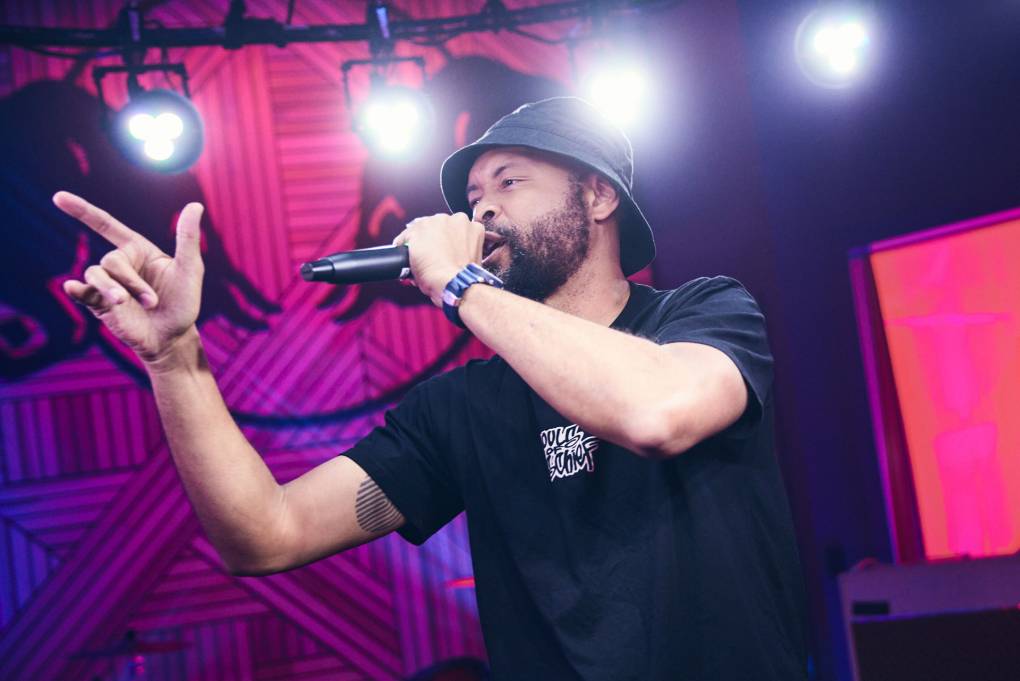
"caption": "Tajai performs during Red Bull Spiral at Red Bull Studios, in Santa Monica, CA, USA on May 03, 2023.",
"description": null,
"title": "Tajai.Souls.RedBull",
"credit": "Koury Angelo / Red Bull Music",
"status": "inherit",
"altTag": null,
"isLoading": false,
"fetchFailed": false
},
"arts_13932370": {
"type": "attachments",
"id": "arts_13932370",
"meta": {
"index": "attachments_1716263798",
"site": "arts",
"id": "13932370",
"found": true
},
"parent": 13932390,
"imgSizes": {
"twentyfourteen-full-width": {
"file": "https://ww2.kqed.org/app/uploads/sites/2/2023/07/Chance-the-Rapper-headlines-night-three-of-Blue-Note-Jazz-Festival-on-Sunday-July-30-2023.-Estefany-Gonzalez-006-1038x576.jpg",
"width": 1038,
"mimeType": "image/jpeg",
"height": 576
},
"thumbnail": {
"file": "https://ww2.kqed.org/app/uploads/sites/2/2023/07/Chance-the-Rapper-headlines-night-three-of-Blue-Note-Jazz-Festival-on-Sunday-July-30-2023.-Estefany-Gonzalez-006-160x107.jpg",
"width": 160,
"mimeType": "image/jpeg",
"height": 107
},
"post-thumbnail": {
"file": "https://ww2.kqed.org/app/uploads/sites/2/2023/07/Chance-the-Rapper-headlines-night-three-of-Blue-Note-Jazz-Festival-on-Sunday-July-30-2023.-Estefany-Gonzalez-006-672x372.jpg",
"width": 672,
"mimeType": "image/jpeg",
"height": 372
},
"kqedFullSize": {
"file": "https://ww2.kqed.org/app/uploads/sites/2/2023/07/Chance-the-Rapper-headlines-night-three-of-Blue-Note-Jazz-Festival-on-Sunday-July-30-2023.-Estefany-Gonzalez-006.jpg",
"width": 1920,
"height": 1280
},
"large": {
"file": "https://ww2.kqed.org/app/uploads/sites/2/2023/07/Chance-the-Rapper-headlines-night-three-of-Blue-Note-Jazz-Festival-on-Sunday-July-30-2023.-Estefany-Gonzalez-006-1020x680.jpg",
"width": 1020,
"mimeType": "image/jpeg",
"height": 680
},
"1536x1536": {
"file": "https://ww2.kqed.org/app/uploads/sites/2/2023/07/Chance-the-Rapper-headlines-night-three-of-Blue-Note-Jazz-Festival-on-Sunday-July-30-2023.-Estefany-Gonzalez-006-1536x1024.jpg",
"width": 1536,
"mimeType": "image/jpeg",
"height": 1024
},
"medium": {
"file": "https://ww2.kqed.org/app/uploads/sites/2/2023/07/Chance-the-Rapper-headlines-night-three-of-Blue-Note-Jazz-Festival-on-Sunday-July-30-2023.-Estefany-Gonzalez-006-800x533.jpg",
"width": 800,
"mimeType": "image/jpeg",
"height": 533
},
"medium_large": {
"file": "https://ww2.kqed.org/app/uploads/sites/2/2023/07/Chance-the-Rapper-headlines-night-three-of-Blue-Note-Jazz-Festival-on-Sunday-July-30-2023.-Estefany-Gonzalez-006-768x512.jpg",
"width": 768,
"mimeType": "image/jpeg",
"height": 512
}
},
"publishDate": 1690818720,
"modified": 1692036180,
"caption": "Chance the Rapper headlines night three of Blue Note Jazz Festival on Sunday, July 30, 2023.",
"description": "Chance the Rapper headlines night three of Blue Note Jazz Festival on Sunday, July 30, 2023.",
"title": "Chance the Rapper headlines night three of Blue Note Jazz Festival on Sunday, July 30, 2023.",
"credit": "Estefany Gonzalez for KQED",
"status": "inherit",
"altTag": null,
"isLoading": false,
"fetchFailed": false
},
"arts_13932221": {
"type": "attachments",
"id": "arts_13932221",
"meta": {
"index": "attachments_1716263798",
"site": "arts",
"id": "13932221",
"found": true
},
"parent": 13932209,
"imgSizes": {
"twentyfourteen-full-width": {
"file": "https://ww2.kqed.org/app/uploads/sites/2/2023/07/image_50736641-1024x576.jpg",
"width": 1024,
"mimeType": "image/jpeg",
"height": 576
},
"thumbnail": {
"file": "https://ww2.kqed.org/app/uploads/sites/2/2023/07/image_50736641-160x107.jpg",
"width": 160,
"mimeType": "image/jpeg",
"height": 107
},
"post-thumbnail": {
"file": "https://ww2.kqed.org/app/uploads/sites/2/2023/07/image_50736641-672x372.jpg",
"width": 672,
"mimeType": "image/jpeg",
"height": 372
},
"kqedFullSize": {
"file": "https://ww2.kqed.org/app/uploads/sites/2/2023/07/image_50736641.jpg",
"width": 1024,
"height": 682
},
"large": {
"file": "https://ww2.kqed.org/app/uploads/sites/2/2023/07/image_50736641-1020x679.jpg",
"width": 1020,
"mimeType": "image/jpeg",
"height": 679
},
"medium": {
"file": "https://ww2.kqed.org/app/uploads/sites/2/2023/07/image_50736641-800x533.jpg",
"width": 800,
"mimeType": "image/jpeg",
"height": 533
},
"medium_large": {
"file": "https://ww2.kqed.org/app/uploads/sites/2/2023/07/image_50736641-768x512.jpg",
"width": 768,
"mimeType": "image/jpeg",
"height": 512
}
},
"publishDate": 1690568062,
"modified": 1690569003,
"caption": "Iamsu!'s most recent IAMSUMMER performance was in 2019.",
"description": null,
"title": "image_50736641",
"credit": "Courtesy of Iamsu!",
"status": "inherit",
"altTag": "a local rapper stands on a purple lit stage while confetti falls around him",
"isLoading": false,
"fetchFailed": false
},
"arts_13932148": {
"type": "attachments",
"id": "arts_13932148",
"meta": {
"index": "attachments_1716263798",
"site": "arts",
"id": "13932148",
"found": true
},
"parent": 13932116,
"imgSizes": {
"twentyfourteen-full-width": {
"file": "https://ww2.kqed.org/app/uploads/sites/2/2023/07/Screen-Shot-2023-07-26-at-5.47.49-PM-1038x576.png",
"width": 1038,
"mimeType": "image/png",
"height": 576
},
"thumbnail": {
"file": "https://ww2.kqed.org/app/uploads/sites/2/2023/07/Screen-Shot-2023-07-26-at-5.47.49-PM-160x99.png",
"width": 160,
"mimeType": "image/png",
"height": 99
},
"post-thumbnail": {
"file": "https://ww2.kqed.org/app/uploads/sites/2/2023/07/Screen-Shot-2023-07-26-at-5.47.49-PM-672x372.png",
"width": 672,
"mimeType": "image/png",
"height": 372
},
"kqedFullSize": {
"file": "https://ww2.kqed.org/app/uploads/sites/2/2023/07/Screen-Shot-2023-07-26-at-5.47.49-PM.png",
"width": 2212,
"height": 1372
},
"2048x2048": {
"file": "https://ww2.kqed.org/app/uploads/sites/2/2023/07/Screen-Shot-2023-07-26-at-5.47.49-PM-2048x1270.png",
"width": 2048,
"mimeType": "image/png",
"height": 1270
},
"large": {
"file": "https://ww2.kqed.org/app/uploads/sites/2/2023/07/Screen-Shot-2023-07-26-at-5.47.49-PM-1020x633.png",
"width": 1020,
"mimeType": "image/png",
"height": 633
},
"1536x1536": {
"file": "https://ww2.kqed.org/app/uploads/sites/2/2023/07/Screen-Shot-2023-07-26-at-5.47.49-PM-1536x953.png",
"width": 1536,
"mimeType": "image/png",
"height": 953
},
"full-width": {
"file": "https://ww2.kqed.org/app/uploads/sites/2/2023/07/Screen-Shot-2023-07-26-at-5.47.49-PM-1920x1191.png",
"width": 1920,
"mimeType": "image/png",
"height": 1191
},
"medium": {
"file": "https://ww2.kqed.org/app/uploads/sites/2/2023/07/Screen-Shot-2023-07-26-at-5.47.49-PM-800x496.png",
"width": 800,
"mimeType": "image/png",
"height": 496
},
"medium_large": {
"file": "https://ww2.kqed.org/app/uploads/sites/2/2023/07/Screen-Shot-2023-07-26-at-5.47.49-PM-768x476.png",
"width": 768,
"mimeType": "image/png",
"height": 476
}
},
"publishDate": 1690418903,
"modified": 1690418973,
"caption": "Dolly Parton imploring you to please, please watch the Paris Olympics ... an entire year from now.",
"description": null,
"title": "Dolly Parton imploring you to please, please watch the Paris Olympics ... an entire year from now.",
"credit": "YouTube",
"status": "inherit",
"altTag": "Dolly Parton wearing a silver dress sings in side profile, her arms outstretched at her sides.",
"isLoading": false,
"fetchFailed": false
},
"arts_13932084": {
"type": "attachments",
"id": "arts_13932084",
"meta": {
"index": "attachments_1716263798",
"site": "arts",
"id": "13932084",
"found": true
},
"parent": 13932030,
"imgSizes": {
"twentyfourteen-full-width": {
"file": "https://ww2.kqed.org/app/uploads/sites/2/2023/07/dregs-panel-square-1038x576.jpg",
"width": 1038,
"mimeType": "image/jpeg",
"height": 576
},
"thumbnail": {
"file": "https://ww2.kqed.org/app/uploads/sites/2/2023/07/dregs-panel-square-160x160.jpg",
"width": 160,
"mimeType": "image/jpeg",
"height": 160
},
"post-thumbnail": {
"file": "https://ww2.kqed.org/app/uploads/sites/2/2023/07/dregs-panel-square-672x372.jpg",
"width": 672,
"mimeType": "image/jpeg",
"height": 372
},
"kqedFullSize": {
"file": "https://ww2.kqed.org/app/uploads/sites/2/2023/07/dregs-panel-square.jpg",
"width": 1920,
"height": 1920
},
"large": {
"file": "https://ww2.kqed.org/app/uploads/sites/2/2023/07/dregs-panel-square-1020x1020.jpg",
"width": 1020,
"mimeType": "image/jpeg",
"height": 1020
},
"1536x1536": {
"file": "https://ww2.kqed.org/app/uploads/sites/2/2023/07/dregs-panel-square-1536x1536.jpg",
"width": 1536,
"mimeType": "image/jpeg",
"height": 1536
},
"medium": {
"file": "https://ww2.kqed.org/app/uploads/sites/2/2023/07/dregs-panel-square-800x800.jpg",
"width": 800,
"mimeType": "image/jpeg",
"height": 800
},
"medium_large": {
"file": "https://ww2.kqed.org/app/uploads/sites/2/2023/07/dregs-panel-square-768x768.jpg",
"width": 768,
"mimeType": "image/jpeg",
"height": 768
}
},
"publishDate": 1690393988,
"modified": 1690394299,
"caption": "The Conscious Daughters' CMG, KQED's Nastia Voynovskaya, photographer D-Ray, graffiti artist Dime and Dregs One pose together at Dregs' History of the Bay Day Party at the Midway in San Francisco on July 9, 2023. ",
"description": null,
"title": "dregs-panel-square",
"credit": "\u003ca href='https://www.instagram.com/b707__/>@b707__\u003c/a>",
"status": "inherit",
"altTag": "A Black woman in her 50s, a white woman in her 30s, a mixed-race woman in her 40s, a Latina in her 40s and a Black man in his 30s pose together on a stage after filming a live podcast episode.",
"isLoading": false,
"fetchFailed": false
},
"arts_13932087": {
"type": "attachments",
"id": "arts_13932087",
"meta": {
"index": "attachments_1716263798",
"site": "arts",
"id": "13932087",
"found": true
},
"parent": 13932030,
"imgSizes": {
"twentyfourteen-full-width": {
"file": "https://ww2.kqed.org/app/uploads/sites/2/2023/07/dregs-pabel-16x9-1-1038x576.jpg",
"width": 1038,
"mimeType": "image/jpeg",
"height": 576
},
"thumbnail": {
"file": "https://ww2.kqed.org/app/uploads/sites/2/2023/07/dregs-pabel-16x9-1-160x90.jpg",
"width": 160,
"mimeType": "image/jpeg",
"height": 90
},
"post-thumbnail": {
"file": "https://ww2.kqed.org/app/uploads/sites/2/2023/07/dregs-pabel-16x9-1-672x372.jpg",
"width": 672,
"mimeType": "image/jpeg",
"height": 372
},
"kqedFullSize": {
"file": "https://ww2.kqed.org/app/uploads/sites/2/2023/07/dregs-pabel-16x9-1.jpg",
"width": 1920,
"height": 1080
},
"large": {
"file": "https://ww2.kqed.org/app/uploads/sites/2/2023/07/dregs-pabel-16x9-1-1020x574.jpg",
"width": 1020,
"mimeType": "image/jpeg",
"height": 574
},
"1536x1536": {
"file": "https://ww2.kqed.org/app/uploads/sites/2/2023/07/dregs-pabel-16x9-1-1536x864.jpg",
"width": 1536,
"mimeType": "image/jpeg",
"height": 864
},
"medium": {
"file": "https://ww2.kqed.org/app/uploads/sites/2/2023/07/dregs-pabel-16x9-1-800x450.jpg",
"width": 800,
"mimeType": "image/jpeg",
"height": 450
},
"medium_large": {
"file": "https://ww2.kqed.org/app/uploads/sites/2/2023/07/dregs-pabel-16x9-1-768x432.jpg",
"width": 768,
"mimeType": "image/jpeg",
"height": 432
}
},
"publishDate": 1690394316,
"modified": 1690394353,
"caption": "The Conscious Daughters' CMG, KQED's Nastia Voynovskaya, photographer D-Ray, graffiti artist Dime and Dregs One pose together at Dregs' History of the Bay Day Party at the Midway in San Francisco on July 9, 2023. ",
"description": null,
"title": "dregs-pabel-16x9",
"credit": "\u003ca href='https://www.instagram.com/b707__/>@b707__\u003c/a>",
"status": "inherit",
"altTag": null,
"isLoading": false,
"fetchFailed": false
},
"arts_13932095": {
"type": "attachments",
"id": "arts_13932095",
"meta": {
"index": "attachments_1716263798",
"site": "arts",
"id": "13932095",
"found": true
},
"parent": 13932088,
"imgSizes": {
"twentyfourteen-full-width": {
"file": "https://ww2.kqed.org/app/uploads/sites/2/2023/07/GettyImages-168936855-1024x576.jpg",
"width": 1024,
"mimeType": "image/jpeg",
"height": 576
},
"thumbnail": {
"file": "https://ww2.kqed.org/app/uploads/sites/2/2023/07/GettyImages-168936855-160x107.jpg",
"width": 160,
"mimeType": "image/jpeg",
"height": 107
},
"post-thumbnail": {
"file": "https://ww2.kqed.org/app/uploads/sites/2/2023/07/GettyImages-168936855-672x372.jpg",
"width": 672,
"mimeType": "image/jpeg",
"height": 372
},
"kqedFullSize": {
"file": "https://ww2.kqed.org/app/uploads/sites/2/2023/07/GettyImages-168936855.jpg",
"width": 1024,
"height": 687
},
"large": {
"file": "https://ww2.kqed.org/app/uploads/sites/2/2023/07/GettyImages-168936855-1020x684.jpg",
"width": 1020,
"mimeType": "image/jpeg",
"height": 684
},
"medium": {
"file": "https://ww2.kqed.org/app/uploads/sites/2/2023/07/GettyImages-168936855-800x537.jpg",
"width": 800,
"mimeType": "image/jpeg",
"height": 537
},
"medium_large": {
"file": "https://ww2.kqed.org/app/uploads/sites/2/2023/07/GettyImages-168936855-768x515.jpg",
"width": 768,
"mimeType": "image/jpeg",
"height": 515
}
},
"publishDate": 1690397416,
"modified": 1690397471,
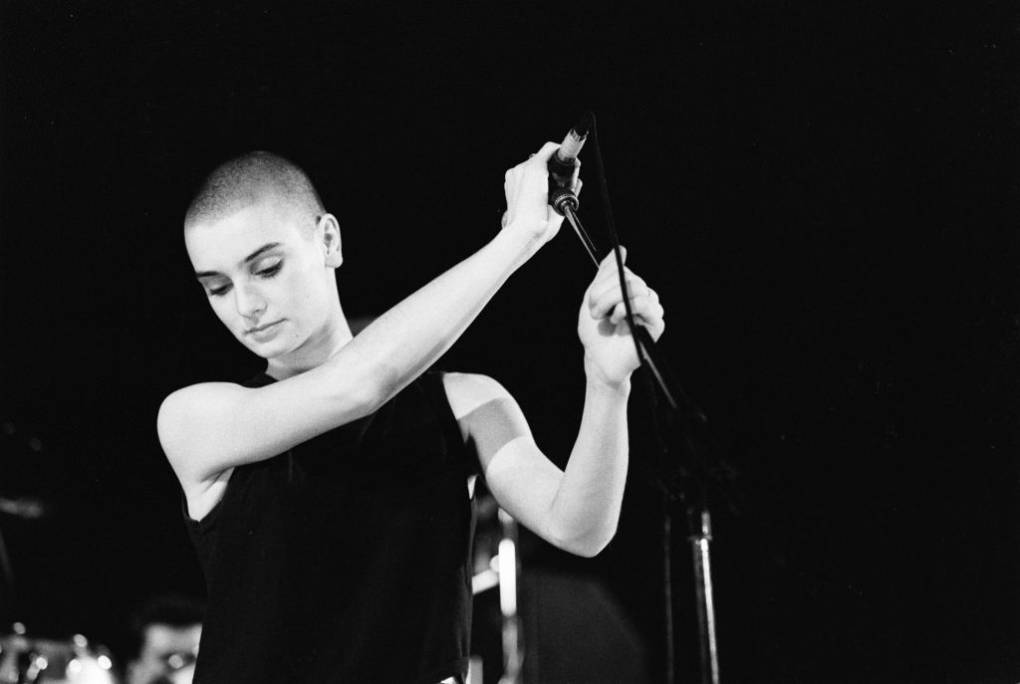
"caption": "Sinead O'Connor performs at Vredenburg in Utrecht, Netherlands in March 1988. ",
"description": null,
"title": "Sinead O'Connor",
"credit": "Frans Schellekens/Redferns",
"status": "inherit",
"altTag": "a black and white photo of singer Sinead O'Connor",
"isLoading": false,
"fetchFailed": false
},
"arts_13932021": {
"type": "attachments",
"id": "arts_13932021",
"meta": {
"index": "attachments_1716263798",
"site": "arts",
"id": "13932021",
"found": true
},
"parent": 13932017,
"imgSizes": {
"twentyfourteen-full-width": {
"file": "https://ww2.kqed.org/app/uploads/sites/2/2023/07/Maxwell_approved-press-photo-2_cropped_credit-Cliff-Watts-1038x576.jpg",
"width": 1038,
"mimeType": "image/jpeg",
"height": 576
},
"thumbnail": {
"file": "https://ww2.kqed.org/app/uploads/sites/2/2023/07/Maxwell_approved-press-photo-2_cropped_credit-Cliff-Watts-160x107.jpg",
"width": 160,
"mimeType": "image/jpeg",
"height": 107
},
"post-thumbnail": {
"file": "https://ww2.kqed.org/app/uploads/sites/2/2023/07/Maxwell_approved-press-photo-2_cropped_credit-Cliff-Watts-672x372.jpg",
"width": 672,
"mimeType": "image/jpeg",
"height": 372
},
"kqedFullSize": {
"file": "https://ww2.kqed.org/app/uploads/sites/2/2023/07/Maxwell_approved-press-photo-2_cropped_credit-Cliff-Watts.jpg",
"width": 1920,
"height": 1280
},
"large": {
"file": "https://ww2.kqed.org/app/uploads/sites/2/2023/07/Maxwell_approved-press-photo-2_cropped_credit-Cliff-Watts-1020x680.jpg",
"width": 1020,
"mimeType": "image/jpeg",
"height": 680
},
"1536x1536": {
"file": "https://ww2.kqed.org/app/uploads/sites/2/2023/07/Maxwell_approved-press-photo-2_cropped_credit-Cliff-Watts-1536x1024.jpg",
"width": 1536,
"mimeType": "image/jpeg",
"height": 1024
},
"medium": {
"file": "https://ww2.kqed.org/app/uploads/sites/2/2023/07/Maxwell_approved-press-photo-2_cropped_credit-Cliff-Watts-800x533.jpg",
"width": 800,
"mimeType": "image/jpeg",
"height": 533
},
"medium_large": {
"file": "https://ww2.kqed.org/app/uploads/sites/2/2023/07/Maxwell_approved-press-photo-2_cropped_credit-Cliff-Watts-768x512.jpg",
"width": 768,
"mimeType": "image/jpeg",
"height": 512
}
},
"publishDate": 1690327403,
"modified": 1690327473,
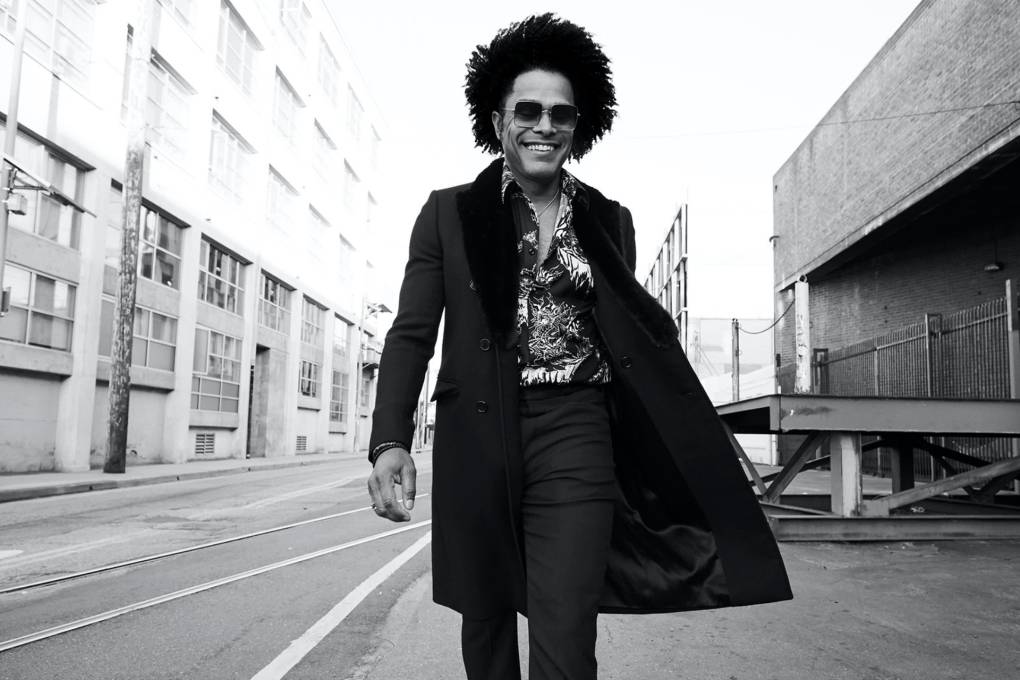
"caption": "Grammy-winning soul singer Maxwell makes his debut with the San Francisco Symphony on Aug. 4 and 5.",
"description": null,
"title": "Maxwell_approved press photo 2_cropped_credit - Cliff Watts",
"credit": "Cliff Watts",
"status": "inherit",
"altTag": "a tall Black man wearing sunglasses and a long coat smiles while walking down a city street in a black and white photograph",
"isLoading": false,
"fetchFailed": false
},
"arts_13932022": {
"type": "attachments",
"id": "arts_13932022",
"meta": {
"index": "attachments_1716263798",
"site": "arts",
"id": "13932022",
"found": true
},
"parent": 13932018,
"imgSizes": {
"twentyfourteen-full-width": {
"file": "https://ww2.kqed.org/app/uploads/sites/2/2023/07/MagneticFields.Tickets-1038x576.jpg",
"width": 1038,
"mimeType": "image/jpeg",
"height": 576
},
"thumbnail": {
"file": "https://ww2.kqed.org/app/uploads/sites/2/2023/07/MagneticFields.Tickets-160x90.jpg",
"width": 160,
"mimeType": "image/jpeg",
"height": 90
},
"post-thumbnail": {
"file": "https://ww2.kqed.org/app/uploads/sites/2/2023/07/MagneticFields.Tickets-672x372.jpg",
"width": 672,
"mimeType": "image/jpeg",
"height": 372
},
"kqedFullSize": {
"file": "https://ww2.kqed.org/app/uploads/sites/2/2023/07/MagneticFields.Tickets.jpg",
"width": 1744,
"height": 981
},
"large": {
"file": "https://ww2.kqed.org/app/uploads/sites/2/2023/07/MagneticFields.Tickets-1020x574.jpg",
"width": 1020,
"mimeType": "image/jpeg",
"height": 574
},
"1536x1536": {
"file": "https://ww2.kqed.org/app/uploads/sites/2/2023/07/MagneticFields.Tickets-1536x864.jpg",
"width": 1536,
"mimeType": "image/jpeg",
"height": 864
},
"medium": {
"file": "https://ww2.kqed.org/app/uploads/sites/2/2023/07/MagneticFields.Tickets-800x450.jpg",
"width": 800,
"mimeType": "image/jpeg",
"height": 450
},
"medium_large": {
"file": "https://ww2.kqed.org/app/uploads/sites/2/2023/07/MagneticFields.Tickets-768x432.jpg",
"width": 768,
"mimeType": "image/jpeg",
"height": 432
}
},
"publishDate": 1690327517,
"modified": 1690327563,
"caption": "The Magnetic Fields have added two more dates to their '69 Love Songs' anniversary tour at the Curran Theater in San Francisco. ",
"description": null,
"title": "MagneticFields.Tickets",
"credit": "Merge Records",
"status": "inherit",
"altTag": null,
"isLoading": false,
"fetchFailed": false
},
"arts_13932009": {
"type": "attachments",
"id": "arts_13932009",
"meta": {
"index": "attachments_1716263798",
"site": "arts",
"id": "13932009",
"found": true
},
"parent": 13932004,
"imgSizes": {
"twentyfourteen-full-width": {
"file": "https://ww2.kqed.org/app/uploads/sites/2/2023/07/Screen-Shot-2023-07-25-at-1.34.20-PM-1038x576.png",
"width": 1038,
"mimeType": "image/png",
"height": 576
},
"thumbnail": {
"file": "https://ww2.kqed.org/app/uploads/sites/2/2023/07/Screen-Shot-2023-07-25-at-1.34.20-PM-160x101.png",
"width": 160,
"mimeType": "image/png",
"height": 101
},
"post-thumbnail": {
"file": "https://ww2.kqed.org/app/uploads/sites/2/2023/07/Screen-Shot-2023-07-25-at-1.34.20-PM-672x372.png",
"width": 672,
"mimeType": "image/png",
"height": 372
},
"kqedFullSize": {
"file": "https://ww2.kqed.org/app/uploads/sites/2/2023/07/Screen-Shot-2023-07-25-at-1.34.20-PM.png",
"width": 1314,
"height": 832
},
"large": {
"file": "https://ww2.kqed.org/app/uploads/sites/2/2023/07/Screen-Shot-2023-07-25-at-1.34.20-PM-1020x646.png",
"width": 1020,
"mimeType": "image/png",
"height": 646
},
"medium": {
"file": "https://ww2.kqed.org/app/uploads/sites/2/2023/07/Screen-Shot-2023-07-25-at-1.34.20-PM-800x507.png",
"width": 800,
"mimeType": "image/png",
"height": 507
},
"medium_large": {
"file": "https://ww2.kqed.org/app/uploads/sites/2/2023/07/Screen-Shot-2023-07-25-at-1.34.20-PM-768x486.png",
"width": 768,
"mimeType": "image/png",
"height": 486
}
},
"publishDate": 1690317301,
"modified": 1690317301,
"caption": null,
"description": null,
"title": "Screen Shot 2023-07-25 at 1.34.20 PM",
"credit": null,
"status": "inherit",
"altTag": null,
"isLoading": false,
"fetchFailed": false
},
"arts_13931948": {
"type": "attachments",
"id": "arts_13931948",
"meta": {
"index": "attachments_1716263798",
"site": "arts",
"id": "13931948",
"found": true
},
"parent": 13931922,
"imgSizes": {
"twentyfourteen-full-width": {
"file": "https://ww2.kqed.org/app/uploads/sites/2/2023/07/Tony.16.9.thumb_-1038x576.jpg",
"width": 1038,
"mimeType": "image/jpeg",
"height": 576
},
"thumbnail": {
"file": "https://ww2.kqed.org/app/uploads/sites/2/2023/07/Tony.16.9.thumb_-160x90.jpg",
"width": 160,
"mimeType": "image/jpeg",
"height": 90
},
"post-thumbnail": {
"file": "https://ww2.kqed.org/app/uploads/sites/2/2023/07/Tony.16.9.thumb_-672x372.jpg",
"width": 672,
"mimeType": "image/jpeg",
"height": 372
},
"kqedFullSize": {
"file": "https://ww2.kqed.org/app/uploads/sites/2/2023/07/Tony.16.9.thumb_.jpg",
"width": 1469,
"height": 826
},
"large": {
"file": "https://ww2.kqed.org/app/uploads/sites/2/2023/07/Tony.16.9.thumb_-1020x574.jpg",
"width": 1020,
"mimeType": "image/jpeg",
"height": 574
},
"medium": {
"file": "https://ww2.kqed.org/app/uploads/sites/2/2023/07/Tony.16.9.thumb_-800x450.jpg",
"width": 800,
"mimeType": "image/jpeg",
"height": 450
},
"medium_large": {
"file": "https://ww2.kqed.org/app/uploads/sites/2/2023/07/Tony.16.9.thumb_-768x432.jpg",
"width": 768,
"mimeType": "image/jpeg",
"height": 432
}
},
"publishDate": 1689964166,
"modified": 1689964392,
"caption": "Tony Bennett performs at the Hyatt Regency in San Francisco in February, 2000. ",
"description": null,
"title": "Tony.16.9.thumb",
"credit": "Lea Suzuki / San Francisco Chronicle via Getty Images",
"status": "inherit",
"altTag": null,
"isLoading": false,
"fetchFailed": false
},
"arts_13892049": {
"type": "attachments",
"id": "arts_13892049",
"meta": {
"index": "attachments_1716263798",
"site": "arts",
"id": "13892049",
"found": true
},
"parent": 13892048,
"imgSizes": {
"twentyfourteen-full-width": {
"file": "https://ww2.kqed.org/app/uploads/sites/2/2021/02/gettyimages-74023239-00e2b7f5589f5dfd8d5f40f7d7f3dabc565ce86b-1038x576.jpg",
"width": 1038,
"mimeType": "image/jpeg",
"height": 576
},
"thumbnail": {
"file": "https://ww2.kqed.org/app/uploads/sites/2/2021/02/gettyimages-74023239-00e2b7f5589f5dfd8d5f40f7d7f3dabc565ce86b-160x120.jpg",
"width": 160,
"mimeType": "image/jpeg",
"height": 120
},
"post-thumbnail": {
"file": "https://ww2.kqed.org/app/uploads/sites/2/2021/02/gettyimages-74023239-00e2b7f5589f5dfd8d5f40f7d7f3dabc565ce86b-672x372.jpg",
"width": 672,
"mimeType": "image/jpeg",
"height": 372
},
"kqedFullSize": {
"file": "https://ww2.kqed.org/app/uploads/sites/2/2021/02/gettyimages-74023239-00e2b7f5589f5dfd8d5f40f7d7f3dabc565ce86b-scaled-e1612204615104.jpg",
"width": 1920,
"height": 1439
},
"2048x2048": {
"file": "https://ww2.kqed.org/app/uploads/sites/2/2021/02/gettyimages-74023239-00e2b7f5589f5dfd8d5f40f7d7f3dabc565ce86b-2048x1535.jpg",
"width": 2048,
"mimeType": "image/jpeg",
"height": 1535
},
"large": {
"file": "https://ww2.kqed.org/app/uploads/sites/2/2021/02/gettyimages-74023239-00e2b7f5589f5dfd8d5f40f7d7f3dabc565ce86b-1020x765.jpg",
"width": 1020,
"mimeType": "image/jpeg",
"height": 765
},
"1536x1536": {
"file": "https://ww2.kqed.org/app/uploads/sites/2/2021/02/gettyimages-74023239-00e2b7f5589f5dfd8d5f40f7d7f3dabc565ce86b-1536x1152.jpg",
"width": 1536,
"mimeType": "image/jpeg",
"height": 1152
},
"full-width": {
"file": "https://ww2.kqed.org/app/uploads/sites/2/2021/02/gettyimages-74023239-00e2b7f5589f5dfd8d5f40f7d7f3dabc565ce86b-1920x1439.jpg",
"width": 1920,
"mimeType": "image/jpeg",
"height": 1439
},
"medium": {
"file": "https://ww2.kqed.org/app/uploads/sites/2/2021/02/gettyimages-74023239-00e2b7f5589f5dfd8d5f40f7d7f3dabc565ce86b-800x600.jpg",
"width": 800,
"mimeType": "image/jpeg",
"height": 600
},
"medium_large": {
"file": "https://ww2.kqed.org/app/uploads/sites/2/2021/02/gettyimages-74023239-00e2b7f5589f5dfd8d5f40f7d7f3dabc565ce86b-768x576.jpg",
"width": 768,
"mimeType": "image/jpeg",
"height": 576
}
},
"publishDate": 1612204244,
"modified": 1612204645,
"caption": "Singer Tony Bennett performing at the Royal Albert Hall in London in 2007.",
"description": "Singer Tony Bennett performing at the Royal Albert Hall in London in 2007.",
"title": "Singer Tony Bennett performing at the Royal Albert Hall in London in 2007.",
"credit": "Jo Hale/Getty Images",
"status": "inherit",
"altTag": "Singer Tony Bennett performing at the Royal Albert Hall in London in 2007.",
"isLoading": false,
"fetchFailed": false
}
},
"audioPlayerReducer": {
"postId": "stream_live",
"isPaused": true,
"isPlaying": false,
"pfsActive": false,
"pledgeModalIsOpen": true,
"playerDrawerIsOpen": false,
"liveAudioPlayStartedAt": 0,
"liveAudioPlayContext": ""
},
"authorsReducer": {
"byline_arts_13932088": {
"type": "authors",
"id": "byline_arts_13932088",
"meta": {
"override": true
},
"slug": "byline_arts_13932088",
"name": "Sylvia Hui\u003cbr>Associated Press",
"isLoading": false
},
"byline_arts_13932004": {
"type": "authors",
"id": "byline_arts_13932004",
"meta": {
"override": true
},
"slug": "byline_arts_13932004",
"name": "Jason Heller",
"isLoading": false
},
"byline_arts_13931917": {
"type": "authors",
"id": "byline_arts_13931917",
"meta": {
"override": true
},
"slug": "byline_arts_13931917",
"name": "Charles J. Gans",
"isLoading": false
},
"gmeline": {
"type": "authors",
"id": "185",
"meta": {
"index": "authors_1716337520",
"id": "185",
"found": true
},
"name": "Gabe Meline",
"firstName": "Gabe",
"lastName": "Meline",
"slug": "gmeline",
"email": "gmeline@kqed.org",
"display_author_email": true,
"staff_mastheads": [
"arts"
],
"title": "Senior Editor, KQED Arts & Culture",
"bio": "Gabe Meline entered journalism at age 15 making photocopied zines, and has since earned awards from the Edward R. Murrow Awards, the Society for Professional Journalists, the Online Journalism Awards, the Association of Alternative Newsweeklies and the California Newspaper Publishers Association. Prior to KQED, he was the editor of the \u003cem>North Bay Bohemian\u003c/em> and a touring musician. He lives with his wife and daughter in his hometown of Santa Rosa, CA.",
"avatar": "https://secure.gravatar.com/avatar/5bebe57be0d8bc2dd318934feb47299e2d2d10cba28d09d8d7afb389a2ce2bdd?s=600&d=blank&r=g",
"twitter": null,
"bluesky": null,
"facebook": null,
"instagram": null,
"linkedin": null,
"sites": [
{
"site": "",
"roles": [
"editor"
]
},
{
"site": "arts",
"roles": [
"administrator"
]
},
{
"site": "artschool",
"roles": [
"editor"
]
},
{
"site": "news",
"roles": [
"author"
]
},
{
"site": "pop",
"roles": [
"editor"
]
},
{
"site": "bayareabites",
"roles": [
"editor"
]
},
{
"site": "food",
"roles": [
"editor"
]
},
{
"site": "forum",
"roles": [
"administrator"
]
},
{
"site": "liveblog",
"roles": [
"editor"
]
},
{
"site": "hiphop",
"roles": [
"editor"
]
}
],
"headData": {
"title": "Gabe Meline | KQED",
"description": "Senior Editor, KQED Arts & Culture",
"ogImgSrc": "https://secure.gravatar.com/avatar/5bebe57be0d8bc2dd318934feb47299e2d2d10cba28d09d8d7afb389a2ce2bdd?s=600&d=blank&r=g",
"twImgSrc": "https://secure.gravatar.com/avatar/5bebe57be0d8bc2dd318934feb47299e2d2d10cba28d09d8d7afb389a2ce2bdd?s=600&d=blank&r=g"
},
"isLoading": false,
"link": "/author/gmeline"
},
"ralexandra": {
"type": "authors",
"id": "11242",
"meta": {
"index": "authors_1716337520",
"id": "11242",
"found": true
},
"name": "Rae Alexandra",
"firstName": "Rae",
"lastName": "Alexandra",
"slug": "ralexandra",
"email": "ralexandra@kqed.org",
"display_author_email": true,
"staff_mastheads": [],
"title": "Reporter/Producer",
"bio": "Rae Alexandra is a Reporter/Producer for KQED Arts & Culture, and the creator/author of the \u003ca href=\"https://www.kqed.org/arts/program/rebel-girls-from-bay-area-history\">Rebel Girls From Bay Area History\u003c/a> and \u003ca href=\"https://www.kqed.org/bizarrebayarea\">Bizarre Bay Area\u003c/a> series. Her debut book, \u003ca href=\"https://citylights.com/politics-current-events-history/unsung-heroines35-women-who-changed/\">Unsung Heroines: 35 Women Who Changed the Bay Area\u003c/a> was published by City Lights in March 2026. In 2023, Rae was awarded an SPJ Excellence in Journalism Award for Arts & Culture. Rae was born and raised in Wales and subsequently — even after two decades in Northern California — still uses phrases that regularly baffle her coworkers.",
"avatar": "https://secure.gravatar.com/avatar/edfee8176c80cc0a382b051190f5341997df378a934a5774dcb0977732dfd401?s=600&d=blank&r=g",
"twitter": null,
"bluesky": null,
"facebook": null,
"instagram": null,
"linkedin": null,
"sites": [
{
"site": "arts",
"roles": [
"subscriber"
]
},
{
"site": "news",
"roles": [
"subscriber"
]
},
{
"site": "pop",
"roles": [
"subscriber"
]
},
{
"site": "bayareabites",
"roles": [
"subscriber"
]
},
{
"site": "science",
"roles": [
"subscriber"
]
}
],
"headData": {
"title": "Rae Alexandra | KQED",
"description": "Reporter/Producer",
"ogImgSrc": "https://secure.gravatar.com/avatar/edfee8176c80cc0a382b051190f5341997df378a934a5774dcb0977732dfd401?s=600&d=blank&r=g",
"twImgSrc": "https://secure.gravatar.com/avatar/edfee8176c80cc0a382b051190f5341997df378a934a5774dcb0977732dfd401?s=600&d=blank&r=g"
},
"isLoading": false,
"link": "/author/ralexandra"
},
"aproehl": {
"type": "authors",
"id": "11296",
"meta": {
"index": "authors_1716337520",
"id": "11296",
"found": true
},
"name": "Ariana Proehl",
"firstName": "Ariana",
"lastName": "Proehl",
"slug": "aproehl",
"email": "aproehl@KQED.org",
"display_author_email": true,
"staff_mastheads": [
"news"
],
"title": "Culture Reporter, KQED",
"bio": "Ariana Proehl is a Culture Reporter and Host.",
"avatar": "https://secure.gravatar.com/avatar/c96b24567eb5bb3a4f8bb295ed53e232?s=600&d=blank&r=g",
"twitter": "ArianaProehl",
"facebook": null,
"instagram": null,
"linkedin": null,
"sites": [
{
"site": "arts",
"roles": []
},
{
"site": "news",
"roles": []
},
{
"site": "education",
"roles": []
},
{
"site": "forum",
"roles": []
}
],
"headData": {
"title": "Ariana Proehl | KQED",
"description": "Culture Reporter, KQED",
"ogImgSrc": "https://secure.gravatar.com/avatar/c96b24567eb5bb3a4f8bb295ed53e232?s=600&d=blank&r=g",
"twImgSrc": "https://secure.gravatar.com/avatar/c96b24567eb5bb3a4f8bb295ed53e232?s=600&d=blank&r=g"
},
"isLoading": false,
"link": "/author/aproehl"
},
"nvoynovskaya": {
"type": "authors",
"id": "11387",
"meta": {
"index": "authors_1716337520",
"id": "11387",
"found": true
},
"name": "Nastia Voynovskaya",
"firstName": "Nastia",
"lastName": "Voynovskaya",
"slug": "nvoynovskaya",
"email": "nvoynovskaya@kqed.org",
"display_author_email": false,
"staff_mastheads": [
"arts"
],
"title": "Editor and reporter",
"bio": "Nastia Voynovskaya is a reporter, editor and host at KQED Arts & Culture. She's been covering the arts in the Bay Area for over a decade, with a focus on music, queer culture, labor issues and grassroots organizing. She has edited KQED story series such as Trans Bay: A History of San Francisco's Gender-Diverse Community, and co-created KQED's Bay Area hip-hop history project, That's My Word. Nastia's work has been recognized by the Society of Professional Journalists and San Francisco Press Club. She regularly appears on podcasts and radio programs, including NPR's All Songs Considered, and hosts live events where music, culture and conversation meet.",
"avatar": "https://secure.gravatar.com/avatar/5025ee460e5a85d69ca20ea6c6f2f80d7e17795c828f61ea3aecfcd924e9042e?s=600&d=blank&r=g",
"twitter": null,
"bluesky": null,
"facebook": null,
"instagram": "https://www.instagram.com/nananastia/",
"linkedin": null,
"sites": [
{
"site": "",
"roles": [
"editor"
]
},
{
"site": "arts",
"roles": [
"administrator"
]
},
{
"site": "news",
"roles": [
"editor"
]
},
{
"site": "pop",
"roles": [
"administrator"
]
},
{
"site": "bayareabites",
"roles": [
"editor"
]
},
{
"site": "podcasts",
"roles": [
"editor"
]
},
{
"site": "hiphop",
"roles": [
"editor"
]
}
],
"headData": {
"title": "Nastia Voynovskaya | KQED",
"description": "Editor and reporter",
"ogImgSrc": "https://secure.gravatar.com/avatar/5025ee460e5a85d69ca20ea6c6f2f80d7e17795c828f61ea3aecfcd924e9042e?s=600&d=blank&r=g",
"twImgSrc": "https://secure.gravatar.com/avatar/5025ee460e5a85d69ca20ea6c6f2f80d7e17795c828f61ea3aecfcd924e9042e?s=600&d=blank&r=g"
},
"isLoading": false,
"link": "/author/nvoynovskaya"
},
"achazaro": {
"type": "authors",
"id": "11748",
"meta": {
"index": "authors_1716337520",
"id": "11748",
"found": true
},
"name": "Alan Chazaro",
"firstName": "Alan",
"lastName": "Chazaro",
"slug": "achazaro",
"email": "agchazaro@gmail.com",
"display_author_email": true,
"staff_mastheads": [],
"title": "Food Writer and Reporter",
"bio": "Alan Chazaro is the author of \u003cem>This Is Not a Frank Ocean Cover Album\u003c/em> (Black Lawrence Press, 2019), \u003cem>Piñata Theory\u003c/em> (Black Lawrence Press, 2020), and \u003cem>Notes from the Eastern Span of the Bay Bridge\u003c/em> (Ghost City Press, 2021). He is a graduate of June Jordan’s Poetry for the People program at UC Berkeley and a former Lawrence Ferlinghetti Fellow at the University of San Francisco. He writes about sports, food, art, music, education, and culture while repping the Bay on \u003ca href=\"https://twitter.com/alan_chazaro\">Twitter\u003c/a> and \u003ca href=\"https://www.instagram.com/alan_chazaro/?hl=en\">Instagram\u003c/a> at @alan_chazaro.",
"avatar": "https://secure.gravatar.com/avatar/ea8b6dd970fc5c29e7a188e7d5861df7?s=600&d=blank&r=g",
"twitter": "alan_chazaro",
"facebook": null,
"instagram": null,
"linkedin": null,
"sites": [
{
"site": "arts",
"roles": [
"contributor"
]
},
{
"site": "news",
"roles": [
"editor"
]
}
],
"headData": {
"title": "Alan Chazaro | KQED",
"description": "Food Writer and Reporter",
"ogImgSrc": "https://secure.gravatar.com/avatar/ea8b6dd970fc5c29e7a188e7d5861df7?s=600&d=blank&r=g",
"twImgSrc": "https://secure.gravatar.com/avatar/ea8b6dd970fc5c29e7a188e7d5861df7?s=600&d=blank&r=g"
},
"isLoading": false,
"link": "/author/achazaro"
},
"earnold": {
"type": "authors",
"id": "11839",
"meta": {
"index": "authors_1716337520",
"id": "11839",
"found": true
},
"name": "Eric Arnold",
"firstName": "Eric",
"lastName": "Arnold",
"slug": "earnold",
"email": "earnold@kqed.org",
"display_author_email": false,
"staff_mastheads": [],
"title": "Contributing Editor, 'That's My Word'",
"bio": "Eric Arnold has covered hip-hop locally and nationally for over 30 years. Formerly the managing editor of \u003cem>4080\u003c/em> and columnist for \u003cem>The Source\u003c/em>, he chronicled hyphy’s rise and fall, co-curated the Oakland Museum of California’s first hip-hop exhibit in 2018 and won a 2022 Northern California Emmy Award for a mini-documentary on Oakland’s Boogaloo dance culture. He is a contributing editor for \u003cem>That’s My Word\u003c/em>, KQED's series on the history of Bay Area hip-hop.",
"avatar": "https://secure.gravatar.com/avatar/ede45b04898456ad0893a2811e78b0a2?s=600&d=blank&r=g",
"twitter": null,
"facebook": null,
"instagram": null,
"linkedin": null,
"sites": [
{
"site": "arts",
"roles": [
"contributor"
]
},
{
"site": "news",
"roles": [
"contributor"
]
},
{
"site": "hiphop",
"roles": [
"contributor"
]
}
],
"headData": {
"title": "Eric Arnold | KQED",
"description": "Contributing Editor, 'That's My Word'",
"ogImgSrc": "https://secure.gravatar.com/avatar/ede45b04898456ad0893a2811e78b0a2?s=600&d=blank&r=g",
"twImgSrc": "https://secure.gravatar.com/avatar/ede45b04898456ad0893a2811e78b0a2?s=600&d=blank&r=g"
},
"isLoading": false,
"link": "/author/earnold"
},
"omayeda": {
"type": "authors",
"id": "11872",
"meta": {
"index": "authors_1716337520",
"id": "11872",
"found": true
},
"name": "Olivia Cruz Mayeda",
"firstName": "Olivia Cruz",
"lastName": "Mayeda",
"slug": "omayeda",
"email": "omayeda@kqed.org",
"display_author_email": false,
"staff_mastheads": [],
"title": "Reporter",
"bio": "Olivia Cruz Mayeda is a journalist covering style, culture and reparations in the Bay Area, a place that has been home to her family for over 100 years. Her writing has also appeared in the \u003cem>San Francisco Chronicle\u003c/em> and \u003cem>El Tecolote\u003c/em>.",
"avatar": "https://secure.gravatar.com/avatar/a8c0baa30219ce1071a9474f4c14141f?s=600&d=blank&r=g",
"twitter": null,
"facebook": null,
"instagram": null,
"linkedin": null,
"sites": [
{
"site": "arts",
"roles": [
"contributor"
]
}
],
"headData": {
"title": "Olivia Cruz Mayeda | KQED",
"description": "Reporter",
"ogImgSrc": "https://secure.gravatar.com/avatar/a8c0baa30219ce1071a9474f4c14141f?s=600&d=blank&r=g",
"twImgSrc": "https://secure.gravatar.com/avatar/a8c0baa30219ce1071a9474f4c14141f?s=600&d=blank&r=g"
},
"isLoading": false,
"link": "/author/omayeda"
}
},
"pagesReducer": {
"arts_category_music": {
"type": "terms",
"id": "arts_69",
"meta": {
"index": "terms_1716263798",
"site": "arts",
"id": "69",
"score": 10.851565
},
"featImg": null,
"name": "Music",
"description": null,
"taxonomy": "category",
"headData": {
"twImgId": null,
"twTitle": null,
"ogTitle": null,
"ogImgId": null,
"twDescription": null,
"description": null,
"title": "Music Archives | KQED Arts",
"ogDescription": null
},
"ttid": 70,
"slug": "music",
"isLoading": false,
"title": "Music",
"pageMeta": {
"site": "arts",
"WpPageTemplate": "page-topic-editorial",
"currentPage": 73
},
"blocks": [
{
"blockName": "kqed/post-list",
"attrs": {
"layout": "cardArticle2",
"query": "posts/arts?category=music",
"seeMore": false,
"paginated": true,
"page": 73
}
},
{
"blockName": "kqed/ad"
}
]
}
},
"pfsSessionReducer": {},
"postsReducer": {
"stream_live": {
"type": "live",
"id": "stream_live",
"audioUrl": "https://streams.kqed.org/kqedradio",
"title": "Live Stream",
"excerpt": "Live Stream information currently unavailable.",
"link": "/radio",
"featImg": "",
"label": {
"name": "KQED Live",
"link": "/"
}
},
"stream_kqedNewscast": {
"type": "posts",
"id": "stream_kqedNewscast",
"audioUrl": "https://www.kqed.org/.stream/anon/radio/RDnews/newscast.mp3?_=1",
"title": "KQED Newscast",
"featImg": "",
"label": {
"name": "88.5 FM",
"link": "/"
}
},
"arts_13932465": {
"type": "posts",
"id": "arts_13932465",
"meta": {
"index": "posts_1716263798",
"site": "arts",
"id": "13932465",
"score": null,
"sort": [
1691008167000
]
},
"guestAuthors": [],
"slug": "goapele-closer-to-hip-hop",
"title": "Goapele: Closer to Hip-Hop Than You Knew",
"publishDate": 1691008167,
"format": "aside",
"headTitle": "Goapele: Closer to Hip-Hop Than You Knew | KQED",
"labelTerm": {},
"content": "\u003cfigure id=\"attachment_13932533\" class=\"wp-caption aligncenter\" style=\"max-width: 2560px\">\u003cimg loading=\"lazy\" decoding=\"async\" class=\"size-full wp-image-13932533\" src=\"https://ww2.kqed.org/app/uploads/sites/2/2023/08/Goapele.MAIN_.EKA_-scaled.jpg\" alt=\"\" width=\"2560\" height=\"1920\" srcset=\"https://cdn.kqed.org/wp-content/uploads/sites/2/2023/08/Goapele.MAIN_.EKA_-scaled.jpg 2560w, https://cdn.kqed.org/wp-content/uploads/sites/2/2023/08/Goapele.MAIN_.EKA_-800x600.jpg 800w, https://cdn.kqed.org/wp-content/uploads/sites/2/2023/08/Goapele.MAIN_.EKA_-1020x765.jpg 1020w, https://cdn.kqed.org/wp-content/uploads/sites/2/2023/08/Goapele.MAIN_.EKA_-160x120.jpg 160w, https://cdn.kqed.org/wp-content/uploads/sites/2/2023/08/Goapele.MAIN_.EKA_-768x576.jpg 768w, https://cdn.kqed.org/wp-content/uploads/sites/2/2023/08/Goapele.MAIN_.EKA_-1536x1152.jpg 1536w, https://cdn.kqed.org/wp-content/uploads/sites/2/2023/08/Goapele.MAIN_.EKA_-2048x1536.jpg 2048w, https://cdn.kqed.org/wp-content/uploads/sites/2/2023/08/Goapele.MAIN_.EKA_-1920x1440.jpg 1920w\" sizes=\"auto, (max-width: 2560px) 100vw, 2560px\">\u003cfigcaption class=\"wp-caption-text\">Goapele performs at the Days With Zahrah Getaway in Napa, May 2023. \u003ccite>(Eric Arnold/KQED)\u003c/cite>\u003c/figcaption>\u003c/figure>\n\u003cp>\u003cem>Editor’s note: This story is part of \u003c/em>\u003ca href=\"https://www.kqed.org/bayareahiphop\">That’s My Word\u003c/a>\u003cem>, KQED’s year-long exploration of \u003ca href=\"https://www.kqed.org/bayareahiphop\">Bay Area hip-hop\u003c/a> history.\u003c/em>\u003c/p>\n\u003cp>Goapele has never been a typical R&B singer. From the start of her career in the late ’90s, the Oakland-born vocalist has defied categorization. Her breakthrough 2001 single “Closer” arrived amidst a landscape of slickly produced, radio-friendly R&B, hip-hop/soul hybrids, and then-trendy neo-soul. Produced by Amp Live of hip-hop duo Zion I, with keyboards by Mike Tiger, “Closer” broke the mold with its warm, organic sound and inspirational, near-universal message of moving closer to one’s dream.\u003c/p>\n\u003cp>The song quickly became a Bay Area staple, landing in KMEL rotation — a rarity for an independently released R&B song. Before long, “Closer” entered the station’s nightly “7 at 7” countdown, and began moving up in the rankings.\u003c/p>\n\u003cp>“There was one point where they were going down the list, and 50 Cent was number two,” the singer recalls today. “And I was like, damn, I was bumped off the list. And then it got to number one and I was so happy.”\u003c/p>\n\u003cp>https://www.youtube.com/watch?v=Tb9fkGCCV1o\u003c/p>\n\u003cp>\u003cspan style=\"color: #ffffff\">p\u003c/span>\u003cbr>\nThat moment literally moved Goapele closer to her dreams. “It was just so affirming for my city to embrace what I was doing, and music that was so close to my heart, and music that I didn’t know what genre it fit into.” It was also a validation of the Bay’s independent spirit, rather than “emanating something that’s already out there,” she says.\u003c/p>\n\u003cp>“Closer” became an anthem for people achieving a goal or moving forward in life. “I’ve sung it at a lot of colleges over the years. I’ve sung at weddings. I’ve ran into a lot of people that said it was their high school graduation song,” the singer recalls. The song has been embraced by rappers and singers alike, including Drake, YG, Kendrick Lamar and Chris Brown, as well as countless freestyle and mix-tape emcees. “I’m really grateful that it has stood the test of time and resonated with people.”\u003c/p>\n\u003cp>[aside postID='arts_13923938']She attributes this phenomenon to “how the drums hit” and how Tiger’s chord progression “just gives a certain feeling of like, upliftment and frustration at the same time that I think so many of us relate to.” People also relate to its central theme of “striving to get to the next level. And it can feel like a struggle sometimes even in the midst of glimpses of, you know, success.”\u003c/p>\n\u003cp>The song remains a staple of Goapele’s live sets, even though she’s recorded plenty of new music in the 20-plus years since “Closer”’s release. She admits there was a time when she was over it, and wanted to focus on fresh material. But then she realized, “people in the audience really wanted to hear it. And I just, I had to take a step back and think about my favorite artists. Like, I love a lot of their old music. You know what I mean?”\u003c/p>\n\u003cfigure id=\"attachment_13932556\" class=\"wp-caption aligncenter\" style=\"max-width: 800px\">\u003ca href=\"https://ww2.kqed.org/app/uploads/sites/2/2023/08/GettyImages-452943763-scaled.jpg\">\u003cimg loading=\"lazy\" decoding=\"async\" class=\"size-medium wp-image-13932556\" src=\"https://ww2.kqed.org/app/uploads/sites/2/2023/08/GettyImages-452943763-800x661.jpg\" alt=\"a young Black woman in a black flowy top performs while smiling at a microphone\" width=\"800\" height=\"661\" srcset=\"https://cdn.kqed.org/wp-content/uploads/sites/2/2023/08/GettyImages-452943763-800x661.jpg 800w, https://cdn.kqed.org/wp-content/uploads/sites/2/2023/08/GettyImages-452943763-1020x842.jpg 1020w, https://cdn.kqed.org/wp-content/uploads/sites/2/2023/08/GettyImages-452943763-160x132.jpg 160w, https://cdn.kqed.org/wp-content/uploads/sites/2/2023/08/GettyImages-452943763-768x634.jpg 768w, https://cdn.kqed.org/wp-content/uploads/sites/2/2023/08/GettyImages-452943763-1536x1268.jpg 1536w, https://cdn.kqed.org/wp-content/uploads/sites/2/2023/08/GettyImages-452943763-2048x1691.jpg 2048w, https://cdn.kqed.org/wp-content/uploads/sites/2/2023/08/GettyImages-452943763-1920x1585.jpg 1920w\" sizes=\"auto, (max-width: 800px) 100vw, 800px\">\u003c/a>\u003cfigcaption class=\"wp-caption-text\">Goapele performs at S.O.B.’s in New York City in 2003. \u003ccite>(Johnny Nunez/WireImage)\u003c/cite>\u003c/figcaption>\u003c/figure>\n\u003cp>Goapele’s 2001 album of the same name sold approximately 65,000 units on consignment, launching her as a viable new artist with a strong following. Since then, the singer has released four full-length albums and an EP, numerous music videos and a lifestyle brand (Dreamseekers) while performing live all over the world. She’s carved out a lane as a true original, never following current trends, yet always relevant, as her range has expanded from soulful, slow-tempo ballads to pulse-pounding club jams.\u003c/p>\n\u003cp>Shortly after her live performance at the inaugural Days with Zahra festival in Napa — as she readies herself for the release of another album, titled \u003cem>Colors\u003c/em> — she reflected on her long association with Bay Area hip-hop.\u003c/p>\n\u003ch2>An agent for social change\u003c/h2>\n\u003cp>As it turns out, Bay Area hip-hop was an important part of Goapele’s experience growing up, one that shaped her path as an artist. The first local rapper she recalls listening to was MC Hammer, when she was in junior high school, followed by Hieroglyphics. By the time she got to high school, she says, “for me it was all about underground hip-hop.”\u003c/p>\n\u003cp>Early in her career, she sang over hip-hop instrumentals at local spots like Mingles and La Peña. “My brother was a DJ. And so, you know, dub plates were popular.” A dub plate-style version sung over the remix of Supercat’s “Dolly My Baby” turned into one of her first singles, “Childhood Drama” — which she recently sung live in Jamaica with DJ Shortkut after not performing it in years.\u003c/p>\n\u003cp>Goapele’s first local rap collaborations were with Zion I, \u003ca href=\"https://youtu.be/Y1oB29QockI\">E-40\u003c/a>, and Hieroglyphics members A-Plus, Casual, and \u003ca href=\"https://youtu.be/CEKiGFLJRoA\">Pep Love\u003c/a>; the Oakland hip-hop collective also helped her independent label Skyblaze get distribution. She went on to team up with many Bay artists including \u003ca href=\"https://www.youtube.com/watch?v=RHXi7Cr9sIQ\">Mac Mall\u003c/a>, Clyde Carson, and Keak Da Sneak, and, more recently, \u003ca href=\"https://www.youtube.com/watch?v=ksJxJ6TV8do\">Rexx Life Raj\u003c/a>. “I was definitely surrounded by a lot of rappers,” she reminisces.\u003c/p>\n\u003cp>https://www.youtube.com/watch?v=CEKiGFLJRoA\u003c/p>\n\u003cp>\u003cspan style=\"color: #ffffff\">p\u003c/span>\u003cbr>\nShe’s since recorded with national artists like Dwele and West Coast rap legends \u003ca href=\"https://www.youtube.com/watch?v=_PKwYCW7IDc\">Snoop Dogg\u003c/a>, Aceyalone and Planet Asia. But she says she won’t work with just any artist. “My criteria for working with anyone is just that it’s a positive vibe and we mutually want to work together… I’m open to, you know, so many different stories. But when it comes to the music I’m putting out, I just don’t want it to have a negative effect on the culture.”\u003c/p>\n\u003cp>Goapele’s standards for collaboration and her value system reflect both her cultural background and the values of her native region — known for its activists, community-based organizations and political and social discourse in its artistic output and cultural aesthetic.\u003c/p>\n\u003cp>[aside postID='arts_13250203']As the daughter of South African exile Douglas Mohlabane and the sister of Namane Mohlabane — a co-founder of DJ collective Local 1200 — activism came naturally to Goapele. Her father was active in the anti-apartheid movement and a mainstay of a Bay Area South African exile community, while Local 1200 was known not just for their DJ skills, but their support of social justice causes.\u003c/p>\n\u003cp>During the campaign against California’s draconian youth crime bill, \u003ca href=\"https://lao.ca.gov/ballot/2000/21_03_2000.html\">Prop. 21\u003c/a>, Goapele collaborated with singer Kimiko Joy and female emcee Toy for an updated version of Billie Holiday’s “Don’t Explain” that tackled the weighty issue of the criminalization of youth and the prison-industrial complex. The title track of her 2005 major label debut, “\u003ca href=\"https://www.youtube.com/watch?v=ulxiCibEfgc\">Change It All\u003c/a>,” addressed school closures, economic inequality, and the need to do better as a society. In 2006, she was named a Human Rights Cultural Hero by the Ella Baker Center for Human Rights during the nonprofit’s 10th anniversary celebration.\u003c/p>\n\u003cp>While not an overtly political artist who spouts rhetoric and ideology at every opportunity, she’s stayed down and still “got a pound for the cause,” to paraphrase Digital Underground’s Shock G — another of the artists she says inspired her when she was coming up.\u003c/p>\n\u003cfigure id=\"attachment_13932559\" class=\"wp-caption aligncenter\" style=\"max-width: 729px\">\u003ca href=\"https://ww2.kqed.org/app/uploads/sites/2/2023/08/GettyImages-138528249.jpg\">\u003cimg loading=\"lazy\" decoding=\"async\" class=\"size-full wp-image-13932559\" src=\"https://ww2.kqed.org/app/uploads/sites/2/2023/08/GettyImages-138528249.jpg\" alt=\"a Black woman with short hair in a suit poses in front of a display about the Black Power movement\" width=\"729\" height=\"1024\" srcset=\"https://cdn.kqed.org/wp-content/uploads/sites/2/2023/08/GettyImages-138528249.jpg 729w, https://cdn.kqed.org/wp-content/uploads/sites/2/2023/08/GettyImages-138528249-160x225.jpg 160w\" sizes=\"auto, (max-width: 729px) 100vw, 729px\">\u003c/a>\u003cfigcaption class=\"wp-caption-text\">Goapele poses in the Grammy Museum in Los Angeles after a 2012 performance. \u003ccite>(Mark Sullivan/WireImage)\u003c/cite>\u003c/figcaption>\u003c/figure>\n\u003cp>Transformative change and revolutionary content can take many forms — including music that adds something different and compelling to the sonic landscape. At the time of its release, Zion-I’s 2003 album \u003cem>Deep Water Slang V2.0\u003c/em> was dismissed by some critics who had trouble relating to its diverse influences and experimental qualities. Those qualities, however, are precisely what make the album stand out some 20 years later.\u003c/p>\n\u003cp>Goapele contributed vocals to three of the album’s standout tracks — “Flow,” “Sorry” and “Boom Bip.” Producer Amp Live plays around with ambient textures and non-cliched sonic approaches that seemingly expand hip-hop’s reach; meanwhile, Goapele supplies the hooks, reinforcing Zumbi’s conscious manifestos and emotional Zen-states.\u003c/p>\n\u003cp>https://www.youtube.com/watch?v=gsOQdKhEsFQ\u003c/p>\n\u003cp>\u003cspan style=\"color: #ffffff\">p\u003c/span>\u003cbr>\n“So don’t fight the feeling / what we got right here / we ain’t going nowhere / open your mind / what we got right here / we ain’t going nowhere,” she sings on “Boom Bip” — subverting a pimpish credo associated with Too Short and Rappin’ 4-Tay to express a more holistic and spiritually affirming mentality. On “Flow,” the hook places the word “flow,” sung by Goapele, up against a bed of minimal keyboards, upright bass, and Vin Roc’s turntable cuts. Her vocals on “Sorry” are buried deep within a mix of flute, viola, electric piano and cello — all of which contribute to an emotionally resonant song that’s more about feeling than swagger.\u003c/p>\n\u003cp>Despite “Flow” being one of her favorite collaborations, Goapele can’t quite recall how it came about. “I worked with Zion I off and on for years,” she says. “We even had a studio right next to them at 880 (Studios in Oakland)… Amp just like, had a way of creating things like a puzzle. And sometimes, I would come in there and record an idea over a piece of a song. And by the time I heard it, you know, he had, like, made this whole new arrangement.”\u003c/p>\n\u003cp>[aside postID='forum_2010101889218']Then there was “\u003ca href=\"https://www.youtube.com/watch?v=CEKiGFLJRoA\">The Daze\u003c/a>,” a track from her \u003cem>Even Closer\u003c/em> album featuring Zion I and Casual of Hieroglyphics, which was recorded at Amp’s home studio in El Cerrito.\u003c/p>\n\u003cp>“I was walking into the home studio and Amp had the vibe, you know, already set in. And Steve (Zumbi) was working on his verses. And I was just like, adding whatever I could… I can remember the night that we recorded that just by the raw energy. And it was really just like a couple takes, you know what I mean?”\u003c/p>\n\u003cfigure id=\"attachment_13932557\" class=\"wp-caption aligncenter\" style=\"max-width: 800px\">\u003ca href=\"https://ww2.kqed.org/app/uploads/sites/2/2023/08/GettyImages-106227057.jpg\">\u003cimg loading=\"lazy\" decoding=\"async\" class=\"size-medium wp-image-13932557\" src=\"https://ww2.kqed.org/app/uploads/sites/2/2023/08/GettyImages-106227057-800x547.jpg\" alt=\"a young Black woman in a white and red dress and black and white sneakers performs onstage at a music festival in Golden Gate Park\" width=\"800\" height=\"547\" srcset=\"https://cdn.kqed.org/wp-content/uploads/sites/2/2023/08/GettyImages-106227057-800x547.jpg 800w, https://cdn.kqed.org/wp-content/uploads/sites/2/2023/08/GettyImages-106227057-1020x697.jpg 1020w, https://cdn.kqed.org/wp-content/uploads/sites/2/2023/08/GettyImages-106227057-160x109.jpg 160w, https://cdn.kqed.org/wp-content/uploads/sites/2/2023/08/GettyImages-106227057-768x525.jpg 768w, https://cdn.kqed.org/wp-content/uploads/sites/2/2023/08/GettyImages-106227057.jpg 1024w\" sizes=\"auto, (max-width: 800px) 100vw, 800px\">\u003c/a>\u003cfigcaption class=\"wp-caption-text\">Goapele performs onstage during the 2008 Outside Lands Festival in San Francisco. \u003ccite>(Jason Merritt/FilmMagic)\u003c/cite>\u003c/figcaption>\u003c/figure>\n\u003cp>Ten years later, in 2013, Goapele again collaborated with Zion I on the sublime hip-hop love song, “Life’s Work” — which eschews playerisms in favor of committed monogamy. Zumbi’s love-affirming testimonials contrast beautifully with Goapele’s romantic vocals, and it’s difficult to imagine the song working as well without her contribution.\u003c/p>\n\u003cp>Goapele’s association with Hieroglyphics also spanned many projects. She’s made songs with Pep Love, Casual and A-Plus, along with the single and video, “Soweto,” which features the entire crew. She remembers Hiero had rented a house with a home studio in Venice Beach, and A-Plus asked her to drop some vocals on a track he was working on. “The guitar was just giving me African highlife vibes,” and the song’s hook, she says, was “just what I was feeling like, no matter where you go. We’re the same. We have the same story.”\u003c/p>\n\u003cp>The video, she recalls, was shot in Joshua Tree National Park on one of the hottest days of the year — the temperature reached 120 Fahrenheit. “I almost did not make it through that video, but the video ended up being beautiful.”\u003c/p>\n\u003cp>https://www.youtube.com/watch?v=XJHtCG5wqYs\u003c/p>\n\u003ch2>The Motherland and the Bay\u003c/h2>\n\u003cp>One of Goapele’s more interesting collaborations came about in 2010, when she worked with South African emcee Hip Hop Pantsula for “\u003ca href=\"https://www.youtube.com/watch?v=IpEPNCz98_c\">Victory\u003c/a>,” a song recorded in English, Setswana, and Xhosa, which drew attention to humanitarian efforts in South Africa and the African Diaspora. Pantsula, she says, “was incredibly talented, and I want to say kind of spearheaded or was big in the Motswako movement, which was a South African/SWANA hip-hop scene.”\u003c/p>\n\u003cp>Pantsula, aka Double HP, who joined the ancestors in 2018, was hailed as a “musical icon” by the African National Congress. Goapele remembers being in South Africa and seeing some of his concerts.\u003c/p>\n\u003cp>“There was a lot of rapping in Setswana and English… But the song “Victory,” it was just so exciting that the World Cup was in South Africa. I definitely was feeling a sense of pride even from afar. And I went out there to perform at the MAMA Awards. It was like an MTV Africa show, and they flew me out there along with The Game, and Clyde Carson from the Bay, who I also worked with on a bunch of other songs.”\u003c/p>\n\u003cfigure id=\"attachment_13932534\" class=\"wp-caption aligncenter\" style=\"max-width: 800px\">\u003ca href=\"https://ww2.kqed.org/app/uploads/sites/2/2023/08/Goapele.live_.EKA_-scaled.jpg\">\u003cimg loading=\"lazy\" decoding=\"async\" class=\"wp-image-13932534 size-medium\" src=\"https://ww2.kqed.org/app/uploads/sites/2/2023/08/Goapele.live_.EKA_-800x600.jpg\" alt=\"a Black woman with braids smiles holding a microphone on stage\" width=\"800\" height=\"600\" srcset=\"https://cdn.kqed.org/wp-content/uploads/sites/2/2023/08/Goapele.live_.EKA_-800x600.jpg 800w, https://cdn.kqed.org/wp-content/uploads/sites/2/2023/08/Goapele.live_.EKA_-1020x765.jpg 1020w, https://cdn.kqed.org/wp-content/uploads/sites/2/2023/08/Goapele.live_.EKA_-160x120.jpg 160w, https://cdn.kqed.org/wp-content/uploads/sites/2/2023/08/Goapele.live_.EKA_-768x576.jpg 768w, https://cdn.kqed.org/wp-content/uploads/sites/2/2023/08/Goapele.live_.EKA_-1536x1152.jpg 1536w, https://cdn.kqed.org/wp-content/uploads/sites/2/2023/08/Goapele.live_.EKA_-2048x1536.jpg 2048w, https://cdn.kqed.org/wp-content/uploads/sites/2/2023/08/Goapele.live_.EKA_-1920x1440.jpg 1920w\" sizes=\"auto, (max-width: 800px) 100vw, 800px\">\u003c/a>\u003cfigcaption class=\"wp-caption-text\">Goapele performs at the Days With Zahrah Getaway in Napa, May 2023. \u003ccite>(Eric Arnold/KQED)\u003c/cite>\u003c/figcaption>\u003c/figure>\n\u003cp>Asked to draw a comparison between South African and Bay Area hip-hop, she says, “There wasn’t a huge music industry in the Bay Area. There’s a lot of labels in South Africa, but I feel like people have really had to create their thing from the ground up. And so there’s like maybe an organic feel to it and an edge and a soulfulness that it has.”\u003c/p>\n\u003cp>She recalls listening to the South African band Shava, who sing in her native tongue of Setswana. “The production was just so beautiful and vibey. The drums are always a little behind the beat. There’s similar production and feels that I think probably come out of a context of influences, like the culture just being soulful and raw and there’s definitely a spirit of resistance, you know?\u003c/p>\n\u003cp>https://www.youtube.com/watch?v=IpEPNCz98_c\u003c/p>\n\u003cp>\u003cspan style=\"color: #ffffff\">p\u003c/span>\u003cbr>\n“But in South Africa, it’s the triumph and struggle that’s still there. Like, my dad had to leave because of the apartheid system and, in the nineties, so much turmoil and turnover in leadership. Equality is something that’s still trying to come about. There’s so much economic disparity. People were pushed out to almost like, reservations … I came out of that.”\u003c/p>\n\u003cp>That struggle has bred not just resistance, but cultural resilience. “There’s so much depth and raw talent that has come back, persevered through that. So there’s something to be said for that. How that affects the sound and the vibe.”\u003c/p>\n\u003cp>In other words, in some ways, South Africa is exactly like the Bay Area. But in other ways, it’s completely different. Goapele remains connected to both places and cultures. It’s who she is.\u003c/p>\n\u003cp>\u003cimg loading=\"lazy\" decoding=\"async\" class=\"aligncenter size-full wp-image-11687704\" src=\"https://ww2.kqed.org/app/uploads/sites/2/2016/06/Turntable.Break_.jpg\" alt=\"\" width=\"800\" height=\"60\" srcset=\"https://cdn.kqed.org/wp-content/uploads/sites/2/2016/06/Turntable.Break_.jpg 800w, https://cdn.kqed.org/wp-content/uploads/sites/2/2016/06/Turntable.Break_-400x30.jpg 400w, https://cdn.kqed.org/wp-content/uploads/sites/2/2016/06/Turntable.Break_-768x58.jpg 768w\" sizes=\"auto, (max-width: 800px) 100vw, 800px\">\u003c/p>\n\u003cp>[ad fullwidth]\u003c/p>\n\u003cp>[ad floatright]\u003c/p>\n",
"blocks": [],
"excerpt": "The Oakland-raised singer reflects on Bay Area hip-hop's abiding influence.",
"status": "publish",
"parent": 0,
"modified": 1747065623,
"stats": {
"hasAudio": false,
"hasVideo": true,
"hasChartOrMap": false,
"iframeSrcs": [],
"hasGoogleForm": false,
"hasGallery": false,
"hasHearkenModule": false,
"hasPolis": false,
"paragraphCount": 38,
"wordCount": 2597
},
"headData": {
"title": "Goapele: Closer to Hip-Hop Than You Knew | KQED",
"description": "The Oakland-raised singer reflects on Bay Area hip-hop's abiding influence.",
"ogTitle": "",
"ogDescription": "",
"ogImgId": "",
"twTitle": "",
"twDescription": "",
"twImgId": "",
"schema": {
"@context": "https://schema.org",
"@type": "Article",
"headline": "Goapele: Closer to Hip-Hop Than You Knew",
"datePublished": "2023-08-02T13:29:27-07:00",
"dateModified": "2025-05-12T09:00:23-07:00",
"image": "https://cdn.kqed.org/wp-content/uploads/2020/02/KQED-OG-Image@1x.png"
}
},
"source": "That's My Word",
"sourceUrl": "https://bayareahiphop.com/",
"sticky": false,
"templateType": "standard",
"featuredImageType": "standard",
"excludeFromSiteSearch": "Include",
"articleAge": "0",
"path": "/arts/13932465/goapele-closer-to-hip-hop",
"audioTrackLength": null,
"parsedContent": [
{
"type": "contentString",
"content": "\u003cdiv class=\"post-body\">\u003cp>\u003cfigure id=\"attachment_13932533\" class=\"wp-caption aligncenter\" style=\"max-width: 2560px\">\u003cimg loading=\"lazy\" decoding=\"async\" class=\"size-full wp-image-13932533\" src=\"https://ww2.kqed.org/app/uploads/sites/2/2023/08/Goapele.MAIN_.EKA_-scaled.jpg\" alt=\"\" width=\"2560\" height=\"1920\" srcset=\"https://cdn.kqed.org/wp-content/uploads/sites/2/2023/08/Goapele.MAIN_.EKA_-scaled.jpg 2560w, https://cdn.kqed.org/wp-content/uploads/sites/2/2023/08/Goapele.MAIN_.EKA_-800x600.jpg 800w, https://cdn.kqed.org/wp-content/uploads/sites/2/2023/08/Goapele.MAIN_.EKA_-1020x765.jpg 1020w, https://cdn.kqed.org/wp-content/uploads/sites/2/2023/08/Goapele.MAIN_.EKA_-160x120.jpg 160w, https://cdn.kqed.org/wp-content/uploads/sites/2/2023/08/Goapele.MAIN_.EKA_-768x576.jpg 768w, https://cdn.kqed.org/wp-content/uploads/sites/2/2023/08/Goapele.MAIN_.EKA_-1536x1152.jpg 1536w, https://cdn.kqed.org/wp-content/uploads/sites/2/2023/08/Goapele.MAIN_.EKA_-2048x1536.jpg 2048w, https://cdn.kqed.org/wp-content/uploads/sites/2/2023/08/Goapele.MAIN_.EKA_-1920x1440.jpg 1920w\" sizes=\"auto, (max-width: 2560px) 100vw, 2560px\">\u003cfigcaption class=\"wp-caption-text\">Goapele performs at the Days With Zahrah Getaway in Napa, May 2023. \u003ccite>(Eric Arnold/KQED)\u003c/cite>\u003c/figcaption>\u003c/figure>\n\u003cp>\u003cem>Editor’s note: This story is part of \u003c/em>\u003ca href=\"https://www.kqed.org/bayareahiphop\">That’s My Word\u003c/a>\u003cem>, KQED’s year-long exploration of \u003ca href=\"https://www.kqed.org/bayareahiphop\">Bay Area hip-hop\u003c/a> history.\u003c/em>\u003c/p>\n\u003cp>Goapele has never been a typical R&B singer. From the start of her career in the late ’90s, the Oakland-born vocalist has defied categorization. Her breakthrough 2001 single “Closer” arrived amidst a landscape of slickly produced, radio-friendly R&B, hip-hop/soul hybrids, and then-trendy neo-soul. Produced by Amp Live of hip-hop duo Zion I, with keyboards by Mike Tiger, “Closer” broke the mold with its warm, organic sound and inspirational, near-universal message of moving closer to one’s dream.\u003c/p>\n\u003cp>The song quickly became a Bay Area staple, landing in KMEL rotation — a rarity for an independently released R&B song. Before long, “Closer” entered the station’s nightly “7 at 7” countdown, and began moving up in the rankings.\u003c/p>\n\u003cp>“There was one point where they were going down the list, and 50 Cent was number two,” the singer recalls today. “And I was like, damn, I was bumped off the list. And then it got to number one and I was so happy.”\u003c/p>\u003c/p>\u003cp>\u003cspan class='utils-parseShortcode-shortcodes-__youtubeShortcode__embedYoutube'>\n \u003cspan class='utils-parseShortcode-shortcodes-__youtubeShortcode__embedYoutubeInside'>\n \u003ciframe\n loading='lazy'\n class='utils-parseShortcode-shortcodes-__youtubeShortcode__youtubePlayer'\n type='text/html'\n src='//www.youtube.com/embed/Tb9fkGCCV1o'\n title='//www.youtube.com/embed/Tb9fkGCCV1o'\n allowfullscreen='true'\n style='border:0;'>\u003c/iframe>\n \u003c/span>\n \u003c/span>\u003c/p>\u003cp>\u003cp>\u003cspan style=\"color: #ffffff\">p\u003c/span>\u003cbr>\nThat moment literally moved Goapele closer to her dreams. “It was just so affirming for my city to embrace what I was doing, and music that was so close to my heart, and music that I didn’t know what genre it fit into.” It was also a validation of the Bay’s independent spirit, rather than “emanating something that’s already out there,” she says.\u003c/p>\n\u003cp>“Closer” became an anthem for people achieving a goal or moving forward in life. “I’ve sung it at a lot of colleges over the years. I’ve sung at weddings. I’ve ran into a lot of people that said it was their high school graduation song,” the singer recalls. The song has been embraced by rappers and singers alike, including Drake, YG, Kendrick Lamar and Chris Brown, as well as countless freestyle and mix-tape emcees. “I’m really grateful that it has stood the test of time and resonated with people.”\u003c/p>\n\u003cp>\u003c/p>\u003c/div>",
"attributes": {
"named": {},
"numeric": []
}
},
{
"type": "component",
"content": "",
"name": "aside",
"attributes": {
"named": {
"postid": "arts_13923938",
"label": ""
},
"numeric": []
}
},
{
"type": "contentString",
"content": "\u003cdiv class=\"post-body\">\u003cp>She attributes this phenomenon to “how the drums hit” and how Tiger’s chord progression “just gives a certain feeling of like, upliftment and frustration at the same time that I think so many of us relate to.” People also relate to its central theme of “striving to get to the next level. And it can feel like a struggle sometimes even in the midst of glimpses of, you know, success.”\u003c/p>\n\u003cp>The song remains a staple of Goapele’s live sets, even though she’s recorded plenty of new music in the 20-plus years since “Closer”’s release. She admits there was a time when she was over it, and wanted to focus on fresh material. But then she realized, “people in the audience really wanted to hear it. And I just, I had to take a step back and think about my favorite artists. Like, I love a lot of their old music. You know what I mean?”\u003c/p>\n\u003cfigure id=\"attachment_13932556\" class=\"wp-caption aligncenter\" style=\"max-width: 800px\">\u003ca href=\"https://ww2.kqed.org/app/uploads/sites/2/2023/08/GettyImages-452943763-scaled.jpg\">\u003cimg loading=\"lazy\" decoding=\"async\" class=\"size-medium wp-image-13932556\" src=\"https://ww2.kqed.org/app/uploads/sites/2/2023/08/GettyImages-452943763-800x661.jpg\" alt=\"a young Black woman in a black flowy top performs while smiling at a microphone\" width=\"800\" height=\"661\" srcset=\"https://cdn.kqed.org/wp-content/uploads/sites/2/2023/08/GettyImages-452943763-800x661.jpg 800w, https://cdn.kqed.org/wp-content/uploads/sites/2/2023/08/GettyImages-452943763-1020x842.jpg 1020w, https://cdn.kqed.org/wp-content/uploads/sites/2/2023/08/GettyImages-452943763-160x132.jpg 160w, https://cdn.kqed.org/wp-content/uploads/sites/2/2023/08/GettyImages-452943763-768x634.jpg 768w, https://cdn.kqed.org/wp-content/uploads/sites/2/2023/08/GettyImages-452943763-1536x1268.jpg 1536w, https://cdn.kqed.org/wp-content/uploads/sites/2/2023/08/GettyImages-452943763-2048x1691.jpg 2048w, https://cdn.kqed.org/wp-content/uploads/sites/2/2023/08/GettyImages-452943763-1920x1585.jpg 1920w\" sizes=\"auto, (max-width: 800px) 100vw, 800px\">\u003c/a>\u003cfigcaption class=\"wp-caption-text\">Goapele performs at S.O.B.’s in New York City in 2003. \u003ccite>(Johnny Nunez/WireImage)\u003c/cite>\u003c/figcaption>\u003c/figure>\n\u003cp>Goapele’s 2001 album of the same name sold approximately 65,000 units on consignment, launching her as a viable new artist with a strong following. Since then, the singer has released four full-length albums and an EP, numerous music videos and a lifestyle brand (Dreamseekers) while performing live all over the world. She’s carved out a lane as a true original, never following current trends, yet always relevant, as her range has expanded from soulful, slow-tempo ballads to pulse-pounding club jams.\u003c/p>\n\u003cp>Shortly after her live performance at the inaugural Days with Zahra festival in Napa — as she readies herself for the release of another album, titled \u003cem>Colors\u003c/em> — she reflected on her long association with Bay Area hip-hop.\u003c/p>\n\u003ch2>An agent for social change\u003c/h2>\n\u003cp>As it turns out, Bay Area hip-hop was an important part of Goapele’s experience growing up, one that shaped her path as an artist. The first local rapper she recalls listening to was MC Hammer, when she was in junior high school, followed by Hieroglyphics. By the time she got to high school, she says, “for me it was all about underground hip-hop.”\u003c/p>\n\u003cp>Early in her career, she sang over hip-hop instrumentals at local spots like Mingles and La Peña. “My brother was a DJ. And so, you know, dub plates were popular.” A dub plate-style version sung over the remix of Supercat’s “Dolly My Baby” turned into one of her first singles, “Childhood Drama” — which she recently sung live in Jamaica with DJ Shortkut after not performing it in years.\u003c/p>\n\u003cp>Goapele’s first local rap collaborations were with Zion I, \u003ca href=\"https://youtu.be/Y1oB29QockI\">E-40\u003c/a>, and Hieroglyphics members A-Plus, Casual, and \u003ca href=\"https://youtu.be/CEKiGFLJRoA\">Pep Love\u003c/a>; the Oakland hip-hop collective also helped her independent label Skyblaze get distribution. She went on to team up with many Bay artists including \u003ca href=\"https://www.youtube.com/watch?v=RHXi7Cr9sIQ\">Mac Mall\u003c/a>, Clyde Carson, and Keak Da Sneak, and, more recently, \u003ca href=\"https://www.youtube.com/watch?v=ksJxJ6TV8do\">Rexx Life Raj\u003c/a>. “I was definitely surrounded by a lot of rappers,” she reminisces.\u003c/p>\u003c/p>\u003cp>\u003cspan class='utils-parseShortcode-shortcodes-__youtubeShortcode__embedYoutube'>\n \u003cspan class='utils-parseShortcode-shortcodes-__youtubeShortcode__embedYoutubeInside'>\n \u003ciframe\n loading='lazy'\n class='utils-parseShortcode-shortcodes-__youtubeShortcode__youtubePlayer'\n type='text/html'\n src='//www.youtube.com/embed/CEKiGFLJRoA'\n title='//www.youtube.com/embed/CEKiGFLJRoA'\n allowfullscreen='true'\n style='border:0;'>\u003c/iframe>\n \u003c/span>\n \u003c/span>\u003c/p>\u003cp>\u003cp>\u003cspan style=\"color: #ffffff\">p\u003c/span>\u003cbr>\nShe’s since recorded with national artists like Dwele and West Coast rap legends \u003ca href=\"https://www.youtube.com/watch?v=_PKwYCW7IDc\">Snoop Dogg\u003c/a>, Aceyalone and Planet Asia. But she says she won’t work with just any artist. “My criteria for working with anyone is just that it’s a positive vibe and we mutually want to work together… I’m open to, you know, so many different stories. But when it comes to the music I’m putting out, I just don’t want it to have a negative effect on the culture.”\u003c/p>\n\u003cp>Goapele’s standards for collaboration and her value system reflect both her cultural background and the values of her native region — known for its activists, community-based organizations and political and social discourse in its artistic output and cultural aesthetic.\u003c/p>\n\u003cp>\u003c/p>\u003c/div>",
"attributes": {
"named": {},
"numeric": []
}
},
{
"type": "component",
"content": "",
"name": "aside",
"attributes": {
"named": {
"postid": "arts_13250203",
"label": ""
},
"numeric": []
}
},
{
"type": "contentString",
"content": "\u003cdiv class=\"post-body\">\u003cp>As the daughter of South African exile Douglas Mohlabane and the sister of Namane Mohlabane — a co-founder of DJ collective Local 1200 — activism came naturally to Goapele. Her father was active in the anti-apartheid movement and a mainstay of a Bay Area South African exile community, while Local 1200 was known not just for their DJ skills, but their support of social justice causes.\u003c/p>\n\u003cp>During the campaign against California’s draconian youth crime bill, \u003ca href=\"https://lao.ca.gov/ballot/2000/21_03_2000.html\">Prop. 21\u003c/a>, Goapele collaborated with singer Kimiko Joy and female emcee Toy for an updated version of Billie Holiday’s “Don’t Explain” that tackled the weighty issue of the criminalization of youth and the prison-industrial complex. The title track of her 2005 major label debut, “\u003ca href=\"https://www.youtube.com/watch?v=ulxiCibEfgc\">Change It All\u003c/a>,” addressed school closures, economic inequality, and the need to do better as a society. In 2006, she was named a Human Rights Cultural Hero by the Ella Baker Center for Human Rights during the nonprofit’s 10th anniversary celebration.\u003c/p>\n\u003cp>While not an overtly political artist who spouts rhetoric and ideology at every opportunity, she’s stayed down and still “got a pound for the cause,” to paraphrase Digital Underground’s Shock G — another of the artists she says inspired her when she was coming up.\u003c/p>\n\u003cfigure id=\"attachment_13932559\" class=\"wp-caption aligncenter\" style=\"max-width: 729px\">\u003ca href=\"https://ww2.kqed.org/app/uploads/sites/2/2023/08/GettyImages-138528249.jpg\">\u003cimg loading=\"lazy\" decoding=\"async\" class=\"size-full wp-image-13932559\" src=\"https://ww2.kqed.org/app/uploads/sites/2/2023/08/GettyImages-138528249.jpg\" alt=\"a Black woman with short hair in a suit poses in front of a display about the Black Power movement\" width=\"729\" height=\"1024\" srcset=\"https://cdn.kqed.org/wp-content/uploads/sites/2/2023/08/GettyImages-138528249.jpg 729w, https://cdn.kqed.org/wp-content/uploads/sites/2/2023/08/GettyImages-138528249-160x225.jpg 160w\" sizes=\"auto, (max-width: 729px) 100vw, 729px\">\u003c/a>\u003cfigcaption class=\"wp-caption-text\">Goapele poses in the Grammy Museum in Los Angeles after a 2012 performance. \u003ccite>(Mark Sullivan/WireImage)\u003c/cite>\u003c/figcaption>\u003c/figure>\n\u003cp>Transformative change and revolutionary content can take many forms — including music that adds something different and compelling to the sonic landscape. At the time of its release, Zion-I’s 2003 album \u003cem>Deep Water Slang V2.0\u003c/em> was dismissed by some critics who had trouble relating to its diverse influences and experimental qualities. Those qualities, however, are precisely what make the album stand out some 20 years later.\u003c/p>\n\u003cp>Goapele contributed vocals to three of the album’s standout tracks — “Flow,” “Sorry” and “Boom Bip.” Producer Amp Live plays around with ambient textures and non-cliched sonic approaches that seemingly expand hip-hop’s reach; meanwhile, Goapele supplies the hooks, reinforcing Zumbi’s conscious manifestos and emotional Zen-states.\u003c/p>\u003c/p>\u003cp>\u003cspan class='utils-parseShortcode-shortcodes-__youtubeShortcode__embedYoutube'>\n \u003cspan class='utils-parseShortcode-shortcodes-__youtubeShortcode__embedYoutubeInside'>\n \u003ciframe\n loading='lazy'\n class='utils-parseShortcode-shortcodes-__youtubeShortcode__youtubePlayer'\n type='text/html'\n src='//www.youtube.com/embed/gsOQdKhEsFQ'\n title='//www.youtube.com/embed/gsOQdKhEsFQ'\n allowfullscreen='true'\n style='border:0;'>\u003c/iframe>\n \u003c/span>\n \u003c/span>\u003c/p>\u003cp>\u003cp>\u003cspan style=\"color: #ffffff\">p\u003c/span>\u003cbr>\n“So don’t fight the feeling / what we got right here / we ain’t going nowhere / open your mind / what we got right here / we ain’t going nowhere,” she sings on “Boom Bip” — subverting a pimpish credo associated with Too Short and Rappin’ 4-Tay to express a more holistic and spiritually affirming mentality. On “Flow,” the hook places the word “flow,” sung by Goapele, up against a bed of minimal keyboards, upright bass, and Vin Roc’s turntable cuts. Her vocals on “Sorry” are buried deep within a mix of flute, viola, electric piano and cello — all of which contribute to an emotionally resonant song that’s more about feeling than swagger.\u003c/p>\n\u003cp>Despite “Flow” being one of her favorite collaborations, Goapele can’t quite recall how it came about. “I worked with Zion I off and on for years,” she says. “We even had a studio right next to them at 880 (Studios in Oakland)… Amp just like, had a way of creating things like a puzzle. And sometimes, I would come in there and record an idea over a piece of a song. And by the time I heard it, you know, he had, like, made this whole new arrangement.”\u003c/p>\n\u003cp>\u003c/p>\u003c/div>",
"attributes": {
"named": {},
"numeric": []
}
},
{
"type": "component",
"content": "",
"name": "aside",
"attributes": {
"named": {
"postid": "forum_2010101889218",
"label": ""
},
"numeric": []
}
},
{
"type": "contentString",
"content": "\u003cdiv class=\"post-body\">\u003cp>Then there was “\u003ca href=\"https://www.youtube.com/watch?v=CEKiGFLJRoA\">The Daze\u003c/a>,” a track from her \u003cem>Even Closer\u003c/em> album featuring Zion I and Casual of Hieroglyphics, which was recorded at Amp’s home studio in El Cerrito.\u003c/p>\n\u003cp>“I was walking into the home studio and Amp had the vibe, you know, already set in. And Steve (Zumbi) was working on his verses. And I was just like, adding whatever I could… I can remember the night that we recorded that just by the raw energy. And it was really just like a couple takes, you know what I mean?”\u003c/p>\n\u003cfigure id=\"attachment_13932557\" class=\"wp-caption aligncenter\" style=\"max-width: 800px\">\u003ca href=\"https://ww2.kqed.org/app/uploads/sites/2/2023/08/GettyImages-106227057.jpg\">\u003cimg loading=\"lazy\" decoding=\"async\" class=\"size-medium wp-image-13932557\" src=\"https://ww2.kqed.org/app/uploads/sites/2/2023/08/GettyImages-106227057-800x547.jpg\" alt=\"a young Black woman in a white and red dress and black and white sneakers performs onstage at a music festival in Golden Gate Park\" width=\"800\" height=\"547\" srcset=\"https://cdn.kqed.org/wp-content/uploads/sites/2/2023/08/GettyImages-106227057-800x547.jpg 800w, https://cdn.kqed.org/wp-content/uploads/sites/2/2023/08/GettyImages-106227057-1020x697.jpg 1020w, https://cdn.kqed.org/wp-content/uploads/sites/2/2023/08/GettyImages-106227057-160x109.jpg 160w, https://cdn.kqed.org/wp-content/uploads/sites/2/2023/08/GettyImages-106227057-768x525.jpg 768w, https://cdn.kqed.org/wp-content/uploads/sites/2/2023/08/GettyImages-106227057.jpg 1024w\" sizes=\"auto, (max-width: 800px) 100vw, 800px\">\u003c/a>\u003cfigcaption class=\"wp-caption-text\">Goapele performs onstage during the 2008 Outside Lands Festival in San Francisco. \u003ccite>(Jason Merritt/FilmMagic)\u003c/cite>\u003c/figcaption>\u003c/figure>\n\u003cp>Ten years later, in 2013, Goapele again collaborated with Zion I on the sublime hip-hop love song, “Life’s Work” — which eschews playerisms in favor of committed monogamy. Zumbi’s love-affirming testimonials contrast beautifully with Goapele’s romantic vocals, and it’s difficult to imagine the song working as well without her contribution.\u003c/p>\n\u003cp>Goapele’s association with Hieroglyphics also spanned many projects. She’s made songs with Pep Love, Casual and A-Plus, along with the single and video, “Soweto,” which features the entire crew. She remembers Hiero had rented a house with a home studio in Venice Beach, and A-Plus asked her to drop some vocals on a track he was working on. “The guitar was just giving me African highlife vibes,” and the song’s hook, she says, was “just what I was feeling like, no matter where you go. We’re the same. We have the same story.”\u003c/p>\n\u003cp>The video, she recalls, was shot in Joshua Tree National Park on one of the hottest days of the year — the temperature reached 120 Fahrenheit. “I almost did not make it through that video, but the video ended up being beautiful.”\u003c/p>\u003c/p>\u003cp>\u003cspan class='utils-parseShortcode-shortcodes-__youtubeShortcode__embedYoutube'>\n \u003cspan class='utils-parseShortcode-shortcodes-__youtubeShortcode__embedYoutubeInside'>\n \u003ciframe\n loading='lazy'\n class='utils-parseShortcode-shortcodes-__youtubeShortcode__youtubePlayer'\n type='text/html'\n src='//www.youtube.com/embed/XJHtCG5wqYs'\n title='//www.youtube.com/embed/XJHtCG5wqYs'\n allowfullscreen='true'\n style='border:0;'>\u003c/iframe>\n \u003c/span>\n \u003c/span>\u003c/p>\u003cp>\u003ch2>The Motherland and the Bay\u003c/h2>\n\u003cp>One of Goapele’s more interesting collaborations came about in 2010, when she worked with South African emcee Hip Hop Pantsula for “\u003ca href=\"https://www.youtube.com/watch?v=IpEPNCz98_c\">Victory\u003c/a>,” a song recorded in English, Setswana, and Xhosa, which drew attention to humanitarian efforts in South Africa and the African Diaspora. Pantsula, she says, “was incredibly talented, and I want to say kind of spearheaded or was big in the Motswako movement, which was a South African/SWANA hip-hop scene.”\u003c/p>\n\u003cp>Pantsula, aka Double HP, who joined the ancestors in 2018, was hailed as a “musical icon” by the African National Congress. Goapele remembers being in South Africa and seeing some of his concerts.\u003c/p>\n\u003cp>“There was a lot of rapping in Setswana and English… But the song “Victory,” it was just so exciting that the World Cup was in South Africa. I definitely was feeling a sense of pride even from afar. And I went out there to perform at the MAMA Awards. It was like an MTV Africa show, and they flew me out there along with The Game, and Clyde Carson from the Bay, who I also worked with on a bunch of other songs.”\u003c/p>\n\u003cfigure id=\"attachment_13932534\" class=\"wp-caption aligncenter\" style=\"max-width: 800px\">\u003ca href=\"https://ww2.kqed.org/app/uploads/sites/2/2023/08/Goapele.live_.EKA_-scaled.jpg\">\u003cimg loading=\"lazy\" decoding=\"async\" class=\"wp-image-13932534 size-medium\" src=\"https://ww2.kqed.org/app/uploads/sites/2/2023/08/Goapele.live_.EKA_-800x600.jpg\" alt=\"a Black woman with braids smiles holding a microphone on stage\" width=\"800\" height=\"600\" srcset=\"https://cdn.kqed.org/wp-content/uploads/sites/2/2023/08/Goapele.live_.EKA_-800x600.jpg 800w, https://cdn.kqed.org/wp-content/uploads/sites/2/2023/08/Goapele.live_.EKA_-1020x765.jpg 1020w, https://cdn.kqed.org/wp-content/uploads/sites/2/2023/08/Goapele.live_.EKA_-160x120.jpg 160w, https://cdn.kqed.org/wp-content/uploads/sites/2/2023/08/Goapele.live_.EKA_-768x576.jpg 768w, https://cdn.kqed.org/wp-content/uploads/sites/2/2023/08/Goapele.live_.EKA_-1536x1152.jpg 1536w, https://cdn.kqed.org/wp-content/uploads/sites/2/2023/08/Goapele.live_.EKA_-2048x1536.jpg 2048w, https://cdn.kqed.org/wp-content/uploads/sites/2/2023/08/Goapele.live_.EKA_-1920x1440.jpg 1920w\" sizes=\"auto, (max-width: 800px) 100vw, 800px\">\u003c/a>\u003cfigcaption class=\"wp-caption-text\">Goapele performs at the Days With Zahrah Getaway in Napa, May 2023. \u003ccite>(Eric Arnold/KQED)\u003c/cite>\u003c/figcaption>\u003c/figure>\n\u003cp>Asked to draw a comparison between South African and Bay Area hip-hop, she says, “There wasn’t a huge music industry in the Bay Area. There’s a lot of labels in South Africa, but I feel like people have really had to create their thing from the ground up. And so there’s like maybe an organic feel to it and an edge and a soulfulness that it has.”\u003c/p>\n\u003cp>She recalls listening to the South African band Shava, who sing in her native tongue of Setswana. “The production was just so beautiful and vibey. The drums are always a little behind the beat. There’s similar production and feels that I think probably come out of a context of influences, like the culture just being soulful and raw and there’s definitely a spirit of resistance, you know?\u003c/p>\u003c/p>\u003cp>\u003cspan class='utils-parseShortcode-shortcodes-__youtubeShortcode__embedYoutube'>\n \u003cspan class='utils-parseShortcode-shortcodes-__youtubeShortcode__embedYoutubeInside'>\n \u003ciframe\n loading='lazy'\n class='utils-parseShortcode-shortcodes-__youtubeShortcode__youtubePlayer'\n type='text/html'\n src='//www.youtube.com/embed/IpEPNCz98_c'\n title='//www.youtube.com/embed/IpEPNCz98_c'\n allowfullscreen='true'\n style='border:0;'>\u003c/iframe>\n \u003c/span>\n \u003c/span>\u003c/p>\u003cp>\u003cp>\u003cspan style=\"color: #ffffff\">p\u003c/span>\u003cbr>\n“But in South Africa, it’s the triumph and struggle that’s still there. Like, my dad had to leave because of the apartheid system and, in the nineties, so much turmoil and turnover in leadership. Equality is something that’s still trying to come about. There’s so much economic disparity. People were pushed out to almost like, reservations … I came out of that.”\u003c/p>\n\u003cp>That struggle has bred not just resistance, but cultural resilience. “There’s so much depth and raw talent that has come back, persevered through that. So there’s something to be said for that. How that affects the sound and the vibe.”\u003c/p>\n\u003cp>In other words, in some ways, South Africa is exactly like the Bay Area. But in other ways, it’s completely different. Goapele remains connected to both places and cultures. It’s who she is.\u003c/p>\n\u003cp>\u003cimg loading=\"lazy\" decoding=\"async\" class=\"aligncenter size-full wp-image-11687704\" src=\"https://ww2.kqed.org/app/uploads/sites/2/2016/06/Turntable.Break_.jpg\" alt=\"\" width=\"800\" height=\"60\" srcset=\"https://cdn.kqed.org/wp-content/uploads/sites/2/2016/06/Turntable.Break_.jpg 800w, https://cdn.kqed.org/wp-content/uploads/sites/2/2016/06/Turntable.Break_-400x30.jpg 400w, https://cdn.kqed.org/wp-content/uploads/sites/2/2016/06/Turntable.Break_-768x58.jpg 768w\" sizes=\"auto, (max-width: 800px) 100vw, 800px\">\u003c/p>\n\u003cp>\u003c/p>\u003c/div>",
"attributes": {
"named": {},
"numeric": []
}
},
{
"type": "component",
"content": "",
"name": "ad",
"attributes": {
"named": {
"label": "fullwidth"
},
"numeric": [
"fullwidth"
]
}
},
{
"type": "contentString",
"content": "\u003cdiv class=\"post-body\">\u003cp>\u003c/p>\n\u003cp>\u003c/p>\u003c/div>",
"attributes": {
"named": {},
"numeric": []
}
},
{
"type": "component",
"content": "",
"name": "ad",
"attributes": {
"named": {
"label": "floatright"
},
"numeric": [
"floatright"
]
}
},
{
"type": "contentString",
"content": "\u003cdiv class=\"post-body\">\u003cp>\u003c/p>\n\u003c/div>\u003c/p>",
"attributes": {
"named": {},
"numeric": []
}
}
],
"link": "/arts/13932465/goapele-closer-to-hip-hop",
"authors": [
"11839"
],
"series": [
"arts_22314"
],
"categories": [
"arts_1",
"arts_69"
],
"tags": [
"arts_1828",
"arts_2284",
"arts_3539",
"arts_19347",
"arts_15217",
"arts_15215"
],
"featImg": "arts_13932536",
"label": "source_arts_13932465"
},
"arts_13932471": {
"type": "posts",
"id": "arts_13932471",
"meta": {
"index": "posts_1716263798",
"site": "arts",
"id": "13932471",
"score": null,
"sort": [
1690912788000
]
},
"parent": 0,
"labelTerm": {
"site": "arts"
},
"blocks": [],
"publishDate": 1690912788,
"format": "video",
"title": "Watch Souls of Mischief Freestyle All-New Verses For '93 Til Infinity'",
"headTitle": "Watch Souls of Mischief Freestyle All-New Verses For ’93 Til Infinity’ | KQED",
"content": "\u003cp>Souls of Mischief are having a big year: it’s the 30th anniversary of their debut album \u003cem>’93 Til Infinity\u003c/em>, and they’re on a transatlantic tour that lands at the \u003ca href=\"https://wl.seetickets.us/event/Souls-ofMischief/531255?afflky=GreatAmericanMusicHall\">Great American Music Hall on Aug. 14\u003c/a> — just weeks before their annual Oakland block party \u003ca href=\"https://www.hieroday.com/\">Hiero Day\u003c/a> on Sept. 4.\u003c/p>\n\u003cp>Today, the mighty Souls of Mischief dropped a new version of “’93 Til Infinity” with members freestyling all-new verses live, in one take, for Red Bull Music’s Spiral cypher series. Take some Dramamine, listen for name-drops of Steph Curry and \u003cem>Poltergeist\u003c/em>, and watch above.\u003c/p>\n\u003cp>\u003cem>For more \u003ca href=\"https://www.kqed.org/bayareahiphop\">Bay Area hip-hop\u003c/a>, see our year-long exploration of Bay Area hip-hop history \u003ca href=\"https://www.kqed.org/bayareahiphop\">That’s My Word\u003c/a>. \u003c/em>\u003c/p>\n\u003cp>[ad fullwidth]\u003c/p>\u003cp>\u003c/p>\n",
"stats": {
"hasVideo": false,
"hasChartOrMap": false,
"hasAudio": false,
"hasPolis": false,
"wordCount": 130,
"hasGoogleForm": false,
"hasGallery": false,
"hasHearkenModule": false,
"iframeSrcs": [],
"paragraphCount": 5
},
"modified": 1705005206,
"excerpt": "'93 Til Infinity' gets a fresh update for its 30th anniversary by the long-running Oakland crew.",
"headData": {
"twImgId": "",
"twTitle": "",
"ogTitle": "",
"ogImgId": "",
"twDescription": "",
"description": "'93 Til Infinity' gets a fresh update for its 30th anniversary by the long-running Oakland crew.",
"title": "Watch Souls of Mischief Freestyle All-New Verses For '93 Til Infinity' | KQED",
"ogDescription": "",
"schema": {
"@context": "https://schema.org",
"@type": "Article",
"headline": "Watch Souls of Mischief Freestyle All-New Verses For '93 Til Infinity'",
"datePublished": "2023-08-01T10:59:48-07:00",
"dateModified": "2024-01-11T12:33:26-08:00",
"image": "https://cdn.kqed.org/wp-content/uploads/2020/02/KQED-OG-Image@1x.png"
}
},
"guestAuthors": [],
"slug": "souls-of-mischief-freestyle-93-til-infinity",
"status": "publish",
"templateType": "standard",
"videoEmbed": "https://www.youtube.com/watch?v=mwigFJ91kig",
"excludeFromSiteSearch": "Include",
"featuredImageType": "standard",
"sticky": false,
"articleAge": "0",
"path": "/arts/13932471/souls-of-mischief-freestyle-93-til-infinity",
"audioTrackLength": null,
"parsedContent": [
{
"type": "contentString",
"content": "\u003cdiv class=\"post-body\">\u003cp>\u003cp>Souls of Mischief are having a big year: it’s the 30th anniversary of their debut album \u003cem>’93 Til Infinity\u003c/em>, and they’re on a transatlantic tour that lands at the \u003ca href=\"https://wl.seetickets.us/event/Souls-ofMischief/531255?afflky=GreatAmericanMusicHall\">Great American Music Hall on Aug. 14\u003c/a> — just weeks before their annual Oakland block party \u003ca href=\"https://www.hieroday.com/\">Hiero Day\u003c/a> on Sept. 4.\u003c/p>\n\u003cp>Today, the mighty Souls of Mischief dropped a new version of “’93 Til Infinity” with members freestyling all-new verses live, in one take, for Red Bull Music’s Spiral cypher series. Take some Dramamine, listen for name-drops of Steph Curry and \u003cem>Poltergeist\u003c/em>, and watch above.\u003c/p>\n\u003cp>\u003cem>For more \u003ca href=\"https://www.kqed.org/bayareahiphop\">Bay Area hip-hop\u003c/a>, see our year-long exploration of Bay Area hip-hop history \u003ca href=\"https://www.kqed.org/bayareahiphop\">That’s My Word\u003c/a>. \u003c/em>\u003c/p>\n\u003cp>\u003c/p>\u003c/div>",
"attributes": {
"named": {},
"numeric": []
}
},
{
"type": "component",
"content": "",
"name": "ad",
"attributes": {
"named": {
"label": "fullwidth"
},
"numeric": [
"fullwidth"
]
}
},
{
"type": "contentString",
"content": "\u003cdiv class=\"post-body\">\u003cp>\u003c/p>\u003cp>\u003c/p>\n\u003c/div>\u003c/p>",
"attributes": {
"named": {},
"numeric": []
}
}
],
"link": "/arts/13932471/souls-of-mischief-freestyle-93-til-infinity",
"authors": [
"185"
],
"categories": [
"arts_1",
"arts_69"
],
"tags": [
"arts_2284",
"arts_831",
"arts_5365"
],
"featImg": "arts_13932473",
"label": "arts"
},
"arts_13932390": {
"type": "posts",
"id": "arts_13932390",
"meta": {
"index": "posts_1716263798",
"site": "arts",
"id": "13932390",
"score": null,
"sort": [
1690829252000
]
},
"parent": 0,
"labelTerm": {
"site": "arts"
},
"blocks": [],
"publishDate": 1690829252,
"format": "standard",
"title": "A Hip-Hop-Heavy Blue Note Jazz Festival Celebrates the Spiritual Lineage of Black Music",
"headTitle": "A Hip-Hop-Heavy Blue Note Jazz Festival Celebrates the Spiritual Lineage of Black Music | KQED",
"content": "\u003cp>Sunday evening, as the moon rose over the peach-colored Napa sky, Blue Note Jazz Festival artist-in-resident Robert Glasper got carried away in the music. His band was in the pocket, and Bilal had just demonstrated his formidable vocal range, improvising with Lalah Hathaway. Up next, Rakim took the stage. After dropping a couple verses, the legendary MC almost walked off and called it a night — until host Dave Chappelle beckoned him back by rapping a few of Rakim’s lyrics.\u003c/p>\n\u003cp>Rakim performed a soulful rendition of “Paid in Full,” but when he finished rapping, the band didn’t stop. The wine and good vibes were flowing, and more artists spontaneously emerged from backstage. Chance the Rapper, due to headline the festival in half an hour, came up to pay respects to Rakim, who \u003ca href=\"https://www.instagram.com/p/CoUjI38ADbo/\">paved the way\u003c/a>. Meeting for what seemed like the first time, they traded verses — and were soon joined by Vic Mensa, Talib Kweli and De La Soul’s Maseo, who gave Rakim a heartfelt salute. It felt like a history-making moment: three generations of MCs in a positive feedback loop of mutual appreciation, with a masterful band playing classic beats live.\u003c/p>\n\u003cfigure id=\"attachment_13932354\" class=\"wp-caption aligncenter\" style=\"max-width: 800px\">\u003cimg loading=\"lazy\" decoding=\"async\" class=\"size-medium wp-image-13932354\" src=\"https://ww2.kqed.org/app/uploads/sites/2/2023/07/Robert-Glasper-performs-at-Blue-Note-Jazz-Festival-on-Saturday-July-28-2023.-Estefany-Gonzalez-002-800x533.jpg\" alt=\"\" width=\"800\" height=\"533\" srcset=\"https://cdn.kqed.org/wp-content/uploads/sites/2/2023/07/Robert-Glasper-performs-at-Blue-Note-Jazz-Festival-on-Saturday-July-28-2023.-Estefany-Gonzalez-002-800x533.jpg 800w, https://cdn.kqed.org/wp-content/uploads/sites/2/2023/07/Robert-Glasper-performs-at-Blue-Note-Jazz-Festival-on-Saturday-July-28-2023.-Estefany-Gonzalez-002-1020x680.jpg 1020w, https://cdn.kqed.org/wp-content/uploads/sites/2/2023/07/Robert-Glasper-performs-at-Blue-Note-Jazz-Festival-on-Saturday-July-28-2023.-Estefany-Gonzalez-002-160x107.jpg 160w, https://cdn.kqed.org/wp-content/uploads/sites/2/2023/07/Robert-Glasper-performs-at-Blue-Note-Jazz-Festival-on-Saturday-July-28-2023.-Estefany-Gonzalez-002-768x512.jpg 768w, https://cdn.kqed.org/wp-content/uploads/sites/2/2023/07/Robert-Glasper-performs-at-Blue-Note-Jazz-Festival-on-Saturday-July-28-2023.-Estefany-Gonzalez-002-1536x1024.jpg 1536w, https://cdn.kqed.org/wp-content/uploads/sites/2/2023/07/Robert-Glasper-performs-at-Blue-Note-Jazz-Festival-on-Saturday-July-28-2023.-Estefany-Gonzalez-002.jpg 1920w\" sizes=\"(max-width: 800px) 100vw, 800px\">\u003cfigcaption class=\"wp-caption-text\">Robert Glasper performs at Blue Note Jazz Festival on Saturday, July 29, 2023. \u003ccite>(Estefany Gonzalez for KQED)\u003c/cite>\u003c/figcaption>\u003c/figure>\n\u003cp>A powerful celebration of this spiritual, life-affirming musical lineage connected many of the artists at Blue Note. “I make Black American music, which is an amalgamation of rhythm, beautiful harmony, church and, you know, melodies that speak to your soul,” Meshell Ndegeocello told my colleague Eric Arnold backstage. She could’ve been describing any number of the artists at the festival, whose individual styles are leaves and branches of the same tree.\u003c/p>\n\u003cp>“It sounds corny, but when I’m on stage and I’m immersed in the music, it’s the only time I am freed of that inner dialogue about my gender and my race,” Ndegeocello continued. “It’s the only time I just feel at one with others.”\u003c/p>\n\u003cfigure id=\"attachment_13932301\" class=\"wp-caption aligncenter\" style=\"max-width: 800px\">\u003cimg loading=\"lazy\" decoding=\"async\" class=\"size-medium wp-image-13932301\" src=\"https://ww2.kqed.org/app/uploads/sites/2/2023/07/Gabrielle-Union-backstage-at-the-Blue-Note-Jazz-Festival-on-Friday-July-28-2023.-Estefany-Gonzalez001-800x533.jpg\" alt=\"\" width=\"800\" height=\"533\" srcset=\"https://cdn.kqed.org/wp-content/uploads/sites/2/2023/07/Gabrielle-Union-backstage-at-the-Blue-Note-Jazz-Festival-on-Friday-July-28-2023.-Estefany-Gonzalez001-800x533.jpg 800w, https://cdn.kqed.org/wp-content/uploads/sites/2/2023/07/Gabrielle-Union-backstage-at-the-Blue-Note-Jazz-Festival-on-Friday-July-28-2023.-Estefany-Gonzalez001-1020x680.jpg 1020w, https://cdn.kqed.org/wp-content/uploads/sites/2/2023/07/Gabrielle-Union-backstage-at-the-Blue-Note-Jazz-Festival-on-Friday-July-28-2023.-Estefany-Gonzalez001-160x107.jpg 160w, https://cdn.kqed.org/wp-content/uploads/sites/2/2023/07/Gabrielle-Union-backstage-at-the-Blue-Note-Jazz-Festival-on-Friday-July-28-2023.-Estefany-Gonzalez001-768x512.jpg 768w, https://cdn.kqed.org/wp-content/uploads/sites/2/2023/07/Gabrielle-Union-backstage-at-the-Blue-Note-Jazz-Festival-on-Friday-July-28-2023.-Estefany-Gonzalez001-1536x1024.jpg 1536w, https://cdn.kqed.org/wp-content/uploads/sites/2/2023/07/Gabrielle-Union-backstage-at-the-Blue-Note-Jazz-Festival-on-Friday-July-28-2023.-Estefany-Gonzalez001.jpg 1920w\" sizes=\"(max-width: 800px) 100vw, 800px\">\u003cfigcaption class=\"wp-caption-text\">Hip-hop is ‘one of the few things that is able to bridge the diaspora,’ Gabrielle Union told KQED’s Eric Arnold backstage at Blue Note Jazz Festival. ‘And any time you start to bring people together and so they could realize their true power, that’s going to be dangerous and controversial.’ \u003ccite>(Estefany Gonzalez for KQED)\u003c/cite>\u003c/figcaption>\u003c/figure>\n\u003cp>That feeling of oneness was underscored by the occasion of hip-hop’s 50th anniversary, and many at the festival looked back at how far the culture has come. “I’m glad to be part of it, and I’m a teacher,” Madlib humbly reflected to Arnold. “Youngins are coming after me. That’s all.”\u003c/p>\n\u003cp>[ad fullwidth]\u003c/p>\n\u003cp>Throughout Blue Note, which took place July 28–30 at its new home, Silverado Resort in Napa, fans and artists alike showed each other heartfelt love and gratitude for these collective moments. Our team spent the weekend at the festival, and here’s what we saw. \u003cem>—Nastia Voynovskaya\u003c/em>\u003c/p>\n\u003cfigure id=\"attachment_13932406\" class=\"wp-caption aligncenter\" style=\"max-width: 800px\">\u003cimg loading=\"lazy\" decoding=\"async\" class=\"size-medium wp-image-13932406\" src=\"https://ww2.kqed.org/app/uploads/sites/2/2023/07/Ari-Lennox-6-800x600.jpg\" alt=\"\" width=\"800\" height=\"600\" srcset=\"https://cdn.kqed.org/wp-content/uploads/sites/2/2023/07/Ari-Lennox-6-800x600.jpg 800w, https://cdn.kqed.org/wp-content/uploads/sites/2/2023/07/Ari-Lennox-6-1020x765.jpg 1020w, https://cdn.kqed.org/wp-content/uploads/sites/2/2023/07/Ari-Lennox-6-160x120.jpg 160w, https://cdn.kqed.org/wp-content/uploads/sites/2/2023/07/Ari-Lennox-6-768x576.jpg 768w, https://cdn.kqed.org/wp-content/uploads/sites/2/2023/07/Ari-Lennox-6-1536x1152.jpg 1536w, https://cdn.kqed.org/wp-content/uploads/sites/2/2023/07/Ari-Lennox-6-2048x1536.jpg 2048w, https://cdn.kqed.org/wp-content/uploads/sites/2/2023/07/Ari-Lennox-6-1920x1440.jpg 1920w\" sizes=\"(max-width: 800px) 100vw, 800px\">\u003cfigcaption class=\"wp-caption-text\">Ari Lennox performs at Blue Note Jazz Festival on July 28, 2023. \u003ccite>(Eric Arnold)\u003c/cite>\u003c/figcaption>\u003c/figure>\n\u003ch2>Ari Lennox’s earnest reflections on love\u003c/h2>\n\u003cp>Demigoddess of soulful and sexy R&B Ari Lennox brought a lively eroticism to her set. Her dreamy vocals in “Whipped Cream,” a neo-soul ballad from her 2019 album \u003ci>Shea Butter Baby,\u003c/i> entranced the crowd — who fanned themselves profusely from the heat, Lennox’s raw sensuality, or both. Her stirring performance of “New Apartment” was a welcome anthem about independence and self-love. “Waste My Time,” a wry and bumping inclusion, was a reminder of her narrative range, which ended with a contemptuous “boy byeeeee!” And equally unforgettable was her citrusy orange lace corset and wrap skirt, which matched her backup singers’ monochromatic fits — orange headscarves, berets, knitwear.\u003c/p>\n\u003cp>Gloriously sensual hits like “Stop By” dominated her set, but Lennox sees her music moving in a tender direction, while staying true to her sensuality. Backstage, she said, “My music’s always going to be sexy because that’s innate to me, but I also see it going towards love. Love — I feel like I haven’t experienced it in a romantic way, so if I find love one day, it would be cool to talk about it.”\u003c/p>\n\u003cfigure id=\"attachment_13932315\" class=\"wp-caption aligncenter\" style=\"max-width: 800px\">\u003cimg loading=\"lazy\" decoding=\"async\" class=\"size-medium wp-image-13932315\" src=\"https://ww2.kqed.org/app/uploads/sites/2/2023/07/Ari-Lennox-performs-at-the-Blue-Note-Jazz-Festival-on-Friday-July-28-2023.-Estefany-Gonzalez004-800x533.jpg\" alt=\"\" width=\"800\" height=\"533\" srcset=\"https://cdn.kqed.org/wp-content/uploads/sites/2/2023/07/Ari-Lennox-performs-at-the-Blue-Note-Jazz-Festival-on-Friday-July-28-2023.-Estefany-Gonzalez004-800x533.jpg 800w, https://cdn.kqed.org/wp-content/uploads/sites/2/2023/07/Ari-Lennox-performs-at-the-Blue-Note-Jazz-Festival-on-Friday-July-28-2023.-Estefany-Gonzalez004-1020x680.jpg 1020w, https://cdn.kqed.org/wp-content/uploads/sites/2/2023/07/Ari-Lennox-performs-at-the-Blue-Note-Jazz-Festival-on-Friday-July-28-2023.-Estefany-Gonzalez004-160x107.jpg 160w, https://cdn.kqed.org/wp-content/uploads/sites/2/2023/07/Ari-Lennox-performs-at-the-Blue-Note-Jazz-Festival-on-Friday-July-28-2023.-Estefany-Gonzalez004-768x512.jpg 768w, https://cdn.kqed.org/wp-content/uploads/sites/2/2023/07/Ari-Lennox-performs-at-the-Blue-Note-Jazz-Festival-on-Friday-July-28-2023.-Estefany-Gonzalez004-1536x1024.jpg 1536w, https://cdn.kqed.org/wp-content/uploads/sites/2/2023/07/Ari-Lennox-performs-at-the-Blue-Note-Jazz-Festival-on-Friday-July-28-2023.-Estefany-Gonzalez004.jpg 1920w\" sizes=\"(max-width: 800px) 100vw, 800px\">\u003cfigcaption class=\"wp-caption-text\">Ari Lennox performs at Blue Note Jazz Festival on Friday, July 28, 2023. \u003ccite>(Estefany Gonzalez for KQED)\u003c/cite>\u003c/figcaption>\u003c/figure>\n\u003cp>And that’s not the only new, loving relationship Lennox is looking for. “I want a cat,” she said, laughing. “I grew up with a cat, but it didn’t like me, so we didn’t have a great relationship.”\u003c/p>\n\u003cp>On stage, her earnest dialogue with the crowd — which included Lennox divulging her latest dating app match with a “Chicago boy” — was a hopeful turn from her announcement on Twitter in December that her “age/sex/location” tour would be her last. That Tweet has since been deleted, and Lennox released her single “My Phone Can Die” in May. Her vulnerability and intimacy with the festival crowd felt like a reassurance that she’ll be gracing us with her presence for a while longer.\u003c/p>\n\u003cp>Also reassuring were even more reflections on where she sees her music going. “I would say it’s just soulful — it’s continuing to be myself,” she said. “It’s R&B in a space where I’m welcoming that alternative quirky side and putting myself back into my music.” \u003cem>—Olivia Cruz Mayeda\u003c/em>\u003c/p>\n\u003cfigure id=\"attachment_13932305\" class=\"wp-caption aligncenter\" style=\"max-width: 800px\">\u003cimg loading=\"lazy\" decoding=\"async\" class=\"size-medium wp-image-13932305\" src=\"https://ww2.kqed.org/app/uploads/sites/2/2023/07/De-La-Soul-and-Talib-Kweli-perform-at-the-Blue-Note-Jazz-Festival-on-Friday-July-28-2023.-Estefany-Gonzalez001-800x533.jpg\" alt=\"\" width=\"800\" height=\"533\" srcset=\"https://cdn.kqed.org/wp-content/uploads/sites/2/2023/07/De-La-Soul-and-Talib-Kweli-perform-at-the-Blue-Note-Jazz-Festival-on-Friday-July-28-2023.-Estefany-Gonzalez001-800x533.jpg 800w, https://cdn.kqed.org/wp-content/uploads/sites/2/2023/07/De-La-Soul-and-Talib-Kweli-perform-at-the-Blue-Note-Jazz-Festival-on-Friday-July-28-2023.-Estefany-Gonzalez001-1020x680.jpg 1020w, https://cdn.kqed.org/wp-content/uploads/sites/2/2023/07/De-La-Soul-and-Talib-Kweli-perform-at-the-Blue-Note-Jazz-Festival-on-Friday-July-28-2023.-Estefany-Gonzalez001-160x107.jpg 160w, https://cdn.kqed.org/wp-content/uploads/sites/2/2023/07/De-La-Soul-and-Talib-Kweli-perform-at-the-Blue-Note-Jazz-Festival-on-Friday-July-28-2023.-Estefany-Gonzalez001-768x512.jpg 768w, https://cdn.kqed.org/wp-content/uploads/sites/2/2023/07/De-La-Soul-and-Talib-Kweli-perform-at-the-Blue-Note-Jazz-Festival-on-Friday-July-28-2023.-Estefany-Gonzalez001-1536x1024.jpg 1536w, https://cdn.kqed.org/wp-content/uploads/sites/2/2023/07/De-La-Soul-and-Talib-Kweli-perform-at-the-Blue-Note-Jazz-Festival-on-Friday-July-28-2023.-Estefany-Gonzalez001.jpg 1920w\" sizes=\"(max-width: 800px) 100vw, 800px\">\u003cfigcaption class=\"wp-caption-text\">De La Soul and Talib Kweli perform at Blue Note Jazz Festival on Friday, July 28, 2023. \u003ccite>(Estefany Gonzalez for KQED)\u003c/cite>\u003c/figcaption>\u003c/figure>\n\u003ch2>Robert Glasper and De La Soul share a moment of gratitude\u003c/h2>\n\u003cp>Robert Glasper’s performance with De La Soul and several interjections by artists like saxophonist Terrace Martin and Parliament-Funkadelic’s legendary George Clinton was an obvious hit of the day, pulling a large, energetic and intergenerational crowd. Glasper delivered a rousing keyboard solo that only lulled slightly when Dave Chappelle approached, whispered something into Glasper’s ear, and the two erupted into laughter.\u003c/p>\n\u003cp>“This is like seeing Jackie Chan and Bruce Lee in a bar fight,” Chappelle quipped when The Roots member James Poyser joined Glasper at the keyboards. Chappelle got additional laughs when he mimed stroking the keys, lips pursed around a cigarette, while Poyser played for real behind him.\u003c/p>\n\u003cfigure id=\"attachment_13932302\" class=\"wp-caption aligncenter\" style=\"max-width: 800px\">\u003cimg loading=\"lazy\" decoding=\"async\" class=\"size-medium wp-image-13932302\" src=\"https://ww2.kqed.org/app/uploads/sites/2/2023/07/De-La-Soul-perform-at-the-Blue-Note-Jazz-Festival-on-Friday-July-28-2023.-Estefany-Gonzalez001-800x533.jpg\" alt=\"\" width=\"800\" height=\"533\" srcset=\"https://cdn.kqed.org/wp-content/uploads/sites/2/2023/07/De-La-Soul-perform-at-the-Blue-Note-Jazz-Festival-on-Friday-July-28-2023.-Estefany-Gonzalez001-800x533.jpg 800w, https://cdn.kqed.org/wp-content/uploads/sites/2/2023/07/De-La-Soul-perform-at-the-Blue-Note-Jazz-Festival-on-Friday-July-28-2023.-Estefany-Gonzalez001-1020x680.jpg 1020w, https://cdn.kqed.org/wp-content/uploads/sites/2/2023/07/De-La-Soul-perform-at-the-Blue-Note-Jazz-Festival-on-Friday-July-28-2023.-Estefany-Gonzalez001-160x107.jpg 160w, https://cdn.kqed.org/wp-content/uploads/sites/2/2023/07/De-La-Soul-perform-at-the-Blue-Note-Jazz-Festival-on-Friday-July-28-2023.-Estefany-Gonzalez001-768x512.jpg 768w, https://cdn.kqed.org/wp-content/uploads/sites/2/2023/07/De-La-Soul-perform-at-the-Blue-Note-Jazz-Festival-on-Friday-July-28-2023.-Estefany-Gonzalez001-1536x1024.jpg 1536w, https://cdn.kqed.org/wp-content/uploads/sites/2/2023/07/De-La-Soul-perform-at-the-Blue-Note-Jazz-Festival-on-Friday-July-28-2023.-Estefany-Gonzalez001.jpg 1920w\" sizes=\"(max-width: 800px) 100vw, 800px\">\u003cfigcaption class=\"wp-caption-text\">De La Soul perform at Blue Note Jazz Festival on Friday, July 28, 2023. \u003ccite>(Estefany Gonzalez for KQED)\u003c/cite>\u003c/figcaption>\u003c/figure>\n\u003cp>De La Soul and Glasper’s set roared to life from the get-go and was relentless to the end. From “Into the Woods” off De La Soul’s 1994 album \u003cem>Buhloone Mindstate\u003c/em> to “Rock Co.Kane Flow,” De La Soul had the crowd firmly in their grasp. The artists stopped dramatically mid-flow, Poyser’s hand hovering over the keyboard and Kelvin Mercer collapsed on the stage only to spring back to life and double down on the beat. “Louder!” Mercer yelled into the audience during “Stakes is High,” and received a robust response.\u003c/p>\n\u003cp>Mercer noted his respect for the turnout: “Oh shit, it’s a bunch of Black people,” he said. “They’re well established, and they’re chilling.” The presence of other cultural icons like Gabrielle Union, Dwyane Wade and Chris Paul in the crowd lent emphasis to his point. “This right here is the culture,” shouted Wade, his arm over Paul.\u003c/p>\n\u003cfigure id=\"attachment_13932361\" class=\"wp-caption aligncenter\" style=\"max-width: 800px\">\u003cimg loading=\"lazy\" decoding=\"async\" class=\"size-medium wp-image-13932361\" src=\"https://ww2.kqed.org/app/uploads/sites/2/2023/07/Vincent-Mason-of-De-La-Soul-at-Blue-Note-Jazz-Festival-on-Saturday-July-28-2023.-Estefany-Gonzalez001-800x533.jpg\" alt=\"\" width=\"800\" height=\"533\" srcset=\"https://cdn.kqed.org/wp-content/uploads/sites/2/2023/07/Vincent-Mason-of-De-La-Soul-at-Blue-Note-Jazz-Festival-on-Saturday-July-28-2023.-Estefany-Gonzalez001-800x533.jpg 800w, https://cdn.kqed.org/wp-content/uploads/sites/2/2023/07/Vincent-Mason-of-De-La-Soul-at-Blue-Note-Jazz-Festival-on-Saturday-July-28-2023.-Estefany-Gonzalez001-1020x680.jpg 1020w, https://cdn.kqed.org/wp-content/uploads/sites/2/2023/07/Vincent-Mason-of-De-La-Soul-at-Blue-Note-Jazz-Festival-on-Saturday-July-28-2023.-Estefany-Gonzalez001-160x107.jpg 160w, https://cdn.kqed.org/wp-content/uploads/sites/2/2023/07/Vincent-Mason-of-De-La-Soul-at-Blue-Note-Jazz-Festival-on-Saturday-July-28-2023.-Estefany-Gonzalez001-768x512.jpg 768w, https://cdn.kqed.org/wp-content/uploads/sites/2/2023/07/Vincent-Mason-of-De-La-Soul-at-Blue-Note-Jazz-Festival-on-Saturday-July-28-2023.-Estefany-Gonzalez001-1536x1024.jpg 1536w, https://cdn.kqed.org/wp-content/uploads/sites/2/2023/07/Vincent-Mason-of-De-La-Soul-at-Blue-Note-Jazz-Festival-on-Saturday-July-28-2023.-Estefany-Gonzalez001.jpg 1920w\" sizes=\"(max-width: 800px) 100vw, 800px\">\u003cfigcaption class=\"wp-caption-text\">Vincent Mason of De La Soul at Blue Note Jazz Festival on Saturday, July 29, 2023. \u003ccite>(Estefany Gonzalez for KQED)\u003c/cite>\u003c/figcaption>\u003c/figure>\n\u003cp>Mercer, wearing a black “Stakes Is High” tee, took a moment during the performance to speak on the emotional stakes of De La Soul’s hugely influential discography. “Don’t be afraid of your age — we made it,” he said, making references to the group’s songs about friends who died young, including De La Soul’s late member Trugoy the Dove, who died earlier this year.\u003c/p>\n\u003cp>Mercer also talked about the significance of hip-hop’s 50th anniversary, saying, “Hip Hop is a feeling — the veins of it is a feeling — and we’ve been blessed as De La Soul to make songs that give us that feeling.” \u003cem>—Olivia Cruz Mayeda\u003c/em>\u003c/p>\n\u003cfigure id=\"attachment_13932341\" class=\"wp-caption aligncenter\" style=\"max-width: 800px\">\u003cimg loading=\"lazy\" decoding=\"async\" class=\"size-medium wp-image-13932341\" src=\"https://ww2.kqed.org/app/uploads/sites/2/2023/07/Digable-Planets-perform-at-Blue-Note-Jazz-Festival-on-Saturday-July-29-2023.-Estefany-Gonzalez-002-800x533.jpg\" alt=\"\" width=\"800\" height=\"533\" srcset=\"https://cdn.kqed.org/wp-content/uploads/sites/2/2023/07/Digable-Planets-perform-at-Blue-Note-Jazz-Festival-on-Saturday-July-29-2023.-Estefany-Gonzalez-002-800x533.jpg 800w, https://cdn.kqed.org/wp-content/uploads/sites/2/2023/07/Digable-Planets-perform-at-Blue-Note-Jazz-Festival-on-Saturday-July-29-2023.-Estefany-Gonzalez-002-1020x680.jpg 1020w, https://cdn.kqed.org/wp-content/uploads/sites/2/2023/07/Digable-Planets-perform-at-Blue-Note-Jazz-Festival-on-Saturday-July-29-2023.-Estefany-Gonzalez-002-160x107.jpg 160w, https://cdn.kqed.org/wp-content/uploads/sites/2/2023/07/Digable-Planets-perform-at-Blue-Note-Jazz-Festival-on-Saturday-July-29-2023.-Estefany-Gonzalez-002-768x512.jpg 768w, https://cdn.kqed.org/wp-content/uploads/sites/2/2023/07/Digable-Planets-perform-at-Blue-Note-Jazz-Festival-on-Saturday-July-29-2023.-Estefany-Gonzalez-002-1536x1024.jpg 1536w, https://cdn.kqed.org/wp-content/uploads/sites/2/2023/07/Digable-Planets-perform-at-Blue-Note-Jazz-Festival-on-Saturday-July-29-2023.-Estefany-Gonzalez-002.jpg 1920w\" sizes=\"(max-width: 800px) 100vw, 800px\">\u003cfigcaption class=\"wp-caption-text\">Digable Planets perform at Blue Note Jazz Festival on Saturday, July 29, 2023. \u003ccite>(Estefany Gonzalez for KQED)\u003c/cite>\u003c/figcaption>\u003c/figure>\n\u003ch2>Digable Planets reimagine ‘Reachin” with jazz\u003c/h2>\n\u003cp>In a troubled world, Digable Planets’ \u003ci>Reachin’ (A Refutation of Time and Space)\u003c/i> is a sunbeam of goodness. And it just so happens that the trio celebrates their 1993 debut album’s 30th birthday during the golden anniversary of hip-hop culture. The group’s Saturday afternoon Blue Note set felt like an especially auspicious occasion as they performed new versions of classics like “Rebirth of Slick (Cool Like Dat),” “Jettin’” and “Nickel Bags.”\u003c/p>\n\u003cfigure id=\"attachment_13932348\" class=\"wp-caption aligncenter\" style=\"max-width: 800px\">\u003cimg loading=\"lazy\" decoding=\"async\" class=\"size-medium wp-image-13932348\" src=\"https://ww2.kqed.org/app/uploads/sites/2/2023/07/Mariana-22Ladybug-Mecca22-Vieira-of-Digable-Planets-performs-at-Blue-Note-Jazz-Festival-on-Saturday-July-29-2023.-Estefany-Gonzalez002-800x533.jpg\" alt=\"\" width=\"800\" height=\"533\" srcset=\"https://cdn.kqed.org/wp-content/uploads/sites/2/2023/07/Mariana-22Ladybug-Mecca22-Vieira-of-Digable-Planets-performs-at-Blue-Note-Jazz-Festival-on-Saturday-July-29-2023.-Estefany-Gonzalez002-800x533.jpg 800w, https://cdn.kqed.org/wp-content/uploads/sites/2/2023/07/Mariana-22Ladybug-Mecca22-Vieira-of-Digable-Planets-performs-at-Blue-Note-Jazz-Festival-on-Saturday-July-29-2023.-Estefany-Gonzalez002-1020x680.jpg 1020w, https://cdn.kqed.org/wp-content/uploads/sites/2/2023/07/Mariana-22Ladybug-Mecca22-Vieira-of-Digable-Planets-performs-at-Blue-Note-Jazz-Festival-on-Saturday-July-29-2023.-Estefany-Gonzalez002-160x107.jpg 160w, https://cdn.kqed.org/wp-content/uploads/sites/2/2023/07/Mariana-22Ladybug-Mecca22-Vieira-of-Digable-Planets-performs-at-Blue-Note-Jazz-Festival-on-Saturday-July-29-2023.-Estefany-Gonzalez002-768x512.jpg 768w, https://cdn.kqed.org/wp-content/uploads/sites/2/2023/07/Mariana-22Ladybug-Mecca22-Vieira-of-Digable-Planets-performs-at-Blue-Note-Jazz-Festival-on-Saturday-July-29-2023.-Estefany-Gonzalez002-1536x1024.jpg 1536w, https://cdn.kqed.org/wp-content/uploads/sites/2/2023/07/Mariana-22Ladybug-Mecca22-Vieira-of-Digable-Planets-performs-at-Blue-Note-Jazz-Festival-on-Saturday-July-29-2023.-Estefany-Gonzalez002.jpg 1920w\" sizes=\"(max-width: 800px) 100vw, 800px\">\u003cfigcaption class=\"wp-caption-text\">Mariana Ladybug Mecca Vieira of Digable Planets performs at Blue Note Jazz Festival on Saturday, July 29, 2023. \u003ccite>(Estefany Gonzalez for KQED)\u003c/cite>\u003c/figcaption>\u003c/figure>\n\u003cp>The Planets built their vibey sound with samples from Herbie Hancock and Parliament-Funkadelic, and their mega-talented live band (led by guitarist Thaddeus Turner, with rising star Kassa Overall on drums) gave the music new, shimmering dimensions. Butterfly, Ladybug Mecca and Doodlebug were crisp, refined and funky as ever, allowing us to rediscover the Brooklyn of their imaginations with eyes full of awe and wonder. \u003cem>—Nastia Voynovskaya\u003c/em>\u003c/p>\n\u003cfigure id=\"attachment_13932328\" class=\"wp-caption aligncenter\" style=\"max-width: 800px\">\u003cimg loading=\"lazy\" decoding=\"async\" class=\"size-medium wp-image-13932328\" src=\"https://ww2.kqed.org/app/uploads/sites/2/2023/07/Yussef-Dayes-performs-at-Blue-Note-Jazz-Festival-on-Saturday-July-29-2023.-Estefany-Gonzalez001-800x533.jpg\" alt=\"\" width=\"800\" height=\"533\" srcset=\"https://cdn.kqed.org/wp-content/uploads/sites/2/2023/07/Yussef-Dayes-performs-at-Blue-Note-Jazz-Festival-on-Saturday-July-29-2023.-Estefany-Gonzalez001-800x533.jpg 800w, https://cdn.kqed.org/wp-content/uploads/sites/2/2023/07/Yussef-Dayes-performs-at-Blue-Note-Jazz-Festival-on-Saturday-July-29-2023.-Estefany-Gonzalez001-1020x680.jpg 1020w, https://cdn.kqed.org/wp-content/uploads/sites/2/2023/07/Yussef-Dayes-performs-at-Blue-Note-Jazz-Festival-on-Saturday-July-29-2023.-Estefany-Gonzalez001-160x107.jpg 160w, https://cdn.kqed.org/wp-content/uploads/sites/2/2023/07/Yussef-Dayes-performs-at-Blue-Note-Jazz-Festival-on-Saturday-July-29-2023.-Estefany-Gonzalez001-768x512.jpg 768w, https://cdn.kqed.org/wp-content/uploads/sites/2/2023/07/Yussef-Dayes-performs-at-Blue-Note-Jazz-Festival-on-Saturday-July-29-2023.-Estefany-Gonzalez001-1536x1024.jpg 1536w, https://cdn.kqed.org/wp-content/uploads/sites/2/2023/07/Yussef-Dayes-performs-at-Blue-Note-Jazz-Festival-on-Saturday-July-29-2023.-Estefany-Gonzalez001.jpg 1920w\" sizes=\"(max-width: 800px) 100vw, 800px\">\u003cfigcaption class=\"wp-caption-text\">Yussef Dayes performs at Blue Note Jazz Festival on Saturday, July 29, 2023. \u003ccite>(Estefany Gonzalez for KQED)\u003c/cite>\u003c/figcaption>\u003c/figure>\n\u003ch2>A rising London star makes his mark\u003c/h2>\n\u003cp>A journey to the smaller, out-of-the-way Blue Note stage on Saturday proved well worth it for Yussef Dayes’ golden-hour set. The percussion wizard, a star of London’s lauded jazz scene, was perched atop an elaborate drum kit at center stage, speaking to the crowd through rhythm. Dayes played his drums with such finesse that they sounded almost like melodic instruments: at different points throughout his set, his drums sang and whispered invitations to groove to the fusion of Afro-diasporic rhythms.\u003c/p>\n\u003cfigure id=\"attachment_13932352\" class=\"wp-caption aligncenter\" style=\"max-width: 800px\">\u003cimg loading=\"lazy\" decoding=\"async\" class=\"size-medium wp-image-13932352\" src=\"https://ww2.kqed.org/app/uploads/sites/2/2023/07/Meshell-Ndegeocello-watches-Yussef-Dayes-perform-at-Blue-Note-Jazz-Festival-on-Saturday-July-29-2023.-Estefany-Gonzalez-800x533.jpg\" alt=\"\" width=\"800\" height=\"533\" srcset=\"https://cdn.kqed.org/wp-content/uploads/sites/2/2023/07/Meshell-Ndegeocello-watches-Yussef-Dayes-perform-at-Blue-Note-Jazz-Festival-on-Saturday-July-29-2023.-Estefany-Gonzalez-800x533.jpg 800w, https://cdn.kqed.org/wp-content/uploads/sites/2/2023/07/Meshell-Ndegeocello-watches-Yussef-Dayes-perform-at-Blue-Note-Jazz-Festival-on-Saturday-July-29-2023.-Estefany-Gonzalez-1020x680.jpg 1020w, https://cdn.kqed.org/wp-content/uploads/sites/2/2023/07/Meshell-Ndegeocello-watches-Yussef-Dayes-perform-at-Blue-Note-Jazz-Festival-on-Saturday-July-29-2023.-Estefany-Gonzalez-160x107.jpg 160w, https://cdn.kqed.org/wp-content/uploads/sites/2/2023/07/Meshell-Ndegeocello-watches-Yussef-Dayes-perform-at-Blue-Note-Jazz-Festival-on-Saturday-July-29-2023.-Estefany-Gonzalez-768x512.jpg 768w, https://cdn.kqed.org/wp-content/uploads/sites/2/2023/07/Meshell-Ndegeocello-watches-Yussef-Dayes-perform-at-Blue-Note-Jazz-Festival-on-Saturday-July-29-2023.-Estefany-Gonzalez-1536x1024.jpg 1536w, https://cdn.kqed.org/wp-content/uploads/sites/2/2023/07/Meshell-Ndegeocello-watches-Yussef-Dayes-perform-at-Blue-Note-Jazz-Festival-on-Saturday-July-29-2023.-Estefany-Gonzalez.jpg 1920w\" sizes=\"(max-width: 800px) 100vw, 800px\">\u003cfigcaption class=\"wp-caption-text\">Meshell Ndegeocello watches Yussef Dayes perform at Blue Note Jazz Festival on Saturday, July 29, 2023. \u003ccite>(Estefany Gonzalez for KQED)\u003c/cite>\u003c/figcaption>\u003c/figure>\n\u003cp>The potent jazz, funk, soul and drum’n’bass fusion that Dayes’ band concocted on stage sounded deceptively laid back, belying each person’s incredible skill. Piano player Elijah Fox (a rising star himself who was recently featured on Kali Uchis’ latest album and sampled by Drake) seemed possessed by the groove, shifting the mood from romantic and cinematic to psychedelically otherworldly, with bassist Rocco Palladino’s deep grooves anchoring his explorations. Meshell Ndegeocello, who performed a heartfelt, vocal-driven set earlier in the afternoon, stood on the side of the stage the whole show, raising her hands in praise and losing herself in the music. Like the rest of us in the audience, she didn’t stop smiling. \u003cem>—Nastia Voynovskaya\u003c/em>\u003c/p>\n\u003cfigure id=\"attachment_13932446\" class=\"wp-caption aligncenter\" style=\"max-width: 800px\">\u003cimg loading=\"lazy\" decoding=\"async\" class=\"size-medium wp-image-13932446\" src=\"https://ww2.kqed.org/app/uploads/sites/2/2023/07/Nas-3-scaled-e1690842227333-800x600.jpg\" alt=\"\" width=\"800\" height=\"600\" srcset=\"https://cdn.kqed.org/wp-content/uploads/sites/2/2023/07/Nas-3-scaled-e1690842227333-800x600.jpg 800w, https://cdn.kqed.org/wp-content/uploads/sites/2/2023/07/Nas-3-scaled-e1690842227333-1020x765.jpg 1020w, https://cdn.kqed.org/wp-content/uploads/sites/2/2023/07/Nas-3-scaled-e1690842227333-160x120.jpg 160w, https://cdn.kqed.org/wp-content/uploads/sites/2/2023/07/Nas-3-scaled-e1690842227333-768x576.jpg 768w, https://cdn.kqed.org/wp-content/uploads/sites/2/2023/07/Nas-3-scaled-e1690842227333-1536x1152.jpg 1536w, https://cdn.kqed.org/wp-content/uploads/sites/2/2023/07/Nas-3-scaled-e1690842227333.jpg 1920w\" sizes=\"(max-width: 800px) 100vw, 800px\">\u003cfigcaption class=\"wp-caption-text\">Nas performs at Blue Note Jazz Festival on July 29, 2023. \u003ccite>(Eric Arnold)\u003c/cite>\u003c/figcaption>\u003c/figure>\n\u003ch2>‘Straight out the dungeons of rap’\u003c/h2>\n\u003cp>Considering he’s written some of the most memorable bars in rap history, Saturday’s headliner, Nas, didn’t need pomp and circumstance to impress. As he traveled through his decades-long catalog, he gave the people what they wanted, focusing heavily on his mid-’90s \u003ci>Illmatic\u003c/i> era, and transporting us into a Queensbridge childhood that continues to be his wellspring of inspiration.\u003c/p>\n\u003cfigure id=\"attachment_13932320\" class=\"wp-caption aligncenter\" style=\"max-width: 800px\">\u003cimg loading=\"lazy\" decoding=\"async\" class=\"size-medium wp-image-13932320\" src=\"https://ww2.kqed.org/app/uploads/sites/2/2023/07/Nas-headlines-night-two-of-Blue-Note-Jazz-Festival-on-Saturday-July-29-2023.-Estefany-Gonzalez001-800x533.jpg\" alt=\"\" width=\"800\" height=\"533\" srcset=\"https://cdn.kqed.org/wp-content/uploads/sites/2/2023/07/Nas-headlines-night-two-of-Blue-Note-Jazz-Festival-on-Saturday-July-29-2023.-Estefany-Gonzalez001-800x533.jpg 800w, https://cdn.kqed.org/wp-content/uploads/sites/2/2023/07/Nas-headlines-night-two-of-Blue-Note-Jazz-Festival-on-Saturday-July-29-2023.-Estefany-Gonzalez001-1020x680.jpg 1020w, https://cdn.kqed.org/wp-content/uploads/sites/2/2023/07/Nas-headlines-night-two-of-Blue-Note-Jazz-Festival-on-Saturday-July-29-2023.-Estefany-Gonzalez001-160x107.jpg 160w, https://cdn.kqed.org/wp-content/uploads/sites/2/2023/07/Nas-headlines-night-two-of-Blue-Note-Jazz-Festival-on-Saturday-July-29-2023.-Estefany-Gonzalez001-768x512.jpg 768w, https://cdn.kqed.org/wp-content/uploads/sites/2/2023/07/Nas-headlines-night-two-of-Blue-Note-Jazz-Festival-on-Saturday-July-29-2023.-Estefany-Gonzalez001-1536x1024.jpg 1536w, https://cdn.kqed.org/wp-content/uploads/sites/2/2023/07/Nas-headlines-night-two-of-Blue-Note-Jazz-Festival-on-Saturday-July-29-2023.-Estefany-Gonzalez001.jpg 1920w\" sizes=\"(max-width: 800px) 100vw, 800px\">\u003cfigcaption class=\"wp-caption-text\">Nas headlines night two of Blue Note Jazz Festival on Saturday, July 29, 2023. \u003ccite>(Estefany Gonzalez for KQED)\u003c/cite>\u003c/figcaption>\u003c/figure>\n\u003cp>Nas arrived looking casual in black Air Forces and a tracksuit, but he conveyed a regal aura. With a minimal three-piece band, DJ and backing vocalist, he rapped with a searing precision, reminding us why he’s motivated generations of MCs to put pen to rhyme book. As he delivered hard-edged verses about a cutthroat world of street intrigues, his stoic demeanor at times would crack, revealing a dimpled smile each time he felt the magnitude of tens of thousands of cheers. The intergenerational audience was feeling themselves, yelling the words, and dancing along to his more club-oriented 2000s hits, each person time-traveling to the first time they were moved by this once-in-a-generation street poet.\u003cem> —Nastia Voynovskaya\u003c/em>\u003c/p>\n\u003cfigure id=\"attachment_13932369\" class=\"wp-caption aligncenter\" style=\"max-width: 800px\">\u003cimg loading=\"lazy\" decoding=\"async\" class=\"size-medium wp-image-13932369\" src=\"https://ww2.kqed.org/app/uploads/sites/2/2023/07/Domi-and-JD-Beck-perform-at-Blue-Note-Jazz-Festival-on-Sunday-July-30-2023.-Estefany-Gonzalez001-800x533.jpg\" alt=\"A young drummer and pianist perform in front of a purple and blue backdrop. \" width=\"800\" height=\"533\" srcset=\"https://cdn.kqed.org/wp-content/uploads/sites/2/2023/07/Domi-and-JD-Beck-perform-at-Blue-Note-Jazz-Festival-on-Sunday-July-30-2023.-Estefany-Gonzalez001-800x533.jpg 800w, https://cdn.kqed.org/wp-content/uploads/sites/2/2023/07/Domi-and-JD-Beck-perform-at-Blue-Note-Jazz-Festival-on-Sunday-July-30-2023.-Estefany-Gonzalez001-1020x680.jpg 1020w, https://cdn.kqed.org/wp-content/uploads/sites/2/2023/07/Domi-and-JD-Beck-perform-at-Blue-Note-Jazz-Festival-on-Sunday-July-30-2023.-Estefany-Gonzalez001-160x107.jpg 160w, https://cdn.kqed.org/wp-content/uploads/sites/2/2023/07/Domi-and-JD-Beck-perform-at-Blue-Note-Jazz-Festival-on-Sunday-July-30-2023.-Estefany-Gonzalez001-768x512.jpg 768w, https://cdn.kqed.org/wp-content/uploads/sites/2/2023/07/Domi-and-JD-Beck-perform-at-Blue-Note-Jazz-Festival-on-Sunday-July-30-2023.-Estefany-Gonzalez001-1536x1024.jpg 1536w, https://cdn.kqed.org/wp-content/uploads/sites/2/2023/07/Domi-and-JD-Beck-perform-at-Blue-Note-Jazz-Festival-on-Sunday-July-30-2023.-Estefany-Gonzalez001.jpg 1920w\" sizes=\"(max-width: 800px) 100vw, 800px\">\u003cfigcaption class=\"wp-caption-text\">Domi and JD Beck perform at Blue Note Jazz Festival on Sunday, July 30, 2023. \u003ccite>(Estefany Gonzalez for KQED)\u003c/cite>\u003c/figcaption>\u003c/figure>\n\u003ch2>Newcomers DOMi and JD Beck win over the crowd\u003c/h2>\n\u003cp>Plenty of newness has infused jazz in the past decade, but DOMi and JD Beck are particularly special outliers. Mixing the sounds of Weather Report and Squarepusher with Drain Gang aesthetics, the keyboard/drums duo on Sunday afternoon seemed to know their uphill battle in winning over the crowd. (Announcing a mid-set medley, Beck quipped that “nobody asked and nobody cares, so we’re just gonna play it.”) By the end of the set, though, after a tribute to Wayne Shorter (“Endangered Species”) and their own dizzying material, they got a rousing ovation. To celebrate, DOMi said, “It’s time for some underage drinking!” \u003cem>—Gabe Meline\u003c/em>\u003c/p>\n\u003cfigure id=\"attachment_13932376\" class=\"wp-caption aligncenter\" style=\"max-width: 800px\">\u003cimg loading=\"lazy\" decoding=\"async\" class=\"size-medium wp-image-13932376\" src=\"https://ww2.kqed.org/app/uploads/sites/2/2023/07/Bobby-McFerrin-left-performs-with-his-son-Taylor-McFerrin-at-Blue-Note-Jazz-Festival-on-Sunday-July-30-2023.-Estefany-Gonzalez-800x533.jpg\" alt=\"\" width=\"800\" height=\"533\" srcset=\"https://cdn.kqed.org/wp-content/uploads/sites/2/2023/07/Bobby-McFerrin-left-performs-with-his-son-Taylor-McFerrin-at-Blue-Note-Jazz-Festival-on-Sunday-July-30-2023.-Estefany-Gonzalez-800x533.jpg 800w, https://cdn.kqed.org/wp-content/uploads/sites/2/2023/07/Bobby-McFerrin-left-performs-with-his-son-Taylor-McFerrin-at-Blue-Note-Jazz-Festival-on-Sunday-July-30-2023.-Estefany-Gonzalez-1020x680.jpg 1020w, https://cdn.kqed.org/wp-content/uploads/sites/2/2023/07/Bobby-McFerrin-left-performs-with-his-son-Taylor-McFerrin-at-Blue-Note-Jazz-Festival-on-Sunday-July-30-2023.-Estefany-Gonzalez-160x107.jpg 160w, https://cdn.kqed.org/wp-content/uploads/sites/2/2023/07/Bobby-McFerrin-left-performs-with-his-son-Taylor-McFerrin-at-Blue-Note-Jazz-Festival-on-Sunday-July-30-2023.-Estefany-Gonzalez-768x512.jpg 768w, https://cdn.kqed.org/wp-content/uploads/sites/2/2023/07/Bobby-McFerrin-left-performs-with-his-son-Taylor-McFerrin-at-Blue-Note-Jazz-Festival-on-Sunday-July-30-2023.-Estefany-Gonzalez-1536x1024.jpg 1536w, https://cdn.kqed.org/wp-content/uploads/sites/2/2023/07/Bobby-McFerrin-left-performs-with-his-son-Taylor-McFerrin-at-Blue-Note-Jazz-Festival-on-Sunday-July-30-2023.-Estefany-Gonzalez.jpg 1920w\" sizes=\"(max-width: 800px) 100vw, 800px\">\u003cfigcaption class=\"wp-caption-text\">Bobby McFerrin (left) performs with his son Taylor McFerrin at Blue Note Jazz Festival on Sunday, July 30, 2023. \u003ccite>(Estefany Gonzalez for KQED)\u003c/cite>\u003c/figcaption>\u003c/figure>\n\u003ch2>A family affair with Taylor McFerrin with Bobby McFerrin\u003c/h2>\n\u003cp>Near the end of his set with his father, Taylor began talking about Bobby McFerrin’s debut album, released when he was one year old. This led into a rendition of that album’s “Sightless Bird,” augmented onstage by Taylor’s sister, Madison. The family affair continued with Little Dragon’s “Twice,” done in a slow burning style by Taylor and Madison, which, for five minutes on a Sunday afternoon, hypnotized the rapt crowd. \u003cem>—Gabe Meline\u003c/em>\u003c/p>\n\u003cfigure id=\"attachment_13932398\" class=\"wp-caption aligncenter\" style=\"max-width: 800px\">\u003cimg loading=\"lazy\" decoding=\"async\" class=\"size-medium wp-image-13932398\" src=\"https://ww2.kqed.org/app/uploads/sites/2/2023/07/Rakim-2-800x600.jpg\" alt=\"\" width=\"800\" height=\"600\" srcset=\"https://cdn.kqed.org/wp-content/uploads/sites/2/2023/07/Rakim-2-800x600.jpg 800w, https://cdn.kqed.org/wp-content/uploads/sites/2/2023/07/Rakim-2-1020x765.jpg 1020w, https://cdn.kqed.org/wp-content/uploads/sites/2/2023/07/Rakim-2-160x120.jpg 160w, https://cdn.kqed.org/wp-content/uploads/sites/2/2023/07/Rakim-2-768x576.jpg 768w, https://cdn.kqed.org/wp-content/uploads/sites/2/2023/07/Rakim-2-1536x1152.jpg 1536w, https://cdn.kqed.org/wp-content/uploads/sites/2/2023/07/Rakim-2-2048x1536.jpg 2048w, https://cdn.kqed.org/wp-content/uploads/sites/2/2023/07/Rakim-2-1920x1440.jpg 1920w\" sizes=\"(max-width: 800px) 100vw, 800px\">\u003cfigcaption class=\"wp-caption-text\">Rakim performs at Blue Note Jazz Festival on Sunday, July 30, 2023. \u003ccite>(Eric Arnold)\u003c/cite>\u003c/figcaption>\u003c/figure>\n\u003ch2>Rakim and DJ Jazzy Jeff bring new life to classics\u003c/h2>\n\u003cp>Rakim isn’t a rapper so much as a vessel of the divine, and onstage, he tore through his set with his commanding, regal style. From opener “My Melody” to chiseled-in-stone classics like “I Ain’t No Joke,” “Microphone Fiend” and “Move the Crowd,” Rakim had one of hip-hop’s greatest DJs on hand for spontaneous segues and remixes. (As a clear upgrade from Rakim’s original DJ Eric B., Jazzy Jeff proved his skills with a furious scratch breakdown of L.L. Cool J’s “Rock the Bells.”) Singalongs were constant; shout out to superfan Adam Frazier from Sacramento, who recited and acted out every single word of Rakim’s set from the second row. Near the end, an a capella “Follow the Leader” led into closer “Paid in Full,” with Rakim’s timeless verse joined by horns and percussion from the Soul Rebels. A flawless hour. \u003cem>—Gabe Meline\u003c/em>\u003c/p>\n\u003cfigure id=\"attachment_13932377\" class=\"wp-caption aligncenter\" style=\"max-width: 800px\">\u003cimg loading=\"lazy\" decoding=\"async\" class=\"size-medium wp-image-13932377\" src=\"https://ww2.kqed.org/app/uploads/sites/2/2023/07/Anderson-.Paak-backstage-at-Blue-Note-Jazz-Festival-on-Sunday-July-30-2023.-Estefany-Gonzalez-800x533.jpg\" alt=\"Anderson .Paak poses back stage wearing a pink suit, no shirt and a giant fur hat. \" width=\"800\" height=\"533\" srcset=\"https://cdn.kqed.org/wp-content/uploads/sites/2/2023/07/Anderson-.Paak-backstage-at-Blue-Note-Jazz-Festival-on-Sunday-July-30-2023.-Estefany-Gonzalez-800x533.jpg 800w, https://cdn.kqed.org/wp-content/uploads/sites/2/2023/07/Anderson-.Paak-backstage-at-Blue-Note-Jazz-Festival-on-Sunday-July-30-2023.-Estefany-Gonzalez-1020x680.jpg 1020w, https://cdn.kqed.org/wp-content/uploads/sites/2/2023/07/Anderson-.Paak-backstage-at-Blue-Note-Jazz-Festival-on-Sunday-July-30-2023.-Estefany-Gonzalez-160x107.jpg 160w, https://cdn.kqed.org/wp-content/uploads/sites/2/2023/07/Anderson-.Paak-backstage-at-Blue-Note-Jazz-Festival-on-Sunday-July-30-2023.-Estefany-Gonzalez-768x512.jpg 768w, https://cdn.kqed.org/wp-content/uploads/sites/2/2023/07/Anderson-.Paak-backstage-at-Blue-Note-Jazz-Festival-on-Sunday-July-30-2023.-Estefany-Gonzalez-1536x1024.jpg 1536w, https://cdn.kqed.org/wp-content/uploads/sites/2/2023/07/Anderson-.Paak-backstage-at-Blue-Note-Jazz-Festival-on-Sunday-July-30-2023.-Estefany-Gonzalez.jpg 1920w\" sizes=\"(max-width: 800px) 100vw, 800px\">\u003cfigcaption class=\"wp-caption-text\">Anderson .Paak backstage at Blue Note Jazz Festival on Sunday, July 30, 2023. \u003ccite>(Estefany Gonzalez for KQED)\u003c/cite>\u003c/figcaption>\u003c/figure>\n\u003ch2>A dance party on stage for NxWorries\u003c/h2>\n\u003cp>[ad floatright]\u003c/p>\n\u003cp>From the beginning of his set, Anderson .Paak leaned hard into his over-styled ladies-man persona: “All the ladies with the good pussy make some noise!” he shouted. Later he pleaded to “throw some bras on stage, make me feel like Drake,” and, eventually, simply invited a group of women from the crowd to dance on stage. In a massive fur hat and pink shirtless suit, and with songs like “Kutless” and “What More Can I Say,” .Paak’s alter-ego schtick was as effective as it was popular with the Blue Note crowd: on a side stage at the other end of the festival, Madlib’s DJ set only drew about 80 people. \u003cem>—Gabe Meline\u003c/em>\u003c/p>\n\u003cfigure id=\"attachment_13932386\" class=\"wp-caption aligncenter\" style=\"max-width: 800px\">\u003cimg loading=\"lazy\" decoding=\"async\" class=\"size-medium wp-image-13932386\" src=\"https://ww2.kqed.org/app/uploads/sites/2/2023/07/NxWorries-perform-at-Blue-Note-Jazz-Festival-on-Sunday-July-30-2023.-Estefany-Gonzalez-002-800x533.jpg\" alt=\"Anderson .Paak smiles and dances with a female fan.\" width=\"800\" height=\"533\" srcset=\"https://cdn.kqed.org/wp-content/uploads/sites/2/2023/07/NxWorries-perform-at-Blue-Note-Jazz-Festival-on-Sunday-July-30-2023.-Estefany-Gonzalez-002-800x533.jpg 800w, https://cdn.kqed.org/wp-content/uploads/sites/2/2023/07/NxWorries-perform-at-Blue-Note-Jazz-Festival-on-Sunday-July-30-2023.-Estefany-Gonzalez-002-1020x680.jpg 1020w, https://cdn.kqed.org/wp-content/uploads/sites/2/2023/07/NxWorries-perform-at-Blue-Note-Jazz-Festival-on-Sunday-July-30-2023.-Estefany-Gonzalez-002-160x107.jpg 160w, https://cdn.kqed.org/wp-content/uploads/sites/2/2023/07/NxWorries-perform-at-Blue-Note-Jazz-Festival-on-Sunday-July-30-2023.-Estefany-Gonzalez-002-768x512.jpg 768w, https://cdn.kqed.org/wp-content/uploads/sites/2/2023/07/NxWorries-perform-at-Blue-Note-Jazz-Festival-on-Sunday-July-30-2023.-Estefany-Gonzalez-002-1536x1024.jpg 1536w, https://cdn.kqed.org/wp-content/uploads/sites/2/2023/07/NxWorries-perform-at-Blue-Note-Jazz-Festival-on-Sunday-July-30-2023.-Estefany-Gonzalez-002.jpg 1920w\" sizes=\"(max-width: 800px) 100vw, 800px\">\u003cfigcaption class=\"wp-caption-text\">NxWorries perform at Blue Note Jazz Festival on Sunday, July 30, 2023. \u003ccite>(Estefany Gonzalez for KQED)\u003c/cite>\u003c/figcaption>\u003c/figure>\n\u003cfigure id=\"attachment_13932378\" class=\"wp-caption aligncenter\" style=\"max-width: 800px\">\u003cimg loading=\"lazy\" decoding=\"async\" class=\"size-medium wp-image-13932378\" src=\"https://ww2.kqed.org/app/uploads/sites/2/2023/07/The-crowd-at-Blue-Note-Jazz-Festival-on-Sunday-July-30-2023.-Estefany-Gonzalez-005-800x533.jpg\" alt=\"\" width=\"800\" height=\"533\" srcset=\"https://cdn.kqed.org/wp-content/uploads/sites/2/2023/07/The-crowd-at-Blue-Note-Jazz-Festival-on-Sunday-July-30-2023.-Estefany-Gonzalez-005-800x533.jpg 800w, https://cdn.kqed.org/wp-content/uploads/sites/2/2023/07/The-crowd-at-Blue-Note-Jazz-Festival-on-Sunday-July-30-2023.-Estefany-Gonzalez-005-1020x680.jpg 1020w, https://cdn.kqed.org/wp-content/uploads/sites/2/2023/07/The-crowd-at-Blue-Note-Jazz-Festival-on-Sunday-July-30-2023.-Estefany-Gonzalez-005-160x107.jpg 160w, https://cdn.kqed.org/wp-content/uploads/sites/2/2023/07/The-crowd-at-Blue-Note-Jazz-Festival-on-Sunday-July-30-2023.-Estefany-Gonzalez-005-768x512.jpg 768w, https://cdn.kqed.org/wp-content/uploads/sites/2/2023/07/The-crowd-at-Blue-Note-Jazz-Festival-on-Sunday-July-30-2023.-Estefany-Gonzalez-005-1536x1024.jpg 1536w, https://cdn.kqed.org/wp-content/uploads/sites/2/2023/07/The-crowd-at-Blue-Note-Jazz-Festival-on-Sunday-July-30-2023.-Estefany-Gonzalez-005.jpg 1920w\" sizes=\"(max-width: 800px) 100vw, 800px\">\u003cfigcaption class=\"wp-caption-text\">The crowd at Blue Note Jazz Festival on Sunday, July 30, 2023. \u003ccite>(Estefany Gonzalez for KQED)\u003c/cite>\u003c/figcaption>\u003c/figure>\n\u003cfigure id=\"attachment_13932374\" class=\"wp-caption aligncenter\" style=\"max-width: 800px\">\u003cimg loading=\"lazy\" decoding=\"async\" class=\"size-medium wp-image-13932374\" src=\"https://ww2.kqed.org/app/uploads/sites/2/2023/07/Chance-the-Rapper-headlines-night-three-of-Blue-Note-Jazz-Festival-on-Sunday-July-30-2023.-Estefany-Gonzalez-001-800x533.jpg\" alt=\"\" width=\"800\" height=\"533\" srcset=\"https://cdn.kqed.org/wp-content/uploads/sites/2/2023/07/Chance-the-Rapper-headlines-night-three-of-Blue-Note-Jazz-Festival-on-Sunday-July-30-2023.-Estefany-Gonzalez-001-800x533.jpg 800w, https://cdn.kqed.org/wp-content/uploads/sites/2/2023/07/Chance-the-Rapper-headlines-night-three-of-Blue-Note-Jazz-Festival-on-Sunday-July-30-2023.-Estefany-Gonzalez-001-1020x680.jpg 1020w, https://cdn.kqed.org/wp-content/uploads/sites/2/2023/07/Chance-the-Rapper-headlines-night-three-of-Blue-Note-Jazz-Festival-on-Sunday-July-30-2023.-Estefany-Gonzalez-001-160x107.jpg 160w, https://cdn.kqed.org/wp-content/uploads/sites/2/2023/07/Chance-the-Rapper-headlines-night-three-of-Blue-Note-Jazz-Festival-on-Sunday-July-30-2023.-Estefany-Gonzalez-001-768x512.jpg 768w, https://cdn.kqed.org/wp-content/uploads/sites/2/2023/07/Chance-the-Rapper-headlines-night-three-of-Blue-Note-Jazz-Festival-on-Sunday-July-30-2023.-Estefany-Gonzalez-001-1536x1024.jpg 1536w, https://cdn.kqed.org/wp-content/uploads/sites/2/2023/07/Chance-the-Rapper-headlines-night-three-of-Blue-Note-Jazz-Festival-on-Sunday-July-30-2023.-Estefany-Gonzalez-001.jpg 1920w\" sizes=\"(max-width: 800px) 100vw, 800px\">\u003cfigcaption class=\"wp-caption-text\">Chance the Rapper headlines night three of Blue Note Jazz Festival on Sunday, July 30, 2023. \u003ccite>(Estefany Gonzalez for KQED)\u003c/cite>\u003c/figcaption>\u003c/figure>\n\u003cfigure id=\"attachment_13932335\" class=\"wp-caption aligncenter\" style=\"max-width: 800px\">\u003cimg loading=\"lazy\" decoding=\"async\" class=\"size-medium wp-image-13932335\" src=\"https://ww2.kqed.org/app/uploads/sites/2/2023/07/Digable-Planets-and-friends-backstage-at-Blue-Note-Jazz-Festival-on-Saturday-July-29-2023-800x533.jpg\" alt=\"\" width=\"800\" height=\"533\" srcset=\"https://cdn.kqed.org/wp-content/uploads/sites/2/2023/07/Digable-Planets-and-friends-backstage-at-Blue-Note-Jazz-Festival-on-Saturday-July-29-2023-800x533.jpg 800w, https://cdn.kqed.org/wp-content/uploads/sites/2/2023/07/Digable-Planets-and-friends-backstage-at-Blue-Note-Jazz-Festival-on-Saturday-July-29-2023-1020x680.jpg 1020w, https://cdn.kqed.org/wp-content/uploads/sites/2/2023/07/Digable-Planets-and-friends-backstage-at-Blue-Note-Jazz-Festival-on-Saturday-July-29-2023-160x107.jpg 160w, https://cdn.kqed.org/wp-content/uploads/sites/2/2023/07/Digable-Planets-and-friends-backstage-at-Blue-Note-Jazz-Festival-on-Saturday-July-29-2023-768x512.jpg 768w, https://cdn.kqed.org/wp-content/uploads/sites/2/2023/07/Digable-Planets-and-friends-backstage-at-Blue-Note-Jazz-Festival-on-Saturday-July-29-2023-1536x1024.jpg 1536w, https://cdn.kqed.org/wp-content/uploads/sites/2/2023/07/Digable-Planets-and-friends-backstage-at-Blue-Note-Jazz-Festival-on-Saturday-July-29-2023.jpg 1920w\" sizes=\"(max-width: 800px) 100vw, 800px\">\u003cfigcaption class=\"wp-caption-text\">Madlib, Digable Planets and friends backstage at Blue Note Jazz Festival on Saturday, July 29, 2023. \u003ccite>(Estefany Gonzalez)\u003c/cite>\u003c/figcaption>\u003c/figure>\n\u003cfigure id=\"attachment_13932342\" class=\"wp-caption aligncenter\" style=\"max-width: 800px\">\u003cimg loading=\"lazy\" decoding=\"async\" class=\"size-medium wp-image-13932342\" src=\"https://ww2.kqed.org/app/uploads/sites/2/2023/07/Ishmael-22Butter-Fly22-Butler-left-and-Madlib-hug-backstage-at-Blue-Note-Jazz-Festival-on-Saturday-July-28-2023.-Estefany-Gonzalez002-800x533.jpg\" alt=\"\" width=\"800\" height=\"533\" srcset=\"https://cdn.kqed.org/wp-content/uploads/sites/2/2023/07/Ishmael-22Butter-Fly22-Butler-left-and-Madlib-hug-backstage-at-Blue-Note-Jazz-Festival-on-Saturday-July-28-2023.-Estefany-Gonzalez002-800x533.jpg 800w, https://cdn.kqed.org/wp-content/uploads/sites/2/2023/07/Ishmael-22Butter-Fly22-Butler-left-and-Madlib-hug-backstage-at-Blue-Note-Jazz-Festival-on-Saturday-July-28-2023.-Estefany-Gonzalez002-1020x680.jpg 1020w, https://cdn.kqed.org/wp-content/uploads/sites/2/2023/07/Ishmael-22Butter-Fly22-Butler-left-and-Madlib-hug-backstage-at-Blue-Note-Jazz-Festival-on-Saturday-July-28-2023.-Estefany-Gonzalez002-160x107.jpg 160w, https://cdn.kqed.org/wp-content/uploads/sites/2/2023/07/Ishmael-22Butter-Fly22-Butler-left-and-Madlib-hug-backstage-at-Blue-Note-Jazz-Festival-on-Saturday-July-28-2023.-Estefany-Gonzalez002-768x512.jpg 768w, https://cdn.kqed.org/wp-content/uploads/sites/2/2023/07/Ishmael-22Butter-Fly22-Butler-left-and-Madlib-hug-backstage-at-Blue-Note-Jazz-Festival-on-Saturday-July-28-2023.-Estefany-Gonzalez002-1536x1024.jpg 1536w, https://cdn.kqed.org/wp-content/uploads/sites/2/2023/07/Ishmael-22Butter-Fly22-Butler-left-and-Madlib-hug-backstage-at-Blue-Note-Jazz-Festival-on-Saturday-July-28-2023.-Estefany-Gonzalez002.jpg 1920w\" sizes=\"(max-width: 800px) 100vw, 800px\">\u003cfigcaption class=\"wp-caption-text\">Ishmael Butterfly Butler (left) and Madlib hug backstage at Blue Note Jazz Festival on Saturday, July 29, 2023. \u003ccite>(Estefany Gonzalez for KQED)\u003c/cite>\u003c/figcaption>\u003c/figure>\n\u003cfigure id=\"attachment_13932334\" class=\"wp-caption aligncenter\" style=\"max-width: 800px\">\u003cimg loading=\"lazy\" decoding=\"async\" class=\"size-medium wp-image-13932334\" src=\"https://ww2.kqed.org/app/uploads/sites/2/2023/07/Dave-Chappelle-backstage-at-Blue-Note-Jazz-Festival-on-Saturday-July-29-2023.Estefany-Gonzalez0A-800x533.jpg\" alt=\"\" width=\"800\" height=\"533\" srcset=\"https://cdn.kqed.org/wp-content/uploads/sites/2/2023/07/Dave-Chappelle-backstage-at-Blue-Note-Jazz-Festival-on-Saturday-July-29-2023.Estefany-Gonzalez0A-800x533.jpg 800w, https://cdn.kqed.org/wp-content/uploads/sites/2/2023/07/Dave-Chappelle-backstage-at-Blue-Note-Jazz-Festival-on-Saturday-July-29-2023.Estefany-Gonzalez0A-1020x680.jpg 1020w, https://cdn.kqed.org/wp-content/uploads/sites/2/2023/07/Dave-Chappelle-backstage-at-Blue-Note-Jazz-Festival-on-Saturday-July-29-2023.Estefany-Gonzalez0A-160x107.jpg 160w, https://cdn.kqed.org/wp-content/uploads/sites/2/2023/07/Dave-Chappelle-backstage-at-Blue-Note-Jazz-Festival-on-Saturday-July-29-2023.Estefany-Gonzalez0A-768x512.jpg 768w, https://cdn.kqed.org/wp-content/uploads/sites/2/2023/07/Dave-Chappelle-backstage-at-Blue-Note-Jazz-Festival-on-Saturday-July-29-2023.Estefany-Gonzalez0A-1536x1024.jpg 1536w, https://cdn.kqed.org/wp-content/uploads/sites/2/2023/07/Dave-Chappelle-backstage-at-Blue-Note-Jazz-Festival-on-Saturday-July-29-2023.Estefany-Gonzalez0A.jpg 1920w\" sizes=\"(max-width: 800px) 100vw, 800px\">\u003cfigcaption class=\"wp-caption-text\">Dave Chappelle backstage at Blue Note Jazz Festival on Saturday, July 29, 2023. \u003ccite>(Estefany Gonzalez for KQED)\u003c/cite>\u003c/figcaption>\u003c/figure>\n\u003cfigure id=\"attachment_13932449\" class=\"wp-caption aligncenter\" style=\"max-width: 800px\">\u003cimg loading=\"lazy\" decoding=\"async\" class=\"size-medium wp-image-13932449\" src=\"https://ww2.kqed.org/app/uploads/sites/2/2023/07/DJ-Jazzy-Jeff-2-2-scaled-e1690842665576-800x600.jpg\" alt=\"\" width=\"800\" height=\"600\" srcset=\"https://cdn.kqed.org/wp-content/uploads/sites/2/2023/07/DJ-Jazzy-Jeff-2-2-scaled-e1690842665576-800x600.jpg 800w, https://cdn.kqed.org/wp-content/uploads/sites/2/2023/07/DJ-Jazzy-Jeff-2-2-scaled-e1690842665576-1020x765.jpg 1020w, https://cdn.kqed.org/wp-content/uploads/sites/2/2023/07/DJ-Jazzy-Jeff-2-2-scaled-e1690842665576-160x120.jpg 160w, https://cdn.kqed.org/wp-content/uploads/sites/2/2023/07/DJ-Jazzy-Jeff-2-2-scaled-e1690842665576-768x576.jpg 768w, https://cdn.kqed.org/wp-content/uploads/sites/2/2023/07/DJ-Jazzy-Jeff-2-2-scaled-e1690842665576-1536x1152.jpg 1536w, https://cdn.kqed.org/wp-content/uploads/sites/2/2023/07/DJ-Jazzy-Jeff-2-2-scaled-e1690842665576.jpg 1920w\" sizes=\"(max-width: 800px) 100vw, 800px\">\u003cfigcaption class=\"wp-caption-text\">DJ Jazzy Jeff performs at Blue Note Jazz Festival on July 30, 2023. \u003ccite>(Eric Arnold)\u003c/cite>\u003c/figcaption>\u003c/figure>\n\u003cfigure id=\"attachment_13932450\" class=\"wp-caption aligncenter\" style=\"max-width: 800px\">\u003cimg loading=\"lazy\" decoding=\"async\" class=\"size-medium wp-image-13932450\" src=\"https://ww2.kqed.org/app/uploads/sites/2/2023/07/De-La-Soul-_plugs-1-and-3-800x600.jpg\" alt=\"\" width=\"800\" height=\"600\" srcset=\"https://cdn.kqed.org/wp-content/uploads/sites/2/2023/07/De-La-Soul-_plugs-1-and-3-800x600.jpg 800w, https://cdn.kqed.org/wp-content/uploads/sites/2/2023/07/De-La-Soul-_plugs-1-and-3-1020x765.jpg 1020w, https://cdn.kqed.org/wp-content/uploads/sites/2/2023/07/De-La-Soul-_plugs-1-and-3-160x120.jpg 160w, https://cdn.kqed.org/wp-content/uploads/sites/2/2023/07/De-La-Soul-_plugs-1-and-3-768x576.jpg 768w, https://cdn.kqed.org/wp-content/uploads/sites/2/2023/07/De-La-Soul-_plugs-1-and-3-1536x1152.jpg 1536w, https://cdn.kqed.org/wp-content/uploads/sites/2/2023/07/De-La-Soul-_plugs-1-and-3-2048x1536.jpg 2048w, https://cdn.kqed.org/wp-content/uploads/sites/2/2023/07/De-La-Soul-_plugs-1-and-3-1920x1440.jpg 1920w\" sizes=\"(max-width: 800px) 100vw, 800px\">\u003cfigcaption class=\"wp-caption-text\">De La Soul performs at Blue Note Jazz Festival July 30, 2023. \u003ccite>(Eric Arnold)\u003c/cite>\u003c/figcaption>\u003c/figure>\n\u003cfigure id=\"attachment_13932388\" class=\"wp-caption aligncenter\" style=\"max-width: 800px\">\u003cimg loading=\"lazy\" decoding=\"async\" class=\"size-medium wp-image-13932388\" src=\"https://ww2.kqed.org/app/uploads/sites/2/2023/07/MonoNeon-performs-at-Blue-Note-Jazz-Festival-on-Sunday-July-30-2023.-Estefany-Gonzalez-002-800x533.jpg\" alt=\"\" width=\"800\" height=\"533\" srcset=\"https://cdn.kqed.org/wp-content/uploads/sites/2/2023/07/MonoNeon-performs-at-Blue-Note-Jazz-Festival-on-Sunday-July-30-2023.-Estefany-Gonzalez-002-800x533.jpg 800w, https://cdn.kqed.org/wp-content/uploads/sites/2/2023/07/MonoNeon-performs-at-Blue-Note-Jazz-Festival-on-Sunday-July-30-2023.-Estefany-Gonzalez-002-1020x680.jpg 1020w, https://cdn.kqed.org/wp-content/uploads/sites/2/2023/07/MonoNeon-performs-at-Blue-Note-Jazz-Festival-on-Sunday-July-30-2023.-Estefany-Gonzalez-002-160x107.jpg 160w, https://cdn.kqed.org/wp-content/uploads/sites/2/2023/07/MonoNeon-performs-at-Blue-Note-Jazz-Festival-on-Sunday-July-30-2023.-Estefany-Gonzalez-002-768x512.jpg 768w, https://cdn.kqed.org/wp-content/uploads/sites/2/2023/07/MonoNeon-performs-at-Blue-Note-Jazz-Festival-on-Sunday-July-30-2023.-Estefany-Gonzalez-002-1536x1024.jpg 1536w, https://cdn.kqed.org/wp-content/uploads/sites/2/2023/07/MonoNeon-performs-at-Blue-Note-Jazz-Festival-on-Sunday-July-30-2023.-Estefany-Gonzalez-002.jpg 1920w\" sizes=\"(max-width: 800px) 100vw, 800px\">\u003cfigcaption class=\"wp-caption-text\">MonoNeon performs at Blue Note Jazz Festival on Sunday, July 30, 2023. \u003ccite>(Estefany Gonzalez for KQED)\u003c/cite>\u003c/figcaption>\u003c/figure>\n\u003cfigure id=\"attachment_13932294\" class=\"wp-caption aligncenter\" style=\"max-width: 800px\">\u003cimg loading=\"lazy\" decoding=\"async\" class=\"size-medium wp-image-13932294\" src=\"https://ww2.kqed.org/app/uploads/sites/2/2023/07/Mary-J.-Blige-headlines-night-one-of-the-Blue-Note-Jazz-Festival-on-Friday-July-28-2023.-Estefany-Gonzalez-002-800x533.jpg\" alt=\"\" width=\"800\" height=\"533\" srcset=\"https://cdn.kqed.org/wp-content/uploads/sites/2/2023/07/Mary-J.-Blige-headlines-night-one-of-the-Blue-Note-Jazz-Festival-on-Friday-July-28-2023.-Estefany-Gonzalez-002-800x533.jpg 800w, https://cdn.kqed.org/wp-content/uploads/sites/2/2023/07/Mary-J.-Blige-headlines-night-one-of-the-Blue-Note-Jazz-Festival-on-Friday-July-28-2023.-Estefany-Gonzalez-002-1020x680.jpg 1020w, https://cdn.kqed.org/wp-content/uploads/sites/2/2023/07/Mary-J.-Blige-headlines-night-one-of-the-Blue-Note-Jazz-Festival-on-Friday-July-28-2023.-Estefany-Gonzalez-002-160x107.jpg 160w, https://cdn.kqed.org/wp-content/uploads/sites/2/2023/07/Mary-J.-Blige-headlines-night-one-of-the-Blue-Note-Jazz-Festival-on-Friday-July-28-2023.-Estefany-Gonzalez-002-768x512.jpg 768w, https://cdn.kqed.org/wp-content/uploads/sites/2/2023/07/Mary-J.-Blige-headlines-night-one-of-the-Blue-Note-Jazz-Festival-on-Friday-July-28-2023.-Estefany-Gonzalez-002-1536x1024.jpg 1536w, https://cdn.kqed.org/wp-content/uploads/sites/2/2023/07/Mary-J.-Blige-headlines-night-one-of-the-Blue-Note-Jazz-Festival-on-Friday-July-28-2023.-Estefany-Gonzalez-002.jpg 1920w\" sizes=\"(max-width: 800px) 100vw, 800px\">\u003cfigcaption class=\"wp-caption-text\">Mary J. Blige headlines night one of Blue Note Jazz Festival on Friday, July 28, 2023. \u003ccite>(Estefany Gonzalez for KQED)\u003c/cite>\u003c/figcaption>\u003c/figure>\n\u003cfigure id=\"attachment_13932293\" class=\"wp-caption aligncenter\" style=\"max-width: 800px\">\u003cimg loading=\"lazy\" decoding=\"async\" class=\"size-medium wp-image-13932293\" src=\"https://ww2.kqed.org/app/uploads/sites/2/2023/07/Mary-J.-Blige-headlines-night-one-of-the-Blue-Note-Jazz-Festival-on-Friday-July-28-2023.-Estefany-Gonzalez-003-800x533.jpg\" alt=\"\" width=\"800\" height=\"533\" srcset=\"https://cdn.kqed.org/wp-content/uploads/sites/2/2023/07/Mary-J.-Blige-headlines-night-one-of-the-Blue-Note-Jazz-Festival-on-Friday-July-28-2023.-Estefany-Gonzalez-003-800x533.jpg 800w, https://cdn.kqed.org/wp-content/uploads/sites/2/2023/07/Mary-J.-Blige-headlines-night-one-of-the-Blue-Note-Jazz-Festival-on-Friday-July-28-2023.-Estefany-Gonzalez-003-1020x680.jpg 1020w, https://cdn.kqed.org/wp-content/uploads/sites/2/2023/07/Mary-J.-Blige-headlines-night-one-of-the-Blue-Note-Jazz-Festival-on-Friday-July-28-2023.-Estefany-Gonzalez-003-160x107.jpg 160w, https://cdn.kqed.org/wp-content/uploads/sites/2/2023/07/Mary-J.-Blige-headlines-night-one-of-the-Blue-Note-Jazz-Festival-on-Friday-July-28-2023.-Estefany-Gonzalez-003-768x512.jpg 768w, https://cdn.kqed.org/wp-content/uploads/sites/2/2023/07/Mary-J.-Blige-headlines-night-one-of-the-Blue-Note-Jazz-Festival-on-Friday-July-28-2023.-Estefany-Gonzalez-003-1536x1024.jpg 1536w, https://cdn.kqed.org/wp-content/uploads/sites/2/2023/07/Mary-J.-Blige-headlines-night-one-of-the-Blue-Note-Jazz-Festival-on-Friday-July-28-2023.-Estefany-Gonzalez-003.jpg 1920w\" sizes=\"(max-width: 800px) 100vw, 800px\">\u003cfigcaption class=\"wp-caption-text\">Mary J. Blige headlines night one of Blue Note Jazz Festival on Friday, July 28, 2023. \u003ccite>(Estefany Gonzalez for KQED)\u003c/cite>\u003c/figcaption>\u003c/figure>\n\u003cfigure id=\"attachment_13932286\" class=\"wp-caption aligncenter\" style=\"max-width: 800px\">\u003cimg loading=\"lazy\" decoding=\"async\" class=\"size-medium wp-image-13932286\" src=\"https://ww2.kqed.org/app/uploads/sites/2/2023/07/Talib-Kweli-backstage-at-the-Blue-Note-Jazz-Festival-on-Friday-July-28-2023.-Estefany-Gonzalez002-800x533.jpg\" alt=\"\" width=\"800\" height=\"533\" srcset=\"https://cdn.kqed.org/wp-content/uploads/sites/2/2023/07/Talib-Kweli-backstage-at-the-Blue-Note-Jazz-Festival-on-Friday-July-28-2023.-Estefany-Gonzalez002-800x533.jpg 800w, https://cdn.kqed.org/wp-content/uploads/sites/2/2023/07/Talib-Kweli-backstage-at-the-Blue-Note-Jazz-Festival-on-Friday-July-28-2023.-Estefany-Gonzalez002-1020x680.jpg 1020w, https://cdn.kqed.org/wp-content/uploads/sites/2/2023/07/Talib-Kweli-backstage-at-the-Blue-Note-Jazz-Festival-on-Friday-July-28-2023.-Estefany-Gonzalez002-160x107.jpg 160w, https://cdn.kqed.org/wp-content/uploads/sites/2/2023/07/Talib-Kweli-backstage-at-the-Blue-Note-Jazz-Festival-on-Friday-July-28-2023.-Estefany-Gonzalez002-768x512.jpg 768w, https://cdn.kqed.org/wp-content/uploads/sites/2/2023/07/Talib-Kweli-backstage-at-the-Blue-Note-Jazz-Festival-on-Friday-July-28-2023.-Estefany-Gonzalez002-1536x1024.jpg 1536w, https://cdn.kqed.org/wp-content/uploads/sites/2/2023/07/Talib-Kweli-backstage-at-the-Blue-Note-Jazz-Festival-on-Friday-July-28-2023.-Estefany-Gonzalez002.jpg 1920w\" sizes=\"(max-width: 800px) 100vw, 800px\">\u003cfigcaption class=\"wp-caption-text\">Talib Kweli backstage at Blue Note Jazz Festival on Friday, July 28, 2023. \u003ccite>(Estefany Gonzalez for KQED)\u003c/cite>\u003c/figcaption>\u003c/figure>\n\u003cfigure id=\"attachment_13932306\" class=\"wp-caption aligncenter\" style=\"max-width: 800px\">\u003cimg loading=\"lazy\" decoding=\"async\" class=\"size-medium wp-image-13932306\" src=\"https://ww2.kqed.org/app/uploads/sites/2/2023/07/Dave-Chappelle-left-and-Robert-Glasper-introduce-De-La-Soul-at-Blue-Note-Jazz-Festival-on-Friday-July-28-2023.-Estefany-Gonzalez001-800x533.jpg\" alt=\"\" width=\"800\" height=\"533\" srcset=\"https://cdn.kqed.org/wp-content/uploads/sites/2/2023/07/Dave-Chappelle-left-and-Robert-Glasper-introduce-De-La-Soul-at-Blue-Note-Jazz-Festival-on-Friday-July-28-2023.-Estefany-Gonzalez001-800x533.jpg 800w, https://cdn.kqed.org/wp-content/uploads/sites/2/2023/07/Dave-Chappelle-left-and-Robert-Glasper-introduce-De-La-Soul-at-Blue-Note-Jazz-Festival-on-Friday-July-28-2023.-Estefany-Gonzalez001-1020x680.jpg 1020w, https://cdn.kqed.org/wp-content/uploads/sites/2/2023/07/Dave-Chappelle-left-and-Robert-Glasper-introduce-De-La-Soul-at-Blue-Note-Jazz-Festival-on-Friday-July-28-2023.-Estefany-Gonzalez001-160x107.jpg 160w, https://cdn.kqed.org/wp-content/uploads/sites/2/2023/07/Dave-Chappelle-left-and-Robert-Glasper-introduce-De-La-Soul-at-Blue-Note-Jazz-Festival-on-Friday-July-28-2023.-Estefany-Gonzalez001-768x512.jpg 768w, https://cdn.kqed.org/wp-content/uploads/sites/2/2023/07/Dave-Chappelle-left-and-Robert-Glasper-introduce-De-La-Soul-at-Blue-Note-Jazz-Festival-on-Friday-July-28-2023.-Estefany-Gonzalez001-1536x1024.jpg 1536w, https://cdn.kqed.org/wp-content/uploads/sites/2/2023/07/Dave-Chappelle-left-and-Robert-Glasper-introduce-De-La-Soul-at-Blue-Note-Jazz-Festival-on-Friday-July-28-2023.-Estefany-Gonzalez001.jpg 1920w\" sizes=\"(max-width: 800px) 100vw, 800px\">\u003cfigcaption class=\"wp-caption-text\">Dave Chappelle (left) and Robert Glasper introduce De La Soul at Blue Note Jazz Festival on Friday, July 28, 2023. \u003ccite>(Estefany Gonzalez for KQED)\u003c/cite>\u003c/figcaption>\u003c/figure>\n\u003cfigure id=\"attachment_13932291\" class=\"wp-caption aligncenter\" style=\"max-width: 800px\">\u003cimg loading=\"lazy\" decoding=\"async\" class=\"size-medium wp-image-13932291\" src=\"https://ww2.kqed.org/app/uploads/sites/2/2023/07/Parliament-Funkadelic-perform-at-the-Blue-Note-Jazz-Festival-on-Friday-July-28-2023.-Estefany-Gonzalez001-800x533.jpg\" alt=\"\" width=\"800\" height=\"533\" srcset=\"https://cdn.kqed.org/wp-content/uploads/sites/2/2023/07/Parliament-Funkadelic-perform-at-the-Blue-Note-Jazz-Festival-on-Friday-July-28-2023.-Estefany-Gonzalez001-800x533.jpg 800w, https://cdn.kqed.org/wp-content/uploads/sites/2/2023/07/Parliament-Funkadelic-perform-at-the-Blue-Note-Jazz-Festival-on-Friday-July-28-2023.-Estefany-Gonzalez001-1020x680.jpg 1020w, https://cdn.kqed.org/wp-content/uploads/sites/2/2023/07/Parliament-Funkadelic-perform-at-the-Blue-Note-Jazz-Festival-on-Friday-July-28-2023.-Estefany-Gonzalez001-160x107.jpg 160w, https://cdn.kqed.org/wp-content/uploads/sites/2/2023/07/Parliament-Funkadelic-perform-at-the-Blue-Note-Jazz-Festival-on-Friday-July-28-2023.-Estefany-Gonzalez001-768x512.jpg 768w, https://cdn.kqed.org/wp-content/uploads/sites/2/2023/07/Parliament-Funkadelic-perform-at-the-Blue-Note-Jazz-Festival-on-Friday-July-28-2023.-Estefany-Gonzalez001-1536x1024.jpg 1536w, https://cdn.kqed.org/wp-content/uploads/sites/2/2023/07/Parliament-Funkadelic-perform-at-the-Blue-Note-Jazz-Festival-on-Friday-July-28-2023.-Estefany-Gonzalez001.jpg 1920w\" sizes=\"(max-width: 800px) 100vw, 800px\">\u003cfigcaption class=\"wp-caption-text\">Parliament Funkadelic perform at Blue Note Jazz Festival on Friday, July 28, 2023. \u003ccite>(Estefany Gonzalez for KQED)\u003c/cite>\u003c/figcaption>\u003c/figure>\n\u003cfigure id=\"attachment_13932298\" class=\"wp-caption aligncenter\" style=\"max-width: 800px\">\u003cimg loading=\"lazy\" decoding=\"async\" class=\"size-medium wp-image-13932298\" src=\"https://ww2.kqed.org/app/uploads/sites/2/2023/07/Madlib-performs-at-the-Blue-Note-Jazz-Festival-on-Friday-July-28-2023.-Estefany-Gonzalez001-800x533.jpg\" alt=\"\" width=\"800\" height=\"533\" srcset=\"https://cdn.kqed.org/wp-content/uploads/sites/2/2023/07/Madlib-performs-at-the-Blue-Note-Jazz-Festival-on-Friday-July-28-2023.-Estefany-Gonzalez001-800x533.jpg 800w, https://cdn.kqed.org/wp-content/uploads/sites/2/2023/07/Madlib-performs-at-the-Blue-Note-Jazz-Festival-on-Friday-July-28-2023.-Estefany-Gonzalez001-1020x680.jpg 1020w, https://cdn.kqed.org/wp-content/uploads/sites/2/2023/07/Madlib-performs-at-the-Blue-Note-Jazz-Festival-on-Friday-July-28-2023.-Estefany-Gonzalez001-160x107.jpg 160w, https://cdn.kqed.org/wp-content/uploads/sites/2/2023/07/Madlib-performs-at-the-Blue-Note-Jazz-Festival-on-Friday-July-28-2023.-Estefany-Gonzalez001-768x512.jpg 768w, https://cdn.kqed.org/wp-content/uploads/sites/2/2023/07/Madlib-performs-at-the-Blue-Note-Jazz-Festival-on-Friday-July-28-2023.-Estefany-Gonzalez001-1536x1024.jpg 1536w, https://cdn.kqed.org/wp-content/uploads/sites/2/2023/07/Madlib-performs-at-the-Blue-Note-Jazz-Festival-on-Friday-July-28-2023.-Estefany-Gonzalez001.jpg 1920w\" sizes=\"(max-width: 800px) 100vw, 800px\">\u003cfigcaption class=\"wp-caption-text\">Madlib performs at Blue Note Jazz Festival on Friday, July 28, 2023. \u003ccite>(Estefany Gonzalez for KQED)\u003c/cite>\u003c/figcaption>\u003c/figure>\n\u003cfigure id=\"attachment_13932346\" class=\"wp-caption aligncenter\" style=\"max-width: 800px\">\u003cimg loading=\"lazy\" decoding=\"async\" class=\"size-medium wp-image-13932346\" src=\"https://ww2.kqed.org/app/uploads/sites/2/2023/07/Madlib-backstage-at-Blue-Note-Jazz-Festival-on-Saturday-July-28-2023.-Estefany-Gonzalez002-800x533.jpg\" alt=\"\" width=\"800\" height=\"533\" srcset=\"https://cdn.kqed.org/wp-content/uploads/sites/2/2023/07/Madlib-backstage-at-Blue-Note-Jazz-Festival-on-Saturday-July-28-2023.-Estefany-Gonzalez002-800x533.jpg 800w, https://cdn.kqed.org/wp-content/uploads/sites/2/2023/07/Madlib-backstage-at-Blue-Note-Jazz-Festival-on-Saturday-July-28-2023.-Estefany-Gonzalez002-1020x680.jpg 1020w, https://cdn.kqed.org/wp-content/uploads/sites/2/2023/07/Madlib-backstage-at-Blue-Note-Jazz-Festival-on-Saturday-July-28-2023.-Estefany-Gonzalez002-160x107.jpg 160w, https://cdn.kqed.org/wp-content/uploads/sites/2/2023/07/Madlib-backstage-at-Blue-Note-Jazz-Festival-on-Saturday-July-28-2023.-Estefany-Gonzalez002-768x512.jpg 768w, https://cdn.kqed.org/wp-content/uploads/sites/2/2023/07/Madlib-backstage-at-Blue-Note-Jazz-Festival-on-Saturday-July-28-2023.-Estefany-Gonzalez002-1536x1024.jpg 1536w, https://cdn.kqed.org/wp-content/uploads/sites/2/2023/07/Madlib-backstage-at-Blue-Note-Jazz-Festival-on-Saturday-July-28-2023.-Estefany-Gonzalez002.jpg 1920w\" sizes=\"(max-width: 800px) 100vw, 800px\">\u003cfigcaption class=\"wp-caption-text\">Madlib backstage at Blue Note Jazz Festival on Saturday, July 29, 2023. \u003ccite>(Estefany Gonzalez for KQED)\u003c/cite>\u003c/figcaption>\u003c/figure>\n\u003cfigure id=\"attachment_13932381\" class=\"wp-caption aligncenter\" style=\"max-width: 800px\">\u003cimg loading=\"lazy\" decoding=\"async\" class=\"size-medium wp-image-13932381\" src=\"https://ww2.kqed.org/app/uploads/sites/2/2023/07/The-crowd-at-Blue-Note-Jazz-Festival-on-Sunday-July-30-2023.-Estefany-Gonzalez-002-800x533.jpg\" alt=\"\" width=\"800\" height=\"533\" srcset=\"https://cdn.kqed.org/wp-content/uploads/sites/2/2023/07/The-crowd-at-Blue-Note-Jazz-Festival-on-Sunday-July-30-2023.-Estefany-Gonzalez-002-800x533.jpg 800w, https://cdn.kqed.org/wp-content/uploads/sites/2/2023/07/The-crowd-at-Blue-Note-Jazz-Festival-on-Sunday-July-30-2023.-Estefany-Gonzalez-002-1020x680.jpg 1020w, https://cdn.kqed.org/wp-content/uploads/sites/2/2023/07/The-crowd-at-Blue-Note-Jazz-Festival-on-Sunday-July-30-2023.-Estefany-Gonzalez-002-160x107.jpg 160w, https://cdn.kqed.org/wp-content/uploads/sites/2/2023/07/The-crowd-at-Blue-Note-Jazz-Festival-on-Sunday-July-30-2023.-Estefany-Gonzalez-002-768x512.jpg 768w, https://cdn.kqed.org/wp-content/uploads/sites/2/2023/07/The-crowd-at-Blue-Note-Jazz-Festival-on-Sunday-July-30-2023.-Estefany-Gonzalez-002-1536x1024.jpg 1536w, https://cdn.kqed.org/wp-content/uploads/sites/2/2023/07/The-crowd-at-Blue-Note-Jazz-Festival-on-Sunday-July-30-2023.-Estefany-Gonzalez-002.jpg 1920w\" sizes=\"(max-width: 800px) 100vw, 800px\">\u003cfigcaption class=\"wp-caption-text\">The crowd at Blue Note Jazz Festival on Sunday, July 30, 2023. \u003ccite>(Estefany Gonzalez for KQED)\u003c/cite>\u003c/figcaption>\u003c/figure>\n\u003cfigure id=\"attachment_13932319\" class=\"wp-caption aligncenter\" style=\"max-width: 800px\">\u003cimg loading=\"lazy\" decoding=\"async\" class=\"size-medium wp-image-13932319\" src=\"https://ww2.kqed.org/app/uploads/sites/2/2023/07/Amanda-Seales-backstage-at-Blue-Note-Jazz-Festival-on-Saturday-July-29-2023.-Estefany-Gonzalez002-800x533.jpg\" alt=\"\" width=\"800\" height=\"533\" srcset=\"https://cdn.kqed.org/wp-content/uploads/sites/2/2023/07/Amanda-Seales-backstage-at-Blue-Note-Jazz-Festival-on-Saturday-July-29-2023.-Estefany-Gonzalez002-800x533.jpg 800w, https://cdn.kqed.org/wp-content/uploads/sites/2/2023/07/Amanda-Seales-backstage-at-Blue-Note-Jazz-Festival-on-Saturday-July-29-2023.-Estefany-Gonzalez002-1020x680.jpg 1020w, https://cdn.kqed.org/wp-content/uploads/sites/2/2023/07/Amanda-Seales-backstage-at-Blue-Note-Jazz-Festival-on-Saturday-July-29-2023.-Estefany-Gonzalez002-160x107.jpg 160w, https://cdn.kqed.org/wp-content/uploads/sites/2/2023/07/Amanda-Seales-backstage-at-Blue-Note-Jazz-Festival-on-Saturday-July-29-2023.-Estefany-Gonzalez002-768x512.jpg 768w, https://cdn.kqed.org/wp-content/uploads/sites/2/2023/07/Amanda-Seales-backstage-at-Blue-Note-Jazz-Festival-on-Saturday-July-29-2023.-Estefany-Gonzalez002-1536x1024.jpg 1536w, https://cdn.kqed.org/wp-content/uploads/sites/2/2023/07/Amanda-Seales-backstage-at-Blue-Note-Jazz-Festival-on-Saturday-July-29-2023.-Estefany-Gonzalez002.jpg 1920w\" sizes=\"(max-width: 800px) 100vw, 800px\">\u003cfigcaption class=\"wp-caption-text\">Amanda Seales backstage at Blue Note Jazz Festival on Saturday July 29, 2023. \u003ccite>(Estefany Gonzalez for KQED)\u003c/cite>\u003c/figcaption>\u003c/figure>\n\u003cfigure id=\"attachment_13932307\" class=\"wp-caption aligncenter\" style=\"max-width: 800px\">\u003cimg loading=\"lazy\" decoding=\"async\" class=\"size-medium wp-image-13932307\" src=\"https://ww2.kqed.org/app/uploads/sites/2/2023/07/Cordae-performs-at-the-Blue-Note-Jazz-Festival-on-Friday-July-28-2023.-Estefany-Gonzalez003-800x533.jpg\" alt=\"\" width=\"800\" height=\"533\" srcset=\"https://cdn.kqed.org/wp-content/uploads/sites/2/2023/07/Cordae-performs-at-the-Blue-Note-Jazz-Festival-on-Friday-July-28-2023.-Estefany-Gonzalez003-800x533.jpg 800w, https://cdn.kqed.org/wp-content/uploads/sites/2/2023/07/Cordae-performs-at-the-Blue-Note-Jazz-Festival-on-Friday-July-28-2023.-Estefany-Gonzalez003-1020x680.jpg 1020w, https://cdn.kqed.org/wp-content/uploads/sites/2/2023/07/Cordae-performs-at-the-Blue-Note-Jazz-Festival-on-Friday-July-28-2023.-Estefany-Gonzalez003-160x107.jpg 160w, https://cdn.kqed.org/wp-content/uploads/sites/2/2023/07/Cordae-performs-at-the-Blue-Note-Jazz-Festival-on-Friday-July-28-2023.-Estefany-Gonzalez003-768x512.jpg 768w, https://cdn.kqed.org/wp-content/uploads/sites/2/2023/07/Cordae-performs-at-the-Blue-Note-Jazz-Festival-on-Friday-July-28-2023.-Estefany-Gonzalez003-1536x1024.jpg 1536w, https://cdn.kqed.org/wp-content/uploads/sites/2/2023/07/Cordae-performs-at-the-Blue-Note-Jazz-Festival-on-Friday-July-28-2023.-Estefany-Gonzalez003.jpg 1920w\" sizes=\"(max-width: 800px) 100vw, 800px\">\u003cfigcaption class=\"wp-caption-text\">Cordae performs at Blue Note Jazz Festival on Friday, July 28, 2023. \u003ccite>(Estefany Gonzalez for KQED)\u003c/cite>\u003c/figcaption>\u003c/figure>\n\u003cfigure id=\"attachment_13932331\" class=\"wp-caption aligncenter\" style=\"max-width: 800px\">\u003cimg loading=\"lazy\" decoding=\"async\" class=\"size-medium wp-image-13932331\" src=\"https://ww2.kqed.org/app/uploads/sites/2/2023/07/BJ-The-Chicago-Kid-performs-at-Blue-Note-Jazz-Festival-on-Saturday-July-29-2023.-Estefany-Gonzalez-001-800x533.jpg\" alt=\"\" width=\"800\" height=\"533\" srcset=\"https://cdn.kqed.org/wp-content/uploads/sites/2/2023/07/BJ-The-Chicago-Kid-performs-at-Blue-Note-Jazz-Festival-on-Saturday-July-29-2023.-Estefany-Gonzalez-001-800x533.jpg 800w, https://cdn.kqed.org/wp-content/uploads/sites/2/2023/07/BJ-The-Chicago-Kid-performs-at-Blue-Note-Jazz-Festival-on-Saturday-July-29-2023.-Estefany-Gonzalez-001-1020x680.jpg 1020w, https://cdn.kqed.org/wp-content/uploads/sites/2/2023/07/BJ-The-Chicago-Kid-performs-at-Blue-Note-Jazz-Festival-on-Saturday-July-29-2023.-Estefany-Gonzalez-001-160x107.jpg 160w, https://cdn.kqed.org/wp-content/uploads/sites/2/2023/07/BJ-The-Chicago-Kid-performs-at-Blue-Note-Jazz-Festival-on-Saturday-July-29-2023.-Estefany-Gonzalez-001-768x512.jpg 768w, https://cdn.kqed.org/wp-content/uploads/sites/2/2023/07/BJ-The-Chicago-Kid-performs-at-Blue-Note-Jazz-Festival-on-Saturday-July-29-2023.-Estefany-Gonzalez-001-1536x1024.jpg 1536w, https://cdn.kqed.org/wp-content/uploads/sites/2/2023/07/BJ-The-Chicago-Kid-performs-at-Blue-Note-Jazz-Festival-on-Saturday-July-29-2023.-Estefany-Gonzalez-001.jpg 1920w\" sizes=\"(max-width: 800px) 100vw, 800px\">\u003cfigcaption class=\"wp-caption-text\">BJ The Chicago Kid performs at Blue Note Jazz Festival on Saturday, July 29, 2023. \u003ccite>(Estefany Gonzalez for KQED)\u003c/cite>\u003c/figcaption>\u003c/figure>\n\u003cfigure id=\"attachment_13932360\" class=\"wp-caption aligncenter\" style=\"max-width: 800px\">\u003cimg loading=\"lazy\" decoding=\"async\" class=\"size-medium wp-image-13932360\" src=\"https://ww2.kqed.org/app/uploads/sites/2/2023/07/The-Soul-Rebels-perform-at-Blue-Note-Jazz-Festival-on-Saturday-July-29-2023.-Estefany-Gonzalez-002-800x533.jpg\" alt=\"\" width=\"800\" height=\"533\" srcset=\"https://cdn.kqed.org/wp-content/uploads/sites/2/2023/07/The-Soul-Rebels-perform-at-Blue-Note-Jazz-Festival-on-Saturday-July-29-2023.-Estefany-Gonzalez-002-800x533.jpg 800w, https://cdn.kqed.org/wp-content/uploads/sites/2/2023/07/The-Soul-Rebels-perform-at-Blue-Note-Jazz-Festival-on-Saturday-July-29-2023.-Estefany-Gonzalez-002-1020x680.jpg 1020w, https://cdn.kqed.org/wp-content/uploads/sites/2/2023/07/The-Soul-Rebels-perform-at-Blue-Note-Jazz-Festival-on-Saturday-July-29-2023.-Estefany-Gonzalez-002-160x107.jpg 160w, https://cdn.kqed.org/wp-content/uploads/sites/2/2023/07/The-Soul-Rebels-perform-at-Blue-Note-Jazz-Festival-on-Saturday-July-29-2023.-Estefany-Gonzalez-002-768x512.jpg 768w, https://cdn.kqed.org/wp-content/uploads/sites/2/2023/07/The-Soul-Rebels-perform-at-Blue-Note-Jazz-Festival-on-Saturday-July-29-2023.-Estefany-Gonzalez-002-1536x1024.jpg 1536w, https://cdn.kqed.org/wp-content/uploads/sites/2/2023/07/The-Soul-Rebels-perform-at-Blue-Note-Jazz-Festival-on-Saturday-July-29-2023.-Estefany-Gonzalez-002.jpg 1920w\" sizes=\"(max-width: 800px) 100vw, 800px\">\u003cfigcaption class=\"wp-caption-text\">The Soul Rebels perform at Blue Note Jazz Festival on Saturday, July 29, 2023. \u003ccite>(Estefany Gonzalez for KQED)\u003c/cite>\u003c/figcaption>\u003c/figure>\n\u003cfigure id=\"attachment_13932453\" class=\"wp-caption aligncenter\" style=\"max-width: 800px\">\u003cimg loading=\"lazy\" decoding=\"async\" class=\"size-medium wp-image-13932453\" src=\"https://ww2.kqed.org/app/uploads/sites/2/2023/07/Taylor-Mc-Ferrin-800x600.jpg\" alt=\"\" width=\"800\" height=\"600\" srcset=\"https://cdn.kqed.org/wp-content/uploads/sites/2/2023/07/Taylor-Mc-Ferrin-800x600.jpg 800w, https://cdn.kqed.org/wp-content/uploads/sites/2/2023/07/Taylor-Mc-Ferrin-1020x765.jpg 1020w, https://cdn.kqed.org/wp-content/uploads/sites/2/2023/07/Taylor-Mc-Ferrin-160x120.jpg 160w, https://cdn.kqed.org/wp-content/uploads/sites/2/2023/07/Taylor-Mc-Ferrin-768x576.jpg 768w, https://cdn.kqed.org/wp-content/uploads/sites/2/2023/07/Taylor-Mc-Ferrin-1536x1152.jpg 1536w, https://cdn.kqed.org/wp-content/uploads/sites/2/2023/07/Taylor-Mc-Ferrin-2048x1536.jpg 2048w, https://cdn.kqed.org/wp-content/uploads/sites/2/2023/07/Taylor-Mc-Ferrin-1920x1440.jpg 1920w\" sizes=\"(max-width: 800px) 100vw, 800px\">\u003cfigcaption class=\"wp-caption-text\">Taylor McFerrin performs at Blue Note Jazz Festival on July 30, 2023. \u003ccite>(Eric Arnold)\u003c/cite>\u003c/figcaption>\u003c/figure>\n\n",
"stats": {
"hasVideo": false,
"hasChartOrMap": false,
"hasAudio": false,
"hasPolis": false,
"wordCount": 3166,
"hasGoogleForm": false,
"hasGallery": false,
"hasHearkenModule": false,
"iframeSrcs": [],
"paragraphCount": 29
},
"modified": 1705005212,
"excerpt": "Mary J. Blige, Nas, Rakim, Chance the Rapper, Digable Planets, Madlib and more performed at the second-annual festival, led by Robert Glasper.",
"headData": {
"twImgId": "",
"twTitle": "Review and Photos: The Blue Note Jazz Festival Celebrates the Spiritual Lineage of Black Music",
"socialTitle": "Review and Photos: Blue Note Jazz Festival in Napa %%page%% %%sep%% KQED",
"ogTitle": "Review and Photos: The Blue Note Jazz Festival Celebrates the Spiritual Lineage of Black Music",
"ogImgId": "",
"twDescription": "Mary J. Blige, Nas, Rakim, Chance the Rapper, Digable Planets, Madlib and more performed at the second-annual festival, led by Robert Glasper.",
"description": "Mary J. Blige, Nas, Rakim, Chance the Rapper, Digable Planets, Madlib and more performed at the second-annual festival, led by Robert Glasper.",
"socialDescription": "Mary J. Blige, Nas, Rakim, Chance the Rapper, Digable Planets, Madlib and more performed at the second-annual festival, led by Robert Glasper.",
"title": "Review and Photos: Blue Note Jazz Festival in Napa | KQED",
"ogDescription": "Mary J. Blige, Nas, Rakim, Chance the Rapper, Digable Planets, Madlib and more performed at the second-annual festival, led by Robert Glasper.",
"schema": {
"@context": "https://schema.org",
"@type": "Article",
"headline": "A Hip-Hop-Heavy Blue Note Jazz Festival Celebrates the Spiritual Lineage of Black Music",
"datePublished": "2023-07-31T11:47:32-07:00",
"dateModified": "2024-01-11T12:33:32-08:00",
"image": "https://cdn.kqed.org/wp-content/uploads/2020/02/KQED-OG-Image@1x.png"
}
},
"guestAuthors": [],
"slug": "blue-note-robert-glasper-rakim-chance-nas-mary-j-blige",
"status": "publish",
"templateType": "standard",
"excludeFromSiteSearch": "Include",
"featuredImageType": "standard",
"sticky": false,
"articleAge": "0",
"path": "/arts/13932390/blue-note-robert-glasper-rakim-chance-nas-mary-j-blige",
"audioTrackLength": null,
"parsedContent": [
{
"type": "contentString",
"content": "\u003cdiv class=\"post-body\">\u003cp>\u003cp>Sunday evening, as the moon rose over the peach-colored Napa sky, Blue Note Jazz Festival artist-in-resident Robert Glasper got carried away in the music. His band was in the pocket, and Bilal had just demonstrated his formidable vocal range, improvising with Lalah Hathaway. Up next, Rakim took the stage. After dropping a couple verses, the legendary MC almost walked off and called it a night — until host Dave Chappelle beckoned him back by rapping a few of Rakim’s lyrics.\u003c/p>\n\u003cp>Rakim performed a soulful rendition of “Paid in Full,” but when he finished rapping, the band didn’t stop. The wine and good vibes were flowing, and more artists spontaneously emerged from backstage. Chance the Rapper, due to headline the festival in half an hour, came up to pay respects to Rakim, who \u003ca href=\"https://www.instagram.com/p/CoUjI38ADbo/\">paved the way\u003c/a>. Meeting for what seemed like the first time, they traded verses — and were soon joined by Vic Mensa, Talib Kweli and De La Soul’s Maseo, who gave Rakim a heartfelt salute. It felt like a history-making moment: three generations of MCs in a positive feedback loop of mutual appreciation, with a masterful band playing classic beats live.\u003c/p>\n\u003cfigure id=\"attachment_13932354\" class=\"wp-caption aligncenter\" style=\"max-width: 800px\">\u003cimg loading=\"lazy\" decoding=\"async\" class=\"size-medium wp-image-13932354\" src=\"https://ww2.kqed.org/app/uploads/sites/2/2023/07/Robert-Glasper-performs-at-Blue-Note-Jazz-Festival-on-Saturday-July-28-2023.-Estefany-Gonzalez-002-800x533.jpg\" alt=\"\" width=\"800\" height=\"533\" srcset=\"https://cdn.kqed.org/wp-content/uploads/sites/2/2023/07/Robert-Glasper-performs-at-Blue-Note-Jazz-Festival-on-Saturday-July-28-2023.-Estefany-Gonzalez-002-800x533.jpg 800w, https://cdn.kqed.org/wp-content/uploads/sites/2/2023/07/Robert-Glasper-performs-at-Blue-Note-Jazz-Festival-on-Saturday-July-28-2023.-Estefany-Gonzalez-002-1020x680.jpg 1020w, https://cdn.kqed.org/wp-content/uploads/sites/2/2023/07/Robert-Glasper-performs-at-Blue-Note-Jazz-Festival-on-Saturday-July-28-2023.-Estefany-Gonzalez-002-160x107.jpg 160w, https://cdn.kqed.org/wp-content/uploads/sites/2/2023/07/Robert-Glasper-performs-at-Blue-Note-Jazz-Festival-on-Saturday-July-28-2023.-Estefany-Gonzalez-002-768x512.jpg 768w, https://cdn.kqed.org/wp-content/uploads/sites/2/2023/07/Robert-Glasper-performs-at-Blue-Note-Jazz-Festival-on-Saturday-July-28-2023.-Estefany-Gonzalez-002-1536x1024.jpg 1536w, https://cdn.kqed.org/wp-content/uploads/sites/2/2023/07/Robert-Glasper-performs-at-Blue-Note-Jazz-Festival-on-Saturday-July-28-2023.-Estefany-Gonzalez-002.jpg 1920w\" sizes=\"(max-width: 800px) 100vw, 800px\">\u003cfigcaption class=\"wp-caption-text\">Robert Glasper performs at Blue Note Jazz Festival on Saturday, July 29, 2023. \u003ccite>(Estefany Gonzalez for KQED)\u003c/cite>\u003c/figcaption>\u003c/figure>\n\u003cp>A powerful celebration of this spiritual, life-affirming musical lineage connected many of the artists at Blue Note. “I make Black American music, which is an amalgamation of rhythm, beautiful harmony, church and, you know, melodies that speak to your soul,” Meshell Ndegeocello told my colleague Eric Arnold backstage. She could’ve been describing any number of the artists at the festival, whose individual styles are leaves and branches of the same tree.\u003c/p>\n\u003cp>“It sounds corny, but when I’m on stage and I’m immersed in the music, it’s the only time I am freed of that inner dialogue about my gender and my race,” Ndegeocello continued. “It’s the only time I just feel at one with others.”\u003c/p>\n\u003cfigure id=\"attachment_13932301\" class=\"wp-caption aligncenter\" style=\"max-width: 800px\">\u003cimg loading=\"lazy\" decoding=\"async\" class=\"size-medium wp-image-13932301\" src=\"https://ww2.kqed.org/app/uploads/sites/2/2023/07/Gabrielle-Union-backstage-at-the-Blue-Note-Jazz-Festival-on-Friday-July-28-2023.-Estefany-Gonzalez001-800x533.jpg\" alt=\"\" width=\"800\" height=\"533\" srcset=\"https://cdn.kqed.org/wp-content/uploads/sites/2/2023/07/Gabrielle-Union-backstage-at-the-Blue-Note-Jazz-Festival-on-Friday-July-28-2023.-Estefany-Gonzalez001-800x533.jpg 800w, https://cdn.kqed.org/wp-content/uploads/sites/2/2023/07/Gabrielle-Union-backstage-at-the-Blue-Note-Jazz-Festival-on-Friday-July-28-2023.-Estefany-Gonzalez001-1020x680.jpg 1020w, https://cdn.kqed.org/wp-content/uploads/sites/2/2023/07/Gabrielle-Union-backstage-at-the-Blue-Note-Jazz-Festival-on-Friday-July-28-2023.-Estefany-Gonzalez001-160x107.jpg 160w, https://cdn.kqed.org/wp-content/uploads/sites/2/2023/07/Gabrielle-Union-backstage-at-the-Blue-Note-Jazz-Festival-on-Friday-July-28-2023.-Estefany-Gonzalez001-768x512.jpg 768w, https://cdn.kqed.org/wp-content/uploads/sites/2/2023/07/Gabrielle-Union-backstage-at-the-Blue-Note-Jazz-Festival-on-Friday-July-28-2023.-Estefany-Gonzalez001-1536x1024.jpg 1536w, https://cdn.kqed.org/wp-content/uploads/sites/2/2023/07/Gabrielle-Union-backstage-at-the-Blue-Note-Jazz-Festival-on-Friday-July-28-2023.-Estefany-Gonzalez001.jpg 1920w\" sizes=\"(max-width: 800px) 100vw, 800px\">\u003cfigcaption class=\"wp-caption-text\">Hip-hop is ‘one of the few things that is able to bridge the diaspora,’ Gabrielle Union told KQED’s Eric Arnold backstage at Blue Note Jazz Festival. ‘And any time you start to bring people together and so they could realize their true power, that’s going to be dangerous and controversial.’ \u003ccite>(Estefany Gonzalez for KQED)\u003c/cite>\u003c/figcaption>\u003c/figure>\n\u003cp>That feeling of oneness was underscored by the occasion of hip-hop’s 50th anniversary, and many at the festival looked back at how far the culture has come. “I’m glad to be part of it, and I’m a teacher,” Madlib humbly reflected to Arnold. “Youngins are coming after me. That’s all.”\u003c/p>\n\u003cp>\u003c/p>\u003c/div>",
"attributes": {
"named": {},
"numeric": []
}
},
{
"type": "component",
"content": "",
"name": "ad",
"attributes": {
"named": {
"label": "fullwidth"
},
"numeric": [
"fullwidth"
]
}
},
{
"type": "contentString",
"content": "\u003cdiv class=\"post-body\">\u003cp>\u003c/p>\n\u003cp>Throughout Blue Note, which took place July 28–30 at its new home, Silverado Resort in Napa, fans and artists alike showed each other heartfelt love and gratitude for these collective moments. Our team spent the weekend at the festival, and here’s what we saw. \u003cem>—Nastia Voynovskaya\u003c/em>\u003c/p>\n\u003cfigure id=\"attachment_13932406\" class=\"wp-caption aligncenter\" style=\"max-width: 800px\">\u003cimg loading=\"lazy\" decoding=\"async\" class=\"size-medium wp-image-13932406\" src=\"https://ww2.kqed.org/app/uploads/sites/2/2023/07/Ari-Lennox-6-800x600.jpg\" alt=\"\" width=\"800\" height=\"600\" srcset=\"https://cdn.kqed.org/wp-content/uploads/sites/2/2023/07/Ari-Lennox-6-800x600.jpg 800w, https://cdn.kqed.org/wp-content/uploads/sites/2/2023/07/Ari-Lennox-6-1020x765.jpg 1020w, https://cdn.kqed.org/wp-content/uploads/sites/2/2023/07/Ari-Lennox-6-160x120.jpg 160w, https://cdn.kqed.org/wp-content/uploads/sites/2/2023/07/Ari-Lennox-6-768x576.jpg 768w, https://cdn.kqed.org/wp-content/uploads/sites/2/2023/07/Ari-Lennox-6-1536x1152.jpg 1536w, https://cdn.kqed.org/wp-content/uploads/sites/2/2023/07/Ari-Lennox-6-2048x1536.jpg 2048w, https://cdn.kqed.org/wp-content/uploads/sites/2/2023/07/Ari-Lennox-6-1920x1440.jpg 1920w\" sizes=\"(max-width: 800px) 100vw, 800px\">\u003cfigcaption class=\"wp-caption-text\">Ari Lennox performs at Blue Note Jazz Festival on July 28, 2023. \u003ccite>(Eric Arnold)\u003c/cite>\u003c/figcaption>\u003c/figure>\n\u003ch2>Ari Lennox’s earnest reflections on love\u003c/h2>\n\u003cp>Demigoddess of soulful and sexy R&B Ari Lennox brought a lively eroticism to her set. Her dreamy vocals in “Whipped Cream,” a neo-soul ballad from her 2019 album \u003ci>Shea Butter Baby,\u003c/i> entranced the crowd — who fanned themselves profusely from the heat, Lennox’s raw sensuality, or both. Her stirring performance of “New Apartment” was a welcome anthem about independence and self-love. “Waste My Time,” a wry and bumping inclusion, was a reminder of her narrative range, which ended with a contemptuous “boy byeeeee!” And equally unforgettable was her citrusy orange lace corset and wrap skirt, which matched her backup singers’ monochromatic fits — orange headscarves, berets, knitwear.\u003c/p>\n\u003cp>Gloriously sensual hits like “Stop By” dominated her set, but Lennox sees her music moving in a tender direction, while staying true to her sensuality. Backstage, she said, “My music’s always going to be sexy because that’s innate to me, but I also see it going towards love. Love — I feel like I haven’t experienced it in a romantic way, so if I find love one day, it would be cool to talk about it.”\u003c/p>\n\u003cfigure id=\"attachment_13932315\" class=\"wp-caption aligncenter\" style=\"max-width: 800px\">\u003cimg loading=\"lazy\" decoding=\"async\" class=\"size-medium wp-image-13932315\" src=\"https://ww2.kqed.org/app/uploads/sites/2/2023/07/Ari-Lennox-performs-at-the-Blue-Note-Jazz-Festival-on-Friday-July-28-2023.-Estefany-Gonzalez004-800x533.jpg\" alt=\"\" width=\"800\" height=\"533\" srcset=\"https://cdn.kqed.org/wp-content/uploads/sites/2/2023/07/Ari-Lennox-performs-at-the-Blue-Note-Jazz-Festival-on-Friday-July-28-2023.-Estefany-Gonzalez004-800x533.jpg 800w, https://cdn.kqed.org/wp-content/uploads/sites/2/2023/07/Ari-Lennox-performs-at-the-Blue-Note-Jazz-Festival-on-Friday-July-28-2023.-Estefany-Gonzalez004-1020x680.jpg 1020w, https://cdn.kqed.org/wp-content/uploads/sites/2/2023/07/Ari-Lennox-performs-at-the-Blue-Note-Jazz-Festival-on-Friday-July-28-2023.-Estefany-Gonzalez004-160x107.jpg 160w, https://cdn.kqed.org/wp-content/uploads/sites/2/2023/07/Ari-Lennox-performs-at-the-Blue-Note-Jazz-Festival-on-Friday-July-28-2023.-Estefany-Gonzalez004-768x512.jpg 768w, https://cdn.kqed.org/wp-content/uploads/sites/2/2023/07/Ari-Lennox-performs-at-the-Blue-Note-Jazz-Festival-on-Friday-July-28-2023.-Estefany-Gonzalez004-1536x1024.jpg 1536w, https://cdn.kqed.org/wp-content/uploads/sites/2/2023/07/Ari-Lennox-performs-at-the-Blue-Note-Jazz-Festival-on-Friday-July-28-2023.-Estefany-Gonzalez004.jpg 1920w\" sizes=\"(max-width: 800px) 100vw, 800px\">\u003cfigcaption class=\"wp-caption-text\">Ari Lennox performs at Blue Note Jazz Festival on Friday, July 28, 2023. \u003ccite>(Estefany Gonzalez for KQED)\u003c/cite>\u003c/figcaption>\u003c/figure>\n\u003cp>And that’s not the only new, loving relationship Lennox is looking for. “I want a cat,” she said, laughing. “I grew up with a cat, but it didn’t like me, so we didn’t have a great relationship.”\u003c/p>\n\u003cp>On stage, her earnest dialogue with the crowd — which included Lennox divulging her latest dating app match with a “Chicago boy” — was a hopeful turn from her announcement on Twitter in December that her “age/sex/location” tour would be her last. That Tweet has since been deleted, and Lennox released her single “My Phone Can Die” in May. Her vulnerability and intimacy with the festival crowd felt like a reassurance that she’ll be gracing us with her presence for a while longer.\u003c/p>\n\u003cp>Also reassuring were even more reflections on where she sees her music going. “I would say it’s just soulful — it’s continuing to be myself,” she said. “It’s R&B in a space where I’m welcoming that alternative quirky side and putting myself back into my music.” \u003cem>—Olivia Cruz Mayeda\u003c/em>\u003c/p>\n\u003cfigure id=\"attachment_13932305\" class=\"wp-caption aligncenter\" style=\"max-width: 800px\">\u003cimg loading=\"lazy\" decoding=\"async\" class=\"size-medium wp-image-13932305\" src=\"https://ww2.kqed.org/app/uploads/sites/2/2023/07/De-La-Soul-and-Talib-Kweli-perform-at-the-Blue-Note-Jazz-Festival-on-Friday-July-28-2023.-Estefany-Gonzalez001-800x533.jpg\" alt=\"\" width=\"800\" height=\"533\" srcset=\"https://cdn.kqed.org/wp-content/uploads/sites/2/2023/07/De-La-Soul-and-Talib-Kweli-perform-at-the-Blue-Note-Jazz-Festival-on-Friday-July-28-2023.-Estefany-Gonzalez001-800x533.jpg 800w, https://cdn.kqed.org/wp-content/uploads/sites/2/2023/07/De-La-Soul-and-Talib-Kweli-perform-at-the-Blue-Note-Jazz-Festival-on-Friday-July-28-2023.-Estefany-Gonzalez001-1020x680.jpg 1020w, https://cdn.kqed.org/wp-content/uploads/sites/2/2023/07/De-La-Soul-and-Talib-Kweli-perform-at-the-Blue-Note-Jazz-Festival-on-Friday-July-28-2023.-Estefany-Gonzalez001-160x107.jpg 160w, https://cdn.kqed.org/wp-content/uploads/sites/2/2023/07/De-La-Soul-and-Talib-Kweli-perform-at-the-Blue-Note-Jazz-Festival-on-Friday-July-28-2023.-Estefany-Gonzalez001-768x512.jpg 768w, https://cdn.kqed.org/wp-content/uploads/sites/2/2023/07/De-La-Soul-and-Talib-Kweli-perform-at-the-Blue-Note-Jazz-Festival-on-Friday-July-28-2023.-Estefany-Gonzalez001-1536x1024.jpg 1536w, https://cdn.kqed.org/wp-content/uploads/sites/2/2023/07/De-La-Soul-and-Talib-Kweli-perform-at-the-Blue-Note-Jazz-Festival-on-Friday-July-28-2023.-Estefany-Gonzalez001.jpg 1920w\" sizes=\"(max-width: 800px) 100vw, 800px\">\u003cfigcaption class=\"wp-caption-text\">De La Soul and Talib Kweli perform at Blue Note Jazz Festival on Friday, July 28, 2023. \u003ccite>(Estefany Gonzalez for KQED)\u003c/cite>\u003c/figcaption>\u003c/figure>\n\u003ch2>Robert Glasper and De La Soul share a moment of gratitude\u003c/h2>\n\u003cp>Robert Glasper’s performance with De La Soul and several interjections by artists like saxophonist Terrace Martin and Parliament-Funkadelic’s legendary George Clinton was an obvious hit of the day, pulling a large, energetic and intergenerational crowd. Glasper delivered a rousing keyboard solo that only lulled slightly when Dave Chappelle approached, whispered something into Glasper’s ear, and the two erupted into laughter.\u003c/p>\n\u003cp>“This is like seeing Jackie Chan and Bruce Lee in a bar fight,” Chappelle quipped when The Roots member James Poyser joined Glasper at the keyboards. Chappelle got additional laughs when he mimed stroking the keys, lips pursed around a cigarette, while Poyser played for real behind him.\u003c/p>\n\u003cfigure id=\"attachment_13932302\" class=\"wp-caption aligncenter\" style=\"max-width: 800px\">\u003cimg loading=\"lazy\" decoding=\"async\" class=\"size-medium wp-image-13932302\" src=\"https://ww2.kqed.org/app/uploads/sites/2/2023/07/De-La-Soul-perform-at-the-Blue-Note-Jazz-Festival-on-Friday-July-28-2023.-Estefany-Gonzalez001-800x533.jpg\" alt=\"\" width=\"800\" height=\"533\" srcset=\"https://cdn.kqed.org/wp-content/uploads/sites/2/2023/07/De-La-Soul-perform-at-the-Blue-Note-Jazz-Festival-on-Friday-July-28-2023.-Estefany-Gonzalez001-800x533.jpg 800w, https://cdn.kqed.org/wp-content/uploads/sites/2/2023/07/De-La-Soul-perform-at-the-Blue-Note-Jazz-Festival-on-Friday-July-28-2023.-Estefany-Gonzalez001-1020x680.jpg 1020w, https://cdn.kqed.org/wp-content/uploads/sites/2/2023/07/De-La-Soul-perform-at-the-Blue-Note-Jazz-Festival-on-Friday-July-28-2023.-Estefany-Gonzalez001-160x107.jpg 160w, https://cdn.kqed.org/wp-content/uploads/sites/2/2023/07/De-La-Soul-perform-at-the-Blue-Note-Jazz-Festival-on-Friday-July-28-2023.-Estefany-Gonzalez001-768x512.jpg 768w, https://cdn.kqed.org/wp-content/uploads/sites/2/2023/07/De-La-Soul-perform-at-the-Blue-Note-Jazz-Festival-on-Friday-July-28-2023.-Estefany-Gonzalez001-1536x1024.jpg 1536w, https://cdn.kqed.org/wp-content/uploads/sites/2/2023/07/De-La-Soul-perform-at-the-Blue-Note-Jazz-Festival-on-Friday-July-28-2023.-Estefany-Gonzalez001.jpg 1920w\" sizes=\"(max-width: 800px) 100vw, 800px\">\u003cfigcaption class=\"wp-caption-text\">De La Soul perform at Blue Note Jazz Festival on Friday, July 28, 2023. \u003ccite>(Estefany Gonzalez for KQED)\u003c/cite>\u003c/figcaption>\u003c/figure>\n\u003cp>De La Soul and Glasper’s set roared to life from the get-go and was relentless to the end. From “Into the Woods” off De La Soul’s 1994 album \u003cem>Buhloone Mindstate\u003c/em> to “Rock Co.Kane Flow,” De La Soul had the crowd firmly in their grasp. The artists stopped dramatically mid-flow, Poyser’s hand hovering over the keyboard and Kelvin Mercer collapsed on the stage only to spring back to life and double down on the beat. “Louder!” Mercer yelled into the audience during “Stakes is High,” and received a robust response.\u003c/p>\n\u003cp>Mercer noted his respect for the turnout: “Oh shit, it’s a bunch of Black people,” he said. “They’re well established, and they’re chilling.” The presence of other cultural icons like Gabrielle Union, Dwyane Wade and Chris Paul in the crowd lent emphasis to his point. “This right here is the culture,” shouted Wade, his arm over Paul.\u003c/p>\n\u003cfigure id=\"attachment_13932361\" class=\"wp-caption aligncenter\" style=\"max-width: 800px\">\u003cimg loading=\"lazy\" decoding=\"async\" class=\"size-medium wp-image-13932361\" src=\"https://ww2.kqed.org/app/uploads/sites/2/2023/07/Vincent-Mason-of-De-La-Soul-at-Blue-Note-Jazz-Festival-on-Saturday-July-28-2023.-Estefany-Gonzalez001-800x533.jpg\" alt=\"\" width=\"800\" height=\"533\" srcset=\"https://cdn.kqed.org/wp-content/uploads/sites/2/2023/07/Vincent-Mason-of-De-La-Soul-at-Blue-Note-Jazz-Festival-on-Saturday-July-28-2023.-Estefany-Gonzalez001-800x533.jpg 800w, https://cdn.kqed.org/wp-content/uploads/sites/2/2023/07/Vincent-Mason-of-De-La-Soul-at-Blue-Note-Jazz-Festival-on-Saturday-July-28-2023.-Estefany-Gonzalez001-1020x680.jpg 1020w, https://cdn.kqed.org/wp-content/uploads/sites/2/2023/07/Vincent-Mason-of-De-La-Soul-at-Blue-Note-Jazz-Festival-on-Saturday-July-28-2023.-Estefany-Gonzalez001-160x107.jpg 160w, https://cdn.kqed.org/wp-content/uploads/sites/2/2023/07/Vincent-Mason-of-De-La-Soul-at-Blue-Note-Jazz-Festival-on-Saturday-July-28-2023.-Estefany-Gonzalez001-768x512.jpg 768w, https://cdn.kqed.org/wp-content/uploads/sites/2/2023/07/Vincent-Mason-of-De-La-Soul-at-Blue-Note-Jazz-Festival-on-Saturday-July-28-2023.-Estefany-Gonzalez001-1536x1024.jpg 1536w, https://cdn.kqed.org/wp-content/uploads/sites/2/2023/07/Vincent-Mason-of-De-La-Soul-at-Blue-Note-Jazz-Festival-on-Saturday-July-28-2023.-Estefany-Gonzalez001.jpg 1920w\" sizes=\"(max-width: 800px) 100vw, 800px\">\u003cfigcaption class=\"wp-caption-text\">Vincent Mason of De La Soul at Blue Note Jazz Festival on Saturday, July 29, 2023. \u003ccite>(Estefany Gonzalez for KQED)\u003c/cite>\u003c/figcaption>\u003c/figure>\n\u003cp>Mercer, wearing a black “Stakes Is High” tee, took a moment during the performance to speak on the emotional stakes of De La Soul’s hugely influential discography. “Don’t be afraid of your age — we made it,” he said, making references to the group’s songs about friends who died young, including De La Soul’s late member Trugoy the Dove, who died earlier this year.\u003c/p>\n\u003cp>Mercer also talked about the significance of hip-hop’s 50th anniversary, saying, “Hip Hop is a feeling — the veins of it is a feeling — and we’ve been blessed as De La Soul to make songs that give us that feeling.” \u003cem>—Olivia Cruz Mayeda\u003c/em>\u003c/p>\n\u003cfigure id=\"attachment_13932341\" class=\"wp-caption aligncenter\" style=\"max-width: 800px\">\u003cimg loading=\"lazy\" decoding=\"async\" class=\"size-medium wp-image-13932341\" src=\"https://ww2.kqed.org/app/uploads/sites/2/2023/07/Digable-Planets-perform-at-Blue-Note-Jazz-Festival-on-Saturday-July-29-2023.-Estefany-Gonzalez-002-800x533.jpg\" alt=\"\" width=\"800\" height=\"533\" srcset=\"https://cdn.kqed.org/wp-content/uploads/sites/2/2023/07/Digable-Planets-perform-at-Blue-Note-Jazz-Festival-on-Saturday-July-29-2023.-Estefany-Gonzalez-002-800x533.jpg 800w, https://cdn.kqed.org/wp-content/uploads/sites/2/2023/07/Digable-Planets-perform-at-Blue-Note-Jazz-Festival-on-Saturday-July-29-2023.-Estefany-Gonzalez-002-1020x680.jpg 1020w, https://cdn.kqed.org/wp-content/uploads/sites/2/2023/07/Digable-Planets-perform-at-Blue-Note-Jazz-Festival-on-Saturday-July-29-2023.-Estefany-Gonzalez-002-160x107.jpg 160w, https://cdn.kqed.org/wp-content/uploads/sites/2/2023/07/Digable-Planets-perform-at-Blue-Note-Jazz-Festival-on-Saturday-July-29-2023.-Estefany-Gonzalez-002-768x512.jpg 768w, https://cdn.kqed.org/wp-content/uploads/sites/2/2023/07/Digable-Planets-perform-at-Blue-Note-Jazz-Festival-on-Saturday-July-29-2023.-Estefany-Gonzalez-002-1536x1024.jpg 1536w, https://cdn.kqed.org/wp-content/uploads/sites/2/2023/07/Digable-Planets-perform-at-Blue-Note-Jazz-Festival-on-Saturday-July-29-2023.-Estefany-Gonzalez-002.jpg 1920w\" sizes=\"(max-width: 800px) 100vw, 800px\">\u003cfigcaption class=\"wp-caption-text\">Digable Planets perform at Blue Note Jazz Festival on Saturday, July 29, 2023. \u003ccite>(Estefany Gonzalez for KQED)\u003c/cite>\u003c/figcaption>\u003c/figure>\n\u003ch2>Digable Planets reimagine ‘Reachin” with jazz\u003c/h2>\n\u003cp>In a troubled world, Digable Planets’ \u003ci>Reachin’ (A Refutation of Time and Space)\u003c/i> is a sunbeam of goodness. And it just so happens that the trio celebrates their 1993 debut album’s 30th birthday during the golden anniversary of hip-hop culture. The group’s Saturday afternoon Blue Note set felt like an especially auspicious occasion as they performed new versions of classics like “Rebirth of Slick (Cool Like Dat),” “Jettin’” and “Nickel Bags.”\u003c/p>\n\u003cfigure id=\"attachment_13932348\" class=\"wp-caption aligncenter\" style=\"max-width: 800px\">\u003cimg loading=\"lazy\" decoding=\"async\" class=\"size-medium wp-image-13932348\" src=\"https://ww2.kqed.org/app/uploads/sites/2/2023/07/Mariana-22Ladybug-Mecca22-Vieira-of-Digable-Planets-performs-at-Blue-Note-Jazz-Festival-on-Saturday-July-29-2023.-Estefany-Gonzalez002-800x533.jpg\" alt=\"\" width=\"800\" height=\"533\" srcset=\"https://cdn.kqed.org/wp-content/uploads/sites/2/2023/07/Mariana-22Ladybug-Mecca22-Vieira-of-Digable-Planets-performs-at-Blue-Note-Jazz-Festival-on-Saturday-July-29-2023.-Estefany-Gonzalez002-800x533.jpg 800w, https://cdn.kqed.org/wp-content/uploads/sites/2/2023/07/Mariana-22Ladybug-Mecca22-Vieira-of-Digable-Planets-performs-at-Blue-Note-Jazz-Festival-on-Saturday-July-29-2023.-Estefany-Gonzalez002-1020x680.jpg 1020w, https://cdn.kqed.org/wp-content/uploads/sites/2/2023/07/Mariana-22Ladybug-Mecca22-Vieira-of-Digable-Planets-performs-at-Blue-Note-Jazz-Festival-on-Saturday-July-29-2023.-Estefany-Gonzalez002-160x107.jpg 160w, https://cdn.kqed.org/wp-content/uploads/sites/2/2023/07/Mariana-22Ladybug-Mecca22-Vieira-of-Digable-Planets-performs-at-Blue-Note-Jazz-Festival-on-Saturday-July-29-2023.-Estefany-Gonzalez002-768x512.jpg 768w, https://cdn.kqed.org/wp-content/uploads/sites/2/2023/07/Mariana-22Ladybug-Mecca22-Vieira-of-Digable-Planets-performs-at-Blue-Note-Jazz-Festival-on-Saturday-July-29-2023.-Estefany-Gonzalez002-1536x1024.jpg 1536w, https://cdn.kqed.org/wp-content/uploads/sites/2/2023/07/Mariana-22Ladybug-Mecca22-Vieira-of-Digable-Planets-performs-at-Blue-Note-Jazz-Festival-on-Saturday-July-29-2023.-Estefany-Gonzalez002.jpg 1920w\" sizes=\"(max-width: 800px) 100vw, 800px\">\u003cfigcaption class=\"wp-caption-text\">Mariana Ladybug Mecca Vieira of Digable Planets performs at Blue Note Jazz Festival on Saturday, July 29, 2023. \u003ccite>(Estefany Gonzalez for KQED)\u003c/cite>\u003c/figcaption>\u003c/figure>\n\u003cp>The Planets built their vibey sound with samples from Herbie Hancock and Parliament-Funkadelic, and their mega-talented live band (led by guitarist Thaddeus Turner, with rising star Kassa Overall on drums) gave the music new, shimmering dimensions. Butterfly, Ladybug Mecca and Doodlebug were crisp, refined and funky as ever, allowing us to rediscover the Brooklyn of their imaginations with eyes full of awe and wonder. \u003cem>—Nastia Voynovskaya\u003c/em>\u003c/p>\n\u003cfigure id=\"attachment_13932328\" class=\"wp-caption aligncenter\" style=\"max-width: 800px\">\u003cimg loading=\"lazy\" decoding=\"async\" class=\"size-medium wp-image-13932328\" src=\"https://ww2.kqed.org/app/uploads/sites/2/2023/07/Yussef-Dayes-performs-at-Blue-Note-Jazz-Festival-on-Saturday-July-29-2023.-Estefany-Gonzalez001-800x533.jpg\" alt=\"\" width=\"800\" height=\"533\" srcset=\"https://cdn.kqed.org/wp-content/uploads/sites/2/2023/07/Yussef-Dayes-performs-at-Blue-Note-Jazz-Festival-on-Saturday-July-29-2023.-Estefany-Gonzalez001-800x533.jpg 800w, https://cdn.kqed.org/wp-content/uploads/sites/2/2023/07/Yussef-Dayes-performs-at-Blue-Note-Jazz-Festival-on-Saturday-July-29-2023.-Estefany-Gonzalez001-1020x680.jpg 1020w, https://cdn.kqed.org/wp-content/uploads/sites/2/2023/07/Yussef-Dayes-performs-at-Blue-Note-Jazz-Festival-on-Saturday-July-29-2023.-Estefany-Gonzalez001-160x107.jpg 160w, https://cdn.kqed.org/wp-content/uploads/sites/2/2023/07/Yussef-Dayes-performs-at-Blue-Note-Jazz-Festival-on-Saturday-July-29-2023.-Estefany-Gonzalez001-768x512.jpg 768w, https://cdn.kqed.org/wp-content/uploads/sites/2/2023/07/Yussef-Dayes-performs-at-Blue-Note-Jazz-Festival-on-Saturday-July-29-2023.-Estefany-Gonzalez001-1536x1024.jpg 1536w, https://cdn.kqed.org/wp-content/uploads/sites/2/2023/07/Yussef-Dayes-performs-at-Blue-Note-Jazz-Festival-on-Saturday-July-29-2023.-Estefany-Gonzalez001.jpg 1920w\" sizes=\"(max-width: 800px) 100vw, 800px\">\u003cfigcaption class=\"wp-caption-text\">Yussef Dayes performs at Blue Note Jazz Festival on Saturday, July 29, 2023. \u003ccite>(Estefany Gonzalez for KQED)\u003c/cite>\u003c/figcaption>\u003c/figure>\n\u003ch2>A rising London star makes his mark\u003c/h2>\n\u003cp>A journey to the smaller, out-of-the-way Blue Note stage on Saturday proved well worth it for Yussef Dayes’ golden-hour set. The percussion wizard, a star of London’s lauded jazz scene, was perched atop an elaborate drum kit at center stage, speaking to the crowd through rhythm. Dayes played his drums with such finesse that they sounded almost like melodic instruments: at different points throughout his set, his drums sang and whispered invitations to groove to the fusion of Afro-diasporic rhythms.\u003c/p>\n\u003cfigure id=\"attachment_13932352\" class=\"wp-caption aligncenter\" style=\"max-width: 800px\">\u003cimg loading=\"lazy\" decoding=\"async\" class=\"size-medium wp-image-13932352\" src=\"https://ww2.kqed.org/app/uploads/sites/2/2023/07/Meshell-Ndegeocello-watches-Yussef-Dayes-perform-at-Blue-Note-Jazz-Festival-on-Saturday-July-29-2023.-Estefany-Gonzalez-800x533.jpg\" alt=\"\" width=\"800\" height=\"533\" srcset=\"https://cdn.kqed.org/wp-content/uploads/sites/2/2023/07/Meshell-Ndegeocello-watches-Yussef-Dayes-perform-at-Blue-Note-Jazz-Festival-on-Saturday-July-29-2023.-Estefany-Gonzalez-800x533.jpg 800w, https://cdn.kqed.org/wp-content/uploads/sites/2/2023/07/Meshell-Ndegeocello-watches-Yussef-Dayes-perform-at-Blue-Note-Jazz-Festival-on-Saturday-July-29-2023.-Estefany-Gonzalez-1020x680.jpg 1020w, https://cdn.kqed.org/wp-content/uploads/sites/2/2023/07/Meshell-Ndegeocello-watches-Yussef-Dayes-perform-at-Blue-Note-Jazz-Festival-on-Saturday-July-29-2023.-Estefany-Gonzalez-160x107.jpg 160w, https://cdn.kqed.org/wp-content/uploads/sites/2/2023/07/Meshell-Ndegeocello-watches-Yussef-Dayes-perform-at-Blue-Note-Jazz-Festival-on-Saturday-July-29-2023.-Estefany-Gonzalez-768x512.jpg 768w, https://cdn.kqed.org/wp-content/uploads/sites/2/2023/07/Meshell-Ndegeocello-watches-Yussef-Dayes-perform-at-Blue-Note-Jazz-Festival-on-Saturday-July-29-2023.-Estefany-Gonzalez-1536x1024.jpg 1536w, https://cdn.kqed.org/wp-content/uploads/sites/2/2023/07/Meshell-Ndegeocello-watches-Yussef-Dayes-perform-at-Blue-Note-Jazz-Festival-on-Saturday-July-29-2023.-Estefany-Gonzalez.jpg 1920w\" sizes=\"(max-width: 800px) 100vw, 800px\">\u003cfigcaption class=\"wp-caption-text\">Meshell Ndegeocello watches Yussef Dayes perform at Blue Note Jazz Festival on Saturday, July 29, 2023. \u003ccite>(Estefany Gonzalez for KQED)\u003c/cite>\u003c/figcaption>\u003c/figure>\n\u003cp>The potent jazz, funk, soul and drum’n’bass fusion that Dayes’ band concocted on stage sounded deceptively laid back, belying each person’s incredible skill. Piano player Elijah Fox (a rising star himself who was recently featured on Kali Uchis’ latest album and sampled by Drake) seemed possessed by the groove, shifting the mood from romantic and cinematic to psychedelically otherworldly, with bassist Rocco Palladino’s deep grooves anchoring his explorations. Meshell Ndegeocello, who performed a heartfelt, vocal-driven set earlier in the afternoon, stood on the side of the stage the whole show, raising her hands in praise and losing herself in the music. Like the rest of us in the audience, she didn’t stop smiling. \u003cem>—Nastia Voynovskaya\u003c/em>\u003c/p>\n\u003cfigure id=\"attachment_13932446\" class=\"wp-caption aligncenter\" style=\"max-width: 800px\">\u003cimg loading=\"lazy\" decoding=\"async\" class=\"size-medium wp-image-13932446\" src=\"https://ww2.kqed.org/app/uploads/sites/2/2023/07/Nas-3-scaled-e1690842227333-800x600.jpg\" alt=\"\" width=\"800\" height=\"600\" srcset=\"https://cdn.kqed.org/wp-content/uploads/sites/2/2023/07/Nas-3-scaled-e1690842227333-800x600.jpg 800w, https://cdn.kqed.org/wp-content/uploads/sites/2/2023/07/Nas-3-scaled-e1690842227333-1020x765.jpg 1020w, https://cdn.kqed.org/wp-content/uploads/sites/2/2023/07/Nas-3-scaled-e1690842227333-160x120.jpg 160w, https://cdn.kqed.org/wp-content/uploads/sites/2/2023/07/Nas-3-scaled-e1690842227333-768x576.jpg 768w, https://cdn.kqed.org/wp-content/uploads/sites/2/2023/07/Nas-3-scaled-e1690842227333-1536x1152.jpg 1536w, https://cdn.kqed.org/wp-content/uploads/sites/2/2023/07/Nas-3-scaled-e1690842227333.jpg 1920w\" sizes=\"(max-width: 800px) 100vw, 800px\">\u003cfigcaption class=\"wp-caption-text\">Nas performs at Blue Note Jazz Festival on July 29, 2023. \u003ccite>(Eric Arnold)\u003c/cite>\u003c/figcaption>\u003c/figure>\n\u003ch2>‘Straight out the dungeons of rap’\u003c/h2>\n\u003cp>Considering he’s written some of the most memorable bars in rap history, Saturday’s headliner, Nas, didn’t need pomp and circumstance to impress. As he traveled through his decades-long catalog, he gave the people what they wanted, focusing heavily on his mid-’90s \u003ci>Illmatic\u003c/i> era, and transporting us into a Queensbridge childhood that continues to be his wellspring of inspiration.\u003c/p>\n\u003cfigure id=\"attachment_13932320\" class=\"wp-caption aligncenter\" style=\"max-width: 800px\">\u003cimg loading=\"lazy\" decoding=\"async\" class=\"size-medium wp-image-13932320\" src=\"https://ww2.kqed.org/app/uploads/sites/2/2023/07/Nas-headlines-night-two-of-Blue-Note-Jazz-Festival-on-Saturday-July-29-2023.-Estefany-Gonzalez001-800x533.jpg\" alt=\"\" width=\"800\" height=\"533\" srcset=\"https://cdn.kqed.org/wp-content/uploads/sites/2/2023/07/Nas-headlines-night-two-of-Blue-Note-Jazz-Festival-on-Saturday-July-29-2023.-Estefany-Gonzalez001-800x533.jpg 800w, https://cdn.kqed.org/wp-content/uploads/sites/2/2023/07/Nas-headlines-night-two-of-Blue-Note-Jazz-Festival-on-Saturday-July-29-2023.-Estefany-Gonzalez001-1020x680.jpg 1020w, https://cdn.kqed.org/wp-content/uploads/sites/2/2023/07/Nas-headlines-night-two-of-Blue-Note-Jazz-Festival-on-Saturday-July-29-2023.-Estefany-Gonzalez001-160x107.jpg 160w, https://cdn.kqed.org/wp-content/uploads/sites/2/2023/07/Nas-headlines-night-two-of-Blue-Note-Jazz-Festival-on-Saturday-July-29-2023.-Estefany-Gonzalez001-768x512.jpg 768w, https://cdn.kqed.org/wp-content/uploads/sites/2/2023/07/Nas-headlines-night-two-of-Blue-Note-Jazz-Festival-on-Saturday-July-29-2023.-Estefany-Gonzalez001-1536x1024.jpg 1536w, https://cdn.kqed.org/wp-content/uploads/sites/2/2023/07/Nas-headlines-night-two-of-Blue-Note-Jazz-Festival-on-Saturday-July-29-2023.-Estefany-Gonzalez001.jpg 1920w\" sizes=\"(max-width: 800px) 100vw, 800px\">\u003cfigcaption class=\"wp-caption-text\">Nas headlines night two of Blue Note Jazz Festival on Saturday, July 29, 2023. \u003ccite>(Estefany Gonzalez for KQED)\u003c/cite>\u003c/figcaption>\u003c/figure>\n\u003cp>Nas arrived looking casual in black Air Forces and a tracksuit, but he conveyed a regal aura. With a minimal three-piece band, DJ and backing vocalist, he rapped with a searing precision, reminding us why he’s motivated generations of MCs to put pen to rhyme book. As he delivered hard-edged verses about a cutthroat world of street intrigues, his stoic demeanor at times would crack, revealing a dimpled smile each time he felt the magnitude of tens of thousands of cheers. The intergenerational audience was feeling themselves, yelling the words, and dancing along to his more club-oriented 2000s hits, each person time-traveling to the first time they were moved by this once-in-a-generation street poet.\u003cem> —Nastia Voynovskaya\u003c/em>\u003c/p>\n\u003cfigure id=\"attachment_13932369\" class=\"wp-caption aligncenter\" style=\"max-width: 800px\">\u003cimg loading=\"lazy\" decoding=\"async\" class=\"size-medium wp-image-13932369\" src=\"https://ww2.kqed.org/app/uploads/sites/2/2023/07/Domi-and-JD-Beck-perform-at-Blue-Note-Jazz-Festival-on-Sunday-July-30-2023.-Estefany-Gonzalez001-800x533.jpg\" alt=\"A young drummer and pianist perform in front of a purple and blue backdrop. \" width=\"800\" height=\"533\" srcset=\"https://cdn.kqed.org/wp-content/uploads/sites/2/2023/07/Domi-and-JD-Beck-perform-at-Blue-Note-Jazz-Festival-on-Sunday-July-30-2023.-Estefany-Gonzalez001-800x533.jpg 800w, https://cdn.kqed.org/wp-content/uploads/sites/2/2023/07/Domi-and-JD-Beck-perform-at-Blue-Note-Jazz-Festival-on-Sunday-July-30-2023.-Estefany-Gonzalez001-1020x680.jpg 1020w, https://cdn.kqed.org/wp-content/uploads/sites/2/2023/07/Domi-and-JD-Beck-perform-at-Blue-Note-Jazz-Festival-on-Sunday-July-30-2023.-Estefany-Gonzalez001-160x107.jpg 160w, https://cdn.kqed.org/wp-content/uploads/sites/2/2023/07/Domi-and-JD-Beck-perform-at-Blue-Note-Jazz-Festival-on-Sunday-July-30-2023.-Estefany-Gonzalez001-768x512.jpg 768w, https://cdn.kqed.org/wp-content/uploads/sites/2/2023/07/Domi-and-JD-Beck-perform-at-Blue-Note-Jazz-Festival-on-Sunday-July-30-2023.-Estefany-Gonzalez001-1536x1024.jpg 1536w, https://cdn.kqed.org/wp-content/uploads/sites/2/2023/07/Domi-and-JD-Beck-perform-at-Blue-Note-Jazz-Festival-on-Sunday-July-30-2023.-Estefany-Gonzalez001.jpg 1920w\" sizes=\"(max-width: 800px) 100vw, 800px\">\u003cfigcaption class=\"wp-caption-text\">Domi and JD Beck perform at Blue Note Jazz Festival on Sunday, July 30, 2023. \u003ccite>(Estefany Gonzalez for KQED)\u003c/cite>\u003c/figcaption>\u003c/figure>\n\u003ch2>Newcomers DOMi and JD Beck win over the crowd\u003c/h2>\n\u003cp>Plenty of newness has infused jazz in the past decade, but DOMi and JD Beck are particularly special outliers. Mixing the sounds of Weather Report and Squarepusher with Drain Gang aesthetics, the keyboard/drums duo on Sunday afternoon seemed to know their uphill battle in winning over the crowd. (Announcing a mid-set medley, Beck quipped that “nobody asked and nobody cares, so we’re just gonna play it.”) By the end of the set, though, after a tribute to Wayne Shorter (“Endangered Species”) and their own dizzying material, they got a rousing ovation. To celebrate, DOMi said, “It’s time for some underage drinking!” \u003cem>—Gabe Meline\u003c/em>\u003c/p>\n\u003cfigure id=\"attachment_13932376\" class=\"wp-caption aligncenter\" style=\"max-width: 800px\">\u003cimg loading=\"lazy\" decoding=\"async\" class=\"size-medium wp-image-13932376\" src=\"https://ww2.kqed.org/app/uploads/sites/2/2023/07/Bobby-McFerrin-left-performs-with-his-son-Taylor-McFerrin-at-Blue-Note-Jazz-Festival-on-Sunday-July-30-2023.-Estefany-Gonzalez-800x533.jpg\" alt=\"\" width=\"800\" height=\"533\" srcset=\"https://cdn.kqed.org/wp-content/uploads/sites/2/2023/07/Bobby-McFerrin-left-performs-with-his-son-Taylor-McFerrin-at-Blue-Note-Jazz-Festival-on-Sunday-July-30-2023.-Estefany-Gonzalez-800x533.jpg 800w, https://cdn.kqed.org/wp-content/uploads/sites/2/2023/07/Bobby-McFerrin-left-performs-with-his-son-Taylor-McFerrin-at-Blue-Note-Jazz-Festival-on-Sunday-July-30-2023.-Estefany-Gonzalez-1020x680.jpg 1020w, https://cdn.kqed.org/wp-content/uploads/sites/2/2023/07/Bobby-McFerrin-left-performs-with-his-son-Taylor-McFerrin-at-Blue-Note-Jazz-Festival-on-Sunday-July-30-2023.-Estefany-Gonzalez-160x107.jpg 160w, https://cdn.kqed.org/wp-content/uploads/sites/2/2023/07/Bobby-McFerrin-left-performs-with-his-son-Taylor-McFerrin-at-Blue-Note-Jazz-Festival-on-Sunday-July-30-2023.-Estefany-Gonzalez-768x512.jpg 768w, https://cdn.kqed.org/wp-content/uploads/sites/2/2023/07/Bobby-McFerrin-left-performs-with-his-son-Taylor-McFerrin-at-Blue-Note-Jazz-Festival-on-Sunday-July-30-2023.-Estefany-Gonzalez-1536x1024.jpg 1536w, https://cdn.kqed.org/wp-content/uploads/sites/2/2023/07/Bobby-McFerrin-left-performs-with-his-son-Taylor-McFerrin-at-Blue-Note-Jazz-Festival-on-Sunday-July-30-2023.-Estefany-Gonzalez.jpg 1920w\" sizes=\"(max-width: 800px) 100vw, 800px\">\u003cfigcaption class=\"wp-caption-text\">Bobby McFerrin (left) performs with his son Taylor McFerrin at Blue Note Jazz Festival on Sunday, July 30, 2023. \u003ccite>(Estefany Gonzalez for KQED)\u003c/cite>\u003c/figcaption>\u003c/figure>\n\u003ch2>A family affair with Taylor McFerrin with Bobby McFerrin\u003c/h2>\n\u003cp>Near the end of his set with his father, Taylor began talking about Bobby McFerrin’s debut album, released when he was one year old. This led into a rendition of that album’s “Sightless Bird,” augmented onstage by Taylor’s sister, Madison. The family affair continued with Little Dragon’s “Twice,” done in a slow burning style by Taylor and Madison, which, for five minutes on a Sunday afternoon, hypnotized the rapt crowd. \u003cem>—Gabe Meline\u003c/em>\u003c/p>\n\u003cfigure id=\"attachment_13932398\" class=\"wp-caption aligncenter\" style=\"max-width: 800px\">\u003cimg loading=\"lazy\" decoding=\"async\" class=\"size-medium wp-image-13932398\" src=\"https://ww2.kqed.org/app/uploads/sites/2/2023/07/Rakim-2-800x600.jpg\" alt=\"\" width=\"800\" height=\"600\" srcset=\"https://cdn.kqed.org/wp-content/uploads/sites/2/2023/07/Rakim-2-800x600.jpg 800w, https://cdn.kqed.org/wp-content/uploads/sites/2/2023/07/Rakim-2-1020x765.jpg 1020w, https://cdn.kqed.org/wp-content/uploads/sites/2/2023/07/Rakim-2-160x120.jpg 160w, https://cdn.kqed.org/wp-content/uploads/sites/2/2023/07/Rakim-2-768x576.jpg 768w, https://cdn.kqed.org/wp-content/uploads/sites/2/2023/07/Rakim-2-1536x1152.jpg 1536w, https://cdn.kqed.org/wp-content/uploads/sites/2/2023/07/Rakim-2-2048x1536.jpg 2048w, https://cdn.kqed.org/wp-content/uploads/sites/2/2023/07/Rakim-2-1920x1440.jpg 1920w\" sizes=\"(max-width: 800px) 100vw, 800px\">\u003cfigcaption class=\"wp-caption-text\">Rakim performs at Blue Note Jazz Festival on Sunday, July 30, 2023. \u003ccite>(Eric Arnold)\u003c/cite>\u003c/figcaption>\u003c/figure>\n\u003ch2>Rakim and DJ Jazzy Jeff bring new life to classics\u003c/h2>\n\u003cp>Rakim isn’t a rapper so much as a vessel of the divine, and onstage, he tore through his set with his commanding, regal style. From opener “My Melody” to chiseled-in-stone classics like “I Ain’t No Joke,” “Microphone Fiend” and “Move the Crowd,” Rakim had one of hip-hop’s greatest DJs on hand for spontaneous segues and remixes. (As a clear upgrade from Rakim’s original DJ Eric B., Jazzy Jeff proved his skills with a furious scratch breakdown of L.L. Cool J’s “Rock the Bells.”) Singalongs were constant; shout out to superfan Adam Frazier from Sacramento, who recited and acted out every single word of Rakim’s set from the second row. Near the end, an a capella “Follow the Leader” led into closer “Paid in Full,” with Rakim’s timeless verse joined by horns and percussion from the Soul Rebels. A flawless hour. \u003cem>—Gabe Meline\u003c/em>\u003c/p>\n\u003cfigure id=\"attachment_13932377\" class=\"wp-caption aligncenter\" style=\"max-width: 800px\">\u003cimg loading=\"lazy\" decoding=\"async\" class=\"size-medium wp-image-13932377\" src=\"https://ww2.kqed.org/app/uploads/sites/2/2023/07/Anderson-.Paak-backstage-at-Blue-Note-Jazz-Festival-on-Sunday-July-30-2023.-Estefany-Gonzalez-800x533.jpg\" alt=\"Anderson .Paak poses back stage wearing a pink suit, no shirt and a giant fur hat. \" width=\"800\" height=\"533\" srcset=\"https://cdn.kqed.org/wp-content/uploads/sites/2/2023/07/Anderson-.Paak-backstage-at-Blue-Note-Jazz-Festival-on-Sunday-July-30-2023.-Estefany-Gonzalez-800x533.jpg 800w, https://cdn.kqed.org/wp-content/uploads/sites/2/2023/07/Anderson-.Paak-backstage-at-Blue-Note-Jazz-Festival-on-Sunday-July-30-2023.-Estefany-Gonzalez-1020x680.jpg 1020w, https://cdn.kqed.org/wp-content/uploads/sites/2/2023/07/Anderson-.Paak-backstage-at-Blue-Note-Jazz-Festival-on-Sunday-July-30-2023.-Estefany-Gonzalez-160x107.jpg 160w, https://cdn.kqed.org/wp-content/uploads/sites/2/2023/07/Anderson-.Paak-backstage-at-Blue-Note-Jazz-Festival-on-Sunday-July-30-2023.-Estefany-Gonzalez-768x512.jpg 768w, https://cdn.kqed.org/wp-content/uploads/sites/2/2023/07/Anderson-.Paak-backstage-at-Blue-Note-Jazz-Festival-on-Sunday-July-30-2023.-Estefany-Gonzalez-1536x1024.jpg 1536w, https://cdn.kqed.org/wp-content/uploads/sites/2/2023/07/Anderson-.Paak-backstage-at-Blue-Note-Jazz-Festival-on-Sunday-July-30-2023.-Estefany-Gonzalez.jpg 1920w\" sizes=\"(max-width: 800px) 100vw, 800px\">\u003cfigcaption class=\"wp-caption-text\">Anderson .Paak backstage at Blue Note Jazz Festival on Sunday, July 30, 2023. \u003ccite>(Estefany Gonzalez for KQED)\u003c/cite>\u003c/figcaption>\u003c/figure>\n\u003ch2>A dance party on stage for NxWorries\u003c/h2>\n\u003cp>\u003c/p>\u003c/div>",
"attributes": {
"named": {},
"numeric": []
}
},
{
"type": "component",
"content": "",
"name": "ad",
"attributes": {
"named": {
"label": "floatright"
},
"numeric": [
"floatright"
]
}
},
{
"type": "contentString",
"content": "\u003cdiv class=\"post-body\">\u003cp>\u003c/p>\n\u003cp>From the beginning of his set, Anderson .Paak leaned hard into his over-styled ladies-man persona: “All the ladies with the good pussy make some noise!” he shouted. Later he pleaded to “throw some bras on stage, make me feel like Drake,” and, eventually, simply invited a group of women from the crowd to dance on stage. In a massive fur hat and pink shirtless suit, and with songs like “Kutless” and “What More Can I Say,” .Paak’s alter-ego schtick was as effective as it was popular with the Blue Note crowd: on a side stage at the other end of the festival, Madlib’s DJ set only drew about 80 people. \u003cem>—Gabe Meline\u003c/em>\u003c/p>\n\u003cfigure id=\"attachment_13932386\" class=\"wp-caption aligncenter\" style=\"max-width: 800px\">\u003cimg loading=\"lazy\" decoding=\"async\" class=\"size-medium wp-image-13932386\" src=\"https://ww2.kqed.org/app/uploads/sites/2/2023/07/NxWorries-perform-at-Blue-Note-Jazz-Festival-on-Sunday-July-30-2023.-Estefany-Gonzalez-002-800x533.jpg\" alt=\"Anderson .Paak smiles and dances with a female fan.\" width=\"800\" height=\"533\" srcset=\"https://cdn.kqed.org/wp-content/uploads/sites/2/2023/07/NxWorries-perform-at-Blue-Note-Jazz-Festival-on-Sunday-July-30-2023.-Estefany-Gonzalez-002-800x533.jpg 800w, https://cdn.kqed.org/wp-content/uploads/sites/2/2023/07/NxWorries-perform-at-Blue-Note-Jazz-Festival-on-Sunday-July-30-2023.-Estefany-Gonzalez-002-1020x680.jpg 1020w, https://cdn.kqed.org/wp-content/uploads/sites/2/2023/07/NxWorries-perform-at-Blue-Note-Jazz-Festival-on-Sunday-July-30-2023.-Estefany-Gonzalez-002-160x107.jpg 160w, https://cdn.kqed.org/wp-content/uploads/sites/2/2023/07/NxWorries-perform-at-Blue-Note-Jazz-Festival-on-Sunday-July-30-2023.-Estefany-Gonzalez-002-768x512.jpg 768w, https://cdn.kqed.org/wp-content/uploads/sites/2/2023/07/NxWorries-perform-at-Blue-Note-Jazz-Festival-on-Sunday-July-30-2023.-Estefany-Gonzalez-002-1536x1024.jpg 1536w, https://cdn.kqed.org/wp-content/uploads/sites/2/2023/07/NxWorries-perform-at-Blue-Note-Jazz-Festival-on-Sunday-July-30-2023.-Estefany-Gonzalez-002.jpg 1920w\" sizes=\"(max-width: 800px) 100vw, 800px\">\u003cfigcaption class=\"wp-caption-text\">NxWorries perform at Blue Note Jazz Festival on Sunday, July 30, 2023. \u003ccite>(Estefany Gonzalez for KQED)\u003c/cite>\u003c/figcaption>\u003c/figure>\n\u003cfigure id=\"attachment_13932378\" class=\"wp-caption aligncenter\" style=\"max-width: 800px\">\u003cimg loading=\"lazy\" decoding=\"async\" class=\"size-medium wp-image-13932378\" src=\"https://ww2.kqed.org/app/uploads/sites/2/2023/07/The-crowd-at-Blue-Note-Jazz-Festival-on-Sunday-July-30-2023.-Estefany-Gonzalez-005-800x533.jpg\" alt=\"\" width=\"800\" height=\"533\" srcset=\"https://cdn.kqed.org/wp-content/uploads/sites/2/2023/07/The-crowd-at-Blue-Note-Jazz-Festival-on-Sunday-July-30-2023.-Estefany-Gonzalez-005-800x533.jpg 800w, https://cdn.kqed.org/wp-content/uploads/sites/2/2023/07/The-crowd-at-Blue-Note-Jazz-Festival-on-Sunday-July-30-2023.-Estefany-Gonzalez-005-1020x680.jpg 1020w, https://cdn.kqed.org/wp-content/uploads/sites/2/2023/07/The-crowd-at-Blue-Note-Jazz-Festival-on-Sunday-July-30-2023.-Estefany-Gonzalez-005-160x107.jpg 160w, https://cdn.kqed.org/wp-content/uploads/sites/2/2023/07/The-crowd-at-Blue-Note-Jazz-Festival-on-Sunday-July-30-2023.-Estefany-Gonzalez-005-768x512.jpg 768w, https://cdn.kqed.org/wp-content/uploads/sites/2/2023/07/The-crowd-at-Blue-Note-Jazz-Festival-on-Sunday-July-30-2023.-Estefany-Gonzalez-005-1536x1024.jpg 1536w, https://cdn.kqed.org/wp-content/uploads/sites/2/2023/07/The-crowd-at-Blue-Note-Jazz-Festival-on-Sunday-July-30-2023.-Estefany-Gonzalez-005.jpg 1920w\" sizes=\"(max-width: 800px) 100vw, 800px\">\u003cfigcaption class=\"wp-caption-text\">The crowd at Blue Note Jazz Festival on Sunday, July 30, 2023. \u003ccite>(Estefany Gonzalez for KQED)\u003c/cite>\u003c/figcaption>\u003c/figure>\n\u003cfigure id=\"attachment_13932374\" class=\"wp-caption aligncenter\" style=\"max-width: 800px\">\u003cimg loading=\"lazy\" decoding=\"async\" class=\"size-medium wp-image-13932374\" src=\"https://ww2.kqed.org/app/uploads/sites/2/2023/07/Chance-the-Rapper-headlines-night-three-of-Blue-Note-Jazz-Festival-on-Sunday-July-30-2023.-Estefany-Gonzalez-001-800x533.jpg\" alt=\"\" width=\"800\" height=\"533\" srcset=\"https://cdn.kqed.org/wp-content/uploads/sites/2/2023/07/Chance-the-Rapper-headlines-night-three-of-Blue-Note-Jazz-Festival-on-Sunday-July-30-2023.-Estefany-Gonzalez-001-800x533.jpg 800w, https://cdn.kqed.org/wp-content/uploads/sites/2/2023/07/Chance-the-Rapper-headlines-night-three-of-Blue-Note-Jazz-Festival-on-Sunday-July-30-2023.-Estefany-Gonzalez-001-1020x680.jpg 1020w, https://cdn.kqed.org/wp-content/uploads/sites/2/2023/07/Chance-the-Rapper-headlines-night-three-of-Blue-Note-Jazz-Festival-on-Sunday-July-30-2023.-Estefany-Gonzalez-001-160x107.jpg 160w, https://cdn.kqed.org/wp-content/uploads/sites/2/2023/07/Chance-the-Rapper-headlines-night-three-of-Blue-Note-Jazz-Festival-on-Sunday-July-30-2023.-Estefany-Gonzalez-001-768x512.jpg 768w, https://cdn.kqed.org/wp-content/uploads/sites/2/2023/07/Chance-the-Rapper-headlines-night-three-of-Blue-Note-Jazz-Festival-on-Sunday-July-30-2023.-Estefany-Gonzalez-001-1536x1024.jpg 1536w, https://cdn.kqed.org/wp-content/uploads/sites/2/2023/07/Chance-the-Rapper-headlines-night-three-of-Blue-Note-Jazz-Festival-on-Sunday-July-30-2023.-Estefany-Gonzalez-001.jpg 1920w\" sizes=\"(max-width: 800px) 100vw, 800px\">\u003cfigcaption class=\"wp-caption-text\">Chance the Rapper headlines night three of Blue Note Jazz Festival on Sunday, July 30, 2023. \u003ccite>(Estefany Gonzalez for KQED)\u003c/cite>\u003c/figcaption>\u003c/figure>\n\u003cfigure id=\"attachment_13932335\" class=\"wp-caption aligncenter\" style=\"max-width: 800px\">\u003cimg loading=\"lazy\" decoding=\"async\" class=\"size-medium wp-image-13932335\" src=\"https://ww2.kqed.org/app/uploads/sites/2/2023/07/Digable-Planets-and-friends-backstage-at-Blue-Note-Jazz-Festival-on-Saturday-July-29-2023-800x533.jpg\" alt=\"\" width=\"800\" height=\"533\" srcset=\"https://cdn.kqed.org/wp-content/uploads/sites/2/2023/07/Digable-Planets-and-friends-backstage-at-Blue-Note-Jazz-Festival-on-Saturday-July-29-2023-800x533.jpg 800w, https://cdn.kqed.org/wp-content/uploads/sites/2/2023/07/Digable-Planets-and-friends-backstage-at-Blue-Note-Jazz-Festival-on-Saturday-July-29-2023-1020x680.jpg 1020w, https://cdn.kqed.org/wp-content/uploads/sites/2/2023/07/Digable-Planets-and-friends-backstage-at-Blue-Note-Jazz-Festival-on-Saturday-July-29-2023-160x107.jpg 160w, https://cdn.kqed.org/wp-content/uploads/sites/2/2023/07/Digable-Planets-and-friends-backstage-at-Blue-Note-Jazz-Festival-on-Saturday-July-29-2023-768x512.jpg 768w, https://cdn.kqed.org/wp-content/uploads/sites/2/2023/07/Digable-Planets-and-friends-backstage-at-Blue-Note-Jazz-Festival-on-Saturday-July-29-2023-1536x1024.jpg 1536w, https://cdn.kqed.org/wp-content/uploads/sites/2/2023/07/Digable-Planets-and-friends-backstage-at-Blue-Note-Jazz-Festival-on-Saturday-July-29-2023.jpg 1920w\" sizes=\"(max-width: 800px) 100vw, 800px\">\u003cfigcaption class=\"wp-caption-text\">Madlib, Digable Planets and friends backstage at Blue Note Jazz Festival on Saturday, July 29, 2023. \u003ccite>(Estefany Gonzalez)\u003c/cite>\u003c/figcaption>\u003c/figure>\n\u003cfigure id=\"attachment_13932342\" class=\"wp-caption aligncenter\" style=\"max-width: 800px\">\u003cimg loading=\"lazy\" decoding=\"async\" class=\"size-medium wp-image-13932342\" src=\"https://ww2.kqed.org/app/uploads/sites/2/2023/07/Ishmael-22Butter-Fly22-Butler-left-and-Madlib-hug-backstage-at-Blue-Note-Jazz-Festival-on-Saturday-July-28-2023.-Estefany-Gonzalez002-800x533.jpg\" alt=\"\" width=\"800\" height=\"533\" srcset=\"https://cdn.kqed.org/wp-content/uploads/sites/2/2023/07/Ishmael-22Butter-Fly22-Butler-left-and-Madlib-hug-backstage-at-Blue-Note-Jazz-Festival-on-Saturday-July-28-2023.-Estefany-Gonzalez002-800x533.jpg 800w, https://cdn.kqed.org/wp-content/uploads/sites/2/2023/07/Ishmael-22Butter-Fly22-Butler-left-and-Madlib-hug-backstage-at-Blue-Note-Jazz-Festival-on-Saturday-July-28-2023.-Estefany-Gonzalez002-1020x680.jpg 1020w, https://cdn.kqed.org/wp-content/uploads/sites/2/2023/07/Ishmael-22Butter-Fly22-Butler-left-and-Madlib-hug-backstage-at-Blue-Note-Jazz-Festival-on-Saturday-July-28-2023.-Estefany-Gonzalez002-160x107.jpg 160w, https://cdn.kqed.org/wp-content/uploads/sites/2/2023/07/Ishmael-22Butter-Fly22-Butler-left-and-Madlib-hug-backstage-at-Blue-Note-Jazz-Festival-on-Saturday-July-28-2023.-Estefany-Gonzalez002-768x512.jpg 768w, https://cdn.kqed.org/wp-content/uploads/sites/2/2023/07/Ishmael-22Butter-Fly22-Butler-left-and-Madlib-hug-backstage-at-Blue-Note-Jazz-Festival-on-Saturday-July-28-2023.-Estefany-Gonzalez002-1536x1024.jpg 1536w, https://cdn.kqed.org/wp-content/uploads/sites/2/2023/07/Ishmael-22Butter-Fly22-Butler-left-and-Madlib-hug-backstage-at-Blue-Note-Jazz-Festival-on-Saturday-July-28-2023.-Estefany-Gonzalez002.jpg 1920w\" sizes=\"(max-width: 800px) 100vw, 800px\">\u003cfigcaption class=\"wp-caption-text\">Ishmael Butterfly Butler (left) and Madlib hug backstage at Blue Note Jazz Festival on Saturday, July 29, 2023. \u003ccite>(Estefany Gonzalez for KQED)\u003c/cite>\u003c/figcaption>\u003c/figure>\n\u003cfigure id=\"attachment_13932334\" class=\"wp-caption aligncenter\" style=\"max-width: 800px\">\u003cimg loading=\"lazy\" decoding=\"async\" class=\"size-medium wp-image-13932334\" src=\"https://ww2.kqed.org/app/uploads/sites/2/2023/07/Dave-Chappelle-backstage-at-Blue-Note-Jazz-Festival-on-Saturday-July-29-2023.Estefany-Gonzalez0A-800x533.jpg\" alt=\"\" width=\"800\" height=\"533\" srcset=\"https://cdn.kqed.org/wp-content/uploads/sites/2/2023/07/Dave-Chappelle-backstage-at-Blue-Note-Jazz-Festival-on-Saturday-July-29-2023.Estefany-Gonzalez0A-800x533.jpg 800w, https://cdn.kqed.org/wp-content/uploads/sites/2/2023/07/Dave-Chappelle-backstage-at-Blue-Note-Jazz-Festival-on-Saturday-July-29-2023.Estefany-Gonzalez0A-1020x680.jpg 1020w, https://cdn.kqed.org/wp-content/uploads/sites/2/2023/07/Dave-Chappelle-backstage-at-Blue-Note-Jazz-Festival-on-Saturday-July-29-2023.Estefany-Gonzalez0A-160x107.jpg 160w, https://cdn.kqed.org/wp-content/uploads/sites/2/2023/07/Dave-Chappelle-backstage-at-Blue-Note-Jazz-Festival-on-Saturday-July-29-2023.Estefany-Gonzalez0A-768x512.jpg 768w, https://cdn.kqed.org/wp-content/uploads/sites/2/2023/07/Dave-Chappelle-backstage-at-Blue-Note-Jazz-Festival-on-Saturday-July-29-2023.Estefany-Gonzalez0A-1536x1024.jpg 1536w, https://cdn.kqed.org/wp-content/uploads/sites/2/2023/07/Dave-Chappelle-backstage-at-Blue-Note-Jazz-Festival-on-Saturday-July-29-2023.Estefany-Gonzalez0A.jpg 1920w\" sizes=\"(max-width: 800px) 100vw, 800px\">\u003cfigcaption class=\"wp-caption-text\">Dave Chappelle backstage at Blue Note Jazz Festival on Saturday, July 29, 2023. \u003ccite>(Estefany Gonzalez for KQED)\u003c/cite>\u003c/figcaption>\u003c/figure>\n\u003cfigure id=\"attachment_13932449\" class=\"wp-caption aligncenter\" style=\"max-width: 800px\">\u003cimg loading=\"lazy\" decoding=\"async\" class=\"size-medium wp-image-13932449\" src=\"https://ww2.kqed.org/app/uploads/sites/2/2023/07/DJ-Jazzy-Jeff-2-2-scaled-e1690842665576-800x600.jpg\" alt=\"\" width=\"800\" height=\"600\" srcset=\"https://cdn.kqed.org/wp-content/uploads/sites/2/2023/07/DJ-Jazzy-Jeff-2-2-scaled-e1690842665576-800x600.jpg 800w, https://cdn.kqed.org/wp-content/uploads/sites/2/2023/07/DJ-Jazzy-Jeff-2-2-scaled-e1690842665576-1020x765.jpg 1020w, https://cdn.kqed.org/wp-content/uploads/sites/2/2023/07/DJ-Jazzy-Jeff-2-2-scaled-e1690842665576-160x120.jpg 160w, https://cdn.kqed.org/wp-content/uploads/sites/2/2023/07/DJ-Jazzy-Jeff-2-2-scaled-e1690842665576-768x576.jpg 768w, https://cdn.kqed.org/wp-content/uploads/sites/2/2023/07/DJ-Jazzy-Jeff-2-2-scaled-e1690842665576-1536x1152.jpg 1536w, https://cdn.kqed.org/wp-content/uploads/sites/2/2023/07/DJ-Jazzy-Jeff-2-2-scaled-e1690842665576.jpg 1920w\" sizes=\"(max-width: 800px) 100vw, 800px\">\u003cfigcaption class=\"wp-caption-text\">DJ Jazzy Jeff performs at Blue Note Jazz Festival on July 30, 2023. \u003ccite>(Eric Arnold)\u003c/cite>\u003c/figcaption>\u003c/figure>\n\u003cfigure id=\"attachment_13932450\" class=\"wp-caption aligncenter\" style=\"max-width: 800px\">\u003cimg loading=\"lazy\" decoding=\"async\" class=\"size-medium wp-image-13932450\" src=\"https://ww2.kqed.org/app/uploads/sites/2/2023/07/De-La-Soul-_plugs-1-and-3-800x600.jpg\" alt=\"\" width=\"800\" height=\"600\" srcset=\"https://cdn.kqed.org/wp-content/uploads/sites/2/2023/07/De-La-Soul-_plugs-1-and-3-800x600.jpg 800w, https://cdn.kqed.org/wp-content/uploads/sites/2/2023/07/De-La-Soul-_plugs-1-and-3-1020x765.jpg 1020w, https://cdn.kqed.org/wp-content/uploads/sites/2/2023/07/De-La-Soul-_plugs-1-and-3-160x120.jpg 160w, https://cdn.kqed.org/wp-content/uploads/sites/2/2023/07/De-La-Soul-_plugs-1-and-3-768x576.jpg 768w, https://cdn.kqed.org/wp-content/uploads/sites/2/2023/07/De-La-Soul-_plugs-1-and-3-1536x1152.jpg 1536w, https://cdn.kqed.org/wp-content/uploads/sites/2/2023/07/De-La-Soul-_plugs-1-and-3-2048x1536.jpg 2048w, https://cdn.kqed.org/wp-content/uploads/sites/2/2023/07/De-La-Soul-_plugs-1-and-3-1920x1440.jpg 1920w\" sizes=\"(max-width: 800px) 100vw, 800px\">\u003cfigcaption class=\"wp-caption-text\">De La Soul performs at Blue Note Jazz Festival July 30, 2023. \u003ccite>(Eric Arnold)\u003c/cite>\u003c/figcaption>\u003c/figure>\n\u003cfigure id=\"attachment_13932388\" class=\"wp-caption aligncenter\" style=\"max-width: 800px\">\u003cimg loading=\"lazy\" decoding=\"async\" class=\"size-medium wp-image-13932388\" src=\"https://ww2.kqed.org/app/uploads/sites/2/2023/07/MonoNeon-performs-at-Blue-Note-Jazz-Festival-on-Sunday-July-30-2023.-Estefany-Gonzalez-002-800x533.jpg\" alt=\"\" width=\"800\" height=\"533\" srcset=\"https://cdn.kqed.org/wp-content/uploads/sites/2/2023/07/MonoNeon-performs-at-Blue-Note-Jazz-Festival-on-Sunday-July-30-2023.-Estefany-Gonzalez-002-800x533.jpg 800w, https://cdn.kqed.org/wp-content/uploads/sites/2/2023/07/MonoNeon-performs-at-Blue-Note-Jazz-Festival-on-Sunday-July-30-2023.-Estefany-Gonzalez-002-1020x680.jpg 1020w, https://cdn.kqed.org/wp-content/uploads/sites/2/2023/07/MonoNeon-performs-at-Blue-Note-Jazz-Festival-on-Sunday-July-30-2023.-Estefany-Gonzalez-002-160x107.jpg 160w, https://cdn.kqed.org/wp-content/uploads/sites/2/2023/07/MonoNeon-performs-at-Blue-Note-Jazz-Festival-on-Sunday-July-30-2023.-Estefany-Gonzalez-002-768x512.jpg 768w, https://cdn.kqed.org/wp-content/uploads/sites/2/2023/07/MonoNeon-performs-at-Blue-Note-Jazz-Festival-on-Sunday-July-30-2023.-Estefany-Gonzalez-002-1536x1024.jpg 1536w, https://cdn.kqed.org/wp-content/uploads/sites/2/2023/07/MonoNeon-performs-at-Blue-Note-Jazz-Festival-on-Sunday-July-30-2023.-Estefany-Gonzalez-002.jpg 1920w\" sizes=\"(max-width: 800px) 100vw, 800px\">\u003cfigcaption class=\"wp-caption-text\">MonoNeon performs at Blue Note Jazz Festival on Sunday, July 30, 2023. \u003ccite>(Estefany Gonzalez for KQED)\u003c/cite>\u003c/figcaption>\u003c/figure>\n\u003cfigure id=\"attachment_13932294\" class=\"wp-caption aligncenter\" style=\"max-width: 800px\">\u003cimg loading=\"lazy\" decoding=\"async\" class=\"size-medium wp-image-13932294\" src=\"https://ww2.kqed.org/app/uploads/sites/2/2023/07/Mary-J.-Blige-headlines-night-one-of-the-Blue-Note-Jazz-Festival-on-Friday-July-28-2023.-Estefany-Gonzalez-002-800x533.jpg\" alt=\"\" width=\"800\" height=\"533\" srcset=\"https://cdn.kqed.org/wp-content/uploads/sites/2/2023/07/Mary-J.-Blige-headlines-night-one-of-the-Blue-Note-Jazz-Festival-on-Friday-July-28-2023.-Estefany-Gonzalez-002-800x533.jpg 800w, https://cdn.kqed.org/wp-content/uploads/sites/2/2023/07/Mary-J.-Blige-headlines-night-one-of-the-Blue-Note-Jazz-Festival-on-Friday-July-28-2023.-Estefany-Gonzalez-002-1020x680.jpg 1020w, https://cdn.kqed.org/wp-content/uploads/sites/2/2023/07/Mary-J.-Blige-headlines-night-one-of-the-Blue-Note-Jazz-Festival-on-Friday-July-28-2023.-Estefany-Gonzalez-002-160x107.jpg 160w, https://cdn.kqed.org/wp-content/uploads/sites/2/2023/07/Mary-J.-Blige-headlines-night-one-of-the-Blue-Note-Jazz-Festival-on-Friday-July-28-2023.-Estefany-Gonzalez-002-768x512.jpg 768w, https://cdn.kqed.org/wp-content/uploads/sites/2/2023/07/Mary-J.-Blige-headlines-night-one-of-the-Blue-Note-Jazz-Festival-on-Friday-July-28-2023.-Estefany-Gonzalez-002-1536x1024.jpg 1536w, https://cdn.kqed.org/wp-content/uploads/sites/2/2023/07/Mary-J.-Blige-headlines-night-one-of-the-Blue-Note-Jazz-Festival-on-Friday-July-28-2023.-Estefany-Gonzalez-002.jpg 1920w\" sizes=\"(max-width: 800px) 100vw, 800px\">\u003cfigcaption class=\"wp-caption-text\">Mary J. Blige headlines night one of Blue Note Jazz Festival on Friday, July 28, 2023. \u003ccite>(Estefany Gonzalez for KQED)\u003c/cite>\u003c/figcaption>\u003c/figure>\n\u003cfigure id=\"attachment_13932293\" class=\"wp-caption aligncenter\" style=\"max-width: 800px\">\u003cimg loading=\"lazy\" decoding=\"async\" class=\"size-medium wp-image-13932293\" src=\"https://ww2.kqed.org/app/uploads/sites/2/2023/07/Mary-J.-Blige-headlines-night-one-of-the-Blue-Note-Jazz-Festival-on-Friday-July-28-2023.-Estefany-Gonzalez-003-800x533.jpg\" alt=\"\" width=\"800\" height=\"533\" srcset=\"https://cdn.kqed.org/wp-content/uploads/sites/2/2023/07/Mary-J.-Blige-headlines-night-one-of-the-Blue-Note-Jazz-Festival-on-Friday-July-28-2023.-Estefany-Gonzalez-003-800x533.jpg 800w, https://cdn.kqed.org/wp-content/uploads/sites/2/2023/07/Mary-J.-Blige-headlines-night-one-of-the-Blue-Note-Jazz-Festival-on-Friday-July-28-2023.-Estefany-Gonzalez-003-1020x680.jpg 1020w, https://cdn.kqed.org/wp-content/uploads/sites/2/2023/07/Mary-J.-Blige-headlines-night-one-of-the-Blue-Note-Jazz-Festival-on-Friday-July-28-2023.-Estefany-Gonzalez-003-160x107.jpg 160w, https://cdn.kqed.org/wp-content/uploads/sites/2/2023/07/Mary-J.-Blige-headlines-night-one-of-the-Blue-Note-Jazz-Festival-on-Friday-July-28-2023.-Estefany-Gonzalez-003-768x512.jpg 768w, https://cdn.kqed.org/wp-content/uploads/sites/2/2023/07/Mary-J.-Blige-headlines-night-one-of-the-Blue-Note-Jazz-Festival-on-Friday-July-28-2023.-Estefany-Gonzalez-003-1536x1024.jpg 1536w, https://cdn.kqed.org/wp-content/uploads/sites/2/2023/07/Mary-J.-Blige-headlines-night-one-of-the-Blue-Note-Jazz-Festival-on-Friday-July-28-2023.-Estefany-Gonzalez-003.jpg 1920w\" sizes=\"(max-width: 800px) 100vw, 800px\">\u003cfigcaption class=\"wp-caption-text\">Mary J. Blige headlines night one of Blue Note Jazz Festival on Friday, July 28, 2023. \u003ccite>(Estefany Gonzalez for KQED)\u003c/cite>\u003c/figcaption>\u003c/figure>\n\u003cfigure id=\"attachment_13932286\" class=\"wp-caption aligncenter\" style=\"max-width: 800px\">\u003cimg loading=\"lazy\" decoding=\"async\" class=\"size-medium wp-image-13932286\" src=\"https://ww2.kqed.org/app/uploads/sites/2/2023/07/Talib-Kweli-backstage-at-the-Blue-Note-Jazz-Festival-on-Friday-July-28-2023.-Estefany-Gonzalez002-800x533.jpg\" alt=\"\" width=\"800\" height=\"533\" srcset=\"https://cdn.kqed.org/wp-content/uploads/sites/2/2023/07/Talib-Kweli-backstage-at-the-Blue-Note-Jazz-Festival-on-Friday-July-28-2023.-Estefany-Gonzalez002-800x533.jpg 800w, https://cdn.kqed.org/wp-content/uploads/sites/2/2023/07/Talib-Kweli-backstage-at-the-Blue-Note-Jazz-Festival-on-Friday-July-28-2023.-Estefany-Gonzalez002-1020x680.jpg 1020w, https://cdn.kqed.org/wp-content/uploads/sites/2/2023/07/Talib-Kweli-backstage-at-the-Blue-Note-Jazz-Festival-on-Friday-July-28-2023.-Estefany-Gonzalez002-160x107.jpg 160w, https://cdn.kqed.org/wp-content/uploads/sites/2/2023/07/Talib-Kweli-backstage-at-the-Blue-Note-Jazz-Festival-on-Friday-July-28-2023.-Estefany-Gonzalez002-768x512.jpg 768w, https://cdn.kqed.org/wp-content/uploads/sites/2/2023/07/Talib-Kweli-backstage-at-the-Blue-Note-Jazz-Festival-on-Friday-July-28-2023.-Estefany-Gonzalez002-1536x1024.jpg 1536w, https://cdn.kqed.org/wp-content/uploads/sites/2/2023/07/Talib-Kweli-backstage-at-the-Blue-Note-Jazz-Festival-on-Friday-July-28-2023.-Estefany-Gonzalez002.jpg 1920w\" sizes=\"(max-width: 800px) 100vw, 800px\">\u003cfigcaption class=\"wp-caption-text\">Talib Kweli backstage at Blue Note Jazz Festival on Friday, July 28, 2023. \u003ccite>(Estefany Gonzalez for KQED)\u003c/cite>\u003c/figcaption>\u003c/figure>\n\u003cfigure id=\"attachment_13932306\" class=\"wp-caption aligncenter\" style=\"max-width: 800px\">\u003cimg loading=\"lazy\" decoding=\"async\" class=\"size-medium wp-image-13932306\" src=\"https://ww2.kqed.org/app/uploads/sites/2/2023/07/Dave-Chappelle-left-and-Robert-Glasper-introduce-De-La-Soul-at-Blue-Note-Jazz-Festival-on-Friday-July-28-2023.-Estefany-Gonzalez001-800x533.jpg\" alt=\"\" width=\"800\" height=\"533\" srcset=\"https://cdn.kqed.org/wp-content/uploads/sites/2/2023/07/Dave-Chappelle-left-and-Robert-Glasper-introduce-De-La-Soul-at-Blue-Note-Jazz-Festival-on-Friday-July-28-2023.-Estefany-Gonzalez001-800x533.jpg 800w, https://cdn.kqed.org/wp-content/uploads/sites/2/2023/07/Dave-Chappelle-left-and-Robert-Glasper-introduce-De-La-Soul-at-Blue-Note-Jazz-Festival-on-Friday-July-28-2023.-Estefany-Gonzalez001-1020x680.jpg 1020w, https://cdn.kqed.org/wp-content/uploads/sites/2/2023/07/Dave-Chappelle-left-and-Robert-Glasper-introduce-De-La-Soul-at-Blue-Note-Jazz-Festival-on-Friday-July-28-2023.-Estefany-Gonzalez001-160x107.jpg 160w, https://cdn.kqed.org/wp-content/uploads/sites/2/2023/07/Dave-Chappelle-left-and-Robert-Glasper-introduce-De-La-Soul-at-Blue-Note-Jazz-Festival-on-Friday-July-28-2023.-Estefany-Gonzalez001-768x512.jpg 768w, https://cdn.kqed.org/wp-content/uploads/sites/2/2023/07/Dave-Chappelle-left-and-Robert-Glasper-introduce-De-La-Soul-at-Blue-Note-Jazz-Festival-on-Friday-July-28-2023.-Estefany-Gonzalez001-1536x1024.jpg 1536w, https://cdn.kqed.org/wp-content/uploads/sites/2/2023/07/Dave-Chappelle-left-and-Robert-Glasper-introduce-De-La-Soul-at-Blue-Note-Jazz-Festival-on-Friday-July-28-2023.-Estefany-Gonzalez001.jpg 1920w\" sizes=\"(max-width: 800px) 100vw, 800px\">\u003cfigcaption class=\"wp-caption-text\">Dave Chappelle (left) and Robert Glasper introduce De La Soul at Blue Note Jazz Festival on Friday, July 28, 2023. \u003ccite>(Estefany Gonzalez for KQED)\u003c/cite>\u003c/figcaption>\u003c/figure>\n\u003cfigure id=\"attachment_13932291\" class=\"wp-caption aligncenter\" style=\"max-width: 800px\">\u003cimg loading=\"lazy\" decoding=\"async\" class=\"size-medium wp-image-13932291\" src=\"https://ww2.kqed.org/app/uploads/sites/2/2023/07/Parliament-Funkadelic-perform-at-the-Blue-Note-Jazz-Festival-on-Friday-July-28-2023.-Estefany-Gonzalez001-800x533.jpg\" alt=\"\" width=\"800\" height=\"533\" srcset=\"https://cdn.kqed.org/wp-content/uploads/sites/2/2023/07/Parliament-Funkadelic-perform-at-the-Blue-Note-Jazz-Festival-on-Friday-July-28-2023.-Estefany-Gonzalez001-800x533.jpg 800w, https://cdn.kqed.org/wp-content/uploads/sites/2/2023/07/Parliament-Funkadelic-perform-at-the-Blue-Note-Jazz-Festival-on-Friday-July-28-2023.-Estefany-Gonzalez001-1020x680.jpg 1020w, https://cdn.kqed.org/wp-content/uploads/sites/2/2023/07/Parliament-Funkadelic-perform-at-the-Blue-Note-Jazz-Festival-on-Friday-July-28-2023.-Estefany-Gonzalez001-160x107.jpg 160w, https://cdn.kqed.org/wp-content/uploads/sites/2/2023/07/Parliament-Funkadelic-perform-at-the-Blue-Note-Jazz-Festival-on-Friday-July-28-2023.-Estefany-Gonzalez001-768x512.jpg 768w, https://cdn.kqed.org/wp-content/uploads/sites/2/2023/07/Parliament-Funkadelic-perform-at-the-Blue-Note-Jazz-Festival-on-Friday-July-28-2023.-Estefany-Gonzalez001-1536x1024.jpg 1536w, https://cdn.kqed.org/wp-content/uploads/sites/2/2023/07/Parliament-Funkadelic-perform-at-the-Blue-Note-Jazz-Festival-on-Friday-July-28-2023.-Estefany-Gonzalez001.jpg 1920w\" sizes=\"(max-width: 800px) 100vw, 800px\">\u003cfigcaption class=\"wp-caption-text\">Parliament Funkadelic perform at Blue Note Jazz Festival on Friday, July 28, 2023. \u003ccite>(Estefany Gonzalez for KQED)\u003c/cite>\u003c/figcaption>\u003c/figure>\n\u003cfigure id=\"attachment_13932298\" class=\"wp-caption aligncenter\" style=\"max-width: 800px\">\u003cimg loading=\"lazy\" decoding=\"async\" class=\"size-medium wp-image-13932298\" src=\"https://ww2.kqed.org/app/uploads/sites/2/2023/07/Madlib-performs-at-the-Blue-Note-Jazz-Festival-on-Friday-July-28-2023.-Estefany-Gonzalez001-800x533.jpg\" alt=\"\" width=\"800\" height=\"533\" srcset=\"https://cdn.kqed.org/wp-content/uploads/sites/2/2023/07/Madlib-performs-at-the-Blue-Note-Jazz-Festival-on-Friday-July-28-2023.-Estefany-Gonzalez001-800x533.jpg 800w, https://cdn.kqed.org/wp-content/uploads/sites/2/2023/07/Madlib-performs-at-the-Blue-Note-Jazz-Festival-on-Friday-July-28-2023.-Estefany-Gonzalez001-1020x680.jpg 1020w, https://cdn.kqed.org/wp-content/uploads/sites/2/2023/07/Madlib-performs-at-the-Blue-Note-Jazz-Festival-on-Friday-July-28-2023.-Estefany-Gonzalez001-160x107.jpg 160w, https://cdn.kqed.org/wp-content/uploads/sites/2/2023/07/Madlib-performs-at-the-Blue-Note-Jazz-Festival-on-Friday-July-28-2023.-Estefany-Gonzalez001-768x512.jpg 768w, https://cdn.kqed.org/wp-content/uploads/sites/2/2023/07/Madlib-performs-at-the-Blue-Note-Jazz-Festival-on-Friday-July-28-2023.-Estefany-Gonzalez001-1536x1024.jpg 1536w, https://cdn.kqed.org/wp-content/uploads/sites/2/2023/07/Madlib-performs-at-the-Blue-Note-Jazz-Festival-on-Friday-July-28-2023.-Estefany-Gonzalez001.jpg 1920w\" sizes=\"(max-width: 800px) 100vw, 800px\">\u003cfigcaption class=\"wp-caption-text\">Madlib performs at Blue Note Jazz Festival on Friday, July 28, 2023. \u003ccite>(Estefany Gonzalez for KQED)\u003c/cite>\u003c/figcaption>\u003c/figure>\n\u003cfigure id=\"attachment_13932346\" class=\"wp-caption aligncenter\" style=\"max-width: 800px\">\u003cimg loading=\"lazy\" decoding=\"async\" class=\"size-medium wp-image-13932346\" src=\"https://ww2.kqed.org/app/uploads/sites/2/2023/07/Madlib-backstage-at-Blue-Note-Jazz-Festival-on-Saturday-July-28-2023.-Estefany-Gonzalez002-800x533.jpg\" alt=\"\" width=\"800\" height=\"533\" srcset=\"https://cdn.kqed.org/wp-content/uploads/sites/2/2023/07/Madlib-backstage-at-Blue-Note-Jazz-Festival-on-Saturday-July-28-2023.-Estefany-Gonzalez002-800x533.jpg 800w, https://cdn.kqed.org/wp-content/uploads/sites/2/2023/07/Madlib-backstage-at-Blue-Note-Jazz-Festival-on-Saturday-July-28-2023.-Estefany-Gonzalez002-1020x680.jpg 1020w, https://cdn.kqed.org/wp-content/uploads/sites/2/2023/07/Madlib-backstage-at-Blue-Note-Jazz-Festival-on-Saturday-July-28-2023.-Estefany-Gonzalez002-160x107.jpg 160w, https://cdn.kqed.org/wp-content/uploads/sites/2/2023/07/Madlib-backstage-at-Blue-Note-Jazz-Festival-on-Saturday-July-28-2023.-Estefany-Gonzalez002-768x512.jpg 768w, https://cdn.kqed.org/wp-content/uploads/sites/2/2023/07/Madlib-backstage-at-Blue-Note-Jazz-Festival-on-Saturday-July-28-2023.-Estefany-Gonzalez002-1536x1024.jpg 1536w, https://cdn.kqed.org/wp-content/uploads/sites/2/2023/07/Madlib-backstage-at-Blue-Note-Jazz-Festival-on-Saturday-July-28-2023.-Estefany-Gonzalez002.jpg 1920w\" sizes=\"(max-width: 800px) 100vw, 800px\">\u003cfigcaption class=\"wp-caption-text\">Madlib backstage at Blue Note Jazz Festival on Saturday, July 29, 2023. \u003ccite>(Estefany Gonzalez for KQED)\u003c/cite>\u003c/figcaption>\u003c/figure>\n\u003cfigure id=\"attachment_13932381\" class=\"wp-caption aligncenter\" style=\"max-width: 800px\">\u003cimg loading=\"lazy\" decoding=\"async\" class=\"size-medium wp-image-13932381\" src=\"https://ww2.kqed.org/app/uploads/sites/2/2023/07/The-crowd-at-Blue-Note-Jazz-Festival-on-Sunday-July-30-2023.-Estefany-Gonzalez-002-800x533.jpg\" alt=\"\" width=\"800\" height=\"533\" srcset=\"https://cdn.kqed.org/wp-content/uploads/sites/2/2023/07/The-crowd-at-Blue-Note-Jazz-Festival-on-Sunday-July-30-2023.-Estefany-Gonzalez-002-800x533.jpg 800w, https://cdn.kqed.org/wp-content/uploads/sites/2/2023/07/The-crowd-at-Blue-Note-Jazz-Festival-on-Sunday-July-30-2023.-Estefany-Gonzalez-002-1020x680.jpg 1020w, https://cdn.kqed.org/wp-content/uploads/sites/2/2023/07/The-crowd-at-Blue-Note-Jazz-Festival-on-Sunday-July-30-2023.-Estefany-Gonzalez-002-160x107.jpg 160w, https://cdn.kqed.org/wp-content/uploads/sites/2/2023/07/The-crowd-at-Blue-Note-Jazz-Festival-on-Sunday-July-30-2023.-Estefany-Gonzalez-002-768x512.jpg 768w, https://cdn.kqed.org/wp-content/uploads/sites/2/2023/07/The-crowd-at-Blue-Note-Jazz-Festival-on-Sunday-July-30-2023.-Estefany-Gonzalez-002-1536x1024.jpg 1536w, https://cdn.kqed.org/wp-content/uploads/sites/2/2023/07/The-crowd-at-Blue-Note-Jazz-Festival-on-Sunday-July-30-2023.-Estefany-Gonzalez-002.jpg 1920w\" sizes=\"(max-width: 800px) 100vw, 800px\">\u003cfigcaption class=\"wp-caption-text\">The crowd at Blue Note Jazz Festival on Sunday, July 30, 2023. \u003ccite>(Estefany Gonzalez for KQED)\u003c/cite>\u003c/figcaption>\u003c/figure>\n\u003cfigure id=\"attachment_13932319\" class=\"wp-caption aligncenter\" style=\"max-width: 800px\">\u003cimg loading=\"lazy\" decoding=\"async\" class=\"size-medium wp-image-13932319\" src=\"https://ww2.kqed.org/app/uploads/sites/2/2023/07/Amanda-Seales-backstage-at-Blue-Note-Jazz-Festival-on-Saturday-July-29-2023.-Estefany-Gonzalez002-800x533.jpg\" alt=\"\" width=\"800\" height=\"533\" srcset=\"https://cdn.kqed.org/wp-content/uploads/sites/2/2023/07/Amanda-Seales-backstage-at-Blue-Note-Jazz-Festival-on-Saturday-July-29-2023.-Estefany-Gonzalez002-800x533.jpg 800w, https://cdn.kqed.org/wp-content/uploads/sites/2/2023/07/Amanda-Seales-backstage-at-Blue-Note-Jazz-Festival-on-Saturday-July-29-2023.-Estefany-Gonzalez002-1020x680.jpg 1020w, https://cdn.kqed.org/wp-content/uploads/sites/2/2023/07/Amanda-Seales-backstage-at-Blue-Note-Jazz-Festival-on-Saturday-July-29-2023.-Estefany-Gonzalez002-160x107.jpg 160w, https://cdn.kqed.org/wp-content/uploads/sites/2/2023/07/Amanda-Seales-backstage-at-Blue-Note-Jazz-Festival-on-Saturday-July-29-2023.-Estefany-Gonzalez002-768x512.jpg 768w, https://cdn.kqed.org/wp-content/uploads/sites/2/2023/07/Amanda-Seales-backstage-at-Blue-Note-Jazz-Festival-on-Saturday-July-29-2023.-Estefany-Gonzalez002-1536x1024.jpg 1536w, https://cdn.kqed.org/wp-content/uploads/sites/2/2023/07/Amanda-Seales-backstage-at-Blue-Note-Jazz-Festival-on-Saturday-July-29-2023.-Estefany-Gonzalez002.jpg 1920w\" sizes=\"(max-width: 800px) 100vw, 800px\">\u003cfigcaption class=\"wp-caption-text\">Amanda Seales backstage at Blue Note Jazz Festival on Saturday July 29, 2023. \u003ccite>(Estefany Gonzalez for KQED)\u003c/cite>\u003c/figcaption>\u003c/figure>\n\u003cfigure id=\"attachment_13932307\" class=\"wp-caption aligncenter\" style=\"max-width: 800px\">\u003cimg loading=\"lazy\" decoding=\"async\" class=\"size-medium wp-image-13932307\" src=\"https://ww2.kqed.org/app/uploads/sites/2/2023/07/Cordae-performs-at-the-Blue-Note-Jazz-Festival-on-Friday-July-28-2023.-Estefany-Gonzalez003-800x533.jpg\" alt=\"\" width=\"800\" height=\"533\" srcset=\"https://cdn.kqed.org/wp-content/uploads/sites/2/2023/07/Cordae-performs-at-the-Blue-Note-Jazz-Festival-on-Friday-July-28-2023.-Estefany-Gonzalez003-800x533.jpg 800w, https://cdn.kqed.org/wp-content/uploads/sites/2/2023/07/Cordae-performs-at-the-Blue-Note-Jazz-Festival-on-Friday-July-28-2023.-Estefany-Gonzalez003-1020x680.jpg 1020w, https://cdn.kqed.org/wp-content/uploads/sites/2/2023/07/Cordae-performs-at-the-Blue-Note-Jazz-Festival-on-Friday-July-28-2023.-Estefany-Gonzalez003-160x107.jpg 160w, https://cdn.kqed.org/wp-content/uploads/sites/2/2023/07/Cordae-performs-at-the-Blue-Note-Jazz-Festival-on-Friday-July-28-2023.-Estefany-Gonzalez003-768x512.jpg 768w, https://cdn.kqed.org/wp-content/uploads/sites/2/2023/07/Cordae-performs-at-the-Blue-Note-Jazz-Festival-on-Friday-July-28-2023.-Estefany-Gonzalez003-1536x1024.jpg 1536w, https://cdn.kqed.org/wp-content/uploads/sites/2/2023/07/Cordae-performs-at-the-Blue-Note-Jazz-Festival-on-Friday-July-28-2023.-Estefany-Gonzalez003.jpg 1920w\" sizes=\"(max-width: 800px) 100vw, 800px\">\u003cfigcaption class=\"wp-caption-text\">Cordae performs at Blue Note Jazz Festival on Friday, July 28, 2023. \u003ccite>(Estefany Gonzalez for KQED)\u003c/cite>\u003c/figcaption>\u003c/figure>\n\u003cfigure id=\"attachment_13932331\" class=\"wp-caption aligncenter\" style=\"max-width: 800px\">\u003cimg loading=\"lazy\" decoding=\"async\" class=\"size-medium wp-image-13932331\" src=\"https://ww2.kqed.org/app/uploads/sites/2/2023/07/BJ-The-Chicago-Kid-performs-at-Blue-Note-Jazz-Festival-on-Saturday-July-29-2023.-Estefany-Gonzalez-001-800x533.jpg\" alt=\"\" width=\"800\" height=\"533\" srcset=\"https://cdn.kqed.org/wp-content/uploads/sites/2/2023/07/BJ-The-Chicago-Kid-performs-at-Blue-Note-Jazz-Festival-on-Saturday-July-29-2023.-Estefany-Gonzalez-001-800x533.jpg 800w, https://cdn.kqed.org/wp-content/uploads/sites/2/2023/07/BJ-The-Chicago-Kid-performs-at-Blue-Note-Jazz-Festival-on-Saturday-July-29-2023.-Estefany-Gonzalez-001-1020x680.jpg 1020w, https://cdn.kqed.org/wp-content/uploads/sites/2/2023/07/BJ-The-Chicago-Kid-performs-at-Blue-Note-Jazz-Festival-on-Saturday-July-29-2023.-Estefany-Gonzalez-001-160x107.jpg 160w, https://cdn.kqed.org/wp-content/uploads/sites/2/2023/07/BJ-The-Chicago-Kid-performs-at-Blue-Note-Jazz-Festival-on-Saturday-July-29-2023.-Estefany-Gonzalez-001-768x512.jpg 768w, https://cdn.kqed.org/wp-content/uploads/sites/2/2023/07/BJ-The-Chicago-Kid-performs-at-Blue-Note-Jazz-Festival-on-Saturday-July-29-2023.-Estefany-Gonzalez-001-1536x1024.jpg 1536w, https://cdn.kqed.org/wp-content/uploads/sites/2/2023/07/BJ-The-Chicago-Kid-performs-at-Blue-Note-Jazz-Festival-on-Saturday-July-29-2023.-Estefany-Gonzalez-001.jpg 1920w\" sizes=\"(max-width: 800px) 100vw, 800px\">\u003cfigcaption class=\"wp-caption-text\">BJ The Chicago Kid performs at Blue Note Jazz Festival on Saturday, July 29, 2023. \u003ccite>(Estefany Gonzalez for KQED)\u003c/cite>\u003c/figcaption>\u003c/figure>\n\u003cfigure id=\"attachment_13932360\" class=\"wp-caption aligncenter\" style=\"max-width: 800px\">\u003cimg loading=\"lazy\" decoding=\"async\" class=\"size-medium wp-image-13932360\" src=\"https://ww2.kqed.org/app/uploads/sites/2/2023/07/The-Soul-Rebels-perform-at-Blue-Note-Jazz-Festival-on-Saturday-July-29-2023.-Estefany-Gonzalez-002-800x533.jpg\" alt=\"\" width=\"800\" height=\"533\" srcset=\"https://cdn.kqed.org/wp-content/uploads/sites/2/2023/07/The-Soul-Rebels-perform-at-Blue-Note-Jazz-Festival-on-Saturday-July-29-2023.-Estefany-Gonzalez-002-800x533.jpg 800w, https://cdn.kqed.org/wp-content/uploads/sites/2/2023/07/The-Soul-Rebels-perform-at-Blue-Note-Jazz-Festival-on-Saturday-July-29-2023.-Estefany-Gonzalez-002-1020x680.jpg 1020w, https://cdn.kqed.org/wp-content/uploads/sites/2/2023/07/The-Soul-Rebels-perform-at-Blue-Note-Jazz-Festival-on-Saturday-July-29-2023.-Estefany-Gonzalez-002-160x107.jpg 160w, https://cdn.kqed.org/wp-content/uploads/sites/2/2023/07/The-Soul-Rebels-perform-at-Blue-Note-Jazz-Festival-on-Saturday-July-29-2023.-Estefany-Gonzalez-002-768x512.jpg 768w, https://cdn.kqed.org/wp-content/uploads/sites/2/2023/07/The-Soul-Rebels-perform-at-Blue-Note-Jazz-Festival-on-Saturday-July-29-2023.-Estefany-Gonzalez-002-1536x1024.jpg 1536w, https://cdn.kqed.org/wp-content/uploads/sites/2/2023/07/The-Soul-Rebels-perform-at-Blue-Note-Jazz-Festival-on-Saturday-July-29-2023.-Estefany-Gonzalez-002.jpg 1920w\" sizes=\"(max-width: 800px) 100vw, 800px\">\u003cfigcaption class=\"wp-caption-text\">The Soul Rebels perform at Blue Note Jazz Festival on Saturday, July 29, 2023. \u003ccite>(Estefany Gonzalez for KQED)\u003c/cite>\u003c/figcaption>\u003c/figure>\n\u003cfigure id=\"attachment_13932453\" class=\"wp-caption aligncenter\" style=\"max-width: 800px\">\u003cimg loading=\"lazy\" decoding=\"async\" class=\"size-medium wp-image-13932453\" src=\"https://ww2.kqed.org/app/uploads/sites/2/2023/07/Taylor-Mc-Ferrin-800x600.jpg\" alt=\"\" width=\"800\" height=\"600\" srcset=\"https://cdn.kqed.org/wp-content/uploads/sites/2/2023/07/Taylor-Mc-Ferrin-800x600.jpg 800w, https://cdn.kqed.org/wp-content/uploads/sites/2/2023/07/Taylor-Mc-Ferrin-1020x765.jpg 1020w, https://cdn.kqed.org/wp-content/uploads/sites/2/2023/07/Taylor-Mc-Ferrin-160x120.jpg 160w, https://cdn.kqed.org/wp-content/uploads/sites/2/2023/07/Taylor-Mc-Ferrin-768x576.jpg 768w, https://cdn.kqed.org/wp-content/uploads/sites/2/2023/07/Taylor-Mc-Ferrin-1536x1152.jpg 1536w, https://cdn.kqed.org/wp-content/uploads/sites/2/2023/07/Taylor-Mc-Ferrin-2048x1536.jpg 2048w, https://cdn.kqed.org/wp-content/uploads/sites/2/2023/07/Taylor-Mc-Ferrin-1920x1440.jpg 1920w\" sizes=\"(max-width: 800px) 100vw, 800px\">\u003cfigcaption class=\"wp-caption-text\">Taylor McFerrin performs at Blue Note Jazz Festival on July 30, 2023. \u003ccite>(Eric Arnold)\u003c/cite>\u003c/figcaption>\u003c/figure>\n\n\u003c/div>\u003c/p>",
"attributes": {
"named": {},
"numeric": []
}
}
],
"link": "/arts/13932390/blue-note-robert-glasper-rakim-chance-nas-mary-j-blige",
"authors": [
"11387",
"11872",
"185",
"11839"
],
"categories": [
"arts_1",
"arts_69"
],
"tags": [
"arts_4822",
"arts_4410",
"arts_549",
"arts_10278",
"arts_831",
"arts_19073",
"arts_1694",
"arts_1855",
"arts_769"
],
"featImg": "arts_13932370",
"label": "arts"
},
"arts_13932209": {
"type": "posts",
"id": "arts_13932209",
"meta": {
"index": "posts_1716263798",
"site": "arts",
"id": "13932209",
"score": null,
"sort": [
1690577753000
]
},
"parent": 0,
"labelTerm": {
"site": "arts",
"term": 140
},
"blocks": [],
"publishDate": 1690577753,
"format": "standard",
"title": "Bay Area Hip-Hop Beneath the Rollercoasters",
"headTitle": "Bay Area Hip-Hop Beneath the Rollercoasters | KQED",
"content": "\u003cp>Richmond rapper Iamsu! hasn’t performed his own live show since 2019 — when the pre-pandemic world felt limitless and more socially manageable. But now, fresh off a guest appearance in Oakland at Larry June’s “The Great Escape” tour, Iamsu! is \u003ca href=\"https://www.youtube.com/watch?v=49f2ZJi00CE\">back on our minds\u003c/a> with an upcoming concert of his own: \u003ca href=\"https://www.iamsummerfest.com/\">IAMSUMMER Fest\u003c/a>.\u003c/p>\n\u003cp>For Su, a founding member of the rap collective Heartbreak Gang, the time feels right to finally re-emerge after a pandemic-triggered hiatus.\u003c/p>\n\u003cp>“Once I got settled into the pandemic, it was tough to crack the shell to come out,” he says. “It feels hella good to be back out in this space and picking my right spots, having the right homies to work with and just being intentional about it. It’s a real \u003ca href=\"https://www.youtube.com/watch?v=mwVAiQVGDmY\">summer jam\u003c/a>.”\u003c/p>\n\u003cp>The concert takes place at \u003ca href=\"https://www.instagram.com/cagreatamerica/?hl=en\">California’s Great America\u003c/a>, the amusement park that invokes heavy nostalgia for many Bay Area natives, including Su, who grew up riding favorites like Top Gun, Drop Zone and The Demon.\u003c/p>\n\u003cfigure id=\"attachment_13932222\" class=\"wp-caption alignnone\" style=\"max-width: 800px\">\u003cimg loading=\"lazy\" decoding=\"async\" class=\"size-medium wp-image-13932222\" src=\"https://ww2.kqed.org/app/uploads/sites/2/2023/07/image_50365441-800x811.jpg\" alt=\"a local rapper jumps mid air while performing on a darkly lit stage\" width=\"800\" height=\"811\" srcset=\"https://cdn.kqed.org/wp-content/uploads/sites/2/2023/07/image_50365441-800x811.jpg 800w, https://cdn.kqed.org/wp-content/uploads/sites/2/2023/07/image_50365441-1020x1034.jpg 1020w, https://cdn.kqed.org/wp-content/uploads/sites/2/2023/07/image_50365441-160x162.jpg 160w, https://cdn.kqed.org/wp-content/uploads/sites/2/2023/07/image_50365441-768x779.jpg 768w, https://cdn.kqed.org/wp-content/uploads/sites/2/2023/07/image_50365441.jpg 1284w\" sizes=\"(max-width: 800px) 100vw, 800px\">\u003cfigcaption class=\"wp-caption-text\">Iamsu! first performed at Great America in 2016. \u003ccite>(Courtesy of Iamsu!)\u003c/cite>\u003c/figcaption>\u003c/figure>\n\u003cp>“As a young boy, the experience of going through those gates, seeing the fountains, eating churros, that just puts a smile on my face,” Iamsu! says. “That magic, that fun, it’s not always present in the Bay these days. It’s just a small escape from our regular lives.”\u003c/p>\n\u003cp>[ad fullwidth]\u003c/p>\n\u003cp>Iamsu! will be joined by fellow Heartbreak Gang artists \u003ca href=\"https://www.kqed.org/arts/13927403/kool-johns-up-all-night-3-is-as-cool-as-youd-expect\">Kool John\u003c/a>, Skipper, Show Banga, Dave Steezy, CJ, DJ Shell and other “surprise” guests. Also on hand will be Iamsu!’s favorite food trucks and brands, such as \u003ca href=\"https://www.lilliemaesbbq.com/\">Lily Mae’s House of Soul Food\u003c/a>, Oakland Roots, \u003ca href=\"https://shmoplife.com/products/fundraiser-logo-hoody-black-1\">Fundraisers\u003c/a>, and San Francisco rapper Lil Bean’s \u003ca href=\"https://www.benowrld.com/shop\">Beno World\u003c/a>.\u003c/p>\n\u003cp>[aside postID='arts_10489213']In previous summers, the concert has rotated venues. But by bringing it to Santa Clara’s theme park, Su says, this year’s event is about family fun, childhood memories and being outside again.\u003c/p>\n\u003cp>“I have memories of being terrified of those rides,” Su admits. “Sometimes you’d wanna bail the line at the end! It’s that mixture of fun and insane anxiety. But you feel like ‘him’ once you get off. I want to bring that feeling back. Shout out Great America and the amusement parks in the Bay, for real.”\u003c/p>\n\u003cp>\u003cimg loading=\"lazy\" decoding=\"async\" class=\"alignnone size-medium wp-image-12127869\" src=\"https://ww2.kqed.org/app/uploads/sites/2/2016/09/Q.Logo_.Break_-800x78.jpg\" alt=\"\" width=\"800\" height=\"78\" srcset=\"https://cdn.kqed.org/wp-content/uploads/sites/2/2016/09/Q.Logo_.Break_.jpg 800w, https://cdn.kqed.org/wp-content/uploads/sites/2/2016/09/Q.Logo_.Break_-400x39.jpg 400w, https://cdn.kqed.org/wp-content/uploads/sites/2/2016/09/Q.Logo_.Break_-768x75.jpg 768w\" sizes=\"(max-width: 800px) 100vw, 800px\">\u003c/p>\n\u003cp>\u003c/p>\n\u003cp>\u003ci>IAMSUMMER Fest takes place on Saturday, Aug. 5, at California’s Great America in Santa Clara. \u003ca href=\"https://www.iamsummerfest.com/\">Details here\u003c/a>.\u003c/i>\u003c/p>\n\n",
"stats": {
"hasVideo": false,
"hasChartOrMap": false,
"hasAudio": false,
"hasPolis": false,
"wordCount": 435,
"hasGoogleForm": false,
"hasGallery": false,
"hasHearkenModule": false,
"iframeSrcs": [],
"paragraphCount": 12
},
"modified": 1705005219,
"excerpt": "Richmond rap star Iamsu! returns to Great America with the HBK Gang for a summertime party.\r\n",
"headData": {
"twImgId": "",
"twTitle": "",
"socialTitle": "Iamsu! Returns to Great America With IAMSUMMER Fest %%page%% %%sep%% KQED",
"ogTitle": "",
"ogImgId": "",
"twDescription": "",
"description": "Richmond rap star Iamsu! returns to Great America with the HBK Gang for a summertime party.\r\n",
"title": "Iamsu! Returns to Great America With IAMSUMMER Fest | KQED",
"ogDescription": "",
"schema": {
"@context": "https://schema.org",
"@type": "Article",
"headline": "Bay Area Hip-Hop Beneath the Rollercoasters",
"datePublished": "2023-07-28T13:55:53-07:00",
"dateModified": "2024-01-11T12:33:39-08:00",
"image": "https://cdn.kqed.org/wp-content/uploads/2020/02/KQED-OG-Image@1x.png"
}
},
"guestAuthors": [],
"slug": "bay-area-hip-hop-beneath-the-rollercoasters",
"status": "publish",
"templateType": "standard",
"excludeFromSiteSearch": "Include",
"featuredImageType": "standard",
"sticky": false,
"articleAge": "0",
"path": "/arts/13932209/bay-area-hip-hop-beneath-the-rollercoasters",
"audioTrackLength": null,
"parsedContent": [
{
"type": "contentString",
"content": "\u003cdiv class=\"post-body\">\u003cp>\u003cp>Richmond rapper Iamsu! hasn’t performed his own live show since 2019 — when the pre-pandemic world felt limitless and more socially manageable. But now, fresh off a guest appearance in Oakland at Larry June’s “The Great Escape” tour, Iamsu! is \u003ca href=\"https://www.youtube.com/watch?v=49f2ZJi00CE\">back on our minds\u003c/a> with an upcoming concert of his own: \u003ca href=\"https://www.iamsummerfest.com/\">IAMSUMMER Fest\u003c/a>.\u003c/p>\n\u003cp>For Su, a founding member of the rap collective Heartbreak Gang, the time feels right to finally re-emerge after a pandemic-triggered hiatus.\u003c/p>\n\u003cp>“Once I got settled into the pandemic, it was tough to crack the shell to come out,” he says. “It feels hella good to be back out in this space and picking my right spots, having the right homies to work with and just being intentional about it. It’s a real \u003ca href=\"https://www.youtube.com/watch?v=mwVAiQVGDmY\">summer jam\u003c/a>.”\u003c/p>\n\u003cp>The concert takes place at \u003ca href=\"https://www.instagram.com/cagreatamerica/?hl=en\">California’s Great America\u003c/a>, the amusement park that invokes heavy nostalgia for many Bay Area natives, including Su, who grew up riding favorites like Top Gun, Drop Zone and The Demon.\u003c/p>\n\u003cfigure id=\"attachment_13932222\" class=\"wp-caption alignnone\" style=\"max-width: 800px\">\u003cimg loading=\"lazy\" decoding=\"async\" class=\"size-medium wp-image-13932222\" src=\"https://ww2.kqed.org/app/uploads/sites/2/2023/07/image_50365441-800x811.jpg\" alt=\"a local rapper jumps mid air while performing on a darkly lit stage\" width=\"800\" height=\"811\" srcset=\"https://cdn.kqed.org/wp-content/uploads/sites/2/2023/07/image_50365441-800x811.jpg 800w, https://cdn.kqed.org/wp-content/uploads/sites/2/2023/07/image_50365441-1020x1034.jpg 1020w, https://cdn.kqed.org/wp-content/uploads/sites/2/2023/07/image_50365441-160x162.jpg 160w, https://cdn.kqed.org/wp-content/uploads/sites/2/2023/07/image_50365441-768x779.jpg 768w, https://cdn.kqed.org/wp-content/uploads/sites/2/2023/07/image_50365441.jpg 1284w\" sizes=\"(max-width: 800px) 100vw, 800px\">\u003cfigcaption class=\"wp-caption-text\">Iamsu! first performed at Great America in 2016. \u003ccite>(Courtesy of Iamsu!)\u003c/cite>\u003c/figcaption>\u003c/figure>\n\u003cp>“As a young boy, the experience of going through those gates, seeing the fountains, eating churros, that just puts a smile on my face,” Iamsu! says. “That magic, that fun, it’s not always present in the Bay these days. It’s just a small escape from our regular lives.”\u003c/p>\n\u003cp>\u003c/p>\u003c/div>",
"attributes": {
"named": {},
"numeric": []
}
},
{
"type": "component",
"content": "",
"name": "ad",
"attributes": {
"named": {
"label": "fullwidth"
},
"numeric": [
"fullwidth"
]
}
},
{
"type": "contentString",
"content": "\u003cdiv class=\"post-body\">\u003cp>\u003c/p>\n\u003cp>Iamsu! will be joined by fellow Heartbreak Gang artists \u003ca href=\"https://www.kqed.org/arts/13927403/kool-johns-up-all-night-3-is-as-cool-as-youd-expect\">Kool John\u003c/a>, Skipper, Show Banga, Dave Steezy, CJ, DJ Shell and other “surprise” guests. Also on hand will be Iamsu!’s favorite food trucks and brands, such as \u003ca href=\"https://www.lilliemaesbbq.com/\">Lily Mae’s House of Soul Food\u003c/a>, Oakland Roots, \u003ca href=\"https://shmoplife.com/products/fundraiser-logo-hoody-black-1\">Fundraisers\u003c/a>, and San Francisco rapper Lil Bean’s \u003ca href=\"https://www.benowrld.com/shop\">Beno World\u003c/a>.\u003c/p>\n\u003cp>\u003c/p>\u003c/div>",
"attributes": {
"named": {},
"numeric": []
}
},
{
"type": "component",
"content": "",
"name": "aside",
"attributes": {
"named": {
"postid": "arts_10489213",
"label": ""
},
"numeric": []
}
},
{
"type": "contentString",
"content": "\u003cdiv class=\"post-body\">\u003cp>In previous summers, the concert has rotated venues. But by bringing it to Santa Clara’s theme park, Su says, this year’s event is about family fun, childhood memories and being outside again.\u003c/p>\n\u003cp>“I have memories of being terrified of those rides,” Su admits. “Sometimes you’d wanna bail the line at the end! It’s that mixture of fun and insane anxiety. But you feel like ‘him’ once you get off. I want to bring that feeling back. Shout out Great America and the amusement parks in the Bay, for real.”\u003c/p>\n\u003cp>\u003cimg loading=\"lazy\" decoding=\"async\" class=\"alignnone size-medium wp-image-12127869\" src=\"https://ww2.kqed.org/app/uploads/sites/2/2016/09/Q.Logo_.Break_-800x78.jpg\" alt=\"\" width=\"800\" height=\"78\" srcset=\"https://cdn.kqed.org/wp-content/uploads/sites/2/2016/09/Q.Logo_.Break_.jpg 800w, https://cdn.kqed.org/wp-content/uploads/sites/2/2016/09/Q.Logo_.Break_-400x39.jpg 400w, https://cdn.kqed.org/wp-content/uploads/sites/2/2016/09/Q.Logo_.Break_-768x75.jpg 768w\" sizes=\"(max-width: 800px) 100vw, 800px\">\u003c/p>\n\u003cp>\u003c/p>\n\u003cp>\u003ci>IAMSUMMER Fest takes place on Saturday, Aug. 5, at California’s Great America in Santa Clara. \u003ca href=\"https://www.iamsummerfest.com/\">Details here\u003c/a>.\u003c/i>\u003c/p>\n\n\u003c/div>\u003c/p>",
"attributes": {
"named": {},
"numeric": []
}
}
],
"link": "/arts/13932209/bay-area-hip-hop-beneath-the-rollercoasters",
"authors": [
"11748"
],
"programs": [
"arts_140"
],
"categories": [
"arts_1",
"arts_69"
],
"tags": [
"arts_16944",
"arts_5397",
"arts_16900",
"arts_20220",
"arts_831",
"arts_9337",
"arts_1694",
"arts_585"
],
"featImg": "arts_13932221",
"label": "arts_140"
},
"arts_13932116": {
"type": "posts",
"id": "arts_13932116",
"meta": {
"index": "posts_1716263798",
"site": "arts",
"id": "13932116",
"score": null,
"sort": [
1690417964000
]
},
"parent": 0,
"labelTerm": {
"site": "arts"
},
"blocks": [],
"publishDate": 1690417964,
"format": "standard",
"title": "A Second-By-Second Breakdown of Dolly Parton’s ‘We Are the Champions’ Video",
"headTitle": "A Second-By-Second Breakdown of Dolly Parton’s ‘We Are the Champions’ Video | KQED",
"content": "\u003cp>I’ve been trying to ignore the press releases for Dolly Parton’s imminent album \u003cem>Rockstar\u003c/em>, on which the country superstar is joined by guest stars to cover a variety of rock classics. (And also \u003ca href=\"https://www.youtube.com/watch?v=fLH_g2L3pKU\">Miley Cyrus’ pop hit “Wrecking Ball”\u003c/a> because: goddaughter). Some find Dolly duetting with the original artists (like “Every Breath You Take” featuring Sting, or “Heart of Glass” featuring Debbie Harry), and some feature random stars (like her version of “(I Can’t Get No) Satisfaction” with P!nk and Brandi Carlile). The album also contains a few original tracks, on which Dolly collaborates with the likes of \u003ca href=\"https://www.youtube.com/watch?v=hQTM3Dwpk0I\">Judas Priest’s Rob Halford\u003c/a> and human garbage truck Kid Rock.\u003c/p>\n\u003cp>[aside postid='arts_13889581']One of the first tastes we’re getting of \u003cem>Rockstar\u003c/em> is the brand new video for a solo Dolly performing Queen’s “We Are the Champions,” in anticipation of the Summer 2024 Olympics in Paris. Queen’s 1977 hit was already played out as a sporting anthem when the San Francisco Giants decided to play it into our unwilling ears at every game following their 2012 World Series win, but sure, let’s keep flogging that dead horse, shall we?\u003c/p>\n\u003cp>Dolly, perhaps keen to differentiate her sporty use of “We Are the Champions” from other sporty uses of “We Are the Champions,” has also tacked a gratuitous rendition of “We Will Rock You” onto the end. Because apparently good sense was entirely absent in the \u003cem>Rockstar\u003c/em> recording sessions.\u003c/p>\n\u003cp>The video for the final awkward-combo song was released today. As you might expect, it’s a thing to behold! Here then, is our (admittedly cynical) rundown of everything that happens in the video.\u003c/p>\n\u003cp>\u003cstrong>0:05\u003c/strong>: Dolly sits somberly on empty bleachers wearing the same facial expression she might adopt before singing “\u003ca href=\"https://www.youtube.com/watch?v=xRriGGC68A8\">Me and Little Andy\u003c/a>,” her classic track in which an abandoned six-year-old child and her cute little dog beg strangers for help, then unceremoniously drop dead. Who feels like goin’ to the Olympics?! Woo!\u003c/p>\n\u003cfigure id=\"attachment_13932127\" class=\"wp-caption aligncenter\" style=\"max-width: 800px\">\u003cimg loading=\"lazy\" decoding=\"async\" class=\"size-medium wp-image-13932127\" src=\"https://ww2.kqed.org/app/uploads/sites/2/2023/07/Screen-Shot-2023-07-26-at-3.14.54-PM-800x483.png\" alt=\"Dolly Parton, wearing a white jumpsuit, sitting alone in the center of bleachers, head bowed.\" width=\"800\" height=\"483\" srcset=\"https://cdn.kqed.org/wp-content/uploads/sites/2/2023/07/Screen-Shot-2023-07-26-at-3.14.54-PM-800x483.png 800w, https://cdn.kqed.org/wp-content/uploads/sites/2/2023/07/Screen-Shot-2023-07-26-at-3.14.54-PM-160x97.png 160w, https://cdn.kqed.org/wp-content/uploads/sites/2/2023/07/Screen-Shot-2023-07-26-at-3.14.54-PM-768x464.png 768w, https://cdn.kqed.org/wp-content/uploads/sites/2/2023/07/Screen-Shot-2023-07-26-at-3.14.54-PM.png 934w\" sizes=\"(max-width: 800px) 100vw, 800px\">\u003cfigcaption class=\"wp-caption-text\">Dolly Parton: Very much not at a pep rally and obviously sad about it. \u003ccite>(YouTube)\u003c/cite>\u003c/figcaption>\u003c/figure>\n\u003cp>\u003cstrong>0:36\u003c/strong>: Fireworks explode behind the Eiffel Tower and sports montages begin, complete with a backing track of roaring crowds. Do you feel that, everyone? It’s the sound of trying to get excited about something that doesn’t start for another year! Yay!\u003c/p>\n\u003cp>[ad fullwidth]\u003c/p>\n\u003cp>\u003cstrong>0:40\u003c/strong>: Dolly’s wearing a gold dress now. You know: Like the medal. Because if this song isn’t literal enough already, by God, Dolly can and will hammer it home with a wardrobe choice.\u003c/p>\n\u003cp>\u003cstrong>0:49\u003c/strong>: She’s wearing silver now. Because winning a silver medal is also perfectly respectable, and Dolly wouldn’t want you to think otherwise. Inclusion!\u003c/p>\n\u003cp>\u003cstrong>0:52\u003c/strong>: An image of two athletes literally fighting to accompany the line “We’ll keep on fighting ’til the end.” Subtle imagery is everywhere!\u003c/p>\n\u003cp>\u003cstrong>0:56\u003c/strong>: Oh, snap! Dolly’s wearing bronze now! Five dollars says she’s about to show up dressed as a participation certificate.\u003c/p>\n\u003cp>\u003cstrong>0:59\u003c/strong>: Gold, silver and bronze Dolly are singing in front of the Eiffel Tower now, together. Strong bachelorette-party-with-too-many-of-your-drunk-aunts-in-Vegas vibes emanate from the screen.\u003c/p>\n\u003cfigure id=\"attachment_13932126\" class=\"wp-caption aligncenter\" style=\"max-width: 800px\">\u003cimg loading=\"lazy\" decoding=\"async\" class=\"size-medium wp-image-13932126\" src=\"https://ww2.kqed.org/app/uploads/sites/2/2023/07/Screen-Shot-2023-07-26-at-3.02.46-PM-800x425.png\" alt=\"Three Dolly Partons performing on stools together, wearing matching silver, gold and bronze dresses.\" width=\"800\" height=\"425\" srcset=\"https://cdn.kqed.org/wp-content/uploads/sites/2/2023/07/Screen-Shot-2023-07-26-at-3.02.46-PM-800x425.png 800w, https://cdn.kqed.org/wp-content/uploads/sites/2/2023/07/Screen-Shot-2023-07-26-at-3.02.46-PM-1020x542.png 1020w, https://cdn.kqed.org/wp-content/uploads/sites/2/2023/07/Screen-Shot-2023-07-26-at-3.02.46-PM-160x85.png 160w, https://cdn.kqed.org/wp-content/uploads/sites/2/2023/07/Screen-Shot-2023-07-26-at-3.02.46-PM-768x408.png 768w, https://cdn.kqed.org/wp-content/uploads/sites/2/2023/07/Screen-Shot-2023-07-26-at-3.02.46-PM-1536x816.png 1536w, https://cdn.kqed.org/wp-content/uploads/sites/2/2023/07/Screen-Shot-2023-07-26-at-3.02.46-PM-2048x1089.png 2048w, https://cdn.kqed.org/wp-content/uploads/sites/2/2023/07/Screen-Shot-2023-07-26-at-3.02.46-PM-1920x1020.png 1920w\" sizes=\"(max-width: 800px) 100vw, 800px\">\u003cfigcaption class=\"wp-caption-text\">Cool. \u003ccite>(YouTube)\u003c/cite>\u003c/figcaption>\u003c/figure>\n\u003cp>\u003cstrong>1:26\u003c/strong>: The line “I’ve taken my bows” is accompanied by — what else? — a runner taking a bow. A handful of my brain cells just died.\u003c/p>\n\u003cp>\u003cstrong>1:40\u003c/strong>: A montage of athletes biting the dust, in slow motion, on their respective fields. “No time for losers” and now this? This doesn’t feel very supportive, Dolly!\u003c/p>\n\u003cp>\u003cstrong>2:28\u003c/strong>: Dolly is in the bleachers again, now surrounded by a wholesome group of perfectly still young people who stare intently at her face, even if it means twisting around in their seats to do so. Two questions: 1) Is this a cult? And, 2) Is there about to be a human sacrifice? ‘Cause this is weird. First one to move is the loser!\u003c/p>\n\u003cfigure id=\"attachment_13932125\" class=\"wp-caption aligncenter\" style=\"max-width: 800px\">\u003cimg loading=\"lazy\" decoding=\"async\" class=\"size-medium wp-image-13932125\" src=\"https://ww2.kqed.org/app/uploads/sites/2/2023/07/Screen-Shot-2023-07-26-at-2.57.25-PM-800x463.png\" alt=\"Dolly Parton seated on bleachers surrounded by a diverse crowd of people of varying ages.\" width=\"800\" height=\"463\" srcset=\"https://cdn.kqed.org/wp-content/uploads/sites/2/2023/07/Screen-Shot-2023-07-26-at-2.57.25-PM-800x463.png 800w, https://cdn.kqed.org/wp-content/uploads/sites/2/2023/07/Screen-Shot-2023-07-26-at-2.57.25-PM-1020x590.png 1020w, https://cdn.kqed.org/wp-content/uploads/sites/2/2023/07/Screen-Shot-2023-07-26-at-2.57.25-PM-160x93.png 160w, https://cdn.kqed.org/wp-content/uploads/sites/2/2023/07/Screen-Shot-2023-07-26-at-2.57.25-PM-768x444.png 768w, https://cdn.kqed.org/wp-content/uploads/sites/2/2023/07/Screen-Shot-2023-07-26-at-2.57.25-PM.png 1144w\" sizes=\"(max-width: 800px) 100vw, 800px\">\u003cfigcaption class=\"wp-caption-text\">“Hey, extra No. 46. You look a bit like Zendaya. Go ahead and sit directly behind Dolly.” \u003ccite>(YouTube)\u003c/cite>\u003c/figcaption>\u003c/figure>\n\u003cp>\u003cstrong>2:45\u003c/strong>: Oh, crap. The wholesome humans are singing along en masse now, thereby signaling that we’re \u003cem>all\u003c/em> losers.\u003c/p>\n\u003cp>\u003cstrong>3:04\u003c/strong>: Oh, crap. The “We Will Rock You” segue has begun and things are about to get considerably worse, I can just feel it.\u003c/p>\n\u003cp>[aside postid='arts_13922004']\u003cstrong>3:19\u003c/strong>: Director: “Hey, video people? Listen. Clearly some of you have no rhythm, so instead of doing full handclaps and foot stomps as Queen originally intended, just limply do a single handclap at the end of each section. Is that cool? Cool. We have zero faith in any of you.”\u003c/p>\n\u003cp>\u003cstrong>3:52\u003c/strong>: The camera pans out from Dolly’s corner of the stadium to show bleacher after bleacher of limply clapping people. Feel the American glory!\u003c/p>\n\u003cp>\u003cstrong>3:55\u003c/strong>: Diamonds with “Paris 2024” written inside them flash onscreen along with the NBC logo. I should’ve known that network had something to do with this. NBC was also responsible for the Dollywood/NBC infomercial that was Dolly Parton’s last (mind-melting) Christmas movie, \u003cem>\u003ca href=\"https://www.kqed.org/arts/13922004/dolly-partons-mountain-magic-christmas-special-nbc-miley-billy-ray-cyrus\">Dolly Parton’s Magic Mountain Christmas\u003c/a>.\u003c/em>\u003c/p>\n\u003cp>You can watch Dolly Parton’s “We Are the Champions/We Will Rock You” in full below, if you dare:\u003c/p>\n\u003cp>https://www.youtube.com/watch?v=4UYtJUYrGQQ\u003c/p>\n\u003cp>\u003cimg loading=\"lazy\" decoding=\"async\" class=\"aligncenter size-medium wp-image-12127869\" src=\"https://ww2.kqed.org/arts/wp-content/uploads/sites/2/2016/09/Q.Logo_.Break_-800x78.jpg\" alt=\"\" width=\"800\" height=\"78\" srcset=\"https://cdn.kqed.org/wp-content/uploads/sites/2/2016/09/Q.Logo_.Break_.jpg 800w, https://cdn.kqed.org/wp-content/uploads/sites/2/2016/09/Q.Logo_.Break_-400x39.jpg 400w, https://cdn.kqed.org/wp-content/uploads/sites/2/2016/09/Q.Logo_.Break_-768x75.jpg 768w\" sizes=\"(max-width: 800px) 100vw, 800px\">\u003c/p>\n\u003cp>\u003c/p>\n\u003cp>\u003cem>Dolly Parton’s ‘Rockstar’ will be released on Nov. 17, 2023. You have been warned.\u003c/em>\u003c/p>\n\n",
"stats": {
"hasVideo": true,
"hasChartOrMap": false,
"hasAudio": false,
"hasPolis": false,
"wordCount": 962,
"hasGoogleForm": false,
"hasGallery": false,
"hasHearkenModule": false,
"iframeSrcs": [],
"paragraphCount": 24
},
"modified": 1705005227,
"excerpt": "It's also the video for Dolly’s cover of 'We Will Rock You.' Because why cover one of Queen's worst songs when you can do two?",
"headData": {
"twImgId": "",
"twTitle": "A Second-By-Second Breakdown of Dolly Parton’s ‘We Are the Champions’ Video",
"socialTitle": "Dolly Parton’s “We Are the Champions" Video Is Here and Oh, Boy%%page%% %%sep%% KQED",
"ogTitle": "A Second-By-Second Breakdown of Dolly Parton’s ‘We Are the Champions’ Video",
"ogImgId": "",
"twDescription": "",
"description": "It's also the video for Dolly’s cover of 'We Will Rock You.' Because why cover one of Queen's worst songs when you can do two?",
"title": "Dolly Parton’s “We Are the Champions" Video Is Here and Oh, Boy | KQED",
"ogDescription": "",
"schema": {
"@context": "https://schema.org",
"@type": "Article",
"headline": "A Second-By-Second Breakdown of Dolly Parton’s ‘We Are the Champions’ Video",
"datePublished": "2023-07-26T17:32:44-07:00",
"dateModified": "2024-01-11T12:33:47-08:00",
"image": "https://cdn.kqed.org/wp-content/uploads/2020/02/KQED-OG-Image@1x.png"
}
},
"guestAuthors": [],
"slug": "dolly-parton-olympics-nbc-we-are-the-champions-we-will-rock-you-paris",
"status": "publish",
"templateType": "standard",
"excludeFromSiteSearch": "Include",
"featuredImageType": "standard",
"sticky": false,
"articleAge": "0",
"path": "/arts/13932116/dolly-parton-olympics-nbc-we-are-the-champions-we-will-rock-you-paris",
"audioTrackLength": null,
"parsedContent": [
{
"type": "contentString",
"content": "\u003cdiv class=\"post-body\">\u003cp>\u003cp>I’ve been trying to ignore the press releases for Dolly Parton’s imminent album \u003cem>Rockstar\u003c/em>, on which the country superstar is joined by guest stars to cover a variety of rock classics. (And also \u003ca href=\"https://www.youtube.com/watch?v=fLH_g2L3pKU\">Miley Cyrus’ pop hit “Wrecking Ball”\u003c/a> because: goddaughter). Some find Dolly duetting with the original artists (like “Every Breath You Take” featuring Sting, or “Heart of Glass” featuring Debbie Harry), and some feature random stars (like her version of “(I Can’t Get No) Satisfaction” with P!nk and Brandi Carlile). The album also contains a few original tracks, on which Dolly collaborates with the likes of \u003ca href=\"https://www.youtube.com/watch?v=hQTM3Dwpk0I\">Judas Priest’s Rob Halford\u003c/a> and human garbage truck Kid Rock.\u003c/p>\n\u003cp>\u003c/p>\u003c/div>",
"attributes": {
"named": {},
"numeric": []
}
},
{
"type": "component",
"content": "",
"name": "aside",
"attributes": {
"named": {
"postid": "arts_13889581",
"label": ""
},
"numeric": []
}
},
{
"type": "contentString",
"content": "\u003cdiv class=\"post-body\">\u003cp>One of the first tastes we’re getting of \u003cem>Rockstar\u003c/em> is the brand new video for a solo Dolly performing Queen’s “We Are the Champions,” in anticipation of the Summer 2024 Olympics in Paris. Queen’s 1977 hit was already played out as a sporting anthem when the San Francisco Giants decided to play it into our unwilling ears at every game following their 2012 World Series win, but sure, let’s keep flogging that dead horse, shall we?\u003c/p>\n\u003cp>Dolly, perhaps keen to differentiate her sporty use of “We Are the Champions” from other sporty uses of “We Are the Champions,” has also tacked a gratuitous rendition of “We Will Rock You” onto the end. Because apparently good sense was entirely absent in the \u003cem>Rockstar\u003c/em> recording sessions.\u003c/p>\n\u003cp>The video for the final awkward-combo song was released today. As you might expect, it’s a thing to behold! Here then, is our (admittedly cynical) rundown of everything that happens in the video.\u003c/p>\n\u003cp>\u003cstrong>0:05\u003c/strong>: Dolly sits somberly on empty bleachers wearing the same facial expression she might adopt before singing “\u003ca href=\"https://www.youtube.com/watch?v=xRriGGC68A8\">Me and Little Andy\u003c/a>,” her classic track in which an abandoned six-year-old child and her cute little dog beg strangers for help, then unceremoniously drop dead. Who feels like goin’ to the Olympics?! Woo!\u003c/p>\n\u003cfigure id=\"attachment_13932127\" class=\"wp-caption aligncenter\" style=\"max-width: 800px\">\u003cimg loading=\"lazy\" decoding=\"async\" class=\"size-medium wp-image-13932127\" src=\"https://ww2.kqed.org/app/uploads/sites/2/2023/07/Screen-Shot-2023-07-26-at-3.14.54-PM-800x483.png\" alt=\"Dolly Parton, wearing a white jumpsuit, sitting alone in the center of bleachers, head bowed.\" width=\"800\" height=\"483\" srcset=\"https://cdn.kqed.org/wp-content/uploads/sites/2/2023/07/Screen-Shot-2023-07-26-at-3.14.54-PM-800x483.png 800w, https://cdn.kqed.org/wp-content/uploads/sites/2/2023/07/Screen-Shot-2023-07-26-at-3.14.54-PM-160x97.png 160w, https://cdn.kqed.org/wp-content/uploads/sites/2/2023/07/Screen-Shot-2023-07-26-at-3.14.54-PM-768x464.png 768w, https://cdn.kqed.org/wp-content/uploads/sites/2/2023/07/Screen-Shot-2023-07-26-at-3.14.54-PM.png 934w\" sizes=\"(max-width: 800px) 100vw, 800px\">\u003cfigcaption class=\"wp-caption-text\">Dolly Parton: Very much not at a pep rally and obviously sad about it. \u003ccite>(YouTube)\u003c/cite>\u003c/figcaption>\u003c/figure>\n\u003cp>\u003cstrong>0:36\u003c/strong>: Fireworks explode behind the Eiffel Tower and sports montages begin, complete with a backing track of roaring crowds. Do you feel that, everyone? It’s the sound of trying to get excited about something that doesn’t start for another year! Yay!\u003c/p>\n\u003cp>\u003c/p>\u003c/div>",
"attributes": {
"named": {},
"numeric": []
}
},
{
"type": "component",
"content": "",
"name": "ad",
"attributes": {
"named": {
"label": "fullwidth"
},
"numeric": [
"fullwidth"
]
}
},
{
"type": "contentString",
"content": "\u003cdiv class=\"post-body\">\u003cp>\u003c/p>\n\u003cp>\u003cstrong>0:40\u003c/strong>: Dolly’s wearing a gold dress now. You know: Like the medal. Because if this song isn’t literal enough already, by God, Dolly can and will hammer it home with a wardrobe choice.\u003c/p>\n\u003cp>\u003cstrong>0:49\u003c/strong>: She’s wearing silver now. Because winning a silver medal is also perfectly respectable, and Dolly wouldn’t want you to think otherwise. Inclusion!\u003c/p>\n\u003cp>\u003cstrong>0:52\u003c/strong>: An image of two athletes literally fighting to accompany the line “We’ll keep on fighting ’til the end.” Subtle imagery is everywhere!\u003c/p>\n\u003cp>\u003cstrong>0:56\u003c/strong>: Oh, snap! Dolly’s wearing bronze now! Five dollars says she’s about to show up dressed as a participation certificate.\u003c/p>\n\u003cp>\u003cstrong>0:59\u003c/strong>: Gold, silver and bronze Dolly are singing in front of the Eiffel Tower now, together. Strong bachelorette-party-with-too-many-of-your-drunk-aunts-in-Vegas vibes emanate from the screen.\u003c/p>\n\u003cfigure id=\"attachment_13932126\" class=\"wp-caption aligncenter\" style=\"max-width: 800px\">\u003cimg loading=\"lazy\" decoding=\"async\" class=\"size-medium wp-image-13932126\" src=\"https://ww2.kqed.org/app/uploads/sites/2/2023/07/Screen-Shot-2023-07-26-at-3.02.46-PM-800x425.png\" alt=\"Three Dolly Partons performing on stools together, wearing matching silver, gold and bronze dresses.\" width=\"800\" height=\"425\" srcset=\"https://cdn.kqed.org/wp-content/uploads/sites/2/2023/07/Screen-Shot-2023-07-26-at-3.02.46-PM-800x425.png 800w, https://cdn.kqed.org/wp-content/uploads/sites/2/2023/07/Screen-Shot-2023-07-26-at-3.02.46-PM-1020x542.png 1020w, https://cdn.kqed.org/wp-content/uploads/sites/2/2023/07/Screen-Shot-2023-07-26-at-3.02.46-PM-160x85.png 160w, https://cdn.kqed.org/wp-content/uploads/sites/2/2023/07/Screen-Shot-2023-07-26-at-3.02.46-PM-768x408.png 768w, https://cdn.kqed.org/wp-content/uploads/sites/2/2023/07/Screen-Shot-2023-07-26-at-3.02.46-PM-1536x816.png 1536w, https://cdn.kqed.org/wp-content/uploads/sites/2/2023/07/Screen-Shot-2023-07-26-at-3.02.46-PM-2048x1089.png 2048w, https://cdn.kqed.org/wp-content/uploads/sites/2/2023/07/Screen-Shot-2023-07-26-at-3.02.46-PM-1920x1020.png 1920w\" sizes=\"(max-width: 800px) 100vw, 800px\">\u003cfigcaption class=\"wp-caption-text\">Cool. \u003ccite>(YouTube)\u003c/cite>\u003c/figcaption>\u003c/figure>\n\u003cp>\u003cstrong>1:26\u003c/strong>: The line “I’ve taken my bows” is accompanied by — what else? — a runner taking a bow. A handful of my brain cells just died.\u003c/p>\n\u003cp>\u003cstrong>1:40\u003c/strong>: A montage of athletes biting the dust, in slow motion, on their respective fields. “No time for losers” and now this? This doesn’t feel very supportive, Dolly!\u003c/p>\n\u003cp>\u003cstrong>2:28\u003c/strong>: Dolly is in the bleachers again, now surrounded by a wholesome group of perfectly still young people who stare intently at her face, even if it means twisting around in their seats to do so. Two questions: 1) Is this a cult? And, 2) Is there about to be a human sacrifice? ‘Cause this is weird. First one to move is the loser!\u003c/p>\n\u003cfigure id=\"attachment_13932125\" class=\"wp-caption aligncenter\" style=\"max-width: 800px\">\u003cimg loading=\"lazy\" decoding=\"async\" class=\"size-medium wp-image-13932125\" src=\"https://ww2.kqed.org/app/uploads/sites/2/2023/07/Screen-Shot-2023-07-26-at-2.57.25-PM-800x463.png\" alt=\"Dolly Parton seated on bleachers surrounded by a diverse crowd of people of varying ages.\" width=\"800\" height=\"463\" srcset=\"https://cdn.kqed.org/wp-content/uploads/sites/2/2023/07/Screen-Shot-2023-07-26-at-2.57.25-PM-800x463.png 800w, https://cdn.kqed.org/wp-content/uploads/sites/2/2023/07/Screen-Shot-2023-07-26-at-2.57.25-PM-1020x590.png 1020w, https://cdn.kqed.org/wp-content/uploads/sites/2/2023/07/Screen-Shot-2023-07-26-at-2.57.25-PM-160x93.png 160w, https://cdn.kqed.org/wp-content/uploads/sites/2/2023/07/Screen-Shot-2023-07-26-at-2.57.25-PM-768x444.png 768w, https://cdn.kqed.org/wp-content/uploads/sites/2/2023/07/Screen-Shot-2023-07-26-at-2.57.25-PM.png 1144w\" sizes=\"(max-width: 800px) 100vw, 800px\">\u003cfigcaption class=\"wp-caption-text\">“Hey, extra No. 46. You look a bit like Zendaya. Go ahead and sit directly behind Dolly.” \u003ccite>(YouTube)\u003c/cite>\u003c/figcaption>\u003c/figure>\n\u003cp>\u003cstrong>2:45\u003c/strong>: Oh, crap. The wholesome humans are singing along en masse now, thereby signaling that we’re \u003cem>all\u003c/em> losers.\u003c/p>\n\u003cp>\u003cstrong>3:04\u003c/strong>: Oh, crap. The “We Will Rock You” segue has begun and things are about to get considerably worse, I can just feel it.\u003c/p>\n\u003cp>\u003c/p>\u003c/div>",
"attributes": {
"named": {},
"numeric": []
}
},
{
"type": "component",
"content": "",
"name": "aside",
"attributes": {
"named": {
"postid": "arts_13922004",
"label": ""
},
"numeric": []
}
},
{
"type": "contentString",
"content": "\u003cdiv class=\"post-body\">\u003cp>\u003cstrong>3:19\u003c/strong>: Director: “Hey, video people? Listen. Clearly some of you have no rhythm, so instead of doing full handclaps and foot stomps as Queen originally intended, just limply do a single handclap at the end of each section. Is that cool? Cool. We have zero faith in any of you.”\u003c/p>\n\u003cp>\u003cstrong>3:52\u003c/strong>: The camera pans out from Dolly’s corner of the stadium to show bleacher after bleacher of limply clapping people. Feel the American glory!\u003c/p>\n\u003cp>\u003cstrong>3:55\u003c/strong>: Diamonds with “Paris 2024” written inside them flash onscreen along with the NBC logo. I should’ve known that network had something to do with this. NBC was also responsible for the Dollywood/NBC infomercial that was Dolly Parton’s last (mind-melting) Christmas movie, \u003cem>\u003ca href=\"https://www.kqed.org/arts/13922004/dolly-partons-mountain-magic-christmas-special-nbc-miley-billy-ray-cyrus\">Dolly Parton’s Magic Mountain Christmas\u003c/a>.\u003c/em>\u003c/p>\n\u003cp>You can watch Dolly Parton’s “We Are the Champions/We Will Rock You” in full below, if you dare:\u003c/p>\u003c/p>\u003cp>\u003cspan class='utils-parseShortcode-shortcodes-__youtubeShortcode__embedYoutube'>\n \u003cspan class='utils-parseShortcode-shortcodes-__youtubeShortcode__embedYoutubeInside'>\n \u003ciframe\n loading='lazy'\n class='utils-parseShortcode-shortcodes-__youtubeShortcode__youtubePlayer'\n type='text/html'\n src='//www.youtube.com/embed/4UYtJUYrGQQ'\n title='//www.youtube.com/embed/4UYtJUYrGQQ'\n allowfullscreen='true'\n style='border:0;'>\u003c/iframe>\n \u003c/span>\n \u003c/span>\u003c/p>\u003cp>\u003cp>\u003cimg loading=\"lazy\" decoding=\"async\" class=\"aligncenter size-medium wp-image-12127869\" src=\"https://ww2.kqed.org/arts/wp-content/uploads/sites/2/2016/09/Q.Logo_.Break_-800x78.jpg\" alt=\"\" width=\"800\" height=\"78\" srcset=\"https://cdn.kqed.org/wp-content/uploads/sites/2/2016/09/Q.Logo_.Break_.jpg 800w, https://cdn.kqed.org/wp-content/uploads/sites/2/2016/09/Q.Logo_.Break_-400x39.jpg 400w, https://cdn.kqed.org/wp-content/uploads/sites/2/2016/09/Q.Logo_.Break_-768x75.jpg 768w\" sizes=\"(max-width: 800px) 100vw, 800px\">\u003c/p>\n\u003cp>\u003c/p>\n\u003cp>\u003cem>Dolly Parton’s ‘Rockstar’ will be released on Nov. 17, 2023. You have been warned.\u003c/em>\u003c/p>\n\n\u003c/div>\u003c/p>",
"attributes": {
"named": {},
"numeric": []
}
}
],
"link": "/arts/13932116/dolly-parton-olympics-nbc-we-are-the-champions-we-will-rock-you-paris",
"authors": [
"11242"
],
"categories": [
"arts_1",
"arts_2303",
"arts_69",
"arts_75"
],
"tags": [
"arts_11374",
"arts_4088",
"arts_10278"
],
"featImg": "arts_13932148",
"label": "arts"
},
"arts_13932030": {
"type": "posts",
"id": "arts_13932030",
"meta": {
"index": "posts_1716263798",
"site": "arts",
"id": "13932030",
"score": null,
"sort": [
1690406668000
]
},
"guestAuthors": [],
"slug": "womens-panel-cmg-dray-dime-history-bay-area-dregs",
"title": "Watch: How Women Shaped Bay Area Hip-Hop With D-Ray, Dime and CMG",
"publishDate": 1690406668,
"format": "video",
"headTitle": "Watch: How Women Shaped Bay Area Hip-Hop With D-Ray, Dime and CMG | KQED",
"labelTerm": {},
"content": "\u003cp>\u003cb>\u003ci>Editor’s note:\u003c/i>\u003c/b>\u003ci> This story is part of \u003c/i>\u003ca href=\"http://kqed.org/bayareahiphop\">That’s My Word\u003c/a>\u003ci>, KQED’s year-long exploration of \u003ca href=\"https://www.kqed.org/bayareahiphop\">Bay Area hip-hop history\u003c/a>, with new content dropping all throughout 2023.\u003c/i>\u003c/p>\n\u003cp>Much has been said about the post-Nicki Minaj tidal wave of chart-topping female rappers, but the truth is that women have been essential to hip-hop since its birth.\u003c/p>\n\u003cp>Fifty years ago, on August 11, 1973, DJ Kool Herc spun records at a Bronx back-to-school party that became known as the genesis of hip-hop culture. But a lesser-known detail of this origin story is that Kool Herc’s sister Cindy Campbell organized the party, and hand-drew and passed out flyers to spread the word, making her hip-hop’s first promoter.\u003c/p>\n\u003cp>As hip-hop entered the mainstream in the ’80s, female rappers, DJs, graffiti writers, dancers and photographers perfected their crafts, laying the foundation for a global culture that flourished in the following decades. But their stories have often gone untold. Historically, women have been pitted against each other, cut out of crucial deals and punished for speaking out about their experiences. And because of the pressure to be a ride-or-die chick, or the cool girl who can hang with the guys, many of their stories are \u003ca href=\"https://www.npr.org/podcasts/510357/louder-than-a-riot\">only recently starting to emerge\u003c/a>.\u003c/p>\n\u003cp>That’s why, as part of our coverage celebrating \u003ca href=\"https://www.kqed.org/bayareahiphop\">Bay Area hip-hop history\u003c/a>, we’ve made it a priority to highlight the women who’ve helped make this region a center of originality and independence. At Dregs One’s recent \u003ca href=\"https://www.kqed.org/arts/13931387/photos-history-of-the-bay-day-party-dregs-one-review\">History of the Bay Day Party\u003c/a> at the Midway in San Francisco, I had the honor of moderating a panel with three of these influential women: \u003ca href=\"https://www.instagram.com/cmgflowz/?hl=en\">Carla “CMG” Green\u003c/a> of \u003ca href=\"https://www.kqed.org/arts/13925177/the-conscious-daughters-raps-sucka-free-thelma-and-louise-rewrote-the-rules\">The Conscious Daughters\u003c/a>; graffiti artist and \u003ca href=\"https://www.eastsideartsalliance.org/\">EastSide Arts Alliance\u003c/a> visual arts director \u003ca href=\"https://www.instagram.com/ladimeuna/?hl=en\">Dime\u003c/a>, also of the collective \u003ca href=\"https://www.instagram.com/fewandfarwomen/?hl=en\">Few and Far Women\u003c/a>; and \u003ca href=\"https://www.instagram.com/isawdray/?hl=en\">D-Ray\u003c/a>, the Thizz Nation photographer who documented the hyphy movement’s rise and later served as the West Coast editor of \u003cem>Ozone Magazine\u003c/em>.\u003c/p>\n\u003cp>[ad fullwidth]\u003c/p>\n\u003cp>Watch the full conversation above, and read an edited excerpt from our interview below.\u003c/p>\n\u003cfigure id=\"attachment_13932122\" class=\"wp-caption aligncenter\" style=\"max-width: 800px\">\u003cimg loading=\"lazy\" decoding=\"async\" class=\"size-medium wp-image-13932122\" src=\"https://ww2.kqed.org/app/uploads/sites/2/2023/07/panel2-800x535.jpg\" alt=\"A white, female journalist in her 30s interviews a Latina artist in her 40s, a Black rapper in her 50s and a mixed-race photographer in her 40s. \" width=\"800\" height=\"535\" srcset=\"https://cdn.kqed.org/wp-content/uploads/sites/2/2023/07/panel2-800x535.jpg 800w, https://cdn.kqed.org/wp-content/uploads/sites/2/2023/07/panel2-1020x682.jpg 1020w, https://cdn.kqed.org/wp-content/uploads/sites/2/2023/07/panel2-160x107.jpg 160w, https://cdn.kqed.org/wp-content/uploads/sites/2/2023/07/panel2-768x513.jpg 768w, https://cdn.kqed.org/wp-content/uploads/sites/2/2023/07/panel2-1536x1026.jpg 1536w, https://cdn.kqed.org/wp-content/uploads/sites/2/2023/07/panel2.jpg 1920w\" sizes=\"(max-width: 800px) 100vw, 800px\">\u003cfigcaption class=\"wp-caption-text\">From left to right: KQED Arts & Culture’s Nastia Voynovskaya, graffiti artist Dime, The Conscious Daughters’ CMG and photographer D-Ray at Dregs One’s History of the Bay Day Party at the Midway in San Francisco on July 9, 2023. \u003ccite>(Milly Millions @millavellz )\u003c/cite>\u003c/figcaption>\u003c/figure>\n\u003cp>\u003cb>Nastia Voynovskaya: My first question is for you, Carla. For a long time, there has been this narrative that there can only be one queen of rap. But as The Conscious Daughters were coming up in the ’90s, making hit singles and touring the country, you were also \u003ca href=\"https://www.kqed.org/forum/2010101892837/how-women-pioneers-of-bay-area-hip-hop-made-their-own-rules\">building a sisterhood of Bay Area rappers\u003c/a> that included Suga-T and Mystic. Tell us about those days and the camaraderie among female artists.\u003c/b>\u003c/p>\n\u003cp>\u003cb>Carla Green:\u003c/b> You know, it was just a good time back in the ’90s. I remember those days when we used to hit the club and we had those cyphers, and at the same time we were all coming up together. The Luniz, Digital Underground, Conscious Daughters, Forte, San Quinn, Souls of Mischief, E-40 and The Click. It was like the melting pot of the up-and-coming rappers of the ’90s, and we were all really good friends. So every time we would go out, even though Suga-T would be with The Click, but she would hang out with us because we were the only two girls, right? So this has been my sister now at this point for over 30-some years. [aside postid='arts_13925177']\u003c/p>\n\u003cp>I met Mystic at a club also. You know, we all started hanging out together because we were the women who were at these venues, at these clubs, gettin’ on these mics, getting in these cyphers. And so it’s very unique. You know, you go to New York, you don’t see that kind of stuff in New York. I mean, I know that the ladies know each other, but I don’t think they have a sisterhood — like we would literally spend holidays and stuff together. We know each other’s families and kids.\u003c/p>\n\u003cp>\u003cb>Dime, I want to hear from you. Graffiti can be this hyper-competitive, male-dominated scene. You started in it when you were just 12 years old. What were your early experiences like in graffiti? And what led you to eventually becoming a founding member of Few and Far? \u003c/b>\u003c/p>\n\u003cp>\u003cb>Dime:\u003c/b> It was so fun. We were kids, like literally kids. I grew up in East Oakland, down the street from the train yard. There was no art school around. The streets were our classrooms, the yards were our classrooms. I was really fortunate — the foundation of my values as a woman writer really came from painting with my brother and really close friends and family. That taught me respect is number one. [aside postid='arts_13930886']\u003c/p>\n\u003cp>So as I wanted to really make a name for myself and I wanted to go bigger and learn my style and do my own shit, I really set values for myself as a woman artist and I wanted to follow that. It was always painting my own shit. It was always drawing my own style. It was always never letting nobody fill in my stuff, and really doing my own stunts. Really getting chased and fucking climbing buildings and shit. It was an adrenaline rush. And I was right there with the fellas doing what I had to do.\u003c/p>\n\u003cp>I was lucky, I was a tomboy too. So that kind of helped me be a little under, because as women in this field we’re faced with so much shit on the street. We got the people living on the tracks, to the women working on the tracks, to the pimps that are constantly harassing us for painting, to the cops that are harassing us for painting.\u003c/p>\n\u003cp>And I really wanted to gain my own shit from myself. You know, I didn’t want nobody to say, “Oh, that’s so-and-so’s girlfriend.” I was never going to be so-and-so’s anything. So that was really a way that I wanted to carry myself as an artist. And that’s how I survived, finding my own haven in my secret backyard. [aside postid='arts_13924109']\u003c/p>\n\u003cp>\u003cb>D-Ray, you’ve been a bit more behind the scenes. In fact, you told me you don’t really do interviews, so it’s a rare treat to have you on this stage. You came up with Thizz Nation when the hyphy movement was taking off, and you were the woman in that boys’ club. What was that experience like?\u003c/b>\u003c/p>\n\u003cp>\u003cstrong>D-Ray:\u003c/strong> Coming up with Thizz Nation was very challenging in the beginning. It was multiple personalities. But lucky them, I grew up with all boys, was able to take that and just be their sister, and so it was really a family. So the highlights, I mean, to be honest with you, is just being able to watch the boys grow, just seeing every state, every city just love them, like show them real energy of, “I love what you guys are doing. I love this movement.” You know, go to other states and they’re doing sideshows. It’s what, 24 years later and \u003ca href=\"https://www.kqed.org/arts/13929461/at-mistah-f-a-b-s-hyphy-tour-going-dumb-was-spiritual\">people are still excited to go do hyphy shit\u003c/a>, you know what I mean? Hyphy was an energy, and the boys had it.\u003c/p>\n\u003cp>And when Dre had this dream to do that with the boys, and we followed through with the dream of Dre after he passed away, it was a beautiful thing because it was the whole Bay. It was everybody. I was the only female in the actual machine running it. So did I feel awkward? No. Nobody messed with me. My brothers never let nothing bad happen to me. I’ll say this, I won’t say who, but I’ve socked two dudes in the chest for being disrespectful.\u003c/p>\n\u003cp>[ad floatright]\u003c/p>\n\u003cp>\u003cimg loading=\"lazy\" decoding=\"async\" class=\"aligncenter size-medium wp-image-11687704\" src=\"https://ww2.kqed.org/app/uploads/sites/2/2016/06/Turntable.Break_-800x60.jpg\" alt=\"\" width=\"800\" height=\"60\" srcset=\"https://cdn.kqed.org/wp-content/uploads/sites/2/2016/06/Turntable.Break_.jpg 800w, https://cdn.kqed.org/wp-content/uploads/sites/2/2016/06/Turntable.Break_-400x30.jpg 400w, https://cdn.kqed.org/wp-content/uploads/sites/2/2016/06/Turntable.Break_-768x58.jpg 768w\" sizes=\"(max-width: 800px) 100vw, 800px\">\u003c/p>\n\n",
"blocks": [],
"excerpt": "The photographer, graffiti artist and MC trade stories about their hard-won come-ups in their fields.",
"status": "publish",
"parent": 0,
"modified": 1726790672,
"stats": {
"hasAudio": false,
"hasVideo": false,
"hasChartOrMap": false,
"iframeSrcs": [],
"hasGoogleForm": false,
"hasGallery": false,
"hasHearkenModule": false,
"hasPolis": false,
"paragraphCount": 20,
"wordCount": 1391
},
"headData": {
"title": "Watch: How Women Shaped Bay Area Hip-Hop With D-Ray, Dime and CMG | KQED",
"description": "The photographer, graffiti artist and MC trade stories about their hard-won come-ups in their fields.",
"ogTitle": "",
"ogDescription": "",
"ogImgId": "arts_13932087",
"twTitle": "",
"twDescription": "",
"twImgId": "arts_13932087",
"schema": {
"@context": "https://schema.org",
"@type": "Article",
"headline": "Watch: How Women Shaped Bay Area Hip-Hop With D-Ray, Dime and CMG",
"datePublished": "2023-07-26T14:24:28-07:00",
"dateModified": "2024-09-19T17:04:32-07:00",
"image": "https://cdn.kqed.org/wp-content/uploads/2020/02/KQED-OG-Image@1x.png"
}
},
"videoEmbed": "https://youtu.be/ILYY4wuPIAU",
"source": "That's My Word",
"sourceUrl": "https://www.kqed.org/bayareahiphop",
"sticky": false,
"templateType": "standard",
"featuredImageType": "standard",
"excludeFromSiteSearch": "Include",
"articleAge": "0",
"path": "/arts/13932030/womens-panel-cmg-dray-dime-history-bay-area-dregs",
"audioTrackLength": null,
"parsedContent": [
{
"type": "contentString",
"content": "\u003cdiv class=\"post-body\">\u003cp>\u003cp>\u003cb>\u003ci>Editor’s note:\u003c/i>\u003c/b>\u003ci> This story is part of \u003c/i>\u003ca href=\"http://kqed.org/bayareahiphop\">That’s My Word\u003c/a>\u003ci>, KQED’s year-long exploration of \u003ca href=\"https://www.kqed.org/bayareahiphop\">Bay Area hip-hop history\u003c/a>, with new content dropping all throughout 2023.\u003c/i>\u003c/p>\n\u003cp>Much has been said about the post-Nicki Minaj tidal wave of chart-topping female rappers, but the truth is that women have been essential to hip-hop since its birth.\u003c/p>\n\u003cp>Fifty years ago, on August 11, 1973, DJ Kool Herc spun records at a Bronx back-to-school party that became known as the genesis of hip-hop culture. But a lesser-known detail of this origin story is that Kool Herc’s sister Cindy Campbell organized the party, and hand-drew and passed out flyers to spread the word, making her hip-hop’s first promoter.\u003c/p>\n\u003cp>As hip-hop entered the mainstream in the ’80s, female rappers, DJs, graffiti writers, dancers and photographers perfected their crafts, laying the foundation for a global culture that flourished in the following decades. But their stories have often gone untold. Historically, women have been pitted against each other, cut out of crucial deals and punished for speaking out about their experiences. And because of the pressure to be a ride-or-die chick, or the cool girl who can hang with the guys, many of their stories are \u003ca href=\"https://www.npr.org/podcasts/510357/louder-than-a-riot\">only recently starting to emerge\u003c/a>.\u003c/p>\n\u003cp>That’s why, as part of our coverage celebrating \u003ca href=\"https://www.kqed.org/bayareahiphop\">Bay Area hip-hop history\u003c/a>, we’ve made it a priority to highlight the women who’ve helped make this region a center of originality and independence. At Dregs One’s recent \u003ca href=\"https://www.kqed.org/arts/13931387/photos-history-of-the-bay-day-party-dregs-one-review\">History of the Bay Day Party\u003c/a> at the Midway in San Francisco, I had the honor of moderating a panel with three of these influential women: \u003ca href=\"https://www.instagram.com/cmgflowz/?hl=en\">Carla “CMG” Green\u003c/a> of \u003ca href=\"https://www.kqed.org/arts/13925177/the-conscious-daughters-raps-sucka-free-thelma-and-louise-rewrote-the-rules\">The Conscious Daughters\u003c/a>; graffiti artist and \u003ca href=\"https://www.eastsideartsalliance.org/\">EastSide Arts Alliance\u003c/a> visual arts director \u003ca href=\"https://www.instagram.com/ladimeuna/?hl=en\">Dime\u003c/a>, also of the collective \u003ca href=\"https://www.instagram.com/fewandfarwomen/?hl=en\">Few and Far Women\u003c/a>; and \u003ca href=\"https://www.instagram.com/isawdray/?hl=en\">D-Ray\u003c/a>, the Thizz Nation photographer who documented the hyphy movement’s rise and later served as the West Coast editor of \u003cem>Ozone Magazine\u003c/em>.\u003c/p>\n\u003cp>\u003c/p>\u003c/div>",
"attributes": {
"named": {},
"numeric": []
}
},
{
"type": "component",
"content": "",
"name": "ad",
"attributes": {
"named": {
"label": "fullwidth"
},
"numeric": [
"fullwidth"
]
}
},
{
"type": "contentString",
"content": "\u003cdiv class=\"post-body\">\u003cp>\u003c/p>\n\u003cp>Watch the full conversation above, and read an edited excerpt from our interview below.\u003c/p>\n\u003cfigure id=\"attachment_13932122\" class=\"wp-caption aligncenter\" style=\"max-width: 800px\">\u003cimg loading=\"lazy\" decoding=\"async\" class=\"size-medium wp-image-13932122\" src=\"https://ww2.kqed.org/app/uploads/sites/2/2023/07/panel2-800x535.jpg\" alt=\"A white, female journalist in her 30s interviews a Latina artist in her 40s, a Black rapper in her 50s and a mixed-race photographer in her 40s. \" width=\"800\" height=\"535\" srcset=\"https://cdn.kqed.org/wp-content/uploads/sites/2/2023/07/panel2-800x535.jpg 800w, https://cdn.kqed.org/wp-content/uploads/sites/2/2023/07/panel2-1020x682.jpg 1020w, https://cdn.kqed.org/wp-content/uploads/sites/2/2023/07/panel2-160x107.jpg 160w, https://cdn.kqed.org/wp-content/uploads/sites/2/2023/07/panel2-768x513.jpg 768w, https://cdn.kqed.org/wp-content/uploads/sites/2/2023/07/panel2-1536x1026.jpg 1536w, https://cdn.kqed.org/wp-content/uploads/sites/2/2023/07/panel2.jpg 1920w\" sizes=\"(max-width: 800px) 100vw, 800px\">\u003cfigcaption class=\"wp-caption-text\">From left to right: KQED Arts & Culture’s Nastia Voynovskaya, graffiti artist Dime, The Conscious Daughters’ CMG and photographer D-Ray at Dregs One’s History of the Bay Day Party at the Midway in San Francisco on July 9, 2023. \u003ccite>(Milly Millions @millavellz )\u003c/cite>\u003c/figcaption>\u003c/figure>\n\u003cp>\u003cb>Nastia Voynovskaya: My first question is for you, Carla. For a long time, there has been this narrative that there can only be one queen of rap. But as The Conscious Daughters were coming up in the ’90s, making hit singles and touring the country, you were also \u003ca href=\"https://www.kqed.org/forum/2010101892837/how-women-pioneers-of-bay-area-hip-hop-made-their-own-rules\">building a sisterhood of Bay Area rappers\u003c/a> that included Suga-T and Mystic. Tell us about those days and the camaraderie among female artists.\u003c/b>\u003c/p>\n\u003cp>\u003cb>Carla Green:\u003c/b> You know, it was just a good time back in the ’90s. I remember those days when we used to hit the club and we had those cyphers, and at the same time we were all coming up together. The Luniz, Digital Underground, Conscious Daughters, Forte, San Quinn, Souls of Mischief, E-40 and The Click. It was like the melting pot of the up-and-coming rappers of the ’90s, and we were all really good friends. So every time we would go out, even though Suga-T would be with The Click, but she would hang out with us because we were the only two girls, right? So this has been my sister now at this point for over 30-some years. \u003c/p>\u003c/div>",
"attributes": {
"named": {},
"numeric": []
}
},
{
"type": "component",
"content": "",
"name": "aside",
"attributes": {
"named": {
"postid": "arts_13925177",
"label": ""
},
"numeric": []
}
},
{
"type": "contentString",
"content": "\u003cdiv class=\"post-body\">\u003cp>\u003c/p>\n\u003cp>I met Mystic at a club also. You know, we all started hanging out together because we were the women who were at these venues, at these clubs, gettin’ on these mics, getting in these cyphers. And so it’s very unique. You know, you go to New York, you don’t see that kind of stuff in New York. I mean, I know that the ladies know each other, but I don’t think they have a sisterhood — like we would literally spend holidays and stuff together. We know each other’s families and kids.\u003c/p>\n\u003cp>\u003cb>Dime, I want to hear from you. Graffiti can be this hyper-competitive, male-dominated scene. You started in it when you were just 12 years old. What were your early experiences like in graffiti? And what led you to eventually becoming a founding member of Few and Far? \u003c/b>\u003c/p>\n\u003cp>\u003cb>Dime:\u003c/b> It was so fun. We were kids, like literally kids. I grew up in East Oakland, down the street from the train yard. There was no art school around. The streets were our classrooms, the yards were our classrooms. I was really fortunate — the foundation of my values as a woman writer really came from painting with my brother and really close friends and family. That taught me respect is number one. \u003c/p>\u003c/div>",
"attributes": {
"named": {},
"numeric": []
}
},
{
"type": "component",
"content": "",
"name": "aside",
"attributes": {
"named": {
"postid": "arts_13930886",
"label": ""
},
"numeric": []
}
},
{
"type": "contentString",
"content": "\u003cdiv class=\"post-body\">\u003cp>\u003c/p>\n\u003cp>So as I wanted to really make a name for myself and I wanted to go bigger and learn my style and do my own shit, I really set values for myself as a woman artist and I wanted to follow that. It was always painting my own shit. It was always drawing my own style. It was always never letting nobody fill in my stuff, and really doing my own stunts. Really getting chased and fucking climbing buildings and shit. It was an adrenaline rush. And I was right there with the fellas doing what I had to do.\u003c/p>\n\u003cp>I was lucky, I was a tomboy too. So that kind of helped me be a little under, because as women in this field we’re faced with so much shit on the street. We got the people living on the tracks, to the women working on the tracks, to the pimps that are constantly harassing us for painting, to the cops that are harassing us for painting.\u003c/p>\n\u003cp>And I really wanted to gain my own shit from myself. You know, I didn’t want nobody to say, “Oh, that’s so-and-so’s girlfriend.” I was never going to be so-and-so’s anything. So that was really a way that I wanted to carry myself as an artist. And that’s how I survived, finding my own haven in my secret backyard. \u003c/p>\u003c/div>",
"attributes": {
"named": {},
"numeric": []
}
},
{
"type": "component",
"content": "",
"name": "aside",
"attributes": {
"named": {
"postid": "arts_13924109",
"label": ""
},
"numeric": []
}
},
{
"type": "contentString",
"content": "\u003cdiv class=\"post-body\">\u003cp>\u003c/p>\n\u003cp>\u003cb>D-Ray, you’ve been a bit more behind the scenes. In fact, you told me you don’t really do interviews, so it’s a rare treat to have you on this stage. You came up with Thizz Nation when the hyphy movement was taking off, and you were the woman in that boys’ club. What was that experience like?\u003c/b>\u003c/p>\n\u003cp>\u003cstrong>D-Ray:\u003c/strong> Coming up with Thizz Nation was very challenging in the beginning. It was multiple personalities. But lucky them, I grew up with all boys, was able to take that and just be their sister, and so it was really a family. So the highlights, I mean, to be honest with you, is just being able to watch the boys grow, just seeing every state, every city just love them, like show them real energy of, “I love what you guys are doing. I love this movement.” You know, go to other states and they’re doing sideshows. It’s what, 24 years later and \u003ca href=\"https://www.kqed.org/arts/13929461/at-mistah-f-a-b-s-hyphy-tour-going-dumb-was-spiritual\">people are still excited to go do hyphy shit\u003c/a>, you know what I mean? Hyphy was an energy, and the boys had it.\u003c/p>\n\u003cp>And when Dre had this dream to do that with the boys, and we followed through with the dream of Dre after he passed away, it was a beautiful thing because it was the whole Bay. It was everybody. I was the only female in the actual machine running it. So did I feel awkward? No. Nobody messed with me. My brothers never let nothing bad happen to me. I’ll say this, I won’t say who, but I’ve socked two dudes in the chest for being disrespectful.\u003c/p>\n\u003cp>\u003c/p>\u003c/div>",
"attributes": {
"named": {},
"numeric": []
}
},
{
"type": "component",
"content": "",
"name": "ad",
"attributes": {
"named": {
"label": "floatright"
},
"numeric": [
"floatright"
]
}
},
{
"type": "contentString",
"content": "\u003cdiv class=\"post-body\">\u003cp>\u003c/p>\n\u003cp>\u003cimg loading=\"lazy\" decoding=\"async\" class=\"aligncenter size-medium wp-image-11687704\" src=\"https://ww2.kqed.org/app/uploads/sites/2/2016/06/Turntable.Break_-800x60.jpg\" alt=\"\" width=\"800\" height=\"60\" srcset=\"https://cdn.kqed.org/wp-content/uploads/sites/2/2016/06/Turntable.Break_.jpg 800w, https://cdn.kqed.org/wp-content/uploads/sites/2/2016/06/Turntable.Break_-400x30.jpg 400w, https://cdn.kqed.org/wp-content/uploads/sites/2/2016/06/Turntable.Break_-768x58.jpg 768w\" sizes=\"(max-width: 800px) 100vw, 800px\">\u003c/p>\n\n\u003c/div>\u003c/p>",
"attributes": {
"named": {},
"numeric": []
}
}
],
"link": "/arts/13932030/womens-panel-cmg-dray-dime-history-bay-area-dregs",
"authors": [
"11387"
],
"series": [
"arts_22314"
],
"categories": [
"arts_1",
"arts_69"
],
"tags": [
"arts_8505",
"arts_19561",
"arts_10278",
"arts_10836",
"arts_831",
"arts_6975",
"arts_19347"
],
"featImg": "arts_13932084",
"label": "source_arts_13932030"
},
"arts_13932088": {
"type": "posts",
"id": "arts_13932088",
"meta": {
"index": "posts_1716263798",
"site": "arts",
"id": "13932088",
"score": null,
"sort": [
1690397640000
]
},
"parent": 0,
"labelTerm": {
"site": "arts"
},
"blocks": [],
"publishDate": 1690397640,
"format": "standard",
"title": "Sinéad O’Connor, Gifted and Provocative Irish Singer, Dies at 56",
"headTitle": "Sinéad O’Connor, Gifted and Provocative Irish Singer, Dies at 56 | KQED",
"content": "\u003cp>Sinéad O’Connor, the gifted Irish singer-songwriter who became a superstar in her mid-20s but was known as much for her private struggles and provocative actions as for her fierce and expressive music, has died at 56.\u003c/p>\n\u003cp>“It is with great sadness that we announce the passing of our beloved Sinéad. Her family and friends are devastated and have requested privacy at this very difficult time,” the singer’s family said in a statement reported Wednesday by the BBC and RTE.\u003c/p>\n\u003cp>Recognizable by her shaved head and elfin features, O’Connor began her career singing on the streets of Dublin and soon rose to international fame. She was a star from her 1987 debut album T\u003cem>he Lion and the Cobra\u003c/em> and became a sensation in 1990 with her cover of Prince’s ballad “Nothing Compares 2 U,” a seething, shattering performance that topped charts from Europe to Australia and was heightened by a video featuring the gray-eyed O’Connor in intense close-up.\u003c/p>\n\u003cp>https://www.youtube.com/watch?v=0-EF60neguk\u003c/p>\n\u003cp>\u003cspan style=\"color: #ffffff\">p\u003c/span>\u003cbr>\n“Nothing Compares 2 U” received three Grammy nominations and was the featured track off her acclaimed album \u003cem>I Do Not Want What I Haven’t Got\u003c/em>, which helped lead \u003cem>Rolling Stone\u003c/em> to name her Artist of the Year in 1991.\u003c/p>\n\u003cp>“She proved that a recording artist could refuse to compromise and still connect with millions of listeners hungry for music of substance,” the magazine declared.\u003c/p>\n\u003cp>She was a lifelong non-conformist — she would say that she shaved her head in response to record executives pressuring her to be conventionally glamorous — but her political and cultural stances and troubled private life often overshadowed her music. She feuded with Frank Sinatra over her refusal to allow the playing of “The Star-Spangled Banner” at one of her shows and accused Prince of physically threatening her. In 1989 she declared her support for the Irish Republican Army, a statement she retracted a year later. Around the same time, she skipped the Grammy ceremony, saying it was too commercialized.[aside postid='arts_13919744']\u003c/p>\n\u003cp>A critic of the Catholic Church well before allegations sexual abuse were widely reported, O’Connor made headlines in October 1992 when she tore up a photo of Pope John Paul II while appearing live on NBC’s \u003cem>Saturday Night Live\u003c/em> and denounced the church as the enemy. The following week, Joe Pesci hosted \u003cem>Saturday Night Live\u003c/em>, held up a repaired photo of the Pope and said that if he had been on the show with O’Connor he “would have gave her such a smack.” Days later, she appeared at an all-star tribute for Bob Dylan at Madison Square Garden and was immediately booed. She was supposed to sing Dylan’s “I Believe in You,” but switched to an a cappella version of Bob Marley’s “War,” which she had sung on \u003cem>Saturday Night Live\u003c/em>.\u003c/p>\n\u003cp>Although consoled and encouraged on stage by her friend Kris Kristofferson, she left and broke down, and her performance was kept off the concert CD. (Years later, Kristofferson recorded “Sister Sinead,” for which he wrote “And maybe she’s crazy and maybe she ain’t/But so was Picasso and so were the saints.”)\u003c/p>\n\u003cp>In 1999, O’Connor caused uproar in Ireland when she became a priestess of the breakaway Latin Tridentine Church — a position that was not recognized by the mainstream Catholic Church. For many years, she called for a full investigation into the extent of the church’s role in concealing child abuse by clergy. In 2010, when Pope Benedict XVI apologized to Ireland to atone for decades of abuse, O’Connor condemned the apology for not going far enough and called for Catholics to boycott Mass until there was a full investigation into the Vatican’s role, which by 2018 was making international headlines.\u003c/p>\n\u003cfigure id=\"attachment_13932103\" class=\"wp-caption aligncenter\" style=\"max-width: 800px\">\u003ca href=\"https://ww2.kqed.org/app/uploads/sites/2/2023/07/GettyImages-1203492767.jpg\">\u003cimg loading=\"lazy\" decoding=\"async\" class=\"size-medium wp-image-13932103\" src=\"https://ww2.kqed.org/app/uploads/sites/2/2023/07/GettyImages-1203492767-800x571.jpg\" alt=\"a woman in a traditional Muslim headdress performs onstage\" width=\"800\" height=\"571\" srcset=\"https://cdn.kqed.org/wp-content/uploads/sites/2/2023/07/GettyImages-1203492767-800x571.jpg 800w, https://cdn.kqed.org/wp-content/uploads/sites/2/2023/07/GettyImages-1203492767-1020x728.jpg 1020w, https://cdn.kqed.org/wp-content/uploads/sites/2/2023/07/GettyImages-1203492767-160x114.jpg 160w, https://cdn.kqed.org/wp-content/uploads/sites/2/2023/07/GettyImages-1203492767-768x548.jpg 768w, https://cdn.kqed.org/wp-content/uploads/sites/2/2023/07/GettyImages-1203492767.jpg 1024w\" sizes=\"(max-width: 800px) 100vw, 800px\">\u003c/a>\u003cfigcaption class=\"wp-caption-text\">Sinead O’Connor performs on stage at Vogue Theatre on Feb. 1, 2020 in Vancouver. The singer converted to Islam in 2018 and changed her name to Shuhada’ Davitt, though she continued using ‘Sinead O’Connor’ professionally. \u003ccite>(Andrew Chin/Getty Images)\u003c/cite>\u003c/figcaption>\u003c/figure>\n\u003cp>“People assumed I didn’t believe in God. That’s not the case at all. I’m Catholic by birth and culture and would be the first at the church door if the Vatican offered sincere reconciliation,” she wrote in the \u003cem>Washington Post\u003c/em> in 2010.\u003c/p>\n\u003cp>O’Connor announced in 2018 that she had converted to Islam and would be adopting the name Shuhada’ Sadaqat — although she continued to use Sinéad O’Connor professionally. In 2020, she staged a U.S. tour after years away, performing a slew of sold-out shows. The following year, she published a memoir, \u003ca href=\"https://www.npr.org/2021/06/01/992501997/sinead-oconnor-has-a-new-memoir-and-no-regrets\">\u003cem>Rememberings\u003c/em>\u003c/a>, and said she planned to keep making music, noting that the pandemic had given her time to “do what I love.”\u003c/p>\n\u003cp>[ad fullwidth]\u003c/p>\n\u003cp>\u003c/p>\n",
"stats": {
"hasVideo": true,
"hasChartOrMap": false,
"hasAudio": false,
"hasPolis": false,
"wordCount": 861,
"hasGoogleForm": false,
"hasGallery": false,
"hasHearkenModule": false,
"iframeSrcs": [],
"paragraphCount": 13
},
"modified": 1705005233,
"excerpt": "The outspoken, fiercely independent singer was known for her hits, like 'Nothing Compares 2 U,' and for her criticism of the Catholic Church.",
"headData": {
"twImgId": "",
"twTitle": "",
"ogTitle": "",
"ogImgId": "",
"twDescription": "",
"description": "The outspoken, fiercely independent singer was known for her hits, like 'Nothing Compares 2 U,' and for her criticism of the Catholic Church.",
"title": "Sinéad O’Connor, Gifted and Provocative Irish Singer, Dies at 56 | KQED",
"ogDescription": "",
"schema": {
"@context": "https://schema.org",
"@type": "Article",
"headline": "Sinéad O’Connor, Gifted and Provocative Irish Singer, Dies at 56",
"datePublished": "2023-07-26T11:54:00-07:00",
"dateModified": "2024-01-11T12:33:53-08:00",
"image": "https://cdn.kqed.org/wp-content/uploads/2020/02/KQED-OG-Image@1x.png"
}
},
"guestAuthors": [],
"slug": "sinead-oconnor-gifted-and-provocative-irish-singer-dies-at-56",
"status": "publish",
"nprByline": "Sylvia Hui\u003cbr>Associated Press",
"excludeFromSiteSearch": "Include",
"sticky": false,
"showOnAuthorArchivePages": "No",
"articleAge": "0",
"path": "/arts/13932088/sinead-oconnor-gifted-and-provocative-irish-singer-dies-at-56",
"audioTrackLength": null,
"parsedContent": [
{
"type": "contentString",
"content": "\u003cdiv class=\"post-body\">\u003cp>\u003cp>Sinéad O’Connor, the gifted Irish singer-songwriter who became a superstar in her mid-20s but was known as much for her private struggles and provocative actions as for her fierce and expressive music, has died at 56.\u003c/p>\n\u003cp>“It is with great sadness that we announce the passing of our beloved Sinéad. Her family and friends are devastated and have requested privacy at this very difficult time,” the singer’s family said in a statement reported Wednesday by the BBC and RTE.\u003c/p>\n\u003cp>Recognizable by her shaved head and elfin features, O’Connor began her career singing on the streets of Dublin and soon rose to international fame. She was a star from her 1987 debut album T\u003cem>he Lion and the Cobra\u003c/em> and became a sensation in 1990 with her cover of Prince’s ballad “Nothing Compares 2 U,” a seething, shattering performance that topped charts from Europe to Australia and was heightened by a video featuring the gray-eyed O’Connor in intense close-up.\u003c/p>\u003c/p>\u003cp>\u003cspan class='utils-parseShortcode-shortcodes-__youtubeShortcode__embedYoutube'>\n \u003cspan class='utils-parseShortcode-shortcodes-__youtubeShortcode__embedYoutubeInside'>\n \u003ciframe\n loading='lazy'\n class='utils-parseShortcode-shortcodes-__youtubeShortcode__youtubePlayer'\n type='text/html'\n src='//www.youtube.com/embed/0-EF60neguk'\n title='//www.youtube.com/embed/0-EF60neguk'\n allowfullscreen='true'\n style='border:0;'>\u003c/iframe>\n \u003c/span>\n \u003c/span>\u003c/p>\u003cp>\u003cp>\u003cspan style=\"color: #ffffff\">p\u003c/span>\u003cbr>\n“Nothing Compares 2 U” received three Grammy nominations and was the featured track off her acclaimed album \u003cem>I Do Not Want What I Haven’t Got\u003c/em>, which helped lead \u003cem>Rolling Stone\u003c/em> to name her Artist of the Year in 1991.\u003c/p>\n\u003cp>“She proved that a recording artist could refuse to compromise and still connect with millions of listeners hungry for music of substance,” the magazine declared.\u003c/p>\n\u003cp>She was a lifelong non-conformist — she would say that she shaved her head in response to record executives pressuring her to be conventionally glamorous — but her political and cultural stances and troubled private life often overshadowed her music. She feuded with Frank Sinatra over her refusal to allow the playing of “The Star-Spangled Banner” at one of her shows and accused Prince of physically threatening her. In 1989 she declared her support for the Irish Republican Army, a statement she retracted a year later. Around the same time, she skipped the Grammy ceremony, saying it was too commercialized.\u003c/p>\u003c/div>",
"attributes": {
"named": {},
"numeric": []
}
},
{
"type": "component",
"content": "",
"name": "aside",
"attributes": {
"named": {
"postid": "arts_13919744",
"label": ""
},
"numeric": []
}
},
{
"type": "contentString",
"content": "\u003cdiv class=\"post-body\">\u003cp>\u003c/p>\n\u003cp>A critic of the Catholic Church well before allegations sexual abuse were widely reported, O’Connor made headlines in October 1992 when she tore up a photo of Pope John Paul II while appearing live on NBC’s \u003cem>Saturday Night Live\u003c/em> and denounced the church as the enemy. The following week, Joe Pesci hosted \u003cem>Saturday Night Live\u003c/em>, held up a repaired photo of the Pope and said that if he had been on the show with O’Connor he “would have gave her such a smack.” Days later, she appeared at an all-star tribute for Bob Dylan at Madison Square Garden and was immediately booed. She was supposed to sing Dylan’s “I Believe in You,” but switched to an a cappella version of Bob Marley’s “War,” which she had sung on \u003cem>Saturday Night Live\u003c/em>.\u003c/p>\n\u003cp>Although consoled and encouraged on stage by her friend Kris Kristofferson, she left and broke down, and her performance was kept off the concert CD. (Years later, Kristofferson recorded “Sister Sinead,” for which he wrote “And maybe she’s crazy and maybe she ain’t/But so was Picasso and so were the saints.”)\u003c/p>\n\u003cp>In 1999, O’Connor caused uproar in Ireland when she became a priestess of the breakaway Latin Tridentine Church — a position that was not recognized by the mainstream Catholic Church. For many years, she called for a full investigation into the extent of the church’s role in concealing child abuse by clergy. In 2010, when Pope Benedict XVI apologized to Ireland to atone for decades of abuse, O’Connor condemned the apology for not going far enough and called for Catholics to boycott Mass until there was a full investigation into the Vatican’s role, which by 2018 was making international headlines.\u003c/p>\n\u003cfigure id=\"attachment_13932103\" class=\"wp-caption aligncenter\" style=\"max-width: 800px\">\u003ca href=\"https://ww2.kqed.org/app/uploads/sites/2/2023/07/GettyImages-1203492767.jpg\">\u003cimg loading=\"lazy\" decoding=\"async\" class=\"size-medium wp-image-13932103\" src=\"https://ww2.kqed.org/app/uploads/sites/2/2023/07/GettyImages-1203492767-800x571.jpg\" alt=\"a woman in a traditional Muslim headdress performs onstage\" width=\"800\" height=\"571\" srcset=\"https://cdn.kqed.org/wp-content/uploads/sites/2/2023/07/GettyImages-1203492767-800x571.jpg 800w, https://cdn.kqed.org/wp-content/uploads/sites/2/2023/07/GettyImages-1203492767-1020x728.jpg 1020w, https://cdn.kqed.org/wp-content/uploads/sites/2/2023/07/GettyImages-1203492767-160x114.jpg 160w, https://cdn.kqed.org/wp-content/uploads/sites/2/2023/07/GettyImages-1203492767-768x548.jpg 768w, https://cdn.kqed.org/wp-content/uploads/sites/2/2023/07/GettyImages-1203492767.jpg 1024w\" sizes=\"(max-width: 800px) 100vw, 800px\">\u003c/a>\u003cfigcaption class=\"wp-caption-text\">Sinead O’Connor performs on stage at Vogue Theatre on Feb. 1, 2020 in Vancouver. The singer converted to Islam in 2018 and changed her name to Shuhada’ Davitt, though she continued using ‘Sinead O’Connor’ professionally. \u003ccite>(Andrew Chin/Getty Images)\u003c/cite>\u003c/figcaption>\u003c/figure>\n\u003cp>“People assumed I didn’t believe in God. That’s not the case at all. I’m Catholic by birth and culture and would be the first at the church door if the Vatican offered sincere reconciliation,” she wrote in the \u003cem>Washington Post\u003c/em> in 2010.\u003c/p>\n\u003cp>O’Connor announced in 2018 that she had converted to Islam and would be adopting the name Shuhada’ Sadaqat — although she continued to use Sinéad O’Connor professionally. In 2020, she staged a U.S. tour after years away, performing a slew of sold-out shows. The following year, she published a memoir, \u003ca href=\"https://www.npr.org/2021/06/01/992501997/sinead-oconnor-has-a-new-memoir-and-no-regrets\">\u003cem>Rememberings\u003c/em>\u003c/a>, and said she planned to keep making music, noting that the pandemic had given her time to “do what I love.”\u003c/p>\n\u003cp>\u003c/p>\u003c/div>",
"attributes": {
"named": {},
"numeric": []
}
},
{
"type": "component",
"content": "",
"name": "ad",
"attributes": {
"named": {
"label": "fullwidth"
},
"numeric": [
"fullwidth"
]
}
},
{
"type": "contentString",
"content": "\u003cdiv class=\"post-body\">\u003cp>\u003c/p>\n\u003cp>\u003c/p>\n\u003c/div>\u003c/p>",
"attributes": {
"named": {},
"numeric": []
}
}
],
"link": "/arts/13932088/sinead-oconnor-gifted-and-provocative-irish-singer-dies-at-56",
"authors": [
"byline_arts_13932088"
],
"categories": [
"arts_1",
"arts_69",
"arts_235"
],
"tags": [
"arts_2836",
"arts_7525"
],
"featImg": "arts_13932095",
"label": "arts"
},
"arts_13932017": {
"type": "posts",
"id": "arts_13932017",
"meta": {
"index": "posts_1716263798",
"site": "arts",
"id": "13932017",
"score": null,
"sort": [
1690393245000
]
},
"guestAuthors": [],
"slug": "maxwell-brings-neo-soul-to-the-symphony",
"title": "Maxwell Brings Neo-Soul to the Symphony",
"publishDate": 1690393245,
"format": "standard",
"headTitle": "Maxwell Brings Neo-Soul to the Symphony | KQED",
"labelTerm": {
"term": 140,
"site": "arts"
},
"content": "\u003cp>\u003ca href=\"https://musze.com/\">Maxwell\u003c/a> has been performing shows in the Bay Area since 1997, when he toured with his first album, \u003cem>Maxwell’s Urban Hang Suite\u003c/em>, a game-changing work that helped shape neo-soul as a genre. He was here two times in 2022 alone, for his \u003ca href=\"https://www.kqed.org/forum/2010101888523/maxwell-promises-a-sexy-show-as-he-returns-to-california-on-the-night-tour\">Night Tour stop\u003c/a> in Oakland and as a headliner for the inaugural \u003ca href=\"https://www.kqed.org/arts/13916940/review-blue-note-jazz-festival-napa-valley\">Blue Note Jazz Festival\u003c/a> in Napa.\u003c/p>\n\u003cp>But the singer’s upcoming visit to the Bay promises to be unlike any other — because the Grammy-winner will be performing with the San Francisco Symphony for the first time, at Davies Symphony Hall on \u003ca href=\"https://www.sfsymphony.org/Buy-Tickets/2022-23/Maxwell-Night\">Aug. 4 and 5\u003c/a>.[aside postid='arts_13916940']\u003c/p>\n\u003cp>“The San Francisco Symphony orchestra is badass. I’ve seen all the stuff. I’ve watched clips. And I’m very excited to share the space,” says Maxwell. “Even though it is a night of music that I’ve written over the course of my life, I am at their house. And so I’ll definitely bring something over. You know, I’ll bring drinks, I’ll bring flowers.”\u003c/p>\n\u003cp>The show will feature orchestral arrangements of some of Maxwell’s biggest songs, like “Ascension (Don’t Ever Wonder),” “Lifetime” and “Whenever, Wherever, Whatever.” Maxwell first premiered these versions — arranged by musician and composer \u003ca href=\"https://derrickhodge.com/\">Derrick Hodge\u003c/a> — when he performed four sold-out dates with the National Symphony Orchestra at the Kennedy Center in Washington, D.C. in 2019.\u003c/p>\n\u003cp>“I love getting down and dirty with the original versions [of my songs]… But when you hear it in an orchestral way, it’s just so beautiful. It feels so angelic,” Maxwell says.\u003c/p>\n\u003cp>[ad fullwidth]\u003c/p>\n\u003cp>https://youtu.be/RkPy4yq7EJo\u003c/p>\n\u003cp>\u003cspan style=\"color: #ffffff\">p\u003c/span>\u003cbr>\nI was in the audience for one of those Kennedy Center shows, and one of my favorite interpretations was for his 2009 hit “Pretty Wings” — a song whose studio version already features a gorgeous horn section. It becomes even more lush and goosebump-inducing with an orchestra.\u003c/p>\n\u003cp>The reimagining of “Pretty Wings” even blew Maxwell away when he first heard it: “What they did with the strings — there’s moments where I want to stop singing and I want to turn around and watch with you.”\u003c/p>\n\u003cp>The show also pulls out some deeper cuts that don’t typically make his setlists, like “Symptom Unknown” from his 2001 album, \u003cem>Now\u003c/em>.\u003c/p>\n\u003cp>https://www.youtube.com/watch?v=-_HaiUvh4YQ\u003c/p>\n\u003cp>\u003cspan style=\"color: #ffffff\">p\u003c/span>\u003cbr>\n“There’s a couple of songs that are very dramatic and kind of medieval, to a degree,” Maxwell says. “And then there’s obviously those really beautiful ballads that just make you want to hug someone.”\u003c/p>\n\u003cp>The SF Symphony audience will also be treated to a few brand-new arrangements —and a side of Maxwell fans don’t typically see. With a symphony performance, says the singer, “the truth of you and your emotion has to be really \u003cem>right there\u003c/em>. You have to be extremely vulnerable.”\u003c/p>\n\u003cp>“I’m in awe of it. And I’m also scared,” he says. “And those are the things that make me know that something good might happen here. Because that little bit of fear means that you care, you know?”\u003c/p>\n\u003cp>[pullquote align=\"right\" size=\"medium\" citation=\"Maxwell\"]‘San Francisco has such a special thing going on with regards to the openness of the people, the music, the culture … I feel like it’s a second home.’[/pullquote]\u003ca href=\"https://cso.org/experience/article/10058/steven-reineke-relishes-his-role-as-a-crown-p\">Steven Reineke\u003c/a>, who conducted the shows in D.C., will reunite with Maxwell to conduct the singer’s SF Symphony debut. Renowned for his work at Carnegie Hall, the National Symphony and others, Reineke has also become known for his collaborations with R&B and hip-hop stars, including Cynthia Erivo, Nas, Common and Kendrick Lamar.\u003c/p>\n\u003cp>As with Maxwell’s other symphony performances, audience members will be asked to lock up their cell phones \u003ca href=\"https://variety.com/2022/music/news/yondr-festival-live-pouch-lockup-1235230522/\">in Yondr pouches\u003c/a> for the duration of the show, a conscious choice intended to pay homage to the orchestra, and to take us back to the old school way of experiencing concerts.\u003c/p>\n\u003cp>“We get to kind of shut the world off for a second and really appreciate the magnitude of what [we]’re hearing,” Maxwell says of the decision. “Because I’m literally falling over inside myself, trying to keep it together because I’m so stunned by the harps and the conviction with which it’s played. It’s something to behold, really. So, I can’t wait. I’ve been practicing.”\u003c/p>\n\u003cp>\u003cimg loading=\"lazy\" decoding=\"async\" class=\"aligncenter size-full wp-image-12127869\" src=\"https://ww2.kqed.org/app/uploads/sites/2/2016/09/Q.Logo_.Break_.jpg\" alt=\"\" width=\"800\" height=\"78\" srcset=\"https://cdn.kqed.org/wp-content/uploads/sites/2/2016/09/Q.Logo_.Break_.jpg 800w, https://cdn.kqed.org/wp-content/uploads/sites/2/2016/09/Q.Logo_.Break_-400x39.jpg 400w, https://cdn.kqed.org/wp-content/uploads/sites/2/2016/09/Q.Logo_.Break_-768x75.jpg 768w\" sizes=\"(max-width: 800px) 100vw, 800px\">\u003c/p>\n\u003cp>\u003c/p>\n\u003cp>\u003cem>‘Maxwell: A Night at the Symphony’ is scheduled for Aug. 4 and 5 at Davies Symphony Hall in San Francisco. \u003ca href=\"https://www.sfsymphony.org/Buy-Tickets/2022-23/Maxwell-Night\">More details here\u003c/a>.\u003c/em>\u003c/p>\n\n",
"blocks": [],
"excerpt": "The acclaimed R&B singer will perform with the SF Symphony orchestra at Davies Symphony Hall Aug. 4–5.",
"status": "publish",
"parent": 0,
"modified": 1726758433,
"stats": {
"hasAudio": false,
"hasVideo": true,
"hasChartOrMap": false,
"iframeSrcs": [],
"hasGoogleForm": false,
"hasGallery": false,
"hasHearkenModule": false,
"hasPolis": false,
"paragraphCount": 18,
"wordCount": 829
},
"headData": {
"title": "Maxwell Brings Neo-Soul to the Symphony | KQED",
"description": "The acclaimed R&B singer will perform with the SF Symphony orchestra at Davies Symphony Hall Aug. 4–5.",
"ogTitle": "",
"ogDescription": "",
"ogImgId": "",
"twTitle": "",
"twDescription": "",
"twImgId": "",
"schema": {
"@context": "https://schema.org",
"@type": "Article",
"headline": "Maxwell Brings Neo-Soul to the Symphony",
"datePublished": "2023-07-26T10:40:45-07:00",
"dateModified": "2024-09-19T08:07:13-07:00",
"image": "https://cdn.kqed.org/wp-content/uploads/2020/02/KQED-OG-Image@1x.png"
}
},
"audioUrl": "https://traffic.omny.fm/d/clips/0af137ef-751e-4b19-a055-aaef00d2d578/ffca7e9f-6831-41c5-bcaf-aaef00f5a073/c565afb7-04a5-4d53-90bd-b04f000b2b4e/audio.mp3",
"sticky": false,
"excludeFromSiteSearch": "Include",
"articleAge": "0",
"path": "/arts/13932017/maxwell-brings-neo-soul-to-the-symphony",
"audioTrackLength": null,
"parsedContent": [
{
"type": "contentString",
"content": "\u003cdiv class=\"post-body\">\u003cp>\u003cp>\u003ca href=\"https://musze.com/\">Maxwell\u003c/a> has been performing shows in the Bay Area since 1997, when he toured with his first album, \u003cem>Maxwell’s Urban Hang Suite\u003c/em>, a game-changing work that helped shape neo-soul as a genre. He was here two times in 2022 alone, for his \u003ca href=\"https://www.kqed.org/forum/2010101888523/maxwell-promises-a-sexy-show-as-he-returns-to-california-on-the-night-tour\">Night Tour stop\u003c/a> in Oakland and as a headliner for the inaugural \u003ca href=\"https://www.kqed.org/arts/13916940/review-blue-note-jazz-festival-napa-valley\">Blue Note Jazz Festival\u003c/a> in Napa.\u003c/p>\n\u003cp>But the singer’s upcoming visit to the Bay promises to be unlike any other — because the Grammy-winner will be performing with the San Francisco Symphony for the first time, at Davies Symphony Hall on \u003ca href=\"https://www.sfsymphony.org/Buy-Tickets/2022-23/Maxwell-Night\">Aug. 4 and 5\u003c/a>.\u003c/p>\u003c/div>",
"attributes": {
"named": {},
"numeric": []
}
},
{
"type": "component",
"content": "",
"name": "aside",
"attributes": {
"named": {
"postid": "arts_13916940",
"label": ""
},
"numeric": []
}
},
{
"type": "contentString",
"content": "\u003cdiv class=\"post-body\">\u003cp>\u003c/p>\n\u003cp>“The San Francisco Symphony orchestra is badass. I’ve seen all the stuff. I’ve watched clips. And I’m very excited to share the space,” says Maxwell. “Even though it is a night of music that I’ve written over the course of my life, I am at their house. And so I’ll definitely bring something over. You know, I’ll bring drinks, I’ll bring flowers.”\u003c/p>\n\u003cp>The show will feature orchestral arrangements of some of Maxwell’s biggest songs, like “Ascension (Don’t Ever Wonder),” “Lifetime” and “Whenever, Wherever, Whatever.” Maxwell first premiered these versions — arranged by musician and composer \u003ca href=\"https://derrickhodge.com/\">Derrick Hodge\u003c/a> — when he performed four sold-out dates with the National Symphony Orchestra at the Kennedy Center in Washington, D.C. in 2019.\u003c/p>\n\u003cp>“I love getting down and dirty with the original versions [of my songs]… But when you hear it in an orchestral way, it’s just so beautiful. It feels so angelic,” Maxwell says.\u003c/p>\n\u003cp>\u003c/p>\u003c/div>",
"attributes": {
"named": {},
"numeric": []
}
},
{
"type": "component",
"content": "",
"name": "ad",
"attributes": {
"named": {
"label": "fullwidth"
},
"numeric": [
"fullwidth"
]
}
},
{
"type": "contentString",
"content": "\u003cdiv class=\"post-body\">\u003cp>\u003c/p>\u003c/p>\u003cp>\u003cspan class='utils-parseShortcode-shortcodes-__youtubeShortcode__embedYoutube'>\n \u003cspan class='utils-parseShortcode-shortcodes-__youtubeShortcode__embedYoutubeInside'>\n \u003ciframe\n loading='lazy'\n class='utils-parseShortcode-shortcodes-__youtubeShortcode__youtubePlayer'\n type='text/html'\n src='//www.youtube.com/embed/RkPy4yq7EJo'\n title='//www.youtube.com/embed/RkPy4yq7EJo'\n allowfullscreen='true'\n style='border:0;'>\u003c/iframe>\n \u003c/span>\n \u003c/span>\u003c/p>\u003cp>\u003cp>\u003cspan style=\"color: #ffffff\">p\u003c/span>\u003cbr>\nI was in the audience for one of those Kennedy Center shows, and one of my favorite interpretations was for his 2009 hit “Pretty Wings” — a song whose studio version already features a gorgeous horn section. It becomes even more lush and goosebump-inducing with an orchestra.\u003c/p>\n\u003cp>The reimagining of “Pretty Wings” even blew Maxwell away when he first heard it: “What they did with the strings — there’s moments where I want to stop singing and I want to turn around and watch with you.”\u003c/p>\n\u003cp>The show also pulls out some deeper cuts that don’t typically make his setlists, like “Symptom Unknown” from his 2001 album, \u003cem>Now\u003c/em>.\u003c/p>\u003c/p>\u003cp>\u003cspan class='utils-parseShortcode-shortcodes-__youtubeShortcode__embedYoutube'>\n \u003cspan class='utils-parseShortcode-shortcodes-__youtubeShortcode__embedYoutubeInside'>\n \u003ciframe\n loading='lazy'\n class='utils-parseShortcode-shortcodes-__youtubeShortcode__youtubePlayer'\n type='text/html'\n src='//www.youtube.com/embed/-_HaiUvh4YQ'\n title='//www.youtube.com/embed/-_HaiUvh4YQ'\n allowfullscreen='true'\n style='border:0;'>\u003c/iframe>\n \u003c/span>\n \u003c/span>\u003c/p>\u003cp>\u003cp>\u003cspan style=\"color: #ffffff\">p\u003c/span>\u003cbr>\n“There’s a couple of songs that are very dramatic and kind of medieval, to a degree,” Maxwell says. “And then there’s obviously those really beautiful ballads that just make you want to hug someone.”\u003c/p>\n\u003cp>The SF Symphony audience will also be treated to a few brand-new arrangements —and a side of Maxwell fans don’t typically see. With a symphony performance, says the singer, “the truth of you and your emotion has to be really \u003cem>right there\u003c/em>. You have to be extremely vulnerable.”\u003c/p>\n\u003cp>“I’m in awe of it. And I’m also scared,” he says. “And those are the things that make me know that something good might happen here. Because that little bit of fear means that you care, you know?”\u003c/p>\n\u003cp>\u003c/p>\u003c/div>",
"attributes": {
"named": {},
"numeric": []
}
},
{
"type": "component",
"content": "‘San Francisco has such a special thing going on with regards to the openness of the people, the music, the culture … I feel like it’s a second home.’",
"name": "pullquote",
"attributes": {
"named": {
"align": "right",
"size": "medium",
"citation": "Maxwell",
"label": ""
},
"numeric": []
}
},
{
"type": "contentString",
"content": "\u003cdiv class=\"post-body\">\u003cp>\u003ca href=\"https://cso.org/experience/article/10058/steven-reineke-relishes-his-role-as-a-crown-p\">Steven Reineke\u003c/a>, who conducted the shows in D.C., will reunite with Maxwell to conduct the singer’s SF Symphony debut. Renowned for his work at Carnegie Hall, the National Symphony and others, Reineke has also become known for his collaborations with R&B and hip-hop stars, including Cynthia Erivo, Nas, Common and Kendrick Lamar.\u003c/p>\n\u003cp>As with Maxwell’s other symphony performances, audience members will be asked to lock up their cell phones \u003ca href=\"https://variety.com/2022/music/news/yondr-festival-live-pouch-lockup-1235230522/\">in Yondr pouches\u003c/a> for the duration of the show, a conscious choice intended to pay homage to the orchestra, and to take us back to the old school way of experiencing concerts.\u003c/p>\n\u003cp>“We get to kind of shut the world off for a second and really appreciate the magnitude of what [we]’re hearing,” Maxwell says of the decision. “Because I’m literally falling over inside myself, trying to keep it together because I’m so stunned by the harps and the conviction with which it’s played. It’s something to behold, really. So, I can’t wait. I’ve been practicing.”\u003c/p>\n\u003cp>\u003cimg loading=\"lazy\" decoding=\"async\" class=\"aligncenter size-full wp-image-12127869\" src=\"https://ww2.kqed.org/app/uploads/sites/2/2016/09/Q.Logo_.Break_.jpg\" alt=\"\" width=\"800\" height=\"78\" srcset=\"https://cdn.kqed.org/wp-content/uploads/sites/2/2016/09/Q.Logo_.Break_.jpg 800w, https://cdn.kqed.org/wp-content/uploads/sites/2/2016/09/Q.Logo_.Break_-400x39.jpg 400w, https://cdn.kqed.org/wp-content/uploads/sites/2/2016/09/Q.Logo_.Break_-768x75.jpg 768w\" sizes=\"(max-width: 800px) 100vw, 800px\">\u003c/p>\n\u003cp>\u003c/p>\n\u003cp>\u003cem>‘Maxwell: A Night at the Symphony’ is scheduled for Aug. 4 and 5 at Davies Symphony Hall in San Francisco. \u003ca href=\"https://www.sfsymphony.org/Buy-Tickets/2022-23/Maxwell-Night\">More details here\u003c/a>.\u003c/em>\u003c/p>\n\n\u003c/div>\u003c/p>",
"attributes": {
"named": {},
"numeric": []
}
}
],
"link": "/arts/13932017/maxwell-brings-neo-soul-to-the-symphony",
"authors": [
"11296"
],
"programs": [
"arts_140"
],
"categories": [
"arts_1",
"arts_69"
],
"tags": [
"arts_1312",
"arts_17317",
"arts_924",
"arts_1367",
"arts_585"
],
"featImg": "arts_13932021",
"label": "arts_140"
},
"arts_13932018": {
"type": "posts",
"id": "arts_13932018",
"meta": {
"index": "posts_1716263798",
"site": "arts",
"id": "13932018",
"score": null,
"sort": [
1690328025000
]
},
"parent": 0,
"labelTerm": {
"site": "arts",
"term": 140
},
"blocks": [],
"publishDate": 1690328025,
"format": "standard",
"title": "Ticket Alert: The Magnetic Fields' '69 Love Songs' at the Curran Theater",
"headTitle": "Ticket Alert: The Magnetic Fields’ ’69 Love Songs’ at the Curran Theater | KQED",
"content": "\u003cp>When the Magnetic Fields announced a live performance of their landmark album \u003cem>69 Love Songs\u003c/em> at the Curran Theater next year in San Francisco, we knew it would sell out quickly. Seeing Stephen Merritt’s masterwork song suite, performed in full over two nights, for the first time in the Bay Area in over 20 years? And at a gorgeous historic theater, no less?\u003c/p>\n\u003cp>If you missed out on tickets to it, you’re not alone. Lucky for you: the band has added additional dates on April 28 and 29, 2024, and tickets go on sale Friday, July 28, at 10 a.m. Be quick with the click at \u003ca href=\"https://www.broadwaysf.com/events/the-magnetic-fields-2-day-ex/\">Broadway SF’s site right here\u003c/a>, and note that you have the option of buying two-night passes or single night tickets. (Ticket prices start at $55.50.)\u003c/p>\n\u003cp>[aside postID='arts_13931892']If you can believe it, \u003cem>69 Love Songs\u003c/em> was released 25 years ago. This anniversary tour is traveling to only four other U.S. cities, and will feature all the players from the 1999 box set, along with supplemental musicians. Want to take bets on how loud the applause will be for “Come Back From San Francisco”… \u003cem>performed in San Francisco\u003c/em>?\u003c/p>\n\u003cp>\u003ca href=\"https://www.broadwaysf.com/events/the-magnetic-fields-2-day-ex/\">Tickets for the Magnetic Fields’ \u003cem>69 Love Songs\u003c/em> and additional details are here\u003c/a>. \u003c/p>\n\u003cp>[ad fullwidth]\u003c/p>\u003cp>\u003c/p>\n",
"stats": {
"hasVideo": false,
"hasChartOrMap": false,
"hasAudio": false,
"hasPolis": false,
"wordCount": 223,
"hasGoogleForm": false,
"hasGallery": false,
"hasHearkenModule": false,
"iframeSrcs": [],
"paragraphCount": 6
},
"modified": 1705005238,
"excerpt": "The band has added two additional dates to the '69 Love Songs' tour at the Curran Theater in San Francisco. ",
"headData": {
"twImgId": "",
"twTitle": "",
"ogTitle": "",
"ogImgId": "",
"twDescription": "",
"description": "The band has added two additional dates to the '69 Love Songs' tour at the Curran Theater in San Francisco. ",
"title": "Ticket Alert: The Magnetic Fields' '69 Love Songs' at the Curran Theater | KQED",
"ogDescription": "",
"schema": {
"@context": "https://schema.org",
"@type": "Article",
"headline": "Ticket Alert: The Magnetic Fields' '69 Love Songs' at the Curran Theater",
"datePublished": "2023-07-25T16:33:45-07:00",
"dateModified": "2024-01-11T12:33:58-08:00",
"image": "https://cdn.kqed.org/wp-content/uploads/2020/02/KQED-OG-Image@1x.png"
}
},
"guestAuthors": [],
"slug": "ticket-alert-magnetic-fields-69-love-songs-curran-theater",
"status": "publish",
"templateType": "standard",
"excludeFromSiteSearch": "Include",
"featuredImageType": "standard",
"sticky": false,
"articleAge": "0",
"path": "/arts/13932018/ticket-alert-magnetic-fields-69-love-songs-curran-theater",
"audioTrackLength": null,
"parsedContent": [
{
"type": "contentString",
"content": "\u003cdiv class=\"post-body\">\u003cp>\u003cp>When the Magnetic Fields announced a live performance of their landmark album \u003cem>69 Love Songs\u003c/em> at the Curran Theater next year in San Francisco, we knew it would sell out quickly. Seeing Stephen Merritt’s masterwork song suite, performed in full over two nights, for the first time in the Bay Area in over 20 years? And at a gorgeous historic theater, no less?\u003c/p>\n\u003cp>If you missed out on tickets to it, you’re not alone. Lucky for you: the band has added additional dates on April 28 and 29, 2024, and tickets go on sale Friday, July 28, at 10 a.m. Be quick with the click at \u003ca href=\"https://www.broadwaysf.com/events/the-magnetic-fields-2-day-ex/\">Broadway SF’s site right here\u003c/a>, and note that you have the option of buying two-night passes or single night tickets. (Ticket prices start at $55.50.)\u003c/p>\n\u003cp>\u003c/p>\u003c/div>",
"attributes": {
"named": {},
"numeric": []
}
},
{
"type": "component",
"content": "",
"name": "aside",
"attributes": {
"named": {
"postid": "arts_13931892",
"label": ""
},
"numeric": []
}
},
{
"type": "contentString",
"content": "\u003cdiv class=\"post-body\">\u003cp>If you can believe it, \u003cem>69 Love Songs\u003c/em> was released 25 years ago. This anniversary tour is traveling to only four other U.S. cities, and will feature all the players from the 1999 box set, along with supplemental musicians. Want to take bets on how loud the applause will be for “Come Back From San Francisco”… \u003cem>performed in San Francisco\u003c/em>?\u003c/p>\n\u003cp>\u003ca href=\"https://www.broadwaysf.com/events/the-magnetic-fields-2-day-ex/\">Tickets for the Magnetic Fields’ \u003cem>69 Love Songs\u003c/em> and additional details are here\u003c/a>. \u003c/p>\n\u003cp>\u003c/p>\u003c/div>",
"attributes": {
"named": {},
"numeric": []
}
},
{
"type": "component",
"content": "",
"name": "ad",
"attributes": {
"named": {
"label": "fullwidth"
},
"numeric": [
"fullwidth"
]
}
},
{
"type": "contentString",
"content": "\u003cdiv class=\"post-body\">\u003cp>\u003c/p>\u003cp>\u003c/p>\n\u003c/div>\u003c/p>",
"attributes": {
"named": {},
"numeric": []
}
}
],
"link": "/arts/13932018/ticket-alert-magnetic-fields-69-love-songs-curran-theater",
"authors": [
"185"
],
"programs": [
"arts_140"
],
"categories": [
"arts_1",
"arts_69"
],
"tags": [
"arts_1789",
"arts_585",
"arts_700"
],
"featImg": "arts_13932022",
"label": "arts_140"
},
"arts_13932004": {
"type": "posts",
"id": "arts_13932004",
"meta": {
"index": "posts_1716263798",
"site": "arts",
"id": "13932004",
"score": null,
"sort": [
1690317707000
]
},
"parent": 0,
"labelTerm": {
"site": "arts",
"term": 137
},
"blocks": [],
"publishDate": 1690317707,
"format": "aside",
"title": "In ‘Someone Who Isn’t Me,’ Geoff Rickly Recounts the Struggles of Some Other Singer",
"headTitle": "In ‘Someone Who Isn’t Me,’ Geoff Rickly Recounts the Struggles of Some Other Singer | KQED",
"content": "\u003cfigure id=\"attachment_13932005\" class=\"wp-caption aligncenter\" style=\"max-width: 800px\">\u003cimg loading=\"lazy\" decoding=\"async\" class=\"size-medium wp-image-13932005\" src=\"https://ww2.kqed.org/app/uploads/sites/2/2023/07/rickly-cover_custom-79e4308fbfb7293e55cd179a5505ba0950a33748-800x1240.jpe\" alt=\"On the front of a book, segmented black and white images of faces overlapping.\" width=\"800\" height=\"1240\" srcset=\"https://cdn.kqed.org/wp-content/uploads/sites/2/2023/07/rickly-cover_custom-79e4308fbfb7293e55cd179a5505ba0950a33748-800x1240.jpe 800w, https://cdn.kqed.org/wp-content/uploads/sites/2/2023/07/rickly-cover_custom-79e4308fbfb7293e55cd179a5505ba0950a33748-1020x1581.jpe 1020w, https://cdn.kqed.org/wp-content/uploads/sites/2/2023/07/rickly-cover_custom-79e4308fbfb7293e55cd179a5505ba0950a33748-160x248.jpe 160w, https://cdn.kqed.org/wp-content/uploads/sites/2/2023/07/rickly-cover_custom-79e4308fbfb7293e55cd179a5505ba0950a33748-768x1191.jpe 768w, https://cdn.kqed.org/wp-content/uploads/sites/2/2023/07/rickly-cover_custom-79e4308fbfb7293e55cd179a5505ba0950a33748-991x1536.jpe 991w, https://cdn.kqed.org/wp-content/uploads/sites/2/2023/07/rickly-cover_custom-79e4308fbfb7293e55cd179a5505ba0950a33748-1321x2048.jpe 1321w, https://cdn.kqed.org/wp-content/uploads/sites/2/2023/07/rickly-cover_custom-79e4308fbfb7293e55cd179a5505ba0950a33748.jpe 1645w\" sizes=\"(max-width: 800px) 100vw, 800px\">\u003cfigcaption class=\"wp-caption-text\">‘Someone Who Isn’t Me’ by Geoff Rickly. \u003ccite>(Rose Books)\u003c/cite>\u003c/figcaption>\u003c/figure>\n\u003cp>While grappling with the massive ambition of \u003cem>Someone Who Isn’t Me\u003c/em>, the debut novel by Geoff Rickly, it’s helpful to look back at the debut album by Rickly’s legendary \u003ca href=\"https://www.npr.org/sections/therecord/2013/11/18/245954581/a-rational-conversation-is-emo-back\">emo\u003c/a>/post-hardcore band, Thursday. That album, \u003cem>Waiting\u003c/em>, came out in 1999, when Rickly was just 20 years old. His inexperience showed: Although \u003cem>Waiting \u003c/em>is an electrifying record, it’s overly beholden to its obvious influences (mainly Fugazi and Sunny Day Real Estate, two of the most popular bands of those genres). \u003cem>Waiting \u003c/em>also fails to fully showcase the staggering potential of Rickly as both a vocalist and a lyricist. It wasn’t until Thursday’s second album in 2001, \u003cem>Full Collapse\u003c/em>, when it all came together. It’s rightly considered a classic of its era, and it crystallized Rickly as — no hyperbole, just fact — one of the most poetic, impactful and inspirational voices of his generation.\u003c/p>\n\u003cp>[aside postid='arts_13931389']Does that mean \u003cem>Someone Who Isn’t Me\u003c/em> is the literary equivalent of \u003cem>Waiting\u003c/em>, a debut work that shows more promise than power? Not exactly. After all, Rickly is now in his 40s. Between Thursday and all the other bands he’s fronted over the past quarter-decade, he’s written the equivalent of many books, only in song form. Of course, a novel is very different from an album, and many musicians have dashed themselves against the rocks in an attempt to transfer their lyrical ability to prose. As it turns out, Rickly is solidly in the camp of successful songwriters-turned-authors such as John Darnielle and Nick Cave. When it comes to making the shift to the written word, he’s a natural, albeit a germinal one.\u003c/p>\n\u003cp>\u003cem>Someone Who Isn’t Me\u003c/em> is a semifictional account of Rickly’s own ups and downs as a tormented creative, a sensual being, and a heroin addict. If that sounds less than original, that’s because writers such as William Burroughs and Jim Carroll perfected this type of book decades ago. (It takes all of three pages into \u003cem>Someone \u003c/em>before Rickly actually name checks Burroughs.) That doesn’t, however, make Rickly’s addition to the canon any less vital. A saga of innerspace, the story pingpongs across years and coasts as Rickly alternately tiptoes and bulldozes through band tours, romantic relationships, and a chronicle of his real-life drug battles. He uses his own name for his protagonist, but he’s wise to detach much of his narrative from hard reality. Elevating his story above the bounds of believability, he injects speculative elements such as the imagined, psychedelic, anti-heroin drug called ibogaine, which evokes science-fictional pharmaceuticals of literature past like Kurt Vonnegut’s anti-gerasone and Philip K. Dick’s silenizine.\u003c/p>\n\u003cp>Again, there’s nothing really new here, except for Rickly’s singular language and force. His lyrics and vocals have always experimented with form, texture, emotion, and modes of address, so it’s no surprise that \u003cem>Someone \u003c/em>does the same. Passages of cut-glass sharpness dissolve into flow-state streams of consciousness. He navigates “whole city blocks compressing in accordion bellows”; he recounts how he “started a band and screamed into rusty microphones, jumping around the stage until my shoes filled with blood.” Hallucinatory prose is rarely this vivid — nor does it usually bristle with the visceral punk energy that Rickly has honed throughout his career as an explosive onstage presence.\u003c/p>\n\u003cp>[aside postid='arts_13931586']Rickly does not skimp. He writes each sentence as if it might be the last he’ll ever get to pen. It’s the same punch of urgency that propels every line of his lyrics in Thursday. Most often that urgency works to his advantage; occasionally it hamstrings him. He doesn’t write as if his life depends on it — he writes as if his minutes are numbered and nothing can save him from death. His passages of run-on automatic writing almost always overstay their welcome, and at times so do his labored metaphors. But these are cosmetic issues; even at its most awkwardly inward, the book barrels along at the velocity of, well, a really great Thursday song.\u003c/p>\n\u003cp>[ad fullwidth]\u003c/p>\n\u003cp>\u003c/p>\n\u003cp>At one point in the story, a medic at a music festival rushes onto the stage after a catharsis-chasing, self-destructive Rickly accidentally cracks his nose open with his microphone. “I’m not a doctor so I wouldn’t want to rush a diagnosis,” the medic tells Rickly’s bandmates. “But I’d say he almost certainly shows signs of being a lead singer. It’s a real shame, but there’s nothing else I can do for him.” Yes, there’s also dark humor in \u003cem>Someone Who Isn’t Me\u003c/em>, and it’s one of the many dimensions that helps push the novel in a daringly different direction from so many of its influences. Taken alone, Rickly’s book is a solid and promising literary debut. Placed in the context of his entire body of creative work, \u003cem>Someone Who Isn’t Me \u003c/em>is likely to be the raw, opening salvo of an impressive new career.\u003c/p>\n\u003cdiv class=\"fullattribution\">\u003cem>Copyright 2023 NPR. To see more, \u003ca href=\"https://www.npr.org\">visit NPR\u003c/a>.\u003cimg decoding=\"async\" src=\"https://www.google-analytics.com/__utm.gif?utmac=UA-5828686-4&utmdt=In+%27Someone+Who+Isn%27t+Me%2C%27+Geoff+Rickly+recounts+the+struggles+of+some+other+singer&utme=8(APIKey)9(MDAxOTAwOTE4MDEyMTkxMDAzNjczZDljZA004)\">\u003c/em>\u003c/div>\n\n",
"stats": {
"hasVideo": false,
"hasChartOrMap": false,
"hasAudio": false,
"hasPolis": false,
"wordCount": 918,
"hasGoogleForm": false,
"hasGallery": false,
"hasHearkenModule": false,
"iframeSrcs": [],
"paragraphCount": 8
},
"modified": 1705005241,
"excerpt": "The Thursday and No Devotion frontman releases a daring and promising literary debut.",
"headData": {
"twImgId": "",
"twTitle": "In ‘Someone Who Isn’t Me,’ Geoff Rickly Recounts the Struggles of Some Other Singer",
"socialTitle": "Thursday's Geoff Rickly Releases Urgent Debut Novel %%page%% %%sep%% KQED",
"ogTitle": "In ‘Someone Who Isn’t Me,’ Geoff Rickly Recounts the Struggles of Some Other Singer",
"ogImgId": "",
"twDescription": "",
"description": "The Thursday and No Devotion frontman releases a daring and promising literary debut.",
"title": "Thursday's Geoff Rickly Releases Urgent Debut Novel | KQED",
"ogDescription": "",
"schema": {
"@context": "https://schema.org",
"@type": "Article",
"headline": "In ‘Someone Who Isn’t Me,’ Geoff Rickly Recounts the Struggles of Some Other Singer",
"datePublished": "2023-07-25T13:41:47-07:00",
"dateModified": "2024-01-11T12:34:01-08:00",
"image": "https://cdn.kqed.org/wp-content/uploads/2020/02/KQED-OG-Image@1x.png"
}
},
"guestAuthors": [],
"slug": "in-someone-who-isnt-me-geoff-rickly-recounts-the-struggles-of-some-other-singer",
"status": "publish",
"nprApiLink": "http://api.npr.org/query?id=1189278437&apiKey=MDAxOTAwOTE4MDEyMTkxMDAzNjczZDljZA004",
"templateType": "standard",
"nprStoryDate": "Tue, 25 Jul 2023 05:00:38 -0400",
"excludeFromSiteSearch": "Include",
"nprLastModifiedDate": "Tue, 25 Jul 2023 13:02:34 -0400",
"featuredImageType": "standard",
"nprHtmlLink": "https://www.npr.org/2023/07/25/1189278437/someone-who-isnt-me-review-geoff-rickly?ft=nprml&f=1189278437",
"nprImageAgency": "Rose Books",
"nprStoryId": "1189278437",
"nprByline": "Jason Heller",
"sticky": false,
"showOnAuthorArchivePages": "No",
"articleAge": "0",
"nprRetrievedStory": "1",
"nprPubDate": "Tue, 25 Jul 2023 13:02:00 -0400",
"path": "/arts/13932004/in-someone-who-isnt-me-geoff-rickly-recounts-the-struggles-of-some-other-singer",
"audioTrackLength": null,
"parsedContent": [
{
"type": "contentString",
"content": "\u003cdiv class=\"post-body\">\u003cp>\u003cfigure id=\"attachment_13932005\" class=\"wp-caption aligncenter\" style=\"max-width: 800px\">\u003cimg loading=\"lazy\" decoding=\"async\" class=\"size-medium wp-image-13932005\" src=\"https://ww2.kqed.org/app/uploads/sites/2/2023/07/rickly-cover_custom-79e4308fbfb7293e55cd179a5505ba0950a33748-800x1240.jpe\" alt=\"On the front of a book, segmented black and white images of faces overlapping.\" width=\"800\" height=\"1240\" srcset=\"https://cdn.kqed.org/wp-content/uploads/sites/2/2023/07/rickly-cover_custom-79e4308fbfb7293e55cd179a5505ba0950a33748-800x1240.jpe 800w, https://cdn.kqed.org/wp-content/uploads/sites/2/2023/07/rickly-cover_custom-79e4308fbfb7293e55cd179a5505ba0950a33748-1020x1581.jpe 1020w, https://cdn.kqed.org/wp-content/uploads/sites/2/2023/07/rickly-cover_custom-79e4308fbfb7293e55cd179a5505ba0950a33748-160x248.jpe 160w, https://cdn.kqed.org/wp-content/uploads/sites/2/2023/07/rickly-cover_custom-79e4308fbfb7293e55cd179a5505ba0950a33748-768x1191.jpe 768w, https://cdn.kqed.org/wp-content/uploads/sites/2/2023/07/rickly-cover_custom-79e4308fbfb7293e55cd179a5505ba0950a33748-991x1536.jpe 991w, https://cdn.kqed.org/wp-content/uploads/sites/2/2023/07/rickly-cover_custom-79e4308fbfb7293e55cd179a5505ba0950a33748-1321x2048.jpe 1321w, https://cdn.kqed.org/wp-content/uploads/sites/2/2023/07/rickly-cover_custom-79e4308fbfb7293e55cd179a5505ba0950a33748.jpe 1645w\" sizes=\"(max-width: 800px) 100vw, 800px\">\u003cfigcaption class=\"wp-caption-text\">‘Someone Who Isn’t Me’ by Geoff Rickly. \u003ccite>(Rose Books)\u003c/cite>\u003c/figcaption>\u003c/figure>\n\u003cp>While grappling with the massive ambition of \u003cem>Someone Who Isn’t Me\u003c/em>, the debut novel by Geoff Rickly, it’s helpful to look back at the debut album by Rickly’s legendary \u003ca href=\"https://www.npr.org/sections/therecord/2013/11/18/245954581/a-rational-conversation-is-emo-back\">emo\u003c/a>/post-hardcore band, Thursday. That album, \u003cem>Waiting\u003c/em>, came out in 1999, when Rickly was just 20 years old. His inexperience showed: Although \u003cem>Waiting \u003c/em>is an electrifying record, it’s overly beholden to its obvious influences (mainly Fugazi and Sunny Day Real Estate, two of the most popular bands of those genres). \u003cem>Waiting \u003c/em>also fails to fully showcase the staggering potential of Rickly as both a vocalist and a lyricist. It wasn’t until Thursday’s second album in 2001, \u003cem>Full Collapse\u003c/em>, when it all came together. It’s rightly considered a classic of its era, and it crystallized Rickly as — no hyperbole, just fact — one of the most poetic, impactful and inspirational voices of his generation.\u003c/p>\n\u003cp>\u003c/p>\u003c/div>",
"attributes": {
"named": {},
"numeric": []
}
},
{
"type": "component",
"content": "",
"name": "aside",
"attributes": {
"named": {
"postid": "arts_13931389",
"label": ""
},
"numeric": []
}
},
{
"type": "contentString",
"content": "\u003cdiv class=\"post-body\">\u003cp>Does that mean \u003cem>Someone Who Isn’t Me\u003c/em> is the literary equivalent of \u003cem>Waiting\u003c/em>, a debut work that shows more promise than power? Not exactly. After all, Rickly is now in his 40s. Between Thursday and all the other bands he’s fronted over the past quarter-decade, he’s written the equivalent of many books, only in song form. Of course, a novel is very different from an album, and many musicians have dashed themselves against the rocks in an attempt to transfer their lyrical ability to prose. As it turns out, Rickly is solidly in the camp of successful songwriters-turned-authors such as John Darnielle and Nick Cave. When it comes to making the shift to the written word, he’s a natural, albeit a germinal one.\u003c/p>\n\u003cp>\u003cem>Someone Who Isn’t Me\u003c/em> is a semifictional account of Rickly’s own ups and downs as a tormented creative, a sensual being, and a heroin addict. If that sounds less than original, that’s because writers such as William Burroughs and Jim Carroll perfected this type of book decades ago. (It takes all of three pages into \u003cem>Someone \u003c/em>before Rickly actually name checks Burroughs.) That doesn’t, however, make Rickly’s addition to the canon any less vital. A saga of innerspace, the story pingpongs across years and coasts as Rickly alternately tiptoes and bulldozes through band tours, romantic relationships, and a chronicle of his real-life drug battles. He uses his own name for his protagonist, but he’s wise to detach much of his narrative from hard reality. Elevating his story above the bounds of believability, he injects speculative elements such as the imagined, psychedelic, anti-heroin drug called ibogaine, which evokes science-fictional pharmaceuticals of literature past like Kurt Vonnegut’s anti-gerasone and Philip K. Dick’s silenizine.\u003c/p>\n\u003cp>Again, there’s nothing really new here, except for Rickly’s singular language and force. His lyrics and vocals have always experimented with form, texture, emotion, and modes of address, so it’s no surprise that \u003cem>Someone \u003c/em>does the same. Passages of cut-glass sharpness dissolve into flow-state streams of consciousness. He navigates “whole city blocks compressing in accordion bellows”; he recounts how he “started a band and screamed into rusty microphones, jumping around the stage until my shoes filled with blood.” Hallucinatory prose is rarely this vivid — nor does it usually bristle with the visceral punk energy that Rickly has honed throughout his career as an explosive onstage presence.\u003c/p>\n\u003cp>\u003c/p>\u003c/div>",
"attributes": {
"named": {},
"numeric": []
}
},
{
"type": "component",
"content": "",
"name": "aside",
"attributes": {
"named": {
"postid": "arts_13931586",
"label": ""
},
"numeric": []
}
},
{
"type": "contentString",
"content": "\u003cdiv class=\"post-body\">\u003cp>Rickly does not skimp. He writes each sentence as if it might be the last he’ll ever get to pen. It’s the same punch of urgency that propels every line of his lyrics in Thursday. Most often that urgency works to his advantage; occasionally it hamstrings him. He doesn’t write as if his life depends on it — he writes as if his minutes are numbered and nothing can save him from death. His passages of run-on automatic writing almost always overstay their welcome, and at times so do his labored metaphors. But these are cosmetic issues; even at its most awkwardly inward, the book barrels along at the velocity of, well, a really great Thursday song.\u003c/p>\n\u003cp>\u003c/p>\u003c/div>",
"attributes": {
"named": {},
"numeric": []
}
},
{
"type": "component",
"content": "",
"name": "ad",
"attributes": {
"named": {
"label": "fullwidth"
},
"numeric": [
"fullwidth"
]
}
},
{
"type": "contentString",
"content": "\u003cdiv class=\"post-body\">\u003cp>\u003c/p>\n\u003cp>\u003c/p>\n\u003cp>At one point in the story, a medic at a music festival rushes onto the stage after a catharsis-chasing, self-destructive Rickly accidentally cracks his nose open with his microphone. “I’m not a doctor so I wouldn’t want to rush a diagnosis,” the medic tells Rickly’s bandmates. “But I’d say he almost certainly shows signs of being a lead singer. It’s a real shame, but there’s nothing else I can do for him.” Yes, there’s also dark humor in \u003cem>Someone Who Isn’t Me\u003c/em>, and it’s one of the many dimensions that helps push the novel in a daringly different direction from so many of its influences. Taken alone, Rickly’s book is a solid and promising literary debut. Placed in the context of his entire body of creative work, \u003cem>Someone Who Isn’t Me \u003c/em>is likely to be the raw, opening salvo of an impressive new career.\u003c/p>\n\u003cdiv class=\"fullattribution\">\u003cem>Copyright 2023 NPR. To see more, \u003ca href=\"https://www.npr.org\">visit NPR\u003c/a>.\u003cimg decoding=\"async\" src=\"https://www.google-analytics.com/__utm.gif?utmac=UA-5828686-4&utmdt=In+%27Someone+Who+Isn%27t+Me%2C%27+Geoff+Rickly+recounts+the+struggles+of+some+other+singer&utme=8(APIKey)9(MDAxOTAwOTE4MDEyMTkxMDAzNjczZDljZA004)\">\u003c/em>\u003c/div>\n\n\u003c/div>\u003c/p>",
"attributes": {
"named": {},
"numeric": []
}
}
],
"link": "/arts/13932004/in-someone-who-isnt-me-geoff-rickly-recounts-the-struggles-of-some-other-singer",
"authors": [
"byline_arts_13932004"
],
"categories": [
"arts_1",
"arts_73",
"arts_69"
],
"tags": [
"arts_15961",
"arts_5221"
],
"affiliates": [
"arts_137"
],
"featImg": "arts_13932009",
"label": "arts_137"
},
"arts_13931922": {
"type": "posts",
"id": "arts_13931922",
"meta": {
"index": "posts_1716263798",
"site": "arts",
"id": "13931922",
"score": null,
"sort": [
1689966728000
]
},
"parent": 0,
"labelTerm": {
"site": "arts"
},
"blocks": [],
"publishDate": 1689966728,
"format": "aside",
"title": "San Francisco Loved Tony Bennett Right Back",
"headTitle": "San Francisco Loved Tony Bennett Right Back | KQED",
"content": "\u003cfigure id=\"attachment_13931947\" class=\"wp-caption aligncenter\" style=\"max-width: 1480px\">\u003cimg loading=\"lazy\" decoding=\"async\" class=\"size-full wp-image-13931947\" src=\"https://ww2.kqed.org/app/uploads/sites/2/2023/07/TonyBennett.MAIN_.jpg\" alt=\"\" width=\"1480\" height=\"973\" srcset=\"https://cdn.kqed.org/wp-content/uploads/sites/2/2023/07/TonyBennett.MAIN_.jpg 1480w, https://cdn.kqed.org/wp-content/uploads/sites/2/2023/07/TonyBennett.MAIN_-800x526.jpg 800w, https://cdn.kqed.org/wp-content/uploads/sites/2/2023/07/TonyBennett.MAIN_-1020x671.jpg 1020w, https://cdn.kqed.org/wp-content/uploads/sites/2/2023/07/TonyBennett.MAIN_-160x105.jpg 160w, https://cdn.kqed.org/wp-content/uploads/sites/2/2023/07/TonyBennett.MAIN_-768x505.jpg 768w\" sizes=\"(max-width: 1480px) 100vw, 1480px\">\u003cfigcaption class=\"wp-caption-text\">Tony Bennett performs at the Hyatt Regency in San Francisco in February, 2000. \u003ccite>(Lea Suzuki / San Francisco Chronicle via Getty Images)\u003c/cite>\u003c/figcaption>\u003c/figure>\n\u003cp>[dropcap]T[/dropcap]he first time I ever saw Tony Bennett was in 1995, for a free noontime show in Union Square. In San Francisco. Naturally.\u003c/p>\n\u003cp>After proclamations by various city figures — I distinctly remember Angela Alioto got booed — Bennett took the stage with his trio of piano, bass and drums, and went right into what he did so well, over and over. What he was unquestionably born to do, really, until his \u003ca href=\"https://www.kqed.org/arts/13931917/tony-bennett-dies-at-96\">death this week at age 96\u003c/a>.\u003c/p>\n\u003cp>My friend Kim and I stood in the large crowd with a sense of awe. There we were, seeing a legend, Tony Bennett, for free, singing timeless numbers like “Fascinatin’ Rhythm” and “Fly Me to the Moon” with elegant grace. All around the square, the city seemed to grind to a halt. Cabbies on Geary Street leaned their heads out to listen. Hotel guests in the upper floors of the St. Francis watched out of their windows.\u003c/p>\n\u003cp>And then, in the heart of the city with which he’d be forever associated, Tony Bennett started singing “I Left My Heart in San Francisco.” The crowd collectively sighed — a good sigh — as Bennett settled into the familiar verse about going home to his city by the Bay.\u003c/p>\n\u003cp>Right then and there, in the middle of Tony Bennett singing “I Left My Heart in San Francisco,” a cable car rattled up Powell Street behind the stage, piercing the hushed city quiet. In a moment I’ll never forget, right on time with the song, it rang its bell.\u003c/p>\n\u003cfigure id=\"attachment_13931943\" class=\"wp-caption aligncenter\" style=\"max-width: 2560px\">\u003cimg loading=\"lazy\" decoding=\"async\" class=\"size-full wp-image-13931943\" src=\"https://ww2.kqed.org/app/uploads/sites/2/2023/07/GettyImages-1298825223-scaled.jpg\" alt=\"\" width=\"2560\" height=\"1963\" srcset=\"https://cdn.kqed.org/wp-content/uploads/sites/2/2023/07/GettyImages-1298825223-scaled.jpg 2560w, https://cdn.kqed.org/wp-content/uploads/sites/2/2023/07/GettyImages-1298825223-800x614.jpg 800w, https://cdn.kqed.org/wp-content/uploads/sites/2/2023/07/GettyImages-1298825223-1020x782.jpg 1020w, https://cdn.kqed.org/wp-content/uploads/sites/2/2023/07/GettyImages-1298825223-160x123.jpg 160w, https://cdn.kqed.org/wp-content/uploads/sites/2/2023/07/GettyImages-1298825223-768x589.jpg 768w, https://cdn.kqed.org/wp-content/uploads/sites/2/2023/07/GettyImages-1298825223-1536x1178.jpg 1536w, https://cdn.kqed.org/wp-content/uploads/sites/2/2023/07/GettyImages-1298825223-2048x1571.jpg 2048w, https://cdn.kqed.org/wp-content/uploads/sites/2/2023/07/GettyImages-1298825223-1920x1473.jpg 1920w\" sizes=\"(max-width: 2560px) 100vw, 2560px\">\u003cfigcaption class=\"wp-caption-text\">San Francisco Mayor Dianne Feinstein rides a cable car with Tony Bennett. June 22, 1984. \u003ccite>(Frederic Larson/San Francisco Chronicle via Getty Images)\u003c/cite>\u003c/figcaption>\u003c/figure>\n\u003cp>There was no singer in the world like Tony Bennett. Or, I should say, there were many singers \u003cem>like\u003c/em> Bennett, tons of Steve Lawrences and Vic Damones and Al Martinos. But none on his level of seemingly effortless technique, nor his gift of interpretation. As Frank Sinatra once said, in his famous quote to \u003cem>Life\u003c/em> magazine about Bennett being “the best singer in the business”: “He’s the singer who gets across what the composer has in mind, and probably a little more.”\u003c/p>\n\u003cp>[ad fullwidth]\u003c/p>\n\u003cp>How Bennett came to record the defining song about San Francisco is a story \u003ca href=\"https://web.archive.org/web/20160807090410/http://www.sfweekly.com/sanfrancisco/where-the-heart-is-the-story-behind-san-franciscos-official-ballad-tony-bennett-george-cory-the-fairmont-hotel-i-left-my-heart-in-san-fra/Content?oid=4814656&showFullText=true\">full of improbable twists and turns\u003c/a>, ending with the city adopting it as \u003ca href=\"https://sfmuseum.org/hist1/song.html\">one of two official songs\u003c/a>, artist-painted \u003ca href=\"https://sfghf.org/hearts-in-san-francisco/\">hearts all over the city\u003c/a>, a \u003ca href=\"https://www.billboard.com/music/music-news/tony-bennett-honored-with-statue-for-90th-birthday-in-san-francisco-7480167/\">statue in front of the Fairmont Hotel\u003c/a>, and the ceremonial \u003ca href=\"https://www.youtube.com/watch?v=YC-vb76c30g\">playing of the song at the ballpark after Giants games\u003c/a>. (Or, occasionally, Bennett \u003ca href=\"https://www.youtube.com/watch?v=fB5WJsaOM7Q\">waltzing onto the field and singing it live\u003c/a>.)\u003c/p>\n\u003cfigure id=\"attachment_13931964\" class=\"wp-caption aligncenter\" style=\"max-width: 2560px\">\u003cimg loading=\"lazy\" decoding=\"async\" src=\"https://ww2.kqed.org/app/uploads/sites/2/2023/07/GettyImages-595239568-scaled.jpg\" alt=\"\" width=\"2560\" height=\"1728\" class=\"size-full wp-image-13931964\" srcset=\"https://cdn.kqed.org/wp-content/uploads/sites/2/2023/07/GettyImages-595239568-scaled.jpg 2560w, https://cdn.kqed.org/wp-content/uploads/sites/2/2023/07/GettyImages-595239568-800x540.jpg 800w, https://cdn.kqed.org/wp-content/uploads/sites/2/2023/07/GettyImages-595239568-1020x689.jpg 1020w, https://cdn.kqed.org/wp-content/uploads/sites/2/2023/07/GettyImages-595239568-160x108.jpg 160w, https://cdn.kqed.org/wp-content/uploads/sites/2/2023/07/GettyImages-595239568-768x518.jpg 768w, https://cdn.kqed.org/wp-content/uploads/sites/2/2023/07/GettyImages-595239568-1536x1037.jpg 1536w, https://cdn.kqed.org/wp-content/uploads/sites/2/2023/07/GettyImages-595239568-2048x1382.jpg 2048w, https://cdn.kqed.org/wp-content/uploads/sites/2/2023/07/GettyImages-595239568-1920x1296.jpg 1920w\" sizes=\"(max-width: 2560px) 100vw, 2560px\">\u003cfigcaption class=\"wp-caption-text\">Former San Francisco Giants Willie Mays (L) stands with singer Tony Bennett (R) as the San Francisco Giants honor Bennett for his 90th birthday prior to the start of the game against the New York Mets at AT&T Park on August 19, 2016 in San Francisco. \u003ccite>(Thearon W. Henderson/Getty Images)\u003c/cite>\u003c/figcaption>\u003c/figure>\n\u003cp>Written by George Cory and Douglass Cross, a gay couple then living in Lake County, “I Left My Heart in San Francisco” was recorded almost on a fluke. In 1959, Cory and Cross had run into Bennett’s pianist Ralph Sharon on the street in New York and handed him the sheet music. Two whole years later, before going on the road out West, Sharon tossed it into his suitcase on a whim.\u003c/p>\n\u003cp>After trying the song out in after-hours sessions, Bennett premiered it at the Venetian Room of the Fairmont Hotel in 1961; the applause was so great he was forced to turn right around and sing it again.\u003c/p>\n\u003cp>Not everyone liked “I Left My Heart in San Francisco.” Herb Caen once called it “a travel poster, and just as two-dimensional.” Bob Grimes, a San Francisco store proprietor who built one of the largest private collections of sheet music in the country, said to the \u003cem>San Francisco Chronicle\u003c/em> that it was “saccharine, soporific and focuses on people who are out of the city rather than its residents.”\u003c/p>\n\u003cp>Plus, Bennett had \u003cem>so many other songs\u003c/em>. Hundreds. “Just In Time.” “Boulevard of Broken Dreams.” “The Good Life.” “Because of You.” “For Once in My Life.” The list goes \u003ca href=\"https://twitter.com/gmeline/status/1072910960245977089\">on and on\u003c/a>. All indelible reminders that love and sincerity are more valuable than jadedness and irony. All sung in thousands of concerts all over the globe, and punctuated on the final downbeat by Bennett’s signature pose: outstretching his arms to the audience and smiling wide.\u003c/p>\n\u003cfigure id=\"attachment_13931932\" class=\"wp-caption aligncenter\" style=\"max-width: 2560px\">\u003cimg loading=\"lazy\" decoding=\"async\" class=\"size-full wp-image-13931932\" src=\"https://ww2.kqed.org/app/uploads/sites/2/2023/07/GettyImages-1160447812-scaled.jpg\" alt=\"\" width=\"2560\" height=\"1704\" srcset=\"https://cdn.kqed.org/wp-content/uploads/sites/2/2023/07/GettyImages-1160447812-scaled.jpg 2560w, https://cdn.kqed.org/wp-content/uploads/sites/2/2023/07/GettyImages-1160447812-800x532.jpg 800w, https://cdn.kqed.org/wp-content/uploads/sites/2/2023/07/GettyImages-1160447812-1020x679.jpg 1020w, https://cdn.kqed.org/wp-content/uploads/sites/2/2023/07/GettyImages-1160447812-160x106.jpg 160w, https://cdn.kqed.org/wp-content/uploads/sites/2/2023/07/GettyImages-1160447812-768x511.jpg 768w, https://cdn.kqed.org/wp-content/uploads/sites/2/2023/07/GettyImages-1160447812-1536x1022.jpg 1536w, https://cdn.kqed.org/wp-content/uploads/sites/2/2023/07/GettyImages-1160447812-2048x1363.jpg 2048w, https://cdn.kqed.org/wp-content/uploads/sites/2/2023/07/GettyImages-1160447812-1920x1278.jpg 1920w\" sizes=\"(max-width: 2560px) 100vw, 2560px\">\u003cfigcaption class=\"wp-caption-text\">Tony Bennett performs on stage during a concert in Everett, Massachusetts in 2019. \u003ccite>(JOSEPH PREZIOSO/AFP via Getty Images)\u003c/cite>\u003c/figcaption>\u003c/figure>\n\u003cp>I was lucky to have seen Bennett six or seven times over the years. One time I paid $125 for a ticket; another time, I snuck in for free. Yet another time I hung around the backstage door afterward to watch him emerge, flanked by two large Italian bodyguards, and got to shake his hand.\u003c/p>\n\u003cp>The last time he came around was in 2018, two years into his Alzheimer’s diagnosis. I had made an unusual habit of bringing tattooed friends from the punk scene to see Tony Bennett with me, but this time was special: I went with my 9-year-old daughter.\u003c/p>\n\u003cp>At an incredible 92 years old, he sang 24 songs. And then, at the end of the night, came another Tony Bennett moment I’ll never forget: he set the microphone down, walked to the front of the stage, and, unamplified, sang “Fly Me to the Moon” to the rafters.\u003c/p>\n\u003cp>https://www.youtube.com/watch?v=sP9skLqKQ2c\u003c/p>\n\u003cp> \u003c/p>\n\u003cp>It brought the house down.\u003c/p>\n\u003cp>\u003c/p>\n\u003cp>It’s true that Tony Bennett genuinely loved San Francisco. But San Francisco loved him right back, tenfold. Wherever he is now, he’s left much more than his heart here. Indeed, a giant piece of him is woven into this city — and me — forever.\u003c/p>\n\n",
"stats": {
"hasVideo": true,
"hasChartOrMap": false,
"hasAudio": false,
"hasPolis": false,
"wordCount": 1043,
"hasGoogleForm": false,
"hasGallery": false,
"hasHearkenModule": false,
"iframeSrcs": [],
"paragraphCount": 18
},
"modified": 1705005244,
"excerpt": "Remembering the matchless song stylist and his indelible impact on the city.",
"headData": {
"twImgId": "",
"twTitle": "",
"ogTitle": "",
"ogImgId": "",
"twDescription": "",
"description": "Remembering the matchless song stylist and his indelible impact on the city.",
"title": "San Francisco Loved Tony Bennett Right Back | KQED",
"ogDescription": "",
"schema": {
"@context": "https://schema.org",
"@type": "Article",
"headline": "San Francisco Loved Tony Bennett Right Back",
"datePublished": "2023-07-21T12:12:08-07:00",
"dateModified": "2024-01-11T12:34:04-08:00",
"image": "https://cdn.kqed.org/wp-content/uploads/2020/02/KQED-OG-Image@1x.png"
}
},
"guestAuthors": [],
"slug": "tony-bennett-san-francisco-remembrance",
"status": "publish",
"templateType": "standard",
"excludeFromSiteSearch": "Include",
"featuredImageType": "standard",
"sticky": false,
"WpOldSlug": "san-francisco-loved-tony-bennett-right-back",
"articleAge": "0",
"path": "/arts/13931922/tony-bennett-san-francisco-remembrance",
"audioTrackLength": null,
"parsedContent": [
{
"type": "contentString",
"content": "\u003cdiv class=\"post-body\">\u003cp>\u003cfigure id=\"attachment_13931947\" class=\"wp-caption aligncenter\" style=\"max-width: 1480px\">\u003cimg loading=\"lazy\" decoding=\"async\" class=\"size-full wp-image-13931947\" src=\"https://ww2.kqed.org/app/uploads/sites/2/2023/07/TonyBennett.MAIN_.jpg\" alt=\"\" width=\"1480\" height=\"973\" srcset=\"https://cdn.kqed.org/wp-content/uploads/sites/2/2023/07/TonyBennett.MAIN_.jpg 1480w, https://cdn.kqed.org/wp-content/uploads/sites/2/2023/07/TonyBennett.MAIN_-800x526.jpg 800w, https://cdn.kqed.org/wp-content/uploads/sites/2/2023/07/TonyBennett.MAIN_-1020x671.jpg 1020w, https://cdn.kqed.org/wp-content/uploads/sites/2/2023/07/TonyBennett.MAIN_-160x105.jpg 160w, https://cdn.kqed.org/wp-content/uploads/sites/2/2023/07/TonyBennett.MAIN_-768x505.jpg 768w\" sizes=\"(max-width: 1480px) 100vw, 1480px\">\u003cfigcaption class=\"wp-caption-text\">Tony Bennett performs at the Hyatt Regency in San Francisco in February, 2000. \u003ccite>(Lea Suzuki / San Francisco Chronicle via Getty Images)\u003c/cite>\u003c/figcaption>\u003c/figure>\n\u003cp>\u003c/p>\u003cp>\u003cspan class=\"utils-parseShortcode-shortcodes-__dropcapShortcode__dropcap\">T\u003c/span>\u003c/p>\u003cp>he first time I ever saw Tony Bennett was in 1995, for a free noontime show in Union Square. In San Francisco. Naturally.\u003c/p>\n\u003cp>After proclamations by various city figures — I distinctly remember Angela Alioto got booed — Bennett took the stage with his trio of piano, bass and drums, and went right into what he did so well, over and over. What he was unquestionably born to do, really, until his \u003ca href=\"https://www.kqed.org/arts/13931917/tony-bennett-dies-at-96\">death this week at age 96\u003c/a>.\u003c/p>\n\u003cp>My friend Kim and I stood in the large crowd with a sense of awe. There we were, seeing a legend, Tony Bennett, for free, singing timeless numbers like “Fascinatin’ Rhythm” and “Fly Me to the Moon” with elegant grace. All around the square, the city seemed to grind to a halt. Cabbies on Geary Street leaned their heads out to listen. Hotel guests in the upper floors of the St. Francis watched out of their windows.\u003c/p>\n\u003cp>And then, in the heart of the city with which he’d be forever associated, Tony Bennett started singing “I Left My Heart in San Francisco.” The crowd collectively sighed — a good sigh — as Bennett settled into the familiar verse about going home to his city by the Bay.\u003c/p>\n\u003cp>Right then and there, in the middle of Tony Bennett singing “I Left My Heart in San Francisco,” a cable car rattled up Powell Street behind the stage, piercing the hushed city quiet. In a moment I’ll never forget, right on time with the song, it rang its bell.\u003c/p>\n\u003cfigure id=\"attachment_13931943\" class=\"wp-caption aligncenter\" style=\"max-width: 2560px\">\u003cimg loading=\"lazy\" decoding=\"async\" class=\"size-full wp-image-13931943\" src=\"https://ww2.kqed.org/app/uploads/sites/2/2023/07/GettyImages-1298825223-scaled.jpg\" alt=\"\" width=\"2560\" height=\"1963\" srcset=\"https://cdn.kqed.org/wp-content/uploads/sites/2/2023/07/GettyImages-1298825223-scaled.jpg 2560w, https://cdn.kqed.org/wp-content/uploads/sites/2/2023/07/GettyImages-1298825223-800x614.jpg 800w, https://cdn.kqed.org/wp-content/uploads/sites/2/2023/07/GettyImages-1298825223-1020x782.jpg 1020w, https://cdn.kqed.org/wp-content/uploads/sites/2/2023/07/GettyImages-1298825223-160x123.jpg 160w, https://cdn.kqed.org/wp-content/uploads/sites/2/2023/07/GettyImages-1298825223-768x589.jpg 768w, https://cdn.kqed.org/wp-content/uploads/sites/2/2023/07/GettyImages-1298825223-1536x1178.jpg 1536w, https://cdn.kqed.org/wp-content/uploads/sites/2/2023/07/GettyImages-1298825223-2048x1571.jpg 2048w, https://cdn.kqed.org/wp-content/uploads/sites/2/2023/07/GettyImages-1298825223-1920x1473.jpg 1920w\" sizes=\"(max-width: 2560px) 100vw, 2560px\">\u003cfigcaption class=\"wp-caption-text\">San Francisco Mayor Dianne Feinstein rides a cable car with Tony Bennett. June 22, 1984. \u003ccite>(Frederic Larson/San Francisco Chronicle via Getty Images)\u003c/cite>\u003c/figcaption>\u003c/figure>\n\u003cp>There was no singer in the world like Tony Bennett. Or, I should say, there were many singers \u003cem>like\u003c/em> Bennett, tons of Steve Lawrences and Vic Damones and Al Martinos. But none on his level of seemingly effortless technique, nor his gift of interpretation. As Frank Sinatra once said, in his famous quote to \u003cem>Life\u003c/em> magazine about Bennett being “the best singer in the business”: “He’s the singer who gets across what the composer has in mind, and probably a little more.”\u003c/p>\n\u003cp>\u003c/p>\u003c/div>",
"attributes": {
"named": {},
"numeric": []
}
},
{
"type": "component",
"content": "",
"name": "ad",
"attributes": {
"named": {
"label": "fullwidth"
},
"numeric": [
"fullwidth"
]
}
},
{
"type": "contentString",
"content": "\u003cdiv class=\"post-body\">\u003cp>\u003c/p>\n\u003cp>How Bennett came to record the defining song about San Francisco is a story \u003ca href=\"https://web.archive.org/web/20160807090410/http://www.sfweekly.com/sanfrancisco/where-the-heart-is-the-story-behind-san-franciscos-official-ballad-tony-bennett-george-cory-the-fairmont-hotel-i-left-my-heart-in-san-fra/Content?oid=4814656&showFullText=true\">full of improbable twists and turns\u003c/a>, ending with the city adopting it as \u003ca href=\"https://sfmuseum.org/hist1/song.html\">one of two official songs\u003c/a>, artist-painted \u003ca href=\"https://sfghf.org/hearts-in-san-francisco/\">hearts all over the city\u003c/a>, a \u003ca href=\"https://www.billboard.com/music/music-news/tony-bennett-honored-with-statue-for-90th-birthday-in-san-francisco-7480167/\">statue in front of the Fairmont Hotel\u003c/a>, and the ceremonial \u003ca href=\"https://www.youtube.com/watch?v=YC-vb76c30g\">playing of the song at the ballpark after Giants games\u003c/a>. (Or, occasionally, Bennett \u003ca href=\"https://www.youtube.com/watch?v=fB5WJsaOM7Q\">waltzing onto the field and singing it live\u003c/a>.)\u003c/p>\n\u003cfigure id=\"attachment_13931964\" class=\"wp-caption aligncenter\" style=\"max-width: 2560px\">\u003cimg loading=\"lazy\" decoding=\"async\" src=\"https://ww2.kqed.org/app/uploads/sites/2/2023/07/GettyImages-595239568-scaled.jpg\" alt=\"\" width=\"2560\" height=\"1728\" class=\"size-full wp-image-13931964\" srcset=\"https://cdn.kqed.org/wp-content/uploads/sites/2/2023/07/GettyImages-595239568-scaled.jpg 2560w, https://cdn.kqed.org/wp-content/uploads/sites/2/2023/07/GettyImages-595239568-800x540.jpg 800w, https://cdn.kqed.org/wp-content/uploads/sites/2/2023/07/GettyImages-595239568-1020x689.jpg 1020w, https://cdn.kqed.org/wp-content/uploads/sites/2/2023/07/GettyImages-595239568-160x108.jpg 160w, https://cdn.kqed.org/wp-content/uploads/sites/2/2023/07/GettyImages-595239568-768x518.jpg 768w, https://cdn.kqed.org/wp-content/uploads/sites/2/2023/07/GettyImages-595239568-1536x1037.jpg 1536w, https://cdn.kqed.org/wp-content/uploads/sites/2/2023/07/GettyImages-595239568-2048x1382.jpg 2048w, https://cdn.kqed.org/wp-content/uploads/sites/2/2023/07/GettyImages-595239568-1920x1296.jpg 1920w\" sizes=\"(max-width: 2560px) 100vw, 2560px\">\u003cfigcaption class=\"wp-caption-text\">Former San Francisco Giants Willie Mays (L) stands with singer Tony Bennett (R) as the San Francisco Giants honor Bennett for his 90th birthday prior to the start of the game against the New York Mets at AT&T Park on August 19, 2016 in San Francisco. \u003ccite>(Thearon W. Henderson/Getty Images)\u003c/cite>\u003c/figcaption>\u003c/figure>\n\u003cp>Written by George Cory and Douglass Cross, a gay couple then living in Lake County, “I Left My Heart in San Francisco” was recorded almost on a fluke. In 1959, Cory and Cross had run into Bennett’s pianist Ralph Sharon on the street in New York and handed him the sheet music. Two whole years later, before going on the road out West, Sharon tossed it into his suitcase on a whim.\u003c/p>\n\u003cp>After trying the song out in after-hours sessions, Bennett premiered it at the Venetian Room of the Fairmont Hotel in 1961; the applause was so great he was forced to turn right around and sing it again.\u003c/p>\n\u003cp>Not everyone liked “I Left My Heart in San Francisco.” Herb Caen once called it “a travel poster, and just as two-dimensional.” Bob Grimes, a San Francisco store proprietor who built one of the largest private collections of sheet music in the country, said to the \u003cem>San Francisco Chronicle\u003c/em> that it was “saccharine, soporific and focuses on people who are out of the city rather than its residents.”\u003c/p>\n\u003cp>Plus, Bennett had \u003cem>so many other songs\u003c/em>. Hundreds. “Just In Time.” “Boulevard of Broken Dreams.” “The Good Life.” “Because of You.” “For Once in My Life.” The list goes \u003ca href=\"https://twitter.com/gmeline/status/1072910960245977089\">on and on\u003c/a>. All indelible reminders that love and sincerity are more valuable than jadedness and irony. All sung in thousands of concerts all over the globe, and punctuated on the final downbeat by Bennett’s signature pose: outstretching his arms to the audience and smiling wide.\u003c/p>\n\u003cfigure id=\"attachment_13931932\" class=\"wp-caption aligncenter\" style=\"max-width: 2560px\">\u003cimg loading=\"lazy\" decoding=\"async\" class=\"size-full wp-image-13931932\" src=\"https://ww2.kqed.org/app/uploads/sites/2/2023/07/GettyImages-1160447812-scaled.jpg\" alt=\"\" width=\"2560\" height=\"1704\" srcset=\"https://cdn.kqed.org/wp-content/uploads/sites/2/2023/07/GettyImages-1160447812-scaled.jpg 2560w, https://cdn.kqed.org/wp-content/uploads/sites/2/2023/07/GettyImages-1160447812-800x532.jpg 800w, https://cdn.kqed.org/wp-content/uploads/sites/2/2023/07/GettyImages-1160447812-1020x679.jpg 1020w, https://cdn.kqed.org/wp-content/uploads/sites/2/2023/07/GettyImages-1160447812-160x106.jpg 160w, https://cdn.kqed.org/wp-content/uploads/sites/2/2023/07/GettyImages-1160447812-768x511.jpg 768w, https://cdn.kqed.org/wp-content/uploads/sites/2/2023/07/GettyImages-1160447812-1536x1022.jpg 1536w, https://cdn.kqed.org/wp-content/uploads/sites/2/2023/07/GettyImages-1160447812-2048x1363.jpg 2048w, https://cdn.kqed.org/wp-content/uploads/sites/2/2023/07/GettyImages-1160447812-1920x1278.jpg 1920w\" sizes=\"(max-width: 2560px) 100vw, 2560px\">\u003cfigcaption class=\"wp-caption-text\">Tony Bennett performs on stage during a concert in Everett, Massachusetts in 2019. \u003ccite>(JOSEPH PREZIOSO/AFP via Getty Images)\u003c/cite>\u003c/figcaption>\u003c/figure>\n\u003cp>I was lucky to have seen Bennett six or seven times over the years. One time I paid $125 for a ticket; another time, I snuck in for free. Yet another time I hung around the backstage door afterward to watch him emerge, flanked by two large Italian bodyguards, and got to shake his hand.\u003c/p>\n\u003cp>The last time he came around was in 2018, two years into his Alzheimer’s diagnosis. I had made an unusual habit of bringing tattooed friends from the punk scene to see Tony Bennett with me, but this time was special: I went with my 9-year-old daughter.\u003c/p>\n\u003cp>At an incredible 92 years old, he sang 24 songs. And then, at the end of the night, came another Tony Bennett moment I’ll never forget: he set the microphone down, walked to the front of the stage, and, unamplified, sang “Fly Me to the Moon” to the rafters.\u003c/p>\u003c/p>\u003cp>\u003cspan class='utils-parseShortcode-shortcodes-__youtubeShortcode__embedYoutube'>\n \u003cspan class='utils-parseShortcode-shortcodes-__youtubeShortcode__embedYoutubeInside'>\n \u003ciframe\n loading='lazy'\n class='utils-parseShortcode-shortcodes-__youtubeShortcode__youtubePlayer'\n type='text/html'\n src='//www.youtube.com/embed/sP9skLqKQ2c'\n title='//www.youtube.com/embed/sP9skLqKQ2c'\n allowfullscreen='true'\n style='border:0;'>\u003c/iframe>\n \u003c/span>\n \u003c/span>\u003c/p>\u003cp>\u003cp> \u003c/p>\n\u003cp>It brought the house down.\u003c/p>\n\u003cp>\u003c/p>\n\u003cp>It’s true that Tony Bennett genuinely loved San Francisco. But San Francisco loved him right back, tenfold. Wherever he is now, he’s left much more than his heart here. Indeed, a giant piece of him is woven into this city — and me — forever.\u003c/p>\n\n\u003c/div>\u003c/p>",
"attributes": {
"named": {},
"numeric": []
}
}
],
"link": "/arts/13931922/tony-bennett-san-francisco-remembrance",
"authors": [
"185"
],
"categories": [
"arts_1",
"arts_69",
"arts_235",
"arts_1564"
],
"tags": [
"arts_11374",
"arts_10278",
"arts_10781",
"arts_1420"
],
"featImg": "arts_13931948",
"label": "arts"
},
"arts_13931917": {
"type": "posts",
"id": "arts_13931917",
"meta": {
"index": "posts_1716263798",
"site": "arts",
"id": "13931917",
"score": null,
"sort": [
1689950330000
]
},
"parent": 0,
"labelTerm": {
"site": "arts"
},
"blocks": [],
"publishDate": 1689950330,
"format": "standard",
"title": "Tony Bennett, Masterful Stylist of American Song, Dies at 96",
"headTitle": "Tony Bennett, Masterful Stylist of American Song, Dies at 96 | KQED",
"content": "\u003cp>Tony Bennett, the eminent and timeless stylist whose devotion to classic American songs and knack for creating new standards such as “I Left My Heart In San Francisco” graced a decadeslong career that brought him admirers from Frank Sinatra to Lady Gaga, died Friday. He was 96, just two weeks short of his birthday.\u003c/p>\n\u003cp>Publicist Sylvia Weiner confirmed Bennett’s death to The Associated Press, saying he died in his hometown of New York. There was no specific cause, but Bennett had been diagnosed with Alzheimer’s disease in 2016.\u003c/p>\n\u003cp>The last of the great saloon singers of the mid-20th century, Bennett often said his lifelong ambition was to create “a hit catalog rather than hit records.” He released more than 70 albums, bringing him 19 competitive Grammys — all but two after he reached his 60s — and enjoyed deep and lasting affection from fans and fellow artists.\u003c/p>\n\u003cfigure id=\"attachment_13879120\" class=\"wp-caption aligncenter\" style=\"max-width: 1920px\">\u003cimg loading=\"lazy\" decoding=\"async\" src=\"https://ww2.kqed.org/app/uploads/sites/2/2020/04/GettyImages-106373428-e1587583661461.jpg\" alt=\"Tony Bennett performing in 2010.\" width=\"1920\" height=\"1217\" class=\"size-full wp-image-13879120\">\u003cfigcaption class=\"wp-caption-text\">Tony Bennett performing in 2010. \u003ccite>(BRENDAN SMIALOWSKI/AFP via Getty Images)\u003c/cite>\u003c/figcaption>\u003c/figure>\n\u003cp>Bennett didn’t tell his own story when performing; he let the music speak instead — the Gershwins and Cole Porter, Irving Berlin and Jerome Kern. Unlike his friend and mentor Sinatra, he would interpret a song rather than embody it.\u003c/p>\n\u003cp>If his singing and public life lacked the high drama of Sinatra’s, Bennett appealed with an easy, courtly manner and an uncommonly rich and durable voice — “A tenor who sings like a baritone,” he called himself — that made him a master of caressing a ballad or brightening an up-tempo number.\u003c/p>\n\u003cp>[ad fullwidth]\u003c/p>\n\u003cp>“I enjoy entertaining the audience, making them forget their problems,” he told The Associated Press in 2006. “I think people … are touched if they hear something that’s sincere and honest and maybe has a little sense of humor. … I just like to make people feel good when I perform.”\u003c/p>\n\u003cp>Bennett was praised often by his peers, but never more meaningfully than by what Sinatra said in a 1965 Life magazine interview: “For my money, Tony Bennett is the best singer in the business. He excites me when I watch him. He moves me. He’s the singer who gets across what the composer has in mind, and probably a little more.”\u003c/p>\n\u003cfigure id=\"attachment_11936142\" class=\"wp-caption aligncenter\" style=\"max-width: 800px\">\u003cimg loading=\"lazy\" decoding=\"async\" src=\"https://ww2.kqed.org/app/uploads/sites/2/2016/08/Bennett-Statue-IMG_3350-e1471283958629-800x486.jpg\" alt=\"Sculptor Bruce Wolfe and his model, singer Tony Bennett in Wolfe's Piedmont studio\" width=\"800\" height=\"486\" class=\"size-medium wp-image-11936142\" srcset=\"https://cdn.kqed.org/wp-content/uploads/sites/2/2016/08/Bennett-Statue-IMG_3350-e1471283958629-800x486.jpg 800w, https://cdn.kqed.org/wp-content/uploads/sites/2/2016/08/Bennett-Statue-IMG_3350-e1471283958629-400x243.jpg 400w, https://cdn.kqed.org/wp-content/uploads/sites/2/2016/08/Bennett-Statue-IMG_3350-e1471283958629-768x466.jpg 768w, https://cdn.kqed.org/wp-content/uploads/sites/2/2016/08/Bennett-Statue-IMG_3350-e1471283958629-1180x717.jpg 1180w, https://cdn.kqed.org/wp-content/uploads/sites/2/2016/08/Bennett-Statue-IMG_3350-e1471283958629-1920x1166.jpg 1920w, https://cdn.kqed.org/wp-content/uploads/sites/2/2016/08/Bennett-Statue-IMG_3350-e1471283958629-960x583.jpg 960w\" sizes=\"(max-width: 800px) 100vw, 800px\">\u003cfigcaption class=\"wp-caption-text\">Sculptor Bruce Wolfe and his model, singer Tony Bennett, in Wolfe’s Piedmont studio. Wolfe created a statue to honor Tony Bennett in San Francisco. \u003ccite>(Courtesy of Bruce Wolfe)\u003c/cite>\u003c/figcaption>\u003c/figure>\n\u003cp>He not only survived the rise of rock music but endured so long and so well that he gained new fans and collaborators, some young enough to be his grandchildren. In 2014, at age 88, Bennett broke his own record as the oldest living performer with a No. 1 album on the Billboard 200 chart for “Cheek to Cheek,” his duets project with Lady Gaga. Three years earlier, he topped the charts with “Duets II,” featuring such contemporary stars as Gaga, Carrie Underwood and Amy Winehouse, in her last studio recording. His rapport with Winehouse was captured in the Oscar-nominated documentary “Amy,” which showed Bennett patiently encouraging the insecure young singer through a performance of “Body and Soul.”\u003c/p>\n\u003cp>His final album, the 2021 release “Love for Sale,” featured duets with Lady Gaga on the title track, “Night and Day” and other Porter songs.\u003c/p>\n\u003cp>For Bennett, one of the few performers to move easily between pop and jazz, such collaborations were part of his crusade to expose new audiences to what he called the Great American Songbook.\u003c/p>\n\u003cp>“No country has given the world such great music,” Bennett said in a 2015 interview with Downbeat Magazine. “Cole Porter, Irving Berlin, George Gershwin, Jerome Kern. Those songs will never die.”\u003c/p>\n\u003cp>[aside postID='arts_11928855']Ironically, his most famous contribution came through two unknowns, George Cory and Douglass Cross, who in the early ’60s provided Bennett with his signature song at a time his career was in a lull. They gave Bennett’s musical director, pianist Ralph Sharon, some sheet music that he stuck in a dresser drawer and forgot about until he was packing for a tour that included a stop in San Francisco.\u003c/p>\n\u003cp>“Ralph saw some sheet music in his shirt drawer … and on top of the pile was a song called ‘I Left My Heart In San Francisco.’ Ralph thought it would be good material for San Francisco,” Bennett said. “We were rehearsing and the bartender in the club in Little Rock, Arkansas, said, ‘If you record that song, I’m going to be the first to buy it.'”\u003c/p>\n\u003cp>Released in 1962 as the B-side of the single “Once Upon a Time,” the reflective ballad became a grassroots phenomenon staying on the charts for more than two years and earning Bennett his first two Grammys, including record of the year.\u003c/p>\n\u003cp>https://www.youtube.com/watch?v=YSIF3KtwGUA\u003c/p>\n\u003cp>By his early 40s, he was seemingly out of fashion. But after turning 60, an age when even the most popular artists often settle for just pleasing their older fans, Bennett and his son and manager, Danny, found creative ways to market the singer to the MTV Generation. He made guest appearances on “Late Night with David Letterman” and became a celebrity guest artist on “The Simpsons.” He wore a black T-shirt and sunglasses as a presenter with the Red Hot Chili Peppers at the 1993 MTV Music Video Awards, and his own video of “Steppin’ Out With My Baby” from his Grammy-winning Fred Astaire tribute album ended up on MTV’s hip “Buzz Bin.”\u003c/p>\n\u003cp>That led to an offer in 1994 to do an episode of “MTV Unplugged” with special guests Elvis Costello and k.d. lang. The evening’s performance resulted in the album, “Tony Bennett: MTV Unplugged,” which won two Grammys, including album of the year.\u003c/p>\n\u003cp>Bennett would win Grammys for his tributes to female vocalists (“Here’s to the Ladies”), Billie Holiday (“Tony Bennett on Holiday”), and Duke Ellington (“Bennett Sings Ellington — Hot & Cool”). He also won Grammys for his collaborations with other singers: “Playin’ With My Friends — Bennett Sings the Blues,” and his Louis Armstrong tribute, “A Wonderful World” with lang, the first full album he had ever recorded with another singer. He celebrated his 80th birthday with “Duets: An American Classic,” featuring Barbra Streisand, Paul McCartney and Stevie Wonder among others.\u003c/p>\n\u003cp>“They’re all giants in the industry, and all of a sudden they’re saying to me ‘You’re the master,'” Bennett told the AP in 2006.\u003c/p>\n\u003cp>https://www.youtube.com/watch?v=VLjXbkSm8B4\u003c/p>\n\u003cp>Long associated with San Francisco, Bennett would note that his true home was Astoria, the working-class community in the New York City borough of Queens, where he grew up during the Great Depression. The singer chose his old neighborhood as the site for the “Fame”-style public high school, the Frank Sinatra School of the Arts, that he and his third wife, Susan Crow Benedetto, a former teacher, helped found in 2001.\u003c/p>\n\u003cp>The school is not far from the birthplace of the man who was once Anthony Dominick Benedetto. His father was an Italian immigrant who inspired his love of singing, but he died when Anthony was 10. Bennett credited his mother, Anna, with teaching him a valuable lesson as he watched her working at home, supporting her three children as a seamstress doing piecework after his father died.\u003c/p>\n\u003cp>“We were very impoverished,” Bennett said in a 2016 AP interview. “I saw her working and every once in a while she’d take a dress and throw it over her shoulder and she’d say, ‘Don’t have me work on a bad dress. I’ll only work on good dresses.'”\u003c/p>\n\u003cfigure id=\"attachment_13931920\" class=\"wp-caption aligncenter\" style=\"max-width: 800px\">\u003cimg loading=\"lazy\" decoding=\"async\" src=\"https://ww2.kqed.org/app/uploads/sites/2/2023/07/TonyBennett.astoria-800x800.jpg\" alt=\"\" width=\"800\" height=\"800\" class=\"size-medium wp-image-13931920\" srcset=\"https://cdn.kqed.org/wp-content/uploads/sites/2/2023/07/TonyBennett.astoria-800x800.jpg 800w, https://cdn.kqed.org/wp-content/uploads/sites/2/2023/07/TonyBennett.astoria-160x160.jpg 160w, https://cdn.kqed.org/wp-content/uploads/sites/2/2023/07/TonyBennett.astoria-768x768.jpg 768w, https://cdn.kqed.org/wp-content/uploads/sites/2/2023/07/TonyBennett.astoria.jpg 1000w\" sizes=\"(max-width: 800px) 100vw, 800px\">\u003cfigcaption class=\"wp-caption-text\">The cover of Tony Bennett’s album ‘Astoria: Portrait of the Artist,’ picturing the singer as a young man in front of his childhood home. \u003ccite>(Columbia Records)\u003c/cite>\u003c/figcaption>\u003c/figure>\n\u003cp>He studied commercial art in high school, but had to drop out to help support his family. The teenager got a job as a copy boy for the AP, performed as a singing waiter and competed in amateur shows. A combat infantryman during World War II, he served as a librarian for the Armed Forces Network after the war and sang with an army big band in occupied Germany. His earliest recording is a 1946 air check from Armed Forces Radio of the blues “St. James Infirmary.”\u003c/p>\n\u003cp>Bennett took advantage of the GI Bill to attend the American Theater Wing, which later became The Actors Studio. His acting lessons helped him develop his phrasing and learn how to tell a story. He learned the more intimate Bel Canto vocal technique which helped him sustain and extend the expressive range of his voice. And he took to heart the advice of his vocal coach, Miriam Spier.\u003c/p>\n\u003cp>“She said please don’t imitate other singers because you’ll just be one of the chorus whoever you imitate whether it’s Bing Crosby or Frank Sinatra and won’t develop an original sound,” Bennett recalled in the 2006 AP interview. “She said imitate musicians that you like, find out how they phrase. I was particularly influenced by the jazz musicians like (pianist) Art Tatum and (saxophonists) Lester Young and Stan Getz.”\u003c/p>\n\u003cp>https://www.youtube.com/watch?v=I5f-e3Wajq4\u003c/p>\n\u003cp>In 1947, Bennett made his first recording, the Gershwins’ standard “Fascinatin’ Rhythm” for a small label under the stage name Joe Bari. The following year he gained notice when he finished behind Rosemary Clooney on the radio show “Arthur Godfrey’s Talent Scouts.” Bennett’s big break came in 1949 when singer Pearl Bailey invited him to join her revue at a Greenwich Village club. Bob Hope dropped by one night and was so impressed that he offered the young singer a spot opening his shows at the famed Paramount Theater, where teens had swooned for Sinatra. But the comedian didn’t care for his stage name and thought his real name was too long for the marquee.\u003c/p>\n\u003cp>“He thought for a moment, then he said, ‘We’ll call you Tony Bennett,'” the singer wrote in his autobiography, “The Good Life,” published in 1998.\u003c/p>\n\u003cp>In 1950, Mitch Miller, the head of Columbia Records’ pop singles division, signed Bennett and released the single, “The Boulevard of Broken Dreams,” a semi-hit. Bennett was on the verge of being dropped from the label in 1951 when he had his first No. 1 on the pop charts with “Because of You.” More hits followed, including “Rags to Riches,” “Blue Velvet,” and Hank Williams’ “Cold, Cold Heart,” the first country song to become an international pop hit.\u003c/p>\n\u003cp>Bennett found himself frequently clashing with Miller, who pushed him to sing Sinatra-style ballads and gimmicky novelty songs. But Bennett took advantage of the young LP album format, starting in 1955 with “Cloud 7,” featuring a small jazz combo led by guitarist Chuck Wayne. Bennett reached out to the jazz audience with such innovative albums as the 1957 “The Beat of My Heart,” an album of standards that paired him with such jazz percussion masters as Chico Hamilton, and Art Blakey. He also became the first white male singer to record with the Count Basie Orchestra, releasing two albums in 1958. Sinatra would later do the same.\u003c/p>\n\u003cp>https://www.youtube.com/watch?v=Ll1cmbBrvlM\u003c/p>\n\u003cp>Bennett’s friendship with Black musicians and his disgust at the racial prejudice he encountered in the Army led him to become an active supporter of the Civil Rights Movement. He answered Harry Belafonte’s call to join Martin Luther King Jr.’s 1965 Selma-to-Montgomery voting rights march and perform for the protesters.\u003c/p>\n\u003cp>Bennett’s early career peaked in the 1960s as he topped the charts with “San Francisco” and became the first male pop solo performer to headline at Carnegie Hall, releasing a live album of the 1962 concert.\u003c/p>\n\u003cp>In 1966, he released “The Movie Song Album,” a personal favorite which featured Johnny Mandel’s Oscar-winning song “The Shadow of Your Smile” and “Maybe September,” the theme from the epic flop “The Oscar,” noteworthy because it marked Bennett’s first and only big-screen acting role.\u003c/p>\n\u003cp>But as rock continued to overtake traditional pop, he clashed with Columbia label head Clive Davis, who insisted that the singer do the 1970 album “Tony Sings the Great Hits of Today,” with such songs as “MacArthur Park” and “Little Green Apples.” Bennett left Columbia in 1972, and went on to form his own record label, Improv, which in 1975-76 produced two duet albums with the impressionistic pianist Bill Evans now considered jazz classics.\u003c/p>\n\u003cp>https://www.youtube.com/watch?v=7LIW7q_cFeA\u003c/p>\n\u003cp>Despite artistic successes, Improv proved a financial disaster for Bennett, who also faced difficulties in his personal life. His marriage to artist Patricia Beech collapsed in 1971. He wed actress Sandra Grant the same year, but that marriage ended in 1984. With no recording deals, his debts brought him close to bankruptcy and the IRS was trying to seize his house in Los Angeles. After a near-fatal drug overdose in 1979, he turned to his son, Danny, who eventually signed on as his manager. Bennett kicked his drug habit and got his finances in order, moved back to New York and resumed doing more than 200 shows a year.\u003c/p>\n\u003cp>He is survived by his wife Susan, daughters Johanna and Antonia, sons Danny and Dae and nine grandchildren.\u003c/p>\n\u003cp>Bennett was named a Kennedy Center Honoree in 2005 and a National Endowment for the Arts Jazz Master in 2006. He also won two Emmy Awards — for “Tony Bennett Live By Request: A Valentine Special” (1996) and “Tony Bennett: An American Classic” (2007).\u003c/p>\n\u003cp>Besides singing, Bennett pursued his lifelong passion for painting by taking art lessons and bringing his sketchbook on the road. His paintings, signed with his family name Benedetto — including portraits of his musician friends and Central Park landscapes — were displayed in public and private collections, including the Smithsonian Museum of American Art.\u003c/p>\n\u003cp>“I love to paint as much as I love to sing,” Bennett told the AP in 2006. “It worked out to be such a blessing in my life because if I started getting burnt-out singing … I would go to my painting and that’s a big lift. … So I stay in this creative zone all the time.”\u003c/p>\n\u003cp>[ad floatright]\u003c/p>\n\u003cp>\u003cem>AP National Writer Hillel Italie contributed to this story.\u003c/em>\u003c/p>\n\n",
"stats": {
"hasVideo": true,
"hasChartOrMap": false,
"hasAudio": false,
"hasPolis": false,
"wordCount": 2565,
"hasGoogleForm": false,
"hasGallery": false,
"hasHearkenModule": false,
"iframeSrcs": [],
"paragraphCount": 40
},
"modified": 1705005249,
"excerpt": "The matchless interpreter of jazz standards that Frank Sinatra called 'the best singer in the business' died in New York.",
"headData": {
"twImgId": "",
"twTitle": "",
"ogTitle": "",
"ogImgId": "",
"twDescription": "",
"description": "The matchless interpreter of jazz standards that Frank Sinatra called 'the best singer in the business' died in New York.",
"title": "Tony Bennett, Masterful Stylist of American Song, Dies at 96 | KQED",
"ogDescription": "",
"schema": {
"@context": "https://schema.org",
"@type": "Article",
"headline": "Tony Bennett, Masterful Stylist of American Song, Dies at 96",
"datePublished": "2023-07-21T07:38:50-07:00",
"dateModified": "2024-01-11T12:34:09-08:00",
"image": "https://cdn.kqed.org/wp-content/uploads/2020/02/KQED-OG-Image@1x.png"
}
},
"guestAuthors": [],
"slug": "tony-bennett-dies-at-96",
"status": "publish",
"templateType": "standard",
"nprByline": "Charles J. Gans",
"excludeFromSiteSearch": "Include",
"featuredImageType": "standard",
"sticky": false,
"showOnAuthorArchivePages": "No",
"articleAge": "0",
"path": "/arts/13931917/tony-bennett-dies-at-96",
"audioTrackLength": null,
"parsedContent": [
{
"type": "contentString",
"content": "\u003cdiv class=\"post-body\">\u003cp>\u003cp>Tony Bennett, the eminent and timeless stylist whose devotion to classic American songs and knack for creating new standards such as “I Left My Heart In San Francisco” graced a decadeslong career that brought him admirers from Frank Sinatra to Lady Gaga, died Friday. He was 96, just two weeks short of his birthday.\u003c/p>\n\u003cp>Publicist Sylvia Weiner confirmed Bennett’s death to The Associated Press, saying he died in his hometown of New York. There was no specific cause, but Bennett had been diagnosed with Alzheimer’s disease in 2016.\u003c/p>\n\u003cp>The last of the great saloon singers of the mid-20th century, Bennett often said his lifelong ambition was to create “a hit catalog rather than hit records.” He released more than 70 albums, bringing him 19 competitive Grammys — all but two after he reached his 60s — and enjoyed deep and lasting affection from fans and fellow artists.\u003c/p>\n\u003cfigure id=\"attachment_13879120\" class=\"wp-caption aligncenter\" style=\"max-width: 1920px\">\u003cimg loading=\"lazy\" decoding=\"async\" src=\"https://ww2.kqed.org/app/uploads/sites/2/2020/04/GettyImages-106373428-e1587583661461.jpg\" alt=\"Tony Bennett performing in 2010.\" width=\"1920\" height=\"1217\" class=\"size-full wp-image-13879120\">\u003cfigcaption class=\"wp-caption-text\">Tony Bennett performing in 2010. \u003ccite>(BRENDAN SMIALOWSKI/AFP via Getty Images)\u003c/cite>\u003c/figcaption>\u003c/figure>\n\u003cp>Bennett didn’t tell his own story when performing; he let the music speak instead — the Gershwins and Cole Porter, Irving Berlin and Jerome Kern. Unlike his friend and mentor Sinatra, he would interpret a song rather than embody it.\u003c/p>\n\u003cp>If his singing and public life lacked the high drama of Sinatra’s, Bennett appealed with an easy, courtly manner and an uncommonly rich and durable voice — “A tenor who sings like a baritone,” he called himself — that made him a master of caressing a ballad or brightening an up-tempo number.\u003c/p>\n\u003cp>\u003c/p>\u003c/div>",
"attributes": {
"named": {},
"numeric": []
}
},
{
"type": "component",
"content": "",
"name": "ad",
"attributes": {
"named": {
"label": "fullwidth"
},
"numeric": [
"fullwidth"
]
}
},
{
"type": "contentString",
"content": "\u003cdiv class=\"post-body\">\u003cp>\u003c/p>\n\u003cp>“I enjoy entertaining the audience, making them forget their problems,” he told The Associated Press in 2006. “I think people … are touched if they hear something that’s sincere and honest and maybe has a little sense of humor. … I just like to make people feel good when I perform.”\u003c/p>\n\u003cp>Bennett was praised often by his peers, but never more meaningfully than by what Sinatra said in a 1965 Life magazine interview: “For my money, Tony Bennett is the best singer in the business. He excites me when I watch him. He moves me. He’s the singer who gets across what the composer has in mind, and probably a little more.”\u003c/p>\n\u003cfigure id=\"attachment_11936142\" class=\"wp-caption aligncenter\" style=\"max-width: 800px\">\u003cimg loading=\"lazy\" decoding=\"async\" src=\"https://ww2.kqed.org/app/uploads/sites/2/2016/08/Bennett-Statue-IMG_3350-e1471283958629-800x486.jpg\" alt=\"Sculptor Bruce Wolfe and his model, singer Tony Bennett in Wolfe's Piedmont studio\" width=\"800\" height=\"486\" class=\"size-medium wp-image-11936142\" srcset=\"https://cdn.kqed.org/wp-content/uploads/sites/2/2016/08/Bennett-Statue-IMG_3350-e1471283958629-800x486.jpg 800w, https://cdn.kqed.org/wp-content/uploads/sites/2/2016/08/Bennett-Statue-IMG_3350-e1471283958629-400x243.jpg 400w, https://cdn.kqed.org/wp-content/uploads/sites/2/2016/08/Bennett-Statue-IMG_3350-e1471283958629-768x466.jpg 768w, https://cdn.kqed.org/wp-content/uploads/sites/2/2016/08/Bennett-Statue-IMG_3350-e1471283958629-1180x717.jpg 1180w, https://cdn.kqed.org/wp-content/uploads/sites/2/2016/08/Bennett-Statue-IMG_3350-e1471283958629-1920x1166.jpg 1920w, https://cdn.kqed.org/wp-content/uploads/sites/2/2016/08/Bennett-Statue-IMG_3350-e1471283958629-960x583.jpg 960w\" sizes=\"(max-width: 800px) 100vw, 800px\">\u003cfigcaption class=\"wp-caption-text\">Sculptor Bruce Wolfe and his model, singer Tony Bennett, in Wolfe’s Piedmont studio. Wolfe created a statue to honor Tony Bennett in San Francisco. \u003ccite>(Courtesy of Bruce Wolfe)\u003c/cite>\u003c/figcaption>\u003c/figure>\n\u003cp>He not only survived the rise of rock music but endured so long and so well that he gained new fans and collaborators, some young enough to be his grandchildren. In 2014, at age 88, Bennett broke his own record as the oldest living performer with a No. 1 album on the Billboard 200 chart for “Cheek to Cheek,” his duets project with Lady Gaga. Three years earlier, he topped the charts with “Duets II,” featuring such contemporary stars as Gaga, Carrie Underwood and Amy Winehouse, in her last studio recording. His rapport with Winehouse was captured in the Oscar-nominated documentary “Amy,” which showed Bennett patiently encouraging the insecure young singer through a performance of “Body and Soul.”\u003c/p>\n\u003cp>His final album, the 2021 release “Love for Sale,” featured duets with Lady Gaga on the title track, “Night and Day” and other Porter songs.\u003c/p>\n\u003cp>For Bennett, one of the few performers to move easily between pop and jazz, such collaborations were part of his crusade to expose new audiences to what he called the Great American Songbook.\u003c/p>\n\u003cp>“No country has given the world such great music,” Bennett said in a 2015 interview with Downbeat Magazine. “Cole Porter, Irving Berlin, George Gershwin, Jerome Kern. Those songs will never die.”\u003c/p>\n\u003cp>\u003c/p>\u003c/div>",
"attributes": {
"named": {},
"numeric": []
}
},
{
"type": "component",
"content": "",
"name": "aside",
"attributes": {
"named": {
"postid": "arts_11928855",
"label": ""
},
"numeric": []
}
},
{
"type": "contentString",
"content": "\u003cdiv class=\"post-body\">\u003cp>Ironically, his most famous contribution came through two unknowns, George Cory and Douglass Cross, who in the early ’60s provided Bennett with his signature song at a time his career was in a lull. They gave Bennett’s musical director, pianist Ralph Sharon, some sheet music that he stuck in a dresser drawer and forgot about until he was packing for a tour that included a stop in San Francisco.\u003c/p>\n\u003cp>“Ralph saw some sheet music in his shirt drawer … and on top of the pile was a song called ‘I Left My Heart In San Francisco.’ Ralph thought it would be good material for San Francisco,” Bennett said. “We were rehearsing and the bartender in the club in Little Rock, Arkansas, said, ‘If you record that song, I’m going to be the first to buy it.'”\u003c/p>\n\u003cp>Released in 1962 as the B-side of the single “Once Upon a Time,” the reflective ballad became a grassroots phenomenon staying on the charts for more than two years and earning Bennett his first two Grammys, including record of the year.\u003c/p>\u003c/p>\u003cp>\u003cspan class='utils-parseShortcode-shortcodes-__youtubeShortcode__embedYoutube'>\n \u003cspan class='utils-parseShortcode-shortcodes-__youtubeShortcode__embedYoutubeInside'>\n \u003ciframe\n loading='lazy'\n class='utils-parseShortcode-shortcodes-__youtubeShortcode__youtubePlayer'\n type='text/html'\n src='//www.youtube.com/embed/YSIF3KtwGUA'\n title='//www.youtube.com/embed/YSIF3KtwGUA'\n allowfullscreen='true'\n style='border:0;'>\u003c/iframe>\n \u003c/span>\n \u003c/span>\u003c/p>\u003cp>\u003cp>By his early 40s, he was seemingly out of fashion. But after turning 60, an age when even the most popular artists often settle for just pleasing their older fans, Bennett and his son and manager, Danny, found creative ways to market the singer to the MTV Generation. He made guest appearances on “Late Night with David Letterman” and became a celebrity guest artist on “The Simpsons.” He wore a black T-shirt and sunglasses as a presenter with the Red Hot Chili Peppers at the 1993 MTV Music Video Awards, and his own video of “Steppin’ Out With My Baby” from his Grammy-winning Fred Astaire tribute album ended up on MTV’s hip “Buzz Bin.”\u003c/p>\n\u003cp>That led to an offer in 1994 to do an episode of “MTV Unplugged” with special guests Elvis Costello and k.d. lang. The evening’s performance resulted in the album, “Tony Bennett: MTV Unplugged,” which won two Grammys, including album of the year.\u003c/p>\n\u003cp>Bennett would win Grammys for his tributes to female vocalists (“Here’s to the Ladies”), Billie Holiday (“Tony Bennett on Holiday”), and Duke Ellington (“Bennett Sings Ellington — Hot & Cool”). He also won Grammys for his collaborations with other singers: “Playin’ With My Friends — Bennett Sings the Blues,” and his Louis Armstrong tribute, “A Wonderful World” with lang, the first full album he had ever recorded with another singer. He celebrated his 80th birthday with “Duets: An American Classic,” featuring Barbra Streisand, Paul McCartney and Stevie Wonder among others.\u003c/p>\n\u003cp>“They’re all giants in the industry, and all of a sudden they’re saying to me ‘You’re the master,'” Bennett told the AP in 2006.\u003c/p>\u003c/p>\u003cp>\u003cspan class='utils-parseShortcode-shortcodes-__youtubeShortcode__embedYoutube'>\n \u003cspan class='utils-parseShortcode-shortcodes-__youtubeShortcode__embedYoutubeInside'>\n \u003ciframe\n loading='lazy'\n class='utils-parseShortcode-shortcodes-__youtubeShortcode__youtubePlayer'\n type='text/html'\n src='//www.youtube.com/embed/VLjXbkSm8B4'\n title='//www.youtube.com/embed/VLjXbkSm8B4'\n allowfullscreen='true'\n style='border:0;'>\u003c/iframe>\n \u003c/span>\n \u003c/span>\u003c/p>\u003cp>\u003cp>Long associated with San Francisco, Bennett would note that his true home was Astoria, the working-class community in the New York City borough of Queens, where he grew up during the Great Depression. The singer chose his old neighborhood as the site for the “Fame”-style public high school, the Frank Sinatra School of the Arts, that he and his third wife, Susan Crow Benedetto, a former teacher, helped found in 2001.\u003c/p>\n\u003cp>The school is not far from the birthplace of the man who was once Anthony Dominick Benedetto. His father was an Italian immigrant who inspired his love of singing, but he died when Anthony was 10. Bennett credited his mother, Anna, with teaching him a valuable lesson as he watched her working at home, supporting her three children as a seamstress doing piecework after his father died.\u003c/p>\n\u003cp>“We were very impoverished,” Bennett said in a 2016 AP interview. “I saw her working and every once in a while she’d take a dress and throw it over her shoulder and she’d say, ‘Don’t have me work on a bad dress. I’ll only work on good dresses.'”\u003c/p>\n\u003cfigure id=\"attachment_13931920\" class=\"wp-caption aligncenter\" style=\"max-width: 800px\">\u003cimg loading=\"lazy\" decoding=\"async\" src=\"https://ww2.kqed.org/app/uploads/sites/2/2023/07/TonyBennett.astoria-800x800.jpg\" alt=\"\" width=\"800\" height=\"800\" class=\"size-medium wp-image-13931920\" srcset=\"https://cdn.kqed.org/wp-content/uploads/sites/2/2023/07/TonyBennett.astoria-800x800.jpg 800w, https://cdn.kqed.org/wp-content/uploads/sites/2/2023/07/TonyBennett.astoria-160x160.jpg 160w, https://cdn.kqed.org/wp-content/uploads/sites/2/2023/07/TonyBennett.astoria-768x768.jpg 768w, https://cdn.kqed.org/wp-content/uploads/sites/2/2023/07/TonyBennett.astoria.jpg 1000w\" sizes=\"(max-width: 800px) 100vw, 800px\">\u003cfigcaption class=\"wp-caption-text\">The cover of Tony Bennett’s album ‘Astoria: Portrait of the Artist,’ picturing the singer as a young man in front of his childhood home. \u003ccite>(Columbia Records)\u003c/cite>\u003c/figcaption>\u003c/figure>\n\u003cp>He studied commercial art in high school, but had to drop out to help support his family. The teenager got a job as a copy boy for the AP, performed as a singing waiter and competed in amateur shows. A combat infantryman during World War II, he served as a librarian for the Armed Forces Network after the war and sang with an army big band in occupied Germany. His earliest recording is a 1946 air check from Armed Forces Radio of the blues “St. James Infirmary.”\u003c/p>\n\u003cp>Bennett took advantage of the GI Bill to attend the American Theater Wing, which later became The Actors Studio. His acting lessons helped him develop his phrasing and learn how to tell a story. He learned the more intimate Bel Canto vocal technique which helped him sustain and extend the expressive range of his voice. And he took to heart the advice of his vocal coach, Miriam Spier.\u003c/p>\n\u003cp>“She said please don’t imitate other singers because you’ll just be one of the chorus whoever you imitate whether it’s Bing Crosby or Frank Sinatra and won’t develop an original sound,” Bennett recalled in the 2006 AP interview. “She said imitate musicians that you like, find out how they phrase. I was particularly influenced by the jazz musicians like (pianist) Art Tatum and (saxophonists) Lester Young and Stan Getz.”\u003c/p>\u003c/p>\u003cp>\u003cspan class='utils-parseShortcode-shortcodes-__youtubeShortcode__embedYoutube'>\n \u003cspan class='utils-parseShortcode-shortcodes-__youtubeShortcode__embedYoutubeInside'>\n \u003ciframe\n loading='lazy'\n class='utils-parseShortcode-shortcodes-__youtubeShortcode__youtubePlayer'\n type='text/html'\n src='//www.youtube.com/embed/I5f-e3Wajq4'\n title='//www.youtube.com/embed/I5f-e3Wajq4'\n allowfullscreen='true'\n style='border:0;'>\u003c/iframe>\n \u003c/span>\n \u003c/span>\u003c/p>\u003cp>\u003cp>In 1947, Bennett made his first recording, the Gershwins’ standard “Fascinatin’ Rhythm” for a small label under the stage name Joe Bari. The following year he gained notice when he finished behind Rosemary Clooney on the radio show “Arthur Godfrey’s Talent Scouts.” Bennett’s big break came in 1949 when singer Pearl Bailey invited him to join her revue at a Greenwich Village club. Bob Hope dropped by one night and was so impressed that he offered the young singer a spot opening his shows at the famed Paramount Theater, where teens had swooned for Sinatra. But the comedian didn’t care for his stage name and thought his real name was too long for the marquee.\u003c/p>\n\u003cp>“He thought for a moment, then he said, ‘We’ll call you Tony Bennett,'” the singer wrote in his autobiography, “The Good Life,” published in 1998.\u003c/p>\n\u003cp>In 1950, Mitch Miller, the head of Columbia Records’ pop singles division, signed Bennett and released the single, “The Boulevard of Broken Dreams,” a semi-hit. Bennett was on the verge of being dropped from the label in 1951 when he had his first No. 1 on the pop charts with “Because of You.” More hits followed, including “Rags to Riches,” “Blue Velvet,” and Hank Williams’ “Cold, Cold Heart,” the first country song to become an international pop hit.\u003c/p>\n\u003cp>Bennett found himself frequently clashing with Miller, who pushed him to sing Sinatra-style ballads and gimmicky novelty songs. But Bennett took advantage of the young LP album format, starting in 1955 with “Cloud 7,” featuring a small jazz combo led by guitarist Chuck Wayne. Bennett reached out to the jazz audience with such innovative albums as the 1957 “The Beat of My Heart,” an album of standards that paired him with such jazz percussion masters as Chico Hamilton, and Art Blakey. He also became the first white male singer to record with the Count Basie Orchestra, releasing two albums in 1958. Sinatra would later do the same.\u003c/p>\u003c/p>\u003cp>\u003cspan class='utils-parseShortcode-shortcodes-__youtubeShortcode__embedYoutube'>\n \u003cspan class='utils-parseShortcode-shortcodes-__youtubeShortcode__embedYoutubeInside'>\n \u003ciframe\n loading='lazy'\n class='utils-parseShortcode-shortcodes-__youtubeShortcode__youtubePlayer'\n type='text/html'\n src='//www.youtube.com/embed/Ll1cmbBrvlM'\n title='//www.youtube.com/embed/Ll1cmbBrvlM'\n allowfullscreen='true'\n style='border:0;'>\u003c/iframe>\n \u003c/span>\n \u003c/span>\u003c/p>\u003cp>\u003cp>Bennett’s friendship with Black musicians and his disgust at the racial prejudice he encountered in the Army led him to become an active supporter of the Civil Rights Movement. He answered Harry Belafonte’s call to join Martin Luther King Jr.’s 1965 Selma-to-Montgomery voting rights march and perform for the protesters.\u003c/p>\n\u003cp>Bennett’s early career peaked in the 1960s as he topped the charts with “San Francisco” and became the first male pop solo performer to headline at Carnegie Hall, releasing a live album of the 1962 concert.\u003c/p>\n\u003cp>In 1966, he released “The Movie Song Album,” a personal favorite which featured Johnny Mandel’s Oscar-winning song “The Shadow of Your Smile” and “Maybe September,” the theme from the epic flop “The Oscar,” noteworthy because it marked Bennett’s first and only big-screen acting role.\u003c/p>\n\u003cp>But as rock continued to overtake traditional pop, he clashed with Columbia label head Clive Davis, who insisted that the singer do the 1970 album “Tony Sings the Great Hits of Today,” with such songs as “MacArthur Park” and “Little Green Apples.” Bennett left Columbia in 1972, and went on to form his own record label, Improv, which in 1975-76 produced two duet albums with the impressionistic pianist Bill Evans now considered jazz classics.\u003c/p>\u003c/p>\u003cp>\u003cspan class='utils-parseShortcode-shortcodes-__youtubeShortcode__embedYoutube'>\n \u003cspan class='utils-parseShortcode-shortcodes-__youtubeShortcode__embedYoutubeInside'>\n \u003ciframe\n loading='lazy'\n class='utils-parseShortcode-shortcodes-__youtubeShortcode__youtubePlayer'\n type='text/html'\n src='//www.youtube.com/embed/7LIW7q_cFeA'\n title='//www.youtube.com/embed/7LIW7q_cFeA'\n allowfullscreen='true'\n style='border:0;'>\u003c/iframe>\n \u003c/span>\n \u003c/span>\u003c/p>\u003cp>\u003cp>Despite artistic successes, Improv proved a financial disaster for Bennett, who also faced difficulties in his personal life. His marriage to artist Patricia Beech collapsed in 1971. He wed actress Sandra Grant the same year, but that marriage ended in 1984. With no recording deals, his debts brought him close to bankruptcy and the IRS was trying to seize his house in Los Angeles. After a near-fatal drug overdose in 1979, he turned to his son, Danny, who eventually signed on as his manager. Bennett kicked his drug habit and got his finances in order, moved back to New York and resumed doing more than 200 shows a year.\u003c/p>\n\u003cp>He is survived by his wife Susan, daughters Johanna and Antonia, sons Danny and Dae and nine grandchildren.\u003c/p>\n\u003cp>Bennett was named a Kennedy Center Honoree in 2005 and a National Endowment for the Arts Jazz Master in 2006. He also won two Emmy Awards — for “Tony Bennett Live By Request: A Valentine Special” (1996) and “Tony Bennett: An American Classic” (2007).\u003c/p>\n\u003cp>Besides singing, Bennett pursued his lifelong passion for painting by taking art lessons and bringing his sketchbook on the road. His paintings, signed with his family name Benedetto — including portraits of his musician friends and Central Park landscapes — were displayed in public and private collections, including the Smithsonian Museum of American Art.\u003c/p>\n\u003cp>“I love to paint as much as I love to sing,” Bennett told the AP in 2006. “It worked out to be such a blessing in my life because if I started getting burnt-out singing … I would go to my painting and that’s a big lift. … So I stay in this creative zone all the time.”\u003c/p>\n\u003cp>\u003c/p>\u003c/div>",
"attributes": {
"named": {},
"numeric": []
}
},
{
"type": "component",
"content": "",
"name": "ad",
"attributes": {
"named": {
"label": "floatright"
},
"numeric": [
"floatright"
]
}
},
{
"type": "contentString",
"content": "\u003cdiv class=\"post-body\">\u003cp>\u003c/p>\n\u003cp>\u003cem>AP National Writer Hillel Italie contributed to this story.\u003c/em>\u003c/p>\n\n\u003c/div>\u003c/p>",
"attributes": {
"named": {},
"numeric": []
}
}
],
"link": "/arts/13931917/tony-bennett-dies-at-96",
"authors": [
"byline_arts_13931917"
],
"categories": [
"arts_1",
"arts_69",
"arts_235"
],
"tags": [
"arts_11374",
"arts_10278",
"arts_10422",
"arts_1420",
"arts_746",
"arts_1091"
],
"featImg": "arts_13892049",
"label": "arts"
}
},
"podcastsReducer": {
"isFetching": false,
"fetchFailed": false,
"hasFetched": false,
"podcasts": {}
},
"radioProgramsReducer": {
"isFetching": false,
"fetchFailed": false,
"hasFetched": false,
"radioPrograms": {}
},
"radioSearchSegmentsReducer": {},
"programsReducer": {
"all-things-considered": {
"id": "all-things-considered",
"title": "All Things Considered",
"info": "Every weekday, \u003cem>All Things Considered\u003c/em> hosts Robert Siegel, Audie Cornish, Ari Shapiro, and Kelly McEvers present the program's trademark mix of news, interviews, commentaries, reviews, and offbeat features. Michel Martin hosts on the weekends.",
"airtime": "MON-FRI 1pm-2pm, 4:30pm-6:30pm\u003cbr />SAT-SUN 5pm-6pm",
"imageSrc": "https://cdn.kqed.org/wp-content/uploads/2024/04/All-Things-Considered-Podcast-Tile-360x360-1.jpg",
"officialWebsiteLink": "https://www.npr.org/programs/all-things-considered/",
"meta": {
"site": "news",
"source": "npr"
},
"link": "/radio/program/all-things-considered"
},
"american-suburb-podcast": {
"id": "american-suburb-podcast",
"title": "American Suburb: The Podcast",
"tagline": "The flip side of gentrification, told through one town",
"info": "Gentrification is changing cities across America, forcing people from neighborhoods they have long called home. Call them the displaced. Now those priced out of the Bay Area are looking for a better life in an unlikely place. American Suburb follows this migration to one California town along the Delta, 45 miles from San Francisco. But is this once sleepy suburb ready for them?",
"imageSrc": "https://cdn.kqed.org/wp-content/uploads/2024/04/American-Suburb-Podcast-Tile-703x703-1.jpg",
"officialWebsiteLink": "/news/series/american-suburb-podcast",
"meta": {
"site": "news",
"source": "kqed",
"order": 19
},
"link": "/news/series/american-suburb-podcast/",
"subscribe": {
"npr": "https://rpb3r.app.goo.gl/RBrW",
"apple": "https://itunes.apple.com/WebObjects/MZStore.woa/wa/viewPodcast?mt=2&id=1287748328",
"tuneIn": "https://tunein.com/radio/American-Suburb-p1086805/",
"rss": "https://ww2.kqed.org/news/series/american-suburb-podcast/feed/podcast",
"google": "https://podcasts.google.com/feed/aHR0cHM6Ly9mZWVkcy5tZWdhcGhvbmUuZm0vS1FJTkMzMDExODgxNjA5"
}
},
"baycurious": {
"id": "baycurious",
"title": "Bay Curious",
"tagline": "Exploring the Bay Area, one question at a time",
"info": "KQED’s new podcast, Bay Curious, gets to the bottom of the mysteries — both profound and peculiar — that give the Bay Area its unique identity. And we’ll do it with your help! You ask the questions. You decide what Bay Curious investigates. And you join us on the journey to find the answers.",
"imageSrc": "https://cdn.kqed.org/wp-content/uploads/2024/04/Bay-Curious-Podcast-Tile-703x703-1.jpg",
"imageAlt": "KQED Bay Curious",
"officialWebsiteLink": "/news/series/baycurious",
"meta": {
"site": "news",
"source": "kqed",
"order": 3
},
"link": "/podcasts/baycurious",
"subscribe": {
"apple": "https://podcasts.apple.com/us/podcast/bay-curious/id1172473406",
"npr": "https://www.npr.org/podcasts/500557090/bay-curious",
"rss": "https://ww2.kqed.org/news/category/bay-curious-podcast/feed/podcast",
"amazon": "https://music.amazon.com/podcasts/9a90d476-aa04-455d-9a4c-0871ed6216d4/bay-curious",
"stitcher": "https://www.stitcher.com/podcast/kqed/bay-curious",
"spotify": "https://open.spotify.com/show/6O76IdmhixfijmhTZLIJ8k"
}
},
"bbc-world-service": {
"id": "bbc-world-service",
"title": "BBC World Service",
"info": "The day's top stories from BBC News compiled twice daily in the week, once at weekends.",
"airtime": "MON-FRI 9pm-10pm, TUE-FRI 1am-2am",
"imageSrc": "https://cdn.kqed.org/wp-content/uploads/2024/04/BBC-World-Service-Podcast-Tile-360x360-1.jpg",
"officialWebsiteLink": "https://www.bbc.co.uk/sounds/play/live:bbc_world_service",
"meta": {
"site": "news",
"source": "BBC World Service"
},
"link": "/radio/program/bbc-world-service",
"subscribe": {
"apple": "https://itunes.apple.com/us/podcast/global-news-podcast/id135067274?mt=2",
"tuneIn": "https://tunein.com/radio/BBC-World-Service-p455581/",
"rss": "https://podcasts.files.bbci.co.uk/p02nq0gn.rss"
}
},
"californiareport": {
"id": "californiareport",
"title": "The California Report",
"tagline": "California, day by day",
"info": "KQED’s statewide radio news program providing daily coverage of issues, trends and public policy decisions.",
"imageSrc": "https://cdn.kqed.org/wp-content/uploads/2024/04/The-California-Report-Podcast-Tile-703x703-1.jpg",
"imageAlt": "KQED The California Report",
"officialWebsiteLink": "/californiareport",
"meta": {
"site": "news",
"source": "kqed",
"order": 8
},
"link": "/californiareport",
"subscribe": {
"apple": "https://podcasts.apple.com/us/podcast/kqeds-the-california-report/id79681292",
"amazon": "https://music.amazon.com/podcasts/26099305-72af-4542-9dde-ac1807fe36d5/kqed-s-the-california-report",
"npr": "https://www.npr.org/podcasts/432285393/the-california-report",
"stitcher": "https://www.stitcher.com/podcast/kqedfm-kqeds-the-california-report-podcast-8838",
"rss": "https://ww2.kqed.org/news/tag/tcram/feed/podcast"
}
},
"californiareportmagazine": {
"id": "californiareportmagazine",
"title": "The California Report Magazine",
"tagline": "Your state, your stories",
"info": "Every week, The California Report Magazine takes you on a road trip for the ears: to visit the places and meet the people who make California unique. The in-depth storytelling podcast from the California Report.",
"airtime": "FRI 4:30pm-5pm, 6:30pm-7pm, 11pm-11:30pm",
"imageSrc": "https://cdn.kqed.org/wp-content/uploads/2024/04/The-California-Report-Magazine-Podcast-Tile-703x703-1.jpg",
"imageAlt": "KQED The California Report Magazine",
"officialWebsiteLink": "/californiareportmagazine",
"meta": {
"site": "news",
"source": "kqed",
"order": 10
},
"link": "/californiareportmagazine",
"subscribe": {
"apple": "https://podcasts.apple.com/us/podcast/the-california-report-magazine/id1314750545",
"google": "https://podcasts.google.com/feed/aHR0cHM6Ly9mZWVkcy5tZWdhcGhvbmUuZm0vS1FJTkM3NjkwNjk1OTAz",
"npr": "https://www.npr.org/podcasts/564733126/the-california-report-magazine",
"stitcher": "https://www.stitcher.com/podcast/kqed/the-california-report-magazine",
"rss": "https://ww2.kqed.org/news/tag/tcrmag/feed/podcast"
}
},
"city-arts": {
"id": "city-arts",
"title": "City Arts & Lectures",
"info": "A one-hour radio program to hear celebrated writers, artists and thinkers address contemporary ideas and values, often discussing the creative process. Please note: tapes or transcripts are not available",
"imageSrc": "https://ww2.kqed.org/radio/wp-content/uploads/sites/50/2018/05/cityartsandlecture-300x300.jpg",
"officialWebsiteLink": "https://www.cityarts.net/",
"airtime": "SUN 1pm-2pm, TUE 10pm, WED 1am",
"meta": {
"site": "news",
"source": "City Arts & Lectures"
},
"link": "https://www.cityarts.net",
"subscribe": {
"tuneIn": "https://tunein.com/radio/City-Arts-and-Lectures-p692/",
"rss": "https://www.cityarts.net/feed/"
}
},
"closealltabs": {
"id": "closealltabs",
"title": "Close All Tabs",
"tagline": "Your irreverent guide to the trends redefining our world",
"info": "Close All Tabs breaks down how digital culture shapes our world through thoughtful insights and irreverent humor.",
"imageSrc": "https://cdn.kqed.org/wp-content/uploads/2025/02/CAT_2_Tile-scaled.jpg",
"imageAlt": "KQED Close All Tabs",
"officialWebsiteLink": "/podcasts/closealltabs",
"meta": {
"site": "news",
"source": "kqed",
"order": 1
},
"link": "/podcasts/closealltabs",
"subscribe": {
"apple": "https://podcasts.apple.com/us/podcast/close-all-tabs/id214663465",
"rss": "https://feeds.megaphone.fm/KQINC6993880386",
"amazon": "https://music.amazon.com/podcasts/92d9d4ac-67a3-4eed-b10a-fb45d45b1ef2/close-all-tabs",
"spotify": "https://open.spotify.com/show/6LAJFHnGK1pYXYzv6SIol6?si=deb0cae19813417c"
}
},
"code-switch-life-kit": {
"id": "code-switch-life-kit",
"title": "Code Switch / Life Kit",
"info": "\u003cem>Code Switch\u003c/em>, which listeners will hear in the first part of the hour, has fearless and much-needed conversations about race. Hosted by journalists of color, the show tackles the subject of race head-on, exploring how it impacts every part of society — from politics and pop culture to history, sports and more.\u003cbr />\u003cbr />\u003cem>Life Kit\u003c/em>, which will be in the second part of the hour, guides you through spaces and feelings no one prepares you for — from finances to mental health, from workplace microaggressions to imposter syndrome, from relationships to parenting. The show features experts with real world experience and shares their knowledge. Because everyone needs a little help being human.\u003cbr />\u003cbr />\u003ca href=\"https://www.npr.org/podcasts/510312/codeswitch\">\u003cem>Code Switch\u003c/em> offical site and podcast\u003c/a>\u003cbr />\u003ca href=\"https://www.npr.org/lifekit\">\u003cem>Life Kit\u003c/em> offical site and podcast\u003c/a>\u003cbr />",
"airtime": "SUN 9pm-10pm",
"imageSrc": "https://cdn.kqed.org/wp-content/uploads/2024/04/Code-Switch-Life-Kit-Podcast-Tile-360x360-1.jpg",
"meta": {
"site": "radio",
"source": "npr"
},
"link": "/radio/program/code-switch-life-kit",
"subscribe": {
"apple": "https://podcasts.apple.com/podcast/1112190608?mt=2&at=11l79Y&ct=nprdirectory",
"google": "https://podcasts.google.com/feed/aHR0cHM6Ly93d3cubnByLm9yZy9yc3MvcG9kY2FzdC5waHA_aWQ9NTEwMzEy",
"spotify": "https://open.spotify.com/show/3bExJ9JQpkwNhoHvaIIuyV",
"rss": "https://feeds.npr.org/510312/podcast.xml"
}
},
"commonwealth-club": {
"id": "commonwealth-club",
"title": "Commonwealth Club of California Podcast",
"info": "The Commonwealth Club of California is the nation's oldest and largest public affairs forum. As a non-partisan forum, The Club brings to the public airwaves diverse viewpoints on important topics. The Club's weekly radio broadcast - the oldest in the U.S., dating back to 1924 - is carried across the nation on public radio stations and is now podcasting. Our website archive features audio of our recent programs, as well as selected speeches from our long and distinguished history. This podcast feed is usually updated twice a week and is always un-edited.",
"airtime": "THU 10pm, FRI 1am",
"imageSrc": "https://cdn.kqed.org/wp-content/uploads/2024/04/Commonwealth-Club-Podcast-Tile-360x360-1.jpg",
"officialWebsiteLink": "https://www.commonwealthclub.org/podcasts",
"meta": {
"site": "news",
"source": "Commonwealth Club of California"
},
"link": "/radio/program/commonwealth-club",
"subscribe": {
"apple": "https://itunes.apple.com/us/podcast/commonwealth-club-of-california-podcast/id976334034?mt=2",
"google": "https://podcasts.google.com/feed/aHR0cDovL3d3dy5jb21tb253ZWFsdGhjbHViLm9yZy9hdWRpby9wb2RjYXN0L3dlZWtseS54bWw",
"tuneIn": "https://tunein.com/radio/Commonwealth-Club-of-California-p1060/"
}
},
"forum": {
"id": "forum",
"title": "Forum",
"tagline": "The conversation starts here",
"info": "KQED’s live call-in program discussing local, state, national and international issues, as well as in-depth interviews.",
"airtime": "MON-FRI 9am-11am, 10pm-11pm",
"imageSrc": "https://cdn.kqed.org/wp-content/uploads/2024/04/Forum-Podcast-Tile-703x703-1.jpg",
"imageAlt": "KQED Forum with Mina Kim and Alexis Madrigal",
"officialWebsiteLink": "/forum",
"meta": {
"site": "news",
"source": "kqed",
"order": 9
},
"link": "/forum",
"subscribe": {
"apple": "https://podcasts.apple.com/us/podcast/kqeds-forum/id73329719",
"google": "https://podcasts.google.com/feed/aHR0cHM6Ly9mZWVkcy5tZWdhcGhvbmUuZm0vS1FJTkM5NTU3MzgxNjMz",
"npr": "https://www.npr.org/podcasts/432307980/forum",
"stitcher": "https://www.stitcher.com/podcast/kqedfm-kqeds-forum-podcast",
"rss": "https://feeds.megaphone.fm/KQINC9557381633"
}
},
"freakonomics-radio": {
"id": "freakonomics-radio",
"title": "Freakonomics Radio",
"info": "Freakonomics Radio is a one-hour award-winning podcast and public-radio project hosted by Stephen Dubner, with co-author Steve Levitt as a regular guest. It is produced in partnership with WNYC.",
"imageSrc": "https://ww2.kqed.org/news/wp-content/uploads/sites/10/2018/05/freakonomicsRadio.png",
"officialWebsiteLink": "http://freakonomics.com/",
"airtime": "SUN 1am-2am, SAT 3pm-4pm",
"meta": {
"site": "radio",
"source": "WNYC"
},
"link": "/radio/program/freakonomics-radio",
"subscribe": {
"npr": "https://rpb3r.app.goo.gl/4s8b",
"apple": "https://itunes.apple.com/us/podcast/freakonomics-radio/id354668519",
"tuneIn": "https://tunein.com/podcasts/WNYC-Podcasts/Freakonomics-Radio-p272293/",
"rss": "https://feeds.feedburner.com/freakonomicsradio"
}
},
"fresh-air": {
"id": "fresh-air",
"title": "Fresh Air",
"info": "Hosted by Terry Gross, \u003cem>Fresh Air from WHYY\u003c/em> is the Peabody Award-winning weekday magazine of contemporary arts and issues. One of public radio's most popular programs, Fresh Air features intimate conversations with today's biggest luminaries.",
"airtime": "MON-FRI 7pm-8pm",
"imageSrc": "https://cdn.kqed.org/wp-content/uploads/2024/04/Fresh-Air-Podcast-Tile-360x360-1.jpg",
"officialWebsiteLink": "https://www.npr.org/programs/fresh-air/",
"meta": {
"site": "radio",
"source": "npr"
},
"link": "/radio/program/fresh-air",
"subscribe": {
"npr": "https://rpb3r.app.goo.gl/4s8b",
"apple": "https://itunes.apple.com/WebObjects/MZStore.woa/wa/viewPodcast?s=143441&mt=2&id=214089682&at=11l79Y&ct=nprdirectory",
"tuneIn": "https://tunein.com/radio/Fresh-Air-p17/",
"rss": "https://feeds.npr.org/381444908/podcast.xml"
}
},
"here-and-now": {
"id": "here-and-now",
"title": "Here & Now",
"info": "A live production of NPR and WBUR Boston, in collaboration with stations across the country, Here & Now reflects the fluid world of news as it's happening in the middle of the day, with timely, in-depth news, interviews and conversation. Hosted by Robin Young, Jeremy Hobson and Tonya Mosley.",
"airtime": "MON-THU 11am-12pm",
"imageSrc": "https://cdn.kqed.org/wp-content/uploads/2024/04/Here-And-Now-Podcast-Tile-360x360-1.jpg",
"officialWebsiteLink": "http://www.wbur.org/hereandnow",
"meta": {
"site": "news",
"source": "npr"
},
"link": "/radio/program/here-and-now",
"subsdcribe": {
"apple": "https://itunes.apple.com/WebObjects/MZStore.woa/wa/viewPodcast?mt=2&id=426698661",
"tuneIn": "https://tunein.com/radio/Here--Now-p211/",
"rss": "https://feeds.npr.org/510051/podcast.xml"
}
},
"hidden-brain": {
"id": "hidden-brain",
"title": "Hidden Brain",
"info": "Shankar Vedantam uses science and storytelling to reveal the unconscious patterns that drive human behavior, shape our choices and direct our relationships.",
"imageSrc": "https://ww2.kqed.org/radio/wp-content/uploads/sites/50/2018/05/hiddenbrain.jpg",
"officialWebsiteLink": "https://www.npr.org/series/423302056/hidden-brain",
"airtime": "SUN 7pm-8pm",
"meta": {
"site": "news",
"source": "NPR"
},
"link": "/radio/program/hidden-brain",
"subscribe": {
"apple": "https://itunes.apple.com/us/podcast/hidden-brain/id1028908750?mt=2",
"tuneIn": "https://tunein.com/podcasts/Science-Podcasts/Hidden-Brain-p787503/",
"rss": "https://feeds.npr.org/510308/podcast.xml"
}
},
"how-i-built-this": {
"id": "how-i-built-this",
"title": "How I Built This with Guy Raz",
"info": "Guy Raz dives into the stories behind some of the world's best known companies. How I Built This weaves a narrative journey about innovators, entrepreneurs and idealists—and the movements they built.",
"imageSrc": "https://ww2.kqed.org/news/wp-content/uploads/sites/10/2018/05/howIBuiltThis.png",
"officialWebsiteLink": "https://www.npr.org/podcasts/510313/how-i-built-this",
"airtime": "SUN 7:30pm-8pm",
"meta": {
"site": "news",
"source": "npr"
},
"link": "/radio/program/how-i-built-this",
"subscribe": {
"npr": "https://rpb3r.app.goo.gl/3zxy",
"apple": "https://itunes.apple.com/us/podcast/how-i-built-this-with-guy-raz/id1150510297?mt=2",
"tuneIn": "https://tunein.com/podcasts/Arts--Culture-Podcasts/How-I-Built-This-p910896/",
"rss": "https://feeds.npr.org/510313/podcast.xml"
}
},
"hyphenacion": {
"id": "hyphenacion",
"title": "Hyphenación",
"tagline": "Where conversation and cultura meet",
"info": "What kind of no sabo word is Hyphenación? For us, it’s about living within a hyphenation. Like being a third-gen Mexican-American from the Texas border now living that Bay Area Chicano life. Like Xorje! Each week we bring together a couple of hyphenated Latinos to talk all about personal life choices: family, careers, relationships, belonging … everything is on the table. ",
"imageSrc": "https://cdn.kqed.org/wp-content/uploads/2025/03/Hyphenacion_FinalAssets_PodcastTile.png",
"imageAlt": "KQED Hyphenación",
"officialWebsiteLink": "/podcasts/hyphenacion",
"meta": {
"site": "news",
"source": "kqed",
"order": 15
},
"link": "/podcasts/hyphenacion",
"subscribe": {
"apple": "https://podcasts.apple.com/us/podcast/hyphenaci%C3%B3n/id1191591838",
"spotify": "https://open.spotify.com/show/2p3Fifq96nw9BPcmFdIq0o?si=39209f7b25774f38",
"youtube": "https://www.youtube.com/c/kqedarts",
"amazon": "https://music.amazon.com/podcasts/6c3dd23c-93fb-4aab-97ba-1725fa6315f1/hyphenaci%C3%B3n",
"rss": "https://feeds.megaphone.fm/KQINC2275451163"
}
},
"jerrybrown": {
"id": "jerrybrown",
"title": "The Political Mind of Jerry Brown",
"tagline": "Lessons from a lifetime in politics",
"info": "The Political Mind of Jerry Brown brings listeners the wisdom of the former Governor, Mayor, and presidential candidate. Scott Shafer interviewed Brown for more than 40 hours, covering the former governor's life and half-century in the political game – and Brown has some lessons he'd like to share. ",
"imageSrc": "https://cdn.kqed.org/wp-content/uploads/2024/04/The-Political-Mind-of-Jerry-Brown-Podcast-Tile-703x703-1.jpg",
"imageAlt": "KQED The Political Mind of Jerry Brown",
"officialWebsiteLink": "/podcasts/jerrybrown",
"meta": {
"site": "news",
"source": "kqed",
"order": 18
},
"link": "/podcasts/jerrybrown",
"subscribe": {
"npr": "https://www.npr.org/podcasts/790253322/the-political-mind-of-jerry-brown",
"apple": "https://itunes.apple.com/us/podcast/id1492194549",
"rss": "https://ww2.kqed.org/news/series/jerrybrown/feed/podcast/",
"tuneIn": "http://tun.in/pjGcK",
"stitcher": "https://www.stitcher.com/podcast/kqed/the-political-mind-of-jerry-brown",
"spotify": "https://open.spotify.com/show/54C1dmuyFyKMFttY6X2j6r?si=K8SgRCoISNK6ZbjpXrX5-w",
"amazon": "https://music.amazon.com/podcasts/44420f75-3b0e-4301-ab3b-16da6b09e543/the-political-mind-of-jerry-brown"
}
},
"latino-usa": {
"id": "latino-usa",
"title": "Latino USA",
"airtime": "MON 1am-2am, SUN 6pm-7pm",
"info": "Latino USA, the radio journal of news and culture, is the only national, English-language radio program produced from a Latino perspective.",
"imageSrc": "https://ww2.kqed.org/radio/wp-content/uploads/sites/50/2018/04/latinoUsa.jpg",
"officialWebsiteLink": "http://latinousa.org/",
"meta": {
"site": "news",
"source": "npr"
},
"link": "/radio/program/latino-usa",
"subscribe": {
"npr": "https://rpb3r.app.goo.gl/xtTd",
"apple": "https://itunes.apple.com/WebObjects/MZStore.woa/wa/viewPodcast?s=143441&mt=2&id=79681317&at=11l79Y&ct=nprdirectory",
"tuneIn": "https://tunein.com/radio/Latino-USA-p621/",
"rss": "https://feeds.npr.org/510016/podcast.xml"
}
},
"marketplace": {
"id": "marketplace",
"title": "Marketplace",
"info": "Our flagship program, helmed by Kai Ryssdal, examines what the day in money delivered, through stories, conversations, newsworthy numbers and more. Updated Monday through Friday at about 3:30 p.m. PT.",
"airtime": "MON-FRI 4pm-4:30pm, MON-WED 6:30pm-7pm",
"imageSrc": "https://cdn.kqed.org/wp-content/uploads/2024/04/Marketplace-Podcast-Tile-360x360-1.jpg",
"officialWebsiteLink": "https://www.marketplace.org/",
"meta": {
"site": "news",
"source": "American Public Media"
},
"link": "/radio/program/marketplace",
"subscribe": {
"apple": "https://itunes.apple.com/WebObjects/MZStore.woa/wa/viewPodcast?s=143441&mt=2&id=201853034&at=11l79Y&ct=nprdirectory",
"tuneIn": "https://tunein.com/radio/APM-Marketplace-p88/",
"rss": "https://feeds.publicradio.org/public_feeds/marketplace-pm/rss/rss"
}
},
"masters-of-scale": {
"id": "masters-of-scale",
"title": "Masters of Scale",
"info": "Masters of Scale is an original podcast in which LinkedIn co-founder and Greylock Partner Reid Hoffman sets out to describe and prove theories that explain how great entrepreneurs take their companies from zero to a gazillion in ingenious fashion.",
"airtime": "Every other Wednesday June 12 through October 16 at 8pm (repeats Thursdays at 2am)",
"imageSrc": "https://cdn.kqed.org/wp-content/uploads/2024/04/Masters-of-Scale-Podcast-Tile-360x360-1.jpg",
"officialWebsiteLink": "https://mastersofscale.com/",
"meta": {
"site": "radio",
"source": "WaitWhat"
},
"link": "/radio/program/masters-of-scale",
"subscribe": {
"apple": "http://mastersofscale.app.link/",
"rss": "https://rss.art19.com/masters-of-scale"
}
},
"mindshift": {
"id": "mindshift",
"title": "MindShift",
"tagline": "A podcast about the future of learning and how we raise our kids",
"info": "The MindShift podcast explores the innovations in education that are shaping how kids learn. Hosts Ki Sung and Katrina Schwartz introduce listeners to educators, researchers, parents and students who are developing effective ways to improve how kids learn. We cover topics like how fed-up administrators are developing surprising tactics to deal with classroom disruptions; how listening to podcasts are helping kids develop reading skills; the consequences of overparenting; and why interdisciplinary learning can engage students on all ends of the traditional achievement spectrum. This podcast is part of the MindShift education site, a division of KQED News. KQED is an NPR/PBS member station based in San Francisco. You can also visit the MindShift website for episodes and supplemental blog posts or tweet us \u003ca href=\"https://twitter.com/MindShiftKQED\">@MindShiftKQED\u003c/a> or visit us at \u003ca href=\"/mindshift\">MindShift.KQED.org\u003c/a>",
"imageSrc": "https://cdn.kqed.org/wp-content/uploads/2024/04/Mindshift-Podcast-Tile-703x703-1.jpg",
"imageAlt": "KQED MindShift: How We Will Learn",
"officialWebsiteLink": "/mindshift/",
"meta": {
"site": "news",
"source": "kqed",
"order": 12
},
"link": "/podcasts/mindshift",
"subscribe": {
"apple": "https://podcasts.apple.com/us/podcast/mindshift-podcast/id1078765985",
"google": "https://podcasts.google.com/feed/aHR0cHM6Ly9mZWVkcy5tZWdhcGhvbmUuZm0vS1FJTkM1NzY0NjAwNDI5",
"npr": "https://www.npr.org/podcasts/464615685/mind-shift-podcast",
"stitcher": "https://www.stitcher.com/podcast/kqed/stories-teachers-share",
"spotify": "https://open.spotify.com/show/0MxSpNYZKNprFLCl7eEtyx"
}
},
"morning-edition": {
"id": "morning-edition",
"title": "Morning Edition",
"info": "\u003cem>Morning Edition\u003c/em> takes listeners around the country and the world with multi-faceted stories and commentaries every weekday. Hosts Steve Inskeep, David Greene and Rachel Martin bring you the latest breaking news and features to prepare you for the day.",
"airtime": "MON-FRI 3am-9am",
"imageSrc": "https://cdn.kqed.org/wp-content/uploads/2024/04/Morning-Edition-Podcast-Tile-360x360-1.jpg",
"officialWebsiteLink": "https://www.npr.org/programs/morning-edition/",
"meta": {
"site": "news",
"source": "npr"
},
"link": "/radio/program/morning-edition"
},
"onourwatch": {
"id": "onourwatch",
"title": "On Our Watch",
"tagline": "Deeply-reported investigative journalism",
"info": "For decades, the process for how police police themselves has been inconsistent – if not opaque. In some states, like California, these proceedings were completely hidden. After a new police transparency law unsealed scores of internal affairs files, our reporters set out to examine these cases and the shadow world of police discipline. On Our Watch brings listeners into the rooms where officers are questioned and witnesses are interrogated to find out who this system is really protecting. Is it the officers, or the public they've sworn to serve?",
"imageSrc": "https://cdn.kqed.org/wp-content/uploads/2024/04/On-Our-Watch-Podcast-Tile-703x703-1.jpg",
"imageAlt": "On Our Watch from NPR and KQED",
"officialWebsiteLink": "/podcasts/onourwatch",
"meta": {
"site": "news",
"source": "kqed",
"order": 11
},
"link": "/podcasts/onourwatch",
"subscribe": {
"apple": "https://podcasts.apple.com/podcast/id1567098962",
"google": "https://podcasts.google.com/feed/aHR0cHM6Ly9mZWVkcy5ucHIub3JnLzUxMDM2MC9wb2RjYXN0LnhtbD9zYz1nb29nbGVwb2RjYXN0cw",
"npr": "https://rpb3r.app.goo.gl/onourwatch",
"spotify": "https://open.spotify.com/show/0OLWoyizopu6tY1XiuX70x",
"tuneIn": "https://tunein.com/radio/On-Our-Watch-p1436229/",
"stitcher": "https://www.stitcher.com/show/on-our-watch",
"rss": "https://feeds.npr.org/510360/podcast.xml"
}
},
"on-the-media": {
"id": "on-the-media",
"title": "On The Media",
"info": "Our weekly podcast explores how the media 'sausage' is made, casts an incisive eye on fluctuations in the marketplace of ideas, and examines threats to the freedom of information and expression in America and abroad. For one hour a week, the show tries to lift the veil from the process of \"making media,\" especially news media, because it's through that lens that we see the world and the world sees us",
"airtime": "SUN 2pm-3pm, MON 12am-1am",
"imageSrc": "https://ww2.kqed.org/radio/wp-content/uploads/sites/50/2018/04/onTheMedia.png",
"officialWebsiteLink": "https://www.wnycstudios.org/shows/otm",
"meta": {
"site": "news",
"source": "wnyc"
},
"link": "/radio/program/on-the-media",
"subscribe": {
"apple": "https://itunes.apple.com/us/podcast/on-the-media/id73330715?mt=2",
"tuneIn": "https://tunein.com/radio/On-the-Media-p69/",
"rss": "http://feeds.wnyc.org/onthemedia"
}
},
"pbs-newshour": {
"id": "pbs-newshour",
"title": "PBS NewsHour",
"info": "Analysis, background reports and updates from the PBS NewsHour putting today's news in context.",
"airtime": "MON-FRI 3pm-4pm",
"imageSrc": "https://cdn.kqed.org/wp-content/uploads/2024/04/PBS-News-Hour-Podcast-Tile-360x360-1.jpg",
"officialWebsiteLink": "https://www.pbs.org/newshour/",
"meta": {
"site": "news",
"source": "pbs"
},
"link": "/radio/program/pbs-newshour",
"subscribe": {
"apple": "https://itunes.apple.com/us/podcast/pbs-newshour-full-show/id394432287?mt=2",
"tuneIn": "https://tunein.com/radio/PBS-NewsHour---Full-Show-p425698/",
"rss": "https://www.pbs.org/newshour/feeds/rss/podcasts/show"
}
},
"perspectives": {
"id": "perspectives",
"title": "Perspectives",
"tagline": "KQED's series of daily listener commentaries since 1991",
"info": "KQED's series of daily listener commentaries since 1991.",
"imageSrc": "https://cdn.kqed.org/wp-content/uploads/2025/01/Perspectives_Tile_Final.jpg",
"imageAlt": "KQED Perspectives",
"officialWebsiteLink": "/perspectives/",
"meta": {
"site": "radio",
"source": "kqed",
"order": 14
},
"link": "/perspectives",
"subscribe": {
"apple": "https://podcasts.apple.com/us/podcast/id73801135",
"npr": "https://www.npr.org/podcasts/432309616/perspectives",
"rss": "https://ww2.kqed.org/perspectives/category/perspectives/feed/",
"google": "https://podcasts.google.com/feed/aHR0cHM6Ly93dzIua3FlZC5vcmcvcGVyc3BlY3RpdmVzL2NhdGVnb3J5L3BlcnNwZWN0aXZlcy9mZWVkLw"
}
},
"planet-money": {
"id": "planet-money",
"title": "Planet Money",
"info": "The economy explained. Imagine you could call up a friend and say, Meet me at the bar and tell me what's going on with the economy. Now imagine that's actually a fun evening.",
"airtime": "SUN 3pm-4pm",
"imageSrc": "https://ww2.kqed.org/radio/wp-content/uploads/sites/50/2018/04/planetmoney.jpg",
"officialWebsiteLink": "https://www.npr.org/sections/money/",
"meta": {
"site": "news",
"source": "npr"
},
"link": "/radio/program/planet-money",
"subscribe": {
"npr": "https://rpb3r.app.goo.gl/M4f5",
"apple": "https://itunes.apple.com/us/podcast/planet-money/id290783428?mt=2",
"tuneIn": "https://tunein.com/podcasts/Business--Economics-Podcasts/Planet-Money-p164680/",
"rss": "https://feeds.npr.org/510289/podcast.xml"
}
},
"politicalbreakdown": {
"id": "politicalbreakdown",
"title": "Political Breakdown",
"tagline": "Politics from a personal perspective",
"info": "Political Breakdown is a new series that explores the political intersection of California and the nation. Each week hosts Scott Shafer and Marisa Lagos are joined with a new special guest to unpack politics -- with personality — and offer an insider’s glimpse at how politics happens.",
"airtime": "THU 6:30pm-7pm",
"imageSrc": "https://cdn.kqed.org/wp-content/uploads/2024/04/Political-Breakdown-2024-Podcast-Tile-703x703-1.jpg",
"imageAlt": "KQED Political Breakdown",
"officialWebsiteLink": "/podcasts/politicalbreakdown",
"meta": {
"site": "radio",
"source": "kqed",
"order": 5
},
"link": "/podcasts/politicalbreakdown",
"subscribe": {
"apple": "https://podcasts.apple.com/us/podcast/political-breakdown/id1327641087",
"amazon": "https://music.amazon.com/podcasts/e0c2d153-ad36-4c8d-901d-f1da6a724824/political-breakdown",
"npr": "https://www.npr.org/podcasts/572155894/political-breakdown",
"stitcher": "https://www.stitcher.com/podcast/kqed/political-breakdown",
"spotify": "https://open.spotify.com/show/07RVyIjIdk2WDuVehvBMoN",
"rss": "https://ww2.kqed.org/news/tag/political-breakdown/feed/podcast"
}
},
"possible": {
"id": "possible",
"title": "Possible",
"info": "Possible is hosted by entrepreneur Reid Hoffman and writer Aria Finger. Together in Possible, Hoffman and Finger lead enlightening discussions about building a brighter collective future. The show features interviews with visionary guests like Trevor Noah, Sam Altman and Janette Sadik-Khan. Possible paints an optimistic portrait of the world we can create through science, policy, business, art and our shared humanity. It asks: What if everything goes right for once? How can we get there? Each episode also includes a short fiction story generated by advanced AI GPT-4, serving as a thought-provoking springboard to speculate how humanity could leverage technology for good.",
"airtime": "SUN 2pm",
"imageSrc": "https://cdn.kqed.org/wp-content/uploads/2024/04/Possible-Podcast-Tile-360x360-1.jpg",
"officialWebsiteLink": "https://www.possible.fm/",
"meta": {
"site": "news",
"source": "Possible"
},
"link": "/radio/program/possible",
"subscribe": {
"apple": "https://podcasts.apple.com/us/podcast/possible/id1677184070",
"spotify": "https://open.spotify.com/show/730YpdUSNlMyPQwNnyjp4k"
}
},
"pri-the-world": {
"id": "pri-the-world",
"title": "PRI's The World: Latest Edition",
"info": "Each weekday, host Marco Werman and his team of producers bring you the world's most interesting stories in an hour of radio that reminds us just how small our planet really is.",
"airtime": "MON-FRI 2pm-3pm",
"imageSrc": "https://cdn.kqed.org/wp-content/uploads/2024/04/The-World-Podcast-Tile-360x360-1.jpg",
"officialWebsiteLink": "https://www.pri.org/programs/the-world",
"meta": {
"site": "news",
"source": "PRI"
},
"link": "/radio/program/pri-the-world",
"subscribe": {
"apple": "https://itunes.apple.com/us/podcast/pris-the-world-latest-edition/id278196007?mt=2",
"tuneIn": "https://tunein.com/podcasts/News--Politics-Podcasts/PRIs-The-World-p24/",
"rss": "http://feeds.feedburner.com/pri/theworld"
}
},
"radiolab": {
"id": "radiolab",
"title": "Radiolab",
"info": "A two-time Peabody Award-winner, Radiolab is an investigation told through sounds and stories, and centered around one big idea. In the Radiolab world, information sounds like music and science and culture collide. Hosted by Jad Abumrad and Robert Krulwich, the show is designed for listeners who demand skepticism, but appreciate wonder. WNYC Studios is the producer of other leading podcasts including Freakonomics Radio, Death, Sex & Money, On the Media and many more.",
"airtime": "SUN 12am-1am, SAT 2pm-3pm",
"imageSrc": "https://ww2.kqed.org/radio/wp-content/uploads/sites/50/2018/04/radiolab1400.png",
"officialWebsiteLink": "https://www.wnycstudios.org/shows/radiolab/",
"meta": {
"site": "science",
"source": "WNYC"
},
"link": "/radio/program/radiolab",
"subscribe": {
"apple": "https://itunes.apple.com/us/podcast/radiolab/id152249110?mt=2",
"tuneIn": "https://tunein.com/radio/RadioLab-p68032/",
"rss": "https://feeds.wnyc.org/radiolab"
}
},
"reveal": {
"id": "reveal",
"title": "Reveal",
"info": "Created by The Center for Investigative Reporting and PRX, Reveal is public radios first one-hour weekly radio show and podcast dedicated to investigative reporting. Credible, fact based and without a partisan agenda, Reveal combines the power and artistry of driveway moment storytelling with data-rich reporting on critically important issues. The result is stories that inform and inspire, arming our listeners with information to right injustices, hold the powerful accountable and improve lives.Reveal is hosted by Al Letson and showcases the award-winning work of CIR and newsrooms large and small across the nation. In a radio and podcast market crowded with choices, Reveal focuses on important and often surprising stories that illuminate the world for our listeners.",
"airtime": "SAT 4pm-5pm",
"imageSrc": "https://ww2.kqed.org/radio/wp-content/uploads/sites/50/2018/04/reveal300px.png",
"officialWebsiteLink": "https://www.revealnews.org/episodes/",
"meta": {
"site": "news",
"source": "npr"
},
"link": "/radio/program/reveal",
"subscribe": {
"apple": "https://itunes.apple.com/us/podcast/reveal/id886009669",
"tuneIn": "https://tunein.com/radio/Reveal-p679597/",
"rss": "http://feeds.revealradio.org/revealpodcast"
}
},
"rightnowish": {
"id": "rightnowish",
"title": "Rightnowish",
"tagline": "Art is where you find it",
"info": "Rightnowish digs into life in the Bay Area right now… ish. Journalist Pendarvis Harshaw takes us to galleries painted on the sides of liquor stores in West Oakland. We'll dance in warehouses in the Bayview, make smoothies with kids in South Berkeley, and listen to classical music in a 1984 Cutlass Supreme in Richmond. Every week, Pen talks to movers and shakers about how the Bay Area shapes what they create, and how they shape the place we call home.",
"imageSrc": "https://cdn.kqed.org/wp-content/uploads/2024/04/Rightnowish-Podcast-Tile-500x500-1.jpg",
"imageAlt": "KQED Rightnowish with Pendarvis Harshaw",
"officialWebsiteLink": "/podcasts/rightnowish",
"meta": {
"site": "arts",
"source": "kqed",
"order": 16
},
"link": "/podcasts/rightnowish",
"subscribe": {
"npr": "https://www.npr.org/podcasts/721590300/rightnowish",
"rss": "https://ww2.kqed.org/arts/programs/rightnowish/feed/podcast",
"apple": "https://podcasts.apple.com/us/podcast/rightnowish/id1482187648",
"stitcher": "https://www.stitcher.com/podcast/kqed/rightnowish",
"google": "https://podcasts.google.com/feed/aHR0cHM6Ly9mZWVkcy5tZWdhcGhvbmUuZm0vS1FJTkMxMjU5MTY3NDc4",
"spotify": "https://open.spotify.com/show/7kEJuafTzTVan7B78ttz1I"
}
},
"science-friday": {
"id": "science-friday",
"title": "Science Friday",
"info": "Science Friday is a weekly science talk show, broadcast live over public radio stations nationwide. Each week, the show focuses on science topics that are in the news and tries to bring an educated, balanced discussion to bear on the scientific issues at hand. Panels of expert guests join host Ira Flatow, a veteran science journalist, to discuss science and to take questions from listeners during the call-in portion of the program.",
"airtime": "FRI 11am-1pm",
"imageSrc": "https://cdn.kqed.org/wp-content/uploads/2024/04/Science-Friday-Podcast-Tile-360x360-1.jpg",
"officialWebsiteLink": "https://www.wnycstudios.org/shows/science-friday",
"meta": {
"site": "news",
"source": "npr"
},
"link": "/radio/program/science-friday",
"subscribe": {
"apple": "https://itunes.apple.com/WebObjects/MZStore.woa/wa/viewPodcast?s=143441&mt=2&id=73329284&at=11l79Y&ct=nprdirectory",
"tuneIn": "https://tunein.com/radio/Science-Friday-p394/",
"rss": "http://feeds.wnyc.org/science-friday"
}
},
"snap-judgment": {
"id": "snap-judgment",
"title": "Snap Judgment",
"tagline": "Real stories with killer beats",
"info": "The Snap Judgment radio show and podcast mixes real stories with killer beats to produce cinematic, dramatic radio. Snap's musical brand of storytelling dares listeners to see the world through the eyes of another. This is storytelling... with a BEAT!! Snap first aired on public radio stations nationwide in July 2010. Today, Snap Judgment airs on over 450 public radio stations and is brought to the airwaves by KQED & PRX.",
"airtime": "SAT 1pm-2pm, 9pm-10pm",
"imageSrc": "https://cdn.kqed.org/wp-content/uploads/2024/05/Snap-Judgment-Podcast-Tile-703x703-1.jpg",
"imageAlt": "KQED Snap Judgment",
"officialWebsiteLink": "https://snapjudgment.org",
"meta": {
"site": "arts",
"source": "kqed",
"order": 4
},
"link": "https://snapjudgment.org",
"subscribe": {
"apple": "https://podcasts.apple.com/us/podcast/snap-judgment/id283657561",
"npr": "https://www.npr.org/podcasts/449018144/snap-judgment",
"stitcher": "https://www.pandora.com/podcast/snap-judgment/PC:241?source=stitcher-sunset",
"spotify": "https://open.spotify.com/show/3Cct7ZWmxHNAtLgBTqjC5v",
"rss": "https://snap.feed.snapjudgment.org/"
}
},
"soldout": {
"id": "soldout",
"title": "SOLD OUT: Rethinking Housing in America",
"tagline": "A new future for housing",
"info": "Sold Out: Rethinking Housing in America",
"imageSrc": "https://cdn.kqed.org/wp-content/uploads/2024/04/Sold-Out-Podcast-Tile-703x703-1.jpg",
"imageAlt": "KQED Sold Out: Rethinking Housing in America",
"officialWebsiteLink": "/podcasts/soldout",
"meta": {
"site": "news",
"source": "kqed",
"order": 13
},
"link": "/podcasts/soldout",
"subscribe": {
"npr": "https://www.npr.org/podcasts/911586047/s-o-l-d-o-u-t-a-new-future-for-housing",
"apple": "https://podcasts.apple.com/us/podcast/introducing-sold-out-rethinking-housing-in-america/id1531354937",
"rss": "https://feeds.megaphone.fm/soldout",
"spotify": "https://open.spotify.com/show/38dTBSk2ISFoPiyYNoKn1X",
"stitcher": "https://www.stitcher.com/podcast/kqed/sold-out-rethinking-housing-in-america",
"tunein": "https://tunein.com/radio/SOLD-OUT-Rethinking-Housing-in-America-p1365871/"
}
},
"spooked": {
"id": "spooked",
"title": "Spooked",
"tagline": "True-life supernatural stories",
"info": "",
"imageSrc": "https://cdn.kqed.org/wp-content/uploads/2024/10/Spooked-Podcast-Tile-703x703-1.jpg",
"imageAlt": "KQED Spooked",
"officialWebsiteLink": "https://spookedpodcast.org/",
"meta": {
"site": "news",
"source": "kqed",
"order": 7
},
"link": "https://spookedpodcast.org/",
"subscribe": {
"apple": "https://podcasts.apple.com/us/podcast/spooked/id1279361017",
"npr": "https://www.npr.org/podcasts/549547848/snap-judgment-presents-spooked",
"spotify": "https://open.spotify.com/show/76571Rfl3m7PLJQZKQIGCT",
"rss": "https://feeds.simplecast.com/TBotaapn"
}
},
"tech-nation": {
"id": "tech-nation",
"title": "Tech Nation Radio Podcast",
"info": "Tech Nation is a weekly public radio program, hosted by Dr. Moira Gunn. Founded in 1993, it has grown from a simple interview show to a multi-faceted production, featuring conversations with noted technology and science leaders, and a weekly science and technology-related commentary.",
"airtime": "FRI 10pm",
"imageSrc": "https://cdn.kqed.org/wp-content/uploads/2024/04/Tech-Nation-Radio-Podcast-Tile-360x360-1.jpg",
"officialWebsiteLink": "http://technation.podomatic.com/",
"meta": {
"site": "science",
"source": "Tech Nation Media"
},
"link": "/radio/program/tech-nation",
"subscribe": {
"rss": "https://technation.podomatic.com/rss2.xml"
}
},
"ted-radio-hour": {
"id": "ted-radio-hour",
"title": "TED Radio Hour",
"info": "The TED Radio Hour is a journey through fascinating ideas, astonishing inventions, fresh approaches to old problems, and new ways to think and create.",
"airtime": "SUN 3pm-4pm, SAT 10pm-11pm",
"imageSrc": "https://ww2.kqed.org/radio/wp-content/uploads/sites/50/2018/04/tedRadioHour.jpg",
"officialWebsiteLink": "https://www.npr.org/programs/ted-radio-hour/?showDate=2018-06-22",
"meta": {
"site": "news",
"source": "npr"
},
"link": "/radio/program/ted-radio-hour",
"subscribe": {
"npr": "https://rpb3r.app.goo.gl/8vsS",
"apple": "https://itunes.apple.com/WebObjects/MZStore.woa/wa/viewPodcast?s=143441&mt=2&id=523121474&at=11l79Y&ct=nprdirectory",
"tuneIn": "https://tunein.com/radio/TED-Radio-Hour-p418021/",
"rss": "https://feeds.npr.org/510298/podcast.xml"
}
},
"thebay": {
"id": "thebay",
"title": "The Bay",
"tagline": "Local news to keep you rooted",
"info": "Host Devin Katayama walks you through the biggest story of the day with reporters and newsmakers.",
"imageSrc": "https://cdn.kqed.org/wp-content/uploads/2024/04/The-Bay-Podcast-Tile-703x703-1.jpg",
"imageAlt": "KQED The Bay",
"officialWebsiteLink": "/podcasts/thebay",
"meta": {
"site": "radio",
"source": "kqed",
"order": 2
},
"link": "/podcasts/thebay",
"subscribe": {
"apple": "https://podcasts.apple.com/us/podcast/the-bay/id1350043452",
"amazon": "https://music.amazon.com/podcasts/d800ea4c-7a2c-42f2-b861-edaf78a5db0b/the-bay",
"npr": "https://www.npr.org/podcasts/586725995/the-bay",
"stitcher": "https://www.stitcher.com/podcast/kqed/the-bay",
"spotify": "https://open.spotify.com/show/4BIKBKIujizLHlIlBNaAqQ",
"rss": "https://feeds.megaphone.fm/KQINC8259786327"
}
},
"thelatest": {
"id": "thelatest",
"title": "The Latest",
"tagline": "Trusted local news in real time",
"info": "",
"imageSrc": "https://cdn.kqed.org/wp-content/uploads/2025/05/The-Latest-2025-Podcast-Tile-703x703-1.jpg",
"imageAlt": "KQED The Latest",
"officialWebsiteLink": "/thelatest",
"meta": {
"site": "news",
"source": "kqed",
"order": 6
},
"link": "/thelatest",
"subscribe": {
"apple": "https://podcasts.apple.com/us/podcast/the-latest-from-kqed/id1197721799",
"npr": "https://www.npr.org/podcasts/1257949365/the-latest-from-k-q-e-d",
"spotify": "https://open.spotify.com/show/5KIIXMgM9GTi5AepwOYvIZ?si=bd3053fec7244dba",
"rss": "https://feeds.megaphone.fm/KQINC9137121918"
}
},
"theleap": {
"id": "theleap",
"title": "The Leap",
"tagline": "What if you closed your eyes, and jumped?",
"info": "Stories about people making dramatic, risky changes, told by award-winning public radio reporter Judy Campbell.",
"imageSrc": "https://cdn.kqed.org/wp-content/uploads/2024/04/The-Leap-Podcast-Tile-703x703-1.jpg",
"imageAlt": "KQED The Leap",
"officialWebsiteLink": "/podcasts/theleap",
"meta": {
"site": "news",
"source": "kqed",
"order": 17
},
"link": "/podcasts/theleap",
"subscribe": {
"apple": "https://podcasts.apple.com/us/podcast/the-leap/id1046668171",
"npr": "https://www.npr.org/podcasts/447248267/the-leap",
"stitcher": "https://www.stitcher.com/podcast/kqed/the-leap",
"spotify": "https://open.spotify.com/show/3sSlVHHzU0ytLwuGs1SD1U",
"rss": "https://ww2.kqed.org/news/programs/the-leap/feed/podcast"
}
},
"the-moth-radio-hour": {
"id": "the-moth-radio-hour",
"title": "The Moth Radio Hour",
"info": "Since its launch in 1997, The Moth has presented thousands of true stories, told live and without notes, to standing-room-only crowds worldwide. Moth storytellers stand alone, under a spotlight, with only a microphone and a roomful of strangers. The storyteller and the audience embark on a high-wire act of shared experience which is both terrifying and exhilarating. Since 2008, The Moth podcast has featured many of our favorite stories told live on Moth stages around the country. For information on all of our programs and live events, visit themoth.org.",
"airtime": "SAT 8pm-9pm and SUN 11am-12pm",
"imageSrc": "https://ww2.kqed.org/radio/wp-content/uploads/sites/50/2018/04/theMoth.jpg",
"officialWebsiteLink": "https://themoth.org/",
"meta": {
"site": "arts",
"source": "prx"
},
"link": "/radio/program/the-moth-radio-hour",
"subscribe": {
"apple": "https://itunes.apple.com/us/podcast/the-moth-podcast/id275699983?mt=2",
"tuneIn": "https://tunein.com/radio/The-Moth-p273888/",
"rss": "http://feeds.themoth.org/themothpodcast"
}
},
"the-new-yorker-radio-hour": {
"id": "the-new-yorker-radio-hour",
"title": "The New Yorker Radio Hour",
"info": "The New Yorker Radio Hour is a weekly program presented by the magazine's editor, David Remnick, and produced by WNYC Studios and The New Yorker. Each episode features a diverse mix of interviews, profiles, storytelling, and an occasional burst of humor inspired by the magazine, and shaped by its writers, artists, and editors. This isn't a radio version of a magazine, but something all its own, reflecting the rich possibilities of audio storytelling and conversation. Theme music for the show was composed and performed by Merrill Garbus of tUnE-YArDs.",
"airtime": "SAT 10am-11am",
"imageSrc": "https://cdn.kqed.org/wp-content/uploads/2024/04/The-New-Yorker-Podcast-Tile-360x360-1.jpg",
"officialWebsiteLink": "https://www.wnycstudios.org/shows/tnyradiohour",
"meta": {
"site": "arts",
"source": "WNYC"
},
"link": "/radio/program/the-new-yorker-radio-hour",
"subscribe": {
"apple": "https://itunes.apple.com/us/podcast/id1050430296",
"tuneIn": "https://tunein.com/podcasts/WNYC-Podcasts/New-Yorker-Radio-Hour-p803804/",
"rss": "https://feeds.feedburner.com/newyorkerradiohour"
}
},
"the-sam-sanders-show": {
"id": "the-sam-sanders-show",
"title": "The Sam Sanders Show",
"info": "One of public radio's most dynamic voices, Sam Sanders helped launch The NPR Politics Podcast and hosted NPR's hit show It's Been A Minute. Now, the award-winning host returns with something brand new, The Sam Sanders Show. Every week, Sam Sanders and friends dig into the culture that shapes our lives: what's driving the biggest trends, how artists really think, and even the memes you can't stop scrolling past. Sam is beloved for his way of unpacking the world and bringing you up close to fresh currents and engaging conversations. The Sam Sanders Show is smart, funny and always a good time.",
"airtime": "FRI 12-1pm AND SAT 11am-12pm",
"imageSrc": "https://cdn.kqed.org/wp-content/uploads/2025/11/The-Sam-Sanders-Show-Podcast-Tile-400x400-1.jpg",
"officialWebsiteLink": "https://www.kcrw.com/shows/the-sam-sanders-show/latest",
"meta": {
"site": "arts",
"source": "KCRW"
},
"link": "https://www.kcrw.com/shows/the-sam-sanders-show/latest",
"subscribe": {
"rss": "https://feed.cdnstream1.com/zjb/feed/download/ac/28/59/ac28594c-e1d0-4231-8728-61865cdc80e8.xml"
}
},
"the-splendid-table": {
"id": "the-splendid-table",
"title": "The Splendid Table",
"info": "\u003cem>The Splendid Table\u003c/em> hosts our nation's conversations about cooking, sustainability and food culture.",
"imageSrc": "https://cdn.kqed.org/wp-content/uploads/2024/04/The-Splendid-Table-Podcast-Tile-360x360-1.jpg",
"officialWebsiteLink": "https://www.splendidtable.org/",
"airtime": "SUN 10-11 pm",
"meta": {
"site": "radio",
"source": "npr"
},
"link": "/radio/program/the-splendid-table"
},
"this-american-life": {
"id": "this-american-life",
"title": "This American Life",
"info": "This American Life is a weekly public radio show, heard by 2.2 million people on more than 500 stations. Another 2.5 million people download the weekly podcast. It is hosted by Ira Glass, produced in collaboration with Chicago Public Media, delivered to stations by PRX The Public Radio Exchange, and has won all of the major broadcasting awards.",
"airtime": "SAT 12pm-1pm, 7pm-8pm",
"imageSrc": "https://ww2.kqed.org/radio/wp-content/uploads/sites/50/2018/04/thisAmericanLife.png",
"officialWebsiteLink": "https://www.thisamericanlife.org/",
"meta": {
"site": "news",
"source": "wbez"
},
"link": "/radio/program/this-american-life",
"subscribe": {
"apple": "https://itunes.apple.com/WebObjects/MZStore.woa/wa/viewPodcast?s=143441&mt=2&id=201671138&at=11l79Y&ct=nprdirectory",
"rss": "https://www.thisamericanlife.org/podcast/rss.xml"
}
},
"tinydeskradio": {
"id": "tinydeskradio",
"title": "Tiny Desk Radio",
"info": "We're bringing the best of Tiny Desk to the airwaves, only on public radio.",
"airtime": "SUN 8pm and SAT 9pm",
"imageSrc": "https://cdn.kqed.org/wp-content/uploads/2025/04/300x300-For-Member-Station-Logo-Tiny-Desk-Radio-@2x.png",
"officialWebsiteLink": "https://www.npr.org/series/g-s1-52030/tiny-desk-radio",
"meta": {
"site": "news",
"source": "npr"
},
"link": "/radio/program/tinydeskradio",
"subscribe": {
"rss": "https://feeds.npr.org/g-s1-52030/rss.xml"
}
},
"wait-wait-dont-tell-me": {
"id": "wait-wait-dont-tell-me",
"title": "Wait Wait... Don't Tell Me!",
"info": "Peter Sagal and Bill Kurtis host the weekly NPR News quiz show alongside some of the best and brightest news and entertainment personalities.",
"airtime": "SUN 10am-11am, SAT 11am-12pm, SAT 6pm-7pm",
"imageSrc": "https://cdn.kqed.org/wp-content/uploads/2024/04/Wait-Wait-Podcast-Tile-300x300-1.jpg",
"officialWebsiteLink": "https://www.npr.org/programs/wait-wait-dont-tell-me/",
"meta": {
"site": "news",
"source": "npr"
},
"link": "/radio/program/wait-wait-dont-tell-me",
"subscribe": {
"npr": "https://rpb3r.app.goo.gl/Xogv",
"apple": "https://itunes.apple.com/WebObjects/MZStore.woa/wa/viewPodcast?s=143441&mt=2&id=121493804&at=11l79Y&ct=nprdirectory",
"tuneIn": "https://tunein.com/radio/Wait-Wait-Dont-Tell-Me-p46/",
"rss": "https://feeds.npr.org/344098539/podcast.xml"
}
},
"weekend-edition-saturday": {
"id": "weekend-edition-saturday",
"title": "Weekend Edition Saturday",
"info": "Weekend Edition Saturday wraps up the week's news and offers a mix of analysis and features on a wide range of topics, including arts, sports, entertainment, and human interest stories. The two-hour program is hosted by NPR's Peabody Award-winning Scott Simon.",
"airtime": "SAT 5am-10am",
"imageSrc": "https://cdn.kqed.org/wp-content/uploads/2024/04/Weekend-Edition-Podcast-Tile-360x360-1.jpg",
"officialWebsiteLink": "https://www.npr.org/programs/weekend-edition-saturday/",
"meta": {
"site": "news",
"source": "npr"
},
"link": "/radio/program/weekend-edition-saturday"
},
"weekend-edition-sunday": {
"id": "weekend-edition-sunday",
"title": "Weekend Edition Sunday",
"info": "Weekend Edition Sunday features interviews with newsmakers, artists, scientists, politicians, musicians, writers, theologians and historians. The program has covered news events from Nelson Mandela's 1990 release from a South African prison to the capture of Saddam Hussein.",
"airtime": "SUN 5am-10am",
"imageSrc": "https://cdn.kqed.org/wp-content/uploads/2024/04/Weekend-Edition-Podcast-Tile-360x360-1.jpg",
"officialWebsiteLink": "https://www.npr.org/programs/weekend-edition-sunday/",
"meta": {
"site": "news",
"source": "npr"
},
"link": "/radio/program/weekend-edition-sunday"
}
},
"racesReducer": {},
"racesGenElectionReducer": {},
"racesGenElection2026Reducer": {},
"racesGenElection2026PresidentialReducer": {},
"radioSchedulesReducer": {},
"listsReducer": {
"posts/arts?category=music": {
"isFetching": false,
"latestQuery": {
"from": 864,
"size": 12
},
"vitalsOnly": false,
"totalRequested": 12,
"isLoading": false,
"isLoadingMore": true,
"total": {
"value": 4930,
"relation": "eq"
},
"items": [
"arts_13932465",
"arts_13932471",
"arts_13932390",
"arts_13932209",
"arts_13932116",
"arts_13932030",
"arts_13932088",
"arts_13932017",
"arts_13932018",
"arts_13932004",
"arts_13931922",
"arts_13931917"
],
"complete": true
}
},
"recallGuideReducer": {
"intros": {},
"policy": {},
"candidates": {}
},
"savedArticleReducer": {
"articles": [],
"status": {}
},
"newslettersReducer": {
"isFetching": false,
"fetchFailed": false,
"hasFetched": false,
"newsletters": {},
"isSubscribing": false,
"isUnsubscribing": false,
"subscribedNewsletters": {}
},
"termsReducer": {
"about": {
"name": "About",
"type": "terms",
"id": "about",
"slug": "about",
"link": "/about",
"taxonomy": "site"
},
"arts": {
"name": "Arts & Culture",
"grouping": [
"arts",
"pop",
"trulyca"
],
"description": "KQED Arts provides daily in-depth coverage of the Bay Area's music, art, film, performing arts, literature and arts news, as well as cultural commentary and criticism.",
"type": "terms",
"id": "arts",
"slug": "arts",
"link": "/arts",
"taxonomy": "site"
},
"artschool": {
"name": "Art School",
"parent": "arts",
"type": "terms",
"id": "artschool",
"slug": "artschool",
"link": "/artschool",
"taxonomy": "site"
},
"bayareabites": {
"name": "KQED food",
"grouping": [
"food",
"bayareabites",
"checkplease"
],
"parent": "food",
"type": "terms",
"id": "bayareabites",
"slug": "bayareabites",
"link": "/food",
"taxonomy": "site"
},
"bayareahiphop": {
"name": "Bay Area Hiphop",
"type": "terms",
"id": "bayareahiphop",
"slug": "bayareahiphop",
"link": "/bayareahiphop",
"taxonomy": "site"
},
"campaign21": {
"name": "Campaign 21",
"type": "terms",
"id": "campaign21",
"slug": "campaign21",
"link": "/campaign21",
"taxonomy": "site"
},
"careers": {
"name": "Careers",
"type": "terms",
"id": "careers",
"slug": "careers",
"link": "/careers",
"taxonomy": "site"
},
"checkplease": {
"name": "KQED food",
"grouping": [
"food",
"bayareabites",
"checkplease"
],
"parent": "food",
"type": "terms",
"id": "checkplease",
"slug": "checkplease",
"link": "/food",
"taxonomy": "site"
},
"education": {
"name": "Education",
"grouping": [
"education"
],
"type": "terms",
"id": "education",
"slug": "education",
"link": "/education",
"taxonomy": "site"
},
"elections": {
"name": "Elections",
"type": "terms",
"id": "elections",
"slug": "elections",
"link": "/elections",
"taxonomy": "site"
},
"events": {
"name": "Events",
"type": "terms",
"id": "events",
"slug": "events",
"link": "/events",
"taxonomy": "site"
},
"event": {
"name": "Event",
"alias": "events",
"type": "terms",
"id": "event",
"slug": "event",
"link": "/event",
"taxonomy": "site"
},
"filmschoolshorts": {
"name": "Film School Shorts",
"type": "terms",
"id": "filmschoolshorts",
"slug": "filmschoolshorts",
"link": "/filmschoolshorts",
"taxonomy": "site"
},
"food": {
"name": "KQED food",
"grouping": [
"food",
"bayareabites",
"checkplease"
],
"type": "terms",
"id": "food",
"slug": "food",
"link": "/food",
"taxonomy": "site"
},
"forum": {
"name": "Forum",
"relatedContentQuery": "posts/forum?",
"parent": "news",
"type": "terms",
"id": "forum",
"slug": "forum",
"link": "/forum",
"taxonomy": "site"
},
"futureofyou": {
"name": "Future of You",
"grouping": [
"science",
"futureofyou"
],
"parent": "science",
"type": "terms",
"id": "futureofyou",
"slug": "futureofyou",
"link": "/futureofyou",
"taxonomy": "site"
},
"jpepinheart": {
"name": "KQED food",
"relatedContentQuery": "posts/food,bayareabites,checkplease",
"parent": "food",
"type": "terms",
"id": "jpepinheart",
"slug": "jpepinheart",
"link": "/food",
"taxonomy": "site"
},
"liveblog": {
"name": "Live Blog",
"type": "terms",
"id": "liveblog",
"slug": "liveblog",
"link": "/liveblog",
"taxonomy": "site"
},
"livetv": {
"name": "Live TV",
"parent": "tv",
"type": "terms",
"id": "livetv",
"slug": "livetv",
"link": "/livetv",
"taxonomy": "site"
},
"lowdown": {
"name": "The Lowdown",
"relatedContentQuery": "posts/lowdown?",
"parent": "news",
"type": "terms",
"id": "lowdown",
"slug": "lowdown",
"link": "/lowdown",
"taxonomy": "site"
},
"mindshift": {
"name": "Mindshift",
"parent": "news",
"description": "MindShift explores the future of education by highlighting the innovative – and sometimes counterintuitive – ways educators and parents are helping all children succeed.",
"type": "terms",
"id": "mindshift",
"slug": "mindshift",
"link": "/mindshift",
"taxonomy": "site"
},
"news": {
"name": "News",
"grouping": [
"news",
"forum"
],
"type": "terms",
"id": "news",
"slug": "news",
"link": "/news",
"taxonomy": "site"
},
"newsletters": {
"name": "newsletters",
"type": "terms",
"id": "newsletters",
"slug": "newsletters",
"link": "/newsletters",
"taxonomy": "site"
},
"perspectives": {
"name": "Perspectives",
"parent": "radio",
"type": "terms",
"id": "perspectives",
"slug": "perspectives",
"link": "/perspectives",
"taxonomy": "site"
},
"podcasts": {
"name": "Podcasts",
"type": "terms",
"id": "podcasts",
"slug": "podcasts",
"link": "/podcasts",
"taxonomy": "site"
},
"pop": {
"name": "Pop",
"parent": "arts",
"type": "terms",
"id": "pop",
"slug": "pop",
"link": "/pop",
"taxonomy": "site"
},
"pressroom": {
"name": "Pressroom",
"type": "terms",
"id": "pressroom",
"slug": "pressroom",
"link": "/pressroom",
"taxonomy": "site"
},
"quest": {
"name": "Quest",
"parent": "science",
"type": "terms",
"id": "quest",
"slug": "quest",
"link": "/quest",
"taxonomy": "site"
},
"radio": {
"name": "Radio",
"grouping": [
"forum",
"perspectives"
],
"description": "Listen to KQED Public Radio – home of Forum and The California Report – on 88.5 FM in San Francisco, 89.3 FM in Sacramento, 88.3 FM in Santa Rosa and 88.1 FM in Martinez.",
"type": "terms",
"id": "radio",
"slug": "radio",
"link": "/radio",
"taxonomy": "site"
},
"root": {
"name": "KQED",
"image": "https://ww2.kqed.org/app/uploads/2020/02/KQED-OG-Image@1x.png",
"imageWidth": 1200,
"imageHeight": 630,
"headData": {
"title": "KQED | News, Radio, Podcasts, TV | Public Media for Northern California",
"description": "KQED provides public radio, television, and independent reporting on issues that matter to the Bay Area. We’re the NPR and PBS member station for Northern California."
},
"type": "terms",
"id": "root",
"slug": "root",
"link": "/root",
"taxonomy": "site"
},
"science": {
"name": "Science",
"grouping": [
"science",
"futureofyou"
],
"description": "KQED Science brings you award-winning science and environment coverage from the Bay Area and beyond.",
"type": "terms",
"id": "science",
"slug": "science",
"link": "/science",
"taxonomy": "site"
},
"stateofhealth": {
"name": "State of Health",
"parent": "science",
"type": "terms",
"id": "stateofhealth",
"slug": "stateofhealth",
"link": "/stateofhealth",
"taxonomy": "site"
},
"support": {
"name": "Support",
"type": "terms",
"id": "support",
"slug": "support",
"link": "/support",
"taxonomy": "site"
},
"thedolist": {
"name": "The Do List",
"parent": "arts",
"type": "terms",
"id": "thedolist",
"slug": "thedolist",
"link": "/thedolist",
"taxonomy": "site"
},
"trulyca": {
"name": "Truly CA",
"grouping": [
"arts",
"pop",
"trulyca"
],
"parent": "arts",
"type": "terms",
"id": "trulyca",
"slug": "trulyca",
"link": "/trulyca",
"taxonomy": "site"
},
"tv": {
"name": "TV",
"type": "terms",
"id": "tv",
"slug": "tv",
"link": "/tv",
"taxonomy": "site"
},
"voterguide": {
"name": "Voter Guide",
"parent": "elections",
"alias": "elections",
"type": "terms",
"id": "voterguide",
"slug": "voterguide",
"link": "/voterguide",
"taxonomy": "site"
},
"guiaelectoral": {
"name": "Guia Electoral",
"parent": "elections",
"alias": "elections",
"type": "terms",
"id": "guiaelectoral",
"slug": "guiaelectoral",
"link": "/guiaelectoral",
"taxonomy": "site"
},
"arts_category_music": {
"isLoading": true
},
"arts_69": {
"type": "terms",
"id": "arts_69",
"meta": {
"index": "terms_1716263798",
"site": "arts",
"id": "69",
"found": true
},
"relationships": {},
"featImg": null,
"name": "Music",
"description": null,
"taxonomy": "category",
"headData": {
"twImgId": null,
"twTitle": null,
"ogTitle": null,
"ogImgId": null,
"twDescription": null,
"description": null,
"title": "Music Archives | KQED Arts",
"ogDescription": null
},
"ttid": 70,
"slug": "music",
"isLoading": false,
"link": "/arts/category/music"
},
"source_arts_13932465": {
"type": "terms",
"id": "source_arts_13932465",
"meta": {
"override": true
},
"name": "That's My Word",
"link": "https://bayareahiphop.com/",
"isLoading": false
},
"source_arts_13932030": {
"type": "terms",
"id": "source_arts_13932030",
"meta": {
"override": true
},
"name": "That's My Word",
"link": "https://www.kqed.org/bayareahiphop",
"isLoading": false
},
"arts_22314": {
"type": "terms",
"id": "arts_22314",
"meta": {
"index": "terms_1716263798",
"site": "arts",
"id": "22314",
"found": true
},
"relationships": {},
"name": "That’s My Word",
"slug": "thats-my-word",
"taxonomy": "series",
"description": null,
"featImg": null,
"headData": {
"title": "That’s My Word | KQED Arts",
"description": null,
"ogTitle": null,
"ogDescription": null,
"ogImgId": null,
"twTitle": null,
"twDescription": null,
"twImgId": null
},
"ttid": 22326,
"isLoading": false,
"link": "/arts/series/thats-my-word"
},
"arts_1": {
"type": "terms",
"id": "arts_1",
"meta": {
"index": "terms_1716263798",
"site": "arts",
"id": "1",
"found": true
},
"relationships": {},
"featImg": null,
"name": "Arts",
"description": null,
"taxonomy": "category",
"headData": {
"twImgId": null,
"twTitle": null,
"ogTitle": null,
"ogImgId": null,
"twDescription": null,
"description": null,
"title": "Arts Archives | KQED Arts",
"ogDescription": null
},
"ttid": 1,
"slug": "arts",
"isLoading": false,
"link": "/arts/category/arts"
},
"arts_1828": {
"type": "terms",
"id": "arts_1828",
"meta": {
"index": "terms_1716263798",
"site": "arts",
"id": "1828",
"found": true
},
"relationships": {},
"featImg": null,
"name": "goapele",
"description": null,
"taxonomy": "tag",
"headData": {
"twImgId": null,
"twTitle": null,
"ogTitle": null,
"ogImgId": null,
"twDescription": null,
"description": null,
"title": "goapele Archives | KQED Arts",
"ogDescription": null
},
"ttid": 1840,
"slug": "goapele",
"isLoading": false,
"link": "/arts/tag/goapele"
},
"arts_2284": {
"type": "terms",
"id": "arts_2284",
"meta": {
"index": "terms_1716263798",
"site": "arts",
"id": "2284",
"found": true
},
"relationships": {},
"featImg": null,
"name": "Hieroglyphics",
"description": null,
"taxonomy": "tag",
"headData": {
"twImgId": null,
"twTitle": null,
"ogTitle": null,
"ogImgId": null,
"twDescription": null,
"description": null,
"title": "Hieroglyphics Archives | KQED Arts",
"ogDescription": null
},
"ttid": 2296,
"slug": "hieroglyphics",
"isLoading": false,
"link": "/arts/tag/hieroglyphics"
},
"arts_3539": {
"type": "terms",
"id": "arts_3539",
"meta": {
"index": "terms_1716263798",
"site": "arts",
"id": "3539",
"found": true
},
"relationships": {},
"featImg": null,
"name": "south africa",
"description": null,
"taxonomy": "tag",
"headData": {
"twImgId": null,
"twTitle": null,
"ogTitle": null,
"ogImgId": null,
"twDescription": null,
"description": null,
"title": "south africa Archives | KQED Arts",
"ogDescription": null
},
"ttid": 3551,
"slug": "south-africa",
"isLoading": false,
"link": "/arts/tag/south-africa"
},
"arts_19347": {
"type": "terms",
"id": "arts_19347",
"meta": {
"index": "terms_1716263798",
"site": "arts",
"id": "19347",
"found": true
},
"relationships": {},
"featImg": null,
"name": "tmw-latest",
"description": null,
"taxonomy": "tag",
"headData": {
"twImgId": null,
"twTitle": null,
"ogTitle": null,
"ogImgId": null,
"twDescription": null,
"description": null,
"title": "tmw-latest Archives | KQED Arts",
"ogDescription": null
},
"ttid": 19359,
"slug": "tmw-latest",
"isLoading": false,
"link": "/arts/tag/tmw-latest"
},
"arts_15217": {
"type": "terms",
"id": "arts_15217",
"meta": {
"index": "terms_1716263798",
"site": "arts",
"id": "15217",
"found": true
},
"relationships": {},
"featImg": null,
"name": "zion i",
"description": null,
"taxonomy": "tag",
"headData": {
"twImgId": null,
"twTitle": null,
"ogTitle": null,
"ogImgId": null,
"twDescription": null,
"description": null,
"title": "zion i Archives | KQED Arts",
"ogDescription": null
},
"ttid": 15229,
"slug": "zion-i",
"isLoading": false,
"link": "/arts/tag/zion-i"
},
"arts_15215": {
"type": "terms",
"id": "arts_15215",
"meta": {
"index": "terms_1716263798",
"site": "arts",
"id": "15215",
"found": true
},
"relationships": {},
"featImg": null,
"name": "zumbi",
"description": null,
"taxonomy": "tag",
"headData": {
"twImgId": null,
"twTitle": null,
"ogTitle": null,
"ogImgId": null,
"twDescription": null,
"description": null,
"title": "zumbi Archives | KQED Arts",
"ogDescription": null
},
"ttid": 15227,
"slug": "zumbi",
"isLoading": false,
"link": "/arts/tag/zumbi"
},
"arts_831": {
"type": "terms",
"id": "arts_831",
"meta": {
"index": "terms_1716263798",
"site": "arts",
"id": "831",
"found": true
},
"relationships": {},
"featImg": null,
"name": "Hip Hop",
"description": null,
"taxonomy": "tag",
"headData": {
"twImgId": null,
"twTitle": null,
"socialTitle": "Fresh Off the Streets: Get Amped by the Bay's Hottest Hip-Hop Stories",
"ogTitle": null,
"ogImgId": null,
"twDescription": null,
"description": "Discover rising stars, hidden gems, and live events that'll keep your head nodding. Find your next favorite local hip hop artist right here.",
"metaRobotsNoIndex": "index",
"title": "Fresh Off the Streets: Get Amped by the Bay's Hottest Hip-Hop Stories",
"ogDescription": null
},
"ttid": 849,
"slug": "hip-hop",
"isLoading": false,
"link": "/arts/tag/hip-hop"
},
"arts_5365": {
"type": "terms",
"id": "arts_5365",
"meta": {
"index": "terms_1716263798",
"site": "arts",
"id": "5365",
"found": true
},
"relationships": {},
"featImg": null,
"name": "red bull music",
"description": null,
"taxonomy": "tag",
"headData": {
"twImgId": null,
"twTitle": null,
"ogTitle": null,
"ogImgId": null,
"twDescription": null,
"description": null,
"title": "red bull music Archives | KQED Arts",
"ogDescription": null
},
"ttid": 5377,
"slug": "red-bull-music",
"isLoading": false,
"link": "/arts/tag/red-bull-music"
},
"arts_4822": {
"type": "terms",
"id": "arts_4822",
"meta": {
"index": "terms_1716263798",
"site": "arts",
"id": "4822",
"found": true
},
"relationships": {},
"featImg": null,
"name": "anderson .paak",
"description": null,
"taxonomy": "tag",
"headData": {
"twImgId": null,
"twTitle": null,
"ogTitle": null,
"ogImgId": null,
"twDescription": null,
"description": null,
"title": "anderson .paak Archives | KQED Arts",
"ogDescription": null
},
"ttid": 4834,
"slug": "anderson-paak",
"isLoading": false,
"link": "/arts/tag/anderson-paak"
},
"arts_4410": {
"type": "terms",
"id": "arts_4410",
"meta": {
"index": "terms_1716263798",
"site": "arts",
"id": "4410",
"found": true
},
"relationships": {},
"featImg": null,
"name": "chance the rapper",
"description": null,
"taxonomy": "tag",
"headData": {
"twImgId": null,
"twTitle": null,
"ogTitle": null,
"ogImgId": null,
"twDescription": null,
"description": null,
"title": "chance the rapper Archives | KQED Arts",
"ogDescription": null
},
"ttid": 4422,
"slug": "chance-the-rapper",
"isLoading": false,
"link": "/arts/tag/chance-the-rapper"
},
"arts_549": {
"type": "terms",
"id": "arts_549",
"meta": {
"index": "terms_1716263798",
"site": "arts",
"id": "549",
"found": true
},
"relationships": {},
"featImg": null,
"name": "comedy",
"description": null,
"taxonomy": "tag",
"headData": {
"twImgId": null,
"twTitle": null,
"ogTitle": null,
"ogImgId": null,
"twDescription": null,
"description": null,
"title": "comedy Archives | KQED Arts",
"ogDescription": null
},
"ttid": 550,
"slug": "comedy",
"isLoading": false,
"link": "/arts/tag/comedy"
},
"arts_10278": {
"type": "terms",
"id": "arts_10278",
"meta": {
"index": "terms_1716263798",
"site": "arts",
"id": "10278",
"found": true
},
"relationships": {},
"featImg": null,
"name": "featured-arts",
"description": null,
"taxonomy": "tag",
"headData": {
"twImgId": null,
"twTitle": null,
"ogTitle": null,
"ogImgId": null,
"twDescription": null,
"description": null,
"title": "featured-arts Archives | KQED Arts",
"ogDescription": null
},
"ttid": 10290,
"slug": "featured-arts",
"isLoading": false,
"link": "/arts/tag/featured-arts"
},
"arts_19073": {
"type": "terms",
"id": "arts_19073",
"meta": {
"index": "terms_1716263798",
"site": "arts",
"id": "19073",
"found": true
},
"relationships": {},
"featImg": null,
"name": "Mary J Blige",
"description": null,
"taxonomy": "tag",
"headData": {
"twImgId": null,
"twTitle": null,
"ogTitle": null,
"ogImgId": null,
"twDescription": null,
"description": null,
"title": "Mary J Blige Archives | KQED Arts",
"ogDescription": null
},
"ttid": 19085,
"slug": "mary-j-blige",
"isLoading": false,
"link": "/arts/tag/mary-j-blige"
},
"arts_1694": {
"type": "terms",
"id": "arts_1694",
"meta": {
"index": "terms_1716263798",
"site": "arts",
"id": "1694",
"found": true
},
"relationships": {},
"featImg": null,
"name": "music festivals",
"description": null,
"taxonomy": "tag",
"headData": {
"twImgId": null,
"twTitle": null,
"ogTitle": null,
"ogImgId": null,
"twDescription": null,
"description": null,
"title": "music festivals Archives | KQED Arts",
"ogDescription": null
},
"ttid": 1706,
"slug": "music-festivals",
"isLoading": false,
"link": "/arts/tag/music-festivals"
},
"arts_1855": {
"type": "terms",
"id": "arts_1855",
"meta": {
"index": "terms_1716263798",
"site": "arts",
"id": "1855",
"found": true
},
"relationships": {},
"featImg": null,
"name": "napa",
"description": null,
"taxonomy": "tag",
"headData": {
"twImgId": null,
"twTitle": null,
"ogTitle": null,
"ogImgId": null,
"twDescription": null,
"description": null,
"title": "napa Archives | KQED Arts",
"ogDescription": null
},
"ttid": 1867,
"slug": "napa",
"isLoading": false,
"link": "/arts/tag/napa"
},
"arts_769": {
"type": "terms",
"id": "arts_769",
"meta": {
"index": "terms_1716263798",
"site": "arts",
"id": "769",
"found": true
},
"relationships": {},
"featImg": null,
"name": "review",
"description": null,
"taxonomy": "tag",
"headData": {
"twImgId": null,
"twTitle": null,
"ogTitle": null,
"ogImgId": null,
"twDescription": null,
"description": null,
"title": "review Archives | KQED Arts",
"ogDescription": null
},
"ttid": 787,
"slug": "review",
"isLoading": false,
"link": "/arts/tag/review"
},
"arts_140": {
"type": "terms",
"id": "arts_140",
"meta": {
"index": "terms_1716263798",
"site": "arts",
"id": "140",
"found": true
},
"relationships": {},
"name": "The Do List",
"slug": "the-do-list",
"taxonomy": "program",
"description": null,
"featImg": "https://cdn.kqed.org/wp-content/uploads/sites/2/2015/11/The-Do-LIst-logo-2014-horizontal-015.png",
"headData": {
"title": "The Do List Archives | KQED Arts",
"description": null,
"ogTitle": null,
"ogDescription": null,
"ogImgId": null,
"twTitle": null,
"twDescription": null,
"twImgId": null
},
"ttid": 141,
"isLoading": false,
"link": "/arts/program/the-do-list"
},
"arts_16944": {
"type": "terms",
"id": "arts_16944",
"meta": {
"index": "terms_1716263798",
"site": "arts",
"id": "16944",
"found": true
},
"relationships": {},
"featImg": null,
"name": "amusement parks",
"description": null,
"taxonomy": "tag",
"headData": {
"twImgId": null,
"twTitle": null,
"ogTitle": null,
"ogImgId": null,
"twDescription": null,
"description": null,
"title": "amusement parks Archives | KQED Arts",
"ogDescription": null
},
"ttid": 16956,
"slug": "amusement-parks",
"isLoading": false,
"link": "/arts/tag/amusement-parks"
},
"arts_5397": {
"type": "terms",
"id": "arts_5397",
"meta": {
"index": "terms_1716263798",
"site": "arts",
"id": "5397",
"found": true
},
"relationships": {},
"featImg": null,
"name": "bay area rap",
"description": null,
"taxonomy": "tag",
"headData": {
"twImgId": null,
"twTitle": null,
"ogTitle": null,
"ogImgId": null,
"twDescription": null,
"description": null,
"title": "bay area rap Archives | KQED Arts",
"ogDescription": null
},
"ttid": 5409,
"slug": "bay-area-rap",
"isLoading": false,
"link": "/arts/tag/bay-area-rap"
},
"arts_16900": {
"type": "terms",
"id": "arts_16900",
"meta": {
"index": "terms_1716263798",
"site": "arts",
"id": "16900",
"found": true
},
"relationships": {},
"featImg": null,
"name": "great america",
"description": null,
"taxonomy": "tag",
"headData": {
"twImgId": null,
"twTitle": null,
"ogTitle": null,
"ogImgId": null,
"twDescription": null,
"description": null,
"title": "great america Archives | KQED Arts",
"ogDescription": null
},
"ttid": 16912,
"slug": "great-america",
"isLoading": false,
"link": "/arts/tag/great-america"
},
"arts_20220": {
"type": "terms",
"id": "arts_20220",
"meta": {
"index": "terms_1716263798",
"site": "arts",
"id": "20220",
"found": true
},
"relationships": {},
"featImg": null,
"name": "HBK",
"description": null,
"taxonomy": "tag",
"headData": {
"twImgId": null,
"twTitle": null,
"ogTitle": null,
"ogImgId": null,
"twDescription": null,
"description": null,
"title": "HBK Archives | KQED Arts",
"ogDescription": null
},
"ttid": 20232,
"slug": "hbk",
"isLoading": false,
"link": "/arts/tag/hbk"
},
"arts_9337": {
"type": "terms",
"id": "arts_9337",
"meta": {
"index": "terms_1716263798",
"site": "arts",
"id": "9337",
"found": true
},
"relationships": {},
"featImg": null,
"name": "larry june",
"description": null,
"taxonomy": "tag",
"headData": {
"twImgId": null,
"twTitle": null,
"ogTitle": null,
"ogImgId": null,
"twDescription": null,
"description": null,
"title": "larry june Archives | KQED Arts",
"ogDescription": null
},
"ttid": 9349,
"slug": "larry-june",
"isLoading": false,
"link": "/arts/tag/larry-june"
},
"arts_585": {
"type": "terms",
"id": "arts_585",
"meta": {
"index": "terms_1716263798",
"site": "arts",
"id": "585",
"found": true
},
"relationships": {},
"featImg": null,
"name": "thedolist",
"description": null,
"taxonomy": "tag",
"headData": {
"twImgId": null,
"twTitle": null,
"ogTitle": null,
"ogImgId": null,
"twDescription": null,
"description": null,
"title": "thedolist Archives | KQED Arts",
"ogDescription": null
},
"ttid": 590,
"slug": "thedolist",
"isLoading": false,
"link": "/arts/tag/thedolist"
},
"arts_2303": {
"type": "terms",
"id": "arts_2303",
"meta": {
"index": "terms_1716263798",
"site": "arts",
"id": "2303",
"found": true
},
"relationships": {},
"featImg": null,
"name": "Commentary",
"description": null,
"taxonomy": "category",
"headData": {
"twImgId": null,
"twTitle": null,
"ogTitle": null,
"ogImgId": null,
"twDescription": null,
"description": null,
"title": "Commentary Archives | KQED Arts",
"ogDescription": null
},
"ttid": 2315,
"slug": "commentary",
"isLoading": false,
"link": "/arts/category/commentary"
},
"arts_75": {
"type": "terms",
"id": "arts_75",
"meta": {
"index": "terms_1716263798",
"site": "arts",
"id": "75",
"found": true
},
"relationships": {},
"featImg": null,
"name": "Pop Culture",
"description": null,
"taxonomy": "category",
"headData": {
"twImgId": null,
"twTitle": null,
"ogTitle": null,
"ogImgId": null,
"twDescription": null,
"description": null,
"title": "Pop Culture Archives | KQED Arts",
"ogDescription": null
},
"ttid": 76,
"slug": "popculture",
"isLoading": false,
"link": "/arts/category/popculture"
},
"arts_11374": {
"type": "terms",
"id": "arts_11374",
"meta": {
"index": "terms_1716263798",
"site": "arts",
"id": "11374",
"found": true
},
"relationships": {},
"featImg": null,
"name": "arts-featured",
"description": null,
"taxonomy": "tag",
"headData": {
"twImgId": null,
"twTitle": null,
"ogTitle": null,
"ogImgId": null,
"twDescription": null,
"description": null,
"title": "arts-featured Archives | KQED Arts",
"ogDescription": null
},
"ttid": 11386,
"slug": "arts-featured",
"isLoading": false,
"link": "/arts/tag/arts-featured"
},
"arts_4088": {
"type": "terms",
"id": "arts_4088",
"meta": {
"index": "terms_1716263798",
"site": "arts",
"id": "4088",
"found": true
},
"relationships": {},
"name": "Dolly Parton",
"slug": "dolly-parton",
"taxonomy": "tag",
"description": null,
"featImg": null,
"headData": {
"title": "Dolly Parton | KQED Arts",
"description": null,
"ogTitle": null,
"ogDescription": null,
"ogImgId": null,
"twTitle": null,
"twDescription": null,
"twImgId": null
},
"ttid": 4100,
"isLoading": false,
"link": "/arts/tag/dolly-parton"
},
"arts_8505": {
"type": "terms",
"id": "arts_8505",
"meta": {
"index": "terms_1716263798",
"site": "arts",
"id": "8505",
"found": true
},
"relationships": {},
"featImg": null,
"name": "bay area hip-hop",
"description": null,
"taxonomy": "tag",
"headData": {
"twImgId": null,
"twTitle": null,
"ogTitle": null,
"ogImgId": null,
"twDescription": null,
"description": null,
"title": "bay area hip-hop Archives | KQED Arts",
"ogDescription": null
},
"ttid": 8517,
"slug": "bay-area-hip-hop",
"isLoading": false,
"link": "/arts/tag/bay-area-hip-hop"
},
"arts_19561": {
"type": "terms",
"id": "arts_19561",
"meta": {
"index": "terms_1716263798",
"site": "arts",
"id": "19561",
"found": true
},
"relationships": {},
"featImg": null,
"name": "D-Ray",
"description": null,
"taxonomy": "tag",
"headData": {
"twImgId": null,
"twTitle": null,
"ogTitle": null,
"ogImgId": null,
"twDescription": null,
"description": null,
"title": "D-Ray Archives | KQED Arts",
"ogDescription": null
},
"ttid": 19573,
"slug": "d-ray",
"isLoading": false,
"link": "/arts/tag/d-ray"
},
"arts_10836": {
"type": "terms",
"id": "arts_10836",
"meta": {
"index": "terms_1716263798",
"site": "arts",
"id": "10836",
"found": true
},
"relationships": {},
"featImg": null,
"name": "few and far",
"description": null,
"taxonomy": "tag",
"headData": {
"twImgId": null,
"twTitle": null,
"ogTitle": null,
"ogImgId": null,
"twDescription": null,
"description": null,
"title": "few and far Archives | KQED Arts",
"ogDescription": null
},
"ttid": 10848,
"slug": "few-and-far",
"isLoading": false,
"link": "/arts/tag/few-and-far"
},
"arts_6975": {
"type": "terms",
"id": "arts_6975",
"meta": {
"index": "terms_1716263798",
"site": "arts",
"id": "6975",
"found": true
},
"relationships": {},
"featImg": null,
"name": "Hyphy",
"description": null,
"taxonomy": "tag",
"headData": {
"twImgId": null,
"twTitle": null,
"ogTitle": null,
"ogImgId": null,
"twDescription": null,
"description": null,
"title": "Hyphy Archives | KQED Arts",
"ogDescription": null
},
"ttid": 6987,
"slug": "hyphy",
"isLoading": false,
"link": "/arts/tag/hyphy"
},
"arts_235": {
"type": "terms",
"id": "arts_235",
"meta": {
"index": "terms_1716263798",
"site": "arts",
"id": "235",
"found": true
},
"relationships": {},
"featImg": null,
"name": "News",
"description": null,
"taxonomy": "category",
"headData": {
"twImgId": null,
"twTitle": null,
"ogTitle": null,
"ogImgId": null,
"twDescription": null,
"description": null,
"title": "News Archives | KQED Arts",
"ogDescription": null
},
"ttid": 236,
"slug": "news",
"isLoading": false,
"link": "/arts/category/news"
},
"arts_2836": {
"type": "terms",
"id": "arts_2836",
"meta": {
"index": "terms_1716263798",
"site": "arts",
"id": "2836",
"found": true
},
"relationships": {},
"featImg": null,
"name": "death",
"description": null,
"taxonomy": "tag",
"headData": {
"twImgId": null,
"twTitle": null,
"ogTitle": null,
"ogImgId": null,
"twDescription": null,
"description": null,
"title": "death Archives | KQED Arts",
"ogDescription": null
},
"ttid": 2848,
"slug": "death",
"isLoading": false,
"link": "/arts/tag/death"
},
"arts_7525": {
"type": "terms",
"id": "arts_7525",
"meta": {
"index": "terms_1716263798",
"site": "arts",
"id": "7525",
"found": true
},
"relationships": {},
"featImg": null,
"name": "in memoriam",
"description": null,
"taxonomy": "tag",
"headData": {
"twImgId": null,
"twTitle": null,
"ogTitle": null,
"ogImgId": null,
"twDescription": null,
"description": null,
"title": "in memoriam Archives | KQED Arts",
"ogDescription": null
},
"ttid": 7537,
"slug": "in-memoriam",
"isLoading": false,
"link": "/arts/tag/in-memoriam"
},
"arts_1312": {
"type": "terms",
"id": "arts_1312",
"meta": {
"index": "terms_1716263798",
"site": "arts",
"id": "1312",
"found": true
},
"relationships": {},
"featImg": null,
"name": "classical music",
"description": null,
"taxonomy": "tag",
"headData": {
"twImgId": null,
"twTitle": null,
"socialTitle": "From Symphony Hall to Hidden Gems: Bay Area's Classical Music Stories",
"ogTitle": null,
"ogImgId": null,
"twDescription": null,
"description": "Immerse yourself in the Bay Area's rich classical music world! KQED brings you news, educational resources, and event listings.",
"metaRobotsNoIndex": "index",
"title": "From Symphony Hall to Hidden Gems: Bay Area's Classical Music Stories",
"ogDescription": null
},
"ttid": 1324,
"slug": "classical-music",
"isLoading": false,
"link": "/arts/tag/classical-music"
},
"arts_17317": {
"type": "terms",
"id": "arts_17317",
"meta": {
"index": "terms_1716263798",
"site": "arts",
"id": "17317",
"found": true
},
"relationships": {},
"featImg": null,
"name": "maxwell",
"description": null,
"taxonomy": "tag",
"headData": {
"twImgId": null,
"twTitle": null,
"ogTitle": null,
"ogImgId": null,
"twDescription": null,
"description": null,
"title": "maxwell Archives | KQED Arts",
"ogDescription": null
},
"ttid": 17329,
"slug": "maxwell",
"isLoading": false,
"link": "/arts/tag/maxwell"
},
"arts_924": {
"type": "terms",
"id": "arts_924",
"meta": {
"index": "terms_1716263798",
"site": "arts",
"id": "924",
"found": true
},
"relationships": {},
"featImg": null,
"name": "R&B",
"description": null,
"taxonomy": "tag",
"headData": {
"twImgId": null,
"twTitle": null,
"ogTitle": null,
"ogImgId": null,
"twDescription": null,
"description": null,
"title": "R&B Archives | KQED Arts",
"ogDescription": null
},
"ttid": 942,
"slug": "rb",
"isLoading": false,
"link": "/arts/tag/rb"
},
"arts_1367": {
"type": "terms",
"id": "arts_1367",
"meta": {
"index": "terms_1716263798",
"site": "arts",
"id": "1367",
"found": true
},
"relationships": {},
"featImg": null,
"name": "San Francisco Symphony",
"description": null,
"taxonomy": "tag",
"headData": {
"twImgId": null,
"twTitle": null,
"ogTitle": null,
"ogImgId": null,
"twDescription": null,
"description": null,
"title": "San Francisco Symphony Archives | KQED Arts",
"ogDescription": null
},
"ttid": 1379,
"slug": "san-francisco-symphony",
"isLoading": false,
"link": "/arts/tag/san-francisco-symphony"
},
"arts_1789": {
"type": "terms",
"id": "arts_1789",
"meta": {
"index": "terms_1716263798",
"site": "arts",
"id": "1789",
"found": true
},
"relationships": {},
"featImg": null,
"name": "curran theater",
"description": null,
"taxonomy": "tag",
"headData": {
"twImgId": null,
"twTitle": null,
"ogTitle": null,
"ogImgId": null,
"twDescription": null,
"description": null,
"title": "curran theater Archives | KQED Arts",
"ogDescription": null
},
"ttid": 1801,
"slug": "curran-theater",
"isLoading": false,
"link": "/arts/tag/curran-theater"
},
"arts_700": {
"type": "terms",
"id": "arts_700",
"meta": {
"index": "terms_1716263798",
"site": "arts",
"id": "700",
"found": true
},
"relationships": {},
"featImg": null,
"name": "ticket alert",
"description": null,
"taxonomy": "tag",
"headData": {
"twImgId": null,
"twTitle": null,
"ogTitle": null,
"ogImgId": null,
"twDescription": null,
"description": null,
"title": "ticket alert Archives | KQED Arts",
"ogDescription": null
},
"ttid": 711,
"slug": "ticket-alert",
"isLoading": false,
"link": "/arts/tag/ticket-alert"
},
"arts_73": {
"type": "terms",
"id": "arts_73",
"meta": {
"index": "terms_1716263798",
"site": "arts",
"id": "73",
"found": true
},
"relationships": {},
"featImg": null,
"name": "Books",
"description": null,
"taxonomy": "category",
"headData": {
"twImgId": null,
"twTitle": null,
"ogTitle": null,
"ogImgId": null,
"twDescription": null,
"description": null,
"title": "Books Archives | KQED Arts",
"ogDescription": null
},
"ttid": 74,
"slug": "literature",
"isLoading": false,
"link": "/arts/category/literature"
},
"arts_15961": {
"type": "terms",
"id": "arts_15961",
"meta": {
"index": "terms_1716263798",
"site": "arts",
"id": "15961",
"found": true
},
"relationships": {},
"featImg": null,
"name": "emo",
"description": null,
"taxonomy": "tag",
"headData": {
"twImgId": null,
"twTitle": null,
"ogTitle": null,
"ogImgId": null,
"twDescription": null,
"description": null,
"title": "emo Archives | KQED Arts",
"ogDescription": null
},
"ttid": 15973,
"slug": "emo",
"isLoading": false,
"link": "/arts/tag/emo"
},
"arts_5221": {
"type": "terms",
"id": "arts_5221",
"meta": {
"index": "terms_1716263798",
"site": "arts",
"id": "5221",
"found": true
},
"relationships": {},
"featImg": null,
"name": "fiction",
"description": null,
"taxonomy": "tag",
"headData": {
"twImgId": null,
"twTitle": null,
"ogTitle": null,
"ogImgId": null,
"twDescription": null,
"description": null,
"title": "fiction Archives | KQED Arts",
"ogDescription": null
},
"ttid": 5233,
"slug": "fiction",
"isLoading": false,
"link": "/arts/tag/fiction"
},
"arts_137": {
"type": "terms",
"id": "arts_137",
"meta": {
"index": "terms_1716263798",
"site": "arts",
"id": "137",
"found": true
},
"relationships": {},
"featImg": "https://ww2.kqed.org/app/uploads/sites/2/2014/04/logo-npr-lg1.png",
"name": "NPR",
"description": null,
"taxonomy": "affiliate",
"headData": {
"twImgId": null,
"twTitle": null,
"ogTitle": null,
"ogImgId": null,
"twDescription": null,
"description": null,
"title": "NPR Archives | KQED Arts",
"ogDescription": null
},
"ttid": 138,
"slug": "npr",
"isLoading": false,
"link": "/arts/affiliate/npr"
},
"arts_1564": {
"type": "terms",
"id": "arts_1564",
"meta": {
"index": "terms_1716263798",
"site": "arts",
"id": "1564",
"found": true
},
"relationships": {},
"featImg": null,
"name": "Remembrance",
"description": null,
"taxonomy": "category",
"headData": {
"twImgId": null,
"twTitle": null,
"ogTitle": null,
"ogImgId": null,
"twDescription": null,
"description": null,
"title": "Remembrance Archives | KQED Arts",
"ogDescription": null
},
"ttid": 1576,
"slug": "remembrance",
"isLoading": false,
"link": "/arts/category/remembrance"
},
"arts_10781": {
"type": "terms",
"id": "arts_10781",
"meta": {
"index": "terms_1716263798",
"site": "arts",
"id": "10781",
"found": true
},
"relationships": {},
"featImg": null,
"name": "I Left My Heart in San Francisco",
"description": null,
"taxonomy": "tag",
"headData": {
"twImgId": null,
"twTitle": null,
"ogTitle": null,
"ogImgId": null,
"twDescription": null,
"description": null,
"title": "I Left My Heart in San Francisco Archives | KQED Arts",
"ogDescription": null
},
"ttid": 10793,
"slug": "i-left-my-heart-in-san-francisco",
"isLoading": false,
"link": "/arts/tag/i-left-my-heart-in-san-francisco"
},
"arts_1420": {
"type": "terms",
"id": "arts_1420",
"meta": {
"index": "terms_1716263798",
"site": "arts",
"id": "1420",
"found": true
},
"relationships": {},
"featImg": null,
"name": "jazz",
"description": null,
"taxonomy": "tag",
"headData": {
"twImgId": null,
"twTitle": null,
"ogTitle": null,
"ogImgId": null,
"twDescription": null,
"description": null,
"title": "jazz Archives | KQED Arts",
"ogDescription": null
},
"ttid": 1432,
"slug": "jazz",
"isLoading": false,
"link": "/arts/tag/jazz"
},
"arts_10422": {
"type": "terms",
"id": "arts_10422",
"meta": {
"index": "terms_1716263798",
"site": "arts",
"id": "10422",
"found": true
},
"relationships": {},
"featImg": null,
"name": "featured-news",
"description": null,
"taxonomy": "tag",
"headData": {
"twImgId": null,
"twTitle": null,
"ogTitle": null,
"ogImgId": null,
"twDescription": null,
"description": null,
"title": "featured-news Archives | KQED Arts",
"ogDescription": null
},
"ttid": 10434,
"slug": "featured-news",
"isLoading": false,
"link": "/arts/tag/featured-news"
},
"arts_746": {
"type": "terms",
"id": "arts_746",
"meta": {
"index": "terms_1716263798",
"site": "arts",
"id": "746",
"found": true
},
"relationships": {},
"featImg": null,
"name": "news",
"description": null,
"taxonomy": "tag",
"headData": {
"twImgId": null,
"twTitle": null,
"ogTitle": null,
"ogImgId": null,
"twDescription": null,
"description": null,
"title": "news Archives | KQED Arts",
"ogDescription": null
},
"ttid": 764,
"slug": "news-2",
"isLoading": false,
"link": "/arts/tag/news-2"
},
"arts_1091": {
"type": "terms",
"id": "arts_1091",
"meta": {
"index": "terms_1716263798",
"site": "arts",
"id": "1091",
"found": true
},
"relationships": {},
"featImg": null,
"name": "obit",
"description": null,
"taxonomy": "tag",
"headData": {
"twImgId": null,
"twTitle": null,
"ogTitle": null,
"ogImgId": null,
"twDescription": null,
"description": null,
"title": "obit Archives | KQED Arts",
"ogDescription": null
},
"ttid": 1108,
"slug": "obit",
"isLoading": false,
"link": "/arts/tag/obit"
}
},
"userPermissionsReducer": {
"wpLoggedIn": false
},
"eventsReducer": {},
"fssReducer": {},
"tvDailyScheduleReducer": {},
"tvWeeklyScheduleReducer": {},
"tvPrimetimeScheduleReducer": {},
"tvMonthlyScheduleReducer": {},
"userAccountReducer": {
"user": {
"email": null,
"emailStatus": "EMAIL_UNVALIDATED",
"loggedStatus": "LOGGED_OUT",
"loggingChecked": false,
"articles": [],
"firstName": null,
"lastName": null,
"phoneNumber": null,
"fetchingMembership": false,
"membershipError": false,
"memberships": [
{
"id": null,
"startDate": null,
"firstName": null,
"lastName": null,
"familyNumber": null,
"memberNumber": null,
"memberSince": null,
"expirationDate": null,
"pfsEligible": false,
"isSustaining": false,
"membershipLevel": "Prospect",
"membershipStatus": "Non Member",
"lastGiftDate": null,
"renewalDate": null,
"lastDonationAmount": null
}
]
},
"authModal": {
"isOpen": false,
"view": "LANDING_VIEW"
},
"error": null
},
"youthMediaReducer": {},
"checkPleaseReducer": {
"filterData": {
"region": {
"key": "Restaurant Region",
"filters": [
"Any Region"
]
},
"cuisine": {
"key": "Restaurant Cuisine",
"filters": [
"Any Cuisine"
]
}
},
"restaurantDataById": {},
"restaurantIdsSorted": [],
"error": null
},
"userAgentReducer": {
"userAgent": "Mozilla/5.0 AppleWebKit/537.36 (KHTML, like Gecko; compatible; ClaudeBot/1.0; +claudebot@anthropic.com)",
"isBot": true
},
"requestOutcomesReducer": {
"notFound": []
}
}