window.__IS_SSR__=true
window.__INITIAL_STATE__={
"attachmentsReducer": {
"audio_0": {
"type": "attachments",
"id": "audio_0",
"imgSizes": {
"kqedFullSize": {
"file": "https://ww2.kqed.org/news/wp-content/themes/KQED-unified/img/audio_bgs/background0.jpg"
}
}
},
"audio_1": {
"type": "attachments",
"id": "audio_1",
"imgSizes": {
"kqedFullSize": {
"file": "https://ww2.kqed.org/news/wp-content/themes/KQED-unified/img/audio_bgs/background1.jpg"
}
}
},
"audio_2": {
"type": "attachments",
"id": "audio_2",
"imgSizes": {
"kqedFullSize": {
"file": "https://ww2.kqed.org/news/wp-content/themes/KQED-unified/img/audio_bgs/background2.jpg"
}
}
},
"audio_3": {
"type": "attachments",
"id": "audio_3",
"imgSizes": {
"kqedFullSize": {
"file": "https://ww2.kqed.org/news/wp-content/themes/KQED-unified/img/audio_bgs/background3.jpg"
}
}
},
"audio_4": {
"type": "attachments",
"id": "audio_4",
"imgSizes": {
"kqedFullSize": {
"file": "https://ww2.kqed.org/news/wp-content/themes/KQED-unified/img/audio_bgs/background4.jpg"
}
}
},
"placeholder": {
"type": "attachments",
"id": "placeholder",
"imgSizes": {
"thumbnail": {
"file": "https://cdn.kqed.org/wp-content/uploads/2024/12/KQED-Default-Image-816638274-2000x1333-1-160x107.jpg",
"width": 160,
"height": 107,
"mimeType": "image/jpeg"
},
"medium": {
"file": "https://cdn.kqed.org/wp-content/uploads/2024/12/KQED-Default-Image-816638274-2000x1333-1-800x533.jpg",
"width": 800,
"height": 533,
"mimeType": "image/jpeg"
},
"medium_large": {
"file": "https://cdn.kqed.org/wp-content/uploads/2024/12/KQED-Default-Image-816638274-2000x1333-1-768x512.jpg",
"width": 768,
"height": 512,
"mimeType": "image/jpeg"
},
"large": {
"file": "https://cdn.kqed.org/wp-content/uploads/2024/12/KQED-Default-Image-816638274-2000x1333-1-1020x680.jpg",
"width": 1020,
"height": 680,
"mimeType": "image/jpeg"
},
"1536x1536": {
"file": "https://cdn.kqed.org/wp-content/uploads/2024/12/KQED-Default-Image-816638274-2000x1333-1-1536x1024.jpg",
"width": 1536,
"height": 1024,
"mimeType": "image/jpeg"
},
"fd-lrg": {
"file": "https://cdn.kqed.org/wp-content/uploads/2024/12/KQED-Default-Image-816638274-2000x1333-1-1536x1024.jpg",
"width": 1536,
"height": 1024,
"mimeType": "image/jpeg"
},
"fd-med": {
"file": "https://cdn.kqed.org/wp-content/uploads/2024/12/KQED-Default-Image-816638274-2000x1333-1-1020x680.jpg",
"width": 1020,
"height": 680,
"mimeType": "image/jpeg"
},
"fd-sm": {
"file": "https://cdn.kqed.org/wp-content/uploads/2024/12/KQED-Default-Image-816638274-2000x1333-1-800x533.jpg",
"width": 800,
"height": 533,
"mimeType": "image/jpeg"
},
"post-thumbnail": {
"file": "https://cdn.kqed.org/wp-content/uploads/2024/12/KQED-Default-Image-816638274-2000x1333-1-672x372.jpg",
"width": 672,
"height": 372,
"mimeType": "image/jpeg"
},
"twentyfourteen-full-width": {
"file": "https://cdn.kqed.org/wp-content/uploads/2024/12/KQED-Default-Image-816638274-2000x1333-1-1038x576.jpg",
"width": 1038,
"height": 576,
"mimeType": "image/jpeg"
},
"xxsmall": {
"file": "https://cdn.kqed.org/wp-content/uploads/2024/12/KQED-Default-Image-816638274-2000x1333-1-160x107.jpg",
"width": 160,
"height": 107,
"mimeType": "image/jpeg"
},
"xsmall": {
"file": "https://cdn.kqed.org/wp-content/uploads/2024/12/KQED-Default-Image-816638274-2000x1333-1-672x372.jpg",
"width": 672,
"height": 372,
"mimeType": "image/jpeg"
},
"small": {
"file": "https://cdn.kqed.org/wp-content/uploads/2024/12/KQED-Default-Image-816638274-2000x1333-1-672x372.jpg",
"width": 672,
"height": 372,
"mimeType": "image/jpeg"
},
"xlarge": {
"file": "https://cdn.kqed.org/wp-content/uploads/2024/12/KQED-Default-Image-816638274-2000x1333-1-1020x680.jpg",
"width": 1020,
"height": 680,
"mimeType": "image/jpeg"
},
"full-width": {
"file": "https://cdn.kqed.org/wp-content/uploads/2024/12/KQED-Default-Image-816638274-2000x1333-1-1920x1280.jpg",
"width": 1920,
"height": 1280,
"mimeType": "image/jpeg"
},
"guest-author-32": {
"file": "https://cdn.kqed.org/wp-content/uploads/2025/01/KQED-Default-Image-816638274-1333x1333-1-160x160.jpg",
"width": 32,
"height": 32,
"mimeType": "image/jpeg"
},
"guest-author-50": {
"file": "https://cdn.kqed.org/wp-content/uploads/2025/01/KQED-Default-Image-816638274-1333x1333-1-160x160.jpg",
"width": 50,
"height": 50,
"mimeType": "image/jpeg"
},
"guest-author-64": {
"file": "https://cdn.kqed.org/wp-content/uploads/2025/01/KQED-Default-Image-816638274-1333x1333-1-160x160.jpg",
"width": 64,
"height": 64,
"mimeType": "image/jpeg"
},
"guest-author-96": {
"file": "https://cdn.kqed.org/wp-content/uploads/2025/01/KQED-Default-Image-816638274-1333x1333-1-160x160.jpg",
"width": 96,
"height": 96,
"mimeType": "image/jpeg"
},
"guest-author-128": {
"file": "https://cdn.kqed.org/wp-content/uploads/2025/01/KQED-Default-Image-816638274-1333x1333-1-160x160.jpg",
"width": 128,
"height": 128,
"mimeType": "image/jpeg"
},
"detail": {
"file": "https://cdn.kqed.org/wp-content/uploads/2025/01/KQED-Default-Image-816638274-1333x1333-1-160x160.jpg",
"width": 160,
"height": 160,
"mimeType": "image/jpeg"
},
"kqedFullSize": {
"file": "https://cdn.kqed.org/wp-content/uploads/2024/12/KQED-Default-Image-816638274-2000x1333-1.jpg",
"width": 2000,
"height": 1333
}
}
},
"arts_13933793": {
"type": "attachments",
"id": "arts_13933793",
"meta": {
"index": "attachments_1716263798",
"site": "arts",
"id": "13933793",
"found": true
},
"parent": 13933766,
"imgSizes": {
"twentyfourteen-full-width": {
"file": "https://ww2.kqed.org/app/uploads/sites/2/2023/08/ToroYMoi.Jeepney.EricAndre-1038x576.jpg",
"width": 1038,
"mimeType": "image/jpeg",
"height": 576
},
"thumbnail": {
"file": "https://ww2.kqed.org/app/uploads/sites/2/2023/08/ToroYMoi.Jeepney.EricAndre-160x90.jpg",
"width": 160,
"mimeType": "image/jpeg",
"height": 90
},
"post-thumbnail": {
"file": "https://ww2.kqed.org/app/uploads/sites/2/2023/08/ToroYMoi.Jeepney.EricAndre-672x372.jpg",
"width": 672,
"mimeType": "image/jpeg",
"height": 372
},
"kqedFullSize": {
"file": "https://ww2.kqed.org/app/uploads/sites/2/2023/08/ToroYMoi.Jeepney.EricAndre-scaled.jpg",
"width": 2560,
"height": 1440
},
"2048x2048": {
"file": "https://ww2.kqed.org/app/uploads/sites/2/2023/08/ToroYMoi.Jeepney.EricAndre-2048x1152.jpg",
"width": 2048,
"mimeType": "image/jpeg",
"height": 1152
},
"large": {
"file": "https://ww2.kqed.org/app/uploads/sites/2/2023/08/ToroYMoi.Jeepney.EricAndre-1020x574.jpg",
"width": 1020,
"mimeType": "image/jpeg",
"height": 574
},
"1536x1536": {
"file": "https://ww2.kqed.org/app/uploads/sites/2/2023/08/ToroYMoi.Jeepney.EricAndre-1536x864.jpg",
"width": 1536,
"mimeType": "image/jpeg",
"height": 864
},
"full-width": {
"file": "https://ww2.kqed.org/app/uploads/sites/2/2023/08/ToroYMoi.Jeepney.EricAndre-1920x1080.jpg",
"width": 1920,
"mimeType": "image/jpeg",
"height": 1080
},
"medium": {
"file": "https://ww2.kqed.org/app/uploads/sites/2/2023/08/ToroYMoi.Jeepney.EricAndre-800x450.jpg",
"width": 800,
"mimeType": "image/jpeg",
"height": 450
},
"medium_large": {
"file": "https://ww2.kqed.org/app/uploads/sites/2/2023/08/ToroYMoi.Jeepney.EricAndre-768x432.jpg",
"width": 768,
"mimeType": "image/jpeg",
"height": 432
}
},
"publishDate": 1692841606,
"modified": 1692841941,
"caption": "Toro Y Moi, a.k.a. Chaz Bear, and Eric Andre ride in Bear's jeepney. The jeepney is being donated to the Filipino Cultural District in San Francisco. ",
"description": null,
"title": "ToroYMoi.Jeepney.EricAndre",
"credit": "Philips Shum",
"status": "inherit",
"altTag": "Two men in a decorated car, with a fisheye lens effect on the photo",
"isLoading": false,
"fetchFailed": false
},
"arts_13933652": {
"type": "attachments",
"id": "arts_13933652",
"meta": {
"index": "attachments_1716263798",
"site": "arts",
"id": "13933652",
"found": true
},
"parent": 0,
"imgSizes": {
"twentyfourteen-full-width": {
"file": "https://ww2.kqed.org/app/uploads/sites/2/2023/08/CMC.Main_.Chuy_.AK_-1038x576.jpg",
"width": 1038,
"mimeType": "image/jpeg",
"height": 576
},
"thumbnail": {
"file": "https://ww2.kqed.org/app/uploads/sites/2/2023/08/CMC.Main_.Chuy_.AK_-160x90.jpg",
"width": 160,
"mimeType": "image/jpeg",
"height": 90
},
"post-thumbnail": {
"file": "https://ww2.kqed.org/app/uploads/sites/2/2023/08/CMC.Main_.Chuy_.AK_-672x372.jpg",
"width": 672,
"mimeType": "image/jpeg",
"height": 372
},
"kqedFullSize": {
"file": "https://ww2.kqed.org/app/uploads/sites/2/2023/08/CMC.Main_.Chuy_.AK_-scaled.jpg",
"width": 2560,
"height": 1440
},
"2048x2048": {
"file": "https://ww2.kqed.org/app/uploads/sites/2/2023/08/CMC.Main_.Chuy_.AK_-2048x1152.jpg",
"width": 2048,
"mimeType": "image/jpeg",
"height": 1152
},
"large": {
"file": "https://ww2.kqed.org/app/uploads/sites/2/2023/08/CMC.Main_.Chuy_.AK_-1020x574.jpg",
"width": 1020,
"mimeType": "image/jpeg",
"height": 574
},
"1536x1536": {
"file": "https://ww2.kqed.org/app/uploads/sites/2/2023/08/CMC.Main_.Chuy_.AK_-1536x864.jpg",
"width": 1536,
"mimeType": "image/jpeg",
"height": 864
},
"full-width": {
"file": "https://ww2.kqed.org/app/uploads/sites/2/2023/08/CMC.Main_.Chuy_.AK_-1920x1080.jpg",
"width": 1920,
"mimeType": "image/jpeg",
"height": 1080
},
"medium": {
"file": "https://ww2.kqed.org/app/uploads/sites/2/2023/08/CMC.Main_.Chuy_.AK_-800x450.jpg",
"width": 800,
"mimeType": "image/jpeg",
"height": 450
},
"medium_large": {
"file": "https://ww2.kqed.org/app/uploads/sites/2/2023/08/CMC.Main_.Chuy_.AK_-768x432.jpg",
"width": 768,
"mimeType": "image/jpeg",
"height": 432
}
},
"publishDate": 1692734757,
"modified": 1692734811,
"caption": "Andy Kawanami and Chuy Gomez (left to right) hosted 'Hip Hop Friday' on the California Music Channel in the '90s. The channel became a crucial outlet for Bay Area rappers on their way to national success. ",
"description": null,
"title": "CMC.Main.Chuy.AK",
"credit": "Courtesy Andy Kawanami",
"status": "inherit",
"altTag": "An old film photo of an Asian American young man and a Mexican American young man behind the scenes in a television studio.",
"isLoading": false,
"fetchFailed": false
},
"arts_13805273": {
"type": "attachments",
"id": "arts_13805273",
"meta": {
"index": "attachments_1716263798",
"site": "arts",
"id": "13805273",
"found": true
},
"parent": 13805268,
"imgSizes": {
"small": {
"file": "https://ww2.kqed.org/app/uploads/sites/2/2017/08/LittleDragon.MAIN_-520x293.jpg",
"width": 520,
"mimeType": "image/jpeg",
"height": 293
},
"twentyfourteen-full-width": {
"file": "https://ww2.kqed.org/app/uploads/sites/2/2017/08/LittleDragon.MAIN_-1038x576.jpg",
"width": 1038,
"mimeType": "image/jpeg",
"height": 576
},
"thumbnail": {
"file": "https://ww2.kqed.org/app/uploads/sites/2/2017/08/LittleDragon.MAIN_-160x90.jpg",
"width": 160,
"mimeType": "image/jpeg",
"height": 90
},
"fd-sm": {
"file": "https://ww2.kqed.org/app/uploads/sites/2/2017/08/LittleDragon.MAIN_-960x540.jpg",
"width": 960,
"mimeType": "image/jpeg",
"height": 540
},
"post-thumbnail": {
"file": "https://ww2.kqed.org/app/uploads/sites/2/2017/08/LittleDragon.MAIN_-672x372.jpg",
"width": 672,
"mimeType": "image/jpeg",
"height": 372
},
"xsmall": {
"file": "https://ww2.kqed.org/app/uploads/sites/2/2017/08/LittleDragon.MAIN_-375x211.jpg",
"width": 375,
"mimeType": "image/jpeg",
"height": 211
},
"kqedFullSize": {
"file": "https://ww2.kqed.org/app/uploads/sites/2/2017/08/LittleDragon.MAIN_.jpg",
"width": 1920,
"height": 1080
},
"large": {
"file": "https://ww2.kqed.org/app/uploads/sites/2/2017/08/LittleDragon.MAIN_-1020x574.jpg",
"width": 1020,
"mimeType": "image/jpeg",
"height": 574
},
"xlarge": {
"file": "https://ww2.kqed.org/app/uploads/sites/2/2017/08/LittleDragon.MAIN_-1180x664.jpg",
"width": 1180,
"mimeType": "image/jpeg",
"height": 664
},
"guest-author-50": {
"file": "https://ww2.kqed.org/app/uploads/sites/2/2017/08/LittleDragon.MAIN_-50x50.jpg",
"width": 50,
"mimeType": "image/jpeg",
"height": 50
},
"guest-author-96": {
"file": "https://ww2.kqed.org/app/uploads/sites/2/2017/08/LittleDragon.MAIN_-96x96.jpg",
"width": 96,
"mimeType": "image/jpeg",
"height": 96
},
"medium": {
"file": "https://ww2.kqed.org/app/uploads/sites/2/2017/08/LittleDragon.MAIN_-800x450.jpg",
"width": 800,
"mimeType": "image/jpeg",
"height": 450
},
"guest-author-64": {
"file": "https://ww2.kqed.org/app/uploads/sites/2/2017/08/LittleDragon.MAIN_-64x64.jpg",
"width": 64,
"mimeType": "image/jpeg",
"height": 64
},
"guest-author-32": {
"file": "https://ww2.kqed.org/app/uploads/sites/2/2017/08/LittleDragon.MAIN_-32x32.jpg",
"width": 32,
"mimeType": "image/jpeg",
"height": 32
},
"fd-lrg": {
"file": "https://ww2.kqed.org/app/uploads/sites/2/2017/08/LittleDragon.MAIN_-1920x1080.jpg",
"width": 1920,
"mimeType": "image/jpeg",
"height": 1080
},
"fd-med": {
"file": "https://ww2.kqed.org/app/uploads/sites/2/2017/08/LittleDragon.MAIN_-1180x664.jpg",
"width": 1180,
"mimeType": "image/jpeg",
"height": 664
},
"full-width": {
"file": "https://ww2.kqed.org/app/uploads/sites/2/2017/08/LittleDragon.MAIN_-1920x1080.jpg",
"width": 1920,
"mimeType": "image/jpeg",
"height": 1080
},
"detail": {
"file": "https://ww2.kqed.org/app/uploads/sites/2/2017/08/LittleDragon.MAIN_-150x150.jpg",
"width": 150,
"mimeType": "image/jpeg",
"height": 150
},
"medium_large": {
"file": "https://ww2.kqed.org/app/uploads/sites/2/2017/08/LittleDragon.MAIN_-768x432.jpg",
"width": 768,
"mimeType": "image/jpeg",
"height": 432
},
"guest-author-128": {
"file": "https://ww2.kqed.org/app/uploads/sites/2/2017/08/LittleDragon.MAIN_-128x128.jpg",
"width": 128,
"mimeType": "image/jpeg",
"height": 128
},
"xxsmall": {
"file": "https://ww2.kqed.org/app/uploads/sites/2/2017/08/LittleDragon.MAIN_-240x135.jpg",
"width": 240,
"mimeType": "image/jpeg",
"height": 135
}
},
"publishDate": 1502551574,
"modified": 1502551597,
"caption": "Little Dragon performs at the Outside Lands music festival in San Francisco, Aug. 11, 2017.",
"description": "Little Dragon performs at the Outside Lands music festival in San Francisco, Aug. 11, 2017.",
"title": "LittleDragon.MAIN",
"credit": "Estefany Gonzalez",
"status": "inherit",
"isLoading": false,
"fetchFailed": false
},
"arts_13933400": {
"type": "attachments",
"id": "arts_13933400",
"meta": {
"index": "attachments_1716263798",
"site": "arts",
"id": "13933400",
"found": true
},
"parent": 13933325,
"imgSizes": {
"twentyfourteen-full-width": {
"file": "https://ww2.kqed.org/app/uploads/sites/2/2023/08/SoshaRicky_Cover-1038x576.jpg",
"width": 1038,
"mimeType": "image/jpeg",
"height": 576
},
"thumbnail": {
"file": "https://ww2.kqed.org/app/uploads/sites/2/2023/08/SoshaRicky_Cover-160x107.jpg",
"width": 160,
"mimeType": "image/jpeg",
"height": 107
},
"post-thumbnail": {
"file": "https://ww2.kqed.org/app/uploads/sites/2/2023/08/SoshaRicky_Cover-672x372.jpg",
"width": 672,
"mimeType": "image/jpeg",
"height": 372
},
"kqedFullSize": {
"file": "https://ww2.kqed.org/app/uploads/sites/2/2023/08/SoshaRicky_Cover.jpg",
"width": 2000,
"height": 1333
},
"large": {
"file": "https://ww2.kqed.org/app/uploads/sites/2/2023/08/SoshaRicky_Cover-1020x680.jpg",
"width": 1020,
"mimeType": "image/jpeg",
"height": 680
},
"1536x1536": {
"file": "https://ww2.kqed.org/app/uploads/sites/2/2023/08/SoshaRicky_Cover-1536x1024.jpg",
"width": 1536,
"mimeType": "image/jpeg",
"height": 1024
},
"full-width": {
"file": "https://ww2.kqed.org/app/uploads/sites/2/2023/08/SoshaRicky_Cover-1920x1280.jpg",
"width": 1920,
"mimeType": "image/jpeg",
"height": 1280
},
"medium": {
"file": "https://ww2.kqed.org/app/uploads/sites/2/2023/08/SoshaRicky_Cover-800x533.jpg",
"width": 800,
"mimeType": "image/jpeg",
"height": 533
},
"medium_large": {
"file": "https://ww2.kqed.org/app/uploads/sites/2/2023/08/SoshaRicky_Cover-768x512.jpg",
"width": 768,
"mimeType": "image/jpeg",
"height": 512
}
},
"publishDate": 1692308149,
"modified": 1692308204,
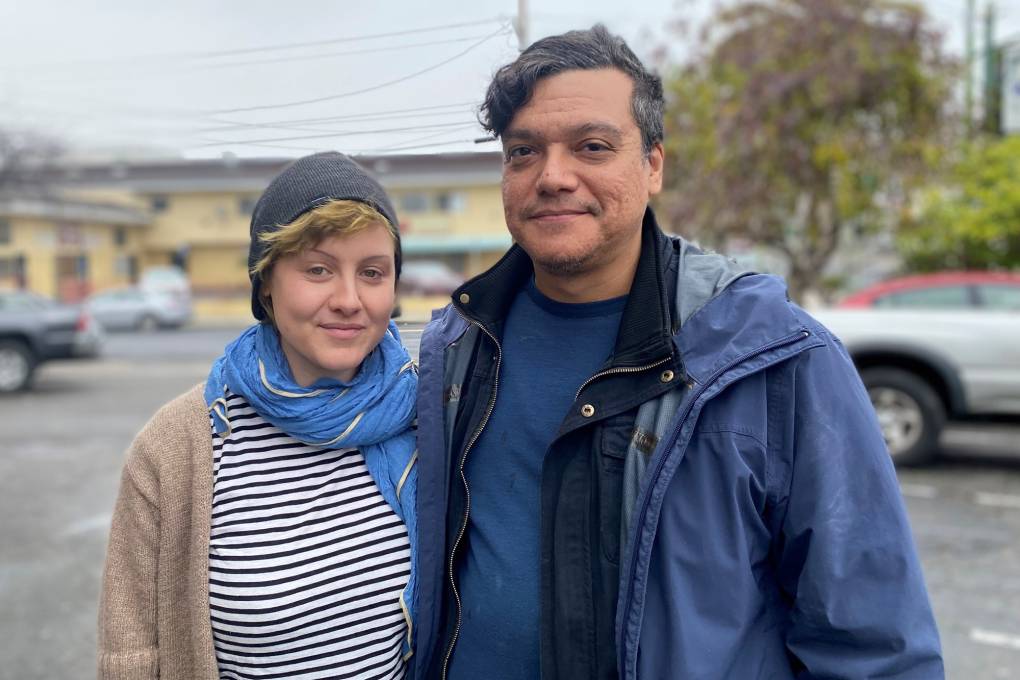
"caption": "Sosha Young and Ricky Ybarra (left to right) are two of the artists who received settlements after accusing Betsy Cowley, the owner of Pulga, of wage theft. ",
"description": null,
"title": "SoshaRicky_Cover",
"credit": "Nastia Voynovskaya/KQED",
"status": "inherit",
"altTag": null,
"isLoading": false,
"fetchFailed": false
},
"arts_13933290": {
"type": "attachments",
"id": "arts_13933290",
"meta": {
"index": "attachments_1716263798",
"site": "arts",
"id": "13933290",
"found": true
},
"parent": 13933285,
"imgSizes": {
"twentyfourteen-full-width": {
"file": "https://ww2.kqed.org/app/uploads/sites/2/2023/08/GettyImages-462597668-1038x576.jpg",
"width": 1038,
"mimeType": "image/jpeg",
"height": 576
},
"thumbnail": {
"file": "https://ww2.kqed.org/app/uploads/sites/2/2023/08/GettyImages-462597668-160x112.jpg",
"width": 160,
"mimeType": "image/jpeg",
"height": 112
},
"post-thumbnail": {
"file": "https://ww2.kqed.org/app/uploads/sites/2/2023/08/GettyImages-462597668-672x372.jpg",
"width": 672,
"mimeType": "image/jpeg",
"height": 372
},
"kqedFullSize": {
"file": "https://ww2.kqed.org/app/uploads/sites/2/2023/08/GettyImages-462597668-scaled.jpg",
"width": 2560,
"height": 1786
},
"2048x2048": {
"file": "https://ww2.kqed.org/app/uploads/sites/2/2023/08/GettyImages-462597668-2048x1429.jpg",
"width": 2048,
"mimeType": "image/jpeg",
"height": 1429
},
"large": {
"file": "https://ww2.kqed.org/app/uploads/sites/2/2023/08/GettyImages-462597668-1020x712.jpg",
"width": 1020,
"mimeType": "image/jpeg",
"height": 712
},
"1536x1536": {
"file": "https://ww2.kqed.org/app/uploads/sites/2/2023/08/GettyImages-462597668-1536x1072.jpg",
"width": 1536,
"mimeType": "image/jpeg",
"height": 1072
},
"full-width": {
"file": "https://ww2.kqed.org/app/uploads/sites/2/2023/08/GettyImages-462597668-1920x1340.jpg",
"width": 1920,
"mimeType": "image/jpeg",
"height": 1340
},
"medium": {
"file": "https://ww2.kqed.org/app/uploads/sites/2/2023/08/GettyImages-462597668-800x558.jpg",
"width": 800,
"mimeType": "image/jpeg",
"height": 558
},
"medium_large": {
"file": "https://ww2.kqed.org/app/uploads/sites/2/2023/08/GettyImages-462597668-768x536.jpg",
"width": 768,
"mimeType": "image/jpeg",
"height": 536
}
},
"publishDate": 1692217087,
"modified": 1692217165,
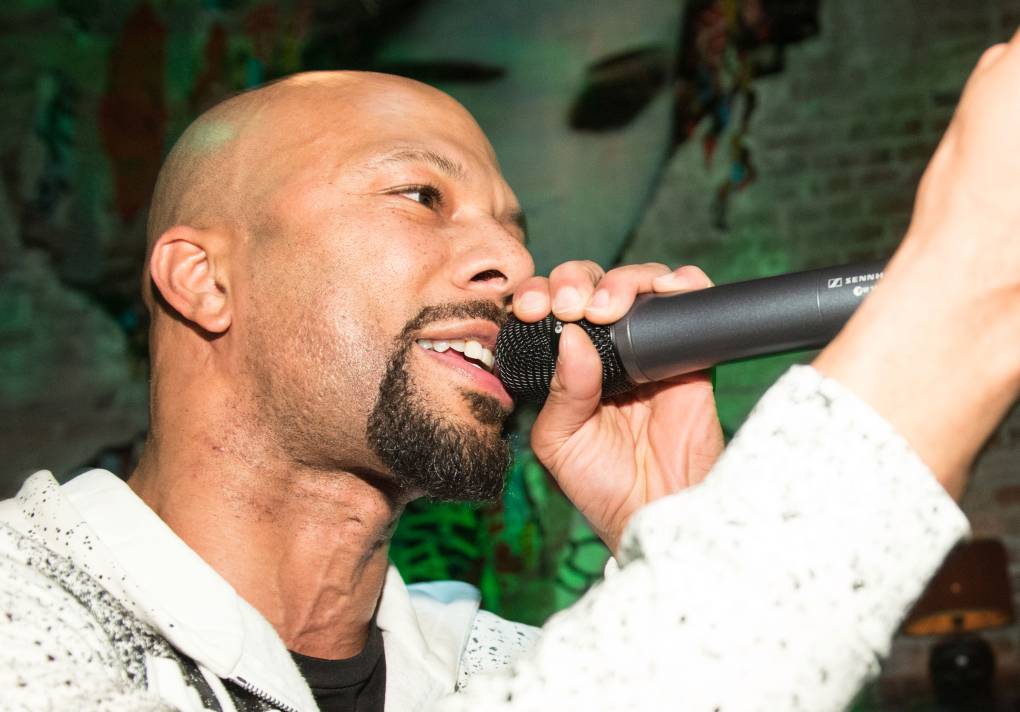
"caption": "Hip-hop recording artist Common, pictured in New York City in 2015. The Chicago MC will headline Hiero Day in Oakland on Sept. 4, 2023. ",
"description": null,
"title": "GettyImages-462597668",
"credit": "Noam Galai/WireImage",
"status": "inherit",
"altTag": null,
"isLoading": false,
"fetchFailed": false
},
"arts_13933112": {
"type": "attachments",
"id": "arts_13933112",
"meta": {
"index": "attachments_1716263798",
"site": "arts",
"id": "13933112",
"found": true
},
"parent": 13933038,
"imgSizes": {
"twentyfourteen-full-width": {
"file": "https://ww2.kqed.org/app/uploads/sites/2/2023/08/Megan-Thee-Stallion-performs-at-Outside-Lands-on-Sunday-Aug.-13-2023.009-1038x576.jpg",
"width": 1038,
"mimeType": "image/jpeg",
"height": 576
},
"thumbnail": {
"file": "https://ww2.kqed.org/app/uploads/sites/2/2023/08/Megan-Thee-Stallion-performs-at-Outside-Lands-on-Sunday-Aug.-13-2023.009-160x107.jpg",
"width": 160,
"mimeType": "image/jpeg",
"height": 107
},
"post-thumbnail": {
"file": "https://ww2.kqed.org/app/uploads/sites/2/2023/08/Megan-Thee-Stallion-performs-at-Outside-Lands-on-Sunday-Aug.-13-2023.009-672x372.jpg",
"width": 672,
"mimeType": "image/jpeg",
"height": 372
},
"kqedFullSize": {
"file": "https://ww2.kqed.org/app/uploads/sites/2/2023/08/Megan-Thee-Stallion-performs-at-Outside-Lands-on-Sunday-Aug.-13-2023.009.jpg",
"width": 1920,
"height": 1280
},
"large": {
"file": "https://ww2.kqed.org/app/uploads/sites/2/2023/08/Megan-Thee-Stallion-performs-at-Outside-Lands-on-Sunday-Aug.-13-2023.009-1020x680.jpg",
"width": 1020,
"mimeType": "image/jpeg",
"height": 680
},
"1536x1536": {
"file": "https://ww2.kqed.org/app/uploads/sites/2/2023/08/Megan-Thee-Stallion-performs-at-Outside-Lands-on-Sunday-Aug.-13-2023.009-1536x1024.jpg",
"width": 1536,
"mimeType": "image/jpeg",
"height": 1024
},
"medium": {
"file": "https://ww2.kqed.org/app/uploads/sites/2/2023/08/Megan-Thee-Stallion-performs-at-Outside-Lands-on-Sunday-Aug.-13-2023.009-800x533.jpg",
"width": 800,
"mimeType": "image/jpeg",
"height": 533
},
"medium_large": {
"file": "https://ww2.kqed.org/app/uploads/sites/2/2023/08/Megan-Thee-Stallion-performs-at-Outside-Lands-on-Sunday-Aug.-13-2023.009-768x512.jpg",
"width": 768,
"mimeType": "image/jpeg",
"height": 512
}
},
"publishDate": 1692012682,
"modified": 1692034888,
"caption": "Megan Thee Stallion performs at Outside Lands on Sunday, Aug. 13, 2023.",
"description": "Megan Thee Stallion performs at Outside Lands on Sunday, Aug. 13, 2023.",
"title": "Megan Thee Stallion performs at Outside Lands on Sunday, Aug. 13, 2023.",
"credit": "Estefany Gonzalez for KQED",
"status": "inherit",
"altTag": null,
"isLoading": false,
"fetchFailed": false
},
"arts_13933012": {
"type": "attachments",
"id": "arts_13933012",
"meta": {
"index": "attachments_1716263798",
"site": "arts",
"id": "13933012",
"found": true
},
"parent": 13933011,
"imgSizes": {
"twentyfourteen-full-width": {
"file": "https://ww2.kqed.org/app/uploads/sites/2/2023/08/3-images-2-_wide-a3830904e2b41cf247c0e80f5aa8d0ccfbb31c89-1038x576.jpg",
"width": 1038,
"mimeType": "image/jpeg",
"height": 576
},
"thumbnail": {
"file": "https://ww2.kqed.org/app/uploads/sites/2/2023/08/3-images-2-_wide-a3830904e2b41cf247c0e80f5aa8d0ccfbb31c89-160x90.jpg",
"width": 160,
"mimeType": "image/jpeg",
"height": 90
},
"post-thumbnail": {
"file": "https://ww2.kqed.org/app/uploads/sites/2/2023/08/3-images-2-_wide-a3830904e2b41cf247c0e80f5aa8d0ccfbb31c89-672x372.jpg",
"width": 672,
"mimeType": "image/jpeg",
"height": 372
},
"kqedFullSize": {
"file": "https://ww2.kqed.org/app/uploads/sites/2/2023/08/3-images-2-_wide-a3830904e2b41cf247c0e80f5aa8d0ccfbb31c89.jpg",
"width": 2396,
"height": 1348
},
"2048x2048": {
"file": "https://ww2.kqed.org/app/uploads/sites/2/2023/08/3-images-2-_wide-a3830904e2b41cf247c0e80f5aa8d0ccfbb31c89-2048x1152.jpg",
"width": 2048,
"mimeType": "image/jpeg",
"height": 1152
},
"large": {
"file": "https://ww2.kqed.org/app/uploads/sites/2/2023/08/3-images-2-_wide-a3830904e2b41cf247c0e80f5aa8d0ccfbb31c89-1020x574.jpg",
"width": 1020,
"mimeType": "image/jpeg",
"height": 574
},
"1536x1536": {
"file": "https://ww2.kqed.org/app/uploads/sites/2/2023/08/3-images-2-_wide-a3830904e2b41cf247c0e80f5aa8d0ccfbb31c89-1536x864.jpg",
"width": 1536,
"mimeType": "image/jpeg",
"height": 864
},
"full-width": {
"file": "https://ww2.kqed.org/app/uploads/sites/2/2023/08/3-images-2-_wide-a3830904e2b41cf247c0e80f5aa8d0ccfbb31c89-1920x1080.jpg",
"width": 1920,
"mimeType": "image/jpeg",
"height": 1080
},
"medium": {
"file": "https://ww2.kqed.org/app/uploads/sites/2/2023/08/3-images-2-_wide-a3830904e2b41cf247c0e80f5aa8d0ccfbb31c89-800x450.jpg",
"width": 800,
"mimeType": "image/jpeg",
"height": 450
},
"medium_large": {
"file": "https://ww2.kqed.org/app/uploads/sites/2/2023/08/3-images-2-_wide-a3830904e2b41cf247c0e80f5aa8d0ccfbb31c89-768x432.jpg",
"width": 768,
"mimeType": "image/jpeg",
"height": 432
}
},
"publishDate": 1691773324,
"modified": 1691777006,
"caption": "This summer, three women at the peak of their powers lead a spectacular pop culture revival. Beyoncé, left, performs onstage during the Renaissance World Tour in May 2023. Margot Robbie stars in Greta Gerwig's ‘Barbie’ movie. And Taylor Swift performs during The Eras Tour in March 2023.",
"description": null,
"title": "This summer, three women at the peak of their powers lead a spectacular pop culture revival. Beyoncé, left, performs onstage during the Renaissance World Tour in May 2023. Margot Robbie stars in Greta Gerwig's ‘Barbie’ movie. And Taylor Swift performs during The Eras Tour in March 2023.",
"credit": "Kevin Mazur/ WireImage for Parkwood/ Getty Images; Warner Bros. Pictures; John Medina/ Getty Images",
"status": "inherit",
"altTag": null,
"isLoading": false,
"fetchFailed": false
},
"arts_13932994": {
"type": "attachments",
"id": "arts_13932994",
"meta": {
"index": "attachments_1716263798",
"site": "arts",
"id": "13932994",
"found": true
},
"parent": 13932993,
"imgSizes": {
"twentyfourteen-full-width": {
"file": "https://ww2.kqed.org/app/uploads/sites/2/2023/08/hiphop50_bayarea2_wide-6078aa39767e231e51c22ed19eb00cc4bded045f-1038x576.jpg",
"width": 1038,
"mimeType": "image/jpeg",
"height": 576
},
"thumbnail": {
"file": "https://ww2.kqed.org/app/uploads/sites/2/2023/08/hiphop50_bayarea2_wide-6078aa39767e231e51c22ed19eb00cc4bded045f-160x90.jpg",
"width": 160,
"mimeType": "image/jpeg",
"height": 90
},
"post-thumbnail": {
"file": "https://ww2.kqed.org/app/uploads/sites/2/2023/08/hiphop50_bayarea2_wide-6078aa39767e231e51c22ed19eb00cc4bded045f-672x372.jpg",
"width": 672,
"mimeType": "image/jpeg",
"height": 372
},
"kqedFullSize": {
"file": "https://ww2.kqed.org/app/uploads/sites/2/2023/08/hiphop50_bayarea2_wide-6078aa39767e231e51c22ed19eb00cc4bded045f.jpg",
"width": 1916,
"height": 1078
},
"large": {
"file": "https://ww2.kqed.org/app/uploads/sites/2/2023/08/hiphop50_bayarea2_wide-6078aa39767e231e51c22ed19eb00cc4bded045f-1020x574.jpg",
"width": 1020,
"mimeType": "image/jpeg",
"height": 574
},
"1536x1536": {
"file": "https://ww2.kqed.org/app/uploads/sites/2/2023/08/hiphop50_bayarea2_wide-6078aa39767e231e51c22ed19eb00cc4bded045f-1536x864.jpg",
"width": 1536,
"mimeType": "image/jpeg",
"height": 864
},
"medium": {
"file": "https://ww2.kqed.org/app/uploads/sites/2/2023/08/hiphop50_bayarea2_wide-6078aa39767e231e51c22ed19eb00cc4bded045f-800x450.jpg",
"width": 800,
"mimeType": "image/jpeg",
"height": 450
},
"medium_large": {
"file": "https://ww2.kqed.org/app/uploads/sites/2/2023/08/hiphop50_bayarea2_wide-6078aa39767e231e51c22ed19eb00cc4bded045f-768x432.jpg",
"width": 768,
"mimeType": "image/jpeg",
"height": 432
}
},
"publishDate": 1691724532,
"modified": 1691724532,
"caption": null,
"description": null,
"title": "E-40, Lil B, Too $hort and Kamaiyah. Collage by Jackie Lay / NPR.",
"credit": null,
"status": "inherit",
"altTag": null,
"isLoading": false,
"fetchFailed": false
},
"arts_13932908": {
"type": "attachments",
"id": "arts_13932908",
"meta": {
"index": "attachments_1716263798",
"site": "arts",
"id": "13932908",
"found": true
},
"parent": 0,
"imgSizes": {
"twentyfourteen-full-width": {
"file": "https://ww2.kqed.org/app/uploads/sites/2/2023/08/Gary_6.SQUARE-1038x576.jpg",
"width": 1038,
"mimeType": "image/jpeg",
"height": 576
},
"thumbnail": {
"file": "https://ww2.kqed.org/app/uploads/sites/2/2023/08/Gary_6.SQUARE-160x160.jpg",
"width": 160,
"mimeType": "image/jpeg",
"height": 160
},
"post-thumbnail": {
"file": "https://ww2.kqed.org/app/uploads/sites/2/2023/08/Gary_6.SQUARE-672x372.jpg",
"width": 672,
"mimeType": "image/jpeg",
"height": 372
},
"kqedFullSize": {
"file": "https://ww2.kqed.org/app/uploads/sites/2/2023/08/Gary_6.SQUARE.jpg",
"width": 1080,
"height": 1080
},
"large": {
"file": "https://ww2.kqed.org/app/uploads/sites/2/2023/08/Gary_6.SQUARE-1020x1020.jpg",
"width": 1020,
"mimeType": "image/jpeg",
"height": 1020
},
"medium": {
"file": "https://ww2.kqed.org/app/uploads/sites/2/2023/08/Gary_6.SQUARE-800x800.jpg",
"width": 800,
"mimeType": "image/jpeg",
"height": 800
},
"medium_large": {
"file": "https://ww2.kqed.org/app/uploads/sites/2/2023/08/Gary_6.SQUARE-768x768.jpg",
"width": 768,
"mimeType": "image/jpeg",
"height": 768
}
},
"publishDate": 1691645109,
"modified": 1691646646,
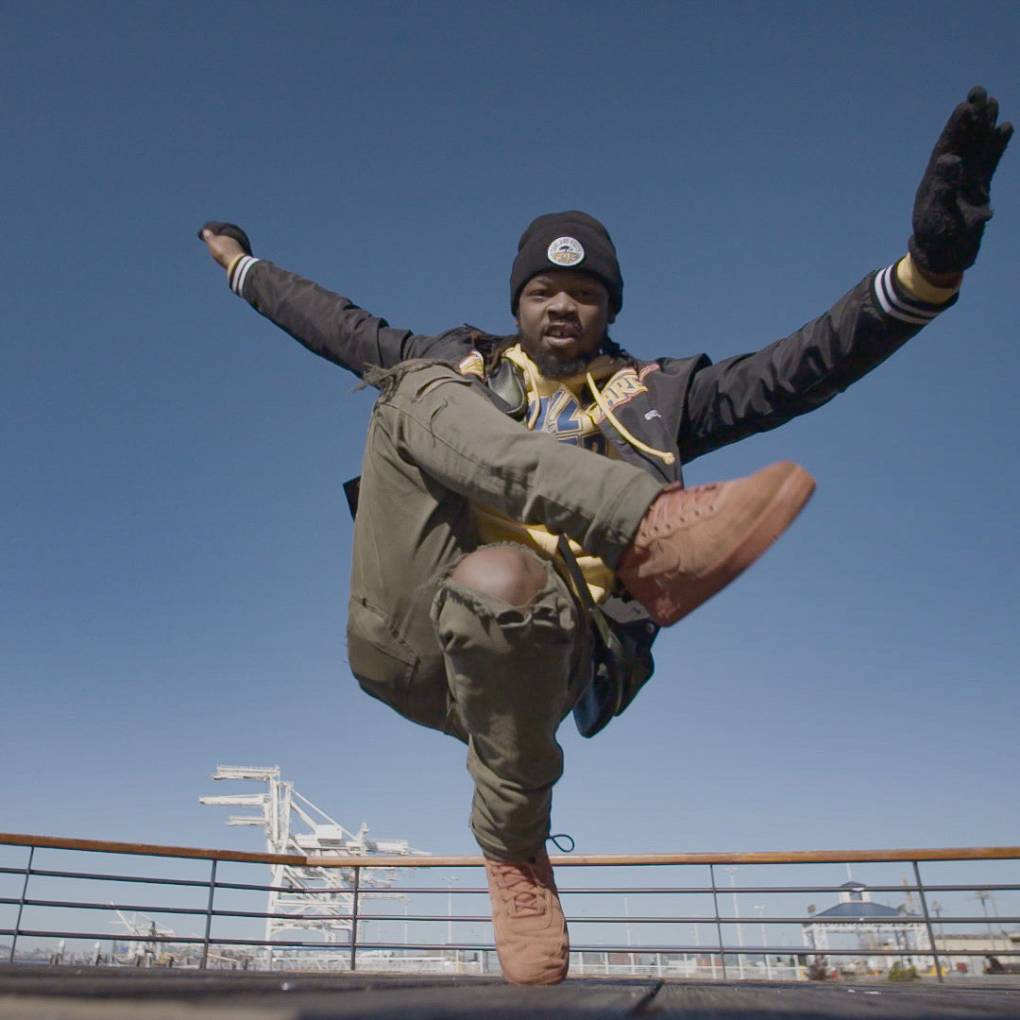
"caption": "Icecold 3000 of the Turf Fienz dances with the Port of Oakland in the background. ",
"description": null,
"title": "Gary_6.SQUARE",
"credit": "Elie M. Khadra",
"status": "inherit",
"altTag": null,
"isLoading": false,
"fetchFailed": false
},
"arts_13932907": {
"type": "attachments",
"id": "arts_13932907",
"meta": {
"index": "attachments_1716263798",
"site": "arts",
"id": "13932907",
"found": true
},
"parent": 13932887,
"imgSizes": {
"twentyfourteen-full-width": {
"file": "https://ww2.kqed.org/app/uploads/sites/2/2023/08/Gary_6-1038x576.jpg",
"width": 1038,
"mimeType": "image/jpeg",
"height": 576
},
"thumbnail": {
"file": "https://ww2.kqed.org/app/uploads/sites/2/2023/08/Gary_6-160x90.jpg",
"width": 160,
"mimeType": "image/jpeg",
"height": 90
},
"post-thumbnail": {
"file": "https://ww2.kqed.org/app/uploads/sites/2/2023/08/Gary_6-672x372.jpg",
"width": 672,
"mimeType": "image/jpeg",
"height": 372
},
"kqedFullSize": {
"file": "https://ww2.kqed.org/app/uploads/sites/2/2023/08/Gary_6.jpg",
"width": 1920,
"height": 1080
},
"large": {
"file": "https://ww2.kqed.org/app/uploads/sites/2/2023/08/Gary_6-1020x574.jpg",
"width": 1020,
"mimeType": "image/jpeg",
"height": 574
},
"1536x1536": {
"file": "https://ww2.kqed.org/app/uploads/sites/2/2023/08/Gary_6-1536x864.jpg",
"width": 1536,
"mimeType": "image/jpeg",
"height": 864
},
"medium": {
"file": "https://ww2.kqed.org/app/uploads/sites/2/2023/08/Gary_6-800x450.jpg",
"width": 800,
"mimeType": "image/jpeg",
"height": 450
},
"medium_large": {
"file": "https://ww2.kqed.org/app/uploads/sites/2/2023/08/Gary_6-768x432.jpg",
"width": 768,
"mimeType": "image/jpeg",
"height": 432
}
},
"publishDate": 1691645102,
"modified": 1691647336,
"caption": "Garion Morgan, a.k.a. Icecold 3000 of the Turf Fienz, dancing near the Port of Oakland in 2019. ",
"description": null,
"title": "Gary_6",
"credit": "Elie M. Khadra",
"status": "inherit",
"altTag": "Garion Morgan, a.k.a. Icecold 3000 of the Turf Fienz, dancing near the Port of Oakland in 2019.",
"isLoading": false,
"fetchFailed": false
},
"arts_13932763": {
"type": "attachments",
"id": "arts_13932763",
"meta": {
"index": "attachments_1716263798",
"site": "arts",
"id": "13932763",
"found": true
},
"parent": 13932753,
"imgSizes": {
"twentyfourteen-full-width": {
"file": "https://ww2.kqed.org/app/uploads/sites/2/2023/08/Screen-Shot-2023-08-07-at-3.44.19-PM-1038x576.png",
"width": 1038,
"mimeType": "image/png",
"height": 576
},
"thumbnail": {
"file": "https://ww2.kqed.org/app/uploads/sites/2/2023/08/Screen-Shot-2023-08-07-at-3.44.19-PM-160x103.png",
"width": 160,
"mimeType": "image/png",
"height": 103
},
"post-thumbnail": {
"file": "https://ww2.kqed.org/app/uploads/sites/2/2023/08/Screen-Shot-2023-08-07-at-3.44.19-PM-672x372.png",
"width": 672,
"mimeType": "image/png",
"height": 372
},
"kqedFullSize": {
"file": "https://ww2.kqed.org/app/uploads/sites/2/2023/08/Screen-Shot-2023-08-07-at-3.44.19-PM.png",
"width": 1808,
"height": 1164
},
"large": {
"file": "https://ww2.kqed.org/app/uploads/sites/2/2023/08/Screen-Shot-2023-08-07-at-3.44.19-PM-1020x657.png",
"width": 1020,
"mimeType": "image/png",
"height": 657
},
"1536x1536": {
"file": "https://ww2.kqed.org/app/uploads/sites/2/2023/08/Screen-Shot-2023-08-07-at-3.44.19-PM-1536x989.png",
"width": 1536,
"mimeType": "image/png",
"height": 989
},
"medium": {
"file": "https://ww2.kqed.org/app/uploads/sites/2/2023/08/Screen-Shot-2023-08-07-at-3.44.19-PM-800x515.png",
"width": 800,
"mimeType": "image/png",
"height": 515
},
"medium_large": {
"file": "https://ww2.kqed.org/app/uploads/sites/2/2023/08/Screen-Shot-2023-08-07-at-3.44.19-PM-768x494.png",
"width": 768,
"mimeType": "image/png",
"height": 494
}
},
"publishDate": 1691448288,
"modified": 1691448498,
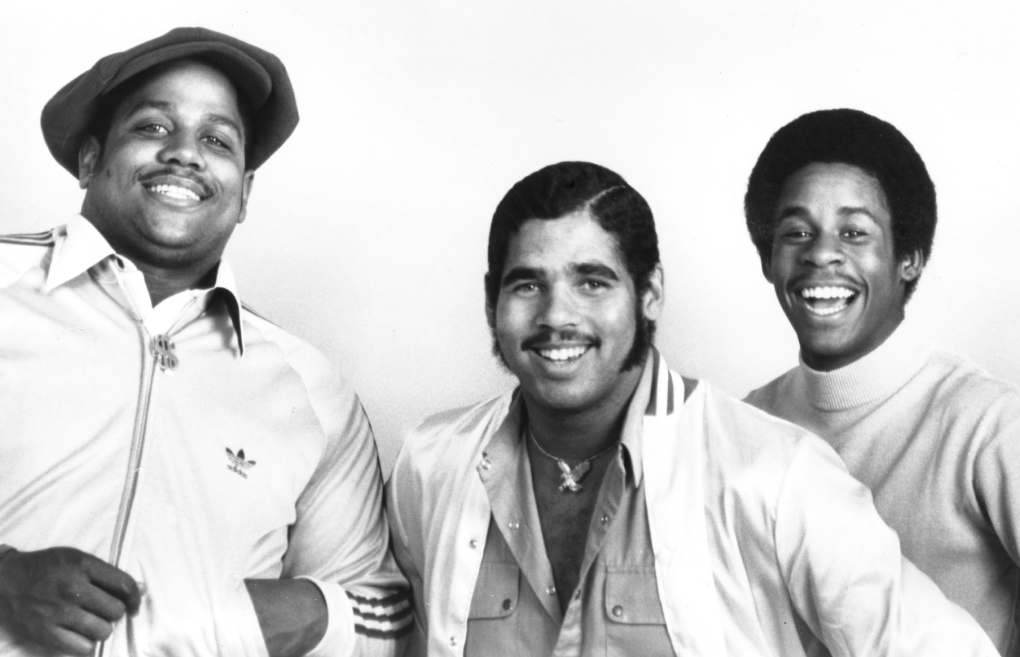
"caption": "Rap pioneers, The Sugar Hill Gang (L-R: Big Bank Hank, Wonder Mike and Master G) in all of their 1979 glory.",
"description": null,
"title": "Rap pioneers, The Sugar Hill Gang (L-R: Big Bank Hank, Wonder Mike and Master G) in all of their 1979 glory.",
"credit": "Michael Ochs Archives/ Getty Images",
"status": "inherit",
"altTag": "Three Black men stand together smiling. The first wears an Adidas jacket and a peasant hat, the second wears a sports jacket, open shirt and gold necklace, the third is wearing a sweater.",
"isLoading": false,
"fetchFailed": false
},
"arts_13932704": {
"type": "attachments",
"id": "arts_13932704",
"meta": {
"index": "attachments_1716263798",
"site": "arts",
"id": "13932704",
"found": true
},
"parent": 13932076,
"imgSizes": {
"twentyfourteen-full-width": {
"file": "https://ww2.kqed.org/app/uploads/sites/2/2023/08/ManiDraper-1038x576.jpg",
"width": 1038,
"mimeType": "image/jpeg",
"height": 576
},
"thumbnail": {
"file": "https://ww2.kqed.org/app/uploads/sites/2/2023/08/ManiDraper-160x90.jpg",
"width": 160,
"mimeType": "image/jpeg",
"height": 90
},
"post-thumbnail": {
"file": "https://ww2.kqed.org/app/uploads/sites/2/2023/08/ManiDraper-672x372.jpg",
"width": 672,
"mimeType": "image/jpeg",
"height": 372
},
"kqedFullSize": {
"file": "https://ww2.kqed.org/app/uploads/sites/2/2023/08/ManiDraper.jpg",
"width": 1920,
"height": 1080
},
"large": {
"file": "https://ww2.kqed.org/app/uploads/sites/2/2023/08/ManiDraper-1020x574.jpg",
"width": 1020,
"mimeType": "image/jpeg",
"height": 574
},
"1536x1536": {
"file": "https://ww2.kqed.org/app/uploads/sites/2/2023/08/ManiDraper-1536x864.jpg",
"width": 1536,
"mimeType": "image/jpeg",
"height": 864
},
"medium": {
"file": "https://ww2.kqed.org/app/uploads/sites/2/2023/08/ManiDraper-800x450.jpg",
"width": 800,
"mimeType": "image/jpeg",
"height": 450
},
"medium_large": {
"file": "https://ww2.kqed.org/app/uploads/sites/2/2023/08/ManiDraper-768x432.jpg",
"width": 768,
"mimeType": "image/jpeg",
"height": 432
}
},
"publishDate": 1691164016,
"modified": 1691517476,
"caption": "Grand Nationxl's Mani Draper will perform at Kinfolx Cafe for an Aug. 12 celebration for hip-hop's 50th anniversary. ",
"description": null,
"title": "ManiDraper",
"credit": "Amber GC Photography / Courtesy Grand Nationxl",
"status": "inherit",
"altTag": null,
"isLoading": false,
"fetchFailed": false
},
"arts_13932650": {
"type": "attachments",
"id": "arts_13932650",
"meta": {
"index": "attachments_1716263798",
"site": "arts",
"id": "13932650",
"found": true
},
"parent": 13932643,
"imgSizes": {
"twentyfourteen-full-width": {
"file": "https://ww2.kqed.org/app/uploads/sites/2/2023/08/Screen-Shot-2023-08-03-at-1.08.55-PM-1038x576.png",
"width": 1038,
"mimeType": "image/png",
"height": 576
},
"thumbnail": {
"file": "https://ww2.kqed.org/app/uploads/sites/2/2023/08/Screen-Shot-2023-08-03-at-1.08.55-PM-160x97.png",
"width": 160,
"mimeType": "image/png",
"height": 97
},
"post-thumbnail": {
"file": "https://ww2.kqed.org/app/uploads/sites/2/2023/08/Screen-Shot-2023-08-03-at-1.08.55-PM-672x372.png",
"width": 672,
"mimeType": "image/png",
"height": 372
},
"kqedFullSize": {
"file": "https://ww2.kqed.org/app/uploads/sites/2/2023/08/Screen-Shot-2023-08-03-at-1.08.55-PM.png",
"width": 1572,
"height": 956
},
"large": {
"file": "https://ww2.kqed.org/app/uploads/sites/2/2023/08/Screen-Shot-2023-08-03-at-1.08.55-PM-1020x620.png",
"width": 1020,
"mimeType": "image/png",
"height": 620
},
"1536x1536": {
"file": "https://ww2.kqed.org/app/uploads/sites/2/2023/08/Screen-Shot-2023-08-03-at-1.08.55-PM-1536x934.png",
"width": 1536,
"mimeType": "image/png",
"height": 934
},
"medium": {
"file": "https://ww2.kqed.org/app/uploads/sites/2/2023/08/Screen-Shot-2023-08-03-at-1.08.55-PM-800x487.png",
"width": 800,
"mimeType": "image/png",
"height": 487
},
"medium_large": {
"file": "https://ww2.kqed.org/app/uploads/sites/2/2023/08/Screen-Shot-2023-08-03-at-1.08.55-PM-768x467.png",
"width": 768,
"mimeType": "image/png",
"height": 467
}
},
"publishDate": 1691093368,
"modified": 1691093482,
"caption": "Lizzo performs at the Governors Ball Music Festival in New York, June 2023.",
"description": null,
"title": "Lizzo performs at the Governors Ball Music Festival in New York, June 2023.",
"credit": "Andy Kropa/ Invision/ AP",
"status": "inherit",
"altTag": "A plus-size Black woman in a pink wig performs on stage in a silver dress with a high slit on one leg. A large neon sign is displayed behind her. Two dancers perform behind her.",
"isLoading": false,
"fetchFailed": false
}
},
"audioPlayerReducer": {
"postId": "stream_live",
"isPaused": true,
"isPlaying": false,
"pfsActive": false,
"pledgeModalIsOpen": true,
"playerDrawerIsOpen": false,
"liveAudioPlayStartedAt": 0,
"liveAudioPlayContext": ""
},
"authorsReducer": {
"byline_arts_13933590": {
"type": "authors",
"id": "byline_arts_13933590",
"meta": {
"override": true
},
"slug": "byline_arts_13933590",
"name": "D'Andre Ball",
"isLoading": false
},
"byline_arts_13933011": {
"type": "authors",
"id": "byline_arts_13933011",
"meta": {
"override": true
},
"slug": "byline_arts_13933011",
"name": "Bilal Qureshi",
"isLoading": false
},
"byline_arts_13932993": {
"type": "authors",
"id": "byline_arts_13932993",
"meta": {
"override": true
},
"slug": "byline_arts_13932993",
"name": "Andrew Nosnitsky",
"isLoading": false
},
"byline_arts_13932753": {
"type": "authors",
"id": "byline_arts_13932753",
"meta": {
"override": true
},
"slug": "byline_arts_13932753",
"name": "Jonathan Landrum Jr., Gary Gerard Hamilton ",
"isLoading": false
},
"byline_arts_13932643": {
"type": "authors",
"id": "byline_arts_13932643",
"meta": {
"override": true
},
"slug": "byline_arts_13932643",
"name": "Dustin Jones",
"isLoading": false
},
"gmeline": {
"type": "authors",
"id": "185",
"meta": {
"index": "authors_1716337520",
"id": "185",
"found": true
},
"name": "Gabe Meline",
"firstName": "Gabe",
"lastName": "Meline",
"slug": "gmeline",
"email": "gmeline@kqed.org",
"display_author_email": true,
"staff_mastheads": [
"arts"
],
"title": "Senior Editor, KQED Arts & Culture",
"bio": "Gabe Meline entered journalism at age 15 making photocopied zines, and has since earned awards from the Edward R. Murrow Awards, the Society for Professional Journalists, the Online Journalism Awards, the Association of Alternative Newsweeklies and the California Newspaper Publishers Association. Prior to KQED, he was the editor of the \u003cem>North Bay Bohemian\u003c/em> and a touring musician. He lives with his wife and daughter in his hometown of Santa Rosa, CA.",
"avatar": "https://secure.gravatar.com/avatar/5bebe57be0d8bc2dd318934feb47299e2d2d10cba28d09d8d7afb389a2ce2bdd?s=600&d=blank&r=g",
"twitter": null,
"bluesky": null,
"facebook": null,
"instagram": null,
"linkedin": null,
"sites": [
{
"site": "",
"roles": [
"editor"
]
},
{
"site": "arts",
"roles": [
"administrator"
]
},
{
"site": "artschool",
"roles": [
"editor"
]
},
{
"site": "news",
"roles": [
"author"
]
},
{
"site": "pop",
"roles": [
"editor"
]
},
{
"site": "bayareabites",
"roles": [
"editor"
]
},
{
"site": "food",
"roles": [
"editor"
]
},
{
"site": "forum",
"roles": [
"administrator"
]
},
{
"site": "liveblog",
"roles": [
"editor"
]
},
{
"site": "hiphop",
"roles": [
"editor"
]
}
],
"headData": {
"title": "Gabe Meline | KQED",
"description": "Senior Editor, KQED Arts & Culture",
"ogImgSrc": "https://secure.gravatar.com/avatar/5bebe57be0d8bc2dd318934feb47299e2d2d10cba28d09d8d7afb389a2ce2bdd?s=600&d=blank&r=g",
"twImgSrc": "https://secure.gravatar.com/avatar/5bebe57be0d8bc2dd318934feb47299e2d2d10cba28d09d8d7afb389a2ce2bdd?s=600&d=blank&r=g"
},
"isLoading": false,
"link": "/author/gmeline"
},
"nvoynovskaya": {
"type": "authors",
"id": "11387",
"meta": {
"index": "authors_1716337520",
"id": "11387",
"found": true
},
"name": "Nastia Voynovskaya",
"firstName": "Nastia",
"lastName": "Voynovskaya",
"slug": "nvoynovskaya",
"email": "nvoynovskaya@kqed.org",
"display_author_email": false,
"staff_mastheads": [
"arts"
],
"title": "Editor and reporter",
"bio": "Nastia Voynovskaya is a reporter, editor and host at KQED Arts & Culture. She's been covering the arts in the Bay Area for over a decade, with a focus on music, queer culture, labor issues and grassroots organizing. She has edited KQED story series such as Trans Bay: A History of San Francisco's Gender-Diverse Community, and co-created KQED's Bay Area hip-hop history project, That's My Word. Nastia's work has been recognized by the Society of Professional Journalists and San Francisco Press Club. She regularly appears on podcasts and radio programs, including NPR's All Songs Considered, and hosts live events where music, culture and conversation meet.",
"avatar": "https://secure.gravatar.com/avatar/5025ee460e5a85d69ca20ea6c6f2f80d7e17795c828f61ea3aecfcd924e9042e?s=600&d=blank&r=g",
"twitter": null,
"bluesky": null,
"facebook": null,
"instagram": "https://www.instagram.com/nananastia/",
"linkedin": null,
"sites": [
{
"site": "",
"roles": [
"editor"
]
},
{
"site": "arts",
"roles": [
"administrator"
]
},
{
"site": "news",
"roles": [
"editor"
]
},
{
"site": "pop",
"roles": [
"administrator"
]
},
{
"site": "bayareabites",
"roles": [
"editor"
]
},
{
"site": "podcasts",
"roles": [
"editor"
]
},
{
"site": "hiphop",
"roles": [
"editor"
]
}
],
"headData": {
"title": "Nastia Voynovskaya | KQED",
"description": "Editor and reporter",
"ogImgSrc": "https://secure.gravatar.com/avatar/5025ee460e5a85d69ca20ea6c6f2f80d7e17795c828f61ea3aecfcd924e9042e?s=600&d=blank&r=g",
"twImgSrc": "https://secure.gravatar.com/avatar/5025ee460e5a85d69ca20ea6c6f2f80d7e17795c828f61ea3aecfcd924e9042e?s=600&d=blank&r=g"
},
"isLoading": false,
"link": "/author/nvoynovskaya"
},
"ogpenn": {
"type": "authors",
"id": "11491",
"meta": {
"index": "authors_1716337520",
"id": "11491",
"found": true
},
"name": "Pendarvis Harshaw",
"firstName": "Pendarvis",
"lastName": "Harshaw",
"slug": "ogpenn",
"email": "ogpenn@gmail.com",
"display_author_email": false,
"staff_mastheads": [
"arts"
],
"title": "Community Engagement Reporter",
"bio": "Pendarvis Harshaw is an educator, host and writer with KQED Arts.",
"avatar": "https://secure.gravatar.com/avatar/972b77ee8e3f346ae2b00622661187fbfabd059b5693bbdc1475ea7a722fd4cd?s=600&d=blank&r=g",
"twitter": null,
"bluesky": null,
"facebook": null,
"instagram": "ogpenn",
"linkedin": null,
"sites": [
{
"site": "arts",
"roles": [
"administrator"
]
},
{
"site": "news",
"roles": [
"editor"
]
},
{
"site": "bayareabites",
"roles": [
"author"
]
},
{
"site": "hiphop",
"roles": [
"editor"
]
}
],
"headData": {
"title": "Pendarvis Harshaw | KQED",
"description": "Community Engagement Reporter",
"ogImgSrc": "https://secure.gravatar.com/avatar/972b77ee8e3f346ae2b00622661187fbfabd059b5693bbdc1475ea7a722fd4cd?s=600&d=blank&r=g",
"twImgSrc": "https://secure.gravatar.com/avatar/972b77ee8e3f346ae2b00622661187fbfabd059b5693bbdc1475ea7a722fd4cd?s=600&d=blank&r=g"
},
"isLoading": false,
"link": "/author/ogpenn"
},
"earnold": {
"type": "authors",
"id": "11839",
"meta": {
"index": "authors_1716337520",
"id": "11839",
"found": true
},
"name": "Eric Arnold",
"firstName": "Eric",
"lastName": "Arnold",
"slug": "earnold",
"email": "earnold@kqed.org",
"display_author_email": false,
"staff_mastheads": [],
"title": "Contributing Editor, 'That's My Word'",
"bio": "Eric Arnold has covered hip-hop locally and nationally for over 30 years. Formerly the managing editor of \u003cem>4080\u003c/em> and columnist for \u003cem>The Source\u003c/em>, he chronicled hyphy’s rise and fall, co-curated the Oakland Museum of California’s first hip-hop exhibit in 2018 and won a 2022 Northern California Emmy Award for a mini-documentary on Oakland’s Boogaloo dance culture. He is a contributing editor for \u003cem>That’s My Word\u003c/em>, KQED's series on the history of Bay Area hip-hop.",
"avatar": "https://secure.gravatar.com/avatar/ede45b04898456ad0893a2811e78b0a2?s=600&d=blank&r=g",
"twitter": null,
"facebook": null,
"instagram": null,
"linkedin": null,
"sites": [
{
"site": "arts",
"roles": [
"contributor"
]
},
{
"site": "news",
"roles": [
"contributor"
]
},
{
"site": "hiphop",
"roles": [
"contributor"
]
}
],
"headData": {
"title": "Eric Arnold | KQED",
"description": "Contributing Editor, 'That's My Word'",
"ogImgSrc": "https://secure.gravatar.com/avatar/ede45b04898456ad0893a2811e78b0a2?s=600&d=blank&r=g",
"twImgSrc": "https://secure.gravatar.com/avatar/ede45b04898456ad0893a2811e78b0a2?s=600&d=blank&r=g"
},
"isLoading": false,
"link": "/author/earnold"
},
"omayeda": {
"type": "authors",
"id": "11872",
"meta": {
"index": "authors_1716337520",
"id": "11872",
"found": true
},
"name": "Olivia Cruz Mayeda",
"firstName": "Olivia Cruz",
"lastName": "Mayeda",
"slug": "omayeda",
"email": "omayeda@kqed.org",
"display_author_email": false,
"staff_mastheads": [],
"title": "Reporter",
"bio": "Olivia Cruz Mayeda is a journalist covering style, culture and reparations in the Bay Area, a place that has been home to her family for over 100 years. Her writing has also appeared in the \u003cem>San Francisco Chronicle\u003c/em> and \u003cem>El Tecolote\u003c/em>.",
"avatar": "https://secure.gravatar.com/avatar/a8c0baa30219ce1071a9474f4c14141f?s=600&d=blank&r=g",
"twitter": null,
"facebook": null,
"instagram": null,
"linkedin": null,
"sites": [
{
"site": "arts",
"roles": [
"contributor"
]
}
],
"headData": {
"title": "Olivia Cruz Mayeda | KQED",
"description": "Reporter",
"ogImgSrc": "https://secure.gravatar.com/avatar/a8c0baa30219ce1071a9474f4c14141f?s=600&d=blank&r=g",
"twImgSrc": "https://secure.gravatar.com/avatar/a8c0baa30219ce1071a9474f4c14141f?s=600&d=blank&r=g"
},
"isLoading": false,
"link": "/author/omayeda"
}
},
"pagesReducer": {
"arts_category_music": {
"type": "terms",
"id": "arts_69",
"meta": {
"index": "terms_1716263798",
"site": "arts",
"id": "69",
"score": 10.851565
},
"featImg": null,
"name": "Music",
"description": null,
"taxonomy": "category",
"headData": {
"twImgId": null,
"twTitle": null,
"ogTitle": null,
"ogImgId": null,
"twDescription": null,
"description": null,
"title": "Music Archives | KQED Arts",
"ogDescription": null
},
"ttid": 70,
"slug": "music",
"isLoading": false,
"title": "Music",
"pageMeta": {
"site": "arts",
"WpPageTemplate": "page-topic-editorial",
"currentPage": 72
},
"blocks": [
{
"blockName": "kqed/post-list",
"attrs": {
"layout": "cardArticle2",
"query": "posts/arts?category=music",
"seeMore": false,
"paginated": true,
"page": 72
}
},
{
"blockName": "kqed/ad"
}
]
}
},
"pfsSessionReducer": {},
"postsReducer": {
"stream_live": {
"type": "live",
"id": "stream_live",
"audioUrl": "https://streams.kqed.org/kqedradio",
"title": "Live Stream",
"excerpt": "Live Stream information currently unavailable.",
"link": "/radio",
"featImg": "",
"label": {
"name": "KQED Live",
"link": "/"
}
},
"stream_kqedNewscast": {
"type": "posts",
"id": "stream_kqedNewscast",
"audioUrl": "https://www.kqed.org/.stream/anon/radio/RDnews/newscast.mp3?_=1",
"title": "KQED Newscast",
"featImg": "",
"label": {
"name": "88.5 FM",
"link": "/"
}
},
"arts_13933766": {
"type": "posts",
"id": "arts_13933766",
"meta": {
"index": "posts_1716263798",
"site": "arts",
"id": "13933766",
"score": null,
"sort": [
1692887713000
]
},
"guestAuthors": [],
"slug": "toro-y-moi-jeepney-soma-pilipinas",
"title": "Want a Ride in Toro y Moi’s Jeepney?",
"publishDate": 1692887713,
"format": "aside",
"headTitle": "Want a Ride in Toro y Moi’s Jeepney? | KQED",
"labelTerm": {
"site": "arts"
},
"content": "\u003cfigure id=\"attachment_13933792\" class=\"wp-caption aligncenter\" style=\"max-width: 2560px\">\u003cimg loading=\"lazy\" decoding=\"async\" src=\"https://ww2.kqed.org/app/uploads/sites/2/2023/08/ToroYMoi.Jeepney.Andre_.FULL_-scaled.jpg\" alt=\"Two men in a decorated car, with a fisheye lens effect on the photo\" width=\"2560\" height=\"2560\" class=\"size-full wp-image-13933792\" srcset=\"https://cdn.kqed.org/wp-content/uploads/sites/2/2023/08/ToroYMoi.Jeepney.Andre_.FULL_-scaled.jpg 2560w, https://cdn.kqed.org/wp-content/uploads/sites/2/2023/08/ToroYMoi.Jeepney.Andre_.FULL_-800x800.jpg 800w, https://cdn.kqed.org/wp-content/uploads/sites/2/2023/08/ToroYMoi.Jeepney.Andre_.FULL_-1020x1020.jpg 1020w, https://cdn.kqed.org/wp-content/uploads/sites/2/2023/08/ToroYMoi.Jeepney.Andre_.FULL_-160x160.jpg 160w, https://cdn.kqed.org/wp-content/uploads/sites/2/2023/08/ToroYMoi.Jeepney.Andre_.FULL_-768x768.jpg 768w, https://cdn.kqed.org/wp-content/uploads/sites/2/2023/08/ToroYMoi.Jeepney.Andre_.FULL_-1536x1536.jpg 1536w, https://cdn.kqed.org/wp-content/uploads/sites/2/2023/08/ToroYMoi.Jeepney.Andre_.FULL_-2048x2048.jpg 2048w, https://cdn.kqed.org/wp-content/uploads/sites/2/2023/08/ToroYMoi.Jeepney.Andre_.FULL_-1920x1920.jpg 1920w\" sizes=\"(max-width: 2560px) 100vw, 2560px\">\u003cfigcaption class=\"wp-caption-text\">Toro Y Moi, a.k.a. Chaz Bear, and Eric Andre ride in Bear’s jeepney. The jeepney is being donated to the Filipino Cultural District in San Francisco. \u003ccite>(Philips Shum)\u003c/cite>\u003c/figcaption>\u003c/figure>\n\u003cp>Earlier this month, musical artist Toro y Moi handed over the keys to his car in front of Westfield Mall in San Francisco. But it wasn’t just any car: It was the jeepney that graces the cover of his 2022 album \u003cem>Mahal\u003c/em>, and which became a recognizable symbol of his music.\u003c/p>\n\u003cp>“It was pretty emotional,” Bear said. “But I think this is the start of something that can leave a lasting impact on the city and hopefully inspire others.”\u003c/p>\n\u003cp>In August, the Oakland singer and songwriter — real name Chaz Bear — donated his festively adorned jeepney to San Francisco’s Filipino Cultural District, where it will become a mini tour bus, says SOMA Pilipinas Director Raquel Redondiez.\u003c/p>\n\u003cp>[aside postID='arts_13926503']“For me, the jeepney represents the community, and SOMA will carry that torch really well,” he said.\u003c/p>\n\u003cp>Outside the mall, Filipinos jumped out of their cars and crowded the sidewalk to take pictures on Mission Street, said Redondiez, recalling the celebratory handoff.\u003c/p>\n\u003cp>[ad fullwidth]\u003c/p>\n\u003cp>“Jeepneys are probably one of the most iconic cultural symbols for Filipinos as relics of American colonial occupation that’s been transformed into mass transit,” Redondiez said. “They’re really colorful and personalized, and representative of Filipino creativity.”\u003c/p>\n\u003cfigure id=\"attachment_13933789\" class=\"wp-caption aligncenter\" style=\"max-width: 1698px\">\u003cimg loading=\"lazy\" decoding=\"async\" src=\"https://ww2.kqed.org/app/uploads/sites/2/2023/08/Jeepney.Inside-scaled.jpg\" alt=\"\" width=\"1698\" height=\"2560\" class=\"size-full wp-image-13933789\" srcset=\"https://cdn.kqed.org/wp-content/uploads/sites/2/2023/08/Jeepney.Inside-scaled.jpg 1698w, https://cdn.kqed.org/wp-content/uploads/sites/2/2023/08/Jeepney.Inside-800x1206.jpg 800w, https://cdn.kqed.org/wp-content/uploads/sites/2/2023/08/Jeepney.Inside-1020x1538.jpg 1020w, https://cdn.kqed.org/wp-content/uploads/sites/2/2023/08/Jeepney.Inside-160x241.jpg 160w, https://cdn.kqed.org/wp-content/uploads/sites/2/2023/08/Jeepney.Inside-768x1158.jpg 768w, https://cdn.kqed.org/wp-content/uploads/sites/2/2023/08/Jeepney.Inside-1019x1536.jpg 1019w, https://cdn.kqed.org/wp-content/uploads/sites/2/2023/08/Jeepney.Inside-1358x2048.jpg 1358w\" sizes=\"(max-width: 1698px) 100vw, 1698px\">\u003cfigcaption class=\"wp-caption-text\">Inside Toro Y Moi’s jeepney, which is being donated to the Filipino Cultural District. \u003ccite>(Paulina Zepeda)\u003c/cite>\u003c/figcaption>\u003c/figure>\n\u003ch2>A relic turned cultural icon\u003c/h2>\n\u003cp>In a short film for \u003cem>Mahal\u003c/em> starring Bear and comedian Eric Andre, an opening shot shows the sun rising over the Transamerica Pyramid as Bear listens to “Jeepney Rock” radio. When Bear’s gull-wing Tesla runs out of battery, Andre comes to the rescue via the jeepney, cackling maniacally as the car swerves and screeches to a halt like a Looney Tunes cartoon. (“You smell like my ex-wife,” Andre says in true, out-of-pocket form.)\u003c/p>\n\u003cp>Bear says the broken-down Tesla was a bit of cheeky commentary.\u003c/p>\n\u003cp>“With San Francisco being a tech-centric city, the jeepney — this old relic that’s been through World Wars — symbolizes how culture can live throughout technology and surpass it,” he explained.\u003c/p>\n\u003cp>In the film, Bear and Andre’s pursuit of Andre’s lost pug becomes a psychedelic adventure as Bear narrates a brief history of the jeepney. “Each vehicle was customized to reflect the personal identity of the driver and handed down from generation to generation,” he says.\u003c/p>\n\u003cp>The cultural district is interested in converting the Jeepney to an electric vehicle, Redondiez said, but will retain its unique design.\u003c/p>\n\u003cfigure id=\"attachment_13933790\" class=\"wp-caption aligncenter\" style=\"max-width: 2560px\">\u003cimg loading=\"lazy\" decoding=\"async\" src=\"https://ww2.kqed.org/app/uploads/sites/2/2023/08/Jeepney.Closeup-scaled.jpg\" alt=\"\" width=\"2560\" height=\"1707\" class=\"size-full wp-image-13933790\" srcset=\"https://cdn.kqed.org/wp-content/uploads/sites/2/2023/08/Jeepney.Closeup-scaled.jpg 2560w, https://cdn.kqed.org/wp-content/uploads/sites/2/2023/08/Jeepney.Closeup-800x533.jpg 800w, https://cdn.kqed.org/wp-content/uploads/sites/2/2023/08/Jeepney.Closeup-1020x680.jpg 1020w, https://cdn.kqed.org/wp-content/uploads/sites/2/2023/08/Jeepney.Closeup-160x107.jpg 160w, https://cdn.kqed.org/wp-content/uploads/sites/2/2023/08/Jeepney.Closeup-768x512.jpg 768w, https://cdn.kqed.org/wp-content/uploads/sites/2/2023/08/Jeepney.Closeup-1536x1024.jpg 1536w, https://cdn.kqed.org/wp-content/uploads/sites/2/2023/08/Jeepney.Closeup-2048x1365.jpg 2048w, https://cdn.kqed.org/wp-content/uploads/sites/2/2023/08/Jeepney.Closeup-1920x1280.jpg 1920w\" sizes=\"(max-width: 2560px) 100vw, 2560px\">\u003cfigcaption class=\"wp-caption-text\">A close-up on the decor utilized in Toro Y Moi’s jeepney. \u003ccite>(Ginger Fierstein)\u003c/cite>\u003c/figcaption>\u003c/figure>\n\u003cp>Jeepneys are known for being ornate and distinctive, and SOMA’s new jeepney is no exception — it’s downright gorgeous. Its cobalt blue exterior is accented with elaborate geometric and organic patterns. Bear hit up Bay Area jeweler Gretchen Carvajal for laser-cut Filipino suns and diamonds inscribed with “mahal” that now dangle like jewels along the perimeter of the car’s roof. The co-mingling of contemporary flourishes with the car’s original features, like its 1942 engine, makes for a spectacular melding of time periods and cultures.\u003c/p>\n\u003cp>For Bear, the jeepney’s cultural hybridity runs parallel with his own identity as a Black and Filipino American.\u003c/p>\n\u003cp>“There is a lot of \u003ca href=\"https://www.kqed.org/arts/13905208/a-new-generation-of-filipino-hip-hop-builds-on-a-deep-bay-area-legacy\">hip-hop in the Filipino community\u003c/a>,” he said. “And before there were cars with rims and crazy sound systems, jeepneys were some of the first forms of expressional vehicles.”\u003c/p>\n\u003cfigure id=\"attachment_13933791\" class=\"wp-caption aligncenter\" style=\"max-width: 2560px\">\u003cimg loading=\"lazy\" decoding=\"async\" src=\"https://ww2.kqed.org/app/uploads/sites/2/2023/08/ToroYMoi.Mahal_.Cover_.Jeepney-scaled.jpg\" alt=\"Toro Y Moi with the jeepney, in a cover photo from his 2022 album 'Mahal.'\" width=\"2560\" height=\"2560\" class=\"size-full wp-image-13933791\" srcset=\"https://cdn.kqed.org/wp-content/uploads/sites/2/2023/08/ToroYMoi.Mahal_.Cover_.Jeepney-scaled.jpg 2560w, https://cdn.kqed.org/wp-content/uploads/sites/2/2023/08/ToroYMoi.Mahal_.Cover_.Jeepney-800x800.jpg 800w, https://cdn.kqed.org/wp-content/uploads/sites/2/2023/08/ToroYMoi.Mahal_.Cover_.Jeepney-1020x1020.jpg 1020w, https://cdn.kqed.org/wp-content/uploads/sites/2/2023/08/ToroYMoi.Mahal_.Cover_.Jeepney-160x160.jpg 160w, https://cdn.kqed.org/wp-content/uploads/sites/2/2023/08/ToroYMoi.Mahal_.Cover_.Jeepney-768x768.jpg 768w, https://cdn.kqed.org/wp-content/uploads/sites/2/2023/08/ToroYMoi.Mahal_.Cover_.Jeepney-1536x1536.jpg 1536w, https://cdn.kqed.org/wp-content/uploads/sites/2/2023/08/ToroYMoi.Mahal_.Cover_.Jeepney-2048x2048.jpg 2048w, https://cdn.kqed.org/wp-content/uploads/sites/2/2023/08/ToroYMoi.Mahal_.Cover_.Jeepney-1920x1920.jpg 1920w\" sizes=\"(max-width: 2560px) 100vw, 2560px\">\u003cfigcaption class=\"wp-caption-text\">Toro Y Moi with the jeepney, in a cover photo from his 2022 album ‘Mahal.’ \u003ccite>(Chris Maggio)\u003c/cite>\u003c/figcaption>\u003c/figure>\n\u003ch2>A vehicle for the culture, literally\u003c/h2>\n\u003cp>When Bear found the jeepney on eBay in 2021, it became a “pandemic-friendly” vehicle for \u003ca href=\"https://www.kqed.org/arts/13912444/toro-y-moi-new-album-mahal-bay-area-filipino\">pop-up performances of \u003cem>Mahal\u003c/em>\u003c/a>, which Bear has characterized as an Americana album for its subliminal reflections on life in the States.\u003c/p>\n\u003cp>Meanwhile, the Filipino Cultural District had been looking for a jeepney for several years. Redondiez even visited Sarao Motors, the “premier jeepney manufacturer” in Manila, to look for one, but came up empty-handed.\u003c/p>\n\u003cp>“It’s really because of the waves of displacement that so many Filipinos are spread across SOMA, so it’s been really hard to cover our landmarks on a walking tour,” she said. “The hope was to use a jeepney for our cultural tour.”\u003c/p>\n\u003cp>When SOMA Pilipinas heard Toro y Moi had one, the organization reached out and asked if he’d ever be interested in selling it.\u003c/p>\n\u003cp>\u003c/p>\n\u003cp>“It was kind of a surprise that he would just be donating it to us,” Redondiez said. “Every time we would go to check out the jeepney, I could tell how much Chaz loves it. Even as we were towing it away, you could see how much joy it gave him.”\u003c/p>\n\n",
"blocks": [],
"excerpt": "Jeepneys are an iconic feature of the Philippines. Now, thanks to Oakland artist Toro y Moi, you might be able to take a tour in one.\r\n",
"status": "publish",
"parent": 0,
"modified": 1726757865,
"stats": {
"hasAudio": false,
"hasVideo": false,
"hasChartOrMap": false,
"iframeSrcs": [],
"hasGoogleForm": false,
"hasGallery": false,
"hasHearkenModule": false,
"hasPolis": false,
"paragraphCount": 21,
"wordCount": 877
},
"headData": {
"title": "Want a Ride in Toro y Moi’s Jeepney? | KQED",
"description": "Jeepneys are an iconic feature of the Philippines. Now, thanks to Oakland artist Toro y Moi, you might be able to take a tour in one.\r\n",
"ogTitle": "",
"ogDescription": "",
"ogImgId": "",
"twTitle": "",
"twDescription": "",
"twImgId": "",
"schema": {
"@context": "https://schema.org",
"@type": "Article",
"headline": "Want a Ride in Toro y Moi’s Jeepney?",
"datePublished": "2023-08-24T07:35:13-07:00",
"dateModified": "2024-09-19T07:57:45-07:00",
"image": "https://cdn.kqed.org/wp-content/uploads/2020/02/KQED-OG-Image@1x.png"
}
},
"sticky": false,
"templateType": "standard",
"featuredImageType": "standard",
"excludeFromSiteSearch": "Include",
"articleAge": "0",
"path": "/arts/13933766/toro-y-moi-jeepney-soma-pilipinas",
"audioTrackLength": null,
"parsedContent": [
{
"type": "contentString",
"content": "\u003cdiv class=\"post-body\">\u003cp>\u003cfigure id=\"attachment_13933792\" class=\"wp-caption aligncenter\" style=\"max-width: 2560px\">\u003cimg loading=\"lazy\" decoding=\"async\" src=\"https://ww2.kqed.org/app/uploads/sites/2/2023/08/ToroYMoi.Jeepney.Andre_.FULL_-scaled.jpg\" alt=\"Two men in a decorated car, with a fisheye lens effect on the photo\" width=\"2560\" height=\"2560\" class=\"size-full wp-image-13933792\" srcset=\"https://cdn.kqed.org/wp-content/uploads/sites/2/2023/08/ToroYMoi.Jeepney.Andre_.FULL_-scaled.jpg 2560w, https://cdn.kqed.org/wp-content/uploads/sites/2/2023/08/ToroYMoi.Jeepney.Andre_.FULL_-800x800.jpg 800w, https://cdn.kqed.org/wp-content/uploads/sites/2/2023/08/ToroYMoi.Jeepney.Andre_.FULL_-1020x1020.jpg 1020w, https://cdn.kqed.org/wp-content/uploads/sites/2/2023/08/ToroYMoi.Jeepney.Andre_.FULL_-160x160.jpg 160w, https://cdn.kqed.org/wp-content/uploads/sites/2/2023/08/ToroYMoi.Jeepney.Andre_.FULL_-768x768.jpg 768w, https://cdn.kqed.org/wp-content/uploads/sites/2/2023/08/ToroYMoi.Jeepney.Andre_.FULL_-1536x1536.jpg 1536w, https://cdn.kqed.org/wp-content/uploads/sites/2/2023/08/ToroYMoi.Jeepney.Andre_.FULL_-2048x2048.jpg 2048w, https://cdn.kqed.org/wp-content/uploads/sites/2/2023/08/ToroYMoi.Jeepney.Andre_.FULL_-1920x1920.jpg 1920w\" sizes=\"(max-width: 2560px) 100vw, 2560px\">\u003cfigcaption class=\"wp-caption-text\">Toro Y Moi, a.k.a. Chaz Bear, and Eric Andre ride in Bear’s jeepney. The jeepney is being donated to the Filipino Cultural District in San Francisco. \u003ccite>(Philips Shum)\u003c/cite>\u003c/figcaption>\u003c/figure>\n\u003cp>Earlier this month, musical artist Toro y Moi handed over the keys to his car in front of Westfield Mall in San Francisco. But it wasn’t just any car: It was the jeepney that graces the cover of his 2022 album \u003cem>Mahal\u003c/em>, and which became a recognizable symbol of his music.\u003c/p>\n\u003cp>“It was pretty emotional,” Bear said. “But I think this is the start of something that can leave a lasting impact on the city and hopefully inspire others.”\u003c/p>\n\u003cp>In August, the Oakland singer and songwriter — real name Chaz Bear — donated his festively adorned jeepney to San Francisco’s Filipino Cultural District, where it will become a mini tour bus, says SOMA Pilipinas Director Raquel Redondiez.\u003c/p>\n\u003cp>\u003c/p>\u003c/div>",
"attributes": {
"named": {},
"numeric": []
}
},
{
"type": "component",
"content": "",
"name": "aside",
"attributes": {
"named": {
"postid": "arts_13926503",
"label": ""
},
"numeric": []
}
},
{
"type": "contentString",
"content": "\u003cdiv class=\"post-body\">\u003cp>“For me, the jeepney represents the community, and SOMA will carry that torch really well,” he said.\u003c/p>\n\u003cp>Outside the mall, Filipinos jumped out of their cars and crowded the sidewalk to take pictures on Mission Street, said Redondiez, recalling the celebratory handoff.\u003c/p>\n\u003cp>\u003c/p>\u003c/div>",
"attributes": {
"named": {},
"numeric": []
}
},
{
"type": "component",
"content": "",
"name": "ad",
"attributes": {
"named": {
"label": "fullwidth"
},
"numeric": [
"fullwidth"
]
}
},
{
"type": "contentString",
"content": "\u003cdiv class=\"post-body\">\u003cp>\u003c/p>\n\u003cp>“Jeepneys are probably one of the most iconic cultural symbols for Filipinos as relics of American colonial occupation that’s been transformed into mass transit,” Redondiez said. “They’re really colorful and personalized, and representative of Filipino creativity.”\u003c/p>\n\u003cfigure id=\"attachment_13933789\" class=\"wp-caption aligncenter\" style=\"max-width: 1698px\">\u003cimg loading=\"lazy\" decoding=\"async\" src=\"https://ww2.kqed.org/app/uploads/sites/2/2023/08/Jeepney.Inside-scaled.jpg\" alt=\"\" width=\"1698\" height=\"2560\" class=\"size-full wp-image-13933789\" srcset=\"https://cdn.kqed.org/wp-content/uploads/sites/2/2023/08/Jeepney.Inside-scaled.jpg 1698w, https://cdn.kqed.org/wp-content/uploads/sites/2/2023/08/Jeepney.Inside-800x1206.jpg 800w, https://cdn.kqed.org/wp-content/uploads/sites/2/2023/08/Jeepney.Inside-1020x1538.jpg 1020w, https://cdn.kqed.org/wp-content/uploads/sites/2/2023/08/Jeepney.Inside-160x241.jpg 160w, https://cdn.kqed.org/wp-content/uploads/sites/2/2023/08/Jeepney.Inside-768x1158.jpg 768w, https://cdn.kqed.org/wp-content/uploads/sites/2/2023/08/Jeepney.Inside-1019x1536.jpg 1019w, https://cdn.kqed.org/wp-content/uploads/sites/2/2023/08/Jeepney.Inside-1358x2048.jpg 1358w\" sizes=\"(max-width: 1698px) 100vw, 1698px\">\u003cfigcaption class=\"wp-caption-text\">Inside Toro Y Moi’s jeepney, which is being donated to the Filipino Cultural District. \u003ccite>(Paulina Zepeda)\u003c/cite>\u003c/figcaption>\u003c/figure>\n\u003ch2>A relic turned cultural icon\u003c/h2>\n\u003cp>In a short film for \u003cem>Mahal\u003c/em> starring Bear and comedian Eric Andre, an opening shot shows the sun rising over the Transamerica Pyramid as Bear listens to “Jeepney Rock” radio. When Bear’s gull-wing Tesla runs out of battery, Andre comes to the rescue via the jeepney, cackling maniacally as the car swerves and screeches to a halt like a Looney Tunes cartoon. (“You smell like my ex-wife,” Andre says in true, out-of-pocket form.)\u003c/p>\n\u003cp>Bear says the broken-down Tesla was a bit of cheeky commentary.\u003c/p>\n\u003cp>“With San Francisco being a tech-centric city, the jeepney — this old relic that’s been through World Wars — symbolizes how culture can live throughout technology and surpass it,” he explained.\u003c/p>\n\u003cp>In the film, Bear and Andre’s pursuit of Andre’s lost pug becomes a psychedelic adventure as Bear narrates a brief history of the jeepney. “Each vehicle was customized to reflect the personal identity of the driver and handed down from generation to generation,” he says.\u003c/p>\n\u003cp>The cultural district is interested in converting the Jeepney to an electric vehicle, Redondiez said, but will retain its unique design.\u003c/p>\n\u003cfigure id=\"attachment_13933790\" class=\"wp-caption aligncenter\" style=\"max-width: 2560px\">\u003cimg loading=\"lazy\" decoding=\"async\" src=\"https://ww2.kqed.org/app/uploads/sites/2/2023/08/Jeepney.Closeup-scaled.jpg\" alt=\"\" width=\"2560\" height=\"1707\" class=\"size-full wp-image-13933790\" srcset=\"https://cdn.kqed.org/wp-content/uploads/sites/2/2023/08/Jeepney.Closeup-scaled.jpg 2560w, https://cdn.kqed.org/wp-content/uploads/sites/2/2023/08/Jeepney.Closeup-800x533.jpg 800w, https://cdn.kqed.org/wp-content/uploads/sites/2/2023/08/Jeepney.Closeup-1020x680.jpg 1020w, https://cdn.kqed.org/wp-content/uploads/sites/2/2023/08/Jeepney.Closeup-160x107.jpg 160w, https://cdn.kqed.org/wp-content/uploads/sites/2/2023/08/Jeepney.Closeup-768x512.jpg 768w, https://cdn.kqed.org/wp-content/uploads/sites/2/2023/08/Jeepney.Closeup-1536x1024.jpg 1536w, https://cdn.kqed.org/wp-content/uploads/sites/2/2023/08/Jeepney.Closeup-2048x1365.jpg 2048w, https://cdn.kqed.org/wp-content/uploads/sites/2/2023/08/Jeepney.Closeup-1920x1280.jpg 1920w\" sizes=\"(max-width: 2560px) 100vw, 2560px\">\u003cfigcaption class=\"wp-caption-text\">A close-up on the decor utilized in Toro Y Moi’s jeepney. \u003ccite>(Ginger Fierstein)\u003c/cite>\u003c/figcaption>\u003c/figure>\n\u003cp>Jeepneys are known for being ornate and distinctive, and SOMA’s new jeepney is no exception — it’s downright gorgeous. Its cobalt blue exterior is accented with elaborate geometric and organic patterns. Bear hit up Bay Area jeweler Gretchen Carvajal for laser-cut Filipino suns and diamonds inscribed with “mahal” that now dangle like jewels along the perimeter of the car’s roof. The co-mingling of contemporary flourishes with the car’s original features, like its 1942 engine, makes for a spectacular melding of time periods and cultures.\u003c/p>\n\u003cp>For Bear, the jeepney’s cultural hybridity runs parallel with his own identity as a Black and Filipino American.\u003c/p>\n\u003cp>“There is a lot of \u003ca href=\"https://www.kqed.org/arts/13905208/a-new-generation-of-filipino-hip-hop-builds-on-a-deep-bay-area-legacy\">hip-hop in the Filipino community\u003c/a>,” he said. “And before there were cars with rims and crazy sound systems, jeepneys were some of the first forms of expressional vehicles.”\u003c/p>\n\u003cfigure id=\"attachment_13933791\" class=\"wp-caption aligncenter\" style=\"max-width: 2560px\">\u003cimg loading=\"lazy\" decoding=\"async\" src=\"https://ww2.kqed.org/app/uploads/sites/2/2023/08/ToroYMoi.Mahal_.Cover_.Jeepney-scaled.jpg\" alt=\"Toro Y Moi with the jeepney, in a cover photo from his 2022 album 'Mahal.'\" width=\"2560\" height=\"2560\" class=\"size-full wp-image-13933791\" srcset=\"https://cdn.kqed.org/wp-content/uploads/sites/2/2023/08/ToroYMoi.Mahal_.Cover_.Jeepney-scaled.jpg 2560w, https://cdn.kqed.org/wp-content/uploads/sites/2/2023/08/ToroYMoi.Mahal_.Cover_.Jeepney-800x800.jpg 800w, https://cdn.kqed.org/wp-content/uploads/sites/2/2023/08/ToroYMoi.Mahal_.Cover_.Jeepney-1020x1020.jpg 1020w, https://cdn.kqed.org/wp-content/uploads/sites/2/2023/08/ToroYMoi.Mahal_.Cover_.Jeepney-160x160.jpg 160w, https://cdn.kqed.org/wp-content/uploads/sites/2/2023/08/ToroYMoi.Mahal_.Cover_.Jeepney-768x768.jpg 768w, https://cdn.kqed.org/wp-content/uploads/sites/2/2023/08/ToroYMoi.Mahal_.Cover_.Jeepney-1536x1536.jpg 1536w, https://cdn.kqed.org/wp-content/uploads/sites/2/2023/08/ToroYMoi.Mahal_.Cover_.Jeepney-2048x2048.jpg 2048w, https://cdn.kqed.org/wp-content/uploads/sites/2/2023/08/ToroYMoi.Mahal_.Cover_.Jeepney-1920x1920.jpg 1920w\" sizes=\"(max-width: 2560px) 100vw, 2560px\">\u003cfigcaption class=\"wp-caption-text\">Toro Y Moi with the jeepney, in a cover photo from his 2022 album ‘Mahal.’ \u003ccite>(Chris Maggio)\u003c/cite>\u003c/figcaption>\u003c/figure>\n\u003ch2>A vehicle for the culture, literally\u003c/h2>\n\u003cp>When Bear found the jeepney on eBay in 2021, it became a “pandemic-friendly” vehicle for \u003ca href=\"https://www.kqed.org/arts/13912444/toro-y-moi-new-album-mahal-bay-area-filipino\">pop-up performances of \u003cem>Mahal\u003c/em>\u003c/a>, which Bear has characterized as an Americana album for its subliminal reflections on life in the States.\u003c/p>\n\u003cp>Meanwhile, the Filipino Cultural District had been looking for a jeepney for several years. Redondiez even visited Sarao Motors, the “premier jeepney manufacturer” in Manila, to look for one, but came up empty-handed.\u003c/p>\n\u003cp>“It’s really because of the waves of displacement that so many Filipinos are spread across SOMA, so it’s been really hard to cover our landmarks on a walking tour,” she said. “The hope was to use a jeepney for our cultural tour.”\u003c/p>\n\u003cp>When SOMA Pilipinas heard Toro y Moi had one, the organization reached out and asked if he’d ever be interested in selling it.\u003c/p>\n\u003cp>\u003c/p>\n\u003cp>“It was kind of a surprise that he would just be donating it to us,” Redondiez said. “Every time we would go to check out the jeepney, I could tell how much Chaz loves it. Even as we were towing it away, you could see how much joy it gave him.”\u003c/p>\n\n\u003c/div>\u003c/p>",
"attributes": {
"named": {},
"numeric": []
}
}
],
"link": "/arts/13933766/toro-y-moi-jeepney-soma-pilipinas",
"authors": [
"11872"
],
"categories": [
"arts_1",
"arts_69"
],
"tags": [
"arts_10278",
"arts_2855",
"arts_21788",
"arts_8836"
],
"featImg": "arts_13933793",
"label": "arts"
},
"arts_13933590": {
"type": "posts",
"id": "arts_13933590",
"meta": {
"index": "posts_1716263798",
"site": "arts",
"id": "13933590",
"score": null,
"sort": [
1692817256000
]
},
"guestAuthors": [],
"slug": "california-music-channel-hip-hop-friday-andy-kawanami-chuy-gomez",
"title": "In the ’90s, California Music Channel Became the MTV of Bay Area Rap",
"publishDate": 1692817256,
"format": "aside",
"headTitle": "In the ’90s, California Music Channel Became the MTV of Bay Area Rap | KQED",
"labelTerm": {},
"content": "\u003cfigure id=\"attachment_13933610\" class=\"wp-caption aligncenter\" style=\"max-width: 800px\">\u003cimg loading=\"lazy\" decoding=\"async\" class=\"size-medium wp-image-13933610\" src=\"https://ww2.kqed.org/app/uploads/sites/2/2023/08/Chuy_Ak_CMC-800x450.jpg\" alt=\"An old film photo of an Asian American young man and a Mexican American young man behind the scenes in a television studio.\" width=\"800\" height=\"450\" srcset=\"https://cdn.kqed.org/wp-content/uploads/sites/2/2023/08/Chuy_Ak_CMC-800x450.jpg 800w, https://cdn.kqed.org/wp-content/uploads/sites/2/2023/08/Chuy_Ak_CMC-1020x574.jpg 1020w, https://cdn.kqed.org/wp-content/uploads/sites/2/2023/08/Chuy_Ak_CMC-160x90.jpg 160w, https://cdn.kqed.org/wp-content/uploads/sites/2/2023/08/Chuy_Ak_CMC-768x432.jpg 768w, https://cdn.kqed.org/wp-content/uploads/sites/2/2023/08/Chuy_Ak_CMC-1536x864.jpg 1536w, https://cdn.kqed.org/wp-content/uploads/sites/2/2023/08/Chuy_Ak_CMC-2048x1152.jpg 2048w, https://cdn.kqed.org/wp-content/uploads/sites/2/2023/08/Chuy_Ak_CMC-1920x1080.jpg 1920w\" sizes=\"(max-width: 800px) 100vw, 800px\">\u003cfigcaption class=\"wp-caption-text\">Andy Kawanami and Chuy Gomez (left to right) hosted ‘Hip Hop Friday’ on the California Music Channel in the ’90s. The channel became a crucial outlet for Bay Area rappers on their way to national success. \u003ccite>(Courtesy of Andy Kawanami)\u003c/cite>\u003c/figcaption>\u003c/figure>\n\u003cp>\u003cem>\u003cstrong>Editor’s note:\u003c/strong> This story is part of \u003c/em>\u003ca href=\"https://www.kqed.org/bayareahiphop\">That’s My Word\u003c/a>\u003cem>, KQED’s year-long exploration of \u003ca href=\"https://www.kqed.org/bayareahiphop\">Bay Area hip-hop\u003c/a> history.\u003c/em>\u003c/p>\n\u003cp>My family didn’t have cable television, but music videos from Andre Nickatina, \u003ca href=\"https://www.kqed.org/news/11954252/did-mac-dre-really-go-to-prison-because-of-his-lyrics\">Mac Dre\u003c/a> and Spice 1 were in steady rotation in our home. To catch glimpses of our favorite Bay Area rappers, my siblings and I would rush home from school and tune into the \u003ca href=\"https://cmctv.com/cmc/\">California Music Channel\u003c/a>.\u003c/p>\n\u003cp>I still have VHS tapes I recorded in the ’90s of my favorite CMC broadcasts: Messy Marv running plays as a mob boss in “\u003ca href=\"https://youtu.be/kDyrCQCaSbQ\">On the DL\u003c/a>.” Mr. ILL and Devon spitting game at a house party in “\u003ca href=\"https://youtu.be/N30BQ4R2AHc\">Can U Swing It\u003c/a>.” Dancers strutting in San Quinn’s “\u003ca href=\"https://youtu.be/SRFhLkrx_9M\">Shock the Party\u003c/a>.” It was CMC that encouraged my generation to revere Bay Area artists as much as we did their internationally known counterparts.\u003c/p>\n\u003cfigure id=\"attachment_13933608\" class=\"wp-caption aligncenter\" style=\"max-width: 800px\">\u003cimg loading=\"lazy\" decoding=\"async\" class=\"size-medium wp-image-13933608\" src=\"https://ww2.kqed.org/app/uploads/sites/2/2023/08/40-800x800.jpg\" alt=\"A film photo from the '90s of E-40, wearing a large hat and sunglasses, with Andy Kawanami, who wears a crewneck and smiles. \" width=\"800\" height=\"800\" srcset=\"https://cdn.kqed.org/wp-content/uploads/sites/2/2023/08/40-800x800.jpg 800w, https://cdn.kqed.org/wp-content/uploads/sites/2/2023/08/40-1020x1020.jpg 1020w, https://cdn.kqed.org/wp-content/uploads/sites/2/2023/08/40-160x160.jpg 160w, https://cdn.kqed.org/wp-content/uploads/sites/2/2023/08/40-768x768.jpg 768w, https://cdn.kqed.org/wp-content/uploads/sites/2/2023/08/40-1536x1536.jpg 1536w, https://cdn.kqed.org/wp-content/uploads/sites/2/2023/08/40-2048x2048.jpg 2048w, https://cdn.kqed.org/wp-content/uploads/sites/2/2023/08/40-1920x1920.jpg 1920w\" sizes=\"(max-width: 800px) 100vw, 800px\">\u003cfigcaption class=\"wp-caption-text\">CMC host Andy Kawanami (right) with E-40. \u003ccite>(Courtesy of Andy Kawanami)\u003c/cite>\u003c/figcaption>\u003c/figure>\n\u003cp>Looking back three decades later, CMC’s influence on Bay Area hip-hop is undeniable. The small station allowed artists to share their music, style and slang on television screens from Vallejo to Daly City, paving the way for bigger opportunities. And it became an early-career stepping stone for beloved media personalities like Chuy Gomez, Sway Calloway and San Francisco Giants announcer Renel Brooks-Moon.\u003c/p>\n\u003cp>“It’s funny, because we actually had some videos that were shown on CMC before they went national, or got picked up by the major labels,” says Gomez.\u003c/p>\n\u003cp>[ad fullwidth]\u003c/p>\n\u003cp>In a region that prides itself on out-the-trunk, independent hustle, CMC created infrastructure for the Bay Area rap ecosystem of the ’90s to thrive.\u003c/p>\n\u003cp>https://youtu.be/kDyrCQCaSbQ\u003c/p>\n\u003ch2>The Bay’s own MTV\u003c/h2>\n\u003cp>Rick Kurkjian didn’t know CMC would become a hip-hop destination when he founded it on Aug. 31, 1981. He was starting out in his radio career, and music videos had begun to emerge as a new medium. In 1980, KTZO ran a program called \u003cem>TV-20 Dance Party\u003c/em>, a Top 40 show featuring local high school students. BET went on air that same year, and MTV played its first music video in 1981. Locally, KSTS launched Magic Number Video.\u003c/p>\n\u003cp>Kurkjian was fascinated. After seeing Doobie Brothers and Michael Jackson videos on \u003ca href=\"https://www.kqed.org/arts/13877570/a-tribute-to-soul-beat-tv-the-black-owned-network-of-east-oakland\">Soul Beat\u003c/a>, the Black-owned network out of Oakland, he knew he was ready to take a chance. On March 1, 1982, CMC premiered to 25,000 households as a half-hour show that came on twelve times a week on Oakland Cable Channel 12.\u003c/p>\n\u003cfigure id=\"attachment_13933603\" class=\"wp-caption aligncenter\" style=\"max-width: 800px\">\u003cimg loading=\"lazy\" decoding=\"async\" class=\"size-medium wp-image-13933603\" src=\"https://ww2.kqed.org/app/uploads/sites/2/2023/08/RS64735_052_KQED_CaliforniaMusicChannel_04142023-qut-800x533.jpg\" alt=\"\" width=\"800\" height=\"533\" srcset=\"https://cdn.kqed.org/wp-content/uploads/sites/2/2023/08/RS64735_052_KQED_CaliforniaMusicChannel_04142023-qut-800x533.jpg 800w, https://cdn.kqed.org/wp-content/uploads/sites/2/2023/08/RS64735_052_KQED_CaliforniaMusicChannel_04142023-qut-1020x680.jpg 1020w, https://cdn.kqed.org/wp-content/uploads/sites/2/2023/08/RS64735_052_KQED_CaliforniaMusicChannel_04142023-qut-160x107.jpg 160w, https://cdn.kqed.org/wp-content/uploads/sites/2/2023/08/RS64735_052_KQED_CaliforniaMusicChannel_04142023-qut-768x512.jpg 768w, https://cdn.kqed.org/wp-content/uploads/sites/2/2023/08/RS64735_052_KQED_CaliforniaMusicChannel_04142023-qut-1536x1024.jpg 1536w, https://cdn.kqed.org/wp-content/uploads/sites/2/2023/08/RS64735_052_KQED_CaliforniaMusicChannel_04142023-qut.jpg 1920w\" sizes=\"(max-width: 800px) 100vw, 800px\">\u003cfigcaption class=\"wp-caption-text\">CMC founder Rick Kurkjian (from left), hosts Chuy Gomez and Andy Kawanami pose for a photo at the California Music Channel office in Oakland on April 14, 2023. \u003ccite>(Beth LaBerge/KQED)\u003c/cite>\u003c/figcaption>\u003c/figure>\n\u003cp>In its early years, CMC had a pop focus: Some of its first music videos were by the Village People, British new wave band Bow Wow Wow and Scottish singer Sheena Easton. Kurkjian remembers visiting labels like Capitol, A&M and RCA to request music videos for the station.\u003c/p>\n\u003cp>“I’d come down from San Francisco in my three-piece Aberdeen suit, which was the only suit I had. I’d walk in and it’s all dark, and I go back to this artist promotion guy’s office, and he’s in a Hawaiian shirt,” Kurkjian recalls. “It was great. I felt so out of place but I also felt like I was representing San Francisco, the city. It was kind of fun.”\u003c/p>\n\u003cp>By 1983, CMC reached over two million households on Saturday nights on KCSM, an educational access station out of San Mateo. A year later, CMC went on to broadcast Monday through Friday at 4 p.m. on KTSF until 2018.\u003c/p>\n\u003ch2>CMC becomes a home for hip-hop\u003c/h2>\n\u003cp>In the late ’80s, hip-hop grew from a Black and brown youth subculture into a commercial force, and its music videos began to play in living rooms across the country. A hip-hop-oriented video request show called The Box began broadcasting out of Miami in 1985. \u003cem>Yo! MTV Raps\u003c/em> aired in 1988, and BET debuted a competing show, \u003cem>Rap City\u003c/em>, in 1989. This was also an exciting time for Bay Area rap: Too Short and MC Hammer went platinum, and the Bay found itself in the national spotlight.\u003c/p>\n\u003cp>CMC’s programming began to shift with the arrival of Andy Kawanami in 1992. “I was just an intern answering the phones, and came to Rick with a crazy idea of, ‘Let’s do a hip-hop late night show,’” says Kawanami, who eventually became CMC’s program director. “He let us run with it.”\u003c/p>\n\u003cp>After the first\u003cem> Hip Hop Friday\u003c/em> episode aired, Kurkjian got a voicemail from a concerned viewer in Berkeley who was in disbelief at what they had just seen. But Kurkjian wasn’t discouraged.\u003c/p>\n\u003cp>“I said, ‘Andy, you lit some fires. Let’s go with this. You do it every night,’” he recalls. “So it was hip-hop late night on CMC, and that became very popular.”\u003c/p>\n\u003cp>https://youtu.be/duHsIZP71Uk\u003c/p>\n\u003cp>Soon, Kawanami recruited Chuy Gomez, whom he had met while interning at the radio station KSOL. At first, Gomez was skeptical: “I didn’t want to be on TV,” he recalls.\u003c/p>\n\u003cp>But Gomez agreed to fill in for Kawanami, and eventually took over as host. “After being on it for a few years, it was just awesome to have folks recognize you and see you — but it was weird because all of a sudden I felt like Dennis Richmond,” Gomez recalls, referring to the beloved KTVU anchor.\u003c/p>\n\u003cp>CMC gave Black artists a platform to take up space beyond their neighborhoods, which helped spread their music and message throughout the greater Bay Area. The music video for “Game Recognize Game,” a 1993 track by San Francisco rapper JT the Bigga Figga, is a perfect example. When it dropped, millions of CMC viewers watched JT do the Get Low, an iconic dance from the Fillmore, in a crowd rocking his Get Low Recordz merch. Though hyper-local, the video had wide appeal. Two years later, JT signed to Priority Records, one of the most influential rap labels of the ’90s.\u003c/p>\n\u003cp>https://youtu.be/bHkI6u2hXi4\u003c/p>\n\u003cp>“Bay Area artists knew that if they wanted video exposure, they’d have to come through us at some point,” says Gomez. “So there’s definitely relationships that form — everybody from JT the Bigga Figga, to Mac Dre, to Boots from The Coup. They were in constant communication with us to try and get on the show.”\u003c/p>\n\u003cp>CMC also played a role in the success of San Francisco group 11/5. At first, members Taydatay, Hennessy and the late Maine-O didn’t have expectations for their careers — they simply wanted to make party music for the people of Hunters Point. After releasing their hit single “Garcia Vegas,” an ode to cannabis, they shot a music video for “Brousin’” and pitched it to CMC.\u003c/p>\n\u003cp>Once “Brousin’” hit the airwaves, fan requests for the video started coming in. 11/5’s album \u003cem>Fiendin’ 4 tha Funk\u003c/em> sold 60,000 units in it first four weeks, and went on to reach #76 on the Billboard Top Hip-Hop/R&B Albums charts.\u003c/p>\n\u003cp>“[CMC was] able to help us show ourselves visually, we were able to do it vocally,” says Taydatay. “Shoutout to Andy Kawanami and Chuy Gomez. They opened up the door and made an outlet for us. We appreciate that.”\u003c/p>\n\u003cp>https://youtu.be/riCAmhoITsQ\u003c/p>\n\u003ch2>CMC’s legacy lives on\u003c/h2>\n\u003cp>By the late ’90s, Kawanami transitioned from hosting to working behind the scenes. He directed the music video for Mac Mall’s 2000 hit “\u003ca href=\"https://www.youtube.com/watch?v=q33qDzGOaWM\">Wide Open\u003c/a>,” and eventually partnered with director Bernard Gourley to executive produce music videos for M.I.A.’s “Paper Planes,” E-40’s “Tell Me When To Go” and more.\u003c/p>\n\u003cp>Gomez went on to have a 20-year career on KMEL. He now spins hip-hop, R&B and pop throwbacks on 102 JAMS every Monday through Friday.\u003c/p>\n\u003cfigure id=\"attachment_13933606\" class=\"wp-caption aligncenter\" style=\"max-width: 800px\">\u003cimg loading=\"lazy\" decoding=\"async\" class=\"size-medium wp-image-13933606\" src=\"https://ww2.kqed.org/app/uploads/sites/2/2023/08/RS64712_011_KQED_CaliforniaMusicChannel_04142023-qut-800x533.jpg\" alt=\"\" width=\"800\" height=\"533\" srcset=\"https://cdn.kqed.org/wp-content/uploads/sites/2/2023/08/RS64712_011_KQED_CaliforniaMusicChannel_04142023-qut-800x533.jpg 800w, https://cdn.kqed.org/wp-content/uploads/sites/2/2023/08/RS64712_011_KQED_CaliforniaMusicChannel_04142023-qut-1020x680.jpg 1020w, https://cdn.kqed.org/wp-content/uploads/sites/2/2023/08/RS64712_011_KQED_CaliforniaMusicChannel_04142023-qut-160x107.jpg 160w, https://cdn.kqed.org/wp-content/uploads/sites/2/2023/08/RS64712_011_KQED_CaliforniaMusicChannel_04142023-qut-768x512.jpg 768w, https://cdn.kqed.org/wp-content/uploads/sites/2/2023/08/RS64712_011_KQED_CaliforniaMusicChannel_04142023-qut-1536x1024.jpg 1536w, https://cdn.kqed.org/wp-content/uploads/sites/2/2023/08/RS64712_011_KQED_CaliforniaMusicChannel_04142023-qut.jpg 1920w\" sizes=\"(max-width: 800px) 100vw, 800px\">\u003cfigcaption class=\"wp-caption-text\">Andy Kawanami (from left) and Rick Kurkjian, CEO of CMC Broadcasting Company, and Chuy Gomez look through a photo album at the California Music Channel office in Oakland on April 14, 2023. \u003ccite>(Beth LaBerge/KQED)\u003c/cite>\u003c/figcaption>\u003c/figure>\n\u003cp>Meanwhile, 42 years after he founded CMC, Kurkjian still operates it as president and CEO. It’s one of the longest running local music video television stations in the world, and is available on the CMC app, Roku, Amazon, Apple TV and local broadcast television throughout Northern California and Boise, Idaho. Kurkjian is still motivated by the success of “radio with pictures,” and looks back fondly on the channel’s legacy in hip-hop and beyond.\u003c/p>\n\u003cp>“It is the connection with people, whether it’s the advertisers, whether it’s the viewers, whether it’s the artists,” he says. “It’s all part of the wonder and the joy of doing this work. So we’re happy that hip-hop is part of that.”\u003c/p>\n\u003cp>[ad floatright]\u003c/p>\n\u003cp>\u003cimg loading=\"lazy\" decoding=\"async\" class=\"aligncenter size-medium wp-image-12127869\" src=\"https://ww2.kqed.org/app/uploads/sites/2/2016/09/Q.Logo_.Break_-800x78.jpg\" alt=\"\" width=\"800\" height=\"78\" srcset=\"https://cdn.kqed.org/wp-content/uploads/sites/2/2016/09/Q.Logo_.Break_.jpg 800w, https://cdn.kqed.org/wp-content/uploads/sites/2/2016/09/Q.Logo_.Break_-400x39.jpg 400w, https://cdn.kqed.org/wp-content/uploads/sites/2/2016/09/Q.Logo_.Break_-768x75.jpg 768w\" sizes=\"(max-width: 800px) 100vw, 800px\">\u003c/p>\n\n",
"blocks": [],
"excerpt": "The network aired videos by Mac Dre, San Quinn and JT the Bigga Figga, and was a key driver of independent rap. ",
"status": "publish",
"parent": 0,
"modified": 1726790667,
"stats": {
"hasAudio": false,
"hasVideo": false,
"hasChartOrMap": false,
"iframeSrcs": [],
"hasGoogleForm": false,
"hasGallery": false,
"hasHearkenModule": false,
"hasPolis": false,
"paragraphCount": 29,
"wordCount": 1649
},
"headData": {
"title": "In the ’90s, California Music Channel Became the MTV of Bay Area Rap | KQED",
"description": "The network aired videos by Mac Dre, San Quinn and JT the Bigga Figga, and was a key driver of independent rap. ",
"ogTitle": "",
"ogDescription": "",
"ogImgId": "",
"twTitle": "",
"twDescription": "",
"twImgId": "",
"schema": {
"@context": "https://schema.org",
"@type": "Article",
"headline": "In the ’90s, California Music Channel Became the MTV of Bay Area Rap",
"datePublished": "2023-08-23T12:00:56-07:00",
"dateModified": "2024-09-19T17:04:27-07:00",
"image": "https://cdn.kqed.org/wp-content/uploads/2020/02/KQED-OG-Image@1x.png"
}
},
"source": "That's My Word",
"sourceUrl": "https://www.kqed.org/bayareahiphop",
"sticky": false,
"nprByline": "D'Andre Ball",
"templateType": "standard",
"featuredImageType": "standard",
"excludeFromSiteSearch": "Include",
"showOnAuthorArchivePages": "No",
"articleAge": "0",
"path": "/arts/13933590/california-music-channel-hip-hop-friday-andy-kawanami-chuy-gomez",
"audioTrackLength": null,
"parsedContent": [
{
"type": "contentString",
"content": "\u003cdiv class=\"post-body\">\u003cp>\u003cfigure id=\"attachment_13933610\" class=\"wp-caption aligncenter\" style=\"max-width: 800px\">\u003cimg loading=\"lazy\" decoding=\"async\" class=\"size-medium wp-image-13933610\" src=\"https://ww2.kqed.org/app/uploads/sites/2/2023/08/Chuy_Ak_CMC-800x450.jpg\" alt=\"An old film photo of an Asian American young man and a Mexican American young man behind the scenes in a television studio.\" width=\"800\" height=\"450\" srcset=\"https://cdn.kqed.org/wp-content/uploads/sites/2/2023/08/Chuy_Ak_CMC-800x450.jpg 800w, https://cdn.kqed.org/wp-content/uploads/sites/2/2023/08/Chuy_Ak_CMC-1020x574.jpg 1020w, https://cdn.kqed.org/wp-content/uploads/sites/2/2023/08/Chuy_Ak_CMC-160x90.jpg 160w, https://cdn.kqed.org/wp-content/uploads/sites/2/2023/08/Chuy_Ak_CMC-768x432.jpg 768w, https://cdn.kqed.org/wp-content/uploads/sites/2/2023/08/Chuy_Ak_CMC-1536x864.jpg 1536w, https://cdn.kqed.org/wp-content/uploads/sites/2/2023/08/Chuy_Ak_CMC-2048x1152.jpg 2048w, https://cdn.kqed.org/wp-content/uploads/sites/2/2023/08/Chuy_Ak_CMC-1920x1080.jpg 1920w\" sizes=\"(max-width: 800px) 100vw, 800px\">\u003cfigcaption class=\"wp-caption-text\">Andy Kawanami and Chuy Gomez (left to right) hosted ‘Hip Hop Friday’ on the California Music Channel in the ’90s. The channel became a crucial outlet for Bay Area rappers on their way to national success. \u003ccite>(Courtesy of Andy Kawanami)\u003c/cite>\u003c/figcaption>\u003c/figure>\n\u003cp>\u003cem>\u003cstrong>Editor’s note:\u003c/strong> This story is part of \u003c/em>\u003ca href=\"https://www.kqed.org/bayareahiphop\">That’s My Word\u003c/a>\u003cem>, KQED’s year-long exploration of \u003ca href=\"https://www.kqed.org/bayareahiphop\">Bay Area hip-hop\u003c/a> history.\u003c/em>\u003c/p>\n\u003cp>My family didn’t have cable television, but music videos from Andre Nickatina, \u003ca href=\"https://www.kqed.org/news/11954252/did-mac-dre-really-go-to-prison-because-of-his-lyrics\">Mac Dre\u003c/a> and Spice 1 were in steady rotation in our home. To catch glimpses of our favorite Bay Area rappers, my siblings and I would rush home from school and tune into the \u003ca href=\"https://cmctv.com/cmc/\">California Music Channel\u003c/a>.\u003c/p>\n\u003cp>I still have VHS tapes I recorded in the ’90s of my favorite CMC broadcasts: Messy Marv running plays as a mob boss in “\u003ca href=\"https://youtu.be/kDyrCQCaSbQ\">On the DL\u003c/a>.” Mr. ILL and Devon spitting game at a house party in “\u003ca href=\"https://youtu.be/N30BQ4R2AHc\">Can U Swing It\u003c/a>.” Dancers strutting in San Quinn’s “\u003ca href=\"https://youtu.be/SRFhLkrx_9M\">Shock the Party\u003c/a>.” It was CMC that encouraged my generation to revere Bay Area artists as much as we did their internationally known counterparts.\u003c/p>\n\u003cfigure id=\"attachment_13933608\" class=\"wp-caption aligncenter\" style=\"max-width: 800px\">\u003cimg loading=\"lazy\" decoding=\"async\" class=\"size-medium wp-image-13933608\" src=\"https://ww2.kqed.org/app/uploads/sites/2/2023/08/40-800x800.jpg\" alt=\"A film photo from the '90s of E-40, wearing a large hat and sunglasses, with Andy Kawanami, who wears a crewneck and smiles. \" width=\"800\" height=\"800\" srcset=\"https://cdn.kqed.org/wp-content/uploads/sites/2/2023/08/40-800x800.jpg 800w, https://cdn.kqed.org/wp-content/uploads/sites/2/2023/08/40-1020x1020.jpg 1020w, https://cdn.kqed.org/wp-content/uploads/sites/2/2023/08/40-160x160.jpg 160w, https://cdn.kqed.org/wp-content/uploads/sites/2/2023/08/40-768x768.jpg 768w, https://cdn.kqed.org/wp-content/uploads/sites/2/2023/08/40-1536x1536.jpg 1536w, https://cdn.kqed.org/wp-content/uploads/sites/2/2023/08/40-2048x2048.jpg 2048w, https://cdn.kqed.org/wp-content/uploads/sites/2/2023/08/40-1920x1920.jpg 1920w\" sizes=\"(max-width: 800px) 100vw, 800px\">\u003cfigcaption class=\"wp-caption-text\">CMC host Andy Kawanami (right) with E-40. \u003ccite>(Courtesy of Andy Kawanami)\u003c/cite>\u003c/figcaption>\u003c/figure>\n\u003cp>Looking back three decades later, CMC’s influence on Bay Area hip-hop is undeniable. The small station allowed artists to share their music, style and slang on television screens from Vallejo to Daly City, paving the way for bigger opportunities. And it became an early-career stepping stone for beloved media personalities like Chuy Gomez, Sway Calloway and San Francisco Giants announcer Renel Brooks-Moon.\u003c/p>\n\u003cp>“It’s funny, because we actually had some videos that were shown on CMC before they went national, or got picked up by the major labels,” says Gomez.\u003c/p>\n\u003cp>\u003c/p>\u003c/div>",
"attributes": {
"named": {},
"numeric": []
}
},
{
"type": "component",
"content": "",
"name": "ad",
"attributes": {
"named": {
"label": "fullwidth"
},
"numeric": [
"fullwidth"
]
}
},
{
"type": "contentString",
"content": "\u003cdiv class=\"post-body\">\u003cp>\u003c/p>\n\u003cp>In a region that prides itself on out-the-trunk, independent hustle, CMC created infrastructure for the Bay Area rap ecosystem of the ’90s to thrive.\u003c/p>\u003c/p>\u003cp>\u003cspan class='utils-parseShortcode-shortcodes-__youtubeShortcode__embedYoutube'>\n \u003cspan class='utils-parseShortcode-shortcodes-__youtubeShortcode__embedYoutubeInside'>\n \u003ciframe\n loading='lazy'\n class='utils-parseShortcode-shortcodes-__youtubeShortcode__youtubePlayer'\n type='text/html'\n src='//www.youtube.com/embed/kDyrCQCaSbQ'\n title='//www.youtube.com/embed/kDyrCQCaSbQ'\n allowfullscreen='true'\n style='border:0;'>\u003c/iframe>\n \u003c/span>\n \u003c/span>\u003c/p>\u003cp>\u003ch2>The Bay’s own MTV\u003c/h2>\n\u003cp>Rick Kurkjian didn’t know CMC would become a hip-hop destination when he founded it on Aug. 31, 1981. He was starting out in his radio career, and music videos had begun to emerge as a new medium. In 1980, KTZO ran a program called \u003cem>TV-20 Dance Party\u003c/em>, a Top 40 show featuring local high school students. BET went on air that same year, and MTV played its first music video in 1981. Locally, KSTS launched Magic Number Video.\u003c/p>\n\u003cp>Kurkjian was fascinated. After seeing Doobie Brothers and Michael Jackson videos on \u003ca href=\"https://www.kqed.org/arts/13877570/a-tribute-to-soul-beat-tv-the-black-owned-network-of-east-oakland\">Soul Beat\u003c/a>, the Black-owned network out of Oakland, he knew he was ready to take a chance. On March 1, 1982, CMC premiered to 25,000 households as a half-hour show that came on twelve times a week on Oakland Cable Channel 12.\u003c/p>\n\u003cfigure id=\"attachment_13933603\" class=\"wp-caption aligncenter\" style=\"max-width: 800px\">\u003cimg loading=\"lazy\" decoding=\"async\" class=\"size-medium wp-image-13933603\" src=\"https://ww2.kqed.org/app/uploads/sites/2/2023/08/RS64735_052_KQED_CaliforniaMusicChannel_04142023-qut-800x533.jpg\" alt=\"\" width=\"800\" height=\"533\" srcset=\"https://cdn.kqed.org/wp-content/uploads/sites/2/2023/08/RS64735_052_KQED_CaliforniaMusicChannel_04142023-qut-800x533.jpg 800w, https://cdn.kqed.org/wp-content/uploads/sites/2/2023/08/RS64735_052_KQED_CaliforniaMusicChannel_04142023-qut-1020x680.jpg 1020w, https://cdn.kqed.org/wp-content/uploads/sites/2/2023/08/RS64735_052_KQED_CaliforniaMusicChannel_04142023-qut-160x107.jpg 160w, https://cdn.kqed.org/wp-content/uploads/sites/2/2023/08/RS64735_052_KQED_CaliforniaMusicChannel_04142023-qut-768x512.jpg 768w, https://cdn.kqed.org/wp-content/uploads/sites/2/2023/08/RS64735_052_KQED_CaliforniaMusicChannel_04142023-qut-1536x1024.jpg 1536w, https://cdn.kqed.org/wp-content/uploads/sites/2/2023/08/RS64735_052_KQED_CaliforniaMusicChannel_04142023-qut.jpg 1920w\" sizes=\"(max-width: 800px) 100vw, 800px\">\u003cfigcaption class=\"wp-caption-text\">CMC founder Rick Kurkjian (from left), hosts Chuy Gomez and Andy Kawanami pose for a photo at the California Music Channel office in Oakland on April 14, 2023. \u003ccite>(Beth LaBerge/KQED)\u003c/cite>\u003c/figcaption>\u003c/figure>\n\u003cp>In its early years, CMC had a pop focus: Some of its first music videos were by the Village People, British new wave band Bow Wow Wow and Scottish singer Sheena Easton. Kurkjian remembers visiting labels like Capitol, A&M and RCA to request music videos for the station.\u003c/p>\n\u003cp>“I’d come down from San Francisco in my three-piece Aberdeen suit, which was the only suit I had. I’d walk in and it’s all dark, and I go back to this artist promotion guy’s office, and he’s in a Hawaiian shirt,” Kurkjian recalls. “It was great. I felt so out of place but I also felt like I was representing San Francisco, the city. It was kind of fun.”\u003c/p>\n\u003cp>By 1983, CMC reached over two million households on Saturday nights on KCSM, an educational access station out of San Mateo. A year later, CMC went on to broadcast Monday through Friday at 4 p.m. on KTSF until 2018.\u003c/p>\n\u003ch2>CMC becomes a home for hip-hop\u003c/h2>\n\u003cp>In the late ’80s, hip-hop grew from a Black and brown youth subculture into a commercial force, and its music videos began to play in living rooms across the country. A hip-hop-oriented video request show called The Box began broadcasting out of Miami in 1985. \u003cem>Yo! MTV Raps\u003c/em> aired in 1988, and BET debuted a competing show, \u003cem>Rap City\u003c/em>, in 1989. This was also an exciting time for Bay Area rap: Too Short and MC Hammer went platinum, and the Bay found itself in the national spotlight.\u003c/p>\n\u003cp>CMC’s programming began to shift with the arrival of Andy Kawanami in 1992. “I was just an intern answering the phones, and came to Rick with a crazy idea of, ‘Let’s do a hip-hop late night show,’” says Kawanami, who eventually became CMC’s program director. “He let us run with it.”\u003c/p>\n\u003cp>After the first\u003cem> Hip Hop Friday\u003c/em> episode aired, Kurkjian got a voicemail from a concerned viewer in Berkeley who was in disbelief at what they had just seen. But Kurkjian wasn’t discouraged.\u003c/p>\n\u003cp>“I said, ‘Andy, you lit some fires. Let’s go with this. You do it every night,’” he recalls. “So it was hip-hop late night on CMC, and that became very popular.”\u003c/p>\u003c/p>\u003cp>\u003cspan class='utils-parseShortcode-shortcodes-__youtubeShortcode__embedYoutube'>\n \u003cspan class='utils-parseShortcode-shortcodes-__youtubeShortcode__embedYoutubeInside'>\n \u003ciframe\n loading='lazy'\n class='utils-parseShortcode-shortcodes-__youtubeShortcode__youtubePlayer'\n type='text/html'\n src='//www.youtube.com/embed/duHsIZP71Uk'\n title='//www.youtube.com/embed/duHsIZP71Uk'\n allowfullscreen='true'\n style='border:0;'>\u003c/iframe>\n \u003c/span>\n \u003c/span>\u003c/p>\u003cp>\u003cp>Soon, Kawanami recruited Chuy Gomez, whom he had met while interning at the radio station KSOL. At first, Gomez was skeptical: “I didn’t want to be on TV,” he recalls.\u003c/p>\n\u003cp>But Gomez agreed to fill in for Kawanami, and eventually took over as host. “After being on it for a few years, it was just awesome to have folks recognize you and see you — but it was weird because all of a sudden I felt like Dennis Richmond,” Gomez recalls, referring to the beloved KTVU anchor.\u003c/p>\n\u003cp>CMC gave Black artists a platform to take up space beyond their neighborhoods, which helped spread their music and message throughout the greater Bay Area. The music video for “Game Recognize Game,” a 1993 track by San Francisco rapper JT the Bigga Figga, is a perfect example. When it dropped, millions of CMC viewers watched JT do the Get Low, an iconic dance from the Fillmore, in a crowd rocking his Get Low Recordz merch. Though hyper-local, the video had wide appeal. Two years later, JT signed to Priority Records, one of the most influential rap labels of the ’90s.\u003c/p>\u003c/p>\u003cp>\u003cspan class='utils-parseShortcode-shortcodes-__youtubeShortcode__embedYoutube'>\n \u003cspan class='utils-parseShortcode-shortcodes-__youtubeShortcode__embedYoutubeInside'>\n \u003ciframe\n loading='lazy'\n class='utils-parseShortcode-shortcodes-__youtubeShortcode__youtubePlayer'\n type='text/html'\n src='//www.youtube.com/embed/bHkI6u2hXi4'\n title='//www.youtube.com/embed/bHkI6u2hXi4'\n allowfullscreen='true'\n style='border:0;'>\u003c/iframe>\n \u003c/span>\n \u003c/span>\u003c/p>\u003cp>\u003cp>“Bay Area artists knew that if they wanted video exposure, they’d have to come through us at some point,” says Gomez. “So there’s definitely relationships that form — everybody from JT the Bigga Figga, to Mac Dre, to Boots from The Coup. They were in constant communication with us to try and get on the show.”\u003c/p>\n\u003cp>CMC also played a role in the success of San Francisco group 11/5. At first, members Taydatay, Hennessy and the late Maine-O didn’t have expectations for their careers — they simply wanted to make party music for the people of Hunters Point. After releasing their hit single “Garcia Vegas,” an ode to cannabis, they shot a music video for “Brousin’” and pitched it to CMC.\u003c/p>\n\u003cp>Once “Brousin’” hit the airwaves, fan requests for the video started coming in. 11/5’s album \u003cem>Fiendin’ 4 tha Funk\u003c/em> sold 60,000 units in it first four weeks, and went on to reach #76 on the Billboard Top Hip-Hop/R&B Albums charts.\u003c/p>\n\u003cp>“[CMC was] able to help us show ourselves visually, we were able to do it vocally,” says Taydatay. “Shoutout to Andy Kawanami and Chuy Gomez. They opened up the door and made an outlet for us. We appreciate that.”\u003c/p>\u003c/p>\u003cp>\u003cspan class='utils-parseShortcode-shortcodes-__youtubeShortcode__embedYoutube'>\n \u003cspan class='utils-parseShortcode-shortcodes-__youtubeShortcode__embedYoutubeInside'>\n \u003ciframe\n loading='lazy'\n class='utils-parseShortcode-shortcodes-__youtubeShortcode__youtubePlayer'\n type='text/html'\n src='//www.youtube.com/embed/riCAmhoITsQ'\n title='//www.youtube.com/embed/riCAmhoITsQ'\n allowfullscreen='true'\n style='border:0;'>\u003c/iframe>\n \u003c/span>\n \u003c/span>\u003c/p>\u003cp>\u003ch2>CMC’s legacy lives on\u003c/h2>\n\u003cp>By the late ’90s, Kawanami transitioned from hosting to working behind the scenes. He directed the music video for Mac Mall’s 2000 hit “\u003ca href=\"https://www.youtube.com/watch?v=q33qDzGOaWM\">Wide Open\u003c/a>,” and eventually partnered with director Bernard Gourley to executive produce music videos for M.I.A.’s “Paper Planes,” E-40’s “Tell Me When To Go” and more.\u003c/p>\n\u003cp>Gomez went on to have a 20-year career on KMEL. He now spins hip-hop, R&B and pop throwbacks on 102 JAMS every Monday through Friday.\u003c/p>\n\u003cfigure id=\"attachment_13933606\" class=\"wp-caption aligncenter\" style=\"max-width: 800px\">\u003cimg loading=\"lazy\" decoding=\"async\" class=\"size-medium wp-image-13933606\" src=\"https://ww2.kqed.org/app/uploads/sites/2/2023/08/RS64712_011_KQED_CaliforniaMusicChannel_04142023-qut-800x533.jpg\" alt=\"\" width=\"800\" height=\"533\" srcset=\"https://cdn.kqed.org/wp-content/uploads/sites/2/2023/08/RS64712_011_KQED_CaliforniaMusicChannel_04142023-qut-800x533.jpg 800w, https://cdn.kqed.org/wp-content/uploads/sites/2/2023/08/RS64712_011_KQED_CaliforniaMusicChannel_04142023-qut-1020x680.jpg 1020w, https://cdn.kqed.org/wp-content/uploads/sites/2/2023/08/RS64712_011_KQED_CaliforniaMusicChannel_04142023-qut-160x107.jpg 160w, https://cdn.kqed.org/wp-content/uploads/sites/2/2023/08/RS64712_011_KQED_CaliforniaMusicChannel_04142023-qut-768x512.jpg 768w, https://cdn.kqed.org/wp-content/uploads/sites/2/2023/08/RS64712_011_KQED_CaliforniaMusicChannel_04142023-qut-1536x1024.jpg 1536w, https://cdn.kqed.org/wp-content/uploads/sites/2/2023/08/RS64712_011_KQED_CaliforniaMusicChannel_04142023-qut.jpg 1920w\" sizes=\"(max-width: 800px) 100vw, 800px\">\u003cfigcaption class=\"wp-caption-text\">Andy Kawanami (from left) and Rick Kurkjian, CEO of CMC Broadcasting Company, and Chuy Gomez look through a photo album at the California Music Channel office in Oakland on April 14, 2023. \u003ccite>(Beth LaBerge/KQED)\u003c/cite>\u003c/figcaption>\u003c/figure>\n\u003cp>Meanwhile, 42 years after he founded CMC, Kurkjian still operates it as president and CEO. It’s one of the longest running local music video television stations in the world, and is available on the CMC app, Roku, Amazon, Apple TV and local broadcast television throughout Northern California and Boise, Idaho. Kurkjian is still motivated by the success of “radio with pictures,” and looks back fondly on the channel’s legacy in hip-hop and beyond.\u003c/p>\n\u003cp>“It is the connection with people, whether it’s the advertisers, whether it’s the viewers, whether it’s the artists,” he says. “It’s all part of the wonder and the joy of doing this work. So we’re happy that hip-hop is part of that.”\u003c/p>\n\u003cp>\u003c/p>\u003c/div>",
"attributes": {
"named": {},
"numeric": []
}
},
{
"type": "component",
"content": "",
"name": "ad",
"attributes": {
"named": {
"label": "floatright"
},
"numeric": [
"floatright"
]
}
},
{
"type": "contentString",
"content": "\u003cdiv class=\"post-body\">\u003cp>\u003c/p>\n\u003cp>\u003cimg loading=\"lazy\" decoding=\"async\" class=\"aligncenter size-medium wp-image-12127869\" src=\"https://ww2.kqed.org/app/uploads/sites/2/2016/09/Q.Logo_.Break_-800x78.jpg\" alt=\"\" width=\"800\" height=\"78\" srcset=\"https://cdn.kqed.org/wp-content/uploads/sites/2/2016/09/Q.Logo_.Break_.jpg 800w, https://cdn.kqed.org/wp-content/uploads/sites/2/2016/09/Q.Logo_.Break_-400x39.jpg 400w, https://cdn.kqed.org/wp-content/uploads/sites/2/2016/09/Q.Logo_.Break_-768x75.jpg 768w\" sizes=\"(max-width: 800px) 100vw, 800px\">\u003c/p>\n\n\u003c/div>\u003c/p>",
"attributes": {
"named": {},
"numeric": []
}
}
],
"link": "/arts/13933590/california-music-channel-hip-hop-friday-andy-kawanami-chuy-gomez",
"authors": [
"byline_arts_13933590"
],
"series": [
"arts_22314"
],
"categories": [
"arts_1",
"arts_69"
],
"tags": [
"arts_8505",
"arts_1601",
"arts_10342",
"arts_10278",
"arts_831",
"arts_17464",
"arts_19347"
],
"featImg": "arts_13933652",
"label": "source_arts_13933590"
},
"arts_13933276": {
"type": "posts",
"id": "arts_13933276",
"meta": {
"index": "posts_1716263798",
"site": "arts",
"id": "13933276",
"score": null,
"sort": [
1692626450000
]
},
"parent": 0,
"labelTerm": {},
"blocks": [],
"publishDate": 1692626450,
"format": "aside",
"title": "Bay Area Concerts Not to Miss This Fall",
"headTitle": "Bay Area Concerts Not to Miss This Fall | KQED",
"content": "\u003cp>\u003cstrong>Update, Aug. 21, 2023: \u003c/strong>The \u003ca href=\"https://concerts.livenation.com/lights-on-festival-mountain-view-california-09-16-2023/event/1C005ED501CE7C4D\">Lights On Festival\u003c/a> in Mountain View, previously included in this roundup, is now canceled.\u003c/p>\n\u003cp>The best thing about living the Bay Area is that just when summer feels like it’s ending, we get hit with an extra two months of warm weather — and a fresh slate of festivals, concerts and dance parties. Here are 10 must-see fall shows to get on your calendar.\u003c/p>\n\u003cfigure id=\"attachment_13933308\" class=\"wp-caption aligncenter\" style=\"max-width: 800px\">\u003cimg loading=\"lazy\" decoding=\"async\" class=\"size-medium wp-image-13933308\" src=\"https://ww2.kqed.org/app/uploads/sites/2/2023/08/GettyImages-1344570056-800x534.jpg\" alt=\"\" width=\"800\" height=\"534\" srcset=\"https://cdn.kqed.org/wp-content/uploads/sites/2/2023/08/GettyImages-1344570056-800x534.jpg 800w, https://cdn.kqed.org/wp-content/uploads/sites/2/2023/08/GettyImages-1344570056-1020x680.jpg 1020w, https://cdn.kqed.org/wp-content/uploads/sites/2/2023/08/GettyImages-1344570056-160x107.jpg 160w, https://cdn.kqed.org/wp-content/uploads/sites/2/2023/08/GettyImages-1344570056-768x512.jpg 768w, https://cdn.kqed.org/wp-content/uploads/sites/2/2023/08/GettyImages-1344570056.jpg 1024w\" sizes=\"(max-width: 800px) 100vw, 800px\">\u003cfigcaption class=\"wp-caption-text\">Doja Cat performs during weekend one of Austin City Limits Music Festival at Zilker Park on October 02, 2021 in Austin, Texas. \u003ccite>(Photo by Erika Goldring/WireImage)\u003c/cite>\u003c/figcaption>\u003c/figure>\n\u003ch2>\u003ca href=\"https://www.ticketmaster.com/doja-cat-the-scarlet-tour-san-francisco-california-10-31-2023/event/1C005ED4F97764E5\">Doja Cat\u003c/a>\u003c/h2>\n\u003cp>\u003cem>Oct. 31, 2023\u003cbr>\nChase Center, San Francisco\u003cbr>\n$140+\u003c/em>\u003c/p>\n\u003cp>Doja Cat’s had an incredible rise from SoundCloud standout to viral sensation to international pop superstar, and signs suggest that the next phase of her career will be her most expressive and hard-hitting yet. With her recently shaved head, cinematic music videos and bars that remind everyone she can \u003ci>rap\u003c/i> rap, it’s clear that she doesn’t want to play into a cookie-cutter pop mold, and Halloween is a perfect occasion to see this shapeshifting mastermind.\u003c/p>\n\u003cfigure id=\"attachment_12278228\" class=\"wp-caption aligncenter\" style=\"max-width: 800px\">\u003cimg loading=\"lazy\" decoding=\"async\" class=\"size-medium wp-image-12278228\" src=\"https://ww2.kqed.org/app/uploads/sites/2/2016/10/13th_01-800x450.jpg\" alt=\"Angela Davis speaks inside West Oakland's abandoned 16th Street train station, in a still from Ava DuVernay's '13th.'\" width=\"800\" height=\"450\" srcset=\"https://cdn.kqed.org/wp-content/uploads/sites/2/2016/10/13th_01-800x450.jpg 800w, https://cdn.kqed.org/wp-content/uploads/sites/2/2016/10/13th_01-160x90.jpg 160w, https://cdn.kqed.org/wp-content/uploads/sites/2/2016/10/13th_01-768x432.jpg 768w, https://cdn.kqed.org/wp-content/uploads/sites/2/2016/10/13th_01-1020x574.jpg 1020w, https://cdn.kqed.org/wp-content/uploads/sites/2/2016/10/13th_01.jpg 1920w, https://cdn.kqed.org/wp-content/uploads/sites/2/2016/10/13th_01-1180x664.jpg 1180w, https://cdn.kqed.org/wp-content/uploads/sites/2/2016/10/13th_01-960x540.jpg 960w, https://cdn.kqed.org/wp-content/uploads/sites/2/2016/10/13th_01-240x135.jpg 240w, https://cdn.kqed.org/wp-content/uploads/sites/2/2016/10/13th_01-375x211.jpg 375w, https://cdn.kqed.org/wp-content/uploads/sites/2/2016/10/13th_01-520x293.jpg 520w\" sizes=\"(max-width: 800px) 100vw, 800px\">\u003cfigcaption class=\"wp-caption-text\">Angela Davis speaks inside West Oakland’s abandoned 16th Street train station, in a still from Ava DuVernay’s ’13th.’ \u003ccite>(Courtesy of SFFS)\u003c/cite>\u003c/figcaption>\u003c/figure>\n\u003ch2>\u003ca href=\"https://www.oaklandsymphony.org/artist/angela-davis/\">Playlist: Angela Y. Davis at Oakland Symphony\u003c/a>\u003c/h2>\n\u003cp>\u003cem>Oct. 21, 2023\u003c/em>\u003cbr>\n\u003cem>Paramount Theatre, Oakland\u003c/em>\u003cbr>\n\u003cem>$40–$125\u003c/em>\u003c/p>\n\u003cp>What music gave Angela Davis strength to survive imprisonment on false charges in the early ’70s, when she was a member of the Black Panther Party? What did she listen to as she prepared her lectures on feminism and African American studies at UC Santa Cruz, or sat down to pen her best-selling books on prison abolition? Fans will find out when the world-renowned activist and scholar curates one of the Oakland Symphony’s \u003ci>Playlist\u003c/i> concerts, a series started by the late conductor Michael Morgan where prominent culture-makers select songs for the orchestra to reimagine. Comedian W. Kamau Bell will host.\u003c/p>\n\u003cfigure id=\"attachment_13805273\" class=\"wp-caption aligncenter\" style=\"max-width: 800px\">\u003cimg loading=\"lazy\" decoding=\"async\" class=\"size-medium wp-image-13805273\" src=\"https://ww2.kqed.org/app/uploads/sites/2/2017/08/LittleDragon.MAIN_-800x450.jpg\" alt=\"Little Dragon performs at the Outside Lands music festival in San Francisco, Aug. 11, 2017.\" width=\"800\" height=\"450\" srcset=\"https://cdn.kqed.org/wp-content/uploads/sites/2/2017/08/LittleDragon.MAIN_-800x450.jpg 800w, https://cdn.kqed.org/wp-content/uploads/sites/2/2017/08/LittleDragon.MAIN_-160x90.jpg 160w, https://cdn.kqed.org/wp-content/uploads/sites/2/2017/08/LittleDragon.MAIN_-768x432.jpg 768w, https://cdn.kqed.org/wp-content/uploads/sites/2/2017/08/LittleDragon.MAIN_-1020x574.jpg 1020w, https://cdn.kqed.org/wp-content/uploads/sites/2/2017/08/LittleDragon.MAIN_.jpg 1920w, https://cdn.kqed.org/wp-content/uploads/sites/2/2017/08/LittleDragon.MAIN_-1180x664.jpg 1180w, https://cdn.kqed.org/wp-content/uploads/sites/2/2017/08/LittleDragon.MAIN_-960x540.jpg 960w, https://cdn.kqed.org/wp-content/uploads/sites/2/2017/08/LittleDragon.MAIN_-240x135.jpg 240w, https://cdn.kqed.org/wp-content/uploads/sites/2/2017/08/LittleDragon.MAIN_-375x211.jpg 375w, https://cdn.kqed.org/wp-content/uploads/sites/2/2017/08/LittleDragon.MAIN_-520x293.jpg 520w\" sizes=\"(max-width: 800px) 100vw, 800px\">\u003cfigcaption class=\"wp-caption-text\">Little Dragon performs at the Outside Lands music festival in San Francisco, Aug. 11, 2017. \u003ccite>(Estefany Gonzalez)\u003c/cite>\u003c/figcaption>\u003c/figure>\n\u003ch2>\u003ca href=\"https://portolamusicfestival.com/\">Portola Festival\u003c/a>\u003c/h2>\n\u003cp>\u003cem>Sept. 30 and Oct. 1\u003c/em>\u003cbr>\n\u003cem>Pier 80, San Francisco\u003c/em>\u003cbr>\n\u003cem>$229.95+ single day, $359.95+ two-day\u003c/em>\u003c/p>\n\u003cp>Portola is designed for open-minded ravers and partiers. You have house music legends Armand Van Helden and Chris Lake going back to back; Tokischa, the Dominican sex siren of dembow and reggaeton; a Basement Jaxx DJ set; one of the UK’s finest MCs, Little Simz; cult-favorite indie band Little Dragon; and Skrillex. These artists don’t have a ton in common on the surface, but all of them are bound to have party-goers sweating on the dance floor.\u003c/p>\n\u003cfigure id=\"attachment_13933307\" class=\"wp-caption aligncenter\" style=\"max-width: 800px\">\u003cimg loading=\"lazy\" decoding=\"async\" class=\"size-medium wp-image-13933307\" src=\"https://ww2.kqed.org/app/uploads/sites/2/2023/08/GettyImages-1214366877-800x534.jpg\" alt=\"\" width=\"800\" height=\"534\" srcset=\"https://cdn.kqed.org/wp-content/uploads/sites/2/2023/08/GettyImages-1214366877-800x534.jpg 800w, https://cdn.kqed.org/wp-content/uploads/sites/2/2023/08/GettyImages-1214366877-1020x680.jpg 1020w, https://cdn.kqed.org/wp-content/uploads/sites/2/2023/08/GettyImages-1214366877-160x107.jpg 160w, https://cdn.kqed.org/wp-content/uploads/sites/2/2023/08/GettyImages-1214366877-768x512.jpg 768w, https://cdn.kqed.org/wp-content/uploads/sites/2/2023/08/GettyImages-1214366877.jpg 1024w\" sizes=\"(max-width: 800px) 100vw, 800px\">\u003cfigcaption class=\"wp-caption-text\">American Blues musician Christone ‘Kingfish’ Ingram plays guitar as he performs onstage at Buddy Guy’s Legends nightclub, Chicago, Illinois, January 11, 2020. \u003ccite>( Paul Natkin/Getty Images)\u003c/cite>\u003c/figcaption>\u003c/figure>\n\u003ch2>\u003ca href=\"https://www.hardlystrictlybluegrass.com/\">Hardly Strictly Bluegrass\u003c/a>\u003c/h2>\n\u003cp>\u003cem>Sept. 29–Oct. 1\u003cbr>\nGolden Gate Park, San Francisco\u003cbr>\nFree\u003c/em>\u003c/p>\n\u003cp>As concert ticket prices continue to rise, it’s become even more clear how much of a San Francisco treasure Hardly Strictly is. The 23rd annual free festival celebrates bluegrass, roots music and more, with a lineup of fiery up-and-comers like blues singer-guitarist Christone “Kingfish” Ingram and veterans like country-punk band Lucero. Phases and one and two of the lineup have already been announced, and phase three should be dropping any day now.\u003c/p>\n\u003cfigure id=\"attachment_13849392\" class=\"wp-caption aligncenter\" style=\"max-width: 800px\">\u003cimg loading=\"lazy\" decoding=\"async\" class=\"size-medium wp-image-13849392\" src=\"https://ww2.kqed.org/app/uploads/sites/2/2019/01/ShyanG.MAIN_-800x450.jpg\" alt=\"Shy'an G's new EP, 'The Reset,' finds the East Bay artist jumping into a life with the top down.\" width=\"800\" height=\"450\" srcset=\"https://cdn.kqed.org/wp-content/uploads/sites/2/2019/01/ShyanG.MAIN_-800x450.jpg 800w, https://cdn.kqed.org/wp-content/uploads/sites/2/2019/01/ShyanG.MAIN_-160x90.jpg 160w, https://cdn.kqed.org/wp-content/uploads/sites/2/2019/01/ShyanG.MAIN_-768x432.jpg 768w, https://cdn.kqed.org/wp-content/uploads/sites/2/2019/01/ShyanG.MAIN_-1020x574.jpg 1020w, https://cdn.kqed.org/wp-content/uploads/sites/2/2019/01/ShyanG.MAIN_-1200x675.jpg 1200w, https://cdn.kqed.org/wp-content/uploads/sites/2/2019/01/ShyanG.MAIN_.jpg 1920w\" sizes=\"(max-width: 800px) 100vw, 800px\">\u003cfigcaption class=\"wp-caption-text\">Shy’an G. \u003ccite>(Pendarvis Harshaw/KQED)\u003c/cite>\u003c/figcaption>\u003c/figure>\n\u003ch2>\u003ca href=\"https://www.artandsouloakland.com/\">Art + Soul\u003c/a>\u003c/h2>\n\u003cp>\u003cem>Sept. 17, 2023\u003c/em>\u003cbr>\n\u003cem>Frank Ogawa Plaza, Oakland\u003c/em>\u003cbr>\n\u003cem>Free\u003c/em>\u003c/p>\n\u003cp>The popular, family-friendly Oakland street fair Art + Soul joins forces with AfroComicCon this year for a weekend of music, comics, graphic novels and art. Headliners include the lauded hip-hop duo Latyrx and special guests, Grammy-winning children’s music group Alphabet Rockers and the Women in Hip-Hop Revue, which includes a heavy-hitting, diverse lineup of Suga-T, RyanNicole, Coco Peila, Dakini Star, GinaMadrid, Breathless, Shy’an G and Versoul, with DJ LadyRyan behind the decks.\u003c/p>\n\u003cfigure id=\"attachment_13917247\" class=\"wp-caption aligncenter\" style=\"max-width: 800px\">\u003cimg loading=\"lazy\" decoding=\"async\" class=\"size-medium wp-image-13917247\" src=\"https://ww2.kqed.org/app/uploads/sites/2/2022/08/Spellling-performs-at-Outside-Lands-on-Friday-August-5-2022.--800x533.jpg\" alt=\"\" width=\"800\" height=\"533\" srcset=\"https://cdn.kqed.org/wp-content/uploads/sites/2/2022/08/Spellling-performs-at-Outside-Lands-on-Friday-August-5-2022.--800x533.jpg 800w, https://cdn.kqed.org/wp-content/uploads/sites/2/2022/08/Spellling-performs-at-Outside-Lands-on-Friday-August-5-2022.--1020x680.jpg 1020w, https://cdn.kqed.org/wp-content/uploads/sites/2/2022/08/Spellling-performs-at-Outside-Lands-on-Friday-August-5-2022.--160x107.jpg 160w, https://cdn.kqed.org/wp-content/uploads/sites/2/2022/08/Spellling-performs-at-Outside-Lands-on-Friday-August-5-2022.--768x512.jpg 768w, https://cdn.kqed.org/wp-content/uploads/sites/2/2022/08/Spellling-performs-at-Outside-Lands-on-Friday-August-5-2022.--1536x1024.jpg 1536w, https://cdn.kqed.org/wp-content/uploads/sites/2/2022/08/Spellling-performs-at-Outside-Lands-on-Friday-August-5-2022.-.jpg 1920w\" sizes=\"(max-width: 800px) 100vw, 800px\">\u003cfigcaption class=\"wp-caption-text\">Spellling performs at Outside Lands on Friday, August 5, 2022. \u003ccite>(Estefany Gonzalez)\u003c/cite>\u003c/figcaption>\u003c/figure>\n\u003ch2>\u003ca href=\"https://www.eventbrite.com/e/through-the-looking-glass-an-evening-with-spellling-friends-tickets-663304911847\">Through the Looking Glass\u003c/a>\u003c/h2>\n\u003cp>\u003cem>Sept. 16, 2023\u003cbr>\nChildren’s Fairyland, Oakland\u003cbr>\n$70–$85\u003c/em>\u003c/p>\n\u003cp>Oakland artist Spellling has a gift for transporting listeners into magical realms, both with her mythical lyrics and her band’s otherworldly instrumentation. She draws from a long legacy of experimental, spiritual Black music — a legacy she’ll connect to at her own festival, Through the Looking Glass, which also stars Afrofuturism purveyors Sun Ra Arkestra, Laraaji, Zachary James Watkins, AroMa and more. The event will transform Children’s Fairyland into an adult playground of imagination and top-tier artistry.\u003c/p>\n\u003cfigure id=\"attachment_13898239\" class=\"wp-caption aligncenter\" style=\"max-width: 800px\">\u003cimg loading=\"lazy\" decoding=\"async\" class=\"size-medium wp-image-13898239\" src=\"https://ww2.kqed.org/app/uploads/sites/2/2021/06/fantastic_negrito_at_crossing_border_by-Peter-Koudstaal-1-10-800x533.jpg\" alt=\"\" width=\"800\" height=\"533\">\u003cfigcaption class=\"wp-caption-text\">Grammy-winning blues-rock artist Fantastic Negrito. \u003ccite>(Peter Koudstaal)\u003c/cite>\u003c/figcaption>\u003c/figure>\n\u003ch2>\u003ca href=\"https://dockofbayfest.com/\">Dock of the Bay Festival\u003c/a>\u003c/h2>\n\u003cp>\u003cem>Sept. 9 and 10, 2023\u003c/em>\u003cbr>\n\u003cem>Mare Island\u003c/em>\u003cbr>\n\u003cem>Single day $95+\u003c/em>\u003c/p>\n\u003cp>Funk and soul lovers can two-step on the waterfront at Dock of the Bay Festival, which brings together boogie hitmakers Morris Day and the Time, funk legends Average White Band and Bay Area favorites like Grammy-winning blues-rocker Fantastic Negrito and soul revivalists Monophonics. Expect danceable grooves and instrumental excellence.\u003c/p>\n\u003cfigure id=\"attachment_13842816\" class=\"wp-caption aligncenter\" style=\"max-width: 800px\">\u003cimg loading=\"lazy\" decoding=\"async\" class=\"size-medium wp-image-13842816\" src=\"https://ww2.kqed.org/app/uploads/sites/2/2018/10/MG_4331-800x533.jpg\" alt=\"Lord Huron perform at Treasure Island Music Festival on Oct. 14, 2018.\" width=\"800\" height=\"533\" srcset=\"https://cdn.kqed.org/wp-content/uploads/sites/2/2018/10/MG_4331.jpg 800w, https://cdn.kqed.org/wp-content/uploads/sites/2/2018/10/MG_4331-160x107.jpg 160w, https://cdn.kqed.org/wp-content/uploads/sites/2/2018/10/MG_4331-768x512.jpg 768w, https://cdn.kqed.org/wp-content/uploads/sites/2/2018/10/MG_4331-240x160.jpg 240w, https://cdn.kqed.org/wp-content/uploads/sites/2/2018/10/MG_4331-375x250.jpg 375w, https://cdn.kqed.org/wp-content/uploads/sites/2/2018/10/MG_4331-520x346.jpg 520w\" sizes=\"(max-width: 800px) 100vw, 800px\">\u003cfigcaption class=\"wp-caption-text\">Lord Huron perform at Treasure Island Music Festival on Oct. 14, 2018. \u003ccite>(Estefany Gonzalez)\u003c/cite>\u003c/figcaption>\u003c/figure>\n\u003ch2>\u003ca href=\"https://www.soundsummit.net/\">Sound Summit\u003c/a>\u003c/h2>\n\u003cp>\u003cem>Sept. 9, 2023\u003c/em>\u003cbr>\n\u003cem>Mountain Theater, Mount Tamalpais State Park\u003c/em>\u003cbr>\n\u003cem>$120+\u003c/em>\u003c/p>\n\u003cp>On a mountaintop among frolicking chipmunks, underneath circling hawks, Sound Summit brings a day of indie rock and folk to one of the Bay Area’s most spectacular view spots: Mount Tam. This year festival-goers will hear the ballads of Lord Huron, Sierra Ferrell’s genre-bending explorations of jazz and calypso, Kevin Morby’s twangy garage punk, country supergroup Brokedown in Bakersfield and Mill Valley salsa, Afrobeat, reggae and funk band Vinyl. Remember to pack in, pack out and leave no trace.\u003c/p>\n\u003cfigure id=\"attachment_13865652\" class=\"wp-caption aligncenter\" style=\"max-width: 800px\">\u003cimg loading=\"lazy\" decoding=\"async\" class=\"size-medium wp-image-13865652\" src=\"https://ww2.kqed.org/app/uploads/sites/2/2019/09/Hiero-Day-2019-1433-800x450.jpg\" alt=\"Hieroglyphics on stage at Hiero Day 2019.\" width=\"800\" height=\"450\" srcset=\"https://cdn.kqed.org/wp-content/uploads/sites/2/2019/09/Hiero-Day-2019-1433-800x450.jpg 800w, https://cdn.kqed.org/wp-content/uploads/sites/2/2019/09/Hiero-Day-2019-1433-160x90.jpg 160w, https://cdn.kqed.org/wp-content/uploads/sites/2/2019/09/Hiero-Day-2019-1433-768x432.jpg 768w, https://cdn.kqed.org/wp-content/uploads/sites/2/2019/09/Hiero-Day-2019-1433-1020x574.jpg 1020w, https://cdn.kqed.org/wp-content/uploads/sites/2/2019/09/Hiero-Day-2019-1433-1200x675.jpg 1200w, https://cdn.kqed.org/wp-content/uploads/sites/2/2019/09/Hiero-Day-2019-1433.jpg 1920w\" sizes=\"(max-width: 800px) 100vw, 800px\">\u003cfigcaption class=\"wp-caption-text\">Hieroglyphics on stage at Hiero Day 2019. \u003ccite>(Eric Arnold)\u003c/cite>\u003c/figcaption>\u003c/figure>\n\u003ch2>\u003ca href=\"https://www.hieroday.com/\">Hiero Day\u003c/a>\u003c/h2>\n\u003cp>\u003cem>Sept. 4, 2023\u003c/em>\u003cbr>\n\u003cem>Frank Ogawa Plaza\u003c/em>\u003cbr>\n\u003cem>Free\u003c/em>\u003c/p>\n\u003cp>Hip-hop’s 50th anniversary coincides with the 30th anniversary of Souls of Mischief’s essential album \u003ci>’93 ’til Infinity\u003c/i>, so 2023 promises an auspicious Hiero Day. This year, the intergenerational, homegrown hip-hop festival moves from Jack London Square to Frank Ogawa Plaza, and is free with RSVP. The lineup so far includes Hieroglyphics with special guest Common, Breakbeat Lou, Paris, Abstract Rude, Lil Blood and more, with additional artists soon to be announced. \u003ca href=\"https://www.instagram.com/p/Cv2wb-bvnkF/\">Several pre-Hiero Day events\u003c/a> — including a Souls of Mischief mural reveal — are planned at Hungry Ghost Studio, Moxy, Crybaby and more, and an afterparty at is slated for Crybaby on Sept. 4.\u003c/p>\n\u003cp>[ad fullwidth]\u003c/p>\n\u003cp>\u003c/p>\n",
"stats": {
"hasVideo": false,
"hasChartOrMap": false,
"hasAudio": false,
"hasPolis": false,
"wordCount": 1119,
"hasGoogleForm": false,
"hasGallery": false,
"hasHearkenModule": false,
"iframeSrcs": [],
"paragraphCount": 22
},
"modified": 1705005128,
"excerpt": "Hiero Day is free; Angela Davis curates a night at the symphony; and more. ",
"headData": {
"twImgId": "",
"twTitle": "",
"ogTitle": "",
"ogImgId": "",
"twDescription": "",
"description": "Hiero Day is free; Angela Davis curates a night at the symphony; and more. ",
"title": "Bay Area Concerts Not to Miss This Fall | KQED",
"ogDescription": "",
"schema": {
"@context": "https://schema.org",
"@type": "Article",
"headline": "Bay Area Concerts Not to Miss This Fall",
"datePublished": "2023-08-21T07:00:50-07:00",
"dateModified": "2024-01-11T12:32:08-08:00",
"image": "https://cdn.kqed.org/wp-content/uploads/2020/02/KQED-OG-Image@1x.png"
}
},
"guestAuthors": [],
"slug": "fall-concerts-festivals-san-francisco-oakland-bay-area-2023",
"status": "publish",
"sourceUrl": "https://www.kqed.org/fallguide2023",
"templateType": "standard",
"excludeFromSiteSearch": "Include",
"featuredImageType": "standard",
"sticky": false,
"source": "Fall Guide 2023",
"articleAge": "0",
"path": "/arts/13933276/fall-concerts-festivals-san-francisco-oakland-bay-area-2023",
"audioTrackLength": null,
"parsedContent": [
{
"type": "contentString",
"content": "\u003cdiv class=\"post-body\">\u003cp>\u003cp>\u003cstrong>Update, Aug. 21, 2023: \u003c/strong>The \u003ca href=\"https://concerts.livenation.com/lights-on-festival-mountain-view-california-09-16-2023/event/1C005ED501CE7C4D\">Lights On Festival\u003c/a> in Mountain View, previously included in this roundup, is now canceled.\u003c/p>\n\u003cp>The best thing about living the Bay Area is that just when summer feels like it’s ending, we get hit with an extra two months of warm weather — and a fresh slate of festivals, concerts and dance parties. Here are 10 must-see fall shows to get on your calendar.\u003c/p>\n\u003cfigure id=\"attachment_13933308\" class=\"wp-caption aligncenter\" style=\"max-width: 800px\">\u003cimg loading=\"lazy\" decoding=\"async\" class=\"size-medium wp-image-13933308\" src=\"https://ww2.kqed.org/app/uploads/sites/2/2023/08/GettyImages-1344570056-800x534.jpg\" alt=\"\" width=\"800\" height=\"534\" srcset=\"https://cdn.kqed.org/wp-content/uploads/sites/2/2023/08/GettyImages-1344570056-800x534.jpg 800w, https://cdn.kqed.org/wp-content/uploads/sites/2/2023/08/GettyImages-1344570056-1020x680.jpg 1020w, https://cdn.kqed.org/wp-content/uploads/sites/2/2023/08/GettyImages-1344570056-160x107.jpg 160w, https://cdn.kqed.org/wp-content/uploads/sites/2/2023/08/GettyImages-1344570056-768x512.jpg 768w, https://cdn.kqed.org/wp-content/uploads/sites/2/2023/08/GettyImages-1344570056.jpg 1024w\" sizes=\"(max-width: 800px) 100vw, 800px\">\u003cfigcaption class=\"wp-caption-text\">Doja Cat performs during weekend one of Austin City Limits Music Festival at Zilker Park on October 02, 2021 in Austin, Texas. \u003ccite>(Photo by Erika Goldring/WireImage)\u003c/cite>\u003c/figcaption>\u003c/figure>\n\u003ch2>\u003ca href=\"https://www.ticketmaster.com/doja-cat-the-scarlet-tour-san-francisco-california-10-31-2023/event/1C005ED4F97764E5\">Doja Cat\u003c/a>\u003c/h2>\n\u003cp>\u003cem>Oct. 31, 2023\u003cbr>\nChase Center, San Francisco\u003cbr>\n$140+\u003c/em>\u003c/p>\n\u003cp>Doja Cat’s had an incredible rise from SoundCloud standout to viral sensation to international pop superstar, and signs suggest that the next phase of her career will be her most expressive and hard-hitting yet. With her recently shaved head, cinematic music videos and bars that remind everyone she can \u003ci>rap\u003c/i> rap, it’s clear that she doesn’t want to play into a cookie-cutter pop mold, and Halloween is a perfect occasion to see this shapeshifting mastermind.\u003c/p>\n\u003cfigure id=\"attachment_12278228\" class=\"wp-caption aligncenter\" style=\"max-width: 800px\">\u003cimg loading=\"lazy\" decoding=\"async\" class=\"size-medium wp-image-12278228\" src=\"https://ww2.kqed.org/app/uploads/sites/2/2016/10/13th_01-800x450.jpg\" alt=\"Angela Davis speaks inside West Oakland's abandoned 16th Street train station, in a still from Ava DuVernay's '13th.'\" width=\"800\" height=\"450\" srcset=\"https://cdn.kqed.org/wp-content/uploads/sites/2/2016/10/13th_01-800x450.jpg 800w, https://cdn.kqed.org/wp-content/uploads/sites/2/2016/10/13th_01-160x90.jpg 160w, https://cdn.kqed.org/wp-content/uploads/sites/2/2016/10/13th_01-768x432.jpg 768w, https://cdn.kqed.org/wp-content/uploads/sites/2/2016/10/13th_01-1020x574.jpg 1020w, https://cdn.kqed.org/wp-content/uploads/sites/2/2016/10/13th_01.jpg 1920w, https://cdn.kqed.org/wp-content/uploads/sites/2/2016/10/13th_01-1180x664.jpg 1180w, https://cdn.kqed.org/wp-content/uploads/sites/2/2016/10/13th_01-960x540.jpg 960w, https://cdn.kqed.org/wp-content/uploads/sites/2/2016/10/13th_01-240x135.jpg 240w, https://cdn.kqed.org/wp-content/uploads/sites/2/2016/10/13th_01-375x211.jpg 375w, https://cdn.kqed.org/wp-content/uploads/sites/2/2016/10/13th_01-520x293.jpg 520w\" sizes=\"(max-width: 800px) 100vw, 800px\">\u003cfigcaption class=\"wp-caption-text\">Angela Davis speaks inside West Oakland’s abandoned 16th Street train station, in a still from Ava DuVernay’s ’13th.’ \u003ccite>(Courtesy of SFFS)\u003c/cite>\u003c/figcaption>\u003c/figure>\n\u003ch2>\u003ca href=\"https://www.oaklandsymphony.org/artist/angela-davis/\">Playlist: Angela Y. Davis at Oakland Symphony\u003c/a>\u003c/h2>\n\u003cp>\u003cem>Oct. 21, 2023\u003c/em>\u003cbr>\n\u003cem>Paramount Theatre, Oakland\u003c/em>\u003cbr>\n\u003cem>$40–$125\u003c/em>\u003c/p>\n\u003cp>What music gave Angela Davis strength to survive imprisonment on false charges in the early ’70s, when she was a member of the Black Panther Party? What did she listen to as she prepared her lectures on feminism and African American studies at UC Santa Cruz, or sat down to pen her best-selling books on prison abolition? Fans will find out when the world-renowned activist and scholar curates one of the Oakland Symphony’s \u003ci>Playlist\u003c/i> concerts, a series started by the late conductor Michael Morgan where prominent culture-makers select songs for the orchestra to reimagine. Comedian W. Kamau Bell will host.\u003c/p>\n\u003cfigure id=\"attachment_13805273\" class=\"wp-caption aligncenter\" style=\"max-width: 800px\">\u003cimg loading=\"lazy\" decoding=\"async\" class=\"size-medium wp-image-13805273\" src=\"https://ww2.kqed.org/app/uploads/sites/2/2017/08/LittleDragon.MAIN_-800x450.jpg\" alt=\"Little Dragon performs at the Outside Lands music festival in San Francisco, Aug. 11, 2017.\" width=\"800\" height=\"450\" srcset=\"https://cdn.kqed.org/wp-content/uploads/sites/2/2017/08/LittleDragon.MAIN_-800x450.jpg 800w, https://cdn.kqed.org/wp-content/uploads/sites/2/2017/08/LittleDragon.MAIN_-160x90.jpg 160w, https://cdn.kqed.org/wp-content/uploads/sites/2/2017/08/LittleDragon.MAIN_-768x432.jpg 768w, https://cdn.kqed.org/wp-content/uploads/sites/2/2017/08/LittleDragon.MAIN_-1020x574.jpg 1020w, https://cdn.kqed.org/wp-content/uploads/sites/2/2017/08/LittleDragon.MAIN_.jpg 1920w, https://cdn.kqed.org/wp-content/uploads/sites/2/2017/08/LittleDragon.MAIN_-1180x664.jpg 1180w, https://cdn.kqed.org/wp-content/uploads/sites/2/2017/08/LittleDragon.MAIN_-960x540.jpg 960w, https://cdn.kqed.org/wp-content/uploads/sites/2/2017/08/LittleDragon.MAIN_-240x135.jpg 240w, https://cdn.kqed.org/wp-content/uploads/sites/2/2017/08/LittleDragon.MAIN_-375x211.jpg 375w, https://cdn.kqed.org/wp-content/uploads/sites/2/2017/08/LittleDragon.MAIN_-520x293.jpg 520w\" sizes=\"(max-width: 800px) 100vw, 800px\">\u003cfigcaption class=\"wp-caption-text\">Little Dragon performs at the Outside Lands music festival in San Francisco, Aug. 11, 2017. \u003ccite>(Estefany Gonzalez)\u003c/cite>\u003c/figcaption>\u003c/figure>\n\u003ch2>\u003ca href=\"https://portolamusicfestival.com/\">Portola Festival\u003c/a>\u003c/h2>\n\u003cp>\u003cem>Sept. 30 and Oct. 1\u003c/em>\u003cbr>\n\u003cem>Pier 80, San Francisco\u003c/em>\u003cbr>\n\u003cem>$229.95+ single day, $359.95+ two-day\u003c/em>\u003c/p>\n\u003cp>Portola is designed for open-minded ravers and partiers. You have house music legends Armand Van Helden and Chris Lake going back to back; Tokischa, the Dominican sex siren of dembow and reggaeton; a Basement Jaxx DJ set; one of the UK’s finest MCs, Little Simz; cult-favorite indie band Little Dragon; and Skrillex. These artists don’t have a ton in common on the surface, but all of them are bound to have party-goers sweating on the dance floor.\u003c/p>\n\u003cfigure id=\"attachment_13933307\" class=\"wp-caption aligncenter\" style=\"max-width: 800px\">\u003cimg loading=\"lazy\" decoding=\"async\" class=\"size-medium wp-image-13933307\" src=\"https://ww2.kqed.org/app/uploads/sites/2/2023/08/GettyImages-1214366877-800x534.jpg\" alt=\"\" width=\"800\" height=\"534\" srcset=\"https://cdn.kqed.org/wp-content/uploads/sites/2/2023/08/GettyImages-1214366877-800x534.jpg 800w, https://cdn.kqed.org/wp-content/uploads/sites/2/2023/08/GettyImages-1214366877-1020x680.jpg 1020w, https://cdn.kqed.org/wp-content/uploads/sites/2/2023/08/GettyImages-1214366877-160x107.jpg 160w, https://cdn.kqed.org/wp-content/uploads/sites/2/2023/08/GettyImages-1214366877-768x512.jpg 768w, https://cdn.kqed.org/wp-content/uploads/sites/2/2023/08/GettyImages-1214366877.jpg 1024w\" sizes=\"(max-width: 800px) 100vw, 800px\">\u003cfigcaption class=\"wp-caption-text\">American Blues musician Christone ‘Kingfish’ Ingram plays guitar as he performs onstage at Buddy Guy’s Legends nightclub, Chicago, Illinois, January 11, 2020. \u003ccite>( Paul Natkin/Getty Images)\u003c/cite>\u003c/figcaption>\u003c/figure>\n\u003ch2>\u003ca href=\"https://www.hardlystrictlybluegrass.com/\">Hardly Strictly Bluegrass\u003c/a>\u003c/h2>\n\u003cp>\u003cem>Sept. 29–Oct. 1\u003cbr>\nGolden Gate Park, San Francisco\u003cbr>\nFree\u003c/em>\u003c/p>\n\u003cp>As concert ticket prices continue to rise, it’s become even more clear how much of a San Francisco treasure Hardly Strictly is. The 23rd annual free festival celebrates bluegrass, roots music and more, with a lineup of fiery up-and-comers like blues singer-guitarist Christone “Kingfish” Ingram and veterans like country-punk band Lucero. Phases and one and two of the lineup have already been announced, and phase three should be dropping any day now.\u003c/p>\n\u003cfigure id=\"attachment_13849392\" class=\"wp-caption aligncenter\" style=\"max-width: 800px\">\u003cimg loading=\"lazy\" decoding=\"async\" class=\"size-medium wp-image-13849392\" src=\"https://ww2.kqed.org/app/uploads/sites/2/2019/01/ShyanG.MAIN_-800x450.jpg\" alt=\"Shy'an G's new EP, 'The Reset,' finds the East Bay artist jumping into a life with the top down.\" width=\"800\" height=\"450\" srcset=\"https://cdn.kqed.org/wp-content/uploads/sites/2/2019/01/ShyanG.MAIN_-800x450.jpg 800w, https://cdn.kqed.org/wp-content/uploads/sites/2/2019/01/ShyanG.MAIN_-160x90.jpg 160w, https://cdn.kqed.org/wp-content/uploads/sites/2/2019/01/ShyanG.MAIN_-768x432.jpg 768w, https://cdn.kqed.org/wp-content/uploads/sites/2/2019/01/ShyanG.MAIN_-1020x574.jpg 1020w, https://cdn.kqed.org/wp-content/uploads/sites/2/2019/01/ShyanG.MAIN_-1200x675.jpg 1200w, https://cdn.kqed.org/wp-content/uploads/sites/2/2019/01/ShyanG.MAIN_.jpg 1920w\" sizes=\"(max-width: 800px) 100vw, 800px\">\u003cfigcaption class=\"wp-caption-text\">Shy’an G. \u003ccite>(Pendarvis Harshaw/KQED)\u003c/cite>\u003c/figcaption>\u003c/figure>\n\u003ch2>\u003ca href=\"https://www.artandsouloakland.com/\">Art + Soul\u003c/a>\u003c/h2>\n\u003cp>\u003cem>Sept. 17, 2023\u003c/em>\u003cbr>\n\u003cem>Frank Ogawa Plaza, Oakland\u003c/em>\u003cbr>\n\u003cem>Free\u003c/em>\u003c/p>\n\u003cp>The popular, family-friendly Oakland street fair Art + Soul joins forces with AfroComicCon this year for a weekend of music, comics, graphic novels and art. Headliners include the lauded hip-hop duo Latyrx and special guests, Grammy-winning children’s music group Alphabet Rockers and the Women in Hip-Hop Revue, which includes a heavy-hitting, diverse lineup of Suga-T, RyanNicole, Coco Peila, Dakini Star, GinaMadrid, Breathless, Shy’an G and Versoul, with DJ LadyRyan behind the decks.\u003c/p>\n\u003cfigure id=\"attachment_13917247\" class=\"wp-caption aligncenter\" style=\"max-width: 800px\">\u003cimg loading=\"lazy\" decoding=\"async\" class=\"size-medium wp-image-13917247\" src=\"https://ww2.kqed.org/app/uploads/sites/2/2022/08/Spellling-performs-at-Outside-Lands-on-Friday-August-5-2022.--800x533.jpg\" alt=\"\" width=\"800\" height=\"533\" srcset=\"https://cdn.kqed.org/wp-content/uploads/sites/2/2022/08/Spellling-performs-at-Outside-Lands-on-Friday-August-5-2022.--800x533.jpg 800w, https://cdn.kqed.org/wp-content/uploads/sites/2/2022/08/Spellling-performs-at-Outside-Lands-on-Friday-August-5-2022.--1020x680.jpg 1020w, https://cdn.kqed.org/wp-content/uploads/sites/2/2022/08/Spellling-performs-at-Outside-Lands-on-Friday-August-5-2022.--160x107.jpg 160w, https://cdn.kqed.org/wp-content/uploads/sites/2/2022/08/Spellling-performs-at-Outside-Lands-on-Friday-August-5-2022.--768x512.jpg 768w, https://cdn.kqed.org/wp-content/uploads/sites/2/2022/08/Spellling-performs-at-Outside-Lands-on-Friday-August-5-2022.--1536x1024.jpg 1536w, https://cdn.kqed.org/wp-content/uploads/sites/2/2022/08/Spellling-performs-at-Outside-Lands-on-Friday-August-5-2022.-.jpg 1920w\" sizes=\"(max-width: 800px) 100vw, 800px\">\u003cfigcaption class=\"wp-caption-text\">Spellling performs at Outside Lands on Friday, August 5, 2022. \u003ccite>(Estefany Gonzalez)\u003c/cite>\u003c/figcaption>\u003c/figure>\n\u003ch2>\u003ca href=\"https://www.eventbrite.com/e/through-the-looking-glass-an-evening-with-spellling-friends-tickets-663304911847\">Through the Looking Glass\u003c/a>\u003c/h2>\n\u003cp>\u003cem>Sept. 16, 2023\u003cbr>\nChildren’s Fairyland, Oakland\u003cbr>\n$70–$85\u003c/em>\u003c/p>\n\u003cp>Oakland artist Spellling has a gift for transporting listeners into magical realms, both with her mythical lyrics and her band’s otherworldly instrumentation. She draws from a long legacy of experimental, spiritual Black music — a legacy she’ll connect to at her own festival, Through the Looking Glass, which also stars Afrofuturism purveyors Sun Ra Arkestra, Laraaji, Zachary James Watkins, AroMa and more. The event will transform Children’s Fairyland into an adult playground of imagination and top-tier artistry.\u003c/p>\n\u003cfigure id=\"attachment_13898239\" class=\"wp-caption aligncenter\" style=\"max-width: 800px\">\u003cimg loading=\"lazy\" decoding=\"async\" class=\"size-medium wp-image-13898239\" src=\"https://ww2.kqed.org/app/uploads/sites/2/2021/06/fantastic_negrito_at_crossing_border_by-Peter-Koudstaal-1-10-800x533.jpg\" alt=\"\" width=\"800\" height=\"533\">\u003cfigcaption class=\"wp-caption-text\">Grammy-winning blues-rock artist Fantastic Negrito. \u003ccite>(Peter Koudstaal)\u003c/cite>\u003c/figcaption>\u003c/figure>\n\u003ch2>\u003ca href=\"https://dockofbayfest.com/\">Dock of the Bay Festival\u003c/a>\u003c/h2>\n\u003cp>\u003cem>Sept. 9 and 10, 2023\u003c/em>\u003cbr>\n\u003cem>Mare Island\u003c/em>\u003cbr>\n\u003cem>Single day $95+\u003c/em>\u003c/p>\n\u003cp>Funk and soul lovers can two-step on the waterfront at Dock of the Bay Festival, which brings together boogie hitmakers Morris Day and the Time, funk legends Average White Band and Bay Area favorites like Grammy-winning blues-rocker Fantastic Negrito and soul revivalists Monophonics. Expect danceable grooves and instrumental excellence.\u003c/p>\n\u003cfigure id=\"attachment_13842816\" class=\"wp-caption aligncenter\" style=\"max-width: 800px\">\u003cimg loading=\"lazy\" decoding=\"async\" class=\"size-medium wp-image-13842816\" src=\"https://ww2.kqed.org/app/uploads/sites/2/2018/10/MG_4331-800x533.jpg\" alt=\"Lord Huron perform at Treasure Island Music Festival on Oct. 14, 2018.\" width=\"800\" height=\"533\" srcset=\"https://cdn.kqed.org/wp-content/uploads/sites/2/2018/10/MG_4331.jpg 800w, https://cdn.kqed.org/wp-content/uploads/sites/2/2018/10/MG_4331-160x107.jpg 160w, https://cdn.kqed.org/wp-content/uploads/sites/2/2018/10/MG_4331-768x512.jpg 768w, https://cdn.kqed.org/wp-content/uploads/sites/2/2018/10/MG_4331-240x160.jpg 240w, https://cdn.kqed.org/wp-content/uploads/sites/2/2018/10/MG_4331-375x250.jpg 375w, https://cdn.kqed.org/wp-content/uploads/sites/2/2018/10/MG_4331-520x346.jpg 520w\" sizes=\"(max-width: 800px) 100vw, 800px\">\u003cfigcaption class=\"wp-caption-text\">Lord Huron perform at Treasure Island Music Festival on Oct. 14, 2018. \u003ccite>(Estefany Gonzalez)\u003c/cite>\u003c/figcaption>\u003c/figure>\n\u003ch2>\u003ca href=\"https://www.soundsummit.net/\">Sound Summit\u003c/a>\u003c/h2>\n\u003cp>\u003cem>Sept. 9, 2023\u003c/em>\u003cbr>\n\u003cem>Mountain Theater, Mount Tamalpais State Park\u003c/em>\u003cbr>\n\u003cem>$120+\u003c/em>\u003c/p>\n\u003cp>On a mountaintop among frolicking chipmunks, underneath circling hawks, Sound Summit brings a day of indie rock and folk to one of the Bay Area’s most spectacular view spots: Mount Tam. This year festival-goers will hear the ballads of Lord Huron, Sierra Ferrell’s genre-bending explorations of jazz and calypso, Kevin Morby’s twangy garage punk, country supergroup Brokedown in Bakersfield and Mill Valley salsa, Afrobeat, reggae and funk band Vinyl. Remember to pack in, pack out and leave no trace.\u003c/p>\n\u003cfigure id=\"attachment_13865652\" class=\"wp-caption aligncenter\" style=\"max-width: 800px\">\u003cimg loading=\"lazy\" decoding=\"async\" class=\"size-medium wp-image-13865652\" src=\"https://ww2.kqed.org/app/uploads/sites/2/2019/09/Hiero-Day-2019-1433-800x450.jpg\" alt=\"Hieroglyphics on stage at Hiero Day 2019.\" width=\"800\" height=\"450\" srcset=\"https://cdn.kqed.org/wp-content/uploads/sites/2/2019/09/Hiero-Day-2019-1433-800x450.jpg 800w, https://cdn.kqed.org/wp-content/uploads/sites/2/2019/09/Hiero-Day-2019-1433-160x90.jpg 160w, https://cdn.kqed.org/wp-content/uploads/sites/2/2019/09/Hiero-Day-2019-1433-768x432.jpg 768w, https://cdn.kqed.org/wp-content/uploads/sites/2/2019/09/Hiero-Day-2019-1433-1020x574.jpg 1020w, https://cdn.kqed.org/wp-content/uploads/sites/2/2019/09/Hiero-Day-2019-1433-1200x675.jpg 1200w, https://cdn.kqed.org/wp-content/uploads/sites/2/2019/09/Hiero-Day-2019-1433.jpg 1920w\" sizes=\"(max-width: 800px) 100vw, 800px\">\u003cfigcaption class=\"wp-caption-text\">Hieroglyphics on stage at Hiero Day 2019. \u003ccite>(Eric Arnold)\u003c/cite>\u003c/figcaption>\u003c/figure>\n\u003ch2>\u003ca href=\"https://www.hieroday.com/\">Hiero Day\u003c/a>\u003c/h2>\n\u003cp>\u003cem>Sept. 4, 2023\u003c/em>\u003cbr>\n\u003cem>Frank Ogawa Plaza\u003c/em>\u003cbr>\n\u003cem>Free\u003c/em>\u003c/p>\n\u003cp>Hip-hop’s 50th anniversary coincides with the 30th anniversary of Souls of Mischief’s essential album \u003ci>’93 ’til Infinity\u003c/i>, so 2023 promises an auspicious Hiero Day. This year, the intergenerational, homegrown hip-hop festival moves from Jack London Square to Frank Ogawa Plaza, and is free with RSVP. The lineup so far includes Hieroglyphics with special guest Common, Breakbeat Lou, Paris, Abstract Rude, Lil Blood and more, with additional artists soon to be announced. \u003ca href=\"https://www.instagram.com/p/Cv2wb-bvnkF/\">Several pre-Hiero Day events\u003c/a> — including a Souls of Mischief mural reveal — are planned at Hungry Ghost Studio, Moxy, Crybaby and more, and an afterparty at is slated for Crybaby on Sept. 4.\u003c/p>\n\u003cp>\u003c/p>\u003c/div>",
"attributes": {
"named": {},
"numeric": []
}
},
{
"type": "component",
"content": "",
"name": "ad",
"attributes": {
"named": {
"label": "fullwidth"
},
"numeric": [
"fullwidth"
]
}
},
{
"type": "contentString",
"content": "\u003cdiv class=\"post-body\">\u003cp>\u003c/p>\n\u003cp>\u003c/p>\n\u003c/div>\u003c/p>",
"attributes": {
"named": {},
"numeric": []
}
}
],
"link": "/arts/13933276/fall-concerts-festivals-san-francisco-oakland-bay-area-2023",
"authors": [
"11387"
],
"programs": [
"arts_140"
],
"categories": [
"arts_1",
"arts_69"
],
"tags": [
"arts_4906",
"arts_7774",
"arts_21522",
"arts_1588",
"arts_10278",
"arts_1088",
"arts_1694",
"arts_3281",
"arts_2021",
"arts_585"
],
"featImg": "arts_13805273",
"label": "source_arts_13933276"
},
"arts_13933325": {
"type": "posts",
"id": "arts_13933325",
"meta": {
"index": "posts_1716263798",
"site": "arts",
"id": "13933325",
"score": null,
"sort": [
1692300460000
]
},
"guestAuthors": [],
"slug": "artists-wage-claims-pulga-ghost-town-california-betsy-ann-cowley",
"title": "Artists Receive Settlements After Alleging Exploitation in Former Ghost Town",
"publishDate": 1692300460,
"format": "standard",
"headTitle": "Artists Receive Settlements After Alleging Exploitation in Former Ghost Town | KQED",
"labelTerm": {
"site": "arts"
},
"content": "\u003cp>The owner of a former ghost town has paid four- and five-figure settlements to three workers who filed wage claims with the California Labor Commissioner’s Office, the plaintiffs told KQED.\u003c/p>\n\u003cp>Betsy Ann Cowley, 36, purchased Pulga, a 64-acre wilderness property that once operated as a mining town near Chico, with the help of her stepfather in 2015. In the years since, she’s branded Pulga as an intentional community of artists and enterprising “lady leaders,” running it as a business that rents cabins and hosts weddings and corporate retreats.\u003c/p>\n\u003cp>But in interviews with over a dozen former Pulga residents and workers, six people accused Cowley, 36, of refusing to pay them for their labor after they completed projects. Three former workers accused her of depriving them of food, and two said that she entered their private spaces while they were undressed. Many of these accusers are low-income artists from the Bay Area who came to Pulga after Cowley made offers of flexible work in a beautiful setting, and left feeling exploited and, in some cases, traumatized. [aside postid='arts_13922712' hero='https://ww2.kqed.org/app/uploads/sites/2/2022/12/unnamed-1020x574.jpg']\u003c/p>\n\u003cp>\u003ca href=\"https://www.kqed.org/arts/13922712/pulga-betsy-ann-cowley-accusations-wage-theft-labor-airbnb-resort\">KQED first reported these allegations in December 2022\u003c/a> after two former workers filed \u003ca href=\"https://www.dir.ca.gov/dlse/howtofilewageclaim.htm\">wage claims with the California Labor Commissioner’s office\u003c/a>. After the story published, a third worker filed a wage claim. As of last month, Cowley paid all three of them settlements between $2,200 and $16,000, the workers said.\u003c/p>\n\u003cp>“I feel that economically, yes, I have justice, because I took a big personal risk doing this,” said architect Danny Wills, who arrived in Pulga in September 2021 to work as Cowley’s business manager with aspirations of expanding its arts programming. In his complaint to the state, he noted that his workload quickly snowballed from office duties to 12- and 14-hour days of manual labor for which he was never compensated. He also accused Cowley of failing to reimburse thousands of dollars of business expenses that he charged to his credit card.\u003c/p>\n\u003cp>[ad fullwidth]\u003c/p>\n\u003cp>“I really trusted her and believed her,” Wills said. “And when she said, ‘You’re my friend as well’ — it’s like, friends don’t do what she did.” [pullquote size='large' citation='Michael Giedd, former friend of Betsy Cowley']‘I feel because she does it so predictably — you are preying on a marginalized group. Trying to be a working artist is really risky, and it’s very hand-to-mouth.’[/pullquote]\u003c/p>\n\u003cp>In interviews for KQED’s December 2022 story on Pulga, Cowley denied all wrongdoing and said her accusers only represent a handful of the 100 people who’ve worked and stayed on her property. “I am only trying to help people and provide a safe space,” she said last year. “And it’s amazing that people can say whatever they want to hurt somebody.”\u003c/p>\n\u003cp>Reached by phone about the wage settlements she recently paid to former workers, Cowley declined to comment further. She also offered no comment in response to a detailed list of emailed questions.\u003c/p>\n\u003cfigure id=\"attachment_13922727\" class=\"wp-caption aligncenter\" style=\"max-width: 600px\">\u003cimg loading=\"lazy\" decoding=\"async\" class=\"size-full wp-image-13922727\" src=\"https://ww2.kqed.org/app/uploads/sites/2/2022/12/PulgaBridges.July2021.jpg\" alt=\"Two bridges span a river, surrounded by trees and mountains\" width=\"600\" height=\"900\" srcset=\"https://cdn.kqed.org/wp-content/uploads/sites/2/2022/12/PulgaBridges.July2021.jpg 600w, https://cdn.kqed.org/wp-content/uploads/sites/2/2022/12/PulgaBridges.July2021-160x240.jpg 160w\" sizes=\"(max-width: 600px) 100vw, 600px\">\u003cfigcaption class=\"wp-caption-text\">A Union Pacific train on the Pulga Bridge just outside the Town of Pulga in Butte County. \u003ccite>(Frank Schulenburg/CC 4.0)\u003c/cite>\u003c/figcaption>\u003c/figure>\n\u003ch2>‘I was being gaslit’\u003c/h2>\n\u003cp>Wills filed his wage claim against Cowley last December. After he inputted his unpaid hours using the state’s online form, he received an official letter from the California Labor Commissioner’s Office that estimated his claim at $44,230.95.\u003c/p>\n\u003cp>Wills said he spent three months working overtime for Cowley in 2021. “I felt like I was being gaslit in a certain sense that I wasn’t even worth the money that I was asking for,” he reflected of his conversations with Cowley after she allegedly refused to pay him.\u003c/p>\n\u003cp>At Wills’ May 4 settlement conference, mediated by a deputy labor commissioner, Cowley brought a lawyer. Wills could not afford to do so and represented himself.\u003c/p>\n\u003cp>Cowley and Wills reached a settlement of $16,000. He received the final installment of his payments in July 2023, nearly two years after he left Pulga.\u003c/p>\n\u003cp>https://www.instagram.com/p/Cddg6KZjL01/\u003c/p>\n\u003cp>Two other workers, Sosha Young and Ricky Ybarra, filed wage claims against Cowley in September 2022. In June of that year, Cowley recruited Ybarra to Pulga after the chef had been laid off from Starline Social Club, the now-shuttered Oakland bar owned by Cowley’s then-husband Adam Hatch. Young, Ybarra’s girlfriend, soon followed him there to work as sous chef. The two agreed to design menus and cook for Cowley’s private-event services, which advertise bespoke offerings such as “farm-to-table catering.”\u003c/p>\n\u003cp>Young and Ybarra said they worked hundreds of unpaid additional hours cleaning Airbnb cabins, taking out garbage and running overnight security. They said Cowley derailed discussions about payment. They also detailed an incident in which she walked in on them while they were undressed and threw a $50 dollar bill at them, asking if they were “good” for their unpaid wages.\u003c/p>\n\u003cp>“She essentially began treating us like her personal indentured servants,” Young wrote in her complaint to the Labor Commissioner’s Office. After she and Ybarra filled out their unpaid hours, the Labor Commissioner’s Office estimated Ybarra’s wage claim as $25,610 and Young’s at $19,830.\u003c/p>\n\u003cp>Young and Ybarra ultimately settled with Cowley for a total of $5,500 — about 12% of their claim estimates. Cowley paid Young and Ybarra in February. “They got us to basically go down to the bare minimum [of] what you would pay an unskilled 15-year-old,” Young said, “not two people who have been industry professionals for 10 or 15 years a pop.”\u003c/p>\n\u003cp>Though Young and Ybarra only received a small fraction of their claim, “the biggest thing was being able to end it, because we found out that if we didn’t settle, then it would have taken two years to get a court date,” Young added.\u003c/p>\n\u003ch2>Accusations of ‘systematic’ abuse\u003c/h2>\n\u003cp>After KQED’s story ran in December 2022, an additional nine people contacted this newsroom to share negative experiences about working for, renting from or doing business with Cowley.\u003c/p>\n\u003cp>Michael Giedd, an Oakland artist, was friends with Cowley for approximately six years. Their relationship soured after she refused to pay him for a project he completed for her nearly 15 years ago, he said. In the time since, he said he’s heard from several other creatives who say that Cowley enticed them to Pulga with offers of work and then refused to pay once the jobs were completed.\u003c/p>\n\u003cp>“It’s been systematic to so many people that don’t know each other, but are similar types of people,” Giedd said. “They’re always someone trying to be creative, whether it’s a chef or a woodworker or a mural painter, whatever she needs.” [aside postid='arts_13857471']\u003c/p>\n\u003cp>“I feel because she does it so predictably — you are preying on a marginalized group,” he added. “Trying to be a working artist is really risky, and it’s very hand-to-mouth.”\u003c/p>\n\u003cp>Lenora Pritchard, who did demolition work for Cowley in a work-trade agreement in 2015, said she witnessed Cowley mistreat volunteers from the organization World Wide Opportunities on Organic Farms, or WWOOF. The organization pairs volunteers with hosts who are required to provide three meals a day and adequate shelter.\u003c/p>\n\u003cp>“She was barely feeding them. She was hardly housing them. She was abusive,” Pritchard said of her time at Pulga in 2015. A WWOOF volunteer who spent time in Pulga in April 2022 relayed similar accusations, adding that Cowley used the program \u003cspan style=\"font-weight: 400\">—\u003c/span> whose purpose is to provide educational opportunities in farm work \u003cspan style=\"font-weight: 400\">—\u003c/span> as free labor her Airbnb business, and assigned dangerous work such as handling fiberglass without proper safety equipment.\u003c/p>\n\u003cp>As for the artists who filed wage claims against Cowley, their ordeal in Pulga put them in dire financial predicaments. While pursuing settlements from September 2022 to February 2023, Young and Ybarra worked multiple jobs in order to secure permanent housing, pay off overdue bills and repair thousands of dollars in damage to their car incurred by work on Pulga’s rocky terrain, they said. (They’re now fundraising on \u003ca href=\"https://www.gofundme.com/f/ybarra-young-pulga-relief\">GoFundMe\u003c/a>.)\u003c/p>\n\u003cp>“To have your only job withhold two months of pay and then kick you out of your home — I don’t even know how to explain the severity of that,” Young said. “If we didn’t stay with my mom for a month, we would have been under a bridge in West Oakland or something, living in my car.”\u003c/p>\n\u003cp>“We’re still feeling the repercussions, a year later,” Ybarra said.\u003c/p>\n\u003ch2>Workers try to move on after Pulga\u003c/h2>\n\u003cp>Since paying the wage settlements, it’s unclear if Pulga is an active business. Cowley is no longer a WWOOF host, a representative of the organization confirmed via email. Her cabins are no longer listed on Airbnb. The Pulga social media accounts haven’t been updated since February.\u003c/p>\n\u003cp>But Pulga’s website still advertises cabins and venues for corporate retreats and weddings, with photos of guests dancing under the stars and floating down the Feather River. And Cowley’s two LLCs, Town of Pulga Management Company and TOP II, are still active.\u003c/p>\n\u003cp>The artists interviewed for this story worry that more people could be enticed by Pulga’s natural beauty and offers of flexible work. Unless one files a public records request, or navigates a hard-to-find \u003ca href=\"https://cadir.my.site.com/wcsearch/s/\">wage claim search tool\u003c/a> on the Labor Commissioner’s website, it’s difficult to ascertain whether a prospective employer has faced accusations of wage theft or other kinds of abuse.\u003c/p>\n\u003cp>Attorney Kim Ouillette of the nonprofit \u003ca href=\"https://legalaidatwork.org/\">Legal Aid at Work\u003c/a> says the Pulga workers’ stories are important because they show other laborers that they have recourse against non-paying employers. “It’s good for workers to know this process is out there. If you have not received your wages, you can file a claim. And even if you don’t have an attorney, you can file online,” she said.\u003c/p>\n\u003cfigure id=\"attachment_13933345\" class=\"wp-caption aligncenter\" style=\"max-width: 800px\">\u003cimg loading=\"lazy\" decoding=\"async\" class=\"size-medium wp-image-13933345\" src=\"https://ww2.kqed.org/app/uploads/sites/2/2023/08/RS66115_009_KQED_YYGrayBrickMortarMusicHall_05252023-qut-800x533.jpg\" alt=\"\" width=\"800\" height=\"533\" srcset=\"https://cdn.kqed.org/wp-content/uploads/sites/2/2023/08/RS66115_009_KQED_YYGrayBrickMortarMusicHall_05252023-qut-800x533.jpg 800w, https://cdn.kqed.org/wp-content/uploads/sites/2/2023/08/RS66115_009_KQED_YYGrayBrickMortarMusicHall_05252023-qut-1020x680.jpg 1020w, https://cdn.kqed.org/wp-content/uploads/sites/2/2023/08/RS66115_009_KQED_YYGrayBrickMortarMusicHall_05252023-qut-160x107.jpg 160w, https://cdn.kqed.org/wp-content/uploads/sites/2/2023/08/RS66115_009_KQED_YYGrayBrickMortarMusicHall_05252023-qut-768x512.jpg 768w, https://cdn.kqed.org/wp-content/uploads/sites/2/2023/08/RS66115_009_KQED_YYGrayBrickMortarMusicHall_05252023-qut-1536x1024.jpg 1536w, https://cdn.kqed.org/wp-content/uploads/sites/2/2023/08/RS66115_009_KQED_YYGrayBrickMortarMusicHall_05252023-qut.jpg 1920w\" sizes=\"(max-width: 800px) 100vw, 800px\">\u003cfigcaption class=\"wp-caption-text\">Sosha Young, singer and guitarist, and Ricky Ybarra, on drums, play with their band YY Gray at Brick & Mortar Music Hall in San Francisco on May 25, 2023. \u003ccite>(Beth LaBerge/KQED)\u003c/cite>\u003c/figcaption>\u003c/figure>\n\u003cp>For the former workers, the emotional scars of their ordeal have begun to fade. Wills has a career in teaching. In hindsight, he now sees how he and other artists get lured into abusive workplace dynamics. “It’s really tough as an artist to not give yourself away when you’re passionate about creative things,” he said. “But the ways that we were trying to get those passions fulfilled, we were meeting the wrong people.”\u003c/p>\n\u003cp>Young and Ybarra now play regular shows with their band YY Gray, where they have the last word with their song about Pulga, “\u003ca href=\"https://yygray.bandcamp.com/track/apocalypse-ranch\">Apocalypse Ranch\u003c/a>.”\u003c/p>\n\u003cp>[ad floatright]\u003c/p>\n\u003cp>The rock ’n’ roll ballad begins with an invitation to an enticing new land, where “your dreams have a chance / everything’s provided.” By the second verse, the promise is good to be true: “It crumbles to the touch / every time,” Young sings.\u003c/p>\n\n",
"blocks": [],
"excerpt": "After 'indentured servant' allegations, Pulga owner Betsy Cowley paid workers four- and five-figure settlements. ",
"status": "publish",
"parent": 0,
"modified": 1726757896,
"stats": {
"hasAudio": false,
"hasVideo": false,
"hasChartOrMap": false,
"iframeSrcs": [],
"hasGoogleForm": false,
"hasGallery": false,
"hasHearkenModule": false,
"hasPolis": false,
"paragraphCount": 35,
"wordCount": 1971
},
"headData": {
"title": "Artists Receive Settlements After Alleging Exploitation in Former Ghost Town | KQED",
"description": "After 'indentured servant' allegations, Pulga owner Betsy Cowley paid workers four- and five-figure settlements. ",
"ogTitle": "",
"ogDescription": "",
"ogImgId": "arts_13933400",
"twTitle": "",
"twDescription": "",
"twImgId": "arts_13933400",
"socialTitle": "Artists Receive Settlements After Alleging Exploitation in Former Ghost Town %%page%% %%sep%% KQED",
"schema": {
"@context": "https://schema.org",
"@type": "Article",
"headline": "Artists Receive Settlements After Alleging Exploitation in Former Ghost Town",
"datePublished": "2023-08-17T12:27:40-07:00",
"dateModified": "2024-09-19T07:58:16-07:00",
"image": "https://cdn.kqed.org/wp-content/uploads/2020/02/KQED-OG-Image@1x.png"
}
},
"sticky": false,
"templateType": "standard",
"featuredImageType": "standard",
"excludeFromSiteSearch": "Include",
"articleAge": "0",
"path": "/arts/13933325/artists-wage-claims-pulga-ghost-town-california-betsy-ann-cowley",
"audioTrackLength": null,
"parsedContent": [
{
"type": "contentString",
"content": "\u003cdiv class=\"post-body\">\u003cp>\u003cp>The owner of a former ghost town has paid four- and five-figure settlements to three workers who filed wage claims with the California Labor Commissioner’s Office, the plaintiffs told KQED.\u003c/p>\n\u003cp>Betsy Ann Cowley, 36, purchased Pulga, a 64-acre wilderness property that once operated as a mining town near Chico, with the help of her stepfather in 2015. In the years since, she’s branded Pulga as an intentional community of artists and enterprising “lady leaders,” running it as a business that rents cabins and hosts weddings and corporate retreats.\u003c/p>\n\u003cp>But in interviews with over a dozen former Pulga residents and workers, six people accused Cowley, 36, of refusing to pay them for their labor after they completed projects. Three former workers accused her of depriving them of food, and two said that she entered their private spaces while they were undressed. Many of these accusers are low-income artists from the Bay Area who came to Pulga after Cowley made offers of flexible work in a beautiful setting, and left feeling exploited and, in some cases, traumatized. \u003c/p>\u003c/div>",
"attributes": {
"named": {},
"numeric": []
}
},
{
"type": "component",
"content": "",
"name": "aside",
"attributes": {
"named": {
"postid": "arts_13922712",
"hero": "https://ww2.kqed.org/app/uploads/sites/2/2022/12/unnamed-1020x574.jpg",
"label": ""
},
"numeric": []
}
},
{
"type": "contentString",
"content": "\u003cdiv class=\"post-body\">\u003cp>\u003c/p>\n\u003cp>\u003ca href=\"https://www.kqed.org/arts/13922712/pulga-betsy-ann-cowley-accusations-wage-theft-labor-airbnb-resort\">KQED first reported these allegations in December 2022\u003c/a> after two former workers filed \u003ca href=\"https://www.dir.ca.gov/dlse/howtofilewageclaim.htm\">wage claims with the California Labor Commissioner’s office\u003c/a>. After the story published, a third worker filed a wage claim. As of last month, Cowley paid all three of them settlements between $2,200 and $16,000, the workers said.\u003c/p>\n\u003cp>“I feel that economically, yes, I have justice, because I took a big personal risk doing this,” said architect Danny Wills, who arrived in Pulga in September 2021 to work as Cowley’s business manager with aspirations of expanding its arts programming. In his complaint to the state, he noted that his workload quickly snowballed from office duties to 12- and 14-hour days of manual labor for which he was never compensated. He also accused Cowley of failing to reimburse thousands of dollars of business expenses that he charged to his credit card.\u003c/p>\n\u003cp>\u003c/p>\u003c/div>",
"attributes": {
"named": {},
"numeric": []
}
},
{
"type": "component",
"content": "",
"name": "ad",
"attributes": {
"named": {
"label": "fullwidth"
},
"numeric": [
"fullwidth"
]
}
},
{
"type": "contentString",
"content": "\u003cdiv class=\"post-body\">\u003cp>\u003c/p>\n\u003cp>“I really trusted her and believed her,” Wills said. “And when she said, ‘You’re my friend as well’ — it’s like, friends don’t do what she did.” \u003c/p>\u003c/div>",
"attributes": {
"named": {},
"numeric": []
}
},
{
"type": "component",
"content": "‘I feel because she does it so predictably — you are preying on a marginalized group. Trying to be a working artist is really risky, and it’s very hand-to-mouth.’",
"name": "pullquote",
"attributes": {
"named": {
"size": "large",
"citation": "Michael Giedd, former friend of Betsy Cowley",
"label": ""
},
"numeric": []
}
},
{
"type": "contentString",
"content": "\u003cdiv class=\"post-body\">\u003cp>\u003c/p>\n\u003cp>In interviews for KQED’s December 2022 story on Pulga, Cowley denied all wrongdoing and said her accusers only represent a handful of the 100 people who’ve worked and stayed on her property. “I am only trying to help people and provide a safe space,” she said last year. “And it’s amazing that people can say whatever they want to hurt somebody.”\u003c/p>\n\u003cp>Reached by phone about the wage settlements she recently paid to former workers, Cowley declined to comment further. She also offered no comment in response to a detailed list of emailed questions.\u003c/p>\n\u003cfigure id=\"attachment_13922727\" class=\"wp-caption aligncenter\" style=\"max-width: 600px\">\u003cimg loading=\"lazy\" decoding=\"async\" class=\"size-full wp-image-13922727\" src=\"https://ww2.kqed.org/app/uploads/sites/2/2022/12/PulgaBridges.July2021.jpg\" alt=\"Two bridges span a river, surrounded by trees and mountains\" width=\"600\" height=\"900\" srcset=\"https://cdn.kqed.org/wp-content/uploads/sites/2/2022/12/PulgaBridges.July2021.jpg 600w, https://cdn.kqed.org/wp-content/uploads/sites/2/2022/12/PulgaBridges.July2021-160x240.jpg 160w\" sizes=\"(max-width: 600px) 100vw, 600px\">\u003cfigcaption class=\"wp-caption-text\">A Union Pacific train on the Pulga Bridge just outside the Town of Pulga in Butte County. \u003ccite>(Frank Schulenburg/CC 4.0)\u003c/cite>\u003c/figcaption>\u003c/figure>\n\u003ch2>‘I was being gaslit’\u003c/h2>\n\u003cp>Wills filed his wage claim against Cowley last December. After he inputted his unpaid hours using the state’s online form, he received an official letter from the California Labor Commissioner’s Office that estimated his claim at $44,230.95.\u003c/p>\n\u003cp>Wills said he spent three months working overtime for Cowley in 2021. “I felt like I was being gaslit in a certain sense that I wasn’t even worth the money that I was asking for,” he reflected of his conversations with Cowley after she allegedly refused to pay him.\u003c/p>\n\u003cp>At Wills’ May 4 settlement conference, mediated by a deputy labor commissioner, Cowley brought a lawyer. Wills could not afford to do so and represented himself.\u003c/p>\n\u003cp>Cowley and Wills reached a settlement of $16,000. He received the final installment of his payments in July 2023, nearly two years after he left Pulga.\u003c/p>\u003c/p>\u003c/div>",
"attributes": {
"named": {},
"numeric": []
}
},
{
"type": "component",
"content": "",
"name": "instagramLink",
"attributes": {
"named": {
"instagramUrl": "https://www.instagram.com/p/Cddg6KZjL01/"
},
"numeric": []
}
},
{
"type": "contentString",
"content": "\u003cdiv class=\"post-body\">\u003cp>\u003cp>Two other workers, Sosha Young and Ricky Ybarra, filed wage claims against Cowley in September 2022. In June of that year, Cowley recruited Ybarra to Pulga after the chef had been laid off from Starline Social Club, the now-shuttered Oakland bar owned by Cowley’s then-husband Adam Hatch. Young, Ybarra’s girlfriend, soon followed him there to work as sous chef. The two agreed to design menus and cook for Cowley’s private-event services, which advertise bespoke offerings such as “farm-to-table catering.”\u003c/p>\n\u003cp>Young and Ybarra said they worked hundreds of unpaid additional hours cleaning Airbnb cabins, taking out garbage and running overnight security. They said Cowley derailed discussions about payment. They also detailed an incident in which she walked in on them while they were undressed and threw a $50 dollar bill at them, asking if they were “good” for their unpaid wages.\u003c/p>\n\u003cp>“She essentially began treating us like her personal indentured servants,” Young wrote in her complaint to the Labor Commissioner’s Office. After she and Ybarra filled out their unpaid hours, the Labor Commissioner’s Office estimated Ybarra’s wage claim as $25,610 and Young’s at $19,830.\u003c/p>\n\u003cp>Young and Ybarra ultimately settled with Cowley for a total of $5,500 — about 12% of their claim estimates. Cowley paid Young and Ybarra in February. “They got us to basically go down to the bare minimum [of] what you would pay an unskilled 15-year-old,” Young said, “not two people who have been industry professionals for 10 or 15 years a pop.”\u003c/p>\n\u003cp>Though Young and Ybarra only received a small fraction of their claim, “the biggest thing was being able to end it, because we found out that if we didn’t settle, then it would have taken two years to get a court date,” Young added.\u003c/p>\n\u003ch2>Accusations of ‘systematic’ abuse\u003c/h2>\n\u003cp>After KQED’s story ran in December 2022, an additional nine people contacted this newsroom to share negative experiences about working for, renting from or doing business with Cowley.\u003c/p>\n\u003cp>Michael Giedd, an Oakland artist, was friends with Cowley for approximately six years. Their relationship soured after she refused to pay him for a project he completed for her nearly 15 years ago, he said. In the time since, he said he’s heard from several other creatives who say that Cowley enticed them to Pulga with offers of work and then refused to pay once the jobs were completed.\u003c/p>\n\u003cp>“It’s been systematic to so many people that don’t know each other, but are similar types of people,” Giedd said. “They’re always someone trying to be creative, whether it’s a chef or a woodworker or a mural painter, whatever she needs.” \u003c/p>\u003c/div>",
"attributes": {
"named": {},
"numeric": []
}
},
{
"type": "component",
"content": "",
"name": "aside",
"attributes": {
"named": {
"postid": "arts_13857471",
"label": ""
},
"numeric": []
}
},
{
"type": "contentString",
"content": "\u003cdiv class=\"post-body\">\u003cp>\u003c/p>\n\u003cp>“I feel because she does it so predictably — you are preying on a marginalized group,” he added. “Trying to be a working artist is really risky, and it’s very hand-to-mouth.”\u003c/p>\n\u003cp>Lenora Pritchard, who did demolition work for Cowley in a work-trade agreement in 2015, said she witnessed Cowley mistreat volunteers from the organization World Wide Opportunities on Organic Farms, or WWOOF. The organization pairs volunteers with hosts who are required to provide three meals a day and adequate shelter.\u003c/p>\n\u003cp>“She was barely feeding them. She was hardly housing them. She was abusive,” Pritchard said of her time at Pulga in 2015. A WWOOF volunteer who spent time in Pulga in April 2022 relayed similar accusations, adding that Cowley used the program \u003cspan style=\"font-weight: 400\">—\u003c/span> whose purpose is to provide educational opportunities in farm work \u003cspan style=\"font-weight: 400\">—\u003c/span> as free labor her Airbnb business, and assigned dangerous work such as handling fiberglass without proper safety equipment.\u003c/p>\n\u003cp>As for the artists who filed wage claims against Cowley, their ordeal in Pulga put them in dire financial predicaments. While pursuing settlements from September 2022 to February 2023, Young and Ybarra worked multiple jobs in order to secure permanent housing, pay off overdue bills and repair thousands of dollars in damage to their car incurred by work on Pulga’s rocky terrain, they said. (They’re now fundraising on \u003ca href=\"https://www.gofundme.com/f/ybarra-young-pulga-relief\">GoFundMe\u003c/a>.)\u003c/p>\n\u003cp>“To have your only job withhold two months of pay and then kick you out of your home — I don’t even know how to explain the severity of that,” Young said. “If we didn’t stay with my mom for a month, we would have been under a bridge in West Oakland or something, living in my car.”\u003c/p>\n\u003cp>“We’re still feeling the repercussions, a year later,” Ybarra said.\u003c/p>\n\u003ch2>Workers try to move on after Pulga\u003c/h2>\n\u003cp>Since paying the wage settlements, it’s unclear if Pulga is an active business. Cowley is no longer a WWOOF host, a representative of the organization confirmed via email. Her cabins are no longer listed on Airbnb. The Pulga social media accounts haven’t been updated since February.\u003c/p>\n\u003cp>But Pulga’s website still advertises cabins and venues for corporate retreats and weddings, with photos of guests dancing under the stars and floating down the Feather River. And Cowley’s two LLCs, Town of Pulga Management Company and TOP II, are still active.\u003c/p>\n\u003cp>The artists interviewed for this story worry that more people could be enticed by Pulga’s natural beauty and offers of flexible work. Unless one files a public records request, or navigates a hard-to-find \u003ca href=\"https://cadir.my.site.com/wcsearch/s/\">wage claim search tool\u003c/a> on the Labor Commissioner’s website, it’s difficult to ascertain whether a prospective employer has faced accusations of wage theft or other kinds of abuse.\u003c/p>\n\u003cp>Attorney Kim Ouillette of the nonprofit \u003ca href=\"https://legalaidatwork.org/\">Legal Aid at Work\u003c/a> says the Pulga workers’ stories are important because they show other laborers that they have recourse against non-paying employers. “It’s good for workers to know this process is out there. If you have not received your wages, you can file a claim. And even if you don’t have an attorney, you can file online,” she said.\u003c/p>\n\u003cfigure id=\"attachment_13933345\" class=\"wp-caption aligncenter\" style=\"max-width: 800px\">\u003cimg loading=\"lazy\" decoding=\"async\" class=\"size-medium wp-image-13933345\" src=\"https://ww2.kqed.org/app/uploads/sites/2/2023/08/RS66115_009_KQED_YYGrayBrickMortarMusicHall_05252023-qut-800x533.jpg\" alt=\"\" width=\"800\" height=\"533\" srcset=\"https://cdn.kqed.org/wp-content/uploads/sites/2/2023/08/RS66115_009_KQED_YYGrayBrickMortarMusicHall_05252023-qut-800x533.jpg 800w, https://cdn.kqed.org/wp-content/uploads/sites/2/2023/08/RS66115_009_KQED_YYGrayBrickMortarMusicHall_05252023-qut-1020x680.jpg 1020w, https://cdn.kqed.org/wp-content/uploads/sites/2/2023/08/RS66115_009_KQED_YYGrayBrickMortarMusicHall_05252023-qut-160x107.jpg 160w, https://cdn.kqed.org/wp-content/uploads/sites/2/2023/08/RS66115_009_KQED_YYGrayBrickMortarMusicHall_05252023-qut-768x512.jpg 768w, https://cdn.kqed.org/wp-content/uploads/sites/2/2023/08/RS66115_009_KQED_YYGrayBrickMortarMusicHall_05252023-qut-1536x1024.jpg 1536w, https://cdn.kqed.org/wp-content/uploads/sites/2/2023/08/RS66115_009_KQED_YYGrayBrickMortarMusicHall_05252023-qut.jpg 1920w\" sizes=\"(max-width: 800px) 100vw, 800px\">\u003cfigcaption class=\"wp-caption-text\">Sosha Young, singer and guitarist, and Ricky Ybarra, on drums, play with their band YY Gray at Brick & Mortar Music Hall in San Francisco on May 25, 2023. \u003ccite>(Beth LaBerge/KQED)\u003c/cite>\u003c/figcaption>\u003c/figure>\n\u003cp>For the former workers, the emotional scars of their ordeal have begun to fade. Wills has a career in teaching. In hindsight, he now sees how he and other artists get lured into abusive workplace dynamics. “It’s really tough as an artist to not give yourself away when you’re passionate about creative things,” he said. “But the ways that we were trying to get those passions fulfilled, we were meeting the wrong people.”\u003c/p>\n\u003cp>Young and Ybarra now play regular shows with their band YY Gray, where they have the last word with their song about Pulga, “\u003ca href=\"https://yygray.bandcamp.com/track/apocalypse-ranch\">Apocalypse Ranch\u003c/a>.”\u003c/p>\n\u003cp>\u003c/p>\u003c/div>",
"attributes": {
"named": {},
"numeric": []
}
},
{
"type": "component",
"content": "",
"name": "ad",
"attributes": {
"named": {
"label": "floatright"
},
"numeric": [
"floatright"
]
}
},
{
"type": "contentString",
"content": "\u003cdiv class=\"post-body\">\u003cp>\u003c/p>\n\u003cp>The rock ’n’ roll ballad begins with an invitation to an enticing new land, where “your dreams have a chance / everything’s provided.” By the second verse, the promise is good to be true: “It crumbles to the touch / every time,” Young sings.\u003c/p>\n\n\u003c/div>\u003c/p>",
"attributes": {
"named": {},
"numeric": []
}
}
],
"link": "/arts/13933325/artists-wage-claims-pulga-ghost-town-california-betsy-ann-cowley",
"authors": [
"11387"
],
"categories": [
"arts_1",
"arts_69",
"arts_235"
],
"tags": [
"arts_10342",
"arts_10278",
"arts_746"
],
"featImg": "arts_13933400",
"label": "arts"
},
"arts_13933285": {
"type": "posts",
"id": "arts_13933285",
"meta": {
"index": "posts_1716263798",
"site": "arts",
"id": "13933285",
"score": null,
"sort": [
1692217553000
]
},
"parent": 0,
"labelTerm": {
"site": "arts",
"term": 140
},
"blocks": [],
"publishDate": 1692217553,
"format": "standard",
"title": "Hiero Day Is Free This Year, With Common, Abstract Rude, Cellski and More",
"headTitle": "Hiero Day Is Free This Year, With Common, Abstract Rude, Cellski and More | KQED",
"content": "\u003cp>\u003ca href=\"https://www.kqed.org/arts/tag/hiero-day\">Hiero Day\u003c/a>, the long-running annual Oakland block party, will be free this year, organizers have announced. The initial lineup announcement includes Chicago legend \u003cstrong>Common\u003c/strong>, L.A.’s Project Blowed maestro \u003cstrong>Abstract Rude\u003c/strong>, \u003cem>Ultimate Breaks and Beats\u003c/em> co-creator \u003cstrong>Breakbeat Lou\u003c/strong> and others, with more to come. As is custom, the \u003ca href=\"https://www.kqed.org/arts/tag/hieroglyphics\">\u003cstrong>Hieroglyphics\u003c/strong>\u003c/a> crew and its various incarnations will also perform. \u003c/p>\n\u003cp>\u003cstrong>Update, 8/30\u003c/strong>: \u003ca href=\"https://www.instagram.com/hieroooday/\">Added performers\u003c/a> include Cellski, Medusa, Macarthur Maze, the Architect, DJ Black Woman, Kev Choice, DJ D-Sharp, Oke Junior and Kingmakers. Paris, previously announced, is no longer on the \u003ca href=\"https://www.instagram.com/p/Cwlcjm8vjso/\">final lineup\u003c/a>, seen below.\u003c/p>\n\u003cp>https://www.instagram.com/p/Cwlcjm8vjso/\u003c/p>\n\u003cp>Hiero Day takes place Monday, Sept. 4, and serves as a de facto 30th anniversary celebration of \u003ca href=\"https://www.kqed.org/arts/tag/souls-of-mischief\">\u003cstrong>Souls of Mischief\u003c/strong>\u003c/a>’s debut album \u003cem>93 Til Infinity\u003c/em>. Now that admission will be free, those who had bought tickets for his year’s Hiero Day will be refunded, organizers announced. \u003c/p>\n\u003cp>[aside postID='arts_13924170']Hiero Day will also move locations this year, and be held in Frank Ogawa Plaza directly in front of City Hall, reflecting the event’s new association with the City of Oakland. Other sponsors include the Oakland A’s, Bartable, and \u003ca href=\"https://www.kqed.org/arts/13877570/a-tribute-to-soul-beat-tv-the-black-owned-network-of-east-oakland\">Soul Beat\u003c/a>. \u003c/p>\n\u003cp>[ad fullwidth]\u003c/p>\n\u003cp>Numerous \u003ca href=\"https://www.instagram.com/p/Cv2wb-bvnkF/\">ancillary events\u003c/a> are scheduled around Hiero Day, including pre-parties as well as a \u003ca href=\"https://www.instagram.com/p/Cvxy_2INihL/\">Souls of Mischief mural reveal\u003c/a> in East Oakland. \u003c/p>\n\u003cp>\u003c/p>\n\u003cp>More details can be found on Hiero Day’s \u003ca href=\"https://www.instagram.com/hieroooday/\">Instagram\u003c/a> or \u003ca href=\"https://www.hieroday.com/\">website\u003c/a>. \u003c/p>\n\n",
"stats": {
"hasVideo": false,
"hasChartOrMap": false,
"hasAudio": false,
"hasPolis": false,
"wordCount": 239,
"hasGoogleForm": false,
"hasGallery": false,
"hasHearkenModule": false,
"iframeSrcs": [],
"paragraphCount": 8
},
"modified": 1705005145,
"excerpt": "With Common as the headliner, the annual block party will be free this year, and held at a new location.",
"headData": {
"twImgId": "",
"twTitle": "",
"ogTitle": "",
"ogImgId": "",
"twDescription": "",
"description": "With Common as the headliner, the annual block party will be free this year, and held at a new location.",
"title": "Hiero Day Is Free This Year, With Common, Abstract Rude, Cellski and More | KQED",
"ogDescription": "",
"schema": {
"@context": "https://schema.org",
"@type": "Article",
"headline": "Hiero Day Is Free This Year, With Common, Abstract Rude, Cellski and More",
"datePublished": "2023-08-16T13:25:53-07:00",
"dateModified": "2024-01-11T12:32:25-08:00",
"image": "https://cdn.kqed.org/wp-content/uploads/2020/02/KQED-OG-Image@1x.png"
}
},
"guestAuthors": [],
"slug": "hiero-day-lineup-free-common-paris-oakland",
"status": "publish",
"templateType": "standard",
"excludeFromSiteSearch": "Include",
"featuredImageType": "standard",
"sticky": false,
"articleAge": "0",
"path": "/arts/13933285/hiero-day-lineup-free-common-paris-oakland",
"audioTrackLength": null,
"parsedContent": [
{
"type": "contentString",
"content": "\u003cdiv class=\"post-body\">\u003cp>\u003cp>\u003ca href=\"https://www.kqed.org/arts/tag/hiero-day\">Hiero Day\u003c/a>, the long-running annual Oakland block party, will be free this year, organizers have announced. The initial lineup announcement includes Chicago legend \u003cstrong>Common\u003c/strong>, L.A.’s Project Blowed maestro \u003cstrong>Abstract Rude\u003c/strong>, \u003cem>Ultimate Breaks and Beats\u003c/em> co-creator \u003cstrong>Breakbeat Lou\u003c/strong> and others, with more to come. As is custom, the \u003ca href=\"https://www.kqed.org/arts/tag/hieroglyphics\">\u003cstrong>Hieroglyphics\u003c/strong>\u003c/a> crew and its various incarnations will also perform. \u003c/p>\n\u003cp>\u003cstrong>Update, 8/30\u003c/strong>: \u003ca href=\"https://www.instagram.com/hieroooday/\">Added performers\u003c/a> include Cellski, Medusa, Macarthur Maze, the Architect, DJ Black Woman, Kev Choice, DJ D-Sharp, Oke Junior and Kingmakers. Paris, previously announced, is no longer on the \u003ca href=\"https://www.instagram.com/p/Cwlcjm8vjso/\">final lineup\u003c/a>, seen below.\u003c/p>\u003c/p>\u003c/div>",
"attributes": {
"named": {},
"numeric": []
}
},
{
"type": "component",
"content": "",
"name": "instagramLink",
"attributes": {
"named": {
"instagramUrl": "https://www.instagram.com/p/Cwlcjm8vjso/"
},
"numeric": []
}
},
{
"type": "contentString",
"content": "\u003cdiv class=\"post-body\">\u003cp>\u003cp>Hiero Day takes place Monday, Sept. 4, and serves as a de facto 30th anniversary celebration of \u003ca href=\"https://www.kqed.org/arts/tag/souls-of-mischief\">\u003cstrong>Souls of Mischief\u003c/strong>\u003c/a>’s debut album \u003cem>93 Til Infinity\u003c/em>. Now that admission will be free, those who had bought tickets for his year’s Hiero Day will be refunded, organizers announced. \u003c/p>\n\u003cp>\u003c/p>\u003c/div>",
"attributes": {
"named": {},
"numeric": []
}
},
{
"type": "component",
"content": "",
"name": "aside",
"attributes": {
"named": {
"postid": "arts_13924170",
"label": ""
},
"numeric": []
}
},
{
"type": "contentString",
"content": "\u003cdiv class=\"post-body\">\u003cp>Hiero Day will also move locations this year, and be held in Frank Ogawa Plaza directly in front of City Hall, reflecting the event’s new association with the City of Oakland. Other sponsors include the Oakland A’s, Bartable, and \u003ca href=\"https://www.kqed.org/arts/13877570/a-tribute-to-soul-beat-tv-the-black-owned-network-of-east-oakland\">Soul Beat\u003c/a>. \u003c/p>\n\u003cp>\u003c/p>\u003c/div>",
"attributes": {
"named": {},
"numeric": []
}
},
{
"type": "component",
"content": "",
"name": "ad",
"attributes": {
"named": {
"label": "fullwidth"
},
"numeric": [
"fullwidth"
]
}
},
{
"type": "contentString",
"content": "\u003cdiv class=\"post-body\">\u003cp>\u003c/p>\n\u003cp>Numerous \u003ca href=\"https://www.instagram.com/p/Cv2wb-bvnkF/\">ancillary events\u003c/a> are scheduled around Hiero Day, including pre-parties as well as a \u003ca href=\"https://www.instagram.com/p/Cvxy_2INihL/\">Souls of Mischief mural reveal\u003c/a> in East Oakland. \u003c/p>\n\u003cp>\u003c/p>\n\u003cp>More details can be found on Hiero Day’s \u003ca href=\"https://www.instagram.com/hieroooday/\">Instagram\u003c/a> or \u003ca href=\"https://www.hieroday.com/\">website\u003c/a>. \u003c/p>\n\n\u003c/div>\u003c/p>",
"attributes": {
"named": {},
"numeric": []
}
}
],
"link": "/arts/13933285/hiero-day-lineup-free-common-paris-oakland",
"authors": [
"185"
],
"programs": [
"arts_140"
],
"categories": [
"arts_1",
"arts_69"
],
"tags": [
"arts_1088",
"arts_831",
"arts_1694",
"arts_585"
],
"featImg": "arts_13933290",
"label": "arts_140"
},
"arts_13933038": {
"type": "posts",
"id": "arts_13933038",
"meta": {
"index": "posts_1716263798",
"site": "arts",
"id": "13933038",
"score": null,
"sort": [
1692027599000
]
},
"parent": 0,
"labelTerm": {
"site": "arts"
},
"blocks": [],
"publishDate": 1692027599,
"format": "standard",
"title": "Kendrick Lamar, Janelle Monáe, Megan Thee Stallion Light Up Outside Lands",
"headTitle": "Kendrick Lamar, Janelle Monáe, Megan Thee Stallion Light Up Outside Lands | KQED",
"content": "\u003cp>\u003cem>This story has been updated. It was first published on Aug. 12, 2023. \u003c/em>\u003c/p>\n\u003cp>It turns out Kendrick Lamar only needs a microphone to show why he’s a titan of rap.\u003c/p>\n\u003cp>At \u003ca href=\"https://www.kqed.org/arts/tag/outside-lands\">Outside Lands\u003c/a> Friday night, Lamar took the stage bathed in blue light and immediately got down to business, delivering a crisp, refined set that underscored his stature as a poet. Even as the crowd, tens of thousands of fans deep, went wild for hits like “Swimming Pools” off 2012’s \u003ci>good kid, m.A.A.D. city\u003c/i> and “DNA” from 2017’s \u003ci>DAMN.\u003c/i>, Lamar’s minimalist stage setup underscored the emotional depth of his words: ancestral curses, internal conflicts, specters of trauma that linger even in moments of triumph.\u003c/p>\n\u003cfigure id=\"attachment_13933060\" class=\"wp-caption aligncenter\" style=\"max-width: 1920px\">\u003cimg loading=\"lazy\" decoding=\"async\" class=\"size-full wp-image-13933060\" src=\"https://ww2.kqed.org/app/uploads/sites/2/2023/08/Kendrick-Lamar-headlines-Outside-Lands-on-Friday-Aug.-11-2023.-002.jpg\" alt=\"\" width=\"1920\" height=\"1280\" srcset=\"https://cdn.kqed.org/wp-content/uploads/sites/2/2023/08/Kendrick-Lamar-headlines-Outside-Lands-on-Friday-Aug.-11-2023.-002.jpg 1920w, https://cdn.kqed.org/wp-content/uploads/sites/2/2023/08/Kendrick-Lamar-headlines-Outside-Lands-on-Friday-Aug.-11-2023.-002-800x533.jpg 800w, https://cdn.kqed.org/wp-content/uploads/sites/2/2023/08/Kendrick-Lamar-headlines-Outside-Lands-on-Friday-Aug.-11-2023.-002-1020x680.jpg 1020w, https://cdn.kqed.org/wp-content/uploads/sites/2/2023/08/Kendrick-Lamar-headlines-Outside-Lands-on-Friday-Aug.-11-2023.-002-160x107.jpg 160w, https://cdn.kqed.org/wp-content/uploads/sites/2/2023/08/Kendrick-Lamar-headlines-Outside-Lands-on-Friday-Aug.-11-2023.-002-768x512.jpg 768w, https://cdn.kqed.org/wp-content/uploads/sites/2/2023/08/Kendrick-Lamar-headlines-Outside-Lands-on-Friday-Aug.-11-2023.-002-1536x1024.jpg 1536w\" sizes=\"(max-width: 1920px) 100vw, 1920px\">\u003cfigcaption class=\"wp-caption-text\">Kendrick Lamar headlines Outside Lands on Friday, Aug. 11, 2023. \u003ccite>(Estefany Gonzalez for KQED)\u003c/cite>\u003c/figcaption>\u003c/figure>\n\u003cp>His group of male dancers, dressed in eerily identical outfits, moved in unison, following Lamar around the stage like the physical embodiment of his embattled subconscious. Meanwhile, paintings by \u003ca href=\"https://www.newyorker.com/magazine/2018/07/30/henry-taylors-promiscuous-painting\">Henry Taylor\u003c/a> hung as backdrops, its subjects making uncomfortably direct eye contact with the crowd. Even as the audience happily sang out “what’s the yams?” during “King Kunta” or jumped and chanted “Ya! Ya! Ya!” during “m.A.A.d. City,” Lamar never let the audience float into escapism for too long.\u003c/p>\n\u003cp>Though his set fell on the 50th anniversary of hip-hop culture, he didn’t stop to acknowledge the occasion, and didn’t bring out surprise guests. But he didn’t need to — this night was about his power of bringing together the collective through excavations of his most intimate pain. \u003cem>\u003cspan style=\"font-weight: 400\">—Nastia Voynovskaya\u003c/span>\u003c/em>\u003c/p>\n\u003ch2>More Outside Lands highlights\u003c/h2>\n\u003cfigure id=\"attachment_13933112\" class=\"wp-caption aligncenter\" style=\"max-width: 1920px\">\u003cimg loading=\"lazy\" decoding=\"async\" class=\"size-full wp-image-13933112\" src=\"https://ww2.kqed.org/app/uploads/sites/2/2023/08/Megan-Thee-Stallion-performs-at-Outside-Lands-on-Sunday-Aug.-13-2023.009.jpg\" alt=\"\" width=\"1920\" height=\"1280\" srcset=\"https://cdn.kqed.org/wp-content/uploads/sites/2/2023/08/Megan-Thee-Stallion-performs-at-Outside-Lands-on-Sunday-Aug.-13-2023.009.jpg 1920w, https://cdn.kqed.org/wp-content/uploads/sites/2/2023/08/Megan-Thee-Stallion-performs-at-Outside-Lands-on-Sunday-Aug.-13-2023.009-800x533.jpg 800w, https://cdn.kqed.org/wp-content/uploads/sites/2/2023/08/Megan-Thee-Stallion-performs-at-Outside-Lands-on-Sunday-Aug.-13-2023.009-1020x680.jpg 1020w, https://cdn.kqed.org/wp-content/uploads/sites/2/2023/08/Megan-Thee-Stallion-performs-at-Outside-Lands-on-Sunday-Aug.-13-2023.009-160x107.jpg 160w, https://cdn.kqed.org/wp-content/uploads/sites/2/2023/08/Megan-Thee-Stallion-performs-at-Outside-Lands-on-Sunday-Aug.-13-2023.009-768x512.jpg 768w, https://cdn.kqed.org/wp-content/uploads/sites/2/2023/08/Megan-Thee-Stallion-performs-at-Outside-Lands-on-Sunday-Aug.-13-2023.009-1536x1024.jpg 1536w\" sizes=\"(max-width: 1920px) 100vw, 1920px\">\u003cfigcaption class=\"wp-caption-text\">Megan Thee Stallion performs at Outside Lands on Sunday, Aug. 13, 2023. \u003ccite>(Estefany Gonzalez for KQED)\u003c/cite>\u003c/figcaption>\u003c/figure>\n\u003cp>\u003cb>Megan Thee Stallion\u003c/b>\u003c/p>\n\u003cp>[ad fullwidth]\u003c/p>\n\u003cp>At Outside Lands Sunday, the hotties were at the ready, chanting “Megan! Megan!” and clutching their friends in anticipation. Then, to the chorus of “Her,” she appeared with a cascade of waist-length red hair framing her silhouette and prepared to set the mic ablaze.\u003c/p>\n\u003cp>Megan Thee Stallion’s set was pure energy. She rapped sex-positive anthems like “Freak Nasty” and “Captain Hook” with precision while performing complicated choreography for almost an hour nonstop. She twerked a dozen different ways, showing off her world-famous knee strength. A high-energy crew of male and female dancers dressed in baby pink surrounded her as she shimmered in a glittery pink corset. (It started to break halfway through the show because of how hard she was going.)\u003c/p>\n\u003cp>Not only is Megan Thee Stallion an icon of female sexual empowerment, she’s a beacon for those who’ve risen above obstacles. Appearing to briefly address the hardships she endured after surviving a shooting at the hands of Tory Lanez, she told the audience, “Being a hottie is not easy. … Fuck all my haters, none of that shit you was doing or sayin’ broke me.” Tens of thousands of dedicated fans gave her detractors the middle finger as she rapped “What’s New.” But she seemed ready to put that pain behind her. After signing a few audience members’ graduation caps, Megan’s fun-loving mood was contagious as she triumphantly closed out the evening with one of her biggest hits, “Savage.” \u003ci>—Nastia Voynovskaya\u003c/i>\u003c/p>\n\u003cfigure id=\"attachment_13933128\" class=\"wp-caption aligncenter\" style=\"max-width: 1920px\">\u003cimg loading=\"lazy\" decoding=\"async\" class=\"size-full wp-image-13933128\" src=\"https://ww2.kqed.org/app/uploads/sites/2/2023/08/Tobe-Nwigwe-performs-at-Outside-Lands-on-Sunday-Aug.-13-2023.002.jpg\" alt=\"\" width=\"1920\" height=\"1280\" srcset=\"https://cdn.kqed.org/wp-content/uploads/sites/2/2023/08/Tobe-Nwigwe-performs-at-Outside-Lands-on-Sunday-Aug.-13-2023.002.jpg 1920w, https://cdn.kqed.org/wp-content/uploads/sites/2/2023/08/Tobe-Nwigwe-performs-at-Outside-Lands-on-Sunday-Aug.-13-2023.002-800x533.jpg 800w, https://cdn.kqed.org/wp-content/uploads/sites/2/2023/08/Tobe-Nwigwe-performs-at-Outside-Lands-on-Sunday-Aug.-13-2023.002-1020x680.jpg 1020w, https://cdn.kqed.org/wp-content/uploads/sites/2/2023/08/Tobe-Nwigwe-performs-at-Outside-Lands-on-Sunday-Aug.-13-2023.002-160x107.jpg 160w, https://cdn.kqed.org/wp-content/uploads/sites/2/2023/08/Tobe-Nwigwe-performs-at-Outside-Lands-on-Sunday-Aug.-13-2023.002-768x512.jpg 768w, https://cdn.kqed.org/wp-content/uploads/sites/2/2023/08/Tobe-Nwigwe-performs-at-Outside-Lands-on-Sunday-Aug.-13-2023.002-1536x1024.jpg 1536w\" sizes=\"(max-width: 1920px) 100vw, 1920px\">\u003cfigcaption class=\"wp-caption-text\">Tobe Nwigwe performs at Outside Lands on Sunday, Aug. 13, 2023. \u003ccite>(Estefany Gonzalez for KQED)\u003c/cite>\u003c/figcaption>\u003c/figure>\n\u003cp>\u003cb>Tobe Nwigwe\u003c/b>\u003c/p>\n\u003cp>Tobe Nwigwe’s Sunday evening set made it clear: the man moves with intention. As if performing inside an art installation, he sang and rapped soulfully beneath a chorus of gospel singers, with tulle-draped dancers twirling delicately around him. Everything, from the set to the outfits, was mint green. Nwigwe’s uber-talented ensemble included his wife Fat Nwigwe, who rapped during a fiery crescendo as she and Tobe held hands with their two young daughters, both of whom got to say an adorable “bye!” into the microphone. He ended the night with the cheeky “Try Jesus”: “Try Jesus / not me / ’cause I throw hands.” \u003ci>—Nastia Voynovskaya\u003c/i>\u003c/p>\n\u003cfigure id=\"attachment_13933117\" class=\"wp-caption aligncenter\" style=\"max-width: 1920px\">\u003cimg loading=\"lazy\" decoding=\"async\" class=\"size-full wp-image-13933117\" src=\"https://ww2.kqed.org/app/uploads/sites/2/2023/08/Per-Sia-strikes-a-pose-at-Outside-Lands-new-open-air-dance-club-Dolores-on-on-Sunday-Aug.-13-2023.002.jpg\" alt=\"\" width=\"1920\" height=\"1280\" srcset=\"https://cdn.kqed.org/wp-content/uploads/sites/2/2023/08/Per-Sia-strikes-a-pose-at-Outside-Lands-new-open-air-dance-club-Dolores-on-on-Sunday-Aug.-13-2023.002.jpg 1920w, https://cdn.kqed.org/wp-content/uploads/sites/2/2023/08/Per-Sia-strikes-a-pose-at-Outside-Lands-new-open-air-dance-club-Dolores-on-on-Sunday-Aug.-13-2023.002-800x533.jpg 800w, https://cdn.kqed.org/wp-content/uploads/sites/2/2023/08/Per-Sia-strikes-a-pose-at-Outside-Lands-new-open-air-dance-club-Dolores-on-on-Sunday-Aug.-13-2023.002-1020x680.jpg 1020w, https://cdn.kqed.org/wp-content/uploads/sites/2/2023/08/Per-Sia-strikes-a-pose-at-Outside-Lands-new-open-air-dance-club-Dolores-on-on-Sunday-Aug.-13-2023.002-160x107.jpg 160w, https://cdn.kqed.org/wp-content/uploads/sites/2/2023/08/Per-Sia-strikes-a-pose-at-Outside-Lands-new-open-air-dance-club-Dolores-on-on-Sunday-Aug.-13-2023.002-768x512.jpg 768w, https://cdn.kqed.org/wp-content/uploads/sites/2/2023/08/Per-Sia-strikes-a-pose-at-Outside-Lands-new-open-air-dance-club-Dolores-on-on-Sunday-Aug.-13-2023.002-1536x1024.jpg 1536w\" sizes=\"(max-width: 1920px) 100vw, 1920px\">\u003cfigcaption class=\"wp-caption-text\">Per Sia strikes a pose at Outside Land’s new open-air dance club Dolores’ on on Sunday, Aug. 13, 2023. \u003ccite>(Estefany Gonzalez for KQED)\u003c/cite>\u003c/figcaption>\u003c/figure>\n\u003cp>\u003cb>Dolores’\u003c/b>\u003cbr>\nA new and welcome addition to Outside Lands, the queer nightlife stage Dolores’ was lit throughout the weekend. The “open-air” dance club was a nonstop party that spotlighted Bay Area party collectives Fake and Gay and Hard French, as well as Oasis, the best drag venue in the City. Swinging by Dolores’ on the way to the Land’s End stage offered a quick dance break to house beats and hyperpop Britney Spears remixes, or a chance to see top-tier drag talent like Nikki Jizz, the star and curator of the all-Black drag show \u003cem>Reparations\u003c/em>. With so many people traveling to Outside Lands from out of town and out of state, Dolores’ gave San Francisco’s queer and trans performers the extra spotlight they deserve. Let’s hope it becomes a permanent fixture. \u003ci>—Nastia Voynovskaya\u003c/i>\u003c/p>\n\u003cfigure id=\"attachment_13933090\" class=\"wp-caption aligncenter\" style=\"max-width: 800px\">\u003cimg loading=\"lazy\" decoding=\"async\" class=\"size-medium wp-image-13933090\" src=\"https://ww2.kqed.org/app/uploads/sites/2/2023/08/Zack-Fox-performs-at-Outside-Lands-on-Saturday-Aug.-12-2023.-004-800x533.jpg\" alt=\"\" width=\"800\" height=\"533\" srcset=\"https://cdn.kqed.org/wp-content/uploads/sites/2/2023/08/Zack-Fox-performs-at-Outside-Lands-on-Saturday-Aug.-12-2023.-004-800x533.jpg 800w, https://cdn.kqed.org/wp-content/uploads/sites/2/2023/08/Zack-Fox-performs-at-Outside-Lands-on-Saturday-Aug.-12-2023.-004-1020x680.jpg 1020w, https://cdn.kqed.org/wp-content/uploads/sites/2/2023/08/Zack-Fox-performs-at-Outside-Lands-on-Saturday-Aug.-12-2023.-004-160x107.jpg 160w, https://cdn.kqed.org/wp-content/uploads/sites/2/2023/08/Zack-Fox-performs-at-Outside-Lands-on-Saturday-Aug.-12-2023.-004-768x512.jpg 768w, https://cdn.kqed.org/wp-content/uploads/sites/2/2023/08/Zack-Fox-performs-at-Outside-Lands-on-Saturday-Aug.-12-2023.-004-1536x1024.jpg 1536w, https://cdn.kqed.org/wp-content/uploads/sites/2/2023/08/Zack-Fox-performs-at-Outside-Lands-on-Saturday-Aug.-12-2023.-004.jpg 1920w\" sizes=\"(max-width: 800px) 100vw, 800px\">\u003cfigcaption class=\"wp-caption-text\">Zack Fox performs at Outside Lands on Saturday, Aug. 12, 2023. \u003ccite>(Estefany Gonzalez for KQED)\u003c/cite>\u003c/figcaption>\u003c/figure>\n\u003cp>\u003cstrong>Zack Fox\u003c/strong>\u003c/p>\n\u003cp>On Saturday, Zack Fox had his audience cackling before he rapped a single bar — or crowd surfed before 3 p.m. Repping Waffle House on a camo long-sleeve, the rapper and \u003ci>Abbott Elementary\u003c/i> actor delivered as many laughs as he did beats. The crowd rapped along to every witty verse from his 2019 track “The Bean Kicked In,” which unsubtly references his attraction to Michelle Obama. And they already had the words memorized to his single “dummy,” which debuted the day before his Outside Lands performance. Fox’s set had the energy of a stand-up comedy show, and he closed it with “Jesus Is the One (I Got Depression).” \u003cem>—Olivia Cruz Mayeda\u003c/em>\u003c/p>\n\u003cfigure id=\"attachment_13933073\" class=\"wp-caption aligncenter\" style=\"max-width: 800px\">\u003cimg loading=\"lazy\" decoding=\"async\" class=\"size-medium wp-image-13933073\" src=\"https://ww2.kqed.org/app/uploads/sites/2/2023/08/Invisibl-Skratch-Piklz-perform-at-Outside-Lands-on-Saturday-Aug.-12-2023.005-800x533.jpg\" alt=\"\" width=\"800\" height=\"533\" srcset=\"https://cdn.kqed.org/wp-content/uploads/sites/2/2023/08/Invisibl-Skratch-Piklz-perform-at-Outside-Lands-on-Saturday-Aug.-12-2023.005-800x533.jpg 800w, https://cdn.kqed.org/wp-content/uploads/sites/2/2023/08/Invisibl-Skratch-Piklz-perform-at-Outside-Lands-on-Saturday-Aug.-12-2023.005-1020x680.jpg 1020w, https://cdn.kqed.org/wp-content/uploads/sites/2/2023/08/Invisibl-Skratch-Piklz-perform-at-Outside-Lands-on-Saturday-Aug.-12-2023.005-160x107.jpg 160w, https://cdn.kqed.org/wp-content/uploads/sites/2/2023/08/Invisibl-Skratch-Piklz-perform-at-Outside-Lands-on-Saturday-Aug.-12-2023.005-768x512.jpg 768w, https://cdn.kqed.org/wp-content/uploads/sites/2/2023/08/Invisibl-Skratch-Piklz-perform-at-Outside-Lands-on-Saturday-Aug.-12-2023.005-1536x1024.jpg 1536w, https://cdn.kqed.org/wp-content/uploads/sites/2/2023/08/Invisibl-Skratch-Piklz-perform-at-Outside-Lands-on-Saturday-Aug.-12-2023.005.jpg 1920w\" sizes=\"(max-width: 800px) 100vw, 800px\">\u003cfigcaption class=\"wp-caption-text\">Invisibl Skratch Piklz perform at Outside Lands on Saturday, Aug. 12, 2023. \u003ccite>(Estefany Gonzalez for KQED)\u003c/cite>\u003c/figcaption>\u003c/figure>\n\u003cp>\u003cstrong>Invisibl Skratch Piklz\u003c/strong>\u003c/p>\n\u003cp>Bay Area Filipino DJ legends QBert and D-Styles reaffirmed for the nth time on Saturday why they’re world champions of turntablism. Joined by San Francisco DJ and producer Dan the Automator, the hoodie and puffer-clad trio gave a sonically delicious set that included their rendition of “To Catch a Thief” by Lovage, one of Dan the Automator’s collaborations from a long list of projects that also includes Gorillaz and Deltron 3030.\u003c/p>\n\u003cp>Sliding smoothly from beat to beat, the DJs started off with ease, expertly cranking up the lifeforce of the audience with every epic break. Once the beat reached the pace of a sprinter’s pulse, their scratches — ranging from high whistles to deep bellows that could’ve come from the earth herself — animated the dense crowd again and again. QBert and D-Styles bodyrocked in unison, giving each other appreciative nods and smiles as they have been for decades. \u003ci>—Olivia Cruz Mayeda\u003c/i>\u003c/p>\n\u003cfigure id=\"attachment_13933076\" class=\"wp-caption aligncenter\" style=\"max-width: 800px\">\u003cimg loading=\"lazy\" decoding=\"async\" class=\"size-medium wp-image-13933076\" src=\"https://ww2.kqed.org/app/uploads/sites/2/2023/08/Maggie-Rogers-performs-at-Outside-Lands-on-Saturday-Aug.-12-2023.002-800x533.jpg\" alt=\"\" width=\"800\" height=\"533\" srcset=\"https://cdn.kqed.org/wp-content/uploads/sites/2/2023/08/Maggie-Rogers-performs-at-Outside-Lands-on-Saturday-Aug.-12-2023.002-800x533.jpg 800w, https://cdn.kqed.org/wp-content/uploads/sites/2/2023/08/Maggie-Rogers-performs-at-Outside-Lands-on-Saturday-Aug.-12-2023.002-1020x680.jpg 1020w, https://cdn.kqed.org/wp-content/uploads/sites/2/2023/08/Maggie-Rogers-performs-at-Outside-Lands-on-Saturday-Aug.-12-2023.002-160x107.jpg 160w, https://cdn.kqed.org/wp-content/uploads/sites/2/2023/08/Maggie-Rogers-performs-at-Outside-Lands-on-Saturday-Aug.-12-2023.002-768x512.jpg 768w, https://cdn.kqed.org/wp-content/uploads/sites/2/2023/08/Maggie-Rogers-performs-at-Outside-Lands-on-Saturday-Aug.-12-2023.002-1536x1024.jpg 1536w, https://cdn.kqed.org/wp-content/uploads/sites/2/2023/08/Maggie-Rogers-performs-at-Outside-Lands-on-Saturday-Aug.-12-2023.002.jpg 1920w\" sizes=\"(max-width: 800px) 100vw, 800px\">\u003cfigcaption class=\"wp-caption-text\">Maggie Rogers performs at Outside Lands on Saturday, Aug. 12, 2023. \u003ccite>(Estefany Gonzalez for KQED)\u003c/cite>\u003c/figcaption>\u003c/figure>\n\u003cp>\u003cstrong>Maggie Rogers\u003c/strong>\u003c/p>\n\u003cp>Striding and strutting through “Fallingwater” and her cover of “I Wanna Dance with Somebody,” Maggie Rogers worked the stage like a runway, her buoyant energy beaming through the onslaught of heavy fog that became light rain on Saturday evening. Her performance felt punk rock, folksy or indie pop at any given moment, and was as multidimensional as her fit: sunshine yellow leggings, a black leather mini skirt and bright pink eyeshadow.\u003c/p>\n\u003cp>After Rogers asked, “Is anybody out there in love right now?” to a frankly pitiful crowd response — you alright there, San Francisco? — she got everyone deeper in their feels with her 2021 hit “Love You for a Long Time.” Her performance of “Alaska” isolated her impassioned vocals for its first few verses, breaking from the recorded song and amplifying the chorus of festival goers hundreds of rows deep. “That song makes me feel like a goddamn pop star,” Rogers said. \u003ci>—Olivia Cruz Mayeda\u003c/i>\u003c/p>\n\u003cfigure id=\"attachment_13933045\" class=\"wp-caption aligncenter\" style=\"max-width: 1920px\">\u003cimg loading=\"lazy\" decoding=\"async\" class=\"size-full wp-image-13933045\" src=\"https://ww2.kqed.org/app/uploads/sites/2/2023/08/Janelle-Monae-performs-at-Outside-Lands-on-Friday-Aug.-11-2023.-004.jpg\" alt=\"\" width=\"1920\" height=\"1280\" srcset=\"https://cdn.kqed.org/wp-content/uploads/sites/2/2023/08/Janelle-Monae-performs-at-Outside-Lands-on-Friday-Aug.-11-2023.-004.jpg 1920w, https://cdn.kqed.org/wp-content/uploads/sites/2/2023/08/Janelle-Monae-performs-at-Outside-Lands-on-Friday-Aug.-11-2023.-004-800x533.jpg 800w, https://cdn.kqed.org/wp-content/uploads/sites/2/2023/08/Janelle-Monae-performs-at-Outside-Lands-on-Friday-Aug.-11-2023.-004-1020x680.jpg 1020w, https://cdn.kqed.org/wp-content/uploads/sites/2/2023/08/Janelle-Monae-performs-at-Outside-Lands-on-Friday-Aug.-11-2023.-004-160x107.jpg 160w, https://cdn.kqed.org/wp-content/uploads/sites/2/2023/08/Janelle-Monae-performs-at-Outside-Lands-on-Friday-Aug.-11-2023.-004-768x512.jpg 768w, https://cdn.kqed.org/wp-content/uploads/sites/2/2023/08/Janelle-Monae-performs-at-Outside-Lands-on-Friday-Aug.-11-2023.-004-1536x1024.jpg 1536w\" sizes=\"(max-width: 1920px) 100vw, 1920px\">\u003cfigcaption class=\"wp-caption-text\">Janelle Monáe performs at Outside Lands on Friday, Aug. 11, 2023. \u003ccite>(Estefany Gonzalez for KQED)\u003c/cite>\u003c/figcaption>\u003c/figure>\n\u003cp>\u003cb>Janelle Monáe\u003c/b>\u003c/p>\n\u003cp>With their latest album, Janelle Monáe has dubbed this summer \u003ci>The Age of Pleasure\u003c/i>, and onstage Friday at Outside Lands, a pansexual pool party unfolded between giant beach balls as Monáe luxuriated in each sensual lyric of “Lipstick Lover” and “Water Slide.” Monáe and their dancers donned matching bodysuits and swim caps, while the horn section performed with towels wrapped around their waists. Despite the gimmicks, it was really Monáe’s strong, resounding vocals that impressed the most. During a warm moment of appreciation, they reflected to the audience: “To be Black, to be queer, to be nonbinary and have family like you is a blessing.” \u003cem>\u003cspan style=\"font-weight: 400\">—Nastia Voynovskaya\u003c/span>\u003c/em>\u003c/p>\n\u003cfigure id=\"attachment_13933047\" class=\"wp-caption aligncenter\" style=\"max-width: 1920px\">\u003cimg loading=\"lazy\" decoding=\"async\" class=\"size-full wp-image-13933047\" src=\"https://ww2.kqed.org/app/uploads/sites/2/2023/08/Cuco-performs-at-Outside-Lands-on-Friday-Aug.-11-2023.002.jpg\" alt=\"\" width=\"1920\" height=\"1280\" srcset=\"https://cdn.kqed.org/wp-content/uploads/sites/2/2023/08/Cuco-performs-at-Outside-Lands-on-Friday-Aug.-11-2023.002.jpg 1920w, https://cdn.kqed.org/wp-content/uploads/sites/2/2023/08/Cuco-performs-at-Outside-Lands-on-Friday-Aug.-11-2023.002-800x533.jpg 800w, https://cdn.kqed.org/wp-content/uploads/sites/2/2023/08/Cuco-performs-at-Outside-Lands-on-Friday-Aug.-11-2023.002-1020x680.jpg 1020w, https://cdn.kqed.org/wp-content/uploads/sites/2/2023/08/Cuco-performs-at-Outside-Lands-on-Friday-Aug.-11-2023.002-160x107.jpg 160w, https://cdn.kqed.org/wp-content/uploads/sites/2/2023/08/Cuco-performs-at-Outside-Lands-on-Friday-Aug.-11-2023.002-768x512.jpg 768w, https://cdn.kqed.org/wp-content/uploads/sites/2/2023/08/Cuco-performs-at-Outside-Lands-on-Friday-Aug.-11-2023.002-1536x1024.jpg 1536w\" sizes=\"(max-width: 1920px) 100vw, 1920px\">\u003cfigcaption class=\"wp-caption-text\">Cuco performs at Outside Lands on Friday, Aug. 11, 2023. \u003ccite>(Estefany Gonzalez for KQED)\u003c/cite>\u003c/figcaption>\u003c/figure>\n\u003cp>\u003cb>Cuco\u003c/b>\u003c/p>\n\u003cp>[ad floatright]\u003c/p>\n\u003cp>Washed-out psychedelia, cumbia and lovers rock swirled during Cuco’s Friday afternoon set as the singer slowly revealed his multi-instrumentalist status. Two trumpet solos, a guitar solo and lots of tinkering on his Yamaha synth showed him in a playful and inspired mood. At the end of the set, he confessed, “Last time I was out here I was dealing with a lot of substance abuse issues, and now I’m here a year sober.” The audience met him with warm, encouraging applause. \u003cem>\u003cspan style=\"font-weight: 400\">—Nastia Voynovskaya\u003c/span>\u003c/em>\u003c/p>\n\u003ch2>More photos from Outside Lands:\u003c/h2>\n\u003cfigure id=\"attachment_13933044\" class=\"wp-caption aligncenter\" style=\"max-width: 1920px\">\u003cimg loading=\"lazy\" decoding=\"async\" class=\"size-full wp-image-13933044\" src=\"https://ww2.kqed.org/app/uploads/sites/2/2023/08/Janelle-Monae-performs-at-Outside-Lands-on-Friday-Aug.-11-2023.-005.jpg\" alt=\"\" width=\"1920\" height=\"1280\" srcset=\"https://cdn.kqed.org/wp-content/uploads/sites/2/2023/08/Janelle-Monae-performs-at-Outside-Lands-on-Friday-Aug.-11-2023.-005.jpg 1920w, https://cdn.kqed.org/wp-content/uploads/sites/2/2023/08/Janelle-Monae-performs-at-Outside-Lands-on-Friday-Aug.-11-2023.-005-800x533.jpg 800w, https://cdn.kqed.org/wp-content/uploads/sites/2/2023/08/Janelle-Monae-performs-at-Outside-Lands-on-Friday-Aug.-11-2023.-005-1020x680.jpg 1020w, https://cdn.kqed.org/wp-content/uploads/sites/2/2023/08/Janelle-Monae-performs-at-Outside-Lands-on-Friday-Aug.-11-2023.-005-160x107.jpg 160w, https://cdn.kqed.org/wp-content/uploads/sites/2/2023/08/Janelle-Monae-performs-at-Outside-Lands-on-Friday-Aug.-11-2023.-005-768x512.jpg 768w, https://cdn.kqed.org/wp-content/uploads/sites/2/2023/08/Janelle-Monae-performs-at-Outside-Lands-on-Friday-Aug.-11-2023.-005-1536x1024.jpg 1536w\" sizes=\"(max-width: 1920px) 100vw, 1920px\">\u003cfigcaption class=\"wp-caption-text\">Janelle Monáe performs at Outside Lands on Friday, Aug. 11, 2023. \u003ccite>(Estefany Gonzalez for KQED)\u003c/cite>\u003c/figcaption>\u003c/figure>\n\u003cfigure id=\"attachment_13933058\" class=\"wp-caption aligncenter\" style=\"max-width: 1920px\">\u003cimg loading=\"lazy\" decoding=\"async\" class=\"size-full wp-image-13933058\" src=\"https://ww2.kqed.org/app/uploads/sites/2/2023/08/Kendrick-Lamar-headlines-Outside-Lands-on-Friday-Aug.-11-2023.-001.jpg\" alt=\"\" width=\"1920\" height=\"1280\" srcset=\"https://cdn.kqed.org/wp-content/uploads/sites/2/2023/08/Kendrick-Lamar-headlines-Outside-Lands-on-Friday-Aug.-11-2023.-001.jpg 1920w, https://cdn.kqed.org/wp-content/uploads/sites/2/2023/08/Kendrick-Lamar-headlines-Outside-Lands-on-Friday-Aug.-11-2023.-001-800x533.jpg 800w, https://cdn.kqed.org/wp-content/uploads/sites/2/2023/08/Kendrick-Lamar-headlines-Outside-Lands-on-Friday-Aug.-11-2023.-001-1020x680.jpg 1020w, https://cdn.kqed.org/wp-content/uploads/sites/2/2023/08/Kendrick-Lamar-headlines-Outside-Lands-on-Friday-Aug.-11-2023.-001-160x107.jpg 160w, https://cdn.kqed.org/wp-content/uploads/sites/2/2023/08/Kendrick-Lamar-headlines-Outside-Lands-on-Friday-Aug.-11-2023.-001-768x512.jpg 768w, https://cdn.kqed.org/wp-content/uploads/sites/2/2023/08/Kendrick-Lamar-headlines-Outside-Lands-on-Friday-Aug.-11-2023.-001-1536x1024.jpg 1536w\" sizes=\"(max-width: 1920px) 100vw, 1920px\">\u003cfigcaption class=\"wp-caption-text\">Kendrick Lamar headlines Outside Lands on Friday, Aug. 11, 2023. \u003ccite>(Estefany Gonzalez for KQED)\u003c/cite>\u003c/figcaption>\u003c/figure>\n\u003cfigure id=\"attachment_13933056\" class=\"wp-caption aligncenter\" style=\"max-width: 1920px\">\u003cimg loading=\"lazy\" decoding=\"async\" class=\"size-full wp-image-13933056\" src=\"https://ww2.kqed.org/app/uploads/sites/2/2023/08/Willow-performs-at-Outside-Lands-on-Friday-Aug.-11-2023.003.jpg\" alt=\"\" width=\"1920\" height=\"1280\" srcset=\"https://cdn.kqed.org/wp-content/uploads/sites/2/2023/08/Willow-performs-at-Outside-Lands-on-Friday-Aug.-11-2023.003.jpg 1920w, https://cdn.kqed.org/wp-content/uploads/sites/2/2023/08/Willow-performs-at-Outside-Lands-on-Friday-Aug.-11-2023.003-800x533.jpg 800w, https://cdn.kqed.org/wp-content/uploads/sites/2/2023/08/Willow-performs-at-Outside-Lands-on-Friday-Aug.-11-2023.003-1020x680.jpg 1020w, https://cdn.kqed.org/wp-content/uploads/sites/2/2023/08/Willow-performs-at-Outside-Lands-on-Friday-Aug.-11-2023.003-160x107.jpg 160w, https://cdn.kqed.org/wp-content/uploads/sites/2/2023/08/Willow-performs-at-Outside-Lands-on-Friday-Aug.-11-2023.003-768x512.jpg 768w, https://cdn.kqed.org/wp-content/uploads/sites/2/2023/08/Willow-performs-at-Outside-Lands-on-Friday-Aug.-11-2023.003-1536x1024.jpg 1536w\" sizes=\"(max-width: 1920px) 100vw, 1920px\">\u003cfigcaption class=\"wp-caption-text\">Willow performs at Outside Lands on Friday, Aug. 11, 2023. \u003ccite>(Estefany Gonzalez for KQED)\u003c/cite>\u003c/figcaption>\u003c/figure>\n\u003cfigure id=\"attachment_13933041\" class=\"wp-caption aligncenter\" style=\"max-width: 1920px\">\u003cimg loading=\"lazy\" decoding=\"async\" class=\"size-full wp-image-13933041\" src=\"https://ww2.kqed.org/app/uploads/sites/2/2023/08/La-Dona-at-the-Lands-End-VIP-viewing-area-on-Friday-Aug.-11-2023.-001.jpg\" alt=\"\" width=\"1920\" height=\"1280\" srcset=\"https://cdn.kqed.org/wp-content/uploads/sites/2/2023/08/La-Dona-at-the-Lands-End-VIP-viewing-area-on-Friday-Aug.-11-2023.-001.jpg 1920w, https://cdn.kqed.org/wp-content/uploads/sites/2/2023/08/La-Dona-at-the-Lands-End-VIP-viewing-area-on-Friday-Aug.-11-2023.-001-800x533.jpg 800w, https://cdn.kqed.org/wp-content/uploads/sites/2/2023/08/La-Dona-at-the-Lands-End-VIP-viewing-area-on-Friday-Aug.-11-2023.-001-1020x680.jpg 1020w, https://cdn.kqed.org/wp-content/uploads/sites/2/2023/08/La-Dona-at-the-Lands-End-VIP-viewing-area-on-Friday-Aug.-11-2023.-001-160x107.jpg 160w, https://cdn.kqed.org/wp-content/uploads/sites/2/2023/08/La-Dona-at-the-Lands-End-VIP-viewing-area-on-Friday-Aug.-11-2023.-001-768x512.jpg 768w, https://cdn.kqed.org/wp-content/uploads/sites/2/2023/08/La-Dona-at-the-Lands-End-VIP-viewing-area-on-Friday-Aug.-11-2023.-001-1536x1024.jpg 1536w\" sizes=\"(max-width: 1920px) 100vw, 1920px\">\u003cfigcaption class=\"wp-caption-text\">La Doña at the Lands End VIP viewing area on Friday, Aug. 11, 2023. \u003ccite>(Estefany Gonzalez for KQED)\u003c/cite>\u003c/figcaption>\u003c/figure>\n\u003cfigure id=\"attachment_13933051\" class=\"wp-caption aligncenter\" style=\"max-width: 1920px\">\u003cimg loading=\"lazy\" decoding=\"async\" class=\"size-full wp-image-13933051\" src=\"https://ww2.kqed.org/app/uploads/sites/2/2023/08/J.I.D-performs-at-Outside-Lands-on-Friday-Aug.-11-2023.001.jpg\" alt=\"\" width=\"1920\" height=\"1280\" srcset=\"https://cdn.kqed.org/wp-content/uploads/sites/2/2023/08/J.I.D-performs-at-Outside-Lands-on-Friday-Aug.-11-2023.001.jpg 1920w, https://cdn.kqed.org/wp-content/uploads/sites/2/2023/08/J.I.D-performs-at-Outside-Lands-on-Friday-Aug.-11-2023.001-800x533.jpg 800w, https://cdn.kqed.org/wp-content/uploads/sites/2/2023/08/J.I.D-performs-at-Outside-Lands-on-Friday-Aug.-11-2023.001-1020x680.jpg 1020w, https://cdn.kqed.org/wp-content/uploads/sites/2/2023/08/J.I.D-performs-at-Outside-Lands-on-Friday-Aug.-11-2023.001-160x107.jpg 160w, https://cdn.kqed.org/wp-content/uploads/sites/2/2023/08/J.I.D-performs-at-Outside-Lands-on-Friday-Aug.-11-2023.001-768x512.jpg 768w, https://cdn.kqed.org/wp-content/uploads/sites/2/2023/08/J.I.D-performs-at-Outside-Lands-on-Friday-Aug.-11-2023.001-1536x1024.jpg 1536w\" sizes=\"(max-width: 1920px) 100vw, 1920px\">\u003cfigcaption class=\"wp-caption-text\">J.I.D performs at Outside Lands on Friday, Aug. 11, 2023. \u003ccite>(Estefany Gonzalez for KQED)\u003c/cite>\u003c/figcaption>\u003c/figure>\n\u003cfigure id=\"attachment_13933042\" class=\"wp-caption aligncenter\" style=\"max-width: 1920px\">\u003cimg loading=\"lazy\" decoding=\"async\" class=\"size-full wp-image-13933042\" src=\"https://ww2.kqed.org/app/uploads/sites/2/2023/08/Janelle-Monae-performs-at-Outside-Lands-on-Friday-Aug.-11-2023.-008.jpg\" alt=\"\" width=\"1920\" height=\"1280\" srcset=\"https://cdn.kqed.org/wp-content/uploads/sites/2/2023/08/Janelle-Monae-performs-at-Outside-Lands-on-Friday-Aug.-11-2023.-008.jpg 1920w, https://cdn.kqed.org/wp-content/uploads/sites/2/2023/08/Janelle-Monae-performs-at-Outside-Lands-on-Friday-Aug.-11-2023.-008-800x533.jpg 800w, https://cdn.kqed.org/wp-content/uploads/sites/2/2023/08/Janelle-Monae-performs-at-Outside-Lands-on-Friday-Aug.-11-2023.-008-1020x680.jpg 1020w, https://cdn.kqed.org/wp-content/uploads/sites/2/2023/08/Janelle-Monae-performs-at-Outside-Lands-on-Friday-Aug.-11-2023.-008-160x107.jpg 160w, https://cdn.kqed.org/wp-content/uploads/sites/2/2023/08/Janelle-Monae-performs-at-Outside-Lands-on-Friday-Aug.-11-2023.-008-768x512.jpg 768w, https://cdn.kqed.org/wp-content/uploads/sites/2/2023/08/Janelle-Monae-performs-at-Outside-Lands-on-Friday-Aug.-11-2023.-008-1536x1024.jpg 1536w\" sizes=\"(max-width: 1920px) 100vw, 1920px\">\u003cfigcaption class=\"wp-caption-text\">Janelle Monáe performs at Outside Lands on Friday, Aug. 11, 2023. \u003ccite>(Estefany Gonzalez for KQED)\u003c/cite>\u003c/figcaption>\u003c/figure>\n\u003cfigure id=\"attachment_13933049\" class=\"wp-caption aligncenter\" style=\"max-width: 1920px\">\u003cimg loading=\"lazy\" decoding=\"async\" class=\"size-full wp-image-13933049\" src=\"https://ww2.kqed.org/app/uploads/sites/2/2023/08/Alex-G-performs-at-Outside-Lands-on-Friday-Aug.-11-2023.001.jpg\" alt=\"\" width=\"1920\" height=\"1280\" srcset=\"https://cdn.kqed.org/wp-content/uploads/sites/2/2023/08/Alex-G-performs-at-Outside-Lands-on-Friday-Aug.-11-2023.001.jpg 1920w, https://cdn.kqed.org/wp-content/uploads/sites/2/2023/08/Alex-G-performs-at-Outside-Lands-on-Friday-Aug.-11-2023.001-800x533.jpg 800w, https://cdn.kqed.org/wp-content/uploads/sites/2/2023/08/Alex-G-performs-at-Outside-Lands-on-Friday-Aug.-11-2023.001-1020x680.jpg 1020w, https://cdn.kqed.org/wp-content/uploads/sites/2/2023/08/Alex-G-performs-at-Outside-Lands-on-Friday-Aug.-11-2023.001-160x107.jpg 160w, https://cdn.kqed.org/wp-content/uploads/sites/2/2023/08/Alex-G-performs-at-Outside-Lands-on-Friday-Aug.-11-2023.001-768x512.jpg 768w, https://cdn.kqed.org/wp-content/uploads/sites/2/2023/08/Alex-G-performs-at-Outside-Lands-on-Friday-Aug.-11-2023.001-1536x1024.jpg 1536w\" sizes=\"(max-width: 1920px) 100vw, 1920px\">\u003cfigcaption class=\"wp-caption-text\">Alex G performs at Outside Lands on Friday, Aug. 11, 2023. \u003ccite>(Estefany Gonzalez for KQED)\u003c/cite>\u003c/figcaption>\u003c/figure>\n\u003cfigure id=\"attachment_13933061\" class=\"wp-caption aligncenter\" style=\"max-width: 1920px\">\u003cimg loading=\"lazy\" decoding=\"async\" class=\"size-full wp-image-13933061\" src=\"https://ww2.kqed.org/app/uploads/sites/2/2023/08/The-crowd-at-Outside-Lands-on-Friday-Aug.-11-2023.002.jpg\" alt=\"\" width=\"1920\" height=\"1280\" srcset=\"https://cdn.kqed.org/wp-content/uploads/sites/2/2023/08/The-crowd-at-Outside-Lands-on-Friday-Aug.-11-2023.002.jpg 1920w, https://cdn.kqed.org/wp-content/uploads/sites/2/2023/08/The-crowd-at-Outside-Lands-on-Friday-Aug.-11-2023.002-800x533.jpg 800w, https://cdn.kqed.org/wp-content/uploads/sites/2/2023/08/The-crowd-at-Outside-Lands-on-Friday-Aug.-11-2023.002-1020x680.jpg 1020w, https://cdn.kqed.org/wp-content/uploads/sites/2/2023/08/The-crowd-at-Outside-Lands-on-Friday-Aug.-11-2023.002-160x107.jpg 160w, https://cdn.kqed.org/wp-content/uploads/sites/2/2023/08/The-crowd-at-Outside-Lands-on-Friday-Aug.-11-2023.002-768x512.jpg 768w, https://cdn.kqed.org/wp-content/uploads/sites/2/2023/08/The-crowd-at-Outside-Lands-on-Friday-Aug.-11-2023.002-1536x1024.jpg 1536w\" sizes=\"(max-width: 1920px) 100vw, 1920px\">\u003cfigcaption class=\"wp-caption-text\">The crowd at Outside Lands on Friday, Aug. 11, 2023. \u003ccite>(Estefany Gonzalez for KQED)\u003c/cite>\u003c/figcaption>\u003c/figure>\n\u003cfigure id=\"attachment_13933059\" class=\"wp-caption aligncenter\" style=\"max-width: 1920px\">\u003cimg loading=\"lazy\" decoding=\"async\" class=\"size-full wp-image-13933059\" src=\"https://ww2.kqed.org/app/uploads/sites/2/2023/08/Kendrick-Lamar-headlines-Outside-Lands-on-Friday-Aug.-11-2023.-003.jpg\" alt=\"\" width=\"1920\" height=\"1280\" srcset=\"https://cdn.kqed.org/wp-content/uploads/sites/2/2023/08/Kendrick-Lamar-headlines-Outside-Lands-on-Friday-Aug.-11-2023.-003.jpg 1920w, https://cdn.kqed.org/wp-content/uploads/sites/2/2023/08/Kendrick-Lamar-headlines-Outside-Lands-on-Friday-Aug.-11-2023.-003-800x533.jpg 800w, https://cdn.kqed.org/wp-content/uploads/sites/2/2023/08/Kendrick-Lamar-headlines-Outside-Lands-on-Friday-Aug.-11-2023.-003-1020x680.jpg 1020w, https://cdn.kqed.org/wp-content/uploads/sites/2/2023/08/Kendrick-Lamar-headlines-Outside-Lands-on-Friday-Aug.-11-2023.-003-160x107.jpg 160w, https://cdn.kqed.org/wp-content/uploads/sites/2/2023/08/Kendrick-Lamar-headlines-Outside-Lands-on-Friday-Aug.-11-2023.-003-768x512.jpg 768w, https://cdn.kqed.org/wp-content/uploads/sites/2/2023/08/Kendrick-Lamar-headlines-Outside-Lands-on-Friday-Aug.-11-2023.-003-1536x1024.jpg 1536w\" sizes=\"(max-width: 1920px) 100vw, 1920px\">\u003cfigcaption class=\"wp-caption-text\">Kendrick Lamar headlines Outside Lands on Friday, Aug. 11, 2023. \u003ccite>(Estefany Gonzalez for KQED)\u003c/cite>\u003c/figcaption>\u003c/figure>\n\u003cfigure id=\"attachment_13933043\" class=\"wp-caption aligncenter\" style=\"max-width: 1920px\">\u003cimg loading=\"lazy\" decoding=\"async\" class=\"size-full wp-image-13933043\" src=\"https://ww2.kqed.org/app/uploads/sites/2/2023/08/Janelle-Monae-performs-at-Outside-Lands-on-Friday-Aug.-11-2023.-006.jpg\" alt=\"\" width=\"1920\" height=\"1280\" srcset=\"https://cdn.kqed.org/wp-content/uploads/sites/2/2023/08/Janelle-Monae-performs-at-Outside-Lands-on-Friday-Aug.-11-2023.-006.jpg 1920w, https://cdn.kqed.org/wp-content/uploads/sites/2/2023/08/Janelle-Monae-performs-at-Outside-Lands-on-Friday-Aug.-11-2023.-006-800x533.jpg 800w, https://cdn.kqed.org/wp-content/uploads/sites/2/2023/08/Janelle-Monae-performs-at-Outside-Lands-on-Friday-Aug.-11-2023.-006-1020x680.jpg 1020w, https://cdn.kqed.org/wp-content/uploads/sites/2/2023/08/Janelle-Monae-performs-at-Outside-Lands-on-Friday-Aug.-11-2023.-006-160x107.jpg 160w, https://cdn.kqed.org/wp-content/uploads/sites/2/2023/08/Janelle-Monae-performs-at-Outside-Lands-on-Friday-Aug.-11-2023.-006-768x512.jpg 768w, https://cdn.kqed.org/wp-content/uploads/sites/2/2023/08/Janelle-Monae-performs-at-Outside-Lands-on-Friday-Aug.-11-2023.-006-1536x1024.jpg 1536w\" sizes=\"(max-width: 1920px) 100vw, 1920px\">\u003cfigcaption class=\"wp-caption-text\">Janelle Monáe performs at Outside Lands on Friday, Aug. 11, 2023. \u003ccite>(Estefany Gonzalez for KQED)\u003c/cite>\u003c/figcaption>\u003c/figure>\n\u003cfigure id=\"attachment_13933054\" class=\"wp-caption aligncenter\" style=\"max-width: 1920px\">\u003cimg loading=\"lazy\" decoding=\"async\" class=\"size-full wp-image-13933054\" src=\"https://ww2.kqed.org/app/uploads/sites/2/2023/08/Willow-performs-at-Outside-Lands-on-Friday-Aug.-11-2023.001.jpg\" alt=\"\" width=\"1920\" height=\"1280\" srcset=\"https://cdn.kqed.org/wp-content/uploads/sites/2/2023/08/Willow-performs-at-Outside-Lands-on-Friday-Aug.-11-2023.001.jpg 1920w, https://cdn.kqed.org/wp-content/uploads/sites/2/2023/08/Willow-performs-at-Outside-Lands-on-Friday-Aug.-11-2023.001-800x533.jpg 800w, https://cdn.kqed.org/wp-content/uploads/sites/2/2023/08/Willow-performs-at-Outside-Lands-on-Friday-Aug.-11-2023.001-1020x680.jpg 1020w, https://cdn.kqed.org/wp-content/uploads/sites/2/2023/08/Willow-performs-at-Outside-Lands-on-Friday-Aug.-11-2023.001-160x107.jpg 160w, https://cdn.kqed.org/wp-content/uploads/sites/2/2023/08/Willow-performs-at-Outside-Lands-on-Friday-Aug.-11-2023.001-768x512.jpg 768w, https://cdn.kqed.org/wp-content/uploads/sites/2/2023/08/Willow-performs-at-Outside-Lands-on-Friday-Aug.-11-2023.001-1536x1024.jpg 1536w\" sizes=\"(max-width: 1920px) 100vw, 1920px\">\u003cfigcaption class=\"wp-caption-text\">Willow performs at Outside Lands on Friday, Aug. 11, 2023. \u003ccite>(Estefany Gonzalez for KQED)\u003c/cite>\u003c/figcaption>\u003c/figure>\n\u003cfigure id=\"attachment_13933053\" class=\"wp-caption aligncenter\" style=\"max-width: 1920px\">\u003cimg loading=\"lazy\" decoding=\"async\" class=\"size-full wp-image-13933053\" src=\"https://ww2.kqed.org/app/uploads/sites/2/2023/08/J.I.D-performs-at-Outside-Lands-on-Friday-Aug.-11-2023.003.jpg\" alt=\"\" width=\"1920\" height=\"1280\" srcset=\"https://cdn.kqed.org/wp-content/uploads/sites/2/2023/08/J.I.D-performs-at-Outside-Lands-on-Friday-Aug.-11-2023.003.jpg 1920w, https://cdn.kqed.org/wp-content/uploads/sites/2/2023/08/J.I.D-performs-at-Outside-Lands-on-Friday-Aug.-11-2023.003-800x533.jpg 800w, https://cdn.kqed.org/wp-content/uploads/sites/2/2023/08/J.I.D-performs-at-Outside-Lands-on-Friday-Aug.-11-2023.003-1020x680.jpg 1020w, https://cdn.kqed.org/wp-content/uploads/sites/2/2023/08/J.I.D-performs-at-Outside-Lands-on-Friday-Aug.-11-2023.003-160x107.jpg 160w, https://cdn.kqed.org/wp-content/uploads/sites/2/2023/08/J.I.D-performs-at-Outside-Lands-on-Friday-Aug.-11-2023.003-768x512.jpg 768w, https://cdn.kqed.org/wp-content/uploads/sites/2/2023/08/J.I.D-performs-at-Outside-Lands-on-Friday-Aug.-11-2023.003-1536x1024.jpg 1536w\" sizes=\"(max-width: 1920px) 100vw, 1920px\">\u003cfigcaption class=\"wp-caption-text\">J.I.D performs at Outside Lands on Friday, Aug. 11, 2023. \u003ccite>(Estefany Gonzalez for KQED)\u003c/cite>\u003c/figcaption>\u003c/figure>\n\u003cfigure id=\"attachment_13933050\" class=\"wp-caption aligncenter\" style=\"max-width: 1920px\">\u003cimg loading=\"lazy\" decoding=\"async\" class=\"size-full wp-image-13933050\" src=\"https://ww2.kqed.org/app/uploads/sites/2/2023/08/Janelle-Monae-performs-at-Outside-Lands-on-Friday-Aug.-11-2023.-.jpg\" alt=\"\" width=\"1920\" height=\"1280\" srcset=\"https://cdn.kqed.org/wp-content/uploads/sites/2/2023/08/Janelle-Monae-performs-at-Outside-Lands-on-Friday-Aug.-11-2023.-.jpg 1920w, https://cdn.kqed.org/wp-content/uploads/sites/2/2023/08/Janelle-Monae-performs-at-Outside-Lands-on-Friday-Aug.-11-2023.--800x533.jpg 800w, https://cdn.kqed.org/wp-content/uploads/sites/2/2023/08/Janelle-Monae-performs-at-Outside-Lands-on-Friday-Aug.-11-2023.--1020x680.jpg 1020w, https://cdn.kqed.org/wp-content/uploads/sites/2/2023/08/Janelle-Monae-performs-at-Outside-Lands-on-Friday-Aug.-11-2023.--160x107.jpg 160w, https://cdn.kqed.org/wp-content/uploads/sites/2/2023/08/Janelle-Monae-performs-at-Outside-Lands-on-Friday-Aug.-11-2023.--768x512.jpg 768w, https://cdn.kqed.org/wp-content/uploads/sites/2/2023/08/Janelle-Monae-performs-at-Outside-Lands-on-Friday-Aug.-11-2023.--1536x1024.jpg 1536w\" sizes=\"(max-width: 1920px) 100vw, 1920px\">\u003cfigcaption class=\"wp-caption-text\">Janelle Monáe performs at Outside Lands on Friday, Aug. 11, 2023. \u003ccite>(Estefany Gonzalez for KQED)\u003c/cite>\u003c/figcaption>\u003c/figure>\n\u003cfigure id=\"attachment_13933093\" class=\"wp-caption aligncenter\" style=\"max-width: 800px\">\u003cimg loading=\"lazy\" decoding=\"async\" class=\"size-medium wp-image-13933093\" src=\"https://ww2.kqed.org/app/uploads/sites/2/2023/08/The-Crowd-at-Outside-Lands-on-Saturday-Aug.-12-2023.-003-800x533.jpg\" alt=\"\" width=\"800\" height=\"533\" srcset=\"https://cdn.kqed.org/wp-content/uploads/sites/2/2023/08/The-Crowd-at-Outside-Lands-on-Saturday-Aug.-12-2023.-003-800x533.jpg 800w, https://cdn.kqed.org/wp-content/uploads/sites/2/2023/08/The-Crowd-at-Outside-Lands-on-Saturday-Aug.-12-2023.-003-1020x680.jpg 1020w, https://cdn.kqed.org/wp-content/uploads/sites/2/2023/08/The-Crowd-at-Outside-Lands-on-Saturday-Aug.-12-2023.-003-160x107.jpg 160w, https://cdn.kqed.org/wp-content/uploads/sites/2/2023/08/The-Crowd-at-Outside-Lands-on-Saturday-Aug.-12-2023.-003-768x512.jpg 768w, https://cdn.kqed.org/wp-content/uploads/sites/2/2023/08/The-Crowd-at-Outside-Lands-on-Saturday-Aug.-12-2023.-003-1536x1024.jpg 1536w, https://cdn.kqed.org/wp-content/uploads/sites/2/2023/08/The-Crowd-at-Outside-Lands-on-Saturday-Aug.-12-2023.-003.jpg 1920w\" sizes=\"(max-width: 800px) 100vw, 800px\">\u003cfigcaption class=\"wp-caption-text\">The Crowd at Outside Lands on Saturday, Aug. 12, 2023. \u003ccite>(Estefany Gonzalez for KQED)\u003c/cite>\u003c/figcaption>\u003c/figure>\n\u003cfigure id=\"attachment_13933078\" class=\"wp-caption aligncenter\" style=\"max-width: 800px\">\u003cimg loading=\"lazy\" decoding=\"async\" class=\"size-medium wp-image-13933078\" src=\"https://ww2.kqed.org/app/uploads/sites/2/2023/08/Maggie-Rogers-performs-at-Outside-Lands-on-Saturday-Aug.-12-2023.004-800x533.jpg\" alt=\"\" width=\"800\" height=\"533\" srcset=\"https://cdn.kqed.org/wp-content/uploads/sites/2/2023/08/Maggie-Rogers-performs-at-Outside-Lands-on-Saturday-Aug.-12-2023.004-800x533.jpg 800w, https://cdn.kqed.org/wp-content/uploads/sites/2/2023/08/Maggie-Rogers-performs-at-Outside-Lands-on-Saturday-Aug.-12-2023.004-1020x680.jpg 1020w, https://cdn.kqed.org/wp-content/uploads/sites/2/2023/08/Maggie-Rogers-performs-at-Outside-Lands-on-Saturday-Aug.-12-2023.004-160x107.jpg 160w, https://cdn.kqed.org/wp-content/uploads/sites/2/2023/08/Maggie-Rogers-performs-at-Outside-Lands-on-Saturday-Aug.-12-2023.004-768x512.jpg 768w, https://cdn.kqed.org/wp-content/uploads/sites/2/2023/08/Maggie-Rogers-performs-at-Outside-Lands-on-Saturday-Aug.-12-2023.004-1536x1024.jpg 1536w, https://cdn.kqed.org/wp-content/uploads/sites/2/2023/08/Maggie-Rogers-performs-at-Outside-Lands-on-Saturday-Aug.-12-2023.004.jpg 1920w\" sizes=\"(max-width: 800px) 100vw, 800px\">\u003cfigcaption class=\"wp-caption-text\">Maggie Rogers performs at Outside Lands on Saturday, Aug. 12, 2023. \u003ccite>(Estefany Gonzalez for KQED)\u003c/cite>\u003c/figcaption>\u003c/figure>\n\u003cfigure id=\"attachment_13933066\" class=\"wp-caption aligncenter\" style=\"max-width: 800px\">\u003cimg loading=\"lazy\" decoding=\"async\" class=\"size-medium wp-image-13933066\" src=\"https://ww2.kqed.org/app/uploads/sites/2/2023/08/Adore-Delano-at-Outside-Lands-new-open-air-dance-club-Dolores-during-the-Oasis-Princess-dance-party.-002-800x533.jpg\" alt=\"\" width=\"800\" height=\"533\" srcset=\"https://cdn.kqed.org/wp-content/uploads/sites/2/2023/08/Adore-Delano-at-Outside-Lands-new-open-air-dance-club-Dolores-during-the-Oasis-Princess-dance-party.-002-800x533.jpg 800w, https://cdn.kqed.org/wp-content/uploads/sites/2/2023/08/Adore-Delano-at-Outside-Lands-new-open-air-dance-club-Dolores-during-the-Oasis-Princess-dance-party.-002-1020x680.jpg 1020w, https://cdn.kqed.org/wp-content/uploads/sites/2/2023/08/Adore-Delano-at-Outside-Lands-new-open-air-dance-club-Dolores-during-the-Oasis-Princess-dance-party.-002-160x107.jpg 160w, https://cdn.kqed.org/wp-content/uploads/sites/2/2023/08/Adore-Delano-at-Outside-Lands-new-open-air-dance-club-Dolores-during-the-Oasis-Princess-dance-party.-002-768x512.jpg 768w, https://cdn.kqed.org/wp-content/uploads/sites/2/2023/08/Adore-Delano-at-Outside-Lands-new-open-air-dance-club-Dolores-during-the-Oasis-Princess-dance-party.-002-1536x1024.jpg 1536w, https://cdn.kqed.org/wp-content/uploads/sites/2/2023/08/Adore-Delano-at-Outside-Lands-new-open-air-dance-club-Dolores-during-the-Oasis-Princess-dance-party.-002.jpg 1920w\" sizes=\"(max-width: 800px) 100vw, 800px\">\u003cfigcaption class=\"wp-caption-text\">Adore Delano at Outside Land’s new open-air dance club Dolores’ during the Oasis Princess dance party. \u003ccite>(Estefany Gonzalez for KQED)\u003c/cite>\u003c/figcaption>\u003c/figure>\n\u003cfigure id=\"attachment_13933098\" class=\"wp-caption aligncenter\" style=\"max-width: 800px\">\u003cimg loading=\"lazy\" decoding=\"async\" class=\"size-medium wp-image-13933098\" src=\"https://ww2.kqed.org/app/uploads/sites/2/2023/08/Adore-Delano-performs-at-Outside-Lands-on-Saturday-Aug.-12-2023.003-800x533.jpg\" alt=\"\" width=\"800\" height=\"533\" srcset=\"https://cdn.kqed.org/wp-content/uploads/sites/2/2023/08/Adore-Delano-performs-at-Outside-Lands-on-Saturday-Aug.-12-2023.003-800x533.jpg 800w, https://cdn.kqed.org/wp-content/uploads/sites/2/2023/08/Adore-Delano-performs-at-Outside-Lands-on-Saturday-Aug.-12-2023.003-1020x680.jpg 1020w, https://cdn.kqed.org/wp-content/uploads/sites/2/2023/08/Adore-Delano-performs-at-Outside-Lands-on-Saturday-Aug.-12-2023.003-160x107.jpg 160w, https://cdn.kqed.org/wp-content/uploads/sites/2/2023/08/Adore-Delano-performs-at-Outside-Lands-on-Saturday-Aug.-12-2023.003-768x512.jpg 768w, https://cdn.kqed.org/wp-content/uploads/sites/2/2023/08/Adore-Delano-performs-at-Outside-Lands-on-Saturday-Aug.-12-2023.003-1536x1024.jpg 1536w, https://cdn.kqed.org/wp-content/uploads/sites/2/2023/08/Adore-Delano-performs-at-Outside-Lands-on-Saturday-Aug.-12-2023.003.jpg 1920w\" sizes=\"(max-width: 800px) 100vw, 800px\">\u003cfigcaption class=\"wp-caption-text\">Adore Delano performs at Outside Lands on Saturday, Aug. 12, 2023. \u003ccite>(Estefany Gonzalez for KQED)\u003c/cite>\u003c/figcaption>\u003c/figure>\n\u003cfigure id=\"attachment_13933086\" class=\"wp-caption aligncenter\" style=\"max-width: 800px\">\u003cimg loading=\"lazy\" decoding=\"async\" class=\"size-medium wp-image-13933086\" src=\"https://ww2.kqed.org/app/uploads/sites/2/2023/08/Tito-Soto-performs-at-Outside-Lands-on-Saturday-Aug.-12-2023.-001-800x533.jpg\" alt=\"\" width=\"800\" height=\"533\" srcset=\"https://cdn.kqed.org/wp-content/uploads/sites/2/2023/08/Tito-Soto-performs-at-Outside-Lands-on-Saturday-Aug.-12-2023.-001-800x533.jpg 800w, https://cdn.kqed.org/wp-content/uploads/sites/2/2023/08/Tito-Soto-performs-at-Outside-Lands-on-Saturday-Aug.-12-2023.-001-1020x680.jpg 1020w, https://cdn.kqed.org/wp-content/uploads/sites/2/2023/08/Tito-Soto-performs-at-Outside-Lands-on-Saturday-Aug.-12-2023.-001-160x107.jpg 160w, https://cdn.kqed.org/wp-content/uploads/sites/2/2023/08/Tito-Soto-performs-at-Outside-Lands-on-Saturday-Aug.-12-2023.-001-768x512.jpg 768w, https://cdn.kqed.org/wp-content/uploads/sites/2/2023/08/Tito-Soto-performs-at-Outside-Lands-on-Saturday-Aug.-12-2023.-001-1536x1024.jpg 1536w, https://cdn.kqed.org/wp-content/uploads/sites/2/2023/08/Tito-Soto-performs-at-Outside-Lands-on-Saturday-Aug.-12-2023.-001.jpg 1920w\" sizes=\"(max-width: 800px) 100vw, 800px\">\u003cfigcaption class=\"wp-caption-text\">Tito Soto performs at Outside Lands on Saturday, Aug. 12, 2023. \u003ccite>(Estefany Gonzalez for KQED)\u003c/cite>\u003c/figcaption>\u003c/figure>\n\u003cfigure id=\"attachment_13933083\" class=\"wp-caption aligncenter\" style=\"max-width: 800px\">\u003cimg loading=\"lazy\" decoding=\"async\" class=\"size-medium wp-image-13933083\" src=\"https://ww2.kqed.org/app/uploads/sites/2/2023/08/No-Vacation-performs-at-Outside-Lands-on-Saturday-Aug.-12-2023.001-800x533.jpg\" alt=\"\" width=\"800\" height=\"533\" srcset=\"https://cdn.kqed.org/wp-content/uploads/sites/2/2023/08/No-Vacation-performs-at-Outside-Lands-on-Saturday-Aug.-12-2023.001-800x533.jpg 800w, https://cdn.kqed.org/wp-content/uploads/sites/2/2023/08/No-Vacation-performs-at-Outside-Lands-on-Saturday-Aug.-12-2023.001-1020x680.jpg 1020w, https://cdn.kqed.org/wp-content/uploads/sites/2/2023/08/No-Vacation-performs-at-Outside-Lands-on-Saturday-Aug.-12-2023.001-160x107.jpg 160w, https://cdn.kqed.org/wp-content/uploads/sites/2/2023/08/No-Vacation-performs-at-Outside-Lands-on-Saturday-Aug.-12-2023.001-768x512.jpg 768w, https://cdn.kqed.org/wp-content/uploads/sites/2/2023/08/No-Vacation-performs-at-Outside-Lands-on-Saturday-Aug.-12-2023.001-1536x1024.jpg 1536w, https://cdn.kqed.org/wp-content/uploads/sites/2/2023/08/No-Vacation-performs-at-Outside-Lands-on-Saturday-Aug.-12-2023.001.jpg 1920w\" sizes=\"(max-width: 800px) 100vw, 800px\">\u003cfigcaption class=\"wp-caption-text\">No Vacation perform at Outside Lands on Saturday, Aug. 12, 2023. \u003ccite>(Estefany Gonzalez for KQED)\u003c/cite>\u003c/figcaption>\u003c/figure>\n\u003cfigure id=\"attachment_13933084\" class=\"wp-caption aligncenter\" style=\"max-width: 800px\">\u003cimg loading=\"lazy\" decoding=\"async\" class=\"size-medium wp-image-13933084\" src=\"https://ww2.kqed.org/app/uploads/sites/2/2023/08/No-Vacation-performs-at-Outside-Lands-on-Saturday-Aug.-12-2023.002-800x533.jpg\" alt=\"\" width=\"800\" height=\"533\" srcset=\"https://cdn.kqed.org/wp-content/uploads/sites/2/2023/08/No-Vacation-performs-at-Outside-Lands-on-Saturday-Aug.-12-2023.002-800x533.jpg 800w, https://cdn.kqed.org/wp-content/uploads/sites/2/2023/08/No-Vacation-performs-at-Outside-Lands-on-Saturday-Aug.-12-2023.002-1020x680.jpg 1020w, https://cdn.kqed.org/wp-content/uploads/sites/2/2023/08/No-Vacation-performs-at-Outside-Lands-on-Saturday-Aug.-12-2023.002-160x107.jpg 160w, https://cdn.kqed.org/wp-content/uploads/sites/2/2023/08/No-Vacation-performs-at-Outside-Lands-on-Saturday-Aug.-12-2023.002-768x512.jpg 768w, https://cdn.kqed.org/wp-content/uploads/sites/2/2023/08/No-Vacation-performs-at-Outside-Lands-on-Saturday-Aug.-12-2023.002-1536x1024.jpg 1536w, https://cdn.kqed.org/wp-content/uploads/sites/2/2023/08/No-Vacation-performs-at-Outside-Lands-on-Saturday-Aug.-12-2023.002.jpg 1920w\" sizes=\"(max-width: 800px) 100vw, 800px\">\u003cfigcaption class=\"wp-caption-text\">No Vacation perform at Outside Lands on Saturday, Aug. 12, 2023. \u003ccite>(Estefany Gonzalez for KQED)\u003c/cite>\u003c/figcaption>\u003c/figure>\n\u003cfigure id=\"attachment_13933080\" class=\"wp-caption aligncenter\" style=\"max-width: 800px\">\u003cimg loading=\"lazy\" decoding=\"async\" class=\"size-medium wp-image-13933080\" src=\"https://ww2.kqed.org/app/uploads/sites/2/2023/08/Manila-Grey-perform-at-Outside-Lands-on-Saturday-Aug.-12-2023.-002-800x533.jpg\" alt=\"\" width=\"800\" height=\"533\" srcset=\"https://cdn.kqed.org/wp-content/uploads/sites/2/2023/08/Manila-Grey-perform-at-Outside-Lands-on-Saturday-Aug.-12-2023.-002-800x533.jpg 800w, https://cdn.kqed.org/wp-content/uploads/sites/2/2023/08/Manila-Grey-perform-at-Outside-Lands-on-Saturday-Aug.-12-2023.-002-1020x680.jpg 1020w, https://cdn.kqed.org/wp-content/uploads/sites/2/2023/08/Manila-Grey-perform-at-Outside-Lands-on-Saturday-Aug.-12-2023.-002-160x107.jpg 160w, https://cdn.kqed.org/wp-content/uploads/sites/2/2023/08/Manila-Grey-perform-at-Outside-Lands-on-Saturday-Aug.-12-2023.-002-768x512.jpg 768w, https://cdn.kqed.org/wp-content/uploads/sites/2/2023/08/Manila-Grey-perform-at-Outside-Lands-on-Saturday-Aug.-12-2023.-002-1536x1024.jpg 1536w, https://cdn.kqed.org/wp-content/uploads/sites/2/2023/08/Manila-Grey-perform-at-Outside-Lands-on-Saturday-Aug.-12-2023.-002.jpg 1920w\" sizes=\"(max-width: 800px) 100vw, 800px\">\u003cfigcaption class=\"wp-caption-text\">Manila Grey perform at Outside Lands on Saturday, Aug. 12, 2023. \u003ccite>(Estefany Gonzalez for KQED)\u003c/cite>\u003c/figcaption>\u003c/figure>\n\u003cfigure id=\"attachment_13933069\" class=\"wp-caption aligncenter\" style=\"max-width: 800px\">\u003cimg loading=\"lazy\" decoding=\"async\" class=\"size-medium wp-image-13933069\" src=\"https://ww2.kqed.org/app/uploads/sites/2/2023/08/Foo-Fighters-headline-Outside-Lands-on-Saturday-Aug.-12-2023.-002-800x533.jpg\" alt=\"\" width=\"800\" height=\"533\" srcset=\"https://cdn.kqed.org/wp-content/uploads/sites/2/2023/08/Foo-Fighters-headline-Outside-Lands-on-Saturday-Aug.-12-2023.-002-800x533.jpg 800w, https://cdn.kqed.org/wp-content/uploads/sites/2/2023/08/Foo-Fighters-headline-Outside-Lands-on-Saturday-Aug.-12-2023.-002-1020x680.jpg 1020w, https://cdn.kqed.org/wp-content/uploads/sites/2/2023/08/Foo-Fighters-headline-Outside-Lands-on-Saturday-Aug.-12-2023.-002-160x107.jpg 160w, https://cdn.kqed.org/wp-content/uploads/sites/2/2023/08/Foo-Fighters-headline-Outside-Lands-on-Saturday-Aug.-12-2023.-002-768x512.jpg 768w, https://cdn.kqed.org/wp-content/uploads/sites/2/2023/08/Foo-Fighters-headline-Outside-Lands-on-Saturday-Aug.-12-2023.-002-1536x1024.jpg 1536w, https://cdn.kqed.org/wp-content/uploads/sites/2/2023/08/Foo-Fighters-headline-Outside-Lands-on-Saturday-Aug.-12-2023.-002.jpg 1920w\" sizes=\"(max-width: 800px) 100vw, 800px\">\u003cfigcaption class=\"wp-caption-text\">Foo Fighters headline Outside Lands on Saturday, Aug. 12, 2023. \u003ccite>(Estefany Gonzalez for KQED)\u003c/cite>\u003c/figcaption>\u003c/figure>\n\u003cfigure id=\"attachment_13933068\" class=\"wp-caption aligncenter\" style=\"max-width: 800px\">\u003cimg loading=\"lazy\" decoding=\"async\" class=\"size-medium wp-image-13933068\" src=\"https://ww2.kqed.org/app/uploads/sites/2/2023/08/Foo-Fighters-headline-Outside-Lands-on-Saturday-Aug.-12-2023.-001-800x533.jpg\" alt=\"\" width=\"800\" height=\"533\" srcset=\"https://cdn.kqed.org/wp-content/uploads/sites/2/2023/08/Foo-Fighters-headline-Outside-Lands-on-Saturday-Aug.-12-2023.-001-800x533.jpg 800w, https://cdn.kqed.org/wp-content/uploads/sites/2/2023/08/Foo-Fighters-headline-Outside-Lands-on-Saturday-Aug.-12-2023.-001-1020x680.jpg 1020w, https://cdn.kqed.org/wp-content/uploads/sites/2/2023/08/Foo-Fighters-headline-Outside-Lands-on-Saturday-Aug.-12-2023.-001-160x107.jpg 160w, https://cdn.kqed.org/wp-content/uploads/sites/2/2023/08/Foo-Fighters-headline-Outside-Lands-on-Saturday-Aug.-12-2023.-001-768x512.jpg 768w, https://cdn.kqed.org/wp-content/uploads/sites/2/2023/08/Foo-Fighters-headline-Outside-Lands-on-Saturday-Aug.-12-2023.-001-1536x1024.jpg 1536w, https://cdn.kqed.org/wp-content/uploads/sites/2/2023/08/Foo-Fighters-headline-Outside-Lands-on-Saturday-Aug.-12-2023.-001.jpg 1920w\" sizes=\"(max-width: 800px) 100vw, 800px\">\u003cfigcaption class=\"wp-caption-text\">Foo Fighters headline Outside Lands on Saturday, Aug. 12, 2023. \u003ccite>(Estefany Gonzalez for KQED)\u003c/cite>\u003c/figcaption>\u003c/figure>\n\u003cfigure id=\"attachment_13933091\" class=\"wp-caption aligncenter\" style=\"max-width: 800px\">\u003cimg loading=\"lazy\" decoding=\"async\" class=\"size-medium wp-image-13933091\" src=\"https://ww2.kqed.org/app/uploads/sites/2/2023/08/The-Crowd-at-Outside-Lands-on-Saturday-Aug.-12-2023.-005-800x533.jpg\" alt=\"\" width=\"800\" height=\"533\" srcset=\"https://cdn.kqed.org/wp-content/uploads/sites/2/2023/08/The-Crowd-at-Outside-Lands-on-Saturday-Aug.-12-2023.-005-800x533.jpg 800w, https://cdn.kqed.org/wp-content/uploads/sites/2/2023/08/The-Crowd-at-Outside-Lands-on-Saturday-Aug.-12-2023.-005-1020x680.jpg 1020w, https://cdn.kqed.org/wp-content/uploads/sites/2/2023/08/The-Crowd-at-Outside-Lands-on-Saturday-Aug.-12-2023.-005-160x107.jpg 160w, https://cdn.kqed.org/wp-content/uploads/sites/2/2023/08/The-Crowd-at-Outside-Lands-on-Saturday-Aug.-12-2023.-005-768x512.jpg 768w, https://cdn.kqed.org/wp-content/uploads/sites/2/2023/08/The-Crowd-at-Outside-Lands-on-Saturday-Aug.-12-2023.-005-1536x1024.jpg 1536w, https://cdn.kqed.org/wp-content/uploads/sites/2/2023/08/The-Crowd-at-Outside-Lands-on-Saturday-Aug.-12-2023.-005.jpg 1920w\" sizes=\"(max-width: 800px) 100vw, 800px\">\u003cfigcaption class=\"wp-caption-text\">The crowd at Outside Lands on Saturday, Aug. 12, 2023. \u003ccite>(Estefany Gonzalez for KQED)\u003c/cite>\u003c/figcaption>\u003c/figure>\n\u003cfigure id=\"attachment_13933108\" class=\"wp-caption aligncenter\" style=\"max-width: 1920px\">\u003cimg loading=\"lazy\" decoding=\"async\" class=\"size-full wp-image-13933108\" src=\"https://ww2.kqed.org/app/uploads/sites/2/2023/08/Megan-Thee-Stallion-performs-at-Outside-Lands-on-Sunday-Aug.-13-2023.004.jpg\" alt=\"\" width=\"1920\" height=\"1280\" srcset=\"https://cdn.kqed.org/wp-content/uploads/sites/2/2023/08/Megan-Thee-Stallion-performs-at-Outside-Lands-on-Sunday-Aug.-13-2023.004.jpg 1920w, https://cdn.kqed.org/wp-content/uploads/sites/2/2023/08/Megan-Thee-Stallion-performs-at-Outside-Lands-on-Sunday-Aug.-13-2023.004-800x533.jpg 800w, https://cdn.kqed.org/wp-content/uploads/sites/2/2023/08/Megan-Thee-Stallion-performs-at-Outside-Lands-on-Sunday-Aug.-13-2023.004-1020x680.jpg 1020w, https://cdn.kqed.org/wp-content/uploads/sites/2/2023/08/Megan-Thee-Stallion-performs-at-Outside-Lands-on-Sunday-Aug.-13-2023.004-160x107.jpg 160w, https://cdn.kqed.org/wp-content/uploads/sites/2/2023/08/Megan-Thee-Stallion-performs-at-Outside-Lands-on-Sunday-Aug.-13-2023.004-768x512.jpg 768w, https://cdn.kqed.org/wp-content/uploads/sites/2/2023/08/Megan-Thee-Stallion-performs-at-Outside-Lands-on-Sunday-Aug.-13-2023.004-1536x1024.jpg 1536w\" sizes=\"(max-width: 1920px) 100vw, 1920px\">\u003cfigcaption class=\"wp-caption-text\">Megan Thee Stallion performs at Outside Lands on Sunday, Aug. 13, 2023. \u003ccite>(Estefany Gonzalez for KQED)\u003c/cite>\u003c/figcaption>\u003c/figure>\n\u003cfigure id=\"attachment_13933105\" class=\"wp-caption aligncenter\" style=\"max-width: 1920px\">\u003cimg loading=\"lazy\" decoding=\"async\" class=\"size-full wp-image-13933105\" src=\"https://ww2.kqed.org/app/uploads/sites/2/2023/08/Lil-Yachty-performs-at-Outside-Lands-on-Sunday-Aug.-13-2023.002.jpg\" alt=\"\" width=\"1920\" height=\"1280\" srcset=\"https://cdn.kqed.org/wp-content/uploads/sites/2/2023/08/Lil-Yachty-performs-at-Outside-Lands-on-Sunday-Aug.-13-2023.002.jpg 1920w, https://cdn.kqed.org/wp-content/uploads/sites/2/2023/08/Lil-Yachty-performs-at-Outside-Lands-on-Sunday-Aug.-13-2023.002-800x533.jpg 800w, https://cdn.kqed.org/wp-content/uploads/sites/2/2023/08/Lil-Yachty-performs-at-Outside-Lands-on-Sunday-Aug.-13-2023.002-1020x680.jpg 1020w, https://cdn.kqed.org/wp-content/uploads/sites/2/2023/08/Lil-Yachty-performs-at-Outside-Lands-on-Sunday-Aug.-13-2023.002-160x107.jpg 160w, https://cdn.kqed.org/wp-content/uploads/sites/2/2023/08/Lil-Yachty-performs-at-Outside-Lands-on-Sunday-Aug.-13-2023.002-768x512.jpg 768w, https://cdn.kqed.org/wp-content/uploads/sites/2/2023/08/Lil-Yachty-performs-at-Outside-Lands-on-Sunday-Aug.-13-2023.002-1536x1024.jpg 1536w\" sizes=\"(max-width: 1920px) 100vw, 1920px\">\u003cfigcaption class=\"wp-caption-text\">Lil Yachty performs at Outside Lands on Sunday, Aug. 13, 2023. \u003ccite>(Estefany Gonzalez for KQED)\u003c/cite>\u003c/figcaption>\u003c/figure>\n\u003cfigure id=\"attachment_13933115\" class=\"wp-caption aligncenter\" style=\"max-width: 1920px\">\u003cimg loading=\"lazy\" decoding=\"async\" class=\"size-full wp-image-13933115\" src=\"https://ww2.kqed.org/app/uploads/sites/2/2023/08/ODESZA-headline-Outside-Lands-on-Sunday-Aug.-13-2023.004.jpg\" alt=\"\" width=\"1920\" height=\"1280\" srcset=\"https://cdn.kqed.org/wp-content/uploads/sites/2/2023/08/ODESZA-headline-Outside-Lands-on-Sunday-Aug.-13-2023.004.jpg 1920w, https://cdn.kqed.org/wp-content/uploads/sites/2/2023/08/ODESZA-headline-Outside-Lands-on-Sunday-Aug.-13-2023.004-800x533.jpg 800w, https://cdn.kqed.org/wp-content/uploads/sites/2/2023/08/ODESZA-headline-Outside-Lands-on-Sunday-Aug.-13-2023.004-1020x680.jpg 1020w, https://cdn.kqed.org/wp-content/uploads/sites/2/2023/08/ODESZA-headline-Outside-Lands-on-Sunday-Aug.-13-2023.004-160x107.jpg 160w, https://cdn.kqed.org/wp-content/uploads/sites/2/2023/08/ODESZA-headline-Outside-Lands-on-Sunday-Aug.-13-2023.004-768x512.jpg 768w, https://cdn.kqed.org/wp-content/uploads/sites/2/2023/08/ODESZA-headline-Outside-Lands-on-Sunday-Aug.-13-2023.004-1536x1024.jpg 1536w\" sizes=\"(max-width: 1920px) 100vw, 1920px\">\u003cfigcaption class=\"wp-caption-text\">ODESZA headline Outside Lands on Sunday, Aug. 13, 2023. \u003ccite>(Estefany Gonzalez for KQED)\u003c/cite>\u003c/figcaption>\u003c/figure>\n\u003cfigure id=\"attachment_13933118\" class=\"wp-caption aligncenter\" style=\"max-width: 1920px\">\u003cimg loading=\"lazy\" decoding=\"async\" class=\"size-full wp-image-13933118\" src=\"https://ww2.kqed.org/app/uploads/sites/2/2023/08/Poolside-performs-at-Outside-Lands-on-Sunday-Aug.-13-2023.-001.jpg\" alt=\"\" width=\"1920\" height=\"1280\" srcset=\"https://cdn.kqed.org/wp-content/uploads/sites/2/2023/08/Poolside-performs-at-Outside-Lands-on-Sunday-Aug.-13-2023.-001.jpg 1920w, https://cdn.kqed.org/wp-content/uploads/sites/2/2023/08/Poolside-performs-at-Outside-Lands-on-Sunday-Aug.-13-2023.-001-800x533.jpg 800w, https://cdn.kqed.org/wp-content/uploads/sites/2/2023/08/Poolside-performs-at-Outside-Lands-on-Sunday-Aug.-13-2023.-001-1020x680.jpg 1020w, https://cdn.kqed.org/wp-content/uploads/sites/2/2023/08/Poolside-performs-at-Outside-Lands-on-Sunday-Aug.-13-2023.-001-160x107.jpg 160w, https://cdn.kqed.org/wp-content/uploads/sites/2/2023/08/Poolside-performs-at-Outside-Lands-on-Sunday-Aug.-13-2023.-001-768x512.jpg 768w, https://cdn.kqed.org/wp-content/uploads/sites/2/2023/08/Poolside-performs-at-Outside-Lands-on-Sunday-Aug.-13-2023.-001-1536x1024.jpg 1536w\" sizes=\"(max-width: 1920px) 100vw, 1920px\">\u003cfigcaption class=\"wp-caption-text\">Poolside performs at Outside Lands on Sunday, Aug. 13, 2023. \u003ccite>(Estefany Gonzalez for KQED)\u003c/cite>\u003c/figcaption>\u003c/figure>\n\u003cfigure id=\"attachment_13933110\" class=\"wp-caption aligncenter\" style=\"max-width: 1920px\">\u003cimg loading=\"lazy\" decoding=\"async\" class=\"size-full wp-image-13933110\" src=\"https://ww2.kqed.org/app/uploads/sites/2/2023/08/Megan-Thee-Stallion-performs-at-Outside-Lands-on-Sunday-Aug.-13-2023.006.jpg\" alt=\"\" width=\"1920\" height=\"1280\" srcset=\"https://cdn.kqed.org/wp-content/uploads/sites/2/2023/08/Megan-Thee-Stallion-performs-at-Outside-Lands-on-Sunday-Aug.-13-2023.006.jpg 1920w, https://cdn.kqed.org/wp-content/uploads/sites/2/2023/08/Megan-Thee-Stallion-performs-at-Outside-Lands-on-Sunday-Aug.-13-2023.006-800x533.jpg 800w, https://cdn.kqed.org/wp-content/uploads/sites/2/2023/08/Megan-Thee-Stallion-performs-at-Outside-Lands-on-Sunday-Aug.-13-2023.006-1020x680.jpg 1020w, https://cdn.kqed.org/wp-content/uploads/sites/2/2023/08/Megan-Thee-Stallion-performs-at-Outside-Lands-on-Sunday-Aug.-13-2023.006-160x107.jpg 160w, https://cdn.kqed.org/wp-content/uploads/sites/2/2023/08/Megan-Thee-Stallion-performs-at-Outside-Lands-on-Sunday-Aug.-13-2023.006-768x512.jpg 768w, https://cdn.kqed.org/wp-content/uploads/sites/2/2023/08/Megan-Thee-Stallion-performs-at-Outside-Lands-on-Sunday-Aug.-13-2023.006-1536x1024.jpg 1536w\" sizes=\"(max-width: 1920px) 100vw, 1920px\">\u003cfigcaption class=\"wp-caption-text\">Megan Thee Stallion performs at Outside Lands on Sunday, Aug. 13, 2023. \u003ccite>(Estefany Gonzalez for KQED)\u003c/cite>\u003c/figcaption>\u003c/figure>\n\u003cfigure id=\"attachment_13933130\" class=\"wp-caption aligncenter\" style=\"max-width: 1920px\">\u003cimg loading=\"lazy\" decoding=\"async\" class=\"size-full wp-image-13933130\" src=\"https://ww2.kqed.org/app/uploads/sites/2/2023/08/Festival-attendees-dance-at-the-Hard-French-QUICHE-party-on-Sunday-Aug.-13-2023.-003.jpg\" alt=\"\" width=\"1920\" height=\"1280\" srcset=\"https://cdn.kqed.org/wp-content/uploads/sites/2/2023/08/Festival-attendees-dance-at-the-Hard-French-QUICHE-party-on-Sunday-Aug.-13-2023.-003.jpg 1920w, https://cdn.kqed.org/wp-content/uploads/sites/2/2023/08/Festival-attendees-dance-at-the-Hard-French-QUICHE-party-on-Sunday-Aug.-13-2023.-003-800x533.jpg 800w, https://cdn.kqed.org/wp-content/uploads/sites/2/2023/08/Festival-attendees-dance-at-the-Hard-French-QUICHE-party-on-Sunday-Aug.-13-2023.-003-1020x680.jpg 1020w, https://cdn.kqed.org/wp-content/uploads/sites/2/2023/08/Festival-attendees-dance-at-the-Hard-French-QUICHE-party-on-Sunday-Aug.-13-2023.-003-160x107.jpg 160w, https://cdn.kqed.org/wp-content/uploads/sites/2/2023/08/Festival-attendees-dance-at-the-Hard-French-QUICHE-party-on-Sunday-Aug.-13-2023.-003-768x512.jpg 768w, https://cdn.kqed.org/wp-content/uploads/sites/2/2023/08/Festival-attendees-dance-at-the-Hard-French-QUICHE-party-on-Sunday-Aug.-13-2023.-003-1536x1024.jpg 1536w\" sizes=\"(max-width: 1920px) 100vw, 1920px\">\u003cfigcaption class=\"wp-caption-text\">Festival attendees dance at the Hard French QUICHE party on Sunday, Aug. 13, 2023. \u003ccite>(Estefany Gonzalez for KQED)\u003c/cite>\u003c/figcaption>\u003c/figure>\n\u003cfigure id=\"attachment_13933124\" class=\"wp-caption aligncenter\" style=\"max-width: 1920px\">\u003cimg loading=\"lazy\" decoding=\"async\" class=\"size-full wp-image-13933124\" src=\"https://ww2.kqed.org/app/uploads/sites/2/2023/08/The-crowd-at-Outside-Lands-on-Sunday-Aug.-13-2023.-003.jpg\" alt=\"\" width=\"1920\" height=\"1280\" srcset=\"https://cdn.kqed.org/wp-content/uploads/sites/2/2023/08/The-crowd-at-Outside-Lands-on-Sunday-Aug.-13-2023.-003.jpg 1920w, https://cdn.kqed.org/wp-content/uploads/sites/2/2023/08/The-crowd-at-Outside-Lands-on-Sunday-Aug.-13-2023.-003-800x533.jpg 800w, https://cdn.kqed.org/wp-content/uploads/sites/2/2023/08/The-crowd-at-Outside-Lands-on-Sunday-Aug.-13-2023.-003-1020x680.jpg 1020w, https://cdn.kqed.org/wp-content/uploads/sites/2/2023/08/The-crowd-at-Outside-Lands-on-Sunday-Aug.-13-2023.-003-160x107.jpg 160w, https://cdn.kqed.org/wp-content/uploads/sites/2/2023/08/The-crowd-at-Outside-Lands-on-Sunday-Aug.-13-2023.-003-768x512.jpg 768w, https://cdn.kqed.org/wp-content/uploads/sites/2/2023/08/The-crowd-at-Outside-Lands-on-Sunday-Aug.-13-2023.-003-1536x1024.jpg 1536w\" sizes=\"(max-width: 1920px) 100vw, 1920px\">\u003cfigcaption class=\"wp-caption-text\">The crowd at Outside Lands on Sunday, Aug. 13, 2023. \u003ccite>(Estefany Gonzalez for KQED)\u003c/cite>\u003c/figcaption>\u003c/figure>\n\u003cfigure id=\"attachment_13933123\" class=\"wp-caption aligncenter\" style=\"max-width: 1920px\">\u003cimg loading=\"lazy\" decoding=\"async\" class=\"size-full wp-image-13933123\" src=\"https://ww2.kqed.org/app/uploads/sites/2/2023/08/The-crowd-at-Outside-Lands-on-Sunday-Aug.-13-2023.-002.jpg\" alt=\"\" width=\"1920\" height=\"1280\" srcset=\"https://cdn.kqed.org/wp-content/uploads/sites/2/2023/08/The-crowd-at-Outside-Lands-on-Sunday-Aug.-13-2023.-002.jpg 1920w, https://cdn.kqed.org/wp-content/uploads/sites/2/2023/08/The-crowd-at-Outside-Lands-on-Sunday-Aug.-13-2023.-002-800x533.jpg 800w, https://cdn.kqed.org/wp-content/uploads/sites/2/2023/08/The-crowd-at-Outside-Lands-on-Sunday-Aug.-13-2023.-002-1020x680.jpg 1020w, https://cdn.kqed.org/wp-content/uploads/sites/2/2023/08/The-crowd-at-Outside-Lands-on-Sunday-Aug.-13-2023.-002-160x107.jpg 160w, https://cdn.kqed.org/wp-content/uploads/sites/2/2023/08/The-crowd-at-Outside-Lands-on-Sunday-Aug.-13-2023.-002-768x512.jpg 768w, https://cdn.kqed.org/wp-content/uploads/sites/2/2023/08/The-crowd-at-Outside-Lands-on-Sunday-Aug.-13-2023.-002-1536x1024.jpg 1536w\" sizes=\"(max-width: 1920px) 100vw, 1920px\">\u003cfigcaption class=\"wp-caption-text\">The crowd at Outside Lands on Sunday, Aug. 13, 2023. \u003ccite>(Estefany Gonzalez for KQED)\u003c/cite>\u003c/figcaption>\u003c/figure>\n\n",
"stats": {
"hasVideo": false,
"hasChartOrMap": false,
"hasAudio": false,
"hasPolis": false,
"wordCount": 2168,
"hasGoogleForm": false,
"hasGallery": false,
"hasHearkenModule": false,
"iframeSrcs": [],
"paragraphCount": 26
},
"modified": 1705005154,
"excerpt": "The 2023 festival in San Francisco debuted a new queer nightlife stage alongside its big-name headliners. ",
"headData": {
"twImgId": "",
"twTitle": "Kendrick Lamar, Janelle Monáe, Megan Thee Stallion Light Up Outside Lands",
"socialTitle": "Review: Megan Thee Stallion, Kendrick Lamar at Outside Lands 2023 %%page%% %%sep%% KQED",
"ogTitle": "Kendrick Lamar, Janelle Monáe, Megan Thee Stallion Light Up Outside Lands",
"ogImgId": "",
"twDescription": "",
"description": "The 2023 festival in San Francisco debuted a new queer nightlife stage alongside its big-name headliners. ",
"title": "Review: Megan Thee Stallion, Kendrick Lamar at Outside Lands 2023 | KQED",
"ogDescription": "",
"schema": {
"@context": "https://schema.org",
"@type": "Article",
"headline": "Kendrick Lamar, Janelle Monáe, Megan Thee Stallion Light Up Outside Lands",
"datePublished": "2023-08-14T08:39:59-07:00",
"dateModified": "2024-01-11T12:32:34-08:00",
"image": "https://cdn.kqed.org/wp-content/uploads/2020/02/KQED-OG-Image@1x.png"
}
},
"guestAuthors": [],
"slug": "outside-lands-kendrick-lamar-hip-hop",
"status": "publish",
"templateType": "standard",
"excludeFromSiteSearch": "Include",
"featuredImageType": "standard",
"sticky": false,
"articleAge": "0",
"path": "/arts/13933038/outside-lands-kendrick-lamar-hip-hop",
"audioTrackLength": null,
"parsedContent": [
{
"type": "contentString",
"content": "\u003cdiv class=\"post-body\">\u003cp>\u003cp>\u003cem>This story has been updated. It was first published on Aug. 12, 2023. \u003c/em>\u003c/p>\n\u003cp>It turns out Kendrick Lamar only needs a microphone to show why he’s a titan of rap.\u003c/p>\n\u003cp>At \u003ca href=\"https://www.kqed.org/arts/tag/outside-lands\">Outside Lands\u003c/a> Friday night, Lamar took the stage bathed in blue light and immediately got down to business, delivering a crisp, refined set that underscored his stature as a poet. Even as the crowd, tens of thousands of fans deep, went wild for hits like “Swimming Pools” off 2012’s \u003ci>good kid, m.A.A.D. city\u003c/i> and “DNA” from 2017’s \u003ci>DAMN.\u003c/i>, Lamar’s minimalist stage setup underscored the emotional depth of his words: ancestral curses, internal conflicts, specters of trauma that linger even in moments of triumph.\u003c/p>\n\u003cfigure id=\"attachment_13933060\" class=\"wp-caption aligncenter\" style=\"max-width: 1920px\">\u003cimg loading=\"lazy\" decoding=\"async\" class=\"size-full wp-image-13933060\" src=\"https://ww2.kqed.org/app/uploads/sites/2/2023/08/Kendrick-Lamar-headlines-Outside-Lands-on-Friday-Aug.-11-2023.-002.jpg\" alt=\"\" width=\"1920\" height=\"1280\" srcset=\"https://cdn.kqed.org/wp-content/uploads/sites/2/2023/08/Kendrick-Lamar-headlines-Outside-Lands-on-Friday-Aug.-11-2023.-002.jpg 1920w, https://cdn.kqed.org/wp-content/uploads/sites/2/2023/08/Kendrick-Lamar-headlines-Outside-Lands-on-Friday-Aug.-11-2023.-002-800x533.jpg 800w, https://cdn.kqed.org/wp-content/uploads/sites/2/2023/08/Kendrick-Lamar-headlines-Outside-Lands-on-Friday-Aug.-11-2023.-002-1020x680.jpg 1020w, https://cdn.kqed.org/wp-content/uploads/sites/2/2023/08/Kendrick-Lamar-headlines-Outside-Lands-on-Friday-Aug.-11-2023.-002-160x107.jpg 160w, https://cdn.kqed.org/wp-content/uploads/sites/2/2023/08/Kendrick-Lamar-headlines-Outside-Lands-on-Friday-Aug.-11-2023.-002-768x512.jpg 768w, https://cdn.kqed.org/wp-content/uploads/sites/2/2023/08/Kendrick-Lamar-headlines-Outside-Lands-on-Friday-Aug.-11-2023.-002-1536x1024.jpg 1536w\" sizes=\"(max-width: 1920px) 100vw, 1920px\">\u003cfigcaption class=\"wp-caption-text\">Kendrick Lamar headlines Outside Lands on Friday, Aug. 11, 2023. \u003ccite>(Estefany Gonzalez for KQED)\u003c/cite>\u003c/figcaption>\u003c/figure>\n\u003cp>His group of male dancers, dressed in eerily identical outfits, moved in unison, following Lamar around the stage like the physical embodiment of his embattled subconscious. Meanwhile, paintings by \u003ca href=\"https://www.newyorker.com/magazine/2018/07/30/henry-taylors-promiscuous-painting\">Henry Taylor\u003c/a> hung as backdrops, its subjects making uncomfortably direct eye contact with the crowd. Even as the audience happily sang out “what’s the yams?” during “King Kunta” or jumped and chanted “Ya! Ya! Ya!” during “m.A.A.d. City,” Lamar never let the audience float into escapism for too long.\u003c/p>\n\u003cp>Though his set fell on the 50th anniversary of hip-hop culture, he didn’t stop to acknowledge the occasion, and didn’t bring out surprise guests. But he didn’t need to — this night was about his power of bringing together the collective through excavations of his most intimate pain. \u003cem>\u003cspan style=\"font-weight: 400\">—Nastia Voynovskaya\u003c/span>\u003c/em>\u003c/p>\n\u003ch2>More Outside Lands highlights\u003c/h2>\n\u003cfigure id=\"attachment_13933112\" class=\"wp-caption aligncenter\" style=\"max-width: 1920px\">\u003cimg loading=\"lazy\" decoding=\"async\" class=\"size-full wp-image-13933112\" src=\"https://ww2.kqed.org/app/uploads/sites/2/2023/08/Megan-Thee-Stallion-performs-at-Outside-Lands-on-Sunday-Aug.-13-2023.009.jpg\" alt=\"\" width=\"1920\" height=\"1280\" srcset=\"https://cdn.kqed.org/wp-content/uploads/sites/2/2023/08/Megan-Thee-Stallion-performs-at-Outside-Lands-on-Sunday-Aug.-13-2023.009.jpg 1920w, https://cdn.kqed.org/wp-content/uploads/sites/2/2023/08/Megan-Thee-Stallion-performs-at-Outside-Lands-on-Sunday-Aug.-13-2023.009-800x533.jpg 800w, https://cdn.kqed.org/wp-content/uploads/sites/2/2023/08/Megan-Thee-Stallion-performs-at-Outside-Lands-on-Sunday-Aug.-13-2023.009-1020x680.jpg 1020w, https://cdn.kqed.org/wp-content/uploads/sites/2/2023/08/Megan-Thee-Stallion-performs-at-Outside-Lands-on-Sunday-Aug.-13-2023.009-160x107.jpg 160w, https://cdn.kqed.org/wp-content/uploads/sites/2/2023/08/Megan-Thee-Stallion-performs-at-Outside-Lands-on-Sunday-Aug.-13-2023.009-768x512.jpg 768w, https://cdn.kqed.org/wp-content/uploads/sites/2/2023/08/Megan-Thee-Stallion-performs-at-Outside-Lands-on-Sunday-Aug.-13-2023.009-1536x1024.jpg 1536w\" sizes=\"(max-width: 1920px) 100vw, 1920px\">\u003cfigcaption class=\"wp-caption-text\">Megan Thee Stallion performs at Outside Lands on Sunday, Aug. 13, 2023. \u003ccite>(Estefany Gonzalez for KQED)\u003c/cite>\u003c/figcaption>\u003c/figure>\n\u003cp>\u003cb>Megan Thee Stallion\u003c/b>\u003c/p>\n\u003cp>\u003c/p>\u003c/div>",
"attributes": {
"named": {},
"numeric": []
}
},
{
"type": "component",
"content": "",
"name": "ad",
"attributes": {
"named": {
"label": "fullwidth"
},
"numeric": [
"fullwidth"
]
}
},
{
"type": "contentString",
"content": "\u003cdiv class=\"post-body\">\u003cp>\u003c/p>\n\u003cp>At Outside Lands Sunday, the hotties were at the ready, chanting “Megan! Megan!” and clutching their friends in anticipation. Then, to the chorus of “Her,” she appeared with a cascade of waist-length red hair framing her silhouette and prepared to set the mic ablaze.\u003c/p>\n\u003cp>Megan Thee Stallion’s set was pure energy. She rapped sex-positive anthems like “Freak Nasty” and “Captain Hook” with precision while performing complicated choreography for almost an hour nonstop. She twerked a dozen different ways, showing off her world-famous knee strength. A high-energy crew of male and female dancers dressed in baby pink surrounded her as she shimmered in a glittery pink corset. (It started to break halfway through the show because of how hard she was going.)\u003c/p>\n\u003cp>Not only is Megan Thee Stallion an icon of female sexual empowerment, she’s a beacon for those who’ve risen above obstacles. Appearing to briefly address the hardships she endured after surviving a shooting at the hands of Tory Lanez, she told the audience, “Being a hottie is not easy. … Fuck all my haters, none of that shit you was doing or sayin’ broke me.” Tens of thousands of dedicated fans gave her detractors the middle finger as she rapped “What’s New.” But she seemed ready to put that pain behind her. After signing a few audience members’ graduation caps, Megan’s fun-loving mood was contagious as she triumphantly closed out the evening with one of her biggest hits, “Savage.” \u003ci>—Nastia Voynovskaya\u003c/i>\u003c/p>\n\u003cfigure id=\"attachment_13933128\" class=\"wp-caption aligncenter\" style=\"max-width: 1920px\">\u003cimg loading=\"lazy\" decoding=\"async\" class=\"size-full wp-image-13933128\" src=\"https://ww2.kqed.org/app/uploads/sites/2/2023/08/Tobe-Nwigwe-performs-at-Outside-Lands-on-Sunday-Aug.-13-2023.002.jpg\" alt=\"\" width=\"1920\" height=\"1280\" srcset=\"https://cdn.kqed.org/wp-content/uploads/sites/2/2023/08/Tobe-Nwigwe-performs-at-Outside-Lands-on-Sunday-Aug.-13-2023.002.jpg 1920w, https://cdn.kqed.org/wp-content/uploads/sites/2/2023/08/Tobe-Nwigwe-performs-at-Outside-Lands-on-Sunday-Aug.-13-2023.002-800x533.jpg 800w, https://cdn.kqed.org/wp-content/uploads/sites/2/2023/08/Tobe-Nwigwe-performs-at-Outside-Lands-on-Sunday-Aug.-13-2023.002-1020x680.jpg 1020w, https://cdn.kqed.org/wp-content/uploads/sites/2/2023/08/Tobe-Nwigwe-performs-at-Outside-Lands-on-Sunday-Aug.-13-2023.002-160x107.jpg 160w, https://cdn.kqed.org/wp-content/uploads/sites/2/2023/08/Tobe-Nwigwe-performs-at-Outside-Lands-on-Sunday-Aug.-13-2023.002-768x512.jpg 768w, https://cdn.kqed.org/wp-content/uploads/sites/2/2023/08/Tobe-Nwigwe-performs-at-Outside-Lands-on-Sunday-Aug.-13-2023.002-1536x1024.jpg 1536w\" sizes=\"(max-width: 1920px) 100vw, 1920px\">\u003cfigcaption class=\"wp-caption-text\">Tobe Nwigwe performs at Outside Lands on Sunday, Aug. 13, 2023. \u003ccite>(Estefany Gonzalez for KQED)\u003c/cite>\u003c/figcaption>\u003c/figure>\n\u003cp>\u003cb>Tobe Nwigwe\u003c/b>\u003c/p>\n\u003cp>Tobe Nwigwe’s Sunday evening set made it clear: the man moves with intention. As if performing inside an art installation, he sang and rapped soulfully beneath a chorus of gospel singers, with tulle-draped dancers twirling delicately around him. Everything, from the set to the outfits, was mint green. Nwigwe’s uber-talented ensemble included his wife Fat Nwigwe, who rapped during a fiery crescendo as she and Tobe held hands with their two young daughters, both of whom got to say an adorable “bye!” into the microphone. He ended the night with the cheeky “Try Jesus”: “Try Jesus / not me / ’cause I throw hands.” \u003ci>—Nastia Voynovskaya\u003c/i>\u003c/p>\n\u003cfigure id=\"attachment_13933117\" class=\"wp-caption aligncenter\" style=\"max-width: 1920px\">\u003cimg loading=\"lazy\" decoding=\"async\" class=\"size-full wp-image-13933117\" src=\"https://ww2.kqed.org/app/uploads/sites/2/2023/08/Per-Sia-strikes-a-pose-at-Outside-Lands-new-open-air-dance-club-Dolores-on-on-Sunday-Aug.-13-2023.002.jpg\" alt=\"\" width=\"1920\" height=\"1280\" srcset=\"https://cdn.kqed.org/wp-content/uploads/sites/2/2023/08/Per-Sia-strikes-a-pose-at-Outside-Lands-new-open-air-dance-club-Dolores-on-on-Sunday-Aug.-13-2023.002.jpg 1920w, https://cdn.kqed.org/wp-content/uploads/sites/2/2023/08/Per-Sia-strikes-a-pose-at-Outside-Lands-new-open-air-dance-club-Dolores-on-on-Sunday-Aug.-13-2023.002-800x533.jpg 800w, https://cdn.kqed.org/wp-content/uploads/sites/2/2023/08/Per-Sia-strikes-a-pose-at-Outside-Lands-new-open-air-dance-club-Dolores-on-on-Sunday-Aug.-13-2023.002-1020x680.jpg 1020w, https://cdn.kqed.org/wp-content/uploads/sites/2/2023/08/Per-Sia-strikes-a-pose-at-Outside-Lands-new-open-air-dance-club-Dolores-on-on-Sunday-Aug.-13-2023.002-160x107.jpg 160w, https://cdn.kqed.org/wp-content/uploads/sites/2/2023/08/Per-Sia-strikes-a-pose-at-Outside-Lands-new-open-air-dance-club-Dolores-on-on-Sunday-Aug.-13-2023.002-768x512.jpg 768w, https://cdn.kqed.org/wp-content/uploads/sites/2/2023/08/Per-Sia-strikes-a-pose-at-Outside-Lands-new-open-air-dance-club-Dolores-on-on-Sunday-Aug.-13-2023.002-1536x1024.jpg 1536w\" sizes=\"(max-width: 1920px) 100vw, 1920px\">\u003cfigcaption class=\"wp-caption-text\">Per Sia strikes a pose at Outside Land’s new open-air dance club Dolores’ on on Sunday, Aug. 13, 2023. \u003ccite>(Estefany Gonzalez for KQED)\u003c/cite>\u003c/figcaption>\u003c/figure>\n\u003cp>\u003cb>Dolores’\u003c/b>\u003cbr>\nA new and welcome addition to Outside Lands, the queer nightlife stage Dolores’ was lit throughout the weekend. The “open-air” dance club was a nonstop party that spotlighted Bay Area party collectives Fake and Gay and Hard French, as well as Oasis, the best drag venue in the City. Swinging by Dolores’ on the way to the Land’s End stage offered a quick dance break to house beats and hyperpop Britney Spears remixes, or a chance to see top-tier drag talent like Nikki Jizz, the star and curator of the all-Black drag show \u003cem>Reparations\u003c/em>. With so many people traveling to Outside Lands from out of town and out of state, Dolores’ gave San Francisco’s queer and trans performers the extra spotlight they deserve. Let’s hope it becomes a permanent fixture. \u003ci>—Nastia Voynovskaya\u003c/i>\u003c/p>\n\u003cfigure id=\"attachment_13933090\" class=\"wp-caption aligncenter\" style=\"max-width: 800px\">\u003cimg loading=\"lazy\" decoding=\"async\" class=\"size-medium wp-image-13933090\" src=\"https://ww2.kqed.org/app/uploads/sites/2/2023/08/Zack-Fox-performs-at-Outside-Lands-on-Saturday-Aug.-12-2023.-004-800x533.jpg\" alt=\"\" width=\"800\" height=\"533\" srcset=\"https://cdn.kqed.org/wp-content/uploads/sites/2/2023/08/Zack-Fox-performs-at-Outside-Lands-on-Saturday-Aug.-12-2023.-004-800x533.jpg 800w, https://cdn.kqed.org/wp-content/uploads/sites/2/2023/08/Zack-Fox-performs-at-Outside-Lands-on-Saturday-Aug.-12-2023.-004-1020x680.jpg 1020w, https://cdn.kqed.org/wp-content/uploads/sites/2/2023/08/Zack-Fox-performs-at-Outside-Lands-on-Saturday-Aug.-12-2023.-004-160x107.jpg 160w, https://cdn.kqed.org/wp-content/uploads/sites/2/2023/08/Zack-Fox-performs-at-Outside-Lands-on-Saturday-Aug.-12-2023.-004-768x512.jpg 768w, https://cdn.kqed.org/wp-content/uploads/sites/2/2023/08/Zack-Fox-performs-at-Outside-Lands-on-Saturday-Aug.-12-2023.-004-1536x1024.jpg 1536w, https://cdn.kqed.org/wp-content/uploads/sites/2/2023/08/Zack-Fox-performs-at-Outside-Lands-on-Saturday-Aug.-12-2023.-004.jpg 1920w\" sizes=\"(max-width: 800px) 100vw, 800px\">\u003cfigcaption class=\"wp-caption-text\">Zack Fox performs at Outside Lands on Saturday, Aug. 12, 2023. \u003ccite>(Estefany Gonzalez for KQED)\u003c/cite>\u003c/figcaption>\u003c/figure>\n\u003cp>\u003cstrong>Zack Fox\u003c/strong>\u003c/p>\n\u003cp>On Saturday, Zack Fox had his audience cackling before he rapped a single bar — or crowd surfed before 3 p.m. Repping Waffle House on a camo long-sleeve, the rapper and \u003ci>Abbott Elementary\u003c/i> actor delivered as many laughs as he did beats. The crowd rapped along to every witty verse from his 2019 track “The Bean Kicked In,” which unsubtly references his attraction to Michelle Obama. And they already had the words memorized to his single “dummy,” which debuted the day before his Outside Lands performance. Fox’s set had the energy of a stand-up comedy show, and he closed it with “Jesus Is the One (I Got Depression).” \u003cem>—Olivia Cruz Mayeda\u003c/em>\u003c/p>\n\u003cfigure id=\"attachment_13933073\" class=\"wp-caption aligncenter\" style=\"max-width: 800px\">\u003cimg loading=\"lazy\" decoding=\"async\" class=\"size-medium wp-image-13933073\" src=\"https://ww2.kqed.org/app/uploads/sites/2/2023/08/Invisibl-Skratch-Piklz-perform-at-Outside-Lands-on-Saturday-Aug.-12-2023.005-800x533.jpg\" alt=\"\" width=\"800\" height=\"533\" srcset=\"https://cdn.kqed.org/wp-content/uploads/sites/2/2023/08/Invisibl-Skratch-Piklz-perform-at-Outside-Lands-on-Saturday-Aug.-12-2023.005-800x533.jpg 800w, https://cdn.kqed.org/wp-content/uploads/sites/2/2023/08/Invisibl-Skratch-Piklz-perform-at-Outside-Lands-on-Saturday-Aug.-12-2023.005-1020x680.jpg 1020w, https://cdn.kqed.org/wp-content/uploads/sites/2/2023/08/Invisibl-Skratch-Piklz-perform-at-Outside-Lands-on-Saturday-Aug.-12-2023.005-160x107.jpg 160w, https://cdn.kqed.org/wp-content/uploads/sites/2/2023/08/Invisibl-Skratch-Piklz-perform-at-Outside-Lands-on-Saturday-Aug.-12-2023.005-768x512.jpg 768w, https://cdn.kqed.org/wp-content/uploads/sites/2/2023/08/Invisibl-Skratch-Piklz-perform-at-Outside-Lands-on-Saturday-Aug.-12-2023.005-1536x1024.jpg 1536w, https://cdn.kqed.org/wp-content/uploads/sites/2/2023/08/Invisibl-Skratch-Piklz-perform-at-Outside-Lands-on-Saturday-Aug.-12-2023.005.jpg 1920w\" sizes=\"(max-width: 800px) 100vw, 800px\">\u003cfigcaption class=\"wp-caption-text\">Invisibl Skratch Piklz perform at Outside Lands on Saturday, Aug. 12, 2023. \u003ccite>(Estefany Gonzalez for KQED)\u003c/cite>\u003c/figcaption>\u003c/figure>\n\u003cp>\u003cstrong>Invisibl Skratch Piklz\u003c/strong>\u003c/p>\n\u003cp>Bay Area Filipino DJ legends QBert and D-Styles reaffirmed for the nth time on Saturday why they’re world champions of turntablism. Joined by San Francisco DJ and producer Dan the Automator, the hoodie and puffer-clad trio gave a sonically delicious set that included their rendition of “To Catch a Thief” by Lovage, one of Dan the Automator’s collaborations from a long list of projects that also includes Gorillaz and Deltron 3030.\u003c/p>\n\u003cp>Sliding smoothly from beat to beat, the DJs started off with ease, expertly cranking up the lifeforce of the audience with every epic break. Once the beat reached the pace of a sprinter’s pulse, their scratches — ranging from high whistles to deep bellows that could’ve come from the earth herself — animated the dense crowd again and again. QBert and D-Styles bodyrocked in unison, giving each other appreciative nods and smiles as they have been for decades. \u003ci>—Olivia Cruz Mayeda\u003c/i>\u003c/p>\n\u003cfigure id=\"attachment_13933076\" class=\"wp-caption aligncenter\" style=\"max-width: 800px\">\u003cimg loading=\"lazy\" decoding=\"async\" class=\"size-medium wp-image-13933076\" src=\"https://ww2.kqed.org/app/uploads/sites/2/2023/08/Maggie-Rogers-performs-at-Outside-Lands-on-Saturday-Aug.-12-2023.002-800x533.jpg\" alt=\"\" width=\"800\" height=\"533\" srcset=\"https://cdn.kqed.org/wp-content/uploads/sites/2/2023/08/Maggie-Rogers-performs-at-Outside-Lands-on-Saturday-Aug.-12-2023.002-800x533.jpg 800w, https://cdn.kqed.org/wp-content/uploads/sites/2/2023/08/Maggie-Rogers-performs-at-Outside-Lands-on-Saturday-Aug.-12-2023.002-1020x680.jpg 1020w, https://cdn.kqed.org/wp-content/uploads/sites/2/2023/08/Maggie-Rogers-performs-at-Outside-Lands-on-Saturday-Aug.-12-2023.002-160x107.jpg 160w, https://cdn.kqed.org/wp-content/uploads/sites/2/2023/08/Maggie-Rogers-performs-at-Outside-Lands-on-Saturday-Aug.-12-2023.002-768x512.jpg 768w, https://cdn.kqed.org/wp-content/uploads/sites/2/2023/08/Maggie-Rogers-performs-at-Outside-Lands-on-Saturday-Aug.-12-2023.002-1536x1024.jpg 1536w, https://cdn.kqed.org/wp-content/uploads/sites/2/2023/08/Maggie-Rogers-performs-at-Outside-Lands-on-Saturday-Aug.-12-2023.002.jpg 1920w\" sizes=\"(max-width: 800px) 100vw, 800px\">\u003cfigcaption class=\"wp-caption-text\">Maggie Rogers performs at Outside Lands on Saturday, Aug. 12, 2023. \u003ccite>(Estefany Gonzalez for KQED)\u003c/cite>\u003c/figcaption>\u003c/figure>\n\u003cp>\u003cstrong>Maggie Rogers\u003c/strong>\u003c/p>\n\u003cp>Striding and strutting through “Fallingwater” and her cover of “I Wanna Dance with Somebody,” Maggie Rogers worked the stage like a runway, her buoyant energy beaming through the onslaught of heavy fog that became light rain on Saturday evening. Her performance felt punk rock, folksy or indie pop at any given moment, and was as multidimensional as her fit: sunshine yellow leggings, a black leather mini skirt and bright pink eyeshadow.\u003c/p>\n\u003cp>After Rogers asked, “Is anybody out there in love right now?” to a frankly pitiful crowd response — you alright there, San Francisco? — she got everyone deeper in their feels with her 2021 hit “Love You for a Long Time.” Her performance of “Alaska” isolated her impassioned vocals for its first few verses, breaking from the recorded song and amplifying the chorus of festival goers hundreds of rows deep. “That song makes me feel like a goddamn pop star,” Rogers said. \u003ci>—Olivia Cruz Mayeda\u003c/i>\u003c/p>\n\u003cfigure id=\"attachment_13933045\" class=\"wp-caption aligncenter\" style=\"max-width: 1920px\">\u003cimg loading=\"lazy\" decoding=\"async\" class=\"size-full wp-image-13933045\" src=\"https://ww2.kqed.org/app/uploads/sites/2/2023/08/Janelle-Monae-performs-at-Outside-Lands-on-Friday-Aug.-11-2023.-004.jpg\" alt=\"\" width=\"1920\" height=\"1280\" srcset=\"https://cdn.kqed.org/wp-content/uploads/sites/2/2023/08/Janelle-Monae-performs-at-Outside-Lands-on-Friday-Aug.-11-2023.-004.jpg 1920w, https://cdn.kqed.org/wp-content/uploads/sites/2/2023/08/Janelle-Monae-performs-at-Outside-Lands-on-Friday-Aug.-11-2023.-004-800x533.jpg 800w, https://cdn.kqed.org/wp-content/uploads/sites/2/2023/08/Janelle-Monae-performs-at-Outside-Lands-on-Friday-Aug.-11-2023.-004-1020x680.jpg 1020w, https://cdn.kqed.org/wp-content/uploads/sites/2/2023/08/Janelle-Monae-performs-at-Outside-Lands-on-Friday-Aug.-11-2023.-004-160x107.jpg 160w, https://cdn.kqed.org/wp-content/uploads/sites/2/2023/08/Janelle-Monae-performs-at-Outside-Lands-on-Friday-Aug.-11-2023.-004-768x512.jpg 768w, https://cdn.kqed.org/wp-content/uploads/sites/2/2023/08/Janelle-Monae-performs-at-Outside-Lands-on-Friday-Aug.-11-2023.-004-1536x1024.jpg 1536w\" sizes=\"(max-width: 1920px) 100vw, 1920px\">\u003cfigcaption class=\"wp-caption-text\">Janelle Monáe performs at Outside Lands on Friday, Aug. 11, 2023. \u003ccite>(Estefany Gonzalez for KQED)\u003c/cite>\u003c/figcaption>\u003c/figure>\n\u003cp>\u003cb>Janelle Monáe\u003c/b>\u003c/p>\n\u003cp>With their latest album, Janelle Monáe has dubbed this summer \u003ci>The Age of Pleasure\u003c/i>, and onstage Friday at Outside Lands, a pansexual pool party unfolded between giant beach balls as Monáe luxuriated in each sensual lyric of “Lipstick Lover” and “Water Slide.” Monáe and their dancers donned matching bodysuits and swim caps, while the horn section performed with towels wrapped around their waists. Despite the gimmicks, it was really Monáe’s strong, resounding vocals that impressed the most. During a warm moment of appreciation, they reflected to the audience: “To be Black, to be queer, to be nonbinary and have family like you is a blessing.” \u003cem>\u003cspan style=\"font-weight: 400\">—Nastia Voynovskaya\u003c/span>\u003c/em>\u003c/p>\n\u003cfigure id=\"attachment_13933047\" class=\"wp-caption aligncenter\" style=\"max-width: 1920px\">\u003cimg loading=\"lazy\" decoding=\"async\" class=\"size-full wp-image-13933047\" src=\"https://ww2.kqed.org/app/uploads/sites/2/2023/08/Cuco-performs-at-Outside-Lands-on-Friday-Aug.-11-2023.002.jpg\" alt=\"\" width=\"1920\" height=\"1280\" srcset=\"https://cdn.kqed.org/wp-content/uploads/sites/2/2023/08/Cuco-performs-at-Outside-Lands-on-Friday-Aug.-11-2023.002.jpg 1920w, https://cdn.kqed.org/wp-content/uploads/sites/2/2023/08/Cuco-performs-at-Outside-Lands-on-Friday-Aug.-11-2023.002-800x533.jpg 800w, https://cdn.kqed.org/wp-content/uploads/sites/2/2023/08/Cuco-performs-at-Outside-Lands-on-Friday-Aug.-11-2023.002-1020x680.jpg 1020w, https://cdn.kqed.org/wp-content/uploads/sites/2/2023/08/Cuco-performs-at-Outside-Lands-on-Friday-Aug.-11-2023.002-160x107.jpg 160w, https://cdn.kqed.org/wp-content/uploads/sites/2/2023/08/Cuco-performs-at-Outside-Lands-on-Friday-Aug.-11-2023.002-768x512.jpg 768w, https://cdn.kqed.org/wp-content/uploads/sites/2/2023/08/Cuco-performs-at-Outside-Lands-on-Friday-Aug.-11-2023.002-1536x1024.jpg 1536w\" sizes=\"(max-width: 1920px) 100vw, 1920px\">\u003cfigcaption class=\"wp-caption-text\">Cuco performs at Outside Lands on Friday, Aug. 11, 2023. \u003ccite>(Estefany Gonzalez for KQED)\u003c/cite>\u003c/figcaption>\u003c/figure>\n\u003cp>\u003cb>Cuco\u003c/b>\u003c/p>\n\u003cp>\u003c/p>\u003c/div>",
"attributes": {
"named": {},
"numeric": []
}
},
{
"type": "component",
"content": "",
"name": "ad",
"attributes": {
"named": {
"label": "floatright"
},
"numeric": [
"floatright"
]
}
},
{
"type": "contentString",
"content": "\u003cdiv class=\"post-body\">\u003cp>\u003c/p>\n\u003cp>Washed-out psychedelia, cumbia and lovers rock swirled during Cuco’s Friday afternoon set as the singer slowly revealed his multi-instrumentalist status. Two trumpet solos, a guitar solo and lots of tinkering on his Yamaha synth showed him in a playful and inspired mood. At the end of the set, he confessed, “Last time I was out here I was dealing with a lot of substance abuse issues, and now I’m here a year sober.” The audience met him with warm, encouraging applause. \u003cem>\u003cspan style=\"font-weight: 400\">—Nastia Voynovskaya\u003c/span>\u003c/em>\u003c/p>\n\u003ch2>More photos from Outside Lands:\u003c/h2>\n\u003cfigure id=\"attachment_13933044\" class=\"wp-caption aligncenter\" style=\"max-width: 1920px\">\u003cimg loading=\"lazy\" decoding=\"async\" class=\"size-full wp-image-13933044\" src=\"https://ww2.kqed.org/app/uploads/sites/2/2023/08/Janelle-Monae-performs-at-Outside-Lands-on-Friday-Aug.-11-2023.-005.jpg\" alt=\"\" width=\"1920\" height=\"1280\" srcset=\"https://cdn.kqed.org/wp-content/uploads/sites/2/2023/08/Janelle-Monae-performs-at-Outside-Lands-on-Friday-Aug.-11-2023.-005.jpg 1920w, https://cdn.kqed.org/wp-content/uploads/sites/2/2023/08/Janelle-Monae-performs-at-Outside-Lands-on-Friday-Aug.-11-2023.-005-800x533.jpg 800w, https://cdn.kqed.org/wp-content/uploads/sites/2/2023/08/Janelle-Monae-performs-at-Outside-Lands-on-Friday-Aug.-11-2023.-005-1020x680.jpg 1020w, https://cdn.kqed.org/wp-content/uploads/sites/2/2023/08/Janelle-Monae-performs-at-Outside-Lands-on-Friday-Aug.-11-2023.-005-160x107.jpg 160w, https://cdn.kqed.org/wp-content/uploads/sites/2/2023/08/Janelle-Monae-performs-at-Outside-Lands-on-Friday-Aug.-11-2023.-005-768x512.jpg 768w, https://cdn.kqed.org/wp-content/uploads/sites/2/2023/08/Janelle-Monae-performs-at-Outside-Lands-on-Friday-Aug.-11-2023.-005-1536x1024.jpg 1536w\" sizes=\"(max-width: 1920px) 100vw, 1920px\">\u003cfigcaption class=\"wp-caption-text\">Janelle Monáe performs at Outside Lands on Friday, Aug. 11, 2023. \u003ccite>(Estefany Gonzalez for KQED)\u003c/cite>\u003c/figcaption>\u003c/figure>\n\u003cfigure id=\"attachment_13933058\" class=\"wp-caption aligncenter\" style=\"max-width: 1920px\">\u003cimg loading=\"lazy\" decoding=\"async\" class=\"size-full wp-image-13933058\" src=\"https://ww2.kqed.org/app/uploads/sites/2/2023/08/Kendrick-Lamar-headlines-Outside-Lands-on-Friday-Aug.-11-2023.-001.jpg\" alt=\"\" width=\"1920\" height=\"1280\" srcset=\"https://cdn.kqed.org/wp-content/uploads/sites/2/2023/08/Kendrick-Lamar-headlines-Outside-Lands-on-Friday-Aug.-11-2023.-001.jpg 1920w, https://cdn.kqed.org/wp-content/uploads/sites/2/2023/08/Kendrick-Lamar-headlines-Outside-Lands-on-Friday-Aug.-11-2023.-001-800x533.jpg 800w, https://cdn.kqed.org/wp-content/uploads/sites/2/2023/08/Kendrick-Lamar-headlines-Outside-Lands-on-Friday-Aug.-11-2023.-001-1020x680.jpg 1020w, https://cdn.kqed.org/wp-content/uploads/sites/2/2023/08/Kendrick-Lamar-headlines-Outside-Lands-on-Friday-Aug.-11-2023.-001-160x107.jpg 160w, https://cdn.kqed.org/wp-content/uploads/sites/2/2023/08/Kendrick-Lamar-headlines-Outside-Lands-on-Friday-Aug.-11-2023.-001-768x512.jpg 768w, https://cdn.kqed.org/wp-content/uploads/sites/2/2023/08/Kendrick-Lamar-headlines-Outside-Lands-on-Friday-Aug.-11-2023.-001-1536x1024.jpg 1536w\" sizes=\"(max-width: 1920px) 100vw, 1920px\">\u003cfigcaption class=\"wp-caption-text\">Kendrick Lamar headlines Outside Lands on Friday, Aug. 11, 2023. \u003ccite>(Estefany Gonzalez for KQED)\u003c/cite>\u003c/figcaption>\u003c/figure>\n\u003cfigure id=\"attachment_13933056\" class=\"wp-caption aligncenter\" style=\"max-width: 1920px\">\u003cimg loading=\"lazy\" decoding=\"async\" class=\"size-full wp-image-13933056\" src=\"https://ww2.kqed.org/app/uploads/sites/2/2023/08/Willow-performs-at-Outside-Lands-on-Friday-Aug.-11-2023.003.jpg\" alt=\"\" width=\"1920\" height=\"1280\" srcset=\"https://cdn.kqed.org/wp-content/uploads/sites/2/2023/08/Willow-performs-at-Outside-Lands-on-Friday-Aug.-11-2023.003.jpg 1920w, https://cdn.kqed.org/wp-content/uploads/sites/2/2023/08/Willow-performs-at-Outside-Lands-on-Friday-Aug.-11-2023.003-800x533.jpg 800w, https://cdn.kqed.org/wp-content/uploads/sites/2/2023/08/Willow-performs-at-Outside-Lands-on-Friday-Aug.-11-2023.003-1020x680.jpg 1020w, https://cdn.kqed.org/wp-content/uploads/sites/2/2023/08/Willow-performs-at-Outside-Lands-on-Friday-Aug.-11-2023.003-160x107.jpg 160w, https://cdn.kqed.org/wp-content/uploads/sites/2/2023/08/Willow-performs-at-Outside-Lands-on-Friday-Aug.-11-2023.003-768x512.jpg 768w, https://cdn.kqed.org/wp-content/uploads/sites/2/2023/08/Willow-performs-at-Outside-Lands-on-Friday-Aug.-11-2023.003-1536x1024.jpg 1536w\" sizes=\"(max-width: 1920px) 100vw, 1920px\">\u003cfigcaption class=\"wp-caption-text\">Willow performs at Outside Lands on Friday, Aug. 11, 2023. \u003ccite>(Estefany Gonzalez for KQED)\u003c/cite>\u003c/figcaption>\u003c/figure>\n\u003cfigure id=\"attachment_13933041\" class=\"wp-caption aligncenter\" style=\"max-width: 1920px\">\u003cimg loading=\"lazy\" decoding=\"async\" class=\"size-full wp-image-13933041\" src=\"https://ww2.kqed.org/app/uploads/sites/2/2023/08/La-Dona-at-the-Lands-End-VIP-viewing-area-on-Friday-Aug.-11-2023.-001.jpg\" alt=\"\" width=\"1920\" height=\"1280\" srcset=\"https://cdn.kqed.org/wp-content/uploads/sites/2/2023/08/La-Dona-at-the-Lands-End-VIP-viewing-area-on-Friday-Aug.-11-2023.-001.jpg 1920w, https://cdn.kqed.org/wp-content/uploads/sites/2/2023/08/La-Dona-at-the-Lands-End-VIP-viewing-area-on-Friday-Aug.-11-2023.-001-800x533.jpg 800w, https://cdn.kqed.org/wp-content/uploads/sites/2/2023/08/La-Dona-at-the-Lands-End-VIP-viewing-area-on-Friday-Aug.-11-2023.-001-1020x680.jpg 1020w, https://cdn.kqed.org/wp-content/uploads/sites/2/2023/08/La-Dona-at-the-Lands-End-VIP-viewing-area-on-Friday-Aug.-11-2023.-001-160x107.jpg 160w, https://cdn.kqed.org/wp-content/uploads/sites/2/2023/08/La-Dona-at-the-Lands-End-VIP-viewing-area-on-Friday-Aug.-11-2023.-001-768x512.jpg 768w, https://cdn.kqed.org/wp-content/uploads/sites/2/2023/08/La-Dona-at-the-Lands-End-VIP-viewing-area-on-Friday-Aug.-11-2023.-001-1536x1024.jpg 1536w\" sizes=\"(max-width: 1920px) 100vw, 1920px\">\u003cfigcaption class=\"wp-caption-text\">La Doña at the Lands End VIP viewing area on Friday, Aug. 11, 2023. \u003ccite>(Estefany Gonzalez for KQED)\u003c/cite>\u003c/figcaption>\u003c/figure>\n\u003cfigure id=\"attachment_13933051\" class=\"wp-caption aligncenter\" style=\"max-width: 1920px\">\u003cimg loading=\"lazy\" decoding=\"async\" class=\"size-full wp-image-13933051\" src=\"https://ww2.kqed.org/app/uploads/sites/2/2023/08/J.I.D-performs-at-Outside-Lands-on-Friday-Aug.-11-2023.001.jpg\" alt=\"\" width=\"1920\" height=\"1280\" srcset=\"https://cdn.kqed.org/wp-content/uploads/sites/2/2023/08/J.I.D-performs-at-Outside-Lands-on-Friday-Aug.-11-2023.001.jpg 1920w, https://cdn.kqed.org/wp-content/uploads/sites/2/2023/08/J.I.D-performs-at-Outside-Lands-on-Friday-Aug.-11-2023.001-800x533.jpg 800w, https://cdn.kqed.org/wp-content/uploads/sites/2/2023/08/J.I.D-performs-at-Outside-Lands-on-Friday-Aug.-11-2023.001-1020x680.jpg 1020w, https://cdn.kqed.org/wp-content/uploads/sites/2/2023/08/J.I.D-performs-at-Outside-Lands-on-Friday-Aug.-11-2023.001-160x107.jpg 160w, https://cdn.kqed.org/wp-content/uploads/sites/2/2023/08/J.I.D-performs-at-Outside-Lands-on-Friday-Aug.-11-2023.001-768x512.jpg 768w, https://cdn.kqed.org/wp-content/uploads/sites/2/2023/08/J.I.D-performs-at-Outside-Lands-on-Friday-Aug.-11-2023.001-1536x1024.jpg 1536w\" sizes=\"(max-width: 1920px) 100vw, 1920px\">\u003cfigcaption class=\"wp-caption-text\">J.I.D performs at Outside Lands on Friday, Aug. 11, 2023. \u003ccite>(Estefany Gonzalez for KQED)\u003c/cite>\u003c/figcaption>\u003c/figure>\n\u003cfigure id=\"attachment_13933042\" class=\"wp-caption aligncenter\" style=\"max-width: 1920px\">\u003cimg loading=\"lazy\" decoding=\"async\" class=\"size-full wp-image-13933042\" src=\"https://ww2.kqed.org/app/uploads/sites/2/2023/08/Janelle-Monae-performs-at-Outside-Lands-on-Friday-Aug.-11-2023.-008.jpg\" alt=\"\" width=\"1920\" height=\"1280\" srcset=\"https://cdn.kqed.org/wp-content/uploads/sites/2/2023/08/Janelle-Monae-performs-at-Outside-Lands-on-Friday-Aug.-11-2023.-008.jpg 1920w, https://cdn.kqed.org/wp-content/uploads/sites/2/2023/08/Janelle-Monae-performs-at-Outside-Lands-on-Friday-Aug.-11-2023.-008-800x533.jpg 800w, https://cdn.kqed.org/wp-content/uploads/sites/2/2023/08/Janelle-Monae-performs-at-Outside-Lands-on-Friday-Aug.-11-2023.-008-1020x680.jpg 1020w, https://cdn.kqed.org/wp-content/uploads/sites/2/2023/08/Janelle-Monae-performs-at-Outside-Lands-on-Friday-Aug.-11-2023.-008-160x107.jpg 160w, https://cdn.kqed.org/wp-content/uploads/sites/2/2023/08/Janelle-Monae-performs-at-Outside-Lands-on-Friday-Aug.-11-2023.-008-768x512.jpg 768w, https://cdn.kqed.org/wp-content/uploads/sites/2/2023/08/Janelle-Monae-performs-at-Outside-Lands-on-Friday-Aug.-11-2023.-008-1536x1024.jpg 1536w\" sizes=\"(max-width: 1920px) 100vw, 1920px\">\u003cfigcaption class=\"wp-caption-text\">Janelle Monáe performs at Outside Lands on Friday, Aug. 11, 2023. \u003ccite>(Estefany Gonzalez for KQED)\u003c/cite>\u003c/figcaption>\u003c/figure>\n\u003cfigure id=\"attachment_13933049\" class=\"wp-caption aligncenter\" style=\"max-width: 1920px\">\u003cimg loading=\"lazy\" decoding=\"async\" class=\"size-full wp-image-13933049\" src=\"https://ww2.kqed.org/app/uploads/sites/2/2023/08/Alex-G-performs-at-Outside-Lands-on-Friday-Aug.-11-2023.001.jpg\" alt=\"\" width=\"1920\" height=\"1280\" srcset=\"https://cdn.kqed.org/wp-content/uploads/sites/2/2023/08/Alex-G-performs-at-Outside-Lands-on-Friday-Aug.-11-2023.001.jpg 1920w, https://cdn.kqed.org/wp-content/uploads/sites/2/2023/08/Alex-G-performs-at-Outside-Lands-on-Friday-Aug.-11-2023.001-800x533.jpg 800w, https://cdn.kqed.org/wp-content/uploads/sites/2/2023/08/Alex-G-performs-at-Outside-Lands-on-Friday-Aug.-11-2023.001-1020x680.jpg 1020w, https://cdn.kqed.org/wp-content/uploads/sites/2/2023/08/Alex-G-performs-at-Outside-Lands-on-Friday-Aug.-11-2023.001-160x107.jpg 160w, https://cdn.kqed.org/wp-content/uploads/sites/2/2023/08/Alex-G-performs-at-Outside-Lands-on-Friday-Aug.-11-2023.001-768x512.jpg 768w, https://cdn.kqed.org/wp-content/uploads/sites/2/2023/08/Alex-G-performs-at-Outside-Lands-on-Friday-Aug.-11-2023.001-1536x1024.jpg 1536w\" sizes=\"(max-width: 1920px) 100vw, 1920px\">\u003cfigcaption class=\"wp-caption-text\">Alex G performs at Outside Lands on Friday, Aug. 11, 2023. \u003ccite>(Estefany Gonzalez for KQED)\u003c/cite>\u003c/figcaption>\u003c/figure>\n\u003cfigure id=\"attachment_13933061\" class=\"wp-caption aligncenter\" style=\"max-width: 1920px\">\u003cimg loading=\"lazy\" decoding=\"async\" class=\"size-full wp-image-13933061\" src=\"https://ww2.kqed.org/app/uploads/sites/2/2023/08/The-crowd-at-Outside-Lands-on-Friday-Aug.-11-2023.002.jpg\" alt=\"\" width=\"1920\" height=\"1280\" srcset=\"https://cdn.kqed.org/wp-content/uploads/sites/2/2023/08/The-crowd-at-Outside-Lands-on-Friday-Aug.-11-2023.002.jpg 1920w, https://cdn.kqed.org/wp-content/uploads/sites/2/2023/08/The-crowd-at-Outside-Lands-on-Friday-Aug.-11-2023.002-800x533.jpg 800w, https://cdn.kqed.org/wp-content/uploads/sites/2/2023/08/The-crowd-at-Outside-Lands-on-Friday-Aug.-11-2023.002-1020x680.jpg 1020w, https://cdn.kqed.org/wp-content/uploads/sites/2/2023/08/The-crowd-at-Outside-Lands-on-Friday-Aug.-11-2023.002-160x107.jpg 160w, https://cdn.kqed.org/wp-content/uploads/sites/2/2023/08/The-crowd-at-Outside-Lands-on-Friday-Aug.-11-2023.002-768x512.jpg 768w, https://cdn.kqed.org/wp-content/uploads/sites/2/2023/08/The-crowd-at-Outside-Lands-on-Friday-Aug.-11-2023.002-1536x1024.jpg 1536w\" sizes=\"(max-width: 1920px) 100vw, 1920px\">\u003cfigcaption class=\"wp-caption-text\">The crowd at Outside Lands on Friday, Aug. 11, 2023. \u003ccite>(Estefany Gonzalez for KQED)\u003c/cite>\u003c/figcaption>\u003c/figure>\n\u003cfigure id=\"attachment_13933059\" class=\"wp-caption aligncenter\" style=\"max-width: 1920px\">\u003cimg loading=\"lazy\" decoding=\"async\" class=\"size-full wp-image-13933059\" src=\"https://ww2.kqed.org/app/uploads/sites/2/2023/08/Kendrick-Lamar-headlines-Outside-Lands-on-Friday-Aug.-11-2023.-003.jpg\" alt=\"\" width=\"1920\" height=\"1280\" srcset=\"https://cdn.kqed.org/wp-content/uploads/sites/2/2023/08/Kendrick-Lamar-headlines-Outside-Lands-on-Friday-Aug.-11-2023.-003.jpg 1920w, https://cdn.kqed.org/wp-content/uploads/sites/2/2023/08/Kendrick-Lamar-headlines-Outside-Lands-on-Friday-Aug.-11-2023.-003-800x533.jpg 800w, https://cdn.kqed.org/wp-content/uploads/sites/2/2023/08/Kendrick-Lamar-headlines-Outside-Lands-on-Friday-Aug.-11-2023.-003-1020x680.jpg 1020w, https://cdn.kqed.org/wp-content/uploads/sites/2/2023/08/Kendrick-Lamar-headlines-Outside-Lands-on-Friday-Aug.-11-2023.-003-160x107.jpg 160w, https://cdn.kqed.org/wp-content/uploads/sites/2/2023/08/Kendrick-Lamar-headlines-Outside-Lands-on-Friday-Aug.-11-2023.-003-768x512.jpg 768w, https://cdn.kqed.org/wp-content/uploads/sites/2/2023/08/Kendrick-Lamar-headlines-Outside-Lands-on-Friday-Aug.-11-2023.-003-1536x1024.jpg 1536w\" sizes=\"(max-width: 1920px) 100vw, 1920px\">\u003cfigcaption class=\"wp-caption-text\">Kendrick Lamar headlines Outside Lands on Friday, Aug. 11, 2023. \u003ccite>(Estefany Gonzalez for KQED)\u003c/cite>\u003c/figcaption>\u003c/figure>\n\u003cfigure id=\"attachment_13933043\" class=\"wp-caption aligncenter\" style=\"max-width: 1920px\">\u003cimg loading=\"lazy\" decoding=\"async\" class=\"size-full wp-image-13933043\" src=\"https://ww2.kqed.org/app/uploads/sites/2/2023/08/Janelle-Monae-performs-at-Outside-Lands-on-Friday-Aug.-11-2023.-006.jpg\" alt=\"\" width=\"1920\" height=\"1280\" srcset=\"https://cdn.kqed.org/wp-content/uploads/sites/2/2023/08/Janelle-Monae-performs-at-Outside-Lands-on-Friday-Aug.-11-2023.-006.jpg 1920w, https://cdn.kqed.org/wp-content/uploads/sites/2/2023/08/Janelle-Monae-performs-at-Outside-Lands-on-Friday-Aug.-11-2023.-006-800x533.jpg 800w, https://cdn.kqed.org/wp-content/uploads/sites/2/2023/08/Janelle-Monae-performs-at-Outside-Lands-on-Friday-Aug.-11-2023.-006-1020x680.jpg 1020w, https://cdn.kqed.org/wp-content/uploads/sites/2/2023/08/Janelle-Monae-performs-at-Outside-Lands-on-Friday-Aug.-11-2023.-006-160x107.jpg 160w, https://cdn.kqed.org/wp-content/uploads/sites/2/2023/08/Janelle-Monae-performs-at-Outside-Lands-on-Friday-Aug.-11-2023.-006-768x512.jpg 768w, https://cdn.kqed.org/wp-content/uploads/sites/2/2023/08/Janelle-Monae-performs-at-Outside-Lands-on-Friday-Aug.-11-2023.-006-1536x1024.jpg 1536w\" sizes=\"(max-width: 1920px) 100vw, 1920px\">\u003cfigcaption class=\"wp-caption-text\">Janelle Monáe performs at Outside Lands on Friday, Aug. 11, 2023. \u003ccite>(Estefany Gonzalez for KQED)\u003c/cite>\u003c/figcaption>\u003c/figure>\n\u003cfigure id=\"attachment_13933054\" class=\"wp-caption aligncenter\" style=\"max-width: 1920px\">\u003cimg loading=\"lazy\" decoding=\"async\" class=\"size-full wp-image-13933054\" src=\"https://ww2.kqed.org/app/uploads/sites/2/2023/08/Willow-performs-at-Outside-Lands-on-Friday-Aug.-11-2023.001.jpg\" alt=\"\" width=\"1920\" height=\"1280\" srcset=\"https://cdn.kqed.org/wp-content/uploads/sites/2/2023/08/Willow-performs-at-Outside-Lands-on-Friday-Aug.-11-2023.001.jpg 1920w, https://cdn.kqed.org/wp-content/uploads/sites/2/2023/08/Willow-performs-at-Outside-Lands-on-Friday-Aug.-11-2023.001-800x533.jpg 800w, https://cdn.kqed.org/wp-content/uploads/sites/2/2023/08/Willow-performs-at-Outside-Lands-on-Friday-Aug.-11-2023.001-1020x680.jpg 1020w, https://cdn.kqed.org/wp-content/uploads/sites/2/2023/08/Willow-performs-at-Outside-Lands-on-Friday-Aug.-11-2023.001-160x107.jpg 160w, https://cdn.kqed.org/wp-content/uploads/sites/2/2023/08/Willow-performs-at-Outside-Lands-on-Friday-Aug.-11-2023.001-768x512.jpg 768w, https://cdn.kqed.org/wp-content/uploads/sites/2/2023/08/Willow-performs-at-Outside-Lands-on-Friday-Aug.-11-2023.001-1536x1024.jpg 1536w\" sizes=\"(max-width: 1920px) 100vw, 1920px\">\u003cfigcaption class=\"wp-caption-text\">Willow performs at Outside Lands on Friday, Aug. 11, 2023. \u003ccite>(Estefany Gonzalez for KQED)\u003c/cite>\u003c/figcaption>\u003c/figure>\n\u003cfigure id=\"attachment_13933053\" class=\"wp-caption aligncenter\" style=\"max-width: 1920px\">\u003cimg loading=\"lazy\" decoding=\"async\" class=\"size-full wp-image-13933053\" src=\"https://ww2.kqed.org/app/uploads/sites/2/2023/08/J.I.D-performs-at-Outside-Lands-on-Friday-Aug.-11-2023.003.jpg\" alt=\"\" width=\"1920\" height=\"1280\" srcset=\"https://cdn.kqed.org/wp-content/uploads/sites/2/2023/08/J.I.D-performs-at-Outside-Lands-on-Friday-Aug.-11-2023.003.jpg 1920w, https://cdn.kqed.org/wp-content/uploads/sites/2/2023/08/J.I.D-performs-at-Outside-Lands-on-Friday-Aug.-11-2023.003-800x533.jpg 800w, https://cdn.kqed.org/wp-content/uploads/sites/2/2023/08/J.I.D-performs-at-Outside-Lands-on-Friday-Aug.-11-2023.003-1020x680.jpg 1020w, https://cdn.kqed.org/wp-content/uploads/sites/2/2023/08/J.I.D-performs-at-Outside-Lands-on-Friday-Aug.-11-2023.003-160x107.jpg 160w, https://cdn.kqed.org/wp-content/uploads/sites/2/2023/08/J.I.D-performs-at-Outside-Lands-on-Friday-Aug.-11-2023.003-768x512.jpg 768w, https://cdn.kqed.org/wp-content/uploads/sites/2/2023/08/J.I.D-performs-at-Outside-Lands-on-Friday-Aug.-11-2023.003-1536x1024.jpg 1536w\" sizes=\"(max-width: 1920px) 100vw, 1920px\">\u003cfigcaption class=\"wp-caption-text\">J.I.D performs at Outside Lands on Friday, Aug. 11, 2023. \u003ccite>(Estefany Gonzalez for KQED)\u003c/cite>\u003c/figcaption>\u003c/figure>\n\u003cfigure id=\"attachment_13933050\" class=\"wp-caption aligncenter\" style=\"max-width: 1920px\">\u003cimg loading=\"lazy\" decoding=\"async\" class=\"size-full wp-image-13933050\" src=\"https://ww2.kqed.org/app/uploads/sites/2/2023/08/Janelle-Monae-performs-at-Outside-Lands-on-Friday-Aug.-11-2023.-.jpg\" alt=\"\" width=\"1920\" height=\"1280\" srcset=\"https://cdn.kqed.org/wp-content/uploads/sites/2/2023/08/Janelle-Monae-performs-at-Outside-Lands-on-Friday-Aug.-11-2023.-.jpg 1920w, https://cdn.kqed.org/wp-content/uploads/sites/2/2023/08/Janelle-Monae-performs-at-Outside-Lands-on-Friday-Aug.-11-2023.--800x533.jpg 800w, https://cdn.kqed.org/wp-content/uploads/sites/2/2023/08/Janelle-Monae-performs-at-Outside-Lands-on-Friday-Aug.-11-2023.--1020x680.jpg 1020w, https://cdn.kqed.org/wp-content/uploads/sites/2/2023/08/Janelle-Monae-performs-at-Outside-Lands-on-Friday-Aug.-11-2023.--160x107.jpg 160w, https://cdn.kqed.org/wp-content/uploads/sites/2/2023/08/Janelle-Monae-performs-at-Outside-Lands-on-Friday-Aug.-11-2023.--768x512.jpg 768w, https://cdn.kqed.org/wp-content/uploads/sites/2/2023/08/Janelle-Monae-performs-at-Outside-Lands-on-Friday-Aug.-11-2023.--1536x1024.jpg 1536w\" sizes=\"(max-width: 1920px) 100vw, 1920px\">\u003cfigcaption class=\"wp-caption-text\">Janelle Monáe performs at Outside Lands on Friday, Aug. 11, 2023. \u003ccite>(Estefany Gonzalez for KQED)\u003c/cite>\u003c/figcaption>\u003c/figure>\n\u003cfigure id=\"attachment_13933093\" class=\"wp-caption aligncenter\" style=\"max-width: 800px\">\u003cimg loading=\"lazy\" decoding=\"async\" class=\"size-medium wp-image-13933093\" src=\"https://ww2.kqed.org/app/uploads/sites/2/2023/08/The-Crowd-at-Outside-Lands-on-Saturday-Aug.-12-2023.-003-800x533.jpg\" alt=\"\" width=\"800\" height=\"533\" srcset=\"https://cdn.kqed.org/wp-content/uploads/sites/2/2023/08/The-Crowd-at-Outside-Lands-on-Saturday-Aug.-12-2023.-003-800x533.jpg 800w, https://cdn.kqed.org/wp-content/uploads/sites/2/2023/08/The-Crowd-at-Outside-Lands-on-Saturday-Aug.-12-2023.-003-1020x680.jpg 1020w, https://cdn.kqed.org/wp-content/uploads/sites/2/2023/08/The-Crowd-at-Outside-Lands-on-Saturday-Aug.-12-2023.-003-160x107.jpg 160w, https://cdn.kqed.org/wp-content/uploads/sites/2/2023/08/The-Crowd-at-Outside-Lands-on-Saturday-Aug.-12-2023.-003-768x512.jpg 768w, https://cdn.kqed.org/wp-content/uploads/sites/2/2023/08/The-Crowd-at-Outside-Lands-on-Saturday-Aug.-12-2023.-003-1536x1024.jpg 1536w, https://cdn.kqed.org/wp-content/uploads/sites/2/2023/08/The-Crowd-at-Outside-Lands-on-Saturday-Aug.-12-2023.-003.jpg 1920w\" sizes=\"(max-width: 800px) 100vw, 800px\">\u003cfigcaption class=\"wp-caption-text\">The Crowd at Outside Lands on Saturday, Aug. 12, 2023. \u003ccite>(Estefany Gonzalez for KQED)\u003c/cite>\u003c/figcaption>\u003c/figure>\n\u003cfigure id=\"attachment_13933078\" class=\"wp-caption aligncenter\" style=\"max-width: 800px\">\u003cimg loading=\"lazy\" decoding=\"async\" class=\"size-medium wp-image-13933078\" src=\"https://ww2.kqed.org/app/uploads/sites/2/2023/08/Maggie-Rogers-performs-at-Outside-Lands-on-Saturday-Aug.-12-2023.004-800x533.jpg\" alt=\"\" width=\"800\" height=\"533\" srcset=\"https://cdn.kqed.org/wp-content/uploads/sites/2/2023/08/Maggie-Rogers-performs-at-Outside-Lands-on-Saturday-Aug.-12-2023.004-800x533.jpg 800w, https://cdn.kqed.org/wp-content/uploads/sites/2/2023/08/Maggie-Rogers-performs-at-Outside-Lands-on-Saturday-Aug.-12-2023.004-1020x680.jpg 1020w, https://cdn.kqed.org/wp-content/uploads/sites/2/2023/08/Maggie-Rogers-performs-at-Outside-Lands-on-Saturday-Aug.-12-2023.004-160x107.jpg 160w, https://cdn.kqed.org/wp-content/uploads/sites/2/2023/08/Maggie-Rogers-performs-at-Outside-Lands-on-Saturday-Aug.-12-2023.004-768x512.jpg 768w, https://cdn.kqed.org/wp-content/uploads/sites/2/2023/08/Maggie-Rogers-performs-at-Outside-Lands-on-Saturday-Aug.-12-2023.004-1536x1024.jpg 1536w, https://cdn.kqed.org/wp-content/uploads/sites/2/2023/08/Maggie-Rogers-performs-at-Outside-Lands-on-Saturday-Aug.-12-2023.004.jpg 1920w\" sizes=\"(max-width: 800px) 100vw, 800px\">\u003cfigcaption class=\"wp-caption-text\">Maggie Rogers performs at Outside Lands on Saturday, Aug. 12, 2023. \u003ccite>(Estefany Gonzalez for KQED)\u003c/cite>\u003c/figcaption>\u003c/figure>\n\u003cfigure id=\"attachment_13933066\" class=\"wp-caption aligncenter\" style=\"max-width: 800px\">\u003cimg loading=\"lazy\" decoding=\"async\" class=\"size-medium wp-image-13933066\" src=\"https://ww2.kqed.org/app/uploads/sites/2/2023/08/Adore-Delano-at-Outside-Lands-new-open-air-dance-club-Dolores-during-the-Oasis-Princess-dance-party.-002-800x533.jpg\" alt=\"\" width=\"800\" height=\"533\" srcset=\"https://cdn.kqed.org/wp-content/uploads/sites/2/2023/08/Adore-Delano-at-Outside-Lands-new-open-air-dance-club-Dolores-during-the-Oasis-Princess-dance-party.-002-800x533.jpg 800w, https://cdn.kqed.org/wp-content/uploads/sites/2/2023/08/Adore-Delano-at-Outside-Lands-new-open-air-dance-club-Dolores-during-the-Oasis-Princess-dance-party.-002-1020x680.jpg 1020w, https://cdn.kqed.org/wp-content/uploads/sites/2/2023/08/Adore-Delano-at-Outside-Lands-new-open-air-dance-club-Dolores-during-the-Oasis-Princess-dance-party.-002-160x107.jpg 160w, https://cdn.kqed.org/wp-content/uploads/sites/2/2023/08/Adore-Delano-at-Outside-Lands-new-open-air-dance-club-Dolores-during-the-Oasis-Princess-dance-party.-002-768x512.jpg 768w, https://cdn.kqed.org/wp-content/uploads/sites/2/2023/08/Adore-Delano-at-Outside-Lands-new-open-air-dance-club-Dolores-during-the-Oasis-Princess-dance-party.-002-1536x1024.jpg 1536w, https://cdn.kqed.org/wp-content/uploads/sites/2/2023/08/Adore-Delano-at-Outside-Lands-new-open-air-dance-club-Dolores-during-the-Oasis-Princess-dance-party.-002.jpg 1920w\" sizes=\"(max-width: 800px) 100vw, 800px\">\u003cfigcaption class=\"wp-caption-text\">Adore Delano at Outside Land’s new open-air dance club Dolores’ during the Oasis Princess dance party. \u003ccite>(Estefany Gonzalez for KQED)\u003c/cite>\u003c/figcaption>\u003c/figure>\n\u003cfigure id=\"attachment_13933098\" class=\"wp-caption aligncenter\" style=\"max-width: 800px\">\u003cimg loading=\"lazy\" decoding=\"async\" class=\"size-medium wp-image-13933098\" src=\"https://ww2.kqed.org/app/uploads/sites/2/2023/08/Adore-Delano-performs-at-Outside-Lands-on-Saturday-Aug.-12-2023.003-800x533.jpg\" alt=\"\" width=\"800\" height=\"533\" srcset=\"https://cdn.kqed.org/wp-content/uploads/sites/2/2023/08/Adore-Delano-performs-at-Outside-Lands-on-Saturday-Aug.-12-2023.003-800x533.jpg 800w, https://cdn.kqed.org/wp-content/uploads/sites/2/2023/08/Adore-Delano-performs-at-Outside-Lands-on-Saturday-Aug.-12-2023.003-1020x680.jpg 1020w, https://cdn.kqed.org/wp-content/uploads/sites/2/2023/08/Adore-Delano-performs-at-Outside-Lands-on-Saturday-Aug.-12-2023.003-160x107.jpg 160w, https://cdn.kqed.org/wp-content/uploads/sites/2/2023/08/Adore-Delano-performs-at-Outside-Lands-on-Saturday-Aug.-12-2023.003-768x512.jpg 768w, https://cdn.kqed.org/wp-content/uploads/sites/2/2023/08/Adore-Delano-performs-at-Outside-Lands-on-Saturday-Aug.-12-2023.003-1536x1024.jpg 1536w, https://cdn.kqed.org/wp-content/uploads/sites/2/2023/08/Adore-Delano-performs-at-Outside-Lands-on-Saturday-Aug.-12-2023.003.jpg 1920w\" sizes=\"(max-width: 800px) 100vw, 800px\">\u003cfigcaption class=\"wp-caption-text\">Adore Delano performs at Outside Lands on Saturday, Aug. 12, 2023. \u003ccite>(Estefany Gonzalez for KQED)\u003c/cite>\u003c/figcaption>\u003c/figure>\n\u003cfigure id=\"attachment_13933086\" class=\"wp-caption aligncenter\" style=\"max-width: 800px\">\u003cimg loading=\"lazy\" decoding=\"async\" class=\"size-medium wp-image-13933086\" src=\"https://ww2.kqed.org/app/uploads/sites/2/2023/08/Tito-Soto-performs-at-Outside-Lands-on-Saturday-Aug.-12-2023.-001-800x533.jpg\" alt=\"\" width=\"800\" height=\"533\" srcset=\"https://cdn.kqed.org/wp-content/uploads/sites/2/2023/08/Tito-Soto-performs-at-Outside-Lands-on-Saturday-Aug.-12-2023.-001-800x533.jpg 800w, https://cdn.kqed.org/wp-content/uploads/sites/2/2023/08/Tito-Soto-performs-at-Outside-Lands-on-Saturday-Aug.-12-2023.-001-1020x680.jpg 1020w, https://cdn.kqed.org/wp-content/uploads/sites/2/2023/08/Tito-Soto-performs-at-Outside-Lands-on-Saturday-Aug.-12-2023.-001-160x107.jpg 160w, https://cdn.kqed.org/wp-content/uploads/sites/2/2023/08/Tito-Soto-performs-at-Outside-Lands-on-Saturday-Aug.-12-2023.-001-768x512.jpg 768w, https://cdn.kqed.org/wp-content/uploads/sites/2/2023/08/Tito-Soto-performs-at-Outside-Lands-on-Saturday-Aug.-12-2023.-001-1536x1024.jpg 1536w, https://cdn.kqed.org/wp-content/uploads/sites/2/2023/08/Tito-Soto-performs-at-Outside-Lands-on-Saturday-Aug.-12-2023.-001.jpg 1920w\" sizes=\"(max-width: 800px) 100vw, 800px\">\u003cfigcaption class=\"wp-caption-text\">Tito Soto performs at Outside Lands on Saturday, Aug. 12, 2023. \u003ccite>(Estefany Gonzalez for KQED)\u003c/cite>\u003c/figcaption>\u003c/figure>\n\u003cfigure id=\"attachment_13933083\" class=\"wp-caption aligncenter\" style=\"max-width: 800px\">\u003cimg loading=\"lazy\" decoding=\"async\" class=\"size-medium wp-image-13933083\" src=\"https://ww2.kqed.org/app/uploads/sites/2/2023/08/No-Vacation-performs-at-Outside-Lands-on-Saturday-Aug.-12-2023.001-800x533.jpg\" alt=\"\" width=\"800\" height=\"533\" srcset=\"https://cdn.kqed.org/wp-content/uploads/sites/2/2023/08/No-Vacation-performs-at-Outside-Lands-on-Saturday-Aug.-12-2023.001-800x533.jpg 800w, https://cdn.kqed.org/wp-content/uploads/sites/2/2023/08/No-Vacation-performs-at-Outside-Lands-on-Saturday-Aug.-12-2023.001-1020x680.jpg 1020w, https://cdn.kqed.org/wp-content/uploads/sites/2/2023/08/No-Vacation-performs-at-Outside-Lands-on-Saturday-Aug.-12-2023.001-160x107.jpg 160w, https://cdn.kqed.org/wp-content/uploads/sites/2/2023/08/No-Vacation-performs-at-Outside-Lands-on-Saturday-Aug.-12-2023.001-768x512.jpg 768w, https://cdn.kqed.org/wp-content/uploads/sites/2/2023/08/No-Vacation-performs-at-Outside-Lands-on-Saturday-Aug.-12-2023.001-1536x1024.jpg 1536w, https://cdn.kqed.org/wp-content/uploads/sites/2/2023/08/No-Vacation-performs-at-Outside-Lands-on-Saturday-Aug.-12-2023.001.jpg 1920w\" sizes=\"(max-width: 800px) 100vw, 800px\">\u003cfigcaption class=\"wp-caption-text\">No Vacation perform at Outside Lands on Saturday, Aug. 12, 2023. \u003ccite>(Estefany Gonzalez for KQED)\u003c/cite>\u003c/figcaption>\u003c/figure>\n\u003cfigure id=\"attachment_13933084\" class=\"wp-caption aligncenter\" style=\"max-width: 800px\">\u003cimg loading=\"lazy\" decoding=\"async\" class=\"size-medium wp-image-13933084\" src=\"https://ww2.kqed.org/app/uploads/sites/2/2023/08/No-Vacation-performs-at-Outside-Lands-on-Saturday-Aug.-12-2023.002-800x533.jpg\" alt=\"\" width=\"800\" height=\"533\" srcset=\"https://cdn.kqed.org/wp-content/uploads/sites/2/2023/08/No-Vacation-performs-at-Outside-Lands-on-Saturday-Aug.-12-2023.002-800x533.jpg 800w, https://cdn.kqed.org/wp-content/uploads/sites/2/2023/08/No-Vacation-performs-at-Outside-Lands-on-Saturday-Aug.-12-2023.002-1020x680.jpg 1020w, https://cdn.kqed.org/wp-content/uploads/sites/2/2023/08/No-Vacation-performs-at-Outside-Lands-on-Saturday-Aug.-12-2023.002-160x107.jpg 160w, https://cdn.kqed.org/wp-content/uploads/sites/2/2023/08/No-Vacation-performs-at-Outside-Lands-on-Saturday-Aug.-12-2023.002-768x512.jpg 768w, https://cdn.kqed.org/wp-content/uploads/sites/2/2023/08/No-Vacation-performs-at-Outside-Lands-on-Saturday-Aug.-12-2023.002-1536x1024.jpg 1536w, https://cdn.kqed.org/wp-content/uploads/sites/2/2023/08/No-Vacation-performs-at-Outside-Lands-on-Saturday-Aug.-12-2023.002.jpg 1920w\" sizes=\"(max-width: 800px) 100vw, 800px\">\u003cfigcaption class=\"wp-caption-text\">No Vacation perform at Outside Lands on Saturday, Aug. 12, 2023. \u003ccite>(Estefany Gonzalez for KQED)\u003c/cite>\u003c/figcaption>\u003c/figure>\n\u003cfigure id=\"attachment_13933080\" class=\"wp-caption aligncenter\" style=\"max-width: 800px\">\u003cimg loading=\"lazy\" decoding=\"async\" class=\"size-medium wp-image-13933080\" src=\"https://ww2.kqed.org/app/uploads/sites/2/2023/08/Manila-Grey-perform-at-Outside-Lands-on-Saturday-Aug.-12-2023.-002-800x533.jpg\" alt=\"\" width=\"800\" height=\"533\" srcset=\"https://cdn.kqed.org/wp-content/uploads/sites/2/2023/08/Manila-Grey-perform-at-Outside-Lands-on-Saturday-Aug.-12-2023.-002-800x533.jpg 800w, https://cdn.kqed.org/wp-content/uploads/sites/2/2023/08/Manila-Grey-perform-at-Outside-Lands-on-Saturday-Aug.-12-2023.-002-1020x680.jpg 1020w, https://cdn.kqed.org/wp-content/uploads/sites/2/2023/08/Manila-Grey-perform-at-Outside-Lands-on-Saturday-Aug.-12-2023.-002-160x107.jpg 160w, https://cdn.kqed.org/wp-content/uploads/sites/2/2023/08/Manila-Grey-perform-at-Outside-Lands-on-Saturday-Aug.-12-2023.-002-768x512.jpg 768w, https://cdn.kqed.org/wp-content/uploads/sites/2/2023/08/Manila-Grey-perform-at-Outside-Lands-on-Saturday-Aug.-12-2023.-002-1536x1024.jpg 1536w, https://cdn.kqed.org/wp-content/uploads/sites/2/2023/08/Manila-Grey-perform-at-Outside-Lands-on-Saturday-Aug.-12-2023.-002.jpg 1920w\" sizes=\"(max-width: 800px) 100vw, 800px\">\u003cfigcaption class=\"wp-caption-text\">Manila Grey perform at Outside Lands on Saturday, Aug. 12, 2023. \u003ccite>(Estefany Gonzalez for KQED)\u003c/cite>\u003c/figcaption>\u003c/figure>\n\u003cfigure id=\"attachment_13933069\" class=\"wp-caption aligncenter\" style=\"max-width: 800px\">\u003cimg loading=\"lazy\" decoding=\"async\" class=\"size-medium wp-image-13933069\" src=\"https://ww2.kqed.org/app/uploads/sites/2/2023/08/Foo-Fighters-headline-Outside-Lands-on-Saturday-Aug.-12-2023.-002-800x533.jpg\" alt=\"\" width=\"800\" height=\"533\" srcset=\"https://cdn.kqed.org/wp-content/uploads/sites/2/2023/08/Foo-Fighters-headline-Outside-Lands-on-Saturday-Aug.-12-2023.-002-800x533.jpg 800w, https://cdn.kqed.org/wp-content/uploads/sites/2/2023/08/Foo-Fighters-headline-Outside-Lands-on-Saturday-Aug.-12-2023.-002-1020x680.jpg 1020w, https://cdn.kqed.org/wp-content/uploads/sites/2/2023/08/Foo-Fighters-headline-Outside-Lands-on-Saturday-Aug.-12-2023.-002-160x107.jpg 160w, https://cdn.kqed.org/wp-content/uploads/sites/2/2023/08/Foo-Fighters-headline-Outside-Lands-on-Saturday-Aug.-12-2023.-002-768x512.jpg 768w, https://cdn.kqed.org/wp-content/uploads/sites/2/2023/08/Foo-Fighters-headline-Outside-Lands-on-Saturday-Aug.-12-2023.-002-1536x1024.jpg 1536w, https://cdn.kqed.org/wp-content/uploads/sites/2/2023/08/Foo-Fighters-headline-Outside-Lands-on-Saturday-Aug.-12-2023.-002.jpg 1920w\" sizes=\"(max-width: 800px) 100vw, 800px\">\u003cfigcaption class=\"wp-caption-text\">Foo Fighters headline Outside Lands on Saturday, Aug. 12, 2023. \u003ccite>(Estefany Gonzalez for KQED)\u003c/cite>\u003c/figcaption>\u003c/figure>\n\u003cfigure id=\"attachment_13933068\" class=\"wp-caption aligncenter\" style=\"max-width: 800px\">\u003cimg loading=\"lazy\" decoding=\"async\" class=\"size-medium wp-image-13933068\" src=\"https://ww2.kqed.org/app/uploads/sites/2/2023/08/Foo-Fighters-headline-Outside-Lands-on-Saturday-Aug.-12-2023.-001-800x533.jpg\" alt=\"\" width=\"800\" height=\"533\" srcset=\"https://cdn.kqed.org/wp-content/uploads/sites/2/2023/08/Foo-Fighters-headline-Outside-Lands-on-Saturday-Aug.-12-2023.-001-800x533.jpg 800w, https://cdn.kqed.org/wp-content/uploads/sites/2/2023/08/Foo-Fighters-headline-Outside-Lands-on-Saturday-Aug.-12-2023.-001-1020x680.jpg 1020w, https://cdn.kqed.org/wp-content/uploads/sites/2/2023/08/Foo-Fighters-headline-Outside-Lands-on-Saturday-Aug.-12-2023.-001-160x107.jpg 160w, https://cdn.kqed.org/wp-content/uploads/sites/2/2023/08/Foo-Fighters-headline-Outside-Lands-on-Saturday-Aug.-12-2023.-001-768x512.jpg 768w, https://cdn.kqed.org/wp-content/uploads/sites/2/2023/08/Foo-Fighters-headline-Outside-Lands-on-Saturday-Aug.-12-2023.-001-1536x1024.jpg 1536w, https://cdn.kqed.org/wp-content/uploads/sites/2/2023/08/Foo-Fighters-headline-Outside-Lands-on-Saturday-Aug.-12-2023.-001.jpg 1920w\" sizes=\"(max-width: 800px) 100vw, 800px\">\u003cfigcaption class=\"wp-caption-text\">Foo Fighters headline Outside Lands on Saturday, Aug. 12, 2023. \u003ccite>(Estefany Gonzalez for KQED)\u003c/cite>\u003c/figcaption>\u003c/figure>\n\u003cfigure id=\"attachment_13933091\" class=\"wp-caption aligncenter\" style=\"max-width: 800px\">\u003cimg loading=\"lazy\" decoding=\"async\" class=\"size-medium wp-image-13933091\" src=\"https://ww2.kqed.org/app/uploads/sites/2/2023/08/The-Crowd-at-Outside-Lands-on-Saturday-Aug.-12-2023.-005-800x533.jpg\" alt=\"\" width=\"800\" height=\"533\" srcset=\"https://cdn.kqed.org/wp-content/uploads/sites/2/2023/08/The-Crowd-at-Outside-Lands-on-Saturday-Aug.-12-2023.-005-800x533.jpg 800w, https://cdn.kqed.org/wp-content/uploads/sites/2/2023/08/The-Crowd-at-Outside-Lands-on-Saturday-Aug.-12-2023.-005-1020x680.jpg 1020w, https://cdn.kqed.org/wp-content/uploads/sites/2/2023/08/The-Crowd-at-Outside-Lands-on-Saturday-Aug.-12-2023.-005-160x107.jpg 160w, https://cdn.kqed.org/wp-content/uploads/sites/2/2023/08/The-Crowd-at-Outside-Lands-on-Saturday-Aug.-12-2023.-005-768x512.jpg 768w, https://cdn.kqed.org/wp-content/uploads/sites/2/2023/08/The-Crowd-at-Outside-Lands-on-Saturday-Aug.-12-2023.-005-1536x1024.jpg 1536w, https://cdn.kqed.org/wp-content/uploads/sites/2/2023/08/The-Crowd-at-Outside-Lands-on-Saturday-Aug.-12-2023.-005.jpg 1920w\" sizes=\"(max-width: 800px) 100vw, 800px\">\u003cfigcaption class=\"wp-caption-text\">The crowd at Outside Lands on Saturday, Aug. 12, 2023. \u003ccite>(Estefany Gonzalez for KQED)\u003c/cite>\u003c/figcaption>\u003c/figure>\n\u003cfigure id=\"attachment_13933108\" class=\"wp-caption aligncenter\" style=\"max-width: 1920px\">\u003cimg loading=\"lazy\" decoding=\"async\" class=\"size-full wp-image-13933108\" src=\"https://ww2.kqed.org/app/uploads/sites/2/2023/08/Megan-Thee-Stallion-performs-at-Outside-Lands-on-Sunday-Aug.-13-2023.004.jpg\" alt=\"\" width=\"1920\" height=\"1280\" srcset=\"https://cdn.kqed.org/wp-content/uploads/sites/2/2023/08/Megan-Thee-Stallion-performs-at-Outside-Lands-on-Sunday-Aug.-13-2023.004.jpg 1920w, https://cdn.kqed.org/wp-content/uploads/sites/2/2023/08/Megan-Thee-Stallion-performs-at-Outside-Lands-on-Sunday-Aug.-13-2023.004-800x533.jpg 800w, https://cdn.kqed.org/wp-content/uploads/sites/2/2023/08/Megan-Thee-Stallion-performs-at-Outside-Lands-on-Sunday-Aug.-13-2023.004-1020x680.jpg 1020w, https://cdn.kqed.org/wp-content/uploads/sites/2/2023/08/Megan-Thee-Stallion-performs-at-Outside-Lands-on-Sunday-Aug.-13-2023.004-160x107.jpg 160w, https://cdn.kqed.org/wp-content/uploads/sites/2/2023/08/Megan-Thee-Stallion-performs-at-Outside-Lands-on-Sunday-Aug.-13-2023.004-768x512.jpg 768w, https://cdn.kqed.org/wp-content/uploads/sites/2/2023/08/Megan-Thee-Stallion-performs-at-Outside-Lands-on-Sunday-Aug.-13-2023.004-1536x1024.jpg 1536w\" sizes=\"(max-width: 1920px) 100vw, 1920px\">\u003cfigcaption class=\"wp-caption-text\">Megan Thee Stallion performs at Outside Lands on Sunday, Aug. 13, 2023. \u003ccite>(Estefany Gonzalez for KQED)\u003c/cite>\u003c/figcaption>\u003c/figure>\n\u003cfigure id=\"attachment_13933105\" class=\"wp-caption aligncenter\" style=\"max-width: 1920px\">\u003cimg loading=\"lazy\" decoding=\"async\" class=\"size-full wp-image-13933105\" src=\"https://ww2.kqed.org/app/uploads/sites/2/2023/08/Lil-Yachty-performs-at-Outside-Lands-on-Sunday-Aug.-13-2023.002.jpg\" alt=\"\" width=\"1920\" height=\"1280\" srcset=\"https://cdn.kqed.org/wp-content/uploads/sites/2/2023/08/Lil-Yachty-performs-at-Outside-Lands-on-Sunday-Aug.-13-2023.002.jpg 1920w, https://cdn.kqed.org/wp-content/uploads/sites/2/2023/08/Lil-Yachty-performs-at-Outside-Lands-on-Sunday-Aug.-13-2023.002-800x533.jpg 800w, https://cdn.kqed.org/wp-content/uploads/sites/2/2023/08/Lil-Yachty-performs-at-Outside-Lands-on-Sunday-Aug.-13-2023.002-1020x680.jpg 1020w, https://cdn.kqed.org/wp-content/uploads/sites/2/2023/08/Lil-Yachty-performs-at-Outside-Lands-on-Sunday-Aug.-13-2023.002-160x107.jpg 160w, https://cdn.kqed.org/wp-content/uploads/sites/2/2023/08/Lil-Yachty-performs-at-Outside-Lands-on-Sunday-Aug.-13-2023.002-768x512.jpg 768w, https://cdn.kqed.org/wp-content/uploads/sites/2/2023/08/Lil-Yachty-performs-at-Outside-Lands-on-Sunday-Aug.-13-2023.002-1536x1024.jpg 1536w\" sizes=\"(max-width: 1920px) 100vw, 1920px\">\u003cfigcaption class=\"wp-caption-text\">Lil Yachty performs at Outside Lands on Sunday, Aug. 13, 2023. \u003ccite>(Estefany Gonzalez for KQED)\u003c/cite>\u003c/figcaption>\u003c/figure>\n\u003cfigure id=\"attachment_13933115\" class=\"wp-caption aligncenter\" style=\"max-width: 1920px\">\u003cimg loading=\"lazy\" decoding=\"async\" class=\"size-full wp-image-13933115\" src=\"https://ww2.kqed.org/app/uploads/sites/2/2023/08/ODESZA-headline-Outside-Lands-on-Sunday-Aug.-13-2023.004.jpg\" alt=\"\" width=\"1920\" height=\"1280\" srcset=\"https://cdn.kqed.org/wp-content/uploads/sites/2/2023/08/ODESZA-headline-Outside-Lands-on-Sunday-Aug.-13-2023.004.jpg 1920w, https://cdn.kqed.org/wp-content/uploads/sites/2/2023/08/ODESZA-headline-Outside-Lands-on-Sunday-Aug.-13-2023.004-800x533.jpg 800w, https://cdn.kqed.org/wp-content/uploads/sites/2/2023/08/ODESZA-headline-Outside-Lands-on-Sunday-Aug.-13-2023.004-1020x680.jpg 1020w, https://cdn.kqed.org/wp-content/uploads/sites/2/2023/08/ODESZA-headline-Outside-Lands-on-Sunday-Aug.-13-2023.004-160x107.jpg 160w, https://cdn.kqed.org/wp-content/uploads/sites/2/2023/08/ODESZA-headline-Outside-Lands-on-Sunday-Aug.-13-2023.004-768x512.jpg 768w, https://cdn.kqed.org/wp-content/uploads/sites/2/2023/08/ODESZA-headline-Outside-Lands-on-Sunday-Aug.-13-2023.004-1536x1024.jpg 1536w\" sizes=\"(max-width: 1920px) 100vw, 1920px\">\u003cfigcaption class=\"wp-caption-text\">ODESZA headline Outside Lands on Sunday, Aug. 13, 2023. \u003ccite>(Estefany Gonzalez for KQED)\u003c/cite>\u003c/figcaption>\u003c/figure>\n\u003cfigure id=\"attachment_13933118\" class=\"wp-caption aligncenter\" style=\"max-width: 1920px\">\u003cimg loading=\"lazy\" decoding=\"async\" class=\"size-full wp-image-13933118\" src=\"https://ww2.kqed.org/app/uploads/sites/2/2023/08/Poolside-performs-at-Outside-Lands-on-Sunday-Aug.-13-2023.-001.jpg\" alt=\"\" width=\"1920\" height=\"1280\" srcset=\"https://cdn.kqed.org/wp-content/uploads/sites/2/2023/08/Poolside-performs-at-Outside-Lands-on-Sunday-Aug.-13-2023.-001.jpg 1920w, https://cdn.kqed.org/wp-content/uploads/sites/2/2023/08/Poolside-performs-at-Outside-Lands-on-Sunday-Aug.-13-2023.-001-800x533.jpg 800w, https://cdn.kqed.org/wp-content/uploads/sites/2/2023/08/Poolside-performs-at-Outside-Lands-on-Sunday-Aug.-13-2023.-001-1020x680.jpg 1020w, https://cdn.kqed.org/wp-content/uploads/sites/2/2023/08/Poolside-performs-at-Outside-Lands-on-Sunday-Aug.-13-2023.-001-160x107.jpg 160w, https://cdn.kqed.org/wp-content/uploads/sites/2/2023/08/Poolside-performs-at-Outside-Lands-on-Sunday-Aug.-13-2023.-001-768x512.jpg 768w, https://cdn.kqed.org/wp-content/uploads/sites/2/2023/08/Poolside-performs-at-Outside-Lands-on-Sunday-Aug.-13-2023.-001-1536x1024.jpg 1536w\" sizes=\"(max-width: 1920px) 100vw, 1920px\">\u003cfigcaption class=\"wp-caption-text\">Poolside performs at Outside Lands on Sunday, Aug. 13, 2023. \u003ccite>(Estefany Gonzalez for KQED)\u003c/cite>\u003c/figcaption>\u003c/figure>\n\u003cfigure id=\"attachment_13933110\" class=\"wp-caption aligncenter\" style=\"max-width: 1920px\">\u003cimg loading=\"lazy\" decoding=\"async\" class=\"size-full wp-image-13933110\" src=\"https://ww2.kqed.org/app/uploads/sites/2/2023/08/Megan-Thee-Stallion-performs-at-Outside-Lands-on-Sunday-Aug.-13-2023.006.jpg\" alt=\"\" width=\"1920\" height=\"1280\" srcset=\"https://cdn.kqed.org/wp-content/uploads/sites/2/2023/08/Megan-Thee-Stallion-performs-at-Outside-Lands-on-Sunday-Aug.-13-2023.006.jpg 1920w, https://cdn.kqed.org/wp-content/uploads/sites/2/2023/08/Megan-Thee-Stallion-performs-at-Outside-Lands-on-Sunday-Aug.-13-2023.006-800x533.jpg 800w, https://cdn.kqed.org/wp-content/uploads/sites/2/2023/08/Megan-Thee-Stallion-performs-at-Outside-Lands-on-Sunday-Aug.-13-2023.006-1020x680.jpg 1020w, https://cdn.kqed.org/wp-content/uploads/sites/2/2023/08/Megan-Thee-Stallion-performs-at-Outside-Lands-on-Sunday-Aug.-13-2023.006-160x107.jpg 160w, https://cdn.kqed.org/wp-content/uploads/sites/2/2023/08/Megan-Thee-Stallion-performs-at-Outside-Lands-on-Sunday-Aug.-13-2023.006-768x512.jpg 768w, https://cdn.kqed.org/wp-content/uploads/sites/2/2023/08/Megan-Thee-Stallion-performs-at-Outside-Lands-on-Sunday-Aug.-13-2023.006-1536x1024.jpg 1536w\" sizes=\"(max-width: 1920px) 100vw, 1920px\">\u003cfigcaption class=\"wp-caption-text\">Megan Thee Stallion performs at Outside Lands on Sunday, Aug. 13, 2023. \u003ccite>(Estefany Gonzalez for KQED)\u003c/cite>\u003c/figcaption>\u003c/figure>\n\u003cfigure id=\"attachment_13933130\" class=\"wp-caption aligncenter\" style=\"max-width: 1920px\">\u003cimg loading=\"lazy\" decoding=\"async\" class=\"size-full wp-image-13933130\" src=\"https://ww2.kqed.org/app/uploads/sites/2/2023/08/Festival-attendees-dance-at-the-Hard-French-QUICHE-party-on-Sunday-Aug.-13-2023.-003.jpg\" alt=\"\" width=\"1920\" height=\"1280\" srcset=\"https://cdn.kqed.org/wp-content/uploads/sites/2/2023/08/Festival-attendees-dance-at-the-Hard-French-QUICHE-party-on-Sunday-Aug.-13-2023.-003.jpg 1920w, https://cdn.kqed.org/wp-content/uploads/sites/2/2023/08/Festival-attendees-dance-at-the-Hard-French-QUICHE-party-on-Sunday-Aug.-13-2023.-003-800x533.jpg 800w, https://cdn.kqed.org/wp-content/uploads/sites/2/2023/08/Festival-attendees-dance-at-the-Hard-French-QUICHE-party-on-Sunday-Aug.-13-2023.-003-1020x680.jpg 1020w, https://cdn.kqed.org/wp-content/uploads/sites/2/2023/08/Festival-attendees-dance-at-the-Hard-French-QUICHE-party-on-Sunday-Aug.-13-2023.-003-160x107.jpg 160w, https://cdn.kqed.org/wp-content/uploads/sites/2/2023/08/Festival-attendees-dance-at-the-Hard-French-QUICHE-party-on-Sunday-Aug.-13-2023.-003-768x512.jpg 768w, https://cdn.kqed.org/wp-content/uploads/sites/2/2023/08/Festival-attendees-dance-at-the-Hard-French-QUICHE-party-on-Sunday-Aug.-13-2023.-003-1536x1024.jpg 1536w\" sizes=\"(max-width: 1920px) 100vw, 1920px\">\u003cfigcaption class=\"wp-caption-text\">Festival attendees dance at the Hard French QUICHE party on Sunday, Aug. 13, 2023. \u003ccite>(Estefany Gonzalez for KQED)\u003c/cite>\u003c/figcaption>\u003c/figure>\n\u003cfigure id=\"attachment_13933124\" class=\"wp-caption aligncenter\" style=\"max-width: 1920px\">\u003cimg loading=\"lazy\" decoding=\"async\" class=\"size-full wp-image-13933124\" src=\"https://ww2.kqed.org/app/uploads/sites/2/2023/08/The-crowd-at-Outside-Lands-on-Sunday-Aug.-13-2023.-003.jpg\" alt=\"\" width=\"1920\" height=\"1280\" srcset=\"https://cdn.kqed.org/wp-content/uploads/sites/2/2023/08/The-crowd-at-Outside-Lands-on-Sunday-Aug.-13-2023.-003.jpg 1920w, https://cdn.kqed.org/wp-content/uploads/sites/2/2023/08/The-crowd-at-Outside-Lands-on-Sunday-Aug.-13-2023.-003-800x533.jpg 800w, https://cdn.kqed.org/wp-content/uploads/sites/2/2023/08/The-crowd-at-Outside-Lands-on-Sunday-Aug.-13-2023.-003-1020x680.jpg 1020w, https://cdn.kqed.org/wp-content/uploads/sites/2/2023/08/The-crowd-at-Outside-Lands-on-Sunday-Aug.-13-2023.-003-160x107.jpg 160w, https://cdn.kqed.org/wp-content/uploads/sites/2/2023/08/The-crowd-at-Outside-Lands-on-Sunday-Aug.-13-2023.-003-768x512.jpg 768w, https://cdn.kqed.org/wp-content/uploads/sites/2/2023/08/The-crowd-at-Outside-Lands-on-Sunday-Aug.-13-2023.-003-1536x1024.jpg 1536w\" sizes=\"(max-width: 1920px) 100vw, 1920px\">\u003cfigcaption class=\"wp-caption-text\">The crowd at Outside Lands on Sunday, Aug. 13, 2023. \u003ccite>(Estefany Gonzalez for KQED)\u003c/cite>\u003c/figcaption>\u003c/figure>\n\u003cfigure id=\"attachment_13933123\" class=\"wp-caption aligncenter\" style=\"max-width: 1920px\">\u003cimg loading=\"lazy\" decoding=\"async\" class=\"size-full wp-image-13933123\" src=\"https://ww2.kqed.org/app/uploads/sites/2/2023/08/The-crowd-at-Outside-Lands-on-Sunday-Aug.-13-2023.-002.jpg\" alt=\"\" width=\"1920\" height=\"1280\" srcset=\"https://cdn.kqed.org/wp-content/uploads/sites/2/2023/08/The-crowd-at-Outside-Lands-on-Sunday-Aug.-13-2023.-002.jpg 1920w, https://cdn.kqed.org/wp-content/uploads/sites/2/2023/08/The-crowd-at-Outside-Lands-on-Sunday-Aug.-13-2023.-002-800x533.jpg 800w, https://cdn.kqed.org/wp-content/uploads/sites/2/2023/08/The-crowd-at-Outside-Lands-on-Sunday-Aug.-13-2023.-002-1020x680.jpg 1020w, https://cdn.kqed.org/wp-content/uploads/sites/2/2023/08/The-crowd-at-Outside-Lands-on-Sunday-Aug.-13-2023.-002-160x107.jpg 160w, https://cdn.kqed.org/wp-content/uploads/sites/2/2023/08/The-crowd-at-Outside-Lands-on-Sunday-Aug.-13-2023.-002-768x512.jpg 768w, https://cdn.kqed.org/wp-content/uploads/sites/2/2023/08/The-crowd-at-Outside-Lands-on-Sunday-Aug.-13-2023.-002-1536x1024.jpg 1536w\" sizes=\"(max-width: 1920px) 100vw, 1920px\">\u003cfigcaption class=\"wp-caption-text\">The crowd at Outside Lands on Sunday, Aug. 13, 2023. \u003ccite>(Estefany Gonzalez for KQED)\u003c/cite>\u003c/figcaption>\u003c/figure>\n\n\u003c/div>\u003c/p>",
"attributes": {
"named": {},
"numeric": []
}
}
],
"link": "/arts/13933038/outside-lands-kendrick-lamar-hip-hop",
"authors": [
"11387",
"11872"
],
"categories": [
"arts_1",
"arts_69",
"arts_235"
],
"tags": [
"arts_10342",
"arts_10278",
"arts_2427",
"arts_831",
"arts_4001",
"arts_1774",
"arts_1739",
"arts_769"
],
"featImg": "arts_13933112",
"label": "arts"
},
"arts_13933011": {
"type": "posts",
"id": "arts_13933011",
"meta": {
"index": "posts_1716263798",
"site": "arts",
"id": "13933011",
"score": null,
"sort": [
1691777525000
]
},
"parent": 0,
"labelTerm": {
"site": "arts",
"term": 137
},
"blocks": [],
"publishDate": 1691777525,
"format": "standard",
"title": "It’s #BillionGirlSummer: Taylor, Beyoncé and ‘Barbie’ Made for One Epic Trifecta",
"headTitle": "It’s #BillionGirlSummer: Taylor, Beyoncé and ‘Barbie’ Made for One Epic Trifecta | KQED",
"content": "\u003cp>It was a last-minute impulse purchase. Two hours before showtime, I watched resale prices finally begin to fall for the extremely sold-out opening night of Taylor Swift’s six-night “residency” at Los Angeles’ SoFi stadium. Even as a non-Swiftie, it has been impossible not to follow the \u003ca href=\"https://www.kqed.org/arts/13931892/dear-city-leaders-stop-with-the-taylor-swift-pandering-already\">feverish local coverage\u003c/a> of international pilgrimages, \u003ca href=\"https://www.entrepreneur.com/business-news/a-taylor-swift-inspired-side-hustle-is-making-people/457110\">friendship bracelet\u003c/a>-making, and \u003ca href=\"https://www.metro.net/riding/guide/taylorswift/\">traffic warnings.\u003c/a> But that split-second pop culture purchase was, for me, pure irrationalism.\u003c/p>\n\u003cp>With no fringe or Eras-themed ensembles in my closet, I rushed to my single seat through a sea of sequined, screaming squads with trepidation and a dull white button-down. Would I, a fortysomething South Asian man with passing knowledge of Swfitism be identified as an unwelcome interloper? Instead, my very gracious neighbor schooled me on how to wear my allotted LED bracelet, and soon I was alight in the same neon pink as the sea of humanity around us, Swift finally emerging out of parallel technicolor hues. The big tent revival swept away any fears, differences, doubts.\u003c/p>\n\u003cfigure id=\"attachment_13933016\" class=\"wp-caption aligncenter\" style=\"max-width: 800px\">\u003cimg loading=\"lazy\" decoding=\"async\" class=\"size-medium wp-image-13933016\" src=\"https://ww2.kqed.org/app/uploads/sites/2/2023/08/GettyImages-1576266117-scaled-e1691775214165-800x533.jpg\" alt=\"A girl's arms, loaded with inches of friendship bracelets. One hand has the number 13 drawn on it in pink glitter. The girl's pink dress is visible behind her arms.\" width=\"800\" height=\"533\" srcset=\"https://cdn.kqed.org/wp-content/uploads/sites/2/2023/08/GettyImages-1576266117-scaled-e1691775214165-800x533.jpg 800w, https://cdn.kqed.org/wp-content/uploads/sites/2/2023/08/GettyImages-1576266117-scaled-e1691775214165-1020x680.jpg 1020w, https://cdn.kqed.org/wp-content/uploads/sites/2/2023/08/GettyImages-1576266117-scaled-e1691775214165-160x107.jpg 160w, https://cdn.kqed.org/wp-content/uploads/sites/2/2023/08/GettyImages-1576266117-scaled-e1691775214165-768x512.jpg 768w, https://cdn.kqed.org/wp-content/uploads/sites/2/2023/08/GettyImages-1576266117-scaled-e1691775214165-1536x1024.jpg 1536w, https://cdn.kqed.org/wp-content/uploads/sites/2/2023/08/GettyImages-1576266117-scaled-e1691775214165.jpg 1920w\" sizes=\"(max-width: 800px) 100vw, 800px\">\u003cfigcaption class=\"wp-caption-text\">Taylor Swift fan Roselin Alvarez shows her friendship bracelets as she rides a free shuttle bus from Downtown Inglewood Station to SoFi stadium to see Taylor Swift perform her first of six sold-out ‘Eras Tour’ shows in Inglewood on Aug. 3, 2023. \u003ccite>(Allen J. Schaben/ Los Angeles Times via Getty Images)\u003c/cite>\u003c/figcaption>\u003c/figure>\n\u003cp>For three and a half hours, I too was part of the zeitgeist — a final chapter in a summer of spectacular pop culture revival led by three women at the peak of their powers.\u003c/p>\n\u003cp>Greta Gerwig, Beyoncé Knowles-Carter, and Taylor Swift have been the bona fide superstars of this American summer, transcending their own previous triumphs to reach unprecedented new heights.\u003c/p>\n\u003cp>[aside postid='arts_13924636']#HotGirlSummer is now more specifically #BillionGirlSummer, with \u003ca href=\"https://www.kqed.org/arts/13931753/allan-doll-michael-cera-greta-gerwig-barbie-movie-review\">\u003cem>Barbie\u003c/em>\u003c/a> already the first woman-directed film to \u003ca href=\"https://www.kqed.org/arts/13931981/greta-gerwig-box-office-record-female-directors\">gross more than a billion dollars\u003c/a> and Beyoncé and Swift’s dual stadium tours estimated to gross similarly dizzying amounts, each pumping \u003ca href=\"https://centerforjobs.org/ca/special-reports/special-report-taylor-swifts-impact-on-the-economy-in-los-angeles-county\">even more\u003c/a> into fledgling local economies around the country.\u003c/p>\n\u003cp>[ad fullwidth]\u003c/p>\n\u003cp>In a city without a center and isolating car culture, for \u003ca href=\"https://lamag.com/music/taylor-swift-sofi-los-angeles-events-specials\">one week Taylor Swift transformed\u003c/a> LA’s stadium into a cathedral — an in-person congregation for hundreds of thousands. Soon Beyoncé will bring her roving Renaissance to the same stadium for three nights. Across Los Angeles, cinemas are still packed with squads of women and let’s not deny it, many men — dressed in 50 shades of pink laughing and crying alongside Barbie’s quest to become whole again.\u003c/p>\n\u003cp>A few weeks ago my colleague Brittany Luse hosted \u003ca href=\"https://www.npr.org/2023/07/13/1187572727/wheres-the-song-of-the-summer-plus-the-making-of-beyonces-crazy-in-love\">an episode of her show \u003cem>It’s Been a Minute\u003c/em>\u003c/a> lamenting the death of the summer song that dominated and unified pop culture in our idealized millennial memories. As a guest thinking aloud with Brittany on the show, I wondered whether the shift from ’90s and early 2000s broadcast monoculture into a streaming era Airpod “me” culture meant there were still summer anthems but only of an atomized, individual variety that reflect our splintered cultural and political lives.\u003c/p>\n\u003cp>That rumination, however, was before the \u003cem>Barbie\u003c/em>, Beyoncé and Swift trilogy went pied piping their way through state after state, shattering records and creating an entire communal economy of \u003ca href=\"http://www.irrationalexuberance.com/definition.htm\">irrational exuberance\u003c/a>.\u003c/p>\n\u003cp>Let’s turn briefly to the matter of crass capitalism and excess marketing underlying the feel-good fuzzies of corporate pop. It’s been impossible to avoid the incessant social media coverage of this trinity of pink extravaganzas. Even my Pakistani immigrant father is texting me about how to join the Verified fans waitlist for Taylor’s next dates. Despite the exorbitant prices for concert tickets, travel and even local movie theater outings — not to mention endless product tie-ins for all manner of merchandise — is this feverish demand simply consumer madness? Is it the cumulative decline of seriousness and taste that pretentious critics lament?\u003c/p>\n\u003cp>[aside postid='arts_13931892']The answer is a resounding no. The hype surrounding \u003cem>Barbie\u003c/em>, Beyoncé’s Renaissance, and Taylor’s Eras tour is commensurate with the sheer amount of resources, time and attention so many Americans of all races, genders and ages are devoting to being part of this moment. Critical acclaim has followed each of these works, layers of meaning are being made. They are an undeniable triumph of women’s creativity and ownership. Nobody I know of is asking for refunds.\u003c/p>\n\u003cp>At a deeper level, the roaring return of big tent monoculture follows the ennui of lockdowns. It is pop at its collective and connective best — the very opposite of the culture that has defined the recent past — a splintered, atomized state of streaming individualism that seemed to be a permanent new state of affairs. The promise of streaming allowed for a kind of hyper-specificity that ensured incessant algorithm-based devotion to the platform of delivery. Insularity, it turns out, has its limits. With at-home viewing no longer the only medium for entertainment, I’m certainly not alone in craving the very opposite.\u003c/p>\n\u003cp>https://twitter.com/TheSwiftSociety/status/1686886319832616960\u003c/p>\n\u003cp>The ongoing strikes in Hollywood have only added to a downturn for streaming’s eminence as new shows have slowed for the first time in years. Years of niche and challenging TV that supplanted cinema and boosted corporate profits have been unmasked as rooted in extractive labor practices.\u003c/p>\n\u003cp>[aside postid='arts_13931981']Critics like myself often raved about shows that are radical in form and representational progress, but many of these kinds of works hardly aim for or achieve mainstream success. Narrowcasting satisfies individual tastes, but doesn’t always build bridges to those beyond one’s own tribal allegiances. As new TV grinds to a halt, and a post-pandemic world feels fully open for business, in-person extravaganzas are meeting audiences where they are, and where others also are.\u003c/p>\n\u003cp>On a national level, a once relentless wildfire of political crises has also changed course. In the doom-scrolling era of the Trump presidency and the subsequently brittle politics of the pandemic, defiant narratives about identity, pain and reckoning became recurring and natural themes. For many makers and consumers, entertainment could offer catharsis and defiance. But in the glow of a post-pandemic summer that feels like the calm before a brewing storm, the heavy notes and sharp edges of overly political pop seem out of season. Billion dollar blockbusters can’t succeed with borders.\u003c/p>\n\u003cp>In the communal ecstasy of sold-out \u003cem>Barbie \u003c/em>screenings and stadium séance of Beyhives and Swifties — the mood is strategic and intentional inclusion.\u003c/p>\n\u003cp>https://twitter.com/BuzzingPop/status/1687670252501368832\u003c/p>\n\u003cp>What Geriwg, Swift and Carter-Knowles have created in each of their new masterworks are gated dreamworlds. Swift in her moss-covered cottage of Americana folklore turns stadiums into fireside chats for any romantic, Beyoncé’s House of Chrome is a black queer club as a spaceship of alien superstars soaring above the fray — and Barbieland is a pastry inversion of the real-world’s patriarchy: a Palm Springs-style fantasia where walls don’t exist, convertibles are always top-down and Supreme Courts marginalize men for a change.\u003c/p>\n\u003cp>There are serious political undercurrents to all this, but the mood at the experiential level is buoyant, escapist and even comedic. Hovering on the distant horizon are Presidential elections and reminders of climate catastrophe but here is a ticketed invitation to get dressed, join the festivities and for the duration, release the wiggle, to quote the “Renaissance.”\u003c/p>\n\u003cfigure id=\"attachment_13933021\" class=\"wp-caption aligncenter\" style=\"max-width: 800px\">\u003cimg loading=\"lazy\" decoding=\"async\" class=\"size-medium wp-image-13933021\" src=\"https://ww2.kqed.org/app/uploads/sites/2/2023/08/Screen-Shot-2023-08-11-at-10.59.03-AM-800x529.png\" alt=\"A stadium stage, lit up with columns of flames, shows Taylor Swift performing on large screens.\" width=\"800\" height=\"529\" srcset=\"https://cdn.kqed.org/wp-content/uploads/sites/2/2023/08/Screen-Shot-2023-08-11-at-10.59.03-AM-800x529.png 800w, https://cdn.kqed.org/wp-content/uploads/sites/2/2023/08/Screen-Shot-2023-08-11-at-10.59.03-AM-1020x675.png 1020w, https://cdn.kqed.org/wp-content/uploads/sites/2/2023/08/Screen-Shot-2023-08-11-at-10.59.03-AM-160x106.png 160w, https://cdn.kqed.org/wp-content/uploads/sites/2/2023/08/Screen-Shot-2023-08-11-at-10.59.03-AM-768x508.png 768w, https://cdn.kqed.org/wp-content/uploads/sites/2/2023/08/Screen-Shot-2023-08-11-at-10.59.03-AM.png 1282w\" sizes=\"(max-width: 800px) 100vw, 800px\">\u003cfigcaption class=\"wp-caption-text\">For one week this summer Taylor Swift transformed LA’s SoFi stadium into a cathedral — an in-person congregation for hundreds of thousands. \u003ccite>(Bilal Qureshi/NPR)\u003c/cite>\u003c/figcaption>\u003c/figure>\n\u003cp>The closing note of each of these spectacles is a kind of transfer of energy, exuberance and American optimism that has been absent from public and cultural life for years.\u003c/p>\n\u003cp>[ad floatright]\u003c/p>\n\u003cp>Winter is of course coming. But in the interim, there has been a remarkable sense of sunshine this summer. Even those not in attendance have felt the afterglow of the women at its center. Not a cruel, but a communal, collective, and yes, glorious summer.\u003c/p>\n\u003cdiv class=\"fullattribution\">\u003cem>Copyright 2023 NPR. To see more, \u003ca href=\"https://www.npr.org\">visit NPR\u003c/a>.\u003cimg decoding=\"async\" src=\"https://www.google-analytics.com/__utm.gif?utmac=UA-5828686-4&utmdt=It%27s+%23BillionGirlSummer%3A+Taylor%2C+Beyonc%C3%A9+and+%27Barbie%27+made+for+one+epic+trifecta&utme=8(APIKey)9(MDAxOTAwOTE4MDEyMTkxMDAzNjczZDljZA004)\">\u003c/em>\u003c/div>\n\n",
"stats": {
"hasVideo": false,
"hasChartOrMap": false,
"hasAudio": false,
"hasPolis": false,
"wordCount": 1393,
"hasGoogleForm": false,
"hasGallery": false,
"hasHearkenModule": false,
"iframeSrcs": [],
"paragraphCount": 21
},
"modified": 1705005161,
"excerpt": "This summer, three women lead a spectacular pop culture revival marked by shattered records and irrational exuberance.",
"headData": {
"twImgId": "",
"twTitle": "It’s #BillionGirlSummer: Taylor, Beyoncé and ‘Barbie’ Made for One Epic Trifecta",
"socialTitle": "How ‘Barbie,’ Beyoncé and Taylor Made 2023 a Hot Girl Summer %%page%% %%sep%% KQED",
"ogTitle": "It’s #BillionGirlSummer: Taylor, Beyoncé and ‘Barbie’ Made for One Epic Trifecta",
"ogImgId": "",
"twDescription": "",
"description": "This summer, three women lead a spectacular pop culture revival marked by shattered records and irrational exuberance.",
"title": "How ‘Barbie,’ Beyoncé and Taylor Made 2023 a Hot Girl Summer | KQED",
"ogDescription": "",
"schema": {
"@context": "https://schema.org",
"@type": "Article",
"headline": "It’s #BillionGirlSummer: Taylor, Beyoncé and ‘Barbie’ Made for One Epic Trifecta",
"datePublished": "2023-08-11T11:12:05-07:00",
"dateModified": "2024-01-11T12:32:41-08:00",
"image": "https://cdn.kqed.org/wp-content/uploads/2020/02/KQED-OG-Image@1x.png"
}
},
"guestAuthors": [],
"slug": "taylor-swift-beyonce-barbie-greta-gerwig-margot-robbie-summer-2023",
"status": "publish",
"nprApiLink": "http://api.npr.org/query?id=1193283472&apiKey=MDAxOTAwOTE4MDEyMTkxMDAzNjczZDljZA004",
"templateType": "standard",
"nprStoryDate": "Fri, 11 Aug 2023 07:00:25 -0400",
"excludeFromSiteSearch": "Include",
"nprLastModifiedDate": "Fri, 11 Aug 2023 10:37:50 -0400",
"featuredImageType": "standard",
"nprHtmlLink": "https://www.npr.org/2023/08/11/1193283472/barbie-taylor-swift-beyonce?ft=nprml&f=1193283472",
"nprImageAgency": "Kevin Mazur/WireImage for Parkwood/Getty Images; Warner Bros. Pictures; John Medina/Getty Images",
"nprStoryId": "1193283472",
"nprByline": "Bilal Qureshi",
"sticky": false,
"showOnAuthorArchivePages": "No",
"WpOldSlug": "its-billiongirlsummer-taylor-beyonce-and-barbie-made-for-one-epic-trifecta",
"articleAge": "0",
"nprRetrievedStory": "1",
"nprPubDate": "Fri, 11 Aug 2023 10:37:00 -0400",
"path": "/arts/13933011/taylor-swift-beyonce-barbie-greta-gerwig-margot-robbie-summer-2023",
"audioTrackLength": null,
"parsedContent": [
{
"type": "contentString",
"content": "\u003cdiv class=\"post-body\">\u003cp>\u003cp>It was a last-minute impulse purchase. Two hours before showtime, I watched resale prices finally begin to fall for the extremely sold-out opening night of Taylor Swift’s six-night “residency” at Los Angeles’ SoFi stadium. Even as a non-Swiftie, it has been impossible not to follow the \u003ca href=\"https://www.kqed.org/arts/13931892/dear-city-leaders-stop-with-the-taylor-swift-pandering-already\">feverish local coverage\u003c/a> of international pilgrimages, \u003ca href=\"https://www.entrepreneur.com/business-news/a-taylor-swift-inspired-side-hustle-is-making-people/457110\">friendship bracelet\u003c/a>-making, and \u003ca href=\"https://www.metro.net/riding/guide/taylorswift/\">traffic warnings.\u003c/a> But that split-second pop culture purchase was, for me, pure irrationalism.\u003c/p>\n\u003cp>With no fringe or Eras-themed ensembles in my closet, I rushed to my single seat through a sea of sequined, screaming squads with trepidation and a dull white button-down. Would I, a fortysomething South Asian man with passing knowledge of Swfitism be identified as an unwelcome interloper? Instead, my very gracious neighbor schooled me on how to wear my allotted LED bracelet, and soon I was alight in the same neon pink as the sea of humanity around us, Swift finally emerging out of parallel technicolor hues. The big tent revival swept away any fears, differences, doubts.\u003c/p>\n\u003cfigure id=\"attachment_13933016\" class=\"wp-caption aligncenter\" style=\"max-width: 800px\">\u003cimg loading=\"lazy\" decoding=\"async\" class=\"size-medium wp-image-13933016\" src=\"https://ww2.kqed.org/app/uploads/sites/2/2023/08/GettyImages-1576266117-scaled-e1691775214165-800x533.jpg\" alt=\"A girl's arms, loaded with inches of friendship bracelets. One hand has the number 13 drawn on it in pink glitter. The girl's pink dress is visible behind her arms.\" width=\"800\" height=\"533\" srcset=\"https://cdn.kqed.org/wp-content/uploads/sites/2/2023/08/GettyImages-1576266117-scaled-e1691775214165-800x533.jpg 800w, https://cdn.kqed.org/wp-content/uploads/sites/2/2023/08/GettyImages-1576266117-scaled-e1691775214165-1020x680.jpg 1020w, https://cdn.kqed.org/wp-content/uploads/sites/2/2023/08/GettyImages-1576266117-scaled-e1691775214165-160x107.jpg 160w, https://cdn.kqed.org/wp-content/uploads/sites/2/2023/08/GettyImages-1576266117-scaled-e1691775214165-768x512.jpg 768w, https://cdn.kqed.org/wp-content/uploads/sites/2/2023/08/GettyImages-1576266117-scaled-e1691775214165-1536x1024.jpg 1536w, https://cdn.kqed.org/wp-content/uploads/sites/2/2023/08/GettyImages-1576266117-scaled-e1691775214165.jpg 1920w\" sizes=\"(max-width: 800px) 100vw, 800px\">\u003cfigcaption class=\"wp-caption-text\">Taylor Swift fan Roselin Alvarez shows her friendship bracelets as she rides a free shuttle bus from Downtown Inglewood Station to SoFi stadium to see Taylor Swift perform her first of six sold-out ‘Eras Tour’ shows in Inglewood on Aug. 3, 2023. \u003ccite>(Allen J. Schaben/ Los Angeles Times via Getty Images)\u003c/cite>\u003c/figcaption>\u003c/figure>\n\u003cp>For three and a half hours, I too was part of the zeitgeist — a final chapter in a summer of spectacular pop culture revival led by three women at the peak of their powers.\u003c/p>\n\u003cp>Greta Gerwig, Beyoncé Knowles-Carter, and Taylor Swift have been the bona fide superstars of this American summer, transcending their own previous triumphs to reach unprecedented new heights.\u003c/p>\n\u003cp>\u003c/p>\u003c/div>",
"attributes": {
"named": {},
"numeric": []
}
},
{
"type": "component",
"content": "",
"name": "aside",
"attributes": {
"named": {
"postid": "arts_13924636",
"label": ""
},
"numeric": []
}
},
{
"type": "contentString",
"content": "\u003cdiv class=\"post-body\">\u003cp>#HotGirlSummer is now more specifically #BillionGirlSummer, with \u003ca href=\"https://www.kqed.org/arts/13931753/allan-doll-michael-cera-greta-gerwig-barbie-movie-review\">\u003cem>Barbie\u003c/em>\u003c/a> already the first woman-directed film to \u003ca href=\"https://www.kqed.org/arts/13931981/greta-gerwig-box-office-record-female-directors\">gross more than a billion dollars\u003c/a> and Beyoncé and Swift’s dual stadium tours estimated to gross similarly dizzying amounts, each pumping \u003ca href=\"https://centerforjobs.org/ca/special-reports/special-report-taylor-swifts-impact-on-the-economy-in-los-angeles-county\">even more\u003c/a> into fledgling local economies around the country.\u003c/p>\n\u003cp>\u003c/p>\u003c/div>",
"attributes": {
"named": {},
"numeric": []
}
},
{
"type": "component",
"content": "",
"name": "ad",
"attributes": {
"named": {
"label": "fullwidth"
},
"numeric": [
"fullwidth"
]
}
},
{
"type": "contentString",
"content": "\u003cdiv class=\"post-body\">\u003cp>\u003c/p>\n\u003cp>In a city without a center and isolating car culture, for \u003ca href=\"https://lamag.com/music/taylor-swift-sofi-los-angeles-events-specials\">one week Taylor Swift transformed\u003c/a> LA’s stadium into a cathedral — an in-person congregation for hundreds of thousands. Soon Beyoncé will bring her roving Renaissance to the same stadium for three nights. Across Los Angeles, cinemas are still packed with squads of women and let’s not deny it, many men — dressed in 50 shades of pink laughing and crying alongside Barbie’s quest to become whole again.\u003c/p>\n\u003cp>A few weeks ago my colleague Brittany Luse hosted \u003ca href=\"https://www.npr.org/2023/07/13/1187572727/wheres-the-song-of-the-summer-plus-the-making-of-beyonces-crazy-in-love\">an episode of her show \u003cem>It’s Been a Minute\u003c/em>\u003c/a> lamenting the death of the summer song that dominated and unified pop culture in our idealized millennial memories. As a guest thinking aloud with Brittany on the show, I wondered whether the shift from ’90s and early 2000s broadcast monoculture into a streaming era Airpod “me” culture meant there were still summer anthems but only of an atomized, individual variety that reflect our splintered cultural and political lives.\u003c/p>\n\u003cp>That rumination, however, was before the \u003cem>Barbie\u003c/em>, Beyoncé and Swift trilogy went pied piping their way through state after state, shattering records and creating an entire communal economy of \u003ca href=\"http://www.irrationalexuberance.com/definition.htm\">irrational exuberance\u003c/a>.\u003c/p>\n\u003cp>Let’s turn briefly to the matter of crass capitalism and excess marketing underlying the feel-good fuzzies of corporate pop. It’s been impossible to avoid the incessant social media coverage of this trinity of pink extravaganzas. Even my Pakistani immigrant father is texting me about how to join the Verified fans waitlist for Taylor’s next dates. Despite the exorbitant prices for concert tickets, travel and even local movie theater outings — not to mention endless product tie-ins for all manner of merchandise — is this feverish demand simply consumer madness? Is it the cumulative decline of seriousness and taste that pretentious critics lament?\u003c/p>\n\u003cp>\u003c/p>\u003c/div>",
"attributes": {
"named": {},
"numeric": []
}
},
{
"type": "component",
"content": "",
"name": "aside",
"attributes": {
"named": {
"postid": "arts_13931892",
"label": ""
},
"numeric": []
}
},
{
"type": "contentString",
"content": "\u003cdiv class=\"post-body\">\u003cp>The answer is a resounding no. The hype surrounding \u003cem>Barbie\u003c/em>, Beyoncé’s Renaissance, and Taylor’s Eras tour is commensurate with the sheer amount of resources, time and attention so many Americans of all races, genders and ages are devoting to being part of this moment. Critical acclaim has followed each of these works, layers of meaning are being made. They are an undeniable triumph of women’s creativity and ownership. Nobody I know of is asking for refunds.\u003c/p>\n\u003cp>At a deeper level, the roaring return of big tent monoculture follows the ennui of lockdowns. It is pop at its collective and connective best — the very opposite of the culture that has defined the recent past — a splintered, atomized state of streaming individualism that seemed to be a permanent new state of affairs. The promise of streaming allowed for a kind of hyper-specificity that ensured incessant algorithm-based devotion to the platform of delivery. Insularity, it turns out, has its limits. With at-home viewing no longer the only medium for entertainment, I’m certainly not alone in craving the very opposite.\u003c/p>\u003c/p>\u003c/div>",
"attributes": {
"named": {},
"numeric": []
}
},
{
"type": "component",
"content": "",
"name": "singleTwitterStatus",
"attributes": {
"named": {
"id": "1686886319832616960"
},
"numeric": []
}
},
{
"type": "contentString",
"content": "\u003cdiv class=\"post-body\">\u003cp>\n\u003cp>The ongoing strikes in Hollywood have only added to a downturn for streaming’s eminence as new shows have slowed for the first time in years. Years of niche and challenging TV that supplanted cinema and boosted corporate profits have been unmasked as rooted in extractive labor practices.\u003c/p>\n\u003cp>\u003c/p>\u003c/div>",
"attributes": {
"named": {},
"numeric": []
}
},
{
"type": "component",
"content": "",
"name": "aside",
"attributes": {
"named": {
"postid": "arts_13931981",
"label": ""
},
"numeric": []
}
},
{
"type": "contentString",
"content": "\u003cdiv class=\"post-body\">\u003cp>Critics like myself often raved about shows that are radical in form and representational progress, but many of these kinds of works hardly aim for or achieve mainstream success. Narrowcasting satisfies individual tastes, but doesn’t always build bridges to those beyond one’s own tribal allegiances. As new TV grinds to a halt, and a post-pandemic world feels fully open for business, in-person extravaganzas are meeting audiences where they are, and where others also are.\u003c/p>\n\u003cp>On a national level, a once relentless wildfire of political crises has also changed course. In the doom-scrolling era of the Trump presidency and the subsequently brittle politics of the pandemic, defiant narratives about identity, pain and reckoning became recurring and natural themes. For many makers and consumers, entertainment could offer catharsis and defiance. But in the glow of a post-pandemic summer that feels like the calm before a brewing storm, the heavy notes and sharp edges of overly political pop seem out of season. Billion dollar blockbusters can’t succeed with borders.\u003c/p>\n\u003cp>In the communal ecstasy of sold-out \u003cem>Barbie \u003c/em>screenings and stadium séance of Beyhives and Swifties — the mood is strategic and intentional inclusion.\u003c/p>\u003c/p>\u003c/div>",
"attributes": {
"named": {},
"numeric": []
}
},
{
"type": "component",
"content": "",
"name": "singleTwitterStatus",
"attributes": {
"named": {
"id": "1687670252501368832"
},
"numeric": []
}
},
{
"type": "contentString",
"content": "\u003cdiv class=\"post-body\">\u003cp>\n\u003cp>What Geriwg, Swift and Carter-Knowles have created in each of their new masterworks are gated dreamworlds. Swift in her moss-covered cottage of Americana folklore turns stadiums into fireside chats for any romantic, Beyoncé’s House of Chrome is a black queer club as a spaceship of alien superstars soaring above the fray — and Barbieland is a pastry inversion of the real-world’s patriarchy: a Palm Springs-style fantasia where walls don’t exist, convertibles are always top-down and Supreme Courts marginalize men for a change.\u003c/p>\n\u003cp>There are serious political undercurrents to all this, but the mood at the experiential level is buoyant, escapist and even comedic. Hovering on the distant horizon are Presidential elections and reminders of climate catastrophe but here is a ticketed invitation to get dressed, join the festivities and for the duration, release the wiggle, to quote the “Renaissance.”\u003c/p>\n\u003cfigure id=\"attachment_13933021\" class=\"wp-caption aligncenter\" style=\"max-width: 800px\">\u003cimg loading=\"lazy\" decoding=\"async\" class=\"size-medium wp-image-13933021\" src=\"https://ww2.kqed.org/app/uploads/sites/2/2023/08/Screen-Shot-2023-08-11-at-10.59.03-AM-800x529.png\" alt=\"A stadium stage, lit up with columns of flames, shows Taylor Swift performing on large screens.\" width=\"800\" height=\"529\" srcset=\"https://cdn.kqed.org/wp-content/uploads/sites/2/2023/08/Screen-Shot-2023-08-11-at-10.59.03-AM-800x529.png 800w, https://cdn.kqed.org/wp-content/uploads/sites/2/2023/08/Screen-Shot-2023-08-11-at-10.59.03-AM-1020x675.png 1020w, https://cdn.kqed.org/wp-content/uploads/sites/2/2023/08/Screen-Shot-2023-08-11-at-10.59.03-AM-160x106.png 160w, https://cdn.kqed.org/wp-content/uploads/sites/2/2023/08/Screen-Shot-2023-08-11-at-10.59.03-AM-768x508.png 768w, https://cdn.kqed.org/wp-content/uploads/sites/2/2023/08/Screen-Shot-2023-08-11-at-10.59.03-AM.png 1282w\" sizes=\"(max-width: 800px) 100vw, 800px\">\u003cfigcaption class=\"wp-caption-text\">For one week this summer Taylor Swift transformed LA’s SoFi stadium into a cathedral — an in-person congregation for hundreds of thousands. \u003ccite>(Bilal Qureshi/NPR)\u003c/cite>\u003c/figcaption>\u003c/figure>\n\u003cp>The closing note of each of these spectacles is a kind of transfer of energy, exuberance and American optimism that has been absent from public and cultural life for years.\u003c/p>\n\u003cp>\u003c/p>\u003c/div>",
"attributes": {
"named": {},
"numeric": []
}
},
{
"type": "component",
"content": "",
"name": "ad",
"attributes": {
"named": {
"label": "floatright"
},
"numeric": [
"floatright"
]
}
},
{
"type": "contentString",
"content": "\u003cdiv class=\"post-body\">\u003cp>\u003c/p>\n\u003cp>Winter is of course coming. But in the interim, there has been a remarkable sense of sunshine this summer. Even those not in attendance have felt the afterglow of the women at its center. Not a cruel, but a communal, collective, and yes, glorious summer.\u003c/p>\n\u003cdiv class=\"fullattribution\">\u003cem>Copyright 2023 NPR. To see more, \u003ca href=\"https://www.npr.org\">visit NPR\u003c/a>.\u003cimg decoding=\"async\" src=\"https://www.google-analytics.com/__utm.gif?utmac=UA-5828686-4&utmdt=It%27s+%23BillionGirlSummer%3A+Taylor%2C+Beyonc%C3%A9+and+%27Barbie%27+made+for+one+epic+trifecta&utme=8(APIKey)9(MDAxOTAwOTE4MDEyMTkxMDAzNjczZDljZA004)\">\u003c/em>\u003c/div>\n\n\u003c/div>\u003c/p>",
"attributes": {
"named": {},
"numeric": []
}
}
],
"link": "/arts/13933011/taylor-swift-beyonce-barbie-greta-gerwig-margot-robbie-summer-2023",
"authors": [
"byline_arts_13933011"
],
"categories": [
"arts_1",
"arts_74",
"arts_69",
"arts_75"
],
"tags": [
"arts_1686",
"arts_19106",
"arts_21213",
"arts_12322",
"arts_18214",
"arts_3026"
],
"affiliates": [
"arts_137"
],
"featImg": "arts_13933012",
"label": "arts_137"
},
"arts_13932993": {
"type": "posts",
"id": "arts_13932993",
"meta": {
"index": "posts_1716263798",
"site": "arts",
"id": "13932993",
"score": null,
"sort": [
1691766013000
]
},
"guestAuthors": [],
"slug": "bay-area-rap-noz-incubator",
"title": "How the Bay Area Became a Rap Incubator With a Chip on its Shoulder",
"publishDate": 1691766013,
"format": "standard",
"headTitle": "How the Bay Area Became a Rap Incubator With a Chip on its Shoulder | KQED",
"labelTerm": {},
"content": "\u003cp>\u003cem>As hip-hop celebrates its 50th birthday, NPR is mapping hip-hop’s story with more than a dozen city-specific histories of the music and culture. \u003ca href=\"http://www.npr.org/2023/07/17/1187363952/hip-hop-50-all-rap-is-local\">Click here to see the entire list\u003c/a>, and find KQED’s year-long series on \u003ca href=\"https://www.kqed.org/bayareahiphop\">Bay Area hip-hop history \u003c/a>\u003c/em>That’s My Word\u003cem> \u003ca href=\"https://www.kqed.org/bayareahiphop\">here\u003c/a>. \u003c/em>\u003c/p>\n\u003chr>\n\u003cp>The first song on \u003cstrong>E-40\u003c/strong>‘s seventh album is a plea for recognition. “Why They Don’t F*** Wit Us,” from 2002’s \u003cem>Grit & Grind\u003c/em>, finds the multiplatinum Vallejo rapper airing a bevy of grievances — he’s been stolen from, slept on, \u003ca href=\"https://www.npr.org/2021/03/11/976229350/e-40-rap-legend\">eternally underrated\u003c/a>. “They never put me on the cover of \u003cem>The Source!\u003c/em>” If you’ve talked to a certain type of Bay Area rap fan — or artist, for that matter — in the decades since, you might be familiar with this sentiment. 40 was speaking in the singular but representing for an entire class of perpetually aggrieved rap listeners, whose cries of “quit hatin’ the bay!” would get so loud by the early ’10s that the phrase became the name of a popular mixtape series. There’s some truth in those complaints, though, even if it is more likely a matter of hate-by-omission.\u003c/p>\n\u003cp>Drawing on a complex and sometimes contradictory set of regionally dominant impulses — pimp culture, social justice, car culture, drug culture, funk music — the San Francisco Bay Area has long been one of the deepest, most insular and most inscrutable rap regions. It’s also one of the more influential ones. Ever since the early ’80s, \u003ca href=\"https://www.kqed.org/arts/13922548/too-short-way-oakland-street-renamed\">when Oakland’s\u003c/a> \u003cstrong>Too $hort\u003c/strong> began selling homemade tapes full of “dirty rapps” set to menacing synth lines and trunk-rattling 808s, the Bay’s formulas for low-end slaps, linguistic elasticity, independent entrepreneurship and flamboyant personalities have gradually trickled outward. The \u003ca href=\"https://www.kqed.org/arts/13927349/bay-area-hip-hop-1980s\">first major crossover pop-rap star \u003c/a>came from Oakland (\u003cstrong>MC Hammer\u003c/strong>). The most important street rapper of all time cut his teeth in the North Bay projects of Marin City (2Pac). The \u003ca href=\"https://www.npr.org/2017/09/21/552449582/how-master-p-gamed-the-music-industry-and-laid-a-path-to-generational-wealth\">most successful rapper-turned-record-mogul\u003c/a> of the ’90s started his empire with a tiny record store in Richmond (Master P). Today, you can find traces of Bay game sprinkled throughout \u003ca href=\"http://www.npr.org/1192466118\">Los Angeles\u003c/a>, \u003ca href=\"https://www.npr.org/2023/07/27/1189985872/hip-hop-50-detroit-flint\">Detroit\u003c/a>, \u003ca href=\"https://www.npr.org/2023/08/01/1191059697/hip-hop-50-houston\">Texas\u003c/a>, \u003ca href=\"https://www.npr.org/2023/07/19/1188417703/hip-hop-50-atlanta\">Atlanta\u003c/a>, Kansas City, San Diego, \u003ca href=\"http://www.npr.org/1192466118\">Seattle\u003c/a> … practically everywhere except, of course, New York.\u003c/p>\n\u003cp>[aside postID='arts_13923938']And yet, as 40 so eloquently put it, still \u003cem>they don’t f*** wit us\u003c/em>. For all of the influence the Bay Area has had on contemporary rap, it feels disproportionately undervalued and misunderstood, if not completely ignored, in the national conversation. (Or, worse still, reduced to a mere punchline — search Twitter for “E-40 raps like.”) Sure, many Bay Area rap styles can be acquired tastes in their undiluted form (E-40 does, admittedly, rap like he has Jell-O falling out of his mouth, and yes, it sounds fantastic), but I suspect it has more to do with context collapse. The Bay Area rap canon is enormous; it was certainly the most prolific of all pre-internet rap scenes. In 1994, Berkeley radio journalist Billy Jam was quoted in \u003cem>Billboard\u003c/em> estimating that local rappers had been putting out “15 to 30 new releases every week.” When we talk about Bay Area rap we are talking about hundreds of idiosyncratic artists, \u003cem>significant\u003c/em> ones at that, each of them in conversation with one another, working towards building a new collective rap language. The holy trinity of 40, $hort and the late Vallejo legend \u003cstrong>Mac Dre\u003c/strong> only tell a fraction of the story. The handful of crossover classics from the region — “Tell Me When to Go,” “Blow the Whistle,” “I Got 5 On It,” “I Get Around,” “93 ‘Til Infinity,” “The Humpty Dance,” “U Can’t Touch This” — barely scratch the surface of its legacy. \u003c/p>\n\u003cp>The roughest sketch of Bay rap history goes like this: $hort’s tape hustle spread up I-80, first into Richmond where teenagers \u003cstrong>Magic Mike\u003c/strong> and \u003cstrong>Calvin T\u003c/strong> applied their real-life experience in the streets on similarly homebrewed underground tapes, arguably inventing the genre of pimp rap in the process. They, in turn, would inspire an entire generation of Vallejo rappers, including E-40 and Mac Dre, perhaps the most naturally charismatic lyricist to ever come out of the region. \u003c/p>\n\u003cp>[ad fullwidth]\u003c/p>\n\u003cp>[aside postID='arts_13927349']By the mid-’90s, the skeletal bedroom beats first heard on trunk tapes had evolved into a denser, more musical sort of funk known as mobb music, spearheaded by Vallejo producers like \u003cstrong>Khayree\u003c/strong> and \u003cstrong>Mike Mosley\u003c/strong>. San Francisco was also developing its own stable of \u003ca href=\"https://www.kqed.org/arts/13923766/rbl-posse-a-lesson-to-be-learned-album-cover\">hard-headed street rappers\u003c/a> like \u003cstrong>RBL Posse\u003c/strong> and \u003cstrong>I.M.P.\u003c/strong>, whose frontman \u003cstrong>Cougnut\u003c/strong> sounded like he had smoked a hundred thousand cigarettes before each session. Meanwhile a parallel scene of under-underground “backpack” rappers was also taking form, led by crews like \u003cstrong>Hieroglyphics\u003c/strong> and \u003cstrong>Living\u003c/strong> \u003cstrong>Legends\u003c/strong>, who typically favored more traditionalist East Coast boom bap production but infused it with a Bay Area neo-hippie sensibility and distinctly experimental West Coast flows. They had their own hustles going too, slanging tapes to college kids in Berkeley and becoming some of the first rappers anywhere to take full advantage of the internet as a marketplace. (A few of the more fascinating Bay rappers to emerge were the ones who were able to keep one foot in both of these otherwise disparate scenes — like \u003cstrong>Saafir\u003c/strong>, a street-savvy West Oakland MC whose stop-and-go flow channeled Eric Dolphy solos, or \u003cstrong>The Coup\u003c/strong>, fellow Oakland residents who would split the difference between mobb music and Marxism.)\u003c/p>\n\u003cp>As the ’90s came to a close, the Bay seemed like it was beginning to fizzle. Some of its biggest stars had either outgrown the scene or gotten stuck in go-nowhere major label deals. But Mac Dre, who sat out much of the decade while serving time in prison on \u003ca href=\"https://www.kqed.org/news/11954252/did-mac-dre-really-go-to-prison-because-of-his-lyrics\">trumped-up conspiracy charges\u003c/a> related to a bank robbery that never actually happened, was back. He came home in 1996 with a new outlook on life, forgoing the gangsta pretenses of mobb music in favor of a looser, freer, sillier persona. Maybe he was just echoing the trends around him — ecstasy usage was on the rise and sideshows, the impromptu street car shows that had been popular since the Too $hort era, were more chaotic than ever — or maybe he helped to trigger them. Either way, by the early ’00s, producers like Fairfield-by-way-of-Alabama emigrant \u003cstrong>Rick Rock\u003c/strong> and San Jose’s \u003cstrong>Traxamillion\u003c/strong> had begun to catch up to this energy by \u003ca href=\"https://www.kqed.org/news/11901142/an-audio-love-letter-to-traxamillion-an-architect-of-the-hyphy-movement\">stripping the funk back down to its bare essentials\u003c/a> — just that 808 slap and some simple synths, but they also cranked the tempo. This new sound helped give second wind to E-40’s style and launched the solo career of East Oakland’s \u003cstrong>Keak Da Sneak\u003c/strong>, formerly of the mobb-era group \u003cstrong>3X Krazy\u003c/strong>. Keak gave the movement a name — \u003ca href=\"https://www.kqed.org/news/11901142/an-audio-love-letter-to-traxamillion-an-architect-of-the-hyphy-movement\">hyphy, short for hyperactive\u003c/a> — and its distinctive voice, merging 40-type Jell-O flows with an almost incomprehensible rasp in the Cougnut lineage.\u003c/p>\n\u003cp>[aside postID='news_11954252']Tragically, Dre was murdered in 2004, and he became a martyr to the scene just as major labels were beginning to catch wind of it, signing up hyphy acts like \u003cstrong>The Federation\u003c/strong> and \u003cstrong>Mistah F.A.B.\u003c/strong> and pegging them as the Bay’s answer to Atlanta’s crunk movement (a comparison that vastly underestimated the caliber of rapping involved in \u003ca href=\"https://www.kqed.org/arts/13929461/at-mistah-f-a-b-s-hyphy-tour-going-dumb-was-spiritual\">hyphy music\u003c/a>). That crossover never quite happened — only 40 & Keak’s Lil Jon-produced “Tell Me When to Go” got any real traction nationally — but the hyphy impulse continued to resonate locally well into the ’10s, with artists like Richmond’s \u003cstrong>HBK Gang\u003c/strong> going minimal and Oakland’s \u003cstrong>Ezale\u003c/strong> and Vallejo’s \u003cstrong>SOB x RBE\u003c/strong> cranking it to further extremes, reconciling it with its earliest roots via big ’80s electro funk and freestyle samples. Even today, the hyphy spirit lives on in the Bay: “Tell Me When to Go” and other ’00s hits like Dre’s “Feelin Myself” and $hort’s “Blow the Whistle” remain in permanent rotation, while next-gen rappers like SF’s \u003cstrong>Stunnaman02\u003c/strong> and HBK’s \u003cstrong>P-Lo\u003c/strong> still rack up post-hyphy hits.\u003c/p>\n\u003cp>The True Bay Rap Fans reading this are surely clocking its many omissions, because the full story is infinite. \u003cem>Where is \u003c/em>\u003cstrong>\u003cem>The Jacka\u003c/em>\u003c/strong>\u003cem>? Where is \u003c/em>\u003cstrong>\u003cem>415\u003c/em>\u003c/strong>\u003cem>? \u003c/em>\u003cstrong>\u003cem>Nickatina\u003c/em>\u003c/strong>\u003cem>? \u003c/em>\u003cstrong>\u003cem>The Pack\u003c/em>\u003c/strong>\u003cem>? \u003c/em>\u003cstrong>\u003cem>Cellski\u003c/em>\u003c/strong>\u003cem>? \u003c/em>\u003cstrong>\u003cem>Kamaiyah?\u003c/em>\u003c/strong>\u003cem> \u003c/em>\u003cstrong>\u003cem>Berner\u003c/em>\u003c/strong>\u003cem>!?\u003c/em> I feel you, I really do, but there may not be enough space anywhere to contain all of the stories.\u003c/p>\n\u003cp>[aside postID='arts_13924167']And once the rest of you have been Bay-pilled, you, too, will experience these slights just as intensely. You’ll begin to see the region’s under-acknowledged impact on everything around you: Why don’t we talk about how Too $hort producer \u003cstrong>Ant Banks\u003c/strong> and \u003cstrong>Shock G\u003c/strong> of \u003cstrong>Digital Underground\u003c/strong> were both fusing rich Parliament-Funkadelic-inspired instrumentation with traditional hip-hop production methods long before Southern California claimed “G-Funk” as its own brand? Or how HBK’s production prefigured YG and DJ Mustard’s “ratchet music” blow-up? Did the slowed hook on E-40’s “Carlos Rossi” directly inspire Houston’s DJ Screw? Would the currently buzzing Michigan rap renaissance have happened at all without years of social and sonic kinship with the Bay? Could SoundCloud rap even exist if not for the warped vision and compulsive productivity of Berkeley eccentric \u003cstrong>Lil B The BasedGod\u003c/strong>? Has East Oakland’s \u003cstrong>Kreayshawn\u003c/strong> been underrated as an influence on the current wave of bratty female rappers? How many Drake songs have directly ripped lyrics from Bay rappers? And did you know Outkast cited \u003cstrong>Souls of Mischief\u003c/strong> as a primary inspiration? Or that E-40 is one of Kendrick Lamar’s favorite rappers? Or that Zaytoven, the melodic architect of Atlanta trap, got his start in San Francisco? How about LA’s The Game, who also came up under SF pioneer \u003cstrong>JT the Bigga Figga\u003c/strong>? Oh, and have you heard of \u003cstrong>Filthy Phil\u003c/strong>, the Richmond rapper who coined the phrase “player haters”?\u003c/p>\n\u003cp>You see it now, right? \u003cem>Right\u003c/em>? Why won’t anyone anywhere else ever acknowledge any of this? They must be hating the Bay.\u003c/p>\n\u003chr>\n\u003cp>[ad floatright]\u003c/p>\n\u003cp>\u003cstrong>Where to start with Bay Area rap\u003c/strong>:\u003c/p>\n\u003cul>\n\u003cli>Too $hort, “\u003ca href=\"https://www.youtube.com/watch?v=JSmWAY4TCWA\">Cusswords\u003c/a>” (1989)\u003c/li>\n\u003cli>IMP, “\u003ca href=\"https://www.youtube.com/watch?v=rwwC4b7f2tc\">Scandlous\u003c/a>” (1989)\u003c/li>\n\u003cli>E-40, “\u003ca href=\"https://www.youtube.com/watch?v=jD5x4TUS3T8\">Mr. Flamboyant\u003c/a>” (1991)\u003c/li>\n\u003cli>RBL Posse, “\u003ca href=\"https://www.youtube.com/watch?v=_Bd5GLQeTQM\">Don’t Give Me No Bammer\u003c/a>” (1992)\u003c/li>\n\u003cli>Saafir, “\u003ca href=\"https://www.youtube.com/watch?v=e05XZ_iRWmE\">Light Sleeper\u003c/a>” (1994)\u003c/li>\n\u003cli>Keak Da Sneak, “\u003ca href=\"https://www.youtube.com/watch?v=xP_rBSYFAwg\">T-Shirt, Blue Jeans & Nikes\u003c/a>” [feat. E-40] (2003)\u003c/li>\n\u003cli>Mac Dre, “\u003ca href=\"https://www.youtube.com/watch?v=wcDyBLv0Aas\">Get Stupid (Remix)\u003c/a>” (2004)\u003c/li>\n\u003cli>The Jacka, “\u003ca href=\"https://www.youtube.com/watch?v=FDVuLlts9HU\">Never Blink\u003c/a>” [feat. J. Stalin & Dubb 20] (2005)\u003c/li>\n\u003cli>Lil B The Based God, “\u003ca href=\"https://www.youtube.com/watch?v=ISHPumshGgA\">Like A Martian\u003c/a>” (2009)\u003c/li>\n\u003cli>Ezale, “\u003ca href=\"https://www.youtube.com/watch?v=fiW9qdxlZg0\">5 Minutes Of Funktown\u003c/a>” (2009)\u003c/li>\n\u003c/ul>\n\u003cdiv class=\"fullattribution\">Copyright 2023 NPR. To see more, visit \u003ca href=\"https://www.npr.org\">NPR\u003c/a>.\u003cimg decoding=\"async\" src=\"https://www.google-analytics.com/__utm.gif?utmac=UA-5828686-4&utmdt=How+the+Bay+Area+became+a+rap+incubator+with+a+chip+on+its+shoulder&utme=8(APIKey)9(MDAxOTAwOTE4MDEyMTkxMDAzNjczZDljZA004)\">\u003c/div>\n\n",
"blocks": [],
"excerpt": "For all the Bay Area's influence on contemporary rap, it feels disproportionately undervalued and misunderstood, if not completely ignored, in the national conversation.",
"status": "publish",
"parent": 0,
"modified": 1726790668,
"stats": {
"hasAudio": false,
"hasVideo": false,
"hasChartOrMap": false,
"iframeSrcs": [],
"hasGoogleForm": false,
"hasGallery": false,
"hasHearkenModule": false,
"hasPolis": false,
"paragraphCount": 14,
"wordCount": 1911
},
"headData": {
"title": "How the Bay Area Became a Rap Incubator With a Chip on its Shoulder | KQED",
"description": "For all the Bay Area's influence on contemporary rap, it feels disproportionately undervalued and misunderstood, if not completely ignored, in the national conversation.",
"ogTitle": "",
"ogDescription": "",
"ogImgId": "",
"twTitle": "",
"twDescription": "",
"twImgId": "",
"schema": {
"@context": "https://schema.org",
"@type": "Article",
"headline": "How the Bay Area Became a Rap Incubator With a Chip on its Shoulder",
"datePublished": "2023-08-11T08:00:13-07:00",
"dateModified": "2024-09-19T17:04:28-07:00",
"image": "https://cdn.kqed.org/wp-content/uploads/2020/02/KQED-OG-Image@1x.png"
}
},
"source": "That's My Word",
"sourceUrl": "/bayareahiphop",
"sticky": false,
"WpOldSlug": "how-the-bay-area-became-a-rap-incubator-with-a-chip-on-its-shoulder",
"nprImageCredit": "Bennett Raglin / Randy Shropshire / Taylor Hill / Gaelle Beri",
"nprByline": "Andrew Nosnitsky",
"nprImageAgency": "Getty Images",
"nprStoryId": "1192465852",
"nprApiLink": "http://api.npr.org/query?id=1192465852&apiKey=MDAxOTAwOTE4MDEyMTkxMDAzNjczZDljZA004",
"nprHtmlLink": "https://www.npr.org/2023/08/09/1192465852/hip-hop-50-bay-area?ft=nprml&f=1192465852",
"nprRetrievedStory": "1",
"nprPubDate": "Thu, 10 Aug 2023 23:24:00 -0400",
"nprStoryDate": "Wed, 09 Aug 2023 10:59:40 -0400",
"nprLastModifiedDate": "Thu, 10 Aug 2023 23:24:47 -0400",
"templateType": "standard",
"featuredImageType": "standard",
"excludeFromSiteSearch": "Include",
"showOnAuthorArchivePages": "No",
"articleAge": "0",
"path": "/arts/13932993/bay-area-rap-noz-incubator",
"audioTrackLength": null,
"parsedContent": [
{
"type": "contentString",
"content": "\u003cdiv class=\"post-body\">\u003cp>\u003cp>\u003cem>As hip-hop celebrates its 50th birthday, NPR is mapping hip-hop’s story with more than a dozen city-specific histories of the music and culture. \u003ca href=\"http://www.npr.org/2023/07/17/1187363952/hip-hop-50-all-rap-is-local\">Click here to see the entire list\u003c/a>, and find KQED’s year-long series on \u003ca href=\"https://www.kqed.org/bayareahiphop\">Bay Area hip-hop history \u003c/a>\u003c/em>That’s My Word\u003cem> \u003ca href=\"https://www.kqed.org/bayareahiphop\">here\u003c/a>. \u003c/em>\u003c/p>\n\u003chr>\n\u003cp>The first song on \u003cstrong>E-40\u003c/strong>‘s seventh album is a plea for recognition. “Why They Don’t F*** Wit Us,” from 2002’s \u003cem>Grit & Grind\u003c/em>, finds the multiplatinum Vallejo rapper airing a bevy of grievances — he’s been stolen from, slept on, \u003ca href=\"https://www.npr.org/2021/03/11/976229350/e-40-rap-legend\">eternally underrated\u003c/a>. “They never put me on the cover of \u003cem>The Source!\u003c/em>” If you’ve talked to a certain type of Bay Area rap fan — or artist, for that matter — in the decades since, you might be familiar with this sentiment. 40 was speaking in the singular but representing for an entire class of perpetually aggrieved rap listeners, whose cries of “quit hatin’ the bay!” would get so loud by the early ’10s that the phrase became the name of a popular mixtape series. There’s some truth in those complaints, though, even if it is more likely a matter of hate-by-omission.\u003c/p>\n\u003cp>Drawing on a complex and sometimes contradictory set of regionally dominant impulses — pimp culture, social justice, car culture, drug culture, funk music — the San Francisco Bay Area has long been one of the deepest, most insular and most inscrutable rap regions. It’s also one of the more influential ones. Ever since the early ’80s, \u003ca href=\"https://www.kqed.org/arts/13922548/too-short-way-oakland-street-renamed\">when Oakland’s\u003c/a> \u003cstrong>Too $hort\u003c/strong> began selling homemade tapes full of “dirty rapps” set to menacing synth lines and trunk-rattling 808s, the Bay’s formulas for low-end slaps, linguistic elasticity, independent entrepreneurship and flamboyant personalities have gradually trickled outward. The \u003ca href=\"https://www.kqed.org/arts/13927349/bay-area-hip-hop-1980s\">first major crossover pop-rap star \u003c/a>came from Oakland (\u003cstrong>MC Hammer\u003c/strong>). The most important street rapper of all time cut his teeth in the North Bay projects of Marin City (2Pac). The \u003ca href=\"https://www.npr.org/2017/09/21/552449582/how-master-p-gamed-the-music-industry-and-laid-a-path-to-generational-wealth\">most successful rapper-turned-record-mogul\u003c/a> of the ’90s started his empire with a tiny record store in Richmond (Master P). Today, you can find traces of Bay game sprinkled throughout \u003ca href=\"http://www.npr.org/1192466118\">Los Angeles\u003c/a>, \u003ca href=\"https://www.npr.org/2023/07/27/1189985872/hip-hop-50-detroit-flint\">Detroit\u003c/a>, \u003ca href=\"https://www.npr.org/2023/08/01/1191059697/hip-hop-50-houston\">Texas\u003c/a>, \u003ca href=\"https://www.npr.org/2023/07/19/1188417703/hip-hop-50-atlanta\">Atlanta\u003c/a>, Kansas City, San Diego, \u003ca href=\"http://www.npr.org/1192466118\">Seattle\u003c/a> … practically everywhere except, of course, New York.\u003c/p>\n\u003cp>\u003c/p>\u003c/div>",
"attributes": {
"named": {},
"numeric": []
}
},
{
"type": "component",
"content": "",
"name": "aside",
"attributes": {
"named": {
"postid": "arts_13923938",
"label": ""
},
"numeric": []
}
},
{
"type": "contentString",
"content": "\u003cdiv class=\"post-body\">\u003cp>And yet, as 40 so eloquently put it, still \u003cem>they don’t f*** wit us\u003c/em>. For all of the influence the Bay Area has had on contemporary rap, it feels disproportionately undervalued and misunderstood, if not completely ignored, in the national conversation. (Or, worse still, reduced to a mere punchline — search Twitter for “E-40 raps like.”) Sure, many Bay Area rap styles can be acquired tastes in their undiluted form (E-40 does, admittedly, rap like he has Jell-O falling out of his mouth, and yes, it sounds fantastic), but I suspect it has more to do with context collapse. The Bay Area rap canon is enormous; it was certainly the most prolific of all pre-internet rap scenes. In 1994, Berkeley radio journalist Billy Jam was quoted in \u003cem>Billboard\u003c/em> estimating that local rappers had been putting out “15 to 30 new releases every week.” When we talk about Bay Area rap we are talking about hundreds of idiosyncratic artists, \u003cem>significant\u003c/em> ones at that, each of them in conversation with one another, working towards building a new collective rap language. The holy trinity of 40, $hort and the late Vallejo legend \u003cstrong>Mac Dre\u003c/strong> only tell a fraction of the story. The handful of crossover classics from the region — “Tell Me When to Go,” “Blow the Whistle,” “I Got 5 On It,” “I Get Around,” “93 ‘Til Infinity,” “The Humpty Dance,” “U Can’t Touch This” — barely scratch the surface of its legacy. \u003c/p>\n\u003cp>The roughest sketch of Bay rap history goes like this: $hort’s tape hustle spread up I-80, first into Richmond where teenagers \u003cstrong>Magic Mike\u003c/strong> and \u003cstrong>Calvin T\u003c/strong> applied their real-life experience in the streets on similarly homebrewed underground tapes, arguably inventing the genre of pimp rap in the process. They, in turn, would inspire an entire generation of Vallejo rappers, including E-40 and Mac Dre, perhaps the most naturally charismatic lyricist to ever come out of the region. \u003c/p>\n\u003cp>\u003c/p>\u003c/div>",
"attributes": {
"named": {},
"numeric": []
}
},
{
"type": "component",
"content": "",
"name": "ad",
"attributes": {
"named": {
"label": "fullwidth"
},
"numeric": [
"fullwidth"
]
}
},
{
"type": "contentString",
"content": "\u003cdiv class=\"post-body\">\u003cp>\u003c/p>\n\u003cp>\u003c/p>\u003c/div>",
"attributes": {
"named": {},
"numeric": []
}
},
{
"type": "component",
"content": "",
"name": "aside",
"attributes": {
"named": {
"postid": "arts_13927349",
"label": ""
},
"numeric": []
}
},
{
"type": "contentString",
"content": "\u003cdiv class=\"post-body\">\u003cp>By the mid-’90s, the skeletal bedroom beats first heard on trunk tapes had evolved into a denser, more musical sort of funk known as mobb music, spearheaded by Vallejo producers like \u003cstrong>Khayree\u003c/strong> and \u003cstrong>Mike Mosley\u003c/strong>. San Francisco was also developing its own stable of \u003ca href=\"https://www.kqed.org/arts/13923766/rbl-posse-a-lesson-to-be-learned-album-cover\">hard-headed street rappers\u003c/a> like \u003cstrong>RBL Posse\u003c/strong> and \u003cstrong>I.M.P.\u003c/strong>, whose frontman \u003cstrong>Cougnut\u003c/strong> sounded like he had smoked a hundred thousand cigarettes before each session. Meanwhile a parallel scene of under-underground “backpack” rappers was also taking form, led by crews like \u003cstrong>Hieroglyphics\u003c/strong> and \u003cstrong>Living\u003c/strong> \u003cstrong>Legends\u003c/strong>, who typically favored more traditionalist East Coast boom bap production but infused it with a Bay Area neo-hippie sensibility and distinctly experimental West Coast flows. They had their own hustles going too, slanging tapes to college kids in Berkeley and becoming some of the first rappers anywhere to take full advantage of the internet as a marketplace. (A few of the more fascinating Bay rappers to emerge were the ones who were able to keep one foot in both of these otherwise disparate scenes — like \u003cstrong>Saafir\u003c/strong>, a street-savvy West Oakland MC whose stop-and-go flow channeled Eric Dolphy solos, or \u003cstrong>The Coup\u003c/strong>, fellow Oakland residents who would split the difference between mobb music and Marxism.)\u003c/p>\n\u003cp>As the ’90s came to a close, the Bay seemed like it was beginning to fizzle. Some of its biggest stars had either outgrown the scene or gotten stuck in go-nowhere major label deals. But Mac Dre, who sat out much of the decade while serving time in prison on \u003ca href=\"https://www.kqed.org/news/11954252/did-mac-dre-really-go-to-prison-because-of-his-lyrics\">trumped-up conspiracy charges\u003c/a> related to a bank robbery that never actually happened, was back. He came home in 1996 with a new outlook on life, forgoing the gangsta pretenses of mobb music in favor of a looser, freer, sillier persona. Maybe he was just echoing the trends around him — ecstasy usage was on the rise and sideshows, the impromptu street car shows that had been popular since the Too $hort era, were more chaotic than ever — or maybe he helped to trigger them. Either way, by the early ’00s, producers like Fairfield-by-way-of-Alabama emigrant \u003cstrong>Rick Rock\u003c/strong> and San Jose’s \u003cstrong>Traxamillion\u003c/strong> had begun to catch up to this energy by \u003ca href=\"https://www.kqed.org/news/11901142/an-audio-love-letter-to-traxamillion-an-architect-of-the-hyphy-movement\">stripping the funk back down to its bare essentials\u003c/a> — just that 808 slap and some simple synths, but they also cranked the tempo. This new sound helped give second wind to E-40’s style and launched the solo career of East Oakland’s \u003cstrong>Keak Da Sneak\u003c/strong>, formerly of the mobb-era group \u003cstrong>3X Krazy\u003c/strong>. Keak gave the movement a name — \u003ca href=\"https://www.kqed.org/news/11901142/an-audio-love-letter-to-traxamillion-an-architect-of-the-hyphy-movement\">hyphy, short for hyperactive\u003c/a> — and its distinctive voice, merging 40-type Jell-O flows with an almost incomprehensible rasp in the Cougnut lineage.\u003c/p>\n\u003cp>\u003c/p>\u003c/div>",
"attributes": {
"named": {},
"numeric": []
}
},
{
"type": "component",
"content": "",
"name": "aside",
"attributes": {
"named": {
"postid": "news_11954252",
"label": ""
},
"numeric": []
}
},
{
"type": "contentString",
"content": "\u003cdiv class=\"post-body\">\u003cp>Tragically, Dre was murdered in 2004, and he became a martyr to the scene just as major labels were beginning to catch wind of it, signing up hyphy acts like \u003cstrong>The Federation\u003c/strong> and \u003cstrong>Mistah F.A.B.\u003c/strong> and pegging them as the Bay’s answer to Atlanta’s crunk movement (a comparison that vastly underestimated the caliber of rapping involved in \u003ca href=\"https://www.kqed.org/arts/13929461/at-mistah-f-a-b-s-hyphy-tour-going-dumb-was-spiritual\">hyphy music\u003c/a>). That crossover never quite happened — only 40 & Keak’s Lil Jon-produced “Tell Me When to Go” got any real traction nationally — but the hyphy impulse continued to resonate locally well into the ’10s, with artists like Richmond’s \u003cstrong>HBK Gang\u003c/strong> going minimal and Oakland’s \u003cstrong>Ezale\u003c/strong> and Vallejo’s \u003cstrong>SOB x RBE\u003c/strong> cranking it to further extremes, reconciling it with its earliest roots via big ’80s electro funk and freestyle samples. Even today, the hyphy spirit lives on in the Bay: “Tell Me When to Go” and other ’00s hits like Dre’s “Feelin Myself” and $hort’s “Blow the Whistle” remain in permanent rotation, while next-gen rappers like SF’s \u003cstrong>Stunnaman02\u003c/strong> and HBK’s \u003cstrong>P-Lo\u003c/strong> still rack up post-hyphy hits.\u003c/p>\n\u003cp>The True Bay Rap Fans reading this are surely clocking its many omissions, because the full story is infinite. \u003cem>Where is \u003c/em>\u003cstrong>\u003cem>The Jacka\u003c/em>\u003c/strong>\u003cem>? Where is \u003c/em>\u003cstrong>\u003cem>415\u003c/em>\u003c/strong>\u003cem>? \u003c/em>\u003cstrong>\u003cem>Nickatina\u003c/em>\u003c/strong>\u003cem>? \u003c/em>\u003cstrong>\u003cem>The Pack\u003c/em>\u003c/strong>\u003cem>? \u003c/em>\u003cstrong>\u003cem>Cellski\u003c/em>\u003c/strong>\u003cem>? \u003c/em>\u003cstrong>\u003cem>Kamaiyah?\u003c/em>\u003c/strong>\u003cem> \u003c/em>\u003cstrong>\u003cem>Berner\u003c/em>\u003c/strong>\u003cem>!?\u003c/em> I feel you, I really do, but there may not be enough space anywhere to contain all of the stories.\u003c/p>\n\u003cp>\u003c/p>\u003c/div>",
"attributes": {
"named": {},
"numeric": []
}
},
{
"type": "component",
"content": "",
"name": "aside",
"attributes": {
"named": {
"postid": "arts_13924167",
"label": ""
},
"numeric": []
}
},
{
"type": "contentString",
"content": "\u003cdiv class=\"post-body\">\u003cp>And once the rest of you have been Bay-pilled, you, too, will experience these slights just as intensely. You’ll begin to see the region’s under-acknowledged impact on everything around you: Why don’t we talk about how Too $hort producer \u003cstrong>Ant Banks\u003c/strong> and \u003cstrong>Shock G\u003c/strong> of \u003cstrong>Digital Underground\u003c/strong> were both fusing rich Parliament-Funkadelic-inspired instrumentation with traditional hip-hop production methods long before Southern California claimed “G-Funk” as its own brand? Or how HBK’s production prefigured YG and DJ Mustard’s “ratchet music” blow-up? Did the slowed hook on E-40’s “Carlos Rossi” directly inspire Houston’s DJ Screw? Would the currently buzzing Michigan rap renaissance have happened at all without years of social and sonic kinship with the Bay? Could SoundCloud rap even exist if not for the warped vision and compulsive productivity of Berkeley eccentric \u003cstrong>Lil B The BasedGod\u003c/strong>? Has East Oakland’s \u003cstrong>Kreayshawn\u003c/strong> been underrated as an influence on the current wave of bratty female rappers? How many Drake songs have directly ripped lyrics from Bay rappers? And did you know Outkast cited \u003cstrong>Souls of Mischief\u003c/strong> as a primary inspiration? Or that E-40 is one of Kendrick Lamar’s favorite rappers? Or that Zaytoven, the melodic architect of Atlanta trap, got his start in San Francisco? How about LA’s The Game, who also came up under SF pioneer \u003cstrong>JT the Bigga Figga\u003c/strong>? Oh, and have you heard of \u003cstrong>Filthy Phil\u003c/strong>, the Richmond rapper who coined the phrase “player haters”?\u003c/p>\n\u003cp>You see it now, right? \u003cem>Right\u003c/em>? Why won’t anyone anywhere else ever acknowledge any of this? They must be hating the Bay.\u003c/p>\n\u003chr>\n\u003cp>\u003c/p>\u003c/div>",
"attributes": {
"named": {},
"numeric": []
}
},
{
"type": "component",
"content": "",
"name": "ad",
"attributes": {
"named": {
"label": "floatright"
},
"numeric": [
"floatright"
]
}
},
{
"type": "contentString",
"content": "\u003cdiv class=\"post-body\">\u003cp>\u003c/p>\n\u003cp>\u003cstrong>Where to start with Bay Area rap\u003c/strong>:\u003c/p>\n\u003cul>\n\u003cli>Too $hort, “\u003ca href=\"https://www.youtube.com/watch?v=JSmWAY4TCWA\">Cusswords\u003c/a>” (1989)\u003c/li>\n\u003cli>IMP, “\u003ca href=\"https://www.youtube.com/watch?v=rwwC4b7f2tc\">Scandlous\u003c/a>” (1989)\u003c/li>\n\u003cli>E-40, “\u003ca href=\"https://www.youtube.com/watch?v=jD5x4TUS3T8\">Mr. Flamboyant\u003c/a>” (1991)\u003c/li>\n\u003cli>RBL Posse, “\u003ca href=\"https://www.youtube.com/watch?v=_Bd5GLQeTQM\">Don’t Give Me No Bammer\u003c/a>” (1992)\u003c/li>\n\u003cli>Saafir, “\u003ca href=\"https://www.youtube.com/watch?v=e05XZ_iRWmE\">Light Sleeper\u003c/a>” (1994)\u003c/li>\n\u003cli>Keak Da Sneak, “\u003ca href=\"https://www.youtube.com/watch?v=xP_rBSYFAwg\">T-Shirt, Blue Jeans & Nikes\u003c/a>” [feat. E-40] (2003)\u003c/li>\n\u003cli>Mac Dre, “\u003ca href=\"https://www.youtube.com/watch?v=wcDyBLv0Aas\">Get Stupid (Remix)\u003c/a>” (2004)\u003c/li>\n\u003cli>The Jacka, “\u003ca href=\"https://www.youtube.com/watch?v=FDVuLlts9HU\">Never Blink\u003c/a>” [feat. J. Stalin & Dubb 20] (2005)\u003c/li>\n\u003cli>Lil B The Based God, “\u003ca href=\"https://www.youtube.com/watch?v=ISHPumshGgA\">Like A Martian\u003c/a>” (2009)\u003c/li>\n\u003cli>Ezale, “\u003ca href=\"https://www.youtube.com/watch?v=fiW9qdxlZg0\">5 Minutes Of Funktown\u003c/a>” (2009)\u003c/li>\n\u003c/ul>\n\u003cdiv class=\"fullattribution\">Copyright 2023 NPR. To see more, visit \u003ca href=\"https://www.npr.org\">NPR\u003c/a>.\u003cimg decoding=\"async\" src=\"https://www.google-analytics.com/__utm.gif?utmac=UA-5828686-4&utmdt=How+the+Bay+Area+became+a+rap+incubator+with+a+chip+on+its+shoulder&utme=8(APIKey)9(MDAxOTAwOTE4MDEyMTkxMDAzNjczZDljZA004)\">\u003c/div>\n\n\u003c/div>\u003c/p>",
"attributes": {
"named": {},
"numeric": []
}
}
],
"link": "/arts/13932993/bay-area-rap-noz-incubator",
"authors": [
"byline_arts_13932993"
],
"series": [
"arts_22314"
],
"categories": [
"arts_1",
"arts_69"
],
"tags": [
"arts_8505",
"arts_10278",
"arts_10422",
"arts_831",
"arts_19347"
],
"featImg": "arts_13932994",
"label": "source_arts_13932993"
},
"arts_13932887": {
"type": "posts",
"id": "arts_13932887",
"meta": {
"index": "posts_1716263798",
"site": "arts",
"id": "13932887",
"score": null,
"sort": [
1691688631000
]
},
"guestAuthors": [],
"slug": "turf-dancing-oakland-street-dance",
"title": "How Turf Dancing Came to Define Oakland Street Dance",
"publishDate": 1691688631,
"format": "aside",
"headTitle": "How Turf Dancing Came to Define Oakland Street Dance | KQED",
"labelTerm": {},
"content": "\u003cfigure id=\"attachment_13932907\" class=\"wp-caption aligncenter\" style=\"max-width: 1920px\">\u003cimg loading=\"lazy\" decoding=\"async\" src=\"https://ww2.kqed.org/app/uploads/sites/2/2023/08/Gary_6.jpg\" alt=\"Garion Morgan, a.k.a. Icecold 3000 of the Turf Fienz, dancing near the Port of Oakland in 2019.\" width=\"1920\" height=\"1080\" class=\"size-full wp-image-13932907\" srcset=\"https://cdn.kqed.org/wp-content/uploads/sites/2/2023/08/Gary_6.jpg 1920w, https://cdn.kqed.org/wp-content/uploads/sites/2/2023/08/Gary_6-800x450.jpg 800w, https://cdn.kqed.org/wp-content/uploads/sites/2/2023/08/Gary_6-1020x574.jpg 1020w, https://cdn.kqed.org/wp-content/uploads/sites/2/2023/08/Gary_6-160x90.jpg 160w, https://cdn.kqed.org/wp-content/uploads/sites/2/2023/08/Gary_6-768x432.jpg 768w, https://cdn.kqed.org/wp-content/uploads/sites/2/2023/08/Gary_6-1536x864.jpg 1536w\" sizes=\"(max-width: 1920px) 100vw, 1920px\">\u003cfigcaption class=\"wp-caption-text\">Garion Morgan, a.k.a. Icecold 3000 of the Turf Fienz, dancing near the Port of Oakland in 2019. In recent years, turf dancing has undergone a revival, extending and building upon its hyphy-era origins. \u003ccite>(Elie M. Khadra)\u003c/cite>\u003c/figcaption>\u003c/figure>\n\u003cp>\u003cem>Editor’s note: This story is part of \u003c/em>\u003ca href=\"https://www.kqed.org/bayareahiphop\">That’s My Word\u003c/a>\u003cem>, KQED’s year-long exploration of \u003ca href=\"https://www.kqed.org/bayareahiphop\">Bay Area hip-hop\u003c/a> history.\u003c/em>\u003c/p>\n\u003cp>[dropcap]I[/dropcap]t was a hard-fought dance battle in front of a live audience, with some of the region’s top turfers competing against an array of styles, from popping to fusion. After a rained-out Oakland contest, Red Bull’s Dance Your Style had reconvened in San Jose, and turf dancing — the Oakland-originated street dance form integral to Bay Area hyphy culture — took center stage. \u003c/p>\n\u003cp>When the smoke cleared, Oakland’s rising star Hector “Intricate” Ascencio stood alone at the top. With a flurry of Wing Chun-esque hand motions, floor drops, pantomimed gut punches, and expressive footwork, Intricate earned the right to compete in the National Finals, held in Chicago on May 20. Though he didn’t win, owing to tough competition and a song selected by the DJ that wasn’t especially turf-friendly (Ghost Town DJ’s “My Boo”), he represented the Bay to the fullest.\u003c/p>\n\u003cp>“Just winning for Oakland and in the Bay Area in general means so much, because we deserve to get put on the map,” Intricate said, a few days after his victory. “It’s a very rich culture in the Bay Area that obviously needs to be exposed more to the nation and to the world.”\u003c/p>\n\u003cfigure id=\"attachment_13932912\" class=\"wp-caption aligncenter\" style=\"max-width: 1920px\">\u003cimg loading=\"lazy\" decoding=\"async\" src=\"https://ww2.kqed.org/app/uploads/sites/2/2023/08/Hector-Intricate-Ascencio-wins-the-Red-Bull-Dance-Your-Style-competition-on-Friday-May-12-2023.-Estefany-Gonzalez002.jpg\" alt=\"\" width=\"1920\" height=\"1280\" class=\"size-full wp-image-13932912\" srcset=\"https://cdn.kqed.org/wp-content/uploads/sites/2/2023/08/Hector-Intricate-Ascencio-wins-the-Red-Bull-Dance-Your-Style-competition-on-Friday-May-12-2023.-Estefany-Gonzalez002.jpg 1920w, https://cdn.kqed.org/wp-content/uploads/sites/2/2023/08/Hector-Intricate-Ascencio-wins-the-Red-Bull-Dance-Your-Style-competition-on-Friday-May-12-2023.-Estefany-Gonzalez002-800x533.jpg 800w, https://cdn.kqed.org/wp-content/uploads/sites/2/2023/08/Hector-Intricate-Ascencio-wins-the-Red-Bull-Dance-Your-Style-competition-on-Friday-May-12-2023.-Estefany-Gonzalez002-1020x680.jpg 1020w, https://cdn.kqed.org/wp-content/uploads/sites/2/2023/08/Hector-Intricate-Ascencio-wins-the-Red-Bull-Dance-Your-Style-competition-on-Friday-May-12-2023.-Estefany-Gonzalez002-160x107.jpg 160w, https://cdn.kqed.org/wp-content/uploads/sites/2/2023/08/Hector-Intricate-Ascencio-wins-the-Red-Bull-Dance-Your-Style-competition-on-Friday-May-12-2023.-Estefany-Gonzalez002-768x512.jpg 768w, https://cdn.kqed.org/wp-content/uploads/sites/2/2023/08/Hector-Intricate-Ascencio-wins-the-Red-Bull-Dance-Your-Style-competition-on-Friday-May-12-2023.-Estefany-Gonzalez002-1536x1024.jpg 1536w\" sizes=\"(max-width: 1920px) 100vw, 1920px\">\u003cfigcaption class=\"wp-caption-text\">Hector ‘Intricate’ Ascencio wins the Red Bull Dance Your Style competition on Friday, May 12, 2023. \u003ccite>(Estefany Gonzalez for KQED)\u003c/cite>\u003c/figcaption>\u003c/figure>\n\u003cp>Indeed, turf dancing has undergone a resurgence, returning to local repute and national stages in the past few years. For the second year in a row, Red Bull’s Dance Your Style has chosen Oakland as one of its host cities around the globe. Platforms like TikTok have introduced turfing to a new generation, and this month, E-40 — who included turfing in his landmark “Tell Me When to Go” video — brought back turf dancers for his newest video, “\u003ca href=\"https://www.youtube.com/watch?v=HW1Xxbalqh4\">The Bay\u003c/a>.”\u003c/p>\n\u003cp>[ad fullwidth]\u003c/p>\n\u003cp>Red Bull has also named Turf Inc. founder Johnny “Johnny 5” Lopez a cultural ambassador, and spotlighted Oakland turfer \u003ca href=\"https://www.youtube.com/watch?v=pcsqyp85HmY\">Yung Phil in a mini-documentary\u003c/a>. In 2020, GoDaddy produced a \u003ca href=\"https://www.youtube.com/watch?v=N8IDHKWepzQ\">mini-doc on turfing\u003c/a>, featuring Ice Cold 3000 and T7, founding members of iconic Oakland crew the Turf Feinz. And this year, the Oakland Museum of California featured turf dancing as part of its 2023 Black History Month events. \u003c/p>\n\u003cp>With renewed attention on the culture coming from multiple sources, “I feel like turf dancing is at a renaissance point right now,” says Intricate. “Actually, it’s at a point of reviving, and keeping itself alive. The dancers in my generation, right now, are bringing it back to the people.”\u003c/p>\n\u003cp>https://www.youtube.com/watch?v=x2rYCB-DszM\u003c/p>\n\u003cp>\u003cspan style=\"color: #ffffff\">p\u003c/span>\u003c/p>\n\u003ch2>Street Origins and Early Battles\u003c/h2>\n\u003cp>Oakland’s street dance culture started with boogaloo in the 1960s, and predates the emergence of hip-hop dance by almost a decade. And yet its influential history – which includes turfing – is frequently overlooked. Media reports have mistakenly pegged turf dancing as a derivative of breakdancing, and until recently, many in the dance community assumed popping originated in Los Angeles, not Oakland. \u003c/p>\n\u003cp>The exact origin point of turf dancing is unknown. Some accounts date it back as far as the mid-’90s, as an improvisational, informal neighborhood dance that started in West Oakland’s Lower Bottoms and adapted stylistically as it spread to other parts of the city. But its cultural roots date back to the boogaloo era, which introduced now-ubiquitous moves like creeping, tutting, ticking, animation, and “the Oakland hit” (which became known as “the pop” when it traveled down to Southern California during the 1970s).\u003c/p>\n\u003cp>[aside postID='arts_13923938']Turfing added its own moves and aesthetic of expressive storytelling to the boogaloo blueprint – free-form Brookfield glides, buoyant West Oakland bounces, backflips, ballet-like jetes and \u003cem>en pointe\u003c/em> maneuvers, as well as “bone-breaking,” or disarticulation of limbs. It was more balanced than boogaloo in terms of upper- and lower-body movements, and typically didn’t incorporate breaking’s established footwork routines or power moves like windmills or headspins.\u003c/p>\n\u003cp>Originally, turfing was known as gigging, and was practiced by inner-city youth and even some adults as a form or creative expression — and a way to resolve hood disputes without resorting to violence. \u003c/p>\n\u003cfigure id=\"attachment_13932910\" class=\"wp-caption aligncenter\" style=\"max-width: 2264px\">\u003cimg loading=\"lazy\" decoding=\"async\" src=\"https://ww2.kqed.org/app/uploads/sites/2/2023/08/GettyImages-1408863528.jpg\" alt=\"\" width=\"2264\" height=\"2336\" class=\"size-full wp-image-13932910\" srcset=\"https://cdn.kqed.org/wp-content/uploads/sites/2/2023/08/GettyImages-1408863528.jpg 2264w, https://cdn.kqed.org/wp-content/uploads/sites/2/2023/08/GettyImages-1408863528-800x825.jpg 800w, https://cdn.kqed.org/wp-content/uploads/sites/2/2023/08/GettyImages-1408863528-1020x1052.jpg 1020w, https://cdn.kqed.org/wp-content/uploads/sites/2/2023/08/GettyImages-1408863528-160x165.jpg 160w, https://cdn.kqed.org/wp-content/uploads/sites/2/2023/08/GettyImages-1408863528-768x792.jpg 768w, https://cdn.kqed.org/wp-content/uploads/sites/2/2023/08/GettyImages-1408863528-1489x1536.jpg 1489w, https://cdn.kqed.org/wp-content/uploads/sites/2/2023/08/GettyImages-1408863528-1985x2048.jpg 1985w, https://cdn.kqed.org/wp-content/uploads/sites/2/2023/08/GettyImages-1408863528-1920x1981.jpg 1920w\" sizes=\"(max-width: 2264px) 100vw, 2264px\">\u003cfigcaption class=\"wp-caption-text\">Jeriel Bey teaches dance techniques to Toby Hall at Berkeley High School in 2007. \u003ccite>(Carlos Avila Gonzalez/San Francisco Chronicle/Getty Images )\u003c/cite>\u003c/figcaption>\u003c/figure>\n\u003cp>In 2000, Jeriel Bey, a dancer, educator and promoter originally from L.A., moved to West Oakland, next door to the Wood Street studio of musician D’Wayne Wiggins’ (of Tony Toni Toné). Bey had linked up with Richmond dance group Housing Authority, and was taking classes at Oakland’s Alice Arts Center. One day he was in his driveway practicing his steps when a neighborhood youth, Demetrius Zigler, rode up on his bike. \u003c/p>\n\u003cp>“Man, I’ll chew you,” Bey recalls Zigler saying, adding confidently. “I be fucking with it.” As the two began to show off their dance moves, Zigler danced in a way Bey had never seen. “What is that?” Bey said. “Man, I don’t know, I just be gigging,” Zigler replied. \u003c/p>\n\u003cp>“That turned into an everyday thing,” Bey says. “He’d come by the house and we’d be dancing.” Soon Zigler would bring other neighborhood kids to Bey, and they would all jump into Wiggins’ minivan and dance at birthday parties. Bey saw the potential to market the dance. But first it needed a name.\u003c/p>\n\u003cp>[aside postID='arts_13891300']Bey went to visit his cousin in San Diego, and that’s when the lightbulb moment happened. “I was like, I got these kids that come to my apartment all the time. They all be dancing. They say they be fucking with it, but I cant really market that. It’s like turf dancing, they all be turfing, but I can’t sell that either, because white people gonna look at that and think it’s some kind of gang shit. So I came up with the acronym Taking Up Room on the Floor. When I came back to Oakland, I said, look, when people ask what we’re doing next time we do these birthday parties, we tell them we’re turf dancing, and it stands for taking up room on the floor. The name kinda stuck.”\u003c/p>\n\u003cp>Bey organized the first turf dance competition in late 2004, held at Laney College. “For the first hour, no one showed up,” he recalls. “Maybe like 30 minutes later, two thousand people hit the corner. Boom! I didn’t have no security or nothing. I had kids from South Central L.A., some krump dancers, and I had some kids from West Oakland, some turf dancers, you know what I’m saying?”\u003c/p>\n\u003cp>A month later, the wide-release movie \u003cem>Rize\u003c/em> featured some L.A. dancers from the Laney battle. Word on the streets was “some little kids from West Oakland beat the kids from this movie,” Bey says with a laugh. “After that it just kind of took off from there.”\u003c/p>\n\u003cfigure id=\"attachment_13932911\" class=\"wp-caption aligncenter\" style=\"max-width: 2560px\">\u003cimg loading=\"lazy\" decoding=\"async\" src=\"https://ww2.kqed.org/app/uploads/sites/2/2023/08/GettyImages-1408863565-scaled.jpg\" alt=\"\" width=\"2560\" height=\"1995\" class=\"size-full wp-image-13932911\" srcset=\"https://cdn.kqed.org/wp-content/uploads/sites/2/2023/08/GettyImages-1408863565-scaled.jpg 2560w, https://cdn.kqed.org/wp-content/uploads/sites/2/2023/08/GettyImages-1408863565-800x623.jpg 800w, https://cdn.kqed.org/wp-content/uploads/sites/2/2023/08/GettyImages-1408863565-1020x795.jpg 1020w, https://cdn.kqed.org/wp-content/uploads/sites/2/2023/08/GettyImages-1408863565-160x125.jpg 160w, https://cdn.kqed.org/wp-content/uploads/sites/2/2023/08/GettyImages-1408863565-768x598.jpg 768w, https://cdn.kqed.org/wp-content/uploads/sites/2/2023/08/GettyImages-1408863565-1536x1197.jpg 1536w, https://cdn.kqed.org/wp-content/uploads/sites/2/2023/08/GettyImages-1408863565-2048x1596.jpg 2048w, https://cdn.kqed.org/wp-content/uploads/sites/2/2023/08/GettyImages-1408863565-1920x1496.jpg 1920w\" sizes=\"(max-width: 2560px) 100vw, 2560px\">\u003cfigcaption class=\"wp-caption-text\">Jeriel Bey teaches turf dance techniques to students at Berkeley High School in 2007. \u003ccite>(Carlos Avila Gonzalez/San Francisco Chronicle/Getty Images )\u003c/cite>\u003c/figcaption>\u003c/figure>\n\u003cp>In November 2005, Bey was preparing for a rehearsal when he got the news that Zigler had been shot and killed right down the street. In his honor, Bey says, “I made a promise to myself that no matter what happens, I’m gonna keep promoting the culture.” He continued to organize street dance battles between turfers and dancers from Los Angeles and Memphis. \u003c/p>\n\u003cp>“City-to-city hood dance battles is what I’m known for,” Bey says, noting that his events were “something different” from what had been done before. “I didn’t come up with the \u003cem>dance\u003c/em> turf dancing, but I coined the term, to give it some life and bring attention to it.”\u003c/p>\n\u003cp>Turf dancing, he says, “is a way of telling a story. It’s an attitude.”\u003c/p>\n\u003cp>At that time, he says, “There wasn’t really a lot of people doing what I was doing in the community.” Back in the day, he continues, “there was the Black Resurgents, Gentlemen of Production, Demons of the Mind – a lot of the founding fathers of the Bay Area, strutters, robotters, breakdancers – set the precedent for us. So now we’re able to look at that, and add to it.”\u003c/p>\n\u003cfigure id=\"attachment_13932906\" class=\"wp-caption aligncenter\" style=\"max-width: 1920px\">\u003cimg loading=\"lazy\" decoding=\"async\" src=\"https://ww2.kqed.org/app/uploads/sites/2/2023/08/Dopey-Fresh-competes-at-the-Red-Bull-Dance-Your-Style-event-on-Friday-May-12-2023.-Estefany-Gonzalez001.jpg\" alt=\"\" width=\"1920\" height=\"1280\" class=\"size-full wp-image-13932906\" srcset=\"https://cdn.kqed.org/wp-content/uploads/sites/2/2023/08/Dopey-Fresh-competes-at-the-Red-Bull-Dance-Your-Style-event-on-Friday-May-12-2023.-Estefany-Gonzalez001.jpg 1920w, https://cdn.kqed.org/wp-content/uploads/sites/2/2023/08/Dopey-Fresh-competes-at-the-Red-Bull-Dance-Your-Style-event-on-Friday-May-12-2023.-Estefany-Gonzalez001-800x533.jpg 800w, https://cdn.kqed.org/wp-content/uploads/sites/2/2023/08/Dopey-Fresh-competes-at-the-Red-Bull-Dance-Your-Style-event-on-Friday-May-12-2023.-Estefany-Gonzalez001-1020x680.jpg 1020w, https://cdn.kqed.org/wp-content/uploads/sites/2/2023/08/Dopey-Fresh-competes-at-the-Red-Bull-Dance-Your-Style-event-on-Friday-May-12-2023.-Estefany-Gonzalez001-160x107.jpg 160w, https://cdn.kqed.org/wp-content/uploads/sites/2/2023/08/Dopey-Fresh-competes-at-the-Red-Bull-Dance-Your-Style-event-on-Friday-May-12-2023.-Estefany-Gonzalez001-768x512.jpg 768w, https://cdn.kqed.org/wp-content/uploads/sites/2/2023/08/Dopey-Fresh-competes-at-the-Red-Bull-Dance-Your-Style-event-on-Friday-May-12-2023.-Estefany-Gonzalez001-1536x1024.jpg 1536w\" sizes=\"(max-width: 1920px) 100vw, 1920px\">\u003cfigcaption class=\"wp-caption-text\">Dopey Fresh competes at the Red Bull Dance Your Style event on Friday, May 12, 2023. \u003ccite>(Estefany Gonzalez for KQED)\u003c/cite>\u003c/figcaption>\u003c/figure>\n\u003cp>Bey eventually formed the pioneering turf dance crew the Architectz with the kids from his West Oakland neighborhood, and used his music industry connections to get the crew featured in the original video for Keak Da Sneak’s iconic song “Super Hyphy.” (Bey himself is the one saying “fa sho” and “fa sheezy” on the song’s hook.)\u003c/p>\n\u003cp>By that time, some older turf dancers had already appeared in music videos by Baby Bash and the Federation, and as the hyphy movement unfolded, turfing became its unofficial dance. As a street-bred phenomenon, turf dancing wasn’t initially regarded as a legitimate art form; Bey had championed the dance as part of a community health initiative, but that view wasn’t shared by the city of Oakland.\u003c/p>\n\u003cp>“We were a little too street for the Art & Soul festival,” he says. \u003c/p>\n\u003ch2>The Hyphy Explosion Meets the Youth Center\u003c/h2>\n\u003cp>Other institutions, however, welcomed turfers. In 2005, Bey recalls organizing turf dance battles at East Oakland youth development center Youth UpRising, a one-stop shop that offered wraparound services including music and video production, academic preparedness, job training, teenage pregnancy services and mental health counseling.\u003c/p>\n\u003cp>Bey remembers Wiggins telling him about the center and suggesting he do events there. So he went down to meet with the staff and said, “If I throw battles here, a whole lot of kids are going to show up.” Which was exactly what the center – part of a multi-agency initiative aimed at curbing violence and improving academic performance – wanted to happen.\u003c/p>\n\u003cfigure id=\"attachment_13932915\" class=\"wp-caption aligncenter\" style=\"max-width: 2560px\">\u003cimg loading=\"lazy\" decoding=\"async\" src=\"https://ww2.kqed.org/app/uploads/sites/2/2023/08/Oakland_Turfing_Still_2-scaled.jpg\" alt=\"\" width=\"2560\" height=\"1441\" class=\"size-full wp-image-13932915\" srcset=\"https://cdn.kqed.org/wp-content/uploads/sites/2/2023/08/Oakland_Turfing_Still_2-scaled.jpg 2560w, https://cdn.kqed.org/wp-content/uploads/sites/2/2023/08/Oakland_Turfing_Still_2-800x450.jpg 800w, https://cdn.kqed.org/wp-content/uploads/sites/2/2023/08/Oakland_Turfing_Still_2-1020x574.jpg 1020w, https://cdn.kqed.org/wp-content/uploads/sites/2/2023/08/Oakland_Turfing_Still_2-160x90.jpg 160w, https://cdn.kqed.org/wp-content/uploads/sites/2/2023/08/Oakland_Turfing_Still_2-768x432.jpg 768w, https://cdn.kqed.org/wp-content/uploads/sites/2/2023/08/Oakland_Turfing_Still_2-1536x865.jpg 1536w, https://cdn.kqed.org/wp-content/uploads/sites/2/2023/08/Oakland_Turfing_Still_2-2048x1153.jpg 2048w, https://cdn.kqed.org/wp-content/uploads/sites/2/2023/08/Oakland_Turfing_Still_2-1920x1081.jpg 1920w\" sizes=\"(max-width: 2560px) 100vw, 2560px\">\u003cfigcaption class=\"wp-caption-text\">(L-R) Zel Koozi, Tee Seven, Yung Phil and Icecold 3000 of the Turf Fienz in 2019. \u003ccite>(Elie M. Khadra)\u003c/cite>\u003c/figcaption>\u003c/figure>\n\u003cp>Jacky Johnson, currently Digital Services and Events Manager for Oakland non-profit Urban Peace Movement, recalls, “When I started at Youth UpRising, we were trying to figure out how we were going to get young people into the center. We had this big 25,000-square-foot space, programming was free, it was for 13- to 24-year-olds, and we were a very small staff.”\u003c/p>\n\u003cp>The turf battles started out small and informal, but soon ballooned to hundreds of kids, Johnson recalls. The Architectz were involved early on, as were offshoots like the Animaniaks. “Some of the Turf Fienz were affiliated with a group called the Goon Stars, and there were dancers in our battles that weren’t affiliated with any of the groups.” \u003c/p>\n\u003cp>Youth UpRising also hosted turf dancing classes and, combined with the ongoing battles, shifted turfing culture’s epicenter from West Oakland to the Eastside. According to Johnson, “There definitely has always been a void for safe spaces that the culture can be celebrated and housed in. And I think that it was just a lot of energy around the center.”\u003c/p>\n\u003cp>https://www.youtube.com/watch?v=2GZbaXdK8Js\u003c/p>\n\u003cp>\u003cspan style=\"color: #ffffff\">p\u003c/span>\u003cbr>\nAfter E-40’s representatives called Johnson to organize a music video shoot at the location, Bey was asked to choreograph turfers for what became the national hit “Tell Me When to Go.” Following this, the Architectz were featured in the Federation’s “18 Dummy” video and went on tour with E-40. Bey later choreographed music videos for artists like Snoop Dogg, while the Amimaniaks added vocals to DJ Shadow’s 2006 single “Turf Dancing” (which, curiously, did not have a video).\u003c/p>\n\u003cp>Now 27, Intricate began turf dancing at 12 years old. He was in the sixth grade when a friend, Raymond Silviera, whose turf name is Nemesis, showed him some moves in the school library. Later, they watched turfing videos on YouTube. “It got addictive, like a good drug,” he says. \u003c/p>\n\u003cp>Intricate recalls turf dancing’s prominence in the hyphy movement. “It was just such a big inspiration in the Bay Area and the culture, within the turf dancing (community), it was just beautiful. It was the main dance for that movement, you know, just being hyphy, going dumb, going stupid, going to the sideshows in Oakland, and just going crazy.”\u003c/p>\n\u003cfigure id=\"attachment_13932905\" class=\"wp-caption aligncenter\" style=\"max-width: 1920px\">\u003cimg loading=\"lazy\" decoding=\"async\" src=\"https://ww2.kqed.org/app/uploads/sites/2/2023/08/Intricate-competes-at-the-Red-Bull-Dance-Your-Style-event-on-Friday-May-12-2023.-Estefany-Gonzalez003.jpg\" alt=\"\" width=\"1920\" height=\"1280\" class=\"size-full wp-image-13932905\" srcset=\"https://cdn.kqed.org/wp-content/uploads/sites/2/2023/08/Intricate-competes-at-the-Red-Bull-Dance-Your-Style-event-on-Friday-May-12-2023.-Estefany-Gonzalez003.jpg 1920w, https://cdn.kqed.org/wp-content/uploads/sites/2/2023/08/Intricate-competes-at-the-Red-Bull-Dance-Your-Style-event-on-Friday-May-12-2023.-Estefany-Gonzalez003-800x533.jpg 800w, https://cdn.kqed.org/wp-content/uploads/sites/2/2023/08/Intricate-competes-at-the-Red-Bull-Dance-Your-Style-event-on-Friday-May-12-2023.-Estefany-Gonzalez003-1020x680.jpg 1020w, https://cdn.kqed.org/wp-content/uploads/sites/2/2023/08/Intricate-competes-at-the-Red-Bull-Dance-Your-Style-event-on-Friday-May-12-2023.-Estefany-Gonzalez003-160x107.jpg 160w, https://cdn.kqed.org/wp-content/uploads/sites/2/2023/08/Intricate-competes-at-the-Red-Bull-Dance-Your-Style-event-on-Friday-May-12-2023.-Estefany-Gonzalez003-768x512.jpg 768w, https://cdn.kqed.org/wp-content/uploads/sites/2/2023/08/Intricate-competes-at-the-Red-Bull-Dance-Your-Style-event-on-Friday-May-12-2023.-Estefany-Gonzalez003-1536x1024.jpg 1536w\" sizes=\"(max-width: 1920px) 100vw, 1920px\">\u003cfigcaption class=\"wp-caption-text\">Hector ‘Intricate’ Ascencio competes at the Red Bull Dance Your Style event on Friday, May 12, 2023. \u003ccite>(Estefany Gonzalez for KQED)\u003c/cite>\u003c/figcaption>\u003c/figure>\n\u003cp>Jesus “Zeus” El, a former member of the Architectz and the Anamaniaks, has been turf dancing since the age of 10. Now 35, he says turfing is “something that you didn’t even have to really be a dancer to know how to interpret. It’s just part of the culture and atmosphere. I got involved just being in West Oakland in the neighborhood.”\u003c/p>\n\u003cp>Turf dance, he says, is “definitely a style with its own swag, it kind of encompasses Bay Area type of energy, the culture we all share already. It’s that energy mixed with animation and popping and different breakdown moves that we’ve had, as our foundational moves. But mainly, it’s a feeling. Like in the hyphy era, the feeling we had around rebelliousness and self-expression and movement and creativity.”\u003c/p>\n\u003cp>https://www.youtube.com/watch?v=bD42PYx5hdM\u003c/p>\n\u003cp>\u003cspan style=\"color: #ffffff\">p\u003c/span>\u003cbr>\nFor Zeus, turf dancing is a way to tell stories, but also a spiritual practice. When he’s dancing, he says, he forgets about stress and trauma, and enters a zone of blissful joy. He’s able to communicate non-verbally through movement and miming with unhoused people on his block; he fondly remembers the rapport he shared with his former neighbor \u003ca href=\"https://www.kqed.org/arts/13920198/zumbi-zion-i-improper-restraint-at-hospital\">Zumbi of Zion-I\u003c/a>, who used to watch the turfer freestyle dance moves from outside his window.\u003c/p>\n\u003cp>Turf dancing’s raw energy often comes from deeply-rooted emotions. In “Liquid Flow,” a 2019 mini-documentary produced for the Oakland Museum of California (OMCA) featuring the Turf Fienz and directed by YAK Films, Darrell “D-Real” Amstead says, “Oakland is a city of artists. Layer on layer. That pressure, the need to express yourself? It’s everywhere. Homicide. Housing. Money flowing out but never in. Somebody you know dead. Some people say all this, that we do now, came from all that.”\u003c/p>\n\u003ch2>A Viral Moment, Born From Grief\u003c/h2>\n\u003cp>Yoram Savion, founder and principal of YAK Films, was born in France but grew up in East Oakland and attended Castlemont High School. In 2006, while an undergrad at UC Berkeley, working as a teacher at San Quentin State Prison and a multimedia instructor at Youth UpRising, he shifted from digital photography to video production. In 2008, he began documenting turf dancers as part of OMCA’s “Cool Remixed” project. This led to him befriending the Turf Feinz, and to one of turf dancing’s most high-visibility moments, filmed on a Monday morning on the corner of MacArthur and 90th.\u003c/p>\n\u003cp>https://www.youtube.com/watch?v=JQRRnAhmB58\u003c/p>\n\u003cp>\u003cspan style=\"color: #ffffff\">p\u003c/span>\u003cbr>\n“RIP Rich D” is a dance suite in memory of Rich D., the brother of one of the dancers. “It was a rainy morning,” Savion says. “D-Real’s brother had just passed away in a car accident on MacArthur, and we all felt very emotional and needed to save some of those emotions.”\u003c/p>\n\u003cp>The video, sometimes known as “Dancing in the Rain,” is a haunting, poetic demonstration of street ballet. Shot handheld in a cinema verite style complete with cars passing by, the Turf Fienz met the moment with glides, pirouettes, head-to-toe animation, freezes, handspins, splits, reverse somersaults, backflips, and handstands – all set to a slow-rolling, hypnotic hip-hop beat by Yung FX, Erk tha Jerk & COOP.\u003c/p>\n\u003cp>[aside postID='arts_13924109']The video went viral on multiple online platforms, ultimately notching more than eight million views on YouTube alone. “That kind of made everything take off,” Savion says. \u003c/p>\n\u003cp>For many, “RIP Rich D” was their first exposure to turf dancing. Many of the views, Savion says, came from outside the United States. “I heard Jay-Z being interviewed by a famous DJ in London at the time, and he brought it up as a cultural reference,” Savion says. “Pretty much everybody in England has heard or seen it, and it was in an exhibit at the Oakland Museum that retraced the history of hyphy or turf. It’s often included when people are doing, you know, an homage to the Oakland cultural legacy.”\u003c/p>\n\u003cfigure id=\"attachment_13932929\" class=\"wp-caption aligncenter\" style=\"max-width: 2560px\">\u003cimg loading=\"lazy\" decoding=\"async\" src=\"https://ww2.kqed.org/app/uploads/sites/2/2023/08/HyphyKids.Dray_-scaled.jpg\" alt=\"\" width=\"2560\" height=\"1707\" class=\"size-full wp-image-13932929\" srcset=\"https://cdn.kqed.org/wp-content/uploads/sites/2/2023/08/HyphyKids.Dray_-scaled.jpg 2560w, https://cdn.kqed.org/wp-content/uploads/sites/2/2023/08/HyphyKids.Dray_-800x533.jpg 800w, https://cdn.kqed.org/wp-content/uploads/sites/2/2023/08/HyphyKids.Dray_-1020x680.jpg 1020w, https://cdn.kqed.org/wp-content/uploads/sites/2/2023/08/HyphyKids.Dray_-160x107.jpg 160w, https://cdn.kqed.org/wp-content/uploads/sites/2/2023/08/HyphyKids.Dray_-768x512.jpg 768w, https://cdn.kqed.org/wp-content/uploads/sites/2/2023/08/HyphyKids.Dray_-1536x1024.jpg 1536w, https://cdn.kqed.org/wp-content/uploads/sites/2/2023/08/HyphyKids.Dray_-2048x1365.jpg 2048w, https://cdn.kqed.org/wp-content/uploads/sites/2/2023/08/HyphyKids.Dray_-1920x1280.jpg 1920w\" sizes=\"(max-width: 2560px) 100vw, 2560px\">\u003cfigcaption class=\"wp-caption-text\">Hyphy was known as a high-energy, flamboyant movement, but layered beneath its Bay Area traditions was no small amount of trauma. \u003ccite>(D-Ray)\u003c/cite>\u003c/figcaption>\u003c/figure>\n\u003cp>But, Savion emphasizes, “it’s very important to remember where that video came from.”\u003c/p>\n\u003cp>It’s not just entertainment for entertainment’s sake, he says. “The video came from loss and grief, and a celebration of life. And so its purpose is very deep and meaningful for us who were involved in making it. The music is from the Town. We made it right there in Oakland. All the dancers are from Oakland.” The emotion in the dancing is immediately felt, Savion adds. “It also speaks on a lot of the things we were talking about at the time – criminalization and mass incarceration.”\u003c/p>\n\u003cp>Savion went on to make dozens of videos of the Turf Fienz and other dancers with the same stripped-down aesthetic. By going viral online, he bypassed many of the media gatekeepers who had overlooked Oakland in the past, while opening doors to others. “At the time,” Savion says, “we really felt there was an alternative to the mainstream. It was very noticeable to us when these videos started going viral and we got more fame online. A lot of the local news stations hit us; we even were on ABC’s \u003cem>Nightline\u003c/em>.”\u003c/p>\n\u003cp>https://www.youtube.com/watch?v=K_Vc4HXqM8E\u003c/p>\n\u003cp>\u003cspan style=\"color: #ffffff\">p\u003c/span>\u003cbr>\nThese interactions, though, revealed a sociocultural dynamic not uncommon in mainstream news reporting: inherent bias. “To see the reactions of these TV crews when they would come to the neighborhood — these are places that we were at every day, with cameras in hand. And I never felt threatened or in danger in that way. And to see how their news crews were reacting, you could tell that there was this real sense of fear.”\u003c/p>\n\u003cp>To Savion, the hood documentarian and former prison educator, “That fear is something that comes through in a lot of the social interactions with people in neighborhoods that have been overly policed, or where people have been sent to mass incarceration in disproportionate rates,” leading to what he terms “a changing of the culture.”\u003c/p>\n\u003cp>The politics of gentrification aside, YAK Films helped make inner-city Oakland culture attractive to mainstream media outlets, while also creating opportunities for crews like the Turf Fienz and dancers like Zeus to travel and to work overseas. Perhaps most importantly, this exposure created renewed interest in turf dancing among the younger generation.\u003c/p>\n\u003cp>This became especially critical as hyphy’s hot streak cooled off in the 2010s. \u003c/p>\n\u003cfigure id=\"attachment_13932916\" class=\"wp-caption aligncenter\" style=\"max-width: 1920px\">\u003cimg loading=\"lazy\" decoding=\"async\" src=\"https://ww2.kqed.org/app/uploads/sites/2/2023/08/Oakland_Turfing_Still_3.jpg\" alt=\"\" width=\"1920\" height=\"1080\" class=\"size-full wp-image-13932916\" srcset=\"https://cdn.kqed.org/wp-content/uploads/sites/2/2023/08/Oakland_Turfing_Still_3.jpg 1920w, https://cdn.kqed.org/wp-content/uploads/sites/2/2023/08/Oakland_Turfing_Still_3-800x450.jpg 800w, https://cdn.kqed.org/wp-content/uploads/sites/2/2023/08/Oakland_Turfing_Still_3-1020x574.jpg 1020w, https://cdn.kqed.org/wp-content/uploads/sites/2/2023/08/Oakland_Turfing_Still_3-160x90.jpg 160w, https://cdn.kqed.org/wp-content/uploads/sites/2/2023/08/Oakland_Turfing_Still_3-768x432.jpg 768w, https://cdn.kqed.org/wp-content/uploads/sites/2/2023/08/Oakland_Turfing_Still_3-1536x864.jpg 1536w\" sizes=\"(max-width: 1920px) 100vw, 1920px\">\u003cfigcaption class=\"wp-caption-text\">Yung Phil dances at MacArthur BART in 2019. \u003ccite>(Elie M. Khadra)\u003c/cite>\u003c/figcaption>\u003c/figure>\n\u003ch2>For Some, a Bittersweet Return to the Limelight \u003c/h2>\n\u003cp>In 2012, Turf Fienz member Johnny “Johnny 5” Lopez founded his own production company, Turf Inc., and began producing turf battles in conjunction with event producer Sarah Sexton’s Oakland Indie Mayhem. The events soon widened to include boogaloo demonstrations by Oakland dance OGs and “all-styles” battles open to poppers, krumpers, and breakers.\u003c/p>\n\u003cp>In the mid-2010s, Turf Inc. began producing events on its own and organized a turf dance battle produced by YAK Films and held during the Art & Soul festival in Oakland’s Ogawa Plaza – keeping the dance visible, engaging veteran dancers like iDummy and Krow the God, and drawing a rapt audience of kids, teenagers and young adults. \u003c/p>\n\u003cp>That wave of momentum has continued through the present day, as Turf Inc. has grown into the Bay Area turf dance production company of record, producing larger and larger events and eventually getting Red Bull to come on board.\u003c/p>\n\u003cfigure id=\"attachment_13932914\" class=\"wp-caption aligncenter\" style=\"max-width: 1920px\">\u003cimg loading=\"lazy\" decoding=\"async\" src=\"https://ww2.kqed.org/app/uploads/sites/2/2023/08/Johnny-5-dances-in-front-of-Guildhouse-in-San-Jose-on-Friday-May-12-2023.-Estefany-Gonzalez001.jpg\" alt=\"\" width=\"1920\" height=\"1280\" class=\"size-full wp-image-13932914\" srcset=\"https://cdn.kqed.org/wp-content/uploads/sites/2/2023/08/Johnny-5-dances-in-front-of-Guildhouse-in-San-Jose-on-Friday-May-12-2023.-Estefany-Gonzalez001.jpg 1920w, https://cdn.kqed.org/wp-content/uploads/sites/2/2023/08/Johnny-5-dances-in-front-of-Guildhouse-in-San-Jose-on-Friday-May-12-2023.-Estefany-Gonzalez001-800x533.jpg 800w, https://cdn.kqed.org/wp-content/uploads/sites/2/2023/08/Johnny-5-dances-in-front-of-Guildhouse-in-San-Jose-on-Friday-May-12-2023.-Estefany-Gonzalez001-1020x680.jpg 1020w, https://cdn.kqed.org/wp-content/uploads/sites/2/2023/08/Johnny-5-dances-in-front-of-Guildhouse-in-San-Jose-on-Friday-May-12-2023.-Estefany-Gonzalez001-160x107.jpg 160w, https://cdn.kqed.org/wp-content/uploads/sites/2/2023/08/Johnny-5-dances-in-front-of-Guildhouse-in-San-Jose-on-Friday-May-12-2023.-Estefany-Gonzalez001-768x512.jpg 768w, https://cdn.kqed.org/wp-content/uploads/sites/2/2023/08/Johnny-5-dances-in-front-of-Guildhouse-in-San-Jose-on-Friday-May-12-2023.-Estefany-Gonzalez001-1536x1024.jpg 1536w\" sizes=\"(max-width: 1920px) 100vw, 1920px\">\u003cfigcaption class=\"wp-caption-text\">Johnny 5 of Turf Inc. dances on the sidewalk in San Jose on Friday, May 12, 2023. \u003ccite>(Estefany Gonzalez for KQED)\u003c/cite>\u003c/figcaption>\u003c/figure>\n\u003cp>Lopez was first exposed to turfing as a youngster in the 2000s during a sideshow in his East Oakland neighborhood. Now he’s one of the culture’s most prominent faces, having been involved with music videos for Kanye West, Kendrick Lamar and Britney Spears. In the past year, he’s hosted an international delegation of Oakland turfers traveling to South America; and produced local events at San Francisco’s Westfield Center and Oakland nightclubs Complex and the New Parish.\u003c/p>\n\u003cp>Possessed of an ostentatious sense of style – he’s been known to sport a slicked-up flattop in various shades of neon – with acrobatic moves to match, Lopez has at times turf danced while wearing cowboy boots, a maneuver not recommended for folks at home.\u003c/p>\n\u003cp>[aside postID='arts_13924126']Two things he doesn’t lack are confidence and a belief in himself. As he says, “Almost every major thing that I’ve done in my life, I manifested.”\u003c/p>\n\u003cp>Dance Your Style debuted in Oakland in 2022; in the process, Lopez became a producer and consultant for Red Bull. The first event was a pilot, “but I knew it was going to work.” Afterward, he says, “the whole Global (Red Bull network) was talking about the Oakland event, and that’s how they got more information about hyphy and boogaloo.” \u003c/p>\n\u003cfigure id=\"attachment_13932918\" class=\"wp-caption aligncenter\" style=\"max-width: 1920px\">\u003cimg loading=\"lazy\" decoding=\"async\" src=\"https://ww2.kqed.org/app/uploads/sites/2/2023/08/Telice-Summerfield-at-Guildhouse-in-San-Jose-on-Friday-May-12-2023.-Estefany-Gonzalez003.jpg\" alt=\"\" width=\"1920\" height=\"1280\" class=\"size-full wp-image-13932918\" srcset=\"https://cdn.kqed.org/wp-content/uploads/sites/2/2023/08/Telice-Summerfield-at-Guildhouse-in-San-Jose-on-Friday-May-12-2023.-Estefany-Gonzalez003.jpg 1920w, https://cdn.kqed.org/wp-content/uploads/sites/2/2023/08/Telice-Summerfield-at-Guildhouse-in-San-Jose-on-Friday-May-12-2023.-Estefany-Gonzalez003-800x533.jpg 800w, https://cdn.kqed.org/wp-content/uploads/sites/2/2023/08/Telice-Summerfield-at-Guildhouse-in-San-Jose-on-Friday-May-12-2023.-Estefany-Gonzalez003-1020x680.jpg 1020w, https://cdn.kqed.org/wp-content/uploads/sites/2/2023/08/Telice-Summerfield-at-Guildhouse-in-San-Jose-on-Friday-May-12-2023.-Estefany-Gonzalez003-160x107.jpg 160w, https://cdn.kqed.org/wp-content/uploads/sites/2/2023/08/Telice-Summerfield-at-Guildhouse-in-San-Jose-on-Friday-May-12-2023.-Estefany-Gonzalez003-768x512.jpg 768w, https://cdn.kqed.org/wp-content/uploads/sites/2/2023/08/Telice-Summerfield-at-Guildhouse-in-San-Jose-on-Friday-May-12-2023.-Estefany-Gonzalez003-1536x1024.jpg 1536w\" sizes=\"(max-width: 1920px) 100vw, 1920px\">\u003cfigcaption class=\"wp-caption-text\">Telice Summerfield at Guildhouse in San Jose on Friday, May 12, 2023. \u003ccite>(Estefany Gonzalez for KQED)\u003c/cite>\u003c/figcaption>\u003c/figure>\n\u003cp>For Intricate, the 2023 Oakland champion, opportunities abound, and being on a big stage only makes him want to compete more. “It could be a very well-known dancer with a big name, and I know a lot of dancers outside of our community who tend to just submit to that dancer. I love turf dancers because if we see even a bigger name against us, we’re going to go for it.”\u003c/p>\n\u003cp>Turf dancing’s future appears to be so bright, it’ll need to keep its stunna shades on. But to some veterans, the shinier lights offer bittersweet feelings and cautionary tales.\u003c/p>\n\u003cp>Savion readily admits he’s more into the artistically pure aspect of the culture. He’s discovered he doesn’t really enjoy producing events, except for the annual Life is Living festival, held at Oakland’s DeFremery Park. He views big corporate sponsors with a bit of a side-eye: in his estimation, they see the dance as a product to be marketed, and their involvement can dilute the grassroots aspects of the culture without creating true sustainability for its practitioners. \u003c/p>\n\u003cp>[aside postID='news_11954252']For Zeus, who built a side career as an \u003ca href=\"https://www.kqed.org/arts/13832672/remembering-a-warriors-superhero-on-and-off-the-court\">acrobatic dunker for the Golden State Warriors\u003c/a> and other NBA teams, and now works with restorative justice youth programs, turf dancing is “sacred.” Despite being seen by younger turfers as a legendary figure, and still occasionally getting flown to cities like L.A. to perform, he likens the current state of turfing to an ex-girlfriend: “You still love her, but you gonna give her some static.” \u003c/p>\n\u003cp>Apologizing during a long interview – the recent death of his brother weighing heavily on his mind – he collects his thoughts for a moment of clarity: “What turf dancing means to me is the ability to express yourself. Without worry, without judgment, and you’re able to create the pictures and paint the pictures that you like the most. Good or bad.”\u003c/p>\n\u003cp>Bey, the originator of the acronym T.U.R.F., worries he will be forgotten by history. He admits to making mistakes as a younger person, and blames “Oakland politics” for his work not being as accepted or revered as it deserves. Although born in L.A., he reiterates that he was back and forth between the two regions in his youth; the “not from Oakland” tag has left him admittedly hurt, although he refuses to be bitter. \u003c/p>\n\u003cp>“For me, the brand turfing was something I coined, something I wanted to protect. Because of a student who inspired me, who got murdered many years ago. And now, so much has happened.” \u003c/p>\n\u003cp>[ad floatright]\u003c/p>\n\u003cp>\u003cimg loading=\"lazy\" decoding=\"async\" src=\"https://ww2.kqed.org/app/uploads/sites/2/2016/06/Turntable.Break_.jpg\" alt=\"\" width=\"800\" height=\"60\" class=\"aligncenter size-full wp-image-11687704\" srcset=\"https://cdn.kqed.org/wp-content/uploads/sites/2/2016/06/Turntable.Break_.jpg 800w, https://cdn.kqed.org/wp-content/uploads/sites/2/2016/06/Turntable.Break_-400x30.jpg 400w, https://cdn.kqed.org/wp-content/uploads/sites/2/2016/06/Turntable.Break_-768x58.jpg 768w\" sizes=\"(max-width: 800px) 100vw, 800px\">\u003c/p>\n\n",
"blocks": [],
"excerpt": "Hyphy videos, youth centers and street battles all propelled Oakland's 'street ballet' of turfing, now known around the world. ",
"status": "publish",
"parent": 0,
"modified": 1726790279,
"stats": {
"hasAudio": false,
"hasVideo": true,
"hasChartOrMap": false,
"iframeSrcs": [],
"hasGoogleForm": false,
"hasGallery": false,
"hasHearkenModule": false,
"hasPolis": false,
"paragraphCount": 66,
"wordCount": 4373
},
"headData": {
"title": "How Turf Dancing Came to Define Oakland Street Dance | KQED",
"description": "Hyphy videos, youth centers and street battles all propelled Oakland's 'street ballet' of turfing, now known around the world. ",
"ogTitle": "How Turf Dancing Came to Define Oakland Street Dance",
"ogDescription": "Hyphy videos, youth centers and street battles all cultivated Oakland's 'street ballet' of turfing, now known around the world.",
"ogImgId": "arts_13932907",
"twTitle": "How Turf Dancing Came to Define Oakland Street Dance",
"twDescription": "Hyphy videos, youth centers and street battles all cultivated Oakland's 'street ballet' of turfing, now known around the world.",
"twImgId": "arts_13932907",
"schema": {
"@context": "https://schema.org",
"@type": "Article",
"headline": "How Turf Dancing Came to Define Oakland Street Dance",
"datePublished": "2023-08-10T10:30:31-07:00",
"dateModified": "2024-09-19T16:57:59-07:00",
"image": "https://cdn.kqed.org/wp-content/uploads/2020/02/KQED-OG-Image@1x.png"
}
},
"source": "That's My Word",
"sourceUrl": "https://www.kqed.org/bayareahiphop",
"sticky": false,
"WpOldSlug": "how-turf-dancing-came-to-define-oakland-street-dance",
"templateType": "standard",
"featuredImageType": "standard",
"excludeFromSiteSearch": "Include",
"articleAge": "0",
"path": "/arts/13932887/turf-dancing-oakland-street-dance",
"audioTrackLength": null,
"parsedContent": [
{
"type": "contentString",
"content": "\u003cdiv class=\"post-body\">\u003cp>\u003cfigure id=\"attachment_13932907\" class=\"wp-caption aligncenter\" style=\"max-width: 1920px\">\u003cimg loading=\"lazy\" decoding=\"async\" src=\"https://ww2.kqed.org/app/uploads/sites/2/2023/08/Gary_6.jpg\" alt=\"Garion Morgan, a.k.a. Icecold 3000 of the Turf Fienz, dancing near the Port of Oakland in 2019.\" width=\"1920\" height=\"1080\" class=\"size-full wp-image-13932907\" srcset=\"https://cdn.kqed.org/wp-content/uploads/sites/2/2023/08/Gary_6.jpg 1920w, https://cdn.kqed.org/wp-content/uploads/sites/2/2023/08/Gary_6-800x450.jpg 800w, https://cdn.kqed.org/wp-content/uploads/sites/2/2023/08/Gary_6-1020x574.jpg 1020w, https://cdn.kqed.org/wp-content/uploads/sites/2/2023/08/Gary_6-160x90.jpg 160w, https://cdn.kqed.org/wp-content/uploads/sites/2/2023/08/Gary_6-768x432.jpg 768w, https://cdn.kqed.org/wp-content/uploads/sites/2/2023/08/Gary_6-1536x864.jpg 1536w\" sizes=\"(max-width: 1920px) 100vw, 1920px\">\u003cfigcaption class=\"wp-caption-text\">Garion Morgan, a.k.a. Icecold 3000 of the Turf Fienz, dancing near the Port of Oakland in 2019. In recent years, turf dancing has undergone a revival, extending and building upon its hyphy-era origins. \u003ccite>(Elie M. Khadra)\u003c/cite>\u003c/figcaption>\u003c/figure>\n\u003cp>\u003cem>Editor’s note: This story is part of \u003c/em>\u003ca href=\"https://www.kqed.org/bayareahiphop\">That’s My Word\u003c/a>\u003cem>, KQED’s year-long exploration of \u003ca href=\"https://www.kqed.org/bayareahiphop\">Bay Area hip-hop\u003c/a> history.\u003c/em>\u003c/p>\n\u003cp>\u003c/p>\u003cp>\u003cspan class=\"utils-parseShortcode-shortcodes-__dropcapShortcode__dropcap\">I\u003c/span>\u003c/p>\u003cp>t was a hard-fought dance battle in front of a live audience, with some of the region’s top turfers competing against an array of styles, from popping to fusion. After a rained-out Oakland contest, Red Bull’s Dance Your Style had reconvened in San Jose, and turf dancing — the Oakland-originated street dance form integral to Bay Area hyphy culture — took center stage. \u003c/p>\n\u003cp>When the smoke cleared, Oakland’s rising star Hector “Intricate” Ascencio stood alone at the top. With a flurry of Wing Chun-esque hand motions, floor drops, pantomimed gut punches, and expressive footwork, Intricate earned the right to compete in the National Finals, held in Chicago on May 20. Though he didn’t win, owing to tough competition and a song selected by the DJ that wasn’t especially turf-friendly (Ghost Town DJ’s “My Boo”), he represented the Bay to the fullest.\u003c/p>\n\u003cp>“Just winning for Oakland and in the Bay Area in general means so much, because we deserve to get put on the map,” Intricate said, a few days after his victory. “It’s a very rich culture in the Bay Area that obviously needs to be exposed more to the nation and to the world.”\u003c/p>\n\u003cfigure id=\"attachment_13932912\" class=\"wp-caption aligncenter\" style=\"max-width: 1920px\">\u003cimg loading=\"lazy\" decoding=\"async\" src=\"https://ww2.kqed.org/app/uploads/sites/2/2023/08/Hector-Intricate-Ascencio-wins-the-Red-Bull-Dance-Your-Style-competition-on-Friday-May-12-2023.-Estefany-Gonzalez002.jpg\" alt=\"\" width=\"1920\" height=\"1280\" class=\"size-full wp-image-13932912\" srcset=\"https://cdn.kqed.org/wp-content/uploads/sites/2/2023/08/Hector-Intricate-Ascencio-wins-the-Red-Bull-Dance-Your-Style-competition-on-Friday-May-12-2023.-Estefany-Gonzalez002.jpg 1920w, https://cdn.kqed.org/wp-content/uploads/sites/2/2023/08/Hector-Intricate-Ascencio-wins-the-Red-Bull-Dance-Your-Style-competition-on-Friday-May-12-2023.-Estefany-Gonzalez002-800x533.jpg 800w, https://cdn.kqed.org/wp-content/uploads/sites/2/2023/08/Hector-Intricate-Ascencio-wins-the-Red-Bull-Dance-Your-Style-competition-on-Friday-May-12-2023.-Estefany-Gonzalez002-1020x680.jpg 1020w, https://cdn.kqed.org/wp-content/uploads/sites/2/2023/08/Hector-Intricate-Ascencio-wins-the-Red-Bull-Dance-Your-Style-competition-on-Friday-May-12-2023.-Estefany-Gonzalez002-160x107.jpg 160w, https://cdn.kqed.org/wp-content/uploads/sites/2/2023/08/Hector-Intricate-Ascencio-wins-the-Red-Bull-Dance-Your-Style-competition-on-Friday-May-12-2023.-Estefany-Gonzalez002-768x512.jpg 768w, https://cdn.kqed.org/wp-content/uploads/sites/2/2023/08/Hector-Intricate-Ascencio-wins-the-Red-Bull-Dance-Your-Style-competition-on-Friday-May-12-2023.-Estefany-Gonzalez002-1536x1024.jpg 1536w\" sizes=\"(max-width: 1920px) 100vw, 1920px\">\u003cfigcaption class=\"wp-caption-text\">Hector ‘Intricate’ Ascencio wins the Red Bull Dance Your Style competition on Friday, May 12, 2023. \u003ccite>(Estefany Gonzalez for KQED)\u003c/cite>\u003c/figcaption>\u003c/figure>\n\u003cp>Indeed, turf dancing has undergone a resurgence, returning to local repute and national stages in the past few years. For the second year in a row, Red Bull’s Dance Your Style has chosen Oakland as one of its host cities around the globe. Platforms like TikTok have introduced turfing to a new generation, and this month, E-40 — who included turfing in his landmark “Tell Me When to Go” video — brought back turf dancers for his newest video, “\u003ca href=\"https://www.youtube.com/watch?v=HW1Xxbalqh4\">The Bay\u003c/a>.”\u003c/p>\n\u003cp>\u003c/p>\u003c/div>",
"attributes": {
"named": {},
"numeric": []
}
},
{
"type": "component",
"content": "",
"name": "ad",
"attributes": {
"named": {
"label": "fullwidth"
},
"numeric": [
"fullwidth"
]
}
},
{
"type": "contentString",
"content": "\u003cdiv class=\"post-body\">\u003cp>\u003c/p>\n\u003cp>Red Bull has also named Turf Inc. founder Johnny “Johnny 5” Lopez a cultural ambassador, and spotlighted Oakland turfer \u003ca href=\"https://www.youtube.com/watch?v=pcsqyp85HmY\">Yung Phil in a mini-documentary\u003c/a>. In 2020, GoDaddy produced a \u003ca href=\"https://www.youtube.com/watch?v=N8IDHKWepzQ\">mini-doc on turfing\u003c/a>, featuring Ice Cold 3000 and T7, founding members of iconic Oakland crew the Turf Feinz. And this year, the Oakland Museum of California featured turf dancing as part of its 2023 Black History Month events. \u003c/p>\n\u003cp>With renewed attention on the culture coming from multiple sources, “I feel like turf dancing is at a renaissance point right now,” says Intricate. “Actually, it’s at a point of reviving, and keeping itself alive. The dancers in my generation, right now, are bringing it back to the people.”\u003c/p>\u003c/p>\u003cp>\u003cspan class='utils-parseShortcode-shortcodes-__youtubeShortcode__embedYoutube'>\n \u003cspan class='utils-parseShortcode-shortcodes-__youtubeShortcode__embedYoutubeInside'>\n \u003ciframe\n loading='lazy'\n class='utils-parseShortcode-shortcodes-__youtubeShortcode__youtubePlayer'\n type='text/html'\n src='//www.youtube.com/embed/x2rYCB-DszM'\n title='//www.youtube.com/embed/x2rYCB-DszM'\n allowfullscreen='true'\n style='border:0;'>\u003c/iframe>\n \u003c/span>\n \u003c/span>\u003c/p>\u003cp>\u003cp>\u003cspan style=\"color: #ffffff\">p\u003c/span>\u003c/p>\n\u003ch2>Street Origins and Early Battles\u003c/h2>\n\u003cp>Oakland’s street dance culture started with boogaloo in the 1960s, and predates the emergence of hip-hop dance by almost a decade. And yet its influential history – which includes turfing – is frequently overlooked. Media reports have mistakenly pegged turf dancing as a derivative of breakdancing, and until recently, many in the dance community assumed popping originated in Los Angeles, not Oakland. \u003c/p>\n\u003cp>The exact origin point of turf dancing is unknown. Some accounts date it back as far as the mid-’90s, as an improvisational, informal neighborhood dance that started in West Oakland’s Lower Bottoms and adapted stylistically as it spread to other parts of the city. But its cultural roots date back to the boogaloo era, which introduced now-ubiquitous moves like creeping, tutting, ticking, animation, and “the Oakland hit” (which became known as “the pop” when it traveled down to Southern California during the 1970s).\u003c/p>\n\u003cp>\u003c/p>\u003c/div>",
"attributes": {
"named": {},
"numeric": []
}
},
{
"type": "component",
"content": "",
"name": "aside",
"attributes": {
"named": {
"postid": "arts_13923938",
"label": ""
},
"numeric": []
}
},
{
"type": "contentString",
"content": "\u003cdiv class=\"post-body\">\u003cp>Turfing added its own moves and aesthetic of expressive storytelling to the boogaloo blueprint – free-form Brookfield glides, buoyant West Oakland bounces, backflips, ballet-like jetes and \u003cem>en pointe\u003c/em> maneuvers, as well as “bone-breaking,” or disarticulation of limbs. It was more balanced than boogaloo in terms of upper- and lower-body movements, and typically didn’t incorporate breaking’s established footwork routines or power moves like windmills or headspins.\u003c/p>\n\u003cp>Originally, turfing was known as gigging, and was practiced by inner-city youth and even some adults as a form or creative expression — and a way to resolve hood disputes without resorting to violence. \u003c/p>\n\u003cfigure id=\"attachment_13932910\" class=\"wp-caption aligncenter\" style=\"max-width: 2264px\">\u003cimg loading=\"lazy\" decoding=\"async\" src=\"https://ww2.kqed.org/app/uploads/sites/2/2023/08/GettyImages-1408863528.jpg\" alt=\"\" width=\"2264\" height=\"2336\" class=\"size-full wp-image-13932910\" srcset=\"https://cdn.kqed.org/wp-content/uploads/sites/2/2023/08/GettyImages-1408863528.jpg 2264w, https://cdn.kqed.org/wp-content/uploads/sites/2/2023/08/GettyImages-1408863528-800x825.jpg 800w, https://cdn.kqed.org/wp-content/uploads/sites/2/2023/08/GettyImages-1408863528-1020x1052.jpg 1020w, https://cdn.kqed.org/wp-content/uploads/sites/2/2023/08/GettyImages-1408863528-160x165.jpg 160w, https://cdn.kqed.org/wp-content/uploads/sites/2/2023/08/GettyImages-1408863528-768x792.jpg 768w, https://cdn.kqed.org/wp-content/uploads/sites/2/2023/08/GettyImages-1408863528-1489x1536.jpg 1489w, https://cdn.kqed.org/wp-content/uploads/sites/2/2023/08/GettyImages-1408863528-1985x2048.jpg 1985w, https://cdn.kqed.org/wp-content/uploads/sites/2/2023/08/GettyImages-1408863528-1920x1981.jpg 1920w\" sizes=\"(max-width: 2264px) 100vw, 2264px\">\u003cfigcaption class=\"wp-caption-text\">Jeriel Bey teaches dance techniques to Toby Hall at Berkeley High School in 2007. \u003ccite>(Carlos Avila Gonzalez/San Francisco Chronicle/Getty Images )\u003c/cite>\u003c/figcaption>\u003c/figure>\n\u003cp>In 2000, Jeriel Bey, a dancer, educator and promoter originally from L.A., moved to West Oakland, next door to the Wood Street studio of musician D’Wayne Wiggins’ (of Tony Toni Toné). Bey had linked up with Richmond dance group Housing Authority, and was taking classes at Oakland’s Alice Arts Center. One day he was in his driveway practicing his steps when a neighborhood youth, Demetrius Zigler, rode up on his bike. \u003c/p>\n\u003cp>“Man, I’ll chew you,” Bey recalls Zigler saying, adding confidently. “I be fucking with it.” As the two began to show off their dance moves, Zigler danced in a way Bey had never seen. “What is that?” Bey said. “Man, I don’t know, I just be gigging,” Zigler replied. \u003c/p>\n\u003cp>“That turned into an everyday thing,” Bey says. “He’d come by the house and we’d be dancing.” Soon Zigler would bring other neighborhood kids to Bey, and they would all jump into Wiggins’ minivan and dance at birthday parties. Bey saw the potential to market the dance. But first it needed a name.\u003c/p>\n\u003cp>\u003c/p>\u003c/div>",
"attributes": {
"named": {},
"numeric": []
}
},
{
"type": "component",
"content": "",
"name": "aside",
"attributes": {
"named": {
"postid": "arts_13891300",
"label": ""
},
"numeric": []
}
},
{
"type": "contentString",
"content": "\u003cdiv class=\"post-body\">\u003cp>Bey went to visit his cousin in San Diego, and that’s when the lightbulb moment happened. “I was like, I got these kids that come to my apartment all the time. They all be dancing. They say they be fucking with it, but I cant really market that. It’s like turf dancing, they all be turfing, but I can’t sell that either, because white people gonna look at that and think it’s some kind of gang shit. So I came up with the acronym Taking Up Room on the Floor. When I came back to Oakland, I said, look, when people ask what we’re doing next time we do these birthday parties, we tell them we’re turf dancing, and it stands for taking up room on the floor. The name kinda stuck.”\u003c/p>\n\u003cp>Bey organized the first turf dance competition in late 2004, held at Laney College. “For the first hour, no one showed up,” he recalls. “Maybe like 30 minutes later, two thousand people hit the corner. Boom! I didn’t have no security or nothing. I had kids from South Central L.A., some krump dancers, and I had some kids from West Oakland, some turf dancers, you know what I’m saying?”\u003c/p>\n\u003cp>A month later, the wide-release movie \u003cem>Rize\u003c/em> featured some L.A. dancers from the Laney battle. Word on the streets was “some little kids from West Oakland beat the kids from this movie,” Bey says with a laugh. “After that it just kind of took off from there.”\u003c/p>\n\u003cfigure id=\"attachment_13932911\" class=\"wp-caption aligncenter\" style=\"max-width: 2560px\">\u003cimg loading=\"lazy\" decoding=\"async\" src=\"https://ww2.kqed.org/app/uploads/sites/2/2023/08/GettyImages-1408863565-scaled.jpg\" alt=\"\" width=\"2560\" height=\"1995\" class=\"size-full wp-image-13932911\" srcset=\"https://cdn.kqed.org/wp-content/uploads/sites/2/2023/08/GettyImages-1408863565-scaled.jpg 2560w, https://cdn.kqed.org/wp-content/uploads/sites/2/2023/08/GettyImages-1408863565-800x623.jpg 800w, https://cdn.kqed.org/wp-content/uploads/sites/2/2023/08/GettyImages-1408863565-1020x795.jpg 1020w, https://cdn.kqed.org/wp-content/uploads/sites/2/2023/08/GettyImages-1408863565-160x125.jpg 160w, https://cdn.kqed.org/wp-content/uploads/sites/2/2023/08/GettyImages-1408863565-768x598.jpg 768w, https://cdn.kqed.org/wp-content/uploads/sites/2/2023/08/GettyImages-1408863565-1536x1197.jpg 1536w, https://cdn.kqed.org/wp-content/uploads/sites/2/2023/08/GettyImages-1408863565-2048x1596.jpg 2048w, https://cdn.kqed.org/wp-content/uploads/sites/2/2023/08/GettyImages-1408863565-1920x1496.jpg 1920w\" sizes=\"(max-width: 2560px) 100vw, 2560px\">\u003cfigcaption class=\"wp-caption-text\">Jeriel Bey teaches turf dance techniques to students at Berkeley High School in 2007. \u003ccite>(Carlos Avila Gonzalez/San Francisco Chronicle/Getty Images )\u003c/cite>\u003c/figcaption>\u003c/figure>\n\u003cp>In November 2005, Bey was preparing for a rehearsal when he got the news that Zigler had been shot and killed right down the street. In his honor, Bey says, “I made a promise to myself that no matter what happens, I’m gonna keep promoting the culture.” He continued to organize street dance battles between turfers and dancers from Los Angeles and Memphis. \u003c/p>\n\u003cp>“City-to-city hood dance battles is what I’m known for,” Bey says, noting that his events were “something different” from what had been done before. “I didn’t come up with the \u003cem>dance\u003c/em> turf dancing, but I coined the term, to give it some life and bring attention to it.”\u003c/p>\n\u003cp>Turf dancing, he says, “is a way of telling a story. It’s an attitude.”\u003c/p>\n\u003cp>At that time, he says, “There wasn’t really a lot of people doing what I was doing in the community.” Back in the day, he continues, “there was the Black Resurgents, Gentlemen of Production, Demons of the Mind – a lot of the founding fathers of the Bay Area, strutters, robotters, breakdancers – set the precedent for us. So now we’re able to look at that, and add to it.”\u003c/p>\n\u003cfigure id=\"attachment_13932906\" class=\"wp-caption aligncenter\" style=\"max-width: 1920px\">\u003cimg loading=\"lazy\" decoding=\"async\" src=\"https://ww2.kqed.org/app/uploads/sites/2/2023/08/Dopey-Fresh-competes-at-the-Red-Bull-Dance-Your-Style-event-on-Friday-May-12-2023.-Estefany-Gonzalez001.jpg\" alt=\"\" width=\"1920\" height=\"1280\" class=\"size-full wp-image-13932906\" srcset=\"https://cdn.kqed.org/wp-content/uploads/sites/2/2023/08/Dopey-Fresh-competes-at-the-Red-Bull-Dance-Your-Style-event-on-Friday-May-12-2023.-Estefany-Gonzalez001.jpg 1920w, https://cdn.kqed.org/wp-content/uploads/sites/2/2023/08/Dopey-Fresh-competes-at-the-Red-Bull-Dance-Your-Style-event-on-Friday-May-12-2023.-Estefany-Gonzalez001-800x533.jpg 800w, https://cdn.kqed.org/wp-content/uploads/sites/2/2023/08/Dopey-Fresh-competes-at-the-Red-Bull-Dance-Your-Style-event-on-Friday-May-12-2023.-Estefany-Gonzalez001-1020x680.jpg 1020w, https://cdn.kqed.org/wp-content/uploads/sites/2/2023/08/Dopey-Fresh-competes-at-the-Red-Bull-Dance-Your-Style-event-on-Friday-May-12-2023.-Estefany-Gonzalez001-160x107.jpg 160w, https://cdn.kqed.org/wp-content/uploads/sites/2/2023/08/Dopey-Fresh-competes-at-the-Red-Bull-Dance-Your-Style-event-on-Friday-May-12-2023.-Estefany-Gonzalez001-768x512.jpg 768w, https://cdn.kqed.org/wp-content/uploads/sites/2/2023/08/Dopey-Fresh-competes-at-the-Red-Bull-Dance-Your-Style-event-on-Friday-May-12-2023.-Estefany-Gonzalez001-1536x1024.jpg 1536w\" sizes=\"(max-width: 1920px) 100vw, 1920px\">\u003cfigcaption class=\"wp-caption-text\">Dopey Fresh competes at the Red Bull Dance Your Style event on Friday, May 12, 2023. \u003ccite>(Estefany Gonzalez for KQED)\u003c/cite>\u003c/figcaption>\u003c/figure>\n\u003cp>Bey eventually formed the pioneering turf dance crew the Architectz with the kids from his West Oakland neighborhood, and used his music industry connections to get the crew featured in the original video for Keak Da Sneak’s iconic song “Super Hyphy.” (Bey himself is the one saying “fa sho” and “fa sheezy” on the song’s hook.)\u003c/p>\n\u003cp>By that time, some older turf dancers had already appeared in music videos by Baby Bash and the Federation, and as the hyphy movement unfolded, turfing became its unofficial dance. As a street-bred phenomenon, turf dancing wasn’t initially regarded as a legitimate art form; Bey had championed the dance as part of a community health initiative, but that view wasn’t shared by the city of Oakland.\u003c/p>\n\u003cp>“We were a little too street for the Art & Soul festival,” he says. \u003c/p>\n\u003ch2>The Hyphy Explosion Meets the Youth Center\u003c/h2>\n\u003cp>Other institutions, however, welcomed turfers. In 2005, Bey recalls organizing turf dance battles at East Oakland youth development center Youth UpRising, a one-stop shop that offered wraparound services including music and video production, academic preparedness, job training, teenage pregnancy services and mental health counseling.\u003c/p>\n\u003cp>Bey remembers Wiggins telling him about the center and suggesting he do events there. So he went down to meet with the staff and said, “If I throw battles here, a whole lot of kids are going to show up.” Which was exactly what the center – part of a multi-agency initiative aimed at curbing violence and improving academic performance – wanted to happen.\u003c/p>\n\u003cfigure id=\"attachment_13932915\" class=\"wp-caption aligncenter\" style=\"max-width: 2560px\">\u003cimg loading=\"lazy\" decoding=\"async\" src=\"https://ww2.kqed.org/app/uploads/sites/2/2023/08/Oakland_Turfing_Still_2-scaled.jpg\" alt=\"\" width=\"2560\" height=\"1441\" class=\"size-full wp-image-13932915\" srcset=\"https://cdn.kqed.org/wp-content/uploads/sites/2/2023/08/Oakland_Turfing_Still_2-scaled.jpg 2560w, https://cdn.kqed.org/wp-content/uploads/sites/2/2023/08/Oakland_Turfing_Still_2-800x450.jpg 800w, https://cdn.kqed.org/wp-content/uploads/sites/2/2023/08/Oakland_Turfing_Still_2-1020x574.jpg 1020w, https://cdn.kqed.org/wp-content/uploads/sites/2/2023/08/Oakland_Turfing_Still_2-160x90.jpg 160w, https://cdn.kqed.org/wp-content/uploads/sites/2/2023/08/Oakland_Turfing_Still_2-768x432.jpg 768w, https://cdn.kqed.org/wp-content/uploads/sites/2/2023/08/Oakland_Turfing_Still_2-1536x865.jpg 1536w, https://cdn.kqed.org/wp-content/uploads/sites/2/2023/08/Oakland_Turfing_Still_2-2048x1153.jpg 2048w, https://cdn.kqed.org/wp-content/uploads/sites/2/2023/08/Oakland_Turfing_Still_2-1920x1081.jpg 1920w\" sizes=\"(max-width: 2560px) 100vw, 2560px\">\u003cfigcaption class=\"wp-caption-text\">(L-R) Zel Koozi, Tee Seven, Yung Phil and Icecold 3000 of the Turf Fienz in 2019. \u003ccite>(Elie M. Khadra)\u003c/cite>\u003c/figcaption>\u003c/figure>\n\u003cp>Jacky Johnson, currently Digital Services and Events Manager for Oakland non-profit Urban Peace Movement, recalls, “When I started at Youth UpRising, we were trying to figure out how we were going to get young people into the center. We had this big 25,000-square-foot space, programming was free, it was for 13- to 24-year-olds, and we were a very small staff.”\u003c/p>\n\u003cp>The turf battles started out small and informal, but soon ballooned to hundreds of kids, Johnson recalls. The Architectz were involved early on, as were offshoots like the Animaniaks. “Some of the Turf Fienz were affiliated with a group called the Goon Stars, and there were dancers in our battles that weren’t affiliated with any of the groups.” \u003c/p>\n\u003cp>Youth UpRising also hosted turf dancing classes and, combined with the ongoing battles, shifted turfing culture’s epicenter from West Oakland to the Eastside. According to Johnson, “There definitely has always been a void for safe spaces that the culture can be celebrated and housed in. And I think that it was just a lot of energy around the center.”\u003c/p>\u003c/p>\u003cp>\u003cspan class='utils-parseShortcode-shortcodes-__youtubeShortcode__embedYoutube'>\n \u003cspan class='utils-parseShortcode-shortcodes-__youtubeShortcode__embedYoutubeInside'>\n \u003ciframe\n loading='lazy'\n class='utils-parseShortcode-shortcodes-__youtubeShortcode__youtubePlayer'\n type='text/html'\n src='//www.youtube.com/embed/2GZbaXdK8Js'\n title='//www.youtube.com/embed/2GZbaXdK8Js'\n allowfullscreen='true'\n style='border:0;'>\u003c/iframe>\n \u003c/span>\n \u003c/span>\u003c/p>\u003cp>\u003cp>\u003cspan style=\"color: #ffffff\">p\u003c/span>\u003cbr>\nAfter E-40’s representatives called Johnson to organize a music video shoot at the location, Bey was asked to choreograph turfers for what became the national hit “Tell Me When to Go.” Following this, the Architectz were featured in the Federation’s “18 Dummy” video and went on tour with E-40. Bey later choreographed music videos for artists like Snoop Dogg, while the Amimaniaks added vocals to DJ Shadow’s 2006 single “Turf Dancing” (which, curiously, did not have a video).\u003c/p>\n\u003cp>Now 27, Intricate began turf dancing at 12 years old. He was in the sixth grade when a friend, Raymond Silviera, whose turf name is Nemesis, showed him some moves in the school library. Later, they watched turfing videos on YouTube. “It got addictive, like a good drug,” he says. \u003c/p>\n\u003cp>Intricate recalls turf dancing’s prominence in the hyphy movement. “It was just such a big inspiration in the Bay Area and the culture, within the turf dancing (community), it was just beautiful. It was the main dance for that movement, you know, just being hyphy, going dumb, going stupid, going to the sideshows in Oakland, and just going crazy.”\u003c/p>\n\u003cfigure id=\"attachment_13932905\" class=\"wp-caption aligncenter\" style=\"max-width: 1920px\">\u003cimg loading=\"lazy\" decoding=\"async\" src=\"https://ww2.kqed.org/app/uploads/sites/2/2023/08/Intricate-competes-at-the-Red-Bull-Dance-Your-Style-event-on-Friday-May-12-2023.-Estefany-Gonzalez003.jpg\" alt=\"\" width=\"1920\" height=\"1280\" class=\"size-full wp-image-13932905\" srcset=\"https://cdn.kqed.org/wp-content/uploads/sites/2/2023/08/Intricate-competes-at-the-Red-Bull-Dance-Your-Style-event-on-Friday-May-12-2023.-Estefany-Gonzalez003.jpg 1920w, https://cdn.kqed.org/wp-content/uploads/sites/2/2023/08/Intricate-competes-at-the-Red-Bull-Dance-Your-Style-event-on-Friday-May-12-2023.-Estefany-Gonzalez003-800x533.jpg 800w, https://cdn.kqed.org/wp-content/uploads/sites/2/2023/08/Intricate-competes-at-the-Red-Bull-Dance-Your-Style-event-on-Friday-May-12-2023.-Estefany-Gonzalez003-1020x680.jpg 1020w, https://cdn.kqed.org/wp-content/uploads/sites/2/2023/08/Intricate-competes-at-the-Red-Bull-Dance-Your-Style-event-on-Friday-May-12-2023.-Estefany-Gonzalez003-160x107.jpg 160w, https://cdn.kqed.org/wp-content/uploads/sites/2/2023/08/Intricate-competes-at-the-Red-Bull-Dance-Your-Style-event-on-Friday-May-12-2023.-Estefany-Gonzalez003-768x512.jpg 768w, https://cdn.kqed.org/wp-content/uploads/sites/2/2023/08/Intricate-competes-at-the-Red-Bull-Dance-Your-Style-event-on-Friday-May-12-2023.-Estefany-Gonzalez003-1536x1024.jpg 1536w\" sizes=\"(max-width: 1920px) 100vw, 1920px\">\u003cfigcaption class=\"wp-caption-text\">Hector ‘Intricate’ Ascencio competes at the Red Bull Dance Your Style event on Friday, May 12, 2023. \u003ccite>(Estefany Gonzalez for KQED)\u003c/cite>\u003c/figcaption>\u003c/figure>\n\u003cp>Jesus “Zeus” El, a former member of the Architectz and the Anamaniaks, has been turf dancing since the age of 10. Now 35, he says turfing is “something that you didn’t even have to really be a dancer to know how to interpret. It’s just part of the culture and atmosphere. I got involved just being in West Oakland in the neighborhood.”\u003c/p>\n\u003cp>Turf dance, he says, is “definitely a style with its own swag, it kind of encompasses Bay Area type of energy, the culture we all share already. It’s that energy mixed with animation and popping and different breakdown moves that we’ve had, as our foundational moves. But mainly, it’s a feeling. Like in the hyphy era, the feeling we had around rebelliousness and self-expression and movement and creativity.”\u003c/p>\u003c/p>\u003cp>\u003cspan class='utils-parseShortcode-shortcodes-__youtubeShortcode__embedYoutube'>\n \u003cspan class='utils-parseShortcode-shortcodes-__youtubeShortcode__embedYoutubeInside'>\n \u003ciframe\n loading='lazy'\n class='utils-parseShortcode-shortcodes-__youtubeShortcode__youtubePlayer'\n type='text/html'\n src='//www.youtube.com/embed/bD42PYx5hdM'\n title='//www.youtube.com/embed/bD42PYx5hdM'\n allowfullscreen='true'\n style='border:0;'>\u003c/iframe>\n \u003c/span>\n \u003c/span>\u003c/p>\u003cp>\u003cp>\u003cspan style=\"color: #ffffff\">p\u003c/span>\u003cbr>\nFor Zeus, turf dancing is a way to tell stories, but also a spiritual practice. When he’s dancing, he says, he forgets about stress and trauma, and enters a zone of blissful joy. He’s able to communicate non-verbally through movement and miming with unhoused people on his block; he fondly remembers the rapport he shared with his former neighbor \u003ca href=\"https://www.kqed.org/arts/13920198/zumbi-zion-i-improper-restraint-at-hospital\">Zumbi of Zion-I\u003c/a>, who used to watch the turfer freestyle dance moves from outside his window.\u003c/p>\n\u003cp>Turf dancing’s raw energy often comes from deeply-rooted emotions. In “Liquid Flow,” a 2019 mini-documentary produced for the Oakland Museum of California (OMCA) featuring the Turf Fienz and directed by YAK Films, Darrell “D-Real” Amstead says, “Oakland is a city of artists. Layer on layer. That pressure, the need to express yourself? It’s everywhere. Homicide. Housing. Money flowing out but never in. Somebody you know dead. Some people say all this, that we do now, came from all that.”\u003c/p>\n\u003ch2>A Viral Moment, Born From Grief\u003c/h2>\n\u003cp>Yoram Savion, founder and principal of YAK Films, was born in France but grew up in East Oakland and attended Castlemont High School. In 2006, while an undergrad at UC Berkeley, working as a teacher at San Quentin State Prison and a multimedia instructor at Youth UpRising, he shifted from digital photography to video production. In 2008, he began documenting turf dancers as part of OMCA’s “Cool Remixed” project. This led to him befriending the Turf Feinz, and to one of turf dancing’s most high-visibility moments, filmed on a Monday morning on the corner of MacArthur and 90th.\u003c/p>\u003c/p>\u003cp>\u003cspan class='utils-parseShortcode-shortcodes-__youtubeShortcode__embedYoutube'>\n \u003cspan class='utils-parseShortcode-shortcodes-__youtubeShortcode__embedYoutubeInside'>\n \u003ciframe\n loading='lazy'\n class='utils-parseShortcode-shortcodes-__youtubeShortcode__youtubePlayer'\n type='text/html'\n src='//www.youtube.com/embed/JQRRnAhmB58'\n title='//www.youtube.com/embed/JQRRnAhmB58'\n allowfullscreen='true'\n style='border:0;'>\u003c/iframe>\n \u003c/span>\n \u003c/span>\u003c/p>\u003cp>\u003cp>\u003cspan style=\"color: #ffffff\">p\u003c/span>\u003cbr>\n“RIP Rich D” is a dance suite in memory of Rich D., the brother of one of the dancers. “It was a rainy morning,” Savion says. “D-Real’s brother had just passed away in a car accident on MacArthur, and we all felt very emotional and needed to save some of those emotions.”\u003c/p>\n\u003cp>The video, sometimes known as “Dancing in the Rain,” is a haunting, poetic demonstration of street ballet. Shot handheld in a cinema verite style complete with cars passing by, the Turf Fienz met the moment with glides, pirouettes, head-to-toe animation, freezes, handspins, splits, reverse somersaults, backflips, and handstands – all set to a slow-rolling, hypnotic hip-hop beat by Yung FX, Erk tha Jerk & COOP.\u003c/p>\n\u003cp>\u003c/p>\u003c/div>",
"attributes": {
"named": {},
"numeric": []
}
},
{
"type": "component",
"content": "",
"name": "aside",
"attributes": {
"named": {
"postid": "arts_13924109",
"label": ""
},
"numeric": []
}
},
{
"type": "contentString",
"content": "\u003cdiv class=\"post-body\">\u003cp>The video went viral on multiple online platforms, ultimately notching more than eight million views on YouTube alone. “That kind of made everything take off,” Savion says. \u003c/p>\n\u003cp>For many, “RIP Rich D” was their first exposure to turf dancing. Many of the views, Savion says, came from outside the United States. “I heard Jay-Z being interviewed by a famous DJ in London at the time, and he brought it up as a cultural reference,” Savion says. “Pretty much everybody in England has heard or seen it, and it was in an exhibit at the Oakland Museum that retraced the history of hyphy or turf. It’s often included when people are doing, you know, an homage to the Oakland cultural legacy.”\u003c/p>\n\u003cfigure id=\"attachment_13932929\" class=\"wp-caption aligncenter\" style=\"max-width: 2560px\">\u003cimg loading=\"lazy\" decoding=\"async\" src=\"https://ww2.kqed.org/app/uploads/sites/2/2023/08/HyphyKids.Dray_-scaled.jpg\" alt=\"\" width=\"2560\" height=\"1707\" class=\"size-full wp-image-13932929\" srcset=\"https://cdn.kqed.org/wp-content/uploads/sites/2/2023/08/HyphyKids.Dray_-scaled.jpg 2560w, https://cdn.kqed.org/wp-content/uploads/sites/2/2023/08/HyphyKids.Dray_-800x533.jpg 800w, https://cdn.kqed.org/wp-content/uploads/sites/2/2023/08/HyphyKids.Dray_-1020x680.jpg 1020w, https://cdn.kqed.org/wp-content/uploads/sites/2/2023/08/HyphyKids.Dray_-160x107.jpg 160w, https://cdn.kqed.org/wp-content/uploads/sites/2/2023/08/HyphyKids.Dray_-768x512.jpg 768w, https://cdn.kqed.org/wp-content/uploads/sites/2/2023/08/HyphyKids.Dray_-1536x1024.jpg 1536w, https://cdn.kqed.org/wp-content/uploads/sites/2/2023/08/HyphyKids.Dray_-2048x1365.jpg 2048w, https://cdn.kqed.org/wp-content/uploads/sites/2/2023/08/HyphyKids.Dray_-1920x1280.jpg 1920w\" sizes=\"(max-width: 2560px) 100vw, 2560px\">\u003cfigcaption class=\"wp-caption-text\">Hyphy was known as a high-energy, flamboyant movement, but layered beneath its Bay Area traditions was no small amount of trauma. \u003ccite>(D-Ray)\u003c/cite>\u003c/figcaption>\u003c/figure>\n\u003cp>But, Savion emphasizes, “it’s very important to remember where that video came from.”\u003c/p>\n\u003cp>It’s not just entertainment for entertainment’s sake, he says. “The video came from loss and grief, and a celebration of life. And so its purpose is very deep and meaningful for us who were involved in making it. The music is from the Town. We made it right there in Oakland. All the dancers are from Oakland.” The emotion in the dancing is immediately felt, Savion adds. “It also speaks on a lot of the things we were talking about at the time – criminalization and mass incarceration.”\u003c/p>\n\u003cp>Savion went on to make dozens of videos of the Turf Fienz and other dancers with the same stripped-down aesthetic. By going viral online, he bypassed many of the media gatekeepers who had overlooked Oakland in the past, while opening doors to others. “At the time,” Savion says, “we really felt there was an alternative to the mainstream. It was very noticeable to us when these videos started going viral and we got more fame online. A lot of the local news stations hit us; we even were on ABC’s \u003cem>Nightline\u003c/em>.”\u003c/p>\u003c/p>\u003cp>\u003cspan class='utils-parseShortcode-shortcodes-__youtubeShortcode__embedYoutube'>\n \u003cspan class='utils-parseShortcode-shortcodes-__youtubeShortcode__embedYoutubeInside'>\n \u003ciframe\n loading='lazy'\n class='utils-parseShortcode-shortcodes-__youtubeShortcode__youtubePlayer'\n type='text/html'\n src='//www.youtube.com/embed/K_Vc4HXqM8E'\n title='//www.youtube.com/embed/K_Vc4HXqM8E'\n allowfullscreen='true'\n style='border:0;'>\u003c/iframe>\n \u003c/span>\n \u003c/span>\u003c/p>\u003cp>\u003cp>\u003cspan style=\"color: #ffffff\">p\u003c/span>\u003cbr>\nThese interactions, though, revealed a sociocultural dynamic not uncommon in mainstream news reporting: inherent bias. “To see the reactions of these TV crews when they would come to the neighborhood — these are places that we were at every day, with cameras in hand. And I never felt threatened or in danger in that way. And to see how their news crews were reacting, you could tell that there was this real sense of fear.”\u003c/p>\n\u003cp>To Savion, the hood documentarian and former prison educator, “That fear is something that comes through in a lot of the social interactions with people in neighborhoods that have been overly policed, or where people have been sent to mass incarceration in disproportionate rates,” leading to what he terms “a changing of the culture.”\u003c/p>\n\u003cp>The politics of gentrification aside, YAK Films helped make inner-city Oakland culture attractive to mainstream media outlets, while also creating opportunities for crews like the Turf Fienz and dancers like Zeus to travel and to work overseas. Perhaps most importantly, this exposure created renewed interest in turf dancing among the younger generation.\u003c/p>\n\u003cp>This became especially critical as hyphy’s hot streak cooled off in the 2010s. \u003c/p>\n\u003cfigure id=\"attachment_13932916\" class=\"wp-caption aligncenter\" style=\"max-width: 1920px\">\u003cimg loading=\"lazy\" decoding=\"async\" src=\"https://ww2.kqed.org/app/uploads/sites/2/2023/08/Oakland_Turfing_Still_3.jpg\" alt=\"\" width=\"1920\" height=\"1080\" class=\"size-full wp-image-13932916\" srcset=\"https://cdn.kqed.org/wp-content/uploads/sites/2/2023/08/Oakland_Turfing_Still_3.jpg 1920w, https://cdn.kqed.org/wp-content/uploads/sites/2/2023/08/Oakland_Turfing_Still_3-800x450.jpg 800w, https://cdn.kqed.org/wp-content/uploads/sites/2/2023/08/Oakland_Turfing_Still_3-1020x574.jpg 1020w, https://cdn.kqed.org/wp-content/uploads/sites/2/2023/08/Oakland_Turfing_Still_3-160x90.jpg 160w, https://cdn.kqed.org/wp-content/uploads/sites/2/2023/08/Oakland_Turfing_Still_3-768x432.jpg 768w, https://cdn.kqed.org/wp-content/uploads/sites/2/2023/08/Oakland_Turfing_Still_3-1536x864.jpg 1536w\" sizes=\"(max-width: 1920px) 100vw, 1920px\">\u003cfigcaption class=\"wp-caption-text\">Yung Phil dances at MacArthur BART in 2019. \u003ccite>(Elie M. Khadra)\u003c/cite>\u003c/figcaption>\u003c/figure>\n\u003ch2>For Some, a Bittersweet Return to the Limelight \u003c/h2>\n\u003cp>In 2012, Turf Fienz member Johnny “Johnny 5” Lopez founded his own production company, Turf Inc., and began producing turf battles in conjunction with event producer Sarah Sexton’s Oakland Indie Mayhem. The events soon widened to include boogaloo demonstrations by Oakland dance OGs and “all-styles” battles open to poppers, krumpers, and breakers.\u003c/p>\n\u003cp>In the mid-2010s, Turf Inc. began producing events on its own and organized a turf dance battle produced by YAK Films and held during the Art & Soul festival in Oakland’s Ogawa Plaza – keeping the dance visible, engaging veteran dancers like iDummy and Krow the God, and drawing a rapt audience of kids, teenagers and young adults. \u003c/p>\n\u003cp>That wave of momentum has continued through the present day, as Turf Inc. has grown into the Bay Area turf dance production company of record, producing larger and larger events and eventually getting Red Bull to come on board.\u003c/p>\n\u003cfigure id=\"attachment_13932914\" class=\"wp-caption aligncenter\" style=\"max-width: 1920px\">\u003cimg loading=\"lazy\" decoding=\"async\" src=\"https://ww2.kqed.org/app/uploads/sites/2/2023/08/Johnny-5-dances-in-front-of-Guildhouse-in-San-Jose-on-Friday-May-12-2023.-Estefany-Gonzalez001.jpg\" alt=\"\" width=\"1920\" height=\"1280\" class=\"size-full wp-image-13932914\" srcset=\"https://cdn.kqed.org/wp-content/uploads/sites/2/2023/08/Johnny-5-dances-in-front-of-Guildhouse-in-San-Jose-on-Friday-May-12-2023.-Estefany-Gonzalez001.jpg 1920w, https://cdn.kqed.org/wp-content/uploads/sites/2/2023/08/Johnny-5-dances-in-front-of-Guildhouse-in-San-Jose-on-Friday-May-12-2023.-Estefany-Gonzalez001-800x533.jpg 800w, https://cdn.kqed.org/wp-content/uploads/sites/2/2023/08/Johnny-5-dances-in-front-of-Guildhouse-in-San-Jose-on-Friday-May-12-2023.-Estefany-Gonzalez001-1020x680.jpg 1020w, https://cdn.kqed.org/wp-content/uploads/sites/2/2023/08/Johnny-5-dances-in-front-of-Guildhouse-in-San-Jose-on-Friday-May-12-2023.-Estefany-Gonzalez001-160x107.jpg 160w, https://cdn.kqed.org/wp-content/uploads/sites/2/2023/08/Johnny-5-dances-in-front-of-Guildhouse-in-San-Jose-on-Friday-May-12-2023.-Estefany-Gonzalez001-768x512.jpg 768w, https://cdn.kqed.org/wp-content/uploads/sites/2/2023/08/Johnny-5-dances-in-front-of-Guildhouse-in-San-Jose-on-Friday-May-12-2023.-Estefany-Gonzalez001-1536x1024.jpg 1536w\" sizes=\"(max-width: 1920px) 100vw, 1920px\">\u003cfigcaption class=\"wp-caption-text\">Johnny 5 of Turf Inc. dances on the sidewalk in San Jose on Friday, May 12, 2023. \u003ccite>(Estefany Gonzalez for KQED)\u003c/cite>\u003c/figcaption>\u003c/figure>\n\u003cp>Lopez was first exposed to turfing as a youngster in the 2000s during a sideshow in his East Oakland neighborhood. Now he’s one of the culture’s most prominent faces, having been involved with music videos for Kanye West, Kendrick Lamar and Britney Spears. In the past year, he’s hosted an international delegation of Oakland turfers traveling to South America; and produced local events at San Francisco’s Westfield Center and Oakland nightclubs Complex and the New Parish.\u003c/p>\n\u003cp>Possessed of an ostentatious sense of style – he’s been known to sport a slicked-up flattop in various shades of neon – with acrobatic moves to match, Lopez has at times turf danced while wearing cowboy boots, a maneuver not recommended for folks at home.\u003c/p>\n\u003cp>\u003c/p>\u003c/div>",
"attributes": {
"named": {},
"numeric": []
}
},
{
"type": "component",
"content": "",
"name": "aside",
"attributes": {
"named": {
"postid": "arts_13924126",
"label": ""
},
"numeric": []
}
},
{
"type": "contentString",
"content": "\u003cdiv class=\"post-body\">\u003cp>Two things he doesn’t lack are confidence and a belief in himself. As he says, “Almost every major thing that I’ve done in my life, I manifested.”\u003c/p>\n\u003cp>Dance Your Style debuted in Oakland in 2022; in the process, Lopez became a producer and consultant for Red Bull. The first event was a pilot, “but I knew it was going to work.” Afterward, he says, “the whole Global (Red Bull network) was talking about the Oakland event, and that’s how they got more information about hyphy and boogaloo.” \u003c/p>\n\u003cfigure id=\"attachment_13932918\" class=\"wp-caption aligncenter\" style=\"max-width: 1920px\">\u003cimg loading=\"lazy\" decoding=\"async\" src=\"https://ww2.kqed.org/app/uploads/sites/2/2023/08/Telice-Summerfield-at-Guildhouse-in-San-Jose-on-Friday-May-12-2023.-Estefany-Gonzalez003.jpg\" alt=\"\" width=\"1920\" height=\"1280\" class=\"size-full wp-image-13932918\" srcset=\"https://cdn.kqed.org/wp-content/uploads/sites/2/2023/08/Telice-Summerfield-at-Guildhouse-in-San-Jose-on-Friday-May-12-2023.-Estefany-Gonzalez003.jpg 1920w, https://cdn.kqed.org/wp-content/uploads/sites/2/2023/08/Telice-Summerfield-at-Guildhouse-in-San-Jose-on-Friday-May-12-2023.-Estefany-Gonzalez003-800x533.jpg 800w, https://cdn.kqed.org/wp-content/uploads/sites/2/2023/08/Telice-Summerfield-at-Guildhouse-in-San-Jose-on-Friday-May-12-2023.-Estefany-Gonzalez003-1020x680.jpg 1020w, https://cdn.kqed.org/wp-content/uploads/sites/2/2023/08/Telice-Summerfield-at-Guildhouse-in-San-Jose-on-Friday-May-12-2023.-Estefany-Gonzalez003-160x107.jpg 160w, https://cdn.kqed.org/wp-content/uploads/sites/2/2023/08/Telice-Summerfield-at-Guildhouse-in-San-Jose-on-Friday-May-12-2023.-Estefany-Gonzalez003-768x512.jpg 768w, https://cdn.kqed.org/wp-content/uploads/sites/2/2023/08/Telice-Summerfield-at-Guildhouse-in-San-Jose-on-Friday-May-12-2023.-Estefany-Gonzalez003-1536x1024.jpg 1536w\" sizes=\"(max-width: 1920px) 100vw, 1920px\">\u003cfigcaption class=\"wp-caption-text\">Telice Summerfield at Guildhouse in San Jose on Friday, May 12, 2023. \u003ccite>(Estefany Gonzalez for KQED)\u003c/cite>\u003c/figcaption>\u003c/figure>\n\u003cp>For Intricate, the 2023 Oakland champion, opportunities abound, and being on a big stage only makes him want to compete more. “It could be a very well-known dancer with a big name, and I know a lot of dancers outside of our community who tend to just submit to that dancer. I love turf dancers because if we see even a bigger name against us, we’re going to go for it.”\u003c/p>\n\u003cp>Turf dancing’s future appears to be so bright, it’ll need to keep its stunna shades on. But to some veterans, the shinier lights offer bittersweet feelings and cautionary tales.\u003c/p>\n\u003cp>Savion readily admits he’s more into the artistically pure aspect of the culture. He’s discovered he doesn’t really enjoy producing events, except for the annual Life is Living festival, held at Oakland’s DeFremery Park. He views big corporate sponsors with a bit of a side-eye: in his estimation, they see the dance as a product to be marketed, and their involvement can dilute the grassroots aspects of the culture without creating true sustainability for its practitioners. \u003c/p>\n\u003cp>\u003c/p>\u003c/div>",
"attributes": {
"named": {},
"numeric": []
}
},
{
"type": "component",
"content": "",
"name": "aside",
"attributes": {
"named": {
"postid": "news_11954252",
"label": ""
},
"numeric": []
}
},
{
"type": "contentString",
"content": "\u003cdiv class=\"post-body\">\u003cp>For Zeus, who built a side career as an \u003ca href=\"https://www.kqed.org/arts/13832672/remembering-a-warriors-superhero-on-and-off-the-court\">acrobatic dunker for the Golden State Warriors\u003c/a> and other NBA teams, and now works with restorative justice youth programs, turf dancing is “sacred.” Despite being seen by younger turfers as a legendary figure, and still occasionally getting flown to cities like L.A. to perform, he likens the current state of turfing to an ex-girlfriend: “You still love her, but you gonna give her some static.” \u003c/p>\n\u003cp>Apologizing during a long interview – the recent death of his brother weighing heavily on his mind – he collects his thoughts for a moment of clarity: “What turf dancing means to me is the ability to express yourself. Without worry, without judgment, and you’re able to create the pictures and paint the pictures that you like the most. Good or bad.”\u003c/p>\n\u003cp>Bey, the originator of the acronym T.U.R.F., worries he will be forgotten by history. He admits to making mistakes as a younger person, and blames “Oakland politics” for his work not being as accepted or revered as it deserves. Although born in L.A., he reiterates that he was back and forth between the two regions in his youth; the “not from Oakland” tag has left him admittedly hurt, although he refuses to be bitter. \u003c/p>\n\u003cp>“For me, the brand turfing was something I coined, something I wanted to protect. Because of a student who inspired me, who got murdered many years ago. And now, so much has happened.” \u003c/p>\n\u003cp>\u003c/p>\u003c/div>",
"attributes": {
"named": {},
"numeric": []
}
},
{
"type": "component",
"content": "",
"name": "ad",
"attributes": {
"named": {
"label": "floatright"
},
"numeric": [
"floatright"
]
}
},
{
"type": "contentString",
"content": "\u003cdiv class=\"post-body\">\u003cp>\u003c/p>\n\u003cp>\u003cimg loading=\"lazy\" decoding=\"async\" src=\"https://ww2.kqed.org/app/uploads/sites/2/2016/06/Turntable.Break_.jpg\" alt=\"\" width=\"800\" height=\"60\" class=\"aligncenter size-full wp-image-11687704\" srcset=\"https://cdn.kqed.org/wp-content/uploads/sites/2/2016/06/Turntable.Break_.jpg 800w, https://cdn.kqed.org/wp-content/uploads/sites/2/2016/06/Turntable.Break_-400x30.jpg 400w, https://cdn.kqed.org/wp-content/uploads/sites/2/2016/06/Turntable.Break_-768x58.jpg 768w\" sizes=\"(max-width: 800px) 100vw, 800px\">\u003c/p>\n\n\u003c/div>\u003c/p>",
"attributes": {
"named": {},
"numeric": []
}
}
],
"link": "/arts/13932887/turf-dancing-oakland-street-dance",
"authors": [
"11839"
],
"series": [
"arts_22314"
],
"categories": [
"arts_1",
"arts_966",
"arts_69",
"arts_235"
],
"tags": [
"arts_879",
"arts_10342",
"arts_10278",
"arts_6975",
"arts_21424",
"arts_19346",
"arts_7046"
],
"featImg": "arts_13932908",
"label": "source_arts_13932887"
},
"arts_13932753": {
"type": "posts",
"id": "arts_13932753",
"meta": {
"index": "posts_1716263798",
"site": "arts",
"id": "13932753",
"score": null,
"sort": [
1691506112000
]
},
"parent": 0,
"labelTerm": {
"site": "arts"
},
"blocks": [],
"publishDate": 1691506112,
"format": "standard",
"title": "E-40, Too Short, Chuck D and More Rap Legends on Their Early Hip-Hop Influences",
"headTitle": "E-40, Too Short, Chuck D and More Rap Legends on Their Early Hip-Hop Influences | KQED",
"content": "\u003cp>Remember the first rap song you heard? Some of your favorite rappers and DJs certainly do. While hip-hop celebrates 50 years of life, The Associated Press asked some of the genre’s most popular artists to recall their first memory of hearing rap and how the moment resonated with them.\u003c/p>\n\u003cp>In interviews with more than two dozen hip-hop legends, Queen Latifah, Chuck D, Method Man, E-40 and eight others cited The Sugarhill Gang’s “Rapper’s Delight” as the first rap song they heard. But not all were hooked on the new musical style by that track, and their answers reveal the sense of discovery that marked rap’s early years. (Watch videos of the \u003ca href=\"https://projects.apnews.com/features/2023/hip-hop-50th-in-their-own-words/index.html\">artists describing their early hip-hop influences here\u003c/a>.)\u003c/p>\n\u003cp>Hip-hops roots are traced to 1973 in the Bronx and it took a few years before rap records emerged — “Rapper’s Delight” was a major catalyst for introducing rap music to a much broader audience.\u003c/p>\n\u003cp>Here are the stories of a dozen hip-hop stars who got hooked on the genre around the time “Rapper’s Delight” ruled.\u003c/p>\n\u003ch2>Chuck D\u003c/h2>\n\u003cfigure id=\"attachment_13932754\" class=\"wp-caption aligncenter\" style=\"max-width: 800px\">\u003cimg loading=\"lazy\" decoding=\"async\" class=\"size-medium wp-image-13932754\" src=\"https://ww2.kqed.org/app/uploads/sites/2/2023/08/GettyImages-1144886924-scaled-e1691443762805-800x533.jpg\" alt=\"A middle aged Black man clutches a microphone and mic stand and smiles on stage. He is wearing a black t-shirt and black baseball cap.\" width=\"800\" height=\"533\" srcset=\"https://cdn.kqed.org/wp-content/uploads/sites/2/2023/08/GettyImages-1144886924-scaled-e1691443762805-800x533.jpg 800w, https://cdn.kqed.org/wp-content/uploads/sites/2/2023/08/GettyImages-1144886924-scaled-e1691443762805-1020x680.jpg 1020w, https://cdn.kqed.org/wp-content/uploads/sites/2/2023/08/GettyImages-1144886924-scaled-e1691443762805-160x107.jpg 160w, https://cdn.kqed.org/wp-content/uploads/sites/2/2023/08/GettyImages-1144886924-scaled-e1691443762805-768x512.jpg 768w, https://cdn.kqed.org/wp-content/uploads/sites/2/2023/08/GettyImages-1144886924-scaled-e1691443762805-1536x1024.jpg 1536w, https://cdn.kqed.org/wp-content/uploads/sites/2/2023/08/GettyImages-1144886924-scaled-e1691443762805.jpg 1920w\" sizes=\"(max-width: 800px) 100vw, 800px\">\u003cfigcaption class=\"wp-caption-text\">Public Enemy’s Chuck D performs in Berlin in 2019. \u003ccite>(Frank Hoensch/ Redferns)\u003c/cite>\u003c/figcaption>\u003c/figure>\n\u003cp>As a sophomore at Adelphi University, Chuck D was about to hit the stage to perform over the melody of Chic’s “Good Times” at a party in October 1979.\u003c/p>\n\u003cp>[ad fullwidth]\u003c/p>\n\u003cp>At least, that’s what he thought.\u003c/p>\n\u003cp>When he stepped behind the microphone, Chuck D heard a different version of the song. It kept going and going for — 15 minutes straight.\u003c/p>\n\u003cp>[aside postid='arts_13925958']“I get on the mic to rock the house. Then all of a sudden, I hear words behind me as I’m rockin’. I lipsync. The words keep going. (Expletive) are rockin’ for like 20 minutes,” said Chuck D, a member of the rap group Public Enemy who created “ Fight the Power,” one of hip-hop’s most iconic and important anthems.\u003c/p>\n\u003cp>“After it’s all over, cats are giving me high pounds like ‘You went on and on to the break of dawn dawg,’” he continued. “Back then, it’s about how long you can rap. I went and turned to the DJ and looked at the red label that said ‘Sugarhill Gang ‘Rapper’s Delight.’’ I was like ’Oh, they finally did it.’ They were talking all summer long that rap records were going to happen.”\u003c/p>\n\u003cp>He was stunned: “I was, like, ’It’s inconceivable. How could a rap be a record?′ I couldn’t see it. Nobody could see it. And then when it happened, boom.”\u003c/p>\n\u003ch2>Queen Latifah\u003c/h2>\n\u003cfigure id=\"attachment_13932755\" class=\"wp-caption aligncenter\" style=\"max-width: 800px\">\u003cimg loading=\"lazy\" decoding=\"async\" class=\"size-medium wp-image-13932755\" src=\"https://ww2.kqed.org/app/uploads/sites/2/2023/08/GettyImages-1206547466-scaled-e1691444156901-800x563.jpg\" alt=\"A Black woman in an olive green jumpsuit performs on stage. She is holding a microphone up to her mouth.\" width=\"800\" height=\"563\" srcset=\"https://cdn.kqed.org/wp-content/uploads/sites/2/2023/08/GettyImages-1206547466-scaled-e1691444156901-800x563.jpg 800w, https://cdn.kqed.org/wp-content/uploads/sites/2/2023/08/GettyImages-1206547466-scaled-e1691444156901-1020x718.jpg 1020w, https://cdn.kqed.org/wp-content/uploads/sites/2/2023/08/GettyImages-1206547466-scaled-e1691444156901-160x113.jpg 160w, https://cdn.kqed.org/wp-content/uploads/sites/2/2023/08/GettyImages-1206547466-scaled-e1691444156901-768x540.jpg 768w, https://cdn.kqed.org/wp-content/uploads/sites/2/2023/08/GettyImages-1206547466-scaled-e1691444156901-1536x1081.jpg 1536w, https://cdn.kqed.org/wp-content/uploads/sites/2/2023/08/GettyImages-1206547466-scaled-e1691444156901.jpg 1920w\" sizes=\"(max-width: 800px) 100vw, 800px\">\u003cfigcaption class=\"wp-caption-text\">Queen Latifah performing in Chicago in 2020. \u003ccite>(Kevin Mazur/Getty Images)\u003c/cite>\u003c/figcaption>\u003c/figure>\n\u003cp>For Queen Latifah, “Rapper’s Delight” was the first rap song she and a lot of others heard and memorized where she grew up in Newark, New Jersey. But the biggest record in her world as a kid was Afrika Bambaattaa and the Soul Sonic Force’s 1982 song “ Planet Rock. ”\u003c/p>\n\u003cp>While the Oscar-nominated actor can be seen chasing bad guys on CBS’ \u003cem>The Equalizer\u003c/em>, many forget her roots as a rapper, with hits like “U.N.I.T.Y.” and “Just Another Day.”\u003c/p>\n\u003cp>“It changed the sound,” she said. “It’s more of a synthesized, 808s, hi-hats. The whole sound of it was different. Some of hip-hop in the original days was live music. It was live bands playing break records. Like ‘Good Times’ was the beat to ‘Rapper’s Delight.’ Some of those records took actual disco records, played the music and rhymed to them.”\u003c/p>\n\u003ch2>E-40\u003c/h2>\n\u003cfigure id=\"attachment_13840957\" class=\"wp-caption aligncenter\" style=\"max-width: 800px\">\u003cimg loading=\"lazy\" decoding=\"async\" class=\"size-medium wp-image-13840957\" src=\"https://ww2.kqed.org/app/uploads/sites/2/2018/09/MG_0970-1-800x533.jpg\" alt=\"E-40 plays Rolling Loud Bay Area on Sunday, September 16, 2018.\" width=\"800\" height=\"533\" srcset=\"https://cdn.kqed.org/wp-content/uploads/sites/2/2018/09/MG_0970-1-800x533.jpg 800w, https://cdn.kqed.org/wp-content/uploads/sites/2/2018/09/MG_0970-1-160x107.jpg 160w, https://cdn.kqed.org/wp-content/uploads/sites/2/2018/09/MG_0970-1-768x512.jpg 768w, https://cdn.kqed.org/wp-content/uploads/sites/2/2018/09/MG_0970-1-1020x680.jpg 1020w, https://cdn.kqed.org/wp-content/uploads/sites/2/2018/09/MG_0970-1-1200x800.jpg 1200w, https://cdn.kqed.org/wp-content/uploads/sites/2/2018/09/MG_0970-1.jpg 1920w, https://cdn.kqed.org/wp-content/uploads/sites/2/2018/09/MG_0970-1-1180x787.jpg 1180w, https://cdn.kqed.org/wp-content/uploads/sites/2/2018/09/MG_0970-1-960x640.jpg 960w, https://cdn.kqed.org/wp-content/uploads/sites/2/2018/09/MG_0970-1-240x160.jpg 240w, https://cdn.kqed.org/wp-content/uploads/sites/2/2018/09/MG_0970-1-375x250.jpg 375w, https://cdn.kqed.org/wp-content/uploads/sites/2/2018/09/MG_0970-1-520x347.jpg 520w\" sizes=\"(max-width: 800px) 100vw, 800px\">\u003cfigcaption class=\"wp-caption-text\">E-40 plays Rolling Loud Bay Area on Sunday, September 16, 2018. \u003ccite>(Estefany Gonzalez)\u003c/cite>\u003c/figcaption>\u003c/figure>\n\u003cp>While heading to school as a seventh grader in 1979, E-40 heard a new rap tune on a local radio station that normally played R&B and soul music in Northern California.\u003c/p>\n\u003cp>[aside postid='arts_13932488']It was “Rapper’s Delight,” which interpolated Chic’s hit “Good Times.” That’s when he knew hip-hop was going to be a part of his life forever.\u003c/p>\n\u003cp>“I was like ‘Ohh, this is hard. I’m hooked,’” said E-40, who recalled the moment while driving to Franklin Middle School in Vallejo, California. He and fellow rapper B-Legit used to sport the same kind of fedora hats and big gold rope chains Run-D.M.C. performed in.\u003c/p>\n\u003cp>“From then on, I loved rap. In 1979, when I first heard The Sugarhill Gang, I wanted to be a rapper. I would play around with it … We grew up on New York rap. All of us did. We wanted to be hip-hop. We wanted to breakdance. We did it all.\u003c/p>\n\u003cp>“But that changed everything after we heard Sugarhill Gang. Next thing you know, you’re hearing Grandmaster Flash and the Furious Five, Kurtis Blow and ‘Roxannne, Roxanne.’”\u003c/p>\n\u003ch2>Lil Jon\u003c/h2>\n\u003cfigure id=\"attachment_13932756\" class=\"wp-caption aligncenter\" style=\"max-width: 800px\">\u003cimg loading=\"lazy\" decoding=\"async\" class=\"size-medium wp-image-13932756\" src=\"https://ww2.kqed.org/app/uploads/sites/2/2023/08/GettyImages-509006782-scaled-e1691444783893-800x533.jpg\" alt=\"A smiling Black man wearing sunglasses, a grey hoodie and blue jeans sits on a couch next to a black wall.\" width=\"800\" height=\"533\" srcset=\"https://cdn.kqed.org/wp-content/uploads/sites/2/2023/08/GettyImages-509006782-scaled-e1691444783893-800x533.jpg 800w, https://cdn.kqed.org/wp-content/uploads/sites/2/2023/08/GettyImages-509006782-scaled-e1691444783893-1020x680.jpg 1020w, https://cdn.kqed.org/wp-content/uploads/sites/2/2023/08/GettyImages-509006782-scaled-e1691444783893-160x107.jpg 160w, https://cdn.kqed.org/wp-content/uploads/sites/2/2023/08/GettyImages-509006782-scaled-e1691444783893-768x512.jpg 768w, https://cdn.kqed.org/wp-content/uploads/sites/2/2023/08/GettyImages-509006782-scaled-e1691444783893-1536x1024.jpg 1536w, https://cdn.kqed.org/wp-content/uploads/sites/2/2023/08/GettyImages-509006782-scaled-e1691444783893.jpg 1920w\" sizes=\"(max-width: 800px) 100vw, 800px\">\u003cfigcaption class=\"wp-caption-text\">Lil Jon backstage before a DJ set at Temple Nightclub in San Francisco, 2016. \u003ccite>(Kelly Sullivan/ Getty Images)\u003c/cite>\u003c/figcaption>\u003c/figure>\n\u003cp>“Rapper’s Delight” was probably the first hip-hop song Lil Jon heard. But he became a “super fan” of the genre as a middle schooler in Atlanta after seeing rap groups the Fat Boys and Whodini. It was his first time seeing professional rappers onstage.\u003c/p>\n\u003cp>“I might have been a fan of rap before, but I had never been to a rap concert. I’ve never seen rappers in person,” he said. “Maybe just in the magazines. That turned me into like … a super fan of hip-hop.”\u003c/p>\n\u003cp>The first hip-hop record Lil-Jon bought was Run D.M.C.’s “Sucker M.C.’s (Krush-Groove 1).”\u003c/p>\n\u003cp>“I remembered my homeboy that lived in the neighborhood. I had to go through some woods to his house with the album,” he said. “We put the album on at his house. We were going crazy over listening to lyrics and beats.”\u003c/p>\n\u003ch2>Roxanne Shante\u003c/h2>\n\u003cfigure id=\"attachment_13930911\" class=\"wp-caption aligncenter\" style=\"max-width: 800px\">\u003cimg loading=\"lazy\" decoding=\"async\" class=\"size-medium wp-image-13930911\" src=\"https://ww2.kqed.org/app/uploads/sites/2/2023/06/GettyImages-1491748126-scaled-e1687807323886-800x533.jpg\" alt=\"A Black woman stands onstage smiling broadly. She is wearing an off the shoulder red gown and holding her hands out in a half shrug.\" width=\"800\" height=\"533\" srcset=\"https://cdn.kqed.org/wp-content/uploads/sites/2/2023/06/GettyImages-1491748126-scaled-e1687807323886-800x533.jpg 800w, https://cdn.kqed.org/wp-content/uploads/sites/2/2023/06/GettyImages-1491748126-scaled-e1687807323886-1020x680.jpg 1020w, https://cdn.kqed.org/wp-content/uploads/sites/2/2023/06/GettyImages-1491748126-scaled-e1687807323886-160x107.jpg 160w, https://cdn.kqed.org/wp-content/uploads/sites/2/2023/06/GettyImages-1491748126-scaled-e1687807323886-768x512.jpg 768w, https://cdn.kqed.org/wp-content/uploads/sites/2/2023/06/GettyImages-1491748126-scaled-e1687807323886-1536x1024.jpg 1536w, https://cdn.kqed.org/wp-content/uploads/sites/2/2023/06/GettyImages-1491748126-scaled-e1687807323886.jpg 1920w\" sizes=\"(max-width: 800px) 100vw, 800px\">\u003cfigcaption class=\"wp-caption-text\">Roxanne Shante at the 2023 Black Music Honors in Atlanta, Georgia. \u003ccite>(Nykieria Chaney/ Getty Images)\u003c/cite>\u003c/figcaption>\u003c/figure>\n\u003cp>Roxanne Shante’s first rap experience didn’t come in song form. She was introduced to hip-hop through the late comedian-poet Nipsey Russell.\u003c/p>\n\u003cp>[aside postid='arts_13931795']“He had the ability to rhyme at any time,” said Shante, a host for SiriusXM’s Rock the Bells Radio. At age 14, she became one of the first female rappers to become popular after her song “Roxanne’s Revenge” and gained more notoriety as a member of the Juice Crew. She also took part in \u003cem>Roxanne Wars\u003c/em>, which was a series of hip-hop rivalries in the mid-1980s.\u003c/p>\n\u003cp>Shante said “Rapper’s Delight” was the record most parents brought into their home as the “party song.” But in her mind, Russell had just as much of an impact.\u003c/p>\n\u003cp>“That would be my first encounter with loving what would become hip-hop,” she continued. “This way of having a certain cadence, this way of being able to do these certain rhymes was just incredible to me … He was able to freestyle all day, every day. And that’s who I am. That’s what I still do today.”\u003c/p>\n\u003ch2>Too Short\u003c/h2>\n\u003cfigure id=\"attachment_13922549\" class=\"wp-caption aligncenter\" style=\"max-width: 800px\">\u003cimg loading=\"lazy\" decoding=\"async\" class=\"size-medium wp-image-13922549\" src=\"https://ww2.kqed.org/app/uploads/sites/2/2022/12/GettyImages-1143940667-1-800x545.jpg\" alt=\"a Black man raps into a microphone on a stage with the words 'Too $hort' behind him in blue lights\" width=\"800\" height=\"545\" srcset=\"https://cdn.kqed.org/wp-content/uploads/sites/2/2022/12/GettyImages-1143940667-1-800x545.jpg 800w, https://cdn.kqed.org/wp-content/uploads/sites/2/2022/12/GettyImages-1143940667-1-1020x695.jpg 1020w, https://cdn.kqed.org/wp-content/uploads/sites/2/2022/12/GettyImages-1143940667-1-160x109.jpg 160w, https://cdn.kqed.org/wp-content/uploads/sites/2/2022/12/GettyImages-1143940667-1-768x523.jpg 768w, https://cdn.kqed.org/wp-content/uploads/sites/2/2022/12/GettyImages-1143940667-1-1536x1047.jpg 1536w, https://cdn.kqed.org/wp-content/uploads/sites/2/2022/12/GettyImages-1143940667-1-2048x1395.jpg 2048w, https://cdn.kqed.org/wp-content/uploads/sites/2/2022/12/GettyImages-1143940667-1-1920x1308.jpg 1920w\" sizes=\"(max-width: 800px) 100vw, 800px\">\u003cfigcaption class=\"wp-caption-text\">Too Short performs during the ‘25th Anniversary of Doggystyle’ tour at Oracle Arena, Oakland. \u003ccite>(Tim Mosenfelder/Getty Images)\u003c/cite>\u003c/figcaption>\u003c/figure>\n\u003cp>It’s 1979. Too Short was around 13 years old. He normally listened to a variety of funk songs ranging from the Ohio Players’ “Love Rollercoaster” and Funkadelic’s “Knee Deep.” Then one day at his father’s house, he heard “Rapper’s Delight” blaring through a stereo system.\u003c/p>\n\u003cp>[aside postid='arts_13927349']“I was on my funk stuff, then this ‘Rapper’s Delight’ record came out and it was like 15 minutes long,” he recalled. “I’d be at my pop’s house just bumping the loud stereo.”\u003c/p>\n\u003cp>As “Rapper’s Delight” gained momentum in 1980, Too Short gravitated more toward beatboxing. That led him to hit up the local record store where he would buy the latest hip-hop album then blasted it on his radio for anyone to hear in Oakland.\u003c/p>\n\u003cp>“I had to get a radio with two speakers. That was mandatory,” he said. “I was the guy with the radio who was hitting play going ‘You ain’t never heard that before’ … I had the whole room, the whole bus jumping.”\u003c/p>\n\u003ch2>Doug E. Fresh\u003c/h2>\n\u003cfigure id=\"attachment_13932758\" class=\"wp-caption aligncenter\" style=\"max-width: 800px\">\u003cimg loading=\"lazy\" decoding=\"async\" class=\"size-medium wp-image-13932758\" src=\"https://ww2.kqed.org/app/uploads/sites/2/2023/08/GettyImages-1563180184-scaled-e1691445859451-800x553.jpg\" alt=\"A Black man raises both his arms in the air and strides forward on stage. He is wearing a white t-shirt, black jacket and black pants. Stage lights beam all around him.\" width=\"800\" height=\"553\" srcset=\"https://cdn.kqed.org/wp-content/uploads/sites/2/2023/08/GettyImages-1563180184-scaled-e1691445859451-800x553.jpg 800w, https://cdn.kqed.org/wp-content/uploads/sites/2/2023/08/GettyImages-1563180184-scaled-e1691445859451-1020x705.jpg 1020w, https://cdn.kqed.org/wp-content/uploads/sites/2/2023/08/GettyImages-1563180184-scaled-e1691445859451-160x111.jpg 160w, https://cdn.kqed.org/wp-content/uploads/sites/2/2023/08/GettyImages-1563180184-scaled-e1691445859451-768x531.jpg 768w, https://cdn.kqed.org/wp-content/uploads/sites/2/2023/08/GettyImages-1563180184-scaled-e1691445859451-1536x1062.jpg 1536w, https://cdn.kqed.org/wp-content/uploads/sites/2/2023/08/GettyImages-1563180184-scaled-e1691445859451.jpg 1920w\" sizes=\"(max-width: 800px) 100vw, 800px\">\u003cfigcaption class=\"wp-caption-text\">Doug E. Fresh onstage in New York City in 2023. \u003ccite>(Johnny Nunez/ WireImage)\u003c/cite>\u003c/figcaption>\u003c/figure>\n\u003cp>Hearing “Rapper’s Delight” for the first time changed the trajectory of Doug E. Fresh’s life.\u003c/p>\n\u003cp>“I remember when my sister came home and told me about a guy named D.J. Hollywood, who we considered the first real M.C.,” he said. “She came home and told me about a rap he had. And the rap went, ‘Ding, ding, ding, ding, dong, dong, dong the dang, the dang, dang, dang, the ding dong dong. To the hip hop…’”\u003c/p>\n\u003cp>Fresh then added: “I turned around and said, ‘Teach me that, show me.’ And after that, it’s been me and hip-hop since that point.”\u003c/p>\n\u003ch2>DJ Kid Capri\u003c/h2>\n\u003cfigure id=\"attachment_13932759\" class=\"wp-caption aligncenter\" style=\"max-width: 800px\">\u003cimg loading=\"lazy\" decoding=\"async\" class=\"size-medium wp-image-13932759\" src=\"https://ww2.kqed.org/app/uploads/sites/2/2023/08/GettyImages-1576356953-scaled-e1691446543374-800x533.jpg\" alt=\"A mixed race man wearing a black Givenchy t-shirt smiles from behind DJ decks, holding one side of a set of headphones on his head.\" width=\"800\" height=\"533\" srcset=\"https://cdn.kqed.org/wp-content/uploads/sites/2/2023/08/GettyImages-1576356953-scaled-e1691446543374-800x533.jpg 800w, https://cdn.kqed.org/wp-content/uploads/sites/2/2023/08/GettyImages-1576356953-scaled-e1691446543374-1020x679.jpg 1020w, https://cdn.kqed.org/wp-content/uploads/sites/2/2023/08/GettyImages-1576356953-scaled-e1691446543374-160x107.jpg 160w, https://cdn.kqed.org/wp-content/uploads/sites/2/2023/08/GettyImages-1576356953-scaled-e1691446543374-768x512.jpg 768w, https://cdn.kqed.org/wp-content/uploads/sites/2/2023/08/GettyImages-1576356953-scaled-e1691446543374-1536x1023.jpg 1536w, https://cdn.kqed.org/wp-content/uploads/sites/2/2023/08/GettyImages-1576356953-scaled-e1691446543374.jpg 1920w\" sizes=\"(max-width: 800px) 100vw, 800px\">\u003cfigcaption class=\"wp-caption-text\">Kid Capri DJing in Houston in 2023. \u003ccite>(Marcus Ingram/ Getty Images)\u003c/cite>\u003c/figcaption>\u003c/figure>\n\u003cp>DJ Kid Capri, arguably one of hip-hop’s most famous DJs in the ‘90s, grew up on soul music. His father was a soul singer. His grandfather played the trumpet. And his uncle, Bill Curtis, was the leader of the Fatback Band — which he says made the first hip-hop single “King Tim III (Personality Jock) ” before “Rapper’s Delight” was released a few months later in 1979.\u003c/p>\n\u003cp>[aside postid='arts_13932030']Capri’s uncle gave him the opportunity to hear a rap song for the first time.\u003c/p>\n\u003cp>“I was right there,” Capri said about the Fatback Band, a funk and disco ensemble who became known for their R&B hits including “(Do the) Spanish Hustle,” “I Like Girls” and “I Found Lovin’.” But it was “King Tim III” that had a strong influence on him — especially since it came from family.\u003c/p>\n\u003cp>“The world thinks ‘Rapper’s Delight’ was the first rap record, but it was ‘Personality Jock,’” he said. “My uncle, he’s my family. He’s the one that did it. So, I’ve always been around it. That’s what made me be so infectious in it, because I’ve seen every level to where I’m at right now. I took all those things important to me on stage right now. When you see me on stage, you can see all those things wrapped up in me.”\u003c/p>\n\u003ch2>Method Man\u003c/h2>\n\u003cfigure id=\"attachment_13932760\" class=\"wp-caption aligncenter\" style=\"max-width: 800px\">\u003cimg loading=\"lazy\" decoding=\"async\" class=\"size-medium wp-image-13932760\" src=\"https://ww2.kqed.org/app/uploads/sites/2/2023/08/GettyImages-1490509176-scaled-e1691446704452-800x543.jpg\" alt=\"A muscular Black man, wearing an NY baseball cap, white t-shirt and blue jeans strides across a stage, microphone held up to his open mouth.\" width=\"800\" height=\"543\" srcset=\"https://cdn.kqed.org/wp-content/uploads/sites/2/2023/08/GettyImages-1490509176-scaled-e1691446704452-800x543.jpg 800w, https://cdn.kqed.org/wp-content/uploads/sites/2/2023/08/GettyImages-1490509176-scaled-e1691446704452-1020x692.jpg 1020w, https://cdn.kqed.org/wp-content/uploads/sites/2/2023/08/GettyImages-1490509176-scaled-e1691446704452-160x109.jpg 160w, https://cdn.kqed.org/wp-content/uploads/sites/2/2023/08/GettyImages-1490509176-scaled-e1691446704452-768x521.jpg 768w, https://cdn.kqed.org/wp-content/uploads/sites/2/2023/08/GettyImages-1490509176-scaled-e1691446704452-1536x1042.jpg 1536w, https://cdn.kqed.org/wp-content/uploads/sites/2/2023/08/GettyImages-1490509176-scaled-e1691446704452.jpg 1920w\" sizes=\"(max-width: 800px) 100vw, 800px\">\u003cfigcaption class=\"wp-caption-text\">Method Man performing in Atlanta in 2023. \u003ccite>(Prince Williams/ WireImage)\u003c/cite>\u003c/figcaption>\u003c/figure>\n\u003cp>Yes, “Rapper’s Delight” was the first-ever rap song Method Man ever heard. But the first hip-hop song that really resonated with him was Run-D.M.C.’s “ Sucker MCs (Krush-Groove 1 ).”\u003c/p>\n\u003cp>“I had never heard this record and I thought I was up on everything at the time,” Method Man said of the 1983 song, which proceeded Run-D.M.C.’s first single “It’s Like That” from their self-titled album. He said “Sucker MCs” helped pave a way to usher in a new school of hip-hop artists.\u003c/p>\n\u003cp>“We were on a sixth-grade class trip to Long Island, and everybody was singing it word-for-word,” the \u003cem>Power Book II: Ghost\u003c/em> actor remembered. “They must have played that record 24 times on our class trip.”\u003c/p>\n\u003ch2>Big Daddy Kane\u003c/h2>\n\u003cfigure id=\"attachment_13932671\" class=\"wp-caption aligncenter\" style=\"max-width: 800px\">\u003cimg loading=\"lazy\" decoding=\"async\" class=\"size-medium wp-image-13932671\" src=\"https://ww2.kqed.org/app/uploads/sites/2/2023/08/GettyImages-482124030-800x598.jpg\" alt=\"Close-up image of a Black man wearing a white shirt and rapping into a microphone on stage.\" width=\"800\" height=\"598\" srcset=\"https://cdn.kqed.org/wp-content/uploads/sites/2/2023/08/GettyImages-482124030-800x598.jpg 800w, https://cdn.kqed.org/wp-content/uploads/sites/2/2023/08/GettyImages-482124030-1020x762.jpg 1020w, https://cdn.kqed.org/wp-content/uploads/sites/2/2023/08/GettyImages-482124030-160x120.jpg 160w, https://cdn.kqed.org/wp-content/uploads/sites/2/2023/08/GettyImages-482124030-768x574.jpg 768w, https://cdn.kqed.org/wp-content/uploads/sites/2/2023/08/GettyImages-482124030.jpg 1024w\" sizes=\"(max-width: 800px) 100vw, 800px\">\u003cfigcaption class=\"wp-caption-text\">Big Daddy Kane performing in 2015. \u003ccite>(Donna Ward/ Getty Images)\u003c/cite>\u003c/figcaption>\u003c/figure>\n\u003cp>Around age 12, Big Daddy Kane might not have remembered all of his homework assignments, but he certainly could recite every lyric to the late Jimmy Spicer’s 1980 song “Adventures of Super Rhymes,” one of hip-hop’s first songs recorded in a studio.\u003c/p>\n\u003cp>Kane heard “Rapper’s Delight” first, but Spicer’s storytelling on the 15-minute song resonated with him the most.\u003c/p>\n\u003cp>“When this song came out, just the way Jimmy Spicer was styling on them and telling the story about Dracula and a story about Aladdin, I thought it was real slick,” he said.\u003c/p>\n\u003ch2>DJ Jazzy Jeff\u003c/h2>\n\u003cfigure id=\"attachment_13932448\" class=\"wp-caption aligncenter\" style=\"max-width: 800px\">\u003cimg loading=\"lazy\" decoding=\"async\" class=\"size-medium wp-image-13932448\" src=\"https://ww2.kqed.org/app/uploads/sites/2/2023/07/DJ-Jazzy-Jeff-2-1-scaled-e1691447337494-800x600.jpg\" alt=\"A Black man wearing a white t-shirt and gold and white striped hat.\" width=\"800\" height=\"600\" srcset=\"https://cdn.kqed.org/wp-content/uploads/sites/2/2023/07/DJ-Jazzy-Jeff-2-1-scaled-e1691447337494-800x600.jpg 800w, https://cdn.kqed.org/wp-content/uploads/sites/2/2023/07/DJ-Jazzy-Jeff-2-1-scaled-e1691447337494-1020x765.jpg 1020w, https://cdn.kqed.org/wp-content/uploads/sites/2/2023/07/DJ-Jazzy-Jeff-2-1-scaled-e1691447337494-160x120.jpg 160w, https://cdn.kqed.org/wp-content/uploads/sites/2/2023/07/DJ-Jazzy-Jeff-2-1-scaled-e1691447337494-768x576.jpg 768w, https://cdn.kqed.org/wp-content/uploads/sites/2/2023/07/DJ-Jazzy-Jeff-2-1-scaled-e1691447337494-1536x1152.jpg 1536w, https://cdn.kqed.org/wp-content/uploads/sites/2/2023/07/DJ-Jazzy-Jeff-2-1-scaled-e1691447337494.jpg 1920w\" sizes=\"(max-width: 800px) 100vw, 800px\">\u003cfigcaption class=\"wp-caption-text\">Jazzy Jeff DJs on stage.\u003c/figcaption>\u003c/figure>\n\u003cp>DJ Jazzy Jeff always had an affinity for music. But when the \u003cem>Fresh Prince of Bel-Air\u003c/em> star heard “Rapper’s Delight” for the first time, he felt like the song spoke to him like no other.\u003c/p>\n\u003cp>“I think that was the first time I felt like the music was mine,” he said. “Before then, I loved the music, but the music was kind of my older brothers and sisters, and I just liked it because it was theirs. This was the one that somebody made just for me.”\u003c/p>\n\u003ch2>Jermaine Dupri\u003c/h2>\n\u003cfigure id=\"attachment_13835189\" class=\"wp-caption aligncenter\" style=\"max-width: 800px\">\u003cimg loading=\"lazy\" decoding=\"async\" class=\"size-medium wp-image-13835189\" src=\"https://ww2.kqed.org/app/uploads/sites/2/2018/06/gettyimages-974991902_wide-00a7268466f1d74f29c7c836e83219f92b347249-800x450.jpg\" alt=\"A Black man with a bald head wears sunglasses and a tuxedo on a red carpet. He is holding an award and smiling.\" width=\"800\" height=\"450\" srcset=\"https://cdn.kqed.org/wp-content/uploads/sites/2/2018/06/gettyimages-974991902_wide-00a7268466f1d74f29c7c836e83219f92b347249-800x450.jpg 800w, https://cdn.kqed.org/wp-content/uploads/sites/2/2018/06/gettyimages-974991902_wide-00a7268466f1d74f29c7c836e83219f92b347249-160x90.jpg 160w, https://cdn.kqed.org/wp-content/uploads/sites/2/2018/06/gettyimages-974991902_wide-00a7268466f1d74f29c7c836e83219f92b347249-768x432.jpg 768w, https://cdn.kqed.org/wp-content/uploads/sites/2/2018/06/gettyimages-974991902_wide-00a7268466f1d74f29c7c836e83219f92b347249-1020x574.jpg 1020w, https://cdn.kqed.org/wp-content/uploads/sites/2/2018/06/gettyimages-974991902_wide-00a7268466f1d74f29c7c836e83219f92b347249-1200x675.jpg 1200w, https://cdn.kqed.org/wp-content/uploads/sites/2/2018/06/gettyimages-974991902_wide-00a7268466f1d74f29c7c836e83219f92b347249-1920x1080.jpg 1920w, https://cdn.kqed.org/wp-content/uploads/sites/2/2018/06/gettyimages-974991902_wide-00a7268466f1d74f29c7c836e83219f92b347249-1180x664.jpg 1180w, https://cdn.kqed.org/wp-content/uploads/sites/2/2018/06/gettyimages-974991902_wide-00a7268466f1d74f29c7c836e83219f92b347249-960x540.jpg 960w, https://cdn.kqed.org/wp-content/uploads/sites/2/2018/06/gettyimages-974991902_wide-00a7268466f1d74f29c7c836e83219f92b347249-240x135.jpg 240w, https://cdn.kqed.org/wp-content/uploads/sites/2/2018/06/gettyimages-974991902_wide-00a7268466f1d74f29c7c836e83219f92b347249-375x211.jpg 375w, https://cdn.kqed.org/wp-content/uploads/sites/2/2018/06/gettyimages-974991902_wide-00a7268466f1d74f29c7c836e83219f92b347249-520x292.jpg 520w, https://cdn.kqed.org/wp-content/uploads/sites/2/2018/06/gettyimages-974991902_wide-00a7268466f1d74f29c7c836e83219f92b347249.jpg 2048w\" sizes=\"(max-width: 800px) 100vw, 800px\">\u003cfigcaption class=\"wp-caption-text\">Jermaine Dupri at the Songwriters Hall of Fame 49th Annual Induction and Awards Dinner on June 14, 2018 in New York City. \u003ccite>(Gary Gershoff/Getty Images)\u003c/cite>\u003c/figcaption>\u003c/figure>\n\u003cp>Jermaine Dupri couldn’t have envisioned his successful career without listening to “Rapper’s Delight” around the age of 10.\u003c/p>\n\u003cp>“I remember the lyrics of the song. I remember it like it was yesterday,” said Dupri, a rap mogul who was inducted into the Songwriters Hall of Fame in 2018. “I just started learning the song. I never knew it was going to take me on this journey.”\u003c/p>\n\u003cp>\u003cimg loading=\"lazy\" decoding=\"async\" class=\"aligncenter size-medium wp-image-12127869\" src=\"https://ww2.kqed.org/arts/wp-content/uploads/sites/2/2016/09/Q.Logo_.Break_-800x78.jpg\" alt=\"\" width=\"800\" height=\"78\" srcset=\"https://cdn.kqed.org/wp-content/uploads/sites/2/2016/09/Q.Logo_.Break_.jpg 800w, https://cdn.kqed.org/wp-content/uploads/sites/2/2016/09/Q.Logo_.Break_-400x39.jpg 400w, https://cdn.kqed.org/wp-content/uploads/sites/2/2016/09/Q.Logo_.Break_-768x75.jpg 768w\" sizes=\"(max-width: 800px) 100vw, 800px\">\u003c/p>\n\u003cp>[ad floatright]\u003c/p>\n\u003cp>\u003cem>Find out more about hip-hop history with \u003ca href=\"https://www.kqed.org/bayareahiphop\">That’s My Word\u003c/a>, a KQED Arts & Culture series about the underrecognized influence and background of Bay Area rap.\u003c/em>\u003c/p>\n\n",
"stats": {
"hasVideo": false,
"hasChartOrMap": false,
"hasAudio": false,
"hasPolis": false,
"wordCount": 2486,
"hasGoogleForm": false,
"hasGallery": false,
"hasHearkenModule": false,
"iframeSrcs": [],
"paragraphCount": 51
},
"modified": 1705005179,
"excerpt": "The Sugarhill Gang’s “Rapper’s Delight” looms large as an influence, but it's not the only place these icons found inspiration.",
"headData": {
"twImgId": "",
"twTitle": "",
"ogTitle": "",
"ogImgId": "",
"twDescription": "",
"description": "The Sugarhill Gang’s “Rapper’s Delight” looms large as an influence, but it's not the only place these icons found inspiration.",
"title": "E-40, Too Short, Chuck D and More Rap Legends on Their Early Hip-Hop Influences | KQED",
"ogDescription": "",
"schema": {
"@context": "https://schema.org",
"@type": "Article",
"headline": "E-40, Too Short, Chuck D and More Rap Legends on Their Early Hip-Hop Influences",
"datePublished": "2023-08-08T07:48:32-07:00",
"dateModified": "2024-01-11T12:32:59-08:00",
"image": "https://cdn.kqed.org/wp-content/uploads/2020/02/KQED-OG-Image@1x.png"
}
},
"guestAuthors": [],
"slug": "e-40-too-short-chuck-d-and-more-rap-legends-on-their-early-hip-hop-influences",
"status": "publish",
"templateType": "standard",
"nprByline": "Jonathan Landrum Jr., Gary Gerard Hamilton ",
"excludeFromSiteSearch": "Include",
"featuredImageType": "standard",
"sticky": false,
"showOnAuthorArchivePages": "No",
"articleAge": "0",
"path": "/arts/13932753/e-40-too-short-chuck-d-and-more-rap-legends-on-their-early-hip-hop-influences",
"audioTrackLength": null,
"parsedContent": [
{
"type": "contentString",
"content": "\u003cdiv class=\"post-body\">\u003cp>\u003cp>Remember the first rap song you heard? Some of your favorite rappers and DJs certainly do. While hip-hop celebrates 50 years of life, The Associated Press asked some of the genre’s most popular artists to recall their first memory of hearing rap and how the moment resonated with them.\u003c/p>\n\u003cp>In interviews with more than two dozen hip-hop legends, Queen Latifah, Chuck D, Method Man, E-40 and eight others cited The Sugarhill Gang’s “Rapper’s Delight” as the first rap song they heard. But not all were hooked on the new musical style by that track, and their answers reveal the sense of discovery that marked rap’s early years. (Watch videos of the \u003ca href=\"https://projects.apnews.com/features/2023/hip-hop-50th-in-their-own-words/index.html\">artists describing their early hip-hop influences here\u003c/a>.)\u003c/p>\n\u003cp>Hip-hops roots are traced to 1973 in the Bronx and it took a few years before rap records emerged — “Rapper’s Delight” was a major catalyst for introducing rap music to a much broader audience.\u003c/p>\n\u003cp>Here are the stories of a dozen hip-hop stars who got hooked on the genre around the time “Rapper’s Delight” ruled.\u003c/p>\n\u003ch2>Chuck D\u003c/h2>\n\u003cfigure id=\"attachment_13932754\" class=\"wp-caption aligncenter\" style=\"max-width: 800px\">\u003cimg loading=\"lazy\" decoding=\"async\" class=\"size-medium wp-image-13932754\" src=\"https://ww2.kqed.org/app/uploads/sites/2/2023/08/GettyImages-1144886924-scaled-e1691443762805-800x533.jpg\" alt=\"A middle aged Black man clutches a microphone and mic stand and smiles on stage. He is wearing a black t-shirt and black baseball cap.\" width=\"800\" height=\"533\" srcset=\"https://cdn.kqed.org/wp-content/uploads/sites/2/2023/08/GettyImages-1144886924-scaled-e1691443762805-800x533.jpg 800w, https://cdn.kqed.org/wp-content/uploads/sites/2/2023/08/GettyImages-1144886924-scaled-e1691443762805-1020x680.jpg 1020w, https://cdn.kqed.org/wp-content/uploads/sites/2/2023/08/GettyImages-1144886924-scaled-e1691443762805-160x107.jpg 160w, https://cdn.kqed.org/wp-content/uploads/sites/2/2023/08/GettyImages-1144886924-scaled-e1691443762805-768x512.jpg 768w, https://cdn.kqed.org/wp-content/uploads/sites/2/2023/08/GettyImages-1144886924-scaled-e1691443762805-1536x1024.jpg 1536w, https://cdn.kqed.org/wp-content/uploads/sites/2/2023/08/GettyImages-1144886924-scaled-e1691443762805.jpg 1920w\" sizes=\"(max-width: 800px) 100vw, 800px\">\u003cfigcaption class=\"wp-caption-text\">Public Enemy’s Chuck D performs in Berlin in 2019. \u003ccite>(Frank Hoensch/ Redferns)\u003c/cite>\u003c/figcaption>\u003c/figure>\n\u003cp>As a sophomore at Adelphi University, Chuck D was about to hit the stage to perform over the melody of Chic’s “Good Times” at a party in October 1979.\u003c/p>\n\u003cp>\u003c/p>\u003c/div>",
"attributes": {
"named": {},
"numeric": []
}
},
{
"type": "component",
"content": "",
"name": "ad",
"attributes": {
"named": {
"label": "fullwidth"
},
"numeric": [
"fullwidth"
]
}
},
{
"type": "contentString",
"content": "\u003cdiv class=\"post-body\">\u003cp>\u003c/p>\n\u003cp>At least, that’s what he thought.\u003c/p>\n\u003cp>When he stepped behind the microphone, Chuck D heard a different version of the song. It kept going and going for — 15 minutes straight.\u003c/p>\n\u003cp>\u003c/p>\u003c/div>",
"attributes": {
"named": {},
"numeric": []
}
},
{
"type": "component",
"content": "",
"name": "aside",
"attributes": {
"named": {
"postid": "arts_13925958",
"label": ""
},
"numeric": []
}
},
{
"type": "contentString",
"content": "\u003cdiv class=\"post-body\">\u003cp>“I get on the mic to rock the house. Then all of a sudden, I hear words behind me as I’m rockin’. I lipsync. The words keep going. (Expletive) are rockin’ for like 20 minutes,” said Chuck D, a member of the rap group Public Enemy who created “ Fight the Power,” one of hip-hop’s most iconic and important anthems.\u003c/p>\n\u003cp>“After it’s all over, cats are giving me high pounds like ‘You went on and on to the break of dawn dawg,’” he continued. “Back then, it’s about how long you can rap. I went and turned to the DJ and looked at the red label that said ‘Sugarhill Gang ‘Rapper’s Delight.’’ I was like ’Oh, they finally did it.’ They were talking all summer long that rap records were going to happen.”\u003c/p>\n\u003cp>He was stunned: “I was, like, ’It’s inconceivable. How could a rap be a record?′ I couldn’t see it. Nobody could see it. And then when it happened, boom.”\u003c/p>\n\u003ch2>Queen Latifah\u003c/h2>\n\u003cfigure id=\"attachment_13932755\" class=\"wp-caption aligncenter\" style=\"max-width: 800px\">\u003cimg loading=\"lazy\" decoding=\"async\" class=\"size-medium wp-image-13932755\" src=\"https://ww2.kqed.org/app/uploads/sites/2/2023/08/GettyImages-1206547466-scaled-e1691444156901-800x563.jpg\" alt=\"A Black woman in an olive green jumpsuit performs on stage. She is holding a microphone up to her mouth.\" width=\"800\" height=\"563\" srcset=\"https://cdn.kqed.org/wp-content/uploads/sites/2/2023/08/GettyImages-1206547466-scaled-e1691444156901-800x563.jpg 800w, https://cdn.kqed.org/wp-content/uploads/sites/2/2023/08/GettyImages-1206547466-scaled-e1691444156901-1020x718.jpg 1020w, https://cdn.kqed.org/wp-content/uploads/sites/2/2023/08/GettyImages-1206547466-scaled-e1691444156901-160x113.jpg 160w, https://cdn.kqed.org/wp-content/uploads/sites/2/2023/08/GettyImages-1206547466-scaled-e1691444156901-768x540.jpg 768w, https://cdn.kqed.org/wp-content/uploads/sites/2/2023/08/GettyImages-1206547466-scaled-e1691444156901-1536x1081.jpg 1536w, https://cdn.kqed.org/wp-content/uploads/sites/2/2023/08/GettyImages-1206547466-scaled-e1691444156901.jpg 1920w\" sizes=\"(max-width: 800px) 100vw, 800px\">\u003cfigcaption class=\"wp-caption-text\">Queen Latifah performing in Chicago in 2020. \u003ccite>(Kevin Mazur/Getty Images)\u003c/cite>\u003c/figcaption>\u003c/figure>\n\u003cp>For Queen Latifah, “Rapper’s Delight” was the first rap song she and a lot of others heard and memorized where she grew up in Newark, New Jersey. But the biggest record in her world as a kid was Afrika Bambaattaa and the Soul Sonic Force’s 1982 song “ Planet Rock. ”\u003c/p>\n\u003cp>While the Oscar-nominated actor can be seen chasing bad guys on CBS’ \u003cem>The Equalizer\u003c/em>, many forget her roots as a rapper, with hits like “U.N.I.T.Y.” and “Just Another Day.”\u003c/p>\n\u003cp>“It changed the sound,” she said. “It’s more of a synthesized, 808s, hi-hats. The whole sound of it was different. Some of hip-hop in the original days was live music. It was live bands playing break records. Like ‘Good Times’ was the beat to ‘Rapper’s Delight.’ Some of those records took actual disco records, played the music and rhymed to them.”\u003c/p>\n\u003ch2>E-40\u003c/h2>\n\u003cfigure id=\"attachment_13840957\" class=\"wp-caption aligncenter\" style=\"max-width: 800px\">\u003cimg loading=\"lazy\" decoding=\"async\" class=\"size-medium wp-image-13840957\" src=\"https://ww2.kqed.org/app/uploads/sites/2/2018/09/MG_0970-1-800x533.jpg\" alt=\"E-40 plays Rolling Loud Bay Area on Sunday, September 16, 2018.\" width=\"800\" height=\"533\" srcset=\"https://cdn.kqed.org/wp-content/uploads/sites/2/2018/09/MG_0970-1-800x533.jpg 800w, https://cdn.kqed.org/wp-content/uploads/sites/2/2018/09/MG_0970-1-160x107.jpg 160w, https://cdn.kqed.org/wp-content/uploads/sites/2/2018/09/MG_0970-1-768x512.jpg 768w, https://cdn.kqed.org/wp-content/uploads/sites/2/2018/09/MG_0970-1-1020x680.jpg 1020w, https://cdn.kqed.org/wp-content/uploads/sites/2/2018/09/MG_0970-1-1200x800.jpg 1200w, https://cdn.kqed.org/wp-content/uploads/sites/2/2018/09/MG_0970-1.jpg 1920w, https://cdn.kqed.org/wp-content/uploads/sites/2/2018/09/MG_0970-1-1180x787.jpg 1180w, https://cdn.kqed.org/wp-content/uploads/sites/2/2018/09/MG_0970-1-960x640.jpg 960w, https://cdn.kqed.org/wp-content/uploads/sites/2/2018/09/MG_0970-1-240x160.jpg 240w, https://cdn.kqed.org/wp-content/uploads/sites/2/2018/09/MG_0970-1-375x250.jpg 375w, https://cdn.kqed.org/wp-content/uploads/sites/2/2018/09/MG_0970-1-520x347.jpg 520w\" sizes=\"(max-width: 800px) 100vw, 800px\">\u003cfigcaption class=\"wp-caption-text\">E-40 plays Rolling Loud Bay Area on Sunday, September 16, 2018. \u003ccite>(Estefany Gonzalez)\u003c/cite>\u003c/figcaption>\u003c/figure>\n\u003cp>While heading to school as a seventh grader in 1979, E-40 heard a new rap tune on a local radio station that normally played R&B and soul music in Northern California.\u003c/p>\n\u003cp>\u003c/p>\u003c/div>",
"attributes": {
"named": {},
"numeric": []
}
},
{
"type": "component",
"content": "",
"name": "aside",
"attributes": {
"named": {
"postid": "arts_13932488",
"label": ""
},
"numeric": []
}
},
{
"type": "contentString",
"content": "\u003cdiv class=\"post-body\">\u003cp>It was “Rapper’s Delight,” which interpolated Chic’s hit “Good Times.” That’s when he knew hip-hop was going to be a part of his life forever.\u003c/p>\n\u003cp>“I was like ‘Ohh, this is hard. I’m hooked,’” said E-40, who recalled the moment while driving to Franklin Middle School in Vallejo, California. He and fellow rapper B-Legit used to sport the same kind of fedora hats and big gold rope chains Run-D.M.C. performed in.\u003c/p>\n\u003cp>“From then on, I loved rap. In 1979, when I first heard The Sugarhill Gang, I wanted to be a rapper. I would play around with it … We grew up on New York rap. All of us did. We wanted to be hip-hop. We wanted to breakdance. We did it all.\u003c/p>\n\u003cp>“But that changed everything after we heard Sugarhill Gang. Next thing you know, you’re hearing Grandmaster Flash and the Furious Five, Kurtis Blow and ‘Roxannne, Roxanne.’”\u003c/p>\n\u003ch2>Lil Jon\u003c/h2>\n\u003cfigure id=\"attachment_13932756\" class=\"wp-caption aligncenter\" style=\"max-width: 800px\">\u003cimg loading=\"lazy\" decoding=\"async\" class=\"size-medium wp-image-13932756\" src=\"https://ww2.kqed.org/app/uploads/sites/2/2023/08/GettyImages-509006782-scaled-e1691444783893-800x533.jpg\" alt=\"A smiling Black man wearing sunglasses, a grey hoodie and blue jeans sits on a couch next to a black wall.\" width=\"800\" height=\"533\" srcset=\"https://cdn.kqed.org/wp-content/uploads/sites/2/2023/08/GettyImages-509006782-scaled-e1691444783893-800x533.jpg 800w, https://cdn.kqed.org/wp-content/uploads/sites/2/2023/08/GettyImages-509006782-scaled-e1691444783893-1020x680.jpg 1020w, https://cdn.kqed.org/wp-content/uploads/sites/2/2023/08/GettyImages-509006782-scaled-e1691444783893-160x107.jpg 160w, https://cdn.kqed.org/wp-content/uploads/sites/2/2023/08/GettyImages-509006782-scaled-e1691444783893-768x512.jpg 768w, https://cdn.kqed.org/wp-content/uploads/sites/2/2023/08/GettyImages-509006782-scaled-e1691444783893-1536x1024.jpg 1536w, https://cdn.kqed.org/wp-content/uploads/sites/2/2023/08/GettyImages-509006782-scaled-e1691444783893.jpg 1920w\" sizes=\"(max-width: 800px) 100vw, 800px\">\u003cfigcaption class=\"wp-caption-text\">Lil Jon backstage before a DJ set at Temple Nightclub in San Francisco, 2016. \u003ccite>(Kelly Sullivan/ Getty Images)\u003c/cite>\u003c/figcaption>\u003c/figure>\n\u003cp>“Rapper’s Delight” was probably the first hip-hop song Lil Jon heard. But he became a “super fan” of the genre as a middle schooler in Atlanta after seeing rap groups the Fat Boys and Whodini. It was his first time seeing professional rappers onstage.\u003c/p>\n\u003cp>“I might have been a fan of rap before, but I had never been to a rap concert. I’ve never seen rappers in person,” he said. “Maybe just in the magazines. That turned me into like … a super fan of hip-hop.”\u003c/p>\n\u003cp>The first hip-hop record Lil-Jon bought was Run D.M.C.’s “Sucker M.C.’s (Krush-Groove 1).”\u003c/p>\n\u003cp>“I remembered my homeboy that lived in the neighborhood. I had to go through some woods to his house with the album,” he said. “We put the album on at his house. We were going crazy over listening to lyrics and beats.”\u003c/p>\n\u003ch2>Roxanne Shante\u003c/h2>\n\u003cfigure id=\"attachment_13930911\" class=\"wp-caption aligncenter\" style=\"max-width: 800px\">\u003cimg loading=\"lazy\" decoding=\"async\" class=\"size-medium wp-image-13930911\" src=\"https://ww2.kqed.org/app/uploads/sites/2/2023/06/GettyImages-1491748126-scaled-e1687807323886-800x533.jpg\" alt=\"A Black woman stands onstage smiling broadly. She is wearing an off the shoulder red gown and holding her hands out in a half shrug.\" width=\"800\" height=\"533\" srcset=\"https://cdn.kqed.org/wp-content/uploads/sites/2/2023/06/GettyImages-1491748126-scaled-e1687807323886-800x533.jpg 800w, https://cdn.kqed.org/wp-content/uploads/sites/2/2023/06/GettyImages-1491748126-scaled-e1687807323886-1020x680.jpg 1020w, https://cdn.kqed.org/wp-content/uploads/sites/2/2023/06/GettyImages-1491748126-scaled-e1687807323886-160x107.jpg 160w, https://cdn.kqed.org/wp-content/uploads/sites/2/2023/06/GettyImages-1491748126-scaled-e1687807323886-768x512.jpg 768w, https://cdn.kqed.org/wp-content/uploads/sites/2/2023/06/GettyImages-1491748126-scaled-e1687807323886-1536x1024.jpg 1536w, https://cdn.kqed.org/wp-content/uploads/sites/2/2023/06/GettyImages-1491748126-scaled-e1687807323886.jpg 1920w\" sizes=\"(max-width: 800px) 100vw, 800px\">\u003cfigcaption class=\"wp-caption-text\">Roxanne Shante at the 2023 Black Music Honors in Atlanta, Georgia. \u003ccite>(Nykieria Chaney/ Getty Images)\u003c/cite>\u003c/figcaption>\u003c/figure>\n\u003cp>Roxanne Shante’s first rap experience didn’t come in song form. She was introduced to hip-hop through the late comedian-poet Nipsey Russell.\u003c/p>\n\u003cp>\u003c/p>\u003c/div>",
"attributes": {
"named": {},
"numeric": []
}
},
{
"type": "component",
"content": "",
"name": "aside",
"attributes": {
"named": {
"postid": "arts_13931795",
"label": ""
},
"numeric": []
}
},
{
"type": "contentString",
"content": "\u003cdiv class=\"post-body\">\u003cp>“He had the ability to rhyme at any time,” said Shante, a host for SiriusXM’s Rock the Bells Radio. At age 14, she became one of the first female rappers to become popular after her song “Roxanne’s Revenge” and gained more notoriety as a member of the Juice Crew. She also took part in \u003cem>Roxanne Wars\u003c/em>, which was a series of hip-hop rivalries in the mid-1980s.\u003c/p>\n\u003cp>Shante said “Rapper’s Delight” was the record most parents brought into their home as the “party song.” But in her mind, Russell had just as much of an impact.\u003c/p>\n\u003cp>“That would be my first encounter with loving what would become hip-hop,” she continued. “This way of having a certain cadence, this way of being able to do these certain rhymes was just incredible to me … He was able to freestyle all day, every day. And that’s who I am. That’s what I still do today.”\u003c/p>\n\u003ch2>Too Short\u003c/h2>\n\u003cfigure id=\"attachment_13922549\" class=\"wp-caption aligncenter\" style=\"max-width: 800px\">\u003cimg loading=\"lazy\" decoding=\"async\" class=\"size-medium wp-image-13922549\" src=\"https://ww2.kqed.org/app/uploads/sites/2/2022/12/GettyImages-1143940667-1-800x545.jpg\" alt=\"a Black man raps into a microphone on a stage with the words 'Too $hort' behind him in blue lights\" width=\"800\" height=\"545\" srcset=\"https://cdn.kqed.org/wp-content/uploads/sites/2/2022/12/GettyImages-1143940667-1-800x545.jpg 800w, https://cdn.kqed.org/wp-content/uploads/sites/2/2022/12/GettyImages-1143940667-1-1020x695.jpg 1020w, https://cdn.kqed.org/wp-content/uploads/sites/2/2022/12/GettyImages-1143940667-1-160x109.jpg 160w, https://cdn.kqed.org/wp-content/uploads/sites/2/2022/12/GettyImages-1143940667-1-768x523.jpg 768w, https://cdn.kqed.org/wp-content/uploads/sites/2/2022/12/GettyImages-1143940667-1-1536x1047.jpg 1536w, https://cdn.kqed.org/wp-content/uploads/sites/2/2022/12/GettyImages-1143940667-1-2048x1395.jpg 2048w, https://cdn.kqed.org/wp-content/uploads/sites/2/2022/12/GettyImages-1143940667-1-1920x1308.jpg 1920w\" sizes=\"(max-width: 800px) 100vw, 800px\">\u003cfigcaption class=\"wp-caption-text\">Too Short performs during the ‘25th Anniversary of Doggystyle’ tour at Oracle Arena, Oakland. \u003ccite>(Tim Mosenfelder/Getty Images)\u003c/cite>\u003c/figcaption>\u003c/figure>\n\u003cp>It’s 1979. Too Short was around 13 years old. He normally listened to a variety of funk songs ranging from the Ohio Players’ “Love Rollercoaster” and Funkadelic’s “Knee Deep.” Then one day at his father’s house, he heard “Rapper’s Delight” blaring through a stereo system.\u003c/p>\n\u003cp>\u003c/p>\u003c/div>",
"attributes": {
"named": {},
"numeric": []
}
},
{
"type": "component",
"content": "",
"name": "aside",
"attributes": {
"named": {
"postid": "arts_13927349",
"label": ""
},
"numeric": []
}
},
{
"type": "contentString",
"content": "\u003cdiv class=\"post-body\">\u003cp>“I was on my funk stuff, then this ‘Rapper’s Delight’ record came out and it was like 15 minutes long,” he recalled. “I’d be at my pop’s house just bumping the loud stereo.”\u003c/p>\n\u003cp>As “Rapper’s Delight” gained momentum in 1980, Too Short gravitated more toward beatboxing. That led him to hit up the local record store where he would buy the latest hip-hop album then blasted it on his radio for anyone to hear in Oakland.\u003c/p>\n\u003cp>“I had to get a radio with two speakers. That was mandatory,” he said. “I was the guy with the radio who was hitting play going ‘You ain’t never heard that before’ … I had the whole room, the whole bus jumping.”\u003c/p>\n\u003ch2>Doug E. Fresh\u003c/h2>\n\u003cfigure id=\"attachment_13932758\" class=\"wp-caption aligncenter\" style=\"max-width: 800px\">\u003cimg loading=\"lazy\" decoding=\"async\" class=\"size-medium wp-image-13932758\" src=\"https://ww2.kqed.org/app/uploads/sites/2/2023/08/GettyImages-1563180184-scaled-e1691445859451-800x553.jpg\" alt=\"A Black man raises both his arms in the air and strides forward on stage. He is wearing a white t-shirt, black jacket and black pants. Stage lights beam all around him.\" width=\"800\" height=\"553\" srcset=\"https://cdn.kqed.org/wp-content/uploads/sites/2/2023/08/GettyImages-1563180184-scaled-e1691445859451-800x553.jpg 800w, https://cdn.kqed.org/wp-content/uploads/sites/2/2023/08/GettyImages-1563180184-scaled-e1691445859451-1020x705.jpg 1020w, https://cdn.kqed.org/wp-content/uploads/sites/2/2023/08/GettyImages-1563180184-scaled-e1691445859451-160x111.jpg 160w, https://cdn.kqed.org/wp-content/uploads/sites/2/2023/08/GettyImages-1563180184-scaled-e1691445859451-768x531.jpg 768w, https://cdn.kqed.org/wp-content/uploads/sites/2/2023/08/GettyImages-1563180184-scaled-e1691445859451-1536x1062.jpg 1536w, https://cdn.kqed.org/wp-content/uploads/sites/2/2023/08/GettyImages-1563180184-scaled-e1691445859451.jpg 1920w\" sizes=\"(max-width: 800px) 100vw, 800px\">\u003cfigcaption class=\"wp-caption-text\">Doug E. Fresh onstage in New York City in 2023. \u003ccite>(Johnny Nunez/ WireImage)\u003c/cite>\u003c/figcaption>\u003c/figure>\n\u003cp>Hearing “Rapper’s Delight” for the first time changed the trajectory of Doug E. Fresh’s life.\u003c/p>\n\u003cp>“I remember when my sister came home and told me about a guy named D.J. Hollywood, who we considered the first real M.C.,” he said. “She came home and told me about a rap he had. And the rap went, ‘Ding, ding, ding, ding, dong, dong, dong the dang, the dang, dang, dang, the ding dong dong. To the hip hop…’”\u003c/p>\n\u003cp>Fresh then added: “I turned around and said, ‘Teach me that, show me.’ And after that, it’s been me and hip-hop since that point.”\u003c/p>\n\u003ch2>DJ Kid Capri\u003c/h2>\n\u003cfigure id=\"attachment_13932759\" class=\"wp-caption aligncenter\" style=\"max-width: 800px\">\u003cimg loading=\"lazy\" decoding=\"async\" class=\"size-medium wp-image-13932759\" src=\"https://ww2.kqed.org/app/uploads/sites/2/2023/08/GettyImages-1576356953-scaled-e1691446543374-800x533.jpg\" alt=\"A mixed race man wearing a black Givenchy t-shirt smiles from behind DJ decks, holding one side of a set of headphones on his head.\" width=\"800\" height=\"533\" srcset=\"https://cdn.kqed.org/wp-content/uploads/sites/2/2023/08/GettyImages-1576356953-scaled-e1691446543374-800x533.jpg 800w, https://cdn.kqed.org/wp-content/uploads/sites/2/2023/08/GettyImages-1576356953-scaled-e1691446543374-1020x679.jpg 1020w, https://cdn.kqed.org/wp-content/uploads/sites/2/2023/08/GettyImages-1576356953-scaled-e1691446543374-160x107.jpg 160w, https://cdn.kqed.org/wp-content/uploads/sites/2/2023/08/GettyImages-1576356953-scaled-e1691446543374-768x512.jpg 768w, https://cdn.kqed.org/wp-content/uploads/sites/2/2023/08/GettyImages-1576356953-scaled-e1691446543374-1536x1023.jpg 1536w, https://cdn.kqed.org/wp-content/uploads/sites/2/2023/08/GettyImages-1576356953-scaled-e1691446543374.jpg 1920w\" sizes=\"(max-width: 800px) 100vw, 800px\">\u003cfigcaption class=\"wp-caption-text\">Kid Capri DJing in Houston in 2023. \u003ccite>(Marcus Ingram/ Getty Images)\u003c/cite>\u003c/figcaption>\u003c/figure>\n\u003cp>DJ Kid Capri, arguably one of hip-hop’s most famous DJs in the ‘90s, grew up on soul music. His father was a soul singer. His grandfather played the trumpet. And his uncle, Bill Curtis, was the leader of the Fatback Band — which he says made the first hip-hop single “King Tim III (Personality Jock) ” before “Rapper’s Delight” was released a few months later in 1979.\u003c/p>\n\u003cp>\u003c/p>\u003c/div>",
"attributes": {
"named": {},
"numeric": []
}
},
{
"type": "component",
"content": "",
"name": "aside",
"attributes": {
"named": {
"postid": "arts_13932030",
"label": ""
},
"numeric": []
}
},
{
"type": "contentString",
"content": "\u003cdiv class=\"post-body\">\u003cp>Capri’s uncle gave him the opportunity to hear a rap song for the first time.\u003c/p>\n\u003cp>“I was right there,” Capri said about the Fatback Band, a funk and disco ensemble who became known for their R&B hits including “(Do the) Spanish Hustle,” “I Like Girls” and “I Found Lovin’.” But it was “King Tim III” that had a strong influence on him — especially since it came from family.\u003c/p>\n\u003cp>“The world thinks ‘Rapper’s Delight’ was the first rap record, but it was ‘Personality Jock,’” he said. “My uncle, he’s my family. He’s the one that did it. So, I’ve always been around it. That’s what made me be so infectious in it, because I’ve seen every level to where I’m at right now. I took all those things important to me on stage right now. When you see me on stage, you can see all those things wrapped up in me.”\u003c/p>\n\u003ch2>Method Man\u003c/h2>\n\u003cfigure id=\"attachment_13932760\" class=\"wp-caption aligncenter\" style=\"max-width: 800px\">\u003cimg loading=\"lazy\" decoding=\"async\" class=\"size-medium wp-image-13932760\" src=\"https://ww2.kqed.org/app/uploads/sites/2/2023/08/GettyImages-1490509176-scaled-e1691446704452-800x543.jpg\" alt=\"A muscular Black man, wearing an NY baseball cap, white t-shirt and blue jeans strides across a stage, microphone held up to his open mouth.\" width=\"800\" height=\"543\" srcset=\"https://cdn.kqed.org/wp-content/uploads/sites/2/2023/08/GettyImages-1490509176-scaled-e1691446704452-800x543.jpg 800w, https://cdn.kqed.org/wp-content/uploads/sites/2/2023/08/GettyImages-1490509176-scaled-e1691446704452-1020x692.jpg 1020w, https://cdn.kqed.org/wp-content/uploads/sites/2/2023/08/GettyImages-1490509176-scaled-e1691446704452-160x109.jpg 160w, https://cdn.kqed.org/wp-content/uploads/sites/2/2023/08/GettyImages-1490509176-scaled-e1691446704452-768x521.jpg 768w, https://cdn.kqed.org/wp-content/uploads/sites/2/2023/08/GettyImages-1490509176-scaled-e1691446704452-1536x1042.jpg 1536w, https://cdn.kqed.org/wp-content/uploads/sites/2/2023/08/GettyImages-1490509176-scaled-e1691446704452.jpg 1920w\" sizes=\"(max-width: 800px) 100vw, 800px\">\u003cfigcaption class=\"wp-caption-text\">Method Man performing in Atlanta in 2023. \u003ccite>(Prince Williams/ WireImage)\u003c/cite>\u003c/figcaption>\u003c/figure>\n\u003cp>Yes, “Rapper’s Delight” was the first-ever rap song Method Man ever heard. But the first hip-hop song that really resonated with him was Run-D.M.C.’s “ Sucker MCs (Krush-Groove 1 ).”\u003c/p>\n\u003cp>“I had never heard this record and I thought I was up on everything at the time,” Method Man said of the 1983 song, which proceeded Run-D.M.C.’s first single “It’s Like That” from their self-titled album. He said “Sucker MCs” helped pave a way to usher in a new school of hip-hop artists.\u003c/p>\n\u003cp>“We were on a sixth-grade class trip to Long Island, and everybody was singing it word-for-word,” the \u003cem>Power Book II: Ghost\u003c/em> actor remembered. “They must have played that record 24 times on our class trip.”\u003c/p>\n\u003ch2>Big Daddy Kane\u003c/h2>\n\u003cfigure id=\"attachment_13932671\" class=\"wp-caption aligncenter\" style=\"max-width: 800px\">\u003cimg loading=\"lazy\" decoding=\"async\" class=\"size-medium wp-image-13932671\" src=\"https://ww2.kqed.org/app/uploads/sites/2/2023/08/GettyImages-482124030-800x598.jpg\" alt=\"Close-up image of a Black man wearing a white shirt and rapping into a microphone on stage.\" width=\"800\" height=\"598\" srcset=\"https://cdn.kqed.org/wp-content/uploads/sites/2/2023/08/GettyImages-482124030-800x598.jpg 800w, https://cdn.kqed.org/wp-content/uploads/sites/2/2023/08/GettyImages-482124030-1020x762.jpg 1020w, https://cdn.kqed.org/wp-content/uploads/sites/2/2023/08/GettyImages-482124030-160x120.jpg 160w, https://cdn.kqed.org/wp-content/uploads/sites/2/2023/08/GettyImages-482124030-768x574.jpg 768w, https://cdn.kqed.org/wp-content/uploads/sites/2/2023/08/GettyImages-482124030.jpg 1024w\" sizes=\"(max-width: 800px) 100vw, 800px\">\u003cfigcaption class=\"wp-caption-text\">Big Daddy Kane performing in 2015. \u003ccite>(Donna Ward/ Getty Images)\u003c/cite>\u003c/figcaption>\u003c/figure>\n\u003cp>Around age 12, Big Daddy Kane might not have remembered all of his homework assignments, but he certainly could recite every lyric to the late Jimmy Spicer’s 1980 song “Adventures of Super Rhymes,” one of hip-hop’s first songs recorded in a studio.\u003c/p>\n\u003cp>Kane heard “Rapper’s Delight” first, but Spicer’s storytelling on the 15-minute song resonated with him the most.\u003c/p>\n\u003cp>“When this song came out, just the way Jimmy Spicer was styling on them and telling the story about Dracula and a story about Aladdin, I thought it was real slick,” he said.\u003c/p>\n\u003ch2>DJ Jazzy Jeff\u003c/h2>\n\u003cfigure id=\"attachment_13932448\" class=\"wp-caption aligncenter\" style=\"max-width: 800px\">\u003cimg loading=\"lazy\" decoding=\"async\" class=\"size-medium wp-image-13932448\" src=\"https://ww2.kqed.org/app/uploads/sites/2/2023/07/DJ-Jazzy-Jeff-2-1-scaled-e1691447337494-800x600.jpg\" alt=\"A Black man wearing a white t-shirt and gold and white striped hat.\" width=\"800\" height=\"600\" srcset=\"https://cdn.kqed.org/wp-content/uploads/sites/2/2023/07/DJ-Jazzy-Jeff-2-1-scaled-e1691447337494-800x600.jpg 800w, https://cdn.kqed.org/wp-content/uploads/sites/2/2023/07/DJ-Jazzy-Jeff-2-1-scaled-e1691447337494-1020x765.jpg 1020w, https://cdn.kqed.org/wp-content/uploads/sites/2/2023/07/DJ-Jazzy-Jeff-2-1-scaled-e1691447337494-160x120.jpg 160w, https://cdn.kqed.org/wp-content/uploads/sites/2/2023/07/DJ-Jazzy-Jeff-2-1-scaled-e1691447337494-768x576.jpg 768w, https://cdn.kqed.org/wp-content/uploads/sites/2/2023/07/DJ-Jazzy-Jeff-2-1-scaled-e1691447337494-1536x1152.jpg 1536w, https://cdn.kqed.org/wp-content/uploads/sites/2/2023/07/DJ-Jazzy-Jeff-2-1-scaled-e1691447337494.jpg 1920w\" sizes=\"(max-width: 800px) 100vw, 800px\">\u003cfigcaption class=\"wp-caption-text\">Jazzy Jeff DJs on stage.\u003c/figcaption>\u003c/figure>\n\u003cp>DJ Jazzy Jeff always had an affinity for music. But when the \u003cem>Fresh Prince of Bel-Air\u003c/em> star heard “Rapper’s Delight” for the first time, he felt like the song spoke to him like no other.\u003c/p>\n\u003cp>“I think that was the first time I felt like the music was mine,” he said. “Before then, I loved the music, but the music was kind of my older brothers and sisters, and I just liked it because it was theirs. This was the one that somebody made just for me.”\u003c/p>\n\u003ch2>Jermaine Dupri\u003c/h2>\n\u003cfigure id=\"attachment_13835189\" class=\"wp-caption aligncenter\" style=\"max-width: 800px\">\u003cimg loading=\"lazy\" decoding=\"async\" class=\"size-medium wp-image-13835189\" src=\"https://ww2.kqed.org/app/uploads/sites/2/2018/06/gettyimages-974991902_wide-00a7268466f1d74f29c7c836e83219f92b347249-800x450.jpg\" alt=\"A Black man with a bald head wears sunglasses and a tuxedo on a red carpet. He is holding an award and smiling.\" width=\"800\" height=\"450\" srcset=\"https://cdn.kqed.org/wp-content/uploads/sites/2/2018/06/gettyimages-974991902_wide-00a7268466f1d74f29c7c836e83219f92b347249-800x450.jpg 800w, https://cdn.kqed.org/wp-content/uploads/sites/2/2018/06/gettyimages-974991902_wide-00a7268466f1d74f29c7c836e83219f92b347249-160x90.jpg 160w, https://cdn.kqed.org/wp-content/uploads/sites/2/2018/06/gettyimages-974991902_wide-00a7268466f1d74f29c7c836e83219f92b347249-768x432.jpg 768w, https://cdn.kqed.org/wp-content/uploads/sites/2/2018/06/gettyimages-974991902_wide-00a7268466f1d74f29c7c836e83219f92b347249-1020x574.jpg 1020w, https://cdn.kqed.org/wp-content/uploads/sites/2/2018/06/gettyimages-974991902_wide-00a7268466f1d74f29c7c836e83219f92b347249-1200x675.jpg 1200w, https://cdn.kqed.org/wp-content/uploads/sites/2/2018/06/gettyimages-974991902_wide-00a7268466f1d74f29c7c836e83219f92b347249-1920x1080.jpg 1920w, https://cdn.kqed.org/wp-content/uploads/sites/2/2018/06/gettyimages-974991902_wide-00a7268466f1d74f29c7c836e83219f92b347249-1180x664.jpg 1180w, https://cdn.kqed.org/wp-content/uploads/sites/2/2018/06/gettyimages-974991902_wide-00a7268466f1d74f29c7c836e83219f92b347249-960x540.jpg 960w, https://cdn.kqed.org/wp-content/uploads/sites/2/2018/06/gettyimages-974991902_wide-00a7268466f1d74f29c7c836e83219f92b347249-240x135.jpg 240w, https://cdn.kqed.org/wp-content/uploads/sites/2/2018/06/gettyimages-974991902_wide-00a7268466f1d74f29c7c836e83219f92b347249-375x211.jpg 375w, https://cdn.kqed.org/wp-content/uploads/sites/2/2018/06/gettyimages-974991902_wide-00a7268466f1d74f29c7c836e83219f92b347249-520x292.jpg 520w, https://cdn.kqed.org/wp-content/uploads/sites/2/2018/06/gettyimages-974991902_wide-00a7268466f1d74f29c7c836e83219f92b347249.jpg 2048w\" sizes=\"(max-width: 800px) 100vw, 800px\">\u003cfigcaption class=\"wp-caption-text\">Jermaine Dupri at the Songwriters Hall of Fame 49th Annual Induction and Awards Dinner on June 14, 2018 in New York City. \u003ccite>(Gary Gershoff/Getty Images)\u003c/cite>\u003c/figcaption>\u003c/figure>\n\u003cp>Jermaine Dupri couldn’t have envisioned his successful career without listening to “Rapper’s Delight” around the age of 10.\u003c/p>\n\u003cp>“I remember the lyrics of the song. I remember it like it was yesterday,” said Dupri, a rap mogul who was inducted into the Songwriters Hall of Fame in 2018. “I just started learning the song. I never knew it was going to take me on this journey.”\u003c/p>\n\u003cp>\u003cimg loading=\"lazy\" decoding=\"async\" class=\"aligncenter size-medium wp-image-12127869\" src=\"https://ww2.kqed.org/arts/wp-content/uploads/sites/2/2016/09/Q.Logo_.Break_-800x78.jpg\" alt=\"\" width=\"800\" height=\"78\" srcset=\"https://cdn.kqed.org/wp-content/uploads/sites/2/2016/09/Q.Logo_.Break_.jpg 800w, https://cdn.kqed.org/wp-content/uploads/sites/2/2016/09/Q.Logo_.Break_-400x39.jpg 400w, https://cdn.kqed.org/wp-content/uploads/sites/2/2016/09/Q.Logo_.Break_-768x75.jpg 768w\" sizes=\"(max-width: 800px) 100vw, 800px\">\u003c/p>\n\u003cp>\u003c/p>\u003c/div>",
"attributes": {
"named": {},
"numeric": []
}
},
{
"type": "component",
"content": "",
"name": "ad",
"attributes": {
"named": {
"label": "floatright"
},
"numeric": [
"floatright"
]
}
},
{
"type": "contentString",
"content": "\u003cdiv class=\"post-body\">\u003cp>\u003c/p>\n\u003cp>\u003cem>Find out more about hip-hop history with \u003ca href=\"https://www.kqed.org/bayareahiphop\">That’s My Word\u003c/a>, a KQED Arts & Culture series about the underrecognized influence and background of Bay Area rap.\u003c/em>\u003c/p>\n\n\u003c/div>\u003c/p>",
"attributes": {
"named": {},
"numeric": []
}
}
],
"link": "/arts/13932753/e-40-too-short-chuck-d-and-more-rap-legends-on-their-early-hip-hop-influences",
"authors": [
"byline_arts_13932753"
],
"categories": [
"arts_1",
"arts_7862",
"arts_69",
"arts_75"
],
"tags": [
"arts_21384",
"arts_10659",
"arts_1601",
"arts_10278",
"arts_831",
"arts_1420",
"arts_20994",
"arts_3478",
"arts_3800"
],
"featImg": "arts_13932763",
"label": "arts"
},
"arts_13932076": {
"type": "posts",
"id": "arts_13932076",
"meta": {
"index": "posts_1716263798",
"site": "arts",
"id": "13932076",
"score": null,
"sort": [
1691108830000
]
},
"parent": 0,
"labelTerm": {
"site": "arts",
"term": 140
},
"blocks": [],
"publishDate": 1691108830,
"format": "audio",
"title": "Hip-Hop's 50th Anniversary: Where to Celebrate in the Bay Area",
"headTitle": "Hip-Hop’s 50th Anniversary: Where to Celebrate in the Bay Area | KQED",
"content": "\u003cp>On Friday, Aug. 11, the world will gather around turntables, giant speakers and open dancefloors for a collective celebration of hip-hop’s 50th anniversary.\u003c/p>\n\u003cp>The date marks the night in 1973 when Cindy Campbell and her brother Clive, aka DJ Kool Herc, combined forces for a back-to-school party in the Bronx that would change the world. The dance was soundtracked by early forms of breakbeat DJing and MCing, and is widely referred to as the first legit hip-hop event.\u003c/p>\n\u003cp>Five decades later, we’re still partying. Here’s a list of August events around the Bay Area in celebration of hip-hop’s golden jubilee.\u003c/p>\n\u003cp>[aside postID='arts_13923938']\u003c/p>\n\u003ch2>\u003ca href=\"https://museumca.org/event/friday-nights-at-omca-the-roots-of-culture/\">The Roots of Hip-Hop Culture: Friday Nights at OMCA\u003c/a>\u003c/h2>\n\u003cp>\u003cstrong>\u003cem>Aug. 4, 11, 18 and 25\u003cbr>\nOakland Museum of California\u003c/em>\u003c/strong>\u003c/p>\n\u003cp>[ad fullwidth]\u003c/p>\n\u003cp>The Oakland Museum of California holds it down every Friday of the month as host \u003ca href=\"https://www.kqed.org/arts/13929183/at-the-bay-area-hip-hop-archives-leaving-a-legacy-is-an-art\">Jahi\u003c/a> leads attendees through the roots of the culture. Diamano Coura West African Dance Company performs on Aug. 4; Aug. 11 features an induction ceremony for the \u003ca href=\"https://www.kqed.org/arts/13929183/at-the-bay-area-hip-hop-archives-leaving-a-legacy-is-an-art\">Bay Area Hip-Hop Archives\u003c/a>, DJs Davey D and Jahi, a turf dancing class with Telice Summerfield, and a meet-and-greet with stock-car racer Cameron “Cam-Man” Carraway. Destiny Muhammad plays Bay Area hip-hop on jazz harp and Aimee Rose leads a TropiCali Dancehall Class on Aug. 18; programming concludes Aug. 25 with an evening of aerosol art with Refa One and hands-on beat making activities led by Seti X of June Jordan School for Equity. KQED’s \u003cem>If Cities Could Dance\u003c/em> series will screen Aug. 4 and 11, and its series \u003cem>What’s Pimpin’\u003c/em> will screen Aug. 18 and 25. \u003ca href=\"https://museumca.org/event/friday-nights-at-omca-the-roots-of-culture/\">More here\u003c/a>.\u003c/p>\n\u003cfigure id=\"attachment_13932671\" class=\"wp-caption aligncenter\" style=\"max-width: 1024px\">\u003cimg loading=\"lazy\" decoding=\"async\" src=\"https://ww2.kqed.org/app/uploads/sites/2/2023/08/GettyImages-482124030.jpg\" alt=\"\" width=\"1024\" height=\"765\" class=\"size-full wp-image-13932671\" srcset=\"https://cdn.kqed.org/wp-content/uploads/sites/2/2023/08/GettyImages-482124030.jpg 1024w, https://cdn.kqed.org/wp-content/uploads/sites/2/2023/08/GettyImages-482124030-800x598.jpg 800w, https://cdn.kqed.org/wp-content/uploads/sites/2/2023/08/GettyImages-482124030-1020x762.jpg 1020w, https://cdn.kqed.org/wp-content/uploads/sites/2/2023/08/GettyImages-482124030-160x120.jpg 160w, https://cdn.kqed.org/wp-content/uploads/sites/2/2023/08/GettyImages-482124030-768x574.jpg 768w\" sizes=\"(max-width: 1024px) 100vw, 1024px\">\u003cfigcaption class=\"wp-caption-text\">Big Daddy Kane pictured in 2015. The New York rap legend headlines at San Jose Jazz Summer Fest’s Hip-Hop 50th Anniversary celebration on Friday, Aug. 11. \u003ccite>(Donna Ward/ Getty Images)\u003c/cite>\u003c/figcaption>\u003c/figure>\n\u003ch2>\u003ca href=\"https://summerfest.sanjosejazz.org/\">Big Daddy Kane at San Jose Jazz Summer Fest’s Hip-Hop 50 Celebration\u003c/a>\u003c/h2>\n\u003cp>\u003cstrong>\u003cem>Aug. 11\u003cbr>\nPlaza de César Chávez, San Jose\u003c/em>\u003c/strong>\u003c/p>\n\u003cp>New York legend Big Daddy Kane performs with a full band on the main stage at San Jose Jazz Summer Fest. A second stage hosts a hip-hop 50th celebration with headliner Murs; Needle To The Groove DJs Allen Johnson, Dave Ma & Michael Basura; \u003ca href=\"https://www.kqed.org/arts/13932887/turf-dancing-oakland-street-dance\">turf dance\u003c/a> crew Playboyz Inc. featuring NastyRay, Scarface & Johnny 5, and live graffiti by Gwen Mercado Reyes and Joey Reyes. The stage’s host will be San Jose emcee DEM ONE. \u003ca href=\"https://summerfest.sanjosejazz.org/\">More here\u003c/a>.\u003c/p>\n\u003ch2>\u003ca href=\"https://www.theblackexcellenceband.com/event-details-registration/hip-hop-50th-anniversary-celebration\">Hip-Hop 50th Anniversary Celebration: Honoring the Culture\u003c/a>\u003c/h2>\n\u003cp>\u003cem>\u003cstrong>Friday, Aug. 11\u003cbr>\nContinental Club, Oakland\u003c/strong>\u003c/em>\u003c/p>\n\u003cp>A live graffiti exhibition and breakdance session, with performances by DJ Truth & Lax The Monk and a live set from the Black Excellence Band. \u003ca href=\"https://www.theblackexcellenceband.com/event-details-registration/hip-hop-50th-anniversary-celebration\">More here\u003c/a>.\u003c/p>\n\u003cp>[aside postID='arts_13928550']\u003c/p>\n\u003ch2>\u003ca href=\"https://www.eventbrite.com/e/vibe-vandals-presents-a-tribute-to-50-years-of-hip-hop-culture-tickets-669133174337?aff=ebdssbdestsearch&from=ff7d6b7a315811eebf099a3000f21aef\">Vibe Vandals’ Tribute to 50 years of Hip-Hop Culture\u003c/a>\u003c/h2>\n\u003cp>\u003cem>\u003cstrong>Aug. 11\u003cbr>\nNeck of the Woods, San Francisco\u003c/strong>\u003c/em>\u003c/p>\n\u003cp>The Richmond District’s best dive club celebrates hip-hop with performances by Z-Man, True Justice, Vocab Slick, The Watershed, On Tilt, Outsiders Syndicate and JUJUGXLLERY.\u003c/p>\n\u003ch2>\u003ca href=\"https://www.eventbrite.com/e/a-life-in-hip-hop-talk-show-tickets-670900069167?aff=oddtdtcreator\">A Life in Hip-Hop: Talk Show\u003c/a>\u003c/h2>\n\u003cp>\u003cstrong>\u003cem>Aug. 12\u003cbr>\nKinfolx Cafe, Oakland\u003c/em>\u003c/strong>\u003c/p>\n\u003cp>Writer and creative \u003ca href=\"https://www.kqed.org/arts/13861253/rightnowish-mike-nicholls-and-umber-magazine\">Mike Nicholls\u003c/a> shares his personal story within hip-hop culture, in an event that features artists Eddou XL, Grand Nationxl’s Mani Draper, and DJ Nina Sol. \u003ca href=\"https://www.eventbrite.com/e/a-life-in-hip-hop-talk-show-tickets-670900069167?aff=oddtdtcreator\">More here\u003c/a>.\u003c/p>\n\u003ch2>\u003ca href=\"https://www.eventbrite.com/e/united-4-hope-benefit-ft-rodney-o-dj-joe-cooley-commemorate-hip-hop-50-tickets-665037654527?aff=ebdsoporgprofile\">United 4 Hope Benefit With Rodney O and Joe Cooley\u003c/a>\u003c/h2>\n\u003cp>\u003cem>\u003cstrong>Aug. 12\u003cbr>\nExecutive Order, San Francisco\u003c/strong>\u003c/em>\u003c/p>\n\u003cp>The L.A. old-school legends Rodney O and Joe Cooley join DJs Rick Lee, Scotty Fox and Icy Ice at a benefit for Bay Area nonprofit Beats 4 Hope. \u003ca href=\"https://www.eventbrite.com/e/united-4-hope-benefit-ft-rodney-o-dj-joe-cooley-commemorate-hip-hop-50-tickets-665037654527?aff=ebdsoporgprofile\">Details here\u003c/a>.\u003c/p>\n\u003cfigure id=\"attachment_13894666\" class=\"wp-caption aligncenter\" style=\"max-width: 2048px\">\u003cimg loading=\"lazy\" decoding=\"async\" src=\"https://ww2.kqed.org/app/uploads/sites/2/2021/03/rockyrivera-snakeskin-vivianchen-164final.jpg\" alt=\"\" width=\"2048\" height=\"1367\" class=\"size-full wp-image-13894666\" srcset=\"https://cdn.kqed.org/wp-content/uploads/sites/2/2021/03/rockyrivera-snakeskin-vivianchen-164final.jpg 2048w, https://cdn.kqed.org/wp-content/uploads/sites/2/2021/03/rockyrivera-snakeskin-vivianchen-164final-800x534.jpg 800w, https://cdn.kqed.org/wp-content/uploads/sites/2/2021/03/rockyrivera-snakeskin-vivianchen-164final-1020x681.jpg 1020w, https://cdn.kqed.org/wp-content/uploads/sites/2/2021/03/rockyrivera-snakeskin-vivianchen-164final-160x107.jpg 160w, https://cdn.kqed.org/wp-content/uploads/sites/2/2021/03/rockyrivera-snakeskin-vivianchen-164final-768x513.jpg 768w, https://cdn.kqed.org/wp-content/uploads/sites/2/2021/03/rockyrivera-snakeskin-vivianchen-164final-1536x1025.jpg 1536w, https://cdn.kqed.org/wp-content/uploads/sites/2/2021/03/rockyrivera-snakeskin-vivianchen-164final-1920x1282.jpg 1920w\" sizes=\"(max-width: 2048px) 100vw, 2048px\">\u003cfigcaption class=\"wp-caption-text\">Rocky Rivera and DJ Roza. \u003ccite>(Vivian Chen)\u003c/cite>\u003c/figcaption>\u003c/figure>\n\u003ch2>\u003ca href=\"https://www.undiscoveredsf.com/#event-info\">SOMA Pilipinas’ UNDISCOVERED Block Party\u003c/a>\u003c/h2>\n\u003cp>\u003cem>\u003cstrong>Aug. 19\u003cbr>\nVarious venues in SOMA, San Francisco\u003c/strong>\u003c/em>\u003c/p>\n\u003cp>Hip-hop’s 50th anniversary coincides with the seventh season of the Filipino creative market UNDISCOVERED, and they celebrate both with a series of three block parties. The first event is Saturday, Aug. 19, in the heart of SOMA Pilipinas with food, art, crafts, live music and dance. Performers include Rocky Rivera, Neil Armstrong, DJ Icy Ice and others; check \u003ca href=\"https://www.undiscoveredsf.com/#event-info\" target=\"_blank\" rel=\"noopener\">here for updates\u003c/a>.\u003c/p>\n\u003ch2>\u003ca href=\"https://oaklandlibrary.bibliocommons.com/list/share/1972854421_opl_rebecca/2320108909_hip_hop_turns_50\">Oakland Public Library: Hip-Hop Turns 50 Reading List\u003c/a>\u003c/h2>\n\u003cp>\u003c/p>\n\u003cp>If you’re more interested in staying inside and celebrating hip-hop on your own, check out the Oakland Public Library’s list of suggested reading material, which includes books on Tupac Shakur, Notorious B.I.G., Questlove, the Wu-Tang Clan, A Tribe Called Quest and more. Find \u003ca href=\"https://oaklandlibrary.bibliocommons.com/list/share/1972854421_opl_rebecca/2320108909_hip_hop_turns_50\" target=\"_blank\" rel=\"noopener\">the list here\u003c/a>.\u003c/p>\n\n",
"stats": {
"hasVideo": false,
"hasChartOrMap": false,
"hasAudio": false,
"hasPolis": false,
"wordCount": 764,
"hasGoogleForm": false,
"hasGallery": false,
"hasHearkenModule": false,
"iframeSrcs": [],
"paragraphCount": 22
},
"modified": 1705005189,
"excerpt": "Come correct at these block parties, club dates and festivals for hip-hop's 50th in the Bay Area. ",
"headData": {
"twImgId": "arts_13932704",
"twTitle": "",
"ogTitle": "",
"ogImgId": "arts_13932704",
"twDescription": "",
"description": "Come correct at these block parties, club dates and festivals for hip-hop's 50th in the Bay Area. ",
"title": "Hip-Hop's 50th Anniversary: Where to Celebrate in the Bay Area | KQED",
"ogDescription": "",
"schema": {
"@context": "https://schema.org",
"@type": "Article",
"headline": "Hip-Hop's 50th Anniversary: Where to Celebrate in the Bay Area",
"datePublished": "2023-08-03T17:27:10-07:00",
"dateModified": "2024-01-11T12:33:09-08:00",
"image": "https://cdn.kqed.org/wp-content/uploads/2020/02/KQED-OG-Image@1x.png"
}
},
"guestAuthors": [],
"slug": "bay-area-hip-hop-50th-anniversary-celebrations",
"status": "publish",
"templateType": "standard",
"audioUrl": "https://traffic.omny.fm/d/clips/0af137ef-751e-4b19-a055-aaef00d2d578/ffca7e9f-6831-4[…]f-aaef00f5a073/163af10c-e243-4652-971b-b05b0102b46d/audio.mp3",
"excludeFromSiteSearch": "Include",
"featuredImageType": "standard",
"sticky": false,
"articleAge": "0",
"path": "/arts/13932076/bay-area-hip-hop-50th-anniversary-celebrations",
"audioTrackLength": null,
"parsedContent": [
{
"type": "contentString",
"content": "\u003cdiv class=\"post-body\">\u003cp>\u003cp>On Friday, Aug. 11, the world will gather around turntables, giant speakers and open dancefloors for a collective celebration of hip-hop’s 50th anniversary.\u003c/p>\n\u003cp>The date marks the night in 1973 when Cindy Campbell and her brother Clive, aka DJ Kool Herc, combined forces for a back-to-school party in the Bronx that would change the world. The dance was soundtracked by early forms of breakbeat DJing and MCing, and is widely referred to as the first legit hip-hop event.\u003c/p>\n\u003cp>Five decades later, we’re still partying. Here’s a list of August events around the Bay Area in celebration of hip-hop’s golden jubilee.\u003c/p>\n\u003cp>\u003c/p>\u003c/div>",
"attributes": {
"named": {},
"numeric": []
}
},
{
"type": "component",
"content": "",
"name": "aside",
"attributes": {
"named": {
"postid": "arts_13923938",
"label": ""
},
"numeric": []
}
},
{
"type": "contentString",
"content": "\u003cdiv class=\"post-body\">\u003cp>\u003c/p>\n\u003ch2>\u003ca href=\"https://museumca.org/event/friday-nights-at-omca-the-roots-of-culture/\">The Roots of Hip-Hop Culture: Friday Nights at OMCA\u003c/a>\u003c/h2>\n\u003cp>\u003cstrong>\u003cem>Aug. 4, 11, 18 and 25\u003cbr>\nOakland Museum of California\u003c/em>\u003c/strong>\u003c/p>\n\u003cp>\u003c/p>\u003c/div>",
"attributes": {
"named": {},
"numeric": []
}
},
{
"type": "component",
"content": "",
"name": "ad",
"attributes": {
"named": {
"label": "fullwidth"
},
"numeric": [
"fullwidth"
]
}
},
{
"type": "contentString",
"content": "\u003cdiv class=\"post-body\">\u003cp>\u003c/p>\n\u003cp>The Oakland Museum of California holds it down every Friday of the month as host \u003ca href=\"https://www.kqed.org/arts/13929183/at-the-bay-area-hip-hop-archives-leaving-a-legacy-is-an-art\">Jahi\u003c/a> leads attendees through the roots of the culture. Diamano Coura West African Dance Company performs on Aug. 4; Aug. 11 features an induction ceremony for the \u003ca href=\"https://www.kqed.org/arts/13929183/at-the-bay-area-hip-hop-archives-leaving-a-legacy-is-an-art\">Bay Area Hip-Hop Archives\u003c/a>, DJs Davey D and Jahi, a turf dancing class with Telice Summerfield, and a meet-and-greet with stock-car racer Cameron “Cam-Man” Carraway. Destiny Muhammad plays Bay Area hip-hop on jazz harp and Aimee Rose leads a TropiCali Dancehall Class on Aug. 18; programming concludes Aug. 25 with an evening of aerosol art with Refa One and hands-on beat making activities led by Seti X of June Jordan School for Equity. KQED’s \u003cem>If Cities Could Dance\u003c/em> series will screen Aug. 4 and 11, and its series \u003cem>What’s Pimpin’\u003c/em> will screen Aug. 18 and 25. \u003ca href=\"https://museumca.org/event/friday-nights-at-omca-the-roots-of-culture/\">More here\u003c/a>.\u003c/p>\n\u003cfigure id=\"attachment_13932671\" class=\"wp-caption aligncenter\" style=\"max-width: 1024px\">\u003cimg loading=\"lazy\" decoding=\"async\" src=\"https://ww2.kqed.org/app/uploads/sites/2/2023/08/GettyImages-482124030.jpg\" alt=\"\" width=\"1024\" height=\"765\" class=\"size-full wp-image-13932671\" srcset=\"https://cdn.kqed.org/wp-content/uploads/sites/2/2023/08/GettyImages-482124030.jpg 1024w, https://cdn.kqed.org/wp-content/uploads/sites/2/2023/08/GettyImages-482124030-800x598.jpg 800w, https://cdn.kqed.org/wp-content/uploads/sites/2/2023/08/GettyImages-482124030-1020x762.jpg 1020w, https://cdn.kqed.org/wp-content/uploads/sites/2/2023/08/GettyImages-482124030-160x120.jpg 160w, https://cdn.kqed.org/wp-content/uploads/sites/2/2023/08/GettyImages-482124030-768x574.jpg 768w\" sizes=\"(max-width: 1024px) 100vw, 1024px\">\u003cfigcaption class=\"wp-caption-text\">Big Daddy Kane pictured in 2015. The New York rap legend headlines at San Jose Jazz Summer Fest’s Hip-Hop 50th Anniversary celebration on Friday, Aug. 11. \u003ccite>(Donna Ward/ Getty Images)\u003c/cite>\u003c/figcaption>\u003c/figure>\n\u003ch2>\u003ca href=\"https://summerfest.sanjosejazz.org/\">Big Daddy Kane at San Jose Jazz Summer Fest’s Hip-Hop 50 Celebration\u003c/a>\u003c/h2>\n\u003cp>\u003cstrong>\u003cem>Aug. 11\u003cbr>\nPlaza de César Chávez, San Jose\u003c/em>\u003c/strong>\u003c/p>\n\u003cp>New York legend Big Daddy Kane performs with a full band on the main stage at San Jose Jazz Summer Fest. A second stage hosts a hip-hop 50th celebration with headliner Murs; Needle To The Groove DJs Allen Johnson, Dave Ma & Michael Basura; \u003ca href=\"https://www.kqed.org/arts/13932887/turf-dancing-oakland-street-dance\">turf dance\u003c/a> crew Playboyz Inc. featuring NastyRay, Scarface & Johnny 5, and live graffiti by Gwen Mercado Reyes and Joey Reyes. The stage’s host will be San Jose emcee DEM ONE. \u003ca href=\"https://summerfest.sanjosejazz.org/\">More here\u003c/a>.\u003c/p>\n\u003ch2>\u003ca href=\"https://www.theblackexcellenceband.com/event-details-registration/hip-hop-50th-anniversary-celebration\">Hip-Hop 50th Anniversary Celebration: Honoring the Culture\u003c/a>\u003c/h2>\n\u003cp>\u003cem>\u003cstrong>Friday, Aug. 11\u003cbr>\nContinental Club, Oakland\u003c/strong>\u003c/em>\u003c/p>\n\u003cp>A live graffiti exhibition and breakdance session, with performances by DJ Truth & Lax The Monk and a live set from the Black Excellence Band. \u003ca href=\"https://www.theblackexcellenceband.com/event-details-registration/hip-hop-50th-anniversary-celebration\">More here\u003c/a>.\u003c/p>\n\u003cp>\u003c/p>\u003c/div>",
"attributes": {
"named": {},
"numeric": []
}
},
{
"type": "component",
"content": "",
"name": "aside",
"attributes": {
"named": {
"postid": "arts_13928550",
"label": ""
},
"numeric": []
}
},
{
"type": "contentString",
"content": "\u003cdiv class=\"post-body\">\u003cp>\u003c/p>\n\u003ch2>\u003ca href=\"https://www.eventbrite.com/e/vibe-vandals-presents-a-tribute-to-50-years-of-hip-hop-culture-tickets-669133174337?aff=ebdssbdestsearch&from=ff7d6b7a315811eebf099a3000f21aef\">Vibe Vandals’ Tribute to 50 years of Hip-Hop Culture\u003c/a>\u003c/h2>\n\u003cp>\u003cem>\u003cstrong>Aug. 11\u003cbr>\nNeck of the Woods, San Francisco\u003c/strong>\u003c/em>\u003c/p>\n\u003cp>The Richmond District’s best dive club celebrates hip-hop with performances by Z-Man, True Justice, Vocab Slick, The Watershed, On Tilt, Outsiders Syndicate and JUJUGXLLERY.\u003c/p>\n\u003ch2>\u003ca href=\"https://www.eventbrite.com/e/a-life-in-hip-hop-talk-show-tickets-670900069167?aff=oddtdtcreator\">A Life in Hip-Hop: Talk Show\u003c/a>\u003c/h2>\n\u003cp>\u003cstrong>\u003cem>Aug. 12\u003cbr>\nKinfolx Cafe, Oakland\u003c/em>\u003c/strong>\u003c/p>\n\u003cp>Writer and creative \u003ca href=\"https://www.kqed.org/arts/13861253/rightnowish-mike-nicholls-and-umber-magazine\">Mike Nicholls\u003c/a> shares his personal story within hip-hop culture, in an event that features artists Eddou XL, Grand Nationxl’s Mani Draper, and DJ Nina Sol. \u003ca href=\"https://www.eventbrite.com/e/a-life-in-hip-hop-talk-show-tickets-670900069167?aff=oddtdtcreator\">More here\u003c/a>.\u003c/p>\n\u003ch2>\u003ca href=\"https://www.eventbrite.com/e/united-4-hope-benefit-ft-rodney-o-dj-joe-cooley-commemorate-hip-hop-50-tickets-665037654527?aff=ebdsoporgprofile\">United 4 Hope Benefit With Rodney O and Joe Cooley\u003c/a>\u003c/h2>\n\u003cp>\u003cem>\u003cstrong>Aug. 12\u003cbr>\nExecutive Order, San Francisco\u003c/strong>\u003c/em>\u003c/p>\n\u003cp>The L.A. old-school legends Rodney O and Joe Cooley join DJs Rick Lee, Scotty Fox and Icy Ice at a benefit for Bay Area nonprofit Beats 4 Hope. \u003ca href=\"https://www.eventbrite.com/e/united-4-hope-benefit-ft-rodney-o-dj-joe-cooley-commemorate-hip-hop-50-tickets-665037654527?aff=ebdsoporgprofile\">Details here\u003c/a>.\u003c/p>\n\u003cfigure id=\"attachment_13894666\" class=\"wp-caption aligncenter\" style=\"max-width: 2048px\">\u003cimg loading=\"lazy\" decoding=\"async\" src=\"https://ww2.kqed.org/app/uploads/sites/2/2021/03/rockyrivera-snakeskin-vivianchen-164final.jpg\" alt=\"\" width=\"2048\" height=\"1367\" class=\"size-full wp-image-13894666\" srcset=\"https://cdn.kqed.org/wp-content/uploads/sites/2/2021/03/rockyrivera-snakeskin-vivianchen-164final.jpg 2048w, https://cdn.kqed.org/wp-content/uploads/sites/2/2021/03/rockyrivera-snakeskin-vivianchen-164final-800x534.jpg 800w, https://cdn.kqed.org/wp-content/uploads/sites/2/2021/03/rockyrivera-snakeskin-vivianchen-164final-1020x681.jpg 1020w, https://cdn.kqed.org/wp-content/uploads/sites/2/2021/03/rockyrivera-snakeskin-vivianchen-164final-160x107.jpg 160w, https://cdn.kqed.org/wp-content/uploads/sites/2/2021/03/rockyrivera-snakeskin-vivianchen-164final-768x513.jpg 768w, https://cdn.kqed.org/wp-content/uploads/sites/2/2021/03/rockyrivera-snakeskin-vivianchen-164final-1536x1025.jpg 1536w, https://cdn.kqed.org/wp-content/uploads/sites/2/2021/03/rockyrivera-snakeskin-vivianchen-164final-1920x1282.jpg 1920w\" sizes=\"(max-width: 2048px) 100vw, 2048px\">\u003cfigcaption class=\"wp-caption-text\">Rocky Rivera and DJ Roza. \u003ccite>(Vivian Chen)\u003c/cite>\u003c/figcaption>\u003c/figure>\n\u003ch2>\u003ca href=\"https://www.undiscoveredsf.com/#event-info\">SOMA Pilipinas’ UNDISCOVERED Block Party\u003c/a>\u003c/h2>\n\u003cp>\u003cem>\u003cstrong>Aug. 19\u003cbr>\nVarious venues in SOMA, San Francisco\u003c/strong>\u003c/em>\u003c/p>\n\u003cp>Hip-hop’s 50th anniversary coincides with the seventh season of the Filipino creative market UNDISCOVERED, and they celebrate both with a series of three block parties. The first event is Saturday, Aug. 19, in the heart of SOMA Pilipinas with food, art, crafts, live music and dance. Performers include Rocky Rivera, Neil Armstrong, DJ Icy Ice and others; check \u003ca href=\"https://www.undiscoveredsf.com/#event-info\" target=\"_blank\" rel=\"noopener\">here for updates\u003c/a>.\u003c/p>\n\u003ch2>\u003ca href=\"https://oaklandlibrary.bibliocommons.com/list/share/1972854421_opl_rebecca/2320108909_hip_hop_turns_50\">Oakland Public Library: Hip-Hop Turns 50 Reading List\u003c/a>\u003c/h2>\n\u003cp>\u003c/p>\n\u003cp>If you’re more interested in staying inside and celebrating hip-hop on your own, check out the Oakland Public Library’s list of suggested reading material, which includes books on Tupac Shakur, Notorious B.I.G., Questlove, the Wu-Tang Clan, A Tribe Called Quest and more. Find \u003ca href=\"https://oaklandlibrary.bibliocommons.com/list/share/1972854421_opl_rebecca/2320108909_hip_hop_turns_50\" target=\"_blank\" rel=\"noopener\">the list here\u003c/a>.\u003c/p>\n\n\u003c/div>\u003c/p>",
"attributes": {
"named": {},
"numeric": []
}
}
],
"link": "/arts/13932076/bay-area-hip-hop-50th-anniversary-celebrations",
"authors": [
"11491",
"185"
],
"programs": [
"arts_140"
],
"categories": [
"arts_1",
"arts_69"
],
"tags": [
"arts_11374",
"arts_831",
"arts_21365",
"arts_12100",
"arts_2755",
"arts_8836",
"arts_585"
],
"featImg": "arts_13932704",
"label": "arts_140"
},
"arts_13932643": {
"type": "posts",
"id": "arts_13932643",
"meta": {
"index": "posts_1716263798",
"site": "arts",
"id": "13932643",
"score": null,
"sort": [
1691093857000
]
},
"parent": 0,
"labelTerm": {
"site": "arts",
"term": 137
},
"blocks": [],
"publishDate": 1691093857,
"format": "standard",
"title": "Lizzo Says Hostile Work Environment Allegations Against Her Are ‘Unbelievable’",
"headTitle": "Lizzo Says Hostile Work Environment Allegations Against Her Are ‘Unbelievable’ | KQED",
"content": "\u003cp>Three professional dancers filed a lawsuit against \u003ca href=\"https://www.npr.org/artists/502301111/lizzo\">Lizzo \u003c/a>for allegedly creating a hostile work environment, but she says the allegations are “sensationalized stories” by former employees who acted unprofessionally on tour.\u003c/p>\n\u003cp>[aside postid='arts_13930886']Lizzo’s former dancers, Arianna Davis, Crystal Williams and Noelle Rodriguez filed a total of nine charges against the Grammy-winning artist and her team spanning from May 2021 to May 2023. During that time the dancers were “weight-shamed, forced to endure sexually denigrating behavior and preaching about sexuality and Christianity, and were pressured into participating in disturbing sex shows,” according a statement from West Coast Employment Lawyers, who are representing the plaintiffs.\u003c/p>\n\u003cp>“The stunning nature of how Lizzo and her management team treated their performers seems to go against everything Lizzo stands for publicly, while privately she weight-shames her dancers and demeans them in ways that are not only illegal but absolutely demoralizing,” WCEL attorney Ron Zambrano said in a statement.\u003c/p>\n\u003cp>Lizzo, a four-time Grammy-winning artist who long has been known as a backer of \u003ca href=\"https://www.npr.org/2019/05/23/725704911/lizzo-on-feminism-self-love-and-bringing-hallelujah-moments-to-stage\">body positivity and self-love\u003c/a>, responded to the allegations made against her over X Corp, the social media platform formerly known as Twitter, on Thursday morning.\u003c/p>\n\u003cp>https://twitter.com/lizzo/status/1687061460550316032\u003c/p>\n\u003cp>[ad fullwidth]\u003c/p>\n\u003cp>“My work ethic, morals and respectfulness have been questioned. My character has been criticized,” Lizzo writes. “Usually I choose not to respond to false allegations but these are as unbelievable as they sound and too outrageous not to be addressed.”\u003c/p>\n\u003cp>She writes that the former employees have publicly admitted that their behavior on tour was “inappropriate and unprofessional,” and that she takes her music and performances seriously, which comes with high standards.\u003c/p>\n\u003cp>[aside postid='news_11921799']“Sometimes I have to make hard decisions but it’s never my intention to make anyone feel uncomfortable or like they aren’t valuable as an important part of the team,” she writes.\u003c/p>\n\u003cp>Citing her own experiences with body shaming, Lizzo denies criticizing or firing an employee because of their weight. She also doubles down on her position as a champion for women, saying there is nothing she takes more seriously.\u003c/p>\n\u003cp>In response, Zambrano wrote in a statement that Lizzo had failed her own brand and let down her fans.\u003c/p>\n\u003cp>“Her denial of this reprehensible behavior only adds to our clients’ emotional distress,” Zambrano writes. “While Lizzo notes it was never her intention ‘to make anyone feel uncomfortable,’ that is exactly what she did to the point of demoralizing her dancers and flagrantly violating the law.”\u003c/p>\n\u003cp>The lawsuit alleges Lizzo, her production company Big Grrrl Big Touring Inc., and the captain of her dance team, Shirlene Quigley, created an “intolerable” hostile work environment which includes, but is not limited to, “Defendants’ repeated exposure of Plaintiffs to nudity against their will, and pervasive habit of sharing lewd fantasies and tales of sexual encounters.”\u003c/p>\n\u003cp>The documents detail one occasion where Lizzo allegedly pressured Davis, Rodriguez and Williams — and the rest of her employees — to engage with nude performers in Amsterdam’s red-light district, in which Davis repeatedly said she didn’t want to and was “hounded” by Lizzo as a result.\u003c/p>\n\u003cp>One of the complaints alleges that Lizzo aggressively confronted Rodriguez, who was resigning because of how the pop star had treated Davis. The complaint alleges Lizzo stormed toward the dancer balling her hands into fists and cracking her knuckles while shouting profanities. Lizzo was restrained, according to the court documents, but Rodriguez feared Lizzo was going to attack her.\u003c/p>\n\u003cp>[aside postid='arts_13928974']Another charge accuses Lizzo of falsely imprisoning Davis in a room, keeping her there against her will until she allowed tour staff to search her phone and iCloud storage.\u003c/p>\n\u003cp>Two of the plaintiffs, Davis and Williams, first met Lizzo in March 2021, while competing as contestants on the reality TV show, \u003cem>Lizzo’s Watch Out for the Big Grrrls\u003c/em>, for a chance to join the star’s live shows. Rodriguez was hired in May 2021, as a dancer for Lizzo’s “Rumors” music video and stayed on with the dance team.\u003c/p>\n\u003cp>\u003c/p>\n\u003cp>Davis and Williams were eventually fired, but Rodriguez resigned citing Lizzo’s behavior, according to the WCEL statement.\u003c/p>\n\u003cdiv class=\"fullattribution\">\u003cem>Copyright 2023 NPR. To see more, \u003ca href=\"https://www.npr.org\">visit NPR\u003c/a>.\u003cimg decoding=\"async\" src=\"https://www.google-analytics.com/__utm.gif?utmac=UA-5828686-4&utmdt=Lizzo+says+hostile+work+environment+allegations+against+her+are+%27unbelievable%27+&utme=8(APIKey)9(MDAxOTAwOTE4MDEyMTkxMDAzNjczZDljZA004)\">\u003c/em>\u003c/div>\n\n",
"stats": {
"hasVideo": false,
"hasChartOrMap": false,
"hasAudio": false,
"hasPolis": false,
"wordCount": 743,
"hasGoogleForm": false,
"hasGallery": false,
"hasHearkenModule": false,
"iframeSrcs": [],
"paragraphCount": 18
},
"modified": 1705005191,
"excerpt": "Lizzo denies allegations in a lawsuit by former employees that they experienced weight-shaming and other troubling demands.",
"headData": {
"twImgId": "",
"twTitle": "Lizzo Says Hostile Work Environment Allegations Against Her Are ‘Unbelievable’",
"socialTitle": "Lizzo Addresses Abuse Allegations in a Statement %%page%% %%sep%% KQED",
"ogTitle": "Lizzo Says Hostile Work Environment Allegations Against Her Are ‘Unbelievable’",
"ogImgId": "",
"twDescription": "",
"description": "Lizzo denies allegations in a lawsuit by former employees that they experienced weight-shaming and other troubling demands.",
"title": "Lizzo Addresses Abuse Allegations in a Statement | KQED",
"ogDescription": "",
"schema": {
"@context": "https://schema.org",
"@type": "Article",
"headline": "Lizzo Says Hostile Work Environment Allegations Against Her Are ‘Unbelievable’",
"datePublished": "2023-08-03T13:17:37-07:00",
"dateModified": "2024-01-11T12:33:11-08:00",
"image": "https://cdn.kqed.org/wp-content/uploads/2020/02/KQED-OG-Image@1x.png"
}
},
"guestAuthors": [],
"slug": "lizzo-says-hostile-work-environment-allegations-against-her-are-unbelievable",
"status": "publish",
"nprApiLink": "http://api.npr.org/query?id=1191675195&apiKey=MDAxOTAwOTE4MDEyMTkxMDAzNjczZDljZA004",
"templateType": "standard",
"nprStoryDate": "Wed, 02 Aug 2023 17:29:32 -0400",
"excludeFromSiteSearch": "Include",
"nprLastModifiedDate": "Thu, 03 Aug 2023 13:50:36 -0400",
"featuredImageType": "standard",
"nprHtmlLink": "https://www.npr.org/2023/08/02/1191675195/former-dancers-accuse-lizzo-harassment-creating-hostile-work-environment?ft=nprml&f=1191675195",
"nprImageAgency": "Invision/AP",
"nprStoryId": "1191675195",
"nprByline": "Dustin Jones",
"sticky": false,
"nprImageCredit": "Andy Kropa",
"showOnAuthorArchivePages": "No",
"articleAge": "0",
"nprRetrievedStory": "1",
"nprPubDate": "Thu, 03 Aug 2023 13:50:00 -0400",
"path": "/arts/13932643/lizzo-says-hostile-work-environment-allegations-against-her-are-unbelievable",
"audioTrackLength": null,
"parsedContent": [
{
"type": "contentString",
"content": "\u003cdiv class=\"post-body\">\u003cp>\u003cp>Three professional dancers filed a lawsuit against \u003ca href=\"https://www.npr.org/artists/502301111/lizzo\">Lizzo \u003c/a>for allegedly creating a hostile work environment, but she says the allegations are “sensationalized stories” by former employees who acted unprofessionally on tour.\u003c/p>\n\u003cp>\u003c/p>\u003c/div>",
"attributes": {
"named": {},
"numeric": []
}
},
{
"type": "component",
"content": "",
"name": "aside",
"attributes": {
"named": {
"postid": "arts_13930886",
"label": ""
},
"numeric": []
}
},
{
"type": "contentString",
"content": "\u003cdiv class=\"post-body\">\u003cp>Lizzo’s former dancers, Arianna Davis, Crystal Williams and Noelle Rodriguez filed a total of nine charges against the Grammy-winning artist and her team spanning from May 2021 to May 2023. During that time the dancers were “weight-shamed, forced to endure sexually denigrating behavior and preaching about sexuality and Christianity, and were pressured into participating in disturbing sex shows,” according a statement from West Coast Employment Lawyers, who are representing the plaintiffs.\u003c/p>\n\u003cp>“The stunning nature of how Lizzo and her management team treated their performers seems to go against everything Lizzo stands for publicly, while privately she weight-shames her dancers and demeans them in ways that are not only illegal but absolutely demoralizing,” WCEL attorney Ron Zambrano said in a statement.\u003c/p>\n\u003cp>Lizzo, a four-time Grammy-winning artist who long has been known as a backer of \u003ca href=\"https://www.npr.org/2019/05/23/725704911/lizzo-on-feminism-self-love-and-bringing-hallelujah-moments-to-stage\">body positivity and self-love\u003c/a>, responded to the allegations made against her over X Corp, the social media platform formerly known as Twitter, on Thursday morning.\u003c/p>\u003c/p>\u003c/div>",
"attributes": {
"named": {},
"numeric": []
}
},
{
"type": "component",
"content": "",
"name": "singleTwitterStatus",
"attributes": {
"named": {
"id": "1687061460550316032"
},
"numeric": []
}
},
{
"type": "contentString",
"content": "\u003cdiv class=\"post-body\">\u003cp>\n\u003cp>\u003c/p>\u003c/div>",
"attributes": {
"named": {},
"numeric": []
}
},
{
"type": "component",
"content": "",
"name": "ad",
"attributes": {
"named": {
"label": "fullwidth"
},
"numeric": [
"fullwidth"
]
}
},
{
"type": "contentString",
"content": "\u003cdiv class=\"post-body\">\u003cp>\u003c/p>\n\u003cp>“My work ethic, morals and respectfulness have been questioned. My character has been criticized,” Lizzo writes. “Usually I choose not to respond to false allegations but these are as unbelievable as they sound and too outrageous not to be addressed.”\u003c/p>\n\u003cp>She writes that the former employees have publicly admitted that their behavior on tour was “inappropriate and unprofessional,” and that she takes her music and performances seriously, which comes with high standards.\u003c/p>\n\u003cp>\u003c/p>\u003c/div>",
"attributes": {
"named": {},
"numeric": []
}
},
{
"type": "component",
"content": "",
"name": "aside",
"attributes": {
"named": {
"postid": "news_11921799",
"label": ""
},
"numeric": []
}
},
{
"type": "contentString",
"content": "\u003cdiv class=\"post-body\">\u003cp>“Sometimes I have to make hard decisions but it’s never my intention to make anyone feel uncomfortable or like they aren’t valuable as an important part of the team,” she writes.\u003c/p>\n\u003cp>Citing her own experiences with body shaming, Lizzo denies criticizing or firing an employee because of their weight. She also doubles down on her position as a champion for women, saying there is nothing she takes more seriously.\u003c/p>\n\u003cp>In response, Zambrano wrote in a statement that Lizzo had failed her own brand and let down her fans.\u003c/p>\n\u003cp>“Her denial of this reprehensible behavior only adds to our clients’ emotional distress,” Zambrano writes. “While Lizzo notes it was never her intention ‘to make anyone feel uncomfortable,’ that is exactly what she did to the point of demoralizing her dancers and flagrantly violating the law.”\u003c/p>\n\u003cp>The lawsuit alleges Lizzo, her production company Big Grrrl Big Touring Inc., and the captain of her dance team, Shirlene Quigley, created an “intolerable” hostile work environment which includes, but is not limited to, “Defendants’ repeated exposure of Plaintiffs to nudity against their will, and pervasive habit of sharing lewd fantasies and tales of sexual encounters.”\u003c/p>\n\u003cp>The documents detail one occasion where Lizzo allegedly pressured Davis, Rodriguez and Williams — and the rest of her employees — to engage with nude performers in Amsterdam’s red-light district, in which Davis repeatedly said she didn’t want to and was “hounded” by Lizzo as a result.\u003c/p>\n\u003cp>One of the complaints alleges that Lizzo aggressively confronted Rodriguez, who was resigning because of how the pop star had treated Davis. The complaint alleges Lizzo stormed toward the dancer balling her hands into fists and cracking her knuckles while shouting profanities. Lizzo was restrained, according to the court documents, but Rodriguez feared Lizzo was going to attack her.\u003c/p>\n\u003cp>\u003c/p>\u003c/div>",
"attributes": {
"named": {},
"numeric": []
}
},
{
"type": "component",
"content": "",
"name": "aside",
"attributes": {
"named": {
"postid": "arts_13928974",
"label": ""
},
"numeric": []
}
},
{
"type": "contentString",
"content": "\u003cdiv class=\"post-body\">\u003cp>Another charge accuses Lizzo of falsely imprisoning Davis in a room, keeping her there against her will until she allowed tour staff to search her phone and iCloud storage.\u003c/p>\n\u003cp>Two of the plaintiffs, Davis and Williams, first met Lizzo in March 2021, while competing as contestants on the reality TV show, \u003cem>Lizzo’s Watch Out for the Big Grrrls\u003c/em>, for a chance to join the star’s live shows. Rodriguez was hired in May 2021, as a dancer for Lizzo’s “Rumors” music video and stayed on with the dance team.\u003c/p>\n\u003cp>\u003c/p>\n\u003cp>Davis and Williams were eventually fired, but Rodriguez resigned citing Lizzo’s behavior, according to the WCEL statement.\u003c/p>\n\u003cdiv class=\"fullattribution\">\u003cem>Copyright 2023 NPR. To see more, \u003ca href=\"https://www.npr.org\">visit NPR\u003c/a>.\u003cimg decoding=\"async\" src=\"https://www.google-analytics.com/__utm.gif?utmac=UA-5828686-4&utmdt=Lizzo+says+hostile+work+environment+allegations+against+her+are+%27unbelievable%27+&utme=8(APIKey)9(MDAxOTAwOTE4MDEyMTkxMDAzNjczZDljZA004)\">\u003c/em>\u003c/div>\n\n\u003c/div>\u003c/p>",
"attributes": {
"named": {},
"numeric": []
}
}
],
"link": "/arts/13932643/lizzo-says-hostile-work-environment-allegations-against-her-are-unbelievable",
"authors": [
"byline_arts_13932643"
],
"categories": [
"arts_1",
"arts_69",
"arts_75"
],
"tags": [
"arts_8179",
"arts_6742",
"arts_2968",
"arts_9085",
"arts_5676"
],
"affiliates": [
"arts_137"
],
"featImg": "arts_13932650",
"label": "arts_137"
}
},
"podcastsReducer": {
"isFetching": false,
"fetchFailed": false,
"hasFetched": false,
"podcasts": {}
},
"radioProgramsReducer": {
"isFetching": false,
"fetchFailed": false,
"hasFetched": false,
"radioPrograms": {}
},
"radioSearchSegmentsReducer": {},
"programsReducer": {
"all-things-considered": {
"id": "all-things-considered",
"title": "All Things Considered",
"info": "Every weekday, \u003cem>All Things Considered\u003c/em> hosts Robert Siegel, Audie Cornish, Ari Shapiro, and Kelly McEvers present the program's trademark mix of news, interviews, commentaries, reviews, and offbeat features. Michel Martin hosts on the weekends.",
"airtime": "MON-FRI 1pm-2pm, 4:30pm-6:30pm\u003cbr />SAT-SUN 5pm-6pm",
"imageSrc": "https://cdn.kqed.org/wp-content/uploads/2024/04/All-Things-Considered-Podcast-Tile-360x360-1.jpg",
"officialWebsiteLink": "https://www.npr.org/programs/all-things-considered/",
"meta": {
"site": "news",
"source": "npr"
},
"link": "/radio/program/all-things-considered"
},
"american-suburb-podcast": {
"id": "american-suburb-podcast",
"title": "American Suburb: The Podcast",
"tagline": "The flip side of gentrification, told through one town",
"info": "Gentrification is changing cities across America, forcing people from neighborhoods they have long called home. Call them the displaced. Now those priced out of the Bay Area are looking for a better life in an unlikely place. American Suburb follows this migration to one California town along the Delta, 45 miles from San Francisco. But is this once sleepy suburb ready for them?",
"imageSrc": "https://cdn.kqed.org/wp-content/uploads/2024/04/American-Suburb-Podcast-Tile-703x703-1.jpg",
"officialWebsiteLink": "/news/series/american-suburb-podcast",
"meta": {
"site": "news",
"source": "kqed",
"order": 19
},
"link": "/news/series/american-suburb-podcast/",
"subscribe": {
"npr": "https://rpb3r.app.goo.gl/RBrW",
"apple": "https://itunes.apple.com/WebObjects/MZStore.woa/wa/viewPodcast?mt=2&id=1287748328",
"tuneIn": "https://tunein.com/radio/American-Suburb-p1086805/",
"rss": "https://ww2.kqed.org/news/series/american-suburb-podcast/feed/podcast",
"google": "https://podcasts.google.com/feed/aHR0cHM6Ly9mZWVkcy5tZWdhcGhvbmUuZm0vS1FJTkMzMDExODgxNjA5"
}
},
"baycurious": {
"id": "baycurious",
"title": "Bay Curious",
"tagline": "Exploring the Bay Area, one question at a time",
"info": "KQED’s new podcast, Bay Curious, gets to the bottom of the mysteries — both profound and peculiar — that give the Bay Area its unique identity. And we’ll do it with your help! You ask the questions. You decide what Bay Curious investigates. And you join us on the journey to find the answers.",
"imageSrc": "https://cdn.kqed.org/wp-content/uploads/2024/04/Bay-Curious-Podcast-Tile-703x703-1.jpg",
"imageAlt": "KQED Bay Curious",
"officialWebsiteLink": "/news/series/baycurious",
"meta": {
"site": "news",
"source": "kqed",
"order": 3
},
"link": "/podcasts/baycurious",
"subscribe": {
"apple": "https://podcasts.apple.com/us/podcast/bay-curious/id1172473406",
"npr": "https://www.npr.org/podcasts/500557090/bay-curious",
"rss": "https://ww2.kqed.org/news/category/bay-curious-podcast/feed/podcast",
"amazon": "https://music.amazon.com/podcasts/9a90d476-aa04-455d-9a4c-0871ed6216d4/bay-curious",
"stitcher": "https://www.stitcher.com/podcast/kqed/bay-curious",
"spotify": "https://open.spotify.com/show/6O76IdmhixfijmhTZLIJ8k"
}
},
"bbc-world-service": {
"id": "bbc-world-service",
"title": "BBC World Service",
"info": "The day's top stories from BBC News compiled twice daily in the week, once at weekends.",
"airtime": "MON-FRI 9pm-10pm, TUE-FRI 1am-2am",
"imageSrc": "https://cdn.kqed.org/wp-content/uploads/2024/04/BBC-World-Service-Podcast-Tile-360x360-1.jpg",
"officialWebsiteLink": "https://www.bbc.co.uk/sounds/play/live:bbc_world_service",
"meta": {
"site": "news",
"source": "BBC World Service"
},
"link": "/radio/program/bbc-world-service",
"subscribe": {
"apple": "https://itunes.apple.com/us/podcast/global-news-podcast/id135067274?mt=2",
"tuneIn": "https://tunein.com/radio/BBC-World-Service-p455581/",
"rss": "https://podcasts.files.bbci.co.uk/p02nq0gn.rss"
}
},
"californiareport": {
"id": "californiareport",
"title": "The California Report",
"tagline": "California, day by day",
"info": "KQED’s statewide radio news program providing daily coverage of issues, trends and public policy decisions.",
"imageSrc": "https://cdn.kqed.org/wp-content/uploads/2024/04/The-California-Report-Podcast-Tile-703x703-1.jpg",
"imageAlt": "KQED The California Report",
"officialWebsiteLink": "/californiareport",
"meta": {
"site": "news",
"source": "kqed",
"order": 8
},
"link": "/californiareport",
"subscribe": {
"apple": "https://podcasts.apple.com/us/podcast/kqeds-the-california-report/id79681292",
"amazon": "https://music.amazon.com/podcasts/26099305-72af-4542-9dde-ac1807fe36d5/kqed-s-the-california-report",
"npr": "https://www.npr.org/podcasts/432285393/the-california-report",
"stitcher": "https://www.stitcher.com/podcast/kqedfm-kqeds-the-california-report-podcast-8838",
"rss": "https://ww2.kqed.org/news/tag/tcram/feed/podcast"
}
},
"californiareportmagazine": {
"id": "californiareportmagazine",
"title": "The California Report Magazine",
"tagline": "Your state, your stories",
"info": "Every week, The California Report Magazine takes you on a road trip for the ears: to visit the places and meet the people who make California unique. The in-depth storytelling podcast from the California Report.",
"airtime": "FRI 4:30pm-5pm, 6:30pm-7pm, 11pm-11:30pm",
"imageSrc": "https://cdn.kqed.org/wp-content/uploads/2024/04/The-California-Report-Magazine-Podcast-Tile-703x703-1.jpg",
"imageAlt": "KQED The California Report Magazine",
"officialWebsiteLink": "/californiareportmagazine",
"meta": {
"site": "news",
"source": "kqed",
"order": 10
},
"link": "/californiareportmagazine",
"subscribe": {
"apple": "https://podcasts.apple.com/us/podcast/the-california-report-magazine/id1314750545",
"google": "https://podcasts.google.com/feed/aHR0cHM6Ly9mZWVkcy5tZWdhcGhvbmUuZm0vS1FJTkM3NjkwNjk1OTAz",
"npr": "https://www.npr.org/podcasts/564733126/the-california-report-magazine",
"stitcher": "https://www.stitcher.com/podcast/kqed/the-california-report-magazine",
"rss": "https://ww2.kqed.org/news/tag/tcrmag/feed/podcast"
}
},
"city-arts": {
"id": "city-arts",
"title": "City Arts & Lectures",
"info": "A one-hour radio program to hear celebrated writers, artists and thinkers address contemporary ideas and values, often discussing the creative process. Please note: tapes or transcripts are not available",
"imageSrc": "https://ww2.kqed.org/radio/wp-content/uploads/sites/50/2018/05/cityartsandlecture-300x300.jpg",
"officialWebsiteLink": "https://www.cityarts.net/",
"airtime": "SUN 1pm-2pm, TUE 10pm, WED 1am",
"meta": {
"site": "news",
"source": "City Arts & Lectures"
},
"link": "https://www.cityarts.net",
"subscribe": {
"tuneIn": "https://tunein.com/radio/City-Arts-and-Lectures-p692/",
"rss": "https://www.cityarts.net/feed/"
}
},
"closealltabs": {
"id": "closealltabs",
"title": "Close All Tabs",
"tagline": "Your irreverent guide to the trends redefining our world",
"info": "Close All Tabs breaks down how digital culture shapes our world through thoughtful insights and irreverent humor.",
"imageSrc": "https://cdn.kqed.org/wp-content/uploads/2025/02/CAT_2_Tile-scaled.jpg",
"imageAlt": "KQED Close All Tabs",
"officialWebsiteLink": "/podcasts/closealltabs",
"meta": {
"site": "news",
"source": "kqed",
"order": 1
},
"link": "/podcasts/closealltabs",
"subscribe": {
"apple": "https://podcasts.apple.com/us/podcast/close-all-tabs/id214663465",
"rss": "https://feeds.megaphone.fm/KQINC6993880386",
"amazon": "https://music.amazon.com/podcasts/92d9d4ac-67a3-4eed-b10a-fb45d45b1ef2/close-all-tabs",
"spotify": "https://open.spotify.com/show/6LAJFHnGK1pYXYzv6SIol6?si=deb0cae19813417c"
}
},
"code-switch-life-kit": {
"id": "code-switch-life-kit",
"title": "Code Switch / Life Kit",
"info": "\u003cem>Code Switch\u003c/em>, which listeners will hear in the first part of the hour, has fearless and much-needed conversations about race. Hosted by journalists of color, the show tackles the subject of race head-on, exploring how it impacts every part of society — from politics and pop culture to history, sports and more.\u003cbr />\u003cbr />\u003cem>Life Kit\u003c/em>, which will be in the second part of the hour, guides you through spaces and feelings no one prepares you for — from finances to mental health, from workplace microaggressions to imposter syndrome, from relationships to parenting. The show features experts with real world experience and shares their knowledge. Because everyone needs a little help being human.\u003cbr />\u003cbr />\u003ca href=\"https://www.npr.org/podcasts/510312/codeswitch\">\u003cem>Code Switch\u003c/em> offical site and podcast\u003c/a>\u003cbr />\u003ca href=\"https://www.npr.org/lifekit\">\u003cem>Life Kit\u003c/em> offical site and podcast\u003c/a>\u003cbr />",
"airtime": "SUN 9pm-10pm",
"imageSrc": "https://cdn.kqed.org/wp-content/uploads/2024/04/Code-Switch-Life-Kit-Podcast-Tile-360x360-1.jpg",
"meta": {
"site": "radio",
"source": "npr"
},
"link": "/radio/program/code-switch-life-kit",
"subscribe": {
"apple": "https://podcasts.apple.com/podcast/1112190608?mt=2&at=11l79Y&ct=nprdirectory",
"google": "https://podcasts.google.com/feed/aHR0cHM6Ly93d3cubnByLm9yZy9yc3MvcG9kY2FzdC5waHA_aWQ9NTEwMzEy",
"spotify": "https://open.spotify.com/show/3bExJ9JQpkwNhoHvaIIuyV",
"rss": "https://feeds.npr.org/510312/podcast.xml"
}
},
"commonwealth-club": {
"id": "commonwealth-club",
"title": "Commonwealth Club of California Podcast",
"info": "The Commonwealth Club of California is the nation's oldest and largest public affairs forum. As a non-partisan forum, The Club brings to the public airwaves diverse viewpoints on important topics. The Club's weekly radio broadcast - the oldest in the U.S., dating back to 1924 - is carried across the nation on public radio stations and is now podcasting. Our website archive features audio of our recent programs, as well as selected speeches from our long and distinguished history. This podcast feed is usually updated twice a week and is always un-edited.",
"airtime": "THU 10pm, FRI 1am",
"imageSrc": "https://cdn.kqed.org/wp-content/uploads/2024/04/Commonwealth-Club-Podcast-Tile-360x360-1.jpg",
"officialWebsiteLink": "https://www.commonwealthclub.org/podcasts",
"meta": {
"site": "news",
"source": "Commonwealth Club of California"
},
"link": "/radio/program/commonwealth-club",
"subscribe": {
"apple": "https://itunes.apple.com/us/podcast/commonwealth-club-of-california-podcast/id976334034?mt=2",
"google": "https://podcasts.google.com/feed/aHR0cDovL3d3dy5jb21tb253ZWFsdGhjbHViLm9yZy9hdWRpby9wb2RjYXN0L3dlZWtseS54bWw",
"tuneIn": "https://tunein.com/radio/Commonwealth-Club-of-California-p1060/"
}
},
"forum": {
"id": "forum",
"title": "Forum",
"tagline": "The conversation starts here",
"info": "KQED’s live call-in program discussing local, state, national and international issues, as well as in-depth interviews.",
"airtime": "MON-FRI 9am-11am, 10pm-11pm",
"imageSrc": "https://cdn.kqed.org/wp-content/uploads/2024/04/Forum-Podcast-Tile-703x703-1.jpg",
"imageAlt": "KQED Forum with Mina Kim and Alexis Madrigal",
"officialWebsiteLink": "/forum",
"meta": {
"site": "news",
"source": "kqed",
"order": 9
},
"link": "/forum",
"subscribe": {
"apple": "https://podcasts.apple.com/us/podcast/kqeds-forum/id73329719",
"google": "https://podcasts.google.com/feed/aHR0cHM6Ly9mZWVkcy5tZWdhcGhvbmUuZm0vS1FJTkM5NTU3MzgxNjMz",
"npr": "https://www.npr.org/podcasts/432307980/forum",
"stitcher": "https://www.stitcher.com/podcast/kqedfm-kqeds-forum-podcast",
"rss": "https://feeds.megaphone.fm/KQINC9557381633"
}
},
"freakonomics-radio": {
"id": "freakonomics-radio",
"title": "Freakonomics Radio",
"info": "Freakonomics Radio is a one-hour award-winning podcast and public-radio project hosted by Stephen Dubner, with co-author Steve Levitt as a regular guest. It is produced in partnership with WNYC.",
"imageSrc": "https://ww2.kqed.org/news/wp-content/uploads/sites/10/2018/05/freakonomicsRadio.png",
"officialWebsiteLink": "http://freakonomics.com/",
"airtime": "SUN 1am-2am, SAT 3pm-4pm",
"meta": {
"site": "radio",
"source": "WNYC"
},
"link": "/radio/program/freakonomics-radio",
"subscribe": {
"npr": "https://rpb3r.app.goo.gl/4s8b",
"apple": "https://itunes.apple.com/us/podcast/freakonomics-radio/id354668519",
"tuneIn": "https://tunein.com/podcasts/WNYC-Podcasts/Freakonomics-Radio-p272293/",
"rss": "https://feeds.feedburner.com/freakonomicsradio"
}
},
"fresh-air": {
"id": "fresh-air",
"title": "Fresh Air",
"info": "Hosted by Terry Gross, \u003cem>Fresh Air from WHYY\u003c/em> is the Peabody Award-winning weekday magazine of contemporary arts and issues. One of public radio's most popular programs, Fresh Air features intimate conversations with today's biggest luminaries.",
"airtime": "MON-FRI 7pm-8pm",
"imageSrc": "https://cdn.kqed.org/wp-content/uploads/2024/04/Fresh-Air-Podcast-Tile-360x360-1.jpg",
"officialWebsiteLink": "https://www.npr.org/programs/fresh-air/",
"meta": {
"site": "radio",
"source": "npr"
},
"link": "/radio/program/fresh-air",
"subscribe": {
"npr": "https://rpb3r.app.goo.gl/4s8b",
"apple": "https://itunes.apple.com/WebObjects/MZStore.woa/wa/viewPodcast?s=143441&mt=2&id=214089682&at=11l79Y&ct=nprdirectory",
"tuneIn": "https://tunein.com/radio/Fresh-Air-p17/",
"rss": "https://feeds.npr.org/381444908/podcast.xml"
}
},
"here-and-now": {
"id": "here-and-now",
"title": "Here & Now",
"info": "A live production of NPR and WBUR Boston, in collaboration with stations across the country, Here & Now reflects the fluid world of news as it's happening in the middle of the day, with timely, in-depth news, interviews and conversation. Hosted by Robin Young, Jeremy Hobson and Tonya Mosley.",
"airtime": "MON-THU 11am-12pm",
"imageSrc": "https://cdn.kqed.org/wp-content/uploads/2024/04/Here-And-Now-Podcast-Tile-360x360-1.jpg",
"officialWebsiteLink": "http://www.wbur.org/hereandnow",
"meta": {
"site": "news",
"source": "npr"
},
"link": "/radio/program/here-and-now",
"subsdcribe": {
"apple": "https://itunes.apple.com/WebObjects/MZStore.woa/wa/viewPodcast?mt=2&id=426698661",
"tuneIn": "https://tunein.com/radio/Here--Now-p211/",
"rss": "https://feeds.npr.org/510051/podcast.xml"
}
},
"hidden-brain": {
"id": "hidden-brain",
"title": "Hidden Brain",
"info": "Shankar Vedantam uses science and storytelling to reveal the unconscious patterns that drive human behavior, shape our choices and direct our relationships.",
"imageSrc": "https://ww2.kqed.org/radio/wp-content/uploads/sites/50/2018/05/hiddenbrain.jpg",
"officialWebsiteLink": "https://www.npr.org/series/423302056/hidden-brain",
"airtime": "SUN 7pm-8pm",
"meta": {
"site": "news",
"source": "NPR"
},
"link": "/radio/program/hidden-brain",
"subscribe": {
"apple": "https://itunes.apple.com/us/podcast/hidden-brain/id1028908750?mt=2",
"tuneIn": "https://tunein.com/podcasts/Science-Podcasts/Hidden-Brain-p787503/",
"rss": "https://feeds.npr.org/510308/podcast.xml"
}
},
"how-i-built-this": {
"id": "how-i-built-this",
"title": "How I Built This with Guy Raz",
"info": "Guy Raz dives into the stories behind some of the world's best known companies. How I Built This weaves a narrative journey about innovators, entrepreneurs and idealists—and the movements they built.",
"imageSrc": "https://ww2.kqed.org/news/wp-content/uploads/sites/10/2018/05/howIBuiltThis.png",
"officialWebsiteLink": "https://www.npr.org/podcasts/510313/how-i-built-this",
"airtime": "SUN 7:30pm-8pm",
"meta": {
"site": "news",
"source": "npr"
},
"link": "/radio/program/how-i-built-this",
"subscribe": {
"npr": "https://rpb3r.app.goo.gl/3zxy",
"apple": "https://itunes.apple.com/us/podcast/how-i-built-this-with-guy-raz/id1150510297?mt=2",
"tuneIn": "https://tunein.com/podcasts/Arts--Culture-Podcasts/How-I-Built-This-p910896/",
"rss": "https://feeds.npr.org/510313/podcast.xml"
}
},
"hyphenacion": {
"id": "hyphenacion",
"title": "Hyphenación",
"tagline": "Where conversation and cultura meet",
"info": "What kind of no sabo word is Hyphenación? For us, it’s about living within a hyphenation. Like being a third-gen Mexican-American from the Texas border now living that Bay Area Chicano life. Like Xorje! Each week we bring together a couple of hyphenated Latinos to talk all about personal life choices: family, careers, relationships, belonging … everything is on the table. ",
"imageSrc": "https://cdn.kqed.org/wp-content/uploads/2025/03/Hyphenacion_FinalAssets_PodcastTile.png",
"imageAlt": "KQED Hyphenación",
"officialWebsiteLink": "/podcasts/hyphenacion",
"meta": {
"site": "news",
"source": "kqed",
"order": 15
},
"link": "/podcasts/hyphenacion",
"subscribe": {
"apple": "https://podcasts.apple.com/us/podcast/hyphenaci%C3%B3n/id1191591838",
"spotify": "https://open.spotify.com/show/2p3Fifq96nw9BPcmFdIq0o?si=39209f7b25774f38",
"youtube": "https://www.youtube.com/c/kqedarts",
"amazon": "https://music.amazon.com/podcasts/6c3dd23c-93fb-4aab-97ba-1725fa6315f1/hyphenaci%C3%B3n",
"rss": "https://feeds.megaphone.fm/KQINC2275451163"
}
},
"jerrybrown": {
"id": "jerrybrown",
"title": "The Political Mind of Jerry Brown",
"tagline": "Lessons from a lifetime in politics",
"info": "The Political Mind of Jerry Brown brings listeners the wisdom of the former Governor, Mayor, and presidential candidate. Scott Shafer interviewed Brown for more than 40 hours, covering the former governor's life and half-century in the political game – and Brown has some lessons he'd like to share. ",
"imageSrc": "https://cdn.kqed.org/wp-content/uploads/2024/04/The-Political-Mind-of-Jerry-Brown-Podcast-Tile-703x703-1.jpg",
"imageAlt": "KQED The Political Mind of Jerry Brown",
"officialWebsiteLink": "/podcasts/jerrybrown",
"meta": {
"site": "news",
"source": "kqed",
"order": 18
},
"link": "/podcasts/jerrybrown",
"subscribe": {
"npr": "https://www.npr.org/podcasts/790253322/the-political-mind-of-jerry-brown",
"apple": "https://itunes.apple.com/us/podcast/id1492194549",
"rss": "https://ww2.kqed.org/news/series/jerrybrown/feed/podcast/",
"tuneIn": "http://tun.in/pjGcK",
"stitcher": "https://www.stitcher.com/podcast/kqed/the-political-mind-of-jerry-brown",
"spotify": "https://open.spotify.com/show/54C1dmuyFyKMFttY6X2j6r?si=K8SgRCoISNK6ZbjpXrX5-w",
"amazon": "https://music.amazon.com/podcasts/44420f75-3b0e-4301-ab3b-16da6b09e543/the-political-mind-of-jerry-brown"
}
},
"latino-usa": {
"id": "latino-usa",
"title": "Latino USA",
"airtime": "MON 1am-2am, SUN 6pm-7pm",
"info": "Latino USA, the radio journal of news and culture, is the only national, English-language radio program produced from a Latino perspective.",
"imageSrc": "https://ww2.kqed.org/radio/wp-content/uploads/sites/50/2018/04/latinoUsa.jpg",
"officialWebsiteLink": "http://latinousa.org/",
"meta": {
"site": "news",
"source": "npr"
},
"link": "/radio/program/latino-usa",
"subscribe": {
"npr": "https://rpb3r.app.goo.gl/xtTd",
"apple": "https://itunes.apple.com/WebObjects/MZStore.woa/wa/viewPodcast?s=143441&mt=2&id=79681317&at=11l79Y&ct=nprdirectory",
"tuneIn": "https://tunein.com/radio/Latino-USA-p621/",
"rss": "https://feeds.npr.org/510016/podcast.xml"
}
},
"marketplace": {
"id": "marketplace",
"title": "Marketplace",
"info": "Our flagship program, helmed by Kai Ryssdal, examines what the day in money delivered, through stories, conversations, newsworthy numbers and more. Updated Monday through Friday at about 3:30 p.m. PT.",
"airtime": "MON-FRI 4pm-4:30pm, MON-WED 6:30pm-7pm",
"imageSrc": "https://cdn.kqed.org/wp-content/uploads/2024/04/Marketplace-Podcast-Tile-360x360-1.jpg",
"officialWebsiteLink": "https://www.marketplace.org/",
"meta": {
"site": "news",
"source": "American Public Media"
},
"link": "/radio/program/marketplace",
"subscribe": {
"apple": "https://itunes.apple.com/WebObjects/MZStore.woa/wa/viewPodcast?s=143441&mt=2&id=201853034&at=11l79Y&ct=nprdirectory",
"tuneIn": "https://tunein.com/radio/APM-Marketplace-p88/",
"rss": "https://feeds.publicradio.org/public_feeds/marketplace-pm/rss/rss"
}
},
"masters-of-scale": {
"id": "masters-of-scale",
"title": "Masters of Scale",
"info": "Masters of Scale is an original podcast in which LinkedIn co-founder and Greylock Partner Reid Hoffman sets out to describe and prove theories that explain how great entrepreneurs take their companies from zero to a gazillion in ingenious fashion.",
"airtime": "Every other Wednesday June 12 through October 16 at 8pm (repeats Thursdays at 2am)",
"imageSrc": "https://cdn.kqed.org/wp-content/uploads/2024/04/Masters-of-Scale-Podcast-Tile-360x360-1.jpg",
"officialWebsiteLink": "https://mastersofscale.com/",
"meta": {
"site": "radio",
"source": "WaitWhat"
},
"link": "/radio/program/masters-of-scale",
"subscribe": {
"apple": "http://mastersofscale.app.link/",
"rss": "https://rss.art19.com/masters-of-scale"
}
},
"mindshift": {
"id": "mindshift",
"title": "MindShift",
"tagline": "A podcast about the future of learning and how we raise our kids",
"info": "The MindShift podcast explores the innovations in education that are shaping how kids learn. Hosts Ki Sung and Katrina Schwartz introduce listeners to educators, researchers, parents and students who are developing effective ways to improve how kids learn. We cover topics like how fed-up administrators are developing surprising tactics to deal with classroom disruptions; how listening to podcasts are helping kids develop reading skills; the consequences of overparenting; and why interdisciplinary learning can engage students on all ends of the traditional achievement spectrum. This podcast is part of the MindShift education site, a division of KQED News. KQED is an NPR/PBS member station based in San Francisco. You can also visit the MindShift website for episodes and supplemental blog posts or tweet us \u003ca href=\"https://twitter.com/MindShiftKQED\">@MindShiftKQED\u003c/a> or visit us at \u003ca href=\"/mindshift\">MindShift.KQED.org\u003c/a>",
"imageSrc": "https://cdn.kqed.org/wp-content/uploads/2024/04/Mindshift-Podcast-Tile-703x703-1.jpg",
"imageAlt": "KQED MindShift: How We Will Learn",
"officialWebsiteLink": "/mindshift/",
"meta": {
"site": "news",
"source": "kqed",
"order": 12
},
"link": "/podcasts/mindshift",
"subscribe": {
"apple": "https://podcasts.apple.com/us/podcast/mindshift-podcast/id1078765985",
"google": "https://podcasts.google.com/feed/aHR0cHM6Ly9mZWVkcy5tZWdhcGhvbmUuZm0vS1FJTkM1NzY0NjAwNDI5",
"npr": "https://www.npr.org/podcasts/464615685/mind-shift-podcast",
"stitcher": "https://www.stitcher.com/podcast/kqed/stories-teachers-share",
"spotify": "https://open.spotify.com/show/0MxSpNYZKNprFLCl7eEtyx"
}
},
"morning-edition": {
"id": "morning-edition",
"title": "Morning Edition",
"info": "\u003cem>Morning Edition\u003c/em> takes listeners around the country and the world with multi-faceted stories and commentaries every weekday. Hosts Steve Inskeep, David Greene and Rachel Martin bring you the latest breaking news and features to prepare you for the day.",
"airtime": "MON-FRI 3am-9am",
"imageSrc": "https://cdn.kqed.org/wp-content/uploads/2024/04/Morning-Edition-Podcast-Tile-360x360-1.jpg",
"officialWebsiteLink": "https://www.npr.org/programs/morning-edition/",
"meta": {
"site": "news",
"source": "npr"
},
"link": "/radio/program/morning-edition"
},
"onourwatch": {
"id": "onourwatch",
"title": "On Our Watch",
"tagline": "Deeply-reported investigative journalism",
"info": "For decades, the process for how police police themselves has been inconsistent – if not opaque. In some states, like California, these proceedings were completely hidden. After a new police transparency law unsealed scores of internal affairs files, our reporters set out to examine these cases and the shadow world of police discipline. On Our Watch brings listeners into the rooms where officers are questioned and witnesses are interrogated to find out who this system is really protecting. Is it the officers, or the public they've sworn to serve?",
"imageSrc": "https://cdn.kqed.org/wp-content/uploads/2024/04/On-Our-Watch-Podcast-Tile-703x703-1.jpg",
"imageAlt": "On Our Watch from NPR and KQED",
"officialWebsiteLink": "/podcasts/onourwatch",
"meta": {
"site": "news",
"source": "kqed",
"order": 11
},
"link": "/podcasts/onourwatch",
"subscribe": {
"apple": "https://podcasts.apple.com/podcast/id1567098962",
"google": "https://podcasts.google.com/feed/aHR0cHM6Ly9mZWVkcy5ucHIub3JnLzUxMDM2MC9wb2RjYXN0LnhtbD9zYz1nb29nbGVwb2RjYXN0cw",
"npr": "https://rpb3r.app.goo.gl/onourwatch",
"spotify": "https://open.spotify.com/show/0OLWoyizopu6tY1XiuX70x",
"tuneIn": "https://tunein.com/radio/On-Our-Watch-p1436229/",
"stitcher": "https://www.stitcher.com/show/on-our-watch",
"rss": "https://feeds.npr.org/510360/podcast.xml"
}
},
"on-the-media": {
"id": "on-the-media",
"title": "On The Media",
"info": "Our weekly podcast explores how the media 'sausage' is made, casts an incisive eye on fluctuations in the marketplace of ideas, and examines threats to the freedom of information and expression in America and abroad. For one hour a week, the show tries to lift the veil from the process of \"making media,\" especially news media, because it's through that lens that we see the world and the world sees us",
"airtime": "SUN 2pm-3pm, MON 12am-1am",
"imageSrc": "https://ww2.kqed.org/radio/wp-content/uploads/sites/50/2018/04/onTheMedia.png",
"officialWebsiteLink": "https://www.wnycstudios.org/shows/otm",
"meta": {
"site": "news",
"source": "wnyc"
},
"link": "/radio/program/on-the-media",
"subscribe": {
"apple": "https://itunes.apple.com/us/podcast/on-the-media/id73330715?mt=2",
"tuneIn": "https://tunein.com/radio/On-the-Media-p69/",
"rss": "http://feeds.wnyc.org/onthemedia"
}
},
"pbs-newshour": {
"id": "pbs-newshour",
"title": "PBS NewsHour",
"info": "Analysis, background reports and updates from the PBS NewsHour putting today's news in context.",
"airtime": "MON-FRI 3pm-4pm",
"imageSrc": "https://cdn.kqed.org/wp-content/uploads/2024/04/PBS-News-Hour-Podcast-Tile-360x360-1.jpg",
"officialWebsiteLink": "https://www.pbs.org/newshour/",
"meta": {
"site": "news",
"source": "pbs"
},
"link": "/radio/program/pbs-newshour",
"subscribe": {
"apple": "https://itunes.apple.com/us/podcast/pbs-newshour-full-show/id394432287?mt=2",
"tuneIn": "https://tunein.com/radio/PBS-NewsHour---Full-Show-p425698/",
"rss": "https://www.pbs.org/newshour/feeds/rss/podcasts/show"
}
},
"perspectives": {
"id": "perspectives",
"title": "Perspectives",
"tagline": "KQED's series of daily listener commentaries since 1991",
"info": "KQED's series of daily listener commentaries since 1991.",
"imageSrc": "https://cdn.kqed.org/wp-content/uploads/2025/01/Perspectives_Tile_Final.jpg",
"imageAlt": "KQED Perspectives",
"officialWebsiteLink": "/perspectives/",
"meta": {
"site": "radio",
"source": "kqed",
"order": 14
},
"link": "/perspectives",
"subscribe": {
"apple": "https://podcasts.apple.com/us/podcast/id73801135",
"npr": "https://www.npr.org/podcasts/432309616/perspectives",
"rss": "https://ww2.kqed.org/perspectives/category/perspectives/feed/",
"google": "https://podcasts.google.com/feed/aHR0cHM6Ly93dzIua3FlZC5vcmcvcGVyc3BlY3RpdmVzL2NhdGVnb3J5L3BlcnNwZWN0aXZlcy9mZWVkLw"
}
},
"planet-money": {
"id": "planet-money",
"title": "Planet Money",
"info": "The economy explained. Imagine you could call up a friend and say, Meet me at the bar and tell me what's going on with the economy. Now imagine that's actually a fun evening.",
"airtime": "SUN 3pm-4pm",
"imageSrc": "https://ww2.kqed.org/radio/wp-content/uploads/sites/50/2018/04/planetmoney.jpg",
"officialWebsiteLink": "https://www.npr.org/sections/money/",
"meta": {
"site": "news",
"source": "npr"
},
"link": "/radio/program/planet-money",
"subscribe": {
"npr": "https://rpb3r.app.goo.gl/M4f5",
"apple": "https://itunes.apple.com/us/podcast/planet-money/id290783428?mt=2",
"tuneIn": "https://tunein.com/podcasts/Business--Economics-Podcasts/Planet-Money-p164680/",
"rss": "https://feeds.npr.org/510289/podcast.xml"
}
},
"politicalbreakdown": {
"id": "politicalbreakdown",
"title": "Political Breakdown",
"tagline": "Politics from a personal perspective",
"info": "Political Breakdown is a new series that explores the political intersection of California and the nation. Each week hosts Scott Shafer and Marisa Lagos are joined with a new special guest to unpack politics -- with personality — and offer an insider’s glimpse at how politics happens.",
"airtime": "THU 6:30pm-7pm",
"imageSrc": "https://cdn.kqed.org/wp-content/uploads/2024/04/Political-Breakdown-2024-Podcast-Tile-703x703-1.jpg",
"imageAlt": "KQED Political Breakdown",
"officialWebsiteLink": "/podcasts/politicalbreakdown",
"meta": {
"site": "radio",
"source": "kqed",
"order": 5
},
"link": "/podcasts/politicalbreakdown",
"subscribe": {
"apple": "https://podcasts.apple.com/us/podcast/political-breakdown/id1327641087",
"amazon": "https://music.amazon.com/podcasts/e0c2d153-ad36-4c8d-901d-f1da6a724824/political-breakdown",
"npr": "https://www.npr.org/podcasts/572155894/political-breakdown",
"stitcher": "https://www.stitcher.com/podcast/kqed/political-breakdown",
"spotify": "https://open.spotify.com/show/07RVyIjIdk2WDuVehvBMoN",
"rss": "https://ww2.kqed.org/news/tag/political-breakdown/feed/podcast"
}
},
"possible": {
"id": "possible",
"title": "Possible",
"info": "Possible is hosted by entrepreneur Reid Hoffman and writer Aria Finger. Together in Possible, Hoffman and Finger lead enlightening discussions about building a brighter collective future. The show features interviews with visionary guests like Trevor Noah, Sam Altman and Janette Sadik-Khan. Possible paints an optimistic portrait of the world we can create through science, policy, business, art and our shared humanity. It asks: What if everything goes right for once? How can we get there? Each episode also includes a short fiction story generated by advanced AI GPT-4, serving as a thought-provoking springboard to speculate how humanity could leverage technology for good.",
"airtime": "SUN 2pm",
"imageSrc": "https://cdn.kqed.org/wp-content/uploads/2024/04/Possible-Podcast-Tile-360x360-1.jpg",
"officialWebsiteLink": "https://www.possible.fm/",
"meta": {
"site": "news",
"source": "Possible"
},
"link": "/radio/program/possible",
"subscribe": {
"apple": "https://podcasts.apple.com/us/podcast/possible/id1677184070",
"spotify": "https://open.spotify.com/show/730YpdUSNlMyPQwNnyjp4k"
}
},
"pri-the-world": {
"id": "pri-the-world",
"title": "PRI's The World: Latest Edition",
"info": "Each weekday, host Marco Werman and his team of producers bring you the world's most interesting stories in an hour of radio that reminds us just how small our planet really is.",
"airtime": "MON-FRI 2pm-3pm",
"imageSrc": "https://cdn.kqed.org/wp-content/uploads/2024/04/The-World-Podcast-Tile-360x360-1.jpg",
"officialWebsiteLink": "https://www.pri.org/programs/the-world",
"meta": {
"site": "news",
"source": "PRI"
},
"link": "/radio/program/pri-the-world",
"subscribe": {
"apple": "https://itunes.apple.com/us/podcast/pris-the-world-latest-edition/id278196007?mt=2",
"tuneIn": "https://tunein.com/podcasts/News--Politics-Podcasts/PRIs-The-World-p24/",
"rss": "http://feeds.feedburner.com/pri/theworld"
}
},
"radiolab": {
"id": "radiolab",
"title": "Radiolab",
"info": "A two-time Peabody Award-winner, Radiolab is an investigation told through sounds and stories, and centered around one big idea. In the Radiolab world, information sounds like music and science and culture collide. Hosted by Jad Abumrad and Robert Krulwich, the show is designed for listeners who demand skepticism, but appreciate wonder. WNYC Studios is the producer of other leading podcasts including Freakonomics Radio, Death, Sex & Money, On the Media and many more.",
"airtime": "SUN 12am-1am, SAT 2pm-3pm",
"imageSrc": "https://ww2.kqed.org/radio/wp-content/uploads/sites/50/2018/04/radiolab1400.png",
"officialWebsiteLink": "https://www.wnycstudios.org/shows/radiolab/",
"meta": {
"site": "science",
"source": "WNYC"
},
"link": "/radio/program/radiolab",
"subscribe": {
"apple": "https://itunes.apple.com/us/podcast/radiolab/id152249110?mt=2",
"tuneIn": "https://tunein.com/radio/RadioLab-p68032/",
"rss": "https://feeds.wnyc.org/radiolab"
}
},
"reveal": {
"id": "reveal",
"title": "Reveal",
"info": "Created by The Center for Investigative Reporting and PRX, Reveal is public radios first one-hour weekly radio show and podcast dedicated to investigative reporting. Credible, fact based and without a partisan agenda, Reveal combines the power and artistry of driveway moment storytelling with data-rich reporting on critically important issues. The result is stories that inform and inspire, arming our listeners with information to right injustices, hold the powerful accountable and improve lives.Reveal is hosted by Al Letson and showcases the award-winning work of CIR and newsrooms large and small across the nation. In a radio and podcast market crowded with choices, Reveal focuses on important and often surprising stories that illuminate the world for our listeners.",
"airtime": "SAT 4pm-5pm",
"imageSrc": "https://ww2.kqed.org/radio/wp-content/uploads/sites/50/2018/04/reveal300px.png",
"officialWebsiteLink": "https://www.revealnews.org/episodes/",
"meta": {
"site": "news",
"source": "npr"
},
"link": "/radio/program/reveal",
"subscribe": {
"apple": "https://itunes.apple.com/us/podcast/reveal/id886009669",
"tuneIn": "https://tunein.com/radio/Reveal-p679597/",
"rss": "http://feeds.revealradio.org/revealpodcast"
}
},
"rightnowish": {
"id": "rightnowish",
"title": "Rightnowish",
"tagline": "Art is where you find it",
"info": "Rightnowish digs into life in the Bay Area right now… ish. Journalist Pendarvis Harshaw takes us to galleries painted on the sides of liquor stores in West Oakland. We'll dance in warehouses in the Bayview, make smoothies with kids in South Berkeley, and listen to classical music in a 1984 Cutlass Supreme in Richmond. Every week, Pen talks to movers and shakers about how the Bay Area shapes what they create, and how they shape the place we call home.",
"imageSrc": "https://cdn.kqed.org/wp-content/uploads/2024/04/Rightnowish-Podcast-Tile-500x500-1.jpg",
"imageAlt": "KQED Rightnowish with Pendarvis Harshaw",
"officialWebsiteLink": "/podcasts/rightnowish",
"meta": {
"site": "arts",
"source": "kqed",
"order": 16
},
"link": "/podcasts/rightnowish",
"subscribe": {
"npr": "https://www.npr.org/podcasts/721590300/rightnowish",
"rss": "https://ww2.kqed.org/arts/programs/rightnowish/feed/podcast",
"apple": "https://podcasts.apple.com/us/podcast/rightnowish/id1482187648",
"stitcher": "https://www.stitcher.com/podcast/kqed/rightnowish",
"google": "https://podcasts.google.com/feed/aHR0cHM6Ly9mZWVkcy5tZWdhcGhvbmUuZm0vS1FJTkMxMjU5MTY3NDc4",
"spotify": "https://open.spotify.com/show/7kEJuafTzTVan7B78ttz1I"
}
},
"science-friday": {
"id": "science-friday",
"title": "Science Friday",
"info": "Science Friday is a weekly science talk show, broadcast live over public radio stations nationwide. Each week, the show focuses on science topics that are in the news and tries to bring an educated, balanced discussion to bear on the scientific issues at hand. Panels of expert guests join host Ira Flatow, a veteran science journalist, to discuss science and to take questions from listeners during the call-in portion of the program.",
"airtime": "FRI 11am-1pm",
"imageSrc": "https://cdn.kqed.org/wp-content/uploads/2024/04/Science-Friday-Podcast-Tile-360x360-1.jpg",
"officialWebsiteLink": "https://www.wnycstudios.org/shows/science-friday",
"meta": {
"site": "news",
"source": "npr"
},
"link": "/radio/program/science-friday",
"subscribe": {
"apple": "https://itunes.apple.com/WebObjects/MZStore.woa/wa/viewPodcast?s=143441&mt=2&id=73329284&at=11l79Y&ct=nprdirectory",
"tuneIn": "https://tunein.com/radio/Science-Friday-p394/",
"rss": "http://feeds.wnyc.org/science-friday"
}
},
"snap-judgment": {
"id": "snap-judgment",
"title": "Snap Judgment",
"tagline": "Real stories with killer beats",
"info": "The Snap Judgment radio show and podcast mixes real stories with killer beats to produce cinematic, dramatic radio. Snap's musical brand of storytelling dares listeners to see the world through the eyes of another. This is storytelling... with a BEAT!! Snap first aired on public radio stations nationwide in July 2010. Today, Snap Judgment airs on over 450 public radio stations and is brought to the airwaves by KQED & PRX.",
"airtime": "SAT 1pm-2pm, 9pm-10pm",
"imageSrc": "https://cdn.kqed.org/wp-content/uploads/2024/05/Snap-Judgment-Podcast-Tile-703x703-1.jpg",
"imageAlt": "KQED Snap Judgment",
"officialWebsiteLink": "https://snapjudgment.org",
"meta": {
"site": "arts",
"source": "kqed",
"order": 4
},
"link": "https://snapjudgment.org",
"subscribe": {
"apple": "https://podcasts.apple.com/us/podcast/snap-judgment/id283657561",
"npr": "https://www.npr.org/podcasts/449018144/snap-judgment",
"stitcher": "https://www.pandora.com/podcast/snap-judgment/PC:241?source=stitcher-sunset",
"spotify": "https://open.spotify.com/show/3Cct7ZWmxHNAtLgBTqjC5v",
"rss": "https://snap.feed.snapjudgment.org/"
}
},
"soldout": {
"id": "soldout",
"title": "SOLD OUT: Rethinking Housing in America",
"tagline": "A new future for housing",
"info": "Sold Out: Rethinking Housing in America",
"imageSrc": "https://cdn.kqed.org/wp-content/uploads/2024/04/Sold-Out-Podcast-Tile-703x703-1.jpg",
"imageAlt": "KQED Sold Out: Rethinking Housing in America",
"officialWebsiteLink": "/podcasts/soldout",
"meta": {
"site": "news",
"source": "kqed",
"order": 13
},
"link": "/podcasts/soldout",
"subscribe": {
"npr": "https://www.npr.org/podcasts/911586047/s-o-l-d-o-u-t-a-new-future-for-housing",
"apple": "https://podcasts.apple.com/us/podcast/introducing-sold-out-rethinking-housing-in-america/id1531354937",
"rss": "https://feeds.megaphone.fm/soldout",
"spotify": "https://open.spotify.com/show/38dTBSk2ISFoPiyYNoKn1X",
"stitcher": "https://www.stitcher.com/podcast/kqed/sold-out-rethinking-housing-in-america",
"tunein": "https://tunein.com/radio/SOLD-OUT-Rethinking-Housing-in-America-p1365871/"
}
},
"spooked": {
"id": "spooked",
"title": "Spooked",
"tagline": "True-life supernatural stories",
"info": "",
"imageSrc": "https://cdn.kqed.org/wp-content/uploads/2024/10/Spooked-Podcast-Tile-703x703-1.jpg",
"imageAlt": "KQED Spooked",
"officialWebsiteLink": "https://spookedpodcast.org/",
"meta": {
"site": "news",
"source": "kqed",
"order": 7
},
"link": "https://spookedpodcast.org/",
"subscribe": {
"apple": "https://podcasts.apple.com/us/podcast/spooked/id1279361017",
"npr": "https://www.npr.org/podcasts/549547848/snap-judgment-presents-spooked",
"spotify": "https://open.spotify.com/show/76571Rfl3m7PLJQZKQIGCT",
"rss": "https://feeds.simplecast.com/TBotaapn"
}
},
"tech-nation": {
"id": "tech-nation",
"title": "Tech Nation Radio Podcast",
"info": "Tech Nation is a weekly public radio program, hosted by Dr. Moira Gunn. Founded in 1993, it has grown from a simple interview show to a multi-faceted production, featuring conversations with noted technology and science leaders, and a weekly science and technology-related commentary.",
"airtime": "FRI 10pm",
"imageSrc": "https://cdn.kqed.org/wp-content/uploads/2024/04/Tech-Nation-Radio-Podcast-Tile-360x360-1.jpg",
"officialWebsiteLink": "http://technation.podomatic.com/",
"meta": {
"site": "science",
"source": "Tech Nation Media"
},
"link": "/radio/program/tech-nation",
"subscribe": {
"rss": "https://technation.podomatic.com/rss2.xml"
}
},
"ted-radio-hour": {
"id": "ted-radio-hour",
"title": "TED Radio Hour",
"info": "The TED Radio Hour is a journey through fascinating ideas, astonishing inventions, fresh approaches to old problems, and new ways to think and create.",
"airtime": "SUN 3pm-4pm, SAT 10pm-11pm",
"imageSrc": "https://ww2.kqed.org/radio/wp-content/uploads/sites/50/2018/04/tedRadioHour.jpg",
"officialWebsiteLink": "https://www.npr.org/programs/ted-radio-hour/?showDate=2018-06-22",
"meta": {
"site": "news",
"source": "npr"
},
"link": "/radio/program/ted-radio-hour",
"subscribe": {
"npr": "https://rpb3r.app.goo.gl/8vsS",
"apple": "https://itunes.apple.com/WebObjects/MZStore.woa/wa/viewPodcast?s=143441&mt=2&id=523121474&at=11l79Y&ct=nprdirectory",
"tuneIn": "https://tunein.com/radio/TED-Radio-Hour-p418021/",
"rss": "https://feeds.npr.org/510298/podcast.xml"
}
},
"thebay": {
"id": "thebay",
"title": "The Bay",
"tagline": "Local news to keep you rooted",
"info": "Host Devin Katayama walks you through the biggest story of the day with reporters and newsmakers.",
"imageSrc": "https://cdn.kqed.org/wp-content/uploads/2024/04/The-Bay-Podcast-Tile-703x703-1.jpg",
"imageAlt": "KQED The Bay",
"officialWebsiteLink": "/podcasts/thebay",
"meta": {
"site": "radio",
"source": "kqed",
"order": 2
},
"link": "/podcasts/thebay",
"subscribe": {
"apple": "https://podcasts.apple.com/us/podcast/the-bay/id1350043452",
"amazon": "https://music.amazon.com/podcasts/d800ea4c-7a2c-42f2-b861-edaf78a5db0b/the-bay",
"npr": "https://www.npr.org/podcasts/586725995/the-bay",
"stitcher": "https://www.stitcher.com/podcast/kqed/the-bay",
"spotify": "https://open.spotify.com/show/4BIKBKIujizLHlIlBNaAqQ",
"rss": "https://feeds.megaphone.fm/KQINC8259786327"
}
},
"thelatest": {
"id": "thelatest",
"title": "The Latest",
"tagline": "Trusted local news in real time",
"info": "",
"imageSrc": "https://cdn.kqed.org/wp-content/uploads/2025/05/The-Latest-2025-Podcast-Tile-703x703-1.jpg",
"imageAlt": "KQED The Latest",
"officialWebsiteLink": "/thelatest",
"meta": {
"site": "news",
"source": "kqed",
"order": 6
},
"link": "/thelatest",
"subscribe": {
"apple": "https://podcasts.apple.com/us/podcast/the-latest-from-kqed/id1197721799",
"npr": "https://www.npr.org/podcasts/1257949365/the-latest-from-k-q-e-d",
"spotify": "https://open.spotify.com/show/5KIIXMgM9GTi5AepwOYvIZ?si=bd3053fec7244dba",
"rss": "https://feeds.megaphone.fm/KQINC9137121918"
}
},
"theleap": {
"id": "theleap",
"title": "The Leap",
"tagline": "What if you closed your eyes, and jumped?",
"info": "Stories about people making dramatic, risky changes, told by award-winning public radio reporter Judy Campbell.",
"imageSrc": "https://cdn.kqed.org/wp-content/uploads/2024/04/The-Leap-Podcast-Tile-703x703-1.jpg",
"imageAlt": "KQED The Leap",
"officialWebsiteLink": "/podcasts/theleap",
"meta": {
"site": "news",
"source": "kqed",
"order": 17
},
"link": "/podcasts/theleap",
"subscribe": {
"apple": "https://podcasts.apple.com/us/podcast/the-leap/id1046668171",
"npr": "https://www.npr.org/podcasts/447248267/the-leap",
"stitcher": "https://www.stitcher.com/podcast/kqed/the-leap",
"spotify": "https://open.spotify.com/show/3sSlVHHzU0ytLwuGs1SD1U",
"rss": "https://ww2.kqed.org/news/programs/the-leap/feed/podcast"
}
},
"the-moth-radio-hour": {
"id": "the-moth-radio-hour",
"title": "The Moth Radio Hour",
"info": "Since its launch in 1997, The Moth has presented thousands of true stories, told live and without notes, to standing-room-only crowds worldwide. Moth storytellers stand alone, under a spotlight, with only a microphone and a roomful of strangers. The storyteller and the audience embark on a high-wire act of shared experience which is both terrifying and exhilarating. Since 2008, The Moth podcast has featured many of our favorite stories told live on Moth stages around the country. For information on all of our programs and live events, visit themoth.org.",
"airtime": "SAT 8pm-9pm and SUN 11am-12pm",
"imageSrc": "https://ww2.kqed.org/radio/wp-content/uploads/sites/50/2018/04/theMoth.jpg",
"officialWebsiteLink": "https://themoth.org/",
"meta": {
"site": "arts",
"source": "prx"
},
"link": "/radio/program/the-moth-radio-hour",
"subscribe": {
"apple": "https://itunes.apple.com/us/podcast/the-moth-podcast/id275699983?mt=2",
"tuneIn": "https://tunein.com/radio/The-Moth-p273888/",
"rss": "http://feeds.themoth.org/themothpodcast"
}
},
"the-new-yorker-radio-hour": {
"id": "the-new-yorker-radio-hour",
"title": "The New Yorker Radio Hour",
"info": "The New Yorker Radio Hour is a weekly program presented by the magazine's editor, David Remnick, and produced by WNYC Studios and The New Yorker. Each episode features a diverse mix of interviews, profiles, storytelling, and an occasional burst of humor inspired by the magazine, and shaped by its writers, artists, and editors. This isn't a radio version of a magazine, but something all its own, reflecting the rich possibilities of audio storytelling and conversation. Theme music for the show was composed and performed by Merrill Garbus of tUnE-YArDs.",
"airtime": "SAT 10am-11am",
"imageSrc": "https://cdn.kqed.org/wp-content/uploads/2024/04/The-New-Yorker-Podcast-Tile-360x360-1.jpg",
"officialWebsiteLink": "https://www.wnycstudios.org/shows/tnyradiohour",
"meta": {
"site": "arts",
"source": "WNYC"
},
"link": "/radio/program/the-new-yorker-radio-hour",
"subscribe": {
"apple": "https://itunes.apple.com/us/podcast/id1050430296",
"tuneIn": "https://tunein.com/podcasts/WNYC-Podcasts/New-Yorker-Radio-Hour-p803804/",
"rss": "https://feeds.feedburner.com/newyorkerradiohour"
}
},
"the-sam-sanders-show": {
"id": "the-sam-sanders-show",
"title": "The Sam Sanders Show",
"info": "One of public radio's most dynamic voices, Sam Sanders helped launch The NPR Politics Podcast and hosted NPR's hit show It's Been A Minute. Now, the award-winning host returns with something brand new, The Sam Sanders Show. Every week, Sam Sanders and friends dig into the culture that shapes our lives: what's driving the biggest trends, how artists really think, and even the memes you can't stop scrolling past. Sam is beloved for his way of unpacking the world and bringing you up close to fresh currents and engaging conversations. The Sam Sanders Show is smart, funny and always a good time.",
"airtime": "FRI 12-1pm AND SAT 11am-12pm",
"imageSrc": "https://cdn.kqed.org/wp-content/uploads/2025/11/The-Sam-Sanders-Show-Podcast-Tile-400x400-1.jpg",
"officialWebsiteLink": "https://www.kcrw.com/shows/the-sam-sanders-show/latest",
"meta": {
"site": "arts",
"source": "KCRW"
},
"link": "https://www.kcrw.com/shows/the-sam-sanders-show/latest",
"subscribe": {
"rss": "https://feed.cdnstream1.com/zjb/feed/download/ac/28/59/ac28594c-e1d0-4231-8728-61865cdc80e8.xml"
}
},
"the-splendid-table": {
"id": "the-splendid-table",
"title": "The Splendid Table",
"info": "\u003cem>The Splendid Table\u003c/em> hosts our nation's conversations about cooking, sustainability and food culture.",
"imageSrc": "https://cdn.kqed.org/wp-content/uploads/2024/04/The-Splendid-Table-Podcast-Tile-360x360-1.jpg",
"officialWebsiteLink": "https://www.splendidtable.org/",
"airtime": "SUN 10-11 pm",
"meta": {
"site": "radio",
"source": "npr"
},
"link": "/radio/program/the-splendid-table"
},
"this-american-life": {
"id": "this-american-life",
"title": "This American Life",
"info": "This American Life is a weekly public radio show, heard by 2.2 million people on more than 500 stations. Another 2.5 million people download the weekly podcast. It is hosted by Ira Glass, produced in collaboration with Chicago Public Media, delivered to stations by PRX The Public Radio Exchange, and has won all of the major broadcasting awards.",
"airtime": "SAT 12pm-1pm, 7pm-8pm",
"imageSrc": "https://ww2.kqed.org/radio/wp-content/uploads/sites/50/2018/04/thisAmericanLife.png",
"officialWebsiteLink": "https://www.thisamericanlife.org/",
"meta": {
"site": "news",
"source": "wbez"
},
"link": "/radio/program/this-american-life",
"subscribe": {
"apple": "https://itunes.apple.com/WebObjects/MZStore.woa/wa/viewPodcast?s=143441&mt=2&id=201671138&at=11l79Y&ct=nprdirectory",
"rss": "https://www.thisamericanlife.org/podcast/rss.xml"
}
},
"tinydeskradio": {
"id": "tinydeskradio",
"title": "Tiny Desk Radio",
"info": "We're bringing the best of Tiny Desk to the airwaves, only on public radio.",
"airtime": "SUN 8pm and SAT 9pm",
"imageSrc": "https://cdn.kqed.org/wp-content/uploads/2025/04/300x300-For-Member-Station-Logo-Tiny-Desk-Radio-@2x.png",
"officialWebsiteLink": "https://www.npr.org/series/g-s1-52030/tiny-desk-radio",
"meta": {
"site": "news",
"source": "npr"
},
"link": "/radio/program/tinydeskradio",
"subscribe": {
"rss": "https://feeds.npr.org/g-s1-52030/rss.xml"
}
},
"wait-wait-dont-tell-me": {
"id": "wait-wait-dont-tell-me",
"title": "Wait Wait... Don't Tell Me!",
"info": "Peter Sagal and Bill Kurtis host the weekly NPR News quiz show alongside some of the best and brightest news and entertainment personalities.",
"airtime": "SUN 10am-11am, SAT 11am-12pm, SAT 6pm-7pm",
"imageSrc": "https://cdn.kqed.org/wp-content/uploads/2024/04/Wait-Wait-Podcast-Tile-300x300-1.jpg",
"officialWebsiteLink": "https://www.npr.org/programs/wait-wait-dont-tell-me/",
"meta": {
"site": "news",
"source": "npr"
},
"link": "/radio/program/wait-wait-dont-tell-me",
"subscribe": {
"npr": "https://rpb3r.app.goo.gl/Xogv",
"apple": "https://itunes.apple.com/WebObjects/MZStore.woa/wa/viewPodcast?s=143441&mt=2&id=121493804&at=11l79Y&ct=nprdirectory",
"tuneIn": "https://tunein.com/radio/Wait-Wait-Dont-Tell-Me-p46/",
"rss": "https://feeds.npr.org/344098539/podcast.xml"
}
},
"weekend-edition-saturday": {
"id": "weekend-edition-saturday",
"title": "Weekend Edition Saturday",
"info": "Weekend Edition Saturday wraps up the week's news and offers a mix of analysis and features on a wide range of topics, including arts, sports, entertainment, and human interest stories. The two-hour program is hosted by NPR's Peabody Award-winning Scott Simon.",
"airtime": "SAT 5am-10am",
"imageSrc": "https://cdn.kqed.org/wp-content/uploads/2024/04/Weekend-Edition-Podcast-Tile-360x360-1.jpg",
"officialWebsiteLink": "https://www.npr.org/programs/weekend-edition-saturday/",
"meta": {
"site": "news",
"source": "npr"
},
"link": "/radio/program/weekend-edition-saturday"
},
"weekend-edition-sunday": {
"id": "weekend-edition-sunday",
"title": "Weekend Edition Sunday",
"info": "Weekend Edition Sunday features interviews with newsmakers, artists, scientists, politicians, musicians, writers, theologians and historians. The program has covered news events from Nelson Mandela's 1990 release from a South African prison to the capture of Saddam Hussein.",
"airtime": "SUN 5am-10am",
"imageSrc": "https://cdn.kqed.org/wp-content/uploads/2024/04/Weekend-Edition-Podcast-Tile-360x360-1.jpg",
"officialWebsiteLink": "https://www.npr.org/programs/weekend-edition-sunday/",
"meta": {
"site": "news",
"source": "npr"
},
"link": "/radio/program/weekend-edition-sunday"
}
},
"racesReducer": {},
"racesGenElectionReducer": {},
"racesGenElection2026Reducer": {},
"racesGenElection2026PresidentialReducer": {},
"radioSchedulesReducer": {},
"listsReducer": {
"posts/arts?category=music": {
"isFetching": false,
"latestQuery": {
"from": 852,
"size": 12
},
"vitalsOnly": false,
"totalRequested": 12,
"isLoading": false,
"isLoadingMore": true,
"total": {
"value": 4930,
"relation": "eq"
},
"items": [
"arts_13933766",
"arts_13933590",
"arts_13933276",
"arts_13933325",
"arts_13933285",
"arts_13933038",
"arts_13933011",
"arts_13932993",
"arts_13932887",
"arts_13932753",
"arts_13932076",
"arts_13932643"
],
"complete": true
}
},
"recallGuideReducer": {
"intros": {},
"policy": {},
"candidates": {}
},
"savedArticleReducer": {
"articles": [],
"status": {}
},
"newslettersReducer": {
"isFetching": false,
"fetchFailed": false,
"hasFetched": false,
"newsletters": {},
"isSubscribing": false,
"isUnsubscribing": false,
"subscribedNewsletters": {}
},
"termsReducer": {
"about": {
"name": "About",
"type": "terms",
"id": "about",
"slug": "about",
"link": "/about",
"taxonomy": "site"
},
"arts": {
"name": "Arts & Culture",
"grouping": [
"arts",
"pop",
"trulyca"
],
"description": "KQED Arts provides daily in-depth coverage of the Bay Area's music, art, film, performing arts, literature and arts news, as well as cultural commentary and criticism.",
"type": "terms",
"id": "arts",
"slug": "arts",
"link": "/arts",
"taxonomy": "site"
},
"artschool": {
"name": "Art School",
"parent": "arts",
"type": "terms",
"id": "artschool",
"slug": "artschool",
"link": "/artschool",
"taxonomy": "site"
},
"bayareabites": {
"name": "KQED food",
"grouping": [
"food",
"bayareabites",
"checkplease"
],
"parent": "food",
"type": "terms",
"id": "bayareabites",
"slug": "bayareabites",
"link": "/food",
"taxonomy": "site"
},
"bayareahiphop": {
"name": "Bay Area Hiphop",
"type": "terms",
"id": "bayareahiphop",
"slug": "bayareahiphop",
"link": "/bayareahiphop",
"taxonomy": "site"
},
"campaign21": {
"name": "Campaign 21",
"type": "terms",
"id": "campaign21",
"slug": "campaign21",
"link": "/campaign21",
"taxonomy": "site"
},
"careers": {
"name": "Careers",
"type": "terms",
"id": "careers",
"slug": "careers",
"link": "/careers",
"taxonomy": "site"
},
"checkplease": {
"name": "KQED food",
"grouping": [
"food",
"bayareabites",
"checkplease"
],
"parent": "food",
"type": "terms",
"id": "checkplease",
"slug": "checkplease",
"link": "/food",
"taxonomy": "site"
},
"education": {
"name": "Education",
"grouping": [
"education"
],
"type": "terms",
"id": "education",
"slug": "education",
"link": "/education",
"taxonomy": "site"
},
"elections": {
"name": "Elections",
"type": "terms",
"id": "elections",
"slug": "elections",
"link": "/elections",
"taxonomy": "site"
},
"events": {
"name": "Events",
"type": "terms",
"id": "events",
"slug": "events",
"link": "/events",
"taxonomy": "site"
},
"event": {
"name": "Event",
"alias": "events",
"type": "terms",
"id": "event",
"slug": "event",
"link": "/event",
"taxonomy": "site"
},
"filmschoolshorts": {
"name": "Film School Shorts",
"type": "terms",
"id": "filmschoolshorts",
"slug": "filmschoolshorts",
"link": "/filmschoolshorts",
"taxonomy": "site"
},
"food": {
"name": "KQED food",
"grouping": [
"food",
"bayareabites",
"checkplease"
],
"type": "terms",
"id": "food",
"slug": "food",
"link": "/food",
"taxonomy": "site"
},
"forum": {
"name": "Forum",
"relatedContentQuery": "posts/forum?",
"parent": "news",
"type": "terms",
"id": "forum",
"slug": "forum",
"link": "/forum",
"taxonomy": "site"
},
"futureofyou": {
"name": "Future of You",
"grouping": [
"science",
"futureofyou"
],
"parent": "science",
"type": "terms",
"id": "futureofyou",
"slug": "futureofyou",
"link": "/futureofyou",
"taxonomy": "site"
},
"jpepinheart": {
"name": "KQED food",
"relatedContentQuery": "posts/food,bayareabites,checkplease",
"parent": "food",
"type": "terms",
"id": "jpepinheart",
"slug": "jpepinheart",
"link": "/food",
"taxonomy": "site"
},
"liveblog": {
"name": "Live Blog",
"type": "terms",
"id": "liveblog",
"slug": "liveblog",
"link": "/liveblog",
"taxonomy": "site"
},
"livetv": {
"name": "Live TV",
"parent": "tv",
"type": "terms",
"id": "livetv",
"slug": "livetv",
"link": "/livetv",
"taxonomy": "site"
},
"lowdown": {
"name": "The Lowdown",
"relatedContentQuery": "posts/lowdown?",
"parent": "news",
"type": "terms",
"id": "lowdown",
"slug": "lowdown",
"link": "/lowdown",
"taxonomy": "site"
},
"mindshift": {
"name": "Mindshift",
"parent": "news",
"description": "MindShift explores the future of education by highlighting the innovative – and sometimes counterintuitive – ways educators and parents are helping all children succeed.",
"type": "terms",
"id": "mindshift",
"slug": "mindshift",
"link": "/mindshift",
"taxonomy": "site"
},
"news": {
"name": "News",
"grouping": [
"news",
"forum"
],
"type": "terms",
"id": "news",
"slug": "news",
"link": "/news",
"taxonomy": "site"
},
"newsletters": {
"name": "newsletters",
"type": "terms",
"id": "newsletters",
"slug": "newsletters",
"link": "/newsletters",
"taxonomy": "site"
},
"perspectives": {
"name": "Perspectives",
"parent": "radio",
"type": "terms",
"id": "perspectives",
"slug": "perspectives",
"link": "/perspectives",
"taxonomy": "site"
},
"podcasts": {
"name": "Podcasts",
"type": "terms",
"id": "podcasts",
"slug": "podcasts",
"link": "/podcasts",
"taxonomy": "site"
},
"pop": {
"name": "Pop",
"parent": "arts",
"type": "terms",
"id": "pop",
"slug": "pop",
"link": "/pop",
"taxonomy": "site"
},
"pressroom": {
"name": "Pressroom",
"type": "terms",
"id": "pressroom",
"slug": "pressroom",
"link": "/pressroom",
"taxonomy": "site"
},
"quest": {
"name": "Quest",
"parent": "science",
"type": "terms",
"id": "quest",
"slug": "quest",
"link": "/quest",
"taxonomy": "site"
},
"radio": {
"name": "Radio",
"grouping": [
"forum",
"perspectives"
],
"description": "Listen to KQED Public Radio – home of Forum and The California Report – on 88.5 FM in San Francisco, 89.3 FM in Sacramento, 88.3 FM in Santa Rosa and 88.1 FM in Martinez.",
"type": "terms",
"id": "radio",
"slug": "radio",
"link": "/radio",
"taxonomy": "site"
},
"root": {
"name": "KQED",
"image": "https://ww2.kqed.org/app/uploads/2020/02/KQED-OG-Image@1x.png",
"imageWidth": 1200,
"imageHeight": 630,
"headData": {
"title": "KQED | News, Radio, Podcasts, TV | Public Media for Northern California",
"description": "KQED provides public radio, television, and independent reporting on issues that matter to the Bay Area. We’re the NPR and PBS member station for Northern California."
},
"type": "terms",
"id": "root",
"slug": "root",
"link": "/root",
"taxonomy": "site"
},
"science": {
"name": "Science",
"grouping": [
"science",
"futureofyou"
],
"description": "KQED Science brings you award-winning science and environment coverage from the Bay Area and beyond.",
"type": "terms",
"id": "science",
"slug": "science",
"link": "/science",
"taxonomy": "site"
},
"stateofhealth": {
"name": "State of Health",
"parent": "science",
"type": "terms",
"id": "stateofhealth",
"slug": "stateofhealth",
"link": "/stateofhealth",
"taxonomy": "site"
},
"support": {
"name": "Support",
"type": "terms",
"id": "support",
"slug": "support",
"link": "/support",
"taxonomy": "site"
},
"thedolist": {
"name": "The Do List",
"parent": "arts",
"type": "terms",
"id": "thedolist",
"slug": "thedolist",
"link": "/thedolist",
"taxonomy": "site"
},
"trulyca": {
"name": "Truly CA",
"grouping": [
"arts",
"pop",
"trulyca"
],
"parent": "arts",
"type": "terms",
"id": "trulyca",
"slug": "trulyca",
"link": "/trulyca",
"taxonomy": "site"
},
"tv": {
"name": "TV",
"type": "terms",
"id": "tv",
"slug": "tv",
"link": "/tv",
"taxonomy": "site"
},
"voterguide": {
"name": "Voter Guide",
"parent": "elections",
"alias": "elections",
"type": "terms",
"id": "voterguide",
"slug": "voterguide",
"link": "/voterguide",
"taxonomy": "site"
},
"guiaelectoral": {
"name": "Guia Electoral",
"parent": "elections",
"alias": "elections",
"type": "terms",
"id": "guiaelectoral",
"slug": "guiaelectoral",
"link": "/guiaelectoral",
"taxonomy": "site"
},
"arts_category_music": {
"isLoading": true
},
"arts_69": {
"type": "terms",
"id": "arts_69",
"meta": {
"index": "terms_1716263798",
"site": "arts",
"id": "69",
"found": true
},
"relationships": {},
"featImg": null,
"name": "Music",
"description": null,
"taxonomy": "category",
"headData": {
"twImgId": null,
"twTitle": null,
"ogTitle": null,
"ogImgId": null,
"twDescription": null,
"description": null,
"title": "Music Archives | KQED Arts",
"ogDescription": null
},
"ttid": 70,
"slug": "music",
"isLoading": false,
"link": "/arts/category/music"
},
"source_arts_13933590": {
"type": "terms",
"id": "source_arts_13933590",
"meta": {
"override": true
},
"name": "That's My Word",
"link": "https://www.kqed.org/bayareahiphop",
"isLoading": false
},
"source_arts_13933276": {
"type": "terms",
"id": "source_arts_13933276",
"meta": {
"override": true
},
"name": "Fall Guide 2023",
"link": "https://www.kqed.org/fallguide2023",
"isLoading": false
},
"source_arts_13932993": {
"type": "terms",
"id": "source_arts_13932993",
"meta": {
"override": true
},
"name": "That's My Word",
"link": "/bayareahiphop",
"isLoading": false
},
"source_arts_13932887": {
"type": "terms",
"id": "source_arts_13932887",
"meta": {
"override": true
},
"name": "That's My Word",
"link": "https://www.kqed.org/bayareahiphop",
"isLoading": false
},
"arts_1": {
"type": "terms",
"id": "arts_1",
"meta": {
"index": "terms_1716263798",
"site": "arts",
"id": "1",
"found": true
},
"relationships": {},
"featImg": null,
"name": "Arts",
"description": null,
"taxonomy": "category",
"headData": {
"twImgId": null,
"twTitle": null,
"ogTitle": null,
"ogImgId": null,
"twDescription": null,
"description": null,
"title": "Arts Archives | KQED Arts",
"ogDescription": null
},
"ttid": 1,
"slug": "arts",
"isLoading": false,
"link": "/arts/category/arts"
},
"arts_10278": {
"type": "terms",
"id": "arts_10278",
"meta": {
"index": "terms_1716263798",
"site": "arts",
"id": "10278",
"found": true
},
"relationships": {},
"featImg": null,
"name": "featured-arts",
"description": null,
"taxonomy": "tag",
"headData": {
"twImgId": null,
"twTitle": null,
"ogTitle": null,
"ogImgId": null,
"twDescription": null,
"description": null,
"title": "featured-arts Archives | KQED Arts",
"ogDescription": null
},
"ttid": 10290,
"slug": "featured-arts",
"isLoading": false,
"link": "/arts/tag/featured-arts"
},
"arts_2855": {
"type": "terms",
"id": "arts_2855",
"meta": {
"index": "terms_1716263798",
"site": "arts",
"id": "2855",
"found": true
},
"relationships": {},
"featImg": null,
"name": "Filipino",
"description": null,
"taxonomy": "tag",
"headData": {
"twImgId": null,
"twTitle": null,
"ogTitle": null,
"ogImgId": null,
"twDescription": null,
"description": null,
"title": "Filipino Archives | KQED Arts",
"ogDescription": null
},
"ttid": 2867,
"slug": "filipino",
"isLoading": false,
"link": "/arts/tag/filipino"
},
"arts_21788": {
"type": "terms",
"id": "arts_21788",
"meta": {
"index": "terms_1716263798",
"site": "arts",
"id": "21788",
"found": true
},
"relationships": {},
"featImg": null,
"name": "indie rock",
"description": null,
"taxonomy": "tag",
"headData": {
"twImgId": null,
"twTitle": null,
"ogTitle": null,
"ogImgId": null,
"twDescription": null,
"description": null,
"title": "indie rock Archives | KQED Arts",
"ogDescription": null
},
"ttid": 21800,
"slug": "indie-rock",
"isLoading": false,
"link": "/arts/tag/indie-rock"
},
"arts_8836": {
"type": "terms",
"id": "arts_8836",
"meta": {
"index": "terms_1716263798",
"site": "arts",
"id": "8836",
"found": true
},
"relationships": {},
"featImg": null,
"name": "SOMA Pilipinas",
"description": null,
"taxonomy": "tag",
"headData": {
"twImgId": null,
"twTitle": null,
"ogTitle": null,
"ogImgId": null,
"twDescription": null,
"description": null,
"title": "SOMA Pilipinas Archives | KQED Arts",
"ogDescription": null
},
"ttid": 8848,
"slug": "soma-pilipinas",
"isLoading": false,
"link": "/arts/tag/soma-pilipinas"
},
"arts_22314": {
"type": "terms",
"id": "arts_22314",
"meta": {
"index": "terms_1716263798",
"site": "arts",
"id": "22314",
"found": true
},
"relationships": {},
"name": "That’s My Word",
"slug": "thats-my-word",
"taxonomy": "series",
"description": null,
"featImg": null,
"headData": {
"title": "That’s My Word | KQED Arts",
"description": null,
"ogTitle": null,
"ogDescription": null,
"ogImgId": null,
"twTitle": null,
"twDescription": null,
"twImgId": null
},
"ttid": 22326,
"isLoading": false,
"link": "/arts/series/thats-my-word"
},
"arts_8505": {
"type": "terms",
"id": "arts_8505",
"meta": {
"index": "terms_1716263798",
"site": "arts",
"id": "8505",
"found": true
},
"relationships": {},
"featImg": null,
"name": "bay area hip-hop",
"description": null,
"taxonomy": "tag",
"headData": {
"twImgId": null,
"twTitle": null,
"ogTitle": null,
"ogImgId": null,
"twDescription": null,
"description": null,
"title": "bay area hip-hop Archives | KQED Arts",
"ogDescription": null
},
"ttid": 8517,
"slug": "bay-area-hip-hop",
"isLoading": false,
"link": "/arts/tag/bay-area-hip-hop"
},
"arts_1601": {
"type": "terms",
"id": "arts_1601",
"meta": {
"index": "terms_1716263798",
"site": "arts",
"id": "1601",
"found": true
},
"relationships": {},
"featImg": null,
"name": "E-40",
"description": null,
"taxonomy": "tag",
"headData": {
"twImgId": null,
"twTitle": null,
"ogTitle": null,
"ogImgId": null,
"twDescription": null,
"description": null,
"title": "E-40 Archives | KQED Arts",
"ogDescription": null
},
"ttid": 1613,
"slug": "e-40",
"isLoading": false,
"link": "/arts/tag/e-40"
},
"arts_10342": {
"type": "terms",
"id": "arts_10342",
"meta": {
"index": "terms_1716263798",
"site": "arts",
"id": "10342",
"found": true
},
"relationships": {},
"featImg": null,
"name": "editorspick",
"description": null,
"taxonomy": "tag",
"headData": {
"twImgId": null,
"twTitle": null,
"ogTitle": null,
"ogImgId": null,
"twDescription": null,
"description": null,
"title": "editorspick Archives | KQED Arts",
"ogDescription": null
},
"ttid": 10354,
"slug": "editorspick",
"isLoading": false,
"link": "/arts/tag/editorspick"
},
"arts_831": {
"type": "terms",
"id": "arts_831",
"meta": {
"index": "terms_1716263798",
"site": "arts",
"id": "831",
"found": true
},
"relationships": {},
"featImg": null,
"name": "Hip Hop",
"description": null,
"taxonomy": "tag",
"headData": {
"twImgId": null,
"twTitle": null,
"socialTitle": "Fresh Off the Streets: Get Amped by the Bay's Hottest Hip-Hop Stories",
"ogTitle": null,
"ogImgId": null,
"twDescription": null,
"description": "Discover rising stars, hidden gems, and live events that'll keep your head nodding. Find your next favorite local hip hop artist right here.",
"metaRobotsNoIndex": "index",
"title": "Fresh Off the Streets: Get Amped by the Bay's Hottest Hip-Hop Stories",
"ogDescription": null
},
"ttid": 849,
"slug": "hip-hop",
"isLoading": false,
"link": "/arts/tag/hip-hop"
},
"arts_17464": {
"type": "terms",
"id": "arts_17464",
"meta": {
"index": "terms_1716263798",
"site": "arts",
"id": "17464",
"found": true
},
"relationships": {},
"featImg": null,
"name": "Mac Dre",
"description": null,
"taxonomy": "tag",
"headData": {
"twImgId": null,
"twTitle": null,
"ogTitle": null,
"ogImgId": null,
"twDescription": null,
"description": null,
"title": "Mac Dre Archives | KQED Arts",
"ogDescription": null
},
"ttid": 17476,
"slug": "mac-dre",
"isLoading": false,
"link": "/arts/tag/mac-dre"
},
"arts_19347": {
"type": "terms",
"id": "arts_19347",
"meta": {
"index": "terms_1716263798",
"site": "arts",
"id": "19347",
"found": true
},
"relationships": {},
"featImg": null,
"name": "tmw-latest",
"description": null,
"taxonomy": "tag",
"headData": {
"twImgId": null,
"twTitle": null,
"ogTitle": null,
"ogImgId": null,
"twDescription": null,
"description": null,
"title": "tmw-latest Archives | KQED Arts",
"ogDescription": null
},
"ttid": 19359,
"slug": "tmw-latest",
"isLoading": false,
"link": "/arts/tag/tmw-latest"
},
"arts_140": {
"type": "terms",
"id": "arts_140",
"meta": {
"index": "terms_1716263798",
"site": "arts",
"id": "140",
"found": true
},
"relationships": {},
"name": "The Do List",
"slug": "the-do-list",
"taxonomy": "program",
"description": null,
"featImg": "https://cdn.kqed.org/wp-content/uploads/sites/2/2015/11/The-Do-LIst-logo-2014-horizontal-015.png",
"headData": {
"title": "The Do List Archives | KQED Arts",
"description": null,
"ogTitle": null,
"ogDescription": null,
"ogImgId": null,
"twTitle": null,
"twDescription": null,
"twImgId": null
},
"ttid": 141,
"isLoading": false,
"link": "/arts/program/the-do-list"
},
"arts_4906": {
"type": "terms",
"id": "arts_4906",
"meta": {
"index": "terms_1716263798",
"site": "arts",
"id": "4906",
"found": true
},
"relationships": {},
"featImg": null,
"name": "angela davis",
"description": null,
"taxonomy": "tag",
"headData": {
"twImgId": null,
"twTitle": null,
"ogTitle": null,
"ogImgId": null,
"twDescription": null,
"description": null,
"title": "angela davis Archives | KQED Arts",
"ogDescription": null
},
"ttid": 4918,
"slug": "angela-davis",
"isLoading": false,
"link": "/arts/tag/angela-davis"
},
"arts_7774": {
"type": "terms",
"id": "arts_7774",
"meta": {
"index": "terms_1716263798",
"site": "arts",
"id": "7774",
"found": true
},
"relationships": {},
"featImg": null,
"name": "art + soul",
"description": null,
"taxonomy": "tag",
"headData": {
"twImgId": null,
"twTitle": null,
"ogTitle": null,
"ogImgId": null,
"twDescription": null,
"description": null,
"title": "art + soul Archives | KQED Arts",
"ogDescription": null
},
"ttid": 7786,
"slug": "art-soul",
"isLoading": false,
"link": "/arts/tag/art-soul"
},
"arts_21522": {
"type": "terms",
"id": "arts_21522",
"meta": {
"index": "terms_1716263798",
"site": "arts",
"id": "21522",
"found": true
},
"relationships": {},
"featImg": null,
"name": "fallguide2023",
"description": null,
"taxonomy": "tag",
"headData": {
"twImgId": null,
"twTitle": null,
"ogTitle": null,
"ogImgId": null,
"twDescription": null,
"description": null,
"title": "fallguide2023 Archives | KQED Arts",
"ogDescription": null
},
"ttid": 21534,
"slug": "fallguide2023",
"isLoading": false,
"link": "/arts/tag/fallguide2023"
},
"arts_1588": {
"type": "terms",
"id": "arts_1588",
"meta": {
"index": "terms_1716263798",
"site": "arts",
"id": "1588",
"found": true
},
"relationships": {},
"name": "Fantastic Negrito",
"slug": "fantastic-negrito",
"taxonomy": "tag",
"description": null,
"featImg": null,
"headData": {
"title": "Fantastic Negrito | KQED Arts",
"description": null,
"ogTitle": null,
"ogDescription": null,
"ogImgId": null,
"twTitle": null,
"twDescription": null,
"twImgId": null
},
"ttid": 1600,
"isLoading": false,
"link": "/arts/tag/fantastic-negrito"
},
"arts_1088": {
"type": "terms",
"id": "arts_1088",
"meta": {
"index": "terms_1716263798",
"site": "arts",
"id": "1088",
"found": true
},
"relationships": {},
"featImg": null,
"name": "Hiero Day",
"description": null,
"taxonomy": "tag",
"headData": {
"twImgId": null,
"twTitle": null,
"ogTitle": null,
"ogImgId": null,
"twDescription": null,
"description": null,
"title": "Hiero Day Archives | KQED Arts",
"ogDescription": null
},
"ttid": 1105,
"slug": "hiero-day",
"isLoading": false,
"link": "/arts/tag/hiero-day"
},
"arts_1694": {
"type": "terms",
"id": "arts_1694",
"meta": {
"index": "terms_1716263798",
"site": "arts",
"id": "1694",
"found": true
},
"relationships": {},
"featImg": null,
"name": "music festivals",
"description": null,
"taxonomy": "tag",
"headData": {
"twImgId": null,
"twTitle": null,
"ogTitle": null,
"ogImgId": null,
"twDescription": null,
"description": null,
"title": "music festivals Archives | KQED Arts",
"ogDescription": null
},
"ttid": 1706,
"slug": "music-festivals",
"isLoading": false,
"link": "/arts/tag/music-festivals"
},
"arts_3281": {
"type": "terms",
"id": "arts_3281",
"meta": {
"index": "terms_1716263798",
"site": "arts",
"id": "3281",
"found": true
},
"relationships": {},
"featImg": null,
"name": "Oakland Symphony",
"description": null,
"taxonomy": "tag",
"headData": {
"twImgId": null,
"twTitle": null,
"ogTitle": null,
"ogImgId": null,
"twDescription": null,
"description": null,
"title": "Oakland Symphony Archives | KQED Arts",
"ogDescription": null
},
"ttid": 3293,
"slug": "oakland-symphony",
"isLoading": false,
"link": "/arts/tag/oakland-symphony"
},
"arts_2021": {
"type": "terms",
"id": "arts_2021",
"meta": {
"index": "terms_1716263798",
"site": "arts",
"id": "2021",
"found": true
},
"relationships": {},
"featImg": null,
"name": "spellling",
"description": null,
"taxonomy": "tag",
"headData": {
"twImgId": null,
"twTitle": null,
"ogTitle": null,
"ogImgId": null,
"twDescription": null,
"description": null,
"title": "spellling Archives | KQED Arts",
"ogDescription": null
},
"ttid": 2033,
"slug": "spellling",
"isLoading": false,
"link": "/arts/tag/spellling"
},
"arts_585": {
"type": "terms",
"id": "arts_585",
"meta": {
"index": "terms_1716263798",
"site": "arts",
"id": "585",
"found": true
},
"relationships": {},
"featImg": null,
"name": "thedolist",
"description": null,
"taxonomy": "tag",
"headData": {
"twImgId": null,
"twTitle": null,
"ogTitle": null,
"ogImgId": null,
"twDescription": null,
"description": null,
"title": "thedolist Archives | KQED Arts",
"ogDescription": null
},
"ttid": 590,
"slug": "thedolist",
"isLoading": false,
"link": "/arts/tag/thedolist"
},
"arts_235": {
"type": "terms",
"id": "arts_235",
"meta": {
"index": "terms_1716263798",
"site": "arts",
"id": "235",
"found": true
},
"relationships": {},
"featImg": null,
"name": "News",
"description": null,
"taxonomy": "category",
"headData": {
"twImgId": null,
"twTitle": null,
"ogTitle": null,
"ogImgId": null,
"twDescription": null,
"description": null,
"title": "News Archives | KQED Arts",
"ogDescription": null
},
"ttid": 236,
"slug": "news",
"isLoading": false,
"link": "/arts/category/news"
},
"arts_746": {
"type": "terms",
"id": "arts_746",
"meta": {
"index": "terms_1716263798",
"site": "arts",
"id": "746",
"found": true
},
"relationships": {},
"featImg": null,
"name": "news",
"description": null,
"taxonomy": "tag",
"headData": {
"twImgId": null,
"twTitle": null,
"ogTitle": null,
"ogImgId": null,
"twDescription": null,
"description": null,
"title": "news Archives | KQED Arts",
"ogDescription": null
},
"ttid": 764,
"slug": "news-2",
"isLoading": false,
"link": "/arts/tag/news-2"
},
"arts_2427": {
"type": "terms",
"id": "arts_2427",
"meta": {
"index": "terms_1716263798",
"site": "arts",
"id": "2427",
"found": true
},
"relationships": {},
"featImg": null,
"name": "Golden Gate Park",
"description": null,
"taxonomy": "tag",
"headData": {
"twImgId": null,
"twTitle": null,
"ogTitle": null,
"ogImgId": null,
"twDescription": null,
"description": null,
"title": "Golden Gate Park Archives | KQED Arts",
"ogDescription": null
},
"ttid": 2439,
"slug": "golden-gate-park",
"isLoading": false,
"link": "/arts/tag/golden-gate-park"
},
"arts_4001": {
"type": "terms",
"id": "arts_4001",
"meta": {
"index": "terms_1716263798",
"site": "arts",
"id": "4001",
"found": true
},
"relationships": {},
"featImg": null,
"name": "janelle monae",
"description": null,
"taxonomy": "tag",
"headData": {
"twImgId": null,
"twTitle": null,
"ogTitle": null,
"ogImgId": null,
"twDescription": null,
"description": null,
"title": "janelle monae Archives | KQED Arts",
"ogDescription": null
},
"ttid": 4013,
"slug": "janelle-monae",
"isLoading": false,
"link": "/arts/tag/janelle-monae"
},
"arts_1774": {
"type": "terms",
"id": "arts_1774",
"meta": {
"index": "terms_1716263798",
"site": "arts",
"id": "1774",
"found": true
},
"relationships": {},
"featImg": null,
"name": "kendrick lamar",
"description": null,
"taxonomy": "tag",
"headData": {
"twImgId": null,
"twTitle": null,
"ogTitle": null,
"ogImgId": null,
"twDescription": null,
"description": null,
"title": "kendrick lamar Archives | KQED Arts",
"ogDescription": null
},
"ttid": 1786,
"slug": "kendrick-lamar",
"isLoading": false,
"link": "/arts/tag/kendrick-lamar"
},
"arts_1739": {
"type": "terms",
"id": "arts_1739",
"meta": {
"index": "terms_1716263798",
"site": "arts",
"id": "1739",
"found": true
},
"relationships": {},
"name": "Outside Lands",
"slug": "outside-lands",
"taxonomy": "tag",
"description": null,
"featImg": null,
"headData": {
"title": "Outside Lands | KQED Arts",
"description": null,
"ogTitle": null,
"ogDescription": null,
"ogImgId": null,
"twTitle": null,
"twDescription": null,
"twImgId": null
},
"ttid": 1751,
"isLoading": false,
"link": "/arts/tag/outside-lands"
},
"arts_769": {
"type": "terms",
"id": "arts_769",
"meta": {
"index": "terms_1716263798",
"site": "arts",
"id": "769",
"found": true
},
"relationships": {},
"featImg": null,
"name": "review",
"description": null,
"taxonomy": "tag",
"headData": {
"twImgId": null,
"twTitle": null,
"ogTitle": null,
"ogImgId": null,
"twDescription": null,
"description": null,
"title": "review Archives | KQED Arts",
"ogDescription": null
},
"ttid": 787,
"slug": "review",
"isLoading": false,
"link": "/arts/tag/review"
},
"arts_74": {
"type": "terms",
"id": "arts_74",
"meta": {
"index": "terms_1716263798",
"site": "arts",
"id": "74",
"found": true
},
"relationships": {},
"featImg": null,
"name": "Movies",
"description": null,
"taxonomy": "category",
"headData": {
"twImgId": null,
"twTitle": null,
"ogTitle": null,
"ogImgId": null,
"twDescription": null,
"description": null,
"title": "Movies Archives | KQED Arts",
"ogDescription": null
},
"ttid": 75,
"slug": "movies",
"isLoading": false,
"link": "/arts/category/movies"
},
"arts_75": {
"type": "terms",
"id": "arts_75",
"meta": {
"index": "terms_1716263798",
"site": "arts",
"id": "75",
"found": true
},
"relationships": {},
"featImg": null,
"name": "Pop Culture",
"description": null,
"taxonomy": "category",
"headData": {
"twImgId": null,
"twTitle": null,
"ogTitle": null,
"ogImgId": null,
"twDescription": null,
"description": null,
"title": "Pop Culture Archives | KQED Arts",
"ogDescription": null
},
"ttid": 76,
"slug": "popculture",
"isLoading": false,
"link": "/arts/category/popculture"
},
"arts_1686": {
"type": "terms",
"id": "arts_1686",
"meta": {
"index": "terms_1716263798",
"site": "arts",
"id": "1686",
"found": true
},
"relationships": {},
"featImg": null,
"name": "beyonce",
"description": null,
"taxonomy": "tag",
"headData": {
"twImgId": null,
"twTitle": null,
"ogTitle": null,
"ogImgId": null,
"twDescription": null,
"description": null,
"title": "beyonce Archives | KQED Arts",
"ogDescription": null
},
"ttid": 1698,
"slug": "beyonce",
"isLoading": false,
"link": "/arts/tag/beyonce"
},
"arts_19106": {
"type": "terms",
"id": "arts_19106",
"meta": {
"index": "terms_1716263798",
"site": "arts",
"id": "19106",
"found": true
},
"relationships": {},
"featImg": null,
"name": "eras",
"description": null,
"taxonomy": "tag",
"headData": {
"twImgId": null,
"twTitle": null,
"ogTitle": null,
"ogImgId": null,
"twDescription": null,
"description": null,
"title": "eras Archives | KQED Arts",
"ogDescription": null
},
"ttid": 19118,
"slug": "eras",
"isLoading": false,
"link": "/arts/tag/eras"
},
"arts_21213": {
"type": "terms",
"id": "arts_21213",
"meta": {
"index": "terms_1716263798",
"site": "arts",
"id": "21213",
"found": true
},
"relationships": {},
"featImg": null,
"name": "Eras tour",
"description": null,
"taxonomy": "tag",
"headData": {
"twImgId": null,
"twTitle": null,
"ogTitle": null,
"ogImgId": null,
"twDescription": null,
"description": null,
"title": "Eras tour Archives | KQED Arts",
"ogDescription": null
},
"ttid": 21225,
"slug": "eras-tour",
"isLoading": false,
"link": "/arts/tag/eras-tour"
},
"arts_12322": {
"type": "terms",
"id": "arts_12322",
"meta": {
"index": "terms_1716263798",
"site": "arts",
"id": "12322",
"found": true
},
"relationships": {},
"featImg": null,
"name": "films",
"description": null,
"taxonomy": "tag",
"headData": {
"twImgId": null,
"twTitle": null,
"ogTitle": null,
"ogImgId": null,
"twDescription": null,
"description": null,
"title": "films Archives | KQED Arts",
"ogDescription": null
},
"ttid": 12334,
"slug": "films",
"isLoading": false,
"link": "/arts/tag/films"
},
"arts_18214": {
"type": "terms",
"id": "arts_18214",
"meta": {
"index": "terms_1716263798",
"site": "arts",
"id": "18214",
"found": true
},
"relationships": {},
"featImg": null,
"name": "Renaissance",
"description": null,
"taxonomy": "tag",
"headData": {
"twImgId": null,
"twTitle": null,
"ogTitle": null,
"ogImgId": null,
"twDescription": null,
"description": null,
"title": "Renaissance Archives | KQED Arts",
"ogDescription": null
},
"ttid": 18226,
"slug": "renaissance",
"isLoading": false,
"link": "/arts/tag/renaissance"
},
"arts_3026": {
"type": "terms",
"id": "arts_3026",
"meta": {
"index": "terms_1716263798",
"site": "arts",
"id": "3026",
"found": true
},
"relationships": {},
"featImg": null,
"name": "Taylor Swift",
"description": null,
"taxonomy": "tag",
"headData": {
"twImgId": null,
"twTitle": null,
"ogTitle": null,
"ogImgId": null,
"twDescription": null,
"description": null,
"title": "Taylor Swift Archives | KQED Arts",
"ogDescription": null
},
"ttid": 3038,
"slug": "taylor-swift",
"isLoading": false,
"link": "/arts/tag/taylor-swift"
},
"arts_137": {
"type": "terms",
"id": "arts_137",
"meta": {
"index": "terms_1716263798",
"site": "arts",
"id": "137",
"found": true
},
"relationships": {},
"featImg": "https://ww2.kqed.org/app/uploads/sites/2/2014/04/logo-npr-lg1.png",
"name": "NPR",
"description": null,
"taxonomy": "affiliate",
"headData": {
"twImgId": null,
"twTitle": null,
"ogTitle": null,
"ogImgId": null,
"twDescription": null,
"description": null,
"title": "NPR Archives | KQED Arts",
"ogDescription": null
},
"ttid": 138,
"slug": "npr",
"isLoading": false,
"link": "/arts/affiliate/npr"
},
"arts_10422": {
"type": "terms",
"id": "arts_10422",
"meta": {
"index": "terms_1716263798",
"site": "arts",
"id": "10422",
"found": true
},
"relationships": {},
"featImg": null,
"name": "featured-news",
"description": null,
"taxonomy": "tag",
"headData": {
"twImgId": null,
"twTitle": null,
"ogTitle": null,
"ogImgId": null,
"twDescription": null,
"description": null,
"title": "featured-news Archives | KQED Arts",
"ogDescription": null
},
"ttid": 10434,
"slug": "featured-news",
"isLoading": false,
"link": "/arts/tag/featured-news"
},
"arts_966": {
"type": "terms",
"id": "arts_966",
"meta": {
"index": "terms_1716263798",
"site": "arts",
"id": "966",
"found": true
},
"relationships": {},
"featImg": null,
"name": "Dance",
"description": null,
"taxonomy": "category",
"headData": {
"twImgId": null,
"twTitle": null,
"ogTitle": null,
"ogImgId": null,
"twDescription": null,
"description": null,
"title": "Dance Archives | KQED Arts",
"ogDescription": null
},
"ttid": 984,
"slug": "dance",
"isLoading": false,
"link": "/arts/category/dance"
},
"arts_879": {
"type": "terms",
"id": "arts_879",
"meta": {
"index": "terms_1716263798",
"site": "arts",
"id": "879",
"found": true
},
"relationships": {},
"featImg": null,
"name": "dance",
"description": "Covering dance events in the Bay Area and more.",
"taxonomy": "tag",
"headData": {
"twImgId": null,
"twTitle": null,
"ogTitle": null,
"ogImgId": null,
"twDescription": null,
"description": "Covering dance events in the Bay Area and more.",
"title": "dance Archives | KQED Arts",
"ogDescription": null
},
"ttid": 897,
"slug": "dance",
"isLoading": false,
"link": "/arts/tag/dance"
},
"arts_6975": {
"type": "terms",
"id": "arts_6975",
"meta": {
"index": "terms_1716263798",
"site": "arts",
"id": "6975",
"found": true
},
"relationships": {},
"featImg": null,
"name": "Hyphy",
"description": null,
"taxonomy": "tag",
"headData": {
"twImgId": null,
"twTitle": null,
"ogTitle": null,
"ogImgId": null,
"twDescription": null,
"description": null,
"title": "Hyphy Archives | KQED Arts",
"ogDescription": null
},
"ttid": 6987,
"slug": "hyphy",
"isLoading": false,
"link": "/arts/tag/hyphy"
},
"arts_21424": {
"type": "terms",
"id": "arts_21424",
"meta": {
"index": "terms_1716263798",
"site": "arts",
"id": "21424",
"found": true
},
"relationships": {},
"featImg": null,
"name": "jeriel bey",
"description": null,
"taxonomy": "tag",
"headData": {
"twImgId": null,
"twTitle": null,
"ogTitle": null,
"ogImgId": null,
"twDescription": null,
"description": null,
"title": "jeriel bey Archives | KQED Arts",
"ogDescription": null
},
"ttid": 21436,
"slug": "jeriel-bey",
"isLoading": false,
"link": "/arts/tag/jeriel-bey"
},
"arts_19346": {
"type": "terms",
"id": "arts_19346",
"meta": {
"index": "terms_1716263798",
"site": "arts",
"id": "19346",
"found": true
},
"relationships": {},
"featImg": null,
"name": "tmw-featured",
"description": null,
"taxonomy": "tag",
"headData": {
"twImgId": null,
"twTitle": null,
"ogTitle": null,
"ogImgId": null,
"twDescription": null,
"description": null,
"title": "tmw-featured Archives | KQED Arts",
"ogDescription": null
},
"ttid": 19358,
"slug": "tmw-featured",
"isLoading": false,
"link": "/arts/tag/tmw-featured"
},
"arts_7046": {
"type": "terms",
"id": "arts_7046",
"meta": {
"index": "terms_1716263798",
"site": "arts",
"id": "7046",
"found": true
},
"relationships": {},
"featImg": null,
"name": "Yung Phil",
"description": null,
"taxonomy": "tag",
"headData": {
"twImgId": null,
"twTitle": null,
"ogTitle": null,
"ogImgId": null,
"twDescription": null,
"description": null,
"title": "Yung Phil Archives | KQED Arts",
"ogDescription": null
},
"ttid": 7058,
"slug": "yung-phil",
"isLoading": false,
"link": "/arts/tag/yung-phil"
},
"arts_7862": {
"type": "terms",
"id": "arts_7862",
"meta": {
"index": "terms_1716263798",
"site": "arts",
"id": "7862",
"found": true
},
"relationships": {},
"featImg": null,
"name": "History",
"description": null,
"taxonomy": "category",
"headData": {
"twImgId": null,
"twTitle": null,
"ogTitle": null,
"ogImgId": null,
"twDescription": null,
"description": null,
"title": "History Archives | KQED Arts",
"ogDescription": null
},
"ttid": 7874,
"slug": "history",
"isLoading": false,
"link": "/arts/category/history"
},
"arts_21384": {
"type": "terms",
"id": "arts_21384",
"meta": {
"index": "terms_1716263798",
"site": "arts",
"id": "21384",
"found": true
},
"relationships": {},
"featImg": null,
"name": "Chuck D",
"description": null,
"taxonomy": "tag",
"headData": {
"twImgId": null,
"twTitle": null,
"ogTitle": null,
"ogImgId": null,
"twDescription": null,
"description": null,
"title": "Chuck D Archives | KQED Arts",
"ogDescription": null
},
"ttid": 21396,
"slug": "chuck-d",
"isLoading": false,
"link": "/arts/tag/chuck-d"
},
"arts_10659": {
"type": "terms",
"id": "arts_10659",
"meta": {
"index": "terms_1716263798",
"site": "arts",
"id": "10659",
"found": true
},
"relationships": {},
"featImg": null,
"name": "Doug E. Fresh",
"description": null,
"taxonomy": "tag",
"headData": {
"twImgId": null,
"twTitle": null,
"ogTitle": null,
"ogImgId": null,
"twDescription": null,
"description": null,
"title": "Doug E. Fresh Archives | KQED Arts",
"ogDescription": null
},
"ttid": 10671,
"slug": "doug-e-fresh",
"isLoading": false,
"link": "/arts/tag/doug-e-fresh"
},
"arts_1420": {
"type": "terms",
"id": "arts_1420",
"meta": {
"index": "terms_1716263798",
"site": "arts",
"id": "1420",
"found": true
},
"relationships": {},
"featImg": null,
"name": "jazz",
"description": null,
"taxonomy": "tag",
"headData": {
"twImgId": null,
"twTitle": null,
"ogTitle": null,
"ogImgId": null,
"twDescription": null,
"description": null,
"title": "jazz Archives | KQED Arts",
"ogDescription": null
},
"ttid": 1432,
"slug": "jazz",
"isLoading": false,
"link": "/arts/tag/jazz"
},
"arts_20994": {
"type": "terms",
"id": "arts_20994",
"meta": {
"index": "terms_1716263798",
"site": "arts",
"id": "20994",
"found": true
},
"relationships": {},
"featImg": null,
"name": "Roxanne Shante",
"description": null,
"taxonomy": "tag",
"headData": {
"twImgId": null,
"twTitle": null,
"ogTitle": null,
"ogImgId": null,
"twDescription": null,
"description": null,
"title": "Roxanne Shante Archives | KQED Arts",
"ogDescription": null
},
"ttid": 21006,
"slug": "roxanne-shante",
"isLoading": false,
"link": "/arts/tag/roxanne-shante"
},
"arts_3478": {
"type": "terms",
"id": "arts_3478",
"meta": {
"index": "terms_1716263798",
"site": "arts",
"id": "3478",
"found": true
},
"relationships": {},
"featImg": null,
"name": "Too Short",
"description": null,
"taxonomy": "tag",
"headData": {
"twImgId": null,
"twTitle": null,
"ogTitle": null,
"ogImgId": null,
"twDescription": null,
"description": null,
"title": "Too Short Archives | KQED Arts",
"ogDescription": null
},
"ttid": 3490,
"slug": "too-short",
"isLoading": false,
"link": "/arts/tag/too-short"
},
"arts_3800": {
"type": "terms",
"id": "arts_3800",
"meta": {
"index": "terms_1716263798",
"site": "arts",
"id": "3800",
"found": true
},
"relationships": {},
"featImg": null,
"name": "vallejo",
"description": null,
"taxonomy": "tag",
"headData": {
"twImgId": null,
"twTitle": null,
"ogTitle": null,
"ogImgId": null,
"twDescription": null,
"description": null,
"title": "vallejo Archives | KQED Arts",
"ogDescription": null
},
"ttid": 3812,
"slug": "vallejo",
"isLoading": false,
"link": "/arts/tag/vallejo"
},
"arts_11374": {
"type": "terms",
"id": "arts_11374",
"meta": {
"index": "terms_1716263798",
"site": "arts",
"id": "11374",
"found": true
},
"relationships": {},
"featImg": null,
"name": "arts-featured",
"description": null,
"taxonomy": "tag",
"headData": {
"twImgId": null,
"twTitle": null,
"ogTitle": null,
"ogImgId": null,
"twDescription": null,
"description": null,
"title": "arts-featured Archives | KQED Arts",
"ogDescription": null
},
"ttid": 11386,
"slug": "arts-featured",
"isLoading": false,
"link": "/arts/tag/arts-featured"
},
"arts_21365": {
"type": "terms",
"id": "arts_21365",
"meta": {
"index": "terms_1716263798",
"site": "arts",
"id": "21365",
"found": true
},
"relationships": {},
"featImg": null,
"name": "hip-hop 50",
"description": null,
"taxonomy": "tag",
"headData": {
"twImgId": null,
"twTitle": null,
"ogTitle": null,
"ogImgId": null,
"twDescription": null,
"description": null,
"title": "hip-hop 50 Archives | KQED Arts",
"ogDescription": null
},
"ttid": 21377,
"slug": "hip-hop-50",
"isLoading": false,
"link": "/arts/tag/hip-hop-50"
},
"arts_12100": {
"type": "terms",
"id": "arts_12100",
"meta": {
"index": "terms_1716263798",
"site": "arts",
"id": "12100",
"found": true
},
"relationships": {},
"featImg": null,
"name": "Mani Draper",
"description": null,
"taxonomy": "tag",
"headData": {
"twImgId": null,
"twTitle": null,
"ogTitle": null,
"ogImgId": null,
"twDescription": null,
"description": null,
"title": "Mani Draper Archives | KQED Arts",
"ogDescription": null
},
"ttid": 12112,
"slug": "mani-draper",
"isLoading": false,
"link": "/arts/tag/mani-draper"
},
"arts_2755": {
"type": "terms",
"id": "arts_2755",
"meta": {
"index": "terms_1716263798",
"site": "arts",
"id": "2755",
"found": true
},
"relationships": {},
"featImg": null,
"name": "Oakland Museum of California",
"description": null,
"taxonomy": "tag",
"headData": {
"twImgId": null,
"twTitle": null,
"ogTitle": null,
"ogImgId": null,
"twDescription": null,
"description": null,
"title": "Oakland Museum of California Archives | KQED Arts",
"ogDescription": null
},
"ttid": 2767,
"slug": "oakland-museum-of-california",
"isLoading": false,
"link": "/arts/tag/oakland-museum-of-california"
},
"arts_8179": {
"type": "terms",
"id": "arts_8179",
"meta": {
"index": "terms_1716263798",
"site": "arts",
"id": "8179",
"found": true
},
"relationships": {},
"featImg": null,
"name": "law",
"description": null,
"taxonomy": "tag",
"headData": {
"twImgId": null,
"twTitle": null,
"ogTitle": null,
"ogImgId": null,
"twDescription": null,
"description": null,
"title": "law Archives | KQED Arts",
"ogDescription": null
},
"ttid": 8191,
"slug": "law",
"isLoading": false,
"link": "/arts/tag/law"
},
"arts_6742": {
"type": "terms",
"id": "arts_6742",
"meta": {
"index": "terms_1716263798",
"site": "arts",
"id": "6742",
"found": true
},
"relationships": {},
"featImg": null,
"name": "lawsuit",
"description": null,
"taxonomy": "tag",
"headData": {
"twImgId": null,
"twTitle": null,
"ogTitle": null,
"ogImgId": null,
"twDescription": null,
"description": null,
"title": "lawsuit Archives | KQED Arts",
"ogDescription": null
},
"ttid": 6754,
"slug": "lawsuit",
"isLoading": false,
"link": "/arts/tag/lawsuit"
},
"arts_2968": {
"type": "terms",
"id": "arts_2968",
"meta": {
"index": "terms_1716263798",
"site": "arts",
"id": "2968",
"found": true
},
"relationships": {},
"featImg": null,
"name": "Lizzo",
"description": null,
"taxonomy": "tag",
"headData": {
"twImgId": null,
"twTitle": null,
"ogTitle": null,
"ogImgId": null,
"twDescription": null,
"description": null,
"title": "Lizzo Archives | KQED Arts",
"ogDescription": null
},
"ttid": 2980,
"slug": "lizzo",
"isLoading": false,
"link": "/arts/tag/lizzo"
},
"arts_9085": {
"type": "terms",
"id": "arts_9085",
"meta": {
"index": "terms_1716263798",
"site": "arts",
"id": "9085",
"found": true
},
"relationships": {},
"featImg": null,
"name": "lizzo lawsuit",
"description": null,
"taxonomy": "tag",
"headData": {
"twImgId": null,
"twTitle": null,
"ogTitle": null,
"ogImgId": null,
"twDescription": null,
"description": null,
"title": "lizzo lawsuit Archives | KQED Arts",
"ogDescription": null
},
"ttid": 9097,
"slug": "lizzo-lawsuit",
"isLoading": false,
"link": "/arts/tag/lizzo-lawsuit"
},
"arts_5676": {
"type": "terms",
"id": "arts_5676",
"meta": {
"index": "terms_1716263798",
"site": "arts",
"id": "5676",
"found": true
},
"relationships": {},
"featImg": null,
"name": "sexual harassment",
"description": null,
"taxonomy": "tag",
"headData": {
"twImgId": null,
"twTitle": null,
"ogTitle": null,
"ogImgId": null,
"twDescription": null,
"description": null,
"title": "sexual harassment Archives | KQED Arts",
"ogDescription": null
},
"ttid": 5688,
"slug": "sexual-harassment",
"isLoading": false,
"link": "/arts/tag/sexual-harassment"
}
},
"userPermissionsReducer": {
"wpLoggedIn": false
},
"eventsReducer": {},
"fssReducer": {},
"tvDailyScheduleReducer": {},
"tvWeeklyScheduleReducer": {},
"tvPrimetimeScheduleReducer": {},
"tvMonthlyScheduleReducer": {},
"userAccountReducer": {
"user": {
"email": null,
"emailStatus": "EMAIL_UNVALIDATED",
"loggedStatus": "LOGGED_OUT",
"loggingChecked": false,
"articles": [],
"firstName": null,
"lastName": null,
"phoneNumber": null,
"fetchingMembership": false,
"membershipError": false,
"memberships": [
{
"id": null,
"startDate": null,
"firstName": null,
"lastName": null,
"familyNumber": null,
"memberNumber": null,
"memberSince": null,
"expirationDate": null,
"pfsEligible": false,
"isSustaining": false,
"membershipLevel": "Prospect",
"membershipStatus": "Non Member",
"lastGiftDate": null,
"renewalDate": null,
"lastDonationAmount": null
}
]
},
"authModal": {
"isOpen": false,
"view": "LANDING_VIEW"
},
"error": null
},
"youthMediaReducer": {},
"checkPleaseReducer": {
"filterData": {
"region": {
"key": "Restaurant Region",
"filters": [
"Any Region"
]
},
"cuisine": {
"key": "Restaurant Cuisine",
"filters": [
"Any Cuisine"
]
}
},
"restaurantDataById": {},
"restaurantIdsSorted": [],
"error": null
},
"userAgentReducer": {
"userAgent": "Mozilla/5.0 AppleWebKit/537.36 (KHTML, like Gecko; compatible; ClaudeBot/1.0; +claudebot@anthropic.com)",
"isBot": true
},
"requestOutcomesReducer": {
"notFound": []
}
}