window.__IS_SSR__=true
window.__INITIAL_STATE__={
"attachmentsReducer": {
"audio_0": {
"type": "attachments",
"id": "audio_0",
"imgSizes": {
"kqedFullSize": {
"file": "https://ww2.kqed.org/news/wp-content/themes/KQED-unified/img/audio_bgs/background0.jpg"
}
}
},
"audio_1": {
"type": "attachments",
"id": "audio_1",
"imgSizes": {
"kqedFullSize": {
"file": "https://ww2.kqed.org/news/wp-content/themes/KQED-unified/img/audio_bgs/background1.jpg"
}
}
},
"audio_2": {
"type": "attachments",
"id": "audio_2",
"imgSizes": {
"kqedFullSize": {
"file": "https://ww2.kqed.org/news/wp-content/themes/KQED-unified/img/audio_bgs/background2.jpg"
}
}
},
"audio_3": {
"type": "attachments",
"id": "audio_3",
"imgSizes": {
"kqedFullSize": {
"file": "https://ww2.kqed.org/news/wp-content/themes/KQED-unified/img/audio_bgs/background3.jpg"
}
}
},
"audio_4": {
"type": "attachments",
"id": "audio_4",
"imgSizes": {
"kqedFullSize": {
"file": "https://ww2.kqed.org/news/wp-content/themes/KQED-unified/img/audio_bgs/background4.jpg"
}
}
},
"placeholder": {
"type": "attachments",
"id": "placeholder",
"imgSizes": {
"thumbnail": {
"file": "https://cdn.kqed.org/wp-content/uploads/2024/12/KQED-Default-Image-816638274-2000x1333-1-160x107.jpg",
"width": 160,
"height": 107,
"mimeType": "image/jpeg"
},
"medium": {
"file": "https://cdn.kqed.org/wp-content/uploads/2024/12/KQED-Default-Image-816638274-2000x1333-1-800x533.jpg",
"width": 800,
"height": 533,
"mimeType": "image/jpeg"
},
"medium_large": {
"file": "https://cdn.kqed.org/wp-content/uploads/2024/12/KQED-Default-Image-816638274-2000x1333-1-768x512.jpg",
"width": 768,
"height": 512,
"mimeType": "image/jpeg"
},
"large": {
"file": "https://cdn.kqed.org/wp-content/uploads/2024/12/KQED-Default-Image-816638274-2000x1333-1-1020x680.jpg",
"width": 1020,
"height": 680,
"mimeType": "image/jpeg"
},
"1536x1536": {
"file": "https://cdn.kqed.org/wp-content/uploads/2024/12/KQED-Default-Image-816638274-2000x1333-1-1536x1024.jpg",
"width": 1536,
"height": 1024,
"mimeType": "image/jpeg"
},
"fd-lrg": {
"file": "https://cdn.kqed.org/wp-content/uploads/2024/12/KQED-Default-Image-816638274-2000x1333-1-1536x1024.jpg",
"width": 1536,
"height": 1024,
"mimeType": "image/jpeg"
},
"fd-med": {
"file": "https://cdn.kqed.org/wp-content/uploads/2024/12/KQED-Default-Image-816638274-2000x1333-1-1020x680.jpg",
"width": 1020,
"height": 680,
"mimeType": "image/jpeg"
},
"fd-sm": {
"file": "https://cdn.kqed.org/wp-content/uploads/2024/12/KQED-Default-Image-816638274-2000x1333-1-800x533.jpg",
"width": 800,
"height": 533,
"mimeType": "image/jpeg"
},
"post-thumbnail": {
"file": "https://cdn.kqed.org/wp-content/uploads/2024/12/KQED-Default-Image-816638274-2000x1333-1-672x372.jpg",
"width": 672,
"height": 372,
"mimeType": "image/jpeg"
},
"twentyfourteen-full-width": {
"file": "https://cdn.kqed.org/wp-content/uploads/2024/12/KQED-Default-Image-816638274-2000x1333-1-1038x576.jpg",
"width": 1038,
"height": 576,
"mimeType": "image/jpeg"
},
"xxsmall": {
"file": "https://cdn.kqed.org/wp-content/uploads/2024/12/KQED-Default-Image-816638274-2000x1333-1-160x107.jpg",
"width": 160,
"height": 107,
"mimeType": "image/jpeg"
},
"xsmall": {
"file": "https://cdn.kqed.org/wp-content/uploads/2024/12/KQED-Default-Image-816638274-2000x1333-1-672x372.jpg",
"width": 672,
"height": 372,
"mimeType": "image/jpeg"
},
"small": {
"file": "https://cdn.kqed.org/wp-content/uploads/2024/12/KQED-Default-Image-816638274-2000x1333-1-672x372.jpg",
"width": 672,
"height": 372,
"mimeType": "image/jpeg"
},
"xlarge": {
"file": "https://cdn.kqed.org/wp-content/uploads/2024/12/KQED-Default-Image-816638274-2000x1333-1-1020x680.jpg",
"width": 1020,
"height": 680,
"mimeType": "image/jpeg"
},
"full-width": {
"file": "https://cdn.kqed.org/wp-content/uploads/2024/12/KQED-Default-Image-816638274-2000x1333-1-1920x1280.jpg",
"width": 1920,
"height": 1280,
"mimeType": "image/jpeg"
},
"guest-author-32": {
"file": "https://cdn.kqed.org/wp-content/uploads/2025/01/KQED-Default-Image-816638274-1333x1333-1-160x160.jpg",
"width": 32,
"height": 32,
"mimeType": "image/jpeg"
},
"guest-author-50": {
"file": "https://cdn.kqed.org/wp-content/uploads/2025/01/KQED-Default-Image-816638274-1333x1333-1-160x160.jpg",
"width": 50,
"height": 50,
"mimeType": "image/jpeg"
},
"guest-author-64": {
"file": "https://cdn.kqed.org/wp-content/uploads/2025/01/KQED-Default-Image-816638274-1333x1333-1-160x160.jpg",
"width": 64,
"height": 64,
"mimeType": "image/jpeg"
},
"guest-author-96": {
"file": "https://cdn.kqed.org/wp-content/uploads/2025/01/KQED-Default-Image-816638274-1333x1333-1-160x160.jpg",
"width": 96,
"height": 96,
"mimeType": "image/jpeg"
},
"guest-author-128": {
"file": "https://cdn.kqed.org/wp-content/uploads/2025/01/KQED-Default-Image-816638274-1333x1333-1-160x160.jpg",
"width": 128,
"height": 128,
"mimeType": "image/jpeg"
},
"detail": {
"file": "https://cdn.kqed.org/wp-content/uploads/2025/01/KQED-Default-Image-816638274-1333x1333-1-160x160.jpg",
"width": 160,
"height": 160,
"mimeType": "image/jpeg"
},
"kqedFullSize": {
"file": "https://cdn.kqed.org/wp-content/uploads/2024/12/KQED-Default-Image-816638274-2000x1333-1.jpg",
"width": 2000,
"height": 1333
}
}
},
"arts_13892049": {
"type": "attachments",
"id": "arts_13892049",
"meta": {
"index": "attachments_1716263798",
"site": "arts",
"id": "13892049",
"found": true
},
"parent": 13892048,
"imgSizes": {
"twentyfourteen-full-width": {
"file": "https://ww2.kqed.org/app/uploads/sites/2/2021/02/gettyimages-74023239-00e2b7f5589f5dfd8d5f40f7d7f3dabc565ce86b-1038x576.jpg",
"width": 1038,
"mimeType": "image/jpeg",
"height": 576
},
"thumbnail": {
"file": "https://ww2.kqed.org/app/uploads/sites/2/2021/02/gettyimages-74023239-00e2b7f5589f5dfd8d5f40f7d7f3dabc565ce86b-160x120.jpg",
"width": 160,
"mimeType": "image/jpeg",
"height": 120
},
"post-thumbnail": {
"file": "https://ww2.kqed.org/app/uploads/sites/2/2021/02/gettyimages-74023239-00e2b7f5589f5dfd8d5f40f7d7f3dabc565ce86b-672x372.jpg",
"width": 672,
"mimeType": "image/jpeg",
"height": 372
},
"kqedFullSize": {
"file": "https://ww2.kqed.org/app/uploads/sites/2/2021/02/gettyimages-74023239-00e2b7f5589f5dfd8d5f40f7d7f3dabc565ce86b-scaled-e1612204615104.jpg",
"width": 1920,
"height": 1439
},
"2048x2048": {
"file": "https://ww2.kqed.org/app/uploads/sites/2/2021/02/gettyimages-74023239-00e2b7f5589f5dfd8d5f40f7d7f3dabc565ce86b-2048x1535.jpg",
"width": 2048,
"mimeType": "image/jpeg",
"height": 1535
},
"large": {
"file": "https://ww2.kqed.org/app/uploads/sites/2/2021/02/gettyimages-74023239-00e2b7f5589f5dfd8d5f40f7d7f3dabc565ce86b-1020x765.jpg",
"width": 1020,
"mimeType": "image/jpeg",
"height": 765
},
"1536x1536": {
"file": "https://ww2.kqed.org/app/uploads/sites/2/2021/02/gettyimages-74023239-00e2b7f5589f5dfd8d5f40f7d7f3dabc565ce86b-1536x1152.jpg",
"width": 1536,
"mimeType": "image/jpeg",
"height": 1152
},
"full-width": {
"file": "https://ww2.kqed.org/app/uploads/sites/2/2021/02/gettyimages-74023239-00e2b7f5589f5dfd8d5f40f7d7f3dabc565ce86b-1920x1439.jpg",
"width": 1920,
"mimeType": "image/jpeg",
"height": 1439
},
"medium": {
"file": "https://ww2.kqed.org/app/uploads/sites/2/2021/02/gettyimages-74023239-00e2b7f5589f5dfd8d5f40f7d7f3dabc565ce86b-800x600.jpg",
"width": 800,
"mimeType": "image/jpeg",
"height": 600
},
"medium_large": {
"file": "https://ww2.kqed.org/app/uploads/sites/2/2021/02/gettyimages-74023239-00e2b7f5589f5dfd8d5f40f7d7f3dabc565ce86b-768x576.jpg",
"width": 768,
"mimeType": "image/jpeg",
"height": 576
}
},
"publishDate": 1612204244,
"modified": 1612204645,
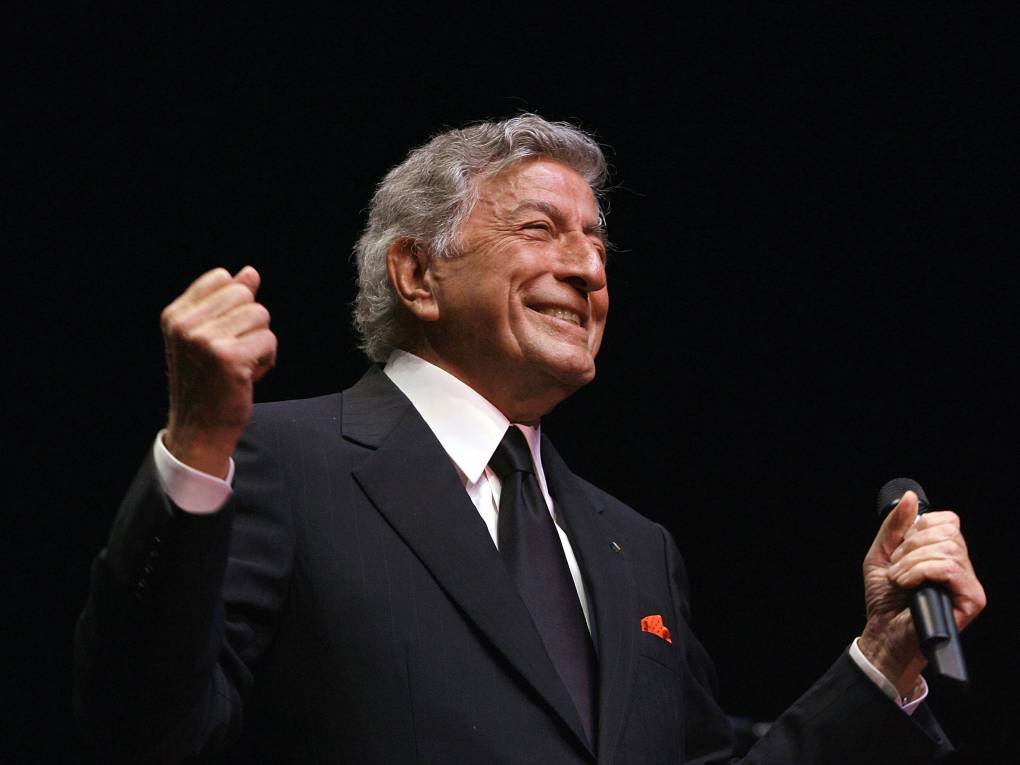
"caption": "Singer Tony Bennett performing at the Royal Albert Hall in London in 2007.",
"description": "Singer Tony Bennett performing at the Royal Albert Hall in London in 2007.",
"title": "Singer Tony Bennett performing at the Royal Albert Hall in London in 2007.",
"credit": "Jo Hale/Getty Images",
"status": "inherit",
"altTag": "Singer Tony Bennett performing at the Royal Albert Hall in London in 2007.",
"isLoading": false,
"fetchFailed": false
},
"arts_13931800": {
"type": "attachments",
"id": "arts_13931800",
"meta": {
"index": "attachments_1716263798",
"site": "arts",
"id": "13931800",
"found": true
},
"parent": 13931795,
"imgSizes": {
"twentyfourteen-full-width": {
"file": "https://ww2.kqed.org/app/uploads/sites/2/2023/07/Hus-Jack-1038x576.jpg",
"width": 1038,
"mimeType": "image/jpeg",
"height": 576
},
"thumbnail": {
"file": "https://ww2.kqed.org/app/uploads/sites/2/2023/07/Hus-Jack-160x107.jpg",
"width": 160,
"mimeType": "image/jpeg",
"height": 107
},
"post-thumbnail": {
"file": "https://ww2.kqed.org/app/uploads/sites/2/2023/07/Hus-Jack-672x372.jpg",
"width": 672,
"mimeType": "image/jpeg",
"height": 372
},
"kqedFullSize": {
"file": "https://ww2.kqed.org/app/uploads/sites/2/2023/07/Hus-Jack.jpg",
"width": 1920,
"height": 1280
},
"large": {
"file": "https://ww2.kqed.org/app/uploads/sites/2/2023/07/Hus-Jack-1020x680.jpg",
"width": 1020,
"mimeType": "image/jpeg",
"height": 680
},
"1536x1536": {
"file": "https://ww2.kqed.org/app/uploads/sites/2/2023/07/Hus-Jack-1536x1024.jpg",
"width": 1536,
"mimeType": "image/jpeg",
"height": 1024
},
"medium": {
"file": "https://ww2.kqed.org/app/uploads/sites/2/2023/07/Hus-Jack-800x533.jpg",
"width": 800,
"mimeType": "image/jpeg",
"height": 533
},
"medium_large": {
"file": "https://ww2.kqed.org/app/uploads/sites/2/2023/07/Hus-Jack-768x512.jpg",
"width": 768,
"mimeType": "image/jpeg",
"height": 512
}
},
"publishDate": 1689746039,
"modified": 1689746368,
"caption": "Islam and Bay Area hip-hop have often intertwined. For the Jacka, above, the overlap was deeply personal.\n",
"description": null,
"title": "Hus-Jack",
"credit": "D-Ray",
"status": "inherit",
"altTag": "A man in a durag and football jersey holds his arms spread, with friends in the background",
"isLoading": false,
"fetchFailed": false
},
"arts_13931751": {
"type": "attachments",
"id": "arts_13931751",
"meta": {
"index": "attachments_1716263798",
"site": "arts",
"id": "13931751",
"found": true
},
"parent": 13931750,
"imgSizes": {
"twentyfourteen-full-width": {
"file": "https://ww2.kqed.org/app/uploads/sites/2/2023/07/gettyimages-683450390-fde2c92cbca50af84ca2ace772e7e5fe1e4b68e9-1038x576.jpg",
"width": 1038,
"mimeType": "image/jpeg",
"height": 576
},
"thumbnail": {
"file": "https://ww2.kqed.org/app/uploads/sites/2/2023/07/gettyimages-683450390-fde2c92cbca50af84ca2ace772e7e5fe1e4b68e9-160x120.jpg",
"width": 160,
"mimeType": "image/jpeg",
"height": 120
},
"post-thumbnail": {
"file": "https://ww2.kqed.org/app/uploads/sites/2/2023/07/gettyimages-683450390-fde2c92cbca50af84ca2ace772e7e5fe1e4b68e9-672x372.jpg",
"width": 672,
"mimeType": "image/jpeg",
"height": 372
},
"kqedFullSize": {
"file": "https://ww2.kqed.org/app/uploads/sites/2/2023/07/gettyimages-683450390-fde2c92cbca50af84ca2ace772e7e5fe1e4b68e9-scaled.jpg",
"width": 2560,
"height": 1920
},
"2048x2048": {
"file": "https://ww2.kqed.org/app/uploads/sites/2/2023/07/gettyimages-683450390-fde2c92cbca50af84ca2ace772e7e5fe1e4b68e9-2048x1536.jpg",
"width": 2048,
"mimeType": "image/jpeg",
"height": 1536
},
"large": {
"file": "https://ww2.kqed.org/app/uploads/sites/2/2023/07/gettyimages-683450390-fde2c92cbca50af84ca2ace772e7e5fe1e4b68e9-1020x765.jpg",
"width": 1020,
"mimeType": "image/jpeg",
"height": 765
},
"1536x1536": {
"file": "https://ww2.kqed.org/app/uploads/sites/2/2023/07/gettyimages-683450390-fde2c92cbca50af84ca2ace772e7e5fe1e4b68e9-1536x1152.jpg",
"width": 1536,
"mimeType": "image/jpeg",
"height": 1152
},
"full-width": {
"file": "https://ww2.kqed.org/app/uploads/sites/2/2023/07/gettyimages-683450390-fde2c92cbca50af84ca2ace772e7e5fe1e4b68e9-1920x1440.jpg",
"width": 1920,
"mimeType": "image/jpeg",
"height": 1440
},
"medium": {
"file": "https://ww2.kqed.org/app/uploads/sites/2/2023/07/gettyimages-683450390-fde2c92cbca50af84ca2ace772e7e5fe1e4b68e9-800x600.jpg",
"width": 800,
"mimeType": "image/jpeg",
"height": 600
},
"medium_large": {
"file": "https://ww2.kqed.org/app/uploads/sites/2/2023/07/gettyimages-683450390-fde2c92cbca50af84ca2ace772e7e5fe1e4b68e9-768x576.jpg",
"width": 768,
"mimeType": "image/jpeg",
"height": 576
}
},
"publishDate": 1689700998,
"modified": 1689701403,
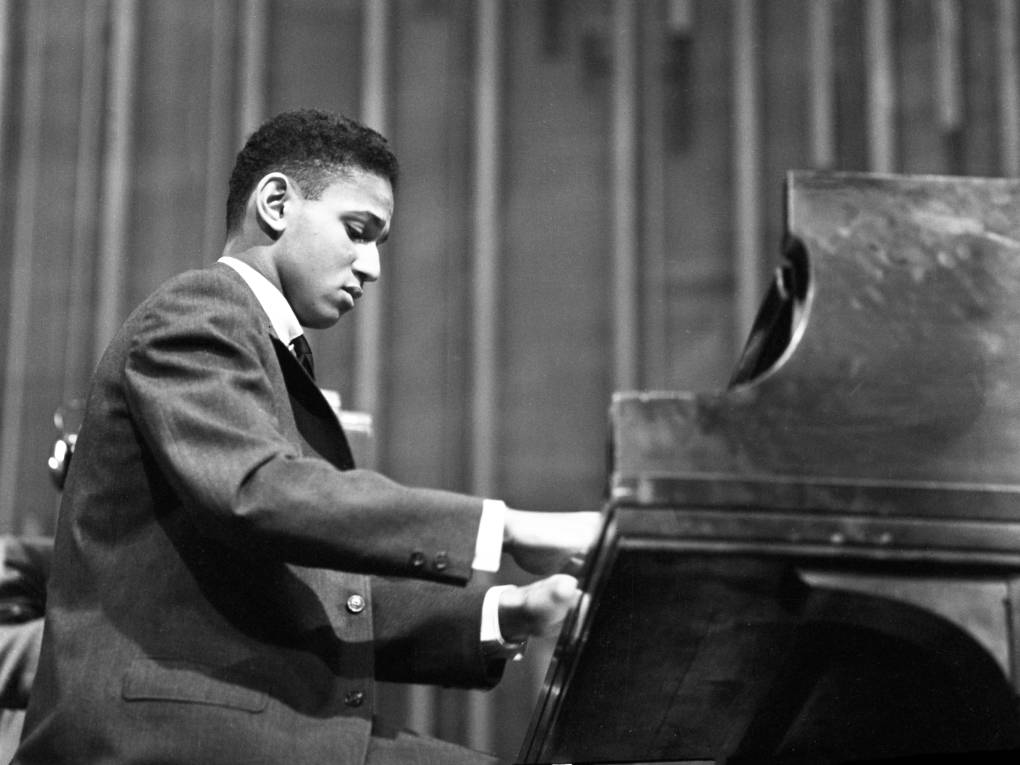
"caption": "Pianist André Watts, age 16, in rehearsal with the New York Philharmonic for one of Leonard Bernstein's Young People's Concerts.",
"description": null,
"title": "Pianist André Watts, age 16, in rehearsal with the New York Philharmonic for one of Leonard Bernstein's Young People's Concerts.",
"credit": "CBS Photo Archive/Getty Images",
"status": "inherit",
"altTag": "A young Black man with short hair in a suit plays the piano",
"isLoading": false,
"fetchFailed": false
},
"arts_13931738": {
"type": "attachments",
"id": "arts_13931738",
"meta": {
"index": "attachments_1716263798",
"site": "arts",
"id": "13931738",
"found": true
},
"title": "SunRa.Detroit.THUMB",
"publishDate": 1689624925,
"status": "inherit",
"parent": 13931735,
"modified": 1718640788,
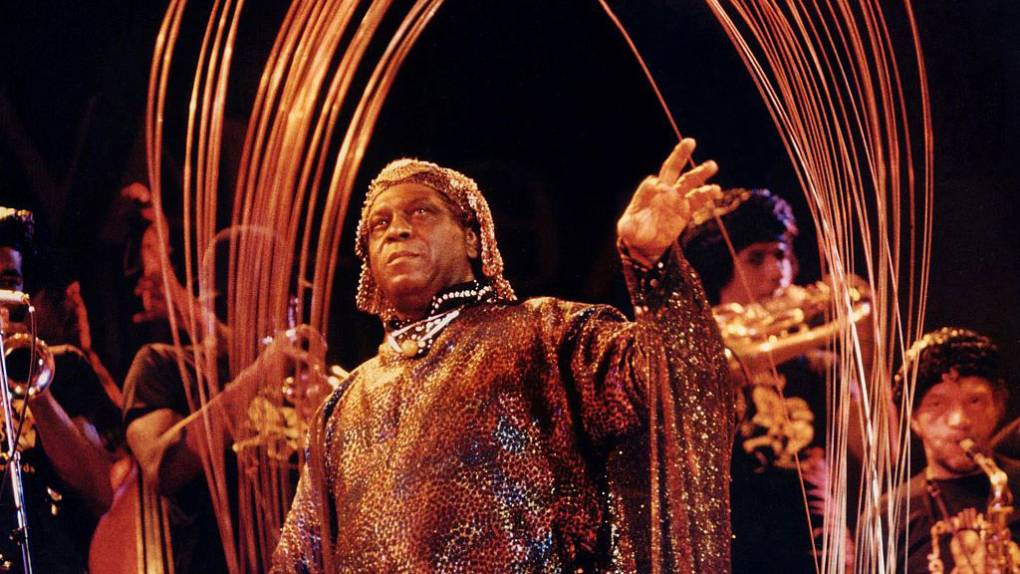
"caption": "Sun Ra and his Sun Ra Archestra performing on September 23, 1978, at Hill Auditorium in Ann Arbor, Michigan.",
"credit": "Leni Sinclair/Getty Images",
"altTag": "A Black man in a loose-fitting, glittery wardrobe motions with his left hand while looking into the distance, beneath an arch-shaped, gold-hued sculpture",
"description": null,
"imgSizes": {
"medium": {
"file": "https://cdn.kqed.org/wp-content/uploads/sites/2/2023/07/SunRa.Detroit.THUMB_-800x450.jpg",
"width": 800,
"height": 450,
"mimeType": "image/jpeg"
},
"large": {
"file": "https://cdn.kqed.org/wp-content/uploads/sites/2/2023/07/SunRa.Detroit.THUMB_-1020x574.jpg",
"width": 1020,
"height": 574,
"mimeType": "image/jpeg"
},
"thumbnail": {
"file": "https://cdn.kqed.org/wp-content/uploads/sites/2/2023/07/SunRa.Detroit.THUMB_-160x90.jpg",
"width": 160,
"height": 90,
"mimeType": "image/jpeg"
},
"medium_large": {
"file": "https://cdn.kqed.org/wp-content/uploads/sites/2/2023/07/SunRa.Detroit.THUMB_-768x432.jpg",
"width": 768,
"height": 432,
"mimeType": "image/jpeg"
},
"post-thumbnail": {
"file": "https://cdn.kqed.org/wp-content/uploads/sites/2/2023/07/SunRa.Detroit.THUMB_-672x372.jpg",
"width": 672,
"height": 372,
"mimeType": "image/jpeg"
},
"kqedFullSize": {
"file": "https://cdn.kqed.org/wp-content/uploads/sites/2/2023/07/SunRa.Detroit.THUMB_.jpg",
"width": 1024,
"height": 576
}
},
"isLoading": false,
"fetchFailed": false
},
"arts_13931659": {
"type": "attachments",
"id": "arts_13931659",
"meta": {
"index": "attachments_1716263798",
"site": "arts",
"id": "13931659",
"found": true
},
"parent": 13931600,
"imgSizes": {
"twentyfourteen-full-width": {
"file": "https://ww2.kqed.org/app/uploads/sites/2/2023/07/Robert_Glasper.MAIN_-1038x576.jpg",
"width": 1038,
"mimeType": "image/jpeg",
"height": 576
},
"thumbnail": {
"file": "https://ww2.kqed.org/app/uploads/sites/2/2023/07/Robert_Glasper.MAIN_-160x97.jpg",
"width": 160,
"mimeType": "image/jpeg",
"height": 97
},
"post-thumbnail": {
"file": "https://ww2.kqed.org/app/uploads/sites/2/2023/07/Robert_Glasper.MAIN_-672x372.jpg",
"width": 672,
"mimeType": "image/jpeg",
"height": 372
},
"kqedFullSize": {
"file": "https://ww2.kqed.org/app/uploads/sites/2/2023/07/Robert_Glasper.MAIN_.jpg",
"width": 1920,
"height": 1166
},
"large": {
"file": "https://ww2.kqed.org/app/uploads/sites/2/2023/07/Robert_Glasper.MAIN_-1020x619.jpg",
"width": 1020,
"mimeType": "image/jpeg",
"height": 619
},
"1536x1536": {
"file": "https://ww2.kqed.org/app/uploads/sites/2/2023/07/Robert_Glasper.MAIN_-1536x933.jpg",
"width": 1536,
"mimeType": "image/jpeg",
"height": 933
},
"medium": {
"file": "https://ww2.kqed.org/app/uploads/sites/2/2023/07/Robert_Glasper.MAIN_-800x486.jpg",
"width": 800,
"mimeType": "image/jpeg",
"height": 486
},
"medium_large": {
"file": "https://ww2.kqed.org/app/uploads/sites/2/2023/07/Robert_Glasper.MAIN_-768x466.jpg",
"width": 768,
"mimeType": "image/jpeg",
"height": 466
}
},
"publishDate": 1689359066,
"modified": 1689359250,
"caption": "Robert Glasper brings a philosophy of pastiche to the lineup of the Blue Note Jazz Festival, which fluidly blends jazz, R&B and hip-hop.",
"description": null,
"title": "Robert_Glasper.MAIN",
"credit": "Courtesy Blue Note Jazz Festival",
"status": "inherit",
"altTag": "A man in sunglasses holds the frames, fingers aloft",
"isLoading": false,
"fetchFailed": false
},
"arts_13931715": {
"type": "attachments",
"id": "arts_13931715",
"meta": {
"index": "attachments_1716263798",
"site": "arts",
"id": "13931715",
"found": true
},
"parent": 13931586,
"imgSizes": {
"twentyfourteen-full-width": {
"file": "https://ww2.kqed.org/app/uploads/sites/2/2023/07/Discodelic.THUMB_-1038x576.jpg",
"width": 1038,
"mimeType": "image/jpeg",
"height": 576
},
"thumbnail": {
"file": "https://ww2.kqed.org/app/uploads/sites/2/2023/07/Discodelic.THUMB_-160x90.jpg",
"width": 160,
"mimeType": "image/jpeg",
"height": 90
},
"post-thumbnail": {
"file": "https://ww2.kqed.org/app/uploads/sites/2/2023/07/Discodelic.THUMB_-672x372.jpg",
"width": 672,
"mimeType": "image/jpeg",
"height": 372
},
"kqedFullSize": {
"file": "https://ww2.kqed.org/app/uploads/sites/2/2023/07/Discodelic.THUMB_.jpg",
"width": 1920,
"height": 1080
},
"large": {
"file": "https://ww2.kqed.org/app/uploads/sites/2/2023/07/Discodelic.THUMB_-1020x574.jpg",
"width": 1020,
"mimeType": "image/jpeg",
"height": 574
},
"1536x1536": {
"file": "https://ww2.kqed.org/app/uploads/sites/2/2023/07/Discodelic.THUMB_-1536x864.jpg",
"width": 1536,
"mimeType": "image/jpeg",
"height": 864
},
"medium": {
"file": "https://ww2.kqed.org/app/uploads/sites/2/2023/07/Discodelic.THUMB_-800x450.jpg",
"width": 800,
"mimeType": "image/jpeg",
"height": 450
},
"medium_large": {
"file": "https://ww2.kqed.org/app/uploads/sites/2/2023/07/Discodelic.THUMB_-768x432.jpg",
"width": 768,
"mimeType": "image/jpeg",
"height": 432
}
},
"publishDate": 1689616290,
"modified": 1689617153,
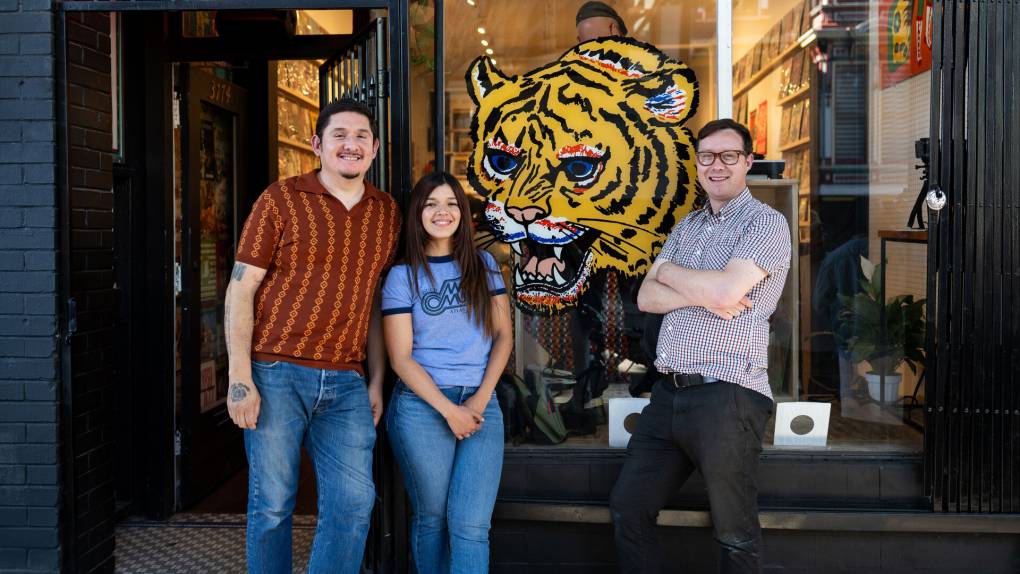
"caption": "Co-owners (from left) Ruben “Ruffy” Rangel, Maria Jose “Majoo” Salguero, and Miles Ake stand outside their record store Discodelic Disco Viajantes on 24th Street in San Francisco's Mission District on July 15, 2023, during a grand opening celebration.",
"description": null,
"title": "Discodelic.THUMB",
"credit": "Beth LaBerge/KQED",
"status": "inherit",
"altTag": "Three people in front of a window with a large tiger mural painted on it",
"isLoading": false,
"fetchFailed": false
},
"arts_13931358": {
"type": "attachments",
"id": "arts_13931358",
"meta": {
"index": "attachments_1716263798",
"site": "arts",
"id": "13931358",
"found": true
},
"parent": 13931355,
"imgSizes": {
"twentyfourteen-full-width": {
"file": "https://ww2.kqed.org/app/uploads/sites/2/2023/07/michaelsneed_JY_014-1038x576.jpg",
"width": 1038,
"mimeType": "image/jpeg",
"height": 576
},
"thumbnail": {
"file": "https://ww2.kqed.org/app/uploads/sites/2/2023/07/michaelsneed_JY_014-160x107.jpg",
"width": 160,
"mimeType": "image/jpeg",
"height": 107
},
"post-thumbnail": {
"file": "https://ww2.kqed.org/app/uploads/sites/2/2023/07/michaelsneed_JY_014-672x372.jpg",
"width": 672,
"mimeType": "image/jpeg",
"height": 372
},
"kqedFullSize": {
"file": "https://ww2.kqed.org/app/uploads/sites/2/2023/07/michaelsneed_JY_014-scaled.jpg",
"width": 2560,
"height": 1706
},
"2048x2048": {
"file": "https://ww2.kqed.org/app/uploads/sites/2/2023/07/michaelsneed_JY_014-2048x1365.jpg",
"width": 2048,
"mimeType": "image/jpeg",
"height": 1365
},
"large": {
"file": "https://ww2.kqed.org/app/uploads/sites/2/2023/07/michaelsneed_JY_014-1020x680.jpg",
"width": 1020,
"mimeType": "image/jpeg",
"height": 680
},
"1536x1536": {
"file": "https://ww2.kqed.org/app/uploads/sites/2/2023/07/michaelsneed_JY_014-1536x1024.jpg",
"width": 1536,
"mimeType": "image/jpeg",
"height": 1024
},
"full-width": {
"file": "https://ww2.kqed.org/app/uploads/sites/2/2023/07/michaelsneed_JY_014-1920x1280.jpg",
"width": 1920,
"mimeType": "image/jpeg",
"height": 1280
},
"medium": {
"file": "https://ww2.kqed.org/app/uploads/sites/2/2023/07/michaelsneed_JY_014-800x533.jpg",
"width": 800,
"mimeType": "image/jpeg",
"height": 533
},
"medium_large": {
"file": "https://ww2.kqed.org/app/uploads/sites/2/2023/07/michaelsneed_JY_014-768x512.jpg",
"width": 768,
"mimeType": "image/jpeg",
"height": 512
}
},
"publishDate": 1688759712,
"modified": 1689114508,
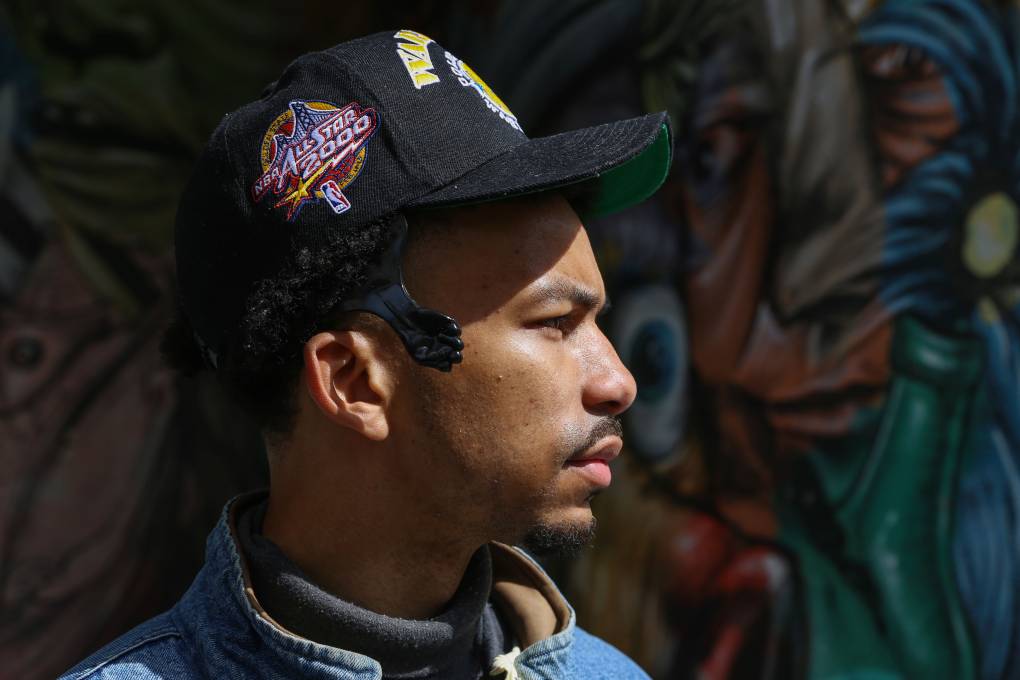
"caption": "Bay Area rapper Michael Sneed poses for a portrait in Oakland on June 9, 2023.",
"description": null,
"title": "michaelsneed_JY_014",
"credit": "Juliana Yamada",
"status": "inherit",
"altTag": "The facial profile of a young Oakland rapper as he looks away from the camera",
"isLoading": false,
"fetchFailed": false
},
"arts_13931314": {
"type": "attachments",
"id": "arts_13931314",
"meta": {
"index": "attachments_1716263798",
"site": "arts",
"id": "13931314",
"found": true
},
"parent": 13931295,
"imgSizes": {
"twentyfourteen-full-width": {
"file": "https://ww2.kqed.org/app/uploads/sites/2/2023/07/Whats-Pimpin-Ep-3-square-1038x576.jpg",
"width": 1038,
"mimeType": "image/jpeg",
"height": 576
},
"thumbnail": {
"file": "https://ww2.kqed.org/app/uploads/sites/2/2023/07/Whats-Pimpin-Ep-3-square-160x160.jpg",
"width": 160,
"mimeType": "image/jpeg",
"height": 160
},
"post-thumbnail": {
"file": "https://ww2.kqed.org/app/uploads/sites/2/2023/07/Whats-Pimpin-Ep-3-square-672x372.jpg",
"width": 672,
"mimeType": "image/jpeg",
"height": 372
},
"kqedFullSize": {
"file": "https://ww2.kqed.org/app/uploads/sites/2/2023/07/Whats-Pimpin-Ep-3-square.jpg",
"width": 1080,
"height": 1080
},
"large": {
"file": "https://ww2.kqed.org/app/uploads/sites/2/2023/07/Whats-Pimpin-Ep-3-square-1020x1020.jpg",
"width": 1020,
"mimeType": "image/jpeg",
"height": 1020
},
"medium": {
"file": "https://ww2.kqed.org/app/uploads/sites/2/2023/07/Whats-Pimpin-Ep-3-square-800x800.jpg",
"width": 800,
"mimeType": "image/jpeg",
"height": 800
},
"medium_large": {
"file": "https://ww2.kqed.org/app/uploads/sites/2/2023/07/Whats-Pimpin-Ep-3-square-768x768.jpg",
"width": 768,
"mimeType": "image/jpeg",
"height": 768
}
},
"publishDate": 1688753328,
"modified": 1688753546,
"caption": "Tiara Mbonisi and Xenia St. Charles (top left to right) get real about sex trafficking and exploitation in the Bay Area with 'What's Pimpin'?' hosts Maddy Clifford, Coco Peila and RyanNicole (left to right). ",
"description": null,
"title": "Whats Pimpin Ep 3 square",
"credit": "Photo: DIFF WORKS LLC; illustration: Becca Kao",
"status": "inherit",
"altTag": "A collage features five Black women in their 30s laughing while engaging in discussion.",
"isLoading": false,
"fetchFailed": false
},
"arts_13931308": {
"type": "attachments",
"id": "arts_13931308",
"meta": {
"index": "attachments_1716263798",
"site": "arts",
"id": "13931308",
"found": true
},
"parent": 13931295,
"imgSizes": {
"twentyfourteen-full-width": {
"file": "https://ww2.kqed.org/app/uploads/sites/2/2023/07/Whats-Pimpin-Episode-3-Wordpress-Thumbnail-1038x576.jpg",
"width": 1038,
"mimeType": "image/jpeg",
"height": 576
},
"thumbnail": {
"file": "https://ww2.kqed.org/app/uploads/sites/2/2023/07/Whats-Pimpin-Episode-3-Wordpress-Thumbnail-160x90.jpg",
"width": 160,
"mimeType": "image/jpeg",
"height": 90
},
"post-thumbnail": {
"file": "https://ww2.kqed.org/app/uploads/sites/2/2023/07/Whats-Pimpin-Episode-3-Wordpress-Thumbnail-672x372.jpg",
"width": 672,
"mimeType": "image/jpeg",
"height": 372
},
"kqedFullSize": {
"file": "https://ww2.kqed.org/app/uploads/sites/2/2023/07/Whats-Pimpin-Episode-3-Wordpress-Thumbnail.jpg",
"width": 1920,
"height": 1080
},
"large": {
"file": "https://ww2.kqed.org/app/uploads/sites/2/2023/07/Whats-Pimpin-Episode-3-Wordpress-Thumbnail-1020x574.jpg",
"width": 1020,
"mimeType": "image/jpeg",
"height": 574
},
"1536x1536": {
"file": "https://ww2.kqed.org/app/uploads/sites/2/2023/07/Whats-Pimpin-Episode-3-Wordpress-Thumbnail-1536x864.jpg",
"width": 1536,
"mimeType": "image/jpeg",
"height": 864
},
"medium": {
"file": "https://ww2.kqed.org/app/uploads/sites/2/2023/07/Whats-Pimpin-Episode-3-Wordpress-Thumbnail-800x450.jpg",
"width": 800,
"mimeType": "image/jpeg",
"height": 450
},
"medium_large": {
"file": "https://ww2.kqed.org/app/uploads/sites/2/2023/07/Whats-Pimpin-Episode-3-Wordpress-Thumbnail-768x432.jpg",
"width": 768,
"mimeType": "image/jpeg",
"height": 432
}
},
"publishDate": 1688753016,
"modified": 1688753525,
"caption": "Tiara Mbonisi and Xenia St. Charles (center) get real about sex trafficking and exploitation in the Bay Area with 'What's Pimpin'?' hosts Maddy Clifford (far left), Coco Peila and RyanNicole (middle right and far right). ",
"description": null,
"title": "Whats Pimpin Episode 3 Wordpress Thumbnail",
"credit": "Photo: DIFF WORKS LLC; illustration: Becca Kao",
"status": "inherit",
"altTag": "Five Black women in their 30s sit at a table together and laugh while engaging in discussion.",
"isLoading": false,
"fetchFailed": false
},
"arts_13931452": {
"type": "attachments",
"id": "arts_13931452",
"meta": {
"index": "attachments_1716263798",
"site": "arts",
"id": "13931452",
"found": true
},
"parent": 13931387,
"imgSizes": {
"twentyfourteen-full-width": {
"file": "https://ww2.kqed.org/app/uploads/sites/2/2023/07/DSC06377-1038x576.jpg",
"width": 1038,
"mimeType": "image/jpeg",
"height": 576
},
"thumbnail": {
"file": "https://ww2.kqed.org/app/uploads/sites/2/2023/07/DSC06377-160x107.jpg",
"width": 160,
"mimeType": "image/jpeg",
"height": 107
},
"post-thumbnail": {
"file": "https://ww2.kqed.org/app/uploads/sites/2/2023/07/DSC06377-672x372.jpg",
"width": 672,
"mimeType": "image/jpeg",
"height": 372
},
"kqedFullSize": {
"file": "https://ww2.kqed.org/app/uploads/sites/2/2023/07/DSC06377.jpg",
"width": 1616,
"height": 1080
},
"large": {
"file": "https://ww2.kqed.org/app/uploads/sites/2/2023/07/DSC06377-1020x682.jpg",
"width": 1020,
"mimeType": "image/jpeg",
"height": 682
},
"1536x1536": {
"file": "https://ww2.kqed.org/app/uploads/sites/2/2023/07/DSC06377-1536x1027.jpg",
"width": 1536,
"mimeType": "image/jpeg",
"height": 1027
},
"medium": {
"file": "https://ww2.kqed.org/app/uploads/sites/2/2023/07/DSC06377-800x535.jpg",
"width": 800,
"mimeType": "image/jpeg",
"height": 535
},
"medium_large": {
"file": "https://ww2.kqed.org/app/uploads/sites/2/2023/07/DSC06377-768x513.jpg",
"width": 768,
"mimeType": "image/jpeg",
"height": 513
}
},
"publishDate": 1689056753,
"modified": 1689092833,
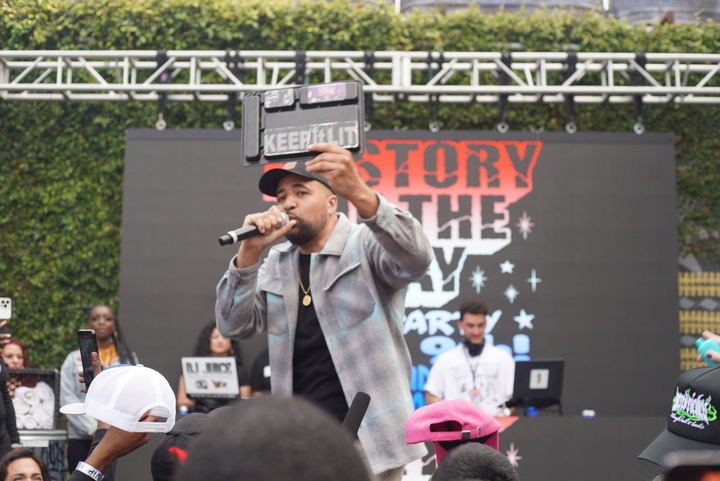
"caption": "Keak Da Sneak is elated as the audience shows him love during his set at the Midway in San Francisco.",
"description": "Keak Da Sneak is elated as the audience shows him love during his set at the Midway in San Francisco.",
"title": "Keak Da Sneak is elated as the audience shows him love during his set at the Midway in San Francisco.",
"credit": "Pendarvis Harshaw",
"status": "inherit",
"altTag": "Keak Da Sneak is elated as the audience shows him love during his set at the Midway in San Francisco.",
"isLoading": false,
"fetchFailed": false
},
"arts_13930309": {
"type": "attachments",
"id": "arts_13930309",
"meta": {
"index": "attachments_1716263798",
"site": "arts",
"id": "13930309",
"found": true
},
"parent": 13930249,
"imgSizes": {
"twentyfourteen-full-width": {
"file": "https://ww2.kqed.org/app/uploads/sites/2/2023/06/Elena-3-1038x576.jpg",
"width": 1038,
"mimeType": "image/jpeg",
"height": 576
},
"thumbnail": {
"file": "https://ww2.kqed.org/app/uploads/sites/2/2023/06/Elena-3-160x160.jpg",
"width": 160,
"mimeType": "image/jpeg",
"height": 160
},
"post-thumbnail": {
"file": "https://ww2.kqed.org/app/uploads/sites/2/2023/06/Elena-3-672x372.jpg",
"width": 672,
"mimeType": "image/jpeg",
"height": 372
},
"kqedFullSize": {
"file": "https://ww2.kqed.org/app/uploads/sites/2/2023/06/Elena-3-scaled.jpg",
"width": 2560,
"height": 2560
},
"2048x2048": {
"file": "https://ww2.kqed.org/app/uploads/sites/2/2023/06/Elena-3-2048x2048.jpg",
"width": 2048,
"mimeType": "image/jpeg",
"height": 2048
},
"large": {
"file": "https://ww2.kqed.org/app/uploads/sites/2/2023/06/Elena-3-1020x1020.jpg",
"width": 1020,
"mimeType": "image/jpeg",
"height": 1020
},
"1536x1536": {
"file": "https://ww2.kqed.org/app/uploads/sites/2/2023/06/Elena-3-1536x1536.jpg",
"width": 1536,
"mimeType": "image/jpeg",
"height": 1536
},
"full-width": {
"file": "https://ww2.kqed.org/app/uploads/sites/2/2023/06/Elena-3-1920x1920.jpg",
"width": 1920,
"mimeType": "image/jpeg",
"height": 1920
},
"medium": {
"file": "https://ww2.kqed.org/app/uploads/sites/2/2023/06/Elena-3-800x800.jpg",
"width": 800,
"mimeType": "image/jpeg",
"height": 800
},
"medium_large": {
"file": "https://ww2.kqed.org/app/uploads/sites/2/2023/06/Elena-3-768x768.jpg",
"width": 768,
"mimeType": "image/jpeg",
"height": 768
}
},
"publishDate": 1686252101,
"modified": 1686266331,
"caption": "Elena Pinderhughes is an extremely talented flutist and vocalist from Berkeley. ",
"description": "Elena Pinderhughes is an extremely talented flutist and vocalist from Berkeley. ",
"title": "Elena Pinderhughes is an extremely talented flutist and vocalist from Berkeley.",
"credit": "Darrin Baldridge",
"status": "inherit",
"altTag": "Elena Pinderhughes is an extremely talented flutist and vocalist from Berkeley.",
"isLoading": false,
"fetchFailed": false
},
"arts_13931462": {
"type": "attachments",
"id": "arts_13931462",
"meta": {
"index": "attachments_1716263798",
"site": "arts",
"id": "13931462",
"found": true
},
"parent": 13931387,
"imgSizes": {
"thumbnail": {
"file": "https://ww2.kqed.org/app/uploads/sites/2/2023/07/dsc06369_720-160x107.jpg",
"width": 160,
"mimeType": "image/jpeg",
"height": 107
},
"post-thumbnail": {
"file": "https://ww2.kqed.org/app/uploads/sites/2/2023/07/dsc06369_720-672x372.jpg",
"width": 672,
"mimeType": "image/jpeg",
"height": 372
},
"kqedFullSize": {
"file": "https://ww2.kqed.org/app/uploads/sites/2/2023/07/dsc06369_720.jpg",
"width": 720,
"height": 481
}
},
"publishDate": 1689086852,
"modified": 1689086918,
"caption": "People handed Dregs-One rolling trays, hats and other miscellaneous items for him to freestyle about, and he did so with ease. ",
"description": "People handed Dregs-One rolling trays, hats and other miscellaneous items for him to freestyle about, and he did so with ease. ",
"title": "People handed Dregs-One rolling trays, hats and other miscellaneous items for him to freestyle about, and he did so with ease.",
"credit": "Pendarvis Harshaw",
"status": "inherit",
"altTag": "People handed Dregs-One rolling trays, hats and other miscellaneous items for him to freestyle about, and he did so with ease.",
"isLoading": false,
"fetchFailed": false
},
"arts_13931066": {
"type": "attachments",
"id": "arts_13931066",
"meta": {
"index": "attachments_1716263798",
"site": "arts",
"id": "13931066",
"found": true
},
"parent": 13931062,
"imgSizes": {
"twentyfourteen-full-width": {
"file": "https://ww2.kqed.org/app/uploads/sites/2/2023/06/audium-v-crowd-pt-2-edited-1038x576.jpg",
"width": 1038,
"mimeType": "image/jpeg",
"height": 576
},
"thumbnail": {
"file": "https://ww2.kqed.org/app/uploads/sites/2/2023/06/audium-v-crowd-pt-2-edited-160x106.jpg",
"width": 160,
"mimeType": "image/jpeg",
"height": 106
},
"post-thumbnail": {
"file": "https://ww2.kqed.org/app/uploads/sites/2/2023/06/audium-v-crowd-pt-2-edited-672x372.jpg",
"width": 672,
"mimeType": "image/jpeg",
"height": 372
},
"kqedFullSize": {
"file": "https://ww2.kqed.org/app/uploads/sites/2/2023/06/audium-v-crowd-pt-2-edited-scaled.jpg",
"width": 2560,
"height": 1701
},
"2048x2048": {
"file": "https://ww2.kqed.org/app/uploads/sites/2/2023/06/audium-v-crowd-pt-2-edited-2048x1361.jpg",
"width": 2048,
"mimeType": "image/jpeg",
"height": 1361
},
"large": {
"file": "https://ww2.kqed.org/app/uploads/sites/2/2023/06/audium-v-crowd-pt-2-edited-1020x678.jpg",
"width": 1020,
"mimeType": "image/jpeg",
"height": 678
},
"1536x1536": {
"file": "https://ww2.kqed.org/app/uploads/sites/2/2023/06/audium-v-crowd-pt-2-edited-1536x1021.jpg",
"width": 1536,
"mimeType": "image/jpeg",
"height": 1021
},
"full-width": {
"file": "https://ww2.kqed.org/app/uploads/sites/2/2023/06/audium-v-crowd-pt-2-edited-1920x1276.jpg",
"width": 1920,
"mimeType": "image/jpeg",
"height": 1276
},
"medium": {
"file": "https://ww2.kqed.org/app/uploads/sites/2/2023/06/audium-v-crowd-pt-2-edited-800x532.jpg",
"width": 800,
"mimeType": "image/jpeg",
"height": 532
},
"medium_large": {
"file": "https://ww2.kqed.org/app/uploads/sites/2/2023/06/audium-v-crowd-pt-2-edited-768x510.jpg",
"width": 768,
"mimeType": "image/jpeg",
"height": 510
}
},
"publishDate": 1688078113,
"modified": 1688078807,
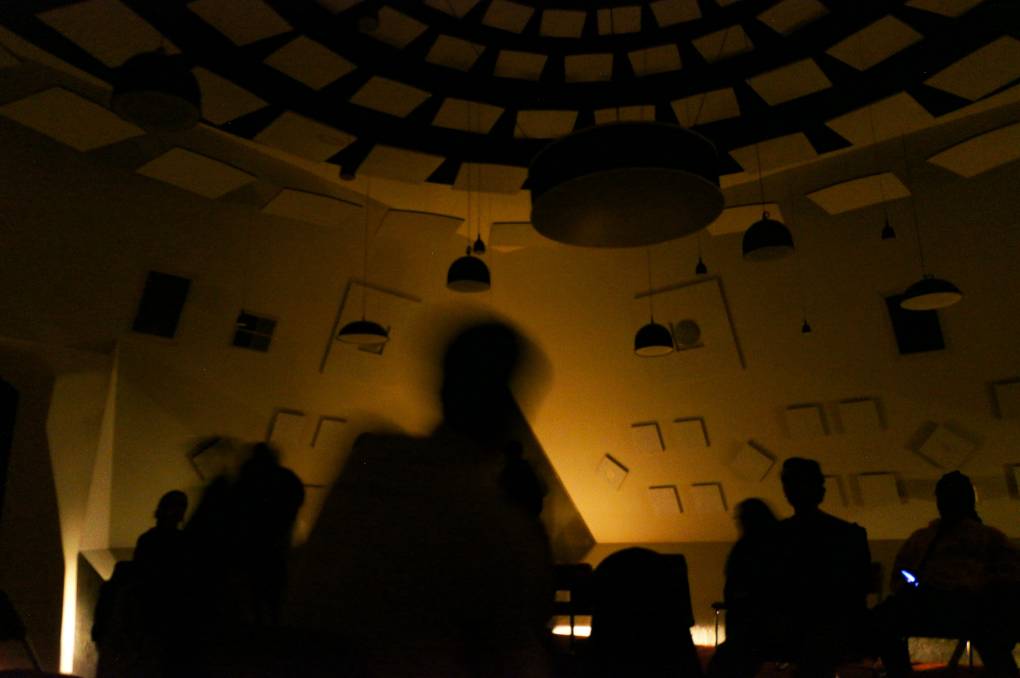
"caption": "Audium is a sound theater where attendees sit in darkness as an electronic composition plays from 176 speakers, all around the room.",
"description": null,
"title": "audium v crowd 2023",
"credit": "Kristie Song/KQED",
"status": "inherit",
"altTag": "Shadowy figures are gathered in a dark sound theater.",
"isLoading": false,
"fetchFailed": false
}
},
"audioPlayerReducer": {
"postId": "stream_live",
"isPaused": true,
"isPlaying": false,
"pfsActive": false,
"pledgeModalIsOpen": true,
"playerDrawerIsOpen": false,
"liveAudioPlayStartedAt": 0,
"liveAudioPlayContext": ""
},
"authorsReducer": {
"byline_arts_13931917": {
"type": "authors",
"id": "byline_arts_13931917",
"meta": {
"override": true
},
"slug": "byline_arts_13931917",
"name": "Charles J. Gans",
"isLoading": false
},
"byline_arts_13931795": {
"type": "authors",
"id": "byline_arts_13931795",
"meta": {
"override": true
},
"slug": "byline_arts_13931795",
"name": "Adisa Banjoko",
"isLoading": false
},
"byline_arts_13931750": {
"type": "authors",
"id": "byline_arts_13931750",
"meta": {
"override": true
},
"slug": "byline_arts_13931750",
"name": "Lara Downes",
"isLoading": false
},
"byline_arts_13931295": {
"type": "authors",
"id": "byline_arts_13931295",
"meta": {
"override": true
},
"slug": "byline_arts_13931295",
"name": "KQED Arts & Culture",
"isLoading": false
},
"gmeline": {
"type": "authors",
"id": "185",
"meta": {
"index": "authors_1716337520",
"id": "185",
"found": true
},
"name": "Gabe Meline",
"firstName": "Gabe",
"lastName": "Meline",
"slug": "gmeline",
"email": "gmeline@kqed.org",
"display_author_email": true,
"staff_mastheads": [
"arts"
],
"title": "Senior Editor, KQED Arts & Culture",
"bio": "Gabe Meline entered journalism at age 15 making photocopied zines, and has since earned awards from the Edward R. Murrow Awards, the Society for Professional Journalists, the Online Journalism Awards, the Association of Alternative Newsweeklies and the California Newspaper Publishers Association. Prior to KQED, he was the editor of the \u003cem>North Bay Bohemian\u003c/em> and a touring musician. He lives with his wife and daughter in his hometown of Santa Rosa, CA.",
"avatar": "https://secure.gravatar.com/avatar/5bebe57be0d8bc2dd318934feb47299e2d2d10cba28d09d8d7afb389a2ce2bdd?s=600&d=blank&r=g",
"twitter": null,
"bluesky": null,
"facebook": null,
"instagram": null,
"linkedin": null,
"sites": [
{
"site": "",
"roles": [
"editor"
]
},
{
"site": "arts",
"roles": [
"administrator"
]
},
{
"site": "artschool",
"roles": [
"editor"
]
},
{
"site": "news",
"roles": [
"author"
]
},
{
"site": "pop",
"roles": [
"editor"
]
},
{
"site": "bayareabites",
"roles": [
"editor"
]
},
{
"site": "food",
"roles": [
"editor"
]
},
{
"site": "forum",
"roles": [
"administrator"
]
},
{
"site": "liveblog",
"roles": [
"editor"
]
},
{
"site": "hiphop",
"roles": [
"editor"
]
}
],
"headData": {
"title": "Gabe Meline | KQED",
"description": "Senior Editor, KQED Arts & Culture",
"ogImgSrc": "https://secure.gravatar.com/avatar/5bebe57be0d8bc2dd318934feb47299e2d2d10cba28d09d8d7afb389a2ce2bdd?s=600&d=blank&r=g",
"twImgSrc": "https://secure.gravatar.com/avatar/5bebe57be0d8bc2dd318934feb47299e2d2d10cba28d09d8d7afb389a2ce2bdd?s=600&d=blank&r=g"
},
"isLoading": false,
"link": "/author/gmeline"
},
"ogpenn": {
"type": "authors",
"id": "11491",
"meta": {
"index": "authors_1716337520",
"id": "11491",
"found": true
},
"name": "Pendarvis Harshaw",
"firstName": "Pendarvis",
"lastName": "Harshaw",
"slug": "ogpenn",
"email": "ogpenn@gmail.com",
"display_author_email": false,
"staff_mastheads": [
"arts"
],
"title": "Community Engagement Reporter",
"bio": "Pendarvis Harshaw is an educator, host and writer with KQED Arts.",
"avatar": "https://secure.gravatar.com/avatar/972b77ee8e3f346ae2b00622661187fbfabd059b5693bbdc1475ea7a722fd4cd?s=600&d=blank&r=g",
"twitter": null,
"bluesky": null,
"facebook": null,
"instagram": "ogpenn",
"linkedin": null,
"sites": [
{
"site": "arts",
"roles": [
"administrator"
]
},
{
"site": "news",
"roles": [
"editor"
]
},
{
"site": "bayareabites",
"roles": [
"author"
]
},
{
"site": "hiphop",
"roles": [
"editor"
]
}
],
"headData": {
"title": "Pendarvis Harshaw | KQED",
"description": "Community Engagement Reporter",
"ogImgSrc": "https://secure.gravatar.com/avatar/972b77ee8e3f346ae2b00622661187fbfabd059b5693bbdc1475ea7a722fd4cd?s=600&d=blank&r=g",
"twImgSrc": "https://secure.gravatar.com/avatar/972b77ee8e3f346ae2b00622661187fbfabd059b5693bbdc1475ea7a722fd4cd?s=600&d=blank&r=g"
},
"isLoading": false,
"link": "/author/ogpenn"
},
"mmedina": {
"type": "authors",
"id": "11528",
"meta": {
"index": "authors_1716337520",
"id": "11528",
"found": true
},
"name": "Marisol Medina-Cadena",
"firstName": "Marisol",
"lastName": "Medina-Cadena",
"slug": "mmedina",
"email": "mmedina@KQED.org",
"display_author_email": true,
"staff_mastheads": [],
"title": "Producer, Rightnowish Podcast",
"bio": "Marisol Medina-Cadena is a radio reporter and podcast producer. Before working at KQED, she produced for PBS member station, KCET, in Los Angeles. In 2017, Marisol won an Emmy Award for her work on the televised documentary, \u003cem>City Rising\u003c/em>, examining California's affordable housing crisis and the historical roots of gentrification.",
"avatar": "https://secure.gravatar.com/avatar/6c3db46a1cabb5e1fe9a365b5f4e681e?s=600&d=blank&r=g",
"twitter": "marisolreports",
"facebook": null,
"instagram": null,
"linkedin": null,
"sites": [
{
"site": "arts",
"roles": []
},
{
"site": "news",
"roles": [
"edit_others_posts"
]
}
],
"headData": {
"title": "Marisol Medina-Cadena | KQED",
"description": "Producer, Rightnowish Podcast",
"ogImgSrc": "https://secure.gravatar.com/avatar/6c3db46a1cabb5e1fe9a365b5f4e681e?s=600&d=blank&r=g",
"twImgSrc": "https://secure.gravatar.com/avatar/6c3db46a1cabb5e1fe9a365b5f4e681e?s=600&d=blank&r=g"
},
"isLoading": false,
"link": "/author/mmedina"
},
"achazaro": {
"type": "authors",
"id": "11748",
"meta": {
"index": "authors_1716337520",
"id": "11748",
"found": true
},
"name": "Alan Chazaro",
"firstName": "Alan",
"lastName": "Chazaro",
"slug": "achazaro",
"email": "agchazaro@gmail.com",
"display_author_email": true,
"staff_mastheads": [],
"title": "Food Writer and Reporter",
"bio": "Alan Chazaro is the author of \u003cem>This Is Not a Frank Ocean Cover Album\u003c/em> (Black Lawrence Press, 2019), \u003cem>Piñata Theory\u003c/em> (Black Lawrence Press, 2020), and \u003cem>Notes from the Eastern Span of the Bay Bridge\u003c/em> (Ghost City Press, 2021). He is a graduate of June Jordan’s Poetry for the People program at UC Berkeley and a former Lawrence Ferlinghetti Fellow at the University of San Francisco. He writes about sports, food, art, music, education, and culture while repping the Bay on \u003ca href=\"https://twitter.com/alan_chazaro\">Twitter\u003c/a> and \u003ca href=\"https://www.instagram.com/alan_chazaro/?hl=en\">Instagram\u003c/a> at @alan_chazaro.",
"avatar": "https://secure.gravatar.com/avatar/ea8b6dd970fc5c29e7a188e7d5861df7?s=600&d=blank&r=g",
"twitter": "alan_chazaro",
"facebook": null,
"instagram": null,
"linkedin": null,
"sites": [
{
"site": "arts",
"roles": [
"contributor"
]
},
{
"site": "news",
"roles": [
"editor"
]
}
],
"headData": {
"title": "Alan Chazaro | KQED",
"description": "Food Writer and Reporter",
"ogImgSrc": "https://secure.gravatar.com/avatar/ea8b6dd970fc5c29e7a188e7d5861df7?s=600&d=blank&r=g",
"twImgSrc": "https://secure.gravatar.com/avatar/ea8b6dd970fc5c29e7a188e7d5861df7?s=600&d=blank&r=g"
},
"isLoading": false,
"link": "/author/achazaro"
},
"sminobucheli": {
"type": "authors",
"id": "11764",
"meta": {
"index": "authors_1716337520",
"id": "11764",
"found": true
},
"name": "Sebastian Miño-Bucheli",
"firstName": "Sebastian",
"lastName": "Miño-Bucheli",
"slug": "sminobucheli",
"email": "sminobucheli@kqed.org",
"display_author_email": false,
"staff_mastheads": [],
"title": "KQED Contributor",
"bio": "Sebastian Miño-Bucheli is a bilingual multimedia reporter and contributor to KQED Digital News. His reporting has been featured for Bay Curious, the California Report Magazine and KQED Arts. ",
"avatar": "https://secure.gravatar.com/avatar/4d433e33876cb631fbbe1ab7b9ddf7a1616f5e270c709b89ee147c0489875612?s=600&d=blank&r=g",
"twitter": "@BucheliMino",
"bluesky": null,
"facebook": null,
"instagram": null,
"linkedin": null,
"sites": [
{
"site": "arts",
"roles": [
"subscriber"
]
},
{
"site": "news",
"roles": [
"subscriber"
]
}
],
"headData": {
"title": "Sebastian Miño-Bucheli | KQED",
"description": "KQED Contributor",
"ogImgSrc": "https://secure.gravatar.com/avatar/4d433e33876cb631fbbe1ab7b9ddf7a1616f5e270c709b89ee147c0489875612?s=600&d=blank&r=g",
"twImgSrc": "https://secure.gravatar.com/avatar/4d433e33876cb631fbbe1ab7b9ddf7a1616f5e270c709b89ee147c0489875612?s=600&d=blank&r=g"
},
"isLoading": false,
"link": "/author/sminobucheli"
},
"ksong": {
"type": "authors",
"id": "11813",
"meta": {
"index": "authors_1716337520",
"id": "11813",
"found": true
},
"name": "Kristie Song",
"firstName": "Kristie",
"lastName": "Song",
"slug": "ksong",
"email": "ksong@kqed.org",
"display_author_email": false,
"staff_mastheads": [],
"title": "Editorial Intern ",
"bio": "Kristie Song is an Arts & Culture Intern at KQED. She is currently a graduate student at UC Berkeley, where she studies audio and multimedia journalism. Previously, she covered the local community for Oakland North, produced episodes for The Science of Happiness, and served as news director for KUCI, UC Irvine’s radio station. Outside of reporting, she likes drawing comics, listening to angsty rock, and practicing the guitar.",
"avatar": "https://secure.gravatar.com/avatar/c1149e78c3c44f92d4945a8ab0711af6?s=600&d=blank&r=g",
"twitter": null,
"facebook": null,
"instagram": null,
"linkedin": null,
"sites": [
{
"site": "arts",
"roles": [
"editor"
]
}
],
"headData": {
"title": "Kristie Song | KQED",
"description": "Editorial Intern ",
"ogImgSrc": "https://secure.gravatar.com/avatar/c1149e78c3c44f92d4945a8ab0711af6?s=600&d=blank&r=g",
"twImgSrc": "https://secure.gravatar.com/avatar/c1149e78c3c44f92d4945a8ab0711af6?s=600&d=blank&r=g"
},
"isLoading": false,
"link": "/author/ksong"
},
"earnold": {
"type": "authors",
"id": "11839",
"meta": {
"index": "authors_1716337520",
"id": "11839",
"found": true
},
"name": "Eric Arnold",
"firstName": "Eric",
"lastName": "Arnold",
"slug": "earnold",
"email": "earnold@kqed.org",
"display_author_email": false,
"staff_mastheads": [],
"title": "Contributing Editor, 'That's My Word'",
"bio": "Eric Arnold has covered hip-hop locally and nationally for over 30 years. Formerly the managing editor of \u003cem>4080\u003c/em> and columnist for \u003cem>The Source\u003c/em>, he chronicled hyphy’s rise and fall, co-curated the Oakland Museum of California’s first hip-hop exhibit in 2018 and won a 2022 Northern California Emmy Award for a mini-documentary on Oakland’s Boogaloo dance culture. He is a contributing editor for \u003cem>That’s My Word\u003c/em>, KQED's series on the history of Bay Area hip-hop.",
"avatar": "https://secure.gravatar.com/avatar/ede45b04898456ad0893a2811e78b0a2?s=600&d=blank&r=g",
"twitter": null,
"facebook": null,
"instagram": null,
"linkedin": null,
"sites": [
{
"site": "arts",
"roles": [
"contributor"
]
},
{
"site": "news",
"roles": [
"contributor"
]
},
{
"site": "hiphop",
"roles": [
"contributor"
]
}
],
"headData": {
"title": "Eric Arnold | KQED",
"description": "Contributing Editor, 'That's My Word'",
"ogImgSrc": "https://secure.gravatar.com/avatar/ede45b04898456ad0893a2811e78b0a2?s=600&d=blank&r=g",
"twImgSrc": "https://secure.gravatar.com/avatar/ede45b04898456ad0893a2811e78b0a2?s=600&d=blank&r=g"
},
"isLoading": false,
"link": "/author/earnold"
}
},
"pagesReducer": {
"arts_category_music": {
"type": "terms",
"id": "arts_69",
"meta": {
"index": "terms_1716263798",
"site": "arts",
"id": "69",
"score": 10.851607
},
"featImg": null,
"name": "Music",
"description": null,
"taxonomy": "category",
"headData": {
"twImgId": null,
"twTitle": null,
"ogTitle": null,
"ogImgId": null,
"twDescription": null,
"description": null,
"title": "Music Archives | KQED Arts",
"ogDescription": null
},
"ttid": 70,
"slug": "music",
"isLoading": false,
"title": "Music",
"pageMeta": {
"site": "arts",
"WpPageTemplate": "page-topic-editorial",
"currentPage": 74
},
"blocks": [
{
"blockName": "kqed/post-list",
"attrs": {
"layout": "cardArticle2",
"query": "posts/arts?category=music",
"seeMore": false,
"paginated": true,
"page": 74
}
},
{
"blockName": "kqed/ad"
}
]
}
},
"pfsSessionReducer": {},
"postsReducer": {
"stream_live": {
"type": "live",
"id": "stream_live",
"audioUrl": "https://streams.kqed.org/kqedradio",
"title": "Live Stream",
"excerpt": "Live Stream information currently unavailable.",
"link": "/radio",
"featImg": "",
"label": {
"name": "KQED Live",
"link": "/"
}
},
"stream_kqedNewscast": {
"type": "posts",
"id": "stream_kqedNewscast",
"audioUrl": "https://www.kqed.org/.stream/anon/radio/RDnews/newscast.mp3?_=1",
"title": "KQED Newscast",
"featImg": "",
"label": {
"name": "88.5 FM",
"link": "/"
}
},
"arts_13931917": {
"type": "posts",
"id": "arts_13931917",
"meta": {
"index": "posts_1716263798",
"site": "arts",
"id": "13931917",
"score": null,
"sort": [
1689950330000
]
},
"parent": 0,
"labelTerm": {
"site": "arts"
},
"blocks": [],
"publishDate": 1689950330,
"format": "standard",
"title": "Tony Bennett, Masterful Stylist of American Song, Dies at 96",
"headTitle": "Tony Bennett, Masterful Stylist of American Song, Dies at 96 | KQED",
"content": "\u003cp>Tony Bennett, the eminent and timeless stylist whose devotion to classic American songs and knack for creating new standards such as “I Left My Heart In San Francisco” graced a decadeslong career that brought him admirers from Frank Sinatra to Lady Gaga, died Friday. He was 96, just two weeks short of his birthday.\u003c/p>\n\u003cp>Publicist Sylvia Weiner confirmed Bennett’s death to The Associated Press, saying he died in his hometown of New York. There was no specific cause, but Bennett had been diagnosed with Alzheimer’s disease in 2016.\u003c/p>\n\u003cp>The last of the great saloon singers of the mid-20th century, Bennett often said his lifelong ambition was to create “a hit catalog rather than hit records.” He released more than 70 albums, bringing him 19 competitive Grammys — all but two after he reached his 60s — and enjoyed deep and lasting affection from fans and fellow artists.\u003c/p>\n\u003cfigure id=\"attachment_13879120\" class=\"wp-caption aligncenter\" style=\"max-width: 1920px\">\u003cimg loading=\"lazy\" decoding=\"async\" src=\"https://ww2.kqed.org/app/uploads/sites/2/2020/04/GettyImages-106373428-e1587583661461.jpg\" alt=\"Tony Bennett performing in 2010.\" width=\"1920\" height=\"1217\" class=\"size-full wp-image-13879120\">\u003cfigcaption class=\"wp-caption-text\">Tony Bennett performing in 2010. \u003ccite>(BRENDAN SMIALOWSKI/AFP via Getty Images)\u003c/cite>\u003c/figcaption>\u003c/figure>\n\u003cp>Bennett didn’t tell his own story when performing; he let the music speak instead — the Gershwins and Cole Porter, Irving Berlin and Jerome Kern. Unlike his friend and mentor Sinatra, he would interpret a song rather than embody it.\u003c/p>\n\u003cp>If his singing and public life lacked the high drama of Sinatra’s, Bennett appealed with an easy, courtly manner and an uncommonly rich and durable voice — “A tenor who sings like a baritone,” he called himself — that made him a master of caressing a ballad or brightening an up-tempo number.\u003c/p>\n\u003cp>[ad fullwidth]\u003c/p>\n\u003cp>“I enjoy entertaining the audience, making them forget their problems,” he told The Associated Press in 2006. “I think people … are touched if they hear something that’s sincere and honest and maybe has a little sense of humor. … I just like to make people feel good when I perform.”\u003c/p>\n\u003cp>Bennett was praised often by his peers, but never more meaningfully than by what Sinatra said in a 1965 Life magazine interview: “For my money, Tony Bennett is the best singer in the business. He excites me when I watch him. He moves me. He’s the singer who gets across what the composer has in mind, and probably a little more.”\u003c/p>\n\u003cfigure id=\"attachment_11936142\" class=\"wp-caption aligncenter\" style=\"max-width: 800px\">\u003cimg loading=\"lazy\" decoding=\"async\" src=\"https://ww2.kqed.org/app/uploads/sites/2/2016/08/Bennett-Statue-IMG_3350-e1471283958629-800x486.jpg\" alt=\"Sculptor Bruce Wolfe and his model, singer Tony Bennett in Wolfe's Piedmont studio\" width=\"800\" height=\"486\" class=\"size-medium wp-image-11936142\" srcset=\"https://cdn.kqed.org/wp-content/uploads/sites/2/2016/08/Bennett-Statue-IMG_3350-e1471283958629-800x486.jpg 800w, https://cdn.kqed.org/wp-content/uploads/sites/2/2016/08/Bennett-Statue-IMG_3350-e1471283958629-400x243.jpg 400w, https://cdn.kqed.org/wp-content/uploads/sites/2/2016/08/Bennett-Statue-IMG_3350-e1471283958629-768x466.jpg 768w, https://cdn.kqed.org/wp-content/uploads/sites/2/2016/08/Bennett-Statue-IMG_3350-e1471283958629-1180x717.jpg 1180w, https://cdn.kqed.org/wp-content/uploads/sites/2/2016/08/Bennett-Statue-IMG_3350-e1471283958629-1920x1166.jpg 1920w, https://cdn.kqed.org/wp-content/uploads/sites/2/2016/08/Bennett-Statue-IMG_3350-e1471283958629-960x583.jpg 960w\" sizes=\"(max-width: 800px) 100vw, 800px\">\u003cfigcaption class=\"wp-caption-text\">Sculptor Bruce Wolfe and his model, singer Tony Bennett, in Wolfe’s Piedmont studio. Wolfe created a statue to honor Tony Bennett in San Francisco. \u003ccite>(Courtesy of Bruce Wolfe)\u003c/cite>\u003c/figcaption>\u003c/figure>\n\u003cp>He not only survived the rise of rock music but endured so long and so well that he gained new fans and collaborators, some young enough to be his grandchildren. In 2014, at age 88, Bennett broke his own record as the oldest living performer with a No. 1 album on the Billboard 200 chart for “Cheek to Cheek,” his duets project with Lady Gaga. Three years earlier, he topped the charts with “Duets II,” featuring such contemporary stars as Gaga, Carrie Underwood and Amy Winehouse, in her last studio recording. His rapport with Winehouse was captured in the Oscar-nominated documentary “Amy,” which showed Bennett patiently encouraging the insecure young singer through a performance of “Body and Soul.”\u003c/p>\n\u003cp>His final album, the 2021 release “Love for Sale,” featured duets with Lady Gaga on the title track, “Night and Day” and other Porter songs.\u003c/p>\n\u003cp>For Bennett, one of the few performers to move easily between pop and jazz, such collaborations were part of his crusade to expose new audiences to what he called the Great American Songbook.\u003c/p>\n\u003cp>“No country has given the world such great music,” Bennett said in a 2015 interview with Downbeat Magazine. “Cole Porter, Irving Berlin, George Gershwin, Jerome Kern. Those songs will never die.”\u003c/p>\n\u003cp>[aside postID='arts_11928855']Ironically, his most famous contribution came through two unknowns, George Cory and Douglass Cross, who in the early ’60s provided Bennett with his signature song at a time his career was in a lull. They gave Bennett’s musical director, pianist Ralph Sharon, some sheet music that he stuck in a dresser drawer and forgot about until he was packing for a tour that included a stop in San Francisco.\u003c/p>\n\u003cp>“Ralph saw some sheet music in his shirt drawer … and on top of the pile was a song called ‘I Left My Heart In San Francisco.’ Ralph thought it would be good material for San Francisco,” Bennett said. “We were rehearsing and the bartender in the club in Little Rock, Arkansas, said, ‘If you record that song, I’m going to be the first to buy it.'”\u003c/p>\n\u003cp>Released in 1962 as the B-side of the single “Once Upon a Time,” the reflective ballad became a grassroots phenomenon staying on the charts for more than two years and earning Bennett his first two Grammys, including record of the year.\u003c/p>\n\u003cp>https://www.youtube.com/watch?v=YSIF3KtwGUA\u003c/p>\n\u003cp>By his early 40s, he was seemingly out of fashion. But after turning 60, an age when even the most popular artists often settle for just pleasing their older fans, Bennett and his son and manager, Danny, found creative ways to market the singer to the MTV Generation. He made guest appearances on “Late Night with David Letterman” and became a celebrity guest artist on “The Simpsons.” He wore a black T-shirt and sunglasses as a presenter with the Red Hot Chili Peppers at the 1993 MTV Music Video Awards, and his own video of “Steppin’ Out With My Baby” from his Grammy-winning Fred Astaire tribute album ended up on MTV’s hip “Buzz Bin.”\u003c/p>\n\u003cp>That led to an offer in 1994 to do an episode of “MTV Unplugged” with special guests Elvis Costello and k.d. lang. The evening’s performance resulted in the album, “Tony Bennett: MTV Unplugged,” which won two Grammys, including album of the year.\u003c/p>\n\u003cp>Bennett would win Grammys for his tributes to female vocalists (“Here’s to the Ladies”), Billie Holiday (“Tony Bennett on Holiday”), and Duke Ellington (“Bennett Sings Ellington — Hot & Cool”). He also won Grammys for his collaborations with other singers: “Playin’ With My Friends — Bennett Sings the Blues,” and his Louis Armstrong tribute, “A Wonderful World” with lang, the first full album he had ever recorded with another singer. He celebrated his 80th birthday with “Duets: An American Classic,” featuring Barbra Streisand, Paul McCartney and Stevie Wonder among others.\u003c/p>\n\u003cp>“They’re all giants in the industry, and all of a sudden they’re saying to me ‘You’re the master,'” Bennett told the AP in 2006.\u003c/p>\n\u003cp>https://www.youtube.com/watch?v=VLjXbkSm8B4\u003c/p>\n\u003cp>Long associated with San Francisco, Bennett would note that his true home was Astoria, the working-class community in the New York City borough of Queens, where he grew up during the Great Depression. The singer chose his old neighborhood as the site for the “Fame”-style public high school, the Frank Sinatra School of the Arts, that he and his third wife, Susan Crow Benedetto, a former teacher, helped found in 2001.\u003c/p>\n\u003cp>The school is not far from the birthplace of the man who was once Anthony Dominick Benedetto. His father was an Italian immigrant who inspired his love of singing, but he died when Anthony was 10. Bennett credited his mother, Anna, with teaching him a valuable lesson as he watched her working at home, supporting her three children as a seamstress doing piecework after his father died.\u003c/p>\n\u003cp>“We were very impoverished,” Bennett said in a 2016 AP interview. “I saw her working and every once in a while she’d take a dress and throw it over her shoulder and she’d say, ‘Don’t have me work on a bad dress. I’ll only work on good dresses.'”\u003c/p>\n\u003cfigure id=\"attachment_13931920\" class=\"wp-caption aligncenter\" style=\"max-width: 800px\">\u003cimg loading=\"lazy\" decoding=\"async\" src=\"https://ww2.kqed.org/app/uploads/sites/2/2023/07/TonyBennett.astoria-800x800.jpg\" alt=\"\" width=\"800\" height=\"800\" class=\"size-medium wp-image-13931920\" srcset=\"https://cdn.kqed.org/wp-content/uploads/sites/2/2023/07/TonyBennett.astoria-800x800.jpg 800w, https://cdn.kqed.org/wp-content/uploads/sites/2/2023/07/TonyBennett.astoria-160x160.jpg 160w, https://cdn.kqed.org/wp-content/uploads/sites/2/2023/07/TonyBennett.astoria-768x768.jpg 768w, https://cdn.kqed.org/wp-content/uploads/sites/2/2023/07/TonyBennett.astoria.jpg 1000w\" sizes=\"(max-width: 800px) 100vw, 800px\">\u003cfigcaption class=\"wp-caption-text\">The cover of Tony Bennett’s album ‘Astoria: Portrait of the Artist,’ picturing the singer as a young man in front of his childhood home. \u003ccite>(Columbia Records)\u003c/cite>\u003c/figcaption>\u003c/figure>\n\u003cp>He studied commercial art in high school, but had to drop out to help support his family. The teenager got a job as a copy boy for the AP, performed as a singing waiter and competed in amateur shows. A combat infantryman during World War II, he served as a librarian for the Armed Forces Network after the war and sang with an army big band in occupied Germany. His earliest recording is a 1946 air check from Armed Forces Radio of the blues “St. James Infirmary.”\u003c/p>\n\u003cp>Bennett took advantage of the GI Bill to attend the American Theater Wing, which later became The Actors Studio. His acting lessons helped him develop his phrasing and learn how to tell a story. He learned the more intimate Bel Canto vocal technique which helped him sustain and extend the expressive range of his voice. And he took to heart the advice of his vocal coach, Miriam Spier.\u003c/p>\n\u003cp>“She said please don’t imitate other singers because you’ll just be one of the chorus whoever you imitate whether it’s Bing Crosby or Frank Sinatra and won’t develop an original sound,” Bennett recalled in the 2006 AP interview. “She said imitate musicians that you like, find out how they phrase. I was particularly influenced by the jazz musicians like (pianist) Art Tatum and (saxophonists) Lester Young and Stan Getz.”\u003c/p>\n\u003cp>https://www.youtube.com/watch?v=I5f-e3Wajq4\u003c/p>\n\u003cp>In 1947, Bennett made his first recording, the Gershwins’ standard “Fascinatin’ Rhythm” for a small label under the stage name Joe Bari. The following year he gained notice when he finished behind Rosemary Clooney on the radio show “Arthur Godfrey’s Talent Scouts.” Bennett’s big break came in 1949 when singer Pearl Bailey invited him to join her revue at a Greenwich Village club. Bob Hope dropped by one night and was so impressed that he offered the young singer a spot opening his shows at the famed Paramount Theater, where teens had swooned for Sinatra. But the comedian didn’t care for his stage name and thought his real name was too long for the marquee.\u003c/p>\n\u003cp>“He thought for a moment, then he said, ‘We’ll call you Tony Bennett,'” the singer wrote in his autobiography, “The Good Life,” published in 1998.\u003c/p>\n\u003cp>In 1950, Mitch Miller, the head of Columbia Records’ pop singles division, signed Bennett and released the single, “The Boulevard of Broken Dreams,” a semi-hit. Bennett was on the verge of being dropped from the label in 1951 when he had his first No. 1 on the pop charts with “Because of You.” More hits followed, including “Rags to Riches,” “Blue Velvet,” and Hank Williams’ “Cold, Cold Heart,” the first country song to become an international pop hit.\u003c/p>\n\u003cp>Bennett found himself frequently clashing with Miller, who pushed him to sing Sinatra-style ballads and gimmicky novelty songs. But Bennett took advantage of the young LP album format, starting in 1955 with “Cloud 7,” featuring a small jazz combo led by guitarist Chuck Wayne. Bennett reached out to the jazz audience with such innovative albums as the 1957 “The Beat of My Heart,” an album of standards that paired him with such jazz percussion masters as Chico Hamilton, and Art Blakey. He also became the first white male singer to record with the Count Basie Orchestra, releasing two albums in 1958. Sinatra would later do the same.\u003c/p>\n\u003cp>https://www.youtube.com/watch?v=Ll1cmbBrvlM\u003c/p>\n\u003cp>Bennett’s friendship with Black musicians and his disgust at the racial prejudice he encountered in the Army led him to become an active supporter of the Civil Rights Movement. He answered Harry Belafonte’s call to join Martin Luther King Jr.’s 1965 Selma-to-Montgomery voting rights march and perform for the protesters.\u003c/p>\n\u003cp>Bennett’s early career peaked in the 1960s as he topped the charts with “San Francisco” and became the first male pop solo performer to headline at Carnegie Hall, releasing a live album of the 1962 concert.\u003c/p>\n\u003cp>In 1966, he released “The Movie Song Album,” a personal favorite which featured Johnny Mandel’s Oscar-winning song “The Shadow of Your Smile” and “Maybe September,” the theme from the epic flop “The Oscar,” noteworthy because it marked Bennett’s first and only big-screen acting role.\u003c/p>\n\u003cp>But as rock continued to overtake traditional pop, he clashed with Columbia label head Clive Davis, who insisted that the singer do the 1970 album “Tony Sings the Great Hits of Today,” with such songs as “MacArthur Park” and “Little Green Apples.” Bennett left Columbia in 1972, and went on to form his own record label, Improv, which in 1975-76 produced two duet albums with the impressionistic pianist Bill Evans now considered jazz classics.\u003c/p>\n\u003cp>https://www.youtube.com/watch?v=7LIW7q_cFeA\u003c/p>\n\u003cp>Despite artistic successes, Improv proved a financial disaster for Bennett, who also faced difficulties in his personal life. His marriage to artist Patricia Beech collapsed in 1971. He wed actress Sandra Grant the same year, but that marriage ended in 1984. With no recording deals, his debts brought him close to bankruptcy and the IRS was trying to seize his house in Los Angeles. After a near-fatal drug overdose in 1979, he turned to his son, Danny, who eventually signed on as his manager. Bennett kicked his drug habit and got his finances in order, moved back to New York and resumed doing more than 200 shows a year.\u003c/p>\n\u003cp>He is survived by his wife Susan, daughters Johanna and Antonia, sons Danny and Dae and nine grandchildren.\u003c/p>\n\u003cp>Bennett was named a Kennedy Center Honoree in 2005 and a National Endowment for the Arts Jazz Master in 2006. He also won two Emmy Awards — for “Tony Bennett Live By Request: A Valentine Special” (1996) and “Tony Bennett: An American Classic” (2007).\u003c/p>\n\u003cp>Besides singing, Bennett pursued his lifelong passion for painting by taking art lessons and bringing his sketchbook on the road. His paintings, signed with his family name Benedetto — including portraits of his musician friends and Central Park landscapes — were displayed in public and private collections, including the Smithsonian Museum of American Art.\u003c/p>\n\u003cp>“I love to paint as much as I love to sing,” Bennett told the AP in 2006. “It worked out to be such a blessing in my life because if I started getting burnt-out singing … I would go to my painting and that’s a big lift. … So I stay in this creative zone all the time.”\u003c/p>\n\u003cp>[ad floatright]\u003c/p>\n\u003cp>\u003cem>AP National Writer Hillel Italie contributed to this story.\u003c/em>\u003c/p>\n\n",
"stats": {
"hasVideo": true,
"hasChartOrMap": false,
"hasAudio": false,
"hasPolis": false,
"wordCount": 2565,
"hasGoogleForm": false,
"hasGallery": false,
"hasHearkenModule": false,
"iframeSrcs": [],
"paragraphCount": 40
},
"modified": 1705005249,
"excerpt": "The matchless interpreter of jazz standards that Frank Sinatra called 'the best singer in the business' died in New York.",
"headData": {
"twImgId": "",
"twTitle": "",
"ogTitle": "",
"ogImgId": "",
"twDescription": "",
"description": "The matchless interpreter of jazz standards that Frank Sinatra called 'the best singer in the business' died in New York.",
"title": "Tony Bennett, Masterful Stylist of American Song, Dies at 96 | KQED",
"ogDescription": "",
"schema": {
"@context": "https://schema.org",
"@type": "Article",
"headline": "Tony Bennett, Masterful Stylist of American Song, Dies at 96",
"datePublished": "2023-07-21T07:38:50-07:00",
"dateModified": "2024-01-11T12:34:09-08:00",
"image": "https://cdn.kqed.org/wp-content/uploads/2020/02/KQED-OG-Image@1x.png"
}
},
"guestAuthors": [],
"slug": "tony-bennett-dies-at-96",
"status": "publish",
"templateType": "standard",
"nprByline": "Charles J. Gans",
"excludeFromSiteSearch": "Include",
"featuredImageType": "standard",
"sticky": false,
"showOnAuthorArchivePages": "No",
"articleAge": "0",
"path": "/arts/13931917/tony-bennett-dies-at-96",
"audioTrackLength": null,
"parsedContent": [
{
"type": "contentString",
"content": "\u003cdiv class=\"post-body\">\u003cp>\u003cp>Tony Bennett, the eminent and timeless stylist whose devotion to classic American songs and knack for creating new standards such as “I Left My Heart In San Francisco” graced a decadeslong career that brought him admirers from Frank Sinatra to Lady Gaga, died Friday. He was 96, just two weeks short of his birthday.\u003c/p>\n\u003cp>Publicist Sylvia Weiner confirmed Bennett’s death to The Associated Press, saying he died in his hometown of New York. There was no specific cause, but Bennett had been diagnosed with Alzheimer’s disease in 2016.\u003c/p>\n\u003cp>The last of the great saloon singers of the mid-20th century, Bennett often said his lifelong ambition was to create “a hit catalog rather than hit records.” He released more than 70 albums, bringing him 19 competitive Grammys — all but two after he reached his 60s — and enjoyed deep and lasting affection from fans and fellow artists.\u003c/p>\n\u003cfigure id=\"attachment_13879120\" class=\"wp-caption aligncenter\" style=\"max-width: 1920px\">\u003cimg loading=\"lazy\" decoding=\"async\" src=\"https://ww2.kqed.org/app/uploads/sites/2/2020/04/GettyImages-106373428-e1587583661461.jpg\" alt=\"Tony Bennett performing in 2010.\" width=\"1920\" height=\"1217\" class=\"size-full wp-image-13879120\">\u003cfigcaption class=\"wp-caption-text\">Tony Bennett performing in 2010. \u003ccite>(BRENDAN SMIALOWSKI/AFP via Getty Images)\u003c/cite>\u003c/figcaption>\u003c/figure>\n\u003cp>Bennett didn’t tell his own story when performing; he let the music speak instead — the Gershwins and Cole Porter, Irving Berlin and Jerome Kern. Unlike his friend and mentor Sinatra, he would interpret a song rather than embody it.\u003c/p>\n\u003cp>If his singing and public life lacked the high drama of Sinatra’s, Bennett appealed with an easy, courtly manner and an uncommonly rich and durable voice — “A tenor who sings like a baritone,” he called himself — that made him a master of caressing a ballad or brightening an up-tempo number.\u003c/p>\n\u003cp>\u003c/p>\u003c/div>",
"attributes": {
"named": {},
"numeric": []
}
},
{
"type": "component",
"content": "",
"name": "ad",
"attributes": {
"named": {
"label": "fullwidth"
},
"numeric": [
"fullwidth"
]
}
},
{
"type": "contentString",
"content": "\u003cdiv class=\"post-body\">\u003cp>\u003c/p>\n\u003cp>“I enjoy entertaining the audience, making them forget their problems,” he told The Associated Press in 2006. “I think people … are touched if they hear something that’s sincere and honest and maybe has a little sense of humor. … I just like to make people feel good when I perform.”\u003c/p>\n\u003cp>Bennett was praised often by his peers, but never more meaningfully than by what Sinatra said in a 1965 Life magazine interview: “For my money, Tony Bennett is the best singer in the business. He excites me when I watch him. He moves me. He’s the singer who gets across what the composer has in mind, and probably a little more.”\u003c/p>\n\u003cfigure id=\"attachment_11936142\" class=\"wp-caption aligncenter\" style=\"max-width: 800px\">\u003cimg loading=\"lazy\" decoding=\"async\" src=\"https://ww2.kqed.org/app/uploads/sites/2/2016/08/Bennett-Statue-IMG_3350-e1471283958629-800x486.jpg\" alt=\"Sculptor Bruce Wolfe and his model, singer Tony Bennett in Wolfe's Piedmont studio\" width=\"800\" height=\"486\" class=\"size-medium wp-image-11936142\" srcset=\"https://cdn.kqed.org/wp-content/uploads/sites/2/2016/08/Bennett-Statue-IMG_3350-e1471283958629-800x486.jpg 800w, https://cdn.kqed.org/wp-content/uploads/sites/2/2016/08/Bennett-Statue-IMG_3350-e1471283958629-400x243.jpg 400w, https://cdn.kqed.org/wp-content/uploads/sites/2/2016/08/Bennett-Statue-IMG_3350-e1471283958629-768x466.jpg 768w, https://cdn.kqed.org/wp-content/uploads/sites/2/2016/08/Bennett-Statue-IMG_3350-e1471283958629-1180x717.jpg 1180w, https://cdn.kqed.org/wp-content/uploads/sites/2/2016/08/Bennett-Statue-IMG_3350-e1471283958629-1920x1166.jpg 1920w, https://cdn.kqed.org/wp-content/uploads/sites/2/2016/08/Bennett-Statue-IMG_3350-e1471283958629-960x583.jpg 960w\" sizes=\"(max-width: 800px) 100vw, 800px\">\u003cfigcaption class=\"wp-caption-text\">Sculptor Bruce Wolfe and his model, singer Tony Bennett, in Wolfe’s Piedmont studio. Wolfe created a statue to honor Tony Bennett in San Francisco. \u003ccite>(Courtesy of Bruce Wolfe)\u003c/cite>\u003c/figcaption>\u003c/figure>\n\u003cp>He not only survived the rise of rock music but endured so long and so well that he gained new fans and collaborators, some young enough to be his grandchildren. In 2014, at age 88, Bennett broke his own record as the oldest living performer with a No. 1 album on the Billboard 200 chart for “Cheek to Cheek,” his duets project with Lady Gaga. Three years earlier, he topped the charts with “Duets II,” featuring such contemporary stars as Gaga, Carrie Underwood and Amy Winehouse, in her last studio recording. His rapport with Winehouse was captured in the Oscar-nominated documentary “Amy,” which showed Bennett patiently encouraging the insecure young singer through a performance of “Body and Soul.”\u003c/p>\n\u003cp>His final album, the 2021 release “Love for Sale,” featured duets with Lady Gaga on the title track, “Night and Day” and other Porter songs.\u003c/p>\n\u003cp>For Bennett, one of the few performers to move easily between pop and jazz, such collaborations were part of his crusade to expose new audiences to what he called the Great American Songbook.\u003c/p>\n\u003cp>“No country has given the world such great music,” Bennett said in a 2015 interview with Downbeat Magazine. “Cole Porter, Irving Berlin, George Gershwin, Jerome Kern. Those songs will never die.”\u003c/p>\n\u003cp>\u003c/p>\u003c/div>",
"attributes": {
"named": {},
"numeric": []
}
},
{
"type": "component",
"content": "",
"name": "aside",
"attributes": {
"named": {
"postid": "arts_11928855",
"label": ""
},
"numeric": []
}
},
{
"type": "contentString",
"content": "\u003cdiv class=\"post-body\">\u003cp>Ironically, his most famous contribution came through two unknowns, George Cory and Douglass Cross, who in the early ’60s provided Bennett with his signature song at a time his career was in a lull. They gave Bennett’s musical director, pianist Ralph Sharon, some sheet music that he stuck in a dresser drawer and forgot about until he was packing for a tour that included a stop in San Francisco.\u003c/p>\n\u003cp>“Ralph saw some sheet music in his shirt drawer … and on top of the pile was a song called ‘I Left My Heart In San Francisco.’ Ralph thought it would be good material for San Francisco,” Bennett said. “We were rehearsing and the bartender in the club in Little Rock, Arkansas, said, ‘If you record that song, I’m going to be the first to buy it.'”\u003c/p>\n\u003cp>Released in 1962 as the B-side of the single “Once Upon a Time,” the reflective ballad became a grassroots phenomenon staying on the charts for more than two years and earning Bennett his first two Grammys, including record of the year.\u003c/p>\u003c/p>\u003cp>\u003cspan class='utils-parseShortcode-shortcodes-__youtubeShortcode__embedYoutube'>\n \u003cspan class='utils-parseShortcode-shortcodes-__youtubeShortcode__embedYoutubeInside'>\n \u003ciframe\n loading='lazy'\n class='utils-parseShortcode-shortcodes-__youtubeShortcode__youtubePlayer'\n type='text/html'\n src='//www.youtube.com/embed/YSIF3KtwGUA'\n title='//www.youtube.com/embed/YSIF3KtwGUA'\n allowfullscreen='true'\n style='border:0;'>\u003c/iframe>\n \u003c/span>\n \u003c/span>\u003c/p>\u003cp>\u003cp>By his early 40s, he was seemingly out of fashion. But after turning 60, an age when even the most popular artists often settle for just pleasing their older fans, Bennett and his son and manager, Danny, found creative ways to market the singer to the MTV Generation. He made guest appearances on “Late Night with David Letterman” and became a celebrity guest artist on “The Simpsons.” He wore a black T-shirt and sunglasses as a presenter with the Red Hot Chili Peppers at the 1993 MTV Music Video Awards, and his own video of “Steppin’ Out With My Baby” from his Grammy-winning Fred Astaire tribute album ended up on MTV’s hip “Buzz Bin.”\u003c/p>\n\u003cp>That led to an offer in 1994 to do an episode of “MTV Unplugged” with special guests Elvis Costello and k.d. lang. The evening’s performance resulted in the album, “Tony Bennett: MTV Unplugged,” which won two Grammys, including album of the year.\u003c/p>\n\u003cp>Bennett would win Grammys for his tributes to female vocalists (“Here’s to the Ladies”), Billie Holiday (“Tony Bennett on Holiday”), and Duke Ellington (“Bennett Sings Ellington — Hot & Cool”). He also won Grammys for his collaborations with other singers: “Playin’ With My Friends — Bennett Sings the Blues,” and his Louis Armstrong tribute, “A Wonderful World” with lang, the first full album he had ever recorded with another singer. He celebrated his 80th birthday with “Duets: An American Classic,” featuring Barbra Streisand, Paul McCartney and Stevie Wonder among others.\u003c/p>\n\u003cp>“They’re all giants in the industry, and all of a sudden they’re saying to me ‘You’re the master,'” Bennett told the AP in 2006.\u003c/p>\u003c/p>\u003cp>\u003cspan class='utils-parseShortcode-shortcodes-__youtubeShortcode__embedYoutube'>\n \u003cspan class='utils-parseShortcode-shortcodes-__youtubeShortcode__embedYoutubeInside'>\n \u003ciframe\n loading='lazy'\n class='utils-parseShortcode-shortcodes-__youtubeShortcode__youtubePlayer'\n type='text/html'\n src='//www.youtube.com/embed/VLjXbkSm8B4'\n title='//www.youtube.com/embed/VLjXbkSm8B4'\n allowfullscreen='true'\n style='border:0;'>\u003c/iframe>\n \u003c/span>\n \u003c/span>\u003c/p>\u003cp>\u003cp>Long associated with San Francisco, Bennett would note that his true home was Astoria, the working-class community in the New York City borough of Queens, where he grew up during the Great Depression. The singer chose his old neighborhood as the site for the “Fame”-style public high school, the Frank Sinatra School of the Arts, that he and his third wife, Susan Crow Benedetto, a former teacher, helped found in 2001.\u003c/p>\n\u003cp>The school is not far from the birthplace of the man who was once Anthony Dominick Benedetto. His father was an Italian immigrant who inspired his love of singing, but he died when Anthony was 10. Bennett credited his mother, Anna, with teaching him a valuable lesson as he watched her working at home, supporting her three children as a seamstress doing piecework after his father died.\u003c/p>\n\u003cp>“We were very impoverished,” Bennett said in a 2016 AP interview. “I saw her working and every once in a while she’d take a dress and throw it over her shoulder and she’d say, ‘Don’t have me work on a bad dress. I’ll only work on good dresses.'”\u003c/p>\n\u003cfigure id=\"attachment_13931920\" class=\"wp-caption aligncenter\" style=\"max-width: 800px\">\u003cimg loading=\"lazy\" decoding=\"async\" src=\"https://ww2.kqed.org/app/uploads/sites/2/2023/07/TonyBennett.astoria-800x800.jpg\" alt=\"\" width=\"800\" height=\"800\" class=\"size-medium wp-image-13931920\" srcset=\"https://cdn.kqed.org/wp-content/uploads/sites/2/2023/07/TonyBennett.astoria-800x800.jpg 800w, https://cdn.kqed.org/wp-content/uploads/sites/2/2023/07/TonyBennett.astoria-160x160.jpg 160w, https://cdn.kqed.org/wp-content/uploads/sites/2/2023/07/TonyBennett.astoria-768x768.jpg 768w, https://cdn.kqed.org/wp-content/uploads/sites/2/2023/07/TonyBennett.astoria.jpg 1000w\" sizes=\"(max-width: 800px) 100vw, 800px\">\u003cfigcaption class=\"wp-caption-text\">The cover of Tony Bennett’s album ‘Astoria: Portrait of the Artist,’ picturing the singer as a young man in front of his childhood home. \u003ccite>(Columbia Records)\u003c/cite>\u003c/figcaption>\u003c/figure>\n\u003cp>He studied commercial art in high school, but had to drop out to help support his family. The teenager got a job as a copy boy for the AP, performed as a singing waiter and competed in amateur shows. A combat infantryman during World War II, he served as a librarian for the Armed Forces Network after the war and sang with an army big band in occupied Germany. His earliest recording is a 1946 air check from Armed Forces Radio of the blues “St. James Infirmary.”\u003c/p>\n\u003cp>Bennett took advantage of the GI Bill to attend the American Theater Wing, which later became The Actors Studio. His acting lessons helped him develop his phrasing and learn how to tell a story. He learned the more intimate Bel Canto vocal technique which helped him sustain and extend the expressive range of his voice. And he took to heart the advice of his vocal coach, Miriam Spier.\u003c/p>\n\u003cp>“She said please don’t imitate other singers because you’ll just be one of the chorus whoever you imitate whether it’s Bing Crosby or Frank Sinatra and won’t develop an original sound,” Bennett recalled in the 2006 AP interview. “She said imitate musicians that you like, find out how they phrase. I was particularly influenced by the jazz musicians like (pianist) Art Tatum and (saxophonists) Lester Young and Stan Getz.”\u003c/p>\u003c/p>\u003cp>\u003cspan class='utils-parseShortcode-shortcodes-__youtubeShortcode__embedYoutube'>\n \u003cspan class='utils-parseShortcode-shortcodes-__youtubeShortcode__embedYoutubeInside'>\n \u003ciframe\n loading='lazy'\n class='utils-parseShortcode-shortcodes-__youtubeShortcode__youtubePlayer'\n type='text/html'\n src='//www.youtube.com/embed/I5f-e3Wajq4'\n title='//www.youtube.com/embed/I5f-e3Wajq4'\n allowfullscreen='true'\n style='border:0;'>\u003c/iframe>\n \u003c/span>\n \u003c/span>\u003c/p>\u003cp>\u003cp>In 1947, Bennett made his first recording, the Gershwins’ standard “Fascinatin’ Rhythm” for a small label under the stage name Joe Bari. The following year he gained notice when he finished behind Rosemary Clooney on the radio show “Arthur Godfrey’s Talent Scouts.” Bennett’s big break came in 1949 when singer Pearl Bailey invited him to join her revue at a Greenwich Village club. Bob Hope dropped by one night and was so impressed that he offered the young singer a spot opening his shows at the famed Paramount Theater, where teens had swooned for Sinatra. But the comedian didn’t care for his stage name and thought his real name was too long for the marquee.\u003c/p>\n\u003cp>“He thought for a moment, then he said, ‘We’ll call you Tony Bennett,'” the singer wrote in his autobiography, “The Good Life,” published in 1998.\u003c/p>\n\u003cp>In 1950, Mitch Miller, the head of Columbia Records’ pop singles division, signed Bennett and released the single, “The Boulevard of Broken Dreams,” a semi-hit. Bennett was on the verge of being dropped from the label in 1951 when he had his first No. 1 on the pop charts with “Because of You.” More hits followed, including “Rags to Riches,” “Blue Velvet,” and Hank Williams’ “Cold, Cold Heart,” the first country song to become an international pop hit.\u003c/p>\n\u003cp>Bennett found himself frequently clashing with Miller, who pushed him to sing Sinatra-style ballads and gimmicky novelty songs. But Bennett took advantage of the young LP album format, starting in 1955 with “Cloud 7,” featuring a small jazz combo led by guitarist Chuck Wayne. Bennett reached out to the jazz audience with such innovative albums as the 1957 “The Beat of My Heart,” an album of standards that paired him with such jazz percussion masters as Chico Hamilton, and Art Blakey. He also became the first white male singer to record with the Count Basie Orchestra, releasing two albums in 1958. Sinatra would later do the same.\u003c/p>\u003c/p>\u003cp>\u003cspan class='utils-parseShortcode-shortcodes-__youtubeShortcode__embedYoutube'>\n \u003cspan class='utils-parseShortcode-shortcodes-__youtubeShortcode__embedYoutubeInside'>\n \u003ciframe\n loading='lazy'\n class='utils-parseShortcode-shortcodes-__youtubeShortcode__youtubePlayer'\n type='text/html'\n src='//www.youtube.com/embed/Ll1cmbBrvlM'\n title='//www.youtube.com/embed/Ll1cmbBrvlM'\n allowfullscreen='true'\n style='border:0;'>\u003c/iframe>\n \u003c/span>\n \u003c/span>\u003c/p>\u003cp>\u003cp>Bennett’s friendship with Black musicians and his disgust at the racial prejudice he encountered in the Army led him to become an active supporter of the Civil Rights Movement. He answered Harry Belafonte’s call to join Martin Luther King Jr.’s 1965 Selma-to-Montgomery voting rights march and perform for the protesters.\u003c/p>\n\u003cp>Bennett’s early career peaked in the 1960s as he topped the charts with “San Francisco” and became the first male pop solo performer to headline at Carnegie Hall, releasing a live album of the 1962 concert.\u003c/p>\n\u003cp>In 1966, he released “The Movie Song Album,” a personal favorite which featured Johnny Mandel’s Oscar-winning song “The Shadow of Your Smile” and “Maybe September,” the theme from the epic flop “The Oscar,” noteworthy because it marked Bennett’s first and only big-screen acting role.\u003c/p>\n\u003cp>But as rock continued to overtake traditional pop, he clashed with Columbia label head Clive Davis, who insisted that the singer do the 1970 album “Tony Sings the Great Hits of Today,” with such songs as “MacArthur Park” and “Little Green Apples.” Bennett left Columbia in 1972, and went on to form his own record label, Improv, which in 1975-76 produced two duet albums with the impressionistic pianist Bill Evans now considered jazz classics.\u003c/p>\u003c/p>\u003cp>\u003cspan class='utils-parseShortcode-shortcodes-__youtubeShortcode__embedYoutube'>\n \u003cspan class='utils-parseShortcode-shortcodes-__youtubeShortcode__embedYoutubeInside'>\n \u003ciframe\n loading='lazy'\n class='utils-parseShortcode-shortcodes-__youtubeShortcode__youtubePlayer'\n type='text/html'\n src='//www.youtube.com/embed/7LIW7q_cFeA'\n title='//www.youtube.com/embed/7LIW7q_cFeA'\n allowfullscreen='true'\n style='border:0;'>\u003c/iframe>\n \u003c/span>\n \u003c/span>\u003c/p>\u003cp>\u003cp>Despite artistic successes, Improv proved a financial disaster for Bennett, who also faced difficulties in his personal life. His marriage to artist Patricia Beech collapsed in 1971. He wed actress Sandra Grant the same year, but that marriage ended in 1984. With no recording deals, his debts brought him close to bankruptcy and the IRS was trying to seize his house in Los Angeles. After a near-fatal drug overdose in 1979, he turned to his son, Danny, who eventually signed on as his manager. Bennett kicked his drug habit and got his finances in order, moved back to New York and resumed doing more than 200 shows a year.\u003c/p>\n\u003cp>He is survived by his wife Susan, daughters Johanna and Antonia, sons Danny and Dae and nine grandchildren.\u003c/p>\n\u003cp>Bennett was named a Kennedy Center Honoree in 2005 and a National Endowment for the Arts Jazz Master in 2006. He also won two Emmy Awards — for “Tony Bennett Live By Request: A Valentine Special” (1996) and “Tony Bennett: An American Classic” (2007).\u003c/p>\n\u003cp>Besides singing, Bennett pursued his lifelong passion for painting by taking art lessons and bringing his sketchbook on the road. His paintings, signed with his family name Benedetto — including portraits of his musician friends and Central Park landscapes — were displayed in public and private collections, including the Smithsonian Museum of American Art.\u003c/p>\n\u003cp>“I love to paint as much as I love to sing,” Bennett told the AP in 2006. “It worked out to be such a blessing in my life because if I started getting burnt-out singing … I would go to my painting and that’s a big lift. … So I stay in this creative zone all the time.”\u003c/p>\n\u003cp>\u003c/p>\u003c/div>",
"attributes": {
"named": {},
"numeric": []
}
},
{
"type": "component",
"content": "",
"name": "ad",
"attributes": {
"named": {
"label": "floatright"
},
"numeric": [
"floatright"
]
}
},
{
"type": "contentString",
"content": "\u003cdiv class=\"post-body\">\u003cp>\u003c/p>\n\u003cp>\u003cem>AP National Writer Hillel Italie contributed to this story.\u003c/em>\u003c/p>\n\n\u003c/div>\u003c/p>",
"attributes": {
"named": {},
"numeric": []
}
}
],
"link": "/arts/13931917/tony-bennett-dies-at-96",
"authors": [
"byline_arts_13931917"
],
"categories": [
"arts_1",
"arts_69",
"arts_235"
],
"tags": [
"arts_11374",
"arts_10278",
"arts_10422",
"arts_1420",
"arts_746",
"arts_1091"
],
"featImg": "arts_13892049",
"label": "arts"
},
"arts_13931795": {
"type": "posts",
"id": "arts_13931795",
"meta": {
"index": "posts_1716263798",
"site": "arts",
"id": "13931795",
"score": null,
"sort": [
1689804699000
]
},
"guestAuthors": [],
"slug": "the-jacka-allah-muslim-bay-area-islam-hip-hop",
"title": "The Jacka: In Search of Allah on the Mic",
"publishDate": 1689804699,
"format": "standard",
"headTitle": "The Jacka: In Search of Allah on the Mic | KQED",
"labelTerm": {},
"content": "\u003cp>\u003cem>\u003cstrong>Editor’s note\u003c/strong>: This story is part of \u003c/em>\u003ca href=\"https://www.kqed.org/bayareahiphop\">That’s My Word\u003c/a>\u003cem>, KQED’s year-long exploration of \u003ca href=\"https://www.kqed.org/bayareahiphop\">Bay Area hip-hop\u003c/a> history.\u003c/em>\u003c/p>\n\u003cp>[dropcap]I[/dropcap]t was a characteristic East Oakland scene: On the night of Feb. 2, 2015, a group of friends sat in their car on 94th Avenue and MacArthur Boulevard in East Oakland, taking turns rapping. Another group, including Dominick Newton, stood on the sidewalk, watching the fun go down. As the vibes continued, all was good.\u003c/p>\n\u003cp>Suddenly, around 8:15 p.m, a car slid by spitting bullets at the parked car. Newton was hit in the head. A neighbor tried to slow the bleeding with a towel until medics arrived, but Newton, known in Islamic circles as Shaheed Akbar, \u003ca href=\"https://www.kqed.org/arts/10357773/the-jacka-killed-in-oakland-shooting\">died at Eden Medical Center\u003c/a> a few hours later.\u003c/p>\n\u003cp>[aside postID='arts_13923938']If you really knew the gangsta rap scene well, you knew Newton as \u003ca href=\"https://www.instagram.com/jackamobfigaz/?hl=en\">The Jacka\u003c/a>. Hailing from Pittsburg, California, Jacka was respected around the world for his violently visual lyrics laced with positive Islamic undertones. The murder of the 37-year-old rapper \u003ca href=\"https://www.kqed.org/arts/13874024/five-years-after-his-death-the-jackas-collaborators-remember-his-complex-legacy\">shook the Bay Area rap world to its core\u003c/a>, and his killers have never been caught.\u003c/p>\n\u003cp>Very few murders of rappers are ever solved. The shootings of \u003ca href=\"https://www.kqed.org/arts/13869588/slow-burn-season-3-is-taking-on-the-murders-of-biggie-and-tupac\">Tupac Shakur\u003c/a>, \u003ca href=\"https://podcasts.apple.com/us/podcast/105-remembering-mac-dre-the-jacka/id1459775067?i=1000464857465\">Mac Dre\u003c/a> and \u003ca href=\"https://podcasts.apple.com/us/podcast/105-remembering-mac-dre-the-jacka/id1459775067?i=1000464857465\">The Jacka\u003c/a>, along with the\u003ca href=\"https://www.kqed.org/arts/13920198/zumbi-zion-i-improper-restraint-at-hospital\"> death of Zion I’s Zumbi\u003c/a> under suspicious circumstances at Alta Bates Medical Center, remain conspicuously unsolved or ignored by local police departments. For many, this can feel like deliberate psychological warfare on Black America; piles upon piles of cold cases leave grieving families and fans hollow from the pain inside.\u003c/p>\n\u003cfigure id=\"attachment_13931803\" class=\"wp-caption aligncenter\" style=\"max-width: 1920px\">\u003cimg loading=\"lazy\" decoding=\"async\" class=\"size-full wp-image-13931803\" src=\"https://ww2.kqed.org/app/uploads/sites/2/2023/07/The-Jacka-Freeway-17Hertz-Studio-day-2-094.jpg\" alt=\"\" width=\"1920\" height=\"1275\" srcset=\"https://cdn.kqed.org/wp-content/uploads/sites/2/2023/07/The-Jacka-Freeway-17Hertz-Studio-day-2-094.jpg 1920w, https://cdn.kqed.org/wp-content/uploads/sites/2/2023/07/The-Jacka-Freeway-17Hertz-Studio-day-2-094-800x531.jpg 800w, https://cdn.kqed.org/wp-content/uploads/sites/2/2023/07/The-Jacka-Freeway-17Hertz-Studio-day-2-094-1020x677.jpg 1020w, https://cdn.kqed.org/wp-content/uploads/sites/2/2023/07/The-Jacka-Freeway-17Hertz-Studio-day-2-094-160x106.jpg 160w, https://cdn.kqed.org/wp-content/uploads/sites/2/2023/07/The-Jacka-Freeway-17Hertz-Studio-day-2-094-768x510.jpg 768w, https://cdn.kqed.org/wp-content/uploads/sites/2/2023/07/The-Jacka-Freeway-17Hertz-Studio-day-2-094-1536x1020.jpg 1536w\" sizes=\"(max-width: 1920px) 100vw, 1920px\">\u003cfigcaption class=\"wp-caption-text\">The Jacka, in contemplation between takes, recording at 17 Hertz Studios in Hayward. \u003ccite>(D-Ray)\u003c/cite>\u003c/figcaption>\u003c/figure>\n\u003cp>Often, a rapper’s murder becomes their identity, eclipsing their artistry. In death, most rappers’ music fades under the algorithms as new artists and sounds try to claw their way to the top. Many die with no legacy.\u003c/p>\n\u003cp>[ad fullwidth]\u003c/p>\n\u003cp>But The Jacka was different. His legacy in rap shines bright as the light from the East. Why is that so? The most common answer, for most who knew him well, is Islam.\u003c/p>\n\u003ch2>A Black crescent over The Bay\u003c/h2>\n\u003cp>To those outside of hip-hop, Islam’s influence on the art form might seem unlikely. But if you know that the seeds of hip-hop were sown in Black American ghettos, and understand their history, it makes perfect sense.\u003c/p>\n\u003cp>The religion of Islam arrived in America within the hearts of Muslims trapped in the hulls of ships during the transatlantic slave trade. Some of them were \u003ca href=\"https://www.youtube.com/watch?v=qXVAE4eMFn8\">legitimate royalty\u003c/a>, and intellectually miles above those who kidnapped, tortured and sold their people. Centuries of this brutal treatment, along with Jim Crow, redlining and other racist policies, created the degraded living environment of the 1970s American ghetto.\u003c/p>\n\u003cp>[aside postID='arts_13924126']Rap music arose in these hoods like a divine phoenix from of the ashes of the civil rights era, during which the United States government demolished radical Black Power movements (and their \u003ca href=\"https://www.politico.com/news/magazine/2020/05/03/us-history-first-women-terrorist-group-191037\">white allies\u003c/a>). As rap music got its baby legs, the crack epidemic and an unprecedented \u003ca href=\"https://www.youtube.com/watch?v=XWX562Q8t38\">wave of gang violence\u003c/a> spread across the country.\u003c/p>\n\u003cp>Those in Black neighborhoods lucky enough to avoid being murdered usually did some time in jail. Poet Sonia Sanchez once remarked that, for Black men, prison was the first time they were able to be still and think. Copies of \u003cem>\u003ca href=\"https://en.wikipedia.org/wiki/The_Autobiography_of_Malcolm_X\">The Autobiography of Malcolm X\u003c/a>\u003c/em> and Elijah Muhammad’s \u003cem>\u003ca href=\"https://en.wikipedia.org/wiki/Message_to_the_Blackman_in_America\">Message to the Blackman in America\u003c/a>\u003c/em> circulated, and the \u003ca href=\"https://www.youtube.com/watch?v=AJZ6lxgQjiM\">5% Nation of Gods and Earths\u003c/a> grew in American prisons.\u003c/p>\n\u003cp>In the late 1980s and early 1990s, African American Sunni Muslims and followers of the Nation of Islam helped the hood thrive with new dignity, negotiating truces among warring gangs and creating entrepreneurial businesses. Among the gang violence and crack epidemic of the era, the Muslim message of self-reliance and living a clean lifestyle held an understandable appeal.\u003c/p>\n\u003cfigure id=\"attachment_13925188\" class=\"wp-caption aligncenter\" style=\"max-width: 750px\">\u003cimg loading=\"lazy\" decoding=\"async\" class=\"size-full wp-image-13925188\" src=\"https://ww2.kqed.org/app/uploads/sites/2/2023/02/tcd1.jpg\" alt=\"\" width=\"750\" height=\"745\" srcset=\"https://cdn.kqed.org/wp-content/uploads/sites/2/2023/02/tcd1.jpg 750w, https://cdn.kqed.org/wp-content/uploads/sites/2/2023/02/tcd1-160x159.jpg 160w\" sizes=\"(max-width: 750px) 100vw, 750px\">\u003cfigcaption class=\"wp-caption-text\">The Conscious Daughters with mentor and producer Paris in the 1990s. \u003ccite>(Courtesy of CMG)\u003c/cite>\u003c/figcaption>\u003c/figure>\n\u003cp>Parallel with the rise of hip-hop, Islam gave young Black people an understanding of their history before slavery. It highlighted Black achievements in math, science, art and literature that weren’t taught in the racially bigoted American education system. While both Black and Islamic societies were often framed in America’s schools as savage, rap became the pathway by which many Black kids learned about Black and Muslim history and culture.\u003c/p>\n\u003cp>The impact on hip-hop was immeasurable.\u003c/p>\n\u003cp>“In the 1980s, the rising despair, unemployment rates, violence and cases of police brutality fomented conditions that made the Black nationalist message of self-determination, racial pride and self-defense more attractive,” says Dr. Jeffrey O.G. Ogbar, author of \u003cem>Hip-Hop Revolution: The Culture and Politics of Rap\u003c/em>. “Malcolm X, the former spokesman for the Nation of Islam, was sampled by everyone from Public Enemy to Ice Cube. Simultaneously, the current head of the Nation of Islam, Louis Farrakhan, was ascending in popularity among the hip-hop generation.”\u003c/p>\n\u003cp>Zaheed, a.k.a. \u003ca href=\"https://www.instagram.com/mobmanagement/?hl=en\">Big Za\u003c/a> from Richmond, was one of the early young Muslims to convert in that late-’80s, early-’90s era.\u003c/p>\n\u003cp>“Rap had consciousness to it and it had substance to it,” Za recalls. He names \u003ca href=\"https://www.youtube.com/watch?v=h1vKOchATXs\">Boogie Down Productions\u003c/a>, \u003ca href=\"https://www.youtube.com/watch?v=jo83vZkS8Zc\">Public Enemy\u003c/a>, \u003ca href=\"https://www.youtube.com/watch?v=rhEQ43gGTuU\">Brand Nubian\u003c/a> and \u003ca href=\"https://www.youtube.com/watch?v=Ze0C08bkPJY\">Big Daddy Kane\u003c/a> as long-distance teachers to millions of Black youth. The influence of the Nation of Islam, Malcolm X and Oakland’s Black Panthers pulsed in their veins.\u003c/p>\n\u003cp>https://www.youtube.com/watch?v=9SatYcmmSWA\u003c/p>\n\u003cp>Big Za swung on a deadly pendulum between the cocaine-powdered street corners and a love for the Qu’ran. He was not alone: In 1991, the West Coast success of Ice Cube’s \u003cem>\u003ca href=\"https://www.youtube.com/watch?v=7hPEHrRWCYo&list=PLJaQqb1_vqOR61QOgVgb9femXfFW6BDZz\">Death Certificate\u003c/a>\u003c/em> and Da Lench Mob’s \u003cem>\u003ca href=\"https://www.youtube.com/watch?v=7hPEHrRWCYo&list=PLJaQqb1_vqOR61QOgVgb9femXfFW6BDZz\">Guerillas in The Mist\u003c/a>\u003c/em> brought an intoxicating balance of Black Panther militance with Islamic spiritual conviction.\u003c/p>\n\u003cp>Meanwhile, albums arrived from Bay Area rappers like Paris with \u003cem>\u003ca href=\"https://www.youtube.com/watch?v=-RSQqcvvmp4\">The Devil Made Me Do It\u003c/a>\u003c/em>, Askari X with \u003cem>\u003ca href=\"https://www.youtube.com/watch?v=9SatYcmmSWA\">Ward of the State \u003c/a>\u003c/em>and the Ansārs with \u003cem>\u003ca href=\"https://www.youtube.com/watch?v=TSnLtTdiG_s\">Righteous Black Guerillas\u003c/a>\u003c/em>, keeping the streets aflame with militant \u003ca href=\"https://www.youtube.com/watch?v=rXiK47eSncw\">anti-war\u003c/a>, anti-police abuse lyrics.\u003c/p>\n\u003cp>To government officials, church leaders and white America at large, these fearless, militant Black men in rap were cause for full-blown alarm. Black Islam-infused rap lyrics were feeding the minds and hearts of millions of young Black men and women.\u003c/p>\n\u003cp>Young aspiring rapper Dominick Newton was one of them.\u003c/p>\n\u003cfigure id=\"attachment_13931799\" class=\"wp-caption aligncenter\" style=\"max-width: 800px\">\u003cimg loading=\"lazy\" decoding=\"async\" class=\"size-medium wp-image-13931799\" src=\"https://ww2.kqed.org/app/uploads/sites/2/2023/07/DJQUESTJACK-015-800x1200.jpg\" alt=\"\" width=\"800\" height=\"1200\" srcset=\"https://cdn.kqed.org/wp-content/uploads/sites/2/2023/07/DJQUESTJACK-015-800x1200.jpg 800w, https://cdn.kqed.org/wp-content/uploads/sites/2/2023/07/DJQUESTJACK-015-1020x1530.jpg 1020w, https://cdn.kqed.org/wp-content/uploads/sites/2/2023/07/DJQUESTJACK-015-160x240.jpg 160w, https://cdn.kqed.org/wp-content/uploads/sites/2/2023/07/DJQUESTJACK-015-768x1152.jpg 768w, https://cdn.kqed.org/wp-content/uploads/sites/2/2023/07/DJQUESTJACK-015-1024x1536.jpg 1024w, https://cdn.kqed.org/wp-content/uploads/sites/2/2023/07/DJQUESTJACK-015.jpg 1280w\" sizes=\"(max-width: 800px) 100vw, 800px\">\u003cfigcaption class=\"wp-caption-text\">The Jacka. \u003ccite>(D-Ray)\u003c/cite>\u003c/figcaption>\u003c/figure>\n\u003ch2>Straight outta Pittsburg\u003c/h2>\n\u003cp>Newton was born in Phoenix, Arizona to young teenage parents before moving to Richmond. Family life was hard, and in the late ’80s, along with many other Black families, Newton moved to Pittsburg. Despite being new to town, he quickly got along with pretty much everyone.\u003c/p>\n\u003cp>Jacka’s former manager \u003ca href=\"https://www.instagram.com/goldenmeanpk/?hl=en\">PK\u003c/a> was just 15 when he met Newton through a mutual friend known as Tron, sometime around 1994. PK and Tron both went to De La Salle High School in Concord. Jacka cut hair on the side for cash, and PK and Tron would often be at Jacka’s place to get a fade or to just hang out.\u003c/p>\n\u003cp>PK can still recall his first impression of Newton. “He was a cool dude. You wanted to be around him. He made people feel good about themselves just being around him,” he says. After attending USC and moving back to the Bay Area, PK reconnected with Newton, who asked PK to be his manager. Their partnership would last until Jacka’s death.\u003c/p>\n\u003cp>[pullquote size='large' citation='Husalah']It was hard to find anybody who had knowledge of self at all. There were people that all they knew was crack cocaine.[/pullquote]\u003c/p>\n\u003cp>But before he was known as The Jacka, Newton recorded with his friend FedX at the Pittsburg home of then-undiscovered producer \u003ca href=\"https://www.instagram.com/robloblahkop/?hl=en\">RobLo\u003c/a>. “They had a song out back then called ‘\u003ca href=\"https://www.youtube.com/watch?v=YX0Cv1oEnL8\">Million Dollar Dream\u003c/a>,’ under the group name Fatal Mentality,” PK says.\u003c/p>\n\u003cp>Through RobLo, Newton met Husalah, an aspiring rapper who played first-chair trumpet in high school. His grandfather had introduced him to the beauty of jazz, but he grew to love rap more. Huslah was raised in Pittsburg on “the project side of town,” and connected with Newton at RobLo’s house, which was central for many teen boys in the ‘hood at that time.\u003c/p>\n\u003cfigure id=\"attachment_13931809\" class=\"wp-caption aligncenter\" style=\"max-width: 2560px\">\u003cimg loading=\"lazy\" decoding=\"async\" class=\"size-full wp-image-13931809\" src=\"https://ww2.kqed.org/app/uploads/sites/2/2023/07/Photos-By-D-Ray-1-scaled.jpg\" alt=\"\" width=\"2560\" height=\"1707\" srcset=\"https://cdn.kqed.org/wp-content/uploads/sites/2/2023/07/Photos-By-D-Ray-1-scaled.jpg 2560w, https://cdn.kqed.org/wp-content/uploads/sites/2/2023/07/Photos-By-D-Ray-1-800x533.jpg 800w, https://cdn.kqed.org/wp-content/uploads/sites/2/2023/07/Photos-By-D-Ray-1-1020x680.jpg 1020w, https://cdn.kqed.org/wp-content/uploads/sites/2/2023/07/Photos-By-D-Ray-1-160x107.jpg 160w, https://cdn.kqed.org/wp-content/uploads/sites/2/2023/07/Photos-By-D-Ray-1-768x512.jpg 768w, https://cdn.kqed.org/wp-content/uploads/sites/2/2023/07/Photos-By-D-Ray-1-1536x1024.jpg 1536w, https://cdn.kqed.org/wp-content/uploads/sites/2/2023/07/Photos-By-D-Ray-1-2048x1365.jpg 2048w, https://cdn.kqed.org/wp-content/uploads/sites/2/2023/07/Photos-By-D-Ray-1-1920x1280.jpg 1920w\" sizes=\"(max-width: 2560px) 100vw, 2560px\">\u003cfigcaption class=\"wp-caption-text\">Along with close friend the Jacka, Husalah (above) found a way out of dire circumstances through music. \u003ccite>(D-Ray)\u003c/cite>\u003c/figcaption>\u003c/figure>\n\u003cp>Husalah says of meeting Jacka, “He was one of the coolest dudes. He didn’t have to act tough or act hard. He hung with all the tough guys and all the square guys. We were learning how to rhyme, and how to make intricate rhyme patterns. Our styles were all over the place.”\u003c/p>\n\u003cp>Husalah recounts how drug dealing permeated their circle. The schools and the streets had them “indoctrinated with self-hate. It was hard to find anybody who had knowledge of self at all. There were people that all they knew was crack cocaine. Almost everyone you knew had a physical vice. Aunties, uncles, parents, neighbors. Crack cocaine was everywhere.”\u003c/p>\n\u003cp>Music and searching for a higher power through Islam became pathways out for both of them.\u003cbr>\n\u003c/p>\n\u003ch2>Thugs in the masjid\u003c/h2>\n\u003cp>Before long, Jacka, \u003ca href=\"https://www.instagram.com/golasoaso/?hl=en\">Husalah\u003c/a>, his cousin \u003ca href=\"https://www.instagram.com/klydesta/?hl=en\">Rydah J. Clyde\u003c/a>, \u003ca href=\"https://www.instagram.com/mobfigaz_ap9/?hl=en\">AP-9\u003c/a> and \u003ca href=\"https://www.instagram.com/fedx_mobfigaz/?hl=en\">FedX\u003c/a> came together to create the group \u003ca href=\"https://www.youtube.com/shorts/f5CfU2pSUqY\">Mob Figaz\u003c/a>. Their music quickly took over the streets with RobLo’s hypnotic mix of Bay Area basslines, hard drums and emotionally shifting samples. Sacramento gangsta rapper C-Bo was impressed by their lyricism and authenticity, and agreed to put out their debut album. \u003cem>C-Bo’s Mob Figaz\u003c/em> moved more than 100,000 units with almost zero support from local radio. The streets, however, validated their sound and their flow.\u003c/p>\n\u003cfigure id=\"attachment_13931802\" class=\"wp-caption aligncenter\" style=\"max-width: 1920px\">\u003cimg loading=\"lazy\" decoding=\"async\" class=\"size-full wp-image-13931802\" src=\"https://ww2.kqed.org/app/uploads/sites/2/2023/07/PHOTOS-BY-D-RAY-mob-figaz-15-Copy.jpg\" alt=\"\" width=\"1920\" height=\"1500\" srcset=\"https://cdn.kqed.org/wp-content/uploads/sites/2/2023/07/PHOTOS-BY-D-RAY-mob-figaz-15-Copy.jpg 1920w, https://cdn.kqed.org/wp-content/uploads/sites/2/2023/07/PHOTOS-BY-D-RAY-mob-figaz-15-Copy-800x625.jpg 800w, https://cdn.kqed.org/wp-content/uploads/sites/2/2023/07/PHOTOS-BY-D-RAY-mob-figaz-15-Copy-1020x797.jpg 1020w, https://cdn.kqed.org/wp-content/uploads/sites/2/2023/07/PHOTOS-BY-D-RAY-mob-figaz-15-Copy-160x125.jpg 160w, https://cdn.kqed.org/wp-content/uploads/sites/2/2023/07/PHOTOS-BY-D-RAY-mob-figaz-15-Copy-768x600.jpg 768w, https://cdn.kqed.org/wp-content/uploads/sites/2/2023/07/PHOTOS-BY-D-RAY-mob-figaz-15-Copy-1536x1200.jpg 1536w\" sizes=\"(max-width: 1920px) 100vw, 1920px\">\u003cfigcaption class=\"wp-caption-text\">The Mob Figaz. \u003ccite>(D-Ray)\u003c/cite>\u003c/figcaption>\u003c/figure>\n\u003cp>Not long after, Jacka got caught for some robberies in the East Bay. At that point, he had already studied the Nation of Islam theology under Oakland’s Dr. Yusuf Bey. While locked up, though, Jacka was exposed to the Orthodox practice of Sunni Islam, and his mind and music began to expand.\u003c/p>\n\u003cp>According to Big Za, after serving time in Santa Rita Jail, Newton took Shahada, the Islamic testimony that affirms one’s faith. Big Za and his friend Shak had taken Shahada in 1991; Shak was involved in a murder case in 1995 and met Newton in Santa Rita. Behind the cold steel and cement walls of the jail, Shak taught Jacka how to pray and gave him his Islamic foundation. Not long after, Jacka took on the Islamic name Shaheed Akbar.\u003c/p>\n\u003cp>\u003cstrong>\u003cem>Listen to a playlist of songs by the Jacka influenced by Islam, curated by his former manager PK:\u003c/em>\u003c/strong>\u003c/p>\n\u003cp>\u003c!-- iframe plugin v.4.3 wordpress.org/plugins/iframe/ -->\u003cbr>\n\u003ciframe style=\"border-radius:12px\" src=\"https://open.spotify.com/embed/playlist/2JDsWmFPJDkccZa7WuKYlB?utm_source=generator\" width=\"100%\" height=\"352\" frameborder=\"0\" allowfullscreen allow=\"autoplay; clipboard-write; encrypted-media; fullscreen; picture-in-picture\" loading=\"lazy\" scrolling=\"yes\" class=\"iframe-class\">\u003c/iframe>\u003c/p>\n\u003cp>Obviously there is a clash between how young men like Jacka know they should be living and the backdrop of soul-scorching poverty, addiction and miseducation. Unfortunately, few support systems exist for new converts stuck between the Detroit Red lifestyle of a young Malcolm X and the cultivation of a higher self. For converts like Big Za, Jacka and millions of others, the Shahada does not always mean an immediate 180-degree turn from the life they’ve been living.\u003c/p>\n\u003cp>[aside postID='arts_13928550']Also, like Tupac, Jacka had respect from East Coast rappers with real street credibility. His relationships with Cormega, \u003ca href=\"https://www.youtube.com/watch?v=AS670D0j7UQ\">Freeway\u003c/a>, Beanie Sigel and many others were truly unique.\u003c/p>\n\u003cp>As PK points out, it helped that Freeway and Beanie Sigel were also Sunni Muslim. “But I think it was because he was a real rapper, an MC with skills,” he adds. When they came out to California, they got firsthand proof that what Jacka rapped about was authentic. “Whether it’s the sideshows, the guns, the drugs — all that stuff is really happening out here. Then they were like ‘OK, this dude is real.’”\u003c/p>\n\u003cp>That magnitude of respect from the East Coast was rare for a Bay Area rapper. “Other than Pac, I never saw anybody get love like that,” PK recounts.\u003c/p>\n\u003ch2>Deeper than rap\u003c/h2>\n\u003cp>As Jacka’s star rose, instead of staying in the streets or partying 24/7, he could often be seen in Richmond’s Masjid An-Noor on Cutting Boulevard. Filled with books and ruby-red rugs, the mosque provided Jacka with solace in searching for Allah.\u003c/p>\n\u003cfigure id=\"attachment_13931804\" class=\"wp-caption aligncenter\" style=\"max-width: 1920px\">\u003cimg loading=\"lazy\" decoding=\"async\" class=\"size-full wp-image-13931804\" src=\"https://ww2.kqed.org/app/uploads/sites/2/2023/07/IR3725868.jpg\" alt=\"\" width=\"1920\" height=\"1280\" srcset=\"https://cdn.kqed.org/wp-content/uploads/sites/2/2023/07/IR3725868.jpg 1920w, https://cdn.kqed.org/wp-content/uploads/sites/2/2023/07/IR3725868-800x533.jpg 800w, https://cdn.kqed.org/wp-content/uploads/sites/2/2023/07/IR3725868-1020x680.jpg 1020w, https://cdn.kqed.org/wp-content/uploads/sites/2/2023/07/IR3725868-160x107.jpg 160w, https://cdn.kqed.org/wp-content/uploads/sites/2/2023/07/IR3725868-768x512.jpg 768w, https://cdn.kqed.org/wp-content/uploads/sites/2/2023/07/IR3725868-1536x1024.jpg 1536w\" sizes=\"(max-width: 1920px) 100vw, 1920px\">\u003cfigcaption class=\"wp-caption-text\">During the hyphy era, the Jacka remained close with others who weren’t necessarily on his same spiritual path. \u003ccite>(D-Ray)\u003c/cite>\u003c/figcaption>\u003c/figure>\n\u003cp>He could just as easily be over at Masjid Al-Islam on 82nd and MacArthur in Oakland — or anywhere he could continue his search for knowledge and a higher understanding of Islamic philosophy. Kevin, a.k.a. K9, his former assistant manager, says that “Islam spoke to more of the realities that he was seeing. He got interested and read the Qu’ran in jail, and went back to it often.”\u003c/p>\n\u003cp>K9 recalls a day in 2008, when Jacka brought him to Rumi Bookstore in Fremont, owned by respected teacher \u003ca href=\"https://www.youtube.com/watch?v=NEfyDMkdlxI&t=20s\">Feraidoon Mojadedi\u003c/a>. Jacka bought up a series of lectures from Zaytuna College Founder Hamza Yusuf. One of the books recommended to him was called \u003cem>\u003ca href=\"https://www.youtube.com/watch?v=bp9KifxHZy8&list=PLNVqarhUYzInkISPRcMVFnUjnqFMFdpu6\">Purification of the Heart\u003c/a>\u003c/em>, a Mauritanian sacred text from 1844 CE about the spiritual diseases of the heart (greed, anger, jealousy) and their cures.\u003c/p>\n\u003cp>[aside postID='arts_13874024']After studying the text deeply in 2009, Jacka released \u003ca href=\"https://www.youtube.com/watch?v=ss_z3d6sV2Q\">a song with the same title\u003c/a>. A rap song with Islamic themes — the streets went nuts for it.\u003c/p>\n\u003cp>When asked how such an unlikely situation could unfold, Mojadedi says that Jacka “was with the right people, in the right place, with the right intention.”\u003c/p>\n\u003cp>Those intentions took The Jacka across the planet, something most kids from the Bay can only dream of.\u003c/p>\n\u003ch2>Writing without a pen\u003c/h2>\n\u003cp>Philadelphia rapper \u003ca href=\"https://www.instagram.com/phillyfreeway/?hl=en\">Freeway\u003c/a> met Jacka in 2001 while on tour with Jay-Z in Oakland. Once they connected, they never stopped working together, be it in the studio or learning about their faith. They traveled across Africa together in 2012, and went on a lecture tour in the UK in 2014 on the topic of Islam and hip-hop.\u003c/p>\n\u003cp>“I realized that they [Bay Area rappers like Jacka] were just like me,” Freeway says today. “They were living just like me. They were Muslim, but they were on the West Coast.”\u003c/p>\n\u003cfigure id=\"attachment_13931806\" class=\"wp-caption aligncenter\" style=\"max-width: 1920px\">\u003cimg loading=\"lazy\" decoding=\"async\" class=\"size-full wp-image-13931806\" src=\"https://ww2.kqed.org/app/uploads/sites/2/2023/07/Thanksgiving-Nipsey-Hussle-280.jpg\" alt=\"\" width=\"1920\" height=\"1262\" srcset=\"https://cdn.kqed.org/wp-content/uploads/sites/2/2023/07/Thanksgiving-Nipsey-Hussle-280.jpg 1920w, https://cdn.kqed.org/wp-content/uploads/sites/2/2023/07/Thanksgiving-Nipsey-Hussle-280-800x526.jpg 800w, https://cdn.kqed.org/wp-content/uploads/sites/2/2023/07/Thanksgiving-Nipsey-Hussle-280-1020x670.jpg 1020w, https://cdn.kqed.org/wp-content/uploads/sites/2/2023/07/Thanksgiving-Nipsey-Hussle-280-160x105.jpg 160w, https://cdn.kqed.org/wp-content/uploads/sites/2/2023/07/Thanksgiving-Nipsey-Hussle-280-768x505.jpg 768w, https://cdn.kqed.org/wp-content/uploads/sites/2/2023/07/Thanksgiving-Nipsey-Hussle-280-1536x1010.jpg 1536w\" sizes=\"(max-width: 1920px) 100vw, 1920px\">\u003cfigcaption class=\"wp-caption-text\">(L–R) The Jacka, photographer D-Ray and Nipsey Hussle backstage at the New Parish nightclub in Oakland, 2013. \u003ccite>(D-Ray)\u003c/cite>\u003c/figcaption>\u003c/figure>\n\u003cp>In the studio, Freeway says, Jacka was a force of nature.\u003c/p>\n\u003cp>“He mastered writing [songs] without a pen. He would write in his phone. But by the time he got to \u003cem>\u003ca href=\"https://www.youtube.com/watch?v=8I4QJ4F_mgg\">What Happened to the World\u003c/a>\u003c/em>, he said, ‘Yeah Free, I mastered writing [whole songs] without a pen.’” Jacka was keeping whole songs complete, in his head, with no paper and no phone.\u003c/p>\n\u003cp>While on tour together, Freeway says he saw Jacka literally give people the shirt off his back: “He would get an outfit for the tour. Then when he got off stage he would give the hoodie away. When he died it affected me more than with some people I grew up with. That’s how much our hearts connected.”\u003c/p>\n\u003cfigure id=\"attachment_13931801\" class=\"wp-caption aligncenter\" style=\"max-width: 1920px\">\u003cimg loading=\"lazy\" decoding=\"async\" class=\"size-full wp-image-13931801\" src=\"https://ww2.kqed.org/app/uploads/sites/2/2023/07/DSC_0507.jpg\" alt=\"\" width=\"1920\" height=\"1767\" srcset=\"https://cdn.kqed.org/wp-content/uploads/sites/2/2023/07/DSC_0507.jpg 1920w, https://cdn.kqed.org/wp-content/uploads/sites/2/2023/07/DSC_0507-800x736.jpg 800w, https://cdn.kqed.org/wp-content/uploads/sites/2/2023/07/DSC_0507-1020x939.jpg 1020w, https://cdn.kqed.org/wp-content/uploads/sites/2/2023/07/DSC_0507-160x147.jpg 160w, https://cdn.kqed.org/wp-content/uploads/sites/2/2023/07/DSC_0507-768x707.jpg 768w, https://cdn.kqed.org/wp-content/uploads/sites/2/2023/07/DSC_0507-1536x1414.jpg 1536w\" sizes=\"(max-width: 1920px) 100vw, 1920px\">\u003cfigcaption class=\"wp-caption-text\">A roadside memorial for The Jacka near the intersection of 94th and MacArthur in East Oakland, shortly after his murder in 2015. \u003ccite>(D-Ray)\u003c/cite>\u003c/figcaption>\u003c/figure>\n\u003cp>Freeway was not alone in that feeling. Bay Area rap fans and Muslims across the planet are still mourning Dominick Newton, a.k.a. the Jacka, a.k.a. Shaheed Akbar. However, his impact on the streets — and in the hearts of young Muslims — will remain through his music for decades to come.\u003c/p>\n\u003cp>\u003cimg loading=\"lazy\" decoding=\"async\" class=\"aligncenter size-full wp-image-12127869\" src=\"https://ww2.kqed.org/app/uploads/sites/2/2016/09/Q.Logo_.Break_.jpg\" alt=\"\" width=\"800\" height=\"78\" srcset=\"https://cdn.kqed.org/wp-content/uploads/sites/2/2016/09/Q.Logo_.Break_.jpg 800w, https://cdn.kqed.org/wp-content/uploads/sites/2/2016/09/Q.Logo_.Break_-400x39.jpg 400w, https://cdn.kqed.org/wp-content/uploads/sites/2/2016/09/Q.Logo_.Break_-768x75.jpg 768w\" sizes=\"(max-width: 800px) 100vw, 800px\">\u003c/p>\n\u003cp>\u003cem>\u003ca href=\"https://www.instagram.com/real64blocks/?hl=en\">Adisa Banjoko\u003c/a> is an author and curator of hip-hop history. In 2015, he delivered a lecture on The Jacka and Malcolm X at the \u003ca href=\"https://vimeo.com/120733251\">Malcolm X 50 Conference at Lehigh University\u003c/a>. \u003c/em>\u003c/p>\n\u003cp>[ad floatright]\u003c/p>\n\u003cp>\u003cem>This story has been updated to reflect that Newton was born in Phoenix, Ariz., and not Richmond, Calif. as originally stated. \u003c/em>\u003c/p>\n\n",
"blocks": [],
"excerpt": "Islam and Bay Area hip-hop have intertwined since the 1980s. For the Jacka, the overlap was deeply personal.",
"status": "publish",
"parent": 0,
"modified": 1726790673,
"stats": {
"hasAudio": false,
"hasVideo": true,
"hasChartOrMap": false,
"iframeSrcs": [],
"hasGoogleForm": false,
"hasGallery": false,
"hasHearkenModule": false,
"hasPolis": false,
"paragraphCount": 56,
"wordCount": 2730
},
"headData": {
"title": "The Jacka: In Search of Allah on the Mic | KQED",
"description": "Islam and Bay Area hip-hop have intertwined since the 1980s. For the Jacka, the overlap was deeply personal.",
"ogTitle": "",
"ogDescription": "",
"ogImgId": "",
"twTitle": "",
"twDescription": "",
"twImgId": "",
"schema": {
"@context": "https://schema.org",
"@type": "Article",
"headline": "The Jacka: In Search of Allah on the Mic",
"datePublished": "2023-07-19T15:11:39-07:00",
"dateModified": "2024-09-19T17:04:33-07:00",
"image": "https://cdn.kqed.org/wp-content/uploads/2020/02/KQED-OG-Image@1x.png"
}
},
"source": "That's My Word",
"sourceUrl": "/bayareahiphop",
"sticky": false,
"WpOldSlug": "the-jacka-in-search-of-allah-on-the-mic",
"nprByline": "Adisa Banjoko",
"templateType": "standard",
"featuredImageType": "standard",
"excludeFromSiteSearch": "Include",
"showOnAuthorArchivePages": "No",
"articleAge": "0",
"path": "/arts/13931795/the-jacka-allah-muslim-bay-area-islam-hip-hop",
"audioTrackLength": null,
"parsedContent": [
{
"type": "contentString",
"content": "\u003cdiv class=\"post-body\">\u003cp>\u003cp>\u003cem>\u003cstrong>Editor’s note\u003c/strong>: This story is part of \u003c/em>\u003ca href=\"https://www.kqed.org/bayareahiphop\">That’s My Word\u003c/a>\u003cem>, KQED’s year-long exploration of \u003ca href=\"https://www.kqed.org/bayareahiphop\">Bay Area hip-hop\u003c/a> history.\u003c/em>\u003c/p>\n\u003cp>\u003c/p>\u003cp>\u003cspan class=\"utils-parseShortcode-shortcodes-__dropcapShortcode__dropcap\">I\u003c/span>\u003c/p>\u003cp>t was a characteristic East Oakland scene: On the night of Feb. 2, 2015, a group of friends sat in their car on 94th Avenue and MacArthur Boulevard in East Oakland, taking turns rapping. Another group, including Dominick Newton, stood on the sidewalk, watching the fun go down. As the vibes continued, all was good.\u003c/p>\n\u003cp>Suddenly, around 8:15 p.m, a car slid by spitting bullets at the parked car. Newton was hit in the head. A neighbor tried to slow the bleeding with a towel until medics arrived, but Newton, known in Islamic circles as Shaheed Akbar, \u003ca href=\"https://www.kqed.org/arts/10357773/the-jacka-killed-in-oakland-shooting\">died at Eden Medical Center\u003c/a> a few hours later.\u003c/p>\n\u003cp>\u003c/p>\u003c/div>",
"attributes": {
"named": {},
"numeric": []
}
},
{
"type": "component",
"content": "",
"name": "aside",
"attributes": {
"named": {
"postid": "arts_13923938",
"label": ""
},
"numeric": []
}
},
{
"type": "contentString",
"content": "\u003cdiv class=\"post-body\">\u003cp>If you really knew the gangsta rap scene well, you knew Newton as \u003ca href=\"https://www.instagram.com/jackamobfigaz/?hl=en\">The Jacka\u003c/a>. Hailing from Pittsburg, California, Jacka was respected around the world for his violently visual lyrics laced with positive Islamic undertones. The murder of the 37-year-old rapper \u003ca href=\"https://www.kqed.org/arts/13874024/five-years-after-his-death-the-jackas-collaborators-remember-his-complex-legacy\">shook the Bay Area rap world to its core\u003c/a>, and his killers have never been caught.\u003c/p>\n\u003cp>Very few murders of rappers are ever solved. The shootings of \u003ca href=\"https://www.kqed.org/arts/13869588/slow-burn-season-3-is-taking-on-the-murders-of-biggie-and-tupac\">Tupac Shakur\u003c/a>, \u003ca href=\"https://podcasts.apple.com/us/podcast/105-remembering-mac-dre-the-jacka/id1459775067?i=1000464857465\">Mac Dre\u003c/a> and \u003ca href=\"https://podcasts.apple.com/us/podcast/105-remembering-mac-dre-the-jacka/id1459775067?i=1000464857465\">The Jacka\u003c/a>, along with the\u003ca href=\"https://www.kqed.org/arts/13920198/zumbi-zion-i-improper-restraint-at-hospital\"> death of Zion I’s Zumbi\u003c/a> under suspicious circumstances at Alta Bates Medical Center, remain conspicuously unsolved or ignored by local police departments. For many, this can feel like deliberate psychological warfare on Black America; piles upon piles of cold cases leave grieving families and fans hollow from the pain inside.\u003c/p>\n\u003cfigure id=\"attachment_13931803\" class=\"wp-caption aligncenter\" style=\"max-width: 1920px\">\u003cimg loading=\"lazy\" decoding=\"async\" class=\"size-full wp-image-13931803\" src=\"https://ww2.kqed.org/app/uploads/sites/2/2023/07/The-Jacka-Freeway-17Hertz-Studio-day-2-094.jpg\" alt=\"\" width=\"1920\" height=\"1275\" srcset=\"https://cdn.kqed.org/wp-content/uploads/sites/2/2023/07/The-Jacka-Freeway-17Hertz-Studio-day-2-094.jpg 1920w, https://cdn.kqed.org/wp-content/uploads/sites/2/2023/07/The-Jacka-Freeway-17Hertz-Studio-day-2-094-800x531.jpg 800w, https://cdn.kqed.org/wp-content/uploads/sites/2/2023/07/The-Jacka-Freeway-17Hertz-Studio-day-2-094-1020x677.jpg 1020w, https://cdn.kqed.org/wp-content/uploads/sites/2/2023/07/The-Jacka-Freeway-17Hertz-Studio-day-2-094-160x106.jpg 160w, https://cdn.kqed.org/wp-content/uploads/sites/2/2023/07/The-Jacka-Freeway-17Hertz-Studio-day-2-094-768x510.jpg 768w, https://cdn.kqed.org/wp-content/uploads/sites/2/2023/07/The-Jacka-Freeway-17Hertz-Studio-day-2-094-1536x1020.jpg 1536w\" sizes=\"(max-width: 1920px) 100vw, 1920px\">\u003cfigcaption class=\"wp-caption-text\">The Jacka, in contemplation between takes, recording at 17 Hertz Studios in Hayward. \u003ccite>(D-Ray)\u003c/cite>\u003c/figcaption>\u003c/figure>\n\u003cp>Often, a rapper’s murder becomes their identity, eclipsing their artistry. In death, most rappers’ music fades under the algorithms as new artists and sounds try to claw their way to the top. Many die with no legacy.\u003c/p>\n\u003cp>\u003c/p>\u003c/div>",
"attributes": {
"named": {},
"numeric": []
}
},
{
"type": "component",
"content": "",
"name": "ad",
"attributes": {
"named": {
"label": "fullwidth"
},
"numeric": [
"fullwidth"
]
}
},
{
"type": "contentString",
"content": "\u003cdiv class=\"post-body\">\u003cp>\u003c/p>\n\u003cp>But The Jacka was different. His legacy in rap shines bright as the light from the East. Why is that so? The most common answer, for most who knew him well, is Islam.\u003c/p>\n\u003ch2>A Black crescent over The Bay\u003c/h2>\n\u003cp>To those outside of hip-hop, Islam’s influence on the art form might seem unlikely. But if you know that the seeds of hip-hop were sown in Black American ghettos, and understand their history, it makes perfect sense.\u003c/p>\n\u003cp>The religion of Islam arrived in America within the hearts of Muslims trapped in the hulls of ships during the transatlantic slave trade. Some of them were \u003ca href=\"https://www.youtube.com/watch?v=qXVAE4eMFn8\">legitimate royalty\u003c/a>, and intellectually miles above those who kidnapped, tortured and sold their people. Centuries of this brutal treatment, along with Jim Crow, redlining and other racist policies, created the degraded living environment of the 1970s American ghetto.\u003c/p>\n\u003cp>\u003c/p>\u003c/div>",
"attributes": {
"named": {},
"numeric": []
}
},
{
"type": "component",
"content": "",
"name": "aside",
"attributes": {
"named": {
"postid": "arts_13924126",
"label": ""
},
"numeric": []
}
},
{
"type": "contentString",
"content": "\u003cdiv class=\"post-body\">\u003cp>Rap music arose in these hoods like a divine phoenix from of the ashes of the civil rights era, during which the United States government demolished radical Black Power movements (and their \u003ca href=\"https://www.politico.com/news/magazine/2020/05/03/us-history-first-women-terrorist-group-191037\">white allies\u003c/a>). As rap music got its baby legs, the crack epidemic and an unprecedented \u003ca href=\"https://www.youtube.com/watch?v=XWX562Q8t38\">wave of gang violence\u003c/a> spread across the country.\u003c/p>\n\u003cp>Those in Black neighborhoods lucky enough to avoid being murdered usually did some time in jail. Poet Sonia Sanchez once remarked that, for Black men, prison was the first time they were able to be still and think. Copies of \u003cem>\u003ca href=\"https://en.wikipedia.org/wiki/The_Autobiography_of_Malcolm_X\">The Autobiography of Malcolm X\u003c/a>\u003c/em> and Elijah Muhammad’s \u003cem>\u003ca href=\"https://en.wikipedia.org/wiki/Message_to_the_Blackman_in_America\">Message to the Blackman in America\u003c/a>\u003c/em> circulated, and the \u003ca href=\"https://www.youtube.com/watch?v=AJZ6lxgQjiM\">5% Nation of Gods and Earths\u003c/a> grew in American prisons.\u003c/p>\n\u003cp>In the late 1980s and early 1990s, African American Sunni Muslims and followers of the Nation of Islam helped the hood thrive with new dignity, negotiating truces among warring gangs and creating entrepreneurial businesses. Among the gang violence and crack epidemic of the era, the Muslim message of self-reliance and living a clean lifestyle held an understandable appeal.\u003c/p>\n\u003cfigure id=\"attachment_13925188\" class=\"wp-caption aligncenter\" style=\"max-width: 750px\">\u003cimg loading=\"lazy\" decoding=\"async\" class=\"size-full wp-image-13925188\" src=\"https://ww2.kqed.org/app/uploads/sites/2/2023/02/tcd1.jpg\" alt=\"\" width=\"750\" height=\"745\" srcset=\"https://cdn.kqed.org/wp-content/uploads/sites/2/2023/02/tcd1.jpg 750w, https://cdn.kqed.org/wp-content/uploads/sites/2/2023/02/tcd1-160x159.jpg 160w\" sizes=\"(max-width: 750px) 100vw, 750px\">\u003cfigcaption class=\"wp-caption-text\">The Conscious Daughters with mentor and producer Paris in the 1990s. \u003ccite>(Courtesy of CMG)\u003c/cite>\u003c/figcaption>\u003c/figure>\n\u003cp>Parallel with the rise of hip-hop, Islam gave young Black people an understanding of their history before slavery. It highlighted Black achievements in math, science, art and literature that weren’t taught in the racially bigoted American education system. While both Black and Islamic societies were often framed in America’s schools as savage, rap became the pathway by which many Black kids learned about Black and Muslim history and culture.\u003c/p>\n\u003cp>The impact on hip-hop was immeasurable.\u003c/p>\n\u003cp>“In the 1980s, the rising despair, unemployment rates, violence and cases of police brutality fomented conditions that made the Black nationalist message of self-determination, racial pride and self-defense more attractive,” says Dr. Jeffrey O.G. Ogbar, author of \u003cem>Hip-Hop Revolution: The Culture and Politics of Rap\u003c/em>. “Malcolm X, the former spokesman for the Nation of Islam, was sampled by everyone from Public Enemy to Ice Cube. Simultaneously, the current head of the Nation of Islam, Louis Farrakhan, was ascending in popularity among the hip-hop generation.”\u003c/p>\n\u003cp>Zaheed, a.k.a. \u003ca href=\"https://www.instagram.com/mobmanagement/?hl=en\">Big Za\u003c/a> from Richmond, was one of the early young Muslims to convert in that late-’80s, early-’90s era.\u003c/p>\n\u003cp>“Rap had consciousness to it and it had substance to it,” Za recalls. He names \u003ca href=\"https://www.youtube.com/watch?v=h1vKOchATXs\">Boogie Down Productions\u003c/a>, \u003ca href=\"https://www.youtube.com/watch?v=jo83vZkS8Zc\">Public Enemy\u003c/a>, \u003ca href=\"https://www.youtube.com/watch?v=rhEQ43gGTuU\">Brand Nubian\u003c/a> and \u003ca href=\"https://www.youtube.com/watch?v=Ze0C08bkPJY\">Big Daddy Kane\u003c/a> as long-distance teachers to millions of Black youth. The influence of the Nation of Islam, Malcolm X and Oakland’s Black Panthers pulsed in their veins.\u003c/p>\u003c/p>\u003cp>\u003cspan class='utils-parseShortcode-shortcodes-__youtubeShortcode__embedYoutube'>\n \u003cspan class='utils-parseShortcode-shortcodes-__youtubeShortcode__embedYoutubeInside'>\n \u003ciframe\n loading='lazy'\n class='utils-parseShortcode-shortcodes-__youtubeShortcode__youtubePlayer'\n type='text/html'\n src='//www.youtube.com/embed/9SatYcmmSWA'\n title='//www.youtube.com/embed/9SatYcmmSWA'\n allowfullscreen='true'\n style='border:0;'>\u003c/iframe>\n \u003c/span>\n \u003c/span>\u003c/p>\u003cp>\u003cp>Big Za swung on a deadly pendulum between the cocaine-powdered street corners and a love for the Qu’ran. He was not alone: In 1991, the West Coast success of Ice Cube’s \u003cem>\u003ca href=\"https://www.youtube.com/watch?v=7hPEHrRWCYo&list=PLJaQqb1_vqOR61QOgVgb9femXfFW6BDZz\">Death Certificate\u003c/a>\u003c/em> and Da Lench Mob’s \u003cem>\u003ca href=\"https://www.youtube.com/watch?v=7hPEHrRWCYo&list=PLJaQqb1_vqOR61QOgVgb9femXfFW6BDZz\">Guerillas in The Mist\u003c/a>\u003c/em> brought an intoxicating balance of Black Panther militance with Islamic spiritual conviction.\u003c/p>\n\u003cp>Meanwhile, albums arrived from Bay Area rappers like Paris with \u003cem>\u003ca href=\"https://www.youtube.com/watch?v=-RSQqcvvmp4\">The Devil Made Me Do It\u003c/a>\u003c/em>, Askari X with \u003cem>\u003ca href=\"https://www.youtube.com/watch?v=9SatYcmmSWA\">Ward of the State \u003c/a>\u003c/em>and the Ansārs with \u003cem>\u003ca href=\"https://www.youtube.com/watch?v=TSnLtTdiG_s\">Righteous Black Guerillas\u003c/a>\u003c/em>, keeping the streets aflame with militant \u003ca href=\"https://www.youtube.com/watch?v=rXiK47eSncw\">anti-war\u003c/a>, anti-police abuse lyrics.\u003c/p>\n\u003cp>To government officials, church leaders and white America at large, these fearless, militant Black men in rap were cause for full-blown alarm. Black Islam-infused rap lyrics were feeding the minds and hearts of millions of young Black men and women.\u003c/p>\n\u003cp>Young aspiring rapper Dominick Newton was one of them.\u003c/p>\n\u003cfigure id=\"attachment_13931799\" class=\"wp-caption aligncenter\" style=\"max-width: 800px\">\u003cimg loading=\"lazy\" decoding=\"async\" class=\"size-medium wp-image-13931799\" src=\"https://ww2.kqed.org/app/uploads/sites/2/2023/07/DJQUESTJACK-015-800x1200.jpg\" alt=\"\" width=\"800\" height=\"1200\" srcset=\"https://cdn.kqed.org/wp-content/uploads/sites/2/2023/07/DJQUESTJACK-015-800x1200.jpg 800w, https://cdn.kqed.org/wp-content/uploads/sites/2/2023/07/DJQUESTJACK-015-1020x1530.jpg 1020w, https://cdn.kqed.org/wp-content/uploads/sites/2/2023/07/DJQUESTJACK-015-160x240.jpg 160w, https://cdn.kqed.org/wp-content/uploads/sites/2/2023/07/DJQUESTJACK-015-768x1152.jpg 768w, https://cdn.kqed.org/wp-content/uploads/sites/2/2023/07/DJQUESTJACK-015-1024x1536.jpg 1024w, https://cdn.kqed.org/wp-content/uploads/sites/2/2023/07/DJQUESTJACK-015.jpg 1280w\" sizes=\"(max-width: 800px) 100vw, 800px\">\u003cfigcaption class=\"wp-caption-text\">The Jacka. \u003ccite>(D-Ray)\u003c/cite>\u003c/figcaption>\u003c/figure>\n\u003ch2>Straight outta Pittsburg\u003c/h2>\n\u003cp>Newton was born in Phoenix, Arizona to young teenage parents before moving to Richmond. Family life was hard, and in the late ’80s, along with many other Black families, Newton moved to Pittsburg. Despite being new to town, he quickly got along with pretty much everyone.\u003c/p>\n\u003cp>Jacka’s former manager \u003ca href=\"https://www.instagram.com/goldenmeanpk/?hl=en\">PK\u003c/a> was just 15 when he met Newton through a mutual friend known as Tron, sometime around 1994. PK and Tron both went to De La Salle High School in Concord. Jacka cut hair on the side for cash, and PK and Tron would often be at Jacka’s place to get a fade or to just hang out.\u003c/p>\n\u003cp>PK can still recall his first impression of Newton. “He was a cool dude. You wanted to be around him. He made people feel good about themselves just being around him,” he says. After attending USC and moving back to the Bay Area, PK reconnected with Newton, who asked PK to be his manager. Their partnership would last until Jacka’s death.\u003c/p>\n\u003cp>\u003c/p>\u003c/div>",
"attributes": {
"named": {},
"numeric": []
}
},
{
"type": "component",
"content": "It was hard to find anybody who had knowledge of self at all. There were people that all they knew was crack cocaine.",
"name": "pullquote",
"attributes": {
"named": {
"size": "large",
"citation": "Husalah",
"label": ""
},
"numeric": []
}
},
{
"type": "contentString",
"content": "\u003cdiv class=\"post-body\">\u003cp>\u003c/p>\n\u003cp>But before he was known as The Jacka, Newton recorded with his friend FedX at the Pittsburg home of then-undiscovered producer \u003ca href=\"https://www.instagram.com/robloblahkop/?hl=en\">RobLo\u003c/a>. “They had a song out back then called ‘\u003ca href=\"https://www.youtube.com/watch?v=YX0Cv1oEnL8\">Million Dollar Dream\u003c/a>,’ under the group name Fatal Mentality,” PK says.\u003c/p>\n\u003cp>Through RobLo, Newton met Husalah, an aspiring rapper who played first-chair trumpet in high school. His grandfather had introduced him to the beauty of jazz, but he grew to love rap more. Huslah was raised in Pittsburg on “the project side of town,” and connected with Newton at RobLo’s house, which was central for many teen boys in the ‘hood at that time.\u003c/p>\n\u003cfigure id=\"attachment_13931809\" class=\"wp-caption aligncenter\" style=\"max-width: 2560px\">\u003cimg loading=\"lazy\" decoding=\"async\" class=\"size-full wp-image-13931809\" src=\"https://ww2.kqed.org/app/uploads/sites/2/2023/07/Photos-By-D-Ray-1-scaled.jpg\" alt=\"\" width=\"2560\" height=\"1707\" srcset=\"https://cdn.kqed.org/wp-content/uploads/sites/2/2023/07/Photos-By-D-Ray-1-scaled.jpg 2560w, https://cdn.kqed.org/wp-content/uploads/sites/2/2023/07/Photos-By-D-Ray-1-800x533.jpg 800w, https://cdn.kqed.org/wp-content/uploads/sites/2/2023/07/Photos-By-D-Ray-1-1020x680.jpg 1020w, https://cdn.kqed.org/wp-content/uploads/sites/2/2023/07/Photos-By-D-Ray-1-160x107.jpg 160w, https://cdn.kqed.org/wp-content/uploads/sites/2/2023/07/Photos-By-D-Ray-1-768x512.jpg 768w, https://cdn.kqed.org/wp-content/uploads/sites/2/2023/07/Photos-By-D-Ray-1-1536x1024.jpg 1536w, https://cdn.kqed.org/wp-content/uploads/sites/2/2023/07/Photos-By-D-Ray-1-2048x1365.jpg 2048w, https://cdn.kqed.org/wp-content/uploads/sites/2/2023/07/Photos-By-D-Ray-1-1920x1280.jpg 1920w\" sizes=\"(max-width: 2560px) 100vw, 2560px\">\u003cfigcaption class=\"wp-caption-text\">Along with close friend the Jacka, Husalah (above) found a way out of dire circumstances through music. \u003ccite>(D-Ray)\u003c/cite>\u003c/figcaption>\u003c/figure>\n\u003cp>Husalah says of meeting Jacka, “He was one of the coolest dudes. He didn’t have to act tough or act hard. He hung with all the tough guys and all the square guys. We were learning how to rhyme, and how to make intricate rhyme patterns. Our styles were all over the place.”\u003c/p>\n\u003cp>Husalah recounts how drug dealing permeated their circle. The schools and the streets had them “indoctrinated with self-hate. It was hard to find anybody who had knowledge of self at all. There were people that all they knew was crack cocaine. Almost everyone you knew had a physical vice. Aunties, uncles, parents, neighbors. Crack cocaine was everywhere.”\u003c/p>\n\u003cp>Music and searching for a higher power through Islam became pathways out for both of them.\u003cbr>\n\u003c/p>\n\u003ch2>Thugs in the masjid\u003c/h2>\n\u003cp>Before long, Jacka, \u003ca href=\"https://www.instagram.com/golasoaso/?hl=en\">Husalah\u003c/a>, his cousin \u003ca href=\"https://www.instagram.com/klydesta/?hl=en\">Rydah J. Clyde\u003c/a>, \u003ca href=\"https://www.instagram.com/mobfigaz_ap9/?hl=en\">AP-9\u003c/a> and \u003ca href=\"https://www.instagram.com/fedx_mobfigaz/?hl=en\">FedX\u003c/a> came together to create the group \u003ca href=\"https://www.youtube.com/shorts/f5CfU2pSUqY\">Mob Figaz\u003c/a>. Their music quickly took over the streets with RobLo’s hypnotic mix of Bay Area basslines, hard drums and emotionally shifting samples. Sacramento gangsta rapper C-Bo was impressed by their lyricism and authenticity, and agreed to put out their debut album. \u003cem>C-Bo’s Mob Figaz\u003c/em> moved more than 100,000 units with almost zero support from local radio. The streets, however, validated their sound and their flow.\u003c/p>\n\u003cfigure id=\"attachment_13931802\" class=\"wp-caption aligncenter\" style=\"max-width: 1920px\">\u003cimg loading=\"lazy\" decoding=\"async\" class=\"size-full wp-image-13931802\" src=\"https://ww2.kqed.org/app/uploads/sites/2/2023/07/PHOTOS-BY-D-RAY-mob-figaz-15-Copy.jpg\" alt=\"\" width=\"1920\" height=\"1500\" srcset=\"https://cdn.kqed.org/wp-content/uploads/sites/2/2023/07/PHOTOS-BY-D-RAY-mob-figaz-15-Copy.jpg 1920w, https://cdn.kqed.org/wp-content/uploads/sites/2/2023/07/PHOTOS-BY-D-RAY-mob-figaz-15-Copy-800x625.jpg 800w, https://cdn.kqed.org/wp-content/uploads/sites/2/2023/07/PHOTOS-BY-D-RAY-mob-figaz-15-Copy-1020x797.jpg 1020w, https://cdn.kqed.org/wp-content/uploads/sites/2/2023/07/PHOTOS-BY-D-RAY-mob-figaz-15-Copy-160x125.jpg 160w, https://cdn.kqed.org/wp-content/uploads/sites/2/2023/07/PHOTOS-BY-D-RAY-mob-figaz-15-Copy-768x600.jpg 768w, https://cdn.kqed.org/wp-content/uploads/sites/2/2023/07/PHOTOS-BY-D-RAY-mob-figaz-15-Copy-1536x1200.jpg 1536w\" sizes=\"(max-width: 1920px) 100vw, 1920px\">\u003cfigcaption class=\"wp-caption-text\">The Mob Figaz. \u003ccite>(D-Ray)\u003c/cite>\u003c/figcaption>\u003c/figure>\n\u003cp>Not long after, Jacka got caught for some robberies in the East Bay. At that point, he had already studied the Nation of Islam theology under Oakland’s Dr. Yusuf Bey. While locked up, though, Jacka was exposed to the Orthodox practice of Sunni Islam, and his mind and music began to expand.\u003c/p>\n\u003cp>According to Big Za, after serving time in Santa Rita Jail, Newton took Shahada, the Islamic testimony that affirms one’s faith. Big Za and his friend Shak had taken Shahada in 1991; Shak was involved in a murder case in 1995 and met Newton in Santa Rita. Behind the cold steel and cement walls of the jail, Shak taught Jacka how to pray and gave him his Islamic foundation. Not long after, Jacka took on the Islamic name Shaheed Akbar.\u003c/p>\n\u003cp>\u003cstrong>\u003cem>Listen to a playlist of songs by the Jacka influenced by Islam, curated by his former manager PK:\u003c/em>\u003c/strong>\u003c/p>\n\u003cp>\u003c!-- iframe plugin v.4.3 wordpress.org/plugins/iframe/ -->\u003cbr>\n\u003ciframe style=\"border-radius:12px\" src=\"https://open.spotify.com/embed/playlist/2JDsWmFPJDkccZa7WuKYlB?utm_source=generator\" width=\"100%\" height=\"352\" frameborder=\"0\" allowfullscreen allow=\"autoplay; clipboard-write; encrypted-media; fullscreen; picture-in-picture\" loading=\"lazy\" scrolling=\"yes\" class=\"iframe-class\">\u003c/iframe>\u003c/p>\n\u003cp>Obviously there is a clash between how young men like Jacka know they should be living and the backdrop of soul-scorching poverty, addiction and miseducation. Unfortunately, few support systems exist for new converts stuck between the Detroit Red lifestyle of a young Malcolm X and the cultivation of a higher self. For converts like Big Za, Jacka and millions of others, the Shahada does not always mean an immediate 180-degree turn from the life they’ve been living.\u003c/p>\n\u003cp>\u003c/p>\u003c/div>",
"attributes": {
"named": {},
"numeric": []
}
},
{
"type": "component",
"content": "",
"name": "aside",
"attributes": {
"named": {
"postid": "arts_13928550",
"label": ""
},
"numeric": []
}
},
{
"type": "contentString",
"content": "\u003cdiv class=\"post-body\">\u003cp>Also, like Tupac, Jacka had respect from East Coast rappers with real street credibility. His relationships with Cormega, \u003ca href=\"https://www.youtube.com/watch?v=AS670D0j7UQ\">Freeway\u003c/a>, Beanie Sigel and many others were truly unique.\u003c/p>\n\u003cp>As PK points out, it helped that Freeway and Beanie Sigel were also Sunni Muslim. “But I think it was because he was a real rapper, an MC with skills,” he adds. When they came out to California, they got firsthand proof that what Jacka rapped about was authentic. “Whether it’s the sideshows, the guns, the drugs — all that stuff is really happening out here. Then they were like ‘OK, this dude is real.’”\u003c/p>\n\u003cp>That magnitude of respect from the East Coast was rare for a Bay Area rapper. “Other than Pac, I never saw anybody get love like that,” PK recounts.\u003c/p>\n\u003ch2>Deeper than rap\u003c/h2>\n\u003cp>As Jacka’s star rose, instead of staying in the streets or partying 24/7, he could often be seen in Richmond’s Masjid An-Noor on Cutting Boulevard. Filled with books and ruby-red rugs, the mosque provided Jacka with solace in searching for Allah.\u003c/p>\n\u003cfigure id=\"attachment_13931804\" class=\"wp-caption aligncenter\" style=\"max-width: 1920px\">\u003cimg loading=\"lazy\" decoding=\"async\" class=\"size-full wp-image-13931804\" src=\"https://ww2.kqed.org/app/uploads/sites/2/2023/07/IR3725868.jpg\" alt=\"\" width=\"1920\" height=\"1280\" srcset=\"https://cdn.kqed.org/wp-content/uploads/sites/2/2023/07/IR3725868.jpg 1920w, https://cdn.kqed.org/wp-content/uploads/sites/2/2023/07/IR3725868-800x533.jpg 800w, https://cdn.kqed.org/wp-content/uploads/sites/2/2023/07/IR3725868-1020x680.jpg 1020w, https://cdn.kqed.org/wp-content/uploads/sites/2/2023/07/IR3725868-160x107.jpg 160w, https://cdn.kqed.org/wp-content/uploads/sites/2/2023/07/IR3725868-768x512.jpg 768w, https://cdn.kqed.org/wp-content/uploads/sites/2/2023/07/IR3725868-1536x1024.jpg 1536w\" sizes=\"(max-width: 1920px) 100vw, 1920px\">\u003cfigcaption class=\"wp-caption-text\">During the hyphy era, the Jacka remained close with others who weren’t necessarily on his same spiritual path. \u003ccite>(D-Ray)\u003c/cite>\u003c/figcaption>\u003c/figure>\n\u003cp>He could just as easily be over at Masjid Al-Islam on 82nd and MacArthur in Oakland — or anywhere he could continue his search for knowledge and a higher understanding of Islamic philosophy. Kevin, a.k.a. K9, his former assistant manager, says that “Islam spoke to more of the realities that he was seeing. He got interested and read the Qu’ran in jail, and went back to it often.”\u003c/p>\n\u003cp>K9 recalls a day in 2008, when Jacka brought him to Rumi Bookstore in Fremont, owned by respected teacher \u003ca href=\"https://www.youtube.com/watch?v=NEfyDMkdlxI&t=20s\">Feraidoon Mojadedi\u003c/a>. Jacka bought up a series of lectures from Zaytuna College Founder Hamza Yusuf. One of the books recommended to him was called \u003cem>\u003ca href=\"https://www.youtube.com/watch?v=bp9KifxHZy8&list=PLNVqarhUYzInkISPRcMVFnUjnqFMFdpu6\">Purification of the Heart\u003c/a>\u003c/em>, a Mauritanian sacred text from 1844 CE about the spiritual diseases of the heart (greed, anger, jealousy) and their cures.\u003c/p>\n\u003cp>\u003c/p>\u003c/div>",
"attributes": {
"named": {},
"numeric": []
}
},
{
"type": "component",
"content": "",
"name": "aside",
"attributes": {
"named": {
"postid": "arts_13874024",
"label": ""
},
"numeric": []
}
},
{
"type": "contentString",
"content": "\u003cdiv class=\"post-body\">\u003cp>After studying the text deeply in 2009, Jacka released \u003ca href=\"https://www.youtube.com/watch?v=ss_z3d6sV2Q\">a song with the same title\u003c/a>. A rap song with Islamic themes — the streets went nuts for it.\u003c/p>\n\u003cp>When asked how such an unlikely situation could unfold, Mojadedi says that Jacka “was with the right people, in the right place, with the right intention.”\u003c/p>\n\u003cp>Those intentions took The Jacka across the planet, something most kids from the Bay can only dream of.\u003c/p>\n\u003ch2>Writing without a pen\u003c/h2>\n\u003cp>Philadelphia rapper \u003ca href=\"https://www.instagram.com/phillyfreeway/?hl=en\">Freeway\u003c/a> met Jacka in 2001 while on tour with Jay-Z in Oakland. Once they connected, they never stopped working together, be it in the studio or learning about their faith. They traveled across Africa together in 2012, and went on a lecture tour in the UK in 2014 on the topic of Islam and hip-hop.\u003c/p>\n\u003cp>“I realized that they [Bay Area rappers like Jacka] were just like me,” Freeway says today. “They were living just like me. They were Muslim, but they were on the West Coast.”\u003c/p>\n\u003cfigure id=\"attachment_13931806\" class=\"wp-caption aligncenter\" style=\"max-width: 1920px\">\u003cimg loading=\"lazy\" decoding=\"async\" class=\"size-full wp-image-13931806\" src=\"https://ww2.kqed.org/app/uploads/sites/2/2023/07/Thanksgiving-Nipsey-Hussle-280.jpg\" alt=\"\" width=\"1920\" height=\"1262\" srcset=\"https://cdn.kqed.org/wp-content/uploads/sites/2/2023/07/Thanksgiving-Nipsey-Hussle-280.jpg 1920w, https://cdn.kqed.org/wp-content/uploads/sites/2/2023/07/Thanksgiving-Nipsey-Hussle-280-800x526.jpg 800w, https://cdn.kqed.org/wp-content/uploads/sites/2/2023/07/Thanksgiving-Nipsey-Hussle-280-1020x670.jpg 1020w, https://cdn.kqed.org/wp-content/uploads/sites/2/2023/07/Thanksgiving-Nipsey-Hussle-280-160x105.jpg 160w, https://cdn.kqed.org/wp-content/uploads/sites/2/2023/07/Thanksgiving-Nipsey-Hussle-280-768x505.jpg 768w, https://cdn.kqed.org/wp-content/uploads/sites/2/2023/07/Thanksgiving-Nipsey-Hussle-280-1536x1010.jpg 1536w\" sizes=\"(max-width: 1920px) 100vw, 1920px\">\u003cfigcaption class=\"wp-caption-text\">(L–R) The Jacka, photographer D-Ray and Nipsey Hussle backstage at the New Parish nightclub in Oakland, 2013. \u003ccite>(D-Ray)\u003c/cite>\u003c/figcaption>\u003c/figure>\n\u003cp>In the studio, Freeway says, Jacka was a force of nature.\u003c/p>\n\u003cp>“He mastered writing [songs] without a pen. He would write in his phone. But by the time he got to \u003cem>\u003ca href=\"https://www.youtube.com/watch?v=8I4QJ4F_mgg\">What Happened to the World\u003c/a>\u003c/em>, he said, ‘Yeah Free, I mastered writing [whole songs] without a pen.’” Jacka was keeping whole songs complete, in his head, with no paper and no phone.\u003c/p>\n\u003cp>While on tour together, Freeway says he saw Jacka literally give people the shirt off his back: “He would get an outfit for the tour. Then when he got off stage he would give the hoodie away. When he died it affected me more than with some people I grew up with. That’s how much our hearts connected.”\u003c/p>\n\u003cfigure id=\"attachment_13931801\" class=\"wp-caption aligncenter\" style=\"max-width: 1920px\">\u003cimg loading=\"lazy\" decoding=\"async\" class=\"size-full wp-image-13931801\" src=\"https://ww2.kqed.org/app/uploads/sites/2/2023/07/DSC_0507.jpg\" alt=\"\" width=\"1920\" height=\"1767\" srcset=\"https://cdn.kqed.org/wp-content/uploads/sites/2/2023/07/DSC_0507.jpg 1920w, https://cdn.kqed.org/wp-content/uploads/sites/2/2023/07/DSC_0507-800x736.jpg 800w, https://cdn.kqed.org/wp-content/uploads/sites/2/2023/07/DSC_0507-1020x939.jpg 1020w, https://cdn.kqed.org/wp-content/uploads/sites/2/2023/07/DSC_0507-160x147.jpg 160w, https://cdn.kqed.org/wp-content/uploads/sites/2/2023/07/DSC_0507-768x707.jpg 768w, https://cdn.kqed.org/wp-content/uploads/sites/2/2023/07/DSC_0507-1536x1414.jpg 1536w\" sizes=\"(max-width: 1920px) 100vw, 1920px\">\u003cfigcaption class=\"wp-caption-text\">A roadside memorial for The Jacka near the intersection of 94th and MacArthur in East Oakland, shortly after his murder in 2015. \u003ccite>(D-Ray)\u003c/cite>\u003c/figcaption>\u003c/figure>\n\u003cp>Freeway was not alone in that feeling. Bay Area rap fans and Muslims across the planet are still mourning Dominick Newton, a.k.a. the Jacka, a.k.a. Shaheed Akbar. However, his impact on the streets — and in the hearts of young Muslims — will remain through his music for decades to come.\u003c/p>\n\u003cp>\u003cimg loading=\"lazy\" decoding=\"async\" class=\"aligncenter size-full wp-image-12127869\" src=\"https://ww2.kqed.org/app/uploads/sites/2/2016/09/Q.Logo_.Break_.jpg\" alt=\"\" width=\"800\" height=\"78\" srcset=\"https://cdn.kqed.org/wp-content/uploads/sites/2/2016/09/Q.Logo_.Break_.jpg 800w, https://cdn.kqed.org/wp-content/uploads/sites/2/2016/09/Q.Logo_.Break_-400x39.jpg 400w, https://cdn.kqed.org/wp-content/uploads/sites/2/2016/09/Q.Logo_.Break_-768x75.jpg 768w\" sizes=\"(max-width: 800px) 100vw, 800px\">\u003c/p>\n\u003cp>\u003cem>\u003ca href=\"https://www.instagram.com/real64blocks/?hl=en\">Adisa Banjoko\u003c/a> is an author and curator of hip-hop history. In 2015, he delivered a lecture on The Jacka and Malcolm X at the \u003ca href=\"https://vimeo.com/120733251\">Malcolm X 50 Conference at Lehigh University\u003c/a>. \u003c/em>\u003c/p>\n\u003cp>\u003c/p>\u003c/div>",
"attributes": {
"named": {},
"numeric": []
}
},
{
"type": "component",
"content": "",
"name": "ad",
"attributes": {
"named": {
"label": "floatright"
},
"numeric": [
"floatright"
]
}
},
{
"type": "contentString",
"content": "\u003cdiv class=\"post-body\">\u003cp>\u003c/p>\n\u003cp>\u003cem>This story has been updated to reflect that Newton was born in Phoenix, Ariz., and not Richmond, Calif. as originally stated. \u003c/em>\u003c/p>\n\n\u003c/div>\u003c/p>",
"attributes": {
"named": {},
"numeric": []
}
}
],
"link": "/arts/13931795/the-jacka-allah-muslim-bay-area-islam-hip-hop",
"authors": [
"byline_arts_13931795"
],
"series": [
"arts_22314"
],
"categories": [
"arts_1",
"arts_69",
"arts_235"
],
"tags": [
"arts_11374",
"arts_9850",
"arts_10342",
"arts_10278",
"arts_831",
"arts_5139",
"arts_9847",
"arts_19347"
],
"featImg": "arts_13931800",
"label": "source_arts_13931795"
},
"arts_13931750": {
"type": "posts",
"id": "arts_13931750",
"meta": {
"index": "posts_1716263798",
"site": "arts",
"id": "13931750",
"score": null,
"sort": [
1689702222000
]
},
"parent": 0,
"labelTerm": {
"site": "arts",
"term": 137
},
"blocks": [],
"publishDate": 1689702222,
"format": "standard",
"title": "Remembering André Watts, the American Pianist Who Opened Doors of Possibility",
"headTitle": "Remembering André Watts, the American Pianist Who Opened Doors of Possibility | KQED",
"content": "\u003cp>At age 7, I’m still so little that I have to tuck my legs underneath me to make myself taller in my seat. I need a clear view of the stage because André Watts, my favorite pianist, is about to make his entrance. He passes through San Francisco every year, and my mother always takes my sisters and me to his concerts. We’re all dressed up, three girls in matching dresses with white tights and Mary Janes, so excited to be here this evening. The stage door opens and he strolls out confidently, elegant in his tux and completely at home in the spotlight. He sits at the piano and my sisters and I lean in, enthralled by this dazzling young man who looks like he could be related to us, little brown girls who never see anyone who looks like us up on that big stage.\u003c/p>\n\u003cp>[aside postID='arts_12131486']Watts died last week of prostate cancer at age 77. He was a legend, from the star-is-born launch of his career in 1963 when \u003ca href=\"https://www.npr.org/artists/15234027/leonard-bernstein\">Leonard Bernstein\u003c/a> presented him at age 16 with the \u003ca href=\"https://www.npr.org/artists/19286842/new-york-philharmonic\">New York Philharmonic\u003c/a> to his long presence as one of the most beloved American artists of his generation. As a kid, it all looked so glamorous and exciting — the fairytale origin story, the old-school Romantic virtuosity, the awards and accolades, the autograph-seekers. Back then, I had no clue about the reality of a life in music, how much it tests you, demands endless devotion and determination. And I didn’t know how lonely it is to be the only brown person on the stage. I know that now.\u003c/p>\n\u003cp>https://www.youtube.com/watch?v=BjsOOri_7IE\u003c/p>\n\u003cp>Like me, Watts was mixed: Black father, white mother. Reading interviews and articles from early in his career, I realize that he was no more able to sidestep the minefields of race than anyone else in 20th century America. He told \u003ca href=\"https://www.csmonitor.com/1982/0429/042945.html\">\u003cem>The Christian Science Monitor\u003c/em>\u003c/a> in 1982: “When I was young, I was in the peculiar position with my school chums of not being white and not being Black either. Somehow I didn’t fit in very well at all.” And in a \u003ca href=\"https://www.nytimes.com/1971/09/19/archives/-im-doing-all-right-im-never-good-enough-but-im-not-standing-still-.html\">\u003cem>New York Times\u003c/em>\u003c/a> profile from 1971, I find this cringe-worthy description: “Depending upon mood and lighting, Watts is capable of appearing as variously as an austere mulatto dominating one of man’s most exclusive professions, a wistful pa’san surveying some Mediterranean terrace, or a bookish adolescent confronting his bar mitzvah.” Granted, times (and language) have changed since 1971, but my own identity has been similarly debated as I’ve navigated an industry that’s found me “exotic” and hard to place.\u003c/p>\n\u003cp>[aside postID='forum_2010101885176']I never had the chance to talk with Watts about the very recent changes in our field — the long-overdue appreciation of Black composers; some progress, finally, toward diversity in American orchestras, opera houses and concert halls. I hope it made him happy to witness those developments. But this I know: Just like me, every single Black and brown musician who is active on those stages today looked to André Watts as a guiding light. He inspired us with his gorgeous artistry, and he allowed us to see ourselves in his world, to hope and dream and work as hard as we could to follow in his footsteps. He led by example, and later in his life he actively mentored the next generation of pianists as a Distinguished Professor of Piano at Indiana University’s Jacobs School of Music. He cared about his students on a deeply personal level; he wrote to me some years ago recommending one of them for a young artists program I directed, describing the young man as “an altogether wonderful human being.”\u003c/p>\n\u003cp>[ad fullwidth]\u003c/p>\n\u003cp>https://www.youtube.com/watch?v=0-RGG4EaEeI\u003c/p>\n\u003cp>Watts loved music with what Bernstein called “a total embrace.” In his later years, he tried to keep performing despite injury and illness. The last time I saw him was in 2016, his first recital after a two-year hiatus, in a marathon program that included no less than \u003ca href=\"https://www.npr.org/artists/15044271/franz-schubert\">Schubert\u003c/a>‘s monumental “Wanderer” Fantasy. The cancer was already taking a toll. Backstage after the concert, he was tired and unhappy with his performance. I don’t remember what I said that afternoon, but I wish I had told him how much it’s because of him that I’m even here — how much I owe my career as a pianist to hearing his concerts when I was a little girl, and to seeing him ahead of me in the lineage that is our musical family.\u003c/p>\n\u003cp>[aside postID='arts_13889101']Reflecting on that lineage, I reached out to Bernstein’s children for their memories of the musical relationship that started André’s career. His daughter Jamie Bernstein sent these words:\u003c/p>\n\u003cp>“Alexander and I were old enough to remember André Watts’ Young People’s Concerts debut and the vibe our dad communicated on that national broadcast. Something unusual and thrilling was about to happen. We know Watts’ path was full of maddening obstacles, as is likely to happen to just about any person of color in this country. But we’re so glad that he was truly embraced and acknowledged by the world he worked and played in. He raised us all. As we Jewish folks say, may his memory be a blessing.”\u003c/p>\n\u003cp>His memory is not only a blessing, but a legacy. André Watts opened a door of possibility and promise for my generation, and we walk through it gratefully, always careful to leave it wide open behind us for the generations to come.\u003c/p>\n\u003cp>\u003c/p>\n\u003cp>\u003ciframe style=\"border-radius:12px\" src=\"https://open.spotify.com/embed/playlist/7d5Fn0V6QqEleEyEXnuhv9?utm_source=generator\" width=\"100%\" height=\"500\" frameborder=\"0\" allowfullscreen=\"\" allow=\"autoplay; clipboard-write; encrypted-media; fullscreen; picture-in-picture\" loading=\"lazy\">\u003c/iframe>\u003c/p>\n\u003cdiv class=\"fullattribution\">Copyright 2023 NPR. To see more, visit \u003ca href=\"https://www.npr.org\">NPR\u003c/a>.\u003cimg decoding=\"async\" src=\"https://www.google-analytics.com/__utm.gif?utmac=UA-5828686-4&utmdt=Remembering+Andr%C3%A9+Watts%2C+the+American+pianist+who+opened+doors+of+possibility+&utme=8(APIKey)9(MDAxOTAwOTE4MDEyMTkxMDAzNjczZDljZA004)\">\u003c/div>\n\n",
"stats": {
"hasVideo": true,
"hasChartOrMap": false,
"hasAudio": false,
"hasPolis": false,
"wordCount": 990,
"hasGoogleForm": false,
"hasGallery": false,
"hasHearkenModule": false,
"iframeSrcs": [],
"paragraphCount": 11
},
"modified": 1705005263,
"excerpt": "Pianist Lara Downes reflects on the magnitude of André Watts, from early performances in San Francisco to his death last week at age 77.",
"headData": {
"twImgId": "",
"twTitle": "",
"ogTitle": "",
"ogImgId": "",
"twDescription": "",
"description": "Pianist Lara Downes reflects on the magnitude of André Watts, from early performances in San Francisco to his death last week at age 77.",
"title": "Remembering André Watts, the American Pianist Who Opened Doors of Possibility | KQED",
"ogDescription": "",
"schema": {
"@context": "https://schema.org",
"@type": "Article",
"headline": "Remembering André Watts, the American Pianist Who Opened Doors of Possibility",
"datePublished": "2023-07-18T10:43:42-07:00",
"dateModified": "2024-01-11T12:34:23-08:00",
"image": "https://cdn.kqed.org/wp-content/uploads/2020/02/KQED-OG-Image@1x.png"
}
},
"guestAuthors": [],
"slug": "remembering-andre-watts-the-american-pianist-who-opened-doors-of-possibility",
"status": "publish",
"nprApiLink": "http://api.npr.org/query?id=1188166323&apiKey=MDAxOTAwOTE4MDEyMTkxMDAzNjczZDljZA004",
"templateType": "standard",
"nprStoryDate": "Mon, 17 Jul 2023 15:28:28 -0400",
"excludeFromSiteSearch": "Include",
"nprLastModifiedDate": "Mon, 17 Jul 2023 17:50:32 -0400",
"featuredImageType": "standard",
"nprHtmlLink": "https://www.npr.org/2023/07/17/1188166323/remembering-andre-watts-the-american-pianist-who-opened-doors-of-possibility?ft=nprml&f=1188166323",
"nprImageAgency": "Getty Images",
"nprStoryId": "1188166323",
"nprByline": "Lara Downes",
"sticky": false,
"nprImageCredit": "CBS Photo Archive",
"showOnAuthorArchivePages": "No",
"articleAge": "0",
"nprRetrievedStory": "1",
"nprPubDate": "Mon, 17 Jul 2023 17:50:00 -0400",
"path": "/arts/13931750/remembering-andre-watts-the-american-pianist-who-opened-doors-of-possibility",
"audioTrackLength": null,
"parsedContent": [
{
"type": "contentString",
"content": "\u003cdiv class=\"post-body\">\u003cp>\u003cp>At age 7, I’m still so little that I have to tuck my legs underneath me to make myself taller in my seat. I need a clear view of the stage because André Watts, my favorite pianist, is about to make his entrance. He passes through San Francisco every year, and my mother always takes my sisters and me to his concerts. We’re all dressed up, three girls in matching dresses with white tights and Mary Janes, so excited to be here this evening. The stage door opens and he strolls out confidently, elegant in his tux and completely at home in the spotlight. He sits at the piano and my sisters and I lean in, enthralled by this dazzling young man who looks like he could be related to us, little brown girls who never see anyone who looks like us up on that big stage.\u003c/p>\n\u003cp>\u003c/p>\u003c/div>",
"attributes": {
"named": {},
"numeric": []
}
},
{
"type": "component",
"content": "",
"name": "aside",
"attributes": {
"named": {
"postid": "arts_12131486",
"label": ""
},
"numeric": []
}
},
{
"type": "contentString",
"content": "\u003cdiv class=\"post-body\">\u003cp>Watts died last week of prostate cancer at age 77. He was a legend, from the star-is-born launch of his career in 1963 when \u003ca href=\"https://www.npr.org/artists/15234027/leonard-bernstein\">Leonard Bernstein\u003c/a> presented him at age 16 with the \u003ca href=\"https://www.npr.org/artists/19286842/new-york-philharmonic\">New York Philharmonic\u003c/a> to his long presence as one of the most beloved American artists of his generation. As a kid, it all looked so glamorous and exciting — the fairytale origin story, the old-school Romantic virtuosity, the awards and accolades, the autograph-seekers. Back then, I had no clue about the reality of a life in music, how much it tests you, demands endless devotion and determination. And I didn’t know how lonely it is to be the only brown person on the stage. I know that now.\u003c/p>\u003c/p>\u003cp>\u003cspan class='utils-parseShortcode-shortcodes-__youtubeShortcode__embedYoutube'>\n \u003cspan class='utils-parseShortcode-shortcodes-__youtubeShortcode__embedYoutubeInside'>\n \u003ciframe\n loading='lazy'\n class='utils-parseShortcode-shortcodes-__youtubeShortcode__youtubePlayer'\n type='text/html'\n src='//www.youtube.com/embed/BjsOOri_7IE'\n title='//www.youtube.com/embed/BjsOOri_7IE'\n allowfullscreen='true'\n style='border:0;'>\u003c/iframe>\n \u003c/span>\n \u003c/span>\u003c/p>\u003cp>\u003cp>Like me, Watts was mixed: Black father, white mother. Reading interviews and articles from early in his career, I realize that he was no more able to sidestep the minefields of race than anyone else in 20th century America. He told \u003ca href=\"https://www.csmonitor.com/1982/0429/042945.html\">\u003cem>The Christian Science Monitor\u003c/em>\u003c/a> in 1982: “When I was young, I was in the peculiar position with my school chums of not being white and not being Black either. Somehow I didn’t fit in very well at all.” And in a \u003ca href=\"https://www.nytimes.com/1971/09/19/archives/-im-doing-all-right-im-never-good-enough-but-im-not-standing-still-.html\">\u003cem>New York Times\u003c/em>\u003c/a> profile from 1971, I find this cringe-worthy description: “Depending upon mood and lighting, Watts is capable of appearing as variously as an austere mulatto dominating one of man’s most exclusive professions, a wistful pa’san surveying some Mediterranean terrace, or a bookish adolescent confronting his bar mitzvah.” Granted, times (and language) have changed since 1971, but my own identity has been similarly debated as I’ve navigated an industry that’s found me “exotic” and hard to place.\u003c/p>\n\u003cp>\u003c/p>\u003c/div>",
"attributes": {
"named": {},
"numeric": []
}
},
{
"type": "component",
"content": "",
"name": "aside",
"attributes": {
"named": {
"postid": "forum_2010101885176",
"label": ""
},
"numeric": []
}
},
{
"type": "contentString",
"content": "\u003cdiv class=\"post-body\">\u003cp>I never had the chance to talk with Watts about the very recent changes in our field — the long-overdue appreciation of Black composers; some progress, finally, toward diversity in American orchestras, opera houses and concert halls. I hope it made him happy to witness those developments. But this I know: Just like me, every single Black and brown musician who is active on those stages today looked to André Watts as a guiding light. He inspired us with his gorgeous artistry, and he allowed us to see ourselves in his world, to hope and dream and work as hard as we could to follow in his footsteps. He led by example, and later in his life he actively mentored the next generation of pianists as a Distinguished Professor of Piano at Indiana University’s Jacobs School of Music. He cared about his students on a deeply personal level; he wrote to me some years ago recommending one of them for a young artists program I directed, describing the young man as “an altogether wonderful human being.”\u003c/p>\n\u003cp>\u003c/p>\u003c/div>",
"attributes": {
"named": {},
"numeric": []
}
},
{
"type": "component",
"content": "",
"name": "ad",
"attributes": {
"named": {
"label": "fullwidth"
},
"numeric": [
"fullwidth"
]
}
},
{
"type": "contentString",
"content": "\u003cdiv class=\"post-body\">\u003cp>\u003c/p>\u003c/p>\u003cp>\u003cspan class='utils-parseShortcode-shortcodes-__youtubeShortcode__embedYoutube'>\n \u003cspan class='utils-parseShortcode-shortcodes-__youtubeShortcode__embedYoutubeInside'>\n \u003ciframe\n loading='lazy'\n class='utils-parseShortcode-shortcodes-__youtubeShortcode__youtubePlayer'\n type='text/html'\n src='//www.youtube.com/embed/0-RGG4EaEeI'\n title='//www.youtube.com/embed/0-RGG4EaEeI'\n allowfullscreen='true'\n style='border:0;'>\u003c/iframe>\n \u003c/span>\n \u003c/span>\u003c/p>\u003cp>\u003cp>Watts loved music with what Bernstein called “a total embrace.” In his later years, he tried to keep performing despite injury and illness. The last time I saw him was in 2016, his first recital after a two-year hiatus, in a marathon program that included no less than \u003ca href=\"https://www.npr.org/artists/15044271/franz-schubert\">Schubert\u003c/a>‘s monumental “Wanderer” Fantasy. The cancer was already taking a toll. Backstage after the concert, he was tired and unhappy with his performance. I don’t remember what I said that afternoon, but I wish I had told him how much it’s because of him that I’m even here — how much I owe my career as a pianist to hearing his concerts when I was a little girl, and to seeing him ahead of me in the lineage that is our musical family.\u003c/p>\n\u003cp>\u003c/p>\u003c/div>",
"attributes": {
"named": {},
"numeric": []
}
},
{
"type": "component",
"content": "",
"name": "aside",
"attributes": {
"named": {
"postid": "arts_13889101",
"label": ""
},
"numeric": []
}
},
{
"type": "contentString",
"content": "\u003cdiv class=\"post-body\">\u003cp>Reflecting on that lineage, I reached out to Bernstein’s children for their memories of the musical relationship that started André’s career. His daughter Jamie Bernstein sent these words:\u003c/p>\n\u003cp>“Alexander and I were old enough to remember André Watts’ Young People’s Concerts debut and the vibe our dad communicated on that national broadcast. Something unusual and thrilling was about to happen. We know Watts’ path was full of maddening obstacles, as is likely to happen to just about any person of color in this country. But we’re so glad that he was truly embraced and acknowledged by the world he worked and played in. He raised us all. As we Jewish folks say, may his memory be a blessing.”\u003c/p>\n\u003cp>His memory is not only a blessing, but a legacy. André Watts opened a door of possibility and promise for my generation, and we walk through it gratefully, always careful to leave it wide open behind us for the generations to come.\u003c/p>\n\u003cp>\u003c/p>\n\u003cp>\u003ciframe style=\"border-radius:12px\" src=\"https://open.spotify.com/embed/playlist/7d5Fn0V6QqEleEyEXnuhv9?utm_source=generator\" width=\"100%\" height=\"500\" frameborder=\"0\" allowfullscreen=\"\" allow=\"autoplay; clipboard-write; encrypted-media; fullscreen; picture-in-picture\" loading=\"lazy\">\u003c/iframe>\u003c/p>\n\u003cdiv class=\"fullattribution\">Copyright 2023 NPR. To see more, visit \u003ca href=\"https://www.npr.org\">NPR\u003c/a>.\u003cimg decoding=\"async\" src=\"https://www.google-analytics.com/__utm.gif?utmac=UA-5828686-4&utmdt=Remembering+Andr%C3%A9+Watts%2C+the+American+pianist+who+opened+doors+of+possibility+&utme=8(APIKey)9(MDAxOTAwOTE4MDEyMTkxMDAzNjczZDljZA004)\">\u003c/div>\n\n\u003c/div>\u003c/p>",
"attributes": {
"named": {},
"numeric": []
}
}
],
"link": "/arts/13931750/remembering-andre-watts-the-american-pianist-who-opened-doors-of-possibility",
"authors": [
"byline_arts_13931750"
],
"categories": [
"arts_1",
"arts_69",
"arts_1564"
],
"tags": [
"arts_1312"
],
"affiliates": [
"arts_137"
],
"featImg": "arts_13931751",
"label": "arts_137"
},
"arts_13931735": {
"type": "posts",
"id": "arts_13931735",
"meta": {
"index": "posts_1716263798",
"site": "arts",
"id": "13931735",
"score": null,
"sort": [
1689625967000
]
},
"guestAuthors": [],
"slug": "sun-ra-where-to-begin",
"title": "A Beginner's Guide to Sun Ra",
"publishDate": 1689625967,
"format": "aside",
"headTitle": "A Beginner’s Guide to Sun Ra | KQED",
"labelTerm": {
"term": 140,
"site": "arts"
},
"content": "\u003cfigure id=\"attachment_13924298\" class=\"wp-caption aligncenter\" style=\"max-width: 1024px\">\u003cimg loading=\"lazy\" decoding=\"async\" src=\"https://ww2.kqed.org/app/uploads/sites/2/2023/01/GettyImages-486166770.jpg\" alt=\"\" width=\"1024\" height=\"660\" class=\"size-full wp-image-13924298\" srcset=\"https://cdn.kqed.org/wp-content/uploads/sites/2/2023/01/GettyImages-486166770.jpg 1024w, https://cdn.kqed.org/wp-content/uploads/sites/2/2023/01/GettyImages-486166770-800x516.jpg 800w, https://cdn.kqed.org/wp-content/uploads/sites/2/2023/01/GettyImages-486166770-1020x657.jpg 1020w, https://cdn.kqed.org/wp-content/uploads/sites/2/2023/01/GettyImages-486166770-160x103.jpg 160w, https://cdn.kqed.org/wp-content/uploads/sites/2/2023/01/GettyImages-486166770-768x495.jpg 768w\" sizes=\"auto, (max-width: 1024px) 100vw, 1024px\">\u003cfigcaption class=\"wp-caption-text\">Sun Ra and his Arkestra perform with a steel sculpture on September 23, 1978, at Hill Auditorium in Ann Arbor, Michigan. \u003ccite>(Leni Sinclair/Getty Images)\u003c/cite>\u003c/figcaption>\u003c/figure>\n\u003cp>The Sun Ra Arkestra comes to San Francisco this week, and if you’re like most people, \u003ca href=\"https://en.wikipedia.org/wiki/Sun_Ra_discography\">you probably find his discography overwhelming\u003c/a>. Even diehard fans of Sun Ra, the pianist and bandleader who departed this Earthly plane 30 years ago, regularly discover new material spread across hundreds of releases.\u003c/p>\n\u003cp>The vast world of Sun Ra’s spaceways is unlike anything in the history of recorded American music. Spanning over four decades, it keeps one foot in the big-band stylings of major figures like Fletcher Henderson and Duke Ellington, and one in the infinite universe of free jazz and electronic synthesizers.\u003c/p>\n\u003cp>[aside postID='arts_13931138']The band’s shows in San Francisco, in fact, are split along these lines: two nights of the “exploratory side of Sun Ra,” and two nights of a more traditional big-band sound. And while 99-year-old bandleader Marshall Allen won’t be on the stand (he recently stopped touring outside the Philadelphia area), the spirit of refined exploration should be wholly present.\u003c/p>\n\u003cp>For a newcomer, where to start? Below are five landmark Sun Ra compositions to start you on your journey.\u003c/p>\n\u003cp>https://www.youtube.com/watch?v=OK9CHK4Qmsw\u003c/p>\n\u003ch2>‘Sunology’\u003c/h2>\n\u003cp>An early tune that wouldn’t be out of place at the Savoy Ballroom in the late 1940s, Sun Ra referred to this as “a different kind of blues.” Note the Eastern influence and the wordplay of the title (“Sun-knowledge-y”), common markers in Sun Ra’s work.\u003c/p>\n\u003cp>[ad fullwidth]\u003c/p>\n\u003cp>https://www.youtube.com/watch?v=-cta8Jr2flk\u003c/p>\n\u003ch2>‘Fate in a Pleasant Mood’\u003c/h2>\n\u003cp>Another one of Sun Ra’s more big-band numbers, with traditional horn voicings that bend just a \u003cem>little\u003c/em> oblong. Imagine that it’s 1:49 a.m., the supper club’s about to close, and the couples on the dance floor are just as sleepy as the band. (A \u003ca href=\"https://www.youtube.com/watch?v=ZVn3wNFmXwQ\">1985 version\u003c/a> is more upbeat — and out there.)\u003c/p>\n\u003cp>https://www.youtube.com/watch?v=wUr2PoGa5Yc\u003c/p>\n\u003ch2>‘Interplanetary Music’\u003c/h2>\n\u003cp>Recorded in 1960, this shows the shape of Sun Ra’s music to come. Unusual instruments, rhythm and atmosphere over melody, and a repeating chant. In later live performances, this pivotal track would get a full workout.\u003c/p>\n\u003cp>https://www.youtube.com/watch?v=tfdORV1-qYI\u003c/p>\n\u003ch2>‘Strange Strings’\u003c/h2>\n\u003cp>Issued in 1967, \u003cem>Strange Strings\u003c/em> is the result of Sun Ra giving his band instruments they did not know how to play, rolling tape, and seeing what would happen. Echo effects and a giant pane of sheet metal round out the wild, improvised piece. \u003c/p>\n\u003cp>https://www.youtube.com/watch?v=CmY72PYQXek\u003c/p>\n\u003ch2>‘Space Is the Place’\u003c/h2>\n\u003cp>Sun Ra’s signature song, used in the 1974 film of the same name (\u003ca href=\"http://www.kqed.org/bayareahiphop/timeline#sun-ra-films-space-is-the-place-in-oakland\">filmed in Oakland\u003c/a>), also contains his defining ethos: “There is no limit to the things that you can do.” At Sun Ra’s funeral, mourners sang this song on the way out of the church, the melodic lines overlapping with one another to create a vision of infinity. \u003c/p>\n\u003cp>\u003cimg loading=\"lazy\" decoding=\"async\" src=\"https://ww2.kqed.org/app/uploads/sites/2/2016/09/Q.Logo_.Break_.jpg\" alt=\"\" width=\"800\" height=\"78\" class=\"aligncenter size-full wp-image-12127869\" srcset=\"https://cdn.kqed.org/wp-content/uploads/sites/2/2016/09/Q.Logo_.Break_.jpg 800w, https://cdn.kqed.org/wp-content/uploads/sites/2/2016/09/Q.Logo_.Break_-400x39.jpg 400w, https://cdn.kqed.org/wp-content/uploads/sites/2/2016/09/Q.Logo_.Break_-768x75.jpg 768w\" sizes=\"auto, (max-width: 800px) 100vw, 800px\">\u003c/p>\n\u003cp>\u003c/p>\n\u003cp>\u003cem>The Sun Ra Arkestra performs July 20–23 at SFJAZZ in San Francisco. \u003ca href=\"https://www.sfjazz.org/calendar/?month=7.2023&series=56108\">Details here\u003c/a>. \u003c/em>\u003c/p>\n\n",
"blocks": [],
"excerpt": "5 songs to know from the visionary of the outer spaceways.",
"status": "publish",
"parent": 0,
"modified": 1743093795,
"stats": {
"hasAudio": false,
"hasVideo": true,
"hasChartOrMap": false,
"iframeSrcs": [],
"hasGoogleForm": false,
"hasGallery": false,
"hasHearkenModule": false,
"hasPolis": false,
"paragraphCount": 13,
"wordCount": 562
},
"headData": {
"title": "A Beginner's Guide to Sun Ra | KQED",
"description": "5 songs to know from the visionary of the outer spaceways.",
"ogTitle": "",
"ogDescription": "",
"ogImgId": "",
"twTitle": "",
"twDescription": "",
"twImgId": "",
"schema": {
"@context": "https://schema.org",
"@type": "Article",
"headline": "A Beginner's Guide to Sun Ra",
"datePublished": "2023-07-17T13:32:47-07:00",
"dateModified": "2025-03-27T09:43:15-07:00",
"image": "https://cdn.kqed.org/wp-content/uploads/2020/02/KQED-OG-Image@1x.png"
}
},
"sticky": false,
"templateType": "standard",
"featuredImageType": "standard",
"excludeFromSiteSearch": "Include",
"articleAge": "0",
"path": "/arts/13931735/sun-ra-where-to-begin",
"audioTrackLength": null,
"parsedContent": [
{
"type": "contentString",
"content": "\u003cdiv class=\"post-body\">\u003cp>\u003cfigure id=\"attachment_13924298\" class=\"wp-caption aligncenter\" style=\"max-width: 1024px\">\u003cimg loading=\"lazy\" decoding=\"async\" src=\"https://ww2.kqed.org/app/uploads/sites/2/2023/01/GettyImages-486166770.jpg\" alt=\"\" width=\"1024\" height=\"660\" class=\"size-full wp-image-13924298\" srcset=\"https://cdn.kqed.org/wp-content/uploads/sites/2/2023/01/GettyImages-486166770.jpg 1024w, https://cdn.kqed.org/wp-content/uploads/sites/2/2023/01/GettyImages-486166770-800x516.jpg 800w, https://cdn.kqed.org/wp-content/uploads/sites/2/2023/01/GettyImages-486166770-1020x657.jpg 1020w, https://cdn.kqed.org/wp-content/uploads/sites/2/2023/01/GettyImages-486166770-160x103.jpg 160w, https://cdn.kqed.org/wp-content/uploads/sites/2/2023/01/GettyImages-486166770-768x495.jpg 768w\" sizes=\"auto, (max-width: 1024px) 100vw, 1024px\">\u003cfigcaption class=\"wp-caption-text\">Sun Ra and his Arkestra perform with a steel sculpture on September 23, 1978, at Hill Auditorium in Ann Arbor, Michigan. \u003ccite>(Leni Sinclair/Getty Images)\u003c/cite>\u003c/figcaption>\u003c/figure>\n\u003cp>The Sun Ra Arkestra comes to San Francisco this week, and if you’re like most people, \u003ca href=\"https://en.wikipedia.org/wiki/Sun_Ra_discography\">you probably find his discography overwhelming\u003c/a>. Even diehard fans of Sun Ra, the pianist and bandleader who departed this Earthly plane 30 years ago, regularly discover new material spread across hundreds of releases.\u003c/p>\n\u003cp>The vast world of Sun Ra’s spaceways is unlike anything in the history of recorded American music. Spanning over four decades, it keeps one foot in the big-band stylings of major figures like Fletcher Henderson and Duke Ellington, and one in the infinite universe of free jazz and electronic synthesizers.\u003c/p>\n\u003cp>\u003c/p>\u003c/div>",
"attributes": {
"named": {},
"numeric": []
}
},
{
"type": "component",
"content": "",
"name": "aside",
"attributes": {
"named": {
"postid": "arts_13931138",
"label": ""
},
"numeric": []
}
},
{
"type": "contentString",
"content": "\u003cdiv class=\"post-body\">\u003cp>The band’s shows in San Francisco, in fact, are split along these lines: two nights of the “exploratory side of Sun Ra,” and two nights of a more traditional big-band sound. And while 99-year-old bandleader Marshall Allen won’t be on the stand (he recently stopped touring outside the Philadelphia area), the spirit of refined exploration should be wholly present.\u003c/p>\n\u003cp>For a newcomer, where to start? Below are five landmark Sun Ra compositions to start you on your journey.\u003c/p>\u003c/p>\u003cp>\u003cspan class='utils-parseShortcode-shortcodes-__youtubeShortcode__embedYoutube'>\n \u003cspan class='utils-parseShortcode-shortcodes-__youtubeShortcode__embedYoutubeInside'>\n \u003ciframe\n loading='lazy'\n class='utils-parseShortcode-shortcodes-__youtubeShortcode__youtubePlayer'\n type='text/html'\n src='//www.youtube.com/embed/OK9CHK4Qmsw'\n title='//www.youtube.com/embed/OK9CHK4Qmsw'\n allowfullscreen='true'\n style='border:0;'>\u003c/iframe>\n \u003c/span>\n \u003c/span>\u003c/p>\u003cp>\u003ch2>‘Sunology’\u003c/h2>\n\u003cp>An early tune that wouldn’t be out of place at the Savoy Ballroom in the late 1940s, Sun Ra referred to this as “a different kind of blues.” Note the Eastern influence and the wordplay of the title (“Sun-knowledge-y”), common markers in Sun Ra’s work.\u003c/p>\n\u003cp>\u003c/p>\u003c/div>",
"attributes": {
"named": {},
"numeric": []
}
},
{
"type": "component",
"content": "",
"name": "ad",
"attributes": {
"named": {
"label": "fullwidth"
},
"numeric": [
"fullwidth"
]
}
},
{
"type": "contentString",
"content": "\u003cdiv class=\"post-body\">\u003cp>\u003c/p>\u003c/p>\u003cp>\u003cspan class='utils-parseShortcode-shortcodes-__youtubeShortcode__embedYoutube'>\n \u003cspan class='utils-parseShortcode-shortcodes-__youtubeShortcode__embedYoutubeInside'>\n \u003ciframe\n loading='lazy'\n class='utils-parseShortcode-shortcodes-__youtubeShortcode__youtubePlayer'\n type='text/html'\n src='//www.youtube.com/embed/-cta8Jr2flk'\n title='//www.youtube.com/embed/-cta8Jr2flk'\n allowfullscreen='true'\n style='border:0;'>\u003c/iframe>\n \u003c/span>\n \u003c/span>\u003c/p>\u003cp>\u003ch2>‘Fate in a Pleasant Mood’\u003c/h2>\n\u003cp>Another one of Sun Ra’s more big-band numbers, with traditional horn voicings that bend just a \u003cem>little\u003c/em> oblong. Imagine that it’s 1:49 a.m., the supper club’s about to close, and the couples on the dance floor are just as sleepy as the band. (A \u003ca href=\"https://www.youtube.com/watch?v=ZVn3wNFmXwQ\">1985 version\u003c/a> is more upbeat — and out there.)\u003c/p>\u003c/p>\u003cp>\u003cspan class='utils-parseShortcode-shortcodes-__youtubeShortcode__embedYoutube'>\n \u003cspan class='utils-parseShortcode-shortcodes-__youtubeShortcode__embedYoutubeInside'>\n \u003ciframe\n loading='lazy'\n class='utils-parseShortcode-shortcodes-__youtubeShortcode__youtubePlayer'\n type='text/html'\n src='//www.youtube.com/embed/wUr2PoGa5Yc'\n title='//www.youtube.com/embed/wUr2PoGa5Yc'\n allowfullscreen='true'\n style='border:0;'>\u003c/iframe>\n \u003c/span>\n \u003c/span>\u003c/p>\u003cp>\u003ch2>‘Interplanetary Music’\u003c/h2>\n\u003cp>Recorded in 1960, this shows the shape of Sun Ra’s music to come. Unusual instruments, rhythm and atmosphere over melody, and a repeating chant. In later live performances, this pivotal track would get a full workout.\u003c/p>\u003c/p>\u003cp>\u003cspan class='utils-parseShortcode-shortcodes-__youtubeShortcode__embedYoutube'>\n \u003cspan class='utils-parseShortcode-shortcodes-__youtubeShortcode__embedYoutubeInside'>\n \u003ciframe\n loading='lazy'\n class='utils-parseShortcode-shortcodes-__youtubeShortcode__youtubePlayer'\n type='text/html'\n src='//www.youtube.com/embed/tfdORV1-qYI'\n title='//www.youtube.com/embed/tfdORV1-qYI'\n allowfullscreen='true'\n style='border:0;'>\u003c/iframe>\n \u003c/span>\n \u003c/span>\u003c/p>\u003cp>\u003ch2>‘Strange Strings’\u003c/h2>\n\u003cp>Issued in 1967, \u003cem>Strange Strings\u003c/em> is the result of Sun Ra giving his band instruments they did not know how to play, rolling tape, and seeing what would happen. Echo effects and a giant pane of sheet metal round out the wild, improvised piece. \u003c/p>\u003c/p>\u003cp>\u003cspan class='utils-parseShortcode-shortcodes-__youtubeShortcode__embedYoutube'>\n \u003cspan class='utils-parseShortcode-shortcodes-__youtubeShortcode__embedYoutubeInside'>\n \u003ciframe\n loading='lazy'\n class='utils-parseShortcode-shortcodes-__youtubeShortcode__youtubePlayer'\n type='text/html'\n src='//www.youtube.com/embed/CmY72PYQXek'\n title='//www.youtube.com/embed/CmY72PYQXek'\n allowfullscreen='true'\n style='border:0;'>\u003c/iframe>\n \u003c/span>\n \u003c/span>\u003c/p>\u003cp>\u003ch2>‘Space Is the Place’\u003c/h2>\n\u003cp>Sun Ra’s signature song, used in the 1974 film of the same name (\u003ca href=\"http://www.kqed.org/bayareahiphop/timeline#sun-ra-films-space-is-the-place-in-oakland\">filmed in Oakland\u003c/a>), also contains his defining ethos: “There is no limit to the things that you can do.” At Sun Ra’s funeral, mourners sang this song on the way out of the church, the melodic lines overlapping with one another to create a vision of infinity. \u003c/p>\n\u003cp>\u003cimg loading=\"lazy\" decoding=\"async\" src=\"https://ww2.kqed.org/app/uploads/sites/2/2016/09/Q.Logo_.Break_.jpg\" alt=\"\" width=\"800\" height=\"78\" class=\"aligncenter size-full wp-image-12127869\" srcset=\"https://cdn.kqed.org/wp-content/uploads/sites/2/2016/09/Q.Logo_.Break_.jpg 800w, https://cdn.kqed.org/wp-content/uploads/sites/2/2016/09/Q.Logo_.Break_-400x39.jpg 400w, https://cdn.kqed.org/wp-content/uploads/sites/2/2016/09/Q.Logo_.Break_-768x75.jpg 768w\" sizes=\"auto, (max-width: 800px) 100vw, 800px\">\u003c/p>\n\u003cp>\u003c/p>\n\u003cp>\u003cem>The Sun Ra Arkestra performs July 20–23 at SFJAZZ in San Francisco. \u003ca href=\"https://www.sfjazz.org/calendar/?month=7.2023&series=56108\">Details here\u003c/a>. \u003c/em>\u003c/p>\n\n\u003c/div>\u003c/p>",
"attributes": {
"named": {},
"numeric": []
}
}
],
"link": "/arts/13931735/sun-ra-where-to-begin",
"authors": [
"185"
],
"programs": [
"arts_140"
],
"categories": [
"arts_1",
"arts_69"
],
"tags": [
"arts_11374",
"arts_10278",
"arts_1420",
"arts_7833",
"arts_1146",
"arts_2048",
"arts_22188",
"arts_585"
],
"featImg": "arts_13931738",
"label": "arts_140"
},
"arts_13931600": {
"type": "posts",
"id": "arts_13931600",
"meta": {
"index": "posts_1716263798",
"site": "arts",
"id": "13931600",
"score": null,
"sort": [
1689361174000
]
},
"parent": 0,
"labelTerm": {
"site": "arts"
},
"blocks": [],
"publishDate": 1689361174,
"format": "standard",
"title": "Robert Glasper Carries Black Music Into A Post-Hip-Hop World",
"headTitle": "Robert Glasper Carries Black Music Into A Post-Hip-Hop World | KQED",
"content": "\u003cp>[dropcap]“B[/dropcap]lack music is a big house with a lot of rooms,” says pianist, composer, and producer Robert Glasper.\u003c/p>\n\u003cp>A musical unicorn who has crystallized multiple genres into his own distinct brand, Glasper’s genius lays not only in his technical ability and musical acumen, but his willingness to embrace crossover as a necessary – and not unprecedented – aspect of Black music’s evolution and survival. While he prefers the term “musician” to “jazz musician,” he is profoundly aware of jazz’s role as canon, foundation, and inspiration for today’s musical movements — notably hip-hop. \u003c/p>\n\u003cp>Whether it’s Abbey Lincoln and Max Roach on 1960’s “Freedom Dance” foreshadowing Public Enemy’s sociopolitical creed, or jazz samples and breakbeats becoming part of hip-hop’s DNA, “jazz and hip-hop belong together,” Glasper says. “Jazz and hip-hop were born out of necessity. They both were born out of the struggle.”\u003c/p>\n\u003cp>https://www.youtube.com/embed/_PRfWgpsjyw\u003c/p>\n\u003cp>Case in point: “In Tune,” from Glasper’s latest album \u003cem>Black Radio III\u003c/em>. Amir Suleiman’s impassioned spoken-words are elegy, tribute, mourning, and resilience, a callback to the field hollers of pre-emancipation Afro-America. And, by extension, the radical truth of the Last Poets, the Black Arts Movement-identified “godfathers of rap” who developed a poetic style called “spoagraphics” to describe their visual imagery. Instead of conga drums, the heartbeat is Glasper’s piano; past the halfway mark, the song fills out with wafting horns and snare drum hits, becoming transformative and therapeutic.\u003c/p>\n\u003cp>[ad fullwidth]\u003c/p>\n\u003cp>It’s not a hip-hop track per se — there are no 808 beats, no machete-like scratches, no call-and-response chants. But “In Tune” is everything hip-hop ever aspired to be artistically: a marriage of traditional folkloric culture and contemporary relevance.\u003c/p>\n\u003cp>[aside postID='arts_10759782']As the artist-in-residence and co-curator of the annual \u003ca href=\"https://www.bluenotejazz.com/jazz-festival-napa/\">Blue Note Jazz Festival in Napa, running July 28–30\u003c/a>, Glasper has assembled a lineup based on this philosophy of pastiche, bridging the worlds of hip-hop and jazz. Headliners include the “queen of hip-hop soul” Mary J. Blige, Queensbridge emcee Nas, and Chicago’s Chance the Rapper. Glasper plays live sets each of the three days, with special guests De La Soul, Lalah Hathaway, Terrace Martin and Bilal. The undercard is further saturated with the likes of Rakim and DJ Jazzy Jeff, Talib Kweli and Madlib, Digable Planets, Cordae, and host Dave Chappele. \u003c/p>\n\u003cp>In 2023 – a year deemed hip-hop’s 50th anniversary – Glasper knows the culture has become impossible to ignore. “Hip-hop is in itself so huge. It’s like the most global music in the world; every country has hip-hop. It’s been the leading thing in culture – not just in music, but in fashion, in sports. And it’s just so many things, and influenced so many people.”\u003c/p>\n\u003cfigure id=\"attachment_13931658\" class=\"wp-caption aligncenter\" style=\"max-width: 600px\">\u003cimg loading=\"lazy\" decoding=\"async\" src=\"https://ww2.kqed.org/app/uploads/sites/2/2023/07/Glasper.car_.jpg\" alt=\"A man in a brown jacket, patterned shirt and jeans leans against a luxury sportscar\" width=\"600\" height=\"900\" class=\"size-full wp-image-13931658\" srcset=\"https://cdn.kqed.org/wp-content/uploads/sites/2/2023/07/Glasper.car_.jpg 600w, https://cdn.kqed.org/wp-content/uploads/sites/2/2023/07/Glasper.car_-160x240.jpg 160w\" sizes=\"(max-width: 600px) 100vw, 600px\">\u003cfigcaption class=\"wp-caption-text\">Glasper’s informal education included sessions with Questlove and J. Dilla: ‘I literally learned from the greatest.’ \u003ccite>(Courtesy Blue Note Jazz Festival)\u003c/cite>\u003c/figcaption>\u003c/figure>\n\u003cp>In a live setting, Glasper says, “some hip hop artists are like having another horn in a jazz band. They’re really able to be in the moment and be able to really empathize with you, but using words, and go wherever you want to go. And that’s an art. That’s a true art.”\u003c/p>\n\u003cp>Rapping skillfully over live music and maintaining the flow of the groove is where the artistry shines, he says. “A lot of cats freestyle, (but) they’re just freestyling to a beat that’s just there, or no beat at all. You’re not freestyling to a band that could change at any moment and go different places and add elements in and out of all these different things.”\u003c/p>\n\u003cp>Glasper points out that seminal hip-hop songs by De La Soul (“Stakes Is High”) and Nas (“The World Is Yours”) both sampled jazz pianist Ahmad Jamal. Chance The Rapper and Cordae are also heavily jazz-influenced, he adds. And not only has Madlib repurposed hundreds if not thousands of jazz records as sample loops, but DJ Jazzy Jeff’s pioneering turntablist track “A Touch of Jazz” includes elements of Marvin Gaye’s “T Plays It Cool,” Bob James’ “Westchester Lady,” and Donald Byrd’s “Change (Makes You Want to Hustle),” alongside booming drums and expressive scratch cuts. \u003c/p>\n\u003cp>https://www.youtube.com/embed/RWJWKcUooTA\u003c/p>\n\u003cp>The Napa festival further accentuates the evolution of jazz culture in the Bay Area, whose history includes a San Francisco residency by New Orleans legend King Oliver in 1921, and excursions into Healdsburg by the San Francisco-based So Different jazz band during the 1920s – a time when jazz embodied the cultural leading edge of social integration efforts. Holding a major Black cultural festival in the heart of California’s wine country represents another giant step, so to speak, towards social equity.\u003c/p>\n\u003cp>“That’s literally what (the Blue Note Jazz Festival) is, the history of jazz, mixing it with all styles of music, and mixing the styles that jazz has influenced. And the big part of this year is 50 years of hip-hop.”\u003c/p>\n\u003ch2>Steeped in Black music’s evolution\u003c/h2>\n\u003cp>Glasper’s history in some ways reflects the history of jazz itself. His musical education began as a young child in Texas, where his mother, a blues and jazz singer and musical director for a Baptist church, brought him along to club dates. His first public performances were in the Black church, where he became steeped in gospel and began to develop his own style of playing. A musical prodigy, he performed with a university jazz band while still in high school.\u003c/p>\n\u003cp>[aside postID='arts_13929248']An early flashpoint was seeing Roy Hargrove freely mix jazz with contemporary genres. When he first saw the trumpeter play live, “I was in high school,” he recalls. “I was like, ‘Oh, man, you could be young, Black, wear sneakers and look like that — and play jazz?’ And then I was like, ‘Oh, you can play jazz \u003cem>and\u003c/em> you could play with D’Angelo? And you can play with Common?’ I saw that in real time in real life. That inspired me.”\u003c/p>\n\u003cp>As a student of the New School for Jazz and Contemporary Music in New York during the late ’90s, he met singer Bilal – who would become a regular collaborator – and became enmeshed the East Coast’s burgeoning neo-soul and hip-hop scenes, which frequently intersected through now-legendary production teams like the Ummah and the Soulquarians.\u003c/p>\n\u003cp>https://www.youtube.com/embed/GcPjI9c8kxY\u003c/p>\n\u003cp>“In college, that’s what was happening around ’97, the neo-soul movement and specifically J. Dilla-infused R&B. So I was really in that scene a lot, working with Bilal, opening up for Erykah Badu and Common, and seeing people like James Poyser, who is one of the big influences on my playing.”\u003c/p>\n\u003cp>Glasper waxes poetically over producers like J. Dilla and Q-Tip, who brought a jazz sensibility to hip-hop tracks like A Tribe Called Quest’s “Lyrics to Go” and Busta Rhymes’ “Still Shining.” “They’re both jazz lovers. Coming from the jazz world, I immediately heard the jazz nuances they would put in their music, in their beats.”\u003c/p>\n\u003cp>[aside postID='arts_13931138']Glasper considers himself fortunate to have witnessed Dilla and Q-Tip’s creative process in intimate settings. “I used to go over Tip’s house and replay samples when I was in college all the time.” His first gigs playing hip-hop were with the Roots, who worked frequently with Dilla at the time. “Literally, the Roots and Dilla pretty much raised me.” \u003c/p>\n\u003cp>From the Philadelphia hip-hop collective, “I learned how to stay in a pocket, and understand how to play (piano) like a sample, by playing with Questlove.” Sometimes, Dilla would be present during these woodshedding sessions. “Me being able to sit across the room with Dilla, him on the MPC, I’m on the keys — I literally learned from the greatest how to do that.”\u003c/p>\n\u003cp>https://www.youtube.com/embed/feNYt7B237M\u003c/p>\n\u003cp>In 2004, he released \u003cem>Mood\u003c/em>, his first album as a bandleader, a fairly traditional jazz trio album of standards and original compositions. The following year, he began his long association with Blue Note Records with the trio album \u003cem>Canvas\u003c/em>. His music began to veer toward fusion with 2007’s \u003cem>In My Element\u003c/em>, which included a cover of Radiohead’s “Everything In Its Right Place.” A 2009 offering, \u003cem>Double Booked\u003c/em>, balanced acoustic trio material with his electric band, The Robert Glasper Experiment, including a track with emcee Yasiin Bey (then known as Mos Def).\u003c/p>\n\u003cp>Then came his 2012 breakthrough \u003cem>Black Radio\u003c/em>, which featured guests Lupe Fiasco, Bilal, Lalah Hathaway, Erykah Badu and Yasiin Bey. Highlights included a Badu-ized version of the jazz standard “Afro Blue” and a decidedly non-grunge take on Nirvana’s “Smells Like Teen Spirit.” The album established Glasper as a commercially successful, forward-thinking artist who could lead jazz music in new directions, engage non-traditional jazz audiences, and do it all in a way that wasn’t cringeworthy. \u003c/p>\n\u003cp>“Here’s the thing, though. Rock is Black music. Hello!,” Glasper proclaims. “A lot of people still to this day don’t understand that (“Teen Spirit”), that’s a song that I’ve always loved. But I also know the roots of that song came from us. That was my reasoning for that and kind of doing it in a more urban way. So then, it speaks to more Black folk that way also.”\u003c/p>\n\u003cp>https://www.youtube.com/embed/KdgWiWrtMZo\u003c/p>\n\u003cp>The tradition of jazz, he says, is rife with artists who expanded the genre by refusing to be pigeonholed, from John Coltrane interpreting “My Favorite Things” and Carmen McRae reimagining The Beatles to Donald Byrd, Herbie Hancock, Roy Ayers and Ramsey Lewis mixing jazz, funk, and R&B. To him, it’s all Black music, which he sees as “a lot of clay” that can be shaped and reformed infinitely. Ultimately, he says, “it all comes from Africa.”\u003c/p>\n\u003ch2>Awards, Tours, and the Festival\u003c/h2>\n\u003cp>Glasper’s stratospheric ascension in recent years has included releasing two more volumes of \u003cem>Black Radio\u003c/em>, along with more straightforward jazz projects, scoring films and documentaries, and collaborating with a host of hip-hop and soul artists – Kendrick Lamar, Mac Miller, Anderson .Paak, Maxwell, Big K.R.I.T., Q-Tip, Talib Kweli, Denzel Curry, Jill Scott, Snoop Dogg, and Common, to name a few.\u003c/p>\n\u003cp>[aside postID='arts_13916940']Along the way, he’s collected all kinds of accolades, including an Emmy and five Grammys, and served as the artist-in-residence at the Blue Note Jazz Festival even before its original New York edition expanded to Napa in 2022.\u003c/p>\n\u003cp>Through it all, he says he feels a sense of responsibility for maintaining jazz’s relevance in a post-hip-hop landscape, where technology has become a cultural driver and true musicianship is undervalued. Music isn’t a program in many schools anymore, he notes, and most music is made on a computer or iPhone.\u003c/p>\n\u003cp>“I feel like I’m a torchbearer, and I’ve got to survive and teach as much as I can and not feel like I’m teaching and not sound like I’m teaching,” he says. “There’s a certain way you got to do it. You just got to do stuff that speaks to people.”\u003c/p>\n\u003cp>\u003cimg loading=\"lazy\" decoding=\"async\" src=\"https://ww2.kqed.org/app/uploads/sites/2/2016/09/Q.Logo_.Break_.jpg\" alt=\"\" width=\"800\" height=\"78\" class=\"aligncenter size-full wp-image-12127869\" srcset=\"https://cdn.kqed.org/wp-content/uploads/sites/2/2016/09/Q.Logo_.Break_.jpg 800w, https://cdn.kqed.org/wp-content/uploads/sites/2/2016/09/Q.Logo_.Break_-400x39.jpg 400w, https://cdn.kqed.org/wp-content/uploads/sites/2/2016/09/Q.Logo_.Break_-768x75.jpg 768w\" sizes=\"(max-width: 800px) 100vw, 800px\">\u003c/p>\n\u003cp>[ad floatright]\u003c/p>\n\u003cp>\u003cem>The Blue Note Jazz Festival runs July 28–30 at Silverado Resort in Napa. \u003ca href=\"https://www.bluenotejazz.com/jazz-festival-napa/\">Details here\u003c/a>.\u003c/em> \u003c/p>\n\n",
"stats": {
"hasVideo": true,
"hasChartOrMap": false,
"hasAudio": false,
"hasPolis": false,
"wordCount": 2083,
"hasGoogleForm": false,
"hasGallery": false,
"hasHearkenModule": false,
"iframeSrcs": [],
"paragraphCount": 31
},
"modified": 1705005271,
"excerpt": "The jazz pianist and artist-in-residence at the Blue Note Jazz Festival plays jazz and hip-hop as a continuum.",
"headData": {
"twImgId": "",
"twTitle": "",
"ogTitle": "",
"ogImgId": "",
"twDescription": "",
"description": "The jazz pianist and artist-in-residence at the Blue Note Jazz Festival plays jazz and hip-hop as a continuum.",
"title": "Robert Glasper Carries Black Music Into A Post-Hip-Hop World | KQED",
"ogDescription": "",
"schema": {
"@context": "https://schema.org",
"@type": "Article",
"headline": "Robert Glasper Carries Black Music Into A Post-Hip-Hop World",
"datePublished": "2023-07-14T11:59:34-07:00",
"dateModified": "2024-01-11T12:34:31-08:00",
"image": "https://cdn.kqed.org/wp-content/uploads/2020/02/KQED-OG-Image@1x.png"
}
},
"guestAuthors": [],
"slug": "robert-glasper-blue-note-jazz-festival",
"status": "publish",
"templateType": "standard",
"excludeFromSiteSearch": "Include",
"featuredImageType": "standard",
"sticky": false,
"articleAge": "0",
"path": "/arts/13931600/robert-glasper-blue-note-jazz-festival",
"audioTrackLength": null,
"parsedContent": [
{
"type": "contentString",
"content": "\u003cdiv class=\"post-body\">\u003cp>\u003cp>\u003c/p>\u003cp>\u003cspan class=\"utils-parseShortcode-shortcodes-__dropcapShortcode__dropcap\">“B\u003c/span>\u003c/p>\u003cp>lack music is a big house with a lot of rooms,” says pianist, composer, and producer Robert Glasper.\u003c/p>\n\u003cp>A musical unicorn who has crystallized multiple genres into his own distinct brand, Glasper’s genius lays not only in his technical ability and musical acumen, but his willingness to embrace crossover as a necessary – and not unprecedented – aspect of Black music’s evolution and survival. While he prefers the term “musician” to “jazz musician,” he is profoundly aware of jazz’s role as canon, foundation, and inspiration for today’s musical movements — notably hip-hop. \u003c/p>\n\u003cp>Whether it’s Abbey Lincoln and Max Roach on 1960’s “Freedom Dance” foreshadowing Public Enemy’s sociopolitical creed, or jazz samples and breakbeats becoming part of hip-hop’s DNA, “jazz and hip-hop belong together,” Glasper says. “Jazz and hip-hop were born out of necessity. They both were born out of the struggle.”\u003c/p>\u003c/p>\u003cp>\u003cspan class='utils-parseShortcode-shortcodes-__youtubeShortcode__embedYoutube'>\n \u003cspan class='utils-parseShortcode-shortcodes-__youtubeShortcode__embedYoutubeInside'>\n \u003ciframe\n loading='lazy'\n class='utils-parseShortcode-shortcodes-__youtubeShortcode__youtubePlayer'\n type='text/html'\n src='//www.youtube.com/embed/_PRfWgpsjyw'\n title='//www.youtube.com/embed/_PRfWgpsjyw'\n allowfullscreen='true'\n style='border:0;'>\u003c/iframe>\n \u003c/span>\n \u003c/span>\u003c/p>\u003cp>\u003cp>Case in point: “In Tune,” from Glasper’s latest album \u003cem>Black Radio III\u003c/em>. Amir Suleiman’s impassioned spoken-words are elegy, tribute, mourning, and resilience, a callback to the field hollers of pre-emancipation Afro-America. And, by extension, the radical truth of the Last Poets, the Black Arts Movement-identified “godfathers of rap” who developed a poetic style called “spoagraphics” to describe their visual imagery. Instead of conga drums, the heartbeat is Glasper’s piano; past the halfway mark, the song fills out with wafting horns and snare drum hits, becoming transformative and therapeutic.\u003c/p>\n\u003cp>\u003c/p>\u003c/div>",
"attributes": {
"named": {},
"numeric": []
}
},
{
"type": "component",
"content": "",
"name": "ad",
"attributes": {
"named": {
"label": "fullwidth"
},
"numeric": [
"fullwidth"
]
}
},
{
"type": "contentString",
"content": "\u003cdiv class=\"post-body\">\u003cp>\u003c/p>\n\u003cp>It’s not a hip-hop track per se — there are no 808 beats, no machete-like scratches, no call-and-response chants. But “In Tune” is everything hip-hop ever aspired to be artistically: a marriage of traditional folkloric culture and contemporary relevance.\u003c/p>\n\u003cp>\u003c/p>\u003c/div>",
"attributes": {
"named": {},
"numeric": []
}
},
{
"type": "component",
"content": "",
"name": "aside",
"attributes": {
"named": {
"postid": "arts_10759782",
"label": ""
},
"numeric": []
}
},
{
"type": "contentString",
"content": "\u003cdiv class=\"post-body\">\u003cp>As the artist-in-residence and co-curator of the annual \u003ca href=\"https://www.bluenotejazz.com/jazz-festival-napa/\">Blue Note Jazz Festival in Napa, running July 28–30\u003c/a>, Glasper has assembled a lineup based on this philosophy of pastiche, bridging the worlds of hip-hop and jazz. Headliners include the “queen of hip-hop soul” Mary J. Blige, Queensbridge emcee Nas, and Chicago’s Chance the Rapper. Glasper plays live sets each of the three days, with special guests De La Soul, Lalah Hathaway, Terrace Martin and Bilal. The undercard is further saturated with the likes of Rakim and DJ Jazzy Jeff, Talib Kweli and Madlib, Digable Planets, Cordae, and host Dave Chappele. \u003c/p>\n\u003cp>In 2023 – a year deemed hip-hop’s 50th anniversary – Glasper knows the culture has become impossible to ignore. “Hip-hop is in itself so huge. It’s like the most global music in the world; every country has hip-hop. It’s been the leading thing in culture – not just in music, but in fashion, in sports. And it’s just so many things, and influenced so many people.”\u003c/p>\n\u003cfigure id=\"attachment_13931658\" class=\"wp-caption aligncenter\" style=\"max-width: 600px\">\u003cimg loading=\"lazy\" decoding=\"async\" src=\"https://ww2.kqed.org/app/uploads/sites/2/2023/07/Glasper.car_.jpg\" alt=\"A man in a brown jacket, patterned shirt and jeans leans against a luxury sportscar\" width=\"600\" height=\"900\" class=\"size-full wp-image-13931658\" srcset=\"https://cdn.kqed.org/wp-content/uploads/sites/2/2023/07/Glasper.car_.jpg 600w, https://cdn.kqed.org/wp-content/uploads/sites/2/2023/07/Glasper.car_-160x240.jpg 160w\" sizes=\"(max-width: 600px) 100vw, 600px\">\u003cfigcaption class=\"wp-caption-text\">Glasper’s informal education included sessions with Questlove and J. Dilla: ‘I literally learned from the greatest.’ \u003ccite>(Courtesy Blue Note Jazz Festival)\u003c/cite>\u003c/figcaption>\u003c/figure>\n\u003cp>In a live setting, Glasper says, “some hip hop artists are like having another horn in a jazz band. They’re really able to be in the moment and be able to really empathize with you, but using words, and go wherever you want to go. And that’s an art. That’s a true art.”\u003c/p>\n\u003cp>Rapping skillfully over live music and maintaining the flow of the groove is where the artistry shines, he says. “A lot of cats freestyle, (but) they’re just freestyling to a beat that’s just there, or no beat at all. You’re not freestyling to a band that could change at any moment and go different places and add elements in and out of all these different things.”\u003c/p>\n\u003cp>Glasper points out that seminal hip-hop songs by De La Soul (“Stakes Is High”) and Nas (“The World Is Yours”) both sampled jazz pianist Ahmad Jamal. Chance The Rapper and Cordae are also heavily jazz-influenced, he adds. And not only has Madlib repurposed hundreds if not thousands of jazz records as sample loops, but DJ Jazzy Jeff’s pioneering turntablist track “A Touch of Jazz” includes elements of Marvin Gaye’s “T Plays It Cool,” Bob James’ “Westchester Lady,” and Donald Byrd’s “Change (Makes You Want to Hustle),” alongside booming drums and expressive scratch cuts. \u003c/p>\u003c/p>\u003cp>\u003cspan class='utils-parseShortcode-shortcodes-__youtubeShortcode__embedYoutube'>\n \u003cspan class='utils-parseShortcode-shortcodes-__youtubeShortcode__embedYoutubeInside'>\n \u003ciframe\n loading='lazy'\n class='utils-parseShortcode-shortcodes-__youtubeShortcode__youtubePlayer'\n type='text/html'\n src='//www.youtube.com/embed/RWJWKcUooTA'\n title='//www.youtube.com/embed/RWJWKcUooTA'\n allowfullscreen='true'\n style='border:0;'>\u003c/iframe>\n \u003c/span>\n \u003c/span>\u003c/p>\u003cp>\u003cp>The Napa festival further accentuates the evolution of jazz culture in the Bay Area, whose history includes a San Francisco residency by New Orleans legend King Oliver in 1921, and excursions into Healdsburg by the San Francisco-based So Different jazz band during the 1920s – a time when jazz embodied the cultural leading edge of social integration efforts. Holding a major Black cultural festival in the heart of California’s wine country represents another giant step, so to speak, towards social equity.\u003c/p>\n\u003cp>“That’s literally what (the Blue Note Jazz Festival) is, the history of jazz, mixing it with all styles of music, and mixing the styles that jazz has influenced. And the big part of this year is 50 years of hip-hop.”\u003c/p>\n\u003ch2>Steeped in Black music’s evolution\u003c/h2>\n\u003cp>Glasper’s history in some ways reflects the history of jazz itself. His musical education began as a young child in Texas, where his mother, a blues and jazz singer and musical director for a Baptist church, brought him along to club dates. His first public performances were in the Black church, where he became steeped in gospel and began to develop his own style of playing. A musical prodigy, he performed with a university jazz band while still in high school.\u003c/p>\n\u003cp>\u003c/p>\u003c/div>",
"attributes": {
"named": {},
"numeric": []
}
},
{
"type": "component",
"content": "",
"name": "aside",
"attributes": {
"named": {
"postid": "arts_13929248",
"label": ""
},
"numeric": []
}
},
{
"type": "contentString",
"content": "\u003cdiv class=\"post-body\">\u003cp>An early flashpoint was seeing Roy Hargrove freely mix jazz with contemporary genres. When he first saw the trumpeter play live, “I was in high school,” he recalls. “I was like, ‘Oh, man, you could be young, Black, wear sneakers and look like that — and play jazz?’ And then I was like, ‘Oh, you can play jazz \u003cem>and\u003c/em> you could play with D’Angelo? And you can play with Common?’ I saw that in real time in real life. That inspired me.”\u003c/p>\n\u003cp>As a student of the New School for Jazz and Contemporary Music in New York during the late ’90s, he met singer Bilal – who would become a regular collaborator – and became enmeshed the East Coast’s burgeoning neo-soul and hip-hop scenes, which frequently intersected through now-legendary production teams like the Ummah and the Soulquarians.\u003c/p>\u003c/p>\u003cp>\u003cspan class='utils-parseShortcode-shortcodes-__youtubeShortcode__embedYoutube'>\n \u003cspan class='utils-parseShortcode-shortcodes-__youtubeShortcode__embedYoutubeInside'>\n \u003ciframe\n loading='lazy'\n class='utils-parseShortcode-shortcodes-__youtubeShortcode__youtubePlayer'\n type='text/html'\n src='//www.youtube.com/embed/GcPjI9c8kxY'\n title='//www.youtube.com/embed/GcPjI9c8kxY'\n allowfullscreen='true'\n style='border:0;'>\u003c/iframe>\n \u003c/span>\n \u003c/span>\u003c/p>\u003cp>\u003cp>“In college, that’s what was happening around ’97, the neo-soul movement and specifically J. Dilla-infused R&B. So I was really in that scene a lot, working with Bilal, opening up for Erykah Badu and Common, and seeing people like James Poyser, who is one of the big influences on my playing.”\u003c/p>\n\u003cp>Glasper waxes poetically over producers like J. Dilla and Q-Tip, who brought a jazz sensibility to hip-hop tracks like A Tribe Called Quest’s “Lyrics to Go” and Busta Rhymes’ “Still Shining.” “They’re both jazz lovers. Coming from the jazz world, I immediately heard the jazz nuances they would put in their music, in their beats.”\u003c/p>\n\u003cp>\u003c/p>\u003c/div>",
"attributes": {
"named": {},
"numeric": []
}
},
{
"type": "component",
"content": "",
"name": "aside",
"attributes": {
"named": {
"postid": "arts_13931138",
"label": ""
},
"numeric": []
}
},
{
"type": "contentString",
"content": "\u003cdiv class=\"post-body\">\u003cp>Glasper considers himself fortunate to have witnessed Dilla and Q-Tip’s creative process in intimate settings. “I used to go over Tip’s house and replay samples when I was in college all the time.” His first gigs playing hip-hop were with the Roots, who worked frequently with Dilla at the time. “Literally, the Roots and Dilla pretty much raised me.” \u003c/p>\n\u003cp>From the Philadelphia hip-hop collective, “I learned how to stay in a pocket, and understand how to play (piano) like a sample, by playing with Questlove.” Sometimes, Dilla would be present during these woodshedding sessions. “Me being able to sit across the room with Dilla, him on the MPC, I’m on the keys — I literally learned from the greatest how to do that.”\u003c/p>\u003c/p>\u003cp>\u003cspan class='utils-parseShortcode-shortcodes-__youtubeShortcode__embedYoutube'>\n \u003cspan class='utils-parseShortcode-shortcodes-__youtubeShortcode__embedYoutubeInside'>\n \u003ciframe\n loading='lazy'\n class='utils-parseShortcode-shortcodes-__youtubeShortcode__youtubePlayer'\n type='text/html'\n src='//www.youtube.com/embed/feNYt7B237M'\n title='//www.youtube.com/embed/feNYt7B237M'\n allowfullscreen='true'\n style='border:0;'>\u003c/iframe>\n \u003c/span>\n \u003c/span>\u003c/p>\u003cp>\u003cp>In 2004, he released \u003cem>Mood\u003c/em>, his first album as a bandleader, a fairly traditional jazz trio album of standards and original compositions. The following year, he began his long association with Blue Note Records with the trio album \u003cem>Canvas\u003c/em>. His music began to veer toward fusion with 2007’s \u003cem>In My Element\u003c/em>, which included a cover of Radiohead’s “Everything In Its Right Place.” A 2009 offering, \u003cem>Double Booked\u003c/em>, balanced acoustic trio material with his electric band, The Robert Glasper Experiment, including a track with emcee Yasiin Bey (then known as Mos Def).\u003c/p>\n\u003cp>Then came his 2012 breakthrough \u003cem>Black Radio\u003c/em>, which featured guests Lupe Fiasco, Bilal, Lalah Hathaway, Erykah Badu and Yasiin Bey. Highlights included a Badu-ized version of the jazz standard “Afro Blue” and a decidedly non-grunge take on Nirvana’s “Smells Like Teen Spirit.” The album established Glasper as a commercially successful, forward-thinking artist who could lead jazz music in new directions, engage non-traditional jazz audiences, and do it all in a way that wasn’t cringeworthy. \u003c/p>\n\u003cp>“Here’s the thing, though. Rock is Black music. Hello!,” Glasper proclaims. “A lot of people still to this day don’t understand that (“Teen Spirit”), that’s a song that I’ve always loved. But I also know the roots of that song came from us. That was my reasoning for that and kind of doing it in a more urban way. So then, it speaks to more Black folk that way also.”\u003c/p>\u003c/p>\u003cp>\u003cspan class='utils-parseShortcode-shortcodes-__youtubeShortcode__embedYoutube'>\n \u003cspan class='utils-parseShortcode-shortcodes-__youtubeShortcode__embedYoutubeInside'>\n \u003ciframe\n loading='lazy'\n class='utils-parseShortcode-shortcodes-__youtubeShortcode__youtubePlayer'\n type='text/html'\n src='//www.youtube.com/embed/KdgWiWrtMZo'\n title='//www.youtube.com/embed/KdgWiWrtMZo'\n allowfullscreen='true'\n style='border:0;'>\u003c/iframe>\n \u003c/span>\n \u003c/span>\u003c/p>\u003cp>\u003cp>The tradition of jazz, he says, is rife with artists who expanded the genre by refusing to be pigeonholed, from John Coltrane interpreting “My Favorite Things” and Carmen McRae reimagining The Beatles to Donald Byrd, Herbie Hancock, Roy Ayers and Ramsey Lewis mixing jazz, funk, and R&B. To him, it’s all Black music, which he sees as “a lot of clay” that can be shaped and reformed infinitely. Ultimately, he says, “it all comes from Africa.”\u003c/p>\n\u003ch2>Awards, Tours, and the Festival\u003c/h2>\n\u003cp>Glasper’s stratospheric ascension in recent years has included releasing two more volumes of \u003cem>Black Radio\u003c/em>, along with more straightforward jazz projects, scoring films and documentaries, and collaborating with a host of hip-hop and soul artists – Kendrick Lamar, Mac Miller, Anderson .Paak, Maxwell, Big K.R.I.T., Q-Tip, Talib Kweli, Denzel Curry, Jill Scott, Snoop Dogg, and Common, to name a few.\u003c/p>\n\u003cp>\u003c/p>\u003c/div>",
"attributes": {
"named": {},
"numeric": []
}
},
{
"type": "component",
"content": "",
"name": "aside",
"attributes": {
"named": {
"postid": "arts_13916940",
"label": ""
},
"numeric": []
}
},
{
"type": "contentString",
"content": "\u003cdiv class=\"post-body\">\u003cp>Along the way, he’s collected all kinds of accolades, including an Emmy and five Grammys, and served as the artist-in-residence at the Blue Note Jazz Festival even before its original New York edition expanded to Napa in 2022.\u003c/p>\n\u003cp>Through it all, he says he feels a sense of responsibility for maintaining jazz’s relevance in a post-hip-hop landscape, where technology has become a cultural driver and true musicianship is undervalued. Music isn’t a program in many schools anymore, he notes, and most music is made on a computer or iPhone.\u003c/p>\n\u003cp>“I feel like I’m a torchbearer, and I’ve got to survive and teach as much as I can and not feel like I’m teaching and not sound like I’m teaching,” he says. “There’s a certain way you got to do it. You just got to do stuff that speaks to people.”\u003c/p>\n\u003cp>\u003cimg loading=\"lazy\" decoding=\"async\" src=\"https://ww2.kqed.org/app/uploads/sites/2/2016/09/Q.Logo_.Break_.jpg\" alt=\"\" width=\"800\" height=\"78\" class=\"aligncenter size-full wp-image-12127869\" srcset=\"https://cdn.kqed.org/wp-content/uploads/sites/2/2016/09/Q.Logo_.Break_.jpg 800w, https://cdn.kqed.org/wp-content/uploads/sites/2/2016/09/Q.Logo_.Break_-400x39.jpg 400w, https://cdn.kqed.org/wp-content/uploads/sites/2/2016/09/Q.Logo_.Break_-768x75.jpg 768w\" sizes=\"(max-width: 800px) 100vw, 800px\">\u003c/p>\n\u003cp>\u003c/p>\u003c/div>",
"attributes": {
"named": {},
"numeric": []
}
},
{
"type": "component",
"content": "",
"name": "ad",
"attributes": {
"named": {
"label": "floatright"
},
"numeric": [
"floatright"
]
}
},
{
"type": "contentString",
"content": "\u003cdiv class=\"post-body\">\u003cp>\u003c/p>\n\u003cp>\u003cem>The Blue Note Jazz Festival runs July 28–30 at Silverado Resort in Napa. \u003ca href=\"https://www.bluenotejazz.com/jazz-festival-napa/\">Details here\u003c/a>.\u003c/em> \u003c/p>\n\n\u003c/div>\u003c/p>",
"attributes": {
"named": {},
"numeric": []
}
}
],
"link": "/arts/13931600/robert-glasper-blue-note-jazz-festival",
"authors": [
"11839"
],
"categories": [
"arts_1",
"arts_69"
],
"tags": [
"arts_831",
"arts_14412",
"arts_1420",
"arts_1694",
"arts_1855",
"arts_585"
],
"featImg": "arts_13931659",
"label": "arts"
},
"arts_13931586": {
"type": "posts",
"id": "arts_13931586",
"meta": {
"index": "posts_1716263798",
"site": "arts",
"id": "13931586",
"score": null,
"sort": [
1689357742000
]
},
"parent": 0,
"labelTerm": {
"site": "arts"
},
"blocks": [],
"publishDate": 1689357742,
"format": "aside",
"title": "A New Record Store Is Bringing Latin Vinyl Home to the Mission District",
"headTitle": "A New Record Store Is Bringing Latin Vinyl Home to the Mission District | KQED",
"content": "\u003cfigure id=\"attachment_13931714\" class=\"wp-caption aligncenter\" style=\"max-width: 1920px\">\u003cimg loading=\"lazy\" decoding=\"async\" src=\"https://ww2.kqed.org/app/uploads/sites/2/2023/07/RS67022_230715-Discodelic-11-BL-qut.jpg\" alt=\"Three people in front of a window with a large tiger mural painted on it\" width=\"1920\" height=\"1280\" class=\"size-full wp-image-13931714\" srcset=\"https://cdn.kqed.org/wp-content/uploads/sites/2/2023/07/RS67022_230715-Discodelic-11-BL-qut.jpg 1920w, https://cdn.kqed.org/wp-content/uploads/sites/2/2023/07/RS67022_230715-Discodelic-11-BL-qut-800x533.jpg 800w, https://cdn.kqed.org/wp-content/uploads/sites/2/2023/07/RS67022_230715-Discodelic-11-BL-qut-1020x680.jpg 1020w, https://cdn.kqed.org/wp-content/uploads/sites/2/2023/07/RS67022_230715-Discodelic-11-BL-qut-160x107.jpg 160w, https://cdn.kqed.org/wp-content/uploads/sites/2/2023/07/RS67022_230715-Discodelic-11-BL-qut-768x512.jpg 768w, https://cdn.kqed.org/wp-content/uploads/sites/2/2023/07/RS67022_230715-Discodelic-11-BL-qut-1536x1024.jpg 1536w\" sizes=\"(max-width: 1920px) 100vw, 1920px\">\u003cfigcaption class=\"wp-caption-text\">Co-owners (from left) Ruben “Ruffy” Rangel, Maria Jose “Majoo” Salguero, and Miles Ake stand outside their record store Discodelic Disco Viajantes on 24th Street in San Francisco’s Mission District on July 15, 2023, during a grand opening celebration. \u003ccite>(Beth LaBerge/KQED)\u003c/cite>\u003c/figcaption>\u003c/figure>\n\u003cp>With its bold block letters above 24th Street, the \u003ca href=\"https://missionloca.s3.amazonaws.com/mission/wp-content/uploads/2017/08/24th-Street_Photo-by-Ekevara-Kitpowsong-6668.jpg\">Discolandia\u003c/a> sign is an icon of the Mission District. But Discolandia, a Latin-focused record store, \u003ca href=\"https://missionlocal.org/2018/04/a-blast-from-the-past-discolandia/\">closed over a decade ago\u003c/a>. Since then, there’s been no record store in the neighborhood that caters specifically to the Mission’s Latinx population.\u003c/p>\n\u003cp>That finally changes this week with the July 15 opening of Discodelic, which specializes in vinyl from Latin American and Caribbean countries, offering Latin soul, cumbia, salsa, boleros, Cuban music, reggae and more.\u003c/p>\n\u003cp>[aside postid='arts_11835183']The store, a physical home for the record label of the same name, will operate at 3174 24th St., in a space where two vinyl record stores, Pyramid Records and Explorist International, once stood years ago.\u003c/p>\n\u003ch2>A musical archaeological expedition\u003c/h2>\n\u003cp>Discodelic founders Ruben “Ruffy” Rangel, 43, and Maria Jose “Majoo” Salguero, 30, met through MySpace 13 years ago, bonding over their shared love of ska, rocksteady and reggae. Their conversations soon grew into travel plans.\u003c/p>\n\u003cp>“Since the ’90s, I have always been looking for discos in stores, at swap meets, everywhere,” said Rangel. “But I never traveled much until I started traveling together with Majoo.”\u003c/p>\n\u003cfigure id=\"attachment_13931636\" class=\"wp-caption aligncenter\" style=\"max-width: 2000px\">\u003cimg loading=\"lazy\" decoding=\"async\" src=\"https://ww2.kqed.org/app/uploads/sites/2/2023/07/RS66971_230713-DiscodelicRecords-18-BL-KQED.jpg\" alt=\"Records fill the bins at Discodelic Disco Viajantes record store\" width=\"2000\" height=\"1333\" class=\"size-full wp-image-13931636\" srcset=\"https://cdn.kqed.org/wp-content/uploads/sites/2/2023/07/RS66971_230713-DiscodelicRecords-18-BL-KQED.jpg 2000w, https://cdn.kqed.org/wp-content/uploads/sites/2/2023/07/RS66971_230713-DiscodelicRecords-18-BL-KQED-800x533.jpg 800w, https://cdn.kqed.org/wp-content/uploads/sites/2/2023/07/RS66971_230713-DiscodelicRecords-18-BL-KQED-1020x680.jpg 1020w, https://cdn.kqed.org/wp-content/uploads/sites/2/2023/07/RS66971_230713-DiscodelicRecords-18-BL-KQED-160x107.jpg 160w, https://cdn.kqed.org/wp-content/uploads/sites/2/2023/07/RS66971_230713-DiscodelicRecords-18-BL-KQED-768x512.jpg 768w, https://cdn.kqed.org/wp-content/uploads/sites/2/2023/07/RS66971_230713-DiscodelicRecords-18-BL-KQED-1536x1024.jpg 1536w, https://cdn.kqed.org/wp-content/uploads/sites/2/2023/07/RS66971_230713-DiscodelicRecords-18-BL-KQED-1920x1280.jpg 1920w\" sizes=\"(max-width: 2000px) 100vw, 2000px\">\u003cfigcaption class=\"wp-caption-text\">Records start to fill the bins at Discodelic Disco Viajantes record store in San Francisco’s Mission District on July 13, 2023. \u003ccite>(Beth LaBerge/KQED)\u003c/cite>\u003c/figcaption>\u003c/figure>\n\u003cp>The duo began to travel all over Central America, looking for vinyl that was pressed in the 1960s and 1970s, much of which was presumed lost due to wars in the region.\u003c/p>\n\u003cp>While both were passionate about their mission, it was especially meaningful for Salguero, who is Salvadoran; record stores were practically nonexistent in the country in the early 2010s. This crate-digging mission turned out to be a musical archaeological expedition.\u003c/p>\n\u003cp>“We went to old bodegas, old radio stations, and houses,” Rangel said. “We went looking for artists, old labels that were closed for decades, and we ended up accumulating a large amount of old recordings.”\u003c/p>\n\u003cfigure id=\"attachment_13931634\" class=\"wp-caption aligncenter\" style=\"max-width: 800px\">\u003ca href=\"https://ww2.kqed.org/app/uploads/sites/2/2023/07/Discodelic-Dig.jpg\">\u003cimg loading=\"lazy\" decoding=\"async\" class=\"size-medium wp-image-13931634\" src=\"https://ww2.kqed.org/app/uploads/sites/2/2023/07/Discodelic-Dig-800x380.jpg\" alt=\"in a diptych, two people search through records and 45s\" width=\"800\" height=\"380\" srcset=\"https://cdn.kqed.org/wp-content/uploads/sites/2/2023/07/Discodelic-Dig-800x380.jpg 800w, https://cdn.kqed.org/wp-content/uploads/sites/2/2023/07/Discodelic-Dig-1020x484.jpg 1020w, https://cdn.kqed.org/wp-content/uploads/sites/2/2023/07/Discodelic-Dig-160x76.jpg 160w, https://cdn.kqed.org/wp-content/uploads/sites/2/2023/07/Discodelic-Dig-768x364.jpg 768w, https://cdn.kqed.org/wp-content/uploads/sites/2/2023/07/Discodelic-Dig-1536x729.jpg 1536w, https://cdn.kqed.org/wp-content/uploads/sites/2/2023/07/Discodelic-Dig-1920x911.jpg 1920w, https://cdn.kqed.org/wp-content/uploads/sites/2/2023/07/Discodelic-Dig.jpg 2023w\" sizes=\"(max-width: 800px) 100vw, 800px\">\u003c/a>\u003cfigcaption class=\"wp-caption-text\">Once the Discodelic team arrives in a country, they look through old bodegas, old radio stations and defunct record label warehouses. At left, Majoo searches through a collection spread throughout a bedroom in Perú. Ruffy is seen searching through a collection of 45s in Costa Rica. \u003ccite>(Courtesy of Discodelic)\u003c/cite>\u003c/figcaption>\u003c/figure>\n\u003cp>In 2015, the duo opened their first brick-and-mortar record store, Discodelic, in El Salvador. But they weren’t content to just sell records — they began to track down musicians and collaborate with record labels to reissue some of the older records they’d found. This soon became their \u003ca href=\"https://discodelic.bandcamp.com/music\">very own reissue label\u003c/a> — also named Discodelic — which now has 10 releases under its belt.\u003c/p>\n\u003cp>“In the beginning, we knew we only wanted to be in El Salvador for one year because we’re ‘Discos Viajantes de Otros Dimensions (Traveling Vinyl Discs from Other Dimensions),’” Rangel said, a name that came out of years spend traveling around Central America to find vinyl. “We stayed in El Salvador to start a vinyl community there.”\u003c/p>\n\u003cfigure id=\"attachment_13931632\" class=\"wp-caption aligncenter\" style=\"max-width: 960px\">\u003cimg loading=\"lazy\" decoding=\"async\" src=\"https://ww2.kqed.org/app/uploads/sites/2/2023/07/DIscodelic.Duo_.jpeg\" alt=\"a Latino man and a Latina woman stand together outside the door of a record store they own\" width=\"960\" height=\"719\" class=\"size-full wp-image-13931632\" srcset=\"https://cdn.kqed.org/wp-content/uploads/sites/2/2023/07/DIscodelic.Duo_.jpeg 960w, https://cdn.kqed.org/wp-content/uploads/sites/2/2023/07/DIscodelic.Duo_-800x599.jpeg 800w, https://cdn.kqed.org/wp-content/uploads/sites/2/2023/07/DIscodelic.Duo_-160x120.jpeg 160w, https://cdn.kqed.org/wp-content/uploads/sites/2/2023/07/DIscodelic.Duo_-768x575.jpeg 768w\" sizes=\"(max-width: 960px) 100vw, 960px\">\u003cfigcaption class=\"wp-caption-text\">Ruben ‘Ruffy’ Rangel and María José ‘Majoo’ Salguero stand outside their store, Discodelic, in Guatemala in 2016. \u003ccite>(Courtesy of Discodelic)\u003c/cite>\u003c/figcaption>\u003c/figure>\n\u003cp>Though the Salvadoran store was a success, attracting young people first learning about vinyl as well as older folks who shared stories about the music, Rangel and Salguero decided to pack it up in 2016 and move to Guatemala.\u003c/p>\n\u003cp>Rangel wanted to bring something to Guatemala beyond the retail store, so the Discodelic duo began connecting with DJs in Guatemala and from other countries to start parties, working with artists and DJs from Mexico, Japan, Costa Rica, Germany and more. Soon, the duo’s interests expanded beyond Central American music. They set off to visit neighboring countries like the Dominican Republic, Jamaica, Trinidad and Tobago, Cuba, Barbados and Panama.\u003c/p>\n\u003cfigure id=\"attachment_13931631\" class=\"wp-caption aligncenter\" style=\"max-width: 800px\">\u003ca href=\"https://ww2.kqed.org/app/uploads/sites/2/2023/07/Discodelic-Kenya.jpg\">\u003cimg loading=\"lazy\" decoding=\"async\" class=\"size-medium wp-image-13931631\" src=\"https://ww2.kqed.org/app/uploads/sites/2/2023/07/Discodelic-Kenya-800x581.jpg\" alt=\"two Latinx people and two Kenyan people stand holding 45s in a village in Kenya\" width=\"800\" height=\"581\" srcset=\"https://cdn.kqed.org/wp-content/uploads/sites/2/2023/07/Discodelic-Kenya-800x581.jpg 800w, https://cdn.kqed.org/wp-content/uploads/sites/2/2023/07/Discodelic-Kenya-1020x741.jpg 1020w, https://cdn.kqed.org/wp-content/uploads/sites/2/2023/07/Discodelic-Kenya-160x116.jpg 160w, https://cdn.kqed.org/wp-content/uploads/sites/2/2023/07/Discodelic-Kenya-768x558.jpg 768w, https://cdn.kqed.org/wp-content/uploads/sites/2/2023/07/Discodelic-Kenya-1536x1116.jpg 1536w, https://cdn.kqed.org/wp-content/uploads/sites/2/2023/07/Discodelic-Kenya.jpg 1842w\" sizes=\"(max-width: 800px) 100vw, 800px\">\u003c/a>\u003cfigcaption class=\"wp-caption-text\">The duo behind Discodelic, in the middle of an 18-month world tour to find vinyl and 45s. Here they are pictured visiting with music fans in Kenya. \u003ccite>(Courtesy of Discodelic)\u003c/cite>\u003c/figcaption>\u003c/figure>\n\u003cp>When it comes to buying valuable records in countries where vinyl might not be popular anymore, Rangel said that Discodelic maintains their own code of ethics, and they want to be known for paying a fair price.\u003c/p>\n\u003cp>“When we went to Mexico, we gained a sort of reputation,” Rangel said. “‘The Discodelics are the crazy ones who go around the world looking for strange discos.’”\u003c/p>\n\u003ch2>The San Franciscan connection\u003c/h2>\n\u003cp>Making DJ connections at parties came easily for Rangel and Salguero. One night, they befriended a 37-year-old San Franciscan named Miles Ake, a chef and a part-time DJ.\u003c/p>\n\u003cfigure id=\"attachment_13931713\" class=\"wp-caption aligncenter\" style=\"max-width: 1920px\">\u003cimg loading=\"lazy\" decoding=\"async\" src=\"https://ww2.kqed.org/app/uploads/sites/2/2023/07/RS67018_230715-Discodelic-02-BL-qut.jpg\" alt=\"A young woman in a blue jacket and glasses browses a record bin\" width=\"1920\" height=\"1280\" class=\"size-full wp-image-13931713\" srcset=\"https://cdn.kqed.org/wp-content/uploads/sites/2/2023/07/RS67018_230715-Discodelic-02-BL-qut.jpg 1920w, https://cdn.kqed.org/wp-content/uploads/sites/2/2023/07/RS67018_230715-Discodelic-02-BL-qut-800x533.jpg 800w, https://cdn.kqed.org/wp-content/uploads/sites/2/2023/07/RS67018_230715-Discodelic-02-BL-qut-1020x680.jpg 1020w, https://cdn.kqed.org/wp-content/uploads/sites/2/2023/07/RS67018_230715-Discodelic-02-BL-qut-160x107.jpg 160w, https://cdn.kqed.org/wp-content/uploads/sites/2/2023/07/RS67018_230715-Discodelic-02-BL-qut-768x512.jpg 768w, https://cdn.kqed.org/wp-content/uploads/sites/2/2023/07/RS67018_230715-Discodelic-02-BL-qut-1536x1024.jpg 1536w\" sizes=\"(max-width: 1920px) 100vw, 1920px\">\u003cfigcaption class=\"wp-caption-text\">Karla Herrera browses records at Discodelic Disco Viajantes on 24th Street in San Francisco’s Mission District on July 15, 2023, during a grand opening celebration for the record store. \u003ccite>(Beth LaBerge/KQED)\u003c/cite>\u003c/figcaption>\u003c/figure>\n\u003cp>In 2018, Discodelic invited Ake to DJ at a music festival in Mexico City called Latinos Con Soul. Ake helped the duo with contacts in the States and with shipping vinyl. Working together, the three brought the festival \u003ca href=\"https://dothebay.com/events/2018/11/3/revoluciones-tropisoul-festival-djs-xicasoul-philippe-noel-ruffy-tnt\">TropiSol\u003c/a> to the Bay Area in the same year.\u003c/p>\n\u003cp>That reputation and connections helped the store flourish — but again, the duo missed traveling. So in the same year, they packed their house into a storage room and went on an 18-month tour to buy more vinyl, visiting Guyana, Surname, Turkey, Ethiopia, Egypt, Kenya, Portugal, Bolivia and Peru.\u003c/p>\n\u003cp>https://www.youtube.com/watch?v=3VICu0BAxhI\u003c/p>\n\u003cp>Soon after the duo’s return to Mexico, the COVID-19 pandemic hit, and closed the physical Discodelic storefront.\u003c/p>\n\u003cp>Around the same time, back in San Francisco, Miles Ake lost his job as a chef. Ake suggested the duo open a Discodelic store in the Bay.\u003c/p>\n\u003cp>“I knew that the location of a Discodelic would be perfect on 24th Street,” Ake said. “It’s just a way to bring back a Latin record store to the neighborhood.”\u003c/p>\n\u003cp>Ake also knew that there was a local scene ready to support and benefit from a Latin and Caribbean-focused record store, with the DJ collective Chulita Vinyl Club, Latin soul collectives, vinyl collectors and numerous Bay Area fans all eager to embrace a new space.\u003c/p>\n\u003cfigure id=\"attachment_13931712\" class=\"wp-caption aligncenter\" style=\"max-width: 1920px\">\u003cimg loading=\"lazy\" decoding=\"async\" src=\"https://ww2.kqed.org/app/uploads/sites/2/2023/07/RS67019_230715-Discodelic-06-BL-qut.jpg\" alt=\"\" width=\"1920\" height=\"1280\" class=\"size-full wp-image-13931712\" srcset=\"https://cdn.kqed.org/wp-content/uploads/sites/2/2023/07/RS67019_230715-Discodelic-06-BL-qut.jpg 1920w, https://cdn.kqed.org/wp-content/uploads/sites/2/2023/07/RS67019_230715-Discodelic-06-BL-qut-800x533.jpg 800w, https://cdn.kqed.org/wp-content/uploads/sites/2/2023/07/RS67019_230715-Discodelic-06-BL-qut-1020x680.jpg 1020w, https://cdn.kqed.org/wp-content/uploads/sites/2/2023/07/RS67019_230715-Discodelic-06-BL-qut-160x107.jpg 160w, https://cdn.kqed.org/wp-content/uploads/sites/2/2023/07/RS67019_230715-Discodelic-06-BL-qut-768x512.jpg 768w, https://cdn.kqed.org/wp-content/uploads/sites/2/2023/07/RS67019_230715-Discodelic-06-BL-qut-1536x1024.jpg 1536w\" sizes=\"(max-width: 1920px) 100vw, 1920px\">\u003cfigcaption class=\"wp-caption-text\">Co-owners Ruben “Ruffy” Rangel and Maria Jose “Majoo” Salguero talk with shoppers at Discodelic Disco Viajantes on 24th Street in San Francisco’s Mission District on July 15, 2023, during a grand opening celebration. \u003ccite>(Beth LaBerge/KQED)\u003c/cite>\u003c/figcaption>\u003c/figure>\n\u003ch2>The store on 24th Street\u003c/h2>\n\u003cp>The three business owners have an ambitious plan for the storefront, promising art exhibitions, conferences, the launch of their book publishing company Que Bonito, a podcast and, of course, DJ events.\u003c/p>\n\u003cp>LPs and 45s on offer represent a wide range of artists, from Latin America and beyond, including Joe Baatan, Ralfi Pagan, Clive Zanda, The Skatalites, Rabbits & Carrots, Leo Acosta, Mulatu Astatke and Poder de Alma. One of Ruben’s favorites is Leo Soto’s “Caballo Psicodelico,” a rare 45 they were able to find in Mexico.\u003c/p>\n\u003cp>Discodelic’s inventory will also include records from their own label, and new music the team enjoys, like that of \u003ca href=\"https://earenas.bandcamp.com/music\">É Arenas\u003c/a>, a founding member of Chicano Batman. There’s also Bay Area music, like Oakland’s \u003ca href=\"https://ritmostropicosmos.bandcamp.com/\">Ritmos Tropicoso\u003c/a>.\u003c/p>\n\u003cfigure id=\"attachment_13931640\" class=\"wp-caption aligncenter\" style=\"max-width: 800px\">\u003ca href=\"https://ww2.kqed.org/app/uploads/sites/2/2023/07/discodelic.poster.jpg\">\u003cimg loading=\"lazy\" decoding=\"async\" class=\"size-medium wp-image-13931640\" src=\"https://ww2.kqed.org/app/uploads/sites/2/2023/07/discodelic.poster-800x533.jpg\" alt=\"a poster from a concert in panama hangs on the wall of a record store\" width=\"800\" height=\"533\" srcset=\"https://cdn.kqed.org/wp-content/uploads/sites/2/2023/07/discodelic.poster-800x533.jpg 800w, https://cdn.kqed.org/wp-content/uploads/sites/2/2023/07/discodelic.poster-1020x680.jpg 1020w, https://cdn.kqed.org/wp-content/uploads/sites/2/2023/07/discodelic.poster-160x107.jpg 160w, https://cdn.kqed.org/wp-content/uploads/sites/2/2023/07/discodelic.poster-768x512.jpg 768w, https://cdn.kqed.org/wp-content/uploads/sites/2/2023/07/discodelic.poster-1536x1024.jpg 1536w, https://cdn.kqed.org/wp-content/uploads/sites/2/2023/07/discodelic.poster-1920x1280.jpg 1920w, https://cdn.kqed.org/wp-content/uploads/sites/2/2023/07/discodelic.poster.jpg 2000w\" sizes=\"(max-width: 800px) 100vw, 800px\">\u003c/a>\u003cfigcaption class=\"wp-caption-text\">Artwork and records fill the wall at Discodelic. \u003ccite>(Beth LaBerge/KQED)\u003c/cite>\u003c/figcaption>\u003c/figure>\n\u003cp>The prices also vary widely, with some records priced at $10, and other rarer ones at $80, $500 and up to $800. Those are special outliers, though, and “we have a lot of classic records at accessible prices,” Rangel said.\u003c/p>\n\u003cp>While in San Francisco, Discodelics’ founders want to strengthen connections here: they hope to collaborate on events or reissues with Jose “Chepito” Arias, a percussionist who recorded with Santana, as well as Poder de Alma in San Leandro, and Los Vampiros, who hail from Stockton.\u003c/p>\n\u003cp>“We want this place to be a place of entry for nostalgia,” Salguero said. “What better place than the Mission District?”\u003c/p>\n\u003cp>\u003cimg loading=\"lazy\" decoding=\"async\" class=\"aligncenter size-full wp-image-12127869\" src=\"https://ww2.kqed.org/app/uploads/sites/2/2016/09/Q.Logo_.Break_.jpg\" alt=\"\" width=\"800\" height=\"78\" srcset=\"https://cdn.kqed.org/wp-content/uploads/sites/2/2016/09/Q.Logo_.Break_.jpg 800w, https://cdn.kqed.org/wp-content/uploads/sites/2/2016/09/Q.Logo_.Break_-400x39.jpg 400w, https://cdn.kqed.org/wp-content/uploads/sites/2/2016/09/Q.Logo_.Break_-768x75.jpg 768w\" sizes=\"(max-width: 800px) 100vw, 800px\">\u003c/p>\n\u003cp>[ad fullwidth]\u003c/p>\n\u003cp>[ad floatright]\u003c/p>\n",
"stats": {
"hasVideo": true,
"hasChartOrMap": false,
"hasAudio": false,
"hasPolis": false,
"wordCount": 1425,
"hasGoogleForm": false,
"hasGallery": false,
"hasHearkenModule": false,
"iframeSrcs": [],
"paragraphCount": 30
},
"modified": 1705005273,
"excerpt": "Launched by a world-traveling DJ crew, Discodelic will highlight Latin soul, salsa, reggae and more. ",
"headData": {
"twImgId": "",
"twTitle": "A New Record Store is Bringing Latin Vinyl Home to the Mission District",
"ogTitle": "A New Record Store is Bringing Latin Vinyl Home to the Mission District",
"ogImgId": "",
"twDescription": "Launched by a world-traveling DJ crew, Discodelic will highlight Latin soul, salsa, reggae and more.",
"description": "Launched by a world-traveling DJ crew, Discodelic will highlight Latin soul, salsa, reggae and more. ",
"title": "A New Record Store Is Bringing Latin Vinyl Home to the Mission District | KQED",
"ogDescription": "Launched by a world-traveling DJ crew, Discodelic will highlight Latin soul, salsa, reggae and more.",
"schema": {
"@context": "https://schema.org",
"@type": "Article",
"headline": "A New Record Store Is Bringing Latin Vinyl Home to the Mission District",
"datePublished": "2023-07-14T11:02:22-07:00",
"dateModified": "2024-01-11T12:34:33-08:00",
"image": "https://cdn.kqed.org/wp-content/uploads/2020/02/KQED-OG-Image@1x.png"
}
},
"guestAuthors": [],
"slug": "discodelic-brings-latin-vinyl-home-to-the-mission-district",
"status": "publish",
"templateType": "standard",
"excludeFromSiteSearch": "Include",
"featuredImageType": "standard",
"sticky": false,
"showOnAuthorArchivePages": "No",
"articleAge": "0",
"path": "/arts/13931586/discodelic-brings-latin-vinyl-home-to-the-mission-district",
"audioTrackLength": null,
"parsedContent": [
{
"type": "contentString",
"content": "\u003cdiv class=\"post-body\">\u003cp>\u003cfigure id=\"attachment_13931714\" class=\"wp-caption aligncenter\" style=\"max-width: 1920px\">\u003cimg loading=\"lazy\" decoding=\"async\" src=\"https://ww2.kqed.org/app/uploads/sites/2/2023/07/RS67022_230715-Discodelic-11-BL-qut.jpg\" alt=\"Three people in front of a window with a large tiger mural painted on it\" width=\"1920\" height=\"1280\" class=\"size-full wp-image-13931714\" srcset=\"https://cdn.kqed.org/wp-content/uploads/sites/2/2023/07/RS67022_230715-Discodelic-11-BL-qut.jpg 1920w, https://cdn.kqed.org/wp-content/uploads/sites/2/2023/07/RS67022_230715-Discodelic-11-BL-qut-800x533.jpg 800w, https://cdn.kqed.org/wp-content/uploads/sites/2/2023/07/RS67022_230715-Discodelic-11-BL-qut-1020x680.jpg 1020w, https://cdn.kqed.org/wp-content/uploads/sites/2/2023/07/RS67022_230715-Discodelic-11-BL-qut-160x107.jpg 160w, https://cdn.kqed.org/wp-content/uploads/sites/2/2023/07/RS67022_230715-Discodelic-11-BL-qut-768x512.jpg 768w, https://cdn.kqed.org/wp-content/uploads/sites/2/2023/07/RS67022_230715-Discodelic-11-BL-qut-1536x1024.jpg 1536w\" sizes=\"(max-width: 1920px) 100vw, 1920px\">\u003cfigcaption class=\"wp-caption-text\">Co-owners (from left) Ruben “Ruffy” Rangel, Maria Jose “Majoo” Salguero, and Miles Ake stand outside their record store Discodelic Disco Viajantes on 24th Street in San Francisco’s Mission District on July 15, 2023, during a grand opening celebration. \u003ccite>(Beth LaBerge/KQED)\u003c/cite>\u003c/figcaption>\u003c/figure>\n\u003cp>With its bold block letters above 24th Street, the \u003ca href=\"https://missionloca.s3.amazonaws.com/mission/wp-content/uploads/2017/08/24th-Street_Photo-by-Ekevara-Kitpowsong-6668.jpg\">Discolandia\u003c/a> sign is an icon of the Mission District. But Discolandia, a Latin-focused record store, \u003ca href=\"https://missionlocal.org/2018/04/a-blast-from-the-past-discolandia/\">closed over a decade ago\u003c/a>. Since then, there’s been no record store in the neighborhood that caters specifically to the Mission’s Latinx population.\u003c/p>\n\u003cp>That finally changes this week with the July 15 opening of Discodelic, which specializes in vinyl from Latin American and Caribbean countries, offering Latin soul, cumbia, salsa, boleros, Cuban music, reggae and more.\u003c/p>\n\u003cp>\u003c/p>\u003c/div>",
"attributes": {
"named": {},
"numeric": []
}
},
{
"type": "component",
"content": "",
"name": "aside",
"attributes": {
"named": {
"postid": "arts_11835183",
"label": ""
},
"numeric": []
}
},
{
"type": "contentString",
"content": "\u003cdiv class=\"post-body\">\u003cp>The store, a physical home for the record label of the same name, will operate at 3174 24th St., in a space where two vinyl record stores, Pyramid Records and Explorist International, once stood years ago.\u003c/p>\n\u003ch2>A musical archaeological expedition\u003c/h2>\n\u003cp>Discodelic founders Ruben “Ruffy” Rangel, 43, and Maria Jose “Majoo” Salguero, 30, met through MySpace 13 years ago, bonding over their shared love of ska, rocksteady and reggae. Their conversations soon grew into travel plans.\u003c/p>\n\u003cp>“Since the ’90s, I have always been looking for discos in stores, at swap meets, everywhere,” said Rangel. “But I never traveled much until I started traveling together with Majoo.”\u003c/p>\n\u003cfigure id=\"attachment_13931636\" class=\"wp-caption aligncenter\" style=\"max-width: 2000px\">\u003cimg loading=\"lazy\" decoding=\"async\" src=\"https://ww2.kqed.org/app/uploads/sites/2/2023/07/RS66971_230713-DiscodelicRecords-18-BL-KQED.jpg\" alt=\"Records fill the bins at Discodelic Disco Viajantes record store\" width=\"2000\" height=\"1333\" class=\"size-full wp-image-13931636\" srcset=\"https://cdn.kqed.org/wp-content/uploads/sites/2/2023/07/RS66971_230713-DiscodelicRecords-18-BL-KQED.jpg 2000w, https://cdn.kqed.org/wp-content/uploads/sites/2/2023/07/RS66971_230713-DiscodelicRecords-18-BL-KQED-800x533.jpg 800w, https://cdn.kqed.org/wp-content/uploads/sites/2/2023/07/RS66971_230713-DiscodelicRecords-18-BL-KQED-1020x680.jpg 1020w, https://cdn.kqed.org/wp-content/uploads/sites/2/2023/07/RS66971_230713-DiscodelicRecords-18-BL-KQED-160x107.jpg 160w, https://cdn.kqed.org/wp-content/uploads/sites/2/2023/07/RS66971_230713-DiscodelicRecords-18-BL-KQED-768x512.jpg 768w, https://cdn.kqed.org/wp-content/uploads/sites/2/2023/07/RS66971_230713-DiscodelicRecords-18-BL-KQED-1536x1024.jpg 1536w, https://cdn.kqed.org/wp-content/uploads/sites/2/2023/07/RS66971_230713-DiscodelicRecords-18-BL-KQED-1920x1280.jpg 1920w\" sizes=\"(max-width: 2000px) 100vw, 2000px\">\u003cfigcaption class=\"wp-caption-text\">Records start to fill the bins at Discodelic Disco Viajantes record store in San Francisco’s Mission District on July 13, 2023. \u003ccite>(Beth LaBerge/KQED)\u003c/cite>\u003c/figcaption>\u003c/figure>\n\u003cp>The duo began to travel all over Central America, looking for vinyl that was pressed in the 1960s and 1970s, much of which was presumed lost due to wars in the region.\u003c/p>\n\u003cp>While both were passionate about their mission, it was especially meaningful for Salguero, who is Salvadoran; record stores were practically nonexistent in the country in the early 2010s. This crate-digging mission turned out to be a musical archaeological expedition.\u003c/p>\n\u003cp>“We went to old bodegas, old radio stations, and houses,” Rangel said. “We went looking for artists, old labels that were closed for decades, and we ended up accumulating a large amount of old recordings.”\u003c/p>\n\u003cfigure id=\"attachment_13931634\" class=\"wp-caption aligncenter\" style=\"max-width: 800px\">\u003ca href=\"https://ww2.kqed.org/app/uploads/sites/2/2023/07/Discodelic-Dig.jpg\">\u003cimg loading=\"lazy\" decoding=\"async\" class=\"size-medium wp-image-13931634\" src=\"https://ww2.kqed.org/app/uploads/sites/2/2023/07/Discodelic-Dig-800x380.jpg\" alt=\"in a diptych, two people search through records and 45s\" width=\"800\" height=\"380\" srcset=\"https://cdn.kqed.org/wp-content/uploads/sites/2/2023/07/Discodelic-Dig-800x380.jpg 800w, https://cdn.kqed.org/wp-content/uploads/sites/2/2023/07/Discodelic-Dig-1020x484.jpg 1020w, https://cdn.kqed.org/wp-content/uploads/sites/2/2023/07/Discodelic-Dig-160x76.jpg 160w, https://cdn.kqed.org/wp-content/uploads/sites/2/2023/07/Discodelic-Dig-768x364.jpg 768w, https://cdn.kqed.org/wp-content/uploads/sites/2/2023/07/Discodelic-Dig-1536x729.jpg 1536w, https://cdn.kqed.org/wp-content/uploads/sites/2/2023/07/Discodelic-Dig-1920x911.jpg 1920w, https://cdn.kqed.org/wp-content/uploads/sites/2/2023/07/Discodelic-Dig.jpg 2023w\" sizes=\"(max-width: 800px) 100vw, 800px\">\u003c/a>\u003cfigcaption class=\"wp-caption-text\">Once the Discodelic team arrives in a country, they look through old bodegas, old radio stations and defunct record label warehouses. At left, Majoo searches through a collection spread throughout a bedroom in Perú. Ruffy is seen searching through a collection of 45s in Costa Rica. \u003ccite>(Courtesy of Discodelic)\u003c/cite>\u003c/figcaption>\u003c/figure>\n\u003cp>In 2015, the duo opened their first brick-and-mortar record store, Discodelic, in El Salvador. But they weren’t content to just sell records — they began to track down musicians and collaborate with record labels to reissue some of the older records they’d found. This soon became their \u003ca href=\"https://discodelic.bandcamp.com/music\">very own reissue label\u003c/a> — also named Discodelic — which now has 10 releases under its belt.\u003c/p>\n\u003cp>“In the beginning, we knew we only wanted to be in El Salvador for one year because we’re ‘Discos Viajantes de Otros Dimensions (Traveling Vinyl Discs from Other Dimensions),’” Rangel said, a name that came out of years spend traveling around Central America to find vinyl. “We stayed in El Salvador to start a vinyl community there.”\u003c/p>\n\u003cfigure id=\"attachment_13931632\" class=\"wp-caption aligncenter\" style=\"max-width: 960px\">\u003cimg loading=\"lazy\" decoding=\"async\" src=\"https://ww2.kqed.org/app/uploads/sites/2/2023/07/DIscodelic.Duo_.jpeg\" alt=\"a Latino man and a Latina woman stand together outside the door of a record store they own\" width=\"960\" height=\"719\" class=\"size-full wp-image-13931632\" srcset=\"https://cdn.kqed.org/wp-content/uploads/sites/2/2023/07/DIscodelic.Duo_.jpeg 960w, https://cdn.kqed.org/wp-content/uploads/sites/2/2023/07/DIscodelic.Duo_-800x599.jpeg 800w, https://cdn.kqed.org/wp-content/uploads/sites/2/2023/07/DIscodelic.Duo_-160x120.jpeg 160w, https://cdn.kqed.org/wp-content/uploads/sites/2/2023/07/DIscodelic.Duo_-768x575.jpeg 768w\" sizes=\"(max-width: 960px) 100vw, 960px\">\u003cfigcaption class=\"wp-caption-text\">Ruben ‘Ruffy’ Rangel and María José ‘Majoo’ Salguero stand outside their store, Discodelic, in Guatemala in 2016. \u003ccite>(Courtesy of Discodelic)\u003c/cite>\u003c/figcaption>\u003c/figure>\n\u003cp>Though the Salvadoran store was a success, attracting young people first learning about vinyl as well as older folks who shared stories about the music, Rangel and Salguero decided to pack it up in 2016 and move to Guatemala.\u003c/p>\n\u003cp>Rangel wanted to bring something to Guatemala beyond the retail store, so the Discodelic duo began connecting with DJs in Guatemala and from other countries to start parties, working with artists and DJs from Mexico, Japan, Costa Rica, Germany and more. Soon, the duo’s interests expanded beyond Central American music. They set off to visit neighboring countries like the Dominican Republic, Jamaica, Trinidad and Tobago, Cuba, Barbados and Panama.\u003c/p>\n\u003cfigure id=\"attachment_13931631\" class=\"wp-caption aligncenter\" style=\"max-width: 800px\">\u003ca href=\"https://ww2.kqed.org/app/uploads/sites/2/2023/07/Discodelic-Kenya.jpg\">\u003cimg loading=\"lazy\" decoding=\"async\" class=\"size-medium wp-image-13931631\" src=\"https://ww2.kqed.org/app/uploads/sites/2/2023/07/Discodelic-Kenya-800x581.jpg\" alt=\"two Latinx people and two Kenyan people stand holding 45s in a village in Kenya\" width=\"800\" height=\"581\" srcset=\"https://cdn.kqed.org/wp-content/uploads/sites/2/2023/07/Discodelic-Kenya-800x581.jpg 800w, https://cdn.kqed.org/wp-content/uploads/sites/2/2023/07/Discodelic-Kenya-1020x741.jpg 1020w, https://cdn.kqed.org/wp-content/uploads/sites/2/2023/07/Discodelic-Kenya-160x116.jpg 160w, https://cdn.kqed.org/wp-content/uploads/sites/2/2023/07/Discodelic-Kenya-768x558.jpg 768w, https://cdn.kqed.org/wp-content/uploads/sites/2/2023/07/Discodelic-Kenya-1536x1116.jpg 1536w, https://cdn.kqed.org/wp-content/uploads/sites/2/2023/07/Discodelic-Kenya.jpg 1842w\" sizes=\"(max-width: 800px) 100vw, 800px\">\u003c/a>\u003cfigcaption class=\"wp-caption-text\">The duo behind Discodelic, in the middle of an 18-month world tour to find vinyl and 45s. Here they are pictured visiting with music fans in Kenya. \u003ccite>(Courtesy of Discodelic)\u003c/cite>\u003c/figcaption>\u003c/figure>\n\u003cp>When it comes to buying valuable records in countries where vinyl might not be popular anymore, Rangel said that Discodelic maintains their own code of ethics, and they want to be known for paying a fair price.\u003c/p>\n\u003cp>“When we went to Mexico, we gained a sort of reputation,” Rangel said. “‘The Discodelics are the crazy ones who go around the world looking for strange discos.’”\u003c/p>\n\u003ch2>The San Franciscan connection\u003c/h2>\n\u003cp>Making DJ connections at parties came easily for Rangel and Salguero. One night, they befriended a 37-year-old San Franciscan named Miles Ake, a chef and a part-time DJ.\u003c/p>\n\u003cfigure id=\"attachment_13931713\" class=\"wp-caption aligncenter\" style=\"max-width: 1920px\">\u003cimg loading=\"lazy\" decoding=\"async\" src=\"https://ww2.kqed.org/app/uploads/sites/2/2023/07/RS67018_230715-Discodelic-02-BL-qut.jpg\" alt=\"A young woman in a blue jacket and glasses browses a record bin\" width=\"1920\" height=\"1280\" class=\"size-full wp-image-13931713\" srcset=\"https://cdn.kqed.org/wp-content/uploads/sites/2/2023/07/RS67018_230715-Discodelic-02-BL-qut.jpg 1920w, https://cdn.kqed.org/wp-content/uploads/sites/2/2023/07/RS67018_230715-Discodelic-02-BL-qut-800x533.jpg 800w, https://cdn.kqed.org/wp-content/uploads/sites/2/2023/07/RS67018_230715-Discodelic-02-BL-qut-1020x680.jpg 1020w, https://cdn.kqed.org/wp-content/uploads/sites/2/2023/07/RS67018_230715-Discodelic-02-BL-qut-160x107.jpg 160w, https://cdn.kqed.org/wp-content/uploads/sites/2/2023/07/RS67018_230715-Discodelic-02-BL-qut-768x512.jpg 768w, https://cdn.kqed.org/wp-content/uploads/sites/2/2023/07/RS67018_230715-Discodelic-02-BL-qut-1536x1024.jpg 1536w\" sizes=\"(max-width: 1920px) 100vw, 1920px\">\u003cfigcaption class=\"wp-caption-text\">Karla Herrera browses records at Discodelic Disco Viajantes on 24th Street in San Francisco’s Mission District on July 15, 2023, during a grand opening celebration for the record store. \u003ccite>(Beth LaBerge/KQED)\u003c/cite>\u003c/figcaption>\u003c/figure>\n\u003cp>In 2018, Discodelic invited Ake to DJ at a music festival in Mexico City called Latinos Con Soul. Ake helped the duo with contacts in the States and with shipping vinyl. Working together, the three brought the festival \u003ca href=\"https://dothebay.com/events/2018/11/3/revoluciones-tropisoul-festival-djs-xicasoul-philippe-noel-ruffy-tnt\">TropiSol\u003c/a> to the Bay Area in the same year.\u003c/p>\n\u003cp>That reputation and connections helped the store flourish — but again, the duo missed traveling. So in the same year, they packed their house into a storage room and went on an 18-month tour to buy more vinyl, visiting Guyana, Surname, Turkey, Ethiopia, Egypt, Kenya, Portugal, Bolivia and Peru.\u003c/p>\u003c/p>\u003cp>\u003cspan class='utils-parseShortcode-shortcodes-__youtubeShortcode__embedYoutube'>\n \u003cspan class='utils-parseShortcode-shortcodes-__youtubeShortcode__embedYoutubeInside'>\n \u003ciframe\n loading='lazy'\n class='utils-parseShortcode-shortcodes-__youtubeShortcode__youtubePlayer'\n type='text/html'\n src='//www.youtube.com/embed/3VICu0BAxhI'\n title='//www.youtube.com/embed/3VICu0BAxhI'\n allowfullscreen='true'\n style='border:0;'>\u003c/iframe>\n \u003c/span>\n \u003c/span>\u003c/p>\u003cp>\u003cp>Soon after the duo’s return to Mexico, the COVID-19 pandemic hit, and closed the physical Discodelic storefront.\u003c/p>\n\u003cp>Around the same time, back in San Francisco, Miles Ake lost his job as a chef. Ake suggested the duo open a Discodelic store in the Bay.\u003c/p>\n\u003cp>“I knew that the location of a Discodelic would be perfect on 24th Street,” Ake said. “It’s just a way to bring back a Latin record store to the neighborhood.”\u003c/p>\n\u003cp>Ake also knew that there was a local scene ready to support and benefit from a Latin and Caribbean-focused record store, with the DJ collective Chulita Vinyl Club, Latin soul collectives, vinyl collectors and numerous Bay Area fans all eager to embrace a new space.\u003c/p>\n\u003cfigure id=\"attachment_13931712\" class=\"wp-caption aligncenter\" style=\"max-width: 1920px\">\u003cimg loading=\"lazy\" decoding=\"async\" src=\"https://ww2.kqed.org/app/uploads/sites/2/2023/07/RS67019_230715-Discodelic-06-BL-qut.jpg\" alt=\"\" width=\"1920\" height=\"1280\" class=\"size-full wp-image-13931712\" srcset=\"https://cdn.kqed.org/wp-content/uploads/sites/2/2023/07/RS67019_230715-Discodelic-06-BL-qut.jpg 1920w, https://cdn.kqed.org/wp-content/uploads/sites/2/2023/07/RS67019_230715-Discodelic-06-BL-qut-800x533.jpg 800w, https://cdn.kqed.org/wp-content/uploads/sites/2/2023/07/RS67019_230715-Discodelic-06-BL-qut-1020x680.jpg 1020w, https://cdn.kqed.org/wp-content/uploads/sites/2/2023/07/RS67019_230715-Discodelic-06-BL-qut-160x107.jpg 160w, https://cdn.kqed.org/wp-content/uploads/sites/2/2023/07/RS67019_230715-Discodelic-06-BL-qut-768x512.jpg 768w, https://cdn.kqed.org/wp-content/uploads/sites/2/2023/07/RS67019_230715-Discodelic-06-BL-qut-1536x1024.jpg 1536w\" sizes=\"(max-width: 1920px) 100vw, 1920px\">\u003cfigcaption class=\"wp-caption-text\">Co-owners Ruben “Ruffy” Rangel and Maria Jose “Majoo” Salguero talk with shoppers at Discodelic Disco Viajantes on 24th Street in San Francisco’s Mission District on July 15, 2023, during a grand opening celebration. \u003ccite>(Beth LaBerge/KQED)\u003c/cite>\u003c/figcaption>\u003c/figure>\n\u003ch2>The store on 24th Street\u003c/h2>\n\u003cp>The three business owners have an ambitious plan for the storefront, promising art exhibitions, conferences, the launch of their book publishing company Que Bonito, a podcast and, of course, DJ events.\u003c/p>\n\u003cp>LPs and 45s on offer represent a wide range of artists, from Latin America and beyond, including Joe Baatan, Ralfi Pagan, Clive Zanda, The Skatalites, Rabbits & Carrots, Leo Acosta, Mulatu Astatke and Poder de Alma. One of Ruben’s favorites is Leo Soto’s “Caballo Psicodelico,” a rare 45 they were able to find in Mexico.\u003c/p>\n\u003cp>Discodelic’s inventory will also include records from their own label, and new music the team enjoys, like that of \u003ca href=\"https://earenas.bandcamp.com/music\">É Arenas\u003c/a>, a founding member of Chicano Batman. There’s also Bay Area music, like Oakland’s \u003ca href=\"https://ritmostropicosmos.bandcamp.com/\">Ritmos Tropicoso\u003c/a>.\u003c/p>\n\u003cfigure id=\"attachment_13931640\" class=\"wp-caption aligncenter\" style=\"max-width: 800px\">\u003ca href=\"https://ww2.kqed.org/app/uploads/sites/2/2023/07/discodelic.poster.jpg\">\u003cimg loading=\"lazy\" decoding=\"async\" class=\"size-medium wp-image-13931640\" src=\"https://ww2.kqed.org/app/uploads/sites/2/2023/07/discodelic.poster-800x533.jpg\" alt=\"a poster from a concert in panama hangs on the wall of a record store\" width=\"800\" height=\"533\" srcset=\"https://cdn.kqed.org/wp-content/uploads/sites/2/2023/07/discodelic.poster-800x533.jpg 800w, https://cdn.kqed.org/wp-content/uploads/sites/2/2023/07/discodelic.poster-1020x680.jpg 1020w, https://cdn.kqed.org/wp-content/uploads/sites/2/2023/07/discodelic.poster-160x107.jpg 160w, https://cdn.kqed.org/wp-content/uploads/sites/2/2023/07/discodelic.poster-768x512.jpg 768w, https://cdn.kqed.org/wp-content/uploads/sites/2/2023/07/discodelic.poster-1536x1024.jpg 1536w, https://cdn.kqed.org/wp-content/uploads/sites/2/2023/07/discodelic.poster-1920x1280.jpg 1920w, https://cdn.kqed.org/wp-content/uploads/sites/2/2023/07/discodelic.poster.jpg 2000w\" sizes=\"(max-width: 800px) 100vw, 800px\">\u003c/a>\u003cfigcaption class=\"wp-caption-text\">Artwork and records fill the wall at Discodelic. \u003ccite>(Beth LaBerge/KQED)\u003c/cite>\u003c/figcaption>\u003c/figure>\n\u003cp>The prices also vary widely, with some records priced at $10, and other rarer ones at $80, $500 and up to $800. Those are special outliers, though, and “we have a lot of classic records at accessible prices,” Rangel said.\u003c/p>\n\u003cp>While in San Francisco, Discodelics’ founders want to strengthen connections here: they hope to collaborate on events or reissues with Jose “Chepito” Arias, a percussionist who recorded with Santana, as well as Poder de Alma in San Leandro, and Los Vampiros, who hail from Stockton.\u003c/p>\n\u003cp>“We want this place to be a place of entry for nostalgia,” Salguero said. “What better place than the Mission District?”\u003c/p>\n\u003cp>\u003cimg loading=\"lazy\" decoding=\"async\" class=\"aligncenter size-full wp-image-12127869\" src=\"https://ww2.kqed.org/app/uploads/sites/2/2016/09/Q.Logo_.Break_.jpg\" alt=\"\" width=\"800\" height=\"78\" srcset=\"https://cdn.kqed.org/wp-content/uploads/sites/2/2016/09/Q.Logo_.Break_.jpg 800w, https://cdn.kqed.org/wp-content/uploads/sites/2/2016/09/Q.Logo_.Break_-400x39.jpg 400w, https://cdn.kqed.org/wp-content/uploads/sites/2/2016/09/Q.Logo_.Break_-768x75.jpg 768w\" sizes=\"(max-width: 800px) 100vw, 800px\">\u003c/p>\n\u003cp>\u003c/p>\u003c/div>",
"attributes": {
"named": {},
"numeric": []
}
},
{
"type": "component",
"content": "",
"name": "ad",
"attributes": {
"named": {
"label": "fullwidth"
},
"numeric": [
"fullwidth"
]
}
},
{
"type": "contentString",
"content": "\u003cdiv class=\"post-body\">\u003cp>\u003c/p>\n\u003cp>\u003c/p>\u003c/div>",
"attributes": {
"named": {},
"numeric": []
}
},
{
"type": "component",
"content": "",
"name": "ad",
"attributes": {
"named": {
"label": "floatright"
},
"numeric": [
"floatright"
]
}
},
{
"type": "contentString",
"content": "\u003cdiv class=\"post-body\">\u003cp>\u003c/p>\n\u003c/div>\u003c/p>",
"attributes": {
"named": {},
"numeric": []
}
}
],
"link": "/arts/13931586/discodelic-brings-latin-vinyl-home-to-the-mission-district",
"authors": [
"11764"
],
"categories": [
"arts_1",
"arts_69"
],
"tags": [
"arts_11374",
"arts_2241",
"arts_2852",
"arts_10278",
"arts_2519",
"arts_1257",
"arts_905",
"arts_3741"
],
"featImg": "arts_13931715",
"label": "arts"
},
"arts_13931355": {
"type": "posts",
"id": "arts_13931355",
"meta": {
"index": "posts_1716263798",
"site": "arts",
"id": "13931355",
"score": null,
"sort": [
1689270344000
]
},
"guestAuthors": [],
"slug": "michael-sneed-is-more-than-a-vibe-hes-a-symbol-for-oakland",
"title": "Michael Sneed Is More Than a Vibe — He’s a Symbol for Oakland",
"publishDate": 1689270344,
"format": "standard",
"headTitle": "Michael Sneed Is More Than a Vibe — He’s a Symbol for Oakland | KQED",
"labelTerm": {
"site": "arts"
},
"content": "\u003cp>Walking around 15th Street in Oakland on a Friday afternoon — past beloved eateries like Minto’s Jamaican Restaurant & Bar, Baba’s House and Hoza Pizzeria — reminds me of what makes the Bay Area such a vibrant destination. On our best days, no one is beating our pound-for-pound cultural offerings.\u003c/p>\n\u003cp>Our region is also struggling: we’ve made headlines in recent months for rising crime, the fentanyl crisis and other challenges. Many of those criticisms are arguably hyperbolized or oversimplifications of social issues with systemic root causes. But there are undoubtedly real shortcomings that make it difficult for longtime residents, particularly creatives and working- and middle-class families, to thrive along this wondrously fog-filled coast.\u003c/p>\n\u003cp>Personally, I’ve grappled with what it means to be from a place that doesn’t have many affordable spaces left, and I wonder about the psychological consequences of that daily erasure. It’s no secret that Bay Area cities \u003ca href=\"https://www.cnbc.com/2023/05/26/most-expensive-cities-to-raise-a-child-in-the-us.html\">regularly lead the nation as the most expensive zip codes\u003c/a> in which to raise a family.\u003c/p>\n\u003cp>Michael Sneed — an East Oakland rapper, producer and vocalist — explores this duality on his latest EP, \u003ci>Junior Varsity Blues\u003c/i>. The record is a poetic manifesto, colored by jaded grief about displacement and his changing community. But he doesn’t shy away from expressing hometown pride, either. Having started out rapping at age 15, the 24-year-old is now unlocking his vocal superpowers to share narratives about Black joy, personal malaise, reclamation, nostalgia and the importance of friendships amid the swirling chaos of tech-fueled capitalism.\u003c/p>\n\u003cfigure id=\"attachment_13880362\" class=\"wp-caption aligncenter\" style=\"max-width: 800px\">\u003cimg loading=\"lazy\" decoding=\"async\" class=\"wp-image-13880362 size-medium\" src=\"https://ww2.kqed.org/app/uploads/sites/2/2020/05/Holiday18-preview_090-800x533.jpeg\" alt=\"three young men sit on a sofa in a music studio\" width=\"800\" height=\"533\" srcset=\"https://cdn.kqed.org/wp-content/uploads/sites/2/2020/05/Holiday18-preview_090-800x533.jpeg 800w, https://cdn.kqed.org/wp-content/uploads/sites/2/2020/05/Holiday18-preview_090-160x107.jpeg 160w, https://cdn.kqed.org/wp-content/uploads/sites/2/2020/05/Holiday18-preview_090-768x512.jpeg 768w, https://cdn.kqed.org/wp-content/uploads/sites/2/2020/05/Holiday18-preview_090-1020x680.jpeg 1020w, https://cdn.kqed.org/wp-content/uploads/sites/2/2020/05/Holiday18-preview_090-1920x1280.jpeg 1920w\" sizes=\"(max-width: 800px) 100vw, 800px\">\u003cfigcaption class=\"wp-caption-text\">Michael Sneed (center) at Different Fur Studios in San Francisco with Mikos da Gawd (left) and WADE08 (right). \u003ccite>(Erin Conger)\u003c/cite>\u003c/figcaption>\u003c/figure>\n\u003cp>Sneed grew up in the 100s section of Deep East Oakland with his parents and older sisters. He lives on a block that is still predominantly Black, where close-knit families support each other. He’s fortunate, Sneed tells me. But for many lifelong Oaklanders, particularly Black, Latinx and Pacific Islanders, \u003ca href=\"https://bayareaequityatlas.org/node/65531\">the city’s dramatic shifts have made it nearly impossible to remain.\u003c/a>\u003c/p>\n\u003cp>It’s not news that the Bay Area’s inequities disproportionately affect the Black community. “The slow churn of the erasure of the region’s historic communities that birthed the Black Panther Party and raised the likes of Maya Angelou and Etta James is well underway,” \u003ca href=\"https://capitalbnews.org/climate-reparations-bay-area/\">writes Adam Mahoney\u003c/a>, in a piece on climate reparations, reporting that the nine-county region’s Black population has decreased by 20% since 1990, while the total population has grown by 25%.\u003c/p>\n\u003cp>As we wander downtown Oakland, Sneed recalls the city he grew up in, and what he most misses about it: poetry slams and open mics for youth, Monta Ellis on the Golden State Warriors, and most importantly, his peers and friends who have had to move away.\u003c/p>\n\u003cfigure id=\"attachment_13931359\" class=\"wp-caption aligncenter\" style=\"max-width: 800px\">\u003cimg loading=\"lazy\" decoding=\"async\" class=\"size-medium wp-image-13931359\" src=\"https://ww2.kqed.org/app/uploads/sites/2/2023/07/michaelsneed_JY_016-800x533.jpg\" alt=\"A young Oakland rapper leans against a wall in Oakland on a sunny day\" width=\"800\" height=\"533\" srcset=\"https://cdn.kqed.org/wp-content/uploads/sites/2/2023/07/michaelsneed_JY_016-800x533.jpg 800w, https://cdn.kqed.org/wp-content/uploads/sites/2/2023/07/michaelsneed_JY_016-1020x680.jpg 1020w, https://cdn.kqed.org/wp-content/uploads/sites/2/2023/07/michaelsneed_JY_016-160x107.jpg 160w, https://cdn.kqed.org/wp-content/uploads/sites/2/2023/07/michaelsneed_JY_016-768x512.jpg 768w, https://cdn.kqed.org/wp-content/uploads/sites/2/2023/07/michaelsneed_JY_016-1536x1024.jpg 1536w, https://cdn.kqed.org/wp-content/uploads/sites/2/2023/07/michaelsneed_JY_016-2048x1366.jpg 2048w, https://cdn.kqed.org/wp-content/uploads/sites/2/2023/07/michaelsneed_JY_016-1920x1280.jpg 1920w\" sizes=\"(max-width: 800px) 100vw, 800px\">\u003cfigcaption class=\"wp-caption-text\">Michael Sneed poses for a portrait in Oakland. \u003ccite>(Juliana Yamada)\u003c/cite>\u003c/figcaption>\u003c/figure>\n\u003cp>“No one has been immediately displaced in my family, but I’ve had peers who can’t find housing because it’s too expensive,” he says. “There’s no reason why there should be people houseless on freeways in tents. It shouldn’t be a thing. The whole purpose of having a government is to prevent that and to protect the people, especially if you have a government with as much money as the United States and California. There’s no reason.”\u003c/p>\n\u003cp>Following a\u003ca href=\"https://www.youtube.com/watch?v=8BAPTZcMtMI\"> song collaboration and high-profile tour with P-Lo,\u003c/a> Sneed returned to The Town more attuned than ever to what makes the Bay Area simultaneously special and intolerable. A particularly poignant example of his gospel-inspired sound is “\u003ca href=\"https://www.youtube.com/watch?v=MGuS7hnPNyc\">Paw Patrol\u003c/a>,” accompanied by a music video filmed in his neighborhood that evokes a homely retro vibe.\u003c/p>\n\u003cp>https://www.youtube.com/watch?v=MGuS7hnPNyc\u003c/p>\n\u003cp>Forced migration and gentrification are prevalent themes in his music, especially on tracks like \u003ca href=\"https://www.kqed.org/news/11940879/michael-sneed-city\">“City,” which outline the rapper’s frustrations with houselessness and exorbitant rents. \u003c/a>With a high-pitched voice that many have compared to Chicago’s Chance the Rapper, Sneed weaves in and out of intonations with a choir-trained precision that borders on falsetto, presenting a simple but profound question as the song’s hook: “Ayo the block don’t look the same as it used to, where my city go?”\u003c/p>\n\u003cp>Combined with deep reflections about his family’s health (most notably, the painful loss of his grandmother and aunt), the birth of his niece, playing basketball as a teenager, and criticisms of the tech industry, the seven-track project presents a layered portrait of a young, Black man who graduated from Howard University who is living as joyfully as he can under the crushing weight of Northern California’s demands. It’s a theme many local artists have explored in their music. But with Sneed, there’s a touch of theatrics and a goofy lovability that’s rare in East Oakland rap.\u003c/p>\n\u003cp>One of the album’s standout singles, “The Answer,” draws from the artist’s love of hoops (functioning as a reference to the iconic point guard, Allen Iverson, who was known as both A.I. and The Answer in his playing days) while expressing his flamboyance with clever wordplay: “When I was five I used to get in trouble for coloring out of the lines/ why if you colored they want you to stay in the line/ I feel like A.I. up in his prime.” The video, which is titled “the world’s first A.I. music video,” reached 16,000 views in one month (and no, it is not the world’s first A.I. music video).\u003c/p>\n\u003cfigure id=\"attachment_13925558\" class=\"wp-caption aligncenter\" style=\"max-width: 800px\">\u003cimg loading=\"lazy\" decoding=\"async\" class=\"size-medium wp-image-13925558\" src=\"https://ww2.kqed.org/app/uploads/sites/2/2023/02/Michael-Sneed-performs-at-Brick-and-Mortar-Music-Hall-in-San-Francisco-on-Wednesday-Wednesday-Feb.-22-2023.--800x533.jpg\" alt=\"\" width=\"800\" height=\"533\" srcset=\"https://cdn.kqed.org/wp-content/uploads/sites/2/2023/02/Michael-Sneed-performs-at-Brick-and-Mortar-Music-Hall-in-San-Francisco-on-Wednesday-Wednesday-Feb.-22-2023.--800x533.jpg 800w, https://cdn.kqed.org/wp-content/uploads/sites/2/2023/02/Michael-Sneed-performs-at-Brick-and-Mortar-Music-Hall-in-San-Francisco-on-Wednesday-Wednesday-Feb.-22-2023.--1020x680.jpg 1020w, https://cdn.kqed.org/wp-content/uploads/sites/2/2023/02/Michael-Sneed-performs-at-Brick-and-Mortar-Music-Hall-in-San-Francisco-on-Wednesday-Wednesday-Feb.-22-2023.--160x107.jpg 160w, https://cdn.kqed.org/wp-content/uploads/sites/2/2023/02/Michael-Sneed-performs-at-Brick-and-Mortar-Music-Hall-in-San-Francisco-on-Wednesday-Wednesday-Feb.-22-2023.--768x512.jpg 768w, https://cdn.kqed.org/wp-content/uploads/sites/2/2023/02/Michael-Sneed-performs-at-Brick-and-Mortar-Music-Hall-in-San-Francisco-on-Wednesday-Wednesday-Feb.-22-2023.--1536x1024.jpg 1536w, https://cdn.kqed.org/wp-content/uploads/sites/2/2023/02/Michael-Sneed-performs-at-Brick-and-Mortar-Music-Hall-in-San-Francisco-on-Wednesday-Wednesday-Feb.-22-2023.-.jpg 1920w\" sizes=\"(max-width: 800px) 100vw, 800px\">\u003cfigcaption class=\"wp-caption-text\">Michael Sneed performs at Brick and Mortar Music Hall in San Francisco on Feb. 22, 2023. \u003ccite>(Estefany Gonzalez)\u003c/cite>\u003c/figcaption>\u003c/figure>\n\u003cp>“I wasn’t thinking of \u003ca href=\"https://www.kqed.org/arts/13928457/chatgpt-says-these-are-the-best-bay-area-rap-albums-of-all-time\">artificial intelligence \u003c/a>at all,” Sneed tells me inside The Hatch, a Black-owned bar in the city, while sipping on a non-alcoholic lemonade. “That song to me is kind of using Allen Iverson as this guy who did his own thing. He wore the baggy shorts, the gold chains. He said ‘I’m gonna be so hip-hop that it makes you uncomfortable.’ And he was almost punished because of that. [This song is about] using him, or his avatar, as a way to highlight Black men like that.”\u003c/p>\n\u003cp>“A.I. was so fearless and unapologetically himself and hip-hop, and it kind of gave athletes [and] people of the culture in general freedom to express themselves in spaces that aren’t necessarily hip-hop or basketball,” he continues. “That’s tight about him. I don’t think he gets enough props for that. In a way, he was postmodernist.”\u003c/p>\n\u003cp>Basketball is a major element of \u003cem>Junior Varsity Blues\u003c/em>, with fictional skits of a team tryout peppering the 23-minute project. It’s the only sport Sneed grew up playing, and it’s how he bonded with his peers and family members. For an artsy kid, it gave him an unexpected outlet.\u003c/p>\n\u003cp>“Even though I wasn’t good, it was important to me,” he admits. “I was always daydreaming, never paying attention. I dressed goofy. I showed up [to play basketball] in church socks. But it’s how I met a lot of friends in high school.”\u003c/p>\n\u003cp>https://www.youtube.com/watch?v=VwCgGd-dDn0\u003c/p>\n\u003cp> \u003c/p>\n\u003cp>With \u003ca href=\"https://www.theringer.com/nba-draft/2023/3/28/23657469/amen-ausar-thompson-twins-2023-nba-draft-overtime-elite\">his younger twin cousins recently entering the NBA as nationally touted prospects\u003c/a>, Sneed appreciates what athletics can provide for a community. But he doesn’t overly glamorize the sport, either. His music regularly veers into his more niche interests — like anime (which his Nickelodeon’s \u003cem>Avatar\u003c/em>-inspired tagline, “Yip! Yip!” makes clear in every verse) and Broadway musical productions like \u003ci>The Lion King\u003c/i> and \u003ci>Wicked \u003c/i>(his EP features a song titled “WICKED”).\u003c/p>\n\u003cp>Despite his introspective nerdisms, though, it’s not all “\u003ca href=\"https://www.youtube.com/watch?v=poIXEf0k9oo\">Hula Hoop\u003c/a>” and “\u003ca href=\"https://www.youtube.com/watch?v=6BJPSKr0DBQ\">Hopscotch\u003c/a>” games for Sneed. Beyond the lighthearted inner child hardwired into his raps, his songs inevitably return to heavy subject matter, like contemplating the death of Black Panther Party leaders, having emotional withdrawals while withdrawing money from the bank and losing faith in God over slow-paced, self-produced instrumentals. Songs like “It’s Impossible! It’s a Miracle!” serve as cathartic hymnals, presenting the rapper in his most vulnerable state as he rattles off a litany of impossible life challenges.\u003c/p>\n\u003cp>“There was so much adversity [at the time of writing the song]. Mending felt like it would be a miracle,” Sneed says. “I’m only myself because of how hard things can be. I need someone to tell me it’ll be alright. I’m always trying to put that in my music. It’s really just me speaking to myself. If my words can help someone else through those tough Monday mornings, then alright. That’s powerful. It’s to help me, and to help others.”\u003c/p>\n\u003cfigure id=\"attachment_13931357\" class=\"wp-caption alignnone\" style=\"max-width: 800px\">\u003cimg loading=\"lazy\" decoding=\"async\" class=\"size-medium wp-image-13931357\" src=\"https://ww2.kqed.org/app/uploads/sites/2/2023/07/michaelsneed_JY_004-800x533.jpg\" alt=\"A young Oakland rapper leans against the glass window outside of the Fox Theater\" width=\"800\" height=\"533\" srcset=\"https://cdn.kqed.org/wp-content/uploads/sites/2/2023/07/michaelsneed_JY_004-800x533.jpg 800w, https://cdn.kqed.org/wp-content/uploads/sites/2/2023/07/michaelsneed_JY_004-1020x680.jpg 1020w, https://cdn.kqed.org/wp-content/uploads/sites/2/2023/07/michaelsneed_JY_004-160x107.jpg 160w, https://cdn.kqed.org/wp-content/uploads/sites/2/2023/07/michaelsneed_JY_004-768x512.jpg 768w, https://cdn.kqed.org/wp-content/uploads/sites/2/2023/07/michaelsneed_JY_004-1536x1024.jpg 1536w, https://cdn.kqed.org/wp-content/uploads/sites/2/2023/07/michaelsneed_JY_004-2048x1365.jpg 2048w, https://cdn.kqed.org/wp-content/uploads/sites/2/2023/07/michaelsneed_JY_004-1920x1280.jpg 1920w\" sizes=\"(max-width: 800px) 100vw, 800px\">\u003cfigcaption class=\"wp-caption-text\">Bay Area rapper Michael Sneed poses for a portrait in front of the Fox Theatre. Sneed grew up consuming theatre and his roots now influence his music. \u003ccite>(Juliana Yamada)\u003c/cite>\u003c/figcaption>\u003c/figure>\n\u003cp>Currently an unsigned artist, the ascendant Oaklander is considering a move to Los Angeles, where other successful East Bay artists like Kehlani, G Eazy and P-Lo have already relocated. It’s relatively common for Bay Area artists — particularly rappers — to leave the Bay. There’s a cross-national migratory route to Atlanta that has been popularized by Too $hort and Iamsu!. And, of course there’s New York City, which is the current residence of \u003ca href=\"https://www.instagram.com/reyresurreccion/?hl=en\">Rey Resurreccion\u003c/a> and serves as a part-time getaway for \u003ca href=\"https://www.kqed.org/arts/13908051/rising-artist-ovrkast-makes-introspective-rap-for-cloudy-days\">Ovrkast., one of Sneed’s best friends\u003c/a> and closest collaborators. \u003ca href=\"https://www.kqed.org/arts/13908051/rising-artist-ovrkast-makes-introspective-rap-for-cloudy-days\">It’s a phenomenon that KQED’s Pendarvis Harshaw once dubbed “\u003c/a>\u003ca href=\"https://www.kqed.org/arts/13846175/ian-kelly-and-the-role-of-the-bay-area-expatriate\">the role of the Bay Area expatriate\u003c/a>\u003ca href=\"https://www.kqed.org/arts/13908051/rising-artist-ovrkast-makes-introspective-rap-for-cloudy-days\">” in music.\u003c/a>\u003c/p>\n\u003cp>Even if Sneed can’t afford to remain in his city of birth, or feels like artistic opportunities are greater elsewhere, he plans to stay connected to his home in the East Bay. He’s done it before, when he left Oakland for Washington D.C. to attend university, then came back. The temporary move expanded his sense of self and place, bolstering his appreciation — and complex understanding — for his return.\u003c/p>\n\u003cp>Regardless of wherever Sneed lands, he’ll take East Oakland with him. As he declares on “WICKED,” “I’m not a vibe, I’m a symbol to my city.”\u003c/p>\n\u003cp>\u003cimg loading=\"lazy\" decoding=\"async\" class=\"alignnone size-medium wp-image-12127869\" src=\"https://ww2.kqed.org/app/uploads/sites/2/2016/09/Q.Logo_.Break_-800x78.jpg\" alt=\"\" width=\"800\" height=\"78\" srcset=\"https://cdn.kqed.org/wp-content/uploads/sites/2/2016/09/Q.Logo_.Break_.jpg 800w, https://cdn.kqed.org/wp-content/uploads/sites/2/2016/09/Q.Logo_.Break_-400x39.jpg 400w, https://cdn.kqed.org/wp-content/uploads/sites/2/2016/09/Q.Logo_.Break_-768x75.jpg 768w\" sizes=\"(max-width: 800px) 100vw, 800px\">\u003c/p>\n\u003cp>\u003cem>Michael Sneed’s \u003ca href=\"https://open.spotify.com/album/1SIeFvO8So4ow0vcFosVQ6\">‘Junior Varsity Blues’ \u003c/a> is available on all streaming platforms. His recent tourmate, P-Lo, will be at \u003ca href=\"https://twitter.com/p_lo/status/1676792144466710528\">STUNNA’s Shop at Stashed SF\u003c/a> (2360 3rd St., SF) on Sat., July 15 from 4 – 8 p.m. \u003c/em>\u003c/p>\n\u003cp>[ad fullwidth]\u003c/p>\n\u003cp>[ad floatright]\u003c/p>\n",
"blocks": [],
"excerpt": "On ‘Junior Varsity Blues,’ the ascendant rapper-producer grapples with the changing face of his hometown.",
"status": "publish",
"parent": 0,
"modified": 1726758445,
"stats": {
"hasAudio": false,
"hasVideo": true,
"hasChartOrMap": false,
"iframeSrcs": [],
"hasGoogleForm": false,
"hasGallery": false,
"hasHearkenModule": false,
"hasPolis": false,
"paragraphCount": 26,
"wordCount": 1881
},
"headData": {
"title": "Michael Sneed Is More Than a Vibe — He’s a Symbol for Oakland | KQED",
"description": "On ‘Junior Varsity Blues,’ the ascendant rapper-producer grapples with the changing face of his hometown.",
"ogTitle": "",
"ogDescription": "",
"ogImgId": "",
"twTitle": "",
"twDescription": "",
"twImgId": "",
"schema": {
"@context": "https://schema.org",
"@type": "Article",
"headline": "Michael Sneed Is More Than a Vibe — He’s a Symbol for Oakland",
"datePublished": "2023-07-13T10:45:44-07:00",
"dateModified": "2024-09-19T08:07:25-07:00",
"image": "https://cdn.kqed.org/wp-content/uploads/2020/02/KQED-OG-Image@1x.png"
}
},
"sticky": false,
"excludeFromSiteSearch": "Include",
"articleAge": "0",
"path": "/arts/13931355/michael-sneed-is-more-than-a-vibe-hes-a-symbol-for-oakland",
"audioTrackLength": null,
"parsedContent": [
{
"type": "contentString",
"content": "\u003cdiv class=\"post-body\">\u003cp>\u003cp>Walking around 15th Street in Oakland on a Friday afternoon — past beloved eateries like Minto’s Jamaican Restaurant & Bar, Baba’s House and Hoza Pizzeria — reminds me of what makes the Bay Area such a vibrant destination. On our best days, no one is beating our pound-for-pound cultural offerings.\u003c/p>\n\u003cp>Our region is also struggling: we’ve made headlines in recent months for rising crime, the fentanyl crisis and other challenges. Many of those criticisms are arguably hyperbolized or oversimplifications of social issues with systemic root causes. But there are undoubtedly real shortcomings that make it difficult for longtime residents, particularly creatives and working- and middle-class families, to thrive along this wondrously fog-filled coast.\u003c/p>\n\u003cp>Personally, I’ve grappled with what it means to be from a place that doesn’t have many affordable spaces left, and I wonder about the psychological consequences of that daily erasure. It’s no secret that Bay Area cities \u003ca href=\"https://www.cnbc.com/2023/05/26/most-expensive-cities-to-raise-a-child-in-the-us.html\">regularly lead the nation as the most expensive zip codes\u003c/a> in which to raise a family.\u003c/p>\n\u003cp>Michael Sneed — an East Oakland rapper, producer and vocalist — explores this duality on his latest EP, \u003ci>Junior Varsity Blues\u003c/i>. The record is a poetic manifesto, colored by jaded grief about displacement and his changing community. But he doesn’t shy away from expressing hometown pride, either. Having started out rapping at age 15, the 24-year-old is now unlocking his vocal superpowers to share narratives about Black joy, personal malaise, reclamation, nostalgia and the importance of friendships amid the swirling chaos of tech-fueled capitalism.\u003c/p>\n\u003cfigure id=\"attachment_13880362\" class=\"wp-caption aligncenter\" style=\"max-width: 800px\">\u003cimg loading=\"lazy\" decoding=\"async\" class=\"wp-image-13880362 size-medium\" src=\"https://ww2.kqed.org/app/uploads/sites/2/2020/05/Holiday18-preview_090-800x533.jpeg\" alt=\"three young men sit on a sofa in a music studio\" width=\"800\" height=\"533\" srcset=\"https://cdn.kqed.org/wp-content/uploads/sites/2/2020/05/Holiday18-preview_090-800x533.jpeg 800w, https://cdn.kqed.org/wp-content/uploads/sites/2/2020/05/Holiday18-preview_090-160x107.jpeg 160w, https://cdn.kqed.org/wp-content/uploads/sites/2/2020/05/Holiday18-preview_090-768x512.jpeg 768w, https://cdn.kqed.org/wp-content/uploads/sites/2/2020/05/Holiday18-preview_090-1020x680.jpeg 1020w, https://cdn.kqed.org/wp-content/uploads/sites/2/2020/05/Holiday18-preview_090-1920x1280.jpeg 1920w\" sizes=\"(max-width: 800px) 100vw, 800px\">\u003cfigcaption class=\"wp-caption-text\">Michael Sneed (center) at Different Fur Studios in San Francisco with Mikos da Gawd (left) and WADE08 (right). \u003ccite>(Erin Conger)\u003c/cite>\u003c/figcaption>\u003c/figure>\n\u003cp>Sneed grew up in the 100s section of Deep East Oakland with his parents and older sisters. He lives on a block that is still predominantly Black, where close-knit families support each other. He’s fortunate, Sneed tells me. But for many lifelong Oaklanders, particularly Black, Latinx and Pacific Islanders, \u003ca href=\"https://bayareaequityatlas.org/node/65531\">the city’s dramatic shifts have made it nearly impossible to remain.\u003c/a>\u003c/p>\n\u003cp>It’s not news that the Bay Area’s inequities disproportionately affect the Black community. “The slow churn of the erasure of the region’s historic communities that birthed the Black Panther Party and raised the likes of Maya Angelou and Etta James is well underway,” \u003ca href=\"https://capitalbnews.org/climate-reparations-bay-area/\">writes Adam Mahoney\u003c/a>, in a piece on climate reparations, reporting that the nine-county region’s Black population has decreased by 20% since 1990, while the total population has grown by 25%.\u003c/p>\n\u003cp>As we wander downtown Oakland, Sneed recalls the city he grew up in, and what he most misses about it: poetry slams and open mics for youth, Monta Ellis on the Golden State Warriors, and most importantly, his peers and friends who have had to move away.\u003c/p>\n\u003cfigure id=\"attachment_13931359\" class=\"wp-caption aligncenter\" style=\"max-width: 800px\">\u003cimg loading=\"lazy\" decoding=\"async\" class=\"size-medium wp-image-13931359\" src=\"https://ww2.kqed.org/app/uploads/sites/2/2023/07/michaelsneed_JY_016-800x533.jpg\" alt=\"A young Oakland rapper leans against a wall in Oakland on a sunny day\" width=\"800\" height=\"533\" srcset=\"https://cdn.kqed.org/wp-content/uploads/sites/2/2023/07/michaelsneed_JY_016-800x533.jpg 800w, https://cdn.kqed.org/wp-content/uploads/sites/2/2023/07/michaelsneed_JY_016-1020x680.jpg 1020w, https://cdn.kqed.org/wp-content/uploads/sites/2/2023/07/michaelsneed_JY_016-160x107.jpg 160w, https://cdn.kqed.org/wp-content/uploads/sites/2/2023/07/michaelsneed_JY_016-768x512.jpg 768w, https://cdn.kqed.org/wp-content/uploads/sites/2/2023/07/michaelsneed_JY_016-1536x1024.jpg 1536w, https://cdn.kqed.org/wp-content/uploads/sites/2/2023/07/michaelsneed_JY_016-2048x1366.jpg 2048w, https://cdn.kqed.org/wp-content/uploads/sites/2/2023/07/michaelsneed_JY_016-1920x1280.jpg 1920w\" sizes=\"(max-width: 800px) 100vw, 800px\">\u003cfigcaption class=\"wp-caption-text\">Michael Sneed poses for a portrait in Oakland. \u003ccite>(Juliana Yamada)\u003c/cite>\u003c/figcaption>\u003c/figure>\n\u003cp>“No one has been immediately displaced in my family, but I’ve had peers who can’t find housing because it’s too expensive,” he says. “There’s no reason why there should be people houseless on freeways in tents. It shouldn’t be a thing. The whole purpose of having a government is to prevent that and to protect the people, especially if you have a government with as much money as the United States and California. There’s no reason.”\u003c/p>\n\u003cp>Following a\u003ca href=\"https://www.youtube.com/watch?v=8BAPTZcMtMI\"> song collaboration and high-profile tour with P-Lo,\u003c/a> Sneed returned to The Town more attuned than ever to what makes the Bay Area simultaneously special and intolerable. A particularly poignant example of his gospel-inspired sound is “\u003ca href=\"https://www.youtube.com/watch?v=MGuS7hnPNyc\">Paw Patrol\u003c/a>,” accompanied by a music video filmed in his neighborhood that evokes a homely retro vibe.\u003c/p>\u003c/p>\u003cp>\u003cspan class='utils-parseShortcode-shortcodes-__youtubeShortcode__embedYoutube'>\n \u003cspan class='utils-parseShortcode-shortcodes-__youtubeShortcode__embedYoutubeInside'>\n \u003ciframe\n loading='lazy'\n class='utils-parseShortcode-shortcodes-__youtubeShortcode__youtubePlayer'\n type='text/html'\n src='//www.youtube.com/embed/MGuS7hnPNyc'\n title='//www.youtube.com/embed/MGuS7hnPNyc'\n allowfullscreen='true'\n style='border:0;'>\u003c/iframe>\n \u003c/span>\n \u003c/span>\u003c/p>\u003cp>\u003cp>Forced migration and gentrification are prevalent themes in his music, especially on tracks like \u003ca href=\"https://www.kqed.org/news/11940879/michael-sneed-city\">“City,” which outline the rapper’s frustrations with houselessness and exorbitant rents. \u003c/a>With a high-pitched voice that many have compared to Chicago’s Chance the Rapper, Sneed weaves in and out of intonations with a choir-trained precision that borders on falsetto, presenting a simple but profound question as the song’s hook: “Ayo the block don’t look the same as it used to, where my city go?”\u003c/p>\n\u003cp>Combined with deep reflections about his family’s health (most notably, the painful loss of his grandmother and aunt), the birth of his niece, playing basketball as a teenager, and criticisms of the tech industry, the seven-track project presents a layered portrait of a young, Black man who graduated from Howard University who is living as joyfully as he can under the crushing weight of Northern California’s demands. It’s a theme many local artists have explored in their music. But with Sneed, there’s a touch of theatrics and a goofy lovability that’s rare in East Oakland rap.\u003c/p>\n\u003cp>One of the album’s standout singles, “The Answer,” draws from the artist’s love of hoops (functioning as a reference to the iconic point guard, Allen Iverson, who was known as both A.I. and The Answer in his playing days) while expressing his flamboyance with clever wordplay: “When I was five I used to get in trouble for coloring out of the lines/ why if you colored they want you to stay in the line/ I feel like A.I. up in his prime.” The video, which is titled “the world’s first A.I. music video,” reached 16,000 views in one month (and no, it is not the world’s first A.I. music video).\u003c/p>\n\u003cfigure id=\"attachment_13925558\" class=\"wp-caption aligncenter\" style=\"max-width: 800px\">\u003cimg loading=\"lazy\" decoding=\"async\" class=\"size-medium wp-image-13925558\" src=\"https://ww2.kqed.org/app/uploads/sites/2/2023/02/Michael-Sneed-performs-at-Brick-and-Mortar-Music-Hall-in-San-Francisco-on-Wednesday-Wednesday-Feb.-22-2023.--800x533.jpg\" alt=\"\" width=\"800\" height=\"533\" srcset=\"https://cdn.kqed.org/wp-content/uploads/sites/2/2023/02/Michael-Sneed-performs-at-Brick-and-Mortar-Music-Hall-in-San-Francisco-on-Wednesday-Wednesday-Feb.-22-2023.--800x533.jpg 800w, https://cdn.kqed.org/wp-content/uploads/sites/2/2023/02/Michael-Sneed-performs-at-Brick-and-Mortar-Music-Hall-in-San-Francisco-on-Wednesday-Wednesday-Feb.-22-2023.--1020x680.jpg 1020w, https://cdn.kqed.org/wp-content/uploads/sites/2/2023/02/Michael-Sneed-performs-at-Brick-and-Mortar-Music-Hall-in-San-Francisco-on-Wednesday-Wednesday-Feb.-22-2023.--160x107.jpg 160w, https://cdn.kqed.org/wp-content/uploads/sites/2/2023/02/Michael-Sneed-performs-at-Brick-and-Mortar-Music-Hall-in-San-Francisco-on-Wednesday-Wednesday-Feb.-22-2023.--768x512.jpg 768w, https://cdn.kqed.org/wp-content/uploads/sites/2/2023/02/Michael-Sneed-performs-at-Brick-and-Mortar-Music-Hall-in-San-Francisco-on-Wednesday-Wednesday-Feb.-22-2023.--1536x1024.jpg 1536w, https://cdn.kqed.org/wp-content/uploads/sites/2/2023/02/Michael-Sneed-performs-at-Brick-and-Mortar-Music-Hall-in-San-Francisco-on-Wednesday-Wednesday-Feb.-22-2023.-.jpg 1920w\" sizes=\"(max-width: 800px) 100vw, 800px\">\u003cfigcaption class=\"wp-caption-text\">Michael Sneed performs at Brick and Mortar Music Hall in San Francisco on Feb. 22, 2023. \u003ccite>(Estefany Gonzalez)\u003c/cite>\u003c/figcaption>\u003c/figure>\n\u003cp>“I wasn’t thinking of \u003ca href=\"https://www.kqed.org/arts/13928457/chatgpt-says-these-are-the-best-bay-area-rap-albums-of-all-time\">artificial intelligence \u003c/a>at all,” Sneed tells me inside The Hatch, a Black-owned bar in the city, while sipping on a non-alcoholic lemonade. “That song to me is kind of using Allen Iverson as this guy who did his own thing. He wore the baggy shorts, the gold chains. He said ‘I’m gonna be so hip-hop that it makes you uncomfortable.’ And he was almost punished because of that. [This song is about] using him, or his avatar, as a way to highlight Black men like that.”\u003c/p>\n\u003cp>“A.I. was so fearless and unapologetically himself and hip-hop, and it kind of gave athletes [and] people of the culture in general freedom to express themselves in spaces that aren’t necessarily hip-hop or basketball,” he continues. “That’s tight about him. I don’t think he gets enough props for that. In a way, he was postmodernist.”\u003c/p>\n\u003cp>Basketball is a major element of \u003cem>Junior Varsity Blues\u003c/em>, with fictional skits of a team tryout peppering the 23-minute project. It’s the only sport Sneed grew up playing, and it’s how he bonded with his peers and family members. For an artsy kid, it gave him an unexpected outlet.\u003c/p>\n\u003cp>“Even though I wasn’t good, it was important to me,” he admits. “I was always daydreaming, never paying attention. I dressed goofy. I showed up [to play basketball] in church socks. But it’s how I met a lot of friends in high school.”\u003c/p>\u003c/p>\u003cp>\u003cspan class='utils-parseShortcode-shortcodes-__youtubeShortcode__embedYoutube'>\n \u003cspan class='utils-parseShortcode-shortcodes-__youtubeShortcode__embedYoutubeInside'>\n \u003ciframe\n loading='lazy'\n class='utils-parseShortcode-shortcodes-__youtubeShortcode__youtubePlayer'\n type='text/html'\n src='//www.youtube.com/embed/VwCgGd-dDn0'\n title='//www.youtube.com/embed/VwCgGd-dDn0'\n allowfullscreen='true'\n style='border:0;'>\u003c/iframe>\n \u003c/span>\n \u003c/span>\u003c/p>\u003cp>\u003cp> \u003c/p>\n\u003cp>With \u003ca href=\"https://www.theringer.com/nba-draft/2023/3/28/23657469/amen-ausar-thompson-twins-2023-nba-draft-overtime-elite\">his younger twin cousins recently entering the NBA as nationally touted prospects\u003c/a>, Sneed appreciates what athletics can provide for a community. But he doesn’t overly glamorize the sport, either. His music regularly veers into his more niche interests — like anime (which his Nickelodeon’s \u003cem>Avatar\u003c/em>-inspired tagline, “Yip! Yip!” makes clear in every verse) and Broadway musical productions like \u003ci>The Lion King\u003c/i> and \u003ci>Wicked \u003c/i>(his EP features a song titled “WICKED”).\u003c/p>\n\u003cp>Despite his introspective nerdisms, though, it’s not all “\u003ca href=\"https://www.youtube.com/watch?v=poIXEf0k9oo\">Hula Hoop\u003c/a>” and “\u003ca href=\"https://www.youtube.com/watch?v=6BJPSKr0DBQ\">Hopscotch\u003c/a>” games for Sneed. Beyond the lighthearted inner child hardwired into his raps, his songs inevitably return to heavy subject matter, like contemplating the death of Black Panther Party leaders, having emotional withdrawals while withdrawing money from the bank and losing faith in God over slow-paced, self-produced instrumentals. Songs like “It’s Impossible! It’s a Miracle!” serve as cathartic hymnals, presenting the rapper in his most vulnerable state as he rattles off a litany of impossible life challenges.\u003c/p>\n\u003cp>“There was so much adversity [at the time of writing the song]. Mending felt like it would be a miracle,” Sneed says. “I’m only myself because of how hard things can be. I need someone to tell me it’ll be alright. I’m always trying to put that in my music. It’s really just me speaking to myself. If my words can help someone else through those tough Monday mornings, then alright. That’s powerful. It’s to help me, and to help others.”\u003c/p>\n\u003cfigure id=\"attachment_13931357\" class=\"wp-caption alignnone\" style=\"max-width: 800px\">\u003cimg loading=\"lazy\" decoding=\"async\" class=\"size-medium wp-image-13931357\" src=\"https://ww2.kqed.org/app/uploads/sites/2/2023/07/michaelsneed_JY_004-800x533.jpg\" alt=\"A young Oakland rapper leans against the glass window outside of the Fox Theater\" width=\"800\" height=\"533\" srcset=\"https://cdn.kqed.org/wp-content/uploads/sites/2/2023/07/michaelsneed_JY_004-800x533.jpg 800w, https://cdn.kqed.org/wp-content/uploads/sites/2/2023/07/michaelsneed_JY_004-1020x680.jpg 1020w, https://cdn.kqed.org/wp-content/uploads/sites/2/2023/07/michaelsneed_JY_004-160x107.jpg 160w, https://cdn.kqed.org/wp-content/uploads/sites/2/2023/07/michaelsneed_JY_004-768x512.jpg 768w, https://cdn.kqed.org/wp-content/uploads/sites/2/2023/07/michaelsneed_JY_004-1536x1024.jpg 1536w, https://cdn.kqed.org/wp-content/uploads/sites/2/2023/07/michaelsneed_JY_004-2048x1365.jpg 2048w, https://cdn.kqed.org/wp-content/uploads/sites/2/2023/07/michaelsneed_JY_004-1920x1280.jpg 1920w\" sizes=\"(max-width: 800px) 100vw, 800px\">\u003cfigcaption class=\"wp-caption-text\">Bay Area rapper Michael Sneed poses for a portrait in front of the Fox Theatre. Sneed grew up consuming theatre and his roots now influence his music. \u003ccite>(Juliana Yamada)\u003c/cite>\u003c/figcaption>\u003c/figure>\n\u003cp>Currently an unsigned artist, the ascendant Oaklander is considering a move to Los Angeles, where other successful East Bay artists like Kehlani, G Eazy and P-Lo have already relocated. It’s relatively common for Bay Area artists — particularly rappers — to leave the Bay. There’s a cross-national migratory route to Atlanta that has been popularized by Too $hort and Iamsu!. And, of course there’s New York City, which is the current residence of \u003ca href=\"https://www.instagram.com/reyresurreccion/?hl=en\">Rey Resurreccion\u003c/a> and serves as a part-time getaway for \u003ca href=\"https://www.kqed.org/arts/13908051/rising-artist-ovrkast-makes-introspective-rap-for-cloudy-days\">Ovrkast., one of Sneed’s best friends\u003c/a> and closest collaborators. \u003ca href=\"https://www.kqed.org/arts/13908051/rising-artist-ovrkast-makes-introspective-rap-for-cloudy-days\">It’s a phenomenon that KQED’s Pendarvis Harshaw once dubbed “\u003c/a>\u003ca href=\"https://www.kqed.org/arts/13846175/ian-kelly-and-the-role-of-the-bay-area-expatriate\">the role of the Bay Area expatriate\u003c/a>\u003ca href=\"https://www.kqed.org/arts/13908051/rising-artist-ovrkast-makes-introspective-rap-for-cloudy-days\">” in music.\u003c/a>\u003c/p>\n\u003cp>Even if Sneed can’t afford to remain in his city of birth, or feels like artistic opportunities are greater elsewhere, he plans to stay connected to his home in the East Bay. He’s done it before, when he left Oakland for Washington D.C. to attend university, then came back. The temporary move expanded his sense of self and place, bolstering his appreciation — and complex understanding — for his return.\u003c/p>\n\u003cp>Regardless of wherever Sneed lands, he’ll take East Oakland with him. As he declares on “WICKED,” “I’m not a vibe, I’m a symbol to my city.”\u003c/p>\n\u003cp>\u003cimg loading=\"lazy\" decoding=\"async\" class=\"alignnone size-medium wp-image-12127869\" src=\"https://ww2.kqed.org/app/uploads/sites/2/2016/09/Q.Logo_.Break_-800x78.jpg\" alt=\"\" width=\"800\" height=\"78\" srcset=\"https://cdn.kqed.org/wp-content/uploads/sites/2/2016/09/Q.Logo_.Break_.jpg 800w, https://cdn.kqed.org/wp-content/uploads/sites/2/2016/09/Q.Logo_.Break_-400x39.jpg 400w, https://cdn.kqed.org/wp-content/uploads/sites/2/2016/09/Q.Logo_.Break_-768x75.jpg 768w\" sizes=\"(max-width: 800px) 100vw, 800px\">\u003c/p>\n\u003cp>\u003cem>Michael Sneed’s \u003ca href=\"https://open.spotify.com/album/1SIeFvO8So4ow0vcFosVQ6\">‘Junior Varsity Blues’ \u003c/a> is available on all streaming platforms. His recent tourmate, P-Lo, will be at \u003ca href=\"https://twitter.com/p_lo/status/1676792144466710528\">STUNNA’s Shop at Stashed SF\u003c/a> (2360 3rd St., SF) on Sat., July 15 from 4 – 8 p.m. \u003c/em>\u003c/p>\n\u003cp>\u003c/p>\u003c/div>",
"attributes": {
"named": {},
"numeric": []
}
},
{
"type": "component",
"content": "",
"name": "ad",
"attributes": {
"named": {
"label": "fullwidth"
},
"numeric": [
"fullwidth"
]
}
},
{
"type": "contentString",
"content": "\u003cdiv class=\"post-body\">\u003cp>\u003c/p>\n\u003cp>\u003c/p>\u003c/div>",
"attributes": {
"named": {},
"numeric": []
}
},
{
"type": "component",
"content": "",
"name": "ad",
"attributes": {
"named": {
"label": "floatright"
},
"numeric": [
"floatright"
]
}
},
{
"type": "contentString",
"content": "\u003cdiv class=\"post-body\">\u003cp>\u003c/p>\n\u003c/div>\u003c/p>",
"attributes": {
"named": {},
"numeric": []
}
}
],
"link": "/arts/13931355/michael-sneed-is-more-than-a-vibe-hes-a-symbol-for-oakland",
"authors": [
"11748"
],
"categories": [
"arts_1",
"arts_69"
],
"tags": [
"arts_11374",
"arts_5786",
"arts_8505",
"arts_10278",
"arts_1332",
"arts_7321",
"arts_1143",
"arts_1803",
"arts_1401",
"arts_3478"
],
"featImg": "arts_13931358",
"label": "arts"
},
"arts_13931295": {
"type": "posts",
"id": "arts_13931295",
"meta": {
"index": "posts_1716263798",
"site": "arts",
"id": "13931295",
"score": null,
"sort": [
1689174231000
]
},
"guestAuthors": [],
"slug": "whats-pimpin-madlines-coco-peila-ryan-nicole-xen-stcharles-tiara-mbonisi",
"title": "Watch: ‘What’s Pimpin’?’ Tells Survivor Stories from Bay Area Pimp Culture",
"publishDate": 1689174231,
"format": "video",
"headTitle": "Watch: ‘What’s Pimpin’?’ Tells Survivor Stories from Bay Area Pimp Culture | KQED",
"labelTerm": {},
"content": "\u003cp>\u003cb>\u003ci>Editor’s note:\u003c/i>\u003c/b>\u003ci> This story is part of \u003c/i>\u003ca href=\"http://kqed.org/bayareahiphop\">That’s My Word\u003c/a>\u003ci>, KQED’s year-long exploration of \u003ca href=\"https://www.kqed.org/bayareahiphop\">Bay Area hip-hop history\u003c/a>, with new content dropping all throughout 2023. \u003c/i>[aside postid='arts_13930886,arts_13931108,arts_13930867']\u003c/p>\n\u003cp>Since Too Short’s \u003cem>Born to Mack\u003c/em> dropped in 1987, countless Bay Area rap albums have portrayed pimps as folk heroes who get money and status through the sex trade. But there’s a grim reality behind this aspirational image. Although adult sex workers do consensually participate in the industry, the Bay Area is also an international hub for sex trafficking, including of minors, many of whom have survived abuse and neglect from their caregivers, and often go through the foster care system.\u003c/p>\n\u003cp>In a discussion with hip-hop artists \u003ca href=\"https://www.instagram.com/mad.lines/\">Maddy Clifford\u003c/a>, \u003ca href=\"https://www.msryannicole.com/\">RyanNicole\u003c/a> and \u003ca href=\"https://www.cocopeila.com/\">Coco Peila\u003c/a>, survivor advocate \u003ca href=\"https://www.instagram.com/bighairbawse/?hl=en\">Xenia St. Charles\u003c/a> explains how struggling young people get lured into exploitation. Later in the conversation, womanist writer and podcast host \u003ca href=\"https://www.instagram.com/bigmoufwoman/\">Tiara Mbonisi\u003c/a> of \u003cem>Big Mouf Woman\u003c/em> offers tools women can use to protect themselves in a misogynistic culture. \u003cem>— Nastia Voynovskaya, lead producer\u003c/em>\u003c/p>\n\u003cp>\u003cimg loading=\"lazy\" decoding=\"async\" class=\"aligncenter size-medium wp-image-11687704\" src=\"https://ww2.kqed.org/app/uploads/sites/2/2016/06/Turntable.Break_-800x60.jpg\" alt=\"\" width=\"800\" height=\"60\" srcset=\"https://cdn.kqed.org/wp-content/uploads/sites/2/2016/06/Turntable.Break_.jpg 800w, https://cdn.kqed.org/wp-content/uploads/sites/2/2016/06/Turntable.Break_-400x30.jpg 400w, https://cdn.kqed.org/wp-content/uploads/sites/2/2016/06/Turntable.Break_-768x58.jpg 768w\" sizes=\"(max-width: 800px) 100vw, 800px\">\u003c/p>\n\u003cp>\u003cem>\u003ca href=\"https://distrokid.com/hyperfollow/stillirise2/whats-pimpin-feat-ryannicole-madlines--coco-peila\">Listen to the track “What’s Pimpin’?”\u003c/a> by Still I Rise (MADlines, Coco Peila and RyanNicole).\u003c/em>\u003c/p>\n\u003cp>[ad fullwidth]\u003c/p>\n\u003cp>\u003c/p>\n\u003cp>\u003cem>If you or anyone you know is experiencing sexual violence, you can get free, confidential help at the RAINN hotline at 800-656-4673 or via chat at online.rainn.org. The National Human Trafficking Hotline is available at 1-888-373-7888 or via text message at 233733.\u003c/em>\u003c/p>\n\n",
"blocks": [],
"excerpt": "Pimps are folk heroes in rap, but there's a grim reality behind the aspirational image.",
"status": "publish",
"parent": 0,
"modified": 1726790676,
"stats": {
"hasAudio": false,
"hasVideo": false,
"hasChartOrMap": false,
"iframeSrcs": [],
"hasGoogleForm": false,
"hasGallery": false,
"hasHearkenModule": false,
"hasPolis": false,
"paragraphCount": 8,
"wordCount": 256
},
"headData": {
"title": "Watch: ‘What’s Pimpin’?’ Tells Survivor Stories from Bay Area Pimp Culture | KQED",
"description": "Pimps are folk heroes in rap, but there's a grim reality behind the aspirational image.",
"ogTitle": "",
"ogDescription": "",
"ogImgId": "arts_13931308",
"twTitle": "",
"twDescription": "",
"twImgId": "arts_13931308",
"schema": {
"@context": "https://schema.org",
"@type": "Article",
"headline": "Watch: ‘What’s Pimpin’?’ Tells Survivor Stories from Bay Area Pimp Culture",
"datePublished": "2023-07-12T08:03:51-07:00",
"dateModified": "2024-09-19T17:04:36-07:00",
"image": "https://cdn.kqed.org/wp-content/uploads/2020/02/KQED-OG-Image@1x.png"
}
},
"videoEmbed": "https://youtu.be/y9Q82Ro5Uts",
"source": "That's My Word",
"sourceUrl": "https://www.kqed.org/bayareahiphop",
"sticky": false,
"nprByline": "KQED Arts & Culture",
"templateType": "standard",
"featuredImageType": "standard",
"excludeFromSiteSearch": "Include",
"showOnAuthorArchivePages": "Yes",
"articleAge": "0",
"path": "/arts/13931295/whats-pimpin-madlines-coco-peila-ryan-nicole-xen-stcharles-tiara-mbonisi",
"audioTrackLength": null,
"parsedContent": [
{
"type": "contentString",
"content": "\u003cdiv class=\"post-body\">\u003cp>\u003cp>\u003cb>\u003ci>Editor’s note:\u003c/i>\u003c/b>\u003ci> This story is part of \u003c/i>\u003ca href=\"http://kqed.org/bayareahiphop\">That’s My Word\u003c/a>\u003ci>, KQED’s year-long exploration of \u003ca href=\"https://www.kqed.org/bayareahiphop\">Bay Area hip-hop history\u003c/a>, with new content dropping all throughout 2023. \u003c/i>\u003c/p>\u003c/div>",
"attributes": {
"named": {},
"numeric": []
}
},
{
"type": "component",
"content": "",
"name": "aside",
"attributes": {
"named": {
"postid": "arts_13930886,arts_13931108,arts_13930867",
"label": ""
},
"numeric": []
}
},
{
"type": "contentString",
"content": "\u003cdiv class=\"post-body\">\u003cp>\u003c/p>\n\u003cp>Since Too Short’s \u003cem>Born to Mack\u003c/em> dropped in 1987, countless Bay Area rap albums have portrayed pimps as folk heroes who get money and status through the sex trade. But there’s a grim reality behind this aspirational image. Although adult sex workers do consensually participate in the industry, the Bay Area is also an international hub for sex trafficking, including of minors, many of whom have survived abuse and neglect from their caregivers, and often go through the foster care system.\u003c/p>\n\u003cp>In a discussion with hip-hop artists \u003ca href=\"https://www.instagram.com/mad.lines/\">Maddy Clifford\u003c/a>, \u003ca href=\"https://www.msryannicole.com/\">RyanNicole\u003c/a> and \u003ca href=\"https://www.cocopeila.com/\">Coco Peila\u003c/a>, survivor advocate \u003ca href=\"https://www.instagram.com/bighairbawse/?hl=en\">Xenia St. Charles\u003c/a> explains how struggling young people get lured into exploitation. Later in the conversation, womanist writer and podcast host \u003ca href=\"https://www.instagram.com/bigmoufwoman/\">Tiara Mbonisi\u003c/a> of \u003cem>Big Mouf Woman\u003c/em> offers tools women can use to protect themselves in a misogynistic culture. \u003cem>— Nastia Voynovskaya, lead producer\u003c/em>\u003c/p>\n\u003cp>\u003cimg loading=\"lazy\" decoding=\"async\" class=\"aligncenter size-medium wp-image-11687704\" src=\"https://ww2.kqed.org/app/uploads/sites/2/2016/06/Turntable.Break_-800x60.jpg\" alt=\"\" width=\"800\" height=\"60\" srcset=\"https://cdn.kqed.org/wp-content/uploads/sites/2/2016/06/Turntable.Break_.jpg 800w, https://cdn.kqed.org/wp-content/uploads/sites/2/2016/06/Turntable.Break_-400x30.jpg 400w, https://cdn.kqed.org/wp-content/uploads/sites/2/2016/06/Turntable.Break_-768x58.jpg 768w\" sizes=\"(max-width: 800px) 100vw, 800px\">\u003c/p>\n\u003cp>\u003cem>\u003ca href=\"https://distrokid.com/hyperfollow/stillirise2/whats-pimpin-feat-ryannicole-madlines--coco-peila\">Listen to the track “What’s Pimpin’?”\u003c/a> by Still I Rise (MADlines, Coco Peila and RyanNicole).\u003c/em>\u003c/p>\n\u003cp>\u003c/p>\u003c/div>",
"attributes": {
"named": {},
"numeric": []
}
},
{
"type": "component",
"content": "",
"name": "ad",
"attributes": {
"named": {
"label": "fullwidth"
},
"numeric": [
"fullwidth"
]
}
},
{
"type": "contentString",
"content": "\u003cdiv class=\"post-body\">\u003cp>\u003c/p>\n\u003cp>\u003c/p>\n\u003cp>\u003cem>If you or anyone you know is experiencing sexual violence, you can get free, confidential help at the RAINN hotline at 800-656-4673 or via chat at online.rainn.org. The National Human Trafficking Hotline is available at 1-888-373-7888 or via text message at 233733.\u003c/em>\u003c/p>\n\n\u003c/div>\u003c/p>",
"attributes": {
"named": {},
"numeric": []
}
}
],
"link": "/arts/13931295/whats-pimpin-madlines-coco-peila-ryan-nicole-xen-stcharles-tiara-mbonisi",
"authors": [
"byline_arts_13931295"
],
"series": [
"arts_22314"
],
"categories": [
"arts_1",
"arts_2303",
"arts_69"
],
"tags": [
"arts_21002",
"arts_20980",
"arts_10278",
"arts_831",
"arts_19579",
"arts_19347",
"arts_20984"
],
"featImg": "arts_13931314",
"label": "source_arts_13931295"
},
"arts_13931387": {
"type": "posts",
"id": "arts_13931387",
"meta": {
"index": "posts_1716263798",
"site": "arts",
"id": "13931387",
"score": null,
"sort": [
1689106905000
]
},
"guestAuthors": [],
"slug": "photos-history-of-the-bay-day-party-dregs-one-review",
"title": "Getting 'The Shot' at the History of the Bay Day Party",
"publishDate": 1689106905,
"format": "standard",
"headTitle": "Getting ‘The Shot’ at the History of the Bay Day Party | KQED",
"labelTerm": {
"site": "arts"
},
"content": "\u003cp>On the latest episode of the \u003ca href=\"https://www.youtube.com/playlist?list=PLrcnRVZo1Y9S-8xIlv8knxRcYwCqsu1OC\" target=\"_blank\" rel=\"noopener\">\u003cem>History of the Bay Podcast\u003c/em>\u003c/a>, host Dregs One talks with legendary hip-hop photographer \u003ca href=\"https://www.instagram.com/isawdray/?hl=en\">D-Ray\u003c/a>. Throughout the conversation, she drives home the notion that good photography is all about getting \u003cem>the shot\u003c/em>.\u003c/p>\n\u003cfigure id=\"attachment_13931453\" class=\"wp-caption aligncenter\" style=\"max-width: 800px\">\u003cimg loading=\"lazy\" decoding=\"async\" class=\"size-medium wp-image-13931453\" src=\"https://ww2.kqed.org/app/uploads/sites/2/2023/07/DSC06276-800x535.jpg\" alt=\"Legendary hip-hop photographer from Hayward, D-Ray, standing with influential San Francisco hip-hop engineer and artist manager D.E.O..\" width=\"800\" height=\"535\" srcset=\"https://cdn.kqed.org/wp-content/uploads/sites/2/2023/07/DSC06276-800x535.jpg 800w, https://cdn.kqed.org/wp-content/uploads/sites/2/2023/07/DSC06276-1020x682.jpg 1020w, https://cdn.kqed.org/wp-content/uploads/sites/2/2023/07/DSC06276-160x107.jpg 160w, https://cdn.kqed.org/wp-content/uploads/sites/2/2023/07/DSC06276-768x513.jpg 768w, https://cdn.kqed.org/wp-content/uploads/sites/2/2023/07/DSC06276-1536x1027.jpg 1536w, https://cdn.kqed.org/wp-content/uploads/sites/2/2023/07/DSC06276.jpg 1616w\" sizes=\"(max-width: 800px) 100vw, 800px\" />\u003cfigcaption class=\"wp-caption-text\">Legendary hip-hop photographer D-Ray stands with influential San Francisco hip-hop engineer and artist manager, D.E.O. \u003ccite>(Pendarvis Harshaw)\u003c/cite>\u003c/figcaption>\u003c/figure>\n\u003cp>She explains that access is a necessity, technical skills are important and cultural competency is key, but having the ability to get \u003cem>the shot\u003c/em> — one image that speaks to the overall spirit of the event — that’s what’s most important.\u003c/p>\n\u003cfigure id=\"attachment_13931465\" class=\"wp-caption aligncenter\" style=\"max-width: 800px\">\u003cimg loading=\"lazy\" decoding=\"async\" class=\"size-medium wp-image-13931465\" src=\"https://ww2.kqed.org/app/uploads/sites/2/2023/07/DSC06396-800x535.jpg\" alt=\"Members from the San Francisco collective Family Not a Group stop for a photo. \" width=\"800\" height=\"535\" srcset=\"https://cdn.kqed.org/wp-content/uploads/sites/2/2023/07/DSC06396-800x535.jpg 800w, https://cdn.kqed.org/wp-content/uploads/sites/2/2023/07/DSC06396-1020x682.jpg 1020w, https://cdn.kqed.org/wp-content/uploads/sites/2/2023/07/DSC06396-160x107.jpg 160w, https://cdn.kqed.org/wp-content/uploads/sites/2/2023/07/DSC06396-768x513.jpg 768w, https://cdn.kqed.org/wp-content/uploads/sites/2/2023/07/DSC06396-1536x1027.jpg 1536w, https://cdn.kqed.org/wp-content/uploads/sites/2/2023/07/DSC06396.jpg 1616w\" sizes=\"(max-width: 800px) 100vw, 800px\" />\u003cfigcaption class=\"wp-caption-text\">Members from the San Francisco collective Family Not a Group stop for a photo. \u003ccite>(Pendarvis Harshaw)\u003c/cite>\u003c/figcaption>\u003c/figure>\n\u003cp>On Sunday afternoon in San Francisco, The Midway was converted into a cathedral of Bay Area hip-hop culture as it hosted the first ever History of The Bay day party. A celebration of all aspects of Bay Area hip-hop culture, the event was organized by \u003ca href=\"https://www.instagram.com/dregs_one/\" target=\"_blank\" rel=\"noopener\">Dregs One\u003c/a>, \u003ca href=\"https://www.instagram.com/deo415/\" target=\"_blank\" rel=\"noopener\">D.E.O.\u003c/a> and the team behind the aforementioned podcast; and hosted by the lively brother from East Oakland, \u003ca href=\"https://www.instagram.com/lordrab/\" target=\"_blank\" rel=\"noopener\">Lord Rab\u003c/a> of \u003ca href=\"https://www.instagram.com/novultures/\" target=\"_blank\" rel=\"noopener\">No Vultures\u003c/a>.\u003c/p>\n\u003cfigure id=\"attachment_13931466\" class=\"wp-caption aligncenter\" style=\"max-width: 720px\">\u003cimg loading=\"lazy\" decoding=\"async\" class=\"size-full wp-image-13931466\" src=\"https://ww2.kqed.org/app/uploads/sites/2/2023/07/dsc06358_720.jpg\" alt=\"A whole bunch of SF Giants hats and peace signs.\" width=\"720\" height=\"481\" srcset=\"https://cdn.kqed.org/wp-content/uploads/sites/2/2023/07/dsc06358_720.jpg 720w, https://cdn.kqed.org/wp-content/uploads/sites/2/2023/07/dsc06358_720-160x107.jpg 160w\" sizes=\"(max-width: 720px) 100vw, 720px\" />\u003cfigcaption class=\"wp-caption-text\">A whole bunch of SF Giants hats and peace signs. \u003ccite>(Pendarvis Harshaw)\u003c/cite>\u003c/figcaption>\u003c/figure>\n\u003cp>Veteran rappers who’ve put on for the region for decades rocked the stage as fans and fellow artists packed into the quaint outdoor area and rapped along to their favorite songs bar for bar. Inside were panel discussions about the state of the culture and vendors selling clothing stitched with the game given to them from the soil. I walked laps around the venue, amongst acclaimed artists of all sorts, hunting for \u003cem>the shot\u003c/em>.\u003c/p>\n\u003cfigure id=\"attachment_13931458\" class=\"wp-caption alignnone\" style=\"max-width: 800px\">\u003cimg loading=\"lazy\" decoding=\"async\" class=\"size-medium wp-image-13931458\" src=\"https://ww2.kqed.org/app/uploads/sites/2/2023/07/DSC06298-800x1197.jpg\" alt=\"Bay Area hip-hop producer Koast wearing the region on his back. \" width=\"800\" height=\"1197\" srcset=\"https://cdn.kqed.org/wp-content/uploads/sites/2/2023/07/DSC06298-800x1197.jpg 800w, https://cdn.kqed.org/wp-content/uploads/sites/2/2023/07/DSC06298-1020x1526.jpg 1020w, https://cdn.kqed.org/wp-content/uploads/sites/2/2023/07/DSC06298-160x239.jpg 160w, https://cdn.kqed.org/wp-content/uploads/sites/2/2023/07/DSC06298-768x1149.jpg 768w, https://cdn.kqed.org/wp-content/uploads/sites/2/2023/07/DSC06298-1027x1536.jpg 1027w, https://cdn.kqed.org/wp-content/uploads/sites/2/2023/07/DSC06298.jpg 1080w\" sizes=\"(max-width: 800px) 100vw, 800px\" />\u003cfigcaption class=\"wp-caption-text\">Bay Area hip-hop producer Koast wearing the region on his back. \u003ccite>(Pendarvis Harshaw)\u003c/cite>\u003c/figcaption>\u003c/figure>\n\u003cp>I made images of Giants baseball hat brims pulled low over faces billowing clouds of smoke, photographed a woman with electric red hair rocking a pair of glowing golden “415” earrings, and snapped the moment when Nef The Pharoh asked the audience to raise their middle fingers.\u003c/p>\n\u003cfigure id=\"attachment_13931459\" class=\"wp-caption aligncenter\" style=\"max-width: 800px\">\u003cimg loading=\"lazy\" decoding=\"async\" class=\"size-medium wp-image-13931459\" src=\"https://ww2.kqed.org/app/uploads/sites/2/2023/07/DSC06344-800x535.jpg\" alt=\"Nef The Pharaoh asked audience members to show him their middle fingers and many of them responded accordingly. \" width=\"800\" height=\"535\" srcset=\"https://cdn.kqed.org/wp-content/uploads/sites/2/2023/07/DSC06344-800x535.jpg 800w, https://cdn.kqed.org/wp-content/uploads/sites/2/2023/07/DSC06344-1020x682.jpg 1020w, https://cdn.kqed.org/wp-content/uploads/sites/2/2023/07/DSC06344-160x107.jpg 160w, https://cdn.kqed.org/wp-content/uploads/sites/2/2023/07/DSC06344-768x513.jpg 768w, https://cdn.kqed.org/wp-content/uploads/sites/2/2023/07/DSC06344-1536x1027.jpg 1536w, https://cdn.kqed.org/wp-content/uploads/sites/2/2023/07/DSC06344.jpg 1616w\" sizes=\"(max-width: 800px) 100vw, 800px\" />\u003cfigcaption class=\"wp-caption-text\">Nef The Pharaoh asking audience members to hoist their middle fingers. \u003ccite>(Pendarvis Harshw)\u003c/cite>\u003c/figcaption>\u003c/figure>\n\u003cp>An \u003ca href=\"https://www.instagram.com/p/CugaXKBLWkp/?hl=en\">exhibition of Bay Area rap artifacts\u003c/a> in the hallway curated by \u003ca href=\"https://www.instagram.com/braincamping\">Anthony MacArthur\u003c/a>\u003cbr />\nshowcased a treasure trove of items: a copy of Paris’ \u003cem>The Devil Made Me Do It\u003c/em>, a Zion I flyer, a DVD of Mac Dre’s \u003cem>Treal TV\u003c/em>, an image of Rappin’ 4-Tay in \u003cem>Murder Dog\u003c/em> magazine, a tape of Souls of Mischief’s \u003cem>’93 Til Infinity\u003c/em>. Bruh, these fools even had a pair of Hammer pants on display.\u003c/p>\n\u003cfigure id=\"attachment_13931469\" class=\"wp-caption aligncenter\" style=\"max-width: 720px\">\u003cimg loading=\"lazy\" decoding=\"async\" class=\"size-full wp-image-13931469\" src=\"https://ww2.kqed.org/app/uploads/sites/2/2023/07/img_9240_720.jpg\" alt=\"A mini Tupac figurine and a copy of Souls of Mischief's classic '93 Til Infinity on display. \" width=\"720\" height=\"540\" srcset=\"https://cdn.kqed.org/wp-content/uploads/sites/2/2023/07/img_9240_720.jpg 720w, https://cdn.kqed.org/wp-content/uploads/sites/2/2023/07/img_9240_720-160x120.jpg 160w\" sizes=\"(max-width: 720px) 100vw, 720px\" />\u003cfigcaption class=\"wp-caption-text\">A mini Tupac figurine and a copy of Souls of Mischief’s classic ”93 Til Infinity’ on display. \u003ccite>(Pendarvis Harshaw)\u003c/cite>\u003c/figcaption>\u003c/figure>\n\u003cp>It was one big-ass reminder of Bay Area hip-hop’s global impact; supported by the fact some of these iconic artists were in the building.\u003c/p>\n\u003cfigure id=\"attachment_13931461\" class=\"wp-caption aligncenter\" style=\"max-width: 800px\">\u003cimg loading=\"lazy\" decoding=\"async\" class=\"size-medium wp-image-13931461\" src=\"https://ww2.kqed.org/app/uploads/sites/2/2023/07/IMG_9238-800x600.jpg\" alt=\"Hip-hop in the Bay on full display.\" width=\"800\" height=\"600\" srcset=\"https://cdn.kqed.org/wp-content/uploads/sites/2/2023/07/IMG_9238-800x600.jpg 800w, https://cdn.kqed.org/wp-content/uploads/sites/2/2023/07/IMG_9238-1020x765.jpg 1020w, https://cdn.kqed.org/wp-content/uploads/sites/2/2023/07/IMG_9238-160x120.jpg 160w, https://cdn.kqed.org/wp-content/uploads/sites/2/2023/07/IMG_9238-768x576.jpg 768w, https://cdn.kqed.org/wp-content/uploads/sites/2/2023/07/IMG_9238-1536x1152.jpg 1536w, https://cdn.kqed.org/wp-content/uploads/sites/2/2023/07/IMG_9238-2048x1536.jpg 2048w, https://cdn.kqed.org/wp-content/uploads/sites/2/2023/07/IMG_9238-1920x1440.jpg 1920w\" sizes=\"(max-width: 800px) 100vw, 800px\" />\u003cfigcaption class=\"wp-caption-text\">Hip-hop in the Bay on full display. \u003ccite>(Pendarvis Harshaw)\u003c/cite>\u003c/figcaption>\u003c/figure>\n\u003cp>As Yukmouth of the Luniz, San Quinn, RBL Posse, Mac Mall and more hit the stage, D-Ray, the photographer who inspired my photographic philosophy for the evening, stood on stage with her designer hand bag and camera. Earlier she’d spoken on a panel alongside renowned Oakland aerosol artist \u003ca href=\"https://www.instagram.com/ladimeuna/\" target=\"_blank\" rel=\"noopener\">Dime\u003c/a> of the \u003ca href=\"https://linktr.ee/fewandfarwomen\" target=\"_blank\" rel=\"noopener\">Few & Far Women collective\u003c/a>, pioneering Oakland lyricist \u003ca href=\"https://www.instagram.com/cmgflowz/\" target=\"_blank\" rel=\"noopener\">Carla “CMG” Green\u003c/a> of \u003ca href=\"https://www.instagram.com/consciousdaughters/\" target=\"_blank\" rel=\"noopener\">Conscious Daughters\u003c/a>, and KQED Arts’ associate editor \u003ca href=\"https://www.instagram.com/nananastia/\" target=\"_blank\" rel=\"noopener\">Nastia Voynovskaya\u003c/a>.\u003c/p>\n\u003cfigure id=\"attachment_13931464\" class=\"wp-caption alignnone\" style=\"max-width: 800px\">\u003cimg loading=\"lazy\" decoding=\"async\" class=\"size-medium wp-image-13931464\" src=\"https://ww2.kqed.org/app/uploads/sites/2/2023/07/DSC06233-800x535.jpg\" alt=\"The Baby Mama Mafia, a group comprised of lyricist Beastella, DJ Ella Baker and rapper The Booth Fairy, pose for a photo.\" width=\"800\" height=\"535\" srcset=\"https://cdn.kqed.org/wp-content/uploads/sites/2/2023/07/DSC06233-800x535.jpg 800w, https://cdn.kqed.org/wp-content/uploads/sites/2/2023/07/DSC06233-1020x682.jpg 1020w, https://cdn.kqed.org/wp-content/uploads/sites/2/2023/07/DSC06233-160x107.jpg 160w, https://cdn.kqed.org/wp-content/uploads/sites/2/2023/07/DSC06233-768x513.jpg 768w, https://cdn.kqed.org/wp-content/uploads/sites/2/2023/07/DSC06233-1536x1027.jpg 1536w, https://cdn.kqed.org/wp-content/uploads/sites/2/2023/07/DSC06233.jpg 1616w\" sizes=\"(max-width: 800px) 100vw, 800px\" />\u003cfigcaption class=\"wp-caption-text\">The Baby Mama Mafia, a group comprised of lyricist Beastella, DJ Ella Baker and rapper The Booth Fairy, pose for a photo. \u003ccite>(Pendarvis Harshaw)\u003c/cite>\u003c/figcaption>\u003c/figure>\n\u003cp>As East Oakland legend and \u003ca href=\"https://youtu.be/2GZbaXdK8Js?t=109\">king of the super duper hyphy hyphy\u003c/a> Keak The Sneak hit the stage, the audience erupted. With the crowd gathering ever closer to him, Keak, who uses a wheelchair after \u003ca href=\"https://www.kqed.org/arts/13849409/keak-da-sneak-heads-to-prison-no-compassion-for-disabilities-he-says\">surviving multiple gunshot wounds and a series of medical issues\u003c/a>, became hard to see.\u003c/p>\n\u003cfigure id=\"attachment_13931468\" class=\"wp-caption aligncenter\" style=\"max-width: 720px\">\u003cimg loading=\"lazy\" decoding=\"async\" class=\"size-full wp-image-13931468\" src=\"https://ww2.kqed.org/app/uploads/sites/2/2023/07/dsc06312_720.jpg\" alt=\"San Francisco lyricist San Quinn dropping bars with a mic in his hand and Fillmore stitched on his hat. \" width=\"720\" height=\"481\" srcset=\"https://cdn.kqed.org/wp-content/uploads/sites/2/2023/07/dsc06312_720.jpg 720w, https://cdn.kqed.org/wp-content/uploads/sites/2/2023/07/dsc06312_720-160x107.jpg 160w\" sizes=\"(max-width: 720px) 100vw, 720px\" />\u003cfigcaption class=\"wp-caption-text\">San Francisco lyricist San Quinn drops bars at the History of the Bay party. \u003ccite>(Pendarvis Harshaw)\u003c/cite>\u003c/figcaption>\u003c/figure>\n\u003cp>I stood 10 feet from the stage, periodically taking photos when the line of sight allowed for it while simultaneously rapping every lyric as Keak tore through his list of hits. At one point Keak paused to to appreciate the love from the crowd, and let out an exuberant smile. My camera clicked. I got \u003cem>the shot\u003c/em>.\u003c/p>\n\u003cfigure id=\"attachment_13931467\" class=\"wp-caption aligncenter\" style=\"max-width: 720px\">\u003cimg loading=\"lazy\" decoding=\"async\" class=\"size-full wp-image-13931467\" src=\"https://ww2.kqed.org/app/uploads/sites/2/2023/07/dsc06271_720.jpg\" alt=\"San Francisco lyricist and actress Tia Nomore poses for a photo.\" width=\"720\" height=\"481\" srcset=\"https://cdn.kqed.org/wp-content/uploads/sites/2/2023/07/dsc06271_720.jpg 720w, https://cdn.kqed.org/wp-content/uploads/sites/2/2023/07/dsc06271_720-160x107.jpg 160w\" sizes=\"(max-width: 720px) 100vw, 720px\" />\u003cfigcaption class=\"wp-caption-text\">San Francisco lyricist and actress Tia Nomore poses for a photo. \u003ccite>(Pendarvis Harshaw)\u003c/cite>\u003c/figcaption>\u003c/figure>\n\u003cp>The image of his smile was emblematic of the entire day: the joy of Bay Area hip-hop, personified. The event allowed me to meet \u003ca href=\"https://www.instagram.com/noah.haytin/?hl=en\" target=\"_blank\" rel=\"noopener\">designers behind logos\u003c/a> I’ve seen for decades and shake the hand of \u003ca href=\"https://www.kqed.org/arts/13895586/a-salute-to-san-francisco-rap\">lyricists I’ve been following for years\u003c/a>. Dregs One freestyled for a minute or two straight about miscellaneous objects that folks in the audience handed him, and you could hear people laughing at his punchlines. All afternoon I saw folks hugging, passing trees and taking selfies together.\u003c/p>\n\u003cfigure id=\"attachment_13931462\" class=\"wp-caption aligncenter\" style=\"max-width: 720px\">\u003cimg loading=\"lazy\" decoding=\"async\" class=\"size-full wp-image-13931462\" src=\"https://ww2.kqed.org/app/uploads/sites/2/2023/07/dsc06369_720.jpg\" alt=\"People handed Dregs-One rolling trays, hats and other miscellaneous items for him to freestyle about, and he did so with ease. \" width=\"720\" height=\"481\" srcset=\"https://cdn.kqed.org/wp-content/uploads/sites/2/2023/07/dsc06369_720.jpg 720w, https://cdn.kqed.org/wp-content/uploads/sites/2/2023/07/dsc06369_720-160x107.jpg 160w\" sizes=\"(max-width: 720px) 100vw, 720px\" />\u003cfigcaption class=\"wp-caption-text\">The audience handed Dregs One rolling trays, hats and other miscellaneous items as he freestyled about them with ease. \u003ccite>(Pendarvis Harshaw)\u003c/cite>\u003c/figcaption>\u003c/figure>\n\u003cp>After making the image of Keak’s smile, I took my eye away from my viewfinder and saw that D-Ray had left her position from the crowded stage. She was now in the audience, with me, in front of the stage — except she was \u003cem>right\u003c/em> in front, with a clear view of Keak, and at that very moment holding up her phone to take a portrait. Damn, I bet she has an even better angle of \u003cem>the shot\u003c/em>.\u003c/p>\n\u003cfigure id=\"attachment_13931463\" class=\"wp-caption aligncenter\" style=\"max-width: 800px\">\u003cimg loading=\"lazy\" decoding=\"async\" class=\"size-medium wp-image-13931463\" src=\"https://ww2.kqed.org/app/uploads/sites/2/2023/07/DSC06387-800x535.jpg\" alt=\"Legendary hip-hop photographer D-Ray gets "the shot" of Keak Da Sneak.\" width=\"800\" height=\"535\" srcset=\"https://cdn.kqed.org/wp-content/uploads/sites/2/2023/07/DSC06387-800x535.jpg 800w, https://cdn.kqed.org/wp-content/uploads/sites/2/2023/07/DSC06387-1020x682.jpg 1020w, https://cdn.kqed.org/wp-content/uploads/sites/2/2023/07/DSC06387-160x107.jpg 160w, https://cdn.kqed.org/wp-content/uploads/sites/2/2023/07/DSC06387-768x513.jpg 768w, https://cdn.kqed.org/wp-content/uploads/sites/2/2023/07/DSC06387-1536x1027.jpg 1536w, https://cdn.kqed.org/wp-content/uploads/sites/2/2023/07/DSC06387.jpg 1616w\" sizes=\"(max-width: 800px) 100vw, 800px\" />\u003cfigcaption class=\"wp-caption-text\">Legendary hip-hop photographer D-Ray makes a portrait of Keak Da Sneak. \u003ccite>(Pendarvis Harshaw)\u003c/cite>\u003c/figcaption>\u003c/figure>\n\u003cp>Again, access is a necessity, technical skills are important and cultural competency is key. But a big part of getting the shot it is simply about being at the right place at the right time. And for one overcast July day in San Francisco, the right place was an outdoor patio surrounded by folks celebrating the spirit of hip-hop in the Bay Area.\u003c/p>\n\u003cp>\u003cimg loading=\"lazy\" decoding=\"async\" src=\"https://ww2.kqed.org/app/uploads/sites/2/2016/09/Q.Logo_.Break_.jpg\" alt=\"\" width=\"800\" height=\"78\" class=\"aligncenter size-full wp-image-12127869\" srcset=\"https://cdn.kqed.org/wp-content/uploads/sites/2/2016/09/Q.Logo_.Break_.jpg 800w, https://cdn.kqed.org/wp-content/uploads/sites/2/2016/09/Q.Logo_.Break_-400x39.jpg 400w, https://cdn.kqed.org/wp-content/uploads/sites/2/2016/09/Q.Logo_.Break_-768x75.jpg 768w\" sizes=\"(max-width: 800px) 100vw, 800px\" />\u003c/p>\n",
"blocks": [],
"excerpt": "As Keak Da Sneak got love from the crowd, his smile reflected the whole day's spirit of Bay Area hip-hop.",
"status": "publish",
"parent": 0,
"modified": 1726758458,
"stats": {
"hasAudio": false,
"hasVideo": false,
"hasChartOrMap": false,
"iframeSrcs": [],
"hasGoogleForm": false,
"hasGallery": false,
"hasHearkenModule": false,
"hasPolis": false,
"paragraphCount": 14,
"wordCount": 1001
},
"headData": {
"title": "Photos: History of the Bay Day Party with Keak, Luniz, RBL and More | KQED",
"description": "Pendarvis Harshaw shares photos and reflections from Dregs One's July 9 party in San Francisco with Keak Da Sneak, RBL Posse, Luniz, Mac Mall and more.",
"ogTitle": "Getting 'The Shot' at the History of the Bay Day Party",
"ogDescription": "Pendarvis Harshaw shares photos and reflections from Dregs One's party in San Francisco with Keak Da Sneak, RBL Posse, Luniz, Mac Mall and more.",
"ogImgId": "",
"twTitle": "Getting 'The Shot' at the History of the Bay Day Party",
"twDescription": "Pendarvis Harshaw shares photos and reflections from Dregs One's party in San Francisco with Keak Da Sneak, RBL Posse, Luniz, Mac Mall and more.",
"twImgId": "",
"socialTitle": "Photos: History of the Bay Day Party with Keak, Luniz, RBL and More %%page%% %%sep%% KQED",
"socialDescription": "Pendarvis Harshaw shares photos and reflections from Dregs One's July 9 party in San Francisco with Keak Da Sneak, RBL Posse, Luniz, Mac Mall and more.",
"schema": {
"@context": "https://schema.org",
"@type": "Article",
"headline": "Getting 'The Shot' at the History of the Bay Day Party",
"datePublished": "2023-07-11T13:21:45-07:00",
"dateModified": "2024-09-19T08:07:38-07:00",
"image": "https://cdn.kqed.org/wp-content/uploads/2020/02/KQED-OG-Image@1x.png"
}
},
"sticky": false,
"templateType": "standard",
"featuredImageType": "standard",
"subhead": "The spirit of hip-hop was in the building and on the patio. ",
"excludeFromSiteSearch": "Include",
"articleAge": "0",
"path": "/arts/13931387/photos-history-of-the-bay-day-party-dregs-one-review",
"audioTrackLength": null,
"parsedContent": [
{
"type": "contentString",
"content": "\u003cdiv class=\"post-body\">\u003cp>\u003cp>On the latest episode of the \u003ca href=\"https://www.youtube.com/playlist?list=PLrcnRVZo1Y9S-8xIlv8knxRcYwCqsu1OC\" target=\"_blank\" rel=\"noopener\">\u003cem>History of the Bay Podcast\u003c/em>\u003c/a>, host Dregs One talks with legendary hip-hop photographer \u003ca href=\"https://www.instagram.com/isawdray/?hl=en\">D-Ray\u003c/a>. Throughout the conversation, she drives home the notion that good photography is all about getting \u003cem>the shot\u003c/em>.\u003c/p>\n\u003cfigure id=\"attachment_13931453\" class=\"wp-caption aligncenter\" style=\"max-width: 800px\">\u003cimg loading=\"lazy\" decoding=\"async\" class=\"size-medium wp-image-13931453\" src=\"https://ww2.kqed.org/app/uploads/sites/2/2023/07/DSC06276-800x535.jpg\" alt=\"Legendary hip-hop photographer from Hayward, D-Ray, standing with influential San Francisco hip-hop engineer and artist manager D.E.O..\" width=\"800\" height=\"535\" srcset=\"https://cdn.kqed.org/wp-content/uploads/sites/2/2023/07/DSC06276-800x535.jpg 800w, https://cdn.kqed.org/wp-content/uploads/sites/2/2023/07/DSC06276-1020x682.jpg 1020w, https://cdn.kqed.org/wp-content/uploads/sites/2/2023/07/DSC06276-160x107.jpg 160w, https://cdn.kqed.org/wp-content/uploads/sites/2/2023/07/DSC06276-768x513.jpg 768w, https://cdn.kqed.org/wp-content/uploads/sites/2/2023/07/DSC06276-1536x1027.jpg 1536w, https://cdn.kqed.org/wp-content/uploads/sites/2/2023/07/DSC06276.jpg 1616w\" sizes=\"(max-width: 800px) 100vw, 800px\" />\u003cfigcaption class=\"wp-caption-text\">Legendary hip-hop photographer D-Ray stands with influential San Francisco hip-hop engineer and artist manager, D.E.O. \u003ccite>(Pendarvis Harshaw)\u003c/cite>\u003c/figcaption>\u003c/figure>\n\u003cp>She explains that access is a necessity, technical skills are important and cultural competency is key, but having the ability to get \u003cem>the shot\u003c/em> — one image that speaks to the overall spirit of the event — that’s what’s most important.\u003c/p>\n\u003cfigure id=\"attachment_13931465\" class=\"wp-caption aligncenter\" style=\"max-width: 800px\">\u003cimg loading=\"lazy\" decoding=\"async\" class=\"size-medium wp-image-13931465\" src=\"https://ww2.kqed.org/app/uploads/sites/2/2023/07/DSC06396-800x535.jpg\" alt=\"Members from the San Francisco collective Family Not a Group stop for a photo. \" width=\"800\" height=\"535\" srcset=\"https://cdn.kqed.org/wp-content/uploads/sites/2/2023/07/DSC06396-800x535.jpg 800w, https://cdn.kqed.org/wp-content/uploads/sites/2/2023/07/DSC06396-1020x682.jpg 1020w, https://cdn.kqed.org/wp-content/uploads/sites/2/2023/07/DSC06396-160x107.jpg 160w, https://cdn.kqed.org/wp-content/uploads/sites/2/2023/07/DSC06396-768x513.jpg 768w, https://cdn.kqed.org/wp-content/uploads/sites/2/2023/07/DSC06396-1536x1027.jpg 1536w, https://cdn.kqed.org/wp-content/uploads/sites/2/2023/07/DSC06396.jpg 1616w\" sizes=\"(max-width: 800px) 100vw, 800px\" />\u003cfigcaption class=\"wp-caption-text\">Members from the San Francisco collective Family Not a Group stop for a photo. \u003ccite>(Pendarvis Harshaw)\u003c/cite>\u003c/figcaption>\u003c/figure>\n\u003cp>On Sunday afternoon in San Francisco, The Midway was converted into a cathedral of Bay Area hip-hop culture as it hosted the first ever History of The Bay day party. A celebration of all aspects of Bay Area hip-hop culture, the event was organized by \u003ca href=\"https://www.instagram.com/dregs_one/\" target=\"_blank\" rel=\"noopener\">Dregs One\u003c/a>, \u003ca href=\"https://www.instagram.com/deo415/\" target=\"_blank\" rel=\"noopener\">D.E.O.\u003c/a> and the team behind the aforementioned podcast; and hosted by the lively brother from East Oakland, \u003ca href=\"https://www.instagram.com/lordrab/\" target=\"_blank\" rel=\"noopener\">Lord Rab\u003c/a> of \u003ca href=\"https://www.instagram.com/novultures/\" target=\"_blank\" rel=\"noopener\">No Vultures\u003c/a>.\u003c/p>\n\u003cfigure id=\"attachment_13931466\" class=\"wp-caption aligncenter\" style=\"max-width: 720px\">\u003cimg loading=\"lazy\" decoding=\"async\" class=\"size-full wp-image-13931466\" src=\"https://ww2.kqed.org/app/uploads/sites/2/2023/07/dsc06358_720.jpg\" alt=\"A whole bunch of SF Giants hats and peace signs.\" width=\"720\" height=\"481\" srcset=\"https://cdn.kqed.org/wp-content/uploads/sites/2/2023/07/dsc06358_720.jpg 720w, https://cdn.kqed.org/wp-content/uploads/sites/2/2023/07/dsc06358_720-160x107.jpg 160w\" sizes=\"(max-width: 720px) 100vw, 720px\" />\u003cfigcaption class=\"wp-caption-text\">A whole bunch of SF Giants hats and peace signs. \u003ccite>(Pendarvis Harshaw)\u003c/cite>\u003c/figcaption>\u003c/figure>\n\u003cp>Veteran rappers who’ve put on for the region for decades rocked the stage as fans and fellow artists packed into the quaint outdoor area and rapped along to their favorite songs bar for bar. Inside were panel discussions about the state of the culture and vendors selling clothing stitched with the game given to them from the soil. I walked laps around the venue, amongst acclaimed artists of all sorts, hunting for \u003cem>the shot\u003c/em>.\u003c/p>\n\u003cfigure id=\"attachment_13931458\" class=\"wp-caption alignnone\" style=\"max-width: 800px\">\u003cimg loading=\"lazy\" decoding=\"async\" class=\"size-medium wp-image-13931458\" src=\"https://ww2.kqed.org/app/uploads/sites/2/2023/07/DSC06298-800x1197.jpg\" alt=\"Bay Area hip-hop producer Koast wearing the region on his back. \" width=\"800\" height=\"1197\" srcset=\"https://cdn.kqed.org/wp-content/uploads/sites/2/2023/07/DSC06298-800x1197.jpg 800w, https://cdn.kqed.org/wp-content/uploads/sites/2/2023/07/DSC06298-1020x1526.jpg 1020w, https://cdn.kqed.org/wp-content/uploads/sites/2/2023/07/DSC06298-160x239.jpg 160w, https://cdn.kqed.org/wp-content/uploads/sites/2/2023/07/DSC06298-768x1149.jpg 768w, https://cdn.kqed.org/wp-content/uploads/sites/2/2023/07/DSC06298-1027x1536.jpg 1027w, https://cdn.kqed.org/wp-content/uploads/sites/2/2023/07/DSC06298.jpg 1080w\" sizes=\"(max-width: 800px) 100vw, 800px\" />\u003cfigcaption class=\"wp-caption-text\">Bay Area hip-hop producer Koast wearing the region on his back. \u003ccite>(Pendarvis Harshaw)\u003c/cite>\u003c/figcaption>\u003c/figure>\n\u003cp>I made images of Giants baseball hat brims pulled low over faces billowing clouds of smoke, photographed a woman with electric red hair rocking a pair of glowing golden “415” earrings, and snapped the moment when Nef The Pharoh asked the audience to raise their middle fingers.\u003c/p>\n\u003cfigure id=\"attachment_13931459\" class=\"wp-caption aligncenter\" style=\"max-width: 800px\">\u003cimg loading=\"lazy\" decoding=\"async\" class=\"size-medium wp-image-13931459\" src=\"https://ww2.kqed.org/app/uploads/sites/2/2023/07/DSC06344-800x535.jpg\" alt=\"Nef The Pharaoh asked audience members to show him their middle fingers and many of them responded accordingly. \" width=\"800\" height=\"535\" srcset=\"https://cdn.kqed.org/wp-content/uploads/sites/2/2023/07/DSC06344-800x535.jpg 800w, https://cdn.kqed.org/wp-content/uploads/sites/2/2023/07/DSC06344-1020x682.jpg 1020w, https://cdn.kqed.org/wp-content/uploads/sites/2/2023/07/DSC06344-160x107.jpg 160w, https://cdn.kqed.org/wp-content/uploads/sites/2/2023/07/DSC06344-768x513.jpg 768w, https://cdn.kqed.org/wp-content/uploads/sites/2/2023/07/DSC06344-1536x1027.jpg 1536w, https://cdn.kqed.org/wp-content/uploads/sites/2/2023/07/DSC06344.jpg 1616w\" sizes=\"(max-width: 800px) 100vw, 800px\" />\u003cfigcaption class=\"wp-caption-text\">Nef The Pharaoh asking audience members to hoist their middle fingers. \u003ccite>(Pendarvis Harshw)\u003c/cite>\u003c/figcaption>\u003c/figure>\n\u003cp>An \u003ca href=\"https://www.instagram.com/p/CugaXKBLWkp/?hl=en\">exhibition of Bay Area rap artifacts\u003c/a> in the hallway curated by \u003ca href=\"https://www.instagram.com/braincamping\">Anthony MacArthur\u003c/a>\u003cbr />\nshowcased a treasure trove of items: a copy of Paris’ \u003cem>The Devil Made Me Do It\u003c/em>, a Zion I flyer, a DVD of Mac Dre’s \u003cem>Treal TV\u003c/em>, an image of Rappin’ 4-Tay in \u003cem>Murder Dog\u003c/em> magazine, a tape of Souls of Mischief’s \u003cem>’93 Til Infinity\u003c/em>. Bruh, these fools even had a pair of Hammer pants on display.\u003c/p>\n\u003cfigure id=\"attachment_13931469\" class=\"wp-caption aligncenter\" style=\"max-width: 720px\">\u003cimg loading=\"lazy\" decoding=\"async\" class=\"size-full wp-image-13931469\" src=\"https://ww2.kqed.org/app/uploads/sites/2/2023/07/img_9240_720.jpg\" alt=\"A mini Tupac figurine and a copy of Souls of Mischief's classic '93 Til Infinity on display. \" width=\"720\" height=\"540\" srcset=\"https://cdn.kqed.org/wp-content/uploads/sites/2/2023/07/img_9240_720.jpg 720w, https://cdn.kqed.org/wp-content/uploads/sites/2/2023/07/img_9240_720-160x120.jpg 160w\" sizes=\"(max-width: 720px) 100vw, 720px\" />\u003cfigcaption class=\"wp-caption-text\">A mini Tupac figurine and a copy of Souls of Mischief’s classic ”93 Til Infinity’ on display. \u003ccite>(Pendarvis Harshaw)\u003c/cite>\u003c/figcaption>\u003c/figure>\n\u003cp>It was one big-ass reminder of Bay Area hip-hop’s global impact; supported by the fact some of these iconic artists were in the building.\u003c/p>\n\u003cfigure id=\"attachment_13931461\" class=\"wp-caption aligncenter\" style=\"max-width: 800px\">\u003cimg loading=\"lazy\" decoding=\"async\" class=\"size-medium wp-image-13931461\" src=\"https://ww2.kqed.org/app/uploads/sites/2/2023/07/IMG_9238-800x600.jpg\" alt=\"Hip-hop in the Bay on full display.\" width=\"800\" height=\"600\" srcset=\"https://cdn.kqed.org/wp-content/uploads/sites/2/2023/07/IMG_9238-800x600.jpg 800w, https://cdn.kqed.org/wp-content/uploads/sites/2/2023/07/IMG_9238-1020x765.jpg 1020w, https://cdn.kqed.org/wp-content/uploads/sites/2/2023/07/IMG_9238-160x120.jpg 160w, https://cdn.kqed.org/wp-content/uploads/sites/2/2023/07/IMG_9238-768x576.jpg 768w, https://cdn.kqed.org/wp-content/uploads/sites/2/2023/07/IMG_9238-1536x1152.jpg 1536w, https://cdn.kqed.org/wp-content/uploads/sites/2/2023/07/IMG_9238-2048x1536.jpg 2048w, https://cdn.kqed.org/wp-content/uploads/sites/2/2023/07/IMG_9238-1920x1440.jpg 1920w\" sizes=\"(max-width: 800px) 100vw, 800px\" />\u003cfigcaption class=\"wp-caption-text\">Hip-hop in the Bay on full display. \u003ccite>(Pendarvis Harshaw)\u003c/cite>\u003c/figcaption>\u003c/figure>\n\u003cp>As Yukmouth of the Luniz, San Quinn, RBL Posse, Mac Mall and more hit the stage, D-Ray, the photographer who inspired my photographic philosophy for the evening, stood on stage with her designer hand bag and camera. Earlier she’d spoken on a panel alongside renowned Oakland aerosol artist \u003ca href=\"https://www.instagram.com/ladimeuna/\" target=\"_blank\" rel=\"noopener\">Dime\u003c/a> of the \u003ca href=\"https://linktr.ee/fewandfarwomen\" target=\"_blank\" rel=\"noopener\">Few & Far Women collective\u003c/a>, pioneering Oakland lyricist \u003ca href=\"https://www.instagram.com/cmgflowz/\" target=\"_blank\" rel=\"noopener\">Carla “CMG” Green\u003c/a> of \u003ca href=\"https://www.instagram.com/consciousdaughters/\" target=\"_blank\" rel=\"noopener\">Conscious Daughters\u003c/a>, and KQED Arts’ associate editor \u003ca href=\"https://www.instagram.com/nananastia/\" target=\"_blank\" rel=\"noopener\">Nastia Voynovskaya\u003c/a>.\u003c/p>\n\u003cfigure id=\"attachment_13931464\" class=\"wp-caption alignnone\" style=\"max-width: 800px\">\u003cimg loading=\"lazy\" decoding=\"async\" class=\"size-medium wp-image-13931464\" src=\"https://ww2.kqed.org/app/uploads/sites/2/2023/07/DSC06233-800x535.jpg\" alt=\"The Baby Mama Mafia, a group comprised of lyricist Beastella, DJ Ella Baker and rapper The Booth Fairy, pose for a photo.\" width=\"800\" height=\"535\" srcset=\"https://cdn.kqed.org/wp-content/uploads/sites/2/2023/07/DSC06233-800x535.jpg 800w, https://cdn.kqed.org/wp-content/uploads/sites/2/2023/07/DSC06233-1020x682.jpg 1020w, https://cdn.kqed.org/wp-content/uploads/sites/2/2023/07/DSC06233-160x107.jpg 160w, https://cdn.kqed.org/wp-content/uploads/sites/2/2023/07/DSC06233-768x513.jpg 768w, https://cdn.kqed.org/wp-content/uploads/sites/2/2023/07/DSC06233-1536x1027.jpg 1536w, https://cdn.kqed.org/wp-content/uploads/sites/2/2023/07/DSC06233.jpg 1616w\" sizes=\"(max-width: 800px) 100vw, 800px\" />\u003cfigcaption class=\"wp-caption-text\">The Baby Mama Mafia, a group comprised of lyricist Beastella, DJ Ella Baker and rapper The Booth Fairy, pose for a photo. \u003ccite>(Pendarvis Harshaw)\u003c/cite>\u003c/figcaption>\u003c/figure>\n\u003cp>As East Oakland legend and \u003ca href=\"https://youtu.be/2GZbaXdK8Js?t=109\">king of the super duper hyphy hyphy\u003c/a> Keak The Sneak hit the stage, the audience erupted. With the crowd gathering ever closer to him, Keak, who uses a wheelchair after \u003ca href=\"https://www.kqed.org/arts/13849409/keak-da-sneak-heads-to-prison-no-compassion-for-disabilities-he-says\">surviving multiple gunshot wounds and a series of medical issues\u003c/a>, became hard to see.\u003c/p>\n\u003cfigure id=\"attachment_13931468\" class=\"wp-caption aligncenter\" style=\"max-width: 720px\">\u003cimg loading=\"lazy\" decoding=\"async\" class=\"size-full wp-image-13931468\" src=\"https://ww2.kqed.org/app/uploads/sites/2/2023/07/dsc06312_720.jpg\" alt=\"San Francisco lyricist San Quinn dropping bars with a mic in his hand and Fillmore stitched on his hat. \" width=\"720\" height=\"481\" srcset=\"https://cdn.kqed.org/wp-content/uploads/sites/2/2023/07/dsc06312_720.jpg 720w, https://cdn.kqed.org/wp-content/uploads/sites/2/2023/07/dsc06312_720-160x107.jpg 160w\" sizes=\"(max-width: 720px) 100vw, 720px\" />\u003cfigcaption class=\"wp-caption-text\">San Francisco lyricist San Quinn drops bars at the History of the Bay party. \u003ccite>(Pendarvis Harshaw)\u003c/cite>\u003c/figcaption>\u003c/figure>\n\u003cp>I stood 10 feet from the stage, periodically taking photos when the line of sight allowed for it while simultaneously rapping every lyric as Keak tore through his list of hits. At one point Keak paused to to appreciate the love from the crowd, and let out an exuberant smile. My camera clicked. I got \u003cem>the shot\u003c/em>.\u003c/p>\n\u003cfigure id=\"attachment_13931467\" class=\"wp-caption aligncenter\" style=\"max-width: 720px\">\u003cimg loading=\"lazy\" decoding=\"async\" class=\"size-full wp-image-13931467\" src=\"https://ww2.kqed.org/app/uploads/sites/2/2023/07/dsc06271_720.jpg\" alt=\"San Francisco lyricist and actress Tia Nomore poses for a photo.\" width=\"720\" height=\"481\" srcset=\"https://cdn.kqed.org/wp-content/uploads/sites/2/2023/07/dsc06271_720.jpg 720w, https://cdn.kqed.org/wp-content/uploads/sites/2/2023/07/dsc06271_720-160x107.jpg 160w\" sizes=\"(max-width: 720px) 100vw, 720px\" />\u003cfigcaption class=\"wp-caption-text\">San Francisco lyricist and actress Tia Nomore poses for a photo. \u003ccite>(Pendarvis Harshaw)\u003c/cite>\u003c/figcaption>\u003c/figure>\n\u003cp>The image of his smile was emblematic of the entire day: the joy of Bay Area hip-hop, personified. The event allowed me to meet \u003ca href=\"https://www.instagram.com/noah.haytin/?hl=en\" target=\"_blank\" rel=\"noopener\">designers behind logos\u003c/a> I’ve seen for decades and shake the hand of \u003ca href=\"https://www.kqed.org/arts/13895586/a-salute-to-san-francisco-rap\">lyricists I’ve been following for years\u003c/a>. Dregs One freestyled for a minute or two straight about miscellaneous objects that folks in the audience handed him, and you could hear people laughing at his punchlines. All afternoon I saw folks hugging, passing trees and taking selfies together.\u003c/p>\n\u003cfigure id=\"attachment_13931462\" class=\"wp-caption aligncenter\" style=\"max-width: 720px\">\u003cimg loading=\"lazy\" decoding=\"async\" class=\"size-full wp-image-13931462\" src=\"https://ww2.kqed.org/app/uploads/sites/2/2023/07/dsc06369_720.jpg\" alt=\"People handed Dregs-One rolling trays, hats and other miscellaneous items for him to freestyle about, and he did so with ease. \" width=\"720\" height=\"481\" srcset=\"https://cdn.kqed.org/wp-content/uploads/sites/2/2023/07/dsc06369_720.jpg 720w, https://cdn.kqed.org/wp-content/uploads/sites/2/2023/07/dsc06369_720-160x107.jpg 160w\" sizes=\"(max-width: 720px) 100vw, 720px\" />\u003cfigcaption class=\"wp-caption-text\">The audience handed Dregs One rolling trays, hats and other miscellaneous items as he freestyled about them with ease. \u003ccite>(Pendarvis Harshaw)\u003c/cite>\u003c/figcaption>\u003c/figure>\n\u003cp>After making the image of Keak’s smile, I took my eye away from my viewfinder and saw that D-Ray had left her position from the crowded stage. She was now in the audience, with me, in front of the stage — except she was \u003cem>right\u003c/em> in front, with a clear view of Keak, and at that very moment holding up her phone to take a portrait. Damn, I bet she has an even better angle of \u003cem>the shot\u003c/em>.\u003c/p>\n\u003cfigure id=\"attachment_13931463\" class=\"wp-caption aligncenter\" style=\"max-width: 800px\">\u003cimg loading=\"lazy\" decoding=\"async\" class=\"size-medium wp-image-13931463\" src=\"https://ww2.kqed.org/app/uploads/sites/2/2023/07/DSC06387-800x535.jpg\" alt=\"Legendary hip-hop photographer D-Ray gets "the shot" of Keak Da Sneak.\" width=\"800\" height=\"535\" srcset=\"https://cdn.kqed.org/wp-content/uploads/sites/2/2023/07/DSC06387-800x535.jpg 800w, https://cdn.kqed.org/wp-content/uploads/sites/2/2023/07/DSC06387-1020x682.jpg 1020w, https://cdn.kqed.org/wp-content/uploads/sites/2/2023/07/DSC06387-160x107.jpg 160w, https://cdn.kqed.org/wp-content/uploads/sites/2/2023/07/DSC06387-768x513.jpg 768w, https://cdn.kqed.org/wp-content/uploads/sites/2/2023/07/DSC06387-1536x1027.jpg 1536w, https://cdn.kqed.org/wp-content/uploads/sites/2/2023/07/DSC06387.jpg 1616w\" sizes=\"(max-width: 800px) 100vw, 800px\" />\u003cfigcaption class=\"wp-caption-text\">Legendary hip-hop photographer D-Ray makes a portrait of Keak Da Sneak. \u003ccite>(Pendarvis Harshaw)\u003c/cite>\u003c/figcaption>\u003c/figure>\n\u003cp>Again, access is a necessity, technical skills are important and cultural competency is key. But a big part of getting the shot it is simply about being at the right place at the right time. And for one overcast July day in San Francisco, the right place was an outdoor patio surrounded by folks celebrating the spirit of hip-hop in the Bay Area.\u003c/p>\n\u003cp>\u003cimg loading=\"lazy\" decoding=\"async\" src=\"https://ww2.kqed.org/app/uploads/sites/2/2016/09/Q.Logo_.Break_.jpg\" alt=\"\" width=\"800\" height=\"78\" class=\"aligncenter size-full wp-image-12127869\" srcset=\"https://cdn.kqed.org/wp-content/uploads/sites/2/2016/09/Q.Logo_.Break_.jpg 800w, https://cdn.kqed.org/wp-content/uploads/sites/2/2016/09/Q.Logo_.Break_-400x39.jpg 400w, https://cdn.kqed.org/wp-content/uploads/sites/2/2016/09/Q.Logo_.Break_-768x75.jpg 768w\" sizes=\"(max-width: 800px) 100vw, 800px\" />\u003c/p>\n\u003c/div>\u003c/p>",
"attributes": {
"named": {},
"numeric": []
}
}
],
"link": "/arts/13931387/photos-history-of-the-bay-day-party-dregs-one-review",
"authors": [
"11491"
],
"categories": [
"arts_1",
"arts_69",
"arts_70"
],
"tags": [
"arts_1331",
"arts_19561",
"arts_831",
"arts_21047",
"arts_2173",
"arts_1146"
],
"featImg": "arts_13931452",
"label": "arts"
},
"arts_13931138": {
"type": "posts",
"id": "arts_13931138",
"meta": {
"index": "posts_1716263798",
"site": "arts",
"id": "13931138",
"score": null,
"sort": [
1688724034000
]
},
"parent": 0,
"labelTerm": {
"site": "arts",
"term": 8720
},
"blocks": [],
"publishDate": 1688724034,
"format": "audio",
"title": "Liner Notes: Flutist and Vocalist Elena Pinderhughes is Limitless",
"headTitle": "Liner Notes: Flutist and Vocalist Elena Pinderhughes is Limitless | KQED",
"content": "\u003cp>\u003ca href=\"https://www.instagram.com/iamelena/\" target=\"_blank\" rel=\"noopener\">Elena Pinderhughes\u003c/a> has been around the East Bay music scene since before she learned how to walk.\u003c/p>\n\u003cp>She recorded her first published work before the age of 10, and has gone on to share stages with Herbie Hancock, and work with Carlos Santana. She’s also played NPR’s Tiny Desk with Chief Xian aTunde Adjuah (formerly Christian Scott) and even played a set at Coachella with Future.\u003c/p>\n\u003cp>But Elena says she wouldn’t be where she is today without family support and the musical institutions of the East Bay. Working with her brother, pianist and vocalist Samora Pinderhughes, assisted her growth at home, while organizations like the \u003ca href=\"https://www.youngmusiciansco.org/\" target=\"_blank\" rel=\"noopener\">Young Musicians Choral Orchestra\u003c/a> aided her progress in the community.\u003c/p>\n\u003cp>As she learned more about music, she learned about the world around her and within herself. Her travels helped her realize the value of the diversity in her community back home. Through playing the flute in male-dominated bands, she gained a deeper understanding of the power she wields as a woman.\u003c/p>\n\u003cp>Now Elena is preparing for the next iteration of her career. She’s relying on the tools given to her by the Bay Area’s multi-talented musical community as she moves into the world of scoring films, making R&B music and more.\u003c/p>\n\u003cp>This week she tells us all about the depths of family bonds, and how jazz is conversation in musical form.\u003c/p>\n\u003ch5 id=\"embed-code\" class=\"inconsolata\">\n\u003c!-- iframe plugin v.4.3 wordpress.org/plugins/iframe/ -->\u003cbr>\n\u003ciframe loading=\"lazy\" frameborder=\"0\" height=\"200\" scrolling=\"no\" src=\"https://playlist.megaphone.fm/?e=KQINC9039639824&light=true\" width=\"100%\" class=\"iframe-class\">\u003c/iframe>\u003cbr>\n\u003c/h5>\n\u003cp> \u003c/p>\n\u003cp>\u003ca href=\"https://bit.ly/3NvYMuh\">Read the transcript\u003c/a>\u003c/p>\n\u003cp>Below are lightly edited excerpts of my conversation with Elena Pinderhughes\u003c/p>\n\u003cp>\u003cb>HARSHAW:\u003c/b>\u003cspan style=\"font-weight: 400\"> What do you define as jazz? \u003c/span>\u003c/p>\n\u003cp>\u003cb>PINDERHUGHES:\u003c/b>\u003cspan style=\"font-weight: 400\"> I don’t know if I have a short answer to that, but I think there’s a couple of parts of it that are really important. \u003c/span>\u003cspan style=\"font-weight: 400\">It’s creativity. It’s freedom. Its legacy. It’s music that stems from the Black experience. I think it’s really a Black cultural expression that stretches and changes with people’s experiences but is rooted in different things like call and response and different harmonic traditions that we’re all familiar with, but have been stretched and changed as the times and different generations have come through. \u003c/span>\u003c/p>\n\u003cp>\u003cspan style=\"font-weight: 400\">At its core I think it’s communication. Because when you’re playing jazz, the biggest thing is you’re listening to everybody around you, reacting. You’re communicating. \u003c/span>\u003c/p>\n\u003cp>[aside tag ='liner-notes' label= 'More From the Liner Notes Series' num='5']\u003c/p>\n\u003cp>\u003cb>HARSHAW: \u003c/b>\u003cspan style=\"font-weight: 400\">What makes the jazz scene in the Bay Area unique? \u003c/span>\u003c/p>\n\u003cp>\u003cb>PINDERHUGHES: \u003c/b>\u003cspan style=\"font-weight: 400\">I think, for me, community. I wouldn’t be who I am without that community, that mentorship, that love. The Bay Area just has this incredible group of people, musicians that lead with love. Everybody’s a mentor. Like you’d never find in the Bay Area that people aren’t willing to teach you and I think that’s unique.\u003c/span>\u003c/p>\n\u003cp>\u003cspan style=\"font-weight: 400\">No one’s going to turn you away for asking questions. They’re going to be like ‘Oh, let me let me bring you to this thing’ or ‘Let me show you where you can get this giant community of people that are just so loving, so special’ and that comes out in the music. \u003c/span>\u003c/p>\n\u003cp>\u003cimg loading=\"lazy\" decoding=\"async\" class=\"aligncenter size-full wp-image-12127869\" src=\"https://ww2.kqed.org/app/uploads/sites/2/2016/09/Q.Logo_.Break_.jpg\" alt=\"\" width=\"800\" height=\"78\" srcset=\"https://cdn.kqed.org/wp-content/uploads/sites/2/2016/09/Q.Logo_.Break_.jpg 800w, https://cdn.kqed.org/wp-content/uploads/sites/2/2016/09/Q.Logo_.Break_-400x39.jpg 400w, https://cdn.kqed.org/wp-content/uploads/sites/2/2016/09/Q.Logo_.Break_-768x75.jpg 768w\" sizes=\"(max-width: 800px) 100vw, 800px\">\u003c/p>\n\u003cp>\u003cstrong>\u003cem>Rightnowish is an arts and culture podcast produced at KQED. Listen to it wherever you get your podcasts or click the play button at the top of this page and subscribe to the show on \u003ca href=\"https://www.npr.org/podcasts/721590300/rightnowish\">NPR One\u003c/a>, \u003ca href=\"https://open.spotify.com/show/7kEJuafTzTVan7B78ttz1I\">Spotify\u003c/a>, \u003ca href=\"https://podcasts.apple.com/us/podcast/rightnowish/id1482187648\">Apple Podcasts\u003c/a>, \u003ca href=\"https://tunein.com/podcasts/Arts--Culture-Podcasts/Rightnowish-p1258245/\">TuneIn\u003c/a>, \u003ca href=\"https://www.stitcher.com/podcast/kqed/rightnowish\">Stitcher\u003c/a> or wherever you get your podcasts. \u003c/em>\u003c/strong>\u003c/p>\n\u003cp>[ad fullwidth]=\u003c/p>\n\u003cp>\u003c/p>\n",
"stats": {
"hasVideo": false,
"hasChartOrMap": false,
"hasAudio": true,
"hasPolis": false,
"wordCount": 609,
"hasGoogleForm": false,
"hasGallery": false,
"hasHearkenModule": false,
"iframeSrcs": [],
"paragraphCount": 19
},
"modified": 1710986556,
"excerpt": "Elena Pinderhughes talks about the depths of family bonds, and how jazz is conversation in musical form.",
"headData": {
"twImgId": "",
"twTitle": "",
"ogTitle": "",
"ogImgId": "",
"twDescription": "",
"description": "Elena Pinderhughes tells us all about the depths of family bonds, how jazz is conversation in musical form, and more.",
"socialDescription": "Elena Pinderhughes tells us all about the depths of family bonds, how jazz is conversation in musical form, and more.",
"title": "Liner Notes: Flutist and Vocalist Elena Pinderhughes is Limitless | KQED",
"ogDescription": "",
"schema": {
"@context": "https://schema.org",
"@type": "Article",
"headline": "Liner Notes: Flutist and Vocalist Elena Pinderhughes is Limitless",
"datePublished": "2023-07-07T03:00:34-07:00",
"dateModified": "2024-03-20T19:02:36-07:00",
"image": "https://cdn.kqed.org/wp-content/uploads/2020/02/KQED-OG-Image@1x.png"
}
},
"guestAuthors": [],
"slug": "liner-notes-flutist-and-vocalist-elena-pinderhughes-is-limitless",
"status": "publish",
"audioUrl": "https://www.podtrac.com/pts/redirect.mp3/chrt.fm/track/G6C7C3/traffic.megaphone.fm/KQINC9039639824.mp3?updated=1688686141",
"excludeFromSiteSearch": "Include",
"sticky": false,
"articleAge": "0",
"path": "/arts/13931138/liner-notes-flutist-and-vocalist-elena-pinderhughes-is-limitless",
"audioTrackLength": null,
"parsedContent": [
{
"type": "contentString",
"content": "\u003cdiv class=\"post-body\">\u003cp>\u003cp>\u003ca href=\"https://www.instagram.com/iamelena/\" target=\"_blank\" rel=\"noopener\">Elena Pinderhughes\u003c/a> has been around the East Bay music scene since before she learned how to walk.\u003c/p>\n\u003cp>She recorded her first published work before the age of 10, and has gone on to share stages with Herbie Hancock, and work with Carlos Santana. She’s also played NPR’s Tiny Desk with Chief Xian aTunde Adjuah (formerly Christian Scott) and even played a set at Coachella with Future.\u003c/p>\n\u003cp>But Elena says she wouldn’t be where she is today without family support and the musical institutions of the East Bay. Working with her brother, pianist and vocalist Samora Pinderhughes, assisted her growth at home, while organizations like the \u003ca href=\"https://www.youngmusiciansco.org/\" target=\"_blank\" rel=\"noopener\">Young Musicians Choral Orchestra\u003c/a> aided her progress in the community.\u003c/p>\n\u003cp>As she learned more about music, she learned about the world around her and within herself. Her travels helped her realize the value of the diversity in her community back home. Through playing the flute in male-dominated bands, she gained a deeper understanding of the power she wields as a woman.\u003c/p>\n\u003cp>Now Elena is preparing for the next iteration of her career. She’s relying on the tools given to her by the Bay Area’s multi-talented musical community as she moves into the world of scoring films, making R&B music and more.\u003c/p>\n\u003cp>This week she tells us all about the depths of family bonds, and how jazz is conversation in musical form.\u003c/p>\n\u003ch5 id=\"embed-code\" class=\"inconsolata\">\n\u003c!-- iframe plugin v.4.3 wordpress.org/plugins/iframe/ -->\u003cbr>\n\u003ciframe loading=\"lazy\" frameborder=\"0\" height=\"200\" scrolling=\"no\" src=\"https://playlist.megaphone.fm/?e=KQINC9039639824&light=true\" width=\"100%\" class=\"iframe-class\">\u003c/iframe>\u003cbr>\n\u003c/h5>\n\u003cp> \u003c/p>\n\u003cp>\u003ca href=\"https://bit.ly/3NvYMuh\">Read the transcript\u003c/a>\u003c/p>\n\u003cp>Below are lightly edited excerpts of my conversation with Elena Pinderhughes\u003c/p>\n\u003cp>\u003cb>HARSHAW:\u003c/b>\u003cspan style=\"font-weight: 400\"> What do you define as jazz? \u003c/span>\u003c/p>\n\u003cp>\u003cb>PINDERHUGHES:\u003c/b>\u003cspan style=\"font-weight: 400\"> I don’t know if I have a short answer to that, but I think there’s a couple of parts of it that are really important. \u003c/span>\u003cspan style=\"font-weight: 400\">It’s creativity. It’s freedom. Its legacy. It’s music that stems from the Black experience. I think it’s really a Black cultural expression that stretches and changes with people’s experiences but is rooted in different things like call and response and different harmonic traditions that we’re all familiar with, but have been stretched and changed as the times and different generations have come through. \u003c/span>\u003c/p>\n\u003cp>\u003cspan style=\"font-weight: 400\">At its core I think it’s communication. Because when you’re playing jazz, the biggest thing is you’re listening to everybody around you, reacting. You’re communicating. \u003c/span>\u003c/p>\n\u003cp>\u003c/p>\u003c/div>",
"attributes": {
"named": {},
"numeric": []
}
},
{
"type": "component",
"content": "",
"name": "aside",
"attributes": {
"named": {
"tag": "liner-notes",
"label": "More From the Liner Notes Series ",
"num": "5"
},
"numeric": []
}
},
{
"type": "contentString",
"content": "\u003cdiv class=\"post-body\">\u003cp>\u003c/p>\n\u003cp>\u003cb>HARSHAW: \u003c/b>\u003cspan style=\"font-weight: 400\">What makes the jazz scene in the Bay Area unique? \u003c/span>\u003c/p>\n\u003cp>\u003cb>PINDERHUGHES: \u003c/b>\u003cspan style=\"font-weight: 400\">I think, for me, community. I wouldn’t be who I am without that community, that mentorship, that love. The Bay Area just has this incredible group of people, musicians that lead with love. Everybody’s a mentor. Like you’d never find in the Bay Area that people aren’t willing to teach you and I think that’s unique.\u003c/span>\u003c/p>\n\u003cp>\u003cspan style=\"font-weight: 400\">No one’s going to turn you away for asking questions. They’re going to be like ‘Oh, let me let me bring you to this thing’ or ‘Let me show you where you can get this giant community of people that are just so loving, so special’ and that comes out in the music. \u003c/span>\u003c/p>\n\u003cp>\u003cimg loading=\"lazy\" decoding=\"async\" class=\"aligncenter size-full wp-image-12127869\" src=\"https://ww2.kqed.org/app/uploads/sites/2/2016/09/Q.Logo_.Break_.jpg\" alt=\"\" width=\"800\" height=\"78\" srcset=\"https://cdn.kqed.org/wp-content/uploads/sites/2/2016/09/Q.Logo_.Break_.jpg 800w, https://cdn.kqed.org/wp-content/uploads/sites/2/2016/09/Q.Logo_.Break_-400x39.jpg 400w, https://cdn.kqed.org/wp-content/uploads/sites/2/2016/09/Q.Logo_.Break_-768x75.jpg 768w\" sizes=\"(max-width: 800px) 100vw, 800px\">\u003c/p>\n\u003cp>\u003cstrong>\u003cem>Rightnowish is an arts and culture podcast produced at KQED. Listen to it wherever you get your podcasts or click the play button at the top of this page and subscribe to the show on \u003ca href=\"https://www.npr.org/podcasts/721590300/rightnowish\">NPR One\u003c/a>, \u003ca href=\"https://open.spotify.com/show/7kEJuafTzTVan7B78ttz1I\">Spotify\u003c/a>, \u003ca href=\"https://podcasts.apple.com/us/podcast/rightnowish/id1482187648\">Apple Podcasts\u003c/a>, \u003ca href=\"https://tunein.com/podcasts/Arts--Culture-Podcasts/Rightnowish-p1258245/\">TuneIn\u003c/a>, \u003ca href=\"https://www.stitcher.com/podcast/kqed/rightnowish\">Stitcher\u003c/a> or wherever you get your podcasts. \u003c/em>\u003c/strong>\u003c/p>\n\u003cp>\u003c/p>\u003c/div>",
"attributes": {
"named": {},
"numeric": []
}
},
{
"type": "component",
"content": "",
"name": "ad",
"attributes": {
"named": {
"label": "fullwidth"
},
"numeric": [
"fullwidth"
]
}
},
{
"type": "contentString",
"content": "\u003cdiv class=\"post-body\">\u003cp>=\u003c/p>\n\u003cp>\u003c/p>\n\u003c/div>\u003c/p>",
"attributes": {
"named": {},
"numeric": []
}
}
],
"link": "/arts/13931138/liner-notes-flutist-and-vocalist-elena-pinderhughes-is-limitless",
"authors": [
"11491",
"11528"
],
"programs": [
"arts_8720"
],
"categories": [
"arts_1",
"arts_69",
"arts_21759"
],
"tags": [
"arts_1270",
"arts_1420",
"arts_22035",
"arts_1143"
],
"featImg": "arts_13930309",
"label": "arts_8720"
},
"arts_13931155": {
"type": "posts",
"id": "arts_13931155",
"meta": {
"index": "posts_1716263798",
"site": "arts",
"id": "13931155",
"score": null,
"sort": [
1688408855000
]
},
"guestAuthors": [],
"slug": "dregs-one-history-of-the-bay-intluniz-mac-mall-keak-da-sneak-midway",
"title": "Dregs One Turns ‘History of the Bay’ Into an Epic San Francisco Day Party",
"publishDate": 1688408855,
"format": "aside",
"headTitle": "Dregs One Turns ‘History of the Bay’ Into an Epic San Francisco Day Party | KQED",
"labelTerm": {
"term": 140,
"site": "arts"
},
"content": "\u003cdiv class=\"mceTemp\">\u003c/div>\n\u003cfigure id=\"attachment_13931462\" class=\"wp-caption alignnone\" style=\"max-width: 720px\">\u003cimg loading=\"lazy\" decoding=\"async\" class=\"size-full wp-image-13931462\" src=\"https://ww2.kqed.org/app/uploads/sites/2/2023/07/dsc06369_720.jpg\" alt=\"People handed Dregs-One rolling trays, hats and other miscellaneous items for him to freestyle about, and he did so with ease.\" width=\"720\" height=\"481\" srcset=\"https://cdn.kqed.org/wp-content/uploads/sites/2/2023/07/dsc06369_720.jpg 720w, https://cdn.kqed.org/wp-content/uploads/sites/2/2023/07/dsc06369_720-160x107.jpg 160w\" sizes=\"(max-width: 720px) 100vw, 720px\">\u003cfigcaption class=\"wp-caption-text\">People handed Dregs-One rolling trays, hats and other miscellaneous items for him to freestyle about, and he did so with ease. \u003ccite>(Pendarvis Harshaw)\u003c/cite>\u003c/figcaption>\u003c/figure>\n\u003cp>There aren’t many artists in the Bay Area stitching the fabrics of community more colorfully than rapper, graffiti writer and historian \u003ca href=\"https://www.instagram.com/dregs_one/?hl=en\">Dregs One\u003c/a>.\u003c/p>\n\u003cp>The proud San Francisco lyricist and social advocate has undertaken one of the more important preservation projects in recent memory with his podcast \u003ca href=\"https://podcasts.apple.com/us/podcast/history-of-the-bay/id1643362991\">History of the Bay\u003c/a>. The series invites an intergenerational cast of Bay Area personalities — including \u003ca href=\"https://www.youtube.com/watch?v=RuJ-CQU-MJE\">P-Lo\u003c/a>, \u003ca href=\"https://www.youtube.com/watch?v=vkK9dYcLjso\">Rocky Rivera\u003c/a> and \u003ca href=\"https://www.kqed.org/arts/13925761/magic-mike-richmond-calvin-t-rap-hip-hop\">Magic Mike\u003c/a> — to discuss their experiences in Bay Area hip-hop, culture and politics with a laid-back, in-the-know flavor.\u003c/p>\n\u003cp>[aside postID='arts_13931387']Having received attention for \u003ca href=\"https://www.kqed.org/arts/13916721/sucka-free-history-with-dregs-one\">archiving largely untold Bay Area rap stories\u003c/a>, Dregs is now expanding his platform to community events with the inaugural \u003ca href=\"https://www.tixr.com/groups/midwaysf/events/derby-of-san-francisco-presents-history-of-the-bay-with-luniz-dregs-one-more-71892\">History of the Bay Day Party\u003c/a>. From the looks of it, it’ll be a real-life Bay Area Player’s Holiday.\u003c/p>\n\u003cp>In the spirit of connecting the Bay Area’s vast galaxy of hip-hop, the event includes a multitude of guests. Oakland rap legends the Luniz headline the stage, with Keak Da Sneak, Nef the Pharaoh, Mac Mall, San Quinn and Dregs One himself rounding out the afternoon lineup. (Also on stage is a panel on women in Bay Area hip-hop, moderated by KQED’s own Nastia Voynovskaya, an editor for KQED’s Bay Area hip-hop history series \u003ca href=\"https://www.kqed.org/bayareahiphop\">That’s My Word\u003c/a>.)\u003c/p>\n\u003cp>Beyond music, the day showcases the many subterraneous layers in hip-hop: graffiti artists (featuring a real-time mural painted by \u003ca href=\"https://www.youtube.com/watch?v=KyHVKCClBBo\">Crayone\u003c/a>); disc jockeys (with DJ sets from Juice, Sean G and \u003ca href=\"https://www.kqed.org/arts/13910221/family-not-a-group-san-francisco-rap\">Family Not A Group’s Jenset\u003c/a>); and traditionally unheard voices (CMG from the \u003ca href=\"https://www.kqed.org/arts/13925177/the-conscious-daughters-raps-sucka-free-thelma-and-louise-rewrote-the-rules\">Conscious Daughters\u003c/a> and \u003ca href=\"https://www.instagram.com/isawdray/?hl=en\">D-Ray\u003c/a> discuss their roles as women making waves in the scene). Throw into the mix food, ice cream from Mitchell’s, a live podcast recording, and vendors such as Derby of San Francisco and \u003ca href=\"https://www.dyingbreedsf.com/\">Dying Breed\u003c/a> purveying wildly localized merch — think Starters-esque windbreaker jackets with “FRI$CO” and “415” stitched onto them — and you’ve got a full-on function.\u003c/p>\n\u003cp>[ad fullwidth]\u003c/p>\n\u003cp>[aside postID='arts_13923938,arts_13931108']With this summer marking the \u003ca href=\"https://www.kqed.org/arts/13923938/thats-my-word-intro\">50th anniversary of hip-hop\u003c/a>, it’s a more fitting time than ever for Dregs One to champion the musical genre and cultural lifestyle in block-party fashion. At its core, hip-hop is — and will hopefully always be — an empowering intersection for jubilant expression, self-love, knowledge and the occasional thizz dance in a space filled with other hip-hop heads who, like anyone, want to be seen and appreciated. There’s no better moment to tap in.\u003c/p>\n\u003cp>\u003cimg loading=\"lazy\" decoding=\"async\" class=\"aligncenter size-medium wp-image-12127869\" src=\"https://ww2.kqed.org/app/uploads/sites/2/2016/09/Q.Logo_.Break_-800x78.jpg\" alt=\"\" width=\"800\" height=\"78\" srcset=\"https://cdn.kqed.org/wp-content/uploads/sites/2/2016/09/Q.Logo_.Break_.jpg 800w, https://cdn.kqed.org/wp-content/uploads/sites/2/2016/09/Q.Logo_.Break_-400x39.jpg 400w, https://cdn.kqed.org/wp-content/uploads/sites/2/2016/09/Q.Logo_.Break_-768x75.jpg 768w\" sizes=\"(max-width: 800px) 100vw, 800px\">\u003c/p>\n\u003cp>\u003cem>The History of the Bay Day Party gets underway Sunday, July 9, at 2 p.m. at The Midway in San Francisco. \u003ca href=\"https://www.tixr.com/groups/midwaysf/events/derby-of-san-francisco-presents-history-of-the-bay-with-luniz-dregs-one-more-71892\">Details here\u003c/a>.\u003c/em>\u003c/p>\n\u003cp>\u003c/p>\n\u003cp>\u003cem>The \u003ca href=\"https://www.youtube.com/playlist?list=PLrcnRVZo1Y9S-8xIlv8knxRcYwCqsu1OC\">‘History of the Bay’ podcast\u003c/a> airs regularly with periodic live recordings at Amoeba Music in San Francisco. Abbreviated versions can be seen on \u003ca href=\"https://www.tiktok.com/@dregs_one\">Dregs One’s TikTok\u003c/a>.\u003c/em>\u003c/p>\n\n",
"blocks": [],
"excerpt": "Performances by the Luniz, Keak Da Sneak, Mac Mall and others celebrate the Bay Area's contributions to hip-hop.\r\n",
"status": "publish",
"parent": 0,
"modified": 1726758485,
"stats": {
"hasAudio": false,
"hasVideo": false,
"hasChartOrMap": false,
"iframeSrcs": [],
"hasGoogleForm": false,
"hasGallery": false,
"hasHearkenModule": false,
"hasPolis": false,
"paragraphCount": 11,
"wordCount": 523
},
"headData": {
"title": "Dregs One Turns ‘History of the Bay’ Into an Epic San Francisco Day Party | KQED",
"description": "Performances by the Luniz, Keak Da Sneak, Mac Mall and others celebrate the Bay Area's contributions to hip-hop.\r\n",
"ogTitle": "",
"ogDescription": "",
"ogImgId": "",
"twTitle": "",
"twDescription": "",
"twImgId": "",
"schema": {
"@context": "https://schema.org",
"@type": "Article",
"headline": "Dregs One Turns ‘History of the Bay’ Into an Epic San Francisco Day Party",
"datePublished": "2023-07-03T11:27:35-07:00",
"dateModified": "2024-09-19T08:08:05-07:00",
"image": "https://cdn.kqed.org/wp-content/uploads/2020/02/KQED-OG-Image@1x.png"
}
},
"sticky": false,
"WpOldSlug": "dregs-one-turns-history-of-the-bay-into-an-epic-san-francisco-day-party",
"templateType": "standard",
"featuredImageType": "standard",
"excludeFromSiteSearch": "Include",
"articleAge": "0",
"path": "/arts/13931155/dregs-one-history-of-the-bay-intluniz-mac-mall-keak-da-sneak-midway",
"audioTrackLength": null,
"parsedContent": [
{
"type": "contentString",
"content": "\u003cdiv class=\"post-body\">\u003cp>\u003cdiv class=\"mceTemp\">\u003c/div>\n\u003cfigure id=\"attachment_13931462\" class=\"wp-caption alignnone\" style=\"max-width: 720px\">\u003cimg loading=\"lazy\" decoding=\"async\" class=\"size-full wp-image-13931462\" src=\"https://ww2.kqed.org/app/uploads/sites/2/2023/07/dsc06369_720.jpg\" alt=\"People handed Dregs-One rolling trays, hats and other miscellaneous items for him to freestyle about, and he did so with ease.\" width=\"720\" height=\"481\" srcset=\"https://cdn.kqed.org/wp-content/uploads/sites/2/2023/07/dsc06369_720.jpg 720w, https://cdn.kqed.org/wp-content/uploads/sites/2/2023/07/dsc06369_720-160x107.jpg 160w\" sizes=\"(max-width: 720px) 100vw, 720px\">\u003cfigcaption class=\"wp-caption-text\">People handed Dregs-One rolling trays, hats and other miscellaneous items for him to freestyle about, and he did so with ease. \u003ccite>(Pendarvis Harshaw)\u003c/cite>\u003c/figcaption>\u003c/figure>\n\u003cp>There aren’t many artists in the Bay Area stitching the fabrics of community more colorfully than rapper, graffiti writer and historian \u003ca href=\"https://www.instagram.com/dregs_one/?hl=en\">Dregs One\u003c/a>.\u003c/p>\n\u003cp>The proud San Francisco lyricist and social advocate has undertaken one of the more important preservation projects in recent memory with his podcast \u003ca href=\"https://podcasts.apple.com/us/podcast/history-of-the-bay/id1643362991\">History of the Bay\u003c/a>. The series invites an intergenerational cast of Bay Area personalities — including \u003ca href=\"https://www.youtube.com/watch?v=RuJ-CQU-MJE\">P-Lo\u003c/a>, \u003ca href=\"https://www.youtube.com/watch?v=vkK9dYcLjso\">Rocky Rivera\u003c/a> and \u003ca href=\"https://www.kqed.org/arts/13925761/magic-mike-richmond-calvin-t-rap-hip-hop\">Magic Mike\u003c/a> — to discuss their experiences in Bay Area hip-hop, culture and politics with a laid-back, in-the-know flavor.\u003c/p>\n\u003cp>\u003c/p>\u003c/div>",
"attributes": {
"named": {},
"numeric": []
}
},
{
"type": "component",
"content": "",
"name": "aside",
"attributes": {
"named": {
"postid": "arts_13931387",
"label": ""
},
"numeric": []
}
},
{
"type": "contentString",
"content": "\u003cdiv class=\"post-body\">\u003cp>Having received attention for \u003ca href=\"https://www.kqed.org/arts/13916721/sucka-free-history-with-dregs-one\">archiving largely untold Bay Area rap stories\u003c/a>, Dregs is now expanding his platform to community events with the inaugural \u003ca href=\"https://www.tixr.com/groups/midwaysf/events/derby-of-san-francisco-presents-history-of-the-bay-with-luniz-dregs-one-more-71892\">History of the Bay Day Party\u003c/a>. From the looks of it, it’ll be a real-life Bay Area Player’s Holiday.\u003c/p>\n\u003cp>In the spirit of connecting the Bay Area’s vast galaxy of hip-hop, the event includes a multitude of guests. Oakland rap legends the Luniz headline the stage, with Keak Da Sneak, Nef the Pharaoh, Mac Mall, San Quinn and Dregs One himself rounding out the afternoon lineup. (Also on stage is a panel on women in Bay Area hip-hop, moderated by KQED’s own Nastia Voynovskaya, an editor for KQED’s Bay Area hip-hop history series \u003ca href=\"https://www.kqed.org/bayareahiphop\">That’s My Word\u003c/a>.)\u003c/p>\n\u003cp>Beyond music, the day showcases the many subterraneous layers in hip-hop: graffiti artists (featuring a real-time mural painted by \u003ca href=\"https://www.youtube.com/watch?v=KyHVKCClBBo\">Crayone\u003c/a>); disc jockeys (with DJ sets from Juice, Sean G and \u003ca href=\"https://www.kqed.org/arts/13910221/family-not-a-group-san-francisco-rap\">Family Not A Group’s Jenset\u003c/a>); and traditionally unheard voices (CMG from the \u003ca href=\"https://www.kqed.org/arts/13925177/the-conscious-daughters-raps-sucka-free-thelma-and-louise-rewrote-the-rules\">Conscious Daughters\u003c/a> and \u003ca href=\"https://www.instagram.com/isawdray/?hl=en\">D-Ray\u003c/a> discuss their roles as women making waves in the scene). Throw into the mix food, ice cream from Mitchell’s, a live podcast recording, and vendors such as Derby of San Francisco and \u003ca href=\"https://www.dyingbreedsf.com/\">Dying Breed\u003c/a> purveying wildly localized merch — think Starters-esque windbreaker jackets with “FRI$CO” and “415” stitched onto them — and you’ve got a full-on function.\u003c/p>\n\u003cp>\u003c/p>\u003c/div>",
"attributes": {
"named": {},
"numeric": []
}
},
{
"type": "component",
"content": "",
"name": "ad",
"attributes": {
"named": {
"label": "fullwidth"
},
"numeric": [
"fullwidth"
]
}
},
{
"type": "contentString",
"content": "\u003cdiv class=\"post-body\">\u003cp>\u003c/p>\n\u003cp>\u003c/p>\u003c/div>",
"attributes": {
"named": {},
"numeric": []
}
},
{
"type": "component",
"content": "",
"name": "aside",
"attributes": {
"named": {
"postid": "arts_13923938,arts_13931108",
"label": ""
},
"numeric": []
}
},
{
"type": "contentString",
"content": "\u003cdiv class=\"post-body\">\u003cp>With this summer marking the \u003ca href=\"https://www.kqed.org/arts/13923938/thats-my-word-intro\">50th anniversary of hip-hop\u003c/a>, it’s a more fitting time than ever for Dregs One to champion the musical genre and cultural lifestyle in block-party fashion. At its core, hip-hop is — and will hopefully always be — an empowering intersection for jubilant expression, self-love, knowledge and the occasional thizz dance in a space filled with other hip-hop heads who, like anyone, want to be seen and appreciated. There’s no better moment to tap in.\u003c/p>\n\u003cp>\u003cimg loading=\"lazy\" decoding=\"async\" class=\"aligncenter size-medium wp-image-12127869\" src=\"https://ww2.kqed.org/app/uploads/sites/2/2016/09/Q.Logo_.Break_-800x78.jpg\" alt=\"\" width=\"800\" height=\"78\" srcset=\"https://cdn.kqed.org/wp-content/uploads/sites/2/2016/09/Q.Logo_.Break_.jpg 800w, https://cdn.kqed.org/wp-content/uploads/sites/2/2016/09/Q.Logo_.Break_-400x39.jpg 400w, https://cdn.kqed.org/wp-content/uploads/sites/2/2016/09/Q.Logo_.Break_-768x75.jpg 768w\" sizes=\"(max-width: 800px) 100vw, 800px\">\u003c/p>\n\u003cp>\u003cem>The History of the Bay Day Party gets underway Sunday, July 9, at 2 p.m. at The Midway in San Francisco. \u003ca href=\"https://www.tixr.com/groups/midwaysf/events/derby-of-san-francisco-presents-history-of-the-bay-with-luniz-dregs-one-more-71892\">Details here\u003c/a>.\u003c/em>\u003c/p>\n\u003cp>\u003c/p>\n\u003cp>\u003cem>The \u003ca href=\"https://www.youtube.com/playlist?list=PLrcnRVZo1Y9S-8xIlv8knxRcYwCqsu1OC\">‘History of the Bay’ podcast\u003c/a> airs regularly with periodic live recordings at Amoeba Music in San Francisco. Abbreviated versions can be seen on \u003ca href=\"https://www.tiktok.com/@dregs_one\">Dregs One’s TikTok\u003c/a>.\u003c/em>\u003c/p>\n\n\u003c/div>\u003c/p>",
"attributes": {
"named": {},
"numeric": []
}
}
],
"link": "/arts/13931155/dregs-one-history-of-the-bay-intluniz-mac-mall-keak-da-sneak-midway",
"authors": [
"11748"
],
"programs": [
"arts_140"
],
"categories": [
"arts_1",
"arts_69"
],
"tags": [
"arts_8505",
"arts_20453",
"arts_19561",
"arts_10278",
"arts_903",
"arts_831",
"arts_21047",
"arts_2173",
"arts_6299",
"arts_19496",
"arts_4219",
"arts_1146",
"arts_14114",
"arts_585"
],
"featImg": "arts_13931462",
"label": "arts_140"
},
"arts_13931062": {
"type": "posts",
"id": "arts_13931062",
"meta": {
"index": "posts_1716263798",
"site": "arts",
"id": "13931062",
"score": null,
"sort": [
1688130015000
]
},
"parent": 0,
"labelTerm": {
"site": "arts",
"term": 140
},
"blocks": [],
"publishDate": 1688130015,
"format": "standard",
"title": "‘Audium V: Rewind’ Revives the Chaotic Electronic Music of the 1960s",
"headTitle": "‘Audium V: Rewind’ Revives the Chaotic Electronic Music of the 1960s | KQED",
"content": "\u003cp>When I first learned about the 1960s in elementary school, the peeling textbook pages and grainy documentary footage couldn’t possibly capture the time period’s full, unrestrained creativity. The decade, ripe with social change and revolution, was a booming period of experimentation — where an unfettered desire to rebel against tradition coursed through various rising subcultures. LSD-laced music and sensibilities, maximalistic and unapologetic, grew in popularity. Most of all, the ’60s were \u003ci>loud\u003c/i>, as people searched for a new sense of self and way of being. \u003c/p>\n\u003cp>In the music world, electronic musicians were also exploring in unprecedented ways. With analog equipment like oscillators, tape recorders, filters and fuzz units, composers tinkered with manmade and environmental noise to create immersive and disorienting soundscapes. The momentum of this electronic innovation soon took over the Bay Area, leading to the founding of the Center for Contemporary Music at now-defunct Mills College, the now-defunct San Francisco Tape Music Center, and the still-standing San Francisco institution known as \u003ca href=\"https://www.audium.org/\">Audium\u003c/a>.\u003c/p>\n\u003cp>First opened in 1967, Audium is an intimate sound theater nestled between Pacific Heights and Nob Hill, where for over a half-century co-founder and musician Stan Shaff performed compositions that bounced up, down and across the dark space for curious crowds.\u003c/p>\n\u003cfigure id=\"attachment_13931064\" class=\"wp-caption alignnone\" style=\"max-width: 800px\">\u003cimg loading=\"lazy\" decoding=\"async\" class=\"size-medium wp-image-13931064\" src=\"https://ww2.kqed.org/app/uploads/sites/2/2023/06/Audium-board-edited-800x497.jpg\" alt=\"A board is filled with different notes, brochures and notices at Audium.\" width=\"800\" height=\"497\" srcset=\"https://cdn.kqed.org/wp-content/uploads/sites/2/2023/06/Audium-board-edited-800x497.jpg 800w, https://cdn.kqed.org/wp-content/uploads/sites/2/2023/06/Audium-board-edited-1020x634.jpg 1020w, https://cdn.kqed.org/wp-content/uploads/sites/2/2023/06/Audium-board-edited-160x99.jpg 160w, https://cdn.kqed.org/wp-content/uploads/sites/2/2023/06/Audium-board-edited-768x477.jpg 768w, https://cdn.kqed.org/wp-content/uploads/sites/2/2023/06/Audium-board-edited-1536x955.jpg 1536w, https://cdn.kqed.org/wp-content/uploads/sites/2/2023/06/Audium-board-edited-2048x1273.jpg 2048w, https://cdn.kqed.org/wp-content/uploads/sites/2/2023/06/Audium-board-edited-1920x1194.jpg 1920w\" sizes=\"(max-width: 800px) 100vw, 800px\">\u003cfigcaption class=\"wp-caption-text\">A board sits in the lobby at Audium, filled with announcements and tidbits about the theater. \u003ccite>(Kristie Song/KQED)\u003c/cite>\u003c/figcaption>\u003c/figure>\n\u003cp>Today, electronic music composer \u003ca href=\"https://www.daveshaff.com/\">David Shaff\u003c/a> is both continuing and revamping his father’s legacy at Audium. When I call him, he is cleaning his trumpet as he recounts his initial reluctance in being part of the sound theater. “I was always kind of like, ‘No, Audium — that’s Dad’s thing. It’s not me,’” says Shaff. But after noticing a lack of experimental art spaces geared towards immersive, spatial sound work, he saw the importance of keeping Audium alive, both as a place to archive his father’s work and to create a collaborative environment for new musicians to work on experimental sound projects. \u003c/p>\n\u003cp>From now until July 22, Audium is presenting Shaff’s performances of \u003ca href=\"https://www.audium.org/audium-v/\">\u003ci>Audium V: Rewind\u003c/i>\u003c/a>, a reworking of a composition that his father created in 1969. The first in a new series of the senior Shaff’s digitized classic works, \u003ci>Audium V: Rewind\u003c/i> began as a puzzle. Stan Shaff’s basement contains various boxes with old tapes, and when David found one labeled “Audium V,” he set out to organize the tapes and play the mix from start to finish. \u003c/p>\n\u003cp>[ad fullwidth]\u003c/p>\n\u003cp>[aside postID='arts_12248119']“It’s funny because Dad never was trying to preserve these things for posterity or anything like that,” says Shaff, who had to search for missing tapes and figure out an order according to each tape’s time length. It wasn’t a matter of just digging up the tapes to play together — he had to make sense of what they must have sounded like in 1969. When he had finished his work, he played the composition for his father. “He was like, ‘I don’t remember a damn thing,’” says Shaff. \u003c/p>\n\u003cp>When his father asked him who was playing on the tapes, David exclaimed: “That’s you, Dad!” Unable to remember how exactly he had composed the piece so many years ago, the senior Shaff encouraged David to make the piece his own — to transform it how he saw fit. Working on \u003ci>Audium V: Rewind\u003c/i>, then, became more than just historical preservation: it became an act of love that combined past and future, and a way to experiment with a work that was always meant to be experimented with. \u003c/p>\n\u003cp>“We have totally different technology now than when they were doing it back in the day,” says Shaff. “So it’s his work, but it’s also kind of my work as well.” \u003c/p>\n\u003cfigure id=\"attachment_13931065\" class=\"wp-caption alignnone\" style=\"max-width: 800px\">\u003cimg loading=\"lazy\" decoding=\"async\" class=\"size-medium wp-image-13931065\" src=\"https://ww2.kqed.org/app/uploads/sites/2/2023/06/Audium-V-crowd-edited-800x620.jpg\" alt=\"Four figures huddle around a large sound sculpture. They are bathed in blue light.\" width=\"800\" height=\"620\" srcset=\"https://cdn.kqed.org/wp-content/uploads/sites/2/2023/06/Audium-V-crowd-edited-800x620.jpg 800w, https://cdn.kqed.org/wp-content/uploads/sites/2/2023/06/Audium-V-crowd-edited-1020x791.jpg 1020w, https://cdn.kqed.org/wp-content/uploads/sites/2/2023/06/Audium-V-crowd-edited-160x124.jpg 160w, https://cdn.kqed.org/wp-content/uploads/sites/2/2023/06/Audium-V-crowd-edited-768x595.jpg 768w, https://cdn.kqed.org/wp-content/uploads/sites/2/2023/06/Audium-V-crowd-edited-1536x1191.jpg 1536w, https://cdn.kqed.org/wp-content/uploads/sites/2/2023/06/Audium-V-crowd-edited-2048x1587.jpg 2048w, https://cdn.kqed.org/wp-content/uploads/sites/2/2023/06/Audium-V-crowd-edited-1920x1488.jpg 1920w\" sizes=\"(max-width: 800px) 100vw, 800px\">\u003cfigcaption class=\"wp-caption-text\">Attendees surround a sound sculpture in Audium’s lobby space created by artist Ava Koohbor. \u003ccite>(Kristie Song/KQED)\u003c/cite>\u003c/figcaption>\u003c/figure>\n\u003cp>When I arrive for a recent Thursday evening show, I enter a dark lobby lit by various sound sculptures made by artist \u003ca href=\"https://avakoohborarts.com/\">Ava Koohbor\u003c/a>. Twenty other people mingle in the room, wandering from object to object, before we’re ushered through a narrow pathway that leads to the main theater. Several chairs are arranged in a large circle, and my eyes struggle to adjust to the absence of light. Then the scattering of dim floor lights fades and we’re plunged into pitch-black darkness.\u003c/p>\n\u003cp>As for the performance, here are some notes I wrote:\u003c/p>\n\u003cp>\u003ci>The sound of seagulls, foghorns, it feels like you’re enshrouded in mist at the ocean.\u003c/i>\u003c/p>\n\u003cp>\u003ci>I imagine dark skies, a lighthouse. Whispering dies down, people move in their seats. \u003c/i>\u003c/p>\n\u003cp>\u003ci>There’s the sound of droplets, a leaky faucet or crack in the ceiling, plop plop plop. \u003c/i>\u003c/p>\n\u003cp>\u003ci>A machine comes to life, beeping. Whirring voraciously, the plops become violent trickles. The sounds grow louder, echoing across the entire room. \u003c/i>\u003c/p>\n\u003cp>There were times, especially in the first act, where I was overtaken with anxiety. A sound would begin as a faint murmur before it suddenly erupted in front of me. It could surge from the ground, or fall from above, moving chaotically and unpredictably. In utter darkness, I felt trapped. I even pondered crawling out of the theater just to escape all the noise. \u003c/p>\n\u003cp>[aside postID='arts_13909188']“Dad talks about how, back in the day, audiences were much less prepared for something like this,” Shaff explained to me afterward. “But even so, I feel like this work in particular is quite overwhelming even by today’s standards.”\u003c/p>\n\u003cp>Each iteration of \u003ci>Audium V: Rewind\u003c/i> is different, and Shaff adjusts his live mix based on the audience’s response. Listening for chatter or silence, Shaff will amplify and experiment with the room’s 176 speakers to jolt and stir something in attendees. The piece is not static, and each performance is just as irreplaceable as it was in 1969: a container of that exact audience’s experiences that will never again be the same. “The energy that was happening at that time in the ’60s is still resonating to this day in the Bay in various ways,” says Shaff.\u003c/p>\n\u003cp>In other words: It resonates and reverberates, glitching and warping, intertwining itself with a dynamic history that centers individuality, liberation and defying conventions. \u003c/p>\n\u003cp>\u003cimg loading=\"lazy\" decoding=\"async\" class=\"aligncenter size-medium wp-image-12127869\" src=\"https://ww2.kqed.org/arts/wp-content/uploads/sites/2/2016/09/Q.Logo_.Break_-800x78.jpg\" alt=\"\" width=\"800\" height=\"78\" srcset=\"https://cdn.kqed.org/wp-content/uploads/sites/2/2016/09/Q.Logo_.Break_.jpg 800w, https://cdn.kqed.org/wp-content/uploads/sites/2/2016/09/Q.Logo_.Break_-400x39.jpg 400w, https://cdn.kqed.org/wp-content/uploads/sites/2/2016/09/Q.Logo_.Break_-768x75.jpg 768w\" sizes=\"(max-width: 800px) 100vw, 800px\">\u003c/p>\n\u003cp>[ad floatright]\u003c/p>\n\u003cp>\u003ci>David Shaff’s performances of ‘Audium V: Rewind’ run Thursdays, Fridays and Saturdays through July 22 at Audium in San Francisco. Tickets are $30. \u003ca href=\"https://www.cityboxoffice.com/eventperformances.asp?evt=1760\">Details here\u003c/a>.\u003c/i>\u003c/p>\n\n",
"stats": {
"hasVideo": false,
"hasChartOrMap": false,
"hasAudio": false,
"hasPolis": false,
"wordCount": 1148,
"hasGoogleForm": false,
"hasGallery": false,
"hasHearkenModule": false,
"iframeSrcs": [],
"paragraphCount": 22
},
"modified": 1705005325,
"excerpt": "An archival soundscape from 1969 returns to San Francisco’s famous immersive listening pod.",
"headData": {
"twImgId": "",
"twTitle": "",
"ogTitle": "",
"ogImgId": "",
"twDescription": "",
"description": "An archival soundscape from 1969 returns to San Francisco’s famous immersive listening pod.",
"title": "‘Audium V: Rewind’ Revives the Chaotic Electronic Music of the 1960s | KQED",
"ogDescription": "",
"schema": {
"@context": "https://schema.org",
"@type": "Article",
"headline": "‘Audium V: Rewind’ Revives the Chaotic Electronic Music of the 1960s",
"datePublished": "2023-06-30T06:00:15-07:00",
"dateModified": "2024-01-11T12:35:25-08:00",
"image": "https://cdn.kqed.org/wp-content/uploads/2020/02/KQED-OG-Image@1x.png"
}
},
"guestAuthors": [],
"slug": "audium-v-rewind-revives-the-chaotic-electronic-music-of-the-1960s",
"status": "publish",
"templateType": "standard",
"excludeFromSiteSearch": "Include",
"featuredImageType": "standard",
"sticky": false,
"articleAge": "0",
"path": "/arts/13931062/audium-v-rewind-revives-the-chaotic-electronic-music-of-the-1960s",
"audioTrackLength": null,
"parsedContent": [
{
"type": "contentString",
"content": "\u003cdiv class=\"post-body\">\u003cp>\u003cp>When I first learned about the 1960s in elementary school, the peeling textbook pages and grainy documentary footage couldn’t possibly capture the time period’s full, unrestrained creativity. The decade, ripe with social change and revolution, was a booming period of experimentation — where an unfettered desire to rebel against tradition coursed through various rising subcultures. LSD-laced music and sensibilities, maximalistic and unapologetic, grew in popularity. Most of all, the ’60s were \u003ci>loud\u003c/i>, as people searched for a new sense of self and way of being. \u003c/p>\n\u003cp>In the music world, electronic musicians were also exploring in unprecedented ways. With analog equipment like oscillators, tape recorders, filters and fuzz units, composers tinkered with manmade and environmental noise to create immersive and disorienting soundscapes. The momentum of this electronic innovation soon took over the Bay Area, leading to the founding of the Center for Contemporary Music at now-defunct Mills College, the now-defunct San Francisco Tape Music Center, and the still-standing San Francisco institution known as \u003ca href=\"https://www.audium.org/\">Audium\u003c/a>.\u003c/p>\n\u003cp>First opened in 1967, Audium is an intimate sound theater nestled between Pacific Heights and Nob Hill, where for over a half-century co-founder and musician Stan Shaff performed compositions that bounced up, down and across the dark space for curious crowds.\u003c/p>\n\u003cfigure id=\"attachment_13931064\" class=\"wp-caption alignnone\" style=\"max-width: 800px\">\u003cimg loading=\"lazy\" decoding=\"async\" class=\"size-medium wp-image-13931064\" src=\"https://ww2.kqed.org/app/uploads/sites/2/2023/06/Audium-board-edited-800x497.jpg\" alt=\"A board is filled with different notes, brochures and notices at Audium.\" width=\"800\" height=\"497\" srcset=\"https://cdn.kqed.org/wp-content/uploads/sites/2/2023/06/Audium-board-edited-800x497.jpg 800w, https://cdn.kqed.org/wp-content/uploads/sites/2/2023/06/Audium-board-edited-1020x634.jpg 1020w, https://cdn.kqed.org/wp-content/uploads/sites/2/2023/06/Audium-board-edited-160x99.jpg 160w, https://cdn.kqed.org/wp-content/uploads/sites/2/2023/06/Audium-board-edited-768x477.jpg 768w, https://cdn.kqed.org/wp-content/uploads/sites/2/2023/06/Audium-board-edited-1536x955.jpg 1536w, https://cdn.kqed.org/wp-content/uploads/sites/2/2023/06/Audium-board-edited-2048x1273.jpg 2048w, https://cdn.kqed.org/wp-content/uploads/sites/2/2023/06/Audium-board-edited-1920x1194.jpg 1920w\" sizes=\"(max-width: 800px) 100vw, 800px\">\u003cfigcaption class=\"wp-caption-text\">A board sits in the lobby at Audium, filled with announcements and tidbits about the theater. \u003ccite>(Kristie Song/KQED)\u003c/cite>\u003c/figcaption>\u003c/figure>\n\u003cp>Today, electronic music composer \u003ca href=\"https://www.daveshaff.com/\">David Shaff\u003c/a> is both continuing and revamping his father’s legacy at Audium. When I call him, he is cleaning his trumpet as he recounts his initial reluctance in being part of the sound theater. “I was always kind of like, ‘No, Audium — that’s Dad’s thing. It’s not me,’” says Shaff. But after noticing a lack of experimental art spaces geared towards immersive, spatial sound work, he saw the importance of keeping Audium alive, both as a place to archive his father’s work and to create a collaborative environment for new musicians to work on experimental sound projects. \u003c/p>\n\u003cp>From now until July 22, Audium is presenting Shaff’s performances of \u003ca href=\"https://www.audium.org/audium-v/\">\u003ci>Audium V: Rewind\u003c/i>\u003c/a>, a reworking of a composition that his father created in 1969. The first in a new series of the senior Shaff’s digitized classic works, \u003ci>Audium V: Rewind\u003c/i> began as a puzzle. Stan Shaff’s basement contains various boxes with old tapes, and when David found one labeled “Audium V,” he set out to organize the tapes and play the mix from start to finish. \u003c/p>\n\u003cp>\u003c/p>\u003c/div>",
"attributes": {
"named": {},
"numeric": []
}
},
{
"type": "component",
"content": "",
"name": "ad",
"attributes": {
"named": {
"label": "fullwidth"
},
"numeric": [
"fullwidth"
]
}
},
{
"type": "contentString",
"content": "\u003cdiv class=\"post-body\">\u003cp>\u003c/p>\n\u003cp>\u003c/p>\u003c/div>",
"attributes": {
"named": {},
"numeric": []
}
},
{
"type": "component",
"content": "",
"name": "aside",
"attributes": {
"named": {
"postid": "arts_12248119",
"label": ""
},
"numeric": []
}
},
{
"type": "contentString",
"content": "\u003cdiv class=\"post-body\">\u003cp>“It’s funny because Dad never was trying to preserve these things for posterity or anything like that,” says Shaff, who had to search for missing tapes and figure out an order according to each tape’s time length. It wasn’t a matter of just digging up the tapes to play together — he had to make sense of what they must have sounded like in 1969. When he had finished his work, he played the composition for his father. “He was like, ‘I don’t remember a damn thing,’” says Shaff. \u003c/p>\n\u003cp>When his father asked him who was playing on the tapes, David exclaimed: “That’s you, Dad!” Unable to remember how exactly he had composed the piece so many years ago, the senior Shaff encouraged David to make the piece his own — to transform it how he saw fit. Working on \u003ci>Audium V: Rewind\u003c/i>, then, became more than just historical preservation: it became an act of love that combined past and future, and a way to experiment with a work that was always meant to be experimented with. \u003c/p>\n\u003cp>“We have totally different technology now than when they were doing it back in the day,” says Shaff. “So it’s his work, but it’s also kind of my work as well.” \u003c/p>\n\u003cfigure id=\"attachment_13931065\" class=\"wp-caption alignnone\" style=\"max-width: 800px\">\u003cimg loading=\"lazy\" decoding=\"async\" class=\"size-medium wp-image-13931065\" src=\"https://ww2.kqed.org/app/uploads/sites/2/2023/06/Audium-V-crowd-edited-800x620.jpg\" alt=\"Four figures huddle around a large sound sculpture. They are bathed in blue light.\" width=\"800\" height=\"620\" srcset=\"https://cdn.kqed.org/wp-content/uploads/sites/2/2023/06/Audium-V-crowd-edited-800x620.jpg 800w, https://cdn.kqed.org/wp-content/uploads/sites/2/2023/06/Audium-V-crowd-edited-1020x791.jpg 1020w, https://cdn.kqed.org/wp-content/uploads/sites/2/2023/06/Audium-V-crowd-edited-160x124.jpg 160w, https://cdn.kqed.org/wp-content/uploads/sites/2/2023/06/Audium-V-crowd-edited-768x595.jpg 768w, https://cdn.kqed.org/wp-content/uploads/sites/2/2023/06/Audium-V-crowd-edited-1536x1191.jpg 1536w, https://cdn.kqed.org/wp-content/uploads/sites/2/2023/06/Audium-V-crowd-edited-2048x1587.jpg 2048w, https://cdn.kqed.org/wp-content/uploads/sites/2/2023/06/Audium-V-crowd-edited-1920x1488.jpg 1920w\" sizes=\"(max-width: 800px) 100vw, 800px\">\u003cfigcaption class=\"wp-caption-text\">Attendees surround a sound sculpture in Audium’s lobby space created by artist Ava Koohbor. \u003ccite>(Kristie Song/KQED)\u003c/cite>\u003c/figcaption>\u003c/figure>\n\u003cp>When I arrive for a recent Thursday evening show, I enter a dark lobby lit by various sound sculptures made by artist \u003ca href=\"https://avakoohborarts.com/\">Ava Koohbor\u003c/a>. Twenty other people mingle in the room, wandering from object to object, before we’re ushered through a narrow pathway that leads to the main theater. Several chairs are arranged in a large circle, and my eyes struggle to adjust to the absence of light. Then the scattering of dim floor lights fades and we’re plunged into pitch-black darkness.\u003c/p>\n\u003cp>As for the performance, here are some notes I wrote:\u003c/p>\n\u003cp>\u003ci>The sound of seagulls, foghorns, it feels like you’re enshrouded in mist at the ocean.\u003c/i>\u003c/p>\n\u003cp>\u003ci>I imagine dark skies, a lighthouse. Whispering dies down, people move in their seats. \u003c/i>\u003c/p>\n\u003cp>\u003ci>There’s the sound of droplets, a leaky faucet or crack in the ceiling, plop plop plop. \u003c/i>\u003c/p>\n\u003cp>\u003ci>A machine comes to life, beeping. Whirring voraciously, the plops become violent trickles. The sounds grow louder, echoing across the entire room. \u003c/i>\u003c/p>\n\u003cp>There were times, especially in the first act, where I was overtaken with anxiety. A sound would begin as a faint murmur before it suddenly erupted in front of me. It could surge from the ground, or fall from above, moving chaotically and unpredictably. In utter darkness, I felt trapped. I even pondered crawling out of the theater just to escape all the noise. \u003c/p>\n\u003cp>\u003c/p>\u003c/div>",
"attributes": {
"named": {},
"numeric": []
}
},
{
"type": "component",
"content": "",
"name": "aside",
"attributes": {
"named": {
"postid": "arts_13909188",
"label": ""
},
"numeric": []
}
},
{
"type": "contentString",
"content": "\u003cdiv class=\"post-body\">\u003cp>“Dad talks about how, back in the day, audiences were much less prepared for something like this,” Shaff explained to me afterward. “But even so, I feel like this work in particular is quite overwhelming even by today’s standards.”\u003c/p>\n\u003cp>Each iteration of \u003ci>Audium V: Rewind\u003c/i> is different, and Shaff adjusts his live mix based on the audience’s response. Listening for chatter or silence, Shaff will amplify and experiment with the room’s 176 speakers to jolt and stir something in attendees. The piece is not static, and each performance is just as irreplaceable as it was in 1969: a container of that exact audience’s experiences that will never again be the same. “The energy that was happening at that time in the ’60s is still resonating to this day in the Bay in various ways,” says Shaff.\u003c/p>\n\u003cp>In other words: It resonates and reverberates, glitching and warping, intertwining itself with a dynamic history that centers individuality, liberation and defying conventions. \u003c/p>\n\u003cp>\u003cimg loading=\"lazy\" decoding=\"async\" class=\"aligncenter size-medium wp-image-12127869\" src=\"https://ww2.kqed.org/arts/wp-content/uploads/sites/2/2016/09/Q.Logo_.Break_-800x78.jpg\" alt=\"\" width=\"800\" height=\"78\" srcset=\"https://cdn.kqed.org/wp-content/uploads/sites/2/2016/09/Q.Logo_.Break_.jpg 800w, https://cdn.kqed.org/wp-content/uploads/sites/2/2016/09/Q.Logo_.Break_-400x39.jpg 400w, https://cdn.kqed.org/wp-content/uploads/sites/2/2016/09/Q.Logo_.Break_-768x75.jpg 768w\" sizes=\"(max-width: 800px) 100vw, 800px\">\u003c/p>\n\u003cp>\u003c/p>\u003c/div>",
"attributes": {
"named": {},
"numeric": []
}
},
{
"type": "component",
"content": "",
"name": "ad",
"attributes": {
"named": {
"label": "floatright"
},
"numeric": [
"floatright"
]
}
},
{
"type": "contentString",
"content": "\u003cdiv class=\"post-body\">\u003cp>\u003c/p>\n\u003cp>\u003ci>David Shaff’s performances of ‘Audium V: Rewind’ run Thursdays, Fridays and Saturdays through July 22 at Audium in San Francisco. Tickets are $30. \u003ca href=\"https://www.cityboxoffice.com/eventperformances.asp?evt=1760\">Details here\u003c/a>.\u003c/i>\u003c/p>\n\n\u003c/div>\u003c/p>",
"attributes": {
"named": {},
"numeric": []
}
}
],
"link": "/arts/13931062/audium-v-rewind-revives-the-chaotic-electronic-music-of-the-1960s",
"authors": [
"11813"
],
"programs": [
"arts_140"
],
"categories": [
"arts_1",
"arts_69"
],
"tags": [
"arts_5426",
"arts_11374",
"arts_16655",
"arts_16679",
"arts_1501",
"arts_3607",
"arts_16678",
"arts_585"
],
"featImg": "arts_13931066",
"label": "arts_140"
}
},
"podcastsReducer": {
"isFetching": false,
"fetchFailed": false,
"hasFetched": false,
"podcasts": {}
},
"radioProgramsReducer": {
"isFetching": false,
"fetchFailed": false,
"hasFetched": false,
"radioPrograms": {}
},
"radioSearchSegmentsReducer": {},
"programsReducer": {
"all-things-considered": {
"id": "all-things-considered",
"title": "All Things Considered",
"info": "Every weekday, \u003cem>All Things Considered\u003c/em> hosts Robert Siegel, Audie Cornish, Ari Shapiro, and Kelly McEvers present the program's trademark mix of news, interviews, commentaries, reviews, and offbeat features. Michel Martin hosts on the weekends.",
"airtime": "MON-FRI 1pm-2pm, 4:30pm-6:30pm\u003cbr />SAT-SUN 5pm-6pm",
"imageSrc": "https://cdn.kqed.org/wp-content/uploads/2024/04/All-Things-Considered-Podcast-Tile-360x360-1.jpg",
"officialWebsiteLink": "https://www.npr.org/programs/all-things-considered/",
"meta": {
"site": "news",
"source": "npr"
},
"link": "/radio/program/all-things-considered"
},
"american-suburb-podcast": {
"id": "american-suburb-podcast",
"title": "American Suburb: The Podcast",
"tagline": "The flip side of gentrification, told through one town",
"info": "Gentrification is changing cities across America, forcing people from neighborhoods they have long called home. Call them the displaced. Now those priced out of the Bay Area are looking for a better life in an unlikely place. American Suburb follows this migration to one California town along the Delta, 45 miles from San Francisco. But is this once sleepy suburb ready for them?",
"imageSrc": "https://cdn.kqed.org/wp-content/uploads/2024/04/American-Suburb-Podcast-Tile-703x703-1.jpg",
"officialWebsiteLink": "/news/series/american-suburb-podcast",
"meta": {
"site": "news",
"source": "kqed",
"order": 19
},
"link": "/news/series/american-suburb-podcast/",
"subscribe": {
"npr": "https://rpb3r.app.goo.gl/RBrW",
"apple": "https://itunes.apple.com/WebObjects/MZStore.woa/wa/viewPodcast?mt=2&id=1287748328",
"tuneIn": "https://tunein.com/radio/American-Suburb-p1086805/",
"rss": "https://ww2.kqed.org/news/series/american-suburb-podcast/feed/podcast",
"google": "https://podcasts.google.com/feed/aHR0cHM6Ly9mZWVkcy5tZWdhcGhvbmUuZm0vS1FJTkMzMDExODgxNjA5"
}
},
"baycurious": {
"id": "baycurious",
"title": "Bay Curious",
"tagline": "Exploring the Bay Area, one question at a time",
"info": "KQED’s new podcast, Bay Curious, gets to the bottom of the mysteries — both profound and peculiar — that give the Bay Area its unique identity. And we’ll do it with your help! You ask the questions. You decide what Bay Curious investigates. And you join us on the journey to find the answers.",
"imageSrc": "https://cdn.kqed.org/wp-content/uploads/2024/04/Bay-Curious-Podcast-Tile-703x703-1.jpg",
"imageAlt": "KQED Bay Curious",
"officialWebsiteLink": "/news/series/baycurious",
"meta": {
"site": "news",
"source": "kqed",
"order": 3
},
"link": "/podcasts/baycurious",
"subscribe": {
"apple": "https://podcasts.apple.com/us/podcast/bay-curious/id1172473406",
"npr": "https://www.npr.org/podcasts/500557090/bay-curious",
"rss": "https://ww2.kqed.org/news/category/bay-curious-podcast/feed/podcast",
"amazon": "https://music.amazon.com/podcasts/9a90d476-aa04-455d-9a4c-0871ed6216d4/bay-curious",
"stitcher": "https://www.stitcher.com/podcast/kqed/bay-curious",
"spotify": "https://open.spotify.com/show/6O76IdmhixfijmhTZLIJ8k"
}
},
"bbc-world-service": {
"id": "bbc-world-service",
"title": "BBC World Service",
"info": "The day's top stories from BBC News compiled twice daily in the week, once at weekends.",
"airtime": "MON-FRI 9pm-10pm, TUE-FRI 1am-2am",
"imageSrc": "https://cdn.kqed.org/wp-content/uploads/2024/04/BBC-World-Service-Podcast-Tile-360x360-1.jpg",
"officialWebsiteLink": "https://www.bbc.co.uk/sounds/play/live:bbc_world_service",
"meta": {
"site": "news",
"source": "BBC World Service"
},
"link": "/radio/program/bbc-world-service",
"subscribe": {
"apple": "https://itunes.apple.com/us/podcast/global-news-podcast/id135067274?mt=2",
"tuneIn": "https://tunein.com/radio/BBC-World-Service-p455581/",
"rss": "https://podcasts.files.bbci.co.uk/p02nq0gn.rss"
}
},
"californiareport": {
"id": "californiareport",
"title": "The California Report",
"tagline": "California, day by day",
"info": "KQED’s statewide radio news program providing daily coverage of issues, trends and public policy decisions.",
"imageSrc": "https://cdn.kqed.org/wp-content/uploads/2024/04/The-California-Report-Podcast-Tile-703x703-1.jpg",
"imageAlt": "KQED The California Report",
"officialWebsiteLink": "/californiareport",
"meta": {
"site": "news",
"source": "kqed",
"order": 8
},
"link": "/californiareport",
"subscribe": {
"apple": "https://podcasts.apple.com/us/podcast/kqeds-the-california-report/id79681292",
"amazon": "https://music.amazon.com/podcasts/26099305-72af-4542-9dde-ac1807fe36d5/kqed-s-the-california-report",
"npr": "https://www.npr.org/podcasts/432285393/the-california-report",
"stitcher": "https://www.stitcher.com/podcast/kqedfm-kqeds-the-california-report-podcast-8838",
"rss": "https://ww2.kqed.org/news/tag/tcram/feed/podcast"
}
},
"californiareportmagazine": {
"id": "californiareportmagazine",
"title": "The California Report Magazine",
"tagline": "Your state, your stories",
"info": "Every week, The California Report Magazine takes you on a road trip for the ears: to visit the places and meet the people who make California unique. The in-depth storytelling podcast from the California Report.",
"airtime": "FRI 4:30pm-5pm, 6:30pm-7pm, 11pm-11:30pm",
"imageSrc": "https://cdn.kqed.org/wp-content/uploads/2024/04/The-California-Report-Magazine-Podcast-Tile-703x703-1.jpg",
"imageAlt": "KQED The California Report Magazine",
"officialWebsiteLink": "/californiareportmagazine",
"meta": {
"site": "news",
"source": "kqed",
"order": 10
},
"link": "/californiareportmagazine",
"subscribe": {
"apple": "https://podcasts.apple.com/us/podcast/the-california-report-magazine/id1314750545",
"google": "https://podcasts.google.com/feed/aHR0cHM6Ly9mZWVkcy5tZWdhcGhvbmUuZm0vS1FJTkM3NjkwNjk1OTAz",
"npr": "https://www.npr.org/podcasts/564733126/the-california-report-magazine",
"stitcher": "https://www.stitcher.com/podcast/kqed/the-california-report-magazine",
"rss": "https://ww2.kqed.org/news/tag/tcrmag/feed/podcast"
}
},
"city-arts": {
"id": "city-arts",
"title": "City Arts & Lectures",
"info": "A one-hour radio program to hear celebrated writers, artists and thinkers address contemporary ideas and values, often discussing the creative process. Please note: tapes or transcripts are not available",
"imageSrc": "https://ww2.kqed.org/radio/wp-content/uploads/sites/50/2018/05/cityartsandlecture-300x300.jpg",
"officialWebsiteLink": "https://www.cityarts.net/",
"airtime": "SUN 1pm-2pm, TUE 10pm, WED 1am",
"meta": {
"site": "news",
"source": "City Arts & Lectures"
},
"link": "https://www.cityarts.net",
"subscribe": {
"tuneIn": "https://tunein.com/radio/City-Arts-and-Lectures-p692/",
"rss": "https://www.cityarts.net/feed/"
}
},
"closealltabs": {
"id": "closealltabs",
"title": "Close All Tabs",
"tagline": "Your irreverent guide to the trends redefining our world",
"info": "Close All Tabs breaks down how digital culture shapes our world through thoughtful insights and irreverent humor.",
"imageSrc": "https://cdn.kqed.org/wp-content/uploads/2025/02/CAT_2_Tile-scaled.jpg",
"imageAlt": "KQED Close All Tabs",
"officialWebsiteLink": "/podcasts/closealltabs",
"meta": {
"site": "news",
"source": "kqed",
"order": 1
},
"link": "/podcasts/closealltabs",
"subscribe": {
"apple": "https://podcasts.apple.com/us/podcast/close-all-tabs/id214663465",
"rss": "https://feeds.megaphone.fm/KQINC6993880386",
"amazon": "https://music.amazon.com/podcasts/92d9d4ac-67a3-4eed-b10a-fb45d45b1ef2/close-all-tabs",
"spotify": "https://open.spotify.com/show/6LAJFHnGK1pYXYzv6SIol6?si=deb0cae19813417c"
}
},
"code-switch-life-kit": {
"id": "code-switch-life-kit",
"title": "Code Switch / Life Kit",
"info": "\u003cem>Code Switch\u003c/em>, which listeners will hear in the first part of the hour, has fearless and much-needed conversations about race. Hosted by journalists of color, the show tackles the subject of race head-on, exploring how it impacts every part of society — from politics and pop culture to history, sports and more.\u003cbr />\u003cbr />\u003cem>Life Kit\u003c/em>, which will be in the second part of the hour, guides you through spaces and feelings no one prepares you for — from finances to mental health, from workplace microaggressions to imposter syndrome, from relationships to parenting. The show features experts with real world experience and shares their knowledge. Because everyone needs a little help being human.\u003cbr />\u003cbr />\u003ca href=\"https://www.npr.org/podcasts/510312/codeswitch\">\u003cem>Code Switch\u003c/em> offical site and podcast\u003c/a>\u003cbr />\u003ca href=\"https://www.npr.org/lifekit\">\u003cem>Life Kit\u003c/em> offical site and podcast\u003c/a>\u003cbr />",
"airtime": "SUN 9pm-10pm",
"imageSrc": "https://cdn.kqed.org/wp-content/uploads/2024/04/Code-Switch-Life-Kit-Podcast-Tile-360x360-1.jpg",
"meta": {
"site": "radio",
"source": "npr"
},
"link": "/radio/program/code-switch-life-kit",
"subscribe": {
"apple": "https://podcasts.apple.com/podcast/1112190608?mt=2&at=11l79Y&ct=nprdirectory",
"google": "https://podcasts.google.com/feed/aHR0cHM6Ly93d3cubnByLm9yZy9yc3MvcG9kY2FzdC5waHA_aWQ9NTEwMzEy",
"spotify": "https://open.spotify.com/show/3bExJ9JQpkwNhoHvaIIuyV",
"rss": "https://feeds.npr.org/510312/podcast.xml"
}
},
"commonwealth-club": {
"id": "commonwealth-club",
"title": "Commonwealth Club of California Podcast",
"info": "The Commonwealth Club of California is the nation's oldest and largest public affairs forum. As a non-partisan forum, The Club brings to the public airwaves diverse viewpoints on important topics. The Club's weekly radio broadcast - the oldest in the U.S., dating back to 1924 - is carried across the nation on public radio stations and is now podcasting. Our website archive features audio of our recent programs, as well as selected speeches from our long and distinguished history. This podcast feed is usually updated twice a week and is always un-edited.",
"airtime": "THU 10pm, FRI 1am",
"imageSrc": "https://cdn.kqed.org/wp-content/uploads/2024/04/Commonwealth-Club-Podcast-Tile-360x360-1.jpg",
"officialWebsiteLink": "https://www.commonwealthclub.org/podcasts",
"meta": {
"site": "news",
"source": "Commonwealth Club of California"
},
"link": "/radio/program/commonwealth-club",
"subscribe": {
"apple": "https://itunes.apple.com/us/podcast/commonwealth-club-of-california-podcast/id976334034?mt=2",
"google": "https://podcasts.google.com/feed/aHR0cDovL3d3dy5jb21tb253ZWFsdGhjbHViLm9yZy9hdWRpby9wb2RjYXN0L3dlZWtseS54bWw",
"tuneIn": "https://tunein.com/radio/Commonwealth-Club-of-California-p1060/"
}
},
"forum": {
"id": "forum",
"title": "Forum",
"tagline": "The conversation starts here",
"info": "KQED’s live call-in program discussing local, state, national and international issues, as well as in-depth interviews.",
"airtime": "MON-FRI 9am-11am, 10pm-11pm",
"imageSrc": "https://cdn.kqed.org/wp-content/uploads/2024/04/Forum-Podcast-Tile-703x703-1.jpg",
"imageAlt": "KQED Forum with Mina Kim and Alexis Madrigal",
"officialWebsiteLink": "/forum",
"meta": {
"site": "news",
"source": "kqed",
"order": 9
},
"link": "/forum",
"subscribe": {
"apple": "https://podcasts.apple.com/us/podcast/kqeds-forum/id73329719",
"google": "https://podcasts.google.com/feed/aHR0cHM6Ly9mZWVkcy5tZWdhcGhvbmUuZm0vS1FJTkM5NTU3MzgxNjMz",
"npr": "https://www.npr.org/podcasts/432307980/forum",
"stitcher": "https://www.stitcher.com/podcast/kqedfm-kqeds-forum-podcast",
"rss": "https://feeds.megaphone.fm/KQINC9557381633"
}
},
"freakonomics-radio": {
"id": "freakonomics-radio",
"title": "Freakonomics Radio",
"info": "Freakonomics Radio is a one-hour award-winning podcast and public-radio project hosted by Stephen Dubner, with co-author Steve Levitt as a regular guest. It is produced in partnership with WNYC.",
"imageSrc": "https://ww2.kqed.org/news/wp-content/uploads/sites/10/2018/05/freakonomicsRadio.png",
"officialWebsiteLink": "http://freakonomics.com/",
"airtime": "SUN 1am-2am, SAT 3pm-4pm",
"meta": {
"site": "radio",
"source": "WNYC"
},
"link": "/radio/program/freakonomics-radio",
"subscribe": {
"npr": "https://rpb3r.app.goo.gl/4s8b",
"apple": "https://itunes.apple.com/us/podcast/freakonomics-radio/id354668519",
"tuneIn": "https://tunein.com/podcasts/WNYC-Podcasts/Freakonomics-Radio-p272293/",
"rss": "https://feeds.feedburner.com/freakonomicsradio"
}
},
"fresh-air": {
"id": "fresh-air",
"title": "Fresh Air",
"info": "Hosted by Terry Gross, \u003cem>Fresh Air from WHYY\u003c/em> is the Peabody Award-winning weekday magazine of contemporary arts and issues. One of public radio's most popular programs, Fresh Air features intimate conversations with today's biggest luminaries.",
"airtime": "MON-FRI 7pm-8pm",
"imageSrc": "https://cdn.kqed.org/wp-content/uploads/2024/04/Fresh-Air-Podcast-Tile-360x360-1.jpg",
"officialWebsiteLink": "https://www.npr.org/programs/fresh-air/",
"meta": {
"site": "radio",
"source": "npr"
},
"link": "/radio/program/fresh-air",
"subscribe": {
"npr": "https://rpb3r.app.goo.gl/4s8b",
"apple": "https://itunes.apple.com/WebObjects/MZStore.woa/wa/viewPodcast?s=143441&mt=2&id=214089682&at=11l79Y&ct=nprdirectory",
"tuneIn": "https://tunein.com/radio/Fresh-Air-p17/",
"rss": "https://feeds.npr.org/381444908/podcast.xml"
}
},
"here-and-now": {
"id": "here-and-now",
"title": "Here & Now",
"info": "A live production of NPR and WBUR Boston, in collaboration with stations across the country, Here & Now reflects the fluid world of news as it's happening in the middle of the day, with timely, in-depth news, interviews and conversation. Hosted by Robin Young, Jeremy Hobson and Tonya Mosley.",
"airtime": "MON-THU 11am-12pm",
"imageSrc": "https://cdn.kqed.org/wp-content/uploads/2024/04/Here-And-Now-Podcast-Tile-360x360-1.jpg",
"officialWebsiteLink": "http://www.wbur.org/hereandnow",
"meta": {
"site": "news",
"source": "npr"
},
"link": "/radio/program/here-and-now",
"subsdcribe": {
"apple": "https://itunes.apple.com/WebObjects/MZStore.woa/wa/viewPodcast?mt=2&id=426698661",
"tuneIn": "https://tunein.com/radio/Here--Now-p211/",
"rss": "https://feeds.npr.org/510051/podcast.xml"
}
},
"hidden-brain": {
"id": "hidden-brain",
"title": "Hidden Brain",
"info": "Shankar Vedantam uses science and storytelling to reveal the unconscious patterns that drive human behavior, shape our choices and direct our relationships.",
"imageSrc": "https://ww2.kqed.org/radio/wp-content/uploads/sites/50/2018/05/hiddenbrain.jpg",
"officialWebsiteLink": "https://www.npr.org/series/423302056/hidden-brain",
"airtime": "SUN 7pm-8pm",
"meta": {
"site": "news",
"source": "NPR"
},
"link": "/radio/program/hidden-brain",
"subscribe": {
"apple": "https://itunes.apple.com/us/podcast/hidden-brain/id1028908750?mt=2",
"tuneIn": "https://tunein.com/podcasts/Science-Podcasts/Hidden-Brain-p787503/",
"rss": "https://feeds.npr.org/510308/podcast.xml"
}
},
"how-i-built-this": {
"id": "how-i-built-this",
"title": "How I Built This with Guy Raz",
"info": "Guy Raz dives into the stories behind some of the world's best known companies. How I Built This weaves a narrative journey about innovators, entrepreneurs and idealists—and the movements they built.",
"imageSrc": "https://ww2.kqed.org/news/wp-content/uploads/sites/10/2018/05/howIBuiltThis.png",
"officialWebsiteLink": "https://www.npr.org/podcasts/510313/how-i-built-this",
"airtime": "SUN 7:30pm-8pm",
"meta": {
"site": "news",
"source": "npr"
},
"link": "/radio/program/how-i-built-this",
"subscribe": {
"npr": "https://rpb3r.app.goo.gl/3zxy",
"apple": "https://itunes.apple.com/us/podcast/how-i-built-this-with-guy-raz/id1150510297?mt=2",
"tuneIn": "https://tunein.com/podcasts/Arts--Culture-Podcasts/How-I-Built-This-p910896/",
"rss": "https://feeds.npr.org/510313/podcast.xml"
}
},
"hyphenacion": {
"id": "hyphenacion",
"title": "Hyphenación",
"tagline": "Where conversation and cultura meet",
"info": "What kind of no sabo word is Hyphenación? For us, it’s about living within a hyphenation. Like being a third-gen Mexican-American from the Texas border now living that Bay Area Chicano life. Like Xorje! Each week we bring together a couple of hyphenated Latinos to talk all about personal life choices: family, careers, relationships, belonging … everything is on the table. ",
"imageSrc": "https://cdn.kqed.org/wp-content/uploads/2025/03/Hyphenacion_FinalAssets_PodcastTile.png",
"imageAlt": "KQED Hyphenación",
"officialWebsiteLink": "/podcasts/hyphenacion",
"meta": {
"site": "news",
"source": "kqed",
"order": 15
},
"link": "/podcasts/hyphenacion",
"subscribe": {
"apple": "https://podcasts.apple.com/us/podcast/hyphenaci%C3%B3n/id1191591838",
"spotify": "https://open.spotify.com/show/2p3Fifq96nw9BPcmFdIq0o?si=39209f7b25774f38",
"youtube": "https://www.youtube.com/c/kqedarts",
"amazon": "https://music.amazon.com/podcasts/6c3dd23c-93fb-4aab-97ba-1725fa6315f1/hyphenaci%C3%B3n",
"rss": "https://feeds.megaphone.fm/KQINC2275451163"
}
},
"jerrybrown": {
"id": "jerrybrown",
"title": "The Political Mind of Jerry Brown",
"tagline": "Lessons from a lifetime in politics",
"info": "The Political Mind of Jerry Brown brings listeners the wisdom of the former Governor, Mayor, and presidential candidate. Scott Shafer interviewed Brown for more than 40 hours, covering the former governor's life and half-century in the political game – and Brown has some lessons he'd like to share. ",
"imageSrc": "https://cdn.kqed.org/wp-content/uploads/2024/04/The-Political-Mind-of-Jerry-Brown-Podcast-Tile-703x703-1.jpg",
"imageAlt": "KQED The Political Mind of Jerry Brown",
"officialWebsiteLink": "/podcasts/jerrybrown",
"meta": {
"site": "news",
"source": "kqed",
"order": 18
},
"link": "/podcasts/jerrybrown",
"subscribe": {
"npr": "https://www.npr.org/podcasts/790253322/the-political-mind-of-jerry-brown",
"apple": "https://itunes.apple.com/us/podcast/id1492194549",
"rss": "https://ww2.kqed.org/news/series/jerrybrown/feed/podcast/",
"tuneIn": "http://tun.in/pjGcK",
"stitcher": "https://www.stitcher.com/podcast/kqed/the-political-mind-of-jerry-brown",
"spotify": "https://open.spotify.com/show/54C1dmuyFyKMFttY6X2j6r?si=K8SgRCoISNK6ZbjpXrX5-w",
"amazon": "https://music.amazon.com/podcasts/44420f75-3b0e-4301-ab3b-16da6b09e543/the-political-mind-of-jerry-brown"
}
},
"latino-usa": {
"id": "latino-usa",
"title": "Latino USA",
"airtime": "MON 1am-2am, SUN 6pm-7pm",
"info": "Latino USA, the radio journal of news and culture, is the only national, English-language radio program produced from a Latino perspective.",
"imageSrc": "https://ww2.kqed.org/radio/wp-content/uploads/sites/50/2018/04/latinoUsa.jpg",
"officialWebsiteLink": "http://latinousa.org/",
"meta": {
"site": "news",
"source": "npr"
},
"link": "/radio/program/latino-usa",
"subscribe": {
"npr": "https://rpb3r.app.goo.gl/xtTd",
"apple": "https://itunes.apple.com/WebObjects/MZStore.woa/wa/viewPodcast?s=143441&mt=2&id=79681317&at=11l79Y&ct=nprdirectory",
"tuneIn": "https://tunein.com/radio/Latino-USA-p621/",
"rss": "https://feeds.npr.org/510016/podcast.xml"
}
},
"marketplace": {
"id": "marketplace",
"title": "Marketplace",
"info": "Our flagship program, helmed by Kai Ryssdal, examines what the day in money delivered, through stories, conversations, newsworthy numbers and more. Updated Monday through Friday at about 3:30 p.m. PT.",
"airtime": "MON-FRI 4pm-4:30pm, MON-WED 6:30pm-7pm",
"imageSrc": "https://cdn.kqed.org/wp-content/uploads/2024/04/Marketplace-Podcast-Tile-360x360-1.jpg",
"officialWebsiteLink": "https://www.marketplace.org/",
"meta": {
"site": "news",
"source": "American Public Media"
},
"link": "/radio/program/marketplace",
"subscribe": {
"apple": "https://itunes.apple.com/WebObjects/MZStore.woa/wa/viewPodcast?s=143441&mt=2&id=201853034&at=11l79Y&ct=nprdirectory",
"tuneIn": "https://tunein.com/radio/APM-Marketplace-p88/",
"rss": "https://feeds.publicradio.org/public_feeds/marketplace-pm/rss/rss"
}
},
"masters-of-scale": {
"id": "masters-of-scale",
"title": "Masters of Scale",
"info": "Masters of Scale is an original podcast in which LinkedIn co-founder and Greylock Partner Reid Hoffman sets out to describe and prove theories that explain how great entrepreneurs take their companies from zero to a gazillion in ingenious fashion.",
"airtime": "Every other Wednesday June 12 through October 16 at 8pm (repeats Thursdays at 2am)",
"imageSrc": "https://cdn.kqed.org/wp-content/uploads/2024/04/Masters-of-Scale-Podcast-Tile-360x360-1.jpg",
"officialWebsiteLink": "https://mastersofscale.com/",
"meta": {
"site": "radio",
"source": "WaitWhat"
},
"link": "/radio/program/masters-of-scale",
"subscribe": {
"apple": "http://mastersofscale.app.link/",
"rss": "https://rss.art19.com/masters-of-scale"
}
},
"mindshift": {
"id": "mindshift",
"title": "MindShift",
"tagline": "A podcast about the future of learning and how we raise our kids",
"info": "The MindShift podcast explores the innovations in education that are shaping how kids learn. Hosts Ki Sung and Katrina Schwartz introduce listeners to educators, researchers, parents and students who are developing effective ways to improve how kids learn. We cover topics like how fed-up administrators are developing surprising tactics to deal with classroom disruptions; how listening to podcasts are helping kids develop reading skills; the consequences of overparenting; and why interdisciplinary learning can engage students on all ends of the traditional achievement spectrum. This podcast is part of the MindShift education site, a division of KQED News. KQED is an NPR/PBS member station based in San Francisco. You can also visit the MindShift website for episodes and supplemental blog posts or tweet us \u003ca href=\"https://twitter.com/MindShiftKQED\">@MindShiftKQED\u003c/a> or visit us at \u003ca href=\"/mindshift\">MindShift.KQED.org\u003c/a>",
"imageSrc": "https://cdn.kqed.org/wp-content/uploads/2024/04/Mindshift-Podcast-Tile-703x703-1.jpg",
"imageAlt": "KQED MindShift: How We Will Learn",
"officialWebsiteLink": "/mindshift/",
"meta": {
"site": "news",
"source": "kqed",
"order": 12
},
"link": "/podcasts/mindshift",
"subscribe": {
"apple": "https://podcasts.apple.com/us/podcast/mindshift-podcast/id1078765985",
"google": "https://podcasts.google.com/feed/aHR0cHM6Ly9mZWVkcy5tZWdhcGhvbmUuZm0vS1FJTkM1NzY0NjAwNDI5",
"npr": "https://www.npr.org/podcasts/464615685/mind-shift-podcast",
"stitcher": "https://www.stitcher.com/podcast/kqed/stories-teachers-share",
"spotify": "https://open.spotify.com/show/0MxSpNYZKNprFLCl7eEtyx"
}
},
"morning-edition": {
"id": "morning-edition",
"title": "Morning Edition",
"info": "\u003cem>Morning Edition\u003c/em> takes listeners around the country and the world with multi-faceted stories and commentaries every weekday. Hosts Steve Inskeep, David Greene and Rachel Martin bring you the latest breaking news and features to prepare you for the day.",
"airtime": "MON-FRI 3am-9am",
"imageSrc": "https://cdn.kqed.org/wp-content/uploads/2024/04/Morning-Edition-Podcast-Tile-360x360-1.jpg",
"officialWebsiteLink": "https://www.npr.org/programs/morning-edition/",
"meta": {
"site": "news",
"source": "npr"
},
"link": "/radio/program/morning-edition"
},
"onourwatch": {
"id": "onourwatch",
"title": "On Our Watch",
"tagline": "Deeply-reported investigative journalism",
"info": "For decades, the process for how police police themselves has been inconsistent – if not opaque. In some states, like California, these proceedings were completely hidden. After a new police transparency law unsealed scores of internal affairs files, our reporters set out to examine these cases and the shadow world of police discipline. On Our Watch brings listeners into the rooms where officers are questioned and witnesses are interrogated to find out who this system is really protecting. Is it the officers, or the public they've sworn to serve?",
"imageSrc": "https://cdn.kqed.org/wp-content/uploads/2024/04/On-Our-Watch-Podcast-Tile-703x703-1.jpg",
"imageAlt": "On Our Watch from NPR and KQED",
"officialWebsiteLink": "/podcasts/onourwatch",
"meta": {
"site": "news",
"source": "kqed",
"order": 11
},
"link": "/podcasts/onourwatch",
"subscribe": {
"apple": "https://podcasts.apple.com/podcast/id1567098962",
"google": "https://podcasts.google.com/feed/aHR0cHM6Ly9mZWVkcy5ucHIub3JnLzUxMDM2MC9wb2RjYXN0LnhtbD9zYz1nb29nbGVwb2RjYXN0cw",
"npr": "https://rpb3r.app.goo.gl/onourwatch",
"spotify": "https://open.spotify.com/show/0OLWoyizopu6tY1XiuX70x",
"tuneIn": "https://tunein.com/radio/On-Our-Watch-p1436229/",
"stitcher": "https://www.stitcher.com/show/on-our-watch",
"rss": "https://feeds.npr.org/510360/podcast.xml"
}
},
"on-the-media": {
"id": "on-the-media",
"title": "On The Media",
"info": "Our weekly podcast explores how the media 'sausage' is made, casts an incisive eye on fluctuations in the marketplace of ideas, and examines threats to the freedom of information and expression in America and abroad. For one hour a week, the show tries to lift the veil from the process of \"making media,\" especially news media, because it's through that lens that we see the world and the world sees us",
"airtime": "SUN 2pm-3pm, MON 12am-1am",
"imageSrc": "https://ww2.kqed.org/radio/wp-content/uploads/sites/50/2018/04/onTheMedia.png",
"officialWebsiteLink": "https://www.wnycstudios.org/shows/otm",
"meta": {
"site": "news",
"source": "wnyc"
},
"link": "/radio/program/on-the-media",
"subscribe": {
"apple": "https://itunes.apple.com/us/podcast/on-the-media/id73330715?mt=2",
"tuneIn": "https://tunein.com/radio/On-the-Media-p69/",
"rss": "http://feeds.wnyc.org/onthemedia"
}
},
"pbs-newshour": {
"id": "pbs-newshour",
"title": "PBS NewsHour",
"info": "Analysis, background reports and updates from the PBS NewsHour putting today's news in context.",
"airtime": "MON-FRI 3pm-4pm",
"imageSrc": "https://cdn.kqed.org/wp-content/uploads/2024/04/PBS-News-Hour-Podcast-Tile-360x360-1.jpg",
"officialWebsiteLink": "https://www.pbs.org/newshour/",
"meta": {
"site": "news",
"source": "pbs"
},
"link": "/radio/program/pbs-newshour",
"subscribe": {
"apple": "https://itunes.apple.com/us/podcast/pbs-newshour-full-show/id394432287?mt=2",
"tuneIn": "https://tunein.com/radio/PBS-NewsHour---Full-Show-p425698/",
"rss": "https://www.pbs.org/newshour/feeds/rss/podcasts/show"
}
},
"perspectives": {
"id": "perspectives",
"title": "Perspectives",
"tagline": "KQED's series of daily listener commentaries since 1991",
"info": "KQED's series of daily listener commentaries since 1991.",
"imageSrc": "https://cdn.kqed.org/wp-content/uploads/2025/01/Perspectives_Tile_Final.jpg",
"imageAlt": "KQED Perspectives",
"officialWebsiteLink": "/perspectives/",
"meta": {
"site": "radio",
"source": "kqed",
"order": 14
},
"link": "/perspectives",
"subscribe": {
"apple": "https://podcasts.apple.com/us/podcast/id73801135",
"npr": "https://www.npr.org/podcasts/432309616/perspectives",
"rss": "https://ww2.kqed.org/perspectives/category/perspectives/feed/",
"google": "https://podcasts.google.com/feed/aHR0cHM6Ly93dzIua3FlZC5vcmcvcGVyc3BlY3RpdmVzL2NhdGVnb3J5L3BlcnNwZWN0aXZlcy9mZWVkLw"
}
},
"planet-money": {
"id": "planet-money",
"title": "Planet Money",
"info": "The economy explained. Imagine you could call up a friend and say, Meet me at the bar and tell me what's going on with the economy. Now imagine that's actually a fun evening.",
"airtime": "SUN 3pm-4pm",
"imageSrc": "https://ww2.kqed.org/radio/wp-content/uploads/sites/50/2018/04/planetmoney.jpg",
"officialWebsiteLink": "https://www.npr.org/sections/money/",
"meta": {
"site": "news",
"source": "npr"
},
"link": "/radio/program/planet-money",
"subscribe": {
"npr": "https://rpb3r.app.goo.gl/M4f5",
"apple": "https://itunes.apple.com/us/podcast/planet-money/id290783428?mt=2",
"tuneIn": "https://tunein.com/podcasts/Business--Economics-Podcasts/Planet-Money-p164680/",
"rss": "https://feeds.npr.org/510289/podcast.xml"
}
},
"politicalbreakdown": {
"id": "politicalbreakdown",
"title": "Political Breakdown",
"tagline": "Politics from a personal perspective",
"info": "Political Breakdown is a new series that explores the political intersection of California and the nation. Each week hosts Scott Shafer and Marisa Lagos are joined with a new special guest to unpack politics -- with personality — and offer an insider’s glimpse at how politics happens.",
"airtime": "THU 6:30pm-7pm",
"imageSrc": "https://cdn.kqed.org/wp-content/uploads/2024/04/Political-Breakdown-2024-Podcast-Tile-703x703-1.jpg",
"imageAlt": "KQED Political Breakdown",
"officialWebsiteLink": "/podcasts/politicalbreakdown",
"meta": {
"site": "radio",
"source": "kqed",
"order": 5
},
"link": "/podcasts/politicalbreakdown",
"subscribe": {
"apple": "https://podcasts.apple.com/us/podcast/political-breakdown/id1327641087",
"amazon": "https://music.amazon.com/podcasts/e0c2d153-ad36-4c8d-901d-f1da6a724824/political-breakdown",
"npr": "https://www.npr.org/podcasts/572155894/political-breakdown",
"stitcher": "https://www.stitcher.com/podcast/kqed/political-breakdown",
"spotify": "https://open.spotify.com/show/07RVyIjIdk2WDuVehvBMoN",
"rss": "https://ww2.kqed.org/news/tag/political-breakdown/feed/podcast"
}
},
"possible": {
"id": "possible",
"title": "Possible",
"info": "Possible is hosted by entrepreneur Reid Hoffman and writer Aria Finger. Together in Possible, Hoffman and Finger lead enlightening discussions about building a brighter collective future. The show features interviews with visionary guests like Trevor Noah, Sam Altman and Janette Sadik-Khan. Possible paints an optimistic portrait of the world we can create through science, policy, business, art and our shared humanity. It asks: What if everything goes right for once? How can we get there? Each episode also includes a short fiction story generated by advanced AI GPT-4, serving as a thought-provoking springboard to speculate how humanity could leverage technology for good.",
"airtime": "SUN 2pm",
"imageSrc": "https://cdn.kqed.org/wp-content/uploads/2024/04/Possible-Podcast-Tile-360x360-1.jpg",
"officialWebsiteLink": "https://www.possible.fm/",
"meta": {
"site": "news",
"source": "Possible"
},
"link": "/radio/program/possible",
"subscribe": {
"apple": "https://podcasts.apple.com/us/podcast/possible/id1677184070",
"spotify": "https://open.spotify.com/show/730YpdUSNlMyPQwNnyjp4k"
}
},
"pri-the-world": {
"id": "pri-the-world",
"title": "PRI's The World: Latest Edition",
"info": "Each weekday, host Marco Werman and his team of producers bring you the world's most interesting stories in an hour of radio that reminds us just how small our planet really is.",
"airtime": "MON-FRI 2pm-3pm",
"imageSrc": "https://cdn.kqed.org/wp-content/uploads/2024/04/The-World-Podcast-Tile-360x360-1.jpg",
"officialWebsiteLink": "https://www.pri.org/programs/the-world",
"meta": {
"site": "news",
"source": "PRI"
},
"link": "/radio/program/pri-the-world",
"subscribe": {
"apple": "https://itunes.apple.com/us/podcast/pris-the-world-latest-edition/id278196007?mt=2",
"tuneIn": "https://tunein.com/podcasts/News--Politics-Podcasts/PRIs-The-World-p24/",
"rss": "http://feeds.feedburner.com/pri/theworld"
}
},
"radiolab": {
"id": "radiolab",
"title": "Radiolab",
"info": "A two-time Peabody Award-winner, Radiolab is an investigation told through sounds and stories, and centered around one big idea. In the Radiolab world, information sounds like music and science and culture collide. Hosted by Jad Abumrad and Robert Krulwich, the show is designed for listeners who demand skepticism, but appreciate wonder. WNYC Studios is the producer of other leading podcasts including Freakonomics Radio, Death, Sex & Money, On the Media and many more.",
"airtime": "SUN 12am-1am, SAT 2pm-3pm",
"imageSrc": "https://ww2.kqed.org/radio/wp-content/uploads/sites/50/2018/04/radiolab1400.png",
"officialWebsiteLink": "https://www.wnycstudios.org/shows/radiolab/",
"meta": {
"site": "science",
"source": "WNYC"
},
"link": "/radio/program/radiolab",
"subscribe": {
"apple": "https://itunes.apple.com/us/podcast/radiolab/id152249110?mt=2",
"tuneIn": "https://tunein.com/radio/RadioLab-p68032/",
"rss": "https://feeds.wnyc.org/radiolab"
}
},
"reveal": {
"id": "reveal",
"title": "Reveal",
"info": "Created by The Center for Investigative Reporting and PRX, Reveal is public radios first one-hour weekly radio show and podcast dedicated to investigative reporting. Credible, fact based and without a partisan agenda, Reveal combines the power and artistry of driveway moment storytelling with data-rich reporting on critically important issues. The result is stories that inform and inspire, arming our listeners with information to right injustices, hold the powerful accountable and improve lives.Reveal is hosted by Al Letson and showcases the award-winning work of CIR and newsrooms large and small across the nation. In a radio and podcast market crowded with choices, Reveal focuses on important and often surprising stories that illuminate the world for our listeners.",
"airtime": "SAT 4pm-5pm",
"imageSrc": "https://ww2.kqed.org/radio/wp-content/uploads/sites/50/2018/04/reveal300px.png",
"officialWebsiteLink": "https://www.revealnews.org/episodes/",
"meta": {
"site": "news",
"source": "npr"
},
"link": "/radio/program/reveal",
"subscribe": {
"apple": "https://itunes.apple.com/us/podcast/reveal/id886009669",
"tuneIn": "https://tunein.com/radio/Reveal-p679597/",
"rss": "http://feeds.revealradio.org/revealpodcast"
}
},
"rightnowish": {
"id": "rightnowish",
"title": "Rightnowish",
"tagline": "Art is where you find it",
"info": "Rightnowish digs into life in the Bay Area right now… ish. Journalist Pendarvis Harshaw takes us to galleries painted on the sides of liquor stores in West Oakland. We'll dance in warehouses in the Bayview, make smoothies with kids in South Berkeley, and listen to classical music in a 1984 Cutlass Supreme in Richmond. Every week, Pen talks to movers and shakers about how the Bay Area shapes what they create, and how they shape the place we call home.",
"imageSrc": "https://cdn.kqed.org/wp-content/uploads/2024/04/Rightnowish-Podcast-Tile-500x500-1.jpg",
"imageAlt": "KQED Rightnowish with Pendarvis Harshaw",
"officialWebsiteLink": "/podcasts/rightnowish",
"meta": {
"site": "arts",
"source": "kqed",
"order": 16
},
"link": "/podcasts/rightnowish",
"subscribe": {
"npr": "https://www.npr.org/podcasts/721590300/rightnowish",
"rss": "https://ww2.kqed.org/arts/programs/rightnowish/feed/podcast",
"apple": "https://podcasts.apple.com/us/podcast/rightnowish/id1482187648",
"stitcher": "https://www.stitcher.com/podcast/kqed/rightnowish",
"google": "https://podcasts.google.com/feed/aHR0cHM6Ly9mZWVkcy5tZWdhcGhvbmUuZm0vS1FJTkMxMjU5MTY3NDc4",
"spotify": "https://open.spotify.com/show/7kEJuafTzTVan7B78ttz1I"
}
},
"science-friday": {
"id": "science-friday",
"title": "Science Friday",
"info": "Science Friday is a weekly science talk show, broadcast live over public radio stations nationwide. Each week, the show focuses on science topics that are in the news and tries to bring an educated, balanced discussion to bear on the scientific issues at hand. Panels of expert guests join host Ira Flatow, a veteran science journalist, to discuss science and to take questions from listeners during the call-in portion of the program.",
"airtime": "FRI 11am-1pm",
"imageSrc": "https://cdn.kqed.org/wp-content/uploads/2024/04/Science-Friday-Podcast-Tile-360x360-1.jpg",
"officialWebsiteLink": "https://www.wnycstudios.org/shows/science-friday",
"meta": {
"site": "news",
"source": "npr"
},
"link": "/radio/program/science-friday",
"subscribe": {
"apple": "https://itunes.apple.com/WebObjects/MZStore.woa/wa/viewPodcast?s=143441&mt=2&id=73329284&at=11l79Y&ct=nprdirectory",
"tuneIn": "https://tunein.com/radio/Science-Friday-p394/",
"rss": "http://feeds.wnyc.org/science-friday"
}
},
"snap-judgment": {
"id": "snap-judgment",
"title": "Snap Judgment",
"tagline": "Real stories with killer beats",
"info": "The Snap Judgment radio show and podcast mixes real stories with killer beats to produce cinematic, dramatic radio. Snap's musical brand of storytelling dares listeners to see the world through the eyes of another. This is storytelling... with a BEAT!! Snap first aired on public radio stations nationwide in July 2010. Today, Snap Judgment airs on over 450 public radio stations and is brought to the airwaves by KQED & PRX.",
"airtime": "SAT 1pm-2pm, 9pm-10pm",
"imageSrc": "https://cdn.kqed.org/wp-content/uploads/2024/05/Snap-Judgment-Podcast-Tile-703x703-1.jpg",
"imageAlt": "KQED Snap Judgment",
"officialWebsiteLink": "https://snapjudgment.org",
"meta": {
"site": "arts",
"source": "kqed",
"order": 4
},
"link": "https://snapjudgment.org",
"subscribe": {
"apple": "https://podcasts.apple.com/us/podcast/snap-judgment/id283657561",
"npr": "https://www.npr.org/podcasts/449018144/snap-judgment",
"stitcher": "https://www.pandora.com/podcast/snap-judgment/PC:241?source=stitcher-sunset",
"spotify": "https://open.spotify.com/show/3Cct7ZWmxHNAtLgBTqjC5v",
"rss": "https://snap.feed.snapjudgment.org/"
}
},
"soldout": {
"id": "soldout",
"title": "SOLD OUT: Rethinking Housing in America",
"tagline": "A new future for housing",
"info": "Sold Out: Rethinking Housing in America",
"imageSrc": "https://cdn.kqed.org/wp-content/uploads/2024/04/Sold-Out-Podcast-Tile-703x703-1.jpg",
"imageAlt": "KQED Sold Out: Rethinking Housing in America",
"officialWebsiteLink": "/podcasts/soldout",
"meta": {
"site": "news",
"source": "kqed",
"order": 13
},
"link": "/podcasts/soldout",
"subscribe": {
"npr": "https://www.npr.org/podcasts/911586047/s-o-l-d-o-u-t-a-new-future-for-housing",
"apple": "https://podcasts.apple.com/us/podcast/introducing-sold-out-rethinking-housing-in-america/id1531354937",
"rss": "https://feeds.megaphone.fm/soldout",
"spotify": "https://open.spotify.com/show/38dTBSk2ISFoPiyYNoKn1X",
"stitcher": "https://www.stitcher.com/podcast/kqed/sold-out-rethinking-housing-in-america",
"tunein": "https://tunein.com/radio/SOLD-OUT-Rethinking-Housing-in-America-p1365871/"
}
},
"spooked": {
"id": "spooked",
"title": "Spooked",
"tagline": "True-life supernatural stories",
"info": "",
"imageSrc": "https://cdn.kqed.org/wp-content/uploads/2024/10/Spooked-Podcast-Tile-703x703-1.jpg",
"imageAlt": "KQED Spooked",
"officialWebsiteLink": "https://spookedpodcast.org/",
"meta": {
"site": "news",
"source": "kqed",
"order": 7
},
"link": "https://spookedpodcast.org/",
"subscribe": {
"apple": "https://podcasts.apple.com/us/podcast/spooked/id1279361017",
"npr": "https://www.npr.org/podcasts/549547848/snap-judgment-presents-spooked",
"spotify": "https://open.spotify.com/show/76571Rfl3m7PLJQZKQIGCT",
"rss": "https://feeds.simplecast.com/TBotaapn"
}
},
"tech-nation": {
"id": "tech-nation",
"title": "Tech Nation Radio Podcast",
"info": "Tech Nation is a weekly public radio program, hosted by Dr. Moira Gunn. Founded in 1993, it has grown from a simple interview show to a multi-faceted production, featuring conversations with noted technology and science leaders, and a weekly science and technology-related commentary.",
"airtime": "FRI 10pm",
"imageSrc": "https://cdn.kqed.org/wp-content/uploads/2024/04/Tech-Nation-Radio-Podcast-Tile-360x360-1.jpg",
"officialWebsiteLink": "http://technation.podomatic.com/",
"meta": {
"site": "science",
"source": "Tech Nation Media"
},
"link": "/radio/program/tech-nation",
"subscribe": {
"rss": "https://technation.podomatic.com/rss2.xml"
}
},
"ted-radio-hour": {
"id": "ted-radio-hour",
"title": "TED Radio Hour",
"info": "The TED Radio Hour is a journey through fascinating ideas, astonishing inventions, fresh approaches to old problems, and new ways to think and create.",
"airtime": "SUN 3pm-4pm, SAT 10pm-11pm",
"imageSrc": "https://ww2.kqed.org/radio/wp-content/uploads/sites/50/2018/04/tedRadioHour.jpg",
"officialWebsiteLink": "https://www.npr.org/programs/ted-radio-hour/?showDate=2018-06-22",
"meta": {
"site": "news",
"source": "npr"
},
"link": "/radio/program/ted-radio-hour",
"subscribe": {
"npr": "https://rpb3r.app.goo.gl/8vsS",
"apple": "https://itunes.apple.com/WebObjects/MZStore.woa/wa/viewPodcast?s=143441&mt=2&id=523121474&at=11l79Y&ct=nprdirectory",
"tuneIn": "https://tunein.com/radio/TED-Radio-Hour-p418021/",
"rss": "https://feeds.npr.org/510298/podcast.xml"
}
},
"thebay": {
"id": "thebay",
"title": "The Bay",
"tagline": "Local news to keep you rooted",
"info": "Host Devin Katayama walks you through the biggest story of the day with reporters and newsmakers.",
"imageSrc": "https://cdn.kqed.org/wp-content/uploads/2024/04/The-Bay-Podcast-Tile-703x703-1.jpg",
"imageAlt": "KQED The Bay",
"officialWebsiteLink": "/podcasts/thebay",
"meta": {
"site": "radio",
"source": "kqed",
"order": 2
},
"link": "/podcasts/thebay",
"subscribe": {
"apple": "https://podcasts.apple.com/us/podcast/the-bay/id1350043452",
"amazon": "https://music.amazon.com/podcasts/d800ea4c-7a2c-42f2-b861-edaf78a5db0b/the-bay",
"npr": "https://www.npr.org/podcasts/586725995/the-bay",
"stitcher": "https://www.stitcher.com/podcast/kqed/the-bay",
"spotify": "https://open.spotify.com/show/4BIKBKIujizLHlIlBNaAqQ",
"rss": "https://feeds.megaphone.fm/KQINC8259786327"
}
},
"thelatest": {
"id": "thelatest",
"title": "The Latest",
"tagline": "Trusted local news in real time",
"info": "",
"imageSrc": "https://cdn.kqed.org/wp-content/uploads/2025/05/The-Latest-2025-Podcast-Tile-703x703-1.jpg",
"imageAlt": "KQED The Latest",
"officialWebsiteLink": "/thelatest",
"meta": {
"site": "news",
"source": "kqed",
"order": 6
},
"link": "/thelatest",
"subscribe": {
"apple": "https://podcasts.apple.com/us/podcast/the-latest-from-kqed/id1197721799",
"npr": "https://www.npr.org/podcasts/1257949365/the-latest-from-k-q-e-d",
"spotify": "https://open.spotify.com/show/5KIIXMgM9GTi5AepwOYvIZ?si=bd3053fec7244dba",
"rss": "https://feeds.megaphone.fm/KQINC9137121918"
}
},
"theleap": {
"id": "theleap",
"title": "The Leap",
"tagline": "What if you closed your eyes, and jumped?",
"info": "Stories about people making dramatic, risky changes, told by award-winning public radio reporter Judy Campbell.",
"imageSrc": "https://cdn.kqed.org/wp-content/uploads/2024/04/The-Leap-Podcast-Tile-703x703-1.jpg",
"imageAlt": "KQED The Leap",
"officialWebsiteLink": "/podcasts/theleap",
"meta": {
"site": "news",
"source": "kqed",
"order": 17
},
"link": "/podcasts/theleap",
"subscribe": {
"apple": "https://podcasts.apple.com/us/podcast/the-leap/id1046668171",
"npr": "https://www.npr.org/podcasts/447248267/the-leap",
"stitcher": "https://www.stitcher.com/podcast/kqed/the-leap",
"spotify": "https://open.spotify.com/show/3sSlVHHzU0ytLwuGs1SD1U",
"rss": "https://ww2.kqed.org/news/programs/the-leap/feed/podcast"
}
},
"the-moth-radio-hour": {
"id": "the-moth-radio-hour",
"title": "The Moth Radio Hour",
"info": "Since its launch in 1997, The Moth has presented thousands of true stories, told live and without notes, to standing-room-only crowds worldwide. Moth storytellers stand alone, under a spotlight, with only a microphone and a roomful of strangers. The storyteller and the audience embark on a high-wire act of shared experience which is both terrifying and exhilarating. Since 2008, The Moth podcast has featured many of our favorite stories told live on Moth stages around the country. For information on all of our programs and live events, visit themoth.org.",
"airtime": "SAT 8pm-9pm and SUN 11am-12pm",
"imageSrc": "https://ww2.kqed.org/radio/wp-content/uploads/sites/50/2018/04/theMoth.jpg",
"officialWebsiteLink": "https://themoth.org/",
"meta": {
"site": "arts",
"source": "prx"
},
"link": "/radio/program/the-moth-radio-hour",
"subscribe": {
"apple": "https://itunes.apple.com/us/podcast/the-moth-podcast/id275699983?mt=2",
"tuneIn": "https://tunein.com/radio/The-Moth-p273888/",
"rss": "http://feeds.themoth.org/themothpodcast"
}
},
"the-new-yorker-radio-hour": {
"id": "the-new-yorker-radio-hour",
"title": "The New Yorker Radio Hour",
"info": "The New Yorker Radio Hour is a weekly program presented by the magazine's editor, David Remnick, and produced by WNYC Studios and The New Yorker. Each episode features a diverse mix of interviews, profiles, storytelling, and an occasional burst of humor inspired by the magazine, and shaped by its writers, artists, and editors. This isn't a radio version of a magazine, but something all its own, reflecting the rich possibilities of audio storytelling and conversation. Theme music for the show was composed and performed by Merrill Garbus of tUnE-YArDs.",
"airtime": "SAT 10am-11am",
"imageSrc": "https://cdn.kqed.org/wp-content/uploads/2024/04/The-New-Yorker-Podcast-Tile-360x360-1.jpg",
"officialWebsiteLink": "https://www.wnycstudios.org/shows/tnyradiohour",
"meta": {
"site": "arts",
"source": "WNYC"
},
"link": "/radio/program/the-new-yorker-radio-hour",
"subscribe": {
"apple": "https://itunes.apple.com/us/podcast/id1050430296",
"tuneIn": "https://tunein.com/podcasts/WNYC-Podcasts/New-Yorker-Radio-Hour-p803804/",
"rss": "https://feeds.feedburner.com/newyorkerradiohour"
}
},
"the-sam-sanders-show": {
"id": "the-sam-sanders-show",
"title": "The Sam Sanders Show",
"info": "One of public radio's most dynamic voices, Sam Sanders helped launch The NPR Politics Podcast and hosted NPR's hit show It's Been A Minute. Now, the award-winning host returns with something brand new, The Sam Sanders Show. Every week, Sam Sanders and friends dig into the culture that shapes our lives: what's driving the biggest trends, how artists really think, and even the memes you can't stop scrolling past. Sam is beloved for his way of unpacking the world and bringing you up close to fresh currents and engaging conversations. The Sam Sanders Show is smart, funny and always a good time.",
"airtime": "FRI 12-1pm AND SAT 11am-12pm",
"imageSrc": "https://cdn.kqed.org/wp-content/uploads/2025/11/The-Sam-Sanders-Show-Podcast-Tile-400x400-1.jpg",
"officialWebsiteLink": "https://www.kcrw.com/shows/the-sam-sanders-show/latest",
"meta": {
"site": "arts",
"source": "KCRW"
},
"link": "https://www.kcrw.com/shows/the-sam-sanders-show/latest",
"subscribe": {
"rss": "https://feed.cdnstream1.com/zjb/feed/download/ac/28/59/ac28594c-e1d0-4231-8728-61865cdc80e8.xml"
}
},
"the-splendid-table": {
"id": "the-splendid-table",
"title": "The Splendid Table",
"info": "\u003cem>The Splendid Table\u003c/em> hosts our nation's conversations about cooking, sustainability and food culture.",
"imageSrc": "https://cdn.kqed.org/wp-content/uploads/2024/04/The-Splendid-Table-Podcast-Tile-360x360-1.jpg",
"officialWebsiteLink": "https://www.splendidtable.org/",
"airtime": "SUN 10-11 pm",
"meta": {
"site": "radio",
"source": "npr"
},
"link": "/radio/program/the-splendid-table"
},
"this-american-life": {
"id": "this-american-life",
"title": "This American Life",
"info": "This American Life is a weekly public radio show, heard by 2.2 million people on more than 500 stations. Another 2.5 million people download the weekly podcast. It is hosted by Ira Glass, produced in collaboration with Chicago Public Media, delivered to stations by PRX The Public Radio Exchange, and has won all of the major broadcasting awards.",
"airtime": "SAT 12pm-1pm, 7pm-8pm",
"imageSrc": "https://ww2.kqed.org/radio/wp-content/uploads/sites/50/2018/04/thisAmericanLife.png",
"officialWebsiteLink": "https://www.thisamericanlife.org/",
"meta": {
"site": "news",
"source": "wbez"
},
"link": "/radio/program/this-american-life",
"subscribe": {
"apple": "https://itunes.apple.com/WebObjects/MZStore.woa/wa/viewPodcast?s=143441&mt=2&id=201671138&at=11l79Y&ct=nprdirectory",
"rss": "https://www.thisamericanlife.org/podcast/rss.xml"
}
},
"tinydeskradio": {
"id": "tinydeskradio",
"title": "Tiny Desk Radio",
"info": "We're bringing the best of Tiny Desk to the airwaves, only on public radio.",
"airtime": "SUN 8pm and SAT 9pm",
"imageSrc": "https://cdn.kqed.org/wp-content/uploads/2025/04/300x300-For-Member-Station-Logo-Tiny-Desk-Radio-@2x.png",
"officialWebsiteLink": "https://www.npr.org/series/g-s1-52030/tiny-desk-radio",
"meta": {
"site": "news",
"source": "npr"
},
"link": "/radio/program/tinydeskradio",
"subscribe": {
"rss": "https://feeds.npr.org/g-s1-52030/rss.xml"
}
},
"wait-wait-dont-tell-me": {
"id": "wait-wait-dont-tell-me",
"title": "Wait Wait... Don't Tell Me!",
"info": "Peter Sagal and Bill Kurtis host the weekly NPR News quiz show alongside some of the best and brightest news and entertainment personalities.",
"airtime": "SUN 10am-11am, SAT 11am-12pm, SAT 6pm-7pm",
"imageSrc": "https://cdn.kqed.org/wp-content/uploads/2024/04/Wait-Wait-Podcast-Tile-300x300-1.jpg",
"officialWebsiteLink": "https://www.npr.org/programs/wait-wait-dont-tell-me/",
"meta": {
"site": "news",
"source": "npr"
},
"link": "/radio/program/wait-wait-dont-tell-me",
"subscribe": {
"npr": "https://rpb3r.app.goo.gl/Xogv",
"apple": "https://itunes.apple.com/WebObjects/MZStore.woa/wa/viewPodcast?s=143441&mt=2&id=121493804&at=11l79Y&ct=nprdirectory",
"tuneIn": "https://tunein.com/radio/Wait-Wait-Dont-Tell-Me-p46/",
"rss": "https://feeds.npr.org/344098539/podcast.xml"
}
},
"weekend-edition-saturday": {
"id": "weekend-edition-saturday",
"title": "Weekend Edition Saturday",
"info": "Weekend Edition Saturday wraps up the week's news and offers a mix of analysis and features on a wide range of topics, including arts, sports, entertainment, and human interest stories. The two-hour program is hosted by NPR's Peabody Award-winning Scott Simon.",
"airtime": "SAT 5am-10am",
"imageSrc": "https://cdn.kqed.org/wp-content/uploads/2024/04/Weekend-Edition-Podcast-Tile-360x360-1.jpg",
"officialWebsiteLink": "https://www.npr.org/programs/weekend-edition-saturday/",
"meta": {
"site": "news",
"source": "npr"
},
"link": "/radio/program/weekend-edition-saturday"
},
"weekend-edition-sunday": {
"id": "weekend-edition-sunday",
"title": "Weekend Edition Sunday",
"info": "Weekend Edition Sunday features interviews with newsmakers, artists, scientists, politicians, musicians, writers, theologians and historians. The program has covered news events from Nelson Mandela's 1990 release from a South African prison to the capture of Saddam Hussein.",
"airtime": "SUN 5am-10am",
"imageSrc": "https://cdn.kqed.org/wp-content/uploads/2024/04/Weekend-Edition-Podcast-Tile-360x360-1.jpg",
"officialWebsiteLink": "https://www.npr.org/programs/weekend-edition-sunday/",
"meta": {
"site": "news",
"source": "npr"
},
"link": "/radio/program/weekend-edition-sunday"
}
},
"racesReducer": {},
"racesGenElectionReducer": {},
"racesGenElection2026Reducer": {},
"racesGenElection2026PresidentialReducer": {},
"radioSchedulesReducer": {},
"listsReducer": {
"posts/arts?category=music": {
"isFetching": false,
"latestQuery": {
"from": 876,
"size": 12
},
"vitalsOnly": false,
"totalRequested": 12,
"isLoading": false,
"isLoadingMore": true,
"total": {
"value": 4931,
"relation": "eq"
},
"items": [
"arts_13931917",
"arts_13931795",
"arts_13931750",
"arts_13931735",
"arts_13931600",
"arts_13931586",
"arts_13931355",
"arts_13931295",
"arts_13931387",
"arts_13931138",
"arts_13931155",
"arts_13931062"
],
"complete": true
}
},
"recallGuideReducer": {
"intros": {},
"policy": {},
"candidates": {}
},
"savedArticleReducer": {
"articles": [],
"status": {}
},
"newslettersReducer": {
"isFetching": false,
"fetchFailed": false,
"hasFetched": false,
"newsletters": {},
"isSubscribing": false,
"isUnsubscribing": false,
"subscribedNewsletters": {}
},
"termsReducer": {
"about": {
"name": "About",
"type": "terms",
"id": "about",
"slug": "about",
"link": "/about",
"taxonomy": "site"
},
"arts": {
"name": "Arts & Culture",
"grouping": [
"arts",
"pop",
"trulyca"
],
"description": "KQED Arts provides daily in-depth coverage of the Bay Area's music, art, film, performing arts, literature and arts news, as well as cultural commentary and criticism.",
"type": "terms",
"id": "arts",
"slug": "arts",
"link": "/arts",
"taxonomy": "site"
},
"artschool": {
"name": "Art School",
"parent": "arts",
"type": "terms",
"id": "artschool",
"slug": "artschool",
"link": "/artschool",
"taxonomy": "site"
},
"bayareabites": {
"name": "KQED food",
"grouping": [
"food",
"bayareabites",
"checkplease"
],
"parent": "food",
"type": "terms",
"id": "bayareabites",
"slug": "bayareabites",
"link": "/food",
"taxonomy": "site"
},
"bayareahiphop": {
"name": "Bay Area Hiphop",
"type": "terms",
"id": "bayareahiphop",
"slug": "bayareahiphop",
"link": "/bayareahiphop",
"taxonomy": "site"
},
"campaign21": {
"name": "Campaign 21",
"type": "terms",
"id": "campaign21",
"slug": "campaign21",
"link": "/campaign21",
"taxonomy": "site"
},
"careers": {
"name": "Careers",
"type": "terms",
"id": "careers",
"slug": "careers",
"link": "/careers",
"taxonomy": "site"
},
"checkplease": {
"name": "KQED food",
"grouping": [
"food",
"bayareabites",
"checkplease"
],
"parent": "food",
"type": "terms",
"id": "checkplease",
"slug": "checkplease",
"link": "/food",
"taxonomy": "site"
},
"education": {
"name": "Education",
"grouping": [
"education"
],
"type": "terms",
"id": "education",
"slug": "education",
"link": "/education",
"taxonomy": "site"
},
"elections": {
"name": "Elections",
"type": "terms",
"id": "elections",
"slug": "elections",
"link": "/elections",
"taxonomy": "site"
},
"events": {
"name": "Events",
"type": "terms",
"id": "events",
"slug": "events",
"link": "/events",
"taxonomy": "site"
},
"event": {
"name": "Event",
"alias": "events",
"type": "terms",
"id": "event",
"slug": "event",
"link": "/event",
"taxonomy": "site"
},
"filmschoolshorts": {
"name": "Film School Shorts",
"type": "terms",
"id": "filmschoolshorts",
"slug": "filmschoolshorts",
"link": "/filmschoolshorts",
"taxonomy": "site"
},
"food": {
"name": "KQED food",
"grouping": [
"food",
"bayareabites",
"checkplease"
],
"type": "terms",
"id": "food",
"slug": "food",
"link": "/food",
"taxonomy": "site"
},
"forum": {
"name": "Forum",
"relatedContentQuery": "posts/forum?",
"parent": "news",
"type": "terms",
"id": "forum",
"slug": "forum",
"link": "/forum",
"taxonomy": "site"
},
"futureofyou": {
"name": "Future of You",
"grouping": [
"science",
"futureofyou"
],
"parent": "science",
"type": "terms",
"id": "futureofyou",
"slug": "futureofyou",
"link": "/futureofyou",
"taxonomy": "site"
},
"jpepinheart": {
"name": "KQED food",
"relatedContentQuery": "posts/food,bayareabites,checkplease",
"parent": "food",
"type": "terms",
"id": "jpepinheart",
"slug": "jpepinheart",
"link": "/food",
"taxonomy": "site"
},
"liveblog": {
"name": "Live Blog",
"type": "terms",
"id": "liveblog",
"slug": "liveblog",
"link": "/liveblog",
"taxonomy": "site"
},
"livetv": {
"name": "Live TV",
"parent": "tv",
"type": "terms",
"id": "livetv",
"slug": "livetv",
"link": "/livetv",
"taxonomy": "site"
},
"lowdown": {
"name": "The Lowdown",
"relatedContentQuery": "posts/lowdown?",
"parent": "news",
"type": "terms",
"id": "lowdown",
"slug": "lowdown",
"link": "/lowdown",
"taxonomy": "site"
},
"mindshift": {
"name": "Mindshift",
"parent": "news",
"description": "MindShift explores the future of education by highlighting the innovative – and sometimes counterintuitive – ways educators and parents are helping all children succeed.",
"type": "terms",
"id": "mindshift",
"slug": "mindshift",
"link": "/mindshift",
"taxonomy": "site"
},
"news": {
"name": "News",
"grouping": [
"news",
"forum"
],
"type": "terms",
"id": "news",
"slug": "news",
"link": "/news",
"taxonomy": "site"
},
"newsletters": {
"name": "newsletters",
"type": "terms",
"id": "newsletters",
"slug": "newsletters",
"link": "/newsletters",
"taxonomy": "site"
},
"perspectives": {
"name": "Perspectives",
"parent": "radio",
"type": "terms",
"id": "perspectives",
"slug": "perspectives",
"link": "/perspectives",
"taxonomy": "site"
},
"podcasts": {
"name": "Podcasts",
"type": "terms",
"id": "podcasts",
"slug": "podcasts",
"link": "/podcasts",
"taxonomy": "site"
},
"pop": {
"name": "Pop",
"parent": "arts",
"type": "terms",
"id": "pop",
"slug": "pop",
"link": "/pop",
"taxonomy": "site"
},
"pressroom": {
"name": "Pressroom",
"type": "terms",
"id": "pressroom",
"slug": "pressroom",
"link": "/pressroom",
"taxonomy": "site"
},
"quest": {
"name": "Quest",
"parent": "science",
"type": "terms",
"id": "quest",
"slug": "quest",
"link": "/quest",
"taxonomy": "site"
},
"radio": {
"name": "Radio",
"grouping": [
"forum",
"perspectives"
],
"description": "Listen to KQED Public Radio – home of Forum and The California Report – on 88.5 FM in San Francisco, 89.3 FM in Sacramento, 88.3 FM in Santa Rosa and 88.1 FM in Martinez.",
"type": "terms",
"id": "radio",
"slug": "radio",
"link": "/radio",
"taxonomy": "site"
},
"root": {
"name": "KQED",
"image": "https://ww2.kqed.org/app/uploads/2020/02/KQED-OG-Image@1x.png",
"imageWidth": 1200,
"imageHeight": 630,
"headData": {
"title": "KQED | News, Radio, Podcasts, TV | Public Media for Northern California",
"description": "KQED provides public radio, television, and independent reporting on issues that matter to the Bay Area. We’re the NPR and PBS member station for Northern California."
},
"type": "terms",
"id": "root",
"slug": "root",
"link": "/root",
"taxonomy": "site"
},
"science": {
"name": "Science",
"grouping": [
"science",
"futureofyou"
],
"description": "KQED Science brings you award-winning science and environment coverage from the Bay Area and beyond.",
"type": "terms",
"id": "science",
"slug": "science",
"link": "/science",
"taxonomy": "site"
},
"stateofhealth": {
"name": "State of Health",
"parent": "science",
"type": "terms",
"id": "stateofhealth",
"slug": "stateofhealth",
"link": "/stateofhealth",
"taxonomy": "site"
},
"support": {
"name": "Support",
"type": "terms",
"id": "support",
"slug": "support",
"link": "/support",
"taxonomy": "site"
},
"thedolist": {
"name": "The Do List",
"parent": "arts",
"type": "terms",
"id": "thedolist",
"slug": "thedolist",
"link": "/thedolist",
"taxonomy": "site"
},
"trulyca": {
"name": "Truly CA",
"grouping": [
"arts",
"pop",
"trulyca"
],
"parent": "arts",
"type": "terms",
"id": "trulyca",
"slug": "trulyca",
"link": "/trulyca",
"taxonomy": "site"
},
"tv": {
"name": "TV",
"type": "terms",
"id": "tv",
"slug": "tv",
"link": "/tv",
"taxonomy": "site"
},
"voterguide": {
"name": "Voter Guide",
"parent": "elections",
"alias": "elections",
"type": "terms",
"id": "voterguide",
"slug": "voterguide",
"link": "/voterguide",
"taxonomy": "site"
},
"guiaelectoral": {
"name": "Guia Electoral",
"parent": "elections",
"alias": "elections",
"type": "terms",
"id": "guiaelectoral",
"slug": "guiaelectoral",
"link": "/guiaelectoral",
"taxonomy": "site"
},
"arts_category_music": {
"isLoading": true
},
"arts_69": {
"type": "terms",
"id": "arts_69",
"meta": {
"index": "terms_1716263798",
"site": "arts",
"id": "69",
"found": true
},
"relationships": {},
"featImg": null,
"name": "Music",
"description": null,
"taxonomy": "category",
"headData": {
"twImgId": null,
"twTitle": null,
"ogTitle": null,
"ogImgId": null,
"twDescription": null,
"description": null,
"title": "Music Archives | KQED Arts",
"ogDescription": null
},
"ttid": 70,
"slug": "music",
"isLoading": false,
"link": "/arts/category/music"
},
"source_arts_13931795": {
"type": "terms",
"id": "source_arts_13931795",
"meta": {
"override": true
},
"name": "That's My Word",
"link": "/bayareahiphop",
"isLoading": false
},
"source_arts_13931295": {
"type": "terms",
"id": "source_arts_13931295",
"meta": {
"override": true
},
"name": "That's My Word",
"link": "https://www.kqed.org/bayareahiphop",
"isLoading": false
},
"arts_1": {
"type": "terms",
"id": "arts_1",
"meta": {
"index": "terms_1716263798",
"site": "arts",
"id": "1",
"found": true
},
"relationships": {},
"featImg": null,
"name": "Arts",
"description": null,
"taxonomy": "category",
"headData": {
"twImgId": null,
"twTitle": null,
"ogTitle": null,
"ogImgId": null,
"twDescription": null,
"description": null,
"title": "Arts Archives | KQED Arts",
"ogDescription": null
},
"ttid": 1,
"slug": "arts",
"isLoading": false,
"link": "/arts/category/arts"
},
"arts_235": {
"type": "terms",
"id": "arts_235",
"meta": {
"index": "terms_1716263798",
"site": "arts",
"id": "235",
"found": true
},
"relationships": {},
"featImg": null,
"name": "News",
"description": null,
"taxonomy": "category",
"headData": {
"twImgId": null,
"twTitle": null,
"ogTitle": null,
"ogImgId": null,
"twDescription": null,
"description": null,
"title": "News Archives | KQED Arts",
"ogDescription": null
},
"ttid": 236,
"slug": "news",
"isLoading": false,
"link": "/arts/category/news"
},
"arts_11374": {
"type": "terms",
"id": "arts_11374",
"meta": {
"index": "terms_1716263798",
"site": "arts",
"id": "11374",
"found": true
},
"relationships": {},
"featImg": null,
"name": "arts-featured",
"description": null,
"taxonomy": "tag",
"headData": {
"twImgId": null,
"twTitle": null,
"ogTitle": null,
"ogImgId": null,
"twDescription": null,
"description": null,
"title": "arts-featured Archives | KQED Arts",
"ogDescription": null
},
"ttid": 11386,
"slug": "arts-featured",
"isLoading": false,
"link": "/arts/tag/arts-featured"
},
"arts_10278": {
"type": "terms",
"id": "arts_10278",
"meta": {
"index": "terms_1716263798",
"site": "arts",
"id": "10278",
"found": true
},
"relationships": {},
"featImg": null,
"name": "featured-arts",
"description": null,
"taxonomy": "tag",
"headData": {
"twImgId": null,
"twTitle": null,
"ogTitle": null,
"ogImgId": null,
"twDescription": null,
"description": null,
"title": "featured-arts Archives | KQED Arts",
"ogDescription": null
},
"ttid": 10290,
"slug": "featured-arts",
"isLoading": false,
"link": "/arts/tag/featured-arts"
},
"arts_10422": {
"type": "terms",
"id": "arts_10422",
"meta": {
"index": "terms_1716263798",
"site": "arts",
"id": "10422",
"found": true
},
"relationships": {},
"featImg": null,
"name": "featured-news",
"description": null,
"taxonomy": "tag",
"headData": {
"twImgId": null,
"twTitle": null,
"ogTitle": null,
"ogImgId": null,
"twDescription": null,
"description": null,
"title": "featured-news Archives | KQED Arts",
"ogDescription": null
},
"ttid": 10434,
"slug": "featured-news",
"isLoading": false,
"link": "/arts/tag/featured-news"
},
"arts_1420": {
"type": "terms",
"id": "arts_1420",
"meta": {
"index": "terms_1716263798",
"site": "arts",
"id": "1420",
"found": true
},
"relationships": {},
"featImg": null,
"name": "jazz",
"description": null,
"taxonomy": "tag",
"headData": {
"twImgId": null,
"twTitle": null,
"ogTitle": null,
"ogImgId": null,
"twDescription": null,
"description": null,
"title": "jazz Archives | KQED Arts",
"ogDescription": null
},
"ttid": 1432,
"slug": "jazz",
"isLoading": false,
"link": "/arts/tag/jazz"
},
"arts_746": {
"type": "terms",
"id": "arts_746",
"meta": {
"index": "terms_1716263798",
"site": "arts",
"id": "746",
"found": true
},
"relationships": {},
"featImg": null,
"name": "news",
"description": null,
"taxonomy": "tag",
"headData": {
"twImgId": null,
"twTitle": null,
"ogTitle": null,
"ogImgId": null,
"twDescription": null,
"description": null,
"title": "news Archives | KQED Arts",
"ogDescription": null
},
"ttid": 764,
"slug": "news-2",
"isLoading": false,
"link": "/arts/tag/news-2"
},
"arts_1091": {
"type": "terms",
"id": "arts_1091",
"meta": {
"index": "terms_1716263798",
"site": "arts",
"id": "1091",
"found": true
},
"relationships": {},
"featImg": null,
"name": "obit",
"description": null,
"taxonomy": "tag",
"headData": {
"twImgId": null,
"twTitle": null,
"ogTitle": null,
"ogImgId": null,
"twDescription": null,
"description": null,
"title": "obit Archives | KQED Arts",
"ogDescription": null
},
"ttid": 1108,
"slug": "obit",
"isLoading": false,
"link": "/arts/tag/obit"
},
"arts_22314": {
"type": "terms",
"id": "arts_22314",
"meta": {
"index": "terms_1716263798",
"site": "arts",
"id": "22314",
"found": true
},
"relationships": {},
"name": "That’s My Word",
"slug": "thats-my-word",
"taxonomy": "series",
"description": null,
"featImg": null,
"headData": {
"title": "That’s My Word | KQED Arts",
"description": null,
"ogTitle": null,
"ogDescription": null,
"ogImgId": null,
"twTitle": null,
"twDescription": null,
"twImgId": null
},
"ttid": 22326,
"isLoading": false,
"link": "/arts/series/thats-my-word"
},
"arts_9850": {
"type": "terms",
"id": "arts_9850",
"meta": {
"index": "terms_1716263798",
"site": "arts",
"id": "9850",
"found": true
},
"relationships": {},
"featImg": null,
"name": "c-bo",
"description": null,
"taxonomy": "tag",
"headData": {
"twImgId": null,
"twTitle": null,
"ogTitle": null,
"ogImgId": null,
"twDescription": null,
"description": null,
"title": "c-bo Archives | KQED Arts",
"ogDescription": null
},
"ttid": 9862,
"slug": "c-bo",
"isLoading": false,
"link": "/arts/tag/c-bo"
},
"arts_10342": {
"type": "terms",
"id": "arts_10342",
"meta": {
"index": "terms_1716263798",
"site": "arts",
"id": "10342",
"found": true
},
"relationships": {},
"featImg": null,
"name": "editorspick",
"description": null,
"taxonomy": "tag",
"headData": {
"twImgId": null,
"twTitle": null,
"ogTitle": null,
"ogImgId": null,
"twDescription": null,
"description": null,
"title": "editorspick Archives | KQED Arts",
"ogDescription": null
},
"ttid": 10354,
"slug": "editorspick",
"isLoading": false,
"link": "/arts/tag/editorspick"
},
"arts_831": {
"type": "terms",
"id": "arts_831",
"meta": {
"index": "terms_1716263798",
"site": "arts",
"id": "831",
"found": true
},
"relationships": {},
"featImg": null,
"name": "Hip Hop",
"description": null,
"taxonomy": "tag",
"headData": {
"twImgId": null,
"twTitle": null,
"socialTitle": "Fresh Off the Streets: Get Amped by the Bay's Hottest Hip-Hop Stories",
"ogTitle": null,
"ogImgId": null,
"twDescription": null,
"description": "Discover rising stars, hidden gems, and live events that'll keep your head nodding. Find your next favorite local hip hop artist right here.",
"metaRobotsNoIndex": "index",
"title": "Fresh Off the Streets: Get Amped by the Bay's Hottest Hip-Hop Stories",
"ogDescription": null
},
"ttid": 849,
"slug": "hip-hop",
"isLoading": false,
"link": "/arts/tag/hip-hop"
},
"arts_5139": {
"type": "terms",
"id": "arts_5139",
"meta": {
"index": "terms_1716263798",
"site": "arts",
"id": "5139",
"found": true
},
"relationships": {},
"featImg": null,
"name": "jacka",
"description": null,
"taxonomy": "tag",
"headData": {
"twImgId": null,
"twTitle": null,
"ogTitle": null,
"ogImgId": null,
"twDescription": null,
"description": null,
"title": "jacka Archives | KQED Arts",
"ogDescription": null
},
"ttid": 5151,
"slug": "jacka",
"isLoading": false,
"link": "/arts/tag/jacka"
},
"arts_9847": {
"type": "terms",
"id": "arts_9847",
"meta": {
"index": "terms_1716263798",
"site": "arts",
"id": "9847",
"found": true
},
"relationships": {},
"featImg": null,
"name": "mob figaz",
"description": null,
"taxonomy": "tag",
"headData": {
"twImgId": null,
"twTitle": null,
"ogTitle": null,
"ogImgId": null,
"twDescription": null,
"description": null,
"title": "mob figaz Archives | KQED Arts",
"ogDescription": null
},
"ttid": 9859,
"slug": "mob-figaz",
"isLoading": false,
"link": "/arts/tag/mob-figaz"
},
"arts_19347": {
"type": "terms",
"id": "arts_19347",
"meta": {
"index": "terms_1716263798",
"site": "arts",
"id": "19347",
"found": true
},
"relationships": {},
"featImg": null,
"name": "tmw-latest",
"description": null,
"taxonomy": "tag",
"headData": {
"twImgId": null,
"twTitle": null,
"ogTitle": null,
"ogImgId": null,
"twDescription": null,
"description": null,
"title": "tmw-latest Archives | KQED Arts",
"ogDescription": null
},
"ttid": 19359,
"slug": "tmw-latest",
"isLoading": false,
"link": "/arts/tag/tmw-latest"
},
"arts_1564": {
"type": "terms",
"id": "arts_1564",
"meta": {
"index": "terms_1716263798",
"site": "arts",
"id": "1564",
"found": true
},
"relationships": {},
"featImg": null,
"name": "Remembrance",
"description": null,
"taxonomy": "category",
"headData": {
"twImgId": null,
"twTitle": null,
"ogTitle": null,
"ogImgId": null,
"twDescription": null,
"description": null,
"title": "Remembrance Archives | KQED Arts",
"ogDescription": null
},
"ttid": 1576,
"slug": "remembrance",
"isLoading": false,
"link": "/arts/category/remembrance"
},
"arts_1312": {
"type": "terms",
"id": "arts_1312",
"meta": {
"index": "terms_1716263798",
"site": "arts",
"id": "1312",
"found": true
},
"relationships": {},
"featImg": null,
"name": "classical music",
"description": null,
"taxonomy": "tag",
"headData": {
"twImgId": null,
"twTitle": null,
"socialTitle": "From Symphony Hall to Hidden Gems: Bay Area's Classical Music Stories",
"ogTitle": null,
"ogImgId": null,
"twDescription": null,
"description": "Immerse yourself in the Bay Area's rich classical music world! KQED brings you news, educational resources, and event listings.",
"metaRobotsNoIndex": "index",
"title": "From Symphony Hall to Hidden Gems: Bay Area's Classical Music Stories",
"ogDescription": null
},
"ttid": 1324,
"slug": "classical-music",
"isLoading": false,
"link": "/arts/tag/classical-music"
},
"arts_137": {
"type": "terms",
"id": "arts_137",
"meta": {
"index": "terms_1716263798",
"site": "arts",
"id": "137",
"found": true
},
"relationships": {},
"featImg": "https://ww2.kqed.org/app/uploads/sites/2/2014/04/logo-npr-lg1.png",
"name": "NPR",
"description": null,
"taxonomy": "affiliate",
"headData": {
"twImgId": null,
"twTitle": null,
"ogTitle": null,
"ogImgId": null,
"twDescription": null,
"description": null,
"title": "NPR Archives | KQED Arts",
"ogDescription": null
},
"ttid": 138,
"slug": "npr",
"isLoading": false,
"link": "/arts/affiliate/npr"
},
"arts_140": {
"type": "terms",
"id": "arts_140",
"meta": {
"index": "terms_1716263798",
"site": "arts",
"id": "140",
"found": true
},
"relationships": {},
"name": "The Do List",
"slug": "the-do-list",
"taxonomy": "program",
"description": null,
"featImg": "https://cdn.kqed.org/wp-content/uploads/sites/2/2015/11/The-Do-LIst-logo-2014-horizontal-015.png",
"headData": {
"title": "The Do List Archives | KQED Arts",
"description": null,
"ogTitle": null,
"ogDescription": null,
"ogImgId": null,
"twTitle": null,
"twDescription": null,
"twImgId": null
},
"ttid": 141,
"isLoading": false,
"link": "/arts/program/the-do-list"
},
"arts_7833": {
"type": "terms",
"id": "arts_7833",
"meta": {
"index": "terms_1716263798",
"site": "arts",
"id": "7833",
"found": true
},
"relationships": {},
"featImg": null,
"name": "marshall allen",
"description": null,
"taxonomy": "tag",
"headData": {
"twImgId": null,
"twTitle": null,
"ogTitle": null,
"ogImgId": null,
"twDescription": null,
"description": null,
"title": "marshall allen Archives | KQED Arts",
"ogDescription": null
},
"ttid": 7845,
"slug": "marshall-allen",
"isLoading": false,
"link": "/arts/tag/marshall-allen"
},
"arts_1146": {
"type": "terms",
"id": "arts_1146",
"meta": {
"index": "terms_1716263798",
"site": "arts",
"id": "1146",
"found": true
},
"relationships": {},
"featImg": null,
"name": "San Francisco",
"description": null,
"taxonomy": "tag",
"headData": {
"twImgId": null,
"twTitle": null,
"ogTitle": null,
"ogImgId": null,
"twDescription": null,
"description": null,
"title": "San Francisco Archives | KQED Arts",
"ogDescription": null
},
"ttid": 701,
"slug": "san-francisco",
"isLoading": false,
"link": "/arts/tag/san-francisco"
},
"arts_2048": {
"type": "terms",
"id": "arts_2048",
"meta": {
"index": "terms_1716263798",
"site": "arts",
"id": "2048",
"found": true
},
"relationships": {},
"featImg": null,
"name": "SFJAZZ",
"description": null,
"taxonomy": "tag",
"headData": {
"twImgId": null,
"twTitle": null,
"ogTitle": null,
"ogImgId": null,
"twDescription": null,
"description": null,
"title": "SFJAZZ Archives | KQED Arts",
"ogDescription": null
},
"ttid": 2060,
"slug": "sfjazz",
"isLoading": false,
"link": "/arts/tag/sfjazz"
},
"arts_22188": {
"type": "terms",
"id": "arts_22188",
"meta": {
"index": "terms_1716263798",
"site": "arts",
"id": "22188",
"found": true
},
"relationships": {},
"name": "sun ra",
"slug": "sun-ra",
"taxonomy": "tag",
"description": null,
"featImg": null,
"headData": {
"title": "sun ra Archives | KQED Arts",
"description": null,
"ogTitle": null,
"ogDescription": null,
"ogImgId": null,
"twTitle": null,
"twDescription": null,
"twImgId": null
},
"ttid": 22200,
"isLoading": false,
"link": "/arts/tag/sun-ra"
},
"arts_585": {
"type": "terms",
"id": "arts_585",
"meta": {
"index": "terms_1716263798",
"site": "arts",
"id": "585",
"found": true
},
"relationships": {},
"featImg": null,
"name": "thedolist",
"description": null,
"taxonomy": "tag",
"headData": {
"twImgId": null,
"twTitle": null,
"ogTitle": null,
"ogImgId": null,
"twDescription": null,
"description": null,
"title": "thedolist Archives | KQED Arts",
"ogDescription": null
},
"ttid": 590,
"slug": "thedolist",
"isLoading": false,
"link": "/arts/tag/thedolist"
},
"arts_14412": {
"type": "terms",
"id": "arts_14412",
"meta": {
"index": "terms_1716263798",
"site": "arts",
"id": "14412",
"found": true
},
"relationships": {},
"featImg": null,
"name": "J Dilla",
"description": null,
"taxonomy": "tag",
"headData": {
"twImgId": null,
"twTitle": null,
"ogTitle": null,
"ogImgId": null,
"twDescription": null,
"description": null,
"title": "J Dilla Archives | KQED Arts",
"ogDescription": null
},
"ttid": 14424,
"slug": "j-dilla",
"isLoading": false,
"link": "/arts/tag/j-dilla"
},
"arts_1694": {
"type": "terms",
"id": "arts_1694",
"meta": {
"index": "terms_1716263798",
"site": "arts",
"id": "1694",
"found": true
},
"relationships": {},
"featImg": null,
"name": "music festivals",
"description": null,
"taxonomy": "tag",
"headData": {
"twImgId": null,
"twTitle": null,
"ogTitle": null,
"ogImgId": null,
"twDescription": null,
"description": null,
"title": "music festivals Archives | KQED Arts",
"ogDescription": null
},
"ttid": 1706,
"slug": "music-festivals",
"isLoading": false,
"link": "/arts/tag/music-festivals"
},
"arts_1855": {
"type": "terms",
"id": "arts_1855",
"meta": {
"index": "terms_1716263798",
"site": "arts",
"id": "1855",
"found": true
},
"relationships": {},
"featImg": null,
"name": "napa",
"description": null,
"taxonomy": "tag",
"headData": {
"twImgId": null,
"twTitle": null,
"ogTitle": null,
"ogImgId": null,
"twDescription": null,
"description": null,
"title": "napa Archives | KQED Arts",
"ogDescription": null
},
"ttid": 1867,
"slug": "napa",
"isLoading": false,
"link": "/arts/tag/napa"
},
"arts_2241": {
"type": "terms",
"id": "arts_2241",
"meta": {
"index": "terms_1716263798",
"site": "arts",
"id": "2241",
"found": true
},
"relationships": {},
"featImg": null,
"name": "chulita vinyl club",
"description": null,
"taxonomy": "tag",
"headData": {
"twImgId": null,
"twTitle": null,
"ogTitle": null,
"ogImgId": null,
"twDescription": null,
"description": null,
"title": "chulita vinyl club Archives | KQED Arts",
"ogDescription": null
},
"ttid": 2253,
"slug": "chulita-vinyl-club",
"isLoading": false,
"link": "/arts/tag/chulita-vinyl-club"
},
"arts_2852": {
"type": "terms",
"id": "arts_2852",
"meta": {
"index": "terms_1716263798",
"site": "arts",
"id": "2852",
"found": true
},
"relationships": {},
"featImg": null,
"name": "DJs",
"description": null,
"taxonomy": "tag",
"headData": {
"twImgId": null,
"twTitle": null,
"ogTitle": null,
"ogImgId": null,
"twDescription": null,
"description": null,
"title": "DJs Archives | KQED Arts",
"ogDescription": null
},
"ttid": 2864,
"slug": "djs",
"isLoading": false,
"link": "/arts/tag/djs"
},
"arts_2519": {
"type": "terms",
"id": "arts_2519",
"meta": {
"index": "terms_1716263798",
"site": "arts",
"id": "2519",
"found": true
},
"relationships": {},
"featImg": null,
"name": "Latin music",
"description": null,
"taxonomy": "tag",
"headData": {
"twImgId": null,
"twTitle": null,
"ogTitle": null,
"ogImgId": null,
"twDescription": null,
"description": null,
"title": "Latin music Archives | KQED Arts",
"ogDescription": null
},
"ttid": 2531,
"slug": "latin-music",
"isLoading": false,
"link": "/arts/tag/latin-music"
},
"arts_1257": {
"type": "terms",
"id": "arts_1257",
"meta": {
"index": "terms_1716263798",
"site": "arts",
"id": "1257",
"found": true
},
"relationships": {},
"featImg": null,
"name": "Mission District",
"description": null,
"taxonomy": "tag",
"headData": {
"twImgId": null,
"twTitle": null,
"ogTitle": null,
"ogImgId": null,
"twDescription": null,
"description": null,
"title": "Mission District Archives | KQED Arts",
"ogDescription": null
},
"ttid": 1269,
"slug": "mission-district",
"isLoading": false,
"link": "/arts/tag/mission-district"
},
"arts_905": {
"type": "terms",
"id": "arts_905",
"meta": {
"index": "terms_1716263798",
"site": "arts",
"id": "905",
"found": true
},
"relationships": {},
"featImg": null,
"name": "rock",
"description": null,
"taxonomy": "tag",
"headData": {
"twImgId": null,
"twTitle": null,
"ogTitle": null,
"ogImgId": null,
"twDescription": null,
"description": null,
"title": "rock Archives | KQED Arts",
"ogDescription": null
},
"ttid": 923,
"slug": "rock",
"isLoading": false,
"link": "/arts/tag/rock"
},
"arts_3741": {
"type": "terms",
"id": "arts_3741",
"meta": {
"index": "terms_1716263798",
"site": "arts",
"id": "3741",
"found": true
},
"relationships": {},
"featImg": null,
"name": "Vinyl",
"description": null,
"taxonomy": "tag",
"headData": {
"twImgId": null,
"twTitle": null,
"ogTitle": null,
"ogImgId": null,
"twDescription": null,
"description": null,
"title": "Vinyl Archives | KQED Arts",
"ogDescription": null
},
"ttid": 3753,
"slug": "vinyl",
"isLoading": false,
"link": "/arts/tag/vinyl"
},
"arts_5786": {
"type": "terms",
"id": "arts_5786",
"meta": {
"index": "terms_1716263798",
"site": "arts",
"id": "5786",
"found": true
},
"relationships": {},
"featImg": null,
"name": "Basketball",
"description": null,
"taxonomy": "tag",
"headData": {
"twImgId": null,
"twTitle": null,
"ogTitle": null,
"ogImgId": null,
"twDescription": null,
"description": null,
"title": "Basketball Archives | KQED Arts",
"ogDescription": null
},
"ttid": 5798,
"slug": "basketball",
"isLoading": false,
"link": "/arts/tag/basketball"
},
"arts_8505": {
"type": "terms",
"id": "arts_8505",
"meta": {
"index": "terms_1716263798",
"site": "arts",
"id": "8505",
"found": true
},
"relationships": {},
"featImg": null,
"name": "bay area hip-hop",
"description": null,
"taxonomy": "tag",
"headData": {
"twImgId": null,
"twTitle": null,
"ogTitle": null,
"ogImgId": null,
"twDescription": null,
"description": null,
"title": "bay area hip-hop Archives | KQED Arts",
"ogDescription": null
},
"ttid": 8517,
"slug": "bay-area-hip-hop",
"isLoading": false,
"link": "/arts/tag/bay-area-hip-hop"
},
"arts_1332": {
"type": "terms",
"id": "arts_1332",
"meta": {
"index": "terms_1716263798",
"site": "arts",
"id": "1332",
"found": true
},
"relationships": {},
"featImg": null,
"name": "gentrification",
"description": null,
"taxonomy": "tag",
"headData": {
"twImgId": null,
"twTitle": null,
"ogTitle": null,
"ogImgId": null,
"twDescription": null,
"description": null,
"title": "gentrification Archives | KQED Arts",
"ogDescription": null
},
"ttid": 1344,
"slug": "gentrification",
"isLoading": false,
"link": "/arts/tag/gentrification"
},
"arts_7321": {
"type": "terms",
"id": "arts_7321",
"meta": {
"index": "terms_1716263798",
"site": "arts",
"id": "7321",
"found": true
},
"relationships": {},
"featImg": null,
"name": "housing crisis",
"description": null,
"taxonomy": "tag",
"headData": {
"twImgId": null,
"twTitle": null,
"ogTitle": null,
"ogImgId": null,
"twDescription": null,
"description": null,
"title": "housing crisis Archives | KQED Arts",
"ogDescription": null
},
"ttid": 7333,
"slug": "housing-crisis",
"isLoading": false,
"link": "/arts/tag/housing-crisis"
},
"arts_1143": {
"type": "terms",
"id": "arts_1143",
"meta": {
"index": "terms_1716263798",
"site": "arts",
"id": "1143",
"found": true
},
"relationships": {},
"featImg": null,
"name": "Oakland",
"description": null,
"taxonomy": "tag",
"headData": {
"twImgId": null,
"twTitle": null,
"ogTitle": null,
"ogImgId": null,
"twDescription": null,
"description": null,
"title": "Oakland Archives | KQED Arts",
"ogDescription": null
},
"ttid": 692,
"slug": "oakland",
"isLoading": false,
"link": "/arts/tag/oakland"
},
"arts_1803": {
"type": "terms",
"id": "arts_1803",
"meta": {
"index": "terms_1716263798",
"site": "arts",
"id": "1803",
"found": true
},
"relationships": {},
"name": "P-Lo",
"slug": "p-lo",
"taxonomy": "tag",
"description": null,
"featImg": null,
"headData": {
"title": "P-Lo | KQED Arts",
"description": null,
"ogTitle": null,
"ogDescription": null,
"ogImgId": null,
"twTitle": null,
"twDescription": null,
"twImgId": null
},
"ttid": 1815,
"isLoading": false,
"link": "/arts/tag/p-lo"
},
"arts_1401": {
"type": "terms",
"id": "arts_1401",
"meta": {
"index": "terms_1716263798",
"site": "arts",
"id": "1401",
"found": true
},
"relationships": {},
"featImg": null,
"name": "profile",
"description": null,
"taxonomy": "tag",
"headData": {
"twImgId": null,
"twTitle": null,
"ogTitle": null,
"ogImgId": null,
"twDescription": null,
"description": null,
"title": "profile Archives | KQED Arts",
"ogDescription": null
},
"ttid": 1413,
"slug": "profile",
"isLoading": false,
"link": "/arts/tag/profile"
},
"arts_3478": {
"type": "terms",
"id": "arts_3478",
"meta": {
"index": "terms_1716263798",
"site": "arts",
"id": "3478",
"found": true
},
"relationships": {},
"featImg": null,
"name": "Too Short",
"description": null,
"taxonomy": "tag",
"headData": {
"twImgId": null,
"twTitle": null,
"ogTitle": null,
"ogImgId": null,
"twDescription": null,
"description": null,
"title": "Too Short Archives | KQED Arts",
"ogDescription": null
},
"ttid": 3490,
"slug": "too-short",
"isLoading": false,
"link": "/arts/tag/too-short"
},
"arts_2303": {
"type": "terms",
"id": "arts_2303",
"meta": {
"index": "terms_1716263798",
"site": "arts",
"id": "2303",
"found": true
},
"relationships": {},
"featImg": null,
"name": "Commentary",
"description": null,
"taxonomy": "category",
"headData": {
"twImgId": null,
"twTitle": null,
"ogTitle": null,
"ogImgId": null,
"twDescription": null,
"description": null,
"title": "Commentary Archives | KQED Arts",
"ogDescription": null
},
"ttid": 2315,
"slug": "commentary",
"isLoading": false,
"link": "/arts/category/commentary"
},
"arts_21002": {
"type": "terms",
"id": "arts_21002",
"meta": {
"index": "terms_1716263798",
"site": "arts",
"id": "21002",
"found": true
},
"relationships": {},
"featImg": null,
"name": "Black feminism",
"description": null,
"taxonomy": "tag",
"headData": {
"twImgId": null,
"twTitle": null,
"ogTitle": null,
"ogImgId": null,
"twDescription": null,
"description": null,
"title": "Black feminism Archives | KQED Arts",
"ogDescription": null
},
"ttid": 21014,
"slug": "black-feminism",
"isLoading": false,
"link": "/arts/tag/black-feminism"
},
"arts_20980": {
"type": "terms",
"id": "arts_20980",
"meta": {
"index": "terms_1716263798",
"site": "arts",
"id": "20980",
"found": true
},
"relationships": {},
"featImg": null,
"name": "Coco Peila",
"description": null,
"taxonomy": "tag",
"headData": {
"twImgId": null,
"twTitle": null,
"ogTitle": null,
"ogImgId": null,
"twDescription": null,
"description": null,
"title": "Coco Peila Archives | KQED Arts",
"ogDescription": null
},
"ttid": 20992,
"slug": "coco-peila",
"isLoading": false,
"link": "/arts/tag/coco-peila"
},
"arts_19579": {
"type": "terms",
"id": "arts_19579",
"meta": {
"index": "terms_1716263798",
"site": "arts",
"id": "19579",
"found": true
},
"relationships": {},
"featImg": null,
"name": "pimp culture",
"description": null,
"taxonomy": "tag",
"headData": {
"twImgId": null,
"twTitle": null,
"ogTitle": null,
"ogImgId": null,
"twDescription": null,
"description": null,
"title": "pimp culture Archives | KQED Arts",
"ogDescription": null
},
"ttid": 19591,
"slug": "pimp-culture",
"isLoading": false,
"link": "/arts/tag/pimp-culture"
},
"arts_20984": {
"type": "terms",
"id": "arts_20984",
"meta": {
"index": "terms_1716263798",
"site": "arts",
"id": "20984",
"found": true
},
"relationships": {
"ogImgId": {
"data": {
"type": "attachments",
"id": "arts_13931365"
}
},
"twImgId": {
"data": {
"type": "attachments",
"id": "arts_13931365"
}
}
},
"featImg": null,
"name": "What’s Pimpin’?",
"description": "In our YouTube series \u003ci>What’s Pimpin’?\u003c/i>, MCs Maddy Clifford, Coco Peila and RyanNicole have candid conversations about pimp culture in Bay Area hip-hop, and ask tough questions about how Black women are treated in rap and beyond.",
"taxonomy": "tag",
"headData": {
"twImgId": "arts_13931365",
"twTitle": null,
"ogTitle": null,
"ogImgId": "arts_13931365",
"twDescription": null,
"description": "In our YouTube series What’s Pimpin’?, MCs Maddy Clifford, Coco Peila and RyanNicole have candid conversations about pimp culture in Bay Area hip-hop, and ask tough questions about how Black women are treated in rap and beyond.",
"title": "What’s Pimpin’? Archives | KQED Arts",
"ogDescription": null
},
"ttid": 20996,
"slug": "whats-pimpin",
"isLoading": false,
"link": "/arts/tag/whats-pimpin"
},
"arts_70": {
"type": "terms",
"id": "arts_70",
"meta": {
"index": "terms_1716263798",
"site": "arts",
"id": "70",
"found": true
},
"relationships": {},
"featImg": null,
"name": "Visual Arts",
"description": null,
"taxonomy": "category",
"headData": {
"twImgId": null,
"twTitle": null,
"ogTitle": null,
"ogImgId": null,
"twDescription": null,
"description": null,
"title": "Visual Arts Archives | KQED Arts",
"ogDescription": null
},
"ttid": 71,
"slug": "visualarts",
"isLoading": false,
"link": "/arts/category/visualarts"
},
"arts_1331": {
"type": "terms",
"id": "arts_1331",
"meta": {
"index": "terms_1716263798",
"site": "arts",
"id": "1331",
"found": true
},
"relationships": {},
"featImg": null,
"name": "bay area",
"description": null,
"taxonomy": "tag",
"headData": {
"twImgId": null,
"twTitle": null,
"ogTitle": null,
"ogImgId": null,
"twDescription": null,
"description": null,
"title": "bay area Archives | KQED Arts",
"ogDescription": null
},
"ttid": 1343,
"slug": "bay-area",
"isLoading": false,
"link": "/arts/tag/bay-area"
},
"arts_19561": {
"type": "terms",
"id": "arts_19561",
"meta": {
"index": "terms_1716263798",
"site": "arts",
"id": "19561",
"found": true
},
"relationships": {},
"featImg": null,
"name": "D-Ray",
"description": null,
"taxonomy": "tag",
"headData": {
"twImgId": null,
"twTitle": null,
"ogTitle": null,
"ogImgId": null,
"twDescription": null,
"description": null,
"title": "D-Ray Archives | KQED Arts",
"ogDescription": null
},
"ttid": 19573,
"slug": "d-ray",
"isLoading": false,
"link": "/arts/tag/d-ray"
},
"arts_21047": {
"type": "terms",
"id": "arts_21047",
"meta": {
"index": "terms_1716263798",
"site": "arts",
"id": "21047",
"found": true
},
"relationships": {},
"featImg": null,
"name": "History of the Bay",
"description": null,
"taxonomy": "tag",
"headData": {
"twImgId": null,
"twTitle": null,
"ogTitle": null,
"ogImgId": null,
"twDescription": null,
"description": null,
"title": "History of the Bay Archives | KQED Arts",
"ogDescription": null
},
"ttid": 21059,
"slug": "history-of-the-bay",
"isLoading": false,
"link": "/arts/tag/history-of-the-bay"
},
"arts_2173": {
"type": "terms",
"id": "arts_2173",
"meta": {
"index": "terms_1716263798",
"site": "arts",
"id": "2173",
"found": true
},
"relationships": {},
"featImg": null,
"name": "keak da sneak",
"description": null,
"taxonomy": "tag",
"headData": {
"twImgId": null,
"twTitle": null,
"ogTitle": null,
"ogImgId": null,
"twDescription": null,
"description": null,
"title": "keak da sneak Archives | KQED Arts",
"ogDescription": null
},
"ttid": 2185,
"slug": "keak-da-sneak",
"isLoading": false,
"link": "/arts/tag/keak-da-sneak"
},
"arts_8720": {
"type": "terms",
"id": "arts_8720",
"meta": {
"index": "terms_1716263798",
"site": "arts",
"id": "8720",
"found": true
},
"relationships": {},
"featImg": null,
"name": "Rightnowish",
"description": null,
"taxonomy": "program",
"headData": {
"twImgId": null,
"twTitle": null,
"ogTitle": null,
"ogImgId": null,
"twDescription": null,
"description": null,
"title": "Rightnowish Archives | KQED Arts",
"ogDescription": null
},
"ttid": 8732,
"slug": "rightnowish",
"isLoading": false,
"link": "/arts/program/rightnowish"
},
"arts_21759": {
"type": "terms",
"id": "arts_21759",
"meta": {
"index": "terms_1716263798",
"site": "arts",
"id": "21759",
"found": true
},
"relationships": {},
"featImg": null,
"name": "Podcast",
"description": null,
"taxonomy": "category",
"headData": {
"twImgId": null,
"twTitle": null,
"ogTitle": null,
"ogImgId": null,
"twDescription": null,
"description": null,
"title": "Podcast Archives | KQED Arts",
"ogDescription": null
},
"ttid": 21771,
"slug": "podcast",
"isLoading": false,
"link": "/arts/category/podcast"
},
"arts_1270": {
"type": "terms",
"id": "arts_1270",
"meta": {
"index": "terms_1716263798",
"site": "arts",
"id": "1270",
"found": true
},
"relationships": {},
"featImg": null,
"name": "Berkeley",
"description": null,
"taxonomy": "tag",
"headData": {
"twImgId": null,
"twTitle": null,
"ogTitle": null,
"ogImgId": null,
"twDescription": null,
"description": null,
"title": "Berkeley Archives | KQED Arts",
"ogDescription": null
},
"ttid": 1282,
"slug": "berkeley",
"isLoading": false,
"link": "/arts/tag/berkeley"
},
"arts_22035": {
"type": "terms",
"id": "arts_22035",
"meta": {
"index": "terms_1716263798",
"site": "arts",
"id": "22035",
"found": true
},
"relationships": {},
"featImg": null,
"name": "liner-notes",
"description": null,
"taxonomy": "tag",
"headData": {
"twImgId": null,
"twTitle": null,
"ogTitle": null,
"ogImgId": null,
"twDescription": null,
"description": null,
"title": "liner-notes Archives | KQED Arts",
"ogDescription": null
},
"ttid": 22047,
"slug": "liner-notes",
"isLoading": false,
"link": "/arts/tag/liner-notes"
},
"arts_20453": {
"type": "terms",
"id": "arts_20453",
"meta": {
"index": "terms_1716263798",
"site": "arts",
"id": "20453",
"found": true
},
"relationships": {},
"featImg": null,
"name": "conscious daughters",
"description": null,
"taxonomy": "tag",
"headData": {
"twImgId": null,
"twTitle": null,
"ogTitle": null,
"ogImgId": null,
"twDescription": null,
"description": null,
"title": "conscious daughters Archives | KQED Arts",
"ogDescription": null
},
"ttid": 20465,
"slug": "conscious-daughters",
"isLoading": false,
"link": "/arts/tag/conscious-daughters"
},
"arts_903": {
"type": "terms",
"id": "arts_903",
"meta": {
"index": "terms_1716263798",
"site": "arts",
"id": "903",
"found": true
},
"relationships": {},
"featImg": null,
"name": "graffiti",
"description": null,
"taxonomy": "tag",
"headData": {
"twImgId": null,
"twTitle": null,
"ogTitle": null,
"ogImgId": null,
"twDescription": null,
"description": null,
"title": "graffiti Archives | KQED Arts",
"ogDescription": null
},
"ttid": 921,
"slug": "graffiti",
"isLoading": false,
"link": "/arts/tag/graffiti"
},
"arts_6299": {
"type": "terms",
"id": "arts_6299",
"meta": {
"index": "terms_1716263798",
"site": "arts",
"id": "6299",
"found": true
},
"relationships": {},
"featImg": null,
"name": "luniz",
"description": null,
"taxonomy": "tag",
"headData": {
"twImgId": null,
"twTitle": null,
"ogTitle": null,
"ogImgId": null,
"twDescription": null,
"description": null,
"title": "luniz Archives | KQED Arts",
"ogDescription": null
},
"ttid": 6311,
"slug": "luniz",
"isLoading": false,
"link": "/arts/tag/luniz"
},
"arts_19496": {
"type": "terms",
"id": "arts_19496",
"meta": {
"index": "terms_1716263798",
"site": "arts",
"id": "19496",
"found": true
},
"relationships": {},
"featImg": null,
"name": "mac mall",
"description": null,
"taxonomy": "tag",
"headData": {
"twImgId": null,
"twTitle": null,
"ogTitle": null,
"ogImgId": null,
"twDescription": null,
"description": null,
"title": "mac mall Archives | KQED Arts",
"ogDescription": null
},
"ttid": 19508,
"slug": "mac-mall",
"isLoading": false,
"link": "/arts/tag/mac-mall"
},
"arts_4219": {
"type": "terms",
"id": "arts_4219",
"meta": {
"index": "terms_1716263798",
"site": "arts",
"id": "4219",
"found": true
},
"relationships": {},
"featImg": null,
"name": "rocky rivera",
"description": null,
"taxonomy": "tag",
"headData": {
"twImgId": null,
"twTitle": null,
"ogTitle": null,
"ogImgId": null,
"twDescription": null,
"description": null,
"title": "rocky rivera Archives | KQED Arts",
"ogDescription": null
},
"ttid": 4231,
"slug": "rocky-rivera",
"isLoading": false,
"link": "/arts/tag/rocky-rivera"
},
"arts_14114": {
"type": "terms",
"id": "arts_14114",
"meta": {
"index": "terms_1716263798",
"site": "arts",
"id": "14114",
"found": true
},
"relationships": {},
"featImg": null,
"name": "san quinn",
"description": null,
"taxonomy": "tag",
"headData": {
"twImgId": null,
"twTitle": null,
"ogTitle": null,
"ogImgId": null,
"twDescription": null,
"description": null,
"title": "san quinn Archives | KQED Arts",
"ogDescription": null
},
"ttid": 14126,
"slug": "san-quinn",
"isLoading": false,
"link": "/arts/tag/san-quinn"
},
"arts_5426": {
"type": "terms",
"id": "arts_5426",
"meta": {
"index": "terms_1716263798",
"site": "arts",
"id": "5426",
"found": true
},
"relationships": {},
"name": "1960s",
"slug": "1960s",
"taxonomy": "tag",
"description": null,
"featImg": null,
"headData": {
"title": "1960s | KQED Arts",
"description": null,
"ogTitle": null,
"ogDescription": null,
"ogImgId": null,
"twTitle": null,
"twDescription": null,
"twImgId": null
},
"ttid": 5438,
"isLoading": false,
"link": "/arts/tag/1960s"
},
"arts_16655": {
"type": "terms",
"id": "arts_16655",
"meta": {
"index": "terms_1716263798",
"site": "arts",
"id": "16655",
"found": true
},
"relationships": {},
"featImg": null,
"name": "audium",
"description": null,
"taxonomy": "tag",
"headData": {
"twImgId": null,
"twTitle": null,
"ogTitle": null,
"ogImgId": null,
"twDescription": null,
"description": null,
"title": "audium Archives | KQED Arts",
"ogDescription": null
},
"ttid": 16667,
"slug": "audium",
"isLoading": false,
"link": "/arts/tag/audium"
},
"arts_16679": {
"type": "terms",
"id": "arts_16679",
"meta": {
"index": "terms_1716263798",
"site": "arts",
"id": "16679",
"found": true
},
"relationships": {},
"featImg": null,
"name": "david shaff",
"description": null,
"taxonomy": "tag",
"headData": {
"twImgId": null,
"twTitle": null,
"ogTitle": null,
"ogImgId": null,
"twDescription": null,
"description": null,
"title": "david shaff Archives | KQED Arts",
"ogDescription": null
},
"ttid": 16691,
"slug": "david-shaff",
"isLoading": false,
"link": "/arts/tag/david-shaff"
},
"arts_1501": {
"type": "terms",
"id": "arts_1501",
"meta": {
"index": "terms_1716263798",
"site": "arts",
"id": "1501",
"found": true
},
"relationships": {},
"featImg": null,
"name": "electronic music",
"description": null,
"taxonomy": "tag",
"headData": {
"twImgId": null,
"twTitle": null,
"ogTitle": null,
"ogImgId": null,
"twDescription": null,
"description": null,
"title": "electronic music Archives | KQED Arts",
"ogDescription": null
},
"ttid": 1513,
"slug": "electronic-music",
"isLoading": false,
"link": "/arts/tag/electronic-music"
},
"arts_3607": {
"type": "terms",
"id": "arts_3607",
"meta": {
"index": "terms_1716263798",
"site": "arts",
"id": "3607",
"found": true
},
"relationships": {},
"featImg": null,
"name": "experimental music",
"description": null,
"taxonomy": "tag",
"headData": {
"twImgId": null,
"twTitle": null,
"ogTitle": null,
"ogImgId": null,
"twDescription": null,
"description": null,
"title": "experimental music Archives | KQED Arts",
"ogDescription": null
},
"ttid": 3619,
"slug": "experimental-music",
"isLoading": false,
"link": "/arts/tag/experimental-music"
},
"arts_16678": {
"type": "terms",
"id": "arts_16678",
"meta": {
"index": "terms_1716263798",
"site": "arts",
"id": "16678",
"found": true
},
"relationships": {},
"featImg": null,
"name": "stan shaff",
"description": null,
"taxonomy": "tag",
"headData": {
"twImgId": null,
"twTitle": null,
"ogTitle": null,
"ogImgId": null,
"twDescription": null,
"description": null,
"title": "stan shaff Archives | KQED Arts",
"ogDescription": null
},
"ttid": 16690,
"slug": "stan-shaff",
"isLoading": false,
"link": "/arts/tag/stan-shaff"
}
},
"userPermissionsReducer": {
"wpLoggedIn": false
},
"eventsReducer": {},
"fssReducer": {},
"tvDailyScheduleReducer": {},
"tvWeeklyScheduleReducer": {},
"tvPrimetimeScheduleReducer": {},
"tvMonthlyScheduleReducer": {},
"userAccountReducer": {
"user": {
"email": null,
"emailStatus": "EMAIL_UNVALIDATED",
"loggedStatus": "LOGGED_OUT",
"loggingChecked": false,
"articles": [],
"firstName": null,
"lastName": null,
"phoneNumber": null,
"fetchingMembership": false,
"membershipError": false,
"memberships": [
{
"id": null,
"startDate": null,
"firstName": null,
"lastName": null,
"familyNumber": null,
"memberNumber": null,
"memberSince": null,
"expirationDate": null,
"pfsEligible": false,
"isSustaining": false,
"membershipLevel": "Prospect",
"membershipStatus": "Non Member",
"lastGiftDate": null,
"renewalDate": null,
"lastDonationAmount": null
}
]
},
"authModal": {
"isOpen": false,
"view": "LANDING_VIEW"
},
"error": null
},
"youthMediaReducer": {},
"checkPleaseReducer": {
"filterData": {
"region": {
"key": "Restaurant Region",
"filters": [
"Any Region"
]
},
"cuisine": {
"key": "Restaurant Cuisine",
"filters": [
"Any Cuisine"
]
}
},
"restaurantDataById": {},
"restaurantIdsSorted": [],
"error": null
},
"userAgentReducer": {
"userAgent": "Mozilla/5.0 AppleWebKit/537.36 (KHTML, like Gecko; compatible; ClaudeBot/1.0; +claudebot@anthropic.com)",
"isBot": true
},
"requestOutcomesReducer": {
"notFound": []
}
}