window.__IS_SSR__=true
window.__INITIAL_STATE__={
"attachmentsReducer": {
"audio_0": {
"type": "attachments",
"id": "audio_0",
"imgSizes": {
"kqedFullSize": {
"file": "https://ww2.kqed.org/news/wp-content/themes/KQED-unified/img/audio_bgs/background0.jpg"
}
}
},
"audio_1": {
"type": "attachments",
"id": "audio_1",
"imgSizes": {
"kqedFullSize": {
"file": "https://ww2.kqed.org/news/wp-content/themes/KQED-unified/img/audio_bgs/background1.jpg"
}
}
},
"audio_2": {
"type": "attachments",
"id": "audio_2",
"imgSizes": {
"kqedFullSize": {
"file": "https://ww2.kqed.org/news/wp-content/themes/KQED-unified/img/audio_bgs/background2.jpg"
}
}
},
"audio_3": {
"type": "attachments",
"id": "audio_3",
"imgSizes": {
"kqedFullSize": {
"file": "https://ww2.kqed.org/news/wp-content/themes/KQED-unified/img/audio_bgs/background3.jpg"
}
}
},
"audio_4": {
"type": "attachments",
"id": "audio_4",
"imgSizes": {
"kqedFullSize": {
"file": "https://ww2.kqed.org/news/wp-content/themes/KQED-unified/img/audio_bgs/background4.jpg"
}
}
},
"placeholder": {
"type": "attachments",
"id": "placeholder",
"imgSizes": {
"thumbnail": {
"file": "https://cdn.kqed.org/wp-content/uploads/2024/12/KQED-Default-Image-816638274-2000x1333-1-160x107.jpg",
"width": 160,
"height": 107,
"mimeType": "image/jpeg"
},
"medium": {
"file": "https://cdn.kqed.org/wp-content/uploads/2024/12/KQED-Default-Image-816638274-2000x1333-1-800x533.jpg",
"width": 800,
"height": 533,
"mimeType": "image/jpeg"
},
"medium_large": {
"file": "https://cdn.kqed.org/wp-content/uploads/2024/12/KQED-Default-Image-816638274-2000x1333-1-768x512.jpg",
"width": 768,
"height": 512,
"mimeType": "image/jpeg"
},
"large": {
"file": "https://cdn.kqed.org/wp-content/uploads/2024/12/KQED-Default-Image-816638274-2000x1333-1-1020x680.jpg",
"width": 1020,
"height": 680,
"mimeType": "image/jpeg"
},
"1536x1536": {
"file": "https://cdn.kqed.org/wp-content/uploads/2024/12/KQED-Default-Image-816638274-2000x1333-1-1536x1024.jpg",
"width": 1536,
"height": 1024,
"mimeType": "image/jpeg"
},
"fd-lrg": {
"file": "https://cdn.kqed.org/wp-content/uploads/2024/12/KQED-Default-Image-816638274-2000x1333-1-1536x1024.jpg",
"width": 1536,
"height": 1024,
"mimeType": "image/jpeg"
},
"fd-med": {
"file": "https://cdn.kqed.org/wp-content/uploads/2024/12/KQED-Default-Image-816638274-2000x1333-1-1020x680.jpg",
"width": 1020,
"height": 680,
"mimeType": "image/jpeg"
},
"fd-sm": {
"file": "https://cdn.kqed.org/wp-content/uploads/2024/12/KQED-Default-Image-816638274-2000x1333-1-800x533.jpg",
"width": 800,
"height": 533,
"mimeType": "image/jpeg"
},
"post-thumbnail": {
"file": "https://cdn.kqed.org/wp-content/uploads/2024/12/KQED-Default-Image-816638274-2000x1333-1-672x372.jpg",
"width": 672,
"height": 372,
"mimeType": "image/jpeg"
},
"twentyfourteen-full-width": {
"file": "https://cdn.kqed.org/wp-content/uploads/2024/12/KQED-Default-Image-816638274-2000x1333-1-1038x576.jpg",
"width": 1038,
"height": 576,
"mimeType": "image/jpeg"
},
"xxsmall": {
"file": "https://cdn.kqed.org/wp-content/uploads/2024/12/KQED-Default-Image-816638274-2000x1333-1-160x107.jpg",
"width": 160,
"height": 107,
"mimeType": "image/jpeg"
},
"xsmall": {
"file": "https://cdn.kqed.org/wp-content/uploads/2024/12/KQED-Default-Image-816638274-2000x1333-1-672x372.jpg",
"width": 672,
"height": 372,
"mimeType": "image/jpeg"
},
"small": {
"file": "https://cdn.kqed.org/wp-content/uploads/2024/12/KQED-Default-Image-816638274-2000x1333-1-672x372.jpg",
"width": 672,
"height": 372,
"mimeType": "image/jpeg"
},
"xlarge": {
"file": "https://cdn.kqed.org/wp-content/uploads/2024/12/KQED-Default-Image-816638274-2000x1333-1-1020x680.jpg",
"width": 1020,
"height": 680,
"mimeType": "image/jpeg"
},
"full-width": {
"file": "https://cdn.kqed.org/wp-content/uploads/2024/12/KQED-Default-Image-816638274-2000x1333-1-1920x1280.jpg",
"width": 1920,
"height": 1280,
"mimeType": "image/jpeg"
},
"guest-author-32": {
"file": "https://cdn.kqed.org/wp-content/uploads/2025/01/KQED-Default-Image-816638274-1333x1333-1-160x160.jpg",
"width": 32,
"height": 32,
"mimeType": "image/jpeg"
},
"guest-author-50": {
"file": "https://cdn.kqed.org/wp-content/uploads/2025/01/KQED-Default-Image-816638274-1333x1333-1-160x160.jpg",
"width": 50,
"height": 50,
"mimeType": "image/jpeg"
},
"guest-author-64": {
"file": "https://cdn.kqed.org/wp-content/uploads/2025/01/KQED-Default-Image-816638274-1333x1333-1-160x160.jpg",
"width": 64,
"height": 64,
"mimeType": "image/jpeg"
},
"guest-author-96": {
"file": "https://cdn.kqed.org/wp-content/uploads/2025/01/KQED-Default-Image-816638274-1333x1333-1-160x160.jpg",
"width": 96,
"height": 96,
"mimeType": "image/jpeg"
},
"guest-author-128": {
"file": "https://cdn.kqed.org/wp-content/uploads/2025/01/KQED-Default-Image-816638274-1333x1333-1-160x160.jpg",
"width": 128,
"height": 128,
"mimeType": "image/jpeg"
},
"detail": {
"file": "https://cdn.kqed.org/wp-content/uploads/2025/01/KQED-Default-Image-816638274-1333x1333-1-160x160.jpg",
"width": 160,
"height": 160,
"mimeType": "image/jpeg"
},
"kqedFullSize": {
"file": "https://cdn.kqed.org/wp-content/uploads/2024/12/KQED-Default-Image-816638274-2000x1333-1.jpg",
"width": 2000,
"height": 1333
}
}
},
"arts_10140519": {
"type": "attachments",
"id": "arts_10140519",
"meta": {
"index": "attachments_1716263798",
"site": "arts",
"id": "10140519",
"found": true
},
"parent": 10140518,
"imgSizes": {
"thumbnail": {
"file": "https://ww2.kqed.org/app/uploads/sites/2/2014/08/VANIISH-Photo-by-Damon-Way-400x225.jpg",
"width": 400,
"mimeType": "image/jpeg",
"height": 225
},
"post-thumbnail": {
"file": "https://ww2.kqed.org/app/uploads/sites/2/2014/08/VANIISH-Photo-by-Damon-Way-672x372.jpg",
"width": 672,
"mimeType": "image/jpeg",
"height": 372
},
"kqedFullSize": {
"file": "https://ww2.kqed.org/app/uploads/sites/2/2014/08/VANIISH-Photo-by-Damon-Way.jpg",
"width": 800,
"height": 450
},
"guest-author-96": {
"file": "https://ww2.kqed.org/app/uploads/sites/2/2014/08/VANIISH-Photo-by-Damon-Way-96x96.jpg",
"width": 96,
"mimeType": "image/jpeg",
"height": 96
},
"medium": {
"file": "https://ww2.kqed.org/app/uploads/sites/2/2014/08/VANIISH-Photo-by-Damon-Way-300x168.jpg",
"width": 300,
"mimeType": "image/jpeg",
"height": 168
},
"guest-author-64": {
"file": "https://ww2.kqed.org/app/uploads/sites/2/2014/08/VANIISH-Photo-by-Damon-Way-64x64.jpg",
"width": 64,
"mimeType": "image/jpeg",
"height": 64
},
"detail": {
"file": "https://ww2.kqed.org/app/uploads/sites/2/2014/08/VANIISH-Photo-by-Damon-Way-75x75.jpg",
"width": 75,
"mimeType": "image/jpeg",
"height": 75
},
"guest-author-32": {
"file": "https://ww2.kqed.org/app/uploads/sites/2/2014/08/VANIISH-Photo-by-Damon-Way-32x32.jpg",
"width": 32,
"mimeType": "image/jpeg",
"height": 32
},
"guest-author-128": {
"file": "https://ww2.kqed.org/app/uploads/sites/2/2014/08/VANIISH-Photo-by-Damon-Way-128x128.jpg",
"width": 128,
"mimeType": "image/jpeg",
"height": 128
}
},
"publishDate": 1407962243,
"modified": 1407962243,
"caption": "VANIISH; Photo by Damon Way",
"description": null,
"title": "VANIISH - Photo by Damon Way",
"credit": null,
"status": "inherit",
"isLoading": false,
"fetchFailed": false
},
"pop_13154": {
"type": "attachments",
"id": "pop_13154",
"meta": {
"index": "attachments_1716263798",
"site": "pop",
"id": "13154",
"found": true
},
"parent": 13149,
"imgSizes": {
"thumbnail": {
"file": "https://ww2.kqed.org/app/uploads/sites/12/2014/08/taylor-swift-400x225.jpg",
"width": 400,
"mimeType": "image/jpeg",
"height": 225
},
"kqedFullSize": {
"file": "https://ww2.kqed.org/app/uploads/sites/12/2014/08/taylor-swift.jpg",
"width": 640,
"height": 361
},
"guest-author-96": {
"file": "https://ww2.kqed.org/app/uploads/sites/12/2014/08/taylor-swift-96x96.jpg",
"width": 96,
"mimeType": "image/jpeg",
"height": 96
},
"guest-author-64": {
"file": "https://ww2.kqed.org/app/uploads/sites/12/2014/08/taylor-swift-64x64.jpg",
"width": 64,
"mimeType": "image/jpeg",
"height": 64
},
"detail": {
"file": "https://ww2.kqed.org/app/uploads/sites/12/2014/08/taylor-swift-75x75.jpg",
"width": 75,
"mimeType": "image/jpeg",
"height": 75
},
"guest-author-32": {
"file": "https://ww2.kqed.org/app/uploads/sites/12/2014/08/taylor-swift-32x32.jpg",
"width": 32,
"mimeType": "image/jpeg",
"height": 32
},
"guest-author-128": {
"file": "https://ww2.kqed.org/app/uploads/sites/12/2014/08/taylor-swift-128x128.jpg",
"width": 128,
"mimeType": "image/jpeg",
"height": 128
}
},
"publishDate": 1408402017,
"modified": 1408402017,
"caption": null,
"description": null,
"title": "taylor-swift",
"credit": null,
"status": "inherit",
"isLoading": false,
"fetchFailed": false
},
"arts_10140610": {
"type": "attachments",
"id": "arts_10140610",
"meta": {
"index": "attachments_1716263798",
"site": "arts",
"id": "10140610",
"found": true
},
"parent": 10140609,
"imgSizes": {
"thumbnail": {
"file": "https://ww2.kqed.org/app/uploads/sites/2/2014/08/10140609-thumb-400x225.jpg",
"width": 400,
"mimeType": "image/jpeg",
"height": 225
},
"kqedFullSize": {
"file": "https://ww2.kqed.org/app/uploads/sites/2/2014/08/10140609-thumb.jpg",
"width": 640,
"height": 360
},
"guest-author-96": {
"file": "https://ww2.kqed.org/app/uploads/sites/2/2014/08/10140609-thumb-96x96.jpg",
"width": 96,
"mimeType": "image/jpeg",
"height": 96
},
"medium": {
"file": "https://ww2.kqed.org/app/uploads/sites/2/2014/08/10140609-thumb-300x168.jpg",
"width": 300,
"mimeType": "image/jpeg",
"height": 168
},
"guest-author-64": {
"file": "https://ww2.kqed.org/app/uploads/sites/2/2014/08/10140609-thumb-64x64.jpg",
"width": 64,
"mimeType": "image/jpeg",
"height": 64
},
"detail": {
"file": "https://ww2.kqed.org/app/uploads/sites/2/2014/08/10140609-thumb-75x75.jpg",
"width": 75,
"mimeType": "image/jpeg",
"height": 75
},
"guest-author-32": {
"file": "https://ww2.kqed.org/app/uploads/sites/2/2014/08/10140609-thumb-32x32.jpg",
"width": 32,
"mimeType": "image/jpeg",
"height": 32
},
"guest-author-128": {
"file": "https://ww2.kqed.org/app/uploads/sites/2/2014/08/10140609-thumb-128x128.jpg",
"width": 128,
"mimeType": "image/jpeg",
"height": 128
}
},
"publishDate": 1408086467,
"modified": 1408086467,
"caption": null,
"description": null,
"title": "Thumbnail for 10140609",
"credit": null,
"status": "inherit",
"isLoading": false,
"fetchFailed": false
},
"arts_10140576": {
"type": "attachments",
"id": "arts_10140576",
"meta": {
"index": "attachments_1716263798",
"site": "arts",
"id": "10140576",
"found": true
},
"parent": 10140574,
"imgSizes": {
"twentyfourteen-full-width": {
"file": "https://ww2.kqed.org/app/uploads/sites/2/2014/08/stockton_show_wide-f470ac8c601a0fb17ff6d30e53cdbfdb8a1a115f-1038x576.png",
"width": 1038,
"mimeType": "image/png",
"height": 576
},
"thumbnail": {
"file": "https://ww2.kqed.org/app/uploads/sites/2/2014/08/stockton_show_wide-f470ac8c601a0fb17ff6d30e53cdbfdb8a1a115f-400x224.png",
"width": 400,
"mimeType": "image/png",
"height": 224
},
"post-thumbnail": {
"file": "https://ww2.kqed.org/app/uploads/sites/2/2014/08/stockton_show_wide-f470ac8c601a0fb17ff6d30e53cdbfdb8a1a115f-672x372.png",
"width": 672,
"mimeType": "image/png",
"height": 372
},
"kqedFullSize": {
"file": "https://ww2.kqed.org/app/uploads/sites/2/2014/08/stockton_show_wide-f470ac8c601a0fb17ff6d30e53cdbfdb8a1a115f-e1408057883707.png",
"width": 800,
"height": 450
},
"guest-author-96": {
"file": "https://ww2.kqed.org/app/uploads/sites/2/2014/08/stockton_show_wide-f470ac8c601a0fb17ff6d30e53cdbfdb8a1a115f-96x96.png",
"width": 96,
"mimeType": "image/png",
"height": 96
},
"medium": {
"file": "https://ww2.kqed.org/app/uploads/sites/2/2014/08/stockton_show_wide-f470ac8c601a0fb17ff6d30e53cdbfdb8a1a115f-300x168.png",
"width": 300,
"mimeType": "image/png",
"height": 168
},
"guest-author-64": {
"file": "https://ww2.kqed.org/app/uploads/sites/2/2014/08/stockton_show_wide-f470ac8c601a0fb17ff6d30e53cdbfdb8a1a115f-64x64.png",
"width": 64,
"mimeType": "image/png",
"height": 64
},
"detail": {
"file": "https://ww2.kqed.org/app/uploads/sites/2/2014/08/stockton_show_wide-f470ac8c601a0fb17ff6d30e53cdbfdb8a1a115f-75x75.png",
"width": 75,
"mimeType": "image/png",
"height": 75
},
"guest-author-32": {
"file": "https://ww2.kqed.org/app/uploads/sites/2/2014/08/stockton_show_wide-f470ac8c601a0fb17ff6d30e53cdbfdb8a1a115f-32x32.png",
"width": 32,
"mimeType": "image/png",
"height": 32
},
"guest-author-128": {
"file": "https://ww2.kqed.org/app/uploads/sites/2/2014/08/stockton_show_wide-f470ac8c601a0fb17ff6d30e53cdbfdb8a1a115f-128x128.png",
"width": 128,
"mimeType": "image/png",
"height": 128
}
},
"publishDate": 1408057760,
"modified": 1408057760,
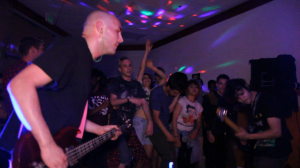
"caption": "An empty strip mall storefront is one of the only places for young bands to play in Stockton, Calif.",
"description": "n empty strip mall storefront is one of the only places for young bands to play in Stockton, Calif.",
"title": "An empty strip mall storefront is one of the only places for young bands to play in Stockton, Calif.",
"credit": "Jenny Bolario/Youth Radio",
"status": "inherit",
"isLoading": false,
"fetchFailed": false
},
"bayareabites_85952": {
"type": "attachments",
"id": "bayareabites_85952",
"meta": {
"index": "attachments_1716263798",
"site": "bayareabites",
"id": "85952",
"found": true
},
"parent": 85921,
"imgSizes": {
"kqedFullSize": {
"file": "https://ww2.kqed.org/app/uploads/sites/24/2014/08/este-haim-hair640x360.jpg",
"width": 640,
"height": 360
}
},
"publishDate": 1407799821,
"modified": 1407799821,
"caption": null,
"description": null,
"title": "este-haim-hair640x360",
"credit": null,
"status": "inherit",
"isLoading": false,
"fetchFailed": false
},
"pop_13088": {
"type": "attachments",
"id": "pop_13088",
"meta": {
"index": "attachments_1716263798",
"site": "pop",
"id": "13088",
"found": true
},
"parent": 13085,
"imgSizes": {
"thumbnail": {
"file": "https://ww2.kqed.org/app/uploads/sites/12/2014/08/outside-lands-2014-400x225.jpg",
"width": 400,
"mimeType": "image/jpeg",
"height": 225
},
"kqedFullSize": {
"file": "https://ww2.kqed.org/app/uploads/sites/12/2014/08/outside-lands-2014.jpg",
"width": 640,
"height": 360
},
"guest-author-96": {
"file": "https://ww2.kqed.org/app/uploads/sites/12/2014/08/outside-lands-2014-96x96.jpg",
"width": 96,
"mimeType": "image/jpeg",
"height": 96
},
"guest-author-64": {
"file": "https://ww2.kqed.org/app/uploads/sites/12/2014/08/outside-lands-2014-64x64.jpg",
"width": 64,
"mimeType": "image/jpeg",
"height": 64
},
"detail": {
"file": "https://ww2.kqed.org/app/uploads/sites/12/2014/08/outside-lands-2014-75x75.jpg",
"width": 75,
"mimeType": "image/jpeg",
"height": 75
},
"guest-author-32": {
"file": "https://ww2.kqed.org/app/uploads/sites/12/2014/08/outside-lands-2014-32x32.jpg",
"width": 32,
"mimeType": "image/jpeg",
"height": 32
},
"guest-author-128": {
"file": "https://ww2.kqed.org/app/uploads/sites/12/2014/08/outside-lands-2014-128x128.jpg",
"width": 128,
"mimeType": "image/jpeg",
"height": 128
}
},
"publishDate": 1407788597,
"modified": 1407788597,
"caption": "Photo: \u003ca />Wendy Goodfriend\u003c/a>",
"description": null,
"title": "outside-lands-2014",
"credit": null,
"status": "inherit",
"isLoading": false,
"fetchFailed": false
},
"arts_10140398": {
"type": "attachments",
"id": "arts_10140398",
"meta": {
"index": "attachments_1716263798",
"site": "arts",
"id": "10140398",
"found": true
},
"parent": 10140397,
"imgSizes": {
"kqedFullSize": {
"file": "https://ww2.kqed.org/app/uploads/sites/2/2014/08/10140397-thumb.jpg",
"width": 300,
"height": 300
},
"guest-author-96": {
"file": "https://ww2.kqed.org/app/uploads/sites/2/2014/08/10140397-thumb-96x96.jpg",
"width": 96,
"mimeType": "image/jpeg",
"height": 96
},
"medium": {
"file": "https://ww2.kqed.org/app/uploads/sites/2/2014/08/10140397-thumb-300x300.jpg",
"width": 300,
"mimeType": "image/jpeg",
"height": 300
},
"guest-author-64": {
"file": "https://ww2.kqed.org/app/uploads/sites/2/2014/08/10140397-thumb-64x64.jpg",
"width": 64,
"mimeType": "image/jpeg",
"height": 64
},
"detail": {
"file": "https://ww2.kqed.org/app/uploads/sites/2/2014/08/10140397-thumb-75x75.jpg",
"width": 75,
"mimeType": "image/jpeg",
"height": 75
},
"guest-author-32": {
"file": "https://ww2.kqed.org/app/uploads/sites/2/2014/08/10140397-thumb-32x32.jpg",
"width": 32,
"mimeType": "image/jpeg",
"height": 32
},
"guest-author-128": {
"file": "https://ww2.kqed.org/app/uploads/sites/2/2014/08/10140397-thumb-128x128.jpg",
"width": 128,
"mimeType": "image/jpeg",
"height": 128
}
},
"publishDate": 1407783993,
"modified": 1407783993,
"caption": null,
"description": null,
"title": "Thumbnail for 10140397",
"credit": null,
"status": "inherit",
"isLoading": false,
"fetchFailed": false
},
"arts_10140350": {
"type": "attachments",
"id": "arts_10140350",
"meta": {
"index": "attachments_1716263798",
"site": "arts",
"id": "10140350",
"found": true
},
"parent": 10140338,
"imgSizes": {
"thumbnail": {
"file": "https://ww2.kqed.org/app/uploads/sites/2/2014/08/Lips-8-400x225.jpg",
"width": 400,
"mimeType": "image/jpeg",
"height": 225
},
"post-thumbnail": {
"file": "https://ww2.kqed.org/app/uploads/sites/2/2014/08/Lips-8-672x372.jpg",
"width": 672,
"mimeType": "image/jpeg",
"height": 372
},
"kqedFullSize": {
"file": "https://ww2.kqed.org/app/uploads/sites/2/2014/08/Lips-8.jpg",
"width": 800,
"height": 450
},
"guest-author-96": {
"file": "https://ww2.kqed.org/app/uploads/sites/2/2014/08/Lips-8-96x96.jpg",
"width": 96,
"mimeType": "image/jpeg",
"height": 96
},
"medium": {
"file": "https://ww2.kqed.org/app/uploads/sites/2/2014/08/Lips-8-300x168.jpg",
"width": 300,
"mimeType": "image/jpeg",
"height": 168
},
"guest-author-64": {
"file": "https://ww2.kqed.org/app/uploads/sites/2/2014/08/Lips-8-64x64.jpg",
"width": 64,
"mimeType": "image/jpeg",
"height": 64
},
"detail": {
"file": "https://ww2.kqed.org/app/uploads/sites/2/2014/08/Lips-8-75x75.jpg",
"width": 75,
"mimeType": "image/jpeg",
"height": 75
},
"guest-author-32": {
"file": "https://ww2.kqed.org/app/uploads/sites/2/2014/08/Lips-8-32x32.jpg",
"width": 32,
"mimeType": "image/jpeg",
"height": 32
},
"guest-author-128": {
"file": "https://ww2.kqed.org/app/uploads/sites/2/2014/08/Lips-8-128x128.jpg",
"width": 128,
"mimeType": "image/jpeg",
"height": 128
}
},
"publishDate": 1407745860,
"modified": 1407745860,
"caption": "Just one surreal moment from the Flaming Lips' set at \u003ci>Outside Lands Music Festival\u003c/i> ",
"description": "Just one surreal moment from the Flaming Lips' set at \u003ci>Outside Lands Music Festival\u003c/i> ",
"title": "Lips 8",
"credit": "Kevin L. Jones",
"status": "inherit",
"isLoading": false,
"fetchFailed": false
},
"arts_10140254": {
"type": "attachments",
"id": "arts_10140254",
"meta": {
"index": "attachments_1716263798",
"site": "arts",
"id": "10140254",
"found": true
},
"parent": 10140252,
"imgSizes": {
"thumbnail": {
"file": "https://ww2.kqed.org/app/uploads/sites/2/2014/08/Big-Freedia-3-400x225.jpg",
"width": 400,
"mimeType": "image/jpeg",
"height": 225
},
"post-thumbnail": {
"file": "https://ww2.kqed.org/app/uploads/sites/2/2014/08/Big-Freedia-3-672x372.jpg",
"width": 672,
"mimeType": "image/jpeg",
"height": 372
},
"kqedFullSize": {
"file": "https://ww2.kqed.org/app/uploads/sites/2/2014/08/Big-Freedia-3.jpg",
"width": 800,
"height": 450
},
"guest-author-96": {
"file": "https://ww2.kqed.org/app/uploads/sites/2/2014/08/Big-Freedia-3-96x96.jpg",
"width": 96,
"mimeType": "image/jpeg",
"height": 96
},
"medium": {
"file": "https://ww2.kqed.org/app/uploads/sites/2/2014/08/Big-Freedia-3-300x168.jpg",
"width": 300,
"mimeType": "image/jpeg",
"height": 168
},
"guest-author-64": {
"file": "https://ww2.kqed.org/app/uploads/sites/2/2014/08/Big-Freedia-3-64x64.jpg",
"width": 64,
"mimeType": "image/jpeg",
"height": 64
},
"detail": {
"file": "https://ww2.kqed.org/app/uploads/sites/2/2014/08/Big-Freedia-3-75x75.jpg",
"width": 75,
"mimeType": "image/jpeg",
"height": 75
},
"guest-author-32": {
"file": "https://ww2.kqed.org/app/uploads/sites/2/2014/08/Big-Freedia-3-32x32.jpg",
"width": 32,
"mimeType": "image/jpeg",
"height": 32
},
"guest-author-128": {
"file": "https://ww2.kqed.org/app/uploads/sites/2/2014/08/Big-Freedia-3-128x128.jpg",
"width": 128,
"mimeType": "image/jpeg",
"height": 128
}
},
"publishDate": 1407664740,
"modified": 1407664740,
"caption": "Big Freedia ripping it up on Day 2 of Outside Lands",
"description": "Big Freedia ripping it up on Day 2 of Outside Lands",
"title": "Big Freedia 3",
"credit": "Kevin L. Jones",
"status": "inherit",
"isLoading": false,
"fetchFailed": false
},
"arts_10140228": {
"type": "attachments",
"id": "arts_10140228",
"meta": {
"index": "attachments_1716263798",
"site": "arts",
"id": "10140228",
"found": true
},
"parent": 10140206,
"imgSizes": {
"twentyfourteen-full-width": {
"file": "https://ww2.kqed.org/app/uploads/sites/2/2014/08/Tegan-Sara1-1038x576.jpg",
"width": 1038,
"mimeType": "image/jpeg",
"height": 576
},
"thumbnail": {
"file": "https://ww2.kqed.org/app/uploads/sites/2/2014/08/Tegan-Sara1-400x225.jpg",
"width": 400,
"mimeType": "image/jpeg",
"height": 225
},
"post-thumbnail": {
"file": "https://ww2.kqed.org/app/uploads/sites/2/2014/08/Tegan-Sara1-672x372.jpg",
"width": 672,
"mimeType": "image/jpeg",
"height": 372
},
"kqedFullSize": {
"file": "https://ww2.kqed.org/app/uploads/sites/2/2014/08/Tegan-Sara1.jpg",
"width": 1440,
"height": 810
},
"guest-author-96": {
"file": "https://ww2.kqed.org/app/uploads/sites/2/2014/08/Tegan-Sara1-96x96.jpg",
"width": 96,
"mimeType": "image/jpeg",
"height": 96
},
"medium": {
"file": "https://ww2.kqed.org/app/uploads/sites/2/2014/08/Tegan-Sara1-300x168.jpg",
"width": 300,
"mimeType": "image/jpeg",
"height": 168
},
"guest-author-64": {
"file": "https://ww2.kqed.org/app/uploads/sites/2/2014/08/Tegan-Sara1-64x64.jpg",
"width": 64,
"mimeType": "image/jpeg",
"height": 64
},
"detail": {
"file": "https://ww2.kqed.org/app/uploads/sites/2/2014/08/Tegan-Sara1-75x75.jpg",
"width": 75,
"mimeType": "image/jpeg",
"height": 75
},
"guest-author-32": {
"file": "https://ww2.kqed.org/app/uploads/sites/2/2014/08/Tegan-Sara1-32x32.jpg",
"width": 32,
"mimeType": "image/jpeg",
"height": 32
},
"guest-author-128": {
"file": "https://ww2.kqed.org/app/uploads/sites/2/2014/08/Tegan-Sara1-128x128.jpg",
"width": 128,
"mimeType": "image/jpeg",
"height": 128
}
},
"publishDate": 1407570875,
"modified": 1407570875,
"caption": "Tegan & Sara on the big screen during the first day of Outside Lands 2014",
"description": "Tegan & Sara on the big screen during the first day of Outside Lands 2014",
"title": "Tegan & Sara1",
"credit": "Kevin L. Jones",
"status": "inherit",
"isLoading": false,
"fetchFailed": false
}
},
"audioPlayerReducer": {
"postId": "stream_live",
"isPaused": true,
"isPlaying": false,
"pfsActive": false,
"pledgeModalIsOpen": true,
"playerDrawerIsOpen": false,
"liveAudioPlayStartedAt": 0,
"liveAudioPlayContext": ""
},
"authorsReducer": {
"byline_arts_10140574": {
"type": "authors",
"id": "byline_arts_10140574",
"meta": {
"override": true
},
"slug": "byline_arts_10140574",
"name": "Rafael Johns",
"isLoading": false
},
"ehapsis": {
"type": "authors",
"id": "27",
"meta": {
"index": "authors_1716337520",
"id": "27",
"found": true
},
"name": "Emmanuel Hapsis",
"firstName": "Emmanuel",
"lastName": "Hapsis",
"slug": "ehapsis",
"email": "ehapsis@kqed.org",
"display_author_email": false,
"staff_mastheads": [],
"title": "KQED Contributor",
"bio": "Emmanuel Hapsis is the creator and editor of KQED Pop and also the host of \u003cem>\u003ca href=\"https://itunes.apple.com/us/podcast/the-cooler/id1041117499?mt=2\">The Cooler\u003c/a>\u003c/em>. He studied creative writing at University of Maryland and went on to receive his MFA in the field from California College of the Arts. In his free time, he sings his heart out at karaoke.",
"avatar": "https://secure.gravatar.com/avatar/6302b6f7ef8b2dcd3acd9e2c6bc570b7?s=600&d=blank&r=g",
"twitter": "xcusemybeauty",
"facebook": null,
"instagram": null,
"linkedin": null,
"sites": [
{
"site": "arts",
"roles": [
"Contributor",
"subscriber"
]
},
{
"site": "pop",
"roles": [
"contributor"
]
}
],
"headData": {
"title": "Emmanuel Hapsis | KQED",
"description": "KQED Contributor",
"ogImgSrc": "https://secure.gravatar.com/avatar/6302b6f7ef8b2dcd3acd9e2c6bc570b7?s=600&d=blank&r=g",
"twImgSrc": "https://secure.gravatar.com/avatar/6302b6f7ef8b2dcd3acd9e2c6bc570b7?s=600&d=blank&r=g"
},
"isLoading": false,
"link": "/author/ehapsis"
},
"kqedarts": {
"type": "authors",
"id": "92",
"meta": {
"index": "authors_1716337520",
"id": "92",
"found": true
},
"name": "KQED Arts",
"firstName": "KQED",
"lastName": "Arts",
"slug": "kqedarts",
"email": "arts@kqed.org",
"display_author_email": false,
"staff_mastheads": [],
"title": "KQED Staff",
"bio": null,
"avatar": "https://secure.gravatar.com/avatar/321c9ebfeb7736f9e55366a6d3399ab0?s=600&d=blank&r=g",
"twitter": null,
"facebook": null,
"instagram": "https://www.instagram.com/kqed_arts/",
"linkedin": null,
"sites": [
{
"site": "arts",
"roles": [
"contributor"
]
},
{
"site": "pop",
"roles": [
"contributor"
]
},
{
"site": "science",
"roles": [
"author"
]
},
{
"site": "food",
"roles": [
"contributor"
]
}
],
"headData": {
"title": "KQED Arts | KQED",
"description": "KQED Staff",
"ogImgSrc": "https://secure.gravatar.com/avatar/321c9ebfeb7736f9e55366a6d3399ab0?s=600&d=blank&r=g",
"twImgSrc": "https://secure.gravatar.com/avatar/321c9ebfeb7736f9e55366a6d3399ab0?s=600&d=blank&r=g"
},
"isLoading": false,
"link": "/author/kqedarts"
},
"kjones": {
"type": "authors",
"id": "93",
"meta": {
"index": "authors_1716337520",
"id": "93",
"found": true
},
"name": "Kevin L. Jones",
"firstName": "Kevin",
"lastName": "Jones",
"slug": "kjones",
"email": "kjones@kqed.org",
"display_author_email": false,
"staff_mastheads": [],
"title": null,
"bio": null,
"avatar": "https://secure.gravatar.com/avatar/12c65b5633ed39d0a59bb7f497eff645?s=600&d=blank&r=g",
"twitter": null,
"facebook": null,
"instagram": null,
"linkedin": null,
"sites": [
{
"site": "arts",
"roles": [
"subscriber"
]
},
{
"site": "styleguide",
"roles": [
"contributor"
]
},
{
"site": "artschool",
"roles": [
"subscriber"
]
},
{
"site": "news",
"roles": [
"subscriber"
]
},
{
"site": "pop",
"roles": [
"subscriber"
]
}
],
"headData": {
"title": "Kevin L. Jones | KQED",
"description": null,
"ogImgSrc": "https://secure.gravatar.com/avatar/12c65b5633ed39d0a59bb7f497eff645?s=600&d=blank&r=g",
"twImgSrc": "https://secure.gravatar.com/avatar/12c65b5633ed39d0a59bb7f497eff645?s=600&d=blank&r=g"
},
"isLoading": false,
"link": "/author/kjones"
},
"baybridged": {
"type": "authors",
"id": "178",
"meta": {
"index": "authors_1716337520",
"id": "178",
"found": true
},
"name": "The Bay Bridged",
"firstName": "The Bay",
"lastName": "Bridged",
"slug": "baybridged",
"email": "thebaybridged@gmail.com",
"display_author_email": false,
"staff_mastheads": [],
"title": "KQED Contributor",
"bio": null,
"avatar": "https://secure.gravatar.com/avatar/211daad5386ad504c39c31f3e16cfae45ec7b0ad32ecca7ee64cfd9b7eb76609?s=600&d=blank&r=g",
"twitter": null,
"bluesky": null,
"facebook": null,
"instagram": null,
"linkedin": null,
"sites": [
{
"site": "arts",
"roles": [
"subscriber"
]
}
],
"headData": {
"title": "The Bay Bridged | KQED",
"description": "KQED Contributor",
"ogImgSrc": "https://secure.gravatar.com/avatar/211daad5386ad504c39c31f3e16cfae45ec7b0ad32ecca7ee64cfd9b7eb76609?s=600&d=blank&r=g",
"twImgSrc": "https://secure.gravatar.com/avatar/211daad5386ad504c39c31f3e16cfae45ec7b0ad32ecca7ee64cfd9b7eb76609?s=600&d=blank&r=g"
},
"isLoading": false,
"link": "/author/baybridged"
},
"wendy-goodfriend": {
"type": "authors",
"id": "5014",
"meta": {
"index": "authors_1716337520",
"id": "5014",
"found": true
},
"name": "Wendy Goodfriend",
"firstName": "Wendy",
"lastName": "Goodfriend",
"slug": "wendy-goodfriend",
"email": "wendy@wendygoodfriend.com",
"display_author_email": false,
"staff_mastheads": [],
"title": "KQED Contributor",
"bio": "I was the Senior Digital Producer for KQED Food up until July, 2018. Since 2001, I designed, produced, managed and contributed to mostly food-related websites and blogs for KQED including: KQED.org; KQED Food; Bay Area Bites; Check, Please! Bay Area; Taste This; Celebrity Chefs; seven of Jacques Pepin's TV series websites; and Joanne Weir's Cooking in the City. I initiated the majority of KQED Food's social media feeds and maintained them up until 2017. As far as content creation, photography is my passion and I also shoot video and write stories. My photos have been used in articles for KQED Food, News, Arts, and Science as well as for promotional purposes in print and online. Professional education and training includes: clinical psychology, photography, commercial cooking, web design, information architecture and UX.",
"avatar": "https://secure.gravatar.com/avatar/dfba64372339cc34cf17e446e6f18fa8?s=600&d=blank&r=g",
"twitter": null,
"facebook": "bayareabites",
"instagram": null,
"linkedin": "wendygoodfriend",
"sites": [
{
"site": "jpepinheart",
"roles": []
},
{
"site": "about",
"roles": [
"editor"
]
},
{
"site": "bayareabites",
"roles": [
"subscriber"
]
},
{
"site": "science",
"roles": [
"administrator"
]
},
{
"site": "checkplease",
"roles": [
"subscriber"
]
},
{
"site": "food",
"roles": [
"author"
]
},
{
"site": "essentialpepin",
"roles": [
"administrator"
]
}
],
"headData": {
"title": "Wendy Goodfriend | KQED",
"description": "KQED Contributor",
"ogImgSrc": "https://secure.gravatar.com/avatar/dfba64372339cc34cf17e446e6f18fa8?s=600&d=blank&r=g",
"twImgSrc": "https://secure.gravatar.com/avatar/dfba64372339cc34cf17e446e6f18fa8?s=600&d=blank&r=g"
},
"isLoading": false,
"link": "/author/wendy-goodfriend"
}
},
"pagesReducer": {
"arts_category_music": {
"type": "terms",
"id": "arts_69",
"meta": {
"index": "terms_1716263798",
"site": "arts",
"id": "69",
"score": 10.850889
},
"featImg": null,
"name": "Music",
"description": null,
"taxonomy": "category",
"headData": {
"twImgId": null,
"twTitle": null,
"ogTitle": null,
"ogImgId": null,
"twDescription": null,
"description": null,
"title": "Music Archives | KQED Arts",
"ogDescription": null
},
"ttid": 70,
"slug": "music",
"isLoading": false,
"title": "Music",
"pageMeta": {
"site": "arts",
"WpPageTemplate": "page-topic-editorial",
"currentPage": 357
},
"blocks": [
{
"blockName": "kqed/post-list",
"attrs": {
"layout": "cardArticle2",
"query": "posts/arts?category=music",
"seeMore": false,
"paginated": true,
"page": 357
}
},
{
"blockName": "kqed/ad"
}
]
}
},
"pfsSessionReducer": {},
"postsReducer": {
"stream_live": {
"type": "live",
"id": "stream_live",
"audioUrl": "https://streams.kqed.org/kqedradio",
"title": "Live Stream",
"excerpt": "Live Stream information currently unavailable.",
"link": "/radio",
"featImg": "",
"label": {
"name": "KQED Live",
"link": "/"
}
},
"stream_kqedNewscast": {
"type": "posts",
"id": "stream_kqedNewscast",
"audioUrl": "https://www.kqed.org/.stream/anon/radio/RDnews/newscast.mp3?_=1",
"title": "KQED Newscast",
"featImg": "",
"label": {
"name": "88.5 FM",
"link": "/"
}
},
"arts_10140518": {
"type": "posts",
"id": "arts_10140518",
"meta": {
"index": "posts_1716263798",
"site": "arts",
"id": "10140518",
"score": null,
"sort": [
1408453242000
]
},
"parent": 0,
"labelTerm": {
"site": "arts",
"term": 147
},
"blocks": [],
"publishDate": 1408453242,
"format": "standard",
"title": "Mixtape: New Bay Area Bands with Great Musical Resumes",
"headTitle": "Mixtape: New Bay Area Bands with Great Musical Resumes | KQED",
"content": "\u003caside class=\"aligncenter\">\n\u003ch4>Listen to \u003ci>The Bay Bridged\u003c/i> mix of bands with great musical resumes, including VANIISH, Miserable, Joel Gion, Joshua Cook & the Key of Now, Flesh World, Foli and more.\u003c/h4>\n\u003cp>http://media.libsyn.com/media/thebaybridged/Musical_Resumes_Mix.mp3\u003cbr>\n\u003c/p>\u003c/aside>\n\u003cp>In a scene as active as the San Francisco Bay Area, it’s not uncommon to learn that the members of your favorite band are also involved in other musical projects. It’s also not surprising to see bands break up, burn out or go through significant lineup changes, enabling former players to explore new terrain on their own. All of this means that a number of newer bands with unfamiliar names might have some familiar faces — or, perhaps more appropriately, voices — involved. It also means that if you’re a fan of a San Francisco band, chances are you’d also be interested in some of the other projects of its current and former members.\u003c/p>\n\u003cp>This mixtape collects songs from emerging Bay Area bands whose members have been in other notable local projects. As you’ll hear, a number of these groups occupy the same universes as their members’ other works, but they’re all unique and interesting irrespective of their biographies. They’re also ten bands you’ll definitely want to check out.\u003c/p>\n\u003cp>\u003cspan style=\"text-decoration: underline\">\u003cstrong>About the bands:\u003c/strong>\u003c/span>\u003c/p>\n\u003cp>\u003ca href=\"http://ww2.kqed.org/arts/wp-content/uploads/sites/2/2014/08/Vaniish.png\">\u003cimg loading=\"lazy\" decoding=\"async\" src=\"http://ww2.kqed.org/arts/wp-content/uploads/sites/2/2014/08/Vaniish-400x267.png\" alt=\"Vaniish\" width=\"400\" height=\"267\" class=\"alignleft size-thumbnail wp-image-10140685\" srcset=\"https://cdn.kqed.org/wp-content/uploads/sites/2/2014/08/Vaniish-400x267.png 400w, https://cdn.kqed.org/wp-content/uploads/sites/2/2014/08/Vaniish-300x200.png 300w, https://cdn.kqed.org/wp-content/uploads/sites/2/2014/08/Vaniish.png 800w\" sizes=\"(max-width: 400px) 100vw, 400px\">\u003c/a>\u003c/p>\n\u003ch5>\u003ca href=\"https://www.facebook.com/vaniishband\" target=\"_blank\" rel=\"noopener\">VANIISH\u003c/a> – “Memory Work”\u003cbr>From: San Francisco\u003cbr>\u003c/h5>\n\u003cp>Keven Tecon (currently also of Wax Idols, formerly of The Soft Moon) began his new project VANIISH last year. Forming a quartet that also includes Wax Idols’ Amy Rosenoff on bass, the band’s just released \u003cem>Memory Work\u003c/em>. The album, rich with atmospherics, was produced by SF’s Monte Vallier, who has also recorded great albums for Weekend, Wax Idols and others.\u003c/p>\n\u003cp>[ad fullwidth]\u003c/p>\n\u003cp>\u003ca href=\"http://ww2.kqed.org/arts/wp-content/uploads/sites/2/2014/08/New-Faultlines.jpg\">\u003cimg loading=\"lazy\" decoding=\"async\" src=\"http://ww2.kqed.org/arts/wp-content/uploads/sites/2/2014/08/New-Faultlines-400x265.jpg\" alt=\"New-Faultlines\" width=\"400\" height=\"265\" class=\"alignleft size-thumbnail wp-image-10140692\" srcset=\"https://cdn.kqed.org/wp-content/uploads/sites/2/2014/08/New-Faultlines-400x265.jpg 400w, https://cdn.kqed.org/wp-content/uploads/sites/2/2014/08/New-Faultlines-300x198.jpg 300w, https://cdn.kqed.org/wp-content/uploads/sites/2/2014/08/New-Faultlines.jpg 590w\" sizes=\"(max-width: 400px) 100vw, 400px\">\u003c/a>\u003c/p>\n\u003ch5>\u003ca href=\"https://www.facebook.com/newfaultlines\" target=\"_blank\" rel=\"noopener\">New Faultlines\u003c/a> – “Lifeguard”\u003cbr>From: Oakland\u003cbr>\u003c/h5>\n\u003cp>Led by brothers Zach and Luke Robbins, the members of New Faultlines have performed with Nobunny, The Mallard, Useless Eaters, and more over the years. In addition to two cassette tapes, the garage pop group’s recent 7″ is the last record from the reliable Dulc-i-tone label, which describes it as “a perfect final offering from Dulc-i-Tone’s fine family of beautifully handmade and fucked-up musical treasures.”\u003c/p>\n\u003cp>\u003ca href=\"http://ww2.kqed.org/arts/wp-content/uploads/sites/2/2014/08/Pat-Thomas3.jpg\">\u003cimg loading=\"lazy\" decoding=\"async\" src=\"http://ww2.kqed.org/arts/wp-content/uploads/sites/2/2014/08/Pat-Thomas3-400x269.jpg\" alt=\"Pat-Thomas3\" width=\"400\" height=\"269\" class=\"alignleft size-thumbnail wp-image-10140695\" srcset=\"https://cdn.kqed.org/wp-content/uploads/sites/2/2014/08/Pat-Thomas3-400x269.jpg 400w, https://cdn.kqed.org/wp-content/uploads/sites/2/2014/08/Pat-Thomas3-300x202.jpg 300w, https://cdn.kqed.org/wp-content/uploads/sites/2/2014/08/Pat-Thomas3.jpg 590w\" sizes=\"(max-width: 400px) 100vw, 400px\">\u003c/a>\u003c/p>\n\u003ch5>\u003ca href=\"https://www.facebook.com/coolghouls\" target=\"_blank\" rel=\"noopener\">Pat Thomas\u003c/a> – “Not Right Now”\u003cbr>From: San Francisco\u003cbr>\u003c/h5>\n\u003cp>As the bassist of the beloved Cool Ghouls, Pat Thomas has written one third of the band’s songs, but he wrote and performed all of his solo album, \u003cem>Coasters Riding in the Air\u003c/em>. Out now on Empty Cellar Records, the LP offers more of the consistently great rock and roll the Ghouls are known for.\u003c/p>\n\u003cp>\u003ca href=\"http://ww2.kqed.org/arts/wp-content/uploads/sites/2/2014/08/MINOT.jpg\">\u003cimg loading=\"lazy\" decoding=\"async\" src=\"http://ww2.kqed.org/arts/wp-content/uploads/sites/2/2014/08/MINOT-400x266.jpg\" alt=\"MINOT\" width=\"400\" height=\"266\" class=\"alignleft size-thumbnail wp-image-10140698\" srcset=\"https://cdn.kqed.org/wp-content/uploads/sites/2/2014/08/MINOT-400x266.jpg 400w, https://cdn.kqed.org/wp-content/uploads/sites/2/2014/08/MINOT-300x200.jpg 300w, https://cdn.kqed.org/wp-content/uploads/sites/2/2014/08/MINOT.jpg 900w\" sizes=\"(max-width: 400px) 100vw, 400px\">\u003c/a>\u003c/p>\n\u003ch5>\u003ca href=\"https://www.facebook.com/Minotband\" target=\"_blank\" rel=\"noopener\">MINOT\u003c/a> – “Tharsis”\u003cbr>From: Oakland\u003cbr>\u003c/h5>\n\u003cp>Out last month, \u003cem>Equal/Opposite\u003c/em> is the first LP from MINOT, a rock trio whose tight, intricate playing confirms its members’ lengthy musical experience. Matthew Solberg previously played guitar in the stellar instrumental band From Monument To Masses and was a member of Turks with MINOT drummer Shannon Corr. Bass player Ben Thorne also performs complex rock songs in the terrific Tartufi.\u003c/p>\n\u003cp>\u003ca href=\"http://ww2.kqed.org/arts/wp-content/uploads/sites/2/2014/08/joel-gion-apple-bonkers.jpg\">\u003cimg loading=\"lazy\" decoding=\"async\" src=\"http://ww2.kqed.org/arts/wp-content/uploads/sites/2/2014/08/joel-gion-apple-bonkers-400x400.jpg\" alt=\"joel-gion-apple-bonkers\" width=\"400\" height=\"400\" class=\"alignleft size-thumbnail wp-image-10140699\" srcset=\"https://cdn.kqed.org/wp-content/uploads/sites/2/2014/08/joel-gion-apple-bonkers-400x400.jpg 400w, https://cdn.kqed.org/wp-content/uploads/sites/2/2014/08/joel-gion-apple-bonkers-300x300.jpg 300w, https://cdn.kqed.org/wp-content/uploads/sites/2/2014/08/joel-gion-apple-bonkers-32x32.jpg 32w, https://cdn.kqed.org/wp-content/uploads/sites/2/2014/08/joel-gion-apple-bonkers-64x64.jpg 64w, https://cdn.kqed.org/wp-content/uploads/sites/2/2014/08/joel-gion-apple-bonkers-96x96.jpg 96w, https://cdn.kqed.org/wp-content/uploads/sites/2/2014/08/joel-gion-apple-bonkers-128x128.jpg 128w, https://cdn.kqed.org/wp-content/uploads/sites/2/2014/08/joel-gion-apple-bonkers-75x75.jpg 75w, https://cdn.kqed.org/wp-content/uploads/sites/2/2014/08/joel-gion-apple-bonkers.jpg 1030w\" sizes=\"(max-width: 400px) 100vw, 400px\">\u003c/a>\u003c/p>\n\u003ch5>\u003ca href=\"https://www.facebook.com/joelgionapplebonkers\" target=\"_blank\" rel=\"noopener\">Joel Gion\u003c/a> – “Yes”\u003cbr>From: San Francisco\u003cbr>\u003c/h5>\n\u003cp>Current and former members of Brian Jonestown Massacre appear on Joel Gion’s solo debut, which is hardly a surprise given Gion’s longstanding role as BJM’s tambourine player. \u003cem>Apple Bonkers\u003c/em> — a reference to the tech boom, according to the label — offers the musician an opportunity to showcase his personal take on psychedelic rock-pop.\u003c/p>\n\u003cp>\u003ca href=\"http://ww2.kqed.org/arts/wp-content/uploads/sites/2/2014/08/Foli1.jpg\">\u003cimg loading=\"lazy\" decoding=\"async\" src=\"http://ww2.kqed.org/arts/wp-content/uploads/sites/2/2014/08/Foli1-400x266.jpg\" alt=\"Foli1\" width=\"400\" height=\"266\" class=\"alignleft size-thumbnail wp-image-10140701\" srcset=\"https://cdn.kqed.org/wp-content/uploads/sites/2/2014/08/Foli1-400x266.jpg 400w, https://cdn.kqed.org/wp-content/uploads/sites/2/2014/08/Foli1-300x199.jpg 300w, https://cdn.kqed.org/wp-content/uploads/sites/2/2014/08/Foli1.jpg 590w\" sizes=\"(max-width: 400px) 100vw, 400px\">\u003c/a>\u003c/p>\n\u003ch5>\u003ca href=\"https://www.facebook.com/folisound\" target=\"_blank\" rel=\"noopener\">Foli\u003c/a> – “Figure Eight”\u003cbr>From: San Francisco\u003cbr>\u003c/h5>\n\u003cp>Ben McClintock and Tom Smith, both members of the stellar indie pop band Social Studies, are joined by Cam Bateman in Foli. The psych-touched rock band isn’t maybe as new as some of the others in this mix, having released \u003cem>A La Maquina\u003c/em> early last year, but the group is definitely one to keep an eye on, especially with a new LP coming soon.\u003c/p>\n\u003cp>\u003ca href=\"http://ww2.kqed.org/arts/wp-content/uploads/sites/2/2014/08/Sandys.jpg\">\u003cimg loading=\"lazy\" decoding=\"async\" src=\"http://ww2.kqed.org/arts/wp-content/uploads/sites/2/2014/08/Sandys-400x400.jpg\" alt=\"Sandys\" width=\"400\" height=\"400\" class=\"alignleft size-thumbnail wp-image-10140702\" srcset=\"https://cdn.kqed.org/wp-content/uploads/sites/2/2014/08/Sandys-400x400.jpg 400w, https://cdn.kqed.org/wp-content/uploads/sites/2/2014/08/Sandys-300x300.jpg 300w, https://cdn.kqed.org/wp-content/uploads/sites/2/2014/08/Sandys-32x32.jpg 32w, https://cdn.kqed.org/wp-content/uploads/sites/2/2014/08/Sandys-64x64.jpg 64w, https://cdn.kqed.org/wp-content/uploads/sites/2/2014/08/Sandys-96x96.jpg 96w, https://cdn.kqed.org/wp-content/uploads/sites/2/2014/08/Sandys-128x128.jpg 128w, https://cdn.kqed.org/wp-content/uploads/sites/2/2014/08/Sandys-75x75.jpg 75w, https://cdn.kqed.org/wp-content/uploads/sites/2/2014/08/Sandys.jpg 960w\" sizes=\"(max-width: 400px) 100vw, 400px\">\u003c/a>\u003c/p>\n\u003ch5>\u003ca href=\"https://www.facebook.com/sandyscastle\" target=\"_blank\" rel=\"noopener\">Sandy’s\u003c/a> – “Yuba Diamond”\u003cbr>From: San Francisco\u003cbr>\u003c/h5>\n\u003cp>Sandy’s is a new project from Alexi Glickman, whose band The Botticellis released \u003cem>Old Home Movies\u003c/em>, one of our favorite 2008 albums. After that group broke up, Glickman recorded and toured with Little Wings before developing Sandy’s as a solo project. \u003cem>Fourth Dementia\u003c/em> features a revolving cast of performers joining him, including members of Sonny & The Sunsets, The Botticellis, and Yesway.\u003c/p>\n\u003cp>\u003ca href=\"http://ww2.kqed.org/arts/wp-content/uploads/sites/2/2014/08/image0024.jpg\">\u003cimg loading=\"lazy\" decoding=\"async\" src=\"http://ww2.kqed.org/arts/wp-content/uploads/sites/2/2014/08/image0024-400x263.jpg\" alt=\"image0024\" width=\"400\" height=\"263\" class=\"alignleft size-thumbnail wp-image-10140703\" srcset=\"https://cdn.kqed.org/wp-content/uploads/sites/2/2014/08/image0024-400x263.jpg 400w, https://cdn.kqed.org/wp-content/uploads/sites/2/2014/08/image0024-300x197.jpg 300w, https://cdn.kqed.org/wp-content/uploads/sites/2/2014/08/image0024.jpg 769w\" sizes=\"(max-width: 400px) 100vw, 400px\">\u003c/a>\u003c/p>\n\u003ch5>\u003ca href=\"https://www.facebook.com/miserablegrl\" target=\"_blank\" rel=\"noopener\">Miserable\u003c/a> – “Bell Jar”\u003cbr>From: San Francisco\u003cbr>\u003c/h5>\n\u003cp>Previously a singer in local heavy shoegaze band Whirr, Kristina Esfandiari recently launched two compelling projects, Miserable and \u003ca href=\"https://www.facebook.com/pages/King-Woman/116386155058898\" target=\"_blank\" rel=\"noopener\">King Woman\u003c/a>. The \u003cem>Halloween Dream\u003c/em> EP, which came out in February on \u003ca href=\"http://thenativesound.limitedrun.com/products/523173-miserable-halloween-dream\" target=\"_blank\" rel=\"noopener\">The Native Sound\u003c/a>, is alternately dreamy and intense.\u003c/p>\n\u003cp>\u003ca href=\"http://ww2.kqed.org/arts/wp-content/uploads/sites/2/2014/08/Flesh-World.jpg\">\u003cimg loading=\"lazy\" decoding=\"async\" src=\"http://ww2.kqed.org/arts/wp-content/uploads/sites/2/2014/08/Flesh-World-400x400.jpg\" alt=\"Flesh-World\" width=\"400\" height=\"400\" class=\"alignleft size-thumbnail wp-image-10140704\" srcset=\"https://cdn.kqed.org/wp-content/uploads/sites/2/2014/08/Flesh-World-400x400.jpg 400w, https://cdn.kqed.org/wp-content/uploads/sites/2/2014/08/Flesh-World-300x300.jpg 300w, https://cdn.kqed.org/wp-content/uploads/sites/2/2014/08/Flesh-World-32x32.jpg 32w, https://cdn.kqed.org/wp-content/uploads/sites/2/2014/08/Flesh-World-64x64.jpg 64w, https://cdn.kqed.org/wp-content/uploads/sites/2/2014/08/Flesh-World-96x96.jpg 96w, https://cdn.kqed.org/wp-content/uploads/sites/2/2014/08/Flesh-World-128x128.jpg 128w, https://cdn.kqed.org/wp-content/uploads/sites/2/2014/08/Flesh-World-75x75.jpg 75w, https://cdn.kqed.org/wp-content/uploads/sites/2/2014/08/Flesh-World.jpg 864w\" sizes=\"(max-width: 400px) 100vw, 400px\">\u003c/a>\u003c/p>\n\u003ch5>\u003ca href=\"https://www.facebook.com/pages/Flesh-World/692261370835698\" target=\"_blank\" rel=\"noopener\">Flesh World\u003c/a> – “A Sturdy Swiss Hiker”\u003cbr>From: San Francisco\u003cbr>\u003c/h5>\n\u003cp>Jess Scott’s terrific band Brilliant Colors and vital label Make-a-Mess Records make any new project she’s involved in one to check out. And Flesh World, formed with Scott Moore of Limp Wrist, offers melodic punk-meets-post-punk with a roughly distorted edge. \u003ca href=\"http://lavidaesunmus.bandcamp.com/album/flesh-world-mlp\" target=\"_blank\" rel=\"noopener\">La Vida Es En Mus\u003c/a> released the band’s first LP late last year.\u003c/p>\n\u003cp>\u003ca href=\"http://ww2.kqed.org/arts/wp-content/uploads/sites/2/2014/08/544214_417198231704504_623812546_n1.jpg\">\u003cimg loading=\"lazy\" decoding=\"async\" src=\"http://ww2.kqed.org/arts/wp-content/uploads/sites/2/2014/08/544214_417198231704504_623812546_n1-400x324.jpg\" alt=\"544214_417198231704504_623812546_n1\" width=\"400\" height=\"324\" class=\"alignleft size-thumbnail wp-image-10140705\" srcset=\"https://cdn.kqed.org/wp-content/uploads/sites/2/2014/08/544214_417198231704504_623812546_n1-400x324.jpg 400w, https://cdn.kqed.org/wp-content/uploads/sites/2/2014/08/544214_417198231704504_623812546_n1-300x243.jpg 300w, https://cdn.kqed.org/wp-content/uploads/sites/2/2014/08/544214_417198231704504_623812546_n1.jpg 590w\" sizes=\"(max-width: 400px) 100vw, 400px\">\u003c/a>\u003c/p>\n\u003ch5>\u003ca href=\"https://www.facebook.com/keyofnow\" target=\"_blank\" rel=\"noopener\">Joshua Cook & The Key of Now\u003c/a> – “A Prayer For You”\u003cbr>From: San Francisco\u003cbr>\u003c/h5>\n\u003cp>\u003c/p>\n\u003cp>Joshua Cook used to be the lead guitarist and backing vocalist for the ascending The Soft White Sixties, and he’s brought both of those talents to his new solo project with The Key of Now. Cook’s debut solo album, \u003cem>Misadventures Part One\u003c/em>, arrived last November.\u003c/p>\n\n",
"stats": {
"hasVideo": false,
"hasChartOrMap": false,
"hasAudio": false,
"hasPolis": false,
"wordCount": 937,
"hasGoogleForm": false,
"hasGallery": false,
"hasHearkenModule": false,
"iframeSrcs": [],
"paragraphCount": 25
},
"modified": 1705048439,
"excerpt": "Listen to \u003ci>The Bay Bridged\u003c/i> mix of new Bay Area bands with great musical resumes, including VANIISH, Miserable, Joel Gion, Joshua Cook & the Key of Now, Flesh World, Foli and more.",
"headData": {
"twImgId": "",
"twTitle": "",
"ogTitle": "",
"ogImgId": "",
"twDescription": "",
"description": "Listen to The Bay Bridged mix of new Bay Area bands with great musical resumes, including VANIISH, Miserable, Joel Gion, Joshua Cook & the Key of Now, Flesh World, Foli and more.",
"title": "Mixtape: New Bay Area Bands with Great Musical Resumes | KQED",
"ogDescription": "",
"schema": {
"@context": "https://schema.org",
"@type": "Article",
"headline": "Mixtape: New Bay Area Bands with Great Musical Resumes",
"datePublished": "2014-08-19T06:00:42-07:00",
"dateModified": "2024-01-12T00:33:59-08:00",
"image": "https://cdn.kqed.org/wp-content/uploads/2020/02/KQED-OG-Image@1x.png"
}
},
"guestAuthors": [],
"slug": "mixtape-new-bay-area-bands-with-great-musical-resumes",
"status": "publish",
"sticky": false,
"path": "/arts/10140518/mixtape-new-bay-area-bands-with-great-musical-resumes",
"audioUrl": "http://media.libsyn.com/media/thebaybridged/Musical_Resumes_Mix.mp3",
"audioDuration": null,
"audioTrackLength": null,
"parsedContent": [
{
"type": "contentString",
"content": "\u003cdiv class=\"post-body\">\u003cp>\u003caside class=\"aligncenter\">\n\u003ch4>Listen to \u003ci>The Bay Bridged\u003c/i> mix of bands with great musical resumes, including VANIISH, Miserable, Joel Gion, Joshua Cook & the Key of Now, Flesh World, Foli and more.\u003c/h4>\n\u003cp>http://media.libsyn.com/media/thebaybridged/Musical_Resumes_Mix.mp3\u003cbr>\n\u003c/p>\u003c/aside>\n\u003cp>In a scene as active as the San Francisco Bay Area, it’s not uncommon to learn that the members of your favorite band are also involved in other musical projects. It’s also not surprising to see bands break up, burn out or go through significant lineup changes, enabling former players to explore new terrain on their own. All of this means that a number of newer bands with unfamiliar names might have some familiar faces — or, perhaps more appropriately, voices — involved. It also means that if you’re a fan of a San Francisco band, chances are you’d also be interested in some of the other projects of its current and former members.\u003c/p>\n\u003cp>This mixtape collects songs from emerging Bay Area bands whose members have been in other notable local projects. As you’ll hear, a number of these groups occupy the same universes as their members’ other works, but they’re all unique and interesting irrespective of their biographies. They’re also ten bands you’ll definitely want to check out.\u003c/p>\n\u003cp>\u003cspan style=\"text-decoration: underline\">\u003cstrong>About the bands:\u003c/strong>\u003c/span>\u003c/p>\n\u003cp>\u003ca href=\"http://ww2.kqed.org/arts/wp-content/uploads/sites/2/2014/08/Vaniish.png\">\u003cimg loading=\"lazy\" decoding=\"async\" src=\"http://ww2.kqed.org/arts/wp-content/uploads/sites/2/2014/08/Vaniish-400x267.png\" alt=\"Vaniish\" width=\"400\" height=\"267\" class=\"alignleft size-thumbnail wp-image-10140685\" srcset=\"https://cdn.kqed.org/wp-content/uploads/sites/2/2014/08/Vaniish-400x267.png 400w, https://cdn.kqed.org/wp-content/uploads/sites/2/2014/08/Vaniish-300x200.png 300w, https://cdn.kqed.org/wp-content/uploads/sites/2/2014/08/Vaniish.png 800w\" sizes=\"(max-width: 400px) 100vw, 400px\">\u003c/a>\u003c/p>\n\u003ch5>\u003ca href=\"https://www.facebook.com/vaniishband\" target=\"_blank\" rel=\"noopener\">VANIISH\u003c/a> – “Memory Work”\u003cbr>From: San Francisco\u003cbr>\u003c/h5>\n\u003cp>Keven Tecon (currently also of Wax Idols, formerly of The Soft Moon) began his new project VANIISH last year. Forming a quartet that also includes Wax Idols’ Amy Rosenoff on bass, the band’s just released \u003cem>Memory Work\u003c/em>. The album, rich with atmospherics, was produced by SF’s Monte Vallier, who has also recorded great albums for Weekend, Wax Idols and others.\u003c/p>\n\u003cp>\u003c/p>\u003c/div>",
"attributes": {
"named": {},
"numeric": []
}
},
{
"type": "component",
"content": "",
"name": "ad",
"attributes": {
"named": {
"label": "fullwidth"
},
"numeric": [
"fullwidth"
]
}
},
{
"type": "contentString",
"content": "\u003cdiv class=\"post-body\">\u003cp>\u003c/p>\n\u003cp>\u003ca href=\"http://ww2.kqed.org/arts/wp-content/uploads/sites/2/2014/08/New-Faultlines.jpg\">\u003cimg loading=\"lazy\" decoding=\"async\" src=\"http://ww2.kqed.org/arts/wp-content/uploads/sites/2/2014/08/New-Faultlines-400x265.jpg\" alt=\"New-Faultlines\" width=\"400\" height=\"265\" class=\"alignleft size-thumbnail wp-image-10140692\" srcset=\"https://cdn.kqed.org/wp-content/uploads/sites/2/2014/08/New-Faultlines-400x265.jpg 400w, https://cdn.kqed.org/wp-content/uploads/sites/2/2014/08/New-Faultlines-300x198.jpg 300w, https://cdn.kqed.org/wp-content/uploads/sites/2/2014/08/New-Faultlines.jpg 590w\" sizes=\"(max-width: 400px) 100vw, 400px\">\u003c/a>\u003c/p>\n\u003ch5>\u003ca href=\"https://www.facebook.com/newfaultlines\" target=\"_blank\" rel=\"noopener\">New Faultlines\u003c/a> – “Lifeguard”\u003cbr>From: Oakland\u003cbr>\u003c/h5>\n\u003cp>Led by brothers Zach and Luke Robbins, the members of New Faultlines have performed with Nobunny, The Mallard, Useless Eaters, and more over the years. In addition to two cassette tapes, the garage pop group’s recent 7″ is the last record from the reliable Dulc-i-tone label, which describes it as “a perfect final offering from Dulc-i-Tone’s fine family of beautifully handmade and fucked-up musical treasures.”\u003c/p>\n\u003cp>\u003ca href=\"http://ww2.kqed.org/arts/wp-content/uploads/sites/2/2014/08/Pat-Thomas3.jpg\">\u003cimg loading=\"lazy\" decoding=\"async\" src=\"http://ww2.kqed.org/arts/wp-content/uploads/sites/2/2014/08/Pat-Thomas3-400x269.jpg\" alt=\"Pat-Thomas3\" width=\"400\" height=\"269\" class=\"alignleft size-thumbnail wp-image-10140695\" srcset=\"https://cdn.kqed.org/wp-content/uploads/sites/2/2014/08/Pat-Thomas3-400x269.jpg 400w, https://cdn.kqed.org/wp-content/uploads/sites/2/2014/08/Pat-Thomas3-300x202.jpg 300w, https://cdn.kqed.org/wp-content/uploads/sites/2/2014/08/Pat-Thomas3.jpg 590w\" sizes=\"(max-width: 400px) 100vw, 400px\">\u003c/a>\u003c/p>\n\u003ch5>\u003ca href=\"https://www.facebook.com/coolghouls\" target=\"_blank\" rel=\"noopener\">Pat Thomas\u003c/a> – “Not Right Now”\u003cbr>From: San Francisco\u003cbr>\u003c/h5>\n\u003cp>As the bassist of the beloved Cool Ghouls, Pat Thomas has written one third of the band’s songs, but he wrote and performed all of his solo album, \u003cem>Coasters Riding in the Air\u003c/em>. Out now on Empty Cellar Records, the LP offers more of the consistently great rock and roll the Ghouls are known for.\u003c/p>\n\u003cp>\u003ca href=\"http://ww2.kqed.org/arts/wp-content/uploads/sites/2/2014/08/MINOT.jpg\">\u003cimg loading=\"lazy\" decoding=\"async\" src=\"http://ww2.kqed.org/arts/wp-content/uploads/sites/2/2014/08/MINOT-400x266.jpg\" alt=\"MINOT\" width=\"400\" height=\"266\" class=\"alignleft size-thumbnail wp-image-10140698\" srcset=\"https://cdn.kqed.org/wp-content/uploads/sites/2/2014/08/MINOT-400x266.jpg 400w, https://cdn.kqed.org/wp-content/uploads/sites/2/2014/08/MINOT-300x200.jpg 300w, https://cdn.kqed.org/wp-content/uploads/sites/2/2014/08/MINOT.jpg 900w\" sizes=\"(max-width: 400px) 100vw, 400px\">\u003c/a>\u003c/p>\n\u003ch5>\u003ca href=\"https://www.facebook.com/Minotband\" target=\"_blank\" rel=\"noopener\">MINOT\u003c/a> – “Tharsis”\u003cbr>From: Oakland\u003cbr>\u003c/h5>\n\u003cp>Out last month, \u003cem>Equal/Opposite\u003c/em> is the first LP from MINOT, a rock trio whose tight, intricate playing confirms its members’ lengthy musical experience. Matthew Solberg previously played guitar in the stellar instrumental band From Monument To Masses and was a member of Turks with MINOT drummer Shannon Corr. Bass player Ben Thorne also performs complex rock songs in the terrific Tartufi.\u003c/p>\n\u003cp>\u003ca href=\"http://ww2.kqed.org/arts/wp-content/uploads/sites/2/2014/08/joel-gion-apple-bonkers.jpg\">\u003cimg loading=\"lazy\" decoding=\"async\" src=\"http://ww2.kqed.org/arts/wp-content/uploads/sites/2/2014/08/joel-gion-apple-bonkers-400x400.jpg\" alt=\"joel-gion-apple-bonkers\" width=\"400\" height=\"400\" class=\"alignleft size-thumbnail wp-image-10140699\" srcset=\"https://cdn.kqed.org/wp-content/uploads/sites/2/2014/08/joel-gion-apple-bonkers-400x400.jpg 400w, https://cdn.kqed.org/wp-content/uploads/sites/2/2014/08/joel-gion-apple-bonkers-300x300.jpg 300w, https://cdn.kqed.org/wp-content/uploads/sites/2/2014/08/joel-gion-apple-bonkers-32x32.jpg 32w, https://cdn.kqed.org/wp-content/uploads/sites/2/2014/08/joel-gion-apple-bonkers-64x64.jpg 64w, https://cdn.kqed.org/wp-content/uploads/sites/2/2014/08/joel-gion-apple-bonkers-96x96.jpg 96w, https://cdn.kqed.org/wp-content/uploads/sites/2/2014/08/joel-gion-apple-bonkers-128x128.jpg 128w, https://cdn.kqed.org/wp-content/uploads/sites/2/2014/08/joel-gion-apple-bonkers-75x75.jpg 75w, https://cdn.kqed.org/wp-content/uploads/sites/2/2014/08/joel-gion-apple-bonkers.jpg 1030w\" sizes=\"(max-width: 400px) 100vw, 400px\">\u003c/a>\u003c/p>\n\u003ch5>\u003ca href=\"https://www.facebook.com/joelgionapplebonkers\" target=\"_blank\" rel=\"noopener\">Joel Gion\u003c/a> – “Yes”\u003cbr>From: San Francisco\u003cbr>\u003c/h5>\n\u003cp>Current and former members of Brian Jonestown Massacre appear on Joel Gion’s solo debut, which is hardly a surprise given Gion’s longstanding role as BJM’s tambourine player. \u003cem>Apple Bonkers\u003c/em> — a reference to the tech boom, according to the label — offers the musician an opportunity to showcase his personal take on psychedelic rock-pop.\u003c/p>\n\u003cp>\u003ca href=\"http://ww2.kqed.org/arts/wp-content/uploads/sites/2/2014/08/Foli1.jpg\">\u003cimg loading=\"lazy\" decoding=\"async\" src=\"http://ww2.kqed.org/arts/wp-content/uploads/sites/2/2014/08/Foli1-400x266.jpg\" alt=\"Foli1\" width=\"400\" height=\"266\" class=\"alignleft size-thumbnail wp-image-10140701\" srcset=\"https://cdn.kqed.org/wp-content/uploads/sites/2/2014/08/Foli1-400x266.jpg 400w, https://cdn.kqed.org/wp-content/uploads/sites/2/2014/08/Foli1-300x199.jpg 300w, https://cdn.kqed.org/wp-content/uploads/sites/2/2014/08/Foli1.jpg 590w\" sizes=\"(max-width: 400px) 100vw, 400px\">\u003c/a>\u003c/p>\n\u003ch5>\u003ca href=\"https://www.facebook.com/folisound\" target=\"_blank\" rel=\"noopener\">Foli\u003c/a> – “Figure Eight”\u003cbr>From: San Francisco\u003cbr>\u003c/h5>\n\u003cp>Ben McClintock and Tom Smith, both members of the stellar indie pop band Social Studies, are joined by Cam Bateman in Foli. The psych-touched rock band isn’t maybe as new as some of the others in this mix, having released \u003cem>A La Maquina\u003c/em> early last year, but the group is definitely one to keep an eye on, especially with a new LP coming soon.\u003c/p>\n\u003cp>\u003ca href=\"http://ww2.kqed.org/arts/wp-content/uploads/sites/2/2014/08/Sandys.jpg\">\u003cimg loading=\"lazy\" decoding=\"async\" src=\"http://ww2.kqed.org/arts/wp-content/uploads/sites/2/2014/08/Sandys-400x400.jpg\" alt=\"Sandys\" width=\"400\" height=\"400\" class=\"alignleft size-thumbnail wp-image-10140702\" srcset=\"https://cdn.kqed.org/wp-content/uploads/sites/2/2014/08/Sandys-400x400.jpg 400w, https://cdn.kqed.org/wp-content/uploads/sites/2/2014/08/Sandys-300x300.jpg 300w, https://cdn.kqed.org/wp-content/uploads/sites/2/2014/08/Sandys-32x32.jpg 32w, https://cdn.kqed.org/wp-content/uploads/sites/2/2014/08/Sandys-64x64.jpg 64w, https://cdn.kqed.org/wp-content/uploads/sites/2/2014/08/Sandys-96x96.jpg 96w, https://cdn.kqed.org/wp-content/uploads/sites/2/2014/08/Sandys-128x128.jpg 128w, https://cdn.kqed.org/wp-content/uploads/sites/2/2014/08/Sandys-75x75.jpg 75w, https://cdn.kqed.org/wp-content/uploads/sites/2/2014/08/Sandys.jpg 960w\" sizes=\"(max-width: 400px) 100vw, 400px\">\u003c/a>\u003c/p>\n\u003ch5>\u003ca href=\"https://www.facebook.com/sandyscastle\" target=\"_blank\" rel=\"noopener\">Sandy’s\u003c/a> – “Yuba Diamond”\u003cbr>From: San Francisco\u003cbr>\u003c/h5>\n\u003cp>Sandy’s is a new project from Alexi Glickman, whose band The Botticellis released \u003cem>Old Home Movies\u003c/em>, one of our favorite 2008 albums. After that group broke up, Glickman recorded and toured with Little Wings before developing Sandy’s as a solo project. \u003cem>Fourth Dementia\u003c/em> features a revolving cast of performers joining him, including members of Sonny & The Sunsets, The Botticellis, and Yesway.\u003c/p>\n\u003cp>\u003ca href=\"http://ww2.kqed.org/arts/wp-content/uploads/sites/2/2014/08/image0024.jpg\">\u003cimg loading=\"lazy\" decoding=\"async\" src=\"http://ww2.kqed.org/arts/wp-content/uploads/sites/2/2014/08/image0024-400x263.jpg\" alt=\"image0024\" width=\"400\" height=\"263\" class=\"alignleft size-thumbnail wp-image-10140703\" srcset=\"https://cdn.kqed.org/wp-content/uploads/sites/2/2014/08/image0024-400x263.jpg 400w, https://cdn.kqed.org/wp-content/uploads/sites/2/2014/08/image0024-300x197.jpg 300w, https://cdn.kqed.org/wp-content/uploads/sites/2/2014/08/image0024.jpg 769w\" sizes=\"(max-width: 400px) 100vw, 400px\">\u003c/a>\u003c/p>\n\u003ch5>\u003ca href=\"https://www.facebook.com/miserablegrl\" target=\"_blank\" rel=\"noopener\">Miserable\u003c/a> – “Bell Jar”\u003cbr>From: San Francisco\u003cbr>\u003c/h5>\n\u003cp>Previously a singer in local heavy shoegaze band Whirr, Kristina Esfandiari recently launched two compelling projects, Miserable and \u003ca href=\"https://www.facebook.com/pages/King-Woman/116386155058898\" target=\"_blank\" rel=\"noopener\">King Woman\u003c/a>. The \u003cem>Halloween Dream\u003c/em> EP, which came out in February on \u003ca href=\"http://thenativesound.limitedrun.com/products/523173-miserable-halloween-dream\" target=\"_blank\" rel=\"noopener\">The Native Sound\u003c/a>, is alternately dreamy and intense.\u003c/p>\n\u003cp>\u003ca href=\"http://ww2.kqed.org/arts/wp-content/uploads/sites/2/2014/08/Flesh-World.jpg\">\u003cimg loading=\"lazy\" decoding=\"async\" src=\"http://ww2.kqed.org/arts/wp-content/uploads/sites/2/2014/08/Flesh-World-400x400.jpg\" alt=\"Flesh-World\" width=\"400\" height=\"400\" class=\"alignleft size-thumbnail wp-image-10140704\" srcset=\"https://cdn.kqed.org/wp-content/uploads/sites/2/2014/08/Flesh-World-400x400.jpg 400w, https://cdn.kqed.org/wp-content/uploads/sites/2/2014/08/Flesh-World-300x300.jpg 300w, https://cdn.kqed.org/wp-content/uploads/sites/2/2014/08/Flesh-World-32x32.jpg 32w, https://cdn.kqed.org/wp-content/uploads/sites/2/2014/08/Flesh-World-64x64.jpg 64w, https://cdn.kqed.org/wp-content/uploads/sites/2/2014/08/Flesh-World-96x96.jpg 96w, https://cdn.kqed.org/wp-content/uploads/sites/2/2014/08/Flesh-World-128x128.jpg 128w, https://cdn.kqed.org/wp-content/uploads/sites/2/2014/08/Flesh-World-75x75.jpg 75w, https://cdn.kqed.org/wp-content/uploads/sites/2/2014/08/Flesh-World.jpg 864w\" sizes=\"(max-width: 400px) 100vw, 400px\">\u003c/a>\u003c/p>\n\u003ch5>\u003ca href=\"https://www.facebook.com/pages/Flesh-World/692261370835698\" target=\"_blank\" rel=\"noopener\">Flesh World\u003c/a> – “A Sturdy Swiss Hiker”\u003cbr>From: San Francisco\u003cbr>\u003c/h5>\n\u003cp>Jess Scott’s terrific band Brilliant Colors and vital label Make-a-Mess Records make any new project she’s involved in one to check out. And Flesh World, formed with Scott Moore of Limp Wrist, offers melodic punk-meets-post-punk with a roughly distorted edge. \u003ca href=\"http://lavidaesunmus.bandcamp.com/album/flesh-world-mlp\" target=\"_blank\" rel=\"noopener\">La Vida Es En Mus\u003c/a> released the band’s first LP late last year.\u003c/p>\n\u003cp>\u003ca href=\"http://ww2.kqed.org/arts/wp-content/uploads/sites/2/2014/08/544214_417198231704504_623812546_n1.jpg\">\u003cimg loading=\"lazy\" decoding=\"async\" src=\"http://ww2.kqed.org/arts/wp-content/uploads/sites/2/2014/08/544214_417198231704504_623812546_n1-400x324.jpg\" alt=\"544214_417198231704504_623812546_n1\" width=\"400\" height=\"324\" class=\"alignleft size-thumbnail wp-image-10140705\" srcset=\"https://cdn.kqed.org/wp-content/uploads/sites/2/2014/08/544214_417198231704504_623812546_n1-400x324.jpg 400w, https://cdn.kqed.org/wp-content/uploads/sites/2/2014/08/544214_417198231704504_623812546_n1-300x243.jpg 300w, https://cdn.kqed.org/wp-content/uploads/sites/2/2014/08/544214_417198231704504_623812546_n1.jpg 590w\" sizes=\"(max-width: 400px) 100vw, 400px\">\u003c/a>\u003c/p>\n\u003ch5>\u003ca href=\"https://www.facebook.com/keyofnow\" target=\"_blank\" rel=\"noopener\">Joshua Cook & The Key of Now\u003c/a> – “A Prayer For You”\u003cbr>From: San Francisco\u003cbr>\u003c/h5>\n\u003cp>\u003c/p>\n\u003cp>Joshua Cook used to be the lead guitarist and backing vocalist for the ascending The Soft White Sixties, and he’s brought both of those talents to his new solo project with The Key of Now. Cook’s debut solo album, \u003cem>Misadventures Part One\u003c/em>, arrived last November.\u003c/p>\n\n\u003c/div>\u003c/p>",
"attributes": {
"named": {},
"numeric": []
}
}
],
"link": "/arts/10140518/mixtape-new-bay-area-bands-with-great-musical-resumes",
"authors": [
"178"
],
"categories": [
"arts_69"
],
"affiliates": [
"arts_147"
],
"featImg": "arts_10140519",
"label": "arts_147"
},
"pop_13149": {
"type": "posts",
"id": "pop_13149",
"meta": {
"index": "posts_1716263798",
"site": "pop",
"id": "13149",
"score": null,
"sort": [
1408402741000
]
},
"parent": 0,
"labelTerm": {
"site": "pop"
},
"blocks": [],
"publishDate": 1408402741,
"format": "aside",
"disqusTitle": "Taylor Swift Debuts New Single \"Shake It Off\" a.k.a. Your New Guilty Pleasure",
"title": "Taylor Swift Debuts New Single \"Shake It Off\" a.k.a. Your New Guilty Pleasure",
"headTitle": "KQED Pop | KQED Arts",
"content": "\u003cp>\u003cimg class=\"aligncenter size-full wp-image-13154\" src=\"http://ww2.kqed.org/pop/wp-content/uploads/sites/12/2014/08/taylor-swift.jpg\" alt=\"taylor-swift\" width=\"640\" height=\"361\" srcset=\"https://ww2.kqed.org/app/uploads/sites/12/2014/08/taylor-swift.jpg 640w, https://ww2.kqed.org/app/uploads/sites/12/2014/08/taylor-swift-400x225.jpg 400w\" sizes=\"(max-width: 640px) 100vw, 640px\">\u003c/p>\n\u003cp>I don't know about you, but I sure felt 22 (or, let's be real, a lot younger) while waiting for Taylor Swift's secretive live feed to begin. Elevator music eventually gave way to Taylor on the top of the Empire State Building awkwardly waving at a helicopter. Wind got in her eyes a lot. Then, she went inside to greet the mostly high school girl audience and tell them three secrets. Since you're busy and don't want anyone finding you reading an article about Taylor Swift, I'll just get right to it.\u003c/p>\n\u003cp>1. She has a new single called \"Shake It Off,\" which actually has the phrase \"\u003ca href=\"http://www.raidious.com/wp-content/uploads/2014/01/42924-haters-gonna-hate-fat-kid-gif-VHex.gif\">haters gonna hate\u003c/a>\" in it. Taylor danced with audience members and messed people's hair up and generally was a creature with 0% social anxiety, the yang to the \u003ca href=\"http://bkhemphill.files.wordpress.com/2013/01/tumblr_lv0ux7nfhc1qc665yo1_400.gif?w=474\">the Zoloft egg\u003c/a>'s yin.\u003c/p>\n\u003cp>\u003ciframe src=\"//giphy.com/embed/ylyUQlefrsHXL8CLvi\" width=\"500\" height=\"268\" frameborder=\"0\" allowfullscreen=\"allowfullscreen\">\u003c/iframe>\u003c/p>\n\u003cp>2. She named her new album \u003cem>1989\u003c/em>, which comes out on October 27th, because that's the year she was born and she's obsessed with the boldness of late '80s pop. She also loves Polaroids so she used one for the cover. She also had this to say about what led to the album's theme: \"All I think about are metaphors and cats.\"\u003c/p>\n\u003cp>[ad fullwidth]\u003c/p>\n\u003cp>\u003cimg class=\"aligncenter size-full wp-image-13151\" src=\"http://ww2.kqed.org/pop/wp-content/uploads/sites/12/2014/08/tumblr_naix12pVk01s5j98io1_500.gif\" alt=\"taylor swift 1989\" width=\"500\" height=\"350\">\u003c/p>\n\u003cp>3. She shot a music video for \"Shake It Off\" that captured how much she loves dancing, even if she looks silly doing it (see: every award show she's ever been to). Taylor is put amidst ballerinas, interpretive dancers, cheerleaders, and -- sigh -- twerkers, to cheesy, but mostly cute results. This song will be everywhere for the next few months so you might as well learn all the words now.\u003cbr>\nhttp://youtu.be/nfWlot6h_JM\u003c/p>\n\u003cp style=\"text-align: center\">Fin.\u003c/p>\n\u003cp>\u003c/p>\n\u003cp>\u003cimg class=\"aligncenter size-full wp-image-13153\" src=\"http://ww2.kqed.org/pop/wp-content/uploads/sites/12/2014/08/tumblr_naiwz6c35d1rnwc9zo2_500.gif\" alt=\"taylor swift shake it off\" width=\"500\" height=\"205\">\u003c/p>\n\n",
"disqusIdentifier": "13149 http://blogs.kqed.org/pop/?p=13149",
"disqusUrl": "https://ww2.kqed.org/pop/2014/08/18/taylor-swift-debuts-new-single-shake-it-off-a-k-a-your-new-guilty-pleasure-1989/",
"stats": {
"hasVideo": false,
"hasChartOrMap": false,
"hasAudio": false,
"hasPolis": false,
"wordCount": 295,
"hasGoogleForm": false,
"hasGallery": false,
"hasHearkenModule": false,
"iframeSrcs": [],
"paragraphCount": 10
},
"modified": 1408402996,
"excerpt": "I watched Taylor Swift's live stream so you wouldn't have to.",
"headData": {
"twImgId": "",
"twTitle": "",
"ogTitle": "",
"ogImgId": "",
"twDescription": "",
"description": "I watched Taylor Swift's live stream so you wouldn't have to.",
"title": "Taylor Swift Debuts New Single \"Shake It Off\" a.k.a. Your New Guilty Pleasure | KQED",
"ogDescription": "",
"schema": {
"@context": "https://schema.org",
"@type": "Article",
"headline": "Taylor Swift Debuts New Single \"Shake It Off\" a.k.a. Your New Guilty Pleasure",
"datePublished": "2014-08-18T15:59:01-07:00",
"dateModified": "2014-08-18T16:03:16-07:00",
"image": "https://cdn.kqed.org/wp-content/uploads/2020/02/KQED-OG-Image@1x.png"
}
},
"guestAuthors": [],
"slug": "taylor-swift-debuts-new-single-shake-it-off-a-k-a-your-new-guilty-pleasure-1989",
"status": "publish",
"path": "/pop/13149/taylor-swift-debuts-new-single-shake-it-off-a-k-a-your-new-guilty-pleasure-1989",
"audioTrackLength": null,
"parsedContent": [
{
"type": "contentString",
"content": "\u003cdiv class=\"post-body\">\u003cp>\u003cp>\u003cimg class=\"aligncenter size-full wp-image-13154\" src=\"http://ww2.kqed.org/pop/wp-content/uploads/sites/12/2014/08/taylor-swift.jpg\" alt=\"taylor-swift\" width=\"640\" height=\"361\" srcset=\"https://ww2.kqed.org/app/uploads/sites/12/2014/08/taylor-swift.jpg 640w, https://ww2.kqed.org/app/uploads/sites/12/2014/08/taylor-swift-400x225.jpg 400w\" sizes=\"(max-width: 640px) 100vw, 640px\">\u003c/p>\n\u003cp>I don't know about you, but I sure felt 22 (or, let's be real, a lot younger) while waiting for Taylor Swift's secretive live feed to begin. Elevator music eventually gave way to Taylor on the top of the Empire State Building awkwardly waving at a helicopter. Wind got in her eyes a lot. Then, she went inside to greet the mostly high school girl audience and tell them three secrets. Since you're busy and don't want anyone finding you reading an article about Taylor Swift, I'll just get right to it.\u003c/p>\n\u003cp>1. She has a new single called \"Shake It Off,\" which actually has the phrase \"\u003ca href=\"http://www.raidious.com/wp-content/uploads/2014/01/42924-haters-gonna-hate-fat-kid-gif-VHex.gif\">haters gonna hate\u003c/a>\" in it. Taylor danced with audience members and messed people's hair up and generally was a creature with 0% social anxiety, the yang to the \u003ca href=\"http://bkhemphill.files.wordpress.com/2013/01/tumblr_lv0ux7nfhc1qc665yo1_400.gif?w=474\">the Zoloft egg\u003c/a>'s yin.\u003c/p>\n\u003cp>\u003ciframe src=\"//giphy.com/embed/ylyUQlefrsHXL8CLvi\" width=\"500\" height=\"268\" frameborder=\"0\" allowfullscreen=\"allowfullscreen\">\u003c/iframe>\u003c/p>\n\u003cp>2. She named her new album \u003cem>1989\u003c/em>, which comes out on October 27th, because that's the year she was born and she's obsessed with the boldness of late '80s pop. She also loves Polaroids so she used one for the cover. She also had this to say about what led to the album's theme: \"All I think about are metaphors and cats.\"\u003c/p>\n\u003cp>\u003c/p>\u003c/div>",
"attributes": {
"named": {},
"numeric": []
}
},
{
"type": "component",
"content": "",
"name": "ad",
"attributes": {
"named": {
"label": "fullwidth"
},
"numeric": [
"fullwidth"
]
}
},
{
"type": "contentString",
"content": "\u003cdiv class=\"post-body\">\u003cp>\u003c/p>\n\u003cp>\u003cimg class=\"aligncenter size-full wp-image-13151\" src=\"http://ww2.kqed.org/pop/wp-content/uploads/sites/12/2014/08/tumblr_naix12pVk01s5j98io1_500.gif\" alt=\"taylor swift 1989\" width=\"500\" height=\"350\">\u003c/p>\n\u003cp>3. She shot a music video for \"Shake It Off\" that captured how much she loves dancing, even if she looks silly doing it (see: every award show she's ever been to). Taylor is put amidst ballerinas, interpretive dancers, cheerleaders, and -- sigh -- twerkers, to cheesy, but mostly cute results. This song will be everywhere for the next few months so you might as well learn all the words now.\u003cbr>\u003c/p>\u003cp>\u003cspan class='utils-parseShortcode-shortcodes-__youtubeShortcode__embedYoutube'>\n \u003cspan class='utils-parseShortcode-shortcodes-__youtubeShortcode__embedYoutubeInside'>\n \u003ciframe\n loading='lazy'\n class='utils-parseShortcode-shortcodes-__youtubeShortcode__youtubePlayer'\n type='text/html'\n src='//www.youtube.com/embed/nfWlot6h_JM'\n title='//www.youtube.com/embed/nfWlot6h_JM'\n allowfullscreen='true'\n style='border:0;'>\u003c/iframe>\n \u003c/span>\n \u003c/span>\u003c/p>\u003cp>\u003cp style=\"text-align: center\">Fin.\u003c/p>\n\u003cp>\u003c/p>\n\u003cp>\u003cimg class=\"aligncenter size-full wp-image-13153\" src=\"http://ww2.kqed.org/pop/wp-content/uploads/sites/12/2014/08/tumblr_naiwz6c35d1rnwc9zo2_500.gif\" alt=\"taylor swift shake it off\" width=\"500\" height=\"205\">\u003c/p>\n\n\u003c/div>\u003c/p>",
"attributes": {
"named": {},
"numeric": []
}
}
],
"link": "/pop/13149/taylor-swift-debuts-new-single-shake-it-off-a-k-a-your-new-guilty-pleasure-1989",
"authors": [
"27"
],
"categories": [
"pop_4"
],
"tags": [
"pop_25",
"pop_287"
],
"featImg": "pop_13154",
"label": "pop"
},
"arts_10143325": {
"type": "posts",
"id": "arts_10143325",
"meta": {
"index": "posts_1716263798",
"site": "arts",
"id": "10143325",
"score": null,
"sort": [
1408402740000
]
},
"parent": 0,
"labelTerm": {
"site": "arts"
},
"blocks": [],
"publishDate": 1408402740,
"format": "standard",
"title": "Taylor Swift Debuts New Single “Shake It Off” a.k.a. Your New Guilty Pleasure",
"headTitle": "Taylor Swift Debuts New Single “Shake It Off” a.k.a. Your New Guilty Pleasure | KQED",
"content": "\u003cp>I don’t know about you, but I sure felt 22 (or, let’s be real, a lot younger) while waiting for Taylor Swift’s secretive live feed to begin. Elevator music eventually gave way to Taylor on the top of the Empire State Building awkwardly waving at a helicopter. Wind got in \u003ca href=\"http://ww2.kqed.org/pop/2014/08/18/taylor-swift-debuts-new-single-shake-it-off-a-k-a-your-new-guilty-pleasure-1989/\" target=\"_self\" class=\"rssmi_more\" rel=\"noopener\"> …read more\u003c/a> \u003c/p>\n\u003cp>Source: \u003ca href=\"http://ww2.kqed.org/pop/2014/08/18/taylor-swift-debuts-new-single-shake-it-off-a-k-a-your-new-guilty-pleasure-1989/\" target=\"_self\" title=\"Taylor Swift Debuts New Single “Shake It Off” a.k.a. Your New Guilty Pleasure\" rel=\"noopener\">Pop Music\u003c/a>\u003c/p>\n\u003cp>[ad fullwidth]\u003c/p>\u003cp>\u003c/p>\n",
"stats": {
"hasVideo": false,
"hasChartOrMap": false,
"hasAudio": false,
"hasPolis": false,
"wordCount": 64,
"hasGoogleForm": false,
"hasGallery": false,
"hasHearkenModule": false,
"iframeSrcs": [],
"paragraphCount": 4
},
"modified": 1705048443,
"excerpt": "\u003cp>\u003c/p>\n\u003cp>I don't know about you, but I sure felt 22 (or, let's be real, a lot younger) while waiting for Taylor Swift's secretive live feed to begin. Elevator music eventually gave way to Taylor on the top of the Empire State Building awkwardly waving at a helicopter. Wind got in \u003ca href=\"http://ww2.kqed.org/pop/2014/08/18/taylor-swift-debuts-new-single-shake-it-off-a-k-a-your-new-guilty-pleasure-1989/\" target=\"_self\" class=\"rssmi_more\" rel=\"noopener\"> ...read more\u003c/a>",
"headData": {
"twImgId": "",
"twTitle": "",
"ogTitle": "",
"ogImgId": "",
"twDescription": "",
"description": "\nI don't know about you, but I sure felt 22 (or, let's be real, a lot younger) while waiting for Taylor Swift's secretive live feed to begin. Elevator music eventually gave way to Taylor on the top of the Empire State Building awkwardly waving at a helicopter. Wind got in ...read more",
"title": "Taylor Swift Debuts New Single “Shake It Off” a.k.a. Your New Guilty Pleasure | KQED",
"ogDescription": "",
"schema": {
"@context": "https://schema.org",
"@type": "Article",
"headline": "Taylor Swift Debuts New Single “Shake It Off” a.k.a. Your New Guilty Pleasure",
"datePublished": "2014-08-18T15:59:00-07:00",
"dateModified": "2024-01-12T00:34:03-08:00",
"image": "https://cdn.kqed.org/wp-content/uploads/2020/02/KQED-OG-Image@1x.png"
}
},
"guestAuthors": [],
"slug": "taylor-swift-debuts-new-single-shake-it-off-a-k-a-your-new-guilty-pleasure-2",
"status": "publish",
"sticky": false,
"path": "/arts/10143325/taylor-swift-debuts-new-single-shake-it-off-a-k-a-your-new-guilty-pleasure-2",
"audioTrackLength": null,
"parsedContent": [
{
"type": "contentString",
"content": "\u003cdiv class=\"post-body\">\u003cp>\u003cp>I don’t know about you, but I sure felt 22 (or, let’s be real, a lot younger) while waiting for Taylor Swift’s secretive live feed to begin. Elevator music eventually gave way to Taylor on the top of the Empire State Building awkwardly waving at a helicopter. Wind got in \u003ca href=\"http://ww2.kqed.org/pop/2014/08/18/taylor-swift-debuts-new-single-shake-it-off-a-k-a-your-new-guilty-pleasure-1989/\" target=\"_self\" class=\"rssmi_more\" rel=\"noopener\"> …read more\u003c/a> \u003c/p>\n\u003cp>Source: \u003ca href=\"http://ww2.kqed.org/pop/2014/08/18/taylor-swift-debuts-new-single-shake-it-off-a-k-a-your-new-guilty-pleasure-1989/\" target=\"_self\" title=\"Taylor Swift Debuts New Single “Shake It Off” a.k.a. Your New Guilty Pleasure\" rel=\"noopener\">Pop Music\u003c/a>\u003c/p>\n\u003cp>\u003c/p>\u003c/div>",
"attributes": {
"named": {},
"numeric": []
}
},
{
"type": "component",
"content": "",
"name": "ad",
"attributes": {
"named": {
"label": "fullwidth"
},
"numeric": [
"fullwidth"
]
}
},
{
"type": "contentString",
"content": "\u003cdiv class=\"post-body\">\u003cp>\u003c/p>\u003cp>\u003c/p>\n\u003c/div>\u003c/p>",
"attributes": {
"named": {},
"numeric": []
}
}
],
"link": "/arts/10143325/taylor-swift-debuts-new-single-shake-it-off-a-k-a-your-new-guilty-pleasure-2",
"authors": [
"92"
],
"categories": [
"arts_69"
],
"label": "arts"
},
"arts_10140609": {
"type": "posts",
"id": "arts_10140609",
"meta": {
"index": "posts_1716263798",
"site": "arts",
"id": "10140609",
"score": null,
"sort": [
1408086449000
]
},
"parent": 0,
"labelTerm": {
"site": "forum"
},
"blocks": [],
"publishDate": 1408086449,
"format": "standard",
"title": "Boots Riley discusses The Coup's Upcoming Performance 'Shadowbox'",
"headTitle": "Boots Riley discusses The Coup’s Upcoming Performance ‘Shadowbox’ | KQED",
"content": "\u003cp> \u003ca href=\"http://www.kqed.org/epArchive/R201408151030?pid=RD19\" target=\"_self\" class=\"rssmi_more\" rel=\"noopener\"> …read more\u003c/a> \u003c/p>\n\u003cp>Source: \u003ca href=\"http://www.kqed.org/epArchive/R201408151030?pid=RD19\" target=\"_self\" title=\"Boots Riley discusses The Coup's Upcoming Performance 'Shadowbox'\" rel=\"noopener\">Forum Music\u003c/a>\u003c/p>\n\u003cp>[ad fullwidth]\u003c/p>\u003cp>\u003c/p>\n",
"stats": {
"hasVideo": false,
"hasChartOrMap": false,
"hasAudio": false,
"hasPolis": false,
"wordCount": 8,
"hasGoogleForm": false,
"hasGallery": false,
"hasHearkenModule": false,
"iframeSrcs": [],
"paragraphCount": 4
},
"modified": 1705048457,
"excerpt": " \u003ca href=\"http://www.kqed.org/epArchive/R201408151030?pid=RD19\" target=\"_self\" class=\"rssmi_more\" rel=\"noopener\"> ...read more\u003c/a>",
"headData": {
"twImgId": "",
"twTitle": "",
"ogTitle": "",
"ogImgId": "",
"twDescription": "",
"description": " ...read more",
"title": "Boots Riley discusses The Coup's Upcoming Performance 'Shadowbox' | KQED",
"ogDescription": "",
"schema": {
"@context": "https://schema.org",
"@type": "Article",
"headline": "Boots Riley discusses The Coup's Upcoming Performance 'Shadowbox'",
"datePublished": "2014-08-15T00:07:29-07:00",
"dateModified": "2024-01-12T00:34:17-08:00",
"image": "https://cdn.kqed.org/wp-content/uploads/2020/02/KQED-OG-Image@1x.png"
}
},
"guestAuthors": [],
"slug": "boots-riley-discusses-the-coups-upcoming-performance-shadowbox",
"status": "publish",
"redirect": {
"type": "external",
"url": "http://www.kqed.org/epArchive/R201408151030?pid=RD19"
},
"rssmiSourceLink": "http://www.kqed.org/epArchive/R201408151030?pid=RD19",
"sticky": false,
"path": "/arts/10140609/boots-riley-discusses-the-coups-upcoming-performance-shadowbox",
"audioTrackLength": null,
"parsedContent": [
{
"type": "contentString",
"content": "\u003cdiv class=\"post-body\">\u003cp>\u003cp> \u003ca href=\"http://www.kqed.org/epArchive/R201408151030?pid=RD19\" target=\"_self\" class=\"rssmi_more\" rel=\"noopener\"> …read more\u003c/a> \u003c/p>\n\u003cp>Source: \u003ca href=\"http://www.kqed.org/epArchive/R201408151030?pid=RD19\" target=\"_self\" title=\"Boots Riley discusses The Coup's Upcoming Performance 'Shadowbox'\" rel=\"noopener\">Forum Music\u003c/a>\u003c/p>\n\u003cp>\u003c/p>\u003c/div>",
"attributes": {
"named": {},
"numeric": []
}
},
{
"type": "component",
"content": "",
"name": "ad",
"attributes": {
"named": {
"label": "fullwidth"
},
"numeric": [
"fullwidth"
]
}
},
{
"type": "contentString",
"content": "\u003cdiv class=\"post-body\">\u003cp>\u003c/p>\u003cp>\u003c/p>\n\u003c/div>\u003c/p>",
"attributes": {
"named": {},
"numeric": []
}
}
],
"link": "http://www.kqed.org/epArchive/R201408151030?pid=RD19",
"authors": [
"92"
],
"categories": [
"arts_69"
],
"featImg": "arts_10140610",
"label": "arts"
},
"arts_10140574": {
"type": "posts",
"id": "arts_10140574",
"meta": {
"index": "posts_1716263798",
"site": "arts",
"id": "10140574",
"score": null,
"sort": [
1408058352000
]
},
"parent": 0,
"labelTerm": {
"site": "arts",
"term": 551
},
"blocks": [],
"publishDate": 1408058352,
"format": "standard",
"title": "In Stockton, Punks Are the New Mall Rats",
"headTitle": "In Stockton, Punks Are the New Mall Rats | KQED",
"content": "\u003caside class=\"aligncenter\">\n\u003ch4>Listen to Youth Radio’s piece on Stockton’s storefront punk scene:\u003c/h4>\n\u003cp>http://pd.npr.org/anon.npr-mp3/npr/me/2014/08/20140813_me_in_stockton_calif_punks_are_the_new_mall_rats.mp3\u003c/p>\n\u003c/aside>\n\u003cp>\u003cem>Part of a series on the past, present and future of America’s malls\u003c/em>\u003c/p>\n\u003cp>I’m outside a strip mall in Stockton, Calif. It’s got a big Asian grocery store, a pet shop and a secondhand store called D. Thrift. There are about 50 kids my age — all in their late teens and early 20s — talking and smoking in front of an empty storefront. It used to be a cellphone shop and before that a place that sold diet pills, but tonight it’s the best underground rock show in town, headlining Stockton’s own \u003ca href=\"http://www.bandsintown.com/SatanWriders\">Satan Wriders\u003c/a>.\u003c/p>\n\u003cp>Now, this vacant retail space is one of the only places for young bands in Stockton to play. So how did this pretty normal strip mall come to be the hub of a blossoming indie scene? Well, it has pretty much everything to do with Frankie Soto and Long Nguyen.\u003c/p>\n\u003cp>Soto is the frontman for a dream pop band called \u003ca href=\"http://surfclub.bandcamp.com/\" target=\"_blank\" rel=\"noopener\">Surf Club\u003c/a>, and Nguyen is the landlord at this strip mall.\u003c/p>\n\u003cfigure id=\"attachment_10140575\" class=\"wp-caption alignright\" style=\"max-width: 400px\">\u003ca href=\"http://ww2.kqed.org/arts/wp-content/uploads/sites/2/2014/08/frankie_soto_sq-d20cae0e23954df5a4f78e13fc8c0c1e2a68dfe2.jpg\">\u003cimg loading=\"lazy\" decoding=\"async\" class=\"wp-image-10140575 size-thumbnail\" src=\"http://ww2.kqed.org/arts/wp-content/uploads/sites/2/2014/08/frankie_soto_sq-d20cae0e23954df5a4f78e13fc8c0c1e2a68dfe2-400x400.jpg\" alt=\"Frankie Soto is in charge of the "underground" rock shows at an empty storefront in Stockton's Normandy Village Shopping Center.\" width=\"400\" height=\"400\" srcset=\"https://cdn.kqed.org/wp-content/uploads/sites/2/2014/08/frankie_soto_sq-d20cae0e23954df5a4f78e13fc8c0c1e2a68dfe2-400x400.jpg 400w, https://cdn.kqed.org/wp-content/uploads/sites/2/2014/08/frankie_soto_sq-d20cae0e23954df5a4f78e13fc8c0c1e2a68dfe2-300x300.jpg 300w, https://cdn.kqed.org/wp-content/uploads/sites/2/2014/08/frankie_soto_sq-d20cae0e23954df5a4f78e13fc8c0c1e2a68dfe2-32x32.jpg 32w, https://cdn.kqed.org/wp-content/uploads/sites/2/2014/08/frankie_soto_sq-d20cae0e23954df5a4f78e13fc8c0c1e2a68dfe2-64x64.jpg 64w, https://cdn.kqed.org/wp-content/uploads/sites/2/2014/08/frankie_soto_sq-d20cae0e23954df5a4f78e13fc8c0c1e2a68dfe2-96x96.jpg 96w, https://cdn.kqed.org/wp-content/uploads/sites/2/2014/08/frankie_soto_sq-d20cae0e23954df5a4f78e13fc8c0c1e2a68dfe2-128x128.jpg 128w, https://cdn.kqed.org/wp-content/uploads/sites/2/2014/08/frankie_soto_sq-d20cae0e23954df5a4f78e13fc8c0c1e2a68dfe2-75x75.jpg 75w, https://cdn.kqed.org/wp-content/uploads/sites/2/2014/08/frankie_soto_sq-d20cae0e23954df5a4f78e13fc8c0c1e2a68dfe2.jpg 844w\" sizes=\"(max-width: 400px) 100vw, 400px\">\u003c/a>\u003cfigcaption class=\"wp-caption-text\">Frankie Soto is in charge of the “underground” rock shows at an empty storefront in Stockton’s Normandy Village Shopping Center. \u003ccite>(Brett Myers/Youth Radio)\u003c/cite>\u003c/figcaption>\u003c/figure>\n\u003cp>You don’t often find 20-year-old Latino indie rock kids and 40-something Asian mall owners becoming fast friends, but that’s exactly what happened here. Soto and Nguyen’s story starts at a music festival in San Francisco, back in 2012. Nguyen was amazed to see a Stockton band, Soto’s Surf Club, onstage.\u003c/p>\n\u003cp>[ad fullwidth]\u003c/p>\n\u003cp>“They just blew me out of the water,” Nguyen recalls. “They were really young. I think half of the band was under 21. So after they were playing at the bar, they had to immediately get off the stage and they could only watch from the sidewalk.”\u003c/p>\n\u003cp>Nguyen eagerly introduced himself, saying, “I own the D. Thrift! Just come play in it.”\u003c/p>\n\u003cp>It wasn’t until a few months later, with few local music venues left in Stockton, that Soto decided to take him up on the offer.\u003c/p>\n\u003cp>Once Soto stepped inside the spot, he fell in love with it. “It’s like super intimate. I kind of like it. It’s, like, perfect. It’s kind of small but it’s, like, exactly what we need,” he says.\u003c/p>\n\u003cp>For the past two years, the D. Thrift has become a place for young Stockton bands to play their first concert. As word got out, touring acts that might have skipped over the town started to book their shows here. Lately there’s been about a show a month.\u003c/p>\n\u003cp>Besides that, there isn’t too much for young people to do in town. “I think that’s why a lot of kids come out to our shows every time — it’s something to do,” Soto says.\u003c/p>\n\u003cp>Looking at the crowd, you do get the sense that it is for everyone. There’s a $5 suggested donation at the entrance, but even if you’re broke you’re still welcome. All night long, Soto waves in curious people. In one way, it’s like every mall you’ve ever driven by, but on closer inspection, there’s something special about this place and these concerts.\u003c/p>\n\u003cp>Standing proudly in front of his strip mall, Nguyen described the population he serves: “It is a boiling pot of Americans: white Americans, black Americans, Latinos, Cambodians, Vietnamese, all kinds of Middle Eastern, Indian as well.”\u003c/p>\n\u003cp>There’s a certain magic about the D. Thrift, especially when you compare it to a lot of other places in Stockton. Kim Eng and Bob Guevara are the performers in tonight’s opening act, \u003ca href=\"https://soundcloud.com/civil-act\" target=\"_blank\" rel=\"noopener\">Kismet Aura\u003c/a>. Their families fled violence in Cambodia and Mexico, respectively, only to find more here in Stockton. “It’s all right here. … Honestly, there’s parks where you can find guns in,” Guevera says, as he points down the street.\u003c/p>\n\u003cp>But the shows at D. Thrift are one of their favorite things in town.\u003c/p>\n\u003cp>Guevera says, “It’s the only thing giving me hope right now. Where I hope it goes is the direction where we find a new community out here.”\u003c/p>\n\u003cp>“Just some stability, some community,” adds Eng, “’cause we never really had that.”\u003c/p>\n\u003cp>Long Nguyen and Frankie Soto’s friendship has created a home for a new music scene.\u003c/p>\n\u003cp>“No one throws shows like us. But no one really can just have access. I consider us super lucky to have Long on our side,” Soto says.\u003c/p>\n\u003cp>And tonight, Long Nguyen is leaning on a back wall near Soto, grinning and proud. He shouts over the music to me: “Can you feel this? This positive energy?”\u003c/p>\n\u003cp>It’s an energy that turned an empty storefront into something more.\u003c/p>\n\u003cp>\u003c/p>\n\u003cp>\u003cem>This story was produced by\u003c/em> \u003ca href=\"http://youthradio.org/\" target=\"_blank\" rel=\"noopener\">Youth Radio\u003c/a>\u003cem>.\u003c/em>\u003c/p>\n\u003cdiv class=\"fullattribution\">Copyright 2014 Youth Radio. To see more, visit \u003ca href=\"http://www.youthradio.org/\">http://www.youthradio.org/\u003c/a>.\u003cimg decoding=\"async\" src=\"http://www.google-analytics.com/__utm.gif?utmac=UA-5828686-4&utmdt=In+Stockton%2C+Calif.%2C+Punks+Are+The+New+Mall+Rats&utme=8(APIKey)9(MDAxOTAwOTE4MDEyMTkxMDAzNjczZDljZA004)\" alt=\"\">\u003c/div>\n\n",
"stats": {
"hasVideo": false,
"hasChartOrMap": false,
"hasAudio": false,
"hasPolis": false,
"wordCount": 896,
"hasGoogleForm": false,
"hasGallery": false,
"hasHearkenModule": false,
"iframeSrcs": [],
"paragraphCount": 24
},
"modified": 1705048460,
"excerpt": "Abandoned storefronts in strip malls are common here in one of the largest cities to file for bankruptcy. But one abandoned storefront plays host to a thriving punk indie music scene.",
"headData": {
"twImgId": "",
"twTitle": "",
"ogTitle": "",
"ogImgId": "",
"twDescription": "",
"description": "Abandoned storefronts in strip malls are common here in one of the largest cities to file for bankruptcy. But one abandoned storefront plays host to a thriving punk indie music scene.",
"title": "In Stockton, Punks Are the New Mall Rats | KQED",
"ogDescription": "",
"schema": {
"@context": "https://schema.org",
"@type": "Article",
"headline": "In Stockton, Punks Are the New Mall Rats",
"datePublished": "2014-08-14T16:19:12-07:00",
"dateModified": "2024-01-12T00:34:20-08:00",
"image": "https://cdn.kqed.org/wp-content/uploads/2020/02/KQED-OG-Image@1x.png"
}
},
"guestAuthors": [],
"slug": "in-stockton-punks-are-the-new-mall-rats",
"status": "publish",
"nprApiLink": "http://api.npr.org/query?id=338828404&apiKey=MDAxOTAwOTE4MDEyMTkxMDAzNjczZDljZA004",
"nprByline": "Rafael Johns",
"nprStoryDate": "Wed, 13 Aug 2014 03:24:00 -0400",
"nprLastModifiedDate": "Wed, 13 Aug 2014 14:34:24 -0400",
"sticky": false,
"nprHtmlLink": "http://www.npr.org/2014/08/13/338828404/in-stockton-calif-punks-are-the-new-mall-rats?ft=3&f=338828404",
"nprAudio": "http://pd.npr.org/anon.npr-mp3/npr/me/2014/08/20140813_me_in_stockton_calif_punks_are_the_new_mall_rats.mp3?orgId=181596702&topicId=1039&aggIds=4692815&ft=3&f=338828404",
"nprAudioM3u": "http://api.npr.org/m3u/1340005119-8b2311.m3u?orgId=181596702&topicId=1039&aggIds=4692815&ft=3&f=338828404",
"nprStoryId": "338828404",
"nprRetrievedStory": "1",
"nprPubDate": "Thu, 14 Aug 2014 08:02:00 -0400",
"path": "/arts/10140574/in-stockton-punks-are-the-new-mall-rats",
"audioUrl": "http://pd.npr.org/anon.npr-mp3/npr/me/2014/08/20140813_me_in_stockton_calif_punks_are_the_new_mall_rats.mp3",
"audioDuration": null,
"audioTrackLength": null,
"parsedContent": [
{
"type": "contentString",
"content": "\u003cdiv class=\"post-body\">\u003cp>\u003caside class=\"aligncenter\">\n\u003ch4>Listen to Youth Radio’s piece on Stockton’s storefront punk scene:\u003c/h4>\n\u003cp>http://pd.npr.org/anon.npr-mp3/npr/me/2014/08/20140813_me_in_stockton_calif_punks_are_the_new_mall_rats.mp3\u003c/p>\n\u003c/aside>\n\u003cp>\u003cem>Part of a series on the past, present and future of America’s malls\u003c/em>\u003c/p>\n\u003cp>I’m outside a strip mall in Stockton, Calif. It’s got a big Asian grocery store, a pet shop and a secondhand store called D. Thrift. There are about 50 kids my age — all in their late teens and early 20s — talking and smoking in front of an empty storefront. It used to be a cellphone shop and before that a place that sold diet pills, but tonight it’s the best underground rock show in town, headlining Stockton’s own \u003ca href=\"http://www.bandsintown.com/SatanWriders\">Satan Wriders\u003c/a>.\u003c/p>\n\u003cp>Now, this vacant retail space is one of the only places for young bands in Stockton to play. So how did this pretty normal strip mall come to be the hub of a blossoming indie scene? Well, it has pretty much everything to do with Frankie Soto and Long Nguyen.\u003c/p>\n\u003cp>Soto is the frontman for a dream pop band called \u003ca href=\"http://surfclub.bandcamp.com/\" target=\"_blank\" rel=\"noopener\">Surf Club\u003c/a>, and Nguyen is the landlord at this strip mall.\u003c/p>\n\u003cfigure id=\"attachment_10140575\" class=\"wp-caption alignright\" style=\"max-width: 400px\">\u003ca href=\"http://ww2.kqed.org/arts/wp-content/uploads/sites/2/2014/08/frankie_soto_sq-d20cae0e23954df5a4f78e13fc8c0c1e2a68dfe2.jpg\">\u003cimg loading=\"lazy\" decoding=\"async\" class=\"wp-image-10140575 size-thumbnail\" src=\"http://ww2.kqed.org/arts/wp-content/uploads/sites/2/2014/08/frankie_soto_sq-d20cae0e23954df5a4f78e13fc8c0c1e2a68dfe2-400x400.jpg\" alt=\"Frankie Soto is in charge of the "underground" rock shows at an empty storefront in Stockton's Normandy Village Shopping Center.\" width=\"400\" height=\"400\" srcset=\"https://cdn.kqed.org/wp-content/uploads/sites/2/2014/08/frankie_soto_sq-d20cae0e23954df5a4f78e13fc8c0c1e2a68dfe2-400x400.jpg 400w, https://cdn.kqed.org/wp-content/uploads/sites/2/2014/08/frankie_soto_sq-d20cae0e23954df5a4f78e13fc8c0c1e2a68dfe2-300x300.jpg 300w, https://cdn.kqed.org/wp-content/uploads/sites/2/2014/08/frankie_soto_sq-d20cae0e23954df5a4f78e13fc8c0c1e2a68dfe2-32x32.jpg 32w, https://cdn.kqed.org/wp-content/uploads/sites/2/2014/08/frankie_soto_sq-d20cae0e23954df5a4f78e13fc8c0c1e2a68dfe2-64x64.jpg 64w, https://cdn.kqed.org/wp-content/uploads/sites/2/2014/08/frankie_soto_sq-d20cae0e23954df5a4f78e13fc8c0c1e2a68dfe2-96x96.jpg 96w, https://cdn.kqed.org/wp-content/uploads/sites/2/2014/08/frankie_soto_sq-d20cae0e23954df5a4f78e13fc8c0c1e2a68dfe2-128x128.jpg 128w, https://cdn.kqed.org/wp-content/uploads/sites/2/2014/08/frankie_soto_sq-d20cae0e23954df5a4f78e13fc8c0c1e2a68dfe2-75x75.jpg 75w, https://cdn.kqed.org/wp-content/uploads/sites/2/2014/08/frankie_soto_sq-d20cae0e23954df5a4f78e13fc8c0c1e2a68dfe2.jpg 844w\" sizes=\"(max-width: 400px) 100vw, 400px\">\u003c/a>\u003cfigcaption class=\"wp-caption-text\">Frankie Soto is in charge of the “underground” rock shows at an empty storefront in Stockton’s Normandy Village Shopping Center. \u003ccite>(Brett Myers/Youth Radio)\u003c/cite>\u003c/figcaption>\u003c/figure>\n\u003cp>You don’t often find 20-year-old Latino indie rock kids and 40-something Asian mall owners becoming fast friends, but that’s exactly what happened here. Soto and Nguyen’s story starts at a music festival in San Francisco, back in 2012. Nguyen was amazed to see a Stockton band, Soto’s Surf Club, onstage.\u003c/p>\n\u003cp>\u003c/p>\u003c/div>",
"attributes": {
"named": {},
"numeric": []
}
},
{
"type": "component",
"content": "",
"name": "ad",
"attributes": {
"named": {
"label": "fullwidth"
},
"numeric": [
"fullwidth"
]
}
},
{
"type": "contentString",
"content": "\u003cdiv class=\"post-body\">\u003cp>\u003c/p>\n\u003cp>“They just blew me out of the water,” Nguyen recalls. “They were really young. I think half of the band was under 21. So after they were playing at the bar, they had to immediately get off the stage and they could only watch from the sidewalk.”\u003c/p>\n\u003cp>Nguyen eagerly introduced himself, saying, “I own the D. Thrift! Just come play in it.”\u003c/p>\n\u003cp>It wasn’t until a few months later, with few local music venues left in Stockton, that Soto decided to take him up on the offer.\u003c/p>\n\u003cp>Once Soto stepped inside the spot, he fell in love with it. “It’s like super intimate. I kind of like it. It’s, like, perfect. It’s kind of small but it’s, like, exactly what we need,” he says.\u003c/p>\n\u003cp>For the past two years, the D. Thrift has become a place for young Stockton bands to play their first concert. As word got out, touring acts that might have skipped over the town started to book their shows here. Lately there’s been about a show a month.\u003c/p>\n\u003cp>Besides that, there isn’t too much for young people to do in town. “I think that’s why a lot of kids come out to our shows every time — it’s something to do,” Soto says.\u003c/p>\n\u003cp>Looking at the crowd, you do get the sense that it is for everyone. There’s a $5 suggested donation at the entrance, but even if you’re broke you’re still welcome. All night long, Soto waves in curious people. In one way, it’s like every mall you’ve ever driven by, but on closer inspection, there’s something special about this place and these concerts.\u003c/p>\n\u003cp>Standing proudly in front of his strip mall, Nguyen described the population he serves: “It is a boiling pot of Americans: white Americans, black Americans, Latinos, Cambodians, Vietnamese, all kinds of Middle Eastern, Indian as well.”\u003c/p>\n\u003cp>There’s a certain magic about the D. Thrift, especially when you compare it to a lot of other places in Stockton. Kim Eng and Bob Guevara are the performers in tonight’s opening act, \u003ca href=\"https://soundcloud.com/civil-act\" target=\"_blank\" rel=\"noopener\">Kismet Aura\u003c/a>. Their families fled violence in Cambodia and Mexico, respectively, only to find more here in Stockton. “It’s all right here. … Honestly, there’s parks where you can find guns in,” Guevera says, as he points down the street.\u003c/p>\n\u003cp>But the shows at D. Thrift are one of their favorite things in town.\u003c/p>\n\u003cp>Guevera says, “It’s the only thing giving me hope right now. Where I hope it goes is the direction where we find a new community out here.”\u003c/p>\n\u003cp>“Just some stability, some community,” adds Eng, “’cause we never really had that.”\u003c/p>\n\u003cp>Long Nguyen and Frankie Soto’s friendship has created a home for a new music scene.\u003c/p>\n\u003cp>“No one throws shows like us. But no one really can just have access. I consider us super lucky to have Long on our side,” Soto says.\u003c/p>\n\u003cp>And tonight, Long Nguyen is leaning on a back wall near Soto, grinning and proud. He shouts over the music to me: “Can you feel this? This positive energy?”\u003c/p>\n\u003cp>It’s an energy that turned an empty storefront into something more.\u003c/p>\n\u003cp>\u003c/p>\n\u003cp>\u003cem>This story was produced by\u003c/em> \u003ca href=\"http://youthradio.org/\" target=\"_blank\" rel=\"noopener\">Youth Radio\u003c/a>\u003cem>.\u003c/em>\u003c/p>\n\u003cdiv class=\"fullattribution\">Copyright 2014 Youth Radio. To see more, visit \u003ca href=\"http://www.youthradio.org/\">http://www.youthradio.org/\u003c/a>.\u003cimg decoding=\"async\" src=\"http://www.google-analytics.com/__utm.gif?utmac=UA-5828686-4&utmdt=In+Stockton%2C+Calif.%2C+Punks+Are+The+New+Mall+Rats&utme=8(APIKey)9(MDAxOTAwOTE4MDEyMTkxMDAzNjczZDljZA004)\" alt=\"\">\u003c/div>\n\n\u003c/div>\u003c/p>",
"attributes": {
"named": {},
"numeric": []
}
}
],
"link": "/arts/10140574/in-stockton-punks-are-the-new-mall-rats",
"authors": [
"byline_arts_10140574"
],
"categories": [
"arts_69"
],
"affiliates": [
"arts_551"
],
"featImg": "arts_10140576",
"label": "arts_551"
},
"bayareabites_85921": {
"type": "posts",
"id": "bayareabites_85921",
"meta": {
"index": "posts_1716263798",
"site": "bayareabites",
"id": "85921",
"score": null,
"sort": [
1407887004000
]
},
"parent": 0,
"labelTerm": {
"site": "bayareabites"
},
"blocks": [],
"publishDate": 1407887004,
"format": "aside",
"disqusTitle": "Outside Lands 2014 Photos + Video: Haim Hair, Big Freedia's Bouncing Beignets, Macklemore Proposal",
"title": "Outside Lands 2014 Photos + Video: Haim Hair, Big Freedia's Bouncing Beignets, Macklemore Proposal",
"headTitle": "Bay Area Bites | KQED Food",
"content": "\u003cp>This weekend's \u003ca href=\"http://www.sfoutsidelands.com/home/\" target=\"_blank\">Outside Lands\u003c/a> festival in San Francisco's Golden Gate Park was a whirlwind of overstimulation. Quality hand-held food & drink offerings from local restaurants and vendors trended towards \u003ca href=\"http://ww2.kqed.org/bayareabites/2014/08/10/from-bacon-to-bounce-twerking-and-pigging-out-at-outside-lands/\" target=\"_blank\">\u003cstrong>pork indulgence and chocolate obsession\u003c/strong>\u003c/a>. The new \u003ca href=\"http://www.sfoutsidelands.com/gastromagic/\" target=\"_blank\">GastroMagic\u003c/a> stage further enhanced the mashup of food and performance that is so characteristic of Bay Area culture. Between \u003ca href=\"http://ww2.kqed.org/bayareabites/2014/08/10/from-bacon-to-bounce-twerking-and-pigging-out-at-outside-lands/\" target=\"_blank\">meals\u003c/a> there was music. Here is a collection of memorable moments from the festivities. \u003c/p>\n\u003cp>\u003cstrong>All photos and video by Wendy Goodfriend\u003c/strong>\u003c/p>\n\u003cfigure id=\"attachment_85953\" class=\"wp-caption aligncenter\" style=\"max-width: 1000px\">\u003ca href=\"http://ww2.kqed.org/bayareabites/wp-content/uploads/sites/24/2014/08/este-haim-hair1000.jpg\">\u003cimg src=\"http://ww2.kqed.org/bayareabites/wp-content/uploads/sites/24/2014/08/este-haim-hair1000.jpg\" alt=\"Serious hair flipping from Este Haim. Photo: Wendy Goodfriend\" width=\"1000\" height=\"667\" class=\"size-full wp-image-85953\">\u003c/a>\u003cfigcaption class=\"wp-caption-text\">Serious hair flipping accompanying bass face from Este Haim.\u003c/figcaption>\u003c/figure>\n\u003cfigure id=\"attachment_85942\" class=\"wp-caption aligncenter\" style=\"max-width: 1000px\">\u003ca href=\"http://ww2.kqed.org/bayareabites/wp-content/uploads/sites/24/2014/08/danielle-haim1000guitar.jpg\">\u003cimg src=\"http://ww2.kqed.org/bayareabites/wp-content/uploads/sites/24/2014/08/danielle-haim1000guitar.jpg\" alt=\"Danielle Haim from Haim. Photo: Wendy Goodfriend\" width=\"1000\" height=\"667\" class=\"size-full wp-image-85942\">\u003c/a>\u003cfigcaption class=\"wp-caption-text\">Danielle Haim from Haim.\u003c/figcaption>\u003c/figure>\n\u003cfigure id=\"attachment_85978\" class=\"wp-caption aligncenter\" style=\"max-width: 1000px\">\u003ca href=\"http://ww2.kqed.org/bayareabites/wp-content/uploads/sites/24/2014/08/haim-sisters10001.jpg\">\u003cimg src=\"http://ww2.kqed.org/bayareabites/wp-content/uploads/sites/24/2014/08/haim-sisters10001.jpg\" alt=\"Danielle and Este Haim. Photo: Wendy Goodfriend\" width=\"1000\" height=\"667\" class=\"size-full wp-image-85978\">\u003c/a>\u003cfigcaption class=\"wp-caption-text\">Danielle and Este Haim.\u003c/figcaption>\u003c/figure>\n\u003cfigure id=\"attachment_85925\" class=\"wp-caption aligncenter\" style=\"max-width: 1000px\">\u003ca href=\"http://ww2.kqed.org/bayareabites/wp-content/uploads/sites/24/2014/08/happy-people1000.jpg\">\u003cimg src=\"http://ww2.kqed.org/bayareabites/wp-content/uploads/sites/24/2014/08/happy-people1000.jpg\" alt=\"Festive Happy People at Outside Lands. Photo: Wendy Goodfriend\" width=\"1000\" height=\"667\" class=\"size-full wp-image-85925\">\u003c/a>\u003cfigcaption class=\"wp-caption-text\">Festive Happy People at Outside Lands.\u003c/figcaption>\u003c/figure>\n\u003cfigure id=\"attachment_85933\" class=\"wp-caption aligncenter\" style=\"max-width: 1000px\">\u003ca href=\"http://ww2.kqed.org/bayareabites/wp-content/uploads/sites/24/2014/08/big-freedia10001.jpg\">\u003cimg src=\"http://ww2.kqed.org/bayareabites/wp-content/uploads/sites/24/2014/08/big-freedia10001.jpg\" alt='Big Freedia \"Queen of Bounce\" at the Beignets & Bounce Brunch. Photo: Wendy Goodfriend' width=\"1000\" height=\"667\" class=\"size-full wp-image-85933\">\u003c/a>\u003cfigcaption class=\"wp-caption-text\">Big Freedia \"Queen of Bounce\" at the Beignets & Bounce Brunch.\u003c/figcaption>\u003c/figure>\n\u003cfigure id=\"attachment_85934\" class=\"wp-caption aligncenter\" style=\"max-width: 1000px\">\u003ca href=\"http://ww2.kqed.org/bayareabites/wp-content/uploads/sites/24/2014/08/big-freedia1000a.jpg\">\u003cimg src=\"http://ww2.kqed.org/bayareabites/wp-content/uploads/sites/24/2014/08/big-freedia1000a.jpg\" alt=\"Big Freedia performs at GastroMagic. Photo: Wendy Goodfriend\" width=\"1000\" height=\"667\" class=\"size-full wp-image-85934\">\u003c/a>\u003cfigcaption class=\"wp-caption-text\">Big Freedia call and response performance at GastroMagic.\u003c/figcaption>\u003c/figure>\n\u003cp>\u003cstrong>Warning: Explicit material contains graphic twerking\u003c/strong>\u003cbr>\n[youtube //www.youtube.com/watch?v=QhJaf0MXvLs]\u003c/p>\n\u003cfigure id=\"attachment_85932\" class=\"wp-caption aligncenter\" style=\"max-width: 1000px\">\u003ca href=\"http://ww2.kqed.org/bayareabites/wp-content/uploads/sites/24/2014/08/big-freedia-fans1000.jpg\">\u003cimg src=\"http://ww2.kqed.org/bayareabites/wp-content/uploads/sites/24/2014/08/big-freedia-fans1000.jpg\" alt=\"Watching Big Freedia Beignets & Bounce Brunch. Photo: Wendy Goodfriend\" width=\"1000\" height=\"667\" class=\"size-full wp-image-85932\">\u003c/a>\u003cfigcaption class=\"wp-caption-text\">Watching Big Freedia Beignets & Bounce Brunch.\u003c/figcaption>\u003c/figure>\n\u003cfigure id=\"attachment_85985\" class=\"wp-caption aligncenter\" style=\"max-width: 1000px\">\u003ca href=\"http://ww2.kqed.org/bayareabites/wp-content/uploads/sites/24/2014/08/macklemore-point1000.jpg\">\u003cimg src=\"http://ww2.kqed.org/bayareabites/wp-content/uploads/sites/24/2014/08/macklemore-point1000.jpg\" alt=\"Macklemore initiates the on stage marriage proposal. Photo: Wendy Goodfriend\" width=\"1000\" height=\"667\" class=\"size-full wp-image-85985\">\u003c/a>\u003cfigcaption class=\"wp-caption-text\">Macklemore initiates the on stage marriage proposal.\u003c/figcaption>\u003c/figure>\n\u003cp>[gallery type=\"slideshow\" link=\"file\" ids=\"86004,86037,86036,86005,86006,86002,86007,85986\"]\u003c/p>\n\u003cfigure id=\"attachment_85990\" class=\"wp-caption aligncenter\" style=\"max-width: 1000px\">\u003ca href=\"http://ww2.kqed.org/bayareabites/wp-content/uploads/sites/24/2014/08/mary-lambert1000.jpg\">\u003cimg src=\"http://ww2.kqed.org/bayareabites/wp-content/uploads/sites/24/2014/08/mary-lambert1000.jpg\" alt='Mary Lambert sings \"Same Love\".' width=\"1000\" height=\"667\" class=\"size-full wp-image-85990\">\u003c/a>\u003cfigcaption class=\"wp-caption-text\">Mary Lambert sings \"Same Love.\"\u003c/figcaption>\u003c/figure>\n\u003cfigure id=\"attachment_85969\" class=\"wp-caption aligncenter\" style=\"max-width: 1000px\">\u003ca href=\"http://ww2.kqed.org/bayareabites/wp-content/uploads/sites/24/2014/08/grouplove1000c.jpg\">\u003cimg src=\"http://ww2.kqed.org/bayareabites/wp-content/uploads/sites/24/2014/08/grouplove1000c.jpg\" alt=\"Hannah Hooper from Grouplove. Photo: Wendy Goodfriend\" width=\"1000\" height=\"667\" class=\"size-full wp-image-85969\">\u003c/a>\u003cfigcaption class=\"wp-caption-text\">Hannah Hooper from Grouplove.\u003c/figcaption>\u003c/figure>\n\u003cp>\u003ca href=\"http://ww2.kqed.org/bayareabites/wp-content/uploads/sites/24/2014/08/singer-winelands.jpg\">\u003cimg src=\"http://ww2.kqed.org/bayareabites/wp-content/uploads/sites/24/2014/08/singer-winelands.jpg\" alt=\"Singer at Outside Lands. Photo: Wendy Goodfriend\" width=\"1000\" height=\"667\" class=\"aligncenter size-full wp-image-86012\">\u003c/a>\u003c/p>\n\u003cfigure id=\"attachment_85971\" class=\"wp-caption aligncenter\" style=\"max-width: 1000px\">\u003ca href=\"http://ww2.kqed.org/bayareabites/wp-content/uploads/sites/24/2014/08/guy-lawrence-disclosure1000.jpg\">\u003cimg src=\"http://ww2.kqed.org/bayareabites/wp-content/uploads/sites/24/2014/08/guy-lawrence-disclosure1000.jpg\" alt=\"Guy Lawrence from Disclosure. Photo: Wendy Goodfriend\" width=\"1000\" height=\"667\" class=\"size-full wp-image-85971\">\u003c/a>\u003cfigcaption class=\"wp-caption-text\">Guy Lawrence from Disclosure.\u003c/figcaption>\u003c/figure>\n\u003cfigure id=\"attachment_86119\" class=\"wp-caption aligncenter\" style=\"max-width: 1000px\">\u003ca href=\"http://ww2.kqed.org/bayareabites/wp-content/uploads/sites/24/2014/08/dumdumgirl1000.jpg\">\u003cimg src=\"http://ww2.kqed.org/bayareabites/wp-content/uploads/sites/24/2014/08/dumdumgirl1000.jpg\" alt=\"Jules from the Dum Dum Girls. Photo: Wendy Goodfriend\" width=\"1000\" height=\"1031\" class=\"size-full wp-image-86119\">\u003c/a>\u003cfigcaption class=\"wp-caption-text\">Jules from the Dum Dum Girls.\u003c/figcaption>\u003c/figure>\n\u003cfigure id=\"attachment_86016\" class=\"wp-caption aligncenter\" style=\"max-width: 1000px\">\u003ca href=\"http://ww2.kqed.org/bayareabites/wp-content/uploads/sites/24/2014/08/smoking1000.jpg\">\u003cimg src=\"http://ww2.kqed.org/bayareabites/wp-content/uploads/sites/24/2014/08/smoking1000.jpg\" alt=\"Smoking a cigarette. Photo: Wendy Goodfriend\" width=\"1000\" height=\"667\" class=\"size-full wp-image-86016\">\u003c/a>\u003cfigcaption class=\"wp-caption-text\">Smoking a cigarette.\u003c/figcaption>\u003c/figure>\n\u003cfigure id=\"attachment_86001\" class=\"wp-caption aligncenter\" style=\"max-width: 1000px\">\u003ca href=\"http://ww2.kqed.org/bayareabites/wp-content/uploads/sites/24/2014/08/pot-flag1000.jpg\">\u003cimg src=\"http://ww2.kqed.org/bayareabites/wp-content/uploads/sites/24/2014/08/pot-flag1000.jpg\" alt=\"United States of Marijuana. Photo: Wendy Goodfriend\" width=\"1000\" height=\"667\" class=\"size-full wp-image-86001\">\u003c/a>\u003cfigcaption class=\"wp-caption-text\">United States of Marijuana.\u003c/figcaption>\u003c/figure>\n\u003cfigure id=\"attachment_85998\" class=\"wp-caption aligncenter\" style=\"max-width: 1000px\">\u003ca href=\"http://ww2.kqed.org/bayareabites/wp-content/uploads/sites/24/2014/08/none-of-your-biz1000.jpg\">\u003cimg src=\"http://ww2.kqed.org/bayareabites/wp-content/uploads/sites/24/2014/08/none-of-your-biz1000.jpg\" alt=\"24 Bottles of None of Your Fucking Business at Hell Brew Revue. Photo: Wendy Goodfriend\" width=\"1000\" height=\"667\" class=\"size-full wp-image-85998\">\u003c/a>\u003cfigcaption class=\"wp-caption-text\">24 Bottles of None of Your Fucking Business at Hell Brew Revue.\u003c/figcaption>\u003c/figure>\n\u003cfigure id=\"attachment_85957\" class=\"wp-caption aligncenter\" style=\"max-width: 1000px\">\u003ca href=\"http://ww2.kqed.org/bayareabites/wp-content/uploads/sites/24/2014/08/flotsam-band-fans1000.jpg\">\u003cimg src=\"http://ww2.kqed.org/bayareabites/wp-content/uploads/sites/24/2014/08/flotsam-band-fans1000.jpg\" alt=\"Slim Jenkins at Hell Brew Revue. Photo: Wendy Goodfriend\" width=\"1000\" height=\"667\" class=\"size-full wp-image-85957\">\u003c/a>\u003cfigcaption class=\"wp-caption-text\">Slim Jenkins at Hell Brew Revue.\u003c/figcaption>\u003c/figure>\n\u003cfigure id=\"attachment_86010\" class=\"wp-caption aligncenter\" style=\"max-width: 1000px\">\u003ca href=\"http://ww2.kqed.org/bayareabites/wp-content/uploads/sites/24/2014/08/sculpture1000a.jpg\">\u003cimg src=\"http://ww2.kqed.org/bayareabites/wp-content/uploads/sites/24/2014/08/sculpture1000a.jpg\" alt=\"Climbable sculptures by Eos Montana - perfect for texting. Photo: Wendy Goodfriend\" width=\"1000\" height=\"667\" class=\"size-full wp-image-86010\">\u003c/a>\u003cfigcaption class=\"wp-caption-text\">Climbable sculptures by Eos Montana - perfect for texting.\u003c/figcaption>\u003c/figure>\n\u003cp>\u003cstrong>Warning: Explicit material contains graphic language.\u003c/strong>\u003cbr>\n[youtube //www.youtube.com/watch?v=qMHgKyi8B-E]\u003c/p>\n\u003cfigure id=\"attachment_86108\" class=\"wp-caption aligncenter\" style=\"max-width: 1000px\">\u003ca href=\"http://ww2.kqed.org/bayareabites/wp-content/uploads/sites/24/2014/08/audience1000.jpg\">\u003cimg src=\"http://ww2.kqed.org/bayareabites/wp-content/uploads/sites/24/2014/08/audience1000.jpg\" alt=\"The crowd for Duck Sauce. Photo: Wendy Goodfriend\" width=\"1000\" height=\"667\" class=\"size-full wp-image-86108\">\u003c/a>\u003cfigcaption class=\"wp-caption-text\">The crowd for Duck Sauce.\u003c/figcaption>\u003c/figure>\n\u003cp>[ad fullwidth]\u003c/p>\u003cp>\u003c/p>\n",
"disqusIdentifier": "85921 http://blogs.kqed.org/bayareabites/?p=85921",
"disqusUrl": "https://ww2.kqed.org/bayareabites/2014/08/12/outside-lands-2014-photos-video-haim-hair-big-freedias-bouncing-beignets-macklemore-proposal/",
"stats": {
"hasVideo": true,
"hasChartOrMap": false,
"hasAudio": false,
"hasPolis": false,
"wordCount": 235,
"hasGoogleForm": false,
"hasGallery": true,
"hasHearkenModule": false,
"iframeSrcs": [],
"paragraphCount": 8
},
"modified": 1411660828,
"excerpt": "This weekend’s Outside Lands festival in San Francisco’s Golden Gate Park was a whirlwind of overstimulation. The new GastroMagic stage further enhanced the mashup of food and performance that is so characteristic of Bay Area culture. Between meals there was music. Here is a collection of memorable moments from the festivities.",
"headData": {
"twImgId": "",
"twTitle": "",
"ogTitle": "",
"ogImgId": "",
"twDescription": "",
"description": "This weekend’s Outside Lands festival in San Francisco’s Golden Gate Park was a whirlwind of overstimulation. The new GastroMagic stage further enhanced the mashup of food and performance that is so characteristic of Bay Area culture. Between meals there was music. Here is a collection of memorable moments from the festivities.",
"title": "Outside Lands 2014 Photos + Video: Haim Hair, Big Freedia's Bouncing Beignets, Macklemore Proposal | KQED",
"ogDescription": "",
"schema": {
"@context": "https://schema.org",
"@type": "Article",
"headline": "Outside Lands 2014 Photos + Video: Haim Hair, Big Freedia's Bouncing Beignets, Macklemore Proposal",
"datePublished": "2014-08-12T16:43:24-07:00",
"dateModified": "2014-09-25T09:00:28-07:00",
"image": "https://cdn.kqed.org/wp-content/uploads/2020/02/KQED-OG-Image@1x.png"
}
},
"guestAuthors": [],
"slug": "outside-lands-2014-photos-video-haim-hair-big-freedias-bouncing-beignets-macklemore-proposal",
"status": "publish",
"path": "/bayareabites/85921/outside-lands-2014-photos-video-haim-hair-big-freedias-bouncing-beignets-macklemore-proposal",
"audioTrackLength": null,
"parsedContent": [
{
"type": "contentString",
"content": "\u003cdiv class=\"post-body\">\u003cp>\u003cp>This weekend's \u003ca href=\"http://www.sfoutsidelands.com/home/\" target=\"_blank\">Outside Lands\u003c/a> festival in San Francisco's Golden Gate Park was a whirlwind of overstimulation. Quality hand-held food & drink offerings from local restaurants and vendors trended towards \u003ca href=\"http://ww2.kqed.org/bayareabites/2014/08/10/from-bacon-to-bounce-twerking-and-pigging-out-at-outside-lands/\" target=\"_blank\">\u003cstrong>pork indulgence and chocolate obsession\u003c/strong>\u003c/a>. The new \u003ca href=\"http://www.sfoutsidelands.com/gastromagic/\" target=\"_blank\">GastroMagic\u003c/a> stage further enhanced the mashup of food and performance that is so characteristic of Bay Area culture. Between \u003ca href=\"http://ww2.kqed.org/bayareabites/2014/08/10/from-bacon-to-bounce-twerking-and-pigging-out-at-outside-lands/\" target=\"_blank\">meals\u003c/a> there was music. Here is a collection of memorable moments from the festivities. \u003c/p>\n\u003cp>\u003cstrong>All photos and video by Wendy Goodfriend\u003c/strong>\u003c/p>\n\u003cfigure id=\"attachment_85953\" class=\"wp-caption aligncenter\" style=\"max-width: 1000px\">\u003ca href=\"http://ww2.kqed.org/bayareabites/wp-content/uploads/sites/24/2014/08/este-haim-hair1000.jpg\">\u003cimg src=\"http://ww2.kqed.org/bayareabites/wp-content/uploads/sites/24/2014/08/este-haim-hair1000.jpg\" alt=\"Serious hair flipping from Este Haim. Photo: Wendy Goodfriend\" width=\"1000\" height=\"667\" class=\"size-full wp-image-85953\">\u003c/a>\u003cfigcaption class=\"wp-caption-text\">Serious hair flipping accompanying bass face from Este Haim.\u003c/figcaption>\u003c/figure>\n\u003cfigure id=\"attachment_85942\" class=\"wp-caption aligncenter\" style=\"max-width: 1000px\">\u003ca href=\"http://ww2.kqed.org/bayareabites/wp-content/uploads/sites/24/2014/08/danielle-haim1000guitar.jpg\">\u003cimg src=\"http://ww2.kqed.org/bayareabites/wp-content/uploads/sites/24/2014/08/danielle-haim1000guitar.jpg\" alt=\"Danielle Haim from Haim. Photo: Wendy Goodfriend\" width=\"1000\" height=\"667\" class=\"size-full wp-image-85942\">\u003c/a>\u003cfigcaption class=\"wp-caption-text\">Danielle Haim from Haim.\u003c/figcaption>\u003c/figure>\n\u003cfigure id=\"attachment_85978\" class=\"wp-caption aligncenter\" style=\"max-width: 1000px\">\u003ca href=\"http://ww2.kqed.org/bayareabites/wp-content/uploads/sites/24/2014/08/haim-sisters10001.jpg\">\u003cimg src=\"http://ww2.kqed.org/bayareabites/wp-content/uploads/sites/24/2014/08/haim-sisters10001.jpg\" alt=\"Danielle and Este Haim. Photo: Wendy Goodfriend\" width=\"1000\" height=\"667\" class=\"size-full wp-image-85978\">\u003c/a>\u003cfigcaption class=\"wp-caption-text\">Danielle and Este Haim.\u003c/figcaption>\u003c/figure>\n\u003cfigure id=\"attachment_85925\" class=\"wp-caption aligncenter\" style=\"max-width: 1000px\">\u003ca href=\"http://ww2.kqed.org/bayareabites/wp-content/uploads/sites/24/2014/08/happy-people1000.jpg\">\u003cimg src=\"http://ww2.kqed.org/bayareabites/wp-content/uploads/sites/24/2014/08/happy-people1000.jpg\" alt=\"Festive Happy People at Outside Lands. Photo: Wendy Goodfriend\" width=\"1000\" height=\"667\" class=\"size-full wp-image-85925\">\u003c/a>\u003cfigcaption class=\"wp-caption-text\">Festive Happy People at Outside Lands.\u003c/figcaption>\u003c/figure>\n\u003cfigure id=\"attachment_85933\" class=\"wp-caption aligncenter\" style=\"max-width: 1000px\">\u003ca href=\"http://ww2.kqed.org/bayareabites/wp-content/uploads/sites/24/2014/08/big-freedia10001.jpg\">\u003cimg src=\"http://ww2.kqed.org/bayareabites/wp-content/uploads/sites/24/2014/08/big-freedia10001.jpg\" alt='Big Freedia \"Queen of Bounce\" at the Beignets & Bounce Brunch. Photo: Wendy Goodfriend' width=\"1000\" height=\"667\" class=\"size-full wp-image-85933\">\u003c/a>\u003cfigcaption class=\"wp-caption-text\">Big Freedia \"Queen of Bounce\" at the Beignets & Bounce Brunch.\u003c/figcaption>\u003c/figure>\n\u003cfigure id=\"attachment_85934\" class=\"wp-caption aligncenter\" style=\"max-width: 1000px\">\u003ca href=\"http://ww2.kqed.org/bayareabites/wp-content/uploads/sites/24/2014/08/big-freedia1000a.jpg\">\u003cimg src=\"http://ww2.kqed.org/bayareabites/wp-content/uploads/sites/24/2014/08/big-freedia1000a.jpg\" alt=\"Big Freedia performs at GastroMagic. Photo: Wendy Goodfriend\" width=\"1000\" height=\"667\" class=\"size-full wp-image-85934\">\u003c/a>\u003cfigcaption class=\"wp-caption-text\">Big Freedia call and response performance at GastroMagic.\u003c/figcaption>\u003c/figure>\n\u003cp>\u003cstrong>Warning: Explicit material contains graphic twerking\u003c/strong>\u003cbr>\n\u003c/p>\u003cp>\u003cspan class='utils-parseShortcode-shortcodes-__youtubeShortcode__embedYoutube'>\n \u003cspan class='utils-parseShortcode-shortcodes-__youtubeShortcode__embedYoutubeInside'>\n \u003ciframe\n loading='lazy'\n class='utils-parseShortcode-shortcodes-__youtubeShortcode__youtubePlayer'\n type='text/html'\n src='//www.youtube.com/embed/QhJaf0MXvLs'\n title='//www.youtube.com/embed/QhJaf0MXvLs'\n allowfullscreen='true'\n style='border:0;'>\u003c/iframe>\n \u003c/span>\n \u003c/span>\u003c/p>\u003cp>\u003c/p>\n\u003cfigure id=\"attachment_85932\" class=\"wp-caption aligncenter\" style=\"max-width: 1000px\">\u003ca href=\"http://ww2.kqed.org/bayareabites/wp-content/uploads/sites/24/2014/08/big-freedia-fans1000.jpg\">\u003cimg src=\"http://ww2.kqed.org/bayareabites/wp-content/uploads/sites/24/2014/08/big-freedia-fans1000.jpg\" alt=\"Watching Big Freedia Beignets & Bounce Brunch. Photo: Wendy Goodfriend\" width=\"1000\" height=\"667\" class=\"size-full wp-image-85932\">\u003c/a>\u003cfigcaption class=\"wp-caption-text\">Watching Big Freedia Beignets & Bounce Brunch.\u003c/figcaption>\u003c/figure>\n\u003cfigure id=\"attachment_85985\" class=\"wp-caption aligncenter\" style=\"max-width: 1000px\">\u003ca href=\"http://ww2.kqed.org/bayareabites/wp-content/uploads/sites/24/2014/08/macklemore-point1000.jpg\">\u003cimg src=\"http://ww2.kqed.org/bayareabites/wp-content/uploads/sites/24/2014/08/macklemore-point1000.jpg\" alt=\"Macklemore initiates the on stage marriage proposal. Photo: Wendy Goodfriend\" width=\"1000\" height=\"667\" class=\"size-full wp-image-85985\">\u003c/a>\u003cfigcaption class=\"wp-caption-text\">Macklemore initiates the on stage marriage proposal.\u003c/figcaption>\u003c/figure>\n\u003cp>\u003c/p>\u003c/div>",
"attributes": {
"named": {},
"numeric": []
}
},
{
"type": "component",
"content": "",
"name": "gallery",
"attributes": {
"named": {
"type": "slideshow",
"link": "file",
"ids": "86004,86037,86036,86005,86006,86002,86007,85986",
"label": ""
},
"numeric": []
}
},
{
"type": "contentString",
"content": "\u003cdiv class=\"post-body\">\u003cp>\u003c/p>\n\u003cfigure id=\"attachment_85990\" class=\"wp-caption aligncenter\" style=\"max-width: 1000px\">\u003ca href=\"http://ww2.kqed.org/bayareabites/wp-content/uploads/sites/24/2014/08/mary-lambert1000.jpg\">\u003cimg src=\"http://ww2.kqed.org/bayareabites/wp-content/uploads/sites/24/2014/08/mary-lambert1000.jpg\" alt='Mary Lambert sings \"Same Love\".' width=\"1000\" height=\"667\" class=\"size-full wp-image-85990\">\u003c/a>\u003cfigcaption class=\"wp-caption-text\">Mary Lambert sings \"Same Love.\"\u003c/figcaption>\u003c/figure>\n\u003cfigure id=\"attachment_85969\" class=\"wp-caption aligncenter\" style=\"max-width: 1000px\">\u003ca href=\"http://ww2.kqed.org/bayareabites/wp-content/uploads/sites/24/2014/08/grouplove1000c.jpg\">\u003cimg src=\"http://ww2.kqed.org/bayareabites/wp-content/uploads/sites/24/2014/08/grouplove1000c.jpg\" alt=\"Hannah Hooper from Grouplove. Photo: Wendy Goodfriend\" width=\"1000\" height=\"667\" class=\"size-full wp-image-85969\">\u003c/a>\u003cfigcaption class=\"wp-caption-text\">Hannah Hooper from Grouplove.\u003c/figcaption>\u003c/figure>\n\u003cp>\u003ca href=\"http://ww2.kqed.org/bayareabites/wp-content/uploads/sites/24/2014/08/singer-winelands.jpg\">\u003cimg src=\"http://ww2.kqed.org/bayareabites/wp-content/uploads/sites/24/2014/08/singer-winelands.jpg\" alt=\"Singer at Outside Lands. Photo: Wendy Goodfriend\" width=\"1000\" height=\"667\" class=\"aligncenter size-full wp-image-86012\">\u003c/a>\u003c/p>\n\u003cfigure id=\"attachment_85971\" class=\"wp-caption aligncenter\" style=\"max-width: 1000px\">\u003ca href=\"http://ww2.kqed.org/bayareabites/wp-content/uploads/sites/24/2014/08/guy-lawrence-disclosure1000.jpg\">\u003cimg src=\"http://ww2.kqed.org/bayareabites/wp-content/uploads/sites/24/2014/08/guy-lawrence-disclosure1000.jpg\" alt=\"Guy Lawrence from Disclosure. Photo: Wendy Goodfriend\" width=\"1000\" height=\"667\" class=\"size-full wp-image-85971\">\u003c/a>\u003cfigcaption class=\"wp-caption-text\">Guy Lawrence from Disclosure.\u003c/figcaption>\u003c/figure>\n\u003cfigure id=\"attachment_86119\" class=\"wp-caption aligncenter\" style=\"max-width: 1000px\">\u003ca href=\"http://ww2.kqed.org/bayareabites/wp-content/uploads/sites/24/2014/08/dumdumgirl1000.jpg\">\u003cimg src=\"http://ww2.kqed.org/bayareabites/wp-content/uploads/sites/24/2014/08/dumdumgirl1000.jpg\" alt=\"Jules from the Dum Dum Girls. Photo: Wendy Goodfriend\" width=\"1000\" height=\"1031\" class=\"size-full wp-image-86119\">\u003c/a>\u003cfigcaption class=\"wp-caption-text\">Jules from the Dum Dum Girls.\u003c/figcaption>\u003c/figure>\n\u003cfigure id=\"attachment_86016\" class=\"wp-caption aligncenter\" style=\"max-width: 1000px\">\u003ca href=\"http://ww2.kqed.org/bayareabites/wp-content/uploads/sites/24/2014/08/smoking1000.jpg\">\u003cimg src=\"http://ww2.kqed.org/bayareabites/wp-content/uploads/sites/24/2014/08/smoking1000.jpg\" alt=\"Smoking a cigarette. Photo: Wendy Goodfriend\" width=\"1000\" height=\"667\" class=\"size-full wp-image-86016\">\u003c/a>\u003cfigcaption class=\"wp-caption-text\">Smoking a cigarette.\u003c/figcaption>\u003c/figure>\n\u003cfigure id=\"attachment_86001\" class=\"wp-caption aligncenter\" style=\"max-width: 1000px\">\u003ca href=\"http://ww2.kqed.org/bayareabites/wp-content/uploads/sites/24/2014/08/pot-flag1000.jpg\">\u003cimg src=\"http://ww2.kqed.org/bayareabites/wp-content/uploads/sites/24/2014/08/pot-flag1000.jpg\" alt=\"United States of Marijuana. Photo: Wendy Goodfriend\" width=\"1000\" height=\"667\" class=\"size-full wp-image-86001\">\u003c/a>\u003cfigcaption class=\"wp-caption-text\">United States of Marijuana.\u003c/figcaption>\u003c/figure>\n\u003cfigure id=\"attachment_85998\" class=\"wp-caption aligncenter\" style=\"max-width: 1000px\">\u003ca href=\"http://ww2.kqed.org/bayareabites/wp-content/uploads/sites/24/2014/08/none-of-your-biz1000.jpg\">\u003cimg src=\"http://ww2.kqed.org/bayareabites/wp-content/uploads/sites/24/2014/08/none-of-your-biz1000.jpg\" alt=\"24 Bottles of None of Your Fucking Business at Hell Brew Revue. Photo: Wendy Goodfriend\" width=\"1000\" height=\"667\" class=\"size-full wp-image-85998\">\u003c/a>\u003cfigcaption class=\"wp-caption-text\">24 Bottles of None of Your Fucking Business at Hell Brew Revue.\u003c/figcaption>\u003c/figure>\n\u003cfigure id=\"attachment_85957\" class=\"wp-caption aligncenter\" style=\"max-width: 1000px\">\u003ca href=\"http://ww2.kqed.org/bayareabites/wp-content/uploads/sites/24/2014/08/flotsam-band-fans1000.jpg\">\u003cimg src=\"http://ww2.kqed.org/bayareabites/wp-content/uploads/sites/24/2014/08/flotsam-band-fans1000.jpg\" alt=\"Slim Jenkins at Hell Brew Revue. Photo: Wendy Goodfriend\" width=\"1000\" height=\"667\" class=\"size-full wp-image-85957\">\u003c/a>\u003cfigcaption class=\"wp-caption-text\">Slim Jenkins at Hell Brew Revue.\u003c/figcaption>\u003c/figure>\n\u003cfigure id=\"attachment_86010\" class=\"wp-caption aligncenter\" style=\"max-width: 1000px\">\u003ca href=\"http://ww2.kqed.org/bayareabites/wp-content/uploads/sites/24/2014/08/sculpture1000a.jpg\">\u003cimg src=\"http://ww2.kqed.org/bayareabites/wp-content/uploads/sites/24/2014/08/sculpture1000a.jpg\" alt=\"Climbable sculptures by Eos Montana - perfect for texting. Photo: Wendy Goodfriend\" width=\"1000\" height=\"667\" class=\"size-full wp-image-86010\">\u003c/a>\u003cfigcaption class=\"wp-caption-text\">Climbable sculptures by Eos Montana - perfect for texting.\u003c/figcaption>\u003c/figure>\n\u003cp>\u003cstrong>Warning: Explicit material contains graphic language.\u003c/strong>\u003cbr>\n\u003c/p>\u003cp>\u003cspan class='utils-parseShortcode-shortcodes-__youtubeShortcode__embedYoutube'>\n \u003cspan class='utils-parseShortcode-shortcodes-__youtubeShortcode__embedYoutubeInside'>\n \u003ciframe\n loading='lazy'\n class='utils-parseShortcode-shortcodes-__youtubeShortcode__youtubePlayer'\n type='text/html'\n src='//www.youtube.com/embed/qMHgKyi8B-E'\n title='//www.youtube.com/embed/qMHgKyi8B-E'\n allowfullscreen='true'\n style='border:0;'>\u003c/iframe>\n \u003c/span>\n \u003c/span>\u003c/p>\u003cp>\u003c/p>\n\u003cfigure id=\"attachment_86108\" class=\"wp-caption aligncenter\" style=\"max-width: 1000px\">\u003ca href=\"http://ww2.kqed.org/bayareabites/wp-content/uploads/sites/24/2014/08/audience1000.jpg\">\u003cimg src=\"http://ww2.kqed.org/bayareabites/wp-content/uploads/sites/24/2014/08/audience1000.jpg\" alt=\"The crowd for Duck Sauce. Photo: Wendy Goodfriend\" width=\"1000\" height=\"667\" class=\"size-full wp-image-86108\">\u003c/a>\u003cfigcaption class=\"wp-caption-text\">The crowd for Duck Sauce.\u003c/figcaption>\u003c/figure>\n\u003cp>\u003c/p>\u003c/div>",
"attributes": {
"named": {},
"numeric": []
}
},
{
"type": "component",
"content": "",
"name": "ad",
"attributes": {
"named": {
"label": "fullwidth"
},
"numeric": [
"fullwidth"
]
}
},
{
"type": "contentString",
"content": "\u003cdiv class=\"post-body\">\u003cp>\u003c/p>\u003cp>\u003c/p>\n\u003c/div>\u003c/p>",
"attributes": {
"named": {},
"numeric": []
}
}
],
"link": "/bayareabites/85921/outside-lands-2014-photos-video-haim-hair-big-freedias-bouncing-beignets-macklemore-proposal",
"authors": [
"5014"
],
"categories": [
"bayareabites_752",
"bayareabites_50",
"bayareabites_11028",
"bayareabites_2407",
"bayareabites_10851",
"bayareabites_1593"
],
"tags": [
"bayareabites_13675",
"bayareabites_13679",
"bayareabites_13683",
"bayareabites_2329",
"bayareabites_13680",
"bayareabites_2599"
],
"featImg": "bayareabites_85952",
"label": "bayareabites"
},
"pop_13085": {
"type": "posts",
"id": "pop_13085",
"meta": {
"index": "posts_1716263798",
"site": "pop",
"id": "13085",
"score": null,
"sort": [
1407789258000
]
},
"parent": 0,
"labelTerm": {
"site": "pop"
},
"blocks": [],
"publishDate": 1407789258,
"format": "aside",
"disqusTitle": "Outside Lands 2014: Kanye, Kim Kardashian, Macklemore and Everything Else You Missed",
"title": "Outside Lands 2014: Kanye, Kim Kardashian, Macklemore and Everything Else You Missed",
"headTitle": "KQED Pop | KQED Arts",
"content": "\u003cfigure id=\"attachment_13088\" class=\"wp-caption aligncenter\" style=\"max-width: 640px\">\u003cimg src=\"http://ww2.kqed.org/pop/wp-content/uploads/sites/12/2014/08/outside-lands-2014.jpg\" alt=\"Photo: Wendy Goodfriend\" width=\"640\" height=\"360\" class=\"size-full wp-image-13088\" srcset=\"https://ww2.kqed.org/app/uploads/sites/12/2014/08/outside-lands-2014.jpg 640w, https://ww2.kqed.org/app/uploads/sites/12/2014/08/outside-lands-2014-400x225.jpg 400w\" sizes=\"(max-width: 640px) 100vw, 640px\">\u003cfigcaption class=\"wp-caption-text\">Photo: \u003ca>\u003c/a>Wendy Goodfriend\u003c/figcaption>\u003c/figure>\n\u003cp>There are plenty of reasons why you might decide not to attend Outside Lands. Agoraphobia, a malnourished checking account, a distaste for frostbite, etc. If you didn't make it out to Golden Gate Park this weekend for whatever reason, don't sweat it; here's what you missed.\u003c/p>\n\u003cp>- Kanye West wore a weird mask and stopped mid-song several times to rant about his haters and teach the audience how to mosh. \"This ain't no concierge, maitre'd music,\" he reminded the crowd. Despite the hopes and dreams of many, Jay Z and Beyonce \u003ca href=\"http://blogs.kqed.org/pop/2014/08/07/beyonce-and-jay-z-divorce-on-the-run-tour-san-francisco/\">did not stick around\u003c/a> San Francisco to make a cameo. But Kim Kardashian made an appearance. We were hoping for Khloe, but this will do.\u003c/p>\n\u003cp>http://youtu.be/k0DlUnl3imk\u003c/p>\n\u003cp>- Big Freedia. Bounce Music. Beignet Brunch. Whoever thought up this alliterative daydream deserves the key to the city or something. Just watch.\u003c/p>\n\u003cp>http://youtu.be/pGwxP_xV450\u003c/p>\n\u003cp>[ad fullwidth]\u003c/p>\n\u003cp>- Judging by the huge crowd that chose Macklemore's set over Tom Petty's, it appears as though he's here to stay. It's hard to decide if that's a good thing or not cause, for every stupid thing he does (coming out in a mariachi costume), he pulls a nice gesture to equal things out (giving the stage to a woman who proposed to her girlfriend).\u003c/p>\n\u003cp>http://youtu.be/6_BbxW6Av00\u003c/p>\n\u003cp>- Wayne Coyne of the Flaming Lips wore \u003ca href=\"http://www.billboard.com/files/styles/promo_650/public/media/wayne-coyne-flaming-lips-outside-lands-billboard-2014-650x430.jpg\">a muscle bodysuit\u003c/a> with tinsel hanging off his crotch and was surrounded by people dressed like a rainbow, a mushroom, and a jolly sun. He then got into his trademark bubble and rolled around the crowd. Acid trip or concert?\u003c/p>\n\u003cp>http://youtu.be/VByddk2wCmY\u003c/p>\n\u003cp>- San Francisco has changed so much since Bay Area legend Jerry Garcia was cruising around, but Tom Petty kept the spirit of what the city used to be alive with a tribute.\u003c/p>\n\u003cp>http://youtu.be/BaNeq23U6eo\u003c/p>\n\u003cp>- Something you didn't miss out on: Chvrches. Only half the band made it out of Vancouver. Really, Canada? First Justin Bieber, now this?\u003c/p>\n\u003cblockquote class=\"twitter-tweet\" lang=\"en\">\u003cp>Guys, we are so sorry that we can't play \u003ca href=\"https://twitter.com/sfoutsidelands\">@sfoutsidelands\u003c/a> due Vancouver airport mess ups+a healthy dose of bad luck: \u003ca href=\"https://t.co/6dMFh9XqtH\">https://t.co/6dMFh9XqtH\u003c/a>\u003c/p>\n\u003cp>— CHVRCHΞS (@CHVRCHES) \u003ca href=\"https://twitter.com/CHVRCHES/statuses/498558170831134720\">August 10, 2014\u003c/a>\u003c/p>\u003c/blockquote>\n\u003cp> \u003c/p>\n\u003cp>Haven't had enough of Outside Lands? \u003ca href=\"http://blogs.kqed.org/pop/2014/04/08/outside-lands-2014-the-only-playlist-you-need-to-get-ready-kanye-macklemore-tom-petty/\">Check out our playlist\u003c/a>, featuring all the acts from this year's lineup!\u003c/p>\n\u003cfigure id=\"attachment_13089\" class=\"wp-caption aligncenter\" style=\"max-width: 640px\">\u003cimg src=\"http://ww2.kqed.org/pop/wp-content/uploads/sites/12/2014/08/kanye.jpg\" alt=\"Photo: Wendy Goodfriend\" width=\"640\" height=\"427\" class=\"size-full wp-image-13089\" srcset=\"https://ww2.kqed.org/app/uploads/sites/12/2014/08/kanye.jpg 640w, https://ww2.kqed.org/app/uploads/sites/12/2014/08/kanye-400x266.jpg 400w\" sizes=\"(max-width: 640px) 100vw, 640px\">\u003cfigcaption class=\"wp-caption-text\">Photo: \u003ca>\u003c/a>Wendy Goodfriend\u003c/figcaption>\u003c/figure>\n\u003cp>\u003c/p>\n\u003cp>Kanye thanks you for your time!\u003c/p>\n\n",
"disqusIdentifier": "13085 http://blogs.kqed.org/pop/?p=13085",
"disqusUrl": "https://ww2.kqed.org/pop/2014/08/11/outside-lands-2014-kanye-kim-kardashian-macklemore-and-everything-else-you-missed/",
"stats": {
"hasVideo": false,
"hasChartOrMap": false,
"hasAudio": false,
"hasPolis": false,
"wordCount": 407,
"hasGoogleForm": false,
"hasGallery": false,
"hasHearkenModule": false,
"iframeSrcs": [],
"paragraphCount": 13
},
"modified": 1407789258,
"excerpt": "Agoraphobia or a distaste for frostbite get in the way of you and Outside Lands this year? No sweat; here's what you missed!",
"headData": {
"twImgId": "",
"twTitle": "",
"ogTitle": "",
"ogImgId": "",
"twDescription": "",
"description": "Agoraphobia or a distaste for frostbite get in the way of you and Outside Lands this year? No sweat; here's what you missed!",
"title": "Outside Lands 2014: Kanye, Kim Kardashian, Macklemore and Everything Else You Missed | KQED",
"ogDescription": "",
"schema": {
"@context": "https://schema.org",
"@type": "Article",
"headline": "Outside Lands 2014: Kanye, Kim Kardashian, Macklemore and Everything Else You Missed",
"datePublished": "2014-08-11T13:34:18-07:00",
"dateModified": "2014-08-11T13:34:18-07:00",
"image": "https://cdn.kqed.org/wp-content/uploads/2020/02/KQED-OG-Image@1x.png"
}
},
"guestAuthors": [],
"slug": "outside-lands-2014-kanye-kim-kardashian-macklemore-and-everything-else-you-missed",
"status": "publish",
"path": "/pop/13085/outside-lands-2014-kanye-kim-kardashian-macklemore-and-everything-else-you-missed",
"audioTrackLength": null,
"parsedContent": [
{
"type": "contentString",
"content": "\u003cdiv class=\"post-body\">\u003cp>\u003cfigure id=\"attachment_13088\" class=\"wp-caption aligncenter\" style=\"max-width: 640px\">\u003cimg src=\"http://ww2.kqed.org/pop/wp-content/uploads/sites/12/2014/08/outside-lands-2014.jpg\" alt=\"Photo: Wendy Goodfriend\" width=\"640\" height=\"360\" class=\"size-full wp-image-13088\" srcset=\"https://ww2.kqed.org/app/uploads/sites/12/2014/08/outside-lands-2014.jpg 640w, https://ww2.kqed.org/app/uploads/sites/12/2014/08/outside-lands-2014-400x225.jpg 400w\" sizes=\"(max-width: 640px) 100vw, 640px\">\u003cfigcaption class=\"wp-caption-text\">Photo: \u003ca>\u003c/a>Wendy Goodfriend\u003c/figcaption>\u003c/figure>\n\u003cp>There are plenty of reasons why you might decide not to attend Outside Lands. Agoraphobia, a malnourished checking account, a distaste for frostbite, etc. If you didn't make it out to Golden Gate Park this weekend for whatever reason, don't sweat it; here's what you missed.\u003c/p>\n\u003cp>- Kanye West wore a weird mask and stopped mid-song several times to rant about his haters and teach the audience how to mosh. \"This ain't no concierge, maitre'd music,\" he reminded the crowd. Despite the hopes and dreams of many, Jay Z and Beyonce \u003ca href=\"http://blogs.kqed.org/pop/2014/08/07/beyonce-and-jay-z-divorce-on-the-run-tour-san-francisco/\">did not stick around\u003c/a> San Francisco to make a cameo. But Kim Kardashian made an appearance. We were hoping for Khloe, but this will do.\u003c/p>\u003c/p>\u003cp>\u003cspan class='utils-parseShortcode-shortcodes-__youtubeShortcode__embedYoutube'>\n \u003cspan class='utils-parseShortcode-shortcodes-__youtubeShortcode__embedYoutubeInside'>\n \u003ciframe\n loading='lazy'\n class='utils-parseShortcode-shortcodes-__youtubeShortcode__youtubePlayer'\n type='text/html'\n src='//www.youtube.com/embed/k0DlUnl3imk'\n title='//www.youtube.com/embed/k0DlUnl3imk'\n allowfullscreen='true'\n style='border:0;'>\u003c/iframe>\n \u003c/span>\n \u003c/span>\u003c/p>\u003cp>\u003cp>- Big Freedia. Bounce Music. Beignet Brunch. Whoever thought up this alliterative daydream deserves the key to the city or something. Just watch.\u003c/p>\u003c/p>\u003cp>\u003cspan class='utils-parseShortcode-shortcodes-__youtubeShortcode__embedYoutube'>\n \u003cspan class='utils-parseShortcode-shortcodes-__youtubeShortcode__embedYoutubeInside'>\n \u003ciframe\n loading='lazy'\n class='utils-parseShortcode-shortcodes-__youtubeShortcode__youtubePlayer'\n type='text/html'\n src='//www.youtube.com/embed/pGwxP_xV450'\n title='//www.youtube.com/embed/pGwxP_xV450'\n allowfullscreen='true'\n style='border:0;'>\u003c/iframe>\n \u003c/span>\n \u003c/span>\u003c/p>\u003cp>\u003cp>\u003c/p>\u003c/div>",
"attributes": {
"named": {},
"numeric": []
}
},
{
"type": "component",
"content": "",
"name": "ad",
"attributes": {
"named": {
"label": "fullwidth"
},
"numeric": [
"fullwidth"
]
}
},
{
"type": "contentString",
"content": "\u003cdiv class=\"post-body\">\u003cp>\u003c/p>\n\u003cp>- Judging by the huge crowd that chose Macklemore's set over Tom Petty's, it appears as though he's here to stay. It's hard to decide if that's a good thing or not cause, for every stupid thing he does (coming out in a mariachi costume), he pulls a nice gesture to equal things out (giving the stage to a woman who proposed to her girlfriend).\u003c/p>\u003c/p>\u003cp>\u003cspan class='utils-parseShortcode-shortcodes-__youtubeShortcode__embedYoutube'>\n \u003cspan class='utils-parseShortcode-shortcodes-__youtubeShortcode__embedYoutubeInside'>\n \u003ciframe\n loading='lazy'\n class='utils-parseShortcode-shortcodes-__youtubeShortcode__youtubePlayer'\n type='text/html'\n src='//www.youtube.com/embed/6_BbxW6Av00'\n title='//www.youtube.com/embed/6_BbxW6Av00'\n allowfullscreen='true'\n style='border:0;'>\u003c/iframe>\n \u003c/span>\n \u003c/span>\u003c/p>\u003cp>\u003cp>- Wayne Coyne of the Flaming Lips wore \u003ca href=\"http://www.billboard.com/files/styles/promo_650/public/media/wayne-coyne-flaming-lips-outside-lands-billboard-2014-650x430.jpg\">a muscle bodysuit\u003c/a> with tinsel hanging off his crotch and was surrounded by people dressed like a rainbow, a mushroom, and a jolly sun. He then got into his trademark bubble and rolled around the crowd. Acid trip or concert?\u003c/p>\u003c/p>\u003cp>\u003cspan class='utils-parseShortcode-shortcodes-__youtubeShortcode__embedYoutube'>\n \u003cspan class='utils-parseShortcode-shortcodes-__youtubeShortcode__embedYoutubeInside'>\n \u003ciframe\n loading='lazy'\n class='utils-parseShortcode-shortcodes-__youtubeShortcode__youtubePlayer'\n type='text/html'\n src='//www.youtube.com/embed/VByddk2wCmY'\n title='//www.youtube.com/embed/VByddk2wCmY'\n allowfullscreen='true'\n style='border:0;'>\u003c/iframe>\n \u003c/span>\n \u003c/span>\u003c/p>\u003cp>\u003cp>- San Francisco has changed so much since Bay Area legend Jerry Garcia was cruising around, but Tom Petty kept the spirit of what the city used to be alive with a tribute.\u003c/p>\u003c/p>\u003cp>\u003cspan class='utils-parseShortcode-shortcodes-__youtubeShortcode__embedYoutube'>\n \u003cspan class='utils-parseShortcode-shortcodes-__youtubeShortcode__embedYoutubeInside'>\n \u003ciframe\n loading='lazy'\n class='utils-parseShortcode-shortcodes-__youtubeShortcode__youtubePlayer'\n type='text/html'\n src='//www.youtube.com/embed/BaNeq23U6eo'\n title='//www.youtube.com/embed/BaNeq23U6eo'\n allowfullscreen='true'\n style='border:0;'>\u003c/iframe>\n \u003c/span>\n \u003c/span>\u003c/p>\u003cp>\u003cp>- Something you didn't miss out on: Chvrches. Only half the band made it out of Vancouver. Really, Canada? First Justin Bieber, now this?\u003c/p>\n\u003cblockquote class=\"twitter-tweet\" lang=\"en\">\u003cp>Guys, we are so sorry that we can't play \u003ca href=\"https://twitter.com/sfoutsidelands\">@sfoutsidelands\u003c/a> due Vancouver airport mess ups+a healthy dose of bad luck: \u003ca href=\"https://t.co/6dMFh9XqtH\">https://t.co/6dMFh9XqtH\u003c/a>\u003c/p>\n\u003cp>— CHVRCHΞS (@CHVRCHES) \u003ca href=\"https://twitter.com/CHVRCHES/statuses/498558170831134720\">August 10, 2014\u003c/a>\u003c/p>\u003c/blockquote>\n\u003cp> \u003c/p>\n\u003cp>Haven't had enough of Outside Lands? \u003ca href=\"http://blogs.kqed.org/pop/2014/04/08/outside-lands-2014-the-only-playlist-you-need-to-get-ready-kanye-macklemore-tom-petty/\">Check out our playlist\u003c/a>, featuring all the acts from this year's lineup!\u003c/p>\n\u003cfigure id=\"attachment_13089\" class=\"wp-caption aligncenter\" style=\"max-width: 640px\">\u003cimg src=\"http://ww2.kqed.org/pop/wp-content/uploads/sites/12/2014/08/kanye.jpg\" alt=\"Photo: Wendy Goodfriend\" width=\"640\" height=\"427\" class=\"size-full wp-image-13089\" srcset=\"https://ww2.kqed.org/app/uploads/sites/12/2014/08/kanye.jpg 640w, https://ww2.kqed.org/app/uploads/sites/12/2014/08/kanye-400x266.jpg 400w\" sizes=\"(max-width: 640px) 100vw, 640px\">\u003cfigcaption class=\"wp-caption-text\">Photo: \u003ca>\u003c/a>Wendy Goodfriend\u003c/figcaption>\u003c/figure>\n\u003cp>\u003c/p>\n\u003cp>Kanye thanks you for your time!\u003c/p>\n\n\u003c/div>\u003c/p>",
"attributes": {
"named": {},
"numeric": []
}
}
],
"link": "/pop/13085/outside-lands-2014-kanye-kim-kardashian-macklemore-and-everything-else-you-missed",
"authors": [
"27"
],
"categories": [
"pop_4"
],
"tags": [
"pop_25",
"pop_1096"
],
"featImg": "pop_13088",
"label": "pop"
},
"arts_10140397": {
"type": "posts",
"id": "arts_10140397",
"meta": {
"index": "posts_1716263798",
"site": "arts",
"id": "10140397",
"score": null,
"sort": [
1407783978000
]
},
"parent": 0,
"labelTerm": {
"site": "news"
},
"blocks": [],
"publishDate": 1407783978,
"format": "standard",
"title": "McCartney’s Candlestick Concert Has Many Remembering Beatlemania",
"headTitle": "McCartney’s Candlestick Concert Has Many Remembering Beatlemania | KQED",
"content": "\u003cdiv>\n\u003cp>The Beatles leave London for their U.S. tour in 1964. The band opened the tour at Cow Palace in San Francisco. (AFP/Getty Images)\u003c/p>\n\u003c/div>\n\u003cp>Later this week Sir Paul McCartney will play Candlestick Park at the last public event at the old stadium before it’s demolished.\u003c/p>\n\u003cp>The concert has brought back memories of \u003ca href=\"http://ww2.kqed.org/news/2014/08/11/mccartney-candlestick-concert-has-many-remembering-beatlemania/\" target=\"_self\" class=\"rssmi_more\" rel=\"noopener\"> …read more\u003c/a> \u003c/p>\n\u003cp>Source: \u003ca href=\"http://ww2.kqed.org/news/2014/08/11/mccartney-candlestick-concert-has-many-remembering-beatlemania/\" target=\"_self\" title=\"McCartney’s Candlestick Concert Has Many Remembering Beatlemania\" rel=\"noopener\">News Fix Arts\u003c/a>\u003c/p>\n\u003cp>[ad fullwidth]\u003c/p>\u003cp>\u003c/p>\n",
"stats": {
"hasVideo": false,
"hasChartOrMap": false,
"hasAudio": false,
"hasPolis": false,
"wordCount": 65,
"hasGoogleForm": false,
"hasGallery": false,
"hasHearkenModule": false,
"iframeSrcs": [],
"paragraphCount": 6
},
"modified": 1705048485,
"excerpt": "\u003cdiv>\n\u003cp>The Beatles leave London for their U.S. tour in 1964. The band opened the tour at Cow Palace in San Francisco. (AFP/Getty Images)\u003c/p>\n\u003c/div>\n\u003cp>Later this week Sir Paul McCartney will play Candlestick Park at the last public event at the old stadium before it's demolished.\u003c/p>\n\u003cp>The concert has brought back memories of \u003ca href=\"http://ww2.kqed.org/news/2014/08/11/mccartney-candlestick-concert-has-many-remembering-beatlemania/\" target=\"_self\" class=\"rssmi_more\" rel=\"noopener\"> ...read more\u003c/a>",
"headData": {
"twImgId": "",
"twTitle": "",
"ogTitle": "",
"ogImgId": "",
"twDescription": "",
"description": "\nThe Beatles leave London for their U.S. tour in 1964. The band opened the tour at Cow Palace in San Francisco. (AFP/Getty Images)\n\nLater this week Sir Paul McCartney will play Candlestick Park at the last public event at the old stadium before it's demolished.\nThe concert has brought back memories of ...read more",
"title": "McCartney’s Candlestick Concert Has Many Remembering Beatlemania | KQED",
"ogDescription": "",
"schema": {
"@context": "https://schema.org",
"@type": "Article",
"headline": "McCartney’s Candlestick Concert Has Many Remembering Beatlemania",
"datePublished": "2014-08-11T12:06:18-07:00",
"dateModified": "2024-01-12T00:34:45-08:00",
"image": "https://cdn.kqed.org/wp-content/uploads/2020/02/KQED-OG-Image@1x.png"
}
},
"guestAuthors": [],
"slug": "mccartneys-candlestick-concert-has-many-remembering-beatlemania",
"status": "publish",
"redirect": {
"type": "external",
"url": "http://ww2.kqed.org/news/2014/08/11/mccartney-candlestick-concert-has-many-remembering-beatlemania/"
},
"rssmiSourceLink": "http://ww2.kqed.org/news/2014/08/11/mccartney-candlestick-concert-has-many-remembering-beatlemania/",
"sticky": false,
"path": "/arts/10140397/mccartneys-candlestick-concert-has-many-remembering-beatlemania",
"audioTrackLength": null,
"parsedContent": [
{
"type": "contentString",
"content": "\u003cdiv class=\"post-body\">\u003cp>\u003cdiv>\n\u003cp>The Beatles leave London for their U.S. tour in 1964. The band opened the tour at Cow Palace in San Francisco. (AFP/Getty Images)\u003c/p>\n\u003c/div>\n\u003cp>Later this week Sir Paul McCartney will play Candlestick Park at the last public event at the old stadium before it’s demolished.\u003c/p>\n\u003cp>The concert has brought back memories of \u003ca href=\"http://ww2.kqed.org/news/2014/08/11/mccartney-candlestick-concert-has-many-remembering-beatlemania/\" target=\"_self\" class=\"rssmi_more\" rel=\"noopener\"> …read more\u003c/a> \u003c/p>\n\u003cp>Source: \u003ca href=\"http://ww2.kqed.org/news/2014/08/11/mccartney-candlestick-concert-has-many-remembering-beatlemania/\" target=\"_self\" title=\"McCartney’s Candlestick Concert Has Many Remembering Beatlemania\" rel=\"noopener\">News Fix Arts\u003c/a>\u003c/p>\n\u003cp>\u003c/p>\u003c/div>",
"attributes": {
"named": {},
"numeric": []
}
},
{
"type": "component",
"content": "",
"name": "ad",
"attributes": {
"named": {
"label": "fullwidth"
},
"numeric": [
"fullwidth"
]
}
},
{
"type": "contentString",
"content": "\u003cdiv class=\"post-body\">\u003cp>\u003c/p>\u003cp>\u003c/p>\n\u003c/div>\u003c/p>",
"attributes": {
"named": {},
"numeric": []
}
}
],
"link": "http://ww2.kqed.org/news/2014/08/11/mccartney-candlestick-concert-has-many-remembering-beatlemania/",
"authors": [
"92"
],
"categories": [
"arts_69"
],
"featImg": "arts_10140398",
"label": "arts"
},
"arts_10140338": {
"type": "posts",
"id": "arts_10140338",
"meta": {
"index": "posts_1716263798",
"site": "arts",
"id": "10140338",
"score": null,
"sort": [
1407769243000
]
},
"parent": 0,
"labelTerm": {
"site": "arts"
},
"blocks": [],
"publishDate": 1407769243,
"format": "standard",
"title": "How I Survived Outside Lands 2014, Day 3: Time to Trip Out",
"headTitle": "How I Survived Outside Lands 2014, Day 3: Time to Trip Out | KQED",
"content": "\u003cp>\u003cem>This is the third in a series of daily reports from this year’s Outside Lands from KQED Arts’ newest reporter, Kevin L. Jones. This is the first time Jones has attended the festival.\u003c/em>\u003c/p>\n\u003cp>When I woke up Sunday morning and began packing up for my long trip to Golden Gate Park, I realized that my exhaustion had progressed into a widespread soreness, especially around my shoulders, which was probably created by lugging around a camera bag all day, for two days straight. I really considered not going.\u003c/p>\n\u003cp>When I finally did arrive, I walked straight to the Barbary, where Sir Patrick Stewart, AKA Captain Picard, had taken the stage and began making jokes in iambic pentameter. \u003c/p>\n\u003cfigure id=\"attachment_10140351\" class=\"wp-caption alignright\" style=\"max-width: 800px\">\u003ca href=\"http://ww2.kqed.org/arts/wp-content/uploads/sites/2/2014/08/Shakespeare-1.jpg\">\u003cimg loading=\"lazy\" decoding=\"async\" src=\"http://ww2.kqed.org/arts/wp-content/uploads/sites/2/2014/08/Shakespeare-1.jpg\" alt=\"Patrick Stewart performing with Improvised Shakespeare\" width=\"800\" height=\"533\" class=\"size-full wp-image-10140351\" srcset=\"https://cdn.kqed.org/wp-content/uploads/sites/2/2014/08/Shakespeare-1.jpg 800w, https://cdn.kqed.org/wp-content/uploads/sites/2/2014/08/Shakespeare-1-400x266.jpg 400w, https://cdn.kqed.org/wp-content/uploads/sites/2/2014/08/Shakespeare-1-300x199.jpg 300w\" sizes=\"(max-width: 800px) 100vw, 800px\">\u003c/a>\u003cfigcaption class=\"wp-caption-text\">Patrick Stewart performing with the Improvised Shakespeare Company\u003c/figcaption>\u003c/figure>\n\u003cp>\u003cb>Improvised Shakespeare:\u003c/b> If only Shakespeare had a character named “Lord Taintwhistle” who made whistling noises as he walked, he might’ve had another hit on his hands.\u003c/p>\n\u003cp>All kidding aside, the improvisers in the \u003ca href=\"http://www.improvisedshakespeare.com/\" target=\"_blank\" rel=\"noopener\">Improvised Shakespeare Company\u003c/a> (which includes Thomas Middleditch of the HBO show \u003ci>Silicon Valley\u003c/i>) pull off the amazing feat of being funny while speaking mostly in iambic pentameter. It’s not that being humorous using olde English is so mind-blowing — Shakespeare’s comedies, when done well, can be very funny — but improvising a storyline and all the requisite jokes while speaking in a clearly outdated fashion is truly a skill worth admiration. (And though Stewart, as funny as he is, isn’t a comedic actor per se, he still held his own on the stage with guys who make people laugh for a living.)\u003c/p>\n\u003cfigure id=\"attachment_10140356\" class=\"wp-caption alignright\" style=\"max-width: 800px\">\u003ca href=\"http://ww2.kqed.org/arts/wp-content/uploads/sites/2/2014/08/Woods-2.jpg\">\u003cimg loading=\"lazy\" decoding=\"async\" src=\"http://ww2.kqed.org/arts/wp-content/uploads/sites/2/2014/08/Woods-2.jpg\" alt=\"Woods playing the jams \" width=\"800\" height=\"450\" class=\"size-full wp-image-10140356\" srcset=\"https://cdn.kqed.org/wp-content/uploads/sites/2/2014/08/Woods-2.jpg 800w, https://cdn.kqed.org/wp-content/uploads/sites/2/2014/08/Woods-2-400x225.jpg 400w, https://cdn.kqed.org/wp-content/uploads/sites/2/2014/08/Woods-2-300x168.jpg 300w\" sizes=\"(max-width: 800px) 100vw, 800px\">\u003c/a>\u003cfigcaption class=\"wp-caption-text\">Woods playing the jams\u003c/figcaption>\u003c/figure>\n\u003cp>\u003cb>Woods:\u003c/b> New York City’s kings of lo-fi “Weird folk” have definitely evolved from their early bedroom recordings into an outdoor festival-ready indie band. Though I only caught a few songs near the end of their set, what I caught was full of dynamics and these dudes showing off their chops. There were quite a few bros with their shirts of dancing in the crowd, which I took as a sign of success for this group’s change in direction.\u003c/p>\n\u003cp>[ad fullwidth]\u003c/p>\n\u003cp>\u003cb>Chvrches:\u003c/b> I was sad to learn early in the day that Ireland’s heavy synth pop trio Chvrches missed their flight to San Francisco that morning, forcing the band to cancel their performance on the main stage. It was really disappointing, especially since the group’s mix of angular synth riffs and Lauren Mayberry’s angelic vocals held a lot of potential for a great show, especially at ear-splitting volumes. Just watch the video below and you’ll see what I mean.\u003c/p>\n\u003cp>https://www.youtube.com/watch?v=6rXusnCQ7YI\u003c/p>\n\u003cfigure id=\"attachment_10140343\" class=\"wp-caption alignright\" style=\"max-width: 800px\">\u003ca href=\"http://ww2.kqed.org/arts/wp-content/uploads/sites/2/2014/08/Dome.jpg\">\u003cimg loading=\"lazy\" decoding=\"async\" src=\"http://ww2.kqed.org/arts/wp-content/uploads/sites/2/2014/08/Dome.jpg\" alt=\"One of the amazing visuals on display during Cappa Regime's set under the Dome\" width=\"800\" height=\"533\" class=\"size-full wp-image-10140343\" srcset=\"https://cdn.kqed.org/wp-content/uploads/sites/2/2014/08/Dome.jpg 800w, https://cdn.kqed.org/wp-content/uploads/sites/2/2014/08/Dome-400x266.jpg 400w, https://cdn.kqed.org/wp-content/uploads/sites/2/2014/08/Dome-300x199.jpg 300w\" sizes=\"(max-width: 800px) 100vw, 800px\">\u003c/a>\u003cfigcaption class=\"wp-caption-text\">One of the amazing visuals on display during Cappa Regime’s set under the Dome\u003c/figcaption>\u003c/figure>\n\u003cp>\u003cb>Cappa Regime:\u003c/b> To be honest, I really don’t know anything about this group but I knew I should take a second and see what the Heineken-sponsored “House” was like and I was glad I did. In the main dance area, the sound and visuals were both overwhelming and wonderful. The DJs known as the Cappa Regime did a fine job of getting the crowd to move their butts and throw their hands in the air at three in the afternoon, but it was the visuals — colors melting down from the top of the dome in different patterns — that was what impressed me the most.\u003c/p>\n\u003cfigure id=\"attachment_10140339\" class=\"wp-caption alignright\" style=\"max-width: 800px\">\u003ca href=\"http://ww2.kqed.org/arts/wp-content/uploads/sites/2/2014/08/Barnett-1.jpg\">\u003cimg loading=\"lazy\" decoding=\"async\" src=\"http://ww2.kqed.org/arts/wp-content/uploads/sites/2/2014/08/Barnett-1.jpg\" alt=\"Courtney Barnett during her noisy, rocking set\" width=\"800\" height=\"533\" class=\"size-full wp-image-10140339\" srcset=\"https://cdn.kqed.org/wp-content/uploads/sites/2/2014/08/Barnett-1.jpg 800w, https://cdn.kqed.org/wp-content/uploads/sites/2/2014/08/Barnett-1-400x266.jpg 400w, https://cdn.kqed.org/wp-content/uploads/sites/2/2014/08/Barnett-1-300x199.jpg 300w\" sizes=\"(max-width: 800px) 100vw, 800px\">\u003c/a>\u003cfigcaption class=\"wp-caption-text\">Courtney Barnett during her noisy, rocking set\u003c/figcaption>\u003c/figure>\n\u003cp>\u003cb>Country Barnett:\u003c/b> I had some time before Courtney Barnett’s at the Panhandle stage, so I tried to make my way over to the Twin Peaks stage to see what Plume was all about. Sadly, the crowd was so big, I couldn’t get anywhere close enough to see what the band looked like, even on the big screen! The sea of the Plume watchers stretched so far, it practically reached Barnett’s stage.\u003c/p>\n\u003cp>After talking to one of the nice stage crew workers, Barnett bounded onto the stage, grabbed her guitar and plowed right into her set. What followed was a set of sloppy, noisey rock and roll that felt more like rowdy Australian pub than American music festival. It was quite surprising, as her recorded output is very quiet and delicate-seeming, while her live show comes with teeth barred. \u003c/p>\n\u003cp>Thinking back, I realize now that it shouldn’t have been a surprise as Barnett comes from Australia, which has a history of producing the world’s best and most aggressive rock ‘n roll — AC/DC, Rose Tattoo, Coloured Balls, the list goes on — and Barnett’s live act seems to have been bred in the same environment. And that’s a good thing, as it felt like a breath of fresh air in the cloud of synthesizers that was this year’s Outside Lands (or at least most of it.) I made sure stay through her set before running over to see Spoon.\u003c/p>\n\u003cfigure id=\"attachment_10140354\" class=\"wp-caption alignright\" style=\"max-width: 800px\">\u003ca href=\"http://ww2.kqed.org/arts/wp-content/uploads/sites/2/2014/08/Spoon-1.jpg\">\u003cimg loading=\"lazy\" decoding=\"async\" src=\"http://ww2.kqed.org/arts/wp-content/uploads/sites/2/2014/08/Spoon-1.jpg\" alt=\"Britt Daniel and Spoon\" width=\"800\" height=\"450\" class=\"size-full wp-image-10140354\" srcset=\"https://cdn.kqed.org/wp-content/uploads/sites/2/2014/08/Spoon-1.jpg 800w, https://cdn.kqed.org/wp-content/uploads/sites/2/2014/08/Spoon-1-400x225.jpg 400w, https://cdn.kqed.org/wp-content/uploads/sites/2/2014/08/Spoon-1-300x168.jpg 300w\" sizes=\"(max-width: 800px) 100vw, 800px\">\u003c/a>\u003cfigcaption class=\"wp-caption-text\">Britt Daniel and Spoon\u003c/figcaption>\u003c/figure>\n\u003cp>\u003cb>Spoon:\u003c/b> Spoon frontman Britt Daniel appears to be the torch bearer for songwriters trying to compete in a DJ/Producer world. It’s like he’s one of the most battle-proven in the war to demonstrate that a man with a guitar can still be relevant. \u003c/p>\n\u003cp>Though it sometimes sounds like Daniels borrows vocal lines from Paul Simon, Spoon has consistently sounded like Spoon, and that’s over eight albums.\u003c/p>\n\u003cp>One final note on Spoon — these guys are veterans of the festival circuit and were probably the only band on this year’s lineup that I was certain would bring a great show. Playing to thousands of critical audience members seemed like just another day for the band and the quality of their playing reflected that. Not to say that the band didn’t work their asses off to win over the crowd; no, it’s just that they made it look easy. (Then again, I bet having good songs that people really like helps.)\u003c/p>\n\u003cfigure id=\"attachment_10140355\" class=\"wp-caption alignright\" style=\"max-width: 800px\">\u003ca href=\"http://ww2.kqed.org/arts/wp-content/uploads/sites/2/2014/08/Steve-Drooge.jpg\">\u003cimg loading=\"lazy\" decoding=\"async\" src=\"http://ww2.kqed.org/arts/wp-content/uploads/sites/2/2014/08/Steve-Drooge.jpg\" alt=\"Steven Drozd of the Flaming Lips\" width=\"800\" height=\"533\" class=\"size-full wp-image-10140355\" srcset=\"https://cdn.kqed.org/wp-content/uploads/sites/2/2014/08/Steve-Drooge.jpg 800w, https://cdn.kqed.org/wp-content/uploads/sites/2/2014/08/Steve-Drooge-400x266.jpg 400w, https://cdn.kqed.org/wp-content/uploads/sites/2/2014/08/Steve-Drooge-300x199.jpg 300w\" sizes=\"(max-width: 800px) 100vw, 800px\">\u003c/a>\u003cfigcaption class=\"wp-caption-text\">Steven Drozd of the Flaming Lips\u003c/figcaption>\u003c/figure>\n\u003cp>\u003cb>The Flaming Lips:\u003c/b> I’m kinda sad that the first time I saw the almighty Flaming Lips it’s after they’ve been tainted by controversies involving \u003ca href=\"http://www.salon.com/2014/05/13/wayne_coyne_has_gone_mad_time_for_the_flaming_lips_singer_to_stop_being_a_monstrous_jerk/\" target=\"_blank\" rel=\"noopener\">headdresses\u003c/a> and \u003ca href=\"http://pitchfork.com/news/55030-kliph-scurlock-says-he-was-fired-from-flaming-lips-for-standing-up-to-wayne-coynes-friends-racism/\" target=\"_blank\" rel=\"noopener\">drummers who speak out of turn.\u003c/a> But then I saw Wayne Coyne’s amazing outfit and I forgot all those hassles the bands was having.\u003c/p>\n\u003cp>How to describe Coyne’s dress? Well, at first I thought the combination of the glittery face paint, a suit that made Coyne’s skin look like muscle tissue and an overcoat with holographic tassles made him look like an undead Marc Bolan. On further reflection, I feel Coyne’s look was more akin to the Goblin King in the movie \u003ci>Labyrinth\u003c/i> if he was played by a crazy homeless person.\u003c/p>\n\u003cp>The festival circuit has been amazing the Flaming Lips. They are a well-oiled machine and they’ve managed to make each show seem like a one-band Burning Man festival, but with a better soundtrack.\u003c/p>\n\u003cfigure id=\"attachment_10140344\" class=\"wp-caption alignright\" style=\"max-width: 800px\">\u003ca href=\"http://ww2.kqed.org/arts/wp-content/uploads/sites/2/2014/08/Evil-Lips.jpg\">\u003cimg loading=\"lazy\" decoding=\"async\" src=\"http://ww2.kqed.org/arts/wp-content/uploads/sites/2/2014/08/Evil-Lips.jpg\" alt=\"The Flaming Lips' Wayne Coyne, in his homeless Goblin King get up, looking real evil\" width=\"800\" height=\"533\" class=\"size-full wp-image-10140344\" srcset=\"https://cdn.kqed.org/wp-content/uploads/sites/2/2014/08/Evil-Lips.jpg 800w, https://cdn.kqed.org/wp-content/uploads/sites/2/2014/08/Evil-Lips-400x266.jpg 400w, https://cdn.kqed.org/wp-content/uploads/sites/2/2014/08/Evil-Lips-300x199.jpg 300w\" sizes=\"(max-width: 800px) 100vw, 800px\">\u003c/a>\u003cfigcaption class=\"wp-caption-text\">The Flaming Lips’ Wayne Coyne, in his homeless Goblin King get up, looking real evil\u003c/figcaption>\u003c/figure>\n\u003cp>There have been many versions of the Flaming Lips over the years and sure, I’ll admit that I might like their older material. But I love this version of the band for sure, because it means that thousands of get to listen to the musical magician of Steve Drozd, who is a truly under-appreciated studio wizard and the band’s Swiss Army knife. \u003c/p>\n\u003cp>[ad floatright]\u003c/p>\n\u003cp>After three days of battling exhaustion and wild variations of Bay Area weather, I’m still glad I went to Outside Lands, though my intuition tried to fight it. Now it’s time to go hibernate for a few days.\u003c/p>\n\n",
"stats": {
"hasVideo": true,
"hasChartOrMap": false,
"hasAudio": false,
"hasPolis": false,
"wordCount": 1329,
"hasGoogleForm": false,
"hasGallery": false,
"hasHearkenModule": false,
"iframeSrcs": [],
"paragraphCount": 21
},
"modified": 1705048486,
"excerpt": "The third and final report in our series about this year's \u003ci>Outside Lands Music Festival,\u003c/i> and how the third day included \u003ci>Star Trek: Next Generation\u003c/i> actors and a crazy looking Wayne Coyne.",
"headData": {
"twImgId": "",
"twTitle": "",
"ogTitle": "",
"ogImgId": "",
"twDescription": "",
"description": "The third and final report in our series about this year's Outside Lands Music Festival, and how the third day included Star Trek: Next Generation actors and a crazy looking Wayne Coyne.",
"title": "How I Survived Outside Lands 2014, Day 3: Time to Trip Out | KQED",
"ogDescription": "",
"schema": {
"@context": "https://schema.org",
"@type": "Article",
"headline": "How I Survived Outside Lands 2014, Day 3: Time to Trip Out",
"datePublished": "2014-08-11T08:00:43-07:00",
"dateModified": "2024-01-12T00:34:46-08:00",
"image": "https://cdn.kqed.org/wp-content/uploads/2020/02/KQED-OG-Image@1x.png"
}
},
"guestAuthors": [],
"slug": "how-i-survived-outside-lands-2014-day-3-time-to-trip-out",
"status": "publish",
"sticky": false,
"path": "/arts/10140338/how-i-survived-outside-lands-2014-day-3-time-to-trip-out",
"audioTrackLength": null,
"parsedContent": [
{
"type": "contentString",
"content": "\u003cdiv class=\"post-body\">\u003cp>\u003cp>\u003cem>This is the third in a series of daily reports from this year’s Outside Lands from KQED Arts’ newest reporter, Kevin L. Jones. This is the first time Jones has attended the festival.\u003c/em>\u003c/p>\n\u003cp>When I woke up Sunday morning and began packing up for my long trip to Golden Gate Park, I realized that my exhaustion had progressed into a widespread soreness, especially around my shoulders, which was probably created by lugging around a camera bag all day, for two days straight. I really considered not going.\u003c/p>\n\u003cp>When I finally did arrive, I walked straight to the Barbary, where Sir Patrick Stewart, AKA Captain Picard, had taken the stage and began making jokes in iambic pentameter. \u003c/p>\n\u003cfigure id=\"attachment_10140351\" class=\"wp-caption alignright\" style=\"max-width: 800px\">\u003ca href=\"http://ww2.kqed.org/arts/wp-content/uploads/sites/2/2014/08/Shakespeare-1.jpg\">\u003cimg loading=\"lazy\" decoding=\"async\" src=\"http://ww2.kqed.org/arts/wp-content/uploads/sites/2/2014/08/Shakespeare-1.jpg\" alt=\"Patrick Stewart performing with Improvised Shakespeare\" width=\"800\" height=\"533\" class=\"size-full wp-image-10140351\" srcset=\"https://cdn.kqed.org/wp-content/uploads/sites/2/2014/08/Shakespeare-1.jpg 800w, https://cdn.kqed.org/wp-content/uploads/sites/2/2014/08/Shakespeare-1-400x266.jpg 400w, https://cdn.kqed.org/wp-content/uploads/sites/2/2014/08/Shakespeare-1-300x199.jpg 300w\" sizes=\"(max-width: 800px) 100vw, 800px\">\u003c/a>\u003cfigcaption class=\"wp-caption-text\">Patrick Stewart performing with the Improvised Shakespeare Company\u003c/figcaption>\u003c/figure>\n\u003cp>\u003cb>Improvised Shakespeare:\u003c/b> If only Shakespeare had a character named “Lord Taintwhistle” who made whistling noises as he walked, he might’ve had another hit on his hands.\u003c/p>\n\u003cp>All kidding aside, the improvisers in the \u003ca href=\"http://www.improvisedshakespeare.com/\" target=\"_blank\" rel=\"noopener\">Improvised Shakespeare Company\u003c/a> (which includes Thomas Middleditch of the HBO show \u003ci>Silicon Valley\u003c/i>) pull off the amazing feat of being funny while speaking mostly in iambic pentameter. It’s not that being humorous using olde English is so mind-blowing — Shakespeare’s comedies, when done well, can be very funny — but improvising a storyline and all the requisite jokes while speaking in a clearly outdated fashion is truly a skill worth admiration. (And though Stewart, as funny as he is, isn’t a comedic actor per se, he still held his own on the stage with guys who make people laugh for a living.)\u003c/p>\n\u003cfigure id=\"attachment_10140356\" class=\"wp-caption alignright\" style=\"max-width: 800px\">\u003ca href=\"http://ww2.kqed.org/arts/wp-content/uploads/sites/2/2014/08/Woods-2.jpg\">\u003cimg loading=\"lazy\" decoding=\"async\" src=\"http://ww2.kqed.org/arts/wp-content/uploads/sites/2/2014/08/Woods-2.jpg\" alt=\"Woods playing the jams \" width=\"800\" height=\"450\" class=\"size-full wp-image-10140356\" srcset=\"https://cdn.kqed.org/wp-content/uploads/sites/2/2014/08/Woods-2.jpg 800w, https://cdn.kqed.org/wp-content/uploads/sites/2/2014/08/Woods-2-400x225.jpg 400w, https://cdn.kqed.org/wp-content/uploads/sites/2/2014/08/Woods-2-300x168.jpg 300w\" sizes=\"(max-width: 800px) 100vw, 800px\">\u003c/a>\u003cfigcaption class=\"wp-caption-text\">Woods playing the jams\u003c/figcaption>\u003c/figure>\n\u003cp>\u003cb>Woods:\u003c/b> New York City’s kings of lo-fi “Weird folk” have definitely evolved from their early bedroom recordings into an outdoor festival-ready indie band. Though I only caught a few songs near the end of their set, what I caught was full of dynamics and these dudes showing off their chops. There were quite a few bros with their shirts of dancing in the crowd, which I took as a sign of success for this group’s change in direction.\u003c/p>\n\u003cp>\u003c/p>\u003c/div>",
"attributes": {
"named": {},
"numeric": []
}
},
{
"type": "component",
"content": "",
"name": "ad",
"attributes": {
"named": {
"label": "fullwidth"
},
"numeric": [
"fullwidth"
]
}
},
{
"type": "contentString",
"content": "\u003cdiv class=\"post-body\">\u003cp>\u003c/p>\n\u003cp>\u003cb>Chvrches:\u003c/b> I was sad to learn early in the day that Ireland’s heavy synth pop trio Chvrches missed their flight to San Francisco that morning, forcing the band to cancel their performance on the main stage. It was really disappointing, especially since the group’s mix of angular synth riffs and Lauren Mayberry’s angelic vocals held a lot of potential for a great show, especially at ear-splitting volumes. Just watch the video below and you’ll see what I mean.\u003c/p>\u003c/p>\u003cp>\u003cspan class='utils-parseShortcode-shortcodes-__youtubeShortcode__embedYoutube'>\n \u003cspan class='utils-parseShortcode-shortcodes-__youtubeShortcode__embedYoutubeInside'>\n \u003ciframe\n loading='lazy'\n class='utils-parseShortcode-shortcodes-__youtubeShortcode__youtubePlayer'\n type='text/html'\n src='//www.youtube.com/embed/6rXusnCQ7YI'\n title='//www.youtube.com/embed/6rXusnCQ7YI'\n allowfullscreen='true'\n style='border:0;'>\u003c/iframe>\n \u003c/span>\n \u003c/span>\u003c/p>\u003cp>\u003cfigure id=\"attachment_10140343\" class=\"wp-caption alignright\" style=\"max-width: 800px\">\u003ca href=\"http://ww2.kqed.org/arts/wp-content/uploads/sites/2/2014/08/Dome.jpg\">\u003cimg loading=\"lazy\" decoding=\"async\" src=\"http://ww2.kqed.org/arts/wp-content/uploads/sites/2/2014/08/Dome.jpg\" alt=\"One of the amazing visuals on display during Cappa Regime's set under the Dome\" width=\"800\" height=\"533\" class=\"size-full wp-image-10140343\" srcset=\"https://cdn.kqed.org/wp-content/uploads/sites/2/2014/08/Dome.jpg 800w, https://cdn.kqed.org/wp-content/uploads/sites/2/2014/08/Dome-400x266.jpg 400w, https://cdn.kqed.org/wp-content/uploads/sites/2/2014/08/Dome-300x199.jpg 300w\" sizes=\"(max-width: 800px) 100vw, 800px\">\u003c/a>\u003cfigcaption class=\"wp-caption-text\">One of the amazing visuals on display during Cappa Regime’s set under the Dome\u003c/figcaption>\u003c/figure>\n\u003cp>\u003cb>Cappa Regime:\u003c/b> To be honest, I really don’t know anything about this group but I knew I should take a second and see what the Heineken-sponsored “House” was like and I was glad I did. In the main dance area, the sound and visuals were both overwhelming and wonderful. The DJs known as the Cappa Regime did a fine job of getting the crowd to move their butts and throw their hands in the air at three in the afternoon, but it was the visuals — colors melting down from the top of the dome in different patterns — that was what impressed me the most.\u003c/p>\n\u003cfigure id=\"attachment_10140339\" class=\"wp-caption alignright\" style=\"max-width: 800px\">\u003ca href=\"http://ww2.kqed.org/arts/wp-content/uploads/sites/2/2014/08/Barnett-1.jpg\">\u003cimg loading=\"lazy\" decoding=\"async\" src=\"http://ww2.kqed.org/arts/wp-content/uploads/sites/2/2014/08/Barnett-1.jpg\" alt=\"Courtney Barnett during her noisy, rocking set\" width=\"800\" height=\"533\" class=\"size-full wp-image-10140339\" srcset=\"https://cdn.kqed.org/wp-content/uploads/sites/2/2014/08/Barnett-1.jpg 800w, https://cdn.kqed.org/wp-content/uploads/sites/2/2014/08/Barnett-1-400x266.jpg 400w, https://cdn.kqed.org/wp-content/uploads/sites/2/2014/08/Barnett-1-300x199.jpg 300w\" sizes=\"(max-width: 800px) 100vw, 800px\">\u003c/a>\u003cfigcaption class=\"wp-caption-text\">Courtney Barnett during her noisy, rocking set\u003c/figcaption>\u003c/figure>\n\u003cp>\u003cb>Country Barnett:\u003c/b> I had some time before Courtney Barnett’s at the Panhandle stage, so I tried to make my way over to the Twin Peaks stage to see what Plume was all about. Sadly, the crowd was so big, I couldn’t get anywhere close enough to see what the band looked like, even on the big screen! The sea of the Plume watchers stretched so far, it practically reached Barnett’s stage.\u003c/p>\n\u003cp>After talking to one of the nice stage crew workers, Barnett bounded onto the stage, grabbed her guitar and plowed right into her set. What followed was a set of sloppy, noisey rock and roll that felt more like rowdy Australian pub than American music festival. It was quite surprising, as her recorded output is very quiet and delicate-seeming, while her live show comes with teeth barred. \u003c/p>\n\u003cp>Thinking back, I realize now that it shouldn’t have been a surprise as Barnett comes from Australia, which has a history of producing the world’s best and most aggressive rock ‘n roll — AC/DC, Rose Tattoo, Coloured Balls, the list goes on — and Barnett’s live act seems to have been bred in the same environment. And that’s a good thing, as it felt like a breath of fresh air in the cloud of synthesizers that was this year’s Outside Lands (or at least most of it.) I made sure stay through her set before running over to see Spoon.\u003c/p>\n\u003cfigure id=\"attachment_10140354\" class=\"wp-caption alignright\" style=\"max-width: 800px\">\u003ca href=\"http://ww2.kqed.org/arts/wp-content/uploads/sites/2/2014/08/Spoon-1.jpg\">\u003cimg loading=\"lazy\" decoding=\"async\" src=\"http://ww2.kqed.org/arts/wp-content/uploads/sites/2/2014/08/Spoon-1.jpg\" alt=\"Britt Daniel and Spoon\" width=\"800\" height=\"450\" class=\"size-full wp-image-10140354\" srcset=\"https://cdn.kqed.org/wp-content/uploads/sites/2/2014/08/Spoon-1.jpg 800w, https://cdn.kqed.org/wp-content/uploads/sites/2/2014/08/Spoon-1-400x225.jpg 400w, https://cdn.kqed.org/wp-content/uploads/sites/2/2014/08/Spoon-1-300x168.jpg 300w\" sizes=\"(max-width: 800px) 100vw, 800px\">\u003c/a>\u003cfigcaption class=\"wp-caption-text\">Britt Daniel and Spoon\u003c/figcaption>\u003c/figure>\n\u003cp>\u003cb>Spoon:\u003c/b> Spoon frontman Britt Daniel appears to be the torch bearer for songwriters trying to compete in a DJ/Producer world. It’s like he’s one of the most battle-proven in the war to demonstrate that a man with a guitar can still be relevant. \u003c/p>\n\u003cp>Though it sometimes sounds like Daniels borrows vocal lines from Paul Simon, Spoon has consistently sounded like Spoon, and that’s over eight albums.\u003c/p>\n\u003cp>One final note on Spoon — these guys are veterans of the festival circuit and were probably the only band on this year’s lineup that I was certain would bring a great show. Playing to thousands of critical audience members seemed like just another day for the band and the quality of their playing reflected that. Not to say that the band didn’t work their asses off to win over the crowd; no, it’s just that they made it look easy. (Then again, I bet having good songs that people really like helps.)\u003c/p>\n\u003cfigure id=\"attachment_10140355\" class=\"wp-caption alignright\" style=\"max-width: 800px\">\u003ca href=\"http://ww2.kqed.org/arts/wp-content/uploads/sites/2/2014/08/Steve-Drooge.jpg\">\u003cimg loading=\"lazy\" decoding=\"async\" src=\"http://ww2.kqed.org/arts/wp-content/uploads/sites/2/2014/08/Steve-Drooge.jpg\" alt=\"Steven Drozd of the Flaming Lips\" width=\"800\" height=\"533\" class=\"size-full wp-image-10140355\" srcset=\"https://cdn.kqed.org/wp-content/uploads/sites/2/2014/08/Steve-Drooge.jpg 800w, https://cdn.kqed.org/wp-content/uploads/sites/2/2014/08/Steve-Drooge-400x266.jpg 400w, https://cdn.kqed.org/wp-content/uploads/sites/2/2014/08/Steve-Drooge-300x199.jpg 300w\" sizes=\"(max-width: 800px) 100vw, 800px\">\u003c/a>\u003cfigcaption class=\"wp-caption-text\">Steven Drozd of the Flaming Lips\u003c/figcaption>\u003c/figure>\n\u003cp>\u003cb>The Flaming Lips:\u003c/b> I’m kinda sad that the first time I saw the almighty Flaming Lips it’s after they’ve been tainted by controversies involving \u003ca href=\"http://www.salon.com/2014/05/13/wayne_coyne_has_gone_mad_time_for_the_flaming_lips_singer_to_stop_being_a_monstrous_jerk/\" target=\"_blank\" rel=\"noopener\">headdresses\u003c/a> and \u003ca href=\"http://pitchfork.com/news/55030-kliph-scurlock-says-he-was-fired-from-flaming-lips-for-standing-up-to-wayne-coynes-friends-racism/\" target=\"_blank\" rel=\"noopener\">drummers who speak out of turn.\u003c/a> But then I saw Wayne Coyne’s amazing outfit and I forgot all those hassles the bands was having.\u003c/p>\n\u003cp>How to describe Coyne’s dress? Well, at first I thought the combination of the glittery face paint, a suit that made Coyne’s skin look like muscle tissue and an overcoat with holographic tassles made him look like an undead Marc Bolan. On further reflection, I feel Coyne’s look was more akin to the Goblin King in the movie \u003ci>Labyrinth\u003c/i> if he was played by a crazy homeless person.\u003c/p>\n\u003cp>The festival circuit has been amazing the Flaming Lips. They are a well-oiled machine and they’ve managed to make each show seem like a one-band Burning Man festival, but with a better soundtrack.\u003c/p>\n\u003cfigure id=\"attachment_10140344\" class=\"wp-caption alignright\" style=\"max-width: 800px\">\u003ca href=\"http://ww2.kqed.org/arts/wp-content/uploads/sites/2/2014/08/Evil-Lips.jpg\">\u003cimg loading=\"lazy\" decoding=\"async\" src=\"http://ww2.kqed.org/arts/wp-content/uploads/sites/2/2014/08/Evil-Lips.jpg\" alt=\"The Flaming Lips' Wayne Coyne, in his homeless Goblin King get up, looking real evil\" width=\"800\" height=\"533\" class=\"size-full wp-image-10140344\" srcset=\"https://cdn.kqed.org/wp-content/uploads/sites/2/2014/08/Evil-Lips.jpg 800w, https://cdn.kqed.org/wp-content/uploads/sites/2/2014/08/Evil-Lips-400x266.jpg 400w, https://cdn.kqed.org/wp-content/uploads/sites/2/2014/08/Evil-Lips-300x199.jpg 300w\" sizes=\"(max-width: 800px) 100vw, 800px\">\u003c/a>\u003cfigcaption class=\"wp-caption-text\">The Flaming Lips’ Wayne Coyne, in his homeless Goblin King get up, looking real evil\u003c/figcaption>\u003c/figure>\n\u003cp>There have been many versions of the Flaming Lips over the years and sure, I’ll admit that I might like their older material. But I love this version of the band for sure, because it means that thousands of get to listen to the musical magician of Steve Drozd, who is a truly under-appreciated studio wizard and the band’s Swiss Army knife. \u003c/p>\n\u003cp>\u003c/p>\u003c/div>",
"attributes": {
"named": {},
"numeric": []
}
},
{
"type": "component",
"content": "",
"name": "ad",
"attributes": {
"named": {
"label": "floatright"
},
"numeric": [
"floatright"
]
}
},
{
"type": "contentString",
"content": "\u003cdiv class=\"post-body\">\u003cp>\u003c/p>\n\u003cp>After three days of battling exhaustion and wild variations of Bay Area weather, I’m still glad I went to Outside Lands, though my intuition tried to fight it. Now it’s time to go hibernate for a few days.\u003c/p>\n\n\u003c/div>\u003c/p>",
"attributes": {
"named": {},
"numeric": []
}
}
],
"link": "/arts/10140338/how-i-survived-outside-lands-2014-day-3-time-to-trip-out",
"authors": [
"93"
],
"categories": [
"arts_69"
],
"tags": [
"arts_769"
],
"featImg": "arts_10140350",
"label": "arts"
},
"arts_10140252": {
"type": "posts",
"id": "arts_10140252",
"meta": {
"index": "posts_1716263798",
"site": "arts",
"id": "10140252",
"score": null,
"sort": [
1407690039000
]
},
"parent": 0,
"labelTerm": {
"site": "arts"
},
"blocks": [],
"publishDate": 1407690039,
"format": "standard",
"title": "How I Survived Outside Lands 2014, Day 2: Time to Rock",
"headTitle": "How I Survived Outside Lands 2014, Day 2: Time to Rock | KQED",
"content": "\u003cp>\u003cem>This is the second in a series of daily reports from this year’s Outside Lands from KQED Arts’ newest reporter, Kevin L. Jones. This is the first time Jones has attended the festival.\u003c/em>\u003c/p>\n\u003cp>This morning I woke up twice as exhausted than usual, knowing fully well that just after I spent an entire day walking to and from a music festival that I would have to do it all over again. But no matter how tedious the exercise was becoming, I made sure that when the Dum Dum Girls started up, I was right there at the front of the stage.\u003c/p>\n\u003cfigure id=\"attachment_10140263\" class=\"wp-caption alignright\" style=\"max-width: 800px\">\u003ca href=\"http://ww2.kqed.org/arts/wp-content/uploads/sites/2/2014/08/Dum-Dum-Girls-2.jpg\">\u003cimg loading=\"lazy\" decoding=\"async\" src=\"http://ww2.kqed.org/arts/wp-content/uploads/sites/2/2014/08/Dum-Dum-Girls-2.jpg\" alt=\"Dum Dum Girls reminding you how a makeout session should sound\" width=\"800\" height=\"533\" class=\"size-full wp-image-10140263\" srcset=\"https://cdn.kqed.org/wp-content/uploads/sites/2/2014/08/Dum-Dum-Girls-2.jpg 800w, https://cdn.kqed.org/wp-content/uploads/sites/2/2014/08/Dum-Dum-Girls-2-400x266.jpg 400w, https://cdn.kqed.org/wp-content/uploads/sites/2/2014/08/Dum-Dum-Girls-2-300x199.jpg 300w\" sizes=\"(max-width: 800px) 100vw, 800px\">\u003c/a>\u003cfigcaption class=\"wp-caption-text\">Dum Dum Girls reminding you how a makeout session should sound\u003c/figcaption>\u003c/figure>\n\u003cp>\u003cstrong>Dum Dum Girls:\u003c/strong> They might look like a goth band, but there’s no heavy chorus-tinged gloom coming from the Dum Dum Girls. Nope, they share more with the crop of loud, psychedelic shoegazers of the ’90s. (Doesn’t help that their male third guitarist bares a striking resemblance to the Kevin Shields.) \u003c/p>\n\u003cp>To be perfectly honest, I’m a huge fan of underground garage rock, and the Dum Dum Girls really remind me of a more-rockin’ \u003ca href=\"http://en.wikipedia.org/wiki/Slumber_Party\" target=\"_blank\" rel=\"noopener\">Slumber Party.\u003c/a> But really, they are just the newest band to fill the role of providing the perfect soundtracks for makeout sessions between two people still in or just out of college. In the ’80s it was the Cure; in the ’90s, it was Mazzy Star; and now it’s the Dum Dum girls. \u003c/p>\n\u003cp>Though I would’ve loved to hear earlier hits like “Jail La La,” the group cranked out a solid set of tunes. Instead of a chorus pedal for their melancholy tracks, the band relies somewhat heavily on tremolo pedals, which add a sepiatone-like color to their sound. Highly recommended, especially if you like surf guitars, haunting melodies and making out.\u003c/p>\n\u003cfigure id=\"attachment_10140262\" class=\"wp-caption alignright\" style=\"max-width: 800px\">\u003ca href=\"http://ww2.kqed.org/arts/wp-content/uploads/sites/2/2014/08/Chris-Gethard.jpg\">\u003cimg loading=\"lazy\" decoding=\"async\" src=\"http://ww2.kqed.org/arts/wp-content/uploads/sites/2/2014/08/Chris-Gethard.jpg\" alt=\"Just a sample of the insanity that was the Chris Gethard show\" width=\"800\" height=\"533\" class=\"size-full wp-image-10140262\" srcset=\"https://cdn.kqed.org/wp-content/uploads/sites/2/2014/08/Chris-Gethard.jpg 800w, https://cdn.kqed.org/wp-content/uploads/sites/2/2014/08/Chris-Gethard-400x266.jpg 400w, https://cdn.kqed.org/wp-content/uploads/sites/2/2014/08/Chris-Gethard-300x199.jpg 300w\" sizes=\"(max-width: 800px) 100vw, 800px\">\u003c/a>\u003cfigcaption class=\"wp-caption-text\">Just a sample of the insanity that was the Chris Gethard show\u003c/figcaption>\u003c/figure>\n\u003cp>\u003cstrong>Chris Gethard Show:\u003c/strong> Poor Daniel, who had been taking edibles for days before attending the Chris Gethard Show, didn’t realize that when he admitted to his partaking of pot food that he would be agreeing to being subjected to an improvised psychedelic experience. Daniel handled it in stride, smiling while Gethard’s friends put on \u003ci>Eyes Wide Shut-\u003c/i>masks and sequined cloaks, and danced around him like he was a maypole. At one point, Daniel was asked to examine another man’s soul, which he described as “fine.”\u003c/p>\n\u003cp>[ad fullwidth]\u003c/p>\n\u003cp>And that was just one of the several insane things that happened during the perpetual chaos that was the Chris Gethard Show. For another example, search for the hashtag #cumjugintheeye on Twitter. Also, definitely see this show next time.\u003c/p>\n\u003cfigure id=\"attachment_10140261\" class=\"wp-caption alignright\" style=\"max-width: 800px\">\u003ca href=\"http://ww2.kqed.org/arts/wp-content/uploads/sites/2/2014/08/Improv4Humans.jpg\">\u003cimg loading=\"lazy\" decoding=\"async\" src=\"http://ww2.kqed.org/arts/wp-content/uploads/sites/2/2014/08/Improv4Humans.jpg\" alt=\"Improv4Humans (L to R): Seth Morris, Lauren Lapkus, Chris Gethard, Matt Besser \" width=\"800\" height=\"533\" class=\"size-full wp-image-10140261\" srcset=\"https://cdn.kqed.org/wp-content/uploads/sites/2/2014/08/Improv4Humans.jpg 800w, https://cdn.kqed.org/wp-content/uploads/sites/2/2014/08/Improv4Humans-400x266.jpg 400w, https://cdn.kqed.org/wp-content/uploads/sites/2/2014/08/Improv4Humans-300x199.jpg 300w\" sizes=\"(max-width: 800px) 100vw, 800px\">\u003c/a>\u003cfigcaption class=\"wp-caption-text\">Improv4Humans (L to R): Seth Morris, Lauren Lapkus, Chris Gethard, Matt Besser\u003c/figcaption>\u003c/figure>\n\u003cp>\u003cstrong>Improv4Humans:\u003c/strong> Improv4Humans is one of my favorite podcasts of all time and the brains behind the show, Matt Besser, brought with him to San Francisco some all-stars of the show: Gethard, Seth Morris and Lauren Lapkus (of \u003ci>Orange is the New Black\u003c/i>). In the middle of an amazing set of improvised sketches about YouTube comments (and a vulgar grandma), Jesus and Egyptian Mike, and the Dewey Decimal System, I found that my eyesight was getting blurry. Turned out that I had been laughing so hard I literally had tears running down my face.\u003c/p>\n\u003cfigure id=\"attachment_10140260\" class=\"wp-caption alignright\" style=\"max-width: 800px\">\u003ca href=\"http://ww2.kqed.org/arts/wp-content/uploads/sites/2/2014/08/Deer-Tick.jpg\">\u003cimg loading=\"lazy\" decoding=\"async\" src=\"http://ww2.kqed.org/arts/wp-content/uploads/sites/2/2014/08/Deer-Tick.jpg\" alt=\"Deer Tick, just before a song about drinking\" width=\"800\" height=\"533\" class=\"size-full wp-image-10140260\" srcset=\"https://cdn.kqed.org/wp-content/uploads/sites/2/2014/08/Deer-Tick.jpg 800w, https://cdn.kqed.org/wp-content/uploads/sites/2/2014/08/Deer-Tick-400x266.jpg 400w, https://cdn.kqed.org/wp-content/uploads/sites/2/2014/08/Deer-Tick-300x199.jpg 300w\" sizes=\"(max-width: 800px) 100vw, 800px\">\u003c/a>\u003cfigcaption class=\"wp-caption-text\">Deer Tick, just before a song about drinking\u003c/figcaption>\u003c/figure>\n\u003cp>\u003cb>Deer Tick:\u003c/b> Turns out that indie country-rock really gets the kids moving. Though I have a feeling the dancing I saw during Deer Tick’s set was probably the same that I would see at a Phish show (though no \u003ca href=\"http://www.rollingstone.com/music/news/the-untold-and-deeply-stoned-story-of-the-first-u-s-rock-festival-20140617\" target=\"_blank\" rel=\"noopener\">funky sun grope.\u003c/a>) But the band could jump from songs that would be fitting for wine tasting to real rock ‘n’ roll tracks based on Chuck Berry-style riffs and pounding drums.\u003c/p>\n\u003cfigure id=\"attachment_10140257\" class=\"wp-caption alignright\" style=\"max-width: 800px\">\u003ca href=\"http://ww2.kqed.org/arts/wp-content/uploads/sites/2/2014/08/Haim-2.jpg\">\u003cimg loading=\"lazy\" decoding=\"async\" src=\"http://ww2.kqed.org/arts/wp-content/uploads/sites/2/2014/08/Haim-2.jpg\" alt=\" anielle Sari Haim, the singer guitarist for Haim\" width=\"800\" height=\"533\" class=\"size-full wp-image-10140257\" srcset=\"https://cdn.kqed.org/wp-content/uploads/sites/2/2014/08/Haim-2.jpg 800w, https://cdn.kqed.org/wp-content/uploads/sites/2/2014/08/Haim-2-400x266.jpg 400w, https://cdn.kqed.org/wp-content/uploads/sites/2/2014/08/Haim-2-300x199.jpg 300w\" sizes=\"(max-width: 800px) 100vw, 800px\">\u003c/a>\u003cfigcaption class=\"wp-caption-text\">Danielle Sari Haim, the singer guitarist for Haim\u003c/figcaption>\u003c/figure>\n\u003cp>\u003cb>Haim:\u003c/b> I wanted to see Haim so I could get shots of the infamous Este Arielle Haim’s \u003ca href=\"http://blogs.villagevoice.com/music/2013/11/snl_sound_of_haim.php\" target=\"_blank\" rel=\"noopener\">bass face,\u003c/a> which garnered a lot of attention after their set on Saturday Night Live; and I was not disappointed. But despite my pre-conceived notions, the bands really kicked ass and took names, especially when they covered “Oh Well,” a ripping track from the first version of Fleetwood Mac, which featured blues master \u003ca href=\"http://en.wikipedia.org/wiki/Peter_Green_(musician)\" target=\"_blank\" rel=\"noopener\">Peter Green.\u003c/a> But the girls killed that and their own tunes, which truly stand out from the current crop of ’80s throwback synth pop, thanks to the sisters and their staccato singing styles. Definitely an acquired taste but they ruled the Polo Fields that day.\u003c/p>\n\u003cfigure id=\"attachment_10140256\" class=\"wp-caption alignright\" style=\"max-width: 800px\">\u003ca href=\"http://ww2.kqed.org/arts/wp-content/uploads/sites/2/2014/08/Big-Freedia.jpg\">\u003cimg loading=\"lazy\" decoding=\"async\" src=\"http://ww2.kqed.org/arts/wp-content/uploads/sites/2/2014/08/Big-Freedia.jpg\" alt=\"Big Freedia\" width=\"800\" height=\"533\" class=\"size-full wp-image-10140256\" srcset=\"https://cdn.kqed.org/wp-content/uploads/sites/2/2014/08/Big-Freedia.jpg 800w, https://cdn.kqed.org/wp-content/uploads/sites/2/2014/08/Big-Freedia-400x266.jpg 400w, https://cdn.kqed.org/wp-content/uploads/sites/2/2014/08/Big-Freedia-300x199.jpg 300w\" sizes=\"(max-width: 800px) 100vw, 800px\">\u003c/a>\u003cfigcaption class=\"wp-caption-text\">Big Freedia\u003c/figcaption>\u003c/figure>\n\u003cp>\u003cb>Big Freedia:\u003c/b> Wow, and I really do me WOW. Hands down my favorite set of the festival. There was so much booty being shaken that I thought all the butts would begin to boil over the edges of the festival. Ladders were pulled on stage for booty shaking and even Big Freedia’s dancers were so emboldened by the rumbling bass that they climbed the rafters in order to shake their booties from great heights. In short, there was truly “Ass Everywhere.”\u003c/p>\n\u003cp>Besides the booty shaking, the whole reason to see Big Freedia is to experience rap at its most base — the beats are practically pounded into you. Pretty much the punkest set at the festival and so successful that I’ve become a dedicated fan after one show.\u003c/p>\n\u003cp>\u003c/p>\n\u003cp>\u003cem>So concludes my rundown of day two of this year’s Outside Lands. Will I survive the final day? Be sure to read my rundown of Day 3 on Monday and follow @KQEDArts on Twitter as I’m live tweeting from the festival.\u003c/em>\u003c/p>\n\n",
"stats": {
"hasVideo": false,
"hasChartOrMap": false,
"hasAudio": false,
"hasPolis": false,
"wordCount": 967,
"hasGoogleForm": false,
"hasGallery": false,
"hasHearkenModule": false,
"iframeSrcs": [],
"paragraphCount": 15
},
"modified": 1705048487,
"excerpt": "The second in our series of daily reports on the perpetually growing crowds and dance heavy rock tunes played at brain-smashing volume at this year’s \u003ci>Outside Lands Music Festival.\u003c/i>",
"headData": {
"twImgId": "",
"twTitle": "",
"ogTitle": "",
"ogImgId": "",
"twDescription": "",
"description": "The second in our series of daily reports on the perpetually growing crowds and dance heavy rock tunes played at brain-smashing volume at this year’s Outside Lands Music Festival.",
"title": "How I Survived Outside Lands 2014, Day 2: Time to Rock | KQED",
"ogDescription": "",
"schema": {
"@context": "https://schema.org",
"@type": "Article",
"headline": "How I Survived Outside Lands 2014, Day 2: Time to Rock",
"datePublished": "2014-08-10T10:00:39-07:00",
"dateModified": "2024-01-12T00:34:47-08:00",
"image": "https://cdn.kqed.org/wp-content/uploads/2020/02/KQED-OG-Image@1x.png"
}
},
"guestAuthors": [],
"slug": "how-i-survived-outside-lands-2014-day-2-time-to-rock",
"status": "publish",
"sticky": false,
"path": "/arts/10140252/how-i-survived-outside-lands-2014-day-2-time-to-rock",
"audioTrackLength": null,
"parsedContent": [
{
"type": "contentString",
"content": "\u003cdiv class=\"post-body\">\u003cp>\u003cp>\u003cem>This is the second in a series of daily reports from this year’s Outside Lands from KQED Arts’ newest reporter, Kevin L. Jones. This is the first time Jones has attended the festival.\u003c/em>\u003c/p>\n\u003cp>This morning I woke up twice as exhausted than usual, knowing fully well that just after I spent an entire day walking to and from a music festival that I would have to do it all over again. But no matter how tedious the exercise was becoming, I made sure that when the Dum Dum Girls started up, I was right there at the front of the stage.\u003c/p>\n\u003cfigure id=\"attachment_10140263\" class=\"wp-caption alignright\" style=\"max-width: 800px\">\u003ca href=\"http://ww2.kqed.org/arts/wp-content/uploads/sites/2/2014/08/Dum-Dum-Girls-2.jpg\">\u003cimg loading=\"lazy\" decoding=\"async\" src=\"http://ww2.kqed.org/arts/wp-content/uploads/sites/2/2014/08/Dum-Dum-Girls-2.jpg\" alt=\"Dum Dum Girls reminding you how a makeout session should sound\" width=\"800\" height=\"533\" class=\"size-full wp-image-10140263\" srcset=\"https://cdn.kqed.org/wp-content/uploads/sites/2/2014/08/Dum-Dum-Girls-2.jpg 800w, https://cdn.kqed.org/wp-content/uploads/sites/2/2014/08/Dum-Dum-Girls-2-400x266.jpg 400w, https://cdn.kqed.org/wp-content/uploads/sites/2/2014/08/Dum-Dum-Girls-2-300x199.jpg 300w\" sizes=\"(max-width: 800px) 100vw, 800px\">\u003c/a>\u003cfigcaption class=\"wp-caption-text\">Dum Dum Girls reminding you how a makeout session should sound\u003c/figcaption>\u003c/figure>\n\u003cp>\u003cstrong>Dum Dum Girls:\u003c/strong> They might look like a goth band, but there’s no heavy chorus-tinged gloom coming from the Dum Dum Girls. Nope, they share more with the crop of loud, psychedelic shoegazers of the ’90s. (Doesn’t help that their male third guitarist bares a striking resemblance to the Kevin Shields.) \u003c/p>\n\u003cp>To be perfectly honest, I’m a huge fan of underground garage rock, and the Dum Dum Girls really remind me of a more-rockin’ \u003ca href=\"http://en.wikipedia.org/wiki/Slumber_Party\" target=\"_blank\" rel=\"noopener\">Slumber Party.\u003c/a> But really, they are just the newest band to fill the role of providing the perfect soundtracks for makeout sessions between two people still in or just out of college. In the ’80s it was the Cure; in the ’90s, it was Mazzy Star; and now it’s the Dum Dum girls. \u003c/p>\n\u003cp>Though I would’ve loved to hear earlier hits like “Jail La La,” the group cranked out a solid set of tunes. Instead of a chorus pedal for their melancholy tracks, the band relies somewhat heavily on tremolo pedals, which add a sepiatone-like color to their sound. Highly recommended, especially if you like surf guitars, haunting melodies and making out.\u003c/p>\n\u003cfigure id=\"attachment_10140262\" class=\"wp-caption alignright\" style=\"max-width: 800px\">\u003ca href=\"http://ww2.kqed.org/arts/wp-content/uploads/sites/2/2014/08/Chris-Gethard.jpg\">\u003cimg loading=\"lazy\" decoding=\"async\" src=\"http://ww2.kqed.org/arts/wp-content/uploads/sites/2/2014/08/Chris-Gethard.jpg\" alt=\"Just a sample of the insanity that was the Chris Gethard show\" width=\"800\" height=\"533\" class=\"size-full wp-image-10140262\" srcset=\"https://cdn.kqed.org/wp-content/uploads/sites/2/2014/08/Chris-Gethard.jpg 800w, https://cdn.kqed.org/wp-content/uploads/sites/2/2014/08/Chris-Gethard-400x266.jpg 400w, https://cdn.kqed.org/wp-content/uploads/sites/2/2014/08/Chris-Gethard-300x199.jpg 300w\" sizes=\"(max-width: 800px) 100vw, 800px\">\u003c/a>\u003cfigcaption class=\"wp-caption-text\">Just a sample of the insanity that was the Chris Gethard show\u003c/figcaption>\u003c/figure>\n\u003cp>\u003cstrong>Chris Gethard Show:\u003c/strong> Poor Daniel, who had been taking edibles for days before attending the Chris Gethard Show, didn’t realize that when he admitted to his partaking of pot food that he would be agreeing to being subjected to an improvised psychedelic experience. Daniel handled it in stride, smiling while Gethard’s friends put on \u003ci>Eyes Wide Shut-\u003c/i>masks and sequined cloaks, and danced around him like he was a maypole. At one point, Daniel was asked to examine another man’s soul, which he described as “fine.”\u003c/p>\n\u003cp>\u003c/p>\u003c/div>",
"attributes": {
"named": {},
"numeric": []
}
},
{
"type": "component",
"content": "",
"name": "ad",
"attributes": {
"named": {
"label": "fullwidth"
},
"numeric": [
"fullwidth"
]
}
},
{
"type": "contentString",
"content": "\u003cdiv class=\"post-body\">\u003cp>\u003c/p>\n\u003cp>And that was just one of the several insane things that happened during the perpetual chaos that was the Chris Gethard Show. For another example, search for the hashtag #cumjugintheeye on Twitter. Also, definitely see this show next time.\u003c/p>\n\u003cfigure id=\"attachment_10140261\" class=\"wp-caption alignright\" style=\"max-width: 800px\">\u003ca href=\"http://ww2.kqed.org/arts/wp-content/uploads/sites/2/2014/08/Improv4Humans.jpg\">\u003cimg loading=\"lazy\" decoding=\"async\" src=\"http://ww2.kqed.org/arts/wp-content/uploads/sites/2/2014/08/Improv4Humans.jpg\" alt=\"Improv4Humans (L to R): Seth Morris, Lauren Lapkus, Chris Gethard, Matt Besser \" width=\"800\" height=\"533\" class=\"size-full wp-image-10140261\" srcset=\"https://cdn.kqed.org/wp-content/uploads/sites/2/2014/08/Improv4Humans.jpg 800w, https://cdn.kqed.org/wp-content/uploads/sites/2/2014/08/Improv4Humans-400x266.jpg 400w, https://cdn.kqed.org/wp-content/uploads/sites/2/2014/08/Improv4Humans-300x199.jpg 300w\" sizes=\"(max-width: 800px) 100vw, 800px\">\u003c/a>\u003cfigcaption class=\"wp-caption-text\">Improv4Humans (L to R): Seth Morris, Lauren Lapkus, Chris Gethard, Matt Besser\u003c/figcaption>\u003c/figure>\n\u003cp>\u003cstrong>Improv4Humans:\u003c/strong> Improv4Humans is one of my favorite podcasts of all time and the brains behind the show, Matt Besser, brought with him to San Francisco some all-stars of the show: Gethard, Seth Morris and Lauren Lapkus (of \u003ci>Orange is the New Black\u003c/i>). In the middle of an amazing set of improvised sketches about YouTube comments (and a vulgar grandma), Jesus and Egyptian Mike, and the Dewey Decimal System, I found that my eyesight was getting blurry. Turned out that I had been laughing so hard I literally had tears running down my face.\u003c/p>\n\u003cfigure id=\"attachment_10140260\" class=\"wp-caption alignright\" style=\"max-width: 800px\">\u003ca href=\"http://ww2.kqed.org/arts/wp-content/uploads/sites/2/2014/08/Deer-Tick.jpg\">\u003cimg loading=\"lazy\" decoding=\"async\" src=\"http://ww2.kqed.org/arts/wp-content/uploads/sites/2/2014/08/Deer-Tick.jpg\" alt=\"Deer Tick, just before a song about drinking\" width=\"800\" height=\"533\" class=\"size-full wp-image-10140260\" srcset=\"https://cdn.kqed.org/wp-content/uploads/sites/2/2014/08/Deer-Tick.jpg 800w, https://cdn.kqed.org/wp-content/uploads/sites/2/2014/08/Deer-Tick-400x266.jpg 400w, https://cdn.kqed.org/wp-content/uploads/sites/2/2014/08/Deer-Tick-300x199.jpg 300w\" sizes=\"(max-width: 800px) 100vw, 800px\">\u003c/a>\u003cfigcaption class=\"wp-caption-text\">Deer Tick, just before a song about drinking\u003c/figcaption>\u003c/figure>\n\u003cp>\u003cb>Deer Tick:\u003c/b> Turns out that indie country-rock really gets the kids moving. Though I have a feeling the dancing I saw during Deer Tick’s set was probably the same that I would see at a Phish show (though no \u003ca href=\"http://www.rollingstone.com/music/news/the-untold-and-deeply-stoned-story-of-the-first-u-s-rock-festival-20140617\" target=\"_blank\" rel=\"noopener\">funky sun grope.\u003c/a>) But the band could jump from songs that would be fitting for wine tasting to real rock ‘n’ roll tracks based on Chuck Berry-style riffs and pounding drums.\u003c/p>\n\u003cfigure id=\"attachment_10140257\" class=\"wp-caption alignright\" style=\"max-width: 800px\">\u003ca href=\"http://ww2.kqed.org/arts/wp-content/uploads/sites/2/2014/08/Haim-2.jpg\">\u003cimg loading=\"lazy\" decoding=\"async\" src=\"http://ww2.kqed.org/arts/wp-content/uploads/sites/2/2014/08/Haim-2.jpg\" alt=\" anielle Sari Haim, the singer guitarist for Haim\" width=\"800\" height=\"533\" class=\"size-full wp-image-10140257\" srcset=\"https://cdn.kqed.org/wp-content/uploads/sites/2/2014/08/Haim-2.jpg 800w, https://cdn.kqed.org/wp-content/uploads/sites/2/2014/08/Haim-2-400x266.jpg 400w, https://cdn.kqed.org/wp-content/uploads/sites/2/2014/08/Haim-2-300x199.jpg 300w\" sizes=\"(max-width: 800px) 100vw, 800px\">\u003c/a>\u003cfigcaption class=\"wp-caption-text\">Danielle Sari Haim, the singer guitarist for Haim\u003c/figcaption>\u003c/figure>\n\u003cp>\u003cb>Haim:\u003c/b> I wanted to see Haim so I could get shots of the infamous Este Arielle Haim’s \u003ca href=\"http://blogs.villagevoice.com/music/2013/11/snl_sound_of_haim.php\" target=\"_blank\" rel=\"noopener\">bass face,\u003c/a> which garnered a lot of attention after their set on Saturday Night Live; and I was not disappointed. But despite my pre-conceived notions, the bands really kicked ass and took names, especially when they covered “Oh Well,” a ripping track from the first version of Fleetwood Mac, which featured blues master \u003ca href=\"http://en.wikipedia.org/wiki/Peter_Green_(musician)\" target=\"_blank\" rel=\"noopener\">Peter Green.\u003c/a> But the girls killed that and their own tunes, which truly stand out from the current crop of ’80s throwback synth pop, thanks to the sisters and their staccato singing styles. Definitely an acquired taste but they ruled the Polo Fields that day.\u003c/p>\n\u003cfigure id=\"attachment_10140256\" class=\"wp-caption alignright\" style=\"max-width: 800px\">\u003ca href=\"http://ww2.kqed.org/arts/wp-content/uploads/sites/2/2014/08/Big-Freedia.jpg\">\u003cimg loading=\"lazy\" decoding=\"async\" src=\"http://ww2.kqed.org/arts/wp-content/uploads/sites/2/2014/08/Big-Freedia.jpg\" alt=\"Big Freedia\" width=\"800\" height=\"533\" class=\"size-full wp-image-10140256\" srcset=\"https://cdn.kqed.org/wp-content/uploads/sites/2/2014/08/Big-Freedia.jpg 800w, https://cdn.kqed.org/wp-content/uploads/sites/2/2014/08/Big-Freedia-400x266.jpg 400w, https://cdn.kqed.org/wp-content/uploads/sites/2/2014/08/Big-Freedia-300x199.jpg 300w\" sizes=\"(max-width: 800px) 100vw, 800px\">\u003c/a>\u003cfigcaption class=\"wp-caption-text\">Big Freedia\u003c/figcaption>\u003c/figure>\n\u003cp>\u003cb>Big Freedia:\u003c/b> Wow, and I really do me WOW. Hands down my favorite set of the festival. There was so much booty being shaken that I thought all the butts would begin to boil over the edges of the festival. Ladders were pulled on stage for booty shaking and even Big Freedia’s dancers were so emboldened by the rumbling bass that they climbed the rafters in order to shake their booties from great heights. In short, there was truly “Ass Everywhere.”\u003c/p>\n\u003cp>Besides the booty shaking, the whole reason to see Big Freedia is to experience rap at its most base — the beats are practically pounded into you. Pretty much the punkest set at the festival and so successful that I’ve become a dedicated fan after one show.\u003c/p>\n\u003cp>\u003c/p>\n\u003cp>\u003cem>So concludes my rundown of day two of this year’s Outside Lands. Will I survive the final day? Be sure to read my rundown of Day 3 on Monday and follow @KQEDArts on Twitter as I’m live tweeting from the festival.\u003c/em>\u003c/p>\n\n\u003c/div>\u003c/p>",
"attributes": {
"named": {},
"numeric": []
}
}
],
"link": "/arts/10140252/how-i-survived-outside-lands-2014-day-2-time-to-rock",
"authors": [
"93"
],
"categories": [
"arts_69"
],
"tags": [
"arts_596",
"arts_769"
],
"featImg": "arts_10140254",
"label": "arts"
},
"arts_10140206": {
"type": "posts",
"id": "arts_10140206",
"meta": {
"index": "posts_1716263798",
"site": "arts",
"id": "10140206",
"score": null,
"sort": [
1407592829000
]
},
"parent": 0,
"labelTerm": {
"site": "arts"
},
"blocks": [],
"publishDate": 1407592829,
"format": "standard",
"title": "How I Survived Outside Lands 2014, Day 1: Time to Dance!",
"headTitle": "How I Survived Outside Lands 2014, Day 1: Time to Dance! | KQED",
"content": "\u003cp>\u003cem>This is the first in a series of daily reports from this year’s \u003cstrong>Outside Lands\u003c/strong> from KQED Arts’ newest reporter, Kevin L. Jones. This is the first time Jones has attended the festival.\u003c/em>\u003c/p>\n\u003cfigure id=\"attachment_10140220\" class=\"wp-caption alignright\" style=\"max-width: 400px\">\u003ca href=\"http://ww2.kqed.org/arts/wp-content/uploads/sites/2/2014/08/Outside-LAndsCrop.jpg\">\u003cimg loading=\"lazy\" decoding=\"async\" class=\"size-thumbnail wp-image-10140220\" src=\"http://ww2.kqed.org/arts/wp-content/uploads/sites/2/2014/08/Outside-LAndsCrop-400x225.jpg\" alt=\"Photo ops in front of the inflatable Outside Lands statue \" width=\"400\" height=\"225\" srcset=\"https://cdn.kqed.org/wp-content/uploads/sites/2/2014/08/Outside-LAndsCrop-400x225.jpg 400w, https://cdn.kqed.org/wp-content/uploads/sites/2/2014/08/Outside-LAndsCrop-300x168.jpg 300w, https://cdn.kqed.org/wp-content/uploads/sites/2/2014/08/Outside-LAndsCrop.jpg 1440w\" sizes=\"(max-width: 400px) 100vw, 400px\">\u003c/a>\u003cfigcaption class=\"wp-caption-text\">Photo ops in front of the inflatable Outside Lands statue\u003c/figcaption>\u003c/figure>\n\u003cp>I should probably preface this by admitting that I’m not a huge fan of outdoor music festivals. I prefer to see bands in more intimate venues that don’t leave me vulnerable to the elements (I’m fair-skinned.) Of course I’ve been to my share of music festivals — in some cases it was my only opportunity to see some of my favorite bands — but nowadays I avoid them completely.\u003c/p>\n\u003cp>That being said, it makes little sense that I volunteered for this assignment — providing daily recaps of the events — because it means traveling two hours each way to stand in the sun and watch a bunch of bands I’m not too familiar with, only to leave before the headliners take the stage so I can write my article.\u003c/p>\n\u003cp>But I did, because somebody has to do it.\u003c/p>\n\u003cp>So, without further ado, here are my notes on the first day of Outside Lands.\u003c/p>\n\u003cfigure id=\"attachment_10140221\" class=\"wp-caption alignright\" style=\"max-width: 800px\">\u003ca href=\"http://ww2.kqed.org/arts/wp-content/uploads/sites/2/2014/08/Rayland-Baxter.jpg\">\u003cimg loading=\"lazy\" decoding=\"async\" class=\"size-full wp-image-10140221\" src=\"http://ww2.kqed.org/arts/wp-content/uploads/sites/2/2014/08/Rayland-Baxter.jpg\" alt=\"Rayland Baxter, performing at the Sutro State on the first day of Outside Lands\" width=\"800\" height=\"450\" srcset=\"https://cdn.kqed.org/wp-content/uploads/sites/2/2014/08/Rayland-Baxter.jpg 800w, https://cdn.kqed.org/wp-content/uploads/sites/2/2014/08/Rayland-Baxter-400x225.jpg 400w, https://cdn.kqed.org/wp-content/uploads/sites/2/2014/08/Rayland-Baxter-300x168.jpg 300w\" sizes=\"(max-width: 800px) 100vw, 800px\">\u003c/a>\u003cfigcaption class=\"wp-caption-text\">Rayland Baxter, performing at the Sutro State on the first day of Outside Lands \u003ccite>(Kevin L. Jones)\u003c/cite>\u003c/figcaption>\u003c/figure>\n\u003cp>\u003cstrong>Rayland Baxter:\u003c/strong> I started my \u003cstrong>Outside Lands\u003c/strong> experience with the feel good sounds of Rayland Baxter and his group from Nashville. Their tunes were mostly southern-tinged tributes to AM Gold classics, but they could also get pretty heavy, with one track sounding like if the Black Angels tapped into an early Black Sabbath riff. Also notable was Baxter’s anecdote about living in a friends backyard in Israel years ago — “I just ended up there” — in which he concluded by saying the current situation there was “a bunch of stupid shit.”\u003c/p>\n\u003cfigure id=\"attachment_10140214\" class=\"wp-caption alignright\" style=\"max-width: 800px\">\u003ca href=\"http://ww2.kqed.org/arts/wp-content/uploads/sites/2/2014/08/Gfunk-OAtes-2.jpg\">\u003cimg loading=\"lazy\" decoding=\"async\" class=\"size-full wp-image-10140214\" src=\"http://ww2.kqed.org/arts/wp-content/uploads/sites/2/2014/08/Gfunk-OAtes-2.jpg\" alt=\"Garfunkel & Oates AKA Kate Micucci and Riki Lindhome\" width=\"800\" height=\"533\" srcset=\"https://cdn.kqed.org/wp-content/uploads/sites/2/2014/08/Gfunk-OAtes-2.jpg 800w, https://cdn.kqed.org/wp-content/uploads/sites/2/2014/08/Gfunk-OAtes-2-400x266.jpg 400w, https://cdn.kqed.org/wp-content/uploads/sites/2/2014/08/Gfunk-OAtes-2-300x199.jpg 300w\" sizes=\"(max-width: 800px) 100vw, 800px\">\u003c/a>\u003cfigcaption class=\"wp-caption-text\">Garfunkel & Oates AKA Kate Micucci and Riki Lindhome \u003ccite>(Kevin L. Jones)\u003c/cite>\u003c/figcaption>\u003c/figure>\n\u003cp>\u003cb>Aparna Nancherla / Garfunkel & Oates:\u003c/b> Though it was already packed, a quick flash of my press badge got me into the Barbary to see the first sets of the day from comedian Aparna Nancherla and the musical comedy duo Garfunkel and Oates (they also closed out the day). It appeared that the crowd needed to warm up to Nancherla and her sardonic takes on real life, but by the time she started reading the messages she’s received via her OK Cupid account, the audience was hers.\u003c/p>\n\u003cp>[ad fullwidth]\u003c/p>\n\u003cp>It wasn’t long before Garfunkel & Oates took the stage and ripped through a set of hilarious songs about weed cards, getting older and “God’s loophole.” The duo — Kate Micucci and Riki Lindhome — have cutesy exteriors but had no problem going blue, though they also had a few stories about having to face their parents after performing such lewd jokes on stage and on their television show on IFC.\u003c/p>\n\u003cfigure id=\"attachment_10140210\" class=\"wp-caption alignright\" style=\"max-width: 600px\">\u003ca href=\"http://ww2.kqed.org/arts/wp-content/uploads/sites/2/2014/08/Bleachers-1.jpg\">\u003cimg loading=\"lazy\" decoding=\"async\" class=\"wp-image-10140210\" src=\"http://ww2.kqed.org/arts/wp-content/uploads/sites/2/2014/08/Bleachers-1.jpg\" alt=\"Bleachers' Jack Antonoff\" width=\"600\" height=\"400\" srcset=\"https://cdn.kqed.org/wp-content/uploads/sites/2/2014/08/Bleachers-1.jpg 800w, https://cdn.kqed.org/wp-content/uploads/sites/2/2014/08/Bleachers-1-400x266.jpg 400w, https://cdn.kqed.org/wp-content/uploads/sites/2/2014/08/Bleachers-1-300x199.jpg 300w\" sizes=\"(max-width: 600px) 100vw, 600px\">\u003c/a>\u003cfigcaption class=\"wp-caption-text\">Bleachers’ Jack Antonoff\u003c/figcaption>\u003c/figure>\n\u003cp>\u003cstrong>Bleachers:\u003c/strong> I love me some synth-heavy pop music and that’s exactly what Bleachers plays. The side project of fun’s Jack Antonoff, almost every Bleachers song is a sing-along that borders on being an anthem. Even dealing with power issues, the band soldiered on and made sure every audience member was singing their guts out. But for being a band with one foot planted firmly in ’80s new wave dance music, I expected wilder hair-dos.\u003c/p>\n\u003cfigure id=\"attachment_10140216\" class=\"wp-caption alignright\" style=\"max-width: 800px\">\u003ca href=\"http://ww2.kqed.org/arts/wp-content/uploads/sites/2/2014/08/Killer-Mike.jpg\">\u003cimg loading=\"lazy\" decoding=\"async\" src=\"http://ww2.kqed.org/arts/wp-content/uploads/sites/2/2014/08/Killer-Mike.jpg\" alt=\"Run the Jewels (Killer Mike, El-P)\" width=\"800\" height=\"450\" class=\"size-full wp-image-10140216\" srcset=\"https://cdn.kqed.org/wp-content/uploads/sites/2/2014/08/Killer-Mike.jpg 800w, https://cdn.kqed.org/wp-content/uploads/sites/2/2014/08/Killer-Mike-400x225.jpg 400w, https://cdn.kqed.org/wp-content/uploads/sites/2/2014/08/Killer-Mike-300x168.jpg 300w\" sizes=\"(max-width: 800px) 100vw, 800px\">\u003c/a>\u003cfigcaption class=\"wp-caption-text\">Run the Jewels (Killer Mike, El-P)\u003c/figcaption>\u003c/figure>\n\u003cp>\u003cb>Run the Jewels:\u003c/b> I’m glad I left Bleachers early to catch Run the Jewels because Killer Mike and El-P were KILLING IT. El-P rapped during the set, “I don’t play music, I play R-A-P,” and he couldn’t have said more truer words. This was real shit, the kind of rap that rumbles your guts.\u003c/p>\n\u003cp>Their set showed me how amazing a rap show can be, especially if the bass is loud enough. If you think about it, rap shows are usually one or two dudes talking at breakneck speeds while another dude just stands in the back, fiddling with a computer or abusing a record player. But if the bass is so loud that it reaches brown note levels (like it was during Run the Jewels,) you can’t help but sway to the music like a drunk standing in strong winds.\u003c/p>\n\u003cfigure id=\"attachment_10140231\" class=\"wp-caption alignright\" style=\"max-width: 800px\">\u003ca href=\"http://ww2.kqed.org/arts/wp-content/uploads/sites/2/2014/08/Warpaint.jpg\">\u003cimg loading=\"lazy\" decoding=\"async\" src=\"http://ww2.kqed.org/arts/wp-content/uploads/sites/2/2014/08/Warpaint.jpg\" alt=\"Warpaint\" width=\"800\" height=\"533\" class=\"size-full wp-image-10140231\" srcset=\"https://cdn.kqed.org/wp-content/uploads/sites/2/2014/08/Warpaint.jpg 800w, https://cdn.kqed.org/wp-content/uploads/sites/2/2014/08/Warpaint-400x266.jpg 400w, https://cdn.kqed.org/wp-content/uploads/sites/2/2014/08/Warpaint-300x199.jpg 300w\" sizes=\"(max-width: 800px) 100vw, 800px\">\u003c/a>\u003cfigcaption class=\"wp-caption-text\">Warpaint\u003c/figcaption>\u003c/figure>\n\u003cp>\u003cb>Warpaint:\u003c/b> Hailed as the coolest all-female band of right now, this band could easily become the Slits of the 21st century (which was the Slits until Ari Up passed.) Lots of great grooves carrying their unconventional, siren-song melodies that sound like they came from Bananarama if they had joined the Manson Family. Add some sprinkling of angular guitars and you got a good time on your hands.\u003c/p>\n\u003cfigure id=\"attachment_10140217\" class=\"wp-caption alignright\" style=\"max-width: 800px\">\u003ca href=\"http://ww2.kqed.org/arts/wp-content/uploads/sites/2/2014/08/Mikal-Cronin-2.jpg\">\u003cimg loading=\"lazy\" decoding=\"async\" src=\"http://ww2.kqed.org/arts/wp-content/uploads/sites/2/2014/08/Mikal-Cronin-2.jpg\" alt=\"Mikal Cronin\" width=\"800\" height=\"533\" class=\"size-full wp-image-10140217\" srcset=\"https://cdn.kqed.org/wp-content/uploads/sites/2/2014/08/Mikal-Cronin-2.jpg 800w, https://cdn.kqed.org/wp-content/uploads/sites/2/2014/08/Mikal-Cronin-2-400x266.jpg 400w, https://cdn.kqed.org/wp-content/uploads/sites/2/2014/08/Mikal-Cronin-2-300x199.jpg 300w\" sizes=\"(max-width: 800px) 100vw, 800px\">\u003c/a>\u003cfigcaption class=\"wp-caption-text\">Mikal Cronin\u003c/figcaption>\u003c/figure>\n\u003cp>\u003cb>Mikal Cronin:\u003c/b> I’ve been waiting to see Mikal Cronin for a while now and his set did not disappoint. The bass player for Ty Segall, it’s hard to ignore that connection when listening to Cronin’s music, but Cronin likes to concentrate more on the melody side of the lo-fi psych garage that Segall is known for. Upon further reflection, Cronin’s tunes sound like if the Pixies had a singer who didn’t scream and the band was on Lookout Records. Throw in some serious feedback and guitar shredding, and you get the point. And despite the fact that they played the night before at the Independent, they still came at the crowd with a lot of energy, inspiring the only mosh pit I witnessed at the festival.\u003c/p>\n\u003cfigure id=\"attachment_10140213\" class=\"wp-caption alignright\" style=\"max-width: 800px\">\u003ca href=\"http://ww2.kqed.org/arts/wp-content/uploads/sites/2/2014/08/Disclosure.jpg\">\u003cimg loading=\"lazy\" decoding=\"async\" src=\"http://ww2.kqed.org/arts/wp-content/uploads/sites/2/2014/08/Disclosure.jpg\" alt=\"Disclosure\" width=\"800\" height=\"450\" class=\"size-full wp-image-10140213\" srcset=\"https://cdn.kqed.org/wp-content/uploads/sites/2/2014/08/Disclosure.jpg 800w, https://cdn.kqed.org/wp-content/uploads/sites/2/2014/08/Disclosure-400x225.jpg 400w, https://cdn.kqed.org/wp-content/uploads/sites/2/2014/08/Disclosure-300x168.jpg 300w\" sizes=\"(max-width: 800px) 100vw, 800px\">\u003c/a>\u003cfigcaption class=\"wp-caption-text\">Disclosure\u003c/figcaption>\u003c/figure>\n\u003cp>\u003cb>Disclosure:\u003c/b> After watching Chromeo’s slamming, 4-on-the-floor set of dance tracks that were reminiscent of Zapp and early Prince, I braved the already packed crowd around the Lands End stage for Disclosure. I used to be quite the techno fan back in the ’90s, staying up late on Saturday nights to watch \u003ci>Amp\u003c/i> on MTV to catch videos from Laurent Garnier, Coldcut and Roni Size, and Disclosure definitely gave me eletronica flashbacks. Didn’t cut a rug like I should’ve, especially since they played this jamming track:\u003c/p>\n\u003cp>https://www.youtube.com/watch?v=chAG0xEX_iA \u003c/p>\n\u003cfigure id=\"attachment_10140229\" class=\"wp-caption alignright\" style=\"max-width: 800px\">\u003ca href=\"http://ww2.kqed.org/arts/wp-content/uploads/sites/2/2014/08/Tegan-Sara2.jpg\">\u003cimg loading=\"lazy\" decoding=\"async\" src=\"http://ww2.kqed.org/arts/wp-content/uploads/sites/2/2014/08/Tegan-Sara2.jpg\" alt=\"Tegan & Sara\" width=\"800\" height=\"450\" class=\"size-full wp-image-10140229\" srcset=\"https://cdn.kqed.org/wp-content/uploads/sites/2/2014/08/Tegan-Sara2.jpg 800w, https://cdn.kqed.org/wp-content/uploads/sites/2/2014/08/Tegan-Sara2-400x225.jpg 400w, https://cdn.kqed.org/wp-content/uploads/sites/2/2014/08/Tegan-Sara2-300x168.jpg 300w\" sizes=\"(max-width: 800px) 100vw, 800px\">\u003c/a>\u003cfigcaption class=\"wp-caption-text\">Tegan & Sara\u003c/figcaption>\u003c/figure>\n\u003cp>\u003cb>Tegan and Sara:\u003c/b> It’s been a long time since “Walking With A Ghost” but the Canadian twins Tegan and Sara have been prolific as ever. Though their new synth pop sound is a little “one note,” it’s because their voices are so dominating — each track has a catchy hook that only those two sisters can sing. But they were great this set, cranking out the kind of jams one blasts while driving a Ferrari at high speeds. The two sisters also looked cool as hell, I might add, even though one of them wore a black flight jacket — if she would’ve had a Chelsea, she would’ve looked like a skinhead’s girlfriend. \u003c/p>\n\u003cp>[ad floatright]\u003c/p>\n\u003cp>\u003ci>So concludes my rundown of day one of \u003cb>Outside Lands.\u003c/b> Be sure to read my rundown of Day 2 and follow \u003ca href=\"https://twitter.com/kqedarts\" target=\"_blank\" rel=\"noopener\">@KQEDArts\u003c/a> on Twitter as I’m live tweeting from the festival.\u003c/i>\u003c/p>\n\n",
"stats": {
"hasVideo": true,
"hasChartOrMap": false,
"hasAudio": false,
"hasPolis": false,
"wordCount": 1230,
"hasGoogleForm": false,
"hasGallery": false,
"hasHearkenModule": false,
"iframeSrcs": [],
"paragraphCount": 18
},
"modified": 1705048489,
"excerpt": "The first in our series of daily reports on the massive crowds and synth pop played at ear-splitting volume at this year's \u003ci>Outside Lands Music Festival.\u003c/i>",
"headData": {
"twImgId": "",
"twTitle": "",
"ogTitle": "",
"ogImgId": "",
"twDescription": "",
"description": "The first in our series of daily reports on the massive crowds and synth pop played at ear-splitting volume at this year's Outside Lands Music Festival.",
"title": "How I Survived Outside Lands 2014, Day 1: Time to Dance! | KQED",
"ogDescription": "",
"schema": {
"@context": "https://schema.org",
"@type": "Article",
"headline": "How I Survived Outside Lands 2014, Day 1: Time to Dance!",
"datePublished": "2014-08-09T07:00:29-07:00",
"dateModified": "2024-01-12T00:34:49-08:00",
"image": "https://cdn.kqed.org/wp-content/uploads/2020/02/KQED-OG-Image@1x.png"
}
},
"guestAuthors": [],
"slug": "how-i-survived-outside-lands-2014-day-1-time-to-dance",
"status": "publish",
"sticky": false,
"path": "/arts/10140206/how-i-survived-outside-lands-2014-day-1-time-to-dance",
"audioTrackLength": null,
"parsedContent": [
{
"type": "contentString",
"content": "\u003cdiv class=\"post-body\">\u003cp>\u003cp>\u003cem>This is the first in a series of daily reports from this year’s \u003cstrong>Outside Lands\u003c/strong> from KQED Arts’ newest reporter, Kevin L. Jones. This is the first time Jones has attended the festival.\u003c/em>\u003c/p>\n\u003cfigure id=\"attachment_10140220\" class=\"wp-caption alignright\" style=\"max-width: 400px\">\u003ca href=\"http://ww2.kqed.org/arts/wp-content/uploads/sites/2/2014/08/Outside-LAndsCrop.jpg\">\u003cimg loading=\"lazy\" decoding=\"async\" class=\"size-thumbnail wp-image-10140220\" src=\"http://ww2.kqed.org/arts/wp-content/uploads/sites/2/2014/08/Outside-LAndsCrop-400x225.jpg\" alt=\"Photo ops in front of the inflatable Outside Lands statue \" width=\"400\" height=\"225\" srcset=\"https://cdn.kqed.org/wp-content/uploads/sites/2/2014/08/Outside-LAndsCrop-400x225.jpg 400w, https://cdn.kqed.org/wp-content/uploads/sites/2/2014/08/Outside-LAndsCrop-300x168.jpg 300w, https://cdn.kqed.org/wp-content/uploads/sites/2/2014/08/Outside-LAndsCrop.jpg 1440w\" sizes=\"(max-width: 400px) 100vw, 400px\">\u003c/a>\u003cfigcaption class=\"wp-caption-text\">Photo ops in front of the inflatable Outside Lands statue\u003c/figcaption>\u003c/figure>\n\u003cp>I should probably preface this by admitting that I’m not a huge fan of outdoor music festivals. I prefer to see bands in more intimate venues that don’t leave me vulnerable to the elements (I’m fair-skinned.) Of course I’ve been to my share of music festivals — in some cases it was my only opportunity to see some of my favorite bands — but nowadays I avoid them completely.\u003c/p>\n\u003cp>That being said, it makes little sense that I volunteered for this assignment — providing daily recaps of the events — because it means traveling two hours each way to stand in the sun and watch a bunch of bands I’m not too familiar with, only to leave before the headliners take the stage so I can write my article.\u003c/p>\n\u003cp>But I did, because somebody has to do it.\u003c/p>\n\u003cp>So, without further ado, here are my notes on the first day of Outside Lands.\u003c/p>\n\u003cfigure id=\"attachment_10140221\" class=\"wp-caption alignright\" style=\"max-width: 800px\">\u003ca href=\"http://ww2.kqed.org/arts/wp-content/uploads/sites/2/2014/08/Rayland-Baxter.jpg\">\u003cimg loading=\"lazy\" decoding=\"async\" class=\"size-full wp-image-10140221\" src=\"http://ww2.kqed.org/arts/wp-content/uploads/sites/2/2014/08/Rayland-Baxter.jpg\" alt=\"Rayland Baxter, performing at the Sutro State on the first day of Outside Lands\" width=\"800\" height=\"450\" srcset=\"https://cdn.kqed.org/wp-content/uploads/sites/2/2014/08/Rayland-Baxter.jpg 800w, https://cdn.kqed.org/wp-content/uploads/sites/2/2014/08/Rayland-Baxter-400x225.jpg 400w, https://cdn.kqed.org/wp-content/uploads/sites/2/2014/08/Rayland-Baxter-300x168.jpg 300w\" sizes=\"(max-width: 800px) 100vw, 800px\">\u003c/a>\u003cfigcaption class=\"wp-caption-text\">Rayland Baxter, performing at the Sutro State on the first day of Outside Lands \u003ccite>(Kevin L. Jones)\u003c/cite>\u003c/figcaption>\u003c/figure>\n\u003cp>\u003cstrong>Rayland Baxter:\u003c/strong> I started my \u003cstrong>Outside Lands\u003c/strong> experience with the feel good sounds of Rayland Baxter and his group from Nashville. Their tunes were mostly southern-tinged tributes to AM Gold classics, but they could also get pretty heavy, with one track sounding like if the Black Angels tapped into an early Black Sabbath riff. Also notable was Baxter’s anecdote about living in a friends backyard in Israel years ago — “I just ended up there” — in which he concluded by saying the current situation there was “a bunch of stupid shit.”\u003c/p>\n\u003cfigure id=\"attachment_10140214\" class=\"wp-caption alignright\" style=\"max-width: 800px\">\u003ca href=\"http://ww2.kqed.org/arts/wp-content/uploads/sites/2/2014/08/Gfunk-OAtes-2.jpg\">\u003cimg loading=\"lazy\" decoding=\"async\" class=\"size-full wp-image-10140214\" src=\"http://ww2.kqed.org/arts/wp-content/uploads/sites/2/2014/08/Gfunk-OAtes-2.jpg\" alt=\"Garfunkel & Oates AKA Kate Micucci and Riki Lindhome\" width=\"800\" height=\"533\" srcset=\"https://cdn.kqed.org/wp-content/uploads/sites/2/2014/08/Gfunk-OAtes-2.jpg 800w, https://cdn.kqed.org/wp-content/uploads/sites/2/2014/08/Gfunk-OAtes-2-400x266.jpg 400w, https://cdn.kqed.org/wp-content/uploads/sites/2/2014/08/Gfunk-OAtes-2-300x199.jpg 300w\" sizes=\"(max-width: 800px) 100vw, 800px\">\u003c/a>\u003cfigcaption class=\"wp-caption-text\">Garfunkel & Oates AKA Kate Micucci and Riki Lindhome \u003ccite>(Kevin L. Jones)\u003c/cite>\u003c/figcaption>\u003c/figure>\n\u003cp>\u003cb>Aparna Nancherla / Garfunkel & Oates:\u003c/b> Though it was already packed, a quick flash of my press badge got me into the Barbary to see the first sets of the day from comedian Aparna Nancherla and the musical comedy duo Garfunkel and Oates (they also closed out the day). It appeared that the crowd needed to warm up to Nancherla and her sardonic takes on real life, but by the time she started reading the messages she’s received via her OK Cupid account, the audience was hers.\u003c/p>\n\u003cp>\u003c/p>\u003c/div>",
"attributes": {
"named": {},
"numeric": []
}
},
{
"type": "component",
"content": "",
"name": "ad",
"attributes": {
"named": {
"label": "fullwidth"
},
"numeric": [
"fullwidth"
]
}
},
{
"type": "contentString",
"content": "\u003cdiv class=\"post-body\">\u003cp>\u003c/p>\n\u003cp>It wasn’t long before Garfunkel & Oates took the stage and ripped through a set of hilarious songs about weed cards, getting older and “God’s loophole.” The duo — Kate Micucci and Riki Lindhome — have cutesy exteriors but had no problem going blue, though they also had a few stories about having to face their parents after performing such lewd jokes on stage and on their television show on IFC.\u003c/p>\n\u003cfigure id=\"attachment_10140210\" class=\"wp-caption alignright\" style=\"max-width: 600px\">\u003ca href=\"http://ww2.kqed.org/arts/wp-content/uploads/sites/2/2014/08/Bleachers-1.jpg\">\u003cimg loading=\"lazy\" decoding=\"async\" class=\"wp-image-10140210\" src=\"http://ww2.kqed.org/arts/wp-content/uploads/sites/2/2014/08/Bleachers-1.jpg\" alt=\"Bleachers' Jack Antonoff\" width=\"600\" height=\"400\" srcset=\"https://cdn.kqed.org/wp-content/uploads/sites/2/2014/08/Bleachers-1.jpg 800w, https://cdn.kqed.org/wp-content/uploads/sites/2/2014/08/Bleachers-1-400x266.jpg 400w, https://cdn.kqed.org/wp-content/uploads/sites/2/2014/08/Bleachers-1-300x199.jpg 300w\" sizes=\"(max-width: 600px) 100vw, 600px\">\u003c/a>\u003cfigcaption class=\"wp-caption-text\">Bleachers’ Jack Antonoff\u003c/figcaption>\u003c/figure>\n\u003cp>\u003cstrong>Bleachers:\u003c/strong> I love me some synth-heavy pop music and that’s exactly what Bleachers plays. The side project of fun’s Jack Antonoff, almost every Bleachers song is a sing-along that borders on being an anthem. Even dealing with power issues, the band soldiered on and made sure every audience member was singing their guts out. But for being a band with one foot planted firmly in ’80s new wave dance music, I expected wilder hair-dos.\u003c/p>\n\u003cfigure id=\"attachment_10140216\" class=\"wp-caption alignright\" style=\"max-width: 800px\">\u003ca href=\"http://ww2.kqed.org/arts/wp-content/uploads/sites/2/2014/08/Killer-Mike.jpg\">\u003cimg loading=\"lazy\" decoding=\"async\" src=\"http://ww2.kqed.org/arts/wp-content/uploads/sites/2/2014/08/Killer-Mike.jpg\" alt=\"Run the Jewels (Killer Mike, El-P)\" width=\"800\" height=\"450\" class=\"size-full wp-image-10140216\" srcset=\"https://cdn.kqed.org/wp-content/uploads/sites/2/2014/08/Killer-Mike.jpg 800w, https://cdn.kqed.org/wp-content/uploads/sites/2/2014/08/Killer-Mike-400x225.jpg 400w, https://cdn.kqed.org/wp-content/uploads/sites/2/2014/08/Killer-Mike-300x168.jpg 300w\" sizes=\"(max-width: 800px) 100vw, 800px\">\u003c/a>\u003cfigcaption class=\"wp-caption-text\">Run the Jewels (Killer Mike, El-P)\u003c/figcaption>\u003c/figure>\n\u003cp>\u003cb>Run the Jewels:\u003c/b> I’m glad I left Bleachers early to catch Run the Jewels because Killer Mike and El-P were KILLING IT. El-P rapped during the set, “I don’t play music, I play R-A-P,” and he couldn’t have said more truer words. This was real shit, the kind of rap that rumbles your guts.\u003c/p>\n\u003cp>Their set showed me how amazing a rap show can be, especially if the bass is loud enough. If you think about it, rap shows are usually one or two dudes talking at breakneck speeds while another dude just stands in the back, fiddling with a computer or abusing a record player. But if the bass is so loud that it reaches brown note levels (like it was during Run the Jewels,) you can’t help but sway to the music like a drunk standing in strong winds.\u003c/p>\n\u003cfigure id=\"attachment_10140231\" class=\"wp-caption alignright\" style=\"max-width: 800px\">\u003ca href=\"http://ww2.kqed.org/arts/wp-content/uploads/sites/2/2014/08/Warpaint.jpg\">\u003cimg loading=\"lazy\" decoding=\"async\" src=\"http://ww2.kqed.org/arts/wp-content/uploads/sites/2/2014/08/Warpaint.jpg\" alt=\"Warpaint\" width=\"800\" height=\"533\" class=\"size-full wp-image-10140231\" srcset=\"https://cdn.kqed.org/wp-content/uploads/sites/2/2014/08/Warpaint.jpg 800w, https://cdn.kqed.org/wp-content/uploads/sites/2/2014/08/Warpaint-400x266.jpg 400w, https://cdn.kqed.org/wp-content/uploads/sites/2/2014/08/Warpaint-300x199.jpg 300w\" sizes=\"(max-width: 800px) 100vw, 800px\">\u003c/a>\u003cfigcaption class=\"wp-caption-text\">Warpaint\u003c/figcaption>\u003c/figure>\n\u003cp>\u003cb>Warpaint:\u003c/b> Hailed as the coolest all-female band of right now, this band could easily become the Slits of the 21st century (which was the Slits until Ari Up passed.) Lots of great grooves carrying their unconventional, siren-song melodies that sound like they came from Bananarama if they had joined the Manson Family. Add some sprinkling of angular guitars and you got a good time on your hands.\u003c/p>\n\u003cfigure id=\"attachment_10140217\" class=\"wp-caption alignright\" style=\"max-width: 800px\">\u003ca href=\"http://ww2.kqed.org/arts/wp-content/uploads/sites/2/2014/08/Mikal-Cronin-2.jpg\">\u003cimg loading=\"lazy\" decoding=\"async\" src=\"http://ww2.kqed.org/arts/wp-content/uploads/sites/2/2014/08/Mikal-Cronin-2.jpg\" alt=\"Mikal Cronin\" width=\"800\" height=\"533\" class=\"size-full wp-image-10140217\" srcset=\"https://cdn.kqed.org/wp-content/uploads/sites/2/2014/08/Mikal-Cronin-2.jpg 800w, https://cdn.kqed.org/wp-content/uploads/sites/2/2014/08/Mikal-Cronin-2-400x266.jpg 400w, https://cdn.kqed.org/wp-content/uploads/sites/2/2014/08/Mikal-Cronin-2-300x199.jpg 300w\" sizes=\"(max-width: 800px) 100vw, 800px\">\u003c/a>\u003cfigcaption class=\"wp-caption-text\">Mikal Cronin\u003c/figcaption>\u003c/figure>\n\u003cp>\u003cb>Mikal Cronin:\u003c/b> I’ve been waiting to see Mikal Cronin for a while now and his set did not disappoint. The bass player for Ty Segall, it’s hard to ignore that connection when listening to Cronin’s music, but Cronin likes to concentrate more on the melody side of the lo-fi psych garage that Segall is known for. Upon further reflection, Cronin’s tunes sound like if the Pixies had a singer who didn’t scream and the band was on Lookout Records. Throw in some serious feedback and guitar shredding, and you get the point. And despite the fact that they played the night before at the Independent, they still came at the crowd with a lot of energy, inspiring the only mosh pit I witnessed at the festival.\u003c/p>\n\u003cfigure id=\"attachment_10140213\" class=\"wp-caption alignright\" style=\"max-width: 800px\">\u003ca href=\"http://ww2.kqed.org/arts/wp-content/uploads/sites/2/2014/08/Disclosure.jpg\">\u003cimg loading=\"lazy\" decoding=\"async\" src=\"http://ww2.kqed.org/arts/wp-content/uploads/sites/2/2014/08/Disclosure.jpg\" alt=\"Disclosure\" width=\"800\" height=\"450\" class=\"size-full wp-image-10140213\" srcset=\"https://cdn.kqed.org/wp-content/uploads/sites/2/2014/08/Disclosure.jpg 800w, https://cdn.kqed.org/wp-content/uploads/sites/2/2014/08/Disclosure-400x225.jpg 400w, https://cdn.kqed.org/wp-content/uploads/sites/2/2014/08/Disclosure-300x168.jpg 300w\" sizes=\"(max-width: 800px) 100vw, 800px\">\u003c/a>\u003cfigcaption class=\"wp-caption-text\">Disclosure\u003c/figcaption>\u003c/figure>\n\u003cp>\u003cb>Disclosure:\u003c/b> After watching Chromeo’s slamming, 4-on-the-floor set of dance tracks that were reminiscent of Zapp and early Prince, I braved the already packed crowd around the Lands End stage for Disclosure. I used to be quite the techno fan back in the ’90s, staying up late on Saturday nights to watch \u003ci>Amp\u003c/i> on MTV to catch videos from Laurent Garnier, Coldcut and Roni Size, and Disclosure definitely gave me eletronica flashbacks. Didn’t cut a rug like I should’ve, especially since they played this jamming track:\u003c/p>\n\u003cp>https://www.youtube.com/watch?v=chAG0xEX_iA \u003c/p>\n\u003cfigure id=\"attachment_10140229\" class=\"wp-caption alignright\" style=\"max-width: 800px\">\u003ca href=\"http://ww2.kqed.org/arts/wp-content/uploads/sites/2/2014/08/Tegan-Sara2.jpg\">\u003cimg loading=\"lazy\" decoding=\"async\" src=\"http://ww2.kqed.org/arts/wp-content/uploads/sites/2/2014/08/Tegan-Sara2.jpg\" alt=\"Tegan & Sara\" width=\"800\" height=\"450\" class=\"size-full wp-image-10140229\" srcset=\"https://cdn.kqed.org/wp-content/uploads/sites/2/2014/08/Tegan-Sara2.jpg 800w, https://cdn.kqed.org/wp-content/uploads/sites/2/2014/08/Tegan-Sara2-400x225.jpg 400w, https://cdn.kqed.org/wp-content/uploads/sites/2/2014/08/Tegan-Sara2-300x168.jpg 300w\" sizes=\"(max-width: 800px) 100vw, 800px\">\u003c/a>\u003cfigcaption class=\"wp-caption-text\">Tegan & Sara\u003c/figcaption>\u003c/figure>\n\u003cp>\u003cb>Tegan and Sara:\u003c/b> It’s been a long time since “Walking With A Ghost” but the Canadian twins Tegan and Sara have been prolific as ever. Though their new synth pop sound is a little “one note,” it’s because their voices are so dominating — each track has a catchy hook that only those two sisters can sing. But they were great this set, cranking out the kind of jams one blasts while driving a Ferrari at high speeds. The two sisters also looked cool as hell, I might add, even though one of them wore a black flight jacket — if she would’ve had a Chelsea, she would’ve looked like a skinhead’s girlfriend. \u003c/p>\n\u003cp>\u003c/p>\u003c/div>",
"attributes": {
"named": {},
"numeric": []
}
},
{
"type": "component",
"content": "",
"name": "ad",
"attributes": {
"named": {
"label": "floatright"
},
"numeric": [
"floatright"
]
}
},
{
"type": "contentString",
"content": "\u003cdiv class=\"post-body\">\u003cp>\u003c/p>\n\u003cp>\u003ci>So concludes my rundown of day one of \u003cb>Outside Lands.\u003c/b> Be sure to read my rundown of Day 2 and follow \u003ca href=\"https://twitter.com/kqedarts\" target=\"_blank\" rel=\"noopener\">@KQEDArts\u003c/a> on Twitter as I’m live tweeting from the festival.\u003c/i>\u003c/p>\n\n\u003c/div>\u003c/p>",
"attributes": {
"named": {},
"numeric": []
}
}
],
"link": "/arts/10140206/how-i-survived-outside-lands-2014-day-1-time-to-dance",
"authors": [
"93"
],
"categories": [
"arts_69"
],
"tags": [
"arts_596",
"arts_769"
],
"featImg": "arts_10140228",
"label": "arts"
}
},
"podcastsReducer": {
"isFetching": false,
"fetchFailed": false,
"hasFetched": false,
"podcasts": {}
},
"radioProgramsReducer": {
"isFetching": false,
"fetchFailed": false,
"hasFetched": false,
"radioPrograms": {}
},
"radioSearchSegmentsReducer": {},
"programsReducer": {
"all-things-considered": {
"id": "all-things-considered",
"title": "All Things Considered",
"info": "Every weekday, \u003cem>All Things Considered\u003c/em> hosts Robert Siegel, Audie Cornish, Ari Shapiro, and Kelly McEvers present the program's trademark mix of news, interviews, commentaries, reviews, and offbeat features. Michel Martin hosts on the weekends.",
"airtime": "MON-FRI 1pm-2pm, 4:30pm-6:30pm\u003cbr />SAT-SUN 5pm-6pm",
"imageSrc": "https://cdn.kqed.org/wp-content/uploads/2024/04/All-Things-Considered-Podcast-Tile-360x360-1.jpg",
"officialWebsiteLink": "https://www.npr.org/programs/all-things-considered/",
"meta": {
"site": "news",
"source": "npr"
},
"link": "/radio/program/all-things-considered"
},
"american-suburb-podcast": {
"id": "american-suburb-podcast",
"title": "American Suburb: The Podcast",
"tagline": "The flip side of gentrification, told through one town",
"info": "Gentrification is changing cities across America, forcing people from neighborhoods they have long called home. Call them the displaced. Now those priced out of the Bay Area are looking for a better life in an unlikely place. American Suburb follows this migration to one California town along the Delta, 45 miles from San Francisco. But is this once sleepy suburb ready for them?",
"imageSrc": "https://cdn.kqed.org/wp-content/uploads/2024/04/American-Suburb-Podcast-Tile-703x703-1.jpg",
"officialWebsiteLink": "/news/series/american-suburb-podcast",
"meta": {
"site": "news",
"source": "kqed",
"order": 19
},
"link": "/news/series/american-suburb-podcast/",
"subscribe": {
"npr": "https://rpb3r.app.goo.gl/RBrW",
"apple": "https://itunes.apple.com/WebObjects/MZStore.woa/wa/viewPodcast?mt=2&id=1287748328",
"tuneIn": "https://tunein.com/radio/American-Suburb-p1086805/",
"rss": "https://ww2.kqed.org/news/series/american-suburb-podcast/feed/podcast",
"google": "https://podcasts.google.com/feed/aHR0cHM6Ly9mZWVkcy5tZWdhcGhvbmUuZm0vS1FJTkMzMDExODgxNjA5"
}
},
"baycurious": {
"id": "baycurious",
"title": "Bay Curious",
"tagline": "Exploring the Bay Area, one question at a time",
"info": "KQED’s new podcast, Bay Curious, gets to the bottom of the mysteries — both profound and peculiar — that give the Bay Area its unique identity. And we’ll do it with your help! You ask the questions. You decide what Bay Curious investigates. And you join us on the journey to find the answers.",
"imageSrc": "https://cdn.kqed.org/wp-content/uploads/2024/04/Bay-Curious-Podcast-Tile-703x703-1.jpg",
"imageAlt": "KQED Bay Curious",
"officialWebsiteLink": "/news/series/baycurious",
"meta": {
"site": "news",
"source": "kqed",
"order": 3
},
"link": "/podcasts/baycurious",
"subscribe": {
"apple": "https://podcasts.apple.com/us/podcast/bay-curious/id1172473406",
"npr": "https://www.npr.org/podcasts/500557090/bay-curious",
"rss": "https://ww2.kqed.org/news/category/bay-curious-podcast/feed/podcast",
"amazon": "https://music.amazon.com/podcasts/9a90d476-aa04-455d-9a4c-0871ed6216d4/bay-curious",
"stitcher": "https://www.stitcher.com/podcast/kqed/bay-curious",
"spotify": "https://open.spotify.com/show/6O76IdmhixfijmhTZLIJ8k"
}
},
"bbc-world-service": {
"id": "bbc-world-service",
"title": "BBC World Service",
"info": "The day's top stories from BBC News compiled twice daily in the week, once at weekends.",
"airtime": "MON-FRI 9pm-10pm, TUE-FRI 1am-2am",
"imageSrc": "https://cdn.kqed.org/wp-content/uploads/2024/04/BBC-World-Service-Podcast-Tile-360x360-1.jpg",
"officialWebsiteLink": "https://www.bbc.co.uk/sounds/play/live:bbc_world_service",
"meta": {
"site": "news",
"source": "BBC World Service"
},
"link": "/radio/program/bbc-world-service",
"subscribe": {
"apple": "https://itunes.apple.com/us/podcast/global-news-podcast/id135067274?mt=2",
"tuneIn": "https://tunein.com/radio/BBC-World-Service-p455581/",
"rss": "https://podcasts.files.bbci.co.uk/p02nq0gn.rss"
}
},
"californiareport": {
"id": "californiareport",
"title": "The California Report",
"tagline": "California, day by day",
"info": "KQED’s statewide radio news program providing daily coverage of issues, trends and public policy decisions.",
"imageSrc": "https://cdn.kqed.org/wp-content/uploads/2024/04/The-California-Report-Podcast-Tile-703x703-1.jpg",
"imageAlt": "KQED The California Report",
"officialWebsiteLink": "/californiareport",
"meta": {
"site": "news",
"source": "kqed",
"order": 8
},
"link": "/californiareport",
"subscribe": {
"apple": "https://podcasts.apple.com/us/podcast/kqeds-the-california-report/id79681292",
"amazon": "https://music.amazon.com/podcasts/26099305-72af-4542-9dde-ac1807fe36d5/kqed-s-the-california-report",
"npr": "https://www.npr.org/podcasts/432285393/the-california-report",
"stitcher": "https://www.stitcher.com/podcast/kqedfm-kqeds-the-california-report-podcast-8838",
"rss": "https://ww2.kqed.org/news/tag/tcram/feed/podcast"
}
},
"californiareportmagazine": {
"id": "californiareportmagazine",
"title": "The California Report Magazine",
"tagline": "Your state, your stories",
"info": "Every week, The California Report Magazine takes you on a road trip for the ears: to visit the places and meet the people who make California unique. The in-depth storytelling podcast from the California Report.",
"airtime": "FRI 4:30pm-5pm, 6:30pm-7pm, 11pm-11:30pm",
"imageSrc": "https://cdn.kqed.org/wp-content/uploads/2024/04/The-California-Report-Magazine-Podcast-Tile-703x703-1.jpg",
"imageAlt": "KQED The California Report Magazine",
"officialWebsiteLink": "/californiareportmagazine",
"meta": {
"site": "news",
"source": "kqed",
"order": 10
},
"link": "/californiareportmagazine",
"subscribe": {
"apple": "https://podcasts.apple.com/us/podcast/the-california-report-magazine/id1314750545",
"google": "https://podcasts.google.com/feed/aHR0cHM6Ly9mZWVkcy5tZWdhcGhvbmUuZm0vS1FJTkM3NjkwNjk1OTAz",
"npr": "https://www.npr.org/podcasts/564733126/the-california-report-magazine",
"stitcher": "https://www.stitcher.com/podcast/kqed/the-california-report-magazine",
"rss": "https://ww2.kqed.org/news/tag/tcrmag/feed/podcast"
}
},
"city-arts": {
"id": "city-arts",
"title": "City Arts & Lectures",
"info": "A one-hour radio program to hear celebrated writers, artists and thinkers address contemporary ideas and values, often discussing the creative process. Please note: tapes or transcripts are not available",
"imageSrc": "https://ww2.kqed.org/radio/wp-content/uploads/sites/50/2018/05/cityartsandlecture-300x300.jpg",
"officialWebsiteLink": "https://www.cityarts.net/",
"airtime": "SUN 1pm-2pm, TUE 10pm, WED 1am",
"meta": {
"site": "news",
"source": "City Arts & Lectures"
},
"link": "https://www.cityarts.net",
"subscribe": {
"tuneIn": "https://tunein.com/radio/City-Arts-and-Lectures-p692/",
"rss": "https://www.cityarts.net/feed/"
}
},
"closealltabs": {
"id": "closealltabs",
"title": "Close All Tabs",
"tagline": "Your irreverent guide to the trends redefining our world",
"info": "Close All Tabs breaks down how digital culture shapes our world through thoughtful insights and irreverent humor.",
"imageSrc": "https://cdn.kqed.org/wp-content/uploads/2025/02/CAT_2_Tile-scaled.jpg",
"imageAlt": "KQED Close All Tabs",
"officialWebsiteLink": "/podcasts/closealltabs",
"meta": {
"site": "news",
"source": "kqed",
"order": 1
},
"link": "/podcasts/closealltabs",
"subscribe": {
"apple": "https://podcasts.apple.com/us/podcast/close-all-tabs/id214663465",
"rss": "https://feeds.megaphone.fm/KQINC6993880386",
"amazon": "https://music.amazon.com/podcasts/92d9d4ac-67a3-4eed-b10a-fb45d45b1ef2/close-all-tabs",
"spotify": "https://open.spotify.com/show/6LAJFHnGK1pYXYzv6SIol6?si=deb0cae19813417c"
}
},
"code-switch-life-kit": {
"id": "code-switch-life-kit",
"title": "Code Switch / Life Kit",
"info": "\u003cem>Code Switch\u003c/em>, which listeners will hear in the first part of the hour, has fearless and much-needed conversations about race. Hosted by journalists of color, the show tackles the subject of race head-on, exploring how it impacts every part of society — from politics and pop culture to history, sports and more.\u003cbr />\u003cbr />\u003cem>Life Kit\u003c/em>, which will be in the second part of the hour, guides you through spaces and feelings no one prepares you for — from finances to mental health, from workplace microaggressions to imposter syndrome, from relationships to parenting. The show features experts with real world experience and shares their knowledge. Because everyone needs a little help being human.\u003cbr />\u003cbr />\u003ca href=\"https://www.npr.org/podcasts/510312/codeswitch\">\u003cem>Code Switch\u003c/em> offical site and podcast\u003c/a>\u003cbr />\u003ca href=\"https://www.npr.org/lifekit\">\u003cem>Life Kit\u003c/em> offical site and podcast\u003c/a>\u003cbr />",
"airtime": "SUN 9pm-10pm",
"imageSrc": "https://cdn.kqed.org/wp-content/uploads/2024/04/Code-Switch-Life-Kit-Podcast-Tile-360x360-1.jpg",
"meta": {
"site": "radio",
"source": "npr"
},
"link": "/radio/program/code-switch-life-kit",
"subscribe": {
"apple": "https://podcasts.apple.com/podcast/1112190608?mt=2&at=11l79Y&ct=nprdirectory",
"google": "https://podcasts.google.com/feed/aHR0cHM6Ly93d3cubnByLm9yZy9yc3MvcG9kY2FzdC5waHA_aWQ9NTEwMzEy",
"spotify": "https://open.spotify.com/show/3bExJ9JQpkwNhoHvaIIuyV",
"rss": "https://feeds.npr.org/510312/podcast.xml"
}
},
"commonwealth-club": {
"id": "commonwealth-club",
"title": "Commonwealth Club of California Podcast",
"info": "The Commonwealth Club of California is the nation's oldest and largest public affairs forum. As a non-partisan forum, The Club brings to the public airwaves diverse viewpoints on important topics. The Club's weekly radio broadcast - the oldest in the U.S., dating back to 1924 - is carried across the nation on public radio stations and is now podcasting. Our website archive features audio of our recent programs, as well as selected speeches from our long and distinguished history. This podcast feed is usually updated twice a week and is always un-edited.",
"airtime": "THU 10pm, FRI 1am",
"imageSrc": "https://cdn.kqed.org/wp-content/uploads/2024/04/Commonwealth-Club-Podcast-Tile-360x360-1.jpg",
"officialWebsiteLink": "https://www.commonwealthclub.org/podcasts",
"meta": {
"site": "news",
"source": "Commonwealth Club of California"
},
"link": "/radio/program/commonwealth-club",
"subscribe": {
"apple": "https://itunes.apple.com/us/podcast/commonwealth-club-of-california-podcast/id976334034?mt=2",
"google": "https://podcasts.google.com/feed/aHR0cDovL3d3dy5jb21tb253ZWFsdGhjbHViLm9yZy9hdWRpby9wb2RjYXN0L3dlZWtseS54bWw",
"tuneIn": "https://tunein.com/radio/Commonwealth-Club-of-California-p1060/"
}
},
"forum": {
"id": "forum",
"title": "Forum",
"tagline": "The conversation starts here",
"info": "KQED’s live call-in program discussing local, state, national and international issues, as well as in-depth interviews.",
"airtime": "MON-FRI 9am-11am, 10pm-11pm",
"imageSrc": "https://cdn.kqed.org/wp-content/uploads/2024/04/Forum-Podcast-Tile-703x703-1.jpg",
"imageAlt": "KQED Forum with Mina Kim and Alexis Madrigal",
"officialWebsiteLink": "/forum",
"meta": {
"site": "news",
"source": "kqed",
"order": 9
},
"link": "/forum",
"subscribe": {
"apple": "https://podcasts.apple.com/us/podcast/kqeds-forum/id73329719",
"google": "https://podcasts.google.com/feed/aHR0cHM6Ly9mZWVkcy5tZWdhcGhvbmUuZm0vS1FJTkM5NTU3MzgxNjMz",
"npr": "https://www.npr.org/podcasts/432307980/forum",
"stitcher": "https://www.stitcher.com/podcast/kqedfm-kqeds-forum-podcast",
"rss": "https://feeds.megaphone.fm/KQINC9557381633"
}
},
"freakonomics-radio": {
"id": "freakonomics-radio",
"title": "Freakonomics Radio",
"info": "Freakonomics Radio is a one-hour award-winning podcast and public-radio project hosted by Stephen Dubner, with co-author Steve Levitt as a regular guest. It is produced in partnership with WNYC.",
"imageSrc": "https://ww2.kqed.org/news/wp-content/uploads/sites/10/2018/05/freakonomicsRadio.png",
"officialWebsiteLink": "http://freakonomics.com/",
"airtime": "SUN 1am-2am, SAT 3pm-4pm",
"meta": {
"site": "radio",
"source": "WNYC"
},
"link": "/radio/program/freakonomics-radio",
"subscribe": {
"npr": "https://rpb3r.app.goo.gl/4s8b",
"apple": "https://itunes.apple.com/us/podcast/freakonomics-radio/id354668519",
"tuneIn": "https://tunein.com/podcasts/WNYC-Podcasts/Freakonomics-Radio-p272293/",
"rss": "https://feeds.feedburner.com/freakonomicsradio"
}
},
"fresh-air": {
"id": "fresh-air",
"title": "Fresh Air",
"info": "Hosted by Terry Gross, \u003cem>Fresh Air from WHYY\u003c/em> is the Peabody Award-winning weekday magazine of contemporary arts and issues. One of public radio's most popular programs, Fresh Air features intimate conversations with today's biggest luminaries.",
"airtime": "MON-FRI 7pm-8pm",
"imageSrc": "https://cdn.kqed.org/wp-content/uploads/2024/04/Fresh-Air-Podcast-Tile-360x360-1.jpg",
"officialWebsiteLink": "https://www.npr.org/programs/fresh-air/",
"meta": {
"site": "radio",
"source": "npr"
},
"link": "/radio/program/fresh-air",
"subscribe": {
"npr": "https://rpb3r.app.goo.gl/4s8b",
"apple": "https://itunes.apple.com/WebObjects/MZStore.woa/wa/viewPodcast?s=143441&mt=2&id=214089682&at=11l79Y&ct=nprdirectory",
"tuneIn": "https://tunein.com/radio/Fresh-Air-p17/",
"rss": "https://feeds.npr.org/381444908/podcast.xml"
}
},
"here-and-now": {
"id": "here-and-now",
"title": "Here & Now",
"info": "A live production of NPR and WBUR Boston, in collaboration with stations across the country, Here & Now reflects the fluid world of news as it's happening in the middle of the day, with timely, in-depth news, interviews and conversation. Hosted by Robin Young, Jeremy Hobson and Tonya Mosley.",
"airtime": "MON-THU 11am-12pm",
"imageSrc": "https://cdn.kqed.org/wp-content/uploads/2024/04/Here-And-Now-Podcast-Tile-360x360-1.jpg",
"officialWebsiteLink": "http://www.wbur.org/hereandnow",
"meta": {
"site": "news",
"source": "npr"
},
"link": "/radio/program/here-and-now",
"subsdcribe": {
"apple": "https://itunes.apple.com/WebObjects/MZStore.woa/wa/viewPodcast?mt=2&id=426698661",
"tuneIn": "https://tunein.com/radio/Here--Now-p211/",
"rss": "https://feeds.npr.org/510051/podcast.xml"
}
},
"hidden-brain": {
"id": "hidden-brain",
"title": "Hidden Brain",
"info": "Shankar Vedantam uses science and storytelling to reveal the unconscious patterns that drive human behavior, shape our choices and direct our relationships.",
"imageSrc": "https://ww2.kqed.org/radio/wp-content/uploads/sites/50/2018/05/hiddenbrain.jpg",
"officialWebsiteLink": "https://www.npr.org/series/423302056/hidden-brain",
"airtime": "SUN 7pm-8pm",
"meta": {
"site": "news",
"source": "NPR"
},
"link": "/radio/program/hidden-brain",
"subscribe": {
"apple": "https://itunes.apple.com/us/podcast/hidden-brain/id1028908750?mt=2",
"tuneIn": "https://tunein.com/podcasts/Science-Podcasts/Hidden-Brain-p787503/",
"rss": "https://feeds.npr.org/510308/podcast.xml"
}
},
"how-i-built-this": {
"id": "how-i-built-this",
"title": "How I Built This with Guy Raz",
"info": "Guy Raz dives into the stories behind some of the world's best known companies. How I Built This weaves a narrative journey about innovators, entrepreneurs and idealists—and the movements they built.",
"imageSrc": "https://ww2.kqed.org/news/wp-content/uploads/sites/10/2018/05/howIBuiltThis.png",
"officialWebsiteLink": "https://www.npr.org/podcasts/510313/how-i-built-this",
"airtime": "SUN 7:30pm-8pm",
"meta": {
"site": "news",
"source": "npr"
},
"link": "/radio/program/how-i-built-this",
"subscribe": {
"npr": "https://rpb3r.app.goo.gl/3zxy",
"apple": "https://itunes.apple.com/us/podcast/how-i-built-this-with-guy-raz/id1150510297?mt=2",
"tuneIn": "https://tunein.com/podcasts/Arts--Culture-Podcasts/How-I-Built-This-p910896/",
"rss": "https://feeds.npr.org/510313/podcast.xml"
}
},
"hyphenacion": {
"id": "hyphenacion",
"title": "Hyphenación",
"tagline": "Where conversation and cultura meet",
"info": "What kind of no sabo word is Hyphenación? For us, it’s about living within a hyphenation. Like being a third-gen Mexican-American from the Texas border now living that Bay Area Chicano life. Like Xorje! Each week we bring together a couple of hyphenated Latinos to talk all about personal life choices: family, careers, relationships, belonging … everything is on the table. ",
"imageSrc": "https://cdn.kqed.org/wp-content/uploads/2025/03/Hyphenacion_FinalAssets_PodcastTile.png",
"imageAlt": "KQED Hyphenación",
"officialWebsiteLink": "/podcasts/hyphenacion",
"meta": {
"site": "news",
"source": "kqed",
"order": 15
},
"link": "/podcasts/hyphenacion",
"subscribe": {
"apple": "https://podcasts.apple.com/us/podcast/hyphenaci%C3%B3n/id1191591838",
"spotify": "https://open.spotify.com/show/2p3Fifq96nw9BPcmFdIq0o?si=39209f7b25774f38",
"youtube": "https://www.youtube.com/c/kqedarts",
"amazon": "https://music.amazon.com/podcasts/6c3dd23c-93fb-4aab-97ba-1725fa6315f1/hyphenaci%C3%B3n",
"rss": "https://feeds.megaphone.fm/KQINC2275451163"
}
},
"jerrybrown": {
"id": "jerrybrown",
"title": "The Political Mind of Jerry Brown",
"tagline": "Lessons from a lifetime in politics",
"info": "The Political Mind of Jerry Brown brings listeners the wisdom of the former Governor, Mayor, and presidential candidate. Scott Shafer interviewed Brown for more than 40 hours, covering the former governor's life and half-century in the political game – and Brown has some lessons he'd like to share. ",
"imageSrc": "https://cdn.kqed.org/wp-content/uploads/2024/04/The-Political-Mind-of-Jerry-Brown-Podcast-Tile-703x703-1.jpg",
"imageAlt": "KQED The Political Mind of Jerry Brown",
"officialWebsiteLink": "/podcasts/jerrybrown",
"meta": {
"site": "news",
"source": "kqed",
"order": 18
},
"link": "/podcasts/jerrybrown",
"subscribe": {
"npr": "https://www.npr.org/podcasts/790253322/the-political-mind-of-jerry-brown",
"apple": "https://itunes.apple.com/us/podcast/id1492194549",
"rss": "https://ww2.kqed.org/news/series/jerrybrown/feed/podcast/",
"tuneIn": "http://tun.in/pjGcK",
"stitcher": "https://www.stitcher.com/podcast/kqed/the-political-mind-of-jerry-brown",
"spotify": "https://open.spotify.com/show/54C1dmuyFyKMFttY6X2j6r?si=K8SgRCoISNK6ZbjpXrX5-w",
"amazon": "https://music.amazon.com/podcasts/44420f75-3b0e-4301-ab3b-16da6b09e543/the-political-mind-of-jerry-brown"
}
},
"latino-usa": {
"id": "latino-usa",
"title": "Latino USA",
"airtime": "MON 1am-2am, SUN 6pm-7pm",
"info": "Latino USA, the radio journal of news and culture, is the only national, English-language radio program produced from a Latino perspective.",
"imageSrc": "https://ww2.kqed.org/radio/wp-content/uploads/sites/50/2018/04/latinoUsa.jpg",
"officialWebsiteLink": "http://latinousa.org/",
"meta": {
"site": "news",
"source": "npr"
},
"link": "/radio/program/latino-usa",
"subscribe": {
"npr": "https://rpb3r.app.goo.gl/xtTd",
"apple": "https://itunes.apple.com/WebObjects/MZStore.woa/wa/viewPodcast?s=143441&mt=2&id=79681317&at=11l79Y&ct=nprdirectory",
"tuneIn": "https://tunein.com/radio/Latino-USA-p621/",
"rss": "https://feeds.npr.org/510016/podcast.xml"
}
},
"marketplace": {
"id": "marketplace",
"title": "Marketplace",
"info": "Our flagship program, helmed by Kai Ryssdal, examines what the day in money delivered, through stories, conversations, newsworthy numbers and more. Updated Monday through Friday at about 3:30 p.m. PT.",
"airtime": "MON-FRI 4pm-4:30pm, MON-WED 6:30pm-7pm",
"imageSrc": "https://cdn.kqed.org/wp-content/uploads/2024/04/Marketplace-Podcast-Tile-360x360-1.jpg",
"officialWebsiteLink": "https://www.marketplace.org/",
"meta": {
"site": "news",
"source": "American Public Media"
},
"link": "/radio/program/marketplace",
"subscribe": {
"apple": "https://itunes.apple.com/WebObjects/MZStore.woa/wa/viewPodcast?s=143441&mt=2&id=201853034&at=11l79Y&ct=nprdirectory",
"tuneIn": "https://tunein.com/radio/APM-Marketplace-p88/",
"rss": "https://feeds.publicradio.org/public_feeds/marketplace-pm/rss/rss"
}
},
"masters-of-scale": {
"id": "masters-of-scale",
"title": "Masters of Scale",
"info": "Masters of Scale is an original podcast in which LinkedIn co-founder and Greylock Partner Reid Hoffman sets out to describe and prove theories that explain how great entrepreneurs take their companies from zero to a gazillion in ingenious fashion.",
"airtime": "Every other Wednesday June 12 through October 16 at 8pm (repeats Thursdays at 2am)",
"imageSrc": "https://cdn.kqed.org/wp-content/uploads/2024/04/Masters-of-Scale-Podcast-Tile-360x360-1.jpg",
"officialWebsiteLink": "https://mastersofscale.com/",
"meta": {
"site": "radio",
"source": "WaitWhat"
},
"link": "/radio/program/masters-of-scale",
"subscribe": {
"apple": "http://mastersofscale.app.link/",
"rss": "https://rss.art19.com/masters-of-scale"
}
},
"mindshift": {
"id": "mindshift",
"title": "MindShift",
"tagline": "A podcast about the future of learning and how we raise our kids",
"info": "The MindShift podcast explores the innovations in education that are shaping how kids learn. Hosts Ki Sung and Katrina Schwartz introduce listeners to educators, researchers, parents and students who are developing effective ways to improve how kids learn. We cover topics like how fed-up administrators are developing surprising tactics to deal with classroom disruptions; how listening to podcasts are helping kids develop reading skills; the consequences of overparenting; and why interdisciplinary learning can engage students on all ends of the traditional achievement spectrum. This podcast is part of the MindShift education site, a division of KQED News. KQED is an NPR/PBS member station based in San Francisco. You can also visit the MindShift website for episodes and supplemental blog posts or tweet us \u003ca href=\"https://twitter.com/MindShiftKQED\">@MindShiftKQED\u003c/a> or visit us at \u003ca href=\"/mindshift\">MindShift.KQED.org\u003c/a>",
"imageSrc": "https://cdn.kqed.org/wp-content/uploads/2024/04/Mindshift-Podcast-Tile-703x703-1.jpg",
"imageAlt": "KQED MindShift: How We Will Learn",
"officialWebsiteLink": "/mindshift/",
"meta": {
"site": "news",
"source": "kqed",
"order": 12
},
"link": "/podcasts/mindshift",
"subscribe": {
"apple": "https://podcasts.apple.com/us/podcast/mindshift-podcast/id1078765985",
"google": "https://podcasts.google.com/feed/aHR0cHM6Ly9mZWVkcy5tZWdhcGhvbmUuZm0vS1FJTkM1NzY0NjAwNDI5",
"npr": "https://www.npr.org/podcasts/464615685/mind-shift-podcast",
"stitcher": "https://www.stitcher.com/podcast/kqed/stories-teachers-share",
"spotify": "https://open.spotify.com/show/0MxSpNYZKNprFLCl7eEtyx"
}
},
"morning-edition": {
"id": "morning-edition",
"title": "Morning Edition",
"info": "\u003cem>Morning Edition\u003c/em> takes listeners around the country and the world with multi-faceted stories and commentaries every weekday. Hosts Steve Inskeep, David Greene and Rachel Martin bring you the latest breaking news and features to prepare you for the day.",
"airtime": "MON-FRI 3am-9am",
"imageSrc": "https://cdn.kqed.org/wp-content/uploads/2024/04/Morning-Edition-Podcast-Tile-360x360-1.jpg",
"officialWebsiteLink": "https://www.npr.org/programs/morning-edition/",
"meta": {
"site": "news",
"source": "npr"
},
"link": "/radio/program/morning-edition"
},
"onourwatch": {
"id": "onourwatch",
"title": "On Our Watch",
"tagline": "Deeply-reported investigative journalism",
"info": "For decades, the process for how police police themselves has been inconsistent – if not opaque. In some states, like California, these proceedings were completely hidden. After a new police transparency law unsealed scores of internal affairs files, our reporters set out to examine these cases and the shadow world of police discipline. On Our Watch brings listeners into the rooms where officers are questioned and witnesses are interrogated to find out who this system is really protecting. Is it the officers, or the public they've sworn to serve?",
"imageSrc": "https://cdn.kqed.org/wp-content/uploads/2024/04/On-Our-Watch-Podcast-Tile-703x703-1.jpg",
"imageAlt": "On Our Watch from NPR and KQED",
"officialWebsiteLink": "/podcasts/onourwatch",
"meta": {
"site": "news",
"source": "kqed",
"order": 11
},
"link": "/podcasts/onourwatch",
"subscribe": {
"apple": "https://podcasts.apple.com/podcast/id1567098962",
"google": "https://podcasts.google.com/feed/aHR0cHM6Ly9mZWVkcy5ucHIub3JnLzUxMDM2MC9wb2RjYXN0LnhtbD9zYz1nb29nbGVwb2RjYXN0cw",
"npr": "https://rpb3r.app.goo.gl/onourwatch",
"spotify": "https://open.spotify.com/show/0OLWoyizopu6tY1XiuX70x",
"tuneIn": "https://tunein.com/radio/On-Our-Watch-p1436229/",
"stitcher": "https://www.stitcher.com/show/on-our-watch",
"rss": "https://feeds.npr.org/510360/podcast.xml"
}
},
"on-the-media": {
"id": "on-the-media",
"title": "On The Media",
"info": "Our weekly podcast explores how the media 'sausage' is made, casts an incisive eye on fluctuations in the marketplace of ideas, and examines threats to the freedom of information and expression in America and abroad. For one hour a week, the show tries to lift the veil from the process of \"making media,\" especially news media, because it's through that lens that we see the world and the world sees us",
"airtime": "SUN 2pm-3pm, MON 12am-1am",
"imageSrc": "https://ww2.kqed.org/radio/wp-content/uploads/sites/50/2018/04/onTheMedia.png",
"officialWebsiteLink": "https://www.wnycstudios.org/shows/otm",
"meta": {
"site": "news",
"source": "wnyc"
},
"link": "/radio/program/on-the-media",
"subscribe": {
"apple": "https://itunes.apple.com/us/podcast/on-the-media/id73330715?mt=2",
"tuneIn": "https://tunein.com/radio/On-the-Media-p69/",
"rss": "http://feeds.wnyc.org/onthemedia"
}
},
"pbs-newshour": {
"id": "pbs-newshour",
"title": "PBS NewsHour",
"info": "Analysis, background reports and updates from the PBS NewsHour putting today's news in context.",
"airtime": "MON-FRI 3pm-4pm",
"imageSrc": "https://cdn.kqed.org/wp-content/uploads/2024/04/PBS-News-Hour-Podcast-Tile-360x360-1.jpg",
"officialWebsiteLink": "https://www.pbs.org/newshour/",
"meta": {
"site": "news",
"source": "pbs"
},
"link": "/radio/program/pbs-newshour",
"subscribe": {
"apple": "https://itunes.apple.com/us/podcast/pbs-newshour-full-show/id394432287?mt=2",
"tuneIn": "https://tunein.com/radio/PBS-NewsHour---Full-Show-p425698/",
"rss": "https://www.pbs.org/newshour/feeds/rss/podcasts/show"
}
},
"perspectives": {
"id": "perspectives",
"title": "Perspectives",
"tagline": "KQED's series of daily listener commentaries since 1991",
"info": "KQED's series of daily listener commentaries since 1991.",
"imageSrc": "https://cdn.kqed.org/wp-content/uploads/2025/01/Perspectives_Tile_Final.jpg",
"imageAlt": "KQED Perspectives",
"officialWebsiteLink": "/perspectives/",
"meta": {
"site": "radio",
"source": "kqed",
"order": 14
},
"link": "/perspectives",
"subscribe": {
"apple": "https://podcasts.apple.com/us/podcast/id73801135",
"npr": "https://www.npr.org/podcasts/432309616/perspectives",
"rss": "https://ww2.kqed.org/perspectives/category/perspectives/feed/",
"google": "https://podcasts.google.com/feed/aHR0cHM6Ly93dzIua3FlZC5vcmcvcGVyc3BlY3RpdmVzL2NhdGVnb3J5L3BlcnNwZWN0aXZlcy9mZWVkLw"
}
},
"planet-money": {
"id": "planet-money",
"title": "Planet Money",
"info": "The economy explained. Imagine you could call up a friend and say, Meet me at the bar and tell me what's going on with the economy. Now imagine that's actually a fun evening.",
"airtime": "SUN 3pm-4pm",
"imageSrc": "https://ww2.kqed.org/radio/wp-content/uploads/sites/50/2018/04/planetmoney.jpg",
"officialWebsiteLink": "https://www.npr.org/sections/money/",
"meta": {
"site": "news",
"source": "npr"
},
"link": "/radio/program/planet-money",
"subscribe": {
"npr": "https://rpb3r.app.goo.gl/M4f5",
"apple": "https://itunes.apple.com/us/podcast/planet-money/id290783428?mt=2",
"tuneIn": "https://tunein.com/podcasts/Business--Economics-Podcasts/Planet-Money-p164680/",
"rss": "https://feeds.npr.org/510289/podcast.xml"
}
},
"politicalbreakdown": {
"id": "politicalbreakdown",
"title": "Political Breakdown",
"tagline": "Politics from a personal perspective",
"info": "Political Breakdown is a new series that explores the political intersection of California and the nation. Each week hosts Scott Shafer and Marisa Lagos are joined with a new special guest to unpack politics -- with personality — and offer an insider’s glimpse at how politics happens.",
"airtime": "THU 6:30pm-7pm",
"imageSrc": "https://cdn.kqed.org/wp-content/uploads/2024/04/Political-Breakdown-2024-Podcast-Tile-703x703-1.jpg",
"imageAlt": "KQED Political Breakdown",
"officialWebsiteLink": "/podcasts/politicalbreakdown",
"meta": {
"site": "radio",
"source": "kqed",
"order": 5
},
"link": "/podcasts/politicalbreakdown",
"subscribe": {
"apple": "https://podcasts.apple.com/us/podcast/political-breakdown/id1327641087",
"amazon": "https://music.amazon.com/podcasts/e0c2d153-ad36-4c8d-901d-f1da6a724824/political-breakdown",
"npr": "https://www.npr.org/podcasts/572155894/political-breakdown",
"stitcher": "https://www.stitcher.com/podcast/kqed/political-breakdown",
"spotify": "https://open.spotify.com/show/07RVyIjIdk2WDuVehvBMoN",
"rss": "https://ww2.kqed.org/news/tag/political-breakdown/feed/podcast"
}
},
"possible": {
"id": "possible",
"title": "Possible",
"info": "Possible is hosted by entrepreneur Reid Hoffman and writer Aria Finger. Together in Possible, Hoffman and Finger lead enlightening discussions about building a brighter collective future. The show features interviews with visionary guests like Trevor Noah, Sam Altman and Janette Sadik-Khan. Possible paints an optimistic portrait of the world we can create through science, policy, business, art and our shared humanity. It asks: What if everything goes right for once? How can we get there? Each episode also includes a short fiction story generated by advanced AI GPT-4, serving as a thought-provoking springboard to speculate how humanity could leverage technology for good.",
"airtime": "SUN 2pm",
"imageSrc": "https://cdn.kqed.org/wp-content/uploads/2024/04/Possible-Podcast-Tile-360x360-1.jpg",
"officialWebsiteLink": "https://www.possible.fm/",
"meta": {
"site": "news",
"source": "Possible"
},
"link": "/radio/program/possible",
"subscribe": {
"apple": "https://podcasts.apple.com/us/podcast/possible/id1677184070",
"spotify": "https://open.spotify.com/show/730YpdUSNlMyPQwNnyjp4k"
}
},
"pri-the-world": {
"id": "pri-the-world",
"title": "PRI's The World: Latest Edition",
"info": "Each weekday, host Marco Werman and his team of producers bring you the world's most interesting stories in an hour of radio that reminds us just how small our planet really is.",
"airtime": "MON-FRI 2pm-3pm",
"imageSrc": "https://cdn.kqed.org/wp-content/uploads/2024/04/The-World-Podcast-Tile-360x360-1.jpg",
"officialWebsiteLink": "https://www.pri.org/programs/the-world",
"meta": {
"site": "news",
"source": "PRI"
},
"link": "/radio/program/pri-the-world",
"subscribe": {
"apple": "https://itunes.apple.com/us/podcast/pris-the-world-latest-edition/id278196007?mt=2",
"tuneIn": "https://tunein.com/podcasts/News--Politics-Podcasts/PRIs-The-World-p24/",
"rss": "http://feeds.feedburner.com/pri/theworld"
}
},
"radiolab": {
"id": "radiolab",
"title": "Radiolab",
"info": "A two-time Peabody Award-winner, Radiolab is an investigation told through sounds and stories, and centered around one big idea. In the Radiolab world, information sounds like music and science and culture collide. Hosted by Jad Abumrad and Robert Krulwich, the show is designed for listeners who demand skepticism, but appreciate wonder. WNYC Studios is the producer of other leading podcasts including Freakonomics Radio, Death, Sex & Money, On the Media and many more.",
"airtime": "SUN 12am-1am, SAT 2pm-3pm",
"imageSrc": "https://ww2.kqed.org/radio/wp-content/uploads/sites/50/2018/04/radiolab1400.png",
"officialWebsiteLink": "https://www.wnycstudios.org/shows/radiolab/",
"meta": {
"site": "science",
"source": "WNYC"
},
"link": "/radio/program/radiolab",
"subscribe": {
"apple": "https://itunes.apple.com/us/podcast/radiolab/id152249110?mt=2",
"tuneIn": "https://tunein.com/radio/RadioLab-p68032/",
"rss": "https://feeds.wnyc.org/radiolab"
}
},
"reveal": {
"id": "reveal",
"title": "Reveal",
"info": "Created by The Center for Investigative Reporting and PRX, Reveal is public radios first one-hour weekly radio show and podcast dedicated to investigative reporting. Credible, fact based and without a partisan agenda, Reveal combines the power and artistry of driveway moment storytelling with data-rich reporting on critically important issues. The result is stories that inform and inspire, arming our listeners with information to right injustices, hold the powerful accountable and improve lives.Reveal is hosted by Al Letson and showcases the award-winning work of CIR and newsrooms large and small across the nation. In a radio and podcast market crowded with choices, Reveal focuses on important and often surprising stories that illuminate the world for our listeners.",
"airtime": "SAT 4pm-5pm",
"imageSrc": "https://ww2.kqed.org/radio/wp-content/uploads/sites/50/2018/04/reveal300px.png",
"officialWebsiteLink": "https://www.revealnews.org/episodes/",
"meta": {
"site": "news",
"source": "npr"
},
"link": "/radio/program/reveal",
"subscribe": {
"apple": "https://itunes.apple.com/us/podcast/reveal/id886009669",
"tuneIn": "https://tunein.com/radio/Reveal-p679597/",
"rss": "http://feeds.revealradio.org/revealpodcast"
}
},
"rightnowish": {
"id": "rightnowish",
"title": "Rightnowish",
"tagline": "Art is where you find it",
"info": "Rightnowish digs into life in the Bay Area right now… ish. Journalist Pendarvis Harshaw takes us to galleries painted on the sides of liquor stores in West Oakland. We'll dance in warehouses in the Bayview, make smoothies with kids in South Berkeley, and listen to classical music in a 1984 Cutlass Supreme in Richmond. Every week, Pen talks to movers and shakers about how the Bay Area shapes what they create, and how they shape the place we call home.",
"imageSrc": "https://cdn.kqed.org/wp-content/uploads/2024/04/Rightnowish-Podcast-Tile-500x500-1.jpg",
"imageAlt": "KQED Rightnowish with Pendarvis Harshaw",
"officialWebsiteLink": "/podcasts/rightnowish",
"meta": {
"site": "arts",
"source": "kqed",
"order": 16
},
"link": "/podcasts/rightnowish",
"subscribe": {
"npr": "https://www.npr.org/podcasts/721590300/rightnowish",
"rss": "https://ww2.kqed.org/arts/programs/rightnowish/feed/podcast",
"apple": "https://podcasts.apple.com/us/podcast/rightnowish/id1482187648",
"stitcher": "https://www.stitcher.com/podcast/kqed/rightnowish",
"google": "https://podcasts.google.com/feed/aHR0cHM6Ly9mZWVkcy5tZWdhcGhvbmUuZm0vS1FJTkMxMjU5MTY3NDc4",
"spotify": "https://open.spotify.com/show/7kEJuafTzTVan7B78ttz1I"
}
},
"science-friday": {
"id": "science-friday",
"title": "Science Friday",
"info": "Science Friday is a weekly science talk show, broadcast live over public radio stations nationwide. Each week, the show focuses on science topics that are in the news and tries to bring an educated, balanced discussion to bear on the scientific issues at hand. Panels of expert guests join host Ira Flatow, a veteran science journalist, to discuss science and to take questions from listeners during the call-in portion of the program.",
"airtime": "FRI 11am-1pm",
"imageSrc": "https://cdn.kqed.org/wp-content/uploads/2024/04/Science-Friday-Podcast-Tile-360x360-1.jpg",
"officialWebsiteLink": "https://www.wnycstudios.org/shows/science-friday",
"meta": {
"site": "news",
"source": "npr"
},
"link": "/radio/program/science-friday",
"subscribe": {
"apple": "https://itunes.apple.com/WebObjects/MZStore.woa/wa/viewPodcast?s=143441&mt=2&id=73329284&at=11l79Y&ct=nprdirectory",
"tuneIn": "https://tunein.com/radio/Science-Friday-p394/",
"rss": "http://feeds.wnyc.org/science-friday"
}
},
"snap-judgment": {
"id": "snap-judgment",
"title": "Snap Judgment",
"tagline": "Real stories with killer beats",
"info": "The Snap Judgment radio show and podcast mixes real stories with killer beats to produce cinematic, dramatic radio. Snap's musical brand of storytelling dares listeners to see the world through the eyes of another. This is storytelling... with a BEAT!! Snap first aired on public radio stations nationwide in July 2010. Today, Snap Judgment airs on over 450 public radio stations and is brought to the airwaves by KQED & PRX.",
"airtime": "SAT 1pm-2pm, 9pm-10pm",
"imageSrc": "https://cdn.kqed.org/wp-content/uploads/2024/05/Snap-Judgment-Podcast-Tile-703x703-1.jpg",
"imageAlt": "KQED Snap Judgment",
"officialWebsiteLink": "https://snapjudgment.org",
"meta": {
"site": "arts",
"source": "kqed",
"order": 4
},
"link": "https://snapjudgment.org",
"subscribe": {
"apple": "https://podcasts.apple.com/us/podcast/snap-judgment/id283657561",
"npr": "https://www.npr.org/podcasts/449018144/snap-judgment",
"stitcher": "https://www.pandora.com/podcast/snap-judgment/PC:241?source=stitcher-sunset",
"spotify": "https://open.spotify.com/show/3Cct7ZWmxHNAtLgBTqjC5v",
"rss": "https://snap.feed.snapjudgment.org/"
}
},
"soldout": {
"id": "soldout",
"title": "SOLD OUT: Rethinking Housing in America",
"tagline": "A new future for housing",
"info": "Sold Out: Rethinking Housing in America",
"imageSrc": "https://cdn.kqed.org/wp-content/uploads/2024/04/Sold-Out-Podcast-Tile-703x703-1.jpg",
"imageAlt": "KQED Sold Out: Rethinking Housing in America",
"officialWebsiteLink": "/podcasts/soldout",
"meta": {
"site": "news",
"source": "kqed",
"order": 13
},
"link": "/podcasts/soldout",
"subscribe": {
"npr": "https://www.npr.org/podcasts/911586047/s-o-l-d-o-u-t-a-new-future-for-housing",
"apple": "https://podcasts.apple.com/us/podcast/introducing-sold-out-rethinking-housing-in-america/id1531354937",
"rss": "https://feeds.megaphone.fm/soldout",
"spotify": "https://open.spotify.com/show/38dTBSk2ISFoPiyYNoKn1X",
"stitcher": "https://www.stitcher.com/podcast/kqed/sold-out-rethinking-housing-in-america",
"tunein": "https://tunein.com/radio/SOLD-OUT-Rethinking-Housing-in-America-p1365871/"
}
},
"spooked": {
"id": "spooked",
"title": "Spooked",
"tagline": "True-life supernatural stories",
"info": "",
"imageSrc": "https://cdn.kqed.org/wp-content/uploads/2024/10/Spooked-Podcast-Tile-703x703-1.jpg",
"imageAlt": "KQED Spooked",
"officialWebsiteLink": "https://spookedpodcast.org/",
"meta": {
"site": "news",
"source": "kqed",
"order": 7
},
"link": "https://spookedpodcast.org/",
"subscribe": {
"apple": "https://podcasts.apple.com/us/podcast/spooked/id1279361017",
"npr": "https://www.npr.org/podcasts/549547848/snap-judgment-presents-spooked",
"spotify": "https://open.spotify.com/show/76571Rfl3m7PLJQZKQIGCT",
"rss": "https://feeds.simplecast.com/TBotaapn"
}
},
"tech-nation": {
"id": "tech-nation",
"title": "Tech Nation Radio Podcast",
"info": "Tech Nation is a weekly public radio program, hosted by Dr. Moira Gunn. Founded in 1993, it has grown from a simple interview show to a multi-faceted production, featuring conversations with noted technology and science leaders, and a weekly science and technology-related commentary.",
"airtime": "FRI 10pm",
"imageSrc": "https://cdn.kqed.org/wp-content/uploads/2024/04/Tech-Nation-Radio-Podcast-Tile-360x360-1.jpg",
"officialWebsiteLink": "http://technation.podomatic.com/",
"meta": {
"site": "science",
"source": "Tech Nation Media"
},
"link": "/radio/program/tech-nation",
"subscribe": {
"rss": "https://technation.podomatic.com/rss2.xml"
}
},
"ted-radio-hour": {
"id": "ted-radio-hour",
"title": "TED Radio Hour",
"info": "The TED Radio Hour is a journey through fascinating ideas, astonishing inventions, fresh approaches to old problems, and new ways to think and create.",
"airtime": "SUN 3pm-4pm, SAT 10pm-11pm",
"imageSrc": "https://ww2.kqed.org/radio/wp-content/uploads/sites/50/2018/04/tedRadioHour.jpg",
"officialWebsiteLink": "https://www.npr.org/programs/ted-radio-hour/?showDate=2018-06-22",
"meta": {
"site": "news",
"source": "npr"
},
"link": "/radio/program/ted-radio-hour",
"subscribe": {
"npr": "https://rpb3r.app.goo.gl/8vsS",
"apple": "https://itunes.apple.com/WebObjects/MZStore.woa/wa/viewPodcast?s=143441&mt=2&id=523121474&at=11l79Y&ct=nprdirectory",
"tuneIn": "https://tunein.com/radio/TED-Radio-Hour-p418021/",
"rss": "https://feeds.npr.org/510298/podcast.xml"
}
},
"thebay": {
"id": "thebay",
"title": "The Bay",
"tagline": "Local news to keep you rooted",
"info": "Host Devin Katayama walks you through the biggest story of the day with reporters and newsmakers.",
"imageSrc": "https://cdn.kqed.org/wp-content/uploads/2024/04/The-Bay-Podcast-Tile-703x703-1.jpg",
"imageAlt": "KQED The Bay",
"officialWebsiteLink": "/podcasts/thebay",
"meta": {
"site": "radio",
"source": "kqed",
"order": 2
},
"link": "/podcasts/thebay",
"subscribe": {
"apple": "https://podcasts.apple.com/us/podcast/the-bay/id1350043452",
"amazon": "https://music.amazon.com/podcasts/d800ea4c-7a2c-42f2-b861-edaf78a5db0b/the-bay",
"npr": "https://www.npr.org/podcasts/586725995/the-bay",
"stitcher": "https://www.stitcher.com/podcast/kqed/the-bay",
"spotify": "https://open.spotify.com/show/4BIKBKIujizLHlIlBNaAqQ",
"rss": "https://feeds.megaphone.fm/KQINC8259786327"
}
},
"thelatest": {
"id": "thelatest",
"title": "The Latest",
"tagline": "Trusted local news in real time",
"info": "",
"imageSrc": "https://cdn.kqed.org/wp-content/uploads/2025/05/The-Latest-2025-Podcast-Tile-703x703-1.jpg",
"imageAlt": "KQED The Latest",
"officialWebsiteLink": "/thelatest",
"meta": {
"site": "news",
"source": "kqed",
"order": 6
},
"link": "/thelatest",
"subscribe": {
"apple": "https://podcasts.apple.com/us/podcast/the-latest-from-kqed/id1197721799",
"npr": "https://www.npr.org/podcasts/1257949365/the-latest-from-k-q-e-d",
"spotify": "https://open.spotify.com/show/5KIIXMgM9GTi5AepwOYvIZ?si=bd3053fec7244dba",
"rss": "https://feeds.megaphone.fm/KQINC9137121918"
}
},
"theleap": {
"id": "theleap",
"title": "The Leap",
"tagline": "What if you closed your eyes, and jumped?",
"info": "Stories about people making dramatic, risky changes, told by award-winning public radio reporter Judy Campbell.",
"imageSrc": "https://cdn.kqed.org/wp-content/uploads/2024/04/The-Leap-Podcast-Tile-703x703-1.jpg",
"imageAlt": "KQED The Leap",
"officialWebsiteLink": "/podcasts/theleap",
"meta": {
"site": "news",
"source": "kqed",
"order": 17
},
"link": "/podcasts/theleap",
"subscribe": {
"apple": "https://podcasts.apple.com/us/podcast/the-leap/id1046668171",
"npr": "https://www.npr.org/podcasts/447248267/the-leap",
"stitcher": "https://www.stitcher.com/podcast/kqed/the-leap",
"spotify": "https://open.spotify.com/show/3sSlVHHzU0ytLwuGs1SD1U",
"rss": "https://ww2.kqed.org/news/programs/the-leap/feed/podcast"
}
},
"the-moth-radio-hour": {
"id": "the-moth-radio-hour",
"title": "The Moth Radio Hour",
"info": "Since its launch in 1997, The Moth has presented thousands of true stories, told live and without notes, to standing-room-only crowds worldwide. Moth storytellers stand alone, under a spotlight, with only a microphone and a roomful of strangers. The storyteller and the audience embark on a high-wire act of shared experience which is both terrifying and exhilarating. Since 2008, The Moth podcast has featured many of our favorite stories told live on Moth stages around the country. For information on all of our programs and live events, visit themoth.org.",
"airtime": "SAT 8pm-9pm and SUN 11am-12pm",
"imageSrc": "https://ww2.kqed.org/radio/wp-content/uploads/sites/50/2018/04/theMoth.jpg",
"officialWebsiteLink": "https://themoth.org/",
"meta": {
"site": "arts",
"source": "prx"
},
"link": "/radio/program/the-moth-radio-hour",
"subscribe": {
"apple": "https://itunes.apple.com/us/podcast/the-moth-podcast/id275699983?mt=2",
"tuneIn": "https://tunein.com/radio/The-Moth-p273888/",
"rss": "http://feeds.themoth.org/themothpodcast"
}
},
"the-new-yorker-radio-hour": {
"id": "the-new-yorker-radio-hour",
"title": "The New Yorker Radio Hour",
"info": "The New Yorker Radio Hour is a weekly program presented by the magazine's editor, David Remnick, and produced by WNYC Studios and The New Yorker. Each episode features a diverse mix of interviews, profiles, storytelling, and an occasional burst of humor inspired by the magazine, and shaped by its writers, artists, and editors. This isn't a radio version of a magazine, but something all its own, reflecting the rich possibilities of audio storytelling and conversation. Theme music for the show was composed and performed by Merrill Garbus of tUnE-YArDs.",
"airtime": "SAT 10am-11am",
"imageSrc": "https://cdn.kqed.org/wp-content/uploads/2024/04/The-New-Yorker-Podcast-Tile-360x360-1.jpg",
"officialWebsiteLink": "https://www.wnycstudios.org/shows/tnyradiohour",
"meta": {
"site": "arts",
"source": "WNYC"
},
"link": "/radio/program/the-new-yorker-radio-hour",
"subscribe": {
"apple": "https://itunes.apple.com/us/podcast/id1050430296",
"tuneIn": "https://tunein.com/podcasts/WNYC-Podcasts/New-Yorker-Radio-Hour-p803804/",
"rss": "https://feeds.feedburner.com/newyorkerradiohour"
}
},
"the-sam-sanders-show": {
"id": "the-sam-sanders-show",
"title": "The Sam Sanders Show",
"info": "One of public radio's most dynamic voices, Sam Sanders helped launch The NPR Politics Podcast and hosted NPR's hit show It's Been A Minute. Now, the award-winning host returns with something brand new, The Sam Sanders Show. Every week, Sam Sanders and friends dig into the culture that shapes our lives: what's driving the biggest trends, how artists really think, and even the memes you can't stop scrolling past. Sam is beloved for his way of unpacking the world and bringing you up close to fresh currents and engaging conversations. The Sam Sanders Show is smart, funny and always a good time.",
"airtime": "FRI 12-1pm AND SAT 11am-12pm",
"imageSrc": "https://cdn.kqed.org/wp-content/uploads/2025/11/The-Sam-Sanders-Show-Podcast-Tile-400x400-1.jpg",
"officialWebsiteLink": "https://www.kcrw.com/shows/the-sam-sanders-show/latest",
"meta": {
"site": "arts",
"source": "KCRW"
},
"link": "https://www.kcrw.com/shows/the-sam-sanders-show/latest",
"subscribe": {
"rss": "https://feed.cdnstream1.com/zjb/feed/download/ac/28/59/ac28594c-e1d0-4231-8728-61865cdc80e8.xml"
}
},
"the-splendid-table": {
"id": "the-splendid-table",
"title": "The Splendid Table",
"info": "\u003cem>The Splendid Table\u003c/em> hosts our nation's conversations about cooking, sustainability and food culture.",
"imageSrc": "https://cdn.kqed.org/wp-content/uploads/2024/04/The-Splendid-Table-Podcast-Tile-360x360-1.jpg",
"officialWebsiteLink": "https://www.splendidtable.org/",
"airtime": "SUN 10-11 pm",
"meta": {
"site": "radio",
"source": "npr"
},
"link": "/radio/program/the-splendid-table"
},
"this-american-life": {
"id": "this-american-life",
"title": "This American Life",
"info": "This American Life is a weekly public radio show, heard by 2.2 million people on more than 500 stations. Another 2.5 million people download the weekly podcast. It is hosted by Ira Glass, produced in collaboration with Chicago Public Media, delivered to stations by PRX The Public Radio Exchange, and has won all of the major broadcasting awards.",
"airtime": "SAT 12pm-1pm, 7pm-8pm",
"imageSrc": "https://ww2.kqed.org/radio/wp-content/uploads/sites/50/2018/04/thisAmericanLife.png",
"officialWebsiteLink": "https://www.thisamericanlife.org/",
"meta": {
"site": "news",
"source": "wbez"
},
"link": "/radio/program/this-american-life",
"subscribe": {
"apple": "https://itunes.apple.com/WebObjects/MZStore.woa/wa/viewPodcast?s=143441&mt=2&id=201671138&at=11l79Y&ct=nprdirectory",
"rss": "https://www.thisamericanlife.org/podcast/rss.xml"
}
},
"tinydeskradio": {
"id": "tinydeskradio",
"title": "Tiny Desk Radio",
"info": "We're bringing the best of Tiny Desk to the airwaves, only on public radio.",
"airtime": "SUN 8pm and SAT 9pm",
"imageSrc": "https://cdn.kqed.org/wp-content/uploads/2025/04/300x300-For-Member-Station-Logo-Tiny-Desk-Radio-@2x.png",
"officialWebsiteLink": "https://www.npr.org/series/g-s1-52030/tiny-desk-radio",
"meta": {
"site": "news",
"source": "npr"
},
"link": "/radio/program/tinydeskradio",
"subscribe": {
"rss": "https://feeds.npr.org/g-s1-52030/rss.xml"
}
},
"wait-wait-dont-tell-me": {
"id": "wait-wait-dont-tell-me",
"title": "Wait Wait... Don't Tell Me!",
"info": "Peter Sagal and Bill Kurtis host the weekly NPR News quiz show alongside some of the best and brightest news and entertainment personalities.",
"airtime": "SUN 10am-11am, SAT 11am-12pm, SAT 6pm-7pm",
"imageSrc": "https://cdn.kqed.org/wp-content/uploads/2024/04/Wait-Wait-Podcast-Tile-300x300-1.jpg",
"officialWebsiteLink": "https://www.npr.org/programs/wait-wait-dont-tell-me/",
"meta": {
"site": "news",
"source": "npr"
},
"link": "/radio/program/wait-wait-dont-tell-me",
"subscribe": {
"npr": "https://rpb3r.app.goo.gl/Xogv",
"apple": "https://itunes.apple.com/WebObjects/MZStore.woa/wa/viewPodcast?s=143441&mt=2&id=121493804&at=11l79Y&ct=nprdirectory",
"tuneIn": "https://tunein.com/radio/Wait-Wait-Dont-Tell-Me-p46/",
"rss": "https://feeds.npr.org/344098539/podcast.xml"
}
},
"weekend-edition-saturday": {
"id": "weekend-edition-saturday",
"title": "Weekend Edition Saturday",
"info": "Weekend Edition Saturday wraps up the week's news and offers a mix of analysis and features on a wide range of topics, including arts, sports, entertainment, and human interest stories. The two-hour program is hosted by NPR's Peabody Award-winning Scott Simon.",
"airtime": "SAT 5am-10am",
"imageSrc": "https://cdn.kqed.org/wp-content/uploads/2024/04/Weekend-Edition-Podcast-Tile-360x360-1.jpg",
"officialWebsiteLink": "https://www.npr.org/programs/weekend-edition-saturday/",
"meta": {
"site": "news",
"source": "npr"
},
"link": "/radio/program/weekend-edition-saturday"
},
"weekend-edition-sunday": {
"id": "weekend-edition-sunday",
"title": "Weekend Edition Sunday",
"info": "Weekend Edition Sunday features interviews with newsmakers, artists, scientists, politicians, musicians, writers, theologians and historians. The program has covered news events from Nelson Mandela's 1990 release from a South African prison to the capture of Saddam Hussein.",
"airtime": "SUN 5am-10am",
"imageSrc": "https://cdn.kqed.org/wp-content/uploads/2024/04/Weekend-Edition-Podcast-Tile-360x360-1.jpg",
"officialWebsiteLink": "https://www.npr.org/programs/weekend-edition-sunday/",
"meta": {
"site": "news",
"source": "npr"
},
"link": "/radio/program/weekend-edition-sunday"
}
},
"racesReducer": {},
"racesGenElectionReducer": {},
"racesGenElection2026Reducer": {},
"racesGenElection2026PresidentialReducer": {},
"radioSchedulesReducer": {},
"listsReducer": {
"posts/arts?category=music": {
"isFetching": false,
"latestQuery": {
"from": 4272,
"size": 12
},
"vitalsOnly": false,
"totalRequested": 12,
"isLoading": false,
"isLoadingMore": true,
"total": {
"value": 4930,
"relation": "eq"
},
"items": [
"arts_10140518",
"pop_13149",
"pop_13149",
"arts_10143325",
"arts_10140609",
"arts_10140574",
"bayareabites_85921",
"pop_13085",
"arts_10140397",
"arts_10140338",
"arts_10140252",
"arts_10140206"
],
"complete": true
}
},
"recallGuideReducer": {
"intros": {},
"policy": {},
"candidates": {}
},
"savedArticleReducer": {
"articles": [],
"status": {}
},
"newslettersReducer": {
"isFetching": false,
"fetchFailed": false,
"hasFetched": false,
"newsletters": {},
"isSubscribing": false,
"isUnsubscribing": false,
"subscribedNewsletters": {}
},
"termsReducer": {
"about": {
"name": "About",
"type": "terms",
"id": "about",
"slug": "about",
"link": "/about",
"taxonomy": "site"
},
"arts": {
"name": "Arts & Culture",
"grouping": [
"arts",
"pop",
"trulyca"
],
"description": "KQED Arts provides daily in-depth coverage of the Bay Area's music, art, film, performing arts, literature and arts news, as well as cultural commentary and criticism.",
"type": "terms",
"id": "arts",
"slug": "arts",
"link": "/arts",
"taxonomy": "site"
},
"artschool": {
"name": "Art School",
"parent": "arts",
"type": "terms",
"id": "artschool",
"slug": "artschool",
"link": "/artschool",
"taxonomy": "site"
},
"bayareabites": {
"name": "KQED food",
"grouping": [
"food",
"bayareabites",
"checkplease"
],
"parent": "food",
"type": "terms",
"id": "bayareabites",
"slug": "bayareabites",
"link": "/food",
"taxonomy": "site"
},
"bayareahiphop": {
"name": "Bay Area Hiphop",
"type": "terms",
"id": "bayareahiphop",
"slug": "bayareahiphop",
"link": "/bayareahiphop",
"taxonomy": "site"
},
"campaign21": {
"name": "Campaign 21",
"type": "terms",
"id": "campaign21",
"slug": "campaign21",
"link": "/campaign21",
"taxonomy": "site"
},
"careers": {
"name": "Careers",
"type": "terms",
"id": "careers",
"slug": "careers",
"link": "/careers",
"taxonomy": "site"
},
"checkplease": {
"name": "KQED food",
"grouping": [
"food",
"bayareabites",
"checkplease"
],
"parent": "food",
"type": "terms",
"id": "checkplease",
"slug": "checkplease",
"link": "/food",
"taxonomy": "site"
},
"education": {
"name": "Education",
"grouping": [
"education"
],
"type": "terms",
"id": "education",
"slug": "education",
"link": "/education",
"taxonomy": "site"
},
"elections": {
"name": "Elections",
"type": "terms",
"id": "elections",
"slug": "elections",
"link": "/elections",
"taxonomy": "site"
},
"events": {
"name": "Events",
"type": "terms",
"id": "events",
"slug": "events",
"link": "/events",
"taxonomy": "site"
},
"event": {
"name": "Event",
"alias": "events",
"type": "terms",
"id": "event",
"slug": "event",
"link": "/event",
"taxonomy": "site"
},
"filmschoolshorts": {
"name": "Film School Shorts",
"type": "terms",
"id": "filmschoolshorts",
"slug": "filmschoolshorts",
"link": "/filmschoolshorts",
"taxonomy": "site"
},
"food": {
"name": "KQED food",
"grouping": [
"food",
"bayareabites",
"checkplease"
],
"type": "terms",
"id": "food",
"slug": "food",
"link": "/food",
"taxonomy": "site"
},
"forum": {
"name": "Forum",
"relatedContentQuery": "posts/forum?",
"parent": "news",
"type": "terms",
"id": "forum",
"slug": "forum",
"link": "/forum",
"taxonomy": "site"
},
"futureofyou": {
"name": "Future of You",
"grouping": [
"science",
"futureofyou"
],
"parent": "science",
"type": "terms",
"id": "futureofyou",
"slug": "futureofyou",
"link": "/futureofyou",
"taxonomy": "site"
},
"jpepinheart": {
"name": "KQED food",
"relatedContentQuery": "posts/food,bayareabites,checkplease",
"parent": "food",
"type": "terms",
"id": "jpepinheart",
"slug": "jpepinheart",
"link": "/food",
"taxonomy": "site"
},
"liveblog": {
"name": "Live Blog",
"type": "terms",
"id": "liveblog",
"slug": "liveblog",
"link": "/liveblog",
"taxonomy": "site"
},
"livetv": {
"name": "Live TV",
"parent": "tv",
"type": "terms",
"id": "livetv",
"slug": "livetv",
"link": "/livetv",
"taxonomy": "site"
},
"lowdown": {
"name": "The Lowdown",
"relatedContentQuery": "posts/lowdown?",
"parent": "news",
"type": "terms",
"id": "lowdown",
"slug": "lowdown",
"link": "/lowdown",
"taxonomy": "site"
},
"mindshift": {
"name": "Mindshift",
"parent": "news",
"description": "MindShift explores the future of education by highlighting the innovative – and sometimes counterintuitive – ways educators and parents are helping all children succeed.",
"type": "terms",
"id": "mindshift",
"slug": "mindshift",
"link": "/mindshift",
"taxonomy": "site"
},
"news": {
"name": "News",
"grouping": [
"news",
"forum"
],
"type": "terms",
"id": "news",
"slug": "news",
"link": "/news",
"taxonomy": "site"
},
"newsletters": {
"name": "newsletters",
"type": "terms",
"id": "newsletters",
"slug": "newsletters",
"link": "/newsletters",
"taxonomy": "site"
},
"perspectives": {
"name": "Perspectives",
"parent": "radio",
"type": "terms",
"id": "perspectives",
"slug": "perspectives",
"link": "/perspectives",
"taxonomy": "site"
},
"podcasts": {
"name": "Podcasts",
"type": "terms",
"id": "podcasts",
"slug": "podcasts",
"link": "/podcasts",
"taxonomy": "site"
},
"pop": {
"name": "Pop",
"parent": "arts",
"type": "terms",
"id": "pop",
"slug": "pop",
"link": "/pop",
"taxonomy": "site"
},
"pressroom": {
"name": "Pressroom",
"type": "terms",
"id": "pressroom",
"slug": "pressroom",
"link": "/pressroom",
"taxonomy": "site"
},
"quest": {
"name": "Quest",
"parent": "science",
"type": "terms",
"id": "quest",
"slug": "quest",
"link": "/quest",
"taxonomy": "site"
},
"radio": {
"name": "Radio",
"grouping": [
"forum",
"perspectives"
],
"description": "Listen to KQED Public Radio – home of Forum and The California Report – on 88.5 FM in San Francisco, 89.3 FM in Sacramento, 88.3 FM in Santa Rosa and 88.1 FM in Martinez.",
"type": "terms",
"id": "radio",
"slug": "radio",
"link": "/radio",
"taxonomy": "site"
},
"root": {
"name": "KQED",
"image": "https://ww2.kqed.org/app/uploads/2020/02/KQED-OG-Image@1x.png",
"imageWidth": 1200,
"imageHeight": 630,
"headData": {
"title": "KQED | News, Radio, Podcasts, TV | Public Media for Northern California",
"description": "KQED provides public radio, television, and independent reporting on issues that matter to the Bay Area. We’re the NPR and PBS member station for Northern California."
},
"type": "terms",
"id": "root",
"slug": "root",
"link": "/root",
"taxonomy": "site"
},
"science": {
"name": "Science",
"grouping": [
"science",
"futureofyou"
],
"description": "KQED Science brings you award-winning science and environment coverage from the Bay Area and beyond.",
"type": "terms",
"id": "science",
"slug": "science",
"link": "/science",
"taxonomy": "site"
},
"stateofhealth": {
"name": "State of Health",
"parent": "science",
"type": "terms",
"id": "stateofhealth",
"slug": "stateofhealth",
"link": "/stateofhealth",
"taxonomy": "site"
},
"support": {
"name": "Support",
"type": "terms",
"id": "support",
"slug": "support",
"link": "/support",
"taxonomy": "site"
},
"thedolist": {
"name": "The Do List",
"parent": "arts",
"type": "terms",
"id": "thedolist",
"slug": "thedolist",
"link": "/thedolist",
"taxonomy": "site"
},
"trulyca": {
"name": "Truly CA",
"grouping": [
"arts",
"pop",
"trulyca"
],
"parent": "arts",
"type": "terms",
"id": "trulyca",
"slug": "trulyca",
"link": "/trulyca",
"taxonomy": "site"
},
"tv": {
"name": "TV",
"type": "terms",
"id": "tv",
"slug": "tv",
"link": "/tv",
"taxonomy": "site"
},
"voterguide": {
"name": "Voter Guide",
"parent": "elections",
"alias": "elections",
"type": "terms",
"id": "voterguide",
"slug": "voterguide",
"link": "/voterguide",
"taxonomy": "site"
},
"guiaelectoral": {
"name": "Guia Electoral",
"parent": "elections",
"alias": "elections",
"type": "terms",
"id": "guiaelectoral",
"slug": "guiaelectoral",
"link": "/guiaelectoral",
"taxonomy": "site"
},
"arts_category_music": {
"isLoading": true
},
"arts_69": {
"type": "terms",
"id": "arts_69",
"meta": {
"index": "terms_1716263798",
"site": "arts",
"id": "69",
"found": true
},
"relationships": {},
"featImg": null,
"name": "Music",
"description": null,
"taxonomy": "category",
"headData": {
"twImgId": null,
"twTitle": null,
"ogTitle": null,
"ogImgId": null,
"twDescription": null,
"description": null,
"title": "Music Archives | KQED Arts",
"ogDescription": null
},
"ttid": 70,
"slug": "music",
"isLoading": false,
"link": "/arts/category/music"
},
"arts_147": {
"type": "terms",
"id": "arts_147",
"meta": {
"index": "terms_1716263798",
"site": "arts",
"id": "147",
"found": true
},
"relationships": {},
"featImg": "https://ww2.kqed.org/app/uploads/sites/2/2014/04/logo-thebaybridged1.png",
"name": "The Bay Bridged",
"description": null,
"taxonomy": "affiliate",
"headData": {
"twImgId": null,
"twTitle": null,
"ogTitle": null,
"ogImgId": null,
"twDescription": null,
"description": null,
"title": "The Bay Bridged Archives | KQED Arts",
"ogDescription": null
},
"ttid": 148,
"slug": "the-bay-bridged",
"isLoading": false,
"link": "/arts/affiliate/the-bay-bridged"
},
"pop_4": {
"type": "terms",
"id": "pop_4",
"meta": {
"index": "terms_1716263798",
"site": "pop",
"id": "4",
"found": true
},
"relationships": {},
"featImg": null,
"name": "Music",
"description": null,
"taxonomy": "category",
"headData": {
"twImgId": null,
"twTitle": null,
"ogTitle": null,
"ogImgId": null,
"twDescription": null,
"description": null,
"title": "Music Archives | KQED Arts",
"ogDescription": null
},
"ttid": 4,
"slug": "music",
"isLoading": false,
"link": "/pop/category/music"
},
"pop_25": {
"type": "terms",
"id": "pop_25",
"meta": {
"index": "terms_1716263798",
"site": "pop",
"id": "25",
"found": true
},
"relationships": {},
"featImg": null,
"name": "music",
"description": null,
"taxonomy": "tag",
"headData": {
"twImgId": null,
"twTitle": null,
"ogTitle": null,
"ogImgId": null,
"twDescription": null,
"description": null,
"title": "music Archives | KQED Arts",
"ogDescription": null
},
"ttid": 25,
"slug": "music-2",
"isLoading": false,
"link": "/pop/tag/music-2"
},
"pop_287": {
"type": "terms",
"id": "pop_287",
"meta": {
"index": "terms_1716263798",
"site": "pop",
"id": "287",
"found": true
},
"relationships": {},
"featImg": null,
"name": "Taylor Swift",
"description": null,
"taxonomy": "tag",
"headData": {
"twImgId": null,
"twTitle": null,
"ogTitle": null,
"ogImgId": null,
"twDescription": null,
"description": null,
"title": "Taylor Swift Archives | KQED Arts",
"ogDescription": null
},
"ttid": 287,
"slug": "taylor-swift",
"isLoading": false,
"link": "/pop/tag/taylor-swift"
},
"arts_551": {
"type": "terms",
"id": "arts_551",
"meta": {
"index": "terms_1716263798",
"site": "arts",
"id": "551",
"found": true
},
"relationships": {},
"featImg": null,
"name": "Youth Radio",
"description": null,
"taxonomy": "affiliate",
"headData": {
"twImgId": null,
"twTitle": null,
"ogTitle": null,
"ogImgId": null,
"twDescription": null,
"description": null,
"title": "Youth Radio Archives | KQED Arts",
"ogDescription": null
},
"ttid": 552,
"slug": "youth-radio",
"isLoading": false,
"link": "/arts/affiliate/youth-radio"
},
"bayareabites_752": {
"type": "terms",
"id": "bayareabites_752",
"meta": {
"index": "terms_1716263798",
"site": "bayareabites",
"id": "752",
"found": true
},
"relationships": {},
"featImg": null,
"name": "Bay Area Bites Food + Drink",
"description": null,
"taxonomy": "category",
"headData": {
"twImgId": null,
"twTitle": null,
"ogTitle": null,
"ogImgId": null,
"twDescription": null,
"description": null,
"title": "Bay Area Bites Food + Drink Archives | KQED Bay Area Bites",
"ogDescription": null
},
"ttid": 1,
"slug": "food-and-drink",
"isLoading": false,
"link": "/bayareabites/category/food-and-drink"
},
"bayareabites_50": {
"type": "terms",
"id": "bayareabites_50",
"meta": {
"index": "terms_1716263798",
"site": "bayareabites",
"id": "50",
"found": true
},
"relationships": {},
"featImg": null,
"name": "events",
"description": null,
"taxonomy": "category",
"headData": {
"twImgId": null,
"twTitle": null,
"ogTitle": null,
"ogImgId": null,
"twDescription": null,
"description": null,
"title": "events Archives | KQED Bay Area Bites",
"ogDescription": null
},
"ttid": 750,
"slug": "events",
"isLoading": false,
"link": "/bayareabites/category/events"
},
"bayareabites_11028": {
"type": "terms",
"id": "bayareabites_11028",
"meta": {
"index": "terms_1716263798",
"site": "bayareabites",
"id": "11028",
"found": true
},
"relationships": {},
"featImg": null,
"name": "food art",
"description": null,
"taxonomy": "category",
"headData": {
"twImgId": null,
"twTitle": null,
"ogTitle": null,
"ogImgId": null,
"twDescription": null,
"description": null,
"title": "food art Archives | KQED Bay Area Bites",
"ogDescription": null
},
"ttid": 7736,
"slug": "food-art",
"isLoading": false,
"link": "/bayareabites/category/food-art"
},
"bayareabites_2407": {
"type": "terms",
"id": "bayareabites_2407",
"meta": {
"index": "terms_1716263798",
"site": "bayareabites",
"id": "2407",
"found": true
},
"relationships": {},
"featImg": null,
"name": "food art, writing, music, dance",
"description": null,
"taxonomy": "category",
"headData": {
"twImgId": null,
"twTitle": null,
"ogTitle": null,
"ogImgId": null,
"twDescription": null,
"description": null,
"title": "food art, writing, music, dance Archives | KQED Bay Area Bites",
"ogDescription": null
},
"ttid": 941,
"slug": "food-art-writing-music",
"isLoading": false,
"link": "/bayareabites/category/food-art-writing-music"
},
"bayareabites_10851": {
"type": "terms",
"id": "bayareabites_10851",
"meta": {
"index": "terms_1716263798",
"site": "bayareabites",
"id": "10851",
"found": true
},
"relationships": {},
"featImg": null,
"name": "photo gallery",
"description": null,
"taxonomy": "category",
"headData": {
"twImgId": null,
"twTitle": null,
"ogTitle": null,
"ogImgId": null,
"twDescription": null,
"description": null,
"title": "photo gallery Archives | KQED Bay Area Bites",
"ogDescription": null
},
"ttid": 5305,
"slug": "photo-gallery",
"isLoading": false,
"link": "/bayareabites/category/photo-gallery"
},
"bayareabites_1593": {
"type": "terms",
"id": "bayareabites_1593",
"meta": {
"index": "terms_1716263798",
"site": "bayareabites",
"id": "1593",
"found": true
},
"relationships": {},
"featImg": null,
"name": "tv, film, video, photography",
"description": null,
"taxonomy": "category",
"headData": {
"twImgId": null,
"twTitle": null,
"ogTitle": null,
"ogImgId": null,
"twDescription": null,
"description": null,
"title": "tv, film, video, photography Archives | KQED Bay Area Bites",
"ogDescription": null
},
"ttid": 9,
"slug": "tv-film-video",
"isLoading": false,
"link": "/bayareabites/category/tv-film-video"
},
"bayareabites_13675": {
"type": "terms",
"id": "bayareabites_13675",
"meta": {
"index": "terms_1716263798",
"site": "bayareabites",
"id": "13675",
"found": true
},
"relationships": {},
"featImg": null,
"name": "Big Freedia",
"description": null,
"taxonomy": "tag",
"headData": {
"twImgId": null,
"twTitle": null,
"ogTitle": null,
"ogImgId": null,
"twDescription": null,
"description": null,
"title": "Big Freedia Archives | KQED Bay Area Bites",
"ogDescription": null
},
"ttid": 8145,
"slug": "big-freedia",
"isLoading": false,
"link": "/bayareabites/tag/big-freedia"
},
"bayareabites_13679": {
"type": "terms",
"id": "bayareabites_13679",
"meta": {
"index": "terms_1716263798",
"site": "bayareabites",
"id": "13679",
"found": true
},
"relationships": {},
"featImg": null,
"name": "haim",
"description": null,
"taxonomy": "tag",
"headData": {
"twImgId": null,
"twTitle": null,
"ogTitle": null,
"ogImgId": null,
"twDescription": null,
"description": null,
"title": "haim Archives | KQED Bay Area Bites",
"ogDescription": null
},
"ttid": 8149,
"slug": "haim",
"isLoading": false,
"link": "/bayareabites/tag/haim"
},
"bayareabites_13683": {
"type": "terms",
"id": "bayareabites_13683",
"meta": {
"index": "terms_1716263798",
"site": "bayareabites",
"id": "13683",
"found": true
},
"relationships": {},
"featImg": null,
"name": "kayne west",
"description": null,
"taxonomy": "tag",
"headData": {
"twImgId": null,
"twTitle": null,
"ogTitle": null,
"ogImgId": null,
"twDescription": null,
"description": null,
"title": "kayne west Archives | KQED Bay Area Bites",
"ogDescription": null
},
"ttid": 8153,
"slug": "kayne-west",
"isLoading": false,
"link": "/bayareabites/tag/kayne-west"
},
"bayareabites_2329": {
"type": "terms",
"id": "bayareabites_2329",
"meta": {
"index": "terms_1716263798",
"site": "bayareabites",
"id": "2329",
"found": true
},
"relationships": {},
"featImg": null,
"name": "lgbt",
"description": null,
"taxonomy": "tag",
"headData": {
"twImgId": null,
"twTitle": null,
"ogTitle": null,
"ogImgId": null,
"twDescription": null,
"description": null,
"title": "lgbt Archives | KQED Bay Area Bites",
"ogDescription": null
},
"ttid": 1733,
"slug": "lgbt",
"isLoading": false,
"link": "/bayareabites/tag/lgbt"
},
"bayareabites_13680": {
"type": "terms",
"id": "bayareabites_13680",
"meta": {
"index": "terms_1716263798",
"site": "bayareabites",
"id": "13680",
"found": true
},
"relationships": {},
"featImg": null,
"name": "macklemore",
"description": null,
"taxonomy": "tag",
"headData": {
"twImgId": null,
"twTitle": null,
"ogTitle": null,
"ogImgId": null,
"twDescription": null,
"description": null,
"title": "macklemore Archives | KQED Bay Area Bites",
"ogDescription": null
},
"ttid": 8150,
"slug": "macklemore",
"isLoading": false,
"link": "/bayareabites/tag/macklemore"
},
"bayareabites_2599": {
"type": "terms",
"id": "bayareabites_2599",
"meta": {
"index": "terms_1716263798",
"site": "bayareabites",
"id": "2599",
"found": true
},
"relationships": {},
"featImg": null,
"name": "outside lands",
"description": null,
"taxonomy": "tag",
"headData": {
"twImgId": null,
"twTitle": null,
"ogTitle": null,
"ogImgId": null,
"twDescription": null,
"description": null,
"title": "outside lands Archives | KQED Bay Area Bites",
"ogDescription": null
},
"ttid": 1859,
"slug": "outside-lands",
"isLoading": false,
"link": "/bayareabites/tag/outside-lands"
},
"pop_1096": {
"type": "terms",
"id": "pop_1096",
"meta": {
"index": "terms_1716263798",
"site": "pop",
"id": "1096",
"found": true
},
"relationships": {},
"featImg": null,
"name": "Outside Lands",
"description": null,
"taxonomy": "tag",
"headData": {
"twImgId": null,
"twTitle": null,
"ogTitle": null,
"ogImgId": null,
"twDescription": null,
"description": null,
"title": "Outside Lands Archives | KQED Arts",
"ogDescription": null
},
"ttid": 1097,
"slug": "outside-lands",
"isLoading": false,
"link": "/pop/tag/outside-lands"
},
"arts_769": {
"type": "terms",
"id": "arts_769",
"meta": {
"index": "terms_1716263798",
"site": "arts",
"id": "769",
"found": true
},
"relationships": {},
"featImg": null,
"name": "review",
"description": null,
"taxonomy": "tag",
"headData": {
"twImgId": null,
"twTitle": null,
"ogTitle": null,
"ogImgId": null,
"twDescription": null,
"description": null,
"title": "review Archives | KQED Arts",
"ogDescription": null
},
"ttid": 787,
"slug": "review",
"isLoading": false,
"link": "/arts/tag/review"
},
"arts_596": {
"type": "terms",
"id": "arts_596",
"meta": {
"index": "terms_1716263798",
"site": "arts",
"id": "596",
"found": true
},
"relationships": {},
"featImg": null,
"name": "ntv",
"description": null,
"taxonomy": "tag",
"headData": {
"twImgId": null,
"twTitle": null,
"ogTitle": null,
"ogImgId": null,
"twDescription": null,
"description": null,
"title": "ntv Archives | KQED Arts",
"ogDescription": null
},
"ttid": 602,
"slug": "ntv",
"isLoading": false,
"link": "/arts/tag/ntv"
}
},
"userPermissionsReducer": {
"wpLoggedIn": false
},
"eventsReducer": {},
"fssReducer": {},
"tvDailyScheduleReducer": {},
"tvWeeklyScheduleReducer": {},
"tvPrimetimeScheduleReducer": {},
"tvMonthlyScheduleReducer": {},
"userAccountReducer": {
"user": {
"email": null,
"emailStatus": "EMAIL_UNVALIDATED",
"loggedStatus": "LOGGED_OUT",
"loggingChecked": false,
"articles": [],
"firstName": null,
"lastName": null,
"phoneNumber": null,
"fetchingMembership": false,
"membershipError": false,
"memberships": [
{
"id": null,
"startDate": null,
"firstName": null,
"lastName": null,
"familyNumber": null,
"memberNumber": null,
"memberSince": null,
"expirationDate": null,
"pfsEligible": false,
"isSustaining": false,
"membershipLevel": "Prospect",
"membershipStatus": "Non Member",
"lastGiftDate": null,
"renewalDate": null,
"lastDonationAmount": null
}
]
},
"authModal": {
"isOpen": false,
"view": "LANDING_VIEW"
},
"error": null
},
"youthMediaReducer": {},
"checkPleaseReducer": {
"filterData": {
"region": {
"key": "Restaurant Region",
"filters": [
"Any Region"
]
},
"cuisine": {
"key": "Restaurant Cuisine",
"filters": [
"Any Cuisine"
]
}
},
"restaurantDataById": {},
"restaurantIdsSorted": [],
"error": null
},
"userAgentReducer": {
"userAgent": "Mozilla/5.0 AppleWebKit/537.36 (KHTML, like Gecko; compatible; ClaudeBot/1.0; +claudebot@anthropic.com)",
"isBot": true
},
"requestOutcomesReducer": {
"notFound": []
}
}